window.__IS_SSR__=true
window.__INITIAL_STATE__={
"attachmentsReducer": {
"audio_0": {
"type": "attachments",
"id": "audio_0",
"imgSizes": {
"kqedFullSize": {
"file": "https://ww2.kqed.org/news/wp-content/themes/KQED-unified/img/audio_bgs/background0.jpg"
}
}
},
"audio_1": {
"type": "attachments",
"id": "audio_1",
"imgSizes": {
"kqedFullSize": {
"file": "https://ww2.kqed.org/news/wp-content/themes/KQED-unified/img/audio_bgs/background1.jpg"
}
}
},
"audio_2": {
"type": "attachments",
"id": "audio_2",
"imgSizes": {
"kqedFullSize": {
"file": "https://ww2.kqed.org/news/wp-content/themes/KQED-unified/img/audio_bgs/background2.jpg"
}
}
},
"audio_3": {
"type": "attachments",
"id": "audio_3",
"imgSizes": {
"kqedFullSize": {
"file": "https://ww2.kqed.org/news/wp-content/themes/KQED-unified/img/audio_bgs/background3.jpg"
}
}
},
"audio_4": {
"type": "attachments",
"id": "audio_4",
"imgSizes": {
"kqedFullSize": {
"file": "https://ww2.kqed.org/news/wp-content/themes/KQED-unified/img/audio_bgs/background4.jpg"
}
}
},
"placeholder": {
"type": "attachments",
"id": "placeholder",
"imgSizes": {
"thumbnail": {
"file": "https://cdn.kqed.org/wp-content/uploads/2024/12/KQED-Default-Image-816638274-2000x1333-1-160x107.jpg",
"width": 160,
"height": 107,
"mimeType": "image/jpeg"
},
"medium": {
"file": "https://cdn.kqed.org/wp-content/uploads/2024/12/KQED-Default-Image-816638274-2000x1333-1-800x533.jpg",
"width": 800,
"height": 533,
"mimeType": "image/jpeg"
},
"medium_large": {
"file": "https://cdn.kqed.org/wp-content/uploads/2024/12/KQED-Default-Image-816638274-2000x1333-1-768x512.jpg",
"width": 768,
"height": 512,
"mimeType": "image/jpeg"
},
"large": {
"file": "https://cdn.kqed.org/wp-content/uploads/2024/12/KQED-Default-Image-816638274-2000x1333-1-1020x680.jpg",
"width": 1020,
"height": 680,
"mimeType": "image/jpeg"
},
"1536x1536": {
"file": "https://cdn.kqed.org/wp-content/uploads/2024/12/KQED-Default-Image-816638274-2000x1333-1-1536x1024.jpg",
"width": 1536,
"height": 1024,
"mimeType": "image/jpeg"
},
"fd-lrg": {
"file": "https://cdn.kqed.org/wp-content/uploads/2024/12/KQED-Default-Image-816638274-2000x1333-1-1536x1024.jpg",
"width": 1536,
"height": 1024,
"mimeType": "image/jpeg"
},
"fd-med": {
"file": "https://cdn.kqed.org/wp-content/uploads/2024/12/KQED-Default-Image-816638274-2000x1333-1-1020x680.jpg",
"width": 1020,
"height": 680,
"mimeType": "image/jpeg"
},
"fd-sm": {
"file": "https://cdn.kqed.org/wp-content/uploads/2024/12/KQED-Default-Image-816638274-2000x1333-1-800x533.jpg",
"width": 800,
"height": 533,
"mimeType": "image/jpeg"
},
"post-thumbnail": {
"file": "https://cdn.kqed.org/wp-content/uploads/2024/12/KQED-Default-Image-816638274-2000x1333-1-672x372.jpg",
"width": 672,
"height": 372,
"mimeType": "image/jpeg"
},
"twentyfourteen-full-width": {
"file": "https://cdn.kqed.org/wp-content/uploads/2024/12/KQED-Default-Image-816638274-2000x1333-1-1038x576.jpg",
"width": 1038,
"height": 576,
"mimeType": "image/jpeg"
},
"xxsmall": {
"file": "https://cdn.kqed.org/wp-content/uploads/2024/12/KQED-Default-Image-816638274-2000x1333-1-160x107.jpg",
"width": 160,
"height": 107,
"mimeType": "image/jpeg"
},
"xsmall": {
"file": "https://cdn.kqed.org/wp-content/uploads/2024/12/KQED-Default-Image-816638274-2000x1333-1-672x372.jpg",
"width": 672,
"height": 372,
"mimeType": "image/jpeg"
},
"small": {
"file": "https://cdn.kqed.org/wp-content/uploads/2024/12/KQED-Default-Image-816638274-2000x1333-1-672x372.jpg",
"width": 672,
"height": 372,
"mimeType": "image/jpeg"
},
"xlarge": {
"file": "https://cdn.kqed.org/wp-content/uploads/2024/12/KQED-Default-Image-816638274-2000x1333-1-1020x680.jpg",
"width": 1020,
"height": 680,
"mimeType": "image/jpeg"
},
"full-width": {
"file": "https://cdn.kqed.org/wp-content/uploads/2024/12/KQED-Default-Image-816638274-2000x1333-1-1920x1280.jpg",
"width": 1920,
"height": 1280,
"mimeType": "image/jpeg"
},
"guest-author-32": {
"file": "https://cdn.kqed.org/wp-content/uploads/2025/01/KQED-Default-Image-816638274-1333x1333-1-160x160.jpg",
"width": 32,
"height": 32,
"mimeType": "image/jpeg"
},
"guest-author-50": {
"file": "https://cdn.kqed.org/wp-content/uploads/2025/01/KQED-Default-Image-816638274-1333x1333-1-160x160.jpg",
"width": 50,
"height": 50,
"mimeType": "image/jpeg"
},
"guest-author-64": {
"file": "https://cdn.kqed.org/wp-content/uploads/2025/01/KQED-Default-Image-816638274-1333x1333-1-160x160.jpg",
"width": 64,
"height": 64,
"mimeType": "image/jpeg"
},
"guest-author-96": {
"file": "https://cdn.kqed.org/wp-content/uploads/2025/01/KQED-Default-Image-816638274-1333x1333-1-160x160.jpg",
"width": 96,
"height": 96,
"mimeType": "image/jpeg"
},
"guest-author-128": {
"file": "https://cdn.kqed.org/wp-content/uploads/2025/01/KQED-Default-Image-816638274-1333x1333-1-160x160.jpg",
"width": 128,
"height": 128,
"mimeType": "image/jpeg"
},
"detail": {
"file": "https://cdn.kqed.org/wp-content/uploads/2025/01/KQED-Default-Image-816638274-1333x1333-1-160x160.jpg",
"width": 160,
"height": 160,
"mimeType": "image/jpeg"
},
"kqedFullSize": {
"file": "https://cdn.kqed.org/wp-content/uploads/2024/12/KQED-Default-Image-816638274-2000x1333-1.jpg",
"width": 2000,
"height": 1333
}
}
},
"news_11522545": {
"type": "attachments",
"id": "news_11522545",
"meta": {
"index": "attachments_1716263798",
"site": "news",
"id": "11522545",
"found": true
},
"parent": 11522537,
"imgSizes": {
"small": {
"file": "https://ww2.kqed.org/app/uploads/sites/10/2017/06/4076854701_cdb688d5d9_o-520x390.jpg",
"width": 520,
"mimeType": "image/jpeg",
"height": 390
},
"twentyfourteen-full-width": {
"file": "https://ww2.kqed.org/app/uploads/sites/10/2017/06/4076854701_cdb688d5d9_o-1038x576.jpg",
"width": 1038,
"mimeType": "image/jpeg",
"height": 576
},
"thumbnail": {
"file": "https://ww2.kqed.org/app/uploads/sites/10/2017/06/4076854701_cdb688d5d9_o-160x120.jpg",
"width": 160,
"mimeType": "image/jpeg",
"height": 120
},
"fd-sm": {
"file": "https://ww2.kqed.org/app/uploads/sites/10/2017/06/4076854701_cdb688d5d9_o-960x720.jpg",
"width": 960,
"mimeType": "image/jpeg",
"height": 720
},
"post-thumbnail": {
"file": "https://ww2.kqed.org/app/uploads/sites/10/2017/06/4076854701_cdb688d5d9_o-672x372.jpg",
"width": 672,
"mimeType": "image/jpeg",
"height": 372
},
"xsmall": {
"file": "https://ww2.kqed.org/app/uploads/sites/10/2017/06/4076854701_cdb688d5d9_o-375x281.jpg",
"width": 375,
"mimeType": "image/jpeg",
"height": 281
},
"kqedFullSize": {
"file": "https://ww2.kqed.org/app/uploads/sites/10/2017/06/4076854701_cdb688d5d9_o-e1497987086184.jpg",
"width": 1920,
"height": 1440
},
"large": {
"file": "https://ww2.kqed.org/app/uploads/sites/10/2017/06/4076854701_cdb688d5d9_o-1020x765.jpg",
"width": 1020,
"mimeType": "image/jpeg",
"height": 765
},
"xlarge": {
"file": "https://ww2.kqed.org/app/uploads/sites/10/2017/06/4076854701_cdb688d5d9_o-1180x885.jpg",
"width": 1180,
"mimeType": "image/jpeg",
"height": 885
},
"guest-author-50": {
"file": "https://ww2.kqed.org/app/uploads/sites/10/2017/06/4076854701_cdb688d5d9_o-50x50.jpg",
"width": 50,
"mimeType": "image/jpeg",
"height": 50
},
"guest-author-96": {
"file": "https://ww2.kqed.org/app/uploads/sites/10/2017/06/4076854701_cdb688d5d9_o-96x96.jpg",
"width": 96,
"mimeType": "image/jpeg",
"height": 96
},
"medium": {
"file": "https://ww2.kqed.org/app/uploads/sites/10/2017/06/4076854701_cdb688d5d9_o-800x600.jpg",
"width": 800,
"mimeType": "image/jpeg",
"height": 600
},
"guest-author-64": {
"file": "https://ww2.kqed.org/app/uploads/sites/10/2017/06/4076854701_cdb688d5d9_o-64x64.jpg",
"width": 64,
"mimeType": "image/jpeg",
"height": 64
},
"guest-author-32": {
"file": "https://ww2.kqed.org/app/uploads/sites/10/2017/06/4076854701_cdb688d5d9_o-32x32.jpg",
"width": 32,
"mimeType": "image/jpeg",
"height": 32
},
"fd-lrg": {
"file": "https://ww2.kqed.org/app/uploads/sites/10/2017/06/4076854701_cdb688d5d9_o-1920x1440.jpg",
"width": 1920,
"mimeType": "image/jpeg",
"height": 1440
},
"fd-med": {
"file": "https://ww2.kqed.org/app/uploads/sites/10/2017/06/4076854701_cdb688d5d9_o-1180x885.jpg",
"width": 1180,
"mimeType": "image/jpeg",
"height": 885
},
"full-width": {
"file": "https://ww2.kqed.org/app/uploads/sites/10/2017/06/4076854701_cdb688d5d9_o-1920x1440.jpg",
"width": 1920,
"mimeType": "image/jpeg",
"height": 1440
},
"detail": {
"file": "https://ww2.kqed.org/app/uploads/sites/10/2017/06/4076854701_cdb688d5d9_o-150x150.jpg",
"width": 150,
"mimeType": "image/jpeg",
"height": 150
},
"guest-author-128": {
"file": "https://ww2.kqed.org/app/uploads/sites/10/2017/06/4076854701_cdb688d5d9_o-128x128.jpg",
"width": 128,
"mimeType": "image/jpeg",
"height": 128
},
"xxsmall": {
"file": "https://ww2.kqed.org/app/uploads/sites/10/2017/06/4076854701_cdb688d5d9_o-240x180.jpg",
"width": 240,
"mimeType": "image/jpeg",
"height": 180
}
},
"publishDate": 1497987061,
"modified": 1497987574,
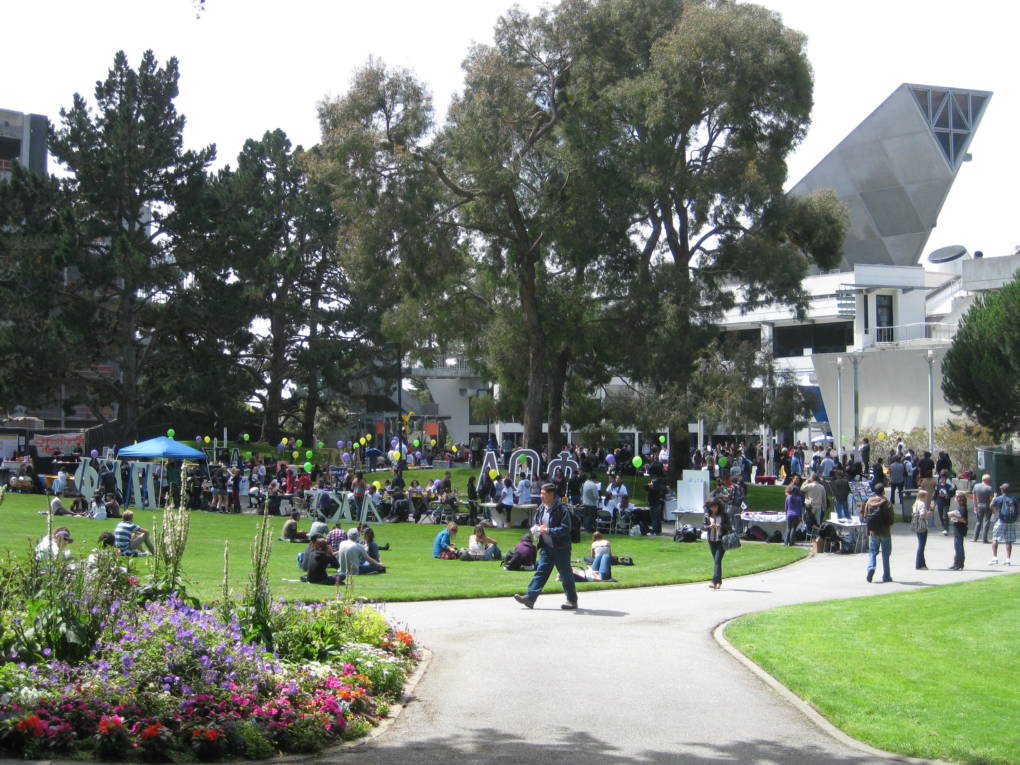
"caption": "San Francisco State University.",
"description": null,
"title": "4076854701_cdb688d5d9_o",
"credit": "Michael Ocampo/Flickr",
"status": "inherit",
"isLoading": false,
"fetchFailed": false
},
"news_11522265": {
"type": "attachments",
"id": "news_11522265",
"meta": {
"index": "attachments_1716263798",
"site": "news",
"id": "11522265",
"found": true
},
"parent": 11522264,
"imgSizes": {
"small": {
"file": "https://ww2.kqed.org/app/uploads/sites/10/2017/06/gettyimages-95576817_wide-ccd8dab183061479963dfed6fdaf83e1b108e51e-520x292.jpg",
"width": 520,
"mimeType": "image/jpeg",
"height": 292
},
"twentyfourteen-full-width": {
"file": "https://ww2.kqed.org/app/uploads/sites/10/2017/06/gettyimages-95576817_wide-ccd8dab183061479963dfed6fdaf83e1b108e51e-1038x576.jpg",
"width": 1038,
"mimeType": "image/jpeg",
"height": 576
},
"thumbnail": {
"file": "https://ww2.kqed.org/app/uploads/sites/10/2017/06/gettyimages-95576817_wide-ccd8dab183061479963dfed6fdaf83e1b108e51e-160x90.jpg",
"width": 160,
"mimeType": "image/jpeg",
"height": 90
},
"fd-sm": {
"file": "https://ww2.kqed.org/app/uploads/sites/10/2017/06/gettyimages-95576817_wide-ccd8dab183061479963dfed6fdaf83e1b108e51e-960x540.jpg",
"width": 960,
"mimeType": "image/jpeg",
"height": 540
},
"post-thumbnail": {
"file": "https://ww2.kqed.org/app/uploads/sites/10/2017/06/gettyimages-95576817_wide-ccd8dab183061479963dfed6fdaf83e1b108e51e-672x372.jpg",
"width": 672,
"mimeType": "image/jpeg",
"height": 372
},
"xsmall": {
"file": "https://ww2.kqed.org/app/uploads/sites/10/2017/06/gettyimages-95576817_wide-ccd8dab183061479963dfed6fdaf83e1b108e51e-375x211.jpg",
"width": 375,
"mimeType": "image/jpeg",
"height": 211
},
"kqedFullSize": {
"file": "https://ww2.kqed.org/app/uploads/sites/10/2017/06/gettyimages-95576817_wide-ccd8dab183061479963dfed6fdaf83e1b108e51e-e1497978849261.jpg",
"width": 1920,
"height": 1079
},
"large": {
"file": "https://ww2.kqed.org/app/uploads/sites/10/2017/06/gettyimages-95576817_wide-ccd8dab183061479963dfed6fdaf83e1b108e51e-1020x573.jpg",
"width": 1020,
"mimeType": "image/jpeg",
"height": 573
},
"xlarge": {
"file": "https://ww2.kqed.org/app/uploads/sites/10/2017/06/gettyimages-95576817_wide-ccd8dab183061479963dfed6fdaf83e1b108e51e-1180x663.jpg",
"width": 1180,
"mimeType": "image/jpeg",
"height": 663
},
"guest-author-50": {
"file": "https://ww2.kqed.org/app/uploads/sites/10/2017/06/gettyimages-95576817_wide-ccd8dab183061479963dfed6fdaf83e1b108e51e-50x50.jpg",
"width": 50,
"mimeType": "image/jpeg",
"height": 50
},
"guest-author-96": {
"file": "https://ww2.kqed.org/app/uploads/sites/10/2017/06/gettyimages-95576817_wide-ccd8dab183061479963dfed6fdaf83e1b108e51e-96x96.jpg",
"width": 96,
"mimeType": "image/jpeg",
"height": 96
},
"medium": {
"file": "https://ww2.kqed.org/app/uploads/sites/10/2017/06/gettyimages-95576817_wide-ccd8dab183061479963dfed6fdaf83e1b108e51e-800x450.jpg",
"width": 800,
"mimeType": "image/jpeg",
"height": 450
},
"guest-author-64": {
"file": "https://ww2.kqed.org/app/uploads/sites/10/2017/06/gettyimages-95576817_wide-ccd8dab183061479963dfed6fdaf83e1b108e51e-64x64.jpg",
"width": 64,
"mimeType": "image/jpeg",
"height": 64
},
"guest-author-32": {
"file": "https://ww2.kqed.org/app/uploads/sites/10/2017/06/gettyimages-95576817_wide-ccd8dab183061479963dfed6fdaf83e1b108e51e-32x32.jpg",
"width": 32,
"mimeType": "image/jpeg",
"height": 32
},
"fd-lrg": {
"file": "https://ww2.kqed.org/app/uploads/sites/10/2017/06/gettyimages-95576817_wide-ccd8dab183061479963dfed6fdaf83e1b108e51e-1920x1079.jpg",
"width": 1920,
"mimeType": "image/jpeg",
"height": 1079
},
"fd-med": {
"file": "https://ww2.kqed.org/app/uploads/sites/10/2017/06/gettyimages-95576817_wide-ccd8dab183061479963dfed6fdaf83e1b108e51e-1180x663.jpg",
"width": 1180,
"mimeType": "image/jpeg",
"height": 663
},
"full-width": {
"file": "https://ww2.kqed.org/app/uploads/sites/10/2017/06/gettyimages-95576817_wide-ccd8dab183061479963dfed6fdaf83e1b108e51e-1920x1079.jpg",
"width": 1920,
"mimeType": "image/jpeg",
"height": 1079
},
"detail": {
"file": "https://ww2.kqed.org/app/uploads/sites/10/2017/06/gettyimages-95576817_wide-ccd8dab183061479963dfed6fdaf83e1b108e51e-150x150.jpg",
"width": 150,
"mimeType": "image/jpeg",
"height": 150
},
"guest-author-128": {
"file": "https://ww2.kqed.org/app/uploads/sites/10/2017/06/gettyimages-95576817_wide-ccd8dab183061479963dfed6fdaf83e1b108e51e-128x128.jpg",
"width": 128,
"mimeType": "image/jpeg",
"height": 128
},
"xxsmall": {
"file": "https://ww2.kqed.org/app/uploads/sites/10/2017/06/gettyimages-95576817_wide-ccd8dab183061479963dfed6fdaf83e1b108e51e-240x135.jpg",
"width": 240,
"mimeType": "image/jpeg",
"height": 135
}
},
"publishDate": 1497978808,
"modified": 1497978872,
"caption": "A sample census form is displayed in New York City's Times Square in 2010.",
"description": "A sample census form is displayed in New York City's Times Square in 2010.",
"title": "A sample census form is displayed in New York City's Times Square in 2010.",
"credit": "Mario Tama/Getty Images",
"status": "inherit",
"isLoading": false,
"fetchFailed": false
},
"news_11520719": {
"type": "attachments",
"id": "news_11520719",
"meta": {
"index": "attachments_1716263798",
"site": "news",
"id": "11520719",
"found": true
},
"parent": 11520718,
"imgSizes": {
"small": {
"file": "https://ww2.kqed.org/app/uploads/sites/10/2017/06/borderstudents_002a_custom-c774a222e7ffa5ccc40b0f0963e0132a4ac5e094-520x346.jpg",
"width": 520,
"mimeType": "image/jpeg",
"height": 346
},
"twentyfourteen-full-width": {
"file": "https://ww2.kqed.org/app/uploads/sites/10/2017/06/borderstudents_002a_custom-c774a222e7ffa5ccc40b0f0963e0132a4ac5e094-1038x576.jpg",
"width": 1038,
"mimeType": "image/jpeg",
"height": 576
},
"thumbnail": {
"file": "https://ww2.kqed.org/app/uploads/sites/10/2017/06/borderstudents_002a_custom-c774a222e7ffa5ccc40b0f0963e0132a4ac5e094-160x107.jpg",
"width": 160,
"mimeType": "image/jpeg",
"height": 107
},
"fd-sm": {
"file": "https://ww2.kqed.org/app/uploads/sites/10/2017/06/borderstudents_002a_custom-c774a222e7ffa5ccc40b0f0963e0132a4ac5e094-960x639.jpg",
"width": 960,
"mimeType": "image/jpeg",
"height": 639
},
"post-thumbnail": {
"file": "https://ww2.kqed.org/app/uploads/sites/10/2017/06/borderstudents_002a_custom-c774a222e7ffa5ccc40b0f0963e0132a4ac5e094-672x372.jpg",
"width": 672,
"mimeType": "image/jpeg",
"height": 372
},
"xsmall": {
"file": "https://ww2.kqed.org/app/uploads/sites/10/2017/06/borderstudents_002a_custom-c774a222e7ffa5ccc40b0f0963e0132a4ac5e094-375x250.jpg",
"width": 375,
"mimeType": "image/jpeg",
"height": 250
},
"kqedFullSize": {
"file": "https://ww2.kqed.org/app/uploads/sites/10/2017/06/borderstudents_002a_custom-c774a222e7ffa5ccc40b0f0963e0132a4ac5e094-e1497911983786.jpg",
"width": 1920,
"height": 1279
},
"large": {
"file": "https://ww2.kqed.org/app/uploads/sites/10/2017/06/borderstudents_002a_custom-c774a222e7ffa5ccc40b0f0963e0132a4ac5e094-1020x679.jpg",
"width": 1020,
"mimeType": "image/jpeg",
"height": 679
},
"xlarge": {
"file": "https://ww2.kqed.org/app/uploads/sites/10/2017/06/borderstudents_002a_custom-c774a222e7ffa5ccc40b0f0963e0132a4ac5e094-1180x786.jpg",
"width": 1180,
"mimeType": "image/jpeg",
"height": 786
},
"guest-author-50": {
"file": "https://ww2.kqed.org/app/uploads/sites/10/2017/06/borderstudents_002a_custom-c774a222e7ffa5ccc40b0f0963e0132a4ac5e094-50x50.jpg",
"width": 50,
"mimeType": "image/jpeg",
"height": 50
},
"guest-author-96": {
"file": "https://ww2.kqed.org/app/uploads/sites/10/2017/06/borderstudents_002a_custom-c774a222e7ffa5ccc40b0f0963e0132a4ac5e094-96x96.jpg",
"width": 96,
"mimeType": "image/jpeg",
"height": 96
},
"medium": {
"file": "https://ww2.kqed.org/app/uploads/sites/10/2017/06/borderstudents_002a_custom-c774a222e7ffa5ccc40b0f0963e0132a4ac5e094-800x533.jpg",
"width": 800,
"mimeType": "image/jpeg",
"height": 533
},
"guest-author-64": {
"file": "https://ww2.kqed.org/app/uploads/sites/10/2017/06/borderstudents_002a_custom-c774a222e7ffa5ccc40b0f0963e0132a4ac5e094-64x64.jpg",
"width": 64,
"mimeType": "image/jpeg",
"height": 64
},
"guest-author-32": {
"file": "https://ww2.kqed.org/app/uploads/sites/10/2017/06/borderstudents_002a_custom-c774a222e7ffa5ccc40b0f0963e0132a4ac5e094-32x32.jpg",
"width": 32,
"mimeType": "image/jpeg",
"height": 32
},
"fd-lrg": {
"file": "https://ww2.kqed.org/app/uploads/sites/10/2017/06/borderstudents_002a_custom-c774a222e7ffa5ccc40b0f0963e0132a4ac5e094-1920x1279.jpg",
"width": 1920,
"mimeType": "image/jpeg",
"height": 1279
},
"fd-med": {
"file": "https://ww2.kqed.org/app/uploads/sites/10/2017/06/borderstudents_002a_custom-c774a222e7ffa5ccc40b0f0963e0132a4ac5e094-1180x786.jpg",
"width": 1180,
"mimeType": "image/jpeg",
"height": 786
},
"full-width": {
"file": "https://ww2.kqed.org/app/uploads/sites/10/2017/06/borderstudents_002a_custom-c774a222e7ffa5ccc40b0f0963e0132a4ac5e094-1920x1279.jpg",
"width": 1920,
"mimeType": "image/jpeg",
"height": 1279
},
"detail": {
"file": "https://ww2.kqed.org/app/uploads/sites/10/2017/06/borderstudents_002a_custom-c774a222e7ffa5ccc40b0f0963e0132a4ac5e094-150x150.jpg",
"width": 150,
"mimeType": "image/jpeg",
"height": 150
},
"guest-author-128": {
"file": "https://ww2.kqed.org/app/uploads/sites/10/2017/06/borderstudents_002a_custom-c774a222e7ffa5ccc40b0f0963e0132a4ac5e094-128x128.jpg",
"width": 128,
"mimeType": "image/jpeg",
"height": 128
},
"xxsmall": {
"file": "https://ww2.kqed.org/app/uploads/sites/10/2017/06/borderstudents_002a_custom-c774a222e7ffa5ccc40b0f0963e0132a4ac5e094-240x160.jpg",
"width": 240,
"mimeType": "image/jpeg",
"height": 160
}
},
"publishDate": 1497911780,
"modified": 1497911977,
"caption": "Students in Tijuana walk toward the U.S. border early in the morning. Teachers in San Diego estimate that about 1,000 students cross from Tijuana into San Diego every day to go to school.",
"description": "Students in Tijuana walk toward the U.S. border early in the morning. Teachers in San Diego estimate that about 1,000 students cross from Tijuana into San Diego every day to go to school.",
"title": "Students in Tijuana walk toward the U.S. border early in the morning on May 2. Teachers in San Diego estimate that about 1,000 students cross from Tijuana into San Diego every day to go to school.",
"credit": "Jonathan Levinson/NPR",
"status": "inherit",
"isLoading": false,
"fetchFailed": false
},
"news_11520429": {
"type": "attachments",
"id": "news_11520429",
"meta": {
"index": "attachments_1716263798",
"site": "news",
"id": "11520429",
"found": true
},
"parent": 11520428,
"imgSizes": {
"small": {
"file": "https://ww2.kqed.org/app/uploads/sites/10/2017/06/gettyimages-150311588_wide-2ceabbfc444c86af1b83ea9eaca999d9567e5fe5-520x292.jpg",
"width": 520,
"mimeType": "image/jpeg",
"height": 292
},
"twentyfourteen-full-width": {
"file": "https://ww2.kqed.org/app/uploads/sites/10/2017/06/gettyimages-150311588_wide-2ceabbfc444c86af1b83ea9eaca999d9567e5fe5-1038x576.jpg",
"width": 1038,
"mimeType": "image/jpeg",
"height": 576
},
"thumbnail": {
"file": "https://ww2.kqed.org/app/uploads/sites/10/2017/06/gettyimages-150311588_wide-2ceabbfc444c86af1b83ea9eaca999d9567e5fe5-160x90.jpg",
"width": 160,
"mimeType": "image/jpeg",
"height": 90
},
"fd-sm": {
"file": "https://ww2.kqed.org/app/uploads/sites/10/2017/06/gettyimages-150311588_wide-2ceabbfc444c86af1b83ea9eaca999d9567e5fe5-960x540.jpg",
"width": 960,
"mimeType": "image/jpeg",
"height": 540
},
"post-thumbnail": {
"file": "https://ww2.kqed.org/app/uploads/sites/10/2017/06/gettyimages-150311588_wide-2ceabbfc444c86af1b83ea9eaca999d9567e5fe5-672x372.jpg",
"width": 672,
"mimeType": "image/jpeg",
"height": 372
},
"xsmall": {
"file": "https://ww2.kqed.org/app/uploads/sites/10/2017/06/gettyimages-150311588_wide-2ceabbfc444c86af1b83ea9eaca999d9567e5fe5-375x211.jpg",
"width": 375,
"mimeType": "image/jpeg",
"height": 211
},
"kqedFullSize": {
"file": "https://ww2.kqed.org/app/uploads/sites/10/2017/06/gettyimages-150311588_wide-2ceabbfc444c86af1b83ea9eaca999d9567e5fe5-e1497900148506.jpg",
"width": 1920,
"height": 1080
},
"large": {
"file": "https://ww2.kqed.org/app/uploads/sites/10/2017/06/gettyimages-150311588_wide-2ceabbfc444c86af1b83ea9eaca999d9567e5fe5-1020x574.jpg",
"width": 1020,
"mimeType": "image/jpeg",
"height": 574
},
"xlarge": {
"file": "https://ww2.kqed.org/app/uploads/sites/10/2017/06/gettyimages-150311588_wide-2ceabbfc444c86af1b83ea9eaca999d9567e5fe5-1180x664.jpg",
"width": 1180,
"mimeType": "image/jpeg",
"height": 664
},
"guest-author-50": {
"file": "https://ww2.kqed.org/app/uploads/sites/10/2017/06/gettyimages-150311588_wide-2ceabbfc444c86af1b83ea9eaca999d9567e5fe5-50x50.jpg",
"width": 50,
"mimeType": "image/jpeg",
"height": 50
},
"guest-author-96": {
"file": "https://ww2.kqed.org/app/uploads/sites/10/2017/06/gettyimages-150311588_wide-2ceabbfc444c86af1b83ea9eaca999d9567e5fe5-96x96.jpg",
"width": 96,
"mimeType": "image/jpeg",
"height": 96
},
"medium": {
"file": "https://ww2.kqed.org/app/uploads/sites/10/2017/06/gettyimages-150311588_wide-2ceabbfc444c86af1b83ea9eaca999d9567e5fe5-800x450.jpg",
"width": 800,
"mimeType": "image/jpeg",
"height": 450
},
"guest-author-64": {
"file": "https://ww2.kqed.org/app/uploads/sites/10/2017/06/gettyimages-150311588_wide-2ceabbfc444c86af1b83ea9eaca999d9567e5fe5-64x64.jpg",
"width": 64,
"mimeType": "image/jpeg",
"height": 64
},
"guest-author-32": {
"file": "https://ww2.kqed.org/app/uploads/sites/10/2017/06/gettyimages-150311588_wide-2ceabbfc444c86af1b83ea9eaca999d9567e5fe5-32x32.jpg",
"width": 32,
"mimeType": "image/jpeg",
"height": 32
},
"fd-lrg": {
"file": "https://ww2.kqed.org/app/uploads/sites/10/2017/06/gettyimages-150311588_wide-2ceabbfc444c86af1b83ea9eaca999d9567e5fe5-1920x1080.jpg",
"width": 1920,
"mimeType": "image/jpeg",
"height": 1080
},
"fd-med": {
"file": "https://ww2.kqed.org/app/uploads/sites/10/2017/06/gettyimages-150311588_wide-2ceabbfc444c86af1b83ea9eaca999d9567e5fe5-1180x664.jpg",
"width": 1180,
"mimeType": "image/jpeg",
"height": 664
},
"full-width": {
"file": "https://ww2.kqed.org/app/uploads/sites/10/2017/06/gettyimages-150311588_wide-2ceabbfc444c86af1b83ea9eaca999d9567e5fe5-1920x1080.jpg",
"width": 1920,
"mimeType": "image/jpeg",
"height": 1080
},
"detail": {
"file": "https://ww2.kqed.org/app/uploads/sites/10/2017/06/gettyimages-150311588_wide-2ceabbfc444c86af1b83ea9eaca999d9567e5fe5-150x150.jpg",
"width": 150,
"mimeType": "image/jpeg",
"height": 150
},
"guest-author-128": {
"file": "https://ww2.kqed.org/app/uploads/sites/10/2017/06/gettyimages-150311588_wide-2ceabbfc444c86af1b83ea9eaca999d9567e5fe5-128x128.jpg",
"width": 128,
"mimeType": "image/jpeg",
"height": 128
},
"xxsmall": {
"file": "https://ww2.kqed.org/app/uploads/sites/10/2017/06/gettyimages-150311588_wide-2ceabbfc444c86af1b83ea9eaca999d9567e5fe5-240x135.jpg",
"width": 240,
"mimeType": "image/jpeg",
"height": 135
}
},
"publishDate": 1497900097,
"modified": 1497900271,
"caption": "Immigrants who were brought to the U.S. illegally as children, known as \"Dreamers,\" listen to the kick off of the Obama administration's Deferred Action for Childhood Arrivals program in 2012.",
"description": "Immigrants who were brought to the U.S. illegally as children, known as \"Dreamers,\" listen to the kick off of the Obama administration's Deferred Action for Childhood Arrivals program in 2012.",
"title": "Immigrants who were brought to the U.S. illegally as children, known as \"Dreamers,\" listen to the kick off of the Obama administration's Deferred Action for Childhood Arrivals program in 2012.",
"credit": "Kevork Djansezian/Getty Images",
"status": "inherit",
"isLoading": false,
"fetchFailed": false
},
"news_11513106": {
"type": "attachments",
"id": "news_11513106",
"meta": {
"index": "attachments_1716263798",
"site": "news",
"id": "11513106",
"found": true
},
"parent": 0,
"imgSizes": {
"small": {
"file": "https://ww2.kqed.org/app/uploads/sites/10/2017/06/20170615_credit_BertJohnson-2-520x347.jpg",
"width": 520,
"mimeType": "image/jpeg",
"height": 347
},
"twentyfourteen-full-width": {
"file": "https://ww2.kqed.org/app/uploads/sites/10/2017/06/20170615_credit_BertJohnson-2-1038x576.jpg",
"width": 1038,
"mimeType": "image/jpeg",
"height": 576
},
"thumbnail": {
"file": "https://ww2.kqed.org/app/uploads/sites/10/2017/06/20170615_credit_BertJohnson-2-160x107.jpg",
"width": 160,
"mimeType": "image/jpeg",
"height": 107
},
"fd-sm": {
"file": "https://ww2.kqed.org/app/uploads/sites/10/2017/06/20170615_credit_BertJohnson-2-960x640.jpg",
"width": 960,
"mimeType": "image/jpeg",
"height": 640
},
"post-thumbnail": {
"file": "https://ww2.kqed.org/app/uploads/sites/10/2017/06/20170615_credit_BertJohnson-2-672x372.jpg",
"width": 672,
"mimeType": "image/jpeg",
"height": 372
},
"xsmall": {
"file": "https://ww2.kqed.org/app/uploads/sites/10/2017/06/20170615_credit_BertJohnson-2-375x250.jpg",
"width": 375,
"mimeType": "image/jpeg",
"height": 250
},
"kqedFullSize": {
"file": "https://ww2.kqed.org/app/uploads/sites/10/2017/06/20170615_credit_BertJohnson-2.jpg",
"width": 3960,
"height": 2640
},
"large": {
"file": "https://ww2.kqed.org/app/uploads/sites/10/2017/06/20170615_credit_BertJohnson-2-1020x680.jpg",
"width": 1020,
"mimeType": "image/jpeg",
"height": 680
},
"xlarge": {
"file": "https://ww2.kqed.org/app/uploads/sites/10/2017/06/20170615_credit_BertJohnson-2-1180x787.jpg",
"width": 1180,
"mimeType": "image/jpeg",
"height": 787
},
"guest-author-50": {
"file": "https://ww2.kqed.org/app/uploads/sites/10/2017/06/20170615_credit_BertJohnson-2-50x50.jpg",
"width": 50,
"mimeType": "image/jpeg",
"height": 50
},
"guest-author-96": {
"file": "https://ww2.kqed.org/app/uploads/sites/10/2017/06/20170615_credit_BertJohnson-2-96x96.jpg",
"width": 96,
"mimeType": "image/jpeg",
"height": 96
},
"medium": {
"file": "https://ww2.kqed.org/app/uploads/sites/10/2017/06/20170615_credit_BertJohnson-2-800x533.jpg",
"width": 800,
"mimeType": "image/jpeg",
"height": 533
},
"guest-author-64": {
"file": "https://ww2.kqed.org/app/uploads/sites/10/2017/06/20170615_credit_BertJohnson-2-64x64.jpg",
"width": 64,
"mimeType": "image/jpeg",
"height": 64
},
"guest-author-32": {
"file": "https://ww2.kqed.org/app/uploads/sites/10/2017/06/20170615_credit_BertJohnson-2-32x32.jpg",
"width": 32,
"mimeType": "image/jpeg",
"height": 32
},
"fd-lrg": {
"file": "https://ww2.kqed.org/app/uploads/sites/10/2017/06/20170615_credit_BertJohnson-2-1920x1280.jpg",
"width": 1920,
"mimeType": "image/jpeg",
"height": 1280
},
"fd-med": {
"file": "https://ww2.kqed.org/app/uploads/sites/10/2017/06/20170615_credit_BertJohnson-2-1180x787.jpg",
"width": 1180,
"mimeType": "image/jpeg",
"height": 787
},
"full-width": {
"file": "https://ww2.kqed.org/app/uploads/sites/10/2017/06/20170615_credit_BertJohnson-2-1920x1280.jpg",
"width": 1920,
"mimeType": "image/jpeg",
"height": 1280
},
"detail": {
"file": "https://ww2.kqed.org/app/uploads/sites/10/2017/06/20170615_credit_BertJohnson-2-150x150.jpg",
"width": 150,
"mimeType": "image/jpeg",
"height": 150
},
"guest-author-128": {
"file": "https://ww2.kqed.org/app/uploads/sites/10/2017/06/20170615_credit_BertJohnson-2-128x128.jpg",
"width": 128,
"mimeType": "image/jpeg",
"height": 128
},
"xxsmall": {
"file": "https://ww2.kqed.org/app/uploads/sites/10/2017/06/20170615_credit_BertJohnson-2-240x160.jpg",
"width": 240,
"mimeType": "image/jpeg",
"height": 160
}
},
"publishDate": 1497572081,
"modified": 1497910019,
"caption": "Karla Nema of San Jose attended a rally outside of the Palo Alto Courthouse in support of Neha Rastogi. Rastogi's husband Abhishek Gattani is accused of beating her over the course of their marriage and accepted a modified plea deal on June 15.\n",
"description": null,
"title": "20170615_credit_BertJohnson-2",
"credit": "Bert Johnson/KQED",
"status": "inherit",
"isLoading": false,
"fetchFailed": false
},
"news_11512508": {
"type": "attachments",
"id": "news_11512508",
"meta": {
"index": "attachments_1716263798",
"site": "news",
"id": "11512508",
"found": true
},
"parent": 11512501,
"imgSizes": {
"small": {
"file": "https://ww2.kqed.org/app/uploads/sites/10/2017/06/Carolina-520x382.jpg",
"width": 520,
"mimeType": "image/jpeg",
"height": 382
},
"twentyfourteen-full-width": {
"file": "https://ww2.kqed.org/app/uploads/sites/10/2017/06/Carolina-1038x576.jpg",
"width": 1038,
"mimeType": "image/jpeg",
"height": 576
},
"thumbnail": {
"file": "https://ww2.kqed.org/app/uploads/sites/10/2017/06/Carolina-160x118.jpg",
"width": 160,
"mimeType": "image/jpeg",
"height": 118
},
"fd-sm": {
"file": "https://ww2.kqed.org/app/uploads/sites/10/2017/06/Carolina-960x705.jpg",
"width": 960,
"mimeType": "image/jpeg",
"height": 705
},
"post-thumbnail": {
"file": "https://ww2.kqed.org/app/uploads/sites/10/2017/06/Carolina-672x372.jpg",
"width": 672,
"mimeType": "image/jpeg",
"height": 372
},
"xsmall": {
"file": "https://ww2.kqed.org/app/uploads/sites/10/2017/06/Carolina-375x275.jpg",
"width": 375,
"mimeType": "image/jpeg",
"height": 275
},
"kqedFullSize": {
"file": "https://ww2.kqed.org/app/uploads/sites/10/2017/06/Carolina.jpg",
"width": 1920,
"height": 1410
},
"large": {
"file": "https://ww2.kqed.org/app/uploads/sites/10/2017/06/Carolina-1020x749.jpg",
"width": 1020,
"mimeType": "image/jpeg",
"height": 749
},
"xlarge": {
"file": "https://ww2.kqed.org/app/uploads/sites/10/2017/06/Carolina-1180x867.jpg",
"width": 1180,
"mimeType": "image/jpeg",
"height": 867
},
"guest-author-50": {
"file": "https://ww2.kqed.org/app/uploads/sites/10/2017/06/Carolina-50x50.jpg",
"width": 50,
"mimeType": "image/jpeg",
"height": 50
},
"guest-author-96": {
"file": "https://ww2.kqed.org/app/uploads/sites/10/2017/06/Carolina-96x96.jpg",
"width": 96,
"mimeType": "image/jpeg",
"height": 96
},
"medium": {
"file": "https://ww2.kqed.org/app/uploads/sites/10/2017/06/Carolina-800x588.jpg",
"width": 800,
"mimeType": "image/jpeg",
"height": 588
},
"guest-author-64": {
"file": "https://ww2.kqed.org/app/uploads/sites/10/2017/06/Carolina-64x64.jpg",
"width": 64,
"mimeType": "image/jpeg",
"height": 64
},
"guest-author-32": {
"file": "https://ww2.kqed.org/app/uploads/sites/10/2017/06/Carolina-32x32.jpg",
"width": 32,
"mimeType": "image/jpeg",
"height": 32
},
"fd-lrg": {
"file": "https://ww2.kqed.org/app/uploads/sites/10/2017/06/Carolina-1920x1410.jpg",
"width": 1920,
"mimeType": "image/jpeg",
"height": 1410
},
"fd-med": {
"file": "https://ww2.kqed.org/app/uploads/sites/10/2017/06/Carolina-1180x867.jpg",
"width": 1180,
"mimeType": "image/jpeg",
"height": 867
},
"full-width": {
"file": "https://ww2.kqed.org/app/uploads/sites/10/2017/06/Carolina-1920x1410.jpg",
"width": 1920,
"mimeType": "image/jpeg",
"height": 1410
},
"detail": {
"file": "https://ww2.kqed.org/app/uploads/sites/10/2017/06/Carolina-150x150.jpg",
"width": 150,
"mimeType": "image/jpeg",
"height": 150
},
"guest-author-128": {
"file": "https://ww2.kqed.org/app/uploads/sites/10/2017/06/Carolina-128x128.jpg",
"width": 128,
"mimeType": "image/jpeg",
"height": 128
},
"xxsmall": {
"file": "https://ww2.kqed.org/app/uploads/sites/10/2017/06/Carolina-240x176.jpg",
"width": 240,
"mimeType": "image/jpeg",
"height": 176
}
},
"publishDate": 1497554798,
"modified": 1497554849,
"caption": "Carolina, who arrived 12 years ago on a tourist visa and overstayed, enters a Southern California community center. She is one of the thousands of visitors who come to the U.S. each year and stay after their visas expire. ",
"description": "Carolina, who arrived 12 years ago on a tourist visa and overstayed, enters a Southern California community center. She is one of the thousands of visitors who come to the U.S. each year and stay after their visas expire. ",
"title": "Carolina",
"credit": "Leslie Berestein Rojas/KPCC",
"status": "inherit",
"isLoading": false,
"fetchFailed": false
},
"news_11512302": {
"type": "attachments",
"id": "news_11512302",
"meta": {
"index": "attachments_1716263798",
"site": "news",
"id": "11512302",
"found": true
},
"parent": 11512221,
"imgSizes": {
"small": {
"file": "https://ww2.kqed.org/app/uploads/sites/10/2017/06/Ed-of-Felon-1-520x311.jpg",
"width": 520,
"mimeType": "image/jpeg",
"height": 311
},
"twentyfourteen-full-width": {
"file": "https://ww2.kqed.org/app/uploads/sites/10/2017/06/Ed-of-Felon-1-1038x576.jpg",
"width": 1038,
"mimeType": "image/jpeg",
"height": 576
},
"thumbnail": {
"file": "https://ww2.kqed.org/app/uploads/sites/10/2017/06/Ed-of-Felon-1-160x96.jpg",
"width": 160,
"mimeType": "image/jpeg",
"height": 96
},
"fd-sm": {
"file": "https://ww2.kqed.org/app/uploads/sites/10/2017/06/Ed-of-Felon-1-960x574.jpg",
"width": 960,
"mimeType": "image/jpeg",
"height": 574
},
"post-thumbnail": {
"file": "https://ww2.kqed.org/app/uploads/sites/10/2017/06/Ed-of-Felon-1-672x372.jpg",
"width": 672,
"mimeType": "image/jpeg",
"height": 372
},
"xsmall": {
"file": "https://ww2.kqed.org/app/uploads/sites/10/2017/06/Ed-of-Felon-1-375x224.jpg",
"width": 375,
"mimeType": "image/jpeg",
"height": 224
},
"kqedFullSize": {
"file": "https://ww2.kqed.org/app/uploads/sites/10/2017/06/Ed-of-Felon-1.jpg",
"width": 1920,
"height": 1148
},
"large": {
"file": "https://ww2.kqed.org/app/uploads/sites/10/2017/06/Ed-of-Felon-1-1020x610.jpg",
"width": 1020,
"mimeType": "image/jpeg",
"height": 610
},
"xlarge": {
"file": "https://ww2.kqed.org/app/uploads/sites/10/2017/06/Ed-of-Felon-1-1180x706.jpg",
"width": 1180,
"mimeType": "image/jpeg",
"height": 706
},
"guest-author-50": {
"file": "https://ww2.kqed.org/app/uploads/sites/10/2017/06/Ed-of-Felon-1-50x50.jpg",
"width": 50,
"mimeType": "image/jpeg",
"height": 50
},
"guest-author-96": {
"file": "https://ww2.kqed.org/app/uploads/sites/10/2017/06/Ed-of-Felon-1-96x96.jpg",
"width": 96,
"mimeType": "image/jpeg",
"height": 96
},
"medium": {
"file": "https://ww2.kqed.org/app/uploads/sites/10/2017/06/Ed-of-Felon-1-800x478.jpg",
"width": 800,
"mimeType": "image/jpeg",
"height": 478
},
"guest-author-64": {
"file": "https://ww2.kqed.org/app/uploads/sites/10/2017/06/Ed-of-Felon-1-64x64.jpg",
"width": 64,
"mimeType": "image/jpeg",
"height": 64
},
"guest-author-32": {
"file": "https://ww2.kqed.org/app/uploads/sites/10/2017/06/Ed-of-Felon-1-32x32.jpg",
"width": 32,
"mimeType": "image/jpeg",
"height": 32
},
"fd-lrg": {
"file": "https://ww2.kqed.org/app/uploads/sites/10/2017/06/Ed-of-Felon-1-1920x1148.jpg",
"width": 1920,
"mimeType": "image/jpeg",
"height": 1148
},
"fd-med": {
"file": "https://ww2.kqed.org/app/uploads/sites/10/2017/06/Ed-of-Felon-1-1180x706.jpg",
"width": 1180,
"mimeType": "image/jpeg",
"height": 706
},
"full-width": {
"file": "https://ww2.kqed.org/app/uploads/sites/10/2017/06/Ed-of-Felon-1-1920x1148.jpg",
"width": 1920,
"mimeType": "image/jpeg",
"height": 1148
},
"detail": {
"file": "https://ww2.kqed.org/app/uploads/sites/10/2017/06/Ed-of-Felon-1-150x150.jpg",
"width": 150,
"mimeType": "image/jpeg",
"height": 150
},
"guest-author-128": {
"file": "https://ww2.kqed.org/app/uploads/sites/10/2017/06/Ed-of-Felon-1-128x128.jpg",
"width": 128,
"mimeType": "image/jpeg",
"height": 128
},
"xxsmall": {
"file": "https://ww2.kqed.org/app/uploads/sites/10/2017/06/Ed-of-Felon-1-240x144.jpg",
"width": 240,
"mimeType": "image/jpeg",
"height": 144
}
},
"publishDate": 1497547530,
"modified": 1497547561,
"caption": null,
"description": null,
"title": "Ed of Felon",
"credit": "Courtesy of Marvin Mutch",
"status": "inherit",
"isLoading": false,
"fetchFailed": false
},
"news_11512875": {
"type": "attachments",
"id": "news_11512875",
"meta": {
"index": "attachments_1716263798",
"site": "news",
"id": "11512875",
"found": true
},
"parent": 11512861,
"imgSizes": {
"small": {
"file": "https://ww2.kqed.org/app/uploads/sites/10/2017/06/route_061517_final-520x520.jpg",
"width": 520,
"mimeType": "image/jpeg",
"height": 520
},
"twentyfourteen-full-width": {
"file": "https://ww2.kqed.org/app/uploads/sites/10/2017/06/route_061517_final-1038x576.jpg",
"width": 1038,
"mimeType": "image/jpeg",
"height": 576
},
"thumbnail": {
"file": "https://ww2.kqed.org/app/uploads/sites/10/2017/06/route_061517_final-160x160.jpg",
"width": 160,
"mimeType": "image/jpeg",
"height": 160
},
"fd-sm": {
"file": "https://ww2.kqed.org/app/uploads/sites/10/2017/06/route_061517_final-960x960.jpg",
"width": 960,
"mimeType": "image/jpeg",
"height": 960
},
"post-thumbnail": {
"file": "https://ww2.kqed.org/app/uploads/sites/10/2017/06/route_061517_final-672x372.jpg",
"width": 672,
"mimeType": "image/jpeg",
"height": 372
},
"xsmall": {
"file": "https://ww2.kqed.org/app/uploads/sites/10/2017/06/route_061517_final-375x375.jpg",
"width": 375,
"mimeType": "image/jpeg",
"height": 375
},
"kqedFullSize": {
"file": "https://ww2.kqed.org/app/uploads/sites/10/2017/06/route_061517_final.jpg",
"width": 1920,
"height": 1920
},
"large": {
"file": "https://ww2.kqed.org/app/uploads/sites/10/2017/06/route_061517_final-1020x1020.jpg",
"width": 1020,
"mimeType": "image/jpeg",
"height": 1020
},
"xlarge": {
"file": "https://ww2.kqed.org/app/uploads/sites/10/2017/06/route_061517_final-1180x1180.jpg",
"width": 1180,
"mimeType": "image/jpeg",
"height": 1180
},
"guest-author-50": {
"file": "https://ww2.kqed.org/app/uploads/sites/10/2017/06/route_061517_final-50x50.jpg",
"width": 50,
"mimeType": "image/jpeg",
"height": 50
},
"guest-author-96": {
"file": "https://ww2.kqed.org/app/uploads/sites/10/2017/06/route_061517_final-96x96.jpg",
"width": 96,
"mimeType": "image/jpeg",
"height": 96
},
"medium": {
"file": "https://ww2.kqed.org/app/uploads/sites/10/2017/06/route_061517_final-800x800.jpg",
"width": 800,
"mimeType": "image/jpeg",
"height": 800
},
"guest-author-64": {
"file": "https://ww2.kqed.org/app/uploads/sites/10/2017/06/route_061517_final-64x64.jpg",
"width": 64,
"mimeType": "image/jpeg",
"height": 64
},
"guest-author-32": {
"file": "https://ww2.kqed.org/app/uploads/sites/10/2017/06/route_061517_final-32x32.jpg",
"width": 32,
"mimeType": "image/jpeg",
"height": 32
},
"fd-lrg": {
"file": "https://ww2.kqed.org/app/uploads/sites/10/2017/06/route_061517_final-1920x1920.jpg",
"width": 1920,
"mimeType": "image/jpeg",
"height": 1920
},
"fd-med": {
"file": "https://ww2.kqed.org/app/uploads/sites/10/2017/06/route_061517_final-1180x1180.jpg",
"width": 1180,
"mimeType": "image/jpeg",
"height": 1180
},
"full-width": {
"file": "https://ww2.kqed.org/app/uploads/sites/10/2017/06/route_061517_final-1920x1920.jpg",
"width": 1920,
"mimeType": "image/jpeg",
"height": 1920
},
"detail": {
"file": "https://ww2.kqed.org/app/uploads/sites/10/2017/06/route_061517_final-150x150.jpg",
"width": 150,
"mimeType": "image/jpeg",
"height": 150
},
"guest-author-128": {
"file": "https://ww2.kqed.org/app/uploads/sites/10/2017/06/route_061517_final-128x128.jpg",
"width": 128,
"mimeType": "image/jpeg",
"height": 128
},
"xxsmall": {
"file": "https://ww2.kqed.org/app/uploads/sites/10/2017/06/route_061517_final-240x240.jpg",
"width": 240,
"mimeType": "image/jpeg",
"height": 240
}
},
"publishDate": 1497564913,
"modified": 1497564955,
"caption": null,
"description": null,
"title": "route_061517_final",
"credit": null,
"status": "inherit",
"isLoading": false,
"fetchFailed": false
},
"news_11510421": {
"type": "attachments",
"id": "news_11510421",
"meta": {
"index": "attachments_1716263798",
"site": "news",
"id": "11510421",
"found": true
},
"parent": 11510396,
"imgSizes": {
"small": {
"file": "https://ww2.kqed.org/app/uploads/sites/10/2017/06/united_061417_final-520x520.jpg",
"width": 520,
"mimeType": "image/jpeg",
"height": 520
},
"twentyfourteen-full-width": {
"file": "https://ww2.kqed.org/app/uploads/sites/10/2017/06/united_061417_final-1038x576.jpg",
"width": 1038,
"mimeType": "image/jpeg",
"height": 576
},
"thumbnail": {
"file": "https://ww2.kqed.org/app/uploads/sites/10/2017/06/united_061417_final-160x160.jpg",
"width": 160,
"mimeType": "image/jpeg",
"height": 160
},
"fd-sm": {
"file": "https://ww2.kqed.org/app/uploads/sites/10/2017/06/united_061417_final-960x960.jpg",
"width": 960,
"mimeType": "image/jpeg",
"height": 960
},
"post-thumbnail": {
"file": "https://ww2.kqed.org/app/uploads/sites/10/2017/06/united_061417_final-672x372.jpg",
"width": 672,
"mimeType": "image/jpeg",
"height": 372
},
"xsmall": {
"file": "https://ww2.kqed.org/app/uploads/sites/10/2017/06/united_061417_final-375x375.jpg",
"width": 375,
"mimeType": "image/jpeg",
"height": 375
},
"kqedFullSize": {
"file": "https://ww2.kqed.org/app/uploads/sites/10/2017/06/united_061417_final.jpg",
"width": 1920,
"height": 1920
},
"large": {
"file": "https://ww2.kqed.org/app/uploads/sites/10/2017/06/united_061417_final-1020x1020.jpg",
"width": 1020,
"mimeType": "image/jpeg",
"height": 1020
},
"xlarge": {
"file": "https://ww2.kqed.org/app/uploads/sites/10/2017/06/united_061417_final-1180x1180.jpg",
"width": 1180,
"mimeType": "image/jpeg",
"height": 1180
},
"guest-author-50": {
"file": "https://ww2.kqed.org/app/uploads/sites/10/2017/06/united_061417_final-50x50.jpg",
"width": 50,
"mimeType": "image/jpeg",
"height": 50
},
"guest-author-96": {
"file": "https://ww2.kqed.org/app/uploads/sites/10/2017/06/united_061417_final-96x96.jpg",
"width": 96,
"mimeType": "image/jpeg",
"height": 96
},
"medium": {
"file": "https://ww2.kqed.org/app/uploads/sites/10/2017/06/united_061417_final-800x800.jpg",
"width": 800,
"mimeType": "image/jpeg",
"height": 800
},
"guest-author-64": {
"file": "https://ww2.kqed.org/app/uploads/sites/10/2017/06/united_061417_final-64x64.jpg",
"width": 64,
"mimeType": "image/jpeg",
"height": 64
},
"guest-author-32": {
"file": "https://ww2.kqed.org/app/uploads/sites/10/2017/06/united_061417_final-32x32.jpg",
"width": 32,
"mimeType": "image/jpeg",
"height": 32
},
"fd-lrg": {
"file": "https://ww2.kqed.org/app/uploads/sites/10/2017/06/united_061417_final-1920x1920.jpg",
"width": 1920,
"mimeType": "image/jpeg",
"height": 1920
},
"fd-med": {
"file": "https://ww2.kqed.org/app/uploads/sites/10/2017/06/united_061417_final-1180x1180.jpg",
"width": 1180,
"mimeType": "image/jpeg",
"height": 1180
},
"full-width": {
"file": "https://ww2.kqed.org/app/uploads/sites/10/2017/06/united_061417_final-1920x1920.jpg",
"width": 1920,
"mimeType": "image/jpeg",
"height": 1920
},
"detail": {
"file": "https://ww2.kqed.org/app/uploads/sites/10/2017/06/united_061417_final-150x150.jpg",
"width": 150,
"mimeType": "image/jpeg",
"height": 150
},
"guest-author-128": {
"file": "https://ww2.kqed.org/app/uploads/sites/10/2017/06/united_061417_final-128x128.jpg",
"width": 128,
"mimeType": "image/jpeg",
"height": 128
},
"xxsmall": {
"file": "https://ww2.kqed.org/app/uploads/sites/10/2017/06/united_061417_final-240x240.jpg",
"width": 240,
"mimeType": "image/jpeg",
"height": 240
}
},
"publishDate": 1497471687,
"modified": 1497471717,
"caption": null,
"description": null,
"title": "united_061417_final",
"credit": null,
"status": "inherit",
"isLoading": false,
"fetchFailed": false
},
"news_11512140": {
"type": "attachments",
"id": "news_11512140",
"meta": {
"index": "attachments_1716263798",
"site": "news",
"id": "11512140",
"found": true
},
"parent": 11510018,
"imgSizes": {
"small": {
"file": "https://ww2.kqed.org/app/uploads/sites/10/2017/06/GettyImages-696030500-520x350.jpg",
"width": 520,
"mimeType": "image/jpeg",
"height": 350
},
"twentyfourteen-full-width": {
"file": "https://ww2.kqed.org/app/uploads/sites/10/2017/06/GettyImages-696030500-1038x576.jpg",
"width": 1038,
"mimeType": "image/jpeg",
"height": 576
},
"thumbnail": {
"file": "https://ww2.kqed.org/app/uploads/sites/10/2017/06/GettyImages-696030500-160x108.jpg",
"width": 160,
"mimeType": "image/jpeg",
"height": 108
},
"fd-sm": {
"file": "https://ww2.kqed.org/app/uploads/sites/10/2017/06/GettyImages-696030500-960x646.jpg",
"width": 960,
"mimeType": "image/jpeg",
"height": 646
},
"post-thumbnail": {
"file": "https://ww2.kqed.org/app/uploads/sites/10/2017/06/GettyImages-696030500-672x372.jpg",
"width": 672,
"mimeType": "image/jpeg",
"height": 372
},
"xsmall": {
"file": "https://ww2.kqed.org/app/uploads/sites/10/2017/06/GettyImages-696030500-375x252.jpg",
"width": 375,
"mimeType": "image/jpeg",
"height": 252
},
"kqedFullSize": {
"file": "https://ww2.kqed.org/app/uploads/sites/10/2017/06/GettyImages-696030500-e1497541373678.jpg",
"width": 1920,
"height": 1292
},
"large": {
"file": "https://ww2.kqed.org/app/uploads/sites/10/2017/06/GettyImages-696030500-1020x686.jpg",
"width": 1020,
"mimeType": "image/jpeg",
"height": 686
},
"xlarge": {
"file": "https://ww2.kqed.org/app/uploads/sites/10/2017/06/GettyImages-696030500-1180x794.jpg",
"width": 1180,
"mimeType": "image/jpeg",
"height": 794
},
"guest-author-50": {
"file": "https://ww2.kqed.org/app/uploads/sites/10/2017/06/GettyImages-696030500-50x50.jpg",
"width": 50,
"mimeType": "image/jpeg",
"height": 50
},
"guest-author-96": {
"file": "https://ww2.kqed.org/app/uploads/sites/10/2017/06/GettyImages-696030500-96x96.jpg",
"width": 96,
"mimeType": "image/jpeg",
"height": 96
},
"medium": {
"file": "https://ww2.kqed.org/app/uploads/sites/10/2017/06/GettyImages-696030500-800x538.jpg",
"width": 800,
"mimeType": "image/jpeg",
"height": 538
},
"guest-author-64": {
"file": "https://ww2.kqed.org/app/uploads/sites/10/2017/06/GettyImages-696030500-64x64.jpg",
"width": 64,
"mimeType": "image/jpeg",
"height": 64
},
"guest-author-32": {
"file": "https://ww2.kqed.org/app/uploads/sites/10/2017/06/GettyImages-696030500-32x32.jpg",
"width": 32,
"mimeType": "image/jpeg",
"height": 32
},
"fd-lrg": {
"file": "https://ww2.kqed.org/app/uploads/sites/10/2017/06/GettyImages-696030500-1920x1292.jpg",
"width": 1920,
"mimeType": "image/jpeg",
"height": 1292
},
"fd-med": {
"file": "https://ww2.kqed.org/app/uploads/sites/10/2017/06/GettyImages-696030500-1180x794.jpg",
"width": 1180,
"mimeType": "image/jpeg",
"height": 794
},
"full-width": {
"file": "https://ww2.kqed.org/app/uploads/sites/10/2017/06/GettyImages-696030500-1920x1292.jpg",
"width": 1920,
"mimeType": "image/jpeg",
"height": 1292
},
"detail": {
"file": "https://ww2.kqed.org/app/uploads/sites/10/2017/06/GettyImages-696030500-150x150.jpg",
"width": 150,
"mimeType": "image/jpeg",
"height": 150
},
"guest-author-128": {
"file": "https://ww2.kqed.org/app/uploads/sites/10/2017/06/GettyImages-696030500-128x128.jpg",
"width": 128,
"mimeType": "image/jpeg",
"height": 128
},
"xxsmall": {
"file": "https://ww2.kqed.org/app/uploads/sites/10/2017/06/GettyImages-696030500-240x162.jpg",
"width": 240,
"mimeType": "image/jpeg",
"height": 162
}
},
"publishDate": 1497541158,
"modified": 1497564263,
"caption": "San Francisco UPS workers outside the facility where a fellow driver shot and killed three co-workers.",
"description": null,
"title": "UPS Shooting",
"credit": "Josh Edelson/AFP-Getty Images",
"status": "inherit",
"isLoading": false,
"fetchFailed": false
},
"news_11510806": {
"type": "attachments",
"id": "news_11510806",
"meta": {
"index": "attachments_1716263798",
"site": "news",
"id": "11510806",
"found": true
},
"parent": 11510805,
"imgSizes": {
"small": {
"file": "https://ww2.kqed.org/app/uploads/sites/10/2017/06/gettyimages-695960166_custom-523ac7fc245b012594d0edaa202a044e8e64495b-520x323.jpg",
"width": 520,
"mimeType": "image/jpeg",
"height": 323
},
"twentyfourteen-full-width": {
"file": "https://ww2.kqed.org/app/uploads/sites/10/2017/06/gettyimages-695960166_custom-523ac7fc245b012594d0edaa202a044e8e64495b-1038x576.jpg",
"width": 1038,
"mimeType": "image/jpeg",
"height": 576
},
"thumbnail": {
"file": "https://ww2.kqed.org/app/uploads/sites/10/2017/06/gettyimages-695960166_custom-523ac7fc245b012594d0edaa202a044e8e64495b-160x99.jpg",
"width": 160,
"mimeType": "image/jpeg",
"height": 99
},
"fd-sm": {
"file": "https://ww2.kqed.org/app/uploads/sites/10/2017/06/gettyimages-695960166_custom-523ac7fc245b012594d0edaa202a044e8e64495b-960x596.jpg",
"width": 960,
"mimeType": "image/jpeg",
"height": 596
},
"post-thumbnail": {
"file": "https://ww2.kqed.org/app/uploads/sites/10/2017/06/gettyimages-695960166_custom-523ac7fc245b012594d0edaa202a044e8e64495b-672x372.jpg",
"width": 672,
"mimeType": "image/jpeg",
"height": 372
},
"xsmall": {
"file": "https://ww2.kqed.org/app/uploads/sites/10/2017/06/gettyimages-695960166_custom-523ac7fc245b012594d0edaa202a044e8e64495b-375x233.jpg",
"width": 375,
"mimeType": "image/jpeg",
"height": 233
},
"kqedFullSize": {
"file": "https://ww2.kqed.org/app/uploads/sites/10/2017/06/gettyimages-695960166_custom-523ac7fc245b012594d0edaa202a044e8e64495b.jpg",
"width": 2947,
"height": 1831
},
"large": {
"file": "https://ww2.kqed.org/app/uploads/sites/10/2017/06/gettyimages-695960166_custom-523ac7fc245b012594d0edaa202a044e8e64495b-1020x634.jpg",
"width": 1020,
"mimeType": "image/jpeg",
"height": 634
},
"xlarge": {
"file": "https://ww2.kqed.org/app/uploads/sites/10/2017/06/gettyimages-695960166_custom-523ac7fc245b012594d0edaa202a044e8e64495b-1180x733.jpg",
"width": 1180,
"mimeType": "image/jpeg",
"height": 733
},
"guest-author-50": {
"file": "https://ww2.kqed.org/app/uploads/sites/10/2017/06/gettyimages-695960166_custom-523ac7fc245b012594d0edaa202a044e8e64495b-50x50.jpg",
"width": 50,
"mimeType": "image/jpeg",
"height": 50
},
"guest-author-96": {
"file": "https://ww2.kqed.org/app/uploads/sites/10/2017/06/gettyimages-695960166_custom-523ac7fc245b012594d0edaa202a044e8e64495b-96x96.jpg",
"width": 96,
"mimeType": "image/jpeg",
"height": 96
},
"medium": {
"file": "https://ww2.kqed.org/app/uploads/sites/10/2017/06/gettyimages-695960166_custom-523ac7fc245b012594d0edaa202a044e8e64495b-800x497.jpg",
"width": 800,
"mimeType": "image/jpeg",
"height": 497
},
"guest-author-64": {
"file": "https://ww2.kqed.org/app/uploads/sites/10/2017/06/gettyimages-695960166_custom-523ac7fc245b012594d0edaa202a044e8e64495b-64x64.jpg",
"width": 64,
"mimeType": "image/jpeg",
"height": 64
},
"guest-author-32": {
"file": "https://ww2.kqed.org/app/uploads/sites/10/2017/06/gettyimages-695960166_custom-523ac7fc245b012594d0edaa202a044e8e64495b-32x32.jpg",
"width": 32,
"mimeType": "image/jpeg",
"height": 32
},
"fd-lrg": {
"file": "https://ww2.kqed.org/app/uploads/sites/10/2017/06/gettyimages-695960166_custom-523ac7fc245b012594d0edaa202a044e8e64495b-1920x1193.jpg",
"width": 1920,
"mimeType": "image/jpeg",
"height": 1193
},
"fd-med": {
"file": "https://ww2.kqed.org/app/uploads/sites/10/2017/06/gettyimages-695960166_custom-523ac7fc245b012594d0edaa202a044e8e64495b-1180x733.jpg",
"width": 1180,
"mimeType": "image/jpeg",
"height": 733
},
"full-width": {
"file": "https://ww2.kqed.org/app/uploads/sites/10/2017/06/gettyimages-695960166_custom-523ac7fc245b012594d0edaa202a044e8e64495b-1920x1193.jpg",
"width": 1920,
"mimeType": "image/jpeg",
"height": 1193
},
"detail": {
"file": "https://ww2.kqed.org/app/uploads/sites/10/2017/06/gettyimages-695960166_custom-523ac7fc245b012594d0edaa202a044e8e64495b-150x150.jpg",
"width": 150,
"mimeType": "image/jpeg",
"height": 150
},
"guest-author-128": {
"file": "https://ww2.kqed.org/app/uploads/sites/10/2017/06/gettyimages-695960166_custom-523ac7fc245b012594d0edaa202a044e8e64495b-128x128.jpg",
"width": 128,
"mimeType": "image/jpeg",
"height": 128
},
"xxsmall": {
"file": "https://ww2.kqed.org/app/uploads/sites/10/2017/06/gettyimages-695960166_custom-523ac7fc245b012594d0edaa202a044e8e64495b-240x149.jpg",
"width": 240,
"mimeType": "image/jpeg",
"height": 149
}
},
"publishDate": 1497486573,
"modified": 1497486645,
"caption": "Special counsel Robert Mueller, who is leading the DOJ investigation into Russian election meddling, is investigating President Trump for possible obstruction of justice.",
"description": null,
"title": "Special counsel Robert Mueller, who is leading the Department of Justice investigation into Russian election meddling, is investigating President Trump for possible obstruction of justice.",
"credit": "Nicholas Kamm/AFP/Getty Images",
"status": "inherit",
"isLoading": false,
"fetchFailed": false
},
"news_11510517": {
"type": "attachments",
"id": "news_11510517",
"meta": {
"index": "attachments_1716263798",
"site": "news",
"id": "11510517",
"found": true
},
"parent": 11506766,
"imgSizes": {
"small": {
"file": "https://ww2.kqed.org/app/uploads/sites/10/2017/06/IMG_2938-1024x768-520x390.jpg",
"width": 520,
"mimeType": "image/jpeg",
"height": 390
},
"twentyfourteen-full-width": {
"file": "https://ww2.kqed.org/app/uploads/sites/10/2017/06/IMG_2938-1024x768-1024x576.jpg",
"width": 1024,
"mimeType": "image/jpeg",
"height": 576
},
"thumbnail": {
"file": "https://ww2.kqed.org/app/uploads/sites/10/2017/06/IMG_2938-1024x768-160x120.jpg",
"width": 160,
"mimeType": "image/jpeg",
"height": 120
},
"fd-sm": {
"file": "https://ww2.kqed.org/app/uploads/sites/10/2017/06/IMG_2938-1024x768-960x720.jpg",
"width": 960,
"mimeType": "image/jpeg",
"height": 720
},
"post-thumbnail": {
"file": "https://ww2.kqed.org/app/uploads/sites/10/2017/06/IMG_2938-1024x768-672x372.jpg",
"width": 672,
"mimeType": "image/jpeg",
"height": 372
},
"xsmall": {
"file": "https://ww2.kqed.org/app/uploads/sites/10/2017/06/IMG_2938-1024x768-375x281.jpg",
"width": 375,
"mimeType": "image/jpeg",
"height": 281
},
"kqedFullSize": {
"file": "https://ww2.kqed.org/app/uploads/sites/10/2017/06/IMG_2938-1024x768.jpg",
"width": 1024,
"height": 768
},
"large": {
"file": "https://ww2.kqed.org/app/uploads/sites/10/2017/06/IMG_2938-1024x768-1020x765.jpg",
"width": 1020,
"mimeType": "image/jpeg",
"height": 765
},
"guest-author-50": {
"file": "https://ww2.kqed.org/app/uploads/sites/10/2017/06/IMG_2938-1024x768-50x50.jpg",
"width": 50,
"mimeType": "image/jpeg",
"height": 50
},
"guest-author-96": {
"file": "https://ww2.kqed.org/app/uploads/sites/10/2017/06/IMG_2938-1024x768-96x96.jpg",
"width": 96,
"mimeType": "image/jpeg",
"height": 96
},
"medium": {
"file": "https://ww2.kqed.org/app/uploads/sites/10/2017/06/IMG_2938-1024x768-800x600.jpg",
"width": 800,
"mimeType": "image/jpeg",
"height": 600
},
"guest-author-64": {
"file": "https://ww2.kqed.org/app/uploads/sites/10/2017/06/IMG_2938-1024x768-64x64.jpg",
"width": 64,
"mimeType": "image/jpeg",
"height": 64
},
"guest-author-32": {
"file": "https://ww2.kqed.org/app/uploads/sites/10/2017/06/IMG_2938-1024x768-32x32.jpg",
"width": 32,
"mimeType": "image/jpeg",
"height": 32
},
"detail": {
"file": "https://ww2.kqed.org/app/uploads/sites/10/2017/06/IMG_2938-1024x768-150x150.jpg",
"width": 150,
"mimeType": "image/jpeg",
"height": 150
},
"guest-author-128": {
"file": "https://ww2.kqed.org/app/uploads/sites/10/2017/06/IMG_2938-1024x768-128x128.jpg",
"width": 128,
"mimeType": "image/jpeg",
"height": 128
},
"xxsmall": {
"file": "https://ww2.kqed.org/app/uploads/sites/10/2017/06/IMG_2938-1024x768-240x180.jpg",
"width": 240,
"mimeType": "image/jpeg",
"height": 180
}
},
"publishDate": 1497476060,
"modified": 1497476117,
"caption": "A room in one of Ruby’s Place’s apartments for domestic violence survivors.",
"description": null,
"title": "IMG_2938-1024x768",
"credit": "Virginia Fay/Peninsula Press",
"status": "inherit",
"isLoading": false,
"fetchFailed": false
}
},
"audioPlayerReducer": {
"postId": "stream_live",
"isPaused": true,
"isPlaying": false,
"pfsActive": false,
"pledgeModalIsOpen": true,
"playerDrawerIsOpen": false,
"liveAudioPlayStartedAt": 0,
"liveAudioPlayContext": ""
},
"authorsReducer": {
"byline_news_11522537": {
"type": "authors",
"id": "byline_news_11522537",
"meta": {
"override": true
},
"slug": "byline_news_11522537",
"name": "\u003cstrong>Bay City News\u003c/strong>",
"isLoading": false
},
"byline_news_11522264": {
"type": "authors",
"id": "byline_news_11522264",
"meta": {
"override": true
},
"slug": "byline_news_11522264",
"name": "Hansi Lo Wang",
"isLoading": false
},
"byline_news_11520718": {
"type": "authors",
"id": "byline_news_11520718",
"meta": {
"override": true
},
"slug": "byline_news_11520718",
"name": "Jonathan Levinson",
"isLoading": false
},
"byline_news_11520428": {
"type": "authors",
"id": "byline_news_11520428",
"meta": {
"override": true
},
"slug": "byline_news_11520428",
"name": "Joel Rose",
"isLoading": false
},
"byline_news_11512501": {
"type": "authors",
"id": "byline_news_11512501",
"meta": {
"override": true
},
"slug": "byline_news_11512501",
"name": "\u003cstrong>\u003ca href=\"http://www.scpr.org/about/people/staff/leslie-berestein-rojas\">Leslie Berestein Rojas\u003c/a>\u003cbr>\u003ca href=\"http://www.scpr.org/\">KPCC\u003c/a>\u003c/strong>",
"isLoading": false
},
"byline_news_11510805": {
"type": "authors",
"id": "byline_news_11510805",
"meta": {
"override": true
},
"slug": "byline_news_11510805",
"name": "Dana Farrington",
"isLoading": false
},
"byline_news_11506766": {
"type": "authors",
"id": "byline_news_11506766",
"meta": {
"override": true
},
"slug": "byline_news_11506766",
"name": "Virginia Fay \u003cbr>\u003cstrong>\u003ca href=\"http://peninsulapress.com/2017/06/12/back-into-the-shadows/\">Peninsula Press\u003c/a>\u003c/strong>",
"isLoading": false
},
"agrossberg": {
"type": "authors",
"id": "188",
"meta": {
"index": "authors_1716337520",
"id": "188",
"found": true
},
"name": "Adam Grossberg",
"firstName": "Adam",
"lastName": "Grossberg",
"slug": "agrossberg",
"email": "agrossberg@KQED.org",
"display_author_email": false,
"staff_mastheads": [],
"title": "KQED Contributor",
"bio": "Adam Grossberg is a former video producer at KQED News. Prior to coming to KQED, he produced videos for PBS, The New York Times, Current TV and The Center for Investigative Reporting. His work has received an Excellence in Journalism award from the Society of Professional Journalists, a regional Murrow award and two Northern California Emmy awards. He is a graduate of the UC Berkeley Graduate School of Journalism.",
"avatar": "https://secure.gravatar.com/avatar/8e96dbdaaf98f5959a2c778289e0f9b5?s=600&d=blank&r=g",
"twitter": null,
"facebook": null,
"instagram": null,
"linkedin": null,
"sites": [
{
"site": "arts",
"roles": [
"contributor"
]
},
{
"site": "news",
"roles": [
"subscriber"
]
},
{
"site": "stateofhealth",
"roles": [
"editor"
]
},
{
"site": "science",
"roles": [
"editor"
]
}
],
"headData": {
"title": "Adam Grossberg | KQED",
"description": "KQED Contributor",
"ogImgSrc": "https://secure.gravatar.com/avatar/8e96dbdaaf98f5959a2c778289e0f9b5?s=600&d=blank&r=g",
"twImgSrc": "https://secure.gravatar.com/avatar/8e96dbdaaf98f5959a2c778289e0f9b5?s=600&d=blank&r=g"
},
"isLoading": false,
"link": "/author/agrossberg"
},
"danbrekke": {
"type": "authors",
"id": "222",
"meta": {
"index": "authors_1716337520",
"id": "222",
"found": true
},
"name": "Dan Brekke",
"firstName": "Dan",
"lastName": "Brekke",
"slug": "danbrekke",
"email": "dbrekke@kqed.org",
"display_author_email": true,
"staff_mastheads": [
"news",
"science"
],
"title": "KQED Editor and Reporter",
"bio": "Dan Brekke is a reporter and editor for KQED News, responsible for coverage of topics ranging from California water issues to the Bay Area's transportation challenges. In a newsroom career that began in Chicago in 1972, Dan has worked for \u003cem>The San Francisco Examiner,\u003c/em> Wired and TechTV and has been published in The New York Times, The New York Times Magazine, Business 2.0, Salon and elsewhere.\r\n\r\nSince joining KQED in 2007, Dan has reported, edited and produced both radio and online features and breaking news pieces. He has shared as both editor and reporter in four Society of Professional Journalists Norcal Excellence in Journalism awards and one Edward R. Murrow regional award. He was chosen for a spring 2017 residency at the Mesa Refuge to advance his research on California salmon.\r\n\r\nEmail Dan at: \u003ca href=\"mailto:dbrekke@kqed.org\">dbrekke@kqed.org\u003c/a>\r\n\r\n\u003cstrong>Twitter:\u003c/strong> \u003ca href=\"https://twitter.com/danbrekke\" rel=\"noopener noreferrer\">twitter.com/danbrekke\u003c/a>\r\n\u003cstrong>Facebook:\u003c/strong> \u003ca href=\"https://www.facebook.com/danbrekke\" rel=\"noopener noreferrer\">www.facebook.com/danbrekke\u003c/a>\r\n\u003cstrong>LinkedIn:\u003c/strong> \u003ca href=\"https://www.linkedin.com/in/danbrekke\" rel=\"noopener noreferrer\">www.linkedin.com/in/danbrekke\u003c/a>",
"avatar": "https://secure.gravatar.com/avatar/8f1f0d2a978fb3b23426c922c7e2af558fa36905b49c4ce76a97dc3c72d27226?s=600&d=mm&r=g",
"twitter": "danbrekke",
"bluesky": null,
"facebook": null,
"instagram": "https://www.instagram.com/dan.brekke/",
"linkedin": "https://www.linkedin.com/in/danbrekke/",
"sites": [
{
"site": "news",
"roles": [
"administrator",
"create_posts"
]
},
{
"site": "stateofhealth",
"roles": [
"editor"
]
},
{
"site": "science",
"roles": [
"editor"
]
},
{
"site": "quest",
"roles": [
"contributor"
]
},
{
"site": "food",
"roles": [
"contributor"
]
},
{
"site": "forum",
"roles": [
"contributor"
]
},
{
"site": "elections",
"roles": [
"editor"
]
},
{
"site": "liveblog",
"roles": [
"editor"
]
}
],
"headData": {
"title": "Dan Brekke | KQED",
"description": "KQED Editor and Reporter",
"ogImgSrc": "https://secure.gravatar.com/avatar/8f1f0d2a978fb3b23426c922c7e2af558fa36905b49c4ce76a97dc3c72d27226?s=600&d=mm&r=g",
"twImgSrc": "https://secure.gravatar.com/avatar/8f1f0d2a978fb3b23426c922c7e2af558fa36905b49c4ce76a97dc3c72d27226?s=600&d=mm&r=g"
},
"isLoading": false,
"link": "/author/danbrekke"
},
"aemslie": {
"type": "authors",
"id": "3206",
"meta": {
"index": "authors_1716337520",
"id": "3206",
"found": true
},
"name": "Alex Emslie",
"firstName": "Alex",
"lastName": "Emslie",
"slug": "aemslie",
"email": "aemslie@kqed.org",
"display_author_email": true,
"staff_mastheads": [
"news"
],
"title": "KQED Senior Editor",
"bio": "Alex Emslie is senior editor of talent and development at KQED, where he manages dozens of early career journalists and oversees news department internships.\r\n\r\nHe is a former carpenter and proud graduate of City College of San Francisco and San Francisco State University, where he studied journalism and criminal justice before joining KQED in 2013.\r\n\r\nAlex produced investigative journalism focused on \u003ca href=\"https://www.kqed.org/news/11667594/the-trials-of-marvin-mutch-video\">criminal justice\u003c/a> and policing for most of a decade. He has broken major stories about \u003ca href=\"https://www.kqed.org/news/135682/amid-a-series-of-vallejo-police-shootings-one-officers-name-stands-out\">police use of deadly force\u003c/a>, \u003ca href=\"https://www.kqed.org/news/10454955/racist-texts-prompt-sfpd-internal-investigation\">officer misconduct\u003c/a> and \u003ca href=\"https://www.kqed.org/news/11712239/terrorist-or-troll-judge-to-weigh-whether-oakland-man-really-intended-to-attack-bay-area\">other\u003c/a> \u003ca href=\"https://www.kqed.org/news/11221414/hayward-paid-159000-to-husband-of-retired-police-chief-documents-show\">high\u003c/a>-\u003ca href=\"https://www.kqed.org/news/10622762/the-forgotten-tracking-two-homicides-in-san-francisco-public-housing\">profile\u003c/a> \u003ca href=\"https://www.kqed.org/news/11624516/federal-agency-promoted-ranger-just-months-after-his-gun-was-stolen-and-used-in-steinle-killing\">cases\u003c/a>. He co-founded the \u003ca href=\"https://projects.scpr.org/california-reporting-project/\">California Reporting Project\u003c/a> in 2019 to obtain and report on previously confidential police internal investigations. The effort produced well over 100 original stories and changed the course of multiple criminal cases.\r\n\r\nHis work has been recognized with numerous journalism awards, including a national Edward R. Murrow award for several years of \u003ca href=\"https://www.kqed.org/news/11688481/sfpd-officers-in-mario-woods-case-recount-shooting-in-newly-filed-depositions\">reporting\u003c/a> on the San Francisco Police shooting of Mario Woods. His \u003ca href=\"https://www.kqed.org/news/147854/half-of-those-killed-by-san-francisco-police-are-mentally-ill\">reporting\u003c/a> on police killings of people in psychiatric crisis was cited in amicus briefs before the U.S. Supreme Court.\r\n\r\nAlex now enjoys mentoring the next generation of journalists at KQED.",
"avatar": "https://secure.gravatar.com/avatar/e691e65209f20e9da202bd730ead5663?s=600&d=blank&r=g",
"twitter": "SFNewsReporter",
"facebook": null,
"instagram": null,
"linkedin": null,
"sites": [
{
"site": "arts",
"roles": [
"editor"
]
},
{
"site": "news",
"roles": [
"editor"
]
},
{
"site": "mindshift",
"roles": [
"editor"
]
},
{
"site": "stateofhealth",
"roles": [
"editor"
]
},
{
"site": "science",
"roles": [
"administrator"
]
}
],
"headData": {
"title": "Alex Emslie | KQED",
"description": "KQED Senior Editor",
"ogImgSrc": "https://secure.gravatar.com/avatar/e691e65209f20e9da202bd730ead5663?s=600&d=blank&r=g",
"twImgSrc": "https://secure.gravatar.com/avatar/e691e65209f20e9da202bd730ead5663?s=600&d=blank&r=g"
},
"isLoading": false,
"link": "/author/aemslie"
},
"markfiore": {
"type": "authors",
"id": "3236",
"meta": {
"index": "authors_1716337520",
"id": "3236",
"found": true
},
"name": "Mark Fiore",
"firstName": "Mark",
"lastName": "Fiore",
"slug": "markfiore",
"email": "mark@markfiore.com",
"display_author_email": false,
"staff_mastheads": [
"news"
],
"title": "KQED News Cartoonist",
"bio": "\u003ca href=\"http://www.MarkFiore.com\">MarkFiore.com\u003c/a> | \u003ca href=\"https://twitter.com/markfiore\">Follow on Twitter\u003c/a> | \u003ca href=\"https://www.facebook.com/pages/Mark-Fiore-Animated-Political-Cartoons/94451707396?ref=bookmarks\">Facebook\u003c/a> | \u003ca href=\"mailto:mark@markfiore.com\">email\u003c/a>\r\n\r\nPulitzer Prize-winner, Mark Fiore, who the Wall Street Journal has called “the undisputed guru of the form,” creates animated political cartoons in San Francisco, where his work has been featured regularly on the San Francisco Chronicle’s web site, SFGate.com. His work has appeared on Newsweek.com, Slate.com, CBSNews.com, MotherJones.com, DailyKos.com and NPR’s web site. Fiore’s political animation has appeared on CNN, Frontline, Bill Moyers Journal, Salon.com and cable and broadcast outlets across the globe.\r\n\r\nBeginning his professional life by drawing traditional political cartoons for newspapers, Fiore’s work appeared in publications ranging from the Washington Post to the Los Angeles Times. In the late 1990s, he began to experiment with animating political cartoons and, after a short stint at the San Jose Mercury News as their staff cartoonist, Fiore devoted all his energies to animation.\r\nGrowing up in California, Fiore also spent a good portion of his life in the backwoods of Idaho. It was this combination that shaped him politically. Mark majored in political science at Colorado College, where, in a perfect send-off for a cartoonist, he received his diploma in 1991 as commencement speaker Dick Cheney smiled approvingly.\r\nMark Fiore was awarded the Pulitzer Prize for political cartooning in 2010, a Robert F. Kennedy Journalism Award in 2004 and has twice received an Online Journalism Award for commentary from the Online News Association (2002, 2008). Fiore has received two awards for his work in new media from the National Cartoonists Society (2001, 2002), and in 2006 received The James Madison Freedom of Information Award from The Society of Professional Journalists.",
"avatar": "https://secure.gravatar.com/avatar/fc4e2a612b15b67bad0c6f0e1db4ca9b?s=600&d=blank&r=g",
"twitter": "MarkFiore",
"facebook": null,
"instagram": "https://www.instagram.com/markfiore/?hl=en",
"linkedin": null,
"sites": [
{
"site": "arts",
"roles": [
"contributor"
]
},
{
"site": "news",
"roles": [
"editor"
]
},
{
"site": "futureofyou",
"roles": [
"editor"
]
},
{
"site": "science",
"roles": [
"editor"
]
}
],
"headData": {
"title": "Mark Fiore | KQED",
"description": "KQED News Cartoonist",
"ogImgSrc": "https://secure.gravatar.com/avatar/fc4e2a612b15b67bad0c6f0e1db4ca9b?s=600&d=blank&r=g",
"twImgSrc": "https://secure.gravatar.com/avatar/fc4e2a612b15b67bad0c6f0e1db4ca9b?s=600&d=blank&r=g"
},
"isLoading": false,
"link": "/author/markfiore"
},
"jsepulvado": {
"type": "authors",
"id": "11298",
"meta": {
"index": "authors_1716337520",
"id": "11298",
"found": true
},
"name": "John Sepulvado",
"firstName": "John",
"lastName": "Sepulvado",
"slug": "jsepulvado",
"email": "jsepulvado@KQED.org",
"display_author_email": false,
"staff_mastheads": [],
"title": null,
"bio": "John Sepulvado is a former morning host of \u003cem>The California Report\u003c/em>. Prior to joining KQED in September 2016, John was the local host of NPR’s \u003cem>Weekend Edition\u003c/em> at Oregon Public Broadcasting (OPB). He has also served as a producer for America Public Media’s \u003cem>Marketplace Weekend\u003c/em> and worked as a national correspondent for CNN and as news director at WUSF in Tampa, Florida. John has earned prestigious RTDNA Murrow and PRNDI awards for investigative reporting, and helped CNN take home a Peabody Award for coverage of the 2010 Gulf oil spill. John attended Florida A&M in Tallahassee and is also a member of Phi Theta Kappa. He left KQED in 2019.",
"avatar": "https://secure.gravatar.com/avatar/b976d3c4cf11750a793b670e5acb7a1c?s=600&d=blank&r=g",
"twitter": null,
"facebook": null,
"instagram": null,
"linkedin": null,
"sites": [
{
"site": "news",
"roles": [
"author",
"edit_others_posts"
]
}
],
"headData": {
"title": "John Sepulvado | KQED",
"description": null,
"ogImgSrc": "https://secure.gravatar.com/avatar/b976d3c4cf11750a793b670e5acb7a1c?s=600&d=blank&r=g",
"twImgSrc": "https://secure.gravatar.com/avatar/b976d3c4cf11750a793b670e5acb7a1c?s=600&d=blank&r=g"
},
"isLoading": false,
"link": "/author/jsepulvado"
}
},
"pagesReducer": {
"news_category_law-and-justice": {
"type": "terms",
"id": "news_6188",
"meta": {
"index": "terms_1716263798",
"site": "news",
"id": "6188",
"score": 13.557983
},
"featImg": null,
"name": "Law and Justice",
"description": null,
"taxonomy": "category",
"headData": {
"twImgId": null,
"twTitle": null,
"ogTitle": null,
"ogImgId": null,
"twDescription": null,
"description": null,
"title": "Law and Justice Archives | KQED News",
"ogDescription": null
},
"ttid": 6212,
"slug": "law-and-justice",
"isLoading": false,
"title": "Law and Justice",
"pageMeta": {
"site": "news",
"WpPageTemplate": "page-topic-editorial",
"currentPage": 312
},
"blocks": [
{
"blockName": "kqed/post-list",
"attrs": {
"layout": "cardArticle2",
"query": "posts/news?category=law-and-justice",
"seeMore": false,
"paginated": true,
"page": 312
}
},
{
"blockName": "kqed/ad"
}
]
}
},
"pfsSessionReducer": {},
"postsReducer": {
"stream_live": {
"type": "live",
"id": "stream_live",
"audioUrl": "https://hls.kqed.org/hls/kqed_app/playlist.m3u8",
"title": "Live Stream",
"excerpt": "Live Stream information currently unavailable.",
"link": "/radio",
"featImg": "",
"label": {
"name": "KQED Live",
"link": "/"
}
},
"stream_kqedNewscast": {
"type": "posts",
"id": "stream_kqedNewscast",
"audioUrl": "https://www.kqed.org/.stream/anon/radio/RDnews/newscast.mp3?_=1",
"title": "KQED Newscast",
"featImg": "",
"label": {
"name": "88.5 FM",
"link": "/"
}
},
"news_11522537": {
"type": "posts",
"id": "news_11522537",
"meta": {
"index": "posts_1716263798",
"site": "news",
"id": "11522537",
"score": null,
"sort": [
1497988694000
]
},
"guestAuthors": [],
"slug": "students-sue-sf-state-over-alleged-anti-semitism-discrimination",
"title": "Students Sue S.F. State Over Alleged Anti-Semitism, Discrimination",
"publishDate": 1497988694,
"format": "standard",
"headTitle": "Students Sue S.F. State Over Alleged Anti-Semitism, Discrimination | KQED",
"labelTerm": {},
"content": "\u003cp>Six Jewish students and visitors sued San Francisco State University in federal court Monday, alleging the university and its administrators “have knowingly fostered” an anti-Semitic environment and discrimination against Jewish students.\u003c/p>\n\u003cp>The civil rights lawsuit, filed in U.S. District Court in San Francisco, centers on an event in which the campus branch of Hillel, a nationwide Jewish student group, invited Jerusalem Mayor Nir Barkat to speak on April 6, 2016.\u003c/p>\n\u003cp>The speech was attended by 30 to 40 students and Jewish people from outside the campus and by about 20 student protesters, according to an investigation commissioned by the university.\u003c/p>\n\u003cp>The lawsuit claims the pro-Palestinian protesters “commandeered the event and shut it down” by using a portable amplifier to drown out Barkat’s speech with allegedly menacing chants such as “Intifada, Intifada” and “We don’t want you on our campus.”\u003c/p>\n\u003cp>It claims that although school policy prohibits interfering with an event and using an unauthorized amplifier, administrators allegedly told campus police to “stand down” and the police did not stop the disruption.\u003c/p>\n\u003cp>[ad fullwidth]\u003c/p>\n\u003cp>The lawsuit alleges the university and administrators violated the students’ and visitors’ constitutional First Amendment right to free speech and assembly and 14th Amendment right to equal treatment.\u003c/p>\n\u003cp>The students also allege Hillel was unfairly excluded from a campus “Know Your Rights” fair aimed at members of vulnerable populations on Feb. 18.\u003c/p>\n\u003cp>The suit contends that the university has a long history of anti-Semitism, dating back to the late 1960s, and that some students are afraid to wear yarmulkes or a Star of David.\u003c/p>\n\u003cp>It asks for a court order prohibiting the alleged discrimination and for compensatory and punitive financial awards. The defendants are the university, President Leslie Wong, several administrators and the statewide California State University Board of Trustees.\u003c/p>\n\u003cp>University General Counsel Daniel Ojeda said in a statement, “The university disagrees with the allegations in the complaint, but we have not had a sufficient opportunity to review or respond to it.\u003c/p>\n\u003cp>“We have been working closely with the Jewish community, among other interest groups, to address concerns and improve the campus environment for all students. Those efforts have been very productive and will continue notwithstanding this lawsuit,” Ojeda said.\u003c/p>\n\u003cp>The university-commissioned investigation by an outside law firm concluded last year that the chanting and amplified sound violated school policy and disrupted the event and that key planning did not occur because the event was planned on less than two weeks’ notice.\u003c/p>\n\u003cp>But it said, “there were no direct threats of imminent violence that would have justified police intervention, specifically arrest and removal from the area.”\u003c/p>\n\u003cp>\u003c/p>\n\u003cp>The plaintiffs are represented by lawyers from the Lawfare Project, a nonprofit pro-Israel organization based in New York.\u003c/p>\n\n",
"blocks": [],
"excerpt": "The suit contends that the university has a long history of anti-Semitism, dating back to the late 1960s.",
"status": "publish",
"parent": 0,
"modified": 1729712909,
"stats": {
"hasAudio": false,
"hasVideo": false,
"hasChartOrMap": false,
"iframeSrcs": [],
"hasGoogleForm": false,
"hasGallery": false,
"hasHearkenModule": false,
"hasPolis": false,
"paragraphCount": 16,
"wordCount": 477
},
"headData": {
"title": "Students Sue S.F. State Over Alleged Anti-Semitism, Discrimination | KQED",
"description": "The suit contends that the university has a long history of anti-Semitism, dating back to the late 1960s.",
"ogTitle": "",
"ogDescription": "",
"ogImgId": "",
"twTitle": "",
"twDescription": "",
"twImgId": "",
"schema": {
"@context": "https://schema.org",
"@type": "NewsArticle",
"headline": "Students Sue S.F. State Over Alleged Anti-Semitism, Discrimination",
"datePublished": "2017-06-20T12:58:14-07:00",
"dateModified": "2024-10-23T12:48:29-07:00",
"image": "https://cdn.kqed.org/wp-content/uploads/2020/02/KQED-OG-Image@1x.png",
"isAccessibleForFree": "True",
"publisher": {
"@type": "NewsMediaOrganization",
"@id": "https://www.kqed.org/#organization",
"name": "KQED",
"logo": "https://cdn.kqed.org/wp-content/uploads/2020/02/KQED-OG-Image@1x.png",
"url": "https://www.kqed.org",
"sameAs": [
"https://www.facebook.com/KQED",
"https://twitter.com/KQED",
"https://www.instagram.com/kqed/",
"https://www.tiktok.com/@kqedofficial",
"https://www.linkedin.com/company/kqed",
"https://www.youtube.com/channel/UCeC0IOo7i1P_61zVUWbJ4nw"
]
}
}
},
"source": "Bay City News",
"sticky": false,
"nprByline": "\u003cstrong>Bay City News\u003c/strong>",
"path": "/news/11522537/students-sue-sf-state-over-alleged-anti-semitism-discrimination",
"audioTrackLength": null,
"parsedContent": [
{
"type": "contentString",
"content": "\u003cdiv class=\"post-body\">\u003cp>\u003cp>Six Jewish students and visitors sued San Francisco State University in federal court Monday, alleging the university and its administrators “have knowingly fostered” an anti-Semitic environment and discrimination against Jewish students.\u003c/p>\n\u003cp>The civil rights lawsuit, filed in U.S. District Court in San Francisco, centers on an event in which the campus branch of Hillel, a nationwide Jewish student group, invited Jerusalem Mayor Nir Barkat to speak on April 6, 2016.\u003c/p>\n\u003cp>The speech was attended by 30 to 40 students and Jewish people from outside the campus and by about 20 student protesters, according to an investigation commissioned by the university.\u003c/p>\n\u003cp>The lawsuit claims the pro-Palestinian protesters “commandeered the event and shut it down” by using a portable amplifier to drown out Barkat’s speech with allegedly menacing chants such as “Intifada, Intifada” and “We don’t want you on our campus.”\u003c/p>\n\u003cp>It claims that although school policy prohibits interfering with an event and using an unauthorized amplifier, administrators allegedly told campus police to “stand down” and the police did not stop the disruption.\u003c/p>\n\u003cp>\u003c/p>\u003c/div>",
"attributes": {
"named": {},
"numeric": []
}
},
{
"type": "component",
"content": "",
"name": "ad",
"attributes": {
"named": {
"label": "fullwidth"
},
"numeric": [
"fullwidth"
]
}
},
{
"type": "contentString",
"content": "\u003cdiv class=\"post-body\">\u003cp>\u003c/p>\n\u003cp>The lawsuit alleges the university and administrators violated the students’ and visitors’ constitutional First Amendment right to free speech and assembly and 14th Amendment right to equal treatment.\u003c/p>\n\u003cp>The students also allege Hillel was unfairly excluded from a campus “Know Your Rights” fair aimed at members of vulnerable populations on Feb. 18.\u003c/p>\n\u003cp>The suit contends that the university has a long history of anti-Semitism, dating back to the late 1960s, and that some students are afraid to wear yarmulkes or a Star of David.\u003c/p>\n\u003cp>It asks for a court order prohibiting the alleged discrimination and for compensatory and punitive financial awards. The defendants are the university, President Leslie Wong, several administrators and the statewide California State University Board of Trustees.\u003c/p>\n\u003cp>University General Counsel Daniel Ojeda said in a statement, “The university disagrees with the allegations in the complaint, but we have not had a sufficient opportunity to review or respond to it.\u003c/p>\n\u003cp>“We have been working closely with the Jewish community, among other interest groups, to address concerns and improve the campus environment for all students. Those efforts have been very productive and will continue notwithstanding this lawsuit,” Ojeda said.\u003c/p>\n\u003cp>The university-commissioned investigation by an outside law firm concluded last year that the chanting and amplified sound violated school policy and disrupted the event and that key planning did not occur because the event was planned on less than two weeks’ notice.\u003c/p>\n\u003cp>But it said, “there were no direct threats of imminent violence that would have justified police intervention, specifically arrest and removal from the area.”\u003c/p>\n\u003cp>\u003c/p>\n\u003cp>The plaintiffs are represented by lawyers from the Lawfare Project, a nonprofit pro-Israel organization based in New York.\u003c/p>\n\n\u003c/div>\u003c/p>",
"attributes": {
"named": {},
"numeric": []
}
}
],
"link": "/news/11522537/students-sue-sf-state-over-alleged-anti-semitism-discrimination",
"authors": [
"byline_news_11522537"
],
"programs": [
"news_6944",
"news_72"
],
"categories": [
"news_6188",
"news_8",
"news_33520"
],
"tags": [
"news_20219",
"news_2200"
],
"featImg": "news_11522545",
"label": "source_news_11522537"
},
"news_11522264": {
"type": "posts",
"id": "news_11522264",
"meta": {
"index": "posts_1716263798",
"site": "news",
"id": "11522264",
"score": null,
"sort": [
1497985254000
]
},
"parent": 0,
"labelTerm": {},
"blocks": [],
"publishDate": 1497985254,
"format": "standard",
"disqusTitle": "Collecting LGBT Census Data is 'Essential' to Federal Agency, Document Shows",
"title": "Collecting LGBT Census Data is 'Essential' to Federal Agency, Document Shows",
"headTitle": "The California Report | KQED News",
"content": "\u003cp>The U.S. Census Bureau has never asked Americans about sexual orientation and gender identity. Last year, though, requests for that data came from more than 75 members of Congress and multiple federal agencies.\u003c/p>\n\u003cp>Still, the Census Bureau concluded \"there was no federal data need\" to collect this information, the bureau's outgoing director, John Thompson, \u003ca href=\"https://www.census.gov/newsroom/blogs/director/2017/03/planned_subjects_2020.html\" target=\"_blank\" rel=\"noopener noreferrer\">wrote in March\u003c/a>.\u003c/p>\n\u003cp>A document obtained by NPR through a Freedom of Information Act request, however, reveals that the Department of Housing and Urban Development told the bureau that there indeed was a need.\u003c/p>\n\u003cp>\"Valid, reliable, and nationally representative data on sexual orientation and gender identity are essential to HUD fulfilling its mission,\" former HUD Secretary Julián Castro wrote in a letter to Thompson dated June 30, 2016.\u003c/p>\n\u003cp>The letter recommended adding sexual orientation and gender identity questions to the \u003ca href=\"https://www.census.gov/programs-surveys/acs/about.html/\" target=\"_blank\" rel=\"noopener noreferrer\">American Community Survey\u003c/a>, which the Census Bureau conducts annually with about 3 million households to, in part, determine how to distribute government funds.\u003c/p>\n\u003cp>[ad fullwidth]\u003c/p>\n\u003cp>Many LGBT rights groups have raised their concerns about the bureau's conclusion. They say policymakers need accurate national data about the lesbian, gay, bisexual and transgender community in order to provide adequate services.\u003c/p>\n\u003cp>Information about LGBT people, Castro said, would help HUD implement its \u003ca href=\"https://www.hudexchange.info/resource/1991/equal-access-to-housing-final-rule/\" target=\"_blank\" rel=\"noopener noreferrer\">\"Equal Access to Housing\" rule\u003c/a>, which prohibits landlords who receive federal housing funds from discriminating against LGBT tenants. It also bans mortgage lenders from denying federally insured mortgages to qualified applicants who are LGBT.\u003c/p>\n\u003cp>Castro's letter also argued that LGBT data could help enforcement of the Fair Housing Act:\u003c/p>\n\u003cblockquote>\u003cp>\"The Fair Housing Act does not specifically include sexual orientation and gender identity as prohibited bases. However, discrimination against an LGBTQ person may be covered by the Fair Housing Act if it is based on nonconformity with gender stereotypes.\"\u003c/p>\u003c/blockquote>\n\u003cp>The release of the HUD letter comes about a month after Democratic Sens. Tom Carper of Delaware and Kamala Harris of California asked Thompson in a letter to provide an explanation by Monday about how the Census Bureau decided to not add sexual orientation and gender identity as a proposed topic for the American Community Survey.\u003c/p>\n\u003cp>As of Monday evening, spokespeople for both senators' offices said they had not yet received a response. Thompson, whose surprise retirement was announced by the Commerce Department in May, is set to leave the Census Bureau on June 30.\u003c/p>\n\u003cp>\"We fully intend to reply to this inquiry, and our response will be submitted to the senators once it has been properly reviewed,\" says a Census Bureau spokesperson, who declined to provide further comment to NPR.\u003c/p>\n\u003cp>HUD and Castro have not responded to requests for comment.\u003c/p>\n\u003cp>Carper's office recently posted online \u003ca href=\"https://www.carper.senate.gov/public/_cache/files/de7e0915-ea9f-4c51-a2d5-f3ee4abe0bf3/2017-05-22-carper-harris-letter-to-census-bureau-re-new-subjects-press-.pdf\" target=\"_blank\" rel=\"noopener noreferrer\">letters between lawyers for the Census Bureau and for the Department of Justice\u003c/a> about adding sexual orientation and gender identity questions to the American Community Survey.\u003c/p>\n\u003cp>In a letter dated Nov. 4, 2016, the Justice Department requested the Census Bureau to \"consider a new topic in the [American Community Survey] relating to LGBT populations.\" It also provided a spreadsheet of statutes describing the \"legal authority supporting the necessity for the collection of this information.\"\u003c/p>\n\u003cp>After the Trump administration came into office, however, Justice Department officials contacted the Census Bureau about the \"appropriateness\" of certain sexual orientation and gender identity topics, according to a letter from the Census Bureau dated March 1, 2017.\u003c/p>\n\u003cp>Six days later, the Justice Department sent a letter stating that it was \"unable to reaffirm\" its own request from last November for information about LGBT populations \"because such a request requires thorough analysis and careful consideration.\"\u003c/p>\n\u003cp>\"As a result, the Census Bureau halted its evaluation of whether [sexual orientation and gender identity] should be included in the 2020 Census and [American Community Survey],\" Carper and Harris wrote in their recent letter to Thompson. \"These communications raise concerns about the role of the DOJ and its influence on government data collection.\"\u003c/p>\n\u003cp>The Justice Department did not respond immediately to a request for comment, but we will update this post with any statement received.\u003c/p>\n\u003cp>In March, the Census Bureau was caught in a \u003ca href=\"http://www.npr.org/sections/thetwo-way/2017/03/29/521921287/u-s-census-to-leave-sexual-orientation-gender-identity-questions-off-new-surveys\" target=\"_blank\" rel=\"noopener noreferrer\">controversy over its report\u003c/a> of planned topics of questions for the 2020 census and the American Community Survey. \"Sexual orientation and gender identity\" was originally listed as a \"proposed\" topic before it was removed in a revised report. Thompson said that inclusion was \"\u003ca href=\"https://www.census.gov/newsroom/blogs/director/2017/03/planned_subjects_2020.html\" target=\"_blank\" rel=\"noopener noreferrer\">due to an error\u003c/a>.\"\u003c/p>\n\u003cp>Some advocates see these changes as part of a series of moves by the Trump administration to stop federal agencies from collecting data on the LGBT community.\u003c/p>\n\u003cp>\u003c/p>\n\u003cp>Questions about sexual orientation were recently removed from draft questionnaires for a couple of federal surveys about older Americans and people with disabilities. These two surveys by the Department of Health and Human Services are among a dozen federal surveys and studies that collect information on sexual orientation and gender identity, according to a 2016 \u003ca href=\"https://s3.amazonaws.com/sitesusa/wp-content/uploads/sites/242/2014/04/WorkingGroupPaper1_CurrentMeasures_08-16.pdf\">working paper by a federal interagency group\u003c/a> convened by the Obama administration to improve how this information is collected by the federal government.\u003c/p>\n\u003cdiv class=\"fullattribution\">Copyright 2017 NPR. To see more, visit http://www.npr.org/.\u003cimg src=\"https://www.google-analytics.com/__utm.gif?utmac=UA-5828686-4&utmdt=Collecting+LGBT+Census+Data+Is+%27Essential%27+To+Federal+Agency%2C+Document+Shows&utme=8(APIKey)9(MDAxOTAwOTE4MDEyMTkxMDAzNjczZDljZA004)\">\u003c/div>\n\n",
"disqusIdentifier": "11522264 https://ww2.kqed.org/news/?p=11522264",
"disqusUrl": "https://ww2.kqed.org/news/2017/06/20/collecting-lgbt-census-data-is-essential-to-federal-agency-document-shows/",
"stats": {
"hasVideo": false,
"hasChartOrMap": false,
"hasAudio": false,
"hasPolis": false,
"wordCount": 841,
"hasGoogleForm": false,
"hasGallery": false,
"hasHearkenModule": false,
"iframeSrcs": [],
"paragraphCount": 24
},
"modified": 1497986081,
"excerpt": "The census director said \"there was no federal data need\" to collect sexual orientation and gender identity data. But documents show agencies requested it.",
"headData": {
"twImgId": "",
"twTitle": "",
"ogTitle": "",
"ogImgId": "",
"twDescription": "",
"description": "The census director said "there was no federal data need" to collect sexual orientation and gender identity data. But documents show agencies requested it.",
"title": "Collecting LGBT Census Data is 'Essential' to Federal Agency, Document Shows | KQED",
"ogDescription": "",
"schema": {
"@context": "https://schema.org",
"@type": "NewsArticle",
"headline": "Collecting LGBT Census Data is 'Essential' to Federal Agency, Document Shows",
"datePublished": "2017-06-20T12:00:54-07:00",
"dateModified": "2017-06-20T12:14:41-07:00",
"image": "https://cdn.kqed.org/wp-content/uploads/2020/02/KQED-OG-Image@1x.png",
"isAccessibleForFree": "True",
"publisher": {
"@type": "NewsMediaOrganization",
"@id": "https://www.kqed.org/#organization",
"name": "KQED",
"logo": "https://cdn.kqed.org/wp-content/uploads/2020/02/KQED-OG-Image@1x.png",
"url": "https://www.kqed.org",
"sameAs": [
"https://www.facebook.com/KQED",
"https://twitter.com/KQED",
"https://www.instagram.com/kqed/",
"https://www.tiktok.com/@kqedofficial",
"https://www.linkedin.com/company/kqed",
"https://www.youtube.com/channel/UCeC0IOo7i1P_61zVUWbJ4nw"
]
}
}
},
"guestAuthors": [],
"slug": "collecting-lgbt-census-data-is-essential-to-federal-agency-document-shows",
"status": "publish",
"nprApiLink": "http://api.npr.org/query?id=533542014&apiKey=MDAxOTAwOTE4MDEyMTkxMDAzNjczZDljZA004",
"nprByline": "Hansi Lo Wang",
"nprStoryDate": "Tue, 20 Jun 2017 05:00:00 -0400",
"nprLastModifiedDate": "Tue, 20 Jun 2017 09:09:57 -0400",
"nprHtmlLink": "http://www.npr.org/2017/06/20/533542014/collecting-lgbt-census-data-is-essential-to-federal-agency-document-shows?ft=nprml&f=533542014",
"nprImageAgency": "Getty Images",
"nprImageCredit": "Mario Tama",
"source": "NPR",
"nprStoryId": "533542014",
"nprRetrievedStory": "1",
"nprPubDate": "Tue, 20 Jun 2017 09:09:00 -0400",
"path": "/news/11522264/collecting-lgbt-census-data-is-essential-to-federal-agency-document-shows",
"audioTrackLength": null,
"parsedContent": [
{
"type": "contentString",
"content": "\u003cdiv class=\"post-body\">\u003cp>\u003cp>The U.S. Census Bureau has never asked Americans about sexual orientation and gender identity. Last year, though, requests for that data came from more than 75 members of Congress and multiple federal agencies.\u003c/p>\n\u003cp>Still, the Census Bureau concluded \"there was no federal data need\" to collect this information, the bureau's outgoing director, John Thompson, \u003ca href=\"https://www.census.gov/newsroom/blogs/director/2017/03/planned_subjects_2020.html\" target=\"_blank\" rel=\"noopener noreferrer\">wrote in March\u003c/a>.\u003c/p>\n\u003cp>A document obtained by NPR through a Freedom of Information Act request, however, reveals that the Department of Housing and Urban Development told the bureau that there indeed was a need.\u003c/p>\n\u003cp>\"Valid, reliable, and nationally representative data on sexual orientation and gender identity are essential to HUD fulfilling its mission,\" former HUD Secretary Julián Castro wrote in a letter to Thompson dated June 30, 2016.\u003c/p>\n\u003cp>The letter recommended adding sexual orientation and gender identity questions to the \u003ca href=\"https://www.census.gov/programs-surveys/acs/about.html/\" target=\"_blank\" rel=\"noopener noreferrer\">American Community Survey\u003c/a>, which the Census Bureau conducts annually with about 3 million households to, in part, determine how to distribute government funds.\u003c/p>\n\u003cp>\u003c/p>\u003c/div>",
"attributes": {
"named": {},
"numeric": []
}
},
{
"type": "component",
"content": "",
"name": "ad",
"attributes": {
"named": {
"label": "fullwidth"
},
"numeric": [
"fullwidth"
]
}
},
{
"type": "contentString",
"content": "\u003cdiv class=\"post-body\">\u003cp>\u003c/p>\n\u003cp>Many LGBT rights groups have raised their concerns about the bureau's conclusion. They say policymakers need accurate national data about the lesbian, gay, bisexual and transgender community in order to provide adequate services.\u003c/p>\n\u003cp>Information about LGBT people, Castro said, would help HUD implement its \u003ca href=\"https://www.hudexchange.info/resource/1991/equal-access-to-housing-final-rule/\" target=\"_blank\" rel=\"noopener noreferrer\">\"Equal Access to Housing\" rule\u003c/a>, which prohibits landlords who receive federal housing funds from discriminating against LGBT tenants. It also bans mortgage lenders from denying federally insured mortgages to qualified applicants who are LGBT.\u003c/p>\n\u003cp>Castro's letter also argued that LGBT data could help enforcement of the Fair Housing Act:\u003c/p>\n\u003cblockquote>\u003cp>\"The Fair Housing Act does not specifically include sexual orientation and gender identity as prohibited bases. However, discrimination against an LGBTQ person may be covered by the Fair Housing Act if it is based on nonconformity with gender stereotypes.\"\u003c/p>\u003c/blockquote>\n\u003cp>The release of the HUD letter comes about a month after Democratic Sens. Tom Carper of Delaware and Kamala Harris of California asked Thompson in a letter to provide an explanation by Monday about how the Census Bureau decided to not add sexual orientation and gender identity as a proposed topic for the American Community Survey.\u003c/p>\n\u003cp>As of Monday evening, spokespeople for both senators' offices said they had not yet received a response. Thompson, whose surprise retirement was announced by the Commerce Department in May, is set to leave the Census Bureau on June 30.\u003c/p>\n\u003cp>\"We fully intend to reply to this inquiry, and our response will be submitted to the senators once it has been properly reviewed,\" says a Census Bureau spokesperson, who declined to provide further comment to NPR.\u003c/p>\n\u003cp>HUD and Castro have not responded to requests for comment.\u003c/p>\n\u003cp>Carper's office recently posted online \u003ca href=\"https://www.carper.senate.gov/public/_cache/files/de7e0915-ea9f-4c51-a2d5-f3ee4abe0bf3/2017-05-22-carper-harris-letter-to-census-bureau-re-new-subjects-press-.pdf\" target=\"_blank\" rel=\"noopener noreferrer\">letters between lawyers for the Census Bureau and for the Department of Justice\u003c/a> about adding sexual orientation and gender identity questions to the American Community Survey.\u003c/p>\n\u003cp>In a letter dated Nov. 4, 2016, the Justice Department requested the Census Bureau to \"consider a new topic in the [American Community Survey] relating to LGBT populations.\" It also provided a spreadsheet of statutes describing the \"legal authority supporting the necessity for the collection of this information.\"\u003c/p>\n\u003cp>After the Trump administration came into office, however, Justice Department officials contacted the Census Bureau about the \"appropriateness\" of certain sexual orientation and gender identity topics, according to a letter from the Census Bureau dated March 1, 2017.\u003c/p>\n\u003cp>Six days later, the Justice Department sent a letter stating that it was \"unable to reaffirm\" its own request from last November for information about LGBT populations \"because such a request requires thorough analysis and careful consideration.\"\u003c/p>\n\u003cp>\"As a result, the Census Bureau halted its evaluation of whether [sexual orientation and gender identity] should be included in the 2020 Census and [American Community Survey],\" Carper and Harris wrote in their recent letter to Thompson. \"These communications raise concerns about the role of the DOJ and its influence on government data collection.\"\u003c/p>\n\u003cp>The Justice Department did not respond immediately to a request for comment, but we will update this post with any statement received.\u003c/p>\n\u003cp>In March, the Census Bureau was caught in a \u003ca href=\"http://www.npr.org/sections/thetwo-way/2017/03/29/521921287/u-s-census-to-leave-sexual-orientation-gender-identity-questions-off-new-surveys\" target=\"_blank\" rel=\"noopener noreferrer\">controversy over its report\u003c/a> of planned topics of questions for the 2020 census and the American Community Survey. \"Sexual orientation and gender identity\" was originally listed as a \"proposed\" topic before it was removed in a revised report. Thompson said that inclusion was \"\u003ca href=\"https://www.census.gov/newsroom/blogs/director/2017/03/planned_subjects_2020.html\" target=\"_blank\" rel=\"noopener noreferrer\">due to an error\u003c/a>.\"\u003c/p>\n\u003cp>Some advocates see these changes as part of a series of moves by the Trump administration to stop federal agencies from collecting data on the LGBT community.\u003c/p>\n\u003cp>\u003c/p>\n\u003cp>Questions about sexual orientation were recently removed from draft questionnaires for a couple of federal surveys about older Americans and people with disabilities. These two surveys by the Department of Health and Human Services are among a dozen federal surveys and studies that collect information on sexual orientation and gender identity, according to a 2016 \u003ca href=\"https://s3.amazonaws.com/sitesusa/wp-content/uploads/sites/242/2014/04/WorkingGroupPaper1_CurrentMeasures_08-16.pdf\">working paper by a federal interagency group\u003c/a> convened by the Obama administration to improve how this information is collected by the federal government.\u003c/p>\n\u003cdiv class=\"fullattribution\">Copyright 2017 NPR. To see more, visit http://www.npr.org/.\u003cimg src=\"https://www.google-analytics.com/__utm.gif?utmac=UA-5828686-4&utmdt=Collecting+LGBT+Census+Data+Is+%27Essential%27+To+Federal+Agency%2C+Document+Shows&utme=8(APIKey)9(MDAxOTAwOTE4MDEyMTkxMDAzNjczZDljZA004)\">\u003c/div>\n\n\u003c/div>\u003c/p>",
"attributes": {
"named": {},
"numeric": []
}
}
],
"link": "/news/11522264/collecting-lgbt-census-data-is-essential-to-federal-agency-document-shows",
"authors": [
"byline_news_11522264"
],
"programs": [
"news_6944",
"news_72"
],
"categories": [
"news_6266",
"news_6188",
"news_8",
"news_13"
],
"tags": [
"news_829",
"news_19345",
"news_994"
],
"featImg": "news_11522265",
"label": "source_news_11522264"
},
"news_11520718": {
"type": "posts",
"id": "news_11520718",
"meta": {
"index": "posts_1716263798",
"site": "news",
"id": "11520718",
"score": null,
"sort": [
1497963712000
]
},
"parent": 0,
"labelTerm": {},
"blocks": [],
"publishDate": 1497963712,
"format": "standard",
"disqusTitle": "For Some Students, Getting an Education Means Crossing the Border",
"title": "For Some Students, Getting an Education Means Crossing the Border",
"headTitle": "The California Report | KQED News",
"content": "\u003cp>The land border crossing between Tijuana and San Ysidro is one of the busiest in the world. Every day 25,000 people cross the border on foot. Among the crowd are students whose families live in Tijuana. Each morning their families commute many hours to bring the children to school in the U.S.\u003c/p>\n\u003cp>Juan and his mom, Maria, wake up at 5:30 a.m. each day to make the trek from their home in Tijuana to Juan's high school in San Ysidro. Some mornings, crossing the border can take up to an hour and half.\u003c/p>\n\u003cp>\"It's been kind of, it's been a lot,\" Juan says. \"Every day crossing it's like, the time management, it's finishing homework on time. It's a lot.\"\u003c/p>\n\u003cp>But Juan's mom says it's worth the sacrifice.\u003c/p>\n\u003cp>\"He has more of a future here in the United States,\" Maria says. \"The school is much better here than in Tijuana. It's a lot of work. A lot for him and for me. We wake up very early, wait in line, but it's worth it.\"\u003c/p>\n\u003cp>[ad fullwidth]\u003c/p>\n\u003cp>Juan and Maria asked not to be identified by their last name because families caught living outside the district can be fined the cost of their education.\u003c/p>\n\u003cp>Teachers in San Ysidro say as many as 1,000 students cross the border every morning to go to school.\u003c/p>\n\u003cfigure id=\"attachment_11520720\" class=\"wp-caption aligncenter\" style=\"max-width: 800px\">\u003cimg src=\"https://ww2.kqed.org/news/wp-content/uploads/sites/10/2017/06/borderstudents_001a_custom-487e7833873fc1e0e649bc53281d00355e08e1c0-800x533.jpg\" alt=\"Cars wait in line to cross from Mexico into the United States on May 2 in Tijuana. The U.S. government says approximately 50,000 vehicles cross between Tijuana and San Diego every day.\" width=\"800\" height=\"533\" class=\"size-medium wp-image-11520720\">\u003cfigcaption class=\"wp-caption-text\">Cars wait in line to cross from Mexico into the United States on May 2 in Tijuana. The U.S. government says approximately 50,000 vehicles cross between Tijuana and San Diego every day. \u003ccite>(Jonathan Levinson/NPR)\u003c/cite>\u003c/figcaption>\u003c/figure>\n\u003cp>By 5:30 a.m. on a typical day at the border crossing, a steady stream of cars continues to pull up to the Mexico side of the border and drop off kids. They all make their way through the fence and up the ramp to cross the border into the U.S. to go to school. The kids are of all ages. High school students come in groups of three, four and five, and younger kids walk with their parents.\u003c/p>\n\u003cp>On the other side of the border, some students get on the bus, and others take off on skateboards and bikes.\u003c/p>\n\u003cp>Many of the younger children will walk just a few blocks to Willow Elementary School where Nancy Alvarado has taught 5th grade since 2000.\u003c/p>\n\u003cp>\"In many cases, those are the kids who are here every day with their little backpacks on, their hair done, their breakfast eaten, and they get up at the crack of dawn,\" Alvarado says. \"Any parent who makes that sacrifice obviously wants their children in school.\"\u003c/p>\n\u003cp>Alvarado says there are two primary reasons families move to Tijuana.\u003c/p>\n\u003cp>[contextly_sidebar id=\"mozjCntZO3vRfhKPzzD0wHnFOgIheq0J\"]\u003c/p>\n\u003cp>One is the cost of living in southern California. The San Ysidro School District has a staggering 33 percent student homelessness rate, the highest in the country.\u003c/p>\n\u003cp>In other cases, if parents of kids who are U.S. citizens find themselves forcibly removed from the U.S., many parents still want their children to have a U.S. education.\u003c/p>\n\u003cp>\"We have kids arrive mid-year because someone got deported, and that's every year,\" Alvarado says. \"We have kids who arrive in, like, April.\"\u003c/p>\n\u003cp>She says they ask the students questions like, \" 'Where were you before? Bakersfield. And what brings you here? Ah, my dad was deported.' That's every year.\"\u003c/p>\n\u003cp>All but one of Alvarado's 30 students are Hispanic and many commute from Mexico. She says she can see that her students are visibly stressed by having to cross the border every day, especially now with the heightened rhetoric about illegal immigration.\u003c/p>\n\u003cp>\"They hear the rhetoric of 'build the wall' and imagine the Berlin Wall,\" Alvarado says. \"My kids are very aware of it.\"\u003c/p>\n\u003cp>\u003c!-- iframe plugin v.4.3 wordpress.org/plugins/iframe/ -->\u003cbr>\n\u003ciframe src=\"https://www.npr.org/player/embed/533118558/533327622\" width=\"100%\" height=\"290\" frameborder=\"0\" scrolling=\"no\" title=\"NPR embedded audio player\" class=\"iframe-class\">\u003c/iframe>\u003c/p>\n\u003cp>Public school budgets are determined by attendance and funded through property taxes. In order to enroll, families must prove residency.\u003c/p>\n\u003cp>No one from the school district responded to a request for comment on whether families or kids traveling daily from Tijuana were skirting the rules. But Jason Wells, the executive director of the San Ysidro Chamber of Commerce says the community has faith in its system.\u003c/p>\n\u003cp>\"As a community we trust in our school district and what they do as far as their handling of residency confirmation,\" Wells says. \"I wouldn't say that the community sees children coming from Mexico as a tax burden. This community is very supportive of people regardless of their immigration status.\"\u003c/p>\n\u003cp>When Maria registered Juan for school last year, the two still lived in the district.\u003c/p>\n\u003cp>\"We lived here in San Diego, but here the rent is very expensive,\" she says. \"So, I decided to go to Tijuana.\"\u003c/p>\n\u003cp>[contextly_sidebar id=\"3CI1FiF104s2AbDuX8p4RO0SUKuRLpUz\"]\u003c/p>\n\u003cp>But before next school year, they will have to find another way to prove residency.\u003c/p>\n\u003cp>\"I'm scared. Next year, they'll ask for a lot of papers,\" Maria says. \"I'll ask for an address from one of my family members. I'll ask for a favor and maybe he'll stay here with them. It will be harder for me because we're used to being together, but, well, he has to.\"\u003c/p>\n\u003cp>Alvarado is quick to point out that most of the families who cross the border would likely be homeless if they stayed in San Ysidro, and wouldn't be paying property taxes anyway.\u003c/p>\n\u003cp>\"Those kids are American citizens,\" she says. \"They have a right to live here. That they don't live here now doesn't mean they won't live here someday.\"\u003c/p>\n\u003cp>\u003c/p>\n\u003cp>With that being the case, she says it's in the community's and the country's best interest to see that these students get an education. \u003c/p>\n\u003cdiv class=\"fullattribution\">Copyright 2017 NPR. To see more, visit http://www.npr.org/.\u003cimg src=\"https://www.google-analytics.com/__utm.gif?utmac=UA-5828686-4&utmdt=For+Some+Students%2C+Getting+An+Education+Means+Crossing+The+Border&utme=8(APIKey)9(MDAxOTAwOTE4MDEyMTkxMDAzNjczZDljZA004)\">\u003c/div>\n\n",
"disqusIdentifier": "11520718 https://ww2.kqed.org/news/?p=11520718",
"disqusUrl": "https://ww2.kqed.org/news/2017/06/20/for-some-students-getting-an-education-means-crossing-the-border/",
"stats": {
"hasVideo": false,
"hasChartOrMap": false,
"hasAudio": false,
"hasPolis": false,
"wordCount": 967,
"hasGoogleForm": false,
"hasGallery": false,
"hasHearkenModule": false,
"iframeSrcs": [],
"paragraphCount": 33
},
"modified": 1497914782,
"excerpt": "Hundreds of kids are U.S. citizens, but live in Mexico. Every day they walk across the border to go to school in California.",
"headData": {
"twImgId": "",
"twTitle": "",
"ogTitle": "",
"ogImgId": "",
"twDescription": "",
"description": "Hundreds of kids are U.S. citizens, but live in Mexico. Every day they walk across the border to go to school in California.",
"title": "For Some Students, Getting an Education Means Crossing the Border | KQED",
"ogDescription": "",
"schema": {
"@context": "https://schema.org",
"@type": "NewsArticle",
"headline": "For Some Students, Getting an Education Means Crossing the Border",
"datePublished": "2017-06-20T06:01:52-07:00",
"dateModified": "2017-06-19T16:26:22-07:00",
"image": "https://cdn.kqed.org/wp-content/uploads/2020/02/KQED-OG-Image@1x.png",
"isAccessibleForFree": "True",
"publisher": {
"@type": "NewsMediaOrganization",
"@id": "https://www.kqed.org/#organization",
"name": "KQED",
"logo": "https://cdn.kqed.org/wp-content/uploads/2020/02/KQED-OG-Image@1x.png",
"url": "https://www.kqed.org",
"sameAs": [
"https://www.facebook.com/KQED",
"https://twitter.com/KQED",
"https://www.instagram.com/kqed/",
"https://www.tiktok.com/@kqedofficial",
"https://www.linkedin.com/company/kqed",
"https://www.youtube.com/channel/UCeC0IOo7i1P_61zVUWbJ4nw"
]
}
}
},
"guestAuthors": [],
"slug": "for-some-students-getting-an-education-means-crossing-the-border",
"status": "publish",
"nprApiLink": "http://api.npr.org/query?id=533118558&apiKey=MDAxOTAwOTE4MDEyMTkxMDAzNjczZDljZA004",
"nprStoryDate": "Sat, 17 Jun 2017 06:27:00 -0400",
"nprLastModifiedDate": "Sat, 17 Jun 2017 08:19:18 -0400",
"nprHtmlLink": "http://www.npr.org/2017/06/17/533118558/for-some-students-getting-an-education-means-crossing-the-border?ft=nprml&f=533118558",
"nprAudio": "https://ondemand.npr.org/anon.npr-mp3/npr/wesat/2017/06/20170617_wesat_for_some_students_getting_an_education_means_crossing_the_border.mp3?orgId=1&topicId=1013&d=284&p=7&story=533118558&t=progseg&e=533324721&seg=5&ft=nprml&f=533118558",
"nprImageAgency": "Jonathan Levinson for NPR",
"source": "NPR",
"nprAudioM3u": "http://api.npr.org/m3u/1533327622-6209a3.m3u?orgId=1&topicId=1013&d=284&p=7&story=533118558&t=progseg&e=533324721&seg=5&ft=nprml&f=533118558",
"nprStoryId": "533118558",
"sourceUrl": "http://www.npr.org/",
"nprByline": "Jonathan Levinson",
"nprRetrievedStory": "1",
"nprPubDate": "Sat, 17 Jun 2017 13:36:00 -0400",
"path": "/news/11520718/for-some-students-getting-an-education-means-crossing-the-border",
"audioUrl": "https://ondemand.npr.org/anon.npr-mp3/npr/wesat/2017/06/20170617_wesat_for_some_students_getting_an_education_means_crossing_the_border.mp3?orgId=1&topicId=1013&d=284&p=7&story=533118558&t=progseg&e=533324721&seg=5&ft=nprml&f=533118558",
"audioTrackLength": null,
"parsedContent": [
{
"type": "contentString",
"content": "\u003cdiv class=\"post-body\">\u003cp>\u003cp>The land border crossing between Tijuana and San Ysidro is one of the busiest in the world. Every day 25,000 people cross the border on foot. Among the crowd are students whose families live in Tijuana. Each morning their families commute many hours to bring the children to school in the U.S.\u003c/p>\n\u003cp>Juan and his mom, Maria, wake up at 5:30 a.m. each day to make the trek from their home in Tijuana to Juan's high school in San Ysidro. Some mornings, crossing the border can take up to an hour and half.\u003c/p>\n\u003cp>\"It's been kind of, it's been a lot,\" Juan says. \"Every day crossing it's like, the time management, it's finishing homework on time. It's a lot.\"\u003c/p>\n\u003cp>But Juan's mom says it's worth the sacrifice.\u003c/p>\n\u003cp>\"He has more of a future here in the United States,\" Maria says. \"The school is much better here than in Tijuana. It's a lot of work. A lot for him and for me. We wake up very early, wait in line, but it's worth it.\"\u003c/p>\n\u003cp>\u003c/p>\u003c/div>",
"attributes": {
"named": {},
"numeric": []
}
},
{
"type": "component",
"content": "",
"name": "ad",
"attributes": {
"named": {
"label": "fullwidth"
},
"numeric": [
"fullwidth"
]
}
},
{
"type": "contentString",
"content": "\u003cdiv class=\"post-body\">\u003cp>\u003c/p>\n\u003cp>Juan and Maria asked not to be identified by their last name because families caught living outside the district can be fined the cost of their education.\u003c/p>\n\u003cp>Teachers in San Ysidro say as many as 1,000 students cross the border every morning to go to school.\u003c/p>\n\u003cfigure id=\"attachment_11520720\" class=\"wp-caption aligncenter\" style=\"max-width: 800px\">\u003cimg src=\"https://ww2.kqed.org/news/wp-content/uploads/sites/10/2017/06/borderstudents_001a_custom-487e7833873fc1e0e649bc53281d00355e08e1c0-800x533.jpg\" alt=\"Cars wait in line to cross from Mexico into the United States on May 2 in Tijuana. The U.S. government says approximately 50,000 vehicles cross between Tijuana and San Diego every day.\" width=\"800\" height=\"533\" class=\"size-medium wp-image-11520720\">\u003cfigcaption class=\"wp-caption-text\">Cars wait in line to cross from Mexico into the United States on May 2 in Tijuana. The U.S. government says approximately 50,000 vehicles cross between Tijuana and San Diego every day. \u003ccite>(Jonathan Levinson/NPR)\u003c/cite>\u003c/figcaption>\u003c/figure>\n\u003cp>By 5:30 a.m. on a typical day at the border crossing, a steady stream of cars continues to pull up to the Mexico side of the border and drop off kids. They all make their way through the fence and up the ramp to cross the border into the U.S. to go to school. The kids are of all ages. High school students come in groups of three, four and five, and younger kids walk with their parents.\u003c/p>\n\u003cp>On the other side of the border, some students get on the bus, and others take off on skateboards and bikes.\u003c/p>\n\u003cp>Many of the younger children will walk just a few blocks to Willow Elementary School where Nancy Alvarado has taught 5th grade since 2000.\u003c/p>\n\u003cp>\"In many cases, those are the kids who are here every day with their little backpacks on, their hair done, their breakfast eaten, and they get up at the crack of dawn,\" Alvarado says. \"Any parent who makes that sacrifice obviously wants their children in school.\"\u003c/p>\n\u003cp>Alvarado says there are two primary reasons families move to Tijuana.\u003c/p>\n\u003cp>\u003c/p>\u003cp>\u003c/p>\u003cp>\u003c/p>\n\u003cp>One is the cost of living in southern California. The San Ysidro School District has a staggering 33 percent student homelessness rate, the highest in the country.\u003c/p>\n\u003cp>In other cases, if parents of kids who are U.S. citizens find themselves forcibly removed from the U.S., many parents still want their children to have a U.S. education.\u003c/p>\n\u003cp>\"We have kids arrive mid-year because someone got deported, and that's every year,\" Alvarado says. \"We have kids who arrive in, like, April.\"\u003c/p>\n\u003cp>She says they ask the students questions like, \" 'Where were you before? Bakersfield. And what brings you here? Ah, my dad was deported.' That's every year.\"\u003c/p>\n\u003cp>All but one of Alvarado's 30 students are Hispanic and many commute from Mexico. She says she can see that her students are visibly stressed by having to cross the border every day, especially now with the heightened rhetoric about illegal immigration.\u003c/p>\n\u003cp>\"They hear the rhetoric of 'build the wall' and imagine the Berlin Wall,\" Alvarado says. \"My kids are very aware of it.\"\u003c/p>\n\u003cp>\u003c!-- iframe plugin v.4.3 wordpress.org/plugins/iframe/ -->\u003cbr>\n\u003ciframe src=\"https://www.npr.org/player/embed/533118558/533327622\" width=\"100%\" height=\"290\" frameborder=\"0\" scrolling=\"no\" title=\"NPR embedded audio player\" class=\"iframe-class\">\u003c/iframe>\u003c/p>\n\u003cp>Public school budgets are determined by attendance and funded through property taxes. In order to enroll, families must prove residency.\u003c/p>\n\u003cp>No one from the school district responded to a request for comment on whether families or kids traveling daily from Tijuana were skirting the rules. But Jason Wells, the executive director of the San Ysidro Chamber of Commerce says the community has faith in its system.\u003c/p>\n\u003cp>\"As a community we trust in our school district and what they do as far as their handling of residency confirmation,\" Wells says. \"I wouldn't say that the community sees children coming from Mexico as a tax burden. This community is very supportive of people regardless of their immigration status.\"\u003c/p>\n\u003cp>When Maria registered Juan for school last year, the two still lived in the district.\u003c/p>\n\u003cp>\"We lived here in San Diego, but here the rent is very expensive,\" she says. \"So, I decided to go to Tijuana.\"\u003c/p>\n\u003cp>\u003c/p>\u003cp>\u003c/p>\u003cp>\u003c/p>\n\u003cp>But before next school year, they will have to find another way to prove residency.\u003c/p>\n\u003cp>\"I'm scared. Next year, they'll ask for a lot of papers,\" Maria says. \"I'll ask for an address from one of my family members. I'll ask for a favor and maybe he'll stay here with them. It will be harder for me because we're used to being together, but, well, he has to.\"\u003c/p>\n\u003cp>Alvarado is quick to point out that most of the families who cross the border would likely be homeless if they stayed in San Ysidro, and wouldn't be paying property taxes anyway.\u003c/p>\n\u003cp>\"Those kids are American citizens,\" she says. \"They have a right to live here. That they don't live here now doesn't mean they won't live here someday.\"\u003c/p>\n\u003cp>\u003c/p>\n\u003cp>With that being the case, she says it's in the community's and the country's best interest to see that these students get an education. \u003c/p>\n\u003cdiv class=\"fullattribution\">Copyright 2017 NPR. To see more, visit http://www.npr.org/.\u003cimg src=\"https://www.google-analytics.com/__utm.gif?utmac=UA-5828686-4&utmdt=For+Some+Students%2C+Getting+An+Education+Means+Crossing+The+Border&utme=8(APIKey)9(MDAxOTAwOTE4MDEyMTkxMDAzNjczZDljZA004)\">\u003c/div>\n\n\u003c/div>\u003c/p>",
"attributes": {
"named": {},
"numeric": []
}
}
],
"link": "/news/11520718/for-some-students-getting-an-education-means-crossing-the-border",
"authors": [
"byline_news_11520718"
],
"programs": [
"news_6944",
"news_72"
],
"categories": [
"news_18540",
"news_1169",
"news_6188",
"news_8"
],
"tags": [
"news_4486",
"news_3457",
"news_17286",
"news_17041",
"news_18121"
],
"affiliates": [
"news_253"
],
"featImg": "news_11520719",
"label": "source_news_11520718"
},
"news_11520428": {
"type": "posts",
"id": "news_11520428",
"meta": {
"index": "posts_1716263798",
"site": "news",
"id": "11520428",
"score": null,
"sort": [
1497900952000
]
},
"parent": 0,
"labelTerm": {},
"blocks": [],
"publishDate": 1497900952,
"format": "standard",
"disqusTitle": "6 Things to Know About Trump's Reversal on 'Dreamers'",
"title": "6 Things to Know About Trump's Reversal on 'Dreamers'",
"headTitle": "News Fix | KQED News",
"content": "\u003cp>President Trump has reversed himself on one key campaign promise on immigration — and kept another.\u003c/p>\n\u003cp>The Department of Homeland Security says it will preserve, for now, an Obama administration program known as Deferred Action for Childhood Arrivals, or DACA. It's the most explicit statement yet that the Trump administration will not seek to deport the so-called \"Dreamers\" who were brought to the U.S. illegally as children.\u003c/p>\n\u003cp>At the same time, Homeland Security Secretary John Kelly officially revoked another program that might have protected some of their parents from deportation.\u003c/p>\n\u003cp>Then-candidate Trump promised to get rid of both programs during last year's campaign, saying \"we will immediately terminate President Obama's two illegal executive amnesties\" during a major immigration speech in August 2016.\u003c/p>\n\u003cp>But his position on so-called \"Dreamers\" has been shifting since the election. Here's where it stands now and what that could mean for \"Dreamers\" and their parents.\u003c/p>\n\u003cp>[ad fullwidth]\u003c/p>\n\u003cp>\u003cstrong>1. What did the Trump administration just do?\u003c/strong>\u003c/p>\n\u003cp>In a \u003ca href=\"https://www.dhs.gov/news/2017/06/15/frequently-asked-questions-rescission-memorandum-providing-deferred-action-parents\">FAQ posted on its web site\u003c/a> Thursday night, the Department of Homeland Security says current DACA recipients \"will continue to be eligible for renewal,\" and that DHS will continue to abide by \"the terms of the original DACA program\" as outlined by the Obama administration on June 15, 2012.[contextly_sidebar id=\"l8kUN3qt1OQ3qCMVVRcWGHdupdWSTpoV\"]\u003c/p>\n\u003cp>\u003ca href=\"https://www.dhs.gov/xlibrary/assets/s1-exercising-prosecutorial-discretion-individuals-who-came-to-us-as-children.pdf\">The Obama-era memo\u003c/a>, issued five years ago this week, lays out who is eligible for DACA. It's also what protects people who signed up for the program from deportation, and allows them to apply for work permits.\u003c/p>\n\u003cp>\u003cstrong>2. Does this go beyond what President Trump had said before?\u003c/strong>\u003c/p>\n\u003cp>Shortly after his inauguration, President Trump told ABC that DACA recipients \"shouldn't be very worried.\"\u003c/p>\n\u003cp>\"I do have a big heart. We're going to take care of everybody,\" he told ABC. \"But I will tell you, we're looking at this, the whole immigration situation, we're looking at it with great heart.\" Trump suggested that a new DACA policy would be forthcoming, but did not clarify what it was.\u003c/p>\n\u003cp>\u003cstrong>3. Is this a victory for immigrant rights activists?\u003c/strong>\u003c/p>\n\u003cp>Not exactly. It's clearly a relief for some of the roughly 800,000 people who've signed up for DACA. As the fifth anniversary of the program approached, there were fears that the Trump administration might abolish it altogether.\u003c/p>\n\u003cp>\"It is an important win for those 800,000 individuals,\" says Muzna Ansari, immigration policy manager at the New York Immigration Coalition. \"But in the grand scheme of things, there are 11 million undocumented immigrants living in this country, who have really been living in fear\" under the Trump administration.[contextly_sidebar id=\"RpBL3zqXw2CpR2vtSnpGI1RJHn1hj9kk\"]\u003c/p>\n\u003cp>\u003cstrong>4. How do President Trump's supporters feel about it?\u003c/strong>\u003c/p>\n\u003cp>Some are deeply disappointed. Others are willing to give the president the benefit of the doubt because his administration has been aggressively cracking down on illegal immigration across the board.\u003c/p>\n\u003cp>\"He broke the DACA promise,\" says Dan Stein, president of Federation for American Immigration Reform, which advocates for lower immigration levels. \"Are we happy about it? No,\" Stein said. \"We think they should have allowed the work authorizations to expire. End of story, full stop.\"\u003c/p>\n\u003cp>But Stein is taking the long view. He says the White House may want to use the DACA program as a bargaining chip in negotiations with Congressional Democrats on a broader immigration reform package.\u003c/p>\n\u003cp>\u003cstrong>5. What is DAPA, and how does it fit in?\u003c/strong>\u003c/p>\n\u003cp>DAPA is shorthand for Deferred Action for Parents of Americans and Lawful Permanent Residents. It's another Obama-era program that would have extended protection from deportation even further. It was designed for the parents of U.S. citizens and legal residents who were themselves living in the U.S. illegally.\u003c/p>\n\u003cp>But it was quickly blocked by the courts, and never implemented.[contextly_sidebar id=\"JxtyEpnP7laTO50PrQCMYtEKcxdF49JG\"]\u003c/p>\n\u003cp>DHS officially revoked DAPA on Thursday. But that was not a big surprise, since no one expected the Trump administration to defend the program in court, as the Obama administration had.\u003c/p>\n\u003cp>\u003cstrong>6. Is this a final decision on the future DACA?\u003c/strong>\u003c/p>\n\u003cp>In a word, no.\u003c/p>\n\u003cp>The White House and the Department of Homeland Security have been emphasizing that this is not a permanent decision, and that president could still change his mind and revoke that program, too.\u003c/p>\n\u003cp>\u003c/p>\n\u003cp>But for now, the administration continues to accept new DACA applications. And DHS says that \"no work permits will be terminated prior to their current expiration dates.\"\u003c/p>\n\u003cdiv class=\"fullattribution\">Copyright 2017 NPR. To see more, visit http://www.npr.org/.\u003cimg src=\"https://www.google-analytics.com/__utm.gif?utmac=UA-5828686-4&utmdt=6+Things+To+Know+About+Trump%27s+Reversal+On+%27Dreamers%27&utme=8(APIKey)9(MDAxOTAwOTE4MDEyMTkxMDAzNjczZDljZA004)\">\u003c/div>\n\n",
"disqusIdentifier": "11520428 https://ww2.kqed.org/news/?p=11520428",
"disqusUrl": "https://ww2.kqed.org/news/2017/06/19/6-things-to-know-about-trumps-reversal-on-dreamers/",
"stats": {
"hasVideo": false,
"hasChartOrMap": false,
"hasAudio": false,
"hasPolis": false,
"wordCount": 754,
"hasGoogleForm": false,
"hasGallery": false,
"hasHearkenModule": false,
"iframeSrcs": [],
"paragraphCount": 28
},
"modified": 1497900952,
"excerpt": "The Trump administration said it would not immediately remove protections from so-called \"Dreamers\" who were brought to the country illegally as children.",
"headData": {
"twImgId": "",
"twTitle": "",
"ogTitle": "",
"ogImgId": "",
"twDescription": "",
"description": "The Trump administration said it would not immediately remove protections from so-called "Dreamers" who were brought to the country illegally as children.",
"title": "6 Things to Know About Trump's Reversal on 'Dreamers' | KQED",
"ogDescription": "",
"schema": {
"@context": "https://schema.org",
"@type": "NewsArticle",
"headline": "6 Things to Know About Trump's Reversal on 'Dreamers'",
"datePublished": "2017-06-19T12:35:52-07:00",
"dateModified": "2017-06-19T12:35:52-07:00",
"image": "https://cdn.kqed.org/wp-content/uploads/2020/02/KQED-OG-Image@1x.png",
"isAccessibleForFree": "True",
"publisher": {
"@type": "NewsMediaOrganization",
"@id": "https://www.kqed.org/#organization",
"name": "KQED",
"logo": "https://cdn.kqed.org/wp-content/uploads/2020/02/KQED-OG-Image@1x.png",
"url": "https://www.kqed.org",
"sameAs": [
"https://www.facebook.com/KQED",
"https://twitter.com/KQED",
"https://www.instagram.com/kqed/",
"https://www.tiktok.com/@kqedofficial",
"https://www.linkedin.com/company/kqed",
"https://www.youtube.com/channel/UCeC0IOo7i1P_61zVUWbJ4nw"
]
}
}
},
"guestAuthors": [],
"slug": "6-things-to-know-about-trumps-reversal-on-dreamers",
"status": "publish",
"nprApiLink": "http://api.npr.org/query?id=533255575&apiKey=MDAxOTAwOTE4MDEyMTkxMDAzNjczZDljZA004",
"nprStoryDate": "Fri, 16 Jun 2017 16:38:00 -0400",
"nprLastModifiedDate": "Sun, 18 Jun 2017 20:20:08 -0400",
"nprHtmlLink": "http://www.npr.org/2017/06/16/533255575/trump-allows-dreamers-to-stay-removes-protections-for-parents?ft=nprml&f=533255575",
"nprAudio": "https://ondemand.npr.org/anon.npr-mp3/npr/atc/2017/06/20170616_atc_trump_allows_dreamers_to_stay_removes_protections_for_parents.mp3?orgId=1&topicId=1014&d=190&p=2&story=533255575&t=progseg&e=533177018&seg=9&ft=nprml&f=533255575",
"nprImageAgency": "Getty Images",
"source": "NPR",
"nprAudioM3u": "http://api.npr.org/m3u/1533255584-d5e899.m3u?orgId=1&topicId=1014&d=190&p=2&story=533255575&t=progseg&e=533177018&seg=9&ft=nprml&f=533255575",
"nprStoryId": "533255575",
"nprByline": "Joel Rose",
"nprImageCredit": "Kevork Djansezian",
"nprRetrievedStory": "1",
"nprPubDate": "Sat, 17 Jun 2017 04:45:00 -0400",
"path": "/news/11520428/6-things-to-know-about-trumps-reversal-on-dreamers",
"audioUrl": "https://ondemand.npr.org/anon.npr-mp3/npr/atc/2017/06/20170616_atc_trump_allows_dreamers_to_stay_removes_protections_for_parents.mp3?orgId=1&topicId=1014&d=190&p=2&story=533255575&t=progseg&e=533177018&seg=9&ft=nprml&f=533255575",
"audioTrackLength": null,
"parsedContent": [
{
"type": "contentString",
"content": "\u003cdiv class=\"post-body\">\u003cp>\u003cp>President Trump has reversed himself on one key campaign promise on immigration — and kept another.\u003c/p>\n\u003cp>The Department of Homeland Security says it will preserve, for now, an Obama administration program known as Deferred Action for Childhood Arrivals, or DACA. It's the most explicit statement yet that the Trump administration will not seek to deport the so-called \"Dreamers\" who were brought to the U.S. illegally as children.\u003c/p>\n\u003cp>At the same time, Homeland Security Secretary John Kelly officially revoked another program that might have protected some of their parents from deportation.\u003c/p>\n\u003cp>Then-candidate Trump promised to get rid of both programs during last year's campaign, saying \"we will immediately terminate President Obama's two illegal executive amnesties\" during a major immigration speech in August 2016.\u003c/p>\n\u003cp>But his position on so-called \"Dreamers\" has been shifting since the election. Here's where it stands now and what that could mean for \"Dreamers\" and their parents.\u003c/p>\n\u003cp>\u003c/p>\u003c/div>",
"attributes": {
"named": {},
"numeric": []
}
},
{
"type": "component",
"content": "",
"name": "ad",
"attributes": {
"named": {
"label": "fullwidth"
},
"numeric": [
"fullwidth"
]
}
},
{
"type": "contentString",
"content": "\u003cdiv class=\"post-body\">\u003cp>\u003c/p>\n\u003cp>\u003cstrong>1. What did the Trump administration just do?\u003c/strong>\u003c/p>\n\u003cp>In a \u003ca href=\"https://www.dhs.gov/news/2017/06/15/frequently-asked-questions-rescission-memorandum-providing-deferred-action-parents\">FAQ posted on its web site\u003c/a> Thursday night, the Department of Homeland Security says current DACA recipients \"will continue to be eligible for renewal,\" and that DHS will continue to abide by \"the terms of the original DACA program\" as outlined by the Obama administration on June 15, 2012.\u003c/p>\u003cp>\u003c/p>\u003cp>\u003c/p>\n\u003cp>\u003ca href=\"https://www.dhs.gov/xlibrary/assets/s1-exercising-prosecutorial-discretion-individuals-who-came-to-us-as-children.pdf\">The Obama-era memo\u003c/a>, issued five years ago this week, lays out who is eligible for DACA. It's also what protects people who signed up for the program from deportation, and allows them to apply for work permits.\u003c/p>\n\u003cp>\u003cstrong>2. Does this go beyond what President Trump had said before?\u003c/strong>\u003c/p>\n\u003cp>Shortly after his inauguration, President Trump told ABC that DACA recipients \"shouldn't be very worried.\"\u003c/p>\n\u003cp>\"I do have a big heart. We're going to take care of everybody,\" he told ABC. \"But I will tell you, we're looking at this, the whole immigration situation, we're looking at it with great heart.\" Trump suggested that a new DACA policy would be forthcoming, but did not clarify what it was.\u003c/p>\n\u003cp>\u003cstrong>3. Is this a victory for immigrant rights activists?\u003c/strong>\u003c/p>\n\u003cp>Not exactly. It's clearly a relief for some of the roughly 800,000 people who've signed up for DACA. As the fifth anniversary of the program approached, there were fears that the Trump administration might abolish it altogether.\u003c/p>\n\u003cp>\"It is an important win for those 800,000 individuals,\" says Muzna Ansari, immigration policy manager at the New York Immigration Coalition. \"But in the grand scheme of things, there are 11 million undocumented immigrants living in this country, who have really been living in fear\" under the Trump administration.\u003c/p>\u003cp>\u003c/p>\u003cp>\u003c/p>\n\u003cp>\u003cstrong>4. How do President Trump's supporters feel about it?\u003c/strong>\u003c/p>\n\u003cp>Some are deeply disappointed. Others are willing to give the president the benefit of the doubt because his administration has been aggressively cracking down on illegal immigration across the board.\u003c/p>\n\u003cp>\"He broke the DACA promise,\" says Dan Stein, president of Federation for American Immigration Reform, which advocates for lower immigration levels. \"Are we happy about it? No,\" Stein said. \"We think they should have allowed the work authorizations to expire. End of story, full stop.\"\u003c/p>\n\u003cp>But Stein is taking the long view. He says the White House may want to use the DACA program as a bargaining chip in negotiations with Congressional Democrats on a broader immigration reform package.\u003c/p>\n\u003cp>\u003cstrong>5. What is DAPA, and how does it fit in?\u003c/strong>\u003c/p>\n\u003cp>DAPA is shorthand for Deferred Action for Parents of Americans and Lawful Permanent Residents. It's another Obama-era program that would have extended protection from deportation even further. It was designed for the parents of U.S. citizens and legal residents who were themselves living in the U.S. illegally.\u003c/p>\n\u003cp>But it was quickly blocked by the courts, and never implemented.\u003c/p>\u003cp>\u003c/p>\u003cp>\u003c/p>\n\u003cp>DHS officially revoked DAPA on Thursday. But that was not a big surprise, since no one expected the Trump administration to defend the program in court, as the Obama administration had.\u003c/p>\n\u003cp>\u003cstrong>6. Is this a final decision on the future DACA?\u003c/strong>\u003c/p>\n\u003cp>In a word, no.\u003c/p>\n\u003cp>The White House and the Department of Homeland Security have been emphasizing that this is not a permanent decision, and that president could still change his mind and revoke that program, too.\u003c/p>\n\u003cp>\u003c/p>\n\u003cp>But for now, the administration continues to accept new DACA applications. And DHS says that \"no work permits will be terminated prior to their current expiration dates.\"\u003c/p>\n\u003cdiv class=\"fullattribution\">Copyright 2017 NPR. To see more, visit http://www.npr.org/.\u003cimg src=\"https://www.google-analytics.com/__utm.gif?utmac=UA-5828686-4&utmdt=6+Things+To+Know+About+Trump%27s+Reversal+On+%27Dreamers%27&utme=8(APIKey)9(MDAxOTAwOTE4MDEyMTkxMDAzNjczZDljZA004)\">\u003c/div>\n\n\u003c/div>\u003c/p>",
"attributes": {
"named": {},
"numeric": []
}
}
],
"link": "/news/11520428/6-things-to-know-about-trumps-reversal-on-dreamers",
"authors": [
"byline_news_11520428"
],
"programs": [
"news_6944"
],
"categories": [
"news_1169",
"news_6188",
"news_8",
"news_13"
],
"tags": [
"news_20226",
"news_3716",
"news_1323"
],
"featImg": "news_11520429",
"label": "source_news_11520428"
},
"news_11512991": {
"type": "posts",
"id": "news_11512991",
"meta": {
"index": "posts_1716263798",
"site": "news",
"id": "11512991",
"score": null,
"sort": [
1497890225000
]
},
"parent": 0,
"labelTerm": {
"site": "news",
"term": 72
},
"blocks": [],
"publishDate": 1497890225,
"format": "standard",
"disqusTitle": "Silicon Valley Executive Will Serve 13 Days for Spousal Abuse",
"title": "Silicon Valley Executive Will Serve 13 Days for Spousal Abuse",
"headTitle": "The California Report | KQED News",
"content": "\u003cp>In his professional life, Abhishek Gattani started a company that specialized in predicting behavior patterns in people using automated intelligence and other machine learning.\u003c/p>\n\u003cp>But in his personal life, Gattani repeatedly engaged in abusive and erratic behavior towards his wife, former Apple software engineer Neha Rastogi, according to digital recordings and witness accounts that were part of criminal proceedings against him.\u003c/p>\n\u003cp>The former CEO of Cuberon (he was fired earlier this year after reports of his alleged abuse were made public), Gattani will serve 13 days in jail -- a sentence that victim rights advocates describe as far too lenient.\u003c/p>\n\u003cp>On Thursday, Gattani was sentenced by a Palo Alto judge to 30 days in jail in accordance to a plea agreement reached with the Santa Clara District Attorney's office. After counting time served and other factors, Gattani will spend 13 nights in custody.\u003c/p>\n\u003cp>Across the street from the courthouse, about a dozen victims’ rights advocates gathered to show their support for Rastogi and draw attention to the wider issue of domestic violence.\u003c/p>\n\u003cp>[ad fullwidth]\u003c/p>\n\u003cp>“Domestic violence isn’t a problem with just one culture,” said Karla Nema of San Jose. She carried a sign that said, “Real Men Don’t Hit Women,” with a drawing of a woman whose face was covered with cuts and bruises.\u003c/p>\n\u003cp>Court documents and audio recordings indicate that Gattani bullied, berated and battered his wife for several years. She made audio recordings of her husband slapping her as he asked her questions about a software bug. Rastogi can be heard begging her husband of 11 years to stop hitting her.\u003c/p>\n\u003cfigure id=\"attachment_11513097\" class=\"wp-caption aligncenter\" style=\"max-width: 800px\">\u003cimg class=\"size-medium wp-image-11513097\" src=\"https://ww2.kqed.org/news/wp-content/uploads/sites/10/2017/06/20170615_credit_BertJohnson-4-800x533.jpg\" alt=\"\" width=\"800\" height=\"533\" srcset=\"https://ww2.kqed.org/app/uploads/sites/10/2017/06/20170615_credit_BertJohnson-4-800x533.jpg 800w, https://ww2.kqed.org/app/uploads/sites/10/2017/06/20170615_credit_BertJohnson-4-160x107.jpg 160w, https://ww2.kqed.org/app/uploads/sites/10/2017/06/20170615_credit_BertJohnson-4-1020x680.jpg 1020w, https://ww2.kqed.org/app/uploads/sites/10/2017/06/20170615_credit_BertJohnson-4-1920x1280.jpg 1920w, https://ww2.kqed.org/app/uploads/sites/10/2017/06/20170615_credit_BertJohnson-4-1180x787.jpg 1180w, https://ww2.kqed.org/app/uploads/sites/10/2017/06/20170615_credit_BertJohnson-4-960x640.jpg 960w, https://ww2.kqed.org/app/uploads/sites/10/2017/06/20170615_credit_BertJohnson-4-240x160.jpg 240w, https://ww2.kqed.org/app/uploads/sites/10/2017/06/20170615_credit_BertJohnson-4-375x250.jpg 375w, https://ww2.kqed.org/app/uploads/sites/10/2017/06/20170615_credit_BertJohnson-4-520x347.jpg 520w\" sizes=\"(max-width: 800px) 100vw, 800px\">\u003cfigcaption class=\"wp-caption-text\">Neha Rastogi was photographed leaving the Palo Alto Courthouse after a sentencing hearing in the case against her husband, whom she accused of spousal abuse. Rastogi's husband Abhishek Gattani accepted a modified plea deal on June 15. \u003ccite>(Bert Johnson/KQED)\u003c/cite>\u003c/figcaption>\u003c/figure>\n\u003cp>The audio surfaced after Gattani made the plea agreement with Santa Clara prosecutors.\u003c/p>\n\u003cp>Angry at what she felt was a light sentence, Rastogi made the recordings of her abuse public, and soon they were \u003ca href=\"http://www.thedailybeast.com/silicon-valley-ceo-pleads-no-contest-to-abusing-his-wifeand-is-offered-a-deal-for-less-than-30-days-in-jail\" target=\"_blank\">published by The Daily Beast\u003c/a>.\u003c/p>\n\u003cp>Since then, there's been a barrage of criticism towards Santa Clara District Attorney Jeffrey Rosen -- that he gave Gattani a soft deal.\u003c/p>\n\u003cp>Critics of the verdict -- such as Michele Dauber of Stanford -- note this deal was reached in the same courthouse where convicted sexual batterer Brock Turner was \u003ca href=\"https://ww2.kqed.org/news/2016/09/02/brock-turner-released-from-jail-after-three-months/\" target=\"_blank\">sentenced to what many consider a lenient punishment\u003c/a>.\u003c/p>\n\u003cp>“There are real questions about why this particular plea bargain was struck,” said Dauber, a Stanford Law professor and victims' rights advocate. “It seems to indicate that the process is being driven by Mr. Gattani. We need to put victims first, and we need to treat domestic violence like the serious crime it is.”\u003c/p>\n\u003cp>The assistant district attorney who prosecuted the case refuted those criticisms, saying that the victim's statements would make the case difficult to try.\u003c/p>\n\u003cp>\"It's a high standard of proof,\" Santa Clara County prosecutor Brian Welch said. \"We have to ask ourselves, 'What's a defense attorney going to do?'\"\u003c/p>\n\u003cfigure id=\"attachment_11513109\" class=\"wp-caption aligncenter\" style=\"max-width: 800px\">\u003cimg class=\"size-medium wp-image-11513109\" src=\"https://ww2.kqed.org/news/wp-content/uploads/sites/10/2017/06/20170615_credit_BertJohnson-3-800x533.jpg\" alt=\"\" width=\"800\" height=\"533\" srcset=\"https://ww2.kqed.org/app/uploads/sites/10/2017/06/20170615_credit_BertJohnson-3-800x533.jpg 800w, https://ww2.kqed.org/app/uploads/sites/10/2017/06/20170615_credit_BertJohnson-3-160x107.jpg 160w, https://ww2.kqed.org/app/uploads/sites/10/2017/06/20170615_credit_BertJohnson-3-1020x680.jpg 1020w, https://ww2.kqed.org/app/uploads/sites/10/2017/06/20170615_credit_BertJohnson-3-1920x1280.jpg 1920w, https://ww2.kqed.org/app/uploads/sites/10/2017/06/20170615_credit_BertJohnson-3-1180x787.jpg 1180w, https://ww2.kqed.org/app/uploads/sites/10/2017/06/20170615_credit_BertJohnson-3-960x640.jpg 960w, https://ww2.kqed.org/app/uploads/sites/10/2017/06/20170615_credit_BertJohnson-3-240x160.jpg 240w, https://ww2.kqed.org/app/uploads/sites/10/2017/06/20170615_credit_BertJohnson-3-375x250.jpg 375w, https://ww2.kqed.org/app/uploads/sites/10/2017/06/20170615_credit_BertJohnson-3-520x347.jpg 520w\" sizes=\"(max-width: 800px) 100vw, 800px\">\u003cfigcaption class=\"wp-caption-text\">Papiha Nandy, an advocate for victims of domestic abuse, at a rally outside of the Palo Alto Courthouse in support of Neha Rastogi. \u003ccite>(Bert Johnson/KQED)\u003c/cite>\u003c/figcaption>\u003c/figure>\n\u003cp>Welch wrote a memo to the court justifying the sentencing agreement after Rastogi went public with her tapes. He told KQED that the inconsistencies in Rastogi's statements to authorities over the years would make it easy for the defense to create reasonable doubt in the minds of jury members.\u003c/p>\n\u003cp>For example, at one point a mailman saw Gattani repeatedly punch Rastogi in the ribs as the couple walked out of their house. At first, the battered wife acknowledged Gattani's abuse, confirming it to police. Later -- after Gattani returned to the home -- Rastogi recanted that claim, saying her husband was striking her to help \"alleviate her acid reflux,\" according to court documents.\u003c/p>\n\u003cp>Later in the memo, Welch notes that Rastogi withdrew more than $943,600 from the couple's bank account shortly before going to authorities to report the abuse.\u003c/p>\n\u003cp>\"Ms. Rastogi and (Gattani) are embroiled in a contentious divorce and custody battle, which gives her motive to embellish the domestic violence and its impact on their daughter,\" Welch wrote in the memo.\u003c/p>\n\u003cfigure id=\"attachment_11513108\" class=\"wp-caption aligncenter\" style=\"max-width: 800px\">\u003cimg class=\"size-medium wp-image-11513108\" src=\"https://ww2.kqed.org/news/wp-content/uploads/sites/10/2017/06/20170615_credit_BertJohnson-1-800x533.jpg\" alt=\"\" width=\"800\" height=\"533\" srcset=\"https://ww2.kqed.org/app/uploads/sites/10/2017/06/20170615_credit_BertJohnson-1-800x533.jpg 800w, https://ww2.kqed.org/app/uploads/sites/10/2017/06/20170615_credit_BertJohnson-1-160x107.jpg 160w, https://ww2.kqed.org/app/uploads/sites/10/2017/06/20170615_credit_BertJohnson-1-1020x680.jpg 1020w, https://ww2.kqed.org/app/uploads/sites/10/2017/06/20170615_credit_BertJohnson-1-1920x1280.jpg 1920w, https://ww2.kqed.org/app/uploads/sites/10/2017/06/20170615_credit_BertJohnson-1-1180x787.jpg 1180w, https://ww2.kqed.org/app/uploads/sites/10/2017/06/20170615_credit_BertJohnson-1-960x640.jpg 960w, https://ww2.kqed.org/app/uploads/sites/10/2017/06/20170615_credit_BertJohnson-1-240x160.jpg 240w, https://ww2.kqed.org/app/uploads/sites/10/2017/06/20170615_credit_BertJohnson-1-375x250.jpg 375w, https://ww2.kqed.org/app/uploads/sites/10/2017/06/20170615_credit_BertJohnson-1-520x347.jpg 520w\" sizes=\"(max-width: 800px) 100vw, 800px\">\u003cfigcaption class=\"wp-caption-text\">Nicol Hammond of San Jose was at a rally outside of the Palo Alto Courthouse in support of Neha Rastogi. \u003ccite>(Bert Johnson/KQED)\u003c/cite>\u003c/figcaption>\u003c/figure>\n\u003cp>\"I stand by the memo,\" Welch told KQED. \"If I wrote it more generically, the court would not be in the position to evaluate that argument. I agree that the tapes are disturbing. The recording influenced us to initially pursue this as a felony. But we had to take into consideration a host of factors.\"\u003c/p>\n\u003cp>Yet, Dauber -- who criticized the Santa Clara justice system after the Brock Turner case -- said the memo made it impossible for the judge to reconsider the sentencing agreement.\u003c/p>\n\u003cp>\u003c/p>\n\u003cp>\"You don't have to lay everything out and do the defense's job for them,\" Dauber said. \"I'm not saying that a better outcome would have come in court. I am saying we'll never know, because after that memo, what else could the judge do? (Gattani's) defense was laid out by the D.A.\"\u003c/p>\n\n",
"disqusIdentifier": "11512991 https://ww2.kqed.org/news/?p=11512991",
"disqusUrl": "https://ww2.kqed.org/news/2017/06/19/silicon-valley-executive-will-serve-13-days-for-spousal-abuse/",
"stats": {
"hasVideo": false,
"hasChartOrMap": false,
"hasAudio": false,
"hasPolis": false,
"wordCount": 884,
"hasGoogleForm": false,
"hasGallery": false,
"hasHearkenModule": false,
"iframeSrcs": [],
"paragraphCount": 23
},
"modified": 1497912637,
"excerpt": "The former CEO of Cuberon will serve a jail term that victim rights advocates describe as far too lenient.",
"headData": {
"twImgId": "",
"twTitle": "",
"ogTitle": "",
"ogImgId": "",
"twDescription": "",
"description": "The former CEO of Cuberon will serve a jail term that victim rights advocates describe as far too lenient.",
"title": "Silicon Valley Executive Will Serve 13 Days for Spousal Abuse | KQED",
"ogDescription": "",
"schema": {
"@context": "https://schema.org",
"@type": "NewsArticle",
"headline": "Silicon Valley Executive Will Serve 13 Days for Spousal Abuse",
"datePublished": "2017-06-19T09:37:05-07:00",
"dateModified": "2017-06-19T15:50:37-07:00",
"image": "https://cdn.kqed.org/wp-content/uploads/2020/02/KQED-OG-Image@1x.png",
"isAccessibleForFree": "True",
"publisher": {
"@type": "NewsMediaOrganization",
"@id": "https://www.kqed.org/#organization",
"name": "KQED",
"logo": "https://cdn.kqed.org/wp-content/uploads/2020/02/KQED-OG-Image@1x.png",
"url": "https://www.kqed.org",
"sameAs": [
"https://www.facebook.com/KQED",
"https://twitter.com/KQED",
"https://www.instagram.com/kqed/",
"https://www.tiktok.com/@kqedofficial",
"https://www.linkedin.com/company/kqed",
"https://www.youtube.com/channel/UCeC0IOo7i1P_61zVUWbJ4nw"
]
}
}
},
"guestAuthors": [],
"slug": "silicon-valley-executive-will-serve-13-days-for-spousal-abuse",
"status": "publish",
"path": "/news/11512991/silicon-valley-executive-will-serve-13-days-for-spousal-abuse",
"audioTrackLength": null,
"parsedContent": [
{
"type": "contentString",
"content": "\u003cdiv class=\"post-body\">\u003cp>\u003cp>In his professional life, Abhishek Gattani started a company that specialized in predicting behavior patterns in people using automated intelligence and other machine learning.\u003c/p>\n\u003cp>But in his personal life, Gattani repeatedly engaged in abusive and erratic behavior towards his wife, former Apple software engineer Neha Rastogi, according to digital recordings and witness accounts that were part of criminal proceedings against him.\u003c/p>\n\u003cp>The former CEO of Cuberon (he was fired earlier this year after reports of his alleged abuse were made public), Gattani will serve 13 days in jail -- a sentence that victim rights advocates describe as far too lenient.\u003c/p>\n\u003cp>On Thursday, Gattani was sentenced by a Palo Alto judge to 30 days in jail in accordance to a plea agreement reached with the Santa Clara District Attorney's office. After counting time served and other factors, Gattani will spend 13 nights in custody.\u003c/p>\n\u003cp>Across the street from the courthouse, about a dozen victims’ rights advocates gathered to show their support for Rastogi and draw attention to the wider issue of domestic violence.\u003c/p>\n\u003cp>\u003c/p>\u003c/div>",
"attributes": {
"named": {},
"numeric": []
}
},
{
"type": "component",
"content": "",
"name": "ad",
"attributes": {
"named": {
"label": "fullwidth"
},
"numeric": [
"fullwidth"
]
}
},
{
"type": "contentString",
"content": "\u003cdiv class=\"post-body\">\u003cp>\u003c/p>\n\u003cp>“Domestic violence isn’t a problem with just one culture,” said Karla Nema of San Jose. She carried a sign that said, “Real Men Don’t Hit Women,” with a drawing of a woman whose face was covered with cuts and bruises.\u003c/p>\n\u003cp>Court documents and audio recordings indicate that Gattani bullied, berated and battered his wife for several years. She made audio recordings of her husband slapping her as he asked her questions about a software bug. Rastogi can be heard begging her husband of 11 years to stop hitting her.\u003c/p>\n\u003cfigure id=\"attachment_11513097\" class=\"wp-caption aligncenter\" style=\"max-width: 800px\">\u003cimg class=\"size-medium wp-image-11513097\" src=\"https://ww2.kqed.org/news/wp-content/uploads/sites/10/2017/06/20170615_credit_BertJohnson-4-800x533.jpg\" alt=\"\" width=\"800\" height=\"533\" srcset=\"https://ww2.kqed.org/app/uploads/sites/10/2017/06/20170615_credit_BertJohnson-4-800x533.jpg 800w, https://ww2.kqed.org/app/uploads/sites/10/2017/06/20170615_credit_BertJohnson-4-160x107.jpg 160w, https://ww2.kqed.org/app/uploads/sites/10/2017/06/20170615_credit_BertJohnson-4-1020x680.jpg 1020w, https://ww2.kqed.org/app/uploads/sites/10/2017/06/20170615_credit_BertJohnson-4-1920x1280.jpg 1920w, https://ww2.kqed.org/app/uploads/sites/10/2017/06/20170615_credit_BertJohnson-4-1180x787.jpg 1180w, https://ww2.kqed.org/app/uploads/sites/10/2017/06/20170615_credit_BertJohnson-4-960x640.jpg 960w, https://ww2.kqed.org/app/uploads/sites/10/2017/06/20170615_credit_BertJohnson-4-240x160.jpg 240w, https://ww2.kqed.org/app/uploads/sites/10/2017/06/20170615_credit_BertJohnson-4-375x250.jpg 375w, https://ww2.kqed.org/app/uploads/sites/10/2017/06/20170615_credit_BertJohnson-4-520x347.jpg 520w\" sizes=\"(max-width: 800px) 100vw, 800px\">\u003cfigcaption class=\"wp-caption-text\">Neha Rastogi was photographed leaving the Palo Alto Courthouse after a sentencing hearing in the case against her husband, whom she accused of spousal abuse. Rastogi's husband Abhishek Gattani accepted a modified plea deal on June 15. \u003ccite>(Bert Johnson/KQED)\u003c/cite>\u003c/figcaption>\u003c/figure>\n\u003cp>The audio surfaced after Gattani made the plea agreement with Santa Clara prosecutors.\u003c/p>\n\u003cp>Angry at what she felt was a light sentence, Rastogi made the recordings of her abuse public, and soon they were \u003ca href=\"http://www.thedailybeast.com/silicon-valley-ceo-pleads-no-contest-to-abusing-his-wifeand-is-offered-a-deal-for-less-than-30-days-in-jail\" target=\"_blank\">published by The Daily Beast\u003c/a>.\u003c/p>\n\u003cp>Since then, there's been a barrage of criticism towards Santa Clara District Attorney Jeffrey Rosen -- that he gave Gattani a soft deal.\u003c/p>\n\u003cp>Critics of the verdict -- such as Michele Dauber of Stanford -- note this deal was reached in the same courthouse where convicted sexual batterer Brock Turner was \u003ca href=\"https://ww2.kqed.org/news/2016/09/02/brock-turner-released-from-jail-after-three-months/\" target=\"_blank\">sentenced to what many consider a lenient punishment\u003c/a>.\u003c/p>\n\u003cp>“There are real questions about why this particular plea bargain was struck,” said Dauber, a Stanford Law professor and victims' rights advocate. “It seems to indicate that the process is being driven by Mr. Gattani. We need to put victims first, and we need to treat domestic violence like the serious crime it is.”\u003c/p>\n\u003cp>The assistant district attorney who prosecuted the case refuted those criticisms, saying that the victim's statements would make the case difficult to try.\u003c/p>\n\u003cp>\"It's a high standard of proof,\" Santa Clara County prosecutor Brian Welch said. \"We have to ask ourselves, 'What's a defense attorney going to do?'\"\u003c/p>\n\u003cfigure id=\"attachment_11513109\" class=\"wp-caption aligncenter\" style=\"max-width: 800px\">\u003cimg class=\"size-medium wp-image-11513109\" src=\"https://ww2.kqed.org/news/wp-content/uploads/sites/10/2017/06/20170615_credit_BertJohnson-3-800x533.jpg\" alt=\"\" width=\"800\" height=\"533\" srcset=\"https://ww2.kqed.org/app/uploads/sites/10/2017/06/20170615_credit_BertJohnson-3-800x533.jpg 800w, https://ww2.kqed.org/app/uploads/sites/10/2017/06/20170615_credit_BertJohnson-3-160x107.jpg 160w, https://ww2.kqed.org/app/uploads/sites/10/2017/06/20170615_credit_BertJohnson-3-1020x680.jpg 1020w, https://ww2.kqed.org/app/uploads/sites/10/2017/06/20170615_credit_BertJohnson-3-1920x1280.jpg 1920w, https://ww2.kqed.org/app/uploads/sites/10/2017/06/20170615_credit_BertJohnson-3-1180x787.jpg 1180w, https://ww2.kqed.org/app/uploads/sites/10/2017/06/20170615_credit_BertJohnson-3-960x640.jpg 960w, https://ww2.kqed.org/app/uploads/sites/10/2017/06/20170615_credit_BertJohnson-3-240x160.jpg 240w, https://ww2.kqed.org/app/uploads/sites/10/2017/06/20170615_credit_BertJohnson-3-375x250.jpg 375w, https://ww2.kqed.org/app/uploads/sites/10/2017/06/20170615_credit_BertJohnson-3-520x347.jpg 520w\" sizes=\"(max-width: 800px) 100vw, 800px\">\u003cfigcaption class=\"wp-caption-text\">Papiha Nandy, an advocate for victims of domestic abuse, at a rally outside of the Palo Alto Courthouse in support of Neha Rastogi. \u003ccite>(Bert Johnson/KQED)\u003c/cite>\u003c/figcaption>\u003c/figure>\n\u003cp>Welch wrote a memo to the court justifying the sentencing agreement after Rastogi went public with her tapes. He told KQED that the inconsistencies in Rastogi's statements to authorities over the years would make it easy for the defense to create reasonable doubt in the minds of jury members.\u003c/p>\n\u003cp>For example, at one point a mailman saw Gattani repeatedly punch Rastogi in the ribs as the couple walked out of their house. At first, the battered wife acknowledged Gattani's abuse, confirming it to police. Later -- after Gattani returned to the home -- Rastogi recanted that claim, saying her husband was striking her to help \"alleviate her acid reflux,\" according to court documents.\u003c/p>\n\u003cp>Later in the memo, Welch notes that Rastogi withdrew more than $943,600 from the couple's bank account shortly before going to authorities to report the abuse.\u003c/p>\n\u003cp>\"Ms. Rastogi and (Gattani) are embroiled in a contentious divorce and custody battle, which gives her motive to embellish the domestic violence and its impact on their daughter,\" Welch wrote in the memo.\u003c/p>\n\u003cfigure id=\"attachment_11513108\" class=\"wp-caption aligncenter\" style=\"max-width: 800px\">\u003cimg class=\"size-medium wp-image-11513108\" src=\"https://ww2.kqed.org/news/wp-content/uploads/sites/10/2017/06/20170615_credit_BertJohnson-1-800x533.jpg\" alt=\"\" width=\"800\" height=\"533\" srcset=\"https://ww2.kqed.org/app/uploads/sites/10/2017/06/20170615_credit_BertJohnson-1-800x533.jpg 800w, https://ww2.kqed.org/app/uploads/sites/10/2017/06/20170615_credit_BertJohnson-1-160x107.jpg 160w, https://ww2.kqed.org/app/uploads/sites/10/2017/06/20170615_credit_BertJohnson-1-1020x680.jpg 1020w, https://ww2.kqed.org/app/uploads/sites/10/2017/06/20170615_credit_BertJohnson-1-1920x1280.jpg 1920w, https://ww2.kqed.org/app/uploads/sites/10/2017/06/20170615_credit_BertJohnson-1-1180x787.jpg 1180w, https://ww2.kqed.org/app/uploads/sites/10/2017/06/20170615_credit_BertJohnson-1-960x640.jpg 960w, https://ww2.kqed.org/app/uploads/sites/10/2017/06/20170615_credit_BertJohnson-1-240x160.jpg 240w, https://ww2.kqed.org/app/uploads/sites/10/2017/06/20170615_credit_BertJohnson-1-375x250.jpg 375w, https://ww2.kqed.org/app/uploads/sites/10/2017/06/20170615_credit_BertJohnson-1-520x347.jpg 520w\" sizes=\"(max-width: 800px) 100vw, 800px\">\u003cfigcaption class=\"wp-caption-text\">Nicol Hammond of San Jose was at a rally outside of the Palo Alto Courthouse in support of Neha Rastogi. \u003ccite>(Bert Johnson/KQED)\u003c/cite>\u003c/figcaption>\u003c/figure>\n\u003cp>\"I stand by the memo,\" Welch told KQED. \"If I wrote it more generically, the court would not be in the position to evaluate that argument. I agree that the tapes are disturbing. The recording influenced us to initially pursue this as a felony. But we had to take into consideration a host of factors.\"\u003c/p>\n\u003cp>Yet, Dauber -- who criticized the Santa Clara justice system after the Brock Turner case -- said the memo made it impossible for the judge to reconsider the sentencing agreement.\u003c/p>\n\u003cp>\u003c/p>\n\u003cp>\"You don't have to lay everything out and do the defense's job for them,\" Dauber said. \"I'm not saying that a better outcome would have come in court. I am saying we'll never know, because after that memo, what else could the judge do? (Gattani's) defense was laid out by the D.A.\"\u003c/p>\n\n\u003c/div>\u003c/p>",
"attributes": {
"named": {},
"numeric": []
}
}
],
"link": "/news/11512991/silicon-valley-executive-will-serve-13-days-for-spousal-abuse",
"authors": [
"11298"
],
"programs": [
"news_6944",
"news_72"
],
"categories": [
"news_6188",
"news_8",
"news_248"
],
"tags": [
"news_18283",
"news_17759",
"news_19542",
"news_17041"
],
"featImg": "news_11513106",
"label": "news_72"
},
"news_11512501": {
"type": "posts",
"id": "news_11512501",
"meta": {
"index": "posts_1716263798",
"site": "news",
"id": "11512501",
"score": null,
"sort": [
1497598217000
]
},
"parent": 0,
"labelTerm": {
"site": "news",
"term": 72
},
"blocks": [],
"publishDate": 1497598217,
"format": "standard",
"disqusTitle": "While Immigration Debate Focuses on Border, Visa Overstayers Get Overlooked",
"title": "While Immigration Debate Focuses on Border, Visa Overstayers Get Overlooked",
"headTitle": "The California Report | KQED News",
"content": "\u003cp>Talk about unauthorized immigrants, and our minds often go to those arriving across the southern border.\u003c/p>\n\u003cp>Yet there's another group, one that accounts for about 40 percent of the estimated 11.3 million people living in the U.S. illegally. They came into the country on temporary visas and overstayed, flying for the most part under the immigration radar.\u003c/p>\n\u003cp>Visa overstayers receive relatively scant mention in the national debate over illegal immigration, although federal statistics suggest more people have \u003ca href=\"https://www.dhs.gov/sites/default/files/publications/Entry%20and%20Exit%20Overstay%20Report%2C%20Fiscal%20Year%202016.pdf\">overstayed on expired visas last year\u003c/a> than have been arrested crossing the southern border in the same period.\u003c/p>\n\u003cp>Despite what could be as many as 4.5 million overstayers in the country, the federal government can’t provide an accurate count of people with expired visas because officials don’t have a good way to track them.\u003c/p>\n\u003cp>“We count people coming in, but we don’t really count people coming out,\" said Randy Capps, a demographer with the nonpartisan Migration Policy Institute in Washington, D.C. \"So we can’t match entries with exits, and without being able to match the exits, we really don’t know how many overstays there are, with very much precision.”\u003c/p>\n\u003cp>[ad fullwidth]\u003c/p>\n\u003cp>[audio src=\"http://www.kqed.org/.stream/anon/radio/tcr/2017/06/2017-06-15f-tcr.mp3\" Image=\"https://ww2.kqed.org/news/wp-content/uploads/sites/10/2017/06/Carolina-800x588.jpg\" Title=\"While Immigration Debate Focuses on Border, Visa Overstayers Get Overlooked\" program=\"The California Report\"]\u003c/p>\n\u003cp>Addressing those who remain in the country with expired visas also largely fails to break into public discussion about counterterrorism measures, although two of the Sept. 11 hijackers were in the U.S. on expired visas at the time of the attacks.\u003c/p>\n\u003cp>This year, the Center for Migration Studies, a nonpartisan research group based in New York, provided one estimate of overstayers, calculating that \u003ca href=\"http://cmsny.org/publications/jmhs-visa-overstays-border-wall/\">about 42 percent\u003c/a> of the roughly 11.3 million unauthorized immigrants living in the U.S. during 2014 were people who remained in the country after their visas expired.\u003c/p>\n\u003cp>According to the same report, visa overstays have outpaced illegal border-crossing arrests in the past decade.\u003c/p>\n\u003cp>In fiscal year 2016 alone, the Department of Homeland Security reported \u003ca href=\"http://cmsny.org/publications/jmhs-visa-overstays-border-wall/\">close to 409,000 apprehensions\u003c/a> along the Mexican border in fiscal year 2016. A \u003ca href=\"https://www.dhs.gov/sites/default/files/publications/Entry%20and%20Exit%20Overstay%20Report%2C%20Fiscal%20Year%202016.pdf\">report by the agency released last month\u003c/a> calculated that at the end of fiscal year 2016, nearly 630,000 travelers who arrived on temporary visas by air or sea were thought to still be in the U.S. with expired permits.\u003c/p>\n\u003cp>Visa overstayers come to the U.S. from around the world. According to a \u003ca href=\"http://www.pewresearch.org/fact-tank/2016/02/03/homeland-security-produces-first-estimate-of-foreign-visitors-to-u-s-who-overstay-deadline-to-leave/\">Pew Research Center analysis\u003c/a>, Canada led at the end of fiscal 2015 with the largest number of visitors here on expired visas after coming by air or sea, followed by Mexico, Brazil and Germany.\u003c/p>\n\u003cfigure id=\"attachment_11512891\" class=\"wp-caption aligncenter\" style=\"max-width: 800px\">\u003cimg class=\"size-medium wp-image-11512891\" src=\"https://ww2.kqed.org/news/wp-content/uploads/sites/10/2017/06/OverstayGraph-800x500.jpg\" alt=\"Chart shows leading countries for visitors overstaying their permits by end of fiscal 2015. Includes air or sea visitors arriving for business or pleasure.\" width=\"800\" height=\"500\" srcset=\"https://ww2.kqed.org/app/uploads/sites/10/2017/06/OverstayGraph.jpg 800w, https://ww2.kqed.org/app/uploads/sites/10/2017/06/OverstayGraph-160x100.jpg 160w, https://ww2.kqed.org/app/uploads/sites/10/2017/06/OverstayGraph-240x150.jpg 240w, https://ww2.kqed.org/app/uploads/sites/10/2017/06/OverstayGraph-375x234.jpg 375w, https://ww2.kqed.org/app/uploads/sites/10/2017/06/OverstayGraph-520x325.jpg 520w\" sizes=\"(max-width: 800px) 100vw, 800px\">\u003cfigcaption class=\"wp-caption-text\">Chart shows leading countries for visitors overstaying their permits by end of fiscal 2015. Includes air or sea visitors arriving for business or pleasure. \u003ccite>(KPCC)\u003c/cite>\u003c/figcaption>\u003c/figure>\n\u003cp>Data on visa overstayers released by Homeland Security is likely understated: It includes only those who arrived by air or sea and does not count others who arrived by land, crossing the borders with a valid visa in hand.\u003c/p>\n\u003cp>Carolina is one such visa overstayer. Twelve years ago, she arrived from Mexico on a tourist visa. She said she didn’t intend to stay. “At first we just came to visit,\" she said in Spanish. \"We didn’t bring anything -- we only came to visit.”\u003c/p>\n\u003cp>Carolina, who didn't want her last name used for fear of deportation, said she came with her children to visit her husband’s family in the San Fernando Valley.\u003c/p>\n\u003cp>But once there, the mother in her 40s said she changed her mind. One reason she had traveled to the U.S. from the family's home in the state of Jalisco was to shake the depression she said she suffered when she lost a baby to stillbirth. In the U.S., she said, she felt the fog lifting.\u003c/p>\n\u003cp>“Like I was liberated, like I could block it out,\" Carolina said. \"I could almost forget.”\u003c/p>\n\u003cp>[contextly_sidebar id=\"6YdCyegR3ebOn75FKFCL4OZp1U2oqIYO\"]\u003c/p>\n\u003cp>With the encouragement of relatives, she decided to stay longer than planned. Then, \"time went by, and the kids began going to school, and we stayed.”\u003c/p>\n\u003cp>When that happened, Carolina joined the ranks of unauthorized immigrants who didn’t cross the border illegally, but rather arrived on a temporary visa, such as issued for visits or studying, and stayed beyond their permitted time.\u003c/p>\n\u003ch3>U.S. Can't Keep Track of Visa Overstayers\u003c/h3>\n\u003cp>Keeping tabs on people who overstay their visas has proved difficult.\u003c/p>\n\u003cp>For years, Congress has called for better ways to count those who remain illegally in the country. But aside from several pilot programs that have not gone far, the U.S. hasn't come up with a solution yet, said Claude Arnold, a former field office director for U.S. Immigration and Customs Enforcement in Los Angeles.\u003c/p>\n\u003cp>“You can’t definitely verify that someone has departed the country, a non-immigrant,\" Arnold said. \"The only record that would show their departure is airline records. And while that usually is linked to some sort of identification document, it is not linked to biometrics.”\u003c/p>\n\u003cp>But a nationwide biometric exit-tracking system is far off, and U.S. officials continue to rely on the information contained in travelers' passports to verify travelers' information.\u003c/p>\n\u003cp>Back in the 1990s, Congress passed a law calling for a system to track visa entries and exits. The same call was repeated with added urgency after the terrorist attacks of 9/11. Congressional directives since have sought the development of a fingerprint-based or other biometric system that would let officials know with certainty who leaves the U.S. and who doesn't.\u003c/p>\n\u003caside class=\"pullquote alignright\">'It's very easy to visualize whether there is a wall or not. It's harder to think about the whole system.'\u003ccite>Randy Capps, Migration Policy Institute\u003c/cite>\u003c/aside>\n\u003cp>According to the Migration Policy Institute, a handful of nations, like Australia and the United Kingdom, have developed ways to track visitors who leave their countries. Hong Kong also has an exit tracking system.\u003c/p>\n\u003cp>But experts say exit tracking systems tend to work better for governments that are islands or have a lower volume of travelers. In the U.S., with its multiple international airports, its busy land borders, and high volume of travelers, it’s proved impossible so far, said Randy Capps.\u003c/p>\n\u003cp>“It would require deploying technology at every gate at every airport for every international flight, which is prohibitively expensive and logistically challenging,\" Capps said.\u003c/p>\n\u003cp>It would be even harder to track those who leave by land, he said.\u003c/p>\n\u003cp>A few \u003ca href=\"https://www.cbp.gov/travel/biometric-security-initiatives\">biometric test programs\u003c/a> have been tried out in recent years. Last summer, federal officials set up a \u003ca href=\"https://www.cbp.gov/newsroom/local-media-release/cbp-deploys-test-departure-information-systems-technology-hartsfield\">field test of facial-recognition technology\u003c/a> at Atlanta's international airport to compare images of some departing travelers with their photos on record. The Obama administration also tested a hand-held fingerprint collection device at several airports and biometric technology at the Otay Mesa port of entry near San Diego.\u003c/p>\n\u003cfigure id=\"attachment_11512902\" class=\"wp-caption aligncenter\" style=\"max-width: 800px\">\u003cimg class=\"size-medium wp-image-11512902\" src=\"https://ww2.kqed.org/news/wp-content/uploads/sites/10/2017/06/Biometric-800x533.jpg\" alt=\"A biometric reader sits on display at the Border Security Expo on April 12, 2017 in San Antonio, Texas. The border expo brings together government officials and private sector firms promoting new technology, most of it for sale to the federal government. \" width=\"800\" height=\"533\" srcset=\"https://ww2.kqed.org/app/uploads/sites/10/2017/06/Biometric-800x533.jpg 800w, https://ww2.kqed.org/app/uploads/sites/10/2017/06/Biometric-160x107.jpg 160w, https://ww2.kqed.org/app/uploads/sites/10/2017/06/Biometric-1020x680.jpg 1020w, https://ww2.kqed.org/app/uploads/sites/10/2017/06/Biometric.jpg 1920w, https://ww2.kqed.org/app/uploads/sites/10/2017/06/Biometric-1180x787.jpg 1180w, https://ww2.kqed.org/app/uploads/sites/10/2017/06/Biometric-960x640.jpg 960w, https://ww2.kqed.org/app/uploads/sites/10/2017/06/Biometric-240x160.jpg 240w, https://ww2.kqed.org/app/uploads/sites/10/2017/06/Biometric-375x250.jpg 375w, https://ww2.kqed.org/app/uploads/sites/10/2017/06/Biometric-520x347.jpg 520w\" sizes=\"(max-width: 800px) 100vw, 800px\">\u003cfigcaption class=\"wp-caption-text\">A biometric reader sits on display at the Border Security Expo on April 12, 2017, in San Antonio, Texas. The border expo brings together government officials and private sector firms promoting new technology, most of it for sale to the federal government. \u003ccite>(John Moore/Getty Images)\u003c/cite>\u003c/figcaption>\u003c/figure>\n\u003cp>The Trump administration has set a goal of tracking visa overstayers: Language in President Trump's revised travel ban calls for Homeland Security officials to \"expedite the completion and implementation of a biometric entry exit tracking system.\"\u003c/p>\n\u003cp>The travel ban remains hung up by legal challenges, with the president seeking to have it reinstated with a hearing before the \u003ca href=\"http://www.npr.org/sections/thetwo-way/2017/06/02/531158852/trump-asks-supreme-court-to-reinstate-travel-ban-on-6-majority-muslim-nations\">U.S. Supreme Court\u003c/a>.\u003c/p>\n\u003cp>Still, the border takes center stage. Trump's \u003ca href=\"https://www.whitehouse.gov/sites/whitehouse.gov/files/omb/budget/fy2018/budget.pdf\">proposed federal budget\u003c/a> calls for $2.6 billion in infrastructure and security technology, including money for the construction of a southern border wall. The Migration Policy Institute's Capps points to one reason why.\u003c/p>\n\u003cp>\"It's very easy to visualize people coming across the border,\" Capps said. \"It’s very easy to visualize whether there is a wall or not. It’s harder to think about the whole system.\"\u003c/p>\n\u003ch3>Enforcement Hampered by Lack of Information\u003c/h3>\n\u003cp>Immigration officials said they attempt to seek out some visa overstayers, and would gladly look for more, but they have limited information to work with. A recent audit by the Department of Homeland Security's Office of Inspector General listed a number of \u003ca href=\"https://www.oig.dhs.gov/sites/default/files/assets/2017/OIG-17-56-May17_0.pdf\">technological challenges\u003c/a> in tracking overstays, like databases that don't communicate with one another.\u003c/p>\n\u003cp>The best thing agents have to work with is airline passenger records, and these can be inaccurate, said Arnold, the former local immigration enforcement chief.\u003c/p>\n\u003cp>“A lot of times they’ll go through that whole process, they’ll locate where the person last lived, and they’ll find out the person did depart the U.S.,\" he said.\u003c/p>\n\u003cp>Because agency resources are limited, he said, those investigated tend to be deemed security threats. As for everyone else, \"unless they are encountered in some other ICE enforcement action, they are essentially … not going to be looked for proactively,\" Arnold said.\u003c/p>\n\u003cp>[contextly_sidebar id=\"MjPGw27Ffo2U0kPc9aTNpXSiZ6xD8Uj9\"]\u003c/p>\n\u003cp>He added there’s a perception, perhaps misguided, that people who arrive with visas are somehow less risky than those who come without one. “People have to get visas, right?\" Arnold said. \"They have to go through the inspection process. So, they can’t be that bad.”\u003c/p>\n\u003cp>Criminal penalties are also nonexistent. While it’s a misdemeanor to enter the country illegally, it’s not a crime to overstay a visa. Pending legislation in the House of Representatives seeks to change that: \u003ca href=\"https://www.congress.gov/bill/115th-congress/house-bill/643\">One measure\u003c/a>, introduced earlier this year, would make it a crime to overstay a visa.\u003c/p>\n\u003cp>Another broader immigration bill recently debated in a House committee would criminalize illegal presence in the U.S., applying to overstayers as well as those who came without visas.\u003c/p>\n\u003cp>Carolina has heard this news. But she said she works, pays taxes and raises her kids like any other American.\u003c/p>\n\u003cp>“If they are saying they are going to deport all the people who entered with visas then, I guess, that would be me,\" Carolina said. \"But I do not feel like I am a criminal.”\u003c/p>\n\u003cp>[ad floatright]\u003c/p>\n\u003cp>She and her husband, who eventually joined the family here without a visa, are being sponsored by relatives for green cards that would grant them legal resident status.\u003c/p>\n\n",
"disqusIdentifier": "11512501 https://ww2.kqed.org/news/?p=11512501",
"disqusUrl": "https://ww2.kqed.org/news/2017/06/16/while-immigration-debate-focuses-on-border-visa-overstayers-get-overlooked/",
"stats": {
"hasVideo": false,
"hasChartOrMap": false,
"hasAudio": true,
"hasPolis": false,
"wordCount": 1796,
"hasGoogleForm": false,
"hasGallery": false,
"hasHearkenModule": false,
"iframeSrcs": [],
"paragraphCount": 45
},
"modified": 1497571458,
"excerpt": "Forty percent of people living in the U.S. illegally came on temporary visas and overstayed, flying for the most part under the immigration radar.",
"headData": {
"twImgId": "",
"twTitle": "",
"ogTitle": "",
"ogImgId": "",
"twDescription": "",
"description": "Forty percent of people living in the U.S. illegally came on temporary visas and overstayed, flying for the most part under the immigration radar.",
"title": "While Immigration Debate Focuses on Border, Visa Overstayers Get Overlooked | KQED",
"ogDescription": "",
"schema": {
"@context": "https://schema.org",
"@type": "NewsArticle",
"headline": "While Immigration Debate Focuses on Border, Visa Overstayers Get Overlooked",
"datePublished": "2017-06-16T00:30:17-07:00",
"dateModified": "2017-06-15T17:04:18-07:00",
"image": "https://cdn.kqed.org/wp-content/uploads/2020/02/KQED-OG-Image@1x.png",
"isAccessibleForFree": "True",
"publisher": {
"@type": "NewsMediaOrganization",
"@id": "https://www.kqed.org/#organization",
"name": "KQED",
"logo": "https://cdn.kqed.org/wp-content/uploads/2020/02/KQED-OG-Image@1x.png",
"url": "https://www.kqed.org",
"sameAs": [
"https://www.facebook.com/KQED",
"https://twitter.com/KQED",
"https://www.instagram.com/kqed/",
"https://www.tiktok.com/@kqedofficial",
"https://www.linkedin.com/company/kqed",
"https://www.youtube.com/channel/UCeC0IOo7i1P_61zVUWbJ4nw"
]
}
}
},
"guestAuthors": [],
"slug": "while-immigration-debate-focuses-on-border-visa-overstayers-get-overlooked",
"status": "publish",
"nprByline": "\u003cstrong>\u003ca href=\"http://www.scpr.org/about/people/staff/leslie-berestein-rojas\">Leslie Berestein Rojas\u003c/a>\u003cbr>\u003ca href=\"http://www.scpr.org/\">KPCC\u003c/a>\u003c/strong>",
"path": "/news/11512501/while-immigration-debate-focuses-on-border-visa-overstayers-get-overlooked",
"audioTrackLength": null,
"parsedContent": [
{
"type": "contentString",
"content": "\u003cdiv class=\"post-body\">\u003cp>\u003cp>Talk about unauthorized immigrants, and our minds often go to those arriving across the southern border.\u003c/p>\n\u003cp>Yet there's another group, one that accounts for about 40 percent of the estimated 11.3 million people living in the U.S. illegally. They came into the country on temporary visas and overstayed, flying for the most part under the immigration radar.\u003c/p>\n\u003cp>Visa overstayers receive relatively scant mention in the national debate over illegal immigration, although federal statistics suggest more people have \u003ca href=\"https://www.dhs.gov/sites/default/files/publications/Entry%20and%20Exit%20Overstay%20Report%2C%20Fiscal%20Year%202016.pdf\">overstayed on expired visas last year\u003c/a> than have been arrested crossing the southern border in the same period.\u003c/p>\n\u003cp>Despite what could be as many as 4.5 million overstayers in the country, the federal government can’t provide an accurate count of people with expired visas because officials don’t have a good way to track them.\u003c/p>\n\u003cp>“We count people coming in, but we don’t really count people coming out,\" said Randy Capps, a demographer with the nonpartisan Migration Policy Institute in Washington, D.C. \"So we can’t match entries with exits, and without being able to match the exits, we really don’t know how many overstays there are, with very much precision.”\u003c/p>\n\u003cp>\u003c/p>\u003c/div>",
"attributes": {
"named": {},
"numeric": []
}
},
{
"type": "component",
"content": "",
"name": "ad",
"attributes": {
"named": {
"label": "fullwidth"
},
"numeric": [
"fullwidth"
]
}
},
{
"type": "contentString",
"content": "\u003cdiv class=\"post-body\">\u003cp>\u003c/p>\n\u003cp>\u003c/p>\u003c/div>",
"attributes": {
"named": {},
"numeric": []
}
},
{
"type": "component",
"content": "",
"name": "audio",
"attributes": {
"named": {
"src": "http://www.kqed.org/.stream/anon/radio/tcr/2017/06/2017-06-15f-tcr.mp3",
"image": "https://ww2.kqed.org/news/wp-content/uploads/sites/10/2017/06/Carolina-800x588.jpg",
"title": "While Immigration Debate Focuses on Border, Visa Overstayers Get Overlooked",
"program": "The California Report",
"label": ""
},
"numeric": []
}
},
{
"type": "contentString",
"content": "\u003cdiv class=\"post-body\">\u003cp>\u003c/p>\n\u003cp>Addressing those who remain in the country with expired visas also largely fails to break into public discussion about counterterrorism measures, although two of the Sept. 11 hijackers were in the U.S. on expired visas at the time of the attacks.\u003c/p>\n\u003cp>This year, the Center for Migration Studies, a nonpartisan research group based in New York, provided one estimate of overstayers, calculating that \u003ca href=\"http://cmsny.org/publications/jmhs-visa-overstays-border-wall/\">about 42 percent\u003c/a> of the roughly 11.3 million unauthorized immigrants living in the U.S. during 2014 were people who remained in the country after their visas expired.\u003c/p>\n\u003cp>According to the same report, visa overstays have outpaced illegal border-crossing arrests in the past decade.\u003c/p>\n\u003cp>In fiscal year 2016 alone, the Department of Homeland Security reported \u003ca href=\"http://cmsny.org/publications/jmhs-visa-overstays-border-wall/\">close to 409,000 apprehensions\u003c/a> along the Mexican border in fiscal year 2016. A \u003ca href=\"https://www.dhs.gov/sites/default/files/publications/Entry%20and%20Exit%20Overstay%20Report%2C%20Fiscal%20Year%202016.pdf\">report by the agency released last month\u003c/a> calculated that at the end of fiscal year 2016, nearly 630,000 travelers who arrived on temporary visas by air or sea were thought to still be in the U.S. with expired permits.\u003c/p>\n\u003cp>Visa overstayers come to the U.S. from around the world. According to a \u003ca href=\"http://www.pewresearch.org/fact-tank/2016/02/03/homeland-security-produces-first-estimate-of-foreign-visitors-to-u-s-who-overstay-deadline-to-leave/\">Pew Research Center analysis\u003c/a>, Canada led at the end of fiscal 2015 with the largest number of visitors here on expired visas after coming by air or sea, followed by Mexico, Brazil and Germany.\u003c/p>\n\u003cfigure id=\"attachment_11512891\" class=\"wp-caption aligncenter\" style=\"max-width: 800px\">\u003cimg class=\"size-medium wp-image-11512891\" src=\"https://ww2.kqed.org/news/wp-content/uploads/sites/10/2017/06/OverstayGraph-800x500.jpg\" alt=\"Chart shows leading countries for visitors overstaying their permits by end of fiscal 2015. Includes air or sea visitors arriving for business or pleasure.\" width=\"800\" height=\"500\" srcset=\"https://ww2.kqed.org/app/uploads/sites/10/2017/06/OverstayGraph.jpg 800w, https://ww2.kqed.org/app/uploads/sites/10/2017/06/OverstayGraph-160x100.jpg 160w, https://ww2.kqed.org/app/uploads/sites/10/2017/06/OverstayGraph-240x150.jpg 240w, https://ww2.kqed.org/app/uploads/sites/10/2017/06/OverstayGraph-375x234.jpg 375w, https://ww2.kqed.org/app/uploads/sites/10/2017/06/OverstayGraph-520x325.jpg 520w\" sizes=\"(max-width: 800px) 100vw, 800px\">\u003cfigcaption class=\"wp-caption-text\">Chart shows leading countries for visitors overstaying their permits by end of fiscal 2015. Includes air or sea visitors arriving for business or pleasure. \u003ccite>(KPCC)\u003c/cite>\u003c/figcaption>\u003c/figure>\n\u003cp>Data on visa overstayers released by Homeland Security is likely understated: It includes only those who arrived by air or sea and does not count others who arrived by land, crossing the borders with a valid visa in hand.\u003c/p>\n\u003cp>Carolina is one such visa overstayer. Twelve years ago, she arrived from Mexico on a tourist visa. She said she didn’t intend to stay. “At first we just came to visit,\" she said in Spanish. \"We didn’t bring anything -- we only came to visit.”\u003c/p>\n\u003cp>Carolina, who didn't want her last name used for fear of deportation, said she came with her children to visit her husband’s family in the San Fernando Valley.\u003c/p>\n\u003cp>But once there, the mother in her 40s said she changed her mind. One reason she had traveled to the U.S. from the family's home in the state of Jalisco was to shake the depression she said she suffered when she lost a baby to stillbirth. In the U.S., she said, she felt the fog lifting.\u003c/p>\n\u003cp>“Like I was liberated, like I could block it out,\" Carolina said. \"I could almost forget.”\u003c/p>\n\u003cp>\u003c/p>\u003cp>\u003c/p>\u003cp>\u003c/p>\n\u003cp>With the encouragement of relatives, she decided to stay longer than planned. Then, \"time went by, and the kids began going to school, and we stayed.”\u003c/p>\n\u003cp>When that happened, Carolina joined the ranks of unauthorized immigrants who didn’t cross the border illegally, but rather arrived on a temporary visa, such as issued for visits or studying, and stayed beyond their permitted time.\u003c/p>\n\u003ch3>U.S. Can't Keep Track of Visa Overstayers\u003c/h3>\n\u003cp>Keeping tabs on people who overstay their visas has proved difficult.\u003c/p>\n\u003cp>For years, Congress has called for better ways to count those who remain illegally in the country. But aside from several pilot programs that have not gone far, the U.S. hasn't come up with a solution yet, said Claude Arnold, a former field office director for U.S. Immigration and Customs Enforcement in Los Angeles.\u003c/p>\n\u003cp>“You can’t definitely verify that someone has departed the country, a non-immigrant,\" Arnold said. \"The only record that would show their departure is airline records. And while that usually is linked to some sort of identification document, it is not linked to biometrics.”\u003c/p>\n\u003cp>But a nationwide biometric exit-tracking system is far off, and U.S. officials continue to rely on the information contained in travelers' passports to verify travelers' information.\u003c/p>\n\u003cp>Back in the 1990s, Congress passed a law calling for a system to track visa entries and exits. The same call was repeated with added urgency after the terrorist attacks of 9/11. Congressional directives since have sought the development of a fingerprint-based or other biometric system that would let officials know with certainty who leaves the U.S. and who doesn't.\u003c/p>\n\u003caside class=\"pullquote alignright\">'It's very easy to visualize whether there is a wall or not. It's harder to think about the whole system.'\u003ccite>Randy Capps, Migration Policy Institute\u003c/cite>\u003c/aside>\n\u003cp>According to the Migration Policy Institute, a handful of nations, like Australia and the United Kingdom, have developed ways to track visitors who leave their countries. Hong Kong also has an exit tracking system.\u003c/p>\n\u003cp>But experts say exit tracking systems tend to work better for governments that are islands or have a lower volume of travelers. In the U.S., with its multiple international airports, its busy land borders, and high volume of travelers, it’s proved impossible so far, said Randy Capps.\u003c/p>\n\u003cp>“It would require deploying technology at every gate at every airport for every international flight, which is prohibitively expensive and logistically challenging,\" Capps said.\u003c/p>\n\u003cp>It would be even harder to track those who leave by land, he said.\u003c/p>\n\u003cp>A few \u003ca href=\"https://www.cbp.gov/travel/biometric-security-initiatives\">biometric test programs\u003c/a> have been tried out in recent years. Last summer, federal officials set up a \u003ca href=\"https://www.cbp.gov/newsroom/local-media-release/cbp-deploys-test-departure-information-systems-technology-hartsfield\">field test of facial-recognition technology\u003c/a> at Atlanta's international airport to compare images of some departing travelers with their photos on record. The Obama administration also tested a hand-held fingerprint collection device at several airports and biometric technology at the Otay Mesa port of entry near San Diego.\u003c/p>\n\u003cfigure id=\"attachment_11512902\" class=\"wp-caption aligncenter\" style=\"max-width: 800px\">\u003cimg class=\"size-medium wp-image-11512902\" src=\"https://ww2.kqed.org/news/wp-content/uploads/sites/10/2017/06/Biometric-800x533.jpg\" alt=\"A biometric reader sits on display at the Border Security Expo on April 12, 2017 in San Antonio, Texas. The border expo brings together government officials and private sector firms promoting new technology, most of it for sale to the federal government. \" width=\"800\" height=\"533\" srcset=\"https://ww2.kqed.org/app/uploads/sites/10/2017/06/Biometric-800x533.jpg 800w, https://ww2.kqed.org/app/uploads/sites/10/2017/06/Biometric-160x107.jpg 160w, https://ww2.kqed.org/app/uploads/sites/10/2017/06/Biometric-1020x680.jpg 1020w, https://ww2.kqed.org/app/uploads/sites/10/2017/06/Biometric.jpg 1920w, https://ww2.kqed.org/app/uploads/sites/10/2017/06/Biometric-1180x787.jpg 1180w, https://ww2.kqed.org/app/uploads/sites/10/2017/06/Biometric-960x640.jpg 960w, https://ww2.kqed.org/app/uploads/sites/10/2017/06/Biometric-240x160.jpg 240w, https://ww2.kqed.org/app/uploads/sites/10/2017/06/Biometric-375x250.jpg 375w, https://ww2.kqed.org/app/uploads/sites/10/2017/06/Biometric-520x347.jpg 520w\" sizes=\"(max-width: 800px) 100vw, 800px\">\u003cfigcaption class=\"wp-caption-text\">A biometric reader sits on display at the Border Security Expo on April 12, 2017, in San Antonio, Texas. The border expo brings together government officials and private sector firms promoting new technology, most of it for sale to the federal government. \u003ccite>(John Moore/Getty Images)\u003c/cite>\u003c/figcaption>\u003c/figure>\n\u003cp>The Trump administration has set a goal of tracking visa overstayers: Language in President Trump's revised travel ban calls for Homeland Security officials to \"expedite the completion and implementation of a biometric entry exit tracking system.\"\u003c/p>\n\u003cp>The travel ban remains hung up by legal challenges, with the president seeking to have it reinstated with a hearing before the \u003ca href=\"http://www.npr.org/sections/thetwo-way/2017/06/02/531158852/trump-asks-supreme-court-to-reinstate-travel-ban-on-6-majority-muslim-nations\">U.S. Supreme Court\u003c/a>.\u003c/p>\n\u003cp>Still, the border takes center stage. Trump's \u003ca href=\"https://www.whitehouse.gov/sites/whitehouse.gov/files/omb/budget/fy2018/budget.pdf\">proposed federal budget\u003c/a> calls for $2.6 billion in infrastructure and security technology, including money for the construction of a southern border wall. The Migration Policy Institute's Capps points to one reason why.\u003c/p>\n\u003cp>\"It's very easy to visualize people coming across the border,\" Capps said. \"It’s very easy to visualize whether there is a wall or not. It’s harder to think about the whole system.\"\u003c/p>\n\u003ch3>Enforcement Hampered by Lack of Information\u003c/h3>\n\u003cp>Immigration officials said they attempt to seek out some visa overstayers, and would gladly look for more, but they have limited information to work with. A recent audit by the Department of Homeland Security's Office of Inspector General listed a number of \u003ca href=\"https://www.oig.dhs.gov/sites/default/files/assets/2017/OIG-17-56-May17_0.pdf\">technological challenges\u003c/a> in tracking overstays, like databases that don't communicate with one another.\u003c/p>\n\u003cp>The best thing agents have to work with is airline passenger records, and these can be inaccurate, said Arnold, the former local immigration enforcement chief.\u003c/p>\n\u003cp>“A lot of times they’ll go through that whole process, they’ll locate where the person last lived, and they’ll find out the person did depart the U.S.,\" he said.\u003c/p>\n\u003cp>Because agency resources are limited, he said, those investigated tend to be deemed security threats. As for everyone else, \"unless they are encountered in some other ICE enforcement action, they are essentially … not going to be looked for proactively,\" Arnold said.\u003c/p>\n\u003cp>\u003c/p>\u003cp>\u003c/p>\u003cp>\u003c/p>\n\u003cp>He added there’s a perception, perhaps misguided, that people who arrive with visas are somehow less risky than those who come without one. “People have to get visas, right?\" Arnold said. \"They have to go through the inspection process. So, they can’t be that bad.”\u003c/p>\n\u003cp>Criminal penalties are also nonexistent. While it’s a misdemeanor to enter the country illegally, it’s not a crime to overstay a visa. Pending legislation in the House of Representatives seeks to change that: \u003ca href=\"https://www.congress.gov/bill/115th-congress/house-bill/643\">One measure\u003c/a>, introduced earlier this year, would make it a crime to overstay a visa.\u003c/p>\n\u003cp>Another broader immigration bill recently debated in a House committee would criminalize illegal presence in the U.S., applying to overstayers as well as those who came without visas.\u003c/p>\n\u003cp>Carolina has heard this news. But she said she works, pays taxes and raises her kids like any other American.\u003c/p>\n\u003cp>“If they are saying they are going to deport all the people who entered with visas then, I guess, that would be me,\" Carolina said. \"But I do not feel like I am a criminal.”\u003c/p>\n\u003cp>\u003c/p>\u003c/div>",
"attributes": {
"named": {},
"numeric": []
}
},
{
"type": "component",
"content": "",
"name": "ad",
"attributes": {
"named": {
"label": "floatright"
},
"numeric": [
"floatright"
]
}
},
{
"type": "contentString",
"content": "\u003cdiv class=\"post-body\">\u003cp>\u003c/p>\n\u003cp>She and her husband, who eventually joined the family here without a visa, are being sponsored by relatives for green cards that would grant them legal resident status.\u003c/p>\n\n\u003c/div>\u003c/p>",
"attributes": {
"named": {},
"numeric": []
}
}
],
"link": "/news/11512501/while-immigration-debate-focuses-on-border-visa-overstayers-get-overlooked",
"authors": [
"byline_news_11512501"
],
"programs": [
"news_72"
],
"categories": [
"news_1169",
"news_6188",
"news_8",
"news_13"
],
"tags": [
"news_17286",
"news_17041",
"news_244"
],
"featImg": "news_11512508",
"label": "news_72"
},
"news_11512221": {
"type": "posts",
"id": "news_11512221",
"meta": {
"index": "posts_1716263798",
"site": "news",
"id": "11512221",
"score": null,
"sort": [
1497568277000
]
},
"parent": 0,
"labelTerm": {
"site": "news"
},
"blocks": [],
"publishDate": 1497568277,
"format": "standard",
"disqusTitle": "Hope: A New Theory, Case Notes and a Letter From the Governor",
"title": "Hope: A New Theory, Case Notes and a Letter From the Governor",
"headTitle": "KQED News",
"content": "\u003cp>\u003ca href=\"https://ww2.kqed.org/news/2017/06/13/5-the-trials-of-marvin-mutch-hope/\" target=\"_blank\" rel=\"noopener noreferrer\">Chapter 5\u003c/a> of \"\u003ca href=\"https://ww2.kqed.org/news/the-trials-of-marvin-mutch/\" target=\"_blank\" rel=\"noopener noreferrer\">The Trials of Marvin Mutch\u003c/a>\" podcast series begins with the 1997 arrest of James Daveggio and Michele Michaud, a couple convicted later of abduction, sexual assault and the murder of Vanessa Lei Samson.\u003c/p>\n\u003caside class=\"alignright\">\n\u003cfigure>\u003ca href=\"http://trialsofmarvinmutch.org\">\u003cimg src=\"https://ww2.kqed.org/news/wp-content/uploads/sites/10/2017/06/Marvin-Mutch-landing-page-photo-w-logo2.jpg\" alt=\"\">\u003c/a>\u003c/figure>\n\u003cp>Marvin Mutch spent four decades striving to prove his innocence and win his freedom, but it would take a major shift in California's criminal justice system for him to be released.\u003c/p>\n\u003cp>\u003cstrong>Watch\u003c/strong> '\u003ca href=\"http://trialsofmarvinmutch.org\">The Trials of Marvin Mutch\u003c/a>' documentary at \u003ca href=\"http://trialsofmarvinmutch.org\" target=\"_blank\" rel=\"noopener noreferrer\">TrialsofMarvinMutch.org\u003c/a>.\u003c/p>\n\u003c/aside>\n\u003cp>The high-profile case caught the attention of Carlton Smith, a former investigative reporter turned true-crime author, who started digging into Daveggio's past and came to a new theory about Cassie Riley's murder in 1974, when Daveggio was 14 years old and living in Union City.\u003c/p>\n\u003cp>The author asked Marvin Mutch for some documents related to his conviction, and Mutch stumbled upon a trove of case notes his defense attorney says were never disclosed during trial.\u003c/p>\n\u003cp>The case files point to numerous other neighborhood kids police suspected of Cassie Riley's murder before attention shifted to Mutch.\u003c/p>\n\u003cp>Carlton Smith published \"Hunting Evil\" in 2000, arguing that Mutch was likely innocent of the killing that had led to his then 25-year incarceration.\u003c/p>\n\u003cp>[ad fullwidth]\u003c/p>\n\u003cp>But the resurfaced case files and attention from Smith weren't enough to overturn Mutch's conviction.\u003c/p>\n\u003cp>His hopes for release again rested with the parole board, but he now picked up new allies, and a renewed confidence in asserting his innocence.\u003c/p>\n\u003ch2>\u003cstrong>'Mickie and Froggie'\u003c/strong>\u003c/h2>\n\u003cp>James Daveggio, known to some as \"Froggie\" for his raspy voice, and Michelle \"Mickie\" Michaud were arrested on Dec. 3, 1997, under suspicion of abduction and rape of a woman in Reno, Nevada.\u003c/p>\n\u003cp>Authorities quickly linked the couple to the murder of Vanessa Lei Samson, whose body was discovered on the side of a rural California highway a day before their arrest.\u003c/p>\n\u003cfigure id=\"attachment_11512512\" class=\"wp-caption alignnone\" style=\"max-width: 800px\">\u003cimg class=\"size-medium wp-image-11512512\" src=\"https://ww2.kqed.org/news/wp-content/uploads/sites/10/2017/06/Reno-Gazette-Journal-December-8-1997-800x302.jpg\" alt=\"An article in the Dec. 8, 1997 edition of the Reno Gazette-Journal reports on a possible link between Daveggio and Michaud -- who were arrested in Nevada -- and the murder of Vanessa Lei Samson in California.\" width=\"800\" height=\"302\" srcset=\"https://ww2.kqed.org/app/uploads/sites/10/2017/06/Reno-Gazette-Journal-December-8-1997-800x302.jpg 800w, https://ww2.kqed.org/app/uploads/sites/10/2017/06/Reno-Gazette-Journal-December-8-1997-160x60.jpg 160w, https://ww2.kqed.org/app/uploads/sites/10/2017/06/Reno-Gazette-Journal-December-8-1997-1020x386.jpg 1020w, https://ww2.kqed.org/app/uploads/sites/10/2017/06/Reno-Gazette-Journal-December-8-1997-1180x446.jpg 1180w, https://ww2.kqed.org/app/uploads/sites/10/2017/06/Reno-Gazette-Journal-December-8-1997-960x363.jpg 960w, https://ww2.kqed.org/app/uploads/sites/10/2017/06/Reno-Gazette-Journal-December-8-1997-240x91.jpg 240w, https://ww2.kqed.org/app/uploads/sites/10/2017/06/Reno-Gazette-Journal-December-8-1997-375x142.jpg 375w, https://ww2.kqed.org/app/uploads/sites/10/2017/06/Reno-Gazette-Journal-December-8-1997-520x197.jpg 520w, https://ww2.kqed.org/app/uploads/sites/10/2017/06/Reno-Gazette-Journal-December-8-1997.jpg 1714w\" sizes=\"(max-width: 800px) 100vw, 800px\">\u003cfigcaption class=\"wp-caption-text\">An article in the Dec. 8, 1997 edition of the Reno Gazette-Journal reports on a possible link between Daveggio and Michaud -- who were arrested in Nevada -- and the murder of Vanessa Lei Samson in California.\u003c/figcaption>\u003c/figure>\n\u003cp>Daveggio and Michaud were convicted of first-degree murder of Samson on May 6, 2002. Both were \u003ca href=\"http://www.sfgate.com/bayarea/article/Sex-torture-duo-get-death-penalty-You-re-pure-2766831.php\" target=\"_blank\" rel=\"noopener noreferrer\">later sentenced\u003c/a> to death and today they remain on California death row.\u003c/p>\n\u003cfigure id=\"attachment_11512502\" class=\"wp-caption alignnone\" style=\"max-width: 800px\">\u003cimg class=\"size-medium wp-image-11512502\" src=\"https://ww2.kqed.org/news/wp-content/uploads/sites/10/2017/06/Reno-Gazette-Journal-May-7-2002-800x897.jpg\" alt=\"An article in the May 7, 2002, edition of of the Reno Gazette-Journal announces the conviction of James Daveggio and Michelle Michaud.\" width=\"800\" height=\"897\" srcset=\"https://ww2.kqed.org/app/uploads/sites/10/2017/06/Reno-Gazette-Journal-May-7-2002-800x897.jpg 800w, https://ww2.kqed.org/app/uploads/sites/10/2017/06/Reno-Gazette-Journal-May-7-2002-160x179.jpg 160w, https://ww2.kqed.org/app/uploads/sites/10/2017/06/Reno-Gazette-Journal-May-7-2002-1020x1143.jpg 1020w, https://ww2.kqed.org/app/uploads/sites/10/2017/06/Reno-Gazette-Journal-May-7-2002-960x1076.jpg 960w, https://ww2.kqed.org/app/uploads/sites/10/2017/06/Reno-Gazette-Journal-May-7-2002-240x269.jpg 240w, https://ww2.kqed.org/app/uploads/sites/10/2017/06/Reno-Gazette-Journal-May-7-2002-375x420.jpg 375w, https://ww2.kqed.org/app/uploads/sites/10/2017/06/Reno-Gazette-Journal-May-7-2002-520x583.jpg 520w, https://ww2.kqed.org/app/uploads/sites/10/2017/06/Reno-Gazette-Journal-May-7-2002.jpg 1026w\" sizes=\"(max-width: 800px) 100vw, 800px\">\u003cfigcaption class=\"wp-caption-text\">An article in the May 7, 2002, edition of the Reno Gazette-Journal announces the conviction of James Daveggio and Michelle Michaud.\u003c/figcaption>\u003c/figure>\n\u003cp>Union City police took a statement from 14-year-old James Daveggio on Oct. 2, 1974 -- one week after Cassie Riley's body was discovered and six days before Mutch's arrest for the murder.\u003c/p>\n\u003cp>[documentcloud url=\"https://www.documentcloud.org/documents/3866577-Trials-of-Marvin-Mutch-Daveggio-Statement\" notes=\"true\" text=\"true\" search=\"true\" sidebar=\"true\" pdf=\"true\" responsive=\"true\" page=\"1\"]\u003c/p>\n\u003cp>The case notes indicate Daveggio did not own shoes consistent with the shoe prints found near Cassie Riley's body. Carlton Smith bases his theory on Daveggio's possible involvement in the killing largely on information from Daveggio's sister, who thought her brother's alibi was fabricated.\u003c/p>\n\u003cp>Below is an excerpt from \"Hunting Evil,\" published in 2000.\u003c/p>\n\u003cblockquote>\u003cp>And finally, what of Marvin Mutch, the putative killer of James’ one-time girlfriend, Cassie Riley, back in Union City, when James was just 14? Did James himself kill Cassie? Was that why he felt so guilty, so many years later? Was that what he was hinting at to his daughter, Astrid, or to Mickie? Only James knows that for sure, at this late date. That Marvin did not seems incontrovertible, even from the evidence that was presented against him so long ago – evidence that was never made known to James’ haunted sister, Jodie, who could still recall, so many years later, the brand of sneaker worn those days by her brother in Union City – yes, Converse All Stars.\u003c/p>\u003c/blockquote>\n\u003ch2>\u003cstrong>Still More Suspects\u003c/strong>\u003c/h2>\n\u003cp>\"Hunting Evil\" doesn't delve into any of the other suspects Union City police investigated before Mutch's arrest, and there were several. The notes on one of them stick out. He was 15 years old and a classmate of Cassie Riley's in 1974. The suspect's name (who is referred to by the pseudonym \"Roy\" in the podcast) and other identifying information is redacted in the notes below.\u003c/p>\n\u003cp>[documentcloud url=\"https://www.documentcloud.org/documents/3866575-Trials-of-Marvin-Mutch-Additional-Suspect-Case\" notes=\"true\" text=\"true\" search=\"true\" sidebar=\"true\" pdf=\"true\" responsive=\"true\" page=\"1\"]\u003c/p>\n\u003ch2>\u003cstrong>New Hope for Parole\u003c/strong>\u003c/h2>\n\u003cp>The resurfaced information about his case and questions about Mutch's conviction made their way to law professor and attorney Susan Rutberg, who was operating an Innocence Project with a group of students at Golden Gate University in San Francisco.\u003c/p>\n\u003cp>The Innocence Project students quickly determined that the Cassie Riley murder case included no DNA evidence that could exonerate Mutch, and issues related to discovery and witness credibility at his trial were not enough for a legal challenge.\u003c/p>\n\u003cp>So the group, believing Mutch to be innocent, put their efforts into winning a grant of parole.\u003c/p>\n\u003cp>And on Jan. 11, 2006, they were successful. The Golden Gate University School of Law alumni newsletter below announced the parole board's finding that Mutch was suitable for release.\u003c/p>\n\u003cp>[documentcloud url=\"https://www.documentcloud.org/documents/3866601-Trials-of-Marvin-Mutch-Innocence-Project\" notes=\"true\" text=\"true\" search=\"true\" sidebar=\"true\" pdf=\"true\" responsive=\"true\" page=\"1\"]\u003c/p>\n\u003cp>[ad floatright]\u003c/p>\n\u003cp>But five month's later, then-Gov. Arnold Schwarzenegger reversed the parole board's decision. Schwarzenegger's June 9, 2006, reversal of Marvin Mutch's parole is transcribed below for legibility. Read the \u003ca href=\"https://www.documentcloud.org/documents/3866553-Trials-of-Marvin-Mutch-Gov-Reversal.html\" target=\"_blank\" rel=\"noopener noreferrer\">original copy here\u003c/a>.\u003c/p>\n\u003cblockquote>\n\u003cp style=\"text-align: center\">INDETERMINATE SENTENCE PAROLE RELEASE REVIEW\u003cbr>\n(Penal Code Section 3041.2)\u003c/p>\n\u003cp>MARVIN MUTCH, B-65921\u003cbr>\nFIRST-DEGREE MURDER\u003c/p>\n\u003cp>AFFIRM: __________________\u003cbr>\nMODIFY: __________________\u003cbr>\nREVERSE: ________X_________\u003c/p>\n\u003cp>On September 24, 1974, Marvin Mutch drowned to death 13-year-old Cassie Riley in a creek.\u003c/p>\n\u003cp>According to the probation report, Ms. Riley was leaving a convenience store when Mr. Mutch, an acquaintance, who was coming out of a nearby creek area, called to her. After Ms. Riley walked over to Mr. Mutch and spoke briefly with him, the two walked down to the creek area. Mr. Mutch was seen leaving the area in his car approximately 30 minutes later. The following morning, Mrs. Riley was found dead near the creek. Evidence at the scene indicated that a struggle had taken place; there was a large area of trampled foliage. Ms. Riley died from asphyxiation caused by drowning, and her body showed many marks indicating a struggle. After she was drowned, Ms. Riley was dragged from the creek to the bank, her shirt and bra were raised up around her neck, her pants were pulled down around her ankles, her underpants were torn off and discarded nearby, and she was placed in a sexual position.\u003c/p>\n\u003cp>Mr. Mutch was arrested approximately two weeks later. Following a jury trial, he was found guilty of first-degree murder and sentenced to an indeterminate term of life with the possibility of parole.\u003c/p>\n\u003cp>When he perpetrated this crime, Mr. Mutch was 18 years old, and had already amassed an extensive juvenile record, including adjudications for battery, petty theft, truancy, being beyond the control of school officials, being a runaway, breaking lights in a church, physically attacking his mother, and loitering. Since his incarceration for the life offense, Mr. Mutch has accumulated an astounding 38 rules violations -- several of which were for exhibiting violent behavior. His violations included fighting, threatening another inmate, theft of state property, inciting others, disrespect towards (sic) staff, possession of an inmate manufactured syringe, control of narcotic paraphernalia, gambling, misuse of state property, threatening staff with force and violence, and stimulants and sedatives, in addition to many others. Mr. Mutch has also been counseled 27 times for minor misconduct, most recently in 2005. In light of Mr. Mutch's extensive juvenile record, his continued inability or unwillingness to live within the rules of his environment as an adult -- particularly given the assaultive and violent nature of much of his conduct -- weighs heavily against his parole suitability.\u003c/p>\n\u003cp>To his credit, Mr. Mutch has made efforts during his incarceration to enhance his ability to function within the law upon release. He earned his GED in 1982, and has taken several college courses. He has completed vocational computer refurbishing and X-Ray, has earned a certificate in Computer Refurbishing, and has held institutional jobs in Administrative Segregation, the Infirmary, Pre-release academics, Maintenance Plumbing, Dining Room, Clothing Distribution, and Wash Deck, and as Men's Advisory Council Chairman, Library Clerk, Video Production Coordinator, Videotape Librarian, PIA Furniture Assembler, Tool Room tech/Teachers Aid, Assignment Office Clerk, Corridor Janitor, Hazmat/Computer Clerk, Printing Plant Inspector General, PIA Sergeant's Clerk, and Accounting Clerk. He has also availed himself of an array of self-help and therapy, including 40 individual therapy sessions since 2001, Centerforce, Dream Therapy, Alternatives to Violence, Anger Control Group, Criminal Thinking Group, Psychological Research Project, Rational Behavior Training Group, Reality and Decision Making Group, Advanced Stress Management and Relaxation Training, Peer Training Program, Group Psychotherapy in addition to other group therapy, and has taken part in extracurricular activities. All of these factors are supportive of Mr. Mutch's release from prison to parole at this time.\u003c/p>\n\u003cp>Mr. Mutch has maintained seemingly solid relationships and close ties with supportive family and friends, and has made parole plans that include living with his wife in Sacramento County. Although Mr. Mutch does not have a confirmed job offer in the area, he has marketable skills in computer repair.\u003c/p>\n\u003cp>Notwithstanding the positive factors supporting parole, the first-degree murder perpetrated by Mr. Mutch was especially heinous, due, in part, to the fact that Ms. Riley was particularly vulnerable. According to the probation report, Mr. Mutch called to Ms. Riley, who had just come out of a store where she had gone to purchase some candy. After they walked to the creek together, a struggle ensued between them, and Mr. Mutch drowned Ms. Riley in the creek. He then dragged her lifeless body onto the bank, undressed her, tore of her underpants, and positioned her in a sexual manner. Needless to say, the nature and circumstances of the first-degree murder perpetrated by Mr. Mutch would alone be sufficient for me to conclude presently that his release from prison would pose an unreasonable public-safety risk. The Alameda County District Attorney's Office agrees -- registering opposition to the Board regarding Mr. Mutch's parole based on the gravity of the crime he committed.\u003c/p>\n\u003cp>Mr. Mutch presently claims he is innocent of Ms. Riley's murder; the same claim he made to investigating officers in 1974. I note, however, that for approximately 20 years, until 2001, Mr. Mutch stated that he was, in fact, a participant in Ms. Riley's death. According to his 1980 mental-health evaluation, Mr. Mutch claimed that, around the time of the murder, he was involved with a youth group affiliated with the Ku Klux Klan. The night of the murder, Mr. Mutch contacted Ms. Riley and brought her into the creek area, where she was physically abused and dunked in the creek by other members of the youth group. After Ms. Riley drowned as a result of the dunking, the group positioned her body on the bank of the creek in a manner indicating that she had been a victim of a sexual assault, similar to other sexual assaults that had occurred in the community at that time. Approximately 20 years later, shortly after the publication of a book about Ms. Riley's murder, in which the author theorized, according to Mr. Mutch's attorney at the 2006 parole hearing, that another person committed Ms. Riley's murder, Mr. Mutch recanted his story, claiming again that he was innocent of her murder. Although Mr. Mutch need not change his story to be found suitable for parole, I need not accept it as true. Coupled with the fact that Mr. Mutch was found to be \"a moderate risk for recidivism\" if he were released to the community in his most recent mental-health evaluation, I continue to harbor great public safety concerns regarding his release on parole.\u003c/p>\n\u003cp>Now age 49, after being incarcerated more than 31 years, Mr. Mutch has made some encouraging gains. But given the record before me, and after carefully considering the very same factors the Board must consider, I find that the negative factors weighing against Mr. Mutch's parole suitability presently outweigh those tending to support it. Accordingly, because I believe his release would pose an unreasonable risk of danger to society at this time, I REVERSE the Board's 2006 decision to grant parole to Mr. Mutch.\u003c/p>\n\u003cp>Decision Date: 6/9/2006\u003c/p>\n\u003cp>ARNOLD SCHWARZENEGGER\u003cbr>\nGovernor, State of California\u003c/p>\u003c/blockquote>\n\n",
"disqusIdentifier": "11512221 https://ww2.kqed.org/news/?p=11512221",
"disqusUrl": "https://ww2.kqed.org/news/2017/06/15/hope-a-new-theory-case-notes-and-a-letter-from-the-governor/",
"stats": {
"hasVideo": false,
"hasChartOrMap": false,
"hasAudio": false,
"hasPolis": false,
"wordCount": 2134,
"hasGoogleForm": false,
"hasGallery": false,
"hasHearkenModule": false,
"iframeSrcs": [],
"paragraphCount": 40
},
"modified": 1618878753,
"excerpt": "More on how a case two decades later led to a new theory about the murder of Cassie Riley, plus additional police investigation notes and parole documents.",
"headData": {
"twImgId": "",
"twTitle": "",
"ogTitle": "",
"ogImgId": "",
"twDescription": "",
"description": "More on how a case two decades later led to a new theory about the murder of Cassie Riley, plus additional police investigation notes and parole documents.",
"title": "Hope: A New Theory, Case Notes and a Letter From the Governor | KQED",
"ogDescription": "",
"schema": {
"@context": "https://schema.org",
"@type": "NewsArticle",
"headline": "Hope: A New Theory, Case Notes and a Letter From the Governor",
"datePublished": "2017-06-15T16:11:17-07:00",
"dateModified": "2021-04-19T17:32:33-07:00",
"image": "https://cdn.kqed.org/wp-content/uploads/2020/02/KQED-OG-Image@1x.png",
"isAccessibleForFree": "True",
"publisher": {
"@type": "NewsMediaOrganization",
"@id": "https://www.kqed.org/#organization",
"name": "KQED",
"logo": "https://cdn.kqed.org/wp-content/uploads/2020/02/KQED-OG-Image@1x.png",
"url": "https://www.kqed.org",
"sameAs": [
"https://www.facebook.com/KQED",
"https://twitter.com/KQED",
"https://www.instagram.com/kqed/",
"https://www.tiktok.com/@kqedofficial",
"https://www.linkedin.com/company/kqed",
"https://www.youtube.com/channel/UCeC0IOo7i1P_61zVUWbJ4nw"
]
}
}
},
"guestAuthors": [],
"slug": "hope-a-new-theory-case-notes-and-a-letter-from-the-governor",
"status": "publish",
"templateType": "standard",
"featuredImageType": "standard",
"path": "/news/11512221/hope-a-new-theory-case-notes-and-a-letter-from-the-governor",
"audioTrackLength": null,
"parsedContent": [
{
"type": "contentString",
"content": "\u003cdiv class=\"post-body\">\u003cp>\u003cp>\u003ca href=\"https://ww2.kqed.org/news/2017/06/13/5-the-trials-of-marvin-mutch-hope/\" target=\"_blank\" rel=\"noopener noreferrer\">Chapter 5\u003c/a> of \"\u003ca href=\"https://ww2.kqed.org/news/the-trials-of-marvin-mutch/\" target=\"_blank\" rel=\"noopener noreferrer\">The Trials of Marvin Mutch\u003c/a>\" podcast series begins with the 1997 arrest of James Daveggio and Michele Michaud, a couple convicted later of abduction, sexual assault and the murder of Vanessa Lei Samson.\u003c/p>\n\u003caside class=\"alignright\">\n\u003cfigure>\u003ca href=\"http://trialsofmarvinmutch.org\">\u003cimg src=\"https://ww2.kqed.org/news/wp-content/uploads/sites/10/2017/06/Marvin-Mutch-landing-page-photo-w-logo2.jpg\" alt=\"\">\u003c/a>\u003c/figure>\n\u003cp>Marvin Mutch spent four decades striving to prove his innocence and win his freedom, but it would take a major shift in California's criminal justice system for him to be released.\u003c/p>\n\u003cp>\u003cstrong>Watch\u003c/strong> '\u003ca href=\"http://trialsofmarvinmutch.org\">The Trials of Marvin Mutch\u003c/a>' documentary at \u003ca href=\"http://trialsofmarvinmutch.org\" target=\"_blank\" rel=\"noopener noreferrer\">TrialsofMarvinMutch.org\u003c/a>.\u003c/p>\n\u003c/aside>\n\u003cp>The high-profile case caught the attention of Carlton Smith, a former investigative reporter turned true-crime author, who started digging into Daveggio's past and came to a new theory about Cassie Riley's murder in 1974, when Daveggio was 14 years old and living in Union City.\u003c/p>\n\u003cp>The author asked Marvin Mutch for some documents related to his conviction, and Mutch stumbled upon a trove of case notes his defense attorney says were never disclosed during trial.\u003c/p>\n\u003cp>The case files point to numerous other neighborhood kids police suspected of Cassie Riley's murder before attention shifted to Mutch.\u003c/p>\n\u003cp>Carlton Smith published \"Hunting Evil\" in 2000, arguing that Mutch was likely innocent of the killing that had led to his then 25-year incarceration.\u003c/p>\n\u003cp>\u003c/p>\u003c/div>",
"attributes": {
"named": {},
"numeric": []
}
},
{
"type": "component",
"content": "",
"name": "ad",
"attributes": {
"named": {
"label": "fullwidth"
},
"numeric": [
"fullwidth"
]
}
},
{
"type": "contentString",
"content": "\u003cdiv class=\"post-body\">\u003cp>\u003c/p>\n\u003cp>But the resurfaced case files and attention from Smith weren't enough to overturn Mutch's conviction.\u003c/p>\n\u003cp>His hopes for release again rested with the parole board, but he now picked up new allies, and a renewed confidence in asserting his innocence.\u003c/p>\n\u003ch2>\u003cstrong>'Mickie and Froggie'\u003c/strong>\u003c/h2>\n\u003cp>James Daveggio, known to some as \"Froggie\" for his raspy voice, and Michelle \"Mickie\" Michaud were arrested on Dec. 3, 1997, under suspicion of abduction and rape of a woman in Reno, Nevada.\u003c/p>\n\u003cp>Authorities quickly linked the couple to the murder of Vanessa Lei Samson, whose body was discovered on the side of a rural California highway a day before their arrest.\u003c/p>\n\u003cfigure id=\"attachment_11512512\" class=\"wp-caption alignnone\" style=\"max-width: 800px\">\u003cimg class=\"size-medium wp-image-11512512\" src=\"https://ww2.kqed.org/news/wp-content/uploads/sites/10/2017/06/Reno-Gazette-Journal-December-8-1997-800x302.jpg\" alt=\"An article in the Dec. 8, 1997 edition of the Reno Gazette-Journal reports on a possible link between Daveggio and Michaud -- who were arrested in Nevada -- and the murder of Vanessa Lei Samson in California.\" width=\"800\" height=\"302\" srcset=\"https://ww2.kqed.org/app/uploads/sites/10/2017/06/Reno-Gazette-Journal-December-8-1997-800x302.jpg 800w, https://ww2.kqed.org/app/uploads/sites/10/2017/06/Reno-Gazette-Journal-December-8-1997-160x60.jpg 160w, https://ww2.kqed.org/app/uploads/sites/10/2017/06/Reno-Gazette-Journal-December-8-1997-1020x386.jpg 1020w, https://ww2.kqed.org/app/uploads/sites/10/2017/06/Reno-Gazette-Journal-December-8-1997-1180x446.jpg 1180w, https://ww2.kqed.org/app/uploads/sites/10/2017/06/Reno-Gazette-Journal-December-8-1997-960x363.jpg 960w, https://ww2.kqed.org/app/uploads/sites/10/2017/06/Reno-Gazette-Journal-December-8-1997-240x91.jpg 240w, https://ww2.kqed.org/app/uploads/sites/10/2017/06/Reno-Gazette-Journal-December-8-1997-375x142.jpg 375w, https://ww2.kqed.org/app/uploads/sites/10/2017/06/Reno-Gazette-Journal-December-8-1997-520x197.jpg 520w, https://ww2.kqed.org/app/uploads/sites/10/2017/06/Reno-Gazette-Journal-December-8-1997.jpg 1714w\" sizes=\"(max-width: 800px) 100vw, 800px\">\u003cfigcaption class=\"wp-caption-text\">An article in the Dec. 8, 1997 edition of the Reno Gazette-Journal reports on a possible link between Daveggio and Michaud -- who were arrested in Nevada -- and the murder of Vanessa Lei Samson in California.\u003c/figcaption>\u003c/figure>\n\u003cp>Daveggio and Michaud were convicted of first-degree murder of Samson on May 6, 2002. Both were \u003ca href=\"http://www.sfgate.com/bayarea/article/Sex-torture-duo-get-death-penalty-You-re-pure-2766831.php\" target=\"_blank\" rel=\"noopener noreferrer\">later sentenced\u003c/a> to death and today they remain on California death row.\u003c/p>\n\u003cfigure id=\"attachment_11512502\" class=\"wp-caption alignnone\" style=\"max-width: 800px\">\u003cimg class=\"size-medium wp-image-11512502\" src=\"https://ww2.kqed.org/news/wp-content/uploads/sites/10/2017/06/Reno-Gazette-Journal-May-7-2002-800x897.jpg\" alt=\"An article in the May 7, 2002, edition of of the Reno Gazette-Journal announces the conviction of James Daveggio and Michelle Michaud.\" width=\"800\" height=\"897\" srcset=\"https://ww2.kqed.org/app/uploads/sites/10/2017/06/Reno-Gazette-Journal-May-7-2002-800x897.jpg 800w, https://ww2.kqed.org/app/uploads/sites/10/2017/06/Reno-Gazette-Journal-May-7-2002-160x179.jpg 160w, https://ww2.kqed.org/app/uploads/sites/10/2017/06/Reno-Gazette-Journal-May-7-2002-1020x1143.jpg 1020w, https://ww2.kqed.org/app/uploads/sites/10/2017/06/Reno-Gazette-Journal-May-7-2002-960x1076.jpg 960w, https://ww2.kqed.org/app/uploads/sites/10/2017/06/Reno-Gazette-Journal-May-7-2002-240x269.jpg 240w, https://ww2.kqed.org/app/uploads/sites/10/2017/06/Reno-Gazette-Journal-May-7-2002-375x420.jpg 375w, https://ww2.kqed.org/app/uploads/sites/10/2017/06/Reno-Gazette-Journal-May-7-2002-520x583.jpg 520w, https://ww2.kqed.org/app/uploads/sites/10/2017/06/Reno-Gazette-Journal-May-7-2002.jpg 1026w\" sizes=\"(max-width: 800px) 100vw, 800px\">\u003cfigcaption class=\"wp-caption-text\">An article in the May 7, 2002, edition of the Reno Gazette-Journal announces the conviction of James Daveggio and Michelle Michaud.\u003c/figcaption>\u003c/figure>\n\u003cp>Union City police took a statement from 14-year-old James Daveggio on Oct. 2, 1974 -- one week after Cassie Riley's body was discovered and six days before Mutch's arrest for the murder.\u003c/p>\n\u003cp>\u003c/p>\u003c/div>",
"attributes": {
"named": {},
"numeric": []
}
},
{
"type": "component",
"content": "",
"name": "documentcloud",
"attributes": {
"named": {
"url": "https://www.documentcloud.org/documents/3866577-Trials-of-Marvin-Mutch-Daveggio-Statement",
"notes": "true",
"text": "true",
"search": "true",
"sidebar": "true",
"pdf": "true",
"responsive": "true",
"page": "1",
"label": ""
},
"numeric": []
}
},
{
"type": "contentString",
"content": "\u003cdiv class=\"post-body\">\u003cp>\u003c/p>\n\u003cp>The case notes indicate Daveggio did not own shoes consistent with the shoe prints found near Cassie Riley's body. Carlton Smith bases his theory on Daveggio's possible involvement in the killing largely on information from Daveggio's sister, who thought her brother's alibi was fabricated.\u003c/p>\n\u003cp>Below is an excerpt from \"Hunting Evil,\" published in 2000.\u003c/p>\n\u003cblockquote>\u003cp>And finally, what of Marvin Mutch, the putative killer of James’ one-time girlfriend, Cassie Riley, back in Union City, when James was just 14? Did James himself kill Cassie? Was that why he felt so guilty, so many years later? Was that what he was hinting at to his daughter, Astrid, or to Mickie? Only James knows that for sure, at this late date. That Marvin did not seems incontrovertible, even from the evidence that was presented against him so long ago – evidence that was never made known to James’ haunted sister, Jodie, who could still recall, so many years later, the brand of sneaker worn those days by her brother in Union City – yes, Converse All Stars.\u003c/p>\u003c/blockquote>\n\u003ch2>\u003cstrong>Still More Suspects\u003c/strong>\u003c/h2>\n\u003cp>\"Hunting Evil\" doesn't delve into any of the other suspects Union City police investigated before Mutch's arrest, and there were several. The notes on one of them stick out. He was 15 years old and a classmate of Cassie Riley's in 1974. The suspect's name (who is referred to by the pseudonym \"Roy\" in the podcast) and other identifying information is redacted in the notes below.\u003c/p>\n\u003cp>\u003c/p>\u003c/div>",
"attributes": {
"named": {},
"numeric": []
}
},
{
"type": "component",
"content": "",
"name": "documentcloud",
"attributes": {
"named": {
"url": "https://www.documentcloud.org/documents/3866575-Trials-of-Marvin-Mutch-Additional-Suspect-Case",
"notes": "true",
"text": "true",
"search": "true",
"sidebar": "true",
"pdf": "true",
"responsive": "true",
"page": "1",
"label": ""
},
"numeric": []
}
},
{
"type": "contentString",
"content": "\u003cdiv class=\"post-body\">\u003cp>\u003c/p>\n\u003ch2>\u003cstrong>New Hope for Parole\u003c/strong>\u003c/h2>\n\u003cp>The resurfaced information about his case and questions about Mutch's conviction made their way to law professor and attorney Susan Rutberg, who was operating an Innocence Project with a group of students at Golden Gate University in San Francisco.\u003c/p>\n\u003cp>The Innocence Project students quickly determined that the Cassie Riley murder case included no DNA evidence that could exonerate Mutch, and issues related to discovery and witness credibility at his trial were not enough for a legal challenge.\u003c/p>\n\u003cp>So the group, believing Mutch to be innocent, put their efforts into winning a grant of parole.\u003c/p>\n\u003cp>And on Jan. 11, 2006, they were successful. The Golden Gate University School of Law alumni newsletter below announced the parole board's finding that Mutch was suitable for release.\u003c/p>\n\u003cp>\u003c/p>\u003c/div>",
"attributes": {
"named": {},
"numeric": []
}
},
{
"type": "component",
"content": "",
"name": "documentcloud",
"attributes": {
"named": {
"url": "https://www.documentcloud.org/documents/3866601-Trials-of-Marvin-Mutch-Innocence-Project",
"notes": "true",
"text": "true",
"search": "true",
"sidebar": "true",
"pdf": "true",
"responsive": "true",
"page": "1",
"label": ""
},
"numeric": []
}
},
{
"type": "contentString",
"content": "\u003cdiv class=\"post-body\">\u003cp>\u003c/p>\n\u003cp>\u003c/p>\u003c/div>",
"attributes": {
"named": {},
"numeric": []
}
},
{
"type": "component",
"content": "",
"name": "ad",
"attributes": {
"named": {
"label": "floatright"
},
"numeric": [
"floatright"
]
}
},
{
"type": "contentString",
"content": "\u003cdiv class=\"post-body\">\u003cp>\u003c/p>\n\u003cp>But five month's later, then-Gov. Arnold Schwarzenegger reversed the parole board's decision. Schwarzenegger's June 9, 2006, reversal of Marvin Mutch's parole is transcribed below for legibility. Read the \u003ca href=\"https://www.documentcloud.org/documents/3866553-Trials-of-Marvin-Mutch-Gov-Reversal.html\" target=\"_blank\" rel=\"noopener noreferrer\">original copy here\u003c/a>.\u003c/p>\n\u003cblockquote>\n\u003cp style=\"text-align: center\">INDETERMINATE SENTENCE PAROLE RELEASE REVIEW\u003cbr>\n(Penal Code Section 3041.2)\u003c/p>\n\u003cp>MARVIN MUTCH, B-65921\u003cbr>\nFIRST-DEGREE MURDER\u003c/p>\n\u003cp>AFFIRM: __________________\u003cbr>\nMODIFY: __________________\u003cbr>\nREVERSE: ________X_________\u003c/p>\n\u003cp>On September 24, 1974, Marvin Mutch drowned to death 13-year-old Cassie Riley in a creek.\u003c/p>\n\u003cp>According to the probation report, Ms. Riley was leaving a convenience store when Mr. Mutch, an acquaintance, who was coming out of a nearby creek area, called to her. After Ms. Riley walked over to Mr. Mutch and spoke briefly with him, the two walked down to the creek area. Mr. Mutch was seen leaving the area in his car approximately 30 minutes later. The following morning, Mrs. Riley was found dead near the creek. Evidence at the scene indicated that a struggle had taken place; there was a large area of trampled foliage. Ms. Riley died from asphyxiation caused by drowning, and her body showed many marks indicating a struggle. After she was drowned, Ms. Riley was dragged from the creek to the bank, her shirt and bra were raised up around her neck, her pants were pulled down around her ankles, her underpants were torn off and discarded nearby, and she was placed in a sexual position.\u003c/p>\n\u003cp>Mr. Mutch was arrested approximately two weeks later. Following a jury trial, he was found guilty of first-degree murder and sentenced to an indeterminate term of life with the possibility of parole.\u003c/p>\n\u003cp>When he perpetrated this crime, Mr. Mutch was 18 years old, and had already amassed an extensive juvenile record, including adjudications for battery, petty theft, truancy, being beyond the control of school officials, being a runaway, breaking lights in a church, physically attacking his mother, and loitering. Since his incarceration for the life offense, Mr. Mutch has accumulated an astounding 38 rules violations -- several of which were for exhibiting violent behavior. His violations included fighting, threatening another inmate, theft of state property, inciting others, disrespect towards (sic) staff, possession of an inmate manufactured syringe, control of narcotic paraphernalia, gambling, misuse of state property, threatening staff with force and violence, and stimulants and sedatives, in addition to many others. Mr. Mutch has also been counseled 27 times for minor misconduct, most recently in 2005. In light of Mr. Mutch's extensive juvenile record, his continued inability or unwillingness to live within the rules of his environment as an adult -- particularly given the assaultive and violent nature of much of his conduct -- weighs heavily against his parole suitability.\u003c/p>\n\u003cp>To his credit, Mr. Mutch has made efforts during his incarceration to enhance his ability to function within the law upon release. He earned his GED in 1982, and has taken several college courses. He has completed vocational computer refurbishing and X-Ray, has earned a certificate in Computer Refurbishing, and has held institutional jobs in Administrative Segregation, the Infirmary, Pre-release academics, Maintenance Plumbing, Dining Room, Clothing Distribution, and Wash Deck, and as Men's Advisory Council Chairman, Library Clerk, Video Production Coordinator, Videotape Librarian, PIA Furniture Assembler, Tool Room tech/Teachers Aid, Assignment Office Clerk, Corridor Janitor, Hazmat/Computer Clerk, Printing Plant Inspector General, PIA Sergeant's Clerk, and Accounting Clerk. He has also availed himself of an array of self-help and therapy, including 40 individual therapy sessions since 2001, Centerforce, Dream Therapy, Alternatives to Violence, Anger Control Group, Criminal Thinking Group, Psychological Research Project, Rational Behavior Training Group, Reality and Decision Making Group, Advanced Stress Management and Relaxation Training, Peer Training Program, Group Psychotherapy in addition to other group therapy, and has taken part in extracurricular activities. All of these factors are supportive of Mr. Mutch's release from prison to parole at this time.\u003c/p>\n\u003cp>Mr. Mutch has maintained seemingly solid relationships and close ties with supportive family and friends, and has made parole plans that include living with his wife in Sacramento County. Although Mr. Mutch does not have a confirmed job offer in the area, he has marketable skills in computer repair.\u003c/p>\n\u003cp>Notwithstanding the positive factors supporting parole, the first-degree murder perpetrated by Mr. Mutch was especially heinous, due, in part, to the fact that Ms. Riley was particularly vulnerable. According to the probation report, Mr. Mutch called to Ms. Riley, who had just come out of a store where she had gone to purchase some candy. After they walked to the creek together, a struggle ensued between them, and Mr. Mutch drowned Ms. Riley in the creek. He then dragged her lifeless body onto the bank, undressed her, tore of her underpants, and positioned her in a sexual manner. Needless to say, the nature and circumstances of the first-degree murder perpetrated by Mr. Mutch would alone be sufficient for me to conclude presently that his release from prison would pose an unreasonable public-safety risk. The Alameda County District Attorney's Office agrees -- registering opposition to the Board regarding Mr. Mutch's parole based on the gravity of the crime he committed.\u003c/p>\n\u003cp>Mr. Mutch presently claims he is innocent of Ms. Riley's murder; the same claim he made to investigating officers in 1974. I note, however, that for approximately 20 years, until 2001, Mr. Mutch stated that he was, in fact, a participant in Ms. Riley's death. According to his 1980 mental-health evaluation, Mr. Mutch claimed that, around the time of the murder, he was involved with a youth group affiliated with the Ku Klux Klan. The night of the murder, Mr. Mutch contacted Ms. Riley and brought her into the creek area, where she was physically abused and dunked in the creek by other members of the youth group. After Ms. Riley drowned as a result of the dunking, the group positioned her body on the bank of the creek in a manner indicating that she had been a victim of a sexual assault, similar to other sexual assaults that had occurred in the community at that time. Approximately 20 years later, shortly after the publication of a book about Ms. Riley's murder, in which the author theorized, according to Mr. Mutch's attorney at the 2006 parole hearing, that another person committed Ms. Riley's murder, Mr. Mutch recanted his story, claiming again that he was innocent of her murder. Although Mr. Mutch need not change his story to be found suitable for parole, I need not accept it as true. Coupled with the fact that Mr. Mutch was found to be \"a moderate risk for recidivism\" if he were released to the community in his most recent mental-health evaluation, I continue to harbor great public safety concerns regarding his release on parole.\u003c/p>\n\u003cp>Now age 49, after being incarcerated more than 31 years, Mr. Mutch has made some encouraging gains. But given the record before me, and after carefully considering the very same factors the Board must consider, I find that the negative factors weighing against Mr. Mutch's parole suitability presently outweigh those tending to support it. Accordingly, because I believe his release would pose an unreasonable risk of danger to society at this time, I REVERSE the Board's 2006 decision to grant parole to Mr. Mutch.\u003c/p>\n\u003cp>Decision Date: 6/9/2006\u003c/p>\n\u003cp>ARNOLD SCHWARZENEGGER\u003cbr>\nGovernor, State of California\u003c/p>\u003c/blockquote>\n\n\u003c/div>\u003c/p>",
"attributes": {
"named": {},
"numeric": []
}
}
],
"link": "/news/11512221/hope-a-new-theory-case-notes-and-a-letter-from-the-governor",
"authors": [
"3206",
"188"
],
"categories": [
"news_6188",
"news_8"
],
"tags": [
"news_20150",
"news_17835",
"news_20959"
],
"featImg": "news_11512302",
"label": "news"
},
"news_11512861": {
"type": "posts",
"id": "news_11512861",
"meta": {
"index": "posts_1716263798",
"site": "news",
"id": "11512861",
"score": null,
"sort": [
1497565695000
]
},
"parent": 0,
"labelTerm": {
"site": "news",
"term": 18515
},
"blocks": [],
"publishDate": 1497565695,
"format": "standard",
"disqusTitle": "Back to Work After Tragic Shooting",
"title": "Back to Work After Tragic Shooting",
"headTitle": "Mark Fiore: Drawn to the Bay | KQED News",
"content": "\u003cp>Work resumed at the main UPS shipping facility in San Francisco, \u003ca href=\"https://ww2.kqed.org/news/2017/06/14/casualties-reported-in-shooting-at-ups-facility-in-san-francisco/\">one day after a tragic shooting\u003c/a> left four workers, including the gunman, dead. Personally, I don't think I'd have the strength to return to work just one day after such a horrific event. Here's hoping there is plenty of love along their routes and in the warehouse today.\u003c/p>\n\u003cp>[ad fullwidth]\u003c/p>\u003cp>\u003c/p>\n",
"disqusIdentifier": "11512861 https://ww2.kqed.org/news/?p=11512861",
"disqusUrl": "https://ww2.kqed.org/news/2017/06/15/back-to-work-after-tragic-shooting/",
"stats": {
"hasVideo": false,
"hasChartOrMap": false,
"hasAudio": false,
"hasPolis": false,
"wordCount": 67,
"hasGoogleForm": false,
"hasGallery": false,
"hasHearkenModule": false,
"iframeSrcs": [],
"paragraphCount": 3
},
"modified": 1497565695,
"excerpt": "Work resumed at the main UPS shipping facility in San Francisco, one day after a tragic shooting left four workers, including the gunman, dead. ",
"headData": {
"twImgId": "",
"twTitle": "",
"ogTitle": "",
"ogImgId": "",
"twDescription": "",
"description": "Work resumed at the main UPS shipping facility in San Francisco, one day after a tragic shooting left four workers, including the gunman, dead. ",
"title": "Back to Work After Tragic Shooting | KQED",
"ogDescription": "",
"schema": {
"@context": "https://schema.org",
"@type": "NewsArticle",
"headline": "Back to Work After Tragic Shooting",
"datePublished": "2017-06-15T15:28:15-07:00",
"dateModified": "2017-06-15T15:28:15-07:00",
"image": "https://cdn.kqed.org/wp-content/uploads/2020/02/KQED-OG-Image@1x.png",
"isAccessibleForFree": "True",
"publisher": {
"@type": "NewsMediaOrganization",
"@id": "https://www.kqed.org/#organization",
"name": "KQED",
"logo": "https://cdn.kqed.org/wp-content/uploads/2020/02/KQED-OG-Image@1x.png",
"url": "https://www.kqed.org",
"sameAs": [
"https://www.facebook.com/KQED",
"https://twitter.com/KQED",
"https://www.instagram.com/kqed/",
"https://www.tiktok.com/@kqedofficial",
"https://www.linkedin.com/company/kqed",
"https://www.youtube.com/channel/UCeC0IOo7i1P_61zVUWbJ4nw"
]
}
}
},
"guestAuthors": [],
"slug": "back-to-work-after-tragic-shooting",
"status": "publish",
"path": "/news/11512861/back-to-work-after-tragic-shooting",
"audioTrackLength": null,
"parsedContent": [
{
"type": "contentString",
"content": "\u003cdiv class=\"post-body\">\u003cp>\u003cp>Work resumed at the main UPS shipping facility in San Francisco, \u003ca href=\"https://ww2.kqed.org/news/2017/06/14/casualties-reported-in-shooting-at-ups-facility-in-san-francisco/\">one day after a tragic shooting\u003c/a> left four workers, including the gunman, dead. Personally, I don't think I'd have the strength to return to work just one day after such a horrific event. Here's hoping there is plenty of love along their routes and in the warehouse today.\u003c/p>\n\u003cp>\u003c/p>\u003c/div>",
"attributes": {
"named": {},
"numeric": []
}
},
{
"type": "component",
"content": "",
"name": "ad",
"attributes": {
"named": {
"label": "fullwidth"
},
"numeric": [
"fullwidth"
]
}
},
{
"type": "contentString",
"content": "\u003cdiv class=\"post-body\">\u003cp>\u003c/p>\u003cp>\u003c/p>\n\u003c/div>\u003c/p>",
"attributes": {
"named": {},
"numeric": []
}
}
],
"link": "/news/11512861/back-to-work-after-tragic-shooting",
"authors": [
"3236"
],
"series": [
"news_18515"
],
"categories": [
"news_457",
"news_6188",
"news_8"
],
"tags": [
"news_20150",
"news_20949",
"news_18939",
"news_1102",
"news_21146"
],
"featImg": "news_11512875",
"label": "news_18515"
},
"news_11510396": {
"type": "posts",
"id": "news_11510396",
"meta": {
"index": "posts_1716263798",
"site": "news",
"id": "11510396",
"score": null,
"sort": [
1497550469000
]
},
"parent": 0,
"labelTerm": {
"site": "news",
"term": 18515
},
"blocks": [],
"publishDate": 1497550469,
"format": "standard",
"disqusTitle": "United in Tragedy",
"title": "United in Tragedy",
"headTitle": "Mark Fiore: Drawn to the Bay | KQED News",
"content": "\u003cp>Yesterday, \u003ca href=\"https://ww2.kqed.org/news/2017/06/14/casualties-reported-in-shooting-at-ups-facility-in-san-francisco/\">a gunman killed three and wounded two others\u003c/a> at San Francisco's main UPS facility before turning the gun on himself. That shooting came just hours after \u003ca href=\"https://ww2.kqed.org/news/2017/06/14/gunman-opens-fire-during-baseball-practice-for-republican-members-of-congress/\">a gunman opened fire on members of Congress\u003c/a> who were playing baseball in Virginia.\u003c/p>\n\u003cp>San Francisco and Alexandria, Virginia are now united in gun violence but sadly, the entire country is united in this ongoing tragedy every day. This \u003ca href=\"http://www.gunviolencearchive.org/last-72-hours\">list of incidents of gun violence\u003c/a> over just the past 72 hours inspired me to do this cartoon. Sadly, if I had included every dot indicating where an incident occurred over the past year, the map of the United States would be unrecognizable.\u003c/p>\n\u003cp>[ad fullwidth]\u003c/p>\u003cp>\u003c/p>\n",
"disqusIdentifier": "11510396 https://ww2.kqed.org/news/?p=11510396",
"disqusUrl": "https://ww2.kqed.org/news/2017/06/15/united-in-tragedy/",
"stats": {
"hasVideo": false,
"hasChartOrMap": false,
"hasAudio": false,
"hasPolis": false,
"wordCount": 115,
"hasGoogleForm": false,
"hasGallery": false,
"hasHearkenModule": false,
"iframeSrcs": [],
"paragraphCount": 4
},
"modified": 1497550469,
"excerpt": "San Francisco and Alexandria, Virginia are now united in gun violence but sadly, the entire country is united in this ongoing tragedy every day.",
"headData": {
"twImgId": "",
"twTitle": "",
"ogTitle": "",
"ogImgId": "",
"twDescription": "",
"description": "San Francisco and Alexandria, Virginia are now united in gun violence but sadly, the entire country is united in this ongoing tragedy every day.",
"title": "United in Tragedy | KQED",
"ogDescription": "",
"schema": {
"@context": "https://schema.org",
"@type": "NewsArticle",
"headline": "United in Tragedy",
"datePublished": "2017-06-15T11:14:29-07:00",
"dateModified": "2017-06-15T11:14:29-07:00",
"image": "https://cdn.kqed.org/wp-content/uploads/2020/02/KQED-OG-Image@1x.png",
"isAccessibleForFree": "True",
"publisher": {
"@type": "NewsMediaOrganization",
"@id": "https://www.kqed.org/#organization",
"name": "KQED",
"logo": "https://cdn.kqed.org/wp-content/uploads/2020/02/KQED-OG-Image@1x.png",
"url": "https://www.kqed.org",
"sameAs": [
"https://www.facebook.com/KQED",
"https://twitter.com/KQED",
"https://www.instagram.com/kqed/",
"https://www.tiktok.com/@kqedofficial",
"https://www.linkedin.com/company/kqed",
"https://www.youtube.com/channel/UCeC0IOo7i1P_61zVUWbJ4nw"
]
}
}
},
"guestAuthors": [],
"slug": "united-in-tragedy",
"status": "publish",
"path": "/news/11510396/united-in-tragedy",
"audioTrackLength": null,
"parsedContent": [
{
"type": "contentString",
"content": "\u003cdiv class=\"post-body\">\u003cp>\u003cp>Yesterday, \u003ca href=\"https://ww2.kqed.org/news/2017/06/14/casualties-reported-in-shooting-at-ups-facility-in-san-francisco/\">a gunman killed three and wounded two others\u003c/a> at San Francisco's main UPS facility before turning the gun on himself. That shooting came just hours after \u003ca href=\"https://ww2.kqed.org/news/2017/06/14/gunman-opens-fire-during-baseball-practice-for-republican-members-of-congress/\">a gunman opened fire on members of Congress\u003c/a> who were playing baseball in Virginia.\u003c/p>\n\u003cp>San Francisco and Alexandria, Virginia are now united in gun violence but sadly, the entire country is united in this ongoing tragedy every day. This \u003ca href=\"http://www.gunviolencearchive.org/last-72-hours\">list of incidents of gun violence\u003c/a> over just the past 72 hours inspired me to do this cartoon. Sadly, if I had included every dot indicating where an incident occurred over the past year, the map of the United States would be unrecognizable.\u003c/p>\n\u003cp>\u003c/p>\u003c/div>",
"attributes": {
"named": {},
"numeric": []
}
},
{
"type": "component",
"content": "",
"name": "ad",
"attributes": {
"named": {
"label": "fullwidth"
},
"numeric": [
"fullwidth"
]
}
},
{
"type": "contentString",
"content": "\u003cdiv class=\"post-body\">\u003cp>\u003c/p>\u003cp>\u003c/p>\n\u003c/div>\u003c/p>",
"attributes": {
"named": {},
"numeric": []
}
}
],
"link": "/news/11510396/united-in-tragedy",
"authors": [
"3236"
],
"series": [
"news_18515"
],
"categories": [
"news_457",
"news_6188",
"news_8"
],
"tags": [
"news_20150",
"news_2795",
"news_18246",
"news_20949"
],
"featImg": "news_11510421",
"label": "news_18515"
},
"news_11510018": {
"type": "posts",
"id": "news_11510018",
"meta": {
"index": "posts_1716263798",
"site": "news",
"id": "11510018",
"score": null,
"sort": [
1497540928000
]
},
"parent": 0,
"labelTerm": {
"site": "news",
"term": 72
},
"blocks": [],
"publishDate": 1497540928,
"format": "standard",
"disqusTitle": "S.F. Police Identify Victims, Attacker in UPS Shooting",
"title": "S.F. Police Identify Victims, Attacker in UPS Shooting",
"headTitle": "The California Report | KQED News",
"content": "\u003cp>\u003cstrong>Update, 8:35 a.m. Thursday, June 15:\u003c/strong> San Francisco police have identified the victims and gunman in Wednesday's attack at the UPS shipping facility at 16th Street and San Bruno Avenue.\u003c/p>\n\u003cp>Those who died, all UPS drivers, were:\u003c/p>\n\u003cul>\n\u003cli>Wayne Chan, 56, San Francisco.\u003c/li>\n\u003cli>Michael Lefiti, 46, of Hercules. In a profile, the San Francisco Chronicle says family and friends remember Lefiti as a man who \"\u003ca href=\"http://www.sfgate.com/bayarea/article/UPS-shooting-victim-Mike-Lefiti-was-always-11220588.php\">was always there\u003c/a>\" for others.\u003c/li>\n\u003cli>Benson Louie, 50, San Francisco. The Chronicle profiles Louie as a \"\u003ca href=\"http://www.sfgate.com/bayarea/article/UPS-shooting-victim-Benson-Louie-was-beloved-11222400.php\" target=\"_blank\" rel=\"noopener noreferrer\">beloved volleyball coach\u003c/a>.\"\u003c/li>\n\u003c/ul>\n\u003cp>Police identified the attacker, also a UPS driver, as Jimmy Lam, 38, of San Francisco. Lam \u003ca href=\"http://abcnews.go.com/US/wireStory/shooting-san-francisco-ups-center-police-48036518\" target=\"_blank\" rel=\"noopener noreferrer\">reportedly\u003c/a> filed a recent grievance citing excessive overtime. A union official familiar with Lam said, \"I never knew Jimmy to not get along with people.\"\u003c/p>\n\u003cp>\u003cstrong>Original post (last updated 2:20 p.m. Wednesday, June 14):\u003c/strong> A UPS employee shot and killed three co-workers at the company's main shipping facility in San Francisco Wednesday morning before turning his gun on himself and taking his own life. Two others, also UPS workers, were wounded.\u003c/p>\n\u003cp>In a late-morning media briefing, San Francisco Police Department Assistant Chief Toney Chaplin said officers sped to the scene after receiving reports of gunfire at 8:55 a.m. at the UPS building -- which covers the block between 16th and 17th streets and Utah Street and San Bruno Avenue.\u003c/p>\n\u003cp>[ad fullwidth]\u003c/p>\n\u003cp>Chaplin said one police response team encountered the gunman, whom he said was armed with an assault pistol. When officers confronted the attacker, Chaplin said, he shot himself in the head. The man died after being taken to San Francisco General Hospital.\u003c/p>\n\u003cp>UPS spokesman Steve Gaut told The Associated Press the gunman was an employee who opened fire before drivers were sent out to do their normal daily deliveries.\u003c/p>\n\u003cp>Police said they had not determined a motive for the attack, but that it was not considered a terrorist incident.\u003c/p>\n\u003cp>The conditions of the two surviving victims, who were also UPS employees, was not immediately known.\u003c/p>\n\u003cfigure id=\"attachment_11510223\" class=\"wp-caption aligncenter\" style=\"max-width: 800px\">\u003ca href=\"https://ww2.kqed.org/news/wp-content/uploads/sites/10/2017/06/0M6A0607.jpg\">\u003cimg class=\"size-medium wp-image-11510223\" src=\"https://ww2.kqed.org/news/wp-content/uploads/sites/10/2017/06/0M6A0607-800x533.jpg\" alt=\"\" width=\"800\" height=\"533\" srcset=\"https://ww2.kqed.org/app/uploads/sites/10/2017/06/0M6A0607-800x533.jpg 800w, https://ww2.kqed.org/app/uploads/sites/10/2017/06/0M6A0607-160x107.jpg 160w, https://ww2.kqed.org/app/uploads/sites/10/2017/06/0M6A0607-1020x680.jpg 1020w, https://ww2.kqed.org/app/uploads/sites/10/2017/06/0M6A0607-1920x1280.jpg 1920w, https://ww2.kqed.org/app/uploads/sites/10/2017/06/0M6A0607-1180x787.jpg 1180w, https://ww2.kqed.org/app/uploads/sites/10/2017/06/0M6A0607-960x640.jpg 960w, https://ww2.kqed.org/app/uploads/sites/10/2017/06/0M6A0607-240x160.jpg 240w, https://ww2.kqed.org/app/uploads/sites/10/2017/06/0M6A0607-375x250.jpg 375w, https://ww2.kqed.org/app/uploads/sites/10/2017/06/0M6A0607-520x347.jpg 520w\" sizes=\"(max-width: 800px) 100vw, 800px\">\u003c/a>\u003cfigcaption class=\"wp-caption-text\">UPS workers cross 16th Street shortly after a shooting at the companies' facility at 17th and Utah Street. \u003ccite>(Adam Grossberg/KQED)\u003c/cite>\u003c/figcaption>\u003c/figure>\n\u003cp>Officer Tracy Green of SFPD's Bayview Station told KQED just after the incident unfolded that an active shooter was \"down\" at the scene and that officers were sweeping the UPS shipping facility.\u003c/p>\n\u003cp>Green said the shooter was found with a self-inflicted wound.\u003c/p>\n\u003cp>Dozens of police officers, including members of the SFPD's SWAT team armed with semi-automatic rifles, swarmed the area just before 9 a.m.\u003c/p>\n\u003cp>A UPS employee who asked that her name be withheld told KQED's John Sepulvado that she was in a break room when the shooting started.\u003c/p>\n\u003cp>“I heard 'boom, boom, boom, boom, boom,' and I’m thinking, 'OK, it’s either boxes falling or gunshots,' \" she said. \"And then I heard another boom, and then I hear someone screaming, 'Everybody run, everybody run.' ”\u003c/p>\n\u003cp>UPS driver Marvin Calderon said he was at his truck when he heard a series of shots. He told reporters he didn't see the shooting because his vehicle was between the shooter and him.\u003c/p>\n\u003cp>\"I just started screaming, 'Get out! Get out! There's gunfire, gunshots. Go! Go!'\" Calderon said. \"And then everyone started running. It was too quick. Less than 30 seconds.\"\u003c/p>\n\u003cp>Calderon estimated he heard seven shots in an initial round of firing and that the gunman fired another five or six shots near the corner of 17th Street and San Bruno Avenue. In the hours immediately after the shooting, two bodies lay under yellow tarps at that corner.\u003c/p>\n\u003cp>Robert Kim, who runs an auto repair shop in the neighborhood, told the AP he heard at least five gunshots and saw UPS drivers running down the street screaming \"shooter, shooter.\"\u003c/p>\n\u003cp>Hayward Cook, who described himself as a UPS human resources manager, told KQED he was interviewing people in a conference room when he heard five gunshots.\u003c/p>\n\u003cp>He said that as the shots came closer, he moved people into nearby offices to \"hunker down.\"\u003c/p>\n\u003cp>Cook said he heard another series of five shots before the area fell silent and he escaped from the building with others.\u003c/p>\n\u003cp>In \u003ca href=\"https://www.pressroom.ups.com/pressroom/ContentDetailsViewer.page?ConceptType=PressReleases&id=1497461182413-836\">a statement\u003c/a>, UPS said: \"The company is saddened and deeply concerned about affected employees, family members and the community we share. Our thoughts and prayers are with all those touched by this incident. To assist our employees during this time, UPS has made professional counseling available.\"\u003c/p>\n\u003cfigure id=\"attachment_11510313\" class=\"wp-caption aligncenter\" style=\"max-width: 800px\">\u003ca href=\"https://ww2.kqed.org/news/wp-content/uploads/sites/10/2017/06/GettyImages-696000642.jpg\">\u003cimg class=\"size-medium wp-image-11510313\" src=\"https://ww2.kqed.org/news/wp-content/uploads/sites/10/2017/06/GettyImages-696000642-800x554.jpg\" alt=\"\" width=\"800\" height=\"554\" srcset=\"https://ww2.kqed.org/app/uploads/sites/10/2017/06/GettyImages-696000642-800x554.jpg 800w, https://ww2.kqed.org/app/uploads/sites/10/2017/06/GettyImages-696000642-160x111.jpg 160w, https://ww2.kqed.org/app/uploads/sites/10/2017/06/GettyImages-696000642-1020x706.jpg 1020w, https://ww2.kqed.org/app/uploads/sites/10/2017/06/GettyImages-696000642-1920x1329.jpg 1920w, https://ww2.kqed.org/app/uploads/sites/10/2017/06/GettyImages-696000642-1180x817.jpg 1180w, https://ww2.kqed.org/app/uploads/sites/10/2017/06/GettyImages-696000642-960x664.jpg 960w, https://ww2.kqed.org/app/uploads/sites/10/2017/06/GettyImages-696000642-240x166.jpg 240w, https://ww2.kqed.org/app/uploads/sites/10/2017/06/GettyImages-696000642-375x260.jpg 375w, https://ww2.kqed.org/app/uploads/sites/10/2017/06/GettyImages-696000642-520x360.jpg 520w\" sizes=\"(max-width: 800px) 100vw, 800px\">\u003c/a>\u003cfigcaption class=\"wp-caption-text\">UPS workers leaving the company shipping facility where a fellow employee opened fire early Wednesday. Four people, including the gunman, were killed and two others wounded. \u003ccite>(Justin Sullivan/Getty Images)\u003c/cite>\u003c/figcaption>\u003c/figure>\n\u003cp>Sen. Dianne Feinstein also issued a statement late Wednesday morning, one that recalled San Francisco's worst mass shooting -- 1993's 1\u003ca href=\"http://www.sfgate.com/entertainment/article/101-California-shooting-shocked-S-F-1993-4097305.php\" target=\"_blank\" rel=\"noopener noreferrer\">01 California Street attack\u003c/a>, in which nine people died.\u003c/p>\n\u003cp>“I was heartbroken to learn that yet another senseless act of gun violence has marred our wonderful city,\" Feinstein said. \"My heart goes out to the victims and their families, and to everyone affected by this despicable act. I can’t help but recall the 101 California Street shooting in 1993, when eight people lost their lives. Violence is never the answer, but the continuing scourge of gun violence is particularly disheartening.\"\u003c/p>\n\u003cp>https://youtu.be/egB1ceOgBHY\u003c/p>\n\u003cfigure id=\"attachment_11510218\" class=\"wp-caption aligncenter\" style=\"max-width: 800px\">\u003ca href=\"https://ww2.kqed.org/news/wp-content/uploads/sites/10/2017/06/0M6A0568-e1497469236381.jpg\">\u003cimg class=\"size-medium wp-image-11510218\" src=\"https://ww2.kqed.org/news/wp-content/uploads/sites/10/2017/06/0M6A0568-800x533.jpg\" alt=\"\" width=\"800\" height=\"533\">\u003c/a>\u003cfigcaption class=\"wp-caption-text\">SFPD officers and emergency responders outside of the UPS facility at 17th and Utah streets shortly after a shooting at the facility on Wednesday morning. \u003ccite>(Adam Grossberg/KQED)\u003c/cite>\u003c/figcaption>\u003c/figure>\n\u003cp>\u003c/p>\n\u003cp>\u003cem>This post will be updated. KQED's Holly Kernan, Ted Goldberg, Ryan Levi, John Sepulvado, Miranda Leitsinger and Adam Grossberg contributed to this report. \u003c/em>\u003c/p>\n\n",
"disqusIdentifier": "11510018 https://ww2.kqed.org/news/?p=11510018",
"disqusUrl": "https://ww2.kqed.org/news/2017/06/15/casualties-reported-in-shooting-at-ups-facility-in-san-francisco/",
"stats": {
"hasVideo": false,
"hasChartOrMap": false,
"hasAudio": false,
"hasPolis": false,
"wordCount": 937,
"hasGoogleForm": false,
"hasGallery": false,
"hasHearkenModule": false,
"iframeSrcs": [],
"paragraphCount": 27
},
"modified": 1525998652,
"excerpt": "As work resumes in shipping facility, police continue to investigate what led a driver to open fire on coworkers. ",
"headData": {
"twImgId": "",
"twTitle": "",
"ogTitle": "",
"ogImgId": "",
"twDescription": "",
"description": "As work resumes in shipping facility, police continue to investigate what led a driver to open fire on coworkers. ",
"title": "S.F. Police Identify Victims, Attacker in UPS Shooting | KQED",
"ogDescription": "",
"schema": {
"@context": "https://schema.org",
"@type": "NewsArticle",
"headline": "S.F. Police Identify Victims, Attacker in UPS Shooting",
"datePublished": "2017-06-15T08:35:28-07:00",
"dateModified": "2018-05-10T17:30:52-07:00",
"image": "https://cdn.kqed.org/wp-content/uploads/2020/02/KQED-OG-Image@1x.png",
"isAccessibleForFree": "True",
"publisher": {
"@type": "NewsMediaOrganization",
"@id": "https://www.kqed.org/#organization",
"name": "KQED",
"logo": "https://cdn.kqed.org/wp-content/uploads/2020/02/KQED-OG-Image@1x.png",
"url": "https://www.kqed.org",
"sameAs": [
"https://www.facebook.com/KQED",
"https://twitter.com/KQED",
"https://www.instagram.com/kqed/",
"https://www.tiktok.com/@kqedofficial",
"https://www.linkedin.com/company/kqed",
"https://www.youtube.com/channel/UCeC0IOo7i1P_61zVUWbJ4nw"
]
}
}
},
"guestAuthors": [],
"slug": "casualties-reported-in-shooting-at-ups-facility-in-san-francisco",
"status": "publish",
"customPermalink": "2017/06/14/casualties-reported-in-shooting-at-ups-facility-in-san-francisco/",
"videoEmbed": "https://youtu.be/egB1ceOgBHY",
"path": "/news/11510018/casualties-reported-in-shooting-at-ups-facility-in-san-francisco",
"audioTrackLength": null,
"parsedContent": [
{
"type": "contentString",
"content": "\u003cdiv class=\"post-body\">\u003cp>\u003cp>\u003cstrong>Update, 8:35 a.m. Thursday, June 15:\u003c/strong> San Francisco police have identified the victims and gunman in Wednesday's attack at the UPS shipping facility at 16th Street and San Bruno Avenue.\u003c/p>\n\u003cp>Those who died, all UPS drivers, were:\u003c/p>\n\u003cul>\n\u003cli>Wayne Chan, 56, San Francisco.\u003c/li>\n\u003cli>Michael Lefiti, 46, of Hercules. In a profile, the San Francisco Chronicle says family and friends remember Lefiti as a man who \"\u003ca href=\"http://www.sfgate.com/bayarea/article/UPS-shooting-victim-Mike-Lefiti-was-always-11220588.php\">was always there\u003c/a>\" for others.\u003c/li>\n\u003cli>Benson Louie, 50, San Francisco. The Chronicle profiles Louie as a \"\u003ca href=\"http://www.sfgate.com/bayarea/article/UPS-shooting-victim-Benson-Louie-was-beloved-11222400.php\" target=\"_blank\" rel=\"noopener noreferrer\">beloved volleyball coach\u003c/a>.\"\u003c/li>\n\u003c/ul>\n\u003cp>Police identified the attacker, also a UPS driver, as Jimmy Lam, 38, of San Francisco. Lam \u003ca href=\"http://abcnews.go.com/US/wireStory/shooting-san-francisco-ups-center-police-48036518\" target=\"_blank\" rel=\"noopener noreferrer\">reportedly\u003c/a> filed a recent grievance citing excessive overtime. A union official familiar with Lam said, \"I never knew Jimmy to not get along with people.\"\u003c/p>\n\u003cp>\u003cstrong>Original post (last updated 2:20 p.m. Wednesday, June 14):\u003c/strong> A UPS employee shot and killed three co-workers at the company's main shipping facility in San Francisco Wednesday morning before turning his gun on himself and taking his own life. Two others, also UPS workers, were wounded.\u003c/p>\n\u003cp>In a late-morning media briefing, San Francisco Police Department Assistant Chief Toney Chaplin said officers sped to the scene after receiving reports of gunfire at 8:55 a.m. at the UPS building -- which covers the block between 16th and 17th streets and Utah Street and San Bruno Avenue.\u003c/p>\n\u003cp>\u003c/p>\u003c/div>",
"attributes": {
"named": {},
"numeric": []
}
},
{
"type": "component",
"content": "",
"name": "ad",
"attributes": {
"named": {
"label": "fullwidth"
},
"numeric": [
"fullwidth"
]
}
},
{
"type": "contentString",
"content": "\u003cdiv class=\"post-body\">\u003cp>\u003c/p>\n\u003cp>Chaplin said one police response team encountered the gunman, whom he said was armed with an assault pistol. When officers confronted the attacker, Chaplin said, he shot himself in the head. The man died after being taken to San Francisco General Hospital.\u003c/p>\n\u003cp>UPS spokesman Steve Gaut told The Associated Press the gunman was an employee who opened fire before drivers were sent out to do their normal daily deliveries.\u003c/p>\n\u003cp>Police said they had not determined a motive for the attack, but that it was not considered a terrorist incident.\u003c/p>\n\u003cp>The conditions of the two surviving victims, who were also UPS employees, was not immediately known.\u003c/p>\n\u003cfigure id=\"attachment_11510223\" class=\"wp-caption aligncenter\" style=\"max-width: 800px\">\u003ca href=\"https://ww2.kqed.org/news/wp-content/uploads/sites/10/2017/06/0M6A0607.jpg\">\u003cimg class=\"size-medium wp-image-11510223\" src=\"https://ww2.kqed.org/news/wp-content/uploads/sites/10/2017/06/0M6A0607-800x533.jpg\" alt=\"\" width=\"800\" height=\"533\" srcset=\"https://ww2.kqed.org/app/uploads/sites/10/2017/06/0M6A0607-800x533.jpg 800w, https://ww2.kqed.org/app/uploads/sites/10/2017/06/0M6A0607-160x107.jpg 160w, https://ww2.kqed.org/app/uploads/sites/10/2017/06/0M6A0607-1020x680.jpg 1020w, https://ww2.kqed.org/app/uploads/sites/10/2017/06/0M6A0607-1920x1280.jpg 1920w, https://ww2.kqed.org/app/uploads/sites/10/2017/06/0M6A0607-1180x787.jpg 1180w, https://ww2.kqed.org/app/uploads/sites/10/2017/06/0M6A0607-960x640.jpg 960w, https://ww2.kqed.org/app/uploads/sites/10/2017/06/0M6A0607-240x160.jpg 240w, https://ww2.kqed.org/app/uploads/sites/10/2017/06/0M6A0607-375x250.jpg 375w, https://ww2.kqed.org/app/uploads/sites/10/2017/06/0M6A0607-520x347.jpg 520w\" sizes=\"(max-width: 800px) 100vw, 800px\">\u003c/a>\u003cfigcaption class=\"wp-caption-text\">UPS workers cross 16th Street shortly after a shooting at the companies' facility at 17th and Utah Street. \u003ccite>(Adam Grossberg/KQED)\u003c/cite>\u003c/figcaption>\u003c/figure>\n\u003cp>Officer Tracy Green of SFPD's Bayview Station told KQED just after the incident unfolded that an active shooter was \"down\" at the scene and that officers were sweeping the UPS shipping facility.\u003c/p>\n\u003cp>Green said the shooter was found with a self-inflicted wound.\u003c/p>\n\u003cp>Dozens of police officers, including members of the SFPD's SWAT team armed with semi-automatic rifles, swarmed the area just before 9 a.m.\u003c/p>\n\u003cp>A UPS employee who asked that her name be withheld told KQED's John Sepulvado that she was in a break room when the shooting started.\u003c/p>\n\u003cp>“I heard 'boom, boom, boom, boom, boom,' and I’m thinking, 'OK, it’s either boxes falling or gunshots,' \" she said. \"And then I heard another boom, and then I hear someone screaming, 'Everybody run, everybody run.' ”\u003c/p>\n\u003cp>UPS driver Marvin Calderon said he was at his truck when he heard a series of shots. He told reporters he didn't see the shooting because his vehicle was between the shooter and him.\u003c/p>\n\u003cp>\"I just started screaming, 'Get out! Get out! There's gunfire, gunshots. Go! Go!'\" Calderon said. \"And then everyone started running. It was too quick. Less than 30 seconds.\"\u003c/p>\n\u003cp>Calderon estimated he heard seven shots in an initial round of firing and that the gunman fired another five or six shots near the corner of 17th Street and San Bruno Avenue. In the hours immediately after the shooting, two bodies lay under yellow tarps at that corner.\u003c/p>\n\u003cp>Robert Kim, who runs an auto repair shop in the neighborhood, told the AP he heard at least five gunshots and saw UPS drivers running down the street screaming \"shooter, shooter.\"\u003c/p>\n\u003cp>Hayward Cook, who described himself as a UPS human resources manager, told KQED he was interviewing people in a conference room when he heard five gunshots.\u003c/p>\n\u003cp>He said that as the shots came closer, he moved people into nearby offices to \"hunker down.\"\u003c/p>\n\u003cp>Cook said he heard another series of five shots before the area fell silent and he escaped from the building with others.\u003c/p>\n\u003cp>In \u003ca href=\"https://www.pressroom.ups.com/pressroom/ContentDetailsViewer.page?ConceptType=PressReleases&id=1497461182413-836\">a statement\u003c/a>, UPS said: \"The company is saddened and deeply concerned about affected employees, family members and the community we share. Our thoughts and prayers are with all those touched by this incident. To assist our employees during this time, UPS has made professional counseling available.\"\u003c/p>\n\u003cfigure id=\"attachment_11510313\" class=\"wp-caption aligncenter\" style=\"max-width: 800px\">\u003ca href=\"https://ww2.kqed.org/news/wp-content/uploads/sites/10/2017/06/GettyImages-696000642.jpg\">\u003cimg class=\"size-medium wp-image-11510313\" src=\"https://ww2.kqed.org/news/wp-content/uploads/sites/10/2017/06/GettyImages-696000642-800x554.jpg\" alt=\"\" width=\"800\" height=\"554\" srcset=\"https://ww2.kqed.org/app/uploads/sites/10/2017/06/GettyImages-696000642-800x554.jpg 800w, https://ww2.kqed.org/app/uploads/sites/10/2017/06/GettyImages-696000642-160x111.jpg 160w, https://ww2.kqed.org/app/uploads/sites/10/2017/06/GettyImages-696000642-1020x706.jpg 1020w, https://ww2.kqed.org/app/uploads/sites/10/2017/06/GettyImages-696000642-1920x1329.jpg 1920w, https://ww2.kqed.org/app/uploads/sites/10/2017/06/GettyImages-696000642-1180x817.jpg 1180w, https://ww2.kqed.org/app/uploads/sites/10/2017/06/GettyImages-696000642-960x664.jpg 960w, https://ww2.kqed.org/app/uploads/sites/10/2017/06/GettyImages-696000642-240x166.jpg 240w, https://ww2.kqed.org/app/uploads/sites/10/2017/06/GettyImages-696000642-375x260.jpg 375w, https://ww2.kqed.org/app/uploads/sites/10/2017/06/GettyImages-696000642-520x360.jpg 520w\" sizes=\"(max-width: 800px) 100vw, 800px\">\u003c/a>\u003cfigcaption class=\"wp-caption-text\">UPS workers leaving the company shipping facility where a fellow employee opened fire early Wednesday. Four people, including the gunman, were killed and two others wounded. \u003ccite>(Justin Sullivan/Getty Images)\u003c/cite>\u003c/figcaption>\u003c/figure>\n\u003cp>Sen. Dianne Feinstein also issued a statement late Wednesday morning, one that recalled San Francisco's worst mass shooting -- 1993's 1\u003ca href=\"http://www.sfgate.com/entertainment/article/101-California-shooting-shocked-S-F-1993-4097305.php\" target=\"_blank\" rel=\"noopener noreferrer\">01 California Street attack\u003c/a>, in which nine people died.\u003c/p>\n\u003cp>“I was heartbroken to learn that yet another senseless act of gun violence has marred our wonderful city,\" Feinstein said. \"My heart goes out to the victims and their families, and to everyone affected by this despicable act. I can’t help but recall the 101 California Street shooting in 1993, when eight people lost their lives. Violence is never the answer, but the continuing scourge of gun violence is particularly disheartening.\"\u003c/p>\u003c/p>\u003cp>\u003cspan class='utils-parseShortcode-shortcodes-__youtubeShortcode__embedYoutube'>\n \u003cspan class='utils-parseShortcode-shortcodes-__youtubeShortcode__embedYoutubeInside'>\n \u003ciframe\n loading='lazy'\n class='utils-parseShortcode-shortcodes-__youtubeShortcode__youtubePlayer'\n type='text/html'\n src='//www.youtube.com/embed/egB1ceOgBHY'\n title='//www.youtube.com/embed/egB1ceOgBHY'\n allowfullscreen='true'\n style='border:0;'>\u003c/iframe>\n \u003c/span>\n \u003c/span>\u003c/p>\u003cp>\u003cfigure id=\"attachment_11510218\" class=\"wp-caption aligncenter\" style=\"max-width: 800px\">\u003ca href=\"https://ww2.kqed.org/news/wp-content/uploads/sites/10/2017/06/0M6A0568-e1497469236381.jpg\">\u003cimg class=\"size-medium wp-image-11510218\" src=\"https://ww2.kqed.org/news/wp-content/uploads/sites/10/2017/06/0M6A0568-800x533.jpg\" alt=\"\" width=\"800\" height=\"533\">\u003c/a>\u003cfigcaption class=\"wp-caption-text\">SFPD officers and emergency responders outside of the UPS facility at 17th and Utah streets shortly after a shooting at the facility on Wednesday morning. \u003ccite>(Adam Grossberg/KQED)\u003c/cite>\u003c/figcaption>\u003c/figure>\n\u003cp>\u003c/p>\n\u003cp>\u003cem>This post will be updated. KQED's Holly Kernan, Ted Goldberg, Ryan Levi, John Sepulvado, Miranda Leitsinger and Adam Grossberg contributed to this report. \u003c/em>\u003c/p>\n\n\u003c/div>\u003c/p>",
"attributes": {
"named": {},
"numeric": []
}
}
],
"link": "/news/11510018/casualties-reported-in-shooting-at-ups-facility-in-san-francisco",
"authors": [
"222"
],
"programs": [
"news_6944",
"news_72"
],
"categories": [
"news_6188",
"news_8"
],
"tags": [
"news_19542",
"news_18939",
"news_545",
"news_17041",
"news_150"
],
"featImg": "news_11512140",
"label": "news_72"
},
"news_11510805": {
"type": "posts",
"id": "news_11510805",
"meta": {
"index": "posts_1716263798",
"site": "news",
"id": "11510805",
"score": null,
"sort": [
1497535200000
]
},
"guestAuthors": [],
"slug": "report-trump-under-investigation-for-possible-obstruction-of-justice",
"title": "Trump Conflates 'Phony Collusion' and Possible Obstruction of Justice Investigation",
"publishDate": 1497535200,
"format": "standard",
"headTitle": "Trump Conflates ‘Phony Collusion’ and Possible Obstruction of Justice Investigation | KQED",
"labelTerm": {},
"content": "\u003cp>\u003cstrong>Updated at 9:55 a.m. ET on June 15\u003c/strong>\u003c/p>\n\u003cp>President Trump dismissed a potential obstruction of justice investigation into his conduct, calling allegations of collusion between him, his campaign or people associated with him and Russia a “phony story.”\u003c/p>\n\u003cp>https://twitter.com/realDonaldTrump/status/875305788708974592\u003c/p>\n\u003cp>Of course, it’s possible to obstruct justice without colluding.\u003c/p>\n\u003cp>Trump was responding to a \u003ca href=\"https://www.washingtonpost.com/world/national-security/special-counsel-is-investigating-trump-for-possible-obstruction-of-justice/2017/06/14/9ce02506-5131-11e7-b064-828ba60fbb98_story.html?hpid=hp_no-name_no-name%3Apage%2Fbreaking-news-bar&tid=a_breakingnews&utm_term=.db67d5d0b0b9\">Washington Post\u003c/a> report that special counsel Robert Mueller, who is overseeing the Department of Justice Russia investigation, is looking into whether Trump attempted to obstruct justice. An hour later, Trump was back at it, calling the investigation the “single greatest WITCH HUNT in American political history.” (People who followed McCarthyism closely might disagree.)\u003c/p>\n\u003cp>[ad fullwidth]\u003c/p>\n\u003cp>https://twitter.com/realDonaldTrump/status/875321478849363968\u003c/p>\n\u003cp>The president also appeared to undermine Mueller’s leadership, saying the “witch hunt” was being “led by some very bad and conflicted people!”\u003c/p>\n\u003cp>There has been an effort on the right to try to undermine Mueller to de-legitimize his potential findings …\u003c/p>\n\u003cp>https://twitter.com/newtgingrich/status/875314161345077248\u003c/p>\n\u003cp>https://twitter.com/newtgingrich/status/875314527583260672\u003c/p>\n\u003cp>… even though some of the same people just a month earlier had been praising the former FBI director for his esteem:\u003c/p>\n\u003cp>https://twitter.com/newtgingrich/status/864998445244743684\u003c/p>\n\u003cp>News of Mueller looking into potential obstruction comes after former FBI Director James Comey testified last week. He said he didn’t know if Trump obstructed justice, but said it was for Mueller to decide.\u003c/p>\n\u003cp>Comey testified that he told the president he was not personally under investigation three times and confirmed that Trump was not under investigation at the time of his firing on May 9.\u003c/p>\n\u003cp>But, “Officials say that changed shortly after Comey’s firing,” the \u003cem>Post\u003c/em> reports.\u003c/p>\n\u003cp>It stands to reason that the circumstances surrounding Comey’s firing would now be at the center of Mueller’s query. That’s particularly the case since other high-ranking administration officials have declined under oath in open testimony to provide more details about whether Trump asked them in any way to influence Comey or the investigation.\u003c/p>\n\u003cp>Director of National Intelligence Dan Coats, National Security Agency Director Adm. Mike Rogers and Rogers’ former deputy, Richard Ledgett, agreed to be interviewed as part of Mueller’s investigation, according to five people “briefed on the requests” who were “not authorized to discuss the matter publicly,” the paper reports.\u003c/p>\n\u003cp>Officially, Mueller spokesman Peter Carr told NPR’s Carrie Johnson, “We’ll decline to comment.”\u003c/p>\n\u003cp>NSA spokeswoman Vanee Vines told NPR’s Phil Ewing, “NSA will fully cooperate with the special counsel. We are not in a position to comment further.”\u003c/p>\n\u003cp>A spokesman for Trump’s personal lawyer in the Russia matter, Marc Kasowitz, said, “The FBI leak of information regarding the president is outrageous, inexcusable and illegal.”\u003c/p>\n\u003cp>[contextly_sidebar id=”dZ5hkz8sRYhFsYhCEFfq4GQ2Wu3es6K6″]\u003c/p>\n\u003cp>Comey’s firing is a “central moment that’s being looked at” in the investigation, \u003cem>Post\u003c/em> reporter Devlin Barrett told NPR’s Ari Shapiro on \u003cem>All Things Considered\u003c/em>, “but it’s not the only thing.” Investigators are also considering the conversations Comey and the president had leading up to that point.\u003c/p>\n\u003cp>In his testimony on June 8, Comey told the Senate Intelligence Committee that he believed Trump had fired him over his role as lead of the FBI investigation into Russian interference in the U.S. election and Trump campaign associates’ possible ties to Russia.\u003c/p>\n\u003cp>The White House has been inconsistent with its public messaging about the dismissal — initially saying Trump took the recommendations of Attorney General Jeff Sessions and Deputy Attorney General Rod Rosenstein about Comey’s management of the FBI and his handling of the Clinton email investigation. But then the president himself said he had made up his mind prior to receiving the recommendations from the two top lawyers at the Department of Justice.\u003c/p>\n\u003cp>Comey testified that initial explanations that he was fired because of poor leadership were “lies, plain and simple.” He also said Trump had privately urged him to pull back on the investigation into former National Security Adviser Michael Flynn — \u003ca href=\"http://www.npr.org/2017/05/18/528989289/president-trump-holds-press-conference-with-colombias-president-before-overseas\">a claim that the president has denied\u003c/a>. Comey said he declined to tell agents working on the case about his conversation with Trump to shield them.\u003c/p>\n\u003cp>\u003ca href=\"http://www.npr.org/2017/05/22/529586885/report-trump-asked-intel-heads-to-push-back-on-fbi-russia-probe\">The Washington Post previously reported\u003c/a> that Trump also asked Rogers and Coats to push back against the FBI’s investigation. The intelligence chiefs \u003ca href=\"http://www.npr.org/2017/06/07/531851337/intelligence-chiefs-wont-discuss-private-conversations-with-trump-in-open-hearin\">declined to discuss\u003c/a> their private conversations with Trump during a Senate panel hearing on June 7.\u003c/p>\n\u003cp>Asked whether Trump’s actions rose to the level of obstruction of justice, Comey testified last week: “I don’t know. That’s Bob Mueller’s job to sort that out.” But Comey \u003ca href=\"http://www.npr.org/2017/06/10/532321287/is-trump-guilty-of-obstruction-of-justice-comey-laid-out-the-case\">did lay out facts that a prosecutor could use \u003c/a>to try to prove obstruction.\u003c/p>\n\u003cp>Trump and his supporters cast Comey’s testimony that he had told the president he was not personally under investigation as vindication. Trump disputed, though, Comey’s assertion he had asked for a pledge of loyalty. After Comey’s much-watched Senate testimony, the president said in a press conference that he would testify \u003ca href=\"http://www.npr.org/2017/06/09/532273772/trump-says-he-is-100-percent-willing-to-testify-about-interactions-with-comey\">under oath\u003c/a> regarding his interactions and conversations with the former FBI director.\u003c/p>\n\u003cp>“I think, frankly, our story shows that the president is by no means out of the woods as far as the investigation goes,” the \u003cem>Post’s\u003c/em> Barrett told NPR.\u003c/p>\n\u003cp>Chatter surfaced earlier this week that the president was \u003ca href=\"http://www.npr.org/2017/06/13/532763717/trump-considering-firing-special-counsel-just-another-example-of-stirring-the-po\">considering firing Mueller\u003c/a>. After a day of speculation, White House spokeswoman Sarah Huckabee Sanders said, “While the president has the right to, he has no intention to do so.” \u003ca href=\"https://www.nytimes.com/2017/06/13/us/politics/robert-mueller-special-counsel-trump.html\">The New York Times reported\u003c/a> that Trump had been waved off the idea by advisers.\u003c/p>\n\u003cp>Deputy Attorney General Rosenstein, \u003ca href=\"http://www.npr.org/2017/05/17/528846598/former-fbi-director-mueller-appointed-special-counsel-to-oversee-russia-probe\">who appointed Mueller\u003c/a> on May 17, \u003ca href=\"http://www.npr.org/2017/06/13/532756387/rosenstein-says-he-wouldnt-fire-special-counsel-without-good-cause\">testified on Tuesday\u003c/a> that he would not fire the special counsel without “good cause.”\u003c/p>\n\u003cp>Trump is not the only one under scrutiny, Barrett said: Investigators are also looking into the finances of Trump associates.\u003c/p>\n\u003cp>“Oftentimes what happens, frankly, in counterintelligence investigations is you start looking at sort of a core intelligence question — What did the Russians do and did they do it with any Americans? — and it grows into: What did any of those Americans do in their financial matters that may also raise alarms with the FBI?” Barrett said.\u003c/p>\n\u003cp>Mueller’s investigative team has expanded in recent weeks. \u003cem>The National Law Journal\u003c/em> reported on June 9 that Mueller has brought Deputy Solicitor General Michael Dreeben onto the team on a part-time basis. \u003ca href=\"http://www.nationallawjournal.com/id=1202789177543/Mueller-Enlists-Top-Criminal-Law-Expert-for-Russia-Probe?et=editorial&bu=National%20Law%20Journal&cn=20170609&src=EMC-Email&pt=Daily%20Headlines&slreturn=20170509104942\">Reporter Tony Mauro noted\u003c/a> the addition of Dreeben may signal that “Mueller may be seeking advice on complex areas of criminal law, including what constitutes obstruction of justice.” At the end of May, the chief of the Justice Department’s Fraud Section, Andrew Weissman, also joined the team, NPR’s Carrie Johnson reported at the time.\u003c/p>\n\u003cp>[ad floatright]\u003c/p>\n\u003cp>Justice Department policy is that a sitting president cannot be indicted by a grand jury, \u003ca href=\"https://www.washingtonpost.com/world/national-security/special-counsel-is-investigating-trump-for-possible-obstruction-of-justice/2017/06/14/9ce02506-5131-11e7-b064-828ba60fbb98_story.html?utm_term=.6069366b7243\">the Post also reported Wednesday\u003c/a>. Any findings by the department’s investigation would be referred to Congress, where lawmakers would determine whether to impeach the president.\u003c/p>\n\u003cdiv class=\"fullattribution\">Copyright 2017 NPR. To see more, visit http://www.npr.org/.\u003cimg decoding=\"async\" src=\"https://www.google-analytics.com/__utm.gif?utmac=UA-5828686-4&utmdt=Trump+Conflates+%27Phony+Collusion%27+And+Possible+Obstruction+Of+Justice+Investigation&utme=8(APIKey)9(MDAxOTAwOTE4MDEyMTkxMDAzNjczZDljZA004)\">\u003c/div>\n\n",
"blocks": [],
"excerpt": "As part of the DOJ Russia investigation, special counsel Robert Mueller's team is looking into whether President Trump attempted to obstruct justice, \u003cem>The Washington Post\u003c/em> reported Wednesday.",
"status": "publish",
"parent": 0,
"modified": 1721148995,
"stats": {
"hasAudio": false,
"hasVideo": false,
"hasChartOrMap": false,
"iframeSrcs": [],
"hasGoogleForm": false,
"hasGallery": false,
"hasHearkenModule": false,
"hasPolis": false,
"paragraphCount": 32,
"wordCount": 1248
},
"headData": {
"title": "Trump Conflates 'Phony Collusion' and Possible Obstruction of Justice Investigation | KQED",
"description": "As part of the DOJ Russia investigation, special counsel Robert Mueller's team is looking into whether President Trump attempted to obstruct justice, The Washington Post reported Wednesday.",
"ogTitle": "",
"ogDescription": "",
"ogImgId": "",
"twTitle": "",
"twDescription": "",
"twImgId": "",
"schema": {
"@context": "https://schema.org",
"@type": "NewsArticle",
"headline": "Trump Conflates 'Phony Collusion' and Possible Obstruction of Justice Investigation",
"datePublished": "2017-06-15T07:00:00-07:00",
"dateModified": "2024-07-16T09:56:35-07:00",
"image": "https://cdn.kqed.org/wp-content/uploads/2020/02/KQED-OG-Image@1x.png",
"isAccessibleForFree": "True",
"publisher": {
"@type": "NewsMediaOrganization",
"@id": "https://www.kqed.org/#organization",
"name": "KQED",
"logo": "https://cdn.kqed.org/wp-content/uploads/2020/02/KQED-OG-Image@1x.png",
"url": "https://www.kqed.org",
"sameAs": [
"https://www.facebook.com/KQED",
"https://twitter.com/KQED",
"https://www.instagram.com/kqed/",
"https://www.tiktok.com/@kqedofficial",
"https://www.linkedin.com/company/kqed",
"https://www.youtube.com/channel/UCeC0IOo7i1P_61zVUWbJ4nw"
]
}
}
},
"source": "NPR",
"sourceUrl": "http://www.npr.org/",
"sticky": false,
"nprImageCredit": "Nicholas Kamm",
"nprByline": "Dana Farrington",
"nprImageAgency": "AFP/Getty Images",
"nprStoryId": "532985377",
"nprApiLink": "http://api.npr.org/query?id=532985377&apiKey=MDAxOTAwOTE4MDEyMTkxMDAzNjczZDljZA004",
"nprHtmlLink": "http://www.npr.org/2017/06/14/532985377/report-trump-under-investigation-for-possible-obstruction-of-justice?ft=nprml&f=532985377",
"nprRetrievedStory": "1",
"nprPubDate": "Thu, 15 Jun 2017 13:56:00 -0400",
"nprStoryDate": "Wed, 14 Jun 2017 19:57:00 -0400",
"nprLastModifiedDate": "Thu, 15 Jun 2017 13:56:07 -0400",
"path": "/news/11510805/report-trump-under-investigation-for-possible-obstruction-of-justice",
"audioTrackLength": null,
"parsedContent": [
{
"type": "contentString",
"content": "\u003cdiv class=\"post-body\">\u003cp>\u003cp>\u003cstrong>Updated at 9:55 a.m. ET on June 15\u003c/strong>\u003c/p>\n\u003cp>President Trump dismissed a potential obstruction of justice investigation into his conduct, calling allegations of collusion between him, his campaign or people associated with him and Russia a “phony story.”\u003c/p>\u003c/p>\u003c/div>",
"attributes": {
"named": {},
"numeric": []
}
},
{
"type": "component",
"content": "",
"name": "singleTwitterStatus",
"attributes": {
"named": {
"id": "875305788708974592"
},
"numeric": []
}
},
{
"type": "contentString",
"content": "\u003cdiv class=\"post-body\">\u003cp>\n\u003cp>Of course, it’s possible to obstruct justice without colluding.\u003c/p>\n\u003cp>Trump was responding to a \u003ca href=\"https://www.washingtonpost.com/world/national-security/special-counsel-is-investigating-trump-for-possible-obstruction-of-justice/2017/06/14/9ce02506-5131-11e7-b064-828ba60fbb98_story.html?hpid=hp_no-name_no-name%3Apage%2Fbreaking-news-bar&tid=a_breakingnews&utm_term=.db67d5d0b0b9\">Washington Post\u003c/a> report that special counsel Robert Mueller, who is overseeing the Department of Justice Russia investigation, is looking into whether Trump attempted to obstruct justice. An hour later, Trump was back at it, calling the investigation the “single greatest WITCH HUNT in American political history.” (People who followed McCarthyism closely might disagree.)\u003c/p>\n\u003cp>\u003c/p>\u003c/div>",
"attributes": {
"named": {},
"numeric": []
}
},
{
"type": "component",
"content": "",
"name": "ad",
"attributes": {
"named": {
"label": "fullwidth"
},
"numeric": [
"fullwidth"
]
}
},
{
"type": "contentString",
"content": "\u003cdiv class=\"post-body\">\u003cp>\u003c/p>\u003c/p>\u003c/div>",
"attributes": {
"named": {},
"numeric": []
}
},
{
"type": "component",
"content": "",
"name": "singleTwitterStatus",
"attributes": {
"named": {
"id": "875321478849363968"
},
"numeric": []
}
},
{
"type": "contentString",
"content": "\u003cdiv class=\"post-body\">\u003cp>\n\u003cp>The president also appeared to undermine Mueller’s leadership, saying the “witch hunt” was being “led by some very bad and conflicted people!”\u003c/p>\n\u003cp>There has been an effort on the right to try to undermine Mueller to de-legitimize his potential findings …\u003c/p>\u003c/p>\u003c/div>",
"attributes": {
"named": {},
"numeric": []
}
},
{
"type": "component",
"content": "",
"name": "singleTwitterStatus",
"attributes": {
"named": {
"id": "875314161345077248"
},
"numeric": []
}
},
{
"type": "contentString",
"content": "\u003cdiv class=\"post-body\">\u003cp>\u003c/p>\u003c/div>",
"attributes": {
"named": {},
"numeric": []
}
},
{
"type": "component",
"content": "",
"name": "singleTwitterStatus",
"attributes": {
"named": {
"id": "875314527583260672"
},
"numeric": []
}
},
{
"type": "contentString",
"content": "\u003cdiv class=\"post-body\">\u003cp>\n\u003cp>… even though some of the same people just a month earlier had been praising the former FBI director for his esteem:\u003c/p>\u003c/p>\u003c/div>",
"attributes": {
"named": {},
"numeric": []
}
},
{
"type": "component",
"content": "",
"name": "singleTwitterStatus",
"attributes": {
"named": {
"id": "864998445244743684"
},
"numeric": []
}
},
{
"type": "contentString",
"content": "\u003cdiv class=\"post-body\">\u003cp>\n\u003cp>News of Mueller looking into potential obstruction comes after former FBI Director James Comey testified last week. He said he didn’t know if Trump obstructed justice, but said it was for Mueller to decide.\u003c/p>\n\u003cp>Comey testified that he told the president he was not personally under investigation three times and confirmed that Trump was not under investigation at the time of his firing on May 9.\u003c/p>\n\u003cp>But, “Officials say that changed shortly after Comey’s firing,” the \u003cem>Post\u003c/em> reports.\u003c/p>\n\u003cp>It stands to reason that the circumstances surrounding Comey’s firing would now be at the center of Mueller’s query. That’s particularly the case since other high-ranking administration officials have declined under oath in open testimony to provide more details about whether Trump asked them in any way to influence Comey or the investigation.\u003c/p>\n\u003cp>Director of National Intelligence Dan Coats, National Security Agency Director Adm. Mike Rogers and Rogers’ former deputy, Richard Ledgett, agreed to be interviewed as part of Mueller’s investigation, according to five people “briefed on the requests” who were “not authorized to discuss the matter publicly,” the paper reports.\u003c/p>\n\u003cp>Officially, Mueller spokesman Peter Carr told NPR’s Carrie Johnson, “We’ll decline to comment.”\u003c/p>\n\u003cp>NSA spokeswoman Vanee Vines told NPR’s Phil Ewing, “NSA will fully cooperate with the special counsel. We are not in a position to comment further.”\u003c/p>\n\u003cp>A spokesman for Trump’s personal lawyer in the Russia matter, Marc Kasowitz, said, “The FBI leak of information regarding the president is outrageous, inexcusable and illegal.”\u003c/p>\n\u003cp>\u003c/p>\u003cp>\u003c/p>\u003cp>\u003c/p>\n\u003cp>Comey’s firing is a “central moment that’s being looked at” in the investigation, \u003cem>Post\u003c/em> reporter Devlin Barrett told NPR’s Ari Shapiro on \u003cem>All Things Considered\u003c/em>, “but it’s not the only thing.” Investigators are also considering the conversations Comey and the president had leading up to that point.\u003c/p>\n\u003cp>In his testimony on June 8, Comey told the Senate Intelligence Committee that he believed Trump had fired him over his role as lead of the FBI investigation into Russian interference in the U.S. election and Trump campaign associates’ possible ties to Russia.\u003c/p>\n\u003cp>The White House has been inconsistent with its public messaging about the dismissal — initially saying Trump took the recommendations of Attorney General Jeff Sessions and Deputy Attorney General Rod Rosenstein about Comey’s management of the FBI and his handling of the Clinton email investigation. But then the president himself said he had made up his mind prior to receiving the recommendations from the two top lawyers at the Department of Justice.\u003c/p>\n\u003cp>Comey testified that initial explanations that he was fired because of poor leadership were “lies, plain and simple.” He also said Trump had privately urged him to pull back on the investigation into former National Security Adviser Michael Flynn — \u003ca href=\"http://www.npr.org/2017/05/18/528989289/president-trump-holds-press-conference-with-colombias-president-before-overseas\">a claim that the president has denied\u003c/a>. Comey said he declined to tell agents working on the case about his conversation with Trump to shield them.\u003c/p>\n\u003cp>\u003ca href=\"http://www.npr.org/2017/05/22/529586885/report-trump-asked-intel-heads-to-push-back-on-fbi-russia-probe\">The Washington Post previously reported\u003c/a> that Trump also asked Rogers and Coats to push back against the FBI’s investigation. The intelligence chiefs \u003ca href=\"http://www.npr.org/2017/06/07/531851337/intelligence-chiefs-wont-discuss-private-conversations-with-trump-in-open-hearin\">declined to discuss\u003c/a> their private conversations with Trump during a Senate panel hearing on June 7.\u003c/p>\n\u003cp>Asked whether Trump’s actions rose to the level of obstruction of justice, Comey testified last week: “I don’t know. That’s Bob Mueller’s job to sort that out.” But Comey \u003ca href=\"http://www.npr.org/2017/06/10/532321287/is-trump-guilty-of-obstruction-of-justice-comey-laid-out-the-case\">did lay out facts that a prosecutor could use \u003c/a>to try to prove obstruction.\u003c/p>\n\u003cp>Trump and his supporters cast Comey’s testimony that he had told the president he was not personally under investigation as vindication. Trump disputed, though, Comey’s assertion he had asked for a pledge of loyalty. After Comey’s much-watched Senate testimony, the president said in a press conference that he would testify \u003ca href=\"http://www.npr.org/2017/06/09/532273772/trump-says-he-is-100-percent-willing-to-testify-about-interactions-with-comey\">under oath\u003c/a> regarding his interactions and conversations with the former FBI director.\u003c/p>\n\u003cp>“I think, frankly, our story shows that the president is by no means out of the woods as far as the investigation goes,” the \u003cem>Post’s\u003c/em> Barrett told NPR.\u003c/p>\n\u003cp>Chatter surfaced earlier this week that the president was \u003ca href=\"http://www.npr.org/2017/06/13/532763717/trump-considering-firing-special-counsel-just-another-example-of-stirring-the-po\">considering firing Mueller\u003c/a>. After a day of speculation, White House spokeswoman Sarah Huckabee Sanders said, “While the president has the right to, he has no intention to do so.” \u003ca href=\"https://www.nytimes.com/2017/06/13/us/politics/robert-mueller-special-counsel-trump.html\">The New York Times reported\u003c/a> that Trump had been waved off the idea by advisers.\u003c/p>\n\u003cp>Deputy Attorney General Rosenstein, \u003ca href=\"http://www.npr.org/2017/05/17/528846598/former-fbi-director-mueller-appointed-special-counsel-to-oversee-russia-probe\">who appointed Mueller\u003c/a> on May 17, \u003ca href=\"http://www.npr.org/2017/06/13/532756387/rosenstein-says-he-wouldnt-fire-special-counsel-without-good-cause\">testified on Tuesday\u003c/a> that he would not fire the special counsel without “good cause.”\u003c/p>\n\u003cp>Trump is not the only one under scrutiny, Barrett said: Investigators are also looking into the finances of Trump associates.\u003c/p>\n\u003cp>“Oftentimes what happens, frankly, in counterintelligence investigations is you start looking at sort of a core intelligence question — What did the Russians do and did they do it with any Americans? — and it grows into: What did any of those Americans do in their financial matters that may also raise alarms with the FBI?” Barrett said.\u003c/p>\n\u003cp>Mueller’s investigative team has expanded in recent weeks. \u003cem>The National Law Journal\u003c/em> reported on June 9 that Mueller has brought Deputy Solicitor General Michael Dreeben onto the team on a part-time basis. \u003ca href=\"http://www.nationallawjournal.com/id=1202789177543/Mueller-Enlists-Top-Criminal-Law-Expert-for-Russia-Probe?et=editorial&bu=National%20Law%20Journal&cn=20170609&src=EMC-Email&pt=Daily%20Headlines&slreturn=20170509104942\">Reporter Tony Mauro noted\u003c/a> the addition of Dreeben may signal that “Mueller may be seeking advice on complex areas of criminal law, including what constitutes obstruction of justice.” At the end of May, the chief of the Justice Department’s Fraud Section, Andrew Weissman, also joined the team, NPR’s Carrie Johnson reported at the time.\u003c/p>\n\u003cp>\u003c/p>\u003c/div>",
"attributes": {
"named": {},
"numeric": []
}
},
{
"type": "component",
"content": "",
"name": "ad",
"attributes": {
"named": {
"label": "floatright"
},
"numeric": [
"floatright"
]
}
},
{
"type": "contentString",
"content": "\u003cdiv class=\"post-body\">\u003cp>\u003c/p>\n\u003cp>Justice Department policy is that a sitting president cannot be indicted by a grand jury, \u003ca href=\"https://www.washingtonpost.com/world/national-security/special-counsel-is-investigating-trump-for-possible-obstruction-of-justice/2017/06/14/9ce02506-5131-11e7-b064-828ba60fbb98_story.html?utm_term=.6069366b7243\">the Post also reported Wednesday\u003c/a>. Any findings by the department’s investigation would be referred to Congress, where lawmakers would determine whether to impeach the president.\u003c/p>\n\u003cdiv class=\"fullattribution\">Copyright 2017 NPR. To see more, visit http://www.npr.org/.\u003cimg decoding=\"async\" src=\"https://www.google-analytics.com/__utm.gif?utmac=UA-5828686-4&utmdt=Trump+Conflates+%27Phony+Collusion%27+And+Possible+Obstruction+Of+Justice+Investigation&utme=8(APIKey)9(MDAxOTAwOTE4MDEyMTkxMDAzNjczZDljZA004)\">\u003c/div>\n\n\u003c/div>\u003c/p>",
"attributes": {
"named": {},
"numeric": []
}
}
],
"link": "/news/11510805/report-trump-under-investigation-for-possible-obstruction-of-justice",
"authors": [
"byline_news_11510805"
],
"programs": [
"news_6944",
"news_72"
],
"categories": [
"news_6188",
"news_8",
"news_13"
],
"tags": [
"news_1323",
"news_425",
"news_20383",
"news_20963"
],
"affiliates": [
"news_253"
],
"featImg": "news_11510806",
"label": "source_news_11510805"
},
"news_11506766": {
"type": "posts",
"id": "news_11506766",
"meta": {
"index": "posts_1716263798",
"site": "news",
"id": "11506766",
"score": null,
"sort": [
1497531651000
]
},
"parent": 0,
"labelTerm": {},
"blocks": [],
"publishDate": 1497531651,
"format": "standard",
"disqusTitle": "Back Into the Shadows: Immigrants Retreat From Needed Services as Deportation Fears Loom",
"title": "Back Into the Shadows: Immigrants Retreat From Needed Services as Deportation Fears Loom",
"headTitle": "The California Report | KQED News",
"content": "\u003cp>On an April afternoon, Maria, paralyzed with fear, shrunk into herself, while her abusive husband told a judge hearing her restraining order case that she’s an illegal immigrant and a liar, who shouldn’t be here and who married him only for the visa.\u003c/p>\n\u003cp>“She was terrified. She was terrified that the judge was going to be like, ‘Oh, well, in that case, we’re calling ICE (U.S. Immigration and Customs Enforcement) right now,’ ” said Sophora Acheson, a manager at \u003ca href=\"http://www.rubysplace.org/wp/\" target=\"_blank\" rel=\"noopener noreferrer\">Ruby’s Place\u003c/a> in Hayward, the domestic violence shelter where Maria sought help.\u003c/p>\n\u003cp>Maria, a pseudonym, because Ruby’s Place doesn’t identify any of its clients, arrived at the shelter in March. Now in her early thirties, she came to Los Angeles from Mexico over a decade ago, and moved to Northern California to marry her now-husband, who she says turned out to be abusive and alcoholic. They wed in 2015, and she left her factory job before giving birth prematurely to her son last year.\u003c/p>\n\u003cfigure id=\"attachment_11510515\" class=\"wp-caption aligncenter\" style=\"max-width: 1024px\">\u003ca href=\"https://ww2.kqed.org/news/wp-content/uploads/sites/10/2017/06/IMG_2932-1024x768.jpg\">\u003cimg class=\"size-full wp-image-11510515\" src=\"https://ww2.kqed.org/news/wp-content/uploads/sites/10/2017/06/IMG_2932-1024x768.jpg\" alt=\"\" width=\"1024\" height=\"768\" srcset=\"https://ww2.kqed.org/app/uploads/sites/10/2017/06/IMG_2932-1024x768.jpg 1024w, https://ww2.kqed.org/app/uploads/sites/10/2017/06/IMG_2932-1024x768-160x120.jpg 160w, https://ww2.kqed.org/app/uploads/sites/10/2017/06/IMG_2932-1024x768-800x600.jpg 800w, https://ww2.kqed.org/app/uploads/sites/10/2017/06/IMG_2932-1024x768-1020x765.jpg 1020w, https://ww2.kqed.org/app/uploads/sites/10/2017/06/IMG_2932-1024x768-960x720.jpg 960w, https://ww2.kqed.org/app/uploads/sites/10/2017/06/IMG_2932-1024x768-240x180.jpg 240w, https://ww2.kqed.org/app/uploads/sites/10/2017/06/IMG_2932-1024x768-375x281.jpg 375w, https://ww2.kqed.org/app/uploads/sites/10/2017/06/IMG_2932-1024x768-520x390.jpg 520w\" sizes=\"(max-width: 1024px) 100vw, 1024px\">\u003c/a>\u003cfigcaption class=\"wp-caption-text\">Sophora Acheson reviews the board tracking all families living at Ruby’s Place in the intake room. \u003ccite>(Virginia Fay/Peninsula Press)\u003c/cite>\u003c/figcaption>\u003c/figure>\n\u003cp>Afraid that her husband had also begun physically abusing their 6-month-old baby, she came to Ruby’s Place. She says he threatened to report her and her parents’ undocumented status and to have her baby taken away, if she reported the abuse.\u003c/p>\n\u003cp>After weeks of working with staff at Ruby’s Place, Maria overcame fears of deportation enough to seek a restraining order. Now, she worries about keeping custody of her son. Using a mother’s undocumented status against her in custody hearings is a typical move for an abuser, said Acheson.\u003c/p>\n\u003cp>[ad fullwidth]\u003c/p>\n\u003cp>Fear of deportation has always been a barrier to immigrants approaching law enforcement, especially for those who are undocumented. Compounding the issue, domestic and sexual violence are chronically under-reported across all demographics. In recent months, that fear has multiplied after President Trump’s pledges to crack down on illegal immigration and to build a wall along the Mexico border.\u003c/p>\n\u003cfigure id=\"attachment_11510514\" class=\"wp-caption alignright\" style=\"max-width: 800px\">\u003ca href=\"https://ww2.kqed.org/news/wp-content/uploads/sites/10/2017/06/IMG_2877-1024x768.jpg\">\u003cimg class=\"size-medium wp-image-11510514\" src=\"https://ww2.kqed.org/news/wp-content/uploads/sites/10/2017/06/IMG_2877-1024x768-800x600.jpg\" alt=\"\" width=\"800\" height=\"600\" srcset=\"https://ww2.kqed.org/app/uploads/sites/10/2017/06/IMG_2877-1024x768-800x600.jpg 800w, https://ww2.kqed.org/app/uploads/sites/10/2017/06/IMG_2877-1024x768-160x120.jpg 160w, https://ww2.kqed.org/app/uploads/sites/10/2017/06/IMG_2877-1024x768-1020x765.jpg 1020w, https://ww2.kqed.org/app/uploads/sites/10/2017/06/IMG_2877-1024x768-960x720.jpg 960w, https://ww2.kqed.org/app/uploads/sites/10/2017/06/IMG_2877-1024x768-240x180.jpg 240w, https://ww2.kqed.org/app/uploads/sites/10/2017/06/IMG_2877-1024x768-375x281.jpg 375w, https://ww2.kqed.org/app/uploads/sites/10/2017/06/IMG_2877-1024x768-520x390.jpg 520w, https://ww2.kqed.org/app/uploads/sites/10/2017/06/IMG_2877-1024x768.jpg 1024w\" sizes=\"(max-width: 800px) 100vw, 800px\">\u003c/a>\u003cfigcaption class=\"wp-caption-text\">The playground at Ruby’s Place is strewn with toys used by children staying at the shelter. \u003ccite>(Virginia Fay/Peninsula Press)\u003c/cite>\u003c/figcaption>\u003c/figure>\n\u003cp>Julia Mass, an immigration lawyer for the ACLU, said, “What’s changed is the Trump administration has no priority enforcement, so they’re going to enforce against anybody they come across,” a policy that has raised anxiety for many immigrants.\u003c/p>\n\u003cp>Even in Northern California, where many cities and counties have designated themselves \u003ca href=\"https://ww2.kqed.org/news/2017/04/06/long-history-of-sanctuary-laws-debate-in-san-francisco/\" target=\"_blank\" rel=\"noopener noreferrer\">sanctuaries\u003c/a> — indicating local law enforcement will not work with ICE — fear is rife.\u003c/p>\n\u003cp>Immigrants have retreated not just from law enforcement, but from services of all kinds. Parents are \u003ca href=\"https://ww2.kqed.org/news/2017/04/03/safe-haven-schools-face-limitations-in-protecting-immigrant-students/\" target=\"_blank\" rel=\"noopener noreferrer\">afraid to send their children to school\u003c/a>, in case they’re taken in an ICE raid during the day and their kids have no one to return home to. Others fear using medical services — clinics note that some patients with chronic illnesses have stopped showing up for treatment. Even legal immigrants are afraid. In some areas, they’ve un-enrolled from \u003ca href=\"http://www.cdss.ca.gov/inforesources/calfresh\" target=\"_blank\" rel=\"noopener noreferrer\">CalFresh\u003c/a>, government food benefits available only to legal residents.\u003c/p>\n\u003cp>And many immigrant women across Northern California are too afraid to file for restraining orders, report abuse or seek U visas — predominately for victims of domestic and sexual violence —because those filings require working with law enforcement.\u003c/p>\n\u003cp>Acheson said before Trump took office, roughly half of their undocumented domestic violence clients were interested in working with police and filing for U visas. Now, “maybe 10 percent are willing or will request any sort of legal services,” she said. “And especially [if] they have to be in direct contact with the police and working with them for prosecution, they’ll flat out just say no, absolutely not.”\u003c/p>\n\u003cp>When survivors do come in for help, they are often so scared that they won’t stay more than a few days or a week, even packing up their belongings and bolting in the middle of the night, under cover of darkness. “We haven’t really seen that in the past. Maybe once in a blue moon that would happen,” said Acheson. “Now, one in five undocumented families that come in will only stay a week and then flee, because they feel that they’re safer running, than sort of being a ‘sitting duck’ as they’ve called it.”\u003c/p>\n\u003cp>\u003c!-- iframe plugin v.4.3 wordpress.org/plugins/iframe/ -->\u003cbr>\n\u003ciframe width=\"100%\" height=\"166\" scrolling=\"no\" frameborder=\"no\" src=\"https://w.soundcloud.com/player/?url=https%3A//api.soundcloud.com/tracks/327145121&color=ff5500&auto_play=false&hide_related=false&show_comments=true&show_user=true&show_reposts=false\" class=\"iframe-class\">\u003c/iframe>\u003c/p>\n\u003cp>Police chiefs in \u003ca href=\"http://www.chron.com/news/houston-texas/houston/article/HPD-chief-announces-decrease-in-Hispanics-11053829.php\" target=\"_blank\" rel=\"noopener noreferrer\">Houston \u003c/a>and \u003ca href=\"http://www.latimes.com/local/lanow/la-me-ln-immigrant-crime-reporting-drops-20170321-story.html\" target=\"_blank\" rel=\"noopener noreferrer\">Los Angeles\u003c/a> have both announced concerning decreases in reports of sexual and domestic violence by Latina women. According to the San Francisco Police Department, their unpublished data show a 14 percent decrease in reports of domestic violence by Hispanic women in the first three months of the year, compared to the same time period in the previous year. SFPD Sgt. Michael Andraychak said they couldn't attribute the drop to any particular reason, though they are aware of deportation concerns in the immigrant community.\u003c/p>\n\u003cp>“Our goal is to reassure the community that victims or witnesses of any crime can come forward and report those incidents to the police, without concerns of their immigration status being questioned,” said Andraychak in an email.\u003c/p>\n\u003cp>Many other local law enforcement agencies, immigration lawyers and shelters say it’s too early in the new presidential administration to release conclusive data. But, from Livermore to Sacramento, organizations report observations of increased fears causing immigrants to retreat from the services they need, and the preliminary data they do have echoes the anecdotal reports.\u003c/p>\n\u003cp>Undocumented immigrants “are already so marginalized, and they’re getting nabbed by ICE and detained all the time, so it’s really scary for survivors of domestic violence … to come forward right now,” said Jill Zawisza, executive director of \u003ca href=\"http://www.womaninc.org/\" target=\"_blank\" rel=\"noopener noreferrer\">WOMAN Inc.\u003c/a>, an organization that serves domestic violence survivors in San Francisco.\u003c/p>\n\u003cp>Since the election, WOMAN Inc. has received about 10 percent more calls to its domestic violence hotline and seen an increase in therapy appointments from people who don’t want to involve law enforcement. As women shy away from reporting crimes, they turn to others for help. “There’s definitely something going on,” said Zawisza. “A lot of people who want to connect, people who want to talk to someone, people who don’t want to interface with the police department for a myriad of reasons.”\u003c/p>\n\u003cp>But service providers, like WOMAN Inc., are uncertain about how to advise their clients. “We basically tell them that anytime they call the police department to their home or into their situation, that they’re losing an element of control,” said Zawisza. \u003ca href=\"https://ww2.kqed.org/news/2016/11/14/defiant-san-francisco-vows-to-remain-sanctuary-city/\" target=\"_blank\" rel=\"noopener noreferrer\">Given San Francisco’s sanctuary status\u003c/a>, she said undocumented immigrants have a better chance of safely interacting with law enforcement, but fear is still pervasive.\u003c/p>\n\u003cp>“We can’t wholeheartedly assure people that they’re not going to get in trouble if they call the police department. It’s hard to know how to respond,” she said.\u003c/p>\n\u003cp>Morgan Weibel, executive director of the \u003ca href=\"http://www.tahirih.org/locations/san-francisco-bay-area/\" target=\"_blank\" rel=\"noopener noreferrer\">San Francisco Bay Area office of Tahirih Justice Center\u003c/a>, which specializes in legal services for immigrant women, said this is a pressing moral issue for advocates. “The current climate and situation, for me at least, has taken away my personal feeling that I could responsibly tell someone you have absolutely nothing to fear,” she said.\u003c/p>\n\u003cp>Local police departments are also concerned about how this climate is affecting their relationships with immigrant communities, and they’re conducting outreach to maintain communication.\u003c/p>\n\u003cp>Redwood City police Capt. John Spicer, who works closely with the immigrant community there, said his department has seen a noticeable dampening effect on victims’ and witnesses’ willingness to come forward, making it increasingly difficult for police to intervene. Such fear, he said, “means that crime is able to flourish a little more,” which impacts everyone’s safety.\u003c/p>\n\u003cp>This effect extends far beyond domestic and sexual violence survivors. “I don’t think it matters what the crime is. I think people will see law enforcement and the justice system as something that is now less accessible to them and potentially threatening to them, because they’re concerned that the federal government will somehow get that information and use it to deport them,” he said.\u003c/p>\n\u003cp>In early March, a man in Redwood City began shooting through the walls of his apartment and into neighbors’ homes in the middle of the night. Police came to the small, gray apartment complex, and began evacuating adjacent residences as the shooter’s gunshots blasted through walls, but one resident refused to leave.\u003c/p>\n\u003cp>This person could hear gunshots and see officers in uniform, but was convinced that the entire situation was “a ruse being used by the federal government to get them out and take them into custody,” said Spicer. As an undocumented immigrant, “that person was in peril, because they really mistrusted any form of authority.”\u003c/p>\n\u003ch3>Getting a Driver's License\u003c/h3>\n\u003cp>Fear of interacting with authorities is also affecting immigrants who want to obtain driver’s licenses. In January 2015, California passed a law, \u003ca href=\"https://www.dmv.ca.gov/portal/dmv/detail/ab60\" target=\"_blank\" rel=\"noopener noreferrer\">AB 60\u003c/a>, allowing residents without Social Security numbers to get driver’s licenses. \u003ca href=\"https://www.gsb.stanford.edu/insights/should-states-give-drivers-licenses-unauthorized-residents\" target=\"_blank\" rel=\"noopener noreferrer\">A recent Stanford study\u003c/a> found that issuing licenses to undocumented immigrants decreased hit-and-run incidents and increased overall traffic safety.\u003c/p>\n\u003cp>However, data provided from the DMV show a steady decrease in AB 60 licenses issued since the program went into effect, which the department attributes to an initial rush of applications when the program began.\u003c/p>\n\u003cp>But Gina Gates, who runs free Spanish-language driver’s education workshops for immigrants applying for AB 60 licenses in San Jose, has noted increased fear and reluctance to apply for licenses since Trump’s campaign — which may also explain the decrease.\u003c/p>\n\u003cp>Following the election, she stopped offering classes while reaching out to elected officials and the DMV to see how the program might be affected under Trump.\u003c/p>\n\u003cfigure id=\"attachment_11510513\" class=\"wp-caption aligncenter\" style=\"max-width: 1024px\">\u003ca href=\"https://ww2.kqed.org/news/wp-content/uploads/sites/10/2017/06/20170523_194416-1024x576.jpg\">\u003cimg class=\"size-full wp-image-11510513\" src=\"https://ww2.kqed.org/news/wp-content/uploads/sites/10/2017/06/20170523_194416-1024x576.jpg\" alt=\"\" width=\"1024\" height=\"576\" srcset=\"https://ww2.kqed.org/app/uploads/sites/10/2017/06/20170523_194416-1024x576.jpg 1024w, https://ww2.kqed.org/app/uploads/sites/10/2017/06/20170523_194416-1024x576-160x90.jpg 160w, https://ww2.kqed.org/app/uploads/sites/10/2017/06/20170523_194416-1024x576-800x450.jpg 800w, https://ww2.kqed.org/app/uploads/sites/10/2017/06/20170523_194416-1024x576-1020x574.jpg 1020w, https://ww2.kqed.org/app/uploads/sites/10/2017/06/20170523_194416-1024x576-960x540.jpg 960w, https://ww2.kqed.org/app/uploads/sites/10/2017/06/20170523_194416-1024x576-240x135.jpg 240w, https://ww2.kqed.org/app/uploads/sites/10/2017/06/20170523_194416-1024x576-375x211.jpg 375w, https://ww2.kqed.org/app/uploads/sites/10/2017/06/20170523_194416-1024x576-520x293.jpg 520w\" sizes=\"(max-width: 1024px) 100vw, 1024px\">\u003c/a>\u003cfigcaption class=\"wp-caption-text\">A group of driver’s education students study at Gina Gates’ recent class in May, the first she’s held since the election. \u003ccite>(Courtesy of Gina Gates)\u003c/cite>\u003c/figcaption>\u003c/figure>\n\u003cp>Gates said many immigrants are worried that, having given their addresses to the DMV to obtain licenses, ICE may find and arrest them. Some have even considering moving. Those who haven’t applied for licenses yet are more hesitant to do so.\u003c/p>\n\u003cp>Gates ran her first class since the election in late May, and although she said it went well, “everyone is feeling very attacked,\" and expressed worries about being deported if they give government officials their addresses. She’s updated her curriculum to include information about their rights when approached by ICE, and to encourage parents to make plans for their children in case they’re detained.\u003c/p>\n\u003cp>Mass, the ACLU lawyer, said the risk of obtaining an AB 60 license varies case by case. “It’s a little different calculus,” she said. “Now we just say, it’s important to get a driver’s license, but it’s also important to know that getting a driver’s license might make it easier for federal immigration authorities to find you.”\u003c/p>\n\u003cp>Gates will no longer list the locations or times of her classes online either, as she doesn't want that information to be available to federal immigration authorities. Instead, details of classes are circulated via word of mouth.\u003c/p>\n\u003ch3>Anxiety Drives Down School Attendance\u003c/h3>\n\u003cp>\u003cspan class=\"sc-dropcap\">U\u003c/span>ndocumented immigrants’ fears of deportation are acute in schools, too. In Alameda County, Assistant District Attorney Teresa Drenick has seen an uptick in immigrant families embroiled in habitual truancy cases. Rumors of ICE patrolling near schools in largely Hispanic neighborhoods inspired so much fear that parents kept their children home from school for extended periods.\u003c/p>\n\u003cp>“Moms are worried that they’re going to drop their kids off in the morning and then get swept up by immigration authorities and not be there in the afternoon, so they’re scared to do it at all,” said Drenick in a May interview. Her priority was to work with families to keep children in class, rather than to prosecute truancy cases.\u003c/p>\n\u003cfigure id=\"attachment_11510512\" class=\"wp-caption aligncenter\" style=\"max-width: 1024px\">\u003ca href=\"https://ww2.kqed.org/news/wp-content/uploads/sites/10/2017/06/IMG_2967-1024x768.jpg\">\u003cimg class=\"size-full wp-image-11510512\" src=\"https://ww2.kqed.org/news/wp-content/uploads/sites/10/2017/06/IMG_2967-1024x768.jpg\" alt=\"\" width=\"1024\" height=\"768\" srcset=\"https://ww2.kqed.org/app/uploads/sites/10/2017/06/IMG_2967-1024x768.jpg 1024w, https://ww2.kqed.org/app/uploads/sites/10/2017/06/IMG_2967-1024x768-160x120.jpg 160w, https://ww2.kqed.org/app/uploads/sites/10/2017/06/IMG_2967-1024x768-800x600.jpg 800w, https://ww2.kqed.org/app/uploads/sites/10/2017/06/IMG_2967-1024x768-1020x765.jpg 1020w, https://ww2.kqed.org/app/uploads/sites/10/2017/06/IMG_2967-1024x768-960x720.jpg 960w, https://ww2.kqed.org/app/uploads/sites/10/2017/06/IMG_2967-1024x768-240x180.jpg 240w, https://ww2.kqed.org/app/uploads/sites/10/2017/06/IMG_2967-1024x768-375x281.jpg 375w, https://ww2.kqed.org/app/uploads/sites/10/2017/06/IMG_2967-1024x768-520x390.jpg 520w\" sizes=\"(max-width: 1024px) 100vw, 1024px\">\u003c/a>\u003cfigcaption class=\"wp-caption-text\">Nicole Knight references the Oakland Unified School District’s newly created Sanctuary District web page. \u003ccite>(Virginia Fay/Peninsula Press)\u003c/cite>\u003c/figcaption>\u003c/figure>\n\u003cp>In response to deportation fears and anxiety in schools, Oakland’s Board of Education renewed \u003ca href=\"https://ww2.kqed.org/news/2017/01/05/pre-inauguration-california-districts-declare-sanctuary-schools/\" target=\"_blank\" rel=\"noopener noreferrer\">a resolution upholding the district as a sanctuary\u003c/a>. Nicole Knight, executive director of the district’s English language learner and multilingual achievement department, led the task force to execute the resolution’s ideals, including developing protocol in case ICE comes to campus, in case there is ICE activity in the community, or in case a student’s family member is detained.\u003c/p>\n\u003cp>Since the resolution was renewed, at least three families have had members detained. In each case, school staff collected details about the time and place of arrest and where the family member was held and reached out to immigrant rights organizations and attorneys to obtain legal help. At the same time, school staff made plans for a safe place for the children to stay until their parents were released.\u003c/p>\n\u003cp>As part of its outreach campaign next year the district plans to plaster posters at all school sites in multiple languages affirming school as a sanctuary. In September, the district is holding a workshop for teachers to share best practices, process their own experiences, and create curricula that addresses trauma experienced by immigrants and other affected communities.\u003c/p>\n\u003cfigure id=\"attachment_11510511\" class=\"wp-caption alignright\" style=\"max-width: 640px\">\u003ca href=\"https://ww2.kqed.org/news/wp-content/uploads/sites/10/2017/06/IMG_2857-1024x768.jpg\">\u003cimg class=\"size-large wp-image-11510511\" src=\"https://ww2.kqed.org/news/wp-content/uploads/sites/10/2017/06/IMG_2857-1024x768-1020x765.jpg\" alt=\"\" width=\"640\" height=\"480\" srcset=\"https://ww2.kqed.org/app/uploads/sites/10/2017/06/IMG_2857-1024x768-1020x765.jpg 1020w, https://ww2.kqed.org/app/uploads/sites/10/2017/06/IMG_2857-1024x768-160x120.jpg 160w, https://ww2.kqed.org/app/uploads/sites/10/2017/06/IMG_2857-1024x768-800x600.jpg 800w, https://ww2.kqed.org/app/uploads/sites/10/2017/06/IMG_2857-1024x768-960x720.jpg 960w, https://ww2.kqed.org/app/uploads/sites/10/2017/06/IMG_2857-1024x768-240x180.jpg 240w, https://ww2.kqed.org/app/uploads/sites/10/2017/06/IMG_2857-1024x768-375x281.jpg 375w, https://ww2.kqed.org/app/uploads/sites/10/2017/06/IMG_2857-1024x768-520x390.jpg 520w, https://ww2.kqed.org/app/uploads/sites/10/2017/06/IMG_2857-1024x768.jpg 1024w\" sizes=\"(max-width: 640px) 100vw, 640px\">\u003c/a>\u003cfigcaption class=\"wp-caption-text\">Gloria Hernandez-Goff checks her phone at the Ravenswood Unified School District office. \u003ccite>(Virginia Fay/Peninsula Press)\u003c/cite>\u003c/figcaption>\u003c/figure>\n\u003cp>Gloria Hernandez-Goff, superintendent of the East Palo Alto Ravenswood District, said that while attendance has not dropped, students’ unease has increased dramatically, causing students to act out and cry in the classroom. Each school in the district has one mental health counselor, which Hernandez-Goff said is no longer enough to manage the mental health issues that have manifested this year.\u003c/p>\n\u003cp>Ravenswood students recently completed yearly academic assessment tests. “Stress, and not having certain things in place in your everyday life, does affect your academic outcomes,” Hernandez-Goff said. “So I’m not really sure what to expect from the [test] results of this year.”\u003c/p>\n\u003ch3>Medical Services Go Unused\u003c/h3>\n\u003cp>The negative effects of anxiety on immigrants’ mental health extends past children. “It’s really traumatic. [We see] individuals who are going into forms of depression, individuals who now feel that they’re unwanted in the country they may have lived in for decades,” said Greg Garrett, chief of policy at \u003ca href=\"https://www.alamedahealthconsortium.org/\" target=\"_blank\" rel=\"noopener noreferrer\">Alameda Health Consortium\u003c/a>, a private, nonprofit group of health centers. “And this is causing trauma, which is actually resulting in severe mental health issues.”\u003c/p>\n\u003cp>Though the consortium has seen an increase in immigrants seeking mental health services, they’ve experienced a drop-off in other patients, including immigrants with chronic illnesses. In one instance, a cancer patient was in remission until she recently started showing signs of cancer again. But after two sessions, she stopped showing up for treatment.\u003c/p>\n\u003cp>Caseworkers eventually were able to make contact with her, and discovered she had a friend who was recently deported. Her fear of being similarly identified and detained if she continued using health services caused her to stop treatment for several months.\u003c/p>\n\u003cp>“You have individuals putting their own lives at risk because of this fear,” said Garrett.\u003c/p>\n\u003cp>Kathleen Clanon, medical director of the Health Care Services Agency of Alameda County, said that though they’ve heard of immigrants hesitating to enroll or continue enrollment in health services, at their organization they've been able to leverage their existing relationships to prevent that from happening.\u003c/p>\n\u003cp>Clanon said they're worried, though, about people who don’t have trusting relationships with doctors and are now not receiving any medical care. Measuring that absence is difficult, she said.\u003c/p>\n\u003ch3>Even Legal Residents Unenroll From Benefits\u003c/h3>\n\u003cp>\u003cspan class=\"sc-dropcap\">I\u003c/span>n the first few months of the year, the San Francisco Human Services Agency began receiving an unusual number of calls. Suddenly, people were picking up the phone to unenroll from CalFresh benefits. Only legal residents are eligible for CalFresh. But even legal immigrants are feeling compelled to disconnect from government food assistance.\u003c/p>\n\u003cp>A draft executive order leaked in January seeking to deport immigrants dependent on taxpayer help incited fear that \u003ca href=\"https://ww2.kqed.org/bayareabites/2017/03/28/deportation-fears-prompt-immigrants-to-cancel-food-stamps/\" target=\"_blank\" rel=\"noopener noreferrer\">legal immigrants would be deported for using social services\u003c/a>.\u003c/p>\n\u003cp>“That has concerned our immigrant population in terms of feeling safe about applying for CalFresh, because they don’t want that to be the reason they might be deported,” said Denise Boland, director of employment and benefits services at the Santa Clara County Social Services Agency. “So even legal immigrants are concerned now about CalFresh and don’t feel safe.”\u003c/p>\n\u003cp>Chandra Johnson, director of communications at the \u003ca href=\"http://www.sfhsa.org/\" target=\"_blank\" rel=\"noopener noreferrer\">San Francisco Human Services Agency\u003c/a>, said they can’t know for sure why people decline services, but households with at least one noncitizen were particularly likely to unenroll. Many mixed-status families are especially prone to disengage from services due to fear of family members being deported, even if the person receiving benefits has legal status.\u003c/p>\n\u003cp>Due to the increase in mixed-status families unenrolling, and a slight decrease in applications from the same group, the San Francisco office has been reaching out to the community to ensure people know that policies have not changed, and anyone who was previously eligible for benefits still is.\u003c/p>\n\u003cp>“Any time we think that families are turning away from nutrition benefits, or having to make some of those hard choices … in a city as expensive as San Francisco, in between housing or putting food on the table or [paying for] utilities or those sorts of things,” Johnson said, “it’s a concern to us.”\u003c/p>\n\u003cfigure id=\"attachment_11510519\" class=\"wp-caption alignright\" style=\"max-width: 640px\">\u003ca href=\"https://ww2.kqed.org/news/wp-content/uploads/sites/10/2017/06/DSC2159-1024x684.jpg\">\u003cimg class=\"size-large wp-image-11510519\" src=\"https://ww2.kqed.org/news/wp-content/uploads/sites/10/2017/06/DSC2159-1024x684-1020x681.jpg\" alt=\"\" width=\"640\" height=\"427\" srcset=\"https://ww2.kqed.org/app/uploads/sites/10/2017/06/DSC2159-1024x684-1020x681.jpg 1020w, https://ww2.kqed.org/app/uploads/sites/10/2017/06/DSC2159-1024x684-160x107.jpg 160w, https://ww2.kqed.org/app/uploads/sites/10/2017/06/DSC2159-1024x684-800x534.jpg 800w, https://ww2.kqed.org/app/uploads/sites/10/2017/06/DSC2159-1024x684-960x641.jpg 960w, https://ww2.kqed.org/app/uploads/sites/10/2017/06/DSC2159-1024x684-240x160.jpg 240w, https://ww2.kqed.org/app/uploads/sites/10/2017/06/DSC2159-1024x684-375x250.jpg 375w, https://ww2.kqed.org/app/uploads/sites/10/2017/06/DSC2159-1024x684-520x347.jpg 520w, https://ww2.kqed.org/app/uploads/sites/10/2017/06/DSC2159-1024x684.jpg 1024w\" sizes=\"(max-width: 640px) 100vw, 640px\">\u003c/a>\u003cfigcaption class=\"wp-caption-text\">Food is passed out at a Second Harvest Food Bank distribution site. \u003ccite>(Courtesy of Second Harvest Food Bank)\u003c/cite>\u003c/figcaption>\u003c/figure>\n\u003cp>\u003ca href=\"https://www.shfb.org/\">Second Harvest Food Bank\u003c/a>, which both distributes food through several programs independent of the government and helps people enroll in CalFresh at some of their facilities, has seen increased hesitancy in immigrants wanting to take government benefits.\u003c/p>\n\u003cp>One family, of five legal refugees from Nepal living in Sunnyvale, came to the food pantry because they couldn't make ends meet. The family was paying $2,080 in monthly rent, but only bringing in a monthly income of $2,000. Second Harvest secured a translator and helped them fill out a CalFresh application.\u003c/p>\n\u003cp>“They were ready to hit submit in completing the application, and then they decided they just didn’t want to put … their ability to stay here in jeopardy. And so they decided not to apply for CalFresh after all, which was kind of heartbreaking,” said Anna Dyer, Second Harvest’s director of client services. “It’s really tough to qualify for [CalFresh], because it’s only the lowest-income folks, so it means that they’re really, really struggling.”\u003c/p>\n\u003ch3>What Now?\u003c/h3>\n\u003cp>\u003cspan class=\"sc-dropcap\">I\u003c/span>ndependent and government agencies alike are struggling with how to counteract the fear of deportation that’s causing immigrants to retreat back into the shadows. Nonprofit service providers and local government branches from social services to police departments are partnering with immigration lawyers to orchestrate Know Your Rights events and educate the immigrant community.\u003c/p>\n\u003cp>Beyond encouraging immigrants to continue engaging with the services they need, which, by and large, they are still entitled to under current policies, many service providers find themselves at a loss for how to inspire confidence. Uncertainty of what the future will bring is a major driving force in the collective anxiety felt by immigrants, and, to a lesser degree, by the service providers themselves.\u003c/p>\n\u003cp>Lucy Barron lives in East Palo Alto and works in administration at Ravenswood Unified School District. Steep local housing prices have led her to live in a garage with her husband and five children. She and her family are especially conscious of being good neighbors so others in the area won’t have reason to seek their eviction by calling ICE, a threat she says many in her neighborhood grapple with.\u003c/p>\n\u003cp>Barron has legal status here, and volunteers with Ravenswood’s food services to help other immigrants, whether documented or not, get healthy food. Her husband, however, is undocumented, and is currently going through a court process with ICE with the potential of being deported. He is working with a lawyer to try to obtain legal status.\u003c/p>\n\u003cp>“You have to be ready for anything,” said. She begins to tear up as she contemplates the possibility of providing for her family without her husband’s income, or, worse, returning to Mexico, which she said is impossible given the violence there.\u003c/p>\n\u003cp>[ad floatright]\u003c/p>\n\u003cp>She felt conditions for immigrants were improving under the previous administration, but now, “It’s like a bomb that’s going to explode pretty soon,” she said. “It’s just like nerves that you feel all the time. ‘OK, are we going to be OK today?’ That’s what it is … Now it’s more like we’re waiting for the worst.”\u003c/p>\n\n",
"disqusIdentifier": "11506766 https://ww2.kqed.org/news/?p=11506766",
"disqusUrl": "https://ww2.kqed.org/news/2017/06/15/back-into-the-shadows-immigrants-retreat-from-needed-services-as-deportation-fears-loom/",
"stats": {
"hasVideo": false,
"hasChartOrMap": false,
"hasAudio": true,
"hasPolis": false,
"wordCount": 3650,
"hasGoogleForm": false,
"hasGallery": false,
"hasHearkenModule": false,
"iframeSrcs": [],
"paragraphCount": 64
},
"modified": 1498153686,
"excerpt": "With fear rising among immigrants, many are shying away from working with law enforcement or using government benefits.",
"headData": {
"twImgId": "",
"twTitle": "",
"ogTitle": "",
"ogImgId": "",
"twDescription": "",
"description": "With fear rising among immigrants, many are shying away from working with law enforcement or using government benefits.",
"title": "Back Into the Shadows: Immigrants Retreat From Needed Services as Deportation Fears Loom | KQED",
"ogDescription": "",
"schema": {
"@context": "https://schema.org",
"@type": "NewsArticle",
"headline": "Back Into the Shadows: Immigrants Retreat From Needed Services as Deportation Fears Loom",
"datePublished": "2017-06-15T06:00:51-07:00",
"dateModified": "2017-06-22T10:48:06-07:00",
"image": "https://cdn.kqed.org/wp-content/uploads/2020/02/KQED-OG-Image@1x.png",
"isAccessibleForFree": "True",
"publisher": {
"@type": "NewsMediaOrganization",
"@id": "https://www.kqed.org/#organization",
"name": "KQED",
"logo": "https://cdn.kqed.org/wp-content/uploads/2020/02/KQED-OG-Image@1x.png",
"url": "https://www.kqed.org",
"sameAs": [
"https://www.facebook.com/KQED",
"https://twitter.com/KQED",
"https://www.instagram.com/kqed/",
"https://www.tiktok.com/@kqedofficial",
"https://www.linkedin.com/company/kqed",
"https://www.youtube.com/channel/UCeC0IOo7i1P_61zVUWbJ4nw"
]
}
}
},
"guestAuthors": [],
"slug": "back-into-the-shadows-immigrants-retreat-from-needed-services-as-deportation-fears-loom",
"status": "publish",
"sourceUrl": "http://peninsulapress.com/2017/06/12/back-into-the-shadows/",
"nprByline": "Virginia Fay \u003cbr>\u003cstrong>\u003ca href=\"http://peninsulapress.com/2017/06/12/back-into-the-shadows/\">Peninsula Press\u003c/a>\u003c/strong>",
"source": "Peninsula Press",
"path": "/news/11506766/back-into-the-shadows-immigrants-retreat-from-needed-services-as-deportation-fears-loom",
"audioTrackLength": null,
"parsedContent": [
{
"type": "contentString",
"content": "\u003cdiv class=\"post-body\">\u003cp>\u003cp>On an April afternoon, Maria, paralyzed with fear, shrunk into herself, while her abusive husband told a judge hearing her restraining order case that she’s an illegal immigrant and a liar, who shouldn’t be here and who married him only for the visa.\u003c/p>\n\u003cp>“She was terrified. She was terrified that the judge was going to be like, ‘Oh, well, in that case, we’re calling ICE (U.S. Immigration and Customs Enforcement) right now,’ ” said Sophora Acheson, a manager at \u003ca href=\"http://www.rubysplace.org/wp/\" target=\"_blank\" rel=\"noopener noreferrer\">Ruby’s Place\u003c/a> in Hayward, the domestic violence shelter where Maria sought help.\u003c/p>\n\u003cp>Maria, a pseudonym, because Ruby’s Place doesn’t identify any of its clients, arrived at the shelter in March. Now in her early thirties, she came to Los Angeles from Mexico over a decade ago, and moved to Northern California to marry her now-husband, who she says turned out to be abusive and alcoholic. They wed in 2015, and she left her factory job before giving birth prematurely to her son last year.\u003c/p>\n\u003cfigure id=\"attachment_11510515\" class=\"wp-caption aligncenter\" style=\"max-width: 1024px\">\u003ca href=\"https://ww2.kqed.org/news/wp-content/uploads/sites/10/2017/06/IMG_2932-1024x768.jpg\">\u003cimg class=\"size-full wp-image-11510515\" src=\"https://ww2.kqed.org/news/wp-content/uploads/sites/10/2017/06/IMG_2932-1024x768.jpg\" alt=\"\" width=\"1024\" height=\"768\" srcset=\"https://ww2.kqed.org/app/uploads/sites/10/2017/06/IMG_2932-1024x768.jpg 1024w, https://ww2.kqed.org/app/uploads/sites/10/2017/06/IMG_2932-1024x768-160x120.jpg 160w, https://ww2.kqed.org/app/uploads/sites/10/2017/06/IMG_2932-1024x768-800x600.jpg 800w, https://ww2.kqed.org/app/uploads/sites/10/2017/06/IMG_2932-1024x768-1020x765.jpg 1020w, https://ww2.kqed.org/app/uploads/sites/10/2017/06/IMG_2932-1024x768-960x720.jpg 960w, https://ww2.kqed.org/app/uploads/sites/10/2017/06/IMG_2932-1024x768-240x180.jpg 240w, https://ww2.kqed.org/app/uploads/sites/10/2017/06/IMG_2932-1024x768-375x281.jpg 375w, https://ww2.kqed.org/app/uploads/sites/10/2017/06/IMG_2932-1024x768-520x390.jpg 520w\" sizes=\"(max-width: 1024px) 100vw, 1024px\">\u003c/a>\u003cfigcaption class=\"wp-caption-text\">Sophora Acheson reviews the board tracking all families living at Ruby’s Place in the intake room. \u003ccite>(Virginia Fay/Peninsula Press)\u003c/cite>\u003c/figcaption>\u003c/figure>\n\u003cp>Afraid that her husband had also begun physically abusing their 6-month-old baby, she came to Ruby’s Place. She says he threatened to report her and her parents’ undocumented status and to have her baby taken away, if she reported the abuse.\u003c/p>\n\u003cp>After weeks of working with staff at Ruby’s Place, Maria overcame fears of deportation enough to seek a restraining order. Now, she worries about keeping custody of her son. Using a mother’s undocumented status against her in custody hearings is a typical move for an abuser, said Acheson.\u003c/p>\n\u003cp>\u003c/p>\u003c/div>",
"attributes": {
"named": {},
"numeric": []
}
},
{
"type": "component",
"content": "",
"name": "ad",
"attributes": {
"named": {
"label": "fullwidth"
},
"numeric": [
"fullwidth"
]
}
},
{
"type": "contentString",
"content": "\u003cdiv class=\"post-body\">\u003cp>\u003c/p>\n\u003cp>Fear of deportation has always been a barrier to immigrants approaching law enforcement, especially for those who are undocumented. Compounding the issue, domestic and sexual violence are chronically under-reported across all demographics. In recent months, that fear has multiplied after President Trump’s pledges to crack down on illegal immigration and to build a wall along the Mexico border.\u003c/p>\n\u003cfigure id=\"attachment_11510514\" class=\"wp-caption alignright\" style=\"max-width: 800px\">\u003ca href=\"https://ww2.kqed.org/news/wp-content/uploads/sites/10/2017/06/IMG_2877-1024x768.jpg\">\u003cimg class=\"size-medium wp-image-11510514\" src=\"https://ww2.kqed.org/news/wp-content/uploads/sites/10/2017/06/IMG_2877-1024x768-800x600.jpg\" alt=\"\" width=\"800\" height=\"600\" srcset=\"https://ww2.kqed.org/app/uploads/sites/10/2017/06/IMG_2877-1024x768-800x600.jpg 800w, https://ww2.kqed.org/app/uploads/sites/10/2017/06/IMG_2877-1024x768-160x120.jpg 160w, https://ww2.kqed.org/app/uploads/sites/10/2017/06/IMG_2877-1024x768-1020x765.jpg 1020w, https://ww2.kqed.org/app/uploads/sites/10/2017/06/IMG_2877-1024x768-960x720.jpg 960w, https://ww2.kqed.org/app/uploads/sites/10/2017/06/IMG_2877-1024x768-240x180.jpg 240w, https://ww2.kqed.org/app/uploads/sites/10/2017/06/IMG_2877-1024x768-375x281.jpg 375w, https://ww2.kqed.org/app/uploads/sites/10/2017/06/IMG_2877-1024x768-520x390.jpg 520w, https://ww2.kqed.org/app/uploads/sites/10/2017/06/IMG_2877-1024x768.jpg 1024w\" sizes=\"(max-width: 800px) 100vw, 800px\">\u003c/a>\u003cfigcaption class=\"wp-caption-text\">The playground at Ruby’s Place is strewn with toys used by children staying at the shelter. \u003ccite>(Virginia Fay/Peninsula Press)\u003c/cite>\u003c/figcaption>\u003c/figure>\n\u003cp>Julia Mass, an immigration lawyer for the ACLU, said, “What’s changed is the Trump administration has no priority enforcement, so they’re going to enforce against anybody they come across,” a policy that has raised anxiety for many immigrants.\u003c/p>\n\u003cp>Even in Northern California, where many cities and counties have designated themselves \u003ca href=\"https://ww2.kqed.org/news/2017/04/06/long-history-of-sanctuary-laws-debate-in-san-francisco/\" target=\"_blank\" rel=\"noopener noreferrer\">sanctuaries\u003c/a> — indicating local law enforcement will not work with ICE — fear is rife.\u003c/p>\n\u003cp>Immigrants have retreated not just from law enforcement, but from services of all kinds. Parents are \u003ca href=\"https://ww2.kqed.org/news/2017/04/03/safe-haven-schools-face-limitations-in-protecting-immigrant-students/\" target=\"_blank\" rel=\"noopener noreferrer\">afraid to send their children to school\u003c/a>, in case they’re taken in an ICE raid during the day and their kids have no one to return home to. Others fear using medical services — clinics note that some patients with chronic illnesses have stopped showing up for treatment. Even legal immigrants are afraid. In some areas, they’ve un-enrolled from \u003ca href=\"http://www.cdss.ca.gov/inforesources/calfresh\" target=\"_blank\" rel=\"noopener noreferrer\">CalFresh\u003c/a>, government food benefits available only to legal residents.\u003c/p>\n\u003cp>And many immigrant women across Northern California are too afraid to file for restraining orders, report abuse or seek U visas — predominately for victims of domestic and sexual violence —because those filings require working with law enforcement.\u003c/p>\n\u003cp>Acheson said before Trump took office, roughly half of their undocumented domestic violence clients were interested in working with police and filing for U visas. Now, “maybe 10 percent are willing or will request any sort of legal services,” she said. “And especially [if] they have to be in direct contact with the police and working with them for prosecution, they’ll flat out just say no, absolutely not.”\u003c/p>\n\u003cp>When survivors do come in for help, they are often so scared that they won’t stay more than a few days or a week, even packing up their belongings and bolting in the middle of the night, under cover of darkness. “We haven’t really seen that in the past. Maybe once in a blue moon that would happen,” said Acheson. “Now, one in five undocumented families that come in will only stay a week and then flee, because they feel that they’re safer running, than sort of being a ‘sitting duck’ as they’ve called it.”\u003c/p>\n\u003cp>\u003c!-- iframe plugin v.4.3 wordpress.org/plugins/iframe/ -->\u003cbr>\n\u003ciframe width=\"100%\" height=\"166\" scrolling=\"no\" frameborder=\"no\" src=\"https://w.soundcloud.com/player/?url=https%3A//api.soundcloud.com/tracks/327145121&color=ff5500&auto_play=false&hide_related=false&show_comments=true&show_user=true&show_reposts=false\" class=\"iframe-class\">\u003c/iframe>\u003c/p>\n\u003cp>Police chiefs in \u003ca href=\"http://www.chron.com/news/houston-texas/houston/article/HPD-chief-announces-decrease-in-Hispanics-11053829.php\" target=\"_blank\" rel=\"noopener noreferrer\">Houston \u003c/a>and \u003ca href=\"http://www.latimes.com/local/lanow/la-me-ln-immigrant-crime-reporting-drops-20170321-story.html\" target=\"_blank\" rel=\"noopener noreferrer\">Los Angeles\u003c/a> have both announced concerning decreases in reports of sexual and domestic violence by Latina women. According to the San Francisco Police Department, their unpublished data show a 14 percent decrease in reports of domestic violence by Hispanic women in the first three months of the year, compared to the same time period in the previous year. SFPD Sgt. Michael Andraychak said they couldn't attribute the drop to any particular reason, though they are aware of deportation concerns in the immigrant community.\u003c/p>\n\u003cp>“Our goal is to reassure the community that victims or witnesses of any crime can come forward and report those incidents to the police, without concerns of their immigration status being questioned,” said Andraychak in an email.\u003c/p>\n\u003cp>Many other local law enforcement agencies, immigration lawyers and shelters say it’s too early in the new presidential administration to release conclusive data. But, from Livermore to Sacramento, organizations report observations of increased fears causing immigrants to retreat from the services they need, and the preliminary data they do have echoes the anecdotal reports.\u003c/p>\n\u003cp>Undocumented immigrants “are already so marginalized, and they’re getting nabbed by ICE and detained all the time, so it’s really scary for survivors of domestic violence … to come forward right now,” said Jill Zawisza, executive director of \u003ca href=\"http://www.womaninc.org/\" target=\"_blank\" rel=\"noopener noreferrer\">WOMAN Inc.\u003c/a>, an organization that serves domestic violence survivors in San Francisco.\u003c/p>\n\u003cp>Since the election, WOMAN Inc. has received about 10 percent more calls to its domestic violence hotline and seen an increase in therapy appointments from people who don’t want to involve law enforcement. As women shy away from reporting crimes, they turn to others for help. “There’s definitely something going on,” said Zawisza. “A lot of people who want to connect, people who want to talk to someone, people who don’t want to interface with the police department for a myriad of reasons.”\u003c/p>\n\u003cp>But service providers, like WOMAN Inc., are uncertain about how to advise their clients. “We basically tell them that anytime they call the police department to their home or into their situation, that they’re losing an element of control,” said Zawisza. \u003ca href=\"https://ww2.kqed.org/news/2016/11/14/defiant-san-francisco-vows-to-remain-sanctuary-city/\" target=\"_blank\" rel=\"noopener noreferrer\">Given San Francisco’s sanctuary status\u003c/a>, she said undocumented immigrants have a better chance of safely interacting with law enforcement, but fear is still pervasive.\u003c/p>\n\u003cp>“We can’t wholeheartedly assure people that they’re not going to get in trouble if they call the police department. It’s hard to know how to respond,” she said.\u003c/p>\n\u003cp>Morgan Weibel, executive director of the \u003ca href=\"http://www.tahirih.org/locations/san-francisco-bay-area/\" target=\"_blank\" rel=\"noopener noreferrer\">San Francisco Bay Area office of Tahirih Justice Center\u003c/a>, which specializes in legal services for immigrant women, said this is a pressing moral issue for advocates. “The current climate and situation, for me at least, has taken away my personal feeling that I could responsibly tell someone you have absolutely nothing to fear,” she said.\u003c/p>\n\u003cp>Local police departments are also concerned about how this climate is affecting their relationships with immigrant communities, and they’re conducting outreach to maintain communication.\u003c/p>\n\u003cp>Redwood City police Capt. John Spicer, who works closely with the immigrant community there, said his department has seen a noticeable dampening effect on victims’ and witnesses’ willingness to come forward, making it increasingly difficult for police to intervene. Such fear, he said, “means that crime is able to flourish a little more,” which impacts everyone’s safety.\u003c/p>\n\u003cp>This effect extends far beyond domestic and sexual violence survivors. “I don’t think it matters what the crime is. I think people will see law enforcement and the justice system as something that is now less accessible to them and potentially threatening to them, because they’re concerned that the federal government will somehow get that information and use it to deport them,” he said.\u003c/p>\n\u003cp>In early March, a man in Redwood City began shooting through the walls of his apartment and into neighbors’ homes in the middle of the night. Police came to the small, gray apartment complex, and began evacuating adjacent residences as the shooter’s gunshots blasted through walls, but one resident refused to leave.\u003c/p>\n\u003cp>This person could hear gunshots and see officers in uniform, but was convinced that the entire situation was “a ruse being used by the federal government to get them out and take them into custody,” said Spicer. As an undocumented immigrant, “that person was in peril, because they really mistrusted any form of authority.”\u003c/p>\n\u003ch3>Getting a Driver's License\u003c/h3>\n\u003cp>Fear of interacting with authorities is also affecting immigrants who want to obtain driver’s licenses. In January 2015, California passed a law, \u003ca href=\"https://www.dmv.ca.gov/portal/dmv/detail/ab60\" target=\"_blank\" rel=\"noopener noreferrer\">AB 60\u003c/a>, allowing residents without Social Security numbers to get driver’s licenses. \u003ca href=\"https://www.gsb.stanford.edu/insights/should-states-give-drivers-licenses-unauthorized-residents\" target=\"_blank\" rel=\"noopener noreferrer\">A recent Stanford study\u003c/a> found that issuing licenses to undocumented immigrants decreased hit-and-run incidents and increased overall traffic safety.\u003c/p>\n\u003cp>However, data provided from the DMV show a steady decrease in AB 60 licenses issued since the program went into effect, which the department attributes to an initial rush of applications when the program began.\u003c/p>\n\u003cp>But Gina Gates, who runs free Spanish-language driver’s education workshops for immigrants applying for AB 60 licenses in San Jose, has noted increased fear and reluctance to apply for licenses since Trump’s campaign — which may also explain the decrease.\u003c/p>\n\u003cp>Following the election, she stopped offering classes while reaching out to elected officials and the DMV to see how the program might be affected under Trump.\u003c/p>\n\u003cfigure id=\"attachment_11510513\" class=\"wp-caption aligncenter\" style=\"max-width: 1024px\">\u003ca href=\"https://ww2.kqed.org/news/wp-content/uploads/sites/10/2017/06/20170523_194416-1024x576.jpg\">\u003cimg class=\"size-full wp-image-11510513\" src=\"https://ww2.kqed.org/news/wp-content/uploads/sites/10/2017/06/20170523_194416-1024x576.jpg\" alt=\"\" width=\"1024\" height=\"576\" srcset=\"https://ww2.kqed.org/app/uploads/sites/10/2017/06/20170523_194416-1024x576.jpg 1024w, https://ww2.kqed.org/app/uploads/sites/10/2017/06/20170523_194416-1024x576-160x90.jpg 160w, https://ww2.kqed.org/app/uploads/sites/10/2017/06/20170523_194416-1024x576-800x450.jpg 800w, https://ww2.kqed.org/app/uploads/sites/10/2017/06/20170523_194416-1024x576-1020x574.jpg 1020w, https://ww2.kqed.org/app/uploads/sites/10/2017/06/20170523_194416-1024x576-960x540.jpg 960w, https://ww2.kqed.org/app/uploads/sites/10/2017/06/20170523_194416-1024x576-240x135.jpg 240w, https://ww2.kqed.org/app/uploads/sites/10/2017/06/20170523_194416-1024x576-375x211.jpg 375w, https://ww2.kqed.org/app/uploads/sites/10/2017/06/20170523_194416-1024x576-520x293.jpg 520w\" sizes=\"(max-width: 1024px) 100vw, 1024px\">\u003c/a>\u003cfigcaption class=\"wp-caption-text\">A group of driver’s education students study at Gina Gates’ recent class in May, the first she’s held since the election. \u003ccite>(Courtesy of Gina Gates)\u003c/cite>\u003c/figcaption>\u003c/figure>\n\u003cp>Gates said many immigrants are worried that, having given their addresses to the DMV to obtain licenses, ICE may find and arrest them. Some have even considering moving. Those who haven’t applied for licenses yet are more hesitant to do so.\u003c/p>\n\u003cp>Gates ran her first class since the election in late May, and although she said it went well, “everyone is feeling very attacked,\" and expressed worries about being deported if they give government officials their addresses. She’s updated her curriculum to include information about their rights when approached by ICE, and to encourage parents to make plans for their children in case they’re detained.\u003c/p>\n\u003cp>Mass, the ACLU lawyer, said the risk of obtaining an AB 60 license varies case by case. “It’s a little different calculus,” she said. “Now we just say, it’s important to get a driver’s license, but it’s also important to know that getting a driver’s license might make it easier for federal immigration authorities to find you.”\u003c/p>\n\u003cp>Gates will no longer list the locations or times of her classes online either, as she doesn't want that information to be available to federal immigration authorities. Instead, details of classes are circulated via word of mouth.\u003c/p>\n\u003ch3>Anxiety Drives Down School Attendance\u003c/h3>\n\u003cp>\u003cspan class=\"sc-dropcap\">U\u003c/span>ndocumented immigrants’ fears of deportation are acute in schools, too. In Alameda County, Assistant District Attorney Teresa Drenick has seen an uptick in immigrant families embroiled in habitual truancy cases. Rumors of ICE patrolling near schools in largely Hispanic neighborhoods inspired so much fear that parents kept their children home from school for extended periods.\u003c/p>\n\u003cp>“Moms are worried that they’re going to drop their kids off in the morning and then get swept up by immigration authorities and not be there in the afternoon, so they’re scared to do it at all,” said Drenick in a May interview. Her priority was to work with families to keep children in class, rather than to prosecute truancy cases.\u003c/p>\n\u003cfigure id=\"attachment_11510512\" class=\"wp-caption aligncenter\" style=\"max-width: 1024px\">\u003ca href=\"https://ww2.kqed.org/news/wp-content/uploads/sites/10/2017/06/IMG_2967-1024x768.jpg\">\u003cimg class=\"size-full wp-image-11510512\" src=\"https://ww2.kqed.org/news/wp-content/uploads/sites/10/2017/06/IMG_2967-1024x768.jpg\" alt=\"\" width=\"1024\" height=\"768\" srcset=\"https://ww2.kqed.org/app/uploads/sites/10/2017/06/IMG_2967-1024x768.jpg 1024w, https://ww2.kqed.org/app/uploads/sites/10/2017/06/IMG_2967-1024x768-160x120.jpg 160w, https://ww2.kqed.org/app/uploads/sites/10/2017/06/IMG_2967-1024x768-800x600.jpg 800w, https://ww2.kqed.org/app/uploads/sites/10/2017/06/IMG_2967-1024x768-1020x765.jpg 1020w, https://ww2.kqed.org/app/uploads/sites/10/2017/06/IMG_2967-1024x768-960x720.jpg 960w, https://ww2.kqed.org/app/uploads/sites/10/2017/06/IMG_2967-1024x768-240x180.jpg 240w, https://ww2.kqed.org/app/uploads/sites/10/2017/06/IMG_2967-1024x768-375x281.jpg 375w, https://ww2.kqed.org/app/uploads/sites/10/2017/06/IMG_2967-1024x768-520x390.jpg 520w\" sizes=\"(max-width: 1024px) 100vw, 1024px\">\u003c/a>\u003cfigcaption class=\"wp-caption-text\">Nicole Knight references the Oakland Unified School District’s newly created Sanctuary District web page. \u003ccite>(Virginia Fay/Peninsula Press)\u003c/cite>\u003c/figcaption>\u003c/figure>\n\u003cp>In response to deportation fears and anxiety in schools, Oakland’s Board of Education renewed \u003ca href=\"https://ww2.kqed.org/news/2017/01/05/pre-inauguration-california-districts-declare-sanctuary-schools/\" target=\"_blank\" rel=\"noopener noreferrer\">a resolution upholding the district as a sanctuary\u003c/a>. Nicole Knight, executive director of the district’s English language learner and multilingual achievement department, led the task force to execute the resolution’s ideals, including developing protocol in case ICE comes to campus, in case there is ICE activity in the community, or in case a student’s family member is detained.\u003c/p>\n\u003cp>Since the resolution was renewed, at least three families have had members detained. In each case, school staff collected details about the time and place of arrest and where the family member was held and reached out to immigrant rights organizations and attorneys to obtain legal help. At the same time, school staff made plans for a safe place for the children to stay until their parents were released.\u003c/p>\n\u003cp>As part of its outreach campaign next year the district plans to plaster posters at all school sites in multiple languages affirming school as a sanctuary. In September, the district is holding a workshop for teachers to share best practices, process their own experiences, and create curricula that addresses trauma experienced by immigrants and other affected communities.\u003c/p>\n\u003cfigure id=\"attachment_11510511\" class=\"wp-caption alignright\" style=\"max-width: 640px\">\u003ca href=\"https://ww2.kqed.org/news/wp-content/uploads/sites/10/2017/06/IMG_2857-1024x768.jpg\">\u003cimg class=\"size-large wp-image-11510511\" src=\"https://ww2.kqed.org/news/wp-content/uploads/sites/10/2017/06/IMG_2857-1024x768-1020x765.jpg\" alt=\"\" width=\"640\" height=\"480\" srcset=\"https://ww2.kqed.org/app/uploads/sites/10/2017/06/IMG_2857-1024x768-1020x765.jpg 1020w, https://ww2.kqed.org/app/uploads/sites/10/2017/06/IMG_2857-1024x768-160x120.jpg 160w, https://ww2.kqed.org/app/uploads/sites/10/2017/06/IMG_2857-1024x768-800x600.jpg 800w, https://ww2.kqed.org/app/uploads/sites/10/2017/06/IMG_2857-1024x768-960x720.jpg 960w, https://ww2.kqed.org/app/uploads/sites/10/2017/06/IMG_2857-1024x768-240x180.jpg 240w, https://ww2.kqed.org/app/uploads/sites/10/2017/06/IMG_2857-1024x768-375x281.jpg 375w, https://ww2.kqed.org/app/uploads/sites/10/2017/06/IMG_2857-1024x768-520x390.jpg 520w, https://ww2.kqed.org/app/uploads/sites/10/2017/06/IMG_2857-1024x768.jpg 1024w\" sizes=\"(max-width: 640px) 100vw, 640px\">\u003c/a>\u003cfigcaption class=\"wp-caption-text\">Gloria Hernandez-Goff checks her phone at the Ravenswood Unified School District office. \u003ccite>(Virginia Fay/Peninsula Press)\u003c/cite>\u003c/figcaption>\u003c/figure>\n\u003cp>Gloria Hernandez-Goff, superintendent of the East Palo Alto Ravenswood District, said that while attendance has not dropped, students’ unease has increased dramatically, causing students to act out and cry in the classroom. Each school in the district has one mental health counselor, which Hernandez-Goff said is no longer enough to manage the mental health issues that have manifested this year.\u003c/p>\n\u003cp>Ravenswood students recently completed yearly academic assessment tests. “Stress, and not having certain things in place in your everyday life, does affect your academic outcomes,” Hernandez-Goff said. “So I’m not really sure what to expect from the [test] results of this year.”\u003c/p>\n\u003ch3>Medical Services Go Unused\u003c/h3>\n\u003cp>The negative effects of anxiety on immigrants’ mental health extends past children. “It’s really traumatic. [We see] individuals who are going into forms of depression, individuals who now feel that they’re unwanted in the country they may have lived in for decades,” said Greg Garrett, chief of policy at \u003ca href=\"https://www.alamedahealthconsortium.org/\" target=\"_blank\" rel=\"noopener noreferrer\">Alameda Health Consortium\u003c/a>, a private, nonprofit group of health centers. “And this is causing trauma, which is actually resulting in severe mental health issues.”\u003c/p>\n\u003cp>Though the consortium has seen an increase in immigrants seeking mental health services, they’ve experienced a drop-off in other patients, including immigrants with chronic illnesses. In one instance, a cancer patient was in remission until she recently started showing signs of cancer again. But after two sessions, she stopped showing up for treatment.\u003c/p>\n\u003cp>Caseworkers eventually were able to make contact with her, and discovered she had a friend who was recently deported. Her fear of being similarly identified and detained if she continued using health services caused her to stop treatment for several months.\u003c/p>\n\u003cp>“You have individuals putting their own lives at risk because of this fear,” said Garrett.\u003c/p>\n\u003cp>Kathleen Clanon, medical director of the Health Care Services Agency of Alameda County, said that though they’ve heard of immigrants hesitating to enroll or continue enrollment in health services, at their organization they've been able to leverage their existing relationships to prevent that from happening.\u003c/p>\n\u003cp>Clanon said they're worried, though, about people who don’t have trusting relationships with doctors and are now not receiving any medical care. Measuring that absence is difficult, she said.\u003c/p>\n\u003ch3>Even Legal Residents Unenroll From Benefits\u003c/h3>\n\u003cp>\u003cspan class=\"sc-dropcap\">I\u003c/span>n the first few months of the year, the San Francisco Human Services Agency began receiving an unusual number of calls. Suddenly, people were picking up the phone to unenroll from CalFresh benefits. Only legal residents are eligible for CalFresh. But even legal immigrants are feeling compelled to disconnect from government food assistance.\u003c/p>\n\u003cp>A draft executive order leaked in January seeking to deport immigrants dependent on taxpayer help incited fear that \u003ca href=\"https://ww2.kqed.org/bayareabites/2017/03/28/deportation-fears-prompt-immigrants-to-cancel-food-stamps/\" target=\"_blank\" rel=\"noopener noreferrer\">legal immigrants would be deported for using social services\u003c/a>.\u003c/p>\n\u003cp>“That has concerned our immigrant population in terms of feeling safe about applying for CalFresh, because they don’t want that to be the reason they might be deported,” said Denise Boland, director of employment and benefits services at the Santa Clara County Social Services Agency. “So even legal immigrants are concerned now about CalFresh and don’t feel safe.”\u003c/p>\n\u003cp>Chandra Johnson, director of communications at the \u003ca href=\"http://www.sfhsa.org/\" target=\"_blank\" rel=\"noopener noreferrer\">San Francisco Human Services Agency\u003c/a>, said they can’t know for sure why people decline services, but households with at least one noncitizen were particularly likely to unenroll. Many mixed-status families are especially prone to disengage from services due to fear of family members being deported, even if the person receiving benefits has legal status.\u003c/p>\n\u003cp>Due to the increase in mixed-status families unenrolling, and a slight decrease in applications from the same group, the San Francisco office has been reaching out to the community to ensure people know that policies have not changed, and anyone who was previously eligible for benefits still is.\u003c/p>\n\u003cp>“Any time we think that families are turning away from nutrition benefits, or having to make some of those hard choices … in a city as expensive as San Francisco, in between housing or putting food on the table or [paying for] utilities or those sorts of things,” Johnson said, “it’s a concern to us.”\u003c/p>\n\u003cfigure id=\"attachment_11510519\" class=\"wp-caption alignright\" style=\"max-width: 640px\">\u003ca href=\"https://ww2.kqed.org/news/wp-content/uploads/sites/10/2017/06/DSC2159-1024x684.jpg\">\u003cimg class=\"size-large wp-image-11510519\" src=\"https://ww2.kqed.org/news/wp-content/uploads/sites/10/2017/06/DSC2159-1024x684-1020x681.jpg\" alt=\"\" width=\"640\" height=\"427\" srcset=\"https://ww2.kqed.org/app/uploads/sites/10/2017/06/DSC2159-1024x684-1020x681.jpg 1020w, https://ww2.kqed.org/app/uploads/sites/10/2017/06/DSC2159-1024x684-160x107.jpg 160w, https://ww2.kqed.org/app/uploads/sites/10/2017/06/DSC2159-1024x684-800x534.jpg 800w, https://ww2.kqed.org/app/uploads/sites/10/2017/06/DSC2159-1024x684-960x641.jpg 960w, https://ww2.kqed.org/app/uploads/sites/10/2017/06/DSC2159-1024x684-240x160.jpg 240w, https://ww2.kqed.org/app/uploads/sites/10/2017/06/DSC2159-1024x684-375x250.jpg 375w, https://ww2.kqed.org/app/uploads/sites/10/2017/06/DSC2159-1024x684-520x347.jpg 520w, https://ww2.kqed.org/app/uploads/sites/10/2017/06/DSC2159-1024x684.jpg 1024w\" sizes=\"(max-width: 640px) 100vw, 640px\">\u003c/a>\u003cfigcaption class=\"wp-caption-text\">Food is passed out at a Second Harvest Food Bank distribution site. \u003ccite>(Courtesy of Second Harvest Food Bank)\u003c/cite>\u003c/figcaption>\u003c/figure>\n\u003cp>\u003ca href=\"https://www.shfb.org/\">Second Harvest Food Bank\u003c/a>, which both distributes food through several programs independent of the government and helps people enroll in CalFresh at some of their facilities, has seen increased hesitancy in immigrants wanting to take government benefits.\u003c/p>\n\u003cp>One family, of five legal refugees from Nepal living in Sunnyvale, came to the food pantry because they couldn't make ends meet. The family was paying $2,080 in monthly rent, but only bringing in a monthly income of $2,000. Second Harvest secured a translator and helped them fill out a CalFresh application.\u003c/p>\n\u003cp>“They were ready to hit submit in completing the application, and then they decided they just didn’t want to put … their ability to stay here in jeopardy. And so they decided not to apply for CalFresh after all, which was kind of heartbreaking,” said Anna Dyer, Second Harvest’s director of client services. “It’s really tough to qualify for [CalFresh], because it’s only the lowest-income folks, so it means that they’re really, really struggling.”\u003c/p>\n\u003ch3>What Now?\u003c/h3>\n\u003cp>\u003cspan class=\"sc-dropcap\">I\u003c/span>ndependent and government agencies alike are struggling with how to counteract the fear of deportation that’s causing immigrants to retreat back into the shadows. Nonprofit service providers and local government branches from social services to police departments are partnering with immigration lawyers to orchestrate Know Your Rights events and educate the immigrant community.\u003c/p>\n\u003cp>Beyond encouraging immigrants to continue engaging with the services they need, which, by and large, they are still entitled to under current policies, many service providers find themselves at a loss for how to inspire confidence. Uncertainty of what the future will bring is a major driving force in the collective anxiety felt by immigrants, and, to a lesser degree, by the service providers themselves.\u003c/p>\n\u003cp>Lucy Barron lives in East Palo Alto and works in administration at Ravenswood Unified School District. Steep local housing prices have led her to live in a garage with her husband and five children. She and her family are especially conscious of being good neighbors so others in the area won’t have reason to seek their eviction by calling ICE, a threat she says many in her neighborhood grapple with.\u003c/p>\n\u003cp>Barron has legal status here, and volunteers with Ravenswood’s food services to help other immigrants, whether documented or not, get healthy food. Her husband, however, is undocumented, and is currently going through a court process with ICE with the potential of being deported. He is working with a lawyer to try to obtain legal status.\u003c/p>\n\u003cp>“You have to be ready for anything,” said. She begins to tear up as she contemplates the possibility of providing for her family without her husband’s income, or, worse, returning to Mexico, which she said is impossible given the violence there.\u003c/p>\n\u003cp>\u003c/p>\u003c/div>",
"attributes": {
"named": {},
"numeric": []
}
},
{
"type": "component",
"content": "",
"name": "ad",
"attributes": {
"named": {
"label": "floatright"
},
"numeric": [
"floatright"
]
}
},
{
"type": "contentString",
"content": "\u003cdiv class=\"post-body\">\u003cp>\u003c/p>\n\u003cp>She felt conditions for immigrants were improving under the previous administration, but now, “It’s like a bomb that’s going to explode pretty soon,” she said. “It’s just like nerves that you feel all the time. ‘OK, are we going to be OK today?’ That’s what it is … Now it’s more like we’re waiting for the worst.”\u003c/p>\n\n\u003c/div>\u003c/p>",
"attributes": {
"named": {},
"numeric": []
}
}
],
"link": "/news/11506766/back-into-the-shadows-immigrants-retreat-from-needed-services-as-deportation-fears-loom",
"authors": [
"byline_news_11506766"
],
"programs": [
"news_72"
],
"categories": [
"news_1169",
"news_6188",
"news_8"
],
"tags": [
"news_19994",
"news_21027",
"news_20202",
"news_116",
"news_17286"
],
"affiliates": [
"news_5933"
],
"featImg": "news_11510517",
"label": "source_news_11506766"
}
},
"podcastsReducer": {
"isFetching": false,
"fetchFailed": false,
"hasFetched": false,
"podcasts": {}
},
"radioProgramsReducer": {
"isFetching": false,
"fetchFailed": false,
"hasFetched": false,
"radioPrograms": {}
},
"radioSearchSegmentsReducer": {},
"programsReducer": {
"all-things-considered": {
"id": "all-things-considered",
"title": "All Things Considered",
"info": "Every weekday, \u003cem>All Things Considered\u003c/em> hosts Robert Siegel, Audie Cornish, Ari Shapiro, and Kelly McEvers present the program's trademark mix of news, interviews, commentaries, reviews, and offbeat features. Michel Martin hosts on the weekends.",
"airtime": "MON-FRI 1pm-2pm, 4:30pm-6:30pm\u003cbr />SAT-SUN 5pm-6pm",
"imageSrc": "https://cdn.kqed.org/wp-content/uploads/2024/04/All-Things-Considered-Podcast-Tile-360x360-1.jpg",
"officialWebsiteLink": "https://www.npr.org/programs/all-things-considered/",
"meta": {
"site": "news",
"source": "npr"
},
"link": "/radio/program/all-things-considered"
},
"american-suburb-podcast": {
"id": "american-suburb-podcast",
"title": "American Suburb: The Podcast",
"tagline": "The flip side of gentrification, told through one town",
"info": "Gentrification is changing cities across America, forcing people from neighborhoods they have long called home. Call them the displaced. Now those priced out of the Bay Area are looking for a better life in an unlikely place. American Suburb follows this migration to one California town along the Delta, 45 miles from San Francisco. But is this once sleepy suburb ready for them?",
"imageSrc": "https://cdn.kqed.org/wp-content/uploads/2024/04/American-Suburb-Podcast-Tile-703x703-1.jpg",
"officialWebsiteLink": "/news/series/american-suburb-podcast",
"meta": {
"site": "news",
"source": "kqed",
"order": 19
},
"link": "/news/series/american-suburb-podcast/",
"subscribe": {
"npr": "https://rpb3r.app.goo.gl/RBrW",
"apple": "https://itunes.apple.com/WebObjects/MZStore.woa/wa/viewPodcast?mt=2&id=1287748328",
"tuneIn": "https://tunein.com/radio/American-Suburb-p1086805/",
"rss": "https://ww2.kqed.org/news/series/american-suburb-podcast/feed/podcast",
"google": "https://podcasts.google.com/feed/aHR0cHM6Ly9mZWVkcy5tZWdhcGhvbmUuZm0vS1FJTkMzMDExODgxNjA5"
}
},
"baycurious": {
"id": "baycurious",
"title": "Bay Curious",
"tagline": "Exploring the Bay Area, one question at a time",
"info": "KQED’s new podcast, Bay Curious, gets to the bottom of the mysteries — both profound and peculiar — that give the Bay Area its unique identity. And we’ll do it with your help! You ask the questions. You decide what Bay Curious investigates. And you join us on the journey to find the answers.",
"imageSrc": "https://cdn.kqed.org/wp-content/uploads/2024/04/Bay-Curious-Podcast-Tile-703x703-1.jpg",
"imageAlt": "KQED Bay Curious",
"officialWebsiteLink": "/news/series/baycurious",
"meta": {
"site": "news",
"source": "kqed",
"order": 3
},
"link": "/podcasts/baycurious",
"subscribe": {
"apple": "https://podcasts.apple.com/us/podcast/bay-curious/id1172473406",
"npr": "https://www.npr.org/podcasts/500557090/bay-curious",
"rss": "https://ww2.kqed.org/news/category/bay-curious-podcast/feed/podcast",
"amazon": "https://music.amazon.com/podcasts/9a90d476-aa04-455d-9a4c-0871ed6216d4/bay-curious",
"stitcher": "https://www.stitcher.com/podcast/kqed/bay-curious",
"spotify": "https://open.spotify.com/show/6O76IdmhixfijmhTZLIJ8k"
}
},
"bbc-world-service": {
"id": "bbc-world-service",
"title": "BBC World Service",
"info": "The day's top stories from BBC News compiled twice daily in the week, once at weekends.",
"airtime": "MON-FRI 9pm-10pm, TUE-FRI 1am-2am",
"imageSrc": "https://cdn.kqed.org/wp-content/uploads/2024/04/BBC-World-Service-Podcast-Tile-360x360-1.jpg",
"officialWebsiteLink": "https://www.bbc.co.uk/sounds/play/live:bbc_world_service",
"meta": {
"site": "news",
"source": "BBC World Service"
},
"link": "/radio/program/bbc-world-service",
"subscribe": {
"apple": "https://itunes.apple.com/us/podcast/global-news-podcast/id135067274?mt=2",
"tuneIn": "https://tunein.com/radio/BBC-World-Service-p455581/",
"rss": "https://podcasts.files.bbci.co.uk/p02nq0gn.rss"
}
},
"californiareport": {
"id": "californiareport",
"title": "The California Report",
"tagline": "California, day by day",
"info": "KQED’s statewide radio news program providing daily coverage of issues, trends and public policy decisions.",
"imageSrc": "https://cdn.kqed.org/wp-content/uploads/2024/04/The-California-Report-Podcast-Tile-703x703-1.jpg",
"imageAlt": "KQED The California Report",
"officialWebsiteLink": "/californiareport",
"meta": {
"site": "news",
"source": "kqed",
"order": 8
},
"link": "/californiareport",
"subscribe": {
"apple": "https://podcasts.apple.com/us/podcast/kqeds-the-california-report/id79681292",
"amazon": "https://music.amazon.com/podcasts/26099305-72af-4542-9dde-ac1807fe36d5/kqed-s-the-california-report",
"npr": "https://www.npr.org/podcasts/432285393/the-california-report",
"stitcher": "https://www.stitcher.com/podcast/kqedfm-kqeds-the-california-report-podcast-8838",
"rss": "https://ww2.kqed.org/news/tag/tcram/feed/podcast"
}
},
"californiareportmagazine": {
"id": "californiareportmagazine",
"title": "The California Report Magazine",
"tagline": "Your state, your stories",
"info": "Every week, The California Report Magazine takes you on a road trip for the ears: to visit the places and meet the people who make California unique. The in-depth storytelling podcast from the California Report.",
"airtime": "FRI 4:30pm-5pm, 6:30pm-7pm, 11pm-11:30pm",
"imageSrc": "https://cdn.kqed.org/wp-content/uploads/2024/04/The-California-Report-Magazine-Podcast-Tile-703x703-1.jpg",
"imageAlt": "KQED The California Report Magazine",
"officialWebsiteLink": "/californiareportmagazine",
"meta": {
"site": "news",
"source": "kqed",
"order": 10
},
"link": "/californiareportmagazine",
"subscribe": {
"apple": "https://podcasts.apple.com/us/podcast/the-california-report-magazine/id1314750545",
"google": "https://podcasts.google.com/feed/aHR0cHM6Ly9mZWVkcy5tZWdhcGhvbmUuZm0vS1FJTkM3NjkwNjk1OTAz",
"npr": "https://www.npr.org/podcasts/564733126/the-california-report-magazine",
"stitcher": "https://www.stitcher.com/podcast/kqed/the-california-report-magazine",
"rss": "https://ww2.kqed.org/news/tag/tcrmag/feed/podcast"
}
},
"city-arts": {
"id": "city-arts",
"title": "City Arts & Lectures",
"info": "A one-hour radio program to hear celebrated writers, artists and thinkers address contemporary ideas and values, often discussing the creative process. Please note: tapes or transcripts are not available",
"imageSrc": "https://ww2.kqed.org/radio/wp-content/uploads/sites/50/2018/05/cityartsandlecture-300x300.jpg",
"officialWebsiteLink": "https://www.cityarts.net/",
"airtime": "SUN 1pm-2pm, TUE 10pm, WED 1am",
"meta": {
"site": "news",
"source": "City Arts & Lectures"
},
"link": "https://www.cityarts.net",
"subscribe": {
"tuneIn": "https://tunein.com/radio/City-Arts-and-Lectures-p692/",
"rss": "https://www.cityarts.net/feed/"
}
},
"closealltabs": {
"id": "closealltabs",
"title": "Close All Tabs",
"tagline": "Your irreverent guide to the trends redefining our world",
"info": "Close All Tabs breaks down how digital culture shapes our world through thoughtful insights and irreverent humor.",
"imageSrc": "https://cdn.kqed.org/wp-content/uploads/2025/02/CAT_2_Tile-scaled.jpg",
"imageAlt": "KQED Close All Tabs",
"officialWebsiteLink": "/podcasts/closealltabs",
"meta": {
"site": "news",
"source": "kqed",
"order": 1
},
"link": "/podcasts/closealltabs",
"subscribe": {
"apple": "https://podcasts.apple.com/us/podcast/close-all-tabs/id214663465",
"rss": "https://feeds.megaphone.fm/KQINC6993880386",
"amazon": "https://music.amazon.com/podcasts/92d9d4ac-67a3-4eed-b10a-fb45d45b1ef2/close-all-tabs",
"spotify": "https://open.spotify.com/show/6LAJFHnGK1pYXYzv6SIol6?si=deb0cae19813417c"
}
},
"code-switch-life-kit": {
"id": "code-switch-life-kit",
"title": "Code Switch / Life Kit",
"info": "\u003cem>Code Switch\u003c/em>, which listeners will hear in the first part of the hour, has fearless and much-needed conversations about race. Hosted by journalists of color, the show tackles the subject of race head-on, exploring how it impacts every part of society — from politics and pop culture to history, sports and more.\u003cbr />\u003cbr />\u003cem>Life Kit\u003c/em>, which will be in the second part of the hour, guides you through spaces and feelings no one prepares you for — from finances to mental health, from workplace microaggressions to imposter syndrome, from relationships to parenting. The show features experts with real world experience and shares their knowledge. Because everyone needs a little help being human.\u003cbr />\u003cbr />\u003ca href=\"https://www.npr.org/podcasts/510312/codeswitch\">\u003cem>Code Switch\u003c/em> offical site and podcast\u003c/a>\u003cbr />\u003ca href=\"https://www.npr.org/lifekit\">\u003cem>Life Kit\u003c/em> offical site and podcast\u003c/a>\u003cbr />",
"airtime": "SUN 9pm-10pm",
"imageSrc": "https://cdn.kqed.org/wp-content/uploads/2024/04/Code-Switch-Life-Kit-Podcast-Tile-360x360-1.jpg",
"meta": {
"site": "radio",
"source": "npr"
},
"link": "/radio/program/code-switch-life-kit",
"subscribe": {
"apple": "https://podcasts.apple.com/podcast/1112190608?mt=2&at=11l79Y&ct=nprdirectory",
"google": "https://podcasts.google.com/feed/aHR0cHM6Ly93d3cubnByLm9yZy9yc3MvcG9kY2FzdC5waHA_aWQ9NTEwMzEy",
"spotify": "https://open.spotify.com/show/3bExJ9JQpkwNhoHvaIIuyV",
"rss": "https://feeds.npr.org/510312/podcast.xml"
}
},
"commonwealth-club": {
"id": "commonwealth-club",
"title": "Commonwealth Club of California Podcast",
"info": "The Commonwealth Club of California is the nation's oldest and largest public affairs forum. As a non-partisan forum, The Club brings to the public airwaves diverse viewpoints on important topics. The Club's weekly radio broadcast - the oldest in the U.S., dating back to 1924 - is carried across the nation on public radio stations and is now podcasting. Our website archive features audio of our recent programs, as well as selected speeches from our long and distinguished history. This podcast feed is usually updated twice a week and is always un-edited.",
"airtime": "THU 10pm, FRI 1am",
"imageSrc": "https://cdn.kqed.org/wp-content/uploads/2024/04/Commonwealth-Club-Podcast-Tile-360x360-1.jpg",
"officialWebsiteLink": "https://www.commonwealthclub.org/podcasts",
"meta": {
"site": "news",
"source": "Commonwealth Club of California"
},
"link": "/radio/program/commonwealth-club",
"subscribe": {
"apple": "https://itunes.apple.com/us/podcast/commonwealth-club-of-california-podcast/id976334034?mt=2",
"google": "https://podcasts.google.com/feed/aHR0cDovL3d3dy5jb21tb253ZWFsdGhjbHViLm9yZy9hdWRpby9wb2RjYXN0L3dlZWtseS54bWw",
"tuneIn": "https://tunein.com/radio/Commonwealth-Club-of-California-p1060/"
}
},
"forum": {
"id": "forum",
"title": "Forum",
"tagline": "The conversation starts here",
"info": "KQED’s live call-in program discussing local, state, national and international issues, as well as in-depth interviews.",
"airtime": "MON-FRI 9am-11am, 10pm-11pm",
"imageSrc": "https://cdn.kqed.org/wp-content/uploads/2024/04/Forum-Podcast-Tile-703x703-1.jpg",
"imageAlt": "KQED Forum with Mina Kim and Alexis Madrigal",
"officialWebsiteLink": "/forum",
"meta": {
"site": "news",
"source": "kqed",
"order": 9
},
"link": "/forum",
"subscribe": {
"apple": "https://podcasts.apple.com/us/podcast/kqeds-forum/id73329719",
"google": "https://podcasts.google.com/feed/aHR0cHM6Ly9mZWVkcy5tZWdhcGhvbmUuZm0vS1FJTkM5NTU3MzgxNjMz",
"npr": "https://www.npr.org/podcasts/432307980/forum",
"stitcher": "https://www.stitcher.com/podcast/kqedfm-kqeds-forum-podcast",
"rss": "https://feeds.megaphone.fm/KQINC9557381633"
}
},
"freakonomics-radio": {
"id": "freakonomics-radio",
"title": "Freakonomics Radio",
"info": "Freakonomics Radio is a one-hour award-winning podcast and public-radio project hosted by Stephen Dubner, with co-author Steve Levitt as a regular guest. It is produced in partnership with WNYC.",
"imageSrc": "https://ww2.kqed.org/news/wp-content/uploads/sites/10/2018/05/freakonomicsRadio.png",
"officialWebsiteLink": "http://freakonomics.com/",
"airtime": "SUN 1am-2am, SAT 3pm-4pm",
"meta": {
"site": "radio",
"source": "WNYC"
},
"link": "/radio/program/freakonomics-radio",
"subscribe": {
"npr": "https://rpb3r.app.goo.gl/4s8b",
"apple": "https://itunes.apple.com/us/podcast/freakonomics-radio/id354668519",
"tuneIn": "https://tunein.com/podcasts/WNYC-Podcasts/Freakonomics-Radio-p272293/",
"rss": "https://feeds.feedburner.com/freakonomicsradio"
}
},
"fresh-air": {
"id": "fresh-air",
"title": "Fresh Air",
"info": "Hosted by Terry Gross, \u003cem>Fresh Air from WHYY\u003c/em> is the Peabody Award-winning weekday magazine of contemporary arts and issues. One of public radio's most popular programs, Fresh Air features intimate conversations with today's biggest luminaries.",
"airtime": "MON-FRI 7pm-8pm",
"imageSrc": "https://cdn.kqed.org/wp-content/uploads/2024/04/Fresh-Air-Podcast-Tile-360x360-1.jpg",
"officialWebsiteLink": "https://www.npr.org/programs/fresh-air/",
"meta": {
"site": "radio",
"source": "npr"
},
"link": "/radio/program/fresh-air",
"subscribe": {
"npr": "https://rpb3r.app.goo.gl/4s8b",
"apple": "https://itunes.apple.com/WebObjects/MZStore.woa/wa/viewPodcast?s=143441&mt=2&id=214089682&at=11l79Y&ct=nprdirectory",
"tuneIn": "https://tunein.com/radio/Fresh-Air-p17/",
"rss": "https://feeds.npr.org/381444908/podcast.xml"
}
},
"here-and-now": {
"id": "here-and-now",
"title": "Here & Now",
"info": "A live production of NPR and WBUR Boston, in collaboration with stations across the country, Here & Now reflects the fluid world of news as it's happening in the middle of the day, with timely, in-depth news, interviews and conversation. Hosted by Robin Young, Jeremy Hobson and Tonya Mosley.",
"airtime": "MON-THU 11am-12pm",
"imageSrc": "https://cdn.kqed.org/wp-content/uploads/2024/04/Here-And-Now-Podcast-Tile-360x360-1.jpg",
"officialWebsiteLink": "http://www.wbur.org/hereandnow",
"meta": {
"site": "news",
"source": "npr"
},
"link": "/radio/program/here-and-now",
"subsdcribe": {
"apple": "https://itunes.apple.com/WebObjects/MZStore.woa/wa/viewPodcast?mt=2&id=426698661",
"tuneIn": "https://tunein.com/radio/Here--Now-p211/",
"rss": "https://feeds.npr.org/510051/podcast.xml"
}
},
"hidden-brain": {
"id": "hidden-brain",
"title": "Hidden Brain",
"info": "Shankar Vedantam uses science and storytelling to reveal the unconscious patterns that drive human behavior, shape our choices and direct our relationships.",
"imageSrc": "https://ww2.kqed.org/radio/wp-content/uploads/sites/50/2018/05/hiddenbrain.jpg",
"officialWebsiteLink": "https://www.npr.org/series/423302056/hidden-brain",
"airtime": "SUN 7pm-8pm",
"meta": {
"site": "news",
"source": "NPR"
},
"link": "/radio/program/hidden-brain",
"subscribe": {
"apple": "https://itunes.apple.com/us/podcast/hidden-brain/id1028908750?mt=2",
"tuneIn": "https://tunein.com/podcasts/Science-Podcasts/Hidden-Brain-p787503/",
"rss": "https://feeds.npr.org/510308/podcast.xml"
}
},
"how-i-built-this": {
"id": "how-i-built-this",
"title": "How I Built This with Guy Raz",
"info": "Guy Raz dives into the stories behind some of the world's best known companies. How I Built This weaves a narrative journey about innovators, entrepreneurs and idealists—and the movements they built.",
"imageSrc": "https://ww2.kqed.org/news/wp-content/uploads/sites/10/2018/05/howIBuiltThis.png",
"officialWebsiteLink": "https://www.npr.org/podcasts/510313/how-i-built-this",
"airtime": "SUN 7:30pm-8pm",
"meta": {
"site": "news",
"source": "npr"
},
"link": "/radio/program/how-i-built-this",
"subscribe": {
"npr": "https://rpb3r.app.goo.gl/3zxy",
"apple": "https://itunes.apple.com/us/podcast/how-i-built-this-with-guy-raz/id1150510297?mt=2",
"tuneIn": "https://tunein.com/podcasts/Arts--Culture-Podcasts/How-I-Built-This-p910896/",
"rss": "https://feeds.npr.org/510313/podcast.xml"
}
},
"hyphenacion": {
"id": "hyphenacion",
"title": "Hyphenación",
"tagline": "Where conversation and cultura meet",
"info": "What kind of no sabo word is Hyphenación? For us, it’s about living within a hyphenation. Like being a third-gen Mexican-American from the Texas border now living that Bay Area Chicano life. Like Xorje! Each week we bring together a couple of hyphenated Latinos to talk all about personal life choices: family, careers, relationships, belonging … everything is on the table. ",
"imageSrc": "https://cdn.kqed.org/wp-content/uploads/2025/03/Hyphenacion_FinalAssets_PodcastTile.png",
"imageAlt": "KQED Hyphenación",
"officialWebsiteLink": "/podcasts/hyphenacion",
"meta": {
"site": "news",
"source": "kqed",
"order": 15
},
"link": "/podcasts/hyphenacion",
"subscribe": {
"apple": "https://podcasts.apple.com/us/podcast/hyphenaci%C3%B3n/id1191591838",
"spotify": "https://open.spotify.com/show/2p3Fifq96nw9BPcmFdIq0o?si=39209f7b25774f38",
"youtube": "https://www.youtube.com/c/kqedarts",
"amazon": "https://music.amazon.com/podcasts/6c3dd23c-93fb-4aab-97ba-1725fa6315f1/hyphenaci%C3%B3n",
"rss": "https://feeds.megaphone.fm/KQINC2275451163"
}
},
"jerrybrown": {
"id": "jerrybrown",
"title": "The Political Mind of Jerry Brown",
"tagline": "Lessons from a lifetime in politics",
"info": "The Political Mind of Jerry Brown brings listeners the wisdom of the former Governor, Mayor, and presidential candidate. Scott Shafer interviewed Brown for more than 40 hours, covering the former governor's life and half-century in the political game – and Brown has some lessons he'd like to share. ",
"imageSrc": "https://cdn.kqed.org/wp-content/uploads/2024/04/The-Political-Mind-of-Jerry-Brown-Podcast-Tile-703x703-1.jpg",
"imageAlt": "KQED The Political Mind of Jerry Brown",
"officialWebsiteLink": "/podcasts/jerrybrown",
"meta": {
"site": "news",
"source": "kqed",
"order": 18
},
"link": "/podcasts/jerrybrown",
"subscribe": {
"npr": "https://www.npr.org/podcasts/790253322/the-political-mind-of-jerry-brown",
"apple": "https://itunes.apple.com/us/podcast/id1492194549",
"rss": "https://ww2.kqed.org/news/series/jerrybrown/feed/podcast/",
"tuneIn": "http://tun.in/pjGcK",
"stitcher": "https://www.stitcher.com/podcast/kqed/the-political-mind-of-jerry-brown",
"spotify": "https://open.spotify.com/show/54C1dmuyFyKMFttY6X2j6r?si=K8SgRCoISNK6ZbjpXrX5-w",
"amazon": "https://music.amazon.com/podcasts/44420f75-3b0e-4301-ab3b-16da6b09e543/the-political-mind-of-jerry-brown"
}
},
"latino-usa": {
"id": "latino-usa",
"title": "Latino USA",
"airtime": "MON 1am-2am, SUN 6pm-7pm",
"info": "Latino USA, the radio journal of news and culture, is the only national, English-language radio program produced from a Latino perspective.",
"imageSrc": "https://ww2.kqed.org/radio/wp-content/uploads/sites/50/2018/04/latinoUsa.jpg",
"officialWebsiteLink": "http://latinousa.org/",
"meta": {
"site": "news",
"source": "npr"
},
"link": "/radio/program/latino-usa",
"subscribe": {
"npr": "https://rpb3r.app.goo.gl/xtTd",
"apple": "https://itunes.apple.com/WebObjects/MZStore.woa/wa/viewPodcast?s=143441&mt=2&id=79681317&at=11l79Y&ct=nprdirectory",
"tuneIn": "https://tunein.com/radio/Latino-USA-p621/",
"rss": "https://feeds.npr.org/510016/podcast.xml"
}
},
"marketplace": {
"id": "marketplace",
"title": "Marketplace",
"info": "Our flagship program, helmed by Kai Ryssdal, examines what the day in money delivered, through stories, conversations, newsworthy numbers and more. Updated Monday through Friday at about 3:30 p.m. PT.",
"airtime": "MON-FRI 4pm-4:30pm, MON-WED 6:30pm-7pm",
"imageSrc": "https://cdn.kqed.org/wp-content/uploads/2024/04/Marketplace-Podcast-Tile-360x360-1.jpg",
"officialWebsiteLink": "https://www.marketplace.org/",
"meta": {
"site": "news",
"source": "American Public Media"
},
"link": "/radio/program/marketplace",
"subscribe": {
"apple": "https://itunes.apple.com/WebObjects/MZStore.woa/wa/viewPodcast?s=143441&mt=2&id=201853034&at=11l79Y&ct=nprdirectory",
"tuneIn": "https://tunein.com/radio/APM-Marketplace-p88/",
"rss": "https://feeds.publicradio.org/public_feeds/marketplace-pm/rss/rss"
}
},
"masters-of-scale": {
"id": "masters-of-scale",
"title": "Masters of Scale",
"info": "Masters of Scale is an original podcast in which LinkedIn co-founder and Greylock Partner Reid Hoffman sets out to describe and prove theories that explain how great entrepreneurs take their companies from zero to a gazillion in ingenious fashion.",
"airtime": "Every other Wednesday June 12 through October 16 at 8pm (repeats Thursdays at 2am)",
"imageSrc": "https://cdn.kqed.org/wp-content/uploads/2024/04/Masters-of-Scale-Podcast-Tile-360x360-1.jpg",
"officialWebsiteLink": "https://mastersofscale.com/",
"meta": {
"site": "radio",
"source": "WaitWhat"
},
"link": "/radio/program/masters-of-scale",
"subscribe": {
"apple": "http://mastersofscale.app.link/",
"rss": "https://rss.art19.com/masters-of-scale"
}
},
"mindshift": {
"id": "mindshift",
"title": "MindShift",
"tagline": "A podcast about the future of learning and how we raise our kids",
"info": "The MindShift podcast explores the innovations in education that are shaping how kids learn. Hosts Ki Sung and Katrina Schwartz introduce listeners to educators, researchers, parents and students who are developing effective ways to improve how kids learn. We cover topics like how fed-up administrators are developing surprising tactics to deal with classroom disruptions; how listening to podcasts are helping kids develop reading skills; the consequences of overparenting; and why interdisciplinary learning can engage students on all ends of the traditional achievement spectrum. This podcast is part of the MindShift education site, a division of KQED News. KQED is an NPR/PBS member station based in San Francisco. You can also visit the MindShift website for episodes and supplemental blog posts or tweet us \u003ca href=\"https://twitter.com/MindShiftKQED\">@MindShiftKQED\u003c/a> or visit us at \u003ca href=\"/mindshift\">MindShift.KQED.org\u003c/a>",
"imageSrc": "https://cdn.kqed.org/wp-content/uploads/2024/04/Mindshift-Podcast-Tile-703x703-1.jpg",
"imageAlt": "KQED MindShift: How We Will Learn",
"officialWebsiteLink": "/mindshift/",
"meta": {
"site": "news",
"source": "kqed",
"order": 12
},
"link": "/podcasts/mindshift",
"subscribe": {
"apple": "https://podcasts.apple.com/us/podcast/mindshift-podcast/id1078765985",
"google": "https://podcasts.google.com/feed/aHR0cHM6Ly9mZWVkcy5tZWdhcGhvbmUuZm0vS1FJTkM1NzY0NjAwNDI5",
"npr": "https://www.npr.org/podcasts/464615685/mind-shift-podcast",
"stitcher": "https://www.stitcher.com/podcast/kqed/stories-teachers-share",
"spotify": "https://open.spotify.com/show/0MxSpNYZKNprFLCl7eEtyx"
}
},
"morning-edition": {
"id": "morning-edition",
"title": "Morning Edition",
"info": "\u003cem>Morning Edition\u003c/em> takes listeners around the country and the world with multi-faceted stories and commentaries every weekday. Hosts Steve Inskeep, David Greene and Rachel Martin bring you the latest breaking news and features to prepare you for the day.",
"airtime": "MON-FRI 3am-9am",
"imageSrc": "https://cdn.kqed.org/wp-content/uploads/2024/04/Morning-Edition-Podcast-Tile-360x360-1.jpg",
"officialWebsiteLink": "https://www.npr.org/programs/morning-edition/",
"meta": {
"site": "news",
"source": "npr"
},
"link": "/radio/program/morning-edition"
},
"onourwatch": {
"id": "onourwatch",
"title": "On Our Watch",
"tagline": "Deeply-reported investigative journalism",
"info": "For decades, the process for how police police themselves has been inconsistent – if not opaque. In some states, like California, these proceedings were completely hidden. After a new police transparency law unsealed scores of internal affairs files, our reporters set out to examine these cases and the shadow world of police discipline. On Our Watch brings listeners into the rooms where officers are questioned and witnesses are interrogated to find out who this system is really protecting. Is it the officers, or the public they've sworn to serve?",
"imageSrc": "https://cdn.kqed.org/wp-content/uploads/2024/04/On-Our-Watch-Podcast-Tile-703x703-1.jpg",
"imageAlt": "On Our Watch from NPR and KQED",
"officialWebsiteLink": "/podcasts/onourwatch",
"meta": {
"site": "news",
"source": "kqed",
"order": 11
},
"link": "/podcasts/onourwatch",
"subscribe": {
"apple": "https://podcasts.apple.com/podcast/id1567098962",
"google": "https://podcasts.google.com/feed/aHR0cHM6Ly9mZWVkcy5ucHIub3JnLzUxMDM2MC9wb2RjYXN0LnhtbD9zYz1nb29nbGVwb2RjYXN0cw",
"npr": "https://rpb3r.app.goo.gl/onourwatch",
"spotify": "https://open.spotify.com/show/0OLWoyizopu6tY1XiuX70x",
"tuneIn": "https://tunein.com/radio/On-Our-Watch-p1436229/",
"stitcher": "https://www.stitcher.com/show/on-our-watch",
"rss": "https://feeds.npr.org/510360/podcast.xml"
}
},
"on-the-media": {
"id": "on-the-media",
"title": "On The Media",
"info": "Our weekly podcast explores how the media 'sausage' is made, casts an incisive eye on fluctuations in the marketplace of ideas, and examines threats to the freedom of information and expression in America and abroad. For one hour a week, the show tries to lift the veil from the process of \"making media,\" especially news media, because it's through that lens that we see the world and the world sees us",
"airtime": "SUN 2pm-3pm, MON 12am-1am",
"imageSrc": "https://ww2.kqed.org/radio/wp-content/uploads/sites/50/2018/04/onTheMedia.png",
"officialWebsiteLink": "https://www.wnycstudios.org/shows/otm",
"meta": {
"site": "news",
"source": "wnyc"
},
"link": "/radio/program/on-the-media",
"subscribe": {
"apple": "https://itunes.apple.com/us/podcast/on-the-media/id73330715?mt=2",
"tuneIn": "https://tunein.com/radio/On-the-Media-p69/",
"rss": "http://feeds.wnyc.org/onthemedia"
}
},
"pbs-newshour": {
"id": "pbs-newshour",
"title": "PBS NewsHour",
"info": "Analysis, background reports and updates from the PBS NewsHour putting today's news in context.",
"airtime": "MON-FRI 3pm-4pm",
"imageSrc": "https://cdn.kqed.org/wp-content/uploads/2024/04/PBS-News-Hour-Podcast-Tile-360x360-1.jpg",
"officialWebsiteLink": "https://www.pbs.org/newshour/",
"meta": {
"site": "news",
"source": "pbs"
},
"link": "/radio/program/pbs-newshour",
"subscribe": {
"apple": "https://itunes.apple.com/us/podcast/pbs-newshour-full-show/id394432287?mt=2",
"tuneIn": "https://tunein.com/radio/PBS-NewsHour---Full-Show-p425698/",
"rss": "https://www.pbs.org/newshour/feeds/rss/podcasts/show"
}
},
"perspectives": {
"id": "perspectives",
"title": "Perspectives",
"tagline": "KQED's series of daily listener commentaries since 1991",
"info": "KQED's series of daily listener commentaries since 1991.",
"imageSrc": "https://cdn.kqed.org/wp-content/uploads/2025/01/Perspectives_Tile_Final.jpg",
"imageAlt": "KQED Perspectives",
"officialWebsiteLink": "/perspectives/",
"meta": {
"site": "radio",
"source": "kqed",
"order": 14
},
"link": "/perspectives",
"subscribe": {
"apple": "https://podcasts.apple.com/us/podcast/id73801135",
"npr": "https://www.npr.org/podcasts/432309616/perspectives",
"rss": "https://ww2.kqed.org/perspectives/category/perspectives/feed/",
"google": "https://podcasts.google.com/feed/aHR0cHM6Ly93dzIua3FlZC5vcmcvcGVyc3BlY3RpdmVzL2NhdGVnb3J5L3BlcnNwZWN0aXZlcy9mZWVkLw"
}
},
"planet-money": {
"id": "planet-money",
"title": "Planet Money",
"info": "The economy explained. Imagine you could call up a friend and say, Meet me at the bar and tell me what's going on with the economy. Now imagine that's actually a fun evening.",
"airtime": "SUN 3pm-4pm",
"imageSrc": "https://ww2.kqed.org/radio/wp-content/uploads/sites/50/2018/04/planetmoney.jpg",
"officialWebsiteLink": "https://www.npr.org/sections/money/",
"meta": {
"site": "news",
"source": "npr"
},
"link": "/radio/program/planet-money",
"subscribe": {
"npr": "https://rpb3r.app.goo.gl/M4f5",
"apple": "https://itunes.apple.com/us/podcast/planet-money/id290783428?mt=2",
"tuneIn": "https://tunein.com/podcasts/Business--Economics-Podcasts/Planet-Money-p164680/",
"rss": "https://feeds.npr.org/510289/podcast.xml"
}
},
"politicalbreakdown": {
"id": "politicalbreakdown",
"title": "Political Breakdown",
"tagline": "Politics from a personal perspective",
"info": "Political Breakdown is a new series that explores the political intersection of California and the nation. Each week hosts Scott Shafer and Marisa Lagos are joined with a new special guest to unpack politics -- with personality — and offer an insider’s glimpse at how politics happens.",
"airtime": "THU 6:30pm-7pm",
"imageSrc": "https://cdn.kqed.org/wp-content/uploads/2024/04/Political-Breakdown-2024-Podcast-Tile-703x703-1.jpg",
"imageAlt": "KQED Political Breakdown",
"officialWebsiteLink": "/podcasts/politicalbreakdown",
"meta": {
"site": "radio",
"source": "kqed",
"order": 5
},
"link": "/podcasts/politicalbreakdown",
"subscribe": {
"apple": "https://podcasts.apple.com/us/podcast/political-breakdown/id1327641087",
"amazon": "https://music.amazon.com/podcasts/e0c2d153-ad36-4c8d-901d-f1da6a724824/political-breakdown",
"npr": "https://www.npr.org/podcasts/572155894/political-breakdown",
"stitcher": "https://www.stitcher.com/podcast/kqed/political-breakdown",
"spotify": "https://open.spotify.com/show/07RVyIjIdk2WDuVehvBMoN",
"rss": "https://ww2.kqed.org/news/tag/political-breakdown/feed/podcast"
}
},
"possible": {
"id": "possible",
"title": "Possible",
"info": "Possible is hosted by entrepreneur Reid Hoffman and writer Aria Finger. Together in Possible, Hoffman and Finger lead enlightening discussions about building a brighter collective future. The show features interviews with visionary guests like Trevor Noah, Sam Altman and Janette Sadik-Khan. Possible paints an optimistic portrait of the world we can create through science, policy, business, art and our shared humanity. It asks: What if everything goes right for once? How can we get there? Each episode also includes a short fiction story generated by advanced AI GPT-4, serving as a thought-provoking springboard to speculate how humanity could leverage technology for good.",
"airtime": "SUN 2pm",
"imageSrc": "https://cdn.kqed.org/wp-content/uploads/2024/04/Possible-Podcast-Tile-360x360-1.jpg",
"officialWebsiteLink": "https://www.possible.fm/",
"meta": {
"site": "news",
"source": "Possible"
},
"link": "/radio/program/possible",
"subscribe": {
"apple": "https://podcasts.apple.com/us/podcast/possible/id1677184070",
"spotify": "https://open.spotify.com/show/730YpdUSNlMyPQwNnyjp4k"
}
},
"pri-the-world": {
"id": "pri-the-world",
"title": "PRI's The World: Latest Edition",
"info": "Each weekday, host Marco Werman and his team of producers bring you the world's most interesting stories in an hour of radio that reminds us just how small our planet really is.",
"airtime": "MON-FRI 2pm-3pm",
"imageSrc": "https://cdn.kqed.org/wp-content/uploads/2024/04/The-World-Podcast-Tile-360x360-1.jpg",
"officialWebsiteLink": "https://www.pri.org/programs/the-world",
"meta": {
"site": "news",
"source": "PRI"
},
"link": "/radio/program/pri-the-world",
"subscribe": {
"apple": "https://itunes.apple.com/us/podcast/pris-the-world-latest-edition/id278196007?mt=2",
"tuneIn": "https://tunein.com/podcasts/News--Politics-Podcasts/PRIs-The-World-p24/",
"rss": "http://feeds.feedburner.com/pri/theworld"
}
},
"radiolab": {
"id": "radiolab",
"title": "Radiolab",
"info": "A two-time Peabody Award-winner, Radiolab is an investigation told through sounds and stories, and centered around one big idea. In the Radiolab world, information sounds like music and science and culture collide. Hosted by Jad Abumrad and Robert Krulwich, the show is designed for listeners who demand skepticism, but appreciate wonder. WNYC Studios is the producer of other leading podcasts including Freakonomics Radio, Death, Sex & Money, On the Media and many more.",
"airtime": "SUN 12am-1am, SAT 2pm-3pm",
"imageSrc": "https://ww2.kqed.org/radio/wp-content/uploads/sites/50/2018/04/radiolab1400.png",
"officialWebsiteLink": "https://www.wnycstudios.org/shows/radiolab/",
"meta": {
"site": "science",
"source": "WNYC"
},
"link": "/radio/program/radiolab",
"subscribe": {
"apple": "https://itunes.apple.com/us/podcast/radiolab/id152249110?mt=2",
"tuneIn": "https://tunein.com/radio/RadioLab-p68032/",
"rss": "https://feeds.wnyc.org/radiolab"
}
},
"reveal": {
"id": "reveal",
"title": "Reveal",
"info": "Created by The Center for Investigative Reporting and PRX, Reveal is public radios first one-hour weekly radio show and podcast dedicated to investigative reporting. Credible, fact based and without a partisan agenda, Reveal combines the power and artistry of driveway moment storytelling with data-rich reporting on critically important issues. The result is stories that inform and inspire, arming our listeners with information to right injustices, hold the powerful accountable and improve lives.Reveal is hosted by Al Letson and showcases the award-winning work of CIR and newsrooms large and small across the nation. In a radio and podcast market crowded with choices, Reveal focuses on important and often surprising stories that illuminate the world for our listeners.",
"airtime": "SAT 4pm-5pm",
"imageSrc": "https://ww2.kqed.org/radio/wp-content/uploads/sites/50/2018/04/reveal300px.png",
"officialWebsiteLink": "https://www.revealnews.org/episodes/",
"meta": {
"site": "news",
"source": "npr"
},
"link": "/radio/program/reveal",
"subscribe": {
"apple": "https://itunes.apple.com/us/podcast/reveal/id886009669",
"tuneIn": "https://tunein.com/radio/Reveal-p679597/",
"rss": "http://feeds.revealradio.org/revealpodcast"
}
},
"rightnowish": {
"id": "rightnowish",
"title": "Rightnowish",
"tagline": "Art is where you find it",
"info": "Rightnowish digs into life in the Bay Area right now… ish. Journalist Pendarvis Harshaw takes us to galleries painted on the sides of liquor stores in West Oakland. We'll dance in warehouses in the Bayview, make smoothies with kids in South Berkeley, and listen to classical music in a 1984 Cutlass Supreme in Richmond. Every week, Pen talks to movers and shakers about how the Bay Area shapes what they create, and how they shape the place we call home.",
"imageSrc": "https://cdn.kqed.org/wp-content/uploads/2024/04/Rightnowish-Podcast-Tile-500x500-1.jpg",
"imageAlt": "KQED Rightnowish with Pendarvis Harshaw",
"officialWebsiteLink": "/podcasts/rightnowish",
"meta": {
"site": "arts",
"source": "kqed",
"order": 16
},
"link": "/podcasts/rightnowish",
"subscribe": {
"npr": "https://www.npr.org/podcasts/721590300/rightnowish",
"rss": "https://ww2.kqed.org/arts/programs/rightnowish/feed/podcast",
"apple": "https://podcasts.apple.com/us/podcast/rightnowish/id1482187648",
"stitcher": "https://www.stitcher.com/podcast/kqed/rightnowish",
"google": "https://podcasts.google.com/feed/aHR0cHM6Ly9mZWVkcy5tZWdhcGhvbmUuZm0vS1FJTkMxMjU5MTY3NDc4",
"spotify": "https://open.spotify.com/show/7kEJuafTzTVan7B78ttz1I"
}
},
"science-friday": {
"id": "science-friday",
"title": "Science Friday",
"info": "Science Friday is a weekly science talk show, broadcast live over public radio stations nationwide. Each week, the show focuses on science topics that are in the news and tries to bring an educated, balanced discussion to bear on the scientific issues at hand. Panels of expert guests join host Ira Flatow, a veteran science journalist, to discuss science and to take questions from listeners during the call-in portion of the program.",
"airtime": "FRI 11am-1pm",
"imageSrc": "https://cdn.kqed.org/wp-content/uploads/2024/04/Science-Friday-Podcast-Tile-360x360-1.jpg",
"officialWebsiteLink": "https://www.wnycstudios.org/shows/science-friday",
"meta": {
"site": "news",
"source": "npr"
},
"link": "/radio/program/science-friday",
"subscribe": {
"apple": "https://itunes.apple.com/WebObjects/MZStore.woa/wa/viewPodcast?s=143441&mt=2&id=73329284&at=11l79Y&ct=nprdirectory",
"tuneIn": "https://tunein.com/radio/Science-Friday-p394/",
"rss": "http://feeds.wnyc.org/science-friday"
}
},
"snap-judgment": {
"id": "snap-judgment",
"title": "Snap Judgment",
"tagline": "Real stories with killer beats",
"info": "The Snap Judgment radio show and podcast mixes real stories with killer beats to produce cinematic, dramatic radio. Snap's musical brand of storytelling dares listeners to see the world through the eyes of another. This is storytelling... with a BEAT!! Snap first aired on public radio stations nationwide in July 2010. Today, Snap Judgment airs on over 450 public radio stations and is brought to the airwaves by KQED & PRX.",
"airtime": "SAT 1pm-2pm, 9pm-10pm",
"imageSrc": "https://cdn.kqed.org/wp-content/uploads/2024/05/Snap-Judgment-Podcast-Tile-703x703-1.jpg",
"imageAlt": "KQED Snap Judgment",
"officialWebsiteLink": "https://snapjudgment.org",
"meta": {
"site": "arts",
"source": "kqed",
"order": 4
},
"link": "https://snapjudgment.org",
"subscribe": {
"apple": "https://podcasts.apple.com/us/podcast/snap-judgment/id283657561",
"npr": "https://www.npr.org/podcasts/449018144/snap-judgment",
"stitcher": "https://www.pandora.com/podcast/snap-judgment/PC:241?source=stitcher-sunset",
"spotify": "https://open.spotify.com/show/3Cct7ZWmxHNAtLgBTqjC5v",
"rss": "https://snap.feed.snapjudgment.org/"
}
},
"soldout": {
"id": "soldout",
"title": "SOLD OUT: Rethinking Housing in America",
"tagline": "A new future for housing",
"info": "Sold Out: Rethinking Housing in America",
"imageSrc": "https://cdn.kqed.org/wp-content/uploads/2024/04/Sold-Out-Podcast-Tile-703x703-1.jpg",
"imageAlt": "KQED Sold Out: Rethinking Housing in America",
"officialWebsiteLink": "/podcasts/soldout",
"meta": {
"site": "news",
"source": "kqed",
"order": 13
},
"link": "/podcasts/soldout",
"subscribe": {
"npr": "https://www.npr.org/podcasts/911586047/s-o-l-d-o-u-t-a-new-future-for-housing",
"apple": "https://podcasts.apple.com/us/podcast/introducing-sold-out-rethinking-housing-in-america/id1531354937",
"rss": "https://feeds.megaphone.fm/soldout",
"spotify": "https://open.spotify.com/show/38dTBSk2ISFoPiyYNoKn1X",
"stitcher": "https://www.stitcher.com/podcast/kqed/sold-out-rethinking-housing-in-america",
"tunein": "https://tunein.com/radio/SOLD-OUT-Rethinking-Housing-in-America-p1365871/"
}
},
"spooked": {
"id": "spooked",
"title": "Spooked",
"tagline": "True-life supernatural stories",
"info": "",
"imageSrc": "https://cdn.kqed.org/wp-content/uploads/2024/10/Spooked-Podcast-Tile-703x703-1.jpg",
"imageAlt": "KQED Spooked",
"officialWebsiteLink": "https://spookedpodcast.org/",
"meta": {
"site": "news",
"source": "kqed",
"order": 7
},
"link": "https://spookedpodcast.org/",
"subscribe": {
"apple": "https://podcasts.apple.com/us/podcast/spooked/id1279361017",
"npr": "https://www.npr.org/podcasts/549547848/snap-judgment-presents-spooked",
"spotify": "https://open.spotify.com/show/76571Rfl3m7PLJQZKQIGCT",
"rss": "https://feeds.simplecast.com/TBotaapn"
}
},
"tech-nation": {
"id": "tech-nation",
"title": "Tech Nation Radio Podcast",
"info": "Tech Nation is a weekly public radio program, hosted by Dr. Moira Gunn. Founded in 1993, it has grown from a simple interview show to a multi-faceted production, featuring conversations with noted technology and science leaders, and a weekly science and technology-related commentary.",
"airtime": "FRI 10pm",
"imageSrc": "https://cdn.kqed.org/wp-content/uploads/2024/04/Tech-Nation-Radio-Podcast-Tile-360x360-1.jpg",
"officialWebsiteLink": "http://technation.podomatic.com/",
"meta": {
"site": "science",
"source": "Tech Nation Media"
},
"link": "/radio/program/tech-nation",
"subscribe": {
"rss": "https://technation.podomatic.com/rss2.xml"
}
},
"ted-radio-hour": {
"id": "ted-radio-hour",
"title": "TED Radio Hour",
"info": "The TED Radio Hour is a journey through fascinating ideas, astonishing inventions, fresh approaches to old problems, and new ways to think and create.",
"airtime": "SUN 3pm-4pm, SAT 10pm-11pm",
"imageSrc": "https://ww2.kqed.org/radio/wp-content/uploads/sites/50/2018/04/tedRadioHour.jpg",
"officialWebsiteLink": "https://www.npr.org/programs/ted-radio-hour/?showDate=2018-06-22",
"meta": {
"site": "news",
"source": "npr"
},
"link": "/radio/program/ted-radio-hour",
"subscribe": {
"npr": "https://rpb3r.app.goo.gl/8vsS",
"apple": "https://itunes.apple.com/WebObjects/MZStore.woa/wa/viewPodcast?s=143441&mt=2&id=523121474&at=11l79Y&ct=nprdirectory",
"tuneIn": "https://tunein.com/radio/TED-Radio-Hour-p418021/",
"rss": "https://feeds.npr.org/510298/podcast.xml"
}
},
"thebay": {
"id": "thebay",
"title": "The Bay",
"tagline": "Local news to keep you rooted",
"info": "Host Devin Katayama walks you through the biggest story of the day with reporters and newsmakers.",
"imageSrc": "https://cdn.kqed.org/wp-content/uploads/2024/04/The-Bay-Podcast-Tile-703x703-1.jpg",
"imageAlt": "KQED The Bay",
"officialWebsiteLink": "/podcasts/thebay",
"meta": {
"site": "radio",
"source": "kqed",
"order": 2
},
"link": "/podcasts/thebay",
"subscribe": {
"apple": "https://podcasts.apple.com/us/podcast/the-bay/id1350043452",
"amazon": "https://music.amazon.com/podcasts/d800ea4c-7a2c-42f2-b861-edaf78a5db0b/the-bay",
"npr": "https://www.npr.org/podcasts/586725995/the-bay",
"stitcher": "https://www.stitcher.com/podcast/kqed/the-bay",
"spotify": "https://open.spotify.com/show/4BIKBKIujizLHlIlBNaAqQ",
"rss": "https://feeds.megaphone.fm/KQINC8259786327"
}
},
"thelatest": {
"id": "thelatest",
"title": "The Latest",
"tagline": "Trusted local news in real time",
"info": "",
"imageSrc": "https://cdn.kqed.org/wp-content/uploads/2025/05/The-Latest-2025-Podcast-Tile-703x703-1.jpg",
"imageAlt": "KQED The Latest",
"officialWebsiteLink": "/thelatest",
"meta": {
"site": "news",
"source": "kqed",
"order": 6
},
"link": "/thelatest",
"subscribe": {
"apple": "https://podcasts.apple.com/us/podcast/the-latest-from-kqed/id1197721799",
"npr": "https://www.npr.org/podcasts/1257949365/the-latest-from-k-q-e-d",
"spotify": "https://open.spotify.com/show/5KIIXMgM9GTi5AepwOYvIZ?si=bd3053fec7244dba",
"rss": "https://feeds.megaphone.fm/KQINC9137121918"
}
},
"theleap": {
"id": "theleap",
"title": "The Leap",
"tagline": "What if you closed your eyes, and jumped?",
"info": "Stories about people making dramatic, risky changes, told by award-winning public radio reporter Judy Campbell.",
"imageSrc": "https://cdn.kqed.org/wp-content/uploads/2024/04/The-Leap-Podcast-Tile-703x703-1.jpg",
"imageAlt": "KQED The Leap",
"officialWebsiteLink": "/podcasts/theleap",
"meta": {
"site": "news",
"source": "kqed",
"order": 17
},
"link": "/podcasts/theleap",
"subscribe": {
"apple": "https://podcasts.apple.com/us/podcast/the-leap/id1046668171",
"npr": "https://www.npr.org/podcasts/447248267/the-leap",
"stitcher": "https://www.stitcher.com/podcast/kqed/the-leap",
"spotify": "https://open.spotify.com/show/3sSlVHHzU0ytLwuGs1SD1U",
"rss": "https://ww2.kqed.org/news/programs/the-leap/feed/podcast"
}
},
"the-moth-radio-hour": {
"id": "the-moth-radio-hour",
"title": "The Moth Radio Hour",
"info": "Since its launch in 1997, The Moth has presented thousands of true stories, told live and without notes, to standing-room-only crowds worldwide. Moth storytellers stand alone, under a spotlight, with only a microphone and a roomful of strangers. The storyteller and the audience embark on a high-wire act of shared experience which is both terrifying and exhilarating. Since 2008, The Moth podcast has featured many of our favorite stories told live on Moth stages around the country. For information on all of our programs and live events, visit themoth.org.",
"airtime": "SAT 8pm-9pm and SUN 11am-12pm",
"imageSrc": "https://ww2.kqed.org/radio/wp-content/uploads/sites/50/2018/04/theMoth.jpg",
"officialWebsiteLink": "https://themoth.org/",
"meta": {
"site": "arts",
"source": "prx"
},
"link": "/radio/program/the-moth-radio-hour",
"subscribe": {
"apple": "https://itunes.apple.com/us/podcast/the-moth-podcast/id275699983?mt=2",
"tuneIn": "https://tunein.com/radio/The-Moth-p273888/",
"rss": "http://feeds.themoth.org/themothpodcast"
}
},
"the-new-yorker-radio-hour": {
"id": "the-new-yorker-radio-hour",
"title": "The New Yorker Radio Hour",
"info": "The New Yorker Radio Hour is a weekly program presented by the magazine's editor, David Remnick, and produced by WNYC Studios and The New Yorker. Each episode features a diverse mix of interviews, profiles, storytelling, and an occasional burst of humor inspired by the magazine, and shaped by its writers, artists, and editors. This isn't a radio version of a magazine, but something all its own, reflecting the rich possibilities of audio storytelling and conversation. Theme music for the show was composed and performed by Merrill Garbus of tUnE-YArDs.",
"airtime": "SAT 10am-11am",
"imageSrc": "https://cdn.kqed.org/wp-content/uploads/2024/04/The-New-Yorker-Podcast-Tile-360x360-1.jpg",
"officialWebsiteLink": "https://www.wnycstudios.org/shows/tnyradiohour",
"meta": {
"site": "arts",
"source": "WNYC"
},
"link": "/radio/program/the-new-yorker-radio-hour",
"subscribe": {
"apple": "https://itunes.apple.com/us/podcast/id1050430296",
"tuneIn": "https://tunein.com/podcasts/WNYC-Podcasts/New-Yorker-Radio-Hour-p803804/",
"rss": "https://feeds.feedburner.com/newyorkerradiohour"
}
},
"the-sam-sanders-show": {
"id": "the-sam-sanders-show",
"title": "The Sam Sanders Show",
"info": "One of public radio's most dynamic voices, Sam Sanders helped launch The NPR Politics Podcast and hosted NPR's hit show It's Been A Minute. Now, the award-winning host returns with something brand new, The Sam Sanders Show. Every week, Sam Sanders and friends dig into the culture that shapes our lives: what's driving the biggest trends, how artists really think, and even the memes you can't stop scrolling past. Sam is beloved for his way of unpacking the world and bringing you up close to fresh currents and engaging conversations. The Sam Sanders Show is smart, funny and always a good time.",
"airtime": "FRI 12-1pm AND SAT 11am-12pm",
"imageSrc": "https://cdn.kqed.org/wp-content/uploads/2025/11/The-Sam-Sanders-Show-Podcast-Tile-400x400-1.jpg",
"officialWebsiteLink": "https://www.kcrw.com/shows/the-sam-sanders-show/latest",
"meta": {
"site": "arts",
"source": "KCRW"
},
"link": "https://www.kcrw.com/shows/the-sam-sanders-show/latest",
"subscribe": {
"rss": "https://feed.cdnstream1.com/zjb/feed/download/ac/28/59/ac28594c-e1d0-4231-8728-61865cdc80e8.xml"
}
},
"the-splendid-table": {
"id": "the-splendid-table",
"title": "The Splendid Table",
"info": "\u003cem>The Splendid Table\u003c/em> hosts our nation's conversations about cooking, sustainability and food culture.",
"imageSrc": "https://cdn.kqed.org/wp-content/uploads/2024/04/The-Splendid-Table-Podcast-Tile-360x360-1.jpg",
"officialWebsiteLink": "https://www.splendidtable.org/",
"airtime": "SUN 10-11 pm",
"meta": {
"site": "radio",
"source": "npr"
},
"link": "/radio/program/the-splendid-table"
},
"this-american-life": {
"id": "this-american-life",
"title": "This American Life",
"info": "This American Life is a weekly public radio show, heard by 2.2 million people on more than 500 stations. Another 2.5 million people download the weekly podcast. It is hosted by Ira Glass, produced in collaboration with Chicago Public Media, delivered to stations by PRX The Public Radio Exchange, and has won all of the major broadcasting awards.",
"airtime": "SAT 12pm-1pm, 7pm-8pm",
"imageSrc": "https://ww2.kqed.org/radio/wp-content/uploads/sites/50/2018/04/thisAmericanLife.png",
"officialWebsiteLink": "https://www.thisamericanlife.org/",
"meta": {
"site": "news",
"source": "wbez"
},
"link": "/radio/program/this-american-life",
"subscribe": {
"apple": "https://itunes.apple.com/WebObjects/MZStore.woa/wa/viewPodcast?s=143441&mt=2&id=201671138&at=11l79Y&ct=nprdirectory",
"rss": "https://www.thisamericanlife.org/podcast/rss.xml"
}
},
"tinydeskradio": {
"id": "tinydeskradio",
"title": "Tiny Desk Radio",
"info": "We're bringing the best of Tiny Desk to the airwaves, only on public radio.",
"airtime": "SUN 8pm and SAT 9pm",
"imageSrc": "https://cdn.kqed.org/wp-content/uploads/2025/04/300x300-For-Member-Station-Logo-Tiny-Desk-Radio-@2x.png",
"officialWebsiteLink": "https://www.npr.org/series/g-s1-52030/tiny-desk-radio",
"meta": {
"site": "news",
"source": "npr"
},
"link": "/radio/program/tinydeskradio",
"subscribe": {
"rss": "https://feeds.npr.org/g-s1-52030/rss.xml"
}
},
"wait-wait-dont-tell-me": {
"id": "wait-wait-dont-tell-me",
"title": "Wait Wait... Don't Tell Me!",
"info": "Peter Sagal and Bill Kurtis host the weekly NPR News quiz show alongside some of the best and brightest news and entertainment personalities.",
"airtime": "SUN 10am-11am, SAT 11am-12pm, SAT 6pm-7pm",
"imageSrc": "https://cdn.kqed.org/wp-content/uploads/2024/04/Wait-Wait-Podcast-Tile-300x300-1.jpg",
"officialWebsiteLink": "https://www.npr.org/programs/wait-wait-dont-tell-me/",
"meta": {
"site": "news",
"source": "npr"
},
"link": "/radio/program/wait-wait-dont-tell-me",
"subscribe": {
"npr": "https://rpb3r.app.goo.gl/Xogv",
"apple": "https://itunes.apple.com/WebObjects/MZStore.woa/wa/viewPodcast?s=143441&mt=2&id=121493804&at=11l79Y&ct=nprdirectory",
"tuneIn": "https://tunein.com/radio/Wait-Wait-Dont-Tell-Me-p46/",
"rss": "https://feeds.npr.org/344098539/podcast.xml"
}
},
"weekend-edition-saturday": {
"id": "weekend-edition-saturday",
"title": "Weekend Edition Saturday",
"info": "Weekend Edition Saturday wraps up the week's news and offers a mix of analysis and features on a wide range of topics, including arts, sports, entertainment, and human interest stories. The two-hour program is hosted by NPR's Peabody Award-winning Scott Simon.",
"airtime": "SAT 5am-10am",
"imageSrc": "https://cdn.kqed.org/wp-content/uploads/2024/04/Weekend-Edition-Podcast-Tile-360x360-1.jpg",
"officialWebsiteLink": "https://www.npr.org/programs/weekend-edition-saturday/",
"meta": {
"site": "news",
"source": "npr"
},
"link": "/radio/program/weekend-edition-saturday"
},
"weekend-edition-sunday": {
"id": "weekend-edition-sunday",
"title": "Weekend Edition Sunday",
"info": "Weekend Edition Sunday features interviews with newsmakers, artists, scientists, politicians, musicians, writers, theologians and historians. The program has covered news events from Nelson Mandela's 1990 release from a South African prison to the capture of Saddam Hussein.",
"airtime": "SUN 5am-10am",
"imageSrc": "https://cdn.kqed.org/wp-content/uploads/2024/04/Weekend-Edition-Podcast-Tile-360x360-1.jpg",
"officialWebsiteLink": "https://www.npr.org/programs/weekend-edition-sunday/",
"meta": {
"site": "news",
"source": "npr"
},
"link": "/radio/program/weekend-edition-sunday"
}
},
"racesReducer": {},
"racesGenElectionReducer": {},
"racesGenElection2026Reducer": {},
"racesGenElection2026PresidentialReducer": {},
"radioSchedulesReducer": {},
"listsReducer": {
"posts/news?category=law-and-justice": {
"isFetching": false,
"latestQuery": {
"from": 3732,
"size": 12
},
"vitalsOnly": false,
"totalRequested": 12,
"isLoading": false,
"isLoadingMore": true,
"total": {
"value": 6274,
"relation": "eq"
},
"items": [
"news_11522537",
"news_11522264",
"news_11520718",
"news_11520428",
"news_11512991",
"news_11512501",
"news_11512221",
"news_11512861",
"news_11510396",
"news_11510018",
"news_11510805",
"news_11506766"
],
"complete": true
}
},
"recallGuideReducer": {
"intros": {},
"policy": {},
"candidates": {}
},
"savedArticleReducer": {
"articles": [],
"status": {}
},
"newslettersReducer": {
"isFetching": false,
"fetchFailed": false,
"hasFetched": false,
"newsletters": {},
"isSubscribing": false,
"isUnsubscribing": false,
"subscribedNewsletters": {}
},
"termsReducer": {
"about": {
"name": "About",
"type": "terms",
"id": "about",
"slug": "about",
"link": "/about",
"taxonomy": "site"
},
"arts": {
"name": "Arts & Culture",
"grouping": [
"arts",
"pop",
"trulyca"
],
"description": "KQED Arts provides daily in-depth coverage of the Bay Area's music, art, film, performing arts, literature and arts news, as well as cultural commentary and criticism.",
"type": "terms",
"id": "arts",
"slug": "arts",
"link": "/arts",
"taxonomy": "site"
},
"artschool": {
"name": "Art School",
"parent": "arts",
"type": "terms",
"id": "artschool",
"slug": "artschool",
"link": "/artschool",
"taxonomy": "site"
},
"bayareabites": {
"name": "KQED food",
"grouping": [
"food",
"bayareabites",
"checkplease"
],
"parent": "food",
"type": "terms",
"id": "bayareabites",
"slug": "bayareabites",
"link": "/food",
"taxonomy": "site"
},
"bayareahiphop": {
"name": "Bay Area Hiphop",
"type": "terms",
"id": "bayareahiphop",
"slug": "bayareahiphop",
"link": "/bayareahiphop",
"taxonomy": "site"
},
"campaign21": {
"name": "Campaign 21",
"type": "terms",
"id": "campaign21",
"slug": "campaign21",
"link": "/campaign21",
"taxonomy": "site"
},
"careers": {
"name": "Careers",
"type": "terms",
"id": "careers",
"slug": "careers",
"link": "/careers",
"taxonomy": "site"
},
"checkplease": {
"name": "KQED food",
"grouping": [
"food",
"bayareabites",
"checkplease"
],
"parent": "food",
"type": "terms",
"id": "checkplease",
"slug": "checkplease",
"link": "/food",
"taxonomy": "site"
},
"education": {
"name": "Education",
"grouping": [
"education"
],
"type": "terms",
"id": "education",
"slug": "education",
"link": "/education",
"taxonomy": "site"
},
"elections": {
"name": "Elections",
"type": "terms",
"id": "elections",
"slug": "elections",
"link": "/elections",
"taxonomy": "site"
},
"events": {
"name": "Events",
"type": "terms",
"id": "events",
"slug": "events",
"link": "/events",
"taxonomy": "site"
},
"event": {
"name": "Event",
"alias": "events",
"type": "terms",
"id": "event",
"slug": "event",
"link": "/event",
"taxonomy": "site"
},
"filmschoolshorts": {
"name": "Film School Shorts",
"type": "terms",
"id": "filmschoolshorts",
"slug": "filmschoolshorts",
"link": "/filmschoolshorts",
"taxonomy": "site"
},
"food": {
"name": "KQED food",
"grouping": [
"food",
"bayareabites",
"checkplease"
],
"type": "terms",
"id": "food",
"slug": "food",
"link": "/food",
"taxonomy": "site"
},
"forum": {
"name": "Forum",
"relatedContentQuery": "posts/forum?",
"parent": "news",
"type": "terms",
"id": "forum",
"slug": "forum",
"link": "/forum",
"taxonomy": "site"
},
"futureofyou": {
"name": "Future of You",
"grouping": [
"science",
"futureofyou"
],
"parent": "science",
"type": "terms",
"id": "futureofyou",
"slug": "futureofyou",
"link": "/futureofyou",
"taxonomy": "site"
},
"jpepinheart": {
"name": "KQED food",
"relatedContentQuery": "posts/food,bayareabites,checkplease",
"parent": "food",
"type": "terms",
"id": "jpepinheart",
"slug": "jpepinheart",
"link": "/food",
"taxonomy": "site"
},
"liveblog": {
"name": "Live Blog",
"type": "terms",
"id": "liveblog",
"slug": "liveblog",
"link": "/liveblog",
"taxonomy": "site"
},
"livetv": {
"name": "Live TV",
"parent": "tv",
"type": "terms",
"id": "livetv",
"slug": "livetv",
"link": "/livetv",
"taxonomy": "site"
},
"lowdown": {
"name": "The Lowdown",
"relatedContentQuery": "posts/lowdown?",
"parent": "news",
"type": "terms",
"id": "lowdown",
"slug": "lowdown",
"link": "/lowdown",
"taxonomy": "site"
},
"mindshift": {
"name": "Mindshift",
"parent": "news",
"description": "MindShift explores the future of education by highlighting the innovative – and sometimes counterintuitive – ways educators and parents are helping all children succeed.",
"type": "terms",
"id": "mindshift",
"slug": "mindshift",
"link": "/mindshift",
"taxonomy": "site"
},
"news": {
"name": "News",
"grouping": [
"news",
"forum"
],
"type": "terms",
"id": "news",
"slug": "news",
"link": "/news",
"taxonomy": "site"
},
"newsletters": {
"name": "newsletters",
"type": "terms",
"id": "newsletters",
"slug": "newsletters",
"link": "/newsletters",
"taxonomy": "site"
},
"perspectives": {
"name": "Perspectives",
"parent": "radio",
"type": "terms",
"id": "perspectives",
"slug": "perspectives",
"link": "/perspectives",
"taxonomy": "site"
},
"podcasts": {
"name": "Podcasts",
"type": "terms",
"id": "podcasts",
"slug": "podcasts",
"link": "/podcasts",
"taxonomy": "site"
},
"pop": {
"name": "Pop",
"parent": "arts",
"type": "terms",
"id": "pop",
"slug": "pop",
"link": "/pop",
"taxonomy": "site"
},
"pressroom": {
"name": "Pressroom",
"type": "terms",
"id": "pressroom",
"slug": "pressroom",
"link": "/pressroom",
"taxonomy": "site"
},
"quest": {
"name": "Quest",
"parent": "science",
"type": "terms",
"id": "quest",
"slug": "quest",
"link": "/quest",
"taxonomy": "site"
},
"radio": {
"name": "Radio",
"grouping": [
"forum",
"perspectives"
],
"description": "Listen to KQED Public Radio – home of Forum and The California Report – on 88.5 FM in San Francisco, 89.3 FM in Sacramento, 88.3 FM in Santa Rosa and 88.1 FM in Martinez.",
"type": "terms",
"id": "radio",
"slug": "radio",
"link": "/radio",
"taxonomy": "site"
},
"root": {
"name": "KQED",
"image": "https://ww2.kqed.org/app/uploads/2020/02/KQED-OG-Image@1x.png",
"imageWidth": 1200,
"imageHeight": 630,
"headData": {
"title": "KQED | News, Radio, Podcasts, TV | Public Media for Northern California",
"description": "KQED provides public radio, television, and independent reporting on issues that matter to the Bay Area. We’re the NPR and PBS member station for Northern California."
},
"type": "terms",
"id": "root",
"slug": "root",
"link": "/root",
"taxonomy": "site"
},
"science": {
"name": "Science",
"grouping": [
"science",
"futureofyou"
],
"description": "KQED Science brings you award-winning science and environment coverage from the Bay Area and beyond.",
"type": "terms",
"id": "science",
"slug": "science",
"link": "/science",
"taxonomy": "site"
},
"stateofhealth": {
"name": "State of Health",
"parent": "science",
"type": "terms",
"id": "stateofhealth",
"slug": "stateofhealth",
"link": "/stateofhealth",
"taxonomy": "site"
},
"support": {
"name": "Support",
"type": "terms",
"id": "support",
"slug": "support",
"link": "/support",
"taxonomy": "site"
},
"thedolist": {
"name": "The Do List",
"parent": "arts",
"type": "terms",
"id": "thedolist",
"slug": "thedolist",
"link": "/thedolist",
"taxonomy": "site"
},
"trulyca": {
"name": "Truly CA",
"grouping": [
"arts",
"pop",
"trulyca"
],
"parent": "arts",
"type": "terms",
"id": "trulyca",
"slug": "trulyca",
"link": "/trulyca",
"taxonomy": "site"
},
"tv": {
"name": "TV",
"type": "terms",
"id": "tv",
"slug": "tv",
"link": "/tv",
"taxonomy": "site"
},
"voterguide": {
"name": "Voter Guide",
"parent": "elections",
"alias": "elections",
"type": "terms",
"id": "voterguide",
"slug": "voterguide",
"link": "/voterguide",
"taxonomy": "site"
},
"guiaelectoral": {
"name": "Guia Electoral",
"parent": "elections",
"alias": "elections",
"type": "terms",
"id": "guiaelectoral",
"slug": "guiaelectoral",
"link": "/guiaelectoral",
"taxonomy": "site"
},
"news_category_law-and-justice": {
"isLoading": true
},
"news_6188": {
"type": "terms",
"id": "news_6188",
"meta": {
"index": "terms_1716263798",
"site": "news",
"id": "6188",
"found": true
},
"relationships": {},
"featImg": null,
"name": "Law and Justice",
"description": null,
"taxonomy": "category",
"headData": {
"twImgId": null,
"twTitle": null,
"ogTitle": null,
"ogImgId": null,
"twDescription": null,
"description": null,
"title": "Law and Justice Archives | KQED News",
"ogDescription": null
},
"ttid": 6212,
"slug": "law-and-justice",
"isLoading": false,
"link": "/news/category/law-and-justice"
},
"source_news_11522537": {
"type": "terms",
"id": "source_news_11522537",
"meta": {
"override": true
},
"name": "Bay City News",
"isLoading": false
},
"source_news_11522264": {
"type": "terms",
"id": "source_news_11522264",
"meta": {
"override": true
},
"name": "NPR",
"isLoading": false
},
"source_news_11520718": {
"type": "terms",
"id": "source_news_11520718",
"meta": {
"override": true
},
"name": "NPR",
"link": "http://www.npr.org/",
"isLoading": false
},
"source_news_11520428": {
"type": "terms",
"id": "source_news_11520428",
"meta": {
"override": true
},
"name": "NPR",
"isLoading": false
},
"source_news_11510805": {
"type": "terms",
"id": "source_news_11510805",
"meta": {
"override": true
},
"name": "NPR",
"link": "http://www.npr.org/",
"isLoading": false
},
"source_news_11506766": {
"type": "terms",
"id": "source_news_11506766",
"meta": {
"override": true
},
"name": "Peninsula Press",
"link": "http://peninsulapress.com/2017/06/12/back-into-the-shadows/",
"isLoading": false
},
"news_6944": {
"type": "terms",
"id": "news_6944",
"meta": {
"index": "terms_1716263798",
"site": "news",
"id": "6944",
"found": true
},
"relationships": {},
"featImg": "https://ww2.kqed.org/app/uploads/sites/10/2014/10/News-Fix-Logo-Web-Banners-04.png",
"name": "News Fix",
"description": null,
"taxonomy": "program",
"headData": {
"twImgId": null,
"twTitle": null,
"ogTitle": null,
"ogImgId": null,
"twDescription": null,
"description": "The News Fix is a daily news podcast from KQED that breaks down the latest headlines and provides in-depth analysis of the stories that matter to the Bay Area.",
"title": "News Fix - Daily Dose of Bay Area News | KQED",
"ogDescription": null
},
"ttid": 6968,
"slug": "news-fix",
"isLoading": false,
"link": "/news/program/news-fix"
},
"news_72": {
"type": "terms",
"id": "news_72",
"meta": {
"index": "terms_1716263798",
"site": "news",
"id": "72",
"found": true
},
"relationships": {},
"featImg": "https://ww2.kqed.org/app/uploads/sites/10/2014/10/TCR-2-Logo-Web-Banners-03.png",
"name": "The California Report",
"description": null,
"taxonomy": "program",
"headData": {
"twImgId": null,
"twTitle": null,
"ogTitle": null,
"ogImgId": null,
"twDescription": null,
"description": null,
"title": "The California Report Archives | KQED News",
"ogDescription": null
},
"ttid": 6969,
"slug": "the-california-report",
"isLoading": false,
"link": "/news/program/the-california-report"
},
"news_8": {
"type": "terms",
"id": "news_8",
"meta": {
"index": "terms_1716263798",
"site": "news",
"id": "8",
"found": true
},
"relationships": {},
"featImg": null,
"name": "News",
"description": null,
"taxonomy": "category",
"headData": {
"twImgId": null,
"twTitle": null,
"ogTitle": null,
"ogImgId": null,
"twDescription": null,
"description": null,
"title": "News Archives | KQED News",
"ogDescription": null
},
"ttid": 8,
"slug": "news",
"isLoading": false,
"link": "/news/category/news"
},
"news_33520": {
"type": "terms",
"id": "news_33520",
"meta": {
"index": "terms_1716263798",
"site": "news",
"id": "33520",
"found": true
},
"relationships": {},
"featImg": null,
"name": "Podcast",
"description": null,
"taxonomy": "category",
"headData": {
"twImgId": null,
"twTitle": null,
"ogTitle": null,
"ogImgId": null,
"twDescription": null,
"description": null,
"title": "Podcast Archives | KQED News",
"ogDescription": null
},
"ttid": 33537,
"slug": "podcast",
"isLoading": false,
"link": "/news/category/podcast"
},
"news_20219": {
"type": "terms",
"id": "news_20219",
"meta": {
"index": "terms_1716263798",
"site": "news",
"id": "20219",
"found": true
},
"relationships": {},
"featImg": null,
"name": "race",
"description": null,
"taxonomy": "tag",
"headData": {
"twImgId": null,
"twTitle": null,
"ogTitle": null,
"ogImgId": null,
"twDescription": null,
"description": null,
"title": "race Archives | KQED News",
"ogDescription": null
},
"ttid": 20236,
"slug": "race",
"isLoading": false,
"link": "/news/tag/race"
},
"news_2200": {
"type": "terms",
"id": "news_2200",
"meta": {
"index": "terms_1716263798",
"site": "news",
"id": "2200",
"found": true
},
"relationships": {},
"featImg": null,
"name": "San Francisco State University",
"description": null,
"taxonomy": "tag",
"headData": {
"twImgId": null,
"twTitle": null,
"ogTitle": null,
"ogImgId": null,
"twDescription": null,
"description": null,
"title": "San Francisco State University Archives | KQED News",
"ogDescription": null
},
"ttid": 2215,
"slug": "san-francisco-state-university",
"isLoading": false,
"link": "/news/tag/san-francisco-state-university"
},
"news_6266": {
"type": "terms",
"id": "news_6266",
"meta": {
"index": "terms_1716263798",
"site": "news",
"id": "6266",
"found": true
},
"relationships": {},
"featImg": null,
"name": "Housing",
"description": null,
"taxonomy": "category",
"headData": {
"twImgId": null,
"twTitle": null,
"ogTitle": null,
"ogImgId": null,
"twDescription": null,
"description": null,
"title": "Housing Archives | KQED News",
"ogDescription": null
},
"ttid": 6290,
"slug": "housing",
"isLoading": false,
"link": "/news/category/housing"
},
"news_13": {
"type": "terms",
"id": "news_13",
"meta": {
"index": "terms_1716263798",
"site": "news",
"id": "13",
"found": true
},
"relationships": {},
"name": "Politics",
"slug": "politics",
"taxonomy": "category",
"description": null,
"featImg": null,
"headData": {
"title": "Politics | KQED News",
"description": null,
"ogTitle": null,
"ogDescription": null,
"ogImgId": null,
"twTitle": null,
"twDescription": null,
"twImgId": null
},
"ttid": 13,
"isLoading": false,
"link": "/news/category/politics"
},
"news_829": {
"type": "terms",
"id": "news_829",
"meta": {
"index": "terms_1716263798",
"site": "news",
"id": "829",
"found": true
},
"relationships": {},
"featImg": null,
"name": "hud",
"description": null,
"taxonomy": "tag",
"headData": {
"twImgId": null,
"twTitle": null,
"ogTitle": null,
"ogImgId": null,
"twDescription": null,
"description": null,
"title": "hud Archives | KQED News",
"ogDescription": null
},
"ttid": 839,
"slug": "hud",
"isLoading": false,
"link": "/news/tag/hud"
},
"news_19345": {
"type": "terms",
"id": "news_19345",
"meta": {
"index": "terms_1716263798",
"site": "news",
"id": "19345",
"found": true
},
"relationships": {},
"featImg": null,
"name": "LGBTQ rights",
"description": null,
"taxonomy": "tag",
"headData": {
"twImgId": null,
"twTitle": null,
"ogTitle": null,
"ogImgId": null,
"twDescription": null,
"description": null,
"title": "LGBTQ rights Archives | KQED News",
"ogDescription": null
},
"ttid": 19362,
"slug": "lgbtq-rights",
"isLoading": false,
"link": "/news/tag/lgbtq-rights"
},
"news_994": {
"type": "terms",
"id": "news_994",
"meta": {
"index": "terms_1716263798",
"site": "news",
"id": "994",
"found": true
},
"relationships": {},
"featImg": null,
"name": "U.S. Census",
"description": null,
"taxonomy": "tag",
"headData": {
"twImgId": null,
"twTitle": null,
"ogTitle": null,
"ogImgId": null,
"twDescription": null,
"description": null,
"title": "U.S. Census Archives | KQED News",
"ogDescription": null
},
"ttid": 1004,
"slug": "u-s-census",
"isLoading": false,
"link": "/news/tag/u-s-census"
},
"news_18540": {
"type": "terms",
"id": "news_18540",
"meta": {
"index": "terms_1716263798",
"site": "news",
"id": "18540",
"found": true
},
"relationships": {},
"featImg": null,
"name": "Education",
"description": null,
"taxonomy": "category",
"headData": {
"twImgId": null,
"twTitle": null,
"ogTitle": null,
"ogImgId": null,
"twDescription": null,
"description": null,
"title": "Education Archives | KQED News",
"ogDescription": null
},
"ttid": 2595,
"slug": "education",
"isLoading": false,
"link": "/news/category/education"
},
"news_1169": {
"type": "terms",
"id": "news_1169",
"meta": {
"index": "terms_1716263798",
"site": "news",
"id": "1169",
"found": true
},
"relationships": {},
"featImg": null,
"name": "Immigration",
"description": null,
"taxonomy": "category",
"headData": {
"twImgId": null,
"twTitle": null,
"ogTitle": null,
"ogImgId": null,
"twDescription": null,
"description": null,
"title": "Immigration Archives | KQED News",
"ogDescription": null
},
"ttid": 1180,
"slug": "immigration",
"isLoading": false,
"link": "/news/category/immigration"
},
"news_4486": {
"type": "terms",
"id": "news_4486",
"meta": {
"index": "terms_1716263798",
"site": "news",
"id": "4486",
"found": true
},
"relationships": {},
"featImg": null,
"name": "San Diego",
"description": null,
"taxonomy": "tag",
"headData": {
"twImgId": null,
"twTitle": null,
"ogTitle": null,
"ogImgId": null,
"twDescription": null,
"description": null,
"title": "San Diego Archives | KQED News",
"ogDescription": null
},
"ttid": 4505,
"slug": "san-diego",
"isLoading": false,
"link": "/news/tag/san-diego"
},
"news_3457": {
"type": "terms",
"id": "news_3457",
"meta": {
"index": "terms_1716263798",
"site": "news",
"id": "3457",
"found": true
},
"relationships": {},
"name": "Students",
"slug": "students",
"taxonomy": "tag",
"description": null,
"featImg": null,
"headData": {
"title": "Students | KQED News",
"description": null,
"ogTitle": null,
"ogDescription": null,
"ogImgId": null,
"twTitle": null,
"twDescription": null,
"twImgId": null
},
"ttid": 3475,
"isLoading": false,
"link": "/news/tag/students"
},
"news_17286": {
"type": "terms",
"id": "news_17286",
"meta": {
"index": "terms_1716263798",
"site": "news",
"id": "17286",
"found": true
},
"relationships": {},
"featImg": null,
"name": "tcr",
"description": null,
"taxonomy": "tag",
"headData": {
"twImgId": null,
"twTitle": null,
"ogTitle": null,
"ogImgId": null,
"twDescription": null,
"description": null,
"title": "tcr Archives | KQED News",
"ogDescription": null
},
"ttid": 17318,
"slug": "tcr",
"isLoading": false,
"link": "/news/tag/tcr"
},
"news_17041": {
"type": "terms",
"id": "news_17041",
"meta": {
"index": "terms_1716263798",
"site": "news",
"id": "17041",
"found": true
},
"relationships": {},
"featImg": null,
"name": "the-california-report-featured",
"description": null,
"taxonomy": "tag",
"headData": {
"twImgId": null,
"twTitle": null,
"ogTitle": null,
"ogImgId": null,
"twDescription": null,
"description": null,
"title": "the-california-report-featured Archives | KQED News",
"ogDescription": null
},
"ttid": 17067,
"slug": "the-california-report-featured",
"isLoading": false,
"link": "/news/tag/the-california-report-featured"
},
"news_18121": {
"type": "terms",
"id": "news_18121",
"meta": {
"index": "terms_1716263798",
"site": "news",
"id": "18121",
"found": true
},
"relationships": {},
"featImg": null,
"name": "Tijuana",
"description": null,
"taxonomy": "tag",
"headData": {
"twImgId": null,
"twTitle": null,
"ogTitle": null,
"ogImgId": null,
"twDescription": null,
"description": null,
"title": "Tijuana Archives | KQED News",
"ogDescription": null
},
"ttid": 18155,
"slug": "tijuana",
"isLoading": false,
"link": "/news/tag/tijuana"
},
"news_253": {
"type": "terms",
"id": "news_253",
"meta": {
"index": "terms_1716263798",
"site": "news",
"id": "253",
"found": true
},
"relationships": {},
"featImg": null,
"name": "NPR",
"description": null,
"taxonomy": "affiliate",
"headData": {
"twImgId": null,
"twTitle": null,
"ogTitle": null,
"ogImgId": null,
"twDescription": null,
"description": "KQED is the NPR station for the Bay Area, providing award-winning news, programming, and community engagement.",
"title": "NPR Archives - Get the Latest News and Reports from California | KQED",
"ogDescription": null
},
"ttid": 7083,
"slug": "npr",
"isLoading": false,
"link": "/news/affiliate/npr"
},
"news_20226": {
"type": "terms",
"id": "news_20226",
"meta": {
"index": "terms_1716263798",
"site": "news",
"id": "20226",
"found": true
},
"relationships": {},
"featImg": null,
"name": "DACA",
"description": null,
"taxonomy": "tag",
"headData": {
"twImgId": null,
"twTitle": null,
"ogTitle": null,
"ogImgId": null,
"twDescription": null,
"description": null,
"title": "DACA Archives | KQED News",
"ogDescription": null
},
"ttid": 20243,
"slug": "daca",
"isLoading": false,
"link": "/news/tag/daca"
},
"news_3716": {
"type": "terms",
"id": "news_3716",
"meta": {
"index": "terms_1716263798",
"site": "news",
"id": "3716",
"found": true
},
"relationships": {},
"featImg": null,
"name": "Department of Homeland Security",
"description": null,
"taxonomy": "tag",
"headData": {
"twImgId": null,
"twTitle": null,
"ogTitle": null,
"ogImgId": null,
"twDescription": null,
"description": null,
"title": "Department of Homeland Security Archives | KQED News",
"ogDescription": null
},
"ttid": 3734,
"slug": "department-of-homeland-security",
"isLoading": false,
"link": "/news/tag/department-of-homeland-security"
},
"news_1323": {
"type": "terms",
"id": "news_1323",
"meta": {
"index": "terms_1716263798",
"site": "news",
"id": "1323",
"found": true
},
"relationships": {},
"featImg": null,
"name": "Donald Trump",
"description": null,
"taxonomy": "tag",
"headData": {
"twImgId": null,
"twTitle": null,
"ogTitle": null,
"ogImgId": null,
"twDescription": null,
"description": null,
"title": "Donald Trump Archives | KQED News",
"ogDescription": null
},
"ttid": 1335,
"slug": "donald-trump",
"isLoading": false,
"link": "/news/tag/donald-trump"
},
"news_248": {
"type": "terms",
"id": "news_248",
"meta": {
"index": "terms_1716263798",
"site": "news",
"id": "248",
"found": true
},
"relationships": {},
"featImg": null,
"name": "Technology",
"description": null,
"taxonomy": "category",
"headData": {
"twImgId": null,
"twTitle": null,
"ogTitle": null,
"ogImgId": null,
"twDescription": null,
"description": null,
"title": "Technology Archives | KQED News",
"ogDescription": null
},
"ttid": 256,
"slug": "technology",
"isLoading": false,
"link": "/news/category/technology"
},
"news_18283": {
"type": "terms",
"id": "news_18283",
"meta": {
"index": "terms_1716263798",
"site": "news",
"id": "18283",
"found": true
},
"relationships": {},
"featImg": null,
"name": "domestic abuse",
"description": null,
"taxonomy": "tag",
"headData": {
"twImgId": null,
"twTitle": null,
"ogTitle": null,
"ogImgId": null,
"twDescription": null,
"description": null,
"title": "domestic abuse Archives | KQED News",
"ogDescription": null
},
"ttid": 18317,
"slug": "domestic-abuse",
"isLoading": false,
"link": "/news/tag/domestic-abuse"
},
"news_17759": {
"type": "terms",
"id": "news_17759",
"meta": {
"index": "terms_1716263798",
"site": "news",
"id": "17759",
"found": true
},
"relationships": {},
"featImg": null,
"name": "domestic violence",
"description": null,
"taxonomy": "tag",
"headData": {
"twImgId": null,
"twTitle": null,
"ogTitle": null,
"ogImgId": null,
"twDescription": null,
"description": null,
"title": "domestic violence Archives | KQED News",
"ogDescription": null
},
"ttid": 17793,
"slug": "domestic-violence",
"isLoading": false,
"link": "/news/tag/domestic-violence"
},
"news_19542": {
"type": "terms",
"id": "news_19542",
"meta": {
"index": "terms_1716263798",
"site": "news",
"id": "19542",
"found": true
},
"relationships": {},
"featImg": null,
"name": "featured",
"description": null,
"taxonomy": "tag",
"headData": {
"twImgId": null,
"twTitle": null,
"ogTitle": null,
"ogImgId": null,
"twDescription": null,
"description": null,
"title": "featured Archives | KQED News",
"ogDescription": null
},
"ttid": 19559,
"slug": "featured",
"isLoading": false,
"link": "/news/tag/featured"
},
"news_244": {
"type": "terms",
"id": "news_244",
"meta": {
"index": "terms_1716263798",
"site": "news",
"id": "244",
"found": true
},
"relationships": {},
"featImg": null,
"name": "undocumented immigrants",
"description": null,
"taxonomy": "tag",
"headData": {
"twImgId": null,
"twTitle": null,
"ogTitle": null,
"ogImgId": null,
"twDescription": null,
"description": null,
"title": "undocumented immigrants Archives | KQED News",
"ogDescription": null
},
"ttid": 252,
"slug": "undocumented-immigrants",
"isLoading": false,
"link": "/news/tag/undocumented-immigrants"
},
"news_20150": {
"type": "terms",
"id": "news_20150",
"meta": {
"index": "terms_1716263798",
"site": "news",
"id": "20150",
"found": true
},
"relationships": {},
"featImg": null,
"name": "exclude",
"description": null,
"taxonomy": "tag",
"headData": {
"twImgId": null,
"twTitle": null,
"ogTitle": null,
"ogImgId": null,
"twDescription": null,
"description": null,
"title": "exclude Archives | KQED News",
"ogDescription": null
},
"ttid": 20167,
"slug": "exclude",
"isLoading": false,
"link": "/news/tag/exclude"
},
"news_17835": {
"type": "terms",
"id": "news_17835",
"meta": {
"index": "terms_1716263798",
"site": "news",
"id": "17835",
"found": true
},
"relationships": {},
"featImg": null,
"name": "parole",
"description": null,
"taxonomy": "tag",
"headData": {
"twImgId": null,
"twTitle": null,
"ogTitle": null,
"ogImgId": null,
"twDescription": null,
"description": null,
"title": "parole Archives | KQED News",
"ogDescription": null
},
"ttid": 17869,
"slug": "parole",
"isLoading": false,
"link": "/news/tag/parole"
},
"news_20959": {
"type": "terms",
"id": "news_20959",
"meta": {
"index": "terms_1716263798",
"site": "news",
"id": "20959",
"found": true
},
"relationships": {},
"featImg": null,
"name": "the trials of marvin mutch",
"description": null,
"taxonomy": "tag",
"headData": {
"twImgId": null,
"twTitle": null,
"ogTitle": null,
"ogImgId": null,
"twDescription": null,
"description": null,
"title": "the trials of marvin mutch Archives | KQED News",
"ogDescription": null
},
"ttid": 20976,
"slug": "the-trials-of-marvin-mutch",
"isLoading": false,
"link": "/news/tag/the-trials-of-marvin-mutch"
},
"news_18515": {
"type": "terms",
"id": "news_18515",
"meta": {
"index": "terms_1716263798",
"site": "news",
"id": "18515",
"found": true
},
"relationships": {},
"featImg": "https://ww2.kqed.org/app/uploads/sites/10/2015/09/DrawnBayHeader.jpg",
"name": "Mark Fiore: Drawn to the Bay",
"description": "\"Mark Fiore: Drawn to the Bay\" is a look at the Bay Area through the eyes of a longtime local cartoonist. Sometimes current, sometimes quirky, always interesting and engaging, you can find Drawn to the Bay here and on KQED’s Facebook, Twitter and Instagram feeds Monday through Friday. Mark Fiore is a Pulitzer Prize-winning political animator and cartoonist who hatched in California before the Intertubes were even invented.\r\n",
"taxonomy": "series",
"headData": {
"twImgId": null,
"twTitle": null,
"ogTitle": null,
"ogImgId": null,
"twDescription": null,
"description": "\"Mark Fiore: Drawn to the Bay\" is a look at the Bay Area through the eyes of a longtime local cartoonist. Sometimes current, sometimes quirky, always interesting and engaging, you can find Drawn to the Bay here and on KQED’s Facebook, Twitter and Instagram feeds Monday through Friday. Mark Fiore is a Pulitzer Prize-winning political animator and cartoonist who hatched in California before the Intertubes were even invented.",
"title": "Mark Fiore: Drawn to the Bay Archives | KQED News",
"ogDescription": null
},
"ttid": 18549,
"slug": "mark-fiore-drawn-to-the-bay",
"isLoading": false,
"link": "/news/series/mark-fiore-drawn-to-the-bay"
},
"news_457": {
"type": "terms",
"id": "news_457",
"meta": {
"index": "terms_1716263798",
"site": "news",
"id": "457",
"found": true
},
"relationships": {},
"featImg": null,
"name": "Health",
"description": null,
"taxonomy": "category",
"headData": {
"twImgId": null,
"twTitle": null,
"ogTitle": null,
"ogImgId": null,
"twDescription": null,
"description": null,
"title": "Health Archives | KQED News",
"ogDescription": null
},
"ttid": 16998,
"slug": "health",
"isLoading": false,
"link": "/news/category/health"
},
"news_20949": {
"type": "terms",
"id": "news_20949",
"meta": {
"index": "terms_1716263798",
"site": "news",
"id": "20949",
"found": true
},
"relationships": {},
"featImg": null,
"name": "mark-fiore-drawn-to-the-bay-featured",
"description": null,
"taxonomy": "tag",
"headData": {
"twImgId": null,
"twTitle": null,
"ogTitle": null,
"ogImgId": null,
"twDescription": null,
"description": null,
"title": "mark-fiore-drawn-to-the-bay-featured Archives | KQED News",
"ogDescription": null
},
"ttid": 20966,
"slug": "mark-fiore-drawn-to-the-bay-featured",
"isLoading": false,
"link": "/news/tag/mark-fiore-drawn-to-the-bay-featured"
},
"news_18939": {
"type": "terms",
"id": "news_18939",
"meta": {
"index": "terms_1716263798",
"site": "news",
"id": "18939",
"found": true
},
"relationships": {},
"featImg": null,
"name": "mass shootings",
"description": null,
"taxonomy": "tag",
"headData": {
"twImgId": null,
"twTitle": null,
"ogTitle": null,
"ogImgId": null,
"twDescription": null,
"description": null,
"title": "mass shootings Archives | KQED News",
"ogDescription": null
},
"ttid": 18956,
"slug": "mass-shootings",
"isLoading": false,
"link": "/news/tag/mass-shootings"
},
"news_1102": {
"type": "terms",
"id": "news_1102",
"meta": {
"index": "terms_1716263798",
"site": "news",
"id": "1102",
"found": true
},
"relationships": {},
"featImg": null,
"name": "shooting",
"description": null,
"taxonomy": "tag",
"headData": {
"twImgId": null,
"twTitle": null,
"ogTitle": null,
"ogImgId": null,
"twDescription": null,
"description": null,
"title": "shooting Archives | KQED News",
"ogDescription": null
},
"ttid": 1113,
"slug": "shooting",
"isLoading": false,
"link": "/news/tag/shooting"
},
"news_21146": {
"type": "terms",
"id": "news_21146",
"meta": {
"index": "terms_1716263798",
"site": "news",
"id": "21146",
"found": true
},
"relationships": {},
"featImg": null,
"name": "UPS",
"description": null,
"taxonomy": "tag",
"headData": {
"twImgId": null,
"twTitle": null,
"ogTitle": null,
"ogImgId": null,
"twDescription": null,
"description": null,
"title": "UPS Archives | KQED News",
"ogDescription": null
},
"ttid": 21163,
"slug": "ups",
"isLoading": false,
"link": "/news/tag/ups"
},
"news_2795": {
"type": "terms",
"id": "news_2795",
"meta": {
"index": "terms_1716263798",
"site": "news",
"id": "2795",
"found": true
},
"relationships": {},
"featImg": null,
"name": "gun control",
"description": null,
"taxonomy": "tag",
"headData": {
"twImgId": null,
"twTitle": null,
"ogTitle": null,
"ogImgId": null,
"twDescription": null,
"description": null,
"title": "gun control Archives | KQED News",
"ogDescription": null
},
"ttid": 2813,
"slug": "gun-control",
"isLoading": false,
"link": "/news/tag/gun-control"
},
"news_545": {
"type": "terms",
"id": "news_545",
"meta": {
"index": "terms_1716263798",
"site": "news",
"id": "545",
"found": true
},
"relationships": {},
"featImg": null,
"name": "San Francisco Police Department",
"description": null,
"taxonomy": "tag",
"headData": {
"twImgId": null,
"twTitle": null,
"ogTitle": null,
"ogImgId": null,
"twDescription": null,
"description": null,
"title": "San Francisco Police Department Archives | KQED News",
"ogDescription": null
},
"ttid": 554,
"slug": "san-francisco-police-department",
"isLoading": false,
"link": "/news/tag/san-francisco-police-department"
},
"news_150": {
"type": "terms",
"id": "news_150",
"meta": {
"index": "terms_1716263798",
"site": "news",
"id": "150",
"found": true
},
"relationships": {},
"featImg": null,
"name": "video",
"description": null,
"taxonomy": "tag",
"headData": {
"twImgId": null,
"twTitle": null,
"ogTitle": null,
"ogImgId": null,
"twDescription": null,
"description": null,
"title": "video Archives | KQED News",
"ogDescription": null
},
"ttid": 157,
"slug": "video",
"isLoading": false,
"link": "/news/tag/video"
},
"news_425": {
"type": "terms",
"id": "news_425",
"meta": {
"index": "terms_1716263798",
"site": "news",
"id": "425",
"found": true
},
"relationships": {},
"featImg": null,
"name": "FBI",
"description": null,
"taxonomy": "tag",
"headData": {
"twImgId": null,
"twTitle": null,
"ogTitle": null,
"ogImgId": null,
"twDescription": null,
"description": null,
"title": "FBI Archives | KQED News",
"ogDescription": null
},
"ttid": 434,
"slug": "fbi",
"isLoading": false,
"link": "/news/tag/fbi"
},
"news_20383": {
"type": "terms",
"id": "news_20383",
"meta": {
"index": "terms_1716263798",
"site": "news",
"id": "20383",
"found": true
},
"relationships": {},
"featImg": null,
"name": "James Comey",
"description": null,
"taxonomy": "tag",
"headData": {
"twImgId": null,
"twTitle": null,
"ogTitle": null,
"ogImgId": null,
"twDescription": null,
"description": null,
"title": "James Comey Archives | KQED News",
"ogDescription": null
},
"ttid": 20400,
"slug": "james-comey",
"isLoading": false,
"link": "/news/tag/james-comey"
},
"news_20963": {
"type": "terms",
"id": "news_20963",
"meta": {
"index": "terms_1716263798",
"site": "news",
"id": "20963",
"found": true
},
"relationships": {},
"featImg": null,
"name": "Robert Mueller",
"description": null,
"taxonomy": "tag",
"headData": {
"twImgId": null,
"twTitle": null,
"ogTitle": null,
"ogImgId": null,
"twDescription": null,
"description": null,
"title": "Robert Mueller Archives | KQED News",
"ogDescription": null
},
"ttid": 20980,
"slug": "robert-mueller",
"isLoading": false,
"link": "/news/tag/robert-mueller"
},
"news_19994": {
"type": "terms",
"id": "news_19994",
"meta": {
"index": "terms_1716263798",
"site": "news",
"id": "19994",
"found": true
},
"relationships": {},
"featImg": null,
"name": "food stamps",
"description": null,
"taxonomy": "tag",
"headData": {
"twImgId": null,
"twTitle": null,
"ogTitle": null,
"ogImgId": null,
"twDescription": null,
"description": null,
"title": "food stamps Archives | KQED News",
"ogDescription": null
},
"ttid": 20011,
"slug": "food-stamps",
"isLoading": false,
"link": "/news/tag/food-stamps"
},
"news_21027": {
"type": "terms",
"id": "news_21027",
"meta": {
"index": "terms_1716263798",
"site": "news",
"id": "21027",
"found": true
},
"relationships": {},
"featImg": null,
"name": "ICE",
"description": null,
"taxonomy": "tag",
"headData": {
"twImgId": null,
"twTitle": null,
"ogTitle": null,
"ogImgId": null,
"twDescription": null,
"description": null,
"title": "ICE Archives | KQED News",
"ogDescription": null
},
"ttid": 21044,
"slug": "ice",
"isLoading": false,
"link": "/news/tag/ice"
},
"news_20202": {
"type": "terms",
"id": "news_20202",
"meta": {
"index": "terms_1716263798",
"site": "news",
"id": "20202",
"found": true
},
"relationships": {},
"featImg": null,
"name": "immigration",
"description": null,
"taxonomy": "tag",
"headData": {
"twImgId": null,
"twTitle": null,
"ogTitle": null,
"ogImgId": null,
"twDescription": null,
"description": null,
"title": "immigration Archives | KQED News",
"ogDescription": null
},
"ttid": 20219,
"slug": "immigration",
"isLoading": false,
"link": "/news/tag/immigration"
},
"news_116": {
"type": "terms",
"id": "news_116",
"meta": {
"index": "terms_1716263798",
"site": "news",
"id": "116",
"found": true
},
"relationships": {},
"featImg": null,
"name": "police",
"description": null,
"taxonomy": "tag",
"headData": {
"twImgId": null,
"twTitle": null,
"ogTitle": null,
"ogImgId": null,
"twDescription": null,
"description": null,
"title": "police Archives | KQED News",
"ogDescription": null
},
"ttid": 120,
"slug": "police",
"isLoading": false,
"link": "/news/tag/police"
},
"news_5933": {
"type": "terms",
"id": "news_5933",
"meta": {
"index": "terms_1716263798",
"site": "news",
"id": "5933",
"found": true
},
"relationships": {},
"featImg": null,
"name": "Peninsula Press",
"description": null,
"taxonomy": "affiliate",
"headData": {
"twImgId": null,
"twTitle": null,
"ogTitle": null,
"ogImgId": null,
"twDescription": null,
"description": null,
"title": "Peninsula Press Archives | KQED Arts",
"ogDescription": null
},
"ttid": 7088,
"slug": "peninsula-press",
"isLoading": false,
"link": "/news/affiliate/peninsula-press"
}
},
"userPermissionsReducer": {
"wpLoggedIn": false
},
"eventsReducer": {},
"fssReducer": {},
"tvDailyScheduleReducer": {},
"tvWeeklyScheduleReducer": {},
"tvPrimetimeScheduleReducer": {},
"tvMonthlyScheduleReducer": {},
"userAccountReducer": {
"user": {
"email": null,
"emailStatus": "EMAIL_UNVALIDATED",
"loggedStatus": "LOGGED_OUT",
"loggingChecked": false,
"articles": [],
"firstName": null,
"lastName": null,
"phoneNumber": null,
"fetchingMembership": false,
"membershipError": false,
"memberships": [
{
"id": null,
"startDate": null,
"firstName": null,
"lastName": null,
"familyNumber": null,
"memberNumber": null,
"memberSince": null,
"expirationDate": null,
"pfsEligible": false,
"isSustaining": false,
"membershipLevel": "Prospect",
"membershipStatus": "Non Member",
"lastGiftDate": null,
"renewalDate": null,
"lastDonationAmount": null
}
]
},
"authModal": {
"isOpen": false,
"view": "LANDING_VIEW"
},
"error": null
},
"youthMediaReducer": {},
"checkPleaseReducer": {
"filterData": {
"region": {
"key": "Restaurant Region",
"filters": [
"Any Region"
]
},
"cuisine": {
"key": "Restaurant Cuisine",
"filters": [
"Any Cuisine"
]
}
},
"restaurantDataById": {},
"restaurantIdsSorted": [],
"error": null
},
"userAgentReducer": {
"userAgent": "Mozilla/5.0 AppleWebKit/537.36 (KHTML, like Gecko; compatible; ClaudeBot/1.0; +claudebot@anthropic.com)",
"isBot": true
},
"requestOutcomesReducer": {
"notFound": []
},
"navPromosReducer": {
"isFetching": false,
"fetchFailed": false,
"hasFetched": true,
"promos": {
"news": {
"name": "2026 Voter Guide",
"link": "/voterguide",
"imageURL": "https://cdn.kqed.org/wp-content/uploads/2026/10/Nav-News-Nov2026ElectionCoverage@2x-7bd4aad4.png",
"description": "Get informed in minutes with our Voter Guide for California’s November 3 election."
},
"podcasts-radio": {},
"video-tv": {},
"events": {},
"support": {}
}
}
}