window.__IS_SSR__=true
window.__INITIAL_STATE__={
"attachmentsReducer": {
"audio_0": {
"type": "attachments",
"id": "audio_0",
"imgSizes": {
"kqedFullSize": {
"file": "https://ww2.kqed.org/news/wp-content/themes/KQED-unified/img/audio_bgs/background0.jpg"
}
}
},
"audio_1": {
"type": "attachments",
"id": "audio_1",
"imgSizes": {
"kqedFullSize": {
"file": "https://ww2.kqed.org/news/wp-content/themes/KQED-unified/img/audio_bgs/background1.jpg"
}
}
},
"audio_2": {
"type": "attachments",
"id": "audio_2",
"imgSizes": {
"kqedFullSize": {
"file": "https://ww2.kqed.org/news/wp-content/themes/KQED-unified/img/audio_bgs/background2.jpg"
}
}
},
"audio_3": {
"type": "attachments",
"id": "audio_3",
"imgSizes": {
"kqedFullSize": {
"file": "https://ww2.kqed.org/news/wp-content/themes/KQED-unified/img/audio_bgs/background3.jpg"
}
}
},
"audio_4": {
"type": "attachments",
"id": "audio_4",
"imgSizes": {
"kqedFullSize": {
"file": "https://ww2.kqed.org/news/wp-content/themes/KQED-unified/img/audio_bgs/background4.jpg"
}
}
},
"placeholder": {
"type": "attachments",
"id": "placeholder",
"imgSizes": {
"thumbnail": {
"file": "https://cdn.kqed.org/wp-content/uploads/2024/12/KQED-Default-Image-816638274-2000x1333-1-160x107.jpg",
"width": 160,
"height": 107,
"mimeType": "image/jpeg"
},
"medium": {
"file": "https://cdn.kqed.org/wp-content/uploads/2024/12/KQED-Default-Image-816638274-2000x1333-1-800x533.jpg",
"width": 800,
"height": 533,
"mimeType": "image/jpeg"
},
"medium_large": {
"file": "https://cdn.kqed.org/wp-content/uploads/2024/12/KQED-Default-Image-816638274-2000x1333-1-768x512.jpg",
"width": 768,
"height": 512,
"mimeType": "image/jpeg"
},
"large": {
"file": "https://cdn.kqed.org/wp-content/uploads/2024/12/KQED-Default-Image-816638274-2000x1333-1-1020x680.jpg",
"width": 1020,
"height": 680,
"mimeType": "image/jpeg"
},
"1536x1536": {
"file": "https://cdn.kqed.org/wp-content/uploads/2024/12/KQED-Default-Image-816638274-2000x1333-1-1536x1024.jpg",
"width": 1536,
"height": 1024,
"mimeType": "image/jpeg"
},
"fd-lrg": {
"file": "https://cdn.kqed.org/wp-content/uploads/2024/12/KQED-Default-Image-816638274-2000x1333-1-1536x1024.jpg",
"width": 1536,
"height": 1024,
"mimeType": "image/jpeg"
},
"fd-med": {
"file": "https://cdn.kqed.org/wp-content/uploads/2024/12/KQED-Default-Image-816638274-2000x1333-1-1020x680.jpg",
"width": 1020,
"height": 680,
"mimeType": "image/jpeg"
},
"fd-sm": {
"file": "https://cdn.kqed.org/wp-content/uploads/2024/12/KQED-Default-Image-816638274-2000x1333-1-800x533.jpg",
"width": 800,
"height": 533,
"mimeType": "image/jpeg"
},
"post-thumbnail": {
"file": "https://cdn.kqed.org/wp-content/uploads/2024/12/KQED-Default-Image-816638274-2000x1333-1-672x372.jpg",
"width": 672,
"height": 372,
"mimeType": "image/jpeg"
},
"twentyfourteen-full-width": {
"file": "https://cdn.kqed.org/wp-content/uploads/2024/12/KQED-Default-Image-816638274-2000x1333-1-1038x576.jpg",
"width": 1038,
"height": 576,
"mimeType": "image/jpeg"
},
"xxsmall": {
"file": "https://cdn.kqed.org/wp-content/uploads/2024/12/KQED-Default-Image-816638274-2000x1333-1-160x107.jpg",
"width": 160,
"height": 107,
"mimeType": "image/jpeg"
},
"xsmall": {
"file": "https://cdn.kqed.org/wp-content/uploads/2024/12/KQED-Default-Image-816638274-2000x1333-1-672x372.jpg",
"width": 672,
"height": 372,
"mimeType": "image/jpeg"
},
"small": {
"file": "https://cdn.kqed.org/wp-content/uploads/2024/12/KQED-Default-Image-816638274-2000x1333-1-672x372.jpg",
"width": 672,
"height": 372,
"mimeType": "image/jpeg"
},
"xlarge": {
"file": "https://cdn.kqed.org/wp-content/uploads/2024/12/KQED-Default-Image-816638274-2000x1333-1-1020x680.jpg",
"width": 1020,
"height": 680,
"mimeType": "image/jpeg"
},
"full-width": {
"file": "https://cdn.kqed.org/wp-content/uploads/2024/12/KQED-Default-Image-816638274-2000x1333-1-1920x1280.jpg",
"width": 1920,
"height": 1280,
"mimeType": "image/jpeg"
},
"guest-author-32": {
"file": "https://cdn.kqed.org/wp-content/uploads/2025/01/KQED-Default-Image-816638274-1333x1333-1-160x160.jpg",
"width": 32,
"height": 32,
"mimeType": "image/jpeg"
},
"guest-author-50": {
"file": "https://cdn.kqed.org/wp-content/uploads/2025/01/KQED-Default-Image-816638274-1333x1333-1-160x160.jpg",
"width": 50,
"height": 50,
"mimeType": "image/jpeg"
},
"guest-author-64": {
"file": "https://cdn.kqed.org/wp-content/uploads/2025/01/KQED-Default-Image-816638274-1333x1333-1-160x160.jpg",
"width": 64,
"height": 64,
"mimeType": "image/jpeg"
},
"guest-author-96": {
"file": "https://cdn.kqed.org/wp-content/uploads/2025/01/KQED-Default-Image-816638274-1333x1333-1-160x160.jpg",
"width": 96,
"height": 96,
"mimeType": "image/jpeg"
},
"guest-author-128": {
"file": "https://cdn.kqed.org/wp-content/uploads/2025/01/KQED-Default-Image-816638274-1333x1333-1-160x160.jpg",
"width": 128,
"height": 128,
"mimeType": "image/jpeg"
},
"detail": {
"file": "https://cdn.kqed.org/wp-content/uploads/2025/01/KQED-Default-Image-816638274-1333x1333-1-160x160.jpg",
"width": 160,
"height": 160,
"mimeType": "image/jpeg"
},
"kqedFullSize": {
"file": "https://cdn.kqed.org/wp-content/uploads/2024/12/KQED-Default-Image-816638274-2000x1333-1.jpg",
"width": 2000,
"height": 1333
}
}
},
"news_11661883": {
"type": "attachments",
"id": "news_11661883",
"meta": {
"index": "attachments_1716263798",
"site": "news",
"id": "11661883",
"found": true
},
"parent": 11661676,
"imgSizes": {
"small": {
"file": "https://ww2.kqed.org/app/uploads/sites/10/2018/04/ShipyardLarge-520x335.jpg",
"width": 520,
"mimeType": "image/jpeg",
"height": 335
},
"twentyfourteen-full-width": {
"file": "https://ww2.kqed.org/app/uploads/sites/10/2018/04/ShipyardLarge-1038x576.jpg",
"width": 1038,
"mimeType": "image/jpeg",
"height": 576
},
"thumbnail": {
"file": "https://ww2.kqed.org/app/uploads/sites/10/2018/04/ShipyardLarge-160x103.jpg",
"width": 160,
"mimeType": "image/jpeg",
"height": 103
},
"fd-sm": {
"file": "https://ww2.kqed.org/app/uploads/sites/10/2018/04/ShipyardLarge-960x618.jpg",
"width": 960,
"mimeType": "image/jpeg",
"height": 618
},
"post-thumbnail": {
"file": "https://ww2.kqed.org/app/uploads/sites/10/2018/04/ShipyardLarge-672x372.jpg",
"width": 672,
"mimeType": "image/jpeg",
"height": 372
},
"xsmall": {
"file": "https://ww2.kqed.org/app/uploads/sites/10/2018/04/ShipyardLarge-375x242.jpg",
"width": 375,
"mimeType": "image/jpeg",
"height": 242
},
"kqedFullSize": {
"file": "https://ww2.kqed.org/app/uploads/sites/10/2018/04/ShipyardLarge.jpg",
"width": 1863,
"height": 1200
},
"large": {
"file": "https://ww2.kqed.org/app/uploads/sites/10/2018/04/ShipyardLarge-1020x657.jpg",
"width": 1020,
"mimeType": "image/jpeg",
"height": 657
},
"xlarge": {
"file": "https://ww2.kqed.org/app/uploads/sites/10/2018/04/ShipyardLarge-1180x760.jpg",
"width": 1180,
"mimeType": "image/jpeg",
"height": 760
},
"complete_open_graph": {
"file": "https://ww2.kqed.org/app/uploads/sites/10/2018/04/ShipyardLarge-1200x773.jpg",
"width": 1200,
"mimeType": "image/jpeg",
"height": 773
},
"guest-author-50": {
"file": "https://ww2.kqed.org/app/uploads/sites/10/2018/04/ShipyardLarge-50x50.jpg",
"width": 50,
"mimeType": "image/jpeg",
"height": 50
},
"guest-author-96": {
"file": "https://ww2.kqed.org/app/uploads/sites/10/2018/04/ShipyardLarge-96x96.jpg",
"width": 96,
"mimeType": "image/jpeg",
"height": 96
},
"medium": {
"file": "https://ww2.kqed.org/app/uploads/sites/10/2018/04/ShipyardLarge-800x515.jpg",
"width": 800,
"mimeType": "image/jpeg",
"height": 515
},
"guest-author-64": {
"file": "https://ww2.kqed.org/app/uploads/sites/10/2018/04/ShipyardLarge-64x64.jpg",
"width": 64,
"mimeType": "image/jpeg",
"height": 64
},
"guest-author-32": {
"file": "https://ww2.kqed.org/app/uploads/sites/10/2018/04/ShipyardLarge-32x32.jpg",
"width": 32,
"mimeType": "image/jpeg",
"height": 32
},
"fd-med": {
"file": "https://ww2.kqed.org/app/uploads/sites/10/2018/04/ShipyardLarge-1180x760.jpg",
"width": 1180,
"mimeType": "image/jpeg",
"height": 760
},
"detail": {
"file": "https://ww2.kqed.org/app/uploads/sites/10/2018/04/ShipyardLarge-150x150.jpg",
"width": 150,
"mimeType": "image/jpeg",
"height": 150
},
"guest-author-128": {
"file": "https://ww2.kqed.org/app/uploads/sites/10/2018/04/ShipyardLarge-128x128.jpg",
"width": 128,
"mimeType": "image/jpeg",
"height": 128
},
"xxsmall": {
"file": "https://ww2.kqed.org/app/uploads/sites/10/2018/04/ShipyardLarge-240x155.jpg",
"width": 240,
"mimeType": "image/jpeg",
"height": 155
}
},
"publishDate": 1523576456,
"modified": 1523576473,
"caption": "An aerial view of the Hunters Point Naval Shipyard from 2012.",
"description": "An aerial view of the Hunters Point Naval Shipyard from 2012.",
"title": "ShipyardLarge",
"credit": "Molly Samuel/KQED",
"status": "inherit",
"isLoading": false,
"fetchFailed": false
},
"news_11661473": {
"type": "attachments",
"id": "news_11661473",
"meta": {
"index": "attachments_1716263798",
"site": "news",
"id": "11661473",
"found": true
},
"parent": 11661467,
"imgSizes": {
"small": {
"file": "https://ww2.kqed.org/app/uploads/sites/10/2018/04/RS17635_sandberg-qut-520x293.jpg",
"width": 520,
"mimeType": "image/jpeg",
"height": 293
},
"thumbnail": {
"file": "https://ww2.kqed.org/app/uploads/sites/10/2018/04/RS17635_sandberg-qut-160x90.jpg",
"width": 160,
"mimeType": "image/jpeg",
"height": 90
},
"post-thumbnail": {
"file": "https://ww2.kqed.org/app/uploads/sites/10/2018/04/RS17635_sandberg-qut-672x372.jpg",
"width": 672,
"mimeType": "image/jpeg",
"height": 372
},
"xsmall": {
"file": "https://ww2.kqed.org/app/uploads/sites/10/2018/04/RS17635_sandberg-qut-375x211.jpg",
"width": 375,
"mimeType": "image/jpeg",
"height": 211
},
"kqedFullSize": {
"file": "https://ww2.kqed.org/app/uploads/sites/10/2018/04/RS17635_sandberg-qut.jpg",
"width": 800,
"height": 450
},
"guest-author-50": {
"file": "https://ww2.kqed.org/app/uploads/sites/10/2018/04/RS17635_sandberg-qut-50x50.jpg",
"width": 50,
"mimeType": "image/jpeg",
"height": 50
},
"guest-author-96": {
"file": "https://ww2.kqed.org/app/uploads/sites/10/2018/04/RS17635_sandberg-qut-96x96.jpg",
"width": 96,
"mimeType": "image/jpeg",
"height": 96
},
"medium": {
"file": "https://ww2.kqed.org/app/uploads/sites/10/2018/04/RS17635_sandberg-qut-800x450.jpg",
"width": 800,
"mimeType": "image/jpeg",
"height": 450
},
"guest-author-64": {
"file": "https://ww2.kqed.org/app/uploads/sites/10/2018/04/RS17635_sandberg-qut-64x64.jpg",
"width": 64,
"mimeType": "image/jpeg",
"height": 64
},
"guest-author-32": {
"file": "https://ww2.kqed.org/app/uploads/sites/10/2018/04/RS17635_sandberg-qut-32x32.jpg",
"width": 32,
"mimeType": "image/jpeg",
"height": 32
},
"detail": {
"file": "https://ww2.kqed.org/app/uploads/sites/10/2018/04/RS17635_sandberg-qut-150x150.jpg",
"width": 150,
"mimeType": "image/jpeg",
"height": 150
},
"guest-author-128": {
"file": "https://ww2.kqed.org/app/uploads/sites/10/2018/04/RS17635_sandberg-qut-128x128.jpg",
"width": 128,
"mimeType": "image/jpeg",
"height": 128
},
"xxsmall": {
"file": "https://ww2.kqed.org/app/uploads/sites/10/2018/04/RS17635_sandberg-qut-240x135.jpg",
"width": 240,
"mimeType": "image/jpeg",
"height": 135
}
},
"publishDate": 1523485615,
"modified": 1594179818,
"caption": "In a Facebook post Tuesday morning, COO Sheryl Sandberg said the company would release on Wednesday the final report in a two-year-long civil rights audit of the company.",
"description": "In a Facebook post Tuesday morning, COO Sheryl Sandberg said the company would release on Wednesday the final report in a two-year-long civil rights audit of the company.",
"title": "RS17635_sandberg-qut",
"credit": "Getty Images",
"status": "inherit",
"isLoading": false,
"fetchFailed": false
},
"news_11661479": {
"type": "attachments",
"id": "news_11661479",
"meta": {
"index": "attachments_1716263798",
"site": "news",
"id": "11661479",
"found": true
},
"parent": 11661471,
"imgSizes": {
"small": {
"file": "https://ww2.kqed.org/app/uploads/sites/10/2018/04/support_041118_final-520x330.jpg",
"width": 520,
"mimeType": "image/jpeg",
"height": 330
},
"twentyfourteen-full-width": {
"file": "https://ww2.kqed.org/app/uploads/sites/10/2018/04/support_041118_final-1038x576.jpg",
"width": 1038,
"mimeType": "image/jpeg",
"height": 576
},
"thumbnail": {
"file": "https://ww2.kqed.org/app/uploads/sites/10/2018/04/support_041118_final-160x102.jpg",
"width": 160,
"mimeType": "image/jpeg",
"height": 102
},
"fd-sm": {
"file": "https://ww2.kqed.org/app/uploads/sites/10/2018/04/support_041118_final-960x610.jpg",
"width": 960,
"mimeType": "image/jpeg",
"height": 610
},
"post-thumbnail": {
"file": "https://ww2.kqed.org/app/uploads/sites/10/2018/04/support_041118_final-672x372.jpg",
"width": 672,
"mimeType": "image/jpeg",
"height": 372
},
"xsmall": {
"file": "https://ww2.kqed.org/app/uploads/sites/10/2018/04/support_041118_final-375x238.jpg",
"width": 375,
"mimeType": "image/jpeg",
"height": 238
},
"kqedFullSize": {
"file": "https://ww2.kqed.org/app/uploads/sites/10/2018/04/support_041118_final.jpg",
"width": 1920,
"height": 1220
},
"large": {
"file": "https://ww2.kqed.org/app/uploads/sites/10/2018/04/support_041118_final-1020x648.jpg",
"width": 1020,
"mimeType": "image/jpeg",
"height": 648
},
"xlarge": {
"file": "https://ww2.kqed.org/app/uploads/sites/10/2018/04/support_041118_final-1180x750.jpg",
"width": 1180,
"mimeType": "image/jpeg",
"height": 750
},
"guest-author-50": {
"file": "https://ww2.kqed.org/app/uploads/sites/10/2018/04/support_041118_final-50x50.jpg",
"width": 50,
"mimeType": "image/jpeg",
"height": 50
},
"guest-author-96": {
"file": "https://ww2.kqed.org/app/uploads/sites/10/2018/04/support_041118_final-96x96.jpg",
"width": 96,
"mimeType": "image/jpeg",
"height": 96
},
"medium": {
"file": "https://ww2.kqed.org/app/uploads/sites/10/2018/04/support_041118_final-800x508.jpg",
"width": 800,
"mimeType": "image/jpeg",
"height": 508
},
"guest-author-64": {
"file": "https://ww2.kqed.org/app/uploads/sites/10/2018/04/support_041118_final-64x64.jpg",
"width": 64,
"mimeType": "image/jpeg",
"height": 64
},
"guest-author-32": {
"file": "https://ww2.kqed.org/app/uploads/sites/10/2018/04/support_041118_final-32x32.jpg",
"width": 32,
"mimeType": "image/jpeg",
"height": 32
},
"fd-lrg": {
"file": "https://ww2.kqed.org/app/uploads/sites/10/2018/04/support_041118_final-1920x1220.jpg",
"width": 1920,
"mimeType": "image/jpeg",
"height": 1220
},
"fd-med": {
"file": "https://ww2.kqed.org/app/uploads/sites/10/2018/04/support_041118_final-1180x750.jpg",
"width": 1180,
"mimeType": "image/jpeg",
"height": 750
},
"full-width": {
"file": "https://ww2.kqed.org/app/uploads/sites/10/2018/04/support_041118_final-1920x1220.jpg",
"width": 1920,
"mimeType": "image/jpeg",
"height": 1220
},
"detail": {
"file": "https://ww2.kqed.org/app/uploads/sites/10/2018/04/support_041118_final-150x150.jpg",
"width": 150,
"mimeType": "image/jpeg",
"height": 150
},
"guest-author-128": {
"file": "https://ww2.kqed.org/app/uploads/sites/10/2018/04/support_041118_final-128x128.jpg",
"width": 128,
"mimeType": "image/jpeg",
"height": 128
},
"xxsmall": {
"file": "https://ww2.kqed.org/app/uploads/sites/10/2018/04/support_041118_final-240x153.jpg",
"width": 240,
"mimeType": "image/jpeg",
"height": 153
}
},
"publishDate": 1523485996,
"modified": 1523486013,
"caption": null,
"description": null,
"title": "support_041118_final",
"credit": null,
"status": "inherit",
"isLoading": false,
"fetchFailed": false
},
"news_11661409": {
"type": "attachments",
"id": "news_11661409",
"meta": {
"index": "attachments_1716263798",
"site": "news",
"id": "11661409",
"found": true
},
"parent": 11660958,
"imgSizes": {
"small": {
"file": "https://ww2.kqed.org/app/uploads/sites/10/2018/04/ezgif.com-resize-520x390.gif",
"width": 520,
"mimeType": "image/gif",
"height": 390
},
"thumbnail": {
"file": "https://ww2.kqed.org/app/uploads/sites/10/2018/04/ezgif.com-resize-160x120.gif",
"width": 160,
"mimeType": "image/gif",
"height": 120
},
"post-thumbnail": {
"file": "https://ww2.kqed.org/app/uploads/sites/10/2018/04/ezgif.com-resize-672x372.gif",
"width": 672,
"mimeType": "image/gif",
"height": 372
},
"xsmall": {
"file": "https://ww2.kqed.org/app/uploads/sites/10/2018/04/ezgif.com-resize-375x281.gif",
"width": 375,
"mimeType": "image/gif",
"height": 281
},
"kqedFullSize": {
"file": "https://ww2.kqed.org/app/uploads/sites/10/2018/04/ezgif.com-resize.gif",
"width": 720,
"height": 540
},
"guest-author-50": {
"file": "https://ww2.kqed.org/app/uploads/sites/10/2018/04/ezgif.com-resize-50x50.gif",
"width": 50,
"mimeType": "image/gif",
"height": 50
},
"guest-author-96": {
"file": "https://ww2.kqed.org/app/uploads/sites/10/2018/04/ezgif.com-resize-96x96.gif",
"width": 96,
"mimeType": "image/gif",
"height": 96
},
"guest-author-64": {
"file": "https://ww2.kqed.org/app/uploads/sites/10/2018/04/ezgif.com-resize-64x64.gif",
"width": 64,
"mimeType": "image/gif",
"height": 64
},
"detail": {
"file": "https://ww2.kqed.org/app/uploads/sites/10/2018/04/ezgif.com-resize-150x150.gif",
"width": 150,
"mimeType": "image/gif",
"height": 150
},
"guest-author-32": {
"file": "https://ww2.kqed.org/app/uploads/sites/10/2018/04/ezgif.com-resize-32x32.gif",
"width": 32,
"mimeType": "image/gif",
"height": 32
},
"guest-author-128": {
"file": "https://ww2.kqed.org/app/uploads/sites/10/2018/04/ezgif.com-resize-128x128.gif",
"width": 128,
"mimeType": "image/gif",
"height": 128
},
"xxsmall": {
"file": "https://ww2.kqed.org/app/uploads/sites/10/2018/04/ezgif.com-resize-240x180.gif",
"width": 240,
"mimeType": "image/gif",
"height": 180
}
},
"publishDate": 1523480135,
"modified": 1523480135,
"caption": null,
"description": null,
"title": "ezgif.com-resize",
"credit": null,
"status": "inherit",
"isLoading": false,
"fetchFailed": false
},
"news_11661306": {
"type": "attachments",
"id": "news_11661306",
"meta": {
"index": "attachments_1716263798",
"site": "news",
"id": "11661306",
"found": true
},
"parent": 11661305,
"imgSizes": {
"small": {
"file": "https://ww2.kqed.org/app/uploads/sites/10/2018/04/GettyImages-938822510-520x352.jpg",
"width": 520,
"mimeType": "image/jpeg",
"height": 352
},
"twentyfourteen-full-width": {
"file": "https://ww2.kqed.org/app/uploads/sites/10/2018/04/GettyImages-938822510-1024x576.jpg",
"width": 1024,
"mimeType": "image/jpeg",
"height": 576
},
"thumbnail": {
"file": "https://ww2.kqed.org/app/uploads/sites/10/2018/04/GettyImages-938822510-160x108.jpg",
"width": 160,
"mimeType": "image/jpeg",
"height": 108
},
"fd-sm": {
"file": "https://ww2.kqed.org/app/uploads/sites/10/2018/04/GettyImages-938822510-960x651.jpg",
"width": 960,
"mimeType": "image/jpeg",
"height": 651
},
"post-thumbnail": {
"file": "https://ww2.kqed.org/app/uploads/sites/10/2018/04/GettyImages-938822510-672x372.jpg",
"width": 672,
"mimeType": "image/jpeg",
"height": 372
},
"xsmall": {
"file": "https://ww2.kqed.org/app/uploads/sites/10/2018/04/GettyImages-938822510-375x254.jpg",
"width": 375,
"mimeType": "image/jpeg",
"height": 254
},
"kqedFullSize": {
"file": "https://ww2.kqed.org/app/uploads/sites/10/2018/04/GettyImages-938822510.jpg",
"width": 1024,
"height": 694
},
"large": {
"file": "https://ww2.kqed.org/app/uploads/sites/10/2018/04/GettyImages-938822510-1020x691.jpg",
"width": 1020,
"mimeType": "image/jpeg",
"height": 691
},
"guest-author-50": {
"file": "https://ww2.kqed.org/app/uploads/sites/10/2018/04/GettyImages-938822510-50x50.jpg",
"width": 50,
"mimeType": "image/jpeg",
"height": 50
},
"guest-author-96": {
"file": "https://ww2.kqed.org/app/uploads/sites/10/2018/04/GettyImages-938822510-96x96.jpg",
"width": 96,
"mimeType": "image/jpeg",
"height": 96
},
"medium": {
"file": "https://ww2.kqed.org/app/uploads/sites/10/2018/04/GettyImages-938822510-800x542.jpg",
"width": 800,
"mimeType": "image/jpeg",
"height": 542
},
"guest-author-64": {
"file": "https://ww2.kqed.org/app/uploads/sites/10/2018/04/GettyImages-938822510-64x64.jpg",
"width": 64,
"mimeType": "image/jpeg",
"height": 64
},
"guest-author-32": {
"file": "https://ww2.kqed.org/app/uploads/sites/10/2018/04/GettyImages-938822510-32x32.jpg",
"width": 32,
"mimeType": "image/jpeg",
"height": 32
},
"detail": {
"file": "https://ww2.kqed.org/app/uploads/sites/10/2018/04/GettyImages-938822510-150x150.jpg",
"width": 150,
"mimeType": "image/jpeg",
"height": 150
},
"guest-author-128": {
"file": "https://ww2.kqed.org/app/uploads/sites/10/2018/04/GettyImages-938822510-128x128.jpg",
"width": 128,
"mimeType": "image/jpeg",
"height": 128
},
"xxsmall": {
"file": "https://ww2.kqed.org/app/uploads/sites/10/2018/04/GettyImages-938822510-240x163.jpg",
"width": 240,
"mimeType": "image/jpeg",
"height": 163
}
},
"publishDate": 1523465485,
"modified": 1523465519,
"caption": "Sacramento Police Chief Daniel Hahn speaks to members of the media about the investigation of the shooting death of Stephon Clark.",
"description": "Sacramento Police Chief Daniel Hahn speaks to members of the media about the investigation of the shooting death of Stephon Clark.",
"title": "US-POLICE-SHOOTING",
"credit": "JOSH EDELSON/AFP/Getty Images",
"status": "inherit",
"isLoading": false,
"fetchFailed": false
},
"news_11661268": {
"type": "attachments",
"id": "news_11661268",
"meta": {
"index": "attachments_1716263798",
"site": "news",
"id": "11661268",
"found": true
},
"parent": 11661267,
"imgSizes": {
"small": {
"file": "https://ww2.kqed.org/app/uploads/sites/10/2018/04/ap_18100686252663_custom-956cc1f6657aa487fdb758a195d89fb07a306151-520x312.jpg",
"width": 520,
"mimeType": "image/jpeg",
"height": 312
},
"twentyfourteen-full-width": {
"file": "https://ww2.kqed.org/app/uploads/sites/10/2018/04/ap_18100686252663_custom-956cc1f6657aa487fdb758a195d89fb07a306151-1038x576.jpg",
"width": 1038,
"mimeType": "image/jpeg",
"height": 576
},
"thumbnail": {
"file": "https://ww2.kqed.org/app/uploads/sites/10/2018/04/ap_18100686252663_custom-956cc1f6657aa487fdb758a195d89fb07a306151-160x96.jpg",
"width": 160,
"mimeType": "image/jpeg",
"height": 96
},
"fd-sm": {
"file": "https://ww2.kqed.org/app/uploads/sites/10/2018/04/ap_18100686252663_custom-956cc1f6657aa487fdb758a195d89fb07a306151-960x576.jpg",
"width": 960,
"mimeType": "image/jpeg",
"height": 576
},
"post-thumbnail": {
"file": "https://ww2.kqed.org/app/uploads/sites/10/2018/04/ap_18100686252663_custom-956cc1f6657aa487fdb758a195d89fb07a306151-672x372.jpg",
"width": 672,
"mimeType": "image/jpeg",
"height": 372
},
"xsmall": {
"file": "https://ww2.kqed.org/app/uploads/sites/10/2018/04/ap_18100686252663_custom-956cc1f6657aa487fdb758a195d89fb07a306151-375x225.jpg",
"width": 375,
"mimeType": "image/jpeg",
"height": 225
},
"kqedFullSize": {
"file": "https://ww2.kqed.org/app/uploads/sites/10/2018/04/ap_18100686252663_custom-956cc1f6657aa487fdb758a195d89fb07a306151-e1523411373670.jpg",
"width": 1920,
"height": 1152
},
"large": {
"file": "https://ww2.kqed.org/app/uploads/sites/10/2018/04/ap_18100686252663_custom-956cc1f6657aa487fdb758a195d89fb07a306151-1020x612.jpg",
"width": 1020,
"mimeType": "image/jpeg",
"height": 612
},
"xlarge": {
"file": "https://ww2.kqed.org/app/uploads/sites/10/2018/04/ap_18100686252663_custom-956cc1f6657aa487fdb758a195d89fb07a306151-1180x708.jpg",
"width": 1180,
"mimeType": "image/jpeg",
"height": 708
},
"guest-author-50": {
"file": "https://ww2.kqed.org/app/uploads/sites/10/2018/04/ap_18100686252663_custom-956cc1f6657aa487fdb758a195d89fb07a306151-50x50.jpg",
"width": 50,
"mimeType": "image/jpeg",
"height": 50
},
"guest-author-96": {
"file": "https://ww2.kqed.org/app/uploads/sites/10/2018/04/ap_18100686252663_custom-956cc1f6657aa487fdb758a195d89fb07a306151-96x96.jpg",
"width": 96,
"mimeType": "image/jpeg",
"height": 96
},
"medium": {
"file": "https://ww2.kqed.org/app/uploads/sites/10/2018/04/ap_18100686252663_custom-956cc1f6657aa487fdb758a195d89fb07a306151-800x480.jpg",
"width": 800,
"mimeType": "image/jpeg",
"height": 480
},
"guest-author-64": {
"file": "https://ww2.kqed.org/app/uploads/sites/10/2018/04/ap_18100686252663_custom-956cc1f6657aa487fdb758a195d89fb07a306151-64x64.jpg",
"width": 64,
"mimeType": "image/jpeg",
"height": 64
},
"guest-author-32": {
"file": "https://ww2.kqed.org/app/uploads/sites/10/2018/04/ap_18100686252663_custom-956cc1f6657aa487fdb758a195d89fb07a306151-32x32.jpg",
"width": 32,
"mimeType": "image/jpeg",
"height": 32
},
"fd-lrg": {
"file": "https://ww2.kqed.org/app/uploads/sites/10/2018/04/ap_18100686252663_custom-956cc1f6657aa487fdb758a195d89fb07a306151-1920x1152.jpg",
"width": 1920,
"mimeType": "image/jpeg",
"height": 1152
},
"fd-med": {
"file": "https://ww2.kqed.org/app/uploads/sites/10/2018/04/ap_18100686252663_custom-956cc1f6657aa487fdb758a195d89fb07a306151-1180x708.jpg",
"width": 1180,
"mimeType": "image/jpeg",
"height": 708
},
"full-width": {
"file": "https://ww2.kqed.org/app/uploads/sites/10/2018/04/ap_18100686252663_custom-956cc1f6657aa487fdb758a195d89fb07a306151-1920x1152.jpg",
"width": 1920,
"mimeType": "image/jpeg",
"height": 1152
},
"detail": {
"file": "https://ww2.kqed.org/app/uploads/sites/10/2018/04/ap_18100686252663_custom-956cc1f6657aa487fdb758a195d89fb07a306151-150x150.jpg",
"width": 150,
"mimeType": "image/jpeg",
"height": 150
},
"guest-author-128": {
"file": "https://ww2.kqed.org/app/uploads/sites/10/2018/04/ap_18100686252663_custom-956cc1f6657aa487fdb758a195d89fb07a306151-128x128.jpg",
"width": 128,
"mimeType": "image/jpeg",
"height": 128
},
"xxsmall": {
"file": "https://ww2.kqed.org/app/uploads/sites/10/2018/04/ap_18100686252663_custom-956cc1f6657aa487fdb758a195d89fb07a306151-240x144.jpg",
"width": 240,
"mimeType": "image/jpeg",
"height": 144
}
},
"publishDate": 1523411280,
"modified": 1523411394,
"caption": "White House press secretary Sarah Sanders said at a briefing on Tuesday that President Trump was frustrated by the special counsel's investigation.",
"description": "White House press secretary Sarah Sanders said at a briefing on Tuesday that President Trump was frustrated by the special counsel's investigation.",
"title": "White House press secretary Sarah Sanders said at a briefing on Tuesday that President Trump was frustrated by the special counsel's investigation.",
"credit": "Evan Vucci/AP",
"status": "inherit",
"isLoading": false,
"fetchFailed": false
},
"news_11661230": {
"type": "attachments",
"id": "news_11661230",
"meta": {
"index": "attachments_1716263798",
"site": "news",
"id": "11661230",
"found": true
},
"parent": 11661063,
"imgSizes": {
"small": {
"file": "https://ww2.kqed.org/app/uploads/sites/10/2018/04/ZuckSenate-520x363.jpg",
"width": 520,
"mimeType": "image/jpeg",
"height": 363
},
"twentyfourteen-full-width": {
"file": "https://ww2.kqed.org/app/uploads/sites/10/2018/04/ZuckSenate-1038x576.jpg",
"width": 1038,
"mimeType": "image/jpeg",
"height": 576
},
"thumbnail": {
"file": "https://ww2.kqed.org/app/uploads/sites/10/2018/04/ZuckSenate-160x112.jpg",
"width": 160,
"mimeType": "image/jpeg",
"height": 112
},
"fd-sm": {
"file": "https://ww2.kqed.org/app/uploads/sites/10/2018/04/ZuckSenate-960x671.jpg",
"width": 960,
"mimeType": "image/jpeg",
"height": 671
},
"post-thumbnail": {
"file": "https://ww2.kqed.org/app/uploads/sites/10/2018/04/ZuckSenate-672x372.jpg",
"width": 672,
"mimeType": "image/jpeg",
"height": 372
},
"xsmall": {
"file": "https://ww2.kqed.org/app/uploads/sites/10/2018/04/ZuckSenate-375x262.jpg",
"width": 375,
"mimeType": "image/jpeg",
"height": 262
},
"kqedFullSize": {
"file": "https://ww2.kqed.org/app/uploads/sites/10/2018/04/ZuckSenate.jpg",
"width": 1920,
"height": 1342
},
"large": {
"file": "https://ww2.kqed.org/app/uploads/sites/10/2018/04/ZuckSenate-1020x713.jpg",
"width": 1020,
"mimeType": "image/jpeg",
"height": 713
},
"xlarge": {
"file": "https://ww2.kqed.org/app/uploads/sites/10/2018/04/ZuckSenate-1180x825.jpg",
"width": 1180,
"mimeType": "image/jpeg",
"height": 825
},
"guest-author-50": {
"file": "https://ww2.kqed.org/app/uploads/sites/10/2018/04/ZuckSenate-50x50.jpg",
"width": 50,
"mimeType": "image/jpeg",
"height": 50
},
"guest-author-96": {
"file": "https://ww2.kqed.org/app/uploads/sites/10/2018/04/ZuckSenate-96x96.jpg",
"width": 96,
"mimeType": "image/jpeg",
"height": 96
},
"medium": {
"file": "https://ww2.kqed.org/app/uploads/sites/10/2018/04/ZuckSenate-800x559.jpg",
"width": 800,
"mimeType": "image/jpeg",
"height": 559
},
"guest-author-64": {
"file": "https://ww2.kqed.org/app/uploads/sites/10/2018/04/ZuckSenate-64x64.jpg",
"width": 64,
"mimeType": "image/jpeg",
"height": 64
},
"guest-author-32": {
"file": "https://ww2.kqed.org/app/uploads/sites/10/2018/04/ZuckSenate-32x32.jpg",
"width": 32,
"mimeType": "image/jpeg",
"height": 32
},
"fd-lrg": {
"file": "https://ww2.kqed.org/app/uploads/sites/10/2018/04/ZuckSenate-1920x1342.jpg",
"width": 1920,
"mimeType": "image/jpeg",
"height": 1342
},
"fd-med": {
"file": "https://ww2.kqed.org/app/uploads/sites/10/2018/04/ZuckSenate-1180x825.jpg",
"width": 1180,
"mimeType": "image/jpeg",
"height": 825
},
"full-width": {
"file": "https://ww2.kqed.org/app/uploads/sites/10/2018/04/ZuckSenate-1920x1342.jpg",
"width": 1920,
"mimeType": "image/jpeg",
"height": 1342
},
"detail": {
"file": "https://ww2.kqed.org/app/uploads/sites/10/2018/04/ZuckSenate-150x150.jpg",
"width": 150,
"mimeType": "image/jpeg",
"height": 150
},
"guest-author-128": {
"file": "https://ww2.kqed.org/app/uploads/sites/10/2018/04/ZuckSenate-128x128.jpg",
"width": 128,
"mimeType": "image/jpeg",
"height": 128
},
"xxsmall": {
"file": "https://ww2.kqed.org/app/uploads/sites/10/2018/04/ZuckSenate-240x168.jpg",
"width": 240,
"mimeType": "image/jpeg",
"height": 168
}
},
"publishDate": 1523404534,
"modified": 1523404566,
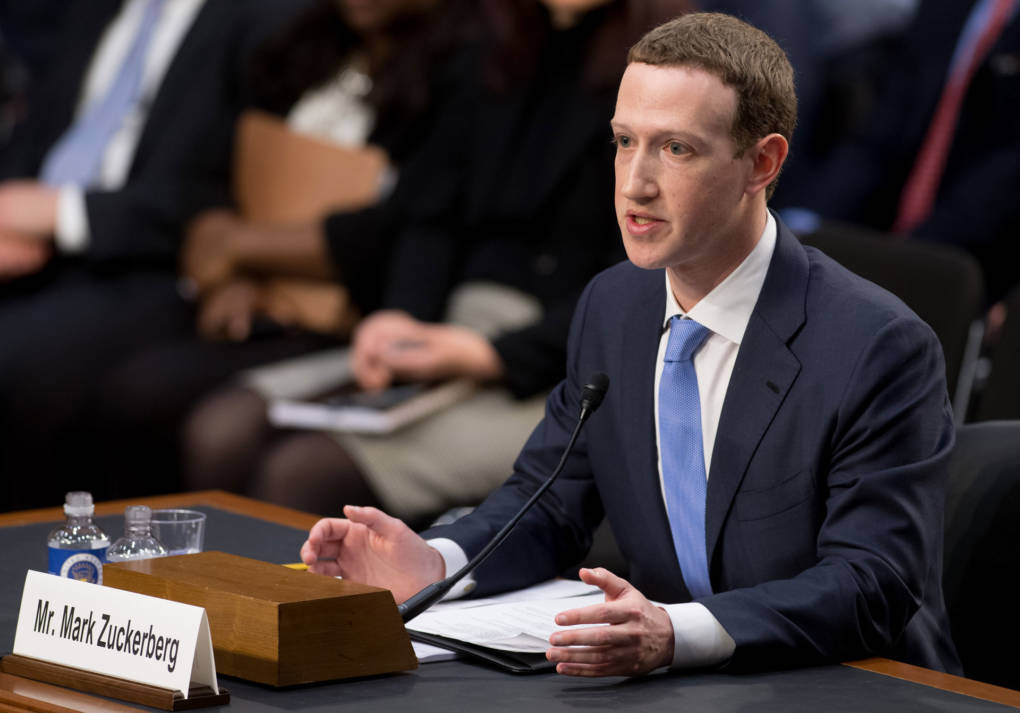
"caption": "Facebook CEO Mark Zuckerberg speaks during a joint hearing of the Senate Commerce, Science and Transportation Committee and Senate Judiciary Committee on Capitol Hill April 10, 2018.",
"description": "Facebook CEO Mark Zuckerberg speaks during a joint hearing of the Senate Commerce, Science and Transportation Committee and Senate Judiciary Committee on Capitol Hill April 10, 2018.",
"title": "ZuckSenate",
"credit": "SAUL LOEB/AFP/Getty Images",
"status": "inherit",
"isLoading": false,
"fetchFailed": false
},
"news_11661173": {
"type": "attachments",
"id": "news_11661173",
"meta": {
"index": "attachments_1716263798",
"site": "news",
"id": "11661173",
"found": true
},
"parent": 11660905,
"imgSizes": {
"small": {
"file": "https://ww2.kqed.org/app/uploads/sites/10/2018/04/mary-ross-520x390.jpg",
"width": 520,
"mimeType": "image/jpeg",
"height": 390
},
"twentyfourteen-full-width": {
"file": "https://ww2.kqed.org/app/uploads/sites/10/2018/04/mary-ross-1038x576.jpg",
"width": 1038,
"mimeType": "image/jpeg",
"height": 576
},
"thumbnail": {
"file": "https://ww2.kqed.org/app/uploads/sites/10/2018/04/mary-ross-160x120.jpg",
"width": 160,
"mimeType": "image/jpeg",
"height": 120
},
"fd-sm": {
"file": "https://ww2.kqed.org/app/uploads/sites/10/2018/04/mary-ross-960x720.jpg",
"width": 960,
"mimeType": "image/jpeg",
"height": 720
},
"post-thumbnail": {
"file": "https://ww2.kqed.org/app/uploads/sites/10/2018/04/mary-ross-672x372.jpg",
"width": 672,
"mimeType": "image/jpeg",
"height": 372
},
"xsmall": {
"file": "https://ww2.kqed.org/app/uploads/sites/10/2018/04/mary-ross-375x281.jpg",
"width": 375,
"mimeType": "image/jpeg",
"height": 281
},
"kqedFullSize": {
"file": "https://ww2.kqed.org/app/uploads/sites/10/2018/04/mary-ross-e1523396219586.jpg",
"width": 1920,
"height": 1440
},
"large": {
"file": "https://ww2.kqed.org/app/uploads/sites/10/2018/04/mary-ross-1020x765.jpg",
"width": 1020,
"mimeType": "image/jpeg",
"height": 765
},
"xlarge": {
"file": "https://ww2.kqed.org/app/uploads/sites/10/2018/04/mary-ross-1180x885.jpg",
"width": 1180,
"mimeType": "image/jpeg",
"height": 885
},
"guest-author-50": {
"file": "https://ww2.kqed.org/app/uploads/sites/10/2018/04/mary-ross-50x50.jpg",
"width": 50,
"mimeType": "image/jpeg",
"height": 50
},
"guest-author-96": {
"file": "https://ww2.kqed.org/app/uploads/sites/10/2018/04/mary-ross-96x96.jpg",
"width": 96,
"mimeType": "image/jpeg",
"height": 96
},
"medium": {
"file": "https://ww2.kqed.org/app/uploads/sites/10/2018/04/mary-ross-800x600.jpg",
"width": 800,
"mimeType": "image/jpeg",
"height": 600
},
"guest-author-64": {
"file": "https://ww2.kqed.org/app/uploads/sites/10/2018/04/mary-ross-64x64.jpg",
"width": 64,
"mimeType": "image/jpeg",
"height": 64
},
"guest-author-32": {
"file": "https://ww2.kqed.org/app/uploads/sites/10/2018/04/mary-ross-32x32.jpg",
"width": 32,
"mimeType": "image/jpeg",
"height": 32
},
"fd-lrg": {
"file": "https://ww2.kqed.org/app/uploads/sites/10/2018/04/mary-ross-1920x1440.jpg",
"width": 1920,
"mimeType": "image/jpeg",
"height": 1440
},
"fd-med": {
"file": "https://ww2.kqed.org/app/uploads/sites/10/2018/04/mary-ross-1180x885.jpg",
"width": 1180,
"mimeType": "image/jpeg",
"height": 885
},
"full-width": {
"file": "https://ww2.kqed.org/app/uploads/sites/10/2018/04/mary-ross-1920x1440.jpg",
"width": 1920,
"mimeType": "image/jpeg",
"height": 1440
},
"detail": {
"file": "https://ww2.kqed.org/app/uploads/sites/10/2018/04/mary-ross-150x150.jpg",
"width": 150,
"mimeType": "image/jpeg",
"height": 150
},
"guest-author-128": {
"file": "https://ww2.kqed.org/app/uploads/sites/10/2018/04/mary-ross-128x128.jpg",
"width": 128,
"mimeType": "image/jpeg",
"height": 128
},
"xxsmall": {
"file": "https://ww2.kqed.org/app/uploads/sites/10/2018/04/mary-ross-240x180.jpg",
"width": 240,
"mimeType": "image/jpeg",
"height": 180
}
},
"publishDate": 1523396193,
"modified": 1523400579,
"caption": "Mary Ross, president of Californians for Consumer Privacy, holds a letter she attempted to deliver on April 9, 2018, to Facebook COO Sheryl Sandberg asking her to support a privacy ballot measure.",
"description": "Mary Ross, president of Californians for Consumer Privacy, holds a letter she attempted to deliver on April 9, 2018 to Facebook COO Sheryl Sandberg asking her to support a privacy ballot measure.",
"title": "mary-ross",
"credit": "Marisa Lagos/KQED",
"status": "inherit",
"isLoading": false,
"fetchFailed": false
},
"news_11661166": {
"type": "attachments",
"id": "news_11661166",
"meta": {
"index": "attachments_1716263798",
"site": "news",
"id": "11661166",
"found": true
},
"parent": 11661144,
"imgSizes": {
"small": {
"file": "https://ww2.kqed.org/app/uploads/sites/10/2018/04/zuck-520x292.jpg",
"width": 520,
"mimeType": "image/jpeg",
"height": 292
},
"thumbnail": {
"file": "https://ww2.kqed.org/app/uploads/sites/10/2018/04/zuck-160x90.jpg",
"width": 160,
"mimeType": "image/jpeg",
"height": 90
},
"post-thumbnail": {
"file": "https://ww2.kqed.org/app/uploads/sites/10/2018/04/zuck-672x372.jpg",
"width": 672,
"mimeType": "image/jpeg",
"height": 372
},
"xsmall": {
"file": "https://ww2.kqed.org/app/uploads/sites/10/2018/04/zuck-375x210.jpg",
"width": 375,
"mimeType": "image/jpeg",
"height": 210
},
"kqedFullSize": {
"file": "https://ww2.kqed.org/app/uploads/sites/10/2018/04/zuck.jpg",
"width": 800,
"height": 449
},
"guest-author-50": {
"file": "https://ww2.kqed.org/app/uploads/sites/10/2018/04/zuck-50x50.jpg",
"width": 50,
"mimeType": "image/jpeg",
"height": 50
},
"guest-author-96": {
"file": "https://ww2.kqed.org/app/uploads/sites/10/2018/04/zuck-96x96.jpg",
"width": 96,
"mimeType": "image/jpeg",
"height": 96
},
"medium": {
"file": "https://ww2.kqed.org/app/uploads/sites/10/2018/04/zuck-800x449.jpg",
"width": 800,
"mimeType": "image/jpeg",
"height": 449
},
"guest-author-64": {
"file": "https://ww2.kqed.org/app/uploads/sites/10/2018/04/zuck-64x64.jpg",
"width": 64,
"mimeType": "image/jpeg",
"height": 64
},
"guest-author-32": {
"file": "https://ww2.kqed.org/app/uploads/sites/10/2018/04/zuck-32x32.jpg",
"width": 32,
"mimeType": "image/jpeg",
"height": 32
},
"detail": {
"file": "https://ww2.kqed.org/app/uploads/sites/10/2018/04/zuck-150x150.jpg",
"width": 150,
"mimeType": "image/jpeg",
"height": 150
},
"guest-author-128": {
"file": "https://ww2.kqed.org/app/uploads/sites/10/2018/04/zuck-128x128.jpg",
"width": 128,
"mimeType": "image/jpeg",
"height": 128
},
"xxsmall": {
"file": "https://ww2.kqed.org/app/uploads/sites/10/2018/04/zuck-240x135.jpg",
"width": 240,
"mimeType": "image/jpeg",
"height": 135
}
},
"publishDate": 1523395230,
"modified": 1523395546,
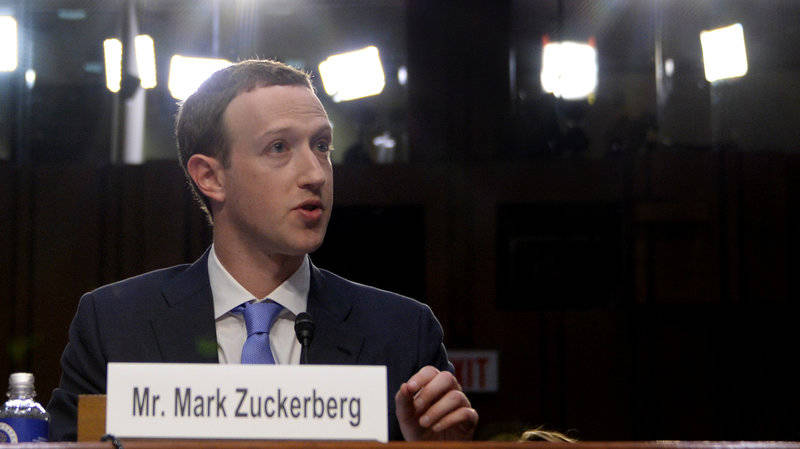
"caption": "Facebook CEO Mark Zuckerberg testifies before a joint hearing of the U.S. Senate Commerce, Science and Transportation Committee and Senate Judiciary Committee on Capitol Hill in Washington, D.C., on Tuesday.",
"description": "Facebook CEO Mark Zuckerberg testifies before a joint hearing of the U.S. Senate Commerce, Science and Transportation Committee and Senate Judiciary Committee on Capitol Hill in Washington, D.C., on Tuesday.",
"title": "zuck",
"credit": "Jim Watson/AFP/Getty Images",
"status": "inherit",
"isLoading": false,
"fetchFailed": false
},
"news_11661104": {
"type": "attachments",
"id": "news_11661104",
"meta": {
"index": "attachments_1716263798",
"site": "news",
"id": "11661104",
"found": true
},
"parent": 11661101,
"imgSizes": {
"small": {
"file": "https://ww2.kqed.org/app/uploads/sites/10/2018/04/zuck_testifies02_revise-520x329.jpg",
"width": 520,
"mimeType": "image/jpeg",
"height": 329
},
"twentyfourteen-full-width": {
"file": "https://ww2.kqed.org/app/uploads/sites/10/2018/04/zuck_testifies02_revise-1038x576.jpg",
"width": 1038,
"mimeType": "image/jpeg",
"height": 576
},
"thumbnail": {
"file": "https://ww2.kqed.org/app/uploads/sites/10/2018/04/zuck_testifies02_revise-160x101.jpg",
"width": 160,
"mimeType": "image/jpeg",
"height": 101
},
"fd-sm": {
"file": "https://ww2.kqed.org/app/uploads/sites/10/2018/04/zuck_testifies02_revise-960x607.jpg",
"width": 960,
"mimeType": "image/jpeg",
"height": 607
},
"post-thumbnail": {
"file": "https://ww2.kqed.org/app/uploads/sites/10/2018/04/zuck_testifies02_revise-672x372.jpg",
"width": 672,
"mimeType": "image/jpeg",
"height": 372
},
"xsmall": {
"file": "https://ww2.kqed.org/app/uploads/sites/10/2018/04/zuck_testifies02_revise-375x237.jpg",
"width": 375,
"mimeType": "image/jpeg",
"height": 237
},
"kqedFullSize": {
"file": "https://ww2.kqed.org/app/uploads/sites/10/2018/04/zuck_testifies02_revise.jpg",
"width": 3088,
"height": 1951
},
"large": {
"file": "https://ww2.kqed.org/app/uploads/sites/10/2018/04/zuck_testifies02_revise-1020x644.jpg",
"width": 1020,
"mimeType": "image/jpeg",
"height": 644
},
"xlarge": {
"file": "https://ww2.kqed.org/app/uploads/sites/10/2018/04/zuck_testifies02_revise-1180x746.jpg",
"width": 1180,
"mimeType": "image/jpeg",
"height": 746
},
"guest-author-50": {
"file": "https://ww2.kqed.org/app/uploads/sites/10/2018/04/zuck_testifies02_revise-50x50.jpg",
"width": 50,
"mimeType": "image/jpeg",
"height": 50
},
"guest-author-96": {
"file": "https://ww2.kqed.org/app/uploads/sites/10/2018/04/zuck_testifies02_revise-96x96.jpg",
"width": 96,
"mimeType": "image/jpeg",
"height": 96
},
"medium": {
"file": "https://ww2.kqed.org/app/uploads/sites/10/2018/04/zuck_testifies02_revise-800x505.jpg",
"width": 800,
"mimeType": "image/jpeg",
"height": 505
},
"guest-author-64": {
"file": "https://ww2.kqed.org/app/uploads/sites/10/2018/04/zuck_testifies02_revise-64x64.jpg",
"width": 64,
"mimeType": "image/jpeg",
"height": 64
},
"guest-author-32": {
"file": "https://ww2.kqed.org/app/uploads/sites/10/2018/04/zuck_testifies02_revise-32x32.jpg",
"width": 32,
"mimeType": "image/jpeg",
"height": 32
},
"fd-lrg": {
"file": "https://ww2.kqed.org/app/uploads/sites/10/2018/04/zuck_testifies02_revise-1920x1213.jpg",
"width": 1920,
"mimeType": "image/jpeg",
"height": 1213
},
"fd-med": {
"file": "https://ww2.kqed.org/app/uploads/sites/10/2018/04/zuck_testifies02_revise-1180x746.jpg",
"width": 1180,
"mimeType": "image/jpeg",
"height": 746
},
"full-width": {
"file": "https://ww2.kqed.org/app/uploads/sites/10/2018/04/zuck_testifies02_revise-1920x1213.jpg",
"width": 1920,
"mimeType": "image/jpeg",
"height": 1213
},
"detail": {
"file": "https://ww2.kqed.org/app/uploads/sites/10/2018/04/zuck_testifies02_revise-150x150.jpg",
"width": 150,
"mimeType": "image/jpeg",
"height": 150
},
"guest-author-128": {
"file": "https://ww2.kqed.org/app/uploads/sites/10/2018/04/zuck_testifies02_revise-128x128.jpg",
"width": 128,
"mimeType": "image/jpeg",
"height": 128
},
"xxsmall": {
"file": "https://ww2.kqed.org/app/uploads/sites/10/2018/04/zuck_testifies02_revise-240x152.jpg",
"width": 240,
"mimeType": "image/jpeg",
"height": 152
}
},
"publishDate": 1523388297,
"modified": 1523388315,
"caption": null,
"description": null,
"title": "zuck_testifies02_revise",
"credit": null,
"status": "inherit",
"isLoading": false,
"fetchFailed": false
},
"news_11661106": {
"type": "attachments",
"id": "news_11661106",
"meta": {
"index": "attachments_1716263798",
"site": "news",
"id": "11661106",
"found": true
},
"parent": 11661105,
"imgSizes": {
"small": {
"file": "https://ww2.kqed.org/app/uploads/sites/10/2018/04/ap_18099799656405_wide-31629caf32c30258388282beaab9f000772f3a8c-520x292.jpg",
"width": 520,
"mimeType": "image/jpeg",
"height": 292
},
"twentyfourteen-full-width": {
"file": "https://ww2.kqed.org/app/uploads/sites/10/2018/04/ap_18099799656405_wide-31629caf32c30258388282beaab9f000772f3a8c-1038x576.jpg",
"width": 1038,
"mimeType": "image/jpeg",
"height": 576
},
"thumbnail": {
"file": "https://ww2.kqed.org/app/uploads/sites/10/2018/04/ap_18099799656405_wide-31629caf32c30258388282beaab9f000772f3a8c-160x90.jpg",
"width": 160,
"mimeType": "image/jpeg",
"height": 90
},
"fd-sm": {
"file": "https://ww2.kqed.org/app/uploads/sites/10/2018/04/ap_18099799656405_wide-31629caf32c30258388282beaab9f000772f3a8c-960x540.jpg",
"width": 960,
"mimeType": "image/jpeg",
"height": 540
},
"post-thumbnail": {
"file": "https://ww2.kqed.org/app/uploads/sites/10/2018/04/ap_18099799656405_wide-31629caf32c30258388282beaab9f000772f3a8c-672x372.jpg",
"width": 672,
"mimeType": "image/jpeg",
"height": 372
},
"xsmall": {
"file": "https://ww2.kqed.org/app/uploads/sites/10/2018/04/ap_18099799656405_wide-31629caf32c30258388282beaab9f000772f3a8c-375x211.jpg",
"width": 375,
"mimeType": "image/jpeg",
"height": 211
},
"kqedFullSize": {
"file": "https://ww2.kqed.org/app/uploads/sites/10/2018/04/ap_18099799656405_wide-31629caf32c30258388282beaab9f000772f3a8c-e1523388497119.jpg",
"width": 1920,
"height": 1080
},
"large": {
"file": "https://ww2.kqed.org/app/uploads/sites/10/2018/04/ap_18099799656405_wide-31629caf32c30258388282beaab9f000772f3a8c-1020x574.jpg",
"width": 1020,
"mimeType": "image/jpeg",
"height": 574
},
"xlarge": {
"file": "https://ww2.kqed.org/app/uploads/sites/10/2018/04/ap_18099799656405_wide-31629caf32c30258388282beaab9f000772f3a8c-1180x664.jpg",
"width": 1180,
"mimeType": "image/jpeg",
"height": 664
},
"guest-author-50": {
"file": "https://ww2.kqed.org/app/uploads/sites/10/2018/04/ap_18099799656405_wide-31629caf32c30258388282beaab9f000772f3a8c-50x50.jpg",
"width": 50,
"mimeType": "image/jpeg",
"height": 50
},
"guest-author-96": {
"file": "https://ww2.kqed.org/app/uploads/sites/10/2018/04/ap_18099799656405_wide-31629caf32c30258388282beaab9f000772f3a8c-96x96.jpg",
"width": 96,
"mimeType": "image/jpeg",
"height": 96
},
"medium": {
"file": "https://ww2.kqed.org/app/uploads/sites/10/2018/04/ap_18099799656405_wide-31629caf32c30258388282beaab9f000772f3a8c-800x450.jpg",
"width": 800,
"mimeType": "image/jpeg",
"height": 450
},
"guest-author-64": {
"file": "https://ww2.kqed.org/app/uploads/sites/10/2018/04/ap_18099799656405_wide-31629caf32c30258388282beaab9f000772f3a8c-64x64.jpg",
"width": 64,
"mimeType": "image/jpeg",
"height": 64
},
"guest-author-32": {
"file": "https://ww2.kqed.org/app/uploads/sites/10/2018/04/ap_18099799656405_wide-31629caf32c30258388282beaab9f000772f3a8c-32x32.jpg",
"width": 32,
"mimeType": "image/jpeg",
"height": 32
},
"fd-lrg": {
"file": "https://ww2.kqed.org/app/uploads/sites/10/2018/04/ap_18099799656405_wide-31629caf32c30258388282beaab9f000772f3a8c-1920x1080.jpg",
"width": 1920,
"mimeType": "image/jpeg",
"height": 1080
},
"fd-med": {
"file": "https://ww2.kqed.org/app/uploads/sites/10/2018/04/ap_18099799656405_wide-31629caf32c30258388282beaab9f000772f3a8c-1180x664.jpg",
"width": 1180,
"mimeType": "image/jpeg",
"height": 664
},
"full-width": {
"file": "https://ww2.kqed.org/app/uploads/sites/10/2018/04/ap_18099799656405_wide-31629caf32c30258388282beaab9f000772f3a8c-1920x1080.jpg",
"width": 1920,
"mimeType": "image/jpeg",
"height": 1080
},
"detail": {
"file": "https://ww2.kqed.org/app/uploads/sites/10/2018/04/ap_18099799656405_wide-31629caf32c30258388282beaab9f000772f3a8c-150x150.jpg",
"width": 150,
"mimeType": "image/jpeg",
"height": 150
},
"guest-author-128": {
"file": "https://ww2.kqed.org/app/uploads/sites/10/2018/04/ap_18099799656405_wide-31629caf32c30258388282beaab9f000772f3a8c-128x128.jpg",
"width": 128,
"mimeType": "image/jpeg",
"height": 128
},
"xxsmall": {
"file": "https://ww2.kqed.org/app/uploads/sites/10/2018/04/ap_18099799656405_wide-31629caf32c30258388282beaab9f000772f3a8c-240x135.jpg",
"width": 240,
"mimeType": "image/jpeg",
"height": 135
}
},
"publishDate": 1523388391,
"modified": 1523388484,
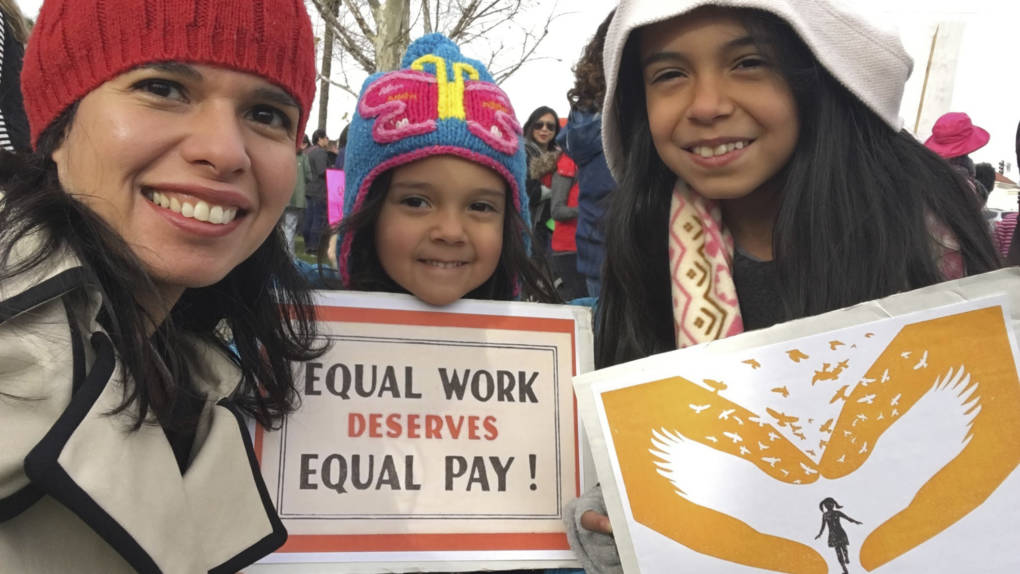
"caption": "A federal court has sided with Aileen Rizo, who filed suit after realizing her male counterparts were being paid more. The ruling overrules a previous interpretation of the 1963 Equal Pay Act. Rizo is seen here with her daughters in a photo she provided to the AP in 2017.",
"description": "A federal court has sided with Aileen Rizo, who filed suit after realizing her male counterparts were being paid more. The ruling overrules a previous interpretation of the 1963 Equal Pay Act. Rizo is seen here with her daughters in a photo she provided to the AP in 2017",
"title": "A federal court has sided with Aileen Rizo, who filed suit after realizing her male counterparts were being paid more. The ruling overrules a previous interpretation of the 1963 Equal Pay Act. Rizo is seen here with her daughters in a photo she provided to the AP in 2017.",
"credit": "Aileen Rizo/AP",
"status": "inherit",
"isLoading": false,
"fetchFailed": false
},
"news_11635892": {
"type": "attachments",
"id": "news_11635892",
"meta": {
"index": "attachments_1716263798",
"site": "news",
"id": "11635892",
"found": true
},
"parent": 0,
"imgSizes": {
"small": {
"file": "https://ww2.kqed.org/app/uploads/sites/10/2017/12/The_California_Report_iTunes_Badge-06-520x520.png",
"width": 520,
"mimeType": "image/png",
"height": 520
},
"twentyfourteen-full-width": {
"file": "https://ww2.kqed.org/app/uploads/sites/10/2017/12/The_California_Report_iTunes_Badge-06-1038x576.png",
"width": 1038,
"mimeType": "image/png",
"height": 576
},
"thumbnail": {
"file": "https://ww2.kqed.org/app/uploads/sites/10/2017/12/The_California_Report_iTunes_Badge-06-160x160.png",
"width": 160,
"mimeType": "image/png",
"height": 160
},
"fd-sm": {
"file": "https://ww2.kqed.org/app/uploads/sites/10/2017/12/The_California_Report_iTunes_Badge-06-960x960.png",
"width": 960,
"mimeType": "image/png",
"height": 960
},
"post-thumbnail": {
"file": "https://ww2.kqed.org/app/uploads/sites/10/2017/12/The_California_Report_iTunes_Badge-06-672x372.png",
"width": 672,
"mimeType": "image/png",
"height": 372
},
"xsmall": {
"file": "https://ww2.kqed.org/app/uploads/sites/10/2017/12/The_California_Report_iTunes_Badge-06-375x375.png",
"width": 375,
"mimeType": "image/png",
"height": 375
},
"kqedFullSize": {
"file": "https://ww2.kqed.org/app/uploads/sites/10/2017/12/The_California_Report_iTunes_Badge-06.png",
"width": 2048,
"height": 2048
},
"large": {
"file": "https://ww2.kqed.org/app/uploads/sites/10/2017/12/The_California_Report_iTunes_Badge-06-1020x1020.png",
"width": 1020,
"mimeType": "image/png",
"height": 1020
},
"xlarge": {
"file": "https://ww2.kqed.org/app/uploads/sites/10/2017/12/The_California_Report_iTunes_Badge-06-1180x1180.png",
"width": 1180,
"mimeType": "image/png",
"height": 1180
},
"guest-author-50": {
"file": "https://ww2.kqed.org/app/uploads/sites/10/2017/12/The_California_Report_iTunes_Badge-06-50x50.png",
"width": 50,
"mimeType": "image/png",
"height": 50
},
"guest-author-96": {
"file": "https://ww2.kqed.org/app/uploads/sites/10/2017/12/The_California_Report_iTunes_Badge-06-96x96.png",
"width": 96,
"mimeType": "image/png",
"height": 96
},
"medium": {
"file": "https://ww2.kqed.org/app/uploads/sites/10/2017/12/The_California_Report_iTunes_Badge-06-800x800.png",
"width": 800,
"mimeType": "image/png",
"height": 800
},
"guest-author-64": {
"file": "https://ww2.kqed.org/app/uploads/sites/10/2017/12/The_California_Report_iTunes_Badge-06-64x64.png",
"width": 64,
"mimeType": "image/png",
"height": 64
},
"guest-author-32": {
"file": "https://ww2.kqed.org/app/uploads/sites/10/2017/12/The_California_Report_iTunes_Badge-06-32x32.png",
"width": 32,
"mimeType": "image/png",
"height": 32
},
"fd-lrg": {
"file": "https://ww2.kqed.org/app/uploads/sites/10/2017/12/The_California_Report_iTunes_Badge-06-1920x1920.png",
"width": 1920,
"mimeType": "image/png",
"height": 1920
},
"fd-med": {
"file": "https://ww2.kqed.org/app/uploads/sites/10/2017/12/The_California_Report_iTunes_Badge-06-1180x1180.png",
"width": 1180,
"mimeType": "image/png",
"height": 1180
},
"full-width": {
"file": "https://ww2.kqed.org/app/uploads/sites/10/2017/12/The_California_Report_iTunes_Badge-06-1920x1920.png",
"width": 1920,
"mimeType": "image/png",
"height": 1920
},
"detail": {
"file": "https://ww2.kqed.org/app/uploads/sites/10/2017/12/The_California_Report_iTunes_Badge-06-150x150.png",
"width": 150,
"mimeType": "image/png",
"height": 150
},
"guest-author-128": {
"file": "https://ww2.kqed.org/app/uploads/sites/10/2017/12/The_California_Report_iTunes_Badge-06-128x128.png",
"width": 128,
"mimeType": "image/png",
"height": 128
},
"xxsmall": {
"file": "https://ww2.kqed.org/app/uploads/sites/10/2017/12/The_California_Report_iTunes_Badge-06-240x240.png",
"width": 240,
"mimeType": "image/png",
"height": 240
}
},
"publishDate": 1512773165,
"modified": 1512773165,
"caption": null,
"description": null,
"title": "The_California_Report_iTunes_Badge-06",
"credit": null,
"status": "inherit",
"isLoading": false,
"fetchFailed": false
}
},
"audioPlayerReducer": {
"postId": "stream_live",
"isPaused": true,
"isPlaying": false,
"pfsActive": false,
"pledgeModalIsOpen": true,
"playerDrawerIsOpen": false,
"liveAudioPlayStartedAt": 0,
"liveAudioPlayContext": ""
},
"authorsReducer": {
"byline_news_11661305": {
"type": "authors",
"id": "byline_news_11661305",
"meta": {
"override": true
},
"slug": "byline_news_11661305",
"name": "Kathleen Ronayne\u003cbr>Don Thompson\u003cbr>\u003cstrong>Associated Press\u003c/strong>",
"isLoading": false
},
"byline_news_11661267": {
"type": "authors",
"id": "byline_news_11661267",
"meta": {
"override": true
},
"slug": "byline_news_11661267",
"name": "Susan Davis",
"isLoading": false
},
"byline_news_11661063": {
"type": "authors",
"id": "byline_news_11661063",
"meta": {
"override": true
},
"slug": "byline_news_11661063",
"name": "\u003cstrong>\u003ca href=\"https://www.npr.org/people/348744968/camila-domonoske\">Camila Domonoske\u003c/a>\u003c/strong>",
"isLoading": false
},
"byline_news_11661105": {
"type": "authors",
"id": "byline_news_11661105",
"meta": {
"override": true
},
"slug": "byline_news_11661105",
"name": "Bill Chappell",
"isLoading": false
},
"lisapickoffwhite-2": {
"type": "authors",
"id": "199",
"meta": {
"index": "authors_1716337520",
"id": "199",
"found": true
},
"name": "Lisa Pickoff-White",
"firstName": "Lisa",
"lastName": "Pickoff-White",
"slug": "lisapickoffwhite-2",
"email": "lpickoffwhite@kqed.org",
"display_author_email": false,
"staff_mastheads": [
"news"
],
"title": "Data Journalist, Senior Producer",
"bio": "Lisa Pickoff-White is KQED's data reporter. Lisa specializes in simplifying complex topics and bringing them to life through compelling visuals, including photography and data visualizations. She previously has worked at the Center for Investigative Reporting and other national outlets. Her work has been honored with awards from the Online News Association, Investigative Reporters and Editors, the Society of Professional Journalists and SXSW Interactive. \u003cstrong> \u003c/strong>",
"avatar": "https://secure.gravatar.com/avatar/5513c5f3967df792aa65bee2501e84d6?s=600&d=blank&r=g",
"twitter": "pickoffwhite",
"facebook": null,
"instagram": null,
"linkedin": null,
"sites": [
{
"site": "",
"roles": [
"editor"
]
},
{
"site": "arts",
"roles": []
},
{
"site": "news",
"roles": [
"administrator"
]
},
{
"site": "about",
"roles": [
"editor"
]
},
{
"site": "stateofhealth",
"roles": [
"administrator"
]
},
{
"site": "science",
"roles": [
"editor"
]
},
{
"site": "quest",
"roles": [
"editor"
]
},
{
"site": "forum",
"roles": [
"editor"
]
}
],
"headData": {
"title": "Lisa Pickoff-White | KQED",
"description": "Data Journalist, Senior Producer",
"ogImgSrc": "https://secure.gravatar.com/avatar/5513c5f3967df792aa65bee2501e84d6?s=600&d=blank&r=g",
"twImgSrc": "https://secure.gravatar.com/avatar/5513c5f3967df792aa65bee2501e84d6?s=600&d=blank&r=g"
},
"isLoading": false,
"link": "/author/lisapickoffwhite-2"
},
"kqednewsstaffandwires": {
"type": "authors",
"id": "237",
"meta": {
"index": "authors_1716337520",
"id": "237",
"found": true
},
"name": "KQED News Staff and Wires",
"firstName": "KQED News Staff and Wires",
"lastName": null,
"slug": "kqednewsstaffandwires",
"email": "onlinenewsstaff@kqed.org",
"display_author_email": false,
"staff_mastheads": [],
"title": null,
"bio": null,
"avatar": "https://secure.gravatar.com/avatar/72295af8ebbfbd19a4948f5271285664?s=600&d=blank&r=g",
"twitter": null,
"facebook": null,
"instagram": null,
"linkedin": null,
"sites": [
{
"site": "arts",
"roles": [
"contributor"
]
},
{
"site": "news",
"roles": [
"contributor"
]
},
{
"site": "lowdown",
"roles": [
"author"
]
},
{
"site": "stateofhealth",
"roles": [
"contributor"
]
},
{
"site": "food",
"roles": [
"author"
]
}
],
"headData": {
"title": "KQED News Staff and Wires | KQED",
"description": null,
"ogImgSrc": "https://secure.gravatar.com/avatar/72295af8ebbfbd19a4948f5271285664?s=600&d=blank&r=g",
"twImgSrc": "https://secure.gravatar.com/avatar/72295af8ebbfbd19a4948f5271285664?s=600&d=blank&r=g"
},
"isLoading": false,
"link": "/author/kqednewsstaffandwires"
},
"tgoldberg": {
"type": "authors",
"id": "258",
"meta": {
"index": "authors_1716337520",
"id": "258",
"found": true
},
"name": "Ted Goldberg",
"firstName": "Ted",
"lastName": "Goldberg",
"slug": "tgoldberg",
"email": "tgoldberg@kqed.org",
"display_author_email": true,
"staff_mastheads": [
"news"
],
"title": "KQED Managing Editor, News and Newscasts",
"bio": "Ted Goldberg is Managing Editor of News and Newscasts at KQED. His main reporting beat is the Bay Area's oil refining industry.\r\n\r\nPrior to joining KQED in 2014, Ted worked at CBS News and WCBS AM in New York and Bay City News and KCBS Radio in San Francisco. He graduated from Oberlin College in Ohio in 1998.",
"avatar": "https://secure.gravatar.com/avatar/30ce2e4fe89135e104f89be2394d16225b9d36c121b5b3cb7651ce642978b96f?s=600&d=blank&r=g",
"twitter": "TedrickG",
"bluesky": null,
"facebook": null,
"instagram": null,
"linkedin": null,
"sites": [
{
"site": "news",
"roles": [
"editor"
]
},
{
"site": "science",
"roles": [
"editor"
]
}
],
"headData": {
"title": "Ted Goldberg | KQED",
"description": "KQED Managing Editor, News and Newscasts",
"ogImgSrc": "https://secure.gravatar.com/avatar/30ce2e4fe89135e104f89be2394d16225b9d36c121b5b3cb7651ce642978b96f?s=600&d=blank&r=g",
"twImgSrc": "https://secure.gravatar.com/avatar/30ce2e4fe89135e104f89be2394d16225b9d36c121b5b3cb7651ce642978b96f?s=600&d=blank&r=g"
},
"isLoading": false,
"link": "/author/tgoldberg"
},
"markfiore": {
"type": "authors",
"id": "3236",
"meta": {
"index": "authors_1716337520",
"id": "3236",
"found": true
},
"name": "Mark Fiore",
"firstName": "Mark",
"lastName": "Fiore",
"slug": "markfiore",
"email": "mark@markfiore.com",
"display_author_email": false,
"staff_mastheads": [
"news"
],
"title": "KQED News Cartoonist",
"bio": "\u003ca href=\"http://www.MarkFiore.com\">MarkFiore.com\u003c/a> | \u003ca href=\"https://twitter.com/markfiore\">Follow on Twitter\u003c/a> | \u003ca href=\"https://www.facebook.com/pages/Mark-Fiore-Animated-Political-Cartoons/94451707396?ref=bookmarks\">Facebook\u003c/a> | \u003ca href=\"mailto:mark@markfiore.com\">email\u003c/a>\r\n\r\nPulitzer Prize-winner, Mark Fiore, who the Wall Street Journal has called “the undisputed guru of the form,” creates animated political cartoons in San Francisco, where his work has been featured regularly on the San Francisco Chronicle’s web site, SFGate.com. His work has appeared on Newsweek.com, Slate.com, CBSNews.com, MotherJones.com, DailyKos.com and NPR’s web site. Fiore’s political animation has appeared on CNN, Frontline, Bill Moyers Journal, Salon.com and cable and broadcast outlets across the globe.\r\n\r\nBeginning his professional life by drawing traditional political cartoons for newspapers, Fiore’s work appeared in publications ranging from the Washington Post to the Los Angeles Times. In the late 1990s, he began to experiment with animating political cartoons and, after a short stint at the San Jose Mercury News as their staff cartoonist, Fiore devoted all his energies to animation.\r\nGrowing up in California, Fiore also spent a good portion of his life in the backwoods of Idaho. It was this combination that shaped him politically. Mark majored in political science at Colorado College, where, in a perfect send-off for a cartoonist, he received his diploma in 1991 as commencement speaker Dick Cheney smiled approvingly.\r\nMark Fiore was awarded the Pulitzer Prize for political cartooning in 2010, a Robert F. Kennedy Journalism Award in 2004 and has twice received an Online Journalism Award for commentary from the Online News Association (2002, 2008). Fiore has received two awards for his work in new media from the National Cartoonists Society (2001, 2002), and in 2006 received The James Madison Freedom of Information Award from The Society of Professional Journalists.",
"avatar": "https://secure.gravatar.com/avatar/fc4e2a612b15b67bad0c6f0e1db4ca9b?s=600&d=blank&r=g",
"twitter": "MarkFiore",
"facebook": null,
"instagram": "https://www.instagram.com/markfiore/?hl=en",
"linkedin": null,
"sites": [
{
"site": "arts",
"roles": [
"contributor"
]
},
{
"site": "news",
"roles": [
"editor"
]
},
{
"site": "futureofyou",
"roles": [
"editor"
]
},
{
"site": "science",
"roles": [
"editor"
]
}
],
"headData": {
"title": "Mark Fiore | KQED",
"description": "KQED News Cartoonist",
"ogImgSrc": "https://secure.gravatar.com/avatar/fc4e2a612b15b67bad0c6f0e1db4ca9b?s=600&d=blank&r=g",
"twImgSrc": "https://secure.gravatar.com/avatar/fc4e2a612b15b67bad0c6f0e1db4ca9b?s=600&d=blank&r=g"
},
"isLoading": false,
"link": "/author/markfiore"
},
"mlagos": {
"type": "authors",
"id": "3239",
"meta": {
"index": "authors_1716337520",
"id": "3239",
"found": true
},
"name": "Marisa Lagos",
"firstName": "Marisa",
"lastName": "Lagos",
"slug": "mlagos",
"email": "mlagos@kqed.org",
"display_author_email": false,
"staff_mastheads": [
"news"
],
"title": "KQED Contributor",
"bio": "Marisa Lagos is a correspondent for KQED’s California Politics and Government Desk and co-hosts the award-winning show and podcast, Political Breakdown. At KQED, Lagos also conducts reporting, analysis and investigations into state, local and national politics for radio, TV, online and onstage. In 2022, she and co-host, Scott Shafer, moderated the only gubernatorial debate in California. In 2020, the \u003ci>Washington Post\u003c/i> named her one of the top political journalists in California; she was nominated for a Peabody and won several other awards for her work investigating the 2017 California wildfires. She has worked at the \u003ci>San Francisco Chronicle\u003c/i>, \u003ci>San Francisco Examiner\u003c/i> and \u003ci>Los Angeles Times\u003c/i>. A UC Santa Barbara graduate, she lives in San Francisco with her two sons and husband.",
"avatar": "https://secure.gravatar.com/avatar/a261a0d3696fc066871ef96b85b5e7d2?s=600&d=blank&r=g",
"twitter": "@mlagos",
"facebook": null,
"instagram": null,
"linkedin": null,
"sites": [
{
"site": "arts",
"roles": [
"author"
]
},
{
"site": "news",
"roles": [
"editor"
]
},
{
"site": "science",
"roles": [
"editor"
]
},
{
"site": "forum",
"roles": [
"author"
]
},
{
"site": "liveblog",
"roles": [
"author"
]
}
],
"headData": {
"title": "Marisa Lagos | KQED",
"description": "KQED Contributor",
"ogImgSrc": "https://secure.gravatar.com/avatar/a261a0d3696fc066871ef96b85b5e7d2?s=600&d=blank&r=g",
"twImgSrc": "https://secure.gravatar.com/avatar/a261a0d3696fc066871ef96b85b5e7d2?s=600&d=blank&r=g"
},
"isLoading": false,
"link": "/author/mlagos"
},
"tmosley": {
"type": "authors",
"id": "11373",
"meta": {
"index": "authors_1716337520",
"id": "11373",
"found": true
},
"name": "Tonya Mosley",
"firstName": "Tonya",
"lastName": "Mosley",
"slug": "tmosley",
"email": "tmosley@kqed.org",
"display_author_email": false,
"staff_mastheads": [],
"title": "KQED Contributor",
"bio": "Tonya Mosley is a former Silicon Valley bureau chief for KQED. She served as the senior editor, leading a team of journalists covering the impacts of technology companies on the South Bay and society. Tonya is also a former host and reporter for KQED.\r\n\r\nPrior to KQED, Tonya served as a television reporter & anchor for several media outlets, including Al Jazeera America.\r\n\r\nIn 2015, Tonya was awarded a John S. Knight Journalism Fellowship at Stanford University where she co-created a workshop for journalists on the impacts of implicit bias, and co-wrote a Belgian/American experimental study on the effects of protest coverage.\r\n\r\nTonya has won several national awards for her work, most recently an Emmy Award in 2016 for her televised piece \"Beyond Ferguson,\" and a national Edward R. Murrow award for her public radio series \"Black in Seattle.\"\r\n\r\nYou can reach Tonya at: tmosley@kqed.org.",
"avatar": "https://secure.gravatar.com/avatar/0b2ea2bbfed6bafaacd21e9398c68e5e?s=600&d=blank&r=g",
"twitter": "tonyamosley",
"facebook": null,
"instagram": null,
"linkedin": null,
"sites": [
{
"site": "arts",
"roles": [
"editor"
]
},
{
"site": "news",
"roles": [
"subscriber"
]
},
{
"site": "about",
"roles": [
"author"
]
},
{
"site": "forum",
"roles": [
"author"
]
}
],
"headData": {
"title": "Tonya Mosley | KQED",
"description": "KQED Contributor",
"ogImgSrc": "https://secure.gravatar.com/avatar/0b2ea2bbfed6bafaacd21e9398c68e5e?s=600&d=blank&r=g",
"twImgSrc": "https://secure.gravatar.com/avatar/0b2ea2bbfed6bafaacd21e9398c68e5e?s=600&d=blank&r=g"
},
"isLoading": false,
"link": "/author/tmosley"
}
},
"pagesReducer": {
"news_category_law-and-justice": {
"type": "terms",
"id": "news_6188",
"meta": {
"index": "terms_1716263798",
"site": "news",
"id": "6188",
"score": 13.558247
},
"featImg": null,
"name": "Law and Justice",
"description": null,
"taxonomy": "category",
"headData": {
"twImgId": null,
"twTitle": null,
"ogTitle": null,
"ogImgId": null,
"twDescription": null,
"description": null,
"title": "Law and Justice Archives | KQED News",
"ogDescription": null
},
"ttid": 6212,
"slug": "law-and-justice",
"isLoading": false,
"title": "Law and Justice",
"pageMeta": {
"site": "news",
"WpPageTemplate": "page-topic-editorial",
"currentPage": 255
},
"blocks": [
{
"blockName": "kqed/post-list",
"attrs": {
"layout": "cardArticle2",
"query": "posts/news?category=law-and-justice",
"seeMore": false,
"paginated": true,
"page": 255
}
},
{
"blockName": "kqed/ad"
}
]
}
},
"pfsSessionReducer": {},
"postsReducer": {
"stream_live": {
"type": "live",
"id": "stream_live",
"audioUrl": "https://streams.kqed.org/kqedradio",
"title": "Live Stream",
"excerpt": "Live Stream information currently unavailable.",
"link": "/radio",
"featImg": "",
"label": {
"name": "KQED Live",
"link": "/"
}
},
"stream_kqedNewscast": {
"type": "posts",
"id": "stream_kqedNewscast",
"audioUrl": "https://www.kqed.org/.stream/anon/radio/RDnews/newscast.mp3?_=1",
"title": "KQED Newscast",
"featImg": "",
"label": {
"name": "88.5 FM",
"link": "/"
}
},
"news_11661676": {
"type": "posts",
"id": "news_11661676",
"meta": {
"index": "posts_1716263798",
"site": "news",
"id": "11661676",
"score": null,
"sort": [
1523568686000
]
},
"parent": 0,
"labelTerm": {
"site": "news",
"term": 72
},
"blocks": [],
"publishDate": 1523568686,
"format": "standard",
"disqusTitle": "S.F. Supervisor Calls for Hearing Into Hunters Point Shipyard Cleanup",
"title": "S.F. Supervisor Calls for Hearing Into Hunters Point Shipyard Cleanup",
"headTitle": "The California Report | KQED News",
"content": "\u003cp>San Francisco Supervisor Malia Cohen is calling for a hearing into problems plaguing the cleanup of radioactive material from the Hunters Point Shipyard, after a federal report found contractors falsified soil sample data from the site to a much greater degree than previously known.\u003c/p>\n\u003cp>[contextly_sidebar id=\"6twQisbzkTumh8Fq1ZuznCXtUbyASvwc\"]The shipyard, a former nuclear weapons research facility in the southeast section of the city, was designated in 1989 as a Superfund site. Now it is slated to become the future location of one of San Francisco's largest redevelopment projects in decades, providing 12,000 new housing units, as well as office and commercial space.\u003c/p>\n\u003caside class=\"pullquote alignright\">'Would this happen in the Marina? Would this happen in other parts of San Francisco? I would argue, absolutely not.'\u003ccite>Malia Cohen, San Francisco supervisor\u003c/cite>\u003c/aside>\n\u003cp>An Environmental Protection Agency report, \u003ca href=\"https://www.peer.org/news/news-releases/radiation-problems-multiply-for-san-francisco%E2%80%99s-hunters-point.html\" target=\"_blank\" rel=\"noopener\">recently revealed by a scientific advocacy organization\u003c/a>, found that the Navy understated the scope of the decades-old cleanup of the contaminated site.\u003c/p>\n\u003cp>\"I share the community's outrage. This is disgusting and completely unacceptable that the cleanup has taken this long,\" said Cohen, whose district includes the old shipyard, in an interview on \u003ca href=\"https://www.kqed.org/forum/2010101864720/hunters-point-shipyard-cleanup-called-into-question\" target=\"_blank\" rel=\"noopener\">KQED's Forum\u003c/a>. \"As far as I'm concerned, there will be no transfer of land until things are cleaned up to the highest standard possible.\"\u003c/p>\n\u003cp>The Navy hired \u003ca href=\"http://www.tetratech.com/en\" target=\"_blank\" rel=\"noopener\">Tetra Tech\u003c/a> to clean up the shipyard's radioactive material. Workers at the company came forward several years ago to allege that the cleanup was faked.\u003c/p>\n\u003cp>[ad fullwidth]\u003c/p>\n\u003cp>A review of the contractor data last year, first reported by \u003ca href=\"https://sf.curbed.com/2018/1/26/16916742/hunters-point-shipyard-toxic-cleanup\" target=\"_blank\" rel=\"noopener\">Curbed SF\u003c/a> in January, found that close to half of the company's data could be fraudulent.\u003c/p>\n\u003cp>Navy officials said the agency would conduct extensive retesting of soil.\u003c/p>\n\u003cp>This week the group \u003ca href=\"https://www.peer.org/news/news-releases/radiation-problems-multiply-for-san-francisco%E2%80%99s-hunters-point.html\" target=\"_blank\" rel=\"noopener\">Public Employees for Environmental Responsibility\u003c/a> published the EPA report that found up to 97 percent of the Navy soil samples on two of the site's parcels that were re-examined by the federal agency were \"neither reliable nor defensible.\"\u003c/p>\n\u003cp>\"Would this happen in the Marina? Would this happen in other parts of San Francisco? I would argue, absolutely not,\" Cohen said, noting that cleanup work at Treasure Island has moved much faster.\u003c/p>\n\u003cfigure id=\"attachment_11027330\" class=\"wp-caption aligncenter\" style=\"max-width: 800px\">\u003cimg class=\"size-medium wp-image-11027330\" src=\"https://ww2.kqed.org/news/wp-content/uploads/sites/10/2017/07/ShipyardBanners-800x522.jpg\" alt=\"Signs advertising the new Shipyard development surround one of the project's ongoing construction sites at Hunters Point.\" width=\"800\" height=\"522\" srcset=\"https://ww2.kqed.org/app/uploads/sites/10/2017/07/ShipyardBanners-800x522.jpg 800w, https://ww2.kqed.org/app/uploads/sites/10/2017/07/ShipyardBanners-400x261.jpg 400w, https://ww2.kqed.org/app/uploads/sites/10/2017/07/ShipyardBanners.jpg 1920w, https://ww2.kqed.org/app/uploads/sites/10/2017/07/ShipyardBanners-1180x769.jpg 1180w, https://ww2.kqed.org/app/uploads/sites/10/2017/07/ShipyardBanners-960x626.jpg 960w\" sizes=\"(max-width: 800px) 100vw, 800px\">\u003cfigcaption class=\"wp-caption-text\">Signs advertising the new Shipyard development surround one of the project's ongoing construction sites at Hunters Point. \u003ccite>(Brittany Hosea-Small/KQED)\u003c/cite>\u003c/figcaption>\u003c/figure>\n\u003cp>EPA officials say there's a reason why their report showed more evidence of false data.\u003c/p>\n\u003cp>\"EPA's assessment of the data included looking more closely for signs of potential data quality problems, in addition to signs of potential falsification,\" said agency spokeswoman Michele Huitric.\u003c/p>\n\u003cp>\"EPA is pleased that the Navy will be resampling the impacted parcels and relying on these new data to determine where additional cleanup may be needed,\" Huitric said in an email. \"EPA's input, which is based on our independent review of the data, will help inform where the resampling will be done.\"\u003c/p>\n\u003cp>In response to a request for comment, Tetra Tech directed inquiries to the Navy. Navy officials have yet to respond.\u003c/p>\n\u003cp>Environmental and community activists have tried to call attention to the cleanup problems for years.\u003c/p>\n\u003cp>\"You need to be up in arms about what's gone on at the Hunters Point shipyard,\" said Bradley Angel, executive director of Greenaction, a health and environmental justice organization based in San Francisco.\u003c/p>\n\u003cp>\"For years now, falling on deaf ears of our elected officials and government regulatory and health agencies, was that the cleanup was a farce,\" said Angel. \"The government was deaf, dumb and blind ... because they were pushing the building of thousands of new homes ... next to toxic and radioactive contaminated land,\" he said.\u003c/p>\n\u003cp>\u003c/p>\n\u003cp>Cohen expects the Board of Supervisors to hold a hearing on the cleanup problems in the coming weeks.\u003c/p>\n\n",
"disqusIdentifier": "11661676 https://ww2.kqed.org/news/?p=11661676",
"disqusUrl": "https://ww2.kqed.org/news/2018/04/12/sf-supervisor-calls-for-hearing-into-hunters-point-shipyard-cleanup/",
"stats": {
"hasVideo": false,
"hasChartOrMap": false,
"hasAudio": false,
"hasPolis": false,
"wordCount": 626,
"hasGoogleForm": false,
"hasGallery": false,
"hasHearkenModule": false,
"iframeSrcs": [],
"paragraphCount": 19
},
"modified": 1523576477,
"excerpt": "'I share the community's outrage. This is disgusting and completely unacceptable,' said Supervisor Malia Cohen.",
"headData": {
"twImgId": "",
"twTitle": "",
"ogTitle": "",
"ogImgId": "",
"twDescription": "",
"description": "'I share the community's outrage. This is disgusting and completely unacceptable,' said Supervisor Malia Cohen.",
"title": "S.F. Supervisor Calls for Hearing Into Hunters Point Shipyard Cleanup | KQED",
"ogDescription": "",
"schema": {
"@context": "https://schema.org",
"@type": "NewsArticle",
"headline": "S.F. Supervisor Calls for Hearing Into Hunters Point Shipyard Cleanup",
"datePublished": "2018-04-12T14:31:26-07:00",
"dateModified": "2018-04-12T16:41:17-07:00",
"image": "https://cdn.kqed.org/wp-content/uploads/2020/02/KQED-OG-Image@1x.png",
"isAccessibleForFree": "True",
"publisher": {
"@type": "NewsMediaOrganization",
"@id": "https://www.kqed.org/#organization",
"name": "KQED",
"logo": "https://cdn.kqed.org/wp-content/uploads/2020/02/KQED-OG-Image@1x.png",
"url": "https://www.kqed.org",
"sameAs": [
"https://www.facebook.com/KQED",
"https://twitter.com/KQED",
"https://www.instagram.com/kqed/",
"https://www.tiktok.com/@kqedofficial",
"https://www.linkedin.com/company/kqed",
"https://www.youtube.com/channel/UCeC0IOo7i1P_61zVUWbJ4nw"
]
}
}
},
"guestAuthors": [],
"slug": "sf-supervisor-calls-for-hearing-into-hunters-point-shipyard-cleanup",
"status": "publish",
"path": "/news/11661676/sf-supervisor-calls-for-hearing-into-hunters-point-shipyard-cleanup",
"audioTrackLength": null,
"parsedContent": [
{
"type": "contentString",
"content": "\u003cdiv class=\"post-body\">\u003cp>\u003cp>San Francisco Supervisor Malia Cohen is calling for a hearing into problems plaguing the cleanup of radioactive material from the Hunters Point Shipyard, after a federal report found contractors falsified soil sample data from the site to a much greater degree than previously known.\u003c/p>\n\u003cp>\u003c/p>\u003cp>\u003c/p>\u003cp>The shipyard, a former nuclear weapons research facility in the southeast section of the city, was designated in 1989 as a Superfund site. Now it is slated to become the future location of one of San Francisco's largest redevelopment projects in decades, providing 12,000 new housing units, as well as office and commercial space.\u003c/p>\n\u003caside class=\"pullquote alignright\">'Would this happen in the Marina? Would this happen in other parts of San Francisco? I would argue, absolutely not.'\u003ccite>Malia Cohen, San Francisco supervisor\u003c/cite>\u003c/aside>\n\u003cp>An Environmental Protection Agency report, \u003ca href=\"https://www.peer.org/news/news-releases/radiation-problems-multiply-for-san-francisco%E2%80%99s-hunters-point.html\" target=\"_blank\" rel=\"noopener\">recently revealed by a scientific advocacy organization\u003c/a>, found that the Navy understated the scope of the decades-old cleanup of the contaminated site.\u003c/p>\n\u003cp>\"I share the community's outrage. This is disgusting and completely unacceptable that the cleanup has taken this long,\" said Cohen, whose district includes the old shipyard, in an interview on \u003ca href=\"https://www.kqed.org/forum/2010101864720/hunters-point-shipyard-cleanup-called-into-question\" target=\"_blank\" rel=\"noopener\">KQED's Forum\u003c/a>. \"As far as I'm concerned, there will be no transfer of land until things are cleaned up to the highest standard possible.\"\u003c/p>\n\u003cp>The Navy hired \u003ca href=\"http://www.tetratech.com/en\" target=\"_blank\" rel=\"noopener\">Tetra Tech\u003c/a> to clean up the shipyard's radioactive material. Workers at the company came forward several years ago to allege that the cleanup was faked.\u003c/p>\n\u003cp>\u003c/p>\u003c/div>",
"attributes": {
"named": {},
"numeric": []
}
},
{
"type": "component",
"content": "",
"name": "ad",
"attributes": {
"named": {
"label": "fullwidth"
},
"numeric": [
"fullwidth"
]
}
},
{
"type": "contentString",
"content": "\u003cdiv class=\"post-body\">\u003cp>\u003c/p>\n\u003cp>A review of the contractor data last year, first reported by \u003ca href=\"https://sf.curbed.com/2018/1/26/16916742/hunters-point-shipyard-toxic-cleanup\" target=\"_blank\" rel=\"noopener\">Curbed SF\u003c/a> in January, found that close to half of the company's data could be fraudulent.\u003c/p>\n\u003cp>Navy officials said the agency would conduct extensive retesting of soil.\u003c/p>\n\u003cp>This week the group \u003ca href=\"https://www.peer.org/news/news-releases/radiation-problems-multiply-for-san-francisco%E2%80%99s-hunters-point.html\" target=\"_blank\" rel=\"noopener\">Public Employees for Environmental Responsibility\u003c/a> published the EPA report that found up to 97 percent of the Navy soil samples on two of the site's parcels that were re-examined by the federal agency were \"neither reliable nor defensible.\"\u003c/p>\n\u003cp>\"Would this happen in the Marina? Would this happen in other parts of San Francisco? I would argue, absolutely not,\" Cohen said, noting that cleanup work at Treasure Island has moved much faster.\u003c/p>\n\u003cfigure id=\"attachment_11027330\" class=\"wp-caption aligncenter\" style=\"max-width: 800px\">\u003cimg class=\"size-medium wp-image-11027330\" src=\"https://ww2.kqed.org/news/wp-content/uploads/sites/10/2017/07/ShipyardBanners-800x522.jpg\" alt=\"Signs advertising the new Shipyard development surround one of the project's ongoing construction sites at Hunters Point.\" width=\"800\" height=\"522\" srcset=\"https://ww2.kqed.org/app/uploads/sites/10/2017/07/ShipyardBanners-800x522.jpg 800w, https://ww2.kqed.org/app/uploads/sites/10/2017/07/ShipyardBanners-400x261.jpg 400w, https://ww2.kqed.org/app/uploads/sites/10/2017/07/ShipyardBanners.jpg 1920w, https://ww2.kqed.org/app/uploads/sites/10/2017/07/ShipyardBanners-1180x769.jpg 1180w, https://ww2.kqed.org/app/uploads/sites/10/2017/07/ShipyardBanners-960x626.jpg 960w\" sizes=\"(max-width: 800px) 100vw, 800px\">\u003cfigcaption class=\"wp-caption-text\">Signs advertising the new Shipyard development surround one of the project's ongoing construction sites at Hunters Point. \u003ccite>(Brittany Hosea-Small/KQED)\u003c/cite>\u003c/figcaption>\u003c/figure>\n\u003cp>EPA officials say there's a reason why their report showed more evidence of false data.\u003c/p>\n\u003cp>\"EPA's assessment of the data included looking more closely for signs of potential data quality problems, in addition to signs of potential falsification,\" said agency spokeswoman Michele Huitric.\u003c/p>\n\u003cp>\"EPA is pleased that the Navy will be resampling the impacted parcels and relying on these new data to determine where additional cleanup may be needed,\" Huitric said in an email. \"EPA's input, which is based on our independent review of the data, will help inform where the resampling will be done.\"\u003c/p>\n\u003cp>In response to a request for comment, Tetra Tech directed inquiries to the Navy. Navy officials have yet to respond.\u003c/p>\n\u003cp>Environmental and community activists have tried to call attention to the cleanup problems for years.\u003c/p>\n\u003cp>\"You need to be up in arms about what's gone on at the Hunters Point shipyard,\" said Bradley Angel, executive director of Greenaction, a health and environmental justice organization based in San Francisco.\u003c/p>\n\u003cp>\"For years now, falling on deaf ears of our elected officials and government regulatory and health agencies, was that the cleanup was a farce,\" said Angel. \"The government was deaf, dumb and blind ... because they were pushing the building of thousands of new homes ... next to toxic and radioactive contaminated land,\" he said.\u003c/p>\n\u003cp>\u003c/p>\n\u003cp>Cohen expects the Board of Supervisors to hold a hearing on the cleanup problems in the coming weeks.\u003c/p>\n\n\u003c/div>\u003c/p>",
"attributes": {
"named": {},
"numeric": []
}
}
],
"link": "/news/11661676/sf-supervisor-calls-for-hearing-into-hunters-point-shipyard-cleanup",
"authors": [
"258"
],
"programs": [
"news_72"
],
"categories": [
"news_19906",
"news_457",
"news_6266",
"news_6188",
"news_8",
"news_13",
"news_356"
],
"tags": [
"news_1700",
"news_19542",
"news_5407",
"news_2920"
],
"featImg": "news_11661883",
"label": "news_72"
},
"news_11661467": {
"type": "posts",
"id": "news_11661467",
"meta": {
"index": "posts_1716263798",
"site": "news",
"id": "11661467",
"score": null,
"sort": [
1523541658000
]
},
"parent": 0,
"labelTerm": {
"site": "news",
"term": 72
},
"blocks": [],
"publishDate": 1523541658,
"format": "audio",
"disqusTitle": "Facebook Says It Won't Put More Money Into Fighting California Privacy Measure",
"title": "Facebook Says It Won't Put More Money Into Fighting California Privacy Measure",
"headTitle": "The California Report | KQED News",
"content": "\u003cp>\u003cstrong>Updated Wednesday April 11, 6:30 p.m. PST\u003c/strong>\u003c/p>\n\u003cp>After contributing $200,000 to help defeat an expected California ballot measure on privacy, Facebook officials said Wednesday that they won't put in any more money. The proposed November measure aims to give consumers more control over the personal data collected about them by large California companies.\u003c/p>\n\u003cp>The decision comes as Facebook faces an increasing number of questions about how it handles users' personal information. \u003ca href=\"https://www.kqed.org/news/11661063/watch-live-testimony-by-zuckerberg-about-use-and-abuse-of-data\">CEO Mark Zuckerberg was on Capitol Hill Tuesday and Wednesday\u003c/a>, testifying before Congress, and backers of the ballot measure \u003ca href=\"https://www.kqed.org/news/11660905/backers-of-california-privacy-ballot-measure-hand-deliver-letter-to-facebook\">took KQED along with them Monday\u003c/a> as they attempted to hand-deliver a letter to Facebook COO Sheryl Sandberg asking her and the company to stop funding opponents of the initiative.\u003c/p>\n\u003cp>On Wednesday, Facebook said it would no longer put money behind the opposition.\u003c/p>\n\u003cp>“We took this step in order to focus our efforts on supporting reasonable privacy measures in California,\" Facebook officials said in a written statement.\u003c/p>\n\u003cp>[ad fullwidth]\u003c/p>\n\u003cp>In an email to backers of the initiative, the company made clear it still has problems with the ballot measure.\u003c/p>\n\u003cp class=\"p1\">\u003cspan class=\"s1\">\"We do think the initiative is flawed and hope the Legislature will work out a strong solution to provide consumers the right to know what information is being collected and the ability to decide whether their information may be sold.\"\u003c/span>\u003c/p>\n\u003cp>Facebook had previously donated $200,000 to the Committee to Protect California Jobs, a campaign committee organized by the California Chamber of Commerce to oppose the measure. AT&T, Google, Verizon and Comcast also each donated $200,000 to the campaign committee.\u003c/p>\n\u003cp>The ballot measure would let consumers request information from companies about what categories of personal information they have collected and to whom they sold it. And it would allow consumers to request that companies not share or sell that information.\u003c/p>\n\u003cp>It would bar companies from discriminating against consumers who opt out of having their information shared, and it would let them sue the company if it sold the information anyway.\u003c/p>\n\u003cp>The initiative is the work of Alastair Mactaggart, a San Francisco real estate developer. In a written statement, Mactaggart expressed gratitude for Facebook's decision.\u003c/p>\n\u003cp>\"Now that they have seen the error of their ways, we hope they will work with us proactively to protect the personal information of all Californians, and support us publicly and financially,” he stated.\u003c/p>\n\u003cp>“We believe that all consumers deserve the basic rights outlined in our initiative. We call on the remaining corporations who have contributed to the Super PAC opposing this common sense measure to drop their opposition. Google, AT&T, Verizon & Comcast: If you are not selling our personal information, why are you spending a million dollars to oppose us? Voters overwhelmingly support this measure, and protecting consumers is not only a good business decision, but the right thing to do. It’s time to stop business as usual and to step up and do the right thing.”\u003c/p>\n\u003cp>Along with the Chamber of Commerce, the opposition campaign is being spearheaded by the Internet Association, a trade industry lobbying group. In a written statement, spokesman Steve Maviglio said Facebook isn't withdrawing its opposition of the measure, but just won't put any money behind that.\u003c/p>\n\u003cp>\"It is unsurprising that proponents of the so-called ‘California Consumer Privacy Act’ are looking to distract from their deeply flawed initiative that will do enormous harm to the California economy while not protecting anyone's privacy,\" said Maviglio.\u003c/p>\n\u003cp>\u003c/p>\n\u003cp>\"The proposed measure simply disconnects California. It is unworkable and requires the internet in California to operate differently — limiting our choices, hurting our businesses, and cutting our connection to the global. That is why we will continue to proceed with an aggressive campaign, including major announcements of new opposition in the next few weeks.\"\u003c/p>\n\n",
"disqusIdentifier": "11661467 https://ww2.kqed.org/news/?p=11661467",
"disqusUrl": "https://ww2.kqed.org/news/2018/04/12/facebook-says-it-wont-put-more-money-into-fighting-california-privacy-measure/",
"stats": {
"hasVideo": false,
"hasChartOrMap": false,
"hasAudio": false,
"hasPolis": false,
"wordCount": 648,
"hasGoogleForm": false,
"hasGallery": false,
"hasHearkenModule": false,
"iframeSrcs": [],
"paragraphCount": 17
},
"modified": 1526154859,
"excerpt": "The tech company had previously donated $200,000 to the Committee to Protect California Jobs, a campaign committee organized to oppose the measure.",
"headData": {
"twImgId": "",
"twTitle": "",
"ogTitle": "",
"ogImgId": "",
"twDescription": "",
"description": "The tech company had previously donated $200,000 to the Committee to Protect California Jobs, a campaign committee organized to oppose the measure.",
"title": "Facebook Says It Won't Put More Money Into Fighting California Privacy Measure | KQED",
"ogDescription": "",
"schema": {
"@context": "https://schema.org",
"@type": "NewsArticle",
"headline": "Facebook Says It Won't Put More Money Into Fighting California Privacy Measure",
"datePublished": "2018-04-12T07:00:58-07:00",
"dateModified": "2018-05-12T12:54:19-07:00",
"image": "https://cdn.kqed.org/wp-content/uploads/2020/02/KQED-OG-Image@1x.png",
"isAccessibleForFree": "True",
"publisher": {
"@type": "NewsMediaOrganization",
"@id": "https://www.kqed.org/#organization",
"name": "KQED",
"logo": "https://cdn.kqed.org/wp-content/uploads/2020/02/KQED-OG-Image@1x.png",
"url": "https://www.kqed.org",
"sameAs": [
"https://www.facebook.com/KQED",
"https://twitter.com/KQED",
"https://www.instagram.com/kqed/",
"https://www.tiktok.com/@kqedofficial",
"https://www.linkedin.com/company/kqed",
"https://www.youtube.com/channel/UCeC0IOo7i1P_61zVUWbJ4nw"
]
}
}
},
"guestAuthors": [],
"slug": "facebook-says-it-wont-put-more-money-into-fighting-california-privacy-measure",
"status": "publish",
"audioUrl": "https://www.kqed.org/.stream/anon/radio/tcr/2018/04/FacebookHearingsLagos180412.mp3",
"path": "/news/11661467/facebook-says-it-wont-put-more-money-into-fighting-california-privacy-measure",
"audioDuration": 63000,
"audioTrackLength": null,
"parsedContent": [
{
"type": "contentString",
"content": "\u003cdiv class=\"post-body\">\u003cp>\u003cp>\u003cstrong>Updated Wednesday April 11, 6:30 p.m. PST\u003c/strong>\u003c/p>\n\u003cp>After contributing $200,000 to help defeat an expected California ballot measure on privacy, Facebook officials said Wednesday that they won't put in any more money. The proposed November measure aims to give consumers more control over the personal data collected about them by large California companies.\u003c/p>\n\u003cp>The decision comes as Facebook faces an increasing number of questions about how it handles users' personal information. \u003ca href=\"https://www.kqed.org/news/11661063/watch-live-testimony-by-zuckerberg-about-use-and-abuse-of-data\">CEO Mark Zuckerberg was on Capitol Hill Tuesday and Wednesday\u003c/a>, testifying before Congress, and backers of the ballot measure \u003ca href=\"https://www.kqed.org/news/11660905/backers-of-california-privacy-ballot-measure-hand-deliver-letter-to-facebook\">took KQED along with them Monday\u003c/a> as they attempted to hand-deliver a letter to Facebook COO Sheryl Sandberg asking her and the company to stop funding opponents of the initiative.\u003c/p>\n\u003cp>On Wednesday, Facebook said it would no longer put money behind the opposition.\u003c/p>\n\u003cp>“We took this step in order to focus our efforts on supporting reasonable privacy measures in California,\" Facebook officials said in a written statement.\u003c/p>\n\u003cp>\u003c/p>\u003c/div>",
"attributes": {
"named": {},
"numeric": []
}
},
{
"type": "component",
"content": "",
"name": "ad",
"attributes": {
"named": {
"label": "fullwidth"
},
"numeric": [
"fullwidth"
]
}
},
{
"type": "contentString",
"content": "\u003cdiv class=\"post-body\">\u003cp>\u003c/p>\n\u003cp>In an email to backers of the initiative, the company made clear it still has problems with the ballot measure.\u003c/p>\n\u003cp class=\"p1\">\u003cspan class=\"s1\">\"We do think the initiative is flawed and hope the Legislature will work out a strong solution to provide consumers the right to know what information is being collected and the ability to decide whether their information may be sold.\"\u003c/span>\u003c/p>\n\u003cp>Facebook had previously donated $200,000 to the Committee to Protect California Jobs, a campaign committee organized by the California Chamber of Commerce to oppose the measure. AT&T, Google, Verizon and Comcast also each donated $200,000 to the campaign committee.\u003c/p>\n\u003cp>The ballot measure would let consumers request information from companies about what categories of personal information they have collected and to whom they sold it. And it would allow consumers to request that companies not share or sell that information.\u003c/p>\n\u003cp>It would bar companies from discriminating against consumers who opt out of having their information shared, and it would let them sue the company if it sold the information anyway.\u003c/p>\n\u003cp>The initiative is the work of Alastair Mactaggart, a San Francisco real estate developer. In a written statement, Mactaggart expressed gratitude for Facebook's decision.\u003c/p>\n\u003cp>\"Now that they have seen the error of their ways, we hope they will work with us proactively to protect the personal information of all Californians, and support us publicly and financially,” he stated.\u003c/p>\n\u003cp>“We believe that all consumers deserve the basic rights outlined in our initiative. We call on the remaining corporations who have contributed to the Super PAC opposing this common sense measure to drop their opposition. Google, AT&T, Verizon & Comcast: If you are not selling our personal information, why are you spending a million dollars to oppose us? Voters overwhelmingly support this measure, and protecting consumers is not only a good business decision, but the right thing to do. It’s time to stop business as usual and to step up and do the right thing.”\u003c/p>\n\u003cp>Along with the Chamber of Commerce, the opposition campaign is being spearheaded by the Internet Association, a trade industry lobbying group. In a written statement, spokesman Steve Maviglio said Facebook isn't withdrawing its opposition of the measure, but just won't put any money behind that.\u003c/p>\n\u003cp>\"It is unsurprising that proponents of the so-called ‘California Consumer Privacy Act’ are looking to distract from their deeply flawed initiative that will do enormous harm to the California economy while not protecting anyone's privacy,\" said Maviglio.\u003c/p>\n\u003cp>\u003c/p>\n\u003cp>\"The proposed measure simply disconnects California. It is unworkable and requires the internet in California to operate differently — limiting our choices, hurting our businesses, and cutting our connection to the global. That is why we will continue to proceed with an aggressive campaign, including major announcements of new opposition in the next few weeks.\"\u003c/p>\n\n\u003c/div>\u003c/p>",
"attributes": {
"named": {},
"numeric": []
}
}
],
"link": "/news/11661467/facebook-says-it-wont-put-more-money-into-fighting-california-privacy-measure",
"authors": [
"3239"
],
"programs": [
"news_6944",
"news_72"
],
"categories": [
"news_6188",
"news_8",
"news_13",
"news_248"
],
"tags": [
"news_20191",
"news_249",
"news_2414"
],
"featImg": "news_11661473",
"label": "news_72"
},
"news_11661471": {
"type": "posts",
"id": "news_11661471",
"meta": {
"index": "posts_1716263798",
"site": "news",
"id": "11661471",
"score": null,
"sort": [
1523487820000
]
},
"parent": 0,
"labelTerm": {
"site": "news",
"term": 18515
},
"blocks": [],
"publishDate": 1523487820,
"format": "standard",
"disqusTitle": "Gov. Brown Deploys the NOTional Guard",
"title": "Gov. Brown Deploys the NOTional Guard",
"headTitle": "Mark Fiore: Drawn to the Bay | KQED News",
"content": "\u003cp>Gov. Jerry Brown \u003ca href=\"http://bit.ly/2qsgq7o\">agreed to deploy 400 California National Guard troops\u003c/a>, saying they will \u003cstrong>not\u003c/strong> \"round up women and children or detain people escaping violence or seeking a better life.\"\u003c/p>\n\u003cp>In a letter sent to the Trump administration, Brown went out of his way to distance the Guard deployment from the president's overall immigration policies.\u003c/p>\n\u003cp>Gov. Brown, a former Jesuit seminarian, even quoted Catholic Bishops' recommendation that National Guard border deployment \"is measured and not disruptive to community life.\"\u003c/p>\n\u003cp>https://twitter.com/JerryBrownGov/status/984149390901178368\u003c/p>\n\u003cp>[ad fullwidth]\u003c/p>\u003cp>\u003c/p>\n",
"disqusIdentifier": "11661471 https://ww2.kqed.org/news/?p=11661471",
"disqusUrl": "https://ww2.kqed.org/news/2018/04/11/gov-brown-deploys-the-notional-guard/",
"stats": {
"hasVideo": false,
"hasChartOrMap": false,
"hasAudio": false,
"hasPolis": false,
"wordCount": 88,
"hasGoogleForm": false,
"hasGallery": false,
"hasHearkenModule": false,
"iframeSrcs": [],
"paragraphCount": 5
},
"modified": 1523487820,
"excerpt": "Gov. Jerry Brown agreed to deploy 400 California National Guard troops, saying they will not \"round up women and children or detain people escaping violence or seeking a better life.\"",
"headData": {
"twImgId": "",
"twTitle": "",
"ogTitle": "",
"ogImgId": "",
"twDescription": "",
"description": "Gov. Jerry Brown agreed to deploy 400 California National Guard troops, saying they will not "round up women and children or detain people escaping violence or seeking a better life."",
"title": "Gov. Brown Deploys the NOTional Guard | KQED",
"ogDescription": "",
"schema": {
"@context": "https://schema.org",
"@type": "NewsArticle",
"headline": "Gov. Brown Deploys the NOTional Guard",
"datePublished": "2018-04-11T16:03:40-07:00",
"dateModified": "2018-04-11T16:03:40-07:00",
"image": "https://cdn.kqed.org/wp-content/uploads/2020/02/KQED-OG-Image@1x.png",
"isAccessibleForFree": "True",
"publisher": {
"@type": "NewsMediaOrganization",
"@id": "https://www.kqed.org/#organization",
"name": "KQED",
"logo": "https://cdn.kqed.org/wp-content/uploads/2020/02/KQED-OG-Image@1x.png",
"url": "https://www.kqed.org",
"sameAs": [
"https://www.facebook.com/KQED",
"https://twitter.com/KQED",
"https://www.instagram.com/kqed/",
"https://www.tiktok.com/@kqedofficial",
"https://www.linkedin.com/company/kqed",
"https://www.youtube.com/channel/UCeC0IOo7i1P_61zVUWbJ4nw"
]
}
}
},
"guestAuthors": [],
"slug": "gov-brown-deploys-the-notional-guard",
"status": "publish",
"path": "/news/11661471/gov-brown-deploys-the-notional-guard",
"audioTrackLength": null,
"parsedContent": [
{
"type": "contentString",
"content": "\u003cdiv class=\"post-body\">\u003cp>\u003cp>Gov. Jerry Brown \u003ca href=\"http://bit.ly/2qsgq7o\">agreed to deploy 400 California National Guard troops\u003c/a>, saying they will \u003cstrong>not\u003c/strong> \"round up women and children or detain people escaping violence or seeking a better life.\"\u003c/p>\n\u003cp>In a letter sent to the Trump administration, Brown went out of his way to distance the Guard deployment from the president's overall immigration policies.\u003c/p>\n\u003cp>Gov. Brown, a former Jesuit seminarian, even quoted Catholic Bishops' recommendation that National Guard border deployment \"is measured and not disruptive to community life.\"\u003c/p>\u003c/p>\u003c/div>",
"attributes": {
"named": {},
"numeric": []
}
},
{
"type": "component",
"content": "",
"name": "singleTwitterStatus",
"attributes": {
"named": {
"id": "984149390901178368"
},
"numeric": []
}
},
{
"type": "contentString",
"content": "\u003cdiv class=\"post-body\">\u003cp>\n\u003cp>\u003c/p>\u003c/div>",
"attributes": {
"named": {},
"numeric": []
}
},
{
"type": "component",
"content": "",
"name": "ad",
"attributes": {
"named": {
"label": "fullwidth"
},
"numeric": [
"fullwidth"
]
}
},
{
"type": "contentString",
"content": "\u003cdiv class=\"post-body\">\u003cp>\u003c/p>\u003cp>\u003c/p>\n\u003c/div>\u003c/p>",
"attributes": {
"named": {},
"numeric": []
}
}
],
"link": "/news/11661471/gov-brown-deploys-the-notional-guard",
"authors": [
"3236"
],
"series": [
"news_18515"
],
"categories": [
"news_1169",
"news_6188",
"news_8",
"news_13"
],
"tags": [
"news_20446",
"news_20098",
"news_1323",
"news_20202",
"news_30",
"news_20949",
"news_79",
"news_21038"
],
"featImg": "news_11661479",
"label": "news_18515"
},
"news_11660958": {
"type": "posts",
"id": "news_11660958",
"meta": {
"index": "posts_1716263798",
"site": "news",
"id": "11660958",
"score": null,
"sort": [
1523480194000
]
},
"parent": 0,
"labelTerm": {
"site": "news",
"term": 72
},
"blocks": [],
"publishDate": 1523480194,
"format": "standard",
"disqusTitle": "Protecting Your Privacy Beyond Facebook",
"title": "Protecting Your Privacy Beyond Facebook",
"headTitle": "The California Report | KQED News",
"content": "\u003cp>[dropcap]L[/dropcap]egally, you are largely responsible for your own online privacy in the United States. Last year, for instance, a federal judge in San Jose \u003ca href=\"https://www.theguardian.com/technology/2017/jul/03/facebook-track-browsing-history-california-lawsuit\" target=\"_blank\" rel=\"noopener\">dismissed a lawsuit\u003c/a> accusing Facebook of tracking users' web browsing.\u003c/p>\n\u003cp>U.S. District Judge Edward Davila dismissed the case because he said the plaintiffs failed to show they had a reasonable expectation of privacy and couldn't prove that they suffered from any harm or loss. The plaintiffs could have taken steps to keep their browsing histories private, he said.\u003c/p>\n\u003cp>Although the most recent Facebook scandal has been described as a \"breach\" or \"hack,\" it's important to note that University of Cambridge professor Aleksandr Kogan was not gaining unauthorized access when he gathered user data and sold it to Cambridge Analytica. At the time it was totally legal and within Facebook's terms of service for Kogan to gather such data.\u003c/p>\n\u003cp>\u003ca href=\"https://www.theverge.com/2018/3/20/17142806/how-to-delete-facebook-page-account-data-privacy\" target=\"_blank\" rel=\"noopener\">Deleting Facebook\u003c/a> or \u003ca href=\"https://techcrunch.com/2018/03/27/mozillas-new-extension-keeps-your-facebook-data-isolated-to-the-social-network-itself/\" target=\"_blank\" rel=\"noopener\">walling off\u003c/a> some of its trackers could certainly protect you from their data collection. But the truth is almost every click and scroll we make is tracked. And it's not just on your computer. \u003ca href=\"https://theconversation.com/7-in-10-smartphone-apps-share-your-data-with-third-party-services-72404\" target=\"_blank\" rel=\"noopener\">A study\u003c/a> from last year concluded that 70 percent of smartphone apps send personal data to third-party tracking companies.\u003c/p>\n\u003cp>So here are a few ways to protect your data (and your friends') online.\u003c/p>\n\u003ch4>Step 1: Know when you're agreeing to give your data away\u003c/h4>\n\u003cp>The first place you usually give away the rights to your data is in the terms of service of a site or app. The services and apps you sign up for often ask permission before accessing your personal information. Sometimes, this makes a lot of sense. For instance, you can't talk to Siri unless you give her access to your microphone, and Google Maps doesn't work nearly as well without access to your GPS.\u003c/p>\n\u003cp>[ad fullwidth]\u003c/p>\n\u003cp>But often, you are also agreeing for those sites and apps to pass on your data to brokers, marketers, etc. And it's not just Facebook. The terms of service for \u003ca href=\"https://theoutline.com/post/3820/make-sure-you-delete-these-profiles-too?zd=2&zi=3ndpcio2\" target=\"_blank\" rel=\"noopener\">Google, Amazon and Twitter\u003c/a> all contain clauses allowing them to collect your data and pass it on to third parties.\u003c/p>\n\u003cp>Your phone also provides a huge amount of data. A \u003ca href=\"https://theoutline.com/post/3820/make-sure-you-delete-these-profiles-too?zd=2&zi=3ndpcio2\" target=\"_blank\" rel=\"noopener\">recent study\u003c/a> estimated that 70 percent of smartphone apps pass on your information to third parties.\u003c/p>\n\u003cp>Of course, you could just \u003ca href=\"https://www.nytimes.com/2017/05/03/technology/personaltech/how-to-protect-your-privacy-as-more-apps-harvest-your-data.html\" target=\"_blank\" rel=\"noopener\">opt out\u003c/a> of services that suggest your data could be shared with a third party. But it's hard when many of us need to use certain apps to do our jobs or even do something basic like \u003ca href=\"https://slate.com/technology/2018/03/dont-deletefacebook-thats-not-good-enough.html\" target=\"_blank\" rel=\"noopener\">access the internet\u003c/a>.\u003c/p>\n\u003ch4>Step 2: Manage who has your data\u003c/h4>\n\u003cp>What is possible, and important, is to know how apps are using your data.\u003c/p>\n\u003cp>On Facebook, for instance, you can go to Settings > Apps > Logged in. You can delete apps that you don't use, and then Facebook will no longer provide them with information about your activities on the site. But if you want the app developers to delete the data they've already gathered, you'll need to ask each of them individually to do so. If you use your Facebook account on a lot of other websites and want to disconnect, you can do that by going to Settings > Apps > Apps, Website and Plugins, then click Edit and disable it. Some apps use your Facebook login as a way of proving who you are, so be aware that fully disabling this kind of connection, called API sharing, can stop you from using certain dating apps, for instance. Also, you can check out what data Facebook has on you \u003ca href=\"https://www.facebook.com/help/131112897028467\" target=\"_blank\" rel=\"noopener\">here\u003c/a>.\u003c/p>\n\u003cp>WhatsApp users can just turn their data sharing off. Go into your Account and uncheck the \"Share my account info\" button. There's currently no way to turn off data sharing on Instagram.\u003c/p>\n\u003cp>You can see what third-party apps are using your Google data \u003ca href=\"https://myaccount.google.com/permissions?pli=1\" target=\"_blank\" rel=\"noopener\">here\u003c/a>. If you're logged into Google, go to My Account > Personal info & privacy > \u003ca href=\"https://myaccount.google.com/privacy#activity\" target=\"_blank\" rel=\"noopener\">Manage your Google\u003c/a> activity to see what data are saved to your account, your location history, voice activity and more. If you've used Google to log in to other websites you can manage that \u003ca href=\"https://profiles.google.com/connectedaccounts\" target=\"_blank\" rel=\"noopener\">here\u003c/a>. And you can see what data Google has already collected on you \u003ca href=\"https://takeout.google.com/settings/takeout\" target=\"_blank\" rel=\"noopener\">here\u003c/a>.\u003c/p>\n\u003cp>If you're using an iPhone you can go to Settings > Privacy to see what services apps are accessing. If you're using an Android phone, you can manage most preferences using Google's \u003ca href=\"https://myaccount.google.com/privacy#activity\" target=\"_blank\" rel=\"noopener\">activity manager\u003c/a>.\u003c/p>\n\u003ch4>Step 3: Tracking (and blocking) the trackers\u003c/h4>\n\u003cp>But apps are far from the only things tracking you and collecting your data online.\u003c/p>\n\u003cp>Let's consider that lawsuit again, where plaintiffs sued Facebook for tracking which websites they went to on their browsers. Many websites, including KQED's, track your browsing history by placing cookies on your computer, which store little bits of information about how you use the website. They often store information like your browser type, preferences, location, etc. Often, cookies are an essential part of what makes a website easily usable.\u003c/p>\n\u003cp>But cookies can also be used to track all of your actions on a certain website, which allows companies to build a profile of you. Those companies can \u003ca href=\"https://www.npr.org/sections/alltechconsidered/2016/07/11/485571291/firms-are-buying-sharing-your-online-info-what-can-you-do-about-it\" target=\"_blank\" rel=\"noopener\">sell that data\u003c/a> to advertising agencies. Have you ever looked at a pair of shoes and then had ads for those shoes follow you all over the internet? That's because of cookies and data brokers.\u003c/p>\n\u003cp>However, there are a lot of ways to track cookies or other tracking scripts. That's one reason the judge ruled in favor of Facebook, saying that the plaintiffs could have taken steps to block their browsing history.\u003c/p>\n\u003cp>Two popular tools that you can add to your browser to view or disable trackers are \u003ca href=\"https://www.eff.org/privacybadger\" target=\"_blank\" rel=\"noopener\">PrivacyBadger\u003c/a> and UBlock Origin.\u003c/p>\n\u003cp>PrivacyBadger uses a series of color-coded sliders to let you manage what types of trackers a site can use. It was built by the Electronic Frontier Foundation, a digital civil liberties organization. It works on Chrome, Firefox and Opera.\u003c/p>\n\u003cp>uBlock Origin comes with a set of script-blocking lists. It works on \u003ca href=\"https://chrome.google.com/webstore/detail/ublock-origin/cjpalhdlnbpafiamejdnhcphjbkeiagm?hl=en\" target=\"_blank\" rel=\"noopener\">Chrome\u003c/a>, \u003ca href=\"https://addons.mozilla.org/en-US/firefox/addon/ublock-origin/\" target=\"_blank\" rel=\"noopener\">Firefox\u003c/a>, \u003ca href=\"https://github.com/el1t/uBlock-Safari\" target=\"_blank\" rel=\"noopener\">Safari\u003c/a> and \u003ca href=\"https://addons.opera.com/en-gb/extensions/details/ublock/\" target=\"_blank\" rel=\"noopener\">Opera\u003c/a>.\u003c/p>\n\u003cp>\u003ca href=\"https://adblockplus.org/\" target=\"_blank\" rel=\"noopener\">AdBlock Plus\u003c/a> and \u003ca href=\"http://noscript.net/\" target=\"_blank\" rel=\"noopener\">NoScript\u003c/a> are also popular.\u003c/p>\n\u003cp>You can also opt out of cookies. People in the U.S. can use this service by the \u003ca href=\"http://optout.aboutads.info/?c=2#!/\" target=\"_blank\" rel=\"noopener\">Digital Advertising Alliance\u003c/a>. Most browsers also let you disable third-party cookies in the Settings menu.\u003c/p>\n\u003cp>Academics have also built \u003ca href=\"https://www.fastcompany.com/40407424/smartphone-apps-are-tracking-you-and-heres-how-to-monitor-what-they-know\" target=\"_blank\" rel=\"noopener\">two apps\u003c/a> that you can use on your phone to examine and manage what data are being sent out into the world. \u003ca href=\"https://recon.meddle.mobi/\" target=\"_blank\" rel=\"noopener\">ReCon\u003c/a> works on iOS and Android. \u003ca href=\"https://play.google.com/store/apps/details?id=edu.berkeley.icsi.haystack\" target=\"_blank\" rel=\"noopener\">Lumen Privacy Monitor\u003c/a> only works on Android.\u003c/p>\n\u003ch4>Some of this could change\u003c/h4>\n\u003cp>In the end the only way to ensure total online privacy is to swear off the internet. But that could change through strict regulation of how companies harvest and handle user data. The European Union is moving in this direction.\u003c/p>\n\u003cp>In May, the EU's \u003ca href=\"https://www.eugdpr.org/the-regulation.html\" target=\"_blank\" rel=\"noopener\">General Data Protection Regulation\u003c/a> will go into effect, \u003ca href=\"https://www.cnet.com/how-to/gdpr-eu-general-data-protection-regulation-explained/\" target=\"_blank\" rel=\"noopener\">changing\u003c/a> how companies can collect, store and process user data. Because the law applies to any organization that collects or manages the information of European Union citizens, companies like Facebook, Apple, Amazon and Google all need to comply. Some companies are \u003ca href=\"https://www.cnet.com/how-to/gdpr-eu-general-data-protection-regulation-explained/\" target=\"_blank\" rel=\"noopener\">already rolling out new privacy management tools\u003c/a> in response to the law, like Apple.\u003c/p>\n\u003cp>Mark Zuckerberg also faced \u003ca href=\"https://www.washingtonpost.com/news/worldviews/wp/2018/04/10/could-european-privacy-rules-save-facebooks-zuckerberg-from-a-senate-grilling/?utm_term=.a9781cae23c9\" target=\"_blank\" rel=\"noopener\">a lot of questions\u003c/a> about possible regulations during his testimony before the congressional committees. Last fall, Sens. Amy Klobuchar, D-Minnesota, Mark Warner, D-Virginia, and John McCain, R-Arizona, introduced the Honest Ads Act, which would regulate online political advertising.\u003c/p>\n\u003cp>Meanwhile, the Federal Trade Commission is also looking into the Cambridge Analytica scandal and whether Facebook violated a 2011 agreement to give consumers a “clear and prominent notice” before sharing user data. If the FTC finds that Facebook violated that agreement, the company could be fined $40,000 per day per user.\u003c/p>\n\u003cp>[ad floatright]\u003c/p>\n\u003cp>And in November, California voters can weigh in on the \u003ca href=\"http://www.sacbee.com/news/politics-government/capitol-alert/article206394929.html\" target=\"_blank\" rel=\"noopener\">California Consumer Privacy Act\u003c/a>, a measure that would require companies to disclose what data they collect and how they share or sell it.\u003c/p>\n\n",
"disqusIdentifier": "11660958 https://ww2.kqed.org/news/?p=11660958",
"disqusUrl": "https://ww2.kqed.org/news/2018/04/11/protecting-your-privacy-beyond-facebook/",
"stats": {
"hasVideo": false,
"hasChartOrMap": false,
"hasAudio": false,
"hasPolis": false,
"wordCount": 1356,
"hasGoogleForm": false,
"hasGallery": false,
"hasHearkenModule": false,
"iframeSrcs": [],
"paragraphCount": 31
},
"modified": 1523483153,
"excerpt": "Safeguarding information about what you do online goes far beyond trying to lower your profile on one internet service.",
"headData": {
"twImgId": "",
"twTitle": "",
"ogTitle": "",
"ogImgId": "",
"twDescription": "",
"description": "Safeguarding information about what you do online goes far beyond trying to lower your profile on one internet service.",
"title": "Protecting Your Privacy Beyond Facebook | KQED",
"ogDescription": "",
"schema": {
"@context": "https://schema.org",
"@type": "NewsArticle",
"headline": "Protecting Your Privacy Beyond Facebook",
"datePublished": "2018-04-11T13:56:34-07:00",
"dateModified": "2018-04-11T14:45:53-07:00",
"image": "https://cdn.kqed.org/wp-content/uploads/2020/02/KQED-OG-Image@1x.png",
"isAccessibleForFree": "True",
"publisher": {
"@type": "NewsMediaOrganization",
"@id": "https://www.kqed.org/#organization",
"name": "KQED",
"logo": "https://cdn.kqed.org/wp-content/uploads/2020/02/KQED-OG-Image@1x.png",
"url": "https://www.kqed.org",
"sameAs": [
"https://www.facebook.com/KQED",
"https://twitter.com/KQED",
"https://www.instagram.com/kqed/",
"https://www.tiktok.com/@kqedofficial",
"https://www.linkedin.com/company/kqed",
"https://www.youtube.com/channel/UCeC0IOo7i1P_61zVUWbJ4nw"
]
}
}
},
"guestAuthors": [],
"slug": "protecting-your-privacy-beyond-facebook",
"status": "publish",
"path": "/news/11660958/protecting-your-privacy-beyond-facebook",
"audioTrackLength": null,
"parsedContent": [
{
"type": "contentString",
"content": "\u003cdiv class=\"post-body\">\u003cp>\u003cp>\u003c/p>\u003cp>\u003cspan class=\"utils-parseShortcode-shortcodes-__dropcapShortcode__dropcap\">L\u003c/span>\u003c/p>\u003cp>egally, you are largely responsible for your own online privacy in the United States. Last year, for instance, a federal judge in San Jose \u003ca href=\"https://www.theguardian.com/technology/2017/jul/03/facebook-track-browsing-history-california-lawsuit\" target=\"_blank\" rel=\"noopener\">dismissed a lawsuit\u003c/a> accusing Facebook of tracking users' web browsing.\u003c/p>\n\u003cp>U.S. District Judge Edward Davila dismissed the case because he said the plaintiffs failed to show they had a reasonable expectation of privacy and couldn't prove that they suffered from any harm or loss. The plaintiffs could have taken steps to keep their browsing histories private, he said.\u003c/p>\n\u003cp>Although the most recent Facebook scandal has been described as a \"breach\" or \"hack,\" it's important to note that University of Cambridge professor Aleksandr Kogan was not gaining unauthorized access when he gathered user data and sold it to Cambridge Analytica. At the time it was totally legal and within Facebook's terms of service for Kogan to gather such data.\u003c/p>\n\u003cp>\u003ca href=\"https://www.theverge.com/2018/3/20/17142806/how-to-delete-facebook-page-account-data-privacy\" target=\"_blank\" rel=\"noopener\">Deleting Facebook\u003c/a> or \u003ca href=\"https://techcrunch.com/2018/03/27/mozillas-new-extension-keeps-your-facebook-data-isolated-to-the-social-network-itself/\" target=\"_blank\" rel=\"noopener\">walling off\u003c/a> some of its trackers could certainly protect you from their data collection. But the truth is almost every click and scroll we make is tracked. And it's not just on your computer. \u003ca href=\"https://theconversation.com/7-in-10-smartphone-apps-share-your-data-with-third-party-services-72404\" target=\"_blank\" rel=\"noopener\">A study\u003c/a> from last year concluded that 70 percent of smartphone apps send personal data to third-party tracking companies.\u003c/p>\n\u003cp>So here are a few ways to protect your data (and your friends') online.\u003c/p>\n\u003ch4>Step 1: Know when you're agreeing to give your data away\u003c/h4>\n\u003cp>The first place you usually give away the rights to your data is in the terms of service of a site or app. The services and apps you sign up for often ask permission before accessing your personal information. Sometimes, this makes a lot of sense. For instance, you can't talk to Siri unless you give her access to your microphone, and Google Maps doesn't work nearly as well without access to your GPS.\u003c/p>\n\u003cp>\u003c/p>\u003c/div>",
"attributes": {
"named": {},
"numeric": []
}
},
{
"type": "component",
"content": "",
"name": "ad",
"attributes": {
"named": {
"label": "fullwidth"
},
"numeric": [
"fullwidth"
]
}
},
{
"type": "contentString",
"content": "\u003cdiv class=\"post-body\">\u003cp>\u003c/p>\n\u003cp>But often, you are also agreeing for those sites and apps to pass on your data to brokers, marketers, etc. And it's not just Facebook. The terms of service for \u003ca href=\"https://theoutline.com/post/3820/make-sure-you-delete-these-profiles-too?zd=2&zi=3ndpcio2\" target=\"_blank\" rel=\"noopener\">Google, Amazon and Twitter\u003c/a> all contain clauses allowing them to collect your data and pass it on to third parties.\u003c/p>\n\u003cp>Your phone also provides a huge amount of data. A \u003ca href=\"https://theoutline.com/post/3820/make-sure-you-delete-these-profiles-too?zd=2&zi=3ndpcio2\" target=\"_blank\" rel=\"noopener\">recent study\u003c/a> estimated that 70 percent of smartphone apps pass on your information to third parties.\u003c/p>\n\u003cp>Of course, you could just \u003ca href=\"https://www.nytimes.com/2017/05/03/technology/personaltech/how-to-protect-your-privacy-as-more-apps-harvest-your-data.html\" target=\"_blank\" rel=\"noopener\">opt out\u003c/a> of services that suggest your data could be shared with a third party. But it's hard when many of us need to use certain apps to do our jobs or even do something basic like \u003ca href=\"https://slate.com/technology/2018/03/dont-deletefacebook-thats-not-good-enough.html\" target=\"_blank\" rel=\"noopener\">access the internet\u003c/a>.\u003c/p>\n\u003ch4>Step 2: Manage who has your data\u003c/h4>\n\u003cp>What is possible, and important, is to know how apps are using your data.\u003c/p>\n\u003cp>On Facebook, for instance, you can go to Settings > Apps > Logged in. You can delete apps that you don't use, and then Facebook will no longer provide them with information about your activities on the site. But if you want the app developers to delete the data they've already gathered, you'll need to ask each of them individually to do so. If you use your Facebook account on a lot of other websites and want to disconnect, you can do that by going to Settings > Apps > Apps, Website and Plugins, then click Edit and disable it. Some apps use your Facebook login as a way of proving who you are, so be aware that fully disabling this kind of connection, called API sharing, can stop you from using certain dating apps, for instance. Also, you can check out what data Facebook has on you \u003ca href=\"https://www.facebook.com/help/131112897028467\" target=\"_blank\" rel=\"noopener\">here\u003c/a>.\u003c/p>\n\u003cp>WhatsApp users can just turn their data sharing off. Go into your Account and uncheck the \"Share my account info\" button. There's currently no way to turn off data sharing on Instagram.\u003c/p>\n\u003cp>You can see what third-party apps are using your Google data \u003ca href=\"https://myaccount.google.com/permissions?pli=1\" target=\"_blank\" rel=\"noopener\">here\u003c/a>. If you're logged into Google, go to My Account > Personal info & privacy > \u003ca href=\"https://myaccount.google.com/privacy#activity\" target=\"_blank\" rel=\"noopener\">Manage your Google\u003c/a> activity to see what data are saved to your account, your location history, voice activity and more. If you've used Google to log in to other websites you can manage that \u003ca href=\"https://profiles.google.com/connectedaccounts\" target=\"_blank\" rel=\"noopener\">here\u003c/a>. And you can see what data Google has already collected on you \u003ca href=\"https://takeout.google.com/settings/takeout\" target=\"_blank\" rel=\"noopener\">here\u003c/a>.\u003c/p>\n\u003cp>If you're using an iPhone you can go to Settings > Privacy to see what services apps are accessing. If you're using an Android phone, you can manage most preferences using Google's \u003ca href=\"https://myaccount.google.com/privacy#activity\" target=\"_blank\" rel=\"noopener\">activity manager\u003c/a>.\u003c/p>\n\u003ch4>Step 3: Tracking (and blocking) the trackers\u003c/h4>\n\u003cp>But apps are far from the only things tracking you and collecting your data online.\u003c/p>\n\u003cp>Let's consider that lawsuit again, where plaintiffs sued Facebook for tracking which websites they went to on their browsers. Many websites, including KQED's, track your browsing history by placing cookies on your computer, which store little bits of information about how you use the website. They often store information like your browser type, preferences, location, etc. Often, cookies are an essential part of what makes a website easily usable.\u003c/p>\n\u003cp>But cookies can also be used to track all of your actions on a certain website, which allows companies to build a profile of you. Those companies can \u003ca href=\"https://www.npr.org/sections/alltechconsidered/2016/07/11/485571291/firms-are-buying-sharing-your-online-info-what-can-you-do-about-it\" target=\"_blank\" rel=\"noopener\">sell that data\u003c/a> to advertising agencies. Have you ever looked at a pair of shoes and then had ads for those shoes follow you all over the internet? That's because of cookies and data brokers.\u003c/p>\n\u003cp>However, there are a lot of ways to track cookies or other tracking scripts. That's one reason the judge ruled in favor of Facebook, saying that the plaintiffs could have taken steps to block their browsing history.\u003c/p>\n\u003cp>Two popular tools that you can add to your browser to view or disable trackers are \u003ca href=\"https://www.eff.org/privacybadger\" target=\"_blank\" rel=\"noopener\">PrivacyBadger\u003c/a> and UBlock Origin.\u003c/p>\n\u003cp>PrivacyBadger uses a series of color-coded sliders to let you manage what types of trackers a site can use. It was built by the Electronic Frontier Foundation, a digital civil liberties organization. It works on Chrome, Firefox and Opera.\u003c/p>\n\u003cp>uBlock Origin comes with a set of script-blocking lists. It works on \u003ca href=\"https://chrome.google.com/webstore/detail/ublock-origin/cjpalhdlnbpafiamejdnhcphjbkeiagm?hl=en\" target=\"_blank\" rel=\"noopener\">Chrome\u003c/a>, \u003ca href=\"https://addons.mozilla.org/en-US/firefox/addon/ublock-origin/\" target=\"_blank\" rel=\"noopener\">Firefox\u003c/a>, \u003ca href=\"https://github.com/el1t/uBlock-Safari\" target=\"_blank\" rel=\"noopener\">Safari\u003c/a> and \u003ca href=\"https://addons.opera.com/en-gb/extensions/details/ublock/\" target=\"_blank\" rel=\"noopener\">Opera\u003c/a>.\u003c/p>\n\u003cp>\u003ca href=\"https://adblockplus.org/\" target=\"_blank\" rel=\"noopener\">AdBlock Plus\u003c/a> and \u003ca href=\"http://noscript.net/\" target=\"_blank\" rel=\"noopener\">NoScript\u003c/a> are also popular.\u003c/p>\n\u003cp>You can also opt out of cookies. People in the U.S. can use this service by the \u003ca href=\"http://optout.aboutads.info/?c=2#!/\" target=\"_blank\" rel=\"noopener\">Digital Advertising Alliance\u003c/a>. Most browsers also let you disable third-party cookies in the Settings menu.\u003c/p>\n\u003cp>Academics have also built \u003ca href=\"https://www.fastcompany.com/40407424/smartphone-apps-are-tracking-you-and-heres-how-to-monitor-what-they-know\" target=\"_blank\" rel=\"noopener\">two apps\u003c/a> that you can use on your phone to examine and manage what data are being sent out into the world. \u003ca href=\"https://recon.meddle.mobi/\" target=\"_blank\" rel=\"noopener\">ReCon\u003c/a> works on iOS and Android. \u003ca href=\"https://play.google.com/store/apps/details?id=edu.berkeley.icsi.haystack\" target=\"_blank\" rel=\"noopener\">Lumen Privacy Monitor\u003c/a> only works on Android.\u003c/p>\n\u003ch4>Some of this could change\u003c/h4>\n\u003cp>In the end the only way to ensure total online privacy is to swear off the internet. But that could change through strict regulation of how companies harvest and handle user data. The European Union is moving in this direction.\u003c/p>\n\u003cp>In May, the EU's \u003ca href=\"https://www.eugdpr.org/the-regulation.html\" target=\"_blank\" rel=\"noopener\">General Data Protection Regulation\u003c/a> will go into effect, \u003ca href=\"https://www.cnet.com/how-to/gdpr-eu-general-data-protection-regulation-explained/\" target=\"_blank\" rel=\"noopener\">changing\u003c/a> how companies can collect, store and process user data. Because the law applies to any organization that collects or manages the information of European Union citizens, companies like Facebook, Apple, Amazon and Google all need to comply. Some companies are \u003ca href=\"https://www.cnet.com/how-to/gdpr-eu-general-data-protection-regulation-explained/\" target=\"_blank\" rel=\"noopener\">already rolling out new privacy management tools\u003c/a> in response to the law, like Apple.\u003c/p>\n\u003cp>Mark Zuckerberg also faced \u003ca href=\"https://www.washingtonpost.com/news/worldviews/wp/2018/04/10/could-european-privacy-rules-save-facebooks-zuckerberg-from-a-senate-grilling/?utm_term=.a9781cae23c9\" target=\"_blank\" rel=\"noopener\">a lot of questions\u003c/a> about possible regulations during his testimony before the congressional committees. Last fall, Sens. Amy Klobuchar, D-Minnesota, Mark Warner, D-Virginia, and John McCain, R-Arizona, introduced the Honest Ads Act, which would regulate online political advertising.\u003c/p>\n\u003cp>Meanwhile, the Federal Trade Commission is also looking into the Cambridge Analytica scandal and whether Facebook violated a 2011 agreement to give consumers a “clear and prominent notice” before sharing user data. If the FTC finds that Facebook violated that agreement, the company could be fined $40,000 per day per user.\u003c/p>\n\u003cp>\u003c/p>\u003c/div>",
"attributes": {
"named": {},
"numeric": []
}
},
{
"type": "component",
"content": "",
"name": "ad",
"attributes": {
"named": {
"label": "floatright"
},
"numeric": [
"floatright"
]
}
},
{
"type": "contentString",
"content": "\u003cdiv class=\"post-body\">\u003cp>\u003c/p>\n\u003cp>And in November, California voters can weigh in on the \u003ca href=\"http://www.sacbee.com/news/politics-government/capitol-alert/article206394929.html\" target=\"_blank\" rel=\"noopener\">California Consumer Privacy Act\u003c/a>, a measure that would require companies to disclose what data they collect and how they share or sell it.\u003c/p>\n\n\u003c/div>\u003c/p>",
"attributes": {
"named": {},
"numeric": []
}
}
],
"link": "/news/11660958/protecting-your-privacy-beyond-facebook",
"authors": [
"199"
],
"programs": [
"news_72"
],
"categories": [
"news_6188",
"news_8",
"news_13",
"news_248"
],
"tags": [
"news_249",
"news_1859"
],
"featImg": "news_11661409",
"label": "news_72"
},
"news_11661305": {
"type": "posts",
"id": "news_11661305",
"meta": {
"index": "posts_1716263798",
"site": "news",
"id": "11661305",
"score": null,
"sort": [
1523465525000
]
},
"parent": 0,
"labelTerm": {
"site": "news",
"term": 72
},
"blocks": [],
"publishDate": 1523465525,
"format": "standard",
"disqusTitle": "Sacramento Police Unveil New Bodycam Policy After Protests",
"title": "Sacramento Police Unveil New Bodycam Policy After Protests",
"headTitle": "The California Report | KQED News",
"content": "\u003cp>Sacramento police have issued their first written policy on when officers can turn off body cameras after two officers muted their microphones following the fatal shooting of an unarmed black man in his grandparents' backyard. The Sacramento Police Department also promised Tuesday to release more video footage in a week.\u003c/p>\n\u003cp>The department made the unusual decision to release \u003ca href=\"https://www.kqed.org/news/11657350/video-shows-sacramento-police-shooting-unarmed-black-man-in-grandparents-backyard\" target=\"_blank\" rel=\"noopener\">video of Stephon Clark's shooting\u003c/a> within three days after he was killed, including footage from a sheriff's department helicopter circling overhead and body-camera footage from the two officers who shot the 22-year-old while responding to reports of someone breaking car windows.\u003c/p>\n\u003cp>A spokesman, Sgt. Vance Chandler, said the department has a 30-day deadline from the March 18 shooting to release remaining video and audio recordings, including those from other responding officers and police squad cars. He spoke outside a special City Council meeting focused on department policies and practices after \u003ca href=\"https://www.kqed.org/news/11659849/many-protests-few-arrests-in-sacramento-following-police-shooting-of-stephon-clark\" target=\"_blank\" rel=\"noopener\">weeks of protests\u003c/a> have roiled California's capital city, disrupted professional basketball games and blocked rush hour traffic.\u003c/p>\n\u003cp>Body-camera footage of Clark's killing reveals that the two officers who shot him were told to mute their microphones several minutes after the shooting. Chandler said the department is still investigating who told the officers to turn off the microphones; whether that person is a supervisor; and whether the decision was appropriate.\u003c/p>\n\u003caside class=\"alignright\">\n\u003ch3>Read More About Stephon Clark\u003c/h3>\n\u003cul>\n\u003cli>\u003ca href=\"https://www.kqed.org/news/11658798/what-are-lawyers-and-investigators-looking-for-in-police-shooting-cases\" target=\"_blank\" rel=\"noopener\">What Are Lawyers and Investigators Looking for in Police Shooting Cases?\u003c/a>\u003c/li>\n\u003cli>\u003ca href=\"https://www.kqed.org/news/11659173/rally-seeks-justice-for-fatal-police-shooting-of-stephon-clark\" target=\"_blank\" rel=\"noopener\">Rally Seeks Justice for Fatal Police Shooting of Stephon Clark\u003c/a>\u003c/li>\n\u003cli>\u003ca href=\"https://www.kqed.org/news/11658057/family-members-civil-rights-leaders-call-for-justice-for-stephon-clark\" target=\"_blank\" rel=\"noopener\">Family Members, Civil Rights Leaders Call for Justice for Stephon Clark\u003c/a>\u003c/li>\n\u003c/ul>\n\u003c/aside>\n\u003cp>The new policy requires officers to verbalize their reason for turning off the microphone.\u003c/p>\n\u003cp>[ad fullwidth]\u003c/p>\n\u003cp>Body-camera use is covered in training but officers haven't received any written direction on when the equipment can be turned off until now, said Chandler. The policy was in the works before Clark's shooting but his death prompted the department to issue the guidance more quickly, he said.\u003c/p>\n\u003cp>Officers were previously told they could mute their cameras for personal conversations, including those that involve a supervisor, tactical discussions or times when a citizen requests that the camera be turned off, such as during a victim's statement.\u003c/p>\n\u003cp>The department is adopting a widely used policy that should already have been in place, said Geoffrey Alpert, a professor of criminology at the University of South Carolina and an expert on police use of force.\u003c/p>\n\u003cp>\"At least at this point they've got the proper rules in there now,\" he said. \"It shouldn't happen again, but it shouldn't have happened in the first place.\"\u003c/p>\n\u003cp>The new policy says \"employees shall not deactivate or mute their (cameras) until the investigative or enforcement activity involving a member of the public has concluded.\"\u003c/p>\n\u003cp>Officers can turn off their cameras while dealing with a victim of sexual assault or if a supervisor instructs them to do so. They can also turn off the equipment if a victim or witness is refusing to provide a statement on camera and the situation is non-confrontational, or when speaking to a doctor, nurse or paramedic.\u003c/p>\n\u003cp>Sacramento City Councilman Allen Warren said the policy should be updated to include specific penalties for violating the policy.\u003c/p>\n\u003cp>Police Chief Daniel Hahn told City Council members that the department is also working with outside experts to give officers training and experience in avoiding implicit racial bias, including having new officers tour and do public works projects in predominantly minority neighborhoods.\u003c/p>\n\u003cp>The department said the two officers have been with Sacramento police for two and four years, but each has four years' previous experience with other law enforcement agencies. Both are on paid administrative leave.\u003c/p>\n\u003cp>\"This is a very complex issue and it will take complex solutions. Our community is crying out for change,\" said Hahn, who became the city's first black police chief last year.\u003c/p>\n\u003cp>Mayor Darrell Steinberg said the council wants answers from Hahn in coming weeks on improvements to its policies and practices. He told Hahn that reconsidering the department's foot pursuit policy to minimize the use of lethal force should be \"a top tier priority\" for consideration.\u003c/p>\n\u003cp>\"I think it gets at the essence of what we saw on that videotape and the essence of what we're struggling with as a community here together,\" said Steinberg.\u003c/p>\n\u003cp>Stevante Clark, Stephon's brother, shook Steinberg's hand weeks after cursing him at \u003ca href=\"https://www.kqed.org/news/11658389/brother-of-police-shooting-victim-interrupts-sacramento-city-council-meeting\" target=\"_blank\" rel=\"noopener\">a much more unruly meeting\u003c/a>. Stevante Clark began his brief remarks by leading the crowd in chanting his brother's name, then asked to meet privately with Hahn and Steinberg. He urged the media not to further air video of the shooting because it is distressing the family.\u003c/p>\n\u003cp>\"My heart is gone,\" he said, repeatedly tapping his head. \"Emotions, feelings ...\"\u003c/p>\n\u003cp>\u003c/p>\n\u003cp>Two other members of the audience were escorted from the council chamber by police without incident after repeatedly interrupting other speakers or using profanity. Many of the roughly 60 activists and community members set to speak called for the two police officers to be fired and criminally charged, though experts cite court decisions that have held officers may use lethal force if they reasonably fear for their safety.\u003c/p>\n\n",
"disqusIdentifier": "11661305 https://ww2.kqed.org/news/?p=11661305",
"disqusUrl": "https://ww2.kqed.org/news/2018/04/11/sacramento-police-unveil-body-cam-policy-after-protests/",
"stats": {
"hasVideo": false,
"hasChartOrMap": false,
"hasAudio": false,
"hasPolis": false,
"wordCount": 865,
"hasGoogleForm": false,
"hasGallery": false,
"hasHearkenModule": false,
"iframeSrcs": [],
"paragraphCount": 22
},
"modified": 1523494713,
"excerpt": "The new policy requires officers to verbalize their reason for turning off the microphone.",
"headData": {
"twImgId": "",
"twTitle": "",
"ogTitle": "",
"ogImgId": "",
"twDescription": "",
"description": "The new policy requires officers to verbalize their reason for turning off the microphone.",
"title": "Sacramento Police Unveil New Bodycam Policy After Protests | KQED",
"ogDescription": "",
"schema": {
"@context": "https://schema.org",
"@type": "NewsArticle",
"headline": "Sacramento Police Unveil New Bodycam Policy After Protests",
"datePublished": "2018-04-11T09:52:05-07:00",
"dateModified": "2018-04-11T17:58:33-07:00",
"image": "https://cdn.kqed.org/wp-content/uploads/2020/02/KQED-OG-Image@1x.png",
"isAccessibleForFree": "True",
"publisher": {
"@type": "NewsMediaOrganization",
"@id": "https://www.kqed.org/#organization",
"name": "KQED",
"logo": "https://cdn.kqed.org/wp-content/uploads/2020/02/KQED-OG-Image@1x.png",
"url": "https://www.kqed.org",
"sameAs": [
"https://www.facebook.com/KQED",
"https://twitter.com/KQED",
"https://www.instagram.com/kqed/",
"https://www.tiktok.com/@kqedofficial",
"https://www.linkedin.com/company/kqed",
"https://www.youtube.com/channel/UCeC0IOo7i1P_61zVUWbJ4nw"
]
}
}
},
"guestAuthors": [],
"slug": "sacramento-police-unveil-body-cam-policy-after-protests",
"status": "publish",
"sourceUrl": "Associated Press",
"nprByline": "Kathleen Ronayne\u003cbr>Don Thompson\u003cbr>\u003cstrong>Associated Press\u003c/strong>",
"path": "/news/11661305/sacramento-police-unveil-body-cam-policy-after-protests",
"audioTrackLength": null,
"parsedContent": [
{
"type": "contentString",
"content": "\u003cdiv class=\"post-body\">\u003cp>\u003cp>Sacramento police have issued their first written policy on when officers can turn off body cameras after two officers muted their microphones following the fatal shooting of an unarmed black man in his grandparents' backyard. The Sacramento Police Department also promised Tuesday to release more video footage in a week.\u003c/p>\n\u003cp>The department made the unusual decision to release \u003ca href=\"https://www.kqed.org/news/11657350/video-shows-sacramento-police-shooting-unarmed-black-man-in-grandparents-backyard\" target=\"_blank\" rel=\"noopener\">video of Stephon Clark's shooting\u003c/a> within three days after he was killed, including footage from a sheriff's department helicopter circling overhead and body-camera footage from the two officers who shot the 22-year-old while responding to reports of someone breaking car windows.\u003c/p>\n\u003cp>A spokesman, Sgt. Vance Chandler, said the department has a 30-day deadline from the March 18 shooting to release remaining video and audio recordings, including those from other responding officers and police squad cars. He spoke outside a special City Council meeting focused on department policies and practices after \u003ca href=\"https://www.kqed.org/news/11659849/many-protests-few-arrests-in-sacramento-following-police-shooting-of-stephon-clark\" target=\"_blank\" rel=\"noopener\">weeks of protests\u003c/a> have roiled California's capital city, disrupted professional basketball games and blocked rush hour traffic.\u003c/p>\n\u003cp>Body-camera footage of Clark's killing reveals that the two officers who shot him were told to mute their microphones several minutes after the shooting. Chandler said the department is still investigating who told the officers to turn off the microphones; whether that person is a supervisor; and whether the decision was appropriate.\u003c/p>\n\u003caside class=\"alignright\">\n\u003ch3>Read More About Stephon Clark\u003c/h3>\n\u003cul>\n\u003cli>\u003ca href=\"https://www.kqed.org/news/11658798/what-are-lawyers-and-investigators-looking-for-in-police-shooting-cases\" target=\"_blank\" rel=\"noopener\">What Are Lawyers and Investigators Looking for in Police Shooting Cases?\u003c/a>\u003c/li>\n\u003cli>\u003ca href=\"https://www.kqed.org/news/11659173/rally-seeks-justice-for-fatal-police-shooting-of-stephon-clark\" target=\"_blank\" rel=\"noopener\">Rally Seeks Justice for Fatal Police Shooting of Stephon Clark\u003c/a>\u003c/li>\n\u003cli>\u003ca href=\"https://www.kqed.org/news/11658057/family-members-civil-rights-leaders-call-for-justice-for-stephon-clark\" target=\"_blank\" rel=\"noopener\">Family Members, Civil Rights Leaders Call for Justice for Stephon Clark\u003c/a>\u003c/li>\n\u003c/ul>\n\u003c/aside>\n\u003cp>The new policy requires officers to verbalize their reason for turning off the microphone.\u003c/p>\n\u003cp>\u003c/p>\u003c/div>",
"attributes": {
"named": {},
"numeric": []
}
},
{
"type": "component",
"content": "",
"name": "ad",
"attributes": {
"named": {
"label": "fullwidth"
},
"numeric": [
"fullwidth"
]
}
},
{
"type": "contentString",
"content": "\u003cdiv class=\"post-body\">\u003cp>\u003c/p>\n\u003cp>Body-camera use is covered in training but officers haven't received any written direction on when the equipment can be turned off until now, said Chandler. The policy was in the works before Clark's shooting but his death prompted the department to issue the guidance more quickly, he said.\u003c/p>\n\u003cp>Officers were previously told they could mute their cameras for personal conversations, including those that involve a supervisor, tactical discussions or times when a citizen requests that the camera be turned off, such as during a victim's statement.\u003c/p>\n\u003cp>The department is adopting a widely used policy that should already have been in place, said Geoffrey Alpert, a professor of criminology at the University of South Carolina and an expert on police use of force.\u003c/p>\n\u003cp>\"At least at this point they've got the proper rules in there now,\" he said. \"It shouldn't happen again, but it shouldn't have happened in the first place.\"\u003c/p>\n\u003cp>The new policy says \"employees shall not deactivate or mute their (cameras) until the investigative or enforcement activity involving a member of the public has concluded.\"\u003c/p>\n\u003cp>Officers can turn off their cameras while dealing with a victim of sexual assault or if a supervisor instructs them to do so. They can also turn off the equipment if a victim or witness is refusing to provide a statement on camera and the situation is non-confrontational, or when speaking to a doctor, nurse or paramedic.\u003c/p>\n\u003cp>Sacramento City Councilman Allen Warren said the policy should be updated to include specific penalties for violating the policy.\u003c/p>\n\u003cp>Police Chief Daniel Hahn told City Council members that the department is also working with outside experts to give officers training and experience in avoiding implicit racial bias, including having new officers tour and do public works projects in predominantly minority neighborhoods.\u003c/p>\n\u003cp>The department said the two officers have been with Sacramento police for two and four years, but each has four years' previous experience with other law enforcement agencies. Both are on paid administrative leave.\u003c/p>\n\u003cp>\"This is a very complex issue and it will take complex solutions. Our community is crying out for change,\" said Hahn, who became the city's first black police chief last year.\u003c/p>\n\u003cp>Mayor Darrell Steinberg said the council wants answers from Hahn in coming weeks on improvements to its policies and practices. He told Hahn that reconsidering the department's foot pursuit policy to minimize the use of lethal force should be \"a top tier priority\" for consideration.\u003c/p>\n\u003cp>\"I think it gets at the essence of what we saw on that videotape and the essence of what we're struggling with as a community here together,\" said Steinberg.\u003c/p>\n\u003cp>Stevante Clark, Stephon's brother, shook Steinberg's hand weeks after cursing him at \u003ca href=\"https://www.kqed.org/news/11658389/brother-of-police-shooting-victim-interrupts-sacramento-city-council-meeting\" target=\"_blank\" rel=\"noopener\">a much more unruly meeting\u003c/a>. Stevante Clark began his brief remarks by leading the crowd in chanting his brother's name, then asked to meet privately with Hahn and Steinberg. He urged the media not to further air video of the shooting because it is distressing the family.\u003c/p>\n\u003cp>\"My heart is gone,\" he said, repeatedly tapping his head. \"Emotions, feelings ...\"\u003c/p>\n\u003cp>\u003c/p>\n\u003cp>Two other members of the audience were escorted from the council chamber by police without incident after repeatedly interrupting other speakers or using profanity. Many of the roughly 60 activists and community members set to speak called for the two police officers to be fired and criminally charged, though experts cite court decisions that have held officers may use lethal force if they reasonably fear for their safety.\u003c/p>\n\n\u003c/div>\u003c/p>",
"attributes": {
"named": {},
"numeric": []
}
}
],
"link": "/news/11661305/sacramento-police-unveil-body-cam-policy-after-protests",
"authors": [
"byline_news_11661305"
],
"programs": [
"news_72"
],
"categories": [
"news_6188",
"news_8"
],
"tags": [
"news_18002",
"news_22820",
"news_22814"
],
"featImg": "news_11661306",
"label": "news_72"
},
"news_11661267": {
"type": "posts",
"id": "news_11661267",
"meta": {
"index": "posts_1716263798",
"site": "news",
"id": "11661267",
"score": null,
"sort": [
1523411523000
]
},
"parent": 0,
"labelTerm": {},
"blocks": [],
"publishDate": 1523411523,
"format": "image",
"disqusTitle": "White House: Mueller Is Overreaching and Trump Has the Power to Fire Him",
"title": "White House: Mueller Is Overreaching and Trump Has the Power to Fire Him",
"headTitle": "The California Report | KQED News",
"content": "\u003cp>President Trump believes Justice Department special counsel Robert Mueller has gone too far in his probe of potential ties between Trump's campaign and Russian interference in the 2016 election, White House spokeswoman Sarah Sanders said Tuesday.\u003c/p>\n\u003cp>Her statement to reporters did little to tamp down speculation that Trump may seek to fire Mueller — an authority that Sanders says Trump enjoys.\u003c/p>\n\u003cp>Federal agents \u003ca href=\"https://www.npr.org/2018/04/09/600942396/fbi-raids-office-of-trump-attorney-michael-cohen\">raided the office\u003c/a> of Trump's longtime personal attorney, Michael Cohen, on Monday following a referral from Mueller. The targeting of Cohen prompted a furious response from Trump, who said Monday that the raid represented an \"attack on our country.\"\u003c/p>\n\u003cp>Asked about Trump's comments, Sanders said at a White House briefing on Tuesday that Trump was frustrated by the special counsel's investigation. She also seemed to assert that the president has the authority to fire Mueller directly — as opposed to, for example, needing to instruct Deputy Attorney General Rod Rosenstein to do so.\u003c/p>\n\u003cp>\"We've been advised that the president certainly has the power to make that decision,\" Sanders said. She would not say whether firing Mueller is under consideration.\u003c/p>\n\u003cp>[ad fullwidth]\u003c/p>\n\u003cp>The White House and Trump's lawyers have in the past repeatedly said Trump was not planning to fire Mueller. Legislative leaders including House Speaker Paul Ryan, R-Wis., have said they've \"received assurances\" that Mueller's job is secure.\u003c/p>\n\u003cp>Ty Cobb, the White House lawyer dealing with the special counsel investigation, has not responded to NPR requests for comment on Mueller's future since the Cohen raid.\u003c/p>\n\u003cp>Under Justice Department rules, a special counsel can only be fired for \"good cause,\" and some legal experts say that to remove Mueller, Trump would have to go through Rosenstein, who appointed Mueller after Attorney General Jeff Sessions recused himself from investigations of the 2016 election.\u003c/p>\n\u003cp>Trump had harsh words for Sessions and Rosenstein on Monday, but Sanders would not say whether Trump would take any action to move them from their posts.\u003c/p>\n\u003cp>Trump reportedly sought to fire Mueller last summer, but \u003ca href=\"https://www.npr.org/2018/01/26/580964814/the-10-events-you-need-to-know-to-understand-the-almost-firing-of-robert-mueller\">White House counsel Don McGahn refused to go along\u003c/a>. Trump dismissed that report as \"fake news.\"\u003c/p>\n\u003ch2>Democrats Call for Legislation\u003c/h2>\n\u003cp>Trump's remarks on Monday prompted top Senate Democrats to renew their calls to pass bipartisan legislation to protect Mueller's job.\u003c/p>\n\u003cp>Senate Minority Leader Chuck Schumer, D-N.Y., said it \"looks more and more like a possibility\" that the president will move to fire Mueller and shut down the investigation.\u003c/p>\n\u003cp>\"We Democrats are urging our Republican colleagues to work with us now to pass legislation to protect his investigation and head off a constitutional crisis that would be devastating to this country. Let's not wait until it's too late,\" Schumer said.\u003c/p>\n\u003cp>There are several bipartisan Senate bills intended to protect Mueller. Sens. Chris Coons, D-Del., and Thom Tillis, R-N.C., introduced legislation last August that would create a process to let a fired special counsel appeal the removal before a panel of three federal judges within 14 days of the firing.\u003c/p>\n\u003cp>If the judges ruled the firing was without cause, the special counsel would be reinstated immediately.\u003c/p>\n\u003cp>\"It is long past time for us to move forward with this legislation,\" Coons said on Tuesday.\u003c/p>\n\u003ch2>Republicans Sanguine\u003c/h2>\n\u003cp>Republicans' posture has not changed since the last flare-up about Mueller's job security.\u003c/p>\n\u003cp>GOP leaders have maintained that Mueller's investigation should run its course without interference and that there is no need to move forward with legislation to protect Mueller because they do not believe the president will make any moves to fire him.\u003c/p>\n\u003cp>\"It's still my view that Mueller should be able to finish his job, I think that's the view of most people in Congress,\" said Senate Majority Leader Mitch McConnell, R-Ky.\u003c/p>\n\u003cp>The political backlash that might follow a move by Trump to get rid of Mueller would be so intense that the White House has a powerful incentive not to attempt it, the thinking goes. Senate Judiciary Committee Chairman Chuck Grassley, R-Iowa, said Tuesday that Trump would be committing \u003ca href=\"https://www.cnn.com/2018/04/10/politics/chuck-grassley-firing-mueller-suicide/index.html\">\"suicide.\"\u003c/a>\u003c/p>\n\u003cp>That's why, for McConnell, there is no need for Senate Republicans to pass a bill.\u003c/p>\n\u003cp>\"I haven't seen clear indication yet that we needed to pass something to keep him from being removed because I don't think that's going to happen, and that remains my view,\" McConnell said Tuesday. \"I don't think he's going to be removed from this office, he shouldn't be removed from the office, he should be allowed to finish the job.\"\u003c/p>\n\u003cp>\u003c/p>\n\u003cp>\u003cem>Tamara Keith contributed to this story.\u003c/em> \u003c/p>\n\u003cdiv class=\"fullattribution\">Copyright 2018 NPR. To see more, visit http://www.npr.org/.\u003cimg src=\"https://www.google-analytics.com/__utm.gif?utmac=UA-5828686-4&utmdt=White+House%3A+Mueller+Is+Overreaching+And+Trump+Has+The+Power+To+Fire+Him&utme=8(APIKey)9(MDAxOTAwOTE4MDEyMTkxMDAzNjczZDljZA004)\">\u003c/div>\n\n",
"disqusIdentifier": "11661267 https://ww2.kqed.org/news/?p=11661267",
"disqusUrl": "https://ww2.kqed.org/news/2018/04/10/white-house-mueller-is-overreaching-and-trump-has-the-power-to-fire-him/",
"stats": {
"hasVideo": false,
"hasChartOrMap": false,
"hasAudio": false,
"hasPolis": false,
"wordCount": 781,
"hasGoogleForm": false,
"hasGallery": false,
"hasHearkenModule": false,
"iframeSrcs": [],
"paragraphCount": 25
},
"modified": 1523411523,
"excerpt": "White House spokeswoman Sarah Sanders would not say whether President Trump plans to remove Robert Mueller. Under Justice Department rules, a special counsel can only be fired for \"good cause.\"",
"headData": {
"twImgId": "",
"twTitle": "",
"ogTitle": "",
"ogImgId": "",
"twDescription": "",
"description": "White House spokeswoman Sarah Sanders would not say whether President Trump plans to remove Robert Mueller. Under Justice Department rules, a special counsel can only be fired for "good cause."",
"title": "White House: Mueller Is Overreaching and Trump Has the Power to Fire Him | KQED",
"ogDescription": "",
"schema": {
"@context": "https://schema.org",
"@type": "NewsArticle",
"headline": "White House: Mueller Is Overreaching and Trump Has the Power to Fire Him",
"datePublished": "2018-04-10T18:52:03-07:00",
"dateModified": "2018-04-10T18:52:03-07:00",
"image": "https://cdn.kqed.org/wp-content/uploads/2020/02/KQED-OG-Image@1x.png",
"isAccessibleForFree": "True",
"publisher": {
"@type": "NewsMediaOrganization",
"@id": "https://www.kqed.org/#organization",
"name": "KQED",
"logo": "https://cdn.kqed.org/wp-content/uploads/2020/02/KQED-OG-Image@1x.png",
"url": "https://www.kqed.org",
"sameAs": [
"https://www.facebook.com/KQED",
"https://twitter.com/KQED",
"https://www.instagram.com/kqed/",
"https://www.tiktok.com/@kqedofficial",
"https://www.linkedin.com/company/kqed",
"https://www.youtube.com/channel/UCeC0IOo7i1P_61zVUWbJ4nw"
]
}
}
},
"guestAuthors": [],
"slug": "white-house-mueller-is-overreaching-and-trump-has-the-power-to-fire-him",
"status": "publish",
"sourceUrl": "https://www.npr.org/",
"nprApiLink": "http://api.npr.org/query?id=601213958&apiKey=MDAxOTAwOTE4MDEyMTkxMDAzNjczZDljZA004",
"nprByline": "Susan Davis",
"nprStoryDate": "Tue, 10 Apr 2018 17:19:00 -0400",
"nprLastModifiedDate": "Tue, 10 Apr 2018 18:42:58 -0400",
"nprHtmlLink": "https://www.npr.org/2018/04/10/601213958/white-house-mueller-is-overreaching-and-trump-has-the-power-to-fire-him?ft=nprml&f=601213958",
"nprImageAgency": "AP",
"nprImageCredit": "Evan Vucci",
"source": "NPR",
"nprStoryId": "601213958",
"nprRetrievedStory": "1",
"nprPubDate": "Tue, 10 Apr 2018 18:42:00 -0400",
"path": "/news/11661267/white-house-mueller-is-overreaching-and-trump-has-the-power-to-fire-him",
"audioTrackLength": null,
"parsedContent": [
{
"type": "contentString",
"content": "\u003cdiv class=\"post-body\">\u003cp>\u003cp>President Trump believes Justice Department special counsel Robert Mueller has gone too far in his probe of potential ties between Trump's campaign and Russian interference in the 2016 election, White House spokeswoman Sarah Sanders said Tuesday.\u003c/p>\n\u003cp>Her statement to reporters did little to tamp down speculation that Trump may seek to fire Mueller — an authority that Sanders says Trump enjoys.\u003c/p>\n\u003cp>Federal agents \u003ca href=\"https://www.npr.org/2018/04/09/600942396/fbi-raids-office-of-trump-attorney-michael-cohen\">raided the office\u003c/a> of Trump's longtime personal attorney, Michael Cohen, on Monday following a referral from Mueller. The targeting of Cohen prompted a furious response from Trump, who said Monday that the raid represented an \"attack on our country.\"\u003c/p>\n\u003cp>Asked about Trump's comments, Sanders said at a White House briefing on Tuesday that Trump was frustrated by the special counsel's investigation. She also seemed to assert that the president has the authority to fire Mueller directly — as opposed to, for example, needing to instruct Deputy Attorney General Rod Rosenstein to do so.\u003c/p>\n\u003cp>\"We've been advised that the president certainly has the power to make that decision,\" Sanders said. She would not say whether firing Mueller is under consideration.\u003c/p>\n\u003cp>\u003c/p>\u003c/div>",
"attributes": {
"named": {},
"numeric": []
}
},
{
"type": "component",
"content": "",
"name": "ad",
"attributes": {
"named": {
"label": "fullwidth"
},
"numeric": [
"fullwidth"
]
}
},
{
"type": "contentString",
"content": "\u003cdiv class=\"post-body\">\u003cp>\u003c/p>\n\u003cp>The White House and Trump's lawyers have in the past repeatedly said Trump was not planning to fire Mueller. Legislative leaders including House Speaker Paul Ryan, R-Wis., have said they've \"received assurances\" that Mueller's job is secure.\u003c/p>\n\u003cp>Ty Cobb, the White House lawyer dealing with the special counsel investigation, has not responded to NPR requests for comment on Mueller's future since the Cohen raid.\u003c/p>\n\u003cp>Under Justice Department rules, a special counsel can only be fired for \"good cause,\" and some legal experts say that to remove Mueller, Trump would have to go through Rosenstein, who appointed Mueller after Attorney General Jeff Sessions recused himself from investigations of the 2016 election.\u003c/p>\n\u003cp>Trump had harsh words for Sessions and Rosenstein on Monday, but Sanders would not say whether Trump would take any action to move them from their posts.\u003c/p>\n\u003cp>Trump reportedly sought to fire Mueller last summer, but \u003ca href=\"https://www.npr.org/2018/01/26/580964814/the-10-events-you-need-to-know-to-understand-the-almost-firing-of-robert-mueller\">White House counsel Don McGahn refused to go along\u003c/a>. Trump dismissed that report as \"fake news.\"\u003c/p>\n\u003ch2>Democrats Call for Legislation\u003c/h2>\n\u003cp>Trump's remarks on Monday prompted top Senate Democrats to renew their calls to pass bipartisan legislation to protect Mueller's job.\u003c/p>\n\u003cp>Senate Minority Leader Chuck Schumer, D-N.Y., said it \"looks more and more like a possibility\" that the president will move to fire Mueller and shut down the investigation.\u003c/p>\n\u003cp>\"We Democrats are urging our Republican colleagues to work with us now to pass legislation to protect his investigation and head off a constitutional crisis that would be devastating to this country. Let's not wait until it's too late,\" Schumer said.\u003c/p>\n\u003cp>There are several bipartisan Senate bills intended to protect Mueller. Sens. Chris Coons, D-Del., and Thom Tillis, R-N.C., introduced legislation last August that would create a process to let a fired special counsel appeal the removal before a panel of three federal judges within 14 days of the firing.\u003c/p>\n\u003cp>If the judges ruled the firing was without cause, the special counsel would be reinstated immediately.\u003c/p>\n\u003cp>\"It is long past time for us to move forward with this legislation,\" Coons said on Tuesday.\u003c/p>\n\u003ch2>Republicans Sanguine\u003c/h2>\n\u003cp>Republicans' posture has not changed since the last flare-up about Mueller's job security.\u003c/p>\n\u003cp>GOP leaders have maintained that Mueller's investigation should run its course without interference and that there is no need to move forward with legislation to protect Mueller because they do not believe the president will make any moves to fire him.\u003c/p>\n\u003cp>\"It's still my view that Mueller should be able to finish his job, I think that's the view of most people in Congress,\" said Senate Majority Leader Mitch McConnell, R-Ky.\u003c/p>\n\u003cp>The political backlash that might follow a move by Trump to get rid of Mueller would be so intense that the White House has a powerful incentive not to attempt it, the thinking goes. Senate Judiciary Committee Chairman Chuck Grassley, R-Iowa, said Tuesday that Trump would be committing \u003ca href=\"https://www.cnn.com/2018/04/10/politics/chuck-grassley-firing-mueller-suicide/index.html\">\"suicide.\"\u003c/a>\u003c/p>\n\u003cp>That's why, for McConnell, there is no need for Senate Republicans to pass a bill.\u003c/p>\n\u003cp>\"I haven't seen clear indication yet that we needed to pass something to keep him from being removed because I don't think that's going to happen, and that remains my view,\" McConnell said Tuesday. \"I don't think he's going to be removed from this office, he shouldn't be removed from the office, he should be allowed to finish the job.\"\u003c/p>\n\u003cp>\u003c/p>\n\u003cp>\u003cem>Tamara Keith contributed to this story.\u003c/em> \u003c/p>\n\u003cdiv class=\"fullattribution\">Copyright 2018 NPR. To see more, visit http://www.npr.org/.\u003cimg src=\"https://www.google-analytics.com/__utm.gif?utmac=UA-5828686-4&utmdt=White+House%3A+Mueller+Is+Overreaching+And+Trump+Has+The+Power+To+Fire+Him&utme=8(APIKey)9(MDAxOTAwOTE4MDEyMTkxMDAzNjczZDljZA004)\">\u003c/div>\n\n\u003c/div>\u003c/p>",
"attributes": {
"named": {},
"numeric": []
}
}
],
"link": "/news/11661267/white-house-mueller-is-overreaching-and-trump-has-the-power-to-fire-him",
"authors": [
"byline_news_11661267"
],
"programs": [
"news_72"
],
"categories": [
"news_6188",
"news_8",
"news_13"
],
"tags": [
"news_1323",
"news_20963",
"news_20279",
"news_21120",
"news_21254"
],
"affiliates": [
"news_253"
],
"featImg": "news_11661268",
"label": "source_news_11661267"
},
"news_11661063": {
"type": "posts",
"id": "news_11661063",
"meta": {
"index": "posts_1716263798",
"site": "news",
"id": "11661063",
"score": null,
"sort": [
1523403937000
]
},
"parent": 0,
"labelTerm": {},
"blocks": [],
"publishDate": 1523403937,
"format": "standard",
"disqusTitle": "Mark Zuckerberg Tells Senate: Election Security Is an 'Arms Race'",
"title": "Mark Zuckerberg Tells Senate: Election Security Is an 'Arms Race'",
"headTitle": "The California Report | KQED News",
"content": "\u003cp>Mark Zuckerberg faced dozens of senators — and the American television audience — to take \"hard questions\" on how Facebook has handled user data and faced efforts to subvert democracy.\u003c/p>\n\u003cp>\"We didn't take a broad enough view of our responsibility, and that was a big mistake. It was my mistake, and I'm sorry,\" the co-founder and CEO of Facebook, uncharacteristically wearing a suit, said in his opening remarks.\u003c/p>\n\u003cp>\"I started Facebook, I run it, and I'm responsible for what happens here.\"\u003c/p>\n\u003cp>Zuckerberg testified Tuesday before a joint session of the Senate Commerce and Judiciary committees. He spoke for more than four hours.\u003c/p>\n\u003cp>You can watch the archived video here:\u003c/p>\n\u003cp>[ad fullwidth]\u003c/p>\n\u003cp>\u003c!-- iframe plugin v.4.3 wordpress.org/plugins/iframe/ -->\u003cbr>\n\u003ciframe width=\"800\" height=\"420\" src=\"https://www.npr.org/templates/event/embeddedVideo.php?storyId=599808766&mediaId=599809673\" frameborder=\"0\" scrolling=\"no\" class=\"iframe-class\">\u003c/iframe>\u003c/p>\n\u003cp>We've updated this post with highlights from the proceedings.\u003c/p>\n\u003cp>https://twitter.com/scottshafer/status/983797072900993024\u003c/p>\n\u003cp>The leaders of the committees, in their opening remarks, signaled that the status quo was not satisfactory and called for changes — voluntary or mandatory — to promote transparency and prevent abuse.\u003c/p>\n\u003cp>Sen. John Thune, chairman of the Commerce committee, said the days of deferring to tech companies on questions of regulation may be ending — and that in his testimony, Zuckerberg has the opportunity to speak to supporters and to skeptics.\u003c/p>\n\u003cp>https://twitter.com/TonyaMosley/status/983776543980666880\u003c/p>\n\u003cp>\"We are listening,\" Commerce chairman John Thune told Zuckerberg in his opening statement. \"America is listening. And, quite possibly, the world is listening, too.\"\u003c/p>\n\u003cp>\"If you and other social media companies do not get your act in order, none of us are going to have any privacy anymore,\" Sen. Bill Nelson, ranking member of the commerce committee, said bluntly.\u003c/p>\n\u003cp>The remarkable hearing was a bit of a spectacle, at least by Senate committee hearing standards. It was also Zuckerberg's first appearance before Congress. He will also be testifying before \u003ca href=\"http://docs.house.gov/meetings/IF/IF00/20180411/108090/HHRG-115-IF00-Wstate-ZuckerbergM-20180411.pdf\" target=\"_blank\" rel=\"noopener\">the House Energy and Commerce committee\u003c/a> on Wednesday.\u003c/p>\n\u003cp>https://twitter.com/scottshafer/status/983789665177096192\u003c/p>\n\u003cp>Facebook is reeling from the Cambridge Analytica scandal, after news publicly broke that millions of Facebook users' data had been improperly shared with a data analytics firm that worked with the Trump campaign. The Federal Trade Commission has confirmed it is \u003ca href=\"https://www.npr.org/2018/03/27/597390569/ftc-investigating-whether-facebook-violated-consent-decree\">investigating\u003c/a> how user privacy has been handled at Facebook.\u003c/p>\n\u003cp>On Tuesday, the company began \u003ca href=\"https://www.npr.org/sections/thetwo-way/2018/04/10/601163176/how-to-check-if-your-facebook-data-was-used-by-cambridge-analytica\" target=\"_blank\" rel=\"noopener\">informing users\u003c/a> who were affected. You can check \u003ca href=\"https://www.facebook.com/help/1873665312923476\" target=\"_blank\" rel=\"noopener\">this page\u003c/a> on Facebook's help site to see if you're among that number.\u003c/p>\n\u003cp>https://twitter.com/TonyaMosley/status/983786947574288385\u003c/p>\n\u003cp>Nelson, a Florida Democrat, asked Zuckerberg why Facebook didn't inform users back in 2015, when it first discovered that data had been sold to Cambridge Analytica.\u003c/p>\n\u003cp>\"When we heard back from Cambridge Analytica that they had told us that they weren't using the data and deleted it, we considered it a closed case,\" Zuckerberg said. \"In retrospect, that was clearly a mistake. We shouldn't have taken their word for it.\"\u003c/p>\n\u003cp>Facebook did not inform the FTC of the improper data sharing, Zuckerberg said.\u003c/p>\n\u003cp>Facebook has blamed Aleksandr Kogan, the researcher who gathered user data and sold it to Cambridge Analytica, for violating Facebook's terms of service. But Richard Blumenthal, D-Conn., showed Zuckerberg the text of an agreement he said Kogan sent to Facebook when he set up his app. It claimed the right to \"edit, copy, disseminate, publish, transfer, append or merge with other databases, sell, license ... and archive\" data. Zuckerberg said he had not seen that text. He said that Facebook's app review team would have been responsible for that agreement and that nobody from that team has been fired over this scandal.\u003c/p>\n\u003cp>Zuckerberg agreed that \"victims\" was an appropriate word for the millions of users whose data was shared. \"They did not want their information to be sold to Cambridge Analytica by a developer, and that happened, and it happened on our watch,\" he said. \"Even though we didn't do it, I think we do have a responsibility to be able to prevent it.\"\u003c/p>\n\u003cp>But he denied that the data sharing violated Facebook's\u003ca href=\"https://www.npr.org/sections/thetwo-way/2011/11/29/142898301/facebook-settles-with-ftc-on-charges-it-deceived-users-on-privacy\" target=\"_blank\" rel=\"noopener\"> 2011 consent decree\u003c/a> with the FTC.\u003c/p>\n\u003cp>Under the terms of that decree, Facebook is required to \"obtain users' affirmative consent\" before sharing their data. Most of the people affected by the Cambridge Analytica scandal did not opt in to Kogan's app, which collected that data; their data was scraped after a friend\u003cem> \u003c/em>opted in. But Zuckerberg argued that the decree was not violated because the \"Facebook Platform,\" which was set up to allow third-party developers to use Facebook data, allowed that practice.\u003c/p>\n\u003cp>\"I believe that we rolled out this developer platform and that we explained to people how it worked and that they did consent to it,\" he said.\u003c/p>\n\u003cp>https://twitter.com/TonyaMosley/status/983786256269111296\u003c/p>\n\u003cp> \u003c/p>\n\u003cp>Zuckerberg is also being grilled on a wide range of other topics. Lawmakers are keenly interested in how Facebook handled — or mishandled — Russian election interference during the 2016 campaigns, how the platform plans to monitor and disclose who is responsible for ads, and how Facebook plans to prevent hate speech or discriminatory ads.\u003c/p>\n\u003cp>Topics Zuckerberg has addressed so far include:\u003c/p>\n\u003cul class=\"edTag\">\n\u003cli>\u003cstrong>Informing users about how their data is used:\u003c/strong> \"Long privacy policies are very confusing,\" Zuckerberg said. \"If you make it long and spell out all the detail, then you're probably going to reduce the percent of people who read it.\"\u003c/li>\n\u003cli>\u003cstrong>Why this apology is different from \u003c/strong>\u003ca href=\"https://www.wired.com/story/why-zuckerberg-15-year-apology-tour-hasnt-fixed-facebook/\" target=\"_blank\" rel=\"noopener\">\u003cstrong>previous apologies from Facebook\u003c/strong>\u003c/a>\u003cstrong>: \u003c/strong>\"Overall I would say that we're going through a broader philosophical shift in how we approach our responsibility as a company,\" he said. \"We need to take a more proactive role and a broader view of our responsibilities. It's not enough to just build tools. We need to make sure they're used for good. That means we need to now take a more active view in policing the ecosystem.\"\u003c/li>\n\u003cli>\u003cstrong>Policing harmful language:\u003c/strong> Zuckerberg noted that Facebook has had success using artificial intelligence tools to police and enforce communication by blocking terrorist propaganda, but he said it's more difficult to identify hate speech. \"Determining if something is hate speech is very linguistically nuanced,\" he said, and the error rate is high. But he said repeatedly that better AI tools are being developed.\u003c/li>\n\u003cli>\u003cstrong>Election security:\u003c/strong> \"There are people in Russia whose job it is to try to exploit our systems and other internet systems,\" he said. \"So this is an arms race. They're going to keep getting better at this, and we need to invest in keeping on getting better at this, too.\" He repeated the point again hours later. \"As long as there are people sitting in Russia whose job it is to try to interfere with elections around the world, this is going to be an ongoing conflict,\" he said.\u003c/li>\n\u003cli>\u003cstrong>Working with Justice Department special counsel Robert Mueller on the Russia investigation:\u003c/strong> \"I want to be careful here because that, our work with the special counsel, is confidential and I want to make sure that in an open session I'm not revealing something that's confidential,\" he said. \" ... I am not aware of a subpoena, I believe there may be [a subpoena], but I know we are working with them.\"\u003c/li>\n\u003cli>\u003cstrong>Whether Facebook is a monopoly: \u003c/strong>Sen. Lindsey Graham, R-S.C., pushed Zuckerberg on whether the platform has any true competition, asking whether there is \"an alternative to Facebook in the private sector.\" Zuckerberg maintained that Facebook offers a variety of services and has competition within different \"categories,\" to which Graham asked, \"You don't think you have a monopoly?\" \"It certainly doesn't feel like that to me,\" Zuckerberg said, to chuckles from the audience.\u003c/li>\n\u003cli>\u003cstrong>On whether Facebook is a \"neutral public forum\":\u003c/strong> Sen. Ted Cruz, R-Texas, pushed Zuckerberg on this. \"The predicate for Section 230 immunity is that you are a neutral public forum,\" he said. \"Do you consider yourself a neutral public forum or are you engaged in political speech?\" (\u003ca href=\"https://www.npr.org/sections/alltechconsidered/2018/03/21/591622450/section-230-a-key-legal-shield-for-facebook-google-is-about-to-change\" target=\"_blank\" rel=\"noopener\">Under Section 230\u003c/a>, online platforms can't be sued for something posted by a user.) Cruz cited allegations of censorship and suppression of conservative speech on the platform. In response, Zuckerberg said, \"We consider ourselves to be a platform for all ideas ... Our goal is certainly not to engage in political speech.\" But, he said, there are \"a number of things that we would all agree are clearly bad,\" which should be removed from the platform.\u003c/li>\n\u003cli>\u003cstrong>Transparency in political ads: \u003c/strong>Facebook recently began requiring \u003ca href=\"https://www.npr.org/sections/thetwo-way/2018/02/20/587070994/facebook-is-counting-on-postcards-to-prevent-future-election-interference\" target=\"_blank\" rel=\"noopener\">location verification\u003c/a> for groups purchasing political or \u003ca href=\"https://www.reuters.com/article/us-facebook-privacy/facebook-backs-political-ad-bill-sets-limits-on-issue-ads-idUSKCN1HD2JH\" target=\"_blank\" rel=\"noopener\">issue ads\u003c/a> on Facebook. Sen Sheldon Whitehouse, D-R.I., asked whether shell corporations could be used to get around that system. \"If they were running through a corporation domiciled in Delaware, you wouldn't know that they were actually a Russian owner,\" Whitehouse said. \"Senator, that's — that's correct,\" Zuckerberg said.\u003c/li>\n\u003cli>\u003cstrong>Who's responsible for identifying violations: \u003c/strong>Sen. Chris Coons, D-Del., asked why Facebook puts the burden on users to flag content that needs to be taken down. Zuckerberg cited the \"sheer volume\" of material on Facebook and said new hires and AI tools will help improve the process over time. \"We can't wait five years for Facebook to get rid of \u003ca href=\"https://www.propublica.org/article/facebook-fair-housing-lawsuit-ad-discrimination\" target=\"_blank\" rel=\"noopener\">housing discrimination content\u003c/a>,\" Coons said, referring to allegations that the site lets housing and rental companies restrict who can see their ads, by excluding, for example, certain races.\u003c/li>\n\u003c/ul>\n\u003cp>Zuckerberg said he didn't know the answer to several questions or that he'd have to check with his team, including whether Facebook employees worked directly with Cambridge Analytica and whether Facebook tracks users' activity across devices while they are offline.\u003c/p>\n\u003cp>Facebook has lost about $100 billion in value since February. As Zuckerberg testified on Tuesday, Facebook stock was up about 4 percent for the day.\u003c/p>\n\u003cp>In Zuckerberg's \u003ca href=\"https://apps.npr.org/documents/document.html?id=4435458-Zuckerberg-Opening-Statement-Senate-Testimony\">prepared testimony\u003c/a> — a longer version of his opening comments — he embraced a wider responsibility for user content than Facebook has claimed in the past. He also laid out efforts that he said will help protect users' information and defend against \"bad actors\" on the platform.\u003c/p>\n\u003cp>https://twitter.com/TonyaMosley/status/983784948753580032\u003c/p>\n\u003cp>Regulation came up repeatedly in this hearing. Some lawmakers are pushing to establish rules for how internet companies handle ads or user data. And Facebook has signaled that it might be open to some regulation, although the company also argues it is not waiting for laws to be passed to change its own behavior.\u003c/p>\n\u003cp>But, of course, lawmakers are divided on the question of regulation. Some senators from both sides of the aisle warned that Congress would step in if Facebook can't improve security. But Sens. Orrin Hatch, R-Utah, and Roger Wicker, R-Miss., cautioned against overregulation in response to the scandal.\u003c/p>\n\u003cp>https://twitter.com/TonyaMosley/status/983779642577371136\u003c/p>\n\u003cp>In addition to a split over regulation, senators were divided in their responses to Facebook's new, broader understanding of its responsibility for user content.\u003c/p>\n\u003cp>Here's what Zuckerberg said in his testimony:\u003c/p>\n\u003cblockquote>\u003cp>\"It's not enough to just connect people, we have to make sure those connections are positive. It's not enough to just give people a voice, we have to make sure people aren't using it to hurt people or spread misinformation. It's not enough to give people control of their information, we have to make sure developers they've given it to are protecting it too. Across the board, we have a responsibility to not just build tools, but to make sure those tools are used for good.\"\u003c/p>\u003c/blockquote>\n\u003cp>Some senators asked questions about how, exactly, Facebook plans to be more proactive on this issue, while embracing the idea that Facebook will be accountable for harmful content.\u003c/p>\n\u003cp>But others — like Sen. Ben Sasse, R-Neb. — sounded a note of caution about the idea of Facebook deciding what's \"positive\" and what's not.\u003c/p>\n\u003cp>Sasse asked Zuckerberg to define hate speech and asked about a hypothetical future where \"pro-lifers are prohibited about voicing their views\" on Facebook.\u003c/p>\n\u003cp>\"I wouldn't want you to leave here and think there's a unified view of the Congress that you should be moving toward policing more speech,\" he said.\u003c/p>\n\u003cp>https://twitter.com/KQEDnews/status/983778960151461888\u003c/p>\n\u003cdiv class=\"fullattribution\">Copyright 2018 NPR. To see more, visit http://www.npr.org/.\u003cimg src=\"https://www.google-analytics.com/__utm.gif?utmac=UA-5828686-4&utmdt=WATCH+LIVE%3A+Zuckerberg+Testifies+Before+Senate&utme=8(APIKey)9(MDAxOTAwOTE4MDEyMTkxMDAzNjczZDljZA004)\">\u003c/div>\n\u003cp>[ad floatright]\u003c/p>\n\u003cp>\u003cem>This post has been updated.\u003c/em>\u003c/p>\n\n",
"disqusIdentifier": "11661063 https://ww2.kqed.org/news/?p=11661063",
"disqusUrl": "https://ww2.kqed.org/news/2018/04/10/watch-live-testimony-by-zuckerberg-about-use-and-abuse-of-data/",
"stats": {
"hasVideo": false,
"hasChartOrMap": false,
"hasAudio": false,
"hasPolis": false,
"wordCount": 2065,
"hasGoogleForm": false,
"hasGallery": false,
"hasHearkenModule": false,
"iframeSrcs": [],
"paragraphCount": 39
},
"modified": 1523406428,
"excerpt": "Mark Zuckerberg faced dozens of senators, and the American television audience, on how Facebook has handled user data and faced efforts to subvert democracy.",
"headData": {
"twImgId": "",
"twTitle": "",
"ogTitle": "",
"ogImgId": "",
"twDescription": "",
"description": "Mark Zuckerberg faced dozens of senators, and the American television audience, on how Facebook has handled user data and faced efforts to subvert democracy.",
"title": "Mark Zuckerberg Tells Senate: Election Security Is an 'Arms Race' | KQED",
"ogDescription": "",
"schema": {
"@context": "https://schema.org",
"@type": "NewsArticle",
"headline": "Mark Zuckerberg Tells Senate: Election Security Is an 'Arms Race'",
"datePublished": "2018-04-10T16:45:37-07:00",
"dateModified": "2018-04-10T17:27:08-07:00",
"image": "https://cdn.kqed.org/wp-content/uploads/2020/02/KQED-OG-Image@1x.png",
"isAccessibleForFree": "True",
"publisher": {
"@type": "NewsMediaOrganization",
"@id": "https://www.kqed.org/#organization",
"name": "KQED",
"logo": "https://cdn.kqed.org/wp-content/uploads/2020/02/KQED-OG-Image@1x.png",
"url": "https://www.kqed.org",
"sameAs": [
"https://www.facebook.com/KQED",
"https://twitter.com/KQED",
"https://www.instagram.com/kqed/",
"https://www.tiktok.com/@kqedofficial",
"https://www.linkedin.com/company/kqed",
"https://www.youtube.com/channel/UCeC0IOo7i1P_61zVUWbJ4nw"
]
}
}
},
"guestAuthors": [],
"slug": "watch-live-testimony-by-zuckerberg-about-use-and-abuse-of-data",
"status": "publish",
"sourceUrl": "www.npr.org",
"nprByline": "\u003cstrong>\u003ca href=\"https://www.npr.org/people/348744968/camila-domonoske\">Camila Domonoske\u003c/a>\u003c/strong>",
"source": "NPR",
"path": "/news/11661063/watch-live-testimony-by-zuckerberg-about-use-and-abuse-of-data",
"audioTrackLength": null,
"parsedContent": [
{
"type": "contentString",
"content": "\u003cdiv class=\"post-body\">\u003cp>\u003cp>Mark Zuckerberg faced dozens of senators — and the American television audience — to take \"hard questions\" on how Facebook has handled user data and faced efforts to subvert democracy.\u003c/p>\n\u003cp>\"We didn't take a broad enough view of our responsibility, and that was a big mistake. It was my mistake, and I'm sorry,\" the co-founder and CEO of Facebook, uncharacteristically wearing a suit, said in his opening remarks.\u003c/p>\n\u003cp>\"I started Facebook, I run it, and I'm responsible for what happens here.\"\u003c/p>\n\u003cp>Zuckerberg testified Tuesday before a joint session of the Senate Commerce and Judiciary committees. He spoke for more than four hours.\u003c/p>\n\u003cp>You can watch the archived video here:\u003c/p>\n\u003cp>\u003c/p>\u003c/div>",
"attributes": {
"named": {},
"numeric": []
}
},
{
"type": "component",
"content": "",
"name": "ad",
"attributes": {
"named": {
"label": "fullwidth"
},
"numeric": [
"fullwidth"
]
}
},
{
"type": "contentString",
"content": "\u003cdiv class=\"post-body\">\u003cp>\u003c/p>\n\u003cp>\u003c!-- iframe plugin v.4.3 wordpress.org/plugins/iframe/ -->\u003cbr>\n\u003ciframe width=\"800\" height=\"420\" src=\"https://www.npr.org/templates/event/embeddedVideo.php?storyId=599808766&mediaId=599809673\" frameborder=\"0\" scrolling=\"no\" class=\"iframe-class\">\u003c/iframe>\u003c/p>\n\u003cp>We've updated this post with highlights from the proceedings.\u003c/p>\u003c/p>\u003c/div>",
"attributes": {
"named": {},
"numeric": []
}
},
{
"type": "component",
"content": "",
"name": "singleTwitterStatus",
"attributes": {
"named": {
"id": "983797072900993024"
},
"numeric": []
}
},
{
"type": "contentString",
"content": "\u003cdiv class=\"post-body\">\u003cp>\n\u003cp>The leaders of the committees, in their opening remarks, signaled that the status quo was not satisfactory and called for changes — voluntary or mandatory — to promote transparency and prevent abuse.\u003c/p>\n\u003cp>Sen. John Thune, chairman of the Commerce committee, said the days of deferring to tech companies on questions of regulation may be ending — and that in his testimony, Zuckerberg has the opportunity to speak to supporters and to skeptics.\u003c/p>\u003c/p>\u003c/div>",
"attributes": {
"named": {},
"numeric": []
}
},
{
"type": "component",
"content": "",
"name": "singleTwitterStatus",
"attributes": {
"named": {
"id": "983776543980666880"
},
"numeric": []
}
},
{
"type": "contentString",
"content": "\u003cdiv class=\"post-body\">\u003cp>\n\u003cp>\"We are listening,\" Commerce chairman John Thune told Zuckerberg in his opening statement. \"America is listening. And, quite possibly, the world is listening, too.\"\u003c/p>\n\u003cp>\"If you and other social media companies do not get your act in order, none of us are going to have any privacy anymore,\" Sen. Bill Nelson, ranking member of the commerce committee, said bluntly.\u003c/p>\n\u003cp>The remarkable hearing was a bit of a spectacle, at least by Senate committee hearing standards. It was also Zuckerberg's first appearance before Congress. He will also be testifying before \u003ca href=\"http://docs.house.gov/meetings/IF/IF00/20180411/108090/HHRG-115-IF00-Wstate-ZuckerbergM-20180411.pdf\" target=\"_blank\" rel=\"noopener\">the House Energy and Commerce committee\u003c/a> on Wednesday.\u003c/p>\u003c/p>\u003c/div>",
"attributes": {
"named": {},
"numeric": []
}
},
{
"type": "component",
"content": "",
"name": "singleTwitterStatus",
"attributes": {
"named": {
"id": "983789665177096192"
},
"numeric": []
}
},
{
"type": "contentString",
"content": "\u003cdiv class=\"post-body\">\u003cp>\n\u003cp>Facebook is reeling from the Cambridge Analytica scandal, after news publicly broke that millions of Facebook users' data had been improperly shared with a data analytics firm that worked with the Trump campaign. The Federal Trade Commission has confirmed it is \u003ca href=\"https://www.npr.org/2018/03/27/597390569/ftc-investigating-whether-facebook-violated-consent-decree\">investigating\u003c/a> how user privacy has been handled at Facebook.\u003c/p>\n\u003cp>On Tuesday, the company began \u003ca href=\"https://www.npr.org/sections/thetwo-way/2018/04/10/601163176/how-to-check-if-your-facebook-data-was-used-by-cambridge-analytica\" target=\"_blank\" rel=\"noopener\">informing users\u003c/a> who were affected. You can check \u003ca href=\"https://www.facebook.com/help/1873665312923476\" target=\"_blank\" rel=\"noopener\">this page\u003c/a> on Facebook's help site to see if you're among that number.\u003c/p>\u003c/p>\u003c/div>",
"attributes": {
"named": {},
"numeric": []
}
},
{
"type": "component",
"content": "",
"name": "singleTwitterStatus",
"attributes": {
"named": {
"id": "983786947574288385"
},
"numeric": []
}
},
{
"type": "contentString",
"content": "\u003cdiv class=\"post-body\">\u003cp>\n\u003cp>Nelson, a Florida Democrat, asked Zuckerberg why Facebook didn't inform users back in 2015, when it first discovered that data had been sold to Cambridge Analytica.\u003c/p>\n\u003cp>\"When we heard back from Cambridge Analytica that they had told us that they weren't using the data and deleted it, we considered it a closed case,\" Zuckerberg said. \"In retrospect, that was clearly a mistake. We shouldn't have taken their word for it.\"\u003c/p>\n\u003cp>Facebook did not inform the FTC of the improper data sharing, Zuckerberg said.\u003c/p>\n\u003cp>Facebook has blamed Aleksandr Kogan, the researcher who gathered user data and sold it to Cambridge Analytica, for violating Facebook's terms of service. But Richard Blumenthal, D-Conn., showed Zuckerberg the text of an agreement he said Kogan sent to Facebook when he set up his app. It claimed the right to \"edit, copy, disseminate, publish, transfer, append or merge with other databases, sell, license ... and archive\" data. Zuckerberg said he had not seen that text. He said that Facebook's app review team would have been responsible for that agreement and that nobody from that team has been fired over this scandal.\u003c/p>\n\u003cp>Zuckerberg agreed that \"victims\" was an appropriate word for the millions of users whose data was shared. \"They did not want their information to be sold to Cambridge Analytica by a developer, and that happened, and it happened on our watch,\" he said. \"Even though we didn't do it, I think we do have a responsibility to be able to prevent it.\"\u003c/p>\n\u003cp>But he denied that the data sharing violated Facebook's\u003ca href=\"https://www.npr.org/sections/thetwo-way/2011/11/29/142898301/facebook-settles-with-ftc-on-charges-it-deceived-users-on-privacy\" target=\"_blank\" rel=\"noopener\"> 2011 consent decree\u003c/a> with the FTC.\u003c/p>\n\u003cp>Under the terms of that decree, Facebook is required to \"obtain users' affirmative consent\" before sharing their data. Most of the people affected by the Cambridge Analytica scandal did not opt in to Kogan's app, which collected that data; their data was scraped after a friend\u003cem> \u003c/em>opted in. But Zuckerberg argued that the decree was not violated because the \"Facebook Platform,\" which was set up to allow third-party developers to use Facebook data, allowed that practice.\u003c/p>\n\u003cp>\"I believe that we rolled out this developer platform and that we explained to people how it worked and that they did consent to it,\" he said.\u003c/p>\u003c/p>\u003c/div>",
"attributes": {
"named": {},
"numeric": []
}
},
{
"type": "component",
"content": "",
"name": "singleTwitterStatus",
"attributes": {
"named": {
"id": "983786256269111296"
},
"numeric": []
}
},
{
"type": "contentString",
"content": "\u003cdiv class=\"post-body\">\u003cp>\n\u003cp> \u003c/p>\n\u003cp>Zuckerberg is also being grilled on a wide range of other topics. Lawmakers are keenly interested in how Facebook handled — or mishandled — Russian election interference during the 2016 campaigns, how the platform plans to monitor and disclose who is responsible for ads, and how Facebook plans to prevent hate speech or discriminatory ads.\u003c/p>\n\u003cp>Topics Zuckerberg has addressed so far include:\u003c/p>\n\u003cul class=\"edTag\">\n\u003cli>\u003cstrong>Informing users about how their data is used:\u003c/strong> \"Long privacy policies are very confusing,\" Zuckerberg said. \"If you make it long and spell out all the detail, then you're probably going to reduce the percent of people who read it.\"\u003c/li>\n\u003cli>\u003cstrong>Why this apology is different from \u003c/strong>\u003ca href=\"https://www.wired.com/story/why-zuckerberg-15-year-apology-tour-hasnt-fixed-facebook/\" target=\"_blank\" rel=\"noopener\">\u003cstrong>previous apologies from Facebook\u003c/strong>\u003c/a>\u003cstrong>: \u003c/strong>\"Overall I would say that we're going through a broader philosophical shift in how we approach our responsibility as a company,\" he said. \"We need to take a more proactive role and a broader view of our responsibilities. It's not enough to just build tools. We need to make sure they're used for good. That means we need to now take a more active view in policing the ecosystem.\"\u003c/li>\n\u003cli>\u003cstrong>Policing harmful language:\u003c/strong> Zuckerberg noted that Facebook has had success using artificial intelligence tools to police and enforce communication by blocking terrorist propaganda, but he said it's more difficult to identify hate speech. \"Determining if something is hate speech is very linguistically nuanced,\" he said, and the error rate is high. But he said repeatedly that better AI tools are being developed.\u003c/li>\n\u003cli>\u003cstrong>Election security:\u003c/strong> \"There are people in Russia whose job it is to try to exploit our systems and other internet systems,\" he said. \"So this is an arms race. They're going to keep getting better at this, and we need to invest in keeping on getting better at this, too.\" He repeated the point again hours later. \"As long as there are people sitting in Russia whose job it is to try to interfere with elections around the world, this is going to be an ongoing conflict,\" he said.\u003c/li>\n\u003cli>\u003cstrong>Working with Justice Department special counsel Robert Mueller on the Russia investigation:\u003c/strong> \"I want to be careful here because that, our work with the special counsel, is confidential and I want to make sure that in an open session I'm not revealing something that's confidential,\" he said. \" ... I am not aware of a subpoena, I believe there may be [a subpoena], but I know we are working with them.\"\u003c/li>\n\u003cli>\u003cstrong>Whether Facebook is a monopoly: \u003c/strong>Sen. Lindsey Graham, R-S.C., pushed Zuckerberg on whether the platform has any true competition, asking whether there is \"an alternative to Facebook in the private sector.\" Zuckerberg maintained that Facebook offers a variety of services and has competition within different \"categories,\" to which Graham asked, \"You don't think you have a monopoly?\" \"It certainly doesn't feel like that to me,\" Zuckerberg said, to chuckles from the audience.\u003c/li>\n\u003cli>\u003cstrong>On whether Facebook is a \"neutral public forum\":\u003c/strong> Sen. Ted Cruz, R-Texas, pushed Zuckerberg on this. \"The predicate for Section 230 immunity is that you are a neutral public forum,\" he said. \"Do you consider yourself a neutral public forum or are you engaged in political speech?\" (\u003ca href=\"https://www.npr.org/sections/alltechconsidered/2018/03/21/591622450/section-230-a-key-legal-shield-for-facebook-google-is-about-to-change\" target=\"_blank\" rel=\"noopener\">Under Section 230\u003c/a>, online platforms can't be sued for something posted by a user.) Cruz cited allegations of censorship and suppression of conservative speech on the platform. In response, Zuckerberg said, \"We consider ourselves to be a platform for all ideas ... Our goal is certainly not to engage in political speech.\" But, he said, there are \"a number of things that we would all agree are clearly bad,\" which should be removed from the platform.\u003c/li>\n\u003cli>\u003cstrong>Transparency in political ads: \u003c/strong>Facebook recently began requiring \u003ca href=\"https://www.npr.org/sections/thetwo-way/2018/02/20/587070994/facebook-is-counting-on-postcards-to-prevent-future-election-interference\" target=\"_blank\" rel=\"noopener\">location verification\u003c/a> for groups purchasing political or \u003ca href=\"https://www.reuters.com/article/us-facebook-privacy/facebook-backs-political-ad-bill-sets-limits-on-issue-ads-idUSKCN1HD2JH\" target=\"_blank\" rel=\"noopener\">issue ads\u003c/a> on Facebook. Sen Sheldon Whitehouse, D-R.I., asked whether shell corporations could be used to get around that system. \"If they were running through a corporation domiciled in Delaware, you wouldn't know that they were actually a Russian owner,\" Whitehouse said. \"Senator, that's — that's correct,\" Zuckerberg said.\u003c/li>\n\u003cli>\u003cstrong>Who's responsible for identifying violations: \u003c/strong>Sen. Chris Coons, D-Del., asked why Facebook puts the burden on users to flag content that needs to be taken down. Zuckerberg cited the \"sheer volume\" of material on Facebook and said new hires and AI tools will help improve the process over time. \"We can't wait five years for Facebook to get rid of \u003ca href=\"https://www.propublica.org/article/facebook-fair-housing-lawsuit-ad-discrimination\" target=\"_blank\" rel=\"noopener\">housing discrimination content\u003c/a>,\" Coons said, referring to allegations that the site lets housing and rental companies restrict who can see their ads, by excluding, for example, certain races.\u003c/li>\n\u003c/ul>\n\u003cp>Zuckerberg said he didn't know the answer to several questions or that he'd have to check with his team, including whether Facebook employees worked directly with Cambridge Analytica and whether Facebook tracks users' activity across devices while they are offline.\u003c/p>\n\u003cp>Facebook has lost about $100 billion in value since February. As Zuckerberg testified on Tuesday, Facebook stock was up about 4 percent for the day.\u003c/p>\n\u003cp>In Zuckerberg's \u003ca href=\"https://apps.npr.org/documents/document.html?id=4435458-Zuckerberg-Opening-Statement-Senate-Testimony\">prepared testimony\u003c/a> — a longer version of his opening comments — he embraced a wider responsibility for user content than Facebook has claimed in the past. He also laid out efforts that he said will help protect users' information and defend against \"bad actors\" on the platform.\u003c/p>\u003c/p>\u003c/div>",
"attributes": {
"named": {},
"numeric": []
}
},
{
"type": "component",
"content": "",
"name": "singleTwitterStatus",
"attributes": {
"named": {
"id": "983784948753580032"
},
"numeric": []
}
},
{
"type": "contentString",
"content": "\u003cdiv class=\"post-body\">\u003cp>\n\u003cp>Regulation came up repeatedly in this hearing. Some lawmakers are pushing to establish rules for how internet companies handle ads or user data. And Facebook has signaled that it might be open to some regulation, although the company also argues it is not waiting for laws to be passed to change its own behavior.\u003c/p>\n\u003cp>But, of course, lawmakers are divided on the question of regulation. Some senators from both sides of the aisle warned that Congress would step in if Facebook can't improve security. But Sens. Orrin Hatch, R-Utah, and Roger Wicker, R-Miss., cautioned against overregulation in response to the scandal.\u003c/p>\u003c/p>\u003c/div>",
"attributes": {
"named": {},
"numeric": []
}
},
{
"type": "component",
"content": "",
"name": "singleTwitterStatus",
"attributes": {
"named": {
"id": "983779642577371136"
},
"numeric": []
}
},
{
"type": "contentString",
"content": "\u003cdiv class=\"post-body\">\u003cp>\n\u003cp>In addition to a split over regulation, senators were divided in their responses to Facebook's new, broader understanding of its responsibility for user content.\u003c/p>\n\u003cp>Here's what Zuckerberg said in his testimony:\u003c/p>\n\u003cblockquote>\u003cp>\"It's not enough to just connect people, we have to make sure those connections are positive. It's not enough to just give people a voice, we have to make sure people aren't using it to hurt people or spread misinformation. It's not enough to give people control of their information, we have to make sure developers they've given it to are protecting it too. Across the board, we have a responsibility to not just build tools, but to make sure those tools are used for good.\"\u003c/p>\u003c/blockquote>\n\u003cp>Some senators asked questions about how, exactly, Facebook plans to be more proactive on this issue, while embracing the idea that Facebook will be accountable for harmful content.\u003c/p>\n\u003cp>But others — like Sen. Ben Sasse, R-Neb. — sounded a note of caution about the idea of Facebook deciding what's \"positive\" and what's not.\u003c/p>\n\u003cp>Sasse asked Zuckerberg to define hate speech and asked about a hypothetical future where \"pro-lifers are prohibited about voicing their views\" on Facebook.\u003c/p>\n\u003cp>\"I wouldn't want you to leave here and think there's a unified view of the Congress that you should be moving toward policing more speech,\" he said.\u003c/p>\u003c/p>\u003c/div>",
"attributes": {
"named": {},
"numeric": []
}
},
{
"type": "component",
"content": "",
"name": "singleTwitterStatus",
"attributes": {
"named": {
"id": "983778960151461888"
},
"numeric": []
}
},
{
"type": "contentString",
"content": "\u003cdiv class=\"post-body\">\u003cp>\n\u003cdiv class=\"fullattribution\">Copyright 2018 NPR. To see more, visit http://www.npr.org/.\u003cimg src=\"https://www.google-analytics.com/__utm.gif?utmac=UA-5828686-4&utmdt=WATCH+LIVE%3A+Zuckerberg+Testifies+Before+Senate&utme=8(APIKey)9(MDAxOTAwOTE4MDEyMTkxMDAzNjczZDljZA004)\">\u003c/div>\n\u003cp>\u003c/p>\u003c/div>",
"attributes": {
"named": {},
"numeric": []
}
},
{
"type": "component",
"content": "",
"name": "ad",
"attributes": {
"named": {
"label": "floatright"
},
"numeric": [
"floatright"
]
}
},
{
"type": "contentString",
"content": "\u003cdiv class=\"post-body\">\u003cp>\u003c/p>\n\u003cp>\u003cem>This post has been updated.\u003c/em>\u003c/p>\n\n\u003c/div>\u003c/p>",
"attributes": {
"named": {},
"numeric": []
}
}
],
"link": "/news/11661063/watch-live-testimony-by-zuckerberg-about-use-and-abuse-of-data",
"authors": [
"byline_news_11661063"
],
"programs": [
"news_72"
],
"categories": [
"news_6188",
"news_8",
"news_13",
"news_248"
],
"tags": [
"news_22790",
"news_249",
"news_19542",
"news_250",
"news_21246",
"news_17041",
"news_17628"
],
"featImg": "news_11661230",
"label": "source_news_11661063"
},
"news_11660905": {
"type": "posts",
"id": "news_11660905",
"meta": {
"index": "posts_1716263798",
"site": "news",
"id": "11660905",
"score": null,
"sort": [
1523398410000
]
},
"parent": 0,
"labelTerm": {
"site": "news",
"term": 72
},
"blocks": [],
"publishDate": 1523398410,
"format": "standard",
"disqusTitle": "Backers of California Privacy Ballot Measure Hand-Deliver Letter to Facebook",
"title": "Backers of California Privacy Ballot Measure Hand-Deliver Letter to Facebook",
"headTitle": "The California Report | KQED News",
"content": "\u003cp>Mary Stone Ross left her Oakland home Monday morning and drove to Menlo Park in search of Facebook's chief operating officer, Sheryl Sandberg.\u003c/p>\n\u003cp>After 10 minutes of driving around the tech giant's campus, Ross found a place to park near Building 20. She marched inside, and asked if she could hand-deliver a letter to Sandberg.\u003c/p>\n\u003cp>About five minutes later, a man at the front desk apologized, saying Sandberg and her staff were in and out of meetings. He told her that for security reasons, they couldn't accept the letter and to use snail mail instead.\u003c/p>\n\u003cp>Ross had actually already emailed the letter to Facebook's government affairs unit. But as president of a group called Californians for Consumer Privacy, who are working on a ballot measure that Facebook, Google and other well-funded California businesses vehemently oppose, Ross is assuming she's going to need a bit of dramatic flair to get her message out.\u003c/p>\n\u003cp>Ross is a former counterintelligence official at the CIA and former staffer at the House Intelligence Committee, who said she fell into the privacy fight after a friend, Bay Area real estate developer Alastair Mactaggart, told her about a measure he was aiming to put on the California ballot.\u003c/p>\n\u003cp>[ad fullwidth]\u003c/p>\n\u003cp>\"I started digging, and the more I started looking into what was happening, it astounded me how much information these corporations are collecting about you and about your children. I have three little kids. And that was something that really concerned me. And then what was even worse is that there is no regulation and no oversight,\" she said.\u003c/p>\n\u003cp>\"We've seen how powerful this information is. I've seen it both from a government perspective but also from a corporate perspective as well. It's being used to manipulate us. And yet nobody is watching what's going on.\u003ci>\"\u003c/i>\u003c/p>\n\u003caside class=\"alignright\">\n\u003ch3>Read More of KQED's Coverage About Facebook's Use and Abuse of Data\u003c/h3>\n\u003cp> \u003c/p>\n\u003cul>\n\u003cli>\u003ca href=\"https://www.kqed.org/news/11661063/watch-live-testimony-by-zuckerberg-about-use-and-abuse-of-data\" target=\"_blank\" rel=\"noopener\">WATCH LIVE: Zuckerberg Testifies Before Senate About Use and Abuse of Data\u003c/a>\u003c/li>\n\u003cli>\u003ca href=\"https://www.kqed.org/news/11661144/3-silicon-valley-insider-questions-posed-to-mark-zuckerberg\" target=\"_blank\" rel=\"noopener\">3 Silicon Valley Insider Questions Posed To Mark Zuckerberg\u003c/a>\u003c/li>\n\u003c/ul>\n\u003c/aside>\n\u003cp>Backers say they have enough signatures for their\u003ca href=\"https://oag.ca.gov/system/files/initiatives/pdfs/17-0039%20%28Consumer%20Privacy%20V2%29.pdf\" target=\"_blank\" rel=\"noopener\"> measure\u003c/a> to appear on the November ballot. That's months away, but Ross was seizing on Facebook's apology tour of recent weeks, and \u003ca href=\"https://www.kqed.org/news/11661063/watch-live-testimony-by-zuckerberg-about-use-and-abuse-of-data\" target=\"_blank\" rel=\"noopener\">CEO Mark Zuckerberg's testimony to Congress this week\u003c/a>, to point out the company's opposition to the ballot measure.\u003c/p>\n\u003cp>The measure would let consumers request information from companies about what categories of personal information they have collected, and who they sold it to. And, it would allow consumers to request that companies not share or sell that information.\u003c/p>\n\u003cp>It would bar companies from discriminating against consumers who \"opt out\" of having their information shared and it would let them sue the company if they sold the information anyway.\u003c/p>\n\u003cp>Facebook is among four companies that have donated $200,000 to the Committee to Protect California Jobs, a campaign committee organized by the California Chamber of Commerce to oppose the measure.\u003c/p>\n\u003cp>The Internet Association is heading up opposition to the initiative. Robert Callahan, vice president of state government affairs for the Internet Association, said the proposed law would not do what proponents promise and would stifle innovation across industry in California.\u003c/p>\n\u003cp>\"The ballot measure defines things very broadly so that it sort of loses meaning,\" he said. \"It treats every piece of personal information the same, whether it's a random, anonymous person in San Francisco looking for Warriors tickets (or) somebody's Social Security number. And so if you're treating all information the same, then it loses all meaning in terms of how you are required to protect that information.\"\u003c/p>\n\u003cp>Callahan added that the proposal would be incredibly onerous and it would open up companies to huge legal liabilities by allowing consumers to sue.\u003c/p>\n\u003cp>\"The amount of paper pushing and bureaucratic requirements that the initiative creates for them, with no real value or benefit for the consumer, is really, really out of balance.\"\u003c/p>\n\u003cp>Ross agrees with Callahan on one thing: The measure would affect many large California businesses, not just the tech giants. The opposition's donor list reflects that: In addition to Facebook and Google, Comcast and Verizon have each provided $200,000. Ross notes that many companies buy and sell information -- including Evite and Tivo.\u003c/p>\n\u003cp>Ross admitted that she didn't actually expect to get an audience with Sandberg Monday.\u003c/p>\n\u003cp>\"Hopefully, she will read my letter and take it to heart,\" she said after leaving Building 20. \"I just would hope that if Facebook is sincere, that they are committed to protecting users' privacy and they're not selling personal information, that they would be open to a candid dialogue.\"\u003c/p>\n\u003cp>\u003c/p>\n\u003cp>[documentcloud url=\"https://www.documentcloud.org/documents/4435430-Privacy-Sandberg-Letter.html\" responsive=true sidebar=false text=false pdf=false]\u003c/p>\n\n",
"disqusIdentifier": "11660905 https://ww2.kqed.org/news/?p=11660905",
"disqusUrl": "https://ww2.kqed.org/news/2018/04/10/backers-of-california-privacy-ballot-measure-hand-deliver-letter-to-facebook/",
"stats": {
"hasVideo": false,
"hasChartOrMap": false,
"hasAudio": false,
"hasPolis": false,
"wordCount": 807,
"hasGoogleForm": false,
"hasGallery": false,
"hasHearkenModule": false,
"iframeSrcs": [],
"paragraphCount": 21
},
"modified": 1526154809,
"excerpt": "With Facebook's privacy problems in the news, the backers of a privacy ballot measure ask the company to stop fighting their initiative. ",
"headData": {
"twImgId": "",
"twTitle": "",
"ogTitle": "",
"ogImgId": "",
"twDescription": "",
"description": "With Facebook's privacy problems in the news, the backers of a privacy ballot measure ask the company to stop fighting their initiative. ",
"title": "Backers of California Privacy Ballot Measure Hand-Deliver Letter to Facebook | KQED",
"ogDescription": "",
"schema": {
"@context": "https://schema.org",
"@type": "NewsArticle",
"headline": "Backers of California Privacy Ballot Measure Hand-Deliver Letter to Facebook",
"datePublished": "2018-04-10T15:13:30-07:00",
"dateModified": "2018-05-12T12:53:29-07:00",
"image": "https://cdn.kqed.org/wp-content/uploads/2020/02/KQED-OG-Image@1x.png",
"isAccessibleForFree": "True",
"publisher": {
"@type": "NewsMediaOrganization",
"@id": "https://www.kqed.org/#organization",
"name": "KQED",
"logo": "https://cdn.kqed.org/wp-content/uploads/2020/02/KQED-OG-Image@1x.png",
"url": "https://www.kqed.org",
"sameAs": [
"https://www.facebook.com/KQED",
"https://twitter.com/KQED",
"https://www.instagram.com/kqed/",
"https://www.tiktok.com/@kqedofficial",
"https://www.linkedin.com/company/kqed",
"https://www.youtube.com/channel/UCeC0IOo7i1P_61zVUWbJ4nw"
]
}
}
},
"guestAuthors": [],
"slug": "backers-of-california-privacy-ballot-measure-hand-deliver-letter-to-facebook",
"status": "publish",
"path": "/news/11660905/backers-of-california-privacy-ballot-measure-hand-deliver-letter-to-facebook",
"audioTrackLength": null,
"parsedContent": [
{
"type": "contentString",
"content": "\u003cdiv class=\"post-body\">\u003cp>\u003cp>Mary Stone Ross left her Oakland home Monday morning and drove to Menlo Park in search of Facebook's chief operating officer, Sheryl Sandberg.\u003c/p>\n\u003cp>After 10 minutes of driving around the tech giant's campus, Ross found a place to park near Building 20. She marched inside, and asked if she could hand-deliver a letter to Sandberg.\u003c/p>\n\u003cp>About five minutes later, a man at the front desk apologized, saying Sandberg and her staff were in and out of meetings. He told her that for security reasons, they couldn't accept the letter and to use snail mail instead.\u003c/p>\n\u003cp>Ross had actually already emailed the letter to Facebook's government affairs unit. But as president of a group called Californians for Consumer Privacy, who are working on a ballot measure that Facebook, Google and other well-funded California businesses vehemently oppose, Ross is assuming she's going to need a bit of dramatic flair to get her message out.\u003c/p>\n\u003cp>Ross is a former counterintelligence official at the CIA and former staffer at the House Intelligence Committee, who said she fell into the privacy fight after a friend, Bay Area real estate developer Alastair Mactaggart, told her about a measure he was aiming to put on the California ballot.\u003c/p>\n\u003cp>\u003c/p>\u003c/div>",
"attributes": {
"named": {},
"numeric": []
}
},
{
"type": "component",
"content": "",
"name": "ad",
"attributes": {
"named": {
"label": "fullwidth"
},
"numeric": [
"fullwidth"
]
}
},
{
"type": "contentString",
"content": "\u003cdiv class=\"post-body\">\u003cp>\u003c/p>\n\u003cp>\"I started digging, and the more I started looking into what was happening, it astounded me how much information these corporations are collecting about you and about your children. I have three little kids. And that was something that really concerned me. And then what was even worse is that there is no regulation and no oversight,\" she said.\u003c/p>\n\u003cp>\"We've seen how powerful this information is. I've seen it both from a government perspective but also from a corporate perspective as well. It's being used to manipulate us. And yet nobody is watching what's going on.\u003ci>\"\u003c/i>\u003c/p>\n\u003caside class=\"alignright\">\n\u003ch3>Read More of KQED's Coverage About Facebook's Use and Abuse of Data\u003c/h3>\n\u003cp> \u003c/p>\n\u003cul>\n\u003cli>\u003ca href=\"https://www.kqed.org/news/11661063/watch-live-testimony-by-zuckerberg-about-use-and-abuse-of-data\" target=\"_blank\" rel=\"noopener\">WATCH LIVE: Zuckerberg Testifies Before Senate About Use and Abuse of Data\u003c/a>\u003c/li>\n\u003cli>\u003ca href=\"https://www.kqed.org/news/11661144/3-silicon-valley-insider-questions-posed-to-mark-zuckerberg\" target=\"_blank\" rel=\"noopener\">3 Silicon Valley Insider Questions Posed To Mark Zuckerberg\u003c/a>\u003c/li>\n\u003c/ul>\n\u003c/aside>\n\u003cp>Backers say they have enough signatures for their\u003ca href=\"https://oag.ca.gov/system/files/initiatives/pdfs/17-0039%20%28Consumer%20Privacy%20V2%29.pdf\" target=\"_blank\" rel=\"noopener\"> measure\u003c/a> to appear on the November ballot. That's months away, but Ross was seizing on Facebook's apology tour of recent weeks, and \u003ca href=\"https://www.kqed.org/news/11661063/watch-live-testimony-by-zuckerberg-about-use-and-abuse-of-data\" target=\"_blank\" rel=\"noopener\">CEO Mark Zuckerberg's testimony to Congress this week\u003c/a>, to point out the company's opposition to the ballot measure.\u003c/p>\n\u003cp>The measure would let consumers request information from companies about what categories of personal information they have collected, and who they sold it to. And, it would allow consumers to request that companies not share or sell that information.\u003c/p>\n\u003cp>It would bar companies from discriminating against consumers who \"opt out\" of having their information shared and it would let them sue the company if they sold the information anyway.\u003c/p>\n\u003cp>Facebook is among four companies that have donated $200,000 to the Committee to Protect California Jobs, a campaign committee organized by the California Chamber of Commerce to oppose the measure.\u003c/p>\n\u003cp>The Internet Association is heading up opposition to the initiative. Robert Callahan, vice president of state government affairs for the Internet Association, said the proposed law would not do what proponents promise and would stifle innovation across industry in California.\u003c/p>\n\u003cp>\"The ballot measure defines things very broadly so that it sort of loses meaning,\" he said. \"It treats every piece of personal information the same, whether it's a random, anonymous person in San Francisco looking for Warriors tickets (or) somebody's Social Security number. And so if you're treating all information the same, then it loses all meaning in terms of how you are required to protect that information.\"\u003c/p>\n\u003cp>Callahan added that the proposal would be incredibly onerous and it would open up companies to huge legal liabilities by allowing consumers to sue.\u003c/p>\n\u003cp>\"The amount of paper pushing and bureaucratic requirements that the initiative creates for them, with no real value or benefit for the consumer, is really, really out of balance.\"\u003c/p>\n\u003cp>Ross agrees with Callahan on one thing: The measure would affect many large California businesses, not just the tech giants. The opposition's donor list reflects that: In addition to Facebook and Google, Comcast and Verizon have each provided $200,000. Ross notes that many companies buy and sell information -- including Evite and Tivo.\u003c/p>\n\u003cp>Ross admitted that she didn't actually expect to get an audience with Sandberg Monday.\u003c/p>\n\u003cp>\"Hopefully, she will read my letter and take it to heart,\" she said after leaving Building 20. \"I just would hope that if Facebook is sincere, that they are committed to protecting users' privacy and they're not selling personal information, that they would be open to a candid dialogue.\"\u003c/p>\n\u003cp>\u003c/p>\n\u003cp>\u003c/p>\u003c/div>",
"attributes": {
"named": {},
"numeric": []
}
},
{
"type": "component",
"content": "",
"name": "documentcloud",
"attributes": {
"named": {
"url": "https://www.documentcloud.org/documents/4435430-Privacy-Sandberg-Letter.html",
"responsive": "true",
"sidebar": "false",
"text": "false",
"pdf": "false",
"label": ""
},
"numeric": []
}
},
{
"type": "contentString",
"content": "\u003cdiv class=\"post-body\">\u003cp>\u003c/p>\n\n\u003c/div>\u003c/p>",
"attributes": {
"named": {},
"numeric": []
}
}
],
"link": "/news/11660905/backers-of-california-privacy-ballot-measure-hand-deliver-letter-to-facebook",
"authors": [
"3239"
],
"programs": [
"news_72"
],
"categories": [
"news_6188",
"news_8",
"news_13",
"news_248"
],
"tags": [
"news_22845",
"news_20191",
"news_249",
"news_250"
],
"featImg": "news_11661173",
"label": "news_72"
},
"news_11661144": {
"type": "posts",
"id": "news_11661144",
"meta": {
"index": "posts_1716263798",
"site": "news",
"id": "11661144",
"score": null,
"sort": [
1523396839000
]
},
"guestAuthors": [],
"slug": "3-silicon-valley-insider-questions-posed-to-mark-zuckerberg",
"title": "3 Silicon Valley Insider Questions Posed to Mark Zuckerberg",
"publishDate": 1523396839,
"format": "standard",
"headTitle": "3 Silicon Valley Insider Questions Posed to Mark Zuckerberg | KQED",
"labelTerm": {
"term": 72,
"site": "news"
},
"content": "\u003cp>During Facebook CEO Mark Zuckerberg’s congressional testimony on Tuesday, several lawmakers asked questions specific to people, places or companies well known in Silicon Valley, but perhaps less so in other places.\u003c/p>\n\u003cp>Here are a few details explaining those questions:\u003c/p>\n\u003ch2>1. Who is Palmer Luckey?\u003c/h2>\n\u003cp>Sen. Ted Cruz (R- Texas) asked Mark Zuckerberg if Facebook hired or fired people based on their political leanings. Cruz then asked about someone named Palmer Luckey.\u003c/p>\n\u003cp>Luckey is the co-founder of Oculus, a VR company. According to the Daily Beast, while at Facebook, Luckey \u003ca href=\"https://www.thedailybeast.com/palmer-luckey-the-facebook-near-billionaire-secretly-funding-trumps-meme-machine\" target=\"_blank\" rel=\"noopener\">funded \u003c/a>a Trump group that circulated dirty memes about Hillary Clinton during the presidential election. Luckey is also accused of financially backing a pro-Trump political organization called Nimble America, a self-described “social welfare 501(c)4 non-profit” in support of then Republican Donald Trump. Zuckerberg said he had no knowledge of Luckey being fired because of political leanings.\u003c/p>\n\u003ch2>2. What is Palantir?\u003c/h2>\n\u003cp>Sen. Maria Cantwell (D-Washington) asked Zuckerberg about the role the data mining company Palantir Technologies may have played in the Facebook/Cambridge Analytica scandal.\u003c/p>\n\u003cp>[ad fullwidth]\u003c/p>\n\u003cp>“Do you think Palantir ever scraped data from Facebook?” Cantwell asked.\u003c/p>\n\u003cp>Zuckerberg replied, “I am not familiar with what Palantir does.”\u003c/p>\n\u003cp>Cantwell then made this comment: “Some people have referred to them as Stanford Analytica,” alluding to the company’s proximity and connections to Stanford University.\u003c/p>\n\u003cp>Palantir is a company that was founded by Peter Thiel. Most of the company is housed in nondescript buildings in downtown Palo Alto. Palantir’s original clients were federal agencies of the Underground Utility Location and Damage Prevention (USIC). It has since expanded its customer base to serve state and local governments, as well as private companies in the financial and health care industries.\u003c/p>\n\u003cp>Last month the New York Times \u003ca href=\"https://www.nytimes.com/2018/03/27/us/cambridge-analytica-palantir.html\" target=\"_blank\" rel=\"noopener\">reported\u003c/a> that in 2014, Cambridge Analytica sought to harvest the Facebook data of tens of millions of Americans and received help from at least one employee at Palantir.\u003c/p>\n\u003ch2>3. What is the IRA?\u003c/h2>\n\u003cp>Not to be confused with the Irish Republican Army or an individual retirement account — the IRA that lawmakers keep talking about is the Internet Research Agency. The IRA is a Russian company, based in St. Petersburg, Russia.\u003c/p>\n\u003cp>\u003c/p>\n\u003cp>The United States government describes the IRA as a troll farm. It’s believed the IRA employed fake accounts registered on major social networks like Facebook, discussion boards and online newspaper sites to influence the 2016 presidential election.\u003c/p>\n\n",
"blocks": [],
"excerpt": "What you should know about questions posed to Zuckerberg referring to specific people, places or companies well known in Silicon Valley.",
"status": "publish",
"parent": 0,
"modified": 1729029270,
"stats": {
"hasAudio": false,
"hasVideo": false,
"hasChartOrMap": false,
"iframeSrcs": [],
"hasGoogleForm": false,
"hasGallery": false,
"hasHearkenModule": false,
"hasPolis": false,
"paragraphCount": 14,
"wordCount": 426
},
"headData": {
"title": "3 Silicon Valley Insider Questions Posed to Mark Zuckerberg | KQED",
"description": "What you should know about questions posed to Zuckerberg referring to specific people, places or companies well known in Silicon Valley.",
"ogTitle": "",
"ogDescription": "",
"ogImgId": "",
"twTitle": "",
"twDescription": "",
"twImgId": "",
"schema": {
"@context": "https://schema.org",
"@type": "NewsArticle",
"headline": "3 Silicon Valley Insider Questions Posed to Mark Zuckerberg",
"datePublished": "2018-04-10T14:47:19-07:00",
"dateModified": "2024-10-15T14:54:30-07:00",
"image": "https://cdn.kqed.org/wp-content/uploads/2020/02/KQED-OG-Image@1x.png",
"isAccessibleForFree": "True",
"publisher": {
"@type": "NewsMediaOrganization",
"@id": "https://www.kqed.org/#organization",
"name": "KQED",
"logo": "https://cdn.kqed.org/wp-content/uploads/2020/02/KQED-OG-Image@1x.png",
"url": "https://www.kqed.org",
"sameAs": [
"https://www.facebook.com/KQED",
"https://twitter.com/KQED",
"https://www.instagram.com/kqed/",
"https://www.tiktok.com/@kqedofficial",
"https://www.linkedin.com/company/kqed",
"https://www.youtube.com/channel/UCeC0IOo7i1P_61zVUWbJ4nw"
]
}
}
},
"sticky": false,
"path": "/news/11661144/3-silicon-valley-insider-questions-posed-to-mark-zuckerberg",
"audioTrackLength": null,
"parsedContent": [
{
"type": "contentString",
"content": "\u003cdiv class=\"post-body\">\u003cp>\u003cp>During Facebook CEO Mark Zuckerberg’s congressional testimony on Tuesday, several lawmakers asked questions specific to people, places or companies well known in Silicon Valley, but perhaps less so in other places.\u003c/p>\n\u003cp>Here are a few details explaining those questions:\u003c/p>\n\u003ch2>1. Who is Palmer Luckey?\u003c/h2>\n\u003cp>Sen. Ted Cruz (R- Texas) asked Mark Zuckerberg if Facebook hired or fired people based on their political leanings. Cruz then asked about someone named Palmer Luckey.\u003c/p>\n\u003cp>Luckey is the co-founder of Oculus, a VR company. According to the Daily Beast, while at Facebook, Luckey \u003ca href=\"https://www.thedailybeast.com/palmer-luckey-the-facebook-near-billionaire-secretly-funding-trumps-meme-machine\" target=\"_blank\" rel=\"noopener\">funded \u003c/a>a Trump group that circulated dirty memes about Hillary Clinton during the presidential election. Luckey is also accused of financially backing a pro-Trump political organization called Nimble America, a self-described “social welfare 501(c)4 non-profit” in support of then Republican Donald Trump. Zuckerberg said he had no knowledge of Luckey being fired because of political leanings.\u003c/p>\n\u003ch2>2. What is Palantir?\u003c/h2>\n\u003cp>Sen. Maria Cantwell (D-Washington) asked Zuckerberg about the role the data mining company Palantir Technologies may have played in the Facebook/Cambridge Analytica scandal.\u003c/p>\n\u003cp>\u003c/p>\u003c/div>",
"attributes": {
"named": {},
"numeric": []
}
},
{
"type": "component",
"content": "",
"name": "ad",
"attributes": {
"named": {
"label": "fullwidth"
},
"numeric": [
"fullwidth"
]
}
},
{
"type": "contentString",
"content": "\u003cdiv class=\"post-body\">\u003cp>\u003c/p>\n\u003cp>“Do you think Palantir ever scraped data from Facebook?” Cantwell asked.\u003c/p>\n\u003cp>Zuckerberg replied, “I am not familiar with what Palantir does.”\u003c/p>\n\u003cp>Cantwell then made this comment: “Some people have referred to them as Stanford Analytica,” alluding to the company’s proximity and connections to Stanford University.\u003c/p>\n\u003cp>Palantir is a company that was founded by Peter Thiel. Most of the company is housed in nondescript buildings in downtown Palo Alto. Palantir’s original clients were federal agencies of the Underground Utility Location and Damage Prevention (USIC). It has since expanded its customer base to serve state and local governments, as well as private companies in the financial and health care industries.\u003c/p>\n\u003cp>Last month the New York Times \u003ca href=\"https://www.nytimes.com/2018/03/27/us/cambridge-analytica-palantir.html\" target=\"_blank\" rel=\"noopener\">reported\u003c/a> that in 2014, Cambridge Analytica sought to harvest the Facebook data of tens of millions of Americans and received help from at least one employee at Palantir.\u003c/p>\n\u003ch2>3. What is the IRA?\u003c/h2>\n\u003cp>Not to be confused with the Irish Republican Army or an individual retirement account — the IRA that lawmakers keep talking about is the Internet Research Agency. The IRA is a Russian company, based in St. Petersburg, Russia.\u003c/p>\n\u003cp>\u003c/p>\n\u003cp>The United States government describes the IRA as a troll farm. It’s believed the IRA employed fake accounts registered on major social networks like Facebook, discussion boards and online newspaper sites to influence the 2016 presidential election.\u003c/p>\n\n\u003c/div>\u003c/p>",
"attributes": {
"named": {},
"numeric": []
}
}
],
"link": "/news/11661144/3-silicon-valley-insider-questions-posed-to-mark-zuckerberg",
"authors": [
"11373"
],
"programs": [
"news_72"
],
"categories": [
"news_6188",
"news_8",
"news_33520",
"news_13",
"news_248"
],
"tags": [
"news_22790",
"news_249",
"news_250",
"news_21246",
"news_23372",
"news_1631",
"news_17628"
],
"featImg": "news_11661166",
"label": "news_72"
},
"news_11661101": {
"type": "posts",
"id": "news_11661101",
"meta": {
"index": "posts_1716263798",
"site": "news",
"id": "11661101",
"score": null,
"sort": [
1523389926000
]
},
"guestAuthors": [],
"slug": "live-drawing-mark-zuckerberg-testifies-before-congress",
"title": "Live Drawing: Mark Zuckerberg Testifies Before Congress",
"publishDate": 1523389926,
"format": "standard",
"headTitle": "Live Drawing: Mark Zuckerberg Testifies Before Congress | KQED",
"labelTerm": {
"term": 72,
"site": "news"
},
"content": "\u003cp>Facebook CEO Mark Zuckerberg \u003ca href=\"https://www.kqed.org/news/11661063/watch-live-testimony-by-zuckerberg-about-use-and-abuse-of-data\" rel=\"noopener\" target=\"_blank\">testified Tuesday\u003c/a> before a joint hearing of the Senate Judiciary and Commerce committees.\u003c/p>\n\u003cp>The social media company that made Zuckerberg a billionaire many times over is under the microscope for issues relating to data privacy, hate speech, Russian interference in the 2016 presidential election and other security issues.\u003c/p>\n\u003cp>Here are some sketches of the hearing:\u003c/p>\n\u003cp>\u003cimg loading=\"lazy\" decoding=\"async\" class=\"alignnone size-medium wp-image-11661112\" src=\"https://ww2.kqed.org/news/wp-content/uploads/sites/10/2018/04/zuck_testifies03-800x505.jpg\" alt=\"Optimistic by Mark Fiore\" width=\"800\" height=\"505\" srcset=\"https://cdn.kqed.org/wp-content/uploads/sites/10/2018/04/zuck_testifies03-800x505.jpg 800w, https://cdn.kqed.org/wp-content/uploads/sites/10/2018/04/zuck_testifies03-160x101.jpg 160w, https://cdn.kqed.org/wp-content/uploads/sites/10/2018/04/zuck_testifies03-1020x644.jpg 1020w, https://cdn.kqed.org/wp-content/uploads/sites/10/2018/04/zuck_testifies03-1920x1213.jpg 1920w, https://cdn.kqed.org/wp-content/uploads/sites/10/2018/04/zuck_testifies03-1180x746.jpg 1180w, https://cdn.kqed.org/wp-content/uploads/sites/10/2018/04/zuck_testifies03-960x607.jpg 960w, https://cdn.kqed.org/wp-content/uploads/sites/10/2018/04/zuck_testifies03-240x152.jpg 240w, https://cdn.kqed.org/wp-content/uploads/sites/10/2018/04/zuck_testifies03-375x237.jpg 375w, https://cdn.kqed.org/wp-content/uploads/sites/10/2018/04/zuck_testifies03-520x329.jpg 520w\" sizes=\"(max-width: 800px) 100vw, 800px\">\u003c/p>\n\u003cp>California Sen. Dianne Feinstein seemed to direct her questioning more towards Cambridge Analytica than Facebook.\u003c/p>\n\u003cp>[ad fullwidth]\u003c/p>\n\u003cp>\u003cimg loading=\"lazy\" decoding=\"async\" class=\"alignnone size-medium wp-image-11661114\" src=\"https://ww2.kqed.org/news/wp-content/uploads/sites/10/2018/04/zuck_testifies04-800x505.jpg\" alt=\"Ban Cambridge Analytica by Mark Fiore\" width=\"800\" height=\"505\" srcset=\"https://cdn.kqed.org/wp-content/uploads/sites/10/2018/04/zuck_testifies04-800x505.jpg 800w, https://cdn.kqed.org/wp-content/uploads/sites/10/2018/04/zuck_testifies04-160x101.jpg 160w, https://cdn.kqed.org/wp-content/uploads/sites/10/2018/04/zuck_testifies04-1020x644.jpg 1020w, https://cdn.kqed.org/wp-content/uploads/sites/10/2018/04/zuck_testifies04-1920x1213.jpg 1920w, https://cdn.kqed.org/wp-content/uploads/sites/10/2018/04/zuck_testifies04-1180x746.jpg 1180w, https://cdn.kqed.org/wp-content/uploads/sites/10/2018/04/zuck_testifies04-960x607.jpg 960w, https://cdn.kqed.org/wp-content/uploads/sites/10/2018/04/zuck_testifies04-240x152.jpg 240w, https://cdn.kqed.org/wp-content/uploads/sites/10/2018/04/zuck_testifies04-375x237.jpg 375w, https://cdn.kqed.org/wp-content/uploads/sites/10/2018/04/zuck_testifies04-520x329.jpg 520w\" sizes=\"(max-width: 800px) 100vw, 800px\">\u003c/p>\n\u003cp>There have been several times when Zuckerberg has deflected questions that seemed to make him particularly uncomfortable.\u003c/p>\n\u003cp>Sen. Maria Cantwell (D-Washington) pushed the Facebook CEO on the similarity of the so called “Stanford Analytica,” Palantir, to Cambridge Analytica.\u003c/p>\n\u003cp>Sen. Patrick Leahy (D-Vermont) asked Zuckerberg about the company’s responsibility to protect people in Myanmar and about any interaction with special counsel Robert Mueller.\u003c/p>\n\u003cp>\u003cimg loading=\"lazy\" decoding=\"async\" class=\"alignnone size-medium wp-image-11661145\" src=\"https://ww2.kqed.org/news/wp-content/uploads/sites/10/2018/04/zuck_testifies05-800x505.jpg\" alt=\"Squirming by Mark Fiore\" width=\"800\" height=\"505\" srcset=\"https://cdn.kqed.org/wp-content/uploads/sites/10/2018/04/zuck_testifies05-800x505.jpg 800w, https://cdn.kqed.org/wp-content/uploads/sites/10/2018/04/zuck_testifies05-160x101.jpg 160w, https://cdn.kqed.org/wp-content/uploads/sites/10/2018/04/zuck_testifies05-1020x644.jpg 1020w, https://cdn.kqed.org/wp-content/uploads/sites/10/2018/04/zuck_testifies05-1920x1213.jpg 1920w, https://cdn.kqed.org/wp-content/uploads/sites/10/2018/04/zuck_testifies05-1180x746.jpg 1180w, https://cdn.kqed.org/wp-content/uploads/sites/10/2018/04/zuck_testifies05-960x607.jpg 960w, https://cdn.kqed.org/wp-content/uploads/sites/10/2018/04/zuck_testifies05-240x152.jpg 240w, https://cdn.kqed.org/wp-content/uploads/sites/10/2018/04/zuck_testifies05-375x237.jpg 375w, https://cdn.kqed.org/wp-content/uploads/sites/10/2018/04/zuck_testifies05-520x329.jpg 520w\" sizes=\"(max-width: 800px) 100vw, 800px\">\u003c/p>\n\u003cp>In what started as a moment of levity but quickly drove a point home, Sen. Dick Durbin (D-Illinois) asked Zuckerberg whether he would publicly reveal where he was staying while he was in Washington, D.C.\u003c/p>\n\u003cp>\u003cimg loading=\"lazy\" decoding=\"async\" class=\"alignnone size-medium wp-image-11661147\" src=\"https://ww2.kqed.org/news/wp-content/uploads/sites/10/2018/04/zuck_testifies06-800x505.jpg\" alt=\"Um No by Mark Fiore\" width=\"800\" height=\"505\" srcset=\"https://cdn.kqed.org/wp-content/uploads/sites/10/2018/04/zuck_testifies06-800x505.jpg 800w, https://cdn.kqed.org/wp-content/uploads/sites/10/2018/04/zuck_testifies06-160x101.jpg 160w, https://cdn.kqed.org/wp-content/uploads/sites/10/2018/04/zuck_testifies06-1020x644.jpg 1020w, https://cdn.kqed.org/wp-content/uploads/sites/10/2018/04/zuck_testifies06-1920x1213.jpg 1920w, https://cdn.kqed.org/wp-content/uploads/sites/10/2018/04/zuck_testifies06-1180x746.jpg 1180w, https://cdn.kqed.org/wp-content/uploads/sites/10/2018/04/zuck_testifies06-960x607.jpg 960w, https://cdn.kqed.org/wp-content/uploads/sites/10/2018/04/zuck_testifies06-240x152.jpg 240w, https://cdn.kqed.org/wp-content/uploads/sites/10/2018/04/zuck_testifies06-375x237.jpg 375w, https://cdn.kqed.org/wp-content/uploads/sites/10/2018/04/zuck_testifies06-520x329.jpg 520w\" sizes=\"(max-width: 800px) 100vw, 800px\">\u003c/p>\n\u003cp>One surprising moment in the joint Senate and Commerce committee hearing came when Mark Zuckerberg revealed that Facebook has been cooperating with special counsel Robert Mueller’s investigation.\u003c/p>\n\u003cp>\u003cimg loading=\"lazy\" decoding=\"async\" class=\"alignnone size-medium wp-image-11661203\" src=\"https://ww2.kqed.org/news/wp-content/uploads/sites/10/2018/04/zuck_testifies07-800x505.jpg\" alt=\"Mueller Surprise by Mark Fiore\" width=\"800\" height=\"505\" srcset=\"https://cdn.kqed.org/wp-content/uploads/sites/10/2018/04/zuck_testifies07-800x505.jpg 800w, https://cdn.kqed.org/wp-content/uploads/sites/10/2018/04/zuck_testifies07-160x101.jpg 160w, https://cdn.kqed.org/wp-content/uploads/sites/10/2018/04/zuck_testifies07-1020x644.jpg 1020w, https://cdn.kqed.org/wp-content/uploads/sites/10/2018/04/zuck_testifies07-1920x1213.jpg 1920w, https://cdn.kqed.org/wp-content/uploads/sites/10/2018/04/zuck_testifies07-1180x746.jpg 1180w, https://cdn.kqed.org/wp-content/uploads/sites/10/2018/04/zuck_testifies07-960x607.jpg 960w, https://cdn.kqed.org/wp-content/uploads/sites/10/2018/04/zuck_testifies07-240x152.jpg 240w, https://cdn.kqed.org/wp-content/uploads/sites/10/2018/04/zuck_testifies07-375x237.jpg 375w, https://cdn.kqed.org/wp-content/uploads/sites/10/2018/04/zuck_testifies07-520x329.jpg 520w\" sizes=\"(max-width: 800px) 100vw, 800px\">\u003c/p>\n\u003cp>Louisiana Senator John Kennedy was very concise in summing up a recurring theme among Senators on both sides of the aisle.\u003c/p>\n\u003cp>\u003cimg loading=\"lazy\" decoding=\"async\" class=\"alignnone size-medium wp-image-11661214\" src=\"https://ww2.kqed.org/news/wp-content/uploads/sites/10/2018/04/zuck_testifies08-800x505.jpg\" alt=\"Agreement Sucks by Mark Fiore\" width=\"800\" height=\"505\" srcset=\"https://cdn.kqed.org/wp-content/uploads/sites/10/2018/04/zuck_testifies08-800x505.jpg 800w, https://cdn.kqed.org/wp-content/uploads/sites/10/2018/04/zuck_testifies08-160x101.jpg 160w, https://cdn.kqed.org/wp-content/uploads/sites/10/2018/04/zuck_testifies08-1020x644.jpg 1020w, https://cdn.kqed.org/wp-content/uploads/sites/10/2018/04/zuck_testifies08-1920x1213.jpg 1920w, https://cdn.kqed.org/wp-content/uploads/sites/10/2018/04/zuck_testifies08-1180x746.jpg 1180w, https://cdn.kqed.org/wp-content/uploads/sites/10/2018/04/zuck_testifies08-960x607.jpg 960w, https://cdn.kqed.org/wp-content/uploads/sites/10/2018/04/zuck_testifies08-240x152.jpg 240w, https://cdn.kqed.org/wp-content/uploads/sites/10/2018/04/zuck_testifies08-375x237.jpg 375w, https://cdn.kqed.org/wp-content/uploads/sites/10/2018/04/zuck_testifies08-520x329.jpg 520w\" sizes=\"(max-width: 800px) 100vw, 800px\">\u003c/p>\n\u003cp>Mark Zuckerberg is scheduled to testify again Wednesday before the House Energy and Commerce Committee.\u003c/p>\n\u003cp>\u003c/p>\n\u003cp> \u003c/p>\n\n",
"blocks": [],
"excerpt": "Facebook CEO Mark Zuckerberg is testifying before a joint hearing of the Senate Judiciary and Commerce committees. Here are some sketches from the hearing.",
"status": "publish",
"parent": 0,
"modified": 1721115523,
"stats": {
"hasAudio": false,
"hasVideo": false,
"hasChartOrMap": false,
"iframeSrcs": [],
"hasGoogleForm": false,
"hasGallery": false,
"hasHearkenModule": false,
"hasPolis": false,
"paragraphCount": 19,
"wordCount": 247
},
"headData": {
"title": "Live Drawing: Mark Zuckerberg Testifies Before Congress | KQED",
"description": "Facebook CEO Mark Zuckerberg is testifying before a joint hearing of the Senate Judiciary and Commerce committees. Here are some sketches from the hearing.",
"ogTitle": "",
"ogDescription": "",
"ogImgId": "",
"twTitle": "",
"twDescription": "",
"twImgId": "",
"schema": {
"@context": "https://schema.org",
"@type": "NewsArticle",
"headline": "Live Drawing: Mark Zuckerberg Testifies Before Congress",
"datePublished": "2018-04-10T12:52:06-07:00",
"dateModified": "2024-07-16T00:38:43-07:00",
"image": "https://cdn.kqed.org/wp-content/uploads/2020/02/KQED-OG-Image@1x.png",
"isAccessibleForFree": "True",
"publisher": {
"@type": "NewsMediaOrganization",
"@id": "https://www.kqed.org/#organization",
"name": "KQED",
"logo": "https://cdn.kqed.org/wp-content/uploads/2020/02/KQED-OG-Image@1x.png",
"url": "https://www.kqed.org",
"sameAs": [
"https://www.facebook.com/KQED",
"https://twitter.com/KQED",
"https://www.instagram.com/kqed/",
"https://www.tiktok.com/@kqedofficial",
"https://www.linkedin.com/company/kqed",
"https://www.youtube.com/channel/UCeC0IOo7i1P_61zVUWbJ4nw"
]
}
}
},
"sticky": false,
"path": "/news/11661101/live-drawing-mark-zuckerberg-testifies-before-congress",
"audioTrackLength": null,
"parsedContent": [
{
"type": "contentString",
"content": "\u003cdiv class=\"post-body\">\u003cp>\u003cp>Facebook CEO Mark Zuckerberg \u003ca href=\"https://www.kqed.org/news/11661063/watch-live-testimony-by-zuckerberg-about-use-and-abuse-of-data\" rel=\"noopener\" target=\"_blank\">testified Tuesday\u003c/a> before a joint hearing of the Senate Judiciary and Commerce committees.\u003c/p>\n\u003cp>The social media company that made Zuckerberg a billionaire many times over is under the microscope for issues relating to data privacy, hate speech, Russian interference in the 2016 presidential election and other security issues.\u003c/p>\n\u003cp>Here are some sketches of the hearing:\u003c/p>\n\u003cp>\u003cimg loading=\"lazy\" decoding=\"async\" class=\"alignnone size-medium wp-image-11661112\" src=\"https://ww2.kqed.org/news/wp-content/uploads/sites/10/2018/04/zuck_testifies03-800x505.jpg\" alt=\"Optimistic by Mark Fiore\" width=\"800\" height=\"505\" srcset=\"https://cdn.kqed.org/wp-content/uploads/sites/10/2018/04/zuck_testifies03-800x505.jpg 800w, https://cdn.kqed.org/wp-content/uploads/sites/10/2018/04/zuck_testifies03-160x101.jpg 160w, https://cdn.kqed.org/wp-content/uploads/sites/10/2018/04/zuck_testifies03-1020x644.jpg 1020w, https://cdn.kqed.org/wp-content/uploads/sites/10/2018/04/zuck_testifies03-1920x1213.jpg 1920w, https://cdn.kqed.org/wp-content/uploads/sites/10/2018/04/zuck_testifies03-1180x746.jpg 1180w, https://cdn.kqed.org/wp-content/uploads/sites/10/2018/04/zuck_testifies03-960x607.jpg 960w, https://cdn.kqed.org/wp-content/uploads/sites/10/2018/04/zuck_testifies03-240x152.jpg 240w, https://cdn.kqed.org/wp-content/uploads/sites/10/2018/04/zuck_testifies03-375x237.jpg 375w, https://cdn.kqed.org/wp-content/uploads/sites/10/2018/04/zuck_testifies03-520x329.jpg 520w\" sizes=\"(max-width: 800px) 100vw, 800px\">\u003c/p>\n\u003cp>California Sen. Dianne Feinstein seemed to direct her questioning more towards Cambridge Analytica than Facebook.\u003c/p>\n\u003cp>\u003c/p>\u003c/div>",
"attributes": {
"named": {},
"numeric": []
}
},
{
"type": "component",
"content": "",
"name": "ad",
"attributes": {
"named": {
"label": "fullwidth"
},
"numeric": [
"fullwidth"
]
}
},
{
"type": "contentString",
"content": "\u003cdiv class=\"post-body\">\u003cp>\u003c/p>\n\u003cp>\u003cimg loading=\"lazy\" decoding=\"async\" class=\"alignnone size-medium wp-image-11661114\" src=\"https://ww2.kqed.org/news/wp-content/uploads/sites/10/2018/04/zuck_testifies04-800x505.jpg\" alt=\"Ban Cambridge Analytica by Mark Fiore\" width=\"800\" height=\"505\" srcset=\"https://cdn.kqed.org/wp-content/uploads/sites/10/2018/04/zuck_testifies04-800x505.jpg 800w, https://cdn.kqed.org/wp-content/uploads/sites/10/2018/04/zuck_testifies04-160x101.jpg 160w, https://cdn.kqed.org/wp-content/uploads/sites/10/2018/04/zuck_testifies04-1020x644.jpg 1020w, https://cdn.kqed.org/wp-content/uploads/sites/10/2018/04/zuck_testifies04-1920x1213.jpg 1920w, https://cdn.kqed.org/wp-content/uploads/sites/10/2018/04/zuck_testifies04-1180x746.jpg 1180w, https://cdn.kqed.org/wp-content/uploads/sites/10/2018/04/zuck_testifies04-960x607.jpg 960w, https://cdn.kqed.org/wp-content/uploads/sites/10/2018/04/zuck_testifies04-240x152.jpg 240w, https://cdn.kqed.org/wp-content/uploads/sites/10/2018/04/zuck_testifies04-375x237.jpg 375w, https://cdn.kqed.org/wp-content/uploads/sites/10/2018/04/zuck_testifies04-520x329.jpg 520w\" sizes=\"(max-width: 800px) 100vw, 800px\">\u003c/p>\n\u003cp>There have been several times when Zuckerberg has deflected questions that seemed to make him particularly uncomfortable.\u003c/p>\n\u003cp>Sen. Maria Cantwell (D-Washington) pushed the Facebook CEO on the similarity of the so called “Stanford Analytica,” Palantir, to Cambridge Analytica.\u003c/p>\n\u003cp>Sen. Patrick Leahy (D-Vermont) asked Zuckerberg about the company’s responsibility to protect people in Myanmar and about any interaction with special counsel Robert Mueller.\u003c/p>\n\u003cp>\u003cimg loading=\"lazy\" decoding=\"async\" class=\"alignnone size-medium wp-image-11661145\" src=\"https://ww2.kqed.org/news/wp-content/uploads/sites/10/2018/04/zuck_testifies05-800x505.jpg\" alt=\"Squirming by Mark Fiore\" width=\"800\" height=\"505\" srcset=\"https://cdn.kqed.org/wp-content/uploads/sites/10/2018/04/zuck_testifies05-800x505.jpg 800w, https://cdn.kqed.org/wp-content/uploads/sites/10/2018/04/zuck_testifies05-160x101.jpg 160w, https://cdn.kqed.org/wp-content/uploads/sites/10/2018/04/zuck_testifies05-1020x644.jpg 1020w, https://cdn.kqed.org/wp-content/uploads/sites/10/2018/04/zuck_testifies05-1920x1213.jpg 1920w, https://cdn.kqed.org/wp-content/uploads/sites/10/2018/04/zuck_testifies05-1180x746.jpg 1180w, https://cdn.kqed.org/wp-content/uploads/sites/10/2018/04/zuck_testifies05-960x607.jpg 960w, https://cdn.kqed.org/wp-content/uploads/sites/10/2018/04/zuck_testifies05-240x152.jpg 240w, https://cdn.kqed.org/wp-content/uploads/sites/10/2018/04/zuck_testifies05-375x237.jpg 375w, https://cdn.kqed.org/wp-content/uploads/sites/10/2018/04/zuck_testifies05-520x329.jpg 520w\" sizes=\"(max-width: 800px) 100vw, 800px\">\u003c/p>\n\u003cp>In what started as a moment of levity but quickly drove a point home, Sen. Dick Durbin (D-Illinois) asked Zuckerberg whether he would publicly reveal where he was staying while he was in Washington, D.C.\u003c/p>\n\u003cp>\u003cimg loading=\"lazy\" decoding=\"async\" class=\"alignnone size-medium wp-image-11661147\" src=\"https://ww2.kqed.org/news/wp-content/uploads/sites/10/2018/04/zuck_testifies06-800x505.jpg\" alt=\"Um No by Mark Fiore\" width=\"800\" height=\"505\" srcset=\"https://cdn.kqed.org/wp-content/uploads/sites/10/2018/04/zuck_testifies06-800x505.jpg 800w, https://cdn.kqed.org/wp-content/uploads/sites/10/2018/04/zuck_testifies06-160x101.jpg 160w, https://cdn.kqed.org/wp-content/uploads/sites/10/2018/04/zuck_testifies06-1020x644.jpg 1020w, https://cdn.kqed.org/wp-content/uploads/sites/10/2018/04/zuck_testifies06-1920x1213.jpg 1920w, https://cdn.kqed.org/wp-content/uploads/sites/10/2018/04/zuck_testifies06-1180x746.jpg 1180w, https://cdn.kqed.org/wp-content/uploads/sites/10/2018/04/zuck_testifies06-960x607.jpg 960w, https://cdn.kqed.org/wp-content/uploads/sites/10/2018/04/zuck_testifies06-240x152.jpg 240w, https://cdn.kqed.org/wp-content/uploads/sites/10/2018/04/zuck_testifies06-375x237.jpg 375w, https://cdn.kqed.org/wp-content/uploads/sites/10/2018/04/zuck_testifies06-520x329.jpg 520w\" sizes=\"(max-width: 800px) 100vw, 800px\">\u003c/p>\n\u003cp>One surprising moment in the joint Senate and Commerce committee hearing came when Mark Zuckerberg revealed that Facebook has been cooperating with special counsel Robert Mueller’s investigation.\u003c/p>\n\u003cp>\u003cimg loading=\"lazy\" decoding=\"async\" class=\"alignnone size-medium wp-image-11661203\" src=\"https://ww2.kqed.org/news/wp-content/uploads/sites/10/2018/04/zuck_testifies07-800x505.jpg\" alt=\"Mueller Surprise by Mark Fiore\" width=\"800\" height=\"505\" srcset=\"https://cdn.kqed.org/wp-content/uploads/sites/10/2018/04/zuck_testifies07-800x505.jpg 800w, https://cdn.kqed.org/wp-content/uploads/sites/10/2018/04/zuck_testifies07-160x101.jpg 160w, https://cdn.kqed.org/wp-content/uploads/sites/10/2018/04/zuck_testifies07-1020x644.jpg 1020w, https://cdn.kqed.org/wp-content/uploads/sites/10/2018/04/zuck_testifies07-1920x1213.jpg 1920w, https://cdn.kqed.org/wp-content/uploads/sites/10/2018/04/zuck_testifies07-1180x746.jpg 1180w, https://cdn.kqed.org/wp-content/uploads/sites/10/2018/04/zuck_testifies07-960x607.jpg 960w, https://cdn.kqed.org/wp-content/uploads/sites/10/2018/04/zuck_testifies07-240x152.jpg 240w, https://cdn.kqed.org/wp-content/uploads/sites/10/2018/04/zuck_testifies07-375x237.jpg 375w, https://cdn.kqed.org/wp-content/uploads/sites/10/2018/04/zuck_testifies07-520x329.jpg 520w\" sizes=\"(max-width: 800px) 100vw, 800px\">\u003c/p>\n\u003cp>Louisiana Senator John Kennedy was very concise in summing up a recurring theme among Senators on both sides of the aisle.\u003c/p>\n\u003cp>\u003cimg loading=\"lazy\" decoding=\"async\" class=\"alignnone size-medium wp-image-11661214\" src=\"https://ww2.kqed.org/news/wp-content/uploads/sites/10/2018/04/zuck_testifies08-800x505.jpg\" alt=\"Agreement Sucks by Mark Fiore\" width=\"800\" height=\"505\" srcset=\"https://cdn.kqed.org/wp-content/uploads/sites/10/2018/04/zuck_testifies08-800x505.jpg 800w, https://cdn.kqed.org/wp-content/uploads/sites/10/2018/04/zuck_testifies08-160x101.jpg 160w, https://cdn.kqed.org/wp-content/uploads/sites/10/2018/04/zuck_testifies08-1020x644.jpg 1020w, https://cdn.kqed.org/wp-content/uploads/sites/10/2018/04/zuck_testifies08-1920x1213.jpg 1920w, https://cdn.kqed.org/wp-content/uploads/sites/10/2018/04/zuck_testifies08-1180x746.jpg 1180w, https://cdn.kqed.org/wp-content/uploads/sites/10/2018/04/zuck_testifies08-960x607.jpg 960w, https://cdn.kqed.org/wp-content/uploads/sites/10/2018/04/zuck_testifies08-240x152.jpg 240w, https://cdn.kqed.org/wp-content/uploads/sites/10/2018/04/zuck_testifies08-375x237.jpg 375w, https://cdn.kqed.org/wp-content/uploads/sites/10/2018/04/zuck_testifies08-520x329.jpg 520w\" sizes=\"(max-width: 800px) 100vw, 800px\">\u003c/p>\n\u003cp>Mark Zuckerberg is scheduled to testify again Wednesday before the House Energy and Commerce Committee.\u003c/p>\n\u003cp>\u003c/p>\n\u003cp> \u003c/p>\n\n\u003c/div>\u003c/p>",
"attributes": {
"named": {},
"numeric": []
}
}
],
"link": "/news/11661101/live-drawing-mark-zuckerberg-testifies-before-congress",
"authors": [
"3236"
],
"programs": [
"news_72"
],
"series": [
"news_18515"
],
"categories": [
"news_1758",
"news_6188",
"news_8",
"news_13",
"news_248"
],
"tags": [
"news_249",
"news_21719",
"news_250",
"news_17628"
],
"featImg": "news_11661104",
"label": "news_72"
},
"news_11661105": {
"type": "posts",
"id": "news_11661105",
"meta": {
"index": "posts_1716263798",
"site": "news",
"id": "11661105",
"score": null,
"sort": [
1523368848000
]
},
"parent": 0,
"labelTerm": {},
"blocks": [],
"publishDate": 1523368848,
"format": "standard",
"disqusTitle": "Women Can't Have Prior Salaries Used Against Them, Court Says in Equal Pay Case",
"title": "Women Can't Have Prior Salaries Used Against Them, Court Says in Equal Pay Case",
"headTitle": "The California Report | KQED News",
"content": "\u003cp>Employers can't pay women less than men just because they made less at a previous job, a federal appeals court has ruled. The continuing gender pay gap is \"an embarrassing reality of our economy,\" the 9th U.S. Circuit Court of Appeals said in its opinion.\u003c/p>\n\u003cp>The court said a woman's prior salary, whether considered on its own or along with other factors, can't be used to justify paying a female employee less than her male counterpart. To do so perpetuates discrimination, the court's majority opinion said.\u003c/p>\n\u003cp>Citing studies that show American women lose some $840 billion annually because of the wage gap, the court wrote, \"If money talks, the message to women costs more than 'just' billions: Women are told they are not worth as much as men.\"\u003c/p>\n\u003cp>In the U.S., the average wage gap for women stands at 80 cents for every dollar earned by men. Monday's unanimous ruling by an 11-judge panel came out one day before Equal Pay Day — when advocates work to raise awareness and push for closing the wage gap (you can follow the hashtag \u003ca href=\"https://twitter.com/hashtag/EqualPayDay?src=hash\">#EqualPayDay\u003c/a>).\u003c/p>\n\u003cp>The court's interpretation of the Equal Pay Act overturns a ruling that had stood since 1982. That precedent viewed an employee's pay history as one of the federal law's catchall exceptions that are \"based on any other factor other than sex,\" but the 9th U.S. Circuit Court of Appeals disagreed.\u003c/p>\n\u003cp>[ad fullwidth]\u003c/p>\n\u003cp>The point of the Equal Pay Act, the court's opinion said, is to eliminate long-standing pay disparities, not to preserve them.\u003c/p>\n\u003cp>Acceptable factors other than sex should be \"limited to legitimate, job-related factors such as a prospective employee's experience, educational background, ability, or prior job performance,\" the court said.\u003c/p>\n\u003cp>The ruling comes more than four years after Aileen Rizo sued the Fresno County Office of Education over her salary.\u003c/p>\n\u003cp>As \u003ca href=\"https://www.kqed.org/news/11660911/court-says-fresno-schools-cant-pay-women-less-than-men-based-on-past-wages\">The Associated Press reported\u003c/a>:\u003c/p>\n\u003cblockquote>\u003cp>\"The ruling came in a lawsuit by California school employee Aileen Rizo, who learned in 2012 while having lunch with her colleagues that male counterparts hired after her were making more money.\u003c/p>\n\u003cp>\"Fresno County public schools hired Rizo as a math consultant in 2009 for a little under $63,000 a year. The county had a standard policy that added 5 percent to her previous pay as a middle school math teacher in Arizona.\u003c/p>\n\u003cp>\"Fresno County \u003ca href=\"https://fcoe.org/superintendent\">Superintendent of Schools Jim Yovino\u003c/a> says he will appeal the ruling in the equal pay lawsuit to the U.S. Supreme Court.\"\u003c/p>\u003c/blockquote>\n\u003cp>Rizo explained why she filed the lawsuit last year, in an \u003ca href=\"https://www.npr.org/2017/05/30/528794176/proposals-aim-to-combat-discrimination-based-on-salary-history\">interview with NPR's Yuki Noguchi\u003c/a>.\u003c/p>\n\u003cp>\"I couldn't educate myself out of being paid less, I couldn't get more experience or be in the job market longer to break that cycle,\" Rizo said. \"Because low wages will follow you wherever you go as long as someone keeps asking you how much you were paid.\"\u003c/p>\n\u003cp>At a news conference after Monday's ruling, Rizo welcomed the news and made a formal announcement about her political plans: running for a seat in California's Assembly.\u003c/p>\n\u003cp>The court's opinion was written by District Judge Stephen Reinhardt — a noted liberal who died on March 29 after having a heart attack. He was 87.\u003c/p>\n\u003cp>In that opinion, Reinhardt noted that when Congress approved the Equal Pay Act in 1963, lawmakers were already calling it overdue. Back then, they talked about justice, fair play and economic soundness.\u003c/p>\n\u003cp>\"Salaries speak louder than words, however,\" Reinhardt wrote. \"Although the Act has prohibited sex-based wage discrimination for more than fifty years, the financial exploitation of working women embodied by the gender pay gap continues to be an embarrassing reality of our economy.\"\u003c/p>\n\u003cp>The case is now potentially heading to the Supreme Court — and the appeals ruling includes a preview of some of the ideas that might be argued if it reaches that stage.\u003c/p>\n\u003cp>Several judges wrote concurring opinions to say that while they agreed with the result of the court's ruling, they disagreed with parts of its rationale.\u003c/p>\n\u003cp>Judge M. Margaret McKeown, joined by Judge Mary H. Murguia, wrote, \"the majority goes too far in holding that any consideration of prior pay is 'impermissible' under the Equal Pay Act.\"\u003c/p>\n\u003cp>Rizo's case was an easy one to decide, McKeown says. But she adds that the majority opinion \"is unsupported by the statute, is unrealistic, and may work to women's disadvantage\" — citing the desire some female employees may have to bring up their own pay history to gain leverage in negotiations over pay.\u003c/p>\n\u003cp>In her concurring opinion, Judge Consuelo M. Callahan, joined by Judge Richard C. Tallman, wrote that Reinhardt's majority opinion \"fails to follow Supreme Court precedent, unnecessarily ignores the realities of business and, in doing so, may hinder rather than promote equal pay for equal work.\"\u003c/p>\n\u003cp>In addition to saying that barring any consideration of salary history would remove an economic incentive from the equation of offering and accepting a new job, Callahan writes: \"In the private sector, basing initial salary upon previous salary, plus other factors such as experience and education, encourages hard work and rewards applicants who have stellar credentials.\"\u003c/p>\n\u003cp>Callahan also said, \"The assumption that prior salary inherently reflects gender bias is not true,\" noting other potential explanations such as unequal costs of living in different parts of the country and fluctuations in the supply and demand for workers in certain positions.\u003c/p>\n\u003cp>\u003c/p>\n\u003cp>At least two states — California and Massachusetts — have approved legislation that bars employers from considering job applicants' prior salary. Similar bills have been introduced in more than 20 other states.\u003c/p>\n\u003cdiv class=\"fullattribution\">Copyright 2018 NPR. To see more, visit http://www.npr.org/.\u003cimg src=\"https://www.google-analytics.com/__utm.gif?utmac=UA-5828686-4&utmdt=Women+Can%27t+Have+Prior+Salaries+Used+Against+Them%2C+Court+Says+In+Equal+Pay+Case&utme=8(APIKey)9(MDAxOTAwOTE4MDEyMTkxMDAzNjczZDljZA004)\">\u003c/div>\n\n",
"disqusIdentifier": "11661105 https://ww2.kqed.org/news/?p=11661105",
"disqusUrl": "https://ww2.kqed.org/news/2018/04/10/women-cant-have-prior-salaries-used-against-them-court-says-in-equal-pay-case/",
"stats": {
"hasVideo": false,
"hasChartOrMap": false,
"hasAudio": false,
"hasPolis": false,
"wordCount": 953,
"hasGoogleForm": false,
"hasGallery": false,
"hasHearkenModule": false,
"iframeSrcs": [],
"paragraphCount": 28
},
"modified": 1523397147,
"excerpt": "America's continuing gender pay gap is \"an embarrassing reality of our economy,\" the 9th U.S. Circuit Court of Appeals said.",
"headData": {
"twImgId": "",
"twTitle": "",
"ogTitle": "",
"ogImgId": "",
"twDescription": "",
"description": "America's continuing gender pay gap is "an embarrassing reality of our economy," the 9th U.S. Circuit Court of Appeals said.",
"title": "Women Can't Have Prior Salaries Used Against Them, Court Says in Equal Pay Case | KQED",
"ogDescription": "",
"schema": {
"@context": "https://schema.org",
"@type": "NewsArticle",
"headline": "Women Can't Have Prior Salaries Used Against Them, Court Says in Equal Pay Case",
"datePublished": "2018-04-10T07:00:48-07:00",
"dateModified": "2018-04-10T14:52:27-07:00",
"image": "https://cdn.kqed.org/wp-content/uploads/2020/02/KQED-OG-Image@1x.png",
"isAccessibleForFree": "True",
"publisher": {
"@type": "NewsMediaOrganization",
"@id": "https://www.kqed.org/#organization",
"name": "KQED",
"logo": "https://cdn.kqed.org/wp-content/uploads/2020/02/KQED-OG-Image@1x.png",
"url": "https://www.kqed.org",
"sameAs": [
"https://www.facebook.com/KQED",
"https://twitter.com/KQED",
"https://www.instagram.com/kqed/",
"https://www.tiktok.com/@kqedofficial",
"https://www.linkedin.com/company/kqed",
"https://www.youtube.com/channel/UCeC0IOo7i1P_61zVUWbJ4nw"
]
}
}
},
"guestAuthors": [],
"slug": "women-cant-have-prior-salaries-used-against-them-court-says-in-equal-pay-case",
"status": "publish",
"sourceUrl": "https://www.npr.org/",
"nprApiLink": "http://api.npr.org/query?id=601096889&apiKey=MDAxOTAwOTE4MDEyMTkxMDAzNjczZDljZA004",
"nprByline": "Bill Chappell",
"nprStoryDate": "Tue, 10 Apr 2018 09:55:00 -0400",
"nprLastModifiedDate": "Tue, 10 Apr 2018 12:18:20 -0400",
"nprHtmlLink": "https://www.npr.org/sections/thetwo-way/2018/04/10/601096889/women-cant-have-prior-salaries-used-against-them-court-says-in-equal-pay-case?ft=nprml&f=601096889",
"nprImageAgency": "AP",
"nprImageCredit": "Aileen Rizo",
"source": "NPR",
"nprStoryId": "601096889",
"nprRetrievedStory": "1",
"nprPubDate": "Tue, 10 Apr 2018 12:18:00 -0400",
"path": "/news/11661105/women-cant-have-prior-salaries-used-against-them-court-says-in-equal-pay-case",
"audioTrackLength": null,
"parsedContent": [
{
"type": "contentString",
"content": "\u003cdiv class=\"post-body\">\u003cp>\u003cp>Employers can't pay women less than men just because they made less at a previous job, a federal appeals court has ruled. The continuing gender pay gap is \"an embarrassing reality of our economy,\" the 9th U.S. Circuit Court of Appeals said in its opinion.\u003c/p>\n\u003cp>The court said a woman's prior salary, whether considered on its own or along with other factors, can't be used to justify paying a female employee less than her male counterpart. To do so perpetuates discrimination, the court's majority opinion said.\u003c/p>\n\u003cp>Citing studies that show American women lose some $840 billion annually because of the wage gap, the court wrote, \"If money talks, the message to women costs more than 'just' billions: Women are told they are not worth as much as men.\"\u003c/p>\n\u003cp>In the U.S., the average wage gap for women stands at 80 cents for every dollar earned by men. Monday's unanimous ruling by an 11-judge panel came out one day before Equal Pay Day — when advocates work to raise awareness and push for closing the wage gap (you can follow the hashtag \u003ca href=\"https://twitter.com/hashtag/EqualPayDay?src=hash\">#EqualPayDay\u003c/a>).\u003c/p>\n\u003cp>The court's interpretation of the Equal Pay Act overturns a ruling that had stood since 1982. That precedent viewed an employee's pay history as one of the federal law's catchall exceptions that are \"based on any other factor other than sex,\" but the 9th U.S. Circuit Court of Appeals disagreed.\u003c/p>\n\u003cp>\u003c/p>\u003c/div>",
"attributes": {
"named": {},
"numeric": []
}
},
{
"type": "component",
"content": "",
"name": "ad",
"attributes": {
"named": {
"label": "fullwidth"
},
"numeric": [
"fullwidth"
]
}
},
{
"type": "contentString",
"content": "\u003cdiv class=\"post-body\">\u003cp>\u003c/p>\n\u003cp>The point of the Equal Pay Act, the court's opinion said, is to eliminate long-standing pay disparities, not to preserve them.\u003c/p>\n\u003cp>Acceptable factors other than sex should be \"limited to legitimate, job-related factors such as a prospective employee's experience, educational background, ability, or prior job performance,\" the court said.\u003c/p>\n\u003cp>The ruling comes more than four years after Aileen Rizo sued the Fresno County Office of Education over her salary.\u003c/p>\n\u003cp>As \u003ca href=\"https://www.kqed.org/news/11660911/court-says-fresno-schools-cant-pay-women-less-than-men-based-on-past-wages\">The Associated Press reported\u003c/a>:\u003c/p>\n\u003cblockquote>\u003cp>\"The ruling came in a lawsuit by California school employee Aileen Rizo, who learned in 2012 while having lunch with her colleagues that male counterparts hired after her were making more money.\u003c/p>\n\u003cp>\"Fresno County public schools hired Rizo as a math consultant in 2009 for a little under $63,000 a year. The county had a standard policy that added 5 percent to her previous pay as a middle school math teacher in Arizona.\u003c/p>\n\u003cp>\"Fresno County \u003ca href=\"https://fcoe.org/superintendent\">Superintendent of Schools Jim Yovino\u003c/a> says he will appeal the ruling in the equal pay lawsuit to the U.S. Supreme Court.\"\u003c/p>\u003c/blockquote>\n\u003cp>Rizo explained why she filed the lawsuit last year, in an \u003ca href=\"https://www.npr.org/2017/05/30/528794176/proposals-aim-to-combat-discrimination-based-on-salary-history\">interview with NPR's Yuki Noguchi\u003c/a>.\u003c/p>\n\u003cp>\"I couldn't educate myself out of being paid less, I couldn't get more experience or be in the job market longer to break that cycle,\" Rizo said. \"Because low wages will follow you wherever you go as long as someone keeps asking you how much you were paid.\"\u003c/p>\n\u003cp>At a news conference after Monday's ruling, Rizo welcomed the news and made a formal announcement about her political plans: running for a seat in California's Assembly.\u003c/p>\n\u003cp>The court's opinion was written by District Judge Stephen Reinhardt — a noted liberal who died on March 29 after having a heart attack. He was 87.\u003c/p>\n\u003cp>In that opinion, Reinhardt noted that when Congress approved the Equal Pay Act in 1963, lawmakers were already calling it overdue. Back then, they talked about justice, fair play and economic soundness.\u003c/p>\n\u003cp>\"Salaries speak louder than words, however,\" Reinhardt wrote. \"Although the Act has prohibited sex-based wage discrimination for more than fifty years, the financial exploitation of working women embodied by the gender pay gap continues to be an embarrassing reality of our economy.\"\u003c/p>\n\u003cp>The case is now potentially heading to the Supreme Court — and the appeals ruling includes a preview of some of the ideas that might be argued if it reaches that stage.\u003c/p>\n\u003cp>Several judges wrote concurring opinions to say that while they agreed with the result of the court's ruling, they disagreed with parts of its rationale.\u003c/p>\n\u003cp>Judge M. Margaret McKeown, joined by Judge Mary H. Murguia, wrote, \"the majority goes too far in holding that any consideration of prior pay is 'impermissible' under the Equal Pay Act.\"\u003c/p>\n\u003cp>Rizo's case was an easy one to decide, McKeown says. But she adds that the majority opinion \"is unsupported by the statute, is unrealistic, and may work to women's disadvantage\" — citing the desire some female employees may have to bring up their own pay history to gain leverage in negotiations over pay.\u003c/p>\n\u003cp>In her concurring opinion, Judge Consuelo M. Callahan, joined by Judge Richard C. Tallman, wrote that Reinhardt's majority opinion \"fails to follow Supreme Court precedent, unnecessarily ignores the realities of business and, in doing so, may hinder rather than promote equal pay for equal work.\"\u003c/p>\n\u003cp>In addition to saying that barring any consideration of salary history would remove an economic incentive from the equation of offering and accepting a new job, Callahan writes: \"In the private sector, basing initial salary upon previous salary, plus other factors such as experience and education, encourages hard work and rewards applicants who have stellar credentials.\"\u003c/p>\n\u003cp>Callahan also said, \"The assumption that prior salary inherently reflects gender bias is not true,\" noting other potential explanations such as unequal costs of living in different parts of the country and fluctuations in the supply and demand for workers in certain positions.\u003c/p>\n\u003cp>\u003c/p>\n\u003cp>At least two states — California and Massachusetts — have approved legislation that bars employers from considering job applicants' prior salary. Similar bills have been introduced in more than 20 other states.\u003c/p>\n\u003cdiv class=\"fullattribution\">Copyright 2018 NPR. To see more, visit http://www.npr.org/.\u003cimg src=\"https://www.google-analytics.com/__utm.gif?utmac=UA-5828686-4&utmdt=Women+Can%27t+Have+Prior+Salaries+Used+Against+Them%2C+Court+Says+In+Equal+Pay+Case&utme=8(APIKey)9(MDAxOTAwOTE4MDEyMTkxMDAzNjczZDljZA004)\">\u003c/div>\n\n\u003c/div>\u003c/p>",
"attributes": {
"named": {},
"numeric": []
}
}
],
"link": "/news/11661105/women-cant-have-prior-salaries-used-against-them-court-says-in-equal-pay-case",
"authors": [
"byline_news_11661105"
],
"programs": [
"news_72"
],
"categories": [
"news_1758",
"news_6188",
"news_8"
],
"tags": [
"news_18565",
"news_1917"
],
"affiliates": [
"news_253"
],
"featImg": "news_11661106",
"label": "source_news_11661105"
},
"news_11661025": {
"type": "posts",
"id": "news_11661025",
"meta": {
"index": "posts_1716263798",
"site": "news",
"id": "11661025",
"score": null,
"sort": [
1523367133000
]
},
"parent": 0,
"labelTerm": {},
"blocks": [],
"publishDate": 1523367133,
"format": "audio",
"disqusTitle": "Brown Weighing Decision to Send National Guard to Border",
"title": "Brown Weighing Decision to Send National Guard to Border",
"headTitle": "KQED News",
"content": "\u003ch2>Coalition Says Sacramento Kings' Community Contributions Will Go Beyond Money\u003c/h2>\n\u003cp>Members of the Build. Black. Coalition met with the Sacramento Kings basketball organization to discuss the team's investments in the city's black community after the shooting of Stephon Clark.\u003cbr>\n\u003cem>Guest: Chet Hewitt \u003c/em>\u003c/p>\n\u003ch2>\u003ca href=\"http://kcbx.org/post/cal-poly-fraternity-party-prompts-allegations-racism\">Cal Poly Fraternity Party Prompts Allegations of Racism\u003c/a>\u003c/h2>\n\u003cp>This weekend, a white student at Cal Poly in San Luis Obispo decided to paint his face black. It was during a frat party, and at first the fraternity try to explain his use of black face as having nothing do with race.\u003cbr>\n\u003cem>Reporter: Tyler Pratt \u003c/em>\u003c/p>\n\u003ch2>\u003ca href=\"https://www.kqed.org/news/11660897/gov-brown-quiet-on-deploying-national-guard-to-mexican-border\" target=\"_blank\" rel=\"noopener\">Gov. Brown Quiet on Deploying National Guard to Mexican Border\u003c/a>\u003c/h2>\n\u003cp>Unlike the governors of Arizona, New Mexico and Texas, Gov. Jerry Brown isn’t saying whether California National Guard troops will be sent to the Mexican border as President Trump is asking.\u003cbr>\n\u003cem>Reporter: Katie Orr\u003c/em>\u003c/p>\n\u003ch2>Cambridge Analytica Scandal Spurs Users to Question Whether to Stay on Facebook\u003c/h2>\n\u003cp>Facebook CEO Mark Zuckerberg is getting set to take the hot seat in front of lawmakers later today. He'll try to help them understand why Facebook allowed Cambridge Analytica to share 87 million people's data.\u003cbr>\n\u003cem>Reporter: Sam Harnett \u003c/em>\u003c/p>\n\u003ch2>Kaiser to Invest in Gun Violence Research\u003c/h2>\n\u003cp>Kaiser Permanente will spend $2 million to study gun injuries, including how to stop them in the communities where Kaiser doctors work.\u003cbr>\n\u003cem>Reporter: Laura Klivans\u003c/em>\u003c/p>\n\u003cp>[ad fullwidth]\u003c/p>\u003cp>\u003c/p>\n",
"disqusIdentifier": "11661025 https://ww2.kqed.org/news/?p=11661025",
"disqusUrl": "https://ww2.kqed.org/news/2018/04/10/brown-weighing-decision-to-send-national-guard-to-border/",
"stats": {
"hasVideo": false,
"hasChartOrMap": false,
"hasAudio": false,
"hasPolis": false,
"wordCount": 234,
"hasGoogleForm": false,
"hasGallery": false,
"hasHearkenModule": false,
"iframeSrcs": [],
"paragraphCount": 7
},
"modified": 1523406949,
"excerpt": null,
"headData": {
"twImgId": "",
"twTitle": "",
"ogTitle": "",
"ogImgId": "",
"twDescription": "",
"description": "Coalition Says Sacramento Kings' Community Contributions Will Go Beyond Money Members of the Build. Black. Coalition met with the Sacramento Kings basketball organization to discuss the team's investments in the city's black community after the shooting of Stephon Clark. Guest: Chet Hewitt Cal Poly Fraternity Party Prompts Allegations of Racism This weekend, a white student",
"title": "Brown Weighing Decision to Send National Guard to Border | KQED",
"ogDescription": "",
"schema": {
"@context": "https://schema.org",
"@type": "NewsArticle",
"headline": "Brown Weighing Decision to Send National Guard to Border",
"datePublished": "2018-04-10T06:32:13-07:00",
"dateModified": "2018-04-10T17:35:49-07:00",
"image": "https://cdn.kqed.org/wp-content/uploads/2020/02/KQED-OG-Image@1x.png",
"isAccessibleForFree": "True",
"publisher": {
"@type": "NewsMediaOrganization",
"@id": "https://www.kqed.org/#organization",
"name": "KQED",
"logo": "https://cdn.kqed.org/wp-content/uploads/2020/02/KQED-OG-Image@1x.png",
"url": "https://www.kqed.org",
"sameAs": [
"https://www.facebook.com/KQED",
"https://twitter.com/KQED",
"https://www.instagram.com/kqed/",
"https://www.tiktok.com/@kqedofficial",
"https://www.linkedin.com/company/kqed",
"https://www.youtube.com/channel/UCeC0IOo7i1P_61zVUWbJ4nw"
]
}
}
},
"guestAuthors": [],
"slug": "brown-weighing-decision-to-send-national-guard-to-border",
"status": "publish",
"audioUrl": "https://www.kqed.org/.stream/anon/radio/tcr/2018/04/TCRPodcast0410.mp3",
"source": "Morning Report",
"path": "/news/11661025/brown-weighing-decision-to-send-national-guard-to-border",
"audioDuration": 801000,
"audioTrackLength": null,
"parsedContent": [
{
"type": "contentString",
"content": "\u003cdiv class=\"post-body\">\u003cp>\u003ch2>Coalition Says Sacramento Kings' Community Contributions Will Go Beyond Money\u003c/h2>\n\u003cp>Members of the Build. Black. Coalition met with the Sacramento Kings basketball organization to discuss the team's investments in the city's black community after the shooting of Stephon Clark.\u003cbr>\n\u003cem>Guest: Chet Hewitt \u003c/em>\u003c/p>\n\u003ch2>\u003ca href=\"http://kcbx.org/post/cal-poly-fraternity-party-prompts-allegations-racism\">Cal Poly Fraternity Party Prompts Allegations of Racism\u003c/a>\u003c/h2>\n\u003cp>This weekend, a white student at Cal Poly in San Luis Obispo decided to paint his face black. It was during a frat party, and at first the fraternity try to explain his use of black face as having nothing do with race.\u003cbr>\n\u003cem>Reporter: Tyler Pratt \u003c/em>\u003c/p>\n\u003ch2>\u003ca href=\"https://www.kqed.org/news/11660897/gov-brown-quiet-on-deploying-national-guard-to-mexican-border\" target=\"_blank\" rel=\"noopener\">Gov. Brown Quiet on Deploying National Guard to Mexican Border\u003c/a>\u003c/h2>\n\u003cp>Unlike the governors of Arizona, New Mexico and Texas, Gov. Jerry Brown isn’t saying whether California National Guard troops will be sent to the Mexican border as President Trump is asking.\u003cbr>\n\u003cem>Reporter: Katie Orr\u003c/em>\u003c/p>\n\u003ch2>Cambridge Analytica Scandal Spurs Users to Question Whether to Stay on Facebook\u003c/h2>\n\u003cp>Facebook CEO Mark Zuckerberg is getting set to take the hot seat in front of lawmakers later today. He'll try to help them understand why Facebook allowed Cambridge Analytica to share 87 million people's data.\u003cbr>\n\u003cem>Reporter: Sam Harnett \u003c/em>\u003c/p>\n\u003ch2>Kaiser to Invest in Gun Violence Research\u003c/h2>\n\u003cp>Kaiser Permanente will spend $2 million to study gun injuries, including how to stop them in the communities where Kaiser doctors work.\u003cbr>\n\u003cem>Reporter: Laura Klivans\u003c/em>\u003c/p>\n\u003cp>\u003c/p>\u003c/div>",
"attributes": {
"named": {},
"numeric": []
}
},
{
"type": "component",
"content": "",
"name": "ad",
"attributes": {
"named": {
"label": "fullwidth"
},
"numeric": [
"fullwidth"
]
}
},
{
"type": "contentString",
"content": "\u003cdiv class=\"post-body\">\u003cp>\u003c/p>\u003cp>\u003c/p>\n\u003c/div>\u003c/p>",
"attributes": {
"named": {},
"numeric": []
}
}
],
"link": "/news/11661025/brown-weighing-decision-to-send-national-guard-to-border",
"authors": [
"237"
],
"categories": [
"news_1169",
"news_6188",
"news_13"
],
"tags": [
"news_21998",
"news_21268"
],
"featImg": "news_11635892",
"label": "source_news_11661025"
}
},
"podcastsReducer": {
"isFetching": false,
"fetchFailed": false,
"hasFetched": false,
"podcasts": {}
},
"radioProgramsReducer": {
"isFetching": false,
"fetchFailed": false,
"hasFetched": false,
"radioPrograms": {}
},
"radioSearchSegmentsReducer": {},
"programsReducer": {
"all-things-considered": {
"id": "all-things-considered",
"title": "All Things Considered",
"info": "Every weekday, \u003cem>All Things Considered\u003c/em> hosts Robert Siegel, Audie Cornish, Ari Shapiro, and Kelly McEvers present the program's trademark mix of news, interviews, commentaries, reviews, and offbeat features. Michel Martin hosts on the weekends.",
"airtime": "MON-FRI 1pm-2pm, 4:30pm-6:30pm\u003cbr />SAT-SUN 5pm-6pm",
"imageSrc": "https://cdn.kqed.org/wp-content/uploads/2024/04/All-Things-Considered-Podcast-Tile-360x360-1.jpg",
"officialWebsiteLink": "https://www.npr.org/programs/all-things-considered/",
"meta": {
"site": "news",
"source": "npr"
},
"link": "/radio/program/all-things-considered"
},
"american-suburb-podcast": {
"id": "american-suburb-podcast",
"title": "American Suburb: The Podcast",
"tagline": "The flip side of gentrification, told through one town",
"info": "Gentrification is changing cities across America, forcing people from neighborhoods they have long called home. Call them the displaced. Now those priced out of the Bay Area are looking for a better life in an unlikely place. American Suburb follows this migration to one California town along the Delta, 45 miles from San Francisco. But is this once sleepy suburb ready for them?",
"imageSrc": "https://cdn.kqed.org/wp-content/uploads/2024/04/American-Suburb-Podcast-Tile-703x703-1.jpg",
"officialWebsiteLink": "/news/series/american-suburb-podcast",
"meta": {
"site": "news",
"source": "kqed",
"order": 19
},
"link": "/news/series/american-suburb-podcast/",
"subscribe": {
"npr": "https://rpb3r.app.goo.gl/RBrW",
"apple": "https://itunes.apple.com/WebObjects/MZStore.woa/wa/viewPodcast?mt=2&id=1287748328",
"tuneIn": "https://tunein.com/radio/American-Suburb-p1086805/",
"rss": "https://ww2.kqed.org/news/series/american-suburb-podcast/feed/podcast",
"google": "https://podcasts.google.com/feed/aHR0cHM6Ly9mZWVkcy5tZWdhcGhvbmUuZm0vS1FJTkMzMDExODgxNjA5"
}
},
"baycurious": {
"id": "baycurious",
"title": "Bay Curious",
"tagline": "Exploring the Bay Area, one question at a time",
"info": "KQED’s new podcast, Bay Curious, gets to the bottom of the mysteries — both profound and peculiar — that give the Bay Area its unique identity. And we’ll do it with your help! You ask the questions. You decide what Bay Curious investigates. And you join us on the journey to find the answers.",
"imageSrc": "https://cdn.kqed.org/wp-content/uploads/2024/04/Bay-Curious-Podcast-Tile-703x703-1.jpg",
"imageAlt": "KQED Bay Curious",
"officialWebsiteLink": "/news/series/baycurious",
"meta": {
"site": "news",
"source": "kqed",
"order": 3
},
"link": "/podcasts/baycurious",
"subscribe": {
"apple": "https://podcasts.apple.com/us/podcast/bay-curious/id1172473406",
"npr": "https://www.npr.org/podcasts/500557090/bay-curious",
"rss": "https://ww2.kqed.org/news/category/bay-curious-podcast/feed/podcast",
"amazon": "https://music.amazon.com/podcasts/9a90d476-aa04-455d-9a4c-0871ed6216d4/bay-curious",
"stitcher": "https://www.stitcher.com/podcast/kqed/bay-curious",
"spotify": "https://open.spotify.com/show/6O76IdmhixfijmhTZLIJ8k"
}
},
"bbc-world-service": {
"id": "bbc-world-service",
"title": "BBC World Service",
"info": "The day's top stories from BBC News compiled twice daily in the week, once at weekends.",
"airtime": "MON-FRI 9pm-10pm, TUE-FRI 1am-2am",
"imageSrc": "https://cdn.kqed.org/wp-content/uploads/2024/04/BBC-World-Service-Podcast-Tile-360x360-1.jpg",
"officialWebsiteLink": "https://www.bbc.co.uk/sounds/play/live:bbc_world_service",
"meta": {
"site": "news",
"source": "BBC World Service"
},
"link": "/radio/program/bbc-world-service",
"subscribe": {
"apple": "https://itunes.apple.com/us/podcast/global-news-podcast/id135067274?mt=2",
"tuneIn": "https://tunein.com/radio/BBC-World-Service-p455581/",
"rss": "https://podcasts.files.bbci.co.uk/p02nq0gn.rss"
}
},
"californiareport": {
"id": "californiareport",
"title": "The California Report",
"tagline": "California, day by day",
"info": "KQED’s statewide radio news program providing daily coverage of issues, trends and public policy decisions.",
"imageSrc": "https://cdn.kqed.org/wp-content/uploads/2024/04/The-California-Report-Podcast-Tile-703x703-1.jpg",
"imageAlt": "KQED The California Report",
"officialWebsiteLink": "/californiareport",
"meta": {
"site": "news",
"source": "kqed",
"order": 8
},
"link": "/californiareport",
"subscribe": {
"apple": "https://podcasts.apple.com/us/podcast/kqeds-the-california-report/id79681292",
"amazon": "https://music.amazon.com/podcasts/26099305-72af-4542-9dde-ac1807fe36d5/kqed-s-the-california-report",
"npr": "https://www.npr.org/podcasts/432285393/the-california-report",
"stitcher": "https://www.stitcher.com/podcast/kqedfm-kqeds-the-california-report-podcast-8838",
"rss": "https://ww2.kqed.org/news/tag/tcram/feed/podcast"
}
},
"californiareportmagazine": {
"id": "californiareportmagazine",
"title": "The California Report Magazine",
"tagline": "Your state, your stories",
"info": "Every week, The California Report Magazine takes you on a road trip for the ears: to visit the places and meet the people who make California unique. The in-depth storytelling podcast from the California Report.",
"airtime": "FRI 4:30pm-5pm, 6:30pm-7pm, 11pm-11:30pm",
"imageSrc": "https://cdn.kqed.org/wp-content/uploads/2024/04/The-California-Report-Magazine-Podcast-Tile-703x703-1.jpg",
"imageAlt": "KQED The California Report Magazine",
"officialWebsiteLink": "/californiareportmagazine",
"meta": {
"site": "news",
"source": "kqed",
"order": 10
},
"link": "/californiareportmagazine",
"subscribe": {
"apple": "https://podcasts.apple.com/us/podcast/the-california-report-magazine/id1314750545",
"google": "https://podcasts.google.com/feed/aHR0cHM6Ly9mZWVkcy5tZWdhcGhvbmUuZm0vS1FJTkM3NjkwNjk1OTAz",
"npr": "https://www.npr.org/podcasts/564733126/the-california-report-magazine",
"stitcher": "https://www.stitcher.com/podcast/kqed/the-california-report-magazine",
"rss": "https://ww2.kqed.org/news/tag/tcrmag/feed/podcast"
}
},
"city-arts": {
"id": "city-arts",
"title": "City Arts & Lectures",
"info": "A one-hour radio program to hear celebrated writers, artists and thinkers address contemporary ideas and values, often discussing the creative process. Please note: tapes or transcripts are not available",
"imageSrc": "https://ww2.kqed.org/radio/wp-content/uploads/sites/50/2018/05/cityartsandlecture-300x300.jpg",
"officialWebsiteLink": "https://www.cityarts.net/",
"airtime": "SUN 1pm-2pm, TUE 10pm, WED 1am",
"meta": {
"site": "news",
"source": "City Arts & Lectures"
},
"link": "https://www.cityarts.net",
"subscribe": {
"tuneIn": "https://tunein.com/radio/City-Arts-and-Lectures-p692/",
"rss": "https://www.cityarts.net/feed/"
}
},
"closealltabs": {
"id": "closealltabs",
"title": "Close All Tabs",
"tagline": "Your irreverent guide to the trends redefining our world",
"info": "Close All Tabs breaks down how digital culture shapes our world through thoughtful insights and irreverent humor.",
"imageSrc": "https://cdn.kqed.org/wp-content/uploads/2025/02/CAT_2_Tile-scaled.jpg",
"imageAlt": "KQED Close All Tabs",
"officialWebsiteLink": "/podcasts/closealltabs",
"meta": {
"site": "news",
"source": "kqed",
"order": 1
},
"link": "/podcasts/closealltabs",
"subscribe": {
"apple": "https://podcasts.apple.com/us/podcast/close-all-tabs/id214663465",
"rss": "https://feeds.megaphone.fm/KQINC6993880386",
"amazon": "https://music.amazon.com/podcasts/92d9d4ac-67a3-4eed-b10a-fb45d45b1ef2/close-all-tabs",
"spotify": "https://open.spotify.com/show/6LAJFHnGK1pYXYzv6SIol6?si=deb0cae19813417c"
}
},
"code-switch-life-kit": {
"id": "code-switch-life-kit",
"title": "Code Switch / Life Kit",
"info": "\u003cem>Code Switch\u003c/em>, which listeners will hear in the first part of the hour, has fearless and much-needed conversations about race. Hosted by journalists of color, the show tackles the subject of race head-on, exploring how it impacts every part of society — from politics and pop culture to history, sports and more.\u003cbr />\u003cbr />\u003cem>Life Kit\u003c/em>, which will be in the second part of the hour, guides you through spaces and feelings no one prepares you for — from finances to mental health, from workplace microaggressions to imposter syndrome, from relationships to parenting. The show features experts with real world experience and shares their knowledge. Because everyone needs a little help being human.\u003cbr />\u003cbr />\u003ca href=\"https://www.npr.org/podcasts/510312/codeswitch\">\u003cem>Code Switch\u003c/em> offical site and podcast\u003c/a>\u003cbr />\u003ca href=\"https://www.npr.org/lifekit\">\u003cem>Life Kit\u003c/em> offical site and podcast\u003c/a>\u003cbr />",
"airtime": "SUN 9pm-10pm",
"imageSrc": "https://cdn.kqed.org/wp-content/uploads/2024/04/Code-Switch-Life-Kit-Podcast-Tile-360x360-1.jpg",
"meta": {
"site": "radio",
"source": "npr"
},
"link": "/radio/program/code-switch-life-kit",
"subscribe": {
"apple": "https://podcasts.apple.com/podcast/1112190608?mt=2&at=11l79Y&ct=nprdirectory",
"google": "https://podcasts.google.com/feed/aHR0cHM6Ly93d3cubnByLm9yZy9yc3MvcG9kY2FzdC5waHA_aWQ9NTEwMzEy",
"spotify": "https://open.spotify.com/show/3bExJ9JQpkwNhoHvaIIuyV",
"rss": "https://feeds.npr.org/510312/podcast.xml"
}
},
"commonwealth-club": {
"id": "commonwealth-club",
"title": "Commonwealth Club of California Podcast",
"info": "The Commonwealth Club of California is the nation's oldest and largest public affairs forum. As a non-partisan forum, The Club brings to the public airwaves diverse viewpoints on important topics. The Club's weekly radio broadcast - the oldest in the U.S., dating back to 1924 - is carried across the nation on public radio stations and is now podcasting. Our website archive features audio of our recent programs, as well as selected speeches from our long and distinguished history. This podcast feed is usually updated twice a week and is always un-edited.",
"airtime": "THU 10pm, FRI 1am",
"imageSrc": "https://cdn.kqed.org/wp-content/uploads/2024/04/Commonwealth-Club-Podcast-Tile-360x360-1.jpg",
"officialWebsiteLink": "https://www.commonwealthclub.org/podcasts",
"meta": {
"site": "news",
"source": "Commonwealth Club of California"
},
"link": "/radio/program/commonwealth-club",
"subscribe": {
"apple": "https://itunes.apple.com/us/podcast/commonwealth-club-of-california-podcast/id976334034?mt=2",
"google": "https://podcasts.google.com/feed/aHR0cDovL3d3dy5jb21tb253ZWFsdGhjbHViLm9yZy9hdWRpby9wb2RjYXN0L3dlZWtseS54bWw",
"tuneIn": "https://tunein.com/radio/Commonwealth-Club-of-California-p1060/"
}
},
"forum": {
"id": "forum",
"title": "Forum",
"tagline": "The conversation starts here",
"info": "KQED’s live call-in program discussing local, state, national and international issues, as well as in-depth interviews.",
"airtime": "MON-FRI 9am-11am, 10pm-11pm",
"imageSrc": "https://cdn.kqed.org/wp-content/uploads/2024/04/Forum-Podcast-Tile-703x703-1.jpg",
"imageAlt": "KQED Forum with Mina Kim and Alexis Madrigal",
"officialWebsiteLink": "/forum",
"meta": {
"site": "news",
"source": "kqed",
"order": 9
},
"link": "/forum",
"subscribe": {
"apple": "https://podcasts.apple.com/us/podcast/kqeds-forum/id73329719",
"google": "https://podcasts.google.com/feed/aHR0cHM6Ly9mZWVkcy5tZWdhcGhvbmUuZm0vS1FJTkM5NTU3MzgxNjMz",
"npr": "https://www.npr.org/podcasts/432307980/forum",
"stitcher": "https://www.stitcher.com/podcast/kqedfm-kqeds-forum-podcast",
"rss": "https://feeds.megaphone.fm/KQINC9557381633"
}
},
"freakonomics-radio": {
"id": "freakonomics-radio",
"title": "Freakonomics Radio",
"info": "Freakonomics Radio is a one-hour award-winning podcast and public-radio project hosted by Stephen Dubner, with co-author Steve Levitt as a regular guest. It is produced in partnership with WNYC.",
"imageSrc": "https://ww2.kqed.org/news/wp-content/uploads/sites/10/2018/05/freakonomicsRadio.png",
"officialWebsiteLink": "http://freakonomics.com/",
"airtime": "SUN 1am-2am, SAT 3pm-4pm",
"meta": {
"site": "radio",
"source": "WNYC"
},
"link": "/radio/program/freakonomics-radio",
"subscribe": {
"npr": "https://rpb3r.app.goo.gl/4s8b",
"apple": "https://itunes.apple.com/us/podcast/freakonomics-radio/id354668519",
"tuneIn": "https://tunein.com/podcasts/WNYC-Podcasts/Freakonomics-Radio-p272293/",
"rss": "https://feeds.feedburner.com/freakonomicsradio"
}
},
"fresh-air": {
"id": "fresh-air",
"title": "Fresh Air",
"info": "Hosted by Terry Gross, \u003cem>Fresh Air from WHYY\u003c/em> is the Peabody Award-winning weekday magazine of contemporary arts and issues. One of public radio's most popular programs, Fresh Air features intimate conversations with today's biggest luminaries.",
"airtime": "MON-FRI 7pm-8pm",
"imageSrc": "https://cdn.kqed.org/wp-content/uploads/2024/04/Fresh-Air-Podcast-Tile-360x360-1.jpg",
"officialWebsiteLink": "https://www.npr.org/programs/fresh-air/",
"meta": {
"site": "radio",
"source": "npr"
},
"link": "/radio/program/fresh-air",
"subscribe": {
"npr": "https://rpb3r.app.goo.gl/4s8b",
"apple": "https://itunes.apple.com/WebObjects/MZStore.woa/wa/viewPodcast?s=143441&mt=2&id=214089682&at=11l79Y&ct=nprdirectory",
"tuneIn": "https://tunein.com/radio/Fresh-Air-p17/",
"rss": "https://feeds.npr.org/381444908/podcast.xml"
}
},
"here-and-now": {
"id": "here-and-now",
"title": "Here & Now",
"info": "A live production of NPR and WBUR Boston, in collaboration with stations across the country, Here & Now reflects the fluid world of news as it's happening in the middle of the day, with timely, in-depth news, interviews and conversation. Hosted by Robin Young, Jeremy Hobson and Tonya Mosley.",
"airtime": "MON-THU 11am-12pm",
"imageSrc": "https://cdn.kqed.org/wp-content/uploads/2024/04/Here-And-Now-Podcast-Tile-360x360-1.jpg",
"officialWebsiteLink": "http://www.wbur.org/hereandnow",
"meta": {
"site": "news",
"source": "npr"
},
"link": "/radio/program/here-and-now",
"subsdcribe": {
"apple": "https://itunes.apple.com/WebObjects/MZStore.woa/wa/viewPodcast?mt=2&id=426698661",
"tuneIn": "https://tunein.com/radio/Here--Now-p211/",
"rss": "https://feeds.npr.org/510051/podcast.xml"
}
},
"hidden-brain": {
"id": "hidden-brain",
"title": "Hidden Brain",
"info": "Shankar Vedantam uses science and storytelling to reveal the unconscious patterns that drive human behavior, shape our choices and direct our relationships.",
"imageSrc": "https://ww2.kqed.org/radio/wp-content/uploads/sites/50/2018/05/hiddenbrain.jpg",
"officialWebsiteLink": "https://www.npr.org/series/423302056/hidden-brain",
"airtime": "SUN 7pm-8pm",
"meta": {
"site": "news",
"source": "NPR"
},
"link": "/radio/program/hidden-brain",
"subscribe": {
"apple": "https://itunes.apple.com/us/podcast/hidden-brain/id1028908750?mt=2",
"tuneIn": "https://tunein.com/podcasts/Science-Podcasts/Hidden-Brain-p787503/",
"rss": "https://feeds.npr.org/510308/podcast.xml"
}
},
"how-i-built-this": {
"id": "how-i-built-this",
"title": "How I Built This with Guy Raz",
"info": "Guy Raz dives into the stories behind some of the world's best known companies. How I Built This weaves a narrative journey about innovators, entrepreneurs and idealists—and the movements they built.",
"imageSrc": "https://ww2.kqed.org/news/wp-content/uploads/sites/10/2018/05/howIBuiltThis.png",
"officialWebsiteLink": "https://www.npr.org/podcasts/510313/how-i-built-this",
"airtime": "SUN 7:30pm-8pm",
"meta": {
"site": "news",
"source": "npr"
},
"link": "/radio/program/how-i-built-this",
"subscribe": {
"npr": "https://rpb3r.app.goo.gl/3zxy",
"apple": "https://itunes.apple.com/us/podcast/how-i-built-this-with-guy-raz/id1150510297?mt=2",
"tuneIn": "https://tunein.com/podcasts/Arts--Culture-Podcasts/How-I-Built-This-p910896/",
"rss": "https://feeds.npr.org/510313/podcast.xml"
}
},
"hyphenacion": {
"id": "hyphenacion",
"title": "Hyphenación",
"tagline": "Where conversation and cultura meet",
"info": "What kind of no sabo word is Hyphenación? For us, it’s about living within a hyphenation. Like being a third-gen Mexican-American from the Texas border now living that Bay Area Chicano life. Like Xorje! Each week we bring together a couple of hyphenated Latinos to talk all about personal life choices: family, careers, relationships, belonging … everything is on the table. ",
"imageSrc": "https://cdn.kqed.org/wp-content/uploads/2025/03/Hyphenacion_FinalAssets_PodcastTile.png",
"imageAlt": "KQED Hyphenación",
"officialWebsiteLink": "/podcasts/hyphenacion",
"meta": {
"site": "news",
"source": "kqed",
"order": 15
},
"link": "/podcasts/hyphenacion",
"subscribe": {
"apple": "https://podcasts.apple.com/us/podcast/hyphenaci%C3%B3n/id1191591838",
"spotify": "https://open.spotify.com/show/2p3Fifq96nw9BPcmFdIq0o?si=39209f7b25774f38",
"youtube": "https://www.youtube.com/c/kqedarts",
"amazon": "https://music.amazon.com/podcasts/6c3dd23c-93fb-4aab-97ba-1725fa6315f1/hyphenaci%C3%B3n",
"rss": "https://feeds.megaphone.fm/KQINC2275451163"
}
},
"jerrybrown": {
"id": "jerrybrown",
"title": "The Political Mind of Jerry Brown",
"tagline": "Lessons from a lifetime in politics",
"info": "The Political Mind of Jerry Brown brings listeners the wisdom of the former Governor, Mayor, and presidential candidate. Scott Shafer interviewed Brown for more than 40 hours, covering the former governor's life and half-century in the political game – and Brown has some lessons he'd like to share. ",
"imageSrc": "https://cdn.kqed.org/wp-content/uploads/2024/04/The-Political-Mind-of-Jerry-Brown-Podcast-Tile-703x703-1.jpg",
"imageAlt": "KQED The Political Mind of Jerry Brown",
"officialWebsiteLink": "/podcasts/jerrybrown",
"meta": {
"site": "news",
"source": "kqed",
"order": 18
},
"link": "/podcasts/jerrybrown",
"subscribe": {
"npr": "https://www.npr.org/podcasts/790253322/the-political-mind-of-jerry-brown",
"apple": "https://itunes.apple.com/us/podcast/id1492194549",
"rss": "https://ww2.kqed.org/news/series/jerrybrown/feed/podcast/",
"tuneIn": "http://tun.in/pjGcK",
"stitcher": "https://www.stitcher.com/podcast/kqed/the-political-mind-of-jerry-brown",
"spotify": "https://open.spotify.com/show/54C1dmuyFyKMFttY6X2j6r?si=K8SgRCoISNK6ZbjpXrX5-w",
"amazon": "https://music.amazon.com/podcasts/44420f75-3b0e-4301-ab3b-16da6b09e543/the-political-mind-of-jerry-brown"
}
},
"latino-usa": {
"id": "latino-usa",
"title": "Latino USA",
"airtime": "MON 1am-2am, SUN 6pm-7pm",
"info": "Latino USA, the radio journal of news and culture, is the only national, English-language radio program produced from a Latino perspective.",
"imageSrc": "https://ww2.kqed.org/radio/wp-content/uploads/sites/50/2018/04/latinoUsa.jpg",
"officialWebsiteLink": "http://latinousa.org/",
"meta": {
"site": "news",
"source": "npr"
},
"link": "/radio/program/latino-usa",
"subscribe": {
"npr": "https://rpb3r.app.goo.gl/xtTd",
"apple": "https://itunes.apple.com/WebObjects/MZStore.woa/wa/viewPodcast?s=143441&mt=2&id=79681317&at=11l79Y&ct=nprdirectory",
"tuneIn": "https://tunein.com/radio/Latino-USA-p621/",
"rss": "https://feeds.npr.org/510016/podcast.xml"
}
},
"marketplace": {
"id": "marketplace",
"title": "Marketplace",
"info": "Our flagship program, helmed by Kai Ryssdal, examines what the day in money delivered, through stories, conversations, newsworthy numbers and more. Updated Monday through Friday at about 3:30 p.m. PT.",
"airtime": "MON-FRI 4pm-4:30pm, MON-WED 6:30pm-7pm",
"imageSrc": "https://cdn.kqed.org/wp-content/uploads/2024/04/Marketplace-Podcast-Tile-360x360-1.jpg",
"officialWebsiteLink": "https://www.marketplace.org/",
"meta": {
"site": "news",
"source": "American Public Media"
},
"link": "/radio/program/marketplace",
"subscribe": {
"apple": "https://itunes.apple.com/WebObjects/MZStore.woa/wa/viewPodcast?s=143441&mt=2&id=201853034&at=11l79Y&ct=nprdirectory",
"tuneIn": "https://tunein.com/radio/APM-Marketplace-p88/",
"rss": "https://feeds.publicradio.org/public_feeds/marketplace-pm/rss/rss"
}
},
"masters-of-scale": {
"id": "masters-of-scale",
"title": "Masters of Scale",
"info": "Masters of Scale is an original podcast in which LinkedIn co-founder and Greylock Partner Reid Hoffman sets out to describe and prove theories that explain how great entrepreneurs take their companies from zero to a gazillion in ingenious fashion.",
"airtime": "Every other Wednesday June 12 through October 16 at 8pm (repeats Thursdays at 2am)",
"imageSrc": "https://cdn.kqed.org/wp-content/uploads/2024/04/Masters-of-Scale-Podcast-Tile-360x360-1.jpg",
"officialWebsiteLink": "https://mastersofscale.com/",
"meta": {
"site": "radio",
"source": "WaitWhat"
},
"link": "/radio/program/masters-of-scale",
"subscribe": {
"apple": "http://mastersofscale.app.link/",
"rss": "https://rss.art19.com/masters-of-scale"
}
},
"mindshift": {
"id": "mindshift",
"title": "MindShift",
"tagline": "A podcast about the future of learning and how we raise our kids",
"info": "The MindShift podcast explores the innovations in education that are shaping how kids learn. Hosts Ki Sung and Katrina Schwartz introduce listeners to educators, researchers, parents and students who are developing effective ways to improve how kids learn. We cover topics like how fed-up administrators are developing surprising tactics to deal with classroom disruptions; how listening to podcasts are helping kids develop reading skills; the consequences of overparenting; and why interdisciplinary learning can engage students on all ends of the traditional achievement spectrum. This podcast is part of the MindShift education site, a division of KQED News. KQED is an NPR/PBS member station based in San Francisco. You can also visit the MindShift website for episodes and supplemental blog posts or tweet us \u003ca href=\"https://twitter.com/MindShiftKQED\">@MindShiftKQED\u003c/a> or visit us at \u003ca href=\"/mindshift\">MindShift.KQED.org\u003c/a>",
"imageSrc": "https://cdn.kqed.org/wp-content/uploads/2024/04/Mindshift-Podcast-Tile-703x703-1.jpg",
"imageAlt": "KQED MindShift: How We Will Learn",
"officialWebsiteLink": "/mindshift/",
"meta": {
"site": "news",
"source": "kqed",
"order": 12
},
"link": "/podcasts/mindshift",
"subscribe": {
"apple": "https://podcasts.apple.com/us/podcast/mindshift-podcast/id1078765985",
"google": "https://podcasts.google.com/feed/aHR0cHM6Ly9mZWVkcy5tZWdhcGhvbmUuZm0vS1FJTkM1NzY0NjAwNDI5",
"npr": "https://www.npr.org/podcasts/464615685/mind-shift-podcast",
"stitcher": "https://www.stitcher.com/podcast/kqed/stories-teachers-share",
"spotify": "https://open.spotify.com/show/0MxSpNYZKNprFLCl7eEtyx"
}
},
"morning-edition": {
"id": "morning-edition",
"title": "Morning Edition",
"info": "\u003cem>Morning Edition\u003c/em> takes listeners around the country and the world with multi-faceted stories and commentaries every weekday. Hosts Steve Inskeep, David Greene and Rachel Martin bring you the latest breaking news and features to prepare you for the day.",
"airtime": "MON-FRI 3am-9am",
"imageSrc": "https://cdn.kqed.org/wp-content/uploads/2024/04/Morning-Edition-Podcast-Tile-360x360-1.jpg",
"officialWebsiteLink": "https://www.npr.org/programs/morning-edition/",
"meta": {
"site": "news",
"source": "npr"
},
"link": "/radio/program/morning-edition"
},
"onourwatch": {
"id": "onourwatch",
"title": "On Our Watch",
"tagline": "Deeply-reported investigative journalism",
"info": "For decades, the process for how police police themselves has been inconsistent – if not opaque. In some states, like California, these proceedings were completely hidden. After a new police transparency law unsealed scores of internal affairs files, our reporters set out to examine these cases and the shadow world of police discipline. On Our Watch brings listeners into the rooms where officers are questioned and witnesses are interrogated to find out who this system is really protecting. Is it the officers, or the public they've sworn to serve?",
"imageSrc": "https://cdn.kqed.org/wp-content/uploads/2024/04/On-Our-Watch-Podcast-Tile-703x703-1.jpg",
"imageAlt": "On Our Watch from NPR and KQED",
"officialWebsiteLink": "/podcasts/onourwatch",
"meta": {
"site": "news",
"source": "kqed",
"order": 11
},
"link": "/podcasts/onourwatch",
"subscribe": {
"apple": "https://podcasts.apple.com/podcast/id1567098962",
"google": "https://podcasts.google.com/feed/aHR0cHM6Ly9mZWVkcy5ucHIub3JnLzUxMDM2MC9wb2RjYXN0LnhtbD9zYz1nb29nbGVwb2RjYXN0cw",
"npr": "https://rpb3r.app.goo.gl/onourwatch",
"spotify": "https://open.spotify.com/show/0OLWoyizopu6tY1XiuX70x",
"tuneIn": "https://tunein.com/radio/On-Our-Watch-p1436229/",
"stitcher": "https://www.stitcher.com/show/on-our-watch",
"rss": "https://feeds.npr.org/510360/podcast.xml"
}
},
"on-the-media": {
"id": "on-the-media",
"title": "On The Media",
"info": "Our weekly podcast explores how the media 'sausage' is made, casts an incisive eye on fluctuations in the marketplace of ideas, and examines threats to the freedom of information and expression in America and abroad. For one hour a week, the show tries to lift the veil from the process of \"making media,\" especially news media, because it's through that lens that we see the world and the world sees us",
"airtime": "SUN 2pm-3pm, MON 12am-1am",
"imageSrc": "https://ww2.kqed.org/radio/wp-content/uploads/sites/50/2018/04/onTheMedia.png",
"officialWebsiteLink": "https://www.wnycstudios.org/shows/otm",
"meta": {
"site": "news",
"source": "wnyc"
},
"link": "/radio/program/on-the-media",
"subscribe": {
"apple": "https://itunes.apple.com/us/podcast/on-the-media/id73330715?mt=2",
"tuneIn": "https://tunein.com/radio/On-the-Media-p69/",
"rss": "http://feeds.wnyc.org/onthemedia"
}
},
"pbs-newshour": {
"id": "pbs-newshour",
"title": "PBS NewsHour",
"info": "Analysis, background reports and updates from the PBS NewsHour putting today's news in context.",
"airtime": "MON-FRI 3pm-4pm",
"imageSrc": "https://cdn.kqed.org/wp-content/uploads/2024/04/PBS-News-Hour-Podcast-Tile-360x360-1.jpg",
"officialWebsiteLink": "https://www.pbs.org/newshour/",
"meta": {
"site": "news",
"source": "pbs"
},
"link": "/radio/program/pbs-newshour",
"subscribe": {
"apple": "https://itunes.apple.com/us/podcast/pbs-newshour-full-show/id394432287?mt=2",
"tuneIn": "https://tunein.com/radio/PBS-NewsHour---Full-Show-p425698/",
"rss": "https://www.pbs.org/newshour/feeds/rss/podcasts/show"
}
},
"perspectives": {
"id": "perspectives",
"title": "Perspectives",
"tagline": "KQED's series of daily listener commentaries since 1991",
"info": "KQED's series of daily listener commentaries since 1991.",
"imageSrc": "https://cdn.kqed.org/wp-content/uploads/2025/01/Perspectives_Tile_Final.jpg",
"imageAlt": "KQED Perspectives",
"officialWebsiteLink": "/perspectives/",
"meta": {
"site": "radio",
"source": "kqed",
"order": 14
},
"link": "/perspectives",
"subscribe": {
"apple": "https://podcasts.apple.com/us/podcast/id73801135",
"npr": "https://www.npr.org/podcasts/432309616/perspectives",
"rss": "https://ww2.kqed.org/perspectives/category/perspectives/feed/",
"google": "https://podcasts.google.com/feed/aHR0cHM6Ly93dzIua3FlZC5vcmcvcGVyc3BlY3RpdmVzL2NhdGVnb3J5L3BlcnNwZWN0aXZlcy9mZWVkLw"
}
},
"planet-money": {
"id": "planet-money",
"title": "Planet Money",
"info": "The economy explained. Imagine you could call up a friend and say, Meet me at the bar and tell me what's going on with the economy. Now imagine that's actually a fun evening.",
"airtime": "SUN 3pm-4pm",
"imageSrc": "https://ww2.kqed.org/radio/wp-content/uploads/sites/50/2018/04/planetmoney.jpg",
"officialWebsiteLink": "https://www.npr.org/sections/money/",
"meta": {
"site": "news",
"source": "npr"
},
"link": "/radio/program/planet-money",
"subscribe": {
"npr": "https://rpb3r.app.goo.gl/M4f5",
"apple": "https://itunes.apple.com/us/podcast/planet-money/id290783428?mt=2",
"tuneIn": "https://tunein.com/podcasts/Business--Economics-Podcasts/Planet-Money-p164680/",
"rss": "https://feeds.npr.org/510289/podcast.xml"
}
},
"politicalbreakdown": {
"id": "politicalbreakdown",
"title": "Political Breakdown",
"tagline": "Politics from a personal perspective",
"info": "Political Breakdown is a new series that explores the political intersection of California and the nation. Each week hosts Scott Shafer and Marisa Lagos are joined with a new special guest to unpack politics -- with personality — and offer an insider’s glimpse at how politics happens.",
"airtime": "THU 6:30pm-7pm",
"imageSrc": "https://cdn.kqed.org/wp-content/uploads/2024/04/Political-Breakdown-2024-Podcast-Tile-703x703-1.jpg",
"imageAlt": "KQED Political Breakdown",
"officialWebsiteLink": "/podcasts/politicalbreakdown",
"meta": {
"site": "radio",
"source": "kqed",
"order": 5
},
"link": "/podcasts/politicalbreakdown",
"subscribe": {
"apple": "https://podcasts.apple.com/us/podcast/political-breakdown/id1327641087",
"amazon": "https://music.amazon.com/podcasts/e0c2d153-ad36-4c8d-901d-f1da6a724824/political-breakdown",
"npr": "https://www.npr.org/podcasts/572155894/political-breakdown",
"stitcher": "https://www.stitcher.com/podcast/kqed/political-breakdown",
"spotify": "https://open.spotify.com/show/07RVyIjIdk2WDuVehvBMoN",
"rss": "https://ww2.kqed.org/news/tag/political-breakdown/feed/podcast"
}
},
"possible": {
"id": "possible",
"title": "Possible",
"info": "Possible is hosted by entrepreneur Reid Hoffman and writer Aria Finger. Together in Possible, Hoffman and Finger lead enlightening discussions about building a brighter collective future. The show features interviews with visionary guests like Trevor Noah, Sam Altman and Janette Sadik-Khan. Possible paints an optimistic portrait of the world we can create through science, policy, business, art and our shared humanity. It asks: What if everything goes right for once? How can we get there? Each episode also includes a short fiction story generated by advanced AI GPT-4, serving as a thought-provoking springboard to speculate how humanity could leverage technology for good.",
"airtime": "SUN 2pm",
"imageSrc": "https://cdn.kqed.org/wp-content/uploads/2024/04/Possible-Podcast-Tile-360x360-1.jpg",
"officialWebsiteLink": "https://www.possible.fm/",
"meta": {
"site": "news",
"source": "Possible"
},
"link": "/radio/program/possible",
"subscribe": {
"apple": "https://podcasts.apple.com/us/podcast/possible/id1677184070",
"spotify": "https://open.spotify.com/show/730YpdUSNlMyPQwNnyjp4k"
}
},
"pri-the-world": {
"id": "pri-the-world",
"title": "PRI's The World: Latest Edition",
"info": "Each weekday, host Marco Werman and his team of producers bring you the world's most interesting stories in an hour of radio that reminds us just how small our planet really is.",
"airtime": "MON-FRI 2pm-3pm",
"imageSrc": "https://cdn.kqed.org/wp-content/uploads/2024/04/The-World-Podcast-Tile-360x360-1.jpg",
"officialWebsiteLink": "https://www.pri.org/programs/the-world",
"meta": {
"site": "news",
"source": "PRI"
},
"link": "/radio/program/pri-the-world",
"subscribe": {
"apple": "https://itunes.apple.com/us/podcast/pris-the-world-latest-edition/id278196007?mt=2",
"tuneIn": "https://tunein.com/podcasts/News--Politics-Podcasts/PRIs-The-World-p24/",
"rss": "http://feeds.feedburner.com/pri/theworld"
}
},
"radiolab": {
"id": "radiolab",
"title": "Radiolab",
"info": "A two-time Peabody Award-winner, Radiolab is an investigation told through sounds and stories, and centered around one big idea. In the Radiolab world, information sounds like music and science and culture collide. Hosted by Jad Abumrad and Robert Krulwich, the show is designed for listeners who demand skepticism, but appreciate wonder. WNYC Studios is the producer of other leading podcasts including Freakonomics Radio, Death, Sex & Money, On the Media and many more.",
"airtime": "SUN 12am-1am, SAT 2pm-3pm",
"imageSrc": "https://ww2.kqed.org/radio/wp-content/uploads/sites/50/2018/04/radiolab1400.png",
"officialWebsiteLink": "https://www.wnycstudios.org/shows/radiolab/",
"meta": {
"site": "science",
"source": "WNYC"
},
"link": "/radio/program/radiolab",
"subscribe": {
"apple": "https://itunes.apple.com/us/podcast/radiolab/id152249110?mt=2",
"tuneIn": "https://tunein.com/radio/RadioLab-p68032/",
"rss": "https://feeds.wnyc.org/radiolab"
}
},
"reveal": {
"id": "reveal",
"title": "Reveal",
"info": "Created by The Center for Investigative Reporting and PRX, Reveal is public radios first one-hour weekly radio show and podcast dedicated to investigative reporting. Credible, fact based and without a partisan agenda, Reveal combines the power and artistry of driveway moment storytelling with data-rich reporting on critically important issues. The result is stories that inform and inspire, arming our listeners with information to right injustices, hold the powerful accountable and improve lives.Reveal is hosted by Al Letson and showcases the award-winning work of CIR and newsrooms large and small across the nation. In a radio and podcast market crowded with choices, Reveal focuses on important and often surprising stories that illuminate the world for our listeners.",
"airtime": "SAT 4pm-5pm",
"imageSrc": "https://ww2.kqed.org/radio/wp-content/uploads/sites/50/2018/04/reveal300px.png",
"officialWebsiteLink": "https://www.revealnews.org/episodes/",
"meta": {
"site": "news",
"source": "npr"
},
"link": "/radio/program/reveal",
"subscribe": {
"apple": "https://itunes.apple.com/us/podcast/reveal/id886009669",
"tuneIn": "https://tunein.com/radio/Reveal-p679597/",
"rss": "http://feeds.revealradio.org/revealpodcast"
}
},
"rightnowish": {
"id": "rightnowish",
"title": "Rightnowish",
"tagline": "Art is where you find it",
"info": "Rightnowish digs into life in the Bay Area right now… ish. Journalist Pendarvis Harshaw takes us to galleries painted on the sides of liquor stores in West Oakland. We'll dance in warehouses in the Bayview, make smoothies with kids in South Berkeley, and listen to classical music in a 1984 Cutlass Supreme in Richmond. Every week, Pen talks to movers and shakers about how the Bay Area shapes what they create, and how they shape the place we call home.",
"imageSrc": "https://cdn.kqed.org/wp-content/uploads/2024/04/Rightnowish-Podcast-Tile-500x500-1.jpg",
"imageAlt": "KQED Rightnowish with Pendarvis Harshaw",
"officialWebsiteLink": "/podcasts/rightnowish",
"meta": {
"site": "arts",
"source": "kqed",
"order": 16
},
"link": "/podcasts/rightnowish",
"subscribe": {
"npr": "https://www.npr.org/podcasts/721590300/rightnowish",
"rss": "https://ww2.kqed.org/arts/programs/rightnowish/feed/podcast",
"apple": "https://podcasts.apple.com/us/podcast/rightnowish/id1482187648",
"stitcher": "https://www.stitcher.com/podcast/kqed/rightnowish",
"google": "https://podcasts.google.com/feed/aHR0cHM6Ly9mZWVkcy5tZWdhcGhvbmUuZm0vS1FJTkMxMjU5MTY3NDc4",
"spotify": "https://open.spotify.com/show/7kEJuafTzTVan7B78ttz1I"
}
},
"science-friday": {
"id": "science-friday",
"title": "Science Friday",
"info": "Science Friday is a weekly science talk show, broadcast live over public radio stations nationwide. Each week, the show focuses on science topics that are in the news and tries to bring an educated, balanced discussion to bear on the scientific issues at hand. Panels of expert guests join host Ira Flatow, a veteran science journalist, to discuss science and to take questions from listeners during the call-in portion of the program.",
"airtime": "FRI 11am-1pm",
"imageSrc": "https://cdn.kqed.org/wp-content/uploads/2024/04/Science-Friday-Podcast-Tile-360x360-1.jpg",
"officialWebsiteLink": "https://www.wnycstudios.org/shows/science-friday",
"meta": {
"site": "news",
"source": "npr"
},
"link": "/radio/program/science-friday",
"subscribe": {
"apple": "https://itunes.apple.com/WebObjects/MZStore.woa/wa/viewPodcast?s=143441&mt=2&id=73329284&at=11l79Y&ct=nprdirectory",
"tuneIn": "https://tunein.com/radio/Science-Friday-p394/",
"rss": "http://feeds.wnyc.org/science-friday"
}
},
"snap-judgment": {
"id": "snap-judgment",
"title": "Snap Judgment",
"tagline": "Real stories with killer beats",
"info": "The Snap Judgment radio show and podcast mixes real stories with killer beats to produce cinematic, dramatic radio. Snap's musical brand of storytelling dares listeners to see the world through the eyes of another. This is storytelling... with a BEAT!! Snap first aired on public radio stations nationwide in July 2010. Today, Snap Judgment airs on over 450 public radio stations and is brought to the airwaves by KQED & PRX.",
"airtime": "SAT 1pm-2pm, 9pm-10pm",
"imageSrc": "https://cdn.kqed.org/wp-content/uploads/2024/05/Snap-Judgment-Podcast-Tile-703x703-1.jpg",
"imageAlt": "KQED Snap Judgment",
"officialWebsiteLink": "https://snapjudgment.org",
"meta": {
"site": "arts",
"source": "kqed",
"order": 4
},
"link": "https://snapjudgment.org",
"subscribe": {
"apple": "https://podcasts.apple.com/us/podcast/snap-judgment/id283657561",
"npr": "https://www.npr.org/podcasts/449018144/snap-judgment",
"stitcher": "https://www.pandora.com/podcast/snap-judgment/PC:241?source=stitcher-sunset",
"spotify": "https://open.spotify.com/show/3Cct7ZWmxHNAtLgBTqjC5v",
"rss": "https://snap.feed.snapjudgment.org/"
}
},
"soldout": {
"id": "soldout",
"title": "SOLD OUT: Rethinking Housing in America",
"tagline": "A new future for housing",
"info": "Sold Out: Rethinking Housing in America",
"imageSrc": "https://cdn.kqed.org/wp-content/uploads/2024/04/Sold-Out-Podcast-Tile-703x703-1.jpg",
"imageAlt": "KQED Sold Out: Rethinking Housing in America",
"officialWebsiteLink": "/podcasts/soldout",
"meta": {
"site": "news",
"source": "kqed",
"order": 13
},
"link": "/podcasts/soldout",
"subscribe": {
"npr": "https://www.npr.org/podcasts/911586047/s-o-l-d-o-u-t-a-new-future-for-housing",
"apple": "https://podcasts.apple.com/us/podcast/introducing-sold-out-rethinking-housing-in-america/id1531354937",
"rss": "https://feeds.megaphone.fm/soldout",
"spotify": "https://open.spotify.com/show/38dTBSk2ISFoPiyYNoKn1X",
"stitcher": "https://www.stitcher.com/podcast/kqed/sold-out-rethinking-housing-in-america",
"tunein": "https://tunein.com/radio/SOLD-OUT-Rethinking-Housing-in-America-p1365871/"
}
},
"spooked": {
"id": "spooked",
"title": "Spooked",
"tagline": "True-life supernatural stories",
"info": "",
"imageSrc": "https://cdn.kqed.org/wp-content/uploads/2024/10/Spooked-Podcast-Tile-703x703-1.jpg",
"imageAlt": "KQED Spooked",
"officialWebsiteLink": "https://spookedpodcast.org/",
"meta": {
"site": "news",
"source": "kqed",
"order": 7
},
"link": "https://spookedpodcast.org/",
"subscribe": {
"apple": "https://podcasts.apple.com/us/podcast/spooked/id1279361017",
"npr": "https://www.npr.org/podcasts/549547848/snap-judgment-presents-spooked",
"spotify": "https://open.spotify.com/show/76571Rfl3m7PLJQZKQIGCT",
"rss": "https://feeds.simplecast.com/TBotaapn"
}
},
"tech-nation": {
"id": "tech-nation",
"title": "Tech Nation Radio Podcast",
"info": "Tech Nation is a weekly public radio program, hosted by Dr. Moira Gunn. Founded in 1993, it has grown from a simple interview show to a multi-faceted production, featuring conversations with noted technology and science leaders, and a weekly science and technology-related commentary.",
"airtime": "FRI 10pm",
"imageSrc": "https://cdn.kqed.org/wp-content/uploads/2024/04/Tech-Nation-Radio-Podcast-Tile-360x360-1.jpg",
"officialWebsiteLink": "http://technation.podomatic.com/",
"meta": {
"site": "science",
"source": "Tech Nation Media"
},
"link": "/radio/program/tech-nation",
"subscribe": {
"rss": "https://technation.podomatic.com/rss2.xml"
}
},
"ted-radio-hour": {
"id": "ted-radio-hour",
"title": "TED Radio Hour",
"info": "The TED Radio Hour is a journey through fascinating ideas, astonishing inventions, fresh approaches to old problems, and new ways to think and create.",
"airtime": "SUN 3pm-4pm, SAT 10pm-11pm",
"imageSrc": "https://ww2.kqed.org/radio/wp-content/uploads/sites/50/2018/04/tedRadioHour.jpg",
"officialWebsiteLink": "https://www.npr.org/programs/ted-radio-hour/?showDate=2018-06-22",
"meta": {
"site": "news",
"source": "npr"
},
"link": "/radio/program/ted-radio-hour",
"subscribe": {
"npr": "https://rpb3r.app.goo.gl/8vsS",
"apple": "https://itunes.apple.com/WebObjects/MZStore.woa/wa/viewPodcast?s=143441&mt=2&id=523121474&at=11l79Y&ct=nprdirectory",
"tuneIn": "https://tunein.com/radio/TED-Radio-Hour-p418021/",
"rss": "https://feeds.npr.org/510298/podcast.xml"
}
},
"thebay": {
"id": "thebay",
"title": "The Bay",
"tagline": "Local news to keep you rooted",
"info": "Host Devin Katayama walks you through the biggest story of the day with reporters and newsmakers.",
"imageSrc": "https://cdn.kqed.org/wp-content/uploads/2024/04/The-Bay-Podcast-Tile-703x703-1.jpg",
"imageAlt": "KQED The Bay",
"officialWebsiteLink": "/podcasts/thebay",
"meta": {
"site": "radio",
"source": "kqed",
"order": 2
},
"link": "/podcasts/thebay",
"subscribe": {
"apple": "https://podcasts.apple.com/us/podcast/the-bay/id1350043452",
"amazon": "https://music.amazon.com/podcasts/d800ea4c-7a2c-42f2-b861-edaf78a5db0b/the-bay",
"npr": "https://www.npr.org/podcasts/586725995/the-bay",
"stitcher": "https://www.stitcher.com/podcast/kqed/the-bay",
"spotify": "https://open.spotify.com/show/4BIKBKIujizLHlIlBNaAqQ",
"rss": "https://feeds.megaphone.fm/KQINC8259786327"
}
},
"thelatest": {
"id": "thelatest",
"title": "The Latest",
"tagline": "Trusted local news in real time",
"info": "",
"imageSrc": "https://cdn.kqed.org/wp-content/uploads/2025/05/The-Latest-2025-Podcast-Tile-703x703-1.jpg",
"imageAlt": "KQED The Latest",
"officialWebsiteLink": "/thelatest",
"meta": {
"site": "news",
"source": "kqed",
"order": 6
},
"link": "/thelatest",
"subscribe": {
"apple": "https://podcasts.apple.com/us/podcast/the-latest-from-kqed/id1197721799",
"npr": "https://www.npr.org/podcasts/1257949365/the-latest-from-k-q-e-d",
"spotify": "https://open.spotify.com/show/5KIIXMgM9GTi5AepwOYvIZ?si=bd3053fec7244dba",
"rss": "https://feeds.megaphone.fm/KQINC9137121918"
}
},
"theleap": {
"id": "theleap",
"title": "The Leap",
"tagline": "What if you closed your eyes, and jumped?",
"info": "Stories about people making dramatic, risky changes, told by award-winning public radio reporter Judy Campbell.",
"imageSrc": "https://cdn.kqed.org/wp-content/uploads/2024/04/The-Leap-Podcast-Tile-703x703-1.jpg",
"imageAlt": "KQED The Leap",
"officialWebsiteLink": "/podcasts/theleap",
"meta": {
"site": "news",
"source": "kqed",
"order": 17
},
"link": "/podcasts/theleap",
"subscribe": {
"apple": "https://podcasts.apple.com/us/podcast/the-leap/id1046668171",
"npr": "https://www.npr.org/podcasts/447248267/the-leap",
"stitcher": "https://www.stitcher.com/podcast/kqed/the-leap",
"spotify": "https://open.spotify.com/show/3sSlVHHzU0ytLwuGs1SD1U",
"rss": "https://ww2.kqed.org/news/programs/the-leap/feed/podcast"
}
},
"the-moth-radio-hour": {
"id": "the-moth-radio-hour",
"title": "The Moth Radio Hour",
"info": "Since its launch in 1997, The Moth has presented thousands of true stories, told live and without notes, to standing-room-only crowds worldwide. Moth storytellers stand alone, under a spotlight, with only a microphone and a roomful of strangers. The storyteller and the audience embark on a high-wire act of shared experience which is both terrifying and exhilarating. Since 2008, The Moth podcast has featured many of our favorite stories told live on Moth stages around the country. For information on all of our programs and live events, visit themoth.org.",
"airtime": "SAT 8pm-9pm and SUN 11am-12pm",
"imageSrc": "https://ww2.kqed.org/radio/wp-content/uploads/sites/50/2018/04/theMoth.jpg",
"officialWebsiteLink": "https://themoth.org/",
"meta": {
"site": "arts",
"source": "prx"
},
"link": "/radio/program/the-moth-radio-hour",
"subscribe": {
"apple": "https://itunes.apple.com/us/podcast/the-moth-podcast/id275699983?mt=2",
"tuneIn": "https://tunein.com/radio/The-Moth-p273888/",
"rss": "http://feeds.themoth.org/themothpodcast"
}
},
"the-new-yorker-radio-hour": {
"id": "the-new-yorker-radio-hour",
"title": "The New Yorker Radio Hour",
"info": "The New Yorker Radio Hour is a weekly program presented by the magazine's editor, David Remnick, and produced by WNYC Studios and The New Yorker. Each episode features a diverse mix of interviews, profiles, storytelling, and an occasional burst of humor inspired by the magazine, and shaped by its writers, artists, and editors. This isn't a radio version of a magazine, but something all its own, reflecting the rich possibilities of audio storytelling and conversation. Theme music for the show was composed and performed by Merrill Garbus of tUnE-YArDs.",
"airtime": "SAT 10am-11am",
"imageSrc": "https://cdn.kqed.org/wp-content/uploads/2024/04/The-New-Yorker-Podcast-Tile-360x360-1.jpg",
"officialWebsiteLink": "https://www.wnycstudios.org/shows/tnyradiohour",
"meta": {
"site": "arts",
"source": "WNYC"
},
"link": "/radio/program/the-new-yorker-radio-hour",
"subscribe": {
"apple": "https://itunes.apple.com/us/podcast/id1050430296",
"tuneIn": "https://tunein.com/podcasts/WNYC-Podcasts/New-Yorker-Radio-Hour-p803804/",
"rss": "https://feeds.feedburner.com/newyorkerradiohour"
}
},
"the-sam-sanders-show": {
"id": "the-sam-sanders-show",
"title": "The Sam Sanders Show",
"info": "One of public radio's most dynamic voices, Sam Sanders helped launch The NPR Politics Podcast and hosted NPR's hit show It's Been A Minute. Now, the award-winning host returns with something brand new, The Sam Sanders Show. Every week, Sam Sanders and friends dig into the culture that shapes our lives: what's driving the biggest trends, how artists really think, and even the memes you can't stop scrolling past. Sam is beloved for his way of unpacking the world and bringing you up close to fresh currents and engaging conversations. The Sam Sanders Show is smart, funny and always a good time.",
"airtime": "FRI 12-1pm AND SAT 11am-12pm",
"imageSrc": "https://cdn.kqed.org/wp-content/uploads/2025/11/The-Sam-Sanders-Show-Podcast-Tile-400x400-1.jpg",
"officialWebsiteLink": "https://www.kcrw.com/shows/the-sam-sanders-show/latest",
"meta": {
"site": "arts",
"source": "KCRW"
},
"link": "https://www.kcrw.com/shows/the-sam-sanders-show/latest",
"subscribe": {
"rss": "https://feed.cdnstream1.com/zjb/feed/download/ac/28/59/ac28594c-e1d0-4231-8728-61865cdc80e8.xml"
}
},
"the-splendid-table": {
"id": "the-splendid-table",
"title": "The Splendid Table",
"info": "\u003cem>The Splendid Table\u003c/em> hosts our nation's conversations about cooking, sustainability and food culture.",
"imageSrc": "https://cdn.kqed.org/wp-content/uploads/2024/04/The-Splendid-Table-Podcast-Tile-360x360-1.jpg",
"officialWebsiteLink": "https://www.splendidtable.org/",
"airtime": "SUN 10-11 pm",
"meta": {
"site": "radio",
"source": "npr"
},
"link": "/radio/program/the-splendid-table"
},
"this-american-life": {
"id": "this-american-life",
"title": "This American Life",
"info": "This American Life is a weekly public radio show, heard by 2.2 million people on more than 500 stations. Another 2.5 million people download the weekly podcast. It is hosted by Ira Glass, produced in collaboration with Chicago Public Media, delivered to stations by PRX The Public Radio Exchange, and has won all of the major broadcasting awards.",
"airtime": "SAT 12pm-1pm, 7pm-8pm",
"imageSrc": "https://ww2.kqed.org/radio/wp-content/uploads/sites/50/2018/04/thisAmericanLife.png",
"officialWebsiteLink": "https://www.thisamericanlife.org/",
"meta": {
"site": "news",
"source": "wbez"
},
"link": "/radio/program/this-american-life",
"subscribe": {
"apple": "https://itunes.apple.com/WebObjects/MZStore.woa/wa/viewPodcast?s=143441&mt=2&id=201671138&at=11l79Y&ct=nprdirectory",
"rss": "https://www.thisamericanlife.org/podcast/rss.xml"
}
},
"tinydeskradio": {
"id": "tinydeskradio",
"title": "Tiny Desk Radio",
"info": "We're bringing the best of Tiny Desk to the airwaves, only on public radio.",
"airtime": "SUN 8pm and SAT 9pm",
"imageSrc": "https://cdn.kqed.org/wp-content/uploads/2025/04/300x300-For-Member-Station-Logo-Tiny-Desk-Radio-@2x.png",
"officialWebsiteLink": "https://www.npr.org/series/g-s1-52030/tiny-desk-radio",
"meta": {
"site": "news",
"source": "npr"
},
"link": "/radio/program/tinydeskradio",
"subscribe": {
"rss": "https://feeds.npr.org/g-s1-52030/rss.xml"
}
},
"wait-wait-dont-tell-me": {
"id": "wait-wait-dont-tell-me",
"title": "Wait Wait... Don't Tell Me!",
"info": "Peter Sagal and Bill Kurtis host the weekly NPR News quiz show alongside some of the best and brightest news and entertainment personalities.",
"airtime": "SUN 10am-11am, SAT 11am-12pm, SAT 6pm-7pm",
"imageSrc": "https://cdn.kqed.org/wp-content/uploads/2024/04/Wait-Wait-Podcast-Tile-300x300-1.jpg",
"officialWebsiteLink": "https://www.npr.org/programs/wait-wait-dont-tell-me/",
"meta": {
"site": "news",
"source": "npr"
},
"link": "/radio/program/wait-wait-dont-tell-me",
"subscribe": {
"npr": "https://rpb3r.app.goo.gl/Xogv",
"apple": "https://itunes.apple.com/WebObjects/MZStore.woa/wa/viewPodcast?s=143441&mt=2&id=121493804&at=11l79Y&ct=nprdirectory",
"tuneIn": "https://tunein.com/radio/Wait-Wait-Dont-Tell-Me-p46/",
"rss": "https://feeds.npr.org/344098539/podcast.xml"
}
},
"weekend-edition-saturday": {
"id": "weekend-edition-saturday",
"title": "Weekend Edition Saturday",
"info": "Weekend Edition Saturday wraps up the week's news and offers a mix of analysis and features on a wide range of topics, including arts, sports, entertainment, and human interest stories. The two-hour program is hosted by NPR's Peabody Award-winning Scott Simon.",
"airtime": "SAT 5am-10am",
"imageSrc": "https://cdn.kqed.org/wp-content/uploads/2024/04/Weekend-Edition-Podcast-Tile-360x360-1.jpg",
"officialWebsiteLink": "https://www.npr.org/programs/weekend-edition-saturday/",
"meta": {
"site": "news",
"source": "npr"
},
"link": "/radio/program/weekend-edition-saturday"
},
"weekend-edition-sunday": {
"id": "weekend-edition-sunday",
"title": "Weekend Edition Sunday",
"info": "Weekend Edition Sunday features interviews with newsmakers, artists, scientists, politicians, musicians, writers, theologians and historians. The program has covered news events from Nelson Mandela's 1990 release from a South African prison to the capture of Saddam Hussein.",
"airtime": "SUN 5am-10am",
"imageSrc": "https://cdn.kqed.org/wp-content/uploads/2024/04/Weekend-Edition-Podcast-Tile-360x360-1.jpg",
"officialWebsiteLink": "https://www.npr.org/programs/weekend-edition-sunday/",
"meta": {
"site": "news",
"source": "npr"
},
"link": "/radio/program/weekend-edition-sunday"
}
},
"racesReducer": {},
"racesGenElectionReducer": {},
"racesGenElection2026Reducer": {},
"radioSchedulesReducer": {},
"listsReducer": {
"posts/news?category=law-and-justice": {
"isFetching": false,
"latestQuery": {
"from": 3048,
"size": 12
},
"vitalsOnly": false,
"totalRequested": 12,
"isLoading": false,
"isLoadingMore": true,
"total": {
"value": 6232,
"relation": "eq"
},
"items": [
"news_11661676",
"news_11661467",
"news_11661471",
"news_11660958",
"news_11661305",
"news_11661267",
"news_11661063",
"news_11660905",
"news_11661144",
"news_11661101",
"news_11661105",
"news_11661025"
],
"complete": true
}
},
"recallGuideReducer": {
"intros": {},
"policy": {},
"candidates": {}
},
"savedArticleReducer": {
"articles": [],
"status": {}
},
"newslettersReducer": {
"isFetching": false,
"fetchFailed": false,
"hasFetched": false,
"newsletters": {},
"isSubscribing": false,
"isUnsubscribing": false,
"subscribedNewsletters": {}
},
"termsReducer": {
"about": {
"name": "About",
"type": "terms",
"id": "about",
"slug": "about",
"link": "/about",
"taxonomy": "site"
},
"arts": {
"name": "Arts & Culture",
"grouping": [
"arts",
"pop",
"trulyca"
],
"description": "KQED Arts provides daily in-depth coverage of the Bay Area's music, art, film, performing arts, literature and arts news, as well as cultural commentary and criticism.",
"type": "terms",
"id": "arts",
"slug": "arts",
"link": "/arts",
"taxonomy": "site"
},
"artschool": {
"name": "Art School",
"parent": "arts",
"type": "terms",
"id": "artschool",
"slug": "artschool",
"link": "/artschool",
"taxonomy": "site"
},
"bayareabites": {
"name": "KQED food",
"grouping": [
"food",
"bayareabites",
"checkplease"
],
"parent": "food",
"type": "terms",
"id": "bayareabites",
"slug": "bayareabites",
"link": "/food",
"taxonomy": "site"
},
"bayareahiphop": {
"name": "Bay Area Hiphop",
"type": "terms",
"id": "bayareahiphop",
"slug": "bayareahiphop",
"link": "/bayareahiphop",
"taxonomy": "site"
},
"campaign21": {
"name": "Campaign 21",
"type": "terms",
"id": "campaign21",
"slug": "campaign21",
"link": "/campaign21",
"taxonomy": "site"
},
"careers": {
"name": "Careers",
"type": "terms",
"id": "careers",
"slug": "careers",
"link": "/careers",
"taxonomy": "site"
},
"checkplease": {
"name": "KQED food",
"grouping": [
"food",
"bayareabites",
"checkplease"
],
"parent": "food",
"type": "terms",
"id": "checkplease",
"slug": "checkplease",
"link": "/food",
"taxonomy": "site"
},
"education": {
"name": "Education",
"grouping": [
"education"
],
"type": "terms",
"id": "education",
"slug": "education",
"link": "/education",
"taxonomy": "site"
},
"elections": {
"name": "Elections",
"type": "terms",
"id": "elections",
"slug": "elections",
"link": "/elections",
"taxonomy": "site"
},
"events": {
"name": "Events",
"type": "terms",
"id": "events",
"slug": "events",
"link": "/events",
"taxonomy": "site"
},
"event": {
"name": "Event",
"alias": "events",
"type": "terms",
"id": "event",
"slug": "event",
"link": "/event",
"taxonomy": "site"
},
"filmschoolshorts": {
"name": "Film School Shorts",
"type": "terms",
"id": "filmschoolshorts",
"slug": "filmschoolshorts",
"link": "/filmschoolshorts",
"taxonomy": "site"
},
"food": {
"name": "KQED food",
"grouping": [
"food",
"bayareabites",
"checkplease"
],
"type": "terms",
"id": "food",
"slug": "food",
"link": "/food",
"taxonomy": "site"
},
"forum": {
"name": "Forum",
"relatedContentQuery": "posts/forum?",
"parent": "news",
"type": "terms",
"id": "forum",
"slug": "forum",
"link": "/forum",
"taxonomy": "site"
},
"futureofyou": {
"name": "Future of You",
"grouping": [
"science",
"futureofyou"
],
"parent": "science",
"type": "terms",
"id": "futureofyou",
"slug": "futureofyou",
"link": "/futureofyou",
"taxonomy": "site"
},
"jpepinheart": {
"name": "KQED food",
"relatedContentQuery": "posts/food,bayareabites,checkplease",
"parent": "food",
"type": "terms",
"id": "jpepinheart",
"slug": "jpepinheart",
"link": "/food",
"taxonomy": "site"
},
"liveblog": {
"name": "Live Blog",
"type": "terms",
"id": "liveblog",
"slug": "liveblog",
"link": "/liveblog",
"taxonomy": "site"
},
"livetv": {
"name": "Live TV",
"parent": "tv",
"type": "terms",
"id": "livetv",
"slug": "livetv",
"link": "/livetv",
"taxonomy": "site"
},
"lowdown": {
"name": "The Lowdown",
"relatedContentQuery": "posts/lowdown?",
"parent": "news",
"type": "terms",
"id": "lowdown",
"slug": "lowdown",
"link": "/lowdown",
"taxonomy": "site"
},
"mindshift": {
"name": "Mindshift",
"parent": "news",
"description": "MindShift explores the future of education by highlighting the innovative – and sometimes counterintuitive – ways educators and parents are helping all children succeed.",
"type": "terms",
"id": "mindshift",
"slug": "mindshift",
"link": "/mindshift",
"taxonomy": "site"
},
"news": {
"name": "News",
"grouping": [
"news",
"forum"
],
"type": "terms",
"id": "news",
"slug": "news",
"link": "/news",
"taxonomy": "site"
},
"newsletters": {
"name": "newsletters",
"type": "terms",
"id": "newsletters",
"slug": "newsletters",
"link": "/newsletters",
"taxonomy": "site"
},
"perspectives": {
"name": "Perspectives",
"parent": "radio",
"type": "terms",
"id": "perspectives",
"slug": "perspectives",
"link": "/perspectives",
"taxonomy": "site"
},
"podcasts": {
"name": "Podcasts",
"type": "terms",
"id": "podcasts",
"slug": "podcasts",
"link": "/podcasts",
"taxonomy": "site"
},
"pop": {
"name": "Pop",
"parent": "arts",
"type": "terms",
"id": "pop",
"slug": "pop",
"link": "/pop",
"taxonomy": "site"
},
"pressroom": {
"name": "Pressroom",
"type": "terms",
"id": "pressroom",
"slug": "pressroom",
"link": "/pressroom",
"taxonomy": "site"
},
"quest": {
"name": "Quest",
"parent": "science",
"type": "terms",
"id": "quest",
"slug": "quest",
"link": "/quest",
"taxonomy": "site"
},
"radio": {
"name": "Radio",
"grouping": [
"forum",
"perspectives"
],
"description": "Listen to KQED Public Radio – home of Forum and The California Report – on 88.5 FM in San Francisco, 89.3 FM in Sacramento, 88.3 FM in Santa Rosa and 88.1 FM in Martinez.",
"type": "terms",
"id": "radio",
"slug": "radio",
"link": "/radio",
"taxonomy": "site"
},
"root": {
"name": "KQED",
"image": "https://ww2.kqed.org/app/uploads/2020/02/KQED-OG-Image@1x.png",
"imageWidth": 1200,
"imageHeight": 630,
"headData": {
"title": "KQED | News, Radio, Podcasts, TV | Public Media for Northern California",
"description": "KQED provides public radio, television, and independent reporting on issues that matter to the Bay Area. We’re the NPR and PBS member station for Northern California."
},
"type": "terms",
"id": "root",
"slug": "root",
"link": "/root",
"taxonomy": "site"
},
"science": {
"name": "Science",
"grouping": [
"science",
"futureofyou"
],
"description": "KQED Science brings you award-winning science and environment coverage from the Bay Area and beyond.",
"type": "terms",
"id": "science",
"slug": "science",
"link": "/science",
"taxonomy": "site"
},
"stateofhealth": {
"name": "State of Health",
"parent": "science",
"type": "terms",
"id": "stateofhealth",
"slug": "stateofhealth",
"link": "/stateofhealth",
"taxonomy": "site"
},
"support": {
"name": "Support",
"type": "terms",
"id": "support",
"slug": "support",
"link": "/support",
"taxonomy": "site"
},
"thedolist": {
"name": "The Do List",
"parent": "arts",
"type": "terms",
"id": "thedolist",
"slug": "thedolist",
"link": "/thedolist",
"taxonomy": "site"
},
"trulyca": {
"name": "Truly CA",
"grouping": [
"arts",
"pop",
"trulyca"
],
"parent": "arts",
"type": "terms",
"id": "trulyca",
"slug": "trulyca",
"link": "/trulyca",
"taxonomy": "site"
},
"tv": {
"name": "TV",
"type": "terms",
"id": "tv",
"slug": "tv",
"link": "/tv",
"taxonomy": "site"
},
"voterguide": {
"name": "Voter Guide",
"parent": "elections",
"alias": "elections",
"type": "terms",
"id": "voterguide",
"slug": "voterguide",
"link": "/voterguide",
"taxonomy": "site"
},
"guiaelectoral": {
"name": "Guia Electoral",
"parent": "elections",
"alias": "elections",
"type": "terms",
"id": "guiaelectoral",
"slug": "guiaelectoral",
"link": "/guiaelectoral",
"taxonomy": "site"
},
"news_category_law-and-justice": {
"isLoading": true
},
"news_6188": {
"type": "terms",
"id": "news_6188",
"meta": {
"index": "terms_1716263798",
"site": "news",
"id": "6188",
"found": true
},
"relationships": {},
"featImg": null,
"name": "Law and Justice",
"description": null,
"taxonomy": "category",
"headData": {
"twImgId": null,
"twTitle": null,
"ogTitle": null,
"ogImgId": null,
"twDescription": null,
"description": null,
"title": "Law and Justice Archives | KQED News",
"ogDescription": null
},
"ttid": 6212,
"slug": "law-and-justice",
"isLoading": false,
"link": "/news/category/law-and-justice"
},
"source_news_11661267": {
"type": "terms",
"id": "source_news_11661267",
"meta": {
"override": true
},
"name": "NPR",
"link": "https://www.npr.org/",
"isLoading": false
},
"source_news_11661063": {
"type": "terms",
"id": "source_news_11661063",
"meta": {
"override": true
},
"name": "NPR",
"link": "www.npr.org",
"isLoading": false
},
"source_news_11661105": {
"type": "terms",
"id": "source_news_11661105",
"meta": {
"override": true
},
"name": "NPR",
"link": "https://www.npr.org/",
"isLoading": false
},
"source_news_11661025": {
"type": "terms",
"id": "source_news_11661025",
"meta": {
"override": true
},
"name": "Morning Report",
"isLoading": false
},
"news_72": {
"type": "terms",
"id": "news_72",
"meta": {
"index": "terms_1716263798",
"site": "news",
"id": "72",
"found": true
},
"relationships": {},
"featImg": "https://ww2.kqed.org/app/uploads/sites/10/2014/10/TCR-2-Logo-Web-Banners-03.png",
"name": "The California Report",
"description": null,
"taxonomy": "program",
"headData": {
"twImgId": null,
"twTitle": null,
"ogTitle": null,
"ogImgId": null,
"twDescription": null,
"description": null,
"title": "The California Report Archives | KQED News",
"ogDescription": null
},
"ttid": 6969,
"slug": "the-california-report",
"isLoading": false,
"link": "/news/program/the-california-report"
},
"news_19906": {
"type": "terms",
"id": "news_19906",
"meta": {
"index": "terms_1716263798",
"site": "news",
"id": "19906",
"found": true
},
"relationships": {},
"featImg": null,
"name": "Environment",
"description": null,
"taxonomy": "category",
"headData": {
"twImgId": null,
"twTitle": null,
"ogTitle": null,
"ogImgId": null,
"twDescription": null,
"description": null,
"title": "Environment Archives | KQED News",
"ogDescription": null
},
"ttid": 19923,
"slug": "environment",
"isLoading": false,
"link": "/news/category/environment"
},
"news_457": {
"type": "terms",
"id": "news_457",
"meta": {
"index": "terms_1716263798",
"site": "news",
"id": "457",
"found": true
},
"relationships": {},
"featImg": null,
"name": "Health",
"description": null,
"taxonomy": "category",
"headData": {
"twImgId": null,
"twTitle": null,
"ogTitle": null,
"ogImgId": null,
"twDescription": null,
"description": null,
"title": "Health Archives | KQED News",
"ogDescription": null
},
"ttid": 16998,
"slug": "health",
"isLoading": false,
"link": "/news/category/health"
},
"news_6266": {
"type": "terms",
"id": "news_6266",
"meta": {
"index": "terms_1716263798",
"site": "news",
"id": "6266",
"found": true
},
"relationships": {},
"featImg": null,
"name": "Housing",
"description": null,
"taxonomy": "category",
"headData": {
"twImgId": null,
"twTitle": null,
"ogTitle": null,
"ogImgId": null,
"twDescription": null,
"description": null,
"title": "Housing Archives | KQED News",
"ogDescription": null
},
"ttid": 6290,
"slug": "housing",
"isLoading": false,
"link": "/news/category/housing"
},
"news_8": {
"type": "terms",
"id": "news_8",
"meta": {
"index": "terms_1716263798",
"site": "news",
"id": "8",
"found": true
},
"relationships": {},
"featImg": null,
"name": "News",
"description": null,
"taxonomy": "category",
"headData": {
"twImgId": null,
"twTitle": null,
"ogTitle": null,
"ogImgId": null,
"twDescription": null,
"description": null,
"title": "News Archives | KQED News",
"ogDescription": null
},
"ttid": 8,
"slug": "news",
"isLoading": false,
"link": "/news/category/news"
},
"news_13": {
"type": "terms",
"id": "news_13",
"meta": {
"index": "terms_1716263798",
"site": "news",
"id": "13",
"found": true
},
"relationships": {},
"name": "Politics",
"slug": "politics",
"taxonomy": "category",
"description": null,
"featImg": null,
"headData": {
"title": "Politics | KQED News",
"description": null,
"ogTitle": null,
"ogDescription": null,
"ogImgId": null,
"twTitle": null,
"twDescription": null,
"twImgId": null
},
"ttid": 13,
"isLoading": false,
"link": "/news/category/politics"
},
"news_356": {
"type": "terms",
"id": "news_356",
"meta": {
"index": "terms_1716263798",
"site": "news",
"id": "356",
"found": true
},
"relationships": {},
"featImg": null,
"name": "Science",
"description": null,
"taxonomy": "category",
"headData": {
"twImgId": null,
"twTitle": null,
"ogTitle": null,
"ogImgId": null,
"twDescription": null,
"description": null,
"title": "Science Archives | KQED News",
"ogDescription": null
},
"ttid": 364,
"slug": "science",
"isLoading": false,
"link": "/news/category/science"
},
"news_1700": {
"type": "terms",
"id": "news_1700",
"meta": {
"index": "terms_1716263798",
"site": "news",
"id": "1700",
"found": true
},
"relationships": {},
"featImg": null,
"name": "Bayview Hunters Point",
"description": null,
"taxonomy": "tag",
"headData": {
"twImgId": null,
"twTitle": null,
"ogTitle": null,
"ogImgId": null,
"twDescription": null,
"description": null,
"title": "Bayview Hunters Point Archives | KQED News",
"ogDescription": null
},
"ttid": 1712,
"slug": "bayview-hunters-point",
"isLoading": false,
"link": "/news/tag/bayview-hunters-point"
},
"news_19542": {
"type": "terms",
"id": "news_19542",
"meta": {
"index": "terms_1716263798",
"site": "news",
"id": "19542",
"found": true
},
"relationships": {},
"featImg": null,
"name": "featured",
"description": null,
"taxonomy": "tag",
"headData": {
"twImgId": null,
"twTitle": null,
"ogTitle": null,
"ogImgId": null,
"twDescription": null,
"description": null,
"title": "featured Archives | KQED News",
"ogDescription": null
},
"ttid": 19559,
"slug": "featured",
"isLoading": false,
"link": "/news/tag/featured"
},
"news_2920": {
"type": "terms",
"id": "news_2920",
"meta": {
"index": "terms_1716263798",
"site": "news",
"id": "2920",
"found": true
},
"relationships": {},
"featImg": null,
"name": "pollution",
"description": null,
"taxonomy": "tag",
"headData": {
"twImgId": null,
"twTitle": null,
"ogTitle": null,
"ogImgId": null,
"twDescription": null,
"description": null,
"title": "pollution Archives | KQED News",
"ogDescription": null
},
"ttid": 2938,
"slug": "pollution",
"isLoading": false,
"link": "/news/tag/pollution"
},
"news_6944": {
"type": "terms",
"id": "news_6944",
"meta": {
"index": "terms_1716263798",
"site": "news",
"id": "6944",
"found": true
},
"relationships": {},
"featImg": "https://ww2.kqed.org/app/uploads/sites/10/2014/10/News-Fix-Logo-Web-Banners-04.png",
"name": "News Fix",
"description": null,
"taxonomy": "program",
"headData": {
"twImgId": null,
"twTitle": null,
"ogTitle": null,
"ogImgId": null,
"twDescription": null,
"description": "The News Fix is a daily news podcast from KQED that breaks down the latest headlines and provides in-depth analysis of the stories that matter to the Bay Area.",
"title": "News Fix - Daily Dose of Bay Area News | KQED",
"ogDescription": null
},
"ttid": 6968,
"slug": "news-fix",
"isLoading": false,
"link": "/news/program/news-fix"
},
"news_248": {
"type": "terms",
"id": "news_248",
"meta": {
"index": "terms_1716263798",
"site": "news",
"id": "248",
"found": true
},
"relationships": {},
"featImg": null,
"name": "Technology",
"description": null,
"taxonomy": "category",
"headData": {
"twImgId": null,
"twTitle": null,
"ogTitle": null,
"ogImgId": null,
"twDescription": null,
"description": null,
"title": "Technology Archives | KQED News",
"ogDescription": null
},
"ttid": 256,
"slug": "technology",
"isLoading": false,
"link": "/news/category/technology"
},
"news_20191": {
"type": "terms",
"id": "news_20191",
"meta": {
"index": "terms_1716263798",
"site": "news",
"id": "20191",
"found": true
},
"relationships": {},
"featImg": null,
"name": "election 2018",
"description": null,
"taxonomy": "tag",
"headData": {
"twImgId": null,
"twTitle": null,
"ogTitle": null,
"ogImgId": null,
"twDescription": null,
"description": null,
"title": "election 2018 Archives | KQED News",
"ogDescription": null
},
"ttid": 20208,
"slug": "election-2018",
"isLoading": false,
"link": "/news/tag/election-2018"
},
"news_249": {
"type": "terms",
"id": "news_249",
"meta": {
"index": "terms_1716263798",
"site": "news",
"id": "249",
"found": true
},
"relationships": {},
"featImg": null,
"name": "Facebook",
"description": null,
"taxonomy": "tag",
"headData": {
"twImgId": null,
"twTitle": null,
"ogTitle": null,
"ogImgId": null,
"twDescription": null,
"description": null,
"title": "Facebook Archives | KQED News",
"ogDescription": null
},
"ttid": 257,
"slug": "facebook",
"isLoading": false,
"link": "/news/tag/facebook"
},
"news_2414": {
"type": "terms",
"id": "news_2414",
"meta": {
"index": "terms_1716263798",
"site": "news",
"id": "2414",
"found": true
},
"relationships": {},
"featImg": null,
"name": "Internet Privacy",
"description": null,
"taxonomy": "tag",
"headData": {
"twImgId": null,
"twTitle": null,
"ogTitle": null,
"ogImgId": null,
"twDescription": null,
"description": null,
"title": "Internet Privacy Archives | KQED News",
"ogDescription": null
},
"ttid": 2429,
"slug": "internet-privacy",
"isLoading": false,
"link": "/news/tag/internet-privacy"
},
"news_18515": {
"type": "terms",
"id": "news_18515",
"meta": {
"index": "terms_1716263798",
"site": "news",
"id": "18515",
"found": true
},
"relationships": {},
"featImg": "https://ww2.kqed.org/app/uploads/sites/10/2015/09/DrawnBayHeader.jpg",
"name": "Mark Fiore: Drawn to the Bay",
"description": "\"Mark Fiore: Drawn to the Bay\" is a look at the Bay Area through the eyes of a longtime local cartoonist. Sometimes current, sometimes quirky, always interesting and engaging, you can find Drawn to the Bay here and on KQED’s Facebook, Twitter and Instagram feeds Monday through Friday. Mark Fiore is a Pulitzer Prize-winning political animator and cartoonist who hatched in California before the Intertubes were even invented.\r\n",
"taxonomy": "series",
"headData": {
"twImgId": null,
"twTitle": null,
"ogTitle": null,
"ogImgId": null,
"twDescription": null,
"description": "\"Mark Fiore: Drawn to the Bay\" is a look at the Bay Area through the eyes of a longtime local cartoonist. Sometimes current, sometimes quirky, always interesting and engaging, you can find Drawn to the Bay here and on KQED’s Facebook, Twitter and Instagram feeds Monday through Friday. Mark Fiore is a Pulitzer Prize-winning political animator and cartoonist who hatched in California before the Intertubes were even invented.",
"title": "Mark Fiore: Drawn to the Bay Archives | KQED News",
"ogDescription": null
},
"ttid": 18549,
"slug": "mark-fiore-drawn-to-the-bay",
"isLoading": false,
"link": "/news/series/mark-fiore-drawn-to-the-bay"
},
"news_1169": {
"type": "terms",
"id": "news_1169",
"meta": {
"index": "terms_1716263798",
"site": "news",
"id": "1169",
"found": true
},
"relationships": {},
"featImg": null,
"name": "Immigration",
"description": null,
"taxonomy": "category",
"headData": {
"twImgId": null,
"twTitle": null,
"ogTitle": null,
"ogImgId": null,
"twDescription": null,
"description": null,
"title": "Immigration Archives | KQED News",
"ogDescription": null
},
"ttid": 1180,
"slug": "immigration",
"isLoading": false,
"link": "/news/category/immigration"
},
"news_20446": {
"type": "terms",
"id": "news_20446",
"meta": {
"index": "terms_1716263798",
"site": "news",
"id": "20446",
"found": true
},
"relationships": {},
"featImg": null,
"name": "Border Wall",
"description": null,
"taxonomy": "tag",
"headData": {
"twImgId": null,
"twTitle": null,
"ogTitle": null,
"ogImgId": null,
"twDescription": null,
"description": null,
"title": "Border Wall Archives | KQED News",
"ogDescription": null
},
"ttid": 20463,
"slug": "border-wall",
"isLoading": false,
"link": "/news/tag/border-wall"
},
"news_20098": {
"type": "terms",
"id": "news_20098",
"meta": {
"index": "terms_1716263798",
"site": "news",
"id": "20098",
"found": true
},
"relationships": {},
"featImg": null,
"name": "California National Guard",
"description": null,
"taxonomy": "tag",
"headData": {
"twImgId": null,
"twTitle": null,
"ogTitle": null,
"ogImgId": null,
"twDescription": null,
"description": null,
"title": "California National Guard Archives | KQED News",
"ogDescription": null
},
"ttid": 20115,
"slug": "california-national-guard",
"isLoading": false,
"link": "/news/tag/california-national-guard"
},
"news_1323": {
"type": "terms",
"id": "news_1323",
"meta": {
"index": "terms_1716263798",
"site": "news",
"id": "1323",
"found": true
},
"relationships": {},
"featImg": null,
"name": "Donald Trump",
"description": null,
"taxonomy": "tag",
"headData": {
"twImgId": null,
"twTitle": null,
"ogTitle": null,
"ogImgId": null,
"twDescription": null,
"description": null,
"title": "Donald Trump Archives | KQED News",
"ogDescription": null
},
"ttid": 1335,
"slug": "donald-trump",
"isLoading": false,
"link": "/news/tag/donald-trump"
},
"news_20202": {
"type": "terms",
"id": "news_20202",
"meta": {
"index": "terms_1716263798",
"site": "news",
"id": "20202",
"found": true
},
"relationships": {},
"featImg": null,
"name": "immigration",
"description": null,
"taxonomy": "tag",
"headData": {
"twImgId": null,
"twTitle": null,
"ogTitle": null,
"ogImgId": null,
"twDescription": null,
"description": null,
"title": "immigration Archives | KQED News",
"ogDescription": null
},
"ttid": 20219,
"slug": "immigration",
"isLoading": false,
"link": "/news/tag/immigration"
},
"news_30": {
"type": "terms",
"id": "news_30",
"meta": {
"index": "terms_1716263798",
"site": "news",
"id": "30",
"found": true
},
"relationships": {},
"featImg": null,
"name": "Jerry Brown",
"description": null,
"taxonomy": "tag",
"headData": {
"twImgId": null,
"twTitle": null,
"ogTitle": null,
"ogImgId": null,
"twDescription": null,
"description": null,
"title": "Jerry Brown Archives | KQED News",
"ogDescription": null
},
"ttid": 30,
"slug": "jerry-brown",
"isLoading": false,
"link": "/news/tag/jerry-brown"
},
"news_20949": {
"type": "terms",
"id": "news_20949",
"meta": {
"index": "terms_1716263798",
"site": "news",
"id": "20949",
"found": true
},
"relationships": {},
"featImg": null,
"name": "mark-fiore-drawn-to-the-bay-featured",
"description": null,
"taxonomy": "tag",
"headData": {
"twImgId": null,
"twTitle": null,
"ogTitle": null,
"ogImgId": null,
"twDescription": null,
"description": null,
"title": "mark-fiore-drawn-to-the-bay-featured Archives | KQED News",
"ogDescription": null
},
"ttid": 20966,
"slug": "mark-fiore-drawn-to-the-bay-featured",
"isLoading": false,
"link": "/news/tag/mark-fiore-drawn-to-the-bay-featured"
},
"news_79": {
"type": "terms",
"id": "news_79",
"meta": {
"index": "terms_1716263798",
"site": "news",
"id": "79",
"found": true
},
"relationships": {},
"featImg": null,
"name": "National Guard",
"description": null,
"taxonomy": "tag",
"headData": {
"twImgId": null,
"twTitle": null,
"ogTitle": null,
"ogImgId": null,
"twDescription": null,
"description": null,
"title": "National Guard Archives | KQED News",
"ogDescription": null
},
"ttid": 80,
"slug": "national-guard",
"isLoading": false,
"link": "/news/tag/national-guard"
},
"news_21038": {
"type": "terms",
"id": "news_21038",
"meta": {
"index": "terms_1716263798",
"site": "news",
"id": "21038",
"found": true
},
"relationships": {},
"featImg": null,
"name": "U.S. Mexico border",
"description": null,
"taxonomy": "tag",
"headData": {
"twImgId": null,
"twTitle": null,
"ogTitle": null,
"ogImgId": null,
"twDescription": null,
"description": null,
"title": "U.S. Mexico border Archives | KQED News",
"ogDescription": null
},
"ttid": 21055,
"slug": "u-s-mexico-border",
"isLoading": false,
"link": "/news/tag/u-s-mexico-border"
},
"news_1859": {
"type": "terms",
"id": "news_1859",
"meta": {
"index": "terms_1716263798",
"site": "news",
"id": "1859",
"found": true
},
"relationships": {},
"featImg": null,
"name": "privacy",
"description": null,
"taxonomy": "tag",
"headData": {
"twImgId": null,
"twTitle": null,
"ogTitle": null,
"ogImgId": null,
"twDescription": null,
"description": null,
"title": "privacy Archives | KQED News",
"ogDescription": null
},
"ttid": 1874,
"slug": "privacy",
"isLoading": false,
"link": "/news/tag/privacy"
},
"news_18002": {
"type": "terms",
"id": "news_18002",
"meta": {
"index": "terms_1716263798",
"site": "news",
"id": "18002",
"found": true
},
"relationships": {},
"featImg": null,
"name": "body cameras",
"description": null,
"taxonomy": "tag",
"headData": {
"twImgId": null,
"twTitle": null,
"ogTitle": null,
"ogImgId": null,
"twDescription": null,
"description": null,
"title": "body cameras Archives | KQED News",
"ogDescription": null
},
"ttid": 18036,
"slug": "body-cameras",
"isLoading": false,
"link": "/news/tag/body-cameras"
},
"news_22820": {
"type": "terms",
"id": "news_22820",
"meta": {
"index": "terms_1716263798",
"site": "news",
"id": "22820",
"found": true
},
"relationships": {},
"featImg": null,
"name": "Sacramento Police Department",
"description": null,
"taxonomy": "tag",
"headData": {
"twImgId": null,
"twTitle": null,
"ogTitle": null,
"ogImgId": null,
"twDescription": null,
"description": null,
"title": "Sacramento Police Department Archives | KQED News",
"ogDescription": null
},
"ttid": 22837,
"slug": "sacramento-police-department",
"isLoading": false,
"link": "/news/tag/sacramento-police-department"
},
"news_22814": {
"type": "terms",
"id": "news_22814",
"meta": {
"index": "terms_1716263798",
"site": "news",
"id": "22814",
"found": true
},
"relationships": {},
"featImg": null,
"name": "Stephon Clark",
"description": null,
"taxonomy": "tag",
"headData": {
"twImgId": null,
"twTitle": null,
"ogTitle": null,
"ogImgId": null,
"twDescription": null,
"description": null,
"title": "Stephon Clark Archives | KQED News",
"ogDescription": null
},
"ttid": 22831,
"slug": "stephon-clark",
"isLoading": false,
"link": "/news/tag/stephon-clark"
},
"news_20963": {
"type": "terms",
"id": "news_20963",
"meta": {
"index": "terms_1716263798",
"site": "news",
"id": "20963",
"found": true
},
"relationships": {},
"featImg": null,
"name": "Robert Mueller",
"description": null,
"taxonomy": "tag",
"headData": {
"twImgId": null,
"twTitle": null,
"ogTitle": null,
"ogImgId": null,
"twDescription": null,
"description": null,
"title": "Robert Mueller Archives | KQED News",
"ogDescription": null
},
"ttid": 20980,
"slug": "robert-mueller",
"isLoading": false,
"link": "/news/tag/robert-mueller"
},
"news_20279": {
"type": "terms",
"id": "news_20279",
"meta": {
"index": "terms_1716263798",
"site": "news",
"id": "20279",
"found": true
},
"relationships": {},
"featImg": null,
"name": "Russia",
"description": null,
"taxonomy": "tag",
"headData": {
"twImgId": null,
"twTitle": null,
"ogTitle": null,
"ogImgId": null,
"twDescription": null,
"description": null,
"title": "Russia Archives | KQED News",
"ogDescription": null
},
"ttid": 20296,
"slug": "russia",
"isLoading": false,
"link": "/news/tag/russia"
},
"news_21120": {
"type": "terms",
"id": "news_21120",
"meta": {
"index": "terms_1716263798",
"site": "news",
"id": "21120",
"found": true
},
"relationships": {},
"featImg": null,
"name": "Russia investigation",
"description": null,
"taxonomy": "tag",
"headData": {
"twImgId": null,
"twTitle": null,
"ogTitle": null,
"ogImgId": null,
"twDescription": null,
"description": null,
"title": "Russia investigation Archives | KQED News",
"ogDescription": null
},
"ttid": 21137,
"slug": "russia-investigation",
"isLoading": false,
"link": "/news/tag/russia-investigation"
},
"news_21254": {
"type": "terms",
"id": "news_21254",
"meta": {
"index": "terms_1716263798",
"site": "news",
"id": "21254",
"found": true
},
"relationships": {},
"featImg": null,
"name": "Russian meddling",
"description": null,
"taxonomy": "tag",
"headData": {
"twImgId": null,
"twTitle": null,
"ogTitle": null,
"ogImgId": null,
"twDescription": null,
"description": null,
"title": "Russian meddling Archives | KQED News",
"ogDescription": null
},
"ttid": 21271,
"slug": "russian-meddling",
"isLoading": false,
"link": "/news/tag/russian-meddling"
},
"news_253": {
"type": "terms",
"id": "news_253",
"meta": {
"index": "terms_1716263798",
"site": "news",
"id": "253",
"found": true
},
"relationships": {},
"featImg": null,
"name": "NPR",
"description": null,
"taxonomy": "affiliate",
"headData": {
"twImgId": null,
"twTitle": null,
"ogTitle": null,
"ogImgId": null,
"twDescription": null,
"description": "KQED is the NPR station for the Bay Area, providing award-winning news, programming, and community engagement.",
"title": "NPR Archives - Get the Latest News and Reports from California | KQED",
"ogDescription": null
},
"ttid": 7083,
"slug": "npr",
"isLoading": false,
"link": "/news/affiliate/npr"
},
"news_22790": {
"type": "terms",
"id": "news_22790",
"meta": {
"index": "terms_1716263798",
"site": "news",
"id": "22790",
"found": true
},
"relationships": {},
"featImg": null,
"name": "cambridge analytica",
"description": null,
"taxonomy": "tag",
"headData": {
"twImgId": null,
"twTitle": null,
"ogTitle": null,
"ogImgId": null,
"twDescription": null,
"description": null,
"title": "cambridge analytica Archives | KQED News",
"ogDescription": null
},
"ttid": 22807,
"slug": "cambridge-analytica",
"isLoading": false,
"link": "/news/tag/cambridge-analytica"
},
"news_250": {
"type": "terms",
"id": "news_250",
"meta": {
"index": "terms_1716263798",
"site": "news",
"id": "250",
"found": true
},
"relationships": {},
"featImg": null,
"name": "Mark Zuckerberg",
"description": null,
"taxonomy": "tag",
"headData": {
"twImgId": null,
"twTitle": null,
"ogTitle": null,
"ogImgId": null,
"twDescription": null,
"description": null,
"title": "Mark Zuckerberg Archives | KQED News",
"ogDescription": null
},
"ttid": 258,
"slug": "mark-zuckerberg",
"isLoading": false,
"link": "/news/tag/mark-zuckerberg"
},
"news_21246": {
"type": "terms",
"id": "news_21246",
"meta": {
"index": "terms_1716263798",
"site": "news",
"id": "21246",
"found": true
},
"relationships": {},
"featImg": null,
"name": "Senate Judiciary Committee",
"description": null,
"taxonomy": "tag",
"headData": {
"twImgId": null,
"twTitle": null,
"ogTitle": null,
"ogImgId": null,
"twDescription": null,
"description": null,
"title": "Senate Judiciary Committee Archives | KQED News",
"ogDescription": null
},
"ttid": 21263,
"slug": "senate-judiciary-committee",
"isLoading": false,
"link": "/news/tag/senate-judiciary-committee"
},
"news_17041": {
"type": "terms",
"id": "news_17041",
"meta": {
"index": "terms_1716263798",
"site": "news",
"id": "17041",
"found": true
},
"relationships": {},
"featImg": null,
"name": "the-california-report-featured",
"description": null,
"taxonomy": "tag",
"headData": {
"twImgId": null,
"twTitle": null,
"ogTitle": null,
"ogImgId": null,
"twDescription": null,
"description": null,
"title": "the-california-report-featured Archives | KQED News",
"ogDescription": null
},
"ttid": 17067,
"slug": "the-california-report-featured",
"isLoading": false,
"link": "/news/tag/the-california-report-featured"
},
"news_17628": {
"type": "terms",
"id": "news_17628",
"meta": {
"index": "terms_1716263798",
"site": "news",
"id": "17628",
"found": true
},
"relationships": {},
"featImg": null,
"name": "U.S. Senate",
"description": null,
"taxonomy": "tag",
"headData": {
"twImgId": null,
"twTitle": null,
"ogTitle": null,
"ogImgId": null,
"twDescription": null,
"description": null,
"title": "U.S. Senate Archives | KQED News",
"ogDescription": null
},
"ttid": 17662,
"slug": "u-s-senate",
"isLoading": false,
"link": "/news/tag/u-s-senate"
},
"news_22845": {
"type": "terms",
"id": "news_22845",
"meta": {
"index": "terms_1716263798",
"site": "news",
"id": "22845",
"found": true
},
"relationships": {},
"featImg": null,
"name": "California Consumer Privacy Act",
"description": null,
"taxonomy": "tag",
"headData": {
"twImgId": null,
"twTitle": null,
"ogTitle": null,
"ogImgId": null,
"twDescription": null,
"description": null,
"title": "California Consumer Privacy Act Archives | KQED News",
"ogDescription": null
},
"ttid": 22862,
"slug": "california-consumer-privacy-act",
"isLoading": false,
"link": "/news/tag/california-consumer-privacy-act"
},
"news_33520": {
"type": "terms",
"id": "news_33520",
"meta": {
"index": "terms_1716263798",
"site": "news",
"id": "33520",
"found": true
},
"relationships": {},
"featImg": null,
"name": "Podcast",
"description": null,
"taxonomy": "category",
"headData": {
"twImgId": null,
"twTitle": null,
"ogTitle": null,
"ogImgId": null,
"twDescription": null,
"description": null,
"title": "Podcast Archives | KQED News",
"ogDescription": null
},
"ttid": 33537,
"slug": "podcast",
"isLoading": false,
"link": "/news/category/podcast"
},
"news_23372": {
"type": "terms",
"id": "news_23372",
"meta": {
"index": "terms_1716263798",
"site": "news",
"id": "23372",
"found": true
},
"relationships": {},
"featImg": null,
"name": "SVaccountability",
"description": null,
"taxonomy": "tag",
"headData": {
"twImgId": null,
"twTitle": null,
"ogTitle": null,
"ogImgId": null,
"twDescription": null,
"description": null,
"title": "SVaccountability Archives | KQED News",
"ogDescription": null
},
"ttid": 23389,
"slug": "svaccountability",
"isLoading": false,
"link": "/news/tag/svaccountability"
},
"news_1631": {
"type": "terms",
"id": "news_1631",
"meta": {
"index": "terms_1716263798",
"site": "news",
"id": "1631",
"found": true
},
"relationships": {},
"name": "Technology",
"slug": "technology",
"taxonomy": "tag",
"description": null,
"featImg": null,
"headData": {
"title": "Technology | KQED News",
"description": null,
"ogTitle": null,
"ogDescription": null,
"ogImgId": null,
"twTitle": null,
"twDescription": null,
"twImgId": null
},
"ttid": 1643,
"isLoading": false,
"link": "/news/tag/technology"
},
"news_1758": {
"type": "terms",
"id": "news_1758",
"meta": {
"index": "terms_1716263798",
"site": "news",
"id": "1758",
"found": true
},
"relationships": {},
"featImg": null,
"name": "Economy",
"description": null,
"taxonomy": "category",
"headData": {
"twImgId": null,
"twTitle": null,
"ogTitle": null,
"ogImgId": null,
"twDescription": null,
"description": "Full coverage of the economy",
"title": "Economy Archives | KQED News",
"ogDescription": null
},
"ttid": 2648,
"slug": "economy",
"isLoading": false,
"link": "/news/category/economy"
},
"news_21719": {
"type": "terms",
"id": "news_21719",
"meta": {
"index": "terms_1716263798",
"site": "news",
"id": "21719",
"found": true
},
"relationships": {},
"featImg": null,
"name": "Facebook ads",
"description": null,
"taxonomy": "tag",
"headData": {
"twImgId": null,
"twTitle": null,
"ogTitle": null,
"ogImgId": null,
"twDescription": null,
"description": null,
"title": "Facebook ads Archives | KQED News",
"ogDescription": null
},
"ttid": 21736,
"slug": "facebook-ads",
"isLoading": false,
"link": "/news/tag/facebook-ads"
},
"news_18565": {
"type": "terms",
"id": "news_18565",
"meta": {
"index": "terms_1716263798",
"site": "news",
"id": "18565",
"found": true
},
"relationships": {},
"featImg": null,
"name": "equal pay",
"description": null,
"taxonomy": "tag",
"headData": {
"twImgId": null,
"twTitle": null,
"ogTitle": null,
"ogImgId": null,
"twDescription": null,
"description": null,
"title": "equal pay Archives | KQED News",
"ogDescription": null
},
"ttid": 18582,
"slug": "equal-pay",
"isLoading": false,
"link": "/news/tag/equal-pay"
},
"news_1917": {
"type": "terms",
"id": "news_1917",
"meta": {
"index": "terms_1716263798",
"site": "news",
"id": "1917",
"found": true
},
"relationships": {},
"featImg": null,
"name": "women's rights",
"description": null,
"taxonomy": "tag",
"headData": {
"twImgId": null,
"twTitle": null,
"ogTitle": null,
"ogImgId": null,
"twDescription": null,
"description": null,
"title": "women's rights Archives | KQED News",
"ogDescription": null
},
"ttid": 1932,
"slug": "womens-rights",
"isLoading": false,
"link": "/news/tag/womens-rights"
},
"news_21998": {
"type": "terms",
"id": "news_21998",
"meta": {
"index": "terms_1716263798",
"site": "news",
"id": "21998",
"found": true
},
"relationships": {},
"featImg": null,
"name": "TCRAM",
"description": null,
"taxonomy": "tag",
"headData": {
"twImgId": null,
"twTitle": null,
"ogTitle": null,
"ogImgId": null,
"twDescription": null,
"description": null,
"title": "TCRAM Archives | KQED News",
"ogDescription": null
},
"ttid": 22015,
"slug": "tcram",
"isLoading": false,
"link": "/news/tag/tcram"
},
"news_21268": {
"type": "terms",
"id": "news_21268",
"meta": {
"index": "terms_1716263798",
"site": "news",
"id": "21268",
"found": true
},
"relationships": {},
"featImg": null,
"name": "tcrarchive",
"description": null,
"taxonomy": "tag",
"headData": {
"twImgId": null,
"twTitle": null,
"ogTitle": null,
"ogImgId": null,
"twDescription": null,
"description": null,
"title": "tcrarchive Archives | KQED News",
"ogDescription": null
},
"ttid": 21285,
"slug": "tcrarchive",
"isLoading": false,
"link": "/news/tag/tcrarchive"
}
},
"userPermissionsReducer": {
"wpLoggedIn": false
},
"eventsReducer": {},
"fssReducer": {},
"tvDailyScheduleReducer": {},
"tvWeeklyScheduleReducer": {},
"tvPrimetimeScheduleReducer": {},
"tvMonthlyScheduleReducer": {},
"userAccountReducer": {
"user": {
"email": null,
"emailStatus": "EMAIL_UNVALIDATED",
"loggedStatus": "LOGGED_OUT",
"loggingChecked": false,
"articles": [],
"firstName": null,
"lastName": null,
"phoneNumber": null,
"fetchingMembership": false,
"membershipError": false,
"memberships": [
{
"id": null,
"startDate": null,
"firstName": null,
"lastName": null,
"familyNumber": null,
"memberNumber": null,
"memberSince": null,
"expirationDate": null,
"pfsEligible": false,
"isSustaining": false,
"membershipLevel": "Prospect",
"membershipStatus": "Non Member",
"lastGiftDate": null,
"renewalDate": null,
"lastDonationAmount": null
}
]
},
"authModal": {
"isOpen": false,
"view": "LANDING_VIEW"
},
"error": null
},
"youthMediaReducer": {},
"checkPleaseReducer": {
"filterData": {
"region": {
"key": "Restaurant Region",
"filters": [
"Any Region"
]
},
"cuisine": {
"key": "Restaurant Cuisine",
"filters": [
"Any Cuisine"
]
}
},
"restaurantDataById": {},
"restaurantIdsSorted": [],
"error": null
},
"userAgentReducer": {
"userAgent": "Mozilla/5.0 AppleWebKit/537.36 (KHTML, like Gecko; compatible; ClaudeBot/1.0; +claudebot@anthropic.com)",
"isBot": true
},
"requestOutcomesReducer": {
"notFound": []
}
}