window.__IS_SSR__=true
window.__INITIAL_STATE__={
"attachmentsReducer": {
"audio_0": {
"type": "attachments",
"id": "audio_0",
"imgSizes": {
"kqedFullSize": {
"file": "https://ww2.kqed.org/news/wp-content/themes/KQED-unified/img/audio_bgs/background0.jpg"
}
}
},
"audio_1": {
"type": "attachments",
"id": "audio_1",
"imgSizes": {
"kqedFullSize": {
"file": "https://ww2.kqed.org/news/wp-content/themes/KQED-unified/img/audio_bgs/background1.jpg"
}
}
},
"audio_2": {
"type": "attachments",
"id": "audio_2",
"imgSizes": {
"kqedFullSize": {
"file": "https://ww2.kqed.org/news/wp-content/themes/KQED-unified/img/audio_bgs/background2.jpg"
}
}
},
"audio_3": {
"type": "attachments",
"id": "audio_3",
"imgSizes": {
"kqedFullSize": {
"file": "https://ww2.kqed.org/news/wp-content/themes/KQED-unified/img/audio_bgs/background3.jpg"
}
}
},
"audio_4": {
"type": "attachments",
"id": "audio_4",
"imgSizes": {
"kqedFullSize": {
"file": "https://ww2.kqed.org/news/wp-content/themes/KQED-unified/img/audio_bgs/background4.jpg"
}
}
},
"placeholder": {
"type": "attachments",
"id": "placeholder",
"imgSizes": {
"thumbnail": {
"file": "https://cdn.kqed.org/wp-content/uploads/2024/12/KQED-Default-Image-816638274-2000x1333-1-160x107.jpg",
"width": 160,
"height": 107,
"mimeType": "image/jpeg"
},
"medium": {
"file": "https://cdn.kqed.org/wp-content/uploads/2024/12/KQED-Default-Image-816638274-2000x1333-1-800x533.jpg",
"width": 800,
"height": 533,
"mimeType": "image/jpeg"
},
"medium_large": {
"file": "https://cdn.kqed.org/wp-content/uploads/2024/12/KQED-Default-Image-816638274-2000x1333-1-768x512.jpg",
"width": 768,
"height": 512,
"mimeType": "image/jpeg"
},
"large": {
"file": "https://cdn.kqed.org/wp-content/uploads/2024/12/KQED-Default-Image-816638274-2000x1333-1-1020x680.jpg",
"width": 1020,
"height": 680,
"mimeType": "image/jpeg"
},
"1536x1536": {
"file": "https://cdn.kqed.org/wp-content/uploads/2024/12/KQED-Default-Image-816638274-2000x1333-1-1536x1024.jpg",
"width": 1536,
"height": 1024,
"mimeType": "image/jpeg"
},
"fd-lrg": {
"file": "https://cdn.kqed.org/wp-content/uploads/2024/12/KQED-Default-Image-816638274-2000x1333-1-1536x1024.jpg",
"width": 1536,
"height": 1024,
"mimeType": "image/jpeg"
},
"fd-med": {
"file": "https://cdn.kqed.org/wp-content/uploads/2024/12/KQED-Default-Image-816638274-2000x1333-1-1020x680.jpg",
"width": 1020,
"height": 680,
"mimeType": "image/jpeg"
},
"fd-sm": {
"file": "https://cdn.kqed.org/wp-content/uploads/2024/12/KQED-Default-Image-816638274-2000x1333-1-800x533.jpg",
"width": 800,
"height": 533,
"mimeType": "image/jpeg"
},
"post-thumbnail": {
"file": "https://cdn.kqed.org/wp-content/uploads/2024/12/KQED-Default-Image-816638274-2000x1333-1-672x372.jpg",
"width": 672,
"height": 372,
"mimeType": "image/jpeg"
},
"twentyfourteen-full-width": {
"file": "https://cdn.kqed.org/wp-content/uploads/2024/12/KQED-Default-Image-816638274-2000x1333-1-1038x576.jpg",
"width": 1038,
"height": 576,
"mimeType": "image/jpeg"
},
"xxsmall": {
"file": "https://cdn.kqed.org/wp-content/uploads/2024/12/KQED-Default-Image-816638274-2000x1333-1-160x107.jpg",
"width": 160,
"height": 107,
"mimeType": "image/jpeg"
},
"xsmall": {
"file": "https://cdn.kqed.org/wp-content/uploads/2024/12/KQED-Default-Image-816638274-2000x1333-1-672x372.jpg",
"width": 672,
"height": 372,
"mimeType": "image/jpeg"
},
"small": {
"file": "https://cdn.kqed.org/wp-content/uploads/2024/12/KQED-Default-Image-816638274-2000x1333-1-672x372.jpg",
"width": 672,
"height": 372,
"mimeType": "image/jpeg"
},
"xlarge": {
"file": "https://cdn.kqed.org/wp-content/uploads/2024/12/KQED-Default-Image-816638274-2000x1333-1-1020x680.jpg",
"width": 1020,
"height": 680,
"mimeType": "image/jpeg"
},
"full-width": {
"file": "https://cdn.kqed.org/wp-content/uploads/2024/12/KQED-Default-Image-816638274-2000x1333-1-1920x1280.jpg",
"width": 1920,
"height": 1280,
"mimeType": "image/jpeg"
},
"guest-author-32": {
"file": "https://cdn.kqed.org/wp-content/uploads/2025/01/KQED-Default-Image-816638274-1333x1333-1-160x160.jpg",
"width": 32,
"height": 32,
"mimeType": "image/jpeg"
},
"guest-author-50": {
"file": "https://cdn.kqed.org/wp-content/uploads/2025/01/KQED-Default-Image-816638274-1333x1333-1-160x160.jpg",
"width": 50,
"height": 50,
"mimeType": "image/jpeg"
},
"guest-author-64": {
"file": "https://cdn.kqed.org/wp-content/uploads/2025/01/KQED-Default-Image-816638274-1333x1333-1-160x160.jpg",
"width": 64,
"height": 64,
"mimeType": "image/jpeg"
},
"guest-author-96": {
"file": "https://cdn.kqed.org/wp-content/uploads/2025/01/KQED-Default-Image-816638274-1333x1333-1-160x160.jpg",
"width": 96,
"height": 96,
"mimeType": "image/jpeg"
},
"guest-author-128": {
"file": "https://cdn.kqed.org/wp-content/uploads/2025/01/KQED-Default-Image-816638274-1333x1333-1-160x160.jpg",
"width": 128,
"height": 128,
"mimeType": "image/jpeg"
},
"detail": {
"file": "https://cdn.kqed.org/wp-content/uploads/2025/01/KQED-Default-Image-816638274-1333x1333-1-160x160.jpg",
"width": 160,
"height": 160,
"mimeType": "image/jpeg"
},
"kqedFullSize": {
"file": "https://cdn.kqed.org/wp-content/uploads/2024/12/KQED-Default-Image-816638274-2000x1333-1.jpg",
"width": 2000,
"height": 1333
}
}
},
"news_12068971": {
"type": "attachments",
"id": "news_12068971",
"meta": {
"index": "attachments_1716263798",
"site": "news",
"id": "12068971",
"found": true
},
"title": "250820-ICEActivity-05_qed",
"publishDate": 1767820146,
"status": "inherit",
"parent": 12068969,
"modified": 1767829411,
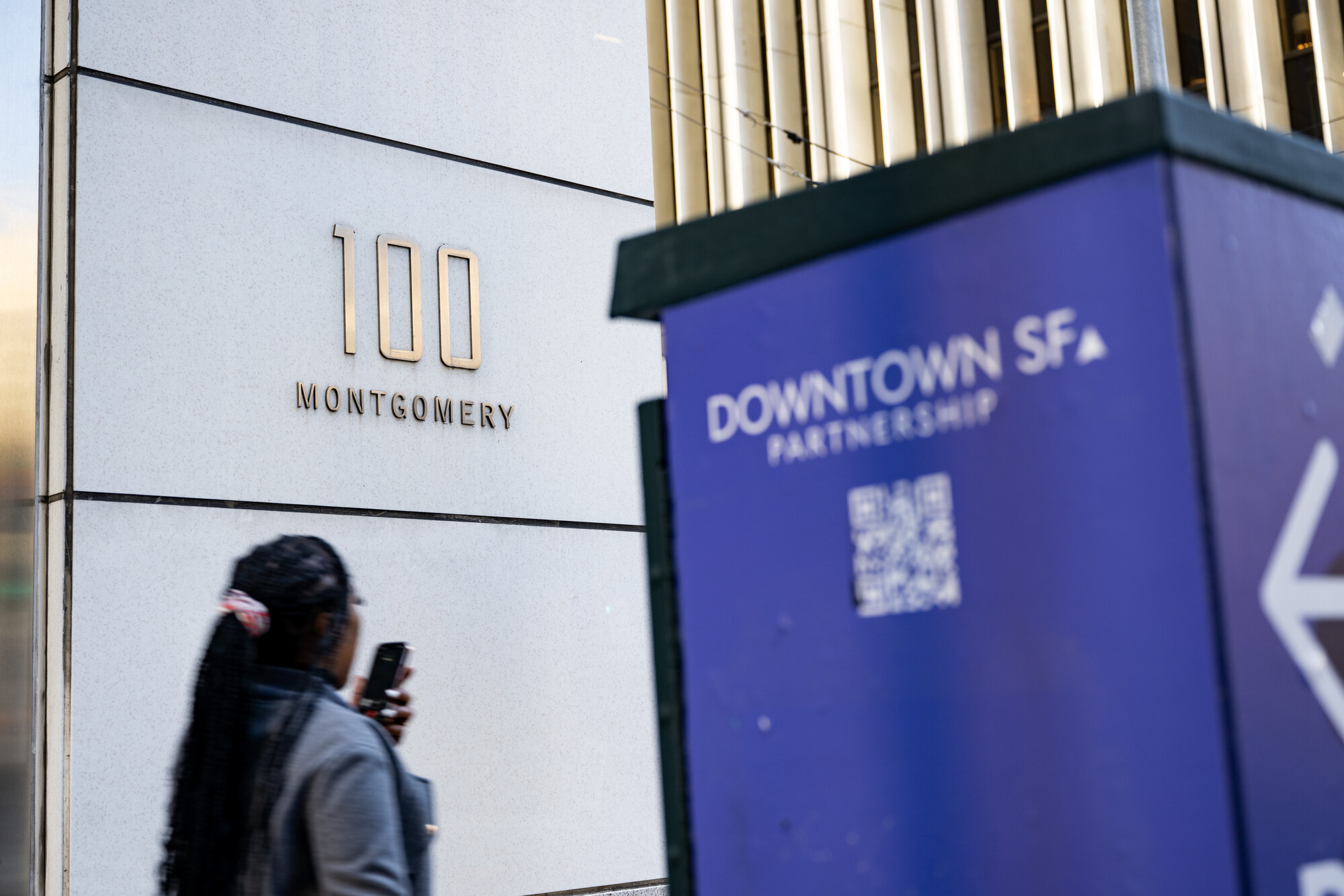
"caption": "100 Montgomery St., the location of the San Francisco Immigration Court, on Aug. 20, 2025. The closure of the courthouse comes after more than a year of Trump administration cuts that whittled down the bench and left a massive case backlog. ",
"credit": "Beth LaBerge/KQED",
"altTag": null,
"description": null,
"imgSizes": {
"thumbnail": {
"file": "https://cdn.kqed.org/wp-content/uploads/sites/10/2026/01/250820-ICEActivity-05_qed-160x107.jpg",
"width": 160,
"height": 107,
"mimeType": "image/jpeg"
},
"1536x1536": {
"file": "https://cdn.kqed.org/wp-content/uploads/sites/10/2026/01/250820-ICEActivity-05_qed-1536x1024.jpg",
"width": 1536,
"height": 1024,
"mimeType": "image/jpeg"
},
"post-thumbnail": {
"file": "https://cdn.kqed.org/wp-content/uploads/sites/10/2026/01/250820-ICEActivity-05_qed-672x372.jpg",
"width": 672,
"height": 372,
"mimeType": "image/jpeg"
},
"twentyfourteen-full-width": {
"file": "https://cdn.kqed.org/wp-content/uploads/sites/10/2026/01/250820-ICEActivity-05_qed-1038x576.jpg",
"width": 1038,
"height": 576,
"mimeType": "image/jpeg"
},
"npr-cds-wide": {
"file": "https://cdn.kqed.org/wp-content/uploads/sites/10/2026/01/250820-ICEActivity-05_qed-1200x675.jpg",
"width": 1200,
"height": 675,
"mimeType": "image/jpeg"
},
"kqedFullSize": {
"file": "https://cdn.kqed.org/wp-content/uploads/sites/10/2026/01/250820-ICEActivity-05_qed.jpg",
"width": 1999,
"height": 1333
}
},
"isLoading": false,
"fetchFailed": false
},
"news_12081739": {
"type": "attachments",
"id": "news_12081739",
"meta": {
"index": "attachments_1716263798",
"site": "news",
"id": "12081739",
"found": true
},
"title": "DMVCM1",
"publishDate": 1777479664,
"status": "inherit",
"parent": 12081737,
"modified": 1777479686,
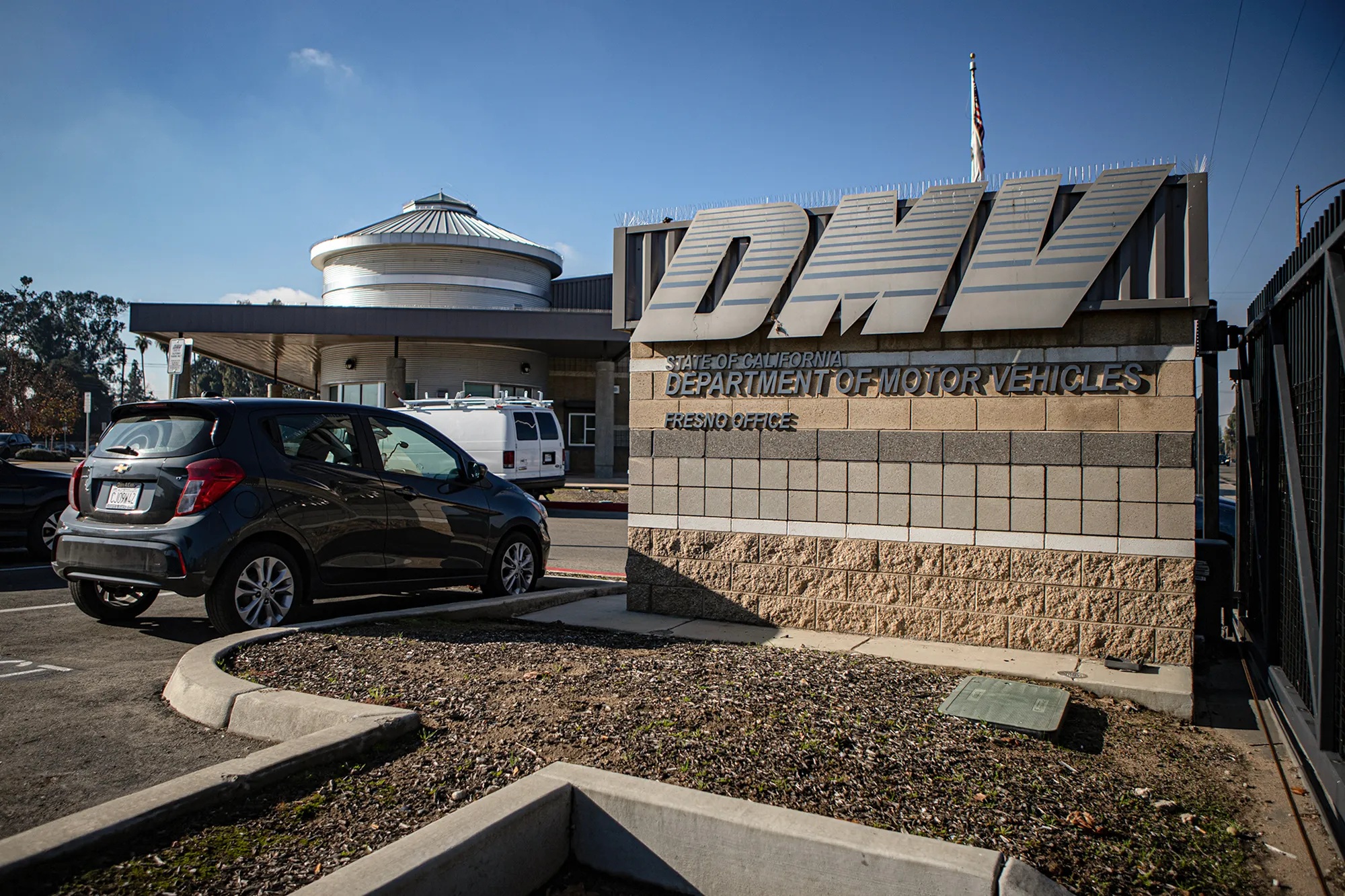
"caption": "The DMV has asked for $55 million to share its driver license data to a national organization. Advocates say the move could endanger unauthorized immigrants. Department of Motor Vehicles parking lot in central Fresno on Dec. 13, 2022. ",
"credit": "Larry Valenzuela for CalMatters",
"altTag": null,
"description": null,
"imgSizes": {
"thumbnail": {
"file": "https://cdn.kqed.org/wp-content/uploads/sites/10/2026/04/DMVCM1-160x107.jpg",
"width": 160,
"height": 107,
"mimeType": "image/jpeg"
},
"1536x1536": {
"file": "https://cdn.kqed.org/wp-content/uploads/sites/10/2026/04/DMVCM1-1536x1024.jpg",
"width": 1536,
"height": 1024,
"mimeType": "image/jpeg"
},
"post-thumbnail": {
"file": "https://cdn.kqed.org/wp-content/uploads/sites/10/2026/04/DMVCM1-672x372.jpg",
"width": 672,
"height": 372,
"mimeType": "image/jpeg"
},
"twentyfourteen-full-width": {
"file": "https://cdn.kqed.org/wp-content/uploads/sites/10/2026/04/DMVCM1-1038x576.jpg",
"width": 1038,
"height": 576,
"mimeType": "image/jpeg"
},
"npr-cds-wide": {
"file": "https://cdn.kqed.org/wp-content/uploads/sites/10/2026/04/DMVCM1-1200x675.jpg",
"width": 1200,
"height": 675,
"mimeType": "image/jpeg"
},
"npr-cds-square": {
"file": "https://cdn.kqed.org/wp-content/uploads/sites/10/2026/04/DMVCM1-600x600.jpg",
"width": 600,
"height": 600,
"mimeType": "image/jpeg"
},
"kqedFullSize": {
"file": "https://cdn.kqed.org/wp-content/uploads/sites/10/2026/04/DMVCM1.jpg",
"width": 2000,
"height": 1333
}
},
"isLoading": false,
"fetchFailed": false
},
"news_12081287": {
"type": "attachments",
"id": "news_12081287",
"meta": {
"index": "attachments_1716263798",
"site": "news",
"id": "12081287",
"found": true
},
"title": "070824-McFarland-GEO-Facility-LV_09-CM",
"publishDate": 1777050539,
"status": "inherit",
"parent": 12081286,
"modified": 1777050568,
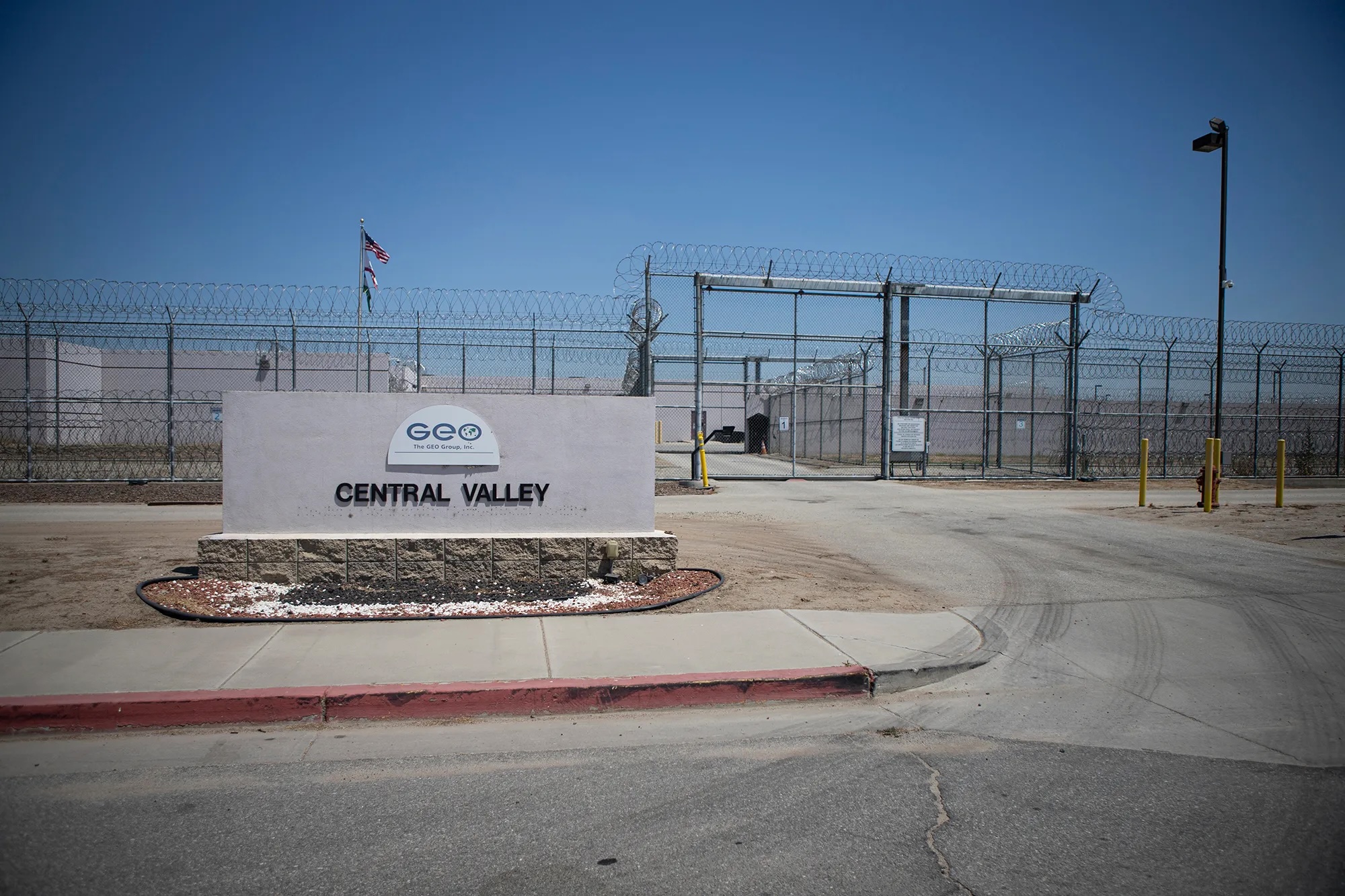
"caption": "The Central Valley Annex in McFarland on July 8, 2024.",
"credit": "Larry Valenzuela/CalMatters/CatchLight Local",
"altTag": null,
"description": null,
"imgSizes": {
"thumbnail": {
"file": "https://cdn.kqed.org/wp-content/uploads/sites/10/2026/04/070824-McFarland-GEO-Facility-LV_09-CM-160x107.jpeg",
"width": 160,
"height": 107,
"mimeType": "image/jpeg"
},
"1536x1536": {
"file": "https://cdn.kqed.org/wp-content/uploads/sites/10/2026/04/070824-McFarland-GEO-Facility-LV_09-CM-1536x1024.jpeg",
"width": 1536,
"height": 1024,
"mimeType": "image/jpeg"
},
"post-thumbnail": {
"file": "https://cdn.kqed.org/wp-content/uploads/sites/10/2026/04/070824-McFarland-GEO-Facility-LV_09-CM-672x372.jpeg",
"width": 672,
"height": 372,
"mimeType": "image/jpeg"
},
"twentyfourteen-full-width": {
"file": "https://cdn.kqed.org/wp-content/uploads/sites/10/2026/04/070824-McFarland-GEO-Facility-LV_09-CM-1038x576.jpeg",
"width": 1038,
"height": 576,
"mimeType": "image/jpeg"
},
"npr-cds-wide": {
"file": "https://cdn.kqed.org/wp-content/uploads/sites/10/2026/04/070824-McFarland-GEO-Facility-LV_09-CM-1200x675.jpeg",
"width": 1200,
"height": 675,
"mimeType": "image/jpeg"
},
"npr-cds-square": {
"file": "https://cdn.kqed.org/wp-content/uploads/sites/10/2026/04/070824-McFarland-GEO-Facility-LV_09-CM-600x600.jpeg",
"width": 600,
"height": 600,
"mimeType": "image/jpeg"
},
"kqedFullSize": {
"file": "https://cdn.kqed.org/wp-content/uploads/sites/10/2026/04/070824-McFarland-GEO-Facility-LV_09-CM.jpeg",
"width": 2000,
"height": 1333
}
},
"isLoading": false,
"fetchFailed": false
},
"news_12078158": {
"type": "attachments",
"id": "news_12078158",
"meta": {
"index": "attachments_1716263798",
"site": "news",
"id": "12078158",
"found": true
},
"title": "U.S. Immigration And Customs Enforcement",
"publishDate": 1774979067,
"status": "inherit",
"parent": 12078155,
"modified": 1774979333,
"caption": "U.S. Immigration and Customs Enforcement (ICE) 'X' account is screened on a mobile phone for illustration photo. ",
"credit": "Photo by Beata Zawrzel/NurPhoto via Getty Images",
"altTag": null,
"description": null,
"imgSizes": {
"medium": {
"file": "https://cdn.kqed.org/wp-content/uploads/sites/10/2026/03/GettyImages-2258872645-2000x1334.jpg",
"width": 2000,
"height": 1334,
"mimeType": "image/jpeg"
},
"large": {
"file": "https://cdn.kqed.org/wp-content/uploads/sites/10/2026/03/GettyImages-2258872645-2000x1334.jpg",
"width": 2000,
"height": 1334,
"mimeType": "image/jpeg"
},
"thumbnail": {
"file": "https://cdn.kqed.org/wp-content/uploads/sites/10/2026/03/GettyImages-2258872645-160x107.jpg",
"width": 160,
"height": 107,
"mimeType": "image/jpeg"
},
"1536x1536": {
"file": "https://cdn.kqed.org/wp-content/uploads/sites/10/2026/03/GettyImages-2258872645-1536x1025.jpg",
"width": 1536,
"height": 1025,
"mimeType": "image/jpeg"
},
"2048x2048": {
"file": "https://cdn.kqed.org/wp-content/uploads/sites/10/2026/03/GettyImages-2258872645-2048x1366.jpg",
"width": 2048,
"height": 1366,
"mimeType": "image/jpeg"
},
"post-thumbnail": {
"file": "https://cdn.kqed.org/wp-content/uploads/sites/10/2026/03/GettyImages-2258872645-672x372.jpg",
"width": 672,
"height": 372,
"mimeType": "image/jpeg"
},
"twentyfourteen-full-width": {
"file": "https://cdn.kqed.org/wp-content/uploads/sites/10/2026/03/GettyImages-2258872645-1038x576.jpg",
"width": 1038,
"height": 576,
"mimeType": "image/jpeg"
},
"full-width": {
"file": "https://cdn.kqed.org/wp-content/uploads/sites/10/2026/03/GettyImages-2258872645-2000x1334.jpg",
"width": 2000,
"height": 1334,
"mimeType": "image/jpeg"
},
"npr-cds-wide": {
"file": "https://cdn.kqed.org/wp-content/uploads/sites/10/2026/03/GettyImages-2258872645-1200x675.jpg",
"width": 1200,
"height": 675,
"mimeType": "image/jpeg"
},
"npr-cds-square": {
"file": "https://cdn.kqed.org/wp-content/uploads/sites/10/2026/03/GettyImages-2258872645-600x600.jpg",
"width": 600,
"height": 600,
"mimeType": "image/jpeg"
},
"kqedFullSize": {
"file": "https://cdn.kqed.org/wp-content/uploads/sites/10/2026/03/GettyImages-2258872645-scaled.jpg",
"width": 2560,
"height": 1708
}
},
"isLoading": false,
"fetchFailed": false
},
"news_12060987": {
"type": "attachments",
"id": "news_12060987",
"meta": {
"index": "attachments_1716263798",
"site": "news",
"id": "12060987",
"found": true
},
"title": "ICE at Court",
"publishDate": 1761141188,
"status": "inherit",
"parent": 12060986,
"modified": 1776991855,
"caption": "The rule being considered on Friday comes as immigration arrests rise at state courts, discouraging victims, witnesses, and others from showing up, according to lawyers and advocates.",
"credit": "Carlin Stiehl/Los Angeles Times via Getty Images",
"altTag": null,
"description": null,
"imgSizes": {
"medium": {
"file": "https://cdn.kqed.org/wp-content/uploads/sites/10/2025/10/GettyImages-2216992312-2000x1334.jpg",
"width": 2000,
"height": 1334,
"mimeType": "image/jpeg"
},
"large": {
"file": "https://cdn.kqed.org/wp-content/uploads/sites/10/2025/10/GettyImages-2216992312-2000x1334.jpg",
"width": 2000,
"height": 1334,
"mimeType": "image/jpeg"
},
"thumbnail": {
"file": "https://cdn.kqed.org/wp-content/uploads/sites/10/2025/10/GettyImages-2216992312-160x107.jpg",
"width": 160,
"height": 107,
"mimeType": "image/jpeg"
},
"1536x1536": {
"file": "https://cdn.kqed.org/wp-content/uploads/sites/10/2025/10/GettyImages-2216992312-1536x1025.jpg",
"width": 1536,
"height": 1025,
"mimeType": "image/jpeg"
},
"2048x2048": {
"file": "https://cdn.kqed.org/wp-content/uploads/sites/10/2025/10/GettyImages-2216992312-2048x1366.jpg",
"width": 2048,
"height": 1366,
"mimeType": "image/jpeg"
},
"post-thumbnail": {
"file": "https://cdn.kqed.org/wp-content/uploads/sites/10/2025/10/GettyImages-2216992312-672x372.jpg",
"width": 672,
"height": 372,
"mimeType": "image/jpeg"
},
"twentyfourteen-full-width": {
"file": "https://cdn.kqed.org/wp-content/uploads/sites/10/2025/10/GettyImages-2216992312-1038x576.jpg",
"width": 1038,
"height": 576,
"mimeType": "image/jpeg"
},
"full-width": {
"file": "https://cdn.kqed.org/wp-content/uploads/sites/10/2025/10/GettyImages-2216992312-2000x1334.jpg",
"width": 2000,
"height": 1334,
"mimeType": "image/jpeg"
},
"kqedFullSize": {
"file": "https://cdn.kqed.org/wp-content/uploads/sites/10/2025/10/GettyImages-2216992312-scaled-e1761161311555.jpg",
"width": 2000,
"height": 1334
}
},
"isLoading": false,
"fetchFailed": false
},
"news_12080887": {
"type": "attachments",
"id": "news_12080887",
"meta": {
"index": "attachments_1716263798",
"site": "news",
"id": "12080887",
"found": true
},
"title": "20251028_Immigrant Mass-_Hernandez-7_qed",
"publishDate": 1776878726,
"status": "inherit",
"parent": 12080871,
"modified": 1776878744,
"caption": "A family attends Mass at St. Jarlath’s Church in Oakland during a vigil for immigrant families on Oct. 28, 2025.",
"credit": "Gustavo Hernandez/KQED",
"altTag": null,
"description": null,
"imgSizes": {
"thumbnail": {
"file": "https://cdn.kqed.org/wp-content/uploads/sites/10/2026/04/20251028_Immigrant-Mass-_Hernandez-7_qed-160x107.jpg",
"width": 160,
"height": 107,
"mimeType": "image/jpeg"
},
"1536x1536": {
"file": "https://cdn.kqed.org/wp-content/uploads/sites/10/2026/04/20251028_Immigrant-Mass-_Hernandez-7_qed-1536x1024.jpg",
"width": 1536,
"height": 1024,
"mimeType": "image/jpeg"
},
"post-thumbnail": {
"file": "https://cdn.kqed.org/wp-content/uploads/sites/10/2026/04/20251028_Immigrant-Mass-_Hernandez-7_qed-672x372.jpg",
"width": 672,
"height": 372,
"mimeType": "image/jpeg"
},
"twentyfourteen-full-width": {
"file": "https://cdn.kqed.org/wp-content/uploads/sites/10/2026/04/20251028_Immigrant-Mass-_Hernandez-7_qed-1038x576.jpg",
"width": 1038,
"height": 576,
"mimeType": "image/jpeg"
},
"npr-cds-wide": {
"file": "https://cdn.kqed.org/wp-content/uploads/sites/10/2026/04/20251028_Immigrant-Mass-_Hernandez-7_qed-1200x675.jpg",
"width": 1200,
"height": 675,
"mimeType": "image/jpeg"
},
"npr-cds-square": {
"file": "https://cdn.kqed.org/wp-content/uploads/sites/10/2026/04/20251028_Immigrant-Mass-_Hernandez-7_qed-600x600.jpg",
"width": 600,
"height": 600,
"mimeType": "image/jpeg"
},
"kqedFullSize": {
"file": "https://cdn.kqed.org/wp-content/uploads/sites/10/2026/04/20251028_Immigrant-Mass-_Hernandez-7_qed.jpg",
"width": 2000,
"height": 1333
}
},
"isLoading": false,
"fetchFailed": false
},
"news_12080989": {
"type": "attachments",
"id": "news_12080989",
"meta": {
"index": "attachments_1716263798",
"site": "news",
"id": "12080989",
"found": true
},
"title": "070725-MacArthur-Park-Feds-JW-CM-27",
"publishDate": 1776896193,
"status": "inherit",
"parent": 12080962,
"modified": 1776897913,
"caption": "Federal agents descend on MacArthur Park in Los Angeles on July 7, 2025. ",
"credit": "J.W. Hendricks/CalMatters",
"altTag": null,
"description": null,
"imgSizes": {
"thumbnail": {
"file": "https://cdn.kqed.org/wp-content/uploads/sites/10/2026/04/070725-MacArthur-Park-Feds-JW-CM-27-160x107.jpeg",
"width": 160,
"height": 107,
"mimeType": "image/jpeg"
},
"1536x1536": {
"file": "https://cdn.kqed.org/wp-content/uploads/sites/10/2026/04/070725-MacArthur-Park-Feds-JW-CM-27-1536x1025.jpeg",
"width": 1536,
"height": 1025,
"mimeType": "image/jpeg"
},
"post-thumbnail": {
"file": "https://cdn.kqed.org/wp-content/uploads/sites/10/2026/04/070725-MacArthur-Park-Feds-JW-CM-27-672x372.jpeg",
"width": 672,
"height": 372,
"mimeType": "image/jpeg"
},
"twentyfourteen-full-width": {
"file": "https://cdn.kqed.org/wp-content/uploads/sites/10/2026/04/070725-MacArthur-Park-Feds-JW-CM-27-1038x576.jpeg",
"width": 1038,
"height": 576,
"mimeType": "image/jpeg"
},
"npr-cds-wide": {
"file": "https://cdn.kqed.org/wp-content/uploads/sites/10/2026/04/070725-MacArthur-Park-Feds-JW-CM-27-1200x675.jpeg",
"width": 1200,
"height": 675,
"mimeType": "image/jpeg"
},
"npr-cds-square": {
"file": "https://cdn.kqed.org/wp-content/uploads/sites/10/2026/04/070725-MacArthur-Park-Feds-JW-CM-27-600x600.jpeg",
"width": 600,
"height": 600,
"mimeType": "image/jpeg"
},
"kqedFullSize": {
"file": "https://cdn.kqed.org/wp-content/uploads/sites/10/2026/04/070725-MacArthur-Park-Feds-JW-CM-27.jpeg",
"width": 2000,
"height": 1334
}
},
"isLoading": false,
"fetchFailed": false
},
"news_12051269": {
"type": "attachments",
"id": "news_12051269",
"meta": {
"index": "attachments_1716263798",
"site": "news",
"id": "12051269",
"found": true
},
"title": "250303-AntiochPolice-13-BL_qed (1)",
"publishDate": 1754588662,
"status": "inherit",
"parent": 12051261,
"modified": 1754610050,
"caption": "The A. F. Bray Courthouse Contra Costa Superior Court, in Martinez on March 3, 2025.",
"credit": "Beth LaBerge/KQED",
"altTag": null,
"description": null,
"imgSizes": {
"thumbnail": {
"file": "https://cdn.kqed.org/wp-content/uploads/sites/10/2025/08/250303-AntiochPolice-13-BL_qed-1-160x107.jpg",
"width": 160,
"height": 107,
"mimeType": "image/jpeg"
},
"1536x1536": {
"file": "https://cdn.kqed.org/wp-content/uploads/sites/10/2025/08/250303-AntiochPolice-13-BL_qed-1-1536x1024.jpg",
"width": 1536,
"height": 1024,
"mimeType": "image/jpeg"
},
"post-thumbnail": {
"file": "https://cdn.kqed.org/wp-content/uploads/sites/10/2025/08/250303-AntiochPolice-13-BL_qed-1-672x372.jpg",
"width": 672,
"height": 372,
"mimeType": "image/jpeg"
},
"twentyfourteen-full-width": {
"file": "https://cdn.kqed.org/wp-content/uploads/sites/10/2025/08/250303-AntiochPolice-13-BL_qed-1-1038x576.jpg",
"width": 1038,
"height": 576,
"mimeType": "image/jpeg"
},
"kqedFullSize": {
"file": "https://cdn.kqed.org/wp-content/uploads/sites/10/2025/08/250303-AntiochPolice-13-BL_qed-1.jpg",
"width": 2000,
"height": 1333
}
},
"isLoading": false,
"fetchFailed": false
},
"news_12060605": {
"type": "attachments",
"id": "news_12060605",
"meta": {
"index": "attachments_1716263798",
"site": "news",
"id": "12060605",
"found": true
},
"title": "20251018_NoKingsOakland_Hernandez-26_qed",
"publishDate": 1760830068,
"status": "inherit",
"parent": 12060511,
"modified": 1760830080,
"caption": "A demonstrator’s silhouette is cast beneath an American flag during the No Kings National Day of Action in Oakland on Oct. 18, 2025.",
"credit": "Gustavo Hernandez/KQED",
"altTag": null,
"description": null,
"imgSizes": {
"thumbnail": {
"file": "https://cdn.kqed.org/wp-content/uploads/sites/10/2025/10/20251018_NoKingsOakland_Hernandez-26_qed-160x107.jpg",
"width": 160,
"height": 107,
"mimeType": "image/jpeg"
},
"1536x1536": {
"file": "https://cdn.kqed.org/wp-content/uploads/sites/10/2025/10/20251018_NoKingsOakland_Hernandez-26_qed-1536x1024.jpg",
"width": 1536,
"height": 1024,
"mimeType": "image/jpeg"
},
"post-thumbnail": {
"file": "https://cdn.kqed.org/wp-content/uploads/sites/10/2025/10/20251018_NoKingsOakland_Hernandez-26_qed-672x372.jpg",
"width": 672,
"height": 372,
"mimeType": "image/jpeg"
},
"twentyfourteen-full-width": {
"file": "https://cdn.kqed.org/wp-content/uploads/sites/10/2025/10/20251018_NoKingsOakland_Hernandez-26_qed-1038x576.jpg",
"width": 1038,
"height": 576,
"mimeType": "image/jpeg"
},
"kqedFullSize": {
"file": "https://cdn.kqed.org/wp-content/uploads/sites/10/2025/10/20251018_NoKingsOakland_Hernandez-26_qed.jpg",
"width": 2000,
"height": 1333
}
},
"isLoading": false,
"fetchFailed": false
},
"news_10559309": {
"type": "attachments",
"id": "news_10559309",
"meta": {
"index": "attachments_1716263798",
"site": "news",
"id": "10559309",
"found": true
},
"parent": 10556883,
"imgSizes": {
"twentyfourteen-full-width": {
"file": "https://ww2.kqed.org/app/uploads/sites/10/2015/06/20150522-CynthiaWoodPhoto-DSC_7143-1038x576.jpg",
"width": 1038,
"mimeType": "image/jpeg",
"height": 576
},
"thumbnail": {
"file": "https://ww2.kqed.org/app/uploads/sites/10/2015/06/20150522-CynthiaWoodPhoto-DSC_7143-400x266.jpg",
"width": 400,
"mimeType": "image/jpeg",
"height": 266
},
"fd-sm": {
"file": "https://ww2.kqed.org/app/uploads/sites/10/2015/06/20150522-CynthiaWoodPhoto-DSC_7143-960x639.jpg",
"width": 960,
"mimeType": "image/jpeg",
"height": 639
},
"post-thumbnail": {
"file": "https://ww2.kqed.org/app/uploads/sites/10/2015/06/20150522-CynthiaWoodPhoto-DSC_7143-672x372.jpg",
"width": 672,
"mimeType": "image/jpeg",
"height": 372
},
"kqedFullSize": {
"file": "https://ww2.kqed.org/app/uploads/sites/10/2015/06/20150522-CynthiaWoodPhoto-DSC_7143.jpg",
"width": 2000,
"height": 1331
},
"large": {
"file": "https://ww2.kqed.org/app/uploads/sites/10/2015/06/20150522-CynthiaWoodPhoto-DSC_7143-1440x958.jpg",
"width": 1440,
"mimeType": "image/jpeg",
"height": 958
},
"guest-author-96": {
"file": "https://ww2.kqed.org/app/uploads/sites/10/2015/06/20150522-CynthiaWoodPhoto-DSC_7143-96x96.jpg",
"width": 96,
"mimeType": "image/jpeg",
"height": 96
},
"medium": {
"file": "https://ww2.kqed.org/app/uploads/sites/10/2015/06/20150522-CynthiaWoodPhoto-DSC_7143-800x532.jpg",
"width": 800,
"mimeType": "image/jpeg",
"height": 532
},
"guest-author-64": {
"file": "https://ww2.kqed.org/app/uploads/sites/10/2015/06/20150522-CynthiaWoodPhoto-DSC_7143-64x64.jpg",
"width": 64,
"mimeType": "image/jpeg",
"height": 64
},
"guest-author-32": {
"file": "https://ww2.kqed.org/app/uploads/sites/10/2015/06/20150522-CynthiaWoodPhoto-DSC_7143-32x32.jpg",
"width": 32,
"mimeType": "image/jpeg",
"height": 32
},
"fd-med": {
"file": "https://ww2.kqed.org/app/uploads/sites/10/2015/06/20150522-CynthiaWoodPhoto-DSC_7143-1180x785.jpg",
"width": 1180,
"mimeType": "image/jpeg",
"height": 785
},
"detail": {
"file": "https://ww2.kqed.org/app/uploads/sites/10/2015/06/20150522-CynthiaWoodPhoto-DSC_7143-75x75.jpg",
"width": 75,
"mimeType": "image/jpeg",
"height": 75
},
"guest-author-128": {
"file": "https://ww2.kqed.org/app/uploads/sites/10/2015/06/20150522-CynthiaWoodPhoto-DSC_7143-128x128.jpg",
"width": 128,
"mimeType": "image/jpeg",
"height": 128
}
},
"publishDate": 1434053660,
"modified": 1434053800,
"caption": "Jose Arreola harvests Royal Hazel cherries in Gilroy, Calif. ",
"description": "Jose Arreola harvests Royal Hazel cherries in Gilroy, Calif. ",
"title": "20150522-CynthiaWoodPhoto-DSC_7143",
"credit": "Cynthia E. Wood/KQED",
"status": "inherit",
"isLoading": false,
"fetchFailed": false
},
"news_12074725": {
"type": "attachments",
"id": "news_12074725",
"meta": {
"index": "attachments_1716263798",
"site": "news",
"id": "12074725",
"found": true
},
"title": "ice-badge-69a05cdd559c5",
"publishDate": 1772117259,
"status": "inherit",
"parent": 12074724,
"modified": 1788543218,
"caption": "A federal agent wears an Immigration and Customs Enforcement badge on June 10, 2025. ",
"credit": "AP Photo/Yuki Iwamura, File",
"altTag": null,
"description": null,
"imgSizes": {
"thumbnail": {
"file": "https://cdn.kqed.org/wp-content/uploads/sites/10/2026/02/ice-badge-69a05cdd559c5-160x107.jpg",
"width": 160,
"height": 107,
"mimeType": "image/jpeg"
},
"1536x1536": {
"file": "https://cdn.kqed.org/wp-content/uploads/sites/10/2026/02/ice-badge-69a05cdd559c5-1536x1025.jpg",
"width": 1536,
"height": 1025,
"mimeType": "image/jpeg"
},
"post-thumbnail": {
"file": "https://cdn.kqed.org/wp-content/uploads/sites/10/2026/02/ice-badge-69a05cdd559c5-672x372.jpg",
"width": 672,
"height": 372,
"mimeType": "image/jpeg"
},
"twentyfourteen-full-width": {
"file": "https://cdn.kqed.org/wp-content/uploads/sites/10/2026/02/ice-badge-69a05cdd559c5-1038x576.jpg",
"width": 1038,
"height": 576,
"mimeType": "image/jpeg"
},
"npr-cds-wide": {
"file": "https://cdn.kqed.org/wp-content/uploads/sites/10/2026/02/ice-badge-69a05cdd559c5-1200x675.jpg",
"width": 1200,
"height": 675,
"mimeType": "image/jpeg"
},
"kqedFullSize": {
"file": "https://cdn.kqed.org/wp-content/uploads/sites/10/2026/02/ice-badge-69a05cdd559c5.jpg",
"width": 1760,
"height": 1174
}
},
"isLoading": false,
"fetchFailed": false
},
"news_12078496": {
"type": "attachments",
"id": "news_12078496",
"meta": {
"index": "attachments_1716263798",
"site": "news",
"id": "12078496",
"found": true
},
"title": "Producer Prices",
"publishDate": 1775161780,
"status": "inherit",
"parent": 12078490,
"modified": 1775161888,
"caption": "A California's SNAP benefits shopper pushes a cart through a supermarket in Bellflower, California, on Feb. 13, 2023.",
"credit": "Allison Dinner/AP Photo",
"altTag": null,
"description": null,
"imgSizes": {
"thumbnail": {
"file": "https://cdn.kqed.org/wp-content/uploads/sites/10/2026/04/GroceriesAP-160x107.jpg",
"width": 160,
"height": 107,
"mimeType": "image/jpeg"
},
"1536x1536": {
"file": "https://cdn.kqed.org/wp-content/uploads/sites/10/2026/04/GroceriesAP-1536x1024.jpg",
"width": 1536,
"height": 1024,
"mimeType": "image/jpeg"
},
"post-thumbnail": {
"file": "https://cdn.kqed.org/wp-content/uploads/sites/10/2026/04/GroceriesAP-672x372.jpg",
"width": 672,
"height": 372,
"mimeType": "image/jpeg"
},
"twentyfourteen-full-width": {
"file": "https://cdn.kqed.org/wp-content/uploads/sites/10/2026/04/GroceriesAP-1038x576.jpg",
"width": 1038,
"height": 576,
"mimeType": "image/jpeg"
},
"npr-cds-wide": {
"file": "https://cdn.kqed.org/wp-content/uploads/sites/10/2026/04/GroceriesAP-1200x675.jpg",
"width": 1200,
"height": 675,
"mimeType": "image/jpeg"
},
"npr-cds-square": {
"file": "https://cdn.kqed.org/wp-content/uploads/sites/10/2026/04/GroceriesAP-600x600.jpg",
"width": 600,
"height": 600,
"mimeType": "image/jpeg"
},
"kqedFullSize": {
"file": "https://cdn.kqed.org/wp-content/uploads/sites/10/2026/04/GroceriesAP.jpg",
"width": 2000,
"height": 1333
}
},
"isLoading": false,
"fetchFailed": false
}
},
"audioPlayerReducer": {
"postId": "stream_live",
"isPaused": true,
"isPlaying": false,
"pfsActive": false,
"pledgeModalIsOpen": true,
"playerDrawerIsOpen": false,
"liveAudioPlayStartedAt": 0,
"liveAudioPlayContext": ""
},
"authorsReducer": {
"byline_news_12081737": {
"type": "authors",
"id": "byline_news_12081737",
"meta": {
"override": true
},
"slug": "byline_news_12081737",
"name": "Khari Johnson and Wendy Fry, CalMatters",
"isLoading": false
},
"byline_news_12081286": {
"type": "authors",
"id": "byline_news_12081286",
"meta": {
"override": true
},
"slug": "byline_news_12081286",
"name": "\u003ca href=\"https://calmatters.org/author/wendy-fry/\">Wendy Fry\u003c/a>, CalMatters",
"isLoading": false
},
"byline_news_12080962": {
"type": "authors",
"id": "byline_news_12080962",
"meta": {
"override": true
},
"slug": "byline_news_12080962",
"name": "\u003ca href=\"https://calmatters.org/author/nigelduara/\">Nigel Duara\u003c/a>, CalMatters",
"isLoading": false
},
"byline_news_12079946": {
"type": "authors",
"id": "byline_news_12079946",
"meta": {
"override": true
},
"slug": "byline_news_12079946",
"name": "Shandra Back, Northern California Public Media",
"isLoading": false
},
"byline_news_12079006": {
"type": "authors",
"id": "byline_news_12079006",
"meta": {
"override": true
},
"slug": "byline_news_12079006",
"name": "The Associated Press",
"isLoading": false
},
"kqed": {
"type": "authors",
"id": "236",
"meta": {
"index": "authors_1716337520",
"id": "236",
"found": true
},
"name": "KQED News Staff",
"firstName": "KQED News Staff",
"lastName": null,
"slug": "kqed",
"email": "faq@kqed.org",
"display_author_email": false,
"staff_mastheads": [],
"title": null,
"bio": null,
"avatar": "https://secure.gravatar.com/avatar/ef0e801a68c4c54afa9180db14084167?s=600&d=blank&r=g",
"twitter": null,
"facebook": null,
"instagram": null,
"linkedin": null,
"sites": [
{
"site": "arts",
"roles": [
"contributor"
]
},
{
"site": "news",
"roles": [
"editor"
]
},
{
"site": "futureofyou",
"roles": [
"author"
]
}
],
"headData": {
"title": "KQED News Staff | KQED",
"description": null,
"ogImgSrc": "https://secure.gravatar.com/avatar/ef0e801a68c4c54afa9180db14084167?s=600&d=blank&r=g",
"twImgSrc": "https://secure.gravatar.com/avatar/ef0e801a68c4c54afa9180db14084167?s=600&d=blank&r=g"
},
"isLoading": false,
"link": "/author/kqed"
},
"tychehendricks": {
"type": "authors",
"id": "259",
"meta": {
"index": "authors_1716337520",
"id": "259",
"found": true
},
"name": "Tyche Hendricks",
"firstName": "Tyche",
"lastName": "Hendricks",
"slug": "tychehendricks",
"email": "thendricks@kqed.org",
"display_author_email": true,
"staff_mastheads": [
"news"
],
"title": "KQED Senior Editor, Immigration",
"bio": "\u003cspan style=\"font-weight: 400;\">Tyche Hendricks is KQED’s senior editor for immigration, leading coverage of the policy and politics that affect California’s immigrant communities. Her work for KQED’s radio and online audiences is also carried on NPR and other national outlets. She has been recognized with awards from the Radio and Television News Directors Association, the Society for Professional Journalists; the Education Writers Association; the Best of the West and the National Federation of Community Broadcasters. Before joining KQED in 2010, Tyche spent more than a dozen years as a newspaper reporter, notably at the \u003c/span>\u003ci>\u003cspan style=\"font-weight: 400;\">San Francisco Chronicle\u003c/span>\u003c/i>\u003cspan style=\"font-weight: 400;\">. At different times she has covered criminal justice, government and politics and urban planning. Tyche has taught in the MFA Creative Writing program at the University of San Francisco and at UC Berkeley’s Graduate School of Journalism, where she was co-director of a national immigration symposium for professional journalists. She is the author of \u003c/span>\u003ci>\u003cspan style=\"font-weight: 400;\">The Wind Doesn't Need a Passport: Stories from the U.S.-Mexico Borderlands\u003c/span>\u003c/i>\u003cspan style=\"font-weight: 400;\"> (University of California Press). \u003c/span>",
"avatar": "https://secure.gravatar.com/avatar/b8ee458e2731c2d43df86882ce17267e?s=600&d=blank&r=g",
"twitter": "tychehendricks",
"facebook": null,
"instagram": null,
"linkedin": null,
"sites": [
{
"site": "news",
"roles": [
"editor"
]
},
{
"site": "stateofhealth",
"roles": [
"editor"
]
}
],
"headData": {
"title": "Tyche Hendricks | KQED",
"description": "KQED Senior Editor, Immigration",
"ogImgSrc": "https://secure.gravatar.com/avatar/b8ee458e2731c2d43df86882ce17267e?s=600&d=blank&r=g",
"twImgSrc": "https://secure.gravatar.com/avatar/b8ee458e2731c2d43df86882ce17267e?s=600&d=blank&r=g"
},
"isLoading": false,
"link": "/author/tychehendricks"
},
"fjhabvala": {
"type": "authors",
"id": "8659",
"meta": {
"index": "authors_1716337520",
"id": "8659",
"found": true
},
"name": "Farida Jhabvala Romero",
"firstName": "Farida",
"lastName": "Jhabvala Romero",
"slug": "fjhabvala",
"email": "fjhabvala@kqed.org",
"display_author_email": true,
"staff_mastheads": [
"news"
],
"title": "KQED Contributor",
"bio": "Farida Jhabvala Romero is a Labor Correspondent for KQED. She previously covered immigration. Farida was \u003ca href=\"https://www.ccnma.org/2022-most-influential-latina-journalists\">named\u003c/a> one of the 10 Most Influential Latina Journalists in California in 2022 by the California Chicano News Media Association. Her work has won awards from the Society of Professional Journalists (Northern California), as well as a national and regional Edward M. Murrow Award for the collaborative reporting projects “Dangerous Air” and “Graying California.” Before joining KQED, Farida worked as a producer at Radio Bilingüe, a national public radio network. Farida earned her master’s degree in journalism from Stanford University.",
"avatar": "https://secure.gravatar.com/avatar/f9f022d4e2609741874222a1e9d41f48fea74011aa7c615eef91d9a50c944ebe?s=600&d=blank&r=g",
"twitter": "FaridaJhabvala",
"bluesky": null,
"facebook": null,
"instagram": null,
"linkedin": "https://www.linkedin.com/in/faridajhabvala/",
"sites": [
{
"site": "news",
"roles": [
"editor"
]
},
{
"site": "stateofhealth",
"roles": [
"author"
]
},
{
"site": "liveblog",
"roles": [
"author"
]
}
],
"headData": {
"title": "Farida Jhabvala Romero | KQED",
"description": "KQED Contributor",
"ogImgSrc": "https://secure.gravatar.com/avatar/f9f022d4e2609741874222a1e9d41f48fea74011aa7c615eef91d9a50c944ebe?s=600&d=blank&r=g",
"twImgSrc": "https://secure.gravatar.com/avatar/f9f022d4e2609741874222a1e9d41f48fea74011aa7c615eef91d9a50c944ebe?s=600&d=blank&r=g"
},
"isLoading": false,
"link": "/author/fjhabvala"
},
"btorres": {
"type": "authors",
"id": "11666",
"meta": {
"index": "authors_1716337520",
"id": "11666",
"found": true
},
"name": "Blanca Torres",
"firstName": "Blanca",
"lastName": "Torres",
"slug": "btorres",
"email": "btorres@kqed.org",
"display_author_email": true,
"staff_mastheads": [
"news"
],
"title": "Producer, Forum",
"bio": "Blanca Torres brings sharp news judgement and keen sense of lively conversation to her work as producer for Forum. She loves producing shows that leave listeners feeling like they heard distinctive voices, learned something new and gained a fresh perspective.\r\n\r\nShe joined KQED in January of 2020 after 16 years of working as a newspaper reporter most recently at the \u003cem>San Francisco Business Times,\u003c/em> where she wrote about real estate and economic development. Before that, she covered a variety of beats including crime, education, retail, workplace, the economy, consumer issues, and small business for the \u003cem>Contra Costa Times, Baltimore Sun\u003c/em> and\u003cem> The Seattle Times\u003c/em>. In addition to reporting, she worked as an editorial writer and columnist for the \u003cem>Seattle Times\u003c/em>. From 2017 to 2020, Blanca won a total of ten awards from the National Association of Real Estate Editors and won first place for land use reporting from the California News Publishers Association two years in a row. She is also a member and former board member for the National Association of Hispanic Journalists.\r\n\r\nA native of the Pacific Northwest, Blanca earned her bachelor's degree from Vanderbilt University in Nashville and a master's in fine arts in creative writing at Mills College. She lives in the East Bay with her family.",
"avatar": "https://secure.gravatar.com/avatar/50b49d19b14a1eed34f26ebf4681152cdd81574ed21851100871ccd29e578cdc?s=600&d=blank&r=g",
"twitter": "@blancawrites",
"bluesky": null,
"facebook": null,
"instagram": null,
"linkedin": null,
"sites": [
{
"site": "arts",
"roles": [
"editor"
]
},
{
"site": "news",
"roles": [
"editor"
]
},
{
"site": "forum",
"roles": [
"editor"
]
}
],
"headData": {
"title": "Blanca Torres | KQED",
"description": "Producer, Forum",
"ogImgSrc": "https://secure.gravatar.com/avatar/50b49d19b14a1eed34f26ebf4681152cdd81574ed21851100871ccd29e578cdc?s=600&d=blank&r=g",
"twImgSrc": "https://secure.gravatar.com/avatar/50b49d19b14a1eed34f26ebf4681152cdd81574ed21851100871ccd29e578cdc?s=600&d=blank&r=g"
},
"isLoading": false,
"link": "/author/btorres"
},
"kmonahan": {
"type": "authors",
"id": "11842",
"meta": {
"index": "authors_1716337520",
"id": "11842",
"found": true
},
"name": "Katherine Monahan",
"firstName": "Katherine",
"lastName": "Monahan",
"slug": "kmonahan",
"email": "kmonahan@kqed.org",
"display_author_email": true,
"staff_mastheads": [],
"title": "Reporter / Sound Engineer",
"bio": "I cover state and local news. I’m also a sound engineer at the station, mixing stories and running live broadcasts. I link to source materials so that readers can draw their own conclusions, and seek comment from a range of perspectives, including from people directly affected by events. Awards received include from the Society of Professional Journalists, Northern California chapter and the Alaska Press Club. I speak multiple languages and have reported and engineered in the Bay Area, Alaska, West Africa and Latin America.",
"avatar": "https://secure.gravatar.com/avatar/ff257b3a5da88893781a3d3266904b2d2f91c7f0e1bbf728f61f5fb81b74a669?s=600&d=blank&r=g",
"twitter": null,
"bluesky": null,
"facebook": null,
"instagram": null,
"linkedin": null,
"sites": [
{
"site": "news",
"roles": [
"editor"
]
},
{
"site": "science",
"roles": [
"contributor"
]
}
],
"headData": {
"title": "Katherine Monahan | KQED",
"description": "Reporter / Sound Engineer",
"ogImgSrc": "https://secure.gravatar.com/avatar/ff257b3a5da88893781a3d3266904b2d2f91c7f0e1bbf728f61f5fb81b74a669?s=600&d=blank&r=g",
"twImgSrc": "https://secure.gravatar.com/avatar/ff257b3a5da88893781a3d3266904b2d2f91c7f0e1bbf728f61f5fb81b74a669?s=600&d=blank&r=g"
},
"isLoading": false,
"link": "/author/kmonahan"
},
"kdebenedetti": {
"type": "authors",
"id": "11913",
"meta": {
"index": "authors_1716337520",
"id": "11913",
"found": true
},
"name": "Katie DeBenedetti",
"firstName": "Katie",
"lastName": "DeBenedetti",
"slug": "kdebenedetti",
"email": "kdebenedetti@kqed.org",
"display_author_email": false,
"staff_mastheads": [
"news",
"science"
],
"title": "KQED Contributor",
"bio": "Katie DeBenedetti is a digital reporter covering daily news for the Express Desk. Prior to joining KQED as a culture reporting intern in January 2024, she covered education and city government for the Napa Valley Register.",
"avatar": "https://secure.gravatar.com/avatar/6e31073cb8f7e4214ab03f42771d0f45?s=600&d=blank&r=g",
"twitter": null,
"facebook": null,
"instagram": null,
"linkedin": null,
"sites": [
{
"site": "news",
"roles": [
"author"
]
},
{
"site": "science",
"roles": [
"author"
]
},
{
"site": "liveblog",
"roles": [
"author"
]
}
],
"headData": {
"title": "Katie DeBenedetti | KQED",
"description": "KQED Contributor",
"ogImgSrc": "https://secure.gravatar.com/avatar/6e31073cb8f7e4214ab03f42771d0f45?s=600&d=blank&r=g",
"twImgSrc": "https://secure.gravatar.com/avatar/6e31073cb8f7e4214ab03f42771d0f45?s=600&d=blank&r=g"
},
"isLoading": false,
"link": "/author/kdebenedetti"
}
},
"pagesReducer": {
"news_category_immigration": {
"type": "terms",
"id": "news_1169",
"meta": {
"index": "terms_1716263798",
"site": "news",
"id": "1169",
"score": 10.909731
},
"featImg": null,
"name": "Immigration",
"description": null,
"taxonomy": "category",
"headData": {
"twImgId": null,
"twTitle": null,
"ogTitle": null,
"ogImgId": null,
"twDescription": null,
"description": null,
"title": "Immigration Archives | KQED News",
"ogDescription": null
},
"ttid": 1180,
"slug": "immigration",
"isLoading": false,
"title": "Immigration",
"pageMeta": {
"site": "news",
"WpPageTemplate": "page-topic-editorial",
"currentPage": 7
},
"blocks": [
{
"blockName": "kqed/post-list",
"attrs": {
"layout": "cardArticle2",
"query": "posts/news?category=immigration",
"seeMore": false,
"paginated": true,
"page": 7
}
},
{
"blockName": "kqed/ad"
}
]
}
},
"pfsSessionReducer": {},
"postsReducer": {
"stream_live": {
"type": "live",
"id": "stream_live",
"audioUrl": "https://streams.kqed.org/kqedradio",
"title": "Live Stream",
"excerpt": "Live Stream information currently unavailable.",
"link": "/radio",
"featImg": "",
"label": {
"name": "KQED Live",
"link": "/"
}
},
"stream_kqedNewscast": {
"type": "posts",
"id": "stream_kqedNewscast",
"audioUrl": "https://www.kqed.org/.stream/anon/radio/RDnews/newscast.mp3?_=1",
"title": "KQED Newscast",
"featImg": "",
"label": {
"name": "88.5 FM",
"link": "/"
}
},
"news_12082287": {
"type": "posts",
"id": "news_12082287",
"meta": {
"index": "posts_1716263798",
"site": "news",
"id": "12082287",
"score": null,
"sort": [
1777931077000
]
},
"guestAuthors": [],
"slug": "trump-closes-san-franciscos-immigration-court-for-good",
"title": "Trump Closes San Francisco’s Immigration Court for Good",
"publishDate": 1777931077,
"format": "standard",
"headTitle": "Trump Closes San Francisco’s Immigration Court for Good | KQED",
"labelTerm": {
"site": "news"
},
"content": "\u003cp>San Francisco’s \u003ca href=\"https://www.kqed.org/news/12068969/sf-immigration-courts-looming-closure-raises-concerns-about-path-to-asylum\">immigration court stopped hearing cases \u003c/a>last week, threatening to leave a major hole in California’s immigration judicial system.\u003c/p>\n\u003cp>Once one of the busiest courts in the country, the closure of the 100 Montgomery Street courthouse comes after more than a year of firings and retirements have whittled down its bench and worsened a massive case backlog.\u003c/p>\n\u003cp>“This was a court that actually had a reputation for really strong legal reasoning,” said former Judge Shira Levine, who was fired from the \u003ca href=\"https://www.kqed.org/news/12054620/despite-a-growing-case-backlog-trump-fires-6th-san-francisco-immigration-judge\">court by the Trump administration\u003c/a> last year. “The judges did not all have the same perspectives. People sometimes lost their cases, people sometimes won their cases, but it was a place that upheld due process. You really see a targeting of a court that … stood for full and fair hearings in the immigration system.”\u003c/p>\n\u003cp>[ad fullwidth]\u003c/p>\n\u003cp>The courthouse, which serves immigrant cases spanning from Bakersfield to the Oregon border, was expected to shutter after its lease ends in January 2027, but in April, it announced it would cease hearing cases months earlier.\u003c/p>\n\u003cp>In a statement, the Executive Office of Immigration Review — the branch of the U.S. Department of Justice that handles removals and appeals — said that it was more cost-effective to move court operations to Concord.\u003c/p>\n\u003cfigure id=\"attachment_12003275\" class=\"wp-caption aligncenter\" style=\"max-width: 2000px\">\u003cimg loading=\"lazy\" decoding=\"async\" class=\"size-full wp-image-12003275\" src=\"https://cdn.kqed.org/wp-content/uploads/sites/10/2024/09/USDeptofJusticeGetty.jpg\" alt=\"\" width=\"2000\" height=\"1333\" srcset=\"https://cdn.kqed.org/wp-content/uploads/sites/10/2024/09/USDeptofJusticeGetty.jpg 2000w, https://cdn.kqed.org/wp-content/uploads/sites/10/2024/09/USDeptofJusticeGetty-800x533.jpg 800w, https://cdn.kqed.org/wp-content/uploads/sites/10/2024/09/USDeptofJusticeGetty-1020x680.jpg 1020w, https://cdn.kqed.org/wp-content/uploads/sites/10/2024/09/USDeptofJusticeGetty-160x107.jpg 160w, https://cdn.kqed.org/wp-content/uploads/sites/10/2024/09/USDeptofJusticeGetty-1536x1024.jpg 1536w, https://cdn.kqed.org/wp-content/uploads/sites/10/2024/09/USDeptofJusticeGetty-1920x1280.jpg 1920w\" sizes=\"auto, (max-width: 2000px) 100vw, 2000px\">\u003cfigcaption class=\"wp-caption-text\">The U.S. Department of Justice headquarters, pictured on Sept. 5, 2024. \u003ccite>(J. David Ake/Getty Images)\u003c/cite>\u003c/figcaption>\u003c/figure>\n\u003cp>Milli Atkinson, director of the Immigrant Legal Defense Program at the San Francisco Bar Association, said the timeline isn’t necessarily out of line with the EOIR’s schedule.\u003c/p>\n\u003cp>The court remains open for case filing as staff prepares to move thousands of cases to a smaller court in Concord over the summer.\u003c/p>\n\u003cp>Atkinson said she hopes that by the end of the year, most people with pending cases at Montgomery Street will be notified that their next hearings will be in Concord.\u003c/p>\n\u003cp>Last year, the court’s bench shrank from more than 20 judges down to two, many through unprecedented firings.[aside postID=news_12081173 hero='https://cdn.kqed.org/wp-content/uploads/sites/10/2025/10/GettyImages-2216992312-2000x1334.jpg']Four former judges also retired at the end of the year, some under pressure, attorneys told KQED at the time. The court currently has a backlog of more than 117,000 cases.\u003c/p>\n\u003cp>The majority of those cases will be transferred to the Contra Costa County site, which opened in 2024 to help handle overflow from San Francisco. Concord’s bench has also lost several judges since last year, Atkinson said.\u003c/p>\n\u003cp>Some cases will continue in San Francisco at a second federally owned immigration building on Sansome Street, under two judges. Both previously worked primarily at Montgomery Street, but relocated in January.\u003c/p>\n\u003cp>Both Atkinson and Levine said that reshuffling and significantly fewer judges hearing cases across the Bay Area could increase the case backlog. But, Levine said, there’s also an increasing number of cases being dismissed pre-trial — either through an increase of “in absentia” hearings, preterminations and deportations.\u003c/p>\n\u003cp>“Those all will reduce the backlog,” she said. “But will they reduce the backlog in a way that complies with our laws and with our constitutional requirements? I would say no.”\u003c/p>\n\u003cfigure id=\"attachment_12042200\" class=\"wp-caption aligncenter\" style=\"max-width: 1999px\">\u003cimg loading=\"lazy\" decoding=\"async\" class=\"size-full wp-image-12042200\" src=\"https://cdn.kqed.org/wp-content/uploads/sites/10/2025/05/008_KQED_630Sansome_02052020_1470_qed.jpg\" alt=\"\" width=\"1999\" height=\"1333\" srcset=\"https://cdn.kqed.org/wp-content/uploads/sites/10/2025/05/008_KQED_630Sansome_02052020_1470_qed.jpg 1999w, https://cdn.kqed.org/wp-content/uploads/sites/10/2025/05/008_KQED_630Sansome_02052020_1470_qed-800x533.jpg 800w, https://cdn.kqed.org/wp-content/uploads/sites/10/2025/05/008_KQED_630Sansome_02052020_1470_qed-1020x680.jpg 1020w, https://cdn.kqed.org/wp-content/uploads/sites/10/2025/05/008_KQED_630Sansome_02052020_1470_qed-160x107.jpg 160w, https://cdn.kqed.org/wp-content/uploads/sites/10/2025/05/008_KQED_630Sansome_02052020_1470_qed-1536x1024.jpg 1536w, https://cdn.kqed.org/wp-content/uploads/sites/10/2025/05/008_KQED_630Sansome_02052020_1470_qed-1920x1280.jpg 1920w\" sizes=\"auto, (max-width: 1999px) 100vw, 1999px\">\u003cfigcaption class=\"wp-caption-text\">The U.S. Immigration & Customs Enforcement building at 630 Sansome St. in San Francisco, California, on Feb. 5, 2020. \u003ccite>(Beth LaBerge/KQED)\u003c/cite>\u003c/figcaption>\u003c/figure>\n\u003cp>In recent months, there’ve been many cases where people didn’t realize their hearing was rescheduled or moved, usually because their original judge was fired or let go, she said. Still, if a person does not appear at their appointment, they can automatically lose their case and be ordered removed “in absentia.”\u003c/p>\n\u003cp>In March, the San Francisco court \u003ca href=\"https://www.kqed.org/news/12077372/san-francisco-immigration-courts-order-800-removals-in-absentia-in-1-week\">issued 800 removal notices\u003c/a> in just one week, after chaos from the firings and retirements led to the rescheduling of many appointments.\u003c/p>\n\u003cp>“They will order you removed, and you’re at very, very high risk of being detained and removed from the United States,” Atkinson told KQED.\u003c/p>\n\u003cp>Atkinson said in the short term, the Immigrant Legal Defense Program’s goal will be to ensure people know where their next hearing is and when.\u003c/p>\n\u003cp>While some cases have been moved up, others are also being rescheduled years into the future, in 2028 or 2029. Atkinson said those delays are stressful and difficult for people preparing to give testimony in their cases.\u003c/p>\n\u003cp>The move to Concord also means a vast network of legal service and resource providers that’s been built up over decades will have to shift from San Francisco to the East Bay.\u003c/p>\n\u003cfigure id=\"attachment_11975030\" class=\"wp-caption aligncenter\" style=\"max-width: 2000px\">\u003cimg loading=\"lazy\" decoding=\"async\" class=\"size-full wp-image-11975030\" src=\"https://cdn.kqed.org/wp-content/uploads/sites/10/2024/02/240206-IMMIGRATIONCOURT-26-BL-KQED.jpg\" alt=\"A view looking up at a building.\" width=\"2000\" height=\"1333\" srcset=\"https://cdn.kqed.org/wp-content/uploads/sites/10/2024/02/240206-IMMIGRATIONCOURT-26-BL-KQED.jpg 2000w, https://cdn.kqed.org/wp-content/uploads/sites/10/2024/02/240206-IMMIGRATIONCOURT-26-BL-KQED-800x533.jpg 800w, https://cdn.kqed.org/wp-content/uploads/sites/10/2024/02/240206-IMMIGRATIONCOURT-26-BL-KQED-1020x680.jpg 1020w, https://cdn.kqed.org/wp-content/uploads/sites/10/2024/02/240206-IMMIGRATIONCOURT-26-BL-KQED-160x107.jpg 160w, https://cdn.kqed.org/wp-content/uploads/sites/10/2024/02/240206-IMMIGRATIONCOURT-26-BL-KQED-1536x1024.jpg 1536w, https://cdn.kqed.org/wp-content/uploads/sites/10/2024/02/240206-IMMIGRATIONCOURT-26-BL-KQED-1920x1280.jpg 1920w\" sizes=\"auto, (max-width: 2000px) 100vw, 2000px\">\u003cfigcaption class=\"wp-caption-text\">The site of a new immigration court at 1855 Concord Gateway in Concord on Feb. 6, 2024. \u003ccite>(Beth LaBerge/KQED)\u003c/cite>\u003c/figcaption>\u003c/figure>\n\u003cp>“They just don’t have as many organizations, as many lawyers, as many resources dedicated to people going to court in Concord,” Atkinson said.\u003c/p>\n\u003cp>The end result, both Atkinson and Levine warned, means it will be harder for asylum seekers to receive due process.\u003c/p>\n\u003cp>“The bigger strain is on the ability to have cases heard by judges who are not under pressure to make decisions a certain way or dismiss cases because they have too many cases pending,” Atkinson said. “Not giving people the opportunity for their asylum case to be adjudicated in a way that’s fair.”\u003c/p>\n\u003cp>\u003c/p>\n",
"blocks": [],
"excerpt": "The closure of the courthouse at 100 Montgomery St. comes after more than a year of Trump administration cuts that whittled down the bench and left a massive case backlog.",
"status": "publish",
"parent": 0,
"modified": 1778108467,
"stats": {
"hasAudio": false,
"hasVideo": false,
"hasChartOrMap": false,
"iframeSrcs": [],
"hasGoogleForm": false,
"hasGallery": false,
"hasHearkenModule": false,
"hasPolis": false,
"paragraphCount": 24,
"wordCount": 911
},
"headData": {
"title": "Trump Closes San Francisco’s Immigration Court for Good | KQED",
"description": "The closure of the courthouse at 100 Montgomery St. comes after more than a year of Trump administration cuts that whittled down the bench and left a massive case backlog.",
"ogTitle": "",
"ogDescription": "",
"ogImgId": "",
"twTitle": "",
"twDescription": "",
"twImgId": "",
"schema": {
"@context": "https://schema.org",
"@type": "NewsArticle",
"headline": "Trump Closes San Francisco’s Immigration Court for Good",
"datePublished": "2026-05-04T14:44:37-07:00",
"dateModified": "2026-05-06T16:01:07-07:00",
"image": "https://cdn.kqed.org/wp-content/uploads/2020/02/KQED-OG-Image@1x.png",
"isAccessibleForFree": "True",
"publisher": {
"@type": "NewsMediaOrganization",
"@id": "https://www.kqed.org/#organization",
"name": "KQED",
"logo": "https://cdn.kqed.org/wp-content/uploads/2020/02/KQED-OG-Image@1x.png",
"url": "https://www.kqed.org",
"sameAs": [
"https://www.facebook.com/KQED",
"https://twitter.com/KQED",
"https://www.instagram.com/kqed/",
"https://www.tiktok.com/@kqedofficial",
"https://www.linkedin.com/company/kqed",
"https://www.youtube.com/channel/UCeC0IOo7i1P_61zVUWbJ4nw"
]
}
}
},
"primaryCategory": {
"termId": 1169,
"slug": "immigration",
"name": "Immigration"
},
"audioUrl": "https://traffic.omny.fm/d/clips/0af137ef-751e-4b19-a055-aaef00d2d578/87fdd794-f90e-4280-920f-ab89016e8062/fc5a84f3-4457-4740-b051-b4410170e35f/audio.mp3",
"sticky": false,
"nprStoryId": "kqed-12082287",
"templateType": "standard",
"featuredImageType": "standard",
"excludeFromSiteSearch": "Include",
"articleAge": "0",
"path": "/news/12082287/trump-closes-san-franciscos-immigration-court-for-good",
"audioTrackLength": null,
"parsedContent": [
{
"type": "contentString",
"content": "\u003cdiv class=\"post-body\">\u003cp>\u003cp>San Francisco’s \u003ca href=\"https://www.kqed.org/news/12068969/sf-immigration-courts-looming-closure-raises-concerns-about-path-to-asylum\">immigration court stopped hearing cases \u003c/a>last week, threatening to leave a major hole in California’s immigration judicial system.\u003c/p>\n\u003cp>Once one of the busiest courts in the country, the closure of the 100 Montgomery Street courthouse comes after more than a year of firings and retirements have whittled down its bench and worsened a massive case backlog.\u003c/p>\n\u003cp>“This was a court that actually had a reputation for really strong legal reasoning,” said former Judge Shira Levine, who was fired from the \u003ca href=\"https://www.kqed.org/news/12054620/despite-a-growing-case-backlog-trump-fires-6th-san-francisco-immigration-judge\">court by the Trump administration\u003c/a> last year. “The judges did not all have the same perspectives. People sometimes lost their cases, people sometimes won their cases, but it was a place that upheld due process. You really see a targeting of a court that … stood for full and fair hearings in the immigration system.”\u003c/p>\n\u003cp>\u003c/p>\u003c/div>",
"attributes": {
"named": {},
"numeric": []
}
},
{
"type": "component",
"content": "",
"name": "ad",
"attributes": {
"named": {
"label": "fullwidth"
},
"numeric": [
"fullwidth"
]
}
},
{
"type": "contentString",
"content": "\u003cdiv class=\"post-body\">\u003cp>\u003c/p>\n\u003cp>The courthouse, which serves immigrant cases spanning from Bakersfield to the Oregon border, was expected to shutter after its lease ends in January 2027, but in April, it announced it would cease hearing cases months earlier.\u003c/p>\n\u003cp>In a statement, the Executive Office of Immigration Review — the branch of the U.S. Department of Justice that handles removals and appeals — said that it was more cost-effective to move court operations to Concord.\u003c/p>\n\u003cfigure id=\"attachment_12003275\" class=\"wp-caption aligncenter\" style=\"max-width: 2000px\">\u003cimg loading=\"lazy\" decoding=\"async\" class=\"size-full wp-image-12003275\" src=\"https://cdn.kqed.org/wp-content/uploads/sites/10/2024/09/USDeptofJusticeGetty.jpg\" alt=\"\" width=\"2000\" height=\"1333\" srcset=\"https://cdn.kqed.org/wp-content/uploads/sites/10/2024/09/USDeptofJusticeGetty.jpg 2000w, https://cdn.kqed.org/wp-content/uploads/sites/10/2024/09/USDeptofJusticeGetty-800x533.jpg 800w, https://cdn.kqed.org/wp-content/uploads/sites/10/2024/09/USDeptofJusticeGetty-1020x680.jpg 1020w, https://cdn.kqed.org/wp-content/uploads/sites/10/2024/09/USDeptofJusticeGetty-160x107.jpg 160w, https://cdn.kqed.org/wp-content/uploads/sites/10/2024/09/USDeptofJusticeGetty-1536x1024.jpg 1536w, https://cdn.kqed.org/wp-content/uploads/sites/10/2024/09/USDeptofJusticeGetty-1920x1280.jpg 1920w\" sizes=\"auto, (max-width: 2000px) 100vw, 2000px\">\u003cfigcaption class=\"wp-caption-text\">The U.S. Department of Justice headquarters, pictured on Sept. 5, 2024. \u003ccite>(J. David Ake/Getty Images)\u003c/cite>\u003c/figcaption>\u003c/figure>\n\u003cp>Milli Atkinson, director of the Immigrant Legal Defense Program at the San Francisco Bar Association, said the timeline isn’t necessarily out of line with the EOIR’s schedule.\u003c/p>\n\u003cp>The court remains open for case filing as staff prepares to move thousands of cases to a smaller court in Concord over the summer.\u003c/p>\n\u003cp>Atkinson said she hopes that by the end of the year, most people with pending cases at Montgomery Street will be notified that their next hearings will be in Concord.\u003c/p>\n\u003cp>Last year, the court’s bench shrank from more than 20 judges down to two, many through unprecedented firings.\u003c/p>\u003c/div>",
"attributes": {
"named": {},
"numeric": []
}
},
{
"type": "component",
"content": "",
"name": "aside",
"attributes": {
"named": {
"postid": "news_12081173",
"hero": "https://cdn.kqed.org/wp-content/uploads/sites/10/2025/10/GettyImages-2216992312-2000x1334.jpg",
"label": ""
},
"numeric": []
}
},
{
"type": "contentString",
"content": "\u003cdiv class=\"post-body\">\u003cp>Four former judges also retired at the end of the year, some under pressure, attorneys told KQED at the time. The court currently has a backlog of more than 117,000 cases.\u003c/p>\n\u003cp>The majority of those cases will be transferred to the Contra Costa County site, which opened in 2024 to help handle overflow from San Francisco. Concord’s bench has also lost several judges since last year, Atkinson said.\u003c/p>\n\u003cp>Some cases will continue in San Francisco at a second federally owned immigration building on Sansome Street, under two judges. Both previously worked primarily at Montgomery Street, but relocated in January.\u003c/p>\n\u003cp>Both Atkinson and Levine said that reshuffling and significantly fewer judges hearing cases across the Bay Area could increase the case backlog. But, Levine said, there’s also an increasing number of cases being dismissed pre-trial — either through an increase of “in absentia” hearings, preterminations and deportations.\u003c/p>\n\u003cp>“Those all will reduce the backlog,” she said. “But will they reduce the backlog in a way that complies with our laws and with our constitutional requirements? I would say no.”\u003c/p>\n\u003cfigure id=\"attachment_12042200\" class=\"wp-caption aligncenter\" style=\"max-width: 1999px\">\u003cimg loading=\"lazy\" decoding=\"async\" class=\"size-full wp-image-12042200\" src=\"https://cdn.kqed.org/wp-content/uploads/sites/10/2025/05/008_KQED_630Sansome_02052020_1470_qed.jpg\" alt=\"\" width=\"1999\" height=\"1333\" srcset=\"https://cdn.kqed.org/wp-content/uploads/sites/10/2025/05/008_KQED_630Sansome_02052020_1470_qed.jpg 1999w, https://cdn.kqed.org/wp-content/uploads/sites/10/2025/05/008_KQED_630Sansome_02052020_1470_qed-800x533.jpg 800w, https://cdn.kqed.org/wp-content/uploads/sites/10/2025/05/008_KQED_630Sansome_02052020_1470_qed-1020x680.jpg 1020w, https://cdn.kqed.org/wp-content/uploads/sites/10/2025/05/008_KQED_630Sansome_02052020_1470_qed-160x107.jpg 160w, https://cdn.kqed.org/wp-content/uploads/sites/10/2025/05/008_KQED_630Sansome_02052020_1470_qed-1536x1024.jpg 1536w, https://cdn.kqed.org/wp-content/uploads/sites/10/2025/05/008_KQED_630Sansome_02052020_1470_qed-1920x1280.jpg 1920w\" sizes=\"auto, (max-width: 1999px) 100vw, 1999px\">\u003cfigcaption class=\"wp-caption-text\">The U.S. Immigration & Customs Enforcement building at 630 Sansome St. in San Francisco, California, on Feb. 5, 2020. \u003ccite>(Beth LaBerge/KQED)\u003c/cite>\u003c/figcaption>\u003c/figure>\n\u003cp>In recent months, there’ve been many cases where people didn’t realize their hearing was rescheduled or moved, usually because their original judge was fired or let go, she said. Still, if a person does not appear at their appointment, they can automatically lose their case and be ordered removed “in absentia.”\u003c/p>\n\u003cp>In March, the San Francisco court \u003ca href=\"https://www.kqed.org/news/12077372/san-francisco-immigration-courts-order-800-removals-in-absentia-in-1-week\">issued 800 removal notices\u003c/a> in just one week, after chaos from the firings and retirements led to the rescheduling of many appointments.\u003c/p>\n\u003cp>“They will order you removed, and you’re at very, very high risk of being detained and removed from the United States,” Atkinson told KQED.\u003c/p>\n\u003cp>Atkinson said in the short term, the Immigrant Legal Defense Program’s goal will be to ensure people know where their next hearing is and when.\u003c/p>\n\u003cp>While some cases have been moved up, others are also being rescheduled years into the future, in 2028 or 2029. Atkinson said those delays are stressful and difficult for people preparing to give testimony in their cases.\u003c/p>\n\u003cp>The move to Concord also means a vast network of legal service and resource providers that’s been built up over decades will have to shift from San Francisco to the East Bay.\u003c/p>\n\u003cfigure id=\"attachment_11975030\" class=\"wp-caption aligncenter\" style=\"max-width: 2000px\">\u003cimg loading=\"lazy\" decoding=\"async\" class=\"size-full wp-image-11975030\" src=\"https://cdn.kqed.org/wp-content/uploads/sites/10/2024/02/240206-IMMIGRATIONCOURT-26-BL-KQED.jpg\" alt=\"A view looking up at a building.\" width=\"2000\" height=\"1333\" srcset=\"https://cdn.kqed.org/wp-content/uploads/sites/10/2024/02/240206-IMMIGRATIONCOURT-26-BL-KQED.jpg 2000w, https://cdn.kqed.org/wp-content/uploads/sites/10/2024/02/240206-IMMIGRATIONCOURT-26-BL-KQED-800x533.jpg 800w, https://cdn.kqed.org/wp-content/uploads/sites/10/2024/02/240206-IMMIGRATIONCOURT-26-BL-KQED-1020x680.jpg 1020w, https://cdn.kqed.org/wp-content/uploads/sites/10/2024/02/240206-IMMIGRATIONCOURT-26-BL-KQED-160x107.jpg 160w, https://cdn.kqed.org/wp-content/uploads/sites/10/2024/02/240206-IMMIGRATIONCOURT-26-BL-KQED-1536x1024.jpg 1536w, https://cdn.kqed.org/wp-content/uploads/sites/10/2024/02/240206-IMMIGRATIONCOURT-26-BL-KQED-1920x1280.jpg 1920w\" sizes=\"auto, (max-width: 2000px) 100vw, 2000px\">\u003cfigcaption class=\"wp-caption-text\">The site of a new immigration court at 1855 Concord Gateway in Concord on Feb. 6, 2024. \u003ccite>(Beth LaBerge/KQED)\u003c/cite>\u003c/figcaption>\u003c/figure>\n\u003cp>“They just don’t have as many organizations, as many lawyers, as many resources dedicated to people going to court in Concord,” Atkinson said.\u003c/p>\n\u003cp>The end result, both Atkinson and Levine warned, means it will be harder for asylum seekers to receive due process.\u003c/p>\n\u003cp>“The bigger strain is on the ability to have cases heard by judges who are not under pressure to make decisions a certain way or dismiss cases because they have too many cases pending,” Atkinson said. “Not giving people the opportunity for their asylum case to be adjudicated in a way that’s fair.”\u003c/p>\n\u003cp>\u003c/p>\n\u003c/div>\u003c/p>",
"attributes": {
"named": {},
"numeric": []
}
}
],
"link": "/news/12082287/trump-closes-san-franciscos-immigration-court-for-good",
"authors": [
"11913"
],
"categories": [
"news_1169",
"news_28250",
"news_8"
],
"tags": [
"news_3854",
"news_1323",
"news_27626",
"news_35723",
"news_35063",
"news_35760",
"news_20202",
"news_6883",
"news_38"
],
"featImg": "news_12068971",
"label": "news"
},
"news_12081737": {
"type": "posts",
"id": "news_12081737",
"meta": {
"index": "posts_1716263798",
"site": "news",
"id": "12081737",
"score": null,
"sort": [
1777485603000
]
},
"guestAuthors": [],
"slug": "a-betrayal-california-to-share-data-on-immigrant-drivers-nationally",
"title": "‘A Betrayal’: California to Share Data on Immigrant Drivers Nationally",
"publishDate": 1777485603,
"format": "standard",
"headTitle": "‘A Betrayal’: California to Share Data on Immigrant Drivers Nationally | KQED",
"labelTerm": {},
"content": "\u003cp>\u003c!-- Creative Commons Attribution-NonCommercial-NoDerivatives https://creativecommons.org/licenses/by-nc-nd/4.0/ -->\u003c/p>\n\u003cp>\u003cem>This story was originally published by \u003ca href=\"https://calmatters.org/\">CalMatters\u003c/a>. \u003ca href=\"https://calmatters.org/subscribe-to-calmatters/\">Sign up\u003c/a> for their newsletters.\u003c/em>\u003c/p>\n\u003cp>California is preparing to share with an outside organization detailed information about driver’s license holders, including immigrants who do not have legal authorization to live in the U.S.\u003c/p>\n\u003cp>That breaks a promise the state made a decade ago when it began issuing licenses to unauthorized immigrants, advocates say, and it means more than 1 million people may face higher risk of deportation.\u003c/p>\n\u003cp>But if state officials don’t turn over the data, the Department of Homeland Security may refuse to accept California licenses and IDs at airports, the advocates believe, following a briefing with the California Department of Motor Vehicles and the office of Gov. Gavin Newsom earlier this month. State authorities confirmed they plan to share the data to comply with the Real ID Act of 2005, which set requirements for accepting state identification in federal facilities like airports.\u003c/p>\n\u003cp>[ad fullwidth]\u003c/p>\n\u003cp>Representatives from four advocacy groups who participated in the briefing told CalMatters the shared information will show whether a person has a Social Security number, meaning it could be used to identify people in the country without authorization.\u003c/p>\n\u003cp>The state plans to provide the information to the American Association of Motor Vehicle Administrators, a nonprofit organization whose governing board is made up of DMV officials from across the country.\u003c/p>\n\u003cp>The information given to the association will go into the group’s State-to-State Verification system and its platform, known as SPEXS, which allows DMVs and contractors that work with them to verify if someone has more than one license issued in their name. Sharing that data allows agencies that issue driver’s licenses to verify that a person doesn’t have duplicate licenses in multiple states.\u003c/p>\n\u003cfigure id=\"attachment_11265457\" class=\"wp-caption aligncenter\" style=\"max-width: 1920px\">\u003cimg loading=\"lazy\" decoding=\"async\" class=\"wp-image-11265457 size-full\" src=\"https://cdn.kqed.org/wp-content/uploads/sites/10/2017/01/RS23571_GettyImages-84776559-qut.jpg\" alt=\"\" width=\"1920\" height=\"1278\" srcset=\"https://cdn.kqed.org/wp-content/uploads/sites/10/2017/01/RS23571_GettyImages-84776559-qut.jpg 1920w, https://cdn.kqed.org/wp-content/uploads/sites/10/2017/01/RS23571_GettyImages-84776559-qut-160x107.jpg 160w, https://cdn.kqed.org/wp-content/uploads/sites/10/2017/01/RS23571_GettyImages-84776559-qut-800x533.jpg 800w, https://cdn.kqed.org/wp-content/uploads/sites/10/2017/01/RS23571_GettyImages-84776559-qut-1020x679.jpg 1020w, https://cdn.kqed.org/wp-content/uploads/sites/10/2017/01/RS23571_GettyImages-84776559-qut-1180x785.jpg 1180w, https://cdn.kqed.org/wp-content/uploads/sites/10/2017/01/RS23571_GettyImages-84776559-qut-960x639.jpg 960w, https://cdn.kqed.org/wp-content/uploads/sites/10/2017/01/RS23571_GettyImages-84776559-qut-240x160.jpg 240w, https://cdn.kqed.org/wp-content/uploads/sites/10/2017/01/RS23571_GettyImages-84776559-qut-375x250.jpg 375w, https://cdn.kqed.org/wp-content/uploads/sites/10/2017/01/RS23571_GettyImages-84776559-qut-520x346.jpg 520w\" sizes=\"auto, (max-width: 1920px) 100vw, 1920px\">\u003cfigcaption class=\"wp-caption-text\">Advocates say 1 million unauthorized immigrants with California driver’s licenses are at risk under a state plan to share license information to a national database. \u003ccite>(Robyn Beck/AFP/Getty Images)\u003c/cite>\u003c/figcaption>\u003c/figure>\n\u003cp>In the future, an ID database like the one the association maintains could be used to support \u003ca href=\"https://calmatters.org/economy/technology/2024/09/california-digital-id-in-iphones/\">mobile licenses people can use on their iPhones or online age verification\u003c/a> for access to mature content or chatbots.\u003c/p>\n\u003cp>But advocates fear that federal immigration officials will try to gain bulk access to the data and use the fact that a person doesn’t have a Social Security number as a signal that they’re deportable.\u003c/p>\n\u003cp>The state received assurances from the association that safeguards will be added to prevent bulk searches for unauthorized immigrant license holders in the database and to prevent access by the Border Patrol and Immigration and Customs Enforcement, according to people who joined the briefing with the DMV and the governor’s office. But they remain skeptical.\u003c/p>\n\u003cp>“Once this data is uploaded to AAMVA, it’s out of California’s control, no matter what California wants, no matter what protests we may make,” said Ed Hasbrouck with San Francisco civil liberties group The Identity Project, who was on the briefing call.\u003c/p>\n\u003cp>To carry out the plan to share data with the association, the California Legislature will need to approve $55 million to cover the DMV’s costs. It may also need to amend existing law, which \u003ca href=\"https://leginfo.legislature.ca.gov/faces/codes_displayText.xhtml?lawCode=GOV&division=3.&title=2.&part=2.&chapter=5.&article=2.\">states that a Social Security number\u003c/a> obtained by the DMV cannot be shared for any other purpose than to address unpaid taxes, parking tickets, or child support.\u003c/p>\n\u003cp>A spokesperson for the governor’s office declined to confirm details of the call or respond to specific concerns from advocates.\u003c/p>\n\u003cp>“California continues to lead in supporting immigrant families and protecting personal data from federal overreach,” the spokesperson, Diana Crofts-Pelayo, wrote in an email. “The state has taken the same approach to protect Californians’ data during the Real ID implementation, while maintaining Real ID compliance for the benefit of all Californians.”\u003c/p>\n\u003cp>Ian Grossman, the chief executive of the American Association of Motor Vehicle Administrators, told CalMatters that participation in the verification system is voluntary and that only authorized state employees or contractors have access to the system, that bulk searches of the system are not currently allowed, and all searches must contain specific information about an individual, like their name and date of birth.\u003c/p>\n\u003ch2>Social security number ‘99999’\u003c/h2>\n\u003cp>For more than a decade, California and 18 other states invited undocumented people to obtain driver’s licenses in order to support public safety and the economy. Economists say that such laws \u003ca href=\"https://calmatters.org/california-divide/2023/01/drivers-licenses-undocumented-immigrants/\">improve economic activity\u003c/a>, drive billions of dollars in taxes into state coffers, and benefit public safety because people who lack federal authorization to be in the country can feel more comfortable reporting criminal activity.\u003c/p>\n\u003cp>\u003ca href=\"https://calmatters.org/california-divide/2023/01/drivers-licenses-undocumented-immigrants/\">More than 1 million people have obtained driver’s licenses in California\u003c/a> under \u003ca href=\"https://leginfo.legislature.ca.gov/faces/billNavClient.xhtml?bill_id=201320140AB60\">Assembly Bill 60\u003c/a>, a law passed in 2013. The law prohibits the state from using information obtained in the licensure process to consider an individual’s citizenship.[aside postID=news_12080871 hero='https://cdn.kqed.org/wp-content/uploads/sites/10/2026/04/20251028_Immigrant-Mass-_Hernandez-7_qed.jpg']But the multistate verification system can reveal whether a person is an undocumented immigrant. According to an association manual obtained by CalMatters, the database will include the last five digits of a person’s Social Security number, and if that person has no Social Security number, the association allows states to use the placeholder “99999.”\u003c/p>\n\u003cp>Advocates fear that federal immigration officials could gain access to information in the database, including on undocumented Californians, by asking local officials to make requests on their behalf.\u003c/p>\n\u003cp>That sort of end run would not be without precedent.\u003c/p>\n\u003cp>CalMatters reported on \u003ca href=\"https://calmatters.org/justice/2026/02/alpr-border-patrol-caltrans/\">instances last year and this year\u003c/a> where local law enforcement agencies broke state law and shared information gathered by automated license plate readers with ICE or Border Patrol agents.\u003c/p>\n\u003cp>The DMV and the governor’s office say the association will notify California of requests from any entity other than a participating state, including attempts to subpoena the database for information about California license holders, providing them with the opportunity to challenge subpoenas or intervene in other requests. But if a subpoena is accompanied by a gag order, the association could not deliver any such notification. An agreement between the association and the California DMV obtained by CalMatters states that the association will inform California “if legally permitted” if it receives a subpoena “to release, disclose, discuss, or obtain access to S2S information.”\u003c/p>\n\u003cp>Hasbrouck believes the DMV and governor’s office “must have known” the reassurances they got from the association were “hollow, given the possibility of gag orders.”\u003c/p>\n\u003cp>He also said that, as a private entity, the association has less protection from court orders or subpoenas than a government agency. Its data sharing is also more easily hidden, since the association is not subject to Freedom of Information Act requests or open meeting laws.\u003c/p>\n\u003ch2>Advocates see ‘a direct betrayal’\u003c/h2>\n\u003cp>Advocates who spoke with CalMatters said sharing the driver’s license information with the association sells out immigrant license holders. The law that created the program prohibits the state from using information the program gathers to determine citizenship.\u003c/p>\n\u003cp>“It’s unclear how extreme the danger people are being put into by this decision, but there ’s no doubt we told people with AB 60 licenses this would never happen, but it’s happening, and that’s a direct betrayal,” said Tracy Rosenberg, head of advocacy at Oakland Privacy, who was on the call.\u003c/p>\n\u003cp>Linda Nguy, an associate director at the Western Center on Law and Poverty, compared the disclosure to a \u003ca href=\"https://calmatters.org/health/2025/06/newsom-trump-immigrant-data-deportation-medicaid/\">move last summer\u003c/a> by Health and Human Services Secretary Robert F. Kennedy to share data about millions of non-citizens with federal immigration agencies. That was a violation of federal law, \u003ca href=\"https://apnews.com/article/medicaid-deportation-immigrants-trump-4e0f979e4290a4d10a067da0acca8e22\">department officials concluded, according to a memo obtained by the\u003cem> Associated Press\u003c/em>\u003c/a>.[aside postID=news_12081173 hero='https://cdn.kqed.org/wp-content/uploads/sites/10/2025/10/GettyImages-2216992312-2000x1334.jpg']Pedro Rios, director of the \u003ca href=\"https://afsc.org/programs/us-mexico-border-program\">U.S.-Mexico Border Program\u003c/a> at the American Friends Service Committee, was not on the call, but echoed Rosenberg and Nguy, calling the data sharing plan “a betrayal of California’s commitment to protect and defend all its residents, especially those who have an AB 60 driver’s license.”\u003c/p>\n\u003cp>Becca Cramer, who works with privacy and civil liberties groups, questioned why the governor’s office and DMV are in a rush to comply with the Real ID Act two decades after it passed at a time of increased pressure from the Trump administration.\u003c/p>\n\u003cp>“It just seems like we’re missing the bigger picture of this moment in time,” she said\u003c/p>\n\u003cp>The plan to share license information with the database depends on the state budget process because the DMV is requesting $55 million to move the data over to the association’s systems.\u003c/p>\n\u003cp>At a state \u003ca href=\"https://calmatters.digitaldemocracy.org/hearings/279051#t=54&f=32367a4719ea4fc854c2ee4cbcd3795f\">Senate budget hearing last month\u003c/a> to approve the funding, lawmakers questioned why the state should follow a timeline set by a private organization and share part of Californians’ Social Security numbers. They also asked the DMV to explore the reasoning behind \u003ca href=\"https://oksenate.gov/press-releases/oklahoma-legislators-seek-emergency-court-order-halt-transfer-oklahomans-personal\">a lawsuit filed by Oklahoma lawmakers\u003c/a> in January to block data sharing with the association, in which they argued that sharing personal data collected for driver’s licenses violates state law there.\u003c/p>\n\u003cp>DMV director Steve Gordon told them that California unsuccessfully tried to convince the motor vehicle association to consider a unique identifier other than a social security number, and “anybody who has a social security number that’s sharing information, of course, would have a concern,” but told lawmakers, “we need to go. We need to go now.”\u003c/p>\n\u003cp>DMV spokesperson Jaime Garza said that Californians can submit a request to surrender or cancel a driver’s license, but that driving without a license is illegal.\u003c/p>\n\u003cp>Nick Miller, a spokesperson for Assembly Speaker Robert Rivas, told CalMatters that lawmakers continue to work on the policy issue.\u003c/p>\n\u003cp>“Protecting immigrant communities from the Trump administration’s relentless attacks — and ensuring Californians are empowered and defended — continues to be a top priority for the Speaker,” he said in an email.\u003c/p>\n\u003cp>Rosenberg with Oakland Privacy suggested that the state might be better off opting out of the Real ID system than sharing information about its license holders, noting that \u003ca href=\"https://www.newsweek.com/map-us-states-lowest-number-passport-ownership-2117214\">more than 60 percent of Californians already have\u003c/a> passports.\u003c/p>\n\u003cp>“I just wonder what would happen if the state asked Californians to get a passport in order to fly for a couple of years, in order to protect 1 million Californians with AB 60 licenses. Maybe we should give people that opportunity.”\u003c/p>\n\u003cp>\u003cem>This article was \u003ca href=\"https://calmatters.org/economy/technology/2026/04/california-dmv-shares-immigrant-driver-data/\">originally published on CalMatters\u003c/a> and was republished under the \u003ca href=\"https://creativecommons.org/licenses/by-nc-nd/4.0/\">Creative Commons Attribution-NonCommercial-NoDerivatives\u003c/a> license.\u003c/em>\u003c/p>\n\u003cp>[ad floatright]\u003c/p>\n",
"blocks": [],
"excerpt": "Advocates say 1 million unauthorized immigrants with California driver’s licenses are at risk under a state plan to share license information to a national database.",
"status": "publish",
"parent": 0,
"modified": 1777480671,
"stats": {
"hasAudio": false,
"hasVideo": false,
"hasChartOrMap": false,
"iframeSrcs": [],
"hasGoogleForm": false,
"hasGallery": false,
"hasHearkenModule": false,
"hasPolis": false,
"paragraphCount": 40,
"wordCount": 1830
},
"headData": {
"title": "‘A Betrayal’: California to Share Data on Immigrant Drivers Nationally | KQED",
"description": "Advocates say 1 million unauthorized immigrants with California driver’s licenses are at risk under a state plan to share license information to a national database.",
"ogTitle": "",
"ogDescription": "",
"ogImgId": "",
"twTitle": "",
"twDescription": "",
"twImgId": "",
"schema": {
"@context": "https://schema.org",
"@type": "NewsArticle",
"headline": "‘A Betrayal’: California to Share Data on Immigrant Drivers Nationally",
"datePublished": "2026-04-29T11:00:03-07:00",
"dateModified": "2026-04-29T09:37:51-07:00",
"image": "https://cdn.kqed.org/wp-content/uploads/2020/02/KQED-OG-Image@1x.png",
"isAccessibleForFree": "True",
"publisher": {
"@type": "NewsMediaOrganization",
"@id": "https://www.kqed.org/#organization",
"name": "KQED",
"logo": "https://cdn.kqed.org/wp-content/uploads/2020/02/KQED-OG-Image@1x.png",
"url": "https://www.kqed.org",
"sameAs": [
"https://www.facebook.com/KQED",
"https://twitter.com/KQED",
"https://www.instagram.com/kqed/",
"https://www.tiktok.com/@kqedofficial",
"https://www.linkedin.com/company/kqed",
"https://www.youtube.com/channel/UCeC0IOo7i1P_61zVUWbJ4nw"
]
}
}
},
"primaryCategory": {
"termId": 1169,
"slug": "immigration",
"name": "Immigration"
},
"source": "CalMatters",
"sourceUrl": "https://calmatters.org/",
"sticky": false,
"nprByline": "Khari Johnson and Wendy Fry, CalMatters",
"templateType": "standard",
"featuredImageType": "standard",
"excludeFromSiteSearch": "Include",
"showOnAuthorArchivePages": "No",
"articleAge": "0",
"path": "/news/12081737/a-betrayal-california-to-share-data-on-immigrant-drivers-nationally",
"audioTrackLength": null,
"parsedContent": [
{
"type": "contentString",
"content": "\u003cdiv class=\"post-body\">\u003cp>\u003cp>\u003c!-- Creative Commons Attribution-NonCommercial-NoDerivatives https://creativecommons.org/licenses/by-nc-nd/4.0/ -->\u003c/p>\n\u003cp>\u003cem>This story was originally published by \u003ca href=\"https://calmatters.org/\">CalMatters\u003c/a>. \u003ca href=\"https://calmatters.org/subscribe-to-calmatters/\">Sign up\u003c/a> for their newsletters.\u003c/em>\u003c/p>\n\u003cp>California is preparing to share with an outside organization detailed information about driver’s license holders, including immigrants who do not have legal authorization to live in the U.S.\u003c/p>\n\u003cp>That breaks a promise the state made a decade ago when it began issuing licenses to unauthorized immigrants, advocates say, and it means more than 1 million people may face higher risk of deportation.\u003c/p>\n\u003cp>But if state officials don’t turn over the data, the Department of Homeland Security may refuse to accept California licenses and IDs at airports, the advocates believe, following a briefing with the California Department of Motor Vehicles and the office of Gov. Gavin Newsom earlier this month. State authorities confirmed they plan to share the data to comply with the Real ID Act of 2005, which set requirements for accepting state identification in federal facilities like airports.\u003c/p>\n\u003cp>\u003c/p>\u003c/div>",
"attributes": {
"named": {},
"numeric": []
}
},
{
"type": "component",
"content": "",
"name": "ad",
"attributes": {
"named": {
"label": "fullwidth"
},
"numeric": [
"fullwidth"
]
}
},
{
"type": "contentString",
"content": "\u003cdiv class=\"post-body\">\u003cp>\u003c/p>\n\u003cp>Representatives from four advocacy groups who participated in the briefing told CalMatters the shared information will show whether a person has a Social Security number, meaning it could be used to identify people in the country without authorization.\u003c/p>\n\u003cp>The state plans to provide the information to the American Association of Motor Vehicle Administrators, a nonprofit organization whose governing board is made up of DMV officials from across the country.\u003c/p>\n\u003cp>The information given to the association will go into the group’s State-to-State Verification system and its platform, known as SPEXS, which allows DMVs and contractors that work with them to verify if someone has more than one license issued in their name. Sharing that data allows agencies that issue driver’s licenses to verify that a person doesn’t have duplicate licenses in multiple states.\u003c/p>\n\u003cfigure id=\"attachment_11265457\" class=\"wp-caption aligncenter\" style=\"max-width: 1920px\">\u003cimg loading=\"lazy\" decoding=\"async\" class=\"wp-image-11265457 size-full\" src=\"https://cdn.kqed.org/wp-content/uploads/sites/10/2017/01/RS23571_GettyImages-84776559-qut.jpg\" alt=\"\" width=\"1920\" height=\"1278\" srcset=\"https://cdn.kqed.org/wp-content/uploads/sites/10/2017/01/RS23571_GettyImages-84776559-qut.jpg 1920w, https://cdn.kqed.org/wp-content/uploads/sites/10/2017/01/RS23571_GettyImages-84776559-qut-160x107.jpg 160w, https://cdn.kqed.org/wp-content/uploads/sites/10/2017/01/RS23571_GettyImages-84776559-qut-800x533.jpg 800w, https://cdn.kqed.org/wp-content/uploads/sites/10/2017/01/RS23571_GettyImages-84776559-qut-1020x679.jpg 1020w, https://cdn.kqed.org/wp-content/uploads/sites/10/2017/01/RS23571_GettyImages-84776559-qut-1180x785.jpg 1180w, https://cdn.kqed.org/wp-content/uploads/sites/10/2017/01/RS23571_GettyImages-84776559-qut-960x639.jpg 960w, https://cdn.kqed.org/wp-content/uploads/sites/10/2017/01/RS23571_GettyImages-84776559-qut-240x160.jpg 240w, https://cdn.kqed.org/wp-content/uploads/sites/10/2017/01/RS23571_GettyImages-84776559-qut-375x250.jpg 375w, https://cdn.kqed.org/wp-content/uploads/sites/10/2017/01/RS23571_GettyImages-84776559-qut-520x346.jpg 520w\" sizes=\"auto, (max-width: 1920px) 100vw, 1920px\">\u003cfigcaption class=\"wp-caption-text\">Advocates say 1 million unauthorized immigrants with California driver’s licenses are at risk under a state plan to share license information to a national database. \u003ccite>(Robyn Beck/AFP/Getty Images)\u003c/cite>\u003c/figcaption>\u003c/figure>\n\u003cp>In the future, an ID database like the one the association maintains could be used to support \u003ca href=\"https://calmatters.org/economy/technology/2024/09/california-digital-id-in-iphones/\">mobile licenses people can use on their iPhones or online age verification\u003c/a> for access to mature content or chatbots.\u003c/p>\n\u003cp>But advocates fear that federal immigration officials will try to gain bulk access to the data and use the fact that a person doesn’t have a Social Security number as a signal that they’re deportable.\u003c/p>\n\u003cp>The state received assurances from the association that safeguards will be added to prevent bulk searches for unauthorized immigrant license holders in the database and to prevent access by the Border Patrol and Immigration and Customs Enforcement, according to people who joined the briefing with the DMV and the governor’s office. But they remain skeptical.\u003c/p>\n\u003cp>“Once this data is uploaded to AAMVA, it’s out of California’s control, no matter what California wants, no matter what protests we may make,” said Ed Hasbrouck with San Francisco civil liberties group The Identity Project, who was on the briefing call.\u003c/p>\n\u003cp>To carry out the plan to share data with the association, the California Legislature will need to approve $55 million to cover the DMV’s costs. It may also need to amend existing law, which \u003ca href=\"https://leginfo.legislature.ca.gov/faces/codes_displayText.xhtml?lawCode=GOV&division=3.&title=2.&part=2.&chapter=5.&article=2.\">states that a Social Security number\u003c/a> obtained by the DMV cannot be shared for any other purpose than to address unpaid taxes, parking tickets, or child support.\u003c/p>\n\u003cp>A spokesperson for the governor’s office declined to confirm details of the call or respond to specific concerns from advocates.\u003c/p>\n\u003cp>“California continues to lead in supporting immigrant families and protecting personal data from federal overreach,” the spokesperson, Diana Crofts-Pelayo, wrote in an email. “The state has taken the same approach to protect Californians’ data during the Real ID implementation, while maintaining Real ID compliance for the benefit of all Californians.”\u003c/p>\n\u003cp>Ian Grossman, the chief executive of the American Association of Motor Vehicle Administrators, told CalMatters that participation in the verification system is voluntary and that only authorized state employees or contractors have access to the system, that bulk searches of the system are not currently allowed, and all searches must contain specific information about an individual, like their name and date of birth.\u003c/p>\n\u003ch2>Social security number ‘99999’\u003c/h2>\n\u003cp>For more than a decade, California and 18 other states invited undocumented people to obtain driver’s licenses in order to support public safety and the economy. Economists say that such laws \u003ca href=\"https://calmatters.org/california-divide/2023/01/drivers-licenses-undocumented-immigrants/\">improve economic activity\u003c/a>, drive billions of dollars in taxes into state coffers, and benefit public safety because people who lack federal authorization to be in the country can feel more comfortable reporting criminal activity.\u003c/p>\n\u003cp>\u003ca href=\"https://calmatters.org/california-divide/2023/01/drivers-licenses-undocumented-immigrants/\">More than 1 million people have obtained driver’s licenses in California\u003c/a> under \u003ca href=\"https://leginfo.legislature.ca.gov/faces/billNavClient.xhtml?bill_id=201320140AB60\">Assembly Bill 60\u003c/a>, a law passed in 2013. The law prohibits the state from using information obtained in the licensure process to consider an individual’s citizenship.\u003c/p>\u003c/div>",
"attributes": {
"named": {},
"numeric": []
}
},
{
"type": "component",
"content": "",
"name": "aside",
"attributes": {
"named": {
"postid": "news_12080871",
"hero": "https://cdn.kqed.org/wp-content/uploads/sites/10/2026/04/20251028_Immigrant-Mass-_Hernandez-7_qed.jpg",
"label": ""
},
"numeric": []
}
},
{
"type": "contentString",
"content": "\u003cdiv class=\"post-body\">\u003cp>But the multistate verification system can reveal whether a person is an undocumented immigrant. According to an association manual obtained by CalMatters, the database will include the last five digits of a person’s Social Security number, and if that person has no Social Security number, the association allows states to use the placeholder “99999.”\u003c/p>\n\u003cp>Advocates fear that federal immigration officials could gain access to information in the database, including on undocumented Californians, by asking local officials to make requests on their behalf.\u003c/p>\n\u003cp>That sort of end run would not be without precedent.\u003c/p>\n\u003cp>CalMatters reported on \u003ca href=\"https://calmatters.org/justice/2026/02/alpr-border-patrol-caltrans/\">instances last year and this year\u003c/a> where local law enforcement agencies broke state law and shared information gathered by automated license plate readers with ICE or Border Patrol agents.\u003c/p>\n\u003cp>The DMV and the governor’s office say the association will notify California of requests from any entity other than a participating state, including attempts to subpoena the database for information about California license holders, providing them with the opportunity to challenge subpoenas or intervene in other requests. But if a subpoena is accompanied by a gag order, the association could not deliver any such notification. An agreement between the association and the California DMV obtained by CalMatters states that the association will inform California “if legally permitted” if it receives a subpoena “to release, disclose, discuss, or obtain access to S2S information.”\u003c/p>\n\u003cp>Hasbrouck believes the DMV and governor’s office “must have known” the reassurances they got from the association were “hollow, given the possibility of gag orders.”\u003c/p>\n\u003cp>He also said that, as a private entity, the association has less protection from court orders or subpoenas than a government agency. Its data sharing is also more easily hidden, since the association is not subject to Freedom of Information Act requests or open meeting laws.\u003c/p>\n\u003ch2>Advocates see ‘a direct betrayal’\u003c/h2>\n\u003cp>Advocates who spoke with CalMatters said sharing the driver’s license information with the association sells out immigrant license holders. The law that created the program prohibits the state from using information the program gathers to determine citizenship.\u003c/p>\n\u003cp>“It’s unclear how extreme the danger people are being put into by this decision, but there ’s no doubt we told people with AB 60 licenses this would never happen, but it’s happening, and that’s a direct betrayal,” said Tracy Rosenberg, head of advocacy at Oakland Privacy, who was on the call.\u003c/p>\n\u003cp>Linda Nguy, an associate director at the Western Center on Law and Poverty, compared the disclosure to a \u003ca href=\"https://calmatters.org/health/2025/06/newsom-trump-immigrant-data-deportation-medicaid/\">move last summer\u003c/a> by Health and Human Services Secretary Robert F. Kennedy to share data about millions of non-citizens with federal immigration agencies. That was a violation of federal law, \u003ca href=\"https://apnews.com/article/medicaid-deportation-immigrants-trump-4e0f979e4290a4d10a067da0acca8e22\">department officials concluded, according to a memo obtained by the\u003cem> Associated Press\u003c/em>\u003c/a>.\u003c/p>\u003c/div>",
"attributes": {
"named": {},
"numeric": []
}
},
{
"type": "component",
"content": "",
"name": "aside",
"attributes": {
"named": {
"postid": "news_12081173",
"hero": "https://cdn.kqed.org/wp-content/uploads/sites/10/2025/10/GettyImages-2216992312-2000x1334.jpg",
"label": ""
},
"numeric": []
}
},
{
"type": "contentString",
"content": "\u003cdiv class=\"post-body\">\u003cp>Pedro Rios, director of the \u003ca href=\"https://afsc.org/programs/us-mexico-border-program\">U.S.-Mexico Border Program\u003c/a> at the American Friends Service Committee, was not on the call, but echoed Rosenberg and Nguy, calling the data sharing plan “a betrayal of California’s commitment to protect and defend all its residents, especially those who have an AB 60 driver’s license.”\u003c/p>\n\u003cp>Becca Cramer, who works with privacy and civil liberties groups, questioned why the governor’s office and DMV are in a rush to comply with the Real ID Act two decades after it passed at a time of increased pressure from the Trump administration.\u003c/p>\n\u003cp>“It just seems like we’re missing the bigger picture of this moment in time,” she said\u003c/p>\n\u003cp>The plan to share license information with the database depends on the state budget process because the DMV is requesting $55 million to move the data over to the association’s systems.\u003c/p>\n\u003cp>At a state \u003ca href=\"https://calmatters.digitaldemocracy.org/hearings/279051#t=54&f=32367a4719ea4fc854c2ee4cbcd3795f\">Senate budget hearing last month\u003c/a> to approve the funding, lawmakers questioned why the state should follow a timeline set by a private organization and share part of Californians’ Social Security numbers. They also asked the DMV to explore the reasoning behind \u003ca href=\"https://oksenate.gov/press-releases/oklahoma-legislators-seek-emergency-court-order-halt-transfer-oklahomans-personal\">a lawsuit filed by Oklahoma lawmakers\u003c/a> in January to block data sharing with the association, in which they argued that sharing personal data collected for driver’s licenses violates state law there.\u003c/p>\n\u003cp>DMV director Steve Gordon told them that California unsuccessfully tried to convince the motor vehicle association to consider a unique identifier other than a social security number, and “anybody who has a social security number that’s sharing information, of course, would have a concern,” but told lawmakers, “we need to go. We need to go now.”\u003c/p>\n\u003cp>DMV spokesperson Jaime Garza said that Californians can submit a request to surrender or cancel a driver’s license, but that driving without a license is illegal.\u003c/p>\n\u003cp>Nick Miller, a spokesperson for Assembly Speaker Robert Rivas, told CalMatters that lawmakers continue to work on the policy issue.\u003c/p>\n\u003cp>“Protecting immigrant communities from the Trump administration’s relentless attacks — and ensuring Californians are empowered and defended — continues to be a top priority for the Speaker,” he said in an email.\u003c/p>\n\u003cp>Rosenberg with Oakland Privacy suggested that the state might be better off opting out of the Real ID system than sharing information about its license holders, noting that \u003ca href=\"https://www.newsweek.com/map-us-states-lowest-number-passport-ownership-2117214\">more than 60 percent of Californians already have\u003c/a> passports.\u003c/p>\n\u003cp>“I just wonder what would happen if the state asked Californians to get a passport in order to fly for a couple of years, in order to protect 1 million Californians with AB 60 licenses. Maybe we should give people that opportunity.”\u003c/p>\n\u003cp>\u003cem>This article was \u003ca href=\"https://calmatters.org/economy/technology/2026/04/california-dmv-shares-immigrant-driver-data/\">originally published on CalMatters\u003c/a> and was republished under the \u003ca href=\"https://creativecommons.org/licenses/by-nc-nd/4.0/\">Creative Commons Attribution-NonCommercial-NoDerivatives\u003c/a> license.\u003c/em>\u003c/p>\n\u003cp>\u003c/p>\u003c/div>",
"attributes": {
"named": {},
"numeric": []
}
},
{
"type": "component",
"content": "",
"name": "ad",
"attributes": {
"named": {
"label": "floatright"
},
"numeric": [
"floatright"
]
}
},
{
"type": "contentString",
"content": "\u003cdiv class=\"post-body\">\u003cp>\u003c/p>\n\u003c/div>\u003c/p>",
"attributes": {
"named": {},
"numeric": []
}
}
],
"link": "/news/12081737/a-betrayal-california-to-share-data-on-immigrant-drivers-nationally",
"authors": [
"byline_news_12081737"
],
"categories": [
"news_31795",
"news_1169",
"news_8",
"news_13",
"news_248"
],
"tags": [
"news_18538",
"news_35345",
"news_35344",
"news_22844",
"news_17636",
"news_36371",
"news_17940",
"news_20202",
"news_17968"
],
"affiliates": [
"news_18481"
],
"featImg": "news_12081739",
"label": "source_news_12081737"
},
"news_12081286": {
"type": "posts",
"id": "news_12081286",
"meta": {
"index": "posts_1716263798",
"site": "news",
"id": "12081286",
"score": null,
"sort": [
1777051336000
]
},
"guestAuthors": [],
"slug": "ice-quietly-opens-another-detention-center-in-a-former-california-prison",
"title": "ICE Quietly Opens Another Detention Center in a Former California Prison",
"publishDate": 1777051336,
"format": "standard",
"headTitle": "ICE Quietly Opens Another Detention Center in a Former California Prison | KQED",
"labelTerm": {
"term": 18481,
"site": "news"
},
"content": "\u003cp>\u003cem>This story was originally published by \u003ca href=\"https://calmatters.org/\">CalMatters\u003c/a>. \u003ca href=\"https://calmatters.org/subscribe-to-calmatters/\">Sign up\u003c/a> for their newsletters.\u003c/em>\u003c/p>\n\u003cp>\u003ca href=\"https://www.kqed.org/news/tag/u-s-immigration-and-customs-enforcement\">Immigration and Customs Enforcement\u003c/a> again has \u003ca href=\"https://www.kqed.org/forum/2010101913163/ice-looks-to-expand-detention-centers-including-in-california\">expanded in California’s Central Valley,\u003c/a> activating a new 700-bed detention facility operated by the for-profit prison company GEO Group.\u003c/p>\n\u003cp>Advocates say the agency began transferring immigrant detainees to the McFarland facility last week.\u003c/p>\n\u003cp>The facility, called \u003ca href=\"https://www.ice.gov/detain/detention-facilities/central-valley-annex\">Central Valley Annex\u003c/a>, brings the total number of active detention centers in California to eight, up from six at the beginning of 2025. They are all operated by private companies and they have a total capacity of nearly 10,000 beds.\u003c/p>\n\u003cp>[ad fullwidth]\u003c/p>\n\u003cp>Both of the detention centers that opened since \u003ca href=\"https://www.kqed.org/news/tag/donald-trump\">President Donald Trump\u003c/a> took office had been used as private prisons until \u003ca href=\"https://www.kqed.org/forum/2010101911292/whats-driving-californias-shrinking-prison-population\">California’s incarcerated population\u003c/a> fell to a level that allowed the Newsom administration to end those contracts.\u003c/p>\n\u003cp>The latest figures show an average of about 5,337 people are being held in California immigration detention facilities, according to \u003ca href=\"http://detentionreports.com\">DetentionReports.com\u003c/a>. That number is up 72% from the average daily population of about 3,104 individuals being held in California in April 2025.\u003c/p>\n\u003cp>This newest facility is part of a \u003ca href=\"https://calmatters.org/justice/2025/10/ice-detention-center-inspections/\">cluster of detention centers in Kern County\u003c/a>, which includes the Golden State Annex in McFarland. It is unclear if GEO obtained conditional use permits or business licenses from the city of McFarland to start detaining immigrants at Central Valley Annex.\u003c/p>\n\u003cfigure id=\"attachment_12038090\" class=\"wp-caption aligncenter\" style=\"max-width: 2000px\">\u003ca href=\"https://cdn.kqed.org/wp-content/uploads/sites/10/2025/04/CMDetentionICE1.jpg\">\u003cimg loading=\"lazy\" decoding=\"async\" class=\"size-full wp-image-12038090\" src=\"https://cdn.kqed.org/wp-content/uploads/sites/10/2025/04/CMDetentionICE1.jpg\" alt=\"\" width=\"2000\" height=\"1333\" srcset=\"https://cdn.kqed.org/wp-content/uploads/sites/10/2025/04/CMDetentionICE1.jpg 2000w, https://cdn.kqed.org/wp-content/uploads/sites/10/2025/04/CMDetentionICE1-800x533.jpg 800w, https://cdn.kqed.org/wp-content/uploads/sites/10/2025/04/CMDetentionICE1-1020x680.jpg 1020w, https://cdn.kqed.org/wp-content/uploads/sites/10/2025/04/CMDetentionICE1-160x107.jpg 160w, https://cdn.kqed.org/wp-content/uploads/sites/10/2025/04/CMDetentionICE1-1536x1024.jpg 1536w, https://cdn.kqed.org/wp-content/uploads/sites/10/2025/04/CMDetentionICE1-1920x1280.jpg 1920w\" sizes=\"auto, (max-width: 2000px) 100vw, 2000px\">\u003c/a>\u003cfigcaption class=\"wp-caption-text\">People detained inside the Golden State Annex, a U.S. Immigration and Customs Enforcement detention facility run by The GEO Group, in McFarland on March 9, 2025. \u003ccite>(Larry Valenzuela/CalMatters/CatchLight Local)\u003c/cite>\u003c/figcaption>\u003c/figure>\n\u003cp>Advocates for detained immigrants said they did not have an opportunity to raise their concerns at public hearings before ICE began using the new site.\u003c/p>\n\u003cp>“We don’t want another ICE detention center in California, or anywhere else for that matter,” said anti-ICE detention advocate Edwin Carmona-Cruz about the new Central Valley Annex.\u003c/p>\n\u003cp>The Central Valley Annex is adjacent to Geo Group’s Golden State Annex, which is holding an average daily population of 565 people.\u003c/p>\n\u003cp>Until 2020, GEO Group operated a cluster of private prisons in McFarland for the California Department of Corrections and Rehabilitation. The writing was on the wall for their closure as private prisons because Gov. Gavin Newsom \u003ca href=\"https://www.cdcr.ca.gov/news/2019/09/27/california-department-of-corrections-and-rehabilitation-ends-contract-with-private-prison/\">had committed to ending those contracts\u003c/a>.\u003c/p>\n\u003cp>California Democrats in 2019 tried to stop GEO Group from turning the sites into immigrant detention facilities by \u003ca href=\"https://www.gov.ca.gov/2019/10/11/governor-newsom-signs-ab-32-to-halt-private-for-profit-prisons-and-immigration-detention-facilities-in-california/\">passing a law to prohibit that use\u003c/a>.\u003c/p>\n\u003cp>ICE signed a 15-year contract worth $1.5 billion with GEO for two McFarland sites and one in Bakersfield just weeks before the law went into effect. In 2023, a federal court found the state law unconstitutional, ruling it infringed on federal authority to enforce immigration law.\u003c/p>\n\u003cp>In 2020, the McFarland mayor resigned because the city’s planning commission deadlocked on GEO’s proposal to convert two of its sites there into immigration detention facilities. Then-Mayor Manuel Cantu Jr. \u003ca href=\"https://www.desertsun.com/story/news/politics/immigration/2020/02/19/mcfarland-denies-geo-plan-convert-prisons-into-immigration-detention-centers/4792122002/\">told the Desert Sun the day after the vote\u003c/a> that the small city relies on the approximately $2 million annually that GEO pays in property taxes and utility fees to provide vital municipal services like water, sewer and public safety. [aside postID=news_12072450 hero='https://cdn.kqed.org/wp-content/uploads/sites/10/2025/09/CoreCivicKernCountyGetty.jpg']The private prison company appealed, though, and eventually was able to move forward in 2020 with opening Golden State Annex for its work with ICE.\u003c/p>\n\u003cp>GEO told the planning commission in 2020 that opening both the Golden State and Central Valley annexes would bring the town $511,000 annually in mitigation payments, along with well-paying jobs.\u003c/p>\n\u003cp>California \u003ca href=\"https://leginfo.legislature.ca.gov/faces/billTextClient.xhtml?bill_id=201720180SB29\">state law requires\u003c/a> a city or county to provide a 180-day notice and hold public hearings before approving or allowing the reuse of a facility for immigration detention.\u003c/p>\n\u003cp>The city clerk and city manager of McFarland, a small agricultural town with a population of about 15,000, did not immediately respond to phone calls and questions from CalMatters.\u003c/p>\n\u003cp>Jason Sweeney, a spokesperson for Immigration and Customs Enforcement, said the facility opened “under an existing intergovernmental services agreement” that “has been in place for several years.” He said the Central Valley Annex began housing detainees within the last two weeks and that the agency would add the new site to its bi-weekly reports.\u003c/p>\n\u003ch2>California’s newest detention centers\u003c/h2>\n\u003cp>Last year, CoreCivic, another private prison operator, opened a 2,560-bed immigrant detention center in California City, in eastern Kern County, on the site of another shuttered state prison. It’s the largest ICE detention center in the state. The company began detaining immigrants there in late August 2025 without acquiring necessary paperwork from California City, contributing to \u003ca href=\"https://calmatters.org/justice/2025/11/ice-california-city-detainee-lawsuit/\">legal and community opposition\u003c/a>.\u003c/p>\n\u003cp>According to GEO Group’s website, the newly activated Central Valley Annex facility is accredited by the American Correctional Association and the National Commission on Correctional Health Care. It previously housed detainees from the U.S. Marshals Service.\u003c/p>\n\u003cp>ICE did not immediately respond to a question about whether the facility is now holding both U.S. Marshal and immigrant detainees.\u003c/p>\n\u003cp>The unprecedented growth in people being held in ICE detention centers nationwide has been fueled by an influx of $45 billion delivered through the spending law Trump signed last year that he referred to as the “One Big Beautiful Bill.” The Trump administration is aiming to hold more than 100,000 immigrant detainees on any given day as part of his massive deportation campaign. When he took office in 2025, ICE was holding an average of about 40,000 people per day.\u003c/p>\n\u003ch2>State oversight of conditions inside\u003c/h2>\n\u003cp>Carmona-Cruz, the co-executive director of the California Collaborative for Immigrant Justice, said people being sent to Central Valley Annex “are at risk of the same terrible abuses and inhumane conditions that people in the ICE detention center next door have faced for years.”\u003c/p>\n\u003cp>For years, detainees at the Mesa Verde and Golden State Annex facilities — the others under the same contract as Central Valley Annex — have alleged abuse and dangerous conditions, including medical neglect, \u003ca href=\"https://calmatters.org/politics/capitol/2024/07/detainees-immigrants-labor-rights/\">being paid only $1 a day for labor\u003c/a>, being held in solitary confinement after reporting sexual abuse and inadequate food.\u003c/p>\n\u003cp>In response to some of those previous allegations, Chris V. Ferreira, the spokesman for GEO Group, has previously told CalMatters that his company “strongly disagrees with these baseless allegations, which are part of a long-standing, politically motivated, and radical campaign to abolish ICE and end federal immigration detention by attacking the federal government’s immigration facility contractors.” He did not immediately respond to a request for comment for this story.\u003c/p>\n\u003cp>“The people being sent there are our community members, neighbors, family members,” Carmona-Cruz said. “ICE and GEO Group are incapable of meeting the human needs of the people they detain. ICE detention is not only unjust and unnecessary — it is deadly. Nearly 50 people have died in ICE detention since Trump took office again, and it’s only getting worse.”\u003c/p>\n\u003cp>Last year, the California Attorney General’s Office \u003ca href=\"https://calmatters.org/justice/2025/04/ice-detention-center-investigation/\">released a report\u003c/a> raising concerns about health care inside ICE facilities. At that time, there were only \u003ca href=\"https://oag.ca.gov/system/files/media/immigration-detention-2025.pdf\">six detention centers operating in the state\u003c/a>.\u003c/p>\n\u003cp>\u003cem>This story was updated on April 24 to include comment from Immigration and Customs Enforcement.\u003c/em>\u003c/p>\n\u003cp>\u003cem>CalMatters reporters Sergio Olmos and Nigel Duara contributed to this report.\u003c/em>\u003c/p>\n\u003cp>\u003cem>This article was \u003ca href=\"https://calmatters.org/justice/2026/04/new-ice-detention-center-mcfarland/\">originally published on CalMatters\u003c/a> and was republished under the \u003ca href=\"https://creativecommons.org/licenses/by-nc-nd/4.0/\">Creative Commons Attribution-NonCommercial-NoDerivatives\u003c/a> license.\u003c/em>\u003c/p>\n\u003cp>[ad floatright]\u003c/p>\n",
"blocks": [],
"excerpt": "California now has eight ICE detention centers. Two opened since President Trump took office in 2025, with both operating in former state prisons.\r\n",
"status": "publish",
"parent": 0,
"modified": 1777051639,
"stats": {
"hasAudio": false,
"hasVideo": false,
"hasChartOrMap": false,
"iframeSrcs": [],
"hasGoogleForm": false,
"hasGallery": false,
"hasHearkenModule": false,
"hasPolis": false,
"paragraphCount": 32,
"wordCount": 1270
},
"headData": {
"title": "ICE Quietly Opens Another Detention Center in a Former California Prison | KQED",
"description": "California now has eight ICE detention centers. Two opened since President Trump took office in 2025, with both operating in former state prisons.\r\n",
"ogTitle": "",
"ogDescription": "",
"ogImgId": "",
"twTitle": "",
"twDescription": "",
"twImgId": "",
"schema": {
"@context": "https://schema.org",
"@type": "NewsArticle",
"headline": "ICE Quietly Opens Another Detention Center in a Former California Prison",
"datePublished": "2026-04-24T10:22:16-07:00",
"dateModified": "2026-04-24T10:27:19-07:00",
"image": "https://cdn.kqed.org/wp-content/uploads/2020/02/KQED-OG-Image@1x.png",
"isAccessibleForFree": "True",
"publisher": {
"@type": "NewsMediaOrganization",
"@id": "https://www.kqed.org/#organization",
"name": "KQED",
"logo": "https://cdn.kqed.org/wp-content/uploads/2020/02/KQED-OG-Image@1x.png",
"url": "https://www.kqed.org",
"sameAs": [
"https://www.facebook.com/KQED",
"https://twitter.com/KQED",
"https://www.instagram.com/kqed/",
"https://www.tiktok.com/@kqedofficial",
"https://www.linkedin.com/company/kqed",
"https://www.youtube.com/channel/UCeC0IOo7i1P_61zVUWbJ4nw"
]
}
}
},
"primaryCategory": {
"termId": 1169,
"slug": "immigration",
"name": "Immigration"
},
"sticky": false,
"nprByline": "\u003ca href=\"https://calmatters.org/author/wendy-fry/\">Wendy Fry\u003c/a>, CalMatters",
"nprStoryId": "kqed-12081286",
"templateType": "standard",
"featuredImageType": "standard",
"excludeFromSiteSearch": "Include",
"showOnAuthorArchivePages": "No",
"articleAge": "0",
"path": "/news/12081286/ice-quietly-opens-another-detention-center-in-a-former-california-prison",
"audioTrackLength": null,
"parsedContent": [
{
"type": "contentString",
"content": "\u003cdiv class=\"post-body\">\u003cp>\u003cp>\u003cem>This story was originally published by \u003ca href=\"https://calmatters.org/\">CalMatters\u003c/a>. \u003ca href=\"https://calmatters.org/subscribe-to-calmatters/\">Sign up\u003c/a> for their newsletters.\u003c/em>\u003c/p>\n\u003cp>\u003ca href=\"https://www.kqed.org/news/tag/u-s-immigration-and-customs-enforcement\">Immigration and Customs Enforcement\u003c/a> again has \u003ca href=\"https://www.kqed.org/forum/2010101913163/ice-looks-to-expand-detention-centers-including-in-california\">expanded in California’s Central Valley,\u003c/a> activating a new 700-bed detention facility operated by the for-profit prison company GEO Group.\u003c/p>\n\u003cp>Advocates say the agency began transferring immigrant detainees to the McFarland facility last week.\u003c/p>\n\u003cp>The facility, called \u003ca href=\"https://www.ice.gov/detain/detention-facilities/central-valley-annex\">Central Valley Annex\u003c/a>, brings the total number of active detention centers in California to eight, up from six at the beginning of 2025. They are all operated by private companies and they have a total capacity of nearly 10,000 beds.\u003c/p>\n\u003cp>\u003c/p>\u003c/div>",
"attributes": {
"named": {},
"numeric": []
}
},
{
"type": "component",
"content": "",
"name": "ad",
"attributes": {
"named": {
"label": "fullwidth"
},
"numeric": [
"fullwidth"
]
}
},
{
"type": "contentString",
"content": "\u003cdiv class=\"post-body\">\u003cp>\u003c/p>\n\u003cp>Both of the detention centers that opened since \u003ca href=\"https://www.kqed.org/news/tag/donald-trump\">President Donald Trump\u003c/a> took office had been used as private prisons until \u003ca href=\"https://www.kqed.org/forum/2010101911292/whats-driving-californias-shrinking-prison-population\">California’s incarcerated population\u003c/a> fell to a level that allowed the Newsom administration to end those contracts.\u003c/p>\n\u003cp>The latest figures show an average of about 5,337 people are being held in California immigration detention facilities, according to \u003ca href=\"http://detentionreports.com\">DetentionReports.com\u003c/a>. That number is up 72% from the average daily population of about 3,104 individuals being held in California in April 2025.\u003c/p>\n\u003cp>This newest facility is part of a \u003ca href=\"https://calmatters.org/justice/2025/10/ice-detention-center-inspections/\">cluster of detention centers in Kern County\u003c/a>, which includes the Golden State Annex in McFarland. It is unclear if GEO obtained conditional use permits or business licenses from the city of McFarland to start detaining immigrants at Central Valley Annex.\u003c/p>\n\u003cfigure id=\"attachment_12038090\" class=\"wp-caption aligncenter\" style=\"max-width: 2000px\">\u003ca href=\"https://cdn.kqed.org/wp-content/uploads/sites/10/2025/04/CMDetentionICE1.jpg\">\u003cimg loading=\"lazy\" decoding=\"async\" class=\"size-full wp-image-12038090\" src=\"https://cdn.kqed.org/wp-content/uploads/sites/10/2025/04/CMDetentionICE1.jpg\" alt=\"\" width=\"2000\" height=\"1333\" srcset=\"https://cdn.kqed.org/wp-content/uploads/sites/10/2025/04/CMDetentionICE1.jpg 2000w, https://cdn.kqed.org/wp-content/uploads/sites/10/2025/04/CMDetentionICE1-800x533.jpg 800w, https://cdn.kqed.org/wp-content/uploads/sites/10/2025/04/CMDetentionICE1-1020x680.jpg 1020w, https://cdn.kqed.org/wp-content/uploads/sites/10/2025/04/CMDetentionICE1-160x107.jpg 160w, https://cdn.kqed.org/wp-content/uploads/sites/10/2025/04/CMDetentionICE1-1536x1024.jpg 1536w, https://cdn.kqed.org/wp-content/uploads/sites/10/2025/04/CMDetentionICE1-1920x1280.jpg 1920w\" sizes=\"auto, (max-width: 2000px) 100vw, 2000px\">\u003c/a>\u003cfigcaption class=\"wp-caption-text\">People detained inside the Golden State Annex, a U.S. Immigration and Customs Enforcement detention facility run by The GEO Group, in McFarland on March 9, 2025. \u003ccite>(Larry Valenzuela/CalMatters/CatchLight Local)\u003c/cite>\u003c/figcaption>\u003c/figure>\n\u003cp>Advocates for detained immigrants said they did not have an opportunity to raise their concerns at public hearings before ICE began using the new site.\u003c/p>\n\u003cp>“We don’t want another ICE detention center in California, or anywhere else for that matter,” said anti-ICE detention advocate Edwin Carmona-Cruz about the new Central Valley Annex.\u003c/p>\n\u003cp>The Central Valley Annex is adjacent to Geo Group’s Golden State Annex, which is holding an average daily population of 565 people.\u003c/p>\n\u003cp>Until 2020, GEO Group operated a cluster of private prisons in McFarland for the California Department of Corrections and Rehabilitation. The writing was on the wall for their closure as private prisons because Gov. Gavin Newsom \u003ca href=\"https://www.cdcr.ca.gov/news/2019/09/27/california-department-of-corrections-and-rehabilitation-ends-contract-with-private-prison/\">had committed to ending those contracts\u003c/a>.\u003c/p>\n\u003cp>California Democrats in 2019 tried to stop GEO Group from turning the sites into immigrant detention facilities by \u003ca href=\"https://www.gov.ca.gov/2019/10/11/governor-newsom-signs-ab-32-to-halt-private-for-profit-prisons-and-immigration-detention-facilities-in-california/\">passing a law to prohibit that use\u003c/a>.\u003c/p>\n\u003cp>ICE signed a 15-year contract worth $1.5 billion with GEO for two McFarland sites and one in Bakersfield just weeks before the law went into effect. In 2023, a federal court found the state law unconstitutional, ruling it infringed on federal authority to enforce immigration law.\u003c/p>\n\u003cp>In 2020, the McFarland mayor resigned because the city’s planning commission deadlocked on GEO’s proposal to convert two of its sites there into immigration detention facilities. Then-Mayor Manuel Cantu Jr. \u003ca href=\"https://www.desertsun.com/story/news/politics/immigration/2020/02/19/mcfarland-denies-geo-plan-convert-prisons-into-immigration-detention-centers/4792122002/\">told the Desert Sun the day after the vote\u003c/a> that the small city relies on the approximately $2 million annually that GEO pays in property taxes and utility fees to provide vital municipal services like water, sewer and public safety. \u003c/p>\u003c/div>",
"attributes": {
"named": {},
"numeric": []
}
},
{
"type": "component",
"content": "",
"name": "aside",
"attributes": {
"named": {
"postid": "news_12072450",
"hero": "https://cdn.kqed.org/wp-content/uploads/sites/10/2025/09/CoreCivicKernCountyGetty.jpg",
"label": ""
},
"numeric": []
}
},
{
"type": "contentString",
"content": "\u003cdiv class=\"post-body\">\u003cp>The private prison company appealed, though, and eventually was able to move forward in 2020 with opening Golden State Annex for its work with ICE.\u003c/p>\n\u003cp>GEO told the planning commission in 2020 that opening both the Golden State and Central Valley annexes would bring the town $511,000 annually in mitigation payments, along with well-paying jobs.\u003c/p>\n\u003cp>California \u003ca href=\"https://leginfo.legislature.ca.gov/faces/billTextClient.xhtml?bill_id=201720180SB29\">state law requires\u003c/a> a city or county to provide a 180-day notice and hold public hearings before approving or allowing the reuse of a facility for immigration detention.\u003c/p>\n\u003cp>The city clerk and city manager of McFarland, a small agricultural town with a population of about 15,000, did not immediately respond to phone calls and questions from CalMatters.\u003c/p>\n\u003cp>Jason Sweeney, a spokesperson for Immigration and Customs Enforcement, said the facility opened “under an existing intergovernmental services agreement” that “has been in place for several years.” He said the Central Valley Annex began housing detainees within the last two weeks and that the agency would add the new site to its bi-weekly reports.\u003c/p>\n\u003ch2>California’s newest detention centers\u003c/h2>\n\u003cp>Last year, CoreCivic, another private prison operator, opened a 2,560-bed immigrant detention center in California City, in eastern Kern County, on the site of another shuttered state prison. It’s the largest ICE detention center in the state. The company began detaining immigrants there in late August 2025 without acquiring necessary paperwork from California City, contributing to \u003ca href=\"https://calmatters.org/justice/2025/11/ice-california-city-detainee-lawsuit/\">legal and community opposition\u003c/a>.\u003c/p>\n\u003cp>According to GEO Group’s website, the newly activated Central Valley Annex facility is accredited by the American Correctional Association and the National Commission on Correctional Health Care. It previously housed detainees from the U.S. Marshals Service.\u003c/p>\n\u003cp>ICE did not immediately respond to a question about whether the facility is now holding both U.S. Marshal and immigrant detainees.\u003c/p>\n\u003cp>The unprecedented growth in people being held in ICE detention centers nationwide has been fueled by an influx of $45 billion delivered through the spending law Trump signed last year that he referred to as the “One Big Beautiful Bill.” The Trump administration is aiming to hold more than 100,000 immigrant detainees on any given day as part of his massive deportation campaign. When he took office in 2025, ICE was holding an average of about 40,000 people per day.\u003c/p>\n\u003ch2>State oversight of conditions inside\u003c/h2>\n\u003cp>Carmona-Cruz, the co-executive director of the California Collaborative for Immigrant Justice, said people being sent to Central Valley Annex “are at risk of the same terrible abuses and inhumane conditions that people in the ICE detention center next door have faced for years.”\u003c/p>\n\u003cp>For years, detainees at the Mesa Verde and Golden State Annex facilities — the others under the same contract as Central Valley Annex — have alleged abuse and dangerous conditions, including medical neglect, \u003ca href=\"https://calmatters.org/politics/capitol/2024/07/detainees-immigrants-labor-rights/\">being paid only $1 a day for labor\u003c/a>, being held in solitary confinement after reporting sexual abuse and inadequate food.\u003c/p>\n\u003cp>In response to some of those previous allegations, Chris V. Ferreira, the spokesman for GEO Group, has previously told CalMatters that his company “strongly disagrees with these baseless allegations, which are part of a long-standing, politically motivated, and radical campaign to abolish ICE and end federal immigration detention by attacking the federal government’s immigration facility contractors.” He did not immediately respond to a request for comment for this story.\u003c/p>\n\u003cp>“The people being sent there are our community members, neighbors, family members,” Carmona-Cruz said. “ICE and GEO Group are incapable of meeting the human needs of the people they detain. ICE detention is not only unjust and unnecessary — it is deadly. Nearly 50 people have died in ICE detention since Trump took office again, and it’s only getting worse.”\u003c/p>\n\u003cp>Last year, the California Attorney General’s Office \u003ca href=\"https://calmatters.org/justice/2025/04/ice-detention-center-investigation/\">released a report\u003c/a> raising concerns about health care inside ICE facilities. At that time, there were only \u003ca href=\"https://oag.ca.gov/system/files/media/immigration-detention-2025.pdf\">six detention centers operating in the state\u003c/a>.\u003c/p>\n\u003cp>\u003cem>This story was updated on April 24 to include comment from Immigration and Customs Enforcement.\u003c/em>\u003c/p>\n\u003cp>\u003cem>CalMatters reporters Sergio Olmos and Nigel Duara contributed to this report.\u003c/em>\u003c/p>\n\u003cp>\u003cem>This article was \u003ca href=\"https://calmatters.org/justice/2026/04/new-ice-detention-center-mcfarland/\">originally published on CalMatters\u003c/a> and was republished under the \u003ca href=\"https://creativecommons.org/licenses/by-nc-nd/4.0/\">Creative Commons Attribution-NonCommercial-NoDerivatives\u003c/a> license.\u003c/em>\u003c/p>\n\u003cp>\u003c/p>\u003c/div>",
"attributes": {
"named": {},
"numeric": []
}
},
{
"type": "component",
"content": "",
"name": "ad",
"attributes": {
"named": {
"label": "floatright"
},
"numeric": [
"floatright"
]
}
},
{
"type": "contentString",
"content": "\u003cdiv class=\"post-body\">\u003cp>\u003c/p>\n\u003c/div>\u003c/p>",
"attributes": {
"named": {},
"numeric": []
}
}
],
"link": "/news/12081286/ice-quietly-opens-another-detention-center-in-a-former-california-prison",
"authors": [
"byline_news_12081286"
],
"categories": [
"news_31795",
"news_1169",
"news_8"
],
"tags": [
"news_18538",
"news_22772",
"news_1323",
"news_24238",
"news_20202",
"news_2728",
"news_20529"
],
"affiliates": [
"news_18481"
],
"featImg": "news_12081287",
"label": "news_18481"
},
"news_12081262": {
"type": "posts",
"id": "news_12081262",
"meta": {
"index": "posts_1716263798",
"site": "news",
"id": "12081262",
"score": null,
"sort": [
1777041651000
]
},
"guestAuthors": [],
"slug": "lawmakers-introduce-bills-to-stop-ice-courthouse-raids",
"title": "Lawmakers introduce bills to stop ICE courthouse raids",
"publishDate": 1777041651,
"format": "standard",
"headTitle": "Lawmakers introduce bills to stop ICE courthouse raids | KQED",
"labelTerm": {},
"content": "\u003cp>\u003cb>Here are the morning’s top stories on Friday, April 24, 2026\u003c/b>\u003c/p>\n\u003cul>\n\u003cli style=\"font-weight: 400;\">\u003cspan style=\"font-weight: 400;\">A new report questions the quality of California’s publicly-funded preschool programs, including transitional kindergarten.\u003c/span>\u003c/li>\n\u003cli style=\"font-weight: 400;\">\u003cspan style=\"font-weight: 400;\">Republican candidates for California governor say they would extradite a Sonoma County doctor for allegedly mailing abortion pills to a patient in Louisiana.\u003c/span>\u003c/li>\n\u003cli style=\"font-weight: 400;\">\u003cspan style=\"font-weight: 400;\">A bill advancing in the state legislature would disqualify people from becoming local or state police officers if they’ve taken part in immigration enforcement during President Donald Trump’s second term. \u003c/span>\u003c/li>\n\u003cli style=\"font-weight: 400;\">\u003cspan style=\"font-weight: 400;\">Courthouse arrests by ICE have been ramping up across California, particularly in the Inland Empire where court raids have become almost a daily occurrence. In response, two state senators \u003c/span>\u003ca href=\"https://www.kvcrnews.org/local-news/2026-04-16/ice-court-raids-have-ramped-up-in-southern-california-two-state-lawmakers-introduce-two-bills-to-try-to-stop-it\">\u003cspan style=\"font-weight: 400;\">have introduced bills\u003c/span>\u003c/a>\u003cspan style=\"font-weight: 400;\"> in the California legislature that aim to curb raids at courthouses.\u003c/span>\u003cspan style=\"font-weight: 400;\"> \u003c/span>\u003c/li>\n\u003c/ul>\n\u003ch2>\u003ca href=\"https://laist.com/news/education/early-childhood-education-pre-k/transitional-kindergarten-nieer-report-california-preschool-quality\">\u003cb>California expanded preschool access, but report says state needs to improve quality\u003c/b>\u003c/a>\u003c/h2>\n\u003cp>\u003cspan style=\"font-weight: 400;\">While enrollment for public preschool programs grows in California, researchers say they lag behind other states when it comes to quality measures.\u003c/span>\u003c/p>\n\u003cp>\u003cspan style=\"font-weight: 400;\">In the 2024-25 school year, California served 278,273 kids in its two state-funded programs, up more than 25,000 over the year before:\u003c/span>\u003c/p>\n\u003cul>\n\u003cli style=\"font-weight: 400;\">\u003cspan style=\"font-weight: 400;\">Transitional kindergarten, a new grade for 4-year-olds in public schools\u003c/span>\u003c/li>\n\u003cli style=\"font-weight: 400;\">\u003cspan style=\"font-weight: 400;\">California State Preschool Program, which serves families based on income\u003c/span>\u003c/li>\n\u003c/ul>\n\u003cp>\u003cspan style=\"font-weight: 400;\">In a \u003c/span>\u003ca href=\"https://nieer.org/yearbook/2025\">\u003cspan style=\"font-weight: 400;\">new report\u003c/span>\u003c/a>\u003cspan style=\"font-weight: 400;\">, researchers found both programs lacked several quality measures.\u003c/span>\u003c/p>\n\u003ch2>\u003cb>Republican gubernatorial candidates say they’ll be tough on abortion\u003c/b>\u003c/h2>\n\u003cp>\u003cspan style=\"font-weight: 400;\">Riverside County Sheriff Chad Bianco, one of the top polling candidates for California governor, told KQED he would allow Louisiana to extradite a Bay Area doctor in an abortion case if he’s elected. \u003c/span>\u003c/p>\n\u003cp>[ad fullwidth]\u003c/p>\n\u003cp>\u003cspan style=\"font-weight: 400;\">Healdsburg Doctor Rémy Coeytaux was indicted by Louisiana’s attorney general for allegedly mailing abortion pills to a woman there. \u003c/span>\u003c/p>\n\u003cp>\u003cspan style=\"font-weight: 400;\">“He broke the law,” said Bianco. “He’s going to suffer consequences and he has to suffer consequences.”\u003c/span>\u003c/p>\n\u003cp>\u003cspan style=\"font-weight: 400;\">The other Republican candidate in the race, Steve Hilton, told KQED earlier this year he would also extradite the doctor.\u003c/span>\u003c/p>\n\u003ch2>\u003ca href=\"https://calmatters.org/newsletter/ban-on-ice-in-california-police/\">\u003cb>California Democrats to Trump immigration agents: Don’t apply here\u003c/b>\u003c/a>\u003c/h2>\n\u003cp>\u003cspan style=\"font-weight: 400;\">Should someone’s work in immigration enforcement during the Trump administration preclude them from having a job in California civil service?\u003c/span>\u003c/p>\n\u003cp>\u003cspan style=\"font-weight: 400;\">Many California Democrats, alarmed by the administration’s aggressive immigration tactics, are prepared to take that step.\u003c/span>\u003c/p>\n\u003cp>\u003cspan style=\"font-weight: 400;\">On a party line vote, legislators in the state Senate’s public safety committee passed a bill Tuesday that would \u003c/span>\u003ca href=\"https://calmatters.digitaldemocracy.org/bills/ca_202520260sb938\">\u003cspan style=\"font-weight: 400;\">disqualify people from becoming local or state police officers\u003c/span>\u003c/a>\u003cspan style=\"font-weight: 400;\"> if they personally participated in federal immigration enforcement beginning on or after Jan. 20, 2025 — the date when President Donald Trump started his second term.\u003c/span>\u003c/p>\n\u003ch2>\u003ca href=\"https://www.kvcrnews.org/local-news/2026-04-17/4-17-kvcr-midday-news-lawmakers-introduce-bills-to-stop-ice-courthouse-raids\">\u003cb>Lawmakers introduce bills to stop ICE courthouse raids\u003c/b>\u003c/a>\u003c/h2>\n\u003cp>\u003cspan style=\"font-weight: 400;\">Susan Rubio, who represents the San Gabriel Valley and Pomona, has introduced a bill that will allow people to schedule remote court hearings. \u003c/span>\u003c/p>\n\u003cp>\u003cspan style=\"font-weight: 400;\">State Senator Eloise Gomez Reyes says watching videos of arrests at a Rancho Cucamonga courthouse was “sickening.” She represents San Bernardino County.\u003c/span>\u003c/p>\n\u003cp>\u003cspan style=\"font-weight: 400;\">Reyes’ bill will require federal agents to identify themselves and present judicial warrants when making arrests within 1000 feet of a courthouse. \u003c/span>\u003c/p>\n\u003cp>\u003c/p>\n\u003cp> \u003c/p>\n\n",
"blocks": [],
"excerpt": "Two state senators have introduced bills that aim to curb raids at courthouses. ",
"status": "publish",
"parent": 0,
"modified": 1777047015,
"stats": {
"hasAudio": false,
"hasVideo": false,
"hasChartOrMap": false,
"iframeSrcs": [],
"hasGoogleForm": false,
"hasGallery": false,
"hasHearkenModule": false,
"hasPolis": false,
"paragraphCount": 16,
"wordCount": 529
},
"headData": {
"title": "Lawmakers introduce bills to stop ICE courthouse raids | KQED",
"description": "Two state senators have introduced bills that aim to curb raids at courthouses. ",
"ogTitle": "",
"ogDescription": "",
"ogImgId": "",
"twTitle": "",
"twDescription": "",
"twImgId": "",
"schema": {
"@context": "https://schema.org",
"@type": "NewsArticle",
"headline": "Lawmakers introduce bills to stop ICE courthouse raids",
"datePublished": "2026-04-24T07:40:51-07:00",
"dateModified": "2026-04-24T09:10:15-07:00",
"image": "https://cdn.kqed.org/wp-content/uploads/2020/02/KQED-OG-Image@1x.png",
"isAccessibleForFree": "True",
"publisher": {
"@type": "NewsMediaOrganization",
"@id": "https://www.kqed.org/#organization",
"name": "KQED",
"logo": "https://cdn.kqed.org/wp-content/uploads/2020/02/KQED-OG-Image@1x.png",
"url": "https://www.kqed.org",
"sameAs": [
"https://www.facebook.com/KQED",
"https://twitter.com/KQED",
"https://www.instagram.com/kqed/",
"https://www.tiktok.com/@kqedofficial",
"https://www.linkedin.com/company/kqed",
"https://www.youtube.com/channel/UCeC0IOo7i1P_61zVUWbJ4nw"
]
}
}
},
"primaryCategory": {
"termId": 1169,
"slug": "immigration",
"name": "Immigration"
},
"source": "The California Report",
"sourceUrl": "https://www.kqed.org/news/tag/tcrarchive/",
"audioUrl": "https://www.podtrac.com/pts/redirect.mp3/traffic.megaphone.fm/KQINC4160872285.mp3?updated=1777041761",
"sticky": false,
"nprStoryId": "kqed-12081262",
"templateType": "standard",
"featuredImageType": "standard",
"excludeFromSiteSearch": "Include",
"articleAge": "0",
"path": "/news/12081262/lawmakers-introduce-bills-to-stop-ice-courthouse-raids",
"audioTrackLength": null,
"parsedContent": [
{
"type": "contentString",
"content": "\u003cdiv class=\"post-body\">\u003cp>\u003cp>\u003cb>Here are the morning’s top stories on Friday, April 24, 2026\u003c/b>\u003c/p>\n\u003cul>\n\u003cli style=\"font-weight: 400;\">\u003cspan style=\"font-weight: 400;\">A new report questions the quality of California’s publicly-funded preschool programs, including transitional kindergarten.\u003c/span>\u003c/li>\n\u003cli style=\"font-weight: 400;\">\u003cspan style=\"font-weight: 400;\">Republican candidates for California governor say they would extradite a Sonoma County doctor for allegedly mailing abortion pills to a patient in Louisiana.\u003c/span>\u003c/li>\n\u003cli style=\"font-weight: 400;\">\u003cspan style=\"font-weight: 400;\">A bill advancing in the state legislature would disqualify people from becoming local or state police officers if they’ve taken part in immigration enforcement during President Donald Trump’s second term. \u003c/span>\u003c/li>\n\u003cli style=\"font-weight: 400;\">\u003cspan style=\"font-weight: 400;\">Courthouse arrests by ICE have been ramping up across California, particularly in the Inland Empire where court raids have become almost a daily occurrence. In response, two state senators \u003c/span>\u003ca href=\"https://www.kvcrnews.org/local-news/2026-04-16/ice-court-raids-have-ramped-up-in-southern-california-two-state-lawmakers-introduce-two-bills-to-try-to-stop-it\">\u003cspan style=\"font-weight: 400;\">have introduced bills\u003c/span>\u003c/a>\u003cspan style=\"font-weight: 400;\"> in the California legislature that aim to curb raids at courthouses.\u003c/span>\u003cspan style=\"font-weight: 400;\"> \u003c/span>\u003c/li>\n\u003c/ul>\n\u003ch2>\u003ca href=\"https://laist.com/news/education/early-childhood-education-pre-k/transitional-kindergarten-nieer-report-california-preschool-quality\">\u003cb>California expanded preschool access, but report says state needs to improve quality\u003c/b>\u003c/a>\u003c/h2>\n\u003cp>\u003cspan style=\"font-weight: 400;\">While enrollment for public preschool programs grows in California, researchers say they lag behind other states when it comes to quality measures.\u003c/span>\u003c/p>\n\u003cp>\u003cspan style=\"font-weight: 400;\">In the 2024-25 school year, California served 278,273 kids in its two state-funded programs, up more than 25,000 over the year before:\u003c/span>\u003c/p>\n\u003cul>\n\u003cli style=\"font-weight: 400;\">\u003cspan style=\"font-weight: 400;\">Transitional kindergarten, a new grade for 4-year-olds in public schools\u003c/span>\u003c/li>\n\u003cli style=\"font-weight: 400;\">\u003cspan style=\"font-weight: 400;\">California State Preschool Program, which serves families based on income\u003c/span>\u003c/li>\n\u003c/ul>\n\u003cp>\u003cspan style=\"font-weight: 400;\">In a \u003c/span>\u003ca href=\"https://nieer.org/yearbook/2025\">\u003cspan style=\"font-weight: 400;\">new report\u003c/span>\u003c/a>\u003cspan style=\"font-weight: 400;\">, researchers found both programs lacked several quality measures.\u003c/span>\u003c/p>\n\u003ch2>\u003cb>Republican gubernatorial candidates say they’ll be tough on abortion\u003c/b>\u003c/h2>\n\u003cp>\u003cspan style=\"font-weight: 400;\">Riverside County Sheriff Chad Bianco, one of the top polling candidates for California governor, told KQED he would allow Louisiana to extradite a Bay Area doctor in an abortion case if he’s elected. \u003c/span>\u003c/p>\n\u003cp>\u003c/p>\u003c/div>",
"attributes": {
"named": {},
"numeric": []
}
},
{
"type": "component",
"content": "",
"name": "ad",
"attributes": {
"named": {
"label": "fullwidth"
},
"numeric": [
"fullwidth"
]
}
},
{
"type": "contentString",
"content": "\u003cdiv class=\"post-body\">\u003cp>\u003c/p>\n\u003cp>\u003cspan style=\"font-weight: 400;\">Healdsburg Doctor Rémy Coeytaux was indicted by Louisiana’s attorney general for allegedly mailing abortion pills to a woman there. \u003c/span>\u003c/p>\n\u003cp>\u003cspan style=\"font-weight: 400;\">“He broke the law,” said Bianco. “He’s going to suffer consequences and he has to suffer consequences.”\u003c/span>\u003c/p>\n\u003cp>\u003cspan style=\"font-weight: 400;\">The other Republican candidate in the race, Steve Hilton, told KQED earlier this year he would also extradite the doctor.\u003c/span>\u003c/p>\n\u003ch2>\u003ca href=\"https://calmatters.org/newsletter/ban-on-ice-in-california-police/\">\u003cb>California Democrats to Trump immigration agents: Don’t apply here\u003c/b>\u003c/a>\u003c/h2>\n\u003cp>\u003cspan style=\"font-weight: 400;\">Should someone’s work in immigration enforcement during the Trump administration preclude them from having a job in California civil service?\u003c/span>\u003c/p>\n\u003cp>\u003cspan style=\"font-weight: 400;\">Many California Democrats, alarmed by the administration’s aggressive immigration tactics, are prepared to take that step.\u003c/span>\u003c/p>\n\u003cp>\u003cspan style=\"font-weight: 400;\">On a party line vote, legislators in the state Senate’s public safety committee passed a bill Tuesday that would \u003c/span>\u003ca href=\"https://calmatters.digitaldemocracy.org/bills/ca_202520260sb938\">\u003cspan style=\"font-weight: 400;\">disqualify people from becoming local or state police officers\u003c/span>\u003c/a>\u003cspan style=\"font-weight: 400;\"> if they personally participated in federal immigration enforcement beginning on or after Jan. 20, 2025 — the date when President Donald Trump started his second term.\u003c/span>\u003c/p>\n\u003ch2>\u003ca href=\"https://www.kvcrnews.org/local-news/2026-04-17/4-17-kvcr-midday-news-lawmakers-introduce-bills-to-stop-ice-courthouse-raids\">\u003cb>Lawmakers introduce bills to stop ICE courthouse raids\u003c/b>\u003c/a>\u003c/h2>\n\u003cp>\u003cspan style=\"font-weight: 400;\">Susan Rubio, who represents the San Gabriel Valley and Pomona, has introduced a bill that will allow people to schedule remote court hearings. \u003c/span>\u003c/p>\n\u003cp>\u003cspan style=\"font-weight: 400;\">State Senator Eloise Gomez Reyes says watching videos of arrests at a Rancho Cucamonga courthouse was “sickening.” She represents San Bernardino County.\u003c/span>\u003c/p>\n\u003cp>\u003cspan style=\"font-weight: 400;\">Reyes’ bill will require federal agents to identify themselves and present judicial warrants when making arrests within 1000 feet of a courthouse. \u003c/span>\u003c/p>\n\u003cp>\u003c/p>\n\u003cp> \u003c/p>\n\n\u003c/div>\u003c/p>",
"attributes": {
"named": {},
"numeric": []
}
}
],
"link": "/news/12081262/lawmakers-introduce-bills-to-stop-ice-courthouse-raids",
"authors": [
"11842"
],
"programs": [
"news_72"
],
"categories": [
"news_1169",
"news_8",
"news_33520",
"news_34018"
],
"tags": [
"news_35700",
"news_36480",
"news_20202",
"news_20516",
"news_32879"
],
"featImg": "news_12078158",
"label": "source_news_12081262"
},
"news_12081173": {
"type": "posts",
"id": "news_12081173",
"meta": {
"index": "posts_1716263798",
"site": "news",
"id": "12081173",
"score": null,
"sort": [
1777035644000
]
},
"guestAuthors": [],
"slug": "california-courts-could-soon-begin-tracking-ice-arrests-at-their-facilities",
"title": "California Courts Will Begin Tracking ICE Arrests at Their Facilities",
"publishDate": 1777035644,
"format": "standard",
"headTitle": "California Courts Will Begin Tracking ICE Arrests at Their Facilities | KQED",
"labelTerm": {
"site": "news"
},
"content": "\u003cp>California’s trial courts will have to collect and report data on civil arrests at their facilities, including those by federal immigration agents, under \u003ca href=\"https://www.kqed.org/news/12080832/tracking-ice-arrests-inside-california-courts\">a rule approved Friday\u003c/a> by the state’s judicial policymaking body.\u003c/p>\n\u003cp>The new requirement by the Judicial Council of California comes in response to an unprecedented rise in detentions by U.S. Immigration and Customs Enforcement officers \u003ca href=\"https://www.kqed.org/news/12071732/california-chief-justice-steps-up-monitoring-of-immigration-arrests-at-courthouses\">at superior courts across California’s judicial system\u003c/a>, the nation’s largest. Attorneys, judges and public safety advocates have criticized the practice.\u003c/p>\n\u003cp>“Our court users have expressed concern and hesitation about coming to court. That concern has been amplified by additional visits to the Oroville courthouse by federal officers,” Sharif Elmallah, the court executive officer of the Superior Court of Butte County, told the council of mostly judges and attorneys Friday. “We know that when individuals fear potential arrest and enforcement actions, many will choose not to appear, even when required to by court order.”\u003c/p>\n\u003cp>[ad fullwidth]\u003c/p>\n\u003cp>Elmallah said immigration enforcement officers apprehended several people who had cases before the court in Oroville on a single day in July. The agents have kept operating at the court, he added, including as recently as Wednesday of this week.\u003c/p>\n\u003cp>Victims of crimes such as domestic violence, sexual abuse and wage theft, advocates say, are declining to seek relief in court out of fear of encountering immigration enforcement there, hurting people’s access to justice.\u003c/p>\n\u003cp>“Making courthouses a focus of immigration enforcement hinders, rather than helps, the administration of justice by deterring witnesses and victims from coming forward and discouraging individuals from asserting their rights,” California Supreme Court Chief Justice Patricia Guerrero said in earlier \u003ca href=\"https://newsroom.courts.ca.gov/news/california-chief-justice-issues-statement-immigration-enforcement-california-courthouses\">statements\u003c/a>.\u003c/p>\n\u003cfigure id=\"attachment_11737489\" class=\"wp-caption aligncenter\" style=\"max-width: 1920px\">\u003cimg loading=\"lazy\" decoding=\"async\" class=\"size-full wp-image-11737489\" src=\"https://cdn.kqed.org/wp-content/uploads/sites/10/2019/04/ghost-ship-trial-2.jpg\" alt=\"The Alameda County Superior Courthouse, pictured on April 2, 2019.\" width=\"1920\" height=\"1281\" srcset=\"https://cdn.kqed.org/wp-content/uploads/sites/10/2019/04/ghost-ship-trial-2.jpg 1920w, https://cdn.kqed.org/wp-content/uploads/sites/10/2019/04/ghost-ship-trial-2-160x107.jpg 160w, https://cdn.kqed.org/wp-content/uploads/sites/10/2019/04/ghost-ship-trial-2-800x534.jpg 800w, https://cdn.kqed.org/wp-content/uploads/sites/10/2019/04/ghost-ship-trial-2-1020x681.jpg 1020w, https://cdn.kqed.org/wp-content/uploads/sites/10/2019/04/ghost-ship-trial-2-1200x801.jpg 1200w\" sizes=\"auto, (max-width: 1920px) 100vw, 1920px\">\u003cfigcaption class=\"wp-caption-text\">The Alameda County Superior Courthouse in Oakland, seen on April 2, 2019. \u003ccite>(Stephanie Lister/KQED)\u003c/cite>\u003c/figcaption>\u003c/figure>\n\u003cp>California \u003ca href=\"https://leginfo.legislature.ca.gov/faces/billTextClient.xhtml?bill_id=201920200AB668\">already prohibits\u003c/a> arrests related to immigration offenses and other civil law violations at court buildings, except when the enforcement agency has a written order signed by a judge, known as a judicial warrant. But immigrant advocates, public defenders and others say the state law lacks teeth, arguing that ICE has flouted it without any repercussions so far.\u003c/p>\n\u003cp>Meanwhile, a bill working its way through the state Legislature aims to strengthen the ban on courthouse civil arrests and expand protections for people going to and from courts.\u003c/p>\n\u003cp>Under the Judicial Council’s separate new rule, the state’s 58 trial courts starting in June will be required to track and report whether officers identified themselves, presented a warrant or took an individual into custody, as well as the date and location of each incident.\u003c/p>\n\u003cp>While the move will help state officials understand the scope of the issue, it won’t protect people’s fundamental right to access the courts, said Tina Rosales-Torres, a policy advocate with the Western Center on Law and Poverty who estimates that ICE has conducted hundreds of arrests at California courts since January 2025, when President Donald Trump took office.\u003c/p>\n\u003cp>“That’s a good first step. It is good to have data. I do not think it is sufficient to meet the crisis that we are in,” she said.\u003c/p>\n\u003cp>“So it is going to be helpful to kind of see at least a snippet of what is happening,” Rosales-Torres added. “But then what? The Judicial Council hasn’t proposed a solution, and data is only as effective as we use it.”\u003c/p>\n\u003cp>Immigration arrests at California courthouses used to be rare, reserved for cases involving national security or other significant threats. As recently as 2021, during the first year of the Biden administration, top ICE officials \u003ca href=\"https://www.ice.gov/sites/default/files/documents/ciEnforcementActionsCourthouses.pdf\">recognized\u003c/a> that routinely apprehending people in or near courts would spread fear and hurt the fair administration of justice.[aside postID=news_12080871 hero='https://cdn.kqed.org/wp-content/uploads/sites/10/2026/04/20251028_Immigrant-Mass-_Hernandez-7_qed.jpg']Since last year, as authorities moved to fulfill Trump’s mass deportation promises, federal officers have approached and handcuffed at least dozens of people at court hallways, exits and parking lots in Alameda, Fresno, Los Angeles, Sacramento and other counties. In San Bernardino, \u003ca href=\"https://abc7.com/post/advocates-raise-alarm-federal-arrests-rancho-cucamonga-courthouse/18863326/\">TV cameras filmed\u003c/a> agents in black vests restraining several men at the Rancho Cucamonga court parking lot in a single day this month.\u003c/p>\n\u003cp>Some attorneys now warn clients they could see immigration enforcement in court.\u003c/p>\n\u003cp>Witnesses are failing to show up, and others are opting out of fighting legitimate cases, said Kate Chatfield, executive director of the California Public Defenders Association. She and Alameda County Public Defender Brendon Woods wrote an \u003ca href=\"https://capitolweekly.net/ice-raids-in-our-courts-must-stop-now/\">opinion piece\u003c/a> condemning ICE’s presence in state courts after the agency \u003ca href=\"https://www.kqed.org/news/12057368/unprecedented-ice-arrest-inside-oakland-courthouse-draws-backlash\">arrested a man\u003c/a> leaving a court hearing in Oakland in September.\u003c/p>\n\u003cp>“It’s a foundational element of democracy to have a functioning court system,” Chatfield said. “And when people are afraid to go to court for whatever reason, you’ve really denied justice to an entire segment of our residents.”\u003c/p>\n\u003cp>SB 873, the bill that would strengthen California’s ban on civil arrests at courthouses, would also authorize the attorney general and those who are arrested to sue over violations. People would be entitled to damages of $10,000. The bill, by state Sen. Eloise Gómez Reyes, D–San Bernardino, is supported by the California Public Defenders Association, the Western Center on Law and Poverty and other groups.\u003c/p>\n\u003cp>It is part of a larger pushback in California against a surge in immigration enforcement netting more people without criminal convictions in cities’ public areas, parking lots of stores like Home Depot and at routine immigration check-ins. \u003ca href=\"https://leginfo.legislature.ca.gov/faces/billNavClient.xhtml?bill_id=202520260SB1103\">SB 1103\u003c/a>, for instance, would require big-box home improvement retailers to report ICE enforcement activity at their facilities.\u003c/p>\n\u003cp>Other states, such as New York, also prohibit the civil arrests of people at courthouses or those traveling to and from such facilities unless an officer has a judicial warrant. The Trump administration challenged New York’s law last year, but a federal judge dismissed the lawsuit.\u003c/p>\n\u003cp>\u003c/p>\n",
"blocks": [],
"excerpt": "The rule approved Friday comes as immigration arrests have risen at state courts, discouraging victims, witnesses and others from showing up, according to lawyers and advocates.",
"status": "publish",
"parent": 0,
"modified": 1777062314,
"stats": {
"hasAudio": false,
"hasVideo": false,
"hasChartOrMap": false,
"iframeSrcs": [],
"hasGoogleForm": false,
"hasGallery": false,
"hasHearkenModule": false,
"hasPolis": false,
"paragraphCount": 21,
"wordCount": 1014
},
"headData": {
"title": "California Courts Will Begin Tracking ICE Arrests at Their Facilities | KQED",
"description": "The rule approved Friday comes as immigration arrests have risen at state courts, discouraging victims, witnesses and others from showing up, according to lawyers and advocates.",
"ogTitle": "",
"ogDescription": "",
"ogImgId": "",
"twTitle": "",
"twDescription": "",
"twImgId": "",
"schema": {
"@context": "https://schema.org",
"@type": "NewsArticle",
"headline": "California Courts Will Begin Tracking ICE Arrests at Their Facilities",
"datePublished": "2026-04-24T06:00:44-07:00",
"dateModified": "2026-04-24T13:25:14-07:00",
"image": "https://cdn.kqed.org/wp-content/uploads/2020/02/KQED-OG-Image@1x.png",
"isAccessibleForFree": "True",
"publisher": {
"@type": "NewsMediaOrganization",
"@id": "https://www.kqed.org/#organization",
"name": "KQED",
"logo": "https://cdn.kqed.org/wp-content/uploads/2020/02/KQED-OG-Image@1x.png",
"url": "https://www.kqed.org",
"sameAs": [
"https://www.facebook.com/KQED",
"https://twitter.com/KQED",
"https://www.instagram.com/kqed/",
"https://www.tiktok.com/@kqedofficial",
"https://www.linkedin.com/company/kqed",
"https://www.youtube.com/channel/UCeC0IOo7i1P_61zVUWbJ4nw"
]
}
}
},
"primaryCategory": {
"termId": 1169,
"slug": "immigration",
"name": "Immigration"
},
"sticky": false,
"nprStoryId": "kqed-12081173",
"templateType": "standard",
"featuredImageType": "standard",
"excludeFromSiteSearch": "Include",
"articleAge": "0",
"path": "/news/12081173/california-courts-could-soon-begin-tracking-ice-arrests-at-their-facilities",
"audioTrackLength": null,
"parsedContent": [
{
"type": "contentString",
"content": "\u003cdiv class=\"post-body\">\u003cp>\u003cp>California’s trial courts will have to collect and report data on civil arrests at their facilities, including those by federal immigration agents, under \u003ca href=\"https://www.kqed.org/news/12080832/tracking-ice-arrests-inside-california-courts\">a rule approved Friday\u003c/a> by the state’s judicial policymaking body.\u003c/p>\n\u003cp>The new requirement by the Judicial Council of California comes in response to an unprecedented rise in detentions by U.S. Immigration and Customs Enforcement officers \u003ca href=\"https://www.kqed.org/news/12071732/california-chief-justice-steps-up-monitoring-of-immigration-arrests-at-courthouses\">at superior courts across California’s judicial system\u003c/a>, the nation’s largest. Attorneys, judges and public safety advocates have criticized the practice.\u003c/p>\n\u003cp>“Our court users have expressed concern and hesitation about coming to court. That concern has been amplified by additional visits to the Oroville courthouse by federal officers,” Sharif Elmallah, the court executive officer of the Superior Court of Butte County, told the council of mostly judges and attorneys Friday. “We know that when individuals fear potential arrest and enforcement actions, many will choose not to appear, even when required to by court order.”\u003c/p>\n\u003cp>\u003c/p>\u003c/div>",
"attributes": {
"named": {},
"numeric": []
}
},
{
"type": "component",
"content": "",
"name": "ad",
"attributes": {
"named": {
"label": "fullwidth"
},
"numeric": [
"fullwidth"
]
}
},
{
"type": "contentString",
"content": "\u003cdiv class=\"post-body\">\u003cp>\u003c/p>\n\u003cp>Elmallah said immigration enforcement officers apprehended several people who had cases before the court in Oroville on a single day in July. The agents have kept operating at the court, he added, including as recently as Wednesday of this week.\u003c/p>\n\u003cp>Victims of crimes such as domestic violence, sexual abuse and wage theft, advocates say, are declining to seek relief in court out of fear of encountering immigration enforcement there, hurting people’s access to justice.\u003c/p>\n\u003cp>“Making courthouses a focus of immigration enforcement hinders, rather than helps, the administration of justice by deterring witnesses and victims from coming forward and discouraging individuals from asserting their rights,” California Supreme Court Chief Justice Patricia Guerrero said in earlier \u003ca href=\"https://newsroom.courts.ca.gov/news/california-chief-justice-issues-statement-immigration-enforcement-california-courthouses\">statements\u003c/a>.\u003c/p>\n\u003cfigure id=\"attachment_11737489\" class=\"wp-caption aligncenter\" style=\"max-width: 1920px\">\u003cimg loading=\"lazy\" decoding=\"async\" class=\"size-full wp-image-11737489\" src=\"https://cdn.kqed.org/wp-content/uploads/sites/10/2019/04/ghost-ship-trial-2.jpg\" alt=\"The Alameda County Superior Courthouse, pictured on April 2, 2019.\" width=\"1920\" height=\"1281\" srcset=\"https://cdn.kqed.org/wp-content/uploads/sites/10/2019/04/ghost-ship-trial-2.jpg 1920w, https://cdn.kqed.org/wp-content/uploads/sites/10/2019/04/ghost-ship-trial-2-160x107.jpg 160w, https://cdn.kqed.org/wp-content/uploads/sites/10/2019/04/ghost-ship-trial-2-800x534.jpg 800w, https://cdn.kqed.org/wp-content/uploads/sites/10/2019/04/ghost-ship-trial-2-1020x681.jpg 1020w, https://cdn.kqed.org/wp-content/uploads/sites/10/2019/04/ghost-ship-trial-2-1200x801.jpg 1200w\" sizes=\"auto, (max-width: 1920px) 100vw, 1920px\">\u003cfigcaption class=\"wp-caption-text\">The Alameda County Superior Courthouse in Oakland, seen on April 2, 2019. \u003ccite>(Stephanie Lister/KQED)\u003c/cite>\u003c/figcaption>\u003c/figure>\n\u003cp>California \u003ca href=\"https://leginfo.legislature.ca.gov/faces/billTextClient.xhtml?bill_id=201920200AB668\">already prohibits\u003c/a> arrests related to immigration offenses and other civil law violations at court buildings, except when the enforcement agency has a written order signed by a judge, known as a judicial warrant. But immigrant advocates, public defenders and others say the state law lacks teeth, arguing that ICE has flouted it without any repercussions so far.\u003c/p>\n\u003cp>Meanwhile, a bill working its way through the state Legislature aims to strengthen the ban on courthouse civil arrests and expand protections for people going to and from courts.\u003c/p>\n\u003cp>Under the Judicial Council’s separate new rule, the state’s 58 trial courts starting in June will be required to track and report whether officers identified themselves, presented a warrant or took an individual into custody, as well as the date and location of each incident.\u003c/p>\n\u003cp>While the move will help state officials understand the scope of the issue, it won’t protect people’s fundamental right to access the courts, said Tina Rosales-Torres, a policy advocate with the Western Center on Law and Poverty who estimates that ICE has conducted hundreds of arrests at California courts since January 2025, when President Donald Trump took office.\u003c/p>\n\u003cp>“That’s a good first step. It is good to have data. I do not think it is sufficient to meet the crisis that we are in,” she said.\u003c/p>\n\u003cp>“So it is going to be helpful to kind of see at least a snippet of what is happening,” Rosales-Torres added. “But then what? The Judicial Council hasn’t proposed a solution, and data is only as effective as we use it.”\u003c/p>\n\u003cp>Immigration arrests at California courthouses used to be rare, reserved for cases involving national security or other significant threats. As recently as 2021, during the first year of the Biden administration, top ICE officials \u003ca href=\"https://www.ice.gov/sites/default/files/documents/ciEnforcementActionsCourthouses.pdf\">recognized\u003c/a> that routinely apprehending people in or near courts would spread fear and hurt the fair administration of justice.\u003c/p>\u003c/div>",
"attributes": {
"named": {},
"numeric": []
}
},
{
"type": "component",
"content": "",
"name": "aside",
"attributes": {
"named": {
"postid": "news_12080871",
"hero": "https://cdn.kqed.org/wp-content/uploads/sites/10/2026/04/20251028_Immigrant-Mass-_Hernandez-7_qed.jpg",
"label": ""
},
"numeric": []
}
},
{
"type": "contentString",
"content": "\u003cdiv class=\"post-body\">\u003cp>Since last year, as authorities moved to fulfill Trump’s mass deportation promises, federal officers have approached and handcuffed at least dozens of people at court hallways, exits and parking lots in Alameda, Fresno, Los Angeles, Sacramento and other counties. In San Bernardino, \u003ca href=\"https://abc7.com/post/advocates-raise-alarm-federal-arrests-rancho-cucamonga-courthouse/18863326/\">TV cameras filmed\u003c/a> agents in black vests restraining several men at the Rancho Cucamonga court parking lot in a single day this month.\u003c/p>\n\u003cp>Some attorneys now warn clients they could see immigration enforcement in court.\u003c/p>\n\u003cp>Witnesses are failing to show up, and others are opting out of fighting legitimate cases, said Kate Chatfield, executive director of the California Public Defenders Association. She and Alameda County Public Defender Brendon Woods wrote an \u003ca href=\"https://capitolweekly.net/ice-raids-in-our-courts-must-stop-now/\">opinion piece\u003c/a> condemning ICE’s presence in state courts after the agency \u003ca href=\"https://www.kqed.org/news/12057368/unprecedented-ice-arrest-inside-oakland-courthouse-draws-backlash\">arrested a man\u003c/a> leaving a court hearing in Oakland in September.\u003c/p>\n\u003cp>“It’s a foundational element of democracy to have a functioning court system,” Chatfield said. “And when people are afraid to go to court for whatever reason, you’ve really denied justice to an entire segment of our residents.”\u003c/p>\n\u003cp>SB 873, the bill that would strengthen California’s ban on civil arrests at courthouses, would also authorize the attorney general and those who are arrested to sue over violations. People would be entitled to damages of $10,000. The bill, by state Sen. Eloise Gómez Reyes, D–San Bernardino, is supported by the California Public Defenders Association, the Western Center on Law and Poverty and other groups.\u003c/p>\n\u003cp>It is part of a larger pushback in California against a surge in immigration enforcement netting more people without criminal convictions in cities’ public areas, parking lots of stores like Home Depot and at routine immigration check-ins. \u003ca href=\"https://leginfo.legislature.ca.gov/faces/billNavClient.xhtml?bill_id=202520260SB1103\">SB 1103\u003c/a>, for instance, would require big-box home improvement retailers to report ICE enforcement activity at their facilities.\u003c/p>\n\u003cp>Other states, such as New York, also prohibit the civil arrests of people at courthouses or those traveling to and from such facilities unless an officer has a judicial warrant. The Trump administration challenged New York’s law last year, but a federal judge dismissed the lawsuit.\u003c/p>\n\u003cp>\u003c/p>\n\u003c/div>\u003c/p>",
"attributes": {
"named": {},
"numeric": []
}
}
],
"link": "/news/12081173/california-courts-could-soon-begin-tracking-ice-arrests-at-their-facilities",
"authors": [
"8659"
],
"categories": [
"news_31795",
"news_1169",
"news_6188",
"news_8"
],
"tags": [
"news_1386",
"news_18538",
"news_4750",
"news_36299",
"news_36298",
"news_20579",
"news_20202",
"news_6883",
"news_19954",
"news_20529"
],
"featImg": "news_12060987",
"label": "news"
},
"news_12080871": {
"type": "posts",
"id": "news_12080871",
"meta": {
"index": "posts_1716263798",
"site": "news",
"id": "12080871",
"score": null,
"sort": [
1776901568000
]
},
"guestAuthors": [],
"slug": "california-demands-trump-withdraw-proposal-targeting-housing-for-mixed-status-families",
"title": "California Demands Trump Withdraw Proposal Targeting Housing for Mixed-Status Families",
"publishDate": 1776901568,
"format": "standard",
"headTitle": "California Demands Trump Withdraw Proposal Targeting Housing for Mixed-Status Families | KQED",
"labelTerm": {
"site": "news"
},
"content": "\u003cp>\u003ca href=\"https://www.kqed.org/news/tag/california\">California\u003c/a>’s Civil Rights Department is warning that the Trump administration’s crackdown on federal housing assistance for families with mixed immigration status could leave up to 30,000 people in the state at risk of eviction.\u003c/p>\n\u003cp>In a letter this week, the state agency called on the U.S. Department of Housing and Urban Development to walk back the proposal, which it said would force thousands to confront “inhumane choices” between facing eviction or separating from their loved ones.\u003c/p>\n\u003cp>‘We want them to withdraw this rule in its entirety,” CRD Director Kevin Kish said. “It doesn’t make sense. It’s going to harm people. It’s not going to help anyone.”\u003c/p>\n\u003cp>[ad fullwidth]\u003c/p>\n\u003cp>In February, HUD proposed a change to federal housing policy requiring that every person in housing that receives the assistance submit proof of U.S. citizenship or of their eligibility as a noncitizen (as a refugee, asylum seeker or lawful resident). Those unable to do so could be evicted from HUD-supported programs, like public housing or Section 8 vouchers.\u003c/p>\n\u003cp>“We have zero tolerance for pushing aside hardworking U.S. citizens while enabling others to exploit decades-old loopholes,” HUD Secretary Scott Turner said at the time, adding that currently, only about a quarter of eligible Americans have access to HUD resources.\u003c/p>\n\u003cp>On Tuesday, a coalition of nearly 20 U.S. cities and counties, including San Francisco, Oakland and Marin County, also submitted a comment opposing the change, warning it would destabilize affordable housing operations. The National Housing Conference, which also submitted a letter, said the proposal “doesn’t fix a problem — it creates one.”\u003c/p>\n\u003cfigure id=\"attachment_11738375\" class=\"wp-caption aligncenter\" style=\"max-width: 1920px\">\u003cimg loading=\"lazy\" decoding=\"async\" class=\"wp-image-11738375 size-full\" src=\"https://cdn.kqed.org/wp-content/uploads/sites/10/2019/04/RS36430_GettyImages-978854834-qut.jpg\" alt=\"A young girl holds a sign during a demonstration outside of the San Francisco office of the Immigration and Customs Enforcement (ICE) on June 19, 2018 in San Francisco over the Trump administration family separation policy.\" width=\"1920\" height=\"1276\" srcset=\"https://cdn.kqed.org/wp-content/uploads/sites/10/2019/04/RS36430_GettyImages-978854834-qut.jpg 1920w, https://cdn.kqed.org/wp-content/uploads/sites/10/2019/04/RS36430_GettyImages-978854834-qut-160x106.jpg 160w, https://cdn.kqed.org/wp-content/uploads/sites/10/2019/04/RS36430_GettyImages-978854834-qut-800x532.jpg 800w, https://cdn.kqed.org/wp-content/uploads/sites/10/2019/04/RS36430_GettyImages-978854834-qut-1020x678.jpg 1020w, https://cdn.kqed.org/wp-content/uploads/sites/10/2019/04/RS36430_GettyImages-978854834-qut-1200x798.jpg 1200w\" sizes=\"auto, (max-width: 1920px) 100vw, 1920px\">\u003cfigcaption class=\"wp-caption-text\">A young girl holds a sign during a demonstration outside of the San Francisco office of the Immigration and Customs Enforcement (ICE) on June 19, 2018, in San Francisco over the Trump administration’s family separation policy. \u003ccite>(Justin Sullivan/Getty Images)\u003c/cite>\u003c/figcaption>\u003c/figure>\n\u003cp>“It’s a step backward that undermines decades of policy precedent that already balanced statutory compliance, family stability, administrative feasibility, and prudent stewardship of scarce federal housing resources,” the letter reads.\u003c/p>\n\u003cp>HUD policy already prorates housing subsidies for mixed-status households to ensure that the benefit only applies to family members who have confirmed their immigration status. Eliminating those prorated subsidies, Kish wrote in the CDR letter on Tuesday, would cause the number and quality of public housing units to decline.\u003c/p>\n\u003cp>“HUD says that the goal is to make more housing available to eligible people, but its own analysis shows that won’t happen,” he told KQED.\u003c/p>\n\u003cp>Currently, household members who aren’t eligible for HUD assistance still contribute to the cost of housing. Kish said that HUD has estimated the proposed rule would require spending an additional $2,100 per household, which it anticipates would be paid for by reducing the number of households served by federal housing programs or by reducing the average spending on housing assistance.[aside postID=news_12079829 hero='https://cdn.kqed.org/wp-content/uploads/sites/10/2026/04/ImmigrantTaxes-GilsTaxServices.jpg']California has the highest percentage of mixed-status households in the U.S., accounting for about 36% of those that could be impacted.\u003c/p>\n\u003cp>About three-fourths of those families consist of children who are of eligible status, and parents who are not.\u003c/p>\n\u003cp>“Separation is not a viable option for these families, and they will therefore be forced out of their homes,” the letter continues.\u003c/p>\n\u003cp>In San Francisco, of an estimated 645 tenants who could be affected, about 210 are children and 40 are seniors.\u003c/p>\n\u003cp>“The federal government should be helping to prevent homelessness, not making it worse,” San Francisco City Attorney David Chiu said. “This rule would destabilize affordable housing nationwide, increase homelessness, and punish eligible people simply because of who lives in their household.”\u003c/p>\n\u003cp>Since 70% of residents in mixed-status households have an eligible immigration status, the letter from the cities argues that the policy would be most harmful to people who are eligible for housing assistance.\u003c/p>\n\u003cp>CRD also alleges that the proposed rule could lead to eligible seniors and people with disabilities losing their access to housing assistance, since all family members will have to submit to new verification procedures.\u003c/p>\n\u003cp>“Significant numbers of senior citizens, citizens of color, citizens with disabilities, transgender citizens, and citizens with low incomes may be disproportionately affected,” the letter reads.\u003c/p>\n\u003cfigure id=\"attachment_11888806\" class=\"wp-caption aligncenter\" style=\"max-width: 2000px\">\u003cimg loading=\"lazy\" decoding=\"async\" class=\"wp-image-11888806 size-full\" src=\"https://cdn.kqed.org/wp-content/uploads/sites/10/2021/09/GettyImages-1031228044-scaled-e1776901494677.jpg\" alt=\"A man and young boy hold hands as they walk in silhouette on an urban sidewalk in early morning sun.\" width=\"2000\" height=\"1334\">\u003cfigcaption class=\"wp-caption-text\">A Honduran father and his 6-year-old son walk to Sunday Mass on Sept. 9, 2018, in Oakland, California. They were one of almost 2,600 families separated due to the Trump administration’s “zero tolerance” immigration policy. \u003ccite>(Mario Tama/Getty Images)\u003c/cite>\u003c/figcaption>\u003c/figure>\n\u003cp>Kish said that the department’s intent in filing the letter is to establish a record of opposition — and require HUD to respond.\u003c/p>\n\u003cp>“We want to hear what they have to say in response to our arguments,” he said. “And then if the rule goes forward, our letter helps us set up a challenge because we also believe that the rule is unlawful.”\u003c/p>\n\u003cp>Kish wrote in his letter that the rule is unlawful under intentional discrimination and disparate impact analyses. He said what a legal challenge could look like is not yet known, and would be a conversation with the attorney general’s office.\u003c/p>\n\u003cp>“It represents a glaring example of HUD’s failure to abide by its duty under the [Fair Housing Act of 1968]to administer housing programs in ways that ‘mov[e] the nation toward a more integrated society,’” Kish wrote.\u003c/p>\n\u003cp>\u003cem>KQED’s \u003c/em>\u003ca href=\"https://www.kqed.org/author/ahall\">\u003cem>Alex Hall\u003c/em>\u003c/a>\u003cem> contributed to this report.\u003c/em>\u003c/p>\n\u003cp>\u003c/p>\n",
"blocks": [],
"excerpt": "A state civil rights agency said the proposed change to the U.S. housing assistance policy would force families with mixed-immigration status to choose between facing eviction or separation from their loved ones.",
"status": "publish",
"parent": 0,
"modified": 1776903106,
"stats": {
"hasAudio": false,
"hasVideo": false,
"hasChartOrMap": false,
"iframeSrcs": [],
"hasGoogleForm": false,
"hasGallery": false,
"hasHearkenModule": false,
"hasPolis": false,
"paragraphCount": 24,
"wordCount": 959
},
"headData": {
"title": "California Demands Trump Withdraw Proposal Targeting Housing for Mixed-Status Families | KQED",
"description": "A state civil rights agency said the proposed change to the U.S. housing assistance policy would force families with mixed-immigration status to choose between facing eviction or separation from their loved ones.",
"ogTitle": "",
"ogDescription": "",
"ogImgId": "",
"twTitle": "",
"twDescription": "",
"twImgId": "",
"schema": {
"@context": "https://schema.org",
"@type": "NewsArticle",
"headline": "California Demands Trump Withdraw Proposal Targeting Housing for Mixed-Status Families",
"datePublished": "2026-04-22T16:46:08-07:00",
"dateModified": "2026-04-22T17:11:46-07:00",
"image": "https://cdn.kqed.org/wp-content/uploads/2020/02/KQED-OG-Image@1x.png",
"isAccessibleForFree": "True",
"publisher": {
"@type": "NewsMediaOrganization",
"@id": "https://www.kqed.org/#organization",
"name": "KQED",
"logo": "https://cdn.kqed.org/wp-content/uploads/2020/02/KQED-OG-Image@1x.png",
"url": "https://www.kqed.org",
"sameAs": [
"https://www.facebook.com/KQED",
"https://twitter.com/KQED",
"https://www.instagram.com/kqed/",
"https://www.tiktok.com/@kqedofficial",
"https://www.linkedin.com/company/kqed",
"https://www.youtube.com/channel/UCeC0IOo7i1P_61zVUWbJ4nw"
]
}
}
},
"primaryCategory": {
"termId": 1169,
"slug": "immigration",
"name": "Immigration"
},
"sticky": false,
"nprStoryId": "kqed-12080871",
"templateType": "standard",
"featuredImageType": "standard",
"excludeFromSiteSearch": "Include",
"articleAge": "0",
"path": "/news/12080871/california-demands-trump-withdraw-proposal-targeting-housing-for-mixed-status-families",
"audioTrackLength": null,
"parsedContent": [
{
"type": "contentString",
"content": "\u003cdiv class=\"post-body\">\u003cp>\u003cp>\u003ca href=\"https://www.kqed.org/news/tag/california\">California\u003c/a>’s Civil Rights Department is warning that the Trump administration’s crackdown on federal housing assistance for families with mixed immigration status could leave up to 30,000 people in the state at risk of eviction.\u003c/p>\n\u003cp>In a letter this week, the state agency called on the U.S. Department of Housing and Urban Development to walk back the proposal, which it said would force thousands to confront “inhumane choices” between facing eviction or separating from their loved ones.\u003c/p>\n\u003cp>‘We want them to withdraw this rule in its entirety,” CRD Director Kevin Kish said. “It doesn’t make sense. It’s going to harm people. It’s not going to help anyone.”\u003c/p>\n\u003cp>\u003c/p>\u003c/div>",
"attributes": {
"named": {},
"numeric": []
}
},
{
"type": "component",
"content": "",
"name": "ad",
"attributes": {
"named": {
"label": "fullwidth"
},
"numeric": [
"fullwidth"
]
}
},
{
"type": "contentString",
"content": "\u003cdiv class=\"post-body\">\u003cp>\u003c/p>\n\u003cp>In February, HUD proposed a change to federal housing policy requiring that every person in housing that receives the assistance submit proof of U.S. citizenship or of their eligibility as a noncitizen (as a refugee, asylum seeker or lawful resident). Those unable to do so could be evicted from HUD-supported programs, like public housing or Section 8 vouchers.\u003c/p>\n\u003cp>“We have zero tolerance for pushing aside hardworking U.S. citizens while enabling others to exploit decades-old loopholes,” HUD Secretary Scott Turner said at the time, adding that currently, only about a quarter of eligible Americans have access to HUD resources.\u003c/p>\n\u003cp>On Tuesday, a coalition of nearly 20 U.S. cities and counties, including San Francisco, Oakland and Marin County, also submitted a comment opposing the change, warning it would destabilize affordable housing operations. The National Housing Conference, which also submitted a letter, said the proposal “doesn’t fix a problem — it creates one.”\u003c/p>\n\u003cfigure id=\"attachment_11738375\" class=\"wp-caption aligncenter\" style=\"max-width: 1920px\">\u003cimg loading=\"lazy\" decoding=\"async\" class=\"wp-image-11738375 size-full\" src=\"https://cdn.kqed.org/wp-content/uploads/sites/10/2019/04/RS36430_GettyImages-978854834-qut.jpg\" alt=\"A young girl holds a sign during a demonstration outside of the San Francisco office of the Immigration and Customs Enforcement (ICE) on June 19, 2018 in San Francisco over the Trump administration family separation policy.\" width=\"1920\" height=\"1276\" srcset=\"https://cdn.kqed.org/wp-content/uploads/sites/10/2019/04/RS36430_GettyImages-978854834-qut.jpg 1920w, https://cdn.kqed.org/wp-content/uploads/sites/10/2019/04/RS36430_GettyImages-978854834-qut-160x106.jpg 160w, https://cdn.kqed.org/wp-content/uploads/sites/10/2019/04/RS36430_GettyImages-978854834-qut-800x532.jpg 800w, https://cdn.kqed.org/wp-content/uploads/sites/10/2019/04/RS36430_GettyImages-978854834-qut-1020x678.jpg 1020w, https://cdn.kqed.org/wp-content/uploads/sites/10/2019/04/RS36430_GettyImages-978854834-qut-1200x798.jpg 1200w\" sizes=\"auto, (max-width: 1920px) 100vw, 1920px\">\u003cfigcaption class=\"wp-caption-text\">A young girl holds a sign during a demonstration outside of the San Francisco office of the Immigration and Customs Enforcement (ICE) on June 19, 2018, in San Francisco over the Trump administration’s family separation policy. \u003ccite>(Justin Sullivan/Getty Images)\u003c/cite>\u003c/figcaption>\u003c/figure>\n\u003cp>“It’s a step backward that undermines decades of policy precedent that already balanced statutory compliance, family stability, administrative feasibility, and prudent stewardship of scarce federal housing resources,” the letter reads.\u003c/p>\n\u003cp>HUD policy already prorates housing subsidies for mixed-status households to ensure that the benefit only applies to family members who have confirmed their immigration status. Eliminating those prorated subsidies, Kish wrote in the CDR letter on Tuesday, would cause the number and quality of public housing units to decline.\u003c/p>\n\u003cp>“HUD says that the goal is to make more housing available to eligible people, but its own analysis shows that won’t happen,” he told KQED.\u003c/p>\n\u003cp>Currently, household members who aren’t eligible for HUD assistance still contribute to the cost of housing. Kish said that HUD has estimated the proposed rule would require spending an additional $2,100 per household, which it anticipates would be paid for by reducing the number of households served by federal housing programs or by reducing the average spending on housing assistance.\u003c/p>\u003c/div>",
"attributes": {
"named": {},
"numeric": []
}
},
{
"type": "component",
"content": "",
"name": "aside",
"attributes": {
"named": {
"postid": "news_12079829",
"hero": "https://cdn.kqed.org/wp-content/uploads/sites/10/2026/04/ImmigrantTaxes-GilsTaxServices.jpg",
"label": ""
},
"numeric": []
}
},
{
"type": "contentString",
"content": "\u003cdiv class=\"post-body\">\u003cp>California has the highest percentage of mixed-status households in the U.S., accounting for about 36% of those that could be impacted.\u003c/p>\n\u003cp>About three-fourths of those families consist of children who are of eligible status, and parents who are not.\u003c/p>\n\u003cp>“Separation is not a viable option for these families, and they will therefore be forced out of their homes,” the letter continues.\u003c/p>\n\u003cp>In San Francisco, of an estimated 645 tenants who could be affected, about 210 are children and 40 are seniors.\u003c/p>\n\u003cp>“The federal government should be helping to prevent homelessness, not making it worse,” San Francisco City Attorney David Chiu said. “This rule would destabilize affordable housing nationwide, increase homelessness, and punish eligible people simply because of who lives in their household.”\u003c/p>\n\u003cp>Since 70% of residents in mixed-status households have an eligible immigration status, the letter from the cities argues that the policy would be most harmful to people who are eligible for housing assistance.\u003c/p>\n\u003cp>CRD also alleges that the proposed rule could lead to eligible seniors and people with disabilities losing their access to housing assistance, since all family members will have to submit to new verification procedures.\u003c/p>\n\u003cp>“Significant numbers of senior citizens, citizens of color, citizens with disabilities, transgender citizens, and citizens with low incomes may be disproportionately affected,” the letter reads.\u003c/p>\n\u003cfigure id=\"attachment_11888806\" class=\"wp-caption aligncenter\" style=\"max-width: 2000px\">\u003cimg loading=\"lazy\" decoding=\"async\" class=\"wp-image-11888806 size-full\" src=\"https://cdn.kqed.org/wp-content/uploads/sites/10/2021/09/GettyImages-1031228044-scaled-e1776901494677.jpg\" alt=\"A man and young boy hold hands as they walk in silhouette on an urban sidewalk in early morning sun.\" width=\"2000\" height=\"1334\">\u003cfigcaption class=\"wp-caption-text\">A Honduran father and his 6-year-old son walk to Sunday Mass on Sept. 9, 2018, in Oakland, California. They were one of almost 2,600 families separated due to the Trump administration’s “zero tolerance” immigration policy. \u003ccite>(Mario Tama/Getty Images)\u003c/cite>\u003c/figcaption>\u003c/figure>\n\u003cp>Kish said that the department’s intent in filing the letter is to establish a record of opposition — and require HUD to respond.\u003c/p>\n\u003cp>“We want to hear what they have to say in response to our arguments,” he said. “And then if the rule goes forward, our letter helps us set up a challenge because we also believe that the rule is unlawful.”\u003c/p>\n\u003cp>Kish wrote in his letter that the rule is unlawful under intentional discrimination and disparate impact analyses. He said what a legal challenge could look like is not yet known, and would be a conversation with the attorney general’s office.\u003c/p>\n\u003cp>“It represents a glaring example of HUD’s failure to abide by its duty under the [Fair Housing Act of 1968]to administer housing programs in ways that ‘mov[e] the nation toward a more integrated society,’” Kish wrote.\u003c/p>\n\u003cp>\u003cem>KQED’s \u003c/em>\u003ca href=\"https://www.kqed.org/author/ahall\">\u003cem>Alex Hall\u003c/em>\u003c/a>\u003cem> contributed to this report.\u003c/em>\u003c/p>\n\u003cp>\u003c/p>\n\u003c/div>\u003c/p>",
"attributes": {
"named": {},
"numeric": []
}
}
],
"link": "/news/12080871/california-demands-trump-withdraw-proposal-targeting-housing-for-mixed-status-families",
"authors": [
"11913"
],
"categories": [
"news_31795",
"news_6266",
"news_1169",
"news_8",
"news_13"
],
"tags": [
"news_3921",
"news_18538",
"news_31774",
"news_1323",
"news_1775",
"news_35718",
"news_35558",
"news_20579",
"news_20202",
"news_17968",
"news_244",
"news_23943"
],
"featImg": "news_12080887",
"label": "news"
},
"news_12080962": {
"type": "posts",
"id": "news_12080962",
"meta": {
"index": "posts_1716263798",
"site": "news",
"id": "12080962",
"score": null,
"sort": [
1776896531000
]
},
"guestAuthors": [],
"slug": "californias-ban-on-masked-immigration-agents-struck-down-by-federal-appeals-court",
"title": "9th Circuit Blocks California Limits on Anonymous Immigration Agents",
"publishDate": 1776896531,
"format": "standard",
"headTitle": "9th Circuit Blocks California Limits on Anonymous Immigration Agents | KQED",
"labelTerm": {
"term": 18481,
"site": "news"
},
"content": "\u003cp>\u003cem>This story was originally published by \u003ca href=\"https://calmatters.org/\">CalMatters\u003c/a>. \u003ca href=\"https://calmatters.org/subscribe-to-calmatters/\">Sign up\u003c/a> for their newsletters.\u003c/em>\u003c/p>\n\u003cp>A federal appeals court on Wednesday struck down \u003ca href=\"https://www.kqed.org/news/12058936/masking-bill-fuels-california-legal-battle-over-federal-immigration-agents\">California’s requirement that masked federal agents identify themselves\u003c/a>, a blow to the state’s ongoing resistance to the Trump administration’s deportation program.\u003c/p>\n\u003cp>A 9th U.S. Circuit Court of Appeals panel \u003ca href=\"https://cdn.ca9.uscourts.gov/datastore/opinions/2026/04/22/26-926.pdf\">handed down a ruling\u003c/a> prohibiting California from enforcing a section of the 2025 law that mandates federal law enforcement officers visibly display identification while carrying out their duties.\u003c/p>\n\u003cp>The law was \u003ca href=\"https://calmatters.org/justice/2025/12/immigration-mask-ban-new-law/\">destined\u003c/a> to face critical scrutiny from the federal judiciary. An \u003ca href=\"https://www.oyez.org/cases/1850-1900/135us1\">1890 Supreme Court case\u003c/a> provides that a state cannot prosecute federal law enforcement officers acting in the course of their duties.\u003c/p>\n\u003cp>[ad fullwidth]\u003c/p>\n\u003cp>The law also ran headlong into the Supremacy Clause of the Constitution, which holds that states may not regulate the operations of the federal government.\u003c/p>\n\u003cp>Gov. Gavin Newsom signed it in connection with a law that banned federal immigration agents from wearing masks. The \u003ca href=\"https://calmatters.org/tag/donald-trump/\">Trump administration\u003c/a> sued to challenge both of them.\u003c/p>\n\u003cfigure id=\"attachment_12073780\" class=\"wp-caption aligncenter\" style=\"max-width: 2000px\">\u003ca href=\"https://cdn.kqed.org/wp-content/uploads/sites/10/2026/02/GETTYIMAGES-2224603707-KQED.jpg\">\u003cimg loading=\"lazy\" decoding=\"async\" class=\"size-full wp-image-12073780\" src=\"https://cdn.kqed.org/wp-content/uploads/sites/10/2026/02/GETTYIMAGES-2224603707-KQED.jpg\" alt=\"\" width=\"2000\" height=\"1351\" srcset=\"https://cdn.kqed.org/wp-content/uploads/sites/10/2026/02/GETTYIMAGES-2224603707-KQED.jpg 2000w, https://cdn.kqed.org/wp-content/uploads/sites/10/2026/02/GETTYIMAGES-2224603707-KQED-160x108.jpg 160w, https://cdn.kqed.org/wp-content/uploads/sites/10/2026/02/GETTYIMAGES-2224603707-KQED-1536x1038.jpg 1536w\" sizes=\"auto, (max-width: 2000px) 100vw, 2000px\">\u003c/a>\u003cfigcaption class=\"wp-caption-text\">Federal agents at an immigration raid near Camarillo in Southern California on July 10, 2025. \u003ccite>(Mario Tama/Getty Images)\u003c/cite>\u003c/figcaption>\u003c/figure>\n\u003cp>On Feb. 19, a federal judge \u003ca href=\"https://calmatters.org/newsletter/law-enforcement-mask-ruling/\">issued an injunction against the mask law\u003c/a>. The new ruling by a 3-0 decision focuses on the identification requirement.\u003c/p>\n\u003cp>“If a state law directly regulates the conduct of the United States, it is void irrespective of whether the regulated activities are essential to federal functions or operations, and irrespective of the degree to which the state law interferes with federal functions or operations,” wrote judge Mark J. Bennett.\u003c/p>\n\u003cp>California’s lawyers argued that, even if the law does violate the Supremacy Clause, the court should have also considered the state government’s concerns about federal immigration enforcement’s effect on public safety.\u003c/p>\n\u003cp>“We decline to do so,” Bennett wrote. “Because the United States has shown a likelihood that the Act violates the Supremacy Clause, it has also shown that both the public interest and balance of the equities tip ‘decisively in…favor’ of a preliminary injunction.”\u003c/p>\n\u003cp>Democrats passed the law, called the “No Vigilantes Act”, to rein in the federal officers who showed up in masks and without visible identification as they carried out the Trump administration’s immigration crackdown.\u003c/p>\n\u003cp>Lawmakers this year are advancing more bills targeting the administration’s immigration agents, including proposals that \u003ca href=\"https://calmatters.org/newsletter/ban-on-ice-in-california-police/\">would bar them from employment\u003c/a> in California law enforcement agencies and a measure that would make it easier for people to\u003ca href=\"https://calmatters.org/newsletter/wiener-bill-federal-agents-bivens/\"> sue federal agents\u003c/a> over civil rights violations.\u003c/p>\n\u003cp>Acting U.S. Attorney General Todd Blanche crowed about the 9th Circuit ruling on social media.\u003c/p>\n\u003cp>“This Department of Justice stands in unwavering and total support of the brave men and women of ICE who put their lives on the line everyday to enforce our immigration laws and keep American citizens safe,” he wrote. :Today’s legal victory in the 9th Circuit halts enforcement of California’s mask ban for ICE agents and is a big win to protect law enforcement.”\u003c/p>\n\u003cp>\u003cem>This article was \u003ca href=\"https://calmatters.org/justice/2026/04/immigration-mask-ban-9th-circuit/\">originally published on CalMatters\u003c/a> and was republished under the \u003ca href=\"https://creativecommons.org/licenses/by-nc-nd/4.0/\">Creative Commons Attribution-NonCommercial-NoDerivatives\u003c/a> license.\u003c/em>\u003c/p>\n\u003cp>\u003c/p>\n",
"blocks": [],
"excerpt": "The 9th Circuit Court of Appeals sided with the Trump administration in striking down a California law banning immigration agents from wearing masks.",
"status": "publish",
"parent": 0,
"modified": 1776964447,
"stats": {
"hasAudio": false,
"hasVideo": false,
"hasChartOrMap": false,
"iframeSrcs": [],
"hasGoogleForm": false,
"hasGallery": false,
"hasHearkenModule": false,
"hasPolis": false,
"paragraphCount": 17,
"wordCount": 541
},
"headData": {
"title": "9th Circuit Blocks California Limits on Anonymous Immigration Agents | KQED",
"description": "The 9th Circuit Court of Appeals sided with the Trump administration in striking down a California law banning immigration agents from wearing masks.",
"ogTitle": "",
"ogDescription": "",
"ogImgId": "",
"twTitle": "",
"twDescription": "",
"twImgId": "",
"schema": {
"@context": "https://schema.org",
"@type": "NewsArticle",
"headline": "9th Circuit Blocks California Limits on Anonymous Immigration Agents",
"datePublished": "2026-04-22T15:22:11-07:00",
"dateModified": "2026-04-23T10:14:07-07:00",
"image": "https://cdn.kqed.org/wp-content/uploads/2020/02/KQED-OG-Image@1x.png",
"isAccessibleForFree": "True",
"publisher": {
"@type": "NewsMediaOrganization",
"@id": "https://www.kqed.org/#organization",
"name": "KQED",
"logo": "https://cdn.kqed.org/wp-content/uploads/2020/02/KQED-OG-Image@1x.png",
"url": "https://www.kqed.org",
"sameAs": [
"https://www.facebook.com/KQED",
"https://twitter.com/KQED",
"https://www.instagram.com/kqed/",
"https://www.tiktok.com/@kqedofficial",
"https://www.linkedin.com/company/kqed",
"https://www.youtube.com/channel/UCeC0IOo7i1P_61zVUWbJ4nw"
]
}
}
},
"primaryCategory": {
"termId": 1169,
"slug": "immigration",
"name": "Immigration"
},
"sticky": false,
"nprByline": "\u003ca href=\"https://calmatters.org/author/nigelduara/\">Nigel Duara\u003c/a>, CalMatters",
"nprStoryId": "kqed-12080962",
"templateType": "standard",
"featuredImageType": "standard",
"excludeFromSiteSearch": "Include",
"showOnAuthorArchivePages": "No",
"articleAge": "0",
"path": "/news/12080962/californias-ban-on-masked-immigration-agents-struck-down-by-federal-appeals-court",
"audioTrackLength": null,
"parsedContent": [
{
"type": "contentString",
"content": "\u003cdiv class=\"post-body\">\u003cp>\u003cp>\u003cem>This story was originally published by \u003ca href=\"https://calmatters.org/\">CalMatters\u003c/a>. \u003ca href=\"https://calmatters.org/subscribe-to-calmatters/\">Sign up\u003c/a> for their newsletters.\u003c/em>\u003c/p>\n\u003cp>A federal appeals court on Wednesday struck down \u003ca href=\"https://www.kqed.org/news/12058936/masking-bill-fuels-california-legal-battle-over-federal-immigration-agents\">California’s requirement that masked federal agents identify themselves\u003c/a>, a blow to the state’s ongoing resistance to the Trump administration’s deportation program.\u003c/p>\n\u003cp>A 9th U.S. Circuit Court of Appeals panel \u003ca href=\"https://cdn.ca9.uscourts.gov/datastore/opinions/2026/04/22/26-926.pdf\">handed down a ruling\u003c/a> prohibiting California from enforcing a section of the 2025 law that mandates federal law enforcement officers visibly display identification while carrying out their duties.\u003c/p>\n\u003cp>The law was \u003ca href=\"https://calmatters.org/justice/2025/12/immigration-mask-ban-new-law/\">destined\u003c/a> to face critical scrutiny from the federal judiciary. An \u003ca href=\"https://www.oyez.org/cases/1850-1900/135us1\">1890 Supreme Court case\u003c/a> provides that a state cannot prosecute federal law enforcement officers acting in the course of their duties.\u003c/p>\n\u003cp>\u003c/p>\u003c/div>",
"attributes": {
"named": {},
"numeric": []
}
},
{
"type": "component",
"content": "",
"name": "ad",
"attributes": {
"named": {
"label": "fullwidth"
},
"numeric": [
"fullwidth"
]
}
},
{
"type": "contentString",
"content": "\u003cdiv class=\"post-body\">\u003cp>\u003c/p>\n\u003cp>The law also ran headlong into the Supremacy Clause of the Constitution, which holds that states may not regulate the operations of the federal government.\u003c/p>\n\u003cp>Gov. Gavin Newsom signed it in connection with a law that banned federal immigration agents from wearing masks. The \u003ca href=\"https://calmatters.org/tag/donald-trump/\">Trump administration\u003c/a> sued to challenge both of them.\u003c/p>\n\u003cfigure id=\"attachment_12073780\" class=\"wp-caption aligncenter\" style=\"max-width: 2000px\">\u003ca href=\"https://cdn.kqed.org/wp-content/uploads/sites/10/2026/02/GETTYIMAGES-2224603707-KQED.jpg\">\u003cimg loading=\"lazy\" decoding=\"async\" class=\"size-full wp-image-12073780\" src=\"https://cdn.kqed.org/wp-content/uploads/sites/10/2026/02/GETTYIMAGES-2224603707-KQED.jpg\" alt=\"\" width=\"2000\" height=\"1351\" srcset=\"https://cdn.kqed.org/wp-content/uploads/sites/10/2026/02/GETTYIMAGES-2224603707-KQED.jpg 2000w, https://cdn.kqed.org/wp-content/uploads/sites/10/2026/02/GETTYIMAGES-2224603707-KQED-160x108.jpg 160w, https://cdn.kqed.org/wp-content/uploads/sites/10/2026/02/GETTYIMAGES-2224603707-KQED-1536x1038.jpg 1536w\" sizes=\"auto, (max-width: 2000px) 100vw, 2000px\">\u003c/a>\u003cfigcaption class=\"wp-caption-text\">Federal agents at an immigration raid near Camarillo in Southern California on July 10, 2025. \u003ccite>(Mario Tama/Getty Images)\u003c/cite>\u003c/figcaption>\u003c/figure>\n\u003cp>On Feb. 19, a federal judge \u003ca href=\"https://calmatters.org/newsletter/law-enforcement-mask-ruling/\">issued an injunction against the mask law\u003c/a>. The new ruling by a 3-0 decision focuses on the identification requirement.\u003c/p>\n\u003cp>“If a state law directly regulates the conduct of the United States, it is void irrespective of whether the regulated activities are essential to federal functions or operations, and irrespective of the degree to which the state law interferes with federal functions or operations,” wrote judge Mark J. Bennett.\u003c/p>\n\u003cp>California’s lawyers argued that, even if the law does violate the Supremacy Clause, the court should have also considered the state government’s concerns about federal immigration enforcement’s effect on public safety.\u003c/p>\n\u003cp>“We decline to do so,” Bennett wrote. “Because the United States has shown a likelihood that the Act violates the Supremacy Clause, it has also shown that both the public interest and balance of the equities tip ‘decisively in…favor’ of a preliminary injunction.”\u003c/p>\n\u003cp>Democrats passed the law, called the “No Vigilantes Act”, to rein in the federal officers who showed up in masks and without visible identification as they carried out the Trump administration’s immigration crackdown.\u003c/p>\n\u003cp>Lawmakers this year are advancing more bills targeting the administration’s immigration agents, including proposals that \u003ca href=\"https://calmatters.org/newsletter/ban-on-ice-in-california-police/\">would bar them from employment\u003c/a> in California law enforcement agencies and a measure that would make it easier for people to\u003ca href=\"https://calmatters.org/newsletter/wiener-bill-federal-agents-bivens/\"> sue federal agents\u003c/a> over civil rights violations.\u003c/p>\n\u003cp>Acting U.S. Attorney General Todd Blanche crowed about the 9th Circuit ruling on social media.\u003c/p>\n\u003cp>“This Department of Justice stands in unwavering and total support of the brave men and women of ICE who put their lives on the line everyday to enforce our immigration laws and keep American citizens safe,” he wrote. :Today’s legal victory in the 9th Circuit halts enforcement of California’s mask ban for ICE agents and is a big win to protect law enforcement.”\u003c/p>\n\u003cp>\u003cem>This article was \u003ca href=\"https://calmatters.org/justice/2026/04/immigration-mask-ban-9th-circuit/\">originally published on CalMatters\u003c/a> and was republished under the \u003ca href=\"https://creativecommons.org/licenses/by-nc-nd/4.0/\">Creative Commons Attribution-NonCommercial-NoDerivatives\u003c/a> license.\u003c/em>\u003c/p>\n\u003cp>\u003c/p>\n\u003c/div>\u003c/p>",
"attributes": {
"named": {},
"numeric": []
}
}
],
"link": "/news/12080962/californias-ban-on-masked-immigration-agents-struck-down-by-federal-appeals-court",
"authors": [
"byline_news_12080962"
],
"categories": [
"news_31795",
"news_1169",
"news_6188",
"news_8",
"news_13"
],
"tags": [
"news_18538",
"news_3716",
"news_1323",
"news_20202"
],
"affiliates": [
"news_18481"
],
"featImg": "news_12080989",
"label": "news_18481"
},
"news_12080832": {
"type": "posts",
"id": "news_12080832",
"meta": {
"index": "posts_1716263798",
"site": "news",
"id": "12080832",
"score": null,
"sort": [
1776877460000
]
},
"guestAuthors": [],
"slug": "tracking-ice-arrests-inside-california-courts",
"title": "Tracking ICE Arrests Inside California Courts",
"publishDate": 1776877460,
"format": "audio",
"headTitle": "Tracking ICE Arrests Inside California Courts | KQED",
"labelTerm": {},
"content": "\u003ch4>Here are the morning’s top stories on Wednesday, April 22, 2026:\u003c/h4>\n\u003cul>\n\u003cli>California counties will be able to continue dedicating the bulk of their federal homelessness funds towards permanent housing. That’s because a move by the Trump administration to shift funding priorities towards temporary and sober housing is now on hold following a legal victory this week.\u003c/li>\n\u003cli>A program incentivizing large ships to slow along the state’s coastline when whales are present goes into effect statewide today.\u003c/li>\n\u003cli>The policy-making body that oversees California’s court system plans to vote on a proposal this Friday that would require courts to collect data on civil arrests inside the state’s courthouses. It comes amid a rise in arrests by federal immigration agents of undocumented people inside and near courthouses across the state and throughout the U.S.\u003c/li>\n\u003c/ul>\n\u003ch2>\u003ca href=\"https://calmatters.org/housing/homelessness/2025/12/homelessness-funding-lawsuits/\">CA Prevents Trump Admin from Withholding Homeless Funds\u003c/a>\u003c/h2>\n\u003cp>For now, California will be able to continue dedicating the majority of federal funds towards permanent housing.\u003c/p>\n\u003cp>In November of last year, the Trump Administration attempted to shift funding priorities towards temporary and sober housing. Proposed shifts would have prevented counties from spending more than 30% of federal funds on permanent housing. Because of that shift, California along with 19 other states and the District of Columbia sued the Trump Administration.\u003c/p>\n\u003cp>In December, a judge in Rhode Island blocked the changes and ordered the federal department of Housing and Urban Development to process funding applications under the old rules. The Trump Administration filed an appeal. But on Monday, they withdrew that appeal.\u003c/p>\n\u003cp>The case is still ongoing, but for the time being, California can continue to prioritize permanent housing. In a statement to CalMatters, a spokesperson for HUD explained that the Trump Administration till stands by the proposed funding reforms.\u003c/p>\n\u003ch2>\u003ca href=\"https://www.kqed.org/science/2000810/california-asks-ships-to-hit-the-brakes-for-whales\">CA Asks Ships to Slow Down For Whales\u003c/a>\u003c/h2>\n\u003cp>Today, a long-awaited program to incentivize large ships to slow to 10 knots or less — a whale-safe speed — goes into effect all along the state’s coastline.\u003c/p>\n\u003cp>[ad fullwidth]\u003c/p>\n\u003cp>Meanwhile, South Bay Rep. Sam Liccardo is also introducing federal legislation on Wednesday with parallel goals. His Save Willy Act would establish a “whale desk” at San Francisco’s Coast Guard station, creating a centralized place for whale sightings to be reported and mariners to be alerted, helping large ships avoid collisions.\u003c/p>\n\u003cp>Ship strikes are a leading cause of death for whales. Last year was especially deadly for whales in and around the San Francisco Bay, with more ship-killed whales than usual being found. Also, last year, U.S. government scientists reported gray whale numbers were \u003ca href=\"https://www.fisheries.noaa.gov/feature-story/eastern-north-pacific-gray-whales-continue-decline-after-downturn-during-unusual\">not bouncing back\u003c/a> from recent die-offs, and fewer calves were born than typical.\u003c/p>\n\u003ch2>Data Collection of Arrests in CA Courthouses\u003c/h2>\n\u003cp>California’s Judicial Council, which makes policies for the state’s court system, will decide this Friday if courts in the state will be required to collect data on civil arrests inside the state’s courthouses. This comes amidst a rise in arrests by federal immigration officials in or around courthouses throughout the country.\u003c/p>\n\u003cp>Prior to the second Trump Administration, federal policy barred Immigration and Customs Enforcement from arresting people at sensitive locations such as hospitals, schools, and courthouses. The reasoning behind this policy was to avoid discouraging people from going to these places.\u003c/p>\n\u003cp>\u003c/p>\n\u003cp>The state’s Judicial Council cites Washington and New York as other states that both prohibit civil arrests in state court facilities and collects data of civil arrests. The goal of this data is to increase transparency, and to provide more information to the state’s judiciary so that they can assess the impacts these arrests are having on people’s ability to access courts and justice.\u003c/p>\n\n",
"blocks": [],
"excerpt": null,
"status": "publish",
"parent": 0,
"modified": 1776879467,
"stats": {
"hasAudio": false,
"hasVideo": false,
"hasChartOrMap": false,
"iframeSrcs": [],
"hasGoogleForm": false,
"hasGallery": false,
"hasHearkenModule": false,
"hasPolis": false,
"paragraphCount": 12,
"wordCount": 634
},
"headData": {
"title": "Tracking ICE Arrests Inside California Courts | KQED",
"description": "Here are the morning's top stories on Wednesday, April 22, 2026: California counties will be able to continue dedicating the bulk of their federal homelessness funds towards permanent housing. That’s because a move by the Trump administration to shift funding priorities towards temporary and sober housing is now on hold following a legal victory this week. A program incentivizing large ships to slow along the state’s coastline when whales are present goes into effect statewide today. The policy-making body that oversees California's court system plans to vote on a proposal this Friday that would require courts to collect data on",
"ogTitle": "",
"ogDescription": "",
"ogImgId": "",
"twTitle": "",
"twDescription": "",
"twImgId": "",
"schema": {
"@context": "https://schema.org",
"@type": "NewsArticle",
"headline": "Tracking ICE Arrests Inside California Courts",
"datePublished": "2026-04-22T10:04:20-07:00",
"dateModified": "2026-04-22T10:37:47-07:00",
"image": "https://cdn.kqed.org/wp-content/uploads/2020/02/KQED-OG-Image@1x.png",
"isAccessibleForFree": "True",
"publisher": {
"@type": "NewsMediaOrganization",
"@id": "https://www.kqed.org/#organization",
"name": "KQED",
"logo": "https://cdn.kqed.org/wp-content/uploads/2020/02/KQED-OG-Image@1x.png",
"url": "https://www.kqed.org",
"sameAs": [
"https://www.facebook.com/KQED",
"https://twitter.com/KQED",
"https://www.instagram.com/kqed/",
"https://www.tiktok.com/@kqedofficial",
"https://www.linkedin.com/company/kqed",
"https://www.youtube.com/channel/UCeC0IOo7i1P_61zVUWbJ4nw"
]
}
}
},
"primaryCategory": {
"termId": 1169,
"slug": "immigration",
"name": "Immigration"
},
"source": "The California Report",
"sourceUrl": "https://www.kqed.org/news/tag/tcrarchive/",
"audioUrl": "https://www.podtrac.com/pts/redirect.mp3/traffic.megaphone.fm/KQINC6170291183.mp3?updated=1776867309",
"sticky": false,
"nprStoryId": "kqed-12080832",
"templateType": "standard",
"featuredImageType": "standard",
"excludeFromSiteSearch": "Include",
"articleAge": "0",
"path": "/news/12080832/tracking-ice-arrests-inside-california-courts",
"audioTrackLength": null,
"parsedContent": [
{
"type": "contentString",
"content": "\u003cdiv class=\"post-body\">\u003cp>\u003ch4>Here are the morning’s top stories on Wednesday, April 22, 2026:\u003c/h4>\n\u003cul>\n\u003cli>California counties will be able to continue dedicating the bulk of their federal homelessness funds towards permanent housing. That’s because a move by the Trump administration to shift funding priorities towards temporary and sober housing is now on hold following a legal victory this week.\u003c/li>\n\u003cli>A program incentivizing large ships to slow along the state’s coastline when whales are present goes into effect statewide today.\u003c/li>\n\u003cli>The policy-making body that oversees California’s court system plans to vote on a proposal this Friday that would require courts to collect data on civil arrests inside the state’s courthouses. It comes amid a rise in arrests by federal immigration agents of undocumented people inside and near courthouses across the state and throughout the U.S.\u003c/li>\n\u003c/ul>\n\u003ch2>\u003ca href=\"https://calmatters.org/housing/homelessness/2025/12/homelessness-funding-lawsuits/\">CA Prevents Trump Admin from Withholding Homeless Funds\u003c/a>\u003c/h2>\n\u003cp>For now, California will be able to continue dedicating the majority of federal funds towards permanent housing.\u003c/p>\n\u003cp>In November of last year, the Trump Administration attempted to shift funding priorities towards temporary and sober housing. Proposed shifts would have prevented counties from spending more than 30% of federal funds on permanent housing. Because of that shift, California along with 19 other states and the District of Columbia sued the Trump Administration.\u003c/p>\n\u003cp>In December, a judge in Rhode Island blocked the changes and ordered the federal department of Housing and Urban Development to process funding applications under the old rules. The Trump Administration filed an appeal. But on Monday, they withdrew that appeal.\u003c/p>\n\u003cp>The case is still ongoing, but for the time being, California can continue to prioritize permanent housing. In a statement to CalMatters, a spokesperson for HUD explained that the Trump Administration till stands by the proposed funding reforms.\u003c/p>\n\u003ch2>\u003ca href=\"https://www.kqed.org/science/2000810/california-asks-ships-to-hit-the-brakes-for-whales\">CA Asks Ships to Slow Down For Whales\u003c/a>\u003c/h2>\n\u003cp>Today, a long-awaited program to incentivize large ships to slow to 10 knots or less — a whale-safe speed — goes into effect all along the state’s coastline.\u003c/p>\n\u003cp>\u003c/p>\u003c/div>",
"attributes": {
"named": {},
"numeric": []
}
},
{
"type": "component",
"content": "",
"name": "ad",
"attributes": {
"named": {
"label": "fullwidth"
},
"numeric": [
"fullwidth"
]
}
},
{
"type": "contentString",
"content": "\u003cdiv class=\"post-body\">\u003cp>\u003c/p>\n\u003cp>Meanwhile, South Bay Rep. Sam Liccardo is also introducing federal legislation on Wednesday with parallel goals. His Save Willy Act would establish a “whale desk” at San Francisco’s Coast Guard station, creating a centralized place for whale sightings to be reported and mariners to be alerted, helping large ships avoid collisions.\u003c/p>\n\u003cp>Ship strikes are a leading cause of death for whales. Last year was especially deadly for whales in and around the San Francisco Bay, with more ship-killed whales than usual being found. Also, last year, U.S. government scientists reported gray whale numbers were \u003ca href=\"https://www.fisheries.noaa.gov/feature-story/eastern-north-pacific-gray-whales-continue-decline-after-downturn-during-unusual\">not bouncing back\u003c/a> from recent die-offs, and fewer calves were born than typical.\u003c/p>\n\u003ch2>Data Collection of Arrests in CA Courthouses\u003c/h2>\n\u003cp>California’s Judicial Council, which makes policies for the state’s court system, will decide this Friday if courts in the state will be required to collect data on civil arrests inside the state’s courthouses. This comes amidst a rise in arrests by federal immigration officials in or around courthouses throughout the country.\u003c/p>\n\u003cp>Prior to the second Trump Administration, federal policy barred Immigration and Customs Enforcement from arresting people at sensitive locations such as hospitals, schools, and courthouses. The reasoning behind this policy was to avoid discouraging people from going to these places.\u003c/p>\n\u003cp>\u003c/p>\n\u003cp>The state’s Judicial Council cites Washington and New York as other states that both prohibit civil arrests in state court facilities and collects data of civil arrests. The goal of this data is to increase transparency, and to provide more information to the state’s judiciary so that they can assess the impacts these arrests are having on people’s ability to access courts and justice.\u003c/p>\n\n\u003c/div>\u003c/p>",
"attributes": {
"named": {},
"numeric": []
}
}
],
"link": "/news/12080832/tracking-ice-arrests-inside-california-courts",
"authors": [
"236"
],
"programs": [
"news_72"
],
"categories": [
"news_1169",
"news_8",
"news_33520",
"news_34018"
],
"tags": [
"news_17825",
"news_20202",
"news_21998",
"news_21268",
"news_841"
],
"featImg": "news_12051269",
"label": "source_news_12080832"
},
"news_12079946": {
"type": "posts",
"id": "news_12079946",
"meta": {
"index": "posts_1716263798",
"site": "news",
"id": "12079946",
"score": null,
"sort": [
1776271491000
]
},
"guestAuthors": [],
"slug": "no-hope-for-someone-like-me-immigrants-in-california-pull-back-from-filing-taxes",
"title": "‘No Hope for Someone Like Me’: Immigrants in California Pull Back From Filing Taxes",
"publishDate": 1776271491,
"format": "standard",
"headTitle": "‘No Hope for Someone Like Me’: Immigrants in California Pull Back From Filing Taxes | KQED",
"labelTerm": {
"site": "news"
},
"content": "\u003cp>A bell chimes every time a new customer enters Martha Valencia’s tax shop in \u003ca href=\"https://www.kqed.org/news/tag/sonoma-county\">Sonoma County.\u003c/a> The space is filled with knickknacks, gifts from customers and photos of family. During tax season, it’s usually filled with customers too.\u003c/p>\n\u003cp>But this year has been slower than normal.\u003c/p>\n\u003cp>The bell used to be ringing off the hook, says Valencia, with lines out the door. She and her son would fit walk-ins between appointments, trying to keep wait times under an hour. But today, “it’s empty,” Valencia says. “They have to wait nothing.”\u003c/p>\n\u003cp>Valencia, who has been doing immigration and tax services for over 20 years, says around 80% of her clients file with an Individual Taxpayer Identification Number, the tax number used by people — like undocumented immigrants — who don’t qualify for a Social Security number.\u003c/p>\n\u003cp>[ad fullwidth]\u003c/p>\n\u003cp>This year, business isn’t just slow; it’s the worst she’s ever seen. Valencia says she’s seeing a 60% drop in clients.\u003c/p>\n\u003cp>“Not even in the pandemic I had a drop like this,” she says.\u003c/p>\n\u003cp>Valencia believes the drop is linked to larger governmental changes and fear in the current political climate. This year, H.R. 1, also known as the One Big Beautiful Bill Act, \u003ca href=\"https://lulac.org/impact_of_hr_1_one_big_beautiful_bill_act_on_immigrants_and_children_of_immigrants_who_are_us_citizens/\">tightened restrictions\u003c/a> on ITIN filers.\u003c/p>\n\u003cp>One of the biggest changes for undocumented taxpayers as a result of H.R. 1’s passage includes restrictions on the \u003ca href=\"https://www.irs.gov/credits-deductions/individuals/child-tax-credit\">Additional Child Tax Credit\u003c/a>, which previously allowed many mixed‑status families to receive thousands of dollars back. That means ITIN filers can expect much smaller refunds, Valencia says.\u003c/p>\n\u003cfigure id=\"attachment_12074131\" class=\"wp-caption aligncenter\" style=\"max-width: 2000px\">\u003cimg loading=\"lazy\" decoding=\"async\" class=\"wp-image-12074131 size-full\" src=\"https://cdn.kqed.org/wp-content/uploads/sites/10/2026/02/OneBigBeautifulBillGetty.jpg\" alt=\"\" width=\"2000\" height=\"1251\" srcset=\"https://cdn.kqed.org/wp-content/uploads/sites/10/2026/02/OneBigBeautifulBillGetty.jpg 2000w, https://cdn.kqed.org/wp-content/uploads/sites/10/2026/02/OneBigBeautifulBillGetty-160x100.jpg 160w, https://cdn.kqed.org/wp-content/uploads/sites/10/2026/02/OneBigBeautifulBillGetty-1536x961.jpg 1536w\" sizes=\"auto, (max-width: 2000px) 100vw, 2000px\">\u003cfigcaption class=\"wp-caption-text\">H.R. 1, the One Big Beautiful Bill Act, is seen during an enrollment ceremony at the U.S. Capitol on July 3, 2025, in Washington, D.C. The House passed the sweeping tax and spending bill after winning over fiscal hawks and moderate Republicans. The bill makes permanent President Donald Trump’s 2017 tax cuts, increases spending on defense and immigration enforcement and temporarily cuts taxes on tips, while at the same time, cutting funding for Medicaid, food assistance for the poor, clean energy and raises the nation’s debt limit by $5 trillion. \u003ccite>(Kevin Dietsch/Getty Images)\u003c/cite>\u003c/figcaption>\u003c/figure>\n\u003cp>Many of Valencia’s clients are long-term customers. The tax business is built on trust, she says. This year, before accepting any work, Valencia feels an ethical obligation to tell clients the bad news that their refunds will be smaller, and maybe nonexistent.\u003c/p>\n\u003cp>A mixed-status household could, in a normal year, expect to receive around $2,000 in the Additional Child Tax Credit. But this year, they’re lucky to get $500, she says.\u003c/p>\n\u003cp>Valencia says the reaction to this information has been immediate. Prospective customers tell her: “You know what? I’m not going to file because I’m not getting any refund. So what’s the point of doing taxes?”\u003c/p>\n\u003cp>As an undocumented immigrant, having proof of taxes is important. It builds a paper trail, so if the day comes to receive legal status, it shows work history, engagement with the system and U.S. presence.[aside postID=news_12079829 hero='https://cdn.kqed.org/wp-content/uploads/sites/10/2026/04/ImmigrantTaxes-GilsTaxServices.jpg']But Valencia says customers are coming in worn-down, without a vision for future immigration relief. They tell her their faith in the system is dropping.\u003c/p>\n\u003cp>In the Southern California city of Pomona, tax preparer Hayde Vigil says her business is also seeing about half its usual filings this year.\u003c/p>\n\u003cp>Yet the steep drop looks different in Southern California, she explains. Most of her clients are documented, Vigil says in Spanish, but status doesn’t seem to be the issue.\u003c/p>\n\u003cp>“They’re afraid to leave their homes because there are so many raids, and they’re scared they’ll be detained and deported,” she says.\u003c/p>\n\u003cp>Immigration enforcement agents have been active in that region, and her customers are afraid they’ll be picked up because they’re Latino, even if they are here legally.\u003c/p>\n\u003cp>“They weren’t going out at all before, and now they only go out for the bare minimum,” says Vigil, which doesn’t seem to include leaving the house to file taxes this year.\u003c/p>\n\u003ch2>‘There’s nothing for you’\u003c/h2>\n\u003cp>Claudia, an undocumented immigrant from Mexico, sits wringing her hands in her lap. As names are called out in the Northern California day labor hall where she sits in, she waits for the sound of her own, hoping to pick up some work for the day.\u003c/p>\n\u003cp>Claudia, who did not want her full name to be used because her immigration status puts her at risk of deportation, has been living in California for over 20 years. In these decades, her work has ebbed and flowed, sometimes working multiple jobs at once. These days, Claudia is lucky to have her name called a few times a week. Regardless of workflow, she files her taxes every year.\u003c/p>\n\u003cp>Yet it’s not just around tax season that she pays, Claudia explains in Spanish. “You pay taxes on what you earn, on what you buy, on everything you consume in this country,” Claudia says. “But you can’t get anything back from it.”\u003c/p>\n\u003cfigure id=\"attachment_12030566\" class=\"wp-caption aligncenter\" style=\"max-width: 1993px\">\u003cimg loading=\"lazy\" decoding=\"async\" class=\"size-full wp-image-12030566\" src=\"https://cdn.kqed.org/wp-content/uploads/sites/10/2025/03/taxes041511_qed.jpg\" alt=\"\" width=\"1993\" height=\"1333\" srcset=\"https://cdn.kqed.org/wp-content/uploads/sites/10/2025/03/taxes041511_qed.jpg 1993w, https://cdn.kqed.org/wp-content/uploads/sites/10/2025/03/taxes041511_qed-800x535.jpg 800w, https://cdn.kqed.org/wp-content/uploads/sites/10/2025/03/taxes041511_qed-1020x682.jpg 1020w, https://cdn.kqed.org/wp-content/uploads/sites/10/2025/03/taxes041511_qed-160x107.jpg 160w, https://cdn.kqed.org/wp-content/uploads/sites/10/2025/03/taxes041511_qed-1536x1027.jpg 1536w, https://cdn.kqed.org/wp-content/uploads/sites/10/2025/03/taxes041511_qed-1920x1284.jpg 1920w\" sizes=\"auto, (max-width: 1993px) 100vw, 1993px\">\u003cfigcaption class=\"wp-caption-text\">Current federal tax forms are distributed at the offices of the Internal Revenue Service on Nov. 1, 2005, in Chicago, Illinois. \u003ccite>(Scott Olson/Getty Images)\u003c/cite>\u003c/figcaption>\u003c/figure>\n\u003cp>Claudia keeps filing year after year in the hope that one day she’ll have a pathway to documentation that would let her visit her family in Mexico, find work more easily and live with no fear about status.\u003c/p>\n\u003cp>“You hold onto the hope that, in the future, you’ll be able to do things the right way,” she says.\u003c/p>\n\u003cp>But after over 20 years of filing, her hope toward legalization only seems to be dwindling. “In the end, there’s nothing there for you, is there?” she asks.\u003c/p>\n\u003cp>Claudia still sees no pathway to legal status and receives no Social Security benefits, no MediCal — and this year, for the first time, she was told she’ll receive no credits back for her son, who is a U.S. citizen.\u003c/p>\n\u003cp>Her voice grows soft. “So, what’s the point in paying?” she asks. “There’s no hope for someone like me.”\u003c/p>\n\u003cp>Claudia says she went back and forth in her head, deciding if this would be the year she broke her commitment to a stable future here. In the end, she filed, but her doubt continues to grow, both in the system and her future in the United States.[aside postID=news_12079441 hero='https://cdn.kqed.org/wp-content/uploads/sites/10/2026/04/260226-GovRaceForum-49-BL_qed.jpg']Yet for others, the doubt has already reached a tipping point.\u003c/p>\n\u003cp>At the Northern California day labor facility, Velasco waits to hear his own name called.\u003c/p>\n\u003cp>“Why should I pay taxes?” he asks in Spanish. “When you realize you’re paying in but not receiving anything in return, there’s no point anymore.”\u003c/p>\n\u003cp>Velasco, who also asked for his full name not to be shared out of fear of deportation, has lived in Northern California for 24 years. For the majority of that time, he worked at a lumber company and filed his taxes consistently. Filing always felt like a no‑brainer, he says — part of his civic responsibility, even without legal status.\u003c/p>\n\u003cp>He always considered himself a rule follower. “After all, that’s how the country keeps running,” he says. “But lately, I’ve changed my tune.”\u003c/p>\n\u003cp>Like many undocumented immigrants across the state, Velasco fears being seen in public, afraid he’ll be picked up and deported. He says he feels at odds with the federal government and has begun questioning why he should contribute to a system he believes wants him gone.\u003c/p>\n\u003cp>“It doesn’t exactly give you the desire to comply,” he says. “Yet when it comes to collecting taxes, [the government] certainly want to do that, don’t they?”\u003c/p>\n\u003cp>Velasco no longer files. Now, he picks up odd jobs doing house maintenance and gets paid in cash, under the table.\u003c/p>\n\u003ch2>Undocumented taxpayers are ‘extremely important’ to economy\u003c/h2>\n\u003cp>It’s a common belief that immigrants don’t pay taxes, says Abby Raisz, vice president of research at the Bay Area Council Economic Institute. But it’s not true. “Undocumented immigrants maintain very high effective tax rates,” Raisz says — \u003ca href=\"https://itep.org/undocumented-immigrants-state-local-tax-contributions-2017/\">averaging 7.1% in state and local taxes\u003c/a>, higher than the rate paid by the top 1% of earners nationally, according to the nonpartisan Institute on Taxation and Economic Policy.\u003c/p>\n\u003cp>\u003ca href=\"https://www.bayareaeconomy.org/\">Raisz’s team estimates\u003c/a> undocumented Californians contribute about \u003ca href=\"https://healthpolicy.ucla.edu/our-work/publications/economic-impact-mass-deportation-california\">9% of the state’s GDP\u003c/a>, or roughly $278 billion, a figure on the order of the entire GDP of Nevada or Oregon.\u003c/p>\n\u003cp>They also \u003ca href=\"https://taxpolicycenter.org/briefing-book/do-immigrants-pay-taxes\">pay more\u003c/a> than $10.6 billion in state and local taxes and $13 billion in federal taxes, despite being excluded from most federal benefits.\u003c/p>\n\u003cfigure id=\"attachment_11863601\" class=\"wp-caption aligncenter\" style=\"max-width: 1920px\">\u003cimg loading=\"lazy\" decoding=\"async\" class=\"wp-image-11863601 size-full\" src=\"https://cdn.kqed.org/wp-content/uploads/sites/10/2021/03/RS47577_iStock-915488206-qut.jpg\" alt=\"woman doing taxes with calculator\" width=\"1920\" height=\"1012\" srcset=\"https://cdn.kqed.org/wp-content/uploads/sites/10/2021/03/RS47577_iStock-915488206-qut.jpg 1920w, https://cdn.kqed.org/wp-content/uploads/sites/10/2021/03/RS47577_iStock-915488206-qut-800x422.jpg 800w, https://cdn.kqed.org/wp-content/uploads/sites/10/2021/03/RS47577_iStock-915488206-qut-1020x538.jpg 1020w, https://cdn.kqed.org/wp-content/uploads/sites/10/2021/03/RS47577_iStock-915488206-qut-160x84.jpg 160w, https://cdn.kqed.org/wp-content/uploads/sites/10/2021/03/RS47577_iStock-915488206-qut-1536x810.jpg 1536w\" sizes=\"auto, (max-width: 1920px) 100vw, 1920px\">\u003cfigcaption class=\"wp-caption-text\">Undocumented Californians generate about 9% of the state’s GDP — roughly $278 billion — and pay more than $10.6 billion in state and local taxes and $13 billion in federal taxes, despite being excluded from most federal benefits. \u003ccite>(Getty Images)\u003c/cite>\u003c/figcaption>\u003c/figure>\n\u003cp>Josh Stehlik, policy director for the California Immigrant Policy Center, says those contributions are essential to the state’s fiscal health.\u003c/p>\n\u003cp>“Undocumented taxpayers are extremely important to the national economy and to California’s economy,” Stehlik says.\u003c/p>\n\u003cp>But both Raisz and Stehlik say trust in the tax system is quickly eroding.\u003c/p>\n\u003cp>Last year, the IRS was directed by the Trump administration to \u003ca href=\"https://www.epi.org/policywatch/ice-and-irs-reach-agreement-to-share-taxpayer-information-of-suspected-undocumented-immigrants/\">share taxpayer information\u003c/a> with the Department of Homeland Security, a move that immigrant rights groups called unprecedented.\u003c/p>\n\u003cp>Federal courts \u003ca href=\"https://www.epi.org/policywatch/ice-and-irs-reach-agreement-to-share-taxpayer-information-of-suspected-undocumented-immigrants/\">have since blocked\u003c/a> the IRS‑DHS data‑sharing agreement, but the episode has already shaken confidence in the system.\u003c/p>\n\u003cp>Raisz says, after speaking with tax providers throughout the state, the implications for an already fragile trust could be \u003ca href=\"https://www.bayareaeconomy.org/report/economic-impact-of-immigration-enforcement-bayarea/\">long‑lasting\u003c/a>.[aside postID=news_12077664 hero='https://cdn.kqed.org/wp-content/uploads/sites/10/2026/03/IRSGetty.jpg']“If this taxpayer information does in fact get related to other departments, ITIN is going to lose all of the trust that it currently has,” she says, and warned it probably won’t ever gain it back.\u003c/p>\n\u003cp>Stehlik says new federal policy changes have only deepened the fear.\u003c/p>\n\u003cp>“Immigrant taxpayers are afraid to file because of the Trump administration’s repeated attacks on immigrant taxpayer confidentiality,” he says.\u003c/p>\n\u003cp>Experts warn that if undocumented immigrants disengage from the tax system, the consequences would be severe.\u003c/p>\n\u003cp>“We could be looking at an $8.5 billion loss in revenue,” Stehlik says, referencing the amount that ITEP says undocumented Californians paid in state and local tax contributions in 2022.\u003c/p>\n\u003cp>Raisz agrees that the long‑term implications would be enormous.\u003c/p>\n\u003cp>Undocumented immigrants contribute billions in sales tax revenue, and their consumer spending powers local businesses already struggling with post‑pandemic declines.\u003c/p>\n\u003cp>“The larger concern seems to be the loss of trust and disengagement from the tax system,” Raisz says.\u003c/p>\n\u003cp>She adds that undocumented taxpayers are often economically engaged, starting businesses, buying homes, and supporting local economies. If they continue to disengage, she says, the \u003ca href=\"https://calbudgetcenter.org/resources/californias-undocumented-residents-make-significant-tax-contributions/\">economic fallout\u003c/a> “would be massive.”\u003c/p>\n\u003cp>\u003cem>Shandra Back covers immigration for Northern California Public Media through the \u003ca href=\"https://fellowships.journalism.berkeley.edu/cafellows/\">California Local News Fellowship\u003c/a>. This story was edited with help from \u003ca href=\"https://www.kqed.org/californianewsroom\">The California Newsroom\u003c/a>.\u003c/em>\u003c/p>\n\u003cp>[ad floatright]\u003c/p>\n",
"blocks": [],
"excerpt": "Tax preparers across California report record drops among immigrant communities as they face shrinking refunds, an unclear future and shaken trust in the IRS.",
"status": "publish",
"parent": 0,
"modified": 1782158209,
"stats": {
"hasAudio": false,
"hasVideo": false,
"hasChartOrMap": false,
"iframeSrcs": [],
"hasGoogleForm": false,
"hasGallery": false,
"hasHearkenModule": false,
"hasPolis": false,
"paragraphCount": 53,
"wordCount": 1992
},
"headData": {
"title": "‘No Hope for Someone Like Me’: Immigrants in California Pull Back From Filing Taxes | KQED",
"description": "Tax preparers across California report record drops among immigrant communities as they face shrinking refunds, an unclear future and shaken trust in the IRS.",
"ogTitle": "",
"ogDescription": "",
"ogImgId": "",
"twTitle": "",
"twDescription": "",
"twImgId": "",
"schema": {
"@context": "https://schema.org",
"@type": "NewsArticle",
"headline": "‘No Hope for Someone Like Me’: Immigrants in California Pull Back From Filing Taxes",
"datePublished": "2026-04-15T09:44:51-07:00",
"dateModified": "2026-06-22T12:56:49-07:00",
"image": "https://cdn.kqed.org/wp-content/uploads/2020/02/KQED-OG-Image@1x.png",
"isAccessibleForFree": "True",
"publisher": {
"@type": "NewsMediaOrganization",
"@id": "https://www.kqed.org/#organization",
"name": "KQED",
"logo": "https://cdn.kqed.org/wp-content/uploads/2020/02/KQED-OG-Image@1x.png",
"url": "https://www.kqed.org",
"sameAs": [
"https://www.facebook.com/KQED",
"https://twitter.com/KQED",
"https://www.instagram.com/kqed/",
"https://www.tiktok.com/@kqedofficial",
"https://www.linkedin.com/company/kqed",
"https://www.youtube.com/channel/UCeC0IOo7i1P_61zVUWbJ4nw"
]
}
}
},
"primaryCategory": {
"termId": 1169,
"slug": "immigration",
"name": "Immigration"
},
"sticky": false,
"nprByline": "Shandra Back, Northern California Public Media",
"nprStoryId": "kqed-12079946",
"templateType": "standard",
"featuredImageType": "standard",
"excludeFromSiteSearch": "Include",
"showOnAuthorArchivePages": "No",
"articleAge": "0",
"path": "/news/12079946/no-hope-for-someone-like-me-immigrants-in-california-pull-back-from-filing-taxes",
"audioTrackLength": null,
"parsedContent": [
{
"type": "contentString",
"content": "\u003cdiv class=\"post-body\">\u003cp>\u003cp>A bell chimes every time a new customer enters Martha Valencia’s tax shop in \u003ca href=\"https://www.kqed.org/news/tag/sonoma-county\">Sonoma County.\u003c/a> The space is filled with knickknacks, gifts from customers and photos of family. During tax season, it’s usually filled with customers too.\u003c/p>\n\u003cp>But this year has been slower than normal.\u003c/p>\n\u003cp>The bell used to be ringing off the hook, says Valencia, with lines out the door. She and her son would fit walk-ins between appointments, trying to keep wait times under an hour. But today, “it’s empty,” Valencia says. “They have to wait nothing.”\u003c/p>\n\u003cp>Valencia, who has been doing immigration and tax services for over 20 years, says around 80% of her clients file with an Individual Taxpayer Identification Number, the tax number used by people — like undocumented immigrants — who don’t qualify for a Social Security number.\u003c/p>\n\u003cp>\u003c/p>\u003c/div>",
"attributes": {
"named": {},
"numeric": []
}
},
{
"type": "component",
"content": "",
"name": "ad",
"attributes": {
"named": {
"label": "fullwidth"
},
"numeric": [
"fullwidth"
]
}
},
{
"type": "contentString",
"content": "\u003cdiv class=\"post-body\">\u003cp>\u003c/p>\n\u003cp>This year, business isn’t just slow; it’s the worst she’s ever seen. Valencia says she’s seeing a 60% drop in clients.\u003c/p>\n\u003cp>“Not even in the pandemic I had a drop like this,” she says.\u003c/p>\n\u003cp>Valencia believes the drop is linked to larger governmental changes and fear in the current political climate. This year, H.R. 1, also known as the One Big Beautiful Bill Act, \u003ca href=\"https://lulac.org/impact_of_hr_1_one_big_beautiful_bill_act_on_immigrants_and_children_of_immigrants_who_are_us_citizens/\">tightened restrictions\u003c/a> on ITIN filers.\u003c/p>\n\u003cp>One of the biggest changes for undocumented taxpayers as a result of H.R. 1’s passage includes restrictions on the \u003ca href=\"https://www.irs.gov/credits-deductions/individuals/child-tax-credit\">Additional Child Tax Credit\u003c/a>, which previously allowed many mixed‑status families to receive thousands of dollars back. That means ITIN filers can expect much smaller refunds, Valencia says.\u003c/p>\n\u003cfigure id=\"attachment_12074131\" class=\"wp-caption aligncenter\" style=\"max-width: 2000px\">\u003cimg loading=\"lazy\" decoding=\"async\" class=\"wp-image-12074131 size-full\" src=\"https://cdn.kqed.org/wp-content/uploads/sites/10/2026/02/OneBigBeautifulBillGetty.jpg\" alt=\"\" width=\"2000\" height=\"1251\" srcset=\"https://cdn.kqed.org/wp-content/uploads/sites/10/2026/02/OneBigBeautifulBillGetty.jpg 2000w, https://cdn.kqed.org/wp-content/uploads/sites/10/2026/02/OneBigBeautifulBillGetty-160x100.jpg 160w, https://cdn.kqed.org/wp-content/uploads/sites/10/2026/02/OneBigBeautifulBillGetty-1536x961.jpg 1536w\" sizes=\"auto, (max-width: 2000px) 100vw, 2000px\">\u003cfigcaption class=\"wp-caption-text\">H.R. 1, the One Big Beautiful Bill Act, is seen during an enrollment ceremony at the U.S. Capitol on July 3, 2025, in Washington, D.C. The House passed the sweeping tax and spending bill after winning over fiscal hawks and moderate Republicans. The bill makes permanent President Donald Trump’s 2017 tax cuts, increases spending on defense and immigration enforcement and temporarily cuts taxes on tips, while at the same time, cutting funding for Medicaid, food assistance for the poor, clean energy and raises the nation’s debt limit by $5 trillion. \u003ccite>(Kevin Dietsch/Getty Images)\u003c/cite>\u003c/figcaption>\u003c/figure>\n\u003cp>Many of Valencia’s clients are long-term customers. The tax business is built on trust, she says. This year, before accepting any work, Valencia feels an ethical obligation to tell clients the bad news that their refunds will be smaller, and maybe nonexistent.\u003c/p>\n\u003cp>A mixed-status household could, in a normal year, expect to receive around $2,000 in the Additional Child Tax Credit. But this year, they’re lucky to get $500, she says.\u003c/p>\n\u003cp>Valencia says the reaction to this information has been immediate. Prospective customers tell her: “You know what? I’m not going to file because I’m not getting any refund. So what’s the point of doing taxes?”\u003c/p>\n\u003cp>As an undocumented immigrant, having proof of taxes is important. It builds a paper trail, so if the day comes to receive legal status, it shows work history, engagement with the system and U.S. presence.\u003c/p>\u003c/div>",
"attributes": {
"named": {},
"numeric": []
}
},
{
"type": "component",
"content": "",
"name": "aside",
"attributes": {
"named": {
"postid": "news_12079829",
"hero": "https://cdn.kqed.org/wp-content/uploads/sites/10/2026/04/ImmigrantTaxes-GilsTaxServices.jpg",
"label": ""
},
"numeric": []
}
},
{
"type": "contentString",
"content": "\u003cdiv class=\"post-body\">\u003cp>But Valencia says customers are coming in worn-down, without a vision for future immigration relief. They tell her their faith in the system is dropping.\u003c/p>\n\u003cp>In the Southern California city of Pomona, tax preparer Hayde Vigil says her business is also seeing about half its usual filings this year.\u003c/p>\n\u003cp>Yet the steep drop looks different in Southern California, she explains. Most of her clients are documented, Vigil says in Spanish, but status doesn’t seem to be the issue.\u003c/p>\n\u003cp>“They’re afraid to leave their homes because there are so many raids, and they’re scared they’ll be detained and deported,” she says.\u003c/p>\n\u003cp>Immigration enforcement agents have been active in that region, and her customers are afraid they’ll be picked up because they’re Latino, even if they are here legally.\u003c/p>\n\u003cp>“They weren’t going out at all before, and now they only go out for the bare minimum,” says Vigil, which doesn’t seem to include leaving the house to file taxes this year.\u003c/p>\n\u003ch2>‘There’s nothing for you’\u003c/h2>\n\u003cp>Claudia, an undocumented immigrant from Mexico, sits wringing her hands in her lap. As names are called out in the Northern California day labor hall where she sits in, she waits for the sound of her own, hoping to pick up some work for the day.\u003c/p>\n\u003cp>Claudia, who did not want her full name to be used because her immigration status puts her at risk of deportation, has been living in California for over 20 years. In these decades, her work has ebbed and flowed, sometimes working multiple jobs at once. These days, Claudia is lucky to have her name called a few times a week. Regardless of workflow, she files her taxes every year.\u003c/p>\n\u003cp>Yet it’s not just around tax season that she pays, Claudia explains in Spanish. “You pay taxes on what you earn, on what you buy, on everything you consume in this country,” Claudia says. “But you can’t get anything back from it.”\u003c/p>\n\u003cfigure id=\"attachment_12030566\" class=\"wp-caption aligncenter\" style=\"max-width: 1993px\">\u003cimg loading=\"lazy\" decoding=\"async\" class=\"size-full wp-image-12030566\" src=\"https://cdn.kqed.org/wp-content/uploads/sites/10/2025/03/taxes041511_qed.jpg\" alt=\"\" width=\"1993\" height=\"1333\" srcset=\"https://cdn.kqed.org/wp-content/uploads/sites/10/2025/03/taxes041511_qed.jpg 1993w, https://cdn.kqed.org/wp-content/uploads/sites/10/2025/03/taxes041511_qed-800x535.jpg 800w, https://cdn.kqed.org/wp-content/uploads/sites/10/2025/03/taxes041511_qed-1020x682.jpg 1020w, https://cdn.kqed.org/wp-content/uploads/sites/10/2025/03/taxes041511_qed-160x107.jpg 160w, https://cdn.kqed.org/wp-content/uploads/sites/10/2025/03/taxes041511_qed-1536x1027.jpg 1536w, https://cdn.kqed.org/wp-content/uploads/sites/10/2025/03/taxes041511_qed-1920x1284.jpg 1920w\" sizes=\"auto, (max-width: 1993px) 100vw, 1993px\">\u003cfigcaption class=\"wp-caption-text\">Current federal tax forms are distributed at the offices of the Internal Revenue Service on Nov. 1, 2005, in Chicago, Illinois. \u003ccite>(Scott Olson/Getty Images)\u003c/cite>\u003c/figcaption>\u003c/figure>\n\u003cp>Claudia keeps filing year after year in the hope that one day she’ll have a pathway to documentation that would let her visit her family in Mexico, find work more easily and live with no fear about status.\u003c/p>\n\u003cp>“You hold onto the hope that, in the future, you’ll be able to do things the right way,” she says.\u003c/p>\n\u003cp>But after over 20 years of filing, her hope toward legalization only seems to be dwindling. “In the end, there’s nothing there for you, is there?” she asks.\u003c/p>\n\u003cp>Claudia still sees no pathway to legal status and receives no Social Security benefits, no MediCal — and this year, for the first time, she was told she’ll receive no credits back for her son, who is a U.S. citizen.\u003c/p>\n\u003cp>Her voice grows soft. “So, what’s the point in paying?” she asks. “There’s no hope for someone like me.”\u003c/p>\n\u003cp>Claudia says she went back and forth in her head, deciding if this would be the year she broke her commitment to a stable future here. In the end, she filed, but her doubt continues to grow, both in the system and her future in the United States.\u003c/p>\u003c/div>",
"attributes": {
"named": {},
"numeric": []
}
},
{
"type": "component",
"content": "",
"name": "aside",
"attributes": {
"named": {
"postid": "news_12079441",
"hero": "https://cdn.kqed.org/wp-content/uploads/sites/10/2026/04/260226-GovRaceForum-49-BL_qed.jpg",
"label": ""
},
"numeric": []
}
},
{
"type": "contentString",
"content": "\u003cdiv class=\"post-body\">\u003cp>Yet for others, the doubt has already reached a tipping point.\u003c/p>\n\u003cp>At the Northern California day labor facility, Velasco waits to hear his own name called.\u003c/p>\n\u003cp>“Why should I pay taxes?” he asks in Spanish. “When you realize you’re paying in but not receiving anything in return, there’s no point anymore.”\u003c/p>\n\u003cp>Velasco, who also asked for his full name not to be shared out of fear of deportation, has lived in Northern California for 24 years. For the majority of that time, he worked at a lumber company and filed his taxes consistently. Filing always felt like a no‑brainer, he says — part of his civic responsibility, even without legal status.\u003c/p>\n\u003cp>He always considered himself a rule follower. “After all, that’s how the country keeps running,” he says. “But lately, I’ve changed my tune.”\u003c/p>\n\u003cp>Like many undocumented immigrants across the state, Velasco fears being seen in public, afraid he’ll be picked up and deported. He says he feels at odds with the federal government and has begun questioning why he should contribute to a system he believes wants him gone.\u003c/p>\n\u003cp>“It doesn’t exactly give you the desire to comply,” he says. “Yet when it comes to collecting taxes, [the government] certainly want to do that, don’t they?”\u003c/p>\n\u003cp>Velasco no longer files. Now, he picks up odd jobs doing house maintenance and gets paid in cash, under the table.\u003c/p>\n\u003ch2>Undocumented taxpayers are ‘extremely important’ to economy\u003c/h2>\n\u003cp>It’s a common belief that immigrants don’t pay taxes, says Abby Raisz, vice president of research at the Bay Area Council Economic Institute. But it’s not true. “Undocumented immigrants maintain very high effective tax rates,” Raisz says — \u003ca href=\"https://itep.org/undocumented-immigrants-state-local-tax-contributions-2017/\">averaging 7.1% in state and local taxes\u003c/a>, higher than the rate paid by the top 1% of earners nationally, according to the nonpartisan Institute on Taxation and Economic Policy.\u003c/p>\n\u003cp>\u003ca href=\"https://www.bayareaeconomy.org/\">Raisz’s team estimates\u003c/a> undocumented Californians contribute about \u003ca href=\"https://healthpolicy.ucla.edu/our-work/publications/economic-impact-mass-deportation-california\">9% of the state’s GDP\u003c/a>, or roughly $278 billion, a figure on the order of the entire GDP of Nevada or Oregon.\u003c/p>\n\u003cp>They also \u003ca href=\"https://taxpolicycenter.org/briefing-book/do-immigrants-pay-taxes\">pay more\u003c/a> than $10.6 billion in state and local taxes and $13 billion in federal taxes, despite being excluded from most federal benefits.\u003c/p>\n\u003cfigure id=\"attachment_11863601\" class=\"wp-caption aligncenter\" style=\"max-width: 1920px\">\u003cimg loading=\"lazy\" decoding=\"async\" class=\"wp-image-11863601 size-full\" src=\"https://cdn.kqed.org/wp-content/uploads/sites/10/2021/03/RS47577_iStock-915488206-qut.jpg\" alt=\"woman doing taxes with calculator\" width=\"1920\" height=\"1012\" srcset=\"https://cdn.kqed.org/wp-content/uploads/sites/10/2021/03/RS47577_iStock-915488206-qut.jpg 1920w, https://cdn.kqed.org/wp-content/uploads/sites/10/2021/03/RS47577_iStock-915488206-qut-800x422.jpg 800w, https://cdn.kqed.org/wp-content/uploads/sites/10/2021/03/RS47577_iStock-915488206-qut-1020x538.jpg 1020w, https://cdn.kqed.org/wp-content/uploads/sites/10/2021/03/RS47577_iStock-915488206-qut-160x84.jpg 160w, https://cdn.kqed.org/wp-content/uploads/sites/10/2021/03/RS47577_iStock-915488206-qut-1536x810.jpg 1536w\" sizes=\"auto, (max-width: 1920px) 100vw, 1920px\">\u003cfigcaption class=\"wp-caption-text\">Undocumented Californians generate about 9% of the state’s GDP — roughly $278 billion — and pay more than $10.6 billion in state and local taxes and $13 billion in federal taxes, despite being excluded from most federal benefits. \u003ccite>(Getty Images)\u003c/cite>\u003c/figcaption>\u003c/figure>\n\u003cp>Josh Stehlik, policy director for the California Immigrant Policy Center, says those contributions are essential to the state’s fiscal health.\u003c/p>\n\u003cp>“Undocumented taxpayers are extremely important to the national economy and to California’s economy,” Stehlik says.\u003c/p>\n\u003cp>But both Raisz and Stehlik say trust in the tax system is quickly eroding.\u003c/p>\n\u003cp>Last year, the IRS was directed by the Trump administration to \u003ca href=\"https://www.epi.org/policywatch/ice-and-irs-reach-agreement-to-share-taxpayer-information-of-suspected-undocumented-immigrants/\">share taxpayer information\u003c/a> with the Department of Homeland Security, a move that immigrant rights groups called unprecedented.\u003c/p>\n\u003cp>Federal courts \u003ca href=\"https://www.epi.org/policywatch/ice-and-irs-reach-agreement-to-share-taxpayer-information-of-suspected-undocumented-immigrants/\">have since blocked\u003c/a> the IRS‑DHS data‑sharing agreement, but the episode has already shaken confidence in the system.\u003c/p>\n\u003cp>Raisz says, after speaking with tax providers throughout the state, the implications for an already fragile trust could be \u003ca href=\"https://www.bayareaeconomy.org/report/economic-impact-of-immigration-enforcement-bayarea/\">long‑lasting\u003c/a>.\u003c/p>\u003c/div>",
"attributes": {
"named": {},
"numeric": []
}
},
{
"type": "component",
"content": "",
"name": "aside",
"attributes": {
"named": {
"postid": "news_12077664",
"hero": "https://cdn.kqed.org/wp-content/uploads/sites/10/2026/03/IRSGetty.jpg",
"label": ""
},
"numeric": []
}
},
{
"type": "contentString",
"content": "\u003cdiv class=\"post-body\">\u003cp>“If this taxpayer information does in fact get related to other departments, ITIN is going to lose all of the trust that it currently has,” she says, and warned it probably won’t ever gain it back.\u003c/p>\n\u003cp>Stehlik says new federal policy changes have only deepened the fear.\u003c/p>\n\u003cp>“Immigrant taxpayers are afraid to file because of the Trump administration’s repeated attacks on immigrant taxpayer confidentiality,” he says.\u003c/p>\n\u003cp>Experts warn that if undocumented immigrants disengage from the tax system, the consequences would be severe.\u003c/p>\n\u003cp>“We could be looking at an $8.5 billion loss in revenue,” Stehlik says, referencing the amount that ITEP says undocumented Californians paid in state and local tax contributions in 2022.\u003c/p>\n\u003cp>Raisz agrees that the long‑term implications would be enormous.\u003c/p>\n\u003cp>Undocumented immigrants contribute billions in sales tax revenue, and their consumer spending powers local businesses already struggling with post‑pandemic declines.\u003c/p>\n\u003cp>“The larger concern seems to be the loss of trust and disengagement from the tax system,” Raisz says.\u003c/p>\n\u003cp>She adds that undocumented taxpayers are often economically engaged, starting businesses, buying homes, and supporting local economies. If they continue to disengage, she says, the \u003ca href=\"https://calbudgetcenter.org/resources/californias-undocumented-residents-make-significant-tax-contributions/\">economic fallout\u003c/a> “would be massive.”\u003c/p>\n\u003cp>\u003cem>Shandra Back covers immigration for Northern California Public Media through the \u003ca href=\"https://fellowships.journalism.berkeley.edu/cafellows/\">California Local News Fellowship\u003c/a>. This story was edited with help from \u003ca href=\"https://www.kqed.org/californianewsroom\">The California Newsroom\u003c/a>.\u003c/em>\u003c/p>\n\u003cp>\u003c/p>\u003c/div>",
"attributes": {
"named": {},
"numeric": []
}
},
{
"type": "component",
"content": "",
"name": "ad",
"attributes": {
"named": {
"label": "floatright"
},
"numeric": [
"floatright"
]
}
},
{
"type": "contentString",
"content": "\u003cdiv class=\"post-body\">\u003cp>\u003c/p>\n\u003c/div>\u003c/p>",
"attributes": {
"named": {},
"numeric": []
}
}
],
"link": "/news/12079946/no-hope-for-someone-like-me-immigrants-in-california-pull-back-from-filing-taxes",
"authors": [
"byline_news_12079946"
],
"categories": [
"news_31795",
"news_1758",
"news_1169",
"news_8"
],
"tags": [
"news_18538",
"news_3651",
"news_36765",
"news_18545",
"news_37077",
"news_17708",
"news_20202",
"news_25464",
"news_423",
"news_244"
],
"featImg": "news_12060605",
"label": "news"
},
"news_12079414": {
"type": "posts",
"id": "news_12079414",
"meta": {
"index": "posts_1716263798",
"site": "news",
"id": "12079414",
"score": null,
"sort": [
1776171601000
]
},
"guestAuthors": [],
"slug": "what-picking-cherries-taught-me-as-california-reconsiders-farmworker-legacy",
"title": "What Picking Cherries Taught Me as California Reconsiders Farmworker Legacy",
"publishDate": 1776171601,
"format": "standard",
"headTitle": "What Picking Cherries Taught Me as California Reconsiders Farmworker Legacy | KQED",
"labelTerm": {},
"content": "\u003cp>\u003cem>This story was reported for K Onda KQED, a monthly newsletter focused on the Bay Area’s Latinx community. \u003ca href=\"https://www.kqed.org/newsletters/k-onda\">Click here to subscribe\u003c/a>.\u003c/em>\u003c/p>\n\u003cp>When I think back on my childhood summers, a few activities stand out: reading lots of library books, watching \u003cem>The Price is Right\u003c/em>, and picking cherries.\u003c/p>\n\u003cp>I was about eight or nine years old the first time my dad woke my brother and me up at dawn and took us out to work in cherry orchards that surrounded my hometown in Eastern Washington.\u003c/p>\n\u003cp>I remember lying down in the backseat, trying to capture a few more minutes of sleep before we’d arrive and park among the rows and rows of trees, strap a metal bucket to our chests, and embark on a full day of filling that bucket over and over. My dad and brother, who is a year older than I am, often handled the higher branches that required using a ladder, while I excelled at the low-hanging fruit. We’d come home covered in dirt and exhausted.\u003c/p>\n\u003cp>[ad fullwidth]\u003c/p>\n\u003cp>Last month, California lawmakers \u003ca href=\"https://www.kqed.org/news/12077073/cesar-chavez-was-a-hero-to-farmworkers-now-they-confront-the-pain-of-alleged-abuse\">renamed a state holiday\u003c/a> on March 31 to Farmworkers Day after the \u003ca href=\"https://www.nytimes.com/2026/03/18/us/cesar-chavez-sexual-abuse-allegations-ufw.html\">\u003cem>New York Times\u003c/em> published allegations\u003c/a> that now-disgraced labor rights icon Cesar Chavez had abused young women.\u003c/p>\n\u003cp>The renaming happened swiftly. Lawmakers called the change “long overdue” as if we are rectifying a wrong that should have been fixed years ago. But, to me, this incident reinforces how farmworkers have been marginalized, discriminated against, and overlooked for centuries in the United States since the time enslaved people did most farm work.\u003c/p>\n\u003cfigure id=\"attachment_12077027\" class=\"wp-caption aligncenter\" style=\"max-width: 2000px\">\u003cimg loading=\"lazy\" decoding=\"async\" class=\"size-full wp-image-12077027\" src=\"https://cdn.kqed.org/wp-content/uploads/sites/10/2026/03/GettyImages-515109272-scaled-e1773940356467.jpg\" alt=\"\" width=\"2000\" height=\"1443\">\u003cfigcaption class=\"wp-caption-text\">Farm labor leader Cesar Chavez pickets outside the San Diego-area headquarters of Safeway markets. It was in protest over the arrest of 29 persons at a Delano, California, Safeway. \u003ccite>(Getty Images)\u003c/cite>\u003c/figcaption>\u003c/figure>\n\u003cp>My hope would be that this holiday becomes a substantive and longstanding tradition, but I’m skeptical. We have Mother’s Day, but research shows that moms are some of the most overworked, undercompensated and stretched-thin members of society. But, hey, we love our moms!\u003c/p>\n\u003cp>The same type of hollow praise could happen to farmworkers. Farm labor is considered a category separate from all other types of jobs, hence that unartful term “nonfarm jobs” that makes up most jobs in America.\u003c/p>\n\u003cp>According to an \u003ca href=\"https://www.stlouisfed.org/open-vault/2019/july/nonfarm-payrolls-why-farmers-not-included\">explainer\u003c/a> from the Federal Reserve Bank of St. Louis, “The answer may go back to early America. Highly seasonal, farming has always had a special place in our history — and our hearts.”[aside postID=news_12077073 hero='https://cdn.kqed.org/wp-content/uploads/sites/10/2026/03/Chavez-Statue-1.jpg']Farm labor is hard to count because workers include farmers, their family members and hired workers who are often seasonal employees. Oh, and a lot of them lack proper authorization to work in the country, so that makes them harder to account for.\u003c/p>\n\u003cp>Plenty of other industries hire seasonal workers and hire undocumented workers, and yet they are counted. Instead, separating farm work from other categories makes it easier for employers to exploit workers and for consumers to build up a protective wall of ignorance. Americans might balk at buying a sweater made by a child in India, but we’re okay eating produce \u003ca href=\"https://www.kqed.org/forum/2010101912263/investigation-lax-state-oversight-endangers-californias-child-farmworkers\">picked by children in our own communities\u003c/a>.\u003c/p>\n\u003cp>U.S. diets and the economy depend on the food harvested here, but Americans, by and large, prefer to look away and not have to recognize farmworkers to the extent we should.\u003c/p>\n\u003cp>Californians take pride in being a state that feeds the rest of the nation with our produce. This state is home to more farmworkers than any other state, with about \u003ca href=\"https://www.epi.org/blog/how-many-farmworkers-are-employed-in-the-united-states/\">800,000 seasonal and full-time workers\u003c/a> each year, representing about \u003ca href=\"https://edd.ca.gov/en/about_edd/news_releases_and_announcements/california-thanks-its-agricultural-workforce-with-45th-annual-farmworkers-appreciation-breakfast/\">2.2 percent\u003c/a> of the state’s workforce.\u003c/p>\n\u003cp>“There has not been a farmworker movement for decades,” said Miriam Pawel, a journalist who has written two books about the United Farm Workers on an \u003ca href=\"https://www.kqed.org/forum/2010101913334/california-confronts-the-cesar-chavez-allegations\">episode of Forum\u003c/a> that aired days after the \u003cem>New York Times\u003c/em> investigation was published. “Declaring something as Farmworker Day instead of Cesar Chavez Day doesn’t really do anything for the farmworkers in the fields who are working in very tough conditions right now.”\u003c/p>\n\u003cp>Farm work has been a job that we regard as something you do if you’re desperate and have no other options, instead of regarding it as a job worthy of dignity and respect because of how hard it is.\u003c/p>\n\u003cp>Looking away from farm work is another way that the labor and economic contributions of immigrants and Latinos are erased. But for many Mexican American families, farm work has served as an accessible stepping stone to achieve the American Dream. Despite the grueling hours and low pay, thousands of families, like my own, have had farmwork in our history.[aside postID=news_12077059 hero='https://cdn.kqed.org/wp-content/uploads/sites/10/2026/03/260319-CESAR-CHAVEZ-STREET-MD-01-KQED.jpg']A few years ago, photos of graduates donning their cap and gowns surrounded by orchards went viral. The graduates in regalia, contrasting with the lush green of fruit trees, were both visually and emotionally striking because farm work and education come off as incompatible, as opposites. The images conveyed the message that leaving the fields equates to progress, but those images also conveyed gratitude for parents who taught their children what hard work looks like and that the returns can be worth so much more than a paycheck.\u003c/p>\n\u003cp>Those weeks picking cherries were what we might now call a side hustle, but they were among the most formative experiences of my life.\u003c/p>\n\u003cp>We’d usually spend a few weeks doing this while my dad took vacation from his regular job at a potato processing plant. My parents were very explicit that the reason for taking us to the fields was to teach us the value of hard work and what adults had to do to make money.\u003c/p>\n\u003cp>The lessons from those summers in the fields informed so much of my work ethic and the value of manual labor. I also had the privilege of knowing that my days picking cherries were numbered. I would eventually return to school, and if I earned good grades, my parents told me, I would have other career options. But I also knew there were many people who would spend their whole working lives in the fields.\u003c/p>\n\u003cp>Whenever I buy cherries, I think about how each little bunch was probably picked by someone — a real person, like me — who deserves to be compensated for their hard work. And for that, we have to keep the fight alive and make sure state holidays and words of praise have substance. It means not looking away from farm work and giving that occupation the respect it deserves.\u003c/p>\n\u003cp>[ad floatright]\u003c/p>\n",
"blocks": [],
"excerpt": "California’s new Farmworkers Day, replacing Cesar Chavez Day, spotlights farmworker labor, immigration, and economic inequality but raises questions about whether the holiday will bring meaningful change for agricultural workers.",
"status": "publish",
"parent": 0,
"modified": 1776182764,
"stats": {
"hasAudio": false,
"hasVideo": false,
"hasChartOrMap": false,
"iframeSrcs": [],
"hasGoogleForm": false,
"hasGallery": false,
"hasHearkenModule": false,
"hasPolis": false,
"paragraphCount": 21,
"wordCount": 1149
},
"headData": {
"title": "What Picking Cherries Taught Me as California Reconsiders Farmworker Legacy | KQED",
"description": "California’s new Farmworkers Day, replacing Cesar Chavez Day, spotlights farmworker labor, immigration, and economic inequality but raises questions about whether the holiday will bring meaningful change for agricultural workers.",
"ogTitle": "",
"ogDescription": "",
"ogImgId": "",
"twTitle": "",
"twDescription": "",
"twImgId": "",
"schema": {
"@context": "https://schema.org",
"@type": "NewsArticle",
"headline": "What Picking Cherries Taught Me as California Reconsiders Farmworker Legacy",
"datePublished": "2026-04-14T06:00:01-07:00",
"dateModified": "2026-04-14T09:06:04-07:00",
"image": "https://cdn.kqed.org/wp-content/uploads/2020/02/KQED-OG-Image@1x.png",
"isAccessibleForFree": "True",
"publisher": {
"@type": "NewsMediaOrganization",
"@id": "https://www.kqed.org/#organization",
"name": "KQED",
"logo": "https://cdn.kqed.org/wp-content/uploads/2020/02/KQED-OG-Image@1x.png",
"url": "https://www.kqed.org",
"sameAs": [
"https://www.facebook.com/KQED",
"https://twitter.com/KQED",
"https://www.instagram.com/kqed/",
"https://www.tiktok.com/@kqedofficial",
"https://www.linkedin.com/company/kqed",
"https://www.youtube.com/channel/UCeC0IOo7i1P_61zVUWbJ4nw"
]
}
}
},
"primaryCategory": {
"termId": 8,
"slug": "news",
"name": "News"
},
"source": "K ONDA KQED",
"sourceUrl": "https://www.kqed.org/newsletters/k-onda",
"sticky": false,
"nprStoryId": "kqed-12079414",
"templateType": "standard",
"featuredImageType": "standard",
"excludeFromSiteSearch": "Include",
"articleAge": "0",
"path": "/news/12079414/what-picking-cherries-taught-me-as-california-reconsiders-farmworker-legacy",
"audioTrackLength": null,
"parsedContent": [
{
"type": "contentString",
"content": "\u003cdiv class=\"post-body\">\u003cp>\u003cp>\u003cem>This story was reported for K Onda KQED, a monthly newsletter focused on the Bay Area’s Latinx community. \u003ca href=\"https://www.kqed.org/newsletters/k-onda\">Click here to subscribe\u003c/a>.\u003c/em>\u003c/p>\n\u003cp>When I think back on my childhood summers, a few activities stand out: reading lots of library books, watching \u003cem>The Price is Right\u003c/em>, and picking cherries.\u003c/p>\n\u003cp>I was about eight or nine years old the first time my dad woke my brother and me up at dawn and took us out to work in cherry orchards that surrounded my hometown in Eastern Washington.\u003c/p>\n\u003cp>I remember lying down in the backseat, trying to capture a few more minutes of sleep before we’d arrive and park among the rows and rows of trees, strap a metal bucket to our chests, and embark on a full day of filling that bucket over and over. My dad and brother, who is a year older than I am, often handled the higher branches that required using a ladder, while I excelled at the low-hanging fruit. We’d come home covered in dirt and exhausted.\u003c/p>\n\u003cp>\u003c/p>\u003c/div>",
"attributes": {
"named": {},
"numeric": []
}
},
{
"type": "component",
"content": "",
"name": "ad",
"attributes": {
"named": {
"label": "fullwidth"
},
"numeric": [
"fullwidth"
]
}
},
{
"type": "contentString",
"content": "\u003cdiv class=\"post-body\">\u003cp>\u003c/p>\n\u003cp>Last month, California lawmakers \u003ca href=\"https://www.kqed.org/news/12077073/cesar-chavez-was-a-hero-to-farmworkers-now-they-confront-the-pain-of-alleged-abuse\">renamed a state holiday\u003c/a> on March 31 to Farmworkers Day after the \u003ca href=\"https://www.nytimes.com/2026/03/18/us/cesar-chavez-sexual-abuse-allegations-ufw.html\">\u003cem>New York Times\u003c/em> published allegations\u003c/a> that now-disgraced labor rights icon Cesar Chavez had abused young women.\u003c/p>\n\u003cp>The renaming happened swiftly. Lawmakers called the change “long overdue” as if we are rectifying a wrong that should have been fixed years ago. But, to me, this incident reinforces how farmworkers have been marginalized, discriminated against, and overlooked for centuries in the United States since the time enslaved people did most farm work.\u003c/p>\n\u003cfigure id=\"attachment_12077027\" class=\"wp-caption aligncenter\" style=\"max-width: 2000px\">\u003cimg loading=\"lazy\" decoding=\"async\" class=\"size-full wp-image-12077027\" src=\"https://cdn.kqed.org/wp-content/uploads/sites/10/2026/03/GettyImages-515109272-scaled-e1773940356467.jpg\" alt=\"\" width=\"2000\" height=\"1443\">\u003cfigcaption class=\"wp-caption-text\">Farm labor leader Cesar Chavez pickets outside the San Diego-area headquarters of Safeway markets. It was in protest over the arrest of 29 persons at a Delano, California, Safeway. \u003ccite>(Getty Images)\u003c/cite>\u003c/figcaption>\u003c/figure>\n\u003cp>My hope would be that this holiday becomes a substantive and longstanding tradition, but I’m skeptical. We have Mother’s Day, but research shows that moms are some of the most overworked, undercompensated and stretched-thin members of society. But, hey, we love our moms!\u003c/p>\n\u003cp>The same type of hollow praise could happen to farmworkers. Farm labor is considered a category separate from all other types of jobs, hence that unartful term “nonfarm jobs” that makes up most jobs in America.\u003c/p>\n\u003cp>According to an \u003ca href=\"https://www.stlouisfed.org/open-vault/2019/july/nonfarm-payrolls-why-farmers-not-included\">explainer\u003c/a> from the Federal Reserve Bank of St. Louis, “The answer may go back to early America. Highly seasonal, farming has always had a special place in our history — and our hearts.”\u003c/p>\u003c/div>",
"attributes": {
"named": {},
"numeric": []
}
},
{
"type": "component",
"content": "",
"name": "aside",
"attributes": {
"named": {
"postid": "news_12077073",
"hero": "https://cdn.kqed.org/wp-content/uploads/sites/10/2026/03/Chavez-Statue-1.jpg",
"label": ""
},
"numeric": []
}
},
{
"type": "contentString",
"content": "\u003cdiv class=\"post-body\">\u003cp>Farm labor is hard to count because workers include farmers, their family members and hired workers who are often seasonal employees. Oh, and a lot of them lack proper authorization to work in the country, so that makes them harder to account for.\u003c/p>\n\u003cp>Plenty of other industries hire seasonal workers and hire undocumented workers, and yet they are counted. Instead, separating farm work from other categories makes it easier for employers to exploit workers and for consumers to build up a protective wall of ignorance. Americans might balk at buying a sweater made by a child in India, but we’re okay eating produce \u003ca href=\"https://www.kqed.org/forum/2010101912263/investigation-lax-state-oversight-endangers-californias-child-farmworkers\">picked by children in our own communities\u003c/a>.\u003c/p>\n\u003cp>U.S. diets and the economy depend on the food harvested here, but Americans, by and large, prefer to look away and not have to recognize farmworkers to the extent we should.\u003c/p>\n\u003cp>Californians take pride in being a state that feeds the rest of the nation with our produce. This state is home to more farmworkers than any other state, with about \u003ca href=\"https://www.epi.org/blog/how-many-farmworkers-are-employed-in-the-united-states/\">800,000 seasonal and full-time workers\u003c/a> each year, representing about \u003ca href=\"https://edd.ca.gov/en/about_edd/news_releases_and_announcements/california-thanks-its-agricultural-workforce-with-45th-annual-farmworkers-appreciation-breakfast/\">2.2 percent\u003c/a> of the state’s workforce.\u003c/p>\n\u003cp>“There has not been a farmworker movement for decades,” said Miriam Pawel, a journalist who has written two books about the United Farm Workers on an \u003ca href=\"https://www.kqed.org/forum/2010101913334/california-confronts-the-cesar-chavez-allegations\">episode of Forum\u003c/a> that aired days after the \u003cem>New York Times\u003c/em> investigation was published. “Declaring something as Farmworker Day instead of Cesar Chavez Day doesn’t really do anything for the farmworkers in the fields who are working in very tough conditions right now.”\u003c/p>\n\u003cp>Farm work has been a job that we regard as something you do if you’re desperate and have no other options, instead of regarding it as a job worthy of dignity and respect because of how hard it is.\u003c/p>\n\u003cp>Looking away from farm work is another way that the labor and economic contributions of immigrants and Latinos are erased. But for many Mexican American families, farm work has served as an accessible stepping stone to achieve the American Dream. Despite the grueling hours and low pay, thousands of families, like my own, have had farmwork in our history.\u003c/p>\u003c/div>",
"attributes": {
"named": {},
"numeric": []
}
},
{
"type": "component",
"content": "",
"name": "aside",
"attributes": {
"named": {
"postid": "news_12077059",
"hero": "https://cdn.kqed.org/wp-content/uploads/sites/10/2026/03/260319-CESAR-CHAVEZ-STREET-MD-01-KQED.jpg",
"label": ""
},
"numeric": []
}
},
{
"type": "contentString",
"content": "\u003cdiv class=\"post-body\">\u003cp>A few years ago, photos of graduates donning their cap and gowns surrounded by orchards went viral. The graduates in regalia, contrasting with the lush green of fruit trees, were both visually and emotionally striking because farm work and education come off as incompatible, as opposites. The images conveyed the message that leaving the fields equates to progress, but those images also conveyed gratitude for parents who taught their children what hard work looks like and that the returns can be worth so much more than a paycheck.\u003c/p>\n\u003cp>Those weeks picking cherries were what we might now call a side hustle, but they were among the most formative experiences of my life.\u003c/p>\n\u003cp>We’d usually spend a few weeks doing this while my dad took vacation from his regular job at a potato processing plant. My parents were very explicit that the reason for taking us to the fields was to teach us the value of hard work and what adults had to do to make money.\u003c/p>\n\u003cp>The lessons from those summers in the fields informed so much of my work ethic and the value of manual labor. I also had the privilege of knowing that my days picking cherries were numbered. I would eventually return to school, and if I earned good grades, my parents told me, I would have other career options. But I also knew there were many people who would spend their whole working lives in the fields.\u003c/p>\n\u003cp>Whenever I buy cherries, I think about how each little bunch was probably picked by someone — a real person, like me — who deserves to be compensated for their hard work. And for that, we have to keep the fight alive and make sure state holidays and words of praise have substance. It means not looking away from farm work and giving that occupation the respect it deserves.\u003c/p>\n\u003cp>\u003c/p>\u003c/div>",
"attributes": {
"named": {},
"numeric": []
}
},
{
"type": "component",
"content": "",
"name": "ad",
"attributes": {
"named": {
"label": "floatright"
},
"numeric": [
"floatright"
]
}
},
{
"type": "contentString",
"content": "\u003cdiv class=\"post-body\">\u003cp>\u003c/p>\n\u003c/div>\u003c/p>",
"attributes": {
"named": {},
"numeric": []
}
}
],
"link": "/news/12079414/what-picking-cherries-taught-me-as-california-reconsiders-farmworker-legacy",
"authors": [
"11666"
],
"categories": [
"news_31795",
"news_1169",
"news_8"
],
"tags": [
"news_885",
"news_18269",
"news_32889",
"news_20202",
"news_20605"
],
"featImg": "news_10559309",
"label": "source_news_12079414"
},
"news_12079006": {
"type": "posts",
"id": "news_12079006",
"meta": {
"index": "posts_1716263798",
"site": "news",
"id": "12079006",
"score": null,
"sort": [
1775596583000
]
},
"guestAuthors": [],
"slug": "federal-immigration-officers-say-they-shot-suspected-gang-member-in-central-california",
"title": "Federal Immigration Officers Say They Shot Suspected Gang Member in Central California",
"publishDate": 1775596583,
"format": "standard",
"headTitle": "Federal Immigration Officers Say They Shot Suspected Gang Member in Central California | KQED",
"labelTerm": {},
"content": "\u003cp>U.S. Immigration and Customs Enforcement \u003ca href=\"https://www.kqed.org/news/tag/ice\">agents\u003c/a> shot and wounded a suspected gang member in central California who is wanted in El Salvador for questioning in connection to a murder, federal officials said Tuesday.\u003c/p>\n\u003cp>ICE officers were attempting to arrest Carlos Ivan Mendoza Hernandez in the town of Patterson when he tried to run over one of the agents, the Department of Homeland Security said in a statement.\u003c/p>\n\u003cp>[ad fullwidth]\u003c/p>\n\u003cp>DHS said the officers opened fire to protect themselves. Mendoza was wounded and taken to a hospital, officials said.\u003c/p>\n\u003cp>It was unknown if Mendoza had an attorney who could speak on his behalf. The Associated Press could not locate a phone number for him or his family.\u003c/p>\n\u003cp>Messages to an immigration detention rapid response hotline and to ICE seeking information on Mendoza were not immediately returned.\u003c/p>\n\u003cp>The Stanislaus County Sheriff’s Office said they were not involved in the incident. The area is about 85 miles (135 kilometers) southeast of San Francisco.\u003c/p>\n\u003cp>Agents with the Federal Bureau of Investigation were also on the scene, DHS said.\u003c/p>\n\u003cp>\u003c/p>\n",
"blocks": [],
"excerpt": "Immigration and Customs Enforcement officials say he is wanted in El Salvador for questioning in connection to a murder. He was taken to a hospital for his injuries.",
"status": "publish",
"parent": 0,
"modified": 1775596851,
"stats": {
"hasAudio": false,
"hasVideo": false,
"hasChartOrMap": false,
"iframeSrcs": [],
"hasGoogleForm": false,
"hasGallery": false,
"hasHearkenModule": false,
"hasPolis": false,
"paragraphCount": 9,
"wordCount": 177
},
"headData": {
"title": "Federal Immigration Officers Say They Shot Suspected Gang Member in Central California | KQED",
"description": "Immigration and Customs Enforcement officials say he is wanted in El Salvador for questioning in connection to a murder. He was taken to a hospital for his injuries.",
"ogTitle": "",
"ogDescription": "",
"ogImgId": "",
"twTitle": "",
"twDescription": "",
"twImgId": "",
"schema": {
"@context": "https://schema.org",
"@type": "NewsArticle",
"headline": "Federal Immigration Officers Say They Shot Suspected Gang Member in Central California",
"datePublished": "2026-04-07T14:16:23-07:00",
"dateModified": "2026-04-07T14:20:51-07:00",
"image": "https://cdn.kqed.org/wp-content/uploads/2020/02/KQED-OG-Image@1x.png",
"isAccessibleForFree": "True",
"publisher": {
"@type": "NewsMediaOrganization",
"@id": "https://www.kqed.org/#organization",
"name": "KQED",
"logo": "https://cdn.kqed.org/wp-content/uploads/2020/02/KQED-OG-Image@1x.png",
"url": "https://www.kqed.org",
"sameAs": [
"https://www.facebook.com/KQED",
"https://twitter.com/KQED",
"https://www.instagram.com/kqed/",
"https://www.tiktok.com/@kqedofficial",
"https://www.linkedin.com/company/kqed",
"https://www.youtube.com/channel/UCeC0IOo7i1P_61zVUWbJ4nw"
]
}
}
},
"primaryCategory": {
"termId": 1169,
"slug": "immigration",
"name": "Immigration"
},
"source": "News",
"sticky": false,
"nprByline": "The Associated Press",
"nprStoryId": "kqed-12079006",
"templateType": "standard",
"featuredImageType": "standard",
"excludeFromSiteSearch": "Include",
"showOnAuthorArchivePages": "No",
"articleAge": "0",
"path": "/news/12079006/federal-immigration-officers-say-they-shot-suspected-gang-member-in-central-california",
"audioTrackLength": null,
"parsedContent": [
{
"type": "contentString",
"content": "\u003cdiv class=\"post-body\">\u003cp>\u003cp>U.S. Immigration and Customs Enforcement \u003ca href=\"https://www.kqed.org/news/tag/ice\">agents\u003c/a> shot and wounded a suspected gang member in central California who is wanted in El Salvador for questioning in connection to a murder, federal officials said Tuesday.\u003c/p>\n\u003cp>ICE officers were attempting to arrest Carlos Ivan Mendoza Hernandez in the town of Patterson when he tried to run over one of the agents, the Department of Homeland Security said in a statement.\u003c/p>\n\u003cp>\u003c/p>\u003c/div>",
"attributes": {
"named": {},
"numeric": []
}
},
{
"type": "component",
"content": "",
"name": "ad",
"attributes": {
"named": {
"label": "fullwidth"
},
"numeric": [
"fullwidth"
]
}
},
{
"type": "contentString",
"content": "\u003cdiv class=\"post-body\">\u003cp>\u003c/p>\n\u003cp>DHS said the officers opened fire to protect themselves. Mendoza was wounded and taken to a hospital, officials said.\u003c/p>\n\u003cp>It was unknown if Mendoza had an attorney who could speak on his behalf. The Associated Press could not locate a phone number for him or his family.\u003c/p>\n\u003cp>Messages to an immigration detention rapid response hotline and to ICE seeking information on Mendoza were not immediately returned.\u003c/p>\n\u003cp>The Stanislaus County Sheriff’s Office said they were not involved in the incident. The area is about 85 miles (135 kilometers) southeast of San Francisco.\u003c/p>\n\u003cp>Agents with the Federal Bureau of Investigation were also on the scene, DHS said.\u003c/p>\n\u003cp>\u003c/p>\n\u003c/div>\u003c/p>",
"attributes": {
"named": {},
"numeric": []
}
}
],
"link": "/news/12079006/federal-immigration-officers-say-they-shot-suspected-gang-member-in-central-california",
"authors": [
"byline_news_12079006"
],
"categories": [
"news_31795",
"news_1169",
"news_28250",
"news_8"
],
"tags": [
"news_18538",
"news_24239",
"news_20202",
"news_20857",
"news_25305"
],
"featImg": "news_12074725",
"label": "source_news_12079006"
},
"news_12078490": {
"type": "posts",
"id": "news_12078490",
"meta": {
"index": "posts_1716263798",
"site": "news",
"id": "12078490",
"score": null,
"sort": [
1775595726000
]
},
"guestAuthors": [],
"slug": "hundreds-of-thousands-could-be-booted-from-calfresh-and-medi-cal-this-bill-aims-to-help",
"title": "Hundreds of Thousands Could Be Booted From CalFresh and Medi-Cal. This Bill Aims to Help",
"publishDate": 1775595726,
"format": "standard",
"headTitle": "Hundreds of Thousands Could Be Booted From CalFresh and Medi-Cal. This Bill Aims to Help | KQED",
"labelTerm": {
"site": "news"
},
"content": "\u003cp>As new federal work requirements leave hundreds of thousands of Californians at \u003ca href=\"https://www.kqed.org/news/12078168/april-1-snap-food-stamps-cal-fresh-eligibility-change-2026-immigrants-refugees-asylum-seekers-recertify-where-to-find-food-bank\">risk of losing\u003c/a> Medi-Cal and food stamps, the state Legislature is considering a bill that aims to ensure eligible recipients keep their benefits.\u003c/p>\n\u003cp>Under \u003ca href=\"https://www.kqed.org/forum/2010101910533/what-the-big-beautiful-bill-means-for-california\">H.R. 1\u003c/a>, the major Republican spending bill known as the One Big Beautiful Bill Act that President Donald Trump signed last summer, working-age adults without children will be \u003ca href=\"https://www.dhcs.ca.gov/federal-impacts/Documents/DHCS-HR1-Implementation-Plan.pdf\">required\u003c/a> to put in 20 hours a week of work, school or volunteering in order to maintain their benefits. The new requirement goes into effect Jan. 1, 2027.\u003c/p>\n\u003cp>As a result of those changes, the California Legislative Analyst’s office estimates that up to 2 million people could get dropped from Medi-Cal, and around 840,000 could lose CalFresh food aid. Some of those recipients would be disqualified because they don’t meet the work requirement. Others may simply be unable to manage the new bureaucratic requirement of documenting their hours for the government twice a year.\u003c/p>\n\u003cp>[ad fullwidth]\u003c/p>\n\u003cp>State Sen. Christopher Cabaldon, D-West Sacramento, drafted a solution that he hopes will prevent people from losing benefits for failing to report their hours.\u003c/p>\n\u003cp>His bill, \u003ca href=\"https://legiscan.com/CA/bill/SB1054/2025\">SB 1054\u003c/a>, would instead require employers to provide that information to the state Employment Development Department — which already collects data on employee wages to administer unemployment benefits. The bill would then authorize the EDD to share that data with the state health and social service agencies that determine eligibility for Medi-Cal and CalFresh.\u003c/p>\n\u003cp>“Congress has opened up a giant chasm for Californians to fall into and lose their Medi-Cal coverage,” Cabaldon said. “We can use our data systems to thwart that cynical ploy and make sure that Californians don’t get booted off because of a paper processing requirement.”\u003c/p>\n\u003cfigure id=\"attachment_12060772\" class=\"wp-caption aligncenter\" style=\"max-width: 2000px\">\u003cimg loading=\"lazy\" decoding=\"async\" class=\"size-full wp-image-12060772\" src=\"https://cdn.kqed.org/wp-content/uploads/sites/10/2025/10/SNAPGetty.jpg\" alt=\"\" width=\"2000\" height=\"1333\" srcset=\"https://cdn.kqed.org/wp-content/uploads/sites/10/2025/10/SNAPGetty.jpg 2000w, https://cdn.kqed.org/wp-content/uploads/sites/10/2025/10/SNAPGetty-160x107.jpg 160w, https://cdn.kqed.org/wp-content/uploads/sites/10/2025/10/SNAPGetty-1536x1024.jpg 1536w\" sizes=\"auto, (max-width: 2000px) 100vw, 2000px\">\u003cfigcaption class=\"wp-caption-text\">SNAP and EBT Accepted here sign. SNAP and Food Stamps provide nutrition benefits to supplement the budgets of disadvantaged families. \u003ccite>(Jet City Image/iStock Editorial via Getty Images Plus)\u003c/cite>\u003c/figcaption>\u003c/figure>\n\u003cp>The bill passed out of the Senate Labor, Public Employment and Retirement Committee last month with unanimous, bipartisan support. Currently, it’s set for an April 13 hearing at the Appropriations Committee.\u003c/p>\n\u003cp>Monica Saucedo, a senior fellow at the California Budget and Policy Center, said the federal spending bill is putting extra pressure on state policymakers who are trying to ensure a social safety net for Californians, all while the state faces a budget deficit in the coming year.\u003c/p>\n\u003cp>“H.R. 1 has put state leaders in a really tough spot,” she said. “Introducing creative solutions — like ensuring that data can be shared across agencies, and the burden is removed off of the individuals — is a really good way to try to mitigate this harm.”\u003c/p>\n\u003cp>She applauded Cabaldon’s bill but said she’s concerned about a bigger problem: not just the work \u003cem>reporting\u003c/em> requirement, but the work requirement itself. According to Saucedo, it’s the first time in the history of the Medicaid program, known in California as Medi-Cal, that people have been required to work to maintain their health coverage.[aside postID=news_12078168 hero='https://cdn.kqed.org/wp-content/uploads/sites/10/2025/10/251031-SFMARINFOODBANK-11-BL-KQED.jpg']Roughly 1 in 3 Californians is covered by Medi-Cal.\u003c/p>\n\u003cp>House Speaker Mike Johnson, R-Louisiana, has said the\u003ca href=\"https://x.com/atrupar/status/1910358772272202135?s=20\"> work requirement helps\u003c/a> “return the dignity of work to young men who need to be out working instead of playing video games all day.”\u003c/p>\n\u003cp>But Saucedo said most people receiving benefits are already working, and research has shown that such requirements don’t increase employment or earnings.\u003c/p>\n\u003cp>Saucedo called the work reporting requirements “a bad policy.” “It really is just another way of … pushing people off of the programs,” she said.\u003c/p>\n\u003cp>What Cabaldon’s bill does not do is change \u003cem>who \u003c/em>is eligible for health and food aid. It would not restore access to Medi-Cal and CalFresh for tens of thousands of \u003ca href=\"https://www.kqed.org/news/12078168/april-1-snap-food-stamps-cal-fresh-eligibility-change-2026-immigrants-refugees-asylum-seekers-recertify-where-to-find-food-bank\">lawfully present immigrants\u003c/a> in California — including refugees and asylees, DACA recipients and Temporary Protected Status holders. Under H.R. 1, they became ineligible for CalFresh on April 1 and \u003ca href=\"https://www.dhcs.ca.gov/federal-impacts/Documents/DHCS-HR1-Implementation-Plan.pdf\">will lose Medi-Cal\u003c/a> on Oct. 1.\u003c/p>\n\u003cp>Benyamin Chao, a policy manager with the California Immigrant Policy Center, said he wants to see state lawmakers find a solution for those immigrants as well.\u003c/p>\n\u003cp>“It’s heartbreaking to see these cuts go into effect,” he said. “Given the amount of contributions that immigrants make, tax-wise or just through our social fabric in California, now is really that test for our leaders in Sacramento, whether we will make those investments.”\u003c/p>\n\u003cfigure id=\"attachment_11963409\" class=\"wp-caption aligncenter\" style=\"max-width: 2000px\">\u003cimg loading=\"lazy\" decoding=\"async\" class=\"size-full wp-image-11963409\" src=\"https://cdn.kqed.org/wp-content/uploads/sites/10/2023/10/231004-KAISER-STRIKE-MD-10-KQED.jpg\" alt='A large modern building with the words \"Kaiser Permanente\" across the top.' width=\"2000\" height=\"1333\" srcset=\"https://cdn.kqed.org/wp-content/uploads/sites/10/2023/10/231004-KAISER-STRIKE-MD-10-KQED.jpg 2000w, https://cdn.kqed.org/wp-content/uploads/sites/10/2023/10/231004-KAISER-STRIKE-MD-10-KQED-800x533.jpg 800w, https://cdn.kqed.org/wp-content/uploads/sites/10/2023/10/231004-KAISER-STRIKE-MD-10-KQED-1020x680.jpg 1020w, https://cdn.kqed.org/wp-content/uploads/sites/10/2023/10/231004-KAISER-STRIKE-MD-10-KQED-160x107.jpg 160w, https://cdn.kqed.org/wp-content/uploads/sites/10/2023/10/231004-KAISER-STRIKE-MD-10-KQED-1536x1024.jpg 1536w, https://cdn.kqed.org/wp-content/uploads/sites/10/2023/10/231004-KAISER-STRIKE-MD-10-KQED-1920x1280.jpg 1920w\" sizes=\"auto, (max-width: 2000px) 100vw, 2000px\">\u003cfigcaption class=\"wp-caption-text\">The Kaiser Permanente Oakland Medical Center in Oakland on Oct. 4, 2023. \u003ccite>(Martin do Nascimento/KQED)\u003c/cite>\u003c/figcaption>\u003c/figure>\n\u003cp>Chao’s organization is working with Sen. Maria Elena Durazo, D-Los Angeles, on \u003ca href=\"https://leginfo.legislature.ca.gov/faces/billNavClient.xhtml?bill_id=202520260SB1422\">SB 1422\u003c/a>, a different bill that aims to restore state-funded health coverage to low-income working-age Californians — regardless of immigration status or whether the federal government will pay for it.\u003c/p>\n\u003cp>Cabaldon said his bill would offer another benefit: improved data sharing between state agencies that could help California improve the college and career training programs it funds.\u003c/p>\n\u003cp>“We have the data we need in order to make much smarter decisions and evaluations about where we’re spending our workforce development training dollars, but … it’s not used for that purpose,” he said.\u003c/p>\n\u003cp>The “nerdy side” of the bill, as Cabaldon called it, would enable the state government to share necessary data “to improve the effectiveness of our workforce development and education programs, to make sure that folks get and keep high-quality, good-paying jobs and careers.”\u003c/p>\n\u003cp>\u003c/p>\n",
"blocks": [],
"excerpt": "With more stringent federal work requirements looming, proposed California legislation aims to prevent the state’s SNAP and Medicaid recipients from losing their coverage because of bureaucratic rules.\r\n",
"status": "publish",
"parent": 0,
"modified": 1775596077,
"stats": {
"hasAudio": false,
"hasVideo": false,
"hasChartOrMap": false,
"iframeSrcs": [],
"hasGoogleForm": false,
"hasGallery": false,
"hasHearkenModule": false,
"hasPolis": false,
"paragraphCount": 22,
"wordCount": 971
},
"headData": {
"title": "Hundreds of Thousands Could Be Booted From CalFresh and Medi-Cal. This Bill Aims to Help | KQED",
"description": "With more stringent federal work requirements looming, proposed California legislation aims to prevent the state’s SNAP and Medicaid recipients from losing their coverage because of bureaucratic rules.\r\n",
"ogTitle": "",
"ogDescription": "",
"ogImgId": "",
"twTitle": "",
"twDescription": "",
"twImgId": "",
"schema": {
"@context": "https://schema.org",
"@type": "NewsArticle",
"headline": "Hundreds of Thousands Could Be Booted From CalFresh and Medi-Cal. This Bill Aims to Help",
"datePublished": "2026-04-07T14:02:06-07:00",
"dateModified": "2026-04-07T14:07:57-07:00",
"image": "https://cdn.kqed.org/wp-content/uploads/2020/02/KQED-OG-Image@1x.png",
"isAccessibleForFree": "True",
"publisher": {
"@type": "NewsMediaOrganization",
"@id": "https://www.kqed.org/#organization",
"name": "KQED",
"logo": "https://cdn.kqed.org/wp-content/uploads/2020/02/KQED-OG-Image@1x.png",
"url": "https://www.kqed.org",
"sameAs": [
"https://www.facebook.com/KQED",
"https://twitter.com/KQED",
"https://www.instagram.com/kqed/",
"https://www.tiktok.com/@kqedofficial",
"https://www.linkedin.com/company/kqed",
"https://www.youtube.com/channel/UCeC0IOo7i1P_61zVUWbJ4nw"
]
}
}
},
"primaryCategory": {
"termId": 31795,
"slug": "california",
"name": "California"
},
"sticky": false,
"nprStoryId": "kqed-12078490",
"templateType": "standard",
"featuredImageType": "standard",
"excludeFromSiteSearch": "Include",
"articleAge": "0",
"path": "/news/12078490/hundreds-of-thousands-could-be-booted-from-calfresh-and-medi-cal-this-bill-aims-to-help",
"audioTrackLength": null,
"parsedContent": [
{
"type": "contentString",
"content": "\u003cdiv class=\"post-body\">\u003cp>\u003cp>As new federal work requirements leave hundreds of thousands of Californians at \u003ca href=\"https://www.kqed.org/news/12078168/april-1-snap-food-stamps-cal-fresh-eligibility-change-2026-immigrants-refugees-asylum-seekers-recertify-where-to-find-food-bank\">risk of losing\u003c/a> Medi-Cal and food stamps, the state Legislature is considering a bill that aims to ensure eligible recipients keep their benefits.\u003c/p>\n\u003cp>Under \u003ca href=\"https://www.kqed.org/forum/2010101910533/what-the-big-beautiful-bill-means-for-california\">H.R. 1\u003c/a>, the major Republican spending bill known as the One Big Beautiful Bill Act that President Donald Trump signed last summer, working-age adults without children will be \u003ca href=\"https://www.dhcs.ca.gov/federal-impacts/Documents/DHCS-HR1-Implementation-Plan.pdf\">required\u003c/a> to put in 20 hours a week of work, school or volunteering in order to maintain their benefits. The new requirement goes into effect Jan. 1, 2027.\u003c/p>\n\u003cp>As a result of those changes, the California Legislative Analyst’s office estimates that up to 2 million people could get dropped from Medi-Cal, and around 840,000 could lose CalFresh food aid. Some of those recipients would be disqualified because they don’t meet the work requirement. Others may simply be unable to manage the new bureaucratic requirement of documenting their hours for the government twice a year.\u003c/p>\n\u003cp>\u003c/p>\u003c/div>",
"attributes": {
"named": {},
"numeric": []
}
},
{
"type": "component",
"content": "",
"name": "ad",
"attributes": {
"named": {
"label": "fullwidth"
},
"numeric": [
"fullwidth"
]
}
},
{
"type": "contentString",
"content": "\u003cdiv class=\"post-body\">\u003cp>\u003c/p>\n\u003cp>State Sen. Christopher Cabaldon, D-West Sacramento, drafted a solution that he hopes will prevent people from losing benefits for failing to report their hours.\u003c/p>\n\u003cp>His bill, \u003ca href=\"https://legiscan.com/CA/bill/SB1054/2025\">SB 1054\u003c/a>, would instead require employers to provide that information to the state Employment Development Department — which already collects data on employee wages to administer unemployment benefits. The bill would then authorize the EDD to share that data with the state health and social service agencies that determine eligibility for Medi-Cal and CalFresh.\u003c/p>\n\u003cp>“Congress has opened up a giant chasm for Californians to fall into and lose their Medi-Cal coverage,” Cabaldon said. “We can use our data systems to thwart that cynical ploy and make sure that Californians don’t get booted off because of a paper processing requirement.”\u003c/p>\n\u003cfigure id=\"attachment_12060772\" class=\"wp-caption aligncenter\" style=\"max-width: 2000px\">\u003cimg loading=\"lazy\" decoding=\"async\" class=\"size-full wp-image-12060772\" src=\"https://cdn.kqed.org/wp-content/uploads/sites/10/2025/10/SNAPGetty.jpg\" alt=\"\" width=\"2000\" height=\"1333\" srcset=\"https://cdn.kqed.org/wp-content/uploads/sites/10/2025/10/SNAPGetty.jpg 2000w, https://cdn.kqed.org/wp-content/uploads/sites/10/2025/10/SNAPGetty-160x107.jpg 160w, https://cdn.kqed.org/wp-content/uploads/sites/10/2025/10/SNAPGetty-1536x1024.jpg 1536w\" sizes=\"auto, (max-width: 2000px) 100vw, 2000px\">\u003cfigcaption class=\"wp-caption-text\">SNAP and EBT Accepted here sign. SNAP and Food Stamps provide nutrition benefits to supplement the budgets of disadvantaged families. \u003ccite>(Jet City Image/iStock Editorial via Getty Images Plus)\u003c/cite>\u003c/figcaption>\u003c/figure>\n\u003cp>The bill passed out of the Senate Labor, Public Employment and Retirement Committee last month with unanimous, bipartisan support. Currently, it’s set for an April 13 hearing at the Appropriations Committee.\u003c/p>\n\u003cp>Monica Saucedo, a senior fellow at the California Budget and Policy Center, said the federal spending bill is putting extra pressure on state policymakers who are trying to ensure a social safety net for Californians, all while the state faces a budget deficit in the coming year.\u003c/p>\n\u003cp>“H.R. 1 has put state leaders in a really tough spot,” she said. “Introducing creative solutions — like ensuring that data can be shared across agencies, and the burden is removed off of the individuals — is a really good way to try to mitigate this harm.”\u003c/p>\n\u003cp>She applauded Cabaldon’s bill but said she’s concerned about a bigger problem: not just the work \u003cem>reporting\u003c/em> requirement, but the work requirement itself. According to Saucedo, it’s the first time in the history of the Medicaid program, known in California as Medi-Cal, that people have been required to work to maintain their health coverage.\u003c/p>\u003c/div>",
"attributes": {
"named": {},
"numeric": []
}
},
{
"type": "component",
"content": "",
"name": "aside",
"attributes": {
"named": {
"postid": "news_12078168",
"hero": "https://cdn.kqed.org/wp-content/uploads/sites/10/2025/10/251031-SFMARINFOODBANK-11-BL-KQED.jpg",
"label": ""
},
"numeric": []
}
},
{
"type": "contentString",
"content": "\u003cdiv class=\"post-body\">\u003cp>Roughly 1 in 3 Californians is covered by Medi-Cal.\u003c/p>\n\u003cp>House Speaker Mike Johnson, R-Louisiana, has said the\u003ca href=\"https://x.com/atrupar/status/1910358772272202135?s=20\"> work requirement helps\u003c/a> “return the dignity of work to young men who need to be out working instead of playing video games all day.”\u003c/p>\n\u003cp>But Saucedo said most people receiving benefits are already working, and research has shown that such requirements don’t increase employment or earnings.\u003c/p>\n\u003cp>Saucedo called the work reporting requirements “a bad policy.” “It really is just another way of … pushing people off of the programs,” she said.\u003c/p>\n\u003cp>What Cabaldon’s bill does not do is change \u003cem>who \u003c/em>is eligible for health and food aid. It would not restore access to Medi-Cal and CalFresh for tens of thousands of \u003ca href=\"https://www.kqed.org/news/12078168/april-1-snap-food-stamps-cal-fresh-eligibility-change-2026-immigrants-refugees-asylum-seekers-recertify-where-to-find-food-bank\">lawfully present immigrants\u003c/a> in California — including refugees and asylees, DACA recipients and Temporary Protected Status holders. Under H.R. 1, they became ineligible for CalFresh on April 1 and \u003ca href=\"https://www.dhcs.ca.gov/federal-impacts/Documents/DHCS-HR1-Implementation-Plan.pdf\">will lose Medi-Cal\u003c/a> on Oct. 1.\u003c/p>\n\u003cp>Benyamin Chao, a policy manager with the California Immigrant Policy Center, said he wants to see state lawmakers find a solution for those immigrants as well.\u003c/p>\n\u003cp>“It’s heartbreaking to see these cuts go into effect,” he said. “Given the amount of contributions that immigrants make, tax-wise or just through our social fabric in California, now is really that test for our leaders in Sacramento, whether we will make those investments.”\u003c/p>\n\u003cfigure id=\"attachment_11963409\" class=\"wp-caption aligncenter\" style=\"max-width: 2000px\">\u003cimg loading=\"lazy\" decoding=\"async\" class=\"size-full wp-image-11963409\" src=\"https://cdn.kqed.org/wp-content/uploads/sites/10/2023/10/231004-KAISER-STRIKE-MD-10-KQED.jpg\" alt='A large modern building with the words \"Kaiser Permanente\" across the top.' width=\"2000\" height=\"1333\" srcset=\"https://cdn.kqed.org/wp-content/uploads/sites/10/2023/10/231004-KAISER-STRIKE-MD-10-KQED.jpg 2000w, https://cdn.kqed.org/wp-content/uploads/sites/10/2023/10/231004-KAISER-STRIKE-MD-10-KQED-800x533.jpg 800w, https://cdn.kqed.org/wp-content/uploads/sites/10/2023/10/231004-KAISER-STRIKE-MD-10-KQED-1020x680.jpg 1020w, https://cdn.kqed.org/wp-content/uploads/sites/10/2023/10/231004-KAISER-STRIKE-MD-10-KQED-160x107.jpg 160w, https://cdn.kqed.org/wp-content/uploads/sites/10/2023/10/231004-KAISER-STRIKE-MD-10-KQED-1536x1024.jpg 1536w, https://cdn.kqed.org/wp-content/uploads/sites/10/2023/10/231004-KAISER-STRIKE-MD-10-KQED-1920x1280.jpg 1920w\" sizes=\"auto, (max-width: 2000px) 100vw, 2000px\">\u003cfigcaption class=\"wp-caption-text\">The Kaiser Permanente Oakland Medical Center in Oakland on Oct. 4, 2023. \u003ccite>(Martin do Nascimento/KQED)\u003c/cite>\u003c/figcaption>\u003c/figure>\n\u003cp>Chao’s organization is working with Sen. Maria Elena Durazo, D-Los Angeles, on \u003ca href=\"https://leginfo.legislature.ca.gov/faces/billNavClient.xhtml?bill_id=202520260SB1422\">SB 1422\u003c/a>, a different bill that aims to restore state-funded health coverage to low-income working-age Californians — regardless of immigration status or whether the federal government will pay for it.\u003c/p>\n\u003cp>Cabaldon said his bill would offer another benefit: improved data sharing between state agencies that could help California improve the college and career training programs it funds.\u003c/p>\n\u003cp>“We have the data we need in order to make much smarter decisions and evaluations about where we’re spending our workforce development training dollars, but … it’s not used for that purpose,” he said.\u003c/p>\n\u003cp>The “nerdy side” of the bill, as Cabaldon called it, would enable the state government to share necessary data “to improve the effectiveness of our workforce development and education programs, to make sure that folks get and keep high-quality, good-paying jobs and careers.”\u003c/p>\n\u003cp>\u003c/p>\n\u003c/div>\u003c/p>",
"attributes": {
"named": {},
"numeric": []
}
}
],
"link": "/news/12078490/hundreds-of-thousands-could-be-booted-from-calfresh-and-medi-cal-this-bill-aims-to-help",
"authors": [
"259"
],
"categories": [
"news_31795",
"news_457",
"news_1169",
"news_8"
],
"tags": [
"news_18538",
"news_1323",
"news_27626",
"news_23122",
"news_20337",
"news_21602",
"news_19904",
"news_2605",
"news_30761",
"news_22992"
],
"featImg": "news_12078496",
"label": "news"
}
},
"podcastsReducer": {
"isFetching": false,
"fetchFailed": false,
"hasFetched": false,
"podcasts": {}
},
"radioProgramsReducer": {
"isFetching": false,
"fetchFailed": false,
"hasFetched": false,
"radioPrograms": {}
},
"radioSearchSegmentsReducer": {},
"programsReducer": {
"all-things-considered": {
"id": "all-things-considered",
"title": "All Things Considered",
"info": "Every weekday, \u003cem>All Things Considered\u003c/em> hosts Robert Siegel, Audie Cornish, Ari Shapiro, and Kelly McEvers present the program's trademark mix of news, interviews, commentaries, reviews, and offbeat features. Michel Martin hosts on the weekends.",
"airtime": "MON-FRI 1pm-2pm, 4:30pm-6:30pm\u003cbr />SAT-SUN 5pm-6pm",
"imageSrc": "https://cdn.kqed.org/wp-content/uploads/2024/04/All-Things-Considered-Podcast-Tile-360x360-1.jpg",
"officialWebsiteLink": "https://www.npr.org/programs/all-things-considered/",
"meta": {
"site": "news",
"source": "npr"
},
"link": "/radio/program/all-things-considered"
},
"american-suburb-podcast": {
"id": "american-suburb-podcast",
"title": "American Suburb: The Podcast",
"tagline": "The flip side of gentrification, told through one town",
"info": "Gentrification is changing cities across America, forcing people from neighborhoods they have long called home. Call them the displaced. Now those priced out of the Bay Area are looking for a better life in an unlikely place. American Suburb follows this migration to one California town along the Delta, 45 miles from San Francisco. But is this once sleepy suburb ready for them?",
"imageSrc": "https://cdn.kqed.org/wp-content/uploads/2024/04/American-Suburb-Podcast-Tile-703x703-1.jpg",
"officialWebsiteLink": "/news/series/american-suburb-podcast",
"meta": {
"site": "news",
"source": "kqed",
"order": 19
},
"link": "/news/series/american-suburb-podcast/",
"subscribe": {
"npr": "https://rpb3r.app.goo.gl/RBrW",
"apple": "https://itunes.apple.com/WebObjects/MZStore.woa/wa/viewPodcast?mt=2&id=1287748328",
"tuneIn": "https://tunein.com/radio/American-Suburb-p1086805/",
"rss": "https://ww2.kqed.org/news/series/american-suburb-podcast/feed/podcast",
"google": "https://podcasts.google.com/feed/aHR0cHM6Ly9mZWVkcy5tZWdhcGhvbmUuZm0vS1FJTkMzMDExODgxNjA5"
}
},
"baycurious": {
"id": "baycurious",
"title": "Bay Curious",
"tagline": "Exploring the Bay Area, one question at a time",
"info": "KQED’s new podcast, Bay Curious, gets to the bottom of the mysteries — both profound and peculiar — that give the Bay Area its unique identity. And we’ll do it with your help! You ask the questions. You decide what Bay Curious investigates. And you join us on the journey to find the answers.",
"imageSrc": "https://cdn.kqed.org/wp-content/uploads/2024/04/Bay-Curious-Podcast-Tile-703x703-1.jpg",
"imageAlt": "KQED Bay Curious",
"officialWebsiteLink": "/news/series/baycurious",
"meta": {
"site": "news",
"source": "kqed",
"order": 3
},
"link": "/podcasts/baycurious",
"subscribe": {
"apple": "https://podcasts.apple.com/us/podcast/bay-curious/id1172473406",
"npr": "https://www.npr.org/podcasts/500557090/bay-curious",
"rss": "https://ww2.kqed.org/news/category/bay-curious-podcast/feed/podcast",
"amazon": "https://music.amazon.com/podcasts/9a90d476-aa04-455d-9a4c-0871ed6216d4/bay-curious",
"stitcher": "https://www.stitcher.com/podcast/kqed/bay-curious",
"spotify": "https://open.spotify.com/show/6O76IdmhixfijmhTZLIJ8k"
}
},
"bbc-world-service": {
"id": "bbc-world-service",
"title": "BBC World Service",
"info": "The day's top stories from BBC News compiled twice daily in the week, once at weekends.",
"airtime": "MON-FRI 9pm-10pm, TUE-FRI 1am-2am",
"imageSrc": "https://cdn.kqed.org/wp-content/uploads/2024/04/BBC-World-Service-Podcast-Tile-360x360-1.jpg",
"officialWebsiteLink": "https://www.bbc.co.uk/sounds/play/live:bbc_world_service",
"meta": {
"site": "news",
"source": "BBC World Service"
},
"link": "/radio/program/bbc-world-service",
"subscribe": {
"apple": "https://itunes.apple.com/us/podcast/global-news-podcast/id135067274?mt=2",
"tuneIn": "https://tunein.com/radio/BBC-World-Service-p455581/",
"rss": "https://podcasts.files.bbci.co.uk/p02nq0gn.rss"
}
},
"californiareport": {
"id": "californiareport",
"title": "The California Report",
"tagline": "California, day by day",
"info": "KQED’s statewide radio news program providing daily coverage of issues, trends and public policy decisions.",
"imageSrc": "https://cdn.kqed.org/wp-content/uploads/2024/04/The-California-Report-Podcast-Tile-703x703-1.jpg",
"imageAlt": "KQED The California Report",
"officialWebsiteLink": "/californiareport",
"meta": {
"site": "news",
"source": "kqed",
"order": 8
},
"link": "/californiareport",
"subscribe": {
"apple": "https://podcasts.apple.com/us/podcast/kqeds-the-california-report/id79681292",
"amazon": "https://music.amazon.com/podcasts/26099305-72af-4542-9dde-ac1807fe36d5/kqed-s-the-california-report",
"npr": "https://www.npr.org/podcasts/432285393/the-california-report",
"stitcher": "https://www.stitcher.com/podcast/kqedfm-kqeds-the-california-report-podcast-8838",
"rss": "https://ww2.kqed.org/news/tag/tcram/feed/podcast"
}
},
"californiareportmagazine": {
"id": "californiareportmagazine",
"title": "The California Report Magazine",
"tagline": "Your state, your stories",
"info": "Every week, The California Report Magazine takes you on a road trip for the ears: to visit the places and meet the people who make California unique. The in-depth storytelling podcast from the California Report.",
"airtime": "FRI 4:30pm-5pm, 6:30pm-7pm, 11pm-11:30pm",
"imageSrc": "https://cdn.kqed.org/wp-content/uploads/2024/04/The-California-Report-Magazine-Podcast-Tile-703x703-1.jpg",
"imageAlt": "KQED The California Report Magazine",
"officialWebsiteLink": "/californiareportmagazine",
"meta": {
"site": "news",
"source": "kqed",
"order": 10
},
"link": "/californiareportmagazine",
"subscribe": {
"apple": "https://podcasts.apple.com/us/podcast/the-california-report-magazine/id1314750545",
"google": "https://podcasts.google.com/feed/aHR0cHM6Ly9mZWVkcy5tZWdhcGhvbmUuZm0vS1FJTkM3NjkwNjk1OTAz",
"npr": "https://www.npr.org/podcasts/564733126/the-california-report-magazine",
"stitcher": "https://www.stitcher.com/podcast/kqed/the-california-report-magazine",
"rss": "https://ww2.kqed.org/news/tag/tcrmag/feed/podcast"
}
},
"city-arts": {
"id": "city-arts",
"title": "City Arts & Lectures",
"info": "A one-hour radio program to hear celebrated writers, artists and thinkers address contemporary ideas and values, often discussing the creative process. Please note: tapes or transcripts are not available",
"imageSrc": "https://ww2.kqed.org/radio/wp-content/uploads/sites/50/2018/05/cityartsandlecture-300x300.jpg",
"officialWebsiteLink": "https://www.cityarts.net/",
"airtime": "SUN 1pm-2pm, TUE 10pm, WED 1am",
"meta": {
"site": "news",
"source": "City Arts & Lectures"
},
"link": "https://www.cityarts.net",
"subscribe": {
"tuneIn": "https://tunein.com/radio/City-Arts-and-Lectures-p692/",
"rss": "https://www.cityarts.net/feed/"
}
},
"closealltabs": {
"id": "closealltabs",
"title": "Close All Tabs",
"tagline": "Your irreverent guide to the trends redefining our world",
"info": "Close All Tabs breaks down how digital culture shapes our world through thoughtful insights and irreverent humor.",
"imageSrc": "https://cdn.kqed.org/wp-content/uploads/2025/02/CAT_2_Tile-scaled.jpg",
"imageAlt": "KQED Close All Tabs",
"officialWebsiteLink": "/podcasts/closealltabs",
"meta": {
"site": "news",
"source": "kqed",
"order": 1
},
"link": "/podcasts/closealltabs",
"subscribe": {
"apple": "https://podcasts.apple.com/us/podcast/close-all-tabs/id214663465",
"rss": "https://feeds.megaphone.fm/KQINC6993880386",
"amazon": "https://music.amazon.com/podcasts/92d9d4ac-67a3-4eed-b10a-fb45d45b1ef2/close-all-tabs",
"spotify": "https://open.spotify.com/show/6LAJFHnGK1pYXYzv6SIol6?si=deb0cae19813417c"
}
},
"code-switch-life-kit": {
"id": "code-switch-life-kit",
"title": "Code Switch / Life Kit",
"info": "\u003cem>Code Switch\u003c/em>, which listeners will hear in the first part of the hour, has fearless and much-needed conversations about race. Hosted by journalists of color, the show tackles the subject of race head-on, exploring how it impacts every part of society — from politics and pop culture to history, sports and more.\u003cbr />\u003cbr />\u003cem>Life Kit\u003c/em>, which will be in the second part of the hour, guides you through spaces and feelings no one prepares you for — from finances to mental health, from workplace microaggressions to imposter syndrome, from relationships to parenting. The show features experts with real world experience and shares their knowledge. Because everyone needs a little help being human.\u003cbr />\u003cbr />\u003ca href=\"https://www.npr.org/podcasts/510312/codeswitch\">\u003cem>Code Switch\u003c/em> offical site and podcast\u003c/a>\u003cbr />\u003ca href=\"https://www.npr.org/lifekit\">\u003cem>Life Kit\u003c/em> offical site and podcast\u003c/a>\u003cbr />",
"airtime": "SUN 9pm-10pm",
"imageSrc": "https://cdn.kqed.org/wp-content/uploads/2024/04/Code-Switch-Life-Kit-Podcast-Tile-360x360-1.jpg",
"meta": {
"site": "radio",
"source": "npr"
},
"link": "/radio/program/code-switch-life-kit",
"subscribe": {
"apple": "https://podcasts.apple.com/podcast/1112190608?mt=2&at=11l79Y&ct=nprdirectory",
"google": "https://podcasts.google.com/feed/aHR0cHM6Ly93d3cubnByLm9yZy9yc3MvcG9kY2FzdC5waHA_aWQ9NTEwMzEy",
"spotify": "https://open.spotify.com/show/3bExJ9JQpkwNhoHvaIIuyV",
"rss": "https://feeds.npr.org/510312/podcast.xml"
}
},
"commonwealth-club": {
"id": "commonwealth-club",
"title": "Commonwealth Club of California Podcast",
"info": "The Commonwealth Club of California is the nation's oldest and largest public affairs forum. As a non-partisan forum, The Club brings to the public airwaves diverse viewpoints on important topics. The Club's weekly radio broadcast - the oldest in the U.S., dating back to 1924 - is carried across the nation on public radio stations and is now podcasting. Our website archive features audio of our recent programs, as well as selected speeches from our long and distinguished history. This podcast feed is usually updated twice a week and is always un-edited.",
"airtime": "THU 10pm, FRI 1am",
"imageSrc": "https://cdn.kqed.org/wp-content/uploads/2024/04/Commonwealth-Club-Podcast-Tile-360x360-1.jpg",
"officialWebsiteLink": "https://www.commonwealthclub.org/podcasts",
"meta": {
"site": "news",
"source": "Commonwealth Club of California"
},
"link": "/radio/program/commonwealth-club",
"subscribe": {
"apple": "https://itunes.apple.com/us/podcast/commonwealth-club-of-california-podcast/id976334034?mt=2",
"google": "https://podcasts.google.com/feed/aHR0cDovL3d3dy5jb21tb253ZWFsdGhjbHViLm9yZy9hdWRpby9wb2RjYXN0L3dlZWtseS54bWw",
"tuneIn": "https://tunein.com/radio/Commonwealth-Club-of-California-p1060/"
}
},
"forum": {
"id": "forum",
"title": "Forum",
"tagline": "The conversation starts here",
"info": "KQED’s live call-in program discussing local, state, national and international issues, as well as in-depth interviews.",
"airtime": "MON-FRI 9am-11am, 10pm-11pm",
"imageSrc": "https://cdn.kqed.org/wp-content/uploads/2024/04/Forum-Podcast-Tile-703x703-1.jpg",
"imageAlt": "KQED Forum with Mina Kim and Alexis Madrigal",
"officialWebsiteLink": "/forum",
"meta": {
"site": "news",
"source": "kqed",
"order": 9
},
"link": "/forum",
"subscribe": {
"apple": "https://podcasts.apple.com/us/podcast/kqeds-forum/id73329719",
"google": "https://podcasts.google.com/feed/aHR0cHM6Ly9mZWVkcy5tZWdhcGhvbmUuZm0vS1FJTkM5NTU3MzgxNjMz",
"npr": "https://www.npr.org/podcasts/432307980/forum",
"stitcher": "https://www.stitcher.com/podcast/kqedfm-kqeds-forum-podcast",
"rss": "https://feeds.megaphone.fm/KQINC9557381633"
}
},
"freakonomics-radio": {
"id": "freakonomics-radio",
"title": "Freakonomics Radio",
"info": "Freakonomics Radio is a one-hour award-winning podcast and public-radio project hosted by Stephen Dubner, with co-author Steve Levitt as a regular guest. It is produced in partnership with WNYC.",
"imageSrc": "https://ww2.kqed.org/news/wp-content/uploads/sites/10/2018/05/freakonomicsRadio.png",
"officialWebsiteLink": "http://freakonomics.com/",
"airtime": "SUN 1am-2am, SAT 3pm-4pm",
"meta": {
"site": "radio",
"source": "WNYC"
},
"link": "/radio/program/freakonomics-radio",
"subscribe": {
"npr": "https://rpb3r.app.goo.gl/4s8b",
"apple": "https://itunes.apple.com/us/podcast/freakonomics-radio/id354668519",
"tuneIn": "https://tunein.com/podcasts/WNYC-Podcasts/Freakonomics-Radio-p272293/",
"rss": "https://feeds.feedburner.com/freakonomicsradio"
}
},
"fresh-air": {
"id": "fresh-air",
"title": "Fresh Air",
"info": "Hosted by Terry Gross, \u003cem>Fresh Air from WHYY\u003c/em> is the Peabody Award-winning weekday magazine of contemporary arts and issues. One of public radio's most popular programs, Fresh Air features intimate conversations with today's biggest luminaries.",
"airtime": "MON-FRI 7pm-8pm",
"imageSrc": "https://cdn.kqed.org/wp-content/uploads/2024/04/Fresh-Air-Podcast-Tile-360x360-1.jpg",
"officialWebsiteLink": "https://www.npr.org/programs/fresh-air/",
"meta": {
"site": "radio",
"source": "npr"
},
"link": "/radio/program/fresh-air",
"subscribe": {
"npr": "https://rpb3r.app.goo.gl/4s8b",
"apple": "https://itunes.apple.com/WebObjects/MZStore.woa/wa/viewPodcast?s=143441&mt=2&id=214089682&at=11l79Y&ct=nprdirectory",
"tuneIn": "https://tunein.com/radio/Fresh-Air-p17/",
"rss": "https://feeds.npr.org/381444908/podcast.xml"
}
},
"here-and-now": {
"id": "here-and-now",
"title": "Here & Now",
"info": "A live production of NPR and WBUR Boston, in collaboration with stations across the country, Here & Now reflects the fluid world of news as it's happening in the middle of the day, with timely, in-depth news, interviews and conversation. Hosted by Robin Young, Jeremy Hobson and Tonya Mosley.",
"airtime": "MON-THU 11am-12pm",
"imageSrc": "https://cdn.kqed.org/wp-content/uploads/2024/04/Here-And-Now-Podcast-Tile-360x360-1.jpg",
"officialWebsiteLink": "http://www.wbur.org/hereandnow",
"meta": {
"site": "news",
"source": "npr"
},
"link": "/radio/program/here-and-now",
"subsdcribe": {
"apple": "https://itunes.apple.com/WebObjects/MZStore.woa/wa/viewPodcast?mt=2&id=426698661",
"tuneIn": "https://tunein.com/radio/Here--Now-p211/",
"rss": "https://feeds.npr.org/510051/podcast.xml"
}
},
"hidden-brain": {
"id": "hidden-brain",
"title": "Hidden Brain",
"info": "Shankar Vedantam uses science and storytelling to reveal the unconscious patterns that drive human behavior, shape our choices and direct our relationships.",
"imageSrc": "https://ww2.kqed.org/radio/wp-content/uploads/sites/50/2018/05/hiddenbrain.jpg",
"officialWebsiteLink": "https://www.npr.org/series/423302056/hidden-brain",
"airtime": "SUN 7pm-8pm",
"meta": {
"site": "news",
"source": "NPR"
},
"link": "/radio/program/hidden-brain",
"subscribe": {
"apple": "https://itunes.apple.com/us/podcast/hidden-brain/id1028908750?mt=2",
"tuneIn": "https://tunein.com/podcasts/Science-Podcasts/Hidden-Brain-p787503/",
"rss": "https://feeds.npr.org/510308/podcast.xml"
}
},
"how-i-built-this": {
"id": "how-i-built-this",
"title": "How I Built This with Guy Raz",
"info": "Guy Raz dives into the stories behind some of the world's best known companies. How I Built This weaves a narrative journey about innovators, entrepreneurs and idealists—and the movements they built.",
"imageSrc": "https://ww2.kqed.org/news/wp-content/uploads/sites/10/2018/05/howIBuiltThis.png",
"officialWebsiteLink": "https://www.npr.org/podcasts/510313/how-i-built-this",
"airtime": "SUN 7:30pm-8pm",
"meta": {
"site": "news",
"source": "npr"
},
"link": "/radio/program/how-i-built-this",
"subscribe": {
"npr": "https://rpb3r.app.goo.gl/3zxy",
"apple": "https://itunes.apple.com/us/podcast/how-i-built-this-with-guy-raz/id1150510297?mt=2",
"tuneIn": "https://tunein.com/podcasts/Arts--Culture-Podcasts/How-I-Built-This-p910896/",
"rss": "https://feeds.npr.org/510313/podcast.xml"
}
},
"hyphenacion": {
"id": "hyphenacion",
"title": "Hyphenación",
"tagline": "Where conversation and cultura meet",
"info": "What kind of no sabo word is Hyphenación? For us, it’s about living within a hyphenation. Like being a third-gen Mexican-American from the Texas border now living that Bay Area Chicano life. Like Xorje! Each week we bring together a couple of hyphenated Latinos to talk all about personal life choices: family, careers, relationships, belonging … everything is on the table. ",
"imageSrc": "https://cdn.kqed.org/wp-content/uploads/2025/03/Hyphenacion_FinalAssets_PodcastTile.png",
"imageAlt": "KQED Hyphenación",
"officialWebsiteLink": "/podcasts/hyphenacion",
"meta": {
"site": "news",
"source": "kqed",
"order": 15
},
"link": "/podcasts/hyphenacion",
"subscribe": {
"apple": "https://podcasts.apple.com/us/podcast/hyphenaci%C3%B3n/id1191591838",
"spotify": "https://open.spotify.com/show/2p3Fifq96nw9BPcmFdIq0o?si=39209f7b25774f38",
"youtube": "https://www.youtube.com/c/kqedarts",
"amazon": "https://music.amazon.com/podcasts/6c3dd23c-93fb-4aab-97ba-1725fa6315f1/hyphenaci%C3%B3n",
"rss": "https://feeds.megaphone.fm/KQINC2275451163"
}
},
"jerrybrown": {
"id": "jerrybrown",
"title": "The Political Mind of Jerry Brown",
"tagline": "Lessons from a lifetime in politics",
"info": "The Political Mind of Jerry Brown brings listeners the wisdom of the former Governor, Mayor, and presidential candidate. Scott Shafer interviewed Brown for more than 40 hours, covering the former governor's life and half-century in the political game – and Brown has some lessons he'd like to share. ",
"imageSrc": "https://cdn.kqed.org/wp-content/uploads/2024/04/The-Political-Mind-of-Jerry-Brown-Podcast-Tile-703x703-1.jpg",
"imageAlt": "KQED The Political Mind of Jerry Brown",
"officialWebsiteLink": "/podcasts/jerrybrown",
"meta": {
"site": "news",
"source": "kqed",
"order": 18
},
"link": "/podcasts/jerrybrown",
"subscribe": {
"npr": "https://www.npr.org/podcasts/790253322/the-political-mind-of-jerry-brown",
"apple": "https://itunes.apple.com/us/podcast/id1492194549",
"rss": "https://ww2.kqed.org/news/series/jerrybrown/feed/podcast/",
"tuneIn": "http://tun.in/pjGcK",
"stitcher": "https://www.stitcher.com/podcast/kqed/the-political-mind-of-jerry-brown",
"spotify": "https://open.spotify.com/show/54C1dmuyFyKMFttY6X2j6r?si=K8SgRCoISNK6ZbjpXrX5-w",
"amazon": "https://music.amazon.com/podcasts/44420f75-3b0e-4301-ab3b-16da6b09e543/the-political-mind-of-jerry-brown"
}
},
"latino-usa": {
"id": "latino-usa",
"title": "Latino USA",
"airtime": "MON 1am-2am, SUN 6pm-7pm",
"info": "Latino USA, the radio journal of news and culture, is the only national, English-language radio program produced from a Latino perspective.",
"imageSrc": "https://ww2.kqed.org/radio/wp-content/uploads/sites/50/2018/04/latinoUsa.jpg",
"officialWebsiteLink": "http://latinousa.org/",
"meta": {
"site": "news",
"source": "npr"
},
"link": "/radio/program/latino-usa",
"subscribe": {
"npr": "https://rpb3r.app.goo.gl/xtTd",
"apple": "https://itunes.apple.com/WebObjects/MZStore.woa/wa/viewPodcast?s=143441&mt=2&id=79681317&at=11l79Y&ct=nprdirectory",
"tuneIn": "https://tunein.com/radio/Latino-USA-p621/",
"rss": "https://feeds.npr.org/510016/podcast.xml"
}
},
"marketplace": {
"id": "marketplace",
"title": "Marketplace",
"info": "Our flagship program, helmed by Kai Ryssdal, examines what the day in money delivered, through stories, conversations, newsworthy numbers and more. Updated Monday through Friday at about 3:30 p.m. PT.",
"airtime": "MON-FRI 4pm-4:30pm, MON-WED 6:30pm-7pm",
"imageSrc": "https://cdn.kqed.org/wp-content/uploads/2024/04/Marketplace-Podcast-Tile-360x360-1.jpg",
"officialWebsiteLink": "https://www.marketplace.org/",
"meta": {
"site": "news",
"source": "American Public Media"
},
"link": "/radio/program/marketplace",
"subscribe": {
"apple": "https://itunes.apple.com/WebObjects/MZStore.woa/wa/viewPodcast?s=143441&mt=2&id=201853034&at=11l79Y&ct=nprdirectory",
"tuneIn": "https://tunein.com/radio/APM-Marketplace-p88/",
"rss": "https://feeds.publicradio.org/public_feeds/marketplace-pm/rss/rss"
}
},
"masters-of-scale": {
"id": "masters-of-scale",
"title": "Masters of Scale",
"info": "Masters of Scale is an original podcast in which LinkedIn co-founder and Greylock Partner Reid Hoffman sets out to describe and prove theories that explain how great entrepreneurs take their companies from zero to a gazillion in ingenious fashion.",
"airtime": "Every other Wednesday June 12 through October 16 at 8pm (repeats Thursdays at 2am)",
"imageSrc": "https://cdn.kqed.org/wp-content/uploads/2024/04/Masters-of-Scale-Podcast-Tile-360x360-1.jpg",
"officialWebsiteLink": "https://mastersofscale.com/",
"meta": {
"site": "radio",
"source": "WaitWhat"
},
"link": "/radio/program/masters-of-scale",
"subscribe": {
"apple": "http://mastersofscale.app.link/",
"rss": "https://rss.art19.com/masters-of-scale"
}
},
"mindshift": {
"id": "mindshift",
"title": "MindShift",
"tagline": "A podcast about the future of learning and how we raise our kids",
"info": "The MindShift podcast explores the innovations in education that are shaping how kids learn. Hosts Ki Sung and Katrina Schwartz introduce listeners to educators, researchers, parents and students who are developing effective ways to improve how kids learn. We cover topics like how fed-up administrators are developing surprising tactics to deal with classroom disruptions; how listening to podcasts are helping kids develop reading skills; the consequences of overparenting; and why interdisciplinary learning can engage students on all ends of the traditional achievement spectrum. This podcast is part of the MindShift education site, a division of KQED News. KQED is an NPR/PBS member station based in San Francisco. You can also visit the MindShift website for episodes and supplemental blog posts or tweet us \u003ca href=\"https://twitter.com/MindShiftKQED\">@MindShiftKQED\u003c/a> or visit us at \u003ca href=\"/mindshift\">MindShift.KQED.org\u003c/a>",
"imageSrc": "https://cdn.kqed.org/wp-content/uploads/2024/04/Mindshift-Podcast-Tile-703x703-1.jpg",
"imageAlt": "KQED MindShift: How We Will Learn",
"officialWebsiteLink": "/mindshift/",
"meta": {
"site": "news",
"source": "kqed",
"order": 12
},
"link": "/podcasts/mindshift",
"subscribe": {
"apple": "https://podcasts.apple.com/us/podcast/mindshift-podcast/id1078765985",
"google": "https://podcasts.google.com/feed/aHR0cHM6Ly9mZWVkcy5tZWdhcGhvbmUuZm0vS1FJTkM1NzY0NjAwNDI5",
"npr": "https://www.npr.org/podcasts/464615685/mind-shift-podcast",
"stitcher": "https://www.stitcher.com/podcast/kqed/stories-teachers-share",
"spotify": "https://open.spotify.com/show/0MxSpNYZKNprFLCl7eEtyx"
}
},
"morning-edition": {
"id": "morning-edition",
"title": "Morning Edition",
"info": "\u003cem>Morning Edition\u003c/em> takes listeners around the country and the world with multi-faceted stories and commentaries every weekday. Hosts Steve Inskeep, David Greene and Rachel Martin bring you the latest breaking news and features to prepare you for the day.",
"airtime": "MON-FRI 3am-9am",
"imageSrc": "https://cdn.kqed.org/wp-content/uploads/2024/04/Morning-Edition-Podcast-Tile-360x360-1.jpg",
"officialWebsiteLink": "https://www.npr.org/programs/morning-edition/",
"meta": {
"site": "news",
"source": "npr"
},
"link": "/radio/program/morning-edition"
},
"onourwatch": {
"id": "onourwatch",
"title": "On Our Watch",
"tagline": "Deeply-reported investigative journalism",
"info": "For decades, the process for how police police themselves has been inconsistent – if not opaque. In some states, like California, these proceedings were completely hidden. After a new police transparency law unsealed scores of internal affairs files, our reporters set out to examine these cases and the shadow world of police discipline. On Our Watch brings listeners into the rooms where officers are questioned and witnesses are interrogated to find out who this system is really protecting. Is it the officers, or the public they've sworn to serve?",
"imageSrc": "https://cdn.kqed.org/wp-content/uploads/2024/04/On-Our-Watch-Podcast-Tile-703x703-1.jpg",
"imageAlt": "On Our Watch from NPR and KQED",
"officialWebsiteLink": "/podcasts/onourwatch",
"meta": {
"site": "news",
"source": "kqed",
"order": 11
},
"link": "/podcasts/onourwatch",
"subscribe": {
"apple": "https://podcasts.apple.com/podcast/id1567098962",
"google": "https://podcasts.google.com/feed/aHR0cHM6Ly9mZWVkcy5ucHIub3JnLzUxMDM2MC9wb2RjYXN0LnhtbD9zYz1nb29nbGVwb2RjYXN0cw",
"npr": "https://rpb3r.app.goo.gl/onourwatch",
"spotify": "https://open.spotify.com/show/0OLWoyizopu6tY1XiuX70x",
"tuneIn": "https://tunein.com/radio/On-Our-Watch-p1436229/",
"stitcher": "https://www.stitcher.com/show/on-our-watch",
"rss": "https://feeds.npr.org/510360/podcast.xml"
}
},
"on-the-media": {
"id": "on-the-media",
"title": "On The Media",
"info": "Our weekly podcast explores how the media 'sausage' is made, casts an incisive eye on fluctuations in the marketplace of ideas, and examines threats to the freedom of information and expression in America and abroad. For one hour a week, the show tries to lift the veil from the process of \"making media,\" especially news media, because it's through that lens that we see the world and the world sees us",
"airtime": "SUN 2pm-3pm, MON 12am-1am",
"imageSrc": "https://ww2.kqed.org/radio/wp-content/uploads/sites/50/2018/04/onTheMedia.png",
"officialWebsiteLink": "https://www.wnycstudios.org/shows/otm",
"meta": {
"site": "news",
"source": "wnyc"
},
"link": "/radio/program/on-the-media",
"subscribe": {
"apple": "https://itunes.apple.com/us/podcast/on-the-media/id73330715?mt=2",
"tuneIn": "https://tunein.com/radio/On-the-Media-p69/",
"rss": "http://feeds.wnyc.org/onthemedia"
}
},
"pbs-newshour": {
"id": "pbs-newshour",
"title": "PBS NewsHour",
"info": "Analysis, background reports and updates from the PBS NewsHour putting today's news in context.",
"airtime": "MON-FRI 3pm-4pm",
"imageSrc": "https://cdn.kqed.org/wp-content/uploads/2024/04/PBS-News-Hour-Podcast-Tile-360x360-1.jpg",
"officialWebsiteLink": "https://www.pbs.org/newshour/",
"meta": {
"site": "news",
"source": "pbs"
},
"link": "/radio/program/pbs-newshour",
"subscribe": {
"apple": "https://itunes.apple.com/us/podcast/pbs-newshour-full-show/id394432287?mt=2",
"tuneIn": "https://tunein.com/radio/PBS-NewsHour---Full-Show-p425698/",
"rss": "https://www.pbs.org/newshour/feeds/rss/podcasts/show"
}
},
"perspectives": {
"id": "perspectives",
"title": "Perspectives",
"tagline": "KQED's series of daily listener commentaries since 1991",
"info": "KQED's series of daily listener commentaries since 1991.",
"imageSrc": "https://cdn.kqed.org/wp-content/uploads/2025/01/Perspectives_Tile_Final.jpg",
"imageAlt": "KQED Perspectives",
"officialWebsiteLink": "/perspectives/",
"meta": {
"site": "radio",
"source": "kqed",
"order": 14
},
"link": "/perspectives",
"subscribe": {
"apple": "https://podcasts.apple.com/us/podcast/id73801135",
"npr": "https://www.npr.org/podcasts/432309616/perspectives",
"rss": "https://ww2.kqed.org/perspectives/category/perspectives/feed/",
"google": "https://podcasts.google.com/feed/aHR0cHM6Ly93dzIua3FlZC5vcmcvcGVyc3BlY3RpdmVzL2NhdGVnb3J5L3BlcnNwZWN0aXZlcy9mZWVkLw"
}
},
"planet-money": {
"id": "planet-money",
"title": "Planet Money",
"info": "The economy explained. Imagine you could call up a friend and say, Meet me at the bar and tell me what's going on with the economy. Now imagine that's actually a fun evening.",
"airtime": "SUN 3pm-4pm",
"imageSrc": "https://ww2.kqed.org/radio/wp-content/uploads/sites/50/2018/04/planetmoney.jpg",
"officialWebsiteLink": "https://www.npr.org/sections/money/",
"meta": {
"site": "news",
"source": "npr"
},
"link": "/radio/program/planet-money",
"subscribe": {
"npr": "https://rpb3r.app.goo.gl/M4f5",
"apple": "https://itunes.apple.com/us/podcast/planet-money/id290783428?mt=2",
"tuneIn": "https://tunein.com/podcasts/Business--Economics-Podcasts/Planet-Money-p164680/",
"rss": "https://feeds.npr.org/510289/podcast.xml"
}
},
"politicalbreakdown": {
"id": "politicalbreakdown",
"title": "Political Breakdown",
"tagline": "Politics from a personal perspective",
"info": "Political Breakdown is a new series that explores the political intersection of California and the nation. Each week hosts Scott Shafer and Marisa Lagos are joined with a new special guest to unpack politics -- with personality — and offer an insider’s glimpse at how politics happens.",
"airtime": "THU 6:30pm-7pm",
"imageSrc": "https://cdn.kqed.org/wp-content/uploads/2024/04/Political-Breakdown-2024-Podcast-Tile-703x703-1.jpg",
"imageAlt": "KQED Political Breakdown",
"officialWebsiteLink": "/podcasts/politicalbreakdown",
"meta": {
"site": "radio",
"source": "kqed",
"order": 5
},
"link": "/podcasts/politicalbreakdown",
"subscribe": {
"apple": "https://podcasts.apple.com/us/podcast/political-breakdown/id1327641087",
"amazon": "https://music.amazon.com/podcasts/e0c2d153-ad36-4c8d-901d-f1da6a724824/political-breakdown",
"npr": "https://www.npr.org/podcasts/572155894/political-breakdown",
"stitcher": "https://www.stitcher.com/podcast/kqed/political-breakdown",
"spotify": "https://open.spotify.com/show/07RVyIjIdk2WDuVehvBMoN",
"rss": "https://ww2.kqed.org/news/tag/political-breakdown/feed/podcast"
}
},
"possible": {
"id": "possible",
"title": "Possible",
"info": "Possible is hosted by entrepreneur Reid Hoffman and writer Aria Finger. Together in Possible, Hoffman and Finger lead enlightening discussions about building a brighter collective future. The show features interviews with visionary guests like Trevor Noah, Sam Altman and Janette Sadik-Khan. Possible paints an optimistic portrait of the world we can create through science, policy, business, art and our shared humanity. It asks: What if everything goes right for once? How can we get there? Each episode also includes a short fiction story generated by advanced AI GPT-4, serving as a thought-provoking springboard to speculate how humanity could leverage technology for good.",
"airtime": "SUN 2pm",
"imageSrc": "https://cdn.kqed.org/wp-content/uploads/2024/04/Possible-Podcast-Tile-360x360-1.jpg",
"officialWebsiteLink": "https://www.possible.fm/",
"meta": {
"site": "news",
"source": "Possible"
},
"link": "/radio/program/possible",
"subscribe": {
"apple": "https://podcasts.apple.com/us/podcast/possible/id1677184070",
"spotify": "https://open.spotify.com/show/730YpdUSNlMyPQwNnyjp4k"
}
},
"pri-the-world": {
"id": "pri-the-world",
"title": "PRI's The World: Latest Edition",
"info": "Each weekday, host Marco Werman and his team of producers bring you the world's most interesting stories in an hour of radio that reminds us just how small our planet really is.",
"airtime": "MON-FRI 2pm-3pm",
"imageSrc": "https://cdn.kqed.org/wp-content/uploads/2024/04/The-World-Podcast-Tile-360x360-1.jpg",
"officialWebsiteLink": "https://www.pri.org/programs/the-world",
"meta": {
"site": "news",
"source": "PRI"
},
"link": "/radio/program/pri-the-world",
"subscribe": {
"apple": "https://itunes.apple.com/us/podcast/pris-the-world-latest-edition/id278196007?mt=2",
"tuneIn": "https://tunein.com/podcasts/News--Politics-Podcasts/PRIs-The-World-p24/",
"rss": "http://feeds.feedburner.com/pri/theworld"
}
},
"radiolab": {
"id": "radiolab",
"title": "Radiolab",
"info": "A two-time Peabody Award-winner, Radiolab is an investigation told through sounds and stories, and centered around one big idea. In the Radiolab world, information sounds like music and science and culture collide. Hosted by Jad Abumrad and Robert Krulwich, the show is designed for listeners who demand skepticism, but appreciate wonder. WNYC Studios is the producer of other leading podcasts including Freakonomics Radio, Death, Sex & Money, On the Media and many more.",
"airtime": "SUN 12am-1am, SAT 2pm-3pm",
"imageSrc": "https://ww2.kqed.org/radio/wp-content/uploads/sites/50/2018/04/radiolab1400.png",
"officialWebsiteLink": "https://www.wnycstudios.org/shows/radiolab/",
"meta": {
"site": "science",
"source": "WNYC"
},
"link": "/radio/program/radiolab",
"subscribe": {
"apple": "https://itunes.apple.com/us/podcast/radiolab/id152249110?mt=2",
"tuneIn": "https://tunein.com/radio/RadioLab-p68032/",
"rss": "https://feeds.wnyc.org/radiolab"
}
},
"reveal": {
"id": "reveal",
"title": "Reveal",
"info": "Created by The Center for Investigative Reporting and PRX, Reveal is public radios first one-hour weekly radio show and podcast dedicated to investigative reporting. Credible, fact based and without a partisan agenda, Reveal combines the power and artistry of driveway moment storytelling with data-rich reporting on critically important issues. The result is stories that inform and inspire, arming our listeners with information to right injustices, hold the powerful accountable and improve lives.Reveal is hosted by Al Letson and showcases the award-winning work of CIR and newsrooms large and small across the nation. In a radio and podcast market crowded with choices, Reveal focuses on important and often surprising stories that illuminate the world for our listeners.",
"airtime": "SAT 4pm-5pm",
"imageSrc": "https://ww2.kqed.org/radio/wp-content/uploads/sites/50/2018/04/reveal300px.png",
"officialWebsiteLink": "https://www.revealnews.org/episodes/",
"meta": {
"site": "news",
"source": "npr"
},
"link": "/radio/program/reveal",
"subscribe": {
"apple": "https://itunes.apple.com/us/podcast/reveal/id886009669",
"tuneIn": "https://tunein.com/radio/Reveal-p679597/",
"rss": "http://feeds.revealradio.org/revealpodcast"
}
},
"rightnowish": {
"id": "rightnowish",
"title": "Rightnowish",
"tagline": "Art is where you find it",
"info": "Rightnowish digs into life in the Bay Area right now… ish. Journalist Pendarvis Harshaw takes us to galleries painted on the sides of liquor stores in West Oakland. We'll dance in warehouses in the Bayview, make smoothies with kids in South Berkeley, and listen to classical music in a 1984 Cutlass Supreme in Richmond. Every week, Pen talks to movers and shakers about how the Bay Area shapes what they create, and how they shape the place we call home.",
"imageSrc": "https://cdn.kqed.org/wp-content/uploads/2024/04/Rightnowish-Podcast-Tile-500x500-1.jpg",
"imageAlt": "KQED Rightnowish with Pendarvis Harshaw",
"officialWebsiteLink": "/podcasts/rightnowish",
"meta": {
"site": "arts",
"source": "kqed",
"order": 16
},
"link": "/podcasts/rightnowish",
"subscribe": {
"npr": "https://www.npr.org/podcasts/721590300/rightnowish",
"rss": "https://ww2.kqed.org/arts/programs/rightnowish/feed/podcast",
"apple": "https://podcasts.apple.com/us/podcast/rightnowish/id1482187648",
"stitcher": "https://www.stitcher.com/podcast/kqed/rightnowish",
"google": "https://podcasts.google.com/feed/aHR0cHM6Ly9mZWVkcy5tZWdhcGhvbmUuZm0vS1FJTkMxMjU5MTY3NDc4",
"spotify": "https://open.spotify.com/show/7kEJuafTzTVan7B78ttz1I"
}
},
"science-friday": {
"id": "science-friday",
"title": "Science Friday",
"info": "Science Friday is a weekly science talk show, broadcast live over public radio stations nationwide. Each week, the show focuses on science topics that are in the news and tries to bring an educated, balanced discussion to bear on the scientific issues at hand. Panels of expert guests join host Ira Flatow, a veteran science journalist, to discuss science and to take questions from listeners during the call-in portion of the program.",
"airtime": "FRI 11am-1pm",
"imageSrc": "https://cdn.kqed.org/wp-content/uploads/2024/04/Science-Friday-Podcast-Tile-360x360-1.jpg",
"officialWebsiteLink": "https://www.wnycstudios.org/shows/science-friday",
"meta": {
"site": "news",
"source": "npr"
},
"link": "/radio/program/science-friday",
"subscribe": {
"apple": "https://itunes.apple.com/WebObjects/MZStore.woa/wa/viewPodcast?s=143441&mt=2&id=73329284&at=11l79Y&ct=nprdirectory",
"tuneIn": "https://tunein.com/radio/Science-Friday-p394/",
"rss": "http://feeds.wnyc.org/science-friday"
}
},
"snap-judgment": {
"id": "snap-judgment",
"title": "Snap Judgment",
"tagline": "Real stories with killer beats",
"info": "The Snap Judgment radio show and podcast mixes real stories with killer beats to produce cinematic, dramatic radio. Snap's musical brand of storytelling dares listeners to see the world through the eyes of another. This is storytelling... with a BEAT!! Snap first aired on public radio stations nationwide in July 2010. Today, Snap Judgment airs on over 450 public radio stations and is brought to the airwaves by KQED & PRX.",
"airtime": "SAT 1pm-2pm, 9pm-10pm",
"imageSrc": "https://cdn.kqed.org/wp-content/uploads/2024/05/Snap-Judgment-Podcast-Tile-703x703-1.jpg",
"imageAlt": "KQED Snap Judgment",
"officialWebsiteLink": "https://snapjudgment.org",
"meta": {
"site": "arts",
"source": "kqed",
"order": 4
},
"link": "https://snapjudgment.org",
"subscribe": {
"apple": "https://podcasts.apple.com/us/podcast/snap-judgment/id283657561",
"npr": "https://www.npr.org/podcasts/449018144/snap-judgment",
"stitcher": "https://www.pandora.com/podcast/snap-judgment/PC:241?source=stitcher-sunset",
"spotify": "https://open.spotify.com/show/3Cct7ZWmxHNAtLgBTqjC5v",
"rss": "https://snap.feed.snapjudgment.org/"
}
},
"soldout": {
"id": "soldout",
"title": "SOLD OUT: Rethinking Housing in America",
"tagline": "A new future for housing",
"info": "Sold Out: Rethinking Housing in America",
"imageSrc": "https://cdn.kqed.org/wp-content/uploads/2024/04/Sold-Out-Podcast-Tile-703x703-1.jpg",
"imageAlt": "KQED Sold Out: Rethinking Housing in America",
"officialWebsiteLink": "/podcasts/soldout",
"meta": {
"site": "news",
"source": "kqed",
"order": 13
},
"link": "/podcasts/soldout",
"subscribe": {
"npr": "https://www.npr.org/podcasts/911586047/s-o-l-d-o-u-t-a-new-future-for-housing",
"apple": "https://podcasts.apple.com/us/podcast/introducing-sold-out-rethinking-housing-in-america/id1531354937",
"rss": "https://feeds.megaphone.fm/soldout",
"spotify": "https://open.spotify.com/show/38dTBSk2ISFoPiyYNoKn1X",
"stitcher": "https://www.stitcher.com/podcast/kqed/sold-out-rethinking-housing-in-america",
"tunein": "https://tunein.com/radio/SOLD-OUT-Rethinking-Housing-in-America-p1365871/"
}
},
"spooked": {
"id": "spooked",
"title": "Spooked",
"tagline": "True-life supernatural stories",
"info": "",
"imageSrc": "https://cdn.kqed.org/wp-content/uploads/2024/10/Spooked-Podcast-Tile-703x703-1.jpg",
"imageAlt": "KQED Spooked",
"officialWebsiteLink": "https://spookedpodcast.org/",
"meta": {
"site": "news",
"source": "kqed",
"order": 7
},
"link": "https://spookedpodcast.org/",
"subscribe": {
"apple": "https://podcasts.apple.com/us/podcast/spooked/id1279361017",
"npr": "https://www.npr.org/podcasts/549547848/snap-judgment-presents-spooked",
"spotify": "https://open.spotify.com/show/76571Rfl3m7PLJQZKQIGCT",
"rss": "https://feeds.simplecast.com/TBotaapn"
}
},
"tech-nation": {
"id": "tech-nation",
"title": "Tech Nation Radio Podcast",
"info": "Tech Nation is a weekly public radio program, hosted by Dr. Moira Gunn. Founded in 1993, it has grown from a simple interview show to a multi-faceted production, featuring conversations with noted technology and science leaders, and a weekly science and technology-related commentary.",
"airtime": "FRI 10pm",
"imageSrc": "https://cdn.kqed.org/wp-content/uploads/2024/04/Tech-Nation-Radio-Podcast-Tile-360x360-1.jpg",
"officialWebsiteLink": "http://technation.podomatic.com/",
"meta": {
"site": "science",
"source": "Tech Nation Media"
},
"link": "/radio/program/tech-nation",
"subscribe": {
"rss": "https://technation.podomatic.com/rss2.xml"
}
},
"ted-radio-hour": {
"id": "ted-radio-hour",
"title": "TED Radio Hour",
"info": "The TED Radio Hour is a journey through fascinating ideas, astonishing inventions, fresh approaches to old problems, and new ways to think and create.",
"airtime": "SUN 3pm-4pm, SAT 10pm-11pm",
"imageSrc": "https://ww2.kqed.org/radio/wp-content/uploads/sites/50/2018/04/tedRadioHour.jpg",
"officialWebsiteLink": "https://www.npr.org/programs/ted-radio-hour/?showDate=2018-06-22",
"meta": {
"site": "news",
"source": "npr"
},
"link": "/radio/program/ted-radio-hour",
"subscribe": {
"npr": "https://rpb3r.app.goo.gl/8vsS",
"apple": "https://itunes.apple.com/WebObjects/MZStore.woa/wa/viewPodcast?s=143441&mt=2&id=523121474&at=11l79Y&ct=nprdirectory",
"tuneIn": "https://tunein.com/radio/TED-Radio-Hour-p418021/",
"rss": "https://feeds.npr.org/510298/podcast.xml"
}
},
"thebay": {
"id": "thebay",
"title": "The Bay",
"tagline": "Local news to keep you rooted",
"info": "Host Devin Katayama walks you through the biggest story of the day with reporters and newsmakers.",
"imageSrc": "https://cdn.kqed.org/wp-content/uploads/2024/04/The-Bay-Podcast-Tile-703x703-1.jpg",
"imageAlt": "KQED The Bay",
"officialWebsiteLink": "/podcasts/thebay",
"meta": {
"site": "radio",
"source": "kqed",
"order": 2
},
"link": "/podcasts/thebay",
"subscribe": {
"apple": "https://podcasts.apple.com/us/podcast/the-bay/id1350043452",
"amazon": "https://music.amazon.com/podcasts/d800ea4c-7a2c-42f2-b861-edaf78a5db0b/the-bay",
"npr": "https://www.npr.org/podcasts/586725995/the-bay",
"stitcher": "https://www.stitcher.com/podcast/kqed/the-bay",
"spotify": "https://open.spotify.com/show/4BIKBKIujizLHlIlBNaAqQ",
"rss": "https://feeds.megaphone.fm/KQINC8259786327"
}
},
"thelatest": {
"id": "thelatest",
"title": "The Latest",
"tagline": "Trusted local news in real time",
"info": "",
"imageSrc": "https://cdn.kqed.org/wp-content/uploads/2025/05/The-Latest-2025-Podcast-Tile-703x703-1.jpg",
"imageAlt": "KQED The Latest",
"officialWebsiteLink": "/thelatest",
"meta": {
"site": "news",
"source": "kqed",
"order": 6
},
"link": "/thelatest",
"subscribe": {
"apple": "https://podcasts.apple.com/us/podcast/the-latest-from-kqed/id1197721799",
"npr": "https://www.npr.org/podcasts/1257949365/the-latest-from-k-q-e-d",
"spotify": "https://open.spotify.com/show/5KIIXMgM9GTi5AepwOYvIZ?si=bd3053fec7244dba",
"rss": "https://feeds.megaphone.fm/KQINC9137121918"
}
},
"theleap": {
"id": "theleap",
"title": "The Leap",
"tagline": "What if you closed your eyes, and jumped?",
"info": "Stories about people making dramatic, risky changes, told by award-winning public radio reporter Judy Campbell.",
"imageSrc": "https://cdn.kqed.org/wp-content/uploads/2024/04/The-Leap-Podcast-Tile-703x703-1.jpg",
"imageAlt": "KQED The Leap",
"officialWebsiteLink": "/podcasts/theleap",
"meta": {
"site": "news",
"source": "kqed",
"order": 17
},
"link": "/podcasts/theleap",
"subscribe": {
"apple": "https://podcasts.apple.com/us/podcast/the-leap/id1046668171",
"npr": "https://www.npr.org/podcasts/447248267/the-leap",
"stitcher": "https://www.stitcher.com/podcast/kqed/the-leap",
"spotify": "https://open.spotify.com/show/3sSlVHHzU0ytLwuGs1SD1U",
"rss": "https://ww2.kqed.org/news/programs/the-leap/feed/podcast"
}
},
"the-moth-radio-hour": {
"id": "the-moth-radio-hour",
"title": "The Moth Radio Hour",
"info": "Since its launch in 1997, The Moth has presented thousands of true stories, told live and without notes, to standing-room-only crowds worldwide. Moth storytellers stand alone, under a spotlight, with only a microphone and a roomful of strangers. The storyteller and the audience embark on a high-wire act of shared experience which is both terrifying and exhilarating. Since 2008, The Moth podcast has featured many of our favorite stories told live on Moth stages around the country. For information on all of our programs and live events, visit themoth.org.",
"airtime": "SAT 8pm-9pm and SUN 11am-12pm",
"imageSrc": "https://ww2.kqed.org/radio/wp-content/uploads/sites/50/2018/04/theMoth.jpg",
"officialWebsiteLink": "https://themoth.org/",
"meta": {
"site": "arts",
"source": "prx"
},
"link": "/radio/program/the-moth-radio-hour",
"subscribe": {
"apple": "https://itunes.apple.com/us/podcast/the-moth-podcast/id275699983?mt=2",
"tuneIn": "https://tunein.com/radio/The-Moth-p273888/",
"rss": "http://feeds.themoth.org/themothpodcast"
}
},
"the-new-yorker-radio-hour": {
"id": "the-new-yorker-radio-hour",
"title": "The New Yorker Radio Hour",
"info": "The New Yorker Radio Hour is a weekly program presented by the magazine's editor, David Remnick, and produced by WNYC Studios and The New Yorker. Each episode features a diverse mix of interviews, profiles, storytelling, and an occasional burst of humor inspired by the magazine, and shaped by its writers, artists, and editors. This isn't a radio version of a magazine, but something all its own, reflecting the rich possibilities of audio storytelling and conversation. Theme music for the show was composed and performed by Merrill Garbus of tUnE-YArDs.",
"airtime": "SAT 10am-11am",
"imageSrc": "https://cdn.kqed.org/wp-content/uploads/2024/04/The-New-Yorker-Podcast-Tile-360x360-1.jpg",
"officialWebsiteLink": "https://www.wnycstudios.org/shows/tnyradiohour",
"meta": {
"site": "arts",
"source": "WNYC"
},
"link": "/radio/program/the-new-yorker-radio-hour",
"subscribe": {
"apple": "https://itunes.apple.com/us/podcast/id1050430296",
"tuneIn": "https://tunein.com/podcasts/WNYC-Podcasts/New-Yorker-Radio-Hour-p803804/",
"rss": "https://feeds.feedburner.com/newyorkerradiohour"
}
},
"the-sam-sanders-show": {
"id": "the-sam-sanders-show",
"title": "The Sam Sanders Show",
"info": "One of public radio's most dynamic voices, Sam Sanders helped launch The NPR Politics Podcast and hosted NPR's hit show It's Been A Minute. Now, the award-winning host returns with something brand new, The Sam Sanders Show. Every week, Sam Sanders and friends dig into the culture that shapes our lives: what's driving the biggest trends, how artists really think, and even the memes you can't stop scrolling past. Sam is beloved for his way of unpacking the world and bringing you up close to fresh currents and engaging conversations. The Sam Sanders Show is smart, funny and always a good time.",
"airtime": "FRI 12-1pm AND SAT 11am-12pm",
"imageSrc": "https://cdn.kqed.org/wp-content/uploads/2025/11/The-Sam-Sanders-Show-Podcast-Tile-400x400-1.jpg",
"officialWebsiteLink": "https://www.kcrw.com/shows/the-sam-sanders-show/latest",
"meta": {
"site": "arts",
"source": "KCRW"
},
"link": "https://www.kcrw.com/shows/the-sam-sanders-show/latest",
"subscribe": {
"rss": "https://feed.cdnstream1.com/zjb/feed/download/ac/28/59/ac28594c-e1d0-4231-8728-61865cdc80e8.xml"
}
},
"the-splendid-table": {
"id": "the-splendid-table",
"title": "The Splendid Table",
"info": "\u003cem>The Splendid Table\u003c/em> hosts our nation's conversations about cooking, sustainability and food culture.",
"imageSrc": "https://cdn.kqed.org/wp-content/uploads/2024/04/The-Splendid-Table-Podcast-Tile-360x360-1.jpg",
"officialWebsiteLink": "https://www.splendidtable.org/",
"airtime": "SUN 10-11 pm",
"meta": {
"site": "radio",
"source": "npr"
},
"link": "/radio/program/the-splendid-table"
},
"this-american-life": {
"id": "this-american-life",
"title": "This American Life",
"info": "This American Life is a weekly public radio show, heard by 2.2 million people on more than 500 stations. Another 2.5 million people download the weekly podcast. It is hosted by Ira Glass, produced in collaboration with Chicago Public Media, delivered to stations by PRX The Public Radio Exchange, and has won all of the major broadcasting awards.",
"airtime": "SAT 12pm-1pm, 7pm-8pm",
"imageSrc": "https://ww2.kqed.org/radio/wp-content/uploads/sites/50/2018/04/thisAmericanLife.png",
"officialWebsiteLink": "https://www.thisamericanlife.org/",
"meta": {
"site": "news",
"source": "wbez"
},
"link": "/radio/program/this-american-life",
"subscribe": {
"apple": "https://itunes.apple.com/WebObjects/MZStore.woa/wa/viewPodcast?s=143441&mt=2&id=201671138&at=11l79Y&ct=nprdirectory",
"rss": "https://www.thisamericanlife.org/podcast/rss.xml"
}
},
"tinydeskradio": {
"id": "tinydeskradio",
"title": "Tiny Desk Radio",
"info": "We're bringing the best of Tiny Desk to the airwaves, only on public radio.",
"airtime": "SUN 8pm and SAT 9pm",
"imageSrc": "https://cdn.kqed.org/wp-content/uploads/2025/04/300x300-For-Member-Station-Logo-Tiny-Desk-Radio-@2x.png",
"officialWebsiteLink": "https://www.npr.org/series/g-s1-52030/tiny-desk-radio",
"meta": {
"site": "news",
"source": "npr"
},
"link": "/radio/program/tinydeskradio",
"subscribe": {
"rss": "https://feeds.npr.org/g-s1-52030/rss.xml"
}
},
"wait-wait-dont-tell-me": {
"id": "wait-wait-dont-tell-me",
"title": "Wait Wait... Don't Tell Me!",
"info": "Peter Sagal and Bill Kurtis host the weekly NPR News quiz show alongside some of the best and brightest news and entertainment personalities.",
"airtime": "SUN 10am-11am, SAT 11am-12pm, SAT 6pm-7pm",
"imageSrc": "https://cdn.kqed.org/wp-content/uploads/2024/04/Wait-Wait-Podcast-Tile-300x300-1.jpg",
"officialWebsiteLink": "https://www.npr.org/programs/wait-wait-dont-tell-me/",
"meta": {
"site": "news",
"source": "npr"
},
"link": "/radio/program/wait-wait-dont-tell-me",
"subscribe": {
"npr": "https://rpb3r.app.goo.gl/Xogv",
"apple": "https://itunes.apple.com/WebObjects/MZStore.woa/wa/viewPodcast?s=143441&mt=2&id=121493804&at=11l79Y&ct=nprdirectory",
"tuneIn": "https://tunein.com/radio/Wait-Wait-Dont-Tell-Me-p46/",
"rss": "https://feeds.npr.org/344098539/podcast.xml"
}
},
"weekend-edition-saturday": {
"id": "weekend-edition-saturday",
"title": "Weekend Edition Saturday",
"info": "Weekend Edition Saturday wraps up the week's news and offers a mix of analysis and features on a wide range of topics, including arts, sports, entertainment, and human interest stories. The two-hour program is hosted by NPR's Peabody Award-winning Scott Simon.",
"airtime": "SAT 5am-10am",
"imageSrc": "https://cdn.kqed.org/wp-content/uploads/2024/04/Weekend-Edition-Podcast-Tile-360x360-1.jpg",
"officialWebsiteLink": "https://www.npr.org/programs/weekend-edition-saturday/",
"meta": {
"site": "news",
"source": "npr"
},
"link": "/radio/program/weekend-edition-saturday"
},
"weekend-edition-sunday": {
"id": "weekend-edition-sunday",
"title": "Weekend Edition Sunday",
"info": "Weekend Edition Sunday features interviews with newsmakers, artists, scientists, politicians, musicians, writers, theologians and historians. The program has covered news events from Nelson Mandela's 1990 release from a South African prison to the capture of Saddam Hussein.",
"airtime": "SUN 5am-10am",
"imageSrc": "https://cdn.kqed.org/wp-content/uploads/2024/04/Weekend-Edition-Podcast-Tile-360x360-1.jpg",
"officialWebsiteLink": "https://www.npr.org/programs/weekend-edition-sunday/",
"meta": {
"site": "news",
"source": "npr"
},
"link": "/radio/program/weekend-edition-sunday"
}
},
"racesReducer": {},
"racesGenElectionReducer": {},
"racesGenElection2026Reducer": {},
"racesGenElection2026PresidentialReducer": {},
"radioSchedulesReducer": {},
"listsReducer": {
"posts/news?category=immigration": {
"isFetching": false,
"latestQuery": {
"from": 72,
"size": 12
},
"vitalsOnly": false,
"totalRequested": 12,
"isLoading": false,
"isLoadingMore": true,
"total": {
"value": 2386,
"relation": "eq"
},
"items": [
"news_12082287",
"news_12081737",
"news_12081286",
"news_12081262",
"news_12081173",
"news_12080871",
"news_12080962",
"news_12080832",
"news_12079946",
"news_12079414",
"news_12079006",
"news_12078490"
],
"complete": true
}
},
"recallGuideReducer": {
"intros": {},
"policy": {},
"candidates": {}
},
"savedArticleReducer": {
"articles": [],
"status": {}
},
"newslettersReducer": {
"isFetching": false,
"fetchFailed": false,
"hasFetched": false,
"newsletters": {},
"isSubscribing": false,
"isUnsubscribing": false,
"subscribedNewsletters": {}
},
"termsReducer": {
"about": {
"name": "About",
"type": "terms",
"id": "about",
"slug": "about",
"link": "/about",
"taxonomy": "site"
},
"arts": {
"name": "Arts & Culture",
"grouping": [
"arts",
"pop",
"trulyca"
],
"description": "KQED Arts provides daily in-depth coverage of the Bay Area's music, art, film, performing arts, literature and arts news, as well as cultural commentary and criticism.",
"type": "terms",
"id": "arts",
"slug": "arts",
"link": "/arts",
"taxonomy": "site"
},
"artschool": {
"name": "Art School",
"parent": "arts",
"type": "terms",
"id": "artschool",
"slug": "artschool",
"link": "/artschool",
"taxonomy": "site"
},
"bayareabites": {
"name": "KQED food",
"grouping": [
"food",
"bayareabites",
"checkplease"
],
"parent": "food",
"type": "terms",
"id": "bayareabites",
"slug": "bayareabites",
"link": "/food",
"taxonomy": "site"
},
"bayareahiphop": {
"name": "Bay Area Hiphop",
"type": "terms",
"id": "bayareahiphop",
"slug": "bayareahiphop",
"link": "/bayareahiphop",
"taxonomy": "site"
},
"campaign21": {
"name": "Campaign 21",
"type": "terms",
"id": "campaign21",
"slug": "campaign21",
"link": "/campaign21",
"taxonomy": "site"
},
"careers": {
"name": "Careers",
"type": "terms",
"id": "careers",
"slug": "careers",
"link": "/careers",
"taxonomy": "site"
},
"checkplease": {
"name": "KQED food",
"grouping": [
"food",
"bayareabites",
"checkplease"
],
"parent": "food",
"type": "terms",
"id": "checkplease",
"slug": "checkplease",
"link": "/food",
"taxonomy": "site"
},
"education": {
"name": "Education",
"grouping": [
"education"
],
"type": "terms",
"id": "education",
"slug": "education",
"link": "/education",
"taxonomy": "site"
},
"elections": {
"name": "Elections",
"type": "terms",
"id": "elections",
"slug": "elections",
"link": "/elections",
"taxonomy": "site"
},
"events": {
"name": "Events",
"type": "terms",
"id": "events",
"slug": "events",
"link": "/events",
"taxonomy": "site"
},
"event": {
"name": "Event",
"alias": "events",
"type": "terms",
"id": "event",
"slug": "event",
"link": "/event",
"taxonomy": "site"
},
"filmschoolshorts": {
"name": "Film School Shorts",
"type": "terms",
"id": "filmschoolshorts",
"slug": "filmschoolshorts",
"link": "/filmschoolshorts",
"taxonomy": "site"
},
"food": {
"name": "KQED food",
"grouping": [
"food",
"bayareabites",
"checkplease"
],
"type": "terms",
"id": "food",
"slug": "food",
"link": "/food",
"taxonomy": "site"
},
"forum": {
"name": "Forum",
"relatedContentQuery": "posts/forum?",
"parent": "news",
"type": "terms",
"id": "forum",
"slug": "forum",
"link": "/forum",
"taxonomy": "site"
},
"futureofyou": {
"name": "Future of You",
"grouping": [
"science",
"futureofyou"
],
"parent": "science",
"type": "terms",
"id": "futureofyou",
"slug": "futureofyou",
"link": "/futureofyou",
"taxonomy": "site"
},
"jpepinheart": {
"name": "KQED food",
"relatedContentQuery": "posts/food,bayareabites,checkplease",
"parent": "food",
"type": "terms",
"id": "jpepinheart",
"slug": "jpepinheart",
"link": "/food",
"taxonomy": "site"
},
"liveblog": {
"name": "Live Blog",
"type": "terms",
"id": "liveblog",
"slug": "liveblog",
"link": "/liveblog",
"taxonomy": "site"
},
"livetv": {
"name": "Live TV",
"parent": "tv",
"type": "terms",
"id": "livetv",
"slug": "livetv",
"link": "/livetv",
"taxonomy": "site"
},
"lowdown": {
"name": "The Lowdown",
"relatedContentQuery": "posts/lowdown?",
"parent": "news",
"type": "terms",
"id": "lowdown",
"slug": "lowdown",
"link": "/lowdown",
"taxonomy": "site"
},
"mindshift": {
"name": "Mindshift",
"parent": "news",
"description": "MindShift explores the future of education by highlighting the innovative – and sometimes counterintuitive – ways educators and parents are helping all children succeed.",
"type": "terms",
"id": "mindshift",
"slug": "mindshift",
"link": "/mindshift",
"taxonomy": "site"
},
"news": {
"name": "News",
"grouping": [
"news",
"forum"
],
"type": "terms",
"id": "news",
"slug": "news",
"link": "/news",
"taxonomy": "site"
},
"newsletters": {
"name": "newsletters",
"type": "terms",
"id": "newsletters",
"slug": "newsletters",
"link": "/newsletters",
"taxonomy": "site"
},
"perspectives": {
"name": "Perspectives",
"parent": "radio",
"type": "terms",
"id": "perspectives",
"slug": "perspectives",
"link": "/perspectives",
"taxonomy": "site"
},
"podcasts": {
"name": "Podcasts",
"type": "terms",
"id": "podcasts",
"slug": "podcasts",
"link": "/podcasts",
"taxonomy": "site"
},
"pop": {
"name": "Pop",
"parent": "arts",
"type": "terms",
"id": "pop",
"slug": "pop",
"link": "/pop",
"taxonomy": "site"
},
"pressroom": {
"name": "Pressroom",
"type": "terms",
"id": "pressroom",
"slug": "pressroom",
"link": "/pressroom",
"taxonomy": "site"
},
"quest": {
"name": "Quest",
"parent": "science",
"type": "terms",
"id": "quest",
"slug": "quest",
"link": "/quest",
"taxonomy": "site"
},
"radio": {
"name": "Radio",
"grouping": [
"forum",
"perspectives"
],
"description": "Listen to KQED Public Radio – home of Forum and The California Report – on 88.5 FM in San Francisco, 89.3 FM in Sacramento, 88.3 FM in Santa Rosa and 88.1 FM in Martinez.",
"type": "terms",
"id": "radio",
"slug": "radio",
"link": "/radio",
"taxonomy": "site"
},
"root": {
"name": "KQED",
"image": "https://ww2.kqed.org/app/uploads/2020/02/KQED-OG-Image@1x.png",
"imageWidth": 1200,
"imageHeight": 630,
"headData": {
"title": "KQED | News, Radio, Podcasts, TV | Public Media for Northern California",
"description": "KQED provides public radio, television, and independent reporting on issues that matter to the Bay Area. We’re the NPR and PBS member station for Northern California."
},
"type": "terms",
"id": "root",
"slug": "root",
"link": "/root",
"taxonomy": "site"
},
"science": {
"name": "Science",
"grouping": [
"science",
"futureofyou"
],
"description": "KQED Science brings you award-winning science and environment coverage from the Bay Area and beyond.",
"type": "terms",
"id": "science",
"slug": "science",
"link": "/science",
"taxonomy": "site"
},
"stateofhealth": {
"name": "State of Health",
"parent": "science",
"type": "terms",
"id": "stateofhealth",
"slug": "stateofhealth",
"link": "/stateofhealth",
"taxonomy": "site"
},
"support": {
"name": "Support",
"type": "terms",
"id": "support",
"slug": "support",
"link": "/support",
"taxonomy": "site"
},
"thedolist": {
"name": "The Do List",
"parent": "arts",
"type": "terms",
"id": "thedolist",
"slug": "thedolist",
"link": "/thedolist",
"taxonomy": "site"
},
"trulyca": {
"name": "Truly CA",
"grouping": [
"arts",
"pop",
"trulyca"
],
"parent": "arts",
"type": "terms",
"id": "trulyca",
"slug": "trulyca",
"link": "/trulyca",
"taxonomy": "site"
},
"tv": {
"name": "TV",
"type": "terms",
"id": "tv",
"slug": "tv",
"link": "/tv",
"taxonomy": "site"
},
"voterguide": {
"name": "Voter Guide",
"parent": "elections",
"alias": "elections",
"type": "terms",
"id": "voterguide",
"slug": "voterguide",
"link": "/voterguide",
"taxonomy": "site"
},
"guiaelectoral": {
"name": "Guia Electoral",
"parent": "elections",
"alias": "elections",
"type": "terms",
"id": "guiaelectoral",
"slug": "guiaelectoral",
"link": "/guiaelectoral",
"taxonomy": "site"
},
"news_category_immigration": {
"isLoading": true
},
"news_1169": {
"type": "terms",
"id": "news_1169",
"meta": {
"index": "terms_1716263798",
"site": "news",
"id": "1169",
"found": true
},
"relationships": {},
"featImg": null,
"name": "Immigration",
"description": null,
"taxonomy": "category",
"headData": {
"twImgId": null,
"twTitle": null,
"ogTitle": null,
"ogImgId": null,
"twDescription": null,
"description": null,
"title": "Immigration Archives | KQED News",
"ogDescription": null
},
"ttid": 1180,
"slug": "immigration",
"isLoading": false,
"link": "/news/category/immigration"
},
"source_news_12081737": {
"type": "terms",
"id": "source_news_12081737",
"meta": {
"override": true
},
"name": "CalMatters",
"link": "https://calmatters.org/",
"isLoading": false
},
"source_news_12081262": {
"type": "terms",
"id": "source_news_12081262",
"meta": {
"override": true
},
"name": "The California Report",
"link": "https://www.kqed.org/news/tag/tcrarchive/",
"isLoading": false
},
"source_news_12080832": {
"type": "terms",
"id": "source_news_12080832",
"meta": {
"override": true
},
"name": "The California Report",
"link": "https://www.kqed.org/news/tag/tcrarchive/",
"isLoading": false
},
"source_news_12079414": {
"type": "terms",
"id": "source_news_12079414",
"meta": {
"override": true
},
"name": "K ONDA KQED",
"link": "https://www.kqed.org/newsletters/k-onda",
"isLoading": false
},
"source_news_12079006": {
"type": "terms",
"id": "source_news_12079006",
"meta": {
"override": true
},
"name": "News",
"isLoading": false
},
"news_28250": {
"type": "terms",
"id": "news_28250",
"meta": {
"index": "terms_1716263798",
"site": "news",
"id": "28250",
"found": true
},
"relationships": {},
"featImg": null,
"name": "Local",
"description": null,
"taxonomy": "category",
"headData": {
"twImgId": null,
"twTitle": null,
"ogTitle": null,
"ogImgId": null,
"twDescription": null,
"description": null,
"title": "Local Archives | KQED News",
"ogDescription": null
},
"ttid": 28267,
"slug": "local",
"isLoading": false,
"link": "/news/category/local"
},
"news_8": {
"type": "terms",
"id": "news_8",
"meta": {
"index": "terms_1716263798",
"site": "news",
"id": "8",
"found": true
},
"relationships": {},
"featImg": null,
"name": "News",
"description": null,
"taxonomy": "category",
"headData": {
"twImgId": null,
"twTitle": null,
"ogTitle": null,
"ogImgId": null,
"twDescription": null,
"description": null,
"title": "News Archives | KQED News",
"ogDescription": null
},
"ttid": 8,
"slug": "news",
"isLoading": false,
"link": "/news/category/news"
},
"news_3854": {
"type": "terms",
"id": "news_3854",
"meta": {
"index": "terms_1716263798",
"site": "news",
"id": "3854",
"found": true
},
"relationships": {},
"featImg": null,
"name": "budget cuts",
"description": null,
"taxonomy": "tag",
"headData": {
"twImgId": null,
"twTitle": null,
"ogTitle": null,
"ogImgId": null,
"twDescription": null,
"description": null,
"title": "budget cuts Archives | KQED News",
"ogDescription": null
},
"ttid": 3873,
"slug": "budget-cuts",
"isLoading": false,
"link": "/news/tag/budget-cuts"
},
"news_1323": {
"type": "terms",
"id": "news_1323",
"meta": {
"index": "terms_1716263798",
"site": "news",
"id": "1323",
"found": true
},
"relationships": {},
"featImg": null,
"name": "Donald Trump",
"description": null,
"taxonomy": "tag",
"headData": {
"twImgId": null,
"twTitle": null,
"ogTitle": null,
"ogImgId": null,
"twDescription": null,
"description": null,
"title": "Donald Trump Archives | KQED News",
"ogDescription": null
},
"ttid": 1335,
"slug": "donald-trump",
"isLoading": false,
"link": "/news/tag/donald-trump"
},
"news_27626": {
"type": "terms",
"id": "news_27626",
"meta": {
"index": "terms_1716263798",
"site": "news",
"id": "27626",
"found": true
},
"relationships": {},
"featImg": null,
"name": "featured-news",
"description": null,
"taxonomy": "tag",
"headData": {
"twImgId": null,
"twTitle": null,
"ogTitle": null,
"ogImgId": null,
"twDescription": null,
"description": null,
"title": "featured-news Archives | KQED News",
"ogDescription": null
},
"ttid": 27643,
"slug": "featured-news",
"isLoading": false,
"link": "/news/tag/featured-news"
},
"news_35723": {
"type": "terms",
"id": "news_35723",
"meta": {
"index": "terms_1716263798",
"site": "news",
"id": "35723",
"found": true
},
"relationships": {},
"name": "Federal Cuts",
"slug": "federal-cuts",
"taxonomy": "tag",
"description": null,
"featImg": null,
"headData": {
"title": "Federal Cuts | KQED News",
"description": null,
"ogTitle": null,
"ogDescription": null,
"ogImgId": null,
"twTitle": null,
"twDescription": null,
"twImgId": null
},
"ttid": 35740,
"isLoading": false,
"link": "/news/tag/federal-cuts"
},
"news_35063": {
"type": "terms",
"id": "news_35063",
"meta": {
"index": "terms_1716263798",
"site": "news",
"id": "35063",
"found": true
},
"relationships": {},
"name": "federal funding",
"slug": "federal-funding",
"taxonomy": "tag",
"description": null,
"featImg": null,
"headData": {
"title": "federal funding | KQED News",
"description": null,
"ogTitle": null,
"ogDescription": null,
"ogImgId": null,
"twTitle": null,
"twDescription": null,
"twImgId": null
},
"ttid": 35080,
"isLoading": false,
"link": "/news/tag/federal-funding"
},
"news_35760": {
"type": "terms",
"id": "news_35760",
"meta": {
"index": "terms_1716263798",
"site": "news",
"id": "35760",
"found": true
},
"relationships": {},
"name": "funding cuts",
"slug": "funding-cuts",
"taxonomy": "tag",
"description": null,
"featImg": null,
"headData": {
"title": "funding cuts | KQED News",
"description": null,
"ogTitle": null,
"ogDescription": null,
"ogImgId": null,
"twTitle": null,
"twDescription": null,
"twImgId": null
},
"ttid": 35777,
"isLoading": false,
"link": "/news/tag/funding-cuts"
},
"news_20202": {
"type": "terms",
"id": "news_20202",
"meta": {
"index": "terms_1716263798",
"site": "news",
"id": "20202",
"found": true
},
"relationships": {},
"featImg": null,
"name": "immigration",
"description": null,
"taxonomy": "tag",
"headData": {
"twImgId": null,
"twTitle": null,
"ogTitle": null,
"ogImgId": null,
"twDescription": null,
"description": null,
"title": "immigration Archives | KQED News",
"ogDescription": null
},
"ttid": 20219,
"slug": "immigration",
"isLoading": false,
"link": "/news/tag/immigration"
},
"news_6883": {
"type": "terms",
"id": "news_6883",
"meta": {
"index": "terms_1716263798",
"site": "news",
"id": "6883",
"found": true
},
"relationships": {},
"featImg": null,
"name": "immigration courts",
"description": null,
"taxonomy": "tag",
"headData": {
"twImgId": null,
"twTitle": null,
"ogTitle": null,
"ogImgId": null,
"twDescription": null,
"description": null,
"title": "immigration courts Archives | KQED News",
"ogDescription": null
},
"ttid": 6907,
"slug": "immigration-courts",
"isLoading": false,
"link": "/news/tag/immigration-courts"
},
"news_38": {
"type": "terms",
"id": "news_38",
"meta": {
"index": "terms_1716263798",
"site": "news",
"id": "38",
"found": true
},
"relationships": {},
"featImg": null,
"name": "San Francisco",
"description": null,
"taxonomy": "tag",
"headData": {
"twImgId": null,
"twTitle": null,
"ogTitle": null,
"ogImgId": null,
"twDescription": null,
"description": null,
"title": "San Francisco Archives | KQED News",
"ogDescription": null
},
"ttid": 58,
"slug": "san-francisco",
"isLoading": false,
"link": "/news/tag/san-francisco"
},
"news_33748": {
"type": "terms",
"id": "news_33748",
"meta": {
"index": "terms_1716263798",
"site": "news",
"id": "33748",
"found": true
},
"relationships": {},
"featImg": null,
"name": "Immigration",
"description": null,
"taxonomy": "interest",
"headData": {
"twImgId": null,
"twTitle": null,
"ogTitle": null,
"ogImgId": null,
"twDescription": null,
"description": null,
"title": "Immigration Archives | KQED News",
"ogDescription": null
},
"ttid": 33765,
"slug": "immigration",
"isLoading": false,
"link": "/news/interest/immigration"
},
"news_33733": {
"type": "terms",
"id": "news_33733",
"meta": {
"index": "terms_1716263798",
"site": "news",
"id": "33733",
"found": true
},
"relationships": {},
"featImg": null,
"name": "News",
"description": null,
"taxonomy": "interest",
"headData": {
"twImgId": null,
"twTitle": null,
"ogTitle": null,
"ogImgId": null,
"twDescription": null,
"description": null,
"title": "News Archives | KQED News",
"ogDescription": null
},
"ttid": 33750,
"slug": "news",
"isLoading": false,
"link": "/news/interest/news"
},
"news_33729": {
"type": "terms",
"id": "news_33729",
"meta": {
"index": "terms_1716263798",
"site": "news",
"id": "33729",
"found": true
},
"relationships": {},
"featImg": null,
"name": "San Francisco",
"description": null,
"taxonomy": "interest",
"headData": {
"twImgId": null,
"twTitle": null,
"ogTitle": null,
"ogImgId": null,
"twDescription": null,
"description": null,
"title": "San Francisco Archives | KQED News",
"ogDescription": null
},
"ttid": 33746,
"slug": "san-francisco",
"isLoading": false,
"link": "/news/interest/san-francisco"
},
"news_31795": {
"type": "terms",
"id": "news_31795",
"meta": {
"index": "terms_1716263798",
"site": "news",
"id": "31795",
"found": true
},
"relationships": {},
"featImg": null,
"name": "California",
"description": null,
"taxonomy": "category",
"headData": {
"twImgId": null,
"twTitle": null,
"ogTitle": null,
"ogImgId": null,
"twDescription": null,
"description": null,
"title": "California Archives | KQED News",
"ogDescription": null
},
"ttid": 31812,
"slug": "california",
"isLoading": false,
"link": "/news/category/california"
},
"news_13": {
"type": "terms",
"id": "news_13",
"meta": {
"index": "terms_1716263798",
"site": "news",
"id": "13",
"found": true
},
"relationships": {},
"name": "Politics",
"slug": "politics",
"taxonomy": "category",
"description": null,
"featImg": null,
"headData": {
"title": "Politics | KQED News",
"description": null,
"ogTitle": null,
"ogDescription": null,
"ogImgId": null,
"twTitle": null,
"twDescription": null,
"twImgId": null
},
"ttid": 13,
"isLoading": false,
"link": "/news/category/politics"
},
"news_248": {
"type": "terms",
"id": "news_248",
"meta": {
"index": "terms_1716263798",
"site": "news",
"id": "248",
"found": true
},
"relationships": {},
"featImg": null,
"name": "Technology",
"description": null,
"taxonomy": "category",
"headData": {
"twImgId": null,
"twTitle": null,
"ogTitle": null,
"ogImgId": null,
"twDescription": null,
"description": null,
"title": "Technology Archives | KQED News",
"ogDescription": null
},
"ttid": 256,
"slug": "technology",
"isLoading": false,
"link": "/news/category/technology"
},
"news_18538": {
"type": "terms",
"id": "news_18538",
"meta": {
"index": "terms_1716263798",
"site": "news",
"id": "18538",
"found": true
},
"relationships": {},
"featImg": null,
"name": "California",
"description": null,
"taxonomy": "tag",
"headData": {
"twImgId": null,
"twTitle": null,
"ogTitle": null,
"ogImgId": null,
"twDescription": null,
"description": null,
"title": "California Archives | KQED News",
"ogDescription": null
},
"ttid": 31,
"slug": "california",
"isLoading": false,
"link": "/news/tag/california"
},
"news_35345": {
"type": "terms",
"id": "news_35345",
"meta": {
"index": "terms_1716263798",
"site": "news",
"id": "35345",
"found": true
},
"relationships": {},
"name": "California Department of Motor Vehicles",
"slug": "california-department-of-motor-vehicles",
"taxonomy": "tag",
"description": null,
"featImg": null,
"headData": {
"title": "California Department of Motor Vehicles | KQED News",
"description": null,
"ogTitle": null,
"ogDescription": null,
"ogImgId": null,
"twTitle": null,
"twDescription": null,
"twImgId": null
},
"ttid": 35362,
"isLoading": false,
"link": "/news/tag/california-department-of-motor-vehicles"
},
"news_35344": {
"type": "terms",
"id": "news_35344",
"meta": {
"index": "terms_1716263798",
"site": "news",
"id": "35344",
"found": true
},
"relationships": {},
"name": "California DMV",
"slug": "california-dmv",
"taxonomy": "tag",
"description": null,
"featImg": null,
"headData": {
"title": "California DMV | KQED News",
"description": null,
"ogTitle": null,
"ogDescription": null,
"ogImgId": null,
"twTitle": null,
"twDescription": null,
"twImgId": null
},
"ttid": 35361,
"isLoading": false,
"link": "/news/tag/california-dmv"
},
"news_22844": {
"type": "terms",
"id": "news_22844",
"meta": {
"index": "terms_1716263798",
"site": "news",
"id": "22844",
"found": true
},
"relationships": {},
"featImg": null,
"name": "Data Privacy",
"description": null,
"taxonomy": "tag",
"headData": {
"twImgId": null,
"twTitle": null,
"ogTitle": null,
"ogImgId": null,
"twDescription": null,
"description": null,
"title": "Data Privacy Archives | KQED News",
"ogDescription": null
},
"ttid": 22861,
"slug": "data-privacy",
"isLoading": false,
"link": "/news/tag/data-privacy"
},
"news_17636": {
"type": "terms",
"id": "news_17636",
"meta": {
"index": "terms_1716263798",
"site": "news",
"id": "17636",
"found": true
},
"relationships": {},
"featImg": null,
"name": "DMV",
"description": null,
"taxonomy": "tag",
"headData": {
"twImgId": null,
"twTitle": null,
"ogTitle": null,
"ogImgId": null,
"twDescription": null,
"description": null,
"title": "DMV Archives | KQED News",
"ogDescription": null
},
"ttid": 17670,
"slug": "dmv",
"isLoading": false,
"link": "/news/tag/dmv"
},
"news_36371": {
"type": "terms",
"id": "news_36371",
"meta": {
"index": "terms_1716263798",
"site": "news",
"id": "36371",
"found": true
},
"relationships": {},
"name": "drivers",
"slug": "drivers",
"taxonomy": "tag",
"description": null,
"featImg": null,
"headData": {
"title": "drivers | KQED News",
"description": null,
"ogTitle": null,
"ogDescription": null,
"ogImgId": null,
"twTitle": null,
"twDescription": null,
"twImgId": null
},
"ttid": 36388,
"isLoading": false,
"link": "/news/tag/drivers"
},
"news_17940": {
"type": "terms",
"id": "news_17940",
"meta": {
"index": "terms_1716263798",
"site": "news",
"id": "17940",
"found": true
},
"relationships": {},
"featImg": null,
"name": "Drivers' Licenses",
"description": null,
"taxonomy": "tag",
"headData": {
"twImgId": null,
"twTitle": null,
"ogTitle": null,
"ogImgId": null,
"twDescription": null,
"description": null,
"title": "Drivers' Licenses Archives | KQED News",
"ogDescription": null
},
"ttid": 17974,
"slug": "drivers-licenses",
"isLoading": false,
"link": "/news/tag/drivers-licenses"
},
"news_17968": {
"type": "terms",
"id": "news_17968",
"meta": {
"index": "terms_1716263798",
"site": "news",
"id": "17968",
"found": true
},
"relationships": {},
"name": "Politics",
"slug": "politics",
"taxonomy": "tag",
"description": null,
"featImg": null,
"headData": {
"title": "Politics | KQED News",
"description": null,
"ogTitle": null,
"ogDescription": null,
"ogImgId": null,
"twTitle": null,
"twDescription": null,
"twImgId": null
},
"ttid": 18002,
"isLoading": false,
"link": "/news/tag/politics"
},
"news_18481": {
"type": "terms",
"id": "news_18481",
"meta": {
"index": "terms_1716263798",
"site": "news",
"id": "18481",
"found": true
},
"relationships": {},
"featImg": null,
"name": "CALmatters",
"description": null,
"taxonomy": "affiliate",
"headData": {
"twImgId": null,
"twTitle": null,
"ogTitle": null,
"ogImgId": null,
"twDescription": null,
"description": null,
"title": "CALmatters Archives | KQED Arts",
"ogDescription": null
},
"ttid": 18515,
"slug": "calmatters",
"isLoading": false,
"link": "/news/affiliate/calmatters"
},
"news_33738": {
"type": "terms",
"id": "news_33738",
"meta": {
"index": "terms_1716263798",
"site": "news",
"id": "33738",
"found": true
},
"relationships": {},
"featImg": null,
"name": "California",
"description": null,
"taxonomy": "interest",
"headData": {
"twImgId": null,
"twTitle": null,
"ogTitle": null,
"ogImgId": null,
"twDescription": null,
"description": null,
"title": "California Archives | KQED News",
"ogDescription": null
},
"ttid": 33755,
"slug": "california",
"isLoading": false,
"link": "/news/interest/california"
},
"news_22772": {
"type": "terms",
"id": "news_22772",
"meta": {
"index": "terms_1716263798",
"site": "news",
"id": "22772",
"found": true
},
"relationships": {},
"featImg": null,
"name": "CALmatters",
"description": null,
"taxonomy": "tag",
"headData": {
"twImgId": null,
"twTitle": null,
"ogTitle": null,
"ogImgId": null,
"twDescription": null,
"description": null,
"title": "CALmatters Archives | KQED News",
"ogDescription": null
},
"ttid": 22789,
"slug": "calmatters",
"isLoading": false,
"link": "/news/tag/calmatters"
},
"news_24238": {
"type": "terms",
"id": "news_24238",
"meta": {
"index": "terms_1716263798",
"site": "news",
"id": "24238",
"found": true
},
"relationships": {},
"featImg": null,
"name": "GEO Group",
"description": null,
"taxonomy": "tag",
"headData": {
"twImgId": null,
"twTitle": null,
"ogTitle": null,
"ogImgId": null,
"twDescription": null,
"description": null,
"title": "GEO Group Archives | KQED News",
"ogDescription": null
},
"ttid": 24255,
"slug": "geo-group",
"isLoading": false,
"link": "/news/tag/geo-group"
},
"news_2728": {
"type": "terms",
"id": "news_2728",
"meta": {
"index": "terms_1716263798",
"site": "news",
"id": "2728",
"found": true
},
"relationships": {},
"featImg": null,
"name": "private prisons",
"description": null,
"taxonomy": "tag",
"headData": {
"twImgId": null,
"twTitle": null,
"ogTitle": null,
"ogImgId": null,
"twDescription": null,
"description": null,
"title": "private prisons Archives | KQED News",
"ogDescription": null
},
"ttid": 2746,
"slug": "private-prisons",
"isLoading": false,
"link": "/news/tag/private-prisons"
},
"news_20529": {
"type": "terms",
"id": "news_20529",
"meta": {
"index": "terms_1716263798",
"site": "news",
"id": "20529",
"found": true
},
"relationships": {},
"featImg": null,
"name": "U.S. Immigration and Customs Enforcement",
"description": null,
"taxonomy": "tag",
"headData": {
"twImgId": null,
"twTitle": null,
"ogTitle": null,
"ogImgId": null,
"twDescription": null,
"description": null,
"title": "U.S. Immigration and Customs Enforcement Archives | KQED News",
"ogDescription": null
},
"ttid": 20546,
"slug": "u-s-immigration-and-customs-enforcement",
"isLoading": false,
"link": "/news/tag/u-s-immigration-and-customs-enforcement"
},
"news_72": {
"type": "terms",
"id": "news_72",
"meta": {
"index": "terms_1716263798",
"site": "news",
"id": "72",
"found": true
},
"relationships": {},
"featImg": "https://ww2.kqed.org/app/uploads/sites/10/2014/10/TCR-2-Logo-Web-Banners-03.png",
"name": "The California Report",
"description": null,
"taxonomy": "program",
"headData": {
"twImgId": null,
"twTitle": null,
"ogTitle": null,
"ogImgId": null,
"twDescription": null,
"description": null,
"title": "The California Report Archives | KQED News",
"ogDescription": null
},
"ttid": 6969,
"slug": "the-california-report",
"isLoading": false,
"link": "/news/program/the-california-report"
},
"news_33520": {
"type": "terms",
"id": "news_33520",
"meta": {
"index": "terms_1716263798",
"site": "news",
"id": "33520",
"found": true
},
"relationships": {},
"featImg": null,
"name": "Podcast",
"description": null,
"taxonomy": "category",
"headData": {
"twImgId": null,
"twTitle": null,
"ogTitle": null,
"ogImgId": null,
"twDescription": null,
"description": null,
"title": "Podcast Archives | KQED News",
"ogDescription": null
},
"ttid": 33537,
"slug": "podcast",
"isLoading": false,
"link": "/news/category/podcast"
},
"news_34018": {
"type": "terms",
"id": "news_34018",
"meta": {
"index": "terms_1716263798",
"site": "news",
"id": "34018",
"found": true
},
"relationships": {},
"featImg": null,
"name": "tcr",
"description": null,
"taxonomy": "category",
"headData": {
"twImgId": null,
"twTitle": null,
"ogTitle": null,
"ogImgId": null,
"twDescription": null,
"description": null,
"title": "tcr Archives | KQED News",
"ogDescription": null
},
"ttid": 34035,
"slug": "tcr",
"isLoading": false,
"link": "/news/category/tcr"
},
"news_35700": {
"type": "terms",
"id": "news_35700",
"meta": {
"index": "terms_1716263798",
"site": "news",
"id": "35700",
"found": true
},
"relationships": {},
"name": "2026 governor's race",
"slug": "2026-governors-race",
"taxonomy": "tag",
"description": null,
"featImg": null,
"headData": {
"title": "2026 governor's race | KQED News",
"description": null,
"ogTitle": null,
"ogDescription": null,
"ogImgId": null,
"twTitle": null,
"twDescription": null,
"twImgId": null
},
"ttid": 35717,
"isLoading": false,
"link": "/news/tag/2026-governors-race"
},
"news_36480": {
"type": "terms",
"id": "news_36480",
"meta": {
"index": "terms_1716263798",
"site": "news",
"id": "36480",
"found": true
},
"relationships": {},
"name": "federal immigration agents",
"slug": "federal-immigration-agents",
"taxonomy": "tag",
"description": null,
"featImg": null,
"headData": {
"title": "federal immigration agents | KQED News",
"description": null,
"ogTitle": null,
"ogDescription": null,
"ogImgId": null,
"twTitle": null,
"twDescription": null,
"twImgId": null
},
"ttid": 36497,
"isLoading": false,
"link": "/news/tag/federal-immigration-agents"
},
"news_20516": {
"type": "terms",
"id": "news_20516",
"meta": {
"index": "terms_1716263798",
"site": "news",
"id": "20516",
"found": true
},
"relationships": {},
"featImg": null,
"name": "public schools",
"description": null,
"taxonomy": "tag",
"headData": {
"twImgId": null,
"twTitle": null,
"ogTitle": null,
"ogImgId": null,
"twDescription": null,
"description": null,
"title": "public schools Archives | KQED News",
"ogDescription": null
},
"ttid": 20533,
"slug": "public-schools",
"isLoading": false,
"link": "/news/tag/public-schools"
},
"news_32879": {
"type": "terms",
"id": "news_32879",
"meta": {
"index": "terms_1716263798",
"site": "news",
"id": "32879",
"found": true
},
"relationships": {},
"name": "TCRAM. tcrarchive",
"slug": "tcram-tcrarchive",
"taxonomy": "tag",
"description": null,
"featImg": null,
"headData": {
"title": "TCRAM. tcrarchive | KQED News",
"description": null,
"ogTitle": null,
"ogDescription": null,
"ogImgId": null,
"twTitle": null,
"twDescription": null,
"twImgId": null,
"metaRobotsNoIndex": "noindex"
},
"ttid": 32896,
"isLoading": false,
"link": "/news/tag/tcram-tcrarchive"
},
"news_6188": {
"type": "terms",
"id": "news_6188",
"meta": {
"index": "terms_1716263798",
"site": "news",
"id": "6188",
"found": true
},
"relationships": {},
"featImg": null,
"name": "Law and Justice",
"description": null,
"taxonomy": "category",
"headData": {
"twImgId": null,
"twTitle": null,
"ogTitle": null,
"ogImgId": null,
"twDescription": null,
"description": null,
"title": "Law and Justice Archives | KQED News",
"ogDescription": null
},
"ttid": 6212,
"slug": "law-and-justice",
"isLoading": false,
"link": "/news/category/law-and-justice"
},
"news_1386": {
"type": "terms",
"id": "news_1386",
"meta": {
"index": "terms_1716263798",
"site": "news",
"id": "1386",
"found": true
},
"relationships": {},
"featImg": null,
"name": "Bay Area",
"description": null,
"taxonomy": "tag",
"headData": {
"twImgId": null,
"twTitle": null,
"ogTitle": null,
"ogImgId": null,
"twDescription": null,
"description": null,
"title": "Bay Area Archives | KQED News",
"ogDescription": null
},
"ttid": 1398,
"slug": "bay-area",
"isLoading": false,
"link": "/news/tag/bay-area"
},
"news_4750": {
"type": "terms",
"id": "news_4750",
"meta": {
"index": "terms_1716263798",
"site": "news",
"id": "4750",
"found": true
},
"relationships": {},
"featImg": null,
"name": "civil rights",
"description": null,
"taxonomy": "tag",
"headData": {
"twImgId": null,
"twTitle": null,
"ogTitle": null,
"ogImgId": null,
"twDescription": null,
"description": null,
"title": "civil rights Archives | KQED News",
"ogDescription": null
},
"ttid": 4769,
"slug": "civil-rights",
"isLoading": false,
"link": "/news/tag/civil-rights"
},
"news_36299": {
"type": "terms",
"id": "news_36299",
"meta": {
"index": "terms_1716263798",
"site": "news",
"id": "36299",
"found": true
},
"relationships": {},
"name": "courthouse arrests",
"slug": "courthouse-arrests",
"taxonomy": "tag",
"description": null,
"featImg": null,
"headData": {
"title": "courthouse arrests | KQED News",
"description": null,
"ogTitle": null,
"ogDescription": null,
"ogImgId": null,
"twTitle": null,
"twDescription": null,
"twImgId": null
},
"ttid": 36316,
"isLoading": false,
"link": "/news/tag/courthouse-arrests"
},
"news_36298": {
"type": "terms",
"id": "news_36298",
"meta": {
"index": "terms_1716263798",
"site": "news",
"id": "36298",
"found": true
},
"relationships": {},
"name": "ICE arrests",
"slug": "ice-arrests",
"taxonomy": "tag",
"description": null,
"featImg": null,
"headData": {
"title": "ICE arrests | KQED News",
"description": null,
"ogTitle": null,
"ogDescription": null,
"ogImgId": null,
"twTitle": null,
"twDescription": null,
"twImgId": null
},
"ttid": 36315,
"isLoading": false,
"link": "/news/tag/ice-arrests"
},
"news_20579": {
"type": "terms",
"id": "news_20579",
"meta": {
"index": "terms_1716263798",
"site": "news",
"id": "20579",
"found": true
},
"relationships": {},
"featImg": null,
"name": "immigrant rights",
"description": null,
"taxonomy": "tag",
"headData": {
"twImgId": null,
"twTitle": null,
"ogTitle": null,
"ogImgId": null,
"twDescription": null,
"description": null,
"title": "immigrant rights Archives | KQED News",
"ogDescription": null
},
"ttid": 20596,
"slug": "immigrant-rights",
"isLoading": false,
"link": "/news/tag/immigrant-rights"
},
"news_19954": {
"type": "terms",
"id": "news_19954",
"meta": {
"index": "terms_1716263798",
"site": "news",
"id": "19954",
"found": true
},
"relationships": {},
"featImg": null,
"name": "Law and Justice",
"description": null,
"taxonomy": "tag",
"headData": {
"twImgId": null,
"twTitle": null,
"ogTitle": null,
"ogImgId": null,
"twDescription": null,
"description": null,
"title": "Law and Justice Archives | KQED News",
"ogDescription": null
},
"ttid": 19971,
"slug": "law-and-justice",
"isLoading": false,
"link": "/news/tag/law-and-justice"
},
"news_6266": {
"type": "terms",
"id": "news_6266",
"meta": {
"index": "terms_1716263798",
"site": "news",
"id": "6266",
"found": true
},
"relationships": {},
"featImg": null,
"name": "Housing",
"description": null,
"taxonomy": "category",
"headData": {
"twImgId": null,
"twTitle": null,
"ogTitle": null,
"ogImgId": null,
"twDescription": null,
"description": null,
"title": "Housing Archives | KQED News",
"ogDescription": null
},
"ttid": 6290,
"slug": "housing",
"isLoading": false,
"link": "/news/category/housing"
},
"news_3921": {
"type": "terms",
"id": "news_3921",
"meta": {
"index": "terms_1716263798",
"site": "news",
"id": "3921",
"found": true
},
"relationships": {},
"featImg": null,
"name": "affordable housing",
"description": null,
"taxonomy": "tag",
"headData": {
"twImgId": null,
"twTitle": null,
"ogTitle": null,
"ogImgId": null,
"twDescription": null,
"description": null,
"title": "affordable housing Archives | KQED News",
"ogDescription": null
},
"ttid": 3940,
"slug": "affordable-housing",
"isLoading": false,
"link": "/news/tag/affordable-housing"
},
"news_31774": {
"type": "terms",
"id": "news_31774",
"meta": {
"index": "terms_1716263798",
"site": "news",
"id": "31774",
"found": true
},
"relationships": {},
"name": "Department of Housing and Urban Development",
"slug": "department-of-housing-and-urban-development",
"taxonomy": "tag",
"description": null,
"featImg": null,
"headData": {
"title": "Department of Housing and Urban Development | KQED News",
"description": null,
"ogTitle": null,
"ogDescription": null,
"ogImgId": null,
"twTitle": null,
"twDescription": null,
"twImgId": null,
"metaRobotsNoIndex": "noindex"
},
"ttid": 31791,
"isLoading": false,
"link": "/news/tag/department-of-housing-and-urban-development"
},
"news_1775": {
"type": "terms",
"id": "news_1775",
"meta": {
"index": "terms_1716263798",
"site": "news",
"id": "1775",
"found": true
},
"relationships": {},
"featImg": null,
"name": "housing",
"description": null,
"taxonomy": "tag",
"headData": {
"twImgId": null,
"twTitle": null,
"ogTitle": null,
"ogImgId": null,
"twDescription": null,
"description": null,
"title": "housing Archives | KQED News",
"ogDescription": null
},
"ttid": 1790,
"slug": "housing",
"isLoading": false,
"link": "/news/tag/housing"
},
"news_35718": {
"type": "terms",
"id": "news_35718",
"meta": {
"index": "terms_1716263798",
"site": "news",
"id": "35718",
"found": true
},
"relationships": {},
"name": "housing assistance",
"slug": "housing-assistance",
"taxonomy": "tag",
"description": null,
"featImg": null,
"headData": {
"title": "housing assistance | KQED News",
"description": null,
"ogTitle": null,
"ogDescription": null,
"ogImgId": null,
"twTitle": null,
"twDescription": null,
"twImgId": null
},
"ttid": 35735,
"isLoading": false,
"link": "/news/tag/housing-assistance"
},
"news_35558": {
"type": "terms",
"id": "news_35558",
"meta": {
"index": "terms_1716263798",
"site": "news",
"id": "35558",
"found": true
},
"relationships": {},
"name": "immigrant families",
"slug": "immigrant-families",
"taxonomy": "tag",
"description": null,
"featImg": null,
"headData": {
"title": "immigrant families | KQED News",
"description": null,
"ogTitle": null,
"ogDescription": null,
"ogImgId": null,
"twTitle": null,
"twDescription": null,
"twImgId": null
},
"ttid": 35575,
"isLoading": false,
"link": "/news/tag/immigrant-families"
},
"news_244": {
"type": "terms",
"id": "news_244",
"meta": {
"index": "terms_1716263798",
"site": "news",
"id": "244",
"found": true
},
"relationships": {},
"featImg": null,
"name": "undocumented immigrants",
"description": null,
"taxonomy": "tag",
"headData": {
"twImgId": null,
"twTitle": null,
"ogTitle": null,
"ogImgId": null,
"twDescription": null,
"description": null,
"title": "undocumented immigrants Archives | KQED News",
"ogDescription": null
},
"ttid": 252,
"slug": "undocumented-immigrants",
"isLoading": false,
"link": "/news/tag/undocumented-immigrants"
},
"news_23943": {
"type": "terms",
"id": "news_23943",
"meta": {
"index": "terms_1716263798",
"site": "news",
"id": "23943",
"found": true
},
"relationships": {},
"featImg": null,
"name": "US Department of Housing and Urban Development",
"description": null,
"taxonomy": "tag",
"headData": {
"twImgId": null,
"twTitle": null,
"ogTitle": null,
"ogImgId": null,
"twDescription": null,
"description": null,
"title": "US Department of Housing and Urban Development Archives | KQED News",
"ogDescription": null
},
"ttid": 23960,
"slug": "us-department-of-housing-and-urban-development",
"isLoading": false,
"link": "/news/tag/us-department-of-housing-and-urban-development"
},
"news_33739": {
"type": "terms",
"id": "news_33739",
"meta": {
"index": "terms_1716263798",
"site": "news",
"id": "33739",
"found": true
},
"relationships": {},
"featImg": null,
"name": "Housing",
"description": null,
"taxonomy": "interest",
"headData": {
"twImgId": null,
"twTitle": null,
"ogTitle": null,
"ogImgId": null,
"twDescription": null,
"description": null,
"title": "Housing Archives | KQED News",
"ogDescription": null
},
"ttid": 33756,
"slug": "housing",
"isLoading": false,
"link": "/news/interest/housing"
},
"news_3716": {
"type": "terms",
"id": "news_3716",
"meta": {
"index": "terms_1716263798",
"site": "news",
"id": "3716",
"found": true
},
"relationships": {},
"featImg": null,
"name": "Department of Homeland Security",
"description": null,
"taxonomy": "tag",
"headData": {
"twImgId": null,
"twTitle": null,
"ogTitle": null,
"ogImgId": null,
"twDescription": null,
"description": null,
"title": "Department of Homeland Security Archives | KQED News",
"ogDescription": null
},
"ttid": 3734,
"slug": "department-of-homeland-security",
"isLoading": false,
"link": "/news/tag/department-of-homeland-security"
},
"news_17825": {
"type": "terms",
"id": "news_17825",
"meta": {
"index": "terms_1716263798",
"site": "news",
"id": "17825",
"found": true
},
"relationships": {},
"featImg": null,
"name": "courts",
"description": null,
"taxonomy": "tag",
"headData": {
"twImgId": null,
"twTitle": null,
"ogTitle": null,
"ogImgId": null,
"twDescription": null,
"description": null,
"title": "courts Archives | KQED News",
"ogDescription": null
},
"ttid": 17859,
"slug": "courts",
"isLoading": false,
"link": "/news/tag/courts"
},
"news_21998": {
"type": "terms",
"id": "news_21998",
"meta": {
"index": "terms_1716263798",
"site": "news",
"id": "21998",
"found": true
},
"relationships": {},
"featImg": null,
"name": "TCRAM",
"description": null,
"taxonomy": "tag",
"headData": {
"twImgId": null,
"twTitle": null,
"ogTitle": null,
"ogImgId": null,
"twDescription": null,
"description": null,
"title": "TCRAM Archives | KQED News",
"ogDescription": null
},
"ttid": 22015,
"slug": "tcram",
"isLoading": false,
"link": "/news/tag/tcram"
},
"news_21268": {
"type": "terms",
"id": "news_21268",
"meta": {
"index": "terms_1716263798",
"site": "news",
"id": "21268",
"found": true
},
"relationships": {},
"featImg": null,
"name": "tcrarchive",
"description": null,
"taxonomy": "tag",
"headData": {
"twImgId": null,
"twTitle": null,
"ogTitle": null,
"ogImgId": null,
"twDescription": null,
"description": null,
"title": "tcrarchive Archives | KQED News",
"ogDescription": null
},
"ttid": 21285,
"slug": "tcrarchive",
"isLoading": false,
"link": "/news/tag/tcrarchive"
},
"news_841": {
"type": "terms",
"id": "news_841",
"meta": {
"index": "terms_1716263798",
"site": "news",
"id": "841",
"found": true
},
"relationships": {},
"featImg": null,
"name": "whales",
"description": null,
"taxonomy": "tag",
"headData": {
"twImgId": null,
"twTitle": null,
"ogTitle": null,
"ogImgId": null,
"twDescription": null,
"description": null,
"title": "whales Archives | KQED News",
"ogDescription": null
},
"ttid": 851,
"slug": "whales",
"isLoading": false,
"link": "/news/tag/whales"
},
"news_1758": {
"type": "terms",
"id": "news_1758",
"meta": {
"index": "terms_1716263798",
"site": "news",
"id": "1758",
"found": true
},
"relationships": {},
"featImg": null,
"name": "Economy",
"description": null,
"taxonomy": "category",
"headData": {
"twImgId": null,
"twTitle": null,
"ogTitle": null,
"ogImgId": null,
"twDescription": null,
"description": "Full coverage of the economy",
"title": "Economy Archives | KQED News",
"ogDescription": null
},
"ttid": 2648,
"slug": "economy",
"isLoading": false,
"link": "/news/category/economy"
},
"news_3651": {
"type": "terms",
"id": "news_3651",
"meta": {
"index": "terms_1716263798",
"site": "news",
"id": "3651",
"found": true
},
"relationships": {},
"featImg": null,
"name": "California economy",
"description": null,
"taxonomy": "tag",
"headData": {
"twImgId": null,
"twTitle": null,
"ogTitle": null,
"ogImgId": null,
"twDescription": null,
"description": null,
"title": "California economy Archives | KQED News",
"ogDescription": null
},
"ttid": 3669,
"slug": "california-economy",
"isLoading": false,
"link": "/news/tag/california-economy"
},
"news_36765": {
"type": "terms",
"id": "news_36765",
"meta": {
"index": "terms_1716263798",
"site": "news",
"id": "36765",
"found": true
},
"relationships": {},
"name": "California Newsroom",
"slug": "california-newsroom",
"taxonomy": "tag",
"description": "Tag that will file all California Newsroom-related stories to the California Newsroom landing page.",
"featImg": null,
"headData": {
"title": "California Newsroom | KQED News",
"description": "Tag that will file all California Newsroom-related stories to the California Newsroom landing page.",
"ogTitle": null,
"ogDescription": null,
"ogImgId": null,
"twTitle": null,
"twDescription": null,
"twImgId": null
},
"ttid": 36782,
"isLoading": false,
"link": "/news/tag/california-newsroom"
},
"news_18545": {
"type": "terms",
"id": "news_18545",
"meta": {
"index": "terms_1716263798",
"site": "news",
"id": "18545",
"found": true
},
"relationships": {},
"featImg": null,
"name": "Economy",
"description": null,
"taxonomy": "tag",
"headData": {
"twImgId": null,
"twTitle": null,
"ogTitle": null,
"ogImgId": null,
"twDescription": null,
"description": null,
"title": "Economy Archives | KQED News",
"ogDescription": null
},
"ttid": 1771,
"slug": "economy",
"isLoading": false,
"link": "/news/tag/economy"
},
"news_37077": {
"type": "terms",
"id": "news_37077",
"meta": {
"index": "terms_1716263798",
"site": "news",
"id": "37077",
"found": true
},
"relationships": {},
"name": "featured-california-newsroom",
"slug": "featured-california-newsroom",
"taxonomy": "tag",
"description": null,
"featImg": null,
"headData": {
"title": "featured-california-newsroom | KQED News",
"description": null,
"ogTitle": null,
"ogDescription": null,
"ogImgId": null,
"twTitle": null,
"twDescription": null,
"twImgId": null
},
"ttid": 37094,
"isLoading": false,
"link": "/news/tag/featured-california-newsroom"
},
"news_17708": {
"type": "terms",
"id": "news_17708",
"meta": {
"index": "terms_1716263798",
"site": "news",
"id": "17708",
"found": true
},
"relationships": {},
"featImg": null,
"name": "immigrants",
"description": null,
"taxonomy": "tag",
"headData": {
"twImgId": null,
"twTitle": null,
"ogTitle": null,
"ogImgId": null,
"twDescription": null,
"description": null,
"title": "immigrants Archives | KQED News",
"ogDescription": null
},
"ttid": 17742,
"slug": "immigrants",
"isLoading": false,
"link": "/news/tag/immigrants"
},
"news_25464": {
"type": "terms",
"id": "news_25464",
"meta": {
"index": "terms_1716263798",
"site": "news",
"id": "25464",
"found": true
},
"relationships": {},
"featImg": null,
"name": "IRS",
"description": null,
"taxonomy": "tag",
"headData": {
"twImgId": null,
"twTitle": null,
"ogTitle": null,
"ogImgId": null,
"twDescription": null,
"description": null,
"title": "IRS Archives | KQED News",
"ogDescription": null
},
"ttid": 25481,
"slug": "irs",
"isLoading": false,
"link": "/news/tag/irs"
},
"news_423": {
"type": "terms",
"id": "news_423",
"meta": {
"index": "terms_1716263798",
"site": "news",
"id": "423",
"found": true
},
"relationships": {},
"featImg": null,
"name": "taxes",
"description": null,
"taxonomy": "tag",
"headData": {
"twImgId": null,
"twTitle": null,
"ogTitle": null,
"ogImgId": null,
"twDescription": null,
"description": null,
"title": "taxes Archives | KQED News",
"ogDescription": null
},
"ttid": 432,
"slug": "taxes",
"isLoading": false,
"link": "/news/tag/taxes"
},
"news_885": {
"type": "terms",
"id": "news_885",
"meta": {
"index": "terms_1716263798",
"site": "news",
"id": "885",
"found": true
},
"relationships": {},
"featImg": null,
"name": "Cesar Chavez",
"description": null,
"taxonomy": "tag",
"headData": {
"twImgId": null,
"twTitle": null,
"ogTitle": null,
"ogImgId": null,
"twDescription": null,
"description": null,
"title": "Cesar Chavez Archives | KQED News",
"ogDescription": null
},
"ttid": 895,
"slug": "cesar-chavez",
"isLoading": false,
"link": "/news/tag/cesar-chavez"
},
"news_18269": {
"type": "terms",
"id": "news_18269",
"meta": {
"index": "terms_1716263798",
"site": "news",
"id": "18269",
"found": true
},
"relationships": {},
"featImg": null,
"name": "farmworkers",
"description": null,
"taxonomy": "tag",
"headData": {
"twImgId": null,
"twTitle": null,
"ogTitle": null,
"ogImgId": null,
"twDescription": null,
"description": null,
"title": "farmworkers Archives | KQED News",
"ogDescription": null
},
"ttid": 18303,
"slug": "farmworkers",
"isLoading": false,
"link": "/news/tag/farmworkers"
},
"news_32889": {
"type": "terms",
"id": "news_32889",
"meta": {
"index": "terms_1716263798",
"site": "news",
"id": "32889",
"found": true
},
"relationships": {},
"featImg": null,
"name": "immigrant farmworkers",
"description": null,
"taxonomy": "tag",
"headData": {
"twImgId": null,
"twTitle": null,
"ogTitle": null,
"ogImgId": null,
"twDescription": null,
"description": null,
"title": "immigrant farmworkers Archives | KQED News",
"ogDescription": null
},
"ttid": 32906,
"slug": "immigrant-farmworkers",
"isLoading": false,
"link": "/news/tag/immigrant-farmworkers"
},
"news_20605": {
"type": "terms",
"id": "news_20605",
"meta": {
"index": "terms_1716263798",
"site": "news",
"id": "20605",
"found": true
},
"relationships": {},
"featImg": null,
"name": "Latino",
"description": null,
"taxonomy": "tag",
"headData": {
"twImgId": null,
"twTitle": null,
"ogTitle": null,
"ogImgId": null,
"twDescription": null,
"description": null,
"title": "Latino Archives | KQED News",
"ogDescription": null
},
"ttid": 20622,
"slug": "latino",
"isLoading": false,
"link": "/news/tag/latino"
},
"news_24239": {
"type": "terms",
"id": "news_24239",
"meta": {
"index": "terms_1716263798",
"site": "news",
"id": "24239",
"found": true
},
"relationships": {},
"featImg": null,
"name": "DHS",
"description": null,
"taxonomy": "tag",
"headData": {
"twImgId": null,
"twTitle": null,
"ogTitle": null,
"ogImgId": null,
"twDescription": null,
"description": null,
"title": "DHS Archives | KQED News",
"ogDescription": null
},
"ttid": 24256,
"slug": "dhs",
"isLoading": false,
"link": "/news/tag/dhs"
},
"news_20857": {
"type": "terms",
"id": "news_20857",
"meta": {
"index": "terms_1716263798",
"site": "news",
"id": "20857",
"found": true
},
"relationships": {},
"featImg": null,
"name": "Immigration Customs and Enforcement",
"description": null,
"taxonomy": "tag",
"headData": {
"twImgId": null,
"twTitle": null,
"ogTitle": null,
"ogImgId": null,
"twDescription": null,
"description": null,
"title": "Immigration Customs and Enforcement Archives | KQED News",
"ogDescription": null
},
"ttid": 20874,
"slug": "immigration-customs-and-enforcement",
"isLoading": false,
"link": "/news/tag/immigration-customs-and-enforcement"
},
"news_25305": {
"type": "terms",
"id": "news_25305",
"meta": {
"index": "terms_1716263798",
"site": "news",
"id": "25305",
"found": true
},
"relationships": {},
"featImg": null,
"name": "undocumented immigrant",
"description": null,
"taxonomy": "tag",
"headData": {
"twImgId": null,
"twTitle": null,
"ogTitle": null,
"ogImgId": null,
"twDescription": null,
"description": null,
"title": "undocumented immigrant Archives | KQED News",
"ogDescription": null
},
"ttid": 25322,
"slug": "undocumented-immigrant",
"isLoading": false,
"link": "/news/tag/undocumented-immigrant"
},
"news_33745": {
"type": "terms",
"id": "news_33745",
"meta": {
"index": "terms_1716263798",
"site": "news",
"id": "33745",
"found": true
},
"relationships": {},
"featImg": null,
"name": "Criminal Justice",
"description": null,
"taxonomy": "interest",
"headData": {
"twImgId": null,
"twTitle": null,
"ogTitle": null,
"ogImgId": null,
"twDescription": null,
"description": null,
"title": "Criminal Justice Archives | KQED News",
"ogDescription": null
},
"ttid": 33762,
"slug": "criminal-justice",
"isLoading": false,
"link": "/news/interest/criminal-justice"
},
"news_457": {
"type": "terms",
"id": "news_457",
"meta": {
"index": "terms_1716263798",
"site": "news",
"id": "457",
"found": true
},
"relationships": {},
"featImg": null,
"name": "Health",
"description": null,
"taxonomy": "category",
"headData": {
"twImgId": null,
"twTitle": null,
"ogTitle": null,
"ogImgId": null,
"twDescription": null,
"description": null,
"title": "Health Archives | KQED News",
"ogDescription": null
},
"ttid": 16998,
"slug": "health",
"isLoading": false,
"link": "/news/category/health"
},
"news_23122": {
"type": "terms",
"id": "news_23122",
"meta": {
"index": "terms_1716263798",
"site": "news",
"id": "23122",
"found": true
},
"relationships": {},
"featImg": null,
"name": "food assistance",
"description": null,
"taxonomy": "tag",
"headData": {
"twImgId": null,
"twTitle": null,
"ogTitle": null,
"ogImgId": null,
"twDescription": null,
"description": null,
"title": "food assistance Archives | KQED News",
"ogDescription": null
},
"ttid": 23139,
"slug": "food-assistance",
"isLoading": false,
"link": "/news/tag/food-assistance"
},
"news_20337": {
"type": "terms",
"id": "news_20337",
"meta": {
"index": "terms_1716263798",
"site": "news",
"id": "20337",
"found": true
},
"relationships": {},
"featImg": null,
"name": "food banks",
"description": null,
"taxonomy": "tag",
"headData": {
"twImgId": null,
"twTitle": null,
"ogTitle": null,
"ogImgId": null,
"twDescription": null,
"description": null,
"title": "food banks Archives | KQED News",
"ogDescription": null
},
"ttid": 20354,
"slug": "food-banks",
"isLoading": false,
"link": "/news/tag/food-banks"
},
"news_21602": {
"type": "terms",
"id": "news_21602",
"meta": {
"index": "terms_1716263798",
"site": "news",
"id": "21602",
"found": true
},
"relationships": {},
"featImg": null,
"name": "food insecurity",
"description": null,
"taxonomy": "tag",
"headData": {
"twImgId": null,
"twTitle": null,
"ogTitle": null,
"ogImgId": null,
"twDescription": null,
"description": null,
"title": "food insecurity Archives | KQED News",
"ogDescription": null
},
"ttid": 21619,
"slug": "food-insecurity",
"isLoading": false,
"link": "/news/tag/food-insecurity"
},
"news_19904": {
"type": "terms",
"id": "news_19904",
"meta": {
"index": "terms_1716263798",
"site": "news",
"id": "19904",
"found": true
},
"relationships": {},
"name": "Labor",
"slug": "labor",
"taxonomy": "tag",
"description": null,
"featImg": null,
"headData": {
"title": "Labor | KQED News",
"description": null,
"ogTitle": null,
"ogDescription": null,
"ogImgId": null,
"twTitle": null,
"twDescription": null,
"twImgId": null
},
"ttid": 19921,
"isLoading": false,
"link": "/news/tag/labor"
},
"news_2605": {
"type": "terms",
"id": "news_2605",
"meta": {
"index": "terms_1716263798",
"site": "news",
"id": "2605",
"found": true
},
"relationships": {},
"featImg": null,
"name": "Medi-Cal",
"description": null,
"taxonomy": "tag",
"headData": {
"twImgId": null,
"twTitle": null,
"ogTitle": null,
"ogImgId": null,
"twDescription": null,
"description": null,
"title": "Medi-Cal Archives | KQED News",
"ogDescription": null
},
"ttid": 2621,
"slug": "medi-cal",
"isLoading": false,
"link": "/news/tag/medi-cal"
},
"news_30761": {
"type": "terms",
"id": "news_30761",
"meta": {
"index": "terms_1716263798",
"site": "news",
"id": "30761",
"found": true
},
"relationships": {},
"featImg": null,
"name": "Medi-Cal coverage",
"description": null,
"taxonomy": "tag",
"headData": {
"twImgId": null,
"twTitle": null,
"ogTitle": null,
"ogImgId": null,
"twDescription": null,
"description": null,
"title": "Medi-Cal coverage Archives | KQED News",
"ogDescription": null
},
"ttid": 30778,
"slug": "medi-cal-coverage",
"isLoading": false,
"link": "/news/tag/medi-cal-coverage"
},
"news_22992": {
"type": "terms",
"id": "news_22992",
"meta": {
"index": "terms_1716263798",
"site": "news",
"id": "22992",
"found": true
},
"relationships": {},
"featImg": null,
"name": "snap",
"description": null,
"taxonomy": "tag",
"headData": {
"twImgId": null,
"twTitle": null,
"ogTitle": null,
"ogImgId": null,
"twDescription": null,
"description": null,
"title": "snap Archives | KQED News",
"ogDescription": null
},
"ttid": 23009,
"slug": "snap",
"isLoading": false,
"link": "/news/tag/snap"
},
"news_33747": {
"type": "terms",
"id": "news_33747",
"meta": {
"index": "terms_1716263798",
"site": "news",
"id": "33747",
"found": true
},
"relationships": {},
"featImg": null,
"name": "Health",
"description": null,
"taxonomy": "interest",
"headData": {
"twImgId": null,
"twTitle": null,
"ogTitle": null,
"ogImgId": null,
"twDescription": null,
"description": null,
"title": "Health Archives | KQED News",
"ogDescription": null
},
"ttid": 33764,
"slug": "health",
"isLoading": false,
"link": "/news/interest/health"
}
},
"userPermissionsReducer": {
"wpLoggedIn": false
},
"eventsReducer": {},
"fssReducer": {},
"tvDailyScheduleReducer": {},
"tvWeeklyScheduleReducer": {},
"tvPrimetimeScheduleReducer": {},
"tvMonthlyScheduleReducer": {},
"userAccountReducer": {
"user": {
"email": null,
"emailStatus": "EMAIL_UNVALIDATED",
"loggedStatus": "LOGGED_OUT",
"loggingChecked": false,
"articles": [],
"firstName": null,
"lastName": null,
"phoneNumber": null,
"fetchingMembership": false,
"membershipError": false,
"memberships": [
{
"id": null,
"startDate": null,
"firstName": null,
"lastName": null,
"familyNumber": null,
"memberNumber": null,
"memberSince": null,
"expirationDate": null,
"pfsEligible": false,
"isSustaining": false,
"membershipLevel": "Prospect",
"membershipStatus": "Non Member",
"lastGiftDate": null,
"renewalDate": null,
"lastDonationAmount": null
}
]
},
"authModal": {
"isOpen": false,
"view": "LANDING_VIEW"
},
"error": null
},
"youthMediaReducer": {},
"checkPleaseReducer": {
"filterData": {
"region": {
"key": "Restaurant Region",
"filters": [
"Any Region"
]
},
"cuisine": {
"key": "Restaurant Cuisine",
"filters": [
"Any Cuisine"
]
}
},
"restaurantDataById": {},
"restaurantIdsSorted": [],
"error": null
},
"userAgentReducer": {
"userAgent": "Mozilla/5.0 AppleWebKit/537.36 (KHTML, like Gecko; compatible; ClaudeBot/1.0; +claudebot@anthropic.com)",
"isBot": true
},
"requestOutcomesReducer": {
"notFound": []
}
}