window.__IS_SSR__=true
window.__INITIAL_STATE__={
"attachmentsReducer": {
"audio_0": {
"type": "attachments",
"id": "audio_0",
"imgSizes": {
"kqedFullSize": {
"file": "https://ww2.kqed.org/news/wp-content/themes/KQED-unified/img/audio_bgs/background0.jpg"
}
}
},
"audio_1": {
"type": "attachments",
"id": "audio_1",
"imgSizes": {
"kqedFullSize": {
"file": "https://ww2.kqed.org/news/wp-content/themes/KQED-unified/img/audio_bgs/background1.jpg"
}
}
},
"audio_2": {
"type": "attachments",
"id": "audio_2",
"imgSizes": {
"kqedFullSize": {
"file": "https://ww2.kqed.org/news/wp-content/themes/KQED-unified/img/audio_bgs/background2.jpg"
}
}
},
"audio_3": {
"type": "attachments",
"id": "audio_3",
"imgSizes": {
"kqedFullSize": {
"file": "https://ww2.kqed.org/news/wp-content/themes/KQED-unified/img/audio_bgs/background3.jpg"
}
}
},
"audio_4": {
"type": "attachments",
"id": "audio_4",
"imgSizes": {
"kqedFullSize": {
"file": "https://ww2.kqed.org/news/wp-content/themes/KQED-unified/img/audio_bgs/background4.jpg"
}
}
},
"placeholder": {
"type": "attachments",
"id": "placeholder",
"imgSizes": {
"thumbnail": {
"file": "https://cdn.kqed.org/wp-content/uploads/2024/12/KQED-Default-Image-816638274-2000x1333-1-160x107.jpg",
"width": 160,
"height": 107,
"mimeType": "image/jpeg"
},
"medium": {
"file": "https://cdn.kqed.org/wp-content/uploads/2024/12/KQED-Default-Image-816638274-2000x1333-1-800x533.jpg",
"width": 800,
"height": 533,
"mimeType": "image/jpeg"
},
"medium_large": {
"file": "https://cdn.kqed.org/wp-content/uploads/2024/12/KQED-Default-Image-816638274-2000x1333-1-768x512.jpg",
"width": 768,
"height": 512,
"mimeType": "image/jpeg"
},
"large": {
"file": "https://cdn.kqed.org/wp-content/uploads/2024/12/KQED-Default-Image-816638274-2000x1333-1-1020x680.jpg",
"width": 1020,
"height": 680,
"mimeType": "image/jpeg"
},
"1536x1536": {
"file": "https://cdn.kqed.org/wp-content/uploads/2024/12/KQED-Default-Image-816638274-2000x1333-1-1536x1024.jpg",
"width": 1536,
"height": 1024,
"mimeType": "image/jpeg"
},
"fd-lrg": {
"file": "https://cdn.kqed.org/wp-content/uploads/2024/12/KQED-Default-Image-816638274-2000x1333-1-1536x1024.jpg",
"width": 1536,
"height": 1024,
"mimeType": "image/jpeg"
},
"fd-med": {
"file": "https://cdn.kqed.org/wp-content/uploads/2024/12/KQED-Default-Image-816638274-2000x1333-1-1020x680.jpg",
"width": 1020,
"height": 680,
"mimeType": "image/jpeg"
},
"fd-sm": {
"file": "https://cdn.kqed.org/wp-content/uploads/2024/12/KQED-Default-Image-816638274-2000x1333-1-800x533.jpg",
"width": 800,
"height": 533,
"mimeType": "image/jpeg"
},
"post-thumbnail": {
"file": "https://cdn.kqed.org/wp-content/uploads/2024/12/KQED-Default-Image-816638274-2000x1333-1-672x372.jpg",
"width": 672,
"height": 372,
"mimeType": "image/jpeg"
},
"twentyfourteen-full-width": {
"file": "https://cdn.kqed.org/wp-content/uploads/2024/12/KQED-Default-Image-816638274-2000x1333-1-1038x576.jpg",
"width": 1038,
"height": 576,
"mimeType": "image/jpeg"
},
"xxsmall": {
"file": "https://cdn.kqed.org/wp-content/uploads/2024/12/KQED-Default-Image-816638274-2000x1333-1-160x107.jpg",
"width": 160,
"height": 107,
"mimeType": "image/jpeg"
},
"xsmall": {
"file": "https://cdn.kqed.org/wp-content/uploads/2024/12/KQED-Default-Image-816638274-2000x1333-1-672x372.jpg",
"width": 672,
"height": 372,
"mimeType": "image/jpeg"
},
"small": {
"file": "https://cdn.kqed.org/wp-content/uploads/2024/12/KQED-Default-Image-816638274-2000x1333-1-672x372.jpg",
"width": 672,
"height": 372,
"mimeType": "image/jpeg"
},
"xlarge": {
"file": "https://cdn.kqed.org/wp-content/uploads/2024/12/KQED-Default-Image-816638274-2000x1333-1-1020x680.jpg",
"width": 1020,
"height": 680,
"mimeType": "image/jpeg"
},
"full-width": {
"file": "https://cdn.kqed.org/wp-content/uploads/2024/12/KQED-Default-Image-816638274-2000x1333-1-1920x1280.jpg",
"width": 1920,
"height": 1280,
"mimeType": "image/jpeg"
},
"guest-author-32": {
"file": "https://cdn.kqed.org/wp-content/uploads/2025/01/KQED-Default-Image-816638274-1333x1333-1-160x160.jpg",
"width": 32,
"height": 32,
"mimeType": "image/jpeg"
},
"guest-author-50": {
"file": "https://cdn.kqed.org/wp-content/uploads/2025/01/KQED-Default-Image-816638274-1333x1333-1-160x160.jpg",
"width": 50,
"height": 50,
"mimeType": "image/jpeg"
},
"guest-author-64": {
"file": "https://cdn.kqed.org/wp-content/uploads/2025/01/KQED-Default-Image-816638274-1333x1333-1-160x160.jpg",
"width": 64,
"height": 64,
"mimeType": "image/jpeg"
},
"guest-author-96": {
"file": "https://cdn.kqed.org/wp-content/uploads/2025/01/KQED-Default-Image-816638274-1333x1333-1-160x160.jpg",
"width": 96,
"height": 96,
"mimeType": "image/jpeg"
},
"guest-author-128": {
"file": "https://cdn.kqed.org/wp-content/uploads/2025/01/KQED-Default-Image-816638274-1333x1333-1-160x160.jpg",
"width": 128,
"height": 128,
"mimeType": "image/jpeg"
},
"detail": {
"file": "https://cdn.kqed.org/wp-content/uploads/2025/01/KQED-Default-Image-816638274-1333x1333-1-160x160.jpg",
"width": 160,
"height": 160,
"mimeType": "image/jpeg"
},
"kqedFullSize": {
"file": "https://cdn.kqed.org/wp-content/uploads/2024/12/KQED-Default-Image-816638274-2000x1333-1.jpg",
"width": 2000,
"height": 1333
}
}
},
"news_11332471": {
"type": "attachments",
"id": "news_11332471",
"meta": {
"index": "attachments_1716263798",
"site": "news",
"id": "11332471",
"found": true
},
"parent": 11332470,
"imgSizes": {
"small": {
"file": "https://ww2.kqed.org/app/uploads/sites/10/2017/02/WEB-COPY-IMAGE-520x293.jpg",
"width": 520,
"mimeType": "image/jpeg",
"height": 293
},
"twentyfourteen-full-width": {
"file": "https://ww2.kqed.org/app/uploads/sites/10/2017/02/WEB-COPY-IMAGE-1038x576.jpg",
"width": 1038,
"mimeType": "image/jpeg",
"height": 576
},
"thumbnail": {
"file": "https://ww2.kqed.org/app/uploads/sites/10/2017/02/WEB-COPY-IMAGE-160x90.jpg",
"width": 160,
"mimeType": "image/jpeg",
"height": 90
},
"fd-sm": {
"file": "https://ww2.kqed.org/app/uploads/sites/10/2017/02/WEB-COPY-IMAGE-960x540.jpg",
"width": 960,
"mimeType": "image/jpeg",
"height": 540
},
"post-thumbnail": {
"file": "https://ww2.kqed.org/app/uploads/sites/10/2017/02/WEB-COPY-IMAGE-672x372.jpg",
"width": 672,
"mimeType": "image/jpeg",
"height": 372
},
"xsmall": {
"file": "https://ww2.kqed.org/app/uploads/sites/10/2017/02/WEB-COPY-IMAGE-375x211.jpg",
"width": 375,
"mimeType": "image/jpeg",
"height": 211
},
"kqedFullSize": {
"file": "https://ww2.kqed.org/app/uploads/sites/10/2017/02/WEB-COPY-IMAGE.jpg",
"width": 1280,
"height": 720
},
"large": {
"file": "https://ww2.kqed.org/app/uploads/sites/10/2017/02/WEB-COPY-IMAGE-1020x574.jpg",
"width": 1020,
"mimeType": "image/jpeg",
"height": 574
},
"xlarge": {
"file": "https://ww2.kqed.org/app/uploads/sites/10/2017/02/WEB-COPY-IMAGE-1180x664.jpg",
"width": 1180,
"mimeType": "image/jpeg",
"height": 664
},
"guest-author-50": {
"file": "https://ww2.kqed.org/app/uploads/sites/10/2017/02/WEB-COPY-IMAGE-50x50.jpg",
"width": 50,
"mimeType": "image/jpeg",
"height": 50
},
"guest-author-96": {
"file": "https://ww2.kqed.org/app/uploads/sites/10/2017/02/WEB-COPY-IMAGE-96x96.jpg",
"width": 96,
"mimeType": "image/jpeg",
"height": 96
},
"medium": {
"file": "https://ww2.kqed.org/app/uploads/sites/10/2017/02/WEB-COPY-IMAGE-800x450.jpg",
"width": 800,
"mimeType": "image/jpeg",
"height": 450
},
"guest-author-64": {
"file": "https://ww2.kqed.org/app/uploads/sites/10/2017/02/WEB-COPY-IMAGE-64x64.jpg",
"width": 64,
"mimeType": "image/jpeg",
"height": 64
},
"guest-author-32": {
"file": "https://ww2.kqed.org/app/uploads/sites/10/2017/02/WEB-COPY-IMAGE-32x32.jpg",
"width": 32,
"mimeType": "image/jpeg",
"height": 32
},
"fd-med": {
"file": "https://ww2.kqed.org/app/uploads/sites/10/2017/02/WEB-COPY-IMAGE-1180x664.jpg",
"width": 1180,
"mimeType": "image/jpeg",
"height": 664
},
"detail": {
"file": "https://ww2.kqed.org/app/uploads/sites/10/2017/02/WEB-COPY-IMAGE-150x150.jpg",
"width": 150,
"mimeType": "image/jpeg",
"height": 150
},
"guest-author-128": {
"file": "https://ww2.kqed.org/app/uploads/sites/10/2017/02/WEB-COPY-IMAGE-128x128.jpg",
"width": 128,
"mimeType": "image/jpeg",
"height": 128
},
"xxsmall": {
"file": "https://ww2.kqed.org/app/uploads/sites/10/2017/02/WEB-COPY-IMAGE-240x135.jpg",
"width": 240,
"mimeType": "image/jpeg",
"height": 135
}
},
"publishDate": 1487989457,
"modified": 1487990526,
"caption": "Immigration and Customs Enforcement Officers arresting an undocumented immigrant during an enforcement operation. ",
"description": null,
"title": "WEB COPY IMAGE",
"credit": "Department of Homeland Security",
"status": "inherit",
"isLoading": false,
"fetchFailed": false
},
"news_11332270": {
"type": "attachments",
"id": "news_11332270",
"meta": {
"index": "attachments_1716263798",
"site": "news",
"id": "11332270",
"found": true
},
"parent": 11332269,
"imgSizes": {
"small": {
"file": "https://ww2.kqed.org/app/uploads/sites/10/2017/02/Screen-Shot-2017-02-24-at-3.57.44-PM-520x258.png",
"width": 520,
"mimeType": "image/png",
"height": 258
},
"twentyfourteen-full-width": {
"file": "https://ww2.kqed.org/app/uploads/sites/10/2017/02/Screen-Shot-2017-02-24-at-3.57.44-PM-1038x576.png",
"width": 1038,
"mimeType": "image/png",
"height": 576
},
"thumbnail": {
"file": "https://ww2.kqed.org/app/uploads/sites/10/2017/02/Screen-Shot-2017-02-24-at-3.57.44-PM-160x79.png",
"width": 160,
"mimeType": "image/png",
"height": 79
},
"fd-sm": {
"file": "https://ww2.kqed.org/app/uploads/sites/10/2017/02/Screen-Shot-2017-02-24-at-3.57.44-PM-960x476.png",
"width": 960,
"mimeType": "image/png",
"height": 476
},
"post-thumbnail": {
"file": "https://ww2.kqed.org/app/uploads/sites/10/2017/02/Screen-Shot-2017-02-24-at-3.57.44-PM-672x372.png",
"width": 672,
"mimeType": "image/png",
"height": 372
},
"xsmall": {
"file": "https://ww2.kqed.org/app/uploads/sites/10/2017/02/Screen-Shot-2017-02-24-at-3.57.44-PM-375x186.png",
"width": 375,
"mimeType": "image/png",
"height": 186
},
"kqedFullSize": {
"file": "https://ww2.kqed.org/app/uploads/sites/10/2017/02/Screen-Shot-2017-02-24-at-3.57.44-PM.png",
"width": 1421,
"height": 705
},
"large": {
"file": "https://ww2.kqed.org/app/uploads/sites/10/2017/02/Screen-Shot-2017-02-24-at-3.57.44-PM-1020x506.png",
"width": 1020,
"mimeType": "image/png",
"height": 506
},
"xlarge": {
"file": "https://ww2.kqed.org/app/uploads/sites/10/2017/02/Screen-Shot-2017-02-24-at-3.57.44-PM-1180x585.png",
"width": 1180,
"mimeType": "image/png",
"height": 585
},
"guest-author-50": {
"file": "https://ww2.kqed.org/app/uploads/sites/10/2017/02/Screen-Shot-2017-02-24-at-3.57.44-PM-50x50.png",
"width": 50,
"mimeType": "image/png",
"height": 50
},
"guest-author-96": {
"file": "https://ww2.kqed.org/app/uploads/sites/10/2017/02/Screen-Shot-2017-02-24-at-3.57.44-PM-96x96.png",
"width": 96,
"mimeType": "image/png",
"height": 96
},
"medium": {
"file": "https://ww2.kqed.org/app/uploads/sites/10/2017/02/Screen-Shot-2017-02-24-at-3.57.44-PM-800x397.png",
"width": 800,
"mimeType": "image/png",
"height": 397
},
"guest-author-64": {
"file": "https://ww2.kqed.org/app/uploads/sites/10/2017/02/Screen-Shot-2017-02-24-at-3.57.44-PM-64x64.png",
"width": 64,
"mimeType": "image/png",
"height": 64
},
"guest-author-32": {
"file": "https://ww2.kqed.org/app/uploads/sites/10/2017/02/Screen-Shot-2017-02-24-at-3.57.44-PM-32x32.png",
"width": 32,
"mimeType": "image/png",
"height": 32
},
"fd-med": {
"file": "https://ww2.kqed.org/app/uploads/sites/10/2017/02/Screen-Shot-2017-02-24-at-3.57.44-PM-1180x585.png",
"width": 1180,
"mimeType": "image/png",
"height": 585
},
"detail": {
"file": "https://ww2.kqed.org/app/uploads/sites/10/2017/02/Screen-Shot-2017-02-24-at-3.57.44-PM-150x150.png",
"width": 150,
"mimeType": "image/png",
"height": 150
},
"guest-author-128": {
"file": "https://ww2.kqed.org/app/uploads/sites/10/2017/02/Screen-Shot-2017-02-24-at-3.57.44-PM-128x128.png",
"width": 128,
"mimeType": "image/png",
"height": 128
},
"xxsmall": {
"file": "https://ww2.kqed.org/app/uploads/sites/10/2017/02/Screen-Shot-2017-02-24-at-3.57.44-PM-240x119.png",
"width": 240,
"mimeType": "image/png",
"height": 119
}
},
"publishDate": 1487980787,
"modified": 1487980847,
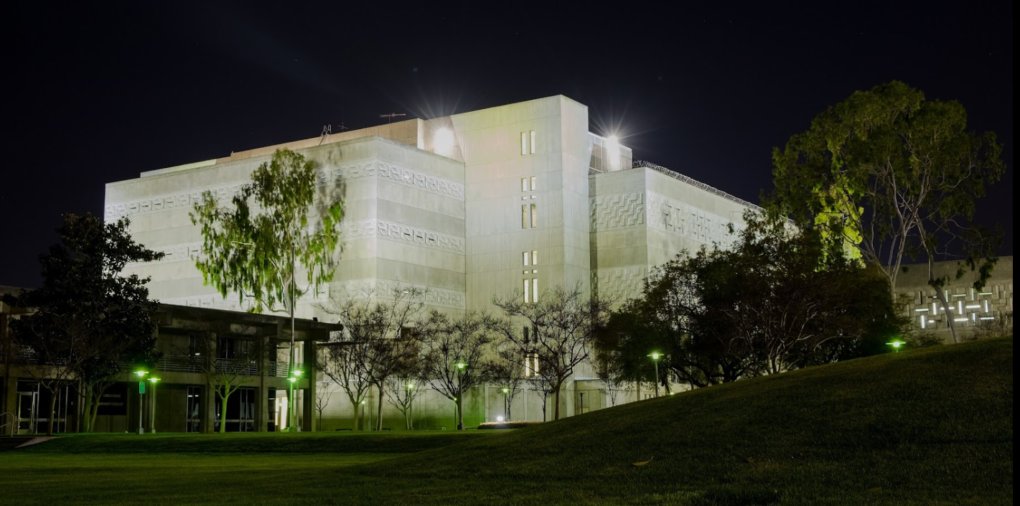
"caption": "Santa Ana Jail ",
"description": null,
"title": "Screen Shot 2017-02-24 at 3.57.44 PM",
"credit": "\u003ca href=\"https://www.google.com/maps/place/Santa+Ana+Jail/@33.7483155,-117.8744322,945m/data=!3m1!1e3!4m12!1m6!3m5!1s0x80dcd9aa79cece0d:0x2a9b82997ea44188!2sSanta+Ana+Jail!8m2!3d33.750159!4d-117.8805514!3m4!1s0x80dcd9aa79cece0d:0x2a9b82997ea44188!8m2!3d33.750159!4d-117.8805514\">Google Maps\u003c/a>",
"status": "inherit",
"isLoading": false,
"fetchFailed": false
},
"news_11332070": {
"type": "attachments",
"id": "news_11332070",
"meta": {
"index": "attachments_1716263798",
"site": "news",
"id": "11332070",
"found": true
},
"parent": 11330094,
"imgSizes": {
"small": {
"file": "https://ww2.kqed.org/app/uploads/sites/10/2017/02/KidHoldingCell-520x347.jpg",
"width": 520,
"mimeType": "image/jpeg",
"height": 347
},
"twentyfourteen-full-width": {
"file": "https://ww2.kqed.org/app/uploads/sites/10/2017/02/KidHoldingCell-1038x576.jpg",
"width": 1038,
"mimeType": "image/jpeg",
"height": 576
},
"thumbnail": {
"file": "https://ww2.kqed.org/app/uploads/sites/10/2017/02/KidHoldingCell-160x107.jpg",
"width": 160,
"mimeType": "image/jpeg",
"height": 107
},
"fd-sm": {
"file": "https://ww2.kqed.org/app/uploads/sites/10/2017/02/KidHoldingCell-960x640.jpg",
"width": 960,
"mimeType": "image/jpeg",
"height": 640
},
"post-thumbnail": {
"file": "https://ww2.kqed.org/app/uploads/sites/10/2017/02/KidHoldingCell-672x372.jpg",
"width": 672,
"mimeType": "image/jpeg",
"height": 372
},
"xsmall": {
"file": "https://ww2.kqed.org/app/uploads/sites/10/2017/02/KidHoldingCell-375x250.jpg",
"width": 375,
"mimeType": "image/jpeg",
"height": 250
},
"kqedFullSize": {
"file": "https://ww2.kqed.org/app/uploads/sites/10/2017/02/KidHoldingCell.jpg",
"width": 1920,
"height": 1280
},
"large": {
"file": "https://ww2.kqed.org/app/uploads/sites/10/2017/02/KidHoldingCell-1020x680.jpg",
"width": 1020,
"mimeType": "image/jpeg",
"height": 680
},
"xlarge": {
"file": "https://ww2.kqed.org/app/uploads/sites/10/2017/02/KidHoldingCell-1180x787.jpg",
"width": 1180,
"mimeType": "image/jpeg",
"height": 787
},
"guest-author-50": {
"file": "https://ww2.kqed.org/app/uploads/sites/10/2017/02/KidHoldingCell-50x50.jpg",
"width": 50,
"mimeType": "image/jpeg",
"height": 50
},
"guest-author-96": {
"file": "https://ww2.kqed.org/app/uploads/sites/10/2017/02/KidHoldingCell-96x96.jpg",
"width": 96,
"mimeType": "image/jpeg",
"height": 96
},
"medium": {
"file": "https://ww2.kqed.org/app/uploads/sites/10/2017/02/KidHoldingCell-800x533.jpg",
"width": 800,
"mimeType": "image/jpeg",
"height": 533
},
"guest-author-64": {
"file": "https://ww2.kqed.org/app/uploads/sites/10/2017/02/KidHoldingCell-64x64.jpg",
"width": 64,
"mimeType": "image/jpeg",
"height": 64
},
"guest-author-32": {
"file": "https://ww2.kqed.org/app/uploads/sites/10/2017/02/KidHoldingCell-32x32.jpg",
"width": 32,
"mimeType": "image/jpeg",
"height": 32
},
"fd-lrg": {
"file": "https://ww2.kqed.org/app/uploads/sites/10/2017/02/KidHoldingCell-1920x1280.jpg",
"width": 1920,
"mimeType": "image/jpeg",
"height": 1280
},
"fd-med": {
"file": "https://ww2.kqed.org/app/uploads/sites/10/2017/02/KidHoldingCell-1180x787.jpg",
"width": 1180,
"mimeType": "image/jpeg",
"height": 787
},
"full-width": {
"file": "https://ww2.kqed.org/app/uploads/sites/10/2017/02/KidHoldingCell-1920x1280.jpg",
"width": 1920,
"mimeType": "image/jpeg",
"height": 1280
},
"detail": {
"file": "https://ww2.kqed.org/app/uploads/sites/10/2017/02/KidHoldingCell-150x150.jpg",
"width": 150,
"mimeType": "image/jpeg",
"height": 150
},
"guest-author-128": {
"file": "https://ww2.kqed.org/app/uploads/sites/10/2017/02/KidHoldingCell-128x128.jpg",
"width": 128,
"mimeType": "image/jpeg",
"height": 128
},
"xxsmall": {
"file": "https://ww2.kqed.org/app/uploads/sites/10/2017/02/KidHoldingCell-240x160.jpg",
"width": 240,
"mimeType": "image/jpeg",
"height": 160
}
},
"publishDate": 1487973963,
"modified": 1487974141,
"caption": "Central American immigrants, including unaccompanied children, wait to be transported after turning themselves in to Border Patrol agents in 2015 near Rio Grande City, Texas. Under the new DHS guidelines, anyone \"who facilitates the illegal smuggling\" of a child into the U.S. could be deported by immigration agencies or referred for criminal prosecution.",
"description": "Central American immigrants, including unaccompanied children, wait to be transported after turning themselves in to Border Patrol agents in 2015 near Rio Grande City, Texas. Under the new DHS guidelines, anyone \"who facilitates the illegal smuggling\" of a child into the U.S. could be deported by immigration agencies or referred for criminal prosecution.",
"title": "KidHoldingCell",
"credit": "John Moore/Getty Images",
"status": "inherit",
"isLoading": false,
"fetchFailed": false
},
"news_11331667": {
"type": "attachments",
"id": "news_11331667",
"meta": {
"index": "attachments_1716263798",
"site": "news",
"id": "11331667",
"found": true
},
"parent": 11331663,
"imgSizes": {
"small": {
"file": "https://ww2.kqed.org/app/uploads/sites/10/2017/02/VogelSantaCruz-520x343.jpg",
"width": 520,
"mimeType": "image/jpeg",
"height": 343
},
"twentyfourteen-full-width": {
"file": "https://ww2.kqed.org/app/uploads/sites/10/2017/02/VogelSantaCruz-1038x576.jpg",
"width": 1038,
"mimeType": "image/jpeg",
"height": 576
},
"thumbnail": {
"file": "https://ww2.kqed.org/app/uploads/sites/10/2017/02/VogelSantaCruz-160x106.jpg",
"width": 160,
"mimeType": "image/jpeg",
"height": 106
},
"fd-sm": {
"file": "https://ww2.kqed.org/app/uploads/sites/10/2017/02/VogelSantaCruz-960x634.jpg",
"width": 960,
"mimeType": "image/jpeg",
"height": 634
},
"post-thumbnail": {
"file": "https://ww2.kqed.org/app/uploads/sites/10/2017/02/VogelSantaCruz-672x372.jpg",
"width": 672,
"mimeType": "image/jpeg",
"height": 372
},
"xsmall": {
"file": "https://ww2.kqed.org/app/uploads/sites/10/2017/02/VogelSantaCruz-375x247.jpg",
"width": 375,
"mimeType": "image/jpeg",
"height": 247
},
"kqedFullSize": {
"file": "https://ww2.kqed.org/app/uploads/sites/10/2017/02/VogelSantaCruz.jpg",
"width": 1920,
"height": 1267
},
"large": {
"file": "https://ww2.kqed.org/app/uploads/sites/10/2017/02/VogelSantaCruz-1020x673.jpg",
"width": 1020,
"mimeType": "image/jpeg",
"height": 673
},
"xlarge": {
"file": "https://ww2.kqed.org/app/uploads/sites/10/2017/02/VogelSantaCruz-1180x779.jpg",
"width": 1180,
"mimeType": "image/jpeg",
"height": 779
},
"guest-author-50": {
"file": "https://ww2.kqed.org/app/uploads/sites/10/2017/02/VogelSantaCruz-50x50.jpg",
"width": 50,
"mimeType": "image/jpeg",
"height": 50
},
"guest-author-96": {
"file": "https://ww2.kqed.org/app/uploads/sites/10/2017/02/VogelSantaCruz-96x96.jpg",
"width": 96,
"mimeType": "image/jpeg",
"height": 96
},
"medium": {
"file": "https://ww2.kqed.org/app/uploads/sites/10/2017/02/VogelSantaCruz-800x528.jpg",
"width": 800,
"mimeType": "image/jpeg",
"height": 528
},
"guest-author-64": {
"file": "https://ww2.kqed.org/app/uploads/sites/10/2017/02/VogelSantaCruz-64x64.jpg",
"width": 64,
"mimeType": "image/jpeg",
"height": 64
},
"guest-author-32": {
"file": "https://ww2.kqed.org/app/uploads/sites/10/2017/02/VogelSantaCruz-32x32.jpg",
"width": 32,
"mimeType": "image/jpeg",
"height": 32
},
"fd-lrg": {
"file": "https://ww2.kqed.org/app/uploads/sites/10/2017/02/VogelSantaCruz-1920x1267.jpg",
"width": 1920,
"mimeType": "image/jpeg",
"height": 1267
},
"fd-med": {
"file": "https://ww2.kqed.org/app/uploads/sites/10/2017/02/VogelSantaCruz-1180x779.jpg",
"width": 1180,
"mimeType": "image/jpeg",
"height": 779
},
"full-width": {
"file": "https://ww2.kqed.org/app/uploads/sites/10/2017/02/VogelSantaCruz-1920x1267.jpg",
"width": 1920,
"mimeType": "image/jpeg",
"height": 1267
},
"detail": {
"file": "https://ww2.kqed.org/app/uploads/sites/10/2017/02/VogelSantaCruz-150x150.jpg",
"width": 150,
"mimeType": "image/jpeg",
"height": 150
},
"guest-author-128": {
"file": "https://ww2.kqed.org/app/uploads/sites/10/2017/02/VogelSantaCruz-128x128.jpg",
"width": 128,
"mimeType": "image/jpeg",
"height": 128
},
"xxsmall": {
"file": "https://ww2.kqed.org/app/uploads/sites/10/2017/02/VogelSantaCruz-240x158.jpg",
"width": 240,
"mimeType": "image/jpeg",
"height": 158
}
},
"publishDate": 1487957593,
"modified": 1487957721,
"caption": "Santa Cruz Police Chief Kevin Vogel says federal officials lied when they said a Feb. 13 joint operation ostensibly targeting gang members would not include immigration-related arrests.",
"description": "Santa Cruz Police Chief Kevin Vogel says federal officials lied when they said a Feb. 13 joint operation ostensibly targeting gang members would not include immigration-related arrests.",
"title": "VogelSantaCruz",
"credit": "Santa Cruz Police/Flickr",
"status": "inherit",
"isLoading": false,
"fetchFailed": false
},
"news_11327412": {
"type": "attachments",
"id": "news_11327412",
"meta": {
"index": "attachments_1716263798",
"site": "news",
"id": "11327412",
"found": true
},
"parent": 0,
"imgSizes": {
"small": {
"file": "https://ww2.kqed.org/app/uploads/sites/10/2017/02/RS24331_GettyImages-492659336-qut-520x347.jpg",
"width": 520,
"mimeType": "image/jpeg",
"height": 347
},
"twentyfourteen-full-width": {
"file": "https://ww2.kqed.org/app/uploads/sites/10/2017/02/RS24331_GettyImages-492659336-qut-1038x576.jpg",
"width": 1038,
"mimeType": "image/jpeg",
"height": 576
},
"thumbnail": {
"file": "https://ww2.kqed.org/app/uploads/sites/10/2017/02/RS24331_GettyImages-492659336-qut-160x107.jpg",
"width": 160,
"mimeType": "image/jpeg",
"height": 107
},
"fd-sm": {
"file": "https://ww2.kqed.org/app/uploads/sites/10/2017/02/RS24331_GettyImages-492659336-qut-960x640.jpg",
"width": 960,
"mimeType": "image/jpeg",
"height": 640
},
"post-thumbnail": {
"file": "https://ww2.kqed.org/app/uploads/sites/10/2017/02/RS24331_GettyImages-492659336-qut-672x372.jpg",
"width": 672,
"mimeType": "image/jpeg",
"height": 372
},
"xsmall": {
"file": "https://ww2.kqed.org/app/uploads/sites/10/2017/02/RS24331_GettyImages-492659336-qut-375x250.jpg",
"width": 375,
"mimeType": "image/jpeg",
"height": 250
},
"kqedFullSize": {
"file": "https://ww2.kqed.org/app/uploads/sites/10/2017/02/RS24331_GettyImages-492659336-qut.jpg",
"width": 1920,
"height": 1280
},
"large": {
"file": "https://ww2.kqed.org/app/uploads/sites/10/2017/02/RS24331_GettyImages-492659336-qut-1020x680.jpg",
"width": 1020,
"mimeType": "image/jpeg",
"height": 680
},
"xlarge": {
"file": "https://ww2.kqed.org/app/uploads/sites/10/2017/02/RS24331_GettyImages-492659336-qut-1180x787.jpg",
"width": 1180,
"mimeType": "image/jpeg",
"height": 787
},
"guest-author-50": {
"file": "https://ww2.kqed.org/app/uploads/sites/10/2017/02/RS24331_GettyImages-492659336-qut-50x50.jpg",
"width": 50,
"mimeType": "image/jpeg",
"height": 50
},
"guest-author-96": {
"file": "https://ww2.kqed.org/app/uploads/sites/10/2017/02/RS24331_GettyImages-492659336-qut-96x96.jpg",
"width": 96,
"mimeType": "image/jpeg",
"height": 96
},
"medium": {
"file": "https://ww2.kqed.org/app/uploads/sites/10/2017/02/RS24331_GettyImages-492659336-qut-800x533.jpg",
"width": 800,
"mimeType": "image/jpeg",
"height": 533
},
"guest-author-64": {
"file": "https://ww2.kqed.org/app/uploads/sites/10/2017/02/RS24331_GettyImages-492659336-qut-64x64.jpg",
"width": 64,
"mimeType": "image/jpeg",
"height": 64
},
"guest-author-32": {
"file": "https://ww2.kqed.org/app/uploads/sites/10/2017/02/RS24331_GettyImages-492659336-qut-32x32.jpg",
"width": 32,
"mimeType": "image/jpeg",
"height": 32
},
"fd-lrg": {
"file": "https://ww2.kqed.org/app/uploads/sites/10/2017/02/RS24331_GettyImages-492659336-qut-1920x1280.jpg",
"width": 1920,
"mimeType": "image/jpeg",
"height": 1280
},
"fd-med": {
"file": "https://ww2.kqed.org/app/uploads/sites/10/2017/02/RS24331_GettyImages-492659336-qut-1180x787.jpg",
"width": 1180,
"mimeType": "image/jpeg",
"height": 787
},
"full-width": {
"file": "https://ww2.kqed.org/app/uploads/sites/10/2017/02/RS24331_GettyImages-492659336-qut-1920x1280.jpg",
"width": 1920,
"mimeType": "image/jpeg",
"height": 1280
},
"detail": {
"file": "https://ww2.kqed.org/app/uploads/sites/10/2017/02/RS24331_GettyImages-492659336-qut-150x150.jpg",
"width": 150,
"mimeType": "image/jpeg",
"height": 150
},
"guest-author-128": {
"file": "https://ww2.kqed.org/app/uploads/sites/10/2017/02/RS24331_GettyImages-492659336-qut-128x128.jpg",
"width": 128,
"mimeType": "image/jpeg",
"height": 128
},
"xxsmall": {
"file": "https://ww2.kqed.org/app/uploads/sites/10/2017/02/RS24331_GettyImages-492659336-qut-240x160.jpg",
"width": 240,
"mimeType": "image/jpeg",
"height": 160
}
},
"publishDate": 1487730210,
"modified": 1487730289,
"caption": "Immigration and Customs Enforcement agents detain a man in Los Angeles in 2015.",
"description": "Immigration and Customs Enforcement agents detain a man in Los Angeles in 2015.",
"title": "RS24331_GettyImages-492659336-qut",
"credit": "John Moore/Getty Images",
"status": "inherit",
"isLoading": false,
"fetchFailed": false
},
"news_11328428": {
"type": "attachments",
"id": "news_11328428",
"meta": {
"index": "attachments_1716263798",
"site": "news",
"id": "11328428",
"found": true
},
"parent": 11328427,
"imgSizes": {
"small": {
"file": "https://ww2.kqed.org/app/uploads/sites/10/2017/02/chirla1_custom-95f1db11a5960fe35331634ade138c33fc29f42e-520x346.jpg",
"width": 520,
"mimeType": "image/jpeg",
"height": 346
},
"twentyfourteen-full-width": {
"file": "https://ww2.kqed.org/app/uploads/sites/10/2017/02/chirla1_custom-95f1db11a5960fe35331634ade138c33fc29f42e-1038x576.jpg",
"width": 1038,
"mimeType": "image/jpeg",
"height": 576
},
"thumbnail": {
"file": "https://ww2.kqed.org/app/uploads/sites/10/2017/02/chirla1_custom-95f1db11a5960fe35331634ade138c33fc29f42e-160x107.jpg",
"width": 160,
"mimeType": "image/jpeg",
"height": 107
},
"fd-sm": {
"file": "https://ww2.kqed.org/app/uploads/sites/10/2017/02/chirla1_custom-95f1db11a5960fe35331634ade138c33fc29f42e-960x639.jpg",
"width": 960,
"mimeType": "image/jpeg",
"height": 639
},
"post-thumbnail": {
"file": "https://ww2.kqed.org/app/uploads/sites/10/2017/02/chirla1_custom-95f1db11a5960fe35331634ade138c33fc29f42e-672x372.jpg",
"width": 672,
"mimeType": "image/jpeg",
"height": 372
},
"xsmall": {
"file": "https://ww2.kqed.org/app/uploads/sites/10/2017/02/chirla1_custom-95f1db11a5960fe35331634ade138c33fc29f42e-375x250.jpg",
"width": 375,
"mimeType": "image/jpeg",
"height": 250
},
"kqedFullSize": {
"file": "https://ww2.kqed.org/app/uploads/sites/10/2017/02/chirla1_custom-95f1db11a5960fe35331634ade138c33fc29f42e-e1487789811281.jpg",
"width": 1920,
"height": 1279
},
"large": {
"file": "https://ww2.kqed.org/app/uploads/sites/10/2017/02/chirla1_custom-95f1db11a5960fe35331634ade138c33fc29f42e-1020x679.jpg",
"width": 1020,
"mimeType": "image/jpeg",
"height": 679
},
"xlarge": {
"file": "https://ww2.kqed.org/app/uploads/sites/10/2017/02/chirla1_custom-95f1db11a5960fe35331634ade138c33fc29f42e-1180x786.jpg",
"width": 1180,
"mimeType": "image/jpeg",
"height": 786
},
"guest-author-50": {
"file": "https://ww2.kqed.org/app/uploads/sites/10/2017/02/chirla1_custom-95f1db11a5960fe35331634ade138c33fc29f42e-50x50.jpg",
"width": 50,
"mimeType": "image/jpeg",
"height": 50
},
"guest-author-96": {
"file": "https://ww2.kqed.org/app/uploads/sites/10/2017/02/chirla1_custom-95f1db11a5960fe35331634ade138c33fc29f42e-96x96.jpg",
"width": 96,
"mimeType": "image/jpeg",
"height": 96
},
"medium": {
"file": "https://ww2.kqed.org/app/uploads/sites/10/2017/02/chirla1_custom-95f1db11a5960fe35331634ade138c33fc29f42e-800x533.jpg",
"width": 800,
"mimeType": "image/jpeg",
"height": 533
},
"guest-author-64": {
"file": "https://ww2.kqed.org/app/uploads/sites/10/2017/02/chirla1_custom-95f1db11a5960fe35331634ade138c33fc29f42e-64x64.jpg",
"width": 64,
"mimeType": "image/jpeg",
"height": 64
},
"guest-author-32": {
"file": "https://ww2.kqed.org/app/uploads/sites/10/2017/02/chirla1_custom-95f1db11a5960fe35331634ade138c33fc29f42e-32x32.jpg",
"width": 32,
"mimeType": "image/jpeg",
"height": 32
},
"fd-lrg": {
"file": "https://ww2.kqed.org/app/uploads/sites/10/2017/02/chirla1_custom-95f1db11a5960fe35331634ade138c33fc29f42e-1920x1279.jpg",
"width": 1920,
"mimeType": "image/jpeg",
"height": 1279
},
"fd-med": {
"file": "https://ww2.kqed.org/app/uploads/sites/10/2017/02/chirla1_custom-95f1db11a5960fe35331634ade138c33fc29f42e-1180x786.jpg",
"width": 1180,
"mimeType": "image/jpeg",
"height": 786
},
"full-width": {
"file": "https://ww2.kqed.org/app/uploads/sites/10/2017/02/chirla1_custom-95f1db11a5960fe35331634ade138c33fc29f42e-1920x1279.jpg",
"width": 1920,
"mimeType": "image/jpeg",
"height": 1279
},
"detail": {
"file": "https://ww2.kqed.org/app/uploads/sites/10/2017/02/chirla1_custom-95f1db11a5960fe35331634ade138c33fc29f42e-150x150.jpg",
"width": 150,
"mimeType": "image/jpeg",
"height": 150
},
"guest-author-128": {
"file": "https://ww2.kqed.org/app/uploads/sites/10/2017/02/chirla1_custom-95f1db11a5960fe35331634ade138c33fc29f42e-128x128.jpg",
"width": 128,
"mimeType": "image/jpeg",
"height": 128
},
"xxsmall": {
"file": "https://ww2.kqed.org/app/uploads/sites/10/2017/02/chirla1_custom-95f1db11a5960fe35331634ade138c33fc29f42e-240x160.jpg",
"width": 240,
"mimeType": "image/jpeg",
"height": 160
}
},
"publishDate": 1487788666,
"modified": 1487789138,
"caption": "Lines for citizenship and other immigration services have been forming as early as 6 a.m. outside the office of the Coalition for Humane Immigrant Rights of Los Angeles.",
"description": "Lines for citizenship and other immigration services have been forming as early as 6 a.m. outside the office of the Coalition for Humane Immigrant Rights of Los Angeles.",
"title": "Lines for citizenship and other immigration services have been forming as early as 6 a.m. outside the office of the Coalition for Humane Immigrant Rights of Los Angeles.",
"credit": "Parker Yesko/NPR",
"status": "inherit",
"isLoading": false,
"fetchFailed": false
},
"news_11326705": {
"type": "attachments",
"id": "news_11326705",
"meta": {
"index": "attachments_1716263798",
"site": "news",
"id": "11326705",
"found": true
},
"parent": 11326640,
"imgSizes": {
"small": {
"file": "https://ww2.kqed.org/app/uploads/sites/10/2017/02/GettyImages-633191580-520x347.jpg",
"width": 520,
"mimeType": "image/jpeg",
"height": 347
},
"twentyfourteen-full-width": {
"file": "https://ww2.kqed.org/app/uploads/sites/10/2017/02/GettyImages-633191580-1038x576.jpg",
"width": 1038,
"mimeType": "image/jpeg",
"height": 576
},
"thumbnail": {
"file": "https://ww2.kqed.org/app/uploads/sites/10/2017/02/GettyImages-633191580-160x107.jpg",
"width": 160,
"mimeType": "image/jpeg",
"height": 107
},
"fd-sm": {
"file": "https://ww2.kqed.org/app/uploads/sites/10/2017/02/GettyImages-633191580-960x640.jpg",
"width": 960,
"mimeType": "image/jpeg",
"height": 640
},
"post-thumbnail": {
"file": "https://ww2.kqed.org/app/uploads/sites/10/2017/02/GettyImages-633191580-672x372.jpg",
"width": 672,
"mimeType": "image/jpeg",
"height": 372
},
"xsmall": {
"file": "https://ww2.kqed.org/app/uploads/sites/10/2017/02/GettyImages-633191580-375x250.jpg",
"width": 375,
"mimeType": "image/jpeg",
"height": 250
},
"kqedFullSize": {
"file": "https://ww2.kqed.org/app/uploads/sites/10/2017/02/GettyImages-633191580-e1487699664773.jpg",
"width": 1920,
"height": 1280
},
"large": {
"file": "https://ww2.kqed.org/app/uploads/sites/10/2017/02/GettyImages-633191580-1020x680.jpg",
"width": 1020,
"mimeType": "image/jpeg",
"height": 680
},
"xlarge": {
"file": "https://ww2.kqed.org/app/uploads/sites/10/2017/02/GettyImages-633191580-1180x787.jpg",
"width": 1180,
"mimeType": "image/jpeg",
"height": 787
},
"guest-author-50": {
"file": "https://ww2.kqed.org/app/uploads/sites/10/2017/02/GettyImages-633191580-50x50.jpg",
"width": 50,
"mimeType": "image/jpeg",
"height": 50
},
"guest-author-96": {
"file": "https://ww2.kqed.org/app/uploads/sites/10/2017/02/GettyImages-633191580-96x96.jpg",
"width": 96,
"mimeType": "image/jpeg",
"height": 96
},
"medium": {
"file": "https://ww2.kqed.org/app/uploads/sites/10/2017/02/GettyImages-633191580-800x533.jpg",
"width": 800,
"mimeType": "image/jpeg",
"height": 533
},
"guest-author-64": {
"file": "https://ww2.kqed.org/app/uploads/sites/10/2017/02/GettyImages-633191580-64x64.jpg",
"width": 64,
"mimeType": "image/jpeg",
"height": 64
},
"guest-author-32": {
"file": "https://ww2.kqed.org/app/uploads/sites/10/2017/02/GettyImages-633191580-32x32.jpg",
"width": 32,
"mimeType": "image/jpeg",
"height": 32
},
"fd-lrg": {
"file": "https://ww2.kqed.org/app/uploads/sites/10/2017/02/GettyImages-633191580-1920x1280.jpg",
"width": 1920,
"mimeType": "image/jpeg",
"height": 1280
},
"fd-med": {
"file": "https://ww2.kqed.org/app/uploads/sites/10/2017/02/GettyImages-633191580-1180x787.jpg",
"width": 1180,
"mimeType": "image/jpeg",
"height": 787
},
"full-width": {
"file": "https://ww2.kqed.org/app/uploads/sites/10/2017/02/GettyImages-633191580-1920x1280.jpg",
"width": 1920,
"mimeType": "image/jpeg",
"height": 1280
},
"detail": {
"file": "https://ww2.kqed.org/app/uploads/sites/10/2017/02/GettyImages-633191580-150x150.jpg",
"width": 150,
"mimeType": "image/jpeg",
"height": 150
},
"guest-author-128": {
"file": "https://ww2.kqed.org/app/uploads/sites/10/2017/02/GettyImages-633191580-128x128.jpg",
"width": 128,
"mimeType": "image/jpeg",
"height": 128
},
"xxsmall": {
"file": "https://ww2.kqed.org/app/uploads/sites/10/2017/02/GettyImages-633191580-240x160.jpg",
"width": 240,
"mimeType": "image/jpeg",
"height": 160
}
},
"publishDate": 1487699584,
"modified": 1487722058,
"caption": "President Donald Trump delivers remarks at the beginning of a meeting with Homeland Security Secretary John Kelly and other government cybersecurity experts in January.",
"description": null,
"title": "john kelly donald trump",
"credit": "Chip Somodevilla/Getty Images",
"status": "inherit",
"isLoading": false,
"fetchFailed": false
},
"news_11321842": {
"type": "attachments",
"id": "news_11321842",
"meta": {
"index": "attachments_1716263798",
"site": "news",
"id": "11321842",
"found": true
},
"parent": 11321315,
"imgSizes": {
"small": {
"file": "https://ww2.kqed.org/app/uploads/sites/10/2017/02/AssyriansMain-520x364.jpg",
"width": 520,
"mimeType": "image/jpeg",
"height": 364
},
"twentyfourteen-full-width": {
"file": "https://ww2.kqed.org/app/uploads/sites/10/2017/02/AssyriansMain-1038x576.jpg",
"width": 1038,
"mimeType": "image/jpeg",
"height": 576
},
"thumbnail": {
"file": "https://ww2.kqed.org/app/uploads/sites/10/2017/02/AssyriansMain-160x112.jpg",
"width": 160,
"mimeType": "image/jpeg",
"height": 112
},
"fd-sm": {
"file": "https://ww2.kqed.org/app/uploads/sites/10/2017/02/AssyriansMain-960x672.jpg",
"width": 960,
"mimeType": "image/jpeg",
"height": 672
},
"post-thumbnail": {
"file": "https://ww2.kqed.org/app/uploads/sites/10/2017/02/AssyriansMain-672x372.jpg",
"width": 672,
"mimeType": "image/jpeg",
"height": 372
},
"xsmall": {
"file": "https://ww2.kqed.org/app/uploads/sites/10/2017/02/AssyriansMain-375x263.jpg",
"width": 375,
"mimeType": "image/jpeg",
"height": 263
},
"kqedFullSize": {
"file": "https://ww2.kqed.org/app/uploads/sites/10/2017/02/AssyriansMain.jpg",
"width": 1920,
"height": 1344
},
"large": {
"file": "https://ww2.kqed.org/app/uploads/sites/10/2017/02/AssyriansMain-1020x714.jpg",
"width": 1020,
"mimeType": "image/jpeg",
"height": 714
},
"xlarge": {
"file": "https://ww2.kqed.org/app/uploads/sites/10/2017/02/AssyriansMain-1180x826.jpg",
"width": 1180,
"mimeType": "image/jpeg",
"height": 826
},
"guest-author-50": {
"file": "https://ww2.kqed.org/app/uploads/sites/10/2017/02/AssyriansMain-50x50.jpg",
"width": 50,
"mimeType": "image/jpeg",
"height": 50
},
"guest-author-96": {
"file": "https://ww2.kqed.org/app/uploads/sites/10/2017/02/AssyriansMain-96x96.jpg",
"width": 96,
"mimeType": "image/jpeg",
"height": 96
},
"medium": {
"file": "https://ww2.kqed.org/app/uploads/sites/10/2017/02/AssyriansMain-800x560.jpg",
"width": 800,
"mimeType": "image/jpeg",
"height": 560
},
"guest-author-64": {
"file": "https://ww2.kqed.org/app/uploads/sites/10/2017/02/AssyriansMain-64x64.jpg",
"width": 64,
"mimeType": "image/jpeg",
"height": 64
},
"guest-author-32": {
"file": "https://ww2.kqed.org/app/uploads/sites/10/2017/02/AssyriansMain-32x32.jpg",
"width": 32,
"mimeType": "image/jpeg",
"height": 32
},
"fd-lrg": {
"file": "https://ww2.kqed.org/app/uploads/sites/10/2017/02/AssyriansMain-1920x1344.jpg",
"width": 1920,
"mimeType": "image/jpeg",
"height": 1344
},
"fd-med": {
"file": "https://ww2.kqed.org/app/uploads/sites/10/2017/02/AssyriansMain-1180x826.jpg",
"width": 1180,
"mimeType": "image/jpeg",
"height": 826
},
"full-width": {
"file": "https://ww2.kqed.org/app/uploads/sites/10/2017/02/AssyriansMain-1920x1344.jpg",
"width": 1920,
"mimeType": "image/jpeg",
"height": 1344
},
"detail": {
"file": "https://ww2.kqed.org/app/uploads/sites/10/2017/02/AssyriansMain-150x150.jpg",
"width": 150,
"mimeType": "image/jpeg",
"height": 150
},
"guest-author-128": {
"file": "https://ww2.kqed.org/app/uploads/sites/10/2017/02/AssyriansMain-128x128.jpg",
"width": 128,
"mimeType": "image/jpeg",
"height": 128
},
"xxsmall": {
"file": "https://ww2.kqed.org/app/uploads/sites/10/2017/02/AssyriansMain-240x168.jpg",
"width": 240,
"mimeType": "image/jpeg",
"height": 168
}
},
"publishDate": 1487384188,
"modified": 1487384223,
"caption": "Mervat Shlemoun (L) and Carmen Morad hold up Assyrian flags. ",
"description": "Mervat Shlemoun (L) and Carmen Morad hold up Assyrian flags. ",
"title": "AssyriansMain",
"credit": "Alice Daniel/KQED",
"status": "inherit",
"isLoading": false,
"fetchFailed": false
},
"bayareabites_115418": {
"type": "attachments",
"id": "bayareabites_115418",
"meta": {
"index": "attachments_1716263798",
"site": "bayareabites",
"id": "115418",
"found": true
},
"parent": 115417,
"imgSizes": {
"small": {
"file": "https://ww2.kqed.org/app/uploads/sites/24/2017/02/last-stand1-bd1041024510404d1a716bf574600d4d8a619e5a-520x390.jpg",
"width": 520,
"mimeType": "image/jpeg",
"height": 390
},
"twentyfourteen-full-width": {
"file": "https://ww2.kqed.org/app/uploads/sites/24/2017/02/last-stand1-bd1041024510404d1a716bf574600d4d8a619e5a-1038x576.jpg",
"width": 1038,
"mimeType": "image/jpeg",
"height": 576
},
"thumbnail": {
"file": "https://ww2.kqed.org/app/uploads/sites/24/2017/02/last-stand1-bd1041024510404d1a716bf574600d4d8a619e5a-160x120.jpg",
"width": 160,
"mimeType": "image/jpeg",
"height": 120
},
"fd-sm": {
"file": "https://ww2.kqed.org/app/uploads/sites/24/2017/02/last-stand1-bd1041024510404d1a716bf574600d4d8a619e5a-960x720.jpg",
"width": 960,
"mimeType": "image/jpeg",
"height": 720
},
"post-thumbnail": {
"file": "https://ww2.kqed.org/app/uploads/sites/24/2017/02/last-stand1-bd1041024510404d1a716bf574600d4d8a619e5a-672x372.jpg",
"width": 672,
"mimeType": "image/jpeg",
"height": 372
},
"xsmall": {
"file": "https://ww2.kqed.org/app/uploads/sites/24/2017/02/last-stand1-bd1041024510404d1a716bf574600d4d8a619e5a-375x281.jpg",
"width": 375,
"mimeType": "image/jpeg",
"height": 281
},
"kqedFullSize": {
"file": "https://ww2.kqed.org/app/uploads/sites/24/2017/02/last-stand1-bd1041024510404d1a716bf574600d4d8a619e5a.jpg",
"width": 1906,
"height": 1429
},
"large": {
"file": "https://ww2.kqed.org/app/uploads/sites/24/2017/02/last-stand1-bd1041024510404d1a716bf574600d4d8a619e5a-1020x765.jpg",
"width": 1020,
"mimeType": "image/jpeg",
"height": 765
},
"xlarge": {
"file": "https://ww2.kqed.org/app/uploads/sites/24/2017/02/last-stand1-bd1041024510404d1a716bf574600d4d8a619e5a-1180x885.jpg",
"width": 1180,
"mimeType": "image/jpeg",
"height": 885
},
"guest-author-50": {
"file": "https://ww2.kqed.org/app/uploads/sites/24/2017/02/last-stand1-bd1041024510404d1a716bf574600d4d8a619e5a-50x50.jpg",
"width": 50,
"mimeType": "image/jpeg",
"height": 50
},
"guest-author-96": {
"file": "https://ww2.kqed.org/app/uploads/sites/24/2017/02/last-stand1-bd1041024510404d1a716bf574600d4d8a619e5a-96x96.jpg",
"width": 96,
"mimeType": "image/jpeg",
"height": 96
},
"medium": {
"file": "https://ww2.kqed.org/app/uploads/sites/24/2017/02/last-stand1-bd1041024510404d1a716bf574600d4d8a619e5a-800x600.jpg",
"width": 800,
"mimeType": "image/jpeg",
"height": 600
},
"guest-author-64": {
"file": "https://ww2.kqed.org/app/uploads/sites/24/2017/02/last-stand1-bd1041024510404d1a716bf574600d4d8a619e5a-64x64.jpg",
"width": 64,
"mimeType": "image/jpeg",
"height": 64
},
"guest-author-32": {
"file": "https://ww2.kqed.org/app/uploads/sites/24/2017/02/last-stand1-bd1041024510404d1a716bf574600d4d8a619e5a-32x32.jpg",
"width": 32,
"mimeType": "image/jpeg",
"height": 32
},
"fd-med": {
"file": "https://ww2.kqed.org/app/uploads/sites/24/2017/02/last-stand1-bd1041024510404d1a716bf574600d4d8a619e5a-1180x885.jpg",
"width": 1180,
"mimeType": "image/jpeg",
"height": 885
},
"detail": {
"file": "https://ww2.kqed.org/app/uploads/sites/24/2017/02/last-stand1-bd1041024510404d1a716bf574600d4d8a619e5a-150x150.jpg",
"width": 150,
"mimeType": "image/jpeg",
"height": 150
},
"medium_large": {
"file": "https://ww2.kqed.org/app/uploads/sites/24/2017/02/last-stand1-bd1041024510404d1a716bf574600d4d8a619e5a-768x576.jpg",
"width": 768,
"mimeType": "image/jpeg",
"height": 576
},
"guest-author-128": {
"file": "https://ww2.kqed.org/app/uploads/sites/24/2017/02/last-stand1-bd1041024510404d1a716bf574600d4d8a619e5a-128x128.jpg",
"width": 128,
"mimeType": "image/jpeg",
"height": 128
},
"xxsmall": {
"file": "https://ww2.kqed.org/app/uploads/sites/24/2017/02/last-stand1-bd1041024510404d1a716bf574600d4d8a619e5a-240x180.jpg",
"width": 240,
"mimeType": "image/jpeg",
"height": 180
}
},
"publishDate": 1487279179,
"modified": 1487314932,
"caption": "A street vendor makes huaraches and quesadillas on the sidewalk in the piñata district in Los Angeles. LA is the only major U.S. city where selling food on the sidewalk is illegal. President Trump's immigration policies have pushed the city council to change the law. But the devil is in the details.",
"description": "A street vendor makes \u003cem>huaraches\u003c/em> and quesadillas on the sidewalk in the piñata district in Los Angeles. LA is the only major U.S. city where selling food on the sidewalk is illegal. President Trump's immigration policies have pushed the city council to change the law. But the devil is in the detail",
"title": "A street vendor makes huaraches and quesadillas on the sidewalk in the piñata district in Los Angeles. LA is the only major U.S. city where selling food on the sidewalk is illegal. President Trump's immigration policies have pushed the city council to change the law. But the devil is in the details.",
"credit": "Camellia Tse for NPR",
"status": "inherit",
"isLoading": false,
"fetchFailed": false
},
"news_11321295": {
"type": "attachments",
"id": "news_11321295",
"meta": {
"index": "attachments_1716263798",
"site": "news",
"id": "11321295",
"found": true
},
"parent": 11321286,
"imgSizes": {
"small": {
"file": "https://ww2.kqed.org/app/uploads/sites/10/2017/02/GettyImages-471811400-520x347.jpg",
"width": 520,
"mimeType": "image/jpeg",
"height": 347
},
"twentyfourteen-full-width": {
"file": "https://ww2.kqed.org/app/uploads/sites/10/2017/02/GettyImages-471811400-1038x576.jpg",
"width": 1038,
"mimeType": "image/jpeg",
"height": 576
},
"thumbnail": {
"file": "https://ww2.kqed.org/app/uploads/sites/10/2017/02/GettyImages-471811400-160x107.jpg",
"width": 160,
"mimeType": "image/jpeg",
"height": 107
},
"fd-sm": {
"file": "https://ww2.kqed.org/app/uploads/sites/10/2017/02/GettyImages-471811400-960x640.jpg",
"width": 960,
"mimeType": "image/jpeg",
"height": 640
},
"post-thumbnail": {
"file": "https://ww2.kqed.org/app/uploads/sites/10/2017/02/GettyImages-471811400-672x372.jpg",
"width": 672,
"mimeType": "image/jpeg",
"height": 372
},
"xsmall": {
"file": "https://ww2.kqed.org/app/uploads/sites/10/2017/02/GettyImages-471811400-375x250.jpg",
"width": 375,
"mimeType": "image/jpeg",
"height": 250
},
"kqedFullSize": {
"file": "https://ww2.kqed.org/app/uploads/sites/10/2017/02/GettyImages-471811400-e1487360779451.jpg",
"width": 1920,
"height": 1280
},
"large": {
"file": "https://ww2.kqed.org/app/uploads/sites/10/2017/02/GettyImages-471811400-1020x680.jpg",
"width": 1020,
"mimeType": "image/jpeg",
"height": 680
},
"xlarge": {
"file": "https://ww2.kqed.org/app/uploads/sites/10/2017/02/GettyImages-471811400-1180x787.jpg",
"width": 1180,
"mimeType": "image/jpeg",
"height": 787
},
"guest-author-50": {
"file": "https://ww2.kqed.org/app/uploads/sites/10/2017/02/GettyImages-471811400-50x50.jpg",
"width": 50,
"mimeType": "image/jpeg",
"height": 50
},
"guest-author-96": {
"file": "https://ww2.kqed.org/app/uploads/sites/10/2017/02/GettyImages-471811400-96x96.jpg",
"width": 96,
"mimeType": "image/jpeg",
"height": 96
},
"medium": {
"file": "https://ww2.kqed.org/app/uploads/sites/10/2017/02/GettyImages-471811400-800x533.jpg",
"width": 800,
"mimeType": "image/jpeg",
"height": 533
},
"guest-author-64": {
"file": "https://ww2.kqed.org/app/uploads/sites/10/2017/02/GettyImages-471811400-64x64.jpg",
"width": 64,
"mimeType": "image/jpeg",
"height": 64
},
"guest-author-32": {
"file": "https://ww2.kqed.org/app/uploads/sites/10/2017/02/GettyImages-471811400-32x32.jpg",
"width": 32,
"mimeType": "image/jpeg",
"height": 32
},
"fd-lrg": {
"file": "https://ww2.kqed.org/app/uploads/sites/10/2017/02/GettyImages-471811400-1920x1280.jpg",
"width": 1920,
"mimeType": "image/jpeg",
"height": 1280
},
"fd-med": {
"file": "https://ww2.kqed.org/app/uploads/sites/10/2017/02/GettyImages-471811400-1180x787.jpg",
"width": 1180,
"mimeType": "image/jpeg",
"height": 787
},
"full-width": {
"file": "https://ww2.kqed.org/app/uploads/sites/10/2017/02/GettyImages-471811400-1920x1280.jpg",
"width": 1920,
"mimeType": "image/jpeg",
"height": 1280
},
"detail": {
"file": "https://ww2.kqed.org/app/uploads/sites/10/2017/02/GettyImages-471811400-150x150.jpg",
"width": 150,
"mimeType": "image/jpeg",
"height": 150
},
"guest-author-128": {
"file": "https://ww2.kqed.org/app/uploads/sites/10/2017/02/GettyImages-471811400-128x128.jpg",
"width": 128,
"mimeType": "image/jpeg",
"height": 128
},
"xxsmall": {
"file": "https://ww2.kqed.org/app/uploads/sites/10/2017/02/GettyImages-471811400-240x160.jpg",
"width": 240,
"mimeType": "image/jpeg",
"height": 160
}
},
"publishDate": 1487360712,
"modified": 1487369852,
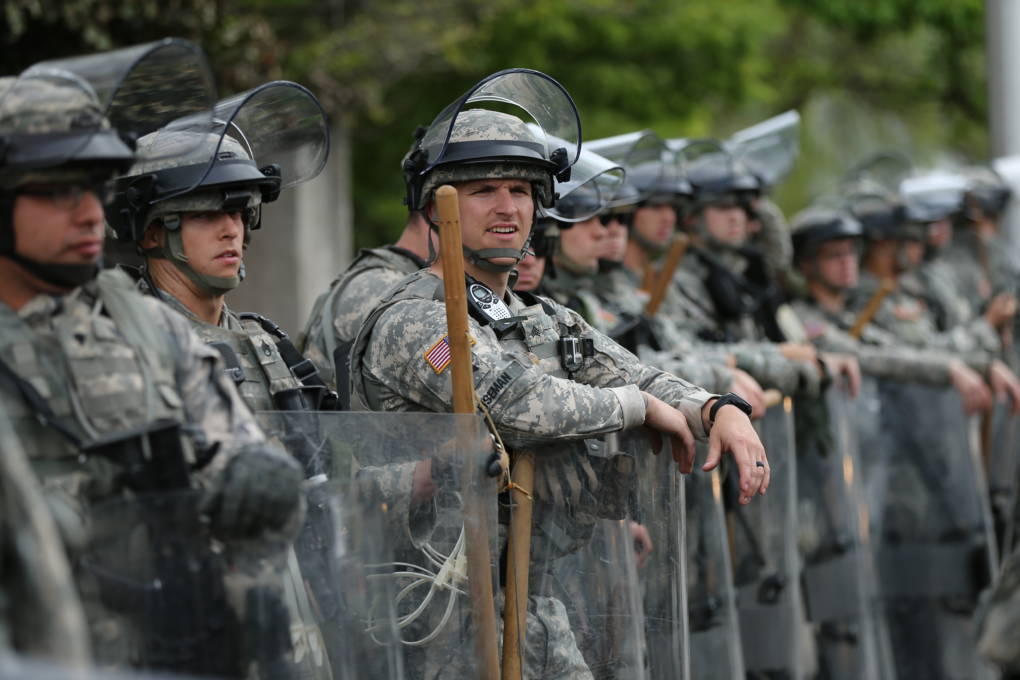
"caption": "National Guard troops keep watch on May 1, 2015, in Baltimore, Maryland. ",
"description": "National Guard troops keep watch on May 1, 2015 in Baltimore, Maryland. ",
"title": "Criminal Charges Announced Against Baltimore Police Officers In Freddie Gray's Death",
"credit": "Win McNamee/Getty Images",
"status": "inherit",
"isLoading": false,
"fetchFailed": false
},
"news_11297025": {
"type": "attachments",
"id": "news_11297025",
"meta": {
"index": "attachments_1716263798",
"site": "news",
"id": "11297025",
"found": true
},
"parent": 11297021,
"imgSizes": {
"small": {
"file": "https://ww2.kqed.org/app/uploads/sites/10/2017/02/LAXDemonstrators-520x342.jpg",
"width": 520,
"mimeType": "image/jpeg",
"height": 342
},
"twentyfourteen-full-width": {
"file": "https://ww2.kqed.org/app/uploads/sites/10/2017/02/LAXDemonstrators-1038x576.jpg",
"width": 1038,
"mimeType": "image/jpeg",
"height": 576
},
"thumbnail": {
"file": "https://ww2.kqed.org/app/uploads/sites/10/2017/02/LAXDemonstrators-160x105.jpg",
"width": 160,
"mimeType": "image/jpeg",
"height": 105
},
"fd-sm": {
"file": "https://ww2.kqed.org/app/uploads/sites/10/2017/02/LAXDemonstrators-960x632.jpg",
"width": 960,
"mimeType": "image/jpeg",
"height": 632
},
"post-thumbnail": {
"file": "https://ww2.kqed.org/app/uploads/sites/10/2017/02/LAXDemonstrators-672x372.jpg",
"width": 672,
"mimeType": "image/jpeg",
"height": 372
},
"xsmall": {
"file": "https://ww2.kqed.org/app/uploads/sites/10/2017/02/LAXDemonstrators-375x247.jpg",
"width": 375,
"mimeType": "image/jpeg",
"height": 247
},
"kqedFullSize": {
"file": "https://ww2.kqed.org/app/uploads/sites/10/2017/02/LAXDemonstrators.jpg",
"width": 1920,
"height": 1264
},
"large": {
"file": "https://ww2.kqed.org/app/uploads/sites/10/2017/02/LAXDemonstrators-1020x672.jpg",
"width": 1020,
"mimeType": "image/jpeg",
"height": 672
},
"xlarge": {
"file": "https://ww2.kqed.org/app/uploads/sites/10/2017/02/LAXDemonstrators-1180x777.jpg",
"width": 1180,
"mimeType": "image/jpeg",
"height": 777
},
"guest-author-50": {
"file": "https://ww2.kqed.org/app/uploads/sites/10/2017/02/LAXDemonstrators-50x50.jpg",
"width": 50,
"mimeType": "image/jpeg",
"height": 50
},
"guest-author-96": {
"file": "https://ww2.kqed.org/app/uploads/sites/10/2017/02/LAXDemonstrators-96x96.jpg",
"width": 96,
"mimeType": "image/jpeg",
"height": 96
},
"medium": {
"file": "https://ww2.kqed.org/app/uploads/sites/10/2017/02/LAXDemonstrators-800x527.jpg",
"width": 800,
"mimeType": "image/jpeg",
"height": 527
},
"guest-author-64": {
"file": "https://ww2.kqed.org/app/uploads/sites/10/2017/02/LAXDemonstrators-64x64.jpg",
"width": 64,
"mimeType": "image/jpeg",
"height": 64
},
"guest-author-32": {
"file": "https://ww2.kqed.org/app/uploads/sites/10/2017/02/LAXDemonstrators-32x32.jpg",
"width": 32,
"mimeType": "image/jpeg",
"height": 32
},
"jmtc-small-thumb": {
"file": "https://ww2.kqed.org/app/uploads/sites/10/2017/02/LAXDemonstrators-280x150.jpg",
"width": 280,
"mimeType": "image/jpeg",
"height": 150
},
"fd-lrg": {
"file": "https://ww2.kqed.org/app/uploads/sites/10/2017/02/LAXDemonstrators-1920x1264.jpg",
"width": 1920,
"mimeType": "image/jpeg",
"height": 1264
},
"fd-med": {
"file": "https://ww2.kqed.org/app/uploads/sites/10/2017/02/LAXDemonstrators-1180x777.jpg",
"width": 1180,
"mimeType": "image/jpeg",
"height": 777
},
"full-width": {
"file": "https://ww2.kqed.org/app/uploads/sites/10/2017/02/LAXDemonstrators-1920x1264.jpg",
"width": 1920,
"mimeType": "image/jpeg",
"height": 1264
},
"detail": {
"file": "https://ww2.kqed.org/app/uploads/sites/10/2017/02/LAXDemonstrators-150x150.jpg",
"width": 150,
"mimeType": "image/jpeg",
"height": 150
},
"guest-author-128": {
"file": "https://ww2.kqed.org/app/uploads/sites/10/2017/02/LAXDemonstrators-128x128.jpg",
"width": 128,
"mimeType": "image/jpeg",
"height": 128
},
"xxsmall": {
"file": "https://ww2.kqed.org/app/uploads/sites/10/2017/02/LAXDemonstrators-240x158.jpg",
"width": 240,
"mimeType": "image/jpeg",
"height": 158
}
},
"publishDate": 1485999975,
"modified": 1486079180,
"caption": "International travelers are welcomed on Jan. 29, 2017, by protesters at LAX holding signs during a demonstration against the immigration ban that was imposed by President Donald Trump.",
"description": "International travelers are welcomed by protesters holding signs during a demonstration against the immigration ban that was imposed by President Donald Trump at Los Angeles International Airport on January 29, 2017.",
"title": "LAXDemonstrators",
"credit": "Justin Sullivan/Getty Images",
"status": "inherit",
"isLoading": false,
"fetchFailed": false
},
"news_11320300": {
"type": "attachments",
"id": "news_11320300",
"meta": {
"index": "attachments_1716263798",
"site": "news",
"id": "11320300",
"found": true
},
"parent": 11320228,
"imgSizes": {
"small": {
"file": "https://ww2.kqed.org/app/uploads/sites/10/2017/02/RS9581_84916223-sfi-520x343.jpg",
"width": 520,
"mimeType": "image/jpeg",
"height": 343
},
"thumbnail": {
"file": "https://ww2.kqed.org/app/uploads/sites/10/2017/02/RS9581_84916223-sfi-160x106.jpg",
"width": 160,
"mimeType": "image/jpeg",
"height": 106
},
"xsmall": {
"file": "https://ww2.kqed.org/app/uploads/sites/10/2017/02/RS9581_84916223-sfi-375x248.jpg",
"width": 375,
"mimeType": "image/jpeg",
"height": 248
},
"kqedFullSize": {
"file": "https://ww2.kqed.org/app/uploads/sites/10/2017/02/RS9581_84916223-sfi.jpg",
"width": 545,
"height": 360
},
"guest-author-50": {
"file": "https://ww2.kqed.org/app/uploads/sites/10/2017/02/RS9581_84916223-sfi-50x50.jpg",
"width": 50,
"mimeType": "image/jpeg",
"height": 50
},
"guest-author-96": {
"file": "https://ww2.kqed.org/app/uploads/sites/10/2017/02/RS9581_84916223-sfi-96x96.jpg",
"width": 96,
"mimeType": "image/jpeg",
"height": 96
},
"guest-author-64": {
"file": "https://ww2.kqed.org/app/uploads/sites/10/2017/02/RS9581_84916223-sfi-64x64.jpg",
"width": 64,
"mimeType": "image/jpeg",
"height": 64
},
"detail": {
"file": "https://ww2.kqed.org/app/uploads/sites/10/2017/02/RS9581_84916223-sfi-150x150.jpg",
"width": 150,
"mimeType": "image/jpeg",
"height": 150
},
"guest-author-32": {
"file": "https://ww2.kqed.org/app/uploads/sites/10/2017/02/RS9581_84916223-sfi-32x32.jpg",
"width": 32,
"mimeType": "image/jpeg",
"height": 32
},
"guest-author-128": {
"file": "https://ww2.kqed.org/app/uploads/sites/10/2017/02/RS9581_84916223-sfi-128x128.jpg",
"width": 128,
"mimeType": "image/jpeg",
"height": 128
},
"xxsmall": {
"file": "https://ww2.kqed.org/app/uploads/sites/10/2017/02/RS9581_84916223-sfi-240x159.jpg",
"width": 240,
"mimeType": "image/jpeg",
"height": 159
}
},
"publishDate": 1487297545,
"modified": 1487297751,
"caption": "Secretary of State Alex Padilla believes anxiety in immigrant communities over recent immigration enforcement actions -- and fear that President Trump's administration will restrict immigration -- will lead to more people being exploited by scams as they seek legal help.",
"description": null,
"title": "RS9581_84916223-sfi",
"credit": "Justin Sullivan/Getty Images",
"status": "inherit",
"isLoading": false,
"fetchFailed": false
}
},
"audioPlayerReducer": {
"postId": "stream_live",
"isPaused": true,
"isPlaying": false,
"pfsActive": false,
"pledgeModalIsOpen": true,
"playerDrawerIsOpen": false,
"liveAudioPlayStartedAt": 0,
"liveAudioPlayContext": ""
},
"authorsReducer": {
"byline_news_11328427": {
"type": "authors",
"id": "byline_news_11328427",
"meta": {
"override": true
},
"slug": "byline_news_11328427",
"name": "\u003cstrong>Parker Yesko\u003cbr>\u003ca href=\"http://www.npr.org/2017/02/21/516375460/green-card-holders-worry-about-trump-s-efforts-to-curtain-immigration\">NPR\u003c/a>",
"isLoading": false
},
"byline_news_11326640": {
"type": "authors",
"id": "byline_news_11326640",
"meta": {
"override": true
},
"slug": "byline_news_11326640",
"name": "\u003cstrong>Laura Smitherman\u003cbr>NPR\u003c/strong>",
"isLoading": false
},
"byline_bayareabites_115417": {
"type": "authors",
"id": "byline_bayareabites_115417",
"meta": {
"override": true
},
"slug": "byline_bayareabites_115417",
"name": "Abbie Fentress Swanson, \u003ca href=\"https://ww2.kqed.org/bayareabites/author/nprfood/\">NPR Food\u003c/a>",
"isLoading": false
},
"byline_news_11321286": {
"type": "authors",
"id": "byline_news_11321286",
"meta": {
"override": true
},
"slug": "byline_news_11321286",
"name": "\u003cstrong>Garance Burke\u003cbr />Associated Press\u003c/strong>",
"isLoading": false
},
"byline_news_11321294": {
"type": "authors",
"id": "byline_news_11321294",
"meta": {
"override": true
},
"slug": "byline_news_11321294",
"name": "\u003cstrong>Associated Press\u003c/strong>",
"isLoading": false
},
"dmarks": {
"type": "authors",
"id": "182",
"meta": {
"index": "authors_1716337520",
"id": "182",
"found": true
},
"name": "David Marks",
"firstName": "David",
"lastName": "Marks",
"slug": "dmarks",
"email": "dmarks@kqed.org",
"display_author_email": false,
"staff_mastheads": [],
"title": "KQED Editor",
"bio": "David Marks is a senior digital editor for KQED News. \u003c/a>Reach him at dmarks@kqed.org.",
"avatar": "https://secure.gravatar.com/avatar/b88bd6227ce6cb96ae33fefaf42b2a29?s=600&d=mm&r=g",
"twitter": "divadskram",
"facebook": null,
"instagram": null,
"linkedin": null,
"sites": [
{
"site": "news",
"roles": []
},
{
"site": "science",
"roles": []
},
{
"site": "perspectives",
"roles": []
},
{
"site": "liveblog",
"roles": []
}
],
"headData": {
"title": "David Marks | KQED",
"description": "KQED Editor",
"ogImgSrc": "https://secure.gravatar.com/avatar/b88bd6227ce6cb96ae33fefaf42b2a29?s=600&d=mm&r=g",
"twImgSrc": "https://secure.gravatar.com/avatar/b88bd6227ce6cb96ae33fefaf42b2a29?s=600&d=mm&r=g"
},
"isLoading": false,
"link": "/author/dmarks"
},
"aliceldaniel": {
"type": "authors",
"id": "208",
"meta": {
"index": "authors_1716337520",
"id": "208",
"found": true
},
"name": "Alice Daniel",
"firstName": "Alice",
"lastName": "Daniel",
"slug": "aliceldaniel",
"email": "adaniel@kqed.org",
"display_author_email": false,
"staff_mastheads": [],
"title": null,
"bio": "Alice Daniel loves the listening aspect of reporting because she gets to briefly walk in other people’s shoes. She has rappelled down into caves and gone up in helicopters for KQED’s The California Report but her favorite place to pursue a story is the High Sierra or any family-run bakery, of course. Alice has a masters in journalism from Columbia University and teaches at Fresno State. She is a California Healthline Regional Correspondent and a frequent contributor to Success magazine. In her free time, she skis and hikes, throws pottery, practices piano and looks out the window.",
"avatar": "https://secure.gravatar.com/avatar/e611aa06593b114a67f9f123a8e875ad?s=600&d=blank&r=g",
"twitter": null,
"facebook": null,
"instagram": null,
"linkedin": null,
"sites": [
{
"site": "news",
"roles": [
"author"
]
},
{
"site": "stateofhealth",
"roles": [
"author"
]
}
],
"headData": {
"title": "Alice Daniel | KQED",
"description": null,
"ogImgSrc": "https://secure.gravatar.com/avatar/e611aa06593b114a67f9f123a8e875ad?s=600&d=blank&r=g",
"twImgSrc": "https://secure.gravatar.com/avatar/e611aa06593b114a67f9f123a8e875ad?s=600&d=blank&r=g"
},
"isLoading": false,
"link": "/author/aliceldaniel"
},
"kqed": {
"type": "authors",
"id": "236",
"meta": {
"index": "authors_1716337520",
"id": "236",
"found": true
},
"name": "KQED News Staff",
"firstName": "KQED News Staff",
"lastName": null,
"slug": "kqed",
"email": "faq@kqed.org",
"display_author_email": false,
"staff_mastheads": [],
"title": null,
"bio": null,
"avatar": "https://secure.gravatar.com/avatar/ef0e801a68c4c54afa9180db14084167?s=600&d=blank&r=g",
"twitter": null,
"facebook": null,
"instagram": null,
"linkedin": null,
"sites": [
{
"site": "arts",
"roles": [
"contributor"
]
},
{
"site": "news",
"roles": [
"editor"
]
},
{
"site": "futureofyou",
"roles": [
"author"
]
}
],
"headData": {
"title": "KQED News Staff | KQED",
"description": null,
"ogImgSrc": "https://secure.gravatar.com/avatar/ef0e801a68c4c54afa9180db14084167?s=600&d=blank&r=g",
"twImgSrc": "https://secure.gravatar.com/avatar/ef0e801a68c4c54afa9180db14084167?s=600&d=blank&r=g"
},
"isLoading": false,
"link": "/author/kqed"
},
"kqednewsstaffandwires": {
"type": "authors",
"id": "237",
"meta": {
"index": "authors_1716337520",
"id": "237",
"found": true
},
"name": "KQED News Staff and Wires",
"firstName": "KQED News Staff and Wires",
"lastName": null,
"slug": "kqednewsstaffandwires",
"email": "onlinenewsstaff@kqed.org",
"display_author_email": false,
"staff_mastheads": [],
"title": null,
"bio": null,
"avatar": "https://secure.gravatar.com/avatar/72295af8ebbfbd19a4948f5271285664?s=600&d=blank&r=g",
"twitter": null,
"facebook": null,
"instagram": null,
"linkedin": null,
"sites": [
{
"site": "arts",
"roles": [
"contributor"
]
},
{
"site": "news",
"roles": [
"contributor"
]
},
{
"site": "lowdown",
"roles": [
"author"
]
},
{
"site": "stateofhealth",
"roles": [
"contributor"
]
},
{
"site": "food",
"roles": [
"author"
]
}
],
"headData": {
"title": "KQED News Staff and Wires | KQED",
"description": null,
"ogImgSrc": "https://secure.gravatar.com/avatar/72295af8ebbfbd19a4948f5271285664?s=600&d=blank&r=g",
"twImgSrc": "https://secure.gravatar.com/avatar/72295af8ebbfbd19a4948f5271285664?s=600&d=blank&r=g"
},
"isLoading": false,
"link": "/author/kqednewsstaffandwires"
},
"fjhabvala": {
"type": "authors",
"id": "8659",
"meta": {
"index": "authors_1716337520",
"id": "8659",
"found": true
},
"name": "Farida Jhabvala Romero",
"firstName": "Farida",
"lastName": "Jhabvala Romero",
"slug": "fjhabvala",
"email": "fjhabvala@kqed.org",
"display_author_email": true,
"staff_mastheads": [
"news"
],
"title": "KQED Contributor",
"bio": "Farida Jhabvala Romero is a Labor Correspondent for KQED. She previously covered immigration. Farida was \u003ca href=\"https://www.ccnma.org/2022-most-influential-latina-journalists\">named\u003c/a> one of the 10 Most Influential Latina Journalists in California in 2022 by the California Chicano News Media Association. Her work has won awards from the Society of Professional Journalists (Northern California), as well as a national and regional Edward M. Murrow Award for the collaborative reporting projects “Dangerous Air” and “Graying California.” Before joining KQED, Farida worked as a producer at Radio Bilingüe, a national public radio network. Farida earned her master’s degree in journalism from Stanford University.",
"avatar": "https://secure.gravatar.com/avatar/f9f022d4e2609741874222a1e9d41f48fea74011aa7c615eef91d9a50c944ebe?s=600&d=blank&r=g",
"twitter": "FaridaJhabvala",
"bluesky": null,
"facebook": null,
"instagram": null,
"linkedin": "https://www.linkedin.com/in/faridajhabvala/",
"sites": [
{
"site": "news",
"roles": [
"editor"
]
},
{
"site": "stateofhealth",
"roles": [
"author"
]
},
{
"site": "liveblog",
"roles": [
"author"
]
}
],
"headData": {
"title": "Farida Jhabvala Romero | KQED",
"description": "KQED Contributor",
"ogImgSrc": "https://secure.gravatar.com/avatar/f9f022d4e2609741874222a1e9d41f48fea74011aa7c615eef91d9a50c944ebe?s=600&d=blank&r=g",
"twImgSrc": "https://secure.gravatar.com/avatar/f9f022d4e2609741874222a1e9d41f48fea74011aa7c615eef91d9a50c944ebe?s=600&d=blank&r=g"
},
"isLoading": false,
"link": "/author/fjhabvala"
},
"bjohnson": {
"type": "authors",
"id": "11328",
"meta": {
"index": "authors_1716337520",
"id": "11328",
"found": true
},
"name": "Bert Johnson",
"firstName": "Bert",
"lastName": "Johnson",
"slug": "bjohnson",
"email": "bjohnson@KQED.org",
"display_author_email": false,
"staff_mastheads": [],
"title": "KQED Contributor",
"bio": "Bert Johnson is a multimedia journalist and KQED contributor. His work has also been published in the \u003cem>Sacramento News & Review\u003c/em> and he was previously the Multimedia Editor at the \u003cem>East Bay Express. \u003c/em>He covers social movements, the justice system and extremism. Email: bjohnson@kqed.org Twitter: @bertjohnsonfoto Instagram: @bertjohnsonfoto",
"avatar": "https://secure.gravatar.com/avatar/68b1d4bfae2eff83ac1d5c2ca0d0a936?s=600&d=blank&r=g",
"twitter": null,
"facebook": null,
"instagram": null,
"linkedin": null,
"sites": [
{
"site": "news",
"roles": [
"edit_others_posts",
"subscriber"
]
}
],
"headData": {
"title": "Bert Johnson | KQED",
"description": "KQED Contributor",
"ogImgSrc": "https://secure.gravatar.com/avatar/68b1d4bfae2eff83ac1d5c2ca0d0a936?s=600&d=blank&r=g",
"twImgSrc": "https://secure.gravatar.com/avatar/68b1d4bfae2eff83ac1d5c2ca0d0a936?s=600&d=blank&r=g"
},
"isLoading": false,
"link": "/author/bjohnson"
}
},
"pagesReducer": {
"news_category_immigration": {
"type": "terms",
"id": "news_1169",
"meta": {
"index": "terms_1716263798",
"site": "news",
"id": "1169",
"score": 10.910236
},
"featImg": null,
"name": "Immigration",
"description": null,
"taxonomy": "category",
"headData": {
"twImgId": null,
"twTitle": null,
"ogTitle": null,
"ogImgId": null,
"twDescription": null,
"description": null,
"title": "Immigration Archives | KQED News",
"ogDescription": null
},
"ttid": 1180,
"slug": "immigration",
"isLoading": false,
"title": "Immigration",
"pageMeta": {
"site": "news",
"WpPageTemplate": "page-topic-editorial",
"currentPage": 169
},
"blocks": [
{
"blockName": "kqed/post-list",
"attrs": {
"layout": "cardArticle2",
"query": "posts/news?category=immigration",
"seeMore": false,
"paginated": true,
"page": 169
}
},
{
"blockName": "kqed/ad"
}
]
}
},
"pfsSessionReducer": {},
"postsReducer": {
"stream_live": {
"type": "live",
"id": "stream_live",
"audioUrl": "https://streams.kqed.org/kqedradio",
"title": "Live Stream",
"excerpt": "Live Stream information currently unavailable.",
"link": "/radio",
"featImg": "",
"label": {
"name": "KQED Live",
"link": "/"
}
},
"stream_kqedNewscast": {
"type": "posts",
"id": "stream_kqedNewscast",
"audioUrl": "https://www.kqed.org/.stream/anon/radio/RDnews/newscast.mp3?_=1",
"title": "KQED Newscast",
"featImg": "",
"label": {
"name": "88.5 FM",
"link": "/"
}
},
"news_11332470": {
"type": "posts",
"id": "news_11332470",
"meta": {
"index": "posts_1716263798",
"site": "news",
"id": "11332470",
"score": null,
"sort": [
1487990549000
]
},
"guestAuthors": [],
"slug": "boosting-border-security-immigration-enforcement-changes-robert-reich-cleve-jones",
"title": "Boosting Border Security, Immigration Enforcement Changes, Robert Reich, Cleve Jones",
"publishDate": 1487990549,
"format": "video",
"headTitle": "Boosting Border Security, Immigration Enforcement Changes, Robert Reich, Cleve Jones | KQED",
"labelTerm": {
"term": 7052,
"site": "news"
},
"content": "\u003cp>\u003cb>Boosting Border Security\u003c/b>\u003cbr>\nVice President of the National Border Patrol Council Shawn Moran talks about the Trump administration’s new efforts to crack down on illegal immigration and hire thousands of new border patrol agents. \u003c/p>\n\u003cp>\u003cb>Immigration Enforcement Changes\u003c/b>\u003cbr>\nUC Hastings law professor Karen Musalo discusses legal concerns over the expansion of immigration enforcement, which would greatly increase the number of people subject to deportation. \u003c/p>\n\u003cp>\u003cb>Robert Reich on Job Creation\u003c/b>\u003cbr>\nUC Berkeley public policy professor Robert Reich shares his thoughts about boosting the economy, raising wages for American workers and why strict immigration policies could be bad for California’s economy.\u003c/p>\n\u003cp>\u003cb>Cleve Jones on “When We Rise\u003c/b>\u003cbr>\nLongtime gay rights activist Cleve Jones discusses his memoir, “When We Rise.” Jones’ story is also part of a new ABC miniseries of the same title, about the early struggle for LGBT rights.\u003c/p>\n\u003cp>[ad fullwidth]\u003c/p>\u003cp>\u003c/p>\n",
"blocks": [],
"excerpt": "Hear from a 20-year veteran of the Border Patrol, LGBT activist Cleve Jones and UC Berkeley professor Robert Reich",
"status": "publish",
"parent": 0,
"modified": 1738179156,
"stats": {
"hasAudio": false,
"hasVideo": false,
"hasChartOrMap": false,
"iframeSrcs": [],
"hasGoogleForm": false,
"hasGallery": false,
"hasHearkenModule": false,
"hasPolis": false,
"paragraphCount": 6,
"wordCount": 147
},
"headData": {
"title": "Boosting Border Security, Immigration Enforcement Changes, Robert Reich, Cleve Jones | KQED",
"description": "Hear from a 20-year veteran of the Border Patrol, LGBT activist Cleve Jones and UC Berkeley professor Robert Reich",
"ogTitle": "",
"ogDescription": "",
"ogImgId": "",
"twTitle": "",
"twDescription": "",
"twImgId": "",
"schema": {
"@context": "https://schema.org",
"@type": "NewsArticle",
"headline": "Boosting Border Security, Immigration Enforcement Changes, Robert Reich, Cleve Jones",
"datePublished": "2017-02-24T18:42:29-08:00",
"dateModified": "2025-01-29T11:32:36-08:00",
"image": "https://cdn.kqed.org/wp-content/uploads/2020/02/KQED-OG-Image@1x.png",
"isAccessibleForFree": "True",
"publisher": {
"@type": "NewsMediaOrganization",
"@id": "https://www.kqed.org/#organization",
"name": "KQED",
"logo": "https://cdn.kqed.org/wp-content/uploads/2020/02/KQED-OG-Image@1x.png",
"url": "https://www.kqed.org",
"sameAs": [
"https://www.facebook.com/KQED",
"https://twitter.com/KQED",
"https://www.instagram.com/kqed/",
"https://www.tiktok.com/@kqedofficial",
"https://www.linkedin.com/company/kqed",
"https://www.youtube.com/channel/UCeC0IOo7i1P_61zVUWbJ4nw"
]
}
}
},
"videoEmbed": "https://youtu.be/h_O0W-I5mUU",
"sticky": false,
"path": "/news/11332470/boosting-border-security-immigration-enforcement-changes-robert-reich-cleve-jones",
"audioTrackLength": null,
"parsedContent": [
{
"type": "contentString",
"content": "\u003cdiv class=\"post-body\">\u003cp>\u003cp>\u003cb>Boosting Border Security\u003c/b>\u003cbr>\nVice President of the National Border Patrol Council Shawn Moran talks about the Trump administration’s new efforts to crack down on illegal immigration and hire thousands of new border patrol agents. \u003c/p>\n\u003cp>\u003cb>Immigration Enforcement Changes\u003c/b>\u003cbr>\nUC Hastings law professor Karen Musalo discusses legal concerns over the expansion of immigration enforcement, which would greatly increase the number of people subject to deportation. \u003c/p>\n\u003cp>\u003cb>Robert Reich on Job Creation\u003c/b>\u003cbr>\nUC Berkeley public policy professor Robert Reich shares his thoughts about boosting the economy, raising wages for American workers and why strict immigration policies could be bad for California’s economy.\u003c/p>\n\u003cp>\u003cb>Cleve Jones on “When We Rise\u003c/b>\u003cbr>\nLongtime gay rights activist Cleve Jones discusses his memoir, “When We Rise.” Jones’ story is also part of a new ABC miniseries of the same title, about the early struggle for LGBT rights.\u003c/p>\n\u003cp>\u003c/p>\u003c/div>",
"attributes": {
"named": {},
"numeric": []
}
},
{
"type": "component",
"content": "",
"name": "ad",
"attributes": {
"named": {
"label": "fullwidth"
},
"numeric": [
"fullwidth"
]
}
},
{
"type": "contentString",
"content": "\u003cdiv class=\"post-body\">\u003cp>\u003c/p>\u003cp>\u003c/p>\n\u003c/div>\u003c/p>",
"attributes": {
"named": {},
"numeric": []
}
}
],
"link": "/news/11332470/boosting-border-security-immigration-enforcement-changes-robert-reich-cleve-jones",
"authors": [
"236"
],
"programs": [
"news_7052"
],
"categories": [
"news_1169",
"news_8"
],
"tags": [
"news_370",
"news_1323",
"news_20202",
"news_19177",
"news_2075"
],
"featImg": "news_11332471",
"label": "news_7052"
},
"news_11332269": {
"type": "posts",
"id": "news_11332269",
"meta": {
"index": "posts_1716263798",
"site": "news",
"id": "11332269",
"score": null,
"sort": [
1487981334000
]
},
"parent": 0,
"labelTerm": {
"site": "news",
"term": 72
},
"blocks": [],
"publishDate": 1487981334,
"format": "standard",
"disqusTitle": "ICE Ends Detention Contract With Santa Ana",
"title": "ICE Ends Detention Contract With Santa Ana",
"headTitle": "The California Report | KQED News",
"content": "\u003cp>The federal government is ending a contract to house immigration detainees in a Southern California city that recently declared itself a sanctuary for immigrants, officials said Friday.\u003c/p>\n\u003cp>Immigration and Customs Enforcement sent a letter Thursday to Santa Ana announcing the decision to end the long-standing contract. Federal officials said the arrangement was no longer cost-effective after the city cut the number of detainees allowed at its jail.\u003c/p>\n\u003cp>Santa Ana officials capped the number of detainees at 128 in December as part of an ongoing plan to phase out use of its jail for immigration detainees by 2020 in a unanimous vote. A month later, the predominantly Latino city of 325,000 people passed a local sanctuary law in response to President Trump's planned immigration crackdown.\u003c/p>\n\u003cp>The move comes as the Trump administration seeks to expand the use of immigration detention and step up deportations. Many cities, including Santa Ana, have adopted so-called sanctuary policies to bar local resources from being used to carry out immigration enforcement.\u003c/p>\n\u003cp>In Santa Ana, the city has long planned to stop having its jail used to house immigration detainees amid pushback from community members. Earlier last year, the city's jail housed more than 200 detainees for ICE.\u003c/p>\n\u003cp>[ad fullwidth]\u003c/p>\n\u003cp>Immigration authorities will transfer detainees to other facilities when the contract ends in 90 days, ICE said in a statement. Currently, 74 detainees are housed in Santa Ana.\u003c/p>\n\u003cp>Immigrant advocates said they're concerned about the well-being of gay and transgender detainees who have been housed in a special unit in Santa Ana's jail.\u003c/p>\n\u003cp>Santa Ana currently receives about $340,000 a month in revenue from the ICE contract, the city said in a statement.\u003c/p>\n\u003cp>The jail was also part of ICE's Transgender Care and Classification Committee pilot program, making it the first facility in the country to consider transgender people's preferences for housing.\u003c/p>\n\u003cp>\u003c/p>\n\u003cp>\u003cem>KQED's Lisa Pickoff-White and The Associated Press contributed to this report.\u003c/em>\u003c/p>\n\n",
"disqusIdentifier": "11332269 https://ww2.kqed.org/news/?p=11332269",
"disqusUrl": "https://ww2.kqed.org/news/2017/02/24/ice-ends-detention-contract-with-santa-ana/",
"stats": {
"hasVideo": false,
"hasChartOrMap": false,
"hasAudio": false,
"hasPolis": false,
"wordCount": 330,
"hasGoogleForm": false,
"hasGallery": false,
"hasHearkenModule": false,
"iframeSrcs": [],
"paragraphCount": 12
},
"modified": 1487986054,
"excerpt": "The Southern California city recently declared itself a sanctuary for immigrants.",
"headData": {
"twImgId": "",
"twTitle": "",
"ogTitle": "",
"ogImgId": "",
"twDescription": "",
"description": "The Southern California city recently declared itself a sanctuary for immigrants.",
"title": "ICE Ends Detention Contract With Santa Ana | KQED",
"ogDescription": "",
"schema": {
"@context": "https://schema.org",
"@type": "NewsArticle",
"headline": "ICE Ends Detention Contract With Santa Ana",
"datePublished": "2017-02-24T16:08:54-08:00",
"dateModified": "2017-02-24T17:27:34-08:00",
"image": "https://cdn.kqed.org/wp-content/uploads/2020/02/KQED-OG-Image@1x.png",
"isAccessibleForFree": "True",
"publisher": {
"@type": "NewsMediaOrganization",
"@id": "https://www.kqed.org/#organization",
"name": "KQED",
"logo": "https://cdn.kqed.org/wp-content/uploads/2020/02/KQED-OG-Image@1x.png",
"url": "https://www.kqed.org",
"sameAs": [
"https://www.facebook.com/KQED",
"https://twitter.com/KQED",
"https://www.instagram.com/kqed/",
"https://www.tiktok.com/@kqedofficial",
"https://www.linkedin.com/company/kqed",
"https://www.youtube.com/channel/UCeC0IOo7i1P_61zVUWbJ4nw"
]
}
}
},
"guestAuthors": [],
"slug": "ice-ends-detention-contract-with-santa-ana",
"status": "publish",
"path": "/news/11332269/ice-ends-detention-contract-with-santa-ana",
"audioTrackLength": null,
"parsedContent": [
{
"type": "contentString",
"content": "\u003cdiv class=\"post-body\">\u003cp>\u003cp>The federal government is ending a contract to house immigration detainees in a Southern California city that recently declared itself a sanctuary for immigrants, officials said Friday.\u003c/p>\n\u003cp>Immigration and Customs Enforcement sent a letter Thursday to Santa Ana announcing the decision to end the long-standing contract. Federal officials said the arrangement was no longer cost-effective after the city cut the number of detainees allowed at its jail.\u003c/p>\n\u003cp>Santa Ana officials capped the number of detainees at 128 in December as part of an ongoing plan to phase out use of its jail for immigration detainees by 2020 in a unanimous vote. A month later, the predominantly Latino city of 325,000 people passed a local sanctuary law in response to President Trump's planned immigration crackdown.\u003c/p>\n\u003cp>The move comes as the Trump administration seeks to expand the use of immigration detention and step up deportations. Many cities, including Santa Ana, have adopted so-called sanctuary policies to bar local resources from being used to carry out immigration enforcement.\u003c/p>\n\u003cp>In Santa Ana, the city has long planned to stop having its jail used to house immigration detainees amid pushback from community members. Earlier last year, the city's jail housed more than 200 detainees for ICE.\u003c/p>\n\u003cp>\u003c/p>\u003c/div>",
"attributes": {
"named": {},
"numeric": []
}
},
{
"type": "component",
"content": "",
"name": "ad",
"attributes": {
"named": {
"label": "fullwidth"
},
"numeric": [
"fullwidth"
]
}
},
{
"type": "contentString",
"content": "\u003cdiv class=\"post-body\">\u003cp>\u003c/p>\n\u003cp>Immigration authorities will transfer detainees to other facilities when the contract ends in 90 days, ICE said in a statement. Currently, 74 detainees are housed in Santa Ana.\u003c/p>\n\u003cp>Immigrant advocates said they're concerned about the well-being of gay and transgender detainees who have been housed in a special unit in Santa Ana's jail.\u003c/p>\n\u003cp>Santa Ana currently receives about $340,000 a month in revenue from the ICE contract, the city said in a statement.\u003c/p>\n\u003cp>The jail was also part of ICE's Transgender Care and Classification Committee pilot program, making it the first facility in the country to consider transgender people's preferences for housing.\u003c/p>\n\u003cp>\u003c/p>\n\u003cp>\u003cem>KQED's Lisa Pickoff-White and The Associated Press contributed to this report.\u003c/em>\u003c/p>\n\n\u003c/div>\u003c/p>",
"attributes": {
"named": {},
"numeric": []
}
}
],
"link": "/news/11332269/ice-ends-detention-contract-with-santa-ana",
"authors": [
"237"
],
"programs": [
"news_72"
],
"categories": [
"news_1169",
"news_13"
],
"tags": [
"news_20584",
"news_2687",
"news_20583",
"news_17286",
"news_20529"
],
"featImg": "news_11332270",
"label": "news_72"
},
"news_11330094": {
"type": "posts",
"id": "news_11330094",
"meta": {
"index": "posts_1716263798",
"site": "news",
"id": "11330094",
"score": null,
"sort": [
1487972812000
]
},
"parent": 0,
"labelTerm": {
"site": "news",
"term": 72
},
"blocks": [],
"publishDate": 1487972812,
"format": "image",
"disqusTitle": "Parents Who Pay for Undocumented Children to Enter U.S. Could Be Prosecuted",
"title": "Parents Who Pay for Undocumented Children to Enter U.S. Could Be Prosecuted",
"headTitle": "The California Report | KQED News",
"content": "\u003cp>Immigrant parents who pay smugglers to bring their undocumented children into the United States could face criminal prosecution or deportation, under new directives issued by the Department of Homeland Security this week.\u003c/p>\n\u003cp>\"Regardless of the desires of family reunification, or conditions in other countries, the smuggling or trafficking of alien children is intolerable,\" reads the new \u003ca href=\"https://www.dhs.gov/publication/implementing-presidents-border-security-and-immigration-enforcement-improvement-policies\" target=\"_blank\">DHS memorandum\u003c/a> addressed to heads of immigration agencies and signed by Secretary John Kelly.\u003c/p>\n\u003cp>The Trump administration's policy shift is a stark departure from past immigration enforcement practices, which did not generally penalize relatives -- regardless of their immigration status -- who retrieved unaccompanied minors detained by U.S. authorities.\u003c/p>\n\u003cp>California is one of the two states in the nation that receives the greatest number of unaccompanied child migrants (the other is Texas). The majority of these children are fleeing three Central American countries plagued by violence and poverty -- El Salvador, Honduras and Guatemala.\u003c/p>\n\u003cp>More than 153,000 minors traveling without a legal guardian were detained at the U.S.-Mexico border and released to parents and other sponsors in the last three years, according to \u003ca href=\"https://www.acf.hhs.gov/orr/programs/ucs/state-by-state-uc-placed-sponsors\" target=\"_blank\">figures\u003c/a> from the Office of Refugee Resettlement, the agency entrusted with the care of unaccompanied migrant kids.\u003c/p>\n\u003cp>[ad fullwidth]\u003c/p>\n\u003cp>[audio src=\"http://www.kqed.org/.stream/anon/radio/tcr/2017/02/2017-02-23d-tcr.mp3\" Image=\"https://ww2.kqed.org/news/wp-content/uploads/sites/10/2017/02/ChildBorderPatrol-800x533.jpg\" Title=\"Parents Who Pay for Undocumented Children to Enter U.S. Could Be Deported\" program=\"The California Report\"]\u003c/p>\n\u003cp>Rafael Lopez was one of them. He embarked on the perilous journey out of his native El Salvador when he was 17, bringing only a backpack with some clothes, his birth certificate and a rosary.\u003c/p>\n\u003cp>\"I prayed a lot,\" said Lopez, now 19, at his home south of San Francisco. \"My whole trip I was praying. I was really scared.\"\u003c/p>\n\u003cp>Young people trying to reach the U.S. are vulnerable to sexual assault, robbery, kidnapping and other crimes as they travel through Guatemala and Mexico. Lopez's parents knew the risks, but they went ahead and paid smugglers over $8,000 to guide him by bus, foot and finally a boat across the Rio Grande into Texas.\u003c/p>\n\u003cp>Lopez's mother, Estela, said the decision to bring her son to the U.S. was heart-wrenching. But she said he couldn't stay in El Salvador because the danger there was greater. Members of a notoriously violent gang, the Mara Salvatrucha or MS-13, had knocked on Lopez's door and threatened to kill him unless he joined, she said.\u003c/p>\n\u003cp>\"If he joins the gangs, they kill him, if he doesn't join, it’s the same,\" she said, in Spanish. \"What forces us to put our children’s lives at risk with a trip to the border is we want them to be away from danger. At least here he has a chance to live.\"\u003c/p>\n\u003cfigure id=\"attachment_11331906\" class=\"wp-caption aligncenter\" style=\"max-width: 800px\">\u003cimg class=\"size-medium wp-image-11331906\" src=\"https://ww2.kqed.org/news/wp-content/uploads/sites/10/2017/02/TrainMigrants-800x545.jpg\" alt=\"Migrants ride a train in Chiapas state, Mexico, on June 20, 2015. Hundreds of Central American migrants travel through Mexico on their way to the United States.\" width=\"800\" height=\"545\" srcset=\"https://ww2.kqed.org/app/uploads/sites/10/2017/02/TrainMigrants-800x545.jpg 800w, https://ww2.kqed.org/app/uploads/sites/10/2017/02/TrainMigrants-160x109.jpg 160w, https://ww2.kqed.org/app/uploads/sites/10/2017/02/TrainMigrants-1020x694.jpg 1020w, https://ww2.kqed.org/app/uploads/sites/10/2017/02/TrainMigrants.jpg 1920w, https://ww2.kqed.org/app/uploads/sites/10/2017/02/TrainMigrants-1180x803.jpg 1180w, https://ww2.kqed.org/app/uploads/sites/10/2017/02/TrainMigrants-960x654.jpg 960w, https://ww2.kqed.org/app/uploads/sites/10/2017/02/TrainMigrants-240x163.jpg 240w, https://ww2.kqed.org/app/uploads/sites/10/2017/02/TrainMigrants-375x255.jpg 375w, https://ww2.kqed.org/app/uploads/sites/10/2017/02/TrainMigrants-520x354.jpg 520w\" sizes=\"(max-width: 800px) 100vw, 800px\">\u003cfigcaption class=\"wp-caption-text\">Migrants ride a train in Chiapas state, Mexico, on June 20, 2015. Hundreds of Central American migrants travel through Mexico on their way to the United States. \u003ccite>(ALFREDO ESTRELLA/AFP/Getty Images)\u003c/cite>\u003c/figcaption>\u003c/figure>\n\u003cp>Supporters of the new immigration enforcement policy believe the Obama administration was too lenient in the way it handled the resettlement of unaccompanied minors. That, in turn, encouraged more undocumented parents to use smugglers to bring their children to the U.S., said Jessica Vaughan, director of policy studies at the Center for Immigration Studies, a think tank that favors restricting immigration. She said she welcomed the Trump administration's tougher stance.\u003c/p>\n\u003cp>\"These steps will help put a stop to this surge of illegal arrivals from Central America and to this practice of parents paying criminal organizations for bringing kids illegally,\" said Vaughan. \"We are returning to a common-sense interpretation of our immigration laws.\"\u003c/p>\n\u003cp>Meanwhile, attorneys who represent unaccompanied children in U.S. asylum claims believe the new directive penalizing relatives will hurt children who would otherwise qualify for legal protections in this country.\u003c/p>\n\u003cp>[contextly_sidebar id=\"GXgTmWJXB5EtQqlACLxJ3y8M7BXrGB9u\"]\u003c/p>\n\u003cp>\"On a moral level, on a human level, on a practical level, this policy is just so wrong,\" said Helen Beasley, an attorney with Community Legal Services in East Palo Alto.\u003c/p>\n\u003cp>Beasley expects undocumented parents will now be hesitant to undergo the background checks necessary for their children to be released to them from immigration custody. And that hesitancy will mean that kids spend more time in detention, she predicted.\u003c/p>\n\u003cp>\"Being in custody is incredibly traumatic for children,\" said Beasley. \"They may be less likely to articulate the trauma that they’ve suffered in their home countries that would qualify them for legal relief.\"\u003c/p>\n\u003cp>She added that children could be deported more swiftly if they don't have the help of a parent or guardian to find a lawyer and apply for asylum or other legal protections.\u003c/p>\n\u003cfigure id=\"attachment_11331912\" class=\"wp-caption aligncenter\" style=\"max-width: 800px\">\u003cimg class=\"size-medium wp-image-11331912\" src=\"https://ww2.kqed.org/news/wp-content/uploads/sites/10/2017/02/HoldingCellSleep-800x614.jpg\" alt=\"Two children sleep in a holding cell as hundreds of mostly Central American immigrant kids were being processed and held at the U.S. Customs and Border Protection Nogales Placement Center on June 18, 2014, in Nogales, Arizona.\" width=\"800\" height=\"614\" srcset=\"https://ww2.kqed.org/app/uploads/sites/10/2017/02/HoldingCellSleep-800x614.jpg 800w, https://ww2.kqed.org/app/uploads/sites/10/2017/02/HoldingCellSleep-160x123.jpg 160w, https://ww2.kqed.org/app/uploads/sites/10/2017/02/HoldingCellSleep-1020x783.jpg 1020w, https://ww2.kqed.org/app/uploads/sites/10/2017/02/HoldingCellSleep.jpg 1920w, https://ww2.kqed.org/app/uploads/sites/10/2017/02/HoldingCellSleep-1180x906.jpg 1180w, https://ww2.kqed.org/app/uploads/sites/10/2017/02/HoldingCellSleep-960x737.jpg 960w, https://ww2.kqed.org/app/uploads/sites/10/2017/02/HoldingCellSleep-240x184.jpg 240w, https://ww2.kqed.org/app/uploads/sites/10/2017/02/HoldingCellSleep-375x288.jpg 375w, https://ww2.kqed.org/app/uploads/sites/10/2017/02/HoldingCellSleep-520x399.jpg 520w\" sizes=\"(max-width: 800px) 100vw, 800px\">\u003cfigcaption class=\"wp-caption-text\">Two children sleep in a holding cell as hundreds of mostly Central American immigrant kids were being processed and held at the U.S. Customs and Border Protection Nogales Placement Center on June 18, 2014, in Nogales, Arizona. \u003ccite>(Ross D. Franklin-Pool/Getty Images)\u003c/cite>\u003c/figcaption>\u003c/figure>\n\u003cp>In Rafael Lopez's case, his father stepped forward to get him out of the custody of the Office of Refugee Resettlement. Lopez then applied for asylum with the help of an attorney at Catholic Charities, a nonprofit that has represented dozens of unaccompanied child migrants in the San Francisco Bay Area in the last year.\u003c/p>\n\u003cp>Lopez said he won his asylum case just last month.\u003c/p>\n\u003cp>Now that he is safe here, Lopez is making plans for his future. He said he aims to go to college and study business administration and journalism. For the present, he is working full-time at an auto body shop and taking English lessons.\u003c/p>\n\u003cp>But Lopez worries the new Homeland Security policies will make it tougher for other young people like himself to flee threats and violence in Central America and reunite with their relatives in this country.\u003c/p>\n\u003cp>\"I can’t imagine how it’s going to be now,\" said Lopez. \"It’s going to be horrible for those kids.\"\u003c/p>\n\u003cp>The new guidelines also call for restricting the interpretation of an \"unaccompanied\" child, which could strip special protections for minors after they are released by immigration authorities to a parent or legal guardian in the U.S. Those children would most likely have to defend their request for asylum before an immigration judge, rather than in an interview with an asylum officer trained to work with kids.\u003c/p>\n\u003cp>[ad floatright]\u003c/p>\n\u003cp>Beasley said the minors she represents often need mental health services to open up about their trauma, and the ability to answer questions about their case in a \"non-adversarial\" asylum office -- rather than an immigration court -- is key for their claim to succeed.\u003c/p>\n\n",
"disqusIdentifier": "11330094 https://ww2.kqed.org/news/?p=11330094",
"disqusUrl": "https://ww2.kqed.org/news/2017/02/24/parents-who-pay-for-undocumented-children-to-enter-u-s-could-be-prosecuted/",
"stats": {
"hasVideo": false,
"hasChartOrMap": false,
"hasAudio": true,
"hasPolis": false,
"wordCount": 1172,
"hasGoogleForm": false,
"hasGallery": false,
"hasHearkenModule": false,
"iframeSrcs": [],
"paragraphCount": 27
},
"modified": 1487987817,
"excerpt": "Authorities could deport or prosecute anyone who facilitates smuggling a child, a new Homeland Security memo says.",
"headData": {
"twImgId": "",
"twTitle": "",
"ogTitle": "",
"ogImgId": "",
"twDescription": "",
"description": "Authorities could deport or prosecute anyone who facilitates smuggling a child, a new Homeland Security memo says.",
"title": "Parents Who Pay for Undocumented Children to Enter U.S. Could Be Prosecuted | KQED",
"ogDescription": "",
"schema": {
"@context": "https://schema.org",
"@type": "NewsArticle",
"headline": "Parents Who Pay for Undocumented Children to Enter U.S. Could Be Prosecuted",
"datePublished": "2017-02-24T13:46:52-08:00",
"dateModified": "2017-02-24T17:56:57-08:00",
"image": "https://cdn.kqed.org/wp-content/uploads/2020/02/KQED-OG-Image@1x.png",
"isAccessibleForFree": "True",
"publisher": {
"@type": "NewsMediaOrganization",
"@id": "https://www.kqed.org/#organization",
"name": "KQED",
"logo": "https://cdn.kqed.org/wp-content/uploads/2020/02/KQED-OG-Image@1x.png",
"url": "https://www.kqed.org",
"sameAs": [
"https://www.facebook.com/KQED",
"https://twitter.com/KQED",
"https://www.instagram.com/kqed/",
"https://www.tiktok.com/@kqedofficial",
"https://www.linkedin.com/company/kqed",
"https://www.youtube.com/channel/UCeC0IOo7i1P_61zVUWbJ4nw"
]
}
}
},
"guestAuthors": [],
"slug": "parents-who-pay-for-undocumented-children-to-enter-u-s-could-be-prosecuted",
"status": "publish",
"path": "/news/11330094/parents-who-pay-for-undocumented-children-to-enter-u-s-could-be-prosecuted",
"audioTrackLength": null,
"parsedContent": [
{
"type": "contentString",
"content": "\u003cdiv class=\"post-body\">\u003cp>\u003cp>Immigrant parents who pay smugglers to bring their undocumented children into the United States could face criminal prosecution or deportation, under new directives issued by the Department of Homeland Security this week.\u003c/p>\n\u003cp>\"Regardless of the desires of family reunification, or conditions in other countries, the smuggling or trafficking of alien children is intolerable,\" reads the new \u003ca href=\"https://www.dhs.gov/publication/implementing-presidents-border-security-and-immigration-enforcement-improvement-policies\" target=\"_blank\">DHS memorandum\u003c/a> addressed to heads of immigration agencies and signed by Secretary John Kelly.\u003c/p>\n\u003cp>The Trump administration's policy shift is a stark departure from past immigration enforcement practices, which did not generally penalize relatives -- regardless of their immigration status -- who retrieved unaccompanied minors detained by U.S. authorities.\u003c/p>\n\u003cp>California is one of the two states in the nation that receives the greatest number of unaccompanied child migrants (the other is Texas). The majority of these children are fleeing three Central American countries plagued by violence and poverty -- El Salvador, Honduras and Guatemala.\u003c/p>\n\u003cp>More than 153,000 minors traveling without a legal guardian were detained at the U.S.-Mexico border and released to parents and other sponsors in the last three years, according to \u003ca href=\"https://www.acf.hhs.gov/orr/programs/ucs/state-by-state-uc-placed-sponsors\" target=\"_blank\">figures\u003c/a> from the Office of Refugee Resettlement, the agency entrusted with the care of unaccompanied migrant kids.\u003c/p>\n\u003cp>\u003c/p>\u003c/div>",
"attributes": {
"named": {},
"numeric": []
}
},
{
"type": "component",
"content": "",
"name": "ad",
"attributes": {
"named": {
"label": "fullwidth"
},
"numeric": [
"fullwidth"
]
}
},
{
"type": "contentString",
"content": "\u003cdiv class=\"post-body\">\u003cp>\u003c/p>\n\u003cp>\u003c/p>\u003c/div>",
"attributes": {
"named": {},
"numeric": []
}
},
{
"type": "component",
"content": "",
"name": "audio",
"attributes": {
"named": {
"src": "http://www.kqed.org/.stream/anon/radio/tcr/2017/02/2017-02-23d-tcr.mp3",
"image": "https://ww2.kqed.org/news/wp-content/uploads/sites/10/2017/02/ChildBorderPatrol-800x533.jpg",
"title": "Parents Who Pay for Undocumented Children to Enter U.S. Could Be Deported",
"program": "The California Report",
"label": ""
},
"numeric": []
}
},
{
"type": "contentString",
"content": "\u003cdiv class=\"post-body\">\u003cp>\u003c/p>\n\u003cp>Rafael Lopez was one of them. He embarked on the perilous journey out of his native El Salvador when he was 17, bringing only a backpack with some clothes, his birth certificate and a rosary.\u003c/p>\n\u003cp>\"I prayed a lot,\" said Lopez, now 19, at his home south of San Francisco. \"My whole trip I was praying. I was really scared.\"\u003c/p>\n\u003cp>Young people trying to reach the U.S. are vulnerable to sexual assault, robbery, kidnapping and other crimes as they travel through Guatemala and Mexico. Lopez's parents knew the risks, but they went ahead and paid smugglers over $8,000 to guide him by bus, foot and finally a boat across the Rio Grande into Texas.\u003c/p>\n\u003cp>Lopez's mother, Estela, said the decision to bring her son to the U.S. was heart-wrenching. But she said he couldn't stay in El Salvador because the danger there was greater. Members of a notoriously violent gang, the Mara Salvatrucha or MS-13, had knocked on Lopez's door and threatened to kill him unless he joined, she said.\u003c/p>\n\u003cp>\"If he joins the gangs, they kill him, if he doesn't join, it’s the same,\" she said, in Spanish. \"What forces us to put our children’s lives at risk with a trip to the border is we want them to be away from danger. At least here he has a chance to live.\"\u003c/p>\n\u003cfigure id=\"attachment_11331906\" class=\"wp-caption aligncenter\" style=\"max-width: 800px\">\u003cimg class=\"size-medium wp-image-11331906\" src=\"https://ww2.kqed.org/news/wp-content/uploads/sites/10/2017/02/TrainMigrants-800x545.jpg\" alt=\"Migrants ride a train in Chiapas state, Mexico, on June 20, 2015. Hundreds of Central American migrants travel through Mexico on their way to the United States.\" width=\"800\" height=\"545\" srcset=\"https://ww2.kqed.org/app/uploads/sites/10/2017/02/TrainMigrants-800x545.jpg 800w, https://ww2.kqed.org/app/uploads/sites/10/2017/02/TrainMigrants-160x109.jpg 160w, https://ww2.kqed.org/app/uploads/sites/10/2017/02/TrainMigrants-1020x694.jpg 1020w, https://ww2.kqed.org/app/uploads/sites/10/2017/02/TrainMigrants.jpg 1920w, https://ww2.kqed.org/app/uploads/sites/10/2017/02/TrainMigrants-1180x803.jpg 1180w, https://ww2.kqed.org/app/uploads/sites/10/2017/02/TrainMigrants-960x654.jpg 960w, https://ww2.kqed.org/app/uploads/sites/10/2017/02/TrainMigrants-240x163.jpg 240w, https://ww2.kqed.org/app/uploads/sites/10/2017/02/TrainMigrants-375x255.jpg 375w, https://ww2.kqed.org/app/uploads/sites/10/2017/02/TrainMigrants-520x354.jpg 520w\" sizes=\"(max-width: 800px) 100vw, 800px\">\u003cfigcaption class=\"wp-caption-text\">Migrants ride a train in Chiapas state, Mexico, on June 20, 2015. Hundreds of Central American migrants travel through Mexico on their way to the United States. \u003ccite>(ALFREDO ESTRELLA/AFP/Getty Images)\u003c/cite>\u003c/figcaption>\u003c/figure>\n\u003cp>Supporters of the new immigration enforcement policy believe the Obama administration was too lenient in the way it handled the resettlement of unaccompanied minors. That, in turn, encouraged more undocumented parents to use smugglers to bring their children to the U.S., said Jessica Vaughan, director of policy studies at the Center for Immigration Studies, a think tank that favors restricting immigration. She said she welcomed the Trump administration's tougher stance.\u003c/p>\n\u003cp>\"These steps will help put a stop to this surge of illegal arrivals from Central America and to this practice of parents paying criminal organizations for bringing kids illegally,\" said Vaughan. \"We are returning to a common-sense interpretation of our immigration laws.\"\u003c/p>\n\u003cp>Meanwhile, attorneys who represent unaccompanied children in U.S. asylum claims believe the new directive penalizing relatives will hurt children who would otherwise qualify for legal protections in this country.\u003c/p>\n\u003cp>\u003c/p>\u003cp>\u003c/p>\u003cp>\u003c/p>\n\u003cp>\"On a moral level, on a human level, on a practical level, this policy is just so wrong,\" said Helen Beasley, an attorney with Community Legal Services in East Palo Alto.\u003c/p>\n\u003cp>Beasley expects undocumented parents will now be hesitant to undergo the background checks necessary for their children to be released to them from immigration custody. And that hesitancy will mean that kids spend more time in detention, she predicted.\u003c/p>\n\u003cp>\"Being in custody is incredibly traumatic for children,\" said Beasley. \"They may be less likely to articulate the trauma that they’ve suffered in their home countries that would qualify them for legal relief.\"\u003c/p>\n\u003cp>She added that children could be deported more swiftly if they don't have the help of a parent or guardian to find a lawyer and apply for asylum or other legal protections.\u003c/p>\n\u003cfigure id=\"attachment_11331912\" class=\"wp-caption aligncenter\" style=\"max-width: 800px\">\u003cimg class=\"size-medium wp-image-11331912\" src=\"https://ww2.kqed.org/news/wp-content/uploads/sites/10/2017/02/HoldingCellSleep-800x614.jpg\" alt=\"Two children sleep in a holding cell as hundreds of mostly Central American immigrant kids were being processed and held at the U.S. Customs and Border Protection Nogales Placement Center on June 18, 2014, in Nogales, Arizona.\" width=\"800\" height=\"614\" srcset=\"https://ww2.kqed.org/app/uploads/sites/10/2017/02/HoldingCellSleep-800x614.jpg 800w, https://ww2.kqed.org/app/uploads/sites/10/2017/02/HoldingCellSleep-160x123.jpg 160w, https://ww2.kqed.org/app/uploads/sites/10/2017/02/HoldingCellSleep-1020x783.jpg 1020w, https://ww2.kqed.org/app/uploads/sites/10/2017/02/HoldingCellSleep.jpg 1920w, https://ww2.kqed.org/app/uploads/sites/10/2017/02/HoldingCellSleep-1180x906.jpg 1180w, https://ww2.kqed.org/app/uploads/sites/10/2017/02/HoldingCellSleep-960x737.jpg 960w, https://ww2.kqed.org/app/uploads/sites/10/2017/02/HoldingCellSleep-240x184.jpg 240w, https://ww2.kqed.org/app/uploads/sites/10/2017/02/HoldingCellSleep-375x288.jpg 375w, https://ww2.kqed.org/app/uploads/sites/10/2017/02/HoldingCellSleep-520x399.jpg 520w\" sizes=\"(max-width: 800px) 100vw, 800px\">\u003cfigcaption class=\"wp-caption-text\">Two children sleep in a holding cell as hundreds of mostly Central American immigrant kids were being processed and held at the U.S. Customs and Border Protection Nogales Placement Center on June 18, 2014, in Nogales, Arizona. \u003ccite>(Ross D. Franklin-Pool/Getty Images)\u003c/cite>\u003c/figcaption>\u003c/figure>\n\u003cp>In Rafael Lopez's case, his father stepped forward to get him out of the custody of the Office of Refugee Resettlement. Lopez then applied for asylum with the help of an attorney at Catholic Charities, a nonprofit that has represented dozens of unaccompanied child migrants in the San Francisco Bay Area in the last year.\u003c/p>\n\u003cp>Lopez said he won his asylum case just last month.\u003c/p>\n\u003cp>Now that he is safe here, Lopez is making plans for his future. He said he aims to go to college and study business administration and journalism. For the present, he is working full-time at an auto body shop and taking English lessons.\u003c/p>\n\u003cp>But Lopez worries the new Homeland Security policies will make it tougher for other young people like himself to flee threats and violence in Central America and reunite with their relatives in this country.\u003c/p>\n\u003cp>\"I can’t imagine how it’s going to be now,\" said Lopez. \"It’s going to be horrible for those kids.\"\u003c/p>\n\u003cp>The new guidelines also call for restricting the interpretation of an \"unaccompanied\" child, which could strip special protections for minors after they are released by immigration authorities to a parent or legal guardian in the U.S. Those children would most likely have to defend their request for asylum before an immigration judge, rather than in an interview with an asylum officer trained to work with kids.\u003c/p>\n\u003cp>\u003c/p>\u003c/div>",
"attributes": {
"named": {},
"numeric": []
}
},
{
"type": "component",
"content": "",
"name": "ad",
"attributes": {
"named": {
"label": "floatright"
},
"numeric": [
"floatright"
]
}
},
{
"type": "contentString",
"content": "\u003cdiv class=\"post-body\">\u003cp>\u003c/p>\n\u003cp>Beasley said the minors she represents often need mental health services to open up about their trauma, and the ability to answer questions about their case in a \"non-adversarial\" asylum office -- rather than an immigration court -- is key for their claim to succeed.\u003c/p>\n\n\u003c/div>\u003c/p>",
"attributes": {
"named": {},
"numeric": []
}
}
],
"link": "/news/11330094/parents-who-pay-for-undocumented-children-to-enter-u-s-could-be-prosecuted",
"authors": [
"8659"
],
"programs": [
"news_6944",
"news_72"
],
"categories": [
"news_1169",
"news_6188",
"news_8",
"news_13"
],
"tags": [
"news_20575",
"news_2043",
"news_1323",
"news_17286",
"news_17041",
"news_6886"
],
"featImg": "news_11332070",
"label": "news_72"
},
"news_11331663": {
"type": "posts",
"id": "news_11331663",
"meta": {
"index": "posts_1716263798",
"site": "news",
"id": "11331663",
"score": null,
"sort": [
1487960851000
]
},
"parent": 0,
"labelTerm": {
"site": "news",
"term": 72
},
"blocks": [],
"publishDate": 1487960851,
"format": "audio",
"disqusTitle": "Santa Cruz Police: ICE Lied to Us About Immigration Arrests",
"title": "Santa Cruz Police: ICE Lied to Us About Immigration Arrests",
"headTitle": "The California Report | KQED News",
"content": "\u003cp>Santa Cruz police say they were misled by the Department of Homeland Security into helping make immigration arrests during a raid on suspected gang members.\u003c/p>\n\u003cp>Police Chief Kevin Vogel and Assistant Chief Dan Flippo said at a news conference on Thursday that federal officials lied when they assured them a Feb. 13 joint operation would not include immigration-related arrests during a raid on the El Salvador-based gang known by the names MS-13 and Mara Salvatrucha.\u003c/p>\n\u003cp>Flippo said he didn't learn of the immigration arrests until the next night, when dozens of protesters disrupted a City Council meeting to voice their displeasure.\u003c/p>\n\u003caside class=\"pullquote alignright\">'We can't cooperate with a law enforcement agency we cannot trust.'\u003ccite>Police Chief Kevin Vogel\u003c/cite>\u003c/aside>\n\u003cp>Vogel said the department no longer trusts the Department of Homeland Security, which includes Immigration and Customs Enforcement (ICE), and will no longer work with the agency.\u003c/p>\n\u003cp>\"I want to underscore that we would never have participated or cooperated in this operation if we had known that it included immigration enforcement,\" Vogel said. \"As a result of this betrayal of trust, we will be taking a long and hard look about whether we will cooperate with this federal agency in the future.\u003c/p>\n\u003cp>[ad fullwidth]\u003c/p>\n\u003cp>\"We can't cooperate with a law enforcement agency we cannot trust.\"\u003c/p>\n\u003cp>Agents arrested 10 people allegedly associated with the gang, some of whom have been connected to four Santa Cruz homicides, the chief said.\u003c/p>\n\u003cp>https://www.youtube.com/watch?v=yT4gaCwc2q0\u003c/p>\n\u003cp>Flippo said the gang-related arrests at about a dozen residences were the culmination of a five-year investigation launched when a Santa Cruz resident called police to complain about gang members extorting local businesses.\u003c/p>\n\u003cp>He said his department enlisted the help of DHS because of the gang's notoriety and global reach, and that the raids were made because it appeared gang members were planning another killing.\u003c/p>\n\u003cp>But Flippo also said 10 or more additional people who agents encountered at the residences were detained solely on immigration charges.\u003c/p>\n\u003cp>Federal immigration officials pushed back hard against the assertion that they duped Santa Cruz police.\u003c/p>\n\u003cp>They also denied that the aggressive immigration approach of President Donald Trump's administration had anything to do with their plans or actions.\u003c/p>\n\u003cp>\"We worked closely with the Santa Cruz Police Department over the last five years on this case,\" ICE spokesman James Schwab said. \"Allegations that the agency secretly planned an immigration enforcement action in hopes there would be new political leadership that would allow for an alleged 'secret' operation to take place are completely false, reckless and disturbing.\"\u003c/p>\n\u003cp>[contextly_sidebar id=\"CiDtthPBVgp1Xm5bRTgavyns8yvObGUd\"]\u003c/p>\n\u003cp>Schwab acknowledged that 11 people were detained on immigration charges, but said police had agreed before the raid that some foreign nationals might be briefly held until their identities and case histories could be determined.\u003c/p>\n\u003cp>Schwab said that's exactly what happened, and 10 of the 11 immigrants were released. One of them remains in custody because of his criminal history and possible ties to the gang investigation.\u003c/p>\n\u003cp>\"The chief acknowledged this possibility and it was agreed that no foreign nationals would enter the Santa Cruz Police Department's facility or their police vehicles,\" Schwab said.\u003c/p>\n\u003cp>Here is ICE's full statement on the operation:\u003c/p>\n\u003cblockquote>\u003cp>\nOn Feb. 13, U.S. Immigration and Customs Enforcement's (ICE) Homeland Security Investigations (HSI) led a multi-agency operation involving the execution of federal search and arrest warrants at 11 locations as part of an ongoing criminal investigation targeting alleged criminal activity by suspected members of a notorious transnational gang. The operation was the culmination of a 5-year investigation which resulted in the arrest of 10 criminal organization members on federal criminal charges in Santa Cruz, Daly City, and Watsonville. Additionally, during the enforcement action, authorities encountered 11 illegal aliens at the operational locations who were detained initially on administrative immigration violations due to their association with suspected members of a transnational street gang. Ultimately, 10 of those individuals were released. One remains in agency custody at this time due to his criminal history and possible ties to the ongoing investigation. At no time during the operation were minors were left unattended at any of the enforcement locations.\u003c/p>\n\u003cp>Several days prior to the operation, our Special Agent-in-Charge office notified the Santa Cruz Chief of Police that any non-targeted foreign nationals encountered during the enforcement actions at the search and arrest locations would be held briefly until determinations could be made about their identities and case histories. The Chief acknowledged this possibility and it was agreed that no foreign nationals would enter the Santa Cruz Police Department’s facility or their police vehicles.\u003c/p>\n\u003cp>We worked closely with the Santa Cruz Police Department over the last five years on this case. Allegations that the agency secretly planned an immigration enforcement action in hopes there would be new political leadership that would allow for an alleged “secret” operation to take place are completely false, reckless, and disturbing.\u003c/p>\n\u003cp>Ryan L. Spradlin, the Special Agent-in-Charge in San Francisco, has stated that “it’s unfortunate when politics get intertwined with a well planned and executed public safety operation. When politics undermine law and order, the only winners are the criminals.” Spradlin publicly reiterated that he understands the concerns of community members and the sensitive nature of the operation, but that it’s a sad day for the law enforcement community when some continue to make statements because they are worried about their jobs, while our special agents remain focused on doing theirs. “I told the Deputy Chief that rather than disparaging this operation, the community of Santa Cruz should understand that they are safer because of it,” said Spradlin.\u003c/p>\n\u003cp>Law enforcement operations are fluid, and unforeseen circumstances often arise that must be assessed and addressed on site. The goal of this operation was to arrest known members of a violent criminal organization and disrupt the dangerous activities of this organization. All of the arrests were conducted in accordance with agency policies and consistent with the special agents’ authorities under federal law.\n\u003c/p>\u003c/blockquote>\n\u003cp>Santa Cruz is a sanctuary city, which prohibits its police from cooperating with federal authorities investigating immigration violations.\u003c/p>\n\u003cp>The police chief and mayor each apologized to city residents for unwittingly violating the sanctuary policy of Santa Cruz.\u003c/p>\n\u003cp>\"I'm deeply disturbed and upset,\" Mayor Cynthia Chase said. \"I'm outraged.\"\u003c/p>\n\u003cp>[ad floatright]\u003c/p>\n\u003cp>\u003cem>This post includes reporting by Paul Elias of The Associated Press.\u003c/em>\u003c/p>\n\n",
"disqusIdentifier": "11331663 https://ww2.kqed.org/news/?p=11331663",
"disqusUrl": "https://ww2.kqed.org/news/2017/02/24/santa-cruz-police-ice-lied-to-us-about-immigration-arrests/",
"stats": {
"hasVideo": true,
"hasChartOrMap": false,
"hasAudio": false,
"hasPolis": false,
"wordCount": 1084,
"hasGoogleForm": false,
"hasGallery": false,
"hasHearkenModule": false,
"iframeSrcs": [],
"paragraphCount": 29
},
"modified": 1488173361,
"excerpt": "Police say they were duped into helping ICE make immigration arrests during a raid on suspected gang members. Federal officials are pushing back hard on the claims.",
"headData": {
"twImgId": "",
"twTitle": "",
"ogTitle": "",
"ogImgId": "",
"twDescription": "",
"description": "Police say they were duped into helping ICE make immigration arrests during a raid on suspected gang members. Federal officials are pushing back hard on the claims.",
"title": "Santa Cruz Police: ICE Lied to Us About Immigration Arrests | KQED",
"ogDescription": "",
"schema": {
"@context": "https://schema.org",
"@type": "NewsArticle",
"headline": "Santa Cruz Police: ICE Lied to Us About Immigration Arrests",
"datePublished": "2017-02-24T10:27:31-08:00",
"dateModified": "2017-02-26T21:29:21-08:00",
"image": "https://cdn.kqed.org/wp-content/uploads/2020/02/KQED-OG-Image@1x.png",
"isAccessibleForFree": "True",
"publisher": {
"@type": "NewsMediaOrganization",
"@id": "https://www.kqed.org/#organization",
"name": "KQED",
"logo": "https://cdn.kqed.org/wp-content/uploads/2020/02/KQED-OG-Image@1x.png",
"url": "https://www.kqed.org",
"sameAs": [
"https://www.facebook.com/KQED",
"https://twitter.com/KQED",
"https://www.instagram.com/kqed/",
"https://www.tiktok.com/@kqedofficial",
"https://www.linkedin.com/company/kqed",
"https://www.youtube.com/channel/UCeC0IOo7i1P_61zVUWbJ4nw"
]
}
}
},
"guestAuthors": [],
"slug": "santa-cruz-police-ice-lied-to-us-about-immigration-arrests",
"status": "publish",
"audioUrl": "http://www.kqed.org/.stream/anon/radio/tcr/2017/02/2017-02-24a-tcr.mp3",
"guestFields": "0",
"path": "/news/11331663/santa-cruz-police-ice-lied-to-us-about-immigration-arrests",
"audioTrackLength": null,
"parsedContent": [
{
"type": "contentString",
"content": "\u003cdiv class=\"post-body\">\u003cp>\u003cp>Santa Cruz police say they were misled by the Department of Homeland Security into helping make immigration arrests during a raid on suspected gang members.\u003c/p>\n\u003cp>Police Chief Kevin Vogel and Assistant Chief Dan Flippo said at a news conference on Thursday that federal officials lied when they assured them a Feb. 13 joint operation would not include immigration-related arrests during a raid on the El Salvador-based gang known by the names MS-13 and Mara Salvatrucha.\u003c/p>\n\u003cp>Flippo said he didn't learn of the immigration arrests until the next night, when dozens of protesters disrupted a City Council meeting to voice their displeasure.\u003c/p>\n\u003caside class=\"pullquote alignright\">'We can't cooperate with a law enforcement agency we cannot trust.'\u003ccite>Police Chief Kevin Vogel\u003c/cite>\u003c/aside>\n\u003cp>Vogel said the department no longer trusts the Department of Homeland Security, which includes Immigration and Customs Enforcement (ICE), and will no longer work with the agency.\u003c/p>\n\u003cp>\"I want to underscore that we would never have participated or cooperated in this operation if we had known that it included immigration enforcement,\" Vogel said. \"As a result of this betrayal of trust, we will be taking a long and hard look about whether we will cooperate with this federal agency in the future.\u003c/p>\n\u003cp>\u003c/p>\u003c/div>",
"attributes": {
"named": {},
"numeric": []
}
},
{
"type": "component",
"content": "",
"name": "ad",
"attributes": {
"named": {
"label": "fullwidth"
},
"numeric": [
"fullwidth"
]
}
},
{
"type": "contentString",
"content": "\u003cdiv class=\"post-body\">\u003cp>\u003c/p>\n\u003cp>\"We can't cooperate with a law enforcement agency we cannot trust.\"\u003c/p>\n\u003cp>Agents arrested 10 people allegedly associated with the gang, some of whom have been connected to four Santa Cruz homicides, the chief said.\u003c/p>\u003c/p>\u003cp>\u003cspan class='utils-parseShortcode-shortcodes-__youtubeShortcode__embedYoutube'>\n \u003cspan class='utils-parseShortcode-shortcodes-__youtubeShortcode__embedYoutubeInside'>\n \u003ciframe\n loading='lazy'\n class='utils-parseShortcode-shortcodes-__youtubeShortcode__youtubePlayer'\n type='text/html'\n src='//www.youtube.com/embed/yT4gaCwc2q0'\n title='//www.youtube.com/embed/yT4gaCwc2q0'\n allowfullscreen='true'\n style='border:0;'>\u003c/iframe>\n \u003c/span>\n \u003c/span>\u003c/p>\u003cp>\u003cp>Flippo said the gang-related arrests at about a dozen residences were the culmination of a five-year investigation launched when a Santa Cruz resident called police to complain about gang members extorting local businesses.\u003c/p>\n\u003cp>He said his department enlisted the help of DHS because of the gang's notoriety and global reach, and that the raids were made because it appeared gang members were planning another killing.\u003c/p>\n\u003cp>But Flippo also said 10 or more additional people who agents encountered at the residences were detained solely on immigration charges.\u003c/p>\n\u003cp>Federal immigration officials pushed back hard against the assertion that they duped Santa Cruz police.\u003c/p>\n\u003cp>They also denied that the aggressive immigration approach of President Donald Trump's administration had anything to do with their plans or actions.\u003c/p>\n\u003cp>\"We worked closely with the Santa Cruz Police Department over the last five years on this case,\" ICE spokesman James Schwab said. \"Allegations that the agency secretly planned an immigration enforcement action in hopes there would be new political leadership that would allow for an alleged 'secret' operation to take place are completely false, reckless and disturbing.\"\u003c/p>\n\u003cp>\u003c/p>\u003cp>\u003c/p>\u003cp>\u003c/p>\n\u003cp>Schwab acknowledged that 11 people were detained on immigration charges, but said police had agreed before the raid that some foreign nationals might be briefly held until their identities and case histories could be determined.\u003c/p>\n\u003cp>Schwab said that's exactly what happened, and 10 of the 11 immigrants were released. One of them remains in custody because of his criminal history and possible ties to the gang investigation.\u003c/p>\n\u003cp>\"The chief acknowledged this possibility and it was agreed that no foreign nationals would enter the Santa Cruz Police Department's facility or their police vehicles,\" Schwab said.\u003c/p>\n\u003cp>Here is ICE's full statement on the operation:\u003c/p>\n\u003cblockquote>\u003cp>\nOn Feb. 13, U.S. Immigration and Customs Enforcement's (ICE) Homeland Security Investigations (HSI) led a multi-agency operation involving the execution of federal search and arrest warrants at 11 locations as part of an ongoing criminal investigation targeting alleged criminal activity by suspected members of a notorious transnational gang. The operation was the culmination of a 5-year investigation which resulted in the arrest of 10 criminal organization members on federal criminal charges in Santa Cruz, Daly City, and Watsonville. Additionally, during the enforcement action, authorities encountered 11 illegal aliens at the operational locations who were detained initially on administrative immigration violations due to their association with suspected members of a transnational street gang. Ultimately, 10 of those individuals were released. One remains in agency custody at this time due to his criminal history and possible ties to the ongoing investigation. At no time during the operation were minors were left unattended at any of the enforcement locations.\u003c/p>\n\u003cp>Several days prior to the operation, our Special Agent-in-Charge office notified the Santa Cruz Chief of Police that any non-targeted foreign nationals encountered during the enforcement actions at the search and arrest locations would be held briefly until determinations could be made about their identities and case histories. The Chief acknowledged this possibility and it was agreed that no foreign nationals would enter the Santa Cruz Police Department’s facility or their police vehicles.\u003c/p>\n\u003cp>We worked closely with the Santa Cruz Police Department over the last five years on this case. Allegations that the agency secretly planned an immigration enforcement action in hopes there would be new political leadership that would allow for an alleged “secret” operation to take place are completely false, reckless, and disturbing.\u003c/p>\n\u003cp>Ryan L. Spradlin, the Special Agent-in-Charge in San Francisco, has stated that “it’s unfortunate when politics get intertwined with a well planned and executed public safety operation. When politics undermine law and order, the only winners are the criminals.” Spradlin publicly reiterated that he understands the concerns of community members and the sensitive nature of the operation, but that it’s a sad day for the law enforcement community when some continue to make statements because they are worried about their jobs, while our special agents remain focused on doing theirs. “I told the Deputy Chief that rather than disparaging this operation, the community of Santa Cruz should understand that they are safer because of it,” said Spradlin.\u003c/p>\n\u003cp>Law enforcement operations are fluid, and unforeseen circumstances often arise that must be assessed and addressed on site. The goal of this operation was to arrest known members of a violent criminal organization and disrupt the dangerous activities of this organization. All of the arrests were conducted in accordance with agency policies and consistent with the special agents’ authorities under federal law.\n\u003c/p>\u003c/blockquote>\n\u003cp>Santa Cruz is a sanctuary city, which prohibits its police from cooperating with federal authorities investigating immigration violations.\u003c/p>\n\u003cp>The police chief and mayor each apologized to city residents for unwittingly violating the sanctuary policy of Santa Cruz.\u003c/p>\n\u003cp>\"I'm deeply disturbed and upset,\" Mayor Cynthia Chase said. \"I'm outraged.\"\u003c/p>\n\u003cp>\u003c/p>\u003c/div>",
"attributes": {
"named": {},
"numeric": []
}
},
{
"type": "component",
"content": "",
"name": "ad",
"attributes": {
"named": {
"label": "floatright"
},
"numeric": [
"floatright"
]
}
},
{
"type": "contentString",
"content": "\u003cdiv class=\"post-body\">\u003cp>\u003c/p>\n\u003cp>\u003cem>This post includes reporting by Paul Elias of The Associated Press.\u003c/em>\u003c/p>\n\n\u003c/div>\u003c/p>",
"attributes": {
"named": {},
"numeric": []
}
}
],
"link": "/news/11331663/santa-cruz-police-ice-lied-to-us-about-immigration-arrests",
"authors": [
"182"
],
"programs": [
"news_6944",
"news_72"
],
"categories": [
"news_1169",
"news_6188",
"news_8",
"news_13"
],
"tags": [
"news_19542",
"news_721",
"news_17286",
"news_17041",
"news_20529",
"news_244"
],
"featImg": "news_11331667",
"label": "news_72"
},
"news_11328955": {
"type": "posts",
"id": "news_11328955",
"meta": {
"index": "posts_1716263798",
"site": "news",
"id": "11328955",
"score": null,
"sort": [
1487880922000
]
},
"parent": 0,
"labelTerm": {
"site": "news",
"term": 72
},
"blocks": [],
"publishDate": 1487880922,
"format": "standard",
"disqusTitle": "What New DHS Immigration Memos Might Mean for California",
"title": "What New DHS Immigration Memos Might Mean for California",
"headTitle": "The California Report | KQED News",
"content": "\u003cp>On Monday, Homeland Security Secretary John Kelly released \u003ca href=\"https://www.dhs.gov/executive-orders-protecting-homeland\" target=\"_blank\">two memos\u003c/a> that drastically redefine federal immigration enforcement policies. One notable change is the expansion of expedited removal, a policy that allows immigration authorities to swiftly deport undocumented immigrants without a court hearing. The directives also call for a major increase in immigration enforcement staff.\u003c/p>\n\u003cp>“I think California’s going to be ground zero when it comes to immigration removals during the Trump administration,” said Kevin Johnson, dean of the\u003ca href=\"https://law.ucdavis.edu/\" target=\"_blank\"> UC Davis Law School\u003c/a>, in an interview with KQED’s Tara Siler. California is home to nearly a quarter of all immigrants in the country and, according to Johnson, many of them may be subject to removal under the new rules laid out by Kelly’s memos.\u003c/p>\n\u003cp>[soundcloud url=\"https://api.soundcloud.com/tracks/308927605\" params=\"color=ff5500&auto_play=false&hide_related=false&show_comments=true&show_user=true&show_reposts=false\" width=\"100%\" height=\"166\" iframe=\"true\" /]\u003c/p>\n\u003cp>\u003cstrong>Enforcement Priorities\u003c/strong>\u003c/p>\n\u003cp>The memos vastly expand the government's deportation priorities, directing agents to pursue anyone convicted of a crime, charged with a crime or even suspected of criminal activity. \"The Obama administration did focus on crimes in its removal efforts, but it tended to focus on serious crimes and noncitizens convicted of crimes,” Johnson explained.\u003c/p>\n\u003cp>[ad fullwidth]\u003c/p>\n\u003cp>The Kelly memo, on the other hand, “talks about arrest, not just convictions, and doesn’t really seem to limit the possible removals to those convicted of serious crimes or those arrested for serious crimes,” Johnson said. This represents a large departure from the last administration’s priorities.\u003c/p>\n\u003cp>“It’s really difficult to even call them priorities at this point,” said \u003ca href=\"http://law.scu.edu/\" target=\"_blank\">Santa Clara Law School \u003c/a>professor Pratheepan Gulasekaram on \u003ca href=\"https://ww2.kqed.org/forum/2017/02/21/trump-administration-issues-new-rules-tightening-immigration-enforcement/?a=commentsATag\" target=\"_blank\">KQED’s Forum program.\u003c/a>\u003c/p>\n\u003cp>\u003cstrong>Sanctuary Cities\u003c/strong>\u003c/p>\n\u003cp>Johnson predicts that some state and local law enforcement officials will resist cooperation with immigration authorities, but said there are limits to their ability to prevent Immigration and Customs Enforcement agents from detaining immigrants. He also believes that the Trump administration is likely to make good on the president's threats to punish sanctuary cities, in California and elsewhere, by withholding federal funds.\u003c/p>\n\u003cp>Another change outlined in the memos is the removal of Privacy Act rights from people who are neither citizens nor lawful permanent residents. According to Gulasekaram, this would allow the Department of Homeland Security to publicize any crimes committed by immigrants. He believes Trump will use this information to turn public opinion against sanctuary cities and states like California, whose lawmakers have made public statements of support for the immigrant community.\u003c/p>\n\u003cp>\u003cstrong>Expedited Removal\u003c/strong>\u003c/p>\n\u003cp>Expedited removal was used under the Obama administration, but was limited to people caught within 100 miles of the border and within two weeks of their arrival in the country. The new DHS guidelines have dramatically expanded the criteria, however, allowing the tool to be used throughout the country, and for as long as two years after a noncitizen first crosses the border.\u003c/p>\n\u003cp>This expansion of expedited removal may lead to lawsuits filed against the Trump administration, according to Johnson of UC Davis. “It’s very much in tension with our ordinary conception of due process,” he said. “I’m sure there will be legal challenges.” Notably, expedited removal proceedings do not include a court appearance or access to a lawyer.\u003c/p>\n\u003cp>Johnson also predicted that the administration will implement the new changes quickly. “I would think in the very near future, probably a matter of weeks if not months, we’re going to see some kind of regulations that put this expanded expedited removal into effect.”\u003c/p>\n\u003cp>\u003cstrong>DACA Recipients\u003c/strong>\u003c/p>\n\u003cp>Kelly’s memos do not outline a specific stance on immigrants protected from deportation by President Obama's Deferred Action for Childhood Arrivals program, known as DACA. But Gulasekaram is concerned that DHS policy has been rewritten to provide a way around those protections. Specifically, he pointed to a lack of exemptions for enforcement, saying, “There’s nothing in here that guarantees that ICE agents can’t go after young people, people in school, et cetera.” For now at least, the memos do not specifically identify DACA recipients for deportation, though they indicate that further policy changes will be forthcoming.\u003c/p>\n\u003cp>\u003cstrong>Hiring Additional ICE Officers and Agents\u003c/strong>\u003c/p>\n\u003cp>\u003c/p>\n\u003cp>While Johnson predicts that new regulations could be put in place in a matter of weeks, Gulasekaram says other directives will take longer to implement. The memo's call for hiring 5,000 new Customs and Border Protection agents and 10,000 new ICE agents, building a border wall and adding more detention facilities will require massive budget allocations. “The president has articulated how he wants to go about it, and now he’s going to put pressure on Congress members to fund it.”\u003c/p>\n\n",
"disqusIdentifier": "11328955 https://ww2.kqed.org/news/?p=11328955",
"disqusUrl": "https://ww2.kqed.org/news/2017/02/23/what-new-dhs-immigration-memos-might-mean-for-california/",
"stats": {
"hasVideo": false,
"hasChartOrMap": false,
"hasAudio": false,
"hasPolis": false,
"wordCount": 815,
"hasGoogleForm": false,
"hasGallery": false,
"hasHearkenModule": false,
"iframeSrcs": [],
"paragraphCount": 20
},
"modified": 1487892251,
"excerpt": "Bay Area legal scholars predict the state will be 'ground zero' for tough federal immigration enforcement.",
"headData": {
"twImgId": "",
"twTitle": "",
"ogTitle": "",
"ogImgId": "",
"twDescription": "",
"description": "Bay Area legal scholars predict the state will be 'ground zero' for tough federal immigration enforcement.",
"title": "What New DHS Immigration Memos Might Mean for California | KQED",
"ogDescription": "",
"schema": {
"@context": "https://schema.org",
"@type": "NewsArticle",
"headline": "What New DHS Immigration Memos Might Mean for California",
"datePublished": "2017-02-23T12:15:22-08:00",
"dateModified": "2017-02-23T15:24:11-08:00",
"image": "https://cdn.kqed.org/wp-content/uploads/2020/02/KQED-OG-Image@1x.png",
"isAccessibleForFree": "True",
"publisher": {
"@type": "NewsMediaOrganization",
"@id": "https://www.kqed.org/#organization",
"name": "KQED",
"logo": "https://cdn.kqed.org/wp-content/uploads/2020/02/KQED-OG-Image@1x.png",
"url": "https://www.kqed.org",
"sameAs": [
"https://www.facebook.com/KQED",
"https://twitter.com/KQED",
"https://www.instagram.com/kqed/",
"https://www.tiktok.com/@kqedofficial",
"https://www.linkedin.com/company/kqed",
"https://www.youtube.com/channel/UCeC0IOo7i1P_61zVUWbJ4nw"
]
}
}
},
"guestAuthors": [],
"slug": "what-new-dhs-immigration-memos-might-mean-for-california",
"status": "publish",
"path": "/news/11328955/what-new-dhs-immigration-memos-might-mean-for-california",
"audioTrackLength": null,
"parsedContent": [
{
"type": "contentString",
"content": "\u003cdiv class=\"post-body\">\u003cp>\u003cp>On Monday, Homeland Security Secretary John Kelly released \u003ca href=\"https://www.dhs.gov/executive-orders-protecting-homeland\" target=\"_blank\">two memos\u003c/a> that drastically redefine federal immigration enforcement policies. One notable change is the expansion of expedited removal, a policy that allows immigration authorities to swiftly deport undocumented immigrants without a court hearing. The directives also call for a major increase in immigration enforcement staff.\u003c/p>\n\u003cp>“I think California’s going to be ground zero when it comes to immigration removals during the Trump administration,” said Kevin Johnson, dean of the\u003ca href=\"https://law.ucdavis.edu/\" target=\"_blank\"> UC Davis Law School\u003c/a>, in an interview with KQED’s Tara Siler. California is home to nearly a quarter of all immigrants in the country and, according to Johnson, many of them may be subject to removal under the new rules laid out by Kelly’s memos.\u003c/p>\n\u003cp>\u003c/p>\u003cp>\u003cdiv class='utils-parseShortcode-shortcodes-__shortcodes__shortcodeWrapper'>\n \u003ciframe width='100%' height='166'\n scrolling='no' frameborder='no'\n src='https://w.soundcloud.com/player/?url=https://api.soundcloud.com/tracks/308927605&visual=true&color=ff5500&auto_play=false&hide_related=false&show_comments=true&show_user=true&show_reposts=false'\n title='https://api.soundcloud.com/tracks/308927605'>\n \u003c/iframe>\n \u003c/div>\u003c/p>\u003cp>\u003c/p>\n\u003cp>\u003cstrong>Enforcement Priorities\u003c/strong>\u003c/p>\n\u003cp>The memos vastly expand the government's deportation priorities, directing agents to pursue anyone convicted of a crime, charged with a crime or even suspected of criminal activity. \"The Obama administration did focus on crimes in its removal efforts, but it tended to focus on serious crimes and noncitizens convicted of crimes,” Johnson explained.\u003c/p>\n\u003cp>\u003c/p>\u003c/div>",
"attributes": {
"named": {},
"numeric": []
}
},
{
"type": "component",
"content": "",
"name": "ad",
"attributes": {
"named": {
"label": "fullwidth"
},
"numeric": [
"fullwidth"
]
}
},
{
"type": "contentString",
"content": "\u003cdiv class=\"post-body\">\u003cp>\u003c/p>\n\u003cp>The Kelly memo, on the other hand, “talks about arrest, not just convictions, and doesn’t really seem to limit the possible removals to those convicted of serious crimes or those arrested for serious crimes,” Johnson said. This represents a large departure from the last administration’s priorities.\u003c/p>\n\u003cp>“It’s really difficult to even call them priorities at this point,” said \u003ca href=\"http://law.scu.edu/\" target=\"_blank\">Santa Clara Law School \u003c/a>professor Pratheepan Gulasekaram on \u003ca href=\"https://ww2.kqed.org/forum/2017/02/21/trump-administration-issues-new-rules-tightening-immigration-enforcement/?a=commentsATag\" target=\"_blank\">KQED’s Forum program.\u003c/a>\u003c/p>\n\u003cp>\u003cstrong>Sanctuary Cities\u003c/strong>\u003c/p>\n\u003cp>Johnson predicts that some state and local law enforcement officials will resist cooperation with immigration authorities, but said there are limits to their ability to prevent Immigration and Customs Enforcement agents from detaining immigrants. He also believes that the Trump administration is likely to make good on the president's threats to punish sanctuary cities, in California and elsewhere, by withholding federal funds.\u003c/p>\n\u003cp>Another change outlined in the memos is the removal of Privacy Act rights from people who are neither citizens nor lawful permanent residents. According to Gulasekaram, this would allow the Department of Homeland Security to publicize any crimes committed by immigrants. He believes Trump will use this information to turn public opinion against sanctuary cities and states like California, whose lawmakers have made public statements of support for the immigrant community.\u003c/p>\n\u003cp>\u003cstrong>Expedited Removal\u003c/strong>\u003c/p>\n\u003cp>Expedited removal was used under the Obama administration, but was limited to people caught within 100 miles of the border and within two weeks of their arrival in the country. The new DHS guidelines have dramatically expanded the criteria, however, allowing the tool to be used throughout the country, and for as long as two years after a noncitizen first crosses the border.\u003c/p>\n\u003cp>This expansion of expedited removal may lead to lawsuits filed against the Trump administration, according to Johnson of UC Davis. “It’s very much in tension with our ordinary conception of due process,” he said. “I’m sure there will be legal challenges.” Notably, expedited removal proceedings do not include a court appearance or access to a lawyer.\u003c/p>\n\u003cp>Johnson also predicted that the administration will implement the new changes quickly. “I would think in the very near future, probably a matter of weeks if not months, we’re going to see some kind of regulations that put this expanded expedited removal into effect.”\u003c/p>\n\u003cp>\u003cstrong>DACA Recipients\u003c/strong>\u003c/p>\n\u003cp>Kelly’s memos do not outline a specific stance on immigrants protected from deportation by President Obama's Deferred Action for Childhood Arrivals program, known as DACA. But Gulasekaram is concerned that DHS policy has been rewritten to provide a way around those protections. Specifically, he pointed to a lack of exemptions for enforcement, saying, “There’s nothing in here that guarantees that ICE agents can’t go after young people, people in school, et cetera.” For now at least, the memos do not specifically identify DACA recipients for deportation, though they indicate that further policy changes will be forthcoming.\u003c/p>\n\u003cp>\u003cstrong>Hiring Additional ICE Officers and Agents\u003c/strong>\u003c/p>\n\u003cp>\u003c/p>\n\u003cp>While Johnson predicts that new regulations could be put in place in a matter of weeks, Gulasekaram says other directives will take longer to implement. The memo's call for hiring 5,000 new Customs and Border Protection agents and 10,000 new ICE agents, building a border wall and adding more detention facilities will require massive budget allocations. “The president has articulated how he wants to go about it, and now he’s going to put pressure on Congress members to fund it.”\u003c/p>\n\n\u003c/div>\u003c/p>",
"attributes": {
"named": {},
"numeric": []
}
}
],
"link": "/news/11328955/what-new-dhs-immigration-memos-might-mean-for-california",
"authors": [
"11328"
],
"programs": [
"news_6944",
"news_72"
],
"categories": [
"news_1169",
"news_6188",
"news_8",
"news_13"
],
"featImg": "news_11327412",
"label": "news_72"
},
"news_11328427": {
"type": "posts",
"id": "news_11328427",
"meta": {
"index": "posts_1716263798",
"site": "news",
"id": "11328427",
"score": null,
"sort": [
1487789335000
]
},
"parent": 0,
"labelTerm": {},
"blocks": [],
"publishDate": 1487789335,
"format": "standard",
"disqusTitle": "Green Card Holders Worry About Trump's Efforts to Curtail Immigration",
"title": "Green Card Holders Worry About Trump's Efforts to Curtail Immigration",
"headTitle": "The California Report | KQED News",
"content": "\u003cp>President Trump's executive orders so far have targeted immigrants staying in the U.S. illegally, refugees, and visa holders from Iran, Iraq, Libya, Somalia, Sudan, Syria and Yemen.\u003c/p>\n\u003cp>\"It's a good assumption,\" Homeland Security Secretary John Kelly said at the Munich Security Conference on Feb. 18, that green card holders — or legal permanent residents — will not be affected by the \u003ca href=\"http://www.npr.org/sections/thetwo-way/2017/02/16/515607869/trump-says-he-will-issue-new-executive-action-related-to-travel-ban\">revised travel ban Trump is expected to announce this week\u003c/a>.\u003c/p>\n\u003cp>But Alondra Juarez, a green card holder in Los Angeles, says she is not taking any chances. On a recent morning, she was one of dozens lined up outside the office of the Coalition for Humane Immigrant Rights of Los Angeles, or \u003ca href=\"http://www.chirla.org/\">CHIRLA\u003c/a>.\u003c/p>\n\u003cp>She had come before, but she turned back after she saw long lines.\u003c/p>\n\u003cp>\"I want to say this is my sixth attempt,\" said Juarez, a 29-year-old social worker who has lived in L.A. for more than two decades.\u003c/p>\n\u003cp>[ad fullwidth]\u003c/p>\n\u003cp>She heard that CHIRLA was offering free help with citizenship applications during Trump's first 100 days in office. Juarez says she was troubled by Trump's executive order that temporarily banned travelers from seven predominantly Muslim countries.\u003c/p>\n\u003cp>\"The Muslim ban was an eye-opener because if you do ask a lot of Latinos with resident cards, they'll tell you, 'OK, first it was Muslims, and next, who's on the list? The Latinos, Hispanic population,' \" she said.\u003c/p>\n\u003cfigure id=\"attachment_11328429\" class=\"wp-caption aligncenter\" style=\"max-width: 800px\">\u003cimg class=\"size-medium wp-image-11328429\" src=\"https://ww2.kqed.org/news/wp-content/uploads/sites/10/2017/02/chirla2_custom-17b41607ec3b9c305066529a42737de19c6d26fd-800x533.jpg\" alt=\"The Coalition for Humane Immigrant Rights of Los Angeles is offering free assistance with citizenship applications through the first 100 days of the Trump administration.\" width=\"800\" height=\"533\" srcset=\"https://ww2.kqed.org/app/uploads/sites/10/2017/02/chirla2_custom-17b41607ec3b9c305066529a42737de19c6d26fd-800x533.jpg 800w, https://ww2.kqed.org/app/uploads/sites/10/2017/02/chirla2_custom-17b41607ec3b9c305066529a42737de19c6d26fd-160x107.jpg 160w, https://ww2.kqed.org/app/uploads/sites/10/2017/02/chirla2_custom-17b41607ec3b9c305066529a42737de19c6d26fd-1020x679.jpg 1020w, https://ww2.kqed.org/app/uploads/sites/10/2017/02/chirla2_custom-17b41607ec3b9c305066529a42737de19c6d26fd-1920x1279.jpg 1920w, https://ww2.kqed.org/app/uploads/sites/10/2017/02/chirla2_custom-17b41607ec3b9c305066529a42737de19c6d26fd-1180x786.jpg 1180w, https://ww2.kqed.org/app/uploads/sites/10/2017/02/chirla2_custom-17b41607ec3b9c305066529a42737de19c6d26fd-960x639.jpg 960w, https://ww2.kqed.org/app/uploads/sites/10/2017/02/chirla2_custom-17b41607ec3b9c305066529a42737de19c6d26fd-240x160.jpg 240w, https://ww2.kqed.org/app/uploads/sites/10/2017/02/chirla2_custom-17b41607ec3b9c305066529a42737de19c6d26fd-375x250.jpg 375w, https://ww2.kqed.org/app/uploads/sites/10/2017/02/chirla2_custom-17b41607ec3b9c305066529a42737de19c6d26fd-520x346.jpg 520w\" sizes=\"(max-width: 800px) 100vw, 800px\">\u003cfigcaption class=\"wp-caption-text\">The Coalition for Humane Immigrant Rights of Los Angeles is offering free assistance with citizenship applications through the first 100 days of the Trump administration. \u003ccite>(Parker Yesko/NPR)\u003c/cite>\u003c/figcaption>\u003c/figure>\n\u003cp>Green card holders can apply for citizenship after staying in the U.S. for at least five years. But historically, nearly 40 percent of those eligible for citizenship — or about 10 million people — choose to keep their green cards, according to the \u003ca href=\"http://www.pewhispanic.org/2012/11/14/ii-recent-trends-in-naturalization-2000-2011/\" target=\"_blank\">latest estimate by the Pew Research Center\u003c/a>.\u003c/p>\n\u003cp>While the courts have put the travel ban on hold, the uncertainty of Trump's immigration policies is keeping immigrants on edge. Many green card holders are now flocking to apply for citizenship, including Vera Mayorga.\u003c/p>\n\u003cp>Standing on the sidewalk outside CHIRLA's office, she said her mother, Dina, is concerned about more changes in immigration policy and feels that getting citizenship is the best insurance against being deported back to Guatemala.\u003c/p>\n\u003cp>\"She doesn't want to go back,\" Vera said.\u003c/p>\n\u003cp>\"This is scary because here is my life,\" Dina added. \"My daughter's going to school here.\"\u003c/p>\n\u003cp>After CHIRLA staffers opened their office doors, the Mayorgas and other green card holders streamed inside to start filling out intake forms. There were so many people crammed into the room that more chairs had to be brought in. Smiles broke across nervous faces as a staffer welcomed them in Spanish.\u003c/p>\n\u003cp>\"We used to see two to three people a week seeking citizenship services. Now we are seeing between 30 and 50 people a day,\" says Jorge-Mario Cabrera, CHIRLA's director of communications.\u003c/p>\n\u003cp>He says his organization hopes this recent rush for citizenship will eventually result in more new voters at the polls.\u003c/p>\n\u003cp>The right to vote and a U.S. passport are some of the top incentives for applying for citizenship. But there are also plenty of barriers that discourage some green card holders, including misinformation about the application process.\u003c/p>\n\u003cp>\"What we want is to provide folks with the right information so that they don't end up at \u003cem>notarios\u003c/em> and fraudulent attorneys that will take their money, wreck their lives and run away from it all,\" Cabrera says.\u003c/p>\n\u003cp>Allan Wernick, an immigration attorney who runs the City University of New York's Citizenship Now! program, has also seen a significant increase in green card holders seeking citizenship.\u003c/p>\n\u003cp>In the past, he says, some people have been intimidated by having to pass an English test and an exam about U.S history and government. Another challenge has been the fees, which can total as much as $725 to file the application for naturalization and to pay for the required fingerprinting and other biometric collection.\u003c/p>\n\u003cp>\"Not everyone understands that if you're indigent or low income, you can get a waiver of that filing fee,\" Wernick explains.\u003c/p>\n\u003cp>Presidential election cycles generally boost the number of citizenship applications. Last year was no exception. Through September, application numbers were up more than 24 percent over the previous fiscal year.\u003c/p>\n\u003cp>Amir, a green card holder from Iran who lives in California's Orange County, submitted his application for naturalization a few weeks before Trump's inauguration\u003c/p>\n\u003cp>He asked NPR not to use his last name because he is worried that speaking out might affect his application.\u003c/p>\n\u003cp>He says he was shocked that green card holders from Iran and the six other mainly Muslim countries affected by the travel ban were initially not allowed to return to the U.S. after Trump signed his executive order on Jan. 27. The White House counsel eventually issued a statement saying that green card holders are exempt from the travel ban.\u003c/p>\n\u003cp>Still, the confusion brought up a lot of questions for Amir.\u003c/p>\n\u003cp>\"What if I happened to be outside of the country and wanted to come back?\" he says. \"This is home. I mean, I own a house here. I have no other place to go. I'm here as an asylee and as a gay man. There's not a lot of welcoming in Iran for me.\"\u003c/p>\n\u003cp>U.S. Citizenship and Immigration Services says Trump's Jan. 27 executive order will not affect how it reviews citizenship applications.\u003c/p>\n\u003cp>Meanwhile, Amir hopes he will soon be able to take his oath of allegiance and become a U.S. citizen.\u003c/p>\n\u003cp>With the surge of applications, the wait may be longer than usual.\u003c/p>\n\u003cp>\u003c/p>\n\u003cp>\u003cem>Copyright 2017 NPR. To see more, visit \u003ca href=\"http://www.npr.org/\" target=\"_blank\">www.npr.org\u003c/a>.\u003c/em>\u003c/p>\n\n",
"disqusIdentifier": "11328427 https://ww2.kqed.org/news/?p=11328427",
"disqusUrl": "https://ww2.kqed.org/news/2017/02/22/green-card-holders-worry-about-trumps-efforts-to-curtail-immigration/",
"stats": {
"hasVideo": false,
"hasChartOrMap": false,
"hasAudio": false,
"hasPolis": false,
"wordCount": 971,
"hasGoogleForm": false,
"hasGallery": false,
"hasHearkenModule": false,
"iframeSrcs": [],
"paragraphCount": 32
},
"modified": 1487802989,
"excerpt": "Immigrant advocates say they've seen more interest in applying for U.S. citizenship from green card holders.",
"headData": {
"twImgId": "",
"twTitle": "",
"ogTitle": "",
"ogImgId": "",
"twDescription": "",
"description": "Immigrant advocates say they've seen more interest in applying for U.S. citizenship from green card holders.",
"title": "Green Card Holders Worry About Trump's Efforts to Curtail Immigration | KQED",
"ogDescription": "",
"schema": {
"@context": "https://schema.org",
"@type": "NewsArticle",
"headline": "Green Card Holders Worry About Trump's Efforts to Curtail Immigration",
"datePublished": "2017-02-22T10:48:55-08:00",
"dateModified": "2017-02-22T14:36:29-08:00",
"image": "https://cdn.kqed.org/wp-content/uploads/2020/02/KQED-OG-Image@1x.png",
"isAccessibleForFree": "True",
"publisher": {
"@type": "NewsMediaOrganization",
"@id": "https://www.kqed.org/#organization",
"name": "KQED",
"logo": "https://cdn.kqed.org/wp-content/uploads/2020/02/KQED-OG-Image@1x.png",
"url": "https://www.kqed.org",
"sameAs": [
"https://www.facebook.com/KQED",
"https://twitter.com/KQED",
"https://www.instagram.com/kqed/",
"https://www.tiktok.com/@kqedofficial",
"https://www.linkedin.com/company/kqed",
"https://www.youtube.com/channel/UCeC0IOo7i1P_61zVUWbJ4nw"
]
}
}
},
"guestAuthors": [],
"slug": "green-card-holders-worry-about-trumps-efforts-to-curtail-immigration",
"status": "publish",
"nprApiLink": "http://api.npr.org/query?id=516375460&apiKey=MDAxOTAwOTE4MDEyMTkxMDAzNjczZDljZA004",
"nprStoryDate": "Tue, 21 Feb 2017 04:59:00 -0500",
"nprLastModifiedDate": "Wed, 22 Feb 2017 13:29:26 -0500",
"nprHtmlLink": "http://www.npr.org/2017/02/21/516375460/green-card-holders-worry-about-trump-s-efforts-to-curtain-immigration?ft=nprml&f=516375460",
"nprAudio": "https://ondemand.npr.org/anon.npr-mp3/npr/me/2017/02/20170221_me_green_card_holders_worry_about_trumps_efforts_to_curtain_immigration.mp3?orgId=1&topicId=1091&d=300&p=3&story=516375460&t=progseg&e=516361491&seg=10&ft=nprml&f=516375460",
"nprImageAgency": "NPR",
"source": "NPR",
"nprAudioM3u": "http://api.npr.org/m3u/1516375463-ab5e07.m3u?orgId=1&topicId=1091&d=300&p=3&story=516375460&t=progseg&e=516361491&seg=10&ft=nprml&f=516375460",
"nprStoryId": "516375460",
"sourceUrl": "http://www.npr.org/2017/02/21/516375460/green-card-holders-worry-about-trump-s-efforts-to-curtain-immigration",
"nprByline": "\u003cstrong>Parker Yesko\u003cbr>\u003ca href=\"http://www.npr.org/2017/02/21/516375460/green-card-holders-worry-about-trump-s-efforts-to-curtain-immigration\">NPR\u003c/a>",
"nprImageCredit": "Parker Yesko",
"nprRetrievedStory": "1",
"nprPubDate": "Wed, 22 Feb 2017 13:29:00 -0500",
"path": "/news/11328427/green-card-holders-worry-about-trumps-efforts-to-curtail-immigration",
"audioUrl": "https://ondemand.npr.org/anon.npr-mp3/npr/me/2017/02/20170221_me_green_card_holders_worry_about_trumps_efforts_to_curtain_immigration.mp3?orgId=1&topicId=1091&d=300&p=3&story=516375460&t=progseg&e=516361491&seg=10&ft=nprml&f=516375460",
"audioTrackLength": null,
"parsedContent": [
{
"type": "contentString",
"content": "\u003cdiv class=\"post-body\">\u003cp>\u003cp>President Trump's executive orders so far have targeted immigrants staying in the U.S. illegally, refugees, and visa holders from Iran, Iraq, Libya, Somalia, Sudan, Syria and Yemen.\u003c/p>\n\u003cp>\"It's a good assumption,\" Homeland Security Secretary John Kelly said at the Munich Security Conference on Feb. 18, that green card holders — or legal permanent residents — will not be affected by the \u003ca href=\"http://www.npr.org/sections/thetwo-way/2017/02/16/515607869/trump-says-he-will-issue-new-executive-action-related-to-travel-ban\">revised travel ban Trump is expected to announce this week\u003c/a>.\u003c/p>\n\u003cp>But Alondra Juarez, a green card holder in Los Angeles, says she is not taking any chances. On a recent morning, she was one of dozens lined up outside the office of the Coalition for Humane Immigrant Rights of Los Angeles, or \u003ca href=\"http://www.chirla.org/\">CHIRLA\u003c/a>.\u003c/p>\n\u003cp>She had come before, but she turned back after she saw long lines.\u003c/p>\n\u003cp>\"I want to say this is my sixth attempt,\" said Juarez, a 29-year-old social worker who has lived in L.A. for more than two decades.\u003c/p>\n\u003cp>\u003c/p>\u003c/div>",
"attributes": {
"named": {},
"numeric": []
}
},
{
"type": "component",
"content": "",
"name": "ad",
"attributes": {
"named": {
"label": "fullwidth"
},
"numeric": [
"fullwidth"
]
}
},
{
"type": "contentString",
"content": "\u003cdiv class=\"post-body\">\u003cp>\u003c/p>\n\u003cp>She heard that CHIRLA was offering free help with citizenship applications during Trump's first 100 days in office. Juarez says she was troubled by Trump's executive order that temporarily banned travelers from seven predominantly Muslim countries.\u003c/p>\n\u003cp>\"The Muslim ban was an eye-opener because if you do ask a lot of Latinos with resident cards, they'll tell you, 'OK, first it was Muslims, and next, who's on the list? The Latinos, Hispanic population,' \" she said.\u003c/p>\n\u003cfigure id=\"attachment_11328429\" class=\"wp-caption aligncenter\" style=\"max-width: 800px\">\u003cimg class=\"size-medium wp-image-11328429\" src=\"https://ww2.kqed.org/news/wp-content/uploads/sites/10/2017/02/chirla2_custom-17b41607ec3b9c305066529a42737de19c6d26fd-800x533.jpg\" alt=\"The Coalition for Humane Immigrant Rights of Los Angeles is offering free assistance with citizenship applications through the first 100 days of the Trump administration.\" width=\"800\" height=\"533\" srcset=\"https://ww2.kqed.org/app/uploads/sites/10/2017/02/chirla2_custom-17b41607ec3b9c305066529a42737de19c6d26fd-800x533.jpg 800w, https://ww2.kqed.org/app/uploads/sites/10/2017/02/chirla2_custom-17b41607ec3b9c305066529a42737de19c6d26fd-160x107.jpg 160w, https://ww2.kqed.org/app/uploads/sites/10/2017/02/chirla2_custom-17b41607ec3b9c305066529a42737de19c6d26fd-1020x679.jpg 1020w, https://ww2.kqed.org/app/uploads/sites/10/2017/02/chirla2_custom-17b41607ec3b9c305066529a42737de19c6d26fd-1920x1279.jpg 1920w, https://ww2.kqed.org/app/uploads/sites/10/2017/02/chirla2_custom-17b41607ec3b9c305066529a42737de19c6d26fd-1180x786.jpg 1180w, https://ww2.kqed.org/app/uploads/sites/10/2017/02/chirla2_custom-17b41607ec3b9c305066529a42737de19c6d26fd-960x639.jpg 960w, https://ww2.kqed.org/app/uploads/sites/10/2017/02/chirla2_custom-17b41607ec3b9c305066529a42737de19c6d26fd-240x160.jpg 240w, https://ww2.kqed.org/app/uploads/sites/10/2017/02/chirla2_custom-17b41607ec3b9c305066529a42737de19c6d26fd-375x250.jpg 375w, https://ww2.kqed.org/app/uploads/sites/10/2017/02/chirla2_custom-17b41607ec3b9c305066529a42737de19c6d26fd-520x346.jpg 520w\" sizes=\"(max-width: 800px) 100vw, 800px\">\u003cfigcaption class=\"wp-caption-text\">The Coalition for Humane Immigrant Rights of Los Angeles is offering free assistance with citizenship applications through the first 100 days of the Trump administration. \u003ccite>(Parker Yesko/NPR)\u003c/cite>\u003c/figcaption>\u003c/figure>\n\u003cp>Green card holders can apply for citizenship after staying in the U.S. for at least five years. But historically, nearly 40 percent of those eligible for citizenship — or about 10 million people — choose to keep their green cards, according to the \u003ca href=\"http://www.pewhispanic.org/2012/11/14/ii-recent-trends-in-naturalization-2000-2011/\" target=\"_blank\">latest estimate by the Pew Research Center\u003c/a>.\u003c/p>\n\u003cp>While the courts have put the travel ban on hold, the uncertainty of Trump's immigration policies is keeping immigrants on edge. Many green card holders are now flocking to apply for citizenship, including Vera Mayorga.\u003c/p>\n\u003cp>Standing on the sidewalk outside CHIRLA's office, she said her mother, Dina, is concerned about more changes in immigration policy and feels that getting citizenship is the best insurance against being deported back to Guatemala.\u003c/p>\n\u003cp>\"She doesn't want to go back,\" Vera said.\u003c/p>\n\u003cp>\"This is scary because here is my life,\" Dina added. \"My daughter's going to school here.\"\u003c/p>\n\u003cp>After CHIRLA staffers opened their office doors, the Mayorgas and other green card holders streamed inside to start filling out intake forms. There were so many people crammed into the room that more chairs had to be brought in. Smiles broke across nervous faces as a staffer welcomed them in Spanish.\u003c/p>\n\u003cp>\"We used to see two to three people a week seeking citizenship services. Now we are seeing between 30 and 50 people a day,\" says Jorge-Mario Cabrera, CHIRLA's director of communications.\u003c/p>\n\u003cp>He says his organization hopes this recent rush for citizenship will eventually result in more new voters at the polls.\u003c/p>\n\u003cp>The right to vote and a U.S. passport are some of the top incentives for applying for citizenship. But there are also plenty of barriers that discourage some green card holders, including misinformation about the application process.\u003c/p>\n\u003cp>\"What we want is to provide folks with the right information so that they don't end up at \u003cem>notarios\u003c/em> and fraudulent attorneys that will take their money, wreck their lives and run away from it all,\" Cabrera says.\u003c/p>\n\u003cp>Allan Wernick, an immigration attorney who runs the City University of New York's Citizenship Now! program, has also seen a significant increase in green card holders seeking citizenship.\u003c/p>\n\u003cp>In the past, he says, some people have been intimidated by having to pass an English test and an exam about U.S history and government. Another challenge has been the fees, which can total as much as $725 to file the application for naturalization and to pay for the required fingerprinting and other biometric collection.\u003c/p>\n\u003cp>\"Not everyone understands that if you're indigent or low income, you can get a waiver of that filing fee,\" Wernick explains.\u003c/p>\n\u003cp>Presidential election cycles generally boost the number of citizenship applications. Last year was no exception. Through September, application numbers were up more than 24 percent over the previous fiscal year.\u003c/p>\n\u003cp>Amir, a green card holder from Iran who lives in California's Orange County, submitted his application for naturalization a few weeks before Trump's inauguration\u003c/p>\n\u003cp>He asked NPR not to use his last name because he is worried that speaking out might affect his application.\u003c/p>\n\u003cp>He says he was shocked that green card holders from Iran and the six other mainly Muslim countries affected by the travel ban were initially not allowed to return to the U.S. after Trump signed his executive order on Jan. 27. The White House counsel eventually issued a statement saying that green card holders are exempt from the travel ban.\u003c/p>\n\u003cp>Still, the confusion brought up a lot of questions for Amir.\u003c/p>\n\u003cp>\"What if I happened to be outside of the country and wanted to come back?\" he says. \"This is home. I mean, I own a house here. I have no other place to go. I'm here as an asylee and as a gay man. There's not a lot of welcoming in Iran for me.\"\u003c/p>\n\u003cp>U.S. Citizenship and Immigration Services says Trump's Jan. 27 executive order will not affect how it reviews citizenship applications.\u003c/p>\n\u003cp>Meanwhile, Amir hopes he will soon be able to take his oath of allegiance and become a U.S. citizen.\u003c/p>\n\u003cp>With the surge of applications, the wait may be longer than usual.\u003c/p>\n\u003cp>\u003c/p>\n\u003cp>\u003cem>Copyright 2017 NPR. To see more, visit \u003ca href=\"http://www.npr.org/\" target=\"_blank\">www.npr.org\u003c/a>.\u003c/em>\u003c/p>\n\n\u003c/div>\u003c/p>",
"attributes": {
"named": {},
"numeric": []
}
}
],
"link": "/news/11328427/green-card-holders-worry-about-trumps-efforts-to-curtail-immigration",
"authors": [
"byline_news_11328427"
],
"programs": [
"news_72"
],
"categories": [
"news_1169",
"news_8",
"news_13"
],
"tags": [
"news_1323",
"news_17708",
"news_17286",
"news_17041"
],
"affiliates": [
"news_253"
],
"featImg": "news_11328428",
"label": "source_news_11328427"
},
"news_11326640": {
"type": "posts",
"id": "news_11326640",
"meta": {
"index": "posts_1716263798",
"site": "news",
"id": "11326640",
"score": null,
"sort": [
1487695388000
]
},
"parent": 0,
"labelTerm": {
"site": "news",
"term": 72
},
"blocks": [],
"publishDate": 1487695388,
"format": "standard",
"disqusTitle": "Homeland Security Outlines New Rules Tightening Enforcement of Immigration Law",
"title": "Homeland Security Outlines New Rules Tightening Enforcement of Immigration Law",
"headTitle": "The California Report | KQED News",
"content": "\u003cp>Homeland Security Secretary John Kelly unveiled new policies on Tuesday that are aimed at detaining and deporting more immigrants in the U.S. illegally.\u003c/p>\n\u003cp>\u003ca href=\"https://www.dhs.gov/executive-orders-protecting-homeland\">The two memos\u003c/a>, signed by Kelly, lay out a series of steps the department plans to take to implement President Donald Trump's executive orders from late January. Those orders called for increased border security and better enforcement of the nation's immigration laws.\u003c/p>\n\u003cp>While the new policies call for a \"surge\" in the deployment of immigration judges and other personnel, DHS officials said the agency is not planning mass deportations and that many of the new policies would take time to implement.\u003c/p>\n\u003cp>\"We don't need a sense of panic necessarily in these communities,\" one official said in a conference call with reporters.\u003c/p>\n\u003cp>Under the new rules, the department would greatly expand the number of immigrants who are prioritized for removal. This includes unauthorized immigrants who may have committed a crime but not been charged, and anyone an immigration officer deems a risk to public safety or national security. The policies also make it more difficult for migrants to claim asylum.\u003c/p>\n\u003cp>[ad fullwidth]\u003c/p>\n\u003cp>Homeland Security officials said the policies would not affect Deferred Action for Childhood Arrivals, the Obama administration policy that offered protection from deportation for people who were brought to the U.S. illegally as children.\u003c/p>\n\u003cp>The department is planning expedited deportation proceedings for unauthorized immigrants who have been in the country illegally for up to two years. Under the Obama administration, those expedited deportations had been limited to those in the country for two weeks or less.\u003c/p>\n\u003cp>In addition, the policies call for an expansion of a federal program that enlists state and local law enforcement to enforce immigration laws.\u003c/p>\n\u003cp>That partnership program has come under fire from critics who allege it led to racial profiling. The federal government terminated one such agreement with Maricopa County Sheriff Joe Arpaio in 2011 after the Justice Department found that county officers unlawfully stopped and detained Latinos.\u003c/p>\n\u003cp>\u003c/p>\n\u003cp>On Tuesday, DHS called the program \"a highly successful force multiplier.\" Officials said local officers go through extensive training and that racial profiling would not be tolerated.\u003c/p>\n\u003cdiv class=\"fullattribution\">Copyright 2017 NPR. To see more, visit http://www.npr.org/.\u003cimg src=\"http://www.google-analytics.com/__utm.gif?utmac=UA-5828686-4&utmdt=Homeland+Security+Outlines+New+Rules+Tightening+Enforcement+Of+Immigration+Law&utme=8(APIKey)9(MDAxOTAwOTE4MDEyMTkxMDAzNjczZDljZA004)\">\u003c/div>\n\n",
"disqusIdentifier": "11326640 https://ww2.kqed.org/news/?p=11326640",
"disqusUrl": "https://ww2.kqed.org/news/2017/02/21/homeland-security-outlines-new-rules-tightening-enforcement-of-immigration-law/",
"stats": {
"hasVideo": false,
"hasChartOrMap": false,
"hasAudio": false,
"hasPolis": false,
"wordCount": 370,
"hasGoogleForm": false,
"hasGallery": false,
"hasHearkenModule": false,
"iframeSrcs": [],
"paragraphCount": 12
},
"modified": 1487722062,
"excerpt": "Two memos, signed by Secretary John Kelly, greatly expand the number of immigrants prioritized for removal. The rules do not affect 'Dreamers.'",
"headData": {
"twImgId": "",
"twTitle": "",
"ogTitle": "",
"ogImgId": "",
"twDescription": "",
"description": "Two memos, signed by Secretary John Kelly, greatly expand the number of immigrants prioritized for removal. The rules do not affect 'Dreamers.'",
"title": "Homeland Security Outlines New Rules Tightening Enforcement of Immigration Law | KQED",
"ogDescription": "",
"schema": {
"@context": "https://schema.org",
"@type": "NewsArticle",
"headline": "Homeland Security Outlines New Rules Tightening Enforcement of Immigration Law",
"datePublished": "2017-02-21T08:43:08-08:00",
"dateModified": "2017-02-21T16:07:42-08:00",
"image": "https://cdn.kqed.org/wp-content/uploads/2020/02/KQED-OG-Image@1x.png",
"isAccessibleForFree": "True",
"publisher": {
"@type": "NewsMediaOrganization",
"@id": "https://www.kqed.org/#organization",
"name": "KQED",
"logo": "https://cdn.kqed.org/wp-content/uploads/2020/02/KQED-OG-Image@1x.png",
"url": "https://www.kqed.org",
"sameAs": [
"https://www.facebook.com/KQED",
"https://twitter.com/KQED",
"https://www.instagram.com/kqed/",
"https://www.tiktok.com/@kqedofficial",
"https://www.linkedin.com/company/kqed",
"https://www.youtube.com/channel/UCeC0IOo7i1P_61zVUWbJ4nw"
]
}
}
},
"guestAuthors": [],
"slug": "homeland-security-outlines-new-rules-tightening-enforcement-of-immigration-law",
"status": "publish",
"nprApiLink": "http://api.npr.org/query?id=516433342&apiKey=MDAxOTAwOTE4MDEyMTkxMDAzNjczZDljZA004",
"nprByline": "\u003cstrong>Laura Smitherman\u003cbr>NPR\u003c/strong>",
"nprStoryDate": "Tue, 21 Feb 2017 11:27:00 -0500",
"nprLastModifiedDate": "Tue, 21 Feb 2017 11:32:31 -0500",
"nprHtmlLink": "http://www.npr.org/sections/thetwo-way/2017/02/21/516433342/homeland-security-outlines-new-rules-tightening-enforcement-of-immigration-law?ft=nprml&f=516433342",
"nprStoryId": "516433342",
"nprRetrievedStory": "1",
"nprPubDate": "Tue, 21 Feb 2017 11:32:00 -0500",
"path": "/news/11326640/homeland-security-outlines-new-rules-tightening-enforcement-of-immigration-law",
"audioTrackLength": null,
"parsedContent": [
{
"type": "contentString",
"content": "\u003cdiv class=\"post-body\">\u003cp>\u003cp>Homeland Security Secretary John Kelly unveiled new policies on Tuesday that are aimed at detaining and deporting more immigrants in the U.S. illegally.\u003c/p>\n\u003cp>\u003ca href=\"https://www.dhs.gov/executive-orders-protecting-homeland\">The two memos\u003c/a>, signed by Kelly, lay out a series of steps the department plans to take to implement President Donald Trump's executive orders from late January. Those orders called for increased border security and better enforcement of the nation's immigration laws.\u003c/p>\n\u003cp>While the new policies call for a \"surge\" in the deployment of immigration judges and other personnel, DHS officials said the agency is not planning mass deportations and that many of the new policies would take time to implement.\u003c/p>\n\u003cp>\"We don't need a sense of panic necessarily in these communities,\" one official said in a conference call with reporters.\u003c/p>\n\u003cp>Under the new rules, the department would greatly expand the number of immigrants who are prioritized for removal. This includes unauthorized immigrants who may have committed a crime but not been charged, and anyone an immigration officer deems a risk to public safety or national security. The policies also make it more difficult for migrants to claim asylum.\u003c/p>\n\u003cp>\u003c/p>\u003c/div>",
"attributes": {
"named": {},
"numeric": []
}
},
{
"type": "component",
"content": "",
"name": "ad",
"attributes": {
"named": {
"label": "fullwidth"
},
"numeric": [
"fullwidth"
]
}
},
{
"type": "contentString",
"content": "\u003cdiv class=\"post-body\">\u003cp>\u003c/p>\n\u003cp>Homeland Security officials said the policies would not affect Deferred Action for Childhood Arrivals, the Obama administration policy that offered protection from deportation for people who were brought to the U.S. illegally as children.\u003c/p>\n\u003cp>The department is planning expedited deportation proceedings for unauthorized immigrants who have been in the country illegally for up to two years. Under the Obama administration, those expedited deportations had been limited to those in the country for two weeks or less.\u003c/p>\n\u003cp>In addition, the policies call for an expansion of a federal program that enlists state and local law enforcement to enforce immigration laws.\u003c/p>\n\u003cp>That partnership program has come under fire from critics who allege it led to racial profiling. The federal government terminated one such agreement with Maricopa County Sheriff Joe Arpaio in 2011 after the Justice Department found that county officers unlawfully stopped and detained Latinos.\u003c/p>\n\u003cp>\u003c/p>\n\u003cp>On Tuesday, DHS called the program \"a highly successful force multiplier.\" Officials said local officers go through extensive training and that racial profiling would not be tolerated.\u003c/p>\n\u003cdiv class=\"fullattribution\">Copyright 2017 NPR. To see more, visit http://www.npr.org/.\u003cimg src=\"http://www.google-analytics.com/__utm.gif?utmac=UA-5828686-4&utmdt=Homeland+Security+Outlines+New+Rules+Tightening+Enforcement+Of+Immigration+Law&utme=8(APIKey)9(MDAxOTAwOTE4MDEyMTkxMDAzNjczZDljZA004)\">\u003c/div>\n\n\u003c/div>\u003c/p>",
"attributes": {
"named": {},
"numeric": []
}
}
],
"link": "/news/11326640/homeland-security-outlines-new-rules-tightening-enforcement-of-immigration-law",
"authors": [
"byline_news_11326640"
],
"programs": [
"news_6944",
"news_72"
],
"categories": [
"news_1169",
"news_6188",
"news_8",
"news_13"
],
"tags": [
"news_3716",
"news_1323",
"news_19542",
"news_20202",
"news_17041"
],
"featImg": "news_11326705",
"label": "news_72"
},
"news_11321315": {
"type": "posts",
"id": "news_11321315",
"meta": {
"index": "posts_1716263798",
"site": "news",
"id": "11321315",
"score": null,
"sort": [
1487579451000
]
},
"parent": 0,
"labelTerm": {
"site": "news",
"term": 72
},
"blocks": [],
"publishDate": 1487579451,
"format": "standard",
"disqusTitle": "Long Persecuted, Assyrians Find Safe Haven in the Central Valley",
"title": "Long Persecuted, Assyrians Find Safe Haven in the Central Valley",
"headTitle": "The California Report | KQED News",
"content": "\u003cp>Inside the \u003ca href=\"http://www.aaccot.club/home.html\">Assyrian American Civic Club of Turlock\u003c/a> there’s a large banquet hall, a catering company and a radio station that broadcasts Assyrian music.\u003c/p>\n\u003cp>“The music that you’re hearing, this is the original language. We speak the modern Aramaic dialect,” says the club’s president, Sam David.\u003c/p>\n\u003cp>Assyrians are some of the earliest Christians. They're indigenous to Mesopotamia, which is defined as the land between the Tigris and Euphrates rivers, including much of modern-day Iraq. Assyrians also scattered to parts of modern-day Syria, Turkey, Lebanon and Iran.\u003c/p>\n\u003cp>[audio src=\"http://www.kqed.org/.stream/anon/radio/tcrmag/2017/02/2017-02-17c-tcrmag.mp3\" Image=\"https://ww2.kqed.org/news/wp-content/uploads/sites/10/2017/02/AssyriansMain-800x560.jpg\" Title=\"Long Persecuted, Assyrians Find Safe Haven in the Central Valley\" program=\"The California Report\"]\u003c/p>\n\u003cp>Assyrians are a stateless nation, and the diaspora is huge. In California, Turlock has the largest number of Assyrians, about 20,000. That’s a quarter of the town. And the civic club has become a gathering place for everyone, not just Assyrians.\u003c/p>\n\u003cp>[ad fullwidth]\u003c/p>\n\u003cp>\"It’s the city’s community center,” says David. “The majority of events are here. We have a lot of quinceaneras, weddings ...\"\u003c/p>\n\u003cp>And funeral receptions. Like the one in early February for 92-year-old Hank Adams, the first Assyrian born in Turlock. His father, the Rev. Isaac Adams, founded an Assyrian farming community here in 1911.\u003c/p>\n\u003cp>Not long after, in Turkey, the Ottoman Empire waged \u003ca href=\"https://www.ncas.rutgers.edu/center-study-genocide-conflict-resolution-and-human-rights/genocide-ottoman-greeks-1914-1923\">genocide\u003c/a> against Armenians, Greeks and Assyrians.\u003c/p>\n\u003cp>“Well, the Assyrians are never talked about,” says David. “There were 750,000 Assyrians massacred. And this genocide has been going on and on for the last 100 years. And we just had another genocide in 2014, where the Christians were being massacred because they were Christians.\"\u003c/p>\n\u003cp>David says Assyrians have been persecuted over and over again. It’s why some Assyrians are not opposed to President Trump’s travel ban that targets seven majority-Muslim countries.\u003c/p>\n\u003cp>\"It’s important for this country to protect its security interests, and for us as Assyrian-Americans it’s equally important, if not more important,\" says David.\u003c/p>\n\u003cp>But he acknowledges it's complicated. The ban would also keep Assyrians out of the United States, at least temporarily. \"Of course we're not happy they're stuck there,” he says. “But it’s just another waiting process.”\u003c/p>\n\u003cp>Community leader Carmen Morad says Assyrians continue to be \u003ca href=\"http://www.cbsnews.com/news/iraq-christians-persecuted-by-isis-60-minutes/\">persecuted\u003c/a> in Iraq and Syria by ISIS.\u003c/p>\n\u003cp>“As you and I speak, there are Assyrian Christians that are in refugee camps. They are awaiting their resettlement paperwork to come,” she says. “Their homes have been destroyed. They are seeking an environment where they can go to school without fear of being blown up, where they can worship freely.\"\u003c/p>\n\u003cp>She says the vetting process is rigorous and expensive. “Being a stateless nation, for them to be able to come over here, my opinion is they should be allowed to enter even though they still go through the vetting process.\"\u003c/p>\n\u003cp>Morad and I visit a family who has experienced the vetting process: Mervat Shlemoun and her 17-year-old son, Matius Anioel. They escaped Baghdad 10 years ago and ended up in Syria. It took them five years to come to California as refugees. Shlemoun feels fortunate she got a job at a fast-food place.\u003c/p>\n\u003cp>\"The Taco Bell,” she says. “Thanks for God.”\u003c/p>\n\u003cfigure id=\"attachment_11321856\" class=\"wp-caption aligncenter\" style=\"max-width: 800px\">\u003cimg class=\"size-medium wp-image-11321856\" src=\"https://ww2.kqed.org/news/wp-content/uploads/sites/10/2017/02/Matius-800x943.jpg\" alt=\"Matius Anioel says he may return to Iraq one day to help his people. He wants to be a doctor.\" width=\"800\" height=\"943\" srcset=\"https://ww2.kqed.org/app/uploads/sites/10/2017/02/Matius-800x943.jpg 800w, https://ww2.kqed.org/app/uploads/sites/10/2017/02/Matius-160x189.jpg 160w, https://ww2.kqed.org/app/uploads/sites/10/2017/02/Matius-1020x1202.jpg 1020w, https://ww2.kqed.org/app/uploads/sites/10/2017/02/Matius.jpg 1920w, https://ww2.kqed.org/app/uploads/sites/10/2017/02/Matius-1180x1391.jpg 1180w, https://ww2.kqed.org/app/uploads/sites/10/2017/02/Matius-960x1132.jpg 960w, https://ww2.kqed.org/app/uploads/sites/10/2017/02/Matius-240x283.jpg 240w, https://ww2.kqed.org/app/uploads/sites/10/2017/02/Matius-375x442.jpg 375w, https://ww2.kqed.org/app/uploads/sites/10/2017/02/Matius-520x613.jpg 520w\" sizes=\"(max-width: 800px) 100vw, 800px\">\u003cfigcaption class=\"wp-caption-text\">Matius Anioel says he may return to Iraq one day to help his people. He wants to be a doctor. \u003ccite>(Alice Daniel/KQED)\u003c/cite>\u003c/figcaption>\u003c/figure>\n\u003cp>She worked so hard when she first moved here that she rarely saw her son. She missed spending time with him. But he was safe. She was no longer thinking, ‘How is he? Where is he? What’s happening?’\u003c/p>\n\u003cp>“Because when I’m living in the Iraq,” Shlemoun says, “I send him to school, sometimes we listen to the bomb, and I’m running to him at school, I wanna see if he safe or no.”\u003c/p>\n\u003cp>Matius is doing well. He’s volunteering at a medical center and plans to be a family practice doctor.\u003c/p>\n\u003cp>And now, she says, she can freely practice her religion. Orthodox Christian icons hang on her living room wall above an altar with candles and crosses. She shows Morad an Assyrian star around her neck and then goes to the bookshelf to pick up a new license plate.\u003c/p>\n\u003cp>“In my country I cannot drive. Here I drive, I’m working, going to the church,” she says. Shlemoun is almost giddy with excitement. She’s speaking in Aramaic now, and Morad interprets for her.\u003c/p>\n\u003cp>“She says in Iraq she would never wear her necklace or display her flag,” says Morad. “She says here she feels her freedom where she can display the Assyrian flag on her license plate on her car.”\u003c/p>\n\u003cp>In the center of the flag, there’s a four-pointed star symbolizing the four corners of the world, what the diaspora calls home.\u003c/p>\n\u003cfigure id=\"attachment_11321448\" class=\"wp-caption aligncenter\" style=\"max-width: 800px\">\u003cimg class=\"size-medium wp-image-11321448\" src=\"https://ww2.kqed.org/news/wp-content/uploads/sites/10/2017/02/patrick-e1487365690311-800x1067.jpg\" alt=\"Immigration lawyer Patrick Kolasinski is interviewed on Assyria Today via Skype. Carmen Morad serves as the interpreter. \" width=\"800\" height=\"1067\" srcset=\"https://ww2.kqed.org/app/uploads/sites/10/2017/02/patrick-e1487365690311-800x1067.jpg 800w, https://ww2.kqed.org/app/uploads/sites/10/2017/02/patrick-e1487365690311-160x213.jpg 160w, https://ww2.kqed.org/app/uploads/sites/10/2017/02/patrick-e1487365690311-1020x1360.jpg 1020w, https://ww2.kqed.org/app/uploads/sites/10/2017/02/patrick-e1487365690311-1920x2560.jpg 1920w, https://ww2.kqed.org/app/uploads/sites/10/2017/02/patrick-e1487365690311-1180x1573.jpg 1180w, https://ww2.kqed.org/app/uploads/sites/10/2017/02/patrick-e1487365690311-960x1280.jpg 960w, https://ww2.kqed.org/app/uploads/sites/10/2017/02/patrick-e1487365690311-240x320.jpg 240w, https://ww2.kqed.org/app/uploads/sites/10/2017/02/patrick-e1487365690311-375x500.jpg 375w, https://ww2.kqed.org/app/uploads/sites/10/2017/02/patrick-e1487365690311-520x693.jpg 520w\" sizes=\"(max-width: 800px) 100vw, 800px\">\u003cfigcaption class=\"wp-caption-text\">Immigration lawyer Patrick Kolasinski is interviewed on Assyria Today'via Skype. Carmen Morad serves as the interpreter.\u003c/figcaption>\u003c/figure>\n\u003cp>Shlemoun and her son still have friends in Iraq and Syria. “They always say, ‘It is not good, no water, no electricity, it’s not safe,’” says Matius.\u003c/p>\n\u003cp>Matius says he understands Trump’s role is to protect America, but he worries about Assyrians and others who are targeted by ISIS.\u003c/p>\n\u003cp>“He’s trying to target like the extremists, but he’s not only targeting extremists but he’s targeting Christian communities and other people who are being persecuted and trying to get out just to survive,” he says.\u003c/p>\n\u003cp>These kinds of concerns are exactly why the hosts of \u003ca href=\"http://assyriatodaynetwork.com/tv-programs/\">Assyria Today \u003c/a>are doing an interview with Patrick Kolasinski, an immigration lawyer in Modesto. Kolasinski is answering questions via Skype about the travel ban. Assyria Today is a global satellite TV network based in Los Angeles.\u003c/p>\n\u003cp>One question centers on Trump’s statement that he will prioritize Christian refugees coming to the United States. Kolasinski says it’s unlikely a provision like that could survive.\u003c/p>\n\u003cp>“Prioritizing based on religion is by and large considered to be against the Constitution.”\u003c/p>\n\u003cp>[ad floatright]\u003c/p>\n\u003cp>Meanwhile, Assyrians are doing what they can to help refugees by mobilizing in their churches and sending money and provisions. Mervat Shlemoun says it’s that kind of worldwide community involvement that helped her survive her long journey.\u003c/p>\n\n",
"disqusIdentifier": "11321315 https://ww2.kqed.org/news/?p=11321315",
"disqusUrl": "https://ww2.kqed.org/news/2017/02/20/long-persecuted-assyrians-find-safe-haven-in-the-central-valley/",
"stats": {
"hasVideo": false,
"hasChartOrMap": false,
"hasAudio": true,
"hasPolis": false,
"wordCount": 1137,
"hasGoogleForm": false,
"hasGallery": false,
"hasHearkenModule": false,
"iframeSrcs": [],
"paragraphCount": 32
},
"modified": 1487724351,
"excerpt": "They’re some of the earliest Christians, indigenous to Mesopotamia. And they’ve been persecuted over and over again, most recently by ISIS.",
"headData": {
"twImgId": "",
"twTitle": "",
"ogTitle": "",
"ogImgId": "",
"twDescription": "",
"description": "They’re some of the earliest Christians, indigenous to Mesopotamia. And they’ve been persecuted over and over again, most recently by ISIS.",
"title": "Long Persecuted, Assyrians Find Safe Haven in the Central Valley | KQED",
"ogDescription": "",
"schema": {
"@context": "https://schema.org",
"@type": "NewsArticle",
"headline": "Long Persecuted, Assyrians Find Safe Haven in the Central Valley",
"datePublished": "2017-02-20T00:30:51-08:00",
"dateModified": "2017-02-21T16:45:51-08:00",
"image": "https://cdn.kqed.org/wp-content/uploads/2020/02/KQED-OG-Image@1x.png",
"isAccessibleForFree": "True",
"publisher": {
"@type": "NewsMediaOrganization",
"@id": "https://www.kqed.org/#organization",
"name": "KQED",
"logo": "https://cdn.kqed.org/wp-content/uploads/2020/02/KQED-OG-Image@1x.png",
"url": "https://www.kqed.org",
"sameAs": [
"https://www.facebook.com/KQED",
"https://twitter.com/KQED",
"https://www.instagram.com/kqed/",
"https://www.tiktok.com/@kqedofficial",
"https://www.linkedin.com/company/kqed",
"https://www.youtube.com/channel/UCeC0IOo7i1P_61zVUWbJ4nw"
]
}
}
},
"guestAuthors": [],
"slug": "long-persecuted-assyrians-find-safe-haven-in-the-central-valley",
"status": "publish",
"path": "/news/11321315/long-persecuted-assyrians-find-safe-haven-in-the-central-valley",
"audioTrackLength": null,
"parsedContent": [
{
"type": "contentString",
"content": "\u003cdiv class=\"post-body\">\u003cp>\u003cp>Inside the \u003ca href=\"http://www.aaccot.club/home.html\">Assyrian American Civic Club of Turlock\u003c/a> there’s a large banquet hall, a catering company and a radio station that broadcasts Assyrian music.\u003c/p>\n\u003cp>“The music that you’re hearing, this is the original language. We speak the modern Aramaic dialect,” says the club’s president, Sam David.\u003c/p>\n\u003cp>Assyrians are some of the earliest Christians. They're indigenous to Mesopotamia, which is defined as the land between the Tigris and Euphrates rivers, including much of modern-day Iraq. Assyrians also scattered to parts of modern-day Syria, Turkey, Lebanon and Iran.\u003c/p>\n\u003cp>\u003c/p>\u003c/div>",
"attributes": {
"named": {},
"numeric": []
}
},
{
"type": "component",
"content": "",
"name": "audio",
"attributes": {
"named": {
"src": "http://www.kqed.org/.stream/anon/radio/tcrmag/2017/02/2017-02-17c-tcrmag.mp3",
"image": "https://ww2.kqed.org/news/wp-content/uploads/sites/10/2017/02/AssyriansMain-800x560.jpg",
"title": "Long Persecuted, Assyrians Find Safe Haven in the Central Valley",
"program": "The California Report",
"label": ""
},
"numeric": []
}
},
{
"type": "contentString",
"content": "\u003cdiv class=\"post-body\">\u003cp>\u003c/p>\n\u003cp>Assyrians are a stateless nation, and the diaspora is huge. In California, Turlock has the largest number of Assyrians, about 20,000. That’s a quarter of the town. And the civic club has become a gathering place for everyone, not just Assyrians.\u003c/p>\n\u003cp>\u003c/p>\u003c/div>",
"attributes": {
"named": {},
"numeric": []
}
},
{
"type": "component",
"content": "",
"name": "ad",
"attributes": {
"named": {
"label": "fullwidth"
},
"numeric": [
"fullwidth"
]
}
},
{
"type": "contentString",
"content": "\u003cdiv class=\"post-body\">\u003cp>\u003c/p>\n\u003cp>\"It’s the city’s community center,” says David. “The majority of events are here. We have a lot of quinceaneras, weddings ...\"\u003c/p>\n\u003cp>And funeral receptions. Like the one in early February for 92-year-old Hank Adams, the first Assyrian born in Turlock. His father, the Rev. Isaac Adams, founded an Assyrian farming community here in 1911.\u003c/p>\n\u003cp>Not long after, in Turkey, the Ottoman Empire waged \u003ca href=\"https://www.ncas.rutgers.edu/center-study-genocide-conflict-resolution-and-human-rights/genocide-ottoman-greeks-1914-1923\">genocide\u003c/a> against Armenians, Greeks and Assyrians.\u003c/p>\n\u003cp>“Well, the Assyrians are never talked about,” says David. “There were 750,000 Assyrians massacred. And this genocide has been going on and on for the last 100 years. And we just had another genocide in 2014, where the Christians were being massacred because they were Christians.\"\u003c/p>\n\u003cp>David says Assyrians have been persecuted over and over again. It’s why some Assyrians are not opposed to President Trump’s travel ban that targets seven majority-Muslim countries.\u003c/p>\n\u003cp>\"It’s important for this country to protect its security interests, and for us as Assyrian-Americans it’s equally important, if not more important,\" says David.\u003c/p>\n\u003cp>But he acknowledges it's complicated. The ban would also keep Assyrians out of the United States, at least temporarily. \"Of course we're not happy they're stuck there,” he says. “But it’s just another waiting process.”\u003c/p>\n\u003cp>Community leader Carmen Morad says Assyrians continue to be \u003ca href=\"http://www.cbsnews.com/news/iraq-christians-persecuted-by-isis-60-minutes/\">persecuted\u003c/a> in Iraq and Syria by ISIS.\u003c/p>\n\u003cp>“As you and I speak, there are Assyrian Christians that are in refugee camps. They are awaiting their resettlement paperwork to come,” she says. “Their homes have been destroyed. They are seeking an environment where they can go to school without fear of being blown up, where they can worship freely.\"\u003c/p>\n\u003cp>She says the vetting process is rigorous and expensive. “Being a stateless nation, for them to be able to come over here, my opinion is they should be allowed to enter even though they still go through the vetting process.\"\u003c/p>\n\u003cp>Morad and I visit a family who has experienced the vetting process: Mervat Shlemoun and her 17-year-old son, Matius Anioel. They escaped Baghdad 10 years ago and ended up in Syria. It took them five years to come to California as refugees. Shlemoun feels fortunate she got a job at a fast-food place.\u003c/p>\n\u003cp>\"The Taco Bell,” she says. “Thanks for God.”\u003c/p>\n\u003cfigure id=\"attachment_11321856\" class=\"wp-caption aligncenter\" style=\"max-width: 800px\">\u003cimg class=\"size-medium wp-image-11321856\" src=\"https://ww2.kqed.org/news/wp-content/uploads/sites/10/2017/02/Matius-800x943.jpg\" alt=\"Matius Anioel says he may return to Iraq one day to help his people. He wants to be a doctor.\" width=\"800\" height=\"943\" srcset=\"https://ww2.kqed.org/app/uploads/sites/10/2017/02/Matius-800x943.jpg 800w, https://ww2.kqed.org/app/uploads/sites/10/2017/02/Matius-160x189.jpg 160w, https://ww2.kqed.org/app/uploads/sites/10/2017/02/Matius-1020x1202.jpg 1020w, https://ww2.kqed.org/app/uploads/sites/10/2017/02/Matius.jpg 1920w, https://ww2.kqed.org/app/uploads/sites/10/2017/02/Matius-1180x1391.jpg 1180w, https://ww2.kqed.org/app/uploads/sites/10/2017/02/Matius-960x1132.jpg 960w, https://ww2.kqed.org/app/uploads/sites/10/2017/02/Matius-240x283.jpg 240w, https://ww2.kqed.org/app/uploads/sites/10/2017/02/Matius-375x442.jpg 375w, https://ww2.kqed.org/app/uploads/sites/10/2017/02/Matius-520x613.jpg 520w\" sizes=\"(max-width: 800px) 100vw, 800px\">\u003cfigcaption class=\"wp-caption-text\">Matius Anioel says he may return to Iraq one day to help his people. He wants to be a doctor. \u003ccite>(Alice Daniel/KQED)\u003c/cite>\u003c/figcaption>\u003c/figure>\n\u003cp>She worked so hard when she first moved here that she rarely saw her son. She missed spending time with him. But he was safe. She was no longer thinking, ‘How is he? Where is he? What’s happening?’\u003c/p>\n\u003cp>“Because when I’m living in the Iraq,” Shlemoun says, “I send him to school, sometimes we listen to the bomb, and I’m running to him at school, I wanna see if he safe or no.”\u003c/p>\n\u003cp>Matius is doing well. He’s volunteering at a medical center and plans to be a family practice doctor.\u003c/p>\n\u003cp>And now, she says, she can freely practice her religion. Orthodox Christian icons hang on her living room wall above an altar with candles and crosses. She shows Morad an Assyrian star around her neck and then goes to the bookshelf to pick up a new license plate.\u003c/p>\n\u003cp>“In my country I cannot drive. Here I drive, I’m working, going to the church,” she says. Shlemoun is almost giddy with excitement. She’s speaking in Aramaic now, and Morad interprets for her.\u003c/p>\n\u003cp>“She says in Iraq she would never wear her necklace or display her flag,” says Morad. “She says here she feels her freedom where she can display the Assyrian flag on her license plate on her car.”\u003c/p>\n\u003cp>In the center of the flag, there’s a four-pointed star symbolizing the four corners of the world, what the diaspora calls home.\u003c/p>\n\u003cfigure id=\"attachment_11321448\" class=\"wp-caption aligncenter\" style=\"max-width: 800px\">\u003cimg class=\"size-medium wp-image-11321448\" src=\"https://ww2.kqed.org/news/wp-content/uploads/sites/10/2017/02/patrick-e1487365690311-800x1067.jpg\" alt=\"Immigration lawyer Patrick Kolasinski is interviewed on Assyria Today via Skype. Carmen Morad serves as the interpreter. \" width=\"800\" height=\"1067\" srcset=\"https://ww2.kqed.org/app/uploads/sites/10/2017/02/patrick-e1487365690311-800x1067.jpg 800w, https://ww2.kqed.org/app/uploads/sites/10/2017/02/patrick-e1487365690311-160x213.jpg 160w, https://ww2.kqed.org/app/uploads/sites/10/2017/02/patrick-e1487365690311-1020x1360.jpg 1020w, https://ww2.kqed.org/app/uploads/sites/10/2017/02/patrick-e1487365690311-1920x2560.jpg 1920w, https://ww2.kqed.org/app/uploads/sites/10/2017/02/patrick-e1487365690311-1180x1573.jpg 1180w, https://ww2.kqed.org/app/uploads/sites/10/2017/02/patrick-e1487365690311-960x1280.jpg 960w, https://ww2.kqed.org/app/uploads/sites/10/2017/02/patrick-e1487365690311-240x320.jpg 240w, https://ww2.kqed.org/app/uploads/sites/10/2017/02/patrick-e1487365690311-375x500.jpg 375w, https://ww2.kqed.org/app/uploads/sites/10/2017/02/patrick-e1487365690311-520x693.jpg 520w\" sizes=\"(max-width: 800px) 100vw, 800px\">\u003cfigcaption class=\"wp-caption-text\">Immigration lawyer Patrick Kolasinski is interviewed on Assyria Today'via Skype. Carmen Morad serves as the interpreter.\u003c/figcaption>\u003c/figure>\n\u003cp>Shlemoun and her son still have friends in Iraq and Syria. “They always say, ‘It is not good, no water, no electricity, it’s not safe,’” says Matius.\u003c/p>\n\u003cp>Matius says he understands Trump’s role is to protect America, but he worries about Assyrians and others who are targeted by ISIS.\u003c/p>\n\u003cp>“He’s trying to target like the extremists, but he’s not only targeting extremists but he’s targeting Christian communities and other people who are being persecuted and trying to get out just to survive,” he says.\u003c/p>\n\u003cp>These kinds of concerns are exactly why the hosts of \u003ca href=\"http://assyriatodaynetwork.com/tv-programs/\">Assyria Today \u003c/a>are doing an interview with Patrick Kolasinski, an immigration lawyer in Modesto. Kolasinski is answering questions via Skype about the travel ban. Assyria Today is a global satellite TV network based in Los Angeles.\u003c/p>\n\u003cp>One question centers on Trump’s statement that he will prioritize Christian refugees coming to the United States. Kolasinski says it’s unlikely a provision like that could survive.\u003c/p>\n\u003cp>“Prioritizing based on religion is by and large considered to be against the Constitution.”\u003c/p>\n\u003cp>\u003c/p>\u003c/div>",
"attributes": {
"named": {},
"numeric": []
}
},
{
"type": "component",
"content": "",
"name": "ad",
"attributes": {
"named": {
"label": "floatright"
},
"numeric": [
"floatright"
]
}
},
{
"type": "contentString",
"content": "\u003cdiv class=\"post-body\">\u003cp>\u003c/p>\n\u003cp>Meanwhile, Assyrians are doing what they can to help refugees by mobilizing in their churches and sending money and provisions. Mervat Shlemoun says it’s that kind of worldwide community involvement that helped her survive her long journey.\u003c/p>\n\n\u003c/div>\u003c/p>",
"attributes": {
"named": {},
"numeric": []
}
}
],
"link": "/news/11321315/long-persecuted-assyrians-find-safe-haven-in-the-central-valley",
"authors": [
"208"
],
"programs": [
"news_72"
],
"categories": [
"news_1169",
"news_6188",
"news_8",
"news_13"
],
"tags": [
"news_311",
"news_1323",
"news_19006",
"news_856",
"news_17286",
"news_17041",
"news_20467"
],
"featImg": "news_11321842",
"label": "news_72"
},
"bayareabites_115417": {
"type": "posts",
"id": "bayareabites_115417",
"meta": {
"index": "posts_1716263798",
"site": "bayareabites",
"id": "115417",
"score": null,
"sort": [
1487317334000
]
},
"parent": 0,
"labelTerm": {
"site": "bayareabites"
},
"blocks": [],
"publishDate": 1487317334,
"format": "standard",
"disqusTitle": "L.A.'s Moves to Protect Immigrant Street-Food Vendors Come With a Catch",
"title": "L.A.'s Moves to Protect Immigrant Street-Food Vendors Come With a Catch",
"headTitle": "Bay Area Bites | KQED Food",
"content": "\u003cp>On a sidewalk in Los Angeles' bustling piñata district, Enrique is using tongs to dip long, rosy strips of pig skin into a vat of boiling oil. When they're blistering, crispy and slightly cool, he lays the \u003cem>chicharrones\u003c/em> on the table for hungry passersby. This is the taste of his native Mexico and it is delicious. But, technically, that \u003cem>chicharrón\u003c/em> is also illegal.\u003c/p>\n\u003cp>\"In the U.S., street vending is not criminalized in New York or Chicago. Only here,\" Enrique says. \"Why?\" He and other street vendors we spoke with for this story asked that we use only their first names because of recent raids that have led to the deportations of some people in the country illegally.\u003c/p>\n\u003cp>LA is the only major American city where it is against the law to sell food and merchandise on the sidewalk. Criminal charges are relatively rare — \u003ca href=\"https://economicrt.org/publication/sidewalk-stimulus/\" target=\"_blank\">of the 50,000 street vendors in LA, \u003c/a>just 22 were convicted of misdemeanors last year, according to the city attorney's office. Even so, President Trump's \u003ca href=\"https://www.whitehouse.gov/the-press-office/2017/01/25/executive-order-border-security-and-immigration-enforcement-improvements\" target=\"_blank\">executive order\u003c/a> to speed up the deportation of undocumented immigrants has pushed local elected officials to change the law.\u003c/p>\n\u003cfigure id=\"attachment_115419\" class=\"wp-caption aligncenter\" style=\"max-width: 1933px\">\u003cimg src=\"https://ww2.kqed.org/bayareabites/wp-content/uploads/sites/24/2017/02/fried-chicharro-nes1-ae828cd396265a6f3bc51be144058aac1ed62477.jpg\" alt=\"Chicharrones, or pork rinds, fry in the piñata district in Los Angeles.\" width=\"1933\" height=\"1450\" class=\"size-full wp-image-115419\" srcset=\"https://ww2.kqed.org/app/uploads/sites/24/2017/02/fried-chicharro-nes1-ae828cd396265a6f3bc51be144058aac1ed62477.jpg 1933w, https://ww2.kqed.org/app/uploads/sites/24/2017/02/fried-chicharro-nes1-ae828cd396265a6f3bc51be144058aac1ed62477-160x120.jpg 160w, https://ww2.kqed.org/app/uploads/sites/24/2017/02/fried-chicharro-nes1-ae828cd396265a6f3bc51be144058aac1ed62477-800x600.jpg 800w, https://ww2.kqed.org/app/uploads/sites/24/2017/02/fried-chicharro-nes1-ae828cd396265a6f3bc51be144058aac1ed62477-768x576.jpg 768w, https://ww2.kqed.org/app/uploads/sites/24/2017/02/fried-chicharro-nes1-ae828cd396265a6f3bc51be144058aac1ed62477-1020x765.jpg 1020w, https://ww2.kqed.org/app/uploads/sites/24/2017/02/fried-chicharro-nes1-ae828cd396265a6f3bc51be144058aac1ed62477-1180x885.jpg 1180w, https://ww2.kqed.org/app/uploads/sites/24/2017/02/fried-chicharro-nes1-ae828cd396265a6f3bc51be144058aac1ed62477-960x720.jpg 960w, https://ww2.kqed.org/app/uploads/sites/24/2017/02/fried-chicharro-nes1-ae828cd396265a6f3bc51be144058aac1ed62477-240x180.jpg 240w, https://ww2.kqed.org/app/uploads/sites/24/2017/02/fried-chicharro-nes1-ae828cd396265a6f3bc51be144058aac1ed62477-375x281.jpg 375w, https://ww2.kqed.org/app/uploads/sites/24/2017/02/fried-chicharro-nes1-ae828cd396265a6f3bc51be144058aac1ed62477-520x390.jpg 520w\" sizes=\"(max-width: 1933px) 100vw, 1933px\">\u003cfigcaption class=\"wp-caption-text\">Chicharrones, or pork rinds, fry in the piñata district in Los Angeles. \u003ccite>(Camellia Tse for NPR)\u003c/cite>\u003c/figcaption>\u003c/figure>\n\u003cp>\"It does not make good economic or moral sense to criminalize Angelenos who are trying to make an honest living and support their families,\" says Mayor Eric Garcetti. \"Finding a pathway to regulate street vending is not just the right thing to do for vendors, it's also good for the public and our local tax base.\"\u003c/p>\n\u003cp>So, on Wednesday, the city council voted, 13-0, to change the law regulating street vending in Los Angeles. Street vending is not yet legalized in LA; it will take months to finalize a legal permit system for sidewalk vendors.\u003c/p>\n\u003cp>[ad fullwidth]\u003c/p>\n\u003cp>But the council fast-tracked one part of its proposal so that vendors with unpaid fines won't be charged with misdemeanor penalties. Mayor Garcetti is expected to sign it into law by the end of the week. Now, vendors who haven't paid their tickets won't face criminal charges, arrests or risk deportation for selling tacos, \u003cem>paletas\u003c/em> and bacon-wrapped hotdogs on the streets of Los Angeles.\u003c/p>\n\u003cp>The council's plan to overhaul the city's street-vending law is heartening to Mario, an ice cream vendor from Puebla, Mexico, who has been making and selling 32 different flavors in the piñata district for almost a decade. \"This will help us to pay rent, all the bills, to buy clothes and shoes for our children,\" he says.\u003c/p>\n\u003cp>Street vendors occasionally receive tickets for doing business on the sidewalk. Last year, across Los Angeles, the city collected $9,880 in fines. Individual citations range from $50 to over $1,000, according to Leadership for Urban Renewal Network, a community group that has been working for years to create a legal permit system for sidewalk vendors. This can be steep for vendors like Mario, who make about $75 a day selling food. Vendors can also get their equipment confiscated by police.\u003c/p>\n\u003cp>\"I have three children. I need to take care of them. Our rent is $1,300. All this costs money,\" says Mario.\u003c/p>\n\u003cp>But the devil is in the details. The city council's proposed street vending overhaul includes controversial changes. In commercial and industrial districts, for example, the new law would allow just two stationary vendors per block. In the piñata district, there are easily 100 vendors lining East Olympic Boulevard on the long block between Kohler and Merchant streets.\u003c/p>\n\u003cfigure id=\"attachment_115420\" class=\"wp-caption aligncenter\" style=\"max-width: 1952px\">\u003cimg src=\"https://ww2.kqed.org/bayareabites/wp-content/uploads/sites/24/2017/02/merced1-f830e9705a466019c5ea1d5a0006d27478b9ed96.jpg\" alt=\"Merced is a vendor in the piñata district. She is worried that the city council's plan for a legal permitting system for sidewalk vendors, as proposed, will severely limit how many vendors can be on a given sidewalk, leaving many without a place to do business.\" width=\"1952\" height=\"1464\" class=\"size-full wp-image-115420\" srcset=\"https://ww2.kqed.org/app/uploads/sites/24/2017/02/merced1-f830e9705a466019c5ea1d5a0006d27478b9ed96.jpg 1952w, https://ww2.kqed.org/app/uploads/sites/24/2017/02/merced1-f830e9705a466019c5ea1d5a0006d27478b9ed96-160x120.jpg 160w, https://ww2.kqed.org/app/uploads/sites/24/2017/02/merced1-f830e9705a466019c5ea1d5a0006d27478b9ed96-800x600.jpg 800w, https://ww2.kqed.org/app/uploads/sites/24/2017/02/merced1-f830e9705a466019c5ea1d5a0006d27478b9ed96-768x576.jpg 768w, https://ww2.kqed.org/app/uploads/sites/24/2017/02/merced1-f830e9705a466019c5ea1d5a0006d27478b9ed96-1020x765.jpg 1020w, https://ww2.kqed.org/app/uploads/sites/24/2017/02/merced1-f830e9705a466019c5ea1d5a0006d27478b9ed96-1180x885.jpg 1180w, https://ww2.kqed.org/app/uploads/sites/24/2017/02/merced1-f830e9705a466019c5ea1d5a0006d27478b9ed96-960x720.jpg 960w, https://ww2.kqed.org/app/uploads/sites/24/2017/02/merced1-f830e9705a466019c5ea1d5a0006d27478b9ed96-240x180.jpg 240w, https://ww2.kqed.org/app/uploads/sites/24/2017/02/merced1-f830e9705a466019c5ea1d5a0006d27478b9ed96-375x281.jpg 375w, https://ww2.kqed.org/app/uploads/sites/24/2017/02/merced1-f830e9705a466019c5ea1d5a0006d27478b9ed96-520x390.jpg 520w\" sizes=\"(max-width: 1952px) 100vw, 1952px\">\u003cfigcaption class=\"wp-caption-text\">Merced is a vendor in the piñata district. She is worried that the city council's plan for a legal permitting system for sidewalk vendors, as proposed, will severely limit how many vendors can be on a given sidewalk, leaving many without a place to do business. \u003ccite>(Camellia Tse for NPR)\u003c/cite>\u003c/figcaption>\u003c/figure>\n\u003cp>\"Where will the other 98 go?\" asks Merced. She's selling sunglasses at the market for $5 a pair and is urging vendors to voice their concerns in subsequent public city council meetings. Perhaps the piñata district can be excluded from the two-vendor measure in the new law, she says.\u003c/p>\n\u003cp>Some LA communities don't want any vendors on their blocks. \"In Westwood, we have an abundance of food and retail and we would like ... to be able to opt out of a street vending program,\" says Andrew Thomas, executive director of the \u003ca href=\"http://www.thewestwoodvillage.com/\" target=\"_blank\">Westwood Village Improvement Association\u003c/a>.\u003c/p>\n\u003cp>Norm Langer, the owner of \u003ca href=\"http://www.langersdeli.com/\" target=\"_blank\">Langer's Deli\u003c/a>, one of the go-to spots for tourists and hungry Angelenos to get their pastrami fix, says there are already too many vendors working the block where his restaurant is located at Alvarado and 7th Street.\u003c/p>\n\u003cp>\"I am OK with the vendors as long as they do what the city council will propose, and that's two people on every city block,\" says Langer. \"But who is going to enforce all this? The city council says the permit fees will cover it. No, they won't. There are health department issues. There's no visible sign of sanitation. Some of these people are selling food and there's no place for them to wash their hands. They're grilling hot dogs with bacon and flies.\"\u003c/p>\n\u003cp>Nakul Mahendro doesn't want a hot dog stand to set up shop in front of his hip Indian restaurant, \u003ca href=\"https://www.badmaashla.com/\">Badmaash\u003c/a>, in downtown LA. But he is a big fan of street food and fears his favorite vendors down the pike will go out of business from high fees for health department and business permitting.\u003c/p>\n\u003cp>The licensing fees that vendors will have to pay will take time to hash out. \"It's important that we decriminalize street vending so that it can be regulated by the city and the health department. Just don't change anything about \u003ca href=\"https://www.yelp.com/biz/ave-26-taco-stand-los-angeles\" target=\"_blank\">Avenue 26 Tacos\u003c/a>,\" says Mahendro.\u003c/p>\n\u003cp>Councilman Joe Buscaino has been one of the lead local officials pushing to change the law. He is confident that all concerns from brick-and-mortar restaurants will be addressed when the permitting system is finalized.\u003c/p>\n\u003cp>\"Los Angeles is a diverse city, and it is difficult to create a one-size fits all solution, which is why this proposal allows community members to customize the regulations to fit their unique neighborhood,\" says Buscaino.\u003c/p>\n\u003cp>Meanwhile in the piñata district, tensions are high. Last week, 160 people were detained by immigration enforcement agents in Southern California, and Trump is expected to sign a new executive order related to immigration this week.\u003c/p>\n\u003cp>\"We came to the U.S. to succeed and live a better life. We don't want to bother anyone. We aren't committing crimes,\" says the \u003cem>chicharrón\u003c/em> man, Enrique. Choking back tears, he says: \"I've always agreed that those who commit crimes should be deported to their home countries. But people who haven't done anything? What have we done wrong?\"\u003c/p>\n\u003cp>\u003cem>Abbie Fentress Swanson is a journalist based in Los Angeles. She covers agriculture, food production, science, health and the environment.\u003c/em> \u003c/p>\n\u003cp>[ad floatright]\u003c/p>\n\u003cp>\u003cem>Copyright 2017 \u003ca href=\"http://www.npr.org/\" target=\"_blank\">NPR\u003c/a>.\u003c/em>\u003c/p>\n\n",
"disqusIdentifier": "115417 https://ww2.kqed.org/bayareabites/?p=115417",
"disqusUrl": "https://ww2.kqed.org/bayareabites/2017/02/16/las-moves-to-protect-immigrant-street-food-vendors-come-with-a-catch/",
"stats": {
"hasVideo": false,
"hasChartOrMap": false,
"hasAudio": false,
"hasPolis": false,
"wordCount": 1197,
"hasGoogleForm": false,
"hasGallery": false,
"hasHearkenModule": false,
"iframeSrcs": [],
"paragraphCount": 24
},
"modified": 1487355220,
"excerpt": "L.A. is the only major U.S. city where selling food on the sidewalk is illegal. President Trump's immigration policies have pushed the City Council to change the law. But the devil is in the details.",
"headData": {
"twImgId": "",
"twTitle": "",
"ogTitle": "",
"ogImgId": "",
"twDescription": "",
"description": "L.A. is the only major U.S. city where selling food on the sidewalk is illegal. President Trump's immigration policies have pushed the City Council to change the law. But the devil is in the details.",
"title": "L.A.'s Moves to Protect Immigrant Street-Food Vendors Come With a Catch | KQED",
"ogDescription": "",
"schema": {
"@context": "https://schema.org",
"@type": "Article",
"headline": "L.A.'s Moves to Protect Immigrant Street-Food Vendors Come With a Catch",
"datePublished": "2017-02-16T23:42:14-08:00",
"dateModified": "2017-02-17T10:13:40-08:00",
"image": "https://cdn.kqed.org/wp-content/uploads/2020/02/KQED-OG-Image@1x.png"
}
},
"guestAuthors": [],
"slug": "las-moves-to-protect-immigrant-street-food-vendors-come-with-a-catch",
"status": "publish",
"nprApiLink": "http://api.npr.org/query?id=515257761&apiKey=MDAxOTAwOTE4MDEyMTkxMDAzNjczZDljZA004",
"nprByline": "Abbie Fentress Swanson, \u003ca href=\"https://ww2.kqed.org/bayareabites/author/nprfood/\">NPR Food\u003c/a>",
"nprStoryDate": "Thu, 16 Feb 2017 06:00:00 -0500",
"nprLastModifiedDate": "Thu, 16 Feb 2017 11:49:00 -0500",
"nprHtmlLink": "http://www.npr.org/sections/thesalt/2017/02/16/515257761/las-moves-to-protect-immigrant-street-food-vendors-come-with-a-catch?ft=nprml&f=515257761",
"nprImageAgency": "Camellia Tse for NPR",
"nprStoryId": "515257761",
"nprRetrievedStory": "1",
"nprPubDate": "Thu, 16 Feb 2017 11:49:00 -0500",
"path": "/bayareabites/115417/las-moves-to-protect-immigrant-street-food-vendors-come-with-a-catch",
"audioTrackLength": null,
"parsedContent": [
{
"type": "contentString",
"content": "\u003cdiv class=\"post-body\">\u003cp>\u003cp>On a sidewalk in Los Angeles' bustling piñata district, Enrique is using tongs to dip long, rosy strips of pig skin into a vat of boiling oil. When they're blistering, crispy and slightly cool, he lays the \u003cem>chicharrones\u003c/em> on the table for hungry passersby. This is the taste of his native Mexico and it is delicious. But, technically, that \u003cem>chicharrón\u003c/em> is also illegal.\u003c/p>\n\u003cp>\"In the U.S., street vending is not criminalized in New York or Chicago. Only here,\" Enrique says. \"Why?\" He and other street vendors we spoke with for this story asked that we use only their first names because of recent raids that have led to the deportations of some people in the country illegally.\u003c/p>\n\u003cp>LA is the only major American city where it is against the law to sell food and merchandise on the sidewalk. Criminal charges are relatively rare — \u003ca href=\"https://economicrt.org/publication/sidewalk-stimulus/\" target=\"_blank\">of the 50,000 street vendors in LA, \u003c/a>just 22 were convicted of misdemeanors last year, according to the city attorney's office. Even so, President Trump's \u003ca href=\"https://www.whitehouse.gov/the-press-office/2017/01/25/executive-order-border-security-and-immigration-enforcement-improvements\" target=\"_blank\">executive order\u003c/a> to speed up the deportation of undocumented immigrants has pushed local elected officials to change the law.\u003c/p>\n\u003cfigure id=\"attachment_115419\" class=\"wp-caption aligncenter\" style=\"max-width: 1933px\">\u003cimg src=\"https://ww2.kqed.org/bayareabites/wp-content/uploads/sites/24/2017/02/fried-chicharro-nes1-ae828cd396265a6f3bc51be144058aac1ed62477.jpg\" alt=\"Chicharrones, or pork rinds, fry in the piñata district in Los Angeles.\" width=\"1933\" height=\"1450\" class=\"size-full wp-image-115419\" srcset=\"https://ww2.kqed.org/app/uploads/sites/24/2017/02/fried-chicharro-nes1-ae828cd396265a6f3bc51be144058aac1ed62477.jpg 1933w, https://ww2.kqed.org/app/uploads/sites/24/2017/02/fried-chicharro-nes1-ae828cd396265a6f3bc51be144058aac1ed62477-160x120.jpg 160w, https://ww2.kqed.org/app/uploads/sites/24/2017/02/fried-chicharro-nes1-ae828cd396265a6f3bc51be144058aac1ed62477-800x600.jpg 800w, https://ww2.kqed.org/app/uploads/sites/24/2017/02/fried-chicharro-nes1-ae828cd396265a6f3bc51be144058aac1ed62477-768x576.jpg 768w, https://ww2.kqed.org/app/uploads/sites/24/2017/02/fried-chicharro-nes1-ae828cd396265a6f3bc51be144058aac1ed62477-1020x765.jpg 1020w, https://ww2.kqed.org/app/uploads/sites/24/2017/02/fried-chicharro-nes1-ae828cd396265a6f3bc51be144058aac1ed62477-1180x885.jpg 1180w, https://ww2.kqed.org/app/uploads/sites/24/2017/02/fried-chicharro-nes1-ae828cd396265a6f3bc51be144058aac1ed62477-960x720.jpg 960w, https://ww2.kqed.org/app/uploads/sites/24/2017/02/fried-chicharro-nes1-ae828cd396265a6f3bc51be144058aac1ed62477-240x180.jpg 240w, https://ww2.kqed.org/app/uploads/sites/24/2017/02/fried-chicharro-nes1-ae828cd396265a6f3bc51be144058aac1ed62477-375x281.jpg 375w, https://ww2.kqed.org/app/uploads/sites/24/2017/02/fried-chicharro-nes1-ae828cd396265a6f3bc51be144058aac1ed62477-520x390.jpg 520w\" sizes=\"(max-width: 1933px) 100vw, 1933px\">\u003cfigcaption class=\"wp-caption-text\">Chicharrones, or pork rinds, fry in the piñata district in Los Angeles. \u003ccite>(Camellia Tse for NPR)\u003c/cite>\u003c/figcaption>\u003c/figure>\n\u003cp>\"It does not make good economic or moral sense to criminalize Angelenos who are trying to make an honest living and support their families,\" says Mayor Eric Garcetti. \"Finding a pathway to regulate street vending is not just the right thing to do for vendors, it's also good for the public and our local tax base.\"\u003c/p>\n\u003cp>So, on Wednesday, the city council voted, 13-0, to change the law regulating street vending in Los Angeles. Street vending is not yet legalized in LA; it will take months to finalize a legal permit system for sidewalk vendors.\u003c/p>\n\u003cp>\u003c/p>\u003c/div>",
"attributes": {
"named": {},
"numeric": []
}
},
{
"type": "component",
"content": "",
"name": "ad",
"attributes": {
"named": {
"label": "fullwidth"
},
"numeric": [
"fullwidth"
]
}
},
{
"type": "contentString",
"content": "\u003cdiv class=\"post-body\">\u003cp>\u003c/p>\n\u003cp>But the council fast-tracked one part of its proposal so that vendors with unpaid fines won't be charged with misdemeanor penalties. Mayor Garcetti is expected to sign it into law by the end of the week. Now, vendors who haven't paid their tickets won't face criminal charges, arrests or risk deportation for selling tacos, \u003cem>paletas\u003c/em> and bacon-wrapped hotdogs on the streets of Los Angeles.\u003c/p>\n\u003cp>The council's plan to overhaul the city's street-vending law is heartening to Mario, an ice cream vendor from Puebla, Mexico, who has been making and selling 32 different flavors in the piñata district for almost a decade. \"This will help us to pay rent, all the bills, to buy clothes and shoes for our children,\" he says.\u003c/p>\n\u003cp>Street vendors occasionally receive tickets for doing business on the sidewalk. Last year, across Los Angeles, the city collected $9,880 in fines. Individual citations range from $50 to over $1,000, according to Leadership for Urban Renewal Network, a community group that has been working for years to create a legal permit system for sidewalk vendors. This can be steep for vendors like Mario, who make about $75 a day selling food. Vendors can also get their equipment confiscated by police.\u003c/p>\n\u003cp>\"I have three children. I need to take care of them. Our rent is $1,300. All this costs money,\" says Mario.\u003c/p>\n\u003cp>But the devil is in the details. The city council's proposed street vending overhaul includes controversial changes. In commercial and industrial districts, for example, the new law would allow just two stationary vendors per block. In the piñata district, there are easily 100 vendors lining East Olympic Boulevard on the long block between Kohler and Merchant streets.\u003c/p>\n\u003cfigure id=\"attachment_115420\" class=\"wp-caption aligncenter\" style=\"max-width: 1952px\">\u003cimg src=\"https://ww2.kqed.org/bayareabites/wp-content/uploads/sites/24/2017/02/merced1-f830e9705a466019c5ea1d5a0006d27478b9ed96.jpg\" alt=\"Merced is a vendor in the piñata district. She is worried that the city council's plan for a legal permitting system for sidewalk vendors, as proposed, will severely limit how many vendors can be on a given sidewalk, leaving many without a place to do business.\" width=\"1952\" height=\"1464\" class=\"size-full wp-image-115420\" srcset=\"https://ww2.kqed.org/app/uploads/sites/24/2017/02/merced1-f830e9705a466019c5ea1d5a0006d27478b9ed96.jpg 1952w, https://ww2.kqed.org/app/uploads/sites/24/2017/02/merced1-f830e9705a466019c5ea1d5a0006d27478b9ed96-160x120.jpg 160w, https://ww2.kqed.org/app/uploads/sites/24/2017/02/merced1-f830e9705a466019c5ea1d5a0006d27478b9ed96-800x600.jpg 800w, https://ww2.kqed.org/app/uploads/sites/24/2017/02/merced1-f830e9705a466019c5ea1d5a0006d27478b9ed96-768x576.jpg 768w, https://ww2.kqed.org/app/uploads/sites/24/2017/02/merced1-f830e9705a466019c5ea1d5a0006d27478b9ed96-1020x765.jpg 1020w, https://ww2.kqed.org/app/uploads/sites/24/2017/02/merced1-f830e9705a466019c5ea1d5a0006d27478b9ed96-1180x885.jpg 1180w, https://ww2.kqed.org/app/uploads/sites/24/2017/02/merced1-f830e9705a466019c5ea1d5a0006d27478b9ed96-960x720.jpg 960w, https://ww2.kqed.org/app/uploads/sites/24/2017/02/merced1-f830e9705a466019c5ea1d5a0006d27478b9ed96-240x180.jpg 240w, https://ww2.kqed.org/app/uploads/sites/24/2017/02/merced1-f830e9705a466019c5ea1d5a0006d27478b9ed96-375x281.jpg 375w, https://ww2.kqed.org/app/uploads/sites/24/2017/02/merced1-f830e9705a466019c5ea1d5a0006d27478b9ed96-520x390.jpg 520w\" sizes=\"(max-width: 1952px) 100vw, 1952px\">\u003cfigcaption class=\"wp-caption-text\">Merced is a vendor in the piñata district. She is worried that the city council's plan for a legal permitting system for sidewalk vendors, as proposed, will severely limit how many vendors can be on a given sidewalk, leaving many without a place to do business. \u003ccite>(Camellia Tse for NPR)\u003c/cite>\u003c/figcaption>\u003c/figure>\n\u003cp>\"Where will the other 98 go?\" asks Merced. She's selling sunglasses at the market for $5 a pair and is urging vendors to voice their concerns in subsequent public city council meetings. Perhaps the piñata district can be excluded from the two-vendor measure in the new law, she says.\u003c/p>\n\u003cp>Some LA communities don't want any vendors on their blocks. \"In Westwood, we have an abundance of food and retail and we would like ... to be able to opt out of a street vending program,\" says Andrew Thomas, executive director of the \u003ca href=\"http://www.thewestwoodvillage.com/\" target=\"_blank\">Westwood Village Improvement Association\u003c/a>.\u003c/p>\n\u003cp>Norm Langer, the owner of \u003ca href=\"http://www.langersdeli.com/\" target=\"_blank\">Langer's Deli\u003c/a>, one of the go-to spots for tourists and hungry Angelenos to get their pastrami fix, says there are already too many vendors working the block where his restaurant is located at Alvarado and 7th Street.\u003c/p>\n\u003cp>\"I am OK with the vendors as long as they do what the city council will propose, and that's two people on every city block,\" says Langer. \"But who is going to enforce all this? The city council says the permit fees will cover it. No, they won't. There are health department issues. There's no visible sign of sanitation. Some of these people are selling food and there's no place for them to wash their hands. They're grilling hot dogs with bacon and flies.\"\u003c/p>\n\u003cp>Nakul Mahendro doesn't want a hot dog stand to set up shop in front of his hip Indian restaurant, \u003ca href=\"https://www.badmaashla.com/\">Badmaash\u003c/a>, in downtown LA. But he is a big fan of street food and fears his favorite vendors down the pike will go out of business from high fees for health department and business permitting.\u003c/p>\n\u003cp>The licensing fees that vendors will have to pay will take time to hash out. \"It's important that we decriminalize street vending so that it can be regulated by the city and the health department. Just don't change anything about \u003ca href=\"https://www.yelp.com/biz/ave-26-taco-stand-los-angeles\" target=\"_blank\">Avenue 26 Tacos\u003c/a>,\" says Mahendro.\u003c/p>\n\u003cp>Councilman Joe Buscaino has been one of the lead local officials pushing to change the law. He is confident that all concerns from brick-and-mortar restaurants will be addressed when the permitting system is finalized.\u003c/p>\n\u003cp>\"Los Angeles is a diverse city, and it is difficult to create a one-size fits all solution, which is why this proposal allows community members to customize the regulations to fit their unique neighborhood,\" says Buscaino.\u003c/p>\n\u003cp>Meanwhile in the piñata district, tensions are high. Last week, 160 people were detained by immigration enforcement agents in Southern California, and Trump is expected to sign a new executive order related to immigration this week.\u003c/p>\n\u003cp>\"We came to the U.S. to succeed and live a better life. We don't want to bother anyone. We aren't committing crimes,\" says the \u003cem>chicharrón\u003c/em> man, Enrique. Choking back tears, he says: \"I've always agreed that those who commit crimes should be deported to their home countries. But people who haven't done anything? What have we done wrong?\"\u003c/p>\n\u003cp>\u003cem>Abbie Fentress Swanson is a journalist based in Los Angeles. She covers agriculture, food production, science, health and the environment.\u003c/em> \u003c/p>\n\u003cp>\u003c/p>\u003c/div>",
"attributes": {
"named": {},
"numeric": []
}
},
{
"type": "component",
"content": "",
"name": "ad",
"attributes": {
"named": {
"label": "floatright"
},
"numeric": [
"floatright"
]
}
},
{
"type": "contentString",
"content": "\u003cdiv class=\"post-body\">\u003cp>\u003c/p>\n\u003cp>\u003cem>Copyright 2017 \u003ca href=\"http://www.npr.org/\" target=\"_blank\">NPR\u003c/a>.\u003c/em>\u003c/p>\n\n\u003c/div>\u003c/p>",
"attributes": {
"named": {},
"numeric": []
}
}
],
"link": "/bayareabites/115417/las-moves-to-protect-immigrant-street-food-vendors-come-with-a-catch",
"authors": [
"byline_bayareabites_115417"
],
"categories": [
"bayareabites_10028",
"bayareabites_2035",
"bayareabites_181"
],
"tags": [
"bayareabites_452",
"bayareabites_182",
"bayareabites_15762",
"bayareabites_15697"
],
"featImg": "bayareabites_115418",
"label": "bayareabites"
},
"news_11321286": {
"type": "posts",
"id": "news_11321286",
"meta": {
"index": "posts_1716263798",
"site": "news",
"id": "11321286",
"score": null,
"sort": [
1487361445000
]
},
"parent": 0,
"labelTerm": {
"site": "news",
"term": 72
},
"blocks": [],
"publishDate": 1487361445,
"format": "standard",
"disqusTitle": "DHS Weighed National Guard for Immigration Roundups",
"title": "DHS Weighed National Guard for Immigration Roundups",
"headTitle": "The California Report | KQED News",
"content": "\u003cp>The Trump administration considered a proposal to mobilize as many as 100,000 National Guard troops to round up unauthorized immigrants, including millions living nowhere near the Mexico border, according to a \u003ca href=\"http://interactives.ap.org/2017/nat-guard-order/\" target=\"_blank\">draft memo\u003c/a> obtained by The Associated Press.\u003c/p>\n\u003cp>Staffers in the Department of Homeland Security said the proposal had been discussed as recently as last Friday.\u003c/p>\n\u003cp>The 11-page document calls for the unprecedented militarization of immigration enforcement as far north as Portland, Oregon, and as far east as New Orleans, Louisiana.\u003c/p>\n\u003caside class=\"alignright\">\u003ca href=\"http://interactives.ap.org/2017/nat-guard-order/\">\u003cstrong>Read the memo\u003c/strong>\u003c/a>\u003cbr>\n\u003ca href=\"http://interactives.ap.org/2017/nat-guard-order/\">\u003cimg class=\"alignleft wp-image-11321308\" src=\"https://ww2.kqed.org/news/wp-content/uploads/sites/10/2017/02/Screen-Shot-2017-02-17-at-11.52.40-AM-160x151.png\" alt=\"Screen Shot 2017-02-17 at 11.52.40 AM\" width=\"300\" height=\"282\" srcset=\"https://ww2.kqed.org/app/uploads/sites/10/2017/02/Screen-Shot-2017-02-17-at-11.52.40-AM-160x151.png 160w, https://ww2.kqed.org/app/uploads/sites/10/2017/02/Screen-Shot-2017-02-17-at-11.52.40-AM-240x226.png 240w, https://ww2.kqed.org/app/uploads/sites/10/2017/02/Screen-Shot-2017-02-17-at-11.52.40-AM-375x353.png 375w, https://ww2.kqed.org/app/uploads/sites/10/2017/02/Screen-Shot-2017-02-17-at-11.52.40-AM-520x489.png 520w, https://ww2.kqed.org/app/uploads/sites/10/2017/02/Screen-Shot-2017-02-17-at-11.52.40-AM.png 629w\" sizes=\"(max-width: 300px) 100vw, 300px\">\u003c/a>\u003c/aside>\n\u003cp>Four states that border on Mexico were included in the proposal — California, Arizona, New Mexico and Texas — but it also encompasses seven states contiguous to those four — Oregon, Nevada, Utah, Colorado, Oklahoma, Arkansas and Louisiana.\u003c/p>\n\u003cp>White House spokesman Sean Spicer said Friday the document was \"not a White House document.\"\u003c/p>\n\u003cp>[ad fullwidth]\u003c/p>\n\u003cp>\"There is no effort to do what is potentially suggested,\" he said. Spicer called the AP report \"100 percent not true, adding that there was \"no effort at all to utilize the National Guard to round up unauthorized immigrants.\"\u003c/p>\n\u003cp>A DHS official described the document as a very early draft that was not seriously considered and never brought to the secretary for approval.\u003c/p>\n\u003cp>The AP had sought comment from the White House beginning Thursday and DHS earlier Friday and had not received a response from either.\u003c/p>\n\u003cp>Governors in the 11 states would have had a choice whether to have their guard troops participate, according to the memo, which bears the name of U.S. Homeland Security Secretary John Kelly, a retired four-star Marine general.\u003c/p>\n\u003cp>While National Guard personnel have been used to assist with immigration-related missions on the U.S.-Mexico border before, they have never been used as broadly or as far north.\u003c/p>\n\u003cp>The memo was addressed to the then-acting heads of U.S. Immigration and Customs Enforcement and U.S. Customs and Border Protection. It would have served as guidance to implement the wide-ranging executive order on immigration and border security that President Donald Trump signed Jan. 25. Such memos are routinely issued to supplement executive orders.\u003c/p>\n\u003cp>Also dated Jan. 25, the draft memo says participating troops would be authorized \"to perform the functions of an immigration officer in relation to the investigation, apprehension and detention of aliens in the United States.\" It describes how the troops would be activated under a revived state-federal partnership program, and states that personnel would be authorized to conduct searches and identify and arrest any unauthorized immigrants.\u003c/p>\n\u003cp>If implemented, the impact could have been significant. Nearly one-half of the 11.1 million people residing in the U.S. without authorization live in the 11 states, according to Pew Research Center estimates based on 2014 census data.\u003c/p>\n\u003cp>Use of National Guard troops would greatly increase the number of immigrants targeted in one of Trump's executive orders last month, which expanded the definition of who could be considered a criminal and therefore a potential target for deportation. That order also allows immigration agents to prioritize removing anyone who has \"committed acts that constitute a chargeable criminal offense.\"\u003c/p>\n\u003cp>Under current rules, even if the proposal had been implemented, there would not be immediate mass deportations. Those with existing deportation orders could be sent back to their countries of origin without additional court proceedings. But deportation orders generally would be needed for most other unauthorized immigrants.\u003c/p>\n\u003cp>The troops would not be nationalized, remaining under state control.\u003c/p>\n\u003cp>Spokespeople for the governors of nine of the states either declined to comment or said it was premature to discuss whether they would participate.\u003c/p>\n\u003cp>Arkansas Gov. Asa Hutchinson said his state had not had any contact about the proposal, but added, \"I would have concerns about the utilization of National Guard resources for immigration enforcement. I believe it would be too much of a strain on our National Guard personnel.\"\u003c/p>\n\u003cp>A representative for Texas did not immediately respond to the AP.\u003c/p>\n\u003cp>The proposal would have extended the federal-local partnership program that President Barack Obama's administration began scaling back in 2012 to address complaints that it promoted racial profiling.\u003c/p>\n\u003cp>The 287(g) program, which Trump included in his immigration executive order, gives local police, sheriff's deputies and state troopers the authority to assist in the detection of immigrants who are in the U.S. illegally as a regular part of their law enforcement duties on the streets and in jails.\u003c/p>\n\u003cp>The draft memo also mentions other items included in Trump's executive order, including the hiring of an additional 5,000 border agents, which needs financing from Congress, and his campaign promise to build a wall between the U.S. and Mexico.\u003c/p>\n\u003cp>The signed order contained no mention of the possible use of state National Guard troops.\u003c/p>\n\u003cp>According to the draft memo, the militarization effort was to be proactive, specifically empowering Guard troops to solely carry out immigration enforcement, not as an add-on the way local law enforcement is used in the program.\u003c/p>\n\u003cp>Allowing Guard troops to operate inside non-border states also would go far beyond past deployments.\u003c/p>\n\u003cp>In addition to responding to natural or man-made disasters or for military protection of the population or critical infrastructure, state Guard forces have been used to assist with immigration-related tasks on the U.S.-Mexico border, including the construction of fences.\u003c/p>\n\u003cp>In the mid-2000s, President George W. Bush twice deployed Guard troops on the border to focus on non-law enforcement duties to help augment the Border Patrol as it bolstered its ranks. And in 2010, then-Arizona Gov. Jan Brewer announced a border security plan that included Guard reconnaissance, aerial patrolling and military exercises.\u003c/p>\n\u003cp>In July 2014, then-Texas Gov. Rick Perry ordered 1,000 National Guard troops to the border when the surge of migrant children fleeing violence in Central America overwhelmed U.S. officials responsible for their care. The Guard troops' stated role on the border at the time was to provide extra sets of eyes but not make arrests.\u003c/p>\n\u003cp>Bush initiated the federal 287(g) program — named for a section of a 1996 immigration law — to allow specially trained local law enforcement officials to participate in immigration enforcement on the streets and check whether people held in local jails were in the country illegally. ICE trained and certified roughly 1,600 officers to carry out those checks from 2006 to 2015.\u003c/p>\n\u003cp>The memo describes the program as a \"highly successful force multiplier\" that identified more than 402,000 \"removable aliens.\"\u003c/p>\n\u003cp>But federal watchdogs were critical of how DHS ran the program, saying it was poorly supervised and provided insufficient training to officers, including on civil rights law. Obama phased out all the arrest power agreements in 2013 to instead focus on deporting recent border crossers and immigrants in the country illegally who posed a safety or national security threat.\u003c/p>\n\u003cp>Trump's immigration strategy emerges as detentions at the nation's southern border are down significantly from levels seen in the late 1990s and early 2000s. Last year, the arrest tally was the fifth-lowest since 1972. Deportations of people living in the U.S. illegally also increased under the Obama administration, though Republicans criticized Obama for setting prosecution guidelines that spared some groups from the threat of deportation, including those brought to the U.S. illegally as children.\u003c/p>\n\u003cp>[ad floatright]\u003c/p>\n\u003cp>Last week, ICE officers arrested more than 680 people around the country in what Kelly said were routine, targeted operations; advocates called the actions stepped-up enforcement under Trump.\u003c/p>\n\n",
"disqusIdentifier": "11321286 https://ww2.kqed.org/news/?p=11321286",
"disqusUrl": "https://ww2.kqed.org/news/2017/02/17/dhs-weighed-national-guard-for-immigration-roundups/",
"stats": {
"hasVideo": false,
"hasChartOrMap": false,
"hasAudio": false,
"hasPolis": false,
"wordCount": 1258,
"hasGoogleForm": false,
"hasGallery": false,
"hasHearkenModule": false,
"iframeSrcs": [],
"paragraphCount": 35
},
"modified": 1487374776,
"excerpt": "The Trump administration weighed a proposal to mobilize as many as 100,000 National Guard troops to round up unauthorized immigrants, including millions living nowhere near the Mexico border, according to a draft memo obtained by the Associated Press.",
"headData": {
"twImgId": "",
"twTitle": "",
"ogTitle": "",
"ogImgId": "",
"twDescription": "",
"description": "The Trump administration weighed a proposal to mobilize as many as 100,000 National Guard troops to round up unauthorized immigrants, including millions living nowhere near the Mexico border, according to a draft memo obtained by the Associated Press.",
"title": "DHS Weighed National Guard for Immigration Roundups | KQED",
"ogDescription": "",
"schema": {
"@context": "https://schema.org",
"@type": "NewsArticle",
"headline": "DHS Weighed National Guard for Immigration Roundups",
"datePublished": "2017-02-17T11:57:25-08:00",
"dateModified": "2017-02-17T15:39:36-08:00",
"image": "https://cdn.kqed.org/wp-content/uploads/2020/02/KQED-OG-Image@1x.png",
"isAccessibleForFree": "True",
"publisher": {
"@type": "NewsMediaOrganization",
"@id": "https://www.kqed.org/#organization",
"name": "KQED",
"logo": "https://cdn.kqed.org/wp-content/uploads/2020/02/KQED-OG-Image@1x.png",
"url": "https://www.kqed.org",
"sameAs": [
"https://www.facebook.com/KQED",
"https://twitter.com/KQED",
"https://www.instagram.com/kqed/",
"https://www.tiktok.com/@kqedofficial",
"https://www.linkedin.com/company/kqed",
"https://www.youtube.com/channel/UCeC0IOo7i1P_61zVUWbJ4nw"
]
}
}
},
"guestAuthors": [],
"slug": "dhs-weighed-national-guard-for-immigration-roundups",
"status": "publish",
"nprByline": "\u003cstrong>Garance Burke\u003cbr />Associated Press\u003c/strong>",
"path": "/news/11321286/dhs-weighed-national-guard-for-immigration-roundups",
"audioTrackLength": null,
"parsedContent": [
{
"type": "contentString",
"content": "\u003cdiv class=\"post-body\">\u003cp>\u003cp>The Trump administration considered a proposal to mobilize as many as 100,000 National Guard troops to round up unauthorized immigrants, including millions living nowhere near the Mexico border, according to a \u003ca href=\"http://interactives.ap.org/2017/nat-guard-order/\" target=\"_blank\">draft memo\u003c/a> obtained by The Associated Press.\u003c/p>\n\u003cp>Staffers in the Department of Homeland Security said the proposal had been discussed as recently as last Friday.\u003c/p>\n\u003cp>The 11-page document calls for the unprecedented militarization of immigration enforcement as far north as Portland, Oregon, and as far east as New Orleans, Louisiana.\u003c/p>\n\u003caside class=\"alignright\">\u003ca href=\"http://interactives.ap.org/2017/nat-guard-order/\">\u003cstrong>Read the memo\u003c/strong>\u003c/a>\u003cbr>\n\u003ca href=\"http://interactives.ap.org/2017/nat-guard-order/\">\u003cimg class=\"alignleft wp-image-11321308\" src=\"https://ww2.kqed.org/news/wp-content/uploads/sites/10/2017/02/Screen-Shot-2017-02-17-at-11.52.40-AM-160x151.png\" alt=\"Screen Shot 2017-02-17 at 11.52.40 AM\" width=\"300\" height=\"282\" srcset=\"https://ww2.kqed.org/app/uploads/sites/10/2017/02/Screen-Shot-2017-02-17-at-11.52.40-AM-160x151.png 160w, https://ww2.kqed.org/app/uploads/sites/10/2017/02/Screen-Shot-2017-02-17-at-11.52.40-AM-240x226.png 240w, https://ww2.kqed.org/app/uploads/sites/10/2017/02/Screen-Shot-2017-02-17-at-11.52.40-AM-375x353.png 375w, https://ww2.kqed.org/app/uploads/sites/10/2017/02/Screen-Shot-2017-02-17-at-11.52.40-AM-520x489.png 520w, https://ww2.kqed.org/app/uploads/sites/10/2017/02/Screen-Shot-2017-02-17-at-11.52.40-AM.png 629w\" sizes=\"(max-width: 300px) 100vw, 300px\">\u003c/a>\u003c/aside>\n\u003cp>Four states that border on Mexico were included in the proposal — California, Arizona, New Mexico and Texas — but it also encompasses seven states contiguous to those four — Oregon, Nevada, Utah, Colorado, Oklahoma, Arkansas and Louisiana.\u003c/p>\n\u003cp>White House spokesman Sean Spicer said Friday the document was \"not a White House document.\"\u003c/p>\n\u003cp>\u003c/p>\u003c/div>",
"attributes": {
"named": {},
"numeric": []
}
},
{
"type": "component",
"content": "",
"name": "ad",
"attributes": {
"named": {
"label": "fullwidth"
},
"numeric": [
"fullwidth"
]
}
},
{
"type": "contentString",
"content": "\u003cdiv class=\"post-body\">\u003cp>\u003c/p>\n\u003cp>\"There is no effort to do what is potentially suggested,\" he said. Spicer called the AP report \"100 percent not true, adding that there was \"no effort at all to utilize the National Guard to round up unauthorized immigrants.\"\u003c/p>\n\u003cp>A DHS official described the document as a very early draft that was not seriously considered and never brought to the secretary for approval.\u003c/p>\n\u003cp>The AP had sought comment from the White House beginning Thursday and DHS earlier Friday and had not received a response from either.\u003c/p>\n\u003cp>Governors in the 11 states would have had a choice whether to have their guard troops participate, according to the memo, which bears the name of U.S. Homeland Security Secretary John Kelly, a retired four-star Marine general.\u003c/p>\n\u003cp>While National Guard personnel have been used to assist with immigration-related missions on the U.S.-Mexico border before, they have never been used as broadly or as far north.\u003c/p>\n\u003cp>The memo was addressed to the then-acting heads of U.S. Immigration and Customs Enforcement and U.S. Customs and Border Protection. It would have served as guidance to implement the wide-ranging executive order on immigration and border security that President Donald Trump signed Jan. 25. Such memos are routinely issued to supplement executive orders.\u003c/p>\n\u003cp>Also dated Jan. 25, the draft memo says participating troops would be authorized \"to perform the functions of an immigration officer in relation to the investigation, apprehension and detention of aliens in the United States.\" It describes how the troops would be activated under a revived state-federal partnership program, and states that personnel would be authorized to conduct searches and identify and arrest any unauthorized immigrants.\u003c/p>\n\u003cp>If implemented, the impact could have been significant. Nearly one-half of the 11.1 million people residing in the U.S. without authorization live in the 11 states, according to Pew Research Center estimates based on 2014 census data.\u003c/p>\n\u003cp>Use of National Guard troops would greatly increase the number of immigrants targeted in one of Trump's executive orders last month, which expanded the definition of who could be considered a criminal and therefore a potential target for deportation. That order also allows immigration agents to prioritize removing anyone who has \"committed acts that constitute a chargeable criminal offense.\"\u003c/p>\n\u003cp>Under current rules, even if the proposal had been implemented, there would not be immediate mass deportations. Those with existing deportation orders could be sent back to their countries of origin without additional court proceedings. But deportation orders generally would be needed for most other unauthorized immigrants.\u003c/p>\n\u003cp>The troops would not be nationalized, remaining under state control.\u003c/p>\n\u003cp>Spokespeople for the governors of nine of the states either declined to comment or said it was premature to discuss whether they would participate.\u003c/p>\n\u003cp>Arkansas Gov. Asa Hutchinson said his state had not had any contact about the proposal, but added, \"I would have concerns about the utilization of National Guard resources for immigration enforcement. I believe it would be too much of a strain on our National Guard personnel.\"\u003c/p>\n\u003cp>A representative for Texas did not immediately respond to the AP.\u003c/p>\n\u003cp>The proposal would have extended the federal-local partnership program that President Barack Obama's administration began scaling back in 2012 to address complaints that it promoted racial profiling.\u003c/p>\n\u003cp>The 287(g) program, which Trump included in his immigration executive order, gives local police, sheriff's deputies and state troopers the authority to assist in the detection of immigrants who are in the U.S. illegally as a regular part of their law enforcement duties on the streets and in jails.\u003c/p>\n\u003cp>The draft memo also mentions other items included in Trump's executive order, including the hiring of an additional 5,000 border agents, which needs financing from Congress, and his campaign promise to build a wall between the U.S. and Mexico.\u003c/p>\n\u003cp>The signed order contained no mention of the possible use of state National Guard troops.\u003c/p>\n\u003cp>According to the draft memo, the militarization effort was to be proactive, specifically empowering Guard troops to solely carry out immigration enforcement, not as an add-on the way local law enforcement is used in the program.\u003c/p>\n\u003cp>Allowing Guard troops to operate inside non-border states also would go far beyond past deployments.\u003c/p>\n\u003cp>In addition to responding to natural or man-made disasters or for military protection of the population or critical infrastructure, state Guard forces have been used to assist with immigration-related tasks on the U.S.-Mexico border, including the construction of fences.\u003c/p>\n\u003cp>In the mid-2000s, President George W. Bush twice deployed Guard troops on the border to focus on non-law enforcement duties to help augment the Border Patrol as it bolstered its ranks. And in 2010, then-Arizona Gov. Jan Brewer announced a border security plan that included Guard reconnaissance, aerial patrolling and military exercises.\u003c/p>\n\u003cp>In July 2014, then-Texas Gov. Rick Perry ordered 1,000 National Guard troops to the border when the surge of migrant children fleeing violence in Central America overwhelmed U.S. officials responsible for their care. The Guard troops' stated role on the border at the time was to provide extra sets of eyes but not make arrests.\u003c/p>\n\u003cp>Bush initiated the federal 287(g) program — named for a section of a 1996 immigration law — to allow specially trained local law enforcement officials to participate in immigration enforcement on the streets and check whether people held in local jails were in the country illegally. ICE trained and certified roughly 1,600 officers to carry out those checks from 2006 to 2015.\u003c/p>\n\u003cp>The memo describes the program as a \"highly successful force multiplier\" that identified more than 402,000 \"removable aliens.\"\u003c/p>\n\u003cp>But federal watchdogs were critical of how DHS ran the program, saying it was poorly supervised and provided insufficient training to officers, including on civil rights law. Obama phased out all the arrest power agreements in 2013 to instead focus on deporting recent border crossers and immigrants in the country illegally who posed a safety or national security threat.\u003c/p>\n\u003cp>Trump's immigration strategy emerges as detentions at the nation's southern border are down significantly from levels seen in the late 1990s and early 2000s. Last year, the arrest tally was the fifth-lowest since 1972. Deportations of people living in the U.S. illegally also increased under the Obama administration, though Republicans criticized Obama for setting prosecution guidelines that spared some groups from the threat of deportation, including those brought to the U.S. illegally as children.\u003c/p>\n\u003cp>\u003c/p>\u003c/div>",
"attributes": {
"named": {},
"numeric": []
}
},
{
"type": "component",
"content": "",
"name": "ad",
"attributes": {
"named": {
"label": "floatright"
},
"numeric": [
"floatright"
]
}
},
{
"type": "contentString",
"content": "\u003cdiv class=\"post-body\">\u003cp>\u003c/p>\n\u003cp>Last week, ICE officers arrested more than 680 people around the country in what Kelly said were routine, targeted operations; advocates called the actions stepped-up enforcement under Trump.\u003c/p>\n\n\u003c/div>\u003c/p>",
"attributes": {
"named": {},
"numeric": []
}
}
],
"link": "/news/11321286/dhs-weighed-national-guard-for-immigration-roundups",
"authors": [
"byline_news_11321286"
],
"programs": [
"news_6944",
"news_72"
],
"categories": [
"news_1169",
"news_8",
"news_13"
],
"tags": [
"news_3716",
"news_18123",
"news_1323",
"news_79",
"news_17041"
],
"featImg": "news_11321295",
"label": "news_72"
},
"news_11321294": {
"type": "posts",
"id": "news_11321294",
"meta": {
"index": "posts_1716263798",
"site": "news",
"id": "11321294",
"score": null,
"sort": [
1487361213000
]
},
"parent": 0,
"labelTerm": {},
"blocks": [],
"publishDate": 1487361213,
"format": "standard",
"disqusTitle": "Cities Ask Federal Judge to Keep Trump Travel Ban on Hold",
"title": "Cities Ask Federal Judge to Keep Trump Travel Ban on Hold",
"headTitle": "The California Report | KQED News",
"content": "\u003cp>NEW YORK -- Municipalities nationwide, including New York, Los Angeles, Chicago, Minneapolis and Skokie, Illinois, are urging a federal judge to continue blocking President Donald Trump's travel ban.\u003c/p>\n\u003cp>New York City's chief lawyer, Zachary Carter, filed papers Friday in federal court in Brooklyn on behalf of nearly three dozen cities. Carter and senior counsel Susan Greenberg say in the filing that the ban against seven predominantly Muslim countries damages the economies and cultures of the cities. They say it harms efforts to keep cities safe, including against terrorists.\u003c/p>\n\u003cp>The White House has said the order is necessary to protect against terrorism.\u003c/p>\n\u003cp>The papers were submitted in advance of a Tuesday hearing.\u003c/p>\n\u003cp>A federal appeals court in Seattle has upheld a stay of the ban in a case brought by Washington state and Minnesota.\u003c/p>\n\u003cp>[ad fullwidth]\u003c/p>\u003cp>\u003c/p>\n",
"disqusIdentifier": "11321294 https://ww2.kqed.org/news/?p=11321294",
"disqusUrl": "https://ww2.kqed.org/news/2017/02/17/cities-ask-federal-judge-to-keep-trump-travel-ban-on-hold/",
"stats": {
"hasVideo": false,
"hasChartOrMap": false,
"hasAudio": false,
"hasPolis": false,
"wordCount": 136,
"hasGoogleForm": false,
"hasGallery": false,
"hasHearkenModule": false,
"iframeSrcs": [],
"paragraphCount": 7
},
"modified": 1487370443,
"excerpt": "New York City's chief lawyer filed papers Friday in federal court in Brooklyn on behalf of nearly three dozen cities.",
"headData": {
"twImgId": "",
"twTitle": "",
"ogTitle": "",
"ogImgId": "",
"twDescription": "",
"description": "New York City's chief lawyer filed papers Friday in federal court in Brooklyn on behalf of nearly three dozen cities.",
"title": "Cities Ask Federal Judge to Keep Trump Travel Ban on Hold | KQED",
"ogDescription": "",
"schema": {
"@context": "https://schema.org",
"@type": "NewsArticle",
"headline": "Cities Ask Federal Judge to Keep Trump Travel Ban on Hold",
"datePublished": "2017-02-17T11:53:33-08:00",
"dateModified": "2017-02-17T14:27:23-08:00",
"image": "https://cdn.kqed.org/wp-content/uploads/2020/02/KQED-OG-Image@1x.png",
"isAccessibleForFree": "True",
"publisher": {
"@type": "NewsMediaOrganization",
"@id": "https://www.kqed.org/#organization",
"name": "KQED",
"logo": "https://cdn.kqed.org/wp-content/uploads/2020/02/KQED-OG-Image@1x.png",
"url": "https://www.kqed.org",
"sameAs": [
"https://www.facebook.com/KQED",
"https://twitter.com/KQED",
"https://www.instagram.com/kqed/",
"https://www.tiktok.com/@kqedofficial",
"https://www.linkedin.com/company/kqed",
"https://www.youtube.com/channel/UCeC0IOo7i1P_61zVUWbJ4nw"
]
}
}
},
"guestAuthors": [],
"slug": "cities-ask-federal-judge-to-keep-trump-travel-ban-on-hold",
"status": "publish",
"nprByline": "\u003cstrong>Associated Press\u003c/strong>",
"source": "Associated Press",
"path": "/news/11321294/cities-ask-federal-judge-to-keep-trump-travel-ban-on-hold",
"audioTrackLength": null,
"parsedContent": [
{
"type": "contentString",
"content": "\u003cdiv class=\"post-body\">\u003cp>\u003cp>NEW YORK -- Municipalities nationwide, including New York, Los Angeles, Chicago, Minneapolis and Skokie, Illinois, are urging a federal judge to continue blocking President Donald Trump's travel ban.\u003c/p>\n\u003cp>New York City's chief lawyer, Zachary Carter, filed papers Friday in federal court in Brooklyn on behalf of nearly three dozen cities. Carter and senior counsel Susan Greenberg say in the filing that the ban against seven predominantly Muslim countries damages the economies and cultures of the cities. They say it harms efforts to keep cities safe, including against terrorists.\u003c/p>\n\u003cp>The White House has said the order is necessary to protect against terrorism.\u003c/p>\n\u003cp>The papers were submitted in advance of a Tuesday hearing.\u003c/p>\n\u003cp>A federal appeals court in Seattle has upheld a stay of the ban in a case brought by Washington state and Minnesota.\u003c/p>\n\u003cp>\u003c/p>\u003c/div>",
"attributes": {
"named": {},
"numeric": []
}
},
{
"type": "component",
"content": "",
"name": "ad",
"attributes": {
"named": {
"label": "fullwidth"
},
"numeric": [
"fullwidth"
]
}
},
{
"type": "contentString",
"content": "\u003cdiv class=\"post-body\">\u003cp>\u003c/p>\u003cp>\u003c/p>\n\u003c/div>\u003c/p>",
"attributes": {
"named": {},
"numeric": []
}
}
],
"link": "/news/11321294/cities-ask-federal-judge-to-keep-trump-travel-ban-on-hold",
"authors": [
"byline_news_11321294"
],
"programs": [
"news_6944",
"news_72"
],
"categories": [
"news_1169",
"news_6188",
"news_8"
],
"tags": [
"news_1323",
"news_20467"
],
"featImg": "news_11297025",
"label": "source_news_11321294"
},
"news_11320228": {
"type": "posts",
"id": "news_11320228",
"meta": {
"index": "posts_1716263798",
"site": "news",
"id": "11320228",
"score": null,
"sort": [
1487355848000
]
},
"parent": 0,
"labelTerm": {
"site": "news",
"term": 72
},
"blocks": [],
"publishDate": 1487355848,
"format": "standard",
"disqusTitle": "California Officials Aim to Prevent Fraud Against Immigrants",
"title": "California Officials Aim to Prevent Fraud Against Immigrants",
"headTitle": "The California Report | KQED News",
"content": "\u003cp>Secretary of State Alex Padilla is stepping up efforts to prevent fraud in immigration services, warning that residents who are alarmed by recent immigration raids and President Donald Trump's travel ban could wind up exploited by scammers as they seek legal help.\u003c/p>\n\u003cp>The problem is not new. Thousands of undocumented and lawful residents in the state become victims of unscrupulous actors posing as attorneys every year, according to estimates from immigration advocates.\u003c/p>\n\u003cp>The secretary of state's website now features a new \u003ca href=\"http://www.sos.ca.gov/business-programs/immigration-consultants/\" target=\"_blank\">online portal\u003c/a> explaining in Spanish and English that immigration consultants are barred from giving legal advice to clients, as they are not attorneys. These businesses -- also known as \u003cem>notarios\u003c/em> in Spanish -- are prohibited from charging for referrals to licensed lawyers.\u003c/p>\n\u003cp>[audio src=\"http://www.kqed.org/.stream/anon/radio/tcr/2017/02/2017-02-16e-tcr.mp3\" Image=\"https://ww2.kqed.org/news/wp-content/uploads/sites/10/2017/02/RS9581_84916223-sfi.jpg\" Title=\"California Officials Aim to Prevent Immigration Fraud\" program=\"The California Report\"]\u003c/p>\n\u003cp>In Mexico, \u003cem>notarios\u003c/em> are licensed to practice law, which leads some immigrants in the United States to trust any legal services they charge for.\u003c/p>\n\u003cp>[ad fullwidth]\u003c/p>\n\u003cp>Padilla is sending letters to about 1,000 immigration consultants who are registered with his office, reminding them of state law.\u003c/p>\n\u003cp>\"For those who may abuse their responsibilities and the trust of their clients, and violate the law, we will do our part to forward complaints to the attorney general for investigation and prosecution,\" said Padilla in Los Angeles during a press conference, flanked by immigrant rights advocates.\u003c/p>\n\u003cp>Victims of scams sometimes end up in deportation proceedings when people posing as lawyers botch applications or never send them in, said Angelica Salas, executive director at the Coalition for Humane Immigrant Rights of Los Angeles.\u003c/p>\n\u003cp>\"The harm is great,\" said Salas of fraud victims. \"They'll spend their hard-earned money, and instead many of them are being picked up by immigration enforcement even though they believed their situation is being solved.\"\u003c/p>\n\u003cp>Nasim Khansari, citizenship project director for Asian Americans Advancing Justice, said immigration fraud happens \"every day.\" This week she heard from a Korean woman who had paid $1,000 for help with her citizenship application. When the woman went back to the business, it was gone, Khansari said.\u003c/p>\n\u003cp>\"All she was given was a phone number, and when she called the number it went to a dead line. So this woman lost her thousand dollars,\" said Khansari.\u003c/p>\n\u003cp>\u003c/p>\n\u003cp>Padilla is encouraging consumers to check on the secretary of state's website whether consultants are registered before engaging their services. People who suspect fraud should report the incident to the California Attorney General's \u003ca href=\"https://oag.ca.gov/contact/consumer-complaint-against-business-or-company\" target=\"_blank\">Office\u003c/a>, he said.\u003c/p>\n\n",
"disqusIdentifier": "11320228 https://ww2.kqed.org/news/?p=11320228",
"disqusUrl": "https://ww2.kqed.org/news/2017/02/17/california-officials-aim-to-prevent-immigration-fraud/",
"stats": {
"hasVideo": false,
"hasChartOrMap": false,
"hasAudio": true,
"hasPolis": false,
"wordCount": 471,
"hasGoogleForm": false,
"hasGallery": false,
"hasHearkenModule": false,
"iframeSrcs": [],
"paragraphCount": 13
},
"modified": 1487371462,
"excerpt": "Secretary of State Alex Padilla is working to increase awareness that immigration consultants, known as notarios in Spanish, are barred from giving legal advice to clients.",
"headData": {
"twImgId": "",
"twTitle": "",
"ogTitle": "",
"ogImgId": "",
"twDescription": "",
"description": "Secretary of State Alex Padilla is working to increase awareness that immigration consultants, known as notarios in Spanish, are barred from giving legal advice to clients.",
"title": "California Officials Aim to Prevent Fraud Against Immigrants | KQED",
"ogDescription": "",
"schema": {
"@context": "https://schema.org",
"@type": "NewsArticle",
"headline": "California Officials Aim to Prevent Fraud Against Immigrants",
"datePublished": "2017-02-17T10:24:08-08:00",
"dateModified": "2017-02-17T14:44:22-08:00",
"image": "https://cdn.kqed.org/wp-content/uploads/2020/02/KQED-OG-Image@1x.png",
"isAccessibleForFree": "True",
"publisher": {
"@type": "NewsMediaOrganization",
"@id": "https://www.kqed.org/#organization",
"name": "KQED",
"logo": "https://cdn.kqed.org/wp-content/uploads/2020/02/KQED-OG-Image@1x.png",
"url": "https://www.kqed.org",
"sameAs": [
"https://www.facebook.com/KQED",
"https://twitter.com/KQED",
"https://www.instagram.com/kqed/",
"https://www.tiktok.com/@kqedofficial",
"https://www.linkedin.com/company/kqed",
"https://www.youtube.com/channel/UCeC0IOo7i1P_61zVUWbJ4nw"
]
}
}
},
"guestAuthors": [],
"slug": "california-officials-aim-to-prevent-immigration-fraud",
"status": "publish",
"path": "/news/11320228/california-officials-aim-to-prevent-immigration-fraud",
"audioTrackLength": null,
"parsedContent": [
{
"type": "contentString",
"content": "\u003cdiv class=\"post-body\">\u003cp>\u003cp>Secretary of State Alex Padilla is stepping up efforts to prevent fraud in immigration services, warning that residents who are alarmed by recent immigration raids and President Donald Trump's travel ban could wind up exploited by scammers as they seek legal help.\u003c/p>\n\u003cp>The problem is not new. Thousands of undocumented and lawful residents in the state become victims of unscrupulous actors posing as attorneys every year, according to estimates from immigration advocates.\u003c/p>\n\u003cp>The secretary of state's website now features a new \u003ca href=\"http://www.sos.ca.gov/business-programs/immigration-consultants/\" target=\"_blank\">online portal\u003c/a> explaining in Spanish and English that immigration consultants are barred from giving legal advice to clients, as they are not attorneys. These businesses -- also known as \u003cem>notarios\u003c/em> in Spanish -- are prohibited from charging for referrals to licensed lawyers.\u003c/p>\n\u003cp>\u003c/p>\u003c/div>",
"attributes": {
"named": {},
"numeric": []
}
},
{
"type": "component",
"content": "",
"name": "audio",
"attributes": {
"named": {
"src": "http://www.kqed.org/.stream/anon/radio/tcr/2017/02/2017-02-16e-tcr.mp3",
"image": "https://ww2.kqed.org/news/wp-content/uploads/sites/10/2017/02/RS9581_84916223-sfi.jpg",
"title": "California Officials Aim to Prevent Immigration Fraud",
"program": "The California Report",
"label": ""
},
"numeric": []
}
},
{
"type": "contentString",
"content": "\u003cdiv class=\"post-body\">\u003cp>\u003c/p>\n\u003cp>In Mexico, \u003cem>notarios\u003c/em> are licensed to practice law, which leads some immigrants in the United States to trust any legal services they charge for.\u003c/p>\n\u003cp>\u003c/p>\u003c/div>",
"attributes": {
"named": {},
"numeric": []
}
},
{
"type": "component",
"content": "",
"name": "ad",
"attributes": {
"named": {
"label": "fullwidth"
},
"numeric": [
"fullwidth"
]
}
},
{
"type": "contentString",
"content": "\u003cdiv class=\"post-body\">\u003cp>\u003c/p>\n\u003cp>Padilla is sending letters to about 1,000 immigration consultants who are registered with his office, reminding them of state law.\u003c/p>\n\u003cp>\"For those who may abuse their responsibilities and the trust of their clients, and violate the law, we will do our part to forward complaints to the attorney general for investigation and prosecution,\" said Padilla in Los Angeles during a press conference, flanked by immigrant rights advocates.\u003c/p>\n\u003cp>Victims of scams sometimes end up in deportation proceedings when people posing as lawyers botch applications or never send them in, said Angelica Salas, executive director at the Coalition for Humane Immigrant Rights of Los Angeles.\u003c/p>\n\u003cp>\"The harm is great,\" said Salas of fraud victims. \"They'll spend their hard-earned money, and instead many of them are being picked up by immigration enforcement even though they believed their situation is being solved.\"\u003c/p>\n\u003cp>Nasim Khansari, citizenship project director for Asian Americans Advancing Justice, said immigration fraud happens \"every day.\" This week she heard from a Korean woman who had paid $1,000 for help with her citizenship application. When the woman went back to the business, it was gone, Khansari said.\u003c/p>\n\u003cp>\"All she was given was a phone number, and when she called the number it went to a dead line. So this woman lost her thousand dollars,\" said Khansari.\u003c/p>\n\u003cp>\u003c/p>\n\u003cp>Padilla is encouraging consumers to check on the secretary of state's website whether consultants are registered before engaging their services. People who suspect fraud should report the incident to the California Attorney General's \u003ca href=\"https://oag.ca.gov/contact/consumer-complaint-against-business-or-company\" target=\"_blank\">Office\u003c/a>, he said.\u003c/p>\n\n\u003c/div>\u003c/p>",
"attributes": {
"named": {},
"numeric": []
}
}
],
"link": "/news/11320228/california-officials-aim-to-prevent-immigration-fraud",
"authors": [
"8659"
],
"programs": [
"news_6944",
"news_72"
],
"categories": [
"news_1169",
"news_6188",
"news_8"
],
"featImg": "news_11320300",
"label": "news_72"
}
},
"podcastsReducer": {
"isFetching": false,
"fetchFailed": false,
"hasFetched": false,
"podcasts": {}
},
"radioProgramsReducer": {
"isFetching": false,
"fetchFailed": false,
"hasFetched": false,
"radioPrograms": {}
},
"radioSearchSegmentsReducer": {},
"programsReducer": {
"all-things-considered": {
"id": "all-things-considered",
"title": "All Things Considered",
"info": "Every weekday, \u003cem>All Things Considered\u003c/em> hosts Robert Siegel, Audie Cornish, Ari Shapiro, and Kelly McEvers present the program's trademark mix of news, interviews, commentaries, reviews, and offbeat features. Michel Martin hosts on the weekends.",
"airtime": "MON-FRI 1pm-2pm, 4:30pm-6:30pm\u003cbr />SAT-SUN 5pm-6pm",
"imageSrc": "https://cdn.kqed.org/wp-content/uploads/2024/04/All-Things-Considered-Podcast-Tile-360x360-1.jpg",
"officialWebsiteLink": "https://www.npr.org/programs/all-things-considered/",
"meta": {
"site": "news",
"source": "npr"
},
"link": "/radio/program/all-things-considered"
},
"american-suburb-podcast": {
"id": "american-suburb-podcast",
"title": "American Suburb: The Podcast",
"tagline": "The flip side of gentrification, told through one town",
"info": "Gentrification is changing cities across America, forcing people from neighborhoods they have long called home. Call them the displaced. Now those priced out of the Bay Area are looking for a better life in an unlikely place. American Suburb follows this migration to one California town along the Delta, 45 miles from San Francisco. But is this once sleepy suburb ready for them?",
"imageSrc": "https://cdn.kqed.org/wp-content/uploads/2024/04/American-Suburb-Podcast-Tile-703x703-1.jpg",
"officialWebsiteLink": "/news/series/american-suburb-podcast",
"meta": {
"site": "news",
"source": "kqed",
"order": 19
},
"link": "/news/series/american-suburb-podcast/",
"subscribe": {
"npr": "https://rpb3r.app.goo.gl/RBrW",
"apple": "https://itunes.apple.com/WebObjects/MZStore.woa/wa/viewPodcast?mt=2&id=1287748328",
"tuneIn": "https://tunein.com/radio/American-Suburb-p1086805/",
"rss": "https://ww2.kqed.org/news/series/american-suburb-podcast/feed/podcast",
"google": "https://podcasts.google.com/feed/aHR0cHM6Ly9mZWVkcy5tZWdhcGhvbmUuZm0vS1FJTkMzMDExODgxNjA5"
}
},
"baycurious": {
"id": "baycurious",
"title": "Bay Curious",
"tagline": "Exploring the Bay Area, one question at a time",
"info": "KQED’s new podcast, Bay Curious, gets to the bottom of the mysteries — both profound and peculiar — that give the Bay Area its unique identity. And we’ll do it with your help! You ask the questions. You decide what Bay Curious investigates. And you join us on the journey to find the answers.",
"imageSrc": "https://cdn.kqed.org/wp-content/uploads/2024/04/Bay-Curious-Podcast-Tile-703x703-1.jpg",
"imageAlt": "KQED Bay Curious",
"officialWebsiteLink": "/news/series/baycurious",
"meta": {
"site": "news",
"source": "kqed",
"order": 3
},
"link": "/podcasts/baycurious",
"subscribe": {
"apple": "https://podcasts.apple.com/us/podcast/bay-curious/id1172473406",
"npr": "https://www.npr.org/podcasts/500557090/bay-curious",
"rss": "https://ww2.kqed.org/news/category/bay-curious-podcast/feed/podcast",
"amazon": "https://music.amazon.com/podcasts/9a90d476-aa04-455d-9a4c-0871ed6216d4/bay-curious",
"stitcher": "https://www.stitcher.com/podcast/kqed/bay-curious",
"spotify": "https://open.spotify.com/show/6O76IdmhixfijmhTZLIJ8k"
}
},
"bbc-world-service": {
"id": "bbc-world-service",
"title": "BBC World Service",
"info": "The day's top stories from BBC News compiled twice daily in the week, once at weekends.",
"airtime": "MON-FRI 9pm-10pm, TUE-FRI 1am-2am",
"imageSrc": "https://cdn.kqed.org/wp-content/uploads/2024/04/BBC-World-Service-Podcast-Tile-360x360-1.jpg",
"officialWebsiteLink": "https://www.bbc.co.uk/sounds/play/live:bbc_world_service",
"meta": {
"site": "news",
"source": "BBC World Service"
},
"link": "/radio/program/bbc-world-service",
"subscribe": {
"apple": "https://itunes.apple.com/us/podcast/global-news-podcast/id135067274?mt=2",
"tuneIn": "https://tunein.com/radio/BBC-World-Service-p455581/",
"rss": "https://podcasts.files.bbci.co.uk/p02nq0gn.rss"
}
},
"californiareport": {
"id": "californiareport",
"title": "The California Report",
"tagline": "California, day by day",
"info": "KQED’s statewide radio news program providing daily coverage of issues, trends and public policy decisions.",
"imageSrc": "https://cdn.kqed.org/wp-content/uploads/2024/04/The-California-Report-Podcast-Tile-703x703-1.jpg",
"imageAlt": "KQED The California Report",
"officialWebsiteLink": "/californiareport",
"meta": {
"site": "news",
"source": "kqed",
"order": 8
},
"link": "/californiareport",
"subscribe": {
"apple": "https://podcasts.apple.com/us/podcast/kqeds-the-california-report/id79681292",
"amazon": "https://music.amazon.com/podcasts/26099305-72af-4542-9dde-ac1807fe36d5/kqed-s-the-california-report",
"npr": "https://www.npr.org/podcasts/432285393/the-california-report",
"stitcher": "https://www.stitcher.com/podcast/kqedfm-kqeds-the-california-report-podcast-8838",
"rss": "https://ww2.kqed.org/news/tag/tcram/feed/podcast"
}
},
"californiareportmagazine": {
"id": "californiareportmagazine",
"title": "The California Report Magazine",
"tagline": "Your state, your stories",
"info": "Every week, The California Report Magazine takes you on a road trip for the ears: to visit the places and meet the people who make California unique. The in-depth storytelling podcast from the California Report.",
"airtime": "FRI 4:30pm-5pm, 6:30pm-7pm, 11pm-11:30pm",
"imageSrc": "https://cdn.kqed.org/wp-content/uploads/2024/04/The-California-Report-Magazine-Podcast-Tile-703x703-1.jpg",
"imageAlt": "KQED The California Report Magazine",
"officialWebsiteLink": "/californiareportmagazine",
"meta": {
"site": "news",
"source": "kqed",
"order": 10
},
"link": "/californiareportmagazine",
"subscribe": {
"apple": "https://podcasts.apple.com/us/podcast/the-california-report-magazine/id1314750545",
"google": "https://podcasts.google.com/feed/aHR0cHM6Ly9mZWVkcy5tZWdhcGhvbmUuZm0vS1FJTkM3NjkwNjk1OTAz",
"npr": "https://www.npr.org/podcasts/564733126/the-california-report-magazine",
"stitcher": "https://www.stitcher.com/podcast/kqed/the-california-report-magazine",
"rss": "https://ww2.kqed.org/news/tag/tcrmag/feed/podcast"
}
},
"city-arts": {
"id": "city-arts",
"title": "City Arts & Lectures",
"info": "A one-hour radio program to hear celebrated writers, artists and thinkers address contemporary ideas and values, often discussing the creative process. Please note: tapes or transcripts are not available",
"imageSrc": "https://ww2.kqed.org/radio/wp-content/uploads/sites/50/2018/05/cityartsandlecture-300x300.jpg",
"officialWebsiteLink": "https://www.cityarts.net/",
"airtime": "SUN 1pm-2pm, TUE 10pm, WED 1am",
"meta": {
"site": "news",
"source": "City Arts & Lectures"
},
"link": "https://www.cityarts.net",
"subscribe": {
"tuneIn": "https://tunein.com/radio/City-Arts-and-Lectures-p692/",
"rss": "https://www.cityarts.net/feed/"
}
},
"closealltabs": {
"id": "closealltabs",
"title": "Close All Tabs",
"tagline": "Your irreverent guide to the trends redefining our world",
"info": "Close All Tabs breaks down how digital culture shapes our world through thoughtful insights and irreverent humor.",
"imageSrc": "https://cdn.kqed.org/wp-content/uploads/2025/02/CAT_2_Tile-scaled.jpg",
"imageAlt": "KQED Close All Tabs",
"officialWebsiteLink": "/podcasts/closealltabs",
"meta": {
"site": "news",
"source": "kqed",
"order": 1
},
"link": "/podcasts/closealltabs",
"subscribe": {
"apple": "https://podcasts.apple.com/us/podcast/close-all-tabs/id214663465",
"rss": "https://feeds.megaphone.fm/KQINC6993880386",
"amazon": "https://music.amazon.com/podcasts/92d9d4ac-67a3-4eed-b10a-fb45d45b1ef2/close-all-tabs",
"spotify": "https://open.spotify.com/show/6LAJFHnGK1pYXYzv6SIol6?si=deb0cae19813417c"
}
},
"code-switch-life-kit": {
"id": "code-switch-life-kit",
"title": "Code Switch / Life Kit",
"info": "\u003cem>Code Switch\u003c/em>, which listeners will hear in the first part of the hour, has fearless and much-needed conversations about race. Hosted by journalists of color, the show tackles the subject of race head-on, exploring how it impacts every part of society — from politics and pop culture to history, sports and more.\u003cbr />\u003cbr />\u003cem>Life Kit\u003c/em>, which will be in the second part of the hour, guides you through spaces and feelings no one prepares you for — from finances to mental health, from workplace microaggressions to imposter syndrome, from relationships to parenting. The show features experts with real world experience and shares their knowledge. Because everyone needs a little help being human.\u003cbr />\u003cbr />\u003ca href=\"https://www.npr.org/podcasts/510312/codeswitch\">\u003cem>Code Switch\u003c/em> offical site and podcast\u003c/a>\u003cbr />\u003ca href=\"https://www.npr.org/lifekit\">\u003cem>Life Kit\u003c/em> offical site and podcast\u003c/a>\u003cbr />",
"airtime": "SUN 9pm-10pm",
"imageSrc": "https://cdn.kqed.org/wp-content/uploads/2024/04/Code-Switch-Life-Kit-Podcast-Tile-360x360-1.jpg",
"meta": {
"site": "radio",
"source": "npr"
},
"link": "/radio/program/code-switch-life-kit",
"subscribe": {
"apple": "https://podcasts.apple.com/podcast/1112190608?mt=2&at=11l79Y&ct=nprdirectory",
"google": "https://podcasts.google.com/feed/aHR0cHM6Ly93d3cubnByLm9yZy9yc3MvcG9kY2FzdC5waHA_aWQ9NTEwMzEy",
"spotify": "https://open.spotify.com/show/3bExJ9JQpkwNhoHvaIIuyV",
"rss": "https://feeds.npr.org/510312/podcast.xml"
}
},
"commonwealth-club": {
"id": "commonwealth-club",
"title": "Commonwealth Club of California Podcast",
"info": "The Commonwealth Club of California is the nation's oldest and largest public affairs forum. As a non-partisan forum, The Club brings to the public airwaves diverse viewpoints on important topics. The Club's weekly radio broadcast - the oldest in the U.S., dating back to 1924 - is carried across the nation on public radio stations and is now podcasting. Our website archive features audio of our recent programs, as well as selected speeches from our long and distinguished history. This podcast feed is usually updated twice a week and is always un-edited.",
"airtime": "THU 10pm, FRI 1am",
"imageSrc": "https://cdn.kqed.org/wp-content/uploads/2024/04/Commonwealth-Club-Podcast-Tile-360x360-1.jpg",
"officialWebsiteLink": "https://www.commonwealthclub.org/podcasts",
"meta": {
"site": "news",
"source": "Commonwealth Club of California"
},
"link": "/radio/program/commonwealth-club",
"subscribe": {
"apple": "https://itunes.apple.com/us/podcast/commonwealth-club-of-california-podcast/id976334034?mt=2",
"google": "https://podcasts.google.com/feed/aHR0cDovL3d3dy5jb21tb253ZWFsdGhjbHViLm9yZy9hdWRpby9wb2RjYXN0L3dlZWtseS54bWw",
"tuneIn": "https://tunein.com/radio/Commonwealth-Club-of-California-p1060/"
}
},
"forum": {
"id": "forum",
"title": "Forum",
"tagline": "The conversation starts here",
"info": "KQED’s live call-in program discussing local, state, national and international issues, as well as in-depth interviews.",
"airtime": "MON-FRI 9am-11am, 10pm-11pm",
"imageSrc": "https://cdn.kqed.org/wp-content/uploads/2024/04/Forum-Podcast-Tile-703x703-1.jpg",
"imageAlt": "KQED Forum with Mina Kim and Alexis Madrigal",
"officialWebsiteLink": "/forum",
"meta": {
"site": "news",
"source": "kqed",
"order": 9
},
"link": "/forum",
"subscribe": {
"apple": "https://podcasts.apple.com/us/podcast/kqeds-forum/id73329719",
"google": "https://podcasts.google.com/feed/aHR0cHM6Ly9mZWVkcy5tZWdhcGhvbmUuZm0vS1FJTkM5NTU3MzgxNjMz",
"npr": "https://www.npr.org/podcasts/432307980/forum",
"stitcher": "https://www.stitcher.com/podcast/kqedfm-kqeds-forum-podcast",
"rss": "https://feeds.megaphone.fm/KQINC9557381633"
}
},
"freakonomics-radio": {
"id": "freakonomics-radio",
"title": "Freakonomics Radio",
"info": "Freakonomics Radio is a one-hour award-winning podcast and public-radio project hosted by Stephen Dubner, with co-author Steve Levitt as a regular guest. It is produced in partnership with WNYC.",
"imageSrc": "https://ww2.kqed.org/news/wp-content/uploads/sites/10/2018/05/freakonomicsRadio.png",
"officialWebsiteLink": "http://freakonomics.com/",
"airtime": "SUN 1am-2am, SAT 3pm-4pm",
"meta": {
"site": "radio",
"source": "WNYC"
},
"link": "/radio/program/freakonomics-radio",
"subscribe": {
"npr": "https://rpb3r.app.goo.gl/4s8b",
"apple": "https://itunes.apple.com/us/podcast/freakonomics-radio/id354668519",
"tuneIn": "https://tunein.com/podcasts/WNYC-Podcasts/Freakonomics-Radio-p272293/",
"rss": "https://feeds.feedburner.com/freakonomicsradio"
}
},
"fresh-air": {
"id": "fresh-air",
"title": "Fresh Air",
"info": "Hosted by Terry Gross, \u003cem>Fresh Air from WHYY\u003c/em> is the Peabody Award-winning weekday magazine of contemporary arts and issues. One of public radio's most popular programs, Fresh Air features intimate conversations with today's biggest luminaries.",
"airtime": "MON-FRI 7pm-8pm",
"imageSrc": "https://cdn.kqed.org/wp-content/uploads/2024/04/Fresh-Air-Podcast-Tile-360x360-1.jpg",
"officialWebsiteLink": "https://www.npr.org/programs/fresh-air/",
"meta": {
"site": "radio",
"source": "npr"
},
"link": "/radio/program/fresh-air",
"subscribe": {
"npr": "https://rpb3r.app.goo.gl/4s8b",
"apple": "https://itunes.apple.com/WebObjects/MZStore.woa/wa/viewPodcast?s=143441&mt=2&id=214089682&at=11l79Y&ct=nprdirectory",
"tuneIn": "https://tunein.com/radio/Fresh-Air-p17/",
"rss": "https://feeds.npr.org/381444908/podcast.xml"
}
},
"here-and-now": {
"id": "here-and-now",
"title": "Here & Now",
"info": "A live production of NPR and WBUR Boston, in collaboration with stations across the country, Here & Now reflects the fluid world of news as it's happening in the middle of the day, with timely, in-depth news, interviews and conversation. Hosted by Robin Young, Jeremy Hobson and Tonya Mosley.",
"airtime": "MON-THU 11am-12pm",
"imageSrc": "https://cdn.kqed.org/wp-content/uploads/2024/04/Here-And-Now-Podcast-Tile-360x360-1.jpg",
"officialWebsiteLink": "http://www.wbur.org/hereandnow",
"meta": {
"site": "news",
"source": "npr"
},
"link": "/radio/program/here-and-now",
"subsdcribe": {
"apple": "https://itunes.apple.com/WebObjects/MZStore.woa/wa/viewPodcast?mt=2&id=426698661",
"tuneIn": "https://tunein.com/radio/Here--Now-p211/",
"rss": "https://feeds.npr.org/510051/podcast.xml"
}
},
"hidden-brain": {
"id": "hidden-brain",
"title": "Hidden Brain",
"info": "Shankar Vedantam uses science and storytelling to reveal the unconscious patterns that drive human behavior, shape our choices and direct our relationships.",
"imageSrc": "https://ww2.kqed.org/radio/wp-content/uploads/sites/50/2018/05/hiddenbrain.jpg",
"officialWebsiteLink": "https://www.npr.org/series/423302056/hidden-brain",
"airtime": "SUN 7pm-8pm",
"meta": {
"site": "news",
"source": "NPR"
},
"link": "/radio/program/hidden-brain",
"subscribe": {
"apple": "https://itunes.apple.com/us/podcast/hidden-brain/id1028908750?mt=2",
"tuneIn": "https://tunein.com/podcasts/Science-Podcasts/Hidden-Brain-p787503/",
"rss": "https://feeds.npr.org/510308/podcast.xml"
}
},
"how-i-built-this": {
"id": "how-i-built-this",
"title": "How I Built This with Guy Raz",
"info": "Guy Raz dives into the stories behind some of the world's best known companies. How I Built This weaves a narrative journey about innovators, entrepreneurs and idealists—and the movements they built.",
"imageSrc": "https://ww2.kqed.org/news/wp-content/uploads/sites/10/2018/05/howIBuiltThis.png",
"officialWebsiteLink": "https://www.npr.org/podcasts/510313/how-i-built-this",
"airtime": "SUN 7:30pm-8pm",
"meta": {
"site": "news",
"source": "npr"
},
"link": "/radio/program/how-i-built-this",
"subscribe": {
"npr": "https://rpb3r.app.goo.gl/3zxy",
"apple": "https://itunes.apple.com/us/podcast/how-i-built-this-with-guy-raz/id1150510297?mt=2",
"tuneIn": "https://tunein.com/podcasts/Arts--Culture-Podcasts/How-I-Built-This-p910896/",
"rss": "https://feeds.npr.org/510313/podcast.xml"
}
},
"hyphenacion": {
"id": "hyphenacion",
"title": "Hyphenación",
"tagline": "Where conversation and cultura meet",
"info": "What kind of no sabo word is Hyphenación? For us, it’s about living within a hyphenation. Like being a third-gen Mexican-American from the Texas border now living that Bay Area Chicano life. Like Xorje! Each week we bring together a couple of hyphenated Latinos to talk all about personal life choices: family, careers, relationships, belonging … everything is on the table. ",
"imageSrc": "https://cdn.kqed.org/wp-content/uploads/2025/03/Hyphenacion_FinalAssets_PodcastTile.png",
"imageAlt": "KQED Hyphenación",
"officialWebsiteLink": "/podcasts/hyphenacion",
"meta": {
"site": "news",
"source": "kqed",
"order": 15
},
"link": "/podcasts/hyphenacion",
"subscribe": {
"apple": "https://podcasts.apple.com/us/podcast/hyphenaci%C3%B3n/id1191591838",
"spotify": "https://open.spotify.com/show/2p3Fifq96nw9BPcmFdIq0o?si=39209f7b25774f38",
"youtube": "https://www.youtube.com/c/kqedarts",
"amazon": "https://music.amazon.com/podcasts/6c3dd23c-93fb-4aab-97ba-1725fa6315f1/hyphenaci%C3%B3n",
"rss": "https://feeds.megaphone.fm/KQINC2275451163"
}
},
"jerrybrown": {
"id": "jerrybrown",
"title": "The Political Mind of Jerry Brown",
"tagline": "Lessons from a lifetime in politics",
"info": "The Political Mind of Jerry Brown brings listeners the wisdom of the former Governor, Mayor, and presidential candidate. Scott Shafer interviewed Brown for more than 40 hours, covering the former governor's life and half-century in the political game – and Brown has some lessons he'd like to share. ",
"imageSrc": "https://cdn.kqed.org/wp-content/uploads/2024/04/The-Political-Mind-of-Jerry-Brown-Podcast-Tile-703x703-1.jpg",
"imageAlt": "KQED The Political Mind of Jerry Brown",
"officialWebsiteLink": "/podcasts/jerrybrown",
"meta": {
"site": "news",
"source": "kqed",
"order": 18
},
"link": "/podcasts/jerrybrown",
"subscribe": {
"npr": "https://www.npr.org/podcasts/790253322/the-political-mind-of-jerry-brown",
"apple": "https://itunes.apple.com/us/podcast/id1492194549",
"rss": "https://ww2.kqed.org/news/series/jerrybrown/feed/podcast/",
"tuneIn": "http://tun.in/pjGcK",
"stitcher": "https://www.stitcher.com/podcast/kqed/the-political-mind-of-jerry-brown",
"spotify": "https://open.spotify.com/show/54C1dmuyFyKMFttY6X2j6r?si=K8SgRCoISNK6ZbjpXrX5-w",
"amazon": "https://music.amazon.com/podcasts/44420f75-3b0e-4301-ab3b-16da6b09e543/the-political-mind-of-jerry-brown"
}
},
"latino-usa": {
"id": "latino-usa",
"title": "Latino USA",
"airtime": "MON 1am-2am, SUN 6pm-7pm",
"info": "Latino USA, the radio journal of news and culture, is the only national, English-language radio program produced from a Latino perspective.",
"imageSrc": "https://ww2.kqed.org/radio/wp-content/uploads/sites/50/2018/04/latinoUsa.jpg",
"officialWebsiteLink": "http://latinousa.org/",
"meta": {
"site": "news",
"source": "npr"
},
"link": "/radio/program/latino-usa",
"subscribe": {
"npr": "https://rpb3r.app.goo.gl/xtTd",
"apple": "https://itunes.apple.com/WebObjects/MZStore.woa/wa/viewPodcast?s=143441&mt=2&id=79681317&at=11l79Y&ct=nprdirectory",
"tuneIn": "https://tunein.com/radio/Latino-USA-p621/",
"rss": "https://feeds.npr.org/510016/podcast.xml"
}
},
"marketplace": {
"id": "marketplace",
"title": "Marketplace",
"info": "Our flagship program, helmed by Kai Ryssdal, examines what the day in money delivered, through stories, conversations, newsworthy numbers and more. Updated Monday through Friday at about 3:30 p.m. PT.",
"airtime": "MON-FRI 4pm-4:30pm, MON-WED 6:30pm-7pm",
"imageSrc": "https://cdn.kqed.org/wp-content/uploads/2024/04/Marketplace-Podcast-Tile-360x360-1.jpg",
"officialWebsiteLink": "https://www.marketplace.org/",
"meta": {
"site": "news",
"source": "American Public Media"
},
"link": "/radio/program/marketplace",
"subscribe": {
"apple": "https://itunes.apple.com/WebObjects/MZStore.woa/wa/viewPodcast?s=143441&mt=2&id=201853034&at=11l79Y&ct=nprdirectory",
"tuneIn": "https://tunein.com/radio/APM-Marketplace-p88/",
"rss": "https://feeds.publicradio.org/public_feeds/marketplace-pm/rss/rss"
}
},
"masters-of-scale": {
"id": "masters-of-scale",
"title": "Masters of Scale",
"info": "Masters of Scale is an original podcast in which LinkedIn co-founder and Greylock Partner Reid Hoffman sets out to describe and prove theories that explain how great entrepreneurs take their companies from zero to a gazillion in ingenious fashion.",
"airtime": "Every other Wednesday June 12 through October 16 at 8pm (repeats Thursdays at 2am)",
"imageSrc": "https://cdn.kqed.org/wp-content/uploads/2024/04/Masters-of-Scale-Podcast-Tile-360x360-1.jpg",
"officialWebsiteLink": "https://mastersofscale.com/",
"meta": {
"site": "radio",
"source": "WaitWhat"
},
"link": "/radio/program/masters-of-scale",
"subscribe": {
"apple": "http://mastersofscale.app.link/",
"rss": "https://rss.art19.com/masters-of-scale"
}
},
"mindshift": {
"id": "mindshift",
"title": "MindShift",
"tagline": "A podcast about the future of learning and how we raise our kids",
"info": "The MindShift podcast explores the innovations in education that are shaping how kids learn. Hosts Ki Sung and Katrina Schwartz introduce listeners to educators, researchers, parents and students who are developing effective ways to improve how kids learn. We cover topics like how fed-up administrators are developing surprising tactics to deal with classroom disruptions; how listening to podcasts are helping kids develop reading skills; the consequences of overparenting; and why interdisciplinary learning can engage students on all ends of the traditional achievement spectrum. This podcast is part of the MindShift education site, a division of KQED News. KQED is an NPR/PBS member station based in San Francisco. You can also visit the MindShift website for episodes and supplemental blog posts or tweet us \u003ca href=\"https://twitter.com/MindShiftKQED\">@MindShiftKQED\u003c/a> or visit us at \u003ca href=\"/mindshift\">MindShift.KQED.org\u003c/a>",
"imageSrc": "https://cdn.kqed.org/wp-content/uploads/2024/04/Mindshift-Podcast-Tile-703x703-1.jpg",
"imageAlt": "KQED MindShift: How We Will Learn",
"officialWebsiteLink": "/mindshift/",
"meta": {
"site": "news",
"source": "kqed",
"order": 12
},
"link": "/podcasts/mindshift",
"subscribe": {
"apple": "https://podcasts.apple.com/us/podcast/mindshift-podcast/id1078765985",
"google": "https://podcasts.google.com/feed/aHR0cHM6Ly9mZWVkcy5tZWdhcGhvbmUuZm0vS1FJTkM1NzY0NjAwNDI5",
"npr": "https://www.npr.org/podcasts/464615685/mind-shift-podcast",
"stitcher": "https://www.stitcher.com/podcast/kqed/stories-teachers-share",
"spotify": "https://open.spotify.com/show/0MxSpNYZKNprFLCl7eEtyx"
}
},
"morning-edition": {
"id": "morning-edition",
"title": "Morning Edition",
"info": "\u003cem>Morning Edition\u003c/em> takes listeners around the country and the world with multi-faceted stories and commentaries every weekday. Hosts Steve Inskeep, David Greene and Rachel Martin bring you the latest breaking news and features to prepare you for the day.",
"airtime": "MON-FRI 3am-9am",
"imageSrc": "https://cdn.kqed.org/wp-content/uploads/2024/04/Morning-Edition-Podcast-Tile-360x360-1.jpg",
"officialWebsiteLink": "https://www.npr.org/programs/morning-edition/",
"meta": {
"site": "news",
"source": "npr"
},
"link": "/radio/program/morning-edition"
},
"onourwatch": {
"id": "onourwatch",
"title": "On Our Watch",
"tagline": "Deeply-reported investigative journalism",
"info": "For decades, the process for how police police themselves has been inconsistent – if not opaque. In some states, like California, these proceedings were completely hidden. After a new police transparency law unsealed scores of internal affairs files, our reporters set out to examine these cases and the shadow world of police discipline. On Our Watch brings listeners into the rooms where officers are questioned and witnesses are interrogated to find out who this system is really protecting. Is it the officers, or the public they've sworn to serve?",
"imageSrc": "https://cdn.kqed.org/wp-content/uploads/2024/04/On-Our-Watch-Podcast-Tile-703x703-1.jpg",
"imageAlt": "On Our Watch from NPR and KQED",
"officialWebsiteLink": "/podcasts/onourwatch",
"meta": {
"site": "news",
"source": "kqed",
"order": 11
},
"link": "/podcasts/onourwatch",
"subscribe": {
"apple": "https://podcasts.apple.com/podcast/id1567098962",
"google": "https://podcasts.google.com/feed/aHR0cHM6Ly9mZWVkcy5ucHIub3JnLzUxMDM2MC9wb2RjYXN0LnhtbD9zYz1nb29nbGVwb2RjYXN0cw",
"npr": "https://rpb3r.app.goo.gl/onourwatch",
"spotify": "https://open.spotify.com/show/0OLWoyizopu6tY1XiuX70x",
"tuneIn": "https://tunein.com/radio/On-Our-Watch-p1436229/",
"stitcher": "https://www.stitcher.com/show/on-our-watch",
"rss": "https://feeds.npr.org/510360/podcast.xml"
}
},
"on-the-media": {
"id": "on-the-media",
"title": "On The Media",
"info": "Our weekly podcast explores how the media 'sausage' is made, casts an incisive eye on fluctuations in the marketplace of ideas, and examines threats to the freedom of information and expression in America and abroad. For one hour a week, the show tries to lift the veil from the process of \"making media,\" especially news media, because it's through that lens that we see the world and the world sees us",
"airtime": "SUN 2pm-3pm, MON 12am-1am",
"imageSrc": "https://ww2.kqed.org/radio/wp-content/uploads/sites/50/2018/04/onTheMedia.png",
"officialWebsiteLink": "https://www.wnycstudios.org/shows/otm",
"meta": {
"site": "news",
"source": "wnyc"
},
"link": "/radio/program/on-the-media",
"subscribe": {
"apple": "https://itunes.apple.com/us/podcast/on-the-media/id73330715?mt=2",
"tuneIn": "https://tunein.com/radio/On-the-Media-p69/",
"rss": "http://feeds.wnyc.org/onthemedia"
}
},
"pbs-newshour": {
"id": "pbs-newshour",
"title": "PBS NewsHour",
"info": "Analysis, background reports and updates from the PBS NewsHour putting today's news in context.",
"airtime": "MON-FRI 3pm-4pm",
"imageSrc": "https://cdn.kqed.org/wp-content/uploads/2024/04/PBS-News-Hour-Podcast-Tile-360x360-1.jpg",
"officialWebsiteLink": "https://www.pbs.org/newshour/",
"meta": {
"site": "news",
"source": "pbs"
},
"link": "/radio/program/pbs-newshour",
"subscribe": {
"apple": "https://itunes.apple.com/us/podcast/pbs-newshour-full-show/id394432287?mt=2",
"tuneIn": "https://tunein.com/radio/PBS-NewsHour---Full-Show-p425698/",
"rss": "https://www.pbs.org/newshour/feeds/rss/podcasts/show"
}
},
"perspectives": {
"id": "perspectives",
"title": "Perspectives",
"tagline": "KQED's series of daily listener commentaries since 1991",
"info": "KQED's series of daily listener commentaries since 1991.",
"imageSrc": "https://cdn.kqed.org/wp-content/uploads/2025/01/Perspectives_Tile_Final.jpg",
"imageAlt": "KQED Perspectives",
"officialWebsiteLink": "/perspectives/",
"meta": {
"site": "radio",
"source": "kqed",
"order": 14
},
"link": "/perspectives",
"subscribe": {
"apple": "https://podcasts.apple.com/us/podcast/id73801135",
"npr": "https://www.npr.org/podcasts/432309616/perspectives",
"rss": "https://ww2.kqed.org/perspectives/category/perspectives/feed/",
"google": "https://podcasts.google.com/feed/aHR0cHM6Ly93dzIua3FlZC5vcmcvcGVyc3BlY3RpdmVzL2NhdGVnb3J5L3BlcnNwZWN0aXZlcy9mZWVkLw"
}
},
"planet-money": {
"id": "planet-money",
"title": "Planet Money",
"info": "The economy explained. Imagine you could call up a friend and say, Meet me at the bar and tell me what's going on with the economy. Now imagine that's actually a fun evening.",
"airtime": "SUN 3pm-4pm",
"imageSrc": "https://ww2.kqed.org/radio/wp-content/uploads/sites/50/2018/04/planetmoney.jpg",
"officialWebsiteLink": "https://www.npr.org/sections/money/",
"meta": {
"site": "news",
"source": "npr"
},
"link": "/radio/program/planet-money",
"subscribe": {
"npr": "https://rpb3r.app.goo.gl/M4f5",
"apple": "https://itunes.apple.com/us/podcast/planet-money/id290783428?mt=2",
"tuneIn": "https://tunein.com/podcasts/Business--Economics-Podcasts/Planet-Money-p164680/",
"rss": "https://feeds.npr.org/510289/podcast.xml"
}
},
"politicalbreakdown": {
"id": "politicalbreakdown",
"title": "Political Breakdown",
"tagline": "Politics from a personal perspective",
"info": "Political Breakdown is a new series that explores the political intersection of California and the nation. Each week hosts Scott Shafer and Marisa Lagos are joined with a new special guest to unpack politics -- with personality — and offer an insider’s glimpse at how politics happens.",
"airtime": "THU 6:30pm-7pm",
"imageSrc": "https://cdn.kqed.org/wp-content/uploads/2024/04/Political-Breakdown-2024-Podcast-Tile-703x703-1.jpg",
"imageAlt": "KQED Political Breakdown",
"officialWebsiteLink": "/podcasts/politicalbreakdown",
"meta": {
"site": "radio",
"source": "kqed",
"order": 5
},
"link": "/podcasts/politicalbreakdown",
"subscribe": {
"apple": "https://podcasts.apple.com/us/podcast/political-breakdown/id1327641087",
"amazon": "https://music.amazon.com/podcasts/e0c2d153-ad36-4c8d-901d-f1da6a724824/political-breakdown",
"npr": "https://www.npr.org/podcasts/572155894/political-breakdown",
"stitcher": "https://www.stitcher.com/podcast/kqed/political-breakdown",
"spotify": "https://open.spotify.com/show/07RVyIjIdk2WDuVehvBMoN",
"rss": "https://ww2.kqed.org/news/tag/political-breakdown/feed/podcast"
}
},
"possible": {
"id": "possible",
"title": "Possible",
"info": "Possible is hosted by entrepreneur Reid Hoffman and writer Aria Finger. Together in Possible, Hoffman and Finger lead enlightening discussions about building a brighter collective future. The show features interviews with visionary guests like Trevor Noah, Sam Altman and Janette Sadik-Khan. Possible paints an optimistic portrait of the world we can create through science, policy, business, art and our shared humanity. It asks: What if everything goes right for once? How can we get there? Each episode also includes a short fiction story generated by advanced AI GPT-4, serving as a thought-provoking springboard to speculate how humanity could leverage technology for good.",
"airtime": "SUN 2pm",
"imageSrc": "https://cdn.kqed.org/wp-content/uploads/2024/04/Possible-Podcast-Tile-360x360-1.jpg",
"officialWebsiteLink": "https://www.possible.fm/",
"meta": {
"site": "news",
"source": "Possible"
},
"link": "/radio/program/possible",
"subscribe": {
"apple": "https://podcasts.apple.com/us/podcast/possible/id1677184070",
"spotify": "https://open.spotify.com/show/730YpdUSNlMyPQwNnyjp4k"
}
},
"pri-the-world": {
"id": "pri-the-world",
"title": "PRI's The World: Latest Edition",
"info": "Each weekday, host Marco Werman and his team of producers bring you the world's most interesting stories in an hour of radio that reminds us just how small our planet really is.",
"airtime": "MON-FRI 2pm-3pm",
"imageSrc": "https://cdn.kqed.org/wp-content/uploads/2024/04/The-World-Podcast-Tile-360x360-1.jpg",
"officialWebsiteLink": "https://www.pri.org/programs/the-world",
"meta": {
"site": "news",
"source": "PRI"
},
"link": "/radio/program/pri-the-world",
"subscribe": {
"apple": "https://itunes.apple.com/us/podcast/pris-the-world-latest-edition/id278196007?mt=2",
"tuneIn": "https://tunein.com/podcasts/News--Politics-Podcasts/PRIs-The-World-p24/",
"rss": "http://feeds.feedburner.com/pri/theworld"
}
},
"radiolab": {
"id": "radiolab",
"title": "Radiolab",
"info": "A two-time Peabody Award-winner, Radiolab is an investigation told through sounds and stories, and centered around one big idea. In the Radiolab world, information sounds like music and science and culture collide. Hosted by Jad Abumrad and Robert Krulwich, the show is designed for listeners who demand skepticism, but appreciate wonder. WNYC Studios is the producer of other leading podcasts including Freakonomics Radio, Death, Sex & Money, On the Media and many more.",
"airtime": "SUN 12am-1am, SAT 2pm-3pm",
"imageSrc": "https://ww2.kqed.org/radio/wp-content/uploads/sites/50/2018/04/radiolab1400.png",
"officialWebsiteLink": "https://www.wnycstudios.org/shows/radiolab/",
"meta": {
"site": "science",
"source": "WNYC"
},
"link": "/radio/program/radiolab",
"subscribe": {
"apple": "https://itunes.apple.com/us/podcast/radiolab/id152249110?mt=2",
"tuneIn": "https://tunein.com/radio/RadioLab-p68032/",
"rss": "https://feeds.wnyc.org/radiolab"
}
},
"reveal": {
"id": "reveal",
"title": "Reveal",
"info": "Created by The Center for Investigative Reporting and PRX, Reveal is public radios first one-hour weekly radio show and podcast dedicated to investigative reporting. Credible, fact based and without a partisan agenda, Reveal combines the power and artistry of driveway moment storytelling with data-rich reporting on critically important issues. The result is stories that inform and inspire, arming our listeners with information to right injustices, hold the powerful accountable and improve lives.Reveal is hosted by Al Letson and showcases the award-winning work of CIR and newsrooms large and small across the nation. In a radio and podcast market crowded with choices, Reveal focuses on important and often surprising stories that illuminate the world for our listeners.",
"airtime": "SAT 4pm-5pm",
"imageSrc": "https://ww2.kqed.org/radio/wp-content/uploads/sites/50/2018/04/reveal300px.png",
"officialWebsiteLink": "https://www.revealnews.org/episodes/",
"meta": {
"site": "news",
"source": "npr"
},
"link": "/radio/program/reveal",
"subscribe": {
"apple": "https://itunes.apple.com/us/podcast/reveal/id886009669",
"tuneIn": "https://tunein.com/radio/Reveal-p679597/",
"rss": "http://feeds.revealradio.org/revealpodcast"
}
},
"rightnowish": {
"id": "rightnowish",
"title": "Rightnowish",
"tagline": "Art is where you find it",
"info": "Rightnowish digs into life in the Bay Area right now… ish. Journalist Pendarvis Harshaw takes us to galleries painted on the sides of liquor stores in West Oakland. We'll dance in warehouses in the Bayview, make smoothies with kids in South Berkeley, and listen to classical music in a 1984 Cutlass Supreme in Richmond. Every week, Pen talks to movers and shakers about how the Bay Area shapes what they create, and how they shape the place we call home.",
"imageSrc": "https://cdn.kqed.org/wp-content/uploads/2024/04/Rightnowish-Podcast-Tile-500x500-1.jpg",
"imageAlt": "KQED Rightnowish with Pendarvis Harshaw",
"officialWebsiteLink": "/podcasts/rightnowish",
"meta": {
"site": "arts",
"source": "kqed",
"order": 16
},
"link": "/podcasts/rightnowish",
"subscribe": {
"npr": "https://www.npr.org/podcasts/721590300/rightnowish",
"rss": "https://ww2.kqed.org/arts/programs/rightnowish/feed/podcast",
"apple": "https://podcasts.apple.com/us/podcast/rightnowish/id1482187648",
"stitcher": "https://www.stitcher.com/podcast/kqed/rightnowish",
"google": "https://podcasts.google.com/feed/aHR0cHM6Ly9mZWVkcy5tZWdhcGhvbmUuZm0vS1FJTkMxMjU5MTY3NDc4",
"spotify": "https://open.spotify.com/show/7kEJuafTzTVan7B78ttz1I"
}
},
"science-friday": {
"id": "science-friday",
"title": "Science Friday",
"info": "Science Friday is a weekly science talk show, broadcast live over public radio stations nationwide. Each week, the show focuses on science topics that are in the news and tries to bring an educated, balanced discussion to bear on the scientific issues at hand. Panels of expert guests join host Ira Flatow, a veteran science journalist, to discuss science and to take questions from listeners during the call-in portion of the program.",
"airtime": "FRI 11am-1pm",
"imageSrc": "https://cdn.kqed.org/wp-content/uploads/2024/04/Science-Friday-Podcast-Tile-360x360-1.jpg",
"officialWebsiteLink": "https://www.wnycstudios.org/shows/science-friday",
"meta": {
"site": "news",
"source": "npr"
},
"link": "/radio/program/science-friday",
"subscribe": {
"apple": "https://itunes.apple.com/WebObjects/MZStore.woa/wa/viewPodcast?s=143441&mt=2&id=73329284&at=11l79Y&ct=nprdirectory",
"tuneIn": "https://tunein.com/radio/Science-Friday-p394/",
"rss": "http://feeds.wnyc.org/science-friday"
}
},
"snap-judgment": {
"id": "snap-judgment",
"title": "Snap Judgment",
"tagline": "Real stories with killer beats",
"info": "The Snap Judgment radio show and podcast mixes real stories with killer beats to produce cinematic, dramatic radio. Snap's musical brand of storytelling dares listeners to see the world through the eyes of another. This is storytelling... with a BEAT!! Snap first aired on public radio stations nationwide in July 2010. Today, Snap Judgment airs on over 450 public radio stations and is brought to the airwaves by KQED & PRX.",
"airtime": "SAT 1pm-2pm, 9pm-10pm",
"imageSrc": "https://cdn.kqed.org/wp-content/uploads/2024/05/Snap-Judgment-Podcast-Tile-703x703-1.jpg",
"imageAlt": "KQED Snap Judgment",
"officialWebsiteLink": "https://snapjudgment.org",
"meta": {
"site": "arts",
"source": "kqed",
"order": 4
},
"link": "https://snapjudgment.org",
"subscribe": {
"apple": "https://podcasts.apple.com/us/podcast/snap-judgment/id283657561",
"npr": "https://www.npr.org/podcasts/449018144/snap-judgment",
"stitcher": "https://www.pandora.com/podcast/snap-judgment/PC:241?source=stitcher-sunset",
"spotify": "https://open.spotify.com/show/3Cct7ZWmxHNAtLgBTqjC5v",
"rss": "https://snap.feed.snapjudgment.org/"
}
},
"soldout": {
"id": "soldout",
"title": "SOLD OUT: Rethinking Housing in America",
"tagline": "A new future for housing",
"info": "Sold Out: Rethinking Housing in America",
"imageSrc": "https://cdn.kqed.org/wp-content/uploads/2024/04/Sold-Out-Podcast-Tile-703x703-1.jpg",
"imageAlt": "KQED Sold Out: Rethinking Housing in America",
"officialWebsiteLink": "/podcasts/soldout",
"meta": {
"site": "news",
"source": "kqed",
"order": 13
},
"link": "/podcasts/soldout",
"subscribe": {
"npr": "https://www.npr.org/podcasts/911586047/s-o-l-d-o-u-t-a-new-future-for-housing",
"apple": "https://podcasts.apple.com/us/podcast/introducing-sold-out-rethinking-housing-in-america/id1531354937",
"rss": "https://feeds.megaphone.fm/soldout",
"spotify": "https://open.spotify.com/show/38dTBSk2ISFoPiyYNoKn1X",
"stitcher": "https://www.stitcher.com/podcast/kqed/sold-out-rethinking-housing-in-america",
"tunein": "https://tunein.com/radio/SOLD-OUT-Rethinking-Housing-in-America-p1365871/"
}
},
"spooked": {
"id": "spooked",
"title": "Spooked",
"tagline": "True-life supernatural stories",
"info": "",
"imageSrc": "https://cdn.kqed.org/wp-content/uploads/2024/10/Spooked-Podcast-Tile-703x703-1.jpg",
"imageAlt": "KQED Spooked",
"officialWebsiteLink": "https://spookedpodcast.org/",
"meta": {
"site": "news",
"source": "kqed",
"order": 7
},
"link": "https://spookedpodcast.org/",
"subscribe": {
"apple": "https://podcasts.apple.com/us/podcast/spooked/id1279361017",
"npr": "https://www.npr.org/podcasts/549547848/snap-judgment-presents-spooked",
"spotify": "https://open.spotify.com/show/76571Rfl3m7PLJQZKQIGCT",
"rss": "https://feeds.simplecast.com/TBotaapn"
}
},
"tech-nation": {
"id": "tech-nation",
"title": "Tech Nation Radio Podcast",
"info": "Tech Nation is a weekly public radio program, hosted by Dr. Moira Gunn. Founded in 1993, it has grown from a simple interview show to a multi-faceted production, featuring conversations with noted technology and science leaders, and a weekly science and technology-related commentary.",
"airtime": "FRI 10pm",
"imageSrc": "https://cdn.kqed.org/wp-content/uploads/2024/04/Tech-Nation-Radio-Podcast-Tile-360x360-1.jpg",
"officialWebsiteLink": "http://technation.podomatic.com/",
"meta": {
"site": "science",
"source": "Tech Nation Media"
},
"link": "/radio/program/tech-nation",
"subscribe": {
"rss": "https://technation.podomatic.com/rss2.xml"
}
},
"ted-radio-hour": {
"id": "ted-radio-hour",
"title": "TED Radio Hour",
"info": "The TED Radio Hour is a journey through fascinating ideas, astonishing inventions, fresh approaches to old problems, and new ways to think and create.",
"airtime": "SUN 3pm-4pm, SAT 10pm-11pm",
"imageSrc": "https://ww2.kqed.org/radio/wp-content/uploads/sites/50/2018/04/tedRadioHour.jpg",
"officialWebsiteLink": "https://www.npr.org/programs/ted-radio-hour/?showDate=2018-06-22",
"meta": {
"site": "news",
"source": "npr"
},
"link": "/radio/program/ted-radio-hour",
"subscribe": {
"npr": "https://rpb3r.app.goo.gl/8vsS",
"apple": "https://itunes.apple.com/WebObjects/MZStore.woa/wa/viewPodcast?s=143441&mt=2&id=523121474&at=11l79Y&ct=nprdirectory",
"tuneIn": "https://tunein.com/radio/TED-Radio-Hour-p418021/",
"rss": "https://feeds.npr.org/510298/podcast.xml"
}
},
"thebay": {
"id": "thebay",
"title": "The Bay",
"tagline": "Local news to keep you rooted",
"info": "Host Devin Katayama walks you through the biggest story of the day with reporters and newsmakers.",
"imageSrc": "https://cdn.kqed.org/wp-content/uploads/2024/04/The-Bay-Podcast-Tile-703x703-1.jpg",
"imageAlt": "KQED The Bay",
"officialWebsiteLink": "/podcasts/thebay",
"meta": {
"site": "radio",
"source": "kqed",
"order": 2
},
"link": "/podcasts/thebay",
"subscribe": {
"apple": "https://podcasts.apple.com/us/podcast/the-bay/id1350043452",
"amazon": "https://music.amazon.com/podcasts/d800ea4c-7a2c-42f2-b861-edaf78a5db0b/the-bay",
"npr": "https://www.npr.org/podcasts/586725995/the-bay",
"stitcher": "https://www.stitcher.com/podcast/kqed/the-bay",
"spotify": "https://open.spotify.com/show/4BIKBKIujizLHlIlBNaAqQ",
"rss": "https://feeds.megaphone.fm/KQINC8259786327"
}
},
"thelatest": {
"id": "thelatest",
"title": "The Latest",
"tagline": "Trusted local news in real time",
"info": "",
"imageSrc": "https://cdn.kqed.org/wp-content/uploads/2025/05/The-Latest-2025-Podcast-Tile-703x703-1.jpg",
"imageAlt": "KQED The Latest",
"officialWebsiteLink": "/thelatest",
"meta": {
"site": "news",
"source": "kqed",
"order": 6
},
"link": "/thelatest",
"subscribe": {
"apple": "https://podcasts.apple.com/us/podcast/the-latest-from-kqed/id1197721799",
"npr": "https://www.npr.org/podcasts/1257949365/the-latest-from-k-q-e-d",
"spotify": "https://open.spotify.com/show/5KIIXMgM9GTi5AepwOYvIZ?si=bd3053fec7244dba",
"rss": "https://feeds.megaphone.fm/KQINC9137121918"
}
},
"theleap": {
"id": "theleap",
"title": "The Leap",
"tagline": "What if you closed your eyes, and jumped?",
"info": "Stories about people making dramatic, risky changes, told by award-winning public radio reporter Judy Campbell.",
"imageSrc": "https://cdn.kqed.org/wp-content/uploads/2024/04/The-Leap-Podcast-Tile-703x703-1.jpg",
"imageAlt": "KQED The Leap",
"officialWebsiteLink": "/podcasts/theleap",
"meta": {
"site": "news",
"source": "kqed",
"order": 17
},
"link": "/podcasts/theleap",
"subscribe": {
"apple": "https://podcasts.apple.com/us/podcast/the-leap/id1046668171",
"npr": "https://www.npr.org/podcasts/447248267/the-leap",
"stitcher": "https://www.stitcher.com/podcast/kqed/the-leap",
"spotify": "https://open.spotify.com/show/3sSlVHHzU0ytLwuGs1SD1U",
"rss": "https://ww2.kqed.org/news/programs/the-leap/feed/podcast"
}
},
"the-moth-radio-hour": {
"id": "the-moth-radio-hour",
"title": "The Moth Radio Hour",
"info": "Since its launch in 1997, The Moth has presented thousands of true stories, told live and without notes, to standing-room-only crowds worldwide. Moth storytellers stand alone, under a spotlight, with only a microphone and a roomful of strangers. The storyteller and the audience embark on a high-wire act of shared experience which is both terrifying and exhilarating. Since 2008, The Moth podcast has featured many of our favorite stories told live on Moth stages around the country. For information on all of our programs and live events, visit themoth.org.",
"airtime": "SAT 8pm-9pm and SUN 11am-12pm",
"imageSrc": "https://ww2.kqed.org/radio/wp-content/uploads/sites/50/2018/04/theMoth.jpg",
"officialWebsiteLink": "https://themoth.org/",
"meta": {
"site": "arts",
"source": "prx"
},
"link": "/radio/program/the-moth-radio-hour",
"subscribe": {
"apple": "https://itunes.apple.com/us/podcast/the-moth-podcast/id275699983?mt=2",
"tuneIn": "https://tunein.com/radio/The-Moth-p273888/",
"rss": "http://feeds.themoth.org/themothpodcast"
}
},
"the-new-yorker-radio-hour": {
"id": "the-new-yorker-radio-hour",
"title": "The New Yorker Radio Hour",
"info": "The New Yorker Radio Hour is a weekly program presented by the magazine's editor, David Remnick, and produced by WNYC Studios and The New Yorker. Each episode features a diverse mix of interviews, profiles, storytelling, and an occasional burst of humor inspired by the magazine, and shaped by its writers, artists, and editors. This isn't a radio version of a magazine, but something all its own, reflecting the rich possibilities of audio storytelling and conversation. Theme music for the show was composed and performed by Merrill Garbus of tUnE-YArDs.",
"airtime": "SAT 10am-11am",
"imageSrc": "https://cdn.kqed.org/wp-content/uploads/2024/04/The-New-Yorker-Podcast-Tile-360x360-1.jpg",
"officialWebsiteLink": "https://www.wnycstudios.org/shows/tnyradiohour",
"meta": {
"site": "arts",
"source": "WNYC"
},
"link": "/radio/program/the-new-yorker-radio-hour",
"subscribe": {
"apple": "https://itunes.apple.com/us/podcast/id1050430296",
"tuneIn": "https://tunein.com/podcasts/WNYC-Podcasts/New-Yorker-Radio-Hour-p803804/",
"rss": "https://feeds.feedburner.com/newyorkerradiohour"
}
},
"the-sam-sanders-show": {
"id": "the-sam-sanders-show",
"title": "The Sam Sanders Show",
"info": "One of public radio's most dynamic voices, Sam Sanders helped launch The NPR Politics Podcast and hosted NPR's hit show It's Been A Minute. Now, the award-winning host returns with something brand new, The Sam Sanders Show. Every week, Sam Sanders and friends dig into the culture that shapes our lives: what's driving the biggest trends, how artists really think, and even the memes you can't stop scrolling past. Sam is beloved for his way of unpacking the world and bringing you up close to fresh currents and engaging conversations. The Sam Sanders Show is smart, funny and always a good time.",
"airtime": "FRI 12-1pm AND SAT 11am-12pm",
"imageSrc": "https://cdn.kqed.org/wp-content/uploads/2025/11/The-Sam-Sanders-Show-Podcast-Tile-400x400-1.jpg",
"officialWebsiteLink": "https://www.kcrw.com/shows/the-sam-sanders-show/latest",
"meta": {
"site": "arts",
"source": "KCRW"
},
"link": "https://www.kcrw.com/shows/the-sam-sanders-show/latest",
"subscribe": {
"rss": "https://feed.cdnstream1.com/zjb/feed/download/ac/28/59/ac28594c-e1d0-4231-8728-61865cdc80e8.xml"
}
},
"the-splendid-table": {
"id": "the-splendid-table",
"title": "The Splendid Table",
"info": "\u003cem>The Splendid Table\u003c/em> hosts our nation's conversations about cooking, sustainability and food culture.",
"imageSrc": "https://cdn.kqed.org/wp-content/uploads/2024/04/The-Splendid-Table-Podcast-Tile-360x360-1.jpg",
"officialWebsiteLink": "https://www.splendidtable.org/",
"airtime": "SUN 10-11 pm",
"meta": {
"site": "radio",
"source": "npr"
},
"link": "/radio/program/the-splendid-table"
},
"this-american-life": {
"id": "this-american-life",
"title": "This American Life",
"info": "This American Life is a weekly public radio show, heard by 2.2 million people on more than 500 stations. Another 2.5 million people download the weekly podcast. It is hosted by Ira Glass, produced in collaboration with Chicago Public Media, delivered to stations by PRX The Public Radio Exchange, and has won all of the major broadcasting awards.",
"airtime": "SAT 12pm-1pm, 7pm-8pm",
"imageSrc": "https://ww2.kqed.org/radio/wp-content/uploads/sites/50/2018/04/thisAmericanLife.png",
"officialWebsiteLink": "https://www.thisamericanlife.org/",
"meta": {
"site": "news",
"source": "wbez"
},
"link": "/radio/program/this-american-life",
"subscribe": {
"apple": "https://itunes.apple.com/WebObjects/MZStore.woa/wa/viewPodcast?s=143441&mt=2&id=201671138&at=11l79Y&ct=nprdirectory",
"rss": "https://www.thisamericanlife.org/podcast/rss.xml"
}
},
"tinydeskradio": {
"id": "tinydeskradio",
"title": "Tiny Desk Radio",
"info": "We're bringing the best of Tiny Desk to the airwaves, only on public radio.",
"airtime": "SUN 8pm and SAT 9pm",
"imageSrc": "https://cdn.kqed.org/wp-content/uploads/2025/04/300x300-For-Member-Station-Logo-Tiny-Desk-Radio-@2x.png",
"officialWebsiteLink": "https://www.npr.org/series/g-s1-52030/tiny-desk-radio",
"meta": {
"site": "news",
"source": "npr"
},
"link": "/radio/program/tinydeskradio",
"subscribe": {
"rss": "https://feeds.npr.org/g-s1-52030/rss.xml"
}
},
"wait-wait-dont-tell-me": {
"id": "wait-wait-dont-tell-me",
"title": "Wait Wait... Don't Tell Me!",
"info": "Peter Sagal and Bill Kurtis host the weekly NPR News quiz show alongside some of the best and brightest news and entertainment personalities.",
"airtime": "SUN 10am-11am, SAT 11am-12pm, SAT 6pm-7pm",
"imageSrc": "https://cdn.kqed.org/wp-content/uploads/2024/04/Wait-Wait-Podcast-Tile-300x300-1.jpg",
"officialWebsiteLink": "https://www.npr.org/programs/wait-wait-dont-tell-me/",
"meta": {
"site": "news",
"source": "npr"
},
"link": "/radio/program/wait-wait-dont-tell-me",
"subscribe": {
"npr": "https://rpb3r.app.goo.gl/Xogv",
"apple": "https://itunes.apple.com/WebObjects/MZStore.woa/wa/viewPodcast?s=143441&mt=2&id=121493804&at=11l79Y&ct=nprdirectory",
"tuneIn": "https://tunein.com/radio/Wait-Wait-Dont-Tell-Me-p46/",
"rss": "https://feeds.npr.org/344098539/podcast.xml"
}
},
"weekend-edition-saturday": {
"id": "weekend-edition-saturday",
"title": "Weekend Edition Saturday",
"info": "Weekend Edition Saturday wraps up the week's news and offers a mix of analysis and features on a wide range of topics, including arts, sports, entertainment, and human interest stories. The two-hour program is hosted by NPR's Peabody Award-winning Scott Simon.",
"airtime": "SAT 5am-10am",
"imageSrc": "https://cdn.kqed.org/wp-content/uploads/2024/04/Weekend-Edition-Podcast-Tile-360x360-1.jpg",
"officialWebsiteLink": "https://www.npr.org/programs/weekend-edition-saturday/",
"meta": {
"site": "news",
"source": "npr"
},
"link": "/radio/program/weekend-edition-saturday"
},
"weekend-edition-sunday": {
"id": "weekend-edition-sunday",
"title": "Weekend Edition Sunday",
"info": "Weekend Edition Sunday features interviews with newsmakers, artists, scientists, politicians, musicians, writers, theologians and historians. The program has covered news events from Nelson Mandela's 1990 release from a South African prison to the capture of Saddam Hussein.",
"airtime": "SUN 5am-10am",
"imageSrc": "https://cdn.kqed.org/wp-content/uploads/2024/04/Weekend-Edition-Podcast-Tile-360x360-1.jpg",
"officialWebsiteLink": "https://www.npr.org/programs/weekend-edition-sunday/",
"meta": {
"site": "news",
"source": "npr"
},
"link": "/radio/program/weekend-edition-sunday"
}
},
"racesReducer": {},
"racesGenElectionReducer": {},
"racesGenElection2026Reducer": {},
"racesGenElection2026PresidentialReducer": {},
"radioSchedulesReducer": {},
"listsReducer": {
"posts/news?category=immigration": {
"isFetching": false,
"latestQuery": {
"from": 2016,
"size": 12
},
"vitalsOnly": false,
"totalRequested": 12,
"isLoading": false,
"isLoadingMore": true,
"total": {
"value": 2387,
"relation": "eq"
},
"items": [
"news_11332470",
"news_11332269",
"news_11330094",
"news_11331663",
"news_11328955",
"news_11328427",
"news_11326640",
"news_11321315",
"bayareabites_115417",
"news_11321286",
"news_11321294",
"news_11320228"
],
"complete": true
}
},
"recallGuideReducer": {
"intros": {},
"policy": {},
"candidates": {}
},
"savedArticleReducer": {
"articles": [],
"status": {}
},
"newslettersReducer": {
"isFetching": false,
"fetchFailed": false,
"hasFetched": false,
"newsletters": {},
"isSubscribing": false,
"isUnsubscribing": false,
"subscribedNewsletters": {}
},
"termsReducer": {
"about": {
"name": "About",
"type": "terms",
"id": "about",
"slug": "about",
"link": "/about",
"taxonomy": "site"
},
"arts": {
"name": "Arts & Culture",
"grouping": [
"arts",
"pop",
"trulyca"
],
"description": "KQED Arts provides daily in-depth coverage of the Bay Area's music, art, film, performing arts, literature and arts news, as well as cultural commentary and criticism.",
"type": "terms",
"id": "arts",
"slug": "arts",
"link": "/arts",
"taxonomy": "site"
},
"artschool": {
"name": "Art School",
"parent": "arts",
"type": "terms",
"id": "artschool",
"slug": "artschool",
"link": "/artschool",
"taxonomy": "site"
},
"bayareabites": {
"name": "KQED food",
"grouping": [
"food",
"bayareabites",
"checkplease"
],
"parent": "food",
"type": "terms",
"id": "bayareabites",
"slug": "bayareabites",
"link": "/food",
"taxonomy": "site"
},
"bayareahiphop": {
"name": "Bay Area Hiphop",
"type": "terms",
"id": "bayareahiphop",
"slug": "bayareahiphop",
"link": "/bayareahiphop",
"taxonomy": "site"
},
"campaign21": {
"name": "Campaign 21",
"type": "terms",
"id": "campaign21",
"slug": "campaign21",
"link": "/campaign21",
"taxonomy": "site"
},
"careers": {
"name": "Careers",
"type": "terms",
"id": "careers",
"slug": "careers",
"link": "/careers",
"taxonomy": "site"
},
"checkplease": {
"name": "KQED food",
"grouping": [
"food",
"bayareabites",
"checkplease"
],
"parent": "food",
"type": "terms",
"id": "checkplease",
"slug": "checkplease",
"link": "/food",
"taxonomy": "site"
},
"education": {
"name": "Education",
"grouping": [
"education"
],
"type": "terms",
"id": "education",
"slug": "education",
"link": "/education",
"taxonomy": "site"
},
"elections": {
"name": "Elections",
"type": "terms",
"id": "elections",
"slug": "elections",
"link": "/elections",
"taxonomy": "site"
},
"events": {
"name": "Events",
"type": "terms",
"id": "events",
"slug": "events",
"link": "/events",
"taxonomy": "site"
},
"event": {
"name": "Event",
"alias": "events",
"type": "terms",
"id": "event",
"slug": "event",
"link": "/event",
"taxonomy": "site"
},
"filmschoolshorts": {
"name": "Film School Shorts",
"type": "terms",
"id": "filmschoolshorts",
"slug": "filmschoolshorts",
"link": "/filmschoolshorts",
"taxonomy": "site"
},
"food": {
"name": "KQED food",
"grouping": [
"food",
"bayareabites",
"checkplease"
],
"type": "terms",
"id": "food",
"slug": "food",
"link": "/food",
"taxonomy": "site"
},
"forum": {
"name": "Forum",
"relatedContentQuery": "posts/forum?",
"parent": "news",
"type": "terms",
"id": "forum",
"slug": "forum",
"link": "/forum",
"taxonomy": "site"
},
"futureofyou": {
"name": "Future of You",
"grouping": [
"science",
"futureofyou"
],
"parent": "science",
"type": "terms",
"id": "futureofyou",
"slug": "futureofyou",
"link": "/futureofyou",
"taxonomy": "site"
},
"jpepinheart": {
"name": "KQED food",
"relatedContentQuery": "posts/food,bayareabites,checkplease",
"parent": "food",
"type": "terms",
"id": "jpepinheart",
"slug": "jpepinheart",
"link": "/food",
"taxonomy": "site"
},
"liveblog": {
"name": "Live Blog",
"type": "terms",
"id": "liveblog",
"slug": "liveblog",
"link": "/liveblog",
"taxonomy": "site"
},
"livetv": {
"name": "Live TV",
"parent": "tv",
"type": "terms",
"id": "livetv",
"slug": "livetv",
"link": "/livetv",
"taxonomy": "site"
},
"lowdown": {
"name": "The Lowdown",
"relatedContentQuery": "posts/lowdown?",
"parent": "news",
"type": "terms",
"id": "lowdown",
"slug": "lowdown",
"link": "/lowdown",
"taxonomy": "site"
},
"mindshift": {
"name": "Mindshift",
"parent": "news",
"description": "MindShift explores the future of education by highlighting the innovative – and sometimes counterintuitive – ways educators and parents are helping all children succeed.",
"type": "terms",
"id": "mindshift",
"slug": "mindshift",
"link": "/mindshift",
"taxonomy": "site"
},
"news": {
"name": "News",
"grouping": [
"news",
"forum"
],
"type": "terms",
"id": "news",
"slug": "news",
"link": "/news",
"taxonomy": "site"
},
"newsletters": {
"name": "newsletters",
"type": "terms",
"id": "newsletters",
"slug": "newsletters",
"link": "/newsletters",
"taxonomy": "site"
},
"perspectives": {
"name": "Perspectives",
"parent": "radio",
"type": "terms",
"id": "perspectives",
"slug": "perspectives",
"link": "/perspectives",
"taxonomy": "site"
},
"podcasts": {
"name": "Podcasts",
"type": "terms",
"id": "podcasts",
"slug": "podcasts",
"link": "/podcasts",
"taxonomy": "site"
},
"pop": {
"name": "Pop",
"parent": "arts",
"type": "terms",
"id": "pop",
"slug": "pop",
"link": "/pop",
"taxonomy": "site"
},
"pressroom": {
"name": "Pressroom",
"type": "terms",
"id": "pressroom",
"slug": "pressroom",
"link": "/pressroom",
"taxonomy": "site"
},
"quest": {
"name": "Quest",
"parent": "science",
"type": "terms",
"id": "quest",
"slug": "quest",
"link": "/quest",
"taxonomy": "site"
},
"radio": {
"name": "Radio",
"grouping": [
"forum",
"perspectives"
],
"description": "Listen to KQED Public Radio – home of Forum and The California Report – on 88.5 FM in San Francisco, 89.3 FM in Sacramento, 88.3 FM in Santa Rosa and 88.1 FM in Martinez.",
"type": "terms",
"id": "radio",
"slug": "radio",
"link": "/radio",
"taxonomy": "site"
},
"root": {
"name": "KQED",
"image": "https://ww2.kqed.org/app/uploads/2020/02/KQED-OG-Image@1x.png",
"imageWidth": 1200,
"imageHeight": 630,
"headData": {
"title": "KQED | News, Radio, Podcasts, TV | Public Media for Northern California",
"description": "KQED provides public radio, television, and independent reporting on issues that matter to the Bay Area. We’re the NPR and PBS member station for Northern California."
},
"type": "terms",
"id": "root",
"slug": "root",
"link": "/root",
"taxonomy": "site"
},
"science": {
"name": "Science",
"grouping": [
"science",
"futureofyou"
],
"description": "KQED Science brings you award-winning science and environment coverage from the Bay Area and beyond.",
"type": "terms",
"id": "science",
"slug": "science",
"link": "/science",
"taxonomy": "site"
},
"stateofhealth": {
"name": "State of Health",
"parent": "science",
"type": "terms",
"id": "stateofhealth",
"slug": "stateofhealth",
"link": "/stateofhealth",
"taxonomy": "site"
},
"support": {
"name": "Support",
"type": "terms",
"id": "support",
"slug": "support",
"link": "/support",
"taxonomy": "site"
},
"thedolist": {
"name": "The Do List",
"parent": "arts",
"type": "terms",
"id": "thedolist",
"slug": "thedolist",
"link": "/thedolist",
"taxonomy": "site"
},
"trulyca": {
"name": "Truly CA",
"grouping": [
"arts",
"pop",
"trulyca"
],
"parent": "arts",
"type": "terms",
"id": "trulyca",
"slug": "trulyca",
"link": "/trulyca",
"taxonomy": "site"
},
"tv": {
"name": "TV",
"type": "terms",
"id": "tv",
"slug": "tv",
"link": "/tv",
"taxonomy": "site"
},
"voterguide": {
"name": "Voter Guide",
"parent": "elections",
"alias": "elections",
"type": "terms",
"id": "voterguide",
"slug": "voterguide",
"link": "/voterguide",
"taxonomy": "site"
},
"guiaelectoral": {
"name": "Guia Electoral",
"parent": "elections",
"alias": "elections",
"type": "terms",
"id": "guiaelectoral",
"slug": "guiaelectoral",
"link": "/guiaelectoral",
"taxonomy": "site"
},
"news_category_immigration": {
"isLoading": true
},
"news_1169": {
"type": "terms",
"id": "news_1169",
"meta": {
"index": "terms_1716263798",
"site": "news",
"id": "1169",
"found": true
},
"relationships": {},
"featImg": null,
"name": "Immigration",
"description": null,
"taxonomy": "category",
"headData": {
"twImgId": null,
"twTitle": null,
"ogTitle": null,
"ogImgId": null,
"twDescription": null,
"description": null,
"title": "Immigration Archives | KQED News",
"ogDescription": null
},
"ttid": 1180,
"slug": "immigration",
"isLoading": false,
"link": "/news/category/immigration"
},
"source_news_11328427": {
"type": "terms",
"id": "source_news_11328427",
"meta": {
"override": true
},
"name": "NPR",
"link": "http://www.npr.org/2017/02/21/516375460/green-card-holders-worry-about-trump-s-efforts-to-curtain-immigration",
"isLoading": false
},
"source_news_11321294": {
"type": "terms",
"id": "source_news_11321294",
"meta": {
"override": true
},
"name": "Associated Press",
"isLoading": false
},
"news_7052": {
"type": "terms",
"id": "news_7052",
"meta": {
"index": "terms_1716263798",
"site": "news",
"id": "7052",
"found": true
},
"relationships": {
"ogImgId": {
"data": {
"type": "attachments",
"id": "news_117396"
}
}
},
"featImg": "https://ww2.kqed.org/app/uploads/sites/10/2014/10/KQED-Newsroom-Logo-Web-Banners-051.png",
"name": "KQED Newsroom",
"description": null,
"taxonomy": "program",
"headData": {
"twImgId": null,
"twTitle": null,
"ogTitle": "KQED Newsroom",
"ogImgId": "news_117396",
"twDescription": null,
"description": "KQED Newsroom airs every Friday on KQED-9",
"title": "KQED Newsroom | KQED Arts",
"ogDescription": "KQED Newsroom is our weekly show highlighting the issues that matter most to the people of Northern California."
},
"ttid": 7078,
"slug": "kqed-newsroom",
"isLoading": false,
"link": "/news/program/kqed-newsroom"
},
"news_8": {
"type": "terms",
"id": "news_8",
"meta": {
"index": "terms_1716263798",
"site": "news",
"id": "8",
"found": true
},
"relationships": {},
"featImg": null,
"name": "News",
"description": null,
"taxonomy": "category",
"headData": {
"twImgId": null,
"twTitle": null,
"ogTitle": null,
"ogImgId": null,
"twDescription": null,
"description": null,
"title": "News Archives | KQED News",
"ogDescription": null
},
"ttid": 8,
"slug": "news",
"isLoading": false,
"link": "/news/category/news"
},
"news_370": {
"type": "terms",
"id": "news_370",
"meta": {
"index": "terms_1716263798",
"site": "news",
"id": "370",
"found": true
},
"relationships": {},
"name": "Cleve Jones",
"slug": "cleve-jones",
"taxonomy": "tag",
"description": null,
"featImg": null,
"headData": {
"title": "Cleve Jones | KQED News",
"description": null,
"ogTitle": null,
"ogDescription": null,
"ogImgId": null,
"twTitle": null,
"twDescription": null,
"twImgId": null,
"metaRobotsNoIndex": "noindex"
},
"ttid": 378,
"isLoading": false,
"link": "/news/tag/cleve-jones"
},
"news_1323": {
"type": "terms",
"id": "news_1323",
"meta": {
"index": "terms_1716263798",
"site": "news",
"id": "1323",
"found": true
},
"relationships": {},
"featImg": null,
"name": "Donald Trump",
"description": null,
"taxonomy": "tag",
"headData": {
"twImgId": null,
"twTitle": null,
"ogTitle": null,
"ogImgId": null,
"twDescription": null,
"description": null,
"title": "Donald Trump Archives | KQED News",
"ogDescription": null
},
"ttid": 1335,
"slug": "donald-trump",
"isLoading": false,
"link": "/news/tag/donald-trump"
},
"news_20202": {
"type": "terms",
"id": "news_20202",
"meta": {
"index": "terms_1716263798",
"site": "news",
"id": "20202",
"found": true
},
"relationships": {},
"featImg": null,
"name": "immigration",
"description": null,
"taxonomy": "tag",
"headData": {
"twImgId": null,
"twTitle": null,
"ogTitle": null,
"ogImgId": null,
"twDescription": null,
"description": null,
"title": "immigration Archives | KQED News",
"ogDescription": null
},
"ttid": 20219,
"slug": "immigration",
"isLoading": false,
"link": "/news/tag/immigration"
},
"news_19177": {
"type": "terms",
"id": "news_19177",
"meta": {
"index": "terms_1716263798",
"site": "news",
"id": "19177",
"found": true
},
"relationships": {},
"featImg": null,
"name": "kqed-newsroom-featured",
"description": null,
"taxonomy": "tag",
"headData": {
"twImgId": null,
"twTitle": null,
"ogTitle": null,
"ogImgId": null,
"twDescription": null,
"description": null,
"title": "kqed-newsroom-featured Archives | KQED News",
"ogDescription": null
},
"ttid": 19194,
"slug": "kqed-newsroom-featured",
"isLoading": false,
"link": "/news/tag/kqed-newsroom-featured"
},
"news_2075": {
"type": "terms",
"id": "news_2075",
"meta": {
"index": "terms_1716263798",
"site": "news",
"id": "2075",
"found": true
},
"relationships": {},
"name": "Robert Reich",
"slug": "robert-reich",
"taxonomy": "tag",
"description": null,
"featImg": null,
"headData": {
"title": "Robert Reich | KQED News",
"description": null,
"ogTitle": null,
"ogDescription": null,
"ogImgId": null,
"twTitle": null,
"twDescription": null,
"twImgId": null,
"metaRobotsNoIndex": "noindex"
},
"ttid": 2090,
"isLoading": false,
"link": "/news/tag/robert-reich"
},
"news_72": {
"type": "terms",
"id": "news_72",
"meta": {
"index": "terms_1716263798",
"site": "news",
"id": "72",
"found": true
},
"relationships": {},
"featImg": "https://ww2.kqed.org/app/uploads/sites/10/2014/10/TCR-2-Logo-Web-Banners-03.png",
"name": "The California Report",
"description": null,
"taxonomy": "program",
"headData": {
"twImgId": null,
"twTitle": null,
"ogTitle": null,
"ogImgId": null,
"twDescription": null,
"description": null,
"title": "The California Report Archives | KQED News",
"ogDescription": null
},
"ttid": 6969,
"slug": "the-california-report",
"isLoading": false,
"link": "/news/program/the-california-report"
},
"news_13": {
"type": "terms",
"id": "news_13",
"meta": {
"index": "terms_1716263798",
"site": "news",
"id": "13",
"found": true
},
"relationships": {},
"name": "Politics",
"slug": "politics",
"taxonomy": "category",
"description": null,
"featImg": null,
"headData": {
"title": "Politics | KQED News",
"description": null,
"ogTitle": null,
"ogDescription": null,
"ogImgId": null,
"twTitle": null,
"twDescription": null,
"twImgId": null
},
"ttid": 13,
"isLoading": false,
"link": "/news/category/politics"
},
"news_20584": {
"type": "terms",
"id": "news_20584",
"meta": {
"index": "terms_1716263798",
"site": "news",
"id": "20584",
"found": true
},
"relationships": {},
"featImg": null,
"name": "immigration detention",
"description": null,
"taxonomy": "tag",
"headData": {
"twImgId": null,
"twTitle": null,
"ogTitle": null,
"ogImgId": null,
"twDescription": null,
"description": null,
"title": "immigration detention Archives | KQED News",
"ogDescription": null
},
"ttid": 20601,
"slug": "immigration-detention",
"isLoading": false,
"link": "/news/tag/immigration-detention"
},
"news_2687": {
"type": "terms",
"id": "news_2687",
"meta": {
"index": "terms_1716263798",
"site": "news",
"id": "2687",
"found": true
},
"relationships": {},
"featImg": null,
"name": "jail",
"description": null,
"taxonomy": "tag",
"headData": {
"twImgId": null,
"twTitle": null,
"ogTitle": null,
"ogImgId": null,
"twDescription": null,
"description": null,
"title": "jail Archives | KQED News",
"ogDescription": null
},
"ttid": 2704,
"slug": "jail",
"isLoading": false,
"link": "/news/tag/jail"
},
"news_20583": {
"type": "terms",
"id": "news_20583",
"meta": {
"index": "terms_1716263798",
"site": "news",
"id": "20583",
"found": true
},
"relationships": {},
"featImg": null,
"name": "Santa Ana",
"description": null,
"taxonomy": "tag",
"headData": {
"twImgId": null,
"twTitle": null,
"ogTitle": null,
"ogImgId": null,
"twDescription": null,
"description": null,
"title": "Santa Ana Archives | KQED News",
"ogDescription": null
},
"ttid": 20600,
"slug": "santa-ana",
"isLoading": false,
"link": "/news/tag/santa-ana"
},
"news_17286": {
"type": "terms",
"id": "news_17286",
"meta": {
"index": "terms_1716263798",
"site": "news",
"id": "17286",
"found": true
},
"relationships": {},
"featImg": null,
"name": "tcr",
"description": null,
"taxonomy": "tag",
"headData": {
"twImgId": null,
"twTitle": null,
"ogTitle": null,
"ogImgId": null,
"twDescription": null,
"description": null,
"title": "tcr Archives | KQED News",
"ogDescription": null
},
"ttid": 17318,
"slug": "tcr",
"isLoading": false,
"link": "/news/tag/tcr"
},
"news_20529": {
"type": "terms",
"id": "news_20529",
"meta": {
"index": "terms_1716263798",
"site": "news",
"id": "20529",
"found": true
},
"relationships": {},
"featImg": null,
"name": "U.S. Immigration and Customs Enforcement",
"description": null,
"taxonomy": "tag",
"headData": {
"twImgId": null,
"twTitle": null,
"ogTitle": null,
"ogImgId": null,
"twDescription": null,
"description": null,
"title": "U.S. Immigration and Customs Enforcement Archives | KQED News",
"ogDescription": null
},
"ttid": 20546,
"slug": "u-s-immigration-and-customs-enforcement",
"isLoading": false,
"link": "/news/tag/u-s-immigration-and-customs-enforcement"
},
"news_6944": {
"type": "terms",
"id": "news_6944",
"meta": {
"index": "terms_1716263798",
"site": "news",
"id": "6944",
"found": true
},
"relationships": {},
"featImg": "https://ww2.kqed.org/app/uploads/sites/10/2014/10/News-Fix-Logo-Web-Banners-04.png",
"name": "News Fix",
"description": null,
"taxonomy": "program",
"headData": {
"twImgId": null,
"twTitle": null,
"ogTitle": null,
"ogImgId": null,
"twDescription": null,
"description": "The News Fix is a daily news podcast from KQED that breaks down the latest headlines and provides in-depth analysis of the stories that matter to the Bay Area.",
"title": "News Fix - Daily Dose of Bay Area News | KQED",
"ogDescription": null
},
"ttid": 6968,
"slug": "news-fix",
"isLoading": false,
"link": "/news/program/news-fix"
},
"news_6188": {
"type": "terms",
"id": "news_6188",
"meta": {
"index": "terms_1716263798",
"site": "news",
"id": "6188",
"found": true
},
"relationships": {},
"featImg": null,
"name": "Law and Justice",
"description": null,
"taxonomy": "category",
"headData": {
"twImgId": null,
"twTitle": null,
"ogTitle": null,
"ogImgId": null,
"twDescription": null,
"description": null,
"title": "Law and Justice Archives | KQED News",
"ogDescription": null
},
"ttid": 6212,
"slug": "law-and-justice",
"isLoading": false,
"link": "/news/category/law-and-justice"
},
"news_20575": {
"type": "terms",
"id": "news_20575",
"meta": {
"index": "terms_1716263798",
"site": "news",
"id": "20575",
"found": true
},
"relationships": {},
"featImg": null,
"name": "Central America",
"description": null,
"taxonomy": "tag",
"headData": {
"twImgId": null,
"twTitle": null,
"ogTitle": null,
"ogImgId": null,
"twDescription": null,
"description": null,
"title": "Central America Archives | KQED News",
"ogDescription": null
},
"ttid": 20592,
"slug": "central-america",
"isLoading": false,
"link": "/news/tag/central-america"
},
"news_2043": {
"type": "terms",
"id": "news_2043",
"meta": {
"index": "terms_1716263798",
"site": "news",
"id": "2043",
"found": true
},
"relationships": {},
"featImg": null,
"name": "children",
"description": null,
"taxonomy": "tag",
"headData": {
"twImgId": null,
"twTitle": null,
"ogTitle": null,
"ogImgId": null,
"twDescription": null,
"description": null,
"title": "children Archives | KQED News",
"ogDescription": null
},
"ttid": 2058,
"slug": "children",
"isLoading": false,
"link": "/news/tag/children"
},
"news_17041": {
"type": "terms",
"id": "news_17041",
"meta": {
"index": "terms_1716263798",
"site": "news",
"id": "17041",
"found": true
},
"relationships": {},
"featImg": null,
"name": "the-california-report-featured",
"description": null,
"taxonomy": "tag",
"headData": {
"twImgId": null,
"twTitle": null,
"ogTitle": null,
"ogImgId": null,
"twDescription": null,
"description": null,
"title": "the-california-report-featured Archives | KQED News",
"ogDescription": null
},
"ttid": 17067,
"slug": "the-california-report-featured",
"isLoading": false,
"link": "/news/tag/the-california-report-featured"
},
"news_6886": {
"type": "terms",
"id": "news_6886",
"meta": {
"index": "terms_1716263798",
"site": "news",
"id": "6886",
"found": true
},
"relationships": {},
"featImg": null,
"name": "unaccompanied minors",
"description": null,
"taxonomy": "tag",
"headData": {
"twImgId": null,
"twTitle": null,
"ogTitle": null,
"ogImgId": null,
"twDescription": null,
"description": null,
"title": "unaccompanied minors Archives | KQED News",
"ogDescription": null
},
"ttid": 6910,
"slug": "unaccompanied-minors",
"isLoading": false,
"link": "/news/tag/unaccompanied-minors"
},
"news_19542": {
"type": "terms",
"id": "news_19542",
"meta": {
"index": "terms_1716263798",
"site": "news",
"id": "19542",
"found": true
},
"relationships": {},
"featImg": null,
"name": "featured",
"description": null,
"taxonomy": "tag",
"headData": {
"twImgId": null,
"twTitle": null,
"ogTitle": null,
"ogImgId": null,
"twDescription": null,
"description": null,
"title": "featured Archives | KQED News",
"ogDescription": null
},
"ttid": 19559,
"slug": "featured",
"isLoading": false,
"link": "/news/tag/featured"
},
"news_721": {
"type": "terms",
"id": "news_721",
"meta": {
"index": "terms_1716263798",
"site": "news",
"id": "721",
"found": true
},
"relationships": {},
"featImg": null,
"name": "Santa Cruz",
"description": null,
"taxonomy": "tag",
"headData": {
"twImgId": null,
"twTitle": null,
"ogTitle": null,
"ogImgId": null,
"twDescription": null,
"description": null,
"title": "Santa Cruz Archives | KQED News",
"ogDescription": null
},
"ttid": 730,
"slug": "santa-cruz",
"isLoading": false,
"link": "/news/tag/santa-cruz"
},
"news_244": {
"type": "terms",
"id": "news_244",
"meta": {
"index": "terms_1716263798",
"site": "news",
"id": "244",
"found": true
},
"relationships": {},
"featImg": null,
"name": "undocumented immigrants",
"description": null,
"taxonomy": "tag",
"headData": {
"twImgId": null,
"twTitle": null,
"ogTitle": null,
"ogImgId": null,
"twDescription": null,
"description": null,
"title": "undocumented immigrants Archives | KQED News",
"ogDescription": null
},
"ttid": 252,
"slug": "undocumented-immigrants",
"isLoading": false,
"link": "/news/tag/undocumented-immigrants"
},
"news_17708": {
"type": "terms",
"id": "news_17708",
"meta": {
"index": "terms_1716263798",
"site": "news",
"id": "17708",
"found": true
},
"relationships": {},
"featImg": null,
"name": "immigrants",
"description": null,
"taxonomy": "tag",
"headData": {
"twImgId": null,
"twTitle": null,
"ogTitle": null,
"ogImgId": null,
"twDescription": null,
"description": null,
"title": "immigrants Archives | KQED News",
"ogDescription": null
},
"ttid": 17742,
"slug": "immigrants",
"isLoading": false,
"link": "/news/tag/immigrants"
},
"news_253": {
"type": "terms",
"id": "news_253",
"meta": {
"index": "terms_1716263798",
"site": "news",
"id": "253",
"found": true
},
"relationships": {},
"featImg": null,
"name": "NPR",
"description": null,
"taxonomy": "affiliate",
"headData": {
"twImgId": null,
"twTitle": null,
"ogTitle": null,
"ogImgId": null,
"twDescription": null,
"description": "KQED is the NPR station for the Bay Area, providing award-winning news, programming, and community engagement.",
"title": "NPR Archives - Get the Latest News and Reports from California | KQED",
"ogDescription": null
},
"ttid": 7083,
"slug": "npr",
"isLoading": false,
"link": "/news/affiliate/npr"
},
"news_3716": {
"type": "terms",
"id": "news_3716",
"meta": {
"index": "terms_1716263798",
"site": "news",
"id": "3716",
"found": true
},
"relationships": {},
"featImg": null,
"name": "Department of Homeland Security",
"description": null,
"taxonomy": "tag",
"headData": {
"twImgId": null,
"twTitle": null,
"ogTitle": null,
"ogImgId": null,
"twDescription": null,
"description": null,
"title": "Department of Homeland Security Archives | KQED News",
"ogDescription": null
},
"ttid": 3734,
"slug": "department-of-homeland-security",
"isLoading": false,
"link": "/news/tag/department-of-homeland-security"
},
"news_311": {
"type": "terms",
"id": "news_311",
"meta": {
"index": "terms_1716263798",
"site": "news",
"id": "311",
"found": true
},
"relationships": {},
"featImg": null,
"name": "Central Valley",
"description": null,
"taxonomy": "tag",
"headData": {
"twImgId": null,
"twTitle": null,
"ogTitle": null,
"ogImgId": null,
"twDescription": null,
"description": null,
"title": "Central Valley Archives | KQED News",
"ogDescription": null
},
"ttid": 319,
"slug": "central-valley",
"isLoading": false,
"link": "/news/tag/central-valley"
},
"news_19006": {
"type": "terms",
"id": "news_19006",
"meta": {
"index": "terms_1716263798",
"site": "news",
"id": "19006",
"found": true
},
"relationships": {},
"featImg": null,
"name": "refugees",
"description": null,
"taxonomy": "tag",
"headData": {
"twImgId": null,
"twTitle": null,
"ogTitle": null,
"ogImgId": null,
"twDescription": null,
"description": null,
"title": "refugees Archives | KQED News",
"ogDescription": null
},
"ttid": 19023,
"slug": "refugees",
"isLoading": false,
"link": "/news/tag/refugees"
},
"news_856": {
"type": "terms",
"id": "news_856",
"meta": {
"index": "terms_1716263798",
"site": "news",
"id": "856",
"found": true
},
"relationships": {},
"featImg": null,
"name": "Religion",
"description": null,
"taxonomy": "tag",
"headData": {
"twImgId": null,
"twTitle": null,
"ogTitle": null,
"ogImgId": null,
"twDescription": null,
"description": null,
"title": "Religion Archives | KQED News",
"ogDescription": null
},
"ttid": 866,
"slug": "religion",
"isLoading": false,
"link": "/news/tag/religion"
},
"news_20467": {
"type": "terms",
"id": "news_20467",
"meta": {
"index": "terms_1716263798",
"site": "news",
"id": "20467",
"found": true
},
"relationships": {},
"featImg": null,
"name": "Travel Ban",
"description": null,
"taxonomy": "tag",
"headData": {
"twImgId": null,
"twTitle": null,
"ogTitle": null,
"ogImgId": null,
"twDescription": null,
"description": null,
"title": "Travel Ban Archives | KQED News",
"ogDescription": null
},
"ttid": 20484,
"slug": "travel-ban",
"isLoading": false,
"link": "/news/tag/travel-ban"
},
"bayareabites_10028": {
"type": "terms",
"id": "bayareabites_10028",
"meta": {
"index": "terms_1716263798",
"site": "bayareabites",
"id": "10028",
"found": true
},
"relationships": {},
"featImg": null,
"name": "food news",
"description": null,
"taxonomy": "category",
"headData": {
"twImgId": null,
"twTitle": null,
"ogTitle": null,
"ogImgId": null,
"twDescription": null,
"description": null,
"title": "food news Archives | KQED Bay Area Bites",
"ogDescription": null
},
"ttid": 8301,
"slug": "food-news",
"isLoading": false,
"link": "/bayareabites/category/food-news"
},
"bayareabites_2035": {
"type": "terms",
"id": "bayareabites_2035",
"meta": {
"index": "terms_1716263798",
"site": "bayareabites",
"id": "2035",
"found": true
},
"relationships": {},
"featImg": null,
"name": "politics, activism, food safety",
"description": null,
"taxonomy": "category",
"headData": {
"twImgId": null,
"twTitle": null,
"ogTitle": null,
"ogImgId": null,
"twDescription": null,
"description": null,
"title": "politics, activism, food safety Archives | KQED Bay Area Bites",
"ogDescription": null
},
"ttid": 943,
"slug": "politics-activism-food-safety",
"isLoading": false,
"link": "/bayareabites/category/politics-activism-food-safety"
},
"bayareabites_181": {
"type": "terms",
"id": "bayareabites_181",
"meta": {
"index": "terms_1716263798",
"site": "bayareabites",
"id": "181",
"found": true
},
"relationships": {},
"featImg": null,
"name": "street food and fast food",
"description": null,
"taxonomy": "category",
"headData": {
"twImgId": null,
"twTitle": null,
"ogTitle": null,
"ogImgId": null,
"twDescription": null,
"description": null,
"title": "street food and fast food Archives | KQED Bay Area Bites",
"ogDescription": null
},
"ttid": 1872,
"slug": "street-food",
"isLoading": false,
"link": "/bayareabites/category/street-food"
},
"bayareabites_452": {
"type": "terms",
"id": "bayareabites_452",
"meta": {
"index": "terms_1716263798",
"site": "bayareabites",
"id": "452",
"found": true
},
"relationships": {},
"featImg": null,
"name": "immigrants",
"description": null,
"taxonomy": "tag",
"headData": {
"twImgId": null,
"twTitle": null,
"ogTitle": null,
"ogImgId": null,
"twDescription": null,
"description": null,
"title": "immigrants Archives | KQED Bay Area Bites",
"ogDescription": null
},
"ttid": 417,
"slug": "immigrants",
"isLoading": false,
"link": "/bayareabites/tag/immigrants"
},
"bayareabites_182": {
"type": "terms",
"id": "bayareabites_182",
"meta": {
"index": "terms_1716263798",
"site": "bayareabites",
"id": "182",
"found": true
},
"relationships": {},
"featImg": null,
"name": "los angeles",
"description": null,
"taxonomy": "tag",
"headData": {
"twImgId": null,
"twTitle": null,
"ogTitle": null,
"ogImgId": null,
"twDescription": null,
"description": null,
"title": "los angeles Archives | KQED Bay Area Bites",
"ogDescription": null
},
"ttid": 147,
"slug": "los-angeles",
"isLoading": false,
"link": "/bayareabites/tag/los-angeles"
},
"bayareabites_15762": {
"type": "terms",
"id": "bayareabites_15762",
"meta": {
"index": "terms_1716263798",
"site": "bayareabites",
"id": "15762",
"found": true
},
"relationships": {},
"featImg": null,
"name": "street-food vendors",
"description": null,
"taxonomy": "tag",
"headData": {
"twImgId": null,
"twTitle": null,
"ogTitle": null,
"ogImgId": null,
"twDescription": null,
"description": null,
"title": "street-food vendors Archives | KQED Bay Area Bites",
"ogDescription": null
},
"ttid": 100092,
"slug": "street-food-vendors",
"isLoading": false,
"link": "/bayareabites/tag/street-food-vendors"
},
"bayareabites_15697": {
"type": "terms",
"id": "bayareabites_15697",
"meta": {
"index": "terms_1716263798",
"site": "bayareabites",
"id": "15697",
"found": true
},
"relationships": {},
"featImg": null,
"name": "Trump",
"description": null,
"taxonomy": "tag",
"headData": {
"twImgId": null,
"twTitle": null,
"ogTitle": null,
"ogImgId": null,
"twDescription": null,
"description": null,
"title": "Trump Archives | KQED Bay Area Bites",
"ogDescription": null
},
"ttid": 100027,
"slug": "trump",
"isLoading": false,
"link": "/bayareabites/tag/trump"
},
"news_18123": {
"type": "terms",
"id": "news_18123",
"meta": {
"index": "terms_1716263798",
"site": "news",
"id": "18123",
"found": true
},
"relationships": {},
"featImg": null,
"name": "deportation",
"description": null,
"taxonomy": "tag",
"headData": {
"twImgId": null,
"twTitle": null,
"ogTitle": null,
"ogImgId": null,
"twDescription": null,
"description": null,
"title": "deportation Archives | KQED News",
"ogDescription": null
},
"ttid": 18157,
"slug": "deportation",
"isLoading": false,
"link": "/news/tag/deportation"
},
"news_79": {
"type": "terms",
"id": "news_79",
"meta": {
"index": "terms_1716263798",
"site": "news",
"id": "79",
"found": true
},
"relationships": {},
"featImg": null,
"name": "National Guard",
"description": null,
"taxonomy": "tag",
"headData": {
"twImgId": null,
"twTitle": null,
"ogTitle": null,
"ogImgId": null,
"twDescription": null,
"description": null,
"title": "National Guard Archives | KQED News",
"ogDescription": null
},
"ttid": 80,
"slug": "national-guard",
"isLoading": false,
"link": "/news/tag/national-guard"
}
},
"userPermissionsReducer": {
"wpLoggedIn": false
},
"eventsReducer": {},
"fssReducer": {},
"tvDailyScheduleReducer": {},
"tvWeeklyScheduleReducer": {},
"tvPrimetimeScheduleReducer": {},
"tvMonthlyScheduleReducer": {},
"userAccountReducer": {
"user": {
"email": null,
"emailStatus": "EMAIL_UNVALIDATED",
"loggedStatus": "LOGGED_OUT",
"loggingChecked": false,
"articles": [],
"firstName": null,
"lastName": null,
"phoneNumber": null,
"fetchingMembership": false,
"membershipError": false,
"memberships": [
{
"id": null,
"startDate": null,
"firstName": null,
"lastName": null,
"familyNumber": null,
"memberNumber": null,
"memberSince": null,
"expirationDate": null,
"pfsEligible": false,
"isSustaining": false,
"membershipLevel": "Prospect",
"membershipStatus": "Non Member",
"lastGiftDate": null,
"renewalDate": null,
"lastDonationAmount": null
}
]
},
"authModal": {
"isOpen": false,
"view": "LANDING_VIEW"
},
"error": null
},
"youthMediaReducer": {},
"checkPleaseReducer": {
"filterData": {
"region": {
"key": "Restaurant Region",
"filters": [
"Any Region"
]
},
"cuisine": {
"key": "Restaurant Cuisine",
"filters": [
"Any Cuisine"
]
}
},
"restaurantDataById": {},
"restaurantIdsSorted": [],
"error": null
},
"userAgentReducer": {
"userAgent": "Mozilla/5.0 AppleWebKit/537.36 (KHTML, like Gecko; compatible; ClaudeBot/1.0; +claudebot@anthropic.com)",
"isBot": true
},
"requestOutcomesReducer": {
"notFound": []
}
}