window.__IS_SSR__=true
window.__INITIAL_STATE__={
"attachmentsReducer": {
"audio_0": {
"type": "attachments",
"id": "audio_0",
"imgSizes": {
"kqedFullSize": {
"file": "https://ww2.kqed.org/news/wp-content/themes/KQED-unified/img/audio_bgs/background0.jpg"
}
}
},
"audio_1": {
"type": "attachments",
"id": "audio_1",
"imgSizes": {
"kqedFullSize": {
"file": "https://ww2.kqed.org/news/wp-content/themes/KQED-unified/img/audio_bgs/background1.jpg"
}
}
},
"audio_2": {
"type": "attachments",
"id": "audio_2",
"imgSizes": {
"kqedFullSize": {
"file": "https://ww2.kqed.org/news/wp-content/themes/KQED-unified/img/audio_bgs/background2.jpg"
}
}
},
"audio_3": {
"type": "attachments",
"id": "audio_3",
"imgSizes": {
"kqedFullSize": {
"file": "https://ww2.kqed.org/news/wp-content/themes/KQED-unified/img/audio_bgs/background3.jpg"
}
}
},
"audio_4": {
"type": "attachments",
"id": "audio_4",
"imgSizes": {
"kqedFullSize": {
"file": "https://ww2.kqed.org/news/wp-content/themes/KQED-unified/img/audio_bgs/background4.jpg"
}
}
},
"placeholder": {
"type": "attachments",
"id": "placeholder",
"imgSizes": {
"thumbnail": {
"file": "https://cdn.kqed.org/wp-content/uploads/2024/12/KQED-Default-Image-816638274-2000x1333-1-160x107.jpg",
"width": 160,
"height": 107,
"mimeType": "image/jpeg"
},
"medium": {
"file": "https://cdn.kqed.org/wp-content/uploads/2024/12/KQED-Default-Image-816638274-2000x1333-1-800x533.jpg",
"width": 800,
"height": 533,
"mimeType": "image/jpeg"
},
"medium_large": {
"file": "https://cdn.kqed.org/wp-content/uploads/2024/12/KQED-Default-Image-816638274-2000x1333-1-768x512.jpg",
"width": 768,
"height": 512,
"mimeType": "image/jpeg"
},
"large": {
"file": "https://cdn.kqed.org/wp-content/uploads/2024/12/KQED-Default-Image-816638274-2000x1333-1-1020x680.jpg",
"width": 1020,
"height": 680,
"mimeType": "image/jpeg"
},
"1536x1536": {
"file": "https://cdn.kqed.org/wp-content/uploads/2024/12/KQED-Default-Image-816638274-2000x1333-1-1536x1024.jpg",
"width": 1536,
"height": 1024,
"mimeType": "image/jpeg"
},
"fd-lrg": {
"file": "https://cdn.kqed.org/wp-content/uploads/2024/12/KQED-Default-Image-816638274-2000x1333-1-1536x1024.jpg",
"width": 1536,
"height": 1024,
"mimeType": "image/jpeg"
},
"fd-med": {
"file": "https://cdn.kqed.org/wp-content/uploads/2024/12/KQED-Default-Image-816638274-2000x1333-1-1020x680.jpg",
"width": 1020,
"height": 680,
"mimeType": "image/jpeg"
},
"fd-sm": {
"file": "https://cdn.kqed.org/wp-content/uploads/2024/12/KQED-Default-Image-816638274-2000x1333-1-800x533.jpg",
"width": 800,
"height": 533,
"mimeType": "image/jpeg"
},
"post-thumbnail": {
"file": "https://cdn.kqed.org/wp-content/uploads/2024/12/KQED-Default-Image-816638274-2000x1333-1-672x372.jpg",
"width": 672,
"height": 372,
"mimeType": "image/jpeg"
},
"twentyfourteen-full-width": {
"file": "https://cdn.kqed.org/wp-content/uploads/2024/12/KQED-Default-Image-816638274-2000x1333-1-1038x576.jpg",
"width": 1038,
"height": 576,
"mimeType": "image/jpeg"
},
"xxsmall": {
"file": "https://cdn.kqed.org/wp-content/uploads/2024/12/KQED-Default-Image-816638274-2000x1333-1-160x107.jpg",
"width": 160,
"height": 107,
"mimeType": "image/jpeg"
},
"xsmall": {
"file": "https://cdn.kqed.org/wp-content/uploads/2024/12/KQED-Default-Image-816638274-2000x1333-1-672x372.jpg",
"width": 672,
"height": 372,
"mimeType": "image/jpeg"
},
"small": {
"file": "https://cdn.kqed.org/wp-content/uploads/2024/12/KQED-Default-Image-816638274-2000x1333-1-672x372.jpg",
"width": 672,
"height": 372,
"mimeType": "image/jpeg"
},
"xlarge": {
"file": "https://cdn.kqed.org/wp-content/uploads/2024/12/KQED-Default-Image-816638274-2000x1333-1-1020x680.jpg",
"width": 1020,
"height": 680,
"mimeType": "image/jpeg"
},
"full-width": {
"file": "https://cdn.kqed.org/wp-content/uploads/2024/12/KQED-Default-Image-816638274-2000x1333-1-1920x1280.jpg",
"width": 1920,
"height": 1280,
"mimeType": "image/jpeg"
},
"guest-author-32": {
"file": "https://cdn.kqed.org/wp-content/uploads/2025/01/KQED-Default-Image-816638274-1333x1333-1-160x160.jpg",
"width": 32,
"height": 32,
"mimeType": "image/jpeg"
},
"guest-author-50": {
"file": "https://cdn.kqed.org/wp-content/uploads/2025/01/KQED-Default-Image-816638274-1333x1333-1-160x160.jpg",
"width": 50,
"height": 50,
"mimeType": "image/jpeg"
},
"guest-author-64": {
"file": "https://cdn.kqed.org/wp-content/uploads/2025/01/KQED-Default-Image-816638274-1333x1333-1-160x160.jpg",
"width": 64,
"height": 64,
"mimeType": "image/jpeg"
},
"guest-author-96": {
"file": "https://cdn.kqed.org/wp-content/uploads/2025/01/KQED-Default-Image-816638274-1333x1333-1-160x160.jpg",
"width": 96,
"height": 96,
"mimeType": "image/jpeg"
},
"guest-author-128": {
"file": "https://cdn.kqed.org/wp-content/uploads/2025/01/KQED-Default-Image-816638274-1333x1333-1-160x160.jpg",
"width": 128,
"height": 128,
"mimeType": "image/jpeg"
},
"detail": {
"file": "https://cdn.kqed.org/wp-content/uploads/2025/01/KQED-Default-Image-816638274-1333x1333-1-160x160.jpg",
"width": 160,
"height": 160,
"mimeType": "image/jpeg"
},
"kqedFullSize": {
"file": "https://cdn.kqed.org/wp-content/uploads/2024/12/KQED-Default-Image-816638274-2000x1333-1.jpg",
"width": 2000,
"height": 1333
}
}
},
"news_11287999": {
"type": "attachments",
"id": "news_11287999",
"meta": {
"index": "attachments_1716263798",
"site": "news",
"id": "11287999",
"found": true
},
"parent": 11287995,
"imgSizes": {
"small": {
"file": "https://ww2.kqed.org/app/uploads/sites/10/2017/01/BorderFence-520x311.jpg",
"width": 520,
"mimeType": "image/jpeg",
"height": 311
},
"twentyfourteen-full-width": {
"file": "https://ww2.kqed.org/app/uploads/sites/10/2017/01/BorderFence-1038x576.jpg",
"width": 1038,
"mimeType": "image/jpeg",
"height": 576
},
"thumbnail": {
"file": "https://ww2.kqed.org/app/uploads/sites/10/2017/01/BorderFence-160x96.jpg",
"width": 160,
"mimeType": "image/jpeg",
"height": 96
},
"fd-sm": {
"file": "https://ww2.kqed.org/app/uploads/sites/10/2017/01/BorderFence-960x575.jpg",
"width": 960,
"mimeType": "image/jpeg",
"height": 575
},
"post-thumbnail": {
"file": "https://ww2.kqed.org/app/uploads/sites/10/2017/01/BorderFence-672x372.jpg",
"width": 672,
"mimeType": "image/jpeg",
"height": 372
},
"xsmall": {
"file": "https://ww2.kqed.org/app/uploads/sites/10/2017/01/BorderFence-375x224.jpg",
"width": 375,
"mimeType": "image/jpeg",
"height": 224
},
"kqedFullSize": {
"file": "https://ww2.kqed.org/app/uploads/sites/10/2017/01/BorderFence.jpg",
"width": 1920,
"height": 1149
},
"large": {
"file": "https://ww2.kqed.org/app/uploads/sites/10/2017/01/BorderFence-1020x610.jpg",
"width": 1020,
"mimeType": "image/jpeg",
"height": 610
},
"xlarge": {
"file": "https://ww2.kqed.org/app/uploads/sites/10/2017/01/BorderFence-1180x706.jpg",
"width": 1180,
"mimeType": "image/jpeg",
"height": 706
},
"guest-author-50": {
"file": "https://ww2.kqed.org/app/uploads/sites/10/2017/01/BorderFence-50x50.jpg",
"width": 50,
"mimeType": "image/jpeg",
"height": 50
},
"guest-author-96": {
"file": "https://ww2.kqed.org/app/uploads/sites/10/2017/01/BorderFence-96x96.jpg",
"width": 96,
"mimeType": "image/jpeg",
"height": 96
},
"medium": {
"file": "https://ww2.kqed.org/app/uploads/sites/10/2017/01/BorderFence-800x479.jpg",
"width": 800,
"mimeType": "image/jpeg",
"height": 479
},
"guest-author-64": {
"file": "https://ww2.kqed.org/app/uploads/sites/10/2017/01/BorderFence-64x64.jpg",
"width": 64,
"mimeType": "image/jpeg",
"height": 64
},
"guest-author-32": {
"file": "https://ww2.kqed.org/app/uploads/sites/10/2017/01/BorderFence-32x32.jpg",
"width": 32,
"mimeType": "image/jpeg",
"height": 32
},
"jmtc-small-thumb": {
"file": "https://ww2.kqed.org/app/uploads/sites/10/2017/01/BorderFence-280x150.jpg",
"width": 280,
"mimeType": "image/jpeg",
"height": 150
},
"fd-lrg": {
"file": "https://ww2.kqed.org/app/uploads/sites/10/2017/01/BorderFence-1920x1149.jpg",
"width": 1920,
"mimeType": "image/jpeg",
"height": 1149
},
"fd-med": {
"file": "https://ww2.kqed.org/app/uploads/sites/10/2017/01/BorderFence-1180x706.jpg",
"width": 1180,
"mimeType": "image/jpeg",
"height": 706
},
"full-width": {
"file": "https://ww2.kqed.org/app/uploads/sites/10/2017/01/BorderFence-1920x1149.jpg",
"width": 1920,
"mimeType": "image/jpeg",
"height": 1149
},
"detail": {
"file": "https://ww2.kqed.org/app/uploads/sites/10/2017/01/BorderFence-150x150.jpg",
"width": 150,
"mimeType": "image/jpeg",
"height": 150
},
"guest-author-128": {
"file": "https://ww2.kqed.org/app/uploads/sites/10/2017/01/BorderFence-128x128.jpg",
"width": 128,
"mimeType": "image/jpeg",
"height": 128
},
"xxsmall": {
"file": "https://ww2.kqed.org/app/uploads/sites/10/2017/01/BorderFence-240x144.jpg",
"width": 240,
"mimeType": "image/jpeg",
"height": 144
}
},
"publishDate": 1485476479,
"modified": 1485478749,
"caption": "A Border Patrol vehicle sits along the U.S.-Mexico border wall on Jan. 25, 2017, in San Ysidro.",
"description": "A Border Patrol vehicle sits along the U.S.-Mexico border wall on January 25, 2017 in San Ysidro.",
"title": "BorderFence",
"credit": "Sandy Huffaker/Getty Images",
"status": "inherit",
"isLoading": false,
"fetchFailed": false
},
"news_11357550": {
"type": "attachments",
"id": "news_11357550",
"meta": {
"index": "attachments_1716263798",
"site": "news",
"id": "11357550",
"found": true
},
"parent": 11357464,
"imgSizes": {
"small": {
"file": "https://ww2.kqed.org/app/uploads/sites/10/2017/03/RS23547_GettyImages-530551244-qut-520x347.jpg",
"width": 520,
"mimeType": "image/jpeg",
"height": 347
},
"twentyfourteen-full-width": {
"file": "https://ww2.kqed.org/app/uploads/sites/10/2017/03/RS23547_GettyImages-530551244-qut-1038x576.jpg",
"width": 1038,
"mimeType": "image/jpeg",
"height": 576
},
"thumbnail": {
"file": "https://ww2.kqed.org/app/uploads/sites/10/2017/03/RS23547_GettyImages-530551244-qut-160x107.jpg",
"width": 160,
"mimeType": "image/jpeg",
"height": 107
},
"fd-sm": {
"file": "https://ww2.kqed.org/app/uploads/sites/10/2017/03/RS23547_GettyImages-530551244-qut-960x640.jpg",
"width": 960,
"mimeType": "image/jpeg",
"height": 640
},
"post-thumbnail": {
"file": "https://ww2.kqed.org/app/uploads/sites/10/2017/03/RS23547_GettyImages-530551244-qut-672x372.jpg",
"width": 672,
"mimeType": "image/jpeg",
"height": 372
},
"xsmall": {
"file": "https://ww2.kqed.org/app/uploads/sites/10/2017/03/RS23547_GettyImages-530551244-qut-375x250.jpg",
"width": 375,
"mimeType": "image/jpeg",
"height": 250
},
"kqedFullSize": {
"file": "https://ww2.kqed.org/app/uploads/sites/10/2017/03/RS23547_GettyImages-530551244-qut.jpg",
"width": 1920,
"height": 1280
},
"large": {
"file": "https://ww2.kqed.org/app/uploads/sites/10/2017/03/RS23547_GettyImages-530551244-qut-1020x680.jpg",
"width": 1020,
"mimeType": "image/jpeg",
"height": 680
},
"xlarge": {
"file": "https://ww2.kqed.org/app/uploads/sites/10/2017/03/RS23547_GettyImages-530551244-qut-1180x787.jpg",
"width": 1180,
"mimeType": "image/jpeg",
"height": 787
},
"guest-author-50": {
"file": "https://ww2.kqed.org/app/uploads/sites/10/2017/03/RS23547_GettyImages-530551244-qut-50x50.jpg",
"width": 50,
"mimeType": "image/jpeg",
"height": 50
},
"guest-author-96": {
"file": "https://ww2.kqed.org/app/uploads/sites/10/2017/03/RS23547_GettyImages-530551244-qut-96x96.jpg",
"width": 96,
"mimeType": "image/jpeg",
"height": 96
},
"medium": {
"file": "https://ww2.kqed.org/app/uploads/sites/10/2017/03/RS23547_GettyImages-530551244-qut-800x533.jpg",
"width": 800,
"mimeType": "image/jpeg",
"height": 533
},
"guest-author-64": {
"file": "https://ww2.kqed.org/app/uploads/sites/10/2017/03/RS23547_GettyImages-530551244-qut-64x64.jpg",
"width": 64,
"mimeType": "image/jpeg",
"height": 64
},
"guest-author-32": {
"file": "https://ww2.kqed.org/app/uploads/sites/10/2017/03/RS23547_GettyImages-530551244-qut-32x32.jpg",
"width": 32,
"mimeType": "image/jpeg",
"height": 32
},
"fd-lrg": {
"file": "https://ww2.kqed.org/app/uploads/sites/10/2017/03/RS23547_GettyImages-530551244-qut-1920x1280.jpg",
"width": 1920,
"mimeType": "image/jpeg",
"height": 1280
},
"fd-med": {
"file": "https://ww2.kqed.org/app/uploads/sites/10/2017/03/RS23547_GettyImages-530551244-qut-1180x787.jpg",
"width": 1180,
"mimeType": "image/jpeg",
"height": 787
},
"full-width": {
"file": "https://ww2.kqed.org/app/uploads/sites/10/2017/03/RS23547_GettyImages-530551244-qut-1920x1280.jpg",
"width": 1920,
"mimeType": "image/jpeg",
"height": 1280
},
"detail": {
"file": "https://ww2.kqed.org/app/uploads/sites/10/2017/03/RS23547_GettyImages-530551244-qut-150x150.jpg",
"width": 150,
"mimeType": "image/jpeg",
"height": 150
},
"guest-author-128": {
"file": "https://ww2.kqed.org/app/uploads/sites/10/2017/03/RS23547_GettyImages-530551244-qut-128x128.jpg",
"width": 128,
"mimeType": "image/jpeg",
"height": 128
},
"xxsmall": {
"file": "https://ww2.kqed.org/app/uploads/sites/10/2017/03/RS23547_GettyImages-530551244-qut-240x160.jpg",
"width": 240,
"mimeType": "image/jpeg",
"height": 160
}
},
"publishDate": 1489429235,
"modified": 1540845042,
"caption": "California Attorney General Xavier Becerra.",
"description": "California Attorney General Xavier Becerra.",
"title": "RS23547_GettyImages-530551244-qut",
"credit": "Drew Angerer/Getty Images",
"status": "inherit",
"isLoading": false,
"fetchFailed": false
},
"news_11353229": {
"type": "attachments",
"id": "news_11353229",
"meta": {
"index": "attachments_1716263798",
"site": "news",
"id": "11353229",
"found": true
},
"parent": 11353211,
"imgSizes": {
"small": {
"file": "https://ww2.kqed.org/app/uploads/sites/10/2017/03/photo-4-520x693.jpg",
"width": 520,
"mimeType": "image/jpeg",
"height": 693
},
"twentyfourteen-full-width": {
"file": "https://ww2.kqed.org/app/uploads/sites/10/2017/03/photo-4-1038x576.jpg",
"width": 1038,
"mimeType": "image/jpeg",
"height": 576
},
"thumbnail": {
"file": "https://ww2.kqed.org/app/uploads/sites/10/2017/03/photo-4-160x213.jpg",
"width": 160,
"mimeType": "image/jpeg",
"height": 213
},
"fd-sm": {
"file": "https://ww2.kqed.org/app/uploads/sites/10/2017/03/photo-4-960x1280.jpg",
"width": 960,
"mimeType": "image/jpeg",
"height": 1280
},
"post-thumbnail": {
"file": "https://ww2.kqed.org/app/uploads/sites/10/2017/03/photo-4-672x372.jpg",
"width": 672,
"mimeType": "image/jpeg",
"height": 372
},
"xsmall": {
"file": "https://ww2.kqed.org/app/uploads/sites/10/2017/03/photo-4-375x500.jpg",
"width": 375,
"mimeType": "image/jpeg",
"height": 500
},
"kqedFullSize": {
"file": "https://ww2.kqed.org/app/uploads/sites/10/2017/03/photo-4-e1489420723961.jpg",
"width": 1920,
"height": 2560
},
"large": {
"file": "https://ww2.kqed.org/app/uploads/sites/10/2017/03/photo-4-1020x1360.jpg",
"width": 1020,
"mimeType": "image/jpeg",
"height": 1360
},
"xlarge": {
"file": "https://ww2.kqed.org/app/uploads/sites/10/2017/03/photo-4-1180x1573.jpg",
"width": 1180,
"mimeType": "image/jpeg",
"height": 1573
},
"guest-author-50": {
"file": "https://ww2.kqed.org/app/uploads/sites/10/2017/03/photo-4-50x50.jpg",
"width": 50,
"mimeType": "image/jpeg",
"height": 50
},
"guest-author-96": {
"file": "https://ww2.kqed.org/app/uploads/sites/10/2017/03/photo-4-96x96.jpg",
"width": 96,
"mimeType": "image/jpeg",
"height": 96
},
"medium": {
"file": "https://ww2.kqed.org/app/uploads/sites/10/2017/03/photo-4-800x1067.jpg",
"width": 800,
"mimeType": "image/jpeg",
"height": 1067
},
"guest-author-64": {
"file": "https://ww2.kqed.org/app/uploads/sites/10/2017/03/photo-4-64x64.jpg",
"width": 64,
"mimeType": "image/jpeg",
"height": 64
},
"guest-author-32": {
"file": "https://ww2.kqed.org/app/uploads/sites/10/2017/03/photo-4-32x32.jpg",
"width": 32,
"mimeType": "image/jpeg",
"height": 32
},
"fd-lrg": {
"file": "https://ww2.kqed.org/app/uploads/sites/10/2017/03/photo-4-1920x2560.jpg",
"width": 1920,
"mimeType": "image/jpeg",
"height": 2560
},
"fd-med": {
"file": "https://ww2.kqed.org/app/uploads/sites/10/2017/03/photo-4-1180x1573.jpg",
"width": 1180,
"mimeType": "image/jpeg",
"height": 1573
},
"full-width": {
"file": "https://ww2.kqed.org/app/uploads/sites/10/2017/03/photo-4-1920x2560.jpg",
"width": 1920,
"mimeType": "image/jpeg",
"height": 2560
},
"detail": {
"file": "https://ww2.kqed.org/app/uploads/sites/10/2017/03/photo-4-150x150.jpg",
"width": 150,
"mimeType": "image/jpeg",
"height": 150
},
"guest-author-128": {
"file": "https://ww2.kqed.org/app/uploads/sites/10/2017/03/photo-4-128x128.jpg",
"width": 128,
"mimeType": "image/jpeg",
"height": 128
},
"xxsmall": {
"file": "https://ww2.kqed.org/app/uploads/sites/10/2017/03/photo-4-240x320.jpg",
"width": 240,
"mimeType": "image/jpeg",
"height": 320
}
},
"publishDate": 1489175625,
"modified": 1489443967,
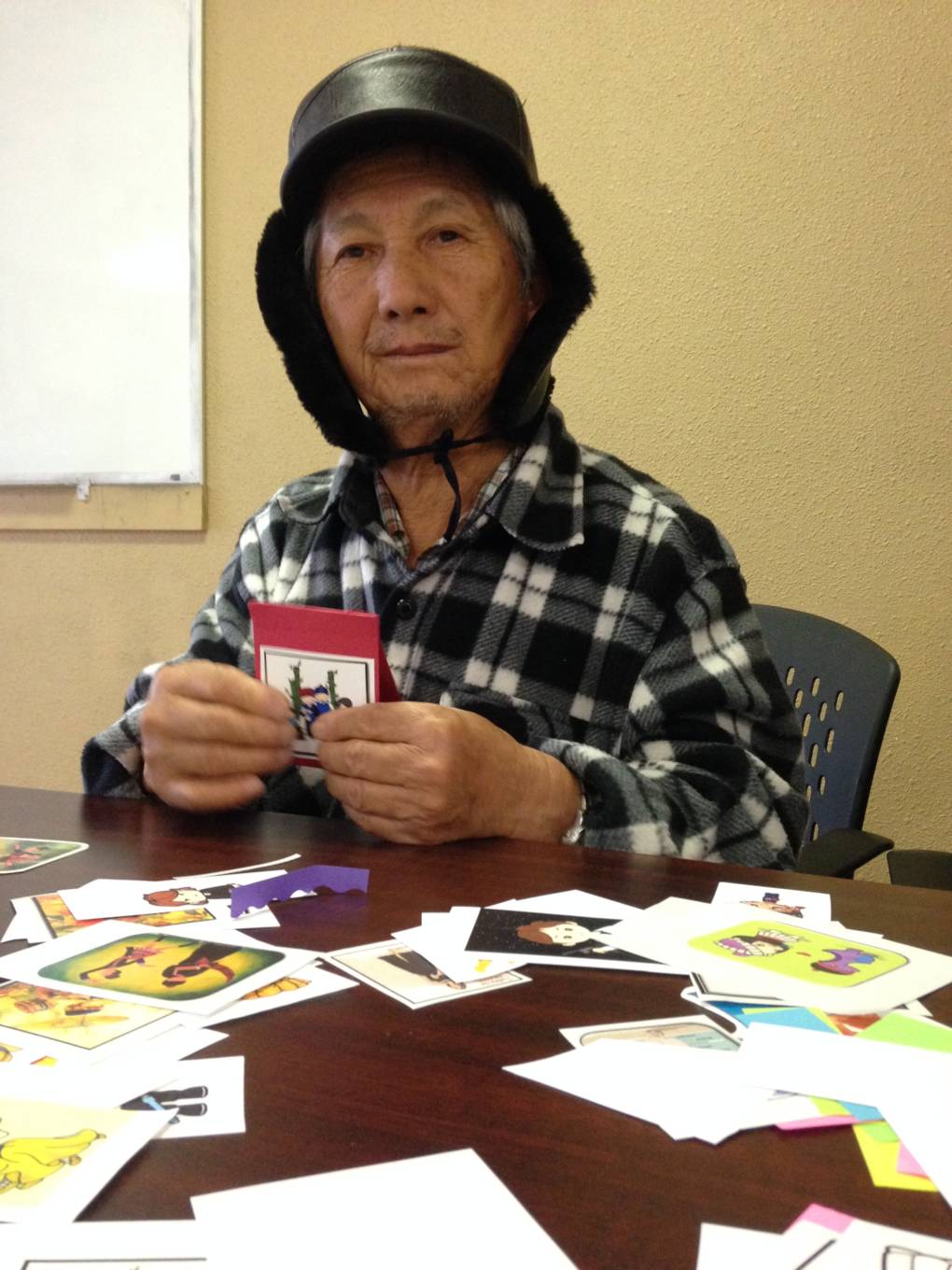
"caption": "Vong Vang Xiong fought in Laos for six years in the CIA's secret war. He does group crafts to help deal with depression.",
"description": null,
"title": "photo 4",
"credit": "Alice Daniel/KQED",
"status": "inherit",
"isLoading": false,
"fetchFailed": false
},
"news_11357471": {
"type": "attachments",
"id": "news_11357471",
"meta": {
"index": "attachments_1716263798",
"site": "news",
"id": "11357471",
"found": true
},
"parent": 11354653,
"imgSizes": {
"small": {
"file": "https://ww2.kqed.org/app/uploads/sites/10/2017/03/kitchen-1920-520x347.jpg",
"width": 520,
"mimeType": "image/jpeg",
"height": 347
},
"twentyfourteen-full-width": {
"file": "https://ww2.kqed.org/app/uploads/sites/10/2017/03/kitchen-1920-1038x576.jpg",
"width": 1038,
"mimeType": "image/jpeg",
"height": 576
},
"thumbnail": {
"file": "https://ww2.kqed.org/app/uploads/sites/10/2017/03/kitchen-1920-160x107.jpg",
"width": 160,
"mimeType": "image/jpeg",
"height": 107
},
"fd-sm": {
"file": "https://ww2.kqed.org/app/uploads/sites/10/2017/03/kitchen-1920-960x640.jpg",
"width": 960,
"mimeType": "image/jpeg",
"height": 640
},
"post-thumbnail": {
"file": "https://ww2.kqed.org/app/uploads/sites/10/2017/03/kitchen-1920-672x372.jpg",
"width": 672,
"mimeType": "image/jpeg",
"height": 372
},
"xsmall": {
"file": "https://ww2.kqed.org/app/uploads/sites/10/2017/03/kitchen-1920-375x250.jpg",
"width": 375,
"mimeType": "image/jpeg",
"height": 250
},
"kqedFullSize": {
"file": "https://ww2.kqed.org/app/uploads/sites/10/2017/03/kitchen-1920.jpg",
"width": 1920,
"height": 1280
},
"large": {
"file": "https://ww2.kqed.org/app/uploads/sites/10/2017/03/kitchen-1920-1020x680.jpg",
"width": 1020,
"mimeType": "image/jpeg",
"height": 680
},
"xlarge": {
"file": "https://ww2.kqed.org/app/uploads/sites/10/2017/03/kitchen-1920-1180x787.jpg",
"width": 1180,
"mimeType": "image/jpeg",
"height": 787
},
"guest-author-50": {
"file": "https://ww2.kqed.org/app/uploads/sites/10/2017/03/kitchen-1920-50x50.jpg",
"width": 50,
"mimeType": "image/jpeg",
"height": 50
},
"guest-author-96": {
"file": "https://ww2.kqed.org/app/uploads/sites/10/2017/03/kitchen-1920-96x96.jpg",
"width": 96,
"mimeType": "image/jpeg",
"height": 96
},
"medium": {
"file": "https://ww2.kqed.org/app/uploads/sites/10/2017/03/kitchen-1920-800x533.jpg",
"width": 800,
"mimeType": "image/jpeg",
"height": 533
},
"guest-author-64": {
"file": "https://ww2.kqed.org/app/uploads/sites/10/2017/03/kitchen-1920-64x64.jpg",
"width": 64,
"mimeType": "image/jpeg",
"height": 64
},
"guest-author-32": {
"file": "https://ww2.kqed.org/app/uploads/sites/10/2017/03/kitchen-1920-32x32.jpg",
"width": 32,
"mimeType": "image/jpeg",
"height": 32
},
"fd-lrg": {
"file": "https://ww2.kqed.org/app/uploads/sites/10/2017/03/kitchen-1920-1920x1280.jpg",
"width": 1920,
"mimeType": "image/jpeg",
"height": 1280
},
"fd-med": {
"file": "https://ww2.kqed.org/app/uploads/sites/10/2017/03/kitchen-1920-1180x787.jpg",
"width": 1180,
"mimeType": "image/jpeg",
"height": 787
},
"full-width": {
"file": "https://ww2.kqed.org/app/uploads/sites/10/2017/03/kitchen-1920-1920x1280.jpg",
"width": 1920,
"mimeType": "image/jpeg",
"height": 1280
},
"detail": {
"file": "https://ww2.kqed.org/app/uploads/sites/10/2017/03/kitchen-1920-150x150.jpg",
"width": 150,
"mimeType": "image/jpeg",
"height": 150
},
"guest-author-128": {
"file": "https://ww2.kqed.org/app/uploads/sites/10/2017/03/kitchen-1920-128x128.jpg",
"width": 128,
"mimeType": "image/jpeg",
"height": 128
},
"xxsmall": {
"file": "https://ww2.kqed.org/app/uploads/sites/10/2017/03/kitchen-1920-240x160.jpg",
"width": 240,
"mimeType": "image/jpeg",
"height": 160
}
},
"publishDate": 1489427757,
"modified": 1489427774,
"caption": null,
"description": null,
"title": "kitchen-1920",
"credit": "Getty Images",
"status": "inherit",
"isLoading": false,
"fetchFailed": false
},
"news_11353448": {
"type": "attachments",
"id": "news_11353448",
"meta": {
"index": "attachments_1716263798",
"site": "news",
"id": "11353448",
"found": true
},
"parent": 11353297,
"imgSizes": {
"small": {
"file": "https://ww2.kqed.org/app/uploads/sites/10/2017/03/DetentionHeader-520x288.jpg",
"width": 520,
"mimeType": "image/jpeg",
"height": 288
},
"twentyfourteen-full-width": {
"file": "https://ww2.kqed.org/app/uploads/sites/10/2017/03/DetentionHeader-1038x576.jpg",
"width": 1038,
"mimeType": "image/jpeg",
"height": 576
},
"thumbnail": {
"file": "https://ww2.kqed.org/app/uploads/sites/10/2017/03/DetentionHeader-160x89.jpg",
"width": 160,
"mimeType": "image/jpeg",
"height": 89
},
"fd-sm": {
"file": "https://ww2.kqed.org/app/uploads/sites/10/2017/03/DetentionHeader-960x532.jpg",
"width": 960,
"mimeType": "image/jpeg",
"height": 532
},
"post-thumbnail": {
"file": "https://ww2.kqed.org/app/uploads/sites/10/2017/03/DetentionHeader-672x372.jpg",
"width": 672,
"mimeType": "image/jpeg",
"height": 372
},
"xsmall": {
"file": "https://ww2.kqed.org/app/uploads/sites/10/2017/03/DetentionHeader-375x208.jpg",
"width": 375,
"mimeType": "image/jpeg",
"height": 208
},
"kqedFullSize": {
"file": "https://ww2.kqed.org/app/uploads/sites/10/2017/03/DetentionHeader.jpg",
"width": 1920,
"height": 1063
},
"large": {
"file": "https://ww2.kqed.org/app/uploads/sites/10/2017/03/DetentionHeader-1020x565.jpg",
"width": 1020,
"mimeType": "image/jpeg",
"height": 565
},
"xlarge": {
"file": "https://ww2.kqed.org/app/uploads/sites/10/2017/03/DetentionHeader-1180x653.jpg",
"width": 1180,
"mimeType": "image/jpeg",
"height": 653
},
"guest-author-50": {
"file": "https://ww2.kqed.org/app/uploads/sites/10/2017/03/DetentionHeader-50x50.jpg",
"width": 50,
"mimeType": "image/jpeg",
"height": 50
},
"guest-author-96": {
"file": "https://ww2.kqed.org/app/uploads/sites/10/2017/03/DetentionHeader-96x96.jpg",
"width": 96,
"mimeType": "image/jpeg",
"height": 96
},
"medium": {
"file": "https://ww2.kqed.org/app/uploads/sites/10/2017/03/DetentionHeader-800x443.jpg",
"width": 800,
"mimeType": "image/jpeg",
"height": 443
},
"guest-author-64": {
"file": "https://ww2.kqed.org/app/uploads/sites/10/2017/03/DetentionHeader-64x64.jpg",
"width": 64,
"mimeType": "image/jpeg",
"height": 64
},
"guest-author-32": {
"file": "https://ww2.kqed.org/app/uploads/sites/10/2017/03/DetentionHeader-32x32.jpg",
"width": 32,
"mimeType": "image/jpeg",
"height": 32
},
"fd-lrg": {
"file": "https://ww2.kqed.org/app/uploads/sites/10/2017/03/DetentionHeader-1920x1063.jpg",
"width": 1920,
"mimeType": "image/jpeg",
"height": 1063
},
"fd-med": {
"file": "https://ww2.kqed.org/app/uploads/sites/10/2017/03/DetentionHeader-1180x653.jpg",
"width": 1180,
"mimeType": "image/jpeg",
"height": 653
},
"full-width": {
"file": "https://ww2.kqed.org/app/uploads/sites/10/2017/03/DetentionHeader-1920x1063.jpg",
"width": 1920,
"mimeType": "image/jpeg",
"height": 1063
},
"detail": {
"file": "https://ww2.kqed.org/app/uploads/sites/10/2017/03/DetentionHeader-150x150.jpg",
"width": 150,
"mimeType": "image/jpeg",
"height": 150
},
"guest-author-128": {
"file": "https://ww2.kqed.org/app/uploads/sites/10/2017/03/DetentionHeader-128x128.jpg",
"width": 128,
"mimeType": "image/jpeg",
"height": 128
},
"xxsmall": {
"file": "https://ww2.kqed.org/app/uploads/sites/10/2017/03/DetentionHeader-240x133.jpg",
"width": 240,
"mimeType": "image/jpeg",
"height": 133
}
},
"publishDate": 1489184896,
"modified": 1489184896,
"caption": null,
"description": null,
"title": "DetentionHeader",
"credit": null,
"status": "inherit",
"isLoading": false,
"fetchFailed": false
},
"news_11353199": {
"type": "attachments",
"id": "news_11353199",
"meta": {
"index": "attachments_1716263798",
"site": "news",
"id": "11353199",
"found": true
},
"parent": 11353197,
"imgSizes": {
"small": {
"file": "https://ww2.kqed.org/app/uploads/sites/10/2017/03/BorderWallYsidro-520x340.jpg",
"width": 520,
"mimeType": "image/jpeg",
"height": 340
},
"twentyfourteen-full-width": {
"file": "https://ww2.kqed.org/app/uploads/sites/10/2017/03/BorderWallYsidro-1038x576.jpg",
"width": 1038,
"mimeType": "image/jpeg",
"height": 576
},
"thumbnail": {
"file": "https://ww2.kqed.org/app/uploads/sites/10/2017/03/BorderWallYsidro-160x105.jpg",
"width": 160,
"mimeType": "image/jpeg",
"height": 105
},
"fd-sm": {
"file": "https://ww2.kqed.org/app/uploads/sites/10/2017/03/BorderWallYsidro-960x628.jpg",
"width": 960,
"mimeType": "image/jpeg",
"height": 628
},
"post-thumbnail": {
"file": "https://ww2.kqed.org/app/uploads/sites/10/2017/03/BorderWallYsidro-672x372.jpg",
"width": 672,
"mimeType": "image/jpeg",
"height": 372
},
"xsmall": {
"file": "https://ww2.kqed.org/app/uploads/sites/10/2017/03/BorderWallYsidro-375x245.jpg",
"width": 375,
"mimeType": "image/jpeg",
"height": 245
},
"kqedFullSize": {
"file": "https://ww2.kqed.org/app/uploads/sites/10/2017/03/BorderWallYsidro.jpg",
"width": 1920,
"height": 1255
},
"large": {
"file": "https://ww2.kqed.org/app/uploads/sites/10/2017/03/BorderWallYsidro-1020x667.jpg",
"width": 1020,
"mimeType": "image/jpeg",
"height": 667
},
"xlarge": {
"file": "https://ww2.kqed.org/app/uploads/sites/10/2017/03/BorderWallYsidro-1180x771.jpg",
"width": 1180,
"mimeType": "image/jpeg",
"height": 771
},
"guest-author-50": {
"file": "https://ww2.kqed.org/app/uploads/sites/10/2017/03/BorderWallYsidro-50x50.jpg",
"width": 50,
"mimeType": "image/jpeg",
"height": 50
},
"guest-author-96": {
"file": "https://ww2.kqed.org/app/uploads/sites/10/2017/03/BorderWallYsidro-96x96.jpg",
"width": 96,
"mimeType": "image/jpeg",
"height": 96
},
"medium": {
"file": "https://ww2.kqed.org/app/uploads/sites/10/2017/03/BorderWallYsidro-800x523.jpg",
"width": 800,
"mimeType": "image/jpeg",
"height": 523
},
"guest-author-64": {
"file": "https://ww2.kqed.org/app/uploads/sites/10/2017/03/BorderWallYsidro-64x64.jpg",
"width": 64,
"mimeType": "image/jpeg",
"height": 64
},
"guest-author-32": {
"file": "https://ww2.kqed.org/app/uploads/sites/10/2017/03/BorderWallYsidro-32x32.jpg",
"width": 32,
"mimeType": "image/jpeg",
"height": 32
},
"fd-lrg": {
"file": "https://ww2.kqed.org/app/uploads/sites/10/2017/03/BorderWallYsidro-1920x1255.jpg",
"width": 1920,
"mimeType": "image/jpeg",
"height": 1255
},
"fd-med": {
"file": "https://ww2.kqed.org/app/uploads/sites/10/2017/03/BorderWallYsidro-1180x771.jpg",
"width": 1180,
"mimeType": "image/jpeg",
"height": 771
},
"full-width": {
"file": "https://ww2.kqed.org/app/uploads/sites/10/2017/03/BorderWallYsidro-1920x1255.jpg",
"width": 1920,
"mimeType": "image/jpeg",
"height": 1255
},
"detail": {
"file": "https://ww2.kqed.org/app/uploads/sites/10/2017/03/BorderWallYsidro-150x150.jpg",
"width": 150,
"mimeType": "image/jpeg",
"height": 150
},
"guest-author-128": {
"file": "https://ww2.kqed.org/app/uploads/sites/10/2017/03/BorderWallYsidro-128x128.jpg",
"width": 128,
"mimeType": "image/jpeg",
"height": 128
},
"xxsmall": {
"file": "https://ww2.kqed.org/app/uploads/sites/10/2017/03/BorderWallYsidro-240x157.jpg",
"width": 240,
"mimeType": "image/jpeg",
"height": 157
}
},
"publishDate": 1489173493,
"modified": 1489185275,
"caption": "A Border Patrol vehicle sits along the U.S.-Mexico border wall on Jan. 25, 2017, in San Ysidro.",
"description": "A Border Patrol vehicle sits along the U.S.-Mexico border wall on Jan. 25, 2017 in San Ysidro.",
"title": "BorderWallYsidro",
"credit": "Sandy Huffaker/Getty Images",
"status": "inherit",
"isLoading": false,
"fetchFailed": false
},
"news_11295129": {
"type": "attachments",
"id": "news_11295129",
"meta": {
"index": "attachments_1716263798",
"site": "news",
"id": "11295129",
"found": true
},
"parent": 11294922,
"imgSizes": {
"small": {
"file": "https://ww2.kqed.org/app/uploads/sites/10/2017/01/Herrera-520x392.jpg",
"width": 520,
"mimeType": "image/jpeg",
"height": 392
},
"twentyfourteen-full-width": {
"file": "https://ww2.kqed.org/app/uploads/sites/10/2017/01/Herrera-1038x576.jpg",
"width": 1038,
"mimeType": "image/jpeg",
"height": 576
},
"thumbnail": {
"file": "https://ww2.kqed.org/app/uploads/sites/10/2017/01/Herrera-160x121.jpg",
"width": 160,
"mimeType": "image/jpeg",
"height": 121
},
"fd-sm": {
"file": "https://ww2.kqed.org/app/uploads/sites/10/2017/01/Herrera-960x724.jpg",
"width": 960,
"mimeType": "image/jpeg",
"height": 724
},
"post-thumbnail": {
"file": "https://ww2.kqed.org/app/uploads/sites/10/2017/01/Herrera-672x372.jpg",
"width": 672,
"mimeType": "image/jpeg",
"height": 372
},
"xsmall": {
"file": "https://ww2.kqed.org/app/uploads/sites/10/2017/01/Herrera-375x283.jpg",
"width": 375,
"mimeType": "image/jpeg",
"height": 283
},
"kqedFullSize": {
"file": "https://ww2.kqed.org/app/uploads/sites/10/2017/01/Herrera.jpg",
"width": 1920,
"height": 1448
},
"large": {
"file": "https://ww2.kqed.org/app/uploads/sites/10/2017/01/Herrera-1020x769.jpg",
"width": 1020,
"mimeType": "image/jpeg",
"height": 769
},
"xlarge": {
"file": "https://ww2.kqed.org/app/uploads/sites/10/2017/01/Herrera-1180x890.jpg",
"width": 1180,
"mimeType": "image/jpeg",
"height": 890
},
"guest-author-50": {
"file": "https://ww2.kqed.org/app/uploads/sites/10/2017/01/Herrera-50x50.jpg",
"width": 50,
"mimeType": "image/jpeg",
"height": 50
},
"guest-author-96": {
"file": "https://ww2.kqed.org/app/uploads/sites/10/2017/01/Herrera-96x96.jpg",
"width": 96,
"mimeType": "image/jpeg",
"height": 96
},
"medium": {
"file": "https://ww2.kqed.org/app/uploads/sites/10/2017/01/Herrera-800x603.jpg",
"width": 800,
"mimeType": "image/jpeg",
"height": 603
},
"guest-author-64": {
"file": "https://ww2.kqed.org/app/uploads/sites/10/2017/01/Herrera-64x64.jpg",
"width": 64,
"mimeType": "image/jpeg",
"height": 64
},
"guest-author-32": {
"file": "https://ww2.kqed.org/app/uploads/sites/10/2017/01/Herrera-32x32.jpg",
"width": 32,
"mimeType": "image/jpeg",
"height": 32
},
"jmtc-small-thumb": {
"file": "https://ww2.kqed.org/app/uploads/sites/10/2017/01/Herrera-280x150.jpg",
"width": 280,
"mimeType": "image/jpeg",
"height": 150
},
"fd-lrg": {
"file": "https://ww2.kqed.org/app/uploads/sites/10/2017/01/Herrera-1920x1448.jpg",
"width": 1920,
"mimeType": "image/jpeg",
"height": 1448
},
"fd-med": {
"file": "https://ww2.kqed.org/app/uploads/sites/10/2017/01/Herrera-1180x890.jpg",
"width": 1180,
"mimeType": "image/jpeg",
"height": 890
},
"full-width": {
"file": "https://ww2.kqed.org/app/uploads/sites/10/2017/01/Herrera-1920x1448.jpg",
"width": 1920,
"mimeType": "image/jpeg",
"height": 1448
},
"detail": {
"file": "https://ww2.kqed.org/app/uploads/sites/10/2017/01/Herrera-150x150.jpg",
"width": 150,
"mimeType": "image/jpeg",
"height": 150
},
"guest-author-128": {
"file": "https://ww2.kqed.org/app/uploads/sites/10/2017/01/Herrera-128x128.jpg",
"width": 128,
"mimeType": "image/jpeg",
"height": 128
},
"xxsmall": {
"file": "https://ww2.kqed.org/app/uploads/sites/10/2017/01/Herrera-240x181.jpg",
"width": 240,
"mimeType": "image/jpeg",
"height": 181
}
},
"publishDate": 1485899800,
"modified": 1485900007,
"caption": "San Francisco City Attorney Dennis Herrera says not only is President Trump's executive order to strip funding from sanctuary cities illegal, but that it also undermines local communities by 'sowing distrust of law enforcement.'",
"description": "San Francisco City Attorney Dennis Herrera says not only is President Trump's executive order to strip funding from sanctuary cities illegal, but that it also undermines local communities by 'sowing distrust of law enforcement.'",
"title": "Herrera",
"credit": "Ryan Levi/KQED",
"status": "inherit",
"isLoading": false,
"fetchFailed": false
},
"news_11351507": {
"type": "attachments",
"id": "news_11351507",
"meta": {
"index": "attachments_1716263798",
"site": "news",
"id": "11351507",
"found": true
},
"parent": 11351494,
"imgSizes": {
"small": {
"file": "https://ww2.kqed.org/app/uploads/sites/10/2017/03/ban-protest-1920-520x347.jpg",
"width": 520,
"mimeType": "image/jpeg",
"height": 347
},
"twentyfourteen-full-width": {
"file": "https://ww2.kqed.org/app/uploads/sites/10/2017/03/ban-protest-1920-1038x576.jpg",
"width": 1038,
"mimeType": "image/jpeg",
"height": 576
},
"thumbnail": {
"file": "https://ww2.kqed.org/app/uploads/sites/10/2017/03/ban-protest-1920-160x107.jpg",
"width": 160,
"mimeType": "image/jpeg",
"height": 107
},
"fd-sm": {
"file": "https://ww2.kqed.org/app/uploads/sites/10/2017/03/ban-protest-1920-960x640.jpg",
"width": 960,
"mimeType": "image/jpeg",
"height": 640
},
"post-thumbnail": {
"file": "https://ww2.kqed.org/app/uploads/sites/10/2017/03/ban-protest-1920-672x372.jpg",
"width": 672,
"mimeType": "image/jpeg",
"height": 372
},
"xsmall": {
"file": "https://ww2.kqed.org/app/uploads/sites/10/2017/03/ban-protest-1920-375x250.jpg",
"width": 375,
"mimeType": "image/jpeg",
"height": 250
},
"kqedFullSize": {
"file": "https://ww2.kqed.org/app/uploads/sites/10/2017/03/ban-protest-1920.jpg",
"width": 1920,
"height": 1280
},
"large": {
"file": "https://ww2.kqed.org/app/uploads/sites/10/2017/03/ban-protest-1920-1020x680.jpg",
"width": 1020,
"mimeType": "image/jpeg",
"height": 680
},
"xlarge": {
"file": "https://ww2.kqed.org/app/uploads/sites/10/2017/03/ban-protest-1920-1180x787.jpg",
"width": 1180,
"mimeType": "image/jpeg",
"height": 787
},
"guest-author-50": {
"file": "https://ww2.kqed.org/app/uploads/sites/10/2017/03/ban-protest-1920-50x50.jpg",
"width": 50,
"mimeType": "image/jpeg",
"height": 50
},
"guest-author-96": {
"file": "https://ww2.kqed.org/app/uploads/sites/10/2017/03/ban-protest-1920-96x96.jpg",
"width": 96,
"mimeType": "image/jpeg",
"height": 96
},
"medium": {
"file": "https://ww2.kqed.org/app/uploads/sites/10/2017/03/ban-protest-1920-800x533.jpg",
"width": 800,
"mimeType": "image/jpeg",
"height": 533
},
"guest-author-64": {
"file": "https://ww2.kqed.org/app/uploads/sites/10/2017/03/ban-protest-1920-64x64.jpg",
"width": 64,
"mimeType": "image/jpeg",
"height": 64
},
"guest-author-32": {
"file": "https://ww2.kqed.org/app/uploads/sites/10/2017/03/ban-protest-1920-32x32.jpg",
"width": 32,
"mimeType": "image/jpeg",
"height": 32
},
"fd-lrg": {
"file": "https://ww2.kqed.org/app/uploads/sites/10/2017/03/ban-protest-1920-1920x1280.jpg",
"width": 1920,
"mimeType": "image/jpeg",
"height": 1280
},
"fd-med": {
"file": "https://ww2.kqed.org/app/uploads/sites/10/2017/03/ban-protest-1920-1180x787.jpg",
"width": 1180,
"mimeType": "image/jpeg",
"height": 787
},
"full-width": {
"file": "https://ww2.kqed.org/app/uploads/sites/10/2017/03/ban-protest-1920-1920x1280.jpg",
"width": 1920,
"mimeType": "image/jpeg",
"height": 1280
},
"detail": {
"file": "https://ww2.kqed.org/app/uploads/sites/10/2017/03/ban-protest-1920-150x150.jpg",
"width": 150,
"mimeType": "image/jpeg",
"height": 150
},
"guest-author-128": {
"file": "https://ww2.kqed.org/app/uploads/sites/10/2017/03/ban-protest-1920-128x128.jpg",
"width": 128,
"mimeType": "image/jpeg",
"height": 128
},
"xxsmall": {
"file": "https://ww2.kqed.org/app/uploads/sites/10/2017/03/ban-protest-1920-240x160.jpg",
"width": 240,
"mimeType": "image/jpeg",
"height": 160
}
},
"publishDate": 1489078304,
"modified": 1498498700,
"caption": "Demonstrators gather near the White House to protest President Trump's travel ban on Jan. 29, 2017, in Washington, D.C. Trump signed the controversial executive order that halted refugees and residents from predominantly Muslim countries -- currently six of them -- from entering the United States.",
"description": "Demonstrators gather near the White House to protest President Trump's travel ban on Jan. 29, 2017, in Washington, D.C. Trump signed the controversial executive order that halted refugees and residents from predominantly Muslim countries -- currently six of them -- from entering the United States.",
"title": "ban-protest-1920",
"credit": "Zach Gibson/Getty Images",
"status": "inherit",
"isLoading": false,
"fetchFailed": false
},
"news_11350379": {
"type": "attachments",
"id": "news_11350379",
"meta": {
"index": "attachments_1716263798",
"site": "news",
"id": "11350379",
"found": true
},
"parent": 11350369,
"imgSizes": {
"small": {
"file": "https://ww2.kqed.org/app/uploads/sites/10/2017/03/FarmworkerField-520x349.jpg",
"width": 520,
"mimeType": "image/jpeg",
"height": 349
},
"twentyfourteen-full-width": {
"file": "https://ww2.kqed.org/app/uploads/sites/10/2017/03/FarmworkerField-1038x576.jpg",
"width": 1038,
"mimeType": "image/jpeg",
"height": 576
},
"thumbnail": {
"file": "https://ww2.kqed.org/app/uploads/sites/10/2017/03/FarmworkerField-160x107.jpg",
"width": 160,
"mimeType": "image/jpeg",
"height": 107
},
"fd-sm": {
"file": "https://ww2.kqed.org/app/uploads/sites/10/2017/03/FarmworkerField-960x645.jpg",
"width": 960,
"mimeType": "image/jpeg",
"height": 645
},
"post-thumbnail": {
"file": "https://ww2.kqed.org/app/uploads/sites/10/2017/03/FarmworkerField-672x372.jpg",
"width": 672,
"mimeType": "image/jpeg",
"height": 372
},
"xsmall": {
"file": "https://ww2.kqed.org/app/uploads/sites/10/2017/03/FarmworkerField-375x252.jpg",
"width": 375,
"mimeType": "image/jpeg",
"height": 252
},
"kqedFullSize": {
"file": "https://ww2.kqed.org/app/uploads/sites/10/2017/03/FarmworkerField.jpg",
"width": 1920,
"height": 1289
},
"large": {
"file": "https://ww2.kqed.org/app/uploads/sites/10/2017/03/FarmworkerField-1020x685.jpg",
"width": 1020,
"mimeType": "image/jpeg",
"height": 685
},
"xlarge": {
"file": "https://ww2.kqed.org/app/uploads/sites/10/2017/03/FarmworkerField-1180x792.jpg",
"width": 1180,
"mimeType": "image/jpeg",
"height": 792
},
"guest-author-50": {
"file": "https://ww2.kqed.org/app/uploads/sites/10/2017/03/FarmworkerField-50x50.jpg",
"width": 50,
"mimeType": "image/jpeg",
"height": 50
},
"guest-author-96": {
"file": "https://ww2.kqed.org/app/uploads/sites/10/2017/03/FarmworkerField-96x96.jpg",
"width": 96,
"mimeType": "image/jpeg",
"height": 96
},
"medium": {
"file": "https://ww2.kqed.org/app/uploads/sites/10/2017/03/FarmworkerField-800x537.jpg",
"width": 800,
"mimeType": "image/jpeg",
"height": 537
},
"guest-author-64": {
"file": "https://ww2.kqed.org/app/uploads/sites/10/2017/03/FarmworkerField-64x64.jpg",
"width": 64,
"mimeType": "image/jpeg",
"height": 64
},
"guest-author-32": {
"file": "https://ww2.kqed.org/app/uploads/sites/10/2017/03/FarmworkerField-32x32.jpg",
"width": 32,
"mimeType": "image/jpeg",
"height": 32
},
"fd-lrg": {
"file": "https://ww2.kqed.org/app/uploads/sites/10/2017/03/FarmworkerField-1920x1289.jpg",
"width": 1920,
"mimeType": "image/jpeg",
"height": 1289
},
"fd-med": {
"file": "https://ww2.kqed.org/app/uploads/sites/10/2017/03/FarmworkerField-1180x792.jpg",
"width": 1180,
"mimeType": "image/jpeg",
"height": 792
},
"full-width": {
"file": "https://ww2.kqed.org/app/uploads/sites/10/2017/03/FarmworkerField-1920x1289.jpg",
"width": 1920,
"mimeType": "image/jpeg",
"height": 1289
},
"detail": {
"file": "https://ww2.kqed.org/app/uploads/sites/10/2017/03/FarmworkerField-150x150.jpg",
"width": 150,
"mimeType": "image/jpeg",
"height": 150
},
"guest-author-128": {
"file": "https://ww2.kqed.org/app/uploads/sites/10/2017/03/FarmworkerField-128x128.jpg",
"width": 128,
"mimeType": "image/jpeg",
"height": 128
},
"xxsmall": {
"file": "https://ww2.kqed.org/app/uploads/sites/10/2017/03/FarmworkerField-240x161.jpg",
"width": 240,
"mimeType": "image/jpeg",
"height": 161
}
},
"publishDate": 1489009961,
"modified": 1489012324,
"caption": "A Mexican farmworker cultivates lettuce in Holtville. 'It’s estimated by the U.S. Department of Agriculture that at least 50 percent of those who do the harvesting are undocumented,' says UCLA Anderson senior economist Jerry Nickelsburg. 'If they’re not there, who’s going to pick the crops?'",
"description": "A Mexican farmworker cultivates lettuce in Holtville. 'It’s estimated by the U.S. Dept. of Agriculture that at least 50 percent of those who do the harvesting are undocumented,' says UCLA Anderson Senior Economist Jerry Nickelsburg. 'If they’re not there, who’s going to pick the crops?'",
"title": "FarmworkerField",
"credit": "John Moore/Getty Images",
"status": "inherit",
"isLoading": false,
"fetchFailed": false
},
"news_11350349": {
"type": "attachments",
"id": "news_11350349",
"meta": {
"index": "attachments_1716263798",
"site": "news",
"id": "11350349",
"found": true
},
"parent": 11350193,
"imgSizes": {
"small": {
"file": "https://ww2.kqed.org/app/uploads/sites/10/2017/03/BreadwinnersAtShop-520x355.jpg",
"width": 520,
"mimeType": "image/jpeg",
"height": 355
},
"twentyfourteen-full-width": {
"file": "https://ww2.kqed.org/app/uploads/sites/10/2017/03/BreadwinnersAtShop-1038x576.jpg",
"width": 1038,
"mimeType": "image/jpeg",
"height": 576
},
"thumbnail": {
"file": "https://ww2.kqed.org/app/uploads/sites/10/2017/03/BreadwinnersAtShop-160x109.jpg",
"width": 160,
"mimeType": "image/jpeg",
"height": 109
},
"fd-sm": {
"file": "https://ww2.kqed.org/app/uploads/sites/10/2017/03/BreadwinnersAtShop-960x655.jpg",
"width": 960,
"mimeType": "image/jpeg",
"height": 655
},
"post-thumbnail": {
"file": "https://ww2.kqed.org/app/uploads/sites/10/2017/03/BreadwinnersAtShop-672x372.jpg",
"width": 672,
"mimeType": "image/jpeg",
"height": 372
},
"xsmall": {
"file": "https://ww2.kqed.org/app/uploads/sites/10/2017/03/BreadwinnersAtShop-375x256.jpg",
"width": 375,
"mimeType": "image/jpeg",
"height": 256
},
"kqedFullSize": {
"file": "https://ww2.kqed.org/app/uploads/sites/10/2017/03/BreadwinnersAtShop.jpg",
"width": 1920,
"height": 1309
},
"large": {
"file": "https://ww2.kqed.org/app/uploads/sites/10/2017/03/BreadwinnersAtShop-1020x695.jpg",
"width": 1020,
"mimeType": "image/jpeg",
"height": 695
},
"xlarge": {
"file": "https://ww2.kqed.org/app/uploads/sites/10/2017/03/BreadwinnersAtShop-1180x804.jpg",
"width": 1180,
"mimeType": "image/jpeg",
"height": 804
},
"guest-author-50": {
"file": "https://ww2.kqed.org/app/uploads/sites/10/2017/03/BreadwinnersAtShop-50x50.jpg",
"width": 50,
"mimeType": "image/jpeg",
"height": 50
},
"guest-author-96": {
"file": "https://ww2.kqed.org/app/uploads/sites/10/2017/03/BreadwinnersAtShop-96x96.jpg",
"width": 96,
"mimeType": "image/jpeg",
"height": 96
},
"medium": {
"file": "https://ww2.kqed.org/app/uploads/sites/10/2017/03/BreadwinnersAtShop-800x545.jpg",
"width": 800,
"mimeType": "image/jpeg",
"height": 545
},
"guest-author-64": {
"file": "https://ww2.kqed.org/app/uploads/sites/10/2017/03/BreadwinnersAtShop-64x64.jpg",
"width": 64,
"mimeType": "image/jpeg",
"height": 64
},
"guest-author-32": {
"file": "https://ww2.kqed.org/app/uploads/sites/10/2017/03/BreadwinnersAtShop-32x32.jpg",
"width": 32,
"mimeType": "image/jpeg",
"height": 32
},
"fd-lrg": {
"file": "https://ww2.kqed.org/app/uploads/sites/10/2017/03/BreadwinnersAtShop-1920x1309.jpg",
"width": 1920,
"mimeType": "image/jpeg",
"height": 1309
},
"fd-med": {
"file": "https://ww2.kqed.org/app/uploads/sites/10/2017/03/BreadwinnersAtShop-1180x804.jpg",
"width": 1180,
"mimeType": "image/jpeg",
"height": 804
},
"full-width": {
"file": "https://ww2.kqed.org/app/uploads/sites/10/2017/03/BreadwinnersAtShop-1920x1309.jpg",
"width": 1920,
"mimeType": "image/jpeg",
"height": 1309
},
"detail": {
"file": "https://ww2.kqed.org/app/uploads/sites/10/2017/03/BreadwinnersAtShop-150x150.jpg",
"width": 150,
"mimeType": "image/jpeg",
"height": 150
},
"guest-author-128": {
"file": "https://ww2.kqed.org/app/uploads/sites/10/2017/03/BreadwinnersAtShop-128x128.jpg",
"width": 128,
"mimeType": "image/jpeg",
"height": 128
},
"xxsmall": {
"file": "https://ww2.kqed.org/app/uploads/sites/10/2017/03/BreadwinnersAtShop-240x164.jpg",
"width": 240,
"mimeType": "image/jpeg",
"height": 164
}
},
"publishDate": 1489007172,
"modified": 1489007207,
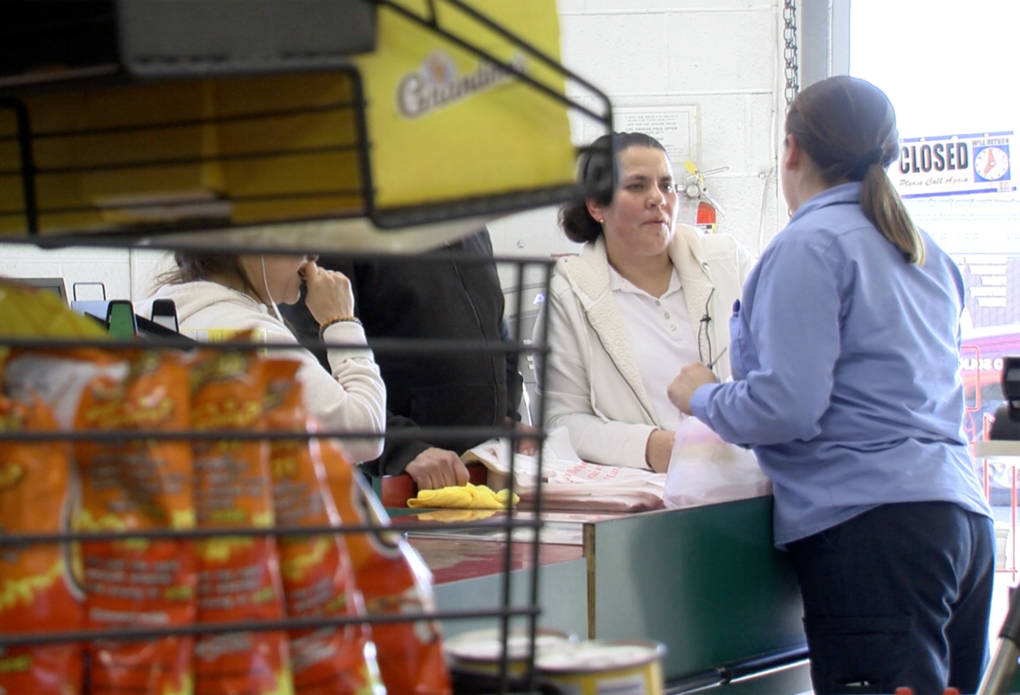
"caption": "Teresa Gomez works at the cash register at a Barrio Logan grocery store.",
"description": "Teresa Gomez works at the cash register at a Barrio Logan grocery store.",
"title": "BreadwinnersAtShop",
"credit": "Kris Arciaga/KPBS",
"status": "inherit",
"isLoading": false,
"fetchFailed": false
},
"news_11342684": {
"type": "attachments",
"id": "news_11342684",
"meta": {
"index": "attachments_1716263798",
"site": "news",
"id": "11342684",
"found": true
},
"parent": 11341338,
"imgSizes": {
"small": {
"file": "https://ww2.kqed.org/app/uploads/sites/10/2018/03/RS22944_GettyImages-450371255-qut-520x350.jpg",
"width": 520,
"mimeType": "image/jpeg",
"height": 350
},
"twentyfourteen-full-width": {
"file": "https://ww2.kqed.org/app/uploads/sites/10/2018/03/RS22944_GettyImages-450371255-qut-1038x576.jpg",
"width": 1038,
"mimeType": "image/jpeg",
"height": 576
},
"thumbnail": {
"file": "https://ww2.kqed.org/app/uploads/sites/10/2018/03/RS22944_GettyImages-450371255-qut-160x108.jpg",
"width": 160,
"mimeType": "image/jpeg",
"height": 108
},
"fd-sm": {
"file": "https://ww2.kqed.org/app/uploads/sites/10/2018/03/RS22944_GettyImages-450371255-qut-960x647.jpg",
"width": 960,
"mimeType": "image/jpeg",
"height": 647
},
"post-thumbnail": {
"file": "https://ww2.kqed.org/app/uploads/sites/10/2018/03/RS22944_GettyImages-450371255-qut-672x372.jpg",
"width": 672,
"mimeType": "image/jpeg",
"height": 372
},
"xsmall": {
"file": "https://ww2.kqed.org/app/uploads/sites/10/2018/03/RS22944_GettyImages-450371255-qut-375x253.jpg",
"width": 375,
"mimeType": "image/jpeg",
"height": 253
},
"kqedFullSize": {
"file": "https://ww2.kqed.org/app/uploads/sites/10/2018/03/RS22944_GettyImages-450371255-qut.jpg",
"width": 1920,
"height": 1294
},
"large": {
"file": "https://ww2.kqed.org/app/uploads/sites/10/2018/03/RS22944_GettyImages-450371255-qut-1020x687.jpg",
"width": 1020,
"mimeType": "image/jpeg",
"height": 687
},
"xlarge": {
"file": "https://ww2.kqed.org/app/uploads/sites/10/2018/03/RS22944_GettyImages-450371255-qut-1180x795.jpg",
"width": 1180,
"mimeType": "image/jpeg",
"height": 795
},
"guest-author-50": {
"file": "https://ww2.kqed.org/app/uploads/sites/10/2018/03/RS22944_GettyImages-450371255-qut-50x50.jpg",
"width": 50,
"mimeType": "image/jpeg",
"height": 50
},
"guest-author-96": {
"file": "https://ww2.kqed.org/app/uploads/sites/10/2018/03/RS22944_GettyImages-450371255-qut-96x96.jpg",
"width": 96,
"mimeType": "image/jpeg",
"height": 96
},
"medium": {
"file": "https://ww2.kqed.org/app/uploads/sites/10/2018/03/RS22944_GettyImages-450371255-qut-800x539.jpg",
"width": 800,
"mimeType": "image/jpeg",
"height": 539
},
"guest-author-64": {
"file": "https://ww2.kqed.org/app/uploads/sites/10/2018/03/RS22944_GettyImages-450371255-qut-64x64.jpg",
"width": 64,
"mimeType": "image/jpeg",
"height": 64
},
"guest-author-32": {
"file": "https://ww2.kqed.org/app/uploads/sites/10/2018/03/RS22944_GettyImages-450371255-qut-32x32.jpg",
"width": 32,
"mimeType": "image/jpeg",
"height": 32
},
"fd-lrg": {
"file": "https://ww2.kqed.org/app/uploads/sites/10/2018/03/RS22944_GettyImages-450371255-qut-1920x1294.jpg",
"width": 1920,
"mimeType": "image/jpeg",
"height": 1294
},
"fd-med": {
"file": "https://ww2.kqed.org/app/uploads/sites/10/2018/03/RS22944_GettyImages-450371255-qut-1180x795.jpg",
"width": 1180,
"mimeType": "image/jpeg",
"height": 795
},
"full-width": {
"file": "https://ww2.kqed.org/app/uploads/sites/10/2018/03/RS22944_GettyImages-450371255-qut-1920x1294.jpg",
"width": 1920,
"mimeType": "image/jpeg",
"height": 1294
},
"detail": {
"file": "https://ww2.kqed.org/app/uploads/sites/10/2018/03/RS22944_GettyImages-450371255-qut-150x150.jpg",
"width": 150,
"mimeType": "image/jpeg",
"height": 150
},
"guest-author-128": {
"file": "https://ww2.kqed.org/app/uploads/sites/10/2018/03/RS22944_GettyImages-450371255-qut-128x128.jpg",
"width": 128,
"mimeType": "image/jpeg",
"height": 128
},
"xxsmall": {
"file": "https://ww2.kqed.org/app/uploads/sites/10/2018/03/RS22944_GettyImages-450371255-qut-240x162.jpg",
"width": 240,
"mimeType": "image/jpeg",
"height": 162
}
},
"publishDate": 1488567936,
"modified": 1488582988,
"caption": null,
"description": null,
"title": "RS22944_GettyImages-450371255-qut",
"credit": null,
"status": "inherit",
"isLoading": false,
"fetchFailed": false
},
"news_11290777": {
"type": "attachments",
"id": "news_11290777",
"meta": {
"index": "attachments_1716263798",
"site": "news",
"id": "11290777",
"found": true
},
"parent": 11290776,
"imgSizes": {
"small": {
"file": "https://ww2.kqed.org/app/uploads/sites/10/2017/01/gettyimages-632867424-2095f1e0cca8a4f38e539da5f18d02c24f67eba5-520x390.jpg",
"width": 520,
"mimeType": "image/jpeg",
"height": 390
},
"twentyfourteen-full-width": {
"file": "https://ww2.kqed.org/app/uploads/sites/10/2017/01/gettyimages-632867424-2095f1e0cca8a4f38e539da5f18d02c24f67eba5-1038x576.jpg",
"width": 1038,
"mimeType": "image/jpeg",
"height": 576
},
"thumbnail": {
"file": "https://ww2.kqed.org/app/uploads/sites/10/2017/01/gettyimages-632867424-2095f1e0cca8a4f38e539da5f18d02c24f67eba5-160x120.jpg",
"width": 160,
"mimeType": "image/jpeg",
"height": 120
},
"fd-sm": {
"file": "https://ww2.kqed.org/app/uploads/sites/10/2017/01/gettyimages-632867424-2095f1e0cca8a4f38e539da5f18d02c24f67eba5-960x720.jpg",
"width": 960,
"mimeType": "image/jpeg",
"height": 720
},
"post-thumbnail": {
"file": "https://ww2.kqed.org/app/uploads/sites/10/2017/01/gettyimages-632867424-2095f1e0cca8a4f38e539da5f18d02c24f67eba5-672x372.jpg",
"width": 672,
"mimeType": "image/jpeg",
"height": 372
},
"xsmall": {
"file": "https://ww2.kqed.org/app/uploads/sites/10/2017/01/gettyimages-632867424-2095f1e0cca8a4f38e539da5f18d02c24f67eba5-375x281.jpg",
"width": 375,
"mimeType": "image/jpeg",
"height": 281
},
"kqedFullSize": {
"file": "https://ww2.kqed.org/app/uploads/sites/10/2017/01/gettyimages-632867424-2095f1e0cca8a4f38e539da5f18d02c24f67eba5-e1485641147444.jpg",
"width": 1920,
"height": 1439
},
"large": {
"file": "https://ww2.kqed.org/app/uploads/sites/10/2017/01/gettyimages-632867424-2095f1e0cca8a4f38e539da5f18d02c24f67eba5-1020x765.jpg",
"width": 1020,
"mimeType": "image/jpeg",
"height": 765
},
"xlarge": {
"file": "https://ww2.kqed.org/app/uploads/sites/10/2017/01/gettyimages-632867424-2095f1e0cca8a4f38e539da5f18d02c24f67eba5-1180x885.jpg",
"width": 1180,
"mimeType": "image/jpeg",
"height": 885
},
"guest-author-50": {
"file": "https://ww2.kqed.org/app/uploads/sites/10/2017/01/gettyimages-632867424-2095f1e0cca8a4f38e539da5f18d02c24f67eba5-50x50.jpg",
"width": 50,
"mimeType": "image/jpeg",
"height": 50
},
"guest-author-96": {
"file": "https://ww2.kqed.org/app/uploads/sites/10/2017/01/gettyimages-632867424-2095f1e0cca8a4f38e539da5f18d02c24f67eba5-96x96.jpg",
"width": 96,
"mimeType": "image/jpeg",
"height": 96
},
"medium": {
"file": "https://ww2.kqed.org/app/uploads/sites/10/2017/01/gettyimages-632867424-2095f1e0cca8a4f38e539da5f18d02c24f67eba5-800x600.jpg",
"width": 800,
"mimeType": "image/jpeg",
"height": 600
},
"guest-author-64": {
"file": "https://ww2.kqed.org/app/uploads/sites/10/2017/01/gettyimages-632867424-2095f1e0cca8a4f38e539da5f18d02c24f67eba5-64x64.jpg",
"width": 64,
"mimeType": "image/jpeg",
"height": 64
},
"guest-author-32": {
"file": "https://ww2.kqed.org/app/uploads/sites/10/2017/01/gettyimages-632867424-2095f1e0cca8a4f38e539da5f18d02c24f67eba5-32x32.jpg",
"width": 32,
"mimeType": "image/jpeg",
"height": 32
},
"jmtc-small-thumb": {
"file": "https://ww2.kqed.org/app/uploads/sites/10/2017/01/gettyimages-632867424-2095f1e0cca8a4f38e539da5f18d02c24f67eba5-280x150.jpg",
"width": 280,
"mimeType": "image/jpeg",
"height": 150
},
"fd-lrg": {
"file": "https://ww2.kqed.org/app/uploads/sites/10/2017/01/gettyimages-632867424-2095f1e0cca8a4f38e539da5f18d02c24f67eba5-1920x1439.jpg",
"width": 1920,
"mimeType": "image/jpeg",
"height": 1439
},
"fd-med": {
"file": "https://ww2.kqed.org/app/uploads/sites/10/2017/01/gettyimages-632867424-2095f1e0cca8a4f38e539da5f18d02c24f67eba5-1180x885.jpg",
"width": 1180,
"mimeType": "image/jpeg",
"height": 885
},
"full-width": {
"file": "https://ww2.kqed.org/app/uploads/sites/10/2017/01/gettyimages-632867424-2095f1e0cca8a4f38e539da5f18d02c24f67eba5-1920x1439.jpg",
"width": 1920,
"mimeType": "image/jpeg",
"height": 1439
},
"detail": {
"file": "https://ww2.kqed.org/app/uploads/sites/10/2017/01/gettyimages-632867424-2095f1e0cca8a4f38e539da5f18d02c24f67eba5-150x150.jpg",
"width": 150,
"mimeType": "image/jpeg",
"height": 150
},
"guest-author-128": {
"file": "https://ww2.kqed.org/app/uploads/sites/10/2017/01/gettyimages-632867424-2095f1e0cca8a4f38e539da5f18d02c24f67eba5-128x128.jpg",
"width": 128,
"mimeType": "image/jpeg",
"height": 128
},
"xxsmall": {
"file": "https://ww2.kqed.org/app/uploads/sites/10/2017/01/gettyimages-632867424-2095f1e0cca8a4f38e539da5f18d02c24f67eba5-240x180.jpg",
"width": 240,
"mimeType": "image/jpeg",
"height": 180
}
},
"publishDate": 1485641006,
"modified": 1488839071,
"caption": "President Donald Trump signed an executive order on Jan. 27 that unleased protests and chaos. Its successor was issued on March 6.",
"description": "President Donald Trump signed an executive order on Friday that puts a freeze on immigration from seven countries: Syria, Iran, Libya, Somalia, Yemen, Iraq and Sudan.",
"title": "Donald Trump-Immigration",
"credit": "Olivier Douliery/Pool-Getty Images",
"status": "inherit",
"isLoading": false,
"fetchFailed": false
}
},
"audioPlayerReducer": {
"postId": "stream_live",
"isPaused": true,
"isPlaying": false,
"pfsActive": false,
"pledgeModalIsOpen": true,
"playerDrawerIsOpen": false,
"liveAudioPlayStartedAt": 0,
"liveAudioPlayContext": ""
},
"authorsReducer": {
"byline_news_11354653": {
"type": "authors",
"id": "byline_news_11354653",
"meta": {
"override": true
},
"slug": "byline_news_11354653",
"name": "\u003cstrong>\u003ca href=\"https://twitter.com/cesarjsaldana\">Cesar Saldaña\u003c/a>\u003c/strong>",
"isLoading": false
},
"byline_news_11353197": {
"type": "authors",
"id": "byline_news_11353197",
"meta": {
"override": true
},
"slug": "byline_news_11353197",
"name": "\u003cstrong>\u003ca href=http://www.kpbs.org/staff/jean-guerrero/\">Jean Guerrero\u003c/a>\u003cbr>\u003ca href=\"http://www.kpbs.org/\">KPBS\u003c/a>\u003c/strong>",
"isLoading": false
},
"byline_news_11351494": {
"type": "authors",
"id": "byline_news_11351494",
"meta": {
"override": true
},
"slug": "byline_news_11351494",
"name": "\u003cstrong>Laurel Wamsley\u003cbr />NPR\u003c/strong>",
"isLoading": false
},
"byline_news_11350369": {
"type": "authors",
"id": "byline_news_11350369",
"meta": {
"override": true
},
"slug": "byline_news_11350369",
"name": "\u003cstrong>\u003ca href=\"http://www.scpr.org/about/people/staff/ben-bergman\">Ben Bergman\u003c/a>\u003c/strong>",
"isLoading": false
},
"byline_news_11350193": {
"type": "authors",
"id": "byline_news_11350193",
"meta": {
"override": true
},
"slug": "byline_news_11350193",
"name": "\u003cstrong>\u003ca href=\"http://www.kpbs.org/staff/jean-guerrero/\">Jean Guerrero\u003c/a>\u003c/strong>\u003cbr>\u003cstrong>\u003ca href=\"http://www.kpbs.org/\">KPBS\u003c/a>\u003c/strong>",
"isLoading": false
},
"lisapickoffwhite-2": {
"type": "authors",
"id": "199",
"meta": {
"index": "authors_1716337520",
"id": "199",
"found": true
},
"name": "Lisa Pickoff-White",
"firstName": "Lisa",
"lastName": "Pickoff-White",
"slug": "lisapickoffwhite-2",
"email": "lpickoffwhite@kqed.org",
"display_author_email": false,
"staff_mastheads": [
"news"
],
"title": "Data Journalist, Senior Producer",
"bio": "Lisa Pickoff-White is KQED's data reporter. Lisa specializes in simplifying complex topics and bringing them to life through compelling visuals, including photography and data visualizations. She previously has worked at the Center for Investigative Reporting and other national outlets. Her work has been honored with awards from the Online News Association, Investigative Reporters and Editors, the Society of Professional Journalists and SXSW Interactive. \u003cstrong> \u003c/strong>",
"avatar": "https://secure.gravatar.com/avatar/5513c5f3967df792aa65bee2501e84d6?s=600&d=blank&r=g",
"twitter": "pickoffwhite",
"facebook": null,
"instagram": null,
"linkedin": null,
"sites": [
{
"site": "",
"roles": [
"editor"
]
},
{
"site": "arts",
"roles": []
},
{
"site": "news",
"roles": [
"administrator"
]
},
{
"site": "about",
"roles": [
"editor"
]
},
{
"site": "stateofhealth",
"roles": [
"administrator"
]
},
{
"site": "science",
"roles": [
"editor"
]
},
{
"site": "quest",
"roles": [
"editor"
]
},
{
"site": "forum",
"roles": [
"editor"
]
}
],
"headData": {
"title": "Lisa Pickoff-White | KQED",
"description": "Data Journalist, Senior Producer",
"ogImgSrc": "https://secure.gravatar.com/avatar/5513c5f3967df792aa65bee2501e84d6?s=600&d=blank&r=g",
"twImgSrc": "https://secure.gravatar.com/avatar/5513c5f3967df792aa65bee2501e84d6?s=600&d=blank&r=g"
},
"isLoading": false,
"link": "/author/lisapickoffwhite-2"
},
"aliceldaniel": {
"type": "authors",
"id": "208",
"meta": {
"index": "authors_1716337520",
"id": "208",
"found": true
},
"name": "Alice Daniel",
"firstName": "Alice",
"lastName": "Daniel",
"slug": "aliceldaniel",
"email": "adaniel@kqed.org",
"display_author_email": false,
"staff_mastheads": [],
"title": null,
"bio": "Alice Daniel loves the listening aspect of reporting because she gets to briefly walk in other people’s shoes. She has rappelled down into caves and gone up in helicopters for KQED’s The California Report but her favorite place to pursue a story is the High Sierra or any family-run bakery, of course. Alice has a masters in journalism from Columbia University and teaches at Fresno State. She is a California Healthline Regional Correspondent and a frequent contributor to Success magazine. In her free time, she skis and hikes, throws pottery, practices piano and looks out the window.",
"avatar": "https://secure.gravatar.com/avatar/e611aa06593b114a67f9f123a8e875ad?s=600&d=blank&r=g",
"twitter": null,
"facebook": null,
"instagram": null,
"linkedin": null,
"sites": [
{
"site": "news",
"roles": [
"author"
]
},
{
"site": "stateofhealth",
"roles": [
"author"
]
}
],
"headData": {
"title": "Alice Daniel | KQED",
"description": null,
"ogImgSrc": "https://secure.gravatar.com/avatar/e611aa06593b114a67f9f123a8e875ad?s=600&d=blank&r=g",
"twImgSrc": "https://secure.gravatar.com/avatar/e611aa06593b114a67f9f123a8e875ad?s=600&d=blank&r=g"
},
"isLoading": false,
"link": "/author/aliceldaniel"
},
"scottshafer": {
"type": "authors",
"id": "255",
"meta": {
"index": "authors_1716337520",
"id": "255",
"found": true
},
"name": "Scott Shafer",
"firstName": "Scott",
"lastName": "Shafer",
"slug": "scottshafer",
"email": "sshafer@kqed.org",
"display_author_email": false,
"staff_mastheads": [
"news"
],
"title": "KQED Contributor",
"bio": "Scott Shafer is a senior editor with the KQED Politics and Government desk. He is co-host of Political Breakdown, the award-winning radio show and podcast with a personal take on the world of politics. Scott came to KQED in 1998 to host the statewide\u003cem> California Report\u003c/em>. Prior to that he had extended stints in politics and government\u003cem>.\u003c/em> He uses that inside experience at KQED in his, reporting, hosting and analysis for the politics desk. Scott collaborated \u003cem>Political Breakdown a\u003c/em>nd on \u003cem>The Political Mind of Jerry Brown, \u003c/em>an eight-part series about the life and extraordinary political career of the former governor. For fun, he plays water polo with the San Francisco Tsunami.",
"avatar": "https://secure.gravatar.com/avatar/a62ebae45b79d7aed1a39a0e3bf68104?s=600&d=blank&r=g",
"twitter": "scottshafer",
"bluesky": null,
"facebook": null,
"instagram": null,
"linkedin": null,
"sites": [
{
"site": "news",
"roles": [
"editor"
]
},
{
"site": "stateofhealth",
"roles": [
"author"
]
},
{
"site": "science",
"roles": [
"author"
]
},
{
"site": "forum",
"roles": [
"subscriber"
]
},
{
"site": "liveblog",
"roles": [
"author"
]
}
],
"headData": {
"title": "Scott Shafer | KQED",
"description": "KQED Contributor",
"ogImgSrc": "https://secure.gravatar.com/avatar/a62ebae45b79d7aed1a39a0e3bf68104?s=600&d=blank&r=g",
"twImgSrc": "https://secure.gravatar.com/avatar/a62ebae45b79d7aed1a39a0e3bf68104?s=600&d=blank&r=g"
},
"isLoading": false,
"link": "/author/scottshafer"
},
"tarasiler": {
"type": "authors",
"id": "257",
"meta": {
"index": "authors_1716337520",
"id": "257",
"found": true
},
"name": "Tara Siler",
"firstName": "Tara",
"lastName": "Siler",
"slug": "tarasiler",
"email": "tsiler@kqed.org",
"display_author_email": false,
"staff_mastheads": [
"news"
],
"title": "KQED Contributor",
"bio": "Tara reports and anchors for KQED news. She covers a range of issues from community-police relations to local politics. Tara started out in community radio in the Bay Area, where she was raised. She eventually moved to Washington DC where she covered Congress for eight years for Pacifica and Monitor Radio. Her stories have also been heard on NPR's All Things Considered, Morning Edition and The World.\r\n\r\nTara lives with her husband in Oakland-- where they raised their two sons. She enjoys spending time with her family, gardening and hiking in the Oakland hills... and keeping up with the news.",
"avatar": "https://secure.gravatar.com/avatar/99802f9746fb80b65fd8ec6c57954450?s=600&d=blank&r=g",
"twitter": null,
"facebook": null,
"instagram": null,
"linkedin": null,
"sites": [
{
"site": "news",
"roles": [
"contributor",
"edit_others_posts"
]
},
{
"site": "stateofhealth",
"roles": [
"author"
]
}
],
"headData": {
"title": "Tara Siler | KQED",
"description": "KQED Contributor",
"ogImgSrc": "https://secure.gravatar.com/avatar/99802f9746fb80b65fd8ec6c57954450?s=600&d=blank&r=g",
"twImgSrc": "https://secure.gravatar.com/avatar/99802f9746fb80b65fd8ec6c57954450?s=600&d=blank&r=g"
},
"isLoading": false,
"link": "/author/tarasiler"
},
"markfiore": {
"type": "authors",
"id": "3236",
"meta": {
"index": "authors_1716337520",
"id": "3236",
"found": true
},
"name": "Mark Fiore",
"firstName": "Mark",
"lastName": "Fiore",
"slug": "markfiore",
"email": "mark@markfiore.com",
"display_author_email": false,
"staff_mastheads": [
"news"
],
"title": "KQED News Cartoonist",
"bio": "\u003ca href=\"http://www.MarkFiore.com\">MarkFiore.com\u003c/a> | \u003ca href=\"https://twitter.com/markfiore\">Follow on Twitter\u003c/a> | \u003ca href=\"https://www.facebook.com/pages/Mark-Fiore-Animated-Political-Cartoons/94451707396?ref=bookmarks\">Facebook\u003c/a> | \u003ca href=\"mailto:mark@markfiore.com\">email\u003c/a>\r\n\r\nPulitzer Prize-winner, Mark Fiore, who the Wall Street Journal has called “the undisputed guru of the form,” creates animated political cartoons in San Francisco, where his work has been featured regularly on the San Francisco Chronicle’s web site, SFGate.com. His work has appeared on Newsweek.com, Slate.com, CBSNews.com, MotherJones.com, DailyKos.com and NPR’s web site. Fiore’s political animation has appeared on CNN, Frontline, Bill Moyers Journal, Salon.com and cable and broadcast outlets across the globe.\r\n\r\nBeginning his professional life by drawing traditional political cartoons for newspapers, Fiore’s work appeared in publications ranging from the Washington Post to the Los Angeles Times. In the late 1990s, he began to experiment with animating political cartoons and, after a short stint at the San Jose Mercury News as their staff cartoonist, Fiore devoted all his energies to animation.\r\nGrowing up in California, Fiore also spent a good portion of his life in the backwoods of Idaho. It was this combination that shaped him politically. Mark majored in political science at Colorado College, where, in a perfect send-off for a cartoonist, he received his diploma in 1991 as commencement speaker Dick Cheney smiled approvingly.\r\nMark Fiore was awarded the Pulitzer Prize for political cartooning in 2010, a Robert F. Kennedy Journalism Award in 2004 and has twice received an Online Journalism Award for commentary from the Online News Association (2002, 2008). Fiore has received two awards for his work in new media from the National Cartoonists Society (2001, 2002), and in 2006 received The James Madison Freedom of Information Award from The Society of Professional Journalists.",
"avatar": "https://secure.gravatar.com/avatar/fc4e2a612b15b67bad0c6f0e1db4ca9b?s=600&d=blank&r=g",
"twitter": "MarkFiore",
"facebook": null,
"instagram": "https://www.instagram.com/markfiore/?hl=en",
"linkedin": null,
"sites": [
{
"site": "arts",
"roles": [
"contributor"
]
},
{
"site": "news",
"roles": [
"editor"
]
},
{
"site": "futureofyou",
"roles": [
"editor"
]
},
{
"site": "science",
"roles": [
"editor"
]
}
],
"headData": {
"title": "Mark Fiore | KQED",
"description": "KQED News Cartoonist",
"ogImgSrc": "https://secure.gravatar.com/avatar/fc4e2a612b15b67bad0c6f0e1db4ca9b?s=600&d=blank&r=g",
"twImgSrc": "https://secure.gravatar.com/avatar/fc4e2a612b15b67bad0c6f0e1db4ca9b?s=600&d=blank&r=g"
},
"isLoading": false,
"link": "/author/markfiore"
},
"mlagos": {
"type": "authors",
"id": "3239",
"meta": {
"index": "authors_1716337520",
"id": "3239",
"found": true
},
"name": "Marisa Lagos",
"firstName": "Marisa",
"lastName": "Lagos",
"slug": "mlagos",
"email": "mlagos@kqed.org",
"display_author_email": false,
"staff_mastheads": [
"news"
],
"title": "KQED Contributor",
"bio": "Marisa Lagos is a correspondent for KQED’s California Politics and Government Desk and co-hosts the award-winning show and podcast, Political Breakdown. At KQED, Lagos also conducts reporting, analysis and investigations into state, local and national politics for radio, TV, online and onstage. In 2022, she and co-host, Scott Shafer, moderated the only gubernatorial debate in California. In 2020, the \u003ci>Washington Post\u003c/i> named her one of the top political journalists in California; she was nominated for a Peabody and won several other awards for her work investigating the 2017 California wildfires. She has worked at the \u003ci>San Francisco Chronicle\u003c/i>, \u003ci>San Francisco Examiner\u003c/i> and \u003ci>Los Angeles Times\u003c/i>. A UC Santa Barbara graduate, she lives in San Francisco with her two sons and husband.",
"avatar": "https://secure.gravatar.com/avatar/a261a0d3696fc066871ef96b85b5e7d2?s=600&d=blank&r=g",
"twitter": "@mlagos",
"facebook": null,
"instagram": null,
"linkedin": null,
"sites": [
{
"site": "arts",
"roles": [
"author"
]
},
{
"site": "news",
"roles": [
"editor"
]
},
{
"site": "science",
"roles": [
"editor"
]
},
{
"site": "forum",
"roles": [
"author"
]
},
{
"site": "liveblog",
"roles": [
"author"
]
}
],
"headData": {
"title": "Marisa Lagos | KQED",
"description": "KQED Contributor",
"ogImgSrc": "https://secure.gravatar.com/avatar/a261a0d3696fc066871ef96b85b5e7d2?s=600&d=blank&r=g",
"twImgSrc": "https://secure.gravatar.com/avatar/a261a0d3696fc066871ef96b85b5e7d2?s=600&d=blank&r=g"
},
"isLoading": false,
"link": "/author/mlagos"
},
"jsmall": {
"type": "authors",
"id": "6625",
"meta": {
"index": "authors_1716337520",
"id": "6625",
"found": true
},
"name": "Julie Small",
"firstName": "Julie",
"lastName": "Small",
"slug": "jsmall",
"email": "jsmall@kqed.org",
"display_author_email": true,
"staff_mastheads": [
"news"
],
"title": "KQED Contributor",
"bio": "Julie Small reports on criminal justice and immigration.\r\n\r\nShe was part of a team at KQED awarded a regional 2019 Edward R. Murrow award for continuing coverage of the Trump Administration's family separation policy.\r\n\r\nThe Society for Professional Journalists recognized Julie's 2018 \u003ca href=\"https://www.kqed.org/news/11636262/the-officer-tased-him-31-times-the-sheriff-called-his-death-an-accident\">reporting\u003c/a> on the San Joaquin County Sheriff's \u003ca href=\"https://www.kqed.org/news/11634689/autopsy-doctors-sheriff-overrode-death-findings-to-protect-law-enforcement\">interference\u003c/a> in death investigations with an Excellence in Journalism Award for Ongoing Coverage.\r\n\r\nJulie's\u003ca href=\"https://www.kqed.org/news/11039666/two-mentally-ill-inmates-died-one-month-in-santa-clara\"> reporting\u003c/a> with Lisa Pickoff-White on the treatment of mentally ill offenders in California jails earned a 2017 regional Edward R. Murrow Award for news reporting and an investigative reporting award from the SPJ of Northern California.\r\n\r\nBefore joining KQED, Julie covered government and politics in Sacramento for Southern California Public Radio (SCPR). Her 2010 \u003ca href=\"https://www.scpr.org/specials/prisonmedical/\">series\u003c/a> on lapses in California’s prison medical care also won a regional Edward R. Murrow Award for investigative reporting and a Golden Mic Award from the RTNDA of Southern California.\r\n\r\nJulie began her career in journalism in 2000 as the deputy foreign editor for public radio's \u003cem>Marketplace, \u003c/em>while earning her master's degree in journalism from USC’s Annenberg School of Communication.",
"avatar": "https://secure.gravatar.com/avatar/4baedf201468df97be97c2a9dd7585d0?s=600&d=blank&r=g",
"twitter": "@SmallRadio2",
"facebook": null,
"instagram": null,
"linkedin": null,
"sites": [
{
"site": "news",
"roles": [
"editor"
]
},
{
"site": "stateofhealth",
"roles": [
"author"
]
},
{
"site": "science",
"roles": [
"author"
]
}
],
"headData": {
"title": "Julie Small | KQED",
"description": "KQED Contributor",
"ogImgSrc": "https://secure.gravatar.com/avatar/4baedf201468df97be97c2a9dd7585d0?s=600&d=blank&r=g",
"twImgSrc": "https://secure.gravatar.com/avatar/4baedf201468df97be97c2a9dd7585d0?s=600&d=blank&r=g"
},
"isLoading": false,
"link": "/author/jsmall"
}
},
"pagesReducer": {
"news_category_immigration": {
"type": "terms",
"id": "news_1169",
"meta": {
"index": "terms_1716263798",
"site": "news",
"id": "1169",
"score": 10.910236
},
"featImg": null,
"name": "Immigration",
"description": null,
"taxonomy": "category",
"headData": {
"twImgId": null,
"twTitle": null,
"ogTitle": null,
"ogImgId": null,
"twDescription": null,
"description": null,
"title": "Immigration Archives | KQED News",
"ogDescription": null
},
"ttid": 1180,
"slug": "immigration",
"isLoading": false,
"title": "Immigration",
"pageMeta": {
"site": "news",
"WpPageTemplate": "page-topic-editorial",
"currentPage": 167
},
"blocks": [
{
"blockName": "kqed/post-list",
"attrs": {
"layout": "cardArticle2",
"query": "posts/news?category=immigration",
"seeMore": false,
"paginated": true,
"page": 167
}
},
{
"blockName": "kqed/ad"
}
]
}
},
"pfsSessionReducer": {},
"postsReducer": {
"stream_live": {
"type": "live",
"id": "stream_live",
"audioUrl": "https://streams.kqed.org/kqedradio",
"title": "Live Stream",
"excerpt": "Live Stream information currently unavailable.",
"link": "/radio",
"featImg": "",
"label": {
"name": "KQED Live",
"link": "/"
}
},
"stream_kqedNewscast": {
"type": "posts",
"id": "stream_kqedNewscast",
"audioUrl": "https://www.kqed.org/.stream/anon/radio/RDnews/newscast.mp3?_=1",
"title": "KQED Newscast",
"featImg": "",
"label": {
"name": "88.5 FM",
"link": "/"
}
},
"news_11359413": {
"type": "posts",
"id": "news_11359413",
"meta": {
"index": "posts_1716263798",
"site": "news",
"id": "11359413",
"score": null,
"sort": [
1489603100000
]
},
"parent": 0,
"labelTerm": {
"site": "news",
"term": 72
},
"blocks": [],
"publishDate": 1489603100,
"format": "standard",
"disqusTitle": "Oakland Considers Boycotting Companies That Work on Trump's Proposed Border Wall",
"title": "Oakland Considers Boycotting Companies That Work on Trump's Proposed Border Wall",
"headTitle": "The California Report | KQED News",
"content": "\u003cp>Oakland may soon launch a boycott of any company involved in designing or building a wall along the U.S.-Mexico border.\u003c/p>\n\u003cp>Proposals for the Trump administration's multibillion-dollar project are due this week, and more than 600 interested vendors already have signed up on the \u003ca href=\"https://www.fbo.gov/index\" target=\"_blank\">Federal Business Opportunities website\u003c/a>.\u003c/p>\n\u003cp>\u003ca href=\"http://www2.oaklandnet.com/government/o/CityCouncil/o/District2/index.htm\" target=\"_blank\">Oakland City Councilman Abel Guillen\u003c/a> is sponsoring the \u003ca href=\"https://oakland.legistar.com/LegislationDetail.aspx?ID=2975618&GUID=7F44A752-7258-4543-8F2B-3FF9A08B5ED3&Options=&Search=\" target=\"_blank\">boycott resolution\u003c/a> that unanimously passed out of committee Tuesday. He said the wall runs counter to the city's values.\u003c/p>\n\u003cp>“Tax dollars should not be used to create barriers across our borders,” Guillen said.\u003c/p>\n\u003cp>He said the wall would interfere with commerce and separate families.\u003c/p>\n\u003cp>[ad fullwidth]\u003c/p>\n\u003cp>President Trump campaigned hard on the promise to build a border wall. He also promised Mexico would pay for it. \u003ca href=\"http://www2.oaklandnet.com/government/o/CityCouncil/o/District4/index.htm\" target=\"_blank\">Councilwoman Annie Campbell Washington\u003c/a> noted during Tuesday’s hearing that “like a lot of other things -- that was proven to be not true.” Mexico has said several times it will not foot the bill for a wall.\u003c/p>\n\u003cp>But the proposed barrier is not popular in the U.S. either. According to a \u003ca href=\"https://poll.qu.edu/national/release-detail?ReleaseID=2432\" target=\"_blank\">February poll\u003c/a> by Quinnipiac University, 60 percent of U.S. voters oppose the proposed project.\u003c/p>\n\u003cp>If the resolution passes the full City Council next week, companies would have to certify under penalty of perjury that they're not involved with the wall's construction.\u003c/p>\n\u003cp>Of the hundreds of companies currently signed up on the federal website, many are from California, including \u003ca href=\"http://www.shimmick.com/\" target=\"_blank\">Shimmick Construction Co.\u003c/a>, an Oakland-based business that according to its website worked on the Berryessa BART extension in Santa Clara County and on the seismic retrofit of the Golden Gate Bridge.\u003c/p>\n\u003cp>Guillen said Oakland is the first city in the nation to move ahead with such a boycott, but that several cities, including San Diego and Fresno, have expressed interest in passing a similar measure.\u003c/p>\n\u003cp>He compares the proposed boycott to the sanctions used successfully to help bring down the apartheid government in South Africa. “We know that the power of the purse is effective and can make a difference,” Guillen said.\u003c/p>\n\u003cp>But he also calls the resolution a political message to those considering work on the wall -- to “decide what side of history they want to be on.”\u003c/p>\n\u003cp>\u003c/p>\n\u003cp>Under the resolution, narrow exceptions could be made if the city administrator demonstrates that alternatives would be cost prohibitive.\u003c/p>\n\n",
"disqusIdentifier": "11359413 https://ww2.kqed.org/news/?p=11359413",
"disqusUrl": "https://ww2.kqed.org/news/2017/03/15/oakland-considers-boycotting-companies-that-work-on-trumps-proposed-border-wall/",
"stats": {
"hasVideo": false,
"hasChartOrMap": false,
"hasAudio": false,
"hasPolis": false,
"wordCount": 398,
"hasGoogleForm": false,
"hasGallery": false,
"hasHearkenModule": false,
"iframeSrcs": [],
"paragraphCount": 15
},
"modified": 1489624340,
"excerpt": "More than 600 companies are interested in working on the border wall, including some in the Bay Area.",
"headData": {
"twImgId": "",
"twTitle": "",
"ogTitle": "",
"ogImgId": "",
"twDescription": "",
"description": "More than 600 companies are interested in working on the border wall, including some in the Bay Area.",
"title": "Oakland Considers Boycotting Companies That Work on Trump's Proposed Border Wall | KQED",
"ogDescription": "",
"schema": {
"@context": "https://schema.org",
"@type": "NewsArticle",
"headline": "Oakland Considers Boycotting Companies That Work on Trump's Proposed Border Wall",
"datePublished": "2017-03-15T11:38:20-07:00",
"dateModified": "2017-03-15T17:32:20-07:00",
"image": "https://cdn.kqed.org/wp-content/uploads/2020/02/KQED-OG-Image@1x.png",
"isAccessibleForFree": "True",
"publisher": {
"@type": "NewsMediaOrganization",
"@id": "https://www.kqed.org/#organization",
"name": "KQED",
"logo": "https://cdn.kqed.org/wp-content/uploads/2020/02/KQED-OG-Image@1x.png",
"url": "https://www.kqed.org",
"sameAs": [
"https://www.facebook.com/KQED",
"https://twitter.com/KQED",
"https://www.instagram.com/kqed/",
"https://www.tiktok.com/@kqedofficial",
"https://www.linkedin.com/company/kqed",
"https://www.youtube.com/channel/UCeC0IOo7i1P_61zVUWbJ4nw"
]
}
}
},
"guestAuthors": [],
"slug": "oakland-considers-boycotting-companies-that-work-on-trumps-proposed-border-wall",
"status": "publish",
"path": "/news/11359413/oakland-considers-boycotting-companies-that-work-on-trumps-proposed-border-wall",
"audioTrackLength": null,
"parsedContent": [
{
"type": "contentString",
"content": "\u003cdiv class=\"post-body\">\u003cp>\u003cp>Oakland may soon launch a boycott of any company involved in designing or building a wall along the U.S.-Mexico border.\u003c/p>\n\u003cp>Proposals for the Trump administration's multibillion-dollar project are due this week, and more than 600 interested vendors already have signed up on the \u003ca href=\"https://www.fbo.gov/index\" target=\"_blank\">Federal Business Opportunities website\u003c/a>.\u003c/p>\n\u003cp>\u003ca href=\"http://www2.oaklandnet.com/government/o/CityCouncil/o/District2/index.htm\" target=\"_blank\">Oakland City Councilman Abel Guillen\u003c/a> is sponsoring the \u003ca href=\"https://oakland.legistar.com/LegislationDetail.aspx?ID=2975618&GUID=7F44A752-7258-4543-8F2B-3FF9A08B5ED3&Options=&Search=\" target=\"_blank\">boycott resolution\u003c/a> that unanimously passed out of committee Tuesday. He said the wall runs counter to the city's values.\u003c/p>\n\u003cp>“Tax dollars should not be used to create barriers across our borders,” Guillen said.\u003c/p>\n\u003cp>He said the wall would interfere with commerce and separate families.\u003c/p>\n\u003cp>\u003c/p>\u003c/div>",
"attributes": {
"named": {},
"numeric": []
}
},
{
"type": "component",
"content": "",
"name": "ad",
"attributes": {
"named": {
"label": "fullwidth"
},
"numeric": [
"fullwidth"
]
}
},
{
"type": "contentString",
"content": "\u003cdiv class=\"post-body\">\u003cp>\u003c/p>\n\u003cp>President Trump campaigned hard on the promise to build a border wall. He also promised Mexico would pay for it. \u003ca href=\"http://www2.oaklandnet.com/government/o/CityCouncil/o/District4/index.htm\" target=\"_blank\">Councilwoman Annie Campbell Washington\u003c/a> noted during Tuesday’s hearing that “like a lot of other things -- that was proven to be not true.” Mexico has said several times it will not foot the bill for a wall.\u003c/p>\n\u003cp>But the proposed barrier is not popular in the U.S. either. According to a \u003ca href=\"https://poll.qu.edu/national/release-detail?ReleaseID=2432\" target=\"_blank\">February poll\u003c/a> by Quinnipiac University, 60 percent of U.S. voters oppose the proposed project.\u003c/p>\n\u003cp>If the resolution passes the full City Council next week, companies would have to certify under penalty of perjury that they're not involved with the wall's construction.\u003c/p>\n\u003cp>Of the hundreds of companies currently signed up on the federal website, many are from California, including \u003ca href=\"http://www.shimmick.com/\" target=\"_blank\">Shimmick Construction Co.\u003c/a>, an Oakland-based business that according to its website worked on the Berryessa BART extension in Santa Clara County and on the seismic retrofit of the Golden Gate Bridge.\u003c/p>\n\u003cp>Guillen said Oakland is the first city in the nation to move ahead with such a boycott, but that several cities, including San Diego and Fresno, have expressed interest in passing a similar measure.\u003c/p>\n\u003cp>He compares the proposed boycott to the sanctions used successfully to help bring down the apartheid government in South Africa. “We know that the power of the purse is effective and can make a difference,” Guillen said.\u003c/p>\n\u003cp>But he also calls the resolution a political message to those considering work on the wall -- to “decide what side of history they want to be on.”\u003c/p>\n\u003cp>\u003c/p>\n\u003cp>Under the resolution, narrow exceptions could be made if the city administrator demonstrates that alternatives would be cost prohibitive.\u003c/p>\n\n\u003c/div>\u003c/p>",
"attributes": {
"named": {},
"numeric": []
}
}
],
"link": "/news/11359413/oakland-considers-boycotting-companies-that-work-on-trumps-proposed-border-wall",
"authors": [
"257"
],
"programs": [
"news_6944",
"news_72"
],
"categories": [
"news_1169",
"news_6188",
"news_8",
"news_13"
],
"tags": [
"news_20446",
"news_19542",
"news_18"
],
"featImg": "news_11287999",
"label": "news_72"
},
"news_11357464": {
"type": "posts",
"id": "news_11357464",
"meta": {
"index": "posts_1716263798",
"site": "news",
"id": "11357464",
"score": null,
"sort": [
1489431519000
]
},
"parent": 0,
"labelTerm": {
"site": "news",
"term": 72
},
"blocks": [],
"publishDate": 1489431519,
"format": "standard",
"disqusTitle": "California Joins Legal Fight Over Second Trump Travel Ban",
"title": "California Joins Legal Fight Over Second Trump Travel Ban",
"headTitle": "The California Report | KQED News",
"content": "\u003cp>California is challenging President Trump's second attempt to severely restrict travel into the U.S., on Monday joining an amended lawsuit — along with the states of Washington, Maryland, Massachusetts, New York and Oregon — that seeks to have parts of the \u003ca href=\"https://www.whitehouse.gov/the-press-office/2017/03/06/executive-order-protecting-nation-foreign-terrorist-entry-united-states\">March 6 executive order \u003c/a>invalidated.\u003c/p>\n\u003cp>California Attorney General Xavier Becerra said the narrower travel ban issued last week was a \"victory\" for lawful permanent residents and current visa holders, who were targeted by Trump's first order but excluded from the second. But in a statement on Monday announcing that California was joining the next legal fight over the issue, Becerra said the second ban — which still temporarily halts the nation's refugee program and blocks travel from six Muslim-majority countries — was unconstitutional.\u003c/p>\n\u003cp>“Last month, \u003ca href=\"https://ww2.kqed.org/news/2017/02/09/9th-circuit-denies-reinstatement-of-trump-travel-ban/\">our courts put a lid on\u003c/a> the unconstitutional and un-American Trump Muslim travel ban because Americans stood up and demanded it. ... But the fight for fair and lawful treatment of all who would seek permission to enter our country is not over,\" Becerra said.\u003c/p>\n\u003cp>The second ban is scheduled to take effect Thursday, and the attorneys general are asking the courts to halt the order before then. The first ban went into effect for about a week before a judge stopped it.\u003c/p>\n\u003cp>\"The Trump administration may have changed the text of the now-discredited Muslim travel ban, but they didn’t change its unconstitutional intent and effect. It is still an attack on people —women and children, professors and business colleagues, seniors and civic leaders — based on their religion and national origin,\" Becerra said.\u003c/p>\n\u003cp>[ad fullwidth]\u003c/p>\n\u003cp>\u003c/p>\n\u003cp>In their legal challenge, the attorneys general claim the new executive order will hurt residents, colleges and universities, health care providers and businesses. They also contend that it will cause the states to lose tax revenue and \"undermine our sovereign interest in maintaining the separation between church and state, in upholding our non-discrimination policies and in remaining a welcoming place for immigrants and refugees.\"\u003c/p>\n\n",
"disqusIdentifier": "11357464 https://ww2.kqed.org/news/?p=11357464",
"disqusUrl": "https://ww2.kqed.org/news/2017/03/13/california-joins-legal-fight-over-second-trump-travel-ban/",
"stats": {
"hasVideo": false,
"hasChartOrMap": false,
"hasAudio": false,
"hasPolis": false,
"wordCount": 345,
"hasGoogleForm": false,
"hasGallery": false,
"hasHearkenModule": false,
"iframeSrcs": [],
"paragraphCount": 8
},
"modified": 1489440888,
"excerpt": "California is joining five other states in challenging the president's second attempt to severely restrict travel into the U.S.",
"headData": {
"twImgId": "",
"twTitle": "",
"ogTitle": "",
"ogImgId": "",
"twDescription": "",
"description": "California is joining five other states in challenging the president's second attempt to severely restrict travel into the U.S.",
"title": "California Joins Legal Fight Over Second Trump Travel Ban | KQED",
"ogDescription": "",
"schema": {
"@context": "https://schema.org",
"@type": "NewsArticle",
"headline": "California Joins Legal Fight Over Second Trump Travel Ban",
"datePublished": "2017-03-13T11:58:39-07:00",
"dateModified": "2017-03-13T14:34:48-07:00",
"image": "https://cdn.kqed.org/wp-content/uploads/2020/02/KQED-OG-Image@1x.png",
"isAccessibleForFree": "True",
"publisher": {
"@type": "NewsMediaOrganization",
"@id": "https://www.kqed.org/#organization",
"name": "KQED",
"logo": "https://cdn.kqed.org/wp-content/uploads/2020/02/KQED-OG-Image@1x.png",
"url": "https://www.kqed.org",
"sameAs": [
"https://www.facebook.com/KQED",
"https://twitter.com/KQED",
"https://www.instagram.com/kqed/",
"https://www.tiktok.com/@kqedofficial",
"https://www.linkedin.com/company/kqed",
"https://www.youtube.com/channel/UCeC0IOo7i1P_61zVUWbJ4nw"
]
}
}
},
"guestAuthors": [],
"slug": "california-joins-legal-fight-over-second-trump-travel-ban",
"status": "publish",
"path": "/news/11357464/california-joins-legal-fight-over-second-trump-travel-ban",
"audioTrackLength": null,
"parsedContent": [
{
"type": "contentString",
"content": "\u003cdiv class=\"post-body\">\u003cp>\u003cp>California is challenging President Trump's second attempt to severely restrict travel into the U.S., on Monday joining an amended lawsuit — along with the states of Washington, Maryland, Massachusetts, New York and Oregon — that seeks to have parts of the \u003ca href=\"https://www.whitehouse.gov/the-press-office/2017/03/06/executive-order-protecting-nation-foreign-terrorist-entry-united-states\">March 6 executive order \u003c/a>invalidated.\u003c/p>\n\u003cp>California Attorney General Xavier Becerra said the narrower travel ban issued last week was a \"victory\" for lawful permanent residents and current visa holders, who were targeted by Trump's first order but excluded from the second. But in a statement on Monday announcing that California was joining the next legal fight over the issue, Becerra said the second ban — which still temporarily halts the nation's refugee program and blocks travel from six Muslim-majority countries — was unconstitutional.\u003c/p>\n\u003cp>“Last month, \u003ca href=\"https://ww2.kqed.org/news/2017/02/09/9th-circuit-denies-reinstatement-of-trump-travel-ban/\">our courts put a lid on\u003c/a> the unconstitutional and un-American Trump Muslim travel ban because Americans stood up and demanded it. ... But the fight for fair and lawful treatment of all who would seek permission to enter our country is not over,\" Becerra said.\u003c/p>\n\u003cp>The second ban is scheduled to take effect Thursday, and the attorneys general are asking the courts to halt the order before then. The first ban went into effect for about a week before a judge stopped it.\u003c/p>\n\u003cp>\"The Trump administration may have changed the text of the now-discredited Muslim travel ban, but they didn’t change its unconstitutional intent and effect. It is still an attack on people —women and children, professors and business colleagues, seniors and civic leaders — based on their religion and national origin,\" Becerra said.\u003c/p>\n\u003cp>\u003c/p>\u003c/div>",
"attributes": {
"named": {},
"numeric": []
}
},
{
"type": "component",
"content": "",
"name": "ad",
"attributes": {
"named": {
"label": "fullwidth"
},
"numeric": [
"fullwidth"
]
}
},
{
"type": "contentString",
"content": "\u003cdiv class=\"post-body\">\u003cp>\u003c/p>\n\u003cp>\u003c/p>\n\u003cp>In their legal challenge, the attorneys general claim the new executive order will hurt residents, colleges and universities, health care providers and businesses. They also contend that it will cause the states to lose tax revenue and \"undermine our sovereign interest in maintaining the separation between church and state, in upholding our non-discrimination policies and in remaining a welcoming place for immigrants and refugees.\"\u003c/p>\n\n\u003c/div>\u003c/p>",
"attributes": {
"named": {},
"numeric": []
}
}
],
"link": "/news/11357464/california-joins-legal-fight-over-second-trump-travel-ban",
"authors": [
"3239"
],
"programs": [
"news_6944",
"news_72"
],
"categories": [
"news_1169",
"news_6188",
"news_8",
"news_13"
],
"tags": [
"news_18538",
"news_1323",
"news_20202",
"news_20467",
"news_20378"
],
"featImg": "news_11357550",
"label": "news_72"
},
"news_11353211": {
"type": "posts",
"id": "news_11353211",
"meta": {
"index": "posts_1716263798",
"site": "news",
"id": "11353211",
"score": null,
"sort": [
1489428359000
]
},
"guestAuthors": [],
"slug": "they-fought-for-the-u-s-in-laos-now-many-older-hmong-battle-depression",
"title": "They Fought for the U.S. in Laos. Now Many Older Hmong Fight Depression",
"publishDate": 1489428359,
"format": "audio",
"headTitle": "They Fought for the U.S. in Laos. Now Many Older Hmong Fight Depression | KQED",
"labelTerm": {
"term": 72,
"site": "news"
},
"content": "\u003cp>Dia Yang is a cultural broker at the \u003ca href=\"http://www.fresnocenter.com/\">Fresno Center for New Americans\u003c/a>. She helps Southeast Asian refugees acclimate to the United States.\u003c/p>\n\u003cp>On this rainy day, she’s working with a dozen older Hmong men and women who find life in America really hard.\u003c/p>\n\u003cp>Yang instructs them in a crafts activity: decorating little paper gift boxes to fill with chocolate and give to a friend or relative. “It’s something to uplift them and keep them in the present moment,” she says. “And it gives them a chance to just be with each other.”\u003c/p>\n\u003cp>Yong Yang Xiong, 66, works on a red paper box at a long table littered with art supplies. Like the others here, he also goes to a weekly therapy group to talk about his problems.\u003c/p>\n\u003cp>“When I come here they [counselors] help me out. I’m not just by myself but in a group and everybody shares, and that helps ease up the depression,” says Yong Yang through an interpreter.\u003c/p>\n\u003cfigure id=\"attachment_11353290\" class=\"wp-caption aligncenter\" style=\"max-width: 640px\">\u003cimg loading=\"lazy\" decoding=\"async\" class=\"wp-image-11353290 size-large\" src=\"https://ww2.kqed.org/news/wp-content/uploads/sites/10/2017/03/photo-6-1020x765.jpg\" alt=\"Counselors at the Center for New Americans lead group activities with clients suffering from depression. The clients chose not to be in the picture. \" width=\"640\" height=\"480\">\u003cfigcaption class=\"wp-caption-text\">Counselors at the Center for New Americans lead group activities with clients suffering from depression. The clients chose not to be in the picture. \u003ccite>(Alice Daniel/KQED)\u003c/cite>\u003c/figcaption>\u003c/figure>\n\u003cp>Ghia Xiong is a psychologist with the center. He says activities and group therapy sessions provide peer support and help with depression, which is rampant in this population. Life is so different here, he says, and all the worries about money, jobs and transportation often lead to feelings of hopelessness and helplessness.\u003c/p>\n\u003cp>[ad fullwidth]\u003c/p>\n\u003cp>Xiong says life back home was much simpler. “… Just as long as you have a field to farm, and a jungle where you can go hunt and get food, and a river where you can get fish for your family,” Xiong says.\u003c/p>\n\u003cp>Back home is Laos. The Hmong knew the land well and were instrumental in helping the CIA fight its secret war against the Communists. When the long war ended, tens of thousands of Hmong were deserted. They fled on foot to refugee camps in Thailand and eventually resettled in the U.S. The second wave of refugees arrived only 13 years ago — among them was Yong Yang Xiong.\u003c/p>\n\u003cp>Ghia Xiong says there are many refugees like Yong Yang. “So now they’re carrying all this and they’re coming to therapy and we say, ‘Let’s talk about things that are really troubling to you,’ and they’re saying, ‘Do I trust you, are you sure you’re going to keep it confidential?’ I don’t know what confidentiality means. I mean that doesn’t exist in our culture.”\u003c/p>\n\u003cp>Xiong says it takes a very long time for most clients to open up even a little bit, to just scratch the surface of their sorrow. It’s almost anathema to their culture to talk about their deepest feelings.\u003c/p>\n\u003cp>It’s why group therapy is the best option at first, he says, because it gives them some basic tools to talk about themselves with the support of their peers. “Many do not understand yet or are not ready for individual therapy. They may not have the necessary resources or skills to really begin exploring depression,” he says.\u003c/p>\n\u003cp>Almost every older client, most of them in their mid-50s and 60s, comes into the center with symptoms of depression.\u003c/p>\n\u003cp>Part of Yong Yang Xiong’s depression comes from so much physical pain. He fought for six years in Laos.\u003c/p>\n\u003caside class=\"pullquote alignright\">‘Many do not understand yet or are not ready for individual therapy. They may not have the necessary resources or skills to really begin exploring depression.’ \u003ccite>Ghia Xiong\u003c/cite>\u003c/aside>\n\u003cp>“As a petite man, I was given very heavy loads to carry for days and nights,” he says. “This is a reason why physically I’m not well now. I have a really bad back. It’s been bothering me a lot.”\u003c/p>\n\u003cp>Yong Yang lived in refugee camps for 26 years before coming to Fresno. He wanted to get a job but employers said he was too old, and he couldn’t speak English.\u003c/p>\n\u003cp>All of this stresses him out. Sometimes he’ll take an anxiety medication. “When I feel like I’m very depressed, I take the medication so it kind of like eases my mind, kind of like I’m slowly not thinking about all the stress and pain that I have, so it helps from time to time.”\u003c/p>\n\u003cp>The language barrier also makes him and other Hmong elders feel isolated. During group activities at the center, they have a chance to talk with each other about that isolation. Joua Thao, a college student who is interning here, points to a woman putting a sticker on the paper gift box she’s just made.\u003c/p>\n\u003cp>“She chose an owl because she only knows Hmong, and then her grandson only knows English, and then the only thing they both know is ‘owl,’ ” Thao says. It’s the grandmother’s way of reaching out to her grandson.\u003c/p>\n\u003cp>For the past nine years, the center has offered culturally sensitive mental health services for hundreds of refugees with depression under the \u003ca href=\"http://www.dhcs.ca.gov/services/mh/Pages/MH_Prop63.aspx\">Mental Health Services Act, \u003c/a>or Proposition 63. The program is called Living Well or Kaj Siab in Hmong. Counselors say Kaj Siab means to feel better, to see a better light at the end of the tunnel, to have better self-esteem. It’s a term that makes more sense to the Hmong than mental health. Aside from therapy groups, the program also offers community gardening and wellness walks.\u003c/p>\n\u003cfigure id=\"attachment_11353229\" class=\"wp-caption alignright\" style=\"max-width: 400px\">\u003cimg loading=\"lazy\" decoding=\"async\" class=\"wp-image-11353229\" src=\"https://ww2.kqed.org/news/wp-content/uploads/sites/10/2017/03/photo-4-1020x1360.jpg\" alt=\"Vong Vang Xiong fought in Laos for six years in the CIA's Secret War. He does group crafts to help deal with depression.\" width=\"400\" height=\"533\">\u003cfigcaption class=\"wp-caption-text\">Vong Vang Xiong fought in Laos for six years in the CIA’s Secret War. He does group crafts to help deal with depression. \u003ccite>(Alice Daniel/KQED)\u003c/cite>\u003c/figcaption>\u003c/figure>\n\u003cp>The Living Well Program not only works with Hmong but with other Southeast Asian communities, including Lao, Cambodian and Vietnamese. Ghia Xiong says depression is also rampant in these groups.\u003c/p>\n\u003cp>And while the center has helped a lot of people, Xiong worries that there are many who are not seeking help or don’t even know that help exists. So now the center is starting to go to where people live. It just got a grant through the \u003ca href=\"http://www.cdph.ca.gov/programs/Pages/Old%20-%20CaliforniaReducingDisparitiesProject.aspx\">California Reducing Disparities Project\u003c/a> to hire a program director, Melanie Vang.\u003c/p>\n\u003cp>“Part of my role is to do recruitment, through Hmong radio, Hmong TV, or through house visits or connecting through friends and families,” Vang says.\u003c/p>\n\u003cp>\u003cspan style=\"font-weight: 400\">On this day, she’s\u003c/span> \u003cspan style=\"font-weight: 400\">asking to visit the home of a widow she’s heard is depressed. There’s a branch of greenery hanging from her door.\u003c/span>\u003c/p>\n\u003cp>“Culturally if they have some kind of a green thing on the door, we normally have to ask them if we can go inside the house because spiritually the door is locked,” she tells me.\u003c/p>\n\u003cp>It means the family is protecting the house from bad spirits and may not let us in. But the door opens and we are allowed inside.\u003c/p>\n\u003cp>Pa Vang lives in this home. Pa means flower and there are artificial flowers and photos everywhere. But she can hardly see them because she’s going blind. She’s got diabetes; it’s so bad she needs dialysis. Her husband died a few years ago.\u003c/p>\n\u003cp>She used to be a home health aide and an activist in the Hmong community, but now the days are long for her. Listening to Hmong folk music helps. Melanie interprets for her.\u003c/p>\n\u003cp>“By listening to the music, I was able to at least kind of like ease myself out of pain and stress and depression,” Pa says.\u003c/p>\n\u003cp>Melanie suggests Pa come to the Fresno Center for New Americans to try out some of their services, and maybe even group therapy. Pa is receptive to the idea.\u003c/p>\n\u003cp>“I would like to attend some of these program to help me. However, I have dialysis three times a week. And now that I have a visual problem, I cannot drive,” she says.\u003c/p>\n\u003cp>Melanie Vang tells her the center plans to provide some transportation for clients in the near future. And hopefully, that will mean one less door for her to knock on.\u003c/p>\n\u003cp>[ad floatright]\u003c/p>\n\u003cp>\u003ci>\u003cspan style=\"font-weight: 400\">Alice Daniel \u003c/span>\u003c/i>\u003ci>\u003cspan style=\"font-weight: 400\">reported this story as part of a recent Journalists in Aging Fellowship supported by New America Media, the Gerontological Society of America and the Silver Century Foundation.\u003c/span>\u003c/i>\u003c/p>\n\n",
"blocks": [],
"excerpt": "Fresno program helps Hmong refugees adjust to a new life through art and group therapy. ",
"status": "publish",
"parent": 0,
"modified": 1721151354,
"stats": {
"hasAudio": false,
"hasVideo": false,
"hasChartOrMap": false,
"iframeSrcs": [],
"hasGoogleForm": false,
"hasGallery": false,
"hasHearkenModule": false,
"hasPolis": false,
"paragraphCount": 34,
"wordCount": 1449
},
"headData": {
"title": "They Fought for the U.S. in Laos. Now Many Older Hmong Fight Depression | KQED",
"description": "Fresno program helps Hmong refugees adjust to a new life through art and group therapy. ",
"ogTitle": "",
"ogDescription": "",
"ogImgId": "",
"twTitle": "",
"twDescription": "",
"twImgId": "",
"schema": {
"@context": "https://schema.org",
"@type": "NewsArticle",
"headline": "They Fought for the U.S. in Laos. Now Many Older Hmong Fight Depression",
"datePublished": "2017-03-13T11:05:59-07:00",
"dateModified": "2024-07-16T10:35:54-07:00",
"image": "https://cdn.kqed.org/wp-content/uploads/2020/02/KQED-OG-Image@1x.png",
"isAccessibleForFree": "True",
"publisher": {
"@type": "NewsMediaOrganization",
"@id": "https://www.kqed.org/#organization",
"name": "KQED",
"logo": "https://cdn.kqed.org/wp-content/uploads/2020/02/KQED-OG-Image@1x.png",
"url": "https://www.kqed.org",
"sameAs": [
"https://www.facebook.com/KQED",
"https://twitter.com/KQED",
"https://www.instagram.com/kqed/",
"https://www.tiktok.com/@kqedofficial",
"https://www.linkedin.com/company/kqed",
"https://www.youtube.com/channel/UCeC0IOo7i1P_61zVUWbJ4nw"
]
}
}
},
"audioUrl": "http://www.kqed.org/.stream/anon/radio/tcr/2017/03/20170310ctcrmag.mp3",
"guestFields": "0",
"sticky": false,
"path": "/news/11353211/they-fought-for-the-u-s-in-laos-now-many-older-hmong-battle-depression",
"audioTrackLength": null,
"parsedContent": [
{
"type": "contentString",
"content": "\u003cdiv class=\"post-body\">\u003cp>\u003cp>Dia Yang is a cultural broker at the \u003ca href=\"http://www.fresnocenter.com/\">Fresno Center for New Americans\u003c/a>. She helps Southeast Asian refugees acclimate to the United States.\u003c/p>\n\u003cp>On this rainy day, she’s working with a dozen older Hmong men and women who find life in America really hard.\u003c/p>\n\u003cp>Yang instructs them in a crafts activity: decorating little paper gift boxes to fill with chocolate and give to a friend or relative. “It’s something to uplift them and keep them in the present moment,” she says. “And it gives them a chance to just be with each other.”\u003c/p>\n\u003cp>Yong Yang Xiong, 66, works on a red paper box at a long table littered with art supplies. Like the others here, he also goes to a weekly therapy group to talk about his problems.\u003c/p>\n\u003cp>“When I come here they [counselors] help me out. I’m not just by myself but in a group and everybody shares, and that helps ease up the depression,” says Yong Yang through an interpreter.\u003c/p>\n\u003cfigure id=\"attachment_11353290\" class=\"wp-caption aligncenter\" style=\"max-width: 640px\">\u003cimg loading=\"lazy\" decoding=\"async\" class=\"wp-image-11353290 size-large\" src=\"https://ww2.kqed.org/news/wp-content/uploads/sites/10/2017/03/photo-6-1020x765.jpg\" alt=\"Counselors at the Center for New Americans lead group activities with clients suffering from depression. The clients chose not to be in the picture. \" width=\"640\" height=\"480\">\u003cfigcaption class=\"wp-caption-text\">Counselors at the Center for New Americans lead group activities with clients suffering from depression. The clients chose not to be in the picture. \u003ccite>(Alice Daniel/KQED)\u003c/cite>\u003c/figcaption>\u003c/figure>\n\u003cp>Ghia Xiong is a psychologist with the center. He says activities and group therapy sessions provide peer support and help with depression, which is rampant in this population. Life is so different here, he says, and all the worries about money, jobs and transportation often lead to feelings of hopelessness and helplessness.\u003c/p>\n\u003cp>\u003c/p>\u003c/div>",
"attributes": {
"named": {},
"numeric": []
}
},
{
"type": "component",
"content": "",
"name": "ad",
"attributes": {
"named": {
"label": "fullwidth"
},
"numeric": [
"fullwidth"
]
}
},
{
"type": "contentString",
"content": "\u003cdiv class=\"post-body\">\u003cp>\u003c/p>\n\u003cp>Xiong says life back home was much simpler. “… Just as long as you have a field to farm, and a jungle where you can go hunt and get food, and a river where you can get fish for your family,” Xiong says.\u003c/p>\n\u003cp>Back home is Laos. The Hmong knew the land well and were instrumental in helping the CIA fight its secret war against the Communists. When the long war ended, tens of thousands of Hmong were deserted. They fled on foot to refugee camps in Thailand and eventually resettled in the U.S. The second wave of refugees arrived only 13 years ago — among them was Yong Yang Xiong.\u003c/p>\n\u003cp>Ghia Xiong says there are many refugees like Yong Yang. “So now they’re carrying all this and they’re coming to therapy and we say, ‘Let’s talk about things that are really troubling to you,’ and they’re saying, ‘Do I trust you, are you sure you’re going to keep it confidential?’ I don’t know what confidentiality means. I mean that doesn’t exist in our culture.”\u003c/p>\n\u003cp>Xiong says it takes a very long time for most clients to open up even a little bit, to just scratch the surface of their sorrow. It’s almost anathema to their culture to talk about their deepest feelings.\u003c/p>\n\u003cp>It’s why group therapy is the best option at first, he says, because it gives them some basic tools to talk about themselves with the support of their peers. “Many do not understand yet or are not ready for individual therapy. They may not have the necessary resources or skills to really begin exploring depression,” he says.\u003c/p>\n\u003cp>Almost every older client, most of them in their mid-50s and 60s, comes into the center with symptoms of depression.\u003c/p>\n\u003cp>Part of Yong Yang Xiong’s depression comes from so much physical pain. He fought for six years in Laos.\u003c/p>\n\u003caside class=\"pullquote alignright\">‘Many do not understand yet or are not ready for individual therapy. They may not have the necessary resources or skills to really begin exploring depression.’ \u003ccite>Ghia Xiong\u003c/cite>\u003c/aside>\n\u003cp>“As a petite man, I was given very heavy loads to carry for days and nights,” he says. “This is a reason why physically I’m not well now. I have a really bad back. It’s been bothering me a lot.”\u003c/p>\n\u003cp>Yong Yang lived in refugee camps for 26 years before coming to Fresno. He wanted to get a job but employers said he was too old, and he couldn’t speak English.\u003c/p>\n\u003cp>All of this stresses him out. Sometimes he’ll take an anxiety medication. “When I feel like I’m very depressed, I take the medication so it kind of like eases my mind, kind of like I’m slowly not thinking about all the stress and pain that I have, so it helps from time to time.”\u003c/p>\n\u003cp>The language barrier also makes him and other Hmong elders feel isolated. During group activities at the center, they have a chance to talk with each other about that isolation. Joua Thao, a college student who is interning here, points to a woman putting a sticker on the paper gift box she’s just made.\u003c/p>\n\u003cp>“She chose an owl because she only knows Hmong, and then her grandson only knows English, and then the only thing they both know is ‘owl,’ ” Thao says. It’s the grandmother’s way of reaching out to her grandson.\u003c/p>\n\u003cp>For the past nine years, the center has offered culturally sensitive mental health services for hundreds of refugees with depression under the \u003ca href=\"http://www.dhcs.ca.gov/services/mh/Pages/MH_Prop63.aspx\">Mental Health Services Act, \u003c/a>or Proposition 63. The program is called Living Well or Kaj Siab in Hmong. Counselors say Kaj Siab means to feel better, to see a better light at the end of the tunnel, to have better self-esteem. It’s a term that makes more sense to the Hmong than mental health. Aside from therapy groups, the program also offers community gardening and wellness walks.\u003c/p>\n\u003cfigure id=\"attachment_11353229\" class=\"wp-caption alignright\" style=\"max-width: 400px\">\u003cimg loading=\"lazy\" decoding=\"async\" class=\"wp-image-11353229\" src=\"https://ww2.kqed.org/news/wp-content/uploads/sites/10/2017/03/photo-4-1020x1360.jpg\" alt=\"Vong Vang Xiong fought in Laos for six years in the CIA's Secret War. He does group crafts to help deal with depression.\" width=\"400\" height=\"533\">\u003cfigcaption class=\"wp-caption-text\">Vong Vang Xiong fought in Laos for six years in the CIA’s Secret War. He does group crafts to help deal with depression. \u003ccite>(Alice Daniel/KQED)\u003c/cite>\u003c/figcaption>\u003c/figure>\n\u003cp>The Living Well Program not only works with Hmong but with other Southeast Asian communities, including Lao, Cambodian and Vietnamese. Ghia Xiong says depression is also rampant in these groups.\u003c/p>\n\u003cp>And while the center has helped a lot of people, Xiong worries that there are many who are not seeking help or don’t even know that help exists. So now the center is starting to go to where people live. It just got a grant through the \u003ca href=\"http://www.cdph.ca.gov/programs/Pages/Old%20-%20CaliforniaReducingDisparitiesProject.aspx\">California Reducing Disparities Project\u003c/a> to hire a program director, Melanie Vang.\u003c/p>\n\u003cp>“Part of my role is to do recruitment, through Hmong radio, Hmong TV, or through house visits or connecting through friends and families,” Vang says.\u003c/p>\n\u003cp>\u003cspan style=\"font-weight: 400\">On this day, she’s\u003c/span> \u003cspan style=\"font-weight: 400\">asking to visit the home of a widow she’s heard is depressed. There’s a branch of greenery hanging from her door.\u003c/span>\u003c/p>\n\u003cp>“Culturally if they have some kind of a green thing on the door, we normally have to ask them if we can go inside the house because spiritually the door is locked,” she tells me.\u003c/p>\n\u003cp>It means the family is protecting the house from bad spirits and may not let us in. But the door opens and we are allowed inside.\u003c/p>\n\u003cp>Pa Vang lives in this home. Pa means flower and there are artificial flowers and photos everywhere. But she can hardly see them because she’s going blind. She’s got diabetes; it’s so bad she needs dialysis. Her husband died a few years ago.\u003c/p>\n\u003cp>She used to be a home health aide and an activist in the Hmong community, but now the days are long for her. Listening to Hmong folk music helps. Melanie interprets for her.\u003c/p>\n\u003cp>“By listening to the music, I was able to at least kind of like ease myself out of pain and stress and depression,” Pa says.\u003c/p>\n\u003cp>Melanie suggests Pa come to the Fresno Center for New Americans to try out some of their services, and maybe even group therapy. Pa is receptive to the idea.\u003c/p>\n\u003cp>“I would like to attend some of these program to help me. However, I have dialysis three times a week. And now that I have a visual problem, I cannot drive,” she says.\u003c/p>\n\u003cp>Melanie Vang tells her the center plans to provide some transportation for clients in the near future. And hopefully, that will mean one less door for her to knock on.\u003c/p>\n\u003cp>\u003c/p>\u003c/div>",
"attributes": {
"named": {},
"numeric": []
}
},
{
"type": "component",
"content": "",
"name": "ad",
"attributes": {
"named": {
"label": "floatright"
},
"numeric": [
"floatright"
]
}
},
{
"type": "contentString",
"content": "\u003cdiv class=\"post-body\">\u003cp>\u003c/p>\n\u003cp>\u003ci>\u003cspan style=\"font-weight: 400\">Alice Daniel \u003c/span>\u003c/i>\u003ci>\u003cspan style=\"font-weight: 400\">reported this story as part of a recent Journalists in Aging Fellowship supported by New America Media, the Gerontological Society of America and the Silver Century Foundation.\u003c/span>\u003c/i>\u003c/p>\n\n\u003c/div>\u003c/p>",
"attributes": {
"named": {},
"numeric": []
}
}
],
"link": "/news/11353211/they-fought-for-the-u-s-in-laos-now-many-older-hmong-battle-depression",
"authors": [
"208"
],
"programs": [
"news_72"
],
"categories": [
"news_457",
"news_1169",
"news_8"
],
"tags": [
"news_20634",
"news_37",
"news_20632",
"news_2109",
"news_19006",
"news_17286",
"news_17041"
],
"featImg": "news_11353229",
"label": "news_72"
},
"news_11354653": {
"type": "posts",
"id": "news_11354653",
"meta": {
"index": "posts_1716263798",
"site": "news",
"id": "11354653",
"score": null,
"sort": [
1489331135000
]
},
"parent": 0,
"labelTerm": {
"site": "news",
"term": 72
},
"blocks": [],
"publishDate": 1489331135,
"format": "standard",
"disqusTitle": "S.F. Restaurants to Offer Sanctuary to Employees",
"title": "S.F. Restaurants to Offer Sanctuary to Employees",
"headTitle": "The California Report | KQED News",
"content": "\u003cp>The Golden Gate Restaurant Association (GGRA) is vowing to protect undocumented immigrant restaurant workers and their customers in San Francisco.\u003c/p>\n\u003cp>Joined by immigration lawyers and Assemblyman David Chiu on Friday, the GGRA announced the Sanctuary Restaurant Program, \u003ca href=\"http://sanctuaryrestaurants.org/\" target=\"_blank\">their addition to a movement of the same name\u003c/a>.\u003c/p>\n\u003cp>Teaming up with the civil rights legal community, GGRA will provide training for business owners and their employees on how to interact with Immigration and Customs Enforcement officers and law enforcement at home and in the workplace.\u003c/p>\n\u003cp>GGRA Executive Director Gwyneth Borden said the restaurant industry contributes greatly to San Francisco’s economy, representing over 60,000 workers and 50 percent of the retail sales tax. She said the immigrant community is the backbone of the industry.\u003c/p>\n\u003cp>“The reason our city is so vibrant is because we have such diverse cultures and people that are part of our restaurants,” Bowden said. “We want our restaurants to be able to stand up for their workers, know how to protect their workers and articulate to the world why all this matters.”\u003c/p>\n\u003cp>[ad fullwidth]\u003c/p>\n\u003cp>A series of workshops offered for free to restaurant owners and workers will start on March 20 at \u003ca href=\"http://www.donramonsrestaurante.com/\" target=\"_blank\">Don Ramon’s\u003c/a> restaurant. Immigration attorneys and staff from the Lawyers’ Committee for Civil Rights of the San Francisco Bay Area are expected to help facilitate the training.\u003c/p>\n\u003cp>San Francisco Assemblyman David Chiu expressed his support at the announcement, and said San Francisco is proud to be a sanctuary city that stands up for its immigrant communities.\u003c/p>\n\u003cp>“In Sacramento, in the coming months, we are having a conversation about whether we ought to be a sanctuary state,” Chiu said.\u003c/p>\n\u003cp>Bowden hopes the sanctuary restaurant movement sends a message to the Trump administration that immigration reform that carves a path to citizenship for immigrant workers is necessary.\u003c/p>\n\u003cp>\u003c/p>\n\u003cp>“We hope to move away from penalizing and vilifying people and move towards really solving the problem,” Bowden said. “The truth is, our economies can’t exist if we deport everybody who’s not documented.”\u003c/p>\n\n",
"disqusIdentifier": "11354653 https://ww2.kqed.org/news/?p=11354653",
"disqusUrl": "https://ww2.kqed.org/news/2017/03/12/s-f-restaurants-to-offer-sanctuary-to-employees/",
"stats": {
"hasVideo": false,
"hasChartOrMap": false,
"hasAudio": false,
"hasPolis": false,
"wordCount": 351,
"hasGoogleForm": false,
"hasGallery": false,
"hasHearkenModule": false,
"iframeSrcs": [],
"paragraphCount": 12
},
"modified": 1489445770,
"excerpt": "Golden Gate Restaurant Association (GGRA) will provide training for business owners and their employees on how to interact with ICE officers and law enforcement at home and in the workplace.",
"headData": {
"twImgId": "",
"twTitle": "",
"ogTitle": "",
"ogImgId": "",
"twDescription": "",
"description": "Golden Gate Restaurant Association (GGRA) will provide training for business owners and their employees on how to interact with ICE officers and law enforcement at home and in the workplace.",
"title": "S.F. Restaurants to Offer Sanctuary to Employees | KQED",
"ogDescription": "",
"schema": {
"@context": "https://schema.org",
"@type": "NewsArticle",
"headline": "S.F. Restaurants to Offer Sanctuary to Employees",
"datePublished": "2017-03-12T08:05:35-07:00",
"dateModified": "2017-03-13T15:56:10-07:00",
"image": "https://cdn.kqed.org/wp-content/uploads/2020/02/KQED-OG-Image@1x.png",
"isAccessibleForFree": "True",
"publisher": {
"@type": "NewsMediaOrganization",
"@id": "https://www.kqed.org/#organization",
"name": "KQED",
"logo": "https://cdn.kqed.org/wp-content/uploads/2020/02/KQED-OG-Image@1x.png",
"url": "https://www.kqed.org",
"sameAs": [
"https://www.facebook.com/KQED",
"https://twitter.com/KQED",
"https://www.instagram.com/kqed/",
"https://www.tiktok.com/@kqedofficial",
"https://www.linkedin.com/company/kqed",
"https://www.youtube.com/channel/UCeC0IOo7i1P_61zVUWbJ4nw"
]
}
}
},
"guestAuthors": [],
"slug": "s-f-restaurants-to-offer-sanctuary-to-employees",
"status": "publish",
"nprByline": "\u003cstrong>\u003ca href=\"https://twitter.com/cesarjsaldana\">Cesar Saldaña\u003c/a>\u003c/strong>",
"path": "/news/11354653/s-f-restaurants-to-offer-sanctuary-to-employees",
"audioTrackLength": null,
"parsedContent": [
{
"type": "contentString",
"content": "\u003cdiv class=\"post-body\">\u003cp>\u003cp>The Golden Gate Restaurant Association (GGRA) is vowing to protect undocumented immigrant restaurant workers and their customers in San Francisco.\u003c/p>\n\u003cp>Joined by immigration lawyers and Assemblyman David Chiu on Friday, the GGRA announced the Sanctuary Restaurant Program, \u003ca href=\"http://sanctuaryrestaurants.org/\" target=\"_blank\">their addition to a movement of the same name\u003c/a>.\u003c/p>\n\u003cp>Teaming up with the civil rights legal community, GGRA will provide training for business owners and their employees on how to interact with Immigration and Customs Enforcement officers and law enforcement at home and in the workplace.\u003c/p>\n\u003cp>GGRA Executive Director Gwyneth Borden said the restaurant industry contributes greatly to San Francisco’s economy, representing over 60,000 workers and 50 percent of the retail sales tax. She said the immigrant community is the backbone of the industry.\u003c/p>\n\u003cp>“The reason our city is so vibrant is because we have such diverse cultures and people that are part of our restaurants,” Bowden said. “We want our restaurants to be able to stand up for their workers, know how to protect their workers and articulate to the world why all this matters.”\u003c/p>\n\u003cp>\u003c/p>\u003c/div>",
"attributes": {
"named": {},
"numeric": []
}
},
{
"type": "component",
"content": "",
"name": "ad",
"attributes": {
"named": {
"label": "fullwidth"
},
"numeric": [
"fullwidth"
]
}
},
{
"type": "contentString",
"content": "\u003cdiv class=\"post-body\">\u003cp>\u003c/p>\n\u003cp>A series of workshops offered for free to restaurant owners and workers will start on March 20 at \u003ca href=\"http://www.donramonsrestaurante.com/\" target=\"_blank\">Don Ramon’s\u003c/a> restaurant. Immigration attorneys and staff from the Lawyers’ Committee for Civil Rights of the San Francisco Bay Area are expected to help facilitate the training.\u003c/p>\n\u003cp>San Francisco Assemblyman David Chiu expressed his support at the announcement, and said San Francisco is proud to be a sanctuary city that stands up for its immigrant communities.\u003c/p>\n\u003cp>“In Sacramento, in the coming months, we are having a conversation about whether we ought to be a sanctuary state,” Chiu said.\u003c/p>\n\u003cp>Bowden hopes the sanctuary restaurant movement sends a message to the Trump administration that immigration reform that carves a path to citizenship for immigrant workers is necessary.\u003c/p>\n\u003cp>\u003c/p>\n\u003cp>“We hope to move away from penalizing and vilifying people and move towards really solving the problem,” Bowden said. “The truth is, our economies can’t exist if we deport everybody who’s not documented.”\u003c/p>\n\n\u003c/div>\u003c/p>",
"attributes": {
"named": {},
"numeric": []
}
}
],
"link": "/news/11354653/s-f-restaurants-to-offer-sanctuary-to-employees",
"authors": [
"byline_news_11354653"
],
"programs": [
"news_6944",
"news_72"
],
"categories": [
"news_1758",
"news_1169",
"news_8"
],
"featImg": "news_11357471",
"label": "news_72"
},
"news_11353297": {
"type": "posts",
"id": "news_11353297",
"meta": {
"index": "posts_1716263798",
"site": "news",
"id": "11353297",
"score": null,
"sort": [
1489186364000
]
},
"guestAuthors": [],
"slug": "what-happens-to-immigrants-detained-by-ice-a-cartoon-explainer",
"title": "What Happens to Immigrants Detained by ICE? A Cartoon Explainer",
"publishDate": 1489186364,
"format": "aside",
"headTitle": "What Happens to Immigrants Detained by ICE? A Cartoon Explainer | KQED",
"labelTerm": {
"term": 72,
"site": "news"
},
"content": "\u003cp>President Donald Trump has promised to deport 2 million to 3 million people this year alone. To do so, the government typically must detain them first. But with the system already at capacity, where will all these new detainees go? A \u003ca href=\"https://ww2.kqed.org/news/2017/03/08/how-trump-could-detain-more-immigrants-in-california/\" target=\"_blank\">KQED investigation found\u003c/a> the government can likely ramp up detention capacity quickly — and California’s jails could play a key part.\u003c/p>\n\u003cp>\u003cimg loading=\"lazy\" decoding=\"async\" class=\"aligncenter size-medium wp-image-11353298\" src=\"https://ww2.kqed.org/news/wp-content/uploads/sites/10/2017/03/DetentionFiorePage1-800x1459.jpg\" alt=\"DetentionFiorePage1\" width=\"800\" height=\"1459\" srcset=\"https://cdn.kqed.org/wp-content/uploads/sites/10/2017/03/DetentionFiorePage1-800x1459.jpg 800w, https://cdn.kqed.org/wp-content/uploads/sites/10/2017/03/DetentionFiorePage1-160x292.jpg 160w, https://cdn.kqed.org/wp-content/uploads/sites/10/2017/03/DetentionFiorePage1-1020x1860.jpg 1020w, https://cdn.kqed.org/wp-content/uploads/sites/10/2017/03/DetentionFiorePage1.jpg 1920w, https://cdn.kqed.org/wp-content/uploads/sites/10/2017/03/DetentionFiorePage1-1180x2152.jpg 1180w, https://cdn.kqed.org/wp-content/uploads/sites/10/2017/03/DetentionFiorePage1-960x1751.jpg 960w, https://cdn.kqed.org/wp-content/uploads/sites/10/2017/03/DetentionFiorePage1-240x438.jpg 240w, https://cdn.kqed.org/wp-content/uploads/sites/10/2017/03/DetentionFiorePage1-375x684.jpg 375w, https://cdn.kqed.org/wp-content/uploads/sites/10/2017/03/DetentionFiorePage1-520x948.jpg 520w\" sizes=\"auto, (max-width: 800px) 100vw, 800px\">\u003c/p>\n\u003cp>\u003cimg loading=\"lazy\" decoding=\"async\" class=\"aligncenter size-medium wp-image-11353299\" src=\"https://ww2.kqed.org/news/wp-content/uploads/sites/10/2017/03/DetentionFiorePage2-800x1412.jpg\" alt=\"DetentionFiorePage2\" width=\"800\" height=\"1412\" srcset=\"https://cdn.kqed.org/wp-content/uploads/sites/10/2017/03/DetentionFiorePage2-800x1412.jpg 800w, https://cdn.kqed.org/wp-content/uploads/sites/10/2017/03/DetentionFiorePage2-160x282.jpg 160w, https://cdn.kqed.org/wp-content/uploads/sites/10/2017/03/DetentionFiorePage2-1020x1800.jpg 1020w, https://cdn.kqed.org/wp-content/uploads/sites/10/2017/03/DetentionFiorePage2.jpg 1920w, https://cdn.kqed.org/wp-content/uploads/sites/10/2017/03/DetentionFiorePage2-1180x2082.jpg 1180w, https://cdn.kqed.org/wp-content/uploads/sites/10/2017/03/DetentionFiorePage2-960x1694.jpg 960w, https://cdn.kqed.org/wp-content/uploads/sites/10/2017/03/DetentionFiorePage2-240x424.jpg 240w, https://cdn.kqed.org/wp-content/uploads/sites/10/2017/03/DetentionFiorePage2-375x662.jpg 375w, https://cdn.kqed.org/wp-content/uploads/sites/10/2017/03/DetentionFiorePage2-520x918.jpg 520w\" sizes=\"auto, (max-width: 800px) 100vw, 800px\">\u003c/p>\n\u003cp>\u003cimg loading=\"lazy\" decoding=\"async\" class=\"aligncenter size-medium wp-image-11353300\" src=\"https://ww2.kqed.org/news/wp-content/uploads/sites/10/2017/03/DetentionFiorePage3-800x1930.jpg\" alt=\"DetentionFiorePage3\" width=\"800\" height=\"1930\" srcset=\"https://cdn.kqed.org/wp-content/uploads/sites/10/2017/03/DetentionFiorePage3-800x1930.jpg 800w, https://cdn.kqed.org/wp-content/uploads/sites/10/2017/03/DetentionFiorePage3-160x386.jpg 160w, https://cdn.kqed.org/wp-content/uploads/sites/10/2017/03/DetentionFiorePage3-1020x2460.jpg 1020w, https://cdn.kqed.org/wp-content/uploads/sites/10/2017/03/DetentionFiorePage3.jpg 1920w, https://cdn.kqed.org/wp-content/uploads/sites/10/2017/03/DetentionFiorePage3-1180x2846.jpg 1180w, https://cdn.kqed.org/wp-content/uploads/sites/10/2017/03/DetentionFiorePage3-960x2316.jpg 960w, https://cdn.kqed.org/wp-content/uploads/sites/10/2017/03/DetentionFiorePage3-240x579.jpg 240w, https://cdn.kqed.org/wp-content/uploads/sites/10/2017/03/DetentionFiorePage3-375x904.jpg 375w, https://cdn.kqed.org/wp-content/uploads/sites/10/2017/03/DetentionFiorePage3-520x1254.jpg 520w\" sizes=\"auto, (max-width: 800px) 100vw, 800px\">\u003c/p>\n\u003cp>\u003cimg loading=\"lazy\" decoding=\"async\" class=\"aligncenter size-medium wp-image-11353301\" src=\"https://ww2.kqed.org/news/wp-content/uploads/sites/10/2017/03/DetentionFiorePage4-800x1883.jpg\" alt=\"DetentionFiorePage4\" width=\"800\" height=\"1883\" srcset=\"https://cdn.kqed.org/wp-content/uploads/sites/10/2017/03/DetentionFiorePage4-800x1883.jpg 800w, https://cdn.kqed.org/wp-content/uploads/sites/10/2017/03/DetentionFiorePage4-160x377.jpg 160w, https://cdn.kqed.org/wp-content/uploads/sites/10/2017/03/DetentionFiorePage4-1020x2400.jpg 1020w, https://cdn.kqed.org/wp-content/uploads/sites/10/2017/03/DetentionFiorePage4.jpg 1920w, https://cdn.kqed.org/wp-content/uploads/sites/10/2017/03/DetentionFiorePage4-1180x2777.jpg 1180w, https://cdn.kqed.org/wp-content/uploads/sites/10/2017/03/DetentionFiorePage4-960x2259.jpg 960w, https://cdn.kqed.org/wp-content/uploads/sites/10/2017/03/DetentionFiorePage4-240x565.jpg 240w, https://cdn.kqed.org/wp-content/uploads/sites/10/2017/03/DetentionFiorePage4-375x882.jpg 375w, https://cdn.kqed.org/wp-content/uploads/sites/10/2017/03/DetentionFiorePage4-520x1224.jpg 520w\" sizes=\"auto, (max-width: 800px) 100vw, 800px\">\u003c/p>\n\u003cp>[ad fullwidth]\u003c/p>\u003cp>\u003c/p>\n",
"blocks": [],
"excerpt": "President Trump has promised to deport up to 3 million people this year. To do so, ICE typically must detain them first. But with the system already at capacity, where will all these new detainees go?",
"status": "publish",
"parent": 0,
"modified": 1738715585,
"stats": {
"hasAudio": false,
"hasVideo": false,
"hasChartOrMap": false,
"iframeSrcs": [],
"hasGoogleForm": false,
"hasGallery": false,
"hasHearkenModule": false,
"hasPolis": false,
"paragraphCount": 7,
"wordCount": 66
},
"headData": {
"title": "What Happens to Immigrants Detained by ICE? A Cartoon Explainer | KQED",
"description": "President Trump has promised to deport up to 3 million people this year. To do so, ICE typically must detain them first. But with the system already at capacity, where will all these new detainees go?",
"ogTitle": "",
"ogDescription": "",
"ogImgId": "",
"twTitle": "",
"twDescription": "",
"twImgId": "",
"schema": {
"@context": "https://schema.org",
"@type": "NewsArticle",
"headline": "What Happens to Immigrants Detained by ICE? A Cartoon Explainer",
"datePublished": "2017-03-10T14:52:44-08:00",
"dateModified": "2025-02-04T16:33:05-08:00",
"image": "https://cdn.kqed.org/wp-content/uploads/2020/02/KQED-OG-Image@1x.png",
"isAccessibleForFree": "True",
"publisher": {
"@type": "NewsMediaOrganization",
"@id": "https://www.kqed.org/#organization",
"name": "KQED",
"logo": "https://cdn.kqed.org/wp-content/uploads/2020/02/KQED-OG-Image@1x.png",
"url": "https://www.kqed.org",
"sameAs": [
"https://www.facebook.com/KQED",
"https://twitter.com/KQED",
"https://www.instagram.com/kqed/",
"https://www.tiktok.com/@kqedofficial",
"https://www.linkedin.com/company/kqed",
"https://www.youtube.com/channel/UCeC0IOo7i1P_61zVUWbJ4nw"
]
}
}
},
"sticky": false,
"path": "/news/11353297/what-happens-to-immigrants-detained-by-ice-a-cartoon-explainer",
"audioTrackLength": null,
"parsedContent": [
{
"type": "contentString",
"content": "\u003cdiv class=\"post-body\">\u003cp>\u003cp>President Donald Trump has promised to deport 2 million to 3 million people this year alone. To do so, the government typically must detain them first. But with the system already at capacity, where will all these new detainees go? A \u003ca href=\"https://ww2.kqed.org/news/2017/03/08/how-trump-could-detain-more-immigrants-in-california/\" target=\"_blank\">KQED investigation found\u003c/a> the government can likely ramp up detention capacity quickly — and California’s jails could play a key part.\u003c/p>\n\u003cp>\u003cimg loading=\"lazy\" decoding=\"async\" class=\"aligncenter size-medium wp-image-11353298\" src=\"https://ww2.kqed.org/news/wp-content/uploads/sites/10/2017/03/DetentionFiorePage1-800x1459.jpg\" alt=\"DetentionFiorePage1\" width=\"800\" height=\"1459\" srcset=\"https://cdn.kqed.org/wp-content/uploads/sites/10/2017/03/DetentionFiorePage1-800x1459.jpg 800w, https://cdn.kqed.org/wp-content/uploads/sites/10/2017/03/DetentionFiorePage1-160x292.jpg 160w, https://cdn.kqed.org/wp-content/uploads/sites/10/2017/03/DetentionFiorePage1-1020x1860.jpg 1020w, https://cdn.kqed.org/wp-content/uploads/sites/10/2017/03/DetentionFiorePage1.jpg 1920w, https://cdn.kqed.org/wp-content/uploads/sites/10/2017/03/DetentionFiorePage1-1180x2152.jpg 1180w, https://cdn.kqed.org/wp-content/uploads/sites/10/2017/03/DetentionFiorePage1-960x1751.jpg 960w, https://cdn.kqed.org/wp-content/uploads/sites/10/2017/03/DetentionFiorePage1-240x438.jpg 240w, https://cdn.kqed.org/wp-content/uploads/sites/10/2017/03/DetentionFiorePage1-375x684.jpg 375w, https://cdn.kqed.org/wp-content/uploads/sites/10/2017/03/DetentionFiorePage1-520x948.jpg 520w\" sizes=\"auto, (max-width: 800px) 100vw, 800px\">\u003c/p>\n\u003cp>\u003cimg loading=\"lazy\" decoding=\"async\" class=\"aligncenter size-medium wp-image-11353299\" src=\"https://ww2.kqed.org/news/wp-content/uploads/sites/10/2017/03/DetentionFiorePage2-800x1412.jpg\" alt=\"DetentionFiorePage2\" width=\"800\" height=\"1412\" srcset=\"https://cdn.kqed.org/wp-content/uploads/sites/10/2017/03/DetentionFiorePage2-800x1412.jpg 800w, https://cdn.kqed.org/wp-content/uploads/sites/10/2017/03/DetentionFiorePage2-160x282.jpg 160w, https://cdn.kqed.org/wp-content/uploads/sites/10/2017/03/DetentionFiorePage2-1020x1800.jpg 1020w, https://cdn.kqed.org/wp-content/uploads/sites/10/2017/03/DetentionFiorePage2.jpg 1920w, https://cdn.kqed.org/wp-content/uploads/sites/10/2017/03/DetentionFiorePage2-1180x2082.jpg 1180w, https://cdn.kqed.org/wp-content/uploads/sites/10/2017/03/DetentionFiorePage2-960x1694.jpg 960w, https://cdn.kqed.org/wp-content/uploads/sites/10/2017/03/DetentionFiorePage2-240x424.jpg 240w, https://cdn.kqed.org/wp-content/uploads/sites/10/2017/03/DetentionFiorePage2-375x662.jpg 375w, https://cdn.kqed.org/wp-content/uploads/sites/10/2017/03/DetentionFiorePage2-520x918.jpg 520w\" sizes=\"auto, (max-width: 800px) 100vw, 800px\">\u003c/p>\n\u003cp>\u003cimg loading=\"lazy\" decoding=\"async\" class=\"aligncenter size-medium wp-image-11353300\" src=\"https://ww2.kqed.org/news/wp-content/uploads/sites/10/2017/03/DetentionFiorePage3-800x1930.jpg\" alt=\"DetentionFiorePage3\" width=\"800\" height=\"1930\" srcset=\"https://cdn.kqed.org/wp-content/uploads/sites/10/2017/03/DetentionFiorePage3-800x1930.jpg 800w, https://cdn.kqed.org/wp-content/uploads/sites/10/2017/03/DetentionFiorePage3-160x386.jpg 160w, https://cdn.kqed.org/wp-content/uploads/sites/10/2017/03/DetentionFiorePage3-1020x2460.jpg 1020w, https://cdn.kqed.org/wp-content/uploads/sites/10/2017/03/DetentionFiorePage3.jpg 1920w, https://cdn.kqed.org/wp-content/uploads/sites/10/2017/03/DetentionFiorePage3-1180x2846.jpg 1180w, https://cdn.kqed.org/wp-content/uploads/sites/10/2017/03/DetentionFiorePage3-960x2316.jpg 960w, https://cdn.kqed.org/wp-content/uploads/sites/10/2017/03/DetentionFiorePage3-240x579.jpg 240w, https://cdn.kqed.org/wp-content/uploads/sites/10/2017/03/DetentionFiorePage3-375x904.jpg 375w, https://cdn.kqed.org/wp-content/uploads/sites/10/2017/03/DetentionFiorePage3-520x1254.jpg 520w\" sizes=\"auto, (max-width: 800px) 100vw, 800px\">\u003c/p>\n\u003cp>\u003cimg loading=\"lazy\" decoding=\"async\" class=\"aligncenter size-medium wp-image-11353301\" src=\"https://ww2.kqed.org/news/wp-content/uploads/sites/10/2017/03/DetentionFiorePage4-800x1883.jpg\" alt=\"DetentionFiorePage4\" width=\"800\" height=\"1883\" srcset=\"https://cdn.kqed.org/wp-content/uploads/sites/10/2017/03/DetentionFiorePage4-800x1883.jpg 800w, https://cdn.kqed.org/wp-content/uploads/sites/10/2017/03/DetentionFiorePage4-160x377.jpg 160w, https://cdn.kqed.org/wp-content/uploads/sites/10/2017/03/DetentionFiorePage4-1020x2400.jpg 1020w, https://cdn.kqed.org/wp-content/uploads/sites/10/2017/03/DetentionFiorePage4.jpg 1920w, https://cdn.kqed.org/wp-content/uploads/sites/10/2017/03/DetentionFiorePage4-1180x2777.jpg 1180w, https://cdn.kqed.org/wp-content/uploads/sites/10/2017/03/DetentionFiorePage4-960x2259.jpg 960w, https://cdn.kqed.org/wp-content/uploads/sites/10/2017/03/DetentionFiorePage4-240x565.jpg 240w, https://cdn.kqed.org/wp-content/uploads/sites/10/2017/03/DetentionFiorePage4-375x882.jpg 375w, https://cdn.kqed.org/wp-content/uploads/sites/10/2017/03/DetentionFiorePage4-520x1224.jpg 520w\" sizes=\"auto, (max-width: 800px) 100vw, 800px\">\u003c/p>\n\u003cp>\u003c/p>\u003c/div>",
"attributes": {
"named": {},
"numeric": []
}
},
{
"type": "component",
"content": "",
"name": "ad",
"attributes": {
"named": {
"label": "fullwidth"
},
"numeric": [
"fullwidth"
]
}
},
{
"type": "contentString",
"content": "\u003cdiv class=\"post-body\">\u003cp>\u003c/p>\u003cp>\u003c/p>\n\u003c/div>\u003c/p>",
"attributes": {
"named": {},
"numeric": []
}
}
],
"link": "/news/11353297/what-happens-to-immigrants-detained-by-ice-a-cartoon-explainer",
"authors": [
"3236",
"199",
"6625"
],
"programs": [
"news_6944",
"news_72"
],
"categories": [
"news_1169",
"news_6188",
"news_8",
"news_33520",
"news_13"
],
"tags": [
"news_1323",
"news_19542",
"news_21027",
"news_17286",
"news_17041",
"news_20529",
"news_244"
],
"featImg": "news_11353448",
"label": "news_72"
},
"news_11353197": {
"type": "posts",
"id": "news_11353197",
"meta": {
"index": "posts_1716263798",
"site": "news",
"id": "11353197",
"score": null,
"sort": [
1489176596000
]
},
"parent": 0,
"labelTerm": {
"site": "news",
"term": 72
},
"blocks": [],
"publishDate": 1489176596,
"format": "audio",
"disqusTitle": "San Diego Companies Wait to Bid on Trump's Border Wall",
"title": "San Diego Companies Wait to Bid on Trump's Border Wall",
"headTitle": "The California Report | KQED News",
"content": "\u003cp>At least three San Diego companies plan to bid on President Trump's \u003ca href=\"https://ww2.kqed.org/news/2017/01/25/trump-moves-to-build-border-wall-cut-sanctuary-city-funds/\" target=\"_blank\">border wall\u003c/a> when the Department of Homeland Security issues a formal request for proposals.\u003c/p>\n\u003cp>The government published \u003ca href=\"https://www.fbo.gov/index?s=opportunity&mode=form&tab=core&id=e0473479ed9cd913f4aef4bf8dc20175&_cview=0\">a preliminary notice\u003c/a> of the request on Feb. 24 and said it would make its official, detailed request on Monday, later updated to Wednesday. As of Wednesday afternoon, the 200 interested companies across the country are still waiting.\u003c/p>\n\u003cp>The preliminary notice asked for a concrete wall that was \"30 feet tall, that will meet requirements for aesthetics, anti-climbing, and resistance to tampering or damage.\"\u003c/p>\n\u003cp>[contextly_sidebar id=\"JG7bpseVe06xflZ77xzwkCS9Xv6MaLWL\"]\u003c/p>\n\u003cp>One of the San Diego-based companies hoping to bid on the wall is \u003ca href=\"http://www.restaite.com/\">R.E. Staite Engineering Inc.\u003c/a>, a small engineering firm on San Diego Bay right next to the naval base.\u003c/p>\n\u003cp>[ad fullwidth]\u003c/p>\n\u003cp>It has led major construction and environmental restoration projects along the Pacific seaboard since 1938, from Alaska to Panama. It also built the nuclear carrier wharves on San Diego Bay, helped clean the ocean after the Exxon Valdez oil spill and has dredged channels in the sea and the desert.\u003c/p>\n\u003cp>\"We're attracted to very complex, difficult projects in harsh environments -- that's what we do best,\" said Ralph Hicks, vice president of governmental affairs for R.E. Staite Engineering.\u003c/p>\n\u003cp>He said the company believes in border security, but isn't politically motivated.\u003c/p>\n\u003cp>\"We're focused on the work, we're not a political body, left or right or what have you,\" he said. \"We go after the job and provide high-paying jobs for our workforce and great opportunities for our company.\"\u003c/p>\n\u003cp>https://www.youtube.com/watch?v=YwqrPVoje6E\u003c/p>\n\u003cp>Currently, about 700 miles of fencing exist along the 2,000-mile U.S.-Mexico border, with gaps in between due to geographical obstacles. Hicks said his company would be able to overcome those obstacles and seal off the entire land border.\u003c/p>\n\u003cp>Companies have less than two weeks to submit preliminary proposals. A select few will then have about a month to file full proposals. Hicks said he's not worried about the short time frame.\u003c/p>\n\u003cp>\"It's quick, but that's OK, that's the whole advantage that we have -- we're not a big megabureaucracy,\" Hicks said.\u003c/p>\n\u003cp>The company has about 50 employees and $30 million in equipment, with the capacity to scale up quickly for massive projects by hiring more workers. Hicks said its location in San Diego means it is familiar with the difficult border terrain and can work around it while preserving environmentally sensitive areas.\u003c/p>\n\u003cp>Another San Diego-based company interested in bidding is AC Lopez Construction Inc., which has worked almost exclusively on federal government projects, including port of entry infrastructure.\u003c/p>\n\u003cp>The company's senior project manager, James Ballow, said the company doesn't have political leanings and that the short time frame for submitting proposals is \"not uncommon.\"\u003c/p>\n\u003cp>\u003c/p>\n\u003cp>The San Diego-based building services company \u003ca href=\"http://www.vscenario.com/\">vScenario\u003c/a> is also interested in helping build the wall by offering technology applications, building management expertise and more.\u003c/p>\n\n",
"disqusIdentifier": "11353197 https://ww2.kqed.org/news/?p=11353197",
"disqusUrl": "https://ww2.kqed.org/news/2017/03/10/san-diego-companies-wait-to-bid-on-trumps-border-wall/",
"stats": {
"hasVideo": true,
"hasChartOrMap": false,
"hasAudio": false,
"hasPolis": false,
"wordCount": 503,
"hasGoogleForm": false,
"hasGallery": false,
"hasHearkenModule": false,
"iframeSrcs": [],
"paragraphCount": 18
},
"modified": 1489185597,
"excerpt": "At least three companies plan to submit bids, just as soon as the Department of Homeland Security issues a formal request for proposals.",
"headData": {
"twImgId": "",
"twTitle": "",
"ogTitle": "",
"ogImgId": "",
"twDescription": "",
"description": "At least three companies plan to submit bids, just as soon as the Department of Homeland Security issues a formal request for proposals.",
"title": "San Diego Companies Wait to Bid on Trump's Border Wall | KQED",
"ogDescription": "",
"schema": {
"@context": "https://schema.org",
"@type": "NewsArticle",
"headline": "San Diego Companies Wait to Bid on Trump's Border Wall",
"datePublished": "2017-03-10T12:09:56-08:00",
"dateModified": "2017-03-10T14:39:57-08:00",
"image": "https://cdn.kqed.org/wp-content/uploads/2020/02/KQED-OG-Image@1x.png",
"isAccessibleForFree": "True",
"publisher": {
"@type": "NewsMediaOrganization",
"@id": "https://www.kqed.org/#organization",
"name": "KQED",
"logo": "https://cdn.kqed.org/wp-content/uploads/2020/02/KQED-OG-Image@1x.png",
"url": "https://www.kqed.org",
"sameAs": [
"https://www.facebook.com/KQED",
"https://twitter.com/KQED",
"https://www.instagram.com/kqed/",
"https://www.tiktok.com/@kqedofficial",
"https://www.linkedin.com/company/kqed",
"https://www.youtube.com/channel/UCeC0IOo7i1P_61zVUWbJ4nw"
]
}
}
},
"guestAuthors": [],
"slug": "san-diego-companies-wait-to-bid-on-trumps-border-wall",
"status": "publish",
"audioUrl": "http://www.kqed.org/.stream/anon/radio/tcr/2017/03/2017-03-10a-tcr.mp3",
"nprByline": "\u003cstrong>\u003ca href=http://www.kpbs.org/staff/jean-guerrero/\">Jean Guerrero\u003c/a>\u003cbr>\u003ca href=\"http://www.kpbs.org/\">KPBS\u003c/a>\u003c/strong>",
"guestFields": "0",
"path": "/news/11353197/san-diego-companies-wait-to-bid-on-trumps-border-wall",
"audioTrackLength": null,
"parsedContent": [
{
"type": "contentString",
"content": "\u003cdiv class=\"post-body\">\u003cp>\u003cp>At least three San Diego companies plan to bid on President Trump's \u003ca href=\"https://ww2.kqed.org/news/2017/01/25/trump-moves-to-build-border-wall-cut-sanctuary-city-funds/\" target=\"_blank\">border wall\u003c/a> when the Department of Homeland Security issues a formal request for proposals.\u003c/p>\n\u003cp>The government published \u003ca href=\"https://www.fbo.gov/index?s=opportunity&mode=form&tab=core&id=e0473479ed9cd913f4aef4bf8dc20175&_cview=0\">a preliminary notice\u003c/a> of the request on Feb. 24 and said it would make its official, detailed request on Monday, later updated to Wednesday. As of Wednesday afternoon, the 200 interested companies across the country are still waiting.\u003c/p>\n\u003cp>The preliminary notice asked for a concrete wall that was \"30 feet tall, that will meet requirements for aesthetics, anti-climbing, and resistance to tampering or damage.\"\u003c/p>\n\u003cp>\u003c/p>\u003cp>\u003c/p>\u003cp>\u003c/p>\n\u003cp>One of the San Diego-based companies hoping to bid on the wall is \u003ca href=\"http://www.restaite.com/\">R.E. Staite Engineering Inc.\u003c/a>, a small engineering firm on San Diego Bay right next to the naval base.\u003c/p>\n\u003cp>\u003c/p>\u003c/div>",
"attributes": {
"named": {},
"numeric": []
}
},
{
"type": "component",
"content": "",
"name": "ad",
"attributes": {
"named": {
"label": "fullwidth"
},
"numeric": [
"fullwidth"
]
}
},
{
"type": "contentString",
"content": "\u003cdiv class=\"post-body\">\u003cp>\u003c/p>\n\u003cp>It has led major construction and environmental restoration projects along the Pacific seaboard since 1938, from Alaska to Panama. It also built the nuclear carrier wharves on San Diego Bay, helped clean the ocean after the Exxon Valdez oil spill and has dredged channels in the sea and the desert.\u003c/p>\n\u003cp>\"We're attracted to very complex, difficult projects in harsh environments -- that's what we do best,\" said Ralph Hicks, vice president of governmental affairs for R.E. Staite Engineering.\u003c/p>\n\u003cp>He said the company believes in border security, but isn't politically motivated.\u003c/p>\n\u003cp>\"We're focused on the work, we're not a political body, left or right or what have you,\" he said. \"We go after the job and provide high-paying jobs for our workforce and great opportunities for our company.\"\u003c/p>\u003c/p>\u003cp>\u003cspan class='utils-parseShortcode-shortcodes-__youtubeShortcode__embedYoutube'>\n \u003cspan class='utils-parseShortcode-shortcodes-__youtubeShortcode__embedYoutubeInside'>\n \u003ciframe\n loading='lazy'\n class='utils-parseShortcode-shortcodes-__youtubeShortcode__youtubePlayer'\n type='text/html'\n src='//www.youtube.com/embed/YwqrPVoje6E'\n title='//www.youtube.com/embed/YwqrPVoje6E'\n allowfullscreen='true'\n style='border:0;'>\u003c/iframe>\n \u003c/span>\n \u003c/span>\u003c/p>\u003cp>\u003cp>Currently, about 700 miles of fencing exist along the 2,000-mile U.S.-Mexico border, with gaps in between due to geographical obstacles. Hicks said his company would be able to overcome those obstacles and seal off the entire land border.\u003c/p>\n\u003cp>Companies have less than two weeks to submit preliminary proposals. A select few will then have about a month to file full proposals. Hicks said he's not worried about the short time frame.\u003c/p>\n\u003cp>\"It's quick, but that's OK, that's the whole advantage that we have -- we're not a big megabureaucracy,\" Hicks said.\u003c/p>\n\u003cp>The company has about 50 employees and $30 million in equipment, with the capacity to scale up quickly for massive projects by hiring more workers. Hicks said its location in San Diego means it is familiar with the difficult border terrain and can work around it while preserving environmentally sensitive areas.\u003c/p>\n\u003cp>Another San Diego-based company interested in bidding is AC Lopez Construction Inc., which has worked almost exclusively on federal government projects, including port of entry infrastructure.\u003c/p>\n\u003cp>The company's senior project manager, James Ballow, said the company doesn't have political leanings and that the short time frame for submitting proposals is \"not uncommon.\"\u003c/p>\n\u003cp>\u003c/p>\n\u003cp>The San Diego-based building services company \u003ca href=\"http://www.vscenario.com/\">vScenario\u003c/a> is also interested in helping build the wall by offering technology applications, building management expertise and more.\u003c/p>\n\n\u003c/div>\u003c/p>",
"attributes": {
"named": {},
"numeric": []
}
}
],
"link": "/news/11353197/san-diego-companies-wait-to-bid-on-trumps-border-wall",
"authors": [
"byline_news_11353197"
],
"programs": [
"news_72"
],
"categories": [
"news_1169",
"news_8",
"news_13"
],
"tags": [
"news_20446",
"news_1323",
"news_4486",
"news_17286"
],
"affiliates": [
"news_7054"
],
"featImg": "news_11353199",
"label": "news_72"
},
"news_11351630": {
"type": "posts",
"id": "news_11351630",
"meta": {
"index": "posts_1716263798",
"site": "news",
"id": "11351630",
"score": null,
"sort": [
1489090589000
]
},
"parent": 0,
"labelTerm": {
"site": "news",
"term": 72
},
"blocks": [],
"publishDate": 1489090589,
"format": "standard",
"disqusTitle": "S.F. City Attorney Asks Court to Block Trump Order Stripping 'Sanctuary City' Funding",
"title": "S.F. City Attorney Asks Court to Block Trump Order Stripping 'Sanctuary City' Funding",
"headTitle": "The California Report | KQED News",
"content": "\u003cp>San Francisco City Attorney Dennis Herrera is asking a federal court to block part of a \u003ca href=\"https://www.whitehouse.gov/the-press-office/2017/01/25/presidential-executive-order-enhancing-public-safety-interior-united\" target=\"_blank\">presidential executive order \u003c/a>that directs the Trump administration to strip federal funding from so-called sanctuary cities.\u003c/p>\n\u003cp>President Trump issued the order just days after assuming office, and Herrera \u003ca href=\"https://ww2.kqed.org/news/2017/01/31/s-f-files-suit-against-trump-saying-punishing-sanctuary-cities-is-illegal/\" target=\"_blank\">sued the following week\u003c/a>. In a \u003ca href=\"https://gallery.mailchimp.com/561c7fcf27d46702f57bdf30b/files/1aeb72fe-4470-490e-bab4-9b507dc755a8/PI_Motion.pdf\" target=\"_blank\">court filing\u003c/a> on Wednesday, Herrera said the city can't wait for the case to play out — or even for Trump to withhold the money — because they're trying to craft a budget for the fiscal year beginning July 1.\u003c/p>\n\u003cp>In the filing, Herrera wrote that the consequences of what he calls a “presidential fiat” are “potentially catastrophic” — the city stands to lose as much as $2 billion — and San Francisco \"cannot stand idly by waiting for the Executive Order's uncertain process to unfold.”\u003c/p>\n\u003cp>[contextly_sidebar id=\"uwqT1UislU8fRJ5YDmu3uTurFG4FivVc\"]\u003c/p>\n\u003cp>\"Withdrawing all — or even a substantial amount — of federal funding would be devastating to San Francisco: the City would be forced to reduce the number of first responders, suspend capital projects, and slash critical service programs,\" he added.\u003c/p>\n\u003cp>[ad fullwidth]\u003c/p>\n\u003cp>The city would have to put money into a budget reserve to account for the potential loss of significant funds — and that money wouldn't be available for other services and programs when the new fiscal year begins.\u003c/p>\n\u003cp>Though the Trump administration may clarify the scope of the order in the weeks and months to come, \"there is no assurance they will,\" and the city has to make decisions about a budget reserve by May 15. \"San Francisco therefore has no choice but to seek this Court’s intervention now,\" Herrera said.\u003c/p>\n\u003cp>\u003c/p>\n\u003cp>As KQED has previously reported, there are \u003ca href=\"https://ww2.kqed.org/news/2016/11/29/donald-trump-wants-to-cut-funding-from-sanctuary-cities-but-can-he/\" target=\"_blank\">serious legal questions about whether the Trump administration can withhold most federal dollars\u003c/a> — questions Herrera brings up in the filing.\u003c/p>\n\n",
"disqusIdentifier": "11351630 https://ww2.kqed.org/news/?p=11351630",
"disqusUrl": "https://ww2.kqed.org/news/2017/03/09/s-f-city-attorney-asks-court-to-block-trump-order-stripping-sanctuary-city-funding/",
"stats": {
"hasVideo": false,
"hasChartOrMap": false,
"hasAudio": false,
"hasPolis": false,
"wordCount": 320,
"hasGoogleForm": false,
"hasGallery": false,
"hasHearkenModule": false,
"iframeSrcs": [],
"paragraphCount": 10
},
"modified": 1489104449,
"excerpt": "In a court filing Wednesday, Herrera said the city can't wait for the court case to play out -- or even for Trump to withhold the money -- because they are trying to craft a budget for the fiscal year that begins in July.",
"headData": {
"twImgId": "",
"twTitle": "",
"ogTitle": "",
"ogImgId": "",
"twDescription": "",
"description": "In a court filing Wednesday, Herrera said the city can't wait for the court case to play out -- or even for Trump to withhold the money -- because they are trying to craft a budget for the fiscal year that begins in July.",
"title": "S.F. City Attorney Asks Court to Block Trump Order Stripping 'Sanctuary City' Funding | KQED",
"ogDescription": "",
"schema": {
"@context": "https://schema.org",
"@type": "NewsArticle",
"headline": "S.F. City Attorney Asks Court to Block Trump Order Stripping 'Sanctuary City' Funding",
"datePublished": "2017-03-09T12:16:29-08:00",
"dateModified": "2017-03-09T16:07:29-08:00",
"image": "https://cdn.kqed.org/wp-content/uploads/2020/02/KQED-OG-Image@1x.png",
"isAccessibleForFree": "True",
"publisher": {
"@type": "NewsMediaOrganization",
"@id": "https://www.kqed.org/#organization",
"name": "KQED",
"logo": "https://cdn.kqed.org/wp-content/uploads/2020/02/KQED-OG-Image@1x.png",
"url": "https://www.kqed.org",
"sameAs": [
"https://www.facebook.com/KQED",
"https://twitter.com/KQED",
"https://www.instagram.com/kqed/",
"https://www.tiktok.com/@kqedofficial",
"https://www.linkedin.com/company/kqed",
"https://www.youtube.com/channel/UCeC0IOo7i1P_61zVUWbJ4nw"
]
}
}
},
"guestAuthors": [],
"slug": "s-f-city-attorney-asks-court-to-block-trump-order-stripping-sanctuary-city-funding",
"status": "publish",
"path": "/news/11351630/s-f-city-attorney-asks-court-to-block-trump-order-stripping-sanctuary-city-funding",
"audioTrackLength": null,
"parsedContent": [
{
"type": "contentString",
"content": "\u003cdiv class=\"post-body\">\u003cp>\u003cp>San Francisco City Attorney Dennis Herrera is asking a federal court to block part of a \u003ca href=\"https://www.whitehouse.gov/the-press-office/2017/01/25/presidential-executive-order-enhancing-public-safety-interior-united\" target=\"_blank\">presidential executive order \u003c/a>that directs the Trump administration to strip federal funding from so-called sanctuary cities.\u003c/p>\n\u003cp>President Trump issued the order just days after assuming office, and Herrera \u003ca href=\"https://ww2.kqed.org/news/2017/01/31/s-f-files-suit-against-trump-saying-punishing-sanctuary-cities-is-illegal/\" target=\"_blank\">sued the following week\u003c/a>. In a \u003ca href=\"https://gallery.mailchimp.com/561c7fcf27d46702f57bdf30b/files/1aeb72fe-4470-490e-bab4-9b507dc755a8/PI_Motion.pdf\" target=\"_blank\">court filing\u003c/a> on Wednesday, Herrera said the city can't wait for the case to play out — or even for Trump to withhold the money — because they're trying to craft a budget for the fiscal year beginning July 1.\u003c/p>\n\u003cp>In the filing, Herrera wrote that the consequences of what he calls a “presidential fiat” are “potentially catastrophic” — the city stands to lose as much as $2 billion — and San Francisco \"cannot stand idly by waiting for the Executive Order's uncertain process to unfold.”\u003c/p>\n\u003cp>\u003c/p>\u003cp>\u003c/p>\u003cp>\u003c/p>\n\u003cp>\"Withdrawing all — or even a substantial amount — of federal funding would be devastating to San Francisco: the City would be forced to reduce the number of first responders, suspend capital projects, and slash critical service programs,\" he added.\u003c/p>\n\u003cp>\u003c/p>\u003c/div>",
"attributes": {
"named": {},
"numeric": []
}
},
{
"type": "component",
"content": "",
"name": "ad",
"attributes": {
"named": {
"label": "fullwidth"
},
"numeric": [
"fullwidth"
]
}
},
{
"type": "contentString",
"content": "\u003cdiv class=\"post-body\">\u003cp>\u003c/p>\n\u003cp>The city would have to put money into a budget reserve to account for the potential loss of significant funds — and that money wouldn't be available for other services and programs when the new fiscal year begins.\u003c/p>\n\u003cp>Though the Trump administration may clarify the scope of the order in the weeks and months to come, \"there is no assurance they will,\" and the city has to make decisions about a budget reserve by May 15. \"San Francisco therefore has no choice but to seek this Court’s intervention now,\" Herrera said.\u003c/p>\n\u003cp>\u003c/p>\n\u003cp>As KQED has previously reported, there are \u003ca href=\"https://ww2.kqed.org/news/2016/11/29/donald-trump-wants-to-cut-funding-from-sanctuary-cities-but-can-he/\" target=\"_blank\">serious legal questions about whether the Trump administration can withhold most federal dollars\u003c/a> — questions Herrera brings up in the filing.\u003c/p>\n\n\u003c/div>\u003c/p>",
"attributes": {
"named": {},
"numeric": []
}
}
],
"link": "/news/11351630/s-f-city-attorney-asks-court-to-block-trump-order-stripping-sanctuary-city-funding",
"authors": [
"3239"
],
"programs": [
"news_6944",
"news_72"
],
"categories": [
"news_1169",
"news_6188",
"news_13"
],
"tags": [
"news_1692",
"news_1323",
"news_38",
"news_18775"
],
"featImg": "news_11295129",
"label": "news_72"
},
"news_11351494": {
"type": "posts",
"id": "news_11351494",
"meta": {
"index": "posts_1716263798",
"site": "news",
"id": "11351494",
"score": null,
"sort": [
1489078787000
]
},
"parent": 0,
"labelTerm": {},
"blocks": [],
"publishDate": 1489078787,
"format": "standard",
"disqusTitle": "Hawaii Mounts Legal Challenge to President's Revised Travel Ban",
"title": "Hawaii Mounts Legal Challenge to President's Revised Travel Ban",
"headTitle": "The California Report | KQED News",
"content": "\u003cp>\u003cstrong>Updated 1:28 a.m. ET Thursday\u003c/strong>\u003c/p>\n\u003cp>Hawaii is the first state to file a lawsuit to stop President Trump's revised executive order limiting travel from six majority-Muslim countries.\u003c/p>\n\u003cp>Attorneys for the state filed the lawsuit late Wednesday in federal court in Honolulu.\u003c/p>\n\u003cp>Trump's original ban, signed in January, caused immediate chaos at airports across the country before being frozen by a challenge from the state of Washington. The revised executive order, which Trump signed on Monday, has been rewritten to make it more difficult to challenge in court. But Hawaii hopes it has crafted a legal argument that can stop the new order from going into effect on March 16.\u003c/p>\n\u003cp>\"This new executive order is nothing more than Muslim Ban 2.0,\" said Hawaii Attorney General Doug Chin \u003ca href=\"https://ag.hawaii.gov/wp-content/uploads/2017/01/News-Release-2017-26.pdf\" target=\"_blank\">in a statement\u003c/a>. \"Under the pretense of national security, it still targets immigrants and refugees. It leaves the door open for even further restrictions. Our office is reviewing the new order and will decide what next steps may be necessary.\"\u003c/p>\n\u003cp>[ad fullwidth]\u003c/p>\n\u003cp>The Justice Department declined comment on the lawsuit.\u003c/p>\n\u003cp>The new order doesn't allow visas for people from Iran, Syria, Somalia, Sudan, Yemen and Libya. It also temporarily shuts down America's refugee program, and \u003ca href=\"http://www.npr.org/sections/thetwo-way/2017/03/06/516408650/trump-signs-new-order-blocking-arrivals-from-6-majority-muslim-countries\" target=\"_blank\">reduces the number of refugees it will admit\u003c/a> this fiscal year to 50,000, instead of the 110,000 the Obama administration had planned.\u003c/p>\n\u003cp>Hawaii's \u003ca href=\"https://www.documentcloud.org/documents/3512780-Hawaii-vs-Trump.html\" target=\"_blank\">lawsuit\u003c/a> argues that while the language in Trump's revised executive order has changed, it is merely the president's latest effort to enact what he promised early in his campaign: a Muslim ban.\u003c/p>\n\u003cp>The suit brings Trump's campaign promises into the courtroom, in order to illustrate the way that Trump has consistently linked Muslim immigration to terrorism, and his explicit desire to implement a Muslim ban. Among the statements cited in the lawsuit is \u003ca href=\"https://www.donaldjtrump.com/press-releases/donald-j.-trump-statement-on-preventing-muslim-immigration\" target=\"_blank\">a press release\u003c/a> then-candidate Trump sent out on Dec. 7, 2015, titled \"Donald J. Trump Statement on Preventing Muslim Immigration\", which said in part:\u003c/p>\n\u003cp>\"Donald J. Trump is calling for a total and complete shutdown of Muslims entering the United States until our country's representatives can figure out what is going on. According to Pew Research, among others, there is great hatred towards Americans by large segments of the Muslim population.\"\u003c/p>\n\u003cp>Hawaii's lawsuit names Ismail Elshikh as a co-plaintiff, \"because the Executive Order inflicts a grave injury on Muslims in Hawai'i, including Dr. Elshikh, his Family, and members of his Mosque.\" Elshikh is the imam of the Muslim Association of Hawaii.\u003c/p>\n\u003cp>The suit alleges that a portion of Hawaii's population is now subject to:\u003c/p>\n\u003cp>\"Discrimination and second-class treatment, in violation of both the Constitution and the Immigration and Nationality Act. The Order denies them their right to associate with family members overseas on the basis of their religion and national origin. And it results in their having to live in a country and in a State where there is the perception that the Government has established a disfavored religion.\"\u003c/p>\n\u003cp>And by disfavoring a religion, the suit argues, Trump's executive order is establishing a state religion, in violation of the Establishment Clause of the First Amendment.\u003c/p>\n\u003cp>Hawaii's economy leans heavily on tourism, and the lawsuit cites both economic and familial hindrances caused by the ban. \"It is damaging Hawaii's institutions, harming its economy, and eroding Hawaii's sovereign interests in maintaining the separation between church and state as well as in welcoming persons from all nations around the world into the fabric of its society.\"\u003c/p>\n\u003cp>The plaintiffs seek an order that would invalidate the portions of the executive order that they challenge in the lawsuit, and have proposed a hearing for March 15 — the day before the order is to go into effect.\u003c/p>\n\u003cp>The new executive order \"is infected with the same legal problems as the first Order — undermining bedrock constitutional and statutory guarantees,\" the state argues. \"The Executive Order purports to protect the country from terrorism, but sweeps in millions of people who have absolutely no connection to terrorism.\"\u003c/p>\n\u003cp>\u003c/p>\n\u003cp>Copyright 2017 NPR. To see more, visit http://www.npr.org/.\u003c/p>\n\n",
"disqusIdentifier": "11351494 https://ww2.kqed.org/news/?p=11351494",
"disqusUrl": "https://ww2.kqed.org/news/2017/03/09/hawaii-mounts-legal-challenge-to-presidents-revised-travel-ban/",
"stats": {
"hasVideo": false,
"hasChartOrMap": false,
"hasAudio": false,
"hasPolis": false,
"wordCount": 692,
"hasGoogleForm": false,
"hasGallery": false,
"hasHearkenModule": false,
"iframeSrcs": [],
"paragraphCount": 20
},
"modified": 1489102344,
"excerpt": "Hawaii's attorney general calls Trump's executive order \"Muslim Ban 2.0.\" The suit argues that the ban subjects Muslims to discrimination and second-class treatment, and damages the state's economy.",
"headData": {
"twImgId": "",
"twTitle": "",
"ogTitle": "",
"ogImgId": "",
"twDescription": "",
"description": "Hawaii's attorney general calls Trump's executive order "Muslim Ban 2.0." The suit argues that the ban subjects Muslims to discrimination and second-class treatment, and damages the state's economy.",
"title": "Hawaii Mounts Legal Challenge to President's Revised Travel Ban | KQED",
"ogDescription": "",
"schema": {
"@context": "https://schema.org",
"@type": "NewsArticle",
"headline": "Hawaii Mounts Legal Challenge to President's Revised Travel Ban",
"datePublished": "2017-03-09T08:59:47-08:00",
"dateModified": "2017-03-09T15:32:24-08:00",
"image": "https://cdn.kqed.org/wp-content/uploads/2020/02/KQED-OG-Image@1x.png",
"isAccessibleForFree": "True",
"publisher": {
"@type": "NewsMediaOrganization",
"@id": "https://www.kqed.org/#organization",
"name": "KQED",
"logo": "https://cdn.kqed.org/wp-content/uploads/2020/02/KQED-OG-Image@1x.png",
"url": "https://www.kqed.org",
"sameAs": [
"https://www.facebook.com/KQED",
"https://twitter.com/KQED",
"https://www.instagram.com/kqed/",
"https://www.tiktok.com/@kqedofficial",
"https://www.linkedin.com/company/kqed",
"https://www.youtube.com/channel/UCeC0IOo7i1P_61zVUWbJ4nw"
]
}
}
},
"guestAuthors": [],
"slug": "hawaii-mounts-legal-challenge-to-presidents-revised-travel-ban",
"status": "publish",
"sourceUrl": "http://www.npr.org/",
"nprApiLink": "http://api.npr.org/query?id=519263084&apiKey=MDAxOTAwOTE4MDEyMTkxMDAzNjczZDljZA004",
"nprByline": "\u003cstrong>Laurel Wamsley\u003cbr />NPR\u003c/strong>",
"nprStoryDate": "Wed, 08 Mar 2017 18:10:00 -0500",
"nprLastModifiedDate": "Thu, 09 Mar 2017 01:30:32 -0500",
"nprHtmlLink": "http://www.npr.org/sections/thetwo-way/2017/03/08/519263084/hawaii-will-mount-legal-challenge-to-presidents-revised-travel-ban?ft=nprml&f=519263084",
"nprImageAgency": "AP",
"nprImageCredit": "Audrey McAvoy",
"source": "NPR",
"nprStoryId": "519263084",
"nprRetrievedStory": "1",
"nprPubDate": "Thu, 09 Mar 2017 01:30:00 -0500",
"path": "/news/11351494/hawaii-mounts-legal-challenge-to-presidents-revised-travel-ban",
"audioTrackLength": null,
"parsedContent": [
{
"type": "contentString",
"content": "\u003cdiv class=\"post-body\">\u003cp>\u003cp>\u003cstrong>Updated 1:28 a.m. ET Thursday\u003c/strong>\u003c/p>\n\u003cp>Hawaii is the first state to file a lawsuit to stop President Trump's revised executive order limiting travel from six majority-Muslim countries.\u003c/p>\n\u003cp>Attorneys for the state filed the lawsuit late Wednesday in federal court in Honolulu.\u003c/p>\n\u003cp>Trump's original ban, signed in January, caused immediate chaos at airports across the country before being frozen by a challenge from the state of Washington. The revised executive order, which Trump signed on Monday, has been rewritten to make it more difficult to challenge in court. But Hawaii hopes it has crafted a legal argument that can stop the new order from going into effect on March 16.\u003c/p>\n\u003cp>\"This new executive order is nothing more than Muslim Ban 2.0,\" said Hawaii Attorney General Doug Chin \u003ca href=\"https://ag.hawaii.gov/wp-content/uploads/2017/01/News-Release-2017-26.pdf\" target=\"_blank\">in a statement\u003c/a>. \"Under the pretense of national security, it still targets immigrants and refugees. It leaves the door open for even further restrictions. Our office is reviewing the new order and will decide what next steps may be necessary.\"\u003c/p>\n\u003cp>\u003c/p>\u003c/div>",
"attributes": {
"named": {},
"numeric": []
}
},
{
"type": "component",
"content": "",
"name": "ad",
"attributes": {
"named": {
"label": "fullwidth"
},
"numeric": [
"fullwidth"
]
}
},
{
"type": "contentString",
"content": "\u003cdiv class=\"post-body\">\u003cp>\u003c/p>\n\u003cp>The Justice Department declined comment on the lawsuit.\u003c/p>\n\u003cp>The new order doesn't allow visas for people from Iran, Syria, Somalia, Sudan, Yemen and Libya. It also temporarily shuts down America's refugee program, and \u003ca href=\"http://www.npr.org/sections/thetwo-way/2017/03/06/516408650/trump-signs-new-order-blocking-arrivals-from-6-majority-muslim-countries\" target=\"_blank\">reduces the number of refugees it will admit\u003c/a> this fiscal year to 50,000, instead of the 110,000 the Obama administration had planned.\u003c/p>\n\u003cp>Hawaii's \u003ca href=\"https://www.documentcloud.org/documents/3512780-Hawaii-vs-Trump.html\" target=\"_blank\">lawsuit\u003c/a> argues that while the language in Trump's revised executive order has changed, it is merely the president's latest effort to enact what he promised early in his campaign: a Muslim ban.\u003c/p>\n\u003cp>The suit brings Trump's campaign promises into the courtroom, in order to illustrate the way that Trump has consistently linked Muslim immigration to terrorism, and his explicit desire to implement a Muslim ban. Among the statements cited in the lawsuit is \u003ca href=\"https://www.donaldjtrump.com/press-releases/donald-j.-trump-statement-on-preventing-muslim-immigration\" target=\"_blank\">a press release\u003c/a> then-candidate Trump sent out on Dec. 7, 2015, titled \"Donald J. Trump Statement on Preventing Muslim Immigration\", which said in part:\u003c/p>\n\u003cp>\"Donald J. Trump is calling for a total and complete shutdown of Muslims entering the United States until our country's representatives can figure out what is going on. According to Pew Research, among others, there is great hatred towards Americans by large segments of the Muslim population.\"\u003c/p>\n\u003cp>Hawaii's lawsuit names Ismail Elshikh as a co-plaintiff, \"because the Executive Order inflicts a grave injury on Muslims in Hawai'i, including Dr. Elshikh, his Family, and members of his Mosque.\" Elshikh is the imam of the Muslim Association of Hawaii.\u003c/p>\n\u003cp>The suit alleges that a portion of Hawaii's population is now subject to:\u003c/p>\n\u003cp>\"Discrimination and second-class treatment, in violation of both the Constitution and the Immigration and Nationality Act. The Order denies them their right to associate with family members overseas on the basis of their religion and national origin. And it results in their having to live in a country and in a State where there is the perception that the Government has established a disfavored religion.\"\u003c/p>\n\u003cp>And by disfavoring a religion, the suit argues, Trump's executive order is establishing a state religion, in violation of the Establishment Clause of the First Amendment.\u003c/p>\n\u003cp>Hawaii's economy leans heavily on tourism, and the lawsuit cites both economic and familial hindrances caused by the ban. \"It is damaging Hawaii's institutions, harming its economy, and eroding Hawaii's sovereign interests in maintaining the separation between church and state as well as in welcoming persons from all nations around the world into the fabric of its society.\"\u003c/p>\n\u003cp>The plaintiffs seek an order that would invalidate the portions of the executive order that they challenge in the lawsuit, and have proposed a hearing for March 15 — the day before the order is to go into effect.\u003c/p>\n\u003cp>The new executive order \"is infected with the same legal problems as the first Order — undermining bedrock constitutional and statutory guarantees,\" the state argues. \"The Executive Order purports to protect the country from terrorism, but sweeps in millions of people who have absolutely no connection to terrorism.\"\u003c/p>\n\u003cp>\u003c/p>\n\u003cp>Copyright 2017 NPR. To see more, visit http://www.npr.org/.\u003c/p>\n\n\u003c/div>\u003c/p>",
"attributes": {
"named": {},
"numeric": []
}
}
],
"link": "/news/11351494/hawaii-mounts-legal-challenge-to-presidents-revised-travel-ban",
"authors": [
"byline_news_11351494"
],
"programs": [
"news_6944",
"news_72"
],
"categories": [
"news_1169",
"news_6188",
"news_8",
"news_13"
],
"tags": [
"news_1323",
"news_20467"
],
"featImg": "news_11351507",
"label": "source_news_11351494"
},
"news_11350369": {
"type": "posts",
"id": "news_11350369",
"meta": {
"index": "posts_1716263798",
"site": "news",
"id": "11350369",
"score": null,
"sort": [
1489010213000
]
},
"parent": 0,
"labelTerm": {},
"blocks": [],
"publishDate": 1489010213,
"format": "image",
"disqusTitle": "Trump Immigration Policies Could Hurt California, Economists Warn",
"title": "Trump Immigration Policies Could Hurt California, Economists Warn",
"headTitle": "The California Report | KQED News",
"content": "\u003cp>There has been considerable coverage lately about the human effects of President Trump’s stricter immigration policies,\u003ca href=\"http://www.scpr.org/news/2017/03/07/69635/attorney-uphill-battle-to-keep-highland-park-dad-i/\"> such as families torn apart by deportations.\u003c/a> But there are also economic effects that could have big implications for several key sectors in California, according to \u003ca href=\"http://www.anderson.ucla.edu/centers/ucla-anderson-forecast/march-2017-economic-outlook\">the latest UCLA Anderson Forecast released Wednesday morning.\u003c/a>\u003c/p>\n\u003cp>\"The threat to deport millions of undocumented immigrants, a threat that the current Attorney General has endorsed, is a risk to the forecast,\" the report states. \"Were this to occur, there could well be a significant reduction in the production of food, in food processing, particularly the slaughter and preparation of meat products, in garment manufacturing and in residential construction.\"\u003c/p>\n\u003cp>\u003ca href=\"https://ucanr.edu/repositoryfiles/ca2016a0011-162257.pdf\">The estimated 839,300 people\u003c/a> who work in California's agriculture industry could be particularly affected.\u003c/p>\n\u003cp>“It’s estimated by the U.S. Department of Agriculture that \u003ca href=\"https://www.ers.usda.gov/topics/in-the-news/immigration-and-the-rural-workforce/\">at least 50 percent of those who do the harvesting are undocumented,\"\u003c/a> says UCLA Anderson senior economist Jerry Nickelsburg. \"If they’re not there, who’s going to pick the crops?”\u003c/p>\n\u003cp>The Anderson economists usually provide precise numbers to illustrate how California’s economy would be impacted by such policies, but in this case they’re in the dark, like everyone else, about what specific actions the administration will take, \u003ca href=\"http://www.californiaavocadogrowers.com/articles/update-immigration-and-possible-enforcement-actions\">such as rounding up immigrants here illegally.\u003c/a>\u003c/p>\n\u003cp>[ad fullwidth]\u003c/p>\n\u003cp>\"The open questions are, will the new rules of engagement lead to the detention of large numbers of workers in these sectors or, will the businesses that hire these workers, particularly in agriculture, use their influence to temper this?\" the report says. \"We don’t have good answers at this time.\"\u003c/p>\n\u003ch2>Worries About California's Tourism Industry\u003c/h2>\n\u003cp>The Anderson economists are also concerned about \u003ca href=\"http://www.scpr.org/programs/take-two/2017/03/07/55468/trump-s-travel-ban-could-hurt-la-s-tourism-industr/\">California’s tourism industry being hurt if foreigners don’t feel as welcome in the U.S.\u003c/a> and if the dollar continues to strengthen, which makes it more expensive for overseas visitors to take trips here.\u003c/p>\n\u003cp>The state could lose out on $7.5 billion and $9.2 billion in direct income in 2017 and 2018 respectively because of the decline in visitors. That is a relative drop in the bucket for California's $2.5 trillion economy, but tourism is still an important sector.\u003c/p>\n\u003cp>\u003c/p>\n\u003cp>\"Though the numbers are not huge, the individuals involved are typically low skilled and are those most vulnerable to the effects of California’s rising minimum wage,\" the report says. \"Moreover, they tend to have a high propensity to consume, so the loss in income will have a greater employment (impact) and income impact than these numbers suggest.\"\u003c/p>\n\n",
"disqusIdentifier": "11350369 https://ww2.kqed.org/news/?p=11350369",
"disqusUrl": "https://ww2.kqed.org/news/2017/03/08/trump-immigration-policies-could-hurt-california-economists-warn/",
"stats": {
"hasVideo": false,
"hasChartOrMap": false,
"hasAudio": false,
"hasPolis": false,
"wordCount": 436,
"hasGoogleForm": false,
"hasGallery": false,
"hasHearkenModule": false,
"iframeSrcs": [],
"paragraphCount": 11
},
"modified": 1489012328,
"excerpt": "The UCLA Anderson School's new forecast warns that if immigrants are deported in huge numbers, it would hurt the construction, home maintenance and agriculture business sectors.",
"headData": {
"twImgId": "",
"twTitle": "",
"ogTitle": "",
"ogImgId": "",
"twDescription": "",
"description": "The UCLA Anderson School's new forecast warns that if immigrants are deported in huge numbers, it would hurt the construction, home maintenance and agriculture business sectors.",
"title": "Trump Immigration Policies Could Hurt California, Economists Warn | KQED",
"ogDescription": "",
"schema": {
"@context": "https://schema.org",
"@type": "NewsArticle",
"headline": "Trump Immigration Policies Could Hurt California, Economists Warn",
"datePublished": "2017-03-08T13:56:53-08:00",
"dateModified": "2017-03-08T14:32:08-08:00",
"image": "https://cdn.kqed.org/wp-content/uploads/2020/02/KQED-OG-Image@1x.png",
"isAccessibleForFree": "True",
"publisher": {
"@type": "NewsMediaOrganization",
"@id": "https://www.kqed.org/#organization",
"name": "KQED",
"logo": "https://cdn.kqed.org/wp-content/uploads/2020/02/KQED-OG-Image@1x.png",
"url": "https://www.kqed.org",
"sameAs": [
"https://www.facebook.com/KQED",
"https://twitter.com/KQED",
"https://www.instagram.com/kqed/",
"https://www.tiktok.com/@kqedofficial",
"https://www.linkedin.com/company/kqed",
"https://www.youtube.com/channel/UCeC0IOo7i1P_61zVUWbJ4nw"
]
}
}
},
"guestAuthors": [],
"slug": "trump-immigration-policies-could-hurt-california-economists-warn",
"status": "publish",
"nprByline": "\u003cstrong>\u003ca href=\"http://www.scpr.org/about/people/staff/ben-bergman\">Ben Bergman\u003c/a>\u003c/strong>",
"source": "KPCC",
"path": "/news/11350369/trump-immigration-policies-could-hurt-california-economists-warn",
"audioTrackLength": null,
"parsedContent": [
{
"type": "contentString",
"content": "\u003cdiv class=\"post-body\">\u003cp>\u003cp>There has been considerable coverage lately about the human effects of President Trump’s stricter immigration policies,\u003ca href=\"http://www.scpr.org/news/2017/03/07/69635/attorney-uphill-battle-to-keep-highland-park-dad-i/\"> such as families torn apart by deportations.\u003c/a> But there are also economic effects that could have big implications for several key sectors in California, according to \u003ca href=\"http://www.anderson.ucla.edu/centers/ucla-anderson-forecast/march-2017-economic-outlook\">the latest UCLA Anderson Forecast released Wednesday morning.\u003c/a>\u003c/p>\n\u003cp>\"The threat to deport millions of undocumented immigrants, a threat that the current Attorney General has endorsed, is a risk to the forecast,\" the report states. \"Were this to occur, there could well be a significant reduction in the production of food, in food processing, particularly the slaughter and preparation of meat products, in garment manufacturing and in residential construction.\"\u003c/p>\n\u003cp>\u003ca href=\"https://ucanr.edu/repositoryfiles/ca2016a0011-162257.pdf\">The estimated 839,300 people\u003c/a> who work in California's agriculture industry could be particularly affected.\u003c/p>\n\u003cp>“It’s estimated by the U.S. Department of Agriculture that \u003ca href=\"https://www.ers.usda.gov/topics/in-the-news/immigration-and-the-rural-workforce/\">at least 50 percent of those who do the harvesting are undocumented,\"\u003c/a> says UCLA Anderson senior economist Jerry Nickelsburg. \"If they’re not there, who’s going to pick the crops?”\u003c/p>\n\u003cp>The Anderson economists usually provide precise numbers to illustrate how California’s economy would be impacted by such policies, but in this case they’re in the dark, like everyone else, about what specific actions the administration will take, \u003ca href=\"http://www.californiaavocadogrowers.com/articles/update-immigration-and-possible-enforcement-actions\">such as rounding up immigrants here illegally.\u003c/a>\u003c/p>\n\u003cp>\u003c/p>\u003c/div>",
"attributes": {
"named": {},
"numeric": []
}
},
{
"type": "component",
"content": "",
"name": "ad",
"attributes": {
"named": {
"label": "fullwidth"
},
"numeric": [
"fullwidth"
]
}
},
{
"type": "contentString",
"content": "\u003cdiv class=\"post-body\">\u003cp>\u003c/p>\n\u003cp>\"The open questions are, will the new rules of engagement lead to the detention of large numbers of workers in these sectors or, will the businesses that hire these workers, particularly in agriculture, use their influence to temper this?\" the report says. \"We don’t have good answers at this time.\"\u003c/p>\n\u003ch2>Worries About California's Tourism Industry\u003c/h2>\n\u003cp>The Anderson economists are also concerned about \u003ca href=\"http://www.scpr.org/programs/take-two/2017/03/07/55468/trump-s-travel-ban-could-hurt-la-s-tourism-industr/\">California’s tourism industry being hurt if foreigners don’t feel as welcome in the U.S.\u003c/a> and if the dollar continues to strengthen, which makes it more expensive for overseas visitors to take trips here.\u003c/p>\n\u003cp>The state could lose out on $7.5 billion and $9.2 billion in direct income in 2017 and 2018 respectively because of the decline in visitors. That is a relative drop in the bucket for California's $2.5 trillion economy, but tourism is still an important sector.\u003c/p>\n\u003cp>\u003c/p>\n\u003cp>\"Though the numbers are not huge, the individuals involved are typically low skilled and are those most vulnerable to the effects of California’s rising minimum wage,\" the report says. \"Moreover, they tend to have a high propensity to consume, so the loss in income will have a greater employment (impact) and income impact than these numbers suggest.\"\u003c/p>\n\n\u003c/div>\u003c/p>",
"attributes": {
"named": {},
"numeric": []
}
}
],
"link": "/news/11350369/trump-immigration-policies-could-hurt-california-economists-warn",
"authors": [
"byline_news_11350369"
],
"programs": [
"news_6944",
"news_72"
],
"categories": [
"news_1758",
"news_1169",
"news_8",
"news_13"
],
"tags": [
"news_1323",
"news_18269",
"news_17286",
"news_244"
],
"featImg": "news_11350379",
"label": "source_news_11350369"
},
"news_11350193": {
"type": "posts",
"id": "news_11350193",
"meta": {
"index": "posts_1716263798",
"site": "news",
"id": "11350193",
"score": null,
"sort": [
1489008805000
]
},
"parent": 0,
"labelTerm": {
"site": "news",
"term": 72
},
"blocks": [],
"publishDate": 1489008805,
"format": "audio",
"disqusTitle": "Mexican Breadwinners Fear Paying for Trump's Border Wall",
"title": "Mexican Breadwinners Fear Paying for Trump's Border Wall",
"headTitle": "The California Report | KQED News",
"content": "\u003cp>Fifty-year-old Teresa Gomez moved to the United States as a young woman with one goal: to support her aging mother in Mexico.\u003c/p>\n\u003cp>For decades, Gomez has sent her mother a third of every paycheck. She organizes merchandise and attends customers at a Barrio Logan grocery store. Her mother has heart problems, and uses the money to survive in the southern Mexican state of Jalisco.\u003c/p>\n\u003cp>“I send her $400 every two weeks,” said Gomez, who lives in San Diego and has dual U.S.-Mexico citizenship. \"I provide for my mother.\"\u003c/p>\n\u003caside class=\"pullquote alignright\">'We came here with the American Dream, not to be millionaires, but simply to live decently and help our families.'\u003ccite>Teresa Gomez\u003c/cite>\u003c/aside>\n\u003cp>But that money -- known as remittances -- may soon be in jeopardy.\u003c/p>\n\u003cp>President Trump has \u003ca href=\"https://www.washingtonpost.com/apps/g/page/politics/memo-explains-how-donald-trump-plans-to-pay-for-border-wall/2007/?tid=a_inl\">threatened to target remittances\u003c/a> as a way of forcing Mexico to pay for his planned border wall, which will cost anywhere between $5 billion and $25 billion.\u003c/p>\n\u003cp>[ad fullwidth]\u003c/p>\n\u003cp>Gomez doesn’t think that would be fair. She’s a U.S. citizen as well as a Mexican one.\u003c/p>\n\u003cp>“How are you going to punish so many citizens who come as workers, with good thoughts and acts in this country?” Gomez asked.\u003c/p>\n\u003cfigure id=\"attachment_11350200\" class=\"wp-caption aligncenter\" style=\"max-width: 800px\">\u003cimg class=\"size-medium wp-image-11350200\" src=\"https://ww2.kqed.org/news/wp-content/uploads/sites/10/2017/03/ImmigrantMomPhoneKPBS-800x450.jpg\" alt=\"Teresa Gomez shows a picture of her mother, Carmen. 'I send her $400 every two weeks,' said Gomez, who has dual U.S.-Mexico citizenship. 'I provide for my mother.'\" width=\"800\" height=\"450\" srcset=\"https://ww2.kqed.org/app/uploads/sites/10/2017/03/ImmigrantMomPhoneKPBS-800x450.jpg 800w, https://ww2.kqed.org/app/uploads/sites/10/2017/03/ImmigrantMomPhoneKPBS-160x90.jpg 160w, https://ww2.kqed.org/app/uploads/sites/10/2017/03/ImmigrantMomPhoneKPBS-1020x574.jpg 1020w, https://ww2.kqed.org/app/uploads/sites/10/2017/03/ImmigrantMomPhoneKPBS-1920x1080.jpg 1920w, https://ww2.kqed.org/app/uploads/sites/10/2017/03/ImmigrantMomPhoneKPBS-1180x664.jpg 1180w, https://ww2.kqed.org/app/uploads/sites/10/2017/03/ImmigrantMomPhoneKPBS-960x540.jpg 960w, https://ww2.kqed.org/app/uploads/sites/10/2017/03/ImmigrantMomPhoneKPBS-240x135.jpg 240w, https://ww2.kqed.org/app/uploads/sites/10/2017/03/ImmigrantMomPhoneKPBS-375x211.jpg 375w, https://ww2.kqed.org/app/uploads/sites/10/2017/03/ImmigrantMomPhoneKPBS-520x293.jpg 520w\" sizes=\"(max-width: 800px) 100vw, 800px\">\u003cfigcaption class=\"wp-caption-text\">Teresa Gomez shows a picture of her mother, Carmen. 'I send her $400 every two weeks,' said Gomez, who has dual U.S.-Mexico citizenship. 'I provide for my mother.' \u003ccite>(Kris Arciaga/KPBS)\u003c/cite>\u003c/figcaption>\u003c/figure>\n\u003cp>Remittances to Mexico reached a\u003ca href=\"https://www.wsj.com/articles/remittances-to-mexico-hit-record-27-billion-in-2016-1485978810\"> record $27 billion\u003c/a> last year, representing the largest source of foreign income for the country after auto exports. Immigrants in California sent \u003ca href=\"http://www.kpbs.org/news/2015/may/06/california-leads-increase-remittances-mexico-us/\">the largest chunk\u003c/a>, $8 billion.\u003c/p>\n\u003cp>Gomez, a single woman, said she wouldn’t be able to afford a tax on remittances. She rents a small room in a Barrio Logan apartment, where she lives with her talkative conure parrot, Kiko.\u003c/p>\n\u003cp>\"We came here with the American Dream, not to be millionaires, but simply to live decently and help our families,\" she said.\u003c/p>\n\u003cp>[contextly_sidebar id=\"MbA9H8q0GiRL6GdNdB2b0EqfsDXG0f4q\"]\u003c/p>\n\u003cp>Gomez is one of millions of Mexicans in the U.S. who send money to relatives south of the border. She sends the money through a small money-transfer shop, El Frijolito, which charges a fee of $5 or $10, depending on the desired exchange rate. Others use larger transfer organizations such as Western Union.\u003c/p>\n\u003cp>The recent surge in remittances was due in part to fears about Trump’s threats. The owner of El Frijolito, Mariceli Castro, said money transfers surged the day after Trump became president.\u003c/p>\n\u003cp>“The lines were all the way to the door. People were sending large quantities of money. A lot of people were selling everything they had in the bank,” Castro said.\u003c/p>\n\u003cp>She said if Trump targets remittances, it would be devastating for her business and her clients.\u003c/p>\n\u003cp>“Most of (my customers) have an honest job, earning money with the sweat of their foreheads just so they can send it home,” Castro said.\u003c/p>\n\u003cp>https://www.youtube.com/watch?v=P-Hu-b__o0Y\u003c/p>\n\u003cp>Targeting remittances may be trickier than Trump has outlined \u003ca href=\"https://www.washingtonpost.com/apps/g/page/politics/memo-explains-how-donald-trump-plans-to-pay-for-border-wall/2007/?tid=a_inl\">in his campaign memos.\u003c/a> Policy experts have said that a tax on remittances would unnecessarily hurt all money transfers to Mexico, including those by Americans.\u003c/p>\n\u003cp>“It would have to be broadly applied -- it would be, basically, a tax on electronic transfers,” said Gordon Hanson, dean of UC San Diego’s \u003ca href=\"https://gps.ucsd.edu/\">School of Global Policy and Strategy\u003c/a>. “The thing is, what’s the difference between an electronic transfer that is a remittance versus a transfer between two business entities? On paper, they look identical.”\u003c/p>\n\u003cp>Hanson said a tax or ban on remittances would be devastating for Mexican-Americans and the San Diego economy in general, not just people who are in the U.S. illegally.\u003c/p>\n\u003cp>[contextly_sidebar id=\"E8kjIDUyr0x10HKePS2t4VsikJolrlpI\"]\u003c/p>\n\u003cp>“You look at our construction industry, you look at bars and restaurants and hotels (in) the San Diego tourist industry, go into any San Diego neighborhood, who is caring for yards, who is cleaning houses and providing child care?” he said.\u003c/p>\n\u003cp>Gomez said she will find a way to send her mother the money she needs for medicines and food -- no matter what.\u003c/p>\n\u003cp>“As a human being, or rather, as a Mexican, nothing is impossible,” she said.\u003c/p>\n\u003cp>If need be, Gomez could cross the border to transfer the money in Tijuana. She would have to contend with three- to four-hour wait times at the ports of entry, but she said it would be worth it.\u003c/p>\n\u003cp>For immigrants who live far from the border, or who lack legal immigration status in the U.S., it’s more complicated.\u003c/p>\n\u003cfigure id=\"attachment_11350266\" class=\"wp-caption aligncenter\" style=\"max-width: 800px\">\u003cimg class=\"size-medium wp-image-11350266\" src=\"https://ww2.kqed.org/news/wp-content/uploads/sites/10/2017/03/ImmigrantSkyKPBS-800x480.jpg\" alt=\"Marina moved to the U.S. in 1999, to support her mother. She said Trump's threats scare her because her mother depends on the money she sends home to Mexico City.\" width=\"800\" height=\"480\" srcset=\"https://ww2.kqed.org/app/uploads/sites/10/2017/03/ImmigrantSkyKPBS-800x480.jpg 800w, https://ww2.kqed.org/app/uploads/sites/10/2017/03/ImmigrantSkyKPBS-160x96.jpg 160w, https://ww2.kqed.org/app/uploads/sites/10/2017/03/ImmigrantSkyKPBS-1020x612.jpg 1020w, https://ww2.kqed.org/app/uploads/sites/10/2017/03/ImmigrantSkyKPBS.jpg 1920w, https://ww2.kqed.org/app/uploads/sites/10/2017/03/ImmigrantSkyKPBS-1180x708.jpg 1180w, https://ww2.kqed.org/app/uploads/sites/10/2017/03/ImmigrantSkyKPBS-960x576.jpg 960w, https://ww2.kqed.org/app/uploads/sites/10/2017/03/ImmigrantSkyKPBS-240x144.jpg 240w, https://ww2.kqed.org/app/uploads/sites/10/2017/03/ImmigrantSkyKPBS-375x225.jpg 375w, https://ww2.kqed.org/app/uploads/sites/10/2017/03/ImmigrantSkyKPBS-520x312.jpg 520w\" sizes=\"(max-width: 800px) 100vw, 800px\">\u003cfigcaption class=\"wp-caption-text\">Marina moved to the U.S. in 1999, to support her mother. She said Trump's threats scare her because her mother depends on the money she sends home to Mexico City. \u003ccite>(Kris Arciaga/KPBS)\u003c/cite>\u003c/figcaption>\u003c/figure>\n\u003cp>Marina is a 37-year-old immigrant who asked us to keep her identity secret for fear of deportation. She cleans houses and takes care of a 2-year-old girl, sending about $500 a month to her mother in Mexico City. She is also single.\u003c/p>\n\u003cp>“I never go out -- it’s rare for me to go watch a movie or eat with a friend because I’m always working,” she said.\u003c/p>\n\u003cp>She said she moved to the U.S. when she was 21 years old, in 1999, to support her mother, and that Trump’s threats scare her because her mother depends on her. She said she is afraid of going back to Mexico, where homicides rose by 22 percent last year.\u003c/p>\n\u003cp>“When I talk to my family, they tell me every day it’s worse. They’re even afraid to go out into the street because they killed someone here, they killed someone there,” she said.\u003c/p>\n\u003cp>She said if Trump wants to build a wall, he should build one. But she hopes he finds another way to pay for it, because she can’t afford it.\u003c/p>\n\u003cp>“I respect the new president because this is simply not my country,” she said. “But I’m not robbing money as some people say. I work.”\u003c/p>\n\u003cp>[ad floatright]\u003c/p>\n\u003cp>\u003cem>This story is part of California Counts, a collaboration of KPBS, KPCC, KQED and Capital Public Radio to report on the 2016 election. The coverage focuses on major issues and solicits diverse voices on what’s important to the future of California.\u003cbr>\n\u003c/em>\u003c/p>\n\n",
"disqusIdentifier": "11350193 https://ww2.kqed.org/news/?p=11350193",
"disqusUrl": "https://ww2.kqed.org/news/2017/03/08/mexican-breadwinners-fear-paying-for-trumps-border-wall/",
"stats": {
"hasVideo": true,
"hasChartOrMap": false,
"hasAudio": false,
"hasPolis": false,
"wordCount": 1088,
"hasGoogleForm": false,
"hasGallery": false,
"hasHearkenModule": false,
"iframeSrcs": [],
"paragraphCount": 34
},
"modified": 1489013852,
"excerpt": "Millions of immigrants support relatives in Mexico by sending cash. President Trump has threatened to tax that money as a way to pay for his border wall project.",
"headData": {
"twImgId": "",
"twTitle": "",
"ogTitle": "",
"ogImgId": "",
"twDescription": "",
"description": "Millions of immigrants support relatives in Mexico by sending cash. President Trump has threatened to tax that money as a way to pay for his border wall project.",
"title": "Mexican Breadwinners Fear Paying for Trump's Border Wall | KQED",
"ogDescription": "",
"schema": {
"@context": "https://schema.org",
"@type": "NewsArticle",
"headline": "Mexican Breadwinners Fear Paying for Trump's Border Wall",
"datePublished": "2017-03-08T13:33:25-08:00",
"dateModified": "2017-03-08T14:57:32-08:00",
"image": "https://cdn.kqed.org/wp-content/uploads/2020/02/KQED-OG-Image@1x.png",
"isAccessibleForFree": "True",
"publisher": {
"@type": "NewsMediaOrganization",
"@id": "https://www.kqed.org/#organization",
"name": "KQED",
"logo": "https://cdn.kqed.org/wp-content/uploads/2020/02/KQED-OG-Image@1x.png",
"url": "https://www.kqed.org",
"sameAs": [
"https://www.facebook.com/KQED",
"https://twitter.com/KQED",
"https://www.instagram.com/kqed/",
"https://www.tiktok.com/@kqedofficial",
"https://www.linkedin.com/company/kqed",
"https://www.youtube.com/channel/UCeC0IOo7i1P_61zVUWbJ4nw"
]
}
}
},
"guestAuthors": [],
"slug": "mexican-breadwinners-fear-paying-for-trumps-border-wall",
"status": "publish",
"audioUrl": "http://www.kqed.org/.stream/anon/radio/tcr/2017/03/2017-03-08c-tcr.mp3",
"nprByline": "\u003cstrong>\u003ca href=\"http://www.kpbs.org/staff/jean-guerrero/\">Jean Guerrero\u003c/a>\u003c/strong>\u003cbr>\u003cstrong>\u003ca href=\"http://www.kpbs.org/\">KPBS\u003c/a>\u003c/strong>",
"guestFields": "0",
"path": "/news/11350193/mexican-breadwinners-fear-paying-for-trumps-border-wall",
"audioTrackLength": null,
"parsedContent": [
{
"type": "contentString",
"content": "\u003cdiv class=\"post-body\">\u003cp>\u003cp>Fifty-year-old Teresa Gomez moved to the United States as a young woman with one goal: to support her aging mother in Mexico.\u003c/p>\n\u003cp>For decades, Gomez has sent her mother a third of every paycheck. She organizes merchandise and attends customers at a Barrio Logan grocery store. Her mother has heart problems, and uses the money to survive in the southern Mexican state of Jalisco.\u003c/p>\n\u003cp>“I send her $400 every two weeks,” said Gomez, who lives in San Diego and has dual U.S.-Mexico citizenship. \"I provide for my mother.\"\u003c/p>\n\u003caside class=\"pullquote alignright\">'We came here with the American Dream, not to be millionaires, but simply to live decently and help our families.'\u003ccite>Teresa Gomez\u003c/cite>\u003c/aside>\n\u003cp>But that money -- known as remittances -- may soon be in jeopardy.\u003c/p>\n\u003cp>President Trump has \u003ca href=\"https://www.washingtonpost.com/apps/g/page/politics/memo-explains-how-donald-trump-plans-to-pay-for-border-wall/2007/?tid=a_inl\">threatened to target remittances\u003c/a> as a way of forcing Mexico to pay for his planned border wall, which will cost anywhere between $5 billion and $25 billion.\u003c/p>\n\u003cp>\u003c/p>\u003c/div>",
"attributes": {
"named": {},
"numeric": []
}
},
{
"type": "component",
"content": "",
"name": "ad",
"attributes": {
"named": {
"label": "fullwidth"
},
"numeric": [
"fullwidth"
]
}
},
{
"type": "contentString",
"content": "\u003cdiv class=\"post-body\">\u003cp>\u003c/p>\n\u003cp>Gomez doesn’t think that would be fair. She’s a U.S. citizen as well as a Mexican one.\u003c/p>\n\u003cp>“How are you going to punish so many citizens who come as workers, with good thoughts and acts in this country?” Gomez asked.\u003c/p>\n\u003cfigure id=\"attachment_11350200\" class=\"wp-caption aligncenter\" style=\"max-width: 800px\">\u003cimg class=\"size-medium wp-image-11350200\" src=\"https://ww2.kqed.org/news/wp-content/uploads/sites/10/2017/03/ImmigrantMomPhoneKPBS-800x450.jpg\" alt=\"Teresa Gomez shows a picture of her mother, Carmen. 'I send her $400 every two weeks,' said Gomez, who has dual U.S.-Mexico citizenship. 'I provide for my mother.'\" width=\"800\" height=\"450\" srcset=\"https://ww2.kqed.org/app/uploads/sites/10/2017/03/ImmigrantMomPhoneKPBS-800x450.jpg 800w, https://ww2.kqed.org/app/uploads/sites/10/2017/03/ImmigrantMomPhoneKPBS-160x90.jpg 160w, https://ww2.kqed.org/app/uploads/sites/10/2017/03/ImmigrantMomPhoneKPBS-1020x574.jpg 1020w, https://ww2.kqed.org/app/uploads/sites/10/2017/03/ImmigrantMomPhoneKPBS-1920x1080.jpg 1920w, https://ww2.kqed.org/app/uploads/sites/10/2017/03/ImmigrantMomPhoneKPBS-1180x664.jpg 1180w, https://ww2.kqed.org/app/uploads/sites/10/2017/03/ImmigrantMomPhoneKPBS-960x540.jpg 960w, https://ww2.kqed.org/app/uploads/sites/10/2017/03/ImmigrantMomPhoneKPBS-240x135.jpg 240w, https://ww2.kqed.org/app/uploads/sites/10/2017/03/ImmigrantMomPhoneKPBS-375x211.jpg 375w, https://ww2.kqed.org/app/uploads/sites/10/2017/03/ImmigrantMomPhoneKPBS-520x293.jpg 520w\" sizes=\"(max-width: 800px) 100vw, 800px\">\u003cfigcaption class=\"wp-caption-text\">Teresa Gomez shows a picture of her mother, Carmen. 'I send her $400 every two weeks,' said Gomez, who has dual U.S.-Mexico citizenship. 'I provide for my mother.' \u003ccite>(Kris Arciaga/KPBS)\u003c/cite>\u003c/figcaption>\u003c/figure>\n\u003cp>Remittances to Mexico reached a\u003ca href=\"https://www.wsj.com/articles/remittances-to-mexico-hit-record-27-billion-in-2016-1485978810\"> record $27 billion\u003c/a> last year, representing the largest source of foreign income for the country after auto exports. Immigrants in California sent \u003ca href=\"http://www.kpbs.org/news/2015/may/06/california-leads-increase-remittances-mexico-us/\">the largest chunk\u003c/a>, $8 billion.\u003c/p>\n\u003cp>Gomez, a single woman, said she wouldn’t be able to afford a tax on remittances. She rents a small room in a Barrio Logan apartment, where she lives with her talkative conure parrot, Kiko.\u003c/p>\n\u003cp>\"We came here with the American Dream, not to be millionaires, but simply to live decently and help our families,\" she said.\u003c/p>\n\u003cp>\u003c/p>\u003cp>\u003c/p>\u003cp>\u003c/p>\n\u003cp>Gomez is one of millions of Mexicans in the U.S. who send money to relatives south of the border. She sends the money through a small money-transfer shop, El Frijolito, which charges a fee of $5 or $10, depending on the desired exchange rate. Others use larger transfer organizations such as Western Union.\u003c/p>\n\u003cp>The recent surge in remittances was due in part to fears about Trump’s threats. The owner of El Frijolito, Mariceli Castro, said money transfers surged the day after Trump became president.\u003c/p>\n\u003cp>“The lines were all the way to the door. People were sending large quantities of money. A lot of people were selling everything they had in the bank,” Castro said.\u003c/p>\n\u003cp>She said if Trump targets remittances, it would be devastating for her business and her clients.\u003c/p>\n\u003cp>“Most of (my customers) have an honest job, earning money with the sweat of their foreheads just so they can send it home,” Castro said.\u003c/p>\u003c/p>\u003cp>\u003cspan class='utils-parseShortcode-shortcodes-__youtubeShortcode__embedYoutube'>\n \u003cspan class='utils-parseShortcode-shortcodes-__youtubeShortcode__embedYoutubeInside'>\n \u003ciframe\n loading='lazy'\n class='utils-parseShortcode-shortcodes-__youtubeShortcode__youtubePlayer'\n type='text/html'\n src='//www.youtube.com/embed/P-Hu-b__o0Y'\n title='//www.youtube.com/embed/P-Hu-b__o0Y'\n allowfullscreen='true'\n style='border:0;'>\u003c/iframe>\n \u003c/span>\n \u003c/span>\u003c/p>\u003cp>\u003cp>Targeting remittances may be trickier than Trump has outlined \u003ca href=\"https://www.washingtonpost.com/apps/g/page/politics/memo-explains-how-donald-trump-plans-to-pay-for-border-wall/2007/?tid=a_inl\">in his campaign memos.\u003c/a> Policy experts have said that a tax on remittances would unnecessarily hurt all money transfers to Mexico, including those by Americans.\u003c/p>\n\u003cp>“It would have to be broadly applied -- it would be, basically, a tax on electronic transfers,” said Gordon Hanson, dean of UC San Diego’s \u003ca href=\"https://gps.ucsd.edu/\">School of Global Policy and Strategy\u003c/a>. “The thing is, what’s the difference between an electronic transfer that is a remittance versus a transfer between two business entities? On paper, they look identical.”\u003c/p>\n\u003cp>Hanson said a tax or ban on remittances would be devastating for Mexican-Americans and the San Diego economy in general, not just people who are in the U.S. illegally.\u003c/p>\n\u003cp>\u003c/p>\u003cp>\u003c/p>\u003cp>\u003c/p>\n\u003cp>“You look at our construction industry, you look at bars and restaurants and hotels (in) the San Diego tourist industry, go into any San Diego neighborhood, who is caring for yards, who is cleaning houses and providing child care?” he said.\u003c/p>\n\u003cp>Gomez said she will find a way to send her mother the money she needs for medicines and food -- no matter what.\u003c/p>\n\u003cp>“As a human being, or rather, as a Mexican, nothing is impossible,” she said.\u003c/p>\n\u003cp>If need be, Gomez could cross the border to transfer the money in Tijuana. She would have to contend with three- to four-hour wait times at the ports of entry, but she said it would be worth it.\u003c/p>\n\u003cp>For immigrants who live far from the border, or who lack legal immigration status in the U.S., it’s more complicated.\u003c/p>\n\u003cfigure id=\"attachment_11350266\" class=\"wp-caption aligncenter\" style=\"max-width: 800px\">\u003cimg class=\"size-medium wp-image-11350266\" src=\"https://ww2.kqed.org/news/wp-content/uploads/sites/10/2017/03/ImmigrantSkyKPBS-800x480.jpg\" alt=\"Marina moved to the U.S. in 1999, to support her mother. She said Trump's threats scare her because her mother depends on the money she sends home to Mexico City.\" width=\"800\" height=\"480\" srcset=\"https://ww2.kqed.org/app/uploads/sites/10/2017/03/ImmigrantSkyKPBS-800x480.jpg 800w, https://ww2.kqed.org/app/uploads/sites/10/2017/03/ImmigrantSkyKPBS-160x96.jpg 160w, https://ww2.kqed.org/app/uploads/sites/10/2017/03/ImmigrantSkyKPBS-1020x612.jpg 1020w, https://ww2.kqed.org/app/uploads/sites/10/2017/03/ImmigrantSkyKPBS.jpg 1920w, https://ww2.kqed.org/app/uploads/sites/10/2017/03/ImmigrantSkyKPBS-1180x708.jpg 1180w, https://ww2.kqed.org/app/uploads/sites/10/2017/03/ImmigrantSkyKPBS-960x576.jpg 960w, https://ww2.kqed.org/app/uploads/sites/10/2017/03/ImmigrantSkyKPBS-240x144.jpg 240w, https://ww2.kqed.org/app/uploads/sites/10/2017/03/ImmigrantSkyKPBS-375x225.jpg 375w, https://ww2.kqed.org/app/uploads/sites/10/2017/03/ImmigrantSkyKPBS-520x312.jpg 520w\" sizes=\"(max-width: 800px) 100vw, 800px\">\u003cfigcaption class=\"wp-caption-text\">Marina moved to the U.S. in 1999, to support her mother. She said Trump's threats scare her because her mother depends on the money she sends home to Mexico City. \u003ccite>(Kris Arciaga/KPBS)\u003c/cite>\u003c/figcaption>\u003c/figure>\n\u003cp>Marina is a 37-year-old immigrant who asked us to keep her identity secret for fear of deportation. She cleans houses and takes care of a 2-year-old girl, sending about $500 a month to her mother in Mexico City. She is also single.\u003c/p>\n\u003cp>“I never go out -- it’s rare for me to go watch a movie or eat with a friend because I’m always working,” she said.\u003c/p>\n\u003cp>She said she moved to the U.S. when she was 21 years old, in 1999, to support her mother, and that Trump’s threats scare her because her mother depends on her. She said she is afraid of going back to Mexico, where homicides rose by 22 percent last year.\u003c/p>\n\u003cp>“When I talk to my family, they tell me every day it’s worse. They’re even afraid to go out into the street because they killed someone here, they killed someone there,” she said.\u003c/p>\n\u003cp>She said if Trump wants to build a wall, he should build one. But she hopes he finds another way to pay for it, because she can’t afford it.\u003c/p>\n\u003cp>“I respect the new president because this is simply not my country,” she said. “But I’m not robbing money as some people say. I work.”\u003c/p>\n\u003cp>\u003c/p>\u003c/div>",
"attributes": {
"named": {},
"numeric": []
}
},
{
"type": "component",
"content": "",
"name": "ad",
"attributes": {
"named": {
"label": "floatright"
},
"numeric": [
"floatright"
]
}
},
{
"type": "contentString",
"content": "\u003cdiv class=\"post-body\">\u003cp>\u003c/p>\n\u003cp>\u003cem>This story is part of California Counts, a collaboration of KPBS, KPCC, KQED and Capital Public Radio to report on the 2016 election. The coverage focuses on major issues and solicits diverse voices on what’s important to the future of California.\u003cbr>\n\u003c/em>\u003c/p>\n\n\u003c/div>\u003c/p>",
"attributes": {
"named": {},
"numeric": []
}
}
],
"link": "/news/11350193/mexican-breadwinners-fear-paying-for-trumps-border-wall",
"authors": [
"byline_news_11350193"
],
"programs": [
"news_6944",
"news_72"
],
"categories": [
"news_1758",
"news_1169",
"news_8",
"news_13"
],
"tags": [
"news_20446",
"news_19217",
"news_1323",
"news_17286"
],
"affiliates": [
"news_7054"
],
"featImg": "news_11350349",
"label": "news_72"
},
"news_11341338": {
"type": "posts",
"id": "news_11341338",
"meta": {
"index": "posts_1716263798",
"site": "news",
"id": "11341338",
"score": null,
"sort": [
1488960112000
]
},
"guestAuthors": [],
"slug": "how-trump-could-detain-more-immigrants-in-california",
"title": "Trump Wants to Detain More Immigrants. He Could -- With California's Help",
"publishDate": 1488960112,
"format": "video",
"headTitle": "Trump Wants to Detain More Immigrants. He Could — With California’s Help | KQED",
"labelTerm": {
"term": 72,
"site": "news"
},
"content": "\u003cp>\u003cspan style=\"font-size: 4.6875em;float: left;line-height: 0.733em;padding: 0.05em 0.1em 0 0;font-family: times, serif, georgia\">W\u003c/span>hen his three young children woke up in their small house in Oakland one morning a few weeks ago, Maguiber wasn’t home. That wasn’t so unusual. The 27-year-old dad worked long hours, juggling three different jobs cleaning in two hotels and a restaurant.\u003c/p>\n\u003cp>But then the children’s mother told Kevin, 8, Gabriela, 4, and Christopher, 2, that their father had been taken away to jail. Before dawn that morning, two officers had knocked on the door. They said they were investigating a hit-and-run, and they asked to see Maguiber. (His attorney asked that we not use his last name until his immigration status is resolved.) He walked out to the driveway, while Yibi Heras, his wife, watched from the door.\u003c/p>\n\u003cp>It was only after Maguiber took out his car registration that he realized the officers were Immigration and Customs Enforcement agents, not local police, she said. There had been no hit-and-run. The agents handcuffed Maguiber and put him into their SUV. They told Heras that her husband could call her later, after he had been booked into immigration detention.\u003c/p>\n\u003cp>[contextly_sidebar id=”C4ITOQRcIe3FHuEqVzNlmBwj11UN7tic”]\u003c/p>\n\u003cp>In January, President Donald Trump signed an executive order greatly expanding the categories of undocumented people that law enforcement officials should prioritize for deportation. Since then, thousands of people have been detained around the country.\u003c/p>\n\u003cp>[ad fullwidth]\u003c/p>\n\u003cp>Trump has promised to deport 2 million to 3 million people this year alone. For comparison, President Barack Obama deported \u003ca href=\"https://www.ice.gov/removal-statistics/2016\" target=\"_blank\">2.75 million people\u003c/a> over the course of eight years.\u003c/p>\n\u003cp>In order to deport people, the government typically must detain them first. But if the system is already at capacity, where will all these new detainees go? A KQED investigation found the government can likely ramp up detention capacity quickly — and California’s jails could play a key part.\u003c/p>\n\u003cp>[audio src=\"http://www.kqed.org/.stream/anon/radio/tcr/2017/03/2017-03-09c-tcr.mp3\" Image=\"https://ww2.kqed.org/news/wp-content/uploads/sites/10/2018/03/RS22944_GettyImages-450371255-qut-672x372.jpg\" Title=\"Trump Wants to Detain More Immigrants. He Could -- With California's Help\" program=\"The California Report\"]\u003c/p>\n\u003cp>The new president has inherited a deportation system already straining to remove historically high numbers of people — though illegal immigration is just a fraction of what it was 10 or 15 years ago. On one typical day in November, 40,875 people in the United States were being held in detention — though ICE is budgeted for just \u003ca href=\"https://www.dhs.gov/sites/default/files/publications/FY_2016_DHS_Budget_in_Brief.pdf\" target=\"_blank\">34,000 detention beds\u003c/a>, according to Immigration and Customs Enforcement data. ICE officials declined repeated requests to comment or answer questions for this story.\u003c/p>\n\u003cp>In a recent \u003ca href=\"https://www.documentcloud.org/documents/3480644-17-0220-S1-Enforcement-of-the-Immigration-Laws.html\" target=\"_blank\">memo\u003c/a> that fleshes out President Trump’s executive order, Homeland Security Secretary John Kelly specified that the default for the new administration will be detention, rather than allowing people to be released, for example, on bond or with an ankle-worn GPS monitor, while they await their day in immigration court.\u003c/p>\n\u003cp>That wait can take years, because immigration courts are so understaffed and there has been an increase in asylum cases. On average, all immigrants, detained and not, \u003ca href=\"http://trac.syr.edu/immigration/reports/438/\" target=\"_blank\">were waiting\u003c/a> for 677 days as of January 2017 for their case to be resolved in immigration court. In California, the average was 718 days.\u003c/p>\n\u003cfigure id=\"attachment_11342699\" class=\"wp-caption aligncenter\" style=\"max-width: 800px\">\u003ca href=\"https://ww2.kqed.org/news/wp-content/uploads/sites/10/2018/03/RS17233_GettyImages-450371241-qut.jpg\">\u003cimg loading=\"lazy\" decoding=\"async\" class=\"size-medium wp-image-11342699\" src=\"https://ww2.kqed.org/news/wp-content/uploads/sites/10/2018/03/RS17233_GettyImages-450371241-qut-800x533.jpg\" alt=\" Immigrants prepare to be unshackled and set free from the Adelanto Detention Facility. The facility is managed by the private GEO Group.\" width=\"800\" height=\"533\" srcset=\"https://cdn.kqed.org/wp-content/uploads/sites/10/2018/03/RS17233_GettyImages-450371241-qut-800x533.jpg 800w, https://cdn.kqed.org/wp-content/uploads/sites/10/2018/03/RS17233_GettyImages-450371241-qut-160x107.jpg 160w, https://cdn.kqed.org/wp-content/uploads/sites/10/2018/03/RS17233_GettyImages-450371241-qut-1020x680.jpg 1020w, https://cdn.kqed.org/wp-content/uploads/sites/10/2018/03/RS17233_GettyImages-450371241-qut.jpg 1920w, https://cdn.kqed.org/wp-content/uploads/sites/10/2018/03/RS17233_GettyImages-450371241-qut-1180x787.jpg 1180w, https://cdn.kqed.org/wp-content/uploads/sites/10/2018/03/RS17233_GettyImages-450371241-qut-960x640.jpg 960w, https://cdn.kqed.org/wp-content/uploads/sites/10/2018/03/RS17233_GettyImages-450371241-qut-240x160.jpg 240w, https://cdn.kqed.org/wp-content/uploads/sites/10/2018/03/RS17233_GettyImages-450371241-qut-375x250.jpg 375w, https://cdn.kqed.org/wp-content/uploads/sites/10/2018/03/RS17233_GettyImages-450371241-qut-520x347.jpg 520w\" sizes=\"auto, (max-width: 800px) 100vw, 800px\">\u003c/a>\u003cfigcaption class=\"wp-caption-text\">Immigrants prepare to be unshackled and set free from the Adelanto Detention Facility. The California facility is managed by the private prison company GEO Group. \u003ccite>(John Moore/Getty Images)\u003c/cite>\u003c/figcaption>\u003c/figure>\n\u003cp>\u003cstrong>The Detention of Maguiber\u003c/strong>\u003c/p>\n\u003cp>Maguiber was born in Guatemala and has been living in the United States illegally for about a decade. His one offense (and the thing that may have put him on ICE’s radar) is a recent misdemeanor conviction for reckless driving. His lawyer believes that he may have come to ICE agents’ attention after he was booked or appeared in court.\u003c/p>\n\u003cp>That morning, Feb. 8, ICE agents took Maguiber to the West County Detention Facility, a county jail in Richmond, California. Like any other jail, its primary purpose is to hold people awaiting trial and inmates serving short sentences for low-level crimes. But Contra Costa County also rents 318 jail beds here to ICE. That makes the West County facility a small part of a vast and growing immigration detention system.\u003c/p>\n\u003cp>ICE operates the largest federal detention system in the country. In 2015, it held almost twice as many people as the federal Bureau of Prisons, according to the Departments of Justice and Homeland Security. ICE runs its own detention centers in some parts of the country, but mostly it contracts out to private prison companies and local jails.\u003c/p>\n\u003cp>In California, 16 different jails and private prisons had contracts with ICE, and held 5,269 ICE detainees on a day in late 2016. Nationally, California holds the second-highest number of detainees, after Texas.\u003c/p>\n\u003cp>Trump’s executive orders are meant to deter people from coming into the country illegally and discourage people like Maguiber, who was previously deported as a teenager, from returning again. Jessica Vaughan, director of \u003ca href=\"http://cis.org/\" target=\"_blank\">policy studies at the Center for Immigration Studies\u003c/a>, a think tank that favors restricting immigration, believes that Trump’s plan for stronger immigration enforcement will prevent people from returning to the United States illegally.\u003c/p>\n\u003cp>“It was necessary to do these executive orders to let these government agencies do their job and do the job that Americans expect them to do, which is to enforce the immigration laws we have,” she said.\u003c/p>\n\u003cp>But many attorneys say it makes little sense to hold immigrants in prolonged detention. The vast majority, especially when they have an immigration lawyer, do appear for their day in immigration court as required, according to data from \u003ca href=\"http://trac.syr.edu/immigration/reports/438/\" target=\"_blank\">Syracuse University’s Transactional Records Access Clearinghouse\u003c/a> (known as TRAC) and a\u003ca href=\"http://scholarship.law.upenn.edu/cgi/viewcontent.cgi?article=9502&context=penn_law_review\" target=\"_blank\"> study by the University of Pennsylvania Law Review\u003c/a>. And attorneys emphasize that immigration detention is not supposed to be punitive.\u003c/p>\n\u003cp>“It’s important to remember that these individuals are not serving time pursuant to a criminal conviction. Most of them have absolutely no criminal history at all,” said Denise L. Gilman, who directs the \u003ca href=\"https://law.utexas.edu/clinics/immigration/\" target=\"_blank\">Immigration Clinic\u003c/a> at the \u003ca href=\"https://law.ucdavis.edu/\" target=\"_blank\">University of Texas Law School\u003c/a>.\u003c/p>\n\u003cp>Yibi Heras says her husband is not a criminal. “Like all of us, he has made mistakes,” she said. “But he’s not dangerous.”\u003c/p>\n\u003cp>Heras is working hard to keep life as normal as possible for her children. Maguiber manages to call from jail almost every day, but the children are confused about why he can’t video chat with them as he used to do between his jobs.\u003c/p>\n\u003cp>Heras said her 4-year-old daughter, Gabriela, asked to move in with her father recently, saying she was ready to go as soon as she gathered up her toys.\u003c/p>\n\u003cfigure id=\"attachment_11342683\" class=\"wp-caption aligncenter\" style=\"max-width: 800px\">\u003ca href=\"https://ww2.kqed.org/news/wp-content/uploads/sites/10/2018/03/RS24471_ICE_4-qut.jpg\">\u003cimg loading=\"lazy\" decoding=\"async\" class=\"size-medium wp-image-11342683\" src=\"https://ww2.kqed.org/news/wp-content/uploads/sites/10/2018/03/RS24471_ICE_4-qut-800x450.jpg\" alt=\"Maguiber lived in the United States for more than 10 years. He was detained by ICE in February.\" width=\"800\" height=\"450\" srcset=\"https://cdn.kqed.org/wp-content/uploads/sites/10/2018/03/RS24471_ICE_4-qut-800x450.jpg 800w, https://cdn.kqed.org/wp-content/uploads/sites/10/2018/03/RS24471_ICE_4-qut-160x90.jpg 160w, https://cdn.kqed.org/wp-content/uploads/sites/10/2018/03/RS24471_ICE_4-qut-1020x574.jpg 1020w, https://cdn.kqed.org/wp-content/uploads/sites/10/2018/03/RS24471_ICE_4-qut.jpg 1920w, https://cdn.kqed.org/wp-content/uploads/sites/10/2018/03/RS24471_ICE_4-qut-1180x664.jpg 1180w, https://cdn.kqed.org/wp-content/uploads/sites/10/2018/03/RS24471_ICE_4-qut-960x540.jpg 960w, https://cdn.kqed.org/wp-content/uploads/sites/10/2018/03/RS24471_ICE_4-qut-240x135.jpg 240w, https://cdn.kqed.org/wp-content/uploads/sites/10/2018/03/RS24471_ICE_4-qut-375x211.jpg 375w, https://cdn.kqed.org/wp-content/uploads/sites/10/2018/03/RS24471_ICE_4-qut-520x293.jpg 520w\" sizes=\"auto, (max-width: 800px) 100vw, 800px\">\u003c/a>\u003cfigcaption class=\"wp-caption-text\">Maguiber has lived in the United States for more than a decade. He was detained by ICE in February. \u003ccite>(Erasmo Martinez/KQED)\u003c/cite>\u003c/figcaption>\u003c/figure>\n\u003cp>California is poised to be a key part of ICE’s detention expansion.\u003c/p>\n\u003cp>“I think California’s going to be ground zero when it comes to immigration removals during the Trump administration,” said Kevin Johnson, dean of the UC Davis School of Law.\u003c/p>\n\u003cp>While ICE may have reached the limits of its budgeted detention space, the KQED investigation found that, if new funds are made available, the agency could quickly expand detention to take advantage of idle bed space in jails and private prisons.\u003c/p>\n\u003cp>\u003cstrong>Private Detention Companies See Profits in Trump Policies\u003cbr>\n\u003c/strong>\u003cbr>\nThe majority of immigrant detainees in California and nationwide wind up in facilities run by for-profit companies, according to data from ICE released in December 2016. And, with President Trump’s heightened focus on deportation, these companies are seeing opportunities for expansion and profit.\u003c/p>\n\u003cp>In fact, the expansion began last year, as the Obama administration sought to respond to a continuing flow of children and families fleeing to the U.S. from Central America. \u003ca href=\"http://www.corecivic.com/\" target=\"_blank\">CoreCivic\u003c/a>, the \u003ca href=\"https://www.geogroup.com/\" target=\"_blank\">GEO Group\u003c/a> and Emerald Correctional Management signed contracts in 2016 to open more facilities for immigrant detainees, which will supply an additional 3,087 beds.\u003cbr>\n[contextly_sidebar id=”GHhn8ekEkX5x6qPzPdgcPMzGQ1K8wnqK”]\u003cbr>\n“Our financial performance in the fourth quarter of 2016 was well above our initial forecast due, in large part, to heightened utilization by ICE across the portfolio,” CoreCivic CEO Damon Hininger told shareholders.\u003c/p>\n\u003cp>And in February, executives at the two largest companies, CoreCivic and GEO Group, told their shareholders that they had many empty beds nationally — totaling 13,700 — into which ICE could move detainees immediately. (Roughly 500 of those beds are in California.) A vacant 3,000-bed detention center in Texas, owned by Management and Training Corp., could also reopen for ICE.\u003c/p>\n\u003cp>One reason bed space is available is that the federal government last year determined that private prisons had inferior safety and security, and began phasing out their use. Three private prison companies currently hold contracts with the U.S. Bureau of Prisons for 27,000 beds — 2,200 of those are in California.\u003c/p>\n\u003cp>The Trump Justice Department \u003ca href=\"http://www.npr.org/sections/thetwo-way/2017/02/23/516916688/private-prisons-back-in-mix-for-federal-inmates-as-sessions-rescinds-order\" target=\"_blank\">has since rescinded\u003c/a> the Obama administration’s decision not to use private prisons for federal inmates. But the number of federal inmates held in private prisons has been declining in recent years, so some of those beds could still become available.\u003c/p>\n\u003cp>Some advocates question why prisons that were found to be substandard for federal prisoners can be considered safe for immigrant detainees.\u003c/p>\n\u003cp>“It is [for-profit companies’] desperate interest to keep costs as low as possible, and they do that by skimping on food, on health care, on mental health care and anything else so that they can maximize their profits for every individual detained,” said Gilman, of the University of Texas Law School.\u003c/p>\n\u003cp>Since 2012, three people have died while detained at the Adelanto Correctional Facility, run by GEO Group in San Bernardino, California. \u003ca href=\"https://www.documentcloud.org/documents/3480649-adelantoCorrectionalFac-Adelanto-CA-Sept-18-20.html\" target=\"_blank\">ICE investigators\u003c/a> found problems at the facility, including health care delays, poor record keeping, bad communication between staff and failures to properly report sexual assaults.\u003c/p>\n\u003cp>In a \u003ca href=\"https://www.documentcloud.org/documents/3480650-Ddr-Morales.html\" target=\"_blank\">federal investigation\u003c/a> into one of the California deaths, inspectors noted that the person who died had waited more than a year to see a specialist, that the high turnover of medical staff led to inadequate care and that a dearth of laboratory services led to delays in treatment.\u003c/p>\n\u003cp>Last fall, after the \u003ca href=\"http://www.npr.org/sections/thetwo-way/2016/08/18/490498158/justice-department-will-phase-out-its-use-of-private-prisons\" target=\"_blank\">Bureau of Prisons decided\u003c/a> to stop using private prisons, Homeland Security officials asked an advisory council composed of government officials, attorneys, advocates and private prison executives to examine ICE’s reliance on private prisons. The \u003ca href=\"https://www.documentcloud.org/documents/3480651-DHS-HSAC-PIDF-Final-Report.html\" target=\"_blank\">council’s report concluded\u003c/a> that despite problems with private, for-profit detention, DHS must continue to rely on it to control costs and “handle sudden increases in detention.”\u003c/p>\n\u003cp>But about three-quarters of the members who approved the report took issue with that central recommendation. In a dissenting opinion they said the review showed conditions in private prisons were inferior to ICE-run detention, and suggested shifting away from a private prison model. The dissenters also encouraged further investigation to find “the most effective and humane approach,” to detention, including looking at alternatives to physically jailing people.\u003c/p>\n\u003cdiv class=\"callout noborder\">\u003cspan style=\"font-family:Arial, sans-serif; font-size: 20px;\">Where Were People Detained in Fiscal Year 2016?\u003c/span>\n\u003cp>\u003c!-- iframe plugin v.4.3 wordpress.org/plugins/iframe/ -->\u003cbr>\n\u003ciframe loading=\"lazy\" width=\"100%\" height=\"520\" frameborder=\"0\" src=\"https://kqednews.carto.com/builder/9cb4f780-827c-412a-96f1-d29ccf160b1b/embed\" scrolling=\"yes\" class=\"iframe-class\">\u003c/iframe>\u003c/p>\n\u003cp>\u003cspan style=\"font-size:14px;\">Data from ICE. Fiscal year 2016 ran from Oct.1 2015 to Sept. 30, 2016. | Lisa Pickoff-White/KQED\u003c/span>\u003c/p>\u003c/div>\n\u003cp>\u003cstrong>Tens of Thousands of Immigrants Detained in Local Jails\u003cbr>\n\u003c/strong>\u003cbr>\nIn the same report, the council recommended that ICE reduce its reliance on another type of facility: local jails.\u003c/p>\n\u003cp>“County jails are, in general, the most problematic facilities for immigration detention,” the report said.\u003c/p>\n\u003cp>Local jails, like the one on Richmond, California, where Maguiber is in custody, held 25 percent of immigrant detainees last year, according to ICE. And, despite the council’s recommendation to avoid them, ICE is likely to rely more heavily on jails, as it seeks to lock up more people in the deportation process.\u003c/p>\n\u003cp>“I would expect them to also look at expanding capacity by using space that’s not currently used in local jails that are already inspected and certified by ICE to be appropriate for immigration detention,” said Vaughan.\u003c/p>\n\u003cp>A greater expansion into jails is likely to take place in many states, but California, in particular, has plenty of available jail beds.\u003c/p>\n\u003cp>California county jails with ICE contracts had, on average, nearly 2,500 open beds in 2015, but ICE had specifically contracted only for 530 of them, according to data from ICE and the state agency that regulates county jails. That doesn’t include open jail beds in local cities with ICE contracts, including Glendale, Pomona and Alhambra.\u003c/p>\n\u003cp>Also, California is likely to have more jail space sitting empty soon. That’s because a 2012 criminal justice reform known as “realignment” gave counties money to expand their jails so they could accept some inmates from state prisons. Then, just as that building boom got underway, voters passed a measure in 2014 that reduced penalties for some crimes and led to a decrease of 9,000 inmates. So California counties are in the process of adding an estimated 10,000 beds, just as their jail populations are declining.\u003c/p>\n\u003cp>\u003ciframe loading=\"lazy\" id=\"datawrapper-chart-agxRB\" src=\"//datawrapper.dwcdn.net/agxRB/8/\" frameborder=\"0\" allowtransparency=\"true\" allowfullscreen=\"allowfullscreen\" webkitallowfullscreen=\"webkitallowfullscreen\" mozallowfullscreen=\"mozallowfullscreen\" oallowfullscreen=\"oallowfullscreen\" msallowfullscreen=\"msallowfullscreen\" width=\"100%\" height=\"600\">\u003c/iframe>\u003cscript type=\"text/javascript\">if(\"undefined\"==typeof window.datawrapper)window.datawrapper={};window.datawrapper[\"agxRB\"]={},window.datawrapper[\"agxRB\"].embedDeltas={\"100\":1212,\"200\":829,\"300\":689,\"400\":675,\"500\":600,\"600\":600,\"700\":586,\"800\":586,\"900\":586,\"1000\":586},window.datawrapper[\"agxRB\"].iframe=document.getElementById(\"datawrapper-chart-agxRB\"),window.datawrapper[\"agxRB\"].iframe.style.height=window.datawrapper[\"agxRB\"].embedDeltas[Math.min(1e3,Math.max(100*Math.floor(window.datawrapper[\"agxRB\"].iframe.offsetWidth/100),100))]+\"px\",window.addEventListener(\"message\",function(a){if(\"undefined\"!=typeof a.data[\"datawrapper-height\"])for(var b in a.data[\"datawrapper-height\"])if(\"agxRB\"==b)window.datawrapper[\"agxRB\"].iframe.style.height=a.data[\"datawrapper-height\"][b]+\"px\"});\u003c/script>\u003cbr>\n\u003cspan style=\"font-size: 0.6255em;\">Lisa Pickoff-White/KQED\u003c/span>\u003c/p>\n\u003cp>Some local counties say they depend financially on their contracts with ICE. Contra Costa Sheriff David Livingston said that the county receives about $2 million a year.\u003c/p>\n\u003cp>“That money goes to defray the cost of running the jail and reduce the operating cost to the taxpayers of Contra Costa County,” he said.\u003c/p>\n\u003cp>It’s not always easy mixing immigrant detainees with jail inmates, however. ICE’s standards are higher for detainee health care and recreation time, for example. And the Homeland Security advisory council found that local officials are sometimes “resistant to changes” that require treating ICE detainees differently.\u003c/p>\n\u003cp>\u003cstrong>Immigration Court Slowdown Leaves Detainees in Detention for Longer\u003c/strong>\u003c/p>\n\u003cp>One of the main reasons so many immigrants are detained in California is that the state has the largest immigration court workload in the country, analysts say.\u003c/p>\n\u003cp>And part of the reason that ICE needs more bed space is because it’s taking longer for detainees to get a court date. Sending more people into deportation proceedings — and declining to release them on bond — will exacerbate the need.\u003c/p>\n\u003cp>There are currently just 301 immigration judges nationwide — and they’re handling more than 542,000 pending cases, according to the Department of Justice and data from Syracuse University’s \u003ca href=\"http://<a%20href=\" target=\"_blank\">TRAC\u003c/a> research center. Even if the immigration courts didn’t accept a single additional case, it would take 2½ years to go through the backlog, according to TRAC. (The Department of Justice, which oversees immigration courts, is trying to speed up the system. It is working to fill 61 open positions, and requesting that Congress fund an additional 25 immigration judges.)\u003c/p>\n\u003cp>Waiting months or years for a hearing in detention can be extremely hard for detainees — and also for their families.\u003c/p>\n\u003cfigure id=\"attachment_11345541\" class=\"wp-caption aligncenter\" style=\"max-width: 800px\">\u003ca href=\"https://ww2.kqed.org/news/wp-content/uploads/sites/10/2018/03/RS24469_ICE_2-qut.jpg\">\u003cimg loading=\"lazy\" decoding=\"async\" class=\"size-medium wp-image-11345541\" src=\"https://ww2.kqed.org/news/wp-content/uploads/sites/10/2018/03/RS24469_ICE_2-qut-800x450.jpg\" alt=\"Yibi and Maguiber’s 8-year-old son, Kevin, is disabled and Yibi is worried about the financial burden her partner’s detention is causing.\" width=\"800\" height=\"450\" srcset=\"https://cdn.kqed.org/wp-content/uploads/sites/10/2018/03/RS24469_ICE_2-qut-800x450.jpg 800w, https://cdn.kqed.org/wp-content/uploads/sites/10/2018/03/RS24469_ICE_2-qut-160x90.jpg 160w, https://cdn.kqed.org/wp-content/uploads/sites/10/2018/03/RS24469_ICE_2-qut-1020x574.jpg 1020w, https://cdn.kqed.org/wp-content/uploads/sites/10/2018/03/RS24469_ICE_2-qut.jpg 1920w, https://cdn.kqed.org/wp-content/uploads/sites/10/2018/03/RS24469_ICE_2-qut-1180x664.jpg 1180w, https://cdn.kqed.org/wp-content/uploads/sites/10/2018/03/RS24469_ICE_2-qut-960x540.jpg 960w, https://cdn.kqed.org/wp-content/uploads/sites/10/2018/03/RS24469_ICE_2-qut-240x135.jpg 240w, https://cdn.kqed.org/wp-content/uploads/sites/10/2018/03/RS24469_ICE_2-qut-375x211.jpg 375w, https://cdn.kqed.org/wp-content/uploads/sites/10/2018/03/RS24469_ICE_2-qut-520x293.jpg 520w\" sizes=\"auto, (max-width: 800px) 100vw, 800px\">\u003c/a>\u003cfigcaption class=\"wp-caption-text\">Yibi Heras cares for her disabled 8-year-old son, Kevin, and her two preschoolers. With Maguiber in detention, Heras is worried about how she will support her family. \u003ccite>(Erasmo Martinez/KQED)\u003c/cite>\u003c/figcaption>\u003c/figure>\n\u003cp>Right now Heras is trying to figure out how to support her family while her husband is detained. Her younger children, Gabriela and Christopher, are not yet in school, and her oldest, Kevin, has cerebral palsy and needs extra care. So Heras has her hands full as a stay-at-home mom.\u003c/p>\n\u003cp>“I stopped working because my oldest son had to have an operation,” she said. “But now I have to look for other resources to keep surviving.”\u003c/p>\n\u003cp>With the help of a \u003cem>pro bono\u003c/em> lawyer, Heras and her husband are trying to keep him from being deported. An asylum officer found that Maguiber has grounds to request protection from deportation. His attorney has asked ICE to release him while he awaits his first hearing, which is scheduled for March 29. Heras says the court should not worry that Maguiber will flee.\u003c/p>\n\u003cp>“My husband has three children,” she said. “He wasn’t going to run away from them.”\u003c/p>\n\u003cp>\u003cstrong>Another Deportation Method: Expedited Removal\u003cbr>\n\u003c/strong>\u003cbr>\nThe Trump administration has another tool to deport some undocumented immigrants, one that would put less strain on immigration courts and detention facilities, but that civil liberties advocates say will unfairly deprive people of their right to due process of law.\u003c/p>\n\u003cp>The policy, called expedited removal, is a fast-track deportation without a hearing before an immigration judge. It was formerly applied only to unauthorized immigrants encountered within 100 miles of the border who had been in the country less than two weeks. Recently, Kelly expanded expedited removal to include people caught by agents anywhere in the United States who cannot prove that they have been in the country at least two years.\u003c/p>\n\u003cp>Expedited removal would not apply to the majority of people living in the country illegally. The Pew Research Center estimates that two-thirds of the estimated 11.1 million undocumented people in the United States have been here for more than a decade. Maguiber is one of them.\u003c/p>\n\u003cp>Another reason that the Trump administration may be increasing expedited removals is to save money.\u003c/p>\n\u003cp>Homeland Security is already budgeted to spend $2.6 billion a year on ICE detention. Congress would have to appropriate more to expand.\u003c/p>\n\u003cp>Mary Small, the policy director for Detention Watch Network, says that Congress has a track record of paying for this type of enforcement.\u003c/p>\n\u003cp>“For the entirety of the Obama administration, Congress gave ICE more money than the president asked for in the president’s budget,” Small said. “There is a real willingness to throw large amounts of money at locking immigrants up.”\u003c/p>\n\u003cp>Vaughan believes that while the initial cost to carry out Trump’s policies may be high, over time it will deter illegal immigration.\u003c/p>\n\u003cp>“When people get the message that you’re not necessarily home free if you make it to the United States,” she said, “I think it’s pretty clear fewer people are going to come here illegally.”\u003c/p>\n\u003cp>And, she says, people who are already here illegally may think about going home — when faced with these tougher consequences.\u003c/p>\n\u003cp>But Maguiber is ready to fight to stay in the country. His father named him after the hero of the 1980s TV show, “MacGyver,” that was popular across Latin America. Angus MacGyver was famous for his knack at getting himself out of tricky situations. Maguiber’s family isn’t looking for him to bust out of jail like an action hero, but they are hoping he’ll find a way out of this bind.\u003c/p>\n\u003cp>[ad floatright]\u003c/p>\n\u003cp>\u003cem>This story was edited by Tyche Hendricks.\u003c/em>\u003c/p>\n\n",
"blocks": [],
"excerpt": "The president has promised to deport 2 to 3 million people this year alone. KQED investigates how an already straining immigration system could handle the surge.",
"status": "publish",
"parent": 0,
"modified": 1738715593,
"stats": {
"hasAudio": true,
"hasVideo": false,
"hasChartOrMap": true,
"iframeSrcs": [
"https://kqednews.carto.com/builder/9cb4f780-827c-412a-96f1-d29ccf160b1b/embed",
"//datawrapper.dwcdn.net/agxRB/8/"
],
"hasGoogleForm": false,
"hasGallery": false,
"hasHearkenModule": false,
"hasPolis": false,
"paragraphCount": 72,
"wordCount": 3288
},
"headData": {
"title": "Trump Wants to Detain More Immigrants. He Could -- With California's Help | KQED",
"description": "The president has promised to deport 2 to 3 million people this year alone. KQED investigates how an already straining immigration system could handle the surge.",
"ogTitle": "",
"ogDescription": "",
"ogImgId": "",
"twTitle": "",
"twDescription": "",
"twImgId": "",
"schema": {
"@context": "https://schema.org",
"@type": "NewsArticle",
"headline": "Trump Wants to Detain More Immigrants. He Could -- With California's Help",
"datePublished": "2017-03-08T00:01:52-08:00",
"dateModified": "2025-02-04T16:33:13-08:00",
"image": "https://cdn.kqed.org/wp-content/uploads/2020/02/KQED-OG-Image@1x.png",
"isAccessibleForFree": "True",
"publisher": {
"@type": "NewsMediaOrganization",
"@id": "https://www.kqed.org/#organization",
"name": "KQED",
"logo": "https://cdn.kqed.org/wp-content/uploads/2020/02/KQED-OG-Image@1x.png",
"url": "https://www.kqed.org",
"sameAs": [
"https://www.facebook.com/KQED",
"https://twitter.com/KQED",
"https://www.instagram.com/kqed/",
"https://www.tiktok.com/@kqedofficial",
"https://www.linkedin.com/company/kqed",
"https://www.youtube.com/channel/UCeC0IOo7i1P_61zVUWbJ4nw"
]
}
}
},
"videoEmbed": "https://www.youtube.com/watch?v=nPbCIPVZLXA",
"sticky": false,
"path": "/news/11341338/how-trump-could-detain-more-immigrants-in-california",
"audioTrackLength": null,
"parsedContent": [
{
"type": "contentString",
"content": "\u003cdiv class=\"post-body\">\u003cp>\u003cp>\u003cspan style=\"font-size: 4.6875em;float: left;line-height: 0.733em;padding: 0.05em 0.1em 0 0;font-family: times, serif, georgia\">W\u003c/span>hen his three young children woke up in their small house in Oakland one morning a few weeks ago, Maguiber wasn’t home. That wasn’t so unusual. The 27-year-old dad worked long hours, juggling three different jobs cleaning in two hotels and a restaurant.\u003c/p>\n\u003cp>But then the children’s mother told Kevin, 8, Gabriela, 4, and Christopher, 2, that their father had been taken away to jail. Before dawn that morning, two officers had knocked on the door. They said they were investigating a hit-and-run, and they asked to see Maguiber. (His attorney asked that we not use his last name until his immigration status is resolved.) He walked out to the driveway, while Yibi Heras, his wife, watched from the door.\u003c/p>\n\u003cp>It was only after Maguiber took out his car registration that he realized the officers were Immigration and Customs Enforcement agents, not local police, she said. There had been no hit-and-run. The agents handcuffed Maguiber and put him into their SUV. They told Heras that her husband could call her later, after he had been booked into immigration detention.\u003c/p>\n\u003cp>\u003c/p>\u003cp>\u003c/p>\u003cp>\u003c/p>\n\u003cp>In January, President Donald Trump signed an executive order greatly expanding the categories of undocumented people that law enforcement officials should prioritize for deportation. Since then, thousands of people have been detained around the country.\u003c/p>\n\u003cp>\u003c/p>\u003c/div>",
"attributes": {
"named": {},
"numeric": []
}
},
{
"type": "component",
"content": "",
"name": "ad",
"attributes": {
"named": {
"label": "fullwidth"
},
"numeric": [
"fullwidth"
]
}
},
{
"type": "contentString",
"content": "\u003cdiv class=\"post-body\">\u003cp>\u003c/p>\n\u003cp>Trump has promised to deport 2 million to 3 million people this year alone. For comparison, President Barack Obama deported \u003ca href=\"https://www.ice.gov/removal-statistics/2016\" target=\"_blank\">2.75 million people\u003c/a> over the course of eight years.\u003c/p>\n\u003cp>In order to deport people, the government typically must detain them first. But if the system is already at capacity, where will all these new detainees go? A KQED investigation found the government can likely ramp up detention capacity quickly — and California’s jails could play a key part.\u003c/p>\n\u003cp>\u003c/p>\u003c/div>",
"attributes": {
"named": {},
"numeric": []
}
},
{
"type": "component",
"content": "",
"name": "audio",
"attributes": {
"named": {
"src": "http://www.kqed.org/.stream/anon/radio/tcr/2017/03/2017-03-09c-tcr.mp3",
"image": "https://ww2.kqed.org/news/wp-content/uploads/sites/10/2018/03/RS22944_GettyImages-450371255-qut-672x372.jpg",
"title": "Trump Wants to Detain More Immigrants. He Could -- With California's Help",
"program": "The California Report",
"label": ""
},
"numeric": []
}
},
{
"type": "contentString",
"content": "\u003cdiv class=\"post-body\">\u003cp>\u003c/p>\n\u003cp>The new president has inherited a deportation system already straining to remove historically high numbers of people — though illegal immigration is just a fraction of what it was 10 or 15 years ago. On one typical day in November, 40,875 people in the United States were being held in detention — though ICE is budgeted for just \u003ca href=\"https://www.dhs.gov/sites/default/files/publications/FY_2016_DHS_Budget_in_Brief.pdf\" target=\"_blank\">34,000 detention beds\u003c/a>, according to Immigration and Customs Enforcement data. ICE officials declined repeated requests to comment or answer questions for this story.\u003c/p>\n\u003cp>In a recent \u003ca href=\"https://www.documentcloud.org/documents/3480644-17-0220-S1-Enforcement-of-the-Immigration-Laws.html\" target=\"_blank\">memo\u003c/a> that fleshes out President Trump’s executive order, Homeland Security Secretary John Kelly specified that the default for the new administration will be detention, rather than allowing people to be released, for example, on bond or with an ankle-worn GPS monitor, while they await their day in immigration court.\u003c/p>\n\u003cp>That wait can take years, because immigration courts are so understaffed and there has been an increase in asylum cases. On average, all immigrants, detained and not, \u003ca href=\"http://trac.syr.edu/immigration/reports/438/\" target=\"_blank\">were waiting\u003c/a> for 677 days as of January 2017 for their case to be resolved in immigration court. In California, the average was 718 days.\u003c/p>\n\u003cfigure id=\"attachment_11342699\" class=\"wp-caption aligncenter\" style=\"max-width: 800px\">\u003ca href=\"https://ww2.kqed.org/news/wp-content/uploads/sites/10/2018/03/RS17233_GettyImages-450371241-qut.jpg\">\u003cimg loading=\"lazy\" decoding=\"async\" class=\"size-medium wp-image-11342699\" src=\"https://ww2.kqed.org/news/wp-content/uploads/sites/10/2018/03/RS17233_GettyImages-450371241-qut-800x533.jpg\" alt=\" Immigrants prepare to be unshackled and set free from the Adelanto Detention Facility. The facility is managed by the private GEO Group.\" width=\"800\" height=\"533\" srcset=\"https://cdn.kqed.org/wp-content/uploads/sites/10/2018/03/RS17233_GettyImages-450371241-qut-800x533.jpg 800w, https://cdn.kqed.org/wp-content/uploads/sites/10/2018/03/RS17233_GettyImages-450371241-qut-160x107.jpg 160w, https://cdn.kqed.org/wp-content/uploads/sites/10/2018/03/RS17233_GettyImages-450371241-qut-1020x680.jpg 1020w, https://cdn.kqed.org/wp-content/uploads/sites/10/2018/03/RS17233_GettyImages-450371241-qut.jpg 1920w, https://cdn.kqed.org/wp-content/uploads/sites/10/2018/03/RS17233_GettyImages-450371241-qut-1180x787.jpg 1180w, https://cdn.kqed.org/wp-content/uploads/sites/10/2018/03/RS17233_GettyImages-450371241-qut-960x640.jpg 960w, https://cdn.kqed.org/wp-content/uploads/sites/10/2018/03/RS17233_GettyImages-450371241-qut-240x160.jpg 240w, https://cdn.kqed.org/wp-content/uploads/sites/10/2018/03/RS17233_GettyImages-450371241-qut-375x250.jpg 375w, https://cdn.kqed.org/wp-content/uploads/sites/10/2018/03/RS17233_GettyImages-450371241-qut-520x347.jpg 520w\" sizes=\"auto, (max-width: 800px) 100vw, 800px\">\u003c/a>\u003cfigcaption class=\"wp-caption-text\">Immigrants prepare to be unshackled and set free from the Adelanto Detention Facility. The California facility is managed by the private prison company GEO Group. \u003ccite>(John Moore/Getty Images)\u003c/cite>\u003c/figcaption>\u003c/figure>\n\u003cp>\u003cstrong>The Detention of Maguiber\u003c/strong>\u003c/p>\n\u003cp>Maguiber was born in Guatemala and has been living in the United States illegally for about a decade. His one offense (and the thing that may have put him on ICE’s radar) is a recent misdemeanor conviction for reckless driving. His lawyer believes that he may have come to ICE agents’ attention after he was booked or appeared in court.\u003c/p>\n\u003cp>That morning, Feb. 8, ICE agents took Maguiber to the West County Detention Facility, a county jail in Richmond, California. Like any other jail, its primary purpose is to hold people awaiting trial and inmates serving short sentences for low-level crimes. But Contra Costa County also rents 318 jail beds here to ICE. That makes the West County facility a small part of a vast and growing immigration detention system.\u003c/p>\n\u003cp>ICE operates the largest federal detention system in the country. In 2015, it held almost twice as many people as the federal Bureau of Prisons, according to the Departments of Justice and Homeland Security. ICE runs its own detention centers in some parts of the country, but mostly it contracts out to private prison companies and local jails.\u003c/p>\n\u003cp>In California, 16 different jails and private prisons had contracts with ICE, and held 5,269 ICE detainees on a day in late 2016. Nationally, California holds the second-highest number of detainees, after Texas.\u003c/p>\n\u003cp>Trump’s executive orders are meant to deter people from coming into the country illegally and discourage people like Maguiber, who was previously deported as a teenager, from returning again. Jessica Vaughan, director of \u003ca href=\"http://cis.org/\" target=\"_blank\">policy studies at the Center for Immigration Studies\u003c/a>, a think tank that favors restricting immigration, believes that Trump’s plan for stronger immigration enforcement will prevent people from returning to the United States illegally.\u003c/p>\n\u003cp>“It was necessary to do these executive orders to let these government agencies do their job and do the job that Americans expect them to do, which is to enforce the immigration laws we have,” she said.\u003c/p>\n\u003cp>But many attorneys say it makes little sense to hold immigrants in prolonged detention. The vast majority, especially when they have an immigration lawyer, do appear for their day in immigration court as required, according to data from \u003ca href=\"http://trac.syr.edu/immigration/reports/438/\" target=\"_blank\">Syracuse University’s Transactional Records Access Clearinghouse\u003c/a> (known as TRAC) and a\u003ca href=\"http://scholarship.law.upenn.edu/cgi/viewcontent.cgi?article=9502&context=penn_law_review\" target=\"_blank\"> study by the University of Pennsylvania Law Review\u003c/a>. And attorneys emphasize that immigration detention is not supposed to be punitive.\u003c/p>\n\u003cp>“It’s important to remember that these individuals are not serving time pursuant to a criminal conviction. Most of them have absolutely no criminal history at all,” said Denise L. Gilman, who directs the \u003ca href=\"https://law.utexas.edu/clinics/immigration/\" target=\"_blank\">Immigration Clinic\u003c/a> at the \u003ca href=\"https://law.ucdavis.edu/\" target=\"_blank\">University of Texas Law School\u003c/a>.\u003c/p>\n\u003cp>Yibi Heras says her husband is not a criminal. “Like all of us, he has made mistakes,” she said. “But he’s not dangerous.”\u003c/p>\n\u003cp>Heras is working hard to keep life as normal as possible for her children. Maguiber manages to call from jail almost every day, but the children are confused about why he can’t video chat with them as he used to do between his jobs.\u003c/p>\n\u003cp>Heras said her 4-year-old daughter, Gabriela, asked to move in with her father recently, saying she was ready to go as soon as she gathered up her toys.\u003c/p>\n\u003cfigure id=\"attachment_11342683\" class=\"wp-caption aligncenter\" style=\"max-width: 800px\">\u003ca href=\"https://ww2.kqed.org/news/wp-content/uploads/sites/10/2018/03/RS24471_ICE_4-qut.jpg\">\u003cimg loading=\"lazy\" decoding=\"async\" class=\"size-medium wp-image-11342683\" src=\"https://ww2.kqed.org/news/wp-content/uploads/sites/10/2018/03/RS24471_ICE_4-qut-800x450.jpg\" alt=\"Maguiber lived in the United States for more than 10 years. He was detained by ICE in February.\" width=\"800\" height=\"450\" srcset=\"https://cdn.kqed.org/wp-content/uploads/sites/10/2018/03/RS24471_ICE_4-qut-800x450.jpg 800w, https://cdn.kqed.org/wp-content/uploads/sites/10/2018/03/RS24471_ICE_4-qut-160x90.jpg 160w, https://cdn.kqed.org/wp-content/uploads/sites/10/2018/03/RS24471_ICE_4-qut-1020x574.jpg 1020w, https://cdn.kqed.org/wp-content/uploads/sites/10/2018/03/RS24471_ICE_4-qut.jpg 1920w, https://cdn.kqed.org/wp-content/uploads/sites/10/2018/03/RS24471_ICE_4-qut-1180x664.jpg 1180w, https://cdn.kqed.org/wp-content/uploads/sites/10/2018/03/RS24471_ICE_4-qut-960x540.jpg 960w, https://cdn.kqed.org/wp-content/uploads/sites/10/2018/03/RS24471_ICE_4-qut-240x135.jpg 240w, https://cdn.kqed.org/wp-content/uploads/sites/10/2018/03/RS24471_ICE_4-qut-375x211.jpg 375w, https://cdn.kqed.org/wp-content/uploads/sites/10/2018/03/RS24471_ICE_4-qut-520x293.jpg 520w\" sizes=\"auto, (max-width: 800px) 100vw, 800px\">\u003c/a>\u003cfigcaption class=\"wp-caption-text\">Maguiber has lived in the United States for more than a decade. He was detained by ICE in February. \u003ccite>(Erasmo Martinez/KQED)\u003c/cite>\u003c/figcaption>\u003c/figure>\n\u003cp>California is poised to be a key part of ICE’s detention expansion.\u003c/p>\n\u003cp>“I think California’s going to be ground zero when it comes to immigration removals during the Trump administration,” said Kevin Johnson, dean of the UC Davis School of Law.\u003c/p>\n\u003cp>While ICE may have reached the limits of its budgeted detention space, the KQED investigation found that, if new funds are made available, the agency could quickly expand detention to take advantage of idle bed space in jails and private prisons.\u003c/p>\n\u003cp>\u003cstrong>Private Detention Companies See Profits in Trump Policies\u003cbr>\n\u003c/strong>\u003cbr>\nThe majority of immigrant detainees in California and nationwide wind up in facilities run by for-profit companies, according to data from ICE released in December 2016. And, with President Trump’s heightened focus on deportation, these companies are seeing opportunities for expansion and profit.\u003c/p>\n\u003cp>In fact, the expansion began last year, as the Obama administration sought to respond to a continuing flow of children and families fleeing to the U.S. from Central America. \u003ca href=\"http://www.corecivic.com/\" target=\"_blank\">CoreCivic\u003c/a>, the \u003ca href=\"https://www.geogroup.com/\" target=\"_blank\">GEO Group\u003c/a> and Emerald Correctional Management signed contracts in 2016 to open more facilities for immigrant detainees, which will supply an additional 3,087 beds.\u003cbr>\n\u003c/p>\u003cp>\u003c/p>\u003cp>\u003cbr>\n“Our financial performance in the fourth quarter of 2016 was well above our initial forecast due, in large part, to heightened utilization by ICE across the portfolio,” CoreCivic CEO Damon Hininger told shareholders.\u003c/p>\n\u003cp>And in February, executives at the two largest companies, CoreCivic and GEO Group, told their shareholders that they had many empty beds nationally — totaling 13,700 — into which ICE could move detainees immediately. (Roughly 500 of those beds are in California.) A vacant 3,000-bed detention center in Texas, owned by Management and Training Corp., could also reopen for ICE.\u003c/p>\n\u003cp>One reason bed space is available is that the federal government last year determined that private prisons had inferior safety and security, and began phasing out their use. Three private prison companies currently hold contracts with the U.S. Bureau of Prisons for 27,000 beds — 2,200 of those are in California.\u003c/p>\n\u003cp>The Trump Justice Department \u003ca href=\"http://www.npr.org/sections/thetwo-way/2017/02/23/516916688/private-prisons-back-in-mix-for-federal-inmates-as-sessions-rescinds-order\" target=\"_blank\">has since rescinded\u003c/a> the Obama administration’s decision not to use private prisons for federal inmates. But the number of federal inmates held in private prisons has been declining in recent years, so some of those beds could still become available.\u003c/p>\n\u003cp>Some advocates question why prisons that were found to be substandard for federal prisoners can be considered safe for immigrant detainees.\u003c/p>\n\u003cp>“It is [for-profit companies’] desperate interest to keep costs as low as possible, and they do that by skimping on food, on health care, on mental health care and anything else so that they can maximize their profits for every individual detained,” said Gilman, of the University of Texas Law School.\u003c/p>\n\u003cp>Since 2012, three people have died while detained at the Adelanto Correctional Facility, run by GEO Group in San Bernardino, California. \u003ca href=\"https://www.documentcloud.org/documents/3480649-adelantoCorrectionalFac-Adelanto-CA-Sept-18-20.html\" target=\"_blank\">ICE investigators\u003c/a> found problems at the facility, including health care delays, poor record keeping, bad communication between staff and failures to properly report sexual assaults.\u003c/p>\n\u003cp>In a \u003ca href=\"https://www.documentcloud.org/documents/3480650-Ddr-Morales.html\" target=\"_blank\">federal investigation\u003c/a> into one of the California deaths, inspectors noted that the person who died had waited more than a year to see a specialist, that the high turnover of medical staff led to inadequate care and that a dearth of laboratory services led to delays in treatment.\u003c/p>\n\u003cp>Last fall, after the \u003ca href=\"http://www.npr.org/sections/thetwo-way/2016/08/18/490498158/justice-department-will-phase-out-its-use-of-private-prisons\" target=\"_blank\">Bureau of Prisons decided\u003c/a> to stop using private prisons, Homeland Security officials asked an advisory council composed of government officials, attorneys, advocates and private prison executives to examine ICE’s reliance on private prisons. The \u003ca href=\"https://www.documentcloud.org/documents/3480651-DHS-HSAC-PIDF-Final-Report.html\" target=\"_blank\">council’s report concluded\u003c/a> that despite problems with private, for-profit detention, DHS must continue to rely on it to control costs and “handle sudden increases in detention.”\u003c/p>\n\u003cp>But about three-quarters of the members who approved the report took issue with that central recommendation. In a dissenting opinion they said the review showed conditions in private prisons were inferior to ICE-run detention, and suggested shifting away from a private prison model. The dissenters also encouraged further investigation to find “the most effective and humane approach,” to detention, including looking at alternatives to physically jailing people.\u003c/p>\n\u003cdiv class=\"callout noborder\">\u003cspan style=\"font-family:Arial, sans-serif; font-size: 20px;\">Where Were People Detained in Fiscal Year 2016?\u003c/span>\n\u003cp>\u003c!-- iframe plugin v.4.3 wordpress.org/plugins/iframe/ -->\u003cbr>\n\u003ciframe loading=\"lazy\" width=\"100%\" height=\"520\" frameborder=\"0\" src=\"https://kqednews.carto.com/builder/9cb4f780-827c-412a-96f1-d29ccf160b1b/embed\" scrolling=\"yes\" class=\"iframe-class\">\u003c/iframe>\u003c/p>\n\u003cp>\u003cspan style=\"font-size:14px;\">Data from ICE. Fiscal year 2016 ran from Oct.1 2015 to Sept. 30, 2016. | Lisa Pickoff-White/KQED\u003c/span>\u003c/p>\u003c/div>\n\u003cp>\u003cstrong>Tens of Thousands of Immigrants Detained in Local Jails\u003cbr>\n\u003c/strong>\u003cbr>\nIn the same report, the council recommended that ICE reduce its reliance on another type of facility: local jails.\u003c/p>\n\u003cp>“County jails are, in general, the most problematic facilities for immigration detention,” the report said.\u003c/p>\n\u003cp>Local jails, like the one on Richmond, California, where Maguiber is in custody, held 25 percent of immigrant detainees last year, according to ICE. And, despite the council’s recommendation to avoid them, ICE is likely to rely more heavily on jails, as it seeks to lock up more people in the deportation process.\u003c/p>\n\u003cp>“I would expect them to also look at expanding capacity by using space that’s not currently used in local jails that are already inspected and certified by ICE to be appropriate for immigration detention,” said Vaughan.\u003c/p>\n\u003cp>A greater expansion into jails is likely to take place in many states, but California, in particular, has plenty of available jail beds.\u003c/p>\n\u003cp>California county jails with ICE contracts had, on average, nearly 2,500 open beds in 2015, but ICE had specifically contracted only for 530 of them, according to data from ICE and the state agency that regulates county jails. That doesn’t include open jail beds in local cities with ICE contracts, including Glendale, Pomona and Alhambra.\u003c/p>\n\u003cp>Also, California is likely to have more jail space sitting empty soon. That’s because a 2012 criminal justice reform known as “realignment” gave counties money to expand their jails so they could accept some inmates from state prisons. Then, just as that building boom got underway, voters passed a measure in 2014 that reduced penalties for some crimes and led to a decrease of 9,000 inmates. So California counties are in the process of adding an estimated 10,000 beds, just as their jail populations are declining.\u003c/p>\n\u003cp>\u003ciframe loading=\"lazy\" id=\"datawrapper-chart-agxRB\" src=\"//datawrapper.dwcdn.net/agxRB/8/\" frameborder=\"0\" allowtransparency=\"true\" allowfullscreen=\"allowfullscreen\" webkitallowfullscreen=\"webkitallowfullscreen\" mozallowfullscreen=\"mozallowfullscreen\" oallowfullscreen=\"oallowfullscreen\" msallowfullscreen=\"msallowfullscreen\" width=\"100%\" height=\"600\">\u003c/iframe>\u003cscript type=\"text/javascript\">if(\"undefined\"==typeof window.datawrapper)window.datawrapper={};window.datawrapper[\"agxRB\"]={},window.datawrapper[\"agxRB\"].embedDeltas={\"100\":1212,\"200\":829,\"300\":689,\"400\":675,\"500\":600,\"600\":600,\"700\":586,\"800\":586,\"900\":586,\"1000\":586},window.datawrapper[\"agxRB\"].iframe=document.getElementById(\"datawrapper-chart-agxRB\"),window.datawrapper[\"agxRB\"].iframe.style.height=window.datawrapper[\"agxRB\"].embedDeltas[Math.min(1e3,Math.max(100*Math.floor(window.datawrapper[\"agxRB\"].iframe.offsetWidth/100),100))]+\"px\",window.addEventListener(\"message\",function(a){if(\"undefined\"!=typeof a.data[\"datawrapper-height\"])for(var b in a.data[\"datawrapper-height\"])if(\"agxRB\"==b)window.datawrapper[\"agxRB\"].iframe.style.height=a.data[\"datawrapper-height\"][b]+\"px\"});\u003c/script>\u003cbr>\n\u003cspan style=\"font-size: 0.6255em;\">Lisa Pickoff-White/KQED\u003c/span>\u003c/p>\n\u003cp>Some local counties say they depend financially on their contracts with ICE. Contra Costa Sheriff David Livingston said that the county receives about $2 million a year.\u003c/p>\n\u003cp>“That money goes to defray the cost of running the jail and reduce the operating cost to the taxpayers of Contra Costa County,” he said.\u003c/p>\n\u003cp>It’s not always easy mixing immigrant detainees with jail inmates, however. ICE’s standards are higher for detainee health care and recreation time, for example. And the Homeland Security advisory council found that local officials are sometimes “resistant to changes” that require treating ICE detainees differently.\u003c/p>\n\u003cp>\u003cstrong>Immigration Court Slowdown Leaves Detainees in Detention for Longer\u003c/strong>\u003c/p>\n\u003cp>One of the main reasons so many immigrants are detained in California is that the state has the largest immigration court workload in the country, analysts say.\u003c/p>\n\u003cp>And part of the reason that ICE needs more bed space is because it’s taking longer for detainees to get a court date. Sending more people into deportation proceedings — and declining to release them on bond — will exacerbate the need.\u003c/p>\n\u003cp>There are currently just 301 immigration judges nationwide — and they’re handling more than 542,000 pending cases, according to the Department of Justice and data from Syracuse University’s \u003ca href=\"http://<a%20href=\" target=\"_blank\">TRAC\u003c/a> research center. Even if the immigration courts didn’t accept a single additional case, it would take 2½ years to go through the backlog, according to TRAC. (The Department of Justice, which oversees immigration courts, is trying to speed up the system. It is working to fill 61 open positions, and requesting that Congress fund an additional 25 immigration judges.)\u003c/p>\n\u003cp>Waiting months or years for a hearing in detention can be extremely hard for detainees — and also for their families.\u003c/p>\n\u003cfigure id=\"attachment_11345541\" class=\"wp-caption aligncenter\" style=\"max-width: 800px\">\u003ca href=\"https://ww2.kqed.org/news/wp-content/uploads/sites/10/2018/03/RS24469_ICE_2-qut.jpg\">\u003cimg loading=\"lazy\" decoding=\"async\" class=\"size-medium wp-image-11345541\" src=\"https://ww2.kqed.org/news/wp-content/uploads/sites/10/2018/03/RS24469_ICE_2-qut-800x450.jpg\" alt=\"Yibi and Maguiber’s 8-year-old son, Kevin, is disabled and Yibi is worried about the financial burden her partner’s detention is causing.\" width=\"800\" height=\"450\" srcset=\"https://cdn.kqed.org/wp-content/uploads/sites/10/2018/03/RS24469_ICE_2-qut-800x450.jpg 800w, https://cdn.kqed.org/wp-content/uploads/sites/10/2018/03/RS24469_ICE_2-qut-160x90.jpg 160w, https://cdn.kqed.org/wp-content/uploads/sites/10/2018/03/RS24469_ICE_2-qut-1020x574.jpg 1020w, https://cdn.kqed.org/wp-content/uploads/sites/10/2018/03/RS24469_ICE_2-qut.jpg 1920w, https://cdn.kqed.org/wp-content/uploads/sites/10/2018/03/RS24469_ICE_2-qut-1180x664.jpg 1180w, https://cdn.kqed.org/wp-content/uploads/sites/10/2018/03/RS24469_ICE_2-qut-960x540.jpg 960w, https://cdn.kqed.org/wp-content/uploads/sites/10/2018/03/RS24469_ICE_2-qut-240x135.jpg 240w, https://cdn.kqed.org/wp-content/uploads/sites/10/2018/03/RS24469_ICE_2-qut-375x211.jpg 375w, https://cdn.kqed.org/wp-content/uploads/sites/10/2018/03/RS24469_ICE_2-qut-520x293.jpg 520w\" sizes=\"auto, (max-width: 800px) 100vw, 800px\">\u003c/a>\u003cfigcaption class=\"wp-caption-text\">Yibi Heras cares for her disabled 8-year-old son, Kevin, and her two preschoolers. With Maguiber in detention, Heras is worried about how she will support her family. \u003ccite>(Erasmo Martinez/KQED)\u003c/cite>\u003c/figcaption>\u003c/figure>\n\u003cp>Right now Heras is trying to figure out how to support her family while her husband is detained. Her younger children, Gabriela and Christopher, are not yet in school, and her oldest, Kevin, has cerebral palsy and needs extra care. So Heras has her hands full as a stay-at-home mom.\u003c/p>\n\u003cp>“I stopped working because my oldest son had to have an operation,” she said. “But now I have to look for other resources to keep surviving.”\u003c/p>\n\u003cp>With the help of a \u003cem>pro bono\u003c/em> lawyer, Heras and her husband are trying to keep him from being deported. An asylum officer found that Maguiber has grounds to request protection from deportation. His attorney has asked ICE to release him while he awaits his first hearing, which is scheduled for March 29. Heras says the court should not worry that Maguiber will flee.\u003c/p>\n\u003cp>“My husband has three children,” she said. “He wasn’t going to run away from them.”\u003c/p>\n\u003cp>\u003cstrong>Another Deportation Method: Expedited Removal\u003cbr>\n\u003c/strong>\u003cbr>\nThe Trump administration has another tool to deport some undocumented immigrants, one that would put less strain on immigration courts and detention facilities, but that civil liberties advocates say will unfairly deprive people of their right to due process of law.\u003c/p>\n\u003cp>The policy, called expedited removal, is a fast-track deportation without a hearing before an immigration judge. It was formerly applied only to unauthorized immigrants encountered within 100 miles of the border who had been in the country less than two weeks. Recently, Kelly expanded expedited removal to include people caught by agents anywhere in the United States who cannot prove that they have been in the country at least two years.\u003c/p>\n\u003cp>Expedited removal would not apply to the majority of people living in the country illegally. The Pew Research Center estimates that two-thirds of the estimated 11.1 million undocumented people in the United States have been here for more than a decade. Maguiber is one of them.\u003c/p>\n\u003cp>Another reason that the Trump administration may be increasing expedited removals is to save money.\u003c/p>\n\u003cp>Homeland Security is already budgeted to spend $2.6 billion a year on ICE detention. Congress would have to appropriate more to expand.\u003c/p>\n\u003cp>Mary Small, the policy director for Detention Watch Network, says that Congress has a track record of paying for this type of enforcement.\u003c/p>\n\u003cp>“For the entirety of the Obama administration, Congress gave ICE more money than the president asked for in the president’s budget,” Small said. “There is a real willingness to throw large amounts of money at locking immigrants up.”\u003c/p>\n\u003cp>Vaughan believes that while the initial cost to carry out Trump’s policies may be high, over time it will deter illegal immigration.\u003c/p>\n\u003cp>“When people get the message that you’re not necessarily home free if you make it to the United States,” she said, “I think it’s pretty clear fewer people are going to come here illegally.”\u003c/p>\n\u003cp>And, she says, people who are already here illegally may think about going home — when faced with these tougher consequences.\u003c/p>\n\u003cp>But Maguiber is ready to fight to stay in the country. His father named him after the hero of the 1980s TV show, “MacGyver,” that was popular across Latin America. Angus MacGyver was famous for his knack at getting himself out of tricky situations. Maguiber’s family isn’t looking for him to bust out of jail like an action hero, but they are hoping he’ll find a way out of this bind.\u003c/p>\n\u003cp>\u003c/p>\u003c/div>",
"attributes": {
"named": {},
"numeric": []
}
},
{
"type": "component",
"content": "",
"name": "ad",
"attributes": {
"named": {
"label": "floatright"
},
"numeric": [
"floatright"
]
}
},
{
"type": "contentString",
"content": "\u003cdiv class=\"post-body\">\u003cp>\u003c/p>\n\u003cp>\u003cem>This story was edited by Tyche Hendricks.\u003c/em>\u003c/p>\n\n\u003c/div>\u003c/p>",
"attributes": {
"named": {},
"numeric": []
}
}
],
"link": "/news/11341338/how-trump-could-detain-more-immigrants-in-california",
"authors": [
"6625",
"199"
],
"programs": [
"news_6944",
"news_72"
],
"categories": [
"news_1169",
"news_6188",
"news_8",
"news_33520",
"news_13"
],
"tags": [
"news_19542",
"news_21027",
"news_20606",
"news_2728",
"news_17286",
"news_17041",
"news_244"
],
"featImg": "news_11342684",
"label": "news_72"
},
"news_11347148": {
"type": "posts",
"id": "news_11347148",
"meta": {
"index": "posts_1716263798",
"site": "news",
"id": "11347148",
"score": null,
"sort": [
1488830258000
]
},
"parent": 0,
"labelTerm": {
"site": "news",
"term": 72
},
"blocks": [],
"publishDate": 1488830258,
"format": "standard",
"disqusTitle": "New Trump Travel Order Fails to Silence Critics",
"title": "New Trump Travel Order Fails to Silence Critics",
"headTitle": "The California Report | KQED News",
"content": "\u003cp>President Trump's \u003ca href=\"https://www.whitehouse.gov/the-press-office/2017/03/06/presidential-executive-order-protecting-nation-foreign-terrorist-entry\" target=\"_blank\">revised executive order\u003c/a> limiting travel to the U.S. from six Muslim-majority countries appears to address key legal concerns with his original order, but it hasn't mollified California congressional critics and others.\u003c/p>\n\u003cp>Unlike the original order struck down by federal courts, the new order signed this morning removes Iraq from the travel ban, applies only to non-visa holders and deletes the preference for \"religious minorities\" that had created the appearance of illegally targeting Muslims. But it retains a 120-day ban on refugees worldwide. In contrast to the Jan. 27 order, which took effect immediately and caused chaos at airports, the new ban becomes effective on March 16.\u003c/p>\n\u003cp>UC Hastings College of Law professor \u003ca href=\"http://www.uchastings.edu/faculty/boswell/index.php\" target=\"_blank\">Richard Boswell\u003c/a>, who teaches immigration law, said that while the revised order addresses some legal issues, \"there's still the big question of how the court will treat the categorical ban of people from certain groups.\"\u003c/p>\n\u003cp>[contextly_sidebar id=\"WfcVtRnXmM02ka5gEcOdIGKynkTATv1j\"]\u003c/p>\n\u003cp>Boswell, who has written numerous books on legal issues related to immigration, also wonders whether statements by Trump adviser Rudy Giuliani that the real intent of the original order was to ban Muslims from entering the U.S. could still come back to haunt the president.\u003c/p>\n\u003cp>[ad fullwidth]\u003c/p>\n\u003cp>\"It’s kind of like poisoning of the well by the language and the rhetoric that’s been around it for some time,\" Boswell said. \"Now, will the court look at it as if none of those other things were stated?\"\u003c/p>\n\u003cp>Amplifying Boswell's point, Attorney General Xavier Becerra issued a statement saying he was \"carefully reviewing\" the new order, adding \"no one will or should soon forget the Trump Administration’s multiple, public promises to ban Muslims from the country.”\u003c/p>\n\u003cp>Washington State Attorney General \u003ca href=\"http://www.atg.wa.gov/\" target=\"_blank\">Bob Ferguson\u003c/a>, who filed the original lawsuit that blocked Trump's order, said Monday his office is figuring out its \"next legal steps\" in light of the new order.\u003c/p>\n\u003cp>California's elected Democrats quickly denounced the president's action. In a statement, Sen. Dianne Feinstein said the new order \"is yet another discriminatory, misguided effort with no basis in fact.\"\u003c/p>\n\u003cp>“Painting more than 150 million people with the same broad brush is contrary to the principle of religious freedom and will do nothing to make us safer,” she added. \"Just like the first order, we will work to rescind it\".\u003c/p>\n\u003cp>Forty minutes before Feinstein weighed in, Sen. Kamala Harris issued a statement condemning Trump's order, saying it \"undermines our nation's core values, jeopardizes national security, and hurts our economy.\"\u003c/p>\n\u003cp>Referring to both today's order and President Trump's unfounded accusations over the weekend that President Obama ordered the wiretapping of phones at Trump Tower during the campaign, House Democratic Leader Nancy Pelosi said “the president claims he is strengthening our security, but his administration’s dangerous and incompetent actions are making America less safe, not more.”\u003c/p>\n\u003cp>But speaking on KQED's \u003cem>Forum\u003c/em> this morning, Chapman University law school professor \u003ca href=\"https://www.chapman.edu/our-faculty/john-eastman\" target=\"_blank\">John Eastman \u003c/a>said the new executive order, \"is on even more solid grounds than the prior one, which I thought was perfectly constitutional.\"\u003c/p>\n\u003cp>\"It’s clearly not a Muslim ban,\" Eastman said. \"It applies to anyone from these countries, whether they’re Muslim or not, and it doesn’t apply to other majority-Muslim countries around the world where we don’t have issues with terrorism.\"\u003c/p>\n\u003cp>In response, Zahra Billoo, executive director of the \u003ca href=\"http://ca.cair.com/\" target=\"_blank\">Council on American-Islamic Relations\u003c/a> for San Francisco, said that despite the changes, today's executive order \"in our perspective is very much the same, though it removes the chaos and continues the fear.\"\u003c/p>\n\u003cp>Billoo said allowing time for the new order to take effect will remove from view the most sympathetic travelers unwittingly caught up in the ban \"and that's what resulted in the protests.\"\u003c/p>\n\u003cp>Now, she said, \"they won't be able to get on planes to come to the United States on March 16.\"\u003c/p>\n\u003cp>\u003c/p>\n\u003cp>Billoo also worries that when the ban on visas for travelers from these six countries expires in 90 days, it will be extended \"and they might actually add to it.\"\u003c/p>\n\n",
"disqusIdentifier": "11347148 https://ww2.kqed.org/news/?p=11347148",
"disqusUrl": "https://ww2.kqed.org/news/2017/03/06/new-trump-travel-order-fails-to-silence-critics/",
"stats": {
"hasVideo": false,
"hasChartOrMap": false,
"hasAudio": false,
"hasPolis": false,
"wordCount": 707,
"hasGoogleForm": false,
"hasGallery": false,
"hasHearkenModule": false,
"iframeSrcs": [],
"paragraphCount": 20
},
"modified": 1488913937,
"excerpt": "Unlike the Jan. 27 order, which took effect immediately and caused chaos at airports, the new ban becomes effective on March 16.",
"headData": {
"twImgId": "",
"twTitle": "",
"ogTitle": "",
"ogImgId": "",
"twDescription": "",
"description": "Unlike the Jan. 27 order, which took effect immediately and caused chaos at airports, the new ban becomes effective on March 16.",
"title": "New Trump Travel Order Fails to Silence Critics | KQED",
"ogDescription": "",
"schema": {
"@context": "https://schema.org",
"@type": "NewsArticle",
"headline": "New Trump Travel Order Fails to Silence Critics",
"datePublished": "2017-03-06T11:57:38-08:00",
"dateModified": "2017-03-07T11:12:17-08:00",
"image": "https://cdn.kqed.org/wp-content/uploads/2020/02/KQED-OG-Image@1x.png",
"isAccessibleForFree": "True",
"publisher": {
"@type": "NewsMediaOrganization",
"@id": "https://www.kqed.org/#organization",
"name": "KQED",
"logo": "https://cdn.kqed.org/wp-content/uploads/2020/02/KQED-OG-Image@1x.png",
"url": "https://www.kqed.org",
"sameAs": [
"https://www.facebook.com/KQED",
"https://twitter.com/KQED",
"https://www.instagram.com/kqed/",
"https://www.tiktok.com/@kqedofficial",
"https://www.linkedin.com/company/kqed",
"https://www.youtube.com/channel/UCeC0IOo7i1P_61zVUWbJ4nw"
]
}
}
},
"guestAuthors": [],
"slug": "new-trump-travel-order-fails-to-silence-critics",
"status": "publish",
"path": "/news/11347148/new-trump-travel-order-fails-to-silence-critics",
"audioTrackLength": null,
"parsedContent": [
{
"type": "contentString",
"content": "\u003cdiv class=\"post-body\">\u003cp>\u003cp>President Trump's \u003ca href=\"https://www.whitehouse.gov/the-press-office/2017/03/06/presidential-executive-order-protecting-nation-foreign-terrorist-entry\" target=\"_blank\">revised executive order\u003c/a> limiting travel to the U.S. from six Muslim-majority countries appears to address key legal concerns with his original order, but it hasn't mollified California congressional critics and others.\u003c/p>\n\u003cp>Unlike the original order struck down by federal courts, the new order signed this morning removes Iraq from the travel ban, applies only to non-visa holders and deletes the preference for \"religious minorities\" that had created the appearance of illegally targeting Muslims. But it retains a 120-day ban on refugees worldwide. In contrast to the Jan. 27 order, which took effect immediately and caused chaos at airports, the new ban becomes effective on March 16.\u003c/p>\n\u003cp>UC Hastings College of Law professor \u003ca href=\"http://www.uchastings.edu/faculty/boswell/index.php\" target=\"_blank\">Richard Boswell\u003c/a>, who teaches immigration law, said that while the revised order addresses some legal issues, \"there's still the big question of how the court will treat the categorical ban of people from certain groups.\"\u003c/p>\n\u003cp>\u003c/p>\u003cp>\u003c/p>\u003cp>\u003c/p>\n\u003cp>Boswell, who has written numerous books on legal issues related to immigration, also wonders whether statements by Trump adviser Rudy Giuliani that the real intent of the original order was to ban Muslims from entering the U.S. could still come back to haunt the president.\u003c/p>\n\u003cp>\u003c/p>\u003c/div>",
"attributes": {
"named": {},
"numeric": []
}
},
{
"type": "component",
"content": "",
"name": "ad",
"attributes": {
"named": {
"label": "fullwidth"
},
"numeric": [
"fullwidth"
]
}
},
{
"type": "contentString",
"content": "\u003cdiv class=\"post-body\">\u003cp>\u003c/p>\n\u003cp>\"It’s kind of like poisoning of the well by the language and the rhetoric that’s been around it for some time,\" Boswell said. \"Now, will the court look at it as if none of those other things were stated?\"\u003c/p>\n\u003cp>Amplifying Boswell's point, Attorney General Xavier Becerra issued a statement saying he was \"carefully reviewing\" the new order, adding \"no one will or should soon forget the Trump Administration’s multiple, public promises to ban Muslims from the country.”\u003c/p>\n\u003cp>Washington State Attorney General \u003ca href=\"http://www.atg.wa.gov/\" target=\"_blank\">Bob Ferguson\u003c/a>, who filed the original lawsuit that blocked Trump's order, said Monday his office is figuring out its \"next legal steps\" in light of the new order.\u003c/p>\n\u003cp>California's elected Democrats quickly denounced the president's action. In a statement, Sen. Dianne Feinstein said the new order \"is yet another discriminatory, misguided effort with no basis in fact.\"\u003c/p>\n\u003cp>“Painting more than 150 million people with the same broad brush is contrary to the principle of religious freedom and will do nothing to make us safer,” she added. \"Just like the first order, we will work to rescind it\".\u003c/p>\n\u003cp>Forty minutes before Feinstein weighed in, Sen. Kamala Harris issued a statement condemning Trump's order, saying it \"undermines our nation's core values, jeopardizes national security, and hurts our economy.\"\u003c/p>\n\u003cp>Referring to both today's order and President Trump's unfounded accusations over the weekend that President Obama ordered the wiretapping of phones at Trump Tower during the campaign, House Democratic Leader Nancy Pelosi said “the president claims he is strengthening our security, but his administration’s dangerous and incompetent actions are making America less safe, not more.”\u003c/p>\n\u003cp>But speaking on KQED's \u003cem>Forum\u003c/em> this morning, Chapman University law school professor \u003ca href=\"https://www.chapman.edu/our-faculty/john-eastman\" target=\"_blank\">John Eastman \u003c/a>said the new executive order, \"is on even more solid grounds than the prior one, which I thought was perfectly constitutional.\"\u003c/p>\n\u003cp>\"It’s clearly not a Muslim ban,\" Eastman said. \"It applies to anyone from these countries, whether they’re Muslim or not, and it doesn’t apply to other majority-Muslim countries around the world where we don’t have issues with terrorism.\"\u003c/p>\n\u003cp>In response, Zahra Billoo, executive director of the \u003ca href=\"http://ca.cair.com/\" target=\"_blank\">Council on American-Islamic Relations\u003c/a> for San Francisco, said that despite the changes, today's executive order \"in our perspective is very much the same, though it removes the chaos and continues the fear.\"\u003c/p>\n\u003cp>Billoo said allowing time for the new order to take effect will remove from view the most sympathetic travelers unwittingly caught up in the ban \"and that's what resulted in the protests.\"\u003c/p>\n\u003cp>Now, she said, \"they won't be able to get on planes to come to the United States on March 16.\"\u003c/p>\n\u003cp>\u003c/p>\n\u003cp>Billoo also worries that when the ban on visas for travelers from these six countries expires in 90 days, it will be extended \"and they might actually add to it.\"\u003c/p>\n\n\u003c/div>\u003c/p>",
"attributes": {
"named": {},
"numeric": []
}
}
],
"link": "/news/11347148/new-trump-travel-order-fails-to-silence-critics",
"authors": [
"255"
],
"programs": [
"news_6944",
"news_72"
],
"categories": [
"news_1169",
"news_8",
"news_13"
],
"tags": [
"news_19542",
"news_17041"
],
"featImg": "news_11290777",
"label": "news_72"
}
},
"podcastsReducer": {
"isFetching": false,
"fetchFailed": false,
"hasFetched": false,
"podcasts": {}
},
"radioProgramsReducer": {
"isFetching": false,
"fetchFailed": false,
"hasFetched": false,
"radioPrograms": {}
},
"radioSearchSegmentsReducer": {},
"programsReducer": {
"all-things-considered": {
"id": "all-things-considered",
"title": "All Things Considered",
"info": "Every weekday, \u003cem>All Things Considered\u003c/em> hosts Robert Siegel, Audie Cornish, Ari Shapiro, and Kelly McEvers present the program's trademark mix of news, interviews, commentaries, reviews, and offbeat features. Michel Martin hosts on the weekends.",
"airtime": "MON-FRI 1pm-2pm, 4:30pm-6:30pm\u003cbr />SAT-SUN 5pm-6pm",
"imageSrc": "https://cdn.kqed.org/wp-content/uploads/2024/04/All-Things-Considered-Podcast-Tile-360x360-1.jpg",
"officialWebsiteLink": "https://www.npr.org/programs/all-things-considered/",
"meta": {
"site": "news",
"source": "npr"
},
"link": "/radio/program/all-things-considered"
},
"american-suburb-podcast": {
"id": "american-suburb-podcast",
"title": "American Suburb: The Podcast",
"tagline": "The flip side of gentrification, told through one town",
"info": "Gentrification is changing cities across America, forcing people from neighborhoods they have long called home. Call them the displaced. Now those priced out of the Bay Area are looking for a better life in an unlikely place. American Suburb follows this migration to one California town along the Delta, 45 miles from San Francisco. But is this once sleepy suburb ready for them?",
"imageSrc": "https://cdn.kqed.org/wp-content/uploads/2024/04/American-Suburb-Podcast-Tile-703x703-1.jpg",
"officialWebsiteLink": "/news/series/american-suburb-podcast",
"meta": {
"site": "news",
"source": "kqed",
"order": 19
},
"link": "/news/series/american-suburb-podcast/",
"subscribe": {
"npr": "https://rpb3r.app.goo.gl/RBrW",
"apple": "https://itunes.apple.com/WebObjects/MZStore.woa/wa/viewPodcast?mt=2&id=1287748328",
"tuneIn": "https://tunein.com/radio/American-Suburb-p1086805/",
"rss": "https://ww2.kqed.org/news/series/american-suburb-podcast/feed/podcast",
"google": "https://podcasts.google.com/feed/aHR0cHM6Ly9mZWVkcy5tZWdhcGhvbmUuZm0vS1FJTkMzMDExODgxNjA5"
}
},
"baycurious": {
"id": "baycurious",
"title": "Bay Curious",
"tagline": "Exploring the Bay Area, one question at a time",
"info": "KQED’s new podcast, Bay Curious, gets to the bottom of the mysteries — both profound and peculiar — that give the Bay Area its unique identity. And we’ll do it with your help! You ask the questions. You decide what Bay Curious investigates. And you join us on the journey to find the answers.",
"imageSrc": "https://cdn.kqed.org/wp-content/uploads/2024/04/Bay-Curious-Podcast-Tile-703x703-1.jpg",
"imageAlt": "KQED Bay Curious",
"officialWebsiteLink": "/news/series/baycurious",
"meta": {
"site": "news",
"source": "kqed",
"order": 3
},
"link": "/podcasts/baycurious",
"subscribe": {
"apple": "https://podcasts.apple.com/us/podcast/bay-curious/id1172473406",
"npr": "https://www.npr.org/podcasts/500557090/bay-curious",
"rss": "https://ww2.kqed.org/news/category/bay-curious-podcast/feed/podcast",
"amazon": "https://music.amazon.com/podcasts/9a90d476-aa04-455d-9a4c-0871ed6216d4/bay-curious",
"stitcher": "https://www.stitcher.com/podcast/kqed/bay-curious",
"spotify": "https://open.spotify.com/show/6O76IdmhixfijmhTZLIJ8k"
}
},
"bbc-world-service": {
"id": "bbc-world-service",
"title": "BBC World Service",
"info": "The day's top stories from BBC News compiled twice daily in the week, once at weekends.",
"airtime": "MON-FRI 9pm-10pm, TUE-FRI 1am-2am",
"imageSrc": "https://cdn.kqed.org/wp-content/uploads/2024/04/BBC-World-Service-Podcast-Tile-360x360-1.jpg",
"officialWebsiteLink": "https://www.bbc.co.uk/sounds/play/live:bbc_world_service",
"meta": {
"site": "news",
"source": "BBC World Service"
},
"link": "/radio/program/bbc-world-service",
"subscribe": {
"apple": "https://itunes.apple.com/us/podcast/global-news-podcast/id135067274?mt=2",
"tuneIn": "https://tunein.com/radio/BBC-World-Service-p455581/",
"rss": "https://podcasts.files.bbci.co.uk/p02nq0gn.rss"
}
},
"californiareport": {
"id": "californiareport",
"title": "The California Report",
"tagline": "California, day by day",
"info": "KQED’s statewide radio news program providing daily coverage of issues, trends and public policy decisions.",
"imageSrc": "https://cdn.kqed.org/wp-content/uploads/2024/04/The-California-Report-Podcast-Tile-703x703-1.jpg",
"imageAlt": "KQED The California Report",
"officialWebsiteLink": "/californiareport",
"meta": {
"site": "news",
"source": "kqed",
"order": 8
},
"link": "/californiareport",
"subscribe": {
"apple": "https://podcasts.apple.com/us/podcast/kqeds-the-california-report/id79681292",
"amazon": "https://music.amazon.com/podcasts/26099305-72af-4542-9dde-ac1807fe36d5/kqed-s-the-california-report",
"npr": "https://www.npr.org/podcasts/432285393/the-california-report",
"stitcher": "https://www.stitcher.com/podcast/kqedfm-kqeds-the-california-report-podcast-8838",
"rss": "https://ww2.kqed.org/news/tag/tcram/feed/podcast"
}
},
"californiareportmagazine": {
"id": "californiareportmagazine",
"title": "The California Report Magazine",
"tagline": "Your state, your stories",
"info": "Every week, The California Report Magazine takes you on a road trip for the ears: to visit the places and meet the people who make California unique. The in-depth storytelling podcast from the California Report.",
"airtime": "FRI 4:30pm-5pm, 6:30pm-7pm, 11pm-11:30pm",
"imageSrc": "https://cdn.kqed.org/wp-content/uploads/2024/04/The-California-Report-Magazine-Podcast-Tile-703x703-1.jpg",
"imageAlt": "KQED The California Report Magazine",
"officialWebsiteLink": "/californiareportmagazine",
"meta": {
"site": "news",
"source": "kqed",
"order": 10
},
"link": "/californiareportmagazine",
"subscribe": {
"apple": "https://podcasts.apple.com/us/podcast/the-california-report-magazine/id1314750545",
"google": "https://podcasts.google.com/feed/aHR0cHM6Ly9mZWVkcy5tZWdhcGhvbmUuZm0vS1FJTkM3NjkwNjk1OTAz",
"npr": "https://www.npr.org/podcasts/564733126/the-california-report-magazine",
"stitcher": "https://www.stitcher.com/podcast/kqed/the-california-report-magazine",
"rss": "https://ww2.kqed.org/news/tag/tcrmag/feed/podcast"
}
},
"city-arts": {
"id": "city-arts",
"title": "City Arts & Lectures",
"info": "A one-hour radio program to hear celebrated writers, artists and thinkers address contemporary ideas and values, often discussing the creative process. Please note: tapes or transcripts are not available",
"imageSrc": "https://ww2.kqed.org/radio/wp-content/uploads/sites/50/2018/05/cityartsandlecture-300x300.jpg",
"officialWebsiteLink": "https://www.cityarts.net/",
"airtime": "SUN 1pm-2pm, TUE 10pm, WED 1am",
"meta": {
"site": "news",
"source": "City Arts & Lectures"
},
"link": "https://www.cityarts.net",
"subscribe": {
"tuneIn": "https://tunein.com/radio/City-Arts-and-Lectures-p692/",
"rss": "https://www.cityarts.net/feed/"
}
},
"closealltabs": {
"id": "closealltabs",
"title": "Close All Tabs",
"tagline": "Your irreverent guide to the trends redefining our world",
"info": "Close All Tabs breaks down how digital culture shapes our world through thoughtful insights and irreverent humor.",
"imageSrc": "https://cdn.kqed.org/wp-content/uploads/2025/02/CAT_2_Tile-scaled.jpg",
"imageAlt": "KQED Close All Tabs",
"officialWebsiteLink": "/podcasts/closealltabs",
"meta": {
"site": "news",
"source": "kqed",
"order": 1
},
"link": "/podcasts/closealltabs",
"subscribe": {
"apple": "https://podcasts.apple.com/us/podcast/close-all-tabs/id214663465",
"rss": "https://feeds.megaphone.fm/KQINC6993880386",
"amazon": "https://music.amazon.com/podcasts/92d9d4ac-67a3-4eed-b10a-fb45d45b1ef2/close-all-tabs",
"spotify": "https://open.spotify.com/show/6LAJFHnGK1pYXYzv6SIol6?si=deb0cae19813417c"
}
},
"code-switch-life-kit": {
"id": "code-switch-life-kit",
"title": "Code Switch / Life Kit",
"info": "\u003cem>Code Switch\u003c/em>, which listeners will hear in the first part of the hour, has fearless and much-needed conversations about race. Hosted by journalists of color, the show tackles the subject of race head-on, exploring how it impacts every part of society — from politics and pop culture to history, sports and more.\u003cbr />\u003cbr />\u003cem>Life Kit\u003c/em>, which will be in the second part of the hour, guides you through spaces and feelings no one prepares you for — from finances to mental health, from workplace microaggressions to imposter syndrome, from relationships to parenting. The show features experts with real world experience and shares their knowledge. Because everyone needs a little help being human.\u003cbr />\u003cbr />\u003ca href=\"https://www.npr.org/podcasts/510312/codeswitch\">\u003cem>Code Switch\u003c/em> offical site and podcast\u003c/a>\u003cbr />\u003ca href=\"https://www.npr.org/lifekit\">\u003cem>Life Kit\u003c/em> offical site and podcast\u003c/a>\u003cbr />",
"airtime": "SUN 9pm-10pm",
"imageSrc": "https://cdn.kqed.org/wp-content/uploads/2024/04/Code-Switch-Life-Kit-Podcast-Tile-360x360-1.jpg",
"meta": {
"site": "radio",
"source": "npr"
},
"link": "/radio/program/code-switch-life-kit",
"subscribe": {
"apple": "https://podcasts.apple.com/podcast/1112190608?mt=2&at=11l79Y&ct=nprdirectory",
"google": "https://podcasts.google.com/feed/aHR0cHM6Ly93d3cubnByLm9yZy9yc3MvcG9kY2FzdC5waHA_aWQ9NTEwMzEy",
"spotify": "https://open.spotify.com/show/3bExJ9JQpkwNhoHvaIIuyV",
"rss": "https://feeds.npr.org/510312/podcast.xml"
}
},
"commonwealth-club": {
"id": "commonwealth-club",
"title": "Commonwealth Club of California Podcast",
"info": "The Commonwealth Club of California is the nation's oldest and largest public affairs forum. As a non-partisan forum, The Club brings to the public airwaves diverse viewpoints on important topics. The Club's weekly radio broadcast - the oldest in the U.S., dating back to 1924 - is carried across the nation on public radio stations and is now podcasting. Our website archive features audio of our recent programs, as well as selected speeches from our long and distinguished history. This podcast feed is usually updated twice a week and is always un-edited.",
"airtime": "THU 10pm, FRI 1am",
"imageSrc": "https://cdn.kqed.org/wp-content/uploads/2024/04/Commonwealth-Club-Podcast-Tile-360x360-1.jpg",
"officialWebsiteLink": "https://www.commonwealthclub.org/podcasts",
"meta": {
"site": "news",
"source": "Commonwealth Club of California"
},
"link": "/radio/program/commonwealth-club",
"subscribe": {
"apple": "https://itunes.apple.com/us/podcast/commonwealth-club-of-california-podcast/id976334034?mt=2",
"google": "https://podcasts.google.com/feed/aHR0cDovL3d3dy5jb21tb253ZWFsdGhjbHViLm9yZy9hdWRpby9wb2RjYXN0L3dlZWtseS54bWw",
"tuneIn": "https://tunein.com/radio/Commonwealth-Club-of-California-p1060/"
}
},
"forum": {
"id": "forum",
"title": "Forum",
"tagline": "The conversation starts here",
"info": "KQED’s live call-in program discussing local, state, national and international issues, as well as in-depth interviews.",
"airtime": "MON-FRI 9am-11am, 10pm-11pm",
"imageSrc": "https://cdn.kqed.org/wp-content/uploads/2024/04/Forum-Podcast-Tile-703x703-1.jpg",
"imageAlt": "KQED Forum with Mina Kim and Alexis Madrigal",
"officialWebsiteLink": "/forum",
"meta": {
"site": "news",
"source": "kqed",
"order": 9
},
"link": "/forum",
"subscribe": {
"apple": "https://podcasts.apple.com/us/podcast/kqeds-forum/id73329719",
"google": "https://podcasts.google.com/feed/aHR0cHM6Ly9mZWVkcy5tZWdhcGhvbmUuZm0vS1FJTkM5NTU3MzgxNjMz",
"npr": "https://www.npr.org/podcasts/432307980/forum",
"stitcher": "https://www.stitcher.com/podcast/kqedfm-kqeds-forum-podcast",
"rss": "https://feeds.megaphone.fm/KQINC9557381633"
}
},
"freakonomics-radio": {
"id": "freakonomics-radio",
"title": "Freakonomics Radio",
"info": "Freakonomics Radio is a one-hour award-winning podcast and public-radio project hosted by Stephen Dubner, with co-author Steve Levitt as a regular guest. It is produced in partnership with WNYC.",
"imageSrc": "https://ww2.kqed.org/news/wp-content/uploads/sites/10/2018/05/freakonomicsRadio.png",
"officialWebsiteLink": "http://freakonomics.com/",
"airtime": "SUN 1am-2am, SAT 3pm-4pm",
"meta": {
"site": "radio",
"source": "WNYC"
},
"link": "/radio/program/freakonomics-radio",
"subscribe": {
"npr": "https://rpb3r.app.goo.gl/4s8b",
"apple": "https://itunes.apple.com/us/podcast/freakonomics-radio/id354668519",
"tuneIn": "https://tunein.com/podcasts/WNYC-Podcasts/Freakonomics-Radio-p272293/",
"rss": "https://feeds.feedburner.com/freakonomicsradio"
}
},
"fresh-air": {
"id": "fresh-air",
"title": "Fresh Air",
"info": "Hosted by Terry Gross, \u003cem>Fresh Air from WHYY\u003c/em> is the Peabody Award-winning weekday magazine of contemporary arts and issues. One of public radio's most popular programs, Fresh Air features intimate conversations with today's biggest luminaries.",
"airtime": "MON-FRI 7pm-8pm",
"imageSrc": "https://cdn.kqed.org/wp-content/uploads/2024/04/Fresh-Air-Podcast-Tile-360x360-1.jpg",
"officialWebsiteLink": "https://www.npr.org/programs/fresh-air/",
"meta": {
"site": "radio",
"source": "npr"
},
"link": "/radio/program/fresh-air",
"subscribe": {
"npr": "https://rpb3r.app.goo.gl/4s8b",
"apple": "https://itunes.apple.com/WebObjects/MZStore.woa/wa/viewPodcast?s=143441&mt=2&id=214089682&at=11l79Y&ct=nprdirectory",
"tuneIn": "https://tunein.com/radio/Fresh-Air-p17/",
"rss": "https://feeds.npr.org/381444908/podcast.xml"
}
},
"here-and-now": {
"id": "here-and-now",
"title": "Here & Now",
"info": "A live production of NPR and WBUR Boston, in collaboration with stations across the country, Here & Now reflects the fluid world of news as it's happening in the middle of the day, with timely, in-depth news, interviews and conversation. Hosted by Robin Young, Jeremy Hobson and Tonya Mosley.",
"airtime": "MON-THU 11am-12pm",
"imageSrc": "https://cdn.kqed.org/wp-content/uploads/2024/04/Here-And-Now-Podcast-Tile-360x360-1.jpg",
"officialWebsiteLink": "http://www.wbur.org/hereandnow",
"meta": {
"site": "news",
"source": "npr"
},
"link": "/radio/program/here-and-now",
"subsdcribe": {
"apple": "https://itunes.apple.com/WebObjects/MZStore.woa/wa/viewPodcast?mt=2&id=426698661",
"tuneIn": "https://tunein.com/radio/Here--Now-p211/",
"rss": "https://feeds.npr.org/510051/podcast.xml"
}
},
"hidden-brain": {
"id": "hidden-brain",
"title": "Hidden Brain",
"info": "Shankar Vedantam uses science and storytelling to reveal the unconscious patterns that drive human behavior, shape our choices and direct our relationships.",
"imageSrc": "https://ww2.kqed.org/radio/wp-content/uploads/sites/50/2018/05/hiddenbrain.jpg",
"officialWebsiteLink": "https://www.npr.org/series/423302056/hidden-brain",
"airtime": "SUN 7pm-8pm",
"meta": {
"site": "news",
"source": "NPR"
},
"link": "/radio/program/hidden-brain",
"subscribe": {
"apple": "https://itunes.apple.com/us/podcast/hidden-brain/id1028908750?mt=2",
"tuneIn": "https://tunein.com/podcasts/Science-Podcasts/Hidden-Brain-p787503/",
"rss": "https://feeds.npr.org/510308/podcast.xml"
}
},
"how-i-built-this": {
"id": "how-i-built-this",
"title": "How I Built This with Guy Raz",
"info": "Guy Raz dives into the stories behind some of the world's best known companies. How I Built This weaves a narrative journey about innovators, entrepreneurs and idealists—and the movements they built.",
"imageSrc": "https://ww2.kqed.org/news/wp-content/uploads/sites/10/2018/05/howIBuiltThis.png",
"officialWebsiteLink": "https://www.npr.org/podcasts/510313/how-i-built-this",
"airtime": "SUN 7:30pm-8pm",
"meta": {
"site": "news",
"source": "npr"
},
"link": "/radio/program/how-i-built-this",
"subscribe": {
"npr": "https://rpb3r.app.goo.gl/3zxy",
"apple": "https://itunes.apple.com/us/podcast/how-i-built-this-with-guy-raz/id1150510297?mt=2",
"tuneIn": "https://tunein.com/podcasts/Arts--Culture-Podcasts/How-I-Built-This-p910896/",
"rss": "https://feeds.npr.org/510313/podcast.xml"
}
},
"hyphenacion": {
"id": "hyphenacion",
"title": "Hyphenación",
"tagline": "Where conversation and cultura meet",
"info": "What kind of no sabo word is Hyphenación? For us, it’s about living within a hyphenation. Like being a third-gen Mexican-American from the Texas border now living that Bay Area Chicano life. Like Xorje! Each week we bring together a couple of hyphenated Latinos to talk all about personal life choices: family, careers, relationships, belonging … everything is on the table. ",
"imageSrc": "https://cdn.kqed.org/wp-content/uploads/2025/03/Hyphenacion_FinalAssets_PodcastTile.png",
"imageAlt": "KQED Hyphenación",
"officialWebsiteLink": "/podcasts/hyphenacion",
"meta": {
"site": "news",
"source": "kqed",
"order": 15
},
"link": "/podcasts/hyphenacion",
"subscribe": {
"apple": "https://podcasts.apple.com/us/podcast/hyphenaci%C3%B3n/id1191591838",
"spotify": "https://open.spotify.com/show/2p3Fifq96nw9BPcmFdIq0o?si=39209f7b25774f38",
"youtube": "https://www.youtube.com/c/kqedarts",
"amazon": "https://music.amazon.com/podcasts/6c3dd23c-93fb-4aab-97ba-1725fa6315f1/hyphenaci%C3%B3n",
"rss": "https://feeds.megaphone.fm/KQINC2275451163"
}
},
"jerrybrown": {
"id": "jerrybrown",
"title": "The Political Mind of Jerry Brown",
"tagline": "Lessons from a lifetime in politics",
"info": "The Political Mind of Jerry Brown brings listeners the wisdom of the former Governor, Mayor, and presidential candidate. Scott Shafer interviewed Brown for more than 40 hours, covering the former governor's life and half-century in the political game – and Brown has some lessons he'd like to share. ",
"imageSrc": "https://cdn.kqed.org/wp-content/uploads/2024/04/The-Political-Mind-of-Jerry-Brown-Podcast-Tile-703x703-1.jpg",
"imageAlt": "KQED The Political Mind of Jerry Brown",
"officialWebsiteLink": "/podcasts/jerrybrown",
"meta": {
"site": "news",
"source": "kqed",
"order": 18
},
"link": "/podcasts/jerrybrown",
"subscribe": {
"npr": "https://www.npr.org/podcasts/790253322/the-political-mind-of-jerry-brown",
"apple": "https://itunes.apple.com/us/podcast/id1492194549",
"rss": "https://ww2.kqed.org/news/series/jerrybrown/feed/podcast/",
"tuneIn": "http://tun.in/pjGcK",
"stitcher": "https://www.stitcher.com/podcast/kqed/the-political-mind-of-jerry-brown",
"spotify": "https://open.spotify.com/show/54C1dmuyFyKMFttY6X2j6r?si=K8SgRCoISNK6ZbjpXrX5-w",
"amazon": "https://music.amazon.com/podcasts/44420f75-3b0e-4301-ab3b-16da6b09e543/the-political-mind-of-jerry-brown"
}
},
"latino-usa": {
"id": "latino-usa",
"title": "Latino USA",
"airtime": "MON 1am-2am, SUN 6pm-7pm",
"info": "Latino USA, the radio journal of news and culture, is the only national, English-language radio program produced from a Latino perspective.",
"imageSrc": "https://ww2.kqed.org/radio/wp-content/uploads/sites/50/2018/04/latinoUsa.jpg",
"officialWebsiteLink": "http://latinousa.org/",
"meta": {
"site": "news",
"source": "npr"
},
"link": "/radio/program/latino-usa",
"subscribe": {
"npr": "https://rpb3r.app.goo.gl/xtTd",
"apple": "https://itunes.apple.com/WebObjects/MZStore.woa/wa/viewPodcast?s=143441&mt=2&id=79681317&at=11l79Y&ct=nprdirectory",
"tuneIn": "https://tunein.com/radio/Latino-USA-p621/",
"rss": "https://feeds.npr.org/510016/podcast.xml"
}
},
"marketplace": {
"id": "marketplace",
"title": "Marketplace",
"info": "Our flagship program, helmed by Kai Ryssdal, examines what the day in money delivered, through stories, conversations, newsworthy numbers and more. Updated Monday through Friday at about 3:30 p.m. PT.",
"airtime": "MON-FRI 4pm-4:30pm, MON-WED 6:30pm-7pm",
"imageSrc": "https://cdn.kqed.org/wp-content/uploads/2024/04/Marketplace-Podcast-Tile-360x360-1.jpg",
"officialWebsiteLink": "https://www.marketplace.org/",
"meta": {
"site": "news",
"source": "American Public Media"
},
"link": "/radio/program/marketplace",
"subscribe": {
"apple": "https://itunes.apple.com/WebObjects/MZStore.woa/wa/viewPodcast?s=143441&mt=2&id=201853034&at=11l79Y&ct=nprdirectory",
"tuneIn": "https://tunein.com/radio/APM-Marketplace-p88/",
"rss": "https://feeds.publicradio.org/public_feeds/marketplace-pm/rss/rss"
}
},
"masters-of-scale": {
"id": "masters-of-scale",
"title": "Masters of Scale",
"info": "Masters of Scale is an original podcast in which LinkedIn co-founder and Greylock Partner Reid Hoffman sets out to describe and prove theories that explain how great entrepreneurs take their companies from zero to a gazillion in ingenious fashion.",
"airtime": "Every other Wednesday June 12 through October 16 at 8pm (repeats Thursdays at 2am)",
"imageSrc": "https://cdn.kqed.org/wp-content/uploads/2024/04/Masters-of-Scale-Podcast-Tile-360x360-1.jpg",
"officialWebsiteLink": "https://mastersofscale.com/",
"meta": {
"site": "radio",
"source": "WaitWhat"
},
"link": "/radio/program/masters-of-scale",
"subscribe": {
"apple": "http://mastersofscale.app.link/",
"rss": "https://rss.art19.com/masters-of-scale"
}
},
"mindshift": {
"id": "mindshift",
"title": "MindShift",
"tagline": "A podcast about the future of learning and how we raise our kids",
"info": "The MindShift podcast explores the innovations in education that are shaping how kids learn. Hosts Ki Sung and Katrina Schwartz introduce listeners to educators, researchers, parents and students who are developing effective ways to improve how kids learn. We cover topics like how fed-up administrators are developing surprising tactics to deal with classroom disruptions; how listening to podcasts are helping kids develop reading skills; the consequences of overparenting; and why interdisciplinary learning can engage students on all ends of the traditional achievement spectrum. This podcast is part of the MindShift education site, a division of KQED News. KQED is an NPR/PBS member station based in San Francisco. You can also visit the MindShift website for episodes and supplemental blog posts or tweet us \u003ca href=\"https://twitter.com/MindShiftKQED\">@MindShiftKQED\u003c/a> or visit us at \u003ca href=\"/mindshift\">MindShift.KQED.org\u003c/a>",
"imageSrc": "https://cdn.kqed.org/wp-content/uploads/2024/04/Mindshift-Podcast-Tile-703x703-1.jpg",
"imageAlt": "KQED MindShift: How We Will Learn",
"officialWebsiteLink": "/mindshift/",
"meta": {
"site": "news",
"source": "kqed",
"order": 12
},
"link": "/podcasts/mindshift",
"subscribe": {
"apple": "https://podcasts.apple.com/us/podcast/mindshift-podcast/id1078765985",
"google": "https://podcasts.google.com/feed/aHR0cHM6Ly9mZWVkcy5tZWdhcGhvbmUuZm0vS1FJTkM1NzY0NjAwNDI5",
"npr": "https://www.npr.org/podcasts/464615685/mind-shift-podcast",
"stitcher": "https://www.stitcher.com/podcast/kqed/stories-teachers-share",
"spotify": "https://open.spotify.com/show/0MxSpNYZKNprFLCl7eEtyx"
}
},
"morning-edition": {
"id": "morning-edition",
"title": "Morning Edition",
"info": "\u003cem>Morning Edition\u003c/em> takes listeners around the country and the world with multi-faceted stories and commentaries every weekday. Hosts Steve Inskeep, David Greene and Rachel Martin bring you the latest breaking news and features to prepare you for the day.",
"airtime": "MON-FRI 3am-9am",
"imageSrc": "https://cdn.kqed.org/wp-content/uploads/2024/04/Morning-Edition-Podcast-Tile-360x360-1.jpg",
"officialWebsiteLink": "https://www.npr.org/programs/morning-edition/",
"meta": {
"site": "news",
"source": "npr"
},
"link": "/radio/program/morning-edition"
},
"onourwatch": {
"id": "onourwatch",
"title": "On Our Watch",
"tagline": "Deeply-reported investigative journalism",
"info": "For decades, the process for how police police themselves has been inconsistent – if not opaque. In some states, like California, these proceedings were completely hidden. After a new police transparency law unsealed scores of internal affairs files, our reporters set out to examine these cases and the shadow world of police discipline. On Our Watch brings listeners into the rooms where officers are questioned and witnesses are interrogated to find out who this system is really protecting. Is it the officers, or the public they've sworn to serve?",
"imageSrc": "https://cdn.kqed.org/wp-content/uploads/2024/04/On-Our-Watch-Podcast-Tile-703x703-1.jpg",
"imageAlt": "On Our Watch from NPR and KQED",
"officialWebsiteLink": "/podcasts/onourwatch",
"meta": {
"site": "news",
"source": "kqed",
"order": 11
},
"link": "/podcasts/onourwatch",
"subscribe": {
"apple": "https://podcasts.apple.com/podcast/id1567098962",
"google": "https://podcasts.google.com/feed/aHR0cHM6Ly9mZWVkcy5ucHIub3JnLzUxMDM2MC9wb2RjYXN0LnhtbD9zYz1nb29nbGVwb2RjYXN0cw",
"npr": "https://rpb3r.app.goo.gl/onourwatch",
"spotify": "https://open.spotify.com/show/0OLWoyizopu6tY1XiuX70x",
"tuneIn": "https://tunein.com/radio/On-Our-Watch-p1436229/",
"stitcher": "https://www.stitcher.com/show/on-our-watch",
"rss": "https://feeds.npr.org/510360/podcast.xml"
}
},
"on-the-media": {
"id": "on-the-media",
"title": "On The Media",
"info": "Our weekly podcast explores how the media 'sausage' is made, casts an incisive eye on fluctuations in the marketplace of ideas, and examines threats to the freedom of information and expression in America and abroad. For one hour a week, the show tries to lift the veil from the process of \"making media,\" especially news media, because it's through that lens that we see the world and the world sees us",
"airtime": "SUN 2pm-3pm, MON 12am-1am",
"imageSrc": "https://ww2.kqed.org/radio/wp-content/uploads/sites/50/2018/04/onTheMedia.png",
"officialWebsiteLink": "https://www.wnycstudios.org/shows/otm",
"meta": {
"site": "news",
"source": "wnyc"
},
"link": "/radio/program/on-the-media",
"subscribe": {
"apple": "https://itunes.apple.com/us/podcast/on-the-media/id73330715?mt=2",
"tuneIn": "https://tunein.com/radio/On-the-Media-p69/",
"rss": "http://feeds.wnyc.org/onthemedia"
}
},
"pbs-newshour": {
"id": "pbs-newshour",
"title": "PBS NewsHour",
"info": "Analysis, background reports and updates from the PBS NewsHour putting today's news in context.",
"airtime": "MON-FRI 3pm-4pm",
"imageSrc": "https://cdn.kqed.org/wp-content/uploads/2024/04/PBS-News-Hour-Podcast-Tile-360x360-1.jpg",
"officialWebsiteLink": "https://www.pbs.org/newshour/",
"meta": {
"site": "news",
"source": "pbs"
},
"link": "/radio/program/pbs-newshour",
"subscribe": {
"apple": "https://itunes.apple.com/us/podcast/pbs-newshour-full-show/id394432287?mt=2",
"tuneIn": "https://tunein.com/radio/PBS-NewsHour---Full-Show-p425698/",
"rss": "https://www.pbs.org/newshour/feeds/rss/podcasts/show"
}
},
"perspectives": {
"id": "perspectives",
"title": "Perspectives",
"tagline": "KQED's series of daily listener commentaries since 1991",
"info": "KQED's series of daily listener commentaries since 1991.",
"imageSrc": "https://cdn.kqed.org/wp-content/uploads/2025/01/Perspectives_Tile_Final.jpg",
"imageAlt": "KQED Perspectives",
"officialWebsiteLink": "/perspectives/",
"meta": {
"site": "radio",
"source": "kqed",
"order": 14
},
"link": "/perspectives",
"subscribe": {
"apple": "https://podcasts.apple.com/us/podcast/id73801135",
"npr": "https://www.npr.org/podcasts/432309616/perspectives",
"rss": "https://ww2.kqed.org/perspectives/category/perspectives/feed/",
"google": "https://podcasts.google.com/feed/aHR0cHM6Ly93dzIua3FlZC5vcmcvcGVyc3BlY3RpdmVzL2NhdGVnb3J5L3BlcnNwZWN0aXZlcy9mZWVkLw"
}
},
"planet-money": {
"id": "planet-money",
"title": "Planet Money",
"info": "The economy explained. Imagine you could call up a friend and say, Meet me at the bar and tell me what's going on with the economy. Now imagine that's actually a fun evening.",
"airtime": "SUN 3pm-4pm",
"imageSrc": "https://ww2.kqed.org/radio/wp-content/uploads/sites/50/2018/04/planetmoney.jpg",
"officialWebsiteLink": "https://www.npr.org/sections/money/",
"meta": {
"site": "news",
"source": "npr"
},
"link": "/radio/program/planet-money",
"subscribe": {
"npr": "https://rpb3r.app.goo.gl/M4f5",
"apple": "https://itunes.apple.com/us/podcast/planet-money/id290783428?mt=2",
"tuneIn": "https://tunein.com/podcasts/Business--Economics-Podcasts/Planet-Money-p164680/",
"rss": "https://feeds.npr.org/510289/podcast.xml"
}
},
"politicalbreakdown": {
"id": "politicalbreakdown",
"title": "Political Breakdown",
"tagline": "Politics from a personal perspective",
"info": "Political Breakdown is a new series that explores the political intersection of California and the nation. Each week hosts Scott Shafer and Marisa Lagos are joined with a new special guest to unpack politics -- with personality — and offer an insider’s glimpse at how politics happens.",
"airtime": "THU 6:30pm-7pm",
"imageSrc": "https://cdn.kqed.org/wp-content/uploads/2024/04/Political-Breakdown-2024-Podcast-Tile-703x703-1.jpg",
"imageAlt": "KQED Political Breakdown",
"officialWebsiteLink": "/podcasts/politicalbreakdown",
"meta": {
"site": "radio",
"source": "kqed",
"order": 5
},
"link": "/podcasts/politicalbreakdown",
"subscribe": {
"apple": "https://podcasts.apple.com/us/podcast/political-breakdown/id1327641087",
"amazon": "https://music.amazon.com/podcasts/e0c2d153-ad36-4c8d-901d-f1da6a724824/political-breakdown",
"npr": "https://www.npr.org/podcasts/572155894/political-breakdown",
"stitcher": "https://www.stitcher.com/podcast/kqed/political-breakdown",
"spotify": "https://open.spotify.com/show/07RVyIjIdk2WDuVehvBMoN",
"rss": "https://ww2.kqed.org/news/tag/political-breakdown/feed/podcast"
}
},
"possible": {
"id": "possible",
"title": "Possible",
"info": "Possible is hosted by entrepreneur Reid Hoffman and writer Aria Finger. Together in Possible, Hoffman and Finger lead enlightening discussions about building a brighter collective future. The show features interviews with visionary guests like Trevor Noah, Sam Altman and Janette Sadik-Khan. Possible paints an optimistic portrait of the world we can create through science, policy, business, art and our shared humanity. It asks: What if everything goes right for once? How can we get there? Each episode also includes a short fiction story generated by advanced AI GPT-4, serving as a thought-provoking springboard to speculate how humanity could leverage technology for good.",
"airtime": "SUN 2pm",
"imageSrc": "https://cdn.kqed.org/wp-content/uploads/2024/04/Possible-Podcast-Tile-360x360-1.jpg",
"officialWebsiteLink": "https://www.possible.fm/",
"meta": {
"site": "news",
"source": "Possible"
},
"link": "/radio/program/possible",
"subscribe": {
"apple": "https://podcasts.apple.com/us/podcast/possible/id1677184070",
"spotify": "https://open.spotify.com/show/730YpdUSNlMyPQwNnyjp4k"
}
},
"pri-the-world": {
"id": "pri-the-world",
"title": "PRI's The World: Latest Edition",
"info": "Each weekday, host Marco Werman and his team of producers bring you the world's most interesting stories in an hour of radio that reminds us just how small our planet really is.",
"airtime": "MON-FRI 2pm-3pm",
"imageSrc": "https://cdn.kqed.org/wp-content/uploads/2024/04/The-World-Podcast-Tile-360x360-1.jpg",
"officialWebsiteLink": "https://www.pri.org/programs/the-world",
"meta": {
"site": "news",
"source": "PRI"
},
"link": "/radio/program/pri-the-world",
"subscribe": {
"apple": "https://itunes.apple.com/us/podcast/pris-the-world-latest-edition/id278196007?mt=2",
"tuneIn": "https://tunein.com/podcasts/News--Politics-Podcasts/PRIs-The-World-p24/",
"rss": "http://feeds.feedburner.com/pri/theworld"
}
},
"radiolab": {
"id": "radiolab",
"title": "Radiolab",
"info": "A two-time Peabody Award-winner, Radiolab is an investigation told through sounds and stories, and centered around one big idea. In the Radiolab world, information sounds like music and science and culture collide. Hosted by Jad Abumrad and Robert Krulwich, the show is designed for listeners who demand skepticism, but appreciate wonder. WNYC Studios is the producer of other leading podcasts including Freakonomics Radio, Death, Sex & Money, On the Media and many more.",
"airtime": "SUN 12am-1am, SAT 2pm-3pm",
"imageSrc": "https://ww2.kqed.org/radio/wp-content/uploads/sites/50/2018/04/radiolab1400.png",
"officialWebsiteLink": "https://www.wnycstudios.org/shows/radiolab/",
"meta": {
"site": "science",
"source": "WNYC"
},
"link": "/radio/program/radiolab",
"subscribe": {
"apple": "https://itunes.apple.com/us/podcast/radiolab/id152249110?mt=2",
"tuneIn": "https://tunein.com/radio/RadioLab-p68032/",
"rss": "https://feeds.wnyc.org/radiolab"
}
},
"reveal": {
"id": "reveal",
"title": "Reveal",
"info": "Created by The Center for Investigative Reporting and PRX, Reveal is public radios first one-hour weekly radio show and podcast dedicated to investigative reporting. Credible, fact based and without a partisan agenda, Reveal combines the power and artistry of driveway moment storytelling with data-rich reporting on critically important issues. The result is stories that inform and inspire, arming our listeners with information to right injustices, hold the powerful accountable and improve lives.Reveal is hosted by Al Letson and showcases the award-winning work of CIR and newsrooms large and small across the nation. In a radio and podcast market crowded with choices, Reveal focuses on important and often surprising stories that illuminate the world for our listeners.",
"airtime": "SAT 4pm-5pm",
"imageSrc": "https://ww2.kqed.org/radio/wp-content/uploads/sites/50/2018/04/reveal300px.png",
"officialWebsiteLink": "https://www.revealnews.org/episodes/",
"meta": {
"site": "news",
"source": "npr"
},
"link": "/radio/program/reveal",
"subscribe": {
"apple": "https://itunes.apple.com/us/podcast/reveal/id886009669",
"tuneIn": "https://tunein.com/radio/Reveal-p679597/",
"rss": "http://feeds.revealradio.org/revealpodcast"
}
},
"rightnowish": {
"id": "rightnowish",
"title": "Rightnowish",
"tagline": "Art is where you find it",
"info": "Rightnowish digs into life in the Bay Area right now… ish. Journalist Pendarvis Harshaw takes us to galleries painted on the sides of liquor stores in West Oakland. We'll dance in warehouses in the Bayview, make smoothies with kids in South Berkeley, and listen to classical music in a 1984 Cutlass Supreme in Richmond. Every week, Pen talks to movers and shakers about how the Bay Area shapes what they create, and how they shape the place we call home.",
"imageSrc": "https://cdn.kqed.org/wp-content/uploads/2024/04/Rightnowish-Podcast-Tile-500x500-1.jpg",
"imageAlt": "KQED Rightnowish with Pendarvis Harshaw",
"officialWebsiteLink": "/podcasts/rightnowish",
"meta": {
"site": "arts",
"source": "kqed",
"order": 16
},
"link": "/podcasts/rightnowish",
"subscribe": {
"npr": "https://www.npr.org/podcasts/721590300/rightnowish",
"rss": "https://ww2.kqed.org/arts/programs/rightnowish/feed/podcast",
"apple": "https://podcasts.apple.com/us/podcast/rightnowish/id1482187648",
"stitcher": "https://www.stitcher.com/podcast/kqed/rightnowish",
"google": "https://podcasts.google.com/feed/aHR0cHM6Ly9mZWVkcy5tZWdhcGhvbmUuZm0vS1FJTkMxMjU5MTY3NDc4",
"spotify": "https://open.spotify.com/show/7kEJuafTzTVan7B78ttz1I"
}
},
"science-friday": {
"id": "science-friday",
"title": "Science Friday",
"info": "Science Friday is a weekly science talk show, broadcast live over public radio stations nationwide. Each week, the show focuses on science topics that are in the news and tries to bring an educated, balanced discussion to bear on the scientific issues at hand. Panels of expert guests join host Ira Flatow, a veteran science journalist, to discuss science and to take questions from listeners during the call-in portion of the program.",
"airtime": "FRI 11am-1pm",
"imageSrc": "https://cdn.kqed.org/wp-content/uploads/2024/04/Science-Friday-Podcast-Tile-360x360-1.jpg",
"officialWebsiteLink": "https://www.wnycstudios.org/shows/science-friday",
"meta": {
"site": "news",
"source": "npr"
},
"link": "/radio/program/science-friday",
"subscribe": {
"apple": "https://itunes.apple.com/WebObjects/MZStore.woa/wa/viewPodcast?s=143441&mt=2&id=73329284&at=11l79Y&ct=nprdirectory",
"tuneIn": "https://tunein.com/radio/Science-Friday-p394/",
"rss": "http://feeds.wnyc.org/science-friday"
}
},
"snap-judgment": {
"id": "snap-judgment",
"title": "Snap Judgment",
"tagline": "Real stories with killer beats",
"info": "The Snap Judgment radio show and podcast mixes real stories with killer beats to produce cinematic, dramatic radio. Snap's musical brand of storytelling dares listeners to see the world through the eyes of another. This is storytelling... with a BEAT!! Snap first aired on public radio stations nationwide in July 2010. Today, Snap Judgment airs on over 450 public radio stations and is brought to the airwaves by KQED & PRX.",
"airtime": "SAT 1pm-2pm, 9pm-10pm",
"imageSrc": "https://cdn.kqed.org/wp-content/uploads/2024/05/Snap-Judgment-Podcast-Tile-703x703-1.jpg",
"imageAlt": "KQED Snap Judgment",
"officialWebsiteLink": "https://snapjudgment.org",
"meta": {
"site": "arts",
"source": "kqed",
"order": 4
},
"link": "https://snapjudgment.org",
"subscribe": {
"apple": "https://podcasts.apple.com/us/podcast/snap-judgment/id283657561",
"npr": "https://www.npr.org/podcasts/449018144/snap-judgment",
"stitcher": "https://www.pandora.com/podcast/snap-judgment/PC:241?source=stitcher-sunset",
"spotify": "https://open.spotify.com/show/3Cct7ZWmxHNAtLgBTqjC5v",
"rss": "https://snap.feed.snapjudgment.org/"
}
},
"soldout": {
"id": "soldout",
"title": "SOLD OUT: Rethinking Housing in America",
"tagline": "A new future for housing",
"info": "Sold Out: Rethinking Housing in America",
"imageSrc": "https://cdn.kqed.org/wp-content/uploads/2024/04/Sold-Out-Podcast-Tile-703x703-1.jpg",
"imageAlt": "KQED Sold Out: Rethinking Housing in America",
"officialWebsiteLink": "/podcasts/soldout",
"meta": {
"site": "news",
"source": "kqed",
"order": 13
},
"link": "/podcasts/soldout",
"subscribe": {
"npr": "https://www.npr.org/podcasts/911586047/s-o-l-d-o-u-t-a-new-future-for-housing",
"apple": "https://podcasts.apple.com/us/podcast/introducing-sold-out-rethinking-housing-in-america/id1531354937",
"rss": "https://feeds.megaphone.fm/soldout",
"spotify": "https://open.spotify.com/show/38dTBSk2ISFoPiyYNoKn1X",
"stitcher": "https://www.stitcher.com/podcast/kqed/sold-out-rethinking-housing-in-america",
"tunein": "https://tunein.com/radio/SOLD-OUT-Rethinking-Housing-in-America-p1365871/"
}
},
"spooked": {
"id": "spooked",
"title": "Spooked",
"tagline": "True-life supernatural stories",
"info": "",
"imageSrc": "https://cdn.kqed.org/wp-content/uploads/2024/10/Spooked-Podcast-Tile-703x703-1.jpg",
"imageAlt": "KQED Spooked",
"officialWebsiteLink": "https://spookedpodcast.org/",
"meta": {
"site": "news",
"source": "kqed",
"order": 7
},
"link": "https://spookedpodcast.org/",
"subscribe": {
"apple": "https://podcasts.apple.com/us/podcast/spooked/id1279361017",
"npr": "https://www.npr.org/podcasts/549547848/snap-judgment-presents-spooked",
"spotify": "https://open.spotify.com/show/76571Rfl3m7PLJQZKQIGCT",
"rss": "https://feeds.simplecast.com/TBotaapn"
}
},
"tech-nation": {
"id": "tech-nation",
"title": "Tech Nation Radio Podcast",
"info": "Tech Nation is a weekly public radio program, hosted by Dr. Moira Gunn. Founded in 1993, it has grown from a simple interview show to a multi-faceted production, featuring conversations with noted technology and science leaders, and a weekly science and technology-related commentary.",
"airtime": "FRI 10pm",
"imageSrc": "https://cdn.kqed.org/wp-content/uploads/2024/04/Tech-Nation-Radio-Podcast-Tile-360x360-1.jpg",
"officialWebsiteLink": "http://technation.podomatic.com/",
"meta": {
"site": "science",
"source": "Tech Nation Media"
},
"link": "/radio/program/tech-nation",
"subscribe": {
"rss": "https://technation.podomatic.com/rss2.xml"
}
},
"ted-radio-hour": {
"id": "ted-radio-hour",
"title": "TED Radio Hour",
"info": "The TED Radio Hour is a journey through fascinating ideas, astonishing inventions, fresh approaches to old problems, and new ways to think and create.",
"airtime": "SUN 3pm-4pm, SAT 10pm-11pm",
"imageSrc": "https://ww2.kqed.org/radio/wp-content/uploads/sites/50/2018/04/tedRadioHour.jpg",
"officialWebsiteLink": "https://www.npr.org/programs/ted-radio-hour/?showDate=2018-06-22",
"meta": {
"site": "news",
"source": "npr"
},
"link": "/radio/program/ted-radio-hour",
"subscribe": {
"npr": "https://rpb3r.app.goo.gl/8vsS",
"apple": "https://itunes.apple.com/WebObjects/MZStore.woa/wa/viewPodcast?s=143441&mt=2&id=523121474&at=11l79Y&ct=nprdirectory",
"tuneIn": "https://tunein.com/radio/TED-Radio-Hour-p418021/",
"rss": "https://feeds.npr.org/510298/podcast.xml"
}
},
"thebay": {
"id": "thebay",
"title": "The Bay",
"tagline": "Local news to keep you rooted",
"info": "Host Devin Katayama walks you through the biggest story of the day with reporters and newsmakers.",
"imageSrc": "https://cdn.kqed.org/wp-content/uploads/2024/04/The-Bay-Podcast-Tile-703x703-1.jpg",
"imageAlt": "KQED The Bay",
"officialWebsiteLink": "/podcasts/thebay",
"meta": {
"site": "radio",
"source": "kqed",
"order": 2
},
"link": "/podcasts/thebay",
"subscribe": {
"apple": "https://podcasts.apple.com/us/podcast/the-bay/id1350043452",
"amazon": "https://music.amazon.com/podcasts/d800ea4c-7a2c-42f2-b861-edaf78a5db0b/the-bay",
"npr": "https://www.npr.org/podcasts/586725995/the-bay",
"stitcher": "https://www.stitcher.com/podcast/kqed/the-bay",
"spotify": "https://open.spotify.com/show/4BIKBKIujizLHlIlBNaAqQ",
"rss": "https://feeds.megaphone.fm/KQINC8259786327"
}
},
"thelatest": {
"id": "thelatest",
"title": "The Latest",
"tagline": "Trusted local news in real time",
"info": "",
"imageSrc": "https://cdn.kqed.org/wp-content/uploads/2025/05/The-Latest-2025-Podcast-Tile-703x703-1.jpg",
"imageAlt": "KQED The Latest",
"officialWebsiteLink": "/thelatest",
"meta": {
"site": "news",
"source": "kqed",
"order": 6
},
"link": "/thelatest",
"subscribe": {
"apple": "https://podcasts.apple.com/us/podcast/the-latest-from-kqed/id1197721799",
"npr": "https://www.npr.org/podcasts/1257949365/the-latest-from-k-q-e-d",
"spotify": "https://open.spotify.com/show/5KIIXMgM9GTi5AepwOYvIZ?si=bd3053fec7244dba",
"rss": "https://feeds.megaphone.fm/KQINC9137121918"
}
},
"theleap": {
"id": "theleap",
"title": "The Leap",
"tagline": "What if you closed your eyes, and jumped?",
"info": "Stories about people making dramatic, risky changes, told by award-winning public radio reporter Judy Campbell.",
"imageSrc": "https://cdn.kqed.org/wp-content/uploads/2024/04/The-Leap-Podcast-Tile-703x703-1.jpg",
"imageAlt": "KQED The Leap",
"officialWebsiteLink": "/podcasts/theleap",
"meta": {
"site": "news",
"source": "kqed",
"order": 17
},
"link": "/podcasts/theleap",
"subscribe": {
"apple": "https://podcasts.apple.com/us/podcast/the-leap/id1046668171",
"npr": "https://www.npr.org/podcasts/447248267/the-leap",
"stitcher": "https://www.stitcher.com/podcast/kqed/the-leap",
"spotify": "https://open.spotify.com/show/3sSlVHHzU0ytLwuGs1SD1U",
"rss": "https://ww2.kqed.org/news/programs/the-leap/feed/podcast"
}
},
"the-moth-radio-hour": {
"id": "the-moth-radio-hour",
"title": "The Moth Radio Hour",
"info": "Since its launch in 1997, The Moth has presented thousands of true stories, told live and without notes, to standing-room-only crowds worldwide. Moth storytellers stand alone, under a spotlight, with only a microphone and a roomful of strangers. The storyteller and the audience embark on a high-wire act of shared experience which is both terrifying and exhilarating. Since 2008, The Moth podcast has featured many of our favorite stories told live on Moth stages around the country. For information on all of our programs and live events, visit themoth.org.",
"airtime": "SAT 8pm-9pm and SUN 11am-12pm",
"imageSrc": "https://ww2.kqed.org/radio/wp-content/uploads/sites/50/2018/04/theMoth.jpg",
"officialWebsiteLink": "https://themoth.org/",
"meta": {
"site": "arts",
"source": "prx"
},
"link": "/radio/program/the-moth-radio-hour",
"subscribe": {
"apple": "https://itunes.apple.com/us/podcast/the-moth-podcast/id275699983?mt=2",
"tuneIn": "https://tunein.com/radio/The-Moth-p273888/",
"rss": "http://feeds.themoth.org/themothpodcast"
}
},
"the-new-yorker-radio-hour": {
"id": "the-new-yorker-radio-hour",
"title": "The New Yorker Radio Hour",
"info": "The New Yorker Radio Hour is a weekly program presented by the magazine's editor, David Remnick, and produced by WNYC Studios and The New Yorker. Each episode features a diverse mix of interviews, profiles, storytelling, and an occasional burst of humor inspired by the magazine, and shaped by its writers, artists, and editors. This isn't a radio version of a magazine, but something all its own, reflecting the rich possibilities of audio storytelling and conversation. Theme music for the show was composed and performed by Merrill Garbus of tUnE-YArDs.",
"airtime": "SAT 10am-11am",
"imageSrc": "https://cdn.kqed.org/wp-content/uploads/2024/04/The-New-Yorker-Podcast-Tile-360x360-1.jpg",
"officialWebsiteLink": "https://www.wnycstudios.org/shows/tnyradiohour",
"meta": {
"site": "arts",
"source": "WNYC"
},
"link": "/radio/program/the-new-yorker-radio-hour",
"subscribe": {
"apple": "https://itunes.apple.com/us/podcast/id1050430296",
"tuneIn": "https://tunein.com/podcasts/WNYC-Podcasts/New-Yorker-Radio-Hour-p803804/",
"rss": "https://feeds.feedburner.com/newyorkerradiohour"
}
},
"the-sam-sanders-show": {
"id": "the-sam-sanders-show",
"title": "The Sam Sanders Show",
"info": "One of public radio's most dynamic voices, Sam Sanders helped launch The NPR Politics Podcast and hosted NPR's hit show It's Been A Minute. Now, the award-winning host returns with something brand new, The Sam Sanders Show. Every week, Sam Sanders and friends dig into the culture that shapes our lives: what's driving the biggest trends, how artists really think, and even the memes you can't stop scrolling past. Sam is beloved for his way of unpacking the world and bringing you up close to fresh currents and engaging conversations. The Sam Sanders Show is smart, funny and always a good time.",
"airtime": "FRI 12-1pm AND SAT 11am-12pm",
"imageSrc": "https://cdn.kqed.org/wp-content/uploads/2025/11/The-Sam-Sanders-Show-Podcast-Tile-400x400-1.jpg",
"officialWebsiteLink": "https://www.kcrw.com/shows/the-sam-sanders-show/latest",
"meta": {
"site": "arts",
"source": "KCRW"
},
"link": "https://www.kcrw.com/shows/the-sam-sanders-show/latest",
"subscribe": {
"rss": "https://feed.cdnstream1.com/zjb/feed/download/ac/28/59/ac28594c-e1d0-4231-8728-61865cdc80e8.xml"
}
},
"the-splendid-table": {
"id": "the-splendid-table",
"title": "The Splendid Table",
"info": "\u003cem>The Splendid Table\u003c/em> hosts our nation's conversations about cooking, sustainability and food culture.",
"imageSrc": "https://cdn.kqed.org/wp-content/uploads/2024/04/The-Splendid-Table-Podcast-Tile-360x360-1.jpg",
"officialWebsiteLink": "https://www.splendidtable.org/",
"airtime": "SUN 10-11 pm",
"meta": {
"site": "radio",
"source": "npr"
},
"link": "/radio/program/the-splendid-table"
},
"this-american-life": {
"id": "this-american-life",
"title": "This American Life",
"info": "This American Life is a weekly public radio show, heard by 2.2 million people on more than 500 stations. Another 2.5 million people download the weekly podcast. It is hosted by Ira Glass, produced in collaboration with Chicago Public Media, delivered to stations by PRX The Public Radio Exchange, and has won all of the major broadcasting awards.",
"airtime": "SAT 12pm-1pm, 7pm-8pm",
"imageSrc": "https://ww2.kqed.org/radio/wp-content/uploads/sites/50/2018/04/thisAmericanLife.png",
"officialWebsiteLink": "https://www.thisamericanlife.org/",
"meta": {
"site": "news",
"source": "wbez"
},
"link": "/radio/program/this-american-life",
"subscribe": {
"apple": "https://itunes.apple.com/WebObjects/MZStore.woa/wa/viewPodcast?s=143441&mt=2&id=201671138&at=11l79Y&ct=nprdirectory",
"rss": "https://www.thisamericanlife.org/podcast/rss.xml"
}
},
"tinydeskradio": {
"id": "tinydeskradio",
"title": "Tiny Desk Radio",
"info": "We're bringing the best of Tiny Desk to the airwaves, only on public radio.",
"airtime": "SUN 8pm and SAT 9pm",
"imageSrc": "https://cdn.kqed.org/wp-content/uploads/2025/04/300x300-For-Member-Station-Logo-Tiny-Desk-Radio-@2x.png",
"officialWebsiteLink": "https://www.npr.org/series/g-s1-52030/tiny-desk-radio",
"meta": {
"site": "news",
"source": "npr"
},
"link": "/radio/program/tinydeskradio",
"subscribe": {
"rss": "https://feeds.npr.org/g-s1-52030/rss.xml"
}
},
"wait-wait-dont-tell-me": {
"id": "wait-wait-dont-tell-me",
"title": "Wait Wait... Don't Tell Me!",
"info": "Peter Sagal and Bill Kurtis host the weekly NPR News quiz show alongside some of the best and brightest news and entertainment personalities.",
"airtime": "SUN 10am-11am, SAT 11am-12pm, SAT 6pm-7pm",
"imageSrc": "https://cdn.kqed.org/wp-content/uploads/2024/04/Wait-Wait-Podcast-Tile-300x300-1.jpg",
"officialWebsiteLink": "https://www.npr.org/programs/wait-wait-dont-tell-me/",
"meta": {
"site": "news",
"source": "npr"
},
"link": "/radio/program/wait-wait-dont-tell-me",
"subscribe": {
"npr": "https://rpb3r.app.goo.gl/Xogv",
"apple": "https://itunes.apple.com/WebObjects/MZStore.woa/wa/viewPodcast?s=143441&mt=2&id=121493804&at=11l79Y&ct=nprdirectory",
"tuneIn": "https://tunein.com/radio/Wait-Wait-Dont-Tell-Me-p46/",
"rss": "https://feeds.npr.org/344098539/podcast.xml"
}
},
"weekend-edition-saturday": {
"id": "weekend-edition-saturday",
"title": "Weekend Edition Saturday",
"info": "Weekend Edition Saturday wraps up the week's news and offers a mix of analysis and features on a wide range of topics, including arts, sports, entertainment, and human interest stories. The two-hour program is hosted by NPR's Peabody Award-winning Scott Simon.",
"airtime": "SAT 5am-10am",
"imageSrc": "https://cdn.kqed.org/wp-content/uploads/2024/04/Weekend-Edition-Podcast-Tile-360x360-1.jpg",
"officialWebsiteLink": "https://www.npr.org/programs/weekend-edition-saturday/",
"meta": {
"site": "news",
"source": "npr"
},
"link": "/radio/program/weekend-edition-saturday"
},
"weekend-edition-sunday": {
"id": "weekend-edition-sunday",
"title": "Weekend Edition Sunday",
"info": "Weekend Edition Sunday features interviews with newsmakers, artists, scientists, politicians, musicians, writers, theologians and historians. The program has covered news events from Nelson Mandela's 1990 release from a South African prison to the capture of Saddam Hussein.",
"airtime": "SUN 5am-10am",
"imageSrc": "https://cdn.kqed.org/wp-content/uploads/2024/04/Weekend-Edition-Podcast-Tile-360x360-1.jpg",
"officialWebsiteLink": "https://www.npr.org/programs/weekend-edition-sunday/",
"meta": {
"site": "news",
"source": "npr"
},
"link": "/radio/program/weekend-edition-sunday"
}
},
"racesReducer": {},
"racesGenElectionReducer": {},
"racesGenElection2026Reducer": {},
"racesGenElection2026PresidentialReducer": {},
"radioSchedulesReducer": {},
"listsReducer": {
"posts/news?category=immigration": {
"isFetching": false,
"latestQuery": {
"from": 1992,
"size": 12
},
"vitalsOnly": false,
"totalRequested": 12,
"isLoading": false,
"isLoadingMore": true,
"total": {
"value": 2387,
"relation": "eq"
},
"items": [
"news_11359413",
"news_11357464",
"news_11353211",
"news_11354653",
"news_11353297",
"news_11353197",
"news_11351630",
"news_11351494",
"news_11350369",
"news_11350193",
"news_11341338",
"news_11347148"
],
"complete": true
}
},
"recallGuideReducer": {
"intros": {},
"policy": {},
"candidates": {}
},
"savedArticleReducer": {
"articles": [],
"status": {}
},
"newslettersReducer": {
"isFetching": false,
"fetchFailed": false,
"hasFetched": false,
"newsletters": {},
"isSubscribing": false,
"isUnsubscribing": false,
"subscribedNewsletters": {}
},
"termsReducer": {
"about": {
"name": "About",
"type": "terms",
"id": "about",
"slug": "about",
"link": "/about",
"taxonomy": "site"
},
"arts": {
"name": "Arts & Culture",
"grouping": [
"arts",
"pop",
"trulyca"
],
"description": "KQED Arts provides daily in-depth coverage of the Bay Area's music, art, film, performing arts, literature and arts news, as well as cultural commentary and criticism.",
"type": "terms",
"id": "arts",
"slug": "arts",
"link": "/arts",
"taxonomy": "site"
},
"artschool": {
"name": "Art School",
"parent": "arts",
"type": "terms",
"id": "artschool",
"slug": "artschool",
"link": "/artschool",
"taxonomy": "site"
},
"bayareabites": {
"name": "KQED food",
"grouping": [
"food",
"bayareabites",
"checkplease"
],
"parent": "food",
"type": "terms",
"id": "bayareabites",
"slug": "bayareabites",
"link": "/food",
"taxonomy": "site"
},
"bayareahiphop": {
"name": "Bay Area Hiphop",
"type": "terms",
"id": "bayareahiphop",
"slug": "bayareahiphop",
"link": "/bayareahiphop",
"taxonomy": "site"
},
"campaign21": {
"name": "Campaign 21",
"type": "terms",
"id": "campaign21",
"slug": "campaign21",
"link": "/campaign21",
"taxonomy": "site"
},
"careers": {
"name": "Careers",
"type": "terms",
"id": "careers",
"slug": "careers",
"link": "/careers",
"taxonomy": "site"
},
"checkplease": {
"name": "KQED food",
"grouping": [
"food",
"bayareabites",
"checkplease"
],
"parent": "food",
"type": "terms",
"id": "checkplease",
"slug": "checkplease",
"link": "/food",
"taxonomy": "site"
},
"education": {
"name": "Education",
"grouping": [
"education"
],
"type": "terms",
"id": "education",
"slug": "education",
"link": "/education",
"taxonomy": "site"
},
"elections": {
"name": "Elections",
"type": "terms",
"id": "elections",
"slug": "elections",
"link": "/elections",
"taxonomy": "site"
},
"events": {
"name": "Events",
"type": "terms",
"id": "events",
"slug": "events",
"link": "/events",
"taxonomy": "site"
},
"event": {
"name": "Event",
"alias": "events",
"type": "terms",
"id": "event",
"slug": "event",
"link": "/event",
"taxonomy": "site"
},
"filmschoolshorts": {
"name": "Film School Shorts",
"type": "terms",
"id": "filmschoolshorts",
"slug": "filmschoolshorts",
"link": "/filmschoolshorts",
"taxonomy": "site"
},
"food": {
"name": "KQED food",
"grouping": [
"food",
"bayareabites",
"checkplease"
],
"type": "terms",
"id": "food",
"slug": "food",
"link": "/food",
"taxonomy": "site"
},
"forum": {
"name": "Forum",
"relatedContentQuery": "posts/forum?",
"parent": "news",
"type": "terms",
"id": "forum",
"slug": "forum",
"link": "/forum",
"taxonomy": "site"
},
"futureofyou": {
"name": "Future of You",
"grouping": [
"science",
"futureofyou"
],
"parent": "science",
"type": "terms",
"id": "futureofyou",
"slug": "futureofyou",
"link": "/futureofyou",
"taxonomy": "site"
},
"jpepinheart": {
"name": "KQED food",
"relatedContentQuery": "posts/food,bayareabites,checkplease",
"parent": "food",
"type": "terms",
"id": "jpepinheart",
"slug": "jpepinheart",
"link": "/food",
"taxonomy": "site"
},
"liveblog": {
"name": "Live Blog",
"type": "terms",
"id": "liveblog",
"slug": "liveblog",
"link": "/liveblog",
"taxonomy": "site"
},
"livetv": {
"name": "Live TV",
"parent": "tv",
"type": "terms",
"id": "livetv",
"slug": "livetv",
"link": "/livetv",
"taxonomy": "site"
},
"lowdown": {
"name": "The Lowdown",
"relatedContentQuery": "posts/lowdown?",
"parent": "news",
"type": "terms",
"id": "lowdown",
"slug": "lowdown",
"link": "/lowdown",
"taxonomy": "site"
},
"mindshift": {
"name": "Mindshift",
"parent": "news",
"description": "MindShift explores the future of education by highlighting the innovative – and sometimes counterintuitive – ways educators and parents are helping all children succeed.",
"type": "terms",
"id": "mindshift",
"slug": "mindshift",
"link": "/mindshift",
"taxonomy": "site"
},
"news": {
"name": "News",
"grouping": [
"news",
"forum"
],
"type": "terms",
"id": "news",
"slug": "news",
"link": "/news",
"taxonomy": "site"
},
"newsletters": {
"name": "newsletters",
"type": "terms",
"id": "newsletters",
"slug": "newsletters",
"link": "/newsletters",
"taxonomy": "site"
},
"perspectives": {
"name": "Perspectives",
"parent": "radio",
"type": "terms",
"id": "perspectives",
"slug": "perspectives",
"link": "/perspectives",
"taxonomy": "site"
},
"podcasts": {
"name": "Podcasts",
"type": "terms",
"id": "podcasts",
"slug": "podcasts",
"link": "/podcasts",
"taxonomy": "site"
},
"pop": {
"name": "Pop",
"parent": "arts",
"type": "terms",
"id": "pop",
"slug": "pop",
"link": "/pop",
"taxonomy": "site"
},
"pressroom": {
"name": "Pressroom",
"type": "terms",
"id": "pressroom",
"slug": "pressroom",
"link": "/pressroom",
"taxonomy": "site"
},
"quest": {
"name": "Quest",
"parent": "science",
"type": "terms",
"id": "quest",
"slug": "quest",
"link": "/quest",
"taxonomy": "site"
},
"radio": {
"name": "Radio",
"grouping": [
"forum",
"perspectives"
],
"description": "Listen to KQED Public Radio – home of Forum and The California Report – on 88.5 FM in San Francisco, 89.3 FM in Sacramento, 88.3 FM in Santa Rosa and 88.1 FM in Martinez.",
"type": "terms",
"id": "radio",
"slug": "radio",
"link": "/radio",
"taxonomy": "site"
},
"root": {
"name": "KQED",
"image": "https://ww2.kqed.org/app/uploads/2020/02/KQED-OG-Image@1x.png",
"imageWidth": 1200,
"imageHeight": 630,
"headData": {
"title": "KQED | News, Radio, Podcasts, TV | Public Media for Northern California",
"description": "KQED provides public radio, television, and independent reporting on issues that matter to the Bay Area. We’re the NPR and PBS member station for Northern California."
},
"type": "terms",
"id": "root",
"slug": "root",
"link": "/root",
"taxonomy": "site"
},
"science": {
"name": "Science",
"grouping": [
"science",
"futureofyou"
],
"description": "KQED Science brings you award-winning science and environment coverage from the Bay Area and beyond.",
"type": "terms",
"id": "science",
"slug": "science",
"link": "/science",
"taxonomy": "site"
},
"stateofhealth": {
"name": "State of Health",
"parent": "science",
"type": "terms",
"id": "stateofhealth",
"slug": "stateofhealth",
"link": "/stateofhealth",
"taxonomy": "site"
},
"support": {
"name": "Support",
"type": "terms",
"id": "support",
"slug": "support",
"link": "/support",
"taxonomy": "site"
},
"thedolist": {
"name": "The Do List",
"parent": "arts",
"type": "terms",
"id": "thedolist",
"slug": "thedolist",
"link": "/thedolist",
"taxonomy": "site"
},
"trulyca": {
"name": "Truly CA",
"grouping": [
"arts",
"pop",
"trulyca"
],
"parent": "arts",
"type": "terms",
"id": "trulyca",
"slug": "trulyca",
"link": "/trulyca",
"taxonomy": "site"
},
"tv": {
"name": "TV",
"type": "terms",
"id": "tv",
"slug": "tv",
"link": "/tv",
"taxonomy": "site"
},
"voterguide": {
"name": "Voter Guide",
"parent": "elections",
"alias": "elections",
"type": "terms",
"id": "voterguide",
"slug": "voterguide",
"link": "/voterguide",
"taxonomy": "site"
},
"guiaelectoral": {
"name": "Guia Electoral",
"parent": "elections",
"alias": "elections",
"type": "terms",
"id": "guiaelectoral",
"slug": "guiaelectoral",
"link": "/guiaelectoral",
"taxonomy": "site"
},
"news_category_immigration": {
"isLoading": true
},
"news_1169": {
"type": "terms",
"id": "news_1169",
"meta": {
"index": "terms_1716263798",
"site": "news",
"id": "1169",
"found": true
},
"relationships": {},
"featImg": null,
"name": "Immigration",
"description": null,
"taxonomy": "category",
"headData": {
"twImgId": null,
"twTitle": null,
"ogTitle": null,
"ogImgId": null,
"twDescription": null,
"description": null,
"title": "Immigration Archives | KQED News",
"ogDescription": null
},
"ttid": 1180,
"slug": "immigration",
"isLoading": false,
"link": "/news/category/immigration"
},
"source_news_11351494": {
"type": "terms",
"id": "source_news_11351494",
"meta": {
"override": true
},
"name": "NPR",
"link": "http://www.npr.org/",
"isLoading": false
},
"source_news_11350369": {
"type": "terms",
"id": "source_news_11350369",
"meta": {
"override": true
},
"name": "KPCC",
"isLoading": false
},
"news_6944": {
"type": "terms",
"id": "news_6944",
"meta": {
"index": "terms_1716263798",
"site": "news",
"id": "6944",
"found": true
},
"relationships": {},
"featImg": "https://ww2.kqed.org/app/uploads/sites/10/2014/10/News-Fix-Logo-Web-Banners-04.png",
"name": "News Fix",
"description": null,
"taxonomy": "program",
"headData": {
"twImgId": null,
"twTitle": null,
"ogTitle": null,
"ogImgId": null,
"twDescription": null,
"description": "The News Fix is a daily news podcast from KQED that breaks down the latest headlines and provides in-depth analysis of the stories that matter to the Bay Area.",
"title": "News Fix - Daily Dose of Bay Area News | KQED",
"ogDescription": null
},
"ttid": 6968,
"slug": "news-fix",
"isLoading": false,
"link": "/news/program/news-fix"
},
"news_72": {
"type": "terms",
"id": "news_72",
"meta": {
"index": "terms_1716263798",
"site": "news",
"id": "72",
"found": true
},
"relationships": {},
"featImg": "https://ww2.kqed.org/app/uploads/sites/10/2014/10/TCR-2-Logo-Web-Banners-03.png",
"name": "The California Report",
"description": null,
"taxonomy": "program",
"headData": {
"twImgId": null,
"twTitle": null,
"ogTitle": null,
"ogImgId": null,
"twDescription": null,
"description": null,
"title": "The California Report Archives | KQED News",
"ogDescription": null
},
"ttid": 6969,
"slug": "the-california-report",
"isLoading": false,
"link": "/news/program/the-california-report"
},
"news_6188": {
"type": "terms",
"id": "news_6188",
"meta": {
"index": "terms_1716263798",
"site": "news",
"id": "6188",
"found": true
},
"relationships": {},
"featImg": null,
"name": "Law and Justice",
"description": null,
"taxonomy": "category",
"headData": {
"twImgId": null,
"twTitle": null,
"ogTitle": null,
"ogImgId": null,
"twDescription": null,
"description": null,
"title": "Law and Justice Archives | KQED News",
"ogDescription": null
},
"ttid": 6212,
"slug": "law-and-justice",
"isLoading": false,
"link": "/news/category/law-and-justice"
},
"news_8": {
"type": "terms",
"id": "news_8",
"meta": {
"index": "terms_1716263798",
"site": "news",
"id": "8",
"found": true
},
"relationships": {},
"featImg": null,
"name": "News",
"description": null,
"taxonomy": "category",
"headData": {
"twImgId": null,
"twTitle": null,
"ogTitle": null,
"ogImgId": null,
"twDescription": null,
"description": null,
"title": "News Archives | KQED News",
"ogDescription": null
},
"ttid": 8,
"slug": "news",
"isLoading": false,
"link": "/news/category/news"
},
"news_13": {
"type": "terms",
"id": "news_13",
"meta": {
"index": "terms_1716263798",
"site": "news",
"id": "13",
"found": true
},
"relationships": {},
"name": "Politics",
"slug": "politics",
"taxonomy": "category",
"description": null,
"featImg": null,
"headData": {
"title": "Politics | KQED News",
"description": null,
"ogTitle": null,
"ogDescription": null,
"ogImgId": null,
"twTitle": null,
"twDescription": null,
"twImgId": null
},
"ttid": 13,
"isLoading": false,
"link": "/news/category/politics"
},
"news_20446": {
"type": "terms",
"id": "news_20446",
"meta": {
"index": "terms_1716263798",
"site": "news",
"id": "20446",
"found": true
},
"relationships": {},
"featImg": null,
"name": "Border Wall",
"description": null,
"taxonomy": "tag",
"headData": {
"twImgId": null,
"twTitle": null,
"ogTitle": null,
"ogImgId": null,
"twDescription": null,
"description": null,
"title": "Border Wall Archives | KQED News",
"ogDescription": null
},
"ttid": 20463,
"slug": "border-wall",
"isLoading": false,
"link": "/news/tag/border-wall"
},
"news_19542": {
"type": "terms",
"id": "news_19542",
"meta": {
"index": "terms_1716263798",
"site": "news",
"id": "19542",
"found": true
},
"relationships": {},
"featImg": null,
"name": "featured",
"description": null,
"taxonomy": "tag",
"headData": {
"twImgId": null,
"twTitle": null,
"ogTitle": null,
"ogImgId": null,
"twDescription": null,
"description": null,
"title": "featured Archives | KQED News",
"ogDescription": null
},
"ttid": 19559,
"slug": "featured",
"isLoading": false,
"link": "/news/tag/featured"
},
"news_18538": {
"type": "terms",
"id": "news_18538",
"meta": {
"index": "terms_1716263798",
"site": "news",
"id": "18538",
"found": true
},
"relationships": {},
"featImg": null,
"name": "California",
"description": null,
"taxonomy": "tag",
"headData": {
"twImgId": null,
"twTitle": null,
"ogTitle": null,
"ogImgId": null,
"twDescription": null,
"description": null,
"title": "California Archives | KQED News",
"ogDescription": null
},
"ttid": 31,
"slug": "california",
"isLoading": false,
"link": "/news/tag/california"
},
"news_1323": {
"type": "terms",
"id": "news_1323",
"meta": {
"index": "terms_1716263798",
"site": "news",
"id": "1323",
"found": true
},
"relationships": {},
"featImg": null,
"name": "Donald Trump",
"description": null,
"taxonomy": "tag",
"headData": {
"twImgId": null,
"twTitle": null,
"ogTitle": null,
"ogImgId": null,
"twDescription": null,
"description": null,
"title": "Donald Trump Archives | KQED News",
"ogDescription": null
},
"ttid": 1335,
"slug": "donald-trump",
"isLoading": false,
"link": "/news/tag/donald-trump"
},
"news_20202": {
"type": "terms",
"id": "news_20202",
"meta": {
"index": "terms_1716263798",
"site": "news",
"id": "20202",
"found": true
},
"relationships": {},
"featImg": null,
"name": "immigration",
"description": null,
"taxonomy": "tag",
"headData": {
"twImgId": null,
"twTitle": null,
"ogTitle": null,
"ogImgId": null,
"twDescription": null,
"description": null,
"title": "immigration Archives | KQED News",
"ogDescription": null
},
"ttid": 20219,
"slug": "immigration",
"isLoading": false,
"link": "/news/tag/immigration"
},
"news_20467": {
"type": "terms",
"id": "news_20467",
"meta": {
"index": "terms_1716263798",
"site": "news",
"id": "20467",
"found": true
},
"relationships": {},
"featImg": null,
"name": "Travel Ban",
"description": null,
"taxonomy": "tag",
"headData": {
"twImgId": null,
"twTitle": null,
"ogTitle": null,
"ogImgId": null,
"twDescription": null,
"description": null,
"title": "Travel Ban Archives | KQED News",
"ogDescription": null
},
"ttid": 20484,
"slug": "travel-ban",
"isLoading": false,
"link": "/news/tag/travel-ban"
},
"news_20378": {
"type": "terms",
"id": "news_20378",
"meta": {
"index": "terms_1716263798",
"site": "news",
"id": "20378",
"found": true
},
"relationships": {},
"featImg": null,
"name": "Xavier Becerra",
"description": null,
"taxonomy": "tag",
"headData": {
"twImgId": null,
"twTitle": null,
"ogTitle": null,
"ogImgId": null,
"twDescription": null,
"description": null,
"title": "Xavier Becerra Archives | KQED News",
"ogDescription": null
},
"ttid": 20395,
"slug": "xavier-becerra",
"isLoading": false,
"link": "/news/tag/xavier-becerra"
},
"news_457": {
"type": "terms",
"id": "news_457",
"meta": {
"index": "terms_1716263798",
"site": "news",
"id": "457",
"found": true
},
"relationships": {},
"featImg": null,
"name": "Health",
"description": null,
"taxonomy": "category",
"headData": {
"twImgId": null,
"twTitle": null,
"ogTitle": null,
"ogImgId": null,
"twDescription": null,
"description": null,
"title": "Health Archives | KQED News",
"ogDescription": null
},
"ttid": 16998,
"slug": "health",
"isLoading": false,
"link": "/news/category/health"
},
"news_20634": {
"type": "terms",
"id": "news_20634",
"meta": {
"index": "terms_1716263798",
"site": "news",
"id": "20634",
"found": true
},
"relationships": {},
"featImg": null,
"name": "Depression",
"description": null,
"taxonomy": "tag",
"headData": {
"twImgId": null,
"twTitle": null,
"ogTitle": null,
"ogImgId": null,
"twDescription": null,
"description": null,
"title": "Depression Archives | KQED News",
"ogDescription": null
},
"ttid": 20651,
"slug": "depression",
"isLoading": false,
"link": "/news/tag/depression"
},
"news_37": {
"type": "terms",
"id": "news_37",
"meta": {
"index": "terms_1716263798",
"site": "news",
"id": "37",
"found": true
},
"relationships": {},
"featImg": null,
"name": "Fresno",
"description": null,
"taxonomy": "tag",
"headData": {
"twImgId": null,
"twTitle": null,
"ogTitle": null,
"ogImgId": null,
"twDescription": null,
"description": null,
"title": "Fresno Archives | KQED News",
"ogDescription": null
},
"ttid": 37,
"slug": "fresno",
"isLoading": false,
"link": "/news/tag/fresno"
},
"news_20632": {
"type": "terms",
"id": "news_20632",
"meta": {
"index": "terms_1716263798",
"site": "news",
"id": "20632",
"found": true
},
"relationships": {},
"featImg": null,
"name": "Hmong",
"description": null,
"taxonomy": "tag",
"headData": {
"twImgId": null,
"twTitle": null,
"ogTitle": null,
"ogImgId": null,
"twDescription": null,
"description": null,
"title": "Hmong Archives | KQED News",
"ogDescription": null
},
"ttid": 20649,
"slug": "hmong",
"isLoading": false,
"link": "/news/tag/hmong"
},
"news_2109": {
"type": "terms",
"id": "news_2109",
"meta": {
"index": "terms_1716263798",
"site": "news",
"id": "2109",
"found": true
},
"relationships": {},
"featImg": null,
"name": "mental health",
"description": null,
"taxonomy": "tag",
"headData": {
"twImgId": null,
"twTitle": null,
"ogTitle": null,
"ogImgId": null,
"twDescription": null,
"description": null,
"title": "mental health Archives | KQED News",
"ogDescription": null
},
"ttid": 2124,
"slug": "mental-health",
"isLoading": false,
"link": "/news/tag/mental-health"
},
"news_19006": {
"type": "terms",
"id": "news_19006",
"meta": {
"index": "terms_1716263798",
"site": "news",
"id": "19006",
"found": true
},
"relationships": {},
"featImg": null,
"name": "refugees",
"description": null,
"taxonomy": "tag",
"headData": {
"twImgId": null,
"twTitle": null,
"ogTitle": null,
"ogImgId": null,
"twDescription": null,
"description": null,
"title": "refugees Archives | KQED News",
"ogDescription": null
},
"ttid": 19023,
"slug": "refugees",
"isLoading": false,
"link": "/news/tag/refugees"
},
"news_17286": {
"type": "terms",
"id": "news_17286",
"meta": {
"index": "terms_1716263798",
"site": "news",
"id": "17286",
"found": true
},
"relationships": {},
"featImg": null,
"name": "tcr",
"description": null,
"taxonomy": "tag",
"headData": {
"twImgId": null,
"twTitle": null,
"ogTitle": null,
"ogImgId": null,
"twDescription": null,
"description": null,
"title": "tcr Archives | KQED News",
"ogDescription": null
},
"ttid": 17318,
"slug": "tcr",
"isLoading": false,
"link": "/news/tag/tcr"
},
"news_17041": {
"type": "terms",
"id": "news_17041",
"meta": {
"index": "terms_1716263798",
"site": "news",
"id": "17041",
"found": true
},
"relationships": {},
"featImg": null,
"name": "the-california-report-featured",
"description": null,
"taxonomy": "tag",
"headData": {
"twImgId": null,
"twTitle": null,
"ogTitle": null,
"ogImgId": null,
"twDescription": null,
"description": null,
"title": "the-california-report-featured Archives | KQED News",
"ogDescription": null
},
"ttid": 17067,
"slug": "the-california-report-featured",
"isLoading": false,
"link": "/news/tag/the-california-report-featured"
},
"news_1758": {
"type": "terms",
"id": "news_1758",
"meta": {
"index": "terms_1716263798",
"site": "news",
"id": "1758",
"found": true
},
"relationships": {},
"featImg": null,
"name": "Economy",
"description": null,
"taxonomy": "category",
"headData": {
"twImgId": null,
"twTitle": null,
"ogTitle": null,
"ogImgId": null,
"twDescription": null,
"description": "Full coverage of the economy",
"title": "Economy Archives | KQED News",
"ogDescription": null
},
"ttid": 2648,
"slug": "economy",
"isLoading": false,
"link": "/news/category/economy"
},
"news_33520": {
"type": "terms",
"id": "news_33520",
"meta": {
"index": "terms_1716263798",
"site": "news",
"id": "33520",
"found": true
},
"relationships": {},
"featImg": null,
"name": "Podcast",
"description": null,
"taxonomy": "category",
"headData": {
"twImgId": null,
"twTitle": null,
"ogTitle": null,
"ogImgId": null,
"twDescription": null,
"description": null,
"title": "Podcast Archives | KQED News",
"ogDescription": null
},
"ttid": 33537,
"slug": "podcast",
"isLoading": false,
"link": "/news/category/podcast"
},
"news_21027": {
"type": "terms",
"id": "news_21027",
"meta": {
"index": "terms_1716263798",
"site": "news",
"id": "21027",
"found": true
},
"relationships": {},
"featImg": null,
"name": "ICE",
"description": null,
"taxonomy": "tag",
"headData": {
"twImgId": null,
"twTitle": null,
"ogTitle": null,
"ogImgId": null,
"twDescription": null,
"description": null,
"title": "ICE Archives | KQED News",
"ogDescription": null
},
"ttid": 21044,
"slug": "ice",
"isLoading": false,
"link": "/news/tag/ice"
},
"news_20529": {
"type": "terms",
"id": "news_20529",
"meta": {
"index": "terms_1716263798",
"site": "news",
"id": "20529",
"found": true
},
"relationships": {},
"featImg": null,
"name": "U.S. Immigration and Customs Enforcement",
"description": null,
"taxonomy": "tag",
"headData": {
"twImgId": null,
"twTitle": null,
"ogTitle": null,
"ogImgId": null,
"twDescription": null,
"description": null,
"title": "U.S. Immigration and Customs Enforcement Archives | KQED News",
"ogDescription": null
},
"ttid": 20546,
"slug": "u-s-immigration-and-customs-enforcement",
"isLoading": false,
"link": "/news/tag/u-s-immigration-and-customs-enforcement"
},
"news_244": {
"type": "terms",
"id": "news_244",
"meta": {
"index": "terms_1716263798",
"site": "news",
"id": "244",
"found": true
},
"relationships": {},
"featImg": null,
"name": "undocumented immigrants",
"description": null,
"taxonomy": "tag",
"headData": {
"twImgId": null,
"twTitle": null,
"ogTitle": null,
"ogImgId": null,
"twDescription": null,
"description": null,
"title": "undocumented immigrants Archives | KQED News",
"ogDescription": null
},
"ttid": 252,
"slug": "undocumented-immigrants",
"isLoading": false,
"link": "/news/tag/undocumented-immigrants"
},
"news_4486": {
"type": "terms",
"id": "news_4486",
"meta": {
"index": "terms_1716263798",
"site": "news",
"id": "4486",
"found": true
},
"relationships": {},
"featImg": null,
"name": "San Diego",
"description": null,
"taxonomy": "tag",
"headData": {
"twImgId": null,
"twTitle": null,
"ogTitle": null,
"ogImgId": null,
"twDescription": null,
"description": null,
"title": "San Diego Archives | KQED News",
"ogDescription": null
},
"ttid": 4505,
"slug": "san-diego",
"isLoading": false,
"link": "/news/tag/san-diego"
},
"news_7054": {
"type": "terms",
"id": "news_7054",
"meta": {
"index": "terms_1716263798",
"site": "news",
"id": "7054",
"found": true
},
"relationships": {},
"featImg": null,
"name": "KPBS",
"description": null,
"taxonomy": "affiliate",
"headData": {
"twImgId": null,
"twTitle": null,
"ogTitle": null,
"ogImgId": null,
"twDescription": null,
"description": null,
"title": "KPBS Archives | KQED Arts",
"ogDescription": null
},
"ttid": 7081,
"slug": "kpbs",
"isLoading": false,
"link": "/news/affiliate/kpbs"
},
"news_1692": {
"type": "terms",
"id": "news_1692",
"meta": {
"index": "terms_1716263798",
"site": "news",
"id": "1692",
"found": true
},
"relationships": {},
"featImg": null,
"name": "Dennis Herrera",
"description": null,
"taxonomy": "tag",
"headData": {
"twImgId": null,
"twTitle": null,
"ogTitle": null,
"ogImgId": null,
"twDescription": null,
"description": null,
"title": "Dennis Herrera Archives | KQED News",
"ogDescription": null
},
"ttid": 1704,
"slug": "dennis-herrera",
"isLoading": false,
"link": "/news/tag/dennis-herrera"
},
"news_38": {
"type": "terms",
"id": "news_38",
"meta": {
"index": "terms_1716263798",
"site": "news",
"id": "38",
"found": true
},
"relationships": {},
"featImg": null,
"name": "San Francisco",
"description": null,
"taxonomy": "tag",
"headData": {
"twImgId": null,
"twTitle": null,
"ogTitle": null,
"ogImgId": null,
"twDescription": null,
"description": null,
"title": "San Francisco Archives | KQED News",
"ogDescription": null
},
"ttid": 58,
"slug": "san-francisco",
"isLoading": false,
"link": "/news/tag/san-francisco"
},
"news_18775": {
"type": "terms",
"id": "news_18775",
"meta": {
"index": "terms_1716263798",
"site": "news",
"id": "18775",
"found": true
},
"relationships": {},
"featImg": null,
"name": "sanctuary city",
"description": null,
"taxonomy": "tag",
"headData": {
"twImgId": null,
"twTitle": null,
"ogTitle": null,
"ogImgId": null,
"twDescription": null,
"description": null,
"title": "sanctuary city Archives | KQED News",
"ogDescription": null
},
"ttid": 18792,
"slug": "sanctuary-city",
"isLoading": false,
"link": "/news/tag/sanctuary-city"
},
"news_18269": {
"type": "terms",
"id": "news_18269",
"meta": {
"index": "terms_1716263798",
"site": "news",
"id": "18269",
"found": true
},
"relationships": {},
"featImg": null,
"name": "farmworkers",
"description": null,
"taxonomy": "tag",
"headData": {
"twImgId": null,
"twTitle": null,
"ogTitle": null,
"ogImgId": null,
"twDescription": null,
"description": null,
"title": "farmworkers Archives | KQED News",
"ogDescription": null
},
"ttid": 18303,
"slug": "farmworkers",
"isLoading": false,
"link": "/news/tag/farmworkers"
},
"news_19217": {
"type": "terms",
"id": "news_19217",
"meta": {
"index": "terms_1716263798",
"site": "news",
"id": "19217",
"found": true
},
"relationships": {},
"featImg": null,
"name": "CACounts",
"description": null,
"taxonomy": "tag",
"headData": {
"twImgId": null,
"twTitle": null,
"ogTitle": null,
"ogImgId": null,
"twDescription": null,
"description": null,
"title": "CACounts Archives | KQED News",
"ogDescription": null
},
"ttid": 19234,
"slug": "cacounts",
"isLoading": false,
"link": "/news/tag/cacounts"
},
"news_20606": {
"type": "terms",
"id": "news_20606",
"meta": {
"index": "terms_1716263798",
"site": "news",
"id": "20606",
"found": true
},
"relationships": {},
"featImg": null,
"name": "immigrant detainees",
"description": null,
"taxonomy": "tag",
"headData": {
"twImgId": null,
"twTitle": null,
"ogTitle": null,
"ogImgId": null,
"twDescription": null,
"description": null,
"title": "immigrant detainees Archives | KQED News",
"ogDescription": null
},
"ttid": 20623,
"slug": "immigrant-detainees",
"isLoading": false,
"link": "/news/tag/immigrant-detainees"
},
"news_2728": {
"type": "terms",
"id": "news_2728",
"meta": {
"index": "terms_1716263798",
"site": "news",
"id": "2728",
"found": true
},
"relationships": {},
"featImg": null,
"name": "private prisons",
"description": null,
"taxonomy": "tag",
"headData": {
"twImgId": null,
"twTitle": null,
"ogTitle": null,
"ogImgId": null,
"twDescription": null,
"description": null,
"title": "private prisons Archives | KQED News",
"ogDescription": null
},
"ttid": 2746,
"slug": "private-prisons",
"isLoading": false,
"link": "/news/tag/private-prisons"
}
},
"userPermissionsReducer": {
"wpLoggedIn": false
},
"eventsReducer": {},
"fssReducer": {},
"tvDailyScheduleReducer": {},
"tvWeeklyScheduleReducer": {},
"tvPrimetimeScheduleReducer": {},
"tvMonthlyScheduleReducer": {},
"userAccountReducer": {
"user": {
"email": null,
"emailStatus": "EMAIL_UNVALIDATED",
"loggedStatus": "LOGGED_OUT",
"loggingChecked": false,
"articles": [],
"firstName": null,
"lastName": null,
"phoneNumber": null,
"fetchingMembership": false,
"membershipError": false,
"memberships": [
{
"id": null,
"startDate": null,
"firstName": null,
"lastName": null,
"familyNumber": null,
"memberNumber": null,
"memberSince": null,
"expirationDate": null,
"pfsEligible": false,
"isSustaining": false,
"membershipLevel": "Prospect",
"membershipStatus": "Non Member",
"lastGiftDate": null,
"renewalDate": null,
"lastDonationAmount": null
}
]
},
"authModal": {
"isOpen": false,
"view": "LANDING_VIEW"
},
"error": null
},
"youthMediaReducer": {},
"checkPleaseReducer": {
"filterData": {
"region": {
"key": "Restaurant Region",
"filters": [
"Any Region"
]
},
"cuisine": {
"key": "Restaurant Cuisine",
"filters": [
"Any Cuisine"
]
}
},
"restaurantDataById": {},
"restaurantIdsSorted": [],
"error": null
},
"userAgentReducer": {
"userAgent": "Mozilla/5.0 AppleWebKit/537.36 (KHTML, like Gecko; compatible; ClaudeBot/1.0; +claudebot@anthropic.com)",
"isBot": true
},
"requestOutcomesReducer": {
"notFound": []
}
}