window.__IS_SSR__=true
window.__INITIAL_STATE__={
"attachmentsReducer": {
"audio_0": {
"type": "attachments",
"id": "audio_0",
"imgSizes": {
"kqedFullSize": {
"file": "https://ww2.kqed.org/news/wp-content/themes/KQED-unified/img/audio_bgs/background0.jpg"
}
}
},
"audio_1": {
"type": "attachments",
"id": "audio_1",
"imgSizes": {
"kqedFullSize": {
"file": "https://ww2.kqed.org/news/wp-content/themes/KQED-unified/img/audio_bgs/background1.jpg"
}
}
},
"audio_2": {
"type": "attachments",
"id": "audio_2",
"imgSizes": {
"kqedFullSize": {
"file": "https://ww2.kqed.org/news/wp-content/themes/KQED-unified/img/audio_bgs/background2.jpg"
}
}
},
"audio_3": {
"type": "attachments",
"id": "audio_3",
"imgSizes": {
"kqedFullSize": {
"file": "https://ww2.kqed.org/news/wp-content/themes/KQED-unified/img/audio_bgs/background3.jpg"
}
}
},
"audio_4": {
"type": "attachments",
"id": "audio_4",
"imgSizes": {
"kqedFullSize": {
"file": "https://ww2.kqed.org/news/wp-content/themes/KQED-unified/img/audio_bgs/background4.jpg"
}
}
},
"placeholder": {
"type": "attachments",
"id": "placeholder",
"imgSizes": {
"thumbnail": {
"file": "https://cdn.kqed.org/wp-content/uploads/2024/12/KQED-Default-Image-816638274-2000x1333-1-160x107.jpg",
"width": 160,
"height": 107,
"mimeType": "image/jpeg"
},
"medium": {
"file": "https://cdn.kqed.org/wp-content/uploads/2024/12/KQED-Default-Image-816638274-2000x1333-1-800x533.jpg",
"width": 800,
"height": 533,
"mimeType": "image/jpeg"
},
"medium_large": {
"file": "https://cdn.kqed.org/wp-content/uploads/2024/12/KQED-Default-Image-816638274-2000x1333-1-768x512.jpg",
"width": 768,
"height": 512,
"mimeType": "image/jpeg"
},
"large": {
"file": "https://cdn.kqed.org/wp-content/uploads/2024/12/KQED-Default-Image-816638274-2000x1333-1-1020x680.jpg",
"width": 1020,
"height": 680,
"mimeType": "image/jpeg"
},
"1536x1536": {
"file": "https://cdn.kqed.org/wp-content/uploads/2024/12/KQED-Default-Image-816638274-2000x1333-1-1536x1024.jpg",
"width": 1536,
"height": 1024,
"mimeType": "image/jpeg"
},
"fd-lrg": {
"file": "https://cdn.kqed.org/wp-content/uploads/2024/12/KQED-Default-Image-816638274-2000x1333-1-1536x1024.jpg",
"width": 1536,
"height": 1024,
"mimeType": "image/jpeg"
},
"fd-med": {
"file": "https://cdn.kqed.org/wp-content/uploads/2024/12/KQED-Default-Image-816638274-2000x1333-1-1020x680.jpg",
"width": 1020,
"height": 680,
"mimeType": "image/jpeg"
},
"fd-sm": {
"file": "https://cdn.kqed.org/wp-content/uploads/2024/12/KQED-Default-Image-816638274-2000x1333-1-800x533.jpg",
"width": 800,
"height": 533,
"mimeType": "image/jpeg"
},
"post-thumbnail": {
"file": "https://cdn.kqed.org/wp-content/uploads/2024/12/KQED-Default-Image-816638274-2000x1333-1-672x372.jpg",
"width": 672,
"height": 372,
"mimeType": "image/jpeg"
},
"twentyfourteen-full-width": {
"file": "https://cdn.kqed.org/wp-content/uploads/2024/12/KQED-Default-Image-816638274-2000x1333-1-1038x576.jpg",
"width": 1038,
"height": 576,
"mimeType": "image/jpeg"
},
"xxsmall": {
"file": "https://cdn.kqed.org/wp-content/uploads/2024/12/KQED-Default-Image-816638274-2000x1333-1-160x107.jpg",
"width": 160,
"height": 107,
"mimeType": "image/jpeg"
},
"xsmall": {
"file": "https://cdn.kqed.org/wp-content/uploads/2024/12/KQED-Default-Image-816638274-2000x1333-1-672x372.jpg",
"width": 672,
"height": 372,
"mimeType": "image/jpeg"
},
"small": {
"file": "https://cdn.kqed.org/wp-content/uploads/2024/12/KQED-Default-Image-816638274-2000x1333-1-672x372.jpg",
"width": 672,
"height": 372,
"mimeType": "image/jpeg"
},
"xlarge": {
"file": "https://cdn.kqed.org/wp-content/uploads/2024/12/KQED-Default-Image-816638274-2000x1333-1-1020x680.jpg",
"width": 1020,
"height": 680,
"mimeType": "image/jpeg"
},
"full-width": {
"file": "https://cdn.kqed.org/wp-content/uploads/2024/12/KQED-Default-Image-816638274-2000x1333-1-1920x1280.jpg",
"width": 1920,
"height": 1280,
"mimeType": "image/jpeg"
},
"guest-author-32": {
"file": "https://cdn.kqed.org/wp-content/uploads/2025/01/KQED-Default-Image-816638274-1333x1333-1-160x160.jpg",
"width": 32,
"height": 32,
"mimeType": "image/jpeg"
},
"guest-author-50": {
"file": "https://cdn.kqed.org/wp-content/uploads/2025/01/KQED-Default-Image-816638274-1333x1333-1-160x160.jpg",
"width": 50,
"height": 50,
"mimeType": "image/jpeg"
},
"guest-author-64": {
"file": "https://cdn.kqed.org/wp-content/uploads/2025/01/KQED-Default-Image-816638274-1333x1333-1-160x160.jpg",
"width": 64,
"height": 64,
"mimeType": "image/jpeg"
},
"guest-author-96": {
"file": "https://cdn.kqed.org/wp-content/uploads/2025/01/KQED-Default-Image-816638274-1333x1333-1-160x160.jpg",
"width": 96,
"height": 96,
"mimeType": "image/jpeg"
},
"guest-author-128": {
"file": "https://cdn.kqed.org/wp-content/uploads/2025/01/KQED-Default-Image-816638274-1333x1333-1-160x160.jpg",
"width": 128,
"height": 128,
"mimeType": "image/jpeg"
},
"detail": {
"file": "https://cdn.kqed.org/wp-content/uploads/2025/01/KQED-Default-Image-816638274-1333x1333-1-160x160.jpg",
"width": 160,
"height": 160,
"mimeType": "image/jpeg"
},
"kqedFullSize": {
"file": "https://cdn.kqed.org/wp-content/uploads/2024/12/KQED-Default-Image-816638274-2000x1333-1.jpg",
"width": 2000,
"height": 1333
}
}
},
"news_11373946": {
"type": "attachments",
"id": "news_11373946",
"meta": {
"index": "attachments_1716263798",
"site": "news",
"id": "11373946",
"found": true
},
"parent": 11371404,
"imgSizes": {
"small": {
"file": "https://ww2.kqed.org/app/uploads/sites/10/2017/03/wall_final01-520x278.png",
"width": 520,
"mimeType": "image/png",
"height": 278
},
"twentyfourteen-full-width": {
"file": "https://ww2.kqed.org/app/uploads/sites/10/2017/03/wall_final01-1038x576.png",
"width": 1038,
"mimeType": "image/png",
"height": 576
},
"thumbnail": {
"file": "https://ww2.kqed.org/app/uploads/sites/10/2017/03/wall_final01-160x86.png",
"width": 160,
"mimeType": "image/png",
"height": 86
},
"fd-sm": {
"file": "https://ww2.kqed.org/app/uploads/sites/10/2017/03/wall_final01-960x514.png",
"width": 960,
"mimeType": "image/png",
"height": 514
},
"post-thumbnail": {
"file": "https://ww2.kqed.org/app/uploads/sites/10/2017/03/wall_final01-672x372.png",
"width": 672,
"mimeType": "image/png",
"height": 372
},
"xsmall": {
"file": "https://ww2.kqed.org/app/uploads/sites/10/2017/03/wall_final01-375x201.png",
"width": 375,
"mimeType": "image/png",
"height": 201
},
"kqedFullSize": {
"file": "https://ww2.kqed.org/app/uploads/sites/10/2017/03/wall_final01.png",
"width": 3195,
"height": 1710
},
"large": {
"file": "https://ww2.kqed.org/app/uploads/sites/10/2017/03/wall_final01-1020x546.png",
"width": 1020,
"mimeType": "image/png",
"height": 546
},
"xlarge": {
"file": "https://ww2.kqed.org/app/uploads/sites/10/2017/03/wall_final01-1180x632.png",
"width": 1180,
"mimeType": "image/png",
"height": 632
},
"guest-author-50": {
"file": "https://ww2.kqed.org/app/uploads/sites/10/2017/03/wall_final01-50x50.png",
"width": 50,
"mimeType": "image/png",
"height": 50
},
"guest-author-96": {
"file": "https://ww2.kqed.org/app/uploads/sites/10/2017/03/wall_final01-96x96.png",
"width": 96,
"mimeType": "image/png",
"height": 96
},
"medium": {
"file": "https://ww2.kqed.org/app/uploads/sites/10/2017/03/wall_final01-800x428.png",
"width": 800,
"mimeType": "image/png",
"height": 428
},
"guest-author-64": {
"file": "https://ww2.kqed.org/app/uploads/sites/10/2017/03/wall_final01-64x64.png",
"width": 64,
"mimeType": "image/png",
"height": 64
},
"guest-author-32": {
"file": "https://ww2.kqed.org/app/uploads/sites/10/2017/03/wall_final01-32x32.png",
"width": 32,
"mimeType": "image/png",
"height": 32
},
"fd-lrg": {
"file": "https://ww2.kqed.org/app/uploads/sites/10/2017/03/wall_final01-1920x1028.png",
"width": 1920,
"mimeType": "image/png",
"height": 1028
},
"fd-med": {
"file": "https://ww2.kqed.org/app/uploads/sites/10/2017/03/wall_final01-1180x632.png",
"width": 1180,
"mimeType": "image/png",
"height": 632
},
"full-width": {
"file": "https://ww2.kqed.org/app/uploads/sites/10/2017/03/wall_final01-1920x1028.png",
"width": 1920,
"mimeType": "image/png",
"height": 1028
},
"detail": {
"file": "https://ww2.kqed.org/app/uploads/sites/10/2017/03/wall_final01-150x150.png",
"width": 150,
"mimeType": "image/png",
"height": 150
},
"guest-author-128": {
"file": "https://ww2.kqed.org/app/uploads/sites/10/2017/03/wall_final01-128x128.png",
"width": 128,
"mimeType": "image/png",
"height": 128
},
"xxsmall": {
"file": "https://ww2.kqed.org/app/uploads/sites/10/2017/03/wall_final01-240x128.png",
"width": 240,
"mimeType": "image/png",
"height": 128
}
},
"publishDate": 1490373768,
"modified": 1490373854,
"caption": null,
"description": null,
"title": "wall_final01",
"credit": "Mark Fiore/KQED",
"status": "inherit",
"isLoading": false,
"fetchFailed": false
},
"news_11299612": {
"type": "attachments",
"id": "news_11299612",
"meta": {
"index": "attachments_1716263798",
"site": "news",
"id": "11299612",
"found": true
},
"parent": 11299606,
"imgSizes": {
"small": {
"file": "https://ww2.kqed.org/app/uploads/sites/10/2017/02/TrumpFace-520x347.jpg",
"width": 520,
"mimeType": "image/jpeg",
"height": 347
},
"twentyfourteen-full-width": {
"file": "https://ww2.kqed.org/app/uploads/sites/10/2017/02/TrumpFace-1038x576.jpg",
"width": 1038,
"mimeType": "image/jpeg",
"height": 576
},
"thumbnail": {
"file": "https://ww2.kqed.org/app/uploads/sites/10/2017/02/TrumpFace-160x107.jpg",
"width": 160,
"mimeType": "image/jpeg",
"height": 107
},
"fd-sm": {
"file": "https://ww2.kqed.org/app/uploads/sites/10/2017/02/TrumpFace-960x640.jpg",
"width": 960,
"mimeType": "image/jpeg",
"height": 640
},
"post-thumbnail": {
"file": "https://ww2.kqed.org/app/uploads/sites/10/2017/02/TrumpFace-672x372.jpg",
"width": 672,
"mimeType": "image/jpeg",
"height": 372
},
"xsmall": {
"file": "https://ww2.kqed.org/app/uploads/sites/10/2017/02/TrumpFace-375x250.jpg",
"width": 375,
"mimeType": "image/jpeg",
"height": 250
},
"kqedFullSize": {
"file": "https://ww2.kqed.org/app/uploads/sites/10/2017/02/TrumpFace.jpg",
"width": 1920,
"height": 1280
},
"large": {
"file": "https://ww2.kqed.org/app/uploads/sites/10/2017/02/TrumpFace-1020x680.jpg",
"width": 1020,
"mimeType": "image/jpeg",
"height": 680
},
"xlarge": {
"file": "https://ww2.kqed.org/app/uploads/sites/10/2017/02/TrumpFace-1180x787.jpg",
"width": 1180,
"mimeType": "image/jpeg",
"height": 787
},
"guest-author-50": {
"file": "https://ww2.kqed.org/app/uploads/sites/10/2017/02/TrumpFace-50x50.jpg",
"width": 50,
"mimeType": "image/jpeg",
"height": 50
},
"guest-author-96": {
"file": "https://ww2.kqed.org/app/uploads/sites/10/2017/02/TrumpFace-96x96.jpg",
"width": 96,
"mimeType": "image/jpeg",
"height": 96
},
"medium": {
"file": "https://ww2.kqed.org/app/uploads/sites/10/2017/02/TrumpFace-800x533.jpg",
"width": 800,
"mimeType": "image/jpeg",
"height": 533
},
"guest-author-64": {
"file": "https://ww2.kqed.org/app/uploads/sites/10/2017/02/TrumpFace-64x64.jpg",
"width": 64,
"mimeType": "image/jpeg",
"height": 64
},
"guest-author-32": {
"file": "https://ww2.kqed.org/app/uploads/sites/10/2017/02/TrumpFace-32x32.jpg",
"width": 32,
"mimeType": "image/jpeg",
"height": 32
},
"jmtc-small-thumb": {
"file": "https://ww2.kqed.org/app/uploads/sites/10/2017/02/TrumpFace-280x150.jpg",
"width": 280,
"mimeType": "image/jpeg",
"height": 150
},
"fd-lrg": {
"file": "https://ww2.kqed.org/app/uploads/sites/10/2017/02/TrumpFace-1920x1280.jpg",
"width": 1920,
"mimeType": "image/jpeg",
"height": 1280
},
"fd-med": {
"file": "https://ww2.kqed.org/app/uploads/sites/10/2017/02/TrumpFace-1180x787.jpg",
"width": 1180,
"mimeType": "image/jpeg",
"height": 787
},
"full-width": {
"file": "https://ww2.kqed.org/app/uploads/sites/10/2017/02/TrumpFace-1920x1280.jpg",
"width": 1920,
"mimeType": "image/jpeg",
"height": 1280
},
"detail": {
"file": "https://ww2.kqed.org/app/uploads/sites/10/2017/02/TrumpFace-150x150.jpg",
"width": 150,
"mimeType": "image/jpeg",
"height": 150
},
"guest-author-128": {
"file": "https://ww2.kqed.org/app/uploads/sites/10/2017/02/TrumpFace-128x128.jpg",
"width": 128,
"mimeType": "image/jpeg",
"height": 128
},
"xxsmall": {
"file": "https://ww2.kqed.org/app/uploads/sites/10/2017/02/TrumpFace-240x160.jpg",
"width": 240,
"mimeType": "image/jpeg",
"height": 160
}
},
"publishDate": 1486148050,
"modified": 1490237096,
"caption": "A stock image of President Donald Trump.",
"description": "In a meeting with business owners on Monday, President Trump called the Dodd-Frank financial legislation a \"disaster.\"",
"title": "TrumpFace",
"credit": "Chip Somodevilla/Getty Images",
"status": "inherit",
"isLoading": false,
"fetchFailed": false
},
"news_11371024": {
"type": "attachments",
"id": "news_11371024",
"meta": {
"index": "attachments_1716263798",
"site": "news",
"id": "11371024",
"found": true
},
"parent": 11371012,
"imgSizes": {
"small": {
"file": "https://ww2.kqed.org/app/uploads/sites/10/2017/03/FredMorris-520x342.jpg",
"width": 520,
"mimeType": "image/jpeg",
"height": 342
},
"twentyfourteen-full-width": {
"file": "https://ww2.kqed.org/app/uploads/sites/10/2017/03/FredMorris-1038x576.jpg",
"width": 1038,
"mimeType": "image/jpeg",
"height": 576
},
"thumbnail": {
"file": "https://ww2.kqed.org/app/uploads/sites/10/2017/03/FredMorris-160x105.jpg",
"width": 160,
"mimeType": "image/jpeg",
"height": 105
},
"fd-sm": {
"file": "https://ww2.kqed.org/app/uploads/sites/10/2017/03/FredMorris-960x632.jpg",
"width": 960,
"mimeType": "image/jpeg",
"height": 632
},
"post-thumbnail": {
"file": "https://ww2.kqed.org/app/uploads/sites/10/2017/03/FredMorris-672x372.jpg",
"width": 672,
"mimeType": "image/jpeg",
"height": 372
},
"xsmall": {
"file": "https://ww2.kqed.org/app/uploads/sites/10/2017/03/FredMorris-375x247.jpg",
"width": 375,
"mimeType": "image/jpeg",
"height": 247
},
"kqedFullSize": {
"file": "https://ww2.kqed.org/app/uploads/sites/10/2017/03/FredMorris.jpg",
"width": 1920,
"height": 1263
},
"large": {
"file": "https://ww2.kqed.org/app/uploads/sites/10/2017/03/FredMorris-1020x671.jpg",
"width": 1020,
"mimeType": "image/jpeg",
"height": 671
},
"xlarge": {
"file": "https://ww2.kqed.org/app/uploads/sites/10/2017/03/FredMorris-1180x776.jpg",
"width": 1180,
"mimeType": "image/jpeg",
"height": 776
},
"guest-author-50": {
"file": "https://ww2.kqed.org/app/uploads/sites/10/2017/03/FredMorris-50x50.jpg",
"width": 50,
"mimeType": "image/jpeg",
"height": 50
},
"guest-author-96": {
"file": "https://ww2.kqed.org/app/uploads/sites/10/2017/03/FredMorris-96x96.jpg",
"width": 96,
"mimeType": "image/jpeg",
"height": 96
},
"medium": {
"file": "https://ww2.kqed.org/app/uploads/sites/10/2017/03/FredMorris-800x526.jpg",
"width": 800,
"mimeType": "image/jpeg",
"height": 526
},
"guest-author-64": {
"file": "https://ww2.kqed.org/app/uploads/sites/10/2017/03/FredMorris-64x64.jpg",
"width": 64,
"mimeType": "image/jpeg",
"height": 64
},
"guest-author-32": {
"file": "https://ww2.kqed.org/app/uploads/sites/10/2017/03/FredMorris-32x32.jpg",
"width": 32,
"mimeType": "image/jpeg",
"height": 32
},
"fd-lrg": {
"file": "https://ww2.kqed.org/app/uploads/sites/10/2017/03/FredMorris-1920x1263.jpg",
"width": 1920,
"mimeType": "image/jpeg",
"height": 1263
},
"fd-med": {
"file": "https://ww2.kqed.org/app/uploads/sites/10/2017/03/FredMorris-1180x776.jpg",
"width": 1180,
"mimeType": "image/jpeg",
"height": 776
},
"full-width": {
"file": "https://ww2.kqed.org/app/uploads/sites/10/2017/03/FredMorris-1920x1263.jpg",
"width": 1920,
"mimeType": "image/jpeg",
"height": 1263
},
"detail": {
"file": "https://ww2.kqed.org/app/uploads/sites/10/2017/03/FredMorris-150x150.jpg",
"width": 150,
"mimeType": "image/jpeg",
"height": 150
},
"guest-author-128": {
"file": "https://ww2.kqed.org/app/uploads/sites/10/2017/03/FredMorris-128x128.jpg",
"width": 128,
"mimeType": "image/jpeg",
"height": 128
},
"xxsmall": {
"file": "https://ww2.kqed.org/app/uploads/sites/10/2017/03/FredMorris-240x158.jpg",
"width": 240,
"mimeType": "image/jpeg",
"height": 158
}
},
"publishDate": 1490207275,
"modified": 1490218032,
"caption": "The Rev. Fred Morris takes a call inside the gymnasium of the North Hills United Methodist Church. He said a couple of rooms on the church campus can be used as an apartment for a family, and that unauthorized immigrants seeking shelter could also sleep in the gymnasium.",
"description": "Rev. Fred Morris takes a call inside the gymnasium of the North Hills United Methodist Church. He said a couple of rooms on the church campus can be used as an apartment for a family, and that unauthorized immigrants seeking shelter could also sleep in the gymnasium.",
"title": "FredMorris",
"credit": "Leslie Berestein Rojas/KPCC",
"status": "inherit",
"isLoading": false,
"fetchFailed": false
},
"news_11363904": {
"type": "attachments",
"id": "news_11363904",
"meta": {
"index": "attachments_1716263798",
"site": "news",
"id": "11363904",
"found": true
},
"parent": 11363886,
"imgSizes": {
"small": {
"file": "https://ww2.kqed.org/app/uploads/sites/10/2017/03/RS24648_2-qut-520x345.jpg",
"width": 520,
"mimeType": "image/jpeg",
"height": 345
},
"twentyfourteen-full-width": {
"file": "https://ww2.kqed.org/app/uploads/sites/10/2017/03/RS24648_2-qut-1038x576.jpg",
"width": 1038,
"mimeType": "image/jpeg",
"height": 576
},
"thumbnail": {
"file": "https://ww2.kqed.org/app/uploads/sites/10/2017/03/RS24648_2-qut-160x106.jpg",
"width": 160,
"mimeType": "image/jpeg",
"height": 106
},
"fd-sm": {
"file": "https://ww2.kqed.org/app/uploads/sites/10/2017/03/RS24648_2-qut-960x636.jpg",
"width": 960,
"mimeType": "image/jpeg",
"height": 636
},
"post-thumbnail": {
"file": "https://ww2.kqed.org/app/uploads/sites/10/2017/03/RS24648_2-qut-672x372.jpg",
"width": 672,
"mimeType": "image/jpeg",
"height": 372
},
"xsmall": {
"file": "https://ww2.kqed.org/app/uploads/sites/10/2017/03/RS24648_2-qut-375x248.jpg",
"width": 375,
"mimeType": "image/jpeg",
"height": 248
},
"kqedFullSize": {
"file": "https://ww2.kqed.org/app/uploads/sites/10/2017/03/RS24648_2-qut.jpg",
"width": 1920,
"height": 1272
},
"large": {
"file": "https://ww2.kqed.org/app/uploads/sites/10/2017/03/RS24648_2-qut-1020x676.jpg",
"width": 1020,
"mimeType": "image/jpeg",
"height": 676
},
"xlarge": {
"file": "https://ww2.kqed.org/app/uploads/sites/10/2017/03/RS24648_2-qut-1180x782.jpg",
"width": 1180,
"mimeType": "image/jpeg",
"height": 782
},
"guest-author-50": {
"file": "https://ww2.kqed.org/app/uploads/sites/10/2017/03/RS24648_2-qut-50x50.jpg",
"width": 50,
"mimeType": "image/jpeg",
"height": 50
},
"guest-author-96": {
"file": "https://ww2.kqed.org/app/uploads/sites/10/2017/03/RS24648_2-qut-96x96.jpg",
"width": 96,
"mimeType": "image/jpeg",
"height": 96
},
"medium": {
"file": "https://ww2.kqed.org/app/uploads/sites/10/2017/03/RS24648_2-qut-800x530.jpg",
"width": 800,
"mimeType": "image/jpeg",
"height": 530
},
"guest-author-64": {
"file": "https://ww2.kqed.org/app/uploads/sites/10/2017/03/RS24648_2-qut-64x64.jpg",
"width": 64,
"mimeType": "image/jpeg",
"height": 64
},
"guest-author-32": {
"file": "https://ww2.kqed.org/app/uploads/sites/10/2017/03/RS24648_2-qut-32x32.jpg",
"width": 32,
"mimeType": "image/jpeg",
"height": 32
},
"fd-lrg": {
"file": "https://ww2.kqed.org/app/uploads/sites/10/2017/03/RS24648_2-qut-1920x1272.jpg",
"width": 1920,
"mimeType": "image/jpeg",
"height": 1272
},
"fd-med": {
"file": "https://ww2.kqed.org/app/uploads/sites/10/2017/03/RS24648_2-qut-1180x782.jpg",
"width": 1180,
"mimeType": "image/jpeg",
"height": 782
},
"full-width": {
"file": "https://ww2.kqed.org/app/uploads/sites/10/2017/03/RS24648_2-qut-1920x1272.jpg",
"width": 1920,
"mimeType": "image/jpeg",
"height": 1272
},
"detail": {
"file": "https://ww2.kqed.org/app/uploads/sites/10/2017/03/RS24648_2-qut-150x150.jpg",
"width": 150,
"mimeType": "image/jpeg",
"height": 150
},
"guest-author-128": {
"file": "https://ww2.kqed.org/app/uploads/sites/10/2017/03/RS24648_2-qut-128x128.jpg",
"width": 128,
"mimeType": "image/jpeg",
"height": 128
},
"xxsmall": {
"file": "https://ww2.kqed.org/app/uploads/sites/10/2017/03/RS24648_2-qut-240x159.jpg",
"width": 240,
"mimeType": "image/jpeg",
"height": 159
}
},
"publishDate": 1489779865,
"modified": 1490135811,
"caption": "An undocumented immigrant worker harvests avocados in Santa Paula, California. Workers climb up ladders into fruit trees and gather fruits in canvas sacks weighing up to 80 pounds.",
"description": "An undocumented immigrant worker harvests avocados in Santa Paula, California. Workers climb up ladders into fruit trees and gather fruits in canvas sacks weighing up to 80 pounds.",
"title": "Avocado Farm",
"credit": "Marcus Teply/KQED",
"status": "inherit",
"isLoading": false,
"fetchFailed": false
},
"news_11364401": {
"type": "attachments",
"id": "news_11364401",
"meta": {
"index": "attachments_1716263798",
"site": "news",
"id": "11364401",
"found": true
},
"parent": 11364332,
"imgSizes": {
"small": {
"file": "https://ww2.kqed.org/app/uploads/sites/10/2017/03/Becerra_JPG_1280-520x293.jpg",
"width": 520,
"mimeType": "image/jpeg",
"height": 293
},
"twentyfourteen-full-width": {
"file": "https://ww2.kqed.org/app/uploads/sites/10/2017/03/Becerra_JPG_1280-1038x576.jpg",
"width": 1038,
"mimeType": "image/jpeg",
"height": 576
},
"thumbnail": {
"file": "https://ww2.kqed.org/app/uploads/sites/10/2017/03/Becerra_JPG_1280-160x90.jpg",
"width": 160,
"mimeType": "image/jpeg",
"height": 90
},
"fd-sm": {
"file": "https://ww2.kqed.org/app/uploads/sites/10/2017/03/Becerra_JPG_1280-960x540.jpg",
"width": 960,
"mimeType": "image/jpeg",
"height": 540
},
"post-thumbnail": {
"file": "https://ww2.kqed.org/app/uploads/sites/10/2017/03/Becerra_JPG_1280-672x372.jpg",
"width": 672,
"mimeType": "image/jpeg",
"height": 372
},
"xsmall": {
"file": "https://ww2.kqed.org/app/uploads/sites/10/2017/03/Becerra_JPG_1280-375x211.jpg",
"width": 375,
"mimeType": "image/jpeg",
"height": 211
},
"kqedFullSize": {
"file": "https://ww2.kqed.org/app/uploads/sites/10/2017/03/Becerra_JPG_1280.jpg",
"width": 1280,
"height": 720
},
"large": {
"file": "https://ww2.kqed.org/app/uploads/sites/10/2017/03/Becerra_JPG_1280-1020x574.jpg",
"width": 1020,
"mimeType": "image/jpeg",
"height": 574
},
"xlarge": {
"file": "https://ww2.kqed.org/app/uploads/sites/10/2017/03/Becerra_JPG_1280-1180x664.jpg",
"width": 1180,
"mimeType": "image/jpeg",
"height": 664
},
"guest-author-50": {
"file": "https://ww2.kqed.org/app/uploads/sites/10/2017/03/Becerra_JPG_1280-50x50.jpg",
"width": 50,
"mimeType": "image/jpeg",
"height": 50
},
"guest-author-96": {
"file": "https://ww2.kqed.org/app/uploads/sites/10/2017/03/Becerra_JPG_1280-96x96.jpg",
"width": 96,
"mimeType": "image/jpeg",
"height": 96
},
"medium": {
"file": "https://ww2.kqed.org/app/uploads/sites/10/2017/03/Becerra_JPG_1280-800x450.jpg",
"width": 800,
"mimeType": "image/jpeg",
"height": 450
},
"guest-author-64": {
"file": "https://ww2.kqed.org/app/uploads/sites/10/2017/03/Becerra_JPG_1280-64x64.jpg",
"width": 64,
"mimeType": "image/jpeg",
"height": 64
},
"guest-author-32": {
"file": "https://ww2.kqed.org/app/uploads/sites/10/2017/03/Becerra_JPG_1280-32x32.jpg",
"width": 32,
"mimeType": "image/jpeg",
"height": 32
},
"fd-med": {
"file": "https://ww2.kqed.org/app/uploads/sites/10/2017/03/Becerra_JPG_1280-1180x664.jpg",
"width": 1180,
"mimeType": "image/jpeg",
"height": 664
},
"detail": {
"file": "https://ww2.kqed.org/app/uploads/sites/10/2017/03/Becerra_JPG_1280-150x150.jpg",
"width": 150,
"mimeType": "image/jpeg",
"height": 150
},
"guest-author-128": {
"file": "https://ww2.kqed.org/app/uploads/sites/10/2017/03/Becerra_JPG_1280-128x128.jpg",
"width": 128,
"mimeType": "image/jpeg",
"height": 128
},
"xxsmall": {
"file": "https://ww2.kqed.org/app/uploads/sites/10/2017/03/Becerra_JPG_1280-240x135.jpg",
"width": 240,
"mimeType": "image/jpeg",
"height": 135
}
},
"publishDate": 1489799348,
"modified": 1489799348,
"caption": null,
"description": null,
"title": "Becerra_JPG_1280",
"credit": null,
"status": "inherit",
"isLoading": false,
"fetchFailed": false
},
"news_11364088": {
"type": "attachments",
"id": "news_11364088",
"meta": {
"index": "attachments_1716263798",
"site": "news",
"id": "11364088",
"found": true
},
"parent": 11364087,
"imgSizes": {
"small": {
"file": "https://ww2.kqed.org/app/uploads/sites/10/2017/03/Randall-Jordan_JPG_1280-520x293.jpg",
"width": 520,
"mimeType": "image/jpeg",
"height": 293
},
"twentyfourteen-full-width": {
"file": "https://ww2.kqed.org/app/uploads/sites/10/2017/03/Randall-Jordan_JPG_1280-1038x576.jpg",
"width": 1038,
"mimeType": "image/jpeg",
"height": 576
},
"thumbnail": {
"file": "https://ww2.kqed.org/app/uploads/sites/10/2017/03/Randall-Jordan_JPG_1280-160x90.jpg",
"width": 160,
"mimeType": "image/jpeg",
"height": 90
},
"fd-sm": {
"file": "https://ww2.kqed.org/app/uploads/sites/10/2017/03/Randall-Jordan_JPG_1280-960x540.jpg",
"width": 960,
"mimeType": "image/jpeg",
"height": 540
},
"post-thumbnail": {
"file": "https://ww2.kqed.org/app/uploads/sites/10/2017/03/Randall-Jordan_JPG_1280-672x372.jpg",
"width": 672,
"mimeType": "image/jpeg",
"height": 372
},
"xsmall": {
"file": "https://ww2.kqed.org/app/uploads/sites/10/2017/03/Randall-Jordan_JPG_1280-375x211.jpg",
"width": 375,
"mimeType": "image/jpeg",
"height": 211
},
"kqedFullSize": {
"file": "https://ww2.kqed.org/app/uploads/sites/10/2017/03/Randall-Jordan_JPG_1280.jpg",
"width": 1280,
"height": 720
},
"large": {
"file": "https://ww2.kqed.org/app/uploads/sites/10/2017/03/Randall-Jordan_JPG_1280-1020x574.jpg",
"width": 1020,
"mimeType": "image/jpeg",
"height": 574
},
"xlarge": {
"file": "https://ww2.kqed.org/app/uploads/sites/10/2017/03/Randall-Jordan_JPG_1280-1180x664.jpg",
"width": 1180,
"mimeType": "image/jpeg",
"height": 664
},
"guest-author-50": {
"file": "https://ww2.kqed.org/app/uploads/sites/10/2017/03/Randall-Jordan_JPG_1280-50x50.jpg",
"width": 50,
"mimeType": "image/jpeg",
"height": 50
},
"guest-author-96": {
"file": "https://ww2.kqed.org/app/uploads/sites/10/2017/03/Randall-Jordan_JPG_1280-96x96.jpg",
"width": 96,
"mimeType": "image/jpeg",
"height": 96
},
"medium": {
"file": "https://ww2.kqed.org/app/uploads/sites/10/2017/03/Randall-Jordan_JPG_1280-800x450.jpg",
"width": 800,
"mimeType": "image/jpeg",
"height": 450
},
"guest-author-64": {
"file": "https://ww2.kqed.org/app/uploads/sites/10/2017/03/Randall-Jordan_JPG_1280-64x64.jpg",
"width": 64,
"mimeType": "image/jpeg",
"height": 64
},
"guest-author-32": {
"file": "https://ww2.kqed.org/app/uploads/sites/10/2017/03/Randall-Jordan_JPG_1280-32x32.jpg",
"width": 32,
"mimeType": "image/jpeg",
"height": 32
},
"fd-med": {
"file": "https://ww2.kqed.org/app/uploads/sites/10/2017/03/Randall-Jordan_JPG_1280-1180x664.jpg",
"width": 1180,
"mimeType": "image/jpeg",
"height": 664
},
"detail": {
"file": "https://ww2.kqed.org/app/uploads/sites/10/2017/03/Randall-Jordan_JPG_1280-150x150.jpg",
"width": 150,
"mimeType": "image/jpeg",
"height": 150
},
"guest-author-128": {
"file": "https://ww2.kqed.org/app/uploads/sites/10/2017/03/Randall-Jordan_JPG_1280-128x128.jpg",
"width": 128,
"mimeType": "image/jpeg",
"height": 128
},
"xxsmall": {
"file": "https://ww2.kqed.org/app/uploads/sites/10/2017/03/Randall-Jordan_JPG_1280-240x135.jpg",
"width": 240,
"mimeType": "image/jpeg",
"height": 135
}
},
"publishDate": 1489785199,
"modified": 1489785199,
"caption": null,
"description": null,
"title": "Randall Jordan_JPG_1280",
"credit": null,
"status": "inherit",
"isLoading": false,
"fetchFailed": false
},
"news_11363982": {
"type": "attachments",
"id": "news_11363982",
"meta": {
"index": "attachments_1716263798",
"site": "news",
"id": "11363982",
"found": true
},
"parent": 11363902,
"imgSizes": {
"small": {
"file": "https://ww2.kqed.org/app/uploads/sites/10/2017/03/border-wall-1920-520x347.jpg",
"width": 520,
"mimeType": "image/jpeg",
"height": 347
},
"twentyfourteen-full-width": {
"file": "https://ww2.kqed.org/app/uploads/sites/10/2017/03/border-wall-1920-1038x576.jpg",
"width": 1038,
"mimeType": "image/jpeg",
"height": 576
},
"thumbnail": {
"file": "https://ww2.kqed.org/app/uploads/sites/10/2017/03/border-wall-1920-160x107.jpg",
"width": 160,
"mimeType": "image/jpeg",
"height": 107
},
"fd-sm": {
"file": "https://ww2.kqed.org/app/uploads/sites/10/2017/03/border-wall-1920-960x640.jpg",
"width": 960,
"mimeType": "image/jpeg",
"height": 640
},
"post-thumbnail": {
"file": "https://ww2.kqed.org/app/uploads/sites/10/2017/03/border-wall-1920-672x372.jpg",
"width": 672,
"mimeType": "image/jpeg",
"height": 372
},
"xsmall": {
"file": "https://ww2.kqed.org/app/uploads/sites/10/2017/03/border-wall-1920-375x250.jpg",
"width": 375,
"mimeType": "image/jpeg",
"height": 250
},
"kqedFullSize": {
"file": "https://ww2.kqed.org/app/uploads/sites/10/2017/03/border-wall-1920.jpg",
"width": 1920,
"height": 1280
},
"large": {
"file": "https://ww2.kqed.org/app/uploads/sites/10/2017/03/border-wall-1920-1020x680.jpg",
"width": 1020,
"mimeType": "image/jpeg",
"height": 680
},
"xlarge": {
"file": "https://ww2.kqed.org/app/uploads/sites/10/2017/03/border-wall-1920-1180x787.jpg",
"width": 1180,
"mimeType": "image/jpeg",
"height": 787
},
"guest-author-50": {
"file": "https://ww2.kqed.org/app/uploads/sites/10/2017/03/border-wall-1920-50x50.jpg",
"width": 50,
"mimeType": "image/jpeg",
"height": 50
},
"guest-author-96": {
"file": "https://ww2.kqed.org/app/uploads/sites/10/2017/03/border-wall-1920-96x96.jpg",
"width": 96,
"mimeType": "image/jpeg",
"height": 96
},
"medium": {
"file": "https://ww2.kqed.org/app/uploads/sites/10/2017/03/border-wall-1920-800x533.jpg",
"width": 800,
"mimeType": "image/jpeg",
"height": 533
},
"guest-author-64": {
"file": "https://ww2.kqed.org/app/uploads/sites/10/2017/03/border-wall-1920-64x64.jpg",
"width": 64,
"mimeType": "image/jpeg",
"height": 64
},
"guest-author-32": {
"file": "https://ww2.kqed.org/app/uploads/sites/10/2017/03/border-wall-1920-32x32.jpg",
"width": 32,
"mimeType": "image/jpeg",
"height": 32
},
"fd-lrg": {
"file": "https://ww2.kqed.org/app/uploads/sites/10/2017/03/border-wall-1920-1920x1280.jpg",
"width": 1920,
"mimeType": "image/jpeg",
"height": 1280
},
"fd-med": {
"file": "https://ww2.kqed.org/app/uploads/sites/10/2017/03/border-wall-1920-1180x787.jpg",
"width": 1180,
"mimeType": "image/jpeg",
"height": 787
},
"full-width": {
"file": "https://ww2.kqed.org/app/uploads/sites/10/2017/03/border-wall-1920-1920x1280.jpg",
"width": 1920,
"mimeType": "image/jpeg",
"height": 1280
},
"detail": {
"file": "https://ww2.kqed.org/app/uploads/sites/10/2017/03/border-wall-1920-150x150.jpg",
"width": 150,
"mimeType": "image/jpeg",
"height": 150
},
"guest-author-128": {
"file": "https://ww2.kqed.org/app/uploads/sites/10/2017/03/border-wall-1920-128x128.jpg",
"width": 128,
"mimeType": "image/jpeg",
"height": 128
},
"xxsmall": {
"file": "https://ww2.kqed.org/app/uploads/sites/10/2017/03/border-wall-1920-240x160.jpg",
"width": 240,
"mimeType": "image/jpeg",
"height": 160
}
},
"publishDate": 1489781083,
"modified": 1489785150,
"caption": "A car drives along the U.S.-Mexico border wall on Nov. 19, 2014, in Calexico, California. ",
"description": null,
"title": "border-wall-1920",
"credit": "Sandy Huffaker/Getty Images",
"status": "inherit",
"isLoading": false,
"fetchFailed": false
},
"news_11336857": {
"type": "attachments",
"id": "news_11336857",
"meta": {
"index": "attachments_1716263798",
"site": "news",
"id": "11336857",
"found": true
},
"title": "ICEDetainee",
"publishDate": 1488241734,
"status": "inherit",
"parent": 11336767,
"modified": 1722550121,
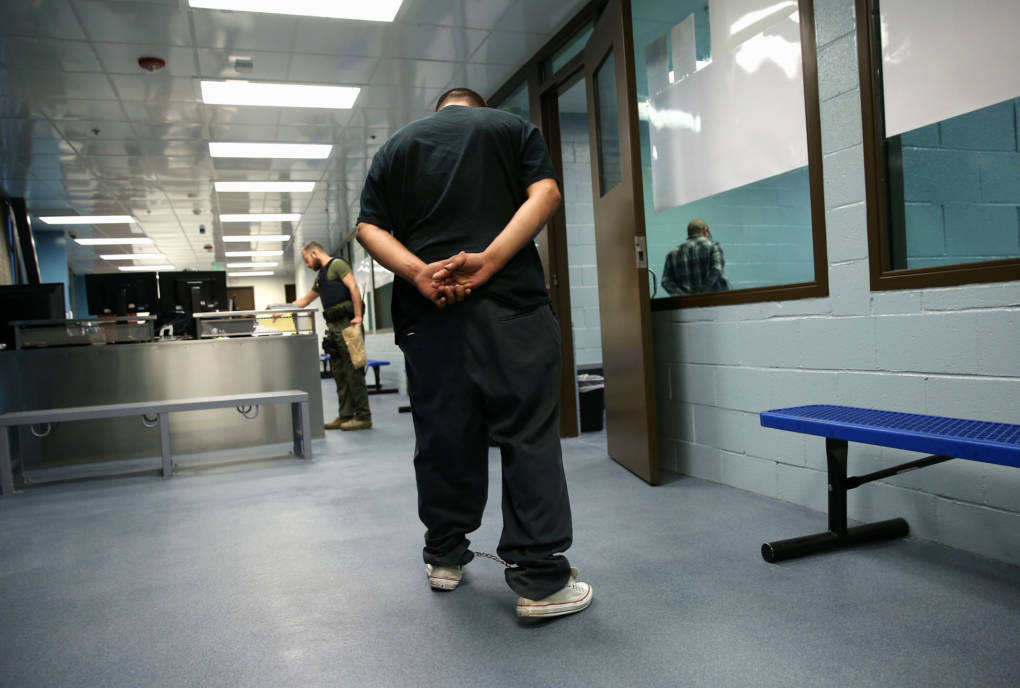
"caption": "An immigrant walks in chains through a U.S. Immigration and Customs Enforcement (ICE) processing center after being detained in 2015.",
"credit": "John Moore/Getty Images",
"altTag": "A person wearing dark-colored clothes and white shoes has their legs bound together with cuffs.",
"description": "An immigrant walks in chains through a U.S. Immigration and Customs Enforcement (ICE), processing center after being detained in 2015. ",
"imgSizes": {
"thumbnail": {
"file": "https://cdn.kqed.org/wp-content/uploads/sites/10/2017/02/ICEDetainee-160x108.jpg",
"width": 160,
"height": 108,
"mimeType": "image/jpeg"
},
"medium": {
"file": "https://cdn.kqed.org/wp-content/uploads/sites/10/2017/02/ICEDetainee-800x540.jpg",
"width": 800,
"height": 540,
"mimeType": "image/jpeg"
},
"large": {
"file": "https://cdn.kqed.org/wp-content/uploads/sites/10/2017/02/ICEDetainee-1020x688.jpg",
"width": 1020,
"height": 688,
"mimeType": "image/jpeg"
},
"fd-lrg": {
"file": "https://cdn.kqed.org/wp-content/uploads/sites/10/2017/02/ICEDetainee-1920x1295.jpg",
"width": 1920,
"height": 1295,
"mimeType": "image/jpeg"
},
"fd-med": {
"file": "https://cdn.kqed.org/wp-content/uploads/sites/10/2017/02/ICEDetainee-1180x796.jpg",
"width": 1180,
"height": 796,
"mimeType": "image/jpeg"
},
"fd-sm": {
"file": "https://cdn.kqed.org/wp-content/uploads/sites/10/2017/02/ICEDetainee-960x648.jpg",
"width": 960,
"height": 648,
"mimeType": "image/jpeg"
},
"post-thumbnail": {
"file": "https://cdn.kqed.org/wp-content/uploads/sites/10/2017/02/ICEDetainee-672x372.jpg",
"width": 672,
"height": 372,
"mimeType": "image/jpeg"
},
"twentyfourteen-full-width": {
"file": "https://cdn.kqed.org/wp-content/uploads/sites/10/2017/02/ICEDetainee-1038x576.jpg",
"width": 1038,
"height": 576,
"mimeType": "image/jpeg"
},
"xxsmall": {
"file": "https://cdn.kqed.org/wp-content/uploads/sites/10/2017/02/ICEDetainee-240x162.jpg",
"width": 240,
"height": 162,
"mimeType": "image/jpeg"
},
"xsmall": {
"file": "https://cdn.kqed.org/wp-content/uploads/sites/10/2017/02/ICEDetainee-375x253.jpg",
"width": 375,
"height": 253,
"mimeType": "image/jpeg"
},
"small": {
"file": "https://cdn.kqed.org/wp-content/uploads/sites/10/2017/02/ICEDetainee-520x351.jpg",
"width": 520,
"height": 351,
"mimeType": "image/jpeg"
},
"xlarge": {
"file": "https://cdn.kqed.org/wp-content/uploads/sites/10/2017/02/ICEDetainee-1180x796.jpg",
"width": 1180,
"height": 796,
"mimeType": "image/jpeg"
},
"full-width": {
"file": "https://cdn.kqed.org/wp-content/uploads/sites/10/2017/02/ICEDetainee-1920x1295.jpg",
"width": 1920,
"height": 1295,
"mimeType": "image/jpeg"
},
"guest-author-32": {
"file": "https://cdn.kqed.org/wp-content/uploads/sites/10/2017/02/ICEDetainee-32x32.jpg",
"width": 32,
"height": 32,
"mimeType": "image/jpeg"
},
"guest-author-50": {
"file": "https://cdn.kqed.org/wp-content/uploads/sites/10/2017/02/ICEDetainee-50x50.jpg",
"width": 50,
"height": 50,
"mimeType": "image/jpeg"
},
"guest-author-64": {
"file": "https://cdn.kqed.org/wp-content/uploads/sites/10/2017/02/ICEDetainee-64x64.jpg",
"width": 64,
"height": 64,
"mimeType": "image/jpeg"
},
"guest-author-96": {
"file": "https://cdn.kqed.org/wp-content/uploads/sites/10/2017/02/ICEDetainee-96x96.jpg",
"width": 96,
"height": 96,
"mimeType": "image/jpeg"
},
"guest-author-128": {
"file": "https://cdn.kqed.org/wp-content/uploads/sites/10/2017/02/ICEDetainee-128x128.jpg",
"width": 128,
"height": 128,
"mimeType": "image/jpeg"
},
"detail": {
"file": "https://cdn.kqed.org/wp-content/uploads/sites/10/2017/02/ICEDetainee-150x150.jpg",
"width": 150,
"height": 150,
"mimeType": "image/jpeg"
},
"kqedFullSize": {
"file": "https://cdn.kqed.org/wp-content/uploads/sites/10/2017/02/ICEDetainee.jpg",
"width": 1920,
"height": 1295
}
},
"isLoading": false,
"fetchFailed": false
},
"news_11363801": {
"type": "attachments",
"id": "news_11363801",
"meta": {
"index": "attachments_1716263798",
"site": "news",
"id": "11363801",
"found": true
},
"parent": 11362711,
"imgSizes": {
"small": {
"file": "https://ww2.kqed.org/app/uploads/sites/10/2017/03/SalvadoranSisters-520x339.jpg",
"width": 520,
"mimeType": "image/jpeg",
"height": 339
},
"twentyfourteen-full-width": {
"file": "https://ww2.kqed.org/app/uploads/sites/10/2017/03/SalvadoranSisters-1038x576.jpg",
"width": 1038,
"mimeType": "image/jpeg",
"height": 576
},
"thumbnail": {
"file": "https://ww2.kqed.org/app/uploads/sites/10/2017/03/SalvadoranSisters-160x104.jpg",
"width": 160,
"mimeType": "image/jpeg",
"height": 104
},
"fd-sm": {
"file": "https://ww2.kqed.org/app/uploads/sites/10/2017/03/SalvadoranSisters-960x627.jpg",
"width": 960,
"mimeType": "image/jpeg",
"height": 627
},
"post-thumbnail": {
"file": "https://ww2.kqed.org/app/uploads/sites/10/2017/03/SalvadoranSisters-672x372.jpg",
"width": 672,
"mimeType": "image/jpeg",
"height": 372
},
"xsmall": {
"file": "https://ww2.kqed.org/app/uploads/sites/10/2017/03/SalvadoranSisters-375x245.jpg",
"width": 375,
"mimeType": "image/jpeg",
"height": 245
},
"kqedFullSize": {
"file": "https://ww2.kqed.org/app/uploads/sites/10/2017/03/SalvadoranSisters.jpg",
"width": 1920,
"height": 1253
},
"large": {
"file": "https://ww2.kqed.org/app/uploads/sites/10/2017/03/SalvadoranSisters-1020x666.jpg",
"width": 1020,
"mimeType": "image/jpeg",
"height": 666
},
"xlarge": {
"file": "https://ww2.kqed.org/app/uploads/sites/10/2017/03/SalvadoranSisters-1180x770.jpg",
"width": 1180,
"mimeType": "image/jpeg",
"height": 770
},
"guest-author-50": {
"file": "https://ww2.kqed.org/app/uploads/sites/10/2017/03/SalvadoranSisters-50x50.jpg",
"width": 50,
"mimeType": "image/jpeg",
"height": 50
},
"guest-author-96": {
"file": "https://ww2.kqed.org/app/uploads/sites/10/2017/03/SalvadoranSisters-96x96.jpg",
"width": 96,
"mimeType": "image/jpeg",
"height": 96
},
"medium": {
"file": "https://ww2.kqed.org/app/uploads/sites/10/2017/03/SalvadoranSisters-800x522.jpg",
"width": 800,
"mimeType": "image/jpeg",
"height": 522
},
"guest-author-64": {
"file": "https://ww2.kqed.org/app/uploads/sites/10/2017/03/SalvadoranSisters-64x64.jpg",
"width": 64,
"mimeType": "image/jpeg",
"height": 64
},
"guest-author-32": {
"file": "https://ww2.kqed.org/app/uploads/sites/10/2017/03/SalvadoranSisters-32x32.jpg",
"width": 32,
"mimeType": "image/jpeg",
"height": 32
},
"fd-lrg": {
"file": "https://ww2.kqed.org/app/uploads/sites/10/2017/03/SalvadoranSisters-1920x1253.jpg",
"width": 1920,
"mimeType": "image/jpeg",
"height": 1253
},
"fd-med": {
"file": "https://ww2.kqed.org/app/uploads/sites/10/2017/03/SalvadoranSisters-1180x770.jpg",
"width": 1180,
"mimeType": "image/jpeg",
"height": 770
},
"full-width": {
"file": "https://ww2.kqed.org/app/uploads/sites/10/2017/03/SalvadoranSisters-1920x1253.jpg",
"width": 1920,
"mimeType": "image/jpeg",
"height": 1253
},
"detail": {
"file": "https://ww2.kqed.org/app/uploads/sites/10/2017/03/SalvadoranSisters-150x150.jpg",
"width": 150,
"mimeType": "image/jpeg",
"height": 150
},
"guest-author-128": {
"file": "https://ww2.kqed.org/app/uploads/sites/10/2017/03/SalvadoranSisters-128x128.jpg",
"width": 128,
"mimeType": "image/jpeg",
"height": 128
},
"xxsmall": {
"file": "https://ww2.kqed.org/app/uploads/sites/10/2017/03/SalvadoranSisters-240x157.jpg",
"width": 240,
"mimeType": "image/jpeg",
"height": 157
}
},
"publishDate": 1489773583,
"modified": 1489773638,
"caption": "Two Salvadoran sisters, one of whom is undocumented, at their California apartment.",
"description": "Two Salvadoran sisters, one of whom is undocumented, at their California apartment.",
"title": "SalvadoranSisters",
"credit": "Gabriel Salcedo/KQED",
"status": "inherit",
"isLoading": false,
"fetchFailed": false
},
"news_11362637": {
"type": "attachments",
"id": "news_11362637",
"meta": {
"index": "attachments_1716263798",
"site": "news",
"id": "11362637",
"found": true
},
"parent": 11362636,
"imgSizes": {
"small": {
"file": "https://ww2.kqed.org/app/uploads/sites/10/2017/03/gettyimages-144083681_custom-a0fc95b9080744b396baaea2e5a635a437574d56-520x343.jpg",
"width": 520,
"mimeType": "image/jpeg",
"height": 343
},
"twentyfourteen-full-width": {
"file": "https://ww2.kqed.org/app/uploads/sites/10/2017/03/gettyimages-144083681_custom-a0fc95b9080744b396baaea2e5a635a437574d56-1038x576.jpg",
"width": 1038,
"mimeType": "image/jpeg",
"height": 576
},
"thumbnail": {
"file": "https://ww2.kqed.org/app/uploads/sites/10/2017/03/gettyimages-144083681_custom-a0fc95b9080744b396baaea2e5a635a437574d56-160x105.jpg",
"width": 160,
"mimeType": "image/jpeg",
"height": 105
},
"fd-sm": {
"file": "https://ww2.kqed.org/app/uploads/sites/10/2017/03/gettyimages-144083681_custom-a0fc95b9080744b396baaea2e5a635a437574d56-960x633.jpg",
"width": 960,
"mimeType": "image/jpeg",
"height": 633
},
"post-thumbnail": {
"file": "https://ww2.kqed.org/app/uploads/sites/10/2017/03/gettyimages-144083681_custom-a0fc95b9080744b396baaea2e5a635a437574d56-672x372.jpg",
"width": 672,
"mimeType": "image/jpeg",
"height": 372
},
"xsmall": {
"file": "https://ww2.kqed.org/app/uploads/sites/10/2017/03/gettyimages-144083681_custom-a0fc95b9080744b396baaea2e5a635a437574d56-375x247.jpg",
"width": 375,
"mimeType": "image/jpeg",
"height": 247
},
"kqedFullSize": {
"file": "https://ww2.kqed.org/app/uploads/sites/10/2017/03/gettyimages-144083681_custom-a0fc95b9080744b396baaea2e5a635a437574d56-e1489706807851.jpg",
"width": 1920,
"height": 1265
},
"large": {
"file": "https://ww2.kqed.org/app/uploads/sites/10/2017/03/gettyimages-144083681_custom-a0fc95b9080744b396baaea2e5a635a437574d56-1020x672.jpg",
"width": 1020,
"mimeType": "image/jpeg",
"height": 672
},
"xlarge": {
"file": "https://ww2.kqed.org/app/uploads/sites/10/2017/03/gettyimages-144083681_custom-a0fc95b9080744b396baaea2e5a635a437574d56-1180x777.jpg",
"width": 1180,
"mimeType": "image/jpeg",
"height": 777
},
"guest-author-50": {
"file": "https://ww2.kqed.org/app/uploads/sites/10/2017/03/gettyimages-144083681_custom-a0fc95b9080744b396baaea2e5a635a437574d56-50x50.jpg",
"width": 50,
"mimeType": "image/jpeg",
"height": 50
},
"guest-author-96": {
"file": "https://ww2.kqed.org/app/uploads/sites/10/2017/03/gettyimages-144083681_custom-a0fc95b9080744b396baaea2e5a635a437574d56-96x96.jpg",
"width": 96,
"mimeType": "image/jpeg",
"height": 96
},
"medium": {
"file": "https://ww2.kqed.org/app/uploads/sites/10/2017/03/gettyimages-144083681_custom-a0fc95b9080744b396baaea2e5a635a437574d56-800x527.jpg",
"width": 800,
"mimeType": "image/jpeg",
"height": 527
},
"guest-author-64": {
"file": "https://ww2.kqed.org/app/uploads/sites/10/2017/03/gettyimages-144083681_custom-a0fc95b9080744b396baaea2e5a635a437574d56-64x64.jpg",
"width": 64,
"mimeType": "image/jpeg",
"height": 64
},
"guest-author-32": {
"file": "https://ww2.kqed.org/app/uploads/sites/10/2017/03/gettyimages-144083681_custom-a0fc95b9080744b396baaea2e5a635a437574d56-32x32.jpg",
"width": 32,
"mimeType": "image/jpeg",
"height": 32
},
"fd-lrg": {
"file": "https://ww2.kqed.org/app/uploads/sites/10/2017/03/gettyimages-144083681_custom-a0fc95b9080744b396baaea2e5a635a437574d56-1920x1265.jpg",
"width": 1920,
"mimeType": "image/jpeg",
"height": 1265
},
"fd-med": {
"file": "https://ww2.kqed.org/app/uploads/sites/10/2017/03/gettyimages-144083681_custom-a0fc95b9080744b396baaea2e5a635a437574d56-1180x777.jpg",
"width": 1180,
"mimeType": "image/jpeg",
"height": 777
},
"full-width": {
"file": "https://ww2.kqed.org/app/uploads/sites/10/2017/03/gettyimages-144083681_custom-a0fc95b9080744b396baaea2e5a635a437574d56-1920x1265.jpg",
"width": 1920,
"mimeType": "image/jpeg",
"height": 1265
},
"detail": {
"file": "https://ww2.kqed.org/app/uploads/sites/10/2017/03/gettyimages-144083681_custom-a0fc95b9080744b396baaea2e5a635a437574d56-150x150.jpg",
"width": 150,
"mimeType": "image/jpeg",
"height": 150
},
"guest-author-128": {
"file": "https://ww2.kqed.org/app/uploads/sites/10/2017/03/gettyimages-144083681_custom-a0fc95b9080744b396baaea2e5a635a437574d56-128x128.jpg",
"width": 128,
"mimeType": "image/jpeg",
"height": 128
},
"xxsmall": {
"file": "https://ww2.kqed.org/app/uploads/sites/10/2017/03/gettyimages-144083681_custom-a0fc95b9080744b396baaea2e5a635a437574d56-240x158.jpg",
"width": 240,
"mimeType": "image/jpeg",
"height": 158
}
},
"publishDate": 1489706611,
"modified": 1489706853,
"caption": "Masjid Omar ibn Al-Khattab Mosque in Los Angeles.",
"description": "Masjid Omar ibn Al-Khattab Mosque in Los Angeles.",
"title": "Masjid Omar ibn Al-Khattab Mosque in Los Angeles, Calif.",
"credit": "Visions of America/UIG via Getty Images",
"status": "inherit",
"isLoading": false,
"fetchFailed": false
},
"news_134638": {
"type": "attachments",
"id": "news_134638",
"meta": {
"index": "attachments_1716263798",
"site": "news",
"id": "134638",
"found": true
},
"parent": 134635,
"imgSizes": {
"kqedFullSize": {
"file": "https://ww2.kqed.org/app/uploads/sites/10/2014/04/RS89_kqed6.jpg",
"width": 640,
"height": 360
}
},
"publishDate": 1398815925,
"modified": 1489704853,
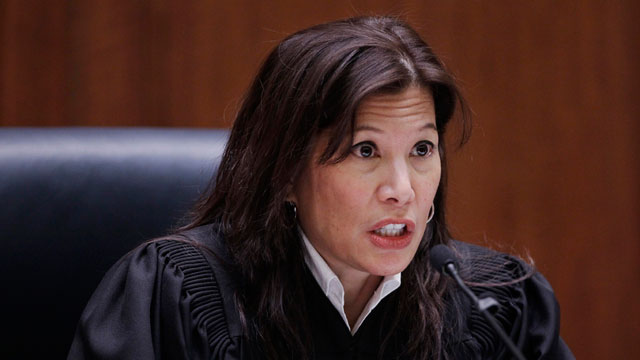
"caption": "California Supreme Court Chief Justice Tani Cantil-Sakauye addresses a hearing in San Francisco in January 2012.",
"description": "California Supreme Court Chief Justice Tani Cantil-Sakauye addresses a hearing in San Francisco, Tuesday, Jan. 10, 2012. (AP Photo (pool)/Paul Sakuma)",
"title": "California Supreme Court Chief Justice Tani Cantil-Sakauye",
"credit": "AP Photo (pool)/Paul Sakuma",
"status": "inherit",
"isLoading": false,
"fetchFailed": false
},
"news_11361111": {
"type": "attachments",
"id": "news_11361111",
"meta": {
"index": "attachments_1716263798",
"site": "news",
"id": "11361111",
"found": true
},
"parent": 11361086,
"imgSizes": {
"small": {
"file": "https://ww2.kqed.org/app/uploads/sites/10/2017/03/oregon-hawaii-1920-520x347.jpg",
"width": 520,
"mimeType": "image/jpeg",
"height": 347
},
"twentyfourteen-full-width": {
"file": "https://ww2.kqed.org/app/uploads/sites/10/2017/03/oregon-hawaii-1920-1038x576.jpg",
"width": 1038,
"mimeType": "image/jpeg",
"height": 576
},
"thumbnail": {
"file": "https://ww2.kqed.org/app/uploads/sites/10/2017/03/oregon-hawaii-1920-160x107.jpg",
"width": 160,
"mimeType": "image/jpeg",
"height": 107
},
"fd-sm": {
"file": "https://ww2.kqed.org/app/uploads/sites/10/2017/03/oregon-hawaii-1920-960x640.jpg",
"width": 960,
"mimeType": "image/jpeg",
"height": 640
},
"post-thumbnail": {
"file": "https://ww2.kqed.org/app/uploads/sites/10/2017/03/oregon-hawaii-1920-672x372.jpg",
"width": 672,
"mimeType": "image/jpeg",
"height": 372
},
"xsmall": {
"file": "https://ww2.kqed.org/app/uploads/sites/10/2017/03/oregon-hawaii-1920-375x250.jpg",
"width": 375,
"mimeType": "image/jpeg",
"height": 250
},
"kqedFullSize": {
"file": "https://ww2.kqed.org/app/uploads/sites/10/2017/03/oregon-hawaii-1920.jpg",
"width": 1920,
"height": 1280
},
"large": {
"file": "https://ww2.kqed.org/app/uploads/sites/10/2017/03/oregon-hawaii-1920-1020x680.jpg",
"width": 1020,
"mimeType": "image/jpeg",
"height": 680
},
"xlarge": {
"file": "https://ww2.kqed.org/app/uploads/sites/10/2017/03/oregon-hawaii-1920-1180x787.jpg",
"width": 1180,
"mimeType": "image/jpeg",
"height": 787
},
"guest-author-50": {
"file": "https://ww2.kqed.org/app/uploads/sites/10/2017/03/oregon-hawaii-1920-50x50.jpg",
"width": 50,
"mimeType": "image/jpeg",
"height": 50
},
"guest-author-96": {
"file": "https://ww2.kqed.org/app/uploads/sites/10/2017/03/oregon-hawaii-1920-96x96.jpg",
"width": 96,
"mimeType": "image/jpeg",
"height": 96
},
"medium": {
"file": "https://ww2.kqed.org/app/uploads/sites/10/2017/03/oregon-hawaii-1920-800x533.jpg",
"width": 800,
"mimeType": "image/jpeg",
"height": 533
},
"guest-author-64": {
"file": "https://ww2.kqed.org/app/uploads/sites/10/2017/03/oregon-hawaii-1920-64x64.jpg",
"width": 64,
"mimeType": "image/jpeg",
"height": 64
},
"guest-author-32": {
"file": "https://ww2.kqed.org/app/uploads/sites/10/2017/03/oregon-hawaii-1920-32x32.jpg",
"width": 32,
"mimeType": "image/jpeg",
"height": 32
},
"fd-lrg": {
"file": "https://ww2.kqed.org/app/uploads/sites/10/2017/03/oregon-hawaii-1920-1920x1280.jpg",
"width": 1920,
"mimeType": "image/jpeg",
"height": 1280
},
"fd-med": {
"file": "https://ww2.kqed.org/app/uploads/sites/10/2017/03/oregon-hawaii-1920-1180x787.jpg",
"width": 1180,
"mimeType": "image/jpeg",
"height": 787
},
"full-width": {
"file": "https://ww2.kqed.org/app/uploads/sites/10/2017/03/oregon-hawaii-1920-1920x1280.jpg",
"width": 1920,
"mimeType": "image/jpeg",
"height": 1280
},
"detail": {
"file": "https://ww2.kqed.org/app/uploads/sites/10/2017/03/oregon-hawaii-1920-150x150.jpg",
"width": 150,
"mimeType": "image/jpeg",
"height": 150
},
"guest-author-128": {
"file": "https://ww2.kqed.org/app/uploads/sites/10/2017/03/oregon-hawaii-1920-128x128.jpg",
"width": 128,
"mimeType": "image/jpeg",
"height": 128
},
"xxsmall": {
"file": "https://ww2.kqed.org/app/uploads/sites/10/2017/03/oregon-hawaii-1920-240x160.jpg",
"width": 240,
"mimeType": "image/jpeg",
"height": 160
}
},
"publishDate": 1489621409,
"modified": 1489622508,
"caption": "Hawaii State Attorney General Douglas Chin speaks as Oregon Attorney General Ellen Rosenblum looks on at a press conference in front of the Prince Jonah Kuhio Federal Building and U.S. District Courthouse on March 15, 2017, in Honolulu. Attorneys for the state of Hawaii filed a lawsuit to stop President Donald Trump's revised travel ban.",
"description": null,
"title": "oregon-hawaii-1920",
"credit": "Kent Nishimura/AFP/Getty Images",
"status": "inherit",
"isLoading": false,
"fetchFailed": false
}
},
"audioPlayerReducer": {
"postId": "stream_live",
"isPaused": true,
"isPlaying": false,
"pfsActive": false,
"pledgeModalIsOpen": true,
"playerDrawerIsOpen": false,
"liveAudioPlayStartedAt": 0,
"liveAudioPlayContext": ""
},
"authorsReducer": {
"byline_news_11371012": {
"type": "authors",
"id": "byline_news_11371012",
"meta": {
"override": true
},
"slug": "byline_news_11371012",
"name": "\u003cstrong>\u003ca href=\"http://www.scpr.org/about/people/staff/leslie-berestein-rojas\">Leslie Berestein Rojas\u003c/a>\u003cbr>\u003ca href=\"http://www.scpr.org/\">KPCC\u003c/a>\u003c/strong>",
"isLoading": false
},
"byline_news_11363886": {
"type": "authors",
"id": "byline_news_11363886",
"meta": {
"override": true
},
"slug": "byline_news_11363886",
"name": "\u003cstrong>Valerie Hamilton\u003c/strong>",
"isLoading": false
},
"byline_news_11363902": {
"type": "authors",
"id": "byline_news_11363902",
"meta": {
"override": true
},
"slug": "byline_news_11363902",
"name": "\u003cstrong>\u003ca ref=\"http://www.berkeleyside.com/author/natalie/\">Natalie Orenstein\u003c/a>\u003cbr />\u003ca ref=\"http://www.berkeleyside.com/\">Berkeleyside\u003c/a>\u003c/strong>",
"isLoading": false
},
"byline_news_11363825": {
"type": "authors",
"id": "byline_news_11363825",
"meta": {
"override": true
},
"slug": "byline_news_11363825",
"name": "\u003cstrong>Elliot Spagat\u003cbr />Associated Press\u003c/strong>",
"isLoading": false
},
"byline_news_11362636": {
"type": "authors",
"id": "byline_news_11362636",
"meta": {
"override": true
},
"slug": "byline_news_11362636",
"name": "Jesse Hardman",
"isLoading": false
},
"byline_news_11361086": {
"type": "authors",
"id": "byline_news_11361086",
"meta": {
"override": true
},
"slug": "byline_news_11361086",
"name": "\u003cstrong>Ben Nuckols\u003c/strong> and \u003cstrong>Gene Johnson\u003c/strong>\u003cbr />\u003cstrong>Associated Press\u003c/strong>",
"isLoading": false
},
"kqed": {
"type": "authors",
"id": "236",
"meta": {
"index": "authors_1716337520",
"id": "236",
"found": true
},
"name": "KQED News Staff",
"firstName": "KQED News Staff",
"lastName": null,
"slug": "kqed",
"email": "faq@kqed.org",
"display_author_email": false,
"staff_mastheads": [],
"title": null,
"bio": null,
"avatar": "https://secure.gravatar.com/avatar/ef0e801a68c4c54afa9180db14084167?s=600&d=blank&r=g",
"twitter": null,
"facebook": null,
"instagram": null,
"linkedin": null,
"sites": [
{
"site": "arts",
"roles": [
"contributor"
]
},
{
"site": "news",
"roles": [
"editor"
]
},
{
"site": "futureofyou",
"roles": [
"author"
]
}
],
"headData": {
"title": "KQED News Staff | KQED",
"description": null,
"ogImgSrc": "https://secure.gravatar.com/avatar/ef0e801a68c4c54afa9180db14084167?s=600&d=blank&r=g",
"twImgSrc": "https://secure.gravatar.com/avatar/ef0e801a68c4c54afa9180db14084167?s=600&d=blank&r=g"
},
"isLoading": false,
"link": "/author/kqed"
},
"scottshafer": {
"type": "authors",
"id": "255",
"meta": {
"index": "authors_1716337520",
"id": "255",
"found": true
},
"name": "Scott Shafer",
"firstName": "Scott",
"lastName": "Shafer",
"slug": "scottshafer",
"email": "sshafer@kqed.org",
"display_author_email": false,
"staff_mastheads": [
"news"
],
"title": "KQED Contributor",
"bio": "Scott Shafer is a senior editor with the KQED Politics and Government desk. He is co-host of Political Breakdown, the award-winning radio show and podcast with a personal take on the world of politics. Scott came to KQED in 1998 to host the statewide\u003cem> California Report\u003c/em>. Prior to that he had extended stints in politics and government\u003cem>.\u003c/em> He uses that inside experience at KQED in his, reporting, hosting and analysis for the politics desk. Scott collaborated \u003cem>Political Breakdown a\u003c/em>nd on \u003cem>The Political Mind of Jerry Brown, \u003c/em>an eight-part series about the life and extraordinary political career of the former governor. For fun, he plays water polo with the San Francisco Tsunami.",
"avatar": "https://secure.gravatar.com/avatar/a62ebae45b79d7aed1a39a0e3bf68104?s=600&d=blank&r=g",
"twitter": "scottshafer",
"bluesky": null,
"facebook": null,
"instagram": null,
"linkedin": null,
"sites": [
{
"site": "news",
"roles": [
"editor"
]
},
{
"site": "stateofhealth",
"roles": [
"author"
]
},
{
"site": "science",
"roles": [
"author"
]
},
{
"site": "forum",
"roles": [
"subscriber"
]
},
{
"site": "liveblog",
"roles": [
"author"
]
}
],
"headData": {
"title": "Scott Shafer | KQED",
"description": "KQED Contributor",
"ogImgSrc": "https://secure.gravatar.com/avatar/a62ebae45b79d7aed1a39a0e3bf68104?s=600&d=blank&r=g",
"twImgSrc": "https://secure.gravatar.com/avatar/a62ebae45b79d7aed1a39a0e3bf68104?s=600&d=blank&r=g"
},
"isLoading": false,
"link": "/author/scottshafer"
},
"tarasiler": {
"type": "authors",
"id": "257",
"meta": {
"index": "authors_1716337520",
"id": "257",
"found": true
},
"name": "Tara Siler",
"firstName": "Tara",
"lastName": "Siler",
"slug": "tarasiler",
"email": "tsiler@kqed.org",
"display_author_email": false,
"staff_mastheads": [
"news"
],
"title": "KQED Contributor",
"bio": "Tara reports and anchors for KQED news. She covers a range of issues from community-police relations to local politics. Tara started out in community radio in the Bay Area, where she was raised. She eventually moved to Washington DC where she covered Congress for eight years for Pacifica and Monitor Radio. Her stories have also been heard on NPR's All Things Considered, Morning Edition and The World.\r\n\r\nTara lives with her husband in Oakland-- where they raised their two sons. She enjoys spending time with her family, gardening and hiking in the Oakland hills... and keeping up with the news.",
"avatar": "https://secure.gravatar.com/avatar/99802f9746fb80b65fd8ec6c57954450?s=600&d=blank&r=g",
"twitter": null,
"facebook": null,
"instagram": null,
"linkedin": null,
"sites": [
{
"site": "news",
"roles": [
"contributor",
"edit_others_posts"
]
},
{
"site": "stateofhealth",
"roles": [
"author"
]
}
],
"headData": {
"title": "Tara Siler | KQED",
"description": "KQED Contributor",
"ogImgSrc": "https://secure.gravatar.com/avatar/99802f9746fb80b65fd8ec6c57954450?s=600&d=blank&r=g",
"twImgSrc": "https://secure.gravatar.com/avatar/99802f9746fb80b65fd8ec6c57954450?s=600&d=blank&r=g"
},
"isLoading": false,
"link": "/author/tarasiler"
},
"tychehendricks": {
"type": "authors",
"id": "259",
"meta": {
"index": "authors_1716337520",
"id": "259",
"found": true
},
"name": "Tyche Hendricks",
"firstName": "Tyche",
"lastName": "Hendricks",
"slug": "tychehendricks",
"email": "thendricks@kqed.org",
"display_author_email": true,
"staff_mastheads": [
"news"
],
"title": "KQED Senior Editor, Immigration",
"bio": "\u003cspan style=\"font-weight: 400;\">Tyche Hendricks is KQED’s senior editor for immigration, leading coverage of the policy and politics that affect California’s immigrant communities. Her work for KQED’s radio and online audiences is also carried on NPR and other national outlets. She has been recognized with awards from the Radio and Television News Directors Association, the Society for Professional Journalists; the Education Writers Association; the Best of the West and the National Federation of Community Broadcasters. Before joining KQED in 2010, Tyche spent more than a dozen years as a newspaper reporter, notably at the \u003c/span>\u003ci>\u003cspan style=\"font-weight: 400;\">San Francisco Chronicle\u003c/span>\u003c/i>\u003cspan style=\"font-weight: 400;\">. At different times she has covered criminal justice, government and politics and urban planning. Tyche has taught in the MFA Creative Writing program at the University of San Francisco and at UC Berkeley’s Graduate School of Journalism, where she was co-director of a national immigration symposium for professional journalists. She is the author of \u003c/span>\u003ci>\u003cspan style=\"font-weight: 400;\">The Wind Doesn't Need a Passport: Stories from the U.S.-Mexico Borderlands\u003c/span>\u003c/i>\u003cspan style=\"font-weight: 400;\"> (University of California Press). \u003c/span>",
"avatar": "https://secure.gravatar.com/avatar/b8ee458e2731c2d43df86882ce17267e?s=600&d=blank&r=g",
"twitter": "tychehendricks",
"facebook": null,
"instagram": null,
"linkedin": null,
"sites": [
{
"site": "news",
"roles": [
"editor"
]
},
{
"site": "stateofhealth",
"roles": [
"editor"
]
}
],
"headData": {
"title": "Tyche Hendricks | KQED",
"description": "KQED Senior Editor, Immigration",
"ogImgSrc": "https://secure.gravatar.com/avatar/b8ee458e2731c2d43df86882ce17267e?s=600&d=blank&r=g",
"twImgSrc": "https://secure.gravatar.com/avatar/b8ee458e2731c2d43df86882ce17267e?s=600&d=blank&r=g"
},
"isLoading": false,
"link": "/author/tychehendricks"
}
},
"pagesReducer": {
"news_category_immigration": {
"type": "terms",
"id": "news_1169",
"meta": {
"index": "terms_1716263798",
"site": "news",
"id": "1169",
"score": 10.910194
},
"featImg": null,
"name": "Immigration",
"description": null,
"taxonomy": "category",
"headData": {
"twImgId": null,
"twTitle": null,
"ogTitle": null,
"ogImgId": null,
"twDescription": null,
"description": null,
"title": "Immigration Archives | KQED News",
"ogDescription": null
},
"ttid": 1180,
"slug": "immigration",
"isLoading": false,
"title": "Immigration",
"pageMeta": {
"site": "news",
"WpPageTemplate": "page-topic-editorial",
"currentPage": 166
},
"blocks": [
{
"blockName": "kqed/post-list",
"attrs": {
"layout": "cardArticle2",
"query": "posts/news?category=immigration",
"seeMore": false,
"paginated": true,
"page": 166
}
},
{
"blockName": "kqed/ad"
}
]
}
},
"pfsSessionReducer": {},
"postsReducer": {
"stream_live": {
"type": "live",
"id": "stream_live",
"audioUrl": "https://streams.kqed.org/kqedradio",
"title": "Live Stream",
"excerpt": "Live Stream information currently unavailable.",
"link": "/radio",
"featImg": "",
"label": {
"name": "KQED Live",
"link": "/"
}
},
"stream_kqedNewscast": {
"type": "posts",
"id": "stream_kqedNewscast",
"audioUrl": "https://www.kqed.org/.stream/anon/radio/RDnews/newscast.mp3?_=1",
"title": "KQED Newscast",
"featImg": "",
"label": {
"name": "88.5 FM",
"link": "/"
}
},
"news_11371404": {
"type": "posts",
"id": "news_11371404",
"meta": {
"index": "posts_1716263798",
"site": "news",
"id": "11371404",
"score": null,
"sort": [
1490289843000
]
},
"parent": 0,
"labelTerm": {
"site": "news",
"term": 72
},
"blocks": [],
"publishDate": 1490289843,
"format": "image",
"disqusTitle": "California Companies Vying to Build Trump's Border Wall",
"title": "California Companies Vying to Build Trump's Border Wall",
"headTitle": "The California Report | KQED News",
"content": "\u003cp>President’s Trump’s multibillion-dollar project to build a wall along the U.S.-Mexico border seems to be moving full steam ahead. Last Friday, the Department of Homeland Security began accepting proposals for two different barriers: a concrete wall and one made of an unspecified type of material -- presumably to be used in different areas of the border, depending on things like terrain.\u003c/p>\n\u003cp>There are more than 700 companies -- many based in California -- interested in some part of building the wall, which could cost more than $20 billion. All these companies have signed up on the \u003ca href=\"https://www.fbo.gov/index?s=main&mode=list&tab=list\">Federal Business Opportunities website\u003c/a>, where companies big and small go in search of federal contracts.\u003c/p>\n\u003cp>But there's more political blowback for the \"big, beautiful wall\" Trump has repeatedly promised to build. The project is so unpopular in California that \u003ca href=\"https://oakland.legistar.com/LegislationDetail.aspx?ID=2975618&GUID=7F44A752-7258-4543-8F2B-3FF9A08B5ED3&Options=&Search=\" target=\"_blank\">some cities\u003c/a> say they'll try to bar companies from city contracts if they help build the wall, and some \u003ca href=\"https://a19.asmdc.org/press-releases/ca-lawmakers-push-state-divest-companies-building-trumps-border-wall\" target=\"_blank\">Democratic lawmakers have introduced legislation\u003c/a> to divest the state employee pension fund from any businesses that work on it.\u003c/p>\n\u003cp>[audio src=\"http://www.kqed.org/.stream/anon/radio/tcr/2017/03/2017-03-23d-tcr.mp3\" Image=\"https://ww2.kqed.org/news/wp-content/uploads/sites/10/2017/03/border-wall-1920-1-800x519.jpg\" Title=\"California Companies Vying to Build Trump's Border Wall\" program=\"The California Report\"]\u003c/p>\n\u003cp>You might think the companies interested in building a border wall would be mostly construction contractors, but there’s actually a wide range of vendors vying for the work.\u003c/p>\n\u003cp>[ad fullwidth]\u003c/p>\n\u003cp>Liz Derr is co-founder of \u003ca href=\"http://simularity.com/\" target=\"_blank\">Simularity\u003c/a>, an East Bay artificial intelligence software company based in Richmond.\u003c/p>\n\u003cp>“We essentially look for patterns ... in massive amounts of data,” Derr says.\u003c/p>\n\u003cp>She says their software can analyze all kinds of data, like imagery from satellites and drones and vibrations from sensors, which she says could be useful along the border.\u003c/p>\n\u003cp>“It can tell the difference between a four-legged coyote and a two-legged coyote that is smuggling people,\" Derr says.\u003c/p>\n\u003cp>She says she actually doesn’t support building a border wall. But if it’s going to happen, she says, the government should be smart about it and build a virtual one.\u003c/p>\n\u003cp>“It’s our taxpayer dollars,” Derr says. “It’s ridiculous in my mind to go build this giant wall for billions of dollars when we can do something better for much less money.”\u003c/p>\n\u003cfigure id=\"attachment_11371415\" class=\"wp-caption aligncenter\" style=\"max-width: 800px\">\u003cimg class=\"wp-image-11371415 size-medium\" src=\"https://ww2.kqed.org/news/wp-content/uploads/sites/10/2017/03/IMG_2913-800x600.jpg\" alt=\"Liz Durr, co-founder of Richmond- based Simularity showing how her company's software could help secure the U.S- Mexico border.\" width=\"800\" height=\"600\" srcset=\"https://ww2.kqed.org/app/uploads/sites/10/2017/03/IMG_2913-800x600.jpg 800w, https://ww2.kqed.org/app/uploads/sites/10/2017/03/IMG_2913-160x120.jpg 160w, https://ww2.kqed.org/app/uploads/sites/10/2017/03/IMG_2913-1020x765.jpg 1020w, https://ww2.kqed.org/app/uploads/sites/10/2017/03/IMG_2913-1920x1440.jpg 1920w, https://ww2.kqed.org/app/uploads/sites/10/2017/03/IMG_2913-1180x885.jpg 1180w, https://ww2.kqed.org/app/uploads/sites/10/2017/03/IMG_2913-960x720.jpg 960w, https://ww2.kqed.org/app/uploads/sites/10/2017/03/IMG_2913-240x180.jpg 240w, https://ww2.kqed.org/app/uploads/sites/10/2017/03/IMG_2913-375x281.jpg 375w, https://ww2.kqed.org/app/uploads/sites/10/2017/03/IMG_2913-520x390.jpg 520w\" sizes=\"(max-width: 800px) 100vw, 800px\">\u003cfigcaption class=\"wp-caption-text\">Liz Derr, co-founder of Richmond-based Simularity, shows how her company's software could help secure the U.S.-Mexico border. \u003ccite>(Tara Siler/KQED)\u003c/cite>\u003c/figcaption>\u003c/figure>\n\u003cp>But there are plenty of companies interested in building a giant concrete wall.\u003c/p>\n\u003cp>“My wall design actually goes underneath the ground so you can't dig under it,” says James Flanagan, head of\u003ca href=\"http://www.jkflanagan.com/home.html\" target=\"_blank\"> JK Flanagan\u003c/a>, a small structural construction company based in San Francisco. He says his precast concrete slabs could be put up by crane along the border.\u003c/p>\n\u003cp>Flanagan is a strong Trump supporter who is critical of what he says is lax immigration enforcement. He says he wants to be involved in building the wall to be part of history.\u003c/p>\n\u003cp>“So 10-20 years down the road you can say, 'Hey, I was a part of that,' ” Flanagan says.\u003c/p>\n\u003cp>He says he’s hoping one of the big construction companies that have a better chance of landing a contract for the wall will sub out a little piece to him.\u003c/p>\n\u003cp>[contextly_sidebar id=\"2cN7DGAlzACH5jwMSCxRwtEh8Vwe0OjL\"]\u003c/p>\n\u003cp>Carolyne Shearer from Alameda is also looking for a small part of the action. She specializes in writing proposals for companies that bid on federal contracts. She signed up on the government's Business Opportunities website, though she doesn't support Trump's wall.\u003c/p>\n\u003cp>“If he's serious, and he's actually going to try and build this thing, that's going to be an immense amount of work, and you would have to be sort of an idiot not to at least put yourself on the list,” Shearer says.\u003c/p>\n\u003cp>\u003c/p>\n\u003cp>The wall project appears to be on a very fast track. Proposals are due by next Wednesday. Those selected will then have to construct mockup walls in San Diego.\u003c/p>\n\n",
"disqusIdentifier": "11371404 https://ww2.kqed.org/news/?p=11371404",
"disqusUrl": "https://ww2.kqed.org/news/2017/03/23/california-companies-vying-to-build-trumps-wall/",
"stats": {
"hasVideo": false,
"hasChartOrMap": false,
"hasAudio": true,
"hasPolis": false,
"wordCount": 717,
"hasGoogleForm": false,
"hasGallery": false,
"hasHearkenModule": false,
"iframeSrcs": [],
"paragraphCount": 21
},
"modified": 1490373938,
"excerpt": "More than 700 companies say they're interested in a piece of the massive project -- eager to get in on what could be a financial bonanza. ",
"headData": {
"twImgId": "",
"twTitle": "",
"ogTitle": "",
"ogImgId": "",
"twDescription": "",
"description": "More than 700 companies say they're interested in a piece of the massive project -- eager to get in on what could be a financial bonanza. ",
"title": "California Companies Vying to Build Trump's Border Wall | KQED",
"ogDescription": "",
"schema": {
"@context": "https://schema.org",
"@type": "NewsArticle",
"headline": "California Companies Vying to Build Trump's Border Wall",
"datePublished": "2017-03-23T10:24:03-07:00",
"dateModified": "2017-03-24T09:45:38-07:00",
"image": "https://cdn.kqed.org/wp-content/uploads/2020/02/KQED-OG-Image@1x.png",
"isAccessibleForFree": "True",
"publisher": {
"@type": "NewsMediaOrganization",
"@id": "https://www.kqed.org/#organization",
"name": "KQED",
"logo": "https://cdn.kqed.org/wp-content/uploads/2020/02/KQED-OG-Image@1x.png",
"url": "https://www.kqed.org",
"sameAs": [
"https://www.facebook.com/KQED",
"https://twitter.com/KQED",
"https://www.instagram.com/kqed/",
"https://www.tiktok.com/@kqedofficial",
"https://www.linkedin.com/company/kqed",
"https://www.youtube.com/channel/UCeC0IOo7i1P_61zVUWbJ4nw"
]
}
}
},
"guestAuthors": [],
"slug": "california-companies-vying-to-build-trumps-wall",
"status": "publish",
"path": "/news/11371404/california-companies-vying-to-build-trumps-wall",
"audioTrackLength": null,
"parsedContent": [
{
"type": "contentString",
"content": "\u003cdiv class=\"post-body\">\u003cp>\u003cp>President’s Trump’s multibillion-dollar project to build a wall along the U.S.-Mexico border seems to be moving full steam ahead. Last Friday, the Department of Homeland Security began accepting proposals for two different barriers: a concrete wall and one made of an unspecified type of material -- presumably to be used in different areas of the border, depending on things like terrain.\u003c/p>\n\u003cp>There are more than 700 companies -- many based in California -- interested in some part of building the wall, which could cost more than $20 billion. All these companies have signed up on the \u003ca href=\"https://www.fbo.gov/index?s=main&mode=list&tab=list\">Federal Business Opportunities website\u003c/a>, where companies big and small go in search of federal contracts.\u003c/p>\n\u003cp>But there's more political blowback for the \"big, beautiful wall\" Trump has repeatedly promised to build. The project is so unpopular in California that \u003ca href=\"https://oakland.legistar.com/LegislationDetail.aspx?ID=2975618&GUID=7F44A752-7258-4543-8F2B-3FF9A08B5ED3&Options=&Search=\" target=\"_blank\">some cities\u003c/a> say they'll try to bar companies from city contracts if they help build the wall, and some \u003ca href=\"https://a19.asmdc.org/press-releases/ca-lawmakers-push-state-divest-companies-building-trumps-border-wall\" target=\"_blank\">Democratic lawmakers have introduced legislation\u003c/a> to divest the state employee pension fund from any businesses that work on it.\u003c/p>\n\u003cp>\u003c/p>\u003c/div>",
"attributes": {
"named": {},
"numeric": []
}
},
{
"type": "component",
"content": "",
"name": "audio",
"attributes": {
"named": {
"src": "http://www.kqed.org/.stream/anon/radio/tcr/2017/03/2017-03-23d-tcr.mp3",
"image": "https://ww2.kqed.org/news/wp-content/uploads/sites/10/2017/03/border-wall-1920-1-800x519.jpg",
"title": "California Companies Vying to Build Trump's Border Wall",
"program": "The California Report",
"label": ""
},
"numeric": []
}
},
{
"type": "contentString",
"content": "\u003cdiv class=\"post-body\">\u003cp>\u003c/p>\n\u003cp>You might think the companies interested in building a border wall would be mostly construction contractors, but there’s actually a wide range of vendors vying for the work.\u003c/p>\n\u003cp>\u003c/p>\u003c/div>",
"attributes": {
"named": {},
"numeric": []
}
},
{
"type": "component",
"content": "",
"name": "ad",
"attributes": {
"named": {
"label": "fullwidth"
},
"numeric": [
"fullwidth"
]
}
},
{
"type": "contentString",
"content": "\u003cdiv class=\"post-body\">\u003cp>\u003c/p>\n\u003cp>Liz Derr is co-founder of \u003ca href=\"http://simularity.com/\" target=\"_blank\">Simularity\u003c/a>, an East Bay artificial intelligence software company based in Richmond.\u003c/p>\n\u003cp>“We essentially look for patterns ... in massive amounts of data,” Derr says.\u003c/p>\n\u003cp>She says their software can analyze all kinds of data, like imagery from satellites and drones and vibrations from sensors, which she says could be useful along the border.\u003c/p>\n\u003cp>“It can tell the difference between a four-legged coyote and a two-legged coyote that is smuggling people,\" Derr says.\u003c/p>\n\u003cp>She says she actually doesn’t support building a border wall. But if it’s going to happen, she says, the government should be smart about it and build a virtual one.\u003c/p>\n\u003cp>“It’s our taxpayer dollars,” Derr says. “It’s ridiculous in my mind to go build this giant wall for billions of dollars when we can do something better for much less money.”\u003c/p>\n\u003cfigure id=\"attachment_11371415\" class=\"wp-caption aligncenter\" style=\"max-width: 800px\">\u003cimg class=\"wp-image-11371415 size-medium\" src=\"https://ww2.kqed.org/news/wp-content/uploads/sites/10/2017/03/IMG_2913-800x600.jpg\" alt=\"Liz Durr, co-founder of Richmond- based Simularity showing how her company's software could help secure the U.S- Mexico border.\" width=\"800\" height=\"600\" srcset=\"https://ww2.kqed.org/app/uploads/sites/10/2017/03/IMG_2913-800x600.jpg 800w, https://ww2.kqed.org/app/uploads/sites/10/2017/03/IMG_2913-160x120.jpg 160w, https://ww2.kqed.org/app/uploads/sites/10/2017/03/IMG_2913-1020x765.jpg 1020w, https://ww2.kqed.org/app/uploads/sites/10/2017/03/IMG_2913-1920x1440.jpg 1920w, https://ww2.kqed.org/app/uploads/sites/10/2017/03/IMG_2913-1180x885.jpg 1180w, https://ww2.kqed.org/app/uploads/sites/10/2017/03/IMG_2913-960x720.jpg 960w, https://ww2.kqed.org/app/uploads/sites/10/2017/03/IMG_2913-240x180.jpg 240w, https://ww2.kqed.org/app/uploads/sites/10/2017/03/IMG_2913-375x281.jpg 375w, https://ww2.kqed.org/app/uploads/sites/10/2017/03/IMG_2913-520x390.jpg 520w\" sizes=\"(max-width: 800px) 100vw, 800px\">\u003cfigcaption class=\"wp-caption-text\">Liz Derr, co-founder of Richmond-based Simularity, shows how her company's software could help secure the U.S.-Mexico border. \u003ccite>(Tara Siler/KQED)\u003c/cite>\u003c/figcaption>\u003c/figure>\n\u003cp>But there are plenty of companies interested in building a giant concrete wall.\u003c/p>\n\u003cp>“My wall design actually goes underneath the ground so you can't dig under it,” says James Flanagan, head of\u003ca href=\"http://www.jkflanagan.com/home.html\" target=\"_blank\"> JK Flanagan\u003c/a>, a small structural construction company based in San Francisco. He says his precast concrete slabs could be put up by crane along the border.\u003c/p>\n\u003cp>Flanagan is a strong Trump supporter who is critical of what he says is lax immigration enforcement. He says he wants to be involved in building the wall to be part of history.\u003c/p>\n\u003cp>“So 10-20 years down the road you can say, 'Hey, I was a part of that,' ” Flanagan says.\u003c/p>\n\u003cp>He says he’s hoping one of the big construction companies that have a better chance of landing a contract for the wall will sub out a little piece to him.\u003c/p>\n\u003cp>\u003c/p>\u003cp>\u003c/p>\u003cp>\u003c/p>\n\u003cp>Carolyne Shearer from Alameda is also looking for a small part of the action. She specializes in writing proposals for companies that bid on federal contracts. She signed up on the government's Business Opportunities website, though she doesn't support Trump's wall.\u003c/p>\n\u003cp>“If he's serious, and he's actually going to try and build this thing, that's going to be an immense amount of work, and you would have to be sort of an idiot not to at least put yourself on the list,” Shearer says.\u003c/p>\n\u003cp>\u003c/p>\n\u003cp>The wall project appears to be on a very fast track. Proposals are due by next Wednesday. Those selected will then have to construct mockup walls in San Diego.\u003c/p>\n\n\u003c/div>\u003c/p>",
"attributes": {
"named": {},
"numeric": []
}
}
],
"link": "/news/11371404/california-companies-vying-to-build-trumps-wall",
"authors": [
"257"
],
"programs": [
"news_6944",
"news_72"
],
"categories": [
"news_1169",
"news_8",
"news_13"
],
"tags": [
"news_20446",
"news_1323"
],
"featImg": "news_11373946",
"label": "news_72"
},
"news_11371481": {
"type": "posts",
"id": "news_11371481",
"meta": {
"index": "posts_1716263798",
"site": "news",
"id": "11371481",
"score": null,
"sort": [
1490241655000
]
},
"guestAuthors": [],
"slug": "poll-trump-and-his-policies-a-tough-sell-in-california",
"title": "Poll: Trump and His Policies a Tough Sell in California",
"publishDate": 1490241655,
"format": "audio",
"headTitle": "Poll: Trump and His Policies a Tough Sell in California | KQED",
"labelTerm": {
"term": 72,
"site": "news"
},
"content": "\u003cp>After the thrashing California voters gave Donald Trump in the November presidential election, they show no signs of warming up to him now that he’s president.\u003c/p>\n\u003cp>In a new \u003ca href=\"http://www.ppic.org/main/publication.asp?i=1230\" target=\"_blank\" rel=\"noopener\">survey\u003c/a> by the Public Policy Institute of California (PPIC), about a third of Californians (31 percent of all adults, 35 percent of likely voters) approve of the job Trump is doing as president. That’s up 1 percent poll \u003ca href=\"https://ww2.kqed.org/news/2017/02/09/survey-30-percent-of-californians-approve-of-trumps-job-performance/\">from the last PPIC survey\u003c/a> in February.\u003c/p>\n\u003cp>Or, as \u003ca href=\"http://www.sfgate.com/politics/article/We-re-dying-at-the-box-office-Schwarzenegger-2505307.php\" target=\"_blank\" rel=\"noopener\">Arnold Schwarzenegger might say\u003c/a>, “you’re dying at the box office.”\u003c/p>\n\u003cp>Not surprisingly, attitudes toward Trump break sharply along party lines, with 82 percent of Republicans approving of the president’s performance, while 91 percent of Democrats and 57 percent of independents disapprove.\u003c/p>\n\u003cp>Nearly 60 percent of Californians asked disapprove when it comes to Trump’s signature issues: building a wall by the Mexican border (72 percent disapprove) and banning travel from six mostly Muslim countries (58 percent disapprove).\u003c/p>\n\u003cp>[ad fullwidth]\u003c/p>\n\u003cp>Trump’s overall tone on immigrants isn’t resonating with Californians, said survey director Mark Baldassare.\u003c/p>\n\u003cp>“Californians feel that undocumented immigrants living in the U.S. should have a chance to apply for citizenship, they should be allowed to stay, and there’s very little support for requiring that undocumented immigrants leave the country,” said Baldassare. “As far as Californians are concerned, that issue was settled quite a while ago.”\u003c/p>\n\u003cp>In fact, the PPIC survey found that 68 percent of Californians surveyed think undocumented immigrants living in the U.S. should be allowed to stay and eventually apply for citizenship — even 46 percent of Republicans in California agree with that.\u003c/p>\n\u003cfigure id=\"attachment_11371583\" class=\"wp-caption aligncenter\" style=\"max-width: 395px\">\u003cimg loading=\"lazy\" decoding=\"async\" class=\"size-full wp-image-11371583\" src=\"https://ww2.kqed.org/news/wp-content/uploads/sites/10/2017/03/PPIC_Undocumented_March-qut.jpg\" alt=\"A new survey by the Public Policy Institute of California (PPIC) finds that 68 percent of Californians think undocumented immigrants living in the U.S. should be allowed to stay and eventually apply for citizenship.\" width=\"395\" height=\"329\" srcset=\"https://cdn.kqed.org/wp-content/uploads/sites/10/2017/03/PPIC_Undocumented_March-qut.jpg 395w, https://cdn.kqed.org/wp-content/uploads/sites/10/2017/03/PPIC_Undocumented_March-qut-160x133.jpg 160w, https://cdn.kqed.org/wp-content/uploads/sites/10/2017/03/PPIC_Undocumented_March-qut-240x200.jpg 240w, https://cdn.kqed.org/wp-content/uploads/sites/10/2017/03/PPIC_Undocumented_March-qut-375x312.jpg 375w\" sizes=\"(max-width: 395px) 100vw, 395px\">\u003cfigcaption class=\"wp-caption-text\">A new survey by the Public Policy Institute of California (PPIC) finds that 68 percent of Californians think undocumented immigrants living in the U.S. should be allowed to stay and eventually apply for citizenship. \u003ccite>(Courtesy of PPIC)\u003c/cite>\u003c/figcaption>\u003c/figure>\n\u003cp>President Trump’s positions on a wide range of issues “aren’t consistent with where Californians are today,” said Baldassare.\u003c/p>\n\u003cp>California officials are viewed much more favorably, with 61 percent of likely voters in the state giving Jerry Brown a thumbs up for the job he’s doing as governor.\u003c/p>\n\u003cp>The governor fares better than the state’s two U.S. senators. Fifty-one percent of likely voters approve of the job Sen. Dianne Feinstein is doing, with 39 percent disapproving. (Note: The poll was conducted before Feinstein’s high-profile role in the confirmation hearings for Supreme Court nominee Neil Gorsuch).\u003c/p>\n\u003cp>\u003c/p>\n\u003cp>Meanwhile, freshman Sen. Kamala Harris wins approval from 49 percent of likely voters, while 25 percent say they don’t know enough to have an opinion.\u003c/p>\n\n",
"blocks": [],
"excerpt": "Some 31 percent of Californians approve of the job Trump is doing as president, a sentiment that breaks sharply along party lines.",
"status": "publish",
"parent": 0,
"modified": 1727476456,
"stats": {
"hasAudio": false,
"hasVideo": false,
"hasChartOrMap": false,
"iframeSrcs": [],
"hasGoogleForm": false,
"hasGallery": false,
"hasHearkenModule": false,
"hasPolis": false,
"paragraphCount": 14,
"wordCount": 468
},
"headData": {
"title": "Poll: Trump and His Policies a Tough Sell in California | KQED",
"description": "Some 31 percent of Californians approve of the job Trump is doing as president, a sentiment that breaks sharply along party lines.",
"ogTitle": "",
"ogDescription": "",
"ogImgId": "",
"twTitle": "",
"twDescription": "",
"twImgId": "",
"schema": {
"@context": "https://schema.org",
"@type": "NewsArticle",
"headline": "Poll: Trump and His Policies a Tough Sell in California",
"datePublished": "2017-03-22T21:00:55-07:00",
"dateModified": "2024-09-27T15:34:16-07:00",
"image": "https://cdn.kqed.org/wp-content/uploads/2020/02/KQED-OG-Image@1x.png",
"isAccessibleForFree": "True",
"publisher": {
"@type": "NewsMediaOrganization",
"@id": "https://www.kqed.org/#organization",
"name": "KQED",
"logo": "https://cdn.kqed.org/wp-content/uploads/2020/02/KQED-OG-Image@1x.png",
"url": "https://www.kqed.org",
"sameAs": [
"https://www.facebook.com/KQED",
"https://twitter.com/KQED",
"https://www.instagram.com/kqed/",
"https://www.tiktok.com/@kqedofficial",
"https://www.linkedin.com/company/kqed",
"https://www.youtube.com/channel/UCeC0IOo7i1P_61zVUWbJ4nw"
]
}
}
},
"audioUrl": "http://www.kqed.org/.stream/anon/radio/tcr/2017/03/2017-03-23c-tcr.mp3",
"guestFields": "0",
"sticky": false,
"path": "/news/11371481/poll-trump-and-his-policies-a-tough-sell-in-california",
"audioTrackLength": null,
"parsedContent": [
{
"type": "contentString",
"content": "\u003cdiv class=\"post-body\">\u003cp>\u003cp>After the thrashing California voters gave Donald Trump in the November presidential election, they show no signs of warming up to him now that he’s president.\u003c/p>\n\u003cp>In a new \u003ca href=\"http://www.ppic.org/main/publication.asp?i=1230\" target=\"_blank\" rel=\"noopener\">survey\u003c/a> by the Public Policy Institute of California (PPIC), about a third of Californians (31 percent of all adults, 35 percent of likely voters) approve of the job Trump is doing as president. That’s up 1 percent poll \u003ca href=\"https://ww2.kqed.org/news/2017/02/09/survey-30-percent-of-californians-approve-of-trumps-job-performance/\">from the last PPIC survey\u003c/a> in February.\u003c/p>\n\u003cp>Or, as \u003ca href=\"http://www.sfgate.com/politics/article/We-re-dying-at-the-box-office-Schwarzenegger-2505307.php\" target=\"_blank\" rel=\"noopener\">Arnold Schwarzenegger might say\u003c/a>, “you’re dying at the box office.”\u003c/p>\n\u003cp>Not surprisingly, attitudes toward Trump break sharply along party lines, with 82 percent of Republicans approving of the president’s performance, while 91 percent of Democrats and 57 percent of independents disapprove.\u003c/p>\n\u003cp>Nearly 60 percent of Californians asked disapprove when it comes to Trump’s signature issues: building a wall by the Mexican border (72 percent disapprove) and banning travel from six mostly Muslim countries (58 percent disapprove).\u003c/p>\n\u003cp>\u003c/p>\u003c/div>",
"attributes": {
"named": {},
"numeric": []
}
},
{
"type": "component",
"content": "",
"name": "ad",
"attributes": {
"named": {
"label": "fullwidth"
},
"numeric": [
"fullwidth"
]
}
},
{
"type": "contentString",
"content": "\u003cdiv class=\"post-body\">\u003cp>\u003c/p>\n\u003cp>Trump’s overall tone on immigrants isn’t resonating with Californians, said survey director Mark Baldassare.\u003c/p>\n\u003cp>“Californians feel that undocumented immigrants living in the U.S. should have a chance to apply for citizenship, they should be allowed to stay, and there’s very little support for requiring that undocumented immigrants leave the country,” said Baldassare. “As far as Californians are concerned, that issue was settled quite a while ago.”\u003c/p>\n\u003cp>In fact, the PPIC survey found that 68 percent of Californians surveyed think undocumented immigrants living in the U.S. should be allowed to stay and eventually apply for citizenship — even 46 percent of Republicans in California agree with that.\u003c/p>\n\u003cfigure id=\"attachment_11371583\" class=\"wp-caption aligncenter\" style=\"max-width: 395px\">\u003cimg loading=\"lazy\" decoding=\"async\" class=\"size-full wp-image-11371583\" src=\"https://ww2.kqed.org/news/wp-content/uploads/sites/10/2017/03/PPIC_Undocumented_March-qut.jpg\" alt=\"A new survey by the Public Policy Institute of California (PPIC) finds that 68 percent of Californians think undocumented immigrants living in the U.S. should be allowed to stay and eventually apply for citizenship.\" width=\"395\" height=\"329\" srcset=\"https://cdn.kqed.org/wp-content/uploads/sites/10/2017/03/PPIC_Undocumented_March-qut.jpg 395w, https://cdn.kqed.org/wp-content/uploads/sites/10/2017/03/PPIC_Undocumented_March-qut-160x133.jpg 160w, https://cdn.kqed.org/wp-content/uploads/sites/10/2017/03/PPIC_Undocumented_March-qut-240x200.jpg 240w, https://cdn.kqed.org/wp-content/uploads/sites/10/2017/03/PPIC_Undocumented_March-qut-375x312.jpg 375w\" sizes=\"(max-width: 395px) 100vw, 395px\">\u003cfigcaption class=\"wp-caption-text\">A new survey by the Public Policy Institute of California (PPIC) finds that 68 percent of Californians think undocumented immigrants living in the U.S. should be allowed to stay and eventually apply for citizenship. \u003ccite>(Courtesy of PPIC)\u003c/cite>\u003c/figcaption>\u003c/figure>\n\u003cp>President Trump’s positions on a wide range of issues “aren’t consistent with where Californians are today,” said Baldassare.\u003c/p>\n\u003cp>California officials are viewed much more favorably, with 61 percent of likely voters in the state giving Jerry Brown a thumbs up for the job he’s doing as governor.\u003c/p>\n\u003cp>The governor fares better than the state’s two U.S. senators. Fifty-one percent of likely voters approve of the job Sen. Dianne Feinstein is doing, with 39 percent disapproving. (Note: The poll was conducted before Feinstein’s high-profile role in the confirmation hearings for Supreme Court nominee Neil Gorsuch).\u003c/p>\n\u003cp>\u003c/p>\n\u003cp>Meanwhile, freshman Sen. Kamala Harris wins approval from 49 percent of likely voters, while 25 percent say they don’t know enough to have an opinion.\u003c/p>\n\n\u003c/div>\u003c/p>",
"attributes": {
"named": {},
"numeric": []
}
}
],
"link": "/news/11371481/poll-trump-and-his-policies-a-tough-sell-in-california",
"authors": [
"255"
],
"programs": [
"news_6944",
"news_72"
],
"categories": [
"news_1169",
"news_8",
"news_33520",
"news_13"
],
"tags": [
"news_20446",
"news_274",
"news_1323",
"news_20202",
"news_30",
"news_61",
"news_347",
"news_20467",
"news_244"
],
"featImg": "news_11299612",
"label": "news_72"
},
"news_11371012": {
"type": "posts",
"id": "news_11371012",
"meta": {
"index": "posts_1716263798",
"site": "news",
"id": "11371012",
"score": null,
"sort": [
1490214064000
]
},
"parent": 0,
"labelTerm": {
"site": "news",
"term": 72
},
"blocks": [],
"publishDate": 1490214064,
"format": "standard",
"disqusTitle": "Fearing Immigration Crackdown, Churches Prepare Sanctuaries While Some Go Into Hiding",
"title": "Fearing Immigration Crackdown, Churches Prepare Sanctuaries While Some Go Into Hiding",
"headTitle": "The California Report | KQED News",
"content": "\u003cp>President Trump's aggressive enforcement of immigration laws has changed the lives of thousands of people in Southern California who, fearing deportation, have slipped deeper into the shadows and now step outside only when they have little choice.\u003c/p>\n\u003cp>Their way of living changed sharply from life a few months ago. Under the Obama administration, deportations were regularly carried out, and at historically high numbers, but in recent years they were largely limited to unauthorized immigrants accused or convicted of serious crimes.\u003c/p>\n\u003cp>Deportations in \u003ca href=\"https://www.ice.gov/news/all?date_filter_type=time&field_published_date_value_dayspast_1=All&field_published_date_value%5Bvalue%5D%5Byear%5D=&field_published_date_value%5Bvalue%5D%5Bmonth%5D=&field_news_release_topics_tag_tid=356&location_filter_t=\">such cases continue\u003c/a>. But under Trump administration policies, any crime — including living in the country without authorization — is sufficient for immigration agents to carry out arrests and detentions.\u003c/p>\n\u003cp>Immigration attorneys and advocates say they have seen an upturn in arrests in recent months.\u003c/p>\n\u003cp>[audio src=\"http://www.kqed.org/.stream/anon/radio/tcr/2017/03/2017-03-22b-tcr.mp3\" Image=\"https://ww2.kqed.org/news/wp-content/uploads/sites/10/2017/02/RS24270_GettyImages-635148734-qut-375x250.jpg\" Title=\"Fearing Immigration Crackdown, Churches Prepare Sanctuaries While Some Go Into Hiding\" program=\"The California Report\"]\u003c/p>\n\u003cp>Where once immigrants could spend decades in the country working and raising families, a much stricter enforcement has taken hold and immigration agents have swept up parents and young adults granted protection under Obama's Deferred Action for Childhood Arrivals (DACA), a program that gave temporary residency and work permits to those brought to the country illegally as children.\u003c/p>\n\u003cp>[ad fullwidth]\u003c/p>\n\u003cp>In recent weeks, agents with U.S. Immigration and Customs Enforcement or ICE made high-profile arrests of a father \u003ca href=\"http://www.scpr.org/news/2017/03/06/69632/100-protest-over-immigrant-arrested-after-dropping/\">dropping off his daughter\u003c/a> near her Highland Park school, detained a \u003ca href=\"http://www.scpr.org/news/2017/02/23/69311/border-patrol-daca-recipient-detained-for-immigran/\">DACA recipient\u003c/a> from North Hollywood in San Diego, and arrested a man outside a Pasadena courthouse.\u003c/p>\n\u003ch2>Living in the shadows\u003c/h2>\n\u003cp>With more frequent reports of immigrant arrests, one family from Honduras living in the country illegally has taken heightened precautions.\u003c/p>\n\u003cp>Carmen and Marvin, who don't want their last name used or exact location revealed because of their immigration status, share a tiny studio apartment with their three children that overlooks a busy intersection not far from downtown Los Angeles. The space is furnished largely with donations from a local church group.\u003c/p>\n\u003cp>From their windows, they have a good view of the street below. These days, they spend a lot of time looking out.\u003c/p>\n\u003cp>“When I’m dropping off my kids at school, I go with great fear,\" Carmen said in Spanish. \"When it’s time to go pick them up, I stand at the window and look to make sure there are no police outside.”\u003c/p>\n\u003cfigure id=\"attachment_11371034\" class=\"wp-caption aligncenter\" style=\"max-width: 800px\">\u003cimg class=\"size-medium wp-image-11371034\" src=\"https://ww2.kqed.org/news/wp-content/uploads/sites/10/2017/03/CookingatHome-800x512.jpg\" alt=\"Carmen, who did not want her last name used, fled Honduras with her husband and three children, arriving at the U.S. border in 2015. She and her husband, Marvin, owned a small business in Honduras; they are both seeking asylum in the U.S. after fleeing gang violence and extortion. But they don't have asylum yet and they fear they would be priorities for deportation under the Trump administration's policies.\" width=\"800\" height=\"512\" srcset=\"https://ww2.kqed.org/app/uploads/sites/10/2017/03/CookingatHome-800x512.jpg 800w, https://ww2.kqed.org/app/uploads/sites/10/2017/03/CookingatHome-160x102.jpg 160w, https://ww2.kqed.org/app/uploads/sites/10/2017/03/CookingatHome-1020x652.jpg 1020w, https://ww2.kqed.org/app/uploads/sites/10/2017/03/CookingatHome.jpg 1920w, https://ww2.kqed.org/app/uploads/sites/10/2017/03/CookingatHome-1180x755.jpg 1180w, https://ww2.kqed.org/app/uploads/sites/10/2017/03/CookingatHome-960x614.jpg 960w, https://ww2.kqed.org/app/uploads/sites/10/2017/03/CookingatHome-240x154.jpg 240w, https://ww2.kqed.org/app/uploads/sites/10/2017/03/CookingatHome-375x240.jpg 375w, https://ww2.kqed.org/app/uploads/sites/10/2017/03/CookingatHome-520x333.jpg 520w\" sizes=\"(max-width: 800px) 100vw, 800px\">\u003cfigcaption class=\"wp-caption-text\">Carmen, fled Honduras with her husband and three children, arriving at the U.S. border in 2015. She and her husband, Marvin, owned a small business in Honduras; they are both seeking asylum in the U.S. after fleeing gang violence and extortion. But they don't have asylum yet and they fear they would be priorities for deportation under the Trump administration's policies. \u003ccite>(Leslie Berestein Rojas/KPCC)\u003c/cite>\u003c/figcaption>\u003c/figure>\n\u003cp>If there’s a knock at the door, Carmen said she jumps, and tells the children not to answer. “It might be the mailman, or it might be the manager,\" she said. \"But I think it’s immigration.”\u003c/p>\n\u003cp>Both in their 30s, Carmen and Marvin are among those staying out of the public eye whenever possible in hopes of avoiding deportation.\u003c/p>\n\u003cp>The family spent a long, fraught year from 2014 to 2015 working their way to the U.S. from Honduras. They used to own a small business selling clothes in San Pedro Sula, a city that has \u003ca href=\"http://www.scpr.org/news/2013/05/05/37133/violence-hardship-fuels-central-american-immigrati/\">made headlines\u003c/a> in recent years as a center for gang violence.\u003c/p>\n\u003cp>While there, Carmen said, they paid extortion fees to criminals as a cost of doing business. The family fell behind on payments. One day, she said, the gangsters came after them with knives and guns.\u003c/p>\n\u003cp>“They … injured me here in my heart, and my breasts, they cut them here. Here, in my back, I have the shot. Here is where they put in my tubes, to drain my lung,” she said, describing her wounds.\u003c/p>\n\u003cp>[contextly_sidebar id=\"asRyda1JfNBE2qh24ITpxpYVmj4TiS3i\"]\u003c/p>\n\u003cp>Lifting up her T-shirt, she shows rough scars on her chest, abdomen, back and side. She said she was stabbed seven times. Her husband, Marvin, still has a bullet in one knee, she said.\u003c/p>\n\u003cp>Both were hospitalized, Carmen said. Once they were well enough, they fled the country with their three children, now ages 13, 6 and 3. Once they reached the U.S. border, they presented themselves to officials and asked for asylum.\u003c/p>\n\u003cp>Neither has been granted asylum yet. Marvin just filed his paperwork with the help of a local church that is paying for his legal costs. Carmen has yet to file her application. They said they've had to wait because low-cost and pro bono legal providers are backlogged with cases.\u003c/p>\n\u003cp>Meanwhile, Marvin, who has found work as a day laborer, said the news about immigrant arrests is paralyzing.\u003c/p>\n\u003cp>“The truth is that we hardly ever go out,\" he said. \"When we go to work and we have to go very far. We don’t go because we’re afraid that there will be a checkpoint, or that the car that we are going to work in will be stopped. The truth is, there is a lot of fear …. you don’t even want to go out, or to go shopping, nothing -- it’s very scary.”\u003c/p>\n\u003cfigure id=\"attachment_11371037\" class=\"wp-caption aligncenter\" style=\"max-width: 800px\">\u003cimg class=\"size-medium wp-image-11371037\" src=\"https://ww2.kqed.org/news/wp-content/uploads/sites/10/2017/03/Torres-800x536.jpg\" alt=\"Guillermo Torres is an organizer with Clergy and Laity United for Economic Justice. The faith-based group has held training for churches that are interested in providing sanctuary to immigrants fearing deportation.\" width=\"800\" height=\"536\" srcset=\"https://ww2.kqed.org/app/uploads/sites/10/2017/03/Torres-800x536.jpg 800w, https://ww2.kqed.org/app/uploads/sites/10/2017/03/Torres-160x107.jpg 160w, https://ww2.kqed.org/app/uploads/sites/10/2017/03/Torres-1020x683.jpg 1020w, https://ww2.kqed.org/app/uploads/sites/10/2017/03/Torres.jpg 1920w, https://ww2.kqed.org/app/uploads/sites/10/2017/03/Torres-1180x790.jpg 1180w, https://ww2.kqed.org/app/uploads/sites/10/2017/03/Torres-960x643.jpg 960w, https://ww2.kqed.org/app/uploads/sites/10/2017/03/Torres-240x161.jpg 240w, https://ww2.kqed.org/app/uploads/sites/10/2017/03/Torres-375x251.jpg 375w, https://ww2.kqed.org/app/uploads/sites/10/2017/03/Torres-520x348.jpg 520w\" sizes=\"(max-width: 800px) 100vw, 800px\">\u003cfigcaption class=\"wp-caption-text\">Guillermo Torres is an organizer with Clergy and Laity United for Economic Justice. The faith-based group has held training for churches that are interested in providing sanctuary to immigrants fearing deportation. \u003ccite>(Leslie Berestein Rojas/KPCC)\u003c/cite>\u003c/figcaption>\u003c/figure>\n\u003cp>This is the way many unauthorized immigrants live these days, said Guillermo Torres, an organizer with the faith-based group \u003ca href=\"http://www.cluejustice.org/\">Clergy and Laity United for Economic Justice\u003c/a>.\u003c/p>\n\u003cp>“You're probably going to have a lot of members of the community just staying home, trying to stay away from public view,” Torres said.\u003c/p>\n\u003cp>The group has helped Carmen and Marvin get on their feet and connect with church congregations that have assisted with their asylum cases.\u003c/p>\n\u003cp>Some churches are offering even more help. Recently, Torres' group held a training session for church members who plan to house unauthorized immigrants who fear deportations.\u003c/p>\n\u003cp>“We call it Sanctuary Training 101,” Torres said.\u003c/p>\n\u003caside class=\"pullquote alignright\">'If somebody needs to rush in here because ICE is after them... We will put them in our gym and let them sleep there.'\u003cem>\u003c/em> \u003ccite>The Rev. Fred Morris\u003c/cite>\u003c/aside>\n\u003cp>Nearly 30 congregations have signed up to learn how to provide sanctuary to immigrants, a practice that dates back to the civil wars in Central America in the 1980s that sparked a major migration north. At the time, several U.S. churches housed newly arrived migrants fleeing the fighting.\u003c/p>\n\u003cp>The sanctuaries also recall the safe houses created during this country's own civil war. They were part of the Underground Railroad, a network of routes and houses helping slaves escape from the South to free states in the North.\u003c/p>\n\u003ch2>A church makes a sanctuary\u003c/h2>\n\u003cp>At North Hills United Methodist Church in the San Fernando Valley, the Rev. Fred Morris declares his church is just about ready. On a recent afternoon, he showed off a comfortable-looking room now used as a library.\u003c/p>\n\u003cp>“This would be the living room for a family,\" Morris said, pointing to bookshelves and a television set. \"We’ll take out this conference table and put in a sofa and a couple of chairs.\"\u003c/p>\n\u003cp>An adjacent room could be a bedroom, he said. Newly remodeled bathrooms with showers are just outside in the hall.\u003c/p>\n\u003cp>The church has a large kitchen, and a gym that Morris said could hold dozens more people. There aren't any cots yet, but they have 600 blankets stored in a shipping container outside.\u003c/p>\n\u003cp>\"If somebody needs to rush in here because ICE is after them, we are prepared to have them come in, and we will put them in our gym and let them sleep there,\" Morris said. \"And we will feed them, and we will take care of them.\"\u003c/p>\n\u003cfigure id=\"attachment_11371096\" class=\"wp-caption aligncenter\" style=\"max-width: 800px\">\u003cimg class=\"wp-image-11371096 size-medium\" src=\"https://ww2.kqed.org/news/wp-content/uploads/sites/10/2017/03/MorrisBlanketsContainer-800x559.jpg\" alt=\"Rev. Fred Morris stands outside a container filled with 600 blankets in the parking lot of the North Hills United Methodist Church in the San Fernando Valley. He says his church is ready to provide sanctuary to immigrants who fear deportation and do not feel safe at home.\" width=\"800\" height=\"559\" srcset=\"https://ww2.kqed.org/app/uploads/sites/10/2017/03/MorrisBlanketsContainer-800x559.jpg 800w, https://ww2.kqed.org/app/uploads/sites/10/2017/03/MorrisBlanketsContainer-160x112.jpg 160w, https://ww2.kqed.org/app/uploads/sites/10/2017/03/MorrisBlanketsContainer-1020x712.jpg 1020w, https://ww2.kqed.org/app/uploads/sites/10/2017/03/MorrisBlanketsContainer.jpg 1920w, https://ww2.kqed.org/app/uploads/sites/10/2017/03/MorrisBlanketsContainer-1180x824.jpg 1180w, https://ww2.kqed.org/app/uploads/sites/10/2017/03/MorrisBlanketsContainer-960x671.jpg 960w, https://ww2.kqed.org/app/uploads/sites/10/2017/03/MorrisBlanketsContainer-240x168.jpg 240w, https://ww2.kqed.org/app/uploads/sites/10/2017/03/MorrisBlanketsContainer-375x262.jpg 375w, https://ww2.kqed.org/app/uploads/sites/10/2017/03/MorrisBlanketsContainer-520x363.jpg 520w\" sizes=\"(max-width: 800px) 100vw, 800px\">\u003cfigcaption class=\"wp-caption-text\">The Rev. Fred Morris stands outside a container filled with 600 blankets in the parking lot of the North Hills United Methodist Church in the San Fernando Valley. He says his church is ready to provide sanctuary to immigrants who fear deportation and do not feel safe at home. \u003ccite>(Leslie Berestein Rojas/KPCC)\u003c/cite>\u003c/figcaption>\u003c/figure>\n\u003cp>The sanctuaries rankle foes of illegal immigration. It's legally questionable, said John Eastman, a professor of constitutional law at Chapman University.\u003c/p>\n\u003cp>\"If you’re harboring a fugitive, you are facilitating somebody breaking the laws of the United States,\" Eastman said. \"There are both harboring and aiding and abetting laws that would apply to them. The fact that churches are not prosecuted, that is a prosecutorial discretion issue, rather than do they have some entitlement to ignore the law.\"\u003c/p>\n\u003cp>Morris said he knows there are legal risks, but he said he doubts the Trump administration will risk the negative publicity that would come in raiding churches.\u003c/p>\n\u003cp>But this has been an unconventional president who has pledged to shore up the country's borders and deport the estimated 11 million immigrants living in the country without authority, including about 2.5 million who reside in California.\u003c/p>\n\u003cp>Back in the tiny studio that they call home, the Honduran couple Marvin and Carmen say they're determined to remain in the U.S. They say they are terrified of returning to the violence they fled.\u003c/p>\n\u003cp>Marvin looks out the window with Francine, their 3-year-old daughter, as Carmen sets the table for a frugal lunch of bean soup, seasoned with\u003cstrong> \u003c/strong>\u003cem>chicharrone\u003c/em>s.\u003c/p>\n\u003cp>As an asylum seeker, Carmen said she wants to follow the rules. When\u003cstrong> \u003c/strong>she and her husband were both detained upon arriving in the U.S., they were told it is their responsibility to check in regularly with immigration officials as they apply for asylum.\u003c/p>\n\u003cp>Carmen said she usually does so by phone. But later this month, she has an in-person meeting with immigration. She shakes visibly as she talks about what might lie ahead.\u003c/p>\n\u003cp>Like some others in her situation, she knows of at least one case in Arizona where a woman who spent years checking in with immigration officials without incident \u003ca href=\"http://www.npr.org/sections/thetwo-way/2017/02/09/514299631/after-years-of-uneventful-check-ins-arizona-woman-is-arrested-faces-deportation\">was recently held\u003c/a> and later deported.\u003c/p>\n\u003cp>Moreover, as relatively recent arrivals, they are among the federal government's priorities for deportation.\u003c/p>\n\u003cp>Despite this uncertainty, Carmen said she plans to keep her immigration appointment.\u003c/p>\n\u003cp>[ad floatright]\u003c/p>\n\u003cp>“I don’t want to go, but I have to go,\" she said. \"Because if not, they will come and detain me. They will come looking for me.”\u003c/p>\n\n",
"disqusIdentifier": "11371012 https://ww2.kqed.org/news/?p=11371012",
"disqusUrl": "https://ww2.kqed.org/news/2017/03/22/fearing-immigration-crackdown-some-go-into-hiding-while-churches-prepare-sanctuaries/",
"stats": {
"hasVideo": false,
"hasChartOrMap": false,
"hasAudio": true,
"hasPolis": false,
"wordCount": 1817,
"hasGoogleForm": false,
"hasGallery": false,
"hasHearkenModule": false,
"iframeSrcs": [],
"paragraphCount": 47
},
"modified": 1490219178,
"excerpt": "Nearly 30 congregations want to learn how to provide sanctuary to immigrants, a practice dating back to the civil wars in Central America in the 1980s that sparked a major migration north.",
"headData": {
"twImgId": "",
"twTitle": "",
"ogTitle": "",
"ogImgId": "",
"twDescription": "",
"description": "Nearly 30 congregations want to learn how to provide sanctuary to immigrants, a practice dating back to the civil wars in Central America in the 1980s that sparked a major migration north.",
"title": "Fearing Immigration Crackdown, Churches Prepare Sanctuaries While Some Go Into Hiding | KQED",
"ogDescription": "",
"schema": {
"@context": "https://schema.org",
"@type": "NewsArticle",
"headline": "Fearing Immigration Crackdown, Churches Prepare Sanctuaries While Some Go Into Hiding",
"datePublished": "2017-03-22T13:21:04-07:00",
"dateModified": "2017-03-22T14:46:18-07:00",
"image": "https://cdn.kqed.org/wp-content/uploads/2020/02/KQED-OG-Image@1x.png",
"isAccessibleForFree": "True",
"publisher": {
"@type": "NewsMediaOrganization",
"@id": "https://www.kqed.org/#organization",
"name": "KQED",
"logo": "https://cdn.kqed.org/wp-content/uploads/2020/02/KQED-OG-Image@1x.png",
"url": "https://www.kqed.org",
"sameAs": [
"https://www.facebook.com/KQED",
"https://twitter.com/KQED",
"https://www.instagram.com/kqed/",
"https://www.tiktok.com/@kqedofficial",
"https://www.linkedin.com/company/kqed",
"https://www.youtube.com/channel/UCeC0IOo7i1P_61zVUWbJ4nw"
]
}
}
},
"guestAuthors": [],
"slug": "fearing-immigration-crackdown-some-go-into-hiding-while-churches-prepare-sanctuaries",
"status": "publish",
"audioUrl": "http://www.kqed.org/.stream/anon/radio/tcr/2017/03/2017-03-22b-tcr.mp3",
"nprByline": "\u003cstrong>\u003ca href=\"http://www.scpr.org/about/people/staff/leslie-berestein-rojas\">Leslie Berestein Rojas\u003c/a>\u003cbr>\u003ca href=\"http://www.scpr.org/\">KPCC\u003c/a>\u003c/strong>",
"guestFields": "0",
"path": "/news/11371012/fearing-immigration-crackdown-some-go-into-hiding-while-churches-prepare-sanctuaries",
"audioTrackLength": null,
"parsedContent": [
{
"type": "contentString",
"content": "\u003cdiv class=\"post-body\">\u003cp>\u003cp>President Trump's aggressive enforcement of immigration laws has changed the lives of thousands of people in Southern California who, fearing deportation, have slipped deeper into the shadows and now step outside only when they have little choice.\u003c/p>\n\u003cp>Their way of living changed sharply from life a few months ago. Under the Obama administration, deportations were regularly carried out, and at historically high numbers, but in recent years they were largely limited to unauthorized immigrants accused or convicted of serious crimes.\u003c/p>\n\u003cp>Deportations in \u003ca href=\"https://www.ice.gov/news/all?date_filter_type=time&field_published_date_value_dayspast_1=All&field_published_date_value%5Bvalue%5D%5Byear%5D=&field_published_date_value%5Bvalue%5D%5Bmonth%5D=&field_news_release_topics_tag_tid=356&location_filter_t=\">such cases continue\u003c/a>. But under Trump administration policies, any crime — including living in the country without authorization — is sufficient for immigration agents to carry out arrests and detentions.\u003c/p>\n\u003cp>Immigration attorneys and advocates say they have seen an upturn in arrests in recent months.\u003c/p>\n\u003cp>\u003c/p>\u003c/div>",
"attributes": {
"named": {},
"numeric": []
}
},
{
"type": "component",
"content": "",
"name": "audio",
"attributes": {
"named": {
"src": "http://www.kqed.org/.stream/anon/radio/tcr/2017/03/2017-03-22b-tcr.mp3",
"image": "https://ww2.kqed.org/news/wp-content/uploads/sites/10/2017/02/RS24270_GettyImages-635148734-qut-375x250.jpg",
"title": "Fearing Immigration Crackdown, Churches Prepare Sanctuaries While Some Go Into Hiding",
"program": "The California Report",
"label": ""
},
"numeric": []
}
},
{
"type": "contentString",
"content": "\u003cdiv class=\"post-body\">\u003cp>\u003c/p>\n\u003cp>Where once immigrants could spend decades in the country working and raising families, a much stricter enforcement has taken hold and immigration agents have swept up parents and young adults granted protection under Obama's Deferred Action for Childhood Arrivals (DACA), a program that gave temporary residency and work permits to those brought to the country illegally as children.\u003c/p>\n\u003cp>\u003c/p>\u003c/div>",
"attributes": {
"named": {},
"numeric": []
}
},
{
"type": "component",
"content": "",
"name": "ad",
"attributes": {
"named": {
"label": "fullwidth"
},
"numeric": [
"fullwidth"
]
}
},
{
"type": "contentString",
"content": "\u003cdiv class=\"post-body\">\u003cp>\u003c/p>\n\u003cp>In recent weeks, agents with U.S. Immigration and Customs Enforcement or ICE made high-profile arrests of a father \u003ca href=\"http://www.scpr.org/news/2017/03/06/69632/100-protest-over-immigrant-arrested-after-dropping/\">dropping off his daughter\u003c/a> near her Highland Park school, detained a \u003ca href=\"http://www.scpr.org/news/2017/02/23/69311/border-patrol-daca-recipient-detained-for-immigran/\">DACA recipient\u003c/a> from North Hollywood in San Diego, and arrested a man outside a Pasadena courthouse.\u003c/p>\n\u003ch2>Living in the shadows\u003c/h2>\n\u003cp>With more frequent reports of immigrant arrests, one family from Honduras living in the country illegally has taken heightened precautions.\u003c/p>\n\u003cp>Carmen and Marvin, who don't want their last name used or exact location revealed because of their immigration status, share a tiny studio apartment with their three children that overlooks a busy intersection not far from downtown Los Angeles. The space is furnished largely with donations from a local church group.\u003c/p>\n\u003cp>From their windows, they have a good view of the street below. These days, they spend a lot of time looking out.\u003c/p>\n\u003cp>“When I’m dropping off my kids at school, I go with great fear,\" Carmen said in Spanish. \"When it’s time to go pick them up, I stand at the window and look to make sure there are no police outside.”\u003c/p>\n\u003cfigure id=\"attachment_11371034\" class=\"wp-caption aligncenter\" style=\"max-width: 800px\">\u003cimg class=\"size-medium wp-image-11371034\" src=\"https://ww2.kqed.org/news/wp-content/uploads/sites/10/2017/03/CookingatHome-800x512.jpg\" alt=\"Carmen, who did not want her last name used, fled Honduras with her husband and three children, arriving at the U.S. border in 2015. She and her husband, Marvin, owned a small business in Honduras; they are both seeking asylum in the U.S. after fleeing gang violence and extortion. But they don't have asylum yet and they fear they would be priorities for deportation under the Trump administration's policies.\" width=\"800\" height=\"512\" srcset=\"https://ww2.kqed.org/app/uploads/sites/10/2017/03/CookingatHome-800x512.jpg 800w, https://ww2.kqed.org/app/uploads/sites/10/2017/03/CookingatHome-160x102.jpg 160w, https://ww2.kqed.org/app/uploads/sites/10/2017/03/CookingatHome-1020x652.jpg 1020w, https://ww2.kqed.org/app/uploads/sites/10/2017/03/CookingatHome.jpg 1920w, https://ww2.kqed.org/app/uploads/sites/10/2017/03/CookingatHome-1180x755.jpg 1180w, https://ww2.kqed.org/app/uploads/sites/10/2017/03/CookingatHome-960x614.jpg 960w, https://ww2.kqed.org/app/uploads/sites/10/2017/03/CookingatHome-240x154.jpg 240w, https://ww2.kqed.org/app/uploads/sites/10/2017/03/CookingatHome-375x240.jpg 375w, https://ww2.kqed.org/app/uploads/sites/10/2017/03/CookingatHome-520x333.jpg 520w\" sizes=\"(max-width: 800px) 100vw, 800px\">\u003cfigcaption class=\"wp-caption-text\">Carmen, fled Honduras with her husband and three children, arriving at the U.S. border in 2015. She and her husband, Marvin, owned a small business in Honduras; they are both seeking asylum in the U.S. after fleeing gang violence and extortion. But they don't have asylum yet and they fear they would be priorities for deportation under the Trump administration's policies. \u003ccite>(Leslie Berestein Rojas/KPCC)\u003c/cite>\u003c/figcaption>\u003c/figure>\n\u003cp>If there’s a knock at the door, Carmen said she jumps, and tells the children not to answer. “It might be the mailman, or it might be the manager,\" she said. \"But I think it’s immigration.”\u003c/p>\n\u003cp>Both in their 30s, Carmen and Marvin are among those staying out of the public eye whenever possible in hopes of avoiding deportation.\u003c/p>\n\u003cp>The family spent a long, fraught year from 2014 to 2015 working their way to the U.S. from Honduras. They used to own a small business selling clothes in San Pedro Sula, a city that has \u003ca href=\"http://www.scpr.org/news/2013/05/05/37133/violence-hardship-fuels-central-american-immigrati/\">made headlines\u003c/a> in recent years as a center for gang violence.\u003c/p>\n\u003cp>While there, Carmen said, they paid extortion fees to criminals as a cost of doing business. The family fell behind on payments. One day, she said, the gangsters came after them with knives and guns.\u003c/p>\n\u003cp>“They … injured me here in my heart, and my breasts, they cut them here. Here, in my back, I have the shot. Here is where they put in my tubes, to drain my lung,” she said, describing her wounds.\u003c/p>\n\u003cp>\u003c/p>\u003cp>\u003c/p>\u003cp>\u003c/p>\n\u003cp>Lifting up her T-shirt, she shows rough scars on her chest, abdomen, back and side. She said she was stabbed seven times. Her husband, Marvin, still has a bullet in one knee, she said.\u003c/p>\n\u003cp>Both were hospitalized, Carmen said. Once they were well enough, they fled the country with their three children, now ages 13, 6 and 3. Once they reached the U.S. border, they presented themselves to officials and asked for asylum.\u003c/p>\n\u003cp>Neither has been granted asylum yet. Marvin just filed his paperwork with the help of a local church that is paying for his legal costs. Carmen has yet to file her application. They said they've had to wait because low-cost and pro bono legal providers are backlogged with cases.\u003c/p>\n\u003cp>Meanwhile, Marvin, who has found work as a day laborer, said the news about immigrant arrests is paralyzing.\u003c/p>\n\u003cp>“The truth is that we hardly ever go out,\" he said. \"When we go to work and we have to go very far. We don’t go because we’re afraid that there will be a checkpoint, or that the car that we are going to work in will be stopped. The truth is, there is a lot of fear …. you don’t even want to go out, or to go shopping, nothing -- it’s very scary.”\u003c/p>\n\u003cfigure id=\"attachment_11371037\" class=\"wp-caption aligncenter\" style=\"max-width: 800px\">\u003cimg class=\"size-medium wp-image-11371037\" src=\"https://ww2.kqed.org/news/wp-content/uploads/sites/10/2017/03/Torres-800x536.jpg\" alt=\"Guillermo Torres is an organizer with Clergy and Laity United for Economic Justice. The faith-based group has held training for churches that are interested in providing sanctuary to immigrants fearing deportation.\" width=\"800\" height=\"536\" srcset=\"https://ww2.kqed.org/app/uploads/sites/10/2017/03/Torres-800x536.jpg 800w, https://ww2.kqed.org/app/uploads/sites/10/2017/03/Torres-160x107.jpg 160w, https://ww2.kqed.org/app/uploads/sites/10/2017/03/Torres-1020x683.jpg 1020w, https://ww2.kqed.org/app/uploads/sites/10/2017/03/Torres.jpg 1920w, https://ww2.kqed.org/app/uploads/sites/10/2017/03/Torres-1180x790.jpg 1180w, https://ww2.kqed.org/app/uploads/sites/10/2017/03/Torres-960x643.jpg 960w, https://ww2.kqed.org/app/uploads/sites/10/2017/03/Torres-240x161.jpg 240w, https://ww2.kqed.org/app/uploads/sites/10/2017/03/Torres-375x251.jpg 375w, https://ww2.kqed.org/app/uploads/sites/10/2017/03/Torres-520x348.jpg 520w\" sizes=\"(max-width: 800px) 100vw, 800px\">\u003cfigcaption class=\"wp-caption-text\">Guillermo Torres is an organizer with Clergy and Laity United for Economic Justice. The faith-based group has held training for churches that are interested in providing sanctuary to immigrants fearing deportation. \u003ccite>(Leslie Berestein Rojas/KPCC)\u003c/cite>\u003c/figcaption>\u003c/figure>\n\u003cp>This is the way many unauthorized immigrants live these days, said Guillermo Torres, an organizer with the faith-based group \u003ca href=\"http://www.cluejustice.org/\">Clergy and Laity United for Economic Justice\u003c/a>.\u003c/p>\n\u003cp>“You're probably going to have a lot of members of the community just staying home, trying to stay away from public view,” Torres said.\u003c/p>\n\u003cp>The group has helped Carmen and Marvin get on their feet and connect with church congregations that have assisted with their asylum cases.\u003c/p>\n\u003cp>Some churches are offering even more help. Recently, Torres' group held a training session for church members who plan to house unauthorized immigrants who fear deportations.\u003c/p>\n\u003cp>“We call it Sanctuary Training 101,” Torres said.\u003c/p>\n\u003caside class=\"pullquote alignright\">'If somebody needs to rush in here because ICE is after them... We will put them in our gym and let them sleep there.'\u003cem>\u003c/em> \u003ccite>The Rev. Fred Morris\u003c/cite>\u003c/aside>\n\u003cp>Nearly 30 congregations have signed up to learn how to provide sanctuary to immigrants, a practice that dates back to the civil wars in Central America in the 1980s that sparked a major migration north. At the time, several U.S. churches housed newly arrived migrants fleeing the fighting.\u003c/p>\n\u003cp>The sanctuaries also recall the safe houses created during this country's own civil war. They were part of the Underground Railroad, a network of routes and houses helping slaves escape from the South to free states in the North.\u003c/p>\n\u003ch2>A church makes a sanctuary\u003c/h2>\n\u003cp>At North Hills United Methodist Church in the San Fernando Valley, the Rev. Fred Morris declares his church is just about ready. On a recent afternoon, he showed off a comfortable-looking room now used as a library.\u003c/p>\n\u003cp>“This would be the living room for a family,\" Morris said, pointing to bookshelves and a television set. \"We’ll take out this conference table and put in a sofa and a couple of chairs.\"\u003c/p>\n\u003cp>An adjacent room could be a bedroom, he said. Newly remodeled bathrooms with showers are just outside in the hall.\u003c/p>\n\u003cp>The church has a large kitchen, and a gym that Morris said could hold dozens more people. There aren't any cots yet, but they have 600 blankets stored in a shipping container outside.\u003c/p>\n\u003cp>\"If somebody needs to rush in here because ICE is after them, we are prepared to have them come in, and we will put them in our gym and let them sleep there,\" Morris said. \"And we will feed them, and we will take care of them.\"\u003c/p>\n\u003cfigure id=\"attachment_11371096\" class=\"wp-caption aligncenter\" style=\"max-width: 800px\">\u003cimg class=\"wp-image-11371096 size-medium\" src=\"https://ww2.kqed.org/news/wp-content/uploads/sites/10/2017/03/MorrisBlanketsContainer-800x559.jpg\" alt=\"Rev. Fred Morris stands outside a container filled with 600 blankets in the parking lot of the North Hills United Methodist Church in the San Fernando Valley. He says his church is ready to provide sanctuary to immigrants who fear deportation and do not feel safe at home.\" width=\"800\" height=\"559\" srcset=\"https://ww2.kqed.org/app/uploads/sites/10/2017/03/MorrisBlanketsContainer-800x559.jpg 800w, https://ww2.kqed.org/app/uploads/sites/10/2017/03/MorrisBlanketsContainer-160x112.jpg 160w, https://ww2.kqed.org/app/uploads/sites/10/2017/03/MorrisBlanketsContainer-1020x712.jpg 1020w, https://ww2.kqed.org/app/uploads/sites/10/2017/03/MorrisBlanketsContainer.jpg 1920w, https://ww2.kqed.org/app/uploads/sites/10/2017/03/MorrisBlanketsContainer-1180x824.jpg 1180w, https://ww2.kqed.org/app/uploads/sites/10/2017/03/MorrisBlanketsContainer-960x671.jpg 960w, https://ww2.kqed.org/app/uploads/sites/10/2017/03/MorrisBlanketsContainer-240x168.jpg 240w, https://ww2.kqed.org/app/uploads/sites/10/2017/03/MorrisBlanketsContainer-375x262.jpg 375w, https://ww2.kqed.org/app/uploads/sites/10/2017/03/MorrisBlanketsContainer-520x363.jpg 520w\" sizes=\"(max-width: 800px) 100vw, 800px\">\u003cfigcaption class=\"wp-caption-text\">The Rev. Fred Morris stands outside a container filled with 600 blankets in the parking lot of the North Hills United Methodist Church in the San Fernando Valley. He says his church is ready to provide sanctuary to immigrants who fear deportation and do not feel safe at home. \u003ccite>(Leslie Berestein Rojas/KPCC)\u003c/cite>\u003c/figcaption>\u003c/figure>\n\u003cp>The sanctuaries rankle foes of illegal immigration. It's legally questionable, said John Eastman, a professor of constitutional law at Chapman University.\u003c/p>\n\u003cp>\"If you’re harboring a fugitive, you are facilitating somebody breaking the laws of the United States,\" Eastman said. \"There are both harboring and aiding and abetting laws that would apply to them. The fact that churches are not prosecuted, that is a prosecutorial discretion issue, rather than do they have some entitlement to ignore the law.\"\u003c/p>\n\u003cp>Morris said he knows there are legal risks, but he said he doubts the Trump administration will risk the negative publicity that would come in raiding churches.\u003c/p>\n\u003cp>But this has been an unconventional president who has pledged to shore up the country's borders and deport the estimated 11 million immigrants living in the country without authority, including about 2.5 million who reside in California.\u003c/p>\n\u003cp>Back in the tiny studio that they call home, the Honduran couple Marvin and Carmen say they're determined to remain in the U.S. They say they are terrified of returning to the violence they fled.\u003c/p>\n\u003cp>Marvin looks out the window with Francine, their 3-year-old daughter, as Carmen sets the table for a frugal lunch of bean soup, seasoned with\u003cstrong> \u003c/strong>\u003cem>chicharrone\u003c/em>s.\u003c/p>\n\u003cp>As an asylum seeker, Carmen said she wants to follow the rules. When\u003cstrong> \u003c/strong>she and her husband were both detained upon arriving in the U.S., they were told it is their responsibility to check in regularly with immigration officials as they apply for asylum.\u003c/p>\n\u003cp>Carmen said she usually does so by phone. But later this month, she has an in-person meeting with immigration. She shakes visibly as she talks about what might lie ahead.\u003c/p>\n\u003cp>Like some others in her situation, she knows of at least one case in Arizona where a woman who spent years checking in with immigration officials without incident \u003ca href=\"http://www.npr.org/sections/thetwo-way/2017/02/09/514299631/after-years-of-uneventful-check-ins-arizona-woman-is-arrested-faces-deportation\">was recently held\u003c/a> and later deported.\u003c/p>\n\u003cp>Moreover, as relatively recent arrivals, they are among the federal government's priorities for deportation.\u003c/p>\n\u003cp>Despite this uncertainty, Carmen said she plans to keep her immigration appointment.\u003c/p>\n\u003cp>\u003c/p>\u003c/div>",
"attributes": {
"named": {},
"numeric": []
}
},
{
"type": "component",
"content": "",
"name": "ad",
"attributes": {
"named": {
"label": "floatright"
},
"numeric": [
"floatright"
]
}
},
{
"type": "contentString",
"content": "\u003cdiv class=\"post-body\">\u003cp>\u003c/p>\n\u003cp>“I don’t want to go, but I have to go,\" she said. \"Because if not, they will come and detain me. They will come looking for me.”\u003c/p>\n\n\u003c/div>\u003c/p>",
"attributes": {
"named": {},
"numeric": []
}
}
],
"link": "/news/11371012/fearing-immigration-crackdown-some-go-into-hiding-while-churches-prepare-sanctuaries",
"authors": [
"byline_news_11371012"
],
"programs": [
"news_72"
],
"categories": [
"news_1169",
"news_8",
"news_13"
],
"tags": [
"news_17286",
"news_244"
],
"affiliates": [
"news_7055"
],
"featImg": "news_11371024",
"label": "news_72"
},
"news_11363886": {
"type": "posts",
"id": "news_11363886",
"meta": {
"index": "posts_1716263798",
"site": "news",
"id": "11363886",
"score": null,
"sort": [
1490041420000
]
},
"parent": 0,
"labelTerm": {
"site": "news",
"term": 72
},
"blocks": [],
"publishDate": 1490041420,
"format": "audio",
"disqusTitle": "Deportation Threats Worry Farmworkers -- and Farm Owners",
"title": "Deportation Threats Worry Farmworkers -- and Farm Owners",
"headTitle": "The California Report | KQED News",
"content": "\u003cp>In the rolling hills above the farm community of Santa Paula, acres and acres of avocado and citrus trees spread out like a postcard from California's small-farm past. This is a rural area, but people here aren't Donald Trump voters -- Santa Paula voted 2-1 against him. The town of 30,000 in Ventura County is largely Latino, with an economy based on agriculture -- an economy that depends on immigrant workers, many of them undocumented.\u003c/p>\n\u003cp>When I first meet Luis, he's standing on top of a ladder in an avocado tree, cutting fruit for harvest. He collects up to 80 pounds of avocados in a canvas sack on his back, then climbs down and lugs it to a collection bin, dumping the fruit with a rumble.\u003c/p>\n\u003cp>\"It's a pretty nice workout,” he jokes. Then he starts back up the tree for another round.\u003c/p>\n\u003cfigure id=\"attachment_11363911\" class=\"wp-caption alignnone\" style=\"max-width: 800px\">\u003cimg class=\"wp-image-11363911 size-medium\" src=\"https://ww2.kqed.org/news/wp-content/uploads/sites/10/2017/03/RS24650_4-qut-800x533.jpg\" alt=\"Ventura County is one of the United States' top agricultural producers, growing citrus, avocados and strawberries sold nationwide. According to the Ventura County farm bureau, as many as 36,000 field workers bring the harvest in every season -- almost all of them immigrants.\" width=\"800\" height=\"533\" srcset=\"https://ww2.kqed.org/app/uploads/sites/10/2017/03/RS24650_4-qut-800x533.jpg 800w, https://ww2.kqed.org/app/uploads/sites/10/2017/03/RS24650_4-qut-160x107.jpg 160w, https://ww2.kqed.org/app/uploads/sites/10/2017/03/RS24650_4-qut-1020x679.jpg 1020w, https://ww2.kqed.org/app/uploads/sites/10/2017/03/RS24650_4-qut.jpg 1920w, https://ww2.kqed.org/app/uploads/sites/10/2017/03/RS24650_4-qut-1180x785.jpg 1180w, https://ww2.kqed.org/app/uploads/sites/10/2017/03/RS24650_4-qut-960x639.jpg 960w, https://ww2.kqed.org/app/uploads/sites/10/2017/03/RS24650_4-qut-240x160.jpg 240w, https://ww2.kqed.org/app/uploads/sites/10/2017/03/RS24650_4-qut-375x250.jpg 375w, https://ww2.kqed.org/app/uploads/sites/10/2017/03/RS24650_4-qut-520x346.jpg 520w\" sizes=\"(max-width: 800px) 100vw, 800px\">\u003cfigcaption class=\"wp-caption-text\">Ventura County is one of the United States' top agricultural producers, growing citrus, avocados and strawberries sold nationwide. According to the Ventura County farm bureau, as many as 36,000 field workers bring the harvest in every season -- almost all of them immigrants. \u003ccite>(Marcus Teply/KQED)\u003c/cite>\u003c/figcaption>\u003c/figure>\n\u003cp>It's his fourth year on the harvest, and like many workers in Ventura County, Luis is an undocumented immigrant from Mexico. I'm identifying him only by his first name over fears he could be deported.\u003c/p>\n\u003cp>\"We work like a lot of people,\" he says, “We don't have papers. We cross the border, they say, 'illegally.' \"\u003c/p>\n\u003cp>[ad fullwidth]\u003c/p>\n\u003cp>He says he likes his job, and he's good at it. That's why the farm, \u003ca href=\"http://www.cuesa.org/seller/brokaw-ranch-company\">Brokaw Ranch Co.\u003c/a>, wants to keep him and the rest of the contracted crew he works on.\u003c/p>\n\u003caside class=\"pullquote alignright\">'There's no way that we can take care of and pick our crops without immigrant labor.'\u003ccite>Ellen Brokaw, Brokaw Ranch owner\u003c/cite>\u003c/aside>\n\u003cp>Brokaw Ranch manager Jose Alcaraz explains it's hard to find harvest crews who can work quickly and efficiently, and it's time-consuming to train new ones.\u003c/p>\n\u003cp>“If we have a good crew, we don't want to lose it,” he says.\u003c/p>\n\u003cp>Alcaraz is a U.S. citizen now, but decades ago he came to Santa Paula from Mexico just like Luis. So, he understands why farmworkers are worried about President Trump -- farming businesses are worried, too.\u003c/p>\n\u003cp>“We are in the same boat,” he says. “We need each other, so we are concerned -- if they are concerned, we are concerned, too.\"\u003c/p>\n\u003cp>[gallery type=\"rectangular\" ids=\"11363918,11363919,11363904\"]\u003c/p>\n\u003cp>Trump's promises to deport people in the country without authorization have people on edge, especially in California agriculture.\u003c/p>\n\u003cp>Ventura County's farm bureau estimates there are about 36,000 immigrant workers, many of them undocumented, bringing in the county's $2 billion harvest. According to an estimate by the \u003ca href=\"http://www.farmworkerfamily.org/\">Center for Farmworker Families\u003c/a>, about 75 percent of California's agricultural workers are unauthorized immigrants.\u003c/p>\n\u003cp>But authorization or not, farms need workers, and they were scraping to find them even before Trump's election. Field work is hard, and the pay's not great -- about $12 an hour to start, although fast, experienced crews like Luis' can earn up to $20 an hour on a piecework rate. But it's hot, dirty, physical work, and farms all over the country have struggled to find legal workers willing to do it.\u003c/p>\n\u003cp>[contextly_sidebar id=\"ujgqEGdx4Ucr1zJN37MDbFfBHC7zDLzI\"]\u003c/p>\n\u003cp>Ranch owner Ellen Brokaw says she's tried to hire U.S. workers, as part of federal rules linked to a guest worker program she has turned to since the labor supply started to dry up. But she says U.S.-born workers don't want the jobs, and so she depends on immigrants to keep the business going.\u003c/p>\n\u003cp>\"Some people apply, but almost never do any of them stay. So there's no way that we can take care of and pick our crops without immigrant labor,\" she says.\u003c/p>\n\u003cp>If mass deportations hit Santa Paula, she and Alcaraz both say Brokaw Ranch would lose much of its harvest.\u003c/p>\n\u003cp>\"We would have to abandon most of our crops,\" Brokaw says.\u003c/p>\n\u003cp>Brokaw says what agriculture here needs is \"humane and reasonable\" immigration reform. Instead, with Trump in the White House, Santa Paula and other farm communities are worried he'll deport their workforce, who also happen to be their neighbors.\u003c/p>\n\u003cfigure id=\"attachment_11363913\" class=\"wp-caption alignnone\" style=\"max-width: 800px\">\u003cimg class=\"wp-image-11363913 size-medium\" src=\"https://ww2.kqed.org/news/wp-content/uploads/sites/10/2017/03/RS24649_3-qut1-800x533.jpg\" alt=\"Ellen Brokaw owns Brokaw Ranch Company, which produces avocados, oranges, lemons, and other fruits in Ventura County. “There's no way that we can take care of and pick our crops without immigrant labor,” she says.\" width=\"800\" height=\"533\" srcset=\"https://ww2.kqed.org/app/uploads/sites/10/2017/03/RS24649_3-qut1-800x533.jpg 800w, https://ww2.kqed.org/app/uploads/sites/10/2017/03/RS24649_3-qut1-160x107.jpg 160w, https://ww2.kqed.org/app/uploads/sites/10/2017/03/RS24649_3-qut1-1020x679.jpg 1020w, https://ww2.kqed.org/app/uploads/sites/10/2017/03/RS24649_3-qut1.jpg 1920w, https://ww2.kqed.org/app/uploads/sites/10/2017/03/RS24649_3-qut1-1180x785.jpg 1180w, https://ww2.kqed.org/app/uploads/sites/10/2017/03/RS24649_3-qut1-960x639.jpg 960w, https://ww2.kqed.org/app/uploads/sites/10/2017/03/RS24649_3-qut1-240x160.jpg 240w, https://ww2.kqed.org/app/uploads/sites/10/2017/03/RS24649_3-qut1-375x250.jpg 375w, https://ww2.kqed.org/app/uploads/sites/10/2017/03/RS24649_3-qut1-520x346.jpg 520w\" sizes=\"(max-width: 800px) 100vw, 800px\">\u003cfigcaption class=\"wp-caption-text\">Ellen Brokaw owns Brokaw Ranch Co., which produces avocados, oranges, lemons and other fruits in Ventura County. 'There's no way that we can take care of and pick our crops without immigrant labor,' she says. \u003ccite>(Marcus Teply/KQED)\u003c/cite>\u003c/figcaption>\u003c/figure>\n\u003cp>\"Anybody who gets stopped or confronted who doesn't have papers is vulnerable. It's an awful way to live, under that shadow.\" Brokaw says, adding that the threat of raids is disruptive to a community of which undocumented workers are “absolutely, absolutely” a part.\u003c/p>\n\u003cp>“These people who are here cultivating and harvesting our crops are hard-working people who just want to live safely and support their families. And the way in which they are demonized is ... deeply distressing. And totally inaccurate,” she says.\u003c/p>\n\u003cp>Rumors of raids have been flying, and there already have been arrests reported in nearby communities. Alcaraz says people in Santa Paula are scared.\u003c/p>\n\u003cp>[contextly_sidebar id=\"JDb1XvQiTA3KOtw8x1KBZdTxXx8IU0Gz\"]\u003c/p>\n\u003cp>So they're preparing for the worst. Local community groups are doing outreach, setting up town hall meetings with lawyers and advocates to make sure undocumented people know their rights. One group has set up a text alert system to warn of ICE raids.\u003c/p>\n\u003cp>As he hauls yet another sack of avocados, Luis says he's keeping his head down and staying on the right side of the law as much as he can.\u003c/p>\n\u003cp>\"I'm trying to do good, you know? Because I'm planning to live my whole life right here,\" he says. \"I really like it. California's a pretty good state.\"\u003c/p>\n\u003cp>\u003c/p>\n\u003cp>And with a wave, he heads off back to work.\u003c/p>\n\n",
"disqusIdentifier": "11363886 https://ww2.kqed.org/news/?p=11363886",
"disqusUrl": "https://ww2.kqed.org/news/2017/03/20/deportation-threats-worry-farmworkers-and-owners/",
"stats": {
"hasVideo": false,
"hasChartOrMap": false,
"hasAudio": false,
"hasPolis": false,
"wordCount": 998,
"hasGoogleForm": false,
"hasGallery": true,
"hasHearkenModule": false,
"iframeSrcs": [],
"paragraphCount": 30
},
"modified": 1490054992,
"excerpt": "‘There's no way that we can take care of and pick our crops without immigrant labor,’ says one Ventura County farm owner.",
"headData": {
"twImgId": "",
"twTitle": "",
"ogTitle": "",
"ogImgId": "",
"twDescription": "",
"description": "‘There's no way that we can take care of and pick our crops without immigrant labor,’ says one Ventura County farm owner.",
"title": "Deportation Threats Worry Farmworkers -- and Farm Owners | KQED",
"ogDescription": "",
"schema": {
"@context": "https://schema.org",
"@type": "NewsArticle",
"headline": "Deportation Threats Worry Farmworkers -- and Farm Owners",
"datePublished": "2017-03-20T13:23:40-07:00",
"dateModified": "2017-03-20T17:09:52-07:00",
"image": "https://cdn.kqed.org/wp-content/uploads/2020/02/KQED-OG-Image@1x.png",
"isAccessibleForFree": "True",
"publisher": {
"@type": "NewsMediaOrganization",
"@id": "https://www.kqed.org/#organization",
"name": "KQED",
"logo": "https://cdn.kqed.org/wp-content/uploads/2020/02/KQED-OG-Image@1x.png",
"url": "https://www.kqed.org",
"sameAs": [
"https://www.facebook.com/KQED",
"https://twitter.com/KQED",
"https://www.instagram.com/kqed/",
"https://www.tiktok.com/@kqedofficial",
"https://www.linkedin.com/company/kqed",
"https://www.youtube.com/channel/UCeC0IOo7i1P_61zVUWbJ4nw"
]
}
}
},
"guestAuthors": [],
"slug": "deportation-threats-worry-farmworkers-and-owners",
"status": "publish",
"audioUrl": "http://www.kqed.org/.stream/anon/radio/tcrmag/2017/03/2017-03-17b-tcrmag.mp3",
"nprByline": "\u003cstrong>Valerie Hamilton\u003c/strong>",
"guestFields": "0",
"path": "/news/11363886/deportation-threats-worry-farmworkers-and-owners",
"audioTrackLength": null,
"parsedContent": [
{
"type": "contentString",
"content": "\u003cdiv class=\"post-body\">\u003cp>\u003cp>In the rolling hills above the farm community of Santa Paula, acres and acres of avocado and citrus trees spread out like a postcard from California's small-farm past. This is a rural area, but people here aren't Donald Trump voters -- Santa Paula voted 2-1 against him. The town of 30,000 in Ventura County is largely Latino, with an economy based on agriculture -- an economy that depends on immigrant workers, many of them undocumented.\u003c/p>\n\u003cp>When I first meet Luis, he's standing on top of a ladder in an avocado tree, cutting fruit for harvest. He collects up to 80 pounds of avocados in a canvas sack on his back, then climbs down and lugs it to a collection bin, dumping the fruit with a rumble.\u003c/p>\n\u003cp>\"It's a pretty nice workout,” he jokes. Then he starts back up the tree for another round.\u003c/p>\n\u003cfigure id=\"attachment_11363911\" class=\"wp-caption alignnone\" style=\"max-width: 800px\">\u003cimg class=\"wp-image-11363911 size-medium\" src=\"https://ww2.kqed.org/news/wp-content/uploads/sites/10/2017/03/RS24650_4-qut-800x533.jpg\" alt=\"Ventura County is one of the United States' top agricultural producers, growing citrus, avocados and strawberries sold nationwide. According to the Ventura County farm bureau, as many as 36,000 field workers bring the harvest in every season -- almost all of them immigrants.\" width=\"800\" height=\"533\" srcset=\"https://ww2.kqed.org/app/uploads/sites/10/2017/03/RS24650_4-qut-800x533.jpg 800w, https://ww2.kqed.org/app/uploads/sites/10/2017/03/RS24650_4-qut-160x107.jpg 160w, https://ww2.kqed.org/app/uploads/sites/10/2017/03/RS24650_4-qut-1020x679.jpg 1020w, https://ww2.kqed.org/app/uploads/sites/10/2017/03/RS24650_4-qut.jpg 1920w, https://ww2.kqed.org/app/uploads/sites/10/2017/03/RS24650_4-qut-1180x785.jpg 1180w, https://ww2.kqed.org/app/uploads/sites/10/2017/03/RS24650_4-qut-960x639.jpg 960w, https://ww2.kqed.org/app/uploads/sites/10/2017/03/RS24650_4-qut-240x160.jpg 240w, https://ww2.kqed.org/app/uploads/sites/10/2017/03/RS24650_4-qut-375x250.jpg 375w, https://ww2.kqed.org/app/uploads/sites/10/2017/03/RS24650_4-qut-520x346.jpg 520w\" sizes=\"(max-width: 800px) 100vw, 800px\">\u003cfigcaption class=\"wp-caption-text\">Ventura County is one of the United States' top agricultural producers, growing citrus, avocados and strawberries sold nationwide. According to the Ventura County farm bureau, as many as 36,000 field workers bring the harvest in every season -- almost all of them immigrants. \u003ccite>(Marcus Teply/KQED)\u003c/cite>\u003c/figcaption>\u003c/figure>\n\u003cp>It's his fourth year on the harvest, and like many workers in Ventura County, Luis is an undocumented immigrant from Mexico. I'm identifying him only by his first name over fears he could be deported.\u003c/p>\n\u003cp>\"We work like a lot of people,\" he says, “We don't have papers. We cross the border, they say, 'illegally.' \"\u003c/p>\n\u003cp>\u003c/p>\u003c/div>",
"attributes": {
"named": {},
"numeric": []
}
},
{
"type": "component",
"content": "",
"name": "ad",
"attributes": {
"named": {
"label": "fullwidth"
},
"numeric": [
"fullwidth"
]
}
},
{
"type": "contentString",
"content": "\u003cdiv class=\"post-body\">\u003cp>\u003c/p>\n\u003cp>He says he likes his job, and he's good at it. That's why the farm, \u003ca href=\"http://www.cuesa.org/seller/brokaw-ranch-company\">Brokaw Ranch Co.\u003c/a>, wants to keep him and the rest of the contracted crew he works on.\u003c/p>\n\u003caside class=\"pullquote alignright\">'There's no way that we can take care of and pick our crops without immigrant labor.'\u003ccite>Ellen Brokaw, Brokaw Ranch owner\u003c/cite>\u003c/aside>\n\u003cp>Brokaw Ranch manager Jose Alcaraz explains it's hard to find harvest crews who can work quickly and efficiently, and it's time-consuming to train new ones.\u003c/p>\n\u003cp>“If we have a good crew, we don't want to lose it,” he says.\u003c/p>\n\u003cp>Alcaraz is a U.S. citizen now, but decades ago he came to Santa Paula from Mexico just like Luis. So, he understands why farmworkers are worried about President Trump -- farming businesses are worried, too.\u003c/p>\n\u003cp>“We are in the same boat,” he says. “We need each other, so we are concerned -- if they are concerned, we are concerned, too.\"\u003c/p>\n\u003cp>\u003c/p>\u003c/div>",
"attributes": {
"named": {},
"numeric": []
}
},
{
"type": "component",
"content": "",
"name": "gallery",
"attributes": {
"named": {
"type": "rectangular",
"ids": "11363918,11363919,11363904",
"label": ""
},
"numeric": []
}
},
{
"type": "contentString",
"content": "\u003cdiv class=\"post-body\">\u003cp>\u003c/p>\n\u003cp>Trump's promises to deport people in the country without authorization have people on edge, especially in California agriculture.\u003c/p>\n\u003cp>Ventura County's farm bureau estimates there are about 36,000 immigrant workers, many of them undocumented, bringing in the county's $2 billion harvest. According to an estimate by the \u003ca href=\"http://www.farmworkerfamily.org/\">Center for Farmworker Families\u003c/a>, about 75 percent of California's agricultural workers are unauthorized immigrants.\u003c/p>\n\u003cp>But authorization or not, farms need workers, and they were scraping to find them even before Trump's election. Field work is hard, and the pay's not great -- about $12 an hour to start, although fast, experienced crews like Luis' can earn up to $20 an hour on a piecework rate. But it's hot, dirty, physical work, and farms all over the country have struggled to find legal workers willing to do it.\u003c/p>\n\u003cp>\u003c/p>\u003cp>\u003c/p>\u003cp>\u003c/p>\n\u003cp>Ranch owner Ellen Brokaw says she's tried to hire U.S. workers, as part of federal rules linked to a guest worker program she has turned to since the labor supply started to dry up. But she says U.S.-born workers don't want the jobs, and so she depends on immigrants to keep the business going.\u003c/p>\n\u003cp>\"Some people apply, but almost never do any of them stay. So there's no way that we can take care of and pick our crops without immigrant labor,\" she says.\u003c/p>\n\u003cp>If mass deportations hit Santa Paula, she and Alcaraz both say Brokaw Ranch would lose much of its harvest.\u003c/p>\n\u003cp>\"We would have to abandon most of our crops,\" Brokaw says.\u003c/p>\n\u003cp>Brokaw says what agriculture here needs is \"humane and reasonable\" immigration reform. Instead, with Trump in the White House, Santa Paula and other farm communities are worried he'll deport their workforce, who also happen to be their neighbors.\u003c/p>\n\u003cfigure id=\"attachment_11363913\" class=\"wp-caption alignnone\" style=\"max-width: 800px\">\u003cimg class=\"wp-image-11363913 size-medium\" src=\"https://ww2.kqed.org/news/wp-content/uploads/sites/10/2017/03/RS24649_3-qut1-800x533.jpg\" alt=\"Ellen Brokaw owns Brokaw Ranch Company, which produces avocados, oranges, lemons, and other fruits in Ventura County. “There's no way that we can take care of and pick our crops without immigrant labor,” she says.\" width=\"800\" height=\"533\" srcset=\"https://ww2.kqed.org/app/uploads/sites/10/2017/03/RS24649_3-qut1-800x533.jpg 800w, https://ww2.kqed.org/app/uploads/sites/10/2017/03/RS24649_3-qut1-160x107.jpg 160w, https://ww2.kqed.org/app/uploads/sites/10/2017/03/RS24649_3-qut1-1020x679.jpg 1020w, https://ww2.kqed.org/app/uploads/sites/10/2017/03/RS24649_3-qut1.jpg 1920w, https://ww2.kqed.org/app/uploads/sites/10/2017/03/RS24649_3-qut1-1180x785.jpg 1180w, https://ww2.kqed.org/app/uploads/sites/10/2017/03/RS24649_3-qut1-960x639.jpg 960w, https://ww2.kqed.org/app/uploads/sites/10/2017/03/RS24649_3-qut1-240x160.jpg 240w, https://ww2.kqed.org/app/uploads/sites/10/2017/03/RS24649_3-qut1-375x250.jpg 375w, https://ww2.kqed.org/app/uploads/sites/10/2017/03/RS24649_3-qut1-520x346.jpg 520w\" sizes=\"(max-width: 800px) 100vw, 800px\">\u003cfigcaption class=\"wp-caption-text\">Ellen Brokaw owns Brokaw Ranch Co., which produces avocados, oranges, lemons and other fruits in Ventura County. 'There's no way that we can take care of and pick our crops without immigrant labor,' she says. \u003ccite>(Marcus Teply/KQED)\u003c/cite>\u003c/figcaption>\u003c/figure>\n\u003cp>\"Anybody who gets stopped or confronted who doesn't have papers is vulnerable. It's an awful way to live, under that shadow.\" Brokaw says, adding that the threat of raids is disruptive to a community of which undocumented workers are “absolutely, absolutely” a part.\u003c/p>\n\u003cp>“These people who are here cultivating and harvesting our crops are hard-working people who just want to live safely and support their families. And the way in which they are demonized is ... deeply distressing. And totally inaccurate,” she says.\u003c/p>\n\u003cp>Rumors of raids have been flying, and there already have been arrests reported in nearby communities. Alcaraz says people in Santa Paula are scared.\u003c/p>\n\u003cp>\u003c/p>\u003cp>\u003c/p>\u003cp>\u003c/p>\n\u003cp>So they're preparing for the worst. Local community groups are doing outreach, setting up town hall meetings with lawyers and advocates to make sure undocumented people know their rights. One group has set up a text alert system to warn of ICE raids.\u003c/p>\n\u003cp>As he hauls yet another sack of avocados, Luis says he's keeping his head down and staying on the right side of the law as much as he can.\u003c/p>\n\u003cp>\"I'm trying to do good, you know? Because I'm planning to live my whole life right here,\" he says. \"I really like it. California's a pretty good state.\"\u003c/p>\n\u003cp>\u003c/p>\n\u003cp>And with a wave, he heads off back to work.\u003c/p>\n\n\u003c/div>\u003c/p>",
"attributes": {
"named": {},
"numeric": []
}
}
],
"link": "/news/11363886/deportation-threats-worry-farmworkers-and-owners",
"authors": [
"byline_news_11363886"
],
"programs": [
"news_6944",
"news_72"
],
"categories": [
"news_1169",
"news_8",
"news_13"
],
"tags": [
"news_4092",
"news_18269",
"news_19542",
"news_19904",
"news_17286",
"news_17041",
"news_244"
],
"featImg": "news_11363904",
"label": "news_72"
},
"news_11364332": {
"type": "posts",
"id": "news_11364332",
"meta": {
"index": "posts_1716263798",
"site": "news",
"id": "11364332",
"score": null,
"sort": [
1489800047000
]
},
"guestAuthors": [],
"slug": "ca-attorney-general-xavier-becerra-travel-ban-legal-developments-tea-partys-randall-jordan",
"title": "CA Attorney General Xavier Becerra, Travel Ban Legal Developments, Tea Party's Randall Jordan",
"publishDate": 1489800047,
"format": "video",
"headTitle": "CA Attorney General Xavier Becerra, Travel Ban Legal Developments, Tea Party’s Randall Jordan | KQED",
"labelTerm": {
"term": 7052,
"site": "news"
},
"content": "\u003cp>\u003cb>California Attorney General Xavier Becerra\u003c/b>\u003cbr>\nCalifornia and other states gained a legal victory this week when two federal judges blocked President Trump’s latest travel ban from going into effect. But the fight is far from over ,as the Trump administration announced today it will appeal one of those rulings. KQED Senior Editor of California Politics and Government Scott Safer talks with California Attorney General Xavier Becerra about the lawsuit and other potential legal conflicts with the Trump administration. \u003c/p>\n\u003cp>\u003cb>Travel Ban Legal Developments\u003c/b>\u003cbr>\nThuy Vu talks with UC Berkeley School of Law Interim Dean Melissa Murray and Asian Law Caucus staff attorney Elica Vafaie to hear their analysis of what lies ahead with the revised travel ban. They also discuss reports of ICE officers arresting undocumented immigrants in California courtrooms and give a preview of what to look for at Neil Gorsuch’s confirmation hearings, which start next week.\u003c/p>\n\u003cp>\u003cb>California Tea Party Chairman Randall Jordan\u003c/b>\u003cbr>\nAt the annual GOP convention in Sacramento last month, we caught up with Randall Jordan, chairman of the Tea Party California Caucus. He talked to us about President Trump’s job performance so far and how to grow the GOP’s appeal in the Golden State. \u003c/p>\n\u003cp>[ad fullwidth]\u003c/p>\u003cp>\u003c/p>\n",
"blocks": [],
"excerpt": "California Attorney General Xavier Becerra fights the Trump administration over its latest travel ban and we hear from an enthusiastic supporter of President Trump. ",
"status": "publish",
"parent": 0,
"modified": 1738179142,
"stats": {
"hasAudio": false,
"hasVideo": false,
"hasChartOrMap": false,
"iframeSrcs": [],
"hasGoogleForm": false,
"hasGallery": false,
"hasHearkenModule": false,
"hasPolis": false,
"paragraphCount": 5,
"wordCount": 207
},
"headData": {
"title": "CA Attorney General Xavier Becerra, Travel Ban Legal Developments, Tea Party's Randall Jordan | KQED",
"description": "California Attorney General Xavier Becerra fights the Trump administration over its latest travel ban and we hear from an enthusiastic supporter of President Trump. ",
"ogTitle": "",
"ogDescription": "",
"ogImgId": "",
"twTitle": "",
"twDescription": "",
"twImgId": "",
"schema": {
"@context": "https://schema.org",
"@type": "NewsArticle",
"headline": "CA Attorney General Xavier Becerra, Travel Ban Legal Developments, Tea Party's Randall Jordan",
"datePublished": "2017-03-17T18:20:47-07:00",
"dateModified": "2025-01-29T11:32:22-08:00",
"image": "https://cdn.kqed.org/wp-content/uploads/2020/02/KQED-OG-Image@1x.png",
"isAccessibleForFree": "True",
"publisher": {
"@type": "NewsMediaOrganization",
"@id": "https://www.kqed.org/#organization",
"name": "KQED",
"logo": "https://cdn.kqed.org/wp-content/uploads/2020/02/KQED-OG-Image@1x.png",
"url": "https://www.kqed.org",
"sameAs": [
"https://www.facebook.com/KQED",
"https://twitter.com/KQED",
"https://www.instagram.com/kqed/",
"https://www.tiktok.com/@kqedofficial",
"https://www.linkedin.com/company/kqed",
"https://www.youtube.com/channel/UCeC0IOo7i1P_61zVUWbJ4nw"
]
}
}
},
"videoEmbed": "https://youtu.be/8D0lr1QNnRo",
"sticky": false,
"path": "/news/11364332/ca-attorney-general-xavier-becerra-travel-ban-legal-developments-tea-partys-randall-jordan",
"audioTrackLength": null,
"parsedContent": [
{
"type": "contentString",
"content": "\u003cdiv class=\"post-body\">\u003cp>\u003cp>\u003cb>California Attorney General Xavier Becerra\u003c/b>\u003cbr>\nCalifornia and other states gained a legal victory this week when two federal judges blocked President Trump’s latest travel ban from going into effect. But the fight is far from over ,as the Trump administration announced today it will appeal one of those rulings. KQED Senior Editor of California Politics and Government Scott Safer talks with California Attorney General Xavier Becerra about the lawsuit and other potential legal conflicts with the Trump administration. \u003c/p>\n\u003cp>\u003cb>Travel Ban Legal Developments\u003c/b>\u003cbr>\nThuy Vu talks with UC Berkeley School of Law Interim Dean Melissa Murray and Asian Law Caucus staff attorney Elica Vafaie to hear their analysis of what lies ahead with the revised travel ban. They also discuss reports of ICE officers arresting undocumented immigrants in California courtrooms and give a preview of what to look for at Neil Gorsuch’s confirmation hearings, which start next week.\u003c/p>\n\u003cp>\u003cb>California Tea Party Chairman Randall Jordan\u003c/b>\u003cbr>\nAt the annual GOP convention in Sacramento last month, we caught up with Randall Jordan, chairman of the Tea Party California Caucus. He talked to us about President Trump’s job performance so far and how to grow the GOP’s appeal in the Golden State. \u003c/p>\n\u003cp>\u003c/p>\u003c/div>",
"attributes": {
"named": {},
"numeric": []
}
},
{
"type": "component",
"content": "",
"name": "ad",
"attributes": {
"named": {
"label": "fullwidth"
},
"numeric": [
"fullwidth"
]
}
},
{
"type": "contentString",
"content": "\u003cdiv class=\"post-body\">\u003cp>\u003c/p>\u003cp>\u003c/p>\n\u003c/div>\u003c/p>",
"attributes": {
"named": {},
"numeric": []
}
}
],
"link": "/news/11364332/ca-attorney-general-xavier-becerra-travel-ban-legal-developments-tea-partys-randall-jordan",
"authors": [
"236"
],
"programs": [
"news_7052"
],
"categories": [
"news_1169",
"news_8"
],
"tags": [
"news_1323",
"news_20202",
"news_20297",
"news_19177",
"news_17968",
"news_20467",
"news_20378"
],
"featImg": "news_11364401",
"label": "news_7052"
},
"news_11364087": {
"type": "posts",
"id": "news_11364087",
"meta": {
"index": "posts_1716263798",
"site": "news",
"id": "11364087",
"score": null,
"sort": [
1489786424000
]
},
"guestAuthors": [],
"slug": "every-day-is-christmas-with-donald-trump-says-ca-tea-party-chairman",
"title": "'Every Day is Christmas With Donald Trump,' Says CA Tea Party Chairman",
"publishDate": 1489786424,
"format": "video",
"headTitle": "‘Every Day is Christmas With Donald Trump,’ Says CA Tea Party Chairman | KQED",
"labelTerm": {
"term": 7052,
"site": "news"
},
"content": "\u003cp>Randall Jordan, the Chairman of the Tea Party California Caucus, spoke with KQED Senior Editor of California Politics and Government Scott Shafer at the annual state GOP convention in Sacramento last month. The conversation covered topics such as immigration and how to grow the GOP’s popularity in the state. But while many Californians disagree with Trump’s controversial policies, Jordan is unapologetically supportive of President Trump, whom he thinks is performing “perfectly” so far. \u003c/p>\n\u003cp>[ad fullwidth]\u003c/p>\u003cp>\u003c/p>\n",
"blocks": [],
"excerpt": "California Tea Party Chairman Randall Jordan thinks Trump is performing \"perfectly.\" ",
"status": "publish",
"parent": 0,
"modified": 1738179148,
"stats": {
"hasAudio": false,
"hasVideo": false,
"hasChartOrMap": false,
"iframeSrcs": [],
"hasGoogleForm": false,
"hasGallery": false,
"hasHearkenModule": false,
"hasPolis": false,
"paragraphCount": 3,
"wordCount": 81
},
"headData": {
"title": "'Every Day is Christmas With Donald Trump,' Says CA Tea Party Chairman | KQED",
"description": "California Tea Party Chairman Randall Jordan thinks Trump is performing "perfectly." ",
"ogTitle": "",
"ogDescription": "",
"ogImgId": "",
"twTitle": "",
"twDescription": "",
"twImgId": "",
"schema": {
"@context": "https://schema.org",
"@type": "NewsArticle",
"headline": "'Every Day is Christmas With Donald Trump,' Says CA Tea Party Chairman",
"datePublished": "2017-03-17T14:33:44-07:00",
"dateModified": "2025-01-29T11:32:28-08:00",
"image": "https://cdn.kqed.org/wp-content/uploads/2020/02/KQED-OG-Image@1x.png",
"isAccessibleForFree": "True",
"publisher": {
"@type": "NewsMediaOrganization",
"@id": "https://www.kqed.org/#organization",
"name": "KQED",
"logo": "https://cdn.kqed.org/wp-content/uploads/2020/02/KQED-OG-Image@1x.png",
"url": "https://www.kqed.org",
"sameAs": [
"https://www.facebook.com/KQED",
"https://twitter.com/KQED",
"https://www.instagram.com/kqed/",
"https://www.tiktok.com/@kqedofficial",
"https://www.linkedin.com/company/kqed",
"https://www.youtube.com/channel/UCeC0IOo7i1P_61zVUWbJ4nw"
]
}
}
},
"videoEmbed": "https://youtu.be/UhhEw0DLdeI",
"sticky": false,
"path": "/news/11364087/every-day-is-christmas-with-donald-trump-says-ca-tea-party-chairman",
"audioTrackLength": null,
"parsedContent": [
{
"type": "contentString",
"content": "\u003cdiv class=\"post-body\">\u003cp>\u003cp>Randall Jordan, the Chairman of the Tea Party California Caucus, spoke with KQED Senior Editor of California Politics and Government Scott Shafer at the annual state GOP convention in Sacramento last month. The conversation covered topics such as immigration and how to grow the GOP’s popularity in the state. But while many Californians disagree with Trump’s controversial policies, Jordan is unapologetically supportive of President Trump, whom he thinks is performing “perfectly” so far. \u003c/p>\n\u003cp>\u003c/p>\u003c/div>",
"attributes": {
"named": {},
"numeric": []
}
},
{
"type": "component",
"content": "",
"name": "ad",
"attributes": {
"named": {
"label": "fullwidth"
},
"numeric": [
"fullwidth"
]
}
},
{
"type": "contentString",
"content": "\u003cdiv class=\"post-body\">\u003cp>\u003c/p>\u003cp>\u003c/p>\n\u003c/div>\u003c/p>",
"attributes": {
"named": {},
"numeric": []
}
}
],
"link": "/news/11364087/every-day-is-christmas-with-donald-trump-says-ca-tea-party-chairman",
"authors": [
"236"
],
"programs": [
"news_7052"
],
"categories": [
"news_1169",
"news_8"
],
"tags": [
"news_1323",
"news_20202",
"news_20052",
"news_17968"
],
"featImg": "news_11364088",
"label": "news_7052"
},
"news_11363902": {
"type": "posts",
"id": "news_11363902",
"meta": {
"index": "posts_1716263798",
"site": "news",
"id": "11363902",
"score": null,
"sort": [
1489781510000
]
},
"parent": 0,
"labelTerm": {},
"blocks": [],
"publishDate": 1489781510,
"format": "standard",
"disqusTitle": "Berkeley Becomes First City to ‘Divest’ From Trump’s Border Wall",
"title": "Berkeley Becomes First City to ‘Divest’ From Trump’s Border Wall",
"headTitle": "The California Report | KQED News",
"content": "\u003cp>Berkeley won’t have anything to do with the construction of a U.S.-Mexico border wall, for which $4.1 billion was allocated in the budget plan released by President Trump Thursday.\u003c/p>\n\u003cp>This week the City Council voted to be the first city in the nation to “divest” from businesses involved in the construction of a border wall. On Tuesday, the council denounced Trump’s January executive order directing the construction of the wall, and directed the Peace and Justice Commission to identify companies involved in paying for, or building, the wall. Berkeley will slash any existing contracts with those businesses “as soon as practical.”\u003c/p>\n\u003cp>[contextly_sidebar id=\"e1RLUywzTEpnCxS5g5TV3FBAOkRyAASw\"]\u003c/p>\n\u003cp>“We as a community do not stand for building walls, but breaking down walls,” said Mayor Jesse Arreguin, who sponsored the item with City Council members Ben Bartlett, Lori Droste and Cheryl Davila, at the meeting. “We’re not going to stand for what I think are racist and xenophobic policies that marginalize our immigrant population.”\u003c/p>\n\u003cp>Many in the Old City Hall chamber cheered in response to the mayor’s pronouncement.\u003c/p>\n\u003cp>[ad fullwidth]\u003c/p>\n\u003cp>“It’s important that our values are reflected in our budgets and in our partnerships,” Bartlett said.\u003c/p>\n\u003cp>The council agenda item stressed how damaging the wall would be to the Latino population, stating: “The City of Berkeley recognizes the harm and stigma such action causes Latino people in California and throughout the nation. We recognize that immigration has been a part of our country’s history since its founding and do not believe in demonizing people of Mexican and Latin American descent.”\u003c/p>\n\u003cp>Arreguin is Berkeley’s first Latino mayor.\u003c/p>\n\u003cp>The item also said building a border wall “would waste an enormous amount of taxpayer money, hurt the environment, contribute to climate change, divide ancestral native lands, disrupt tribal communities, increase international tensions, and reinforce failed Cold War policies of isolationism and exclusion.” (\u003ca href=\"http://www.berkeleyside.com/wp-content/uploads/2017/03/2017-03-14-Item-16-Denouncing-Presidential-1.pdf\" target=\"_blank\">Read the agenda item.\u003c/a>)\u003c/p>\n\u003cp>In a similar move, the council is also \u003ca href=\"http://www.berkeleyside.com/2017/03/14/berkeley-city-council-may-consider-dropping-wells-fargo/\" target=\"_blank\">considering severing ties with Wells Fargo\u003c/a> because of the bank’s investment in the Dakota Access Pipeline.\u003c/p>\n\u003cp>The East Bay Express reports that \u003ca href=\"http://www.eastbayexpress.com/SevenDays/archives/2017/03/14/these-bay-area-businesses-want-to-build-trumps-border-wall\" target=\"_blank\">several Bay Area-based companies\u003c/a> -- including some contracted with BART and other local government agencies -- are among the hundreds that have expressed interest in working on the border wall. \u003ca href=\"https://ww2.kqed.org/news/2017/03/15/oakland-considers-boycotting-companies-that-work-on-trumps-proposed-border-wall/\" target=\"_blank\">Oakland is considering divestment as well\u003c/a>.\u003c/p>\n\u003cfigure id=\"attachment_11363984\" class=\"wp-caption alignright\" style=\"max-width: 800px\">\u003cimg class=\"size-medium wp-image-11363984\" src=\"https://ww2.kqed.org/news/wp-content/uploads/sites/10/2017/03/IMG_9251-720x540-800x600.jpeg\" alt=\"Mayor Jesse Arreguín and council members reaffirm Berkeley’s sanctuary city status in November 2016.\" width=\"800\" height=\"600\" srcset=\"https://ww2.kqed.org/app/uploads/sites/10/2017/03/IMG_9251-720x540.jpeg 800w, https://ww2.kqed.org/app/uploads/sites/10/2017/03/IMG_9251-720x540-160x120.jpeg 160w, https://ww2.kqed.org/app/uploads/sites/10/2017/03/IMG_9251-720x540-240x180.jpeg 240w, https://ww2.kqed.org/app/uploads/sites/10/2017/03/IMG_9251-720x540-375x281.jpeg 375w, https://ww2.kqed.org/app/uploads/sites/10/2017/03/IMG_9251-720x540-520x390.jpeg 520w\" sizes=\"(max-width: 800px) 100vw, 800px\">\u003cfigcaption class=\"wp-caption-text\">Mayor Jesse Arreguin and City Council members reaffirm Berkeley’s sanctuary city status in November 2016. \u003ccite>(Tracey Taylor/Berkeleyside)\u003c/cite>\u003c/figcaption>\u003c/figure>\n\u003cp>On the same day Trump signed the executive order to build the border wall, he signed another \u003ca href=\"http://www.berkeleyside.com/2017/01/25/trump-threatens-cut-funds-sanctuary-cities-berkeley-stands-lose-11-5m/\" target=\"_blank\">threatening to withdraw federal funds from sanctuary cities\u003c/a>. Arreguin has said he remains committed to preserving Berkeley’s status as a sanctuary for undocumented immigrants.\u003c/p>\n\u003cp>\u003c/p>\n\u003cp>Berkeley received $11.5 million in federal funds in 2015, but it is unclear how much of that the city would lose under Trump’s order.\u003cbr>\n\u003cstrong>\u003cbr>\n\u003cem>Follow Berkeleyside on \u003ca href=\"https://twitter.com/berkeleyside\" target=\"_blank\">Twitter\u003c/a> and \u003ca href=\"https://www.facebook.com/berkeleyside\" target=\"_blank\">Facebook\u003c/a> or get the latest news in your inbox with \u003ca href=\"http://www.berkeleyside.com/e-news-signup/\" target=\"_blank\">Berkeleyside’s Daily Briefing\u003c/a>. Email us at tips@berkeleyside.com. Keep Berkeleyside running and support independent local journalism by \u003ca href=\"http://www.berkeleyside.com/support-us-by-becoming-a-member/\" target=\"_blank\">becoming a member\u003c/a>.\u003c/em>\u003c/strong>\u003c/p>\n\n",
"disqusIdentifier": "11363902 https://ww2.kqed.org/news/?p=11363902",
"disqusUrl": "https://ww2.kqed.org/news/2017/03/17/berkeley-becomes-first-city-to-divest-from-trumps-border-wall/",
"stats": {
"hasVideo": false,
"hasChartOrMap": false,
"hasAudio": false,
"hasPolis": false,
"wordCount": 535,
"hasGoogleForm": false,
"hasGallery": false,
"hasHearkenModule": false,
"iframeSrcs": [],
"paragraphCount": 15
},
"modified": 1489785503,
"excerpt": "Berkeley will cut ties with any company involved in funding, designing or building a U.S.-Mexico border wall.",
"headData": {
"twImgId": "",
"twTitle": "",
"ogTitle": "",
"ogImgId": "",
"twDescription": "",
"description": "Berkeley will cut ties with any company involved in funding, designing or building a U.S.-Mexico border wall.",
"title": "Berkeley Becomes First City to ‘Divest’ From Trump’s Border Wall | KQED",
"ogDescription": "",
"schema": {
"@context": "https://schema.org",
"@type": "NewsArticle",
"headline": "Berkeley Becomes First City to ‘Divest’ From Trump’s Border Wall",
"datePublished": "2017-03-17T13:11:50-07:00",
"dateModified": "2017-03-17T14:18:23-07:00",
"image": "https://cdn.kqed.org/wp-content/uploads/2020/02/KQED-OG-Image@1x.png",
"isAccessibleForFree": "True",
"publisher": {
"@type": "NewsMediaOrganization",
"@id": "https://www.kqed.org/#organization",
"name": "KQED",
"logo": "https://cdn.kqed.org/wp-content/uploads/2020/02/KQED-OG-Image@1x.png",
"url": "https://www.kqed.org",
"sameAs": [
"https://www.facebook.com/KQED",
"https://twitter.com/KQED",
"https://www.instagram.com/kqed/",
"https://www.tiktok.com/@kqedofficial",
"https://www.linkedin.com/company/kqed",
"https://www.youtube.com/channel/UCeC0IOo7i1P_61zVUWbJ4nw"
]
}
}
},
"guestAuthors": [],
"slug": "berkeley-becomes-first-city-to-divest-from-trumps-border-wall",
"status": "publish",
"sourceUrl": "http://www.berkeleyside.com/",
"nprByline": "\u003cstrong>\u003ca ref=\"http://www.berkeleyside.com/author/natalie/\">Natalie Orenstein\u003c/a>\u003cbr />\u003ca ref=\"http://www.berkeleyside.com/\">Berkeleyside\u003c/a>\u003c/strong>",
"source": "Berkeleyside",
"path": "/news/11363902/berkeley-becomes-first-city-to-divest-from-trumps-border-wall",
"audioTrackLength": null,
"parsedContent": [
{
"type": "contentString",
"content": "\u003cdiv class=\"post-body\">\u003cp>\u003cp>Berkeley won’t have anything to do with the construction of a U.S.-Mexico border wall, for which $4.1 billion was allocated in the budget plan released by President Trump Thursday.\u003c/p>\n\u003cp>This week the City Council voted to be the first city in the nation to “divest” from businesses involved in the construction of a border wall. On Tuesday, the council denounced Trump’s January executive order directing the construction of the wall, and directed the Peace and Justice Commission to identify companies involved in paying for, or building, the wall. Berkeley will slash any existing contracts with those businesses “as soon as practical.”\u003c/p>\n\u003cp>\u003c/p>\u003cp>\u003c/p>\u003cp>\u003c/p>\n\u003cp>“We as a community do not stand for building walls, but breaking down walls,” said Mayor Jesse Arreguin, who sponsored the item with City Council members Ben Bartlett, Lori Droste and Cheryl Davila, at the meeting. “We’re not going to stand for what I think are racist and xenophobic policies that marginalize our immigrant population.”\u003c/p>\n\u003cp>Many in the Old City Hall chamber cheered in response to the mayor’s pronouncement.\u003c/p>\n\u003cp>\u003c/p>\u003c/div>",
"attributes": {
"named": {},
"numeric": []
}
},
{
"type": "component",
"content": "",
"name": "ad",
"attributes": {
"named": {
"label": "fullwidth"
},
"numeric": [
"fullwidth"
]
}
},
{
"type": "contentString",
"content": "\u003cdiv class=\"post-body\">\u003cp>\u003c/p>\n\u003cp>“It’s important that our values are reflected in our budgets and in our partnerships,” Bartlett said.\u003c/p>\n\u003cp>The council agenda item stressed how damaging the wall would be to the Latino population, stating: “The City of Berkeley recognizes the harm and stigma such action causes Latino people in California and throughout the nation. We recognize that immigration has been a part of our country’s history since its founding and do not believe in demonizing people of Mexican and Latin American descent.”\u003c/p>\n\u003cp>Arreguin is Berkeley’s first Latino mayor.\u003c/p>\n\u003cp>The item also said building a border wall “would waste an enormous amount of taxpayer money, hurt the environment, contribute to climate change, divide ancestral native lands, disrupt tribal communities, increase international tensions, and reinforce failed Cold War policies of isolationism and exclusion.” (\u003ca href=\"http://www.berkeleyside.com/wp-content/uploads/2017/03/2017-03-14-Item-16-Denouncing-Presidential-1.pdf\" target=\"_blank\">Read the agenda item.\u003c/a>)\u003c/p>\n\u003cp>In a similar move, the council is also \u003ca href=\"http://www.berkeleyside.com/2017/03/14/berkeley-city-council-may-consider-dropping-wells-fargo/\" target=\"_blank\">considering severing ties with Wells Fargo\u003c/a> because of the bank’s investment in the Dakota Access Pipeline.\u003c/p>\n\u003cp>The East Bay Express reports that \u003ca href=\"http://www.eastbayexpress.com/SevenDays/archives/2017/03/14/these-bay-area-businesses-want-to-build-trumps-border-wall\" target=\"_blank\">several Bay Area-based companies\u003c/a> -- including some contracted with BART and other local government agencies -- are among the hundreds that have expressed interest in working on the border wall. \u003ca href=\"https://ww2.kqed.org/news/2017/03/15/oakland-considers-boycotting-companies-that-work-on-trumps-proposed-border-wall/\" target=\"_blank\">Oakland is considering divestment as well\u003c/a>.\u003c/p>\n\u003cfigure id=\"attachment_11363984\" class=\"wp-caption alignright\" style=\"max-width: 800px\">\u003cimg class=\"size-medium wp-image-11363984\" src=\"https://ww2.kqed.org/news/wp-content/uploads/sites/10/2017/03/IMG_9251-720x540-800x600.jpeg\" alt=\"Mayor Jesse Arreguín and council members reaffirm Berkeley’s sanctuary city status in November 2016.\" width=\"800\" height=\"600\" srcset=\"https://ww2.kqed.org/app/uploads/sites/10/2017/03/IMG_9251-720x540.jpeg 800w, https://ww2.kqed.org/app/uploads/sites/10/2017/03/IMG_9251-720x540-160x120.jpeg 160w, https://ww2.kqed.org/app/uploads/sites/10/2017/03/IMG_9251-720x540-240x180.jpeg 240w, https://ww2.kqed.org/app/uploads/sites/10/2017/03/IMG_9251-720x540-375x281.jpeg 375w, https://ww2.kqed.org/app/uploads/sites/10/2017/03/IMG_9251-720x540-520x390.jpeg 520w\" sizes=\"(max-width: 800px) 100vw, 800px\">\u003cfigcaption class=\"wp-caption-text\">Mayor Jesse Arreguin and City Council members reaffirm Berkeley’s sanctuary city status in November 2016. \u003ccite>(Tracey Taylor/Berkeleyside)\u003c/cite>\u003c/figcaption>\u003c/figure>\n\u003cp>On the same day Trump signed the executive order to build the border wall, he signed another \u003ca href=\"http://www.berkeleyside.com/2017/01/25/trump-threatens-cut-funds-sanctuary-cities-berkeley-stands-lose-11-5m/\" target=\"_blank\">threatening to withdraw federal funds from sanctuary cities\u003c/a>. Arreguin has said he remains committed to preserving Berkeley’s status as a sanctuary for undocumented immigrants.\u003c/p>\n\u003cp>\u003c/p>\n\u003cp>Berkeley received $11.5 million in federal funds in 2015, but it is unclear how much of that the city would lose under Trump’s order.\u003cbr>\n\u003cstrong>\u003cbr>\n\u003cem>Follow Berkeleyside on \u003ca href=\"https://twitter.com/berkeleyside\" target=\"_blank\">Twitter\u003c/a> and \u003ca href=\"https://www.facebook.com/berkeleyside\" target=\"_blank\">Facebook\u003c/a> or get the latest news in your inbox with \u003ca href=\"http://www.berkeleyside.com/e-news-signup/\" target=\"_blank\">Berkeleyside’s Daily Briefing\u003c/a>. Email us at tips@berkeleyside.com. Keep Berkeleyside running and support independent local journalism by \u003ca href=\"http://www.berkeleyside.com/support-us-by-becoming-a-member/\" target=\"_blank\">becoming a member\u003c/a>.\u003c/em>\u003c/strong>\u003c/p>\n\n\u003c/div>\u003c/p>",
"attributes": {
"named": {},
"numeric": []
}
}
],
"link": "/news/11363902/berkeley-becomes-first-city-to-divest-from-trumps-border-wall",
"authors": [
"byline_news_11363902"
],
"programs": [
"news_6944",
"news_72"
],
"categories": [
"news_1169",
"news_6188",
"news_8"
],
"tags": [
"news_129",
"news_20446",
"news_1323"
],
"affiliates": [
"news_5078"
],
"featImg": "news_11363982",
"label": "source_news_11363902"
},
"news_11363825": {
"type": "posts",
"id": "news_11363825",
"meta": {
"index": "posts_1716263798",
"site": "news",
"id": "11363825",
"score": null,
"sort": [
1489777658000
]
},
"parent": 0,
"labelTerm": {},
"blocks": [],
"publishDate": 1489777658,
"format": "standard",
"disqusTitle": "Immigration Judges to Be Sent to Border Detention Centers",
"title": "Immigration Judges to Be Sent to Border Detention Centers",
"headTitle": "The California Report | KQED News",
"content": "\u003cp>SAN DIEGO -- The Justice Department said Friday that it will temporarily transfer immigration judges to six detention centers mostly near the border with Mexico in an effort to put President Donald Trump's immigration directives into effect.\u003c/p>\n\u003cp>The department's Executive Office for Immigration Review said the transfers to four locations in Texas and one each in Louisiana and New Mexico will occur Monday. Judges were previously moved to two immigration detention centers in California.\u003c/p>\n\u003cp>Trump's executive order on border and immigration enforcement in January says judges should immediately be assigned to immigration detention centers. Many work in courts where immigrants are freed before their cases are heard.\u003c/p>\n\u003cp>Trump's executive order also calls for construction of a wall on the 2,000-mile border with Mexico and the addition of 5,000 Border Patrol agents and 10,000 Immigration and Customs and Enforcement officers and agents.\u003c/p>\n\u003cp>The president's budget proposal for the 2018 fiscal year released Thursday calls for a 19 percent increase in immigration judges to 449 positions.\u003c/p>\n\u003cp>[ad fullwidth]\u003c/p>\n\u003cp>There are currently 300 judges, even though the office is funded for 374 slots. Kathryn Mattingly, a spokeswoman for the Executive Office of Immigration Review, said 50 applicants are in various stages of the hiring process, which can take up to 12 weeks.\u003c/p>\n\u003cp>Starting Monday, a detention center in Jena, Louisiana, will have three more judges, Mattingly said. Detention centers in Dilley, Karnes City, Laredo and Livingston -- all in Texas -- and in Chaparral, New Mexico, will each have one more.\u003c/p>\n\u003cp>\u003c/p>\n\u003cp>Judges were previously transferred to detention centers in San Diego and Adelanto in California.\u003c/p>\n\n",
"disqusIdentifier": "11363825 https://ww2.kqed.org/news/?p=11363825",
"disqusUrl": "https://ww2.kqed.org/news/2017/03/17/immigration-judges-to-be-sent-to-border-detention-centers/",
"stats": {
"hasVideo": false,
"hasChartOrMap": false,
"hasAudio": false,
"hasPolis": false,
"wordCount": 268,
"hasGoogleForm": false,
"hasGallery": false,
"hasHearkenModule": false,
"iframeSrcs": [],
"paragraphCount": 10
},
"modified": 1489786349,
"excerpt": "Trump's executive order on border and immigration enforcement in January says judges should immediately be assigned to immigration detention centers.",
"headData": {
"twImgId": "",
"twTitle": "",
"ogTitle": "",
"ogImgId": "",
"twDescription": "",
"description": "Trump's executive order on border and immigration enforcement in January says judges should immediately be assigned to immigration detention centers.",
"title": "Immigration Judges to Be Sent to Border Detention Centers | KQED",
"ogDescription": "",
"schema": {
"@context": "https://schema.org",
"@type": "NewsArticle",
"headline": "Immigration Judges to Be Sent to Border Detention Centers",
"datePublished": "2017-03-17T12:07:38-07:00",
"dateModified": "2017-03-17T14:32:29-07:00",
"image": "https://cdn.kqed.org/wp-content/uploads/2020/02/KQED-OG-Image@1x.png",
"isAccessibleForFree": "True",
"publisher": {
"@type": "NewsMediaOrganization",
"@id": "https://www.kqed.org/#organization",
"name": "KQED",
"logo": "https://cdn.kqed.org/wp-content/uploads/2020/02/KQED-OG-Image@1x.png",
"url": "https://www.kqed.org",
"sameAs": [
"https://www.facebook.com/KQED",
"https://twitter.com/KQED",
"https://www.instagram.com/kqed/",
"https://www.tiktok.com/@kqedofficial",
"https://www.linkedin.com/company/kqed",
"https://www.youtube.com/channel/UCeC0IOo7i1P_61zVUWbJ4nw"
]
}
}
},
"guestAuthors": [],
"slug": "immigration-judges-to-be-sent-to-border-detention-centers",
"status": "publish",
"nprByline": "\u003cstrong>Elliot Spagat\u003cbr />Associated Press\u003c/strong>",
"source": "Associated Press",
"path": "/news/11363825/immigration-judges-to-be-sent-to-border-detention-centers",
"audioTrackLength": null,
"parsedContent": [
{
"type": "contentString",
"content": "\u003cdiv class=\"post-body\">\u003cp>\u003cp>SAN DIEGO -- The Justice Department said Friday that it will temporarily transfer immigration judges to six detention centers mostly near the border with Mexico in an effort to put President Donald Trump's immigration directives into effect.\u003c/p>\n\u003cp>The department's Executive Office for Immigration Review said the transfers to four locations in Texas and one each in Louisiana and New Mexico will occur Monday. Judges were previously moved to two immigration detention centers in California.\u003c/p>\n\u003cp>Trump's executive order on border and immigration enforcement in January says judges should immediately be assigned to immigration detention centers. Many work in courts where immigrants are freed before their cases are heard.\u003c/p>\n\u003cp>Trump's executive order also calls for construction of a wall on the 2,000-mile border with Mexico and the addition of 5,000 Border Patrol agents and 10,000 Immigration and Customs and Enforcement officers and agents.\u003c/p>\n\u003cp>The president's budget proposal for the 2018 fiscal year released Thursday calls for a 19 percent increase in immigration judges to 449 positions.\u003c/p>\n\u003cp>\u003c/p>\u003c/div>",
"attributes": {
"named": {},
"numeric": []
}
},
{
"type": "component",
"content": "",
"name": "ad",
"attributes": {
"named": {
"label": "fullwidth"
},
"numeric": [
"fullwidth"
]
}
},
{
"type": "contentString",
"content": "\u003cdiv class=\"post-body\">\u003cp>\u003c/p>\n\u003cp>There are currently 300 judges, even though the office is funded for 374 slots. Kathryn Mattingly, a spokeswoman for the Executive Office of Immigration Review, said 50 applicants are in various stages of the hiring process, which can take up to 12 weeks.\u003c/p>\n\u003cp>Starting Monday, a detention center in Jena, Louisiana, will have three more judges, Mattingly said. Detention centers in Dilley, Karnes City, Laredo and Livingston -- all in Texas -- and in Chaparral, New Mexico, will each have one more.\u003c/p>\n\u003cp>\u003c/p>\n\u003cp>Judges were previously transferred to detention centers in San Diego and Adelanto in California.\u003c/p>\n\n\u003c/div>\u003c/p>",
"attributes": {
"named": {},
"numeric": []
}
}
],
"link": "/news/11363825/immigration-judges-to-be-sent-to-border-detention-centers",
"authors": [
"byline_news_11363825"
],
"programs": [
"news_6944",
"news_72"
],
"categories": [
"news_1169",
"news_6188",
"news_8"
],
"tags": [
"news_20529"
],
"featImg": "news_11336857",
"label": "source_news_11363825"
},
"news_11362711": {
"type": "posts",
"id": "news_11362711",
"meta": {
"index": "posts_1716263798",
"site": "news",
"id": "11362711",
"score": null,
"sort": [
1489773841000
]
},
"parent": 0,
"labelTerm": {
"site": "news",
"term": 72
},
"blocks": [],
"publishDate": 1489773841,
"format": "audio",
"disqusTitle": "Across U.S., 17 Million Live With an Undocumented Family Member",
"title": "Across U.S., 17 Million Live With an Undocumented Family Member",
"headTitle": "The California Report | KQED News",
"content": "\u003cp>Nearly one in eight Californians lives in a household with an undocumented immigrant family member, according to \u003ca href=\"https://www.americanprogress.org/issues/immigration/news/2017/03/16/427868/state-state-estimates-family-members-unauthorized-immigrants/\">new research\u003c/a> from the University of Southern California's \u003ca href=\"http://dornsife.usc.edu/csii/\">Center for the Study of Immigrant Integration\u003c/a>. That's almost 5 million people -- more than in any other state.\u003c/p>\n\u003cp>The analysis, based on census data, suggests how broadly unauthorized immigrants are woven into families across California and the country.\u003c/p>\n\u003cp>Nationwide, almost 17 million people live in households with a family member who's in the country illegally -- and nearly half that number are U.S. citizens, including 6 million citizen children.\u003c/p>\n\u003cp>The USC research is included in a \u003ca href=\"https://cdn.americanprogress.org/content/uploads/2017/03/15112450/KeepFamiliesTogether-brief.pdf\">report\u003c/a> that was released Thursday by the liberal Center for American Progress in Washington, D.C.\u003c/p>\n\u003cp>[contextly_sidebar id=\"NvQb8muYOmJ2ykInkZHxE94i6XNXeSio\"]\u003c/p>\n\u003cp>The report says the new data show that President Trump's \u003ca href=\"https://ww2.kqed.org/news/2017/03/08/how-trump-could-detain-more-immigrants-in-california/\">plan to ramp up deportations\u003c/a> not only affects undocumented immigrants themselves, \"it also threatens the well-being of millions of citizens and their families, and erodes their trust in their community and the government.\"\u003c/p>\n\u003cp>[ad fullwidth]\u003c/p>\n\u003cp>The report's author, Silva Mathema, points to \u003ca href=\"http://www.migrationpolicy.org/research/implications-immigration-enforcement-activities-well-being-children-immigrant-families\">research \u003c/a>that shows children suffer psychological trauma when a parent is arrested and their family is separated -- and children's housing and economic stability is often threatened.\u003c/p>\n\u003cp>\u003c/p>\n\u003cp>Advocates for stronger immigration enforcement say that people who came into -- or remained in -- the country illegally are the ones responsible for any trauma experienced by their children if parents are deported. They add that the deportation of unauthorized adults \u003ca href=\"http://cis.org/north/me-me-me-voice-illegal-alien-heard-land\">does not have to break up a family\u003c/a> -- parents can take their children with them to their home country.\u003c/p>\n\n",
"disqusIdentifier": "11362711 https://ww2.kqed.org/news/?p=11362711",
"disqusUrl": "https://ww2.kqed.org/news/2017/03/17/across-u-s-17-million-live-with-an-undocumented-family-member/",
"stats": {
"hasVideo": false,
"hasChartOrMap": false,
"hasAudio": false,
"hasPolis": false,
"wordCount": 264,
"hasGoogleForm": false,
"hasGallery": false,
"hasHearkenModule": false,
"iframeSrcs": [],
"paragraphCount": 10
},
"modified": 1489791191,
"excerpt": "New research shows just how many families could be affected by an increase in deportations.",
"headData": {
"twImgId": "",
"twTitle": "",
"ogTitle": "",
"ogImgId": "",
"twDescription": "",
"description": "New research shows just how many families could be affected by an increase in deportations.",
"title": "Across U.S., 17 Million Live With an Undocumented Family Member | KQED",
"ogDescription": "",
"schema": {
"@context": "https://schema.org",
"@type": "NewsArticle",
"headline": "Across U.S., 17 Million Live With an Undocumented Family Member",
"datePublished": "2017-03-17T11:04:01-07:00",
"dateModified": "2017-03-17T15:53:11-07:00",
"image": "https://cdn.kqed.org/wp-content/uploads/2020/02/KQED-OG-Image@1x.png",
"isAccessibleForFree": "True",
"publisher": {
"@type": "NewsMediaOrganization",
"@id": "https://www.kqed.org/#organization",
"name": "KQED",
"logo": "https://cdn.kqed.org/wp-content/uploads/2020/02/KQED-OG-Image@1x.png",
"url": "https://www.kqed.org",
"sameAs": [
"https://www.facebook.com/KQED",
"https://twitter.com/KQED",
"https://www.instagram.com/kqed/",
"https://www.tiktok.com/@kqedofficial",
"https://www.linkedin.com/company/kqed",
"https://www.youtube.com/channel/UCeC0IOo7i1P_61zVUWbJ4nw"
]
}
}
},
"guestAuthors": [],
"slug": "across-u-s-17-million-live-with-an-undocumented-family-member",
"status": "publish",
"audioUrl": "http://www.kqed.org/.stream/anon/radio/tcr/2017/03/2017-03-17d-tcr.mp3",
"guestFields": "0",
"path": "/news/11362711/across-u-s-17-million-live-with-an-undocumented-family-member",
"audioTrackLength": null,
"parsedContent": [
{
"type": "contentString",
"content": "\u003cdiv class=\"post-body\">\u003cp>\u003cp>Nearly one in eight Californians lives in a household with an undocumented immigrant family member, according to \u003ca href=\"https://www.americanprogress.org/issues/immigration/news/2017/03/16/427868/state-state-estimates-family-members-unauthorized-immigrants/\">new research\u003c/a> from the University of Southern California's \u003ca href=\"http://dornsife.usc.edu/csii/\">Center for the Study of Immigrant Integration\u003c/a>. That's almost 5 million people -- more than in any other state.\u003c/p>\n\u003cp>The analysis, based on census data, suggests how broadly unauthorized immigrants are woven into families across California and the country.\u003c/p>\n\u003cp>Nationwide, almost 17 million people live in households with a family member who's in the country illegally -- and nearly half that number are U.S. citizens, including 6 million citizen children.\u003c/p>\n\u003cp>The USC research is included in a \u003ca href=\"https://cdn.americanprogress.org/content/uploads/2017/03/15112450/KeepFamiliesTogether-brief.pdf\">report\u003c/a> that was released Thursday by the liberal Center for American Progress in Washington, D.C.\u003c/p>\n\u003cp>\u003c/p>\u003cp>\u003c/p>\u003cp>\u003c/p>\n\u003cp>The report says the new data show that President Trump's \u003ca href=\"https://ww2.kqed.org/news/2017/03/08/how-trump-could-detain-more-immigrants-in-california/\">plan to ramp up deportations\u003c/a> not only affects undocumented immigrants themselves, \"it also threatens the well-being of millions of citizens and their families, and erodes their trust in their community and the government.\"\u003c/p>\n\u003cp>\u003c/p>\u003c/div>",
"attributes": {
"named": {},
"numeric": []
}
},
{
"type": "component",
"content": "",
"name": "ad",
"attributes": {
"named": {
"label": "fullwidth"
},
"numeric": [
"fullwidth"
]
}
},
{
"type": "contentString",
"content": "\u003cdiv class=\"post-body\">\u003cp>\u003c/p>\n\u003cp>The report's author, Silva Mathema, points to \u003ca href=\"http://www.migrationpolicy.org/research/implications-immigration-enforcement-activities-well-being-children-immigrant-families\">research \u003c/a>that shows children suffer psychological trauma when a parent is arrested and their family is separated -- and children's housing and economic stability is often threatened.\u003c/p>\n\u003cp>\u003c/p>\n\u003cp>Advocates for stronger immigration enforcement say that people who came into -- or remained in -- the country illegally are the ones responsible for any trauma experienced by their children if parents are deported. They add that the deportation of unauthorized adults \u003ca href=\"http://cis.org/north/me-me-me-voice-illegal-alien-heard-land\">does not have to break up a family\u003c/a> -- parents can take their children with them to their home country.\u003c/p>\n\n\u003c/div>\u003c/p>",
"attributes": {
"named": {},
"numeric": []
}
}
],
"link": "/news/11362711/across-u-s-17-million-live-with-an-undocumented-family-member",
"authors": [
"259"
],
"programs": [
"news_72"
],
"categories": [
"news_1169",
"news_8"
],
"tags": [
"news_17286",
"news_244"
],
"featImg": "news_11363801",
"label": "news_72"
},
"news_11362636": {
"type": "posts",
"id": "news_11362636",
"meta": {
"index": "posts_1716263798",
"site": "news",
"id": "11362636",
"score": null,
"sort": [
1489755656000
]
},
"parent": 0,
"labelTerm": {},
"blocks": [],
"publishDate": 1489755656,
"format": "standard",
"disqusTitle": "With Both Communities Concerned, Latino Muslims Learn About Their Rights",
"title": "With Both Communities Concerned, Latino Muslims Learn About Their Rights",
"headTitle": "The California Report | KQED News",
"content": "\u003cp>There are some places where the two communities involved in President Trump's executive order on refugees and immigrants, as well as the one securing the U.S.-Mexico border, overlap.\u003c/p>\n\u003cp>One of these areas is Southern California. Immigrants in Los Angeles are relying on mosques, community groups and their own families to navigate the complicated new immigration climate.\u003c/p>\n\u003cp>On a Sunday morning, around 40 worshipers gather at the Masjid Omar ibn Al-Khattab mosque in downtown Los Angeles. Between Koranic lessons and an Arabic class, this group gets advice on how to respond if immigration officers knock on their door.\u003c/p>\n\u003cp>Though this may not be surprising with the current political climate, what is surprising is the language of the lecture: Spanish.\u003c/p>\n\u003cp>\u003c!-- iframe plugin v.4.3 wordpress.org/plugins/iframe/ -->\u003cbr>\n\u003ciframe src=\"https://www.npr.org/player/embed/520388438/520440837\" width=\"100%\" height=\"290\" frameborder=\"0\" scrolling=\"no\" title=\"NPR embedded audio player\" class=\"iframe-class\">\u003c/iframe>\u003c/p>\n\u003cp>[ad fullwidth]\u003c/p>\n\u003cp>The group goes by the name La Asociación Latino Musulmana de América and supports a growing number of Hispanic converts to Islam in Southern California. This gathering reflects the merging of cultures in a part of the country where neighbors are often from different parts of the world.\u003c/p>\n\u003cp>Like many Latinas, Guadalupe Fernandez grew up Catholic. Then around a decade ago, she moved from Mexico to the U.S. and met a guy in English class.\u003c/p>\n\u003cp>\"In the beginning, we were just friends because I was afraid of the fact that he was Muslim,\" she says, as translated from Spanish.\u003c/p>\n\u003cp>But the pair began to date and Fernandez became more interested in her partner Hamada Abdallah's religion. Eventually, she converted.\u003c/p>\n\u003cp>Imam César Dominguez says that narrative is more and more common, especially in Southern California.\u003c/p>\n\u003cp>\"In every mosque around here, there are Hispanics,\" he says in Spanish.\u003c/p>\n\u003cp>While many Latino and Muslim immigrants are looking over their shoulder right now, Dominguez says his community is exploring how to assert itself.\u003c/p>\n\u003cp>[contextly_sidebar id=\"EntUBQfbGlG82XGzOZXt4dDkzvDT6wue\"]\u003c/p>\n\u003cp>\"I think it's a really great moment to forge alliances and to work together,\" he says in Spanish.\u003c/p>\n\u003cp>In fact, President Trump's immigration policies have inspired a Latino-Muslim collaboration in Southern California. Community organizer Shakheel Sayed recently brought together six local groups that specialize in everything from Muslim rights to Latino labor issues. Sayed says the two communities are being singled out unfairly.\u003c/p>\n\u003cp>\"People being demonized and dehumanized, which leaves near-permanent scars on their mental state,\" he says.\u003c/p>\n\u003cp>That's already happened to Fernandez. She's Latina, Muslim and here on an expired visa.\u003c/p>\n\u003cp>\"The day Mr. Trump won, I couldn't sleep,\" she says in Spanish.\u003c/p>\n\u003cp>Fernandez and Abdallah, her husband, are both in their 30s and run a salvage yard on the outskirts of Los Angeles.\u003c/p>\n\u003cp>Fernandez has a visa pending with the federal government. If she gets it, Abdallah's status changes as well.\u003c/p>\n\u003cp>They're trying to make their case to whoever will listen, including customers.\u003c/p>\n\u003cp>\"What do you feel now when you hear about news about the Muslim people?\" Abdallah asks.\u003c/p>\n\u003cp>[contextly_sidebar id=\"dDiRKfTwrJXmYorcmUBVKSM8NyR741CH\"]\u003c/p>\n\u003cp>After fixing customer John Harold's truck, Abdallah switches from business to politics. He wants to know what his client thinks about Trump's immigration policies.\u003c/p>\n\u003cp>\"It's not a ban — it's um — what he's trying to stop is a lot of people coming from Mexico,\" Harold says.\u003c/p>\n\u003cp>The conversation ends on a friendly note, but Abdallah is clearly frustrated with the results.\u003c/p>\n\u003cp>\"The one help him? Muslim people,\" Abdallah says. \"And the mechanic, the one help him to put the engine? Latino people. The two people, the one he doesn't like to keep here? The two people who help him.\"\u003c/p>\n\u003cp>Abdallah says next time his customer might need a part for his truck, he and his wife might not be around. They're trying to sell the business in case one or both of them gets deported.\u003c/p>\n\u003cp>\u003c/p>\n\u003cp>\u003cem>Jesse Hardman is a freelance reporter. You can follow him\u003c/em> \u003ca href=\"https://twitter.com/JesseAHardman\">@JesseAHardman\u003c/a>.\u003c/p>\n\u003cdiv class=\"fullattribution\">Copyright 2017 NPR. To see more, visit http://www.npr.org/.\u003cimg src=\"https://www.google-analytics.com/__utm.gif?utmac=UA-5828686-4&utmdt=With+Both+Communities+Concerned%2C+Latino+Muslims+Learn+About+Their+Rights&utme=8(APIKey)9(MDAxOTAwOTE4MDEyMTkxMDAzNjczZDljZA004)\">\u003c/div>\n\n",
"disqusIdentifier": "11362636 https://ww2.kqed.org/news/?p=11362636",
"disqusUrl": "https://ww2.kqed.org/news/2017/03/17/with-both-communities-concerned-latino-muslims-learn-about-their-rights/",
"stats": {
"hasVideo": false,
"hasChartOrMap": false,
"hasAudio": false,
"hasPolis": false,
"wordCount": 652,
"hasGoogleForm": false,
"hasGallery": false,
"hasHearkenModule": false,
"iframeSrcs": [],
"paragraphCount": 31
},
"modified": 1489710109,
"excerpt": "President Trump's executive orders on immigration and border security have Latinos and Muslims concerned. In Los Angeles, Latino Muslims are educating themselves about their rights and going public.",
"headData": {
"twImgId": "",
"twTitle": "",
"ogTitle": "",
"ogImgId": "",
"twDescription": "",
"description": "President Trump's executive orders on immigration and border security have Latinos and Muslims concerned. In Los Angeles, Latino Muslims are educating themselves about their rights and going public.",
"title": "With Both Communities Concerned, Latino Muslims Learn About Their Rights | KQED",
"ogDescription": "",
"schema": {
"@context": "https://schema.org",
"@type": "NewsArticle",
"headline": "With Both Communities Concerned, Latino Muslims Learn About Their Rights",
"datePublished": "2017-03-17T06:00:56-07:00",
"dateModified": "2017-03-16T17:21:49-07:00",
"image": "https://cdn.kqed.org/wp-content/uploads/2020/02/KQED-OG-Image@1x.png",
"isAccessibleForFree": "True",
"publisher": {
"@type": "NewsMediaOrganization",
"@id": "https://www.kqed.org/#organization",
"name": "KQED",
"logo": "https://cdn.kqed.org/wp-content/uploads/2020/02/KQED-OG-Image@1x.png",
"url": "https://www.kqed.org",
"sameAs": [
"https://www.facebook.com/KQED",
"https://twitter.com/KQED",
"https://www.instagram.com/kqed/",
"https://www.tiktok.com/@kqedofficial",
"https://www.linkedin.com/company/kqed",
"https://www.youtube.com/channel/UCeC0IOo7i1P_61zVUWbJ4nw"
]
}
}
},
"guestAuthors": [],
"slug": "with-both-communities-concerned-latino-muslims-learn-about-their-rights",
"status": "publish",
"nprApiLink": "http://api.npr.org/query?id=520388438&apiKey=MDAxOTAwOTE4MDEyMTkxMDAzNjczZDljZA004",
"nprStoryDate": "Thu, 16 Mar 2017 16:28:00 -0400",
"nprLastModifiedDate": "Thu, 16 Mar 2017 17:59:00 -0400",
"nprHtmlLink": "http://www.npr.org/2017/03/16/520388438/with-both-communities-concerned-latino-muslims-learn-about-their-rights?ft=nprml&f=520388438",
"nprAudio": "https://ondemand.npr.org/anon.npr-mp3/npr/atc/2017/03/20170316_atc_with_both_communities_concerned_latino_muslims_educate_themselves_about_their_rights.mp3?orgId=1&topicId=1003&d=228&p=2&story=520388438&t=progseg&e=520366511&seg=18&ft=nprml&f=520388438",
"nprImageAgency": "UIG via Getty Images",
"source": "NPR",
"nprAudioM3u": "http://api.npr.org/m3u/1520440837-f851cb.m3u?orgId=1&topicId=1003&d=228&p=2&story=520388438&t=progseg&e=520366511&seg=18&ft=nprml&f=520388438",
"nprStoryId": "520388438",
"sourceUrl": "http://www.npr.org/",
"nprByline": "Jesse Hardman",
"nprImageCredit": "Visions of America",
"nprRetrievedStory": "1",
"nprPubDate": "Thu, 16 Mar 2017 18:24:00 -0400",
"path": "/news/11362636/with-both-communities-concerned-latino-muslims-learn-about-their-rights",
"audioUrl": "https://ondemand.npr.org/anon.npr-mp3/npr/atc/2017/03/20170316_atc_with_both_communities_concerned_latino_muslims_educate_themselves_about_their_rights.mp3?orgId=1&topicId=1003&d=228&p=2&story=520388438&t=progseg&e=520366511&seg=18&ft=nprml&f=520388438",
"audioTrackLength": null,
"parsedContent": [
{
"type": "contentString",
"content": "\u003cdiv class=\"post-body\">\u003cp>\u003cp>There are some places where the two communities involved in President Trump's executive order on refugees and immigrants, as well as the one securing the U.S.-Mexico border, overlap.\u003c/p>\n\u003cp>One of these areas is Southern California. Immigrants in Los Angeles are relying on mosques, community groups and their own families to navigate the complicated new immigration climate.\u003c/p>\n\u003cp>On a Sunday morning, around 40 worshipers gather at the Masjid Omar ibn Al-Khattab mosque in downtown Los Angeles. Between Koranic lessons and an Arabic class, this group gets advice on how to respond if immigration officers knock on their door.\u003c/p>\n\u003cp>Though this may not be surprising with the current political climate, what is surprising is the language of the lecture: Spanish.\u003c/p>\n\u003cp>\u003c!-- iframe plugin v.4.3 wordpress.org/plugins/iframe/ -->\u003cbr>\n\u003ciframe src=\"https://www.npr.org/player/embed/520388438/520440837\" width=\"100%\" height=\"290\" frameborder=\"0\" scrolling=\"no\" title=\"NPR embedded audio player\" class=\"iframe-class\">\u003c/iframe>\u003c/p>\n\u003cp>\u003c/p>\u003c/div>",
"attributes": {
"named": {},
"numeric": []
}
},
{
"type": "component",
"content": "",
"name": "ad",
"attributes": {
"named": {
"label": "fullwidth"
},
"numeric": [
"fullwidth"
]
}
},
{
"type": "contentString",
"content": "\u003cdiv class=\"post-body\">\u003cp>\u003c/p>\n\u003cp>The group goes by the name La Asociación Latino Musulmana de América and supports a growing number of Hispanic converts to Islam in Southern California. This gathering reflects the merging of cultures in a part of the country where neighbors are often from different parts of the world.\u003c/p>\n\u003cp>Like many Latinas, Guadalupe Fernandez grew up Catholic. Then around a decade ago, she moved from Mexico to the U.S. and met a guy in English class.\u003c/p>\n\u003cp>\"In the beginning, we were just friends because I was afraid of the fact that he was Muslim,\" she says, as translated from Spanish.\u003c/p>\n\u003cp>But the pair began to date and Fernandez became more interested in her partner Hamada Abdallah's religion. Eventually, she converted.\u003c/p>\n\u003cp>Imam César Dominguez says that narrative is more and more common, especially in Southern California.\u003c/p>\n\u003cp>\"In every mosque around here, there are Hispanics,\" he says in Spanish.\u003c/p>\n\u003cp>While many Latino and Muslim immigrants are looking over their shoulder right now, Dominguez says his community is exploring how to assert itself.\u003c/p>\n\u003cp>\u003c/p>\u003cp>\u003c/p>\u003cp>\u003c/p>\n\u003cp>\"I think it's a really great moment to forge alliances and to work together,\" he says in Spanish.\u003c/p>\n\u003cp>In fact, President Trump's immigration policies have inspired a Latino-Muslim collaboration in Southern California. Community organizer Shakheel Sayed recently brought together six local groups that specialize in everything from Muslim rights to Latino labor issues. Sayed says the two communities are being singled out unfairly.\u003c/p>\n\u003cp>\"People being demonized and dehumanized, which leaves near-permanent scars on their mental state,\" he says.\u003c/p>\n\u003cp>That's already happened to Fernandez. She's Latina, Muslim and here on an expired visa.\u003c/p>\n\u003cp>\"The day Mr. Trump won, I couldn't sleep,\" she says in Spanish.\u003c/p>\n\u003cp>Fernandez and Abdallah, her husband, are both in their 30s and run a salvage yard on the outskirts of Los Angeles.\u003c/p>\n\u003cp>Fernandez has a visa pending with the federal government. If she gets it, Abdallah's status changes as well.\u003c/p>\n\u003cp>They're trying to make their case to whoever will listen, including customers.\u003c/p>\n\u003cp>\"What do you feel now when you hear about news about the Muslim people?\" Abdallah asks.\u003c/p>\n\u003cp>\u003c/p>\u003cp>\u003c/p>\u003cp>\u003c/p>\n\u003cp>After fixing customer John Harold's truck, Abdallah switches from business to politics. He wants to know what his client thinks about Trump's immigration policies.\u003c/p>\n\u003cp>\"It's not a ban — it's um — what he's trying to stop is a lot of people coming from Mexico,\" Harold says.\u003c/p>\n\u003cp>The conversation ends on a friendly note, but Abdallah is clearly frustrated with the results.\u003c/p>\n\u003cp>\"The one help him? Muslim people,\" Abdallah says. \"And the mechanic, the one help him to put the engine? Latino people. The two people, the one he doesn't like to keep here? The two people who help him.\"\u003c/p>\n\u003cp>Abdallah says next time his customer might need a part for his truck, he and his wife might not be around. They're trying to sell the business in case one or both of them gets deported.\u003c/p>\n\u003cp>\u003c/p>\n\u003cp>\u003cem>Jesse Hardman is a freelance reporter. You can follow him\u003c/em> \u003ca href=\"https://twitter.com/JesseAHardman\">@JesseAHardman\u003c/a>.\u003c/p>\n\u003cdiv class=\"fullattribution\">Copyright 2017 NPR. To see more, visit http://www.npr.org/.\u003cimg src=\"https://www.google-analytics.com/__utm.gif?utmac=UA-5828686-4&utmdt=With+Both+Communities+Concerned%2C+Latino+Muslims+Learn+About+Their+Rights&utme=8(APIKey)9(MDAxOTAwOTE4MDEyMTkxMDAzNjczZDljZA004)\">\u003c/div>\n\n\u003c/div>\u003c/p>",
"attributes": {
"named": {},
"numeric": []
}
}
],
"link": "/news/11362636/with-both-communities-concerned-latino-muslims-learn-about-their-rights",
"authors": [
"byline_news_11362636"
],
"programs": [
"news_72"
],
"categories": [
"news_1169",
"news_6188",
"news_8",
"news_13"
],
"tags": [
"news_18142",
"news_4",
"news_4272",
"news_856",
"news_17286"
],
"affiliates": [
"news_253"
],
"featImg": "news_11362637",
"label": "source_news_11362636"
},
"news_11362150": {
"type": "posts",
"id": "news_11362150",
"meta": {
"index": "posts_1716263798",
"site": "news",
"id": "11362150",
"score": null,
"sort": [
1489683771000
]
},
"parent": 0,
"labelTerm": {
"site": "news",
"term": 72
},
"blocks": [],
"publishDate": 1489683771,
"format": "standard",
"disqusTitle": "California Chief Justice Slams 'Stalking' of Undocumented Immigrants at Courts",
"title": "California Chief Justice Slams 'Stalking' of Undocumented Immigrants at Courts",
"headTitle": "The California Report | KQED News",
"content": "\u003cp>In a \u003ca href=\"http://newsroom.courts.ca.gov/news/chief-justice-cantil-sakauye-objects-to-immigration-enforcement-tactics-at-california-courthouses\" target=\"_blank\">letter\u003c/a> to U.S. Attorney General Jeff Sessions and Homeland Security Secretary John Kelly, California Supreme Court Chief Justice Tani Cantil-Sakauye says she is “deeply concerned” at reports that federal immigration agents are, in her words, “stalking undocumented immigrants” and arresting them at trial courts in the state.\u003c/p>\n\u003cp>The chief justice said courts should not be used as “bait” in the enforcement of the nation’s immigration laws, adding that courthouses are full of vulnerable people seeking justice.\u003c/p>\n\u003cp>\"Our courts are the main point of contact for millions of the most vulnerable Californians in times of anxiety, stress, and crises in their lives,\" Cantil-Sakauye wrote on Thursday.\u003c/p>\n\u003cp>[contextly_sidebar id=\"gBre4Kf2mlynTiYsnWhVH7uRPrTAHByb\"]\u003c/p>\n\u003cp>\"Crime victims, victims of sexual abuse and domestic violence, witnesses to crimes who are aiding law enforcement, limited-English speakers, unrepresented litigants, and children and families all come to our courts seeking justice and due process of law.\"\u003c/p>\n\u003cp>[ad fullwidth]\u003c/p>\n\u003cp>Cantil-Sakauye added that most undocumented immigrants pose no risk to public safety. She noted that while enforcement of the nation's immigration laws is necessary, \"enforcement policies that include stalking courthouses and arresting undocumented immigrants, the vast majority of whom pose no risk to public safety, are neither safe nor fair.\"\u003c/p>\n\u003cp>She asked that federal agencies \"refrain from this sort of enforcement in California's courthouses.\"\u003c/p>\n\u003cp>When asked what prompted the letter, Supreme Court spokesman Cathal Conneely said there was an incident at the Pasadena Courthouse and that \"judicial officers throughout the state have been expressing concerns to (the Chief) about what they are experiencing in local courtrooms and courthouses.\"\u003c/p>\n\u003cp>Virginia Kice, a spokeswoman for U.S. Immigration and Customs Enforcement (ICE), acknowledged that agents do sometimes track down wanted immigrants at courthouses, but only as a last resort.\u003c/p>\n\u003cp>\"While ICE does arrest targets at courthouses, generally it’s only after investigating officers have exhausted other options,\" Kice said.\u003c/p>\n\u003cp>In a reference to \u003ca href=\"http://www.catrustact.org/\" target=\"_blank\">state\u003c/a> and \u003ca href=\"http://ww2.kqed.org/lowdown/2015/07/10/explainer-what-are-sanctuary-cities/\" target=\"_blank\">local laws \u003c/a>limiting cooperation with federal immigration authorities, Kice said \"many law enforcement agencies no longer honor ICE detainers, (so) these individuals, who often have significant criminal histories, are released onto the street, presenting a potential public safety threat.\"\u003c/p>\n\u003cp>\u003c/p>\n\u003cp>Kice also noted that ICE prioritizes safety of its agents and others, and that courthouses are relatively safe places to apprehend wanted immigrants since they've already gone through metal detectors and other security measures.\u003c/p>\n\n",
"disqusIdentifier": "11362150 https://ww2.kqed.org/news/?p=11362150",
"disqusUrl": "https://ww2.kqed.org/news/2017/03/16/california-chief-justice-slams-stalking-of-undocumented-immigrants-at-courts/",
"stats": {
"hasVideo": false,
"hasChartOrMap": false,
"hasAudio": false,
"hasPolis": false,
"wordCount": 406,
"hasGoogleForm": false,
"hasGallery": false,
"hasHearkenModule": false,
"iframeSrcs": [],
"paragraphCount": 14
},
"modified": 1489706505,
"excerpt": "Tani Cantil-Sakauye says courts should not be used as 'bait' in the enforcement of the nation’s immigration laws.",
"headData": {
"twImgId": "",
"twTitle": "",
"ogTitle": "",
"ogImgId": "",
"twDescription": "",
"description": "Tani Cantil-Sakauye says courts should not be used as 'bait' in the enforcement of the nation’s immigration laws.",
"title": "California Chief Justice Slams 'Stalking' of Undocumented Immigrants at Courts | KQED",
"ogDescription": "",
"schema": {
"@context": "https://schema.org",
"@type": "NewsArticle",
"headline": "California Chief Justice Slams 'Stalking' of Undocumented Immigrants at Courts",
"datePublished": "2017-03-16T10:02:51-07:00",
"dateModified": "2017-03-16T16:21:45-07:00",
"image": "https://cdn.kqed.org/wp-content/uploads/2020/02/KQED-OG-Image@1x.png",
"isAccessibleForFree": "True",
"publisher": {
"@type": "NewsMediaOrganization",
"@id": "https://www.kqed.org/#organization",
"name": "KQED",
"logo": "https://cdn.kqed.org/wp-content/uploads/2020/02/KQED-OG-Image@1x.png",
"url": "https://www.kqed.org",
"sameAs": [
"https://www.facebook.com/KQED",
"https://twitter.com/KQED",
"https://www.instagram.com/kqed/",
"https://www.tiktok.com/@kqedofficial",
"https://www.linkedin.com/company/kqed",
"https://www.youtube.com/channel/UCeC0IOo7i1P_61zVUWbJ4nw"
]
}
}
},
"guestAuthors": [],
"slug": "california-chief-justice-slams-stalking-of-undocumented-immigrants-at-courts",
"status": "publish",
"path": "/news/11362150/california-chief-justice-slams-stalking-of-undocumented-immigrants-at-courts",
"audioTrackLength": null,
"parsedContent": [
{
"type": "contentString",
"content": "\u003cdiv class=\"post-body\">\u003cp>\u003cp>In a \u003ca href=\"http://newsroom.courts.ca.gov/news/chief-justice-cantil-sakauye-objects-to-immigration-enforcement-tactics-at-california-courthouses\" target=\"_blank\">letter\u003c/a> to U.S. Attorney General Jeff Sessions and Homeland Security Secretary John Kelly, California Supreme Court Chief Justice Tani Cantil-Sakauye says she is “deeply concerned” at reports that federal immigration agents are, in her words, “stalking undocumented immigrants” and arresting them at trial courts in the state.\u003c/p>\n\u003cp>The chief justice said courts should not be used as “bait” in the enforcement of the nation’s immigration laws, adding that courthouses are full of vulnerable people seeking justice.\u003c/p>\n\u003cp>\"Our courts are the main point of contact for millions of the most vulnerable Californians in times of anxiety, stress, and crises in their lives,\" Cantil-Sakauye wrote on Thursday.\u003c/p>\n\u003cp>\u003c/p>\u003cp>\u003c/p>\u003cp>\u003c/p>\n\u003cp>\"Crime victims, victims of sexual abuse and domestic violence, witnesses to crimes who are aiding law enforcement, limited-English speakers, unrepresented litigants, and children and families all come to our courts seeking justice and due process of law.\"\u003c/p>\n\u003cp>\u003c/p>\u003c/div>",
"attributes": {
"named": {},
"numeric": []
}
},
{
"type": "component",
"content": "",
"name": "ad",
"attributes": {
"named": {
"label": "fullwidth"
},
"numeric": [
"fullwidth"
]
}
},
{
"type": "contentString",
"content": "\u003cdiv class=\"post-body\">\u003cp>\u003c/p>\n\u003cp>Cantil-Sakauye added that most undocumented immigrants pose no risk to public safety. She noted that while enforcement of the nation's immigration laws is necessary, \"enforcement policies that include stalking courthouses and arresting undocumented immigrants, the vast majority of whom pose no risk to public safety, are neither safe nor fair.\"\u003c/p>\n\u003cp>She asked that federal agencies \"refrain from this sort of enforcement in California's courthouses.\"\u003c/p>\n\u003cp>When asked what prompted the letter, Supreme Court spokesman Cathal Conneely said there was an incident at the Pasadena Courthouse and that \"judicial officers throughout the state have been expressing concerns to (the Chief) about what they are experiencing in local courtrooms and courthouses.\"\u003c/p>\n\u003cp>Virginia Kice, a spokeswoman for U.S. Immigration and Customs Enforcement (ICE), acknowledged that agents do sometimes track down wanted immigrants at courthouses, but only as a last resort.\u003c/p>\n\u003cp>\"While ICE does arrest targets at courthouses, generally it’s only after investigating officers have exhausted other options,\" Kice said.\u003c/p>\n\u003cp>In a reference to \u003ca href=\"http://www.catrustact.org/\" target=\"_blank\">state\u003c/a> and \u003ca href=\"http://ww2.kqed.org/lowdown/2015/07/10/explainer-what-are-sanctuary-cities/\" target=\"_blank\">local laws \u003c/a>limiting cooperation with federal immigration authorities, Kice said \"many law enforcement agencies no longer honor ICE detainers, (so) these individuals, who often have significant criminal histories, are released onto the street, presenting a potential public safety threat.\"\u003c/p>\n\u003cp>\u003c/p>\n\u003cp>Kice also noted that ICE prioritizes safety of its agents and others, and that courthouses are relatively safe places to apprehend wanted immigrants since they've already gone through metal detectors and other security measures.\u003c/p>\n\n\u003c/div>\u003c/p>",
"attributes": {
"named": {},
"numeric": []
}
}
],
"link": "/news/11362150/california-chief-justice-slams-stalking-of-undocumented-immigrants-at-courts",
"authors": [
"255"
],
"programs": [
"news_6944",
"news_72"
],
"categories": [
"news_1169",
"news_6188",
"news_8"
],
"tags": [
"news_19542",
"news_1135",
"news_17041",
"news_244"
],
"featImg": "news_134638",
"label": "news_72"
},
"news_11361086": {
"type": "posts",
"id": "news_11361086",
"meta": {
"index": "posts_1716263798",
"site": "news",
"id": "11361086",
"score": null,
"sort": [
1489619531000
]
},
"parent": 0,
"labelTerm": {},
"blocks": [],
"publishDate": 1489619531,
"format": "standard",
"disqusTitle": "Federal Judge in Hawaii Puts Trump Travel Ban on Hold",
"title": "Federal Judge in Hawaii Puts Trump Travel Ban on Hold",
"headTitle": "The California Report | KQED News",
"content": "\u003cp>GREENBELT, Md. -- Hours before it was to take effect, President Trump's revised travel ban was put on hold Wednesday by a federal judge in Hawaii after hearing arguments that the executive order discriminates on the basis of nationality.\u003c/p>\n\u003cp>The ruling came as opponents renewed their legal challenges across the country, asking judges in three states to block the executive order that targets people from six predominantly Muslim countries.\u003c/p>\n\u003cp>More than half a dozen states are trying to stop the ban, and federal courts in Maryland, Washington state and Hawaii heard arguments about whether it should be put into practice early Thursday.\u003c/p>\n\u003cp>[contextly_sidebar id=\"iXVvJF6nl8sQW9l6r78SKJ59tkr1Ezr9\"]\u003c/p>\n\u003cp>U.S. District Court Judge Derrick Watson's decision prevents the executive order from going into effect, at least for now. Hawaii had requested a temporary restraining order.\u003c/p>\n\u003cp>[ad fullwidth]\u003c/p>\n\u003cp>Hawaii also argued that the ban would prevent residents from receiving visits from relatives in the six countries covered by the order. The state says the ban would harm its tourism industry and the ability to recruit foreign students and workers.\u003c/p>\n\u003cp>In Maryland, attorneys told a federal judge that the measure still discriminates against Muslims.\u003c/p>\n\u003cp>Government attorneys argued that the ban was revised substantially to address legal concerns, including the removal of an exemption for religious minorities from the affected countries.\u003c/p>\n\u003cp>\"It doesn't say anything about religion. It doesn't draw any religious distinctions,\" said Jeffrey Wall, who argued for the Justice Department.\u003c/p>\n\u003cp>[audio src=\"http://www.kqed.org/.stream/anon/radio/tcr/2017/03/2017-03-16a-tcr.mp3\" Image=\"https://ww2.kqed.org/news/wp-content/uploads/sites/10/2017/03/oregon-hawaii-1920-800x533.jpg\" Title=\"Federal Judge in Hawaii Puts Trump Travel Ban on Hold\" program=\"The California Report\"]\u003c/p>\n\u003cp>Attorneys for the ACLU and other groups said that Trump's statements on the campaign trail and statements from his advisers since he took office make clear that the intent of the ban is to ban Muslims. Trump policy adviser Stephen Miller has said the revised order was designed to have \"the same basic policy outcome\" as the first.\u003c/p>\n\u003cp>The new version of the ban details more of a national security rationale. It is narrower and eases some concerns about violating the due process rights of travelers.\u003c/p>\n\u003cp>It applies only to new visas from Somalia, Iran, Syria, Sudan, Libya and Yemen and temporarily shuts down the U.S. refugee program. It does not apply to travelers who already have visas.\u003c/p>\n\u003cp>\"Generally, courts defer on national security to the government,\" said U.S. District Judge Theodore Chuang in Maryland. \"Do I need to conclude that the national security purpose is a sham and false?\"\u003c/p>\n\u003cp>In response, ACLU attorney Omar Jadwat pointed to Miller's statement and said the government had put out misleading and contradictory information about whether banning travel from six specific countries would make the nation safer.\u003c/p>\n\u003cp>The Maryland lawsuit also argues that it's against federal law for the Trump administration to reduce the number of refugees allowed into the United States this year by more than half, from 110,000 to 50,000. Attorneys argued that if that aspect of the ban takes effect, 60,000 people would be stranded in war-torn countries with nowhere else to go.\u003c/p>\n\u003cp>In the Hawaii case, the federal government said there was no need to issue an emergency restraining order because Hawaii officials offered only \"generalized allegations\" of harm.\u003c/p>\n\u003cp>Wall, of the Office of the Solicitor General, challenged Hawaii's claim that the order violates due process rights of Ismail Elshikh as a U.S. citizen who wants his mother-in-law to visit his family from Syria. He says courts have not extended due process rights outside of a spousal relationship.\u003c/p>\n\u003cp>Neal Katyal, a Washington, D.C., attorney representing Hawaii, called the story of Elshikh, an Egyptian immigrant and naturalized U.S. citizen, \"the story of America.\"\u003c/p>\n\u003cp>Wall told the judge that if he is inclined to issue an injunction, it should be tailored specifically to Hawaii and not nationwide.\u003c/p>\n\u003cp>In Washington state, U.S. District Judge James Robart -- who halted the original ban last month -- heard arguments in a lawsuit brought by the Northwest Immigrant Rights Project, which is making arguments similar to the ACLU's in the Maryland case.\u003c/p>\n\u003cp>Robart said he is most interested in two questions presented by the group's challenge to the ban: whether the ban violates federal immigration law, and whether the affected immigrants would be \"irreparably harmed\" should the ban go into effect.\u003c/p>\n\u003cp>He spent much of Wednesday afternoon's hearing grilling the lawyers about two seeming conflicting federal laws on immigration -- one which gives the president the authority to keep \"any class of aliens\" out of the country, and another that forbids the government from discriminating on the basis of nationality when it comes to issuing immigrant visas.\u003c/p>\n\u003cp>Robart said he would issue a written order, but he did not say when. He is also overseeing the challenge brought by Washington state.\u003c/p>\n\u003cp>Attorney General Bob Ferguson argues that the new order harms residents, universities and businesses, especially tech companies such as Washington state-based Microsoft and Amazon, which rely on foreign workers. California, Maryland, Massachusetts, New York and Oregon have joined the claim.\u003c/p>\n\u003cp>Washington and Hawaii say the order also violates the First Amendment, which bars the government from favoring or disfavoring any religion. On that point, they say, the new ban is no different from the old. The states' First Amendment claim has not been resolved.\u003c/p>\n\u003cp>The 9th U.S. Circuit Court of Appeals refused to reinstate the original ban but did not rule on the discrimination claim.\u003c/p>\n\u003cp>Read the temporary restraining order below.\u003c/p>\n\u003cp>[documentcloud url=\"https://www.documentcloud.org/documents/3518063-HawaiiStaySecondTravelBan\" notes=\"true\" text=\"true\" search=\"true\" sidebar=\"true\" pdf=\"true\" responsive=\"true\" page=\"1\"]\u003c/p>\n\u003cp>\u003c/p>\n\u003cp>\u003cem>Johnson reported from Seattle. Associated Press Writer Jennifer Sinco Kelleher contributed from Honolulu.\u003c/em>\u003c/p>\n\n",
"disqusIdentifier": "11361086 https://ww2.kqed.org/news/?p=11361086",
"disqusUrl": "https://ww2.kqed.org/news/2017/03/15/federal-judge-in-hawaii-puts-trump-travel-ban-on-hold/",
"stats": {
"hasVideo": false,
"hasChartOrMap": false,
"hasAudio": true,
"hasPolis": false,
"wordCount": 980,
"hasGoogleForm": false,
"hasGallery": false,
"hasHearkenModule": false,
"iframeSrcs": [],
"paragraphCount": 31
},
"modified": 1618879192,
"excerpt": "The ruling came as opponents renewed their legal challenges across the country, asking judges in three states to block the executive order that targets people from six predominantly Muslim countries.",
"headData": {
"twImgId": "",
"twTitle": "",
"ogTitle": "",
"ogImgId": "",
"twDescription": "",
"description": "The ruling came as opponents renewed their legal challenges across the country, asking judges in three states to block the executive order that targets people from six predominantly Muslim countries.",
"title": "Federal Judge in Hawaii Puts Trump Travel Ban on Hold | KQED",
"ogDescription": "",
"schema": {
"@context": "https://schema.org",
"@type": "NewsArticle",
"headline": "Federal Judge in Hawaii Puts Trump Travel Ban on Hold",
"datePublished": "2017-03-15T16:12:11-07:00",
"dateModified": "2021-04-19T17:39:52-07:00",
"image": "https://cdn.kqed.org/wp-content/uploads/2020/02/KQED-OG-Image@1x.png",
"isAccessibleForFree": "True",
"publisher": {
"@type": "NewsMediaOrganization",
"@id": "https://www.kqed.org/#organization",
"name": "KQED",
"logo": "https://cdn.kqed.org/wp-content/uploads/2020/02/KQED-OG-Image@1x.png",
"url": "https://www.kqed.org",
"sameAs": [
"https://www.facebook.com/KQED",
"https://twitter.com/KQED",
"https://www.instagram.com/kqed/",
"https://www.tiktok.com/@kqedofficial",
"https://www.linkedin.com/company/kqed",
"https://www.youtube.com/channel/UCeC0IOo7i1P_61zVUWbJ4nw"
]
}
}
},
"guestAuthors": [],
"slug": "federal-judge-in-hawaii-puts-trump-travel-ban-on-hold",
"status": "publish",
"templateType": "standard",
"nprByline": "\u003cstrong>Ben Nuckols\u003c/strong> and \u003cstrong>Gene Johnson\u003c/strong>\u003cbr />\u003cstrong>Associated Press\u003c/strong>",
"featuredImageType": "standard",
"guestFields": "0",
"source": "Associated Press",
"path": "/news/11361086/federal-judge-in-hawaii-puts-trump-travel-ban-on-hold",
"audioTrackLength": null,
"parsedContent": [
{
"type": "contentString",
"content": "\u003cdiv class=\"post-body\">\u003cp>\u003cp>GREENBELT, Md. -- Hours before it was to take effect, President Trump's revised travel ban was put on hold Wednesday by a federal judge in Hawaii after hearing arguments that the executive order discriminates on the basis of nationality.\u003c/p>\n\u003cp>The ruling came as opponents renewed their legal challenges across the country, asking judges in three states to block the executive order that targets people from six predominantly Muslim countries.\u003c/p>\n\u003cp>More than half a dozen states are trying to stop the ban, and federal courts in Maryland, Washington state and Hawaii heard arguments about whether it should be put into practice early Thursday.\u003c/p>\n\u003cp>\u003c/p>\u003cp>\u003c/p>\u003cp>\u003c/p>\n\u003cp>U.S. District Court Judge Derrick Watson's decision prevents the executive order from going into effect, at least for now. Hawaii had requested a temporary restraining order.\u003c/p>\n\u003cp>\u003c/p>\u003c/div>",
"attributes": {
"named": {},
"numeric": []
}
},
{
"type": "component",
"content": "",
"name": "ad",
"attributes": {
"named": {
"label": "fullwidth"
},
"numeric": [
"fullwidth"
]
}
},
{
"type": "contentString",
"content": "\u003cdiv class=\"post-body\">\u003cp>\u003c/p>\n\u003cp>Hawaii also argued that the ban would prevent residents from receiving visits from relatives in the six countries covered by the order. The state says the ban would harm its tourism industry and the ability to recruit foreign students and workers.\u003c/p>\n\u003cp>In Maryland, attorneys told a federal judge that the measure still discriminates against Muslims.\u003c/p>\n\u003cp>Government attorneys argued that the ban was revised substantially to address legal concerns, including the removal of an exemption for religious minorities from the affected countries.\u003c/p>\n\u003cp>\"It doesn't say anything about religion. It doesn't draw any religious distinctions,\" said Jeffrey Wall, who argued for the Justice Department.\u003c/p>\n\u003cp>\u003c/p>\u003c/div>",
"attributes": {
"named": {},
"numeric": []
}
},
{
"type": "component",
"content": "",
"name": "audio",
"attributes": {
"named": {
"src": "http://www.kqed.org/.stream/anon/radio/tcr/2017/03/2017-03-16a-tcr.mp3",
"image": "https://ww2.kqed.org/news/wp-content/uploads/sites/10/2017/03/oregon-hawaii-1920-800x533.jpg",
"title": "Federal Judge in Hawaii Puts Trump Travel Ban on Hold",
"program": "The California Report",
"label": ""
},
"numeric": []
}
},
{
"type": "contentString",
"content": "\u003cdiv class=\"post-body\">\u003cp>\u003c/p>\n\u003cp>Attorneys for the ACLU and other groups said that Trump's statements on the campaign trail and statements from his advisers since he took office make clear that the intent of the ban is to ban Muslims. Trump policy adviser Stephen Miller has said the revised order was designed to have \"the same basic policy outcome\" as the first.\u003c/p>\n\u003cp>The new version of the ban details more of a national security rationale. It is narrower and eases some concerns about violating the due process rights of travelers.\u003c/p>\n\u003cp>It applies only to new visas from Somalia, Iran, Syria, Sudan, Libya and Yemen and temporarily shuts down the U.S. refugee program. It does not apply to travelers who already have visas.\u003c/p>\n\u003cp>\"Generally, courts defer on national security to the government,\" said U.S. District Judge Theodore Chuang in Maryland. \"Do I need to conclude that the national security purpose is a sham and false?\"\u003c/p>\n\u003cp>In response, ACLU attorney Omar Jadwat pointed to Miller's statement and said the government had put out misleading and contradictory information about whether banning travel from six specific countries would make the nation safer.\u003c/p>\n\u003cp>The Maryland lawsuit also argues that it's against federal law for the Trump administration to reduce the number of refugees allowed into the United States this year by more than half, from 110,000 to 50,000. Attorneys argued that if that aspect of the ban takes effect, 60,000 people would be stranded in war-torn countries with nowhere else to go.\u003c/p>\n\u003cp>In the Hawaii case, the federal government said there was no need to issue an emergency restraining order because Hawaii officials offered only \"generalized allegations\" of harm.\u003c/p>\n\u003cp>Wall, of the Office of the Solicitor General, challenged Hawaii's claim that the order violates due process rights of Ismail Elshikh as a U.S. citizen who wants his mother-in-law to visit his family from Syria. He says courts have not extended due process rights outside of a spousal relationship.\u003c/p>\n\u003cp>Neal Katyal, a Washington, D.C., attorney representing Hawaii, called the story of Elshikh, an Egyptian immigrant and naturalized U.S. citizen, \"the story of America.\"\u003c/p>\n\u003cp>Wall told the judge that if he is inclined to issue an injunction, it should be tailored specifically to Hawaii and not nationwide.\u003c/p>\n\u003cp>In Washington state, U.S. District Judge James Robart -- who halted the original ban last month -- heard arguments in a lawsuit brought by the Northwest Immigrant Rights Project, which is making arguments similar to the ACLU's in the Maryland case.\u003c/p>\n\u003cp>Robart said he is most interested in two questions presented by the group's challenge to the ban: whether the ban violates federal immigration law, and whether the affected immigrants would be \"irreparably harmed\" should the ban go into effect.\u003c/p>\n\u003cp>He spent much of Wednesday afternoon's hearing grilling the lawyers about two seeming conflicting federal laws on immigration -- one which gives the president the authority to keep \"any class of aliens\" out of the country, and another that forbids the government from discriminating on the basis of nationality when it comes to issuing immigrant visas.\u003c/p>\n\u003cp>Robart said he would issue a written order, but he did not say when. He is also overseeing the challenge brought by Washington state.\u003c/p>\n\u003cp>Attorney General Bob Ferguson argues that the new order harms residents, universities and businesses, especially tech companies such as Washington state-based Microsoft and Amazon, which rely on foreign workers. California, Maryland, Massachusetts, New York and Oregon have joined the claim.\u003c/p>\n\u003cp>Washington and Hawaii say the order also violates the First Amendment, which bars the government from favoring or disfavoring any religion. On that point, they say, the new ban is no different from the old. The states' First Amendment claim has not been resolved.\u003c/p>\n\u003cp>The 9th U.S. Circuit Court of Appeals refused to reinstate the original ban but did not rule on the discrimination claim.\u003c/p>\n\u003cp>Read the temporary restraining order below.\u003c/p>\n\u003cp>\u003c/p>\u003c/div>",
"attributes": {
"named": {},
"numeric": []
}
},
{
"type": "component",
"content": "",
"name": "documentcloud",
"attributes": {
"named": {
"url": "https://www.documentcloud.org/documents/3518063-HawaiiStaySecondTravelBan",
"notes": "true",
"text": "true",
"search": "true",
"sidebar": "true",
"pdf": "true",
"responsive": "true",
"page": "1",
"label": ""
},
"numeric": []
}
},
{
"type": "contentString",
"content": "\u003cdiv class=\"post-body\">\u003cp>\u003c/p>\n\u003cp>\u003c/p>\n\u003cp>\u003cem>Johnson reported from Seattle. Associated Press Writer Jennifer Sinco Kelleher contributed from Honolulu.\u003c/em>\u003c/p>\n\n\u003c/div>\u003c/p>",
"attributes": {
"named": {},
"numeric": []
}
}
],
"link": "/news/11361086/federal-judge-in-hawaii-puts-trump-travel-ban-on-hold",
"authors": [
"byline_news_11361086"
],
"programs": [
"news_6944",
"news_72"
],
"categories": [
"news_1169",
"news_6188",
"news_8",
"news_13"
],
"tags": [
"news_1323",
"news_19542",
"news_17041",
"news_20467"
],
"featImg": "news_11361111",
"label": "source_news_11361086"
}
},
"podcastsReducer": {
"isFetching": false,
"fetchFailed": false,
"hasFetched": false,
"podcasts": {}
},
"radioProgramsReducer": {
"isFetching": false,
"fetchFailed": false,
"hasFetched": false,
"radioPrograms": {}
},
"radioSearchSegmentsReducer": {},
"programsReducer": {
"all-things-considered": {
"id": "all-things-considered",
"title": "All Things Considered",
"info": "Every weekday, \u003cem>All Things Considered\u003c/em> hosts Robert Siegel, Audie Cornish, Ari Shapiro, and Kelly McEvers present the program's trademark mix of news, interviews, commentaries, reviews, and offbeat features. Michel Martin hosts on the weekends.",
"airtime": "MON-FRI 1pm-2pm, 4:30pm-6:30pm\u003cbr />SAT-SUN 5pm-6pm",
"imageSrc": "https://cdn.kqed.org/wp-content/uploads/2024/04/All-Things-Considered-Podcast-Tile-360x360-1.jpg",
"officialWebsiteLink": "https://www.npr.org/programs/all-things-considered/",
"meta": {
"site": "news",
"source": "npr"
},
"link": "/radio/program/all-things-considered"
},
"american-suburb-podcast": {
"id": "american-suburb-podcast",
"title": "American Suburb: The Podcast",
"tagline": "The flip side of gentrification, told through one town",
"info": "Gentrification is changing cities across America, forcing people from neighborhoods they have long called home. Call them the displaced. Now those priced out of the Bay Area are looking for a better life in an unlikely place. American Suburb follows this migration to one California town along the Delta, 45 miles from San Francisco. But is this once sleepy suburb ready for them?",
"imageSrc": "https://cdn.kqed.org/wp-content/uploads/2024/04/American-Suburb-Podcast-Tile-703x703-1.jpg",
"officialWebsiteLink": "/news/series/american-suburb-podcast",
"meta": {
"site": "news",
"source": "kqed",
"order": 19
},
"link": "/news/series/american-suburb-podcast/",
"subscribe": {
"npr": "https://rpb3r.app.goo.gl/RBrW",
"apple": "https://itunes.apple.com/WebObjects/MZStore.woa/wa/viewPodcast?mt=2&id=1287748328",
"tuneIn": "https://tunein.com/radio/American-Suburb-p1086805/",
"rss": "https://ww2.kqed.org/news/series/american-suburb-podcast/feed/podcast",
"google": "https://podcasts.google.com/feed/aHR0cHM6Ly9mZWVkcy5tZWdhcGhvbmUuZm0vS1FJTkMzMDExODgxNjA5"
}
},
"baycurious": {
"id": "baycurious",
"title": "Bay Curious",
"tagline": "Exploring the Bay Area, one question at a time",
"info": "KQED’s new podcast, Bay Curious, gets to the bottom of the mysteries — both profound and peculiar — that give the Bay Area its unique identity. And we’ll do it with your help! You ask the questions. You decide what Bay Curious investigates. And you join us on the journey to find the answers.",
"imageSrc": "https://cdn.kqed.org/wp-content/uploads/2024/04/Bay-Curious-Podcast-Tile-703x703-1.jpg",
"imageAlt": "KQED Bay Curious",
"officialWebsiteLink": "/news/series/baycurious",
"meta": {
"site": "news",
"source": "kqed",
"order": 3
},
"link": "/podcasts/baycurious",
"subscribe": {
"apple": "https://podcasts.apple.com/us/podcast/bay-curious/id1172473406",
"npr": "https://www.npr.org/podcasts/500557090/bay-curious",
"rss": "https://ww2.kqed.org/news/category/bay-curious-podcast/feed/podcast",
"amazon": "https://music.amazon.com/podcasts/9a90d476-aa04-455d-9a4c-0871ed6216d4/bay-curious",
"stitcher": "https://www.stitcher.com/podcast/kqed/bay-curious",
"spotify": "https://open.spotify.com/show/6O76IdmhixfijmhTZLIJ8k"
}
},
"bbc-world-service": {
"id": "bbc-world-service",
"title": "BBC World Service",
"info": "The day's top stories from BBC News compiled twice daily in the week, once at weekends.",
"airtime": "MON-FRI 9pm-10pm, TUE-FRI 1am-2am",
"imageSrc": "https://cdn.kqed.org/wp-content/uploads/2024/04/BBC-World-Service-Podcast-Tile-360x360-1.jpg",
"officialWebsiteLink": "https://www.bbc.co.uk/sounds/play/live:bbc_world_service",
"meta": {
"site": "news",
"source": "BBC World Service"
},
"link": "/radio/program/bbc-world-service",
"subscribe": {
"apple": "https://itunes.apple.com/us/podcast/global-news-podcast/id135067274?mt=2",
"tuneIn": "https://tunein.com/radio/BBC-World-Service-p455581/",
"rss": "https://podcasts.files.bbci.co.uk/p02nq0gn.rss"
}
},
"californiareport": {
"id": "californiareport",
"title": "The California Report",
"tagline": "California, day by day",
"info": "KQED’s statewide radio news program providing daily coverage of issues, trends and public policy decisions.",
"imageSrc": "https://cdn.kqed.org/wp-content/uploads/2024/04/The-California-Report-Podcast-Tile-703x703-1.jpg",
"imageAlt": "KQED The California Report",
"officialWebsiteLink": "/californiareport",
"meta": {
"site": "news",
"source": "kqed",
"order": 8
},
"link": "/californiareport",
"subscribe": {
"apple": "https://podcasts.apple.com/us/podcast/kqeds-the-california-report/id79681292",
"amazon": "https://music.amazon.com/podcasts/26099305-72af-4542-9dde-ac1807fe36d5/kqed-s-the-california-report",
"npr": "https://www.npr.org/podcasts/432285393/the-california-report",
"stitcher": "https://www.stitcher.com/podcast/kqedfm-kqeds-the-california-report-podcast-8838",
"rss": "https://ww2.kqed.org/news/tag/tcram/feed/podcast"
}
},
"californiareportmagazine": {
"id": "californiareportmagazine",
"title": "The California Report Magazine",
"tagline": "Your state, your stories",
"info": "Every week, The California Report Magazine takes you on a road trip for the ears: to visit the places and meet the people who make California unique. The in-depth storytelling podcast from the California Report.",
"airtime": "FRI 4:30pm-5pm, 6:30pm-7pm, 11pm-11:30pm",
"imageSrc": "https://cdn.kqed.org/wp-content/uploads/2024/04/The-California-Report-Magazine-Podcast-Tile-703x703-1.jpg",
"imageAlt": "KQED The California Report Magazine",
"officialWebsiteLink": "/californiareportmagazine",
"meta": {
"site": "news",
"source": "kqed",
"order": 10
},
"link": "/californiareportmagazine",
"subscribe": {
"apple": "https://podcasts.apple.com/us/podcast/the-california-report-magazine/id1314750545",
"google": "https://podcasts.google.com/feed/aHR0cHM6Ly9mZWVkcy5tZWdhcGhvbmUuZm0vS1FJTkM3NjkwNjk1OTAz",
"npr": "https://www.npr.org/podcasts/564733126/the-california-report-magazine",
"stitcher": "https://www.stitcher.com/podcast/kqed/the-california-report-magazine",
"rss": "https://ww2.kqed.org/news/tag/tcrmag/feed/podcast"
}
},
"city-arts": {
"id": "city-arts",
"title": "City Arts & Lectures",
"info": "A one-hour radio program to hear celebrated writers, artists and thinkers address contemporary ideas and values, often discussing the creative process. Please note: tapes or transcripts are not available",
"imageSrc": "https://ww2.kqed.org/radio/wp-content/uploads/sites/50/2018/05/cityartsandlecture-300x300.jpg",
"officialWebsiteLink": "https://www.cityarts.net/",
"airtime": "SUN 1pm-2pm, TUE 10pm, WED 1am",
"meta": {
"site": "news",
"source": "City Arts & Lectures"
},
"link": "https://www.cityarts.net",
"subscribe": {
"tuneIn": "https://tunein.com/radio/City-Arts-and-Lectures-p692/",
"rss": "https://www.cityarts.net/feed/"
}
},
"closealltabs": {
"id": "closealltabs",
"title": "Close All Tabs",
"tagline": "Your irreverent guide to the trends redefining our world",
"info": "Close All Tabs breaks down how digital culture shapes our world through thoughtful insights and irreverent humor.",
"imageSrc": "https://cdn.kqed.org/wp-content/uploads/2025/02/CAT_2_Tile-scaled.jpg",
"imageAlt": "KQED Close All Tabs",
"officialWebsiteLink": "/podcasts/closealltabs",
"meta": {
"site": "news",
"source": "kqed",
"order": 1
},
"link": "/podcasts/closealltabs",
"subscribe": {
"apple": "https://podcasts.apple.com/us/podcast/close-all-tabs/id214663465",
"rss": "https://feeds.megaphone.fm/KQINC6993880386",
"amazon": "https://music.amazon.com/podcasts/92d9d4ac-67a3-4eed-b10a-fb45d45b1ef2/close-all-tabs",
"spotify": "https://open.spotify.com/show/6LAJFHnGK1pYXYzv6SIol6?si=deb0cae19813417c"
}
},
"code-switch-life-kit": {
"id": "code-switch-life-kit",
"title": "Code Switch / Life Kit",
"info": "\u003cem>Code Switch\u003c/em>, which listeners will hear in the first part of the hour, has fearless and much-needed conversations about race. Hosted by journalists of color, the show tackles the subject of race head-on, exploring how it impacts every part of society — from politics and pop culture to history, sports and more.\u003cbr />\u003cbr />\u003cem>Life Kit\u003c/em>, which will be in the second part of the hour, guides you through spaces and feelings no one prepares you for — from finances to mental health, from workplace microaggressions to imposter syndrome, from relationships to parenting. The show features experts with real world experience and shares their knowledge. Because everyone needs a little help being human.\u003cbr />\u003cbr />\u003ca href=\"https://www.npr.org/podcasts/510312/codeswitch\">\u003cem>Code Switch\u003c/em> offical site and podcast\u003c/a>\u003cbr />\u003ca href=\"https://www.npr.org/lifekit\">\u003cem>Life Kit\u003c/em> offical site and podcast\u003c/a>\u003cbr />",
"airtime": "SUN 9pm-10pm",
"imageSrc": "https://cdn.kqed.org/wp-content/uploads/2024/04/Code-Switch-Life-Kit-Podcast-Tile-360x360-1.jpg",
"meta": {
"site": "radio",
"source": "npr"
},
"link": "/radio/program/code-switch-life-kit",
"subscribe": {
"apple": "https://podcasts.apple.com/podcast/1112190608?mt=2&at=11l79Y&ct=nprdirectory",
"google": "https://podcasts.google.com/feed/aHR0cHM6Ly93d3cubnByLm9yZy9yc3MvcG9kY2FzdC5waHA_aWQ9NTEwMzEy",
"spotify": "https://open.spotify.com/show/3bExJ9JQpkwNhoHvaIIuyV",
"rss": "https://feeds.npr.org/510312/podcast.xml"
}
},
"commonwealth-club": {
"id": "commonwealth-club",
"title": "Commonwealth Club of California Podcast",
"info": "The Commonwealth Club of California is the nation's oldest and largest public affairs forum. As a non-partisan forum, The Club brings to the public airwaves diverse viewpoints on important topics. The Club's weekly radio broadcast - the oldest in the U.S., dating back to 1924 - is carried across the nation on public radio stations and is now podcasting. Our website archive features audio of our recent programs, as well as selected speeches from our long and distinguished history. This podcast feed is usually updated twice a week and is always un-edited.",
"airtime": "THU 10pm, FRI 1am",
"imageSrc": "https://cdn.kqed.org/wp-content/uploads/2024/04/Commonwealth-Club-Podcast-Tile-360x360-1.jpg",
"officialWebsiteLink": "https://www.commonwealthclub.org/podcasts",
"meta": {
"site": "news",
"source": "Commonwealth Club of California"
},
"link": "/radio/program/commonwealth-club",
"subscribe": {
"apple": "https://itunes.apple.com/us/podcast/commonwealth-club-of-california-podcast/id976334034?mt=2",
"google": "https://podcasts.google.com/feed/aHR0cDovL3d3dy5jb21tb253ZWFsdGhjbHViLm9yZy9hdWRpby9wb2RjYXN0L3dlZWtseS54bWw",
"tuneIn": "https://tunein.com/radio/Commonwealth-Club-of-California-p1060/"
}
},
"forum": {
"id": "forum",
"title": "Forum",
"tagline": "The conversation starts here",
"info": "KQED’s live call-in program discussing local, state, national and international issues, as well as in-depth interviews.",
"airtime": "MON-FRI 9am-11am, 10pm-11pm",
"imageSrc": "https://cdn.kqed.org/wp-content/uploads/2024/04/Forum-Podcast-Tile-703x703-1.jpg",
"imageAlt": "KQED Forum with Mina Kim and Alexis Madrigal",
"officialWebsiteLink": "/forum",
"meta": {
"site": "news",
"source": "kqed",
"order": 9
},
"link": "/forum",
"subscribe": {
"apple": "https://podcasts.apple.com/us/podcast/kqeds-forum/id73329719",
"google": "https://podcasts.google.com/feed/aHR0cHM6Ly9mZWVkcy5tZWdhcGhvbmUuZm0vS1FJTkM5NTU3MzgxNjMz",
"npr": "https://www.npr.org/podcasts/432307980/forum",
"stitcher": "https://www.stitcher.com/podcast/kqedfm-kqeds-forum-podcast",
"rss": "https://feeds.megaphone.fm/KQINC9557381633"
}
},
"freakonomics-radio": {
"id": "freakonomics-radio",
"title": "Freakonomics Radio",
"info": "Freakonomics Radio is a one-hour award-winning podcast and public-radio project hosted by Stephen Dubner, with co-author Steve Levitt as a regular guest. It is produced in partnership with WNYC.",
"imageSrc": "https://ww2.kqed.org/news/wp-content/uploads/sites/10/2018/05/freakonomicsRadio.png",
"officialWebsiteLink": "http://freakonomics.com/",
"airtime": "SUN 1am-2am, SAT 3pm-4pm",
"meta": {
"site": "radio",
"source": "WNYC"
},
"link": "/radio/program/freakonomics-radio",
"subscribe": {
"npr": "https://rpb3r.app.goo.gl/4s8b",
"apple": "https://itunes.apple.com/us/podcast/freakonomics-radio/id354668519",
"tuneIn": "https://tunein.com/podcasts/WNYC-Podcasts/Freakonomics-Radio-p272293/",
"rss": "https://feeds.feedburner.com/freakonomicsradio"
}
},
"fresh-air": {
"id": "fresh-air",
"title": "Fresh Air",
"info": "Hosted by Terry Gross, \u003cem>Fresh Air from WHYY\u003c/em> is the Peabody Award-winning weekday magazine of contemporary arts and issues. One of public radio's most popular programs, Fresh Air features intimate conversations with today's biggest luminaries.",
"airtime": "MON-FRI 7pm-8pm",
"imageSrc": "https://cdn.kqed.org/wp-content/uploads/2024/04/Fresh-Air-Podcast-Tile-360x360-1.jpg",
"officialWebsiteLink": "https://www.npr.org/programs/fresh-air/",
"meta": {
"site": "radio",
"source": "npr"
},
"link": "/radio/program/fresh-air",
"subscribe": {
"npr": "https://rpb3r.app.goo.gl/4s8b",
"apple": "https://itunes.apple.com/WebObjects/MZStore.woa/wa/viewPodcast?s=143441&mt=2&id=214089682&at=11l79Y&ct=nprdirectory",
"tuneIn": "https://tunein.com/radio/Fresh-Air-p17/",
"rss": "https://feeds.npr.org/381444908/podcast.xml"
}
},
"here-and-now": {
"id": "here-and-now",
"title": "Here & Now",
"info": "A live production of NPR and WBUR Boston, in collaboration with stations across the country, Here & Now reflects the fluid world of news as it's happening in the middle of the day, with timely, in-depth news, interviews and conversation. Hosted by Robin Young, Jeremy Hobson and Tonya Mosley.",
"airtime": "MON-THU 11am-12pm",
"imageSrc": "https://cdn.kqed.org/wp-content/uploads/2024/04/Here-And-Now-Podcast-Tile-360x360-1.jpg",
"officialWebsiteLink": "http://www.wbur.org/hereandnow",
"meta": {
"site": "news",
"source": "npr"
},
"link": "/radio/program/here-and-now",
"subsdcribe": {
"apple": "https://itunes.apple.com/WebObjects/MZStore.woa/wa/viewPodcast?mt=2&id=426698661",
"tuneIn": "https://tunein.com/radio/Here--Now-p211/",
"rss": "https://feeds.npr.org/510051/podcast.xml"
}
},
"hidden-brain": {
"id": "hidden-brain",
"title": "Hidden Brain",
"info": "Shankar Vedantam uses science and storytelling to reveal the unconscious patterns that drive human behavior, shape our choices and direct our relationships.",
"imageSrc": "https://ww2.kqed.org/radio/wp-content/uploads/sites/50/2018/05/hiddenbrain.jpg",
"officialWebsiteLink": "https://www.npr.org/series/423302056/hidden-brain",
"airtime": "SUN 7pm-8pm",
"meta": {
"site": "news",
"source": "NPR"
},
"link": "/radio/program/hidden-brain",
"subscribe": {
"apple": "https://itunes.apple.com/us/podcast/hidden-brain/id1028908750?mt=2",
"tuneIn": "https://tunein.com/podcasts/Science-Podcasts/Hidden-Brain-p787503/",
"rss": "https://feeds.npr.org/510308/podcast.xml"
}
},
"how-i-built-this": {
"id": "how-i-built-this",
"title": "How I Built This with Guy Raz",
"info": "Guy Raz dives into the stories behind some of the world's best known companies. How I Built This weaves a narrative journey about innovators, entrepreneurs and idealists—and the movements they built.",
"imageSrc": "https://ww2.kqed.org/news/wp-content/uploads/sites/10/2018/05/howIBuiltThis.png",
"officialWebsiteLink": "https://www.npr.org/podcasts/510313/how-i-built-this",
"airtime": "SUN 7:30pm-8pm",
"meta": {
"site": "news",
"source": "npr"
},
"link": "/radio/program/how-i-built-this",
"subscribe": {
"npr": "https://rpb3r.app.goo.gl/3zxy",
"apple": "https://itunes.apple.com/us/podcast/how-i-built-this-with-guy-raz/id1150510297?mt=2",
"tuneIn": "https://tunein.com/podcasts/Arts--Culture-Podcasts/How-I-Built-This-p910896/",
"rss": "https://feeds.npr.org/510313/podcast.xml"
}
},
"hyphenacion": {
"id": "hyphenacion",
"title": "Hyphenación",
"tagline": "Where conversation and cultura meet",
"info": "What kind of no sabo word is Hyphenación? For us, it’s about living within a hyphenation. Like being a third-gen Mexican-American from the Texas border now living that Bay Area Chicano life. Like Xorje! Each week we bring together a couple of hyphenated Latinos to talk all about personal life choices: family, careers, relationships, belonging … everything is on the table. ",
"imageSrc": "https://cdn.kqed.org/wp-content/uploads/2025/03/Hyphenacion_FinalAssets_PodcastTile.png",
"imageAlt": "KQED Hyphenación",
"officialWebsiteLink": "/podcasts/hyphenacion",
"meta": {
"site": "news",
"source": "kqed",
"order": 15
},
"link": "/podcasts/hyphenacion",
"subscribe": {
"apple": "https://podcasts.apple.com/us/podcast/hyphenaci%C3%B3n/id1191591838",
"spotify": "https://open.spotify.com/show/2p3Fifq96nw9BPcmFdIq0o?si=39209f7b25774f38",
"youtube": "https://www.youtube.com/c/kqedarts",
"amazon": "https://music.amazon.com/podcasts/6c3dd23c-93fb-4aab-97ba-1725fa6315f1/hyphenaci%C3%B3n",
"rss": "https://feeds.megaphone.fm/KQINC2275451163"
}
},
"jerrybrown": {
"id": "jerrybrown",
"title": "The Political Mind of Jerry Brown",
"tagline": "Lessons from a lifetime in politics",
"info": "The Political Mind of Jerry Brown brings listeners the wisdom of the former Governor, Mayor, and presidential candidate. Scott Shafer interviewed Brown for more than 40 hours, covering the former governor's life and half-century in the political game – and Brown has some lessons he'd like to share. ",
"imageSrc": "https://cdn.kqed.org/wp-content/uploads/2024/04/The-Political-Mind-of-Jerry-Brown-Podcast-Tile-703x703-1.jpg",
"imageAlt": "KQED The Political Mind of Jerry Brown",
"officialWebsiteLink": "/podcasts/jerrybrown",
"meta": {
"site": "news",
"source": "kqed",
"order": 18
},
"link": "/podcasts/jerrybrown",
"subscribe": {
"npr": "https://www.npr.org/podcasts/790253322/the-political-mind-of-jerry-brown",
"apple": "https://itunes.apple.com/us/podcast/id1492194549",
"rss": "https://ww2.kqed.org/news/series/jerrybrown/feed/podcast/",
"tuneIn": "http://tun.in/pjGcK",
"stitcher": "https://www.stitcher.com/podcast/kqed/the-political-mind-of-jerry-brown",
"spotify": "https://open.spotify.com/show/54C1dmuyFyKMFttY6X2j6r?si=K8SgRCoISNK6ZbjpXrX5-w",
"amazon": "https://music.amazon.com/podcasts/44420f75-3b0e-4301-ab3b-16da6b09e543/the-political-mind-of-jerry-brown"
}
},
"latino-usa": {
"id": "latino-usa",
"title": "Latino USA",
"airtime": "MON 1am-2am, SUN 6pm-7pm",
"info": "Latino USA, the radio journal of news and culture, is the only national, English-language radio program produced from a Latino perspective.",
"imageSrc": "https://ww2.kqed.org/radio/wp-content/uploads/sites/50/2018/04/latinoUsa.jpg",
"officialWebsiteLink": "http://latinousa.org/",
"meta": {
"site": "news",
"source": "npr"
},
"link": "/radio/program/latino-usa",
"subscribe": {
"npr": "https://rpb3r.app.goo.gl/xtTd",
"apple": "https://itunes.apple.com/WebObjects/MZStore.woa/wa/viewPodcast?s=143441&mt=2&id=79681317&at=11l79Y&ct=nprdirectory",
"tuneIn": "https://tunein.com/radio/Latino-USA-p621/",
"rss": "https://feeds.npr.org/510016/podcast.xml"
}
},
"marketplace": {
"id": "marketplace",
"title": "Marketplace",
"info": "Our flagship program, helmed by Kai Ryssdal, examines what the day in money delivered, through stories, conversations, newsworthy numbers and more. Updated Monday through Friday at about 3:30 p.m. PT.",
"airtime": "MON-FRI 4pm-4:30pm, MON-WED 6:30pm-7pm",
"imageSrc": "https://cdn.kqed.org/wp-content/uploads/2024/04/Marketplace-Podcast-Tile-360x360-1.jpg",
"officialWebsiteLink": "https://www.marketplace.org/",
"meta": {
"site": "news",
"source": "American Public Media"
},
"link": "/radio/program/marketplace",
"subscribe": {
"apple": "https://itunes.apple.com/WebObjects/MZStore.woa/wa/viewPodcast?s=143441&mt=2&id=201853034&at=11l79Y&ct=nprdirectory",
"tuneIn": "https://tunein.com/radio/APM-Marketplace-p88/",
"rss": "https://feeds.publicradio.org/public_feeds/marketplace-pm/rss/rss"
}
},
"masters-of-scale": {
"id": "masters-of-scale",
"title": "Masters of Scale",
"info": "Masters of Scale is an original podcast in which LinkedIn co-founder and Greylock Partner Reid Hoffman sets out to describe and prove theories that explain how great entrepreneurs take their companies from zero to a gazillion in ingenious fashion.",
"airtime": "Every other Wednesday June 12 through October 16 at 8pm (repeats Thursdays at 2am)",
"imageSrc": "https://cdn.kqed.org/wp-content/uploads/2024/04/Masters-of-Scale-Podcast-Tile-360x360-1.jpg",
"officialWebsiteLink": "https://mastersofscale.com/",
"meta": {
"site": "radio",
"source": "WaitWhat"
},
"link": "/radio/program/masters-of-scale",
"subscribe": {
"apple": "http://mastersofscale.app.link/",
"rss": "https://rss.art19.com/masters-of-scale"
}
},
"mindshift": {
"id": "mindshift",
"title": "MindShift",
"tagline": "A podcast about the future of learning and how we raise our kids",
"info": "The MindShift podcast explores the innovations in education that are shaping how kids learn. Hosts Ki Sung and Katrina Schwartz introduce listeners to educators, researchers, parents and students who are developing effective ways to improve how kids learn. We cover topics like how fed-up administrators are developing surprising tactics to deal with classroom disruptions; how listening to podcasts are helping kids develop reading skills; the consequences of overparenting; and why interdisciplinary learning can engage students on all ends of the traditional achievement spectrum. This podcast is part of the MindShift education site, a division of KQED News. KQED is an NPR/PBS member station based in San Francisco. You can also visit the MindShift website for episodes and supplemental blog posts or tweet us \u003ca href=\"https://twitter.com/MindShiftKQED\">@MindShiftKQED\u003c/a> or visit us at \u003ca href=\"/mindshift\">MindShift.KQED.org\u003c/a>",
"imageSrc": "https://cdn.kqed.org/wp-content/uploads/2024/04/Mindshift-Podcast-Tile-703x703-1.jpg",
"imageAlt": "KQED MindShift: How We Will Learn",
"officialWebsiteLink": "/mindshift/",
"meta": {
"site": "news",
"source": "kqed",
"order": 12
},
"link": "/podcasts/mindshift",
"subscribe": {
"apple": "https://podcasts.apple.com/us/podcast/mindshift-podcast/id1078765985",
"google": "https://podcasts.google.com/feed/aHR0cHM6Ly9mZWVkcy5tZWdhcGhvbmUuZm0vS1FJTkM1NzY0NjAwNDI5",
"npr": "https://www.npr.org/podcasts/464615685/mind-shift-podcast",
"stitcher": "https://www.stitcher.com/podcast/kqed/stories-teachers-share",
"spotify": "https://open.spotify.com/show/0MxSpNYZKNprFLCl7eEtyx"
}
},
"morning-edition": {
"id": "morning-edition",
"title": "Morning Edition",
"info": "\u003cem>Morning Edition\u003c/em> takes listeners around the country and the world with multi-faceted stories and commentaries every weekday. Hosts Steve Inskeep, David Greene and Rachel Martin bring you the latest breaking news and features to prepare you for the day.",
"airtime": "MON-FRI 3am-9am",
"imageSrc": "https://cdn.kqed.org/wp-content/uploads/2024/04/Morning-Edition-Podcast-Tile-360x360-1.jpg",
"officialWebsiteLink": "https://www.npr.org/programs/morning-edition/",
"meta": {
"site": "news",
"source": "npr"
},
"link": "/radio/program/morning-edition"
},
"onourwatch": {
"id": "onourwatch",
"title": "On Our Watch",
"tagline": "Deeply-reported investigative journalism",
"info": "For decades, the process for how police police themselves has been inconsistent – if not opaque. In some states, like California, these proceedings were completely hidden. After a new police transparency law unsealed scores of internal affairs files, our reporters set out to examine these cases and the shadow world of police discipline. On Our Watch brings listeners into the rooms where officers are questioned and witnesses are interrogated to find out who this system is really protecting. Is it the officers, or the public they've sworn to serve?",
"imageSrc": "https://cdn.kqed.org/wp-content/uploads/2024/04/On-Our-Watch-Podcast-Tile-703x703-1.jpg",
"imageAlt": "On Our Watch from NPR and KQED",
"officialWebsiteLink": "/podcasts/onourwatch",
"meta": {
"site": "news",
"source": "kqed",
"order": 11
},
"link": "/podcasts/onourwatch",
"subscribe": {
"apple": "https://podcasts.apple.com/podcast/id1567098962",
"google": "https://podcasts.google.com/feed/aHR0cHM6Ly9mZWVkcy5ucHIub3JnLzUxMDM2MC9wb2RjYXN0LnhtbD9zYz1nb29nbGVwb2RjYXN0cw",
"npr": "https://rpb3r.app.goo.gl/onourwatch",
"spotify": "https://open.spotify.com/show/0OLWoyizopu6tY1XiuX70x",
"tuneIn": "https://tunein.com/radio/On-Our-Watch-p1436229/",
"stitcher": "https://www.stitcher.com/show/on-our-watch",
"rss": "https://feeds.npr.org/510360/podcast.xml"
}
},
"on-the-media": {
"id": "on-the-media",
"title": "On The Media",
"info": "Our weekly podcast explores how the media 'sausage' is made, casts an incisive eye on fluctuations in the marketplace of ideas, and examines threats to the freedom of information and expression in America and abroad. For one hour a week, the show tries to lift the veil from the process of \"making media,\" especially news media, because it's through that lens that we see the world and the world sees us",
"airtime": "SUN 2pm-3pm, MON 12am-1am",
"imageSrc": "https://ww2.kqed.org/radio/wp-content/uploads/sites/50/2018/04/onTheMedia.png",
"officialWebsiteLink": "https://www.wnycstudios.org/shows/otm",
"meta": {
"site": "news",
"source": "wnyc"
},
"link": "/radio/program/on-the-media",
"subscribe": {
"apple": "https://itunes.apple.com/us/podcast/on-the-media/id73330715?mt=2",
"tuneIn": "https://tunein.com/radio/On-the-Media-p69/",
"rss": "http://feeds.wnyc.org/onthemedia"
}
},
"pbs-newshour": {
"id": "pbs-newshour",
"title": "PBS NewsHour",
"info": "Analysis, background reports and updates from the PBS NewsHour putting today's news in context.",
"airtime": "MON-FRI 3pm-4pm",
"imageSrc": "https://cdn.kqed.org/wp-content/uploads/2024/04/PBS-News-Hour-Podcast-Tile-360x360-1.jpg",
"officialWebsiteLink": "https://www.pbs.org/newshour/",
"meta": {
"site": "news",
"source": "pbs"
},
"link": "/radio/program/pbs-newshour",
"subscribe": {
"apple": "https://itunes.apple.com/us/podcast/pbs-newshour-full-show/id394432287?mt=2",
"tuneIn": "https://tunein.com/radio/PBS-NewsHour---Full-Show-p425698/",
"rss": "https://www.pbs.org/newshour/feeds/rss/podcasts/show"
}
},
"perspectives": {
"id": "perspectives",
"title": "Perspectives",
"tagline": "KQED's series of daily listener commentaries since 1991",
"info": "KQED's series of daily listener commentaries since 1991.",
"imageSrc": "https://cdn.kqed.org/wp-content/uploads/2025/01/Perspectives_Tile_Final.jpg",
"imageAlt": "KQED Perspectives",
"officialWebsiteLink": "/perspectives/",
"meta": {
"site": "radio",
"source": "kqed",
"order": 14
},
"link": "/perspectives",
"subscribe": {
"apple": "https://podcasts.apple.com/us/podcast/id73801135",
"npr": "https://www.npr.org/podcasts/432309616/perspectives",
"rss": "https://ww2.kqed.org/perspectives/category/perspectives/feed/",
"google": "https://podcasts.google.com/feed/aHR0cHM6Ly93dzIua3FlZC5vcmcvcGVyc3BlY3RpdmVzL2NhdGVnb3J5L3BlcnNwZWN0aXZlcy9mZWVkLw"
}
},
"planet-money": {
"id": "planet-money",
"title": "Planet Money",
"info": "The economy explained. Imagine you could call up a friend and say, Meet me at the bar and tell me what's going on with the economy. Now imagine that's actually a fun evening.",
"airtime": "SUN 3pm-4pm",
"imageSrc": "https://ww2.kqed.org/radio/wp-content/uploads/sites/50/2018/04/planetmoney.jpg",
"officialWebsiteLink": "https://www.npr.org/sections/money/",
"meta": {
"site": "news",
"source": "npr"
},
"link": "/radio/program/planet-money",
"subscribe": {
"npr": "https://rpb3r.app.goo.gl/M4f5",
"apple": "https://itunes.apple.com/us/podcast/planet-money/id290783428?mt=2",
"tuneIn": "https://tunein.com/podcasts/Business--Economics-Podcasts/Planet-Money-p164680/",
"rss": "https://feeds.npr.org/510289/podcast.xml"
}
},
"politicalbreakdown": {
"id": "politicalbreakdown",
"title": "Political Breakdown",
"tagline": "Politics from a personal perspective",
"info": "Political Breakdown is a new series that explores the political intersection of California and the nation. Each week hosts Scott Shafer and Marisa Lagos are joined with a new special guest to unpack politics -- with personality — and offer an insider’s glimpse at how politics happens.",
"airtime": "THU 6:30pm-7pm",
"imageSrc": "https://cdn.kqed.org/wp-content/uploads/2024/04/Political-Breakdown-2024-Podcast-Tile-703x703-1.jpg",
"imageAlt": "KQED Political Breakdown",
"officialWebsiteLink": "/podcasts/politicalbreakdown",
"meta": {
"site": "radio",
"source": "kqed",
"order": 5
},
"link": "/podcasts/politicalbreakdown",
"subscribe": {
"apple": "https://podcasts.apple.com/us/podcast/political-breakdown/id1327641087",
"amazon": "https://music.amazon.com/podcasts/e0c2d153-ad36-4c8d-901d-f1da6a724824/political-breakdown",
"npr": "https://www.npr.org/podcasts/572155894/political-breakdown",
"stitcher": "https://www.stitcher.com/podcast/kqed/political-breakdown",
"spotify": "https://open.spotify.com/show/07RVyIjIdk2WDuVehvBMoN",
"rss": "https://ww2.kqed.org/news/tag/political-breakdown/feed/podcast"
}
},
"possible": {
"id": "possible",
"title": "Possible",
"info": "Possible is hosted by entrepreneur Reid Hoffman and writer Aria Finger. Together in Possible, Hoffman and Finger lead enlightening discussions about building a brighter collective future. The show features interviews with visionary guests like Trevor Noah, Sam Altman and Janette Sadik-Khan. Possible paints an optimistic portrait of the world we can create through science, policy, business, art and our shared humanity. It asks: What if everything goes right for once? How can we get there? Each episode also includes a short fiction story generated by advanced AI GPT-4, serving as a thought-provoking springboard to speculate how humanity could leverage technology for good.",
"airtime": "SUN 2pm",
"imageSrc": "https://cdn.kqed.org/wp-content/uploads/2024/04/Possible-Podcast-Tile-360x360-1.jpg",
"officialWebsiteLink": "https://www.possible.fm/",
"meta": {
"site": "news",
"source": "Possible"
},
"link": "/radio/program/possible",
"subscribe": {
"apple": "https://podcasts.apple.com/us/podcast/possible/id1677184070",
"spotify": "https://open.spotify.com/show/730YpdUSNlMyPQwNnyjp4k"
}
},
"pri-the-world": {
"id": "pri-the-world",
"title": "PRI's The World: Latest Edition",
"info": "Each weekday, host Marco Werman and his team of producers bring you the world's most interesting stories in an hour of radio that reminds us just how small our planet really is.",
"airtime": "MON-FRI 2pm-3pm",
"imageSrc": "https://cdn.kqed.org/wp-content/uploads/2024/04/The-World-Podcast-Tile-360x360-1.jpg",
"officialWebsiteLink": "https://www.pri.org/programs/the-world",
"meta": {
"site": "news",
"source": "PRI"
},
"link": "/radio/program/pri-the-world",
"subscribe": {
"apple": "https://itunes.apple.com/us/podcast/pris-the-world-latest-edition/id278196007?mt=2",
"tuneIn": "https://tunein.com/podcasts/News--Politics-Podcasts/PRIs-The-World-p24/",
"rss": "http://feeds.feedburner.com/pri/theworld"
}
},
"radiolab": {
"id": "radiolab",
"title": "Radiolab",
"info": "A two-time Peabody Award-winner, Radiolab is an investigation told through sounds and stories, and centered around one big idea. In the Radiolab world, information sounds like music and science and culture collide. Hosted by Jad Abumrad and Robert Krulwich, the show is designed for listeners who demand skepticism, but appreciate wonder. WNYC Studios is the producer of other leading podcasts including Freakonomics Radio, Death, Sex & Money, On the Media and many more.",
"airtime": "SUN 12am-1am, SAT 2pm-3pm",
"imageSrc": "https://ww2.kqed.org/radio/wp-content/uploads/sites/50/2018/04/radiolab1400.png",
"officialWebsiteLink": "https://www.wnycstudios.org/shows/radiolab/",
"meta": {
"site": "science",
"source": "WNYC"
},
"link": "/radio/program/radiolab",
"subscribe": {
"apple": "https://itunes.apple.com/us/podcast/radiolab/id152249110?mt=2",
"tuneIn": "https://tunein.com/radio/RadioLab-p68032/",
"rss": "https://feeds.wnyc.org/radiolab"
}
},
"reveal": {
"id": "reveal",
"title": "Reveal",
"info": "Created by The Center for Investigative Reporting and PRX, Reveal is public radios first one-hour weekly radio show and podcast dedicated to investigative reporting. Credible, fact based and without a partisan agenda, Reveal combines the power and artistry of driveway moment storytelling with data-rich reporting on critically important issues. The result is stories that inform and inspire, arming our listeners with information to right injustices, hold the powerful accountable and improve lives.Reveal is hosted by Al Letson and showcases the award-winning work of CIR and newsrooms large and small across the nation. In a radio and podcast market crowded with choices, Reveal focuses on important and often surprising stories that illuminate the world for our listeners.",
"airtime": "SAT 4pm-5pm",
"imageSrc": "https://ww2.kqed.org/radio/wp-content/uploads/sites/50/2018/04/reveal300px.png",
"officialWebsiteLink": "https://www.revealnews.org/episodes/",
"meta": {
"site": "news",
"source": "npr"
},
"link": "/radio/program/reveal",
"subscribe": {
"apple": "https://itunes.apple.com/us/podcast/reveal/id886009669",
"tuneIn": "https://tunein.com/radio/Reveal-p679597/",
"rss": "http://feeds.revealradio.org/revealpodcast"
}
},
"rightnowish": {
"id": "rightnowish",
"title": "Rightnowish",
"tagline": "Art is where you find it",
"info": "Rightnowish digs into life in the Bay Area right now… ish. Journalist Pendarvis Harshaw takes us to galleries painted on the sides of liquor stores in West Oakland. We'll dance in warehouses in the Bayview, make smoothies with kids in South Berkeley, and listen to classical music in a 1984 Cutlass Supreme in Richmond. Every week, Pen talks to movers and shakers about how the Bay Area shapes what they create, and how they shape the place we call home.",
"imageSrc": "https://cdn.kqed.org/wp-content/uploads/2024/04/Rightnowish-Podcast-Tile-500x500-1.jpg",
"imageAlt": "KQED Rightnowish with Pendarvis Harshaw",
"officialWebsiteLink": "/podcasts/rightnowish",
"meta": {
"site": "arts",
"source": "kqed",
"order": 16
},
"link": "/podcasts/rightnowish",
"subscribe": {
"npr": "https://www.npr.org/podcasts/721590300/rightnowish",
"rss": "https://ww2.kqed.org/arts/programs/rightnowish/feed/podcast",
"apple": "https://podcasts.apple.com/us/podcast/rightnowish/id1482187648",
"stitcher": "https://www.stitcher.com/podcast/kqed/rightnowish",
"google": "https://podcasts.google.com/feed/aHR0cHM6Ly9mZWVkcy5tZWdhcGhvbmUuZm0vS1FJTkMxMjU5MTY3NDc4",
"spotify": "https://open.spotify.com/show/7kEJuafTzTVan7B78ttz1I"
}
},
"science-friday": {
"id": "science-friday",
"title": "Science Friday",
"info": "Science Friday is a weekly science talk show, broadcast live over public radio stations nationwide. Each week, the show focuses on science topics that are in the news and tries to bring an educated, balanced discussion to bear on the scientific issues at hand. Panels of expert guests join host Ira Flatow, a veteran science journalist, to discuss science and to take questions from listeners during the call-in portion of the program.",
"airtime": "FRI 11am-1pm",
"imageSrc": "https://cdn.kqed.org/wp-content/uploads/2024/04/Science-Friday-Podcast-Tile-360x360-1.jpg",
"officialWebsiteLink": "https://www.wnycstudios.org/shows/science-friday",
"meta": {
"site": "news",
"source": "npr"
},
"link": "/radio/program/science-friday",
"subscribe": {
"apple": "https://itunes.apple.com/WebObjects/MZStore.woa/wa/viewPodcast?s=143441&mt=2&id=73329284&at=11l79Y&ct=nprdirectory",
"tuneIn": "https://tunein.com/radio/Science-Friday-p394/",
"rss": "http://feeds.wnyc.org/science-friday"
}
},
"snap-judgment": {
"id": "snap-judgment",
"title": "Snap Judgment",
"tagline": "Real stories with killer beats",
"info": "The Snap Judgment radio show and podcast mixes real stories with killer beats to produce cinematic, dramatic radio. Snap's musical brand of storytelling dares listeners to see the world through the eyes of another. This is storytelling... with a BEAT!! Snap first aired on public radio stations nationwide in July 2010. Today, Snap Judgment airs on over 450 public radio stations and is brought to the airwaves by KQED & PRX.",
"airtime": "SAT 1pm-2pm, 9pm-10pm",
"imageSrc": "https://cdn.kqed.org/wp-content/uploads/2024/05/Snap-Judgment-Podcast-Tile-703x703-1.jpg",
"imageAlt": "KQED Snap Judgment",
"officialWebsiteLink": "https://snapjudgment.org",
"meta": {
"site": "arts",
"source": "kqed",
"order": 4
},
"link": "https://snapjudgment.org",
"subscribe": {
"apple": "https://podcasts.apple.com/us/podcast/snap-judgment/id283657561",
"npr": "https://www.npr.org/podcasts/449018144/snap-judgment",
"stitcher": "https://www.pandora.com/podcast/snap-judgment/PC:241?source=stitcher-sunset",
"spotify": "https://open.spotify.com/show/3Cct7ZWmxHNAtLgBTqjC5v",
"rss": "https://snap.feed.snapjudgment.org/"
}
},
"soldout": {
"id": "soldout",
"title": "SOLD OUT: Rethinking Housing in America",
"tagline": "A new future for housing",
"info": "Sold Out: Rethinking Housing in America",
"imageSrc": "https://cdn.kqed.org/wp-content/uploads/2024/04/Sold-Out-Podcast-Tile-703x703-1.jpg",
"imageAlt": "KQED Sold Out: Rethinking Housing in America",
"officialWebsiteLink": "/podcasts/soldout",
"meta": {
"site": "news",
"source": "kqed",
"order": 13
},
"link": "/podcasts/soldout",
"subscribe": {
"npr": "https://www.npr.org/podcasts/911586047/s-o-l-d-o-u-t-a-new-future-for-housing",
"apple": "https://podcasts.apple.com/us/podcast/introducing-sold-out-rethinking-housing-in-america/id1531354937",
"rss": "https://feeds.megaphone.fm/soldout",
"spotify": "https://open.spotify.com/show/38dTBSk2ISFoPiyYNoKn1X",
"stitcher": "https://www.stitcher.com/podcast/kqed/sold-out-rethinking-housing-in-america",
"tunein": "https://tunein.com/radio/SOLD-OUT-Rethinking-Housing-in-America-p1365871/"
}
},
"spooked": {
"id": "spooked",
"title": "Spooked",
"tagline": "True-life supernatural stories",
"info": "",
"imageSrc": "https://cdn.kqed.org/wp-content/uploads/2024/10/Spooked-Podcast-Tile-703x703-1.jpg",
"imageAlt": "KQED Spooked",
"officialWebsiteLink": "https://spookedpodcast.org/",
"meta": {
"site": "news",
"source": "kqed",
"order": 7
},
"link": "https://spookedpodcast.org/",
"subscribe": {
"apple": "https://podcasts.apple.com/us/podcast/spooked/id1279361017",
"npr": "https://www.npr.org/podcasts/549547848/snap-judgment-presents-spooked",
"spotify": "https://open.spotify.com/show/76571Rfl3m7PLJQZKQIGCT",
"rss": "https://feeds.simplecast.com/TBotaapn"
}
},
"tech-nation": {
"id": "tech-nation",
"title": "Tech Nation Radio Podcast",
"info": "Tech Nation is a weekly public radio program, hosted by Dr. Moira Gunn. Founded in 1993, it has grown from a simple interview show to a multi-faceted production, featuring conversations with noted technology and science leaders, and a weekly science and technology-related commentary.",
"airtime": "FRI 10pm",
"imageSrc": "https://cdn.kqed.org/wp-content/uploads/2024/04/Tech-Nation-Radio-Podcast-Tile-360x360-1.jpg",
"officialWebsiteLink": "http://technation.podomatic.com/",
"meta": {
"site": "science",
"source": "Tech Nation Media"
},
"link": "/radio/program/tech-nation",
"subscribe": {
"rss": "https://technation.podomatic.com/rss2.xml"
}
},
"ted-radio-hour": {
"id": "ted-radio-hour",
"title": "TED Radio Hour",
"info": "The TED Radio Hour is a journey through fascinating ideas, astonishing inventions, fresh approaches to old problems, and new ways to think and create.",
"airtime": "SUN 3pm-4pm, SAT 10pm-11pm",
"imageSrc": "https://ww2.kqed.org/radio/wp-content/uploads/sites/50/2018/04/tedRadioHour.jpg",
"officialWebsiteLink": "https://www.npr.org/programs/ted-radio-hour/?showDate=2018-06-22",
"meta": {
"site": "news",
"source": "npr"
},
"link": "/radio/program/ted-radio-hour",
"subscribe": {
"npr": "https://rpb3r.app.goo.gl/8vsS",
"apple": "https://itunes.apple.com/WebObjects/MZStore.woa/wa/viewPodcast?s=143441&mt=2&id=523121474&at=11l79Y&ct=nprdirectory",
"tuneIn": "https://tunein.com/radio/TED-Radio-Hour-p418021/",
"rss": "https://feeds.npr.org/510298/podcast.xml"
}
},
"thebay": {
"id": "thebay",
"title": "The Bay",
"tagline": "Local news to keep you rooted",
"info": "Host Devin Katayama walks you through the biggest story of the day with reporters and newsmakers.",
"imageSrc": "https://cdn.kqed.org/wp-content/uploads/2024/04/The-Bay-Podcast-Tile-703x703-1.jpg",
"imageAlt": "KQED The Bay",
"officialWebsiteLink": "/podcasts/thebay",
"meta": {
"site": "radio",
"source": "kqed",
"order": 2
},
"link": "/podcasts/thebay",
"subscribe": {
"apple": "https://podcasts.apple.com/us/podcast/the-bay/id1350043452",
"amazon": "https://music.amazon.com/podcasts/d800ea4c-7a2c-42f2-b861-edaf78a5db0b/the-bay",
"npr": "https://www.npr.org/podcasts/586725995/the-bay",
"stitcher": "https://www.stitcher.com/podcast/kqed/the-bay",
"spotify": "https://open.spotify.com/show/4BIKBKIujizLHlIlBNaAqQ",
"rss": "https://feeds.megaphone.fm/KQINC8259786327"
}
},
"thelatest": {
"id": "thelatest",
"title": "The Latest",
"tagline": "Trusted local news in real time",
"info": "",
"imageSrc": "https://cdn.kqed.org/wp-content/uploads/2025/05/The-Latest-2025-Podcast-Tile-703x703-1.jpg",
"imageAlt": "KQED The Latest",
"officialWebsiteLink": "/thelatest",
"meta": {
"site": "news",
"source": "kqed",
"order": 6
},
"link": "/thelatest",
"subscribe": {
"apple": "https://podcasts.apple.com/us/podcast/the-latest-from-kqed/id1197721799",
"npr": "https://www.npr.org/podcasts/1257949365/the-latest-from-k-q-e-d",
"spotify": "https://open.spotify.com/show/5KIIXMgM9GTi5AepwOYvIZ?si=bd3053fec7244dba",
"rss": "https://feeds.megaphone.fm/KQINC9137121918"
}
},
"theleap": {
"id": "theleap",
"title": "The Leap",
"tagline": "What if you closed your eyes, and jumped?",
"info": "Stories about people making dramatic, risky changes, told by award-winning public radio reporter Judy Campbell.",
"imageSrc": "https://cdn.kqed.org/wp-content/uploads/2024/04/The-Leap-Podcast-Tile-703x703-1.jpg",
"imageAlt": "KQED The Leap",
"officialWebsiteLink": "/podcasts/theleap",
"meta": {
"site": "news",
"source": "kqed",
"order": 17
},
"link": "/podcasts/theleap",
"subscribe": {
"apple": "https://podcasts.apple.com/us/podcast/the-leap/id1046668171",
"npr": "https://www.npr.org/podcasts/447248267/the-leap",
"stitcher": "https://www.stitcher.com/podcast/kqed/the-leap",
"spotify": "https://open.spotify.com/show/3sSlVHHzU0ytLwuGs1SD1U",
"rss": "https://ww2.kqed.org/news/programs/the-leap/feed/podcast"
}
},
"the-moth-radio-hour": {
"id": "the-moth-radio-hour",
"title": "The Moth Radio Hour",
"info": "Since its launch in 1997, The Moth has presented thousands of true stories, told live and without notes, to standing-room-only crowds worldwide. Moth storytellers stand alone, under a spotlight, with only a microphone and a roomful of strangers. The storyteller and the audience embark on a high-wire act of shared experience which is both terrifying and exhilarating. Since 2008, The Moth podcast has featured many of our favorite stories told live on Moth stages around the country. For information on all of our programs and live events, visit themoth.org.",
"airtime": "SAT 8pm-9pm and SUN 11am-12pm",
"imageSrc": "https://ww2.kqed.org/radio/wp-content/uploads/sites/50/2018/04/theMoth.jpg",
"officialWebsiteLink": "https://themoth.org/",
"meta": {
"site": "arts",
"source": "prx"
},
"link": "/radio/program/the-moth-radio-hour",
"subscribe": {
"apple": "https://itunes.apple.com/us/podcast/the-moth-podcast/id275699983?mt=2",
"tuneIn": "https://tunein.com/radio/The-Moth-p273888/",
"rss": "http://feeds.themoth.org/themothpodcast"
}
},
"the-new-yorker-radio-hour": {
"id": "the-new-yorker-radio-hour",
"title": "The New Yorker Radio Hour",
"info": "The New Yorker Radio Hour is a weekly program presented by the magazine's editor, David Remnick, and produced by WNYC Studios and The New Yorker. Each episode features a diverse mix of interviews, profiles, storytelling, and an occasional burst of humor inspired by the magazine, and shaped by its writers, artists, and editors. This isn't a radio version of a magazine, but something all its own, reflecting the rich possibilities of audio storytelling and conversation. Theme music for the show was composed and performed by Merrill Garbus of tUnE-YArDs.",
"airtime": "SAT 10am-11am",
"imageSrc": "https://cdn.kqed.org/wp-content/uploads/2024/04/The-New-Yorker-Podcast-Tile-360x360-1.jpg",
"officialWebsiteLink": "https://www.wnycstudios.org/shows/tnyradiohour",
"meta": {
"site": "arts",
"source": "WNYC"
},
"link": "/radio/program/the-new-yorker-radio-hour",
"subscribe": {
"apple": "https://itunes.apple.com/us/podcast/id1050430296",
"tuneIn": "https://tunein.com/podcasts/WNYC-Podcasts/New-Yorker-Radio-Hour-p803804/",
"rss": "https://feeds.feedburner.com/newyorkerradiohour"
}
},
"the-sam-sanders-show": {
"id": "the-sam-sanders-show",
"title": "The Sam Sanders Show",
"info": "One of public radio's most dynamic voices, Sam Sanders helped launch The NPR Politics Podcast and hosted NPR's hit show It's Been A Minute. Now, the award-winning host returns with something brand new, The Sam Sanders Show. Every week, Sam Sanders and friends dig into the culture that shapes our lives: what's driving the biggest trends, how artists really think, and even the memes you can't stop scrolling past. Sam is beloved for his way of unpacking the world and bringing you up close to fresh currents and engaging conversations. The Sam Sanders Show is smart, funny and always a good time.",
"airtime": "FRI 12-1pm AND SAT 11am-12pm",
"imageSrc": "https://cdn.kqed.org/wp-content/uploads/2025/11/The-Sam-Sanders-Show-Podcast-Tile-400x400-1.jpg",
"officialWebsiteLink": "https://www.kcrw.com/shows/the-sam-sanders-show/latest",
"meta": {
"site": "arts",
"source": "KCRW"
},
"link": "https://www.kcrw.com/shows/the-sam-sanders-show/latest",
"subscribe": {
"rss": "https://feed.cdnstream1.com/zjb/feed/download/ac/28/59/ac28594c-e1d0-4231-8728-61865cdc80e8.xml"
}
},
"the-splendid-table": {
"id": "the-splendid-table",
"title": "The Splendid Table",
"info": "\u003cem>The Splendid Table\u003c/em> hosts our nation's conversations about cooking, sustainability and food culture.",
"imageSrc": "https://cdn.kqed.org/wp-content/uploads/2024/04/The-Splendid-Table-Podcast-Tile-360x360-1.jpg",
"officialWebsiteLink": "https://www.splendidtable.org/",
"airtime": "SUN 10-11 pm",
"meta": {
"site": "radio",
"source": "npr"
},
"link": "/radio/program/the-splendid-table"
},
"this-american-life": {
"id": "this-american-life",
"title": "This American Life",
"info": "This American Life is a weekly public radio show, heard by 2.2 million people on more than 500 stations. Another 2.5 million people download the weekly podcast. It is hosted by Ira Glass, produced in collaboration with Chicago Public Media, delivered to stations by PRX The Public Radio Exchange, and has won all of the major broadcasting awards.",
"airtime": "SAT 12pm-1pm, 7pm-8pm",
"imageSrc": "https://ww2.kqed.org/radio/wp-content/uploads/sites/50/2018/04/thisAmericanLife.png",
"officialWebsiteLink": "https://www.thisamericanlife.org/",
"meta": {
"site": "news",
"source": "wbez"
},
"link": "/radio/program/this-american-life",
"subscribe": {
"apple": "https://itunes.apple.com/WebObjects/MZStore.woa/wa/viewPodcast?s=143441&mt=2&id=201671138&at=11l79Y&ct=nprdirectory",
"rss": "https://www.thisamericanlife.org/podcast/rss.xml"
}
},
"tinydeskradio": {
"id": "tinydeskradio",
"title": "Tiny Desk Radio",
"info": "We're bringing the best of Tiny Desk to the airwaves, only on public radio.",
"airtime": "SUN 8pm and SAT 9pm",
"imageSrc": "https://cdn.kqed.org/wp-content/uploads/2025/04/300x300-For-Member-Station-Logo-Tiny-Desk-Radio-@2x.png",
"officialWebsiteLink": "https://www.npr.org/series/g-s1-52030/tiny-desk-radio",
"meta": {
"site": "news",
"source": "npr"
},
"link": "/radio/program/tinydeskradio",
"subscribe": {
"rss": "https://feeds.npr.org/g-s1-52030/rss.xml"
}
},
"wait-wait-dont-tell-me": {
"id": "wait-wait-dont-tell-me",
"title": "Wait Wait... Don't Tell Me!",
"info": "Peter Sagal and Bill Kurtis host the weekly NPR News quiz show alongside some of the best and brightest news and entertainment personalities.",
"airtime": "SUN 10am-11am, SAT 11am-12pm, SAT 6pm-7pm",
"imageSrc": "https://cdn.kqed.org/wp-content/uploads/2024/04/Wait-Wait-Podcast-Tile-300x300-1.jpg",
"officialWebsiteLink": "https://www.npr.org/programs/wait-wait-dont-tell-me/",
"meta": {
"site": "news",
"source": "npr"
},
"link": "/radio/program/wait-wait-dont-tell-me",
"subscribe": {
"npr": "https://rpb3r.app.goo.gl/Xogv",
"apple": "https://itunes.apple.com/WebObjects/MZStore.woa/wa/viewPodcast?s=143441&mt=2&id=121493804&at=11l79Y&ct=nprdirectory",
"tuneIn": "https://tunein.com/radio/Wait-Wait-Dont-Tell-Me-p46/",
"rss": "https://feeds.npr.org/344098539/podcast.xml"
}
},
"weekend-edition-saturday": {
"id": "weekend-edition-saturday",
"title": "Weekend Edition Saturday",
"info": "Weekend Edition Saturday wraps up the week's news and offers a mix of analysis and features on a wide range of topics, including arts, sports, entertainment, and human interest stories. The two-hour program is hosted by NPR's Peabody Award-winning Scott Simon.",
"airtime": "SAT 5am-10am",
"imageSrc": "https://cdn.kqed.org/wp-content/uploads/2024/04/Weekend-Edition-Podcast-Tile-360x360-1.jpg",
"officialWebsiteLink": "https://www.npr.org/programs/weekend-edition-saturday/",
"meta": {
"site": "news",
"source": "npr"
},
"link": "/radio/program/weekend-edition-saturday"
},
"weekend-edition-sunday": {
"id": "weekend-edition-sunday",
"title": "Weekend Edition Sunday",
"info": "Weekend Edition Sunday features interviews with newsmakers, artists, scientists, politicians, musicians, writers, theologians and historians. The program has covered news events from Nelson Mandela's 1990 release from a South African prison to the capture of Saddam Hussein.",
"airtime": "SUN 5am-10am",
"imageSrc": "https://cdn.kqed.org/wp-content/uploads/2024/04/Weekend-Edition-Podcast-Tile-360x360-1.jpg",
"officialWebsiteLink": "https://www.npr.org/programs/weekend-edition-sunday/",
"meta": {
"site": "news",
"source": "npr"
},
"link": "/radio/program/weekend-edition-sunday"
}
},
"racesReducer": {},
"racesGenElectionReducer": {},
"racesGenElection2026Reducer": {},
"racesGenElection2026PresidentialReducer": {},
"radioSchedulesReducer": {},
"listsReducer": {
"posts/news?category=immigration": {
"isFetching": false,
"latestQuery": {
"from": 1980,
"size": 12
},
"vitalsOnly": false,
"totalRequested": 12,
"isLoading": false,
"isLoadingMore": true,
"total": {
"value": 2387,
"relation": "eq"
},
"items": [
"news_11371404",
"news_11371481",
"news_11371012",
"news_11363886",
"news_11364332",
"news_11364087",
"news_11363902",
"news_11363825",
"news_11362711",
"news_11362636",
"news_11362150",
"news_11361086"
],
"complete": true
}
},
"recallGuideReducer": {
"intros": {},
"policy": {},
"candidates": {}
},
"savedArticleReducer": {
"articles": [],
"status": {}
},
"newslettersReducer": {
"isFetching": false,
"fetchFailed": false,
"hasFetched": false,
"newsletters": {},
"isSubscribing": false,
"isUnsubscribing": false,
"subscribedNewsletters": {}
},
"termsReducer": {
"about": {
"name": "About",
"type": "terms",
"id": "about",
"slug": "about",
"link": "/about",
"taxonomy": "site"
},
"arts": {
"name": "Arts & Culture",
"grouping": [
"arts",
"pop",
"trulyca"
],
"description": "KQED Arts provides daily in-depth coverage of the Bay Area's music, art, film, performing arts, literature and arts news, as well as cultural commentary and criticism.",
"type": "terms",
"id": "arts",
"slug": "arts",
"link": "/arts",
"taxonomy": "site"
},
"artschool": {
"name": "Art School",
"parent": "arts",
"type": "terms",
"id": "artschool",
"slug": "artschool",
"link": "/artschool",
"taxonomy": "site"
},
"bayareabites": {
"name": "KQED food",
"grouping": [
"food",
"bayareabites",
"checkplease"
],
"parent": "food",
"type": "terms",
"id": "bayareabites",
"slug": "bayareabites",
"link": "/food",
"taxonomy": "site"
},
"bayareahiphop": {
"name": "Bay Area Hiphop",
"type": "terms",
"id": "bayareahiphop",
"slug": "bayareahiphop",
"link": "/bayareahiphop",
"taxonomy": "site"
},
"campaign21": {
"name": "Campaign 21",
"type": "terms",
"id": "campaign21",
"slug": "campaign21",
"link": "/campaign21",
"taxonomy": "site"
},
"careers": {
"name": "Careers",
"type": "terms",
"id": "careers",
"slug": "careers",
"link": "/careers",
"taxonomy": "site"
},
"checkplease": {
"name": "KQED food",
"grouping": [
"food",
"bayareabites",
"checkplease"
],
"parent": "food",
"type": "terms",
"id": "checkplease",
"slug": "checkplease",
"link": "/food",
"taxonomy": "site"
},
"education": {
"name": "Education",
"grouping": [
"education"
],
"type": "terms",
"id": "education",
"slug": "education",
"link": "/education",
"taxonomy": "site"
},
"elections": {
"name": "Elections",
"type": "terms",
"id": "elections",
"slug": "elections",
"link": "/elections",
"taxonomy": "site"
},
"events": {
"name": "Events",
"type": "terms",
"id": "events",
"slug": "events",
"link": "/events",
"taxonomy": "site"
},
"event": {
"name": "Event",
"alias": "events",
"type": "terms",
"id": "event",
"slug": "event",
"link": "/event",
"taxonomy": "site"
},
"filmschoolshorts": {
"name": "Film School Shorts",
"type": "terms",
"id": "filmschoolshorts",
"slug": "filmschoolshorts",
"link": "/filmschoolshorts",
"taxonomy": "site"
},
"food": {
"name": "KQED food",
"grouping": [
"food",
"bayareabites",
"checkplease"
],
"type": "terms",
"id": "food",
"slug": "food",
"link": "/food",
"taxonomy": "site"
},
"forum": {
"name": "Forum",
"relatedContentQuery": "posts/forum?",
"parent": "news",
"type": "terms",
"id": "forum",
"slug": "forum",
"link": "/forum",
"taxonomy": "site"
},
"futureofyou": {
"name": "Future of You",
"grouping": [
"science",
"futureofyou"
],
"parent": "science",
"type": "terms",
"id": "futureofyou",
"slug": "futureofyou",
"link": "/futureofyou",
"taxonomy": "site"
},
"jpepinheart": {
"name": "KQED food",
"relatedContentQuery": "posts/food,bayareabites,checkplease",
"parent": "food",
"type": "terms",
"id": "jpepinheart",
"slug": "jpepinheart",
"link": "/food",
"taxonomy": "site"
},
"liveblog": {
"name": "Live Blog",
"type": "terms",
"id": "liveblog",
"slug": "liveblog",
"link": "/liveblog",
"taxonomy": "site"
},
"livetv": {
"name": "Live TV",
"parent": "tv",
"type": "terms",
"id": "livetv",
"slug": "livetv",
"link": "/livetv",
"taxonomy": "site"
},
"lowdown": {
"name": "The Lowdown",
"relatedContentQuery": "posts/lowdown?",
"parent": "news",
"type": "terms",
"id": "lowdown",
"slug": "lowdown",
"link": "/lowdown",
"taxonomy": "site"
},
"mindshift": {
"name": "Mindshift",
"parent": "news",
"description": "MindShift explores the future of education by highlighting the innovative – and sometimes counterintuitive – ways educators and parents are helping all children succeed.",
"type": "terms",
"id": "mindshift",
"slug": "mindshift",
"link": "/mindshift",
"taxonomy": "site"
},
"news": {
"name": "News",
"grouping": [
"news",
"forum"
],
"type": "terms",
"id": "news",
"slug": "news",
"link": "/news",
"taxonomy": "site"
},
"newsletters": {
"name": "newsletters",
"type": "terms",
"id": "newsletters",
"slug": "newsletters",
"link": "/newsletters",
"taxonomy": "site"
},
"perspectives": {
"name": "Perspectives",
"parent": "radio",
"type": "terms",
"id": "perspectives",
"slug": "perspectives",
"link": "/perspectives",
"taxonomy": "site"
},
"podcasts": {
"name": "Podcasts",
"type": "terms",
"id": "podcasts",
"slug": "podcasts",
"link": "/podcasts",
"taxonomy": "site"
},
"pop": {
"name": "Pop",
"parent": "arts",
"type": "terms",
"id": "pop",
"slug": "pop",
"link": "/pop",
"taxonomy": "site"
},
"pressroom": {
"name": "Pressroom",
"type": "terms",
"id": "pressroom",
"slug": "pressroom",
"link": "/pressroom",
"taxonomy": "site"
},
"quest": {
"name": "Quest",
"parent": "science",
"type": "terms",
"id": "quest",
"slug": "quest",
"link": "/quest",
"taxonomy": "site"
},
"radio": {
"name": "Radio",
"grouping": [
"forum",
"perspectives"
],
"description": "Listen to KQED Public Radio – home of Forum and The California Report – on 88.5 FM in San Francisco, 89.3 FM in Sacramento, 88.3 FM in Santa Rosa and 88.1 FM in Martinez.",
"type": "terms",
"id": "radio",
"slug": "radio",
"link": "/radio",
"taxonomy": "site"
},
"root": {
"name": "KQED",
"image": "https://ww2.kqed.org/app/uploads/2020/02/KQED-OG-Image@1x.png",
"imageWidth": 1200,
"imageHeight": 630,
"headData": {
"title": "KQED | News, Radio, Podcasts, TV | Public Media for Northern California",
"description": "KQED provides public radio, television, and independent reporting on issues that matter to the Bay Area. We’re the NPR and PBS member station for Northern California."
},
"type": "terms",
"id": "root",
"slug": "root",
"link": "/root",
"taxonomy": "site"
},
"science": {
"name": "Science",
"grouping": [
"science",
"futureofyou"
],
"description": "KQED Science brings you award-winning science and environment coverage from the Bay Area and beyond.",
"type": "terms",
"id": "science",
"slug": "science",
"link": "/science",
"taxonomy": "site"
},
"stateofhealth": {
"name": "State of Health",
"parent": "science",
"type": "terms",
"id": "stateofhealth",
"slug": "stateofhealth",
"link": "/stateofhealth",
"taxonomy": "site"
},
"support": {
"name": "Support",
"type": "terms",
"id": "support",
"slug": "support",
"link": "/support",
"taxonomy": "site"
},
"thedolist": {
"name": "The Do List",
"parent": "arts",
"type": "terms",
"id": "thedolist",
"slug": "thedolist",
"link": "/thedolist",
"taxonomy": "site"
},
"trulyca": {
"name": "Truly CA",
"grouping": [
"arts",
"pop",
"trulyca"
],
"parent": "arts",
"type": "terms",
"id": "trulyca",
"slug": "trulyca",
"link": "/trulyca",
"taxonomy": "site"
},
"tv": {
"name": "TV",
"type": "terms",
"id": "tv",
"slug": "tv",
"link": "/tv",
"taxonomy": "site"
},
"voterguide": {
"name": "Voter Guide",
"parent": "elections",
"alias": "elections",
"type": "terms",
"id": "voterguide",
"slug": "voterguide",
"link": "/voterguide",
"taxonomy": "site"
},
"guiaelectoral": {
"name": "Guia Electoral",
"parent": "elections",
"alias": "elections",
"type": "terms",
"id": "guiaelectoral",
"slug": "guiaelectoral",
"link": "/guiaelectoral",
"taxonomy": "site"
},
"news_category_immigration": {
"isLoading": true
},
"news_1169": {
"type": "terms",
"id": "news_1169",
"meta": {
"index": "terms_1716263798",
"site": "news",
"id": "1169",
"found": true
},
"relationships": {},
"featImg": null,
"name": "Immigration",
"description": null,
"taxonomy": "category",
"headData": {
"twImgId": null,
"twTitle": null,
"ogTitle": null,
"ogImgId": null,
"twDescription": null,
"description": null,
"title": "Immigration Archives | KQED News",
"ogDescription": null
},
"ttid": 1180,
"slug": "immigration",
"isLoading": false,
"link": "/news/category/immigration"
},
"source_news_11363902": {
"type": "terms",
"id": "source_news_11363902",
"meta": {
"override": true
},
"name": "Berkeleyside",
"link": "http://www.berkeleyside.com/",
"isLoading": false
},
"source_news_11363825": {
"type": "terms",
"id": "source_news_11363825",
"meta": {
"override": true
},
"name": "Associated Press",
"isLoading": false
},
"source_news_11362636": {
"type": "terms",
"id": "source_news_11362636",
"meta": {
"override": true
},
"name": "NPR",
"link": "http://www.npr.org/",
"isLoading": false
},
"source_news_11361086": {
"type": "terms",
"id": "source_news_11361086",
"meta": {
"override": true
},
"name": "Associated Press",
"isLoading": false
},
"news_6944": {
"type": "terms",
"id": "news_6944",
"meta": {
"index": "terms_1716263798",
"site": "news",
"id": "6944",
"found": true
},
"relationships": {},
"featImg": "https://ww2.kqed.org/app/uploads/sites/10/2014/10/News-Fix-Logo-Web-Banners-04.png",
"name": "News Fix",
"description": null,
"taxonomy": "program",
"headData": {
"twImgId": null,
"twTitle": null,
"ogTitle": null,
"ogImgId": null,
"twDescription": null,
"description": "The News Fix is a daily news podcast from KQED that breaks down the latest headlines and provides in-depth analysis of the stories that matter to the Bay Area.",
"title": "News Fix - Daily Dose of Bay Area News | KQED",
"ogDescription": null
},
"ttid": 6968,
"slug": "news-fix",
"isLoading": false,
"link": "/news/program/news-fix"
},
"news_72": {
"type": "terms",
"id": "news_72",
"meta": {
"index": "terms_1716263798",
"site": "news",
"id": "72",
"found": true
},
"relationships": {},
"featImg": "https://ww2.kqed.org/app/uploads/sites/10/2014/10/TCR-2-Logo-Web-Banners-03.png",
"name": "The California Report",
"description": null,
"taxonomy": "program",
"headData": {
"twImgId": null,
"twTitle": null,
"ogTitle": null,
"ogImgId": null,
"twDescription": null,
"description": null,
"title": "The California Report Archives | KQED News",
"ogDescription": null
},
"ttid": 6969,
"slug": "the-california-report",
"isLoading": false,
"link": "/news/program/the-california-report"
},
"news_8": {
"type": "terms",
"id": "news_8",
"meta": {
"index": "terms_1716263798",
"site": "news",
"id": "8",
"found": true
},
"relationships": {},
"featImg": null,
"name": "News",
"description": null,
"taxonomy": "category",
"headData": {
"twImgId": null,
"twTitle": null,
"ogTitle": null,
"ogImgId": null,
"twDescription": null,
"description": null,
"title": "News Archives | KQED News",
"ogDescription": null
},
"ttid": 8,
"slug": "news",
"isLoading": false,
"link": "/news/category/news"
},
"news_13": {
"type": "terms",
"id": "news_13",
"meta": {
"index": "terms_1716263798",
"site": "news",
"id": "13",
"found": true
},
"relationships": {},
"name": "Politics",
"slug": "politics",
"taxonomy": "category",
"description": null,
"featImg": null,
"headData": {
"title": "Politics | KQED News",
"description": null,
"ogTitle": null,
"ogDescription": null,
"ogImgId": null,
"twTitle": null,
"twDescription": null,
"twImgId": null
},
"ttid": 13,
"isLoading": false,
"link": "/news/category/politics"
},
"news_20446": {
"type": "terms",
"id": "news_20446",
"meta": {
"index": "terms_1716263798",
"site": "news",
"id": "20446",
"found": true
},
"relationships": {},
"featImg": null,
"name": "Border Wall",
"description": null,
"taxonomy": "tag",
"headData": {
"twImgId": null,
"twTitle": null,
"ogTitle": null,
"ogImgId": null,
"twDescription": null,
"description": null,
"title": "Border Wall Archives | KQED News",
"ogDescription": null
},
"ttid": 20463,
"slug": "border-wall",
"isLoading": false,
"link": "/news/tag/border-wall"
},
"news_1323": {
"type": "terms",
"id": "news_1323",
"meta": {
"index": "terms_1716263798",
"site": "news",
"id": "1323",
"found": true
},
"relationships": {},
"featImg": null,
"name": "Donald Trump",
"description": null,
"taxonomy": "tag",
"headData": {
"twImgId": null,
"twTitle": null,
"ogTitle": null,
"ogImgId": null,
"twDescription": null,
"description": null,
"title": "Donald Trump Archives | KQED News",
"ogDescription": null
},
"ttid": 1335,
"slug": "donald-trump",
"isLoading": false,
"link": "/news/tag/donald-trump"
},
"news_33520": {
"type": "terms",
"id": "news_33520",
"meta": {
"index": "terms_1716263798",
"site": "news",
"id": "33520",
"found": true
},
"relationships": {},
"featImg": null,
"name": "Podcast",
"description": null,
"taxonomy": "category",
"headData": {
"twImgId": null,
"twTitle": null,
"ogTitle": null,
"ogImgId": null,
"twDescription": null,
"description": null,
"title": "Podcast Archives | KQED News",
"ogDescription": null
},
"ttid": 33537,
"slug": "podcast",
"isLoading": false,
"link": "/news/category/podcast"
},
"news_274": {
"type": "terms",
"id": "news_274",
"meta": {
"index": "terms_1716263798",
"site": "news",
"id": "274",
"found": true
},
"relationships": {},
"featImg": null,
"name": "Dianne Feinstein",
"description": null,
"taxonomy": "tag",
"headData": {
"twImgId": null,
"twTitle": null,
"ogTitle": null,
"ogImgId": null,
"twDescription": null,
"description": null,
"title": "Dianne Feinstein Archives | KQED News",
"ogDescription": null
},
"ttid": 282,
"slug": "dianne-feinstein",
"isLoading": false,
"link": "/news/tag/dianne-feinstein"
},
"news_20202": {
"type": "terms",
"id": "news_20202",
"meta": {
"index": "terms_1716263798",
"site": "news",
"id": "20202",
"found": true
},
"relationships": {},
"featImg": null,
"name": "immigration",
"description": null,
"taxonomy": "tag",
"headData": {
"twImgId": null,
"twTitle": null,
"ogTitle": null,
"ogImgId": null,
"twDescription": null,
"description": null,
"title": "immigration Archives | KQED News",
"ogDescription": null
},
"ttid": 20219,
"slug": "immigration",
"isLoading": false,
"link": "/news/tag/immigration"
},
"news_30": {
"type": "terms",
"id": "news_30",
"meta": {
"index": "terms_1716263798",
"site": "news",
"id": "30",
"found": true
},
"relationships": {},
"featImg": null,
"name": "Jerry Brown",
"description": null,
"taxonomy": "tag",
"headData": {
"twImgId": null,
"twTitle": null,
"ogTitle": null,
"ogImgId": null,
"twDescription": null,
"description": null,
"title": "Jerry Brown Archives | KQED News",
"ogDescription": null
},
"ttid": 30,
"slug": "jerry-brown",
"isLoading": false,
"link": "/news/tag/jerry-brown"
},
"news_61": {
"type": "terms",
"id": "news_61",
"meta": {
"index": "terms_1716263798",
"site": "news",
"id": "61",
"found": true
},
"relationships": {},
"name": "Kamala Harris",
"slug": "kamala-harris",
"taxonomy": "tag",
"description": "Browse all our stories on Vice President Kamala Harris, including archive coverage of her accomplishments — and controversies — during her time in Bay Area and California politics before 2020.\r\n\r\nThe Oakland-born, Berkeley-raised Harris was San Francisco district attorney from 2004–10, California attorney general from 2011–17 and United States senator for California from 2017–21. In 2020, she became the first woman, the first Black woman and the first South Asian woman to be elected to vice president.",
"featImg": null,
"headData": {
"title": "Kamala Harris Archives | KQED News",
"description": "Browse all our stories on Vice President Kamala Harris, including archive coverage of her accomplishments — and controversies — during her time in Bay Area and California politics before 2020. The Oakland-born, Berkeley-raised Harris was San Francisco district attorney from 2004–10, California attorney general from 2011–17 and United States senator for California from 2017–21. In 2020, she became the first woman, the first Black woman and the first South Asian woman to be elected to vice president.",
"ogTitle": null,
"ogDescription": null,
"ogImgId": null,
"twTitle": null,
"twDescription": null,
"twImgId": null
},
"ttid": 62,
"isLoading": false,
"link": "/news/tag/kamala-harris"
},
"news_347": {
"type": "terms",
"id": "news_347",
"meta": {
"index": "terms_1716263798",
"site": "news",
"id": "347",
"found": true
},
"relationships": {},
"featImg": null,
"name": "PPIC",
"description": null,
"taxonomy": "tag",
"headData": {
"twImgId": null,
"twTitle": null,
"ogTitle": null,
"ogImgId": null,
"twDescription": null,
"description": null,
"title": "PPIC Archives | KQED News",
"ogDescription": null
},
"ttid": 355,
"slug": "ppic",
"isLoading": false,
"link": "/news/tag/ppic"
},
"news_20467": {
"type": "terms",
"id": "news_20467",
"meta": {
"index": "terms_1716263798",
"site": "news",
"id": "20467",
"found": true
},
"relationships": {},
"featImg": null,
"name": "Travel Ban",
"description": null,
"taxonomy": "tag",
"headData": {
"twImgId": null,
"twTitle": null,
"ogTitle": null,
"ogImgId": null,
"twDescription": null,
"description": null,
"title": "Travel Ban Archives | KQED News",
"ogDescription": null
},
"ttid": 20484,
"slug": "travel-ban",
"isLoading": false,
"link": "/news/tag/travel-ban"
},
"news_244": {
"type": "terms",
"id": "news_244",
"meta": {
"index": "terms_1716263798",
"site": "news",
"id": "244",
"found": true
},
"relationships": {},
"featImg": null,
"name": "undocumented immigrants",
"description": null,
"taxonomy": "tag",
"headData": {
"twImgId": null,
"twTitle": null,
"ogTitle": null,
"ogImgId": null,
"twDescription": null,
"description": null,
"title": "undocumented immigrants Archives | KQED News",
"ogDescription": null
},
"ttid": 252,
"slug": "undocumented-immigrants",
"isLoading": false,
"link": "/news/tag/undocumented-immigrants"
},
"news_17286": {
"type": "terms",
"id": "news_17286",
"meta": {
"index": "terms_1716263798",
"site": "news",
"id": "17286",
"found": true
},
"relationships": {},
"featImg": null,
"name": "tcr",
"description": null,
"taxonomy": "tag",
"headData": {
"twImgId": null,
"twTitle": null,
"ogTitle": null,
"ogImgId": null,
"twDescription": null,
"description": null,
"title": "tcr Archives | KQED News",
"ogDescription": null
},
"ttid": 17318,
"slug": "tcr",
"isLoading": false,
"link": "/news/tag/tcr"
},
"news_7055": {
"type": "terms",
"id": "news_7055",
"meta": {
"index": "terms_1716263798",
"site": "news",
"id": "7055",
"found": true
},
"relationships": {},
"featImg": null,
"name": "KPCC",
"description": null,
"taxonomy": "affiliate",
"headData": {
"twImgId": null,
"twTitle": null,
"ogTitle": null,
"ogImgId": null,
"twDescription": null,
"description": null,
"title": "KPCC Archives | KQED Arts",
"ogDescription": null
},
"ttid": 7082,
"slug": "kpcc",
"isLoading": false,
"link": "/news/affiliate/kpcc"
},
"news_4092": {
"type": "terms",
"id": "news_4092",
"meta": {
"index": "terms_1716263798",
"site": "news",
"id": "4092",
"found": true
},
"relationships": {},
"featImg": null,
"name": "agriculture",
"description": null,
"taxonomy": "tag",
"headData": {
"twImgId": null,
"twTitle": null,
"ogTitle": null,
"ogImgId": null,
"twDescription": null,
"description": null,
"title": "agriculture Archives | KQED News",
"ogDescription": null
},
"ttid": 4111,
"slug": "agriculture-2",
"isLoading": false,
"link": "/news/tag/agriculture-2"
},
"news_18269": {
"type": "terms",
"id": "news_18269",
"meta": {
"index": "terms_1716263798",
"site": "news",
"id": "18269",
"found": true
},
"relationships": {},
"featImg": null,
"name": "farmworkers",
"description": null,
"taxonomy": "tag",
"headData": {
"twImgId": null,
"twTitle": null,
"ogTitle": null,
"ogImgId": null,
"twDescription": null,
"description": null,
"title": "farmworkers Archives | KQED News",
"ogDescription": null
},
"ttid": 18303,
"slug": "farmworkers",
"isLoading": false,
"link": "/news/tag/farmworkers"
},
"news_19542": {
"type": "terms",
"id": "news_19542",
"meta": {
"index": "terms_1716263798",
"site": "news",
"id": "19542",
"found": true
},
"relationships": {},
"featImg": null,
"name": "featured",
"description": null,
"taxonomy": "tag",
"headData": {
"twImgId": null,
"twTitle": null,
"ogTitle": null,
"ogImgId": null,
"twDescription": null,
"description": null,
"title": "featured Archives | KQED News",
"ogDescription": null
},
"ttid": 19559,
"slug": "featured",
"isLoading": false,
"link": "/news/tag/featured"
},
"news_19904": {
"type": "terms",
"id": "news_19904",
"meta": {
"index": "terms_1716263798",
"site": "news",
"id": "19904",
"found": true
},
"relationships": {},
"name": "Labor",
"slug": "labor",
"taxonomy": "tag",
"description": null,
"featImg": null,
"headData": {
"title": "Labor | KQED News",
"description": null,
"ogTitle": null,
"ogDescription": null,
"ogImgId": null,
"twTitle": null,
"twDescription": null,
"twImgId": null
},
"ttid": 19921,
"isLoading": false,
"link": "/news/tag/labor"
},
"news_17041": {
"type": "terms",
"id": "news_17041",
"meta": {
"index": "terms_1716263798",
"site": "news",
"id": "17041",
"found": true
},
"relationships": {},
"featImg": null,
"name": "the-california-report-featured",
"description": null,
"taxonomy": "tag",
"headData": {
"twImgId": null,
"twTitle": null,
"ogTitle": null,
"ogImgId": null,
"twDescription": null,
"description": null,
"title": "the-california-report-featured Archives | KQED News",
"ogDescription": null
},
"ttid": 17067,
"slug": "the-california-report-featured",
"isLoading": false,
"link": "/news/tag/the-california-report-featured"
},
"news_7052": {
"type": "terms",
"id": "news_7052",
"meta": {
"index": "terms_1716263798",
"site": "news",
"id": "7052",
"found": true
},
"relationships": {
"ogImgId": {
"data": {
"type": "attachments",
"id": "news_117396"
}
}
},
"featImg": "https://ww2.kqed.org/app/uploads/sites/10/2014/10/KQED-Newsroom-Logo-Web-Banners-051.png",
"name": "KQED Newsroom",
"description": null,
"taxonomy": "program",
"headData": {
"twImgId": null,
"twTitle": null,
"ogTitle": "KQED Newsroom",
"ogImgId": "news_117396",
"twDescription": null,
"description": "KQED Newsroom airs every Friday on KQED-9",
"title": "KQED Newsroom | KQED Arts",
"ogDescription": "KQED Newsroom is our weekly show highlighting the issues that matter most to the people of Northern California."
},
"ttid": 7078,
"slug": "kqed-newsroom",
"isLoading": false,
"link": "/news/program/kqed-newsroom"
},
"news_20297": {
"type": "terms",
"id": "news_20297",
"meta": {
"index": "terms_1716263798",
"site": "news",
"id": "20297",
"found": true
},
"relationships": {},
"featImg": "https://ww2.kqed.org/app/uploads/sites/10/2014/10/KQED-Newsroom-Logo-Web-Banners-051.png",
"name": "KQED Newsroom Full Episodes",
"description": null,
"taxonomy": "tag",
"headData": {
"twImgId": null,
"twTitle": null,
"ogTitle": null,
"ogImgId": null,
"twDescription": null,
"description": null,
"title": "KQED Newsroom Full Episodes Archives | KQED News",
"ogDescription": null
},
"ttid": 20314,
"slug": "kqed-newsroom-episode",
"isLoading": false,
"link": "/news/tag/kqed-newsroom-episode"
},
"news_19177": {
"type": "terms",
"id": "news_19177",
"meta": {
"index": "terms_1716263798",
"site": "news",
"id": "19177",
"found": true
},
"relationships": {},
"featImg": null,
"name": "kqed-newsroom-featured",
"description": null,
"taxonomy": "tag",
"headData": {
"twImgId": null,
"twTitle": null,
"ogTitle": null,
"ogImgId": null,
"twDescription": null,
"description": null,
"title": "kqed-newsroom-featured Archives | KQED News",
"ogDescription": null
},
"ttid": 19194,
"slug": "kqed-newsroom-featured",
"isLoading": false,
"link": "/news/tag/kqed-newsroom-featured"
},
"news_17968": {
"type": "terms",
"id": "news_17968",
"meta": {
"index": "terms_1716263798",
"site": "news",
"id": "17968",
"found": true
},
"relationships": {},
"name": "Politics",
"slug": "politics",
"taxonomy": "tag",
"description": null,
"featImg": null,
"headData": {
"title": "Politics | KQED News",
"description": null,
"ogTitle": null,
"ogDescription": null,
"ogImgId": null,
"twTitle": null,
"twDescription": null,
"twImgId": null
},
"ttid": 18002,
"isLoading": false,
"link": "/news/tag/politics"
},
"news_20378": {
"type": "terms",
"id": "news_20378",
"meta": {
"index": "terms_1716263798",
"site": "news",
"id": "20378",
"found": true
},
"relationships": {},
"featImg": null,
"name": "Xavier Becerra",
"description": null,
"taxonomy": "tag",
"headData": {
"twImgId": null,
"twTitle": null,
"ogTitle": null,
"ogImgId": null,
"twDescription": null,
"description": null,
"title": "Xavier Becerra Archives | KQED News",
"ogDescription": null
},
"ttid": 20395,
"slug": "xavier-becerra",
"isLoading": false,
"link": "/news/tag/xavier-becerra"
},
"news_20052": {
"type": "terms",
"id": "news_20052",
"meta": {
"index": "terms_1716263798",
"site": "news",
"id": "20052",
"found": true
},
"relationships": {},
"featImg": null,
"name": "KQED Newsroom Segments",
"description": null,
"taxonomy": "tag",
"headData": {
"twImgId": null,
"twTitle": null,
"ogTitle": null,
"ogImgId": null,
"twDescription": null,
"description": null,
"title": "KQED Newsroom Segments Archives | KQED News",
"ogDescription": null
},
"ttid": 20069,
"slug": "kqed-newsroom-video",
"isLoading": false,
"link": "/news/tag/kqed-newsroom-video"
},
"news_6188": {
"type": "terms",
"id": "news_6188",
"meta": {
"index": "terms_1716263798",
"site": "news",
"id": "6188",
"found": true
},
"relationships": {},
"featImg": null,
"name": "Law and Justice",
"description": null,
"taxonomy": "category",
"headData": {
"twImgId": null,
"twTitle": null,
"ogTitle": null,
"ogImgId": null,
"twDescription": null,
"description": null,
"title": "Law and Justice Archives | KQED News",
"ogDescription": null
},
"ttid": 6212,
"slug": "law-and-justice",
"isLoading": false,
"link": "/news/category/law-and-justice"
},
"news_129": {
"type": "terms",
"id": "news_129",
"meta": {
"index": "terms_1716263798",
"site": "news",
"id": "129",
"found": true
},
"relationships": {},
"featImg": null,
"name": "Berkeley",
"description": null,
"taxonomy": "tag",
"headData": {
"twImgId": null,
"twTitle": null,
"ogTitle": null,
"ogImgId": null,
"twDescription": null,
"description": null,
"title": "Berkeley Archives | KQED News",
"ogDescription": null
},
"ttid": 133,
"slug": "berkeley",
"isLoading": false,
"link": "/news/tag/berkeley"
},
"news_5078": {
"type": "terms",
"id": "news_5078",
"meta": {
"index": "terms_1716263798",
"site": "news",
"id": "5078",
"found": true
},
"relationships": {},
"featImg": null,
"name": "Berkeleyside",
"description": "Berkeleyside is Berkeley, California’s independently owned local news site. We report on the extraordinary diversity of people, issues, events, food and environment in our city on the Bay.",
"taxonomy": "affiliate",
"headData": {
"twImgId": null,
"twTitle": null,
"ogTitle": null,
"ogImgId": null,
"twDescription": null,
"description": "Berkeleyside is Berkeley, California’s independently owned local news site. We report on the extraordinary diversity of people, issues, events, food and environment in our city on the Bay.",
"title": "Berkeleyside Archives | KQED Arts",
"ogDescription": null
},
"ttid": 5099,
"slug": "berkeleyside-2",
"isLoading": false,
"link": "/news/affiliate/berkeleyside-2"
},
"news_20529": {
"type": "terms",
"id": "news_20529",
"meta": {
"index": "terms_1716263798",
"site": "news",
"id": "20529",
"found": true
},
"relationships": {},
"featImg": null,
"name": "U.S. Immigration and Customs Enforcement",
"description": null,
"taxonomy": "tag",
"headData": {
"twImgId": null,
"twTitle": null,
"ogTitle": null,
"ogImgId": null,
"twDescription": null,
"description": null,
"title": "U.S. Immigration and Customs Enforcement Archives | KQED News",
"ogDescription": null
},
"ttid": 20546,
"slug": "u-s-immigration-and-customs-enforcement",
"isLoading": false,
"link": "/news/tag/u-s-immigration-and-customs-enforcement"
},
"news_18142": {
"type": "terms",
"id": "news_18142",
"meta": {
"index": "terms_1716263798",
"site": "news",
"id": "18142",
"found": true
},
"relationships": {},
"featImg": null,
"name": "Latinos",
"description": null,
"taxonomy": "tag",
"headData": {
"twImgId": null,
"twTitle": null,
"ogTitle": null,
"ogImgId": null,
"twDescription": null,
"description": null,
"title": "Latinos Archives | KQED News",
"ogDescription": null
},
"ttid": 18176,
"slug": "latinos",
"isLoading": false,
"link": "/news/tag/latinos"
},
"news_4": {
"type": "terms",
"id": "news_4",
"meta": {
"index": "terms_1716263798",
"site": "news",
"id": "4",
"found": true
},
"relationships": {},
"featImg": null,
"name": "los angeles",
"description": null,
"taxonomy": "tag",
"headData": {
"twImgId": null,
"twTitle": null,
"ogTitle": null,
"ogImgId": null,
"twDescription": null,
"description": null,
"title": "los angeles Archives | KQED News",
"ogDescription": null
},
"ttid": 4,
"slug": "los-angeles",
"isLoading": false,
"link": "/news/tag/los-angeles"
},
"news_4272": {
"type": "terms",
"id": "news_4272",
"meta": {
"index": "terms_1716263798",
"site": "news",
"id": "4272",
"found": true
},
"relationships": {},
"featImg": null,
"name": "Muslims",
"description": null,
"taxonomy": "tag",
"headData": {
"twImgId": null,
"twTitle": null,
"ogTitle": null,
"ogImgId": null,
"twDescription": null,
"description": null,
"title": "Muslims Archives | KQED News",
"ogDescription": null
},
"ttid": 4291,
"slug": "muslims",
"isLoading": false,
"link": "/news/tag/muslims"
},
"news_856": {
"type": "terms",
"id": "news_856",
"meta": {
"index": "terms_1716263798",
"site": "news",
"id": "856",
"found": true
},
"relationships": {},
"featImg": null,
"name": "Religion",
"description": null,
"taxonomy": "tag",
"headData": {
"twImgId": null,
"twTitle": null,
"ogTitle": null,
"ogImgId": null,
"twDescription": null,
"description": null,
"title": "Religion Archives | KQED News",
"ogDescription": null
},
"ttid": 866,
"slug": "religion",
"isLoading": false,
"link": "/news/tag/religion"
},
"news_253": {
"type": "terms",
"id": "news_253",
"meta": {
"index": "terms_1716263798",
"site": "news",
"id": "253",
"found": true
},
"relationships": {},
"featImg": null,
"name": "NPR",
"description": null,
"taxonomy": "affiliate",
"headData": {
"twImgId": null,
"twTitle": null,
"ogTitle": null,
"ogImgId": null,
"twDescription": null,
"description": "KQED is the NPR station for the Bay Area, providing award-winning news, programming, and community engagement.",
"title": "NPR Archives - Get the Latest News and Reports from California | KQED",
"ogDescription": null
},
"ttid": 7083,
"slug": "npr",
"isLoading": false,
"link": "/news/affiliate/npr"
},
"news_1135": {
"type": "terms",
"id": "news_1135",
"meta": {
"index": "terms_1716263798",
"site": "news",
"id": "1135",
"found": true
},
"relationships": {},
"featImg": null,
"name": "Tani Cantil-Sakauye",
"description": null,
"taxonomy": "tag",
"headData": {
"twImgId": null,
"twTitle": null,
"ogTitle": null,
"ogImgId": null,
"twDescription": null,
"description": null,
"title": "Tani Cantil-Sakauye Archives | KQED News",
"ogDescription": null
},
"ttid": 1146,
"slug": "tani-cantil-sakauye",
"isLoading": false,
"link": "/news/tag/tani-cantil-sakauye"
}
},
"userPermissionsReducer": {
"wpLoggedIn": false
},
"eventsReducer": {},
"fssReducer": {},
"tvDailyScheduleReducer": {},
"tvWeeklyScheduleReducer": {},
"tvPrimetimeScheduleReducer": {},
"tvMonthlyScheduleReducer": {},
"userAccountReducer": {
"user": {
"email": null,
"emailStatus": "EMAIL_UNVALIDATED",
"loggedStatus": "LOGGED_OUT",
"loggingChecked": false,
"articles": [],
"firstName": null,
"lastName": null,
"phoneNumber": null,
"fetchingMembership": false,
"membershipError": false,
"memberships": [
{
"id": null,
"startDate": null,
"firstName": null,
"lastName": null,
"familyNumber": null,
"memberNumber": null,
"memberSince": null,
"expirationDate": null,
"pfsEligible": false,
"isSustaining": false,
"membershipLevel": "Prospect",
"membershipStatus": "Non Member",
"lastGiftDate": null,
"renewalDate": null,
"lastDonationAmount": null
}
]
},
"authModal": {
"isOpen": false,
"view": "LANDING_VIEW"
},
"error": null
},
"youthMediaReducer": {},
"checkPleaseReducer": {
"filterData": {
"region": {
"key": "Restaurant Region",
"filters": [
"Any Region"
]
},
"cuisine": {
"key": "Restaurant Cuisine",
"filters": [
"Any Cuisine"
]
}
},
"restaurantDataById": {},
"restaurantIdsSorted": [],
"error": null
},
"userAgentReducer": {
"userAgent": "Mozilla/5.0 AppleWebKit/537.36 (KHTML, like Gecko; compatible; ClaudeBot/1.0; +claudebot@anthropic.com)",
"isBot": true
},
"requestOutcomesReducer": {
"notFound": []
}
}