window.__IS_SSR__=true
window.__INITIAL_STATE__={
"attachmentsReducer": {
"audio_0": {
"type": "attachments",
"id": "audio_0",
"imgSizes": {
"kqedFullSize": {
"file": "https://ww2.kqed.org/news/wp-content/themes/KQED-unified/img/audio_bgs/background0.jpg"
}
}
},
"audio_1": {
"type": "attachments",
"id": "audio_1",
"imgSizes": {
"kqedFullSize": {
"file": "https://ww2.kqed.org/news/wp-content/themes/KQED-unified/img/audio_bgs/background1.jpg"
}
}
},
"audio_2": {
"type": "attachments",
"id": "audio_2",
"imgSizes": {
"kqedFullSize": {
"file": "https://ww2.kqed.org/news/wp-content/themes/KQED-unified/img/audio_bgs/background2.jpg"
}
}
},
"audio_3": {
"type": "attachments",
"id": "audio_3",
"imgSizes": {
"kqedFullSize": {
"file": "https://ww2.kqed.org/news/wp-content/themes/KQED-unified/img/audio_bgs/background3.jpg"
}
}
},
"audio_4": {
"type": "attachments",
"id": "audio_4",
"imgSizes": {
"kqedFullSize": {
"file": "https://ww2.kqed.org/news/wp-content/themes/KQED-unified/img/audio_bgs/background4.jpg"
}
}
},
"placeholder": {
"type": "attachments",
"id": "placeholder",
"imgSizes": {
"thumbnail": {
"file": "https://cdn.kqed.org/wp-content/uploads/2024/12/KQED-Default-Image-816638274-2000x1333-1-160x107.jpg",
"width": 160,
"height": 107,
"mimeType": "image/jpeg"
},
"medium": {
"file": "https://cdn.kqed.org/wp-content/uploads/2024/12/KQED-Default-Image-816638274-2000x1333-1-800x533.jpg",
"width": 800,
"height": 533,
"mimeType": "image/jpeg"
},
"medium_large": {
"file": "https://cdn.kqed.org/wp-content/uploads/2024/12/KQED-Default-Image-816638274-2000x1333-1-768x512.jpg",
"width": 768,
"height": 512,
"mimeType": "image/jpeg"
},
"large": {
"file": "https://cdn.kqed.org/wp-content/uploads/2024/12/KQED-Default-Image-816638274-2000x1333-1-1020x680.jpg",
"width": 1020,
"height": 680,
"mimeType": "image/jpeg"
},
"1536x1536": {
"file": "https://cdn.kqed.org/wp-content/uploads/2024/12/KQED-Default-Image-816638274-2000x1333-1-1536x1024.jpg",
"width": 1536,
"height": 1024,
"mimeType": "image/jpeg"
},
"fd-lrg": {
"file": "https://cdn.kqed.org/wp-content/uploads/2024/12/KQED-Default-Image-816638274-2000x1333-1-1536x1024.jpg",
"width": 1536,
"height": 1024,
"mimeType": "image/jpeg"
},
"fd-med": {
"file": "https://cdn.kqed.org/wp-content/uploads/2024/12/KQED-Default-Image-816638274-2000x1333-1-1020x680.jpg",
"width": 1020,
"height": 680,
"mimeType": "image/jpeg"
},
"fd-sm": {
"file": "https://cdn.kqed.org/wp-content/uploads/2024/12/KQED-Default-Image-816638274-2000x1333-1-800x533.jpg",
"width": 800,
"height": 533,
"mimeType": "image/jpeg"
},
"post-thumbnail": {
"file": "https://cdn.kqed.org/wp-content/uploads/2024/12/KQED-Default-Image-816638274-2000x1333-1-672x372.jpg",
"width": 672,
"height": 372,
"mimeType": "image/jpeg"
},
"twentyfourteen-full-width": {
"file": "https://cdn.kqed.org/wp-content/uploads/2024/12/KQED-Default-Image-816638274-2000x1333-1-1038x576.jpg",
"width": 1038,
"height": 576,
"mimeType": "image/jpeg"
},
"xxsmall": {
"file": "https://cdn.kqed.org/wp-content/uploads/2024/12/KQED-Default-Image-816638274-2000x1333-1-160x107.jpg",
"width": 160,
"height": 107,
"mimeType": "image/jpeg"
},
"xsmall": {
"file": "https://cdn.kqed.org/wp-content/uploads/2024/12/KQED-Default-Image-816638274-2000x1333-1-672x372.jpg",
"width": 672,
"height": 372,
"mimeType": "image/jpeg"
},
"small": {
"file": "https://cdn.kqed.org/wp-content/uploads/2024/12/KQED-Default-Image-816638274-2000x1333-1-672x372.jpg",
"width": 672,
"height": 372,
"mimeType": "image/jpeg"
},
"xlarge": {
"file": "https://cdn.kqed.org/wp-content/uploads/2024/12/KQED-Default-Image-816638274-2000x1333-1-1020x680.jpg",
"width": 1020,
"height": 680,
"mimeType": "image/jpeg"
},
"full-width": {
"file": "https://cdn.kqed.org/wp-content/uploads/2024/12/KQED-Default-Image-816638274-2000x1333-1-1920x1280.jpg",
"width": 1920,
"height": 1280,
"mimeType": "image/jpeg"
},
"guest-author-32": {
"file": "https://cdn.kqed.org/wp-content/uploads/2025/01/KQED-Default-Image-816638274-1333x1333-1-160x160.jpg",
"width": 32,
"height": 32,
"mimeType": "image/jpeg"
},
"guest-author-50": {
"file": "https://cdn.kqed.org/wp-content/uploads/2025/01/KQED-Default-Image-816638274-1333x1333-1-160x160.jpg",
"width": 50,
"height": 50,
"mimeType": "image/jpeg"
},
"guest-author-64": {
"file": "https://cdn.kqed.org/wp-content/uploads/2025/01/KQED-Default-Image-816638274-1333x1333-1-160x160.jpg",
"width": 64,
"height": 64,
"mimeType": "image/jpeg"
},
"guest-author-96": {
"file": "https://cdn.kqed.org/wp-content/uploads/2025/01/KQED-Default-Image-816638274-1333x1333-1-160x160.jpg",
"width": 96,
"height": 96,
"mimeType": "image/jpeg"
},
"guest-author-128": {
"file": "https://cdn.kqed.org/wp-content/uploads/2025/01/KQED-Default-Image-816638274-1333x1333-1-160x160.jpg",
"width": 128,
"height": 128,
"mimeType": "image/jpeg"
},
"detail": {
"file": "https://cdn.kqed.org/wp-content/uploads/2025/01/KQED-Default-Image-816638274-1333x1333-1-160x160.jpg",
"width": 160,
"height": 160,
"mimeType": "image/jpeg"
},
"kqedFullSize": {
"file": "https://cdn.kqed.org/wp-content/uploads/2024/12/KQED-Default-Image-816638274-2000x1333-1.jpg",
"width": 2000,
"height": 1333
}
}
},
"news_11616371": {
"type": "attachments",
"id": "news_11616371",
"meta": {
"index": "attachments_1716263798",
"site": "news",
"id": "11616371",
"found": true
},
"parent": 11616363,
"imgSizes": {
"small": {
"file": "https://ww2.kqed.org/app/uploads/sites/10/2017/09/RS15578_BUDGET_34-qut-520x347.jpg",
"width": 520,
"mimeType": "image/jpeg",
"height": 347
},
"twentyfourteen-full-width": {
"file": "https://ww2.kqed.org/app/uploads/sites/10/2017/09/RS15578_BUDGET_34-qut-1038x576.jpg",
"width": 1038,
"mimeType": "image/jpeg",
"height": 576
},
"thumbnail": {
"file": "https://ww2.kqed.org/app/uploads/sites/10/2017/09/RS15578_BUDGET_34-qut-160x107.jpg",
"width": 160,
"mimeType": "image/jpeg",
"height": 107
},
"fd-sm": {
"file": "https://ww2.kqed.org/app/uploads/sites/10/2017/09/RS15578_BUDGET_34-qut-960x640.jpg",
"width": 960,
"mimeType": "image/jpeg",
"height": 640
},
"post-thumbnail": {
"file": "https://ww2.kqed.org/app/uploads/sites/10/2017/09/RS15578_BUDGET_34-qut-672x372.jpg",
"width": 672,
"mimeType": "image/jpeg",
"height": 372
},
"xsmall": {
"file": "https://ww2.kqed.org/app/uploads/sites/10/2017/09/RS15578_BUDGET_34-qut-375x250.jpg",
"width": 375,
"mimeType": "image/jpeg",
"height": 250
},
"kqedFullSize": {
"file": "https://ww2.kqed.org/app/uploads/sites/10/2017/09/RS15578_BUDGET_34-qut.jpg",
"width": 1920,
"height": 1280
},
"large": {
"file": "https://ww2.kqed.org/app/uploads/sites/10/2017/09/RS15578_BUDGET_34-qut-1020x680.jpg",
"width": 1020,
"mimeType": "image/jpeg",
"height": 680
},
"xlarge": {
"file": "https://ww2.kqed.org/app/uploads/sites/10/2017/09/RS15578_BUDGET_34-qut-1180x787.jpg",
"width": 1180,
"mimeType": "image/jpeg",
"height": 787
},
"guest-author-50": {
"file": "https://ww2.kqed.org/app/uploads/sites/10/2017/09/RS15578_BUDGET_34-qut-50x50.jpg",
"width": 50,
"mimeType": "image/jpeg",
"height": 50
},
"guest-author-96": {
"file": "https://ww2.kqed.org/app/uploads/sites/10/2017/09/RS15578_BUDGET_34-qut-96x96.jpg",
"width": 96,
"mimeType": "image/jpeg",
"height": 96
},
"medium": {
"file": "https://ww2.kqed.org/app/uploads/sites/10/2017/09/RS15578_BUDGET_34-qut-800x533.jpg",
"width": 800,
"mimeType": "image/jpeg",
"height": 533
},
"guest-author-64": {
"file": "https://ww2.kqed.org/app/uploads/sites/10/2017/09/RS15578_BUDGET_34-qut-64x64.jpg",
"width": 64,
"mimeType": "image/jpeg",
"height": 64
},
"guest-author-32": {
"file": "https://ww2.kqed.org/app/uploads/sites/10/2017/09/RS15578_BUDGET_34-qut-32x32.jpg",
"width": 32,
"mimeType": "image/jpeg",
"height": 32
},
"fd-lrg": {
"file": "https://ww2.kqed.org/app/uploads/sites/10/2017/09/RS15578_BUDGET_34-qut-1920x1280.jpg",
"width": 1920,
"mimeType": "image/jpeg",
"height": 1280
},
"fd-med": {
"file": "https://ww2.kqed.org/app/uploads/sites/10/2017/09/RS15578_BUDGET_34-qut-1180x787.jpg",
"width": 1180,
"mimeType": "image/jpeg",
"height": 787
},
"full-width": {
"file": "https://ww2.kqed.org/app/uploads/sites/10/2017/09/RS15578_BUDGET_34-qut-1920x1280.jpg",
"width": 1920,
"mimeType": "image/jpeg",
"height": 1280
},
"detail": {
"file": "https://ww2.kqed.org/app/uploads/sites/10/2017/09/RS15578_BUDGET_34-qut-150x150.jpg",
"width": 150,
"mimeType": "image/jpeg",
"height": 150
},
"guest-author-128": {
"file": "https://ww2.kqed.org/app/uploads/sites/10/2017/09/RS15578_BUDGET_34-qut-128x128.jpg",
"width": 128,
"mimeType": "image/jpeg",
"height": 128
},
"xxsmall": {
"file": "https://ww2.kqed.org/app/uploads/sites/10/2017/09/RS15578_BUDGET_34-qut-240x160.jpg",
"width": 240,
"mimeType": "image/jpeg",
"height": 160
}
},
"publishDate": 1505174831,
"modified": 1508189628,
"caption": "Senate President Pro Tem Kevin de León (D-Los Angeles) made passing Senate Bill 54 his main legislative priority after Trump's election. ",
"description": null,
"title": "RS15578_BUDGET_34-qut",
"credit": "Max Whittaker/KQED",
"status": "inherit",
"isLoading": false,
"fetchFailed": false
},
"news_11440694": {
"type": "attachments",
"id": "news_11440694",
"meta": {
"index": "attachments_1716263798",
"site": "news",
"id": "11440694",
"found": true
},
"parent": 11440627,
"imgSizes": {
"small": {
"file": "https://ww2.kqed.org/app/uploads/sites/10/2017/05/RS25062_GettyImages-450371273-qut-520x347.jpg",
"width": 520,
"mimeType": "image/jpeg",
"height": 347
},
"twentyfourteen-full-width": {
"file": "https://ww2.kqed.org/app/uploads/sites/10/2017/05/RS25062_GettyImages-450371273-qut-1038x576.jpg",
"width": 1038,
"mimeType": "image/jpeg",
"height": 576
},
"thumbnail": {
"file": "https://ww2.kqed.org/app/uploads/sites/10/2017/05/RS25062_GettyImages-450371273-qut-160x107.jpg",
"width": 160,
"mimeType": "image/jpeg",
"height": 107
},
"fd-sm": {
"file": "https://ww2.kqed.org/app/uploads/sites/10/2017/05/RS25062_GettyImages-450371273-qut-960x640.jpg",
"width": 960,
"mimeType": "image/jpeg",
"height": 640
},
"post-thumbnail": {
"file": "https://ww2.kqed.org/app/uploads/sites/10/2017/05/RS25062_GettyImages-450371273-qut-672x372.jpg",
"width": 672,
"mimeType": "image/jpeg",
"height": 372
},
"xsmall": {
"file": "https://ww2.kqed.org/app/uploads/sites/10/2017/05/RS25062_GettyImages-450371273-qut-375x250.jpg",
"width": 375,
"mimeType": "image/jpeg",
"height": 250
},
"kqedFullSize": {
"file": "https://ww2.kqed.org/app/uploads/sites/10/2017/05/RS25062_GettyImages-450371273-qut.jpg",
"width": 1920,
"height": 1280
},
"large": {
"file": "https://ww2.kqed.org/app/uploads/sites/10/2017/05/RS25062_GettyImages-450371273-qut-1020x680.jpg",
"width": 1020,
"mimeType": "image/jpeg",
"height": 680
},
"xlarge": {
"file": "https://ww2.kqed.org/app/uploads/sites/10/2017/05/RS25062_GettyImages-450371273-qut-1180x787.jpg",
"width": 1180,
"mimeType": "image/jpeg",
"height": 787
},
"guest-author-50": {
"file": "https://ww2.kqed.org/app/uploads/sites/10/2017/05/RS25062_GettyImages-450371273-qut-50x50.jpg",
"width": 50,
"mimeType": "image/jpeg",
"height": 50
},
"guest-author-96": {
"file": "https://ww2.kqed.org/app/uploads/sites/10/2017/05/RS25062_GettyImages-450371273-qut-96x96.jpg",
"width": 96,
"mimeType": "image/jpeg",
"height": 96
},
"medium": {
"file": "https://ww2.kqed.org/app/uploads/sites/10/2017/05/RS25062_GettyImages-450371273-qut-800x533.jpg",
"width": 800,
"mimeType": "image/jpeg",
"height": 533
},
"guest-author-64": {
"file": "https://ww2.kqed.org/app/uploads/sites/10/2017/05/RS25062_GettyImages-450371273-qut-64x64.jpg",
"width": 64,
"mimeType": "image/jpeg",
"height": 64
},
"guest-author-32": {
"file": "https://ww2.kqed.org/app/uploads/sites/10/2017/05/RS25062_GettyImages-450371273-qut-32x32.jpg",
"width": 32,
"mimeType": "image/jpeg",
"height": 32
},
"fd-lrg": {
"file": "https://ww2.kqed.org/app/uploads/sites/10/2017/05/RS25062_GettyImages-450371273-qut-1920x1280.jpg",
"width": 1920,
"mimeType": "image/jpeg",
"height": 1280
},
"fd-med": {
"file": "https://ww2.kqed.org/app/uploads/sites/10/2017/05/RS25062_GettyImages-450371273-qut-1180x787.jpg",
"width": 1180,
"mimeType": "image/jpeg",
"height": 787
},
"full-width": {
"file": "https://ww2.kqed.org/app/uploads/sites/10/2017/05/RS25062_GettyImages-450371273-qut-1920x1280.jpg",
"width": 1920,
"mimeType": "image/jpeg",
"height": 1280
},
"detail": {
"file": "https://ww2.kqed.org/app/uploads/sites/10/2017/05/RS25062_GettyImages-450371273-qut-150x150.jpg",
"width": 150,
"mimeType": "image/jpeg",
"height": 150
},
"guest-author-128": {
"file": "https://ww2.kqed.org/app/uploads/sites/10/2017/05/RS25062_GettyImages-450371273-qut-128x128.jpg",
"width": 128,
"mimeType": "image/jpeg",
"height": 128
},
"xxsmall": {
"file": "https://ww2.kqed.org/app/uploads/sites/10/2017/05/RS25062_GettyImages-450371273-qut-240x160.jpg",
"width": 240,
"mimeType": "image/jpeg",
"height": 160
}
},
"publishDate": 1493940210,
"modified": 1493940252,
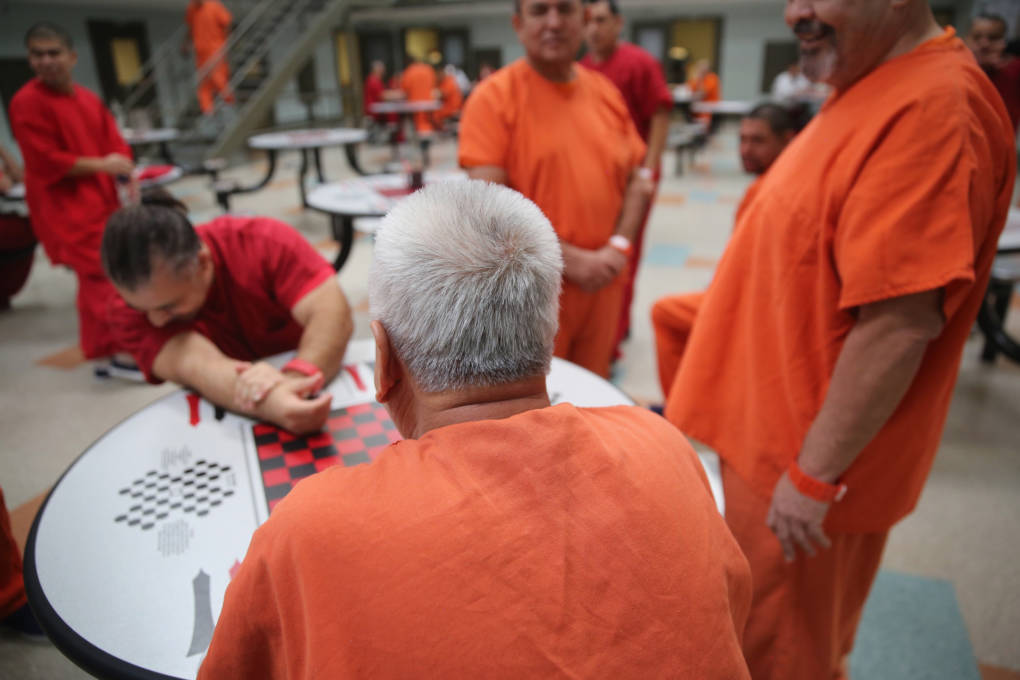
"caption": "Immigrant detainees talk while in a general population block at the Adelanto Detention Facility, the largest in California.",
"description": null,
"title": "ICE Holds Immigrants At Adelanto Detention Facility",
"credit": "John Moore/Getty Images",
"status": "inherit",
"isLoading": false,
"fetchFailed": false
},
"news_11616400": {
"type": "attachments",
"id": "news_11616400",
"meta": {
"index": "attachments_1716263798",
"site": "news",
"id": "11616400",
"found": true
},
"parent": 11616178,
"imgSizes": {
"small": {
"file": "https://ww2.kqed.org/app/uploads/sites/10/2017/09/Dulce-520x381.jpg",
"width": 520,
"mimeType": "image/jpeg",
"height": 381
},
"twentyfourteen-full-width": {
"file": "https://ww2.kqed.org/app/uploads/sites/10/2017/09/Dulce-1038x576.jpg",
"width": 1038,
"mimeType": "image/jpeg",
"height": 576
},
"thumbnail": {
"file": "https://ww2.kqed.org/app/uploads/sites/10/2017/09/Dulce-160x117.jpg",
"width": 160,
"mimeType": "image/jpeg",
"height": 117
},
"fd-sm": {
"file": "https://ww2.kqed.org/app/uploads/sites/10/2017/09/Dulce-960x704.jpg",
"width": 960,
"mimeType": "image/jpeg",
"height": 704
},
"post-thumbnail": {
"file": "https://ww2.kqed.org/app/uploads/sites/10/2017/09/Dulce-672x372.jpg",
"width": 672,
"mimeType": "image/jpeg",
"height": 372
},
"xsmall": {
"file": "https://ww2.kqed.org/app/uploads/sites/10/2017/09/Dulce-375x275.jpg",
"width": 375,
"mimeType": "image/jpeg",
"height": 275
},
"kqedFullSize": {
"file": "https://ww2.kqed.org/app/uploads/sites/10/2017/09/Dulce.jpg",
"width": 1920,
"height": 1408
},
"large": {
"file": "https://ww2.kqed.org/app/uploads/sites/10/2017/09/Dulce-1020x748.jpg",
"width": 1020,
"mimeType": "image/jpeg",
"height": 748
},
"xlarge": {
"file": "https://ww2.kqed.org/app/uploads/sites/10/2017/09/Dulce-1180x865.jpg",
"width": 1180,
"mimeType": "image/jpeg",
"height": 865
},
"guest-author-50": {
"file": "https://ww2.kqed.org/app/uploads/sites/10/2017/09/Dulce-50x50.jpg",
"width": 50,
"mimeType": "image/jpeg",
"height": 50
},
"guest-author-96": {
"file": "https://ww2.kqed.org/app/uploads/sites/10/2017/09/Dulce-96x96.jpg",
"width": 96,
"mimeType": "image/jpeg",
"height": 96
},
"medium": {
"file": "https://ww2.kqed.org/app/uploads/sites/10/2017/09/Dulce-800x587.jpg",
"width": 800,
"mimeType": "image/jpeg",
"height": 587
},
"guest-author-64": {
"file": "https://ww2.kqed.org/app/uploads/sites/10/2017/09/Dulce-64x64.jpg",
"width": 64,
"mimeType": "image/jpeg",
"height": 64
},
"guest-author-32": {
"file": "https://ww2.kqed.org/app/uploads/sites/10/2017/09/Dulce-32x32.jpg",
"width": 32,
"mimeType": "image/jpeg",
"height": 32
},
"fd-lrg": {
"file": "https://ww2.kqed.org/app/uploads/sites/10/2017/09/Dulce-1920x1408.jpg",
"width": 1920,
"mimeType": "image/jpeg",
"height": 1408
},
"fd-med": {
"file": "https://ww2.kqed.org/app/uploads/sites/10/2017/09/Dulce-1180x865.jpg",
"width": 1180,
"mimeType": "image/jpeg",
"height": 865
},
"full-width": {
"file": "https://ww2.kqed.org/app/uploads/sites/10/2017/09/Dulce-1920x1408.jpg",
"width": 1920,
"mimeType": "image/jpeg",
"height": 1408
},
"detail": {
"file": "https://ww2.kqed.org/app/uploads/sites/10/2017/09/Dulce-150x150.jpg",
"width": 150,
"mimeType": "image/jpeg",
"height": 150
},
"guest-author-128": {
"file": "https://ww2.kqed.org/app/uploads/sites/10/2017/09/Dulce-128x128.jpg",
"width": 128,
"mimeType": "image/jpeg",
"height": 128
},
"xxsmall": {
"file": "https://ww2.kqed.org/app/uploads/sites/10/2017/09/Dulce-240x176.jpg",
"width": 240,
"mimeType": "image/jpeg",
"height": 176
}
},
"publishDate": 1505178189,
"modified": 1505178211,
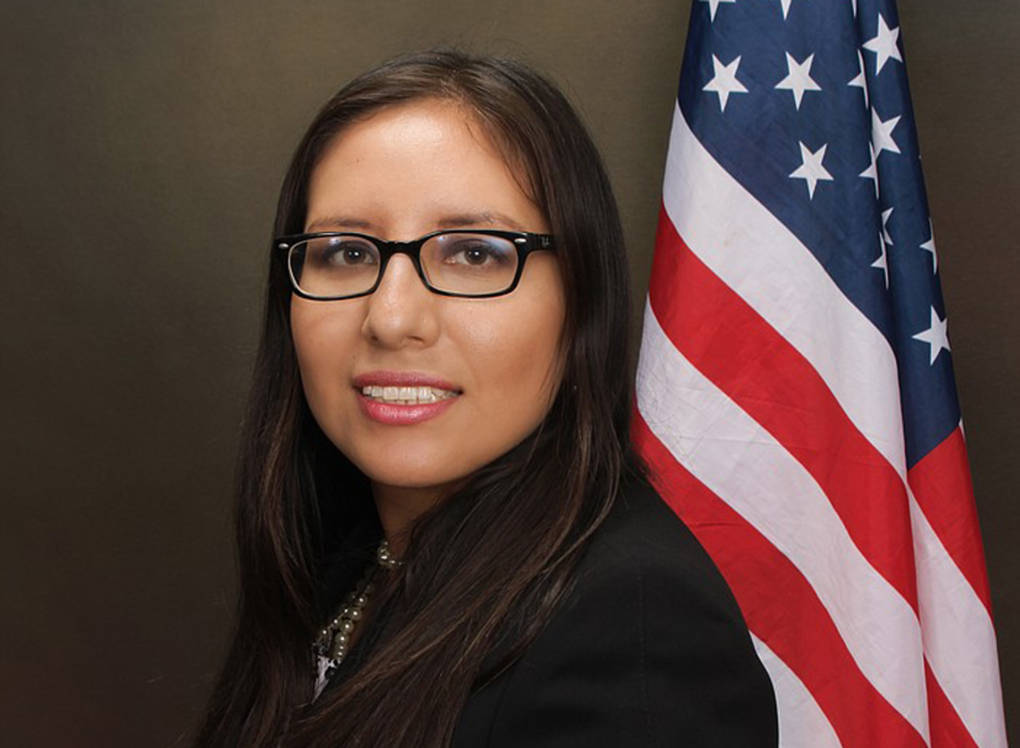
"caption": "Dulce Garcia, San Diego immigration attorney in an undated photo.",
"description": "Dulce Garcia, San Diego immigration attorney in an undated photo.",
"title": "Dulce",
"credit": null,
"status": "inherit",
"isLoading": false,
"fetchFailed": false
},
"news_11616155": {
"type": "attachments",
"id": "news_11616155",
"meta": {
"index": "attachments_1716263798",
"site": "news",
"id": "11616155",
"found": true
},
"parent": 11616134,
"imgSizes": {
"small": {
"file": "https://ww2.kqed.org/app/uploads/sites/10/2017/09/NR_466_WEB-VERISON-2_MARQ-520x293.jpg",
"width": 520,
"mimeType": "image/jpeg",
"height": 293
},
"twentyfourteen-full-width": {
"file": "https://ww2.kqed.org/app/uploads/sites/10/2017/09/NR_466_WEB-VERISON-2_MARQ-1038x576.jpg",
"width": 1038,
"mimeType": "image/jpeg",
"height": 576
},
"thumbnail": {
"file": "https://ww2.kqed.org/app/uploads/sites/10/2017/09/NR_466_WEB-VERISON-2_MARQ-160x90.jpg",
"width": 160,
"mimeType": "image/jpeg",
"height": 90
},
"fd-sm": {
"file": "https://ww2.kqed.org/app/uploads/sites/10/2017/09/NR_466_WEB-VERISON-2_MARQ-960x540.jpg",
"width": 960,
"mimeType": "image/jpeg",
"height": 540
},
"post-thumbnail": {
"file": "https://ww2.kqed.org/app/uploads/sites/10/2017/09/NR_466_WEB-VERISON-2_MARQ-672x372.jpg",
"width": 672,
"mimeType": "image/jpeg",
"height": 372
},
"xsmall": {
"file": "https://ww2.kqed.org/app/uploads/sites/10/2017/09/NR_466_WEB-VERISON-2_MARQ-375x211.jpg",
"width": 375,
"mimeType": "image/jpeg",
"height": 211
},
"kqedFullSize": {
"file": "https://ww2.kqed.org/app/uploads/sites/10/2017/09/NR_466_WEB-VERISON-2_MARQ.jpg",
"width": 1280,
"height": 720
},
"large": {
"file": "https://ww2.kqed.org/app/uploads/sites/10/2017/09/NR_466_WEB-VERISON-2_MARQ-1020x574.jpg",
"width": 1020,
"mimeType": "image/jpeg",
"height": 574
},
"xlarge": {
"file": "https://ww2.kqed.org/app/uploads/sites/10/2017/09/NR_466_WEB-VERISON-2_MARQ-1180x664.jpg",
"width": 1180,
"mimeType": "image/jpeg",
"height": 664
},
"guest-author-50": {
"file": "https://ww2.kqed.org/app/uploads/sites/10/2017/09/NR_466_WEB-VERISON-2_MARQ-50x50.jpg",
"width": 50,
"mimeType": "image/jpeg",
"height": 50
},
"guest-author-96": {
"file": "https://ww2.kqed.org/app/uploads/sites/10/2017/09/NR_466_WEB-VERISON-2_MARQ-96x96.jpg",
"width": 96,
"mimeType": "image/jpeg",
"height": 96
},
"medium": {
"file": "https://ww2.kqed.org/app/uploads/sites/10/2017/09/NR_466_WEB-VERISON-2_MARQ-800x450.jpg",
"width": 800,
"mimeType": "image/jpeg",
"height": 450
},
"guest-author-64": {
"file": "https://ww2.kqed.org/app/uploads/sites/10/2017/09/NR_466_WEB-VERISON-2_MARQ-64x64.jpg",
"width": 64,
"mimeType": "image/jpeg",
"height": 64
},
"guest-author-32": {
"file": "https://ww2.kqed.org/app/uploads/sites/10/2017/09/NR_466_WEB-VERISON-2_MARQ-32x32.jpg",
"width": 32,
"mimeType": "image/jpeg",
"height": 32
},
"fd-med": {
"file": "https://ww2.kqed.org/app/uploads/sites/10/2017/09/NR_466_WEB-VERISON-2_MARQ-1180x664.jpg",
"width": 1180,
"mimeType": "image/jpeg",
"height": 664
},
"detail": {
"file": "https://ww2.kqed.org/app/uploads/sites/10/2017/09/NR_466_WEB-VERISON-2_MARQ-150x150.jpg",
"width": 150,
"mimeType": "image/jpeg",
"height": 150
},
"guest-author-128": {
"file": "https://ww2.kqed.org/app/uploads/sites/10/2017/09/NR_466_WEB-VERISON-2_MARQ-128x128.jpg",
"width": 128,
"mimeType": "image/jpeg",
"height": 128
},
"xxsmall": {
"file": "https://ww2.kqed.org/app/uploads/sites/10/2017/09/NR_466_WEB-VERISON-2_MARQ-240x135.jpg",
"width": 240,
"mimeType": "image/jpeg",
"height": 135
}
},
"publishDate": 1504910418,
"modified": 1504910418,
"caption": null,
"description": null,
"title": "NR_466_WEB VERISON 2_MARQ",
"credit": null,
"status": "inherit",
"isLoading": false,
"fetchFailed": false
},
"news_11616105": {
"type": "attachments",
"id": "news_11616105",
"meta": {
"index": "attachments_1716263798",
"site": "news",
"id": "11616105",
"found": true
},
"parent": 11616102,
"imgSizes": {
"small": {
"file": "https://ww2.kqed.org/app/uploads/sites/10/2017/09/RS22121_GettyImages-492454991-qut-520x356.jpg",
"width": 520,
"mimeType": "image/jpeg",
"height": 356
},
"twentyfourteen-full-width": {
"file": "https://ww2.kqed.org/app/uploads/sites/10/2017/09/RS22121_GettyImages-492454991-qut-1038x576.jpg",
"width": 1038,
"mimeType": "image/jpeg",
"height": 576
},
"thumbnail": {
"file": "https://ww2.kqed.org/app/uploads/sites/10/2017/09/RS22121_GettyImages-492454991-qut-160x110.jpg",
"width": 160,
"mimeType": "image/jpeg",
"height": 110
},
"fd-sm": {
"file": "https://ww2.kqed.org/app/uploads/sites/10/2017/09/RS22121_GettyImages-492454991-qut-960x658.jpg",
"width": 960,
"mimeType": "image/jpeg",
"height": 658
},
"post-thumbnail": {
"file": "https://ww2.kqed.org/app/uploads/sites/10/2017/09/RS22121_GettyImages-492454991-qut-672x372.jpg",
"width": 672,
"mimeType": "image/jpeg",
"height": 372
},
"xsmall": {
"file": "https://ww2.kqed.org/app/uploads/sites/10/2017/09/RS22121_GettyImages-492454991-qut-375x257.jpg",
"width": 375,
"mimeType": "image/jpeg",
"height": 257
},
"kqedFullSize": {
"file": "https://ww2.kqed.org/app/uploads/sites/10/2017/09/RS22121_GettyImages-492454991-qut.jpg",
"width": 1920,
"height": 1316
},
"large": {
"file": "https://ww2.kqed.org/app/uploads/sites/10/2017/09/RS22121_GettyImages-492454991-qut-1020x699.jpg",
"width": 1020,
"mimeType": "image/jpeg",
"height": 699
},
"xlarge": {
"file": "https://ww2.kqed.org/app/uploads/sites/10/2017/09/RS22121_GettyImages-492454991-qut-1180x809.jpg",
"width": 1180,
"mimeType": "image/jpeg",
"height": 809
},
"guest-author-50": {
"file": "https://ww2.kqed.org/app/uploads/sites/10/2017/09/RS22121_GettyImages-492454991-qut-50x50.jpg",
"width": 50,
"mimeType": "image/jpeg",
"height": 50
},
"guest-author-96": {
"file": "https://ww2.kqed.org/app/uploads/sites/10/2017/09/RS22121_GettyImages-492454991-qut-96x96.jpg",
"width": 96,
"mimeType": "image/jpeg",
"height": 96
},
"medium": {
"file": "https://ww2.kqed.org/app/uploads/sites/10/2017/09/RS22121_GettyImages-492454991-qut-800x548.jpg",
"width": 800,
"mimeType": "image/jpeg",
"height": 548
},
"guest-author-64": {
"file": "https://ww2.kqed.org/app/uploads/sites/10/2017/09/RS22121_GettyImages-492454991-qut-64x64.jpg",
"width": 64,
"mimeType": "image/jpeg",
"height": 64
},
"guest-author-32": {
"file": "https://ww2.kqed.org/app/uploads/sites/10/2017/09/RS22121_GettyImages-492454991-qut-32x32.jpg",
"width": 32,
"mimeType": "image/jpeg",
"height": 32
},
"fd-lrg": {
"file": "https://ww2.kqed.org/app/uploads/sites/10/2017/09/RS22121_GettyImages-492454991-qut-1920x1316.jpg",
"width": 1920,
"mimeType": "image/jpeg",
"height": 1316
},
"fd-med": {
"file": "https://ww2.kqed.org/app/uploads/sites/10/2017/09/RS22121_GettyImages-492454991-qut-1180x809.jpg",
"width": 1180,
"mimeType": "image/jpeg",
"height": 809
},
"full-width": {
"file": "https://ww2.kqed.org/app/uploads/sites/10/2017/09/RS22121_GettyImages-492454991-qut-1920x1316.jpg",
"width": 1920,
"mimeType": "image/jpeg",
"height": 1316
},
"detail": {
"file": "https://ww2.kqed.org/app/uploads/sites/10/2017/09/RS22121_GettyImages-492454991-qut-150x150.jpg",
"width": 150,
"mimeType": "image/jpeg",
"height": 150
},
"guest-author-128": {
"file": "https://ww2.kqed.org/app/uploads/sites/10/2017/09/RS22121_GettyImages-492454991-qut-128x128.jpg",
"width": 128,
"mimeType": "image/jpeg",
"height": 128
},
"xxsmall": {
"file": "https://ww2.kqed.org/app/uploads/sites/10/2017/09/RS22121_GettyImages-492454991-qut-240x165.jpg",
"width": 240,
"mimeType": "image/jpeg",
"height": 165
}
},
"publishDate": 1504906420,
"modified": 1504906481,
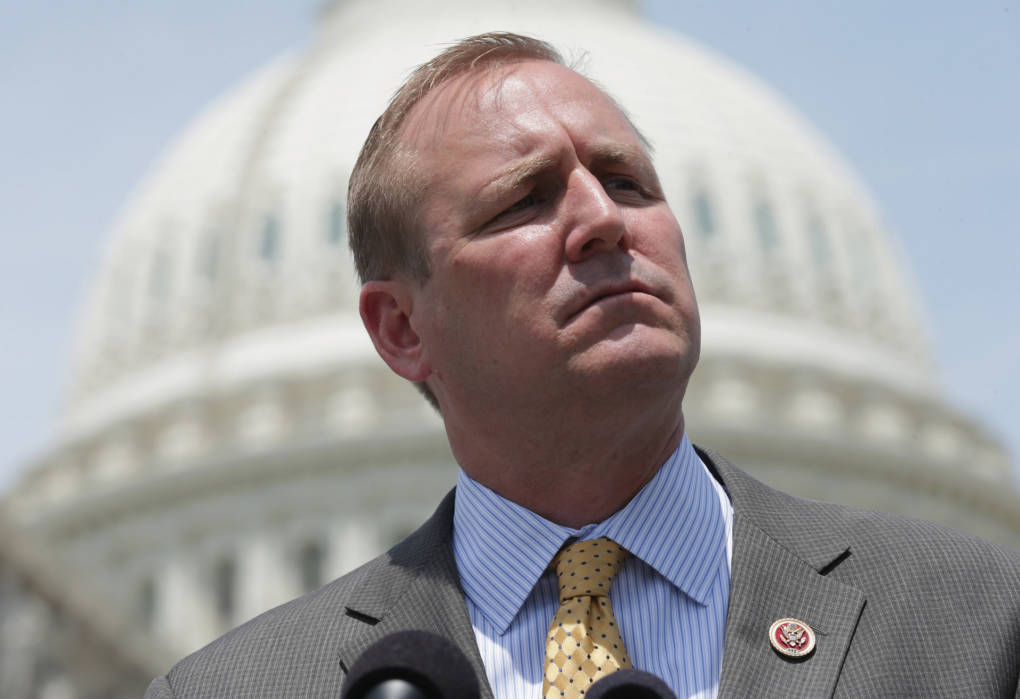
"caption": "Rep. Jeff Denham (R-CA) speaks during a news conference with military 'DREAMers', undocumented youth who aspire to serve the United States in uniform but are prohibited from doing due to their immigration status, in front of the U.S. Capitol May 20, 2014 in Washington, DC.",
"description": null,
"title": "RS22121_GettyImages-492454991-qut",
"credit": "Chip Somodevilla/Getty Images",
"status": "inherit",
"isLoading": false,
"fetchFailed": false
},
"news_11613401": {
"type": "attachments",
"id": "news_11613401",
"meta": {
"index": "attachments_1716263798",
"site": "news",
"id": "11613401",
"found": true
},
"parent": 11613396,
"imgSizes": {
"small": {
"file": "https://ww2.kqed.org/app/uploads/sites/10/2017/08/RS17205_GettyImages-482268728-qut-520x346.jpg",
"width": 520,
"mimeType": "image/jpeg",
"height": 346
},
"twentyfourteen-full-width": {
"file": "https://ww2.kqed.org/app/uploads/sites/10/2017/08/RS17205_GettyImages-482268728-qut-1038x576.jpg",
"width": 1038,
"mimeType": "image/jpeg",
"height": 576
},
"thumbnail": {
"file": "https://ww2.kqed.org/app/uploads/sites/10/2017/08/RS17205_GettyImages-482268728-qut-160x107.jpg",
"width": 160,
"mimeType": "image/jpeg",
"height": 107
},
"fd-sm": {
"file": "https://ww2.kqed.org/app/uploads/sites/10/2017/08/RS17205_GettyImages-482268728-qut-960x639.jpg",
"width": 960,
"mimeType": "image/jpeg",
"height": 639
},
"post-thumbnail": {
"file": "https://ww2.kqed.org/app/uploads/sites/10/2017/08/RS17205_GettyImages-482268728-qut-672x372.jpg",
"width": 672,
"mimeType": "image/jpeg",
"height": 372
},
"xsmall": {
"file": "https://ww2.kqed.org/app/uploads/sites/10/2017/08/RS17205_GettyImages-482268728-qut-375x250.jpg",
"width": 375,
"mimeType": "image/jpeg",
"height": 250
},
"kqedFullSize": {
"file": "https://ww2.kqed.org/app/uploads/sites/10/2017/08/RS17205_GettyImages-482268728-qut.jpg",
"width": 1920,
"height": 1278
},
"large": {
"file": "https://ww2.kqed.org/app/uploads/sites/10/2017/08/RS17205_GettyImages-482268728-qut-1020x679.jpg",
"width": 1020,
"mimeType": "image/jpeg",
"height": 679
},
"xlarge": {
"file": "https://ww2.kqed.org/app/uploads/sites/10/2017/08/RS17205_GettyImages-482268728-qut-1180x785.jpg",
"width": 1180,
"mimeType": "image/jpeg",
"height": 785
},
"guest-author-50": {
"file": "https://ww2.kqed.org/app/uploads/sites/10/2017/08/RS17205_GettyImages-482268728-qut-50x50.jpg",
"width": 50,
"mimeType": "image/jpeg",
"height": 50
},
"guest-author-96": {
"file": "https://ww2.kqed.org/app/uploads/sites/10/2017/08/RS17205_GettyImages-482268728-qut-96x96.jpg",
"width": 96,
"mimeType": "image/jpeg",
"height": 96
},
"medium": {
"file": "https://ww2.kqed.org/app/uploads/sites/10/2017/08/RS17205_GettyImages-482268728-qut-800x533.jpg",
"width": 800,
"mimeType": "image/jpeg",
"height": 533
},
"guest-author-64": {
"file": "https://ww2.kqed.org/app/uploads/sites/10/2017/08/RS17205_GettyImages-482268728-qut-64x64.jpg",
"width": 64,
"mimeType": "image/jpeg",
"height": 64
},
"guest-author-32": {
"file": "https://ww2.kqed.org/app/uploads/sites/10/2017/08/RS17205_GettyImages-482268728-qut-32x32.jpg",
"width": 32,
"mimeType": "image/jpeg",
"height": 32
},
"fd-lrg": {
"file": "https://ww2.kqed.org/app/uploads/sites/10/2017/08/RS17205_GettyImages-482268728-qut-1920x1278.jpg",
"width": 1920,
"mimeType": "image/jpeg",
"height": 1278
},
"fd-med": {
"file": "https://ww2.kqed.org/app/uploads/sites/10/2017/08/RS17205_GettyImages-482268728-qut-1180x785.jpg",
"width": 1180,
"mimeType": "image/jpeg",
"height": 785
},
"full-width": {
"file": "https://ww2.kqed.org/app/uploads/sites/10/2017/08/RS17205_GettyImages-482268728-qut-1920x1278.jpg",
"width": 1920,
"mimeType": "image/jpeg",
"height": 1278
},
"detail": {
"file": "https://ww2.kqed.org/app/uploads/sites/10/2017/08/RS17205_GettyImages-482268728-qut-150x150.jpg",
"width": 150,
"mimeType": "image/jpeg",
"height": 150
},
"guest-author-128": {
"file": "https://ww2.kqed.org/app/uploads/sites/10/2017/08/RS17205_GettyImages-482268728-qut-128x128.jpg",
"width": 128,
"mimeType": "image/jpeg",
"height": 128
},
"xxsmall": {
"file": "https://ww2.kqed.org/app/uploads/sites/10/2017/08/RS17205_GettyImages-482268728-qut-240x160.jpg",
"width": 240,
"mimeType": "image/jpeg",
"height": 160
}
},
"publishDate": 1503440694,
"modified": 1504903553,
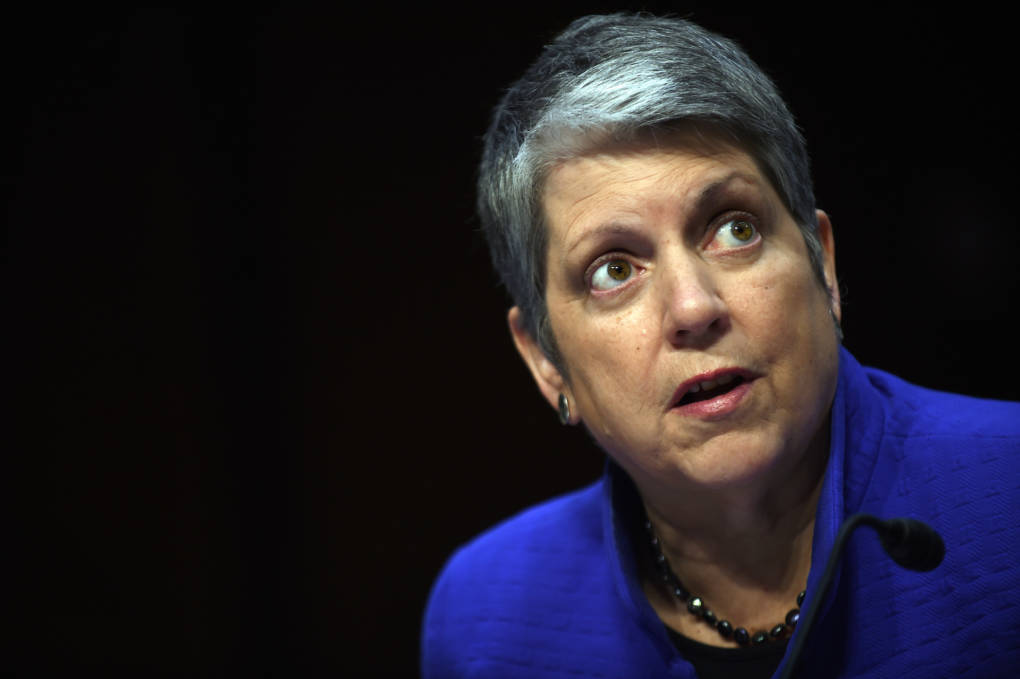
"caption": "Janet Napolitano, president of the University of California.",
"description": null,
"title": "RS17205_GettyImages-482268728-qut",
"credit": "Astrid Riecken/Getty Images",
"status": "inherit",
"isLoading": false,
"fetchFailed": false
},
"news_11617638": {
"type": "attachments",
"id": "news_11617638",
"meta": {
"index": "attachments_1716263798",
"site": "news",
"id": "11617638",
"found": true
},
"parent": 11617637,
"imgSizes": {
"small": {
"file": "https://ww2.kqed.org/app/uploads/sites/10/2017/09/HUERTA-MARQUEE-520x255.jpg",
"width": 520,
"mimeType": "image/jpeg",
"height": 255
},
"twentyfourteen-full-width": {
"file": "https://ww2.kqed.org/app/uploads/sites/10/2017/09/HUERTA-MARQUEE-1038x576.jpg",
"width": 1038,
"mimeType": "image/jpeg",
"height": 576
},
"thumbnail": {
"file": "https://ww2.kqed.org/app/uploads/sites/10/2017/09/HUERTA-MARQUEE-160x78.jpg",
"width": 160,
"mimeType": "image/jpeg",
"height": 78
},
"fd-sm": {
"file": "https://ww2.kqed.org/app/uploads/sites/10/2017/09/HUERTA-MARQUEE-960x470.jpg",
"width": 960,
"mimeType": "image/jpeg",
"height": 470
},
"post-thumbnail": {
"file": "https://ww2.kqed.org/app/uploads/sites/10/2017/09/HUERTA-MARQUEE-672x372.jpg",
"width": 672,
"mimeType": "image/jpeg",
"height": 372
},
"xsmall": {
"file": "https://ww2.kqed.org/app/uploads/sites/10/2017/09/HUERTA-MARQUEE-375x184.jpg",
"width": 375,
"mimeType": "image/jpeg",
"height": 184
},
"kqedFullSize": {
"file": "https://ww2.kqed.org/app/uploads/sites/10/2017/09/HUERTA-MARQUEE.jpg",
"width": 1916,
"height": 938
},
"large": {
"file": "https://ww2.kqed.org/app/uploads/sites/10/2017/09/HUERTA-MARQUEE-1020x499.jpg",
"width": 1020,
"mimeType": "image/jpeg",
"height": 499
},
"xlarge": {
"file": "https://ww2.kqed.org/app/uploads/sites/10/2017/09/HUERTA-MARQUEE-1180x578.jpg",
"width": 1180,
"mimeType": "image/jpeg",
"height": 578
},
"guest-author-50": {
"file": "https://ww2.kqed.org/app/uploads/sites/10/2017/09/HUERTA-MARQUEE-50x50.jpg",
"width": 50,
"mimeType": "image/jpeg",
"height": 50
},
"guest-author-96": {
"file": "https://ww2.kqed.org/app/uploads/sites/10/2017/09/HUERTA-MARQUEE-96x96.jpg",
"width": 96,
"mimeType": "image/jpeg",
"height": 96
},
"medium": {
"file": "https://ww2.kqed.org/app/uploads/sites/10/2017/09/HUERTA-MARQUEE-800x392.jpg",
"width": 800,
"mimeType": "image/jpeg",
"height": 392
},
"guest-author-64": {
"file": "https://ww2.kqed.org/app/uploads/sites/10/2017/09/HUERTA-MARQUEE-64x64.jpg",
"width": 64,
"mimeType": "image/jpeg",
"height": 64
},
"guest-author-32": {
"file": "https://ww2.kqed.org/app/uploads/sites/10/2017/09/HUERTA-MARQUEE-32x32.jpg",
"width": 32,
"mimeType": "image/jpeg",
"height": 32
},
"fd-med": {
"file": "https://ww2.kqed.org/app/uploads/sites/10/2017/09/HUERTA-MARQUEE-1180x578.jpg",
"width": 1180,
"mimeType": "image/jpeg",
"height": 578
},
"detail": {
"file": "https://ww2.kqed.org/app/uploads/sites/10/2017/09/HUERTA-MARQUEE-150x150.jpg",
"width": 150,
"mimeType": "image/jpeg",
"height": 150
},
"guest-author-128": {
"file": "https://ww2.kqed.org/app/uploads/sites/10/2017/09/HUERTA-MARQUEE-128x128.jpg",
"width": 128,
"mimeType": "image/jpeg",
"height": 128
},
"xxsmall": {
"file": "https://ww2.kqed.org/app/uploads/sites/10/2017/09/HUERTA-MARQUEE-240x117.jpg",
"width": 240,
"mimeType": "image/jpeg",
"height": 117
}
},
"publishDate": 1505840264,
"modified": 1505840264,
"caption": null,
"description": null,
"title": "HUERTA MARQUEE",
"credit": null,
"status": "inherit",
"isLoading": false,
"fetchFailed": false
},
"news_11615938": {
"type": "attachments",
"id": "news_11615938",
"meta": {
"index": "attachments_1716263798",
"site": "news",
"id": "11615938",
"found": true
},
"parent": 11615936,
"imgSizes": {
"small": {
"file": "https://ww2.kqed.org/app/uploads/sites/10/2017/09/RS26501_GettyImages-803571320-qut-520x347.jpg",
"width": 520,
"mimeType": "image/jpeg",
"height": 347
},
"twentyfourteen-full-width": {
"file": "https://ww2.kqed.org/app/uploads/sites/10/2017/09/RS26501_GettyImages-803571320-qut-1038x576.jpg",
"width": 1038,
"mimeType": "image/jpeg",
"height": 576
},
"thumbnail": {
"file": "https://ww2.kqed.org/app/uploads/sites/10/2017/09/RS26501_GettyImages-803571320-qut-160x107.jpg",
"width": 160,
"mimeType": "image/jpeg",
"height": 107
},
"fd-sm": {
"file": "https://ww2.kqed.org/app/uploads/sites/10/2017/09/RS26501_GettyImages-803571320-qut-960x640.jpg",
"width": 960,
"mimeType": "image/jpeg",
"height": 640
},
"post-thumbnail": {
"file": "https://ww2.kqed.org/app/uploads/sites/10/2017/09/RS26501_GettyImages-803571320-qut-672x372.jpg",
"width": 672,
"mimeType": "image/jpeg",
"height": 372
},
"xsmall": {
"file": "https://ww2.kqed.org/app/uploads/sites/10/2017/09/RS26501_GettyImages-803571320-qut-375x250.jpg",
"width": 375,
"mimeType": "image/jpeg",
"height": 250
},
"kqedFullSize": {
"file": "https://ww2.kqed.org/app/uploads/sites/10/2017/09/RS26501_GettyImages-803571320-qut.jpg",
"width": 1920,
"height": 1280
},
"large": {
"file": "https://ww2.kqed.org/app/uploads/sites/10/2017/09/RS26501_GettyImages-803571320-qut-1020x680.jpg",
"width": 1020,
"mimeType": "image/jpeg",
"height": 680
},
"xlarge": {
"file": "https://ww2.kqed.org/app/uploads/sites/10/2017/09/RS26501_GettyImages-803571320-qut-1180x787.jpg",
"width": 1180,
"mimeType": "image/jpeg",
"height": 787
},
"guest-author-50": {
"file": "https://ww2.kqed.org/app/uploads/sites/10/2017/09/RS26501_GettyImages-803571320-qut-50x50.jpg",
"width": 50,
"mimeType": "image/jpeg",
"height": 50
},
"guest-author-96": {
"file": "https://ww2.kqed.org/app/uploads/sites/10/2017/09/RS26501_GettyImages-803571320-qut-96x96.jpg",
"width": 96,
"mimeType": "image/jpeg",
"height": 96
},
"medium": {
"file": "https://ww2.kqed.org/app/uploads/sites/10/2017/09/RS26501_GettyImages-803571320-qut-800x533.jpg",
"width": 800,
"mimeType": "image/jpeg",
"height": 533
},
"guest-author-64": {
"file": "https://ww2.kqed.org/app/uploads/sites/10/2017/09/RS26501_GettyImages-803571320-qut-64x64.jpg",
"width": 64,
"mimeType": "image/jpeg",
"height": 64
},
"guest-author-32": {
"file": "https://ww2.kqed.org/app/uploads/sites/10/2017/09/RS26501_GettyImages-803571320-qut-32x32.jpg",
"width": 32,
"mimeType": "image/jpeg",
"height": 32
},
"fd-lrg": {
"file": "https://ww2.kqed.org/app/uploads/sites/10/2017/09/RS26501_GettyImages-803571320-qut-1920x1280.jpg",
"width": 1920,
"mimeType": "image/jpeg",
"height": 1280
},
"fd-med": {
"file": "https://ww2.kqed.org/app/uploads/sites/10/2017/09/RS26501_GettyImages-803571320-qut-1180x787.jpg",
"width": 1180,
"mimeType": "image/jpeg",
"height": 787
},
"full-width": {
"file": "https://ww2.kqed.org/app/uploads/sites/10/2017/09/RS26501_GettyImages-803571320-qut-1920x1280.jpg",
"width": 1920,
"mimeType": "image/jpeg",
"height": 1280
},
"detail": {
"file": "https://ww2.kqed.org/app/uploads/sites/10/2017/09/RS26501_GettyImages-803571320-qut-150x150.jpg",
"width": 150,
"mimeType": "image/jpeg",
"height": 150
},
"guest-author-128": {
"file": "https://ww2.kqed.org/app/uploads/sites/10/2017/09/RS26501_GettyImages-803571320-qut-128x128.jpg",
"width": 128,
"mimeType": "image/jpeg",
"height": 128
},
"xxsmall": {
"file": "https://ww2.kqed.org/app/uploads/sites/10/2017/09/RS26501_GettyImages-803571320-qut-240x160.jpg",
"width": 240,
"mimeType": "image/jpeg",
"height": 160
}
},
"publishDate": 1504827346,
"modified": 1504827424,
"caption": "John Wider carries a welcome sign near arriving international travelers on the first day of the the partial reinstatement of the Trump travel ban at Los Angeles International Airport on June 29, 2017.",
"description": null,
"title": "President Trump's Revised Travel Ban Goes Into Effect, After Supreme Court Partially Revives It",
"credit": "David McNew/Getty Images",
"status": "inherit",
"isLoading": false,
"fetchFailed": false
},
"news_11615714": {
"type": "attachments",
"id": "news_11615714",
"meta": {
"index": "attachments_1716263798",
"site": "news",
"id": "11615714",
"found": true
},
"parent": 11615708,
"imgSizes": {
"small": {
"file": "https://ww2.kqed.org/app/uploads/sites/10/2017/09/RS23547_GettyImages-530551244-qut-520x347.jpg",
"width": 520,
"mimeType": "image/jpeg",
"height": 347
},
"twentyfourteen-full-width": {
"file": "https://ww2.kqed.org/app/uploads/sites/10/2017/09/RS23547_GettyImages-530551244-qut-1038x576.jpg",
"width": 1038,
"mimeType": "image/jpeg",
"height": 576
},
"thumbnail": {
"file": "https://ww2.kqed.org/app/uploads/sites/10/2017/09/RS23547_GettyImages-530551244-qut-160x107.jpg",
"width": 160,
"mimeType": "image/jpeg",
"height": 107
},
"fd-sm": {
"file": "https://ww2.kqed.org/app/uploads/sites/10/2017/09/RS23547_GettyImages-530551244-qut-960x640.jpg",
"width": 960,
"mimeType": "image/jpeg",
"height": 640
},
"post-thumbnail": {
"file": "https://ww2.kqed.org/app/uploads/sites/10/2017/09/RS23547_GettyImages-530551244-qut-672x372.jpg",
"width": 672,
"mimeType": "image/jpeg",
"height": 372
},
"xsmall": {
"file": "https://ww2.kqed.org/app/uploads/sites/10/2017/09/RS23547_GettyImages-530551244-qut-375x250.jpg",
"width": 375,
"mimeType": "image/jpeg",
"height": 250
},
"kqedFullSize": {
"file": "https://ww2.kqed.org/app/uploads/sites/10/2017/09/RS23547_GettyImages-530551244-qut.jpg",
"width": 1920,
"height": 1280
},
"large": {
"file": "https://ww2.kqed.org/app/uploads/sites/10/2017/09/RS23547_GettyImages-530551244-qut-1020x680.jpg",
"width": 1020,
"mimeType": "image/jpeg",
"height": 680
},
"xlarge": {
"file": "https://ww2.kqed.org/app/uploads/sites/10/2017/09/RS23547_GettyImages-530551244-qut-1180x787.jpg",
"width": 1180,
"mimeType": "image/jpeg",
"height": 787
},
"guest-author-50": {
"file": "https://ww2.kqed.org/app/uploads/sites/10/2017/09/RS23547_GettyImages-530551244-qut-50x50.jpg",
"width": 50,
"mimeType": "image/jpeg",
"height": 50
},
"guest-author-96": {
"file": "https://ww2.kqed.org/app/uploads/sites/10/2017/09/RS23547_GettyImages-530551244-qut-96x96.jpg",
"width": 96,
"mimeType": "image/jpeg",
"height": 96
},
"medium": {
"file": "https://ww2.kqed.org/app/uploads/sites/10/2017/09/RS23547_GettyImages-530551244-qut-800x533.jpg",
"width": 800,
"mimeType": "image/jpeg",
"height": 533
},
"guest-author-64": {
"file": "https://ww2.kqed.org/app/uploads/sites/10/2017/09/RS23547_GettyImages-530551244-qut-64x64.jpg",
"width": 64,
"mimeType": "image/jpeg",
"height": 64
},
"guest-author-32": {
"file": "https://ww2.kqed.org/app/uploads/sites/10/2017/09/RS23547_GettyImages-530551244-qut-32x32.jpg",
"width": 32,
"mimeType": "image/jpeg",
"height": 32
},
"fd-lrg": {
"file": "https://ww2.kqed.org/app/uploads/sites/10/2017/09/RS23547_GettyImages-530551244-qut-1920x1280.jpg",
"width": 1920,
"mimeType": "image/jpeg",
"height": 1280
},
"fd-med": {
"file": "https://ww2.kqed.org/app/uploads/sites/10/2017/09/RS23547_GettyImages-530551244-qut-1180x787.jpg",
"width": 1180,
"mimeType": "image/jpeg",
"height": 787
},
"full-width": {
"file": "https://ww2.kqed.org/app/uploads/sites/10/2017/09/RS23547_GettyImages-530551244-qut-1920x1280.jpg",
"width": 1920,
"mimeType": "image/jpeg",
"height": 1280
},
"detail": {
"file": "https://ww2.kqed.org/app/uploads/sites/10/2017/09/RS23547_GettyImages-530551244-qut-150x150.jpg",
"width": 150,
"mimeType": "image/jpeg",
"height": 150
},
"guest-author-128": {
"file": "https://ww2.kqed.org/app/uploads/sites/10/2017/09/RS23547_GettyImages-530551244-qut-128x128.jpg",
"width": 128,
"mimeType": "image/jpeg",
"height": 128
},
"xxsmall": {
"file": "https://ww2.kqed.org/app/uploads/sites/10/2017/09/RS23547_GettyImages-530551244-qut-240x160.jpg",
"width": 240,
"mimeType": "image/jpeg",
"height": 160
}
},
"publishDate": 1504735315,
"modified": 1504736217,
"caption": "Attorney General Xavier Becerra says one in four participants in DACA lives in California and the state will suffer the greatest harm from its termination.",
"description": null,
"title": "RS23547_GettyImages-530551244-qut",
"credit": "Drew Angerer/Getty Images",
"status": "inherit",
"isLoading": false,
"fetchFailed": false
},
"news_11615691": {
"type": "attachments",
"id": "news_11615691",
"meta": {
"index": "attachments_1716263798",
"site": "news",
"id": "11615691",
"found": true
},
"parent": 11615685,
"imgSizes": {
"small": {
"file": "https://ww2.kqed.org/app/uploads/sites/10/2017/09/GettyImages-843027470-520x347.jpg",
"width": 520,
"mimeType": "image/jpeg",
"height": 347
},
"twentyfourteen-full-width": {
"file": "https://ww2.kqed.org/app/uploads/sites/10/2017/09/GettyImages-843027470-1024x576.jpg",
"width": 1024,
"mimeType": "image/jpeg",
"height": 576
},
"thumbnail": {
"file": "https://ww2.kqed.org/app/uploads/sites/10/2017/09/GettyImages-843027470-160x107.jpg",
"width": 160,
"mimeType": "image/jpeg",
"height": 107
},
"fd-sm": {
"file": "https://ww2.kqed.org/app/uploads/sites/10/2017/09/GettyImages-843027470-960x640.jpg",
"width": 960,
"mimeType": "image/jpeg",
"height": 640
},
"post-thumbnail": {
"file": "https://ww2.kqed.org/app/uploads/sites/10/2017/09/GettyImages-843027470-672x372.jpg",
"width": 672,
"mimeType": "image/jpeg",
"height": 372
},
"xsmall": {
"file": "https://ww2.kqed.org/app/uploads/sites/10/2017/09/GettyImages-843027470-375x250.jpg",
"width": 375,
"mimeType": "image/jpeg",
"height": 250
},
"kqedFullSize": {
"file": "https://ww2.kqed.org/app/uploads/sites/10/2017/09/GettyImages-843027470.jpg",
"width": 1024,
"height": 683
},
"large": {
"file": "https://ww2.kqed.org/app/uploads/sites/10/2017/09/GettyImages-843027470-1020x680.jpg",
"width": 1020,
"mimeType": "image/jpeg",
"height": 680
},
"guest-author-50": {
"file": "https://ww2.kqed.org/app/uploads/sites/10/2017/09/GettyImages-843027470-50x50.jpg",
"width": 50,
"mimeType": "image/jpeg",
"height": 50
},
"guest-author-96": {
"file": "https://ww2.kqed.org/app/uploads/sites/10/2017/09/GettyImages-843027470-96x96.jpg",
"width": 96,
"mimeType": "image/jpeg",
"height": 96
},
"medium": {
"file": "https://ww2.kqed.org/app/uploads/sites/10/2017/09/GettyImages-843027470-800x534.jpg",
"width": 800,
"mimeType": "image/jpeg",
"height": 534
},
"guest-author-64": {
"file": "https://ww2.kqed.org/app/uploads/sites/10/2017/09/GettyImages-843027470-64x64.jpg",
"width": 64,
"mimeType": "image/jpeg",
"height": 64
},
"guest-author-32": {
"file": "https://ww2.kqed.org/app/uploads/sites/10/2017/09/GettyImages-843027470-32x32.jpg",
"width": 32,
"mimeType": "image/jpeg",
"height": 32
},
"detail": {
"file": "https://ww2.kqed.org/app/uploads/sites/10/2017/09/GettyImages-843027470-150x150.jpg",
"width": 150,
"mimeType": "image/jpeg",
"height": 150
},
"guest-author-128": {
"file": "https://ww2.kqed.org/app/uploads/sites/10/2017/09/GettyImages-843027470-128x128.jpg",
"width": 128,
"mimeType": "image/jpeg",
"height": 128
},
"xxsmall": {
"file": "https://ww2.kqed.org/app/uploads/sites/10/2017/09/GettyImages-843027470-240x160.jpg",
"width": 240,
"mimeType": "image/jpeg",
"height": 160
}
},
"publishDate": 1504730445,
"modified": 1504731128,
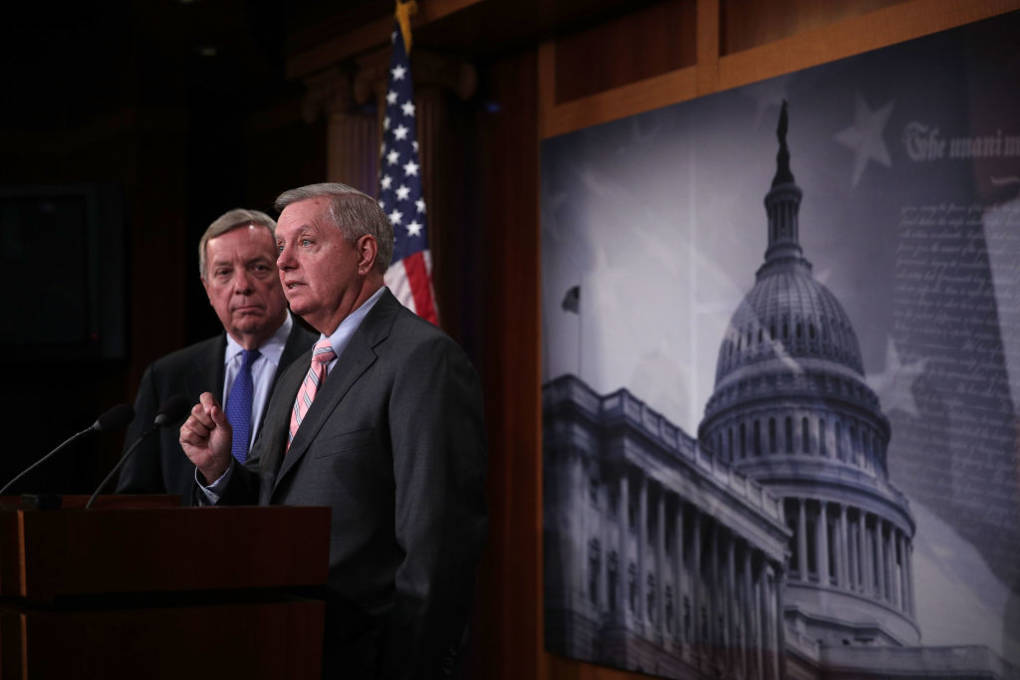
"caption": "U.S. Sen. Lindsey Graham (R-SC) speaks as Senate Minority Leader Richard Durbin (D-IL) listens during a news conference at the Capitol on September 5, 2017 in Washington, DC. Durbin and Graham held a news conference to discuss the DREAM Act, bipartisan legislation that aims to provide a path to citizenship for undocumented immigrants who came to the U.S. as children. ",
"description": null,
"title": "Senators Dick Durbin And Lindsay Graham Introduce Bipartisan DREAM Act",
"credit": "Alex Wong/Getty Images",
"status": "inherit",
"isLoading": false,
"fetchFailed": false
},
"news_11615676": {
"type": "attachments",
"id": "news_11615676",
"meta": {
"index": "attachments_1716263798",
"site": "news",
"id": "11615676",
"found": true
},
"parent": 11615674,
"imgSizes": {
"small": {
"file": "https://ww2.kqed.org/app/uploads/sites/10/2017/09/dreamer_090617_final-520x520.jpg",
"width": 520,
"mimeType": "image/jpeg",
"height": 520
},
"twentyfourteen-full-width": {
"file": "https://ww2.kqed.org/app/uploads/sites/10/2017/09/dreamer_090617_final-1038x576.jpg",
"width": 1038,
"mimeType": "image/jpeg",
"height": 576
},
"thumbnail": {
"file": "https://ww2.kqed.org/app/uploads/sites/10/2017/09/dreamer_090617_final-160x160.jpg",
"width": 160,
"mimeType": "image/jpeg",
"height": 160
},
"fd-sm": {
"file": "https://ww2.kqed.org/app/uploads/sites/10/2017/09/dreamer_090617_final-960x960.jpg",
"width": 960,
"mimeType": "image/jpeg",
"height": 960
},
"post-thumbnail": {
"file": "https://ww2.kqed.org/app/uploads/sites/10/2017/09/dreamer_090617_final-672x372.jpg",
"width": 672,
"mimeType": "image/jpeg",
"height": 372
},
"xsmall": {
"file": "https://ww2.kqed.org/app/uploads/sites/10/2017/09/dreamer_090617_final-375x375.jpg",
"width": 375,
"mimeType": "image/jpeg",
"height": 375
},
"kqedFullSize": {
"file": "https://ww2.kqed.org/app/uploads/sites/10/2017/09/dreamer_090617_final.jpg",
"width": 1920,
"height": 1920
},
"large": {
"file": "https://ww2.kqed.org/app/uploads/sites/10/2017/09/dreamer_090617_final-1020x1020.jpg",
"width": 1020,
"mimeType": "image/jpeg",
"height": 1020
},
"xlarge": {
"file": "https://ww2.kqed.org/app/uploads/sites/10/2017/09/dreamer_090617_final-1180x1180.jpg",
"width": 1180,
"mimeType": "image/jpeg",
"height": 1180
},
"guest-author-50": {
"file": "https://ww2.kqed.org/app/uploads/sites/10/2017/09/dreamer_090617_final-50x50.jpg",
"width": 50,
"mimeType": "image/jpeg",
"height": 50
},
"guest-author-96": {
"file": "https://ww2.kqed.org/app/uploads/sites/10/2017/09/dreamer_090617_final-96x96.jpg",
"width": 96,
"mimeType": "image/jpeg",
"height": 96
},
"medium": {
"file": "https://ww2.kqed.org/app/uploads/sites/10/2017/09/dreamer_090617_final-800x800.jpg",
"width": 800,
"mimeType": "image/jpeg",
"height": 800
},
"guest-author-64": {
"file": "https://ww2.kqed.org/app/uploads/sites/10/2017/09/dreamer_090617_final-64x64.jpg",
"width": 64,
"mimeType": "image/jpeg",
"height": 64
},
"guest-author-32": {
"file": "https://ww2.kqed.org/app/uploads/sites/10/2017/09/dreamer_090617_final-32x32.jpg",
"width": 32,
"mimeType": "image/jpeg",
"height": 32
},
"fd-lrg": {
"file": "https://ww2.kqed.org/app/uploads/sites/10/2017/09/dreamer_090617_final-1920x1920.jpg",
"width": 1920,
"mimeType": "image/jpeg",
"height": 1920
},
"fd-med": {
"file": "https://ww2.kqed.org/app/uploads/sites/10/2017/09/dreamer_090617_final-1180x1180.jpg",
"width": 1180,
"mimeType": "image/jpeg",
"height": 1180
},
"full-width": {
"file": "https://ww2.kqed.org/app/uploads/sites/10/2017/09/dreamer_090617_final-1920x1920.jpg",
"width": 1920,
"mimeType": "image/jpeg",
"height": 1920
},
"detail": {
"file": "https://ww2.kqed.org/app/uploads/sites/10/2017/09/dreamer_090617_final-150x150.jpg",
"width": 150,
"mimeType": "image/jpeg",
"height": 150
},
"guest-author-128": {
"file": "https://ww2.kqed.org/app/uploads/sites/10/2017/09/dreamer_090617_final-128x128.jpg",
"width": 128,
"mimeType": "image/jpeg",
"height": 128
},
"xxsmall": {
"file": "https://ww2.kqed.org/app/uploads/sites/10/2017/09/dreamer_090617_final-240x240.jpg",
"width": 240,
"mimeType": "image/jpeg",
"height": 240
}
},
"publishDate": 1504727197,
"modified": 1504727229,
"caption": null,
"description": null,
"title": "dreamer_090617_final",
"credit": null,
"status": "inherit",
"isLoading": false,
"fetchFailed": false
},
"news_11615630": {
"type": "attachments",
"id": "news_11615630",
"meta": {
"index": "attachments_1716263798",
"site": "news",
"id": "11615630",
"found": true
},
"parent": 11615629,
"imgSizes": {
"small": {
"file": "https://ww2.kqed.org/app/uploads/sites/10/2017/09/gettyimages-841093556_slide-8cbdea9e3299028eb0e93c90fe9f9481eb183428-520x347.jpg",
"width": 520,
"mimeType": "image/jpeg",
"height": 347
},
"twentyfourteen-full-width": {
"file": "https://ww2.kqed.org/app/uploads/sites/10/2017/09/gettyimages-841093556_slide-8cbdea9e3299028eb0e93c90fe9f9481eb183428-1038x576.jpg",
"width": 1038,
"mimeType": "image/jpeg",
"height": 576
},
"thumbnail": {
"file": "https://ww2.kqed.org/app/uploads/sites/10/2017/09/gettyimages-841093556_slide-8cbdea9e3299028eb0e93c90fe9f9481eb183428-160x107.jpg",
"width": 160,
"mimeType": "image/jpeg",
"height": 107
},
"fd-sm": {
"file": "https://ww2.kqed.org/app/uploads/sites/10/2017/09/gettyimages-841093556_slide-8cbdea9e3299028eb0e93c90fe9f9481eb183428-960x640.jpg",
"width": 960,
"mimeType": "image/jpeg",
"height": 640
},
"post-thumbnail": {
"file": "https://ww2.kqed.org/app/uploads/sites/10/2017/09/gettyimages-841093556_slide-8cbdea9e3299028eb0e93c90fe9f9481eb183428-672x372.jpg",
"width": 672,
"mimeType": "image/jpeg",
"height": 372
},
"xsmall": {
"file": "https://ww2.kqed.org/app/uploads/sites/10/2017/09/gettyimages-841093556_slide-8cbdea9e3299028eb0e93c90fe9f9481eb183428-375x250.jpg",
"width": 375,
"mimeType": "image/jpeg",
"height": 250
},
"kqedFullSize": {
"file": "https://ww2.kqed.org/app/uploads/sites/10/2017/09/gettyimages-841093556_slide-8cbdea9e3299028eb0e93c90fe9f9481eb183428-e1504714283145.jpg",
"width": 1920,
"height": 1280
},
"large": {
"file": "https://ww2.kqed.org/app/uploads/sites/10/2017/09/gettyimages-841093556_slide-8cbdea9e3299028eb0e93c90fe9f9481eb183428-1020x680.jpg",
"width": 1020,
"mimeType": "image/jpeg",
"height": 680
},
"xlarge": {
"file": "https://ww2.kqed.org/app/uploads/sites/10/2017/09/gettyimages-841093556_slide-8cbdea9e3299028eb0e93c90fe9f9481eb183428-1180x787.jpg",
"width": 1180,
"mimeType": "image/jpeg",
"height": 787
},
"guest-author-50": {
"file": "https://ww2.kqed.org/app/uploads/sites/10/2017/09/gettyimages-841093556_slide-8cbdea9e3299028eb0e93c90fe9f9481eb183428-50x50.jpg",
"width": 50,
"mimeType": "image/jpeg",
"height": 50
},
"guest-author-96": {
"file": "https://ww2.kqed.org/app/uploads/sites/10/2017/09/gettyimages-841093556_slide-8cbdea9e3299028eb0e93c90fe9f9481eb183428-96x96.jpg",
"width": 96,
"mimeType": "image/jpeg",
"height": 96
},
"medium": {
"file": "https://ww2.kqed.org/app/uploads/sites/10/2017/09/gettyimages-841093556_slide-8cbdea9e3299028eb0e93c90fe9f9481eb183428-800x533.jpg",
"width": 800,
"mimeType": "image/jpeg",
"height": 533
},
"guest-author-64": {
"file": "https://ww2.kqed.org/app/uploads/sites/10/2017/09/gettyimages-841093556_slide-8cbdea9e3299028eb0e93c90fe9f9481eb183428-64x64.jpg",
"width": 64,
"mimeType": "image/jpeg",
"height": 64
},
"guest-author-32": {
"file": "https://ww2.kqed.org/app/uploads/sites/10/2017/09/gettyimages-841093556_slide-8cbdea9e3299028eb0e93c90fe9f9481eb183428-32x32.jpg",
"width": 32,
"mimeType": "image/jpeg",
"height": 32
},
"fd-lrg": {
"file": "https://ww2.kqed.org/app/uploads/sites/10/2017/09/gettyimages-841093556_slide-8cbdea9e3299028eb0e93c90fe9f9481eb183428-1920x1280.jpg",
"width": 1920,
"mimeType": "image/jpeg",
"height": 1280
},
"fd-med": {
"file": "https://ww2.kqed.org/app/uploads/sites/10/2017/09/gettyimages-841093556_slide-8cbdea9e3299028eb0e93c90fe9f9481eb183428-1180x787.jpg",
"width": 1180,
"mimeType": "image/jpeg",
"height": 787
},
"full-width": {
"file": "https://ww2.kqed.org/app/uploads/sites/10/2017/09/gettyimages-841093556_slide-8cbdea9e3299028eb0e93c90fe9f9481eb183428-1920x1280.jpg",
"width": 1920,
"mimeType": "image/jpeg",
"height": 1280
},
"detail": {
"file": "https://ww2.kqed.org/app/uploads/sites/10/2017/09/gettyimages-841093556_slide-8cbdea9e3299028eb0e93c90fe9f9481eb183428-150x150.jpg",
"width": 150,
"mimeType": "image/jpeg",
"height": 150
},
"guest-author-128": {
"file": "https://ww2.kqed.org/app/uploads/sites/10/2017/09/gettyimages-841093556_slide-8cbdea9e3299028eb0e93c90fe9f9481eb183428-128x128.jpg",
"width": 128,
"mimeType": "image/jpeg",
"height": 128
},
"xxsmall": {
"file": "https://ww2.kqed.org/app/uploads/sites/10/2017/09/gettyimages-841093556_slide-8cbdea9e3299028eb0e93c90fe9f9481eb183428-240x160.jpg",
"width": 240,
"mimeType": "image/jpeg",
"height": 160
}
},
"publishDate": 1504714212,
"modified": 1504736382,
"caption": "Activists marched to Trump Tower in New York in anticipation of President Trump's elimination of the DACA program.",
"description": "Activists marched to Trump Tower in New York in anticipation of President Donald Trump's elimination of the DACA program.",
"title": "Activists marched to Trump Tower in New York in anticipation of President Donald Trump's elimination of the DACA program.",
"credit": "Albin Lohr-Jones/Getty Images",
"status": "inherit",
"isLoading": false,
"fetchFailed": false
}
},
"audioPlayerReducer": {
"postId": "stream_live",
"isPaused": true,
"isPlaying": false,
"pfsActive": false,
"pledgeModalIsOpen": true,
"playerDrawerIsOpen": false,
"liveAudioPlayStartedAt": 0,
"liveAudioPlayContext": ""
},
"authorsReducer": {
"byline_news_11616178": {
"type": "authors",
"id": "byline_news_11616178",
"meta": {
"override": true
},
"slug": "byline_news_11616178",
"name": "\u003cstrong>Marissa Cabrera, Maureen Cavanaugh\u003c/br />KPBS\u003c/strong>",
"isLoading": false
},
"byline_news_11616102": {
"type": "authors",
"id": "byline_news_11616102",
"meta": {
"override": true
},
"slug": "byline_news_11616102",
"name": "KQED Newsroom Staff",
"isLoading": false
},
"byline_news_11616080": {
"type": "authors",
"id": "byline_news_11616080",
"meta": {
"override": true
},
"slug": "byline_news_11616080",
"name": "\u003cstrong>Sushin Thanawala\u003c/strong> and \u003cstrong>Juliet Williams\u003c/strong>",
"isLoading": false
},
"byline_news_11615936": {
"type": "authors",
"id": "byline_news_11615936",
"meta": {
"override": true
},
"slug": "byline_news_11615936",
"name": "\u003cstrong>Gene Johnson\u003cbr />Associated Press\u003c/strong>",
"isLoading": false
},
"byline_news_11615708": {
"type": "authors",
"id": "byline_news_11615708",
"meta": {
"override": true
},
"slug": "byline_news_11615708",
"name": "\u003cstrong> Gene Johnson \u003c/strong>and\u003cstrong> Larry Neumister\u003c/strong>",
"isLoading": false
},
"byline_news_11615685": {
"type": "authors",
"id": "byline_news_11615685",
"meta": {
"override": true
},
"slug": "byline_news_11615685",
"name": "\u003cstrong>Associated Press\u003c/a>",
"isLoading": false
},
"byline_news_11615629": {
"type": "authors",
"id": "byline_news_11615629",
"meta": {
"override": true
},
"slug": "byline_news_11615629",
"name": "\u003cstrong>Claudio Sanchez\u003cbr />NPR\u003c/strong>",
"isLoading": false
},
"lisapickoffwhite-2": {
"type": "authors",
"id": "199",
"meta": {
"index": "authors_1716337520",
"id": "199",
"found": true
},
"name": "Lisa Pickoff-White",
"firstName": "Lisa",
"lastName": "Pickoff-White",
"slug": "lisapickoffwhite-2",
"email": "lpickoffwhite@kqed.org",
"display_author_email": false,
"staff_mastheads": [
"news"
],
"title": "Data Journalist, Senior Producer",
"bio": "Lisa Pickoff-White is KQED's data reporter. Lisa specializes in simplifying complex topics and bringing them to life through compelling visuals, including photography and data visualizations. She previously has worked at the Center for Investigative Reporting and other national outlets. Her work has been honored with awards from the Online News Association, Investigative Reporters and Editors, the Society of Professional Journalists and SXSW Interactive. \u003cstrong> \u003c/strong>",
"avatar": "https://secure.gravatar.com/avatar/5513c5f3967df792aa65bee2501e84d6?s=600&d=blank&r=g",
"twitter": "pickoffwhite",
"facebook": null,
"instagram": null,
"linkedin": null,
"sites": [
{
"site": "",
"roles": [
"editor"
]
},
{
"site": "arts",
"roles": []
},
{
"site": "news",
"roles": [
"administrator"
]
},
{
"site": "about",
"roles": [
"editor"
]
},
{
"site": "stateofhealth",
"roles": [
"administrator"
]
},
{
"site": "science",
"roles": [
"editor"
]
},
{
"site": "quest",
"roles": [
"editor"
]
},
{
"site": "forum",
"roles": [
"editor"
]
}
],
"headData": {
"title": "Lisa Pickoff-White | KQED",
"description": "Data Journalist, Senior Producer",
"ogImgSrc": "https://secure.gravatar.com/avatar/5513c5f3967df792aa65bee2501e84d6?s=600&d=blank&r=g",
"twImgSrc": "https://secure.gravatar.com/avatar/5513c5f3967df792aa65bee2501e84d6?s=600&d=blank&r=g"
},
"isLoading": false,
"link": "/author/lisapickoffwhite-2"
},
"kqed": {
"type": "authors",
"id": "236",
"meta": {
"index": "authors_1716337520",
"id": "236",
"found": true
},
"name": "KQED News Staff",
"firstName": "KQED News Staff",
"lastName": null,
"slug": "kqed",
"email": "faq@kqed.org",
"display_author_email": false,
"staff_mastheads": [],
"title": null,
"bio": null,
"avatar": "https://secure.gravatar.com/avatar/ef0e801a68c4c54afa9180db14084167?s=600&d=blank&r=g",
"twitter": null,
"facebook": null,
"instagram": null,
"linkedin": null,
"sites": [
{
"site": "arts",
"roles": [
"contributor"
]
},
{
"site": "news",
"roles": [
"editor"
]
},
{
"site": "futureofyou",
"roles": [
"author"
]
}
],
"headData": {
"title": "KQED News Staff | KQED",
"description": null,
"ogImgSrc": "https://secure.gravatar.com/avatar/ef0e801a68c4c54afa9180db14084167?s=600&d=blank&r=g",
"twImgSrc": "https://secure.gravatar.com/avatar/ef0e801a68c4c54afa9180db14084167?s=600&d=blank&r=g"
},
"isLoading": false,
"link": "/author/kqed"
},
"markfiore": {
"type": "authors",
"id": "3236",
"meta": {
"index": "authors_1716337520",
"id": "3236",
"found": true
},
"name": "Mark Fiore",
"firstName": "Mark",
"lastName": "Fiore",
"slug": "markfiore",
"email": "mark@markfiore.com",
"display_author_email": false,
"staff_mastheads": [
"news"
],
"title": "KQED News Cartoonist",
"bio": "\u003ca href=\"http://www.MarkFiore.com\">MarkFiore.com\u003c/a> | \u003ca href=\"https://twitter.com/markfiore\">Follow on Twitter\u003c/a> | \u003ca href=\"https://www.facebook.com/pages/Mark-Fiore-Animated-Political-Cartoons/94451707396?ref=bookmarks\">Facebook\u003c/a> | \u003ca href=\"mailto:mark@markfiore.com\">email\u003c/a>\r\n\r\nPulitzer Prize-winner, Mark Fiore, who the Wall Street Journal has called “the undisputed guru of the form,” creates animated political cartoons in San Francisco, where his work has been featured regularly on the San Francisco Chronicle’s web site, SFGate.com. His work has appeared on Newsweek.com, Slate.com, CBSNews.com, MotherJones.com, DailyKos.com and NPR’s web site. Fiore’s political animation has appeared on CNN, Frontline, Bill Moyers Journal, Salon.com and cable and broadcast outlets across the globe.\r\n\r\nBeginning his professional life by drawing traditional political cartoons for newspapers, Fiore’s work appeared in publications ranging from the Washington Post to the Los Angeles Times. In the late 1990s, he began to experiment with animating political cartoons and, after a short stint at the San Jose Mercury News as their staff cartoonist, Fiore devoted all his energies to animation.\r\nGrowing up in California, Fiore also spent a good portion of his life in the backwoods of Idaho. It was this combination that shaped him politically. Mark majored in political science at Colorado College, where, in a perfect send-off for a cartoonist, he received his diploma in 1991 as commencement speaker Dick Cheney smiled approvingly.\r\nMark Fiore was awarded the Pulitzer Prize for political cartooning in 2010, a Robert F. Kennedy Journalism Award in 2004 and has twice received an Online Journalism Award for commentary from the Online News Association (2002, 2008). Fiore has received two awards for his work in new media from the National Cartoonists Society (2001, 2002), and in 2006 received The James Madison Freedom of Information Award from The Society of Professional Journalists.",
"avatar": "https://secure.gravatar.com/avatar/fc4e2a612b15b67bad0c6f0e1db4ca9b?s=600&d=blank&r=g",
"twitter": "MarkFiore",
"facebook": null,
"instagram": "https://www.instagram.com/markfiore/?hl=en",
"linkedin": null,
"sites": [
{
"site": "arts",
"roles": [
"contributor"
]
},
{
"site": "news",
"roles": [
"editor"
]
},
{
"site": "futureofyou",
"roles": [
"editor"
]
},
{
"site": "science",
"roles": [
"editor"
]
}
],
"headData": {
"title": "Mark Fiore | KQED",
"description": "KQED News Cartoonist",
"ogImgSrc": "https://secure.gravatar.com/avatar/fc4e2a612b15b67bad0c6f0e1db4ca9b?s=600&d=blank&r=g",
"twImgSrc": "https://secure.gravatar.com/avatar/fc4e2a612b15b67bad0c6f0e1db4ca9b?s=600&d=blank&r=g"
},
"isLoading": false,
"link": "/author/markfiore"
},
"mlagos": {
"type": "authors",
"id": "3239",
"meta": {
"index": "authors_1716337520",
"id": "3239",
"found": true
},
"name": "Marisa Lagos",
"firstName": "Marisa",
"lastName": "Lagos",
"slug": "mlagos",
"email": "mlagos@kqed.org",
"display_author_email": false,
"staff_mastheads": [
"news"
],
"title": "KQED Contributor",
"bio": "Marisa Lagos is a correspondent for KQED’s California Politics and Government Desk and co-hosts the award-winning show and podcast, Political Breakdown. At KQED, Lagos also conducts reporting, analysis and investigations into state, local and national politics for radio, TV, online and onstage. In 2022, she and co-host, Scott Shafer, moderated the only gubernatorial debate in California. In 2020, the \u003ci>Washington Post\u003c/i> named her one of the top political journalists in California; she was nominated for a Peabody and won several other awards for her work investigating the 2017 California wildfires. She has worked at the \u003ci>San Francisco Chronicle\u003c/i>, \u003ci>San Francisco Examiner\u003c/i> and \u003ci>Los Angeles Times\u003c/i>. A UC Santa Barbara graduate, she lives in San Francisco with her two sons and husband.",
"avatar": "https://secure.gravatar.com/avatar/a261a0d3696fc066871ef96b85b5e7d2?s=600&d=blank&r=g",
"twitter": "@mlagos",
"facebook": null,
"instagram": null,
"linkedin": null,
"sites": [
{
"site": "arts",
"roles": [
"author"
]
},
{
"site": "news",
"roles": [
"editor"
]
},
{
"site": "science",
"roles": [
"editor"
]
},
{
"site": "forum",
"roles": [
"author"
]
},
{
"site": "liveblog",
"roles": [
"author"
]
}
],
"headData": {
"title": "Marisa Lagos | KQED",
"description": "KQED Contributor",
"ogImgSrc": "https://secure.gravatar.com/avatar/a261a0d3696fc066871ef96b85b5e7d2?s=600&d=blank&r=g",
"twImgSrc": "https://secure.gravatar.com/avatar/a261a0d3696fc066871ef96b85b5e7d2?s=600&d=blank&r=g"
},
"isLoading": false,
"link": "/author/mlagos"
},
"jsmall": {
"type": "authors",
"id": "6625",
"meta": {
"index": "authors_1716337520",
"id": "6625",
"found": true
},
"name": "Julie Small",
"firstName": "Julie",
"lastName": "Small",
"slug": "jsmall",
"email": "jsmall@kqed.org",
"display_author_email": true,
"staff_mastheads": [
"news"
],
"title": "KQED Contributor",
"bio": "Julie Small reports on criminal justice and immigration.\r\n\r\nShe was part of a team at KQED awarded a regional 2019 Edward R. Murrow award for continuing coverage of the Trump Administration's family separation policy.\r\n\r\nThe Society for Professional Journalists recognized Julie's 2018 \u003ca href=\"https://www.kqed.org/news/11636262/the-officer-tased-him-31-times-the-sheriff-called-his-death-an-accident\">reporting\u003c/a> on the San Joaquin County Sheriff's \u003ca href=\"https://www.kqed.org/news/11634689/autopsy-doctors-sheriff-overrode-death-findings-to-protect-law-enforcement\">interference\u003c/a> in death investigations with an Excellence in Journalism Award for Ongoing Coverage.\r\n\r\nJulie's\u003ca href=\"https://www.kqed.org/news/11039666/two-mentally-ill-inmates-died-one-month-in-santa-clara\"> reporting\u003c/a> with Lisa Pickoff-White on the treatment of mentally ill offenders in California jails earned a 2017 regional Edward R. Murrow Award for news reporting and an investigative reporting award from the SPJ of Northern California.\r\n\r\nBefore joining KQED, Julie covered government and politics in Sacramento for Southern California Public Radio (SCPR). Her 2010 \u003ca href=\"https://www.scpr.org/specials/prisonmedical/\">series\u003c/a> on lapses in California’s prison medical care also won a regional Edward R. Murrow Award for investigative reporting and a Golden Mic Award from the RTNDA of Southern California.\r\n\r\nJulie began her career in journalism in 2000 as the deputy foreign editor for public radio's \u003cem>Marketplace, \u003c/em>while earning her master's degree in journalism from USC’s Annenberg School of Communication.",
"avatar": "https://secure.gravatar.com/avatar/4baedf201468df97be97c2a9dd7585d0?s=600&d=blank&r=g",
"twitter": "@SmallRadio2",
"facebook": null,
"instagram": null,
"linkedin": null,
"sites": [
{
"site": "news",
"roles": [
"editor"
]
},
{
"site": "stateofhealth",
"roles": [
"author"
]
},
{
"site": "science",
"roles": [
"author"
]
}
],
"headData": {
"title": "Julie Small | KQED",
"description": "KQED Contributor",
"ogImgSrc": "https://secure.gravatar.com/avatar/4baedf201468df97be97c2a9dd7585d0?s=600&d=blank&r=g",
"twImgSrc": "https://secure.gravatar.com/avatar/4baedf201468df97be97c2a9dd7585d0?s=600&d=blank&r=g"
},
"isLoading": false,
"link": "/author/jsmall"
}
},
"pagesReducer": {
"news_category_immigration": {
"type": "terms",
"id": "news_1169",
"meta": {
"index": "terms_1716263798",
"site": "news",
"id": "1169",
"score": 10.910406
},
"featImg": null,
"name": "Immigration",
"description": null,
"taxonomy": "category",
"headData": {
"twImgId": null,
"twTitle": null,
"ogTitle": null,
"ogImgId": null,
"twDescription": null,
"description": null,
"title": "Immigration Archives | KQED News",
"ogDescription": null
},
"ttid": 1180,
"slug": "immigration",
"isLoading": false,
"title": "Immigration",
"pageMeta": {
"site": "news",
"WpPageTemplate": "page-topic-editorial",
"currentPage": 154
},
"blocks": [
{
"blockName": "kqed/post-list",
"attrs": {
"layout": "cardArticle2",
"query": "posts/news?category=immigration",
"seeMore": false,
"paginated": true,
"page": 154
}
},
{
"blockName": "kqed/ad"
}
]
}
},
"pfsSessionReducer": {},
"postsReducer": {
"stream_live": {
"type": "live",
"id": "stream_live",
"audioUrl": "https://streams.kqed.org/kqedradio",
"title": "Live Stream",
"excerpt": "Live Stream information currently unavailable.",
"link": "/radio",
"featImg": "",
"label": {
"name": "KQED Live",
"link": "/"
}
},
"stream_kqedNewscast": {
"type": "posts",
"id": "stream_kqedNewscast",
"audioUrl": "https://www.kqed.org/.stream/anon/radio/RDnews/newscast.mp3?_=1",
"title": "KQED Newscast",
"featImg": "",
"label": {
"name": "88.5 FM",
"link": "/"
}
},
"news_11616363": {
"type": "posts",
"id": "news_11616363",
"meta": {
"index": "posts_1716263798",
"site": "news",
"id": "11616363",
"score": null,
"sort": [
1505179502000
]
},
"parent": 0,
"labelTerm": {
"site": "news",
"term": 72
},
"blocks": [],
"publishDate": 1505179502,
"format": "audio",
"disqusTitle": "Governor, Senate Leader Reach Deal on California 'Sanctuary State' Bill",
"title": "Governor, Senate Leader Reach Deal on California 'Sanctuary State' Bill",
"headTitle": "The California Report | KQED News",
"content": "\u003cp>After weeks of negotiations, Governor Jerry Brown and California's state Senate leader agreed Monday to legislation that would severely restrict interactions between California law enforcement agencies and federal immigration agents.\u003c/p>\n\u003cp>The bill builds on previous state laws that limited the ability of local police and sheriffs departments to work with Immigration and Customs Enforcement, or ICE.\u003c/p>\n\u003cp>It includes some hard-fought wins for immigration advocates, including a blanket ban on immigration holds -- when local jails are asked to keep someone in their custody for ICE who's otherwise eligible for release. But it also gives sheriffs some latitude over when they can talk to immigration officials about somebody in their custody.\u003c/p>\n\u003cp>\"It\u003cspan style=\"font-weight: 400\"> will make a significant impact in increasing protections for immigrants in most counties,\" A\u003c/span>\u003cspan style=\"font-weight: 400\">ngela Chan, a San Francisco-based immigration attorney at the Asian Law Caucus, who’s been pushing these sorts of protections in Sacramento for years. \"B\u003c/span>ecause it's not everything we’d hoped for it doesn't completely stop the entanglement (between local police and ICE), we do have a lot more work to do.\"\u003c/p>\n\u003cp>Senate President Pro Tem Kevin de León, who wrote\u003ca href=\"https://leginfo.legislature.ca.gov/faces/billNavClient.xhtml?bill_id=201720180SB54\"> Senate Bill 54\u003c/a>, agreed to the series of amendments following fierce opposition from sheriffs and other law enforcement officials, and concern that the governor might veto the bill.\u003c/p>\n\u003cp>[ad fullwidth]\u003c/p>\n\u003cp>The changes made this week got Brown and the police chiefs association on board, but the powerful California State Sheriff's Association remains opposed, saying they don't want any limits on their communications with ICE.\u003c/p>\n\u003cp>\"While a good portion of our suggestions were ultimately incorporated, the bill still goes too far in cutting off communications with the federal government,\" Santa Barbara Sheriff Bill Brown, who heads the statewide association, said in a written statement. \"In the end, we cannot support legislation that limits our ability to protect our communities in a symbolic attempt to impact federal law and policy.\"\u003c/p>\n\u003cp>[contextly_sidebar id=\"7m02GsXrIKLoWWe4YZCIrR9bvElj5UVs\"]\u003c/p>\n\u003cp>De León, who introduced the bill just weeks after President Donald Trump's election, told KQED's Forum program on Tuesday that while the bill doesn't have everything he originally wanted, it will go a long way toward protecting immigrants and preserving their trust in local police agencies.\u003c/p>\n\u003cp>\"This will be the most far reaching progressive policy of its kind in the nation,\" he said. \"It’s a win- win for public safety, it’s a win-win for the community based organizations who worked tirelessly to lobby the legislative body and the governor.\"\u003c/p>\n\u003cp>It's unclear how the Trump administration will respond to the the amended bill. The Department of Justice has already moved to cut off federal law enforcement grants to so-called sanctuary cities like San Francisco, which prohibit cooperation with ICE. \u003ca href=\"https://ww2.kqed.org/news/2017/08/14/s-f-and-california-attorney-general-announce-lawsuit-challenging-latest-trump-sanctuary-city-policies/\">The state joined San Francisco \u003c/a>and Santa Clara counties in a suit challenging that funding threat; but it remains to be seen if the Justice Department will consider the entire state ineligible for those grants under SB54.\u003c/p>\n\u003cp>Among the other changes made to the bill:\u003c/p>\n\u003cp>The legislation will preserve the ability of law enforcement officers to cooperate on federal task forces as long as the task forces do not specifically target immigration enforcement. It will also allow federal authorities access to statewide databases that could give them valuable information about undocumented Californians.\u003c/p>\n\u003cp>\u003cspan style=\"font-weight: 400\">None of the restrictions in the bill will apply to state prisons. And while ICE won't be allowed to rent office space and permanently station officers inside local jails -- as is now the case in Fresno County -- SB54 won't prevent ICE agents from interviewing people who are in the custody of local jails. Currently, Fresno, Kern and Stanislaus counties currently \u003ca href=\"https://ww2.kqed.org/news/2017/03/03/fresno-sheriffs-ice-partnership-may-give-a-glimpse-of-trump-era-deportations/\" target=\"_blank\" rel=\"noopener noreferrer\">allow ICE agents to interview jail inmates\u003c/a>.\u003c/span>\u003c/p>\n\u003cp>In the most major concession to law enforcement concerns, de León agreed to allow sheriffs to talk to ICE about certain people in their custody. Under the measure, sheriff's agencies can pass on information about people who are in jail and were previously convicted of one of 800 crimes -- mostly felonies -- in the past 15 years.\u003c/p>\n\u003cp>But in general, the bill seeks to draw a bright line between local police agency's work and that of ICE. For example, the bill would prohibit the Orange County Sheriff's Department from allowing jail guards to act as immigration agents under a federal partnership called the \u003ca href=\"https://www.ice.gov/287g\">287(g) program\u003c/a>.\u003c/p>\n\u003cp>The bill has passed the state Senate but has faced a tougher test in the more moderate Assembly. With the changes -- and Brown's support -- backers think the Assembly will easily pass the measure by Friday, the annual legislative deadline.\u003c/p>\n\u003cp>Brown has until Oct. 15 to sign or veto bills passed by the Legislature.\u003c/p>\n\u003cp>[sb54amend]\u003c/p>\n\u003cp>\u003c/p>\n\u003cp>\u003cem> \u003c/em>\u003c/p>\n\n",
"disqusIdentifier": "11616363 https://ww2.kqed.org/news/?p=11616363",
"disqusUrl": "https://ww2.kqed.org/news/2017/09/11/governor-senate-leader-reach-deal-on-california-sanctuary-state-bill/",
"stats": {
"hasVideo": false,
"hasChartOrMap": false,
"hasAudio": false,
"hasPolis": false,
"wordCount": 802,
"hasGoogleForm": false,
"hasGallery": false,
"hasHearkenModule": false,
"iframeSrcs": [],
"paragraphCount": 21
},
"modified": 1505459533,
"excerpt": "California's governor and top senate leader reached a deal allowing a bill limiting law enforcement's interactions with ICE to move forward.",
"headData": {
"twImgId": "",
"twTitle": "",
"ogTitle": "",
"ogImgId": "",
"twDescription": "",
"description": "California's governor and top senate leader reached a deal allowing a bill limiting law enforcement's interactions with ICE to move forward.",
"title": "Governor, Senate Leader Reach Deal on California 'Sanctuary State' Bill | KQED",
"ogDescription": "",
"schema": {
"@context": "https://schema.org",
"@type": "NewsArticle",
"headline": "Governor, Senate Leader Reach Deal on California 'Sanctuary State' Bill",
"datePublished": "2017-09-11T18:25:02-07:00",
"dateModified": "2017-09-15T00:12:13-07:00",
"image": "https://cdn.kqed.org/wp-content/uploads/2020/02/KQED-OG-Image@1x.png",
"isAccessibleForFree": "True",
"publisher": {
"@type": "NewsMediaOrganization",
"@id": "https://www.kqed.org/#organization",
"name": "KQED",
"logo": "https://cdn.kqed.org/wp-content/uploads/2020/02/KQED-OG-Image@1x.png",
"url": "https://www.kqed.org",
"sameAs": [
"https://www.facebook.com/KQED",
"https://twitter.com/KQED",
"https://www.instagram.com/kqed/",
"https://www.tiktok.com/@kqedofficial",
"https://www.linkedin.com/company/kqed",
"https://www.youtube.com/channel/UCeC0IOo7i1P_61zVUWbJ4nw"
]
}
}
},
"guestAuthors": [],
"slug": "governor-senate-leader-reach-deal-on-california-sanctuary-state-bill",
"status": "publish",
"audioUrl": "http://www.kqed.org/.stream/anon/radio/tcr/2017/09/20170913tcrsanctuarystate.mp3",
"path": "/news/11616363/governor-senate-leader-reach-deal-on-california-sanctuary-state-bill",
"audioDuration": null,
"audioTrackLength": null,
"parsedContent": [
{
"type": "contentString",
"content": "\u003cdiv class=\"post-body\">\u003cp>\u003cp>After weeks of negotiations, Governor Jerry Brown and California's state Senate leader agreed Monday to legislation that would severely restrict interactions between California law enforcement agencies and federal immigration agents.\u003c/p>\n\u003cp>The bill builds on previous state laws that limited the ability of local police and sheriffs departments to work with Immigration and Customs Enforcement, or ICE.\u003c/p>\n\u003cp>It includes some hard-fought wins for immigration advocates, including a blanket ban on immigration holds -- when local jails are asked to keep someone in their custody for ICE who's otherwise eligible for release. But it also gives sheriffs some latitude over when they can talk to immigration officials about somebody in their custody.\u003c/p>\n\u003cp>\"It\u003cspan style=\"font-weight: 400\"> will make a significant impact in increasing protections for immigrants in most counties,\" A\u003c/span>\u003cspan style=\"font-weight: 400\">ngela Chan, a San Francisco-based immigration attorney at the Asian Law Caucus, who’s been pushing these sorts of protections in Sacramento for years. \"B\u003c/span>ecause it's not everything we’d hoped for it doesn't completely stop the entanglement (between local police and ICE), we do have a lot more work to do.\"\u003c/p>\n\u003cp>Senate President Pro Tem Kevin de León, who wrote\u003ca href=\"https://leginfo.legislature.ca.gov/faces/billNavClient.xhtml?bill_id=201720180SB54\"> Senate Bill 54\u003c/a>, agreed to the series of amendments following fierce opposition from sheriffs and other law enforcement officials, and concern that the governor might veto the bill.\u003c/p>\n\u003cp>\u003c/p>\u003c/div>",
"attributes": {
"named": {},
"numeric": []
}
},
{
"type": "component",
"content": "",
"name": "ad",
"attributes": {
"named": {
"label": "fullwidth"
},
"numeric": [
"fullwidth"
]
}
},
{
"type": "contentString",
"content": "\u003cdiv class=\"post-body\">\u003cp>\u003c/p>\n\u003cp>The changes made this week got Brown and the police chiefs association on board, but the powerful California State Sheriff's Association remains opposed, saying they don't want any limits on their communications with ICE.\u003c/p>\n\u003cp>\"While a good portion of our suggestions were ultimately incorporated, the bill still goes too far in cutting off communications with the federal government,\" Santa Barbara Sheriff Bill Brown, who heads the statewide association, said in a written statement. \"In the end, we cannot support legislation that limits our ability to protect our communities in a symbolic attempt to impact federal law and policy.\"\u003c/p>\n\u003cp>\u003c/p>\u003cp>\u003c/p>\u003cp>\u003c/p>\n\u003cp>De León, who introduced the bill just weeks after President Donald Trump's election, told KQED's Forum program on Tuesday that while the bill doesn't have everything he originally wanted, it will go a long way toward protecting immigrants and preserving their trust in local police agencies.\u003c/p>\n\u003cp>\"This will be the most far reaching progressive policy of its kind in the nation,\" he said. \"It’s a win- win for public safety, it’s a win-win for the community based organizations who worked tirelessly to lobby the legislative body and the governor.\"\u003c/p>\n\u003cp>It's unclear how the Trump administration will respond to the the amended bill. The Department of Justice has already moved to cut off federal law enforcement grants to so-called sanctuary cities like San Francisco, which prohibit cooperation with ICE. \u003ca href=\"https://ww2.kqed.org/news/2017/08/14/s-f-and-california-attorney-general-announce-lawsuit-challenging-latest-trump-sanctuary-city-policies/\">The state joined San Francisco \u003c/a>and Santa Clara counties in a suit challenging that funding threat; but it remains to be seen if the Justice Department will consider the entire state ineligible for those grants under SB54.\u003c/p>\n\u003cp>Among the other changes made to the bill:\u003c/p>\n\u003cp>The legislation will preserve the ability of law enforcement officers to cooperate on federal task forces as long as the task forces do not specifically target immigration enforcement. It will also allow federal authorities access to statewide databases that could give them valuable information about undocumented Californians.\u003c/p>\n\u003cp>\u003cspan style=\"font-weight: 400\">None of the restrictions in the bill will apply to state prisons. And while ICE won't be allowed to rent office space and permanently station officers inside local jails -- as is now the case in Fresno County -- SB54 won't prevent ICE agents from interviewing people who are in the custody of local jails. Currently, Fresno, Kern and Stanislaus counties currently \u003ca href=\"https://ww2.kqed.org/news/2017/03/03/fresno-sheriffs-ice-partnership-may-give-a-glimpse-of-trump-era-deportations/\" target=\"_blank\" rel=\"noopener noreferrer\">allow ICE agents to interview jail inmates\u003c/a>.\u003c/span>\u003c/p>\n\u003cp>In the most major concession to law enforcement concerns, de León agreed to allow sheriffs to talk to ICE about certain people in their custody. Under the measure, sheriff's agencies can pass on information about people who are in jail and were previously convicted of one of 800 crimes -- mostly felonies -- in the past 15 years.\u003c/p>\n\u003cp>But in general, the bill seeks to draw a bright line between local police agency's work and that of ICE. For example, the bill would prohibit the Orange County Sheriff's Department from allowing jail guards to act as immigration agents under a federal partnership called the \u003ca href=\"https://www.ice.gov/287g\">287(g) program\u003c/a>.\u003c/p>\n\u003cp>The bill has passed the state Senate but has faced a tougher test in the more moderate Assembly. With the changes -- and Brown's support -- backers think the Assembly will easily pass the measure by Friday, the annual legislative deadline.\u003c/p>\n\u003cp>Brown has until Oct. 15 to sign or veto bills passed by the Legislature.\u003c/p>\n\u003cp>[sb54amend]\u003c/p>\n\u003cp>\u003c/p>\n\u003cp>\u003cem> \u003c/em>\u003c/p>\n\n\u003c/div>\u003c/p>",
"attributes": {
"named": {},
"numeric": []
}
}
],
"link": "/news/11616363/governor-senate-leader-reach-deal-on-california-sanctuary-state-bill",
"authors": [
"199",
"3239"
],
"programs": [
"news_6944",
"news_72"
],
"categories": [
"news_1169",
"news_6188",
"news_8",
"news_13"
],
"tags": [
"news_30",
"news_18391",
"news_20750",
"news_17286",
"news_17041"
],
"featImg": "news_11616371",
"label": "news_72"
},
"news_11440627": {
"type": "posts",
"id": "news_11440627",
"meta": {
"index": "posts_1716263798",
"site": "news",
"id": "11440627",
"score": null,
"sort": [
1505149233000
]
},
"guestAuthors": [],
"slug": "could-congress-and-california-thwart-trumps-mass-immigration-detention-plans",
"title": "Could Congress and California Thwart Trump's Mass Immigration Detention Plans?",
"publishDate": 1505149233,
"format": "image",
"headTitle": "Could Congress and California Thwart Trump’s Mass Immigration Detention Plans? | KQED",
"labelTerm": {
"term": 72,
"site": "news"
},
"content": "\u003cp>\u003cstrong>Update, Sept. 15, 2017\u003c/strong>\u003c/p>\n\u003cp>The bill passed the state Senate and Assembly and now goes to the governor who has until Oct. 15 to decide whether to enact it into law.\u003c/p>\n\u003cp>\u003cstrong>Update, Sept. 8, 2017\u003c/strong>\u003c/p>\n\u003cp>California’s legislators amended a bill on Friday that would have phased out immigration detention contracts at private prisons. Now, the bill, \u003ca href=\"https://leginfo.legislature.ca.gov/faces/billNavClient.xhtml?bill_id=201720180SB29\" target=\"_blank\" rel=\"noopener noreferrer\">SB 29\u003c/a>, would only bar local governments from renewing their contracts with U.S. Immigration and Customs Enforcement if they sought to expand the number of beds.\u003c/p>\n\u003cp>There are four privately run immigration detention facilities in California: Adelanto Correctional Facility north of San Bernardino, Mesa Verde Detention Facility in Bakersfield, Otay Mesa Detention Center near San Diego and the Imperial Regional Detention Facility south of Calexico. About 3,950 people were detained in those facilities on an average day in fiscal year 2017, according to data from ICE.\u003c/p>\n\u003cp>[ad fullwidth]\u003c/p>\n\u003cp>The bill would still prohibit local governments from entering into new contracts with ICE to hold detainees after Jan. 1, 2018. It also would hold the facilities to a higher standard of care.\u003c/p>\n\u003cp>\u003cstrong>Original post, May 5, 2017\u003c/strong>\u003c/p>\n\u003cp>Since Inauguration Day, Immigration and Customs Enforcement has detained thousands of undocumented immigrants across the country. But now the administration might have to scale back.\u003c/p>\n\u003cp>The new budget bill authorizes spending for only about 5,000 new detention beds and 100 additional immigration officers throughout the United States. Earlier this year, President Trump \u003ca href=\"https://ww2.kqed.org/news/2017/03/17/immigration-judges-to-be-sent-to-border-detention-centers/\">had asked\u003c/a> for far more.\u003c/p>\n\u003cp>At the same time, state legislators in California are also finding new ways to thwart detention expansion.\u003c/p>\n\u003cp>“The Trump administration and their stated goal to deport millions of U.S. residents would require a mass expansion of detention centers,” says California state Sen. Ricardo Lara (D-Bell Gardens). “California would obviously be one of the major states that would be impacted.”\u003c/p>\n\u003cp>Lara has reintroduced a bill that would end private prison contracts in four California cities and would hold local counties and cities to a higher set of detention standards. But opponents say his plan would cost hundreds of jobs, while immigrant detainees would just go elsewhere.\u003c/p>\n\u003cp>[audio src=\"http://www.kqed.org/.stream/anon/radio/tcr/2017/05/immigration2.mp3\" title=\"Trump Administration and Lawmakers Tussle Over Detention Standards\" program=\"The California Report\" image=\"https://ww2.kqed.org/news/wp-content/uploads/sites/10/2017/05/RS22944_GettyImages-450371255-qut.jpg\"]\u003c/p>\n\u003ch3>Immigration and the Budget Battle\u003c/h3>\n\u003cp>Following \u003ca href=\"https://www.nytimes.com/2017/04/13/us/detained-immigrants-may-face-harsher-conditions-under-trump.html\" target=\"_blank\" rel=\"noopener noreferrer\">media reports\u003c/a> that the Trump administration was going to scrap Obama-era detention standards, congressional leaders are making funding for ICE contingent on keeping them.\u003c/p>\n\u003cp>The Obama administration established the \u003ca href=\"https://www.ice.gov/detention-standards/2011\" target=\"_blank\" rel=\"noopener noreferrer\">2011 Performance-Based National Detention Standards\u003c/a> for ICE to ensure that people awaiting their day in immigration court have access to legal services, medical and mental health care, recreation and a complaint process.\u003c/p>\n\u003cp>ICE recently closed the division in charge of implementing those standards: the Office of Detention Policy and Planning. Kevin Landy, an Obama appointee, used to direct that work.\u003cbr>\n[contextly_sidebar id=”AoBtE9mz3Dxj2Jt0AupLumPTiYWdOGKg”]\u003cbr>\n“ICE detainees are powerless,” says Landy. “I think the federal government in this case needs to step up and make sure that it’s taking adequate care of the otherwise powerless people that it’s responsible for.”\u003c/p>\n\u003cp>Landy worries about any easing of standards at a time when the federal government is arresting more immigrants who have no history of crime. He says he’s especially concerned because “individuals with no criminal convictions are particularly vulnerable to physical and sexual assault, especially when you’re housing them in facilities that also detain convicted criminals.”\u003c/p>\n\u003cp>Detention facilities run by private companies and local jails would have to adhere to the 2011 standards if they significantly modify their current contracts or sign new ones.\u003c/p>\n\u003cp>Currently, about two-thirds of adult detainees are covered by the higher 2011 standards, mostly at large private prisons. Some local jails are allowed to follow a looser set of rules. On an average day in November 40,875 people were detained by ICE across the country.\u003c/p>\n\u003ch3>ICE Says Standards Are Sufficient\u003c/h3>\n\u003cp>In a statement, spokeswoman Danielle Bennett wrote “detainees in ICE custody reside in safe and secure environments and under appropriate conditions of confinement”\u003c/p>\n\u003cp>Responding to questions about whether the agency is loosening detention standards, Bennett acknowledges that officials are “examining a variety of detention models” to expand the system.\u003c/p>\n\u003cp>“As new options are explored, ICE’s commitment to maintaining excellent facilities and providing first-class medical care to those in our custody remains unchanged.”\u003c/p>\n\u003cp>Mary Small, policy director at the \u003ca href=\"https://www.detentionwatchnetwork.org/\" target=\"_blank\" rel=\"noopener noreferrer\">Detention Watch Network\u003c/a>, says the current administration has shown it’s not too concerned about conditions for immigrants.\u003c/p>\n\u003cp>“They’ve already signaled to their detention contractors that they don’t take this stuff seriously and it’s not important to them,” Small says. “And so they’ve given folks free rein to cut corners.”\u003c/p>\n\u003cp>In fact, none of the California jails detaining immigrants for ICE have agreed to meet the agency’s 2011 level of care.\u003c/p>\n\u003cp>Jails in Contra Costa, Orange, Sacramento, San Bernardino and Yuba counties all hold long-standing contracts with ICE, along with a handful of city jails in Los Angeles County.\u003c/p>\n\u003cp>In fiscal year 2016 those jails combined held on average nearly 1,400 immigrants a day, with thousands more passing through facilities every year, \u003ca href=\"https://ww2.kqed.org/news/2017/03/08/how-trump-could-detain-more-immigrants-in-california/\" target=\"_blank\" rel=\"noopener noreferrer\">according to data from ICE\u003c/a>.\u003c/p>\n\u003cp>In exchange, the counties and cities receive millions of dollars from ICE.\u003c/p>\n\u003ch3>State Senator Says California Jails Must Improve Conditions\u003c/h3>\n\u003cp>California jails are facing complaints, even lawsuits, for allegedly neglecting or abusing detainees and violating their due process rights.\u003c/p>\n\u003cp>In the most recent example, \u003ca href=\"https://www.documentcloud.org/documents/3514968-Management-Alert-on-Issues-Requiring-Immediate.html\" target=\"_blank\" rel=\"noopener noreferrer\">ICE inspectors found\u003c/a> dirty moldy facilities at the Theo Lacy jail in Orange County, and rotten meat being served to detainees.\u003c/p>\n\u003cp>Sen. Lara says the jails must do better. \u003ca href=\"https://leginfo.legislature.ca.gov/faces/billTextClient.xhtml?bill_id=201720180SB29\" target=\"_blank\" rel=\"noopener noreferrer\">His bill\u003c/a> would force them to do so.\u003c/p>\n\u003cp>“Access to medication, being able to call an attorney, call family or a friend, to let them know where they are housed — these are all minimum rights that any person that’s incarcerated currently has,” says Lara. “But not if you’re an immigrant, refugee or asylum seeker in a detention center in California.”\u003c/p>\n\u003cp>[audio src=\"http://www.kqed.org/.stream/anon/radio/tcr/2017/05/20170504ctcr.mp3\" title=\"As State Lawmakers Look to Change Immigration Detention Policies, What Will Happen to Adelanto?\" program=\"The California Report\" image=\"https://ww2.kqed.org/news/wp-content/uploads/sites/10/2017/05/RS17233_GettyImages-450371241-qut.jpg\"]\u003c/p>\n\u003cp>Cory Salzillo, with the \u003ca href=\"https://www.calsheriffs.org/\" target=\"_blank\" rel=\"noopener noreferrer\">California State Sheriffs’ Association\u003c/a>, says it’s not the state’s job. ICE sets the standards for immigrant detainees with local jails, and those standards are written into legally binding contracts.\u003c/p>\n\u003cp>Salzillo says that as long as the federal government continues to detain immigrants, they have to go somewhere.\u003c/p>\n\u003cp>“Say the Contra Costa beds went away for whatever reason, then those people are ostensibly going to be housed in Yuba or Sacramento or Orange County or a private facility, or out of state. You squeeze a water balloon and it’s going to show up somewhere else.”\u003c/p>\n\u003cp>Those contracts are also very financially appealing to local municipalities, according to Daniel Stagemen, research director of the \u003ca href=\"http://www.jjay.cuny.edu/\" target=\"_blank\" rel=\"noopener noreferrer\">John Jay College of Criminal Justice\u003c/a>.\u003c/p>\n\u003cp>“Detentions are a really good way to fill those budget holes,” he says. “The temptation of this funding is going to be very difficult for some of these jurisdictions to resist.”\u003c/p>\n\u003ch3>Ending Private Prison Contracts\u003c/h3>\n\u003cfigure id=\"attachment_11440693\" class=\"wp-caption aligncenter\" style=\"max-width: 800px\">\u003cimg loading=\"lazy\" decoding=\"async\" class=\"size-medium wp-image-11440693\" src=\"https://ww2.kqed.org/news/wp-content/uploads/sites/10/2017/05/RS25061_GettyImages-450371267-qut-800x533.jpg\" alt=\"\" width=\"800\" height=\"533\" srcset=\"https://cdn.kqed.org/wp-content/uploads/sites/10/2017/05/RS25061_GettyImages-450371267-qut-800x533.jpg 800w, https://cdn.kqed.org/wp-content/uploads/sites/10/2017/05/RS25061_GettyImages-450371267-qut-160x107.jpg 160w, https://cdn.kqed.org/wp-content/uploads/sites/10/2017/05/RS25061_GettyImages-450371267-qut-1020x680.jpg 1020w, https://cdn.kqed.org/wp-content/uploads/sites/10/2017/05/RS25061_GettyImages-450371267-qut.jpg 1920w, https://cdn.kqed.org/wp-content/uploads/sites/10/2017/05/RS25061_GettyImages-450371267-qut-1180x787.jpg 1180w, https://cdn.kqed.org/wp-content/uploads/sites/10/2017/05/RS25061_GettyImages-450371267-qut-960x640.jpg 960w, https://cdn.kqed.org/wp-content/uploads/sites/10/2017/05/RS25061_GettyImages-450371267-qut-240x160.jpg 240w, https://cdn.kqed.org/wp-content/uploads/sites/10/2017/05/RS25061_GettyImages-450371267-qut-375x250.jpg 375w, https://cdn.kqed.org/wp-content/uploads/sites/10/2017/05/RS25061_GettyImages-450371267-qut-520x347.jpg 520w\" sizes=\"auto, (max-width: 800px) 100vw, 800px\">\u003cfigcaption class=\"wp-caption-text\">A family member walks into the Adelanto Detention Facility. \u003ccite>(John Moore/Getty Images)\u003c/cite>\u003c/figcaption>\u003c/figure>\n\u003cp>But Lara’s bill would end some of those contracts.\u003c/p>\n\u003cp>The state senator says he is opposed to how some California cities contract with ICE to detain undocumented immigrants in facilities run by private companies.\u003c/p>\n\u003cp>“Immigration detention centers operate solely for the purpose to house immigrants, refugees and asylum seekers, which also make the local jurisdictions money, and I feel it’s just morally wrong for us to do that,” he says.\u003c/p>\n\u003cp>If the bill passes, four California cities would be impacted: Adelanto, Calexico, Bakersfield and San Diego.\u003c/p>\n\u003cp>In the high desert of Southern California, Adelanto is known as a prison town. It has more detention facilities than supermarkets.\u003c/p>\n\u003caside class=\"alignright\">\u003cstrong>Read Adelanto’s Letter of Opposition\u003c/strong>\u003cbr>\n\u003ca href=\"https://www.documentcloud.org/documents/3696587-SB-1289-City-of-Adelanto-Oppose.html\">\u003cimg loading=\"lazy\" decoding=\"async\" class=\"aligncenter size-thumbnail wp-image-11440832\" src=\"https://ww2.kqed.org/news/wp-content/uploads/sites/10/2017/05/Screen-Shot-2017-05-04-at-6.18.45-PM-160x207.png\" alt=\"\" width=\"160\" height=\"207\" srcset=\"https://cdn.kqed.org/wp-content/uploads/sites/10/2017/05/Screen-Shot-2017-05-04-at-6.18.45-PM-160x207.png 160w, https://cdn.kqed.org/wp-content/uploads/sites/10/2017/05/Screen-Shot-2017-05-04-at-6.18.45-PM-240x311.png 240w, https://cdn.kqed.org/wp-content/uploads/sites/10/2017/05/Screen-Shot-2017-05-04-at-6.18.45-PM-375x485.png 375w, https://cdn.kqed.org/wp-content/uploads/sites/10/2017/05/Screen-Shot-2017-05-04-at-6.18.45-PM-520x673.png 520w, https://cdn.kqed.org/wp-content/uploads/sites/10/2017/05/Screen-Shot-2017-05-04-at-6.18.45-PM.png 626w\" sizes=\"auto, (max-width: 160px) 100vw, 160px\">\u003c/a>\u003c/aside>\n\u003cp>For years Adelanto has depended on revenue from detention. The city of almost 33,000 receives about $4 million a month from Immigration and Customs Enforcement to hold detainees.\u003c/p>\n\u003cp>From the outside, Adelanto Detention Facility looks like a business park rising from the sand, rocks and scrub. It’s California’s biggest immigration detention facility, and can hold as many as 1,940 people.\u003c/p>\n\u003cp>While the city of Adelanto holds the \u003ca href=\"https://www.documentcloud.org/documents/3700660-Adelanto-ICE-Contract.html\" target=\"_blank\" rel=\"noopener noreferrer\">contract\u003c/a> with ICE for the immigration detention facility, the private prison company \u003ca href=\"https://www.geogroup.com/\" target=\"_blank\" rel=\"noopener noreferrer\">GEO Group\u003c/a> owns and operates it. In fact, GEO Group owns and operates two out of the three penitentiaries within the city limits.\u003c/p>\n\u003cp>“We have a great rapport with GEO,” says City Councilman John “Bug” Woodard. “They do a great job for our country, for our state, for our city.”\u003c/p>\n\u003ch3>Advocates Troubled by Conditions at Adelanto Detention Facility\u003c/h3>\n\u003cp>But immigration advocates say they are very concerned about conditions at the Adelanto Detention Facility.\u003c/p>\n\u003cp>In the last five years, five people have died while detained at the Adelanto Detention Facility. Two of them died in the last six weeks.\u003c/p>\n\u003cp>ICE’s own investigators found problems at the facility, including health care delays, poor record keeping and failures to properly report sexual assaults.\u003c/p>\n\u003cp>In a \u003ca href=\"https://www.documentcloud.org/documents/3480650-Ddr-Morales.html\" target=\"_blank\" rel=\"noopener noreferrer\">federal investigation\u003c/a> into one of the California deaths, inspectors noted that the person who died had waited more than a year to see a specialist, that the high turnover of medical staff led to inadequate care and that a dearth of laboratory services led to delays in treatment.\u003c/p>\n\u003cp>Independent medical experts \u003ca href=\"https://www.hrw.org/report/2017/05/08/systemic-indifference/dangerous-substandard-medical-care-us-immigration-detention\" target=\"_blank\" rel=\"noopener noreferrer\">for Human Rights Watch\u003c/a> analyzing ICE’s investigation found that the man probably suffered from the symptoms of cancer for two years.*\u003c/p>\n\u003cp>Advocate Mary Small says that her organization has received a wide range of complaints about the facility.\u003c/p>\n\u003cp>“Everything from retaliatory punishment against people for demanding access to the law library and demanding the right to copy their legal documents, to some pretty serious medical complaints,” Small says.\u003c/p>\n\u003ch3>A New Kind of Economy?\u003c/h3>\n\u003cfigure id=\"attachment_11441930\" class=\"wp-caption aligncenter\" style=\"max-width: 800px\">\u003ca href=\"https://ww2.kqed.org/news/wp-content/uploads/sites/10/2017/05/RS25063_GettyImages-607371924-qut-1.jpg\">\u003cimg loading=\"lazy\" decoding=\"async\" class=\"size-medium wp-image-11441930\" src=\"https://ww2.kqed.org/news/wp-content/uploads/sites/10/2017/05/RS25063_GettyImages-607371924-qut-1-800x533.jpg\" alt=\"\" width=\"800\" height=\"533\" srcset=\"https://cdn.kqed.org/wp-content/uploads/sites/10/2017/05/RS25063_GettyImages-607371924-qut-1-800x533.jpg 800w, https://cdn.kqed.org/wp-content/uploads/sites/10/2017/05/RS25063_GettyImages-607371924-qut-1-160x107.jpg 160w, https://cdn.kqed.org/wp-content/uploads/sites/10/2017/05/RS25063_GettyImages-607371924-qut-1-1020x679.jpg 1020w, https://cdn.kqed.org/wp-content/uploads/sites/10/2017/05/RS25063_GettyImages-607371924-qut-1.jpg 1920w, https://cdn.kqed.org/wp-content/uploads/sites/10/2017/05/RS25063_GettyImages-607371924-qut-1-1180x786.jpg 1180w, https://cdn.kqed.org/wp-content/uploads/sites/10/2017/05/RS25063_GettyImages-607371924-qut-1-960x640.jpg 960w, https://cdn.kqed.org/wp-content/uploads/sites/10/2017/05/RS25063_GettyImages-607371924-qut-1-240x160.jpg 240w, https://cdn.kqed.org/wp-content/uploads/sites/10/2017/05/RS25063_GettyImages-607371924-qut-1-375x250.jpg 375w, https://cdn.kqed.org/wp-content/uploads/sites/10/2017/05/RS25063_GettyImages-607371924-qut-1-520x346.jpg 520w\" sizes=\"auto, (max-width: 800px) 100vw, 800px\">\u003c/a>\u003cfigcaption class=\"wp-caption-text\">Adelanto City Council Member John “Bug” Woodard, Jr., is framed by the branches of a native creosote bush on undeveloped desert land in the “green zone”, an area designated by the city for the development of industrial scale marijuana cultivation. \u003ccite>(David McNew/AFP/Getty Images)\u003c/cite>\u003c/figcaption>\u003c/figure>\n\u003cp>A new majority on the City Council is pushing a different kind of business: Marijuana. Last year Adelanto became one of the first places in California to legalize commercially grown weed, issuing dozens of permits.\u003c/p>\n\u003cp>Now, \u003ca href=\"http://www.ocregister.com/2016/02/15/prison-town-goes-to-pot-desert-city-adelanto-hopes-cultivating-marijuana-will-save-it/\" target=\"_blank\" rel=\"noopener noreferrer\">investors and celebrities\u003c/a> like Tommy Chong (of Cheech and Chong), Ky-Mani Marley, one of Bob Marley’s sons, and other high-profile musicians and athletes are stopping in the little city off Highway 395. Taxes could potentially provide more than $1 million a month to Adelanto.\u003c/p>\n\u003cp>The City Council is weighing offers for land for marijuana cultivation and from the GEO Group, Woodard says.\u003c/p>\n\u003cp>Last year an \u003ca href=\"https://leginfo.legislature.ca.gov/faces/billNavClient.xhtml?bill_id=201520160SB1289\" target=\"_blank\" rel=\"noopener noreferrer\">identical bill\u003c/a> passed the state Assembly and Senate. Gov. Jerry Brown vetoed it, saying he wanted to see if the Department of Homeland Security would end for-profit contracts. At the time, the Obama administration was phasing out private prison contracts for federal detainees. Now, the Trump administration is on the opposite course. GEO Group’s stock is up 57 percent since January.\u003c/p>\n\u003cp>Woodard says that if Lara’s first bill had passed, it would have been disastrous for Adelanto.\u003c/p>\n\u003cp>“This city would be gone,” Woodard says. “You know we gotta pay for pensions and employees, I mean they would have to let off even more employees.”\u003c/p>\n\u003cp>The GEO detention facilities create about 500 full- and part-time jobs, Woodard wrote in a letter to the senator. The city also receives hundreds of thousands of dollars annually from property, sales and use taxes, an administration fee and funding for an additional law enforcement officer.\u003c/p>\n\u003cp>Lara thinks his bill will succeed this time because of Trump.\u003c/p>\n\u003cp>“We’re in a completely different environment now,” Lara says.\u003c/p>\n\u003cp>Adelanto wouldn’t immediately lose its contract if SB 29 is signed into law. The bill phases out the contracts as they come up for renewal.\u003c/p>\n\u003cp>“The middle ground here is that we provide still an avenue for the detention of immigrants at the county level, where we can protect our rights, and we phase out with time the centers,” Lara says.\u003c/p>\n\u003cp>The state Senate is set to vote at the end of May.\u003c/p>\n\u003cp>[ad floatright]\u003c/p>\n\u003cp>*This story was updated on May 8, 2017 with more information from a report by Human Rights Watch.\u003c/p>\n\n",
"blocks": [],
"excerpt": "The president asked for more immigration detention beds and lower standards of care. Congress and California lawmakers are pushing back.",
"status": "publish",
"parent": 0,
"modified": 1738715579,
"stats": {
"hasAudio": true,
"hasVideo": false,
"hasChartOrMap": false,
"iframeSrcs": [],
"hasGoogleForm": false,
"hasGallery": false,
"hasHearkenModule": false,
"hasPolis": false,
"paragraphCount": 67,
"wordCount": 2190
},
"headData": {
"title": "Could Congress and California Thwart Trump's Mass Immigration Detention Plans? | KQED",
"description": "The president asked for more immigration detention beds and lower standards of care. Congress and California lawmakers are pushing back.",
"ogTitle": "",
"ogDescription": "",
"ogImgId": "",
"twTitle": "",
"twDescription": "",
"twImgId": "",
"schema": {
"@context": "https://schema.org",
"@type": "NewsArticle",
"headline": "Could Congress and California Thwart Trump's Mass Immigration Detention Plans?",
"datePublished": "2017-09-11T10:00:33-07:00",
"dateModified": "2025-02-04T16:32:59-08:00",
"image": "https://cdn.kqed.org/wp-content/uploads/2020/02/KQED-OG-Image@1x.png",
"isAccessibleForFree": "True",
"publisher": {
"@type": "NewsMediaOrganization",
"@id": "https://www.kqed.org/#organization",
"name": "KQED",
"logo": "https://cdn.kqed.org/wp-content/uploads/2020/02/KQED-OG-Image@1x.png",
"url": "https://www.kqed.org",
"sameAs": [
"https://www.facebook.com/KQED",
"https://twitter.com/KQED",
"https://www.instagram.com/kqed/",
"https://www.tiktok.com/@kqedofficial",
"https://www.linkedin.com/company/kqed",
"https://www.youtube.com/channel/UCeC0IOo7i1P_61zVUWbJ4nw"
]
}
}
},
"sticky": false,
"excludeFromSiteSearch": "Include",
"articleAge": "0",
"path": "/news/11440627/could-congress-and-california-thwart-trumps-mass-immigration-detention-plans",
"audioTrackLength": null,
"parsedContent": [
{
"type": "contentString",
"content": "\u003cdiv class=\"post-body\">\u003cp>\u003cp>\u003cstrong>Update, Sept. 15, 2017\u003c/strong>\u003c/p>\n\u003cp>The bill passed the state Senate and Assembly and now goes to the governor who has until Oct. 15 to decide whether to enact it into law.\u003c/p>\n\u003cp>\u003cstrong>Update, Sept. 8, 2017\u003c/strong>\u003c/p>\n\u003cp>California’s legislators amended a bill on Friday that would have phased out immigration detention contracts at private prisons. Now, the bill, \u003ca href=\"https://leginfo.legislature.ca.gov/faces/billNavClient.xhtml?bill_id=201720180SB29\" target=\"_blank\" rel=\"noopener noreferrer\">SB 29\u003c/a>, would only bar local governments from renewing their contracts with U.S. Immigration and Customs Enforcement if they sought to expand the number of beds.\u003c/p>\n\u003cp>There are four privately run immigration detention facilities in California: Adelanto Correctional Facility north of San Bernardino, Mesa Verde Detention Facility in Bakersfield, Otay Mesa Detention Center near San Diego and the Imperial Regional Detention Facility south of Calexico. About 3,950 people were detained in those facilities on an average day in fiscal year 2017, according to data from ICE.\u003c/p>\n\u003cp>\u003c/p>\u003c/div>",
"attributes": {
"named": {},
"numeric": []
}
},
{
"type": "component",
"content": "",
"name": "ad",
"attributes": {
"named": {
"label": "fullwidth"
},
"numeric": [
"fullwidth"
]
}
},
{
"type": "contentString",
"content": "\u003cdiv class=\"post-body\">\u003cp>\u003c/p>\n\u003cp>The bill would still prohibit local governments from entering into new contracts with ICE to hold detainees after Jan. 1, 2018. It also would hold the facilities to a higher standard of care.\u003c/p>\n\u003cp>\u003cstrong>Original post, May 5, 2017\u003c/strong>\u003c/p>\n\u003cp>Since Inauguration Day, Immigration and Customs Enforcement has detained thousands of undocumented immigrants across the country. But now the administration might have to scale back.\u003c/p>\n\u003cp>The new budget bill authorizes spending for only about 5,000 new detention beds and 100 additional immigration officers throughout the United States. Earlier this year, President Trump \u003ca href=\"https://ww2.kqed.org/news/2017/03/17/immigration-judges-to-be-sent-to-border-detention-centers/\">had asked\u003c/a> for far more.\u003c/p>\n\u003cp>At the same time, state legislators in California are also finding new ways to thwart detention expansion.\u003c/p>\n\u003cp>“The Trump administration and their stated goal to deport millions of U.S. residents would require a mass expansion of detention centers,” says California state Sen. Ricardo Lara (D-Bell Gardens). “California would obviously be one of the major states that would be impacted.”\u003c/p>\n\u003cp>Lara has reintroduced a bill that would end private prison contracts in four California cities and would hold local counties and cities to a higher set of detention standards. But opponents say his plan would cost hundreds of jobs, while immigrant detainees would just go elsewhere.\u003c/p>\n\u003cp>\u003c/p>\u003c/div>",
"attributes": {
"named": {},
"numeric": []
}
},
{
"type": "component",
"content": "",
"name": "audio",
"attributes": {
"named": {
"src": "http://www.kqed.org/.stream/anon/radio/tcr/2017/05/immigration2.mp3",
"title": "Trump Administration and Lawmakers Tussle Over Detention Standards",
"program": "The California Report",
"image": "https://ww2.kqed.org/news/wp-content/uploads/sites/10/2017/05/RS22944_GettyImages-450371255-qut.jpg",
"label": ""
},
"numeric": []
}
},
{
"type": "contentString",
"content": "\u003cdiv class=\"post-body\">\u003cp>\u003c/p>\n\u003ch3>Immigration and the Budget Battle\u003c/h3>\n\u003cp>Following \u003ca href=\"https://www.nytimes.com/2017/04/13/us/detained-immigrants-may-face-harsher-conditions-under-trump.html\" target=\"_blank\" rel=\"noopener noreferrer\">media reports\u003c/a> that the Trump administration was going to scrap Obama-era detention standards, congressional leaders are making funding for ICE contingent on keeping them.\u003c/p>\n\u003cp>The Obama administration established the \u003ca href=\"https://www.ice.gov/detention-standards/2011\" target=\"_blank\" rel=\"noopener noreferrer\">2011 Performance-Based National Detention Standards\u003c/a> for ICE to ensure that people awaiting their day in immigration court have access to legal services, medical and mental health care, recreation and a complaint process.\u003c/p>\n\u003cp>ICE recently closed the division in charge of implementing those standards: the Office of Detention Policy and Planning. Kevin Landy, an Obama appointee, used to direct that work.\u003cbr>\n\u003c/p>\u003cp>\u003c/p>\u003cp>\u003cbr>\n“ICE detainees are powerless,” says Landy. “I think the federal government in this case needs to step up and make sure that it’s taking adequate care of the otherwise powerless people that it’s responsible for.”\u003c/p>\n\u003cp>Landy worries about any easing of standards at a time when the federal government is arresting more immigrants who have no history of crime. He says he’s especially concerned because “individuals with no criminal convictions are particularly vulnerable to physical and sexual assault, especially when you’re housing them in facilities that also detain convicted criminals.”\u003c/p>\n\u003cp>Detention facilities run by private companies and local jails would have to adhere to the 2011 standards if they significantly modify their current contracts or sign new ones.\u003c/p>\n\u003cp>Currently, about two-thirds of adult detainees are covered by the higher 2011 standards, mostly at large private prisons. Some local jails are allowed to follow a looser set of rules. On an average day in November 40,875 people were detained by ICE across the country.\u003c/p>\n\u003ch3>ICE Says Standards Are Sufficient\u003c/h3>\n\u003cp>In a statement, spokeswoman Danielle Bennett wrote “detainees in ICE custody reside in safe and secure environments and under appropriate conditions of confinement”\u003c/p>\n\u003cp>Responding to questions about whether the agency is loosening detention standards, Bennett acknowledges that officials are “examining a variety of detention models” to expand the system.\u003c/p>\n\u003cp>“As new options are explored, ICE’s commitment to maintaining excellent facilities and providing first-class medical care to those in our custody remains unchanged.”\u003c/p>\n\u003cp>Mary Small, policy director at the \u003ca href=\"https://www.detentionwatchnetwork.org/\" target=\"_blank\" rel=\"noopener noreferrer\">Detention Watch Network\u003c/a>, says the current administration has shown it’s not too concerned about conditions for immigrants.\u003c/p>\n\u003cp>“They’ve already signaled to their detention contractors that they don’t take this stuff seriously and it’s not important to them,” Small says. “And so they’ve given folks free rein to cut corners.”\u003c/p>\n\u003cp>In fact, none of the California jails detaining immigrants for ICE have agreed to meet the agency’s 2011 level of care.\u003c/p>\n\u003cp>Jails in Contra Costa, Orange, Sacramento, San Bernardino and Yuba counties all hold long-standing contracts with ICE, along with a handful of city jails in Los Angeles County.\u003c/p>\n\u003cp>In fiscal year 2016 those jails combined held on average nearly 1,400 immigrants a day, with thousands more passing through facilities every year, \u003ca href=\"https://ww2.kqed.org/news/2017/03/08/how-trump-could-detain-more-immigrants-in-california/\" target=\"_blank\" rel=\"noopener noreferrer\">according to data from ICE\u003c/a>.\u003c/p>\n\u003cp>In exchange, the counties and cities receive millions of dollars from ICE.\u003c/p>\n\u003ch3>State Senator Says California Jails Must Improve Conditions\u003c/h3>\n\u003cp>California jails are facing complaints, even lawsuits, for allegedly neglecting or abusing detainees and violating their due process rights.\u003c/p>\n\u003cp>In the most recent example, \u003ca href=\"https://www.documentcloud.org/documents/3514968-Management-Alert-on-Issues-Requiring-Immediate.html\" target=\"_blank\" rel=\"noopener noreferrer\">ICE inspectors found\u003c/a> dirty moldy facilities at the Theo Lacy jail in Orange County, and rotten meat being served to detainees.\u003c/p>\n\u003cp>Sen. Lara says the jails must do better. \u003ca href=\"https://leginfo.legislature.ca.gov/faces/billTextClient.xhtml?bill_id=201720180SB29\" target=\"_blank\" rel=\"noopener noreferrer\">His bill\u003c/a> would force them to do so.\u003c/p>\n\u003cp>“Access to medication, being able to call an attorney, call family or a friend, to let them know where they are housed — these are all minimum rights that any person that’s incarcerated currently has,” says Lara. “But not if you’re an immigrant, refugee or asylum seeker in a detention center in California.”\u003c/p>\n\u003cp>\u003c/p>\u003c/div>",
"attributes": {
"named": {},
"numeric": []
}
},
{
"type": "component",
"content": "",
"name": "audio",
"attributes": {
"named": {
"src": "http://www.kqed.org/.stream/anon/radio/tcr/2017/05/20170504ctcr.mp3",
"title": "As State Lawmakers Look to Change Immigration Detention Policies, What Will Happen to Adelanto?",
"program": "The California Report",
"image": "https://ww2.kqed.org/news/wp-content/uploads/sites/10/2017/05/RS17233_GettyImages-450371241-qut.jpg",
"label": ""
},
"numeric": []
}
},
{
"type": "contentString",
"content": "\u003cdiv class=\"post-body\">\u003cp>\u003c/p>\n\u003cp>Cory Salzillo, with the \u003ca href=\"https://www.calsheriffs.org/\" target=\"_blank\" rel=\"noopener noreferrer\">California State Sheriffs’ Association\u003c/a>, says it’s not the state’s job. ICE sets the standards for immigrant detainees with local jails, and those standards are written into legally binding contracts.\u003c/p>\n\u003cp>Salzillo says that as long as the federal government continues to detain immigrants, they have to go somewhere.\u003c/p>\n\u003cp>“Say the Contra Costa beds went away for whatever reason, then those people are ostensibly going to be housed in Yuba or Sacramento or Orange County or a private facility, or out of state. You squeeze a water balloon and it’s going to show up somewhere else.”\u003c/p>\n\u003cp>Those contracts are also very financially appealing to local municipalities, according to Daniel Stagemen, research director of the \u003ca href=\"http://www.jjay.cuny.edu/\" target=\"_blank\" rel=\"noopener noreferrer\">John Jay College of Criminal Justice\u003c/a>.\u003c/p>\n\u003cp>“Detentions are a really good way to fill those budget holes,” he says. “The temptation of this funding is going to be very difficult for some of these jurisdictions to resist.”\u003c/p>\n\u003ch3>Ending Private Prison Contracts\u003c/h3>\n\u003cfigure id=\"attachment_11440693\" class=\"wp-caption aligncenter\" style=\"max-width: 800px\">\u003cimg loading=\"lazy\" decoding=\"async\" class=\"size-medium wp-image-11440693\" src=\"https://ww2.kqed.org/news/wp-content/uploads/sites/10/2017/05/RS25061_GettyImages-450371267-qut-800x533.jpg\" alt=\"\" width=\"800\" height=\"533\" srcset=\"https://cdn.kqed.org/wp-content/uploads/sites/10/2017/05/RS25061_GettyImages-450371267-qut-800x533.jpg 800w, https://cdn.kqed.org/wp-content/uploads/sites/10/2017/05/RS25061_GettyImages-450371267-qut-160x107.jpg 160w, https://cdn.kqed.org/wp-content/uploads/sites/10/2017/05/RS25061_GettyImages-450371267-qut-1020x680.jpg 1020w, https://cdn.kqed.org/wp-content/uploads/sites/10/2017/05/RS25061_GettyImages-450371267-qut.jpg 1920w, https://cdn.kqed.org/wp-content/uploads/sites/10/2017/05/RS25061_GettyImages-450371267-qut-1180x787.jpg 1180w, https://cdn.kqed.org/wp-content/uploads/sites/10/2017/05/RS25061_GettyImages-450371267-qut-960x640.jpg 960w, https://cdn.kqed.org/wp-content/uploads/sites/10/2017/05/RS25061_GettyImages-450371267-qut-240x160.jpg 240w, https://cdn.kqed.org/wp-content/uploads/sites/10/2017/05/RS25061_GettyImages-450371267-qut-375x250.jpg 375w, https://cdn.kqed.org/wp-content/uploads/sites/10/2017/05/RS25061_GettyImages-450371267-qut-520x347.jpg 520w\" sizes=\"auto, (max-width: 800px) 100vw, 800px\">\u003cfigcaption class=\"wp-caption-text\">A family member walks into the Adelanto Detention Facility. \u003ccite>(John Moore/Getty Images)\u003c/cite>\u003c/figcaption>\u003c/figure>\n\u003cp>But Lara’s bill would end some of those contracts.\u003c/p>\n\u003cp>The state senator says he is opposed to how some California cities contract with ICE to detain undocumented immigrants in facilities run by private companies.\u003c/p>\n\u003cp>“Immigration detention centers operate solely for the purpose to house immigrants, refugees and asylum seekers, which also make the local jurisdictions money, and I feel it’s just morally wrong for us to do that,” he says.\u003c/p>\n\u003cp>If the bill passes, four California cities would be impacted: Adelanto, Calexico, Bakersfield and San Diego.\u003c/p>\n\u003cp>In the high desert of Southern California, Adelanto is known as a prison town. It has more detention facilities than supermarkets.\u003c/p>\n\u003caside class=\"alignright\">\u003cstrong>Read Adelanto’s Letter of Opposition\u003c/strong>\u003cbr>\n\u003ca href=\"https://www.documentcloud.org/documents/3696587-SB-1289-City-of-Adelanto-Oppose.html\">\u003cimg loading=\"lazy\" decoding=\"async\" class=\"aligncenter size-thumbnail wp-image-11440832\" src=\"https://ww2.kqed.org/news/wp-content/uploads/sites/10/2017/05/Screen-Shot-2017-05-04-at-6.18.45-PM-160x207.png\" alt=\"\" width=\"160\" height=\"207\" srcset=\"https://cdn.kqed.org/wp-content/uploads/sites/10/2017/05/Screen-Shot-2017-05-04-at-6.18.45-PM-160x207.png 160w, https://cdn.kqed.org/wp-content/uploads/sites/10/2017/05/Screen-Shot-2017-05-04-at-6.18.45-PM-240x311.png 240w, https://cdn.kqed.org/wp-content/uploads/sites/10/2017/05/Screen-Shot-2017-05-04-at-6.18.45-PM-375x485.png 375w, https://cdn.kqed.org/wp-content/uploads/sites/10/2017/05/Screen-Shot-2017-05-04-at-6.18.45-PM-520x673.png 520w, https://cdn.kqed.org/wp-content/uploads/sites/10/2017/05/Screen-Shot-2017-05-04-at-6.18.45-PM.png 626w\" sizes=\"auto, (max-width: 160px) 100vw, 160px\">\u003c/a>\u003c/aside>\n\u003cp>For years Adelanto has depended on revenue from detention. The city of almost 33,000 receives about $4 million a month from Immigration and Customs Enforcement to hold detainees.\u003c/p>\n\u003cp>From the outside, Adelanto Detention Facility looks like a business park rising from the sand, rocks and scrub. It’s California’s biggest immigration detention facility, and can hold as many as 1,940 people.\u003c/p>\n\u003cp>While the city of Adelanto holds the \u003ca href=\"https://www.documentcloud.org/documents/3700660-Adelanto-ICE-Contract.html\" target=\"_blank\" rel=\"noopener noreferrer\">contract\u003c/a> with ICE for the immigration detention facility, the private prison company \u003ca href=\"https://www.geogroup.com/\" target=\"_blank\" rel=\"noopener noreferrer\">GEO Group\u003c/a> owns and operates it. In fact, GEO Group owns and operates two out of the three penitentiaries within the city limits.\u003c/p>\n\u003cp>“We have a great rapport with GEO,” says City Councilman John “Bug” Woodard. “They do a great job for our country, for our state, for our city.”\u003c/p>\n\u003ch3>Advocates Troubled by Conditions at Adelanto Detention Facility\u003c/h3>\n\u003cp>But immigration advocates say they are very concerned about conditions at the Adelanto Detention Facility.\u003c/p>\n\u003cp>In the last five years, five people have died while detained at the Adelanto Detention Facility. Two of them died in the last six weeks.\u003c/p>\n\u003cp>ICE’s own investigators found problems at the facility, including health care delays, poor record keeping and failures to properly report sexual assaults.\u003c/p>\n\u003cp>In a \u003ca href=\"https://www.documentcloud.org/documents/3480650-Ddr-Morales.html\" target=\"_blank\" rel=\"noopener noreferrer\">federal investigation\u003c/a> into one of the California deaths, inspectors noted that the person who died had waited more than a year to see a specialist, that the high turnover of medical staff led to inadequate care and that a dearth of laboratory services led to delays in treatment.\u003c/p>\n\u003cp>Independent medical experts \u003ca href=\"https://www.hrw.org/report/2017/05/08/systemic-indifference/dangerous-substandard-medical-care-us-immigration-detention\" target=\"_blank\" rel=\"noopener noreferrer\">for Human Rights Watch\u003c/a> analyzing ICE’s investigation found that the man probably suffered from the symptoms of cancer for two years.*\u003c/p>\n\u003cp>Advocate Mary Small says that her organization has received a wide range of complaints about the facility.\u003c/p>\n\u003cp>“Everything from retaliatory punishment against people for demanding access to the law library and demanding the right to copy their legal documents, to some pretty serious medical complaints,” Small says.\u003c/p>\n\u003ch3>A New Kind of Economy?\u003c/h3>\n\u003cfigure id=\"attachment_11441930\" class=\"wp-caption aligncenter\" style=\"max-width: 800px\">\u003ca href=\"https://ww2.kqed.org/news/wp-content/uploads/sites/10/2017/05/RS25063_GettyImages-607371924-qut-1.jpg\">\u003cimg loading=\"lazy\" decoding=\"async\" class=\"size-medium wp-image-11441930\" src=\"https://ww2.kqed.org/news/wp-content/uploads/sites/10/2017/05/RS25063_GettyImages-607371924-qut-1-800x533.jpg\" alt=\"\" width=\"800\" height=\"533\" srcset=\"https://cdn.kqed.org/wp-content/uploads/sites/10/2017/05/RS25063_GettyImages-607371924-qut-1-800x533.jpg 800w, https://cdn.kqed.org/wp-content/uploads/sites/10/2017/05/RS25063_GettyImages-607371924-qut-1-160x107.jpg 160w, https://cdn.kqed.org/wp-content/uploads/sites/10/2017/05/RS25063_GettyImages-607371924-qut-1-1020x679.jpg 1020w, https://cdn.kqed.org/wp-content/uploads/sites/10/2017/05/RS25063_GettyImages-607371924-qut-1.jpg 1920w, https://cdn.kqed.org/wp-content/uploads/sites/10/2017/05/RS25063_GettyImages-607371924-qut-1-1180x786.jpg 1180w, https://cdn.kqed.org/wp-content/uploads/sites/10/2017/05/RS25063_GettyImages-607371924-qut-1-960x640.jpg 960w, https://cdn.kqed.org/wp-content/uploads/sites/10/2017/05/RS25063_GettyImages-607371924-qut-1-240x160.jpg 240w, https://cdn.kqed.org/wp-content/uploads/sites/10/2017/05/RS25063_GettyImages-607371924-qut-1-375x250.jpg 375w, https://cdn.kqed.org/wp-content/uploads/sites/10/2017/05/RS25063_GettyImages-607371924-qut-1-520x346.jpg 520w\" sizes=\"auto, (max-width: 800px) 100vw, 800px\">\u003c/a>\u003cfigcaption class=\"wp-caption-text\">Adelanto City Council Member John “Bug” Woodard, Jr., is framed by the branches of a native creosote bush on undeveloped desert land in the “green zone”, an area designated by the city for the development of industrial scale marijuana cultivation. \u003ccite>(David McNew/AFP/Getty Images)\u003c/cite>\u003c/figcaption>\u003c/figure>\n\u003cp>A new majority on the City Council is pushing a different kind of business: Marijuana. Last year Adelanto became one of the first places in California to legalize commercially grown weed, issuing dozens of permits.\u003c/p>\n\u003cp>Now, \u003ca href=\"http://www.ocregister.com/2016/02/15/prison-town-goes-to-pot-desert-city-adelanto-hopes-cultivating-marijuana-will-save-it/\" target=\"_blank\" rel=\"noopener noreferrer\">investors and celebrities\u003c/a> like Tommy Chong (of Cheech and Chong), Ky-Mani Marley, one of Bob Marley’s sons, and other high-profile musicians and athletes are stopping in the little city off Highway 395. Taxes could potentially provide more than $1 million a month to Adelanto.\u003c/p>\n\u003cp>The City Council is weighing offers for land for marijuana cultivation and from the GEO Group, Woodard says.\u003c/p>\n\u003cp>Last year an \u003ca href=\"https://leginfo.legislature.ca.gov/faces/billNavClient.xhtml?bill_id=201520160SB1289\" target=\"_blank\" rel=\"noopener noreferrer\">identical bill\u003c/a> passed the state Assembly and Senate. Gov. Jerry Brown vetoed it, saying he wanted to see if the Department of Homeland Security would end for-profit contracts. At the time, the Obama administration was phasing out private prison contracts for federal detainees. Now, the Trump administration is on the opposite course. GEO Group’s stock is up 57 percent since January.\u003c/p>\n\u003cp>Woodard says that if Lara’s first bill had passed, it would have been disastrous for Adelanto.\u003c/p>\n\u003cp>“This city would be gone,” Woodard says. “You know we gotta pay for pensions and employees, I mean they would have to let off even more employees.”\u003c/p>\n\u003cp>The GEO detention facilities create about 500 full- and part-time jobs, Woodard wrote in a letter to the senator. The city also receives hundreds of thousands of dollars annually from property, sales and use taxes, an administration fee and funding for an additional law enforcement officer.\u003c/p>\n\u003cp>Lara thinks his bill will succeed this time because of Trump.\u003c/p>\n\u003cp>“We’re in a completely different environment now,” Lara says.\u003c/p>\n\u003cp>Adelanto wouldn’t immediately lose its contract if SB 29 is signed into law. The bill phases out the contracts as they come up for renewal.\u003c/p>\n\u003cp>“The middle ground here is that we provide still an avenue for the detention of immigrants at the county level, where we can protect our rights, and we phase out with time the centers,” Lara says.\u003c/p>\n\u003cp>The state Senate is set to vote at the end of May.\u003c/p>\n\u003cp>\u003c/p>\u003c/div>",
"attributes": {
"named": {},
"numeric": []
}
},
{
"type": "component",
"content": "",
"name": "ad",
"attributes": {
"named": {
"label": "floatright"
},
"numeric": [
"floatright"
]
}
},
{
"type": "contentString",
"content": "\u003cdiv class=\"post-body\">\u003cp>\u003c/p>\n\u003cp>*This story was updated on May 8, 2017 with more information from a report by Human Rights Watch.\u003c/p>\n\n\u003c/div>\u003c/p>",
"attributes": {
"named": {},
"numeric": []
}
}
],
"link": "/news/11440627/could-congress-and-california-thwart-trumps-mass-immigration-detention-plans",
"authors": [
"6625",
"199"
],
"programs": [
"news_72"
],
"categories": [
"news_1169",
"news_6188",
"news_8",
"news_33520",
"news_13"
],
"tags": [
"news_20901",
"news_21027",
"news_20584",
"news_2687",
"news_102",
"news_17286",
"news_20529"
],
"featImg": "news_11440694",
"label": "news_72"
},
"news_11616178": {
"type": "posts",
"id": "news_11616178",
"meta": {
"index": "posts_1716263798",
"site": "news",
"id": "11616178",
"score": null,
"sort": [
1505064656000
]
},
"parent": 0,
"labelTerm": {},
"blocks": [],
"publishDate": 1505064656,
"format": "audio",
"disqusTitle": "An Undocumented Immigration Attorney Reacts to End of DACA",
"title": "An Undocumented Immigration Attorney Reacts to End of DACA",
"headTitle": "The California Report | KQED News",
"content": "\u003cp>Like many of her clients, immigration attorney Dulce Garcia’s future in the U.S. is in a state of uncertainty.\u003c/p>\n\u003cp>Garcia was brought by her parents to the U.S. from Mexico when she was 6 years old. She is one of 230,000 undocumented immigrants in California who benefitted from the Deferred Action for Childhood Arrivals program, which the Trump administration rescinded Tuesday.\u003c/p>\n\u003cp>“It (DACA) completely changed my life. I can ride the trolley and know that if an officer questions my legal status, I have some sort of protection at least, for now, from deportation. I was able to open my business,” said Garcia. “Now that it’s official, I’m outraged. The administration this morning had a choice, to not do anything about it and keep DACA. But the way it’s doing it, it’s cruel. It’s putting an expiration date on the dreams of many of our youth. It’s putting our community in danger. I’m not going anywhere. I was here before DACA and I’m going to be here after DACA.”\u003c/p>\n\u003cp>[ad fullwidth]\u003c/p>\u003cp>\u003c/p>\n",
"disqusIdentifier": "11616178 https://ww2.kqed.org/news/?p=11616178",
"disqusUrl": "https://ww2.kqed.org/news/2017/09/10/an-undocumented-immigration-attorney-reacts-to-end-of-daca/",
"stats": {
"hasVideo": false,
"hasChartOrMap": false,
"hasAudio": false,
"hasPolis": false,
"wordCount": 200,
"hasGoogleForm": false,
"hasGallery": false,
"hasHearkenModule": false,
"iframeSrcs": [],
"paragraphCount": 5
},
"modified": 1505232234,
"excerpt": "Like many of her clients, immigration attorney Dulce Garcia’s future in the U.S. is in a state of uncertainty.",
"headData": {
"twImgId": "",
"twTitle": "",
"ogTitle": "",
"ogImgId": "",
"twDescription": "",
"description": "Like many of her clients, immigration attorney Dulce Garcia’s future in the U.S. is in a state of uncertainty.",
"title": "An Undocumented Immigration Attorney Reacts to End of DACA | KQED",
"ogDescription": "",
"schema": {
"@context": "https://schema.org",
"@type": "NewsArticle",
"headline": "An Undocumented Immigration Attorney Reacts to End of DACA",
"datePublished": "2017-09-10T10:30:56-07:00",
"dateModified": "2017-09-12T09:03:54-07:00",
"image": "https://cdn.kqed.org/wp-content/uploads/2020/02/KQED-OG-Image@1x.png",
"isAccessibleForFree": "True",
"publisher": {
"@type": "NewsMediaOrganization",
"@id": "https://www.kqed.org/#organization",
"name": "KQED",
"logo": "https://cdn.kqed.org/wp-content/uploads/2020/02/KQED-OG-Image@1x.png",
"url": "https://www.kqed.org",
"sameAs": [
"https://www.facebook.com/KQED",
"https://twitter.com/KQED",
"https://www.instagram.com/kqed/",
"https://www.tiktok.com/@kqedofficial",
"https://www.linkedin.com/company/kqed",
"https://www.youtube.com/channel/UCeC0IOo7i1P_61zVUWbJ4nw"
]
}
}
},
"guestAuthors": [],
"slug": "an-undocumented-immigration-attorney-reacts-to-end-of-daca",
"status": "publish",
"sourceUrl": "http://www.kpbs.org/",
"audioUrl": "https://www.kqed.org/.stream/anon/radio/tcrmag/2017/09/TCRPM20170908DACARecipients.mp3",
"nprByline": "\u003cstrong>Marissa Cabrera, Maureen Cavanaugh\u003c/br />KPBS\u003c/strong>",
"source": "KPBS",
"path": "/news/11616178/an-undocumented-immigration-attorney-reacts-to-end-of-daca",
"audioTrackLength": null,
"parsedContent": [
{
"type": "contentString",
"content": "\u003cdiv class=\"post-body\">\u003cp>\u003cp>Like many of her clients, immigration attorney Dulce Garcia’s future in the U.S. is in a state of uncertainty.\u003c/p>\n\u003cp>Garcia was brought by her parents to the U.S. from Mexico when she was 6 years old. She is one of 230,000 undocumented immigrants in California who benefitted from the Deferred Action for Childhood Arrivals program, which the Trump administration rescinded Tuesday.\u003c/p>\n\u003cp>“It (DACA) completely changed my life. I can ride the trolley and know that if an officer questions my legal status, I have some sort of protection at least, for now, from deportation. I was able to open my business,” said Garcia. “Now that it’s official, I’m outraged. The administration this morning had a choice, to not do anything about it and keep DACA. But the way it’s doing it, it’s cruel. It’s putting an expiration date on the dreams of many of our youth. It’s putting our community in danger. I’m not going anywhere. I was here before DACA and I’m going to be here after DACA.”\u003c/p>\n\u003cp>\u003c/p>\u003c/div>",
"attributes": {
"named": {},
"numeric": []
}
},
{
"type": "component",
"content": "",
"name": "ad",
"attributes": {
"named": {
"label": "fullwidth"
},
"numeric": [
"fullwidth"
]
}
},
{
"type": "contentString",
"content": "\u003cdiv class=\"post-body\">\u003cp>\u003c/p>\u003cp>\u003c/p>\n\u003c/div>\u003c/p>",
"attributes": {
"named": {},
"numeric": []
}
}
],
"link": "/news/11616178/an-undocumented-immigration-attorney-reacts-to-end-of-daca",
"authors": [
"byline_news_11616178"
],
"programs": [
"news_72"
],
"categories": [
"news_1169",
"news_6188"
],
"tags": [
"news_20226",
"news_17286"
],
"featImg": "news_11616400",
"label": "source_news_11616178"
},
"news_11616134": {
"type": "posts",
"id": "news_11616134",
"meta": {
"index": "posts_1716263798",
"site": "news",
"id": "11616134",
"score": null,
"sort": [
1504915037000
]
},
"guestAuthors": [],
"slug": "perspectives-on-daca-labor-activist-dolores-huerta",
"title": "Perspectives on DACA, Labor Activist Dolores Huerta",
"publishDate": 1504915037,
"format": "video",
"headTitle": "Perspectives on DACA, Labor Activist Dolores Huerta | KQED",
"labelTerm": {
"term": 7052,
"site": "news"
},
"content": "\u003cp>\u003cstrong>Perspectives on DACA\u003c/strong>\u003cbr>\nIn the wake of the Trump administration’s Tuesday announcement that it is ending the Obama-era DACA program, we look at several perspectives on immigration policy. Dubbed DACA for “Deferred Action for Childhood Arrivals,” the program allowed young, undocumented immigrants brought to the U.S. illegally as children to obtain temporary work visas and avoid deportation.\u003c/p>\n\u003cul>\n\u003cli>\u003cstrong>Congressman Jeff Denham\u003c/strong>\u003cbr>\nCentral Valley Rep. Jeff Denham (R-Turlock) supports the DACA program, but says Congress should craft a more permanent legislative solution.\u003c/li>\n\u003cli>\u003cstrong>California Attorney General Xavier Becerra\u003c/strong>\u003cbr>\nCalifornia Attorney General Xavier Becerra plans to sue the Trump administration for its decision to rescind DACA, which he says will cost California’s economy a billion dollars and hurt roughly 200,000 DACA beneficiaries living in the state.\u003c/li>\n\u003cli>\u003cstrong>‘Dreamer’ Robert Nuñez\u003c/strong>\u003cbr>\nLike many DACA beneficiaries known as “Dreamers,” 23-year-old Robert Nuñez has been able to live, study and work in the U.S. without fear of deportation. Nuñez came to the U.S. as a toddler from Mexico and just recently graduated from UC Berkeley with hopes of working as an immigration attorney.\u003c/li>\n\u003c/ul>\n\u003cp>\u003cstrong>Dolores Huerta and Peter Bratt on \u003cem>Dolores\u003c/em>\u003c/strong>\u003cbr>\nThe name Cesar Chavez is synonymous with farm worker rights, but Dolores Huerta, the woman who co-founded the United Farm Workers union with Chavez, is much less known. The new documentary, \u003cem>Dolores\u003c/em>, aims to change that by highlighting the critical role Huerta played, and continues to play, as an activist and civil rights leader.\u003c/p>\n\u003cp>Guests:\u003c/p>\n\u003cul>\n\u003cli>Dolores Huerta, President, Dolores Huerta Foundation\u003c/li>\n\u003cli>Peter Bratt, Director, \u003cem>Dolores\u003c/em>\u003c/li>\n\u003c/ul>\n\u003cp>[ad fullwidth]\u003c/p>\u003cp>\u003c/p>\n",
"blocks": [],
"excerpt": "We hear several perspectives on the decision to end the DACA program, and labor icon Dolores Huerta joins us in the studio. ",
"status": "publish",
"parent": 0,
"modified": 1721111890,
"stats": {
"hasAudio": false,
"hasVideo": false,
"hasChartOrMap": false,
"iframeSrcs": [],
"hasGoogleForm": false,
"hasGallery": false,
"hasHearkenModule": false,
"hasPolis": false,
"paragraphCount": 5,
"wordCount": 274
},
"headData": {
"title": "Perspectives on DACA, Labor Activist Dolores Huerta | KQED",
"description": "We hear several perspectives on the decision to end the DACA program, and labor icon Dolores Huerta joins us in the studio. ",
"ogTitle": "",
"ogDescription": "",
"ogImgId": "",
"twTitle": "",
"twDescription": "",
"twImgId": "",
"schema": {
"@context": "https://schema.org",
"@type": "NewsArticle",
"headline": "Perspectives on DACA, Labor Activist Dolores Huerta",
"datePublished": "2017-09-08T16:57:17-07:00",
"dateModified": "2024-07-15T23:38:10-07:00",
"image": "https://cdn.kqed.org/wp-content/uploads/2020/02/KQED-OG-Image@1x.png",
"isAccessibleForFree": "True",
"publisher": {
"@type": "NewsMediaOrganization",
"@id": "https://www.kqed.org/#organization",
"name": "KQED",
"logo": "https://cdn.kqed.org/wp-content/uploads/2020/02/KQED-OG-Image@1x.png",
"url": "https://www.kqed.org",
"sameAs": [
"https://www.facebook.com/KQED",
"https://twitter.com/KQED",
"https://www.instagram.com/kqed/",
"https://www.tiktok.com/@kqedofficial",
"https://www.linkedin.com/company/kqed",
"https://www.youtube.com/channel/UCeC0IOo7i1P_61zVUWbJ4nw"
]
}
}
},
"videoEmbed": "https://youtu.be/fKVP5e5BcAE",
"sticky": false,
"path": "/news/11616134/perspectives-on-daca-labor-activist-dolores-huerta",
"audioTrackLength": null,
"parsedContent": [
{
"type": "contentString",
"content": "\u003cdiv class=\"post-body\">\u003cp>\u003cp>\u003cstrong>Perspectives on DACA\u003c/strong>\u003cbr>\nIn the wake of the Trump administration’s Tuesday announcement that it is ending the Obama-era DACA program, we look at several perspectives on immigration policy. Dubbed DACA for “Deferred Action for Childhood Arrivals,” the program allowed young, undocumented immigrants brought to the U.S. illegally as children to obtain temporary work visas and avoid deportation.\u003c/p>\n\u003cul>\n\u003cli>\u003cstrong>Congressman Jeff Denham\u003c/strong>\u003cbr>\nCentral Valley Rep. Jeff Denham (R-Turlock) supports the DACA program, but says Congress should craft a more permanent legislative solution.\u003c/li>\n\u003cli>\u003cstrong>California Attorney General Xavier Becerra\u003c/strong>\u003cbr>\nCalifornia Attorney General Xavier Becerra plans to sue the Trump administration for its decision to rescind DACA, which he says will cost California’s economy a billion dollars and hurt roughly 200,000 DACA beneficiaries living in the state.\u003c/li>\n\u003cli>\u003cstrong>‘Dreamer’ Robert Nuñez\u003c/strong>\u003cbr>\nLike many DACA beneficiaries known as “Dreamers,” 23-year-old Robert Nuñez has been able to live, study and work in the U.S. without fear of deportation. Nuñez came to the U.S. as a toddler from Mexico and just recently graduated from UC Berkeley with hopes of working as an immigration attorney.\u003c/li>\n\u003c/ul>\n\u003cp>\u003cstrong>Dolores Huerta and Peter Bratt on \u003cem>Dolores\u003c/em>\u003c/strong>\u003cbr>\nThe name Cesar Chavez is synonymous with farm worker rights, but Dolores Huerta, the woman who co-founded the United Farm Workers union with Chavez, is much less known. The new documentary, \u003cem>Dolores\u003c/em>, aims to change that by highlighting the critical role Huerta played, and continues to play, as an activist and civil rights leader.\u003c/p>\n\u003cp>Guests:\u003c/p>\n\u003cul>\n\u003cli>Dolores Huerta, President, Dolores Huerta Foundation\u003c/li>\n\u003cli>Peter Bratt, Director, \u003cem>Dolores\u003c/em>\u003c/li>\n\u003c/ul>\n\u003cp>\u003c/p>\u003c/div>",
"attributes": {
"named": {},
"numeric": []
}
},
{
"type": "component",
"content": "",
"name": "ad",
"attributes": {
"named": {
"label": "fullwidth"
},
"numeric": [
"fullwidth"
]
}
},
{
"type": "contentString",
"content": "\u003cdiv class=\"post-body\">\u003cp>\u003c/p>\u003cp>\u003c/p>\n\u003c/div>\u003c/p>",
"attributes": {
"named": {},
"numeric": []
}
}
],
"link": "/news/11616134/perspectives-on-daca-labor-activist-dolores-huerta",
"authors": [
"236"
],
"programs": [
"news_7052"
],
"categories": [
"news_1169",
"news_8"
],
"tags": [
"news_20226",
"news_886",
"news_20202",
"news_4874",
"news_20297",
"news_20052",
"news_19177",
"news_17968",
"news_20378"
],
"featImg": "news_11616155",
"label": "news_7052"
},
"news_11616102": {
"type": "posts",
"id": "news_11616102",
"meta": {
"index": "posts_1716263798",
"site": "news",
"id": "11616102",
"score": null,
"sort": [
1504910679000
]
},
"parent": 0,
"labelTerm": {},
"blocks": [],
"publishDate": 1504910679,
"format": "standard",
"disqusTitle": "California Republican Calls for National Immigration Reform Movement",
"title": "California Republican Calls for National Immigration Reform Movement",
"headTitle": "The California Report | KQED News",
"content": "\u003cp>California Rep. Jeff Denham (R-Turlock) said that he supports legislation that would offer a pathway to citizenship for Deferred Action for Childhood Arrivals, or DACA recipients. He announced his support following \u003ca href=\"https://ww2.kqed.org/news/2017/09/05/trump-ends-daca-calls-on-congress-to-act/\">President Trump’s announcement\u003c/a> that he was cancelling the Obama-era executive order that gave work permits and deportation protection to undocumented immigrants who were brought to the country as children.\u003c/p>\n\u003cp>“I think it's important that we make this a movement beyond California,” Denham said, calling for bipartisan unity in order to achieve immigration reform. “It needs to be all 50 states coming together.”\u003c/p>\n\u003cp>In an interview with KQED Newsroom, Denham called for broad immigration reform, including a guest worker program and improvements to the visa system. But he said the most urgent issue was protecting so-called \"Dreamers,\" whose undocumented status is not their fault, but the responsibility of their parents who made the decision to come to the country illegally.\u003c/p>\n\u003cp>“We've never held kids accountable for laws that have been broken by their parents,” he insisted. “I believe that we've got to get this done. We've got to get it done now.” \u003c/p>\n\u003cp>Denham added that he was confident that legislators could approve the reforms quickly, even as soon as the next several days.\u003c/p>\n\u003cp>[ad fullwidth]\u003c/p>\n\u003cp>Denham, an Air Force veteran, is the author of \u003ca href=\"https://ww2.kqed.org/news/2016/11/16/gop-lawmaker-sees-military-as-path-to-citizenship-but-what-about-trump/\">the ENLIST Bill\u003c/a>, which would offer a pathway to citizenship for Dreamers who volunteer for the U.S. military. His proposed legislation, which he claims has wide bipartisan support in the House, is one of a handful of immigration reform bills being considered in the House or Senate. \u003c/p>\n\u003cp>He told KQED that if the Republican-controlled Congress fails to pass some type of reform, the party could face consequences in the upcoming midterm elections.\u003c/p>\n\u003cp>“I think that there will be a backlash against Republicans if we don't get our job done,” he predicted.\u003c/p>\n\u003cp>A former member of the California state Legislature, Denham hasn’t always shown support for undocumented childhood arrivals. While serving as a state senator, \u003ca href=\"http://www.sfchronicle.com/politics/joegarofoli/article/Rep-Jeff-Denham-evolving-on-immigration-4702322.php\">he voted against a bill\u003c/a> that would have made undocumented immigrants who were brought to the country as children eligible for scholarships to state colleges.\u003c/p>\n\u003cp>He defended his voting record, saying that responsibility for immigration reform lies at the federal level -- now that he’s a member of the national government, he considers immigration reform an obligation.\u003c/p>\n\u003cp>\u003c/p>\n\u003cp>“While it’s a big, important issue in my district [and] it’s a big issue for California, this is a national issue that all states should be involved in,” he explained.\u003c/p>\n\n",
"disqusIdentifier": "11616102 https://ww2.kqed.org/news/?p=11616102",
"disqusUrl": "https://ww2.kqed.org/news/2017/09/08/california-republican-calls-for-national-immigration-reform-movement/",
"stats": {
"hasVideo": false,
"hasChartOrMap": false,
"hasAudio": false,
"hasPolis": false,
"wordCount": 446,
"hasGoogleForm": false,
"hasGallery": false,
"hasHearkenModule": false,
"iframeSrcs": [],
"paragraphCount": 13
},
"modified": 1521760745,
"excerpt": "State Rep. Jeff Denham (R-Turlock) said, 'It needs to be all 50 states coming together.'",
"headData": {
"twImgId": "",
"twTitle": "",
"ogTitle": "",
"ogImgId": "",
"twDescription": "",
"description": "State Rep. Jeff Denham (R-Turlock) said, 'It needs to be all 50 states coming together.'",
"title": "California Republican Calls for National Immigration Reform Movement | KQED",
"ogDescription": "",
"schema": {
"@context": "https://schema.org",
"@type": "NewsArticle",
"headline": "California Republican Calls for National Immigration Reform Movement",
"datePublished": "2017-09-08T15:44:39-07:00",
"dateModified": "2018-03-22T16:19:05-07:00",
"image": "https://cdn.kqed.org/wp-content/uploads/2020/02/KQED-OG-Image@1x.png",
"isAccessibleForFree": "True",
"publisher": {
"@type": "NewsMediaOrganization",
"@id": "https://www.kqed.org/#organization",
"name": "KQED",
"logo": "https://cdn.kqed.org/wp-content/uploads/2020/02/KQED-OG-Image@1x.png",
"url": "https://www.kqed.org",
"sameAs": [
"https://www.facebook.com/KQED",
"https://twitter.com/KQED",
"https://www.instagram.com/kqed/",
"https://www.tiktok.com/@kqedofficial",
"https://www.linkedin.com/company/kqed",
"https://www.youtube.com/channel/UCeC0IOo7i1P_61zVUWbJ4nw"
]
}
}
},
"guestAuthors": [],
"slug": "california-republican-calls-for-national-immigration-reform-movement",
"status": "publish",
"sourceUrl": "https://ww2.kqed.org/news/programs/kqed-newsroom/",
"nprByline": "KQED Newsroom Staff",
"source": "KQED Newsroom",
"path": "/news/11616102/california-republican-calls-for-national-immigration-reform-movement",
"audioTrackLength": null,
"parsedContent": [
{
"type": "contentString",
"content": "\u003cdiv class=\"post-body\">\u003cp>\u003cp>California Rep. Jeff Denham (R-Turlock) said that he supports legislation that would offer a pathway to citizenship for Deferred Action for Childhood Arrivals, or DACA recipients. He announced his support following \u003ca href=\"https://ww2.kqed.org/news/2017/09/05/trump-ends-daca-calls-on-congress-to-act/\">President Trump’s announcement\u003c/a> that he was cancelling the Obama-era executive order that gave work permits and deportation protection to undocumented immigrants who were brought to the country as children.\u003c/p>\n\u003cp>“I think it's important that we make this a movement beyond California,” Denham said, calling for bipartisan unity in order to achieve immigration reform. “It needs to be all 50 states coming together.”\u003c/p>\n\u003cp>In an interview with KQED Newsroom, Denham called for broad immigration reform, including a guest worker program and improvements to the visa system. But he said the most urgent issue was protecting so-called \"Dreamers,\" whose undocumented status is not their fault, but the responsibility of their parents who made the decision to come to the country illegally.\u003c/p>\n\u003cp>“We've never held kids accountable for laws that have been broken by their parents,” he insisted. “I believe that we've got to get this done. We've got to get it done now.” \u003c/p>\n\u003cp>Denham added that he was confident that legislators could approve the reforms quickly, even as soon as the next several days.\u003c/p>\n\u003cp>\u003c/p>\u003c/div>",
"attributes": {
"named": {},
"numeric": []
}
},
{
"type": "component",
"content": "",
"name": "ad",
"attributes": {
"named": {
"label": "fullwidth"
},
"numeric": [
"fullwidth"
]
}
},
{
"type": "contentString",
"content": "\u003cdiv class=\"post-body\">\u003cp>\u003c/p>\n\u003cp>Denham, an Air Force veteran, is the author of \u003ca href=\"https://ww2.kqed.org/news/2016/11/16/gop-lawmaker-sees-military-as-path-to-citizenship-but-what-about-trump/\">the ENLIST Bill\u003c/a>, which would offer a pathway to citizenship for Dreamers who volunteer for the U.S. military. His proposed legislation, which he claims has wide bipartisan support in the House, is one of a handful of immigration reform bills being considered in the House or Senate. \u003c/p>\n\u003cp>He told KQED that if the Republican-controlled Congress fails to pass some type of reform, the party could face consequences in the upcoming midterm elections.\u003c/p>\n\u003cp>“I think that there will be a backlash against Republicans if we don't get our job done,” he predicted.\u003c/p>\n\u003cp>A former member of the California state Legislature, Denham hasn’t always shown support for undocumented childhood arrivals. While serving as a state senator, \u003ca href=\"http://www.sfchronicle.com/politics/joegarofoli/article/Rep-Jeff-Denham-evolving-on-immigration-4702322.php\">he voted against a bill\u003c/a> that would have made undocumented immigrants who were brought to the country as children eligible for scholarships to state colleges.\u003c/p>\n\u003cp>He defended his voting record, saying that responsibility for immigration reform lies at the federal level -- now that he’s a member of the national government, he considers immigration reform an obligation.\u003c/p>\n\u003cp>\u003c/p>\n\u003cp>“While it’s a big, important issue in my district [and] it’s a big issue for California, this is a national issue that all states should be involved in,” he explained.\u003c/p>\n\n\u003c/div>\u003c/p>",
"attributes": {
"named": {},
"numeric": []
}
}
],
"link": "/news/11616102/california-republican-calls-for-national-immigration-reform-movement",
"authors": [
"byline_news_11616102"
],
"programs": [
"news_6944",
"news_72"
],
"categories": [
"news_1169",
"news_8",
"news_13"
],
"tags": [
"news_20226",
"news_21021",
"news_4874",
"news_17996",
"news_244"
],
"featImg": "news_11616105",
"label": "source_news_11616102"
},
"news_11616080": {
"type": "posts",
"id": "news_11616080",
"meta": {
"index": "posts_1716263798",
"site": "news",
"id": "11616080",
"score": null,
"sort": [
1504904702000
]
},
"parent": 0,
"labelTerm": {
"site": "news",
"term": 72
},
"blocks": [],
"publishDate": 1504904702,
"format": "standard",
"disqusTitle": "University of California Sues Trump Administration After It Ends DACA",
"title": "University of California Sues Trump Administration After It Ends DACA",
"headTitle": "The California Report | KQED News",
"content": "\u003cp>The University of California sued the Trump administration Friday over its decision to end a program protecting young immigrants from deportation, saying thousands of its students and some faculty would be affected if they are ordered to leave the country.\u003c/p>\n\u003cp>University President Janet Napolitano, who was Homeland Security secretary in the Obama administration and helped implement the Deferred Action for Childhood Arrivals program, is listed as a plaintiff in the lawsuit filed in federal court in San Francisco.\u003c/p>\n\u003cp>Napolitano said it's important for the public university system to stand up for members of its community.\u003c/p>\n\u003cp>\"They represent the best of who we are -- hard-working, resilient and motivated high achievers,\" she said. \"To arbitrarily and capriciously end the DACA program, which benefits our country as a whole, is not only unlawful, it is contrary to our national values.\"\u003c/p>\n\u003cp>The program protects about 800,000 people who were brought to the U.S. illegally as children or came with families who overstayed visas. It currently includes hundreds of thousands of college-age students.\u003c/p>\n\u003cp>[ad fullwidth]\u003c/p>\n\u003cp>The lawsuit said the university will lose students and employees because of President Trump's decision to end the program in six months if Congress doesn't take action first.\u003c/p>\n\u003cp>Attorney General Jeff Sessions has said President Obama's decision to implement DACA was an unconstitutional exercise of his authority.\u003c/p>\n\u003cp>\"While the plaintiffs in today's lawsuit may believe that an arbitrary circumvention of Congress is lawful, the Department of Justice looks forward to defending this Administration's position,\" DOJ spokesman Devin O'Malley said in a statement.\u003c/p>\n\u003cp>Fifteen states have sued separately over the president's decision, although California is not among them.\u003c/p>\n\u003cp>The UC system has about 4,000 students who are in the United States illegally, \"a substantial number of whom have DACA, as well as teachers, researchers and health care providers who are DACA recipients,\" the university system said in a statement announcing the lawsuit.\u003c/p>\n\u003cp>Napolitano said the university system could pursue damages for interference with the relationship it has developed with its students and staff and for deprivation or interference with the investment it has made in students to give them an education.\u003c/p>\n\u003cp>In a conference call with reporters, she said there was no conflict between her previous role as Homeland Security secretary and her decision to file the lawsuit.\u003c/p>\n\u003cp>\u003c/p>\n\u003cp>\"It went through a careful legal analysis. No court has ever held that DACA was illegal and I believe it to be a legal exercise of prosecutorial discretion,\" Napolitano said. \"There's no conflict and no thought of recusal.\"\u003c/p>\n\n",
"disqusIdentifier": "11616080 https://ww2.kqed.org/news/?p=11616080",
"disqusUrl": "https://ww2.kqed.org/news/2017/09/08/university-of-california-sues-trump-administration-after-it-ends-daca/",
"stats": {
"hasVideo": false,
"hasChartOrMap": false,
"hasAudio": false,
"hasPolis": false,
"wordCount": 429,
"hasGoogleForm": false,
"hasGallery": false,
"hasHearkenModule": false,
"iframeSrcs": [],
"paragraphCount": 15
},
"modified": 1504904702,
"excerpt": "The program protects about 800,000 people who were brought to the U.S. illegally as children or came with families who overstayed visas. It currently includes hundreds of thousands of college-age students.",
"headData": {
"twImgId": "",
"twTitle": "",
"ogTitle": "",
"ogImgId": "",
"twDescription": "",
"description": "The program protects about 800,000 people who were brought to the U.S. illegally as children or came with families who overstayed visas. It currently includes hundreds of thousands of college-age students.",
"title": "University of California Sues Trump Administration After It Ends DACA | KQED",
"ogDescription": "",
"schema": {
"@context": "https://schema.org",
"@type": "NewsArticle",
"headline": "University of California Sues Trump Administration After It Ends DACA",
"datePublished": "2017-09-08T14:05:02-07:00",
"dateModified": "2017-09-08T14:05:02-07:00",
"image": "https://cdn.kqed.org/wp-content/uploads/2020/02/KQED-OG-Image@1x.png",
"isAccessibleForFree": "True",
"publisher": {
"@type": "NewsMediaOrganization",
"@id": "https://www.kqed.org/#organization",
"name": "KQED",
"logo": "https://cdn.kqed.org/wp-content/uploads/2020/02/KQED-OG-Image@1x.png",
"url": "https://www.kqed.org",
"sameAs": [
"https://www.facebook.com/KQED",
"https://twitter.com/KQED",
"https://www.instagram.com/kqed/",
"https://www.tiktok.com/@kqedofficial",
"https://www.linkedin.com/company/kqed",
"https://www.youtube.com/channel/UCeC0IOo7i1P_61zVUWbJ4nw"
]
}
}
},
"guestAuthors": [],
"slug": "university-of-california-sues-trump-administration-after-it-ends-daca",
"status": "publish",
"nprByline": "\u003cstrong>Sushin Thanawala\u003c/strong> and \u003cstrong>Juliet Williams\u003c/strong>",
"path": "/news/11616080/university-of-california-sues-trump-administration-after-it-ends-daca",
"audioTrackLength": null,
"parsedContent": [
{
"type": "contentString",
"content": "\u003cdiv class=\"post-body\">\u003cp>\u003cp>The University of California sued the Trump administration Friday over its decision to end a program protecting young immigrants from deportation, saying thousands of its students and some faculty would be affected if they are ordered to leave the country.\u003c/p>\n\u003cp>University President Janet Napolitano, who was Homeland Security secretary in the Obama administration and helped implement the Deferred Action for Childhood Arrivals program, is listed as a plaintiff in the lawsuit filed in federal court in San Francisco.\u003c/p>\n\u003cp>Napolitano said it's important for the public university system to stand up for members of its community.\u003c/p>\n\u003cp>\"They represent the best of who we are -- hard-working, resilient and motivated high achievers,\" she said. \"To arbitrarily and capriciously end the DACA program, which benefits our country as a whole, is not only unlawful, it is contrary to our national values.\"\u003c/p>\n\u003cp>The program protects about 800,000 people who were brought to the U.S. illegally as children or came with families who overstayed visas. It currently includes hundreds of thousands of college-age students.\u003c/p>\n\u003cp>\u003c/p>\u003c/div>",
"attributes": {
"named": {},
"numeric": []
}
},
{
"type": "component",
"content": "",
"name": "ad",
"attributes": {
"named": {
"label": "fullwidth"
},
"numeric": [
"fullwidth"
]
}
},
{
"type": "contentString",
"content": "\u003cdiv class=\"post-body\">\u003cp>\u003c/p>\n\u003cp>The lawsuit said the university will lose students and employees because of President Trump's decision to end the program in six months if Congress doesn't take action first.\u003c/p>\n\u003cp>Attorney General Jeff Sessions has said President Obama's decision to implement DACA was an unconstitutional exercise of his authority.\u003c/p>\n\u003cp>\"While the plaintiffs in today's lawsuit may believe that an arbitrary circumvention of Congress is lawful, the Department of Justice looks forward to defending this Administration's position,\" DOJ spokesman Devin O'Malley said in a statement.\u003c/p>\n\u003cp>Fifteen states have sued separately over the president's decision, although California is not among them.\u003c/p>\n\u003cp>The UC system has about 4,000 students who are in the United States illegally, \"a substantial number of whom have DACA, as well as teachers, researchers and health care providers who are DACA recipients,\" the university system said in a statement announcing the lawsuit.\u003c/p>\n\u003cp>Napolitano said the university system could pursue damages for interference with the relationship it has developed with its students and staff and for deprivation or interference with the investment it has made in students to give them an education.\u003c/p>\n\u003cp>In a conference call with reporters, she said there was no conflict between her previous role as Homeland Security secretary and her decision to file the lawsuit.\u003c/p>\n\u003cp>\u003c/p>\n\u003cp>\"It went through a careful legal analysis. No court has ever held that DACA was illegal and I believe it to be a legal exercise of prosecutorial discretion,\" Napolitano said. \"There's no conflict and no thought of recusal.\"\u003c/p>\n\n\u003c/div>\u003c/p>",
"attributes": {
"named": {},
"numeric": []
}
}
],
"link": "/news/11616080/university-of-california-sues-trump-administration-after-it-ends-daca",
"authors": [
"byline_news_11616080"
],
"programs": [
"news_6944",
"news_72"
],
"categories": [
"news_1169",
"news_6188",
"news_8"
],
"tags": [
"news_20226",
"news_1323",
"news_278",
"news_1790",
"news_206"
],
"featImg": "news_11613401",
"label": "news_72"
},
"news_11617637": {
"type": "posts",
"id": "news_11617637",
"meta": {
"index": "posts_1716263798",
"site": "news",
"id": "11617637",
"score": null,
"sort": [
1504889969000
]
},
"guestAuthors": [],
"slug": "dolores-huerta-and-peter-bratt-on-dolores",
"title": "Dolores Huerta and Peter Bratt on the Documentary 'Dolores'",
"publishDate": 1504889969,
"format": "video",
"headTitle": "Dolores Huerta and Peter Bratt on the Documentary ‘Dolores’ | KQED",
"labelTerm": {
"term": 7052,
"site": "news"
},
"content": "\u003cp>The name Cesar Chavez is synonymous with farm worker rights, but Dolores Huerta, the woman who co-founded the United Farm Workers union with Chavez, is not as well-known. The new documentary, Dolores, aims to change that by highlighting the critical role Huerta played, and continues to play, as an activist and civil rights leader.\u003c/p>\n\u003cp>Guests:\u003c/p>\n\u003cul>\n\u003cli>Dolores Huerta, President, Dolores Huerta Foundation\u003c/li>\n\u003cli>Peter Bratt, Director, Dolores\u003c/li>\n\u003c/ul>\n\u003cp>[ad fullwidth]\u003c/p>\u003cp>\u003c/p>\n",
"blocks": [],
"excerpt": "The new documentary, Dolores, aims to highlight the critical role Huerta continues to play as a civil rights leader.",
"status": "publish",
"parent": 0,
"modified": 1721111895,
"stats": {
"hasAudio": false,
"hasVideo": false,
"hasChartOrMap": false,
"iframeSrcs": [],
"hasGoogleForm": false,
"hasGallery": false,
"hasHearkenModule": false,
"hasPolis": false,
"paragraphCount": 4,
"wordCount": 69
},
"headData": {
"title": "Dolores Huerta and Peter Bratt on the Documentary 'Dolores' | KQED",
"description": "The new documentary, Dolores, aims to highlight the critical role Huerta continues to play as a civil rights leader.",
"ogTitle": "",
"ogDescription": "",
"ogImgId": "",
"twTitle": "",
"twDescription": "",
"twImgId": "",
"schema": {
"@context": "https://schema.org",
"@type": "NewsArticle",
"headline": "Dolores Huerta and Peter Bratt on the Documentary 'Dolores'",
"datePublished": "2017-09-08T09:59:29-07:00",
"dateModified": "2024-07-15T23:38:15-07:00",
"image": "https://cdn.kqed.org/wp-content/uploads/2020/02/KQED-OG-Image@1x.png",
"isAccessibleForFree": "True",
"publisher": {
"@type": "NewsMediaOrganization",
"@id": "https://www.kqed.org/#organization",
"name": "KQED",
"logo": "https://cdn.kqed.org/wp-content/uploads/2020/02/KQED-OG-Image@1x.png",
"url": "https://www.kqed.org",
"sameAs": [
"https://www.facebook.com/KQED",
"https://twitter.com/KQED",
"https://www.instagram.com/kqed/",
"https://www.tiktok.com/@kqedofficial",
"https://www.linkedin.com/company/kqed",
"https://www.youtube.com/channel/UCeC0IOo7i1P_61zVUWbJ4nw"
]
}
}
},
"videoEmbed": "https://youtu.be/3SIi0ay0WEo",
"sticky": false,
"path": "/news/11617637/dolores-huerta-and-peter-bratt-on-dolores",
"audioTrackLength": null,
"parsedContent": [
{
"type": "contentString",
"content": "\u003cdiv class=\"post-body\">\u003cp>\u003cp>The name Cesar Chavez is synonymous with farm worker rights, but Dolores Huerta, the woman who co-founded the United Farm Workers union with Chavez, is not as well-known. The new documentary, Dolores, aims to change that by highlighting the critical role Huerta played, and continues to play, as an activist and civil rights leader.\u003c/p>\n\u003cp>Guests:\u003c/p>\n\u003cul>\n\u003cli>Dolores Huerta, President, Dolores Huerta Foundation\u003c/li>\n\u003cli>Peter Bratt, Director, Dolores\u003c/li>\n\u003c/ul>\n\u003cp>\u003c/p>\u003c/div>",
"attributes": {
"named": {},
"numeric": []
}
},
{
"type": "component",
"content": "",
"name": "ad",
"attributes": {
"named": {
"label": "fullwidth"
},
"numeric": [
"fullwidth"
]
}
},
{
"type": "contentString",
"content": "\u003cdiv class=\"post-body\">\u003cp>\u003c/p>\u003cp>\u003c/p>\n\u003c/div>\u003c/p>",
"attributes": {
"named": {},
"numeric": []
}
}
],
"link": "/news/11617637/dolores-huerta-and-peter-bratt-on-dolores",
"authors": [
"236"
],
"programs": [
"news_7052"
],
"categories": [
"news_1169"
],
"tags": [
"news_885",
"news_19374",
"news_20052",
"news_17968",
"news_1602"
],
"featImg": "news_11617638",
"label": "news_7052"
},
"news_11615936": {
"type": "posts",
"id": "news_11615936",
"meta": {
"index": "posts_1716263798",
"site": "news",
"id": "11615936",
"score": null,
"sort": [
1504827525000
]
},
"parent": 0,
"labelTerm": {},
"blocks": [],
"publishDate": 1504827525,
"format": "standard",
"disqusTitle": "Appeals Court: Grandparents Not Part of Trump's Travel Ban",
"title": "Appeals Court: Grandparents Not Part of Trump's Travel Ban",
"headTitle": "The California Report | KQED News",
"content": "\u003cp>A federal appeals court on Thursday rejected the Trump administration's limited view of who is allowed into the United States under the president's travel ban, saying grandparents, cousins and similarly close relations of people in the U.S. should not be prevented from coming to the country.\u003c/p>\n\u003cp>The unanimous ruling from three judges on the 9th U.S. Circuit Court of Appeals also said refugees accepted by a resettlement agency should not be banned. The decision upheld a ruling by a federal judge in Hawaii who found the administration's view too strict.\u003c/p>\n\u003cp>[contextly_sidebar id=\"bYXkBh81U3nlVMGAIuw6FJVsd9MMou45\"]\"Stated simply, the government does not offer a persuasive explanation for why a mother-in-law is clearly a bona fide relationship, in the Supreme Court's prior reasoning, but a grandparent, grandchild, aunt, uncle, niece, nephew, or cousin is not,\" the ruling said.\u003c/p>\n\u003cp>The U.S. Supreme Court said in June that President Trump's 90-day ban on visitors from Iran, Libya, Somalia, Sudan, Syria and Yemen can be enforced pending arguments scheduled for October. But the justices said it should not apply to visitors who have a \"bona fide relationship\" with people or organizations in the U.S., such as close family ties or a job offer.\u003c/p>\n\u003cp>The government interpreted such family relations to include immediate family members and in-laws, but not grandparents, cousins, aunts and uncles. The judge in Hawaii overruled that interpretation, expanding the definition of who can enter the country to the other categories of relatives.\u003c/p>\n\u003cp>[ad fullwidth]\u003c/p>\n\u003cp>The Hawaii judge also overruled the government's assertion that refugees from those countries should be banned even if a resettlement agency in the U.S. had agreed to take them in.\u003c/p>\n\u003cp>Lawyers for the government and the state of Hawaii, which challenged the travel ban, argued the case in Seattle last week.\u003c/p>\n\u003cp>Deputy Assistant Attorney General Hashim Mooppan ran into tough questions as soon as he began arguing the government's case, with Judge Ronald Gould asking him from \"what universe\" the administration took its position that grandparents don't constitute a close family relationship.\u003c/p>\n\u003cp>Judge Richard Paez similarly questioned why an in-law would be allowed in, but not a grandparent.\u003c/p>\n\u003cp>\"Could you explain to me what's significantly different between a grandparent and a mother-in-law, father-in-law?\" Paez asked. \"What is so different about those two categories? One is in and one is out.\"\u003c/p>\n\u003cp>Mooppan conceded that people can have a profound connection to their grandparents and other extended relatives, but from a legal perspective, the administration had to draw the line somewhere to have a workable ban based largely on definitions used in other aspects of immigration law, he said.\u003c/p>\n\u003cp>\u003c/p>\n\u003cp>[documentcloud url=\"https://www.documentcloud.org/documents/3518063-HawaiiStaySecondTravelBan\" notes=\"true\" text=\"true\" search=\"true\" sidebar=\"true\" pdf=\"true\" responsive=\"true\" page=\"1\"]\u003c/p>\n\n",
"disqusIdentifier": "11615936 https://ww2.kqed.org/news/?p=11615936",
"disqusUrl": "https://ww2.kqed.org/news/2017/09/07/appeals-court-grandparents-not-part-of-trumps-travel-ban/",
"stats": {
"hasVideo": false,
"hasChartOrMap": false,
"hasAudio": false,
"hasPolis": false,
"wordCount": 473,
"hasGoogleForm": false,
"hasGallery": false,
"hasHearkenModule": false,
"iframeSrcs": [],
"paragraphCount": 14
},
"modified": 1618878023,
"excerpt": "A federal appeals court rejected the Trump administration's limited view of who is allowed into the United States under the president's travel ban.",
"headData": {
"twImgId": "",
"twTitle": "",
"ogTitle": "",
"ogImgId": "",
"twDescription": "",
"description": "A federal appeals court rejected the Trump administration's limited view of who is allowed into the United States under the president's travel ban.",
"title": "Appeals Court: Grandparents Not Part of Trump's Travel Ban | KQED",
"ogDescription": "",
"schema": {
"@context": "https://schema.org",
"@type": "NewsArticle",
"headline": "Appeals Court: Grandparents Not Part of Trump's Travel Ban",
"datePublished": "2017-09-07T16:38:45-07:00",
"dateModified": "2021-04-19T17:20:23-07:00",
"image": "https://cdn.kqed.org/wp-content/uploads/2020/02/KQED-OG-Image@1x.png",
"isAccessibleForFree": "True",
"publisher": {
"@type": "NewsMediaOrganization",
"@id": "https://www.kqed.org/#organization",
"name": "KQED",
"logo": "https://cdn.kqed.org/wp-content/uploads/2020/02/KQED-OG-Image@1x.png",
"url": "https://www.kqed.org",
"sameAs": [
"https://www.facebook.com/KQED",
"https://twitter.com/KQED",
"https://www.instagram.com/kqed/",
"https://www.tiktok.com/@kqedofficial",
"https://www.linkedin.com/company/kqed",
"https://www.youtube.com/channel/UCeC0IOo7i1P_61zVUWbJ4nw"
]
}
}
},
"guestAuthors": [],
"slug": "appeals-court-grandparents-not-part-of-trumps-travel-ban",
"status": "publish",
"sourceUrl": "apnews.com",
"templateType": "standard",
"nprByline": "\u003cstrong>Gene Johnson\u003cbr />Associated Press\u003c/strong>",
"featuredImageType": "standard",
"source": "Associated Press",
"path": "/news/11615936/appeals-court-grandparents-not-part-of-trumps-travel-ban",
"audioTrackLength": null,
"parsedContent": [
{
"type": "contentString",
"content": "\u003cdiv class=\"post-body\">\u003cp>\u003cp>A federal appeals court on Thursday rejected the Trump administration's limited view of who is allowed into the United States under the president's travel ban, saying grandparents, cousins and similarly close relations of people in the U.S. should not be prevented from coming to the country.\u003c/p>\n\u003cp>The unanimous ruling from three judges on the 9th U.S. Circuit Court of Appeals also said refugees accepted by a resettlement agency should not be banned. The decision upheld a ruling by a federal judge in Hawaii who found the administration's view too strict.\u003c/p>\n\u003cp>\u003c/p>\u003cp>\u003c/p>\u003cp>\"Stated simply, the government does not offer a persuasive explanation for why a mother-in-law is clearly a bona fide relationship, in the Supreme Court's prior reasoning, but a grandparent, grandchild, aunt, uncle, niece, nephew, or cousin is not,\" the ruling said.\u003c/p>\n\u003cp>The U.S. Supreme Court said in June that President Trump's 90-day ban on visitors from Iran, Libya, Somalia, Sudan, Syria and Yemen can be enforced pending arguments scheduled for October. But the justices said it should not apply to visitors who have a \"bona fide relationship\" with people or organizations in the U.S., such as close family ties or a job offer.\u003c/p>\n\u003cp>The government interpreted such family relations to include immediate family members and in-laws, but not grandparents, cousins, aunts and uncles. The judge in Hawaii overruled that interpretation, expanding the definition of who can enter the country to the other categories of relatives.\u003c/p>\n\u003cp>\u003c/p>\u003c/div>",
"attributes": {
"named": {},
"numeric": []
}
},
{
"type": "component",
"content": "",
"name": "ad",
"attributes": {
"named": {
"label": "fullwidth"
},
"numeric": [
"fullwidth"
]
}
},
{
"type": "contentString",
"content": "\u003cdiv class=\"post-body\">\u003cp>\u003c/p>\n\u003cp>The Hawaii judge also overruled the government's assertion that refugees from those countries should be banned even if a resettlement agency in the U.S. had agreed to take them in.\u003c/p>\n\u003cp>Lawyers for the government and the state of Hawaii, which challenged the travel ban, argued the case in Seattle last week.\u003c/p>\n\u003cp>Deputy Assistant Attorney General Hashim Mooppan ran into tough questions as soon as he began arguing the government's case, with Judge Ronald Gould asking him from \"what universe\" the administration took its position that grandparents don't constitute a close family relationship.\u003c/p>\n\u003cp>Judge Richard Paez similarly questioned why an in-law would be allowed in, but not a grandparent.\u003c/p>\n\u003cp>\"Could you explain to me what's significantly different between a grandparent and a mother-in-law, father-in-law?\" Paez asked. \"What is so different about those two categories? One is in and one is out.\"\u003c/p>\n\u003cp>Mooppan conceded that people can have a profound connection to their grandparents and other extended relatives, but from a legal perspective, the administration had to draw the line somewhere to have a workable ban based largely on definitions used in other aspects of immigration law, he said.\u003c/p>\n\u003cp>\u003c/p>\n\u003cp>\u003c/p>\u003c/div>",
"attributes": {
"named": {},
"numeric": []
}
},
{
"type": "component",
"content": "",
"name": "documentcloud",
"attributes": {
"named": {
"url": "https://www.documentcloud.org/documents/3518063-HawaiiStaySecondTravelBan",
"notes": "true",
"text": "true",
"search": "true",
"sidebar": "true",
"pdf": "true",
"responsive": "true",
"page": "1",
"label": ""
},
"numeric": []
}
},
{
"type": "contentString",
"content": "\u003cdiv class=\"post-body\">\u003cp>\u003c/p>\n\n\u003c/div>\u003c/p>",
"attributes": {
"named": {},
"numeric": []
}
}
],
"link": "/news/11615936/appeals-court-grandparents-not-part-of-trumps-travel-ban",
"authors": [
"byline_news_11615936"
],
"programs": [
"news_6944",
"news_72"
],
"categories": [
"news_1169",
"news_6188",
"news_13"
],
"tags": [
"news_4863",
"news_20467"
],
"featImg": "news_11615938",
"label": "source_news_11615936"
},
"news_11615708": {
"type": "posts",
"id": "news_11615708",
"meta": {
"index": "posts_1716263798",
"site": "news",
"id": "11615708",
"score": null,
"sort": [
1504736247000
]
},
"parent": 0,
"labelTerm": {},
"blocks": [],
"publishDate": 1504736247,
"format": "standard",
"disqusTitle": "California to File Suit Over Trump Administration's Plan to End DACA",
"title": "California to File Suit Over Trump Administration's Plan to End DACA",
"headTitle": "The California Report | KQED News",
"content": "\u003cp>California's attorney general says he plans to file a separate lawsuit over the Trump administration's plan to end protections for young immigrants. It will mirror the legal arguments made in a suit already filed by 15 states and the District of Columbia.\u003c/p>\n\u003cp>Attorney General Xavier Becerra, a Democrat, said Wednesday he is going ahead with his own lawsuit because one in four participants in the Deferred Action for Childhood Arrivals program lives in California and the state will suffer the greatest harm from its termination. He says he'll file the suit soon.\u003c/p>\n\u003cp>Becerra says ending DACA will harm the people it protects along with California's economy and higher education system. He's been talking with fellow attorneys general for months about what to do if DACA is terminated and that the legal grounds of his case will be similar to the one filed earlier in the day by the other states.\u003c/p>\n\u003cp>That lawsuit calls the move by President Trump an unconstitutional culmination of his commitments to punish people with Mexican roots.\u003c/p>\n\u003cp>Fifteen states and the District of Columbia have filed a lawsuit in New York challenging Trump's plan to end a program protecting young immigrants from deportation.\u003c/p>\n\u003cp>[ad fullwidth]\u003c/p>\n\u003cp>The suit was first announced by Washington state Attorney General Bob Ferguson, who called Trump's act \"a dark time for our country.\"\u003c/p>\n\u003cp>Plaintiffs include New York, Massachusetts, Washington, Connecticut, Delaware, District of Columbia, Hawaii, Illinois, Iowa, New Mexico, North Carolina, Oregon, Pennsylvania, Rhode Island, Vermont and Virginia\u003c/p>\n\u003cp>On Tuesday, U.S. Attorney General Jeff Sessions said the program will end in six months to give Congress time to find a legislative solution for the immigrants.\u003c/p>\n\u003cp>\u003c/p>\n\u003cp>The participants were brought to the U.S. illegally as children or came with families who overstayed visas.\u003c/p>\n\n",
"disqusIdentifier": "11615708 https://ww2.kqed.org/news/?p=11615708",
"disqusUrl": "https://ww2.kqed.org/news/2017/09/06/california-to-file-suit-over-trump-administrations-plan-to-end-daca/",
"stats": {
"hasVideo": false,
"hasChartOrMap": false,
"hasAudio": false,
"hasPolis": false,
"wordCount": 298,
"hasGoogleForm": false,
"hasGallery": false,
"hasHearkenModule": false,
"iframeSrcs": [],
"paragraphCount": 11
},
"modified": 1504744549,
"excerpt": "The state is filing a lawsuit in response to Deferred Action for Childhood Arrivals program being rescinded. Fifteen other states have already filed suit. ",
"headData": {
"twImgId": "",
"twTitle": "",
"ogTitle": "",
"ogImgId": "",
"twDescription": "",
"description": "The state is filing a lawsuit in response to Deferred Action for Childhood Arrivals program being rescinded. Fifteen other states have already filed suit. ",
"title": "California to File Suit Over Trump Administration's Plan to End DACA | KQED",
"ogDescription": "",
"schema": {
"@context": "https://schema.org",
"@type": "NewsArticle",
"headline": "California to File Suit Over Trump Administration's Plan to End DACA",
"datePublished": "2017-09-06T15:17:27-07:00",
"dateModified": "2017-09-06T17:35:49-07:00",
"image": "https://cdn.kqed.org/wp-content/uploads/2020/02/KQED-OG-Image@1x.png",
"isAccessibleForFree": "True",
"publisher": {
"@type": "NewsMediaOrganization",
"@id": "https://www.kqed.org/#organization",
"name": "KQED",
"logo": "https://cdn.kqed.org/wp-content/uploads/2020/02/KQED-OG-Image@1x.png",
"url": "https://www.kqed.org",
"sameAs": [
"https://www.facebook.com/KQED",
"https://twitter.com/KQED",
"https://www.instagram.com/kqed/",
"https://www.tiktok.com/@kqedofficial",
"https://www.linkedin.com/company/kqed",
"https://www.youtube.com/channel/UCeC0IOo7i1P_61zVUWbJ4nw"
]
}
}
},
"guestAuthors": [],
"slug": "california-to-file-suit-over-trump-administrations-plan-to-end-daca",
"status": "publish",
"nprByline": "\u003cstrong> Gene Johnson \u003c/strong>and\u003cstrong> Larry Neumister\u003c/strong>",
"source": "Associated Press",
"path": "/news/11615708/california-to-file-suit-over-trump-administrations-plan-to-end-daca",
"audioTrackLength": null,
"parsedContent": [
{
"type": "contentString",
"content": "\u003cdiv class=\"post-body\">\u003cp>\u003cp>California's attorney general says he plans to file a separate lawsuit over the Trump administration's plan to end protections for young immigrants. It will mirror the legal arguments made in a suit already filed by 15 states and the District of Columbia.\u003c/p>\n\u003cp>Attorney General Xavier Becerra, a Democrat, said Wednesday he is going ahead with his own lawsuit because one in four participants in the Deferred Action for Childhood Arrivals program lives in California and the state will suffer the greatest harm from its termination. He says he'll file the suit soon.\u003c/p>\n\u003cp>Becerra says ending DACA will harm the people it protects along with California's economy and higher education system. He's been talking with fellow attorneys general for months about what to do if DACA is terminated and that the legal grounds of his case will be similar to the one filed earlier in the day by the other states.\u003c/p>\n\u003cp>That lawsuit calls the move by President Trump an unconstitutional culmination of his commitments to punish people with Mexican roots.\u003c/p>\n\u003cp>Fifteen states and the District of Columbia have filed a lawsuit in New York challenging Trump's plan to end a program protecting young immigrants from deportation.\u003c/p>\n\u003cp>\u003c/p>\u003c/div>",
"attributes": {
"named": {},
"numeric": []
}
},
{
"type": "component",
"content": "",
"name": "ad",
"attributes": {
"named": {
"label": "fullwidth"
},
"numeric": [
"fullwidth"
]
}
},
{
"type": "contentString",
"content": "\u003cdiv class=\"post-body\">\u003cp>\u003c/p>\n\u003cp>The suit was first announced by Washington state Attorney General Bob Ferguson, who called Trump's act \"a dark time for our country.\"\u003c/p>\n\u003cp>Plaintiffs include New York, Massachusetts, Washington, Connecticut, Delaware, District of Columbia, Hawaii, Illinois, Iowa, New Mexico, North Carolina, Oregon, Pennsylvania, Rhode Island, Vermont and Virginia\u003c/p>\n\u003cp>On Tuesday, U.S. Attorney General Jeff Sessions said the program will end in six months to give Congress time to find a legislative solution for the immigrants.\u003c/p>\n\u003cp>\u003c/p>\n\u003cp>The participants were brought to the U.S. illegally as children or came with families who overstayed visas.\u003c/p>\n\n\u003c/div>\u003c/p>",
"attributes": {
"named": {},
"numeric": []
}
}
],
"link": "/news/11615708/california-to-file-suit-over-trump-administrations-plan-to-end-daca",
"authors": [
"byline_news_11615708"
],
"programs": [
"news_72"
],
"categories": [
"news_1169",
"news_8",
"news_13"
],
"tags": [
"news_20226",
"news_20202",
"news_17286"
],
"featImg": "news_11615714",
"label": "source_news_11615708"
},
"news_11615685": {
"type": "posts",
"id": "news_11615685",
"meta": {
"index": "posts_1716263798",
"site": "news",
"id": "11615685",
"score": null,
"sort": [
1504731200000
]
},
"parent": 0,
"labelTerm": {},
"blocks": [],
"publishDate": 1504731200,
"format": "standard",
"disqusTitle": "Democrats Press for House Action on Immigration",
"title": "Democrats Press for House Action on Immigration",
"headTitle": "The California Report | KQED News",
"content": "\u003cp>Democratic lawmakers are slowing House debate on a spending bill by pressing for a vote on legislation to protect certain young immigrants from deportation and give them an opportunity to obtain legal status.\u003c/p>\n\u003cp>One by one, Democratic members of the House are lining up to display pictures of young people living in their congressional districts and offering brief descriptions of them.\u003c/p>\n\u003cp>For example, Rep. Alan Lowenthal (D-CA) has shown a picture of a young man he identified as Eduardo. Lowenthal says Eduardo attends UCLA and is an anti-bullying activist.\u003c/p>\n\u003cp>Lowenthal and the other Democratic lawmakers are trying to bring up legislation called the DREAM Act. It's in response to President Donald Trump's decision to formally rescind the Deferred Action for Childhood Arrivals program.\u003c/p>\n\u003cp>[ad fullwidth]\u003c/p>\u003cp>\u003c/p>\n",
"disqusIdentifier": "11615685 https://ww2.kqed.org/news/?p=11615685",
"disqusUrl": "https://ww2.kqed.org/news/2017/09/06/democrats-press-for-house-action-on-immigration/",
"stats": {
"hasVideo": false,
"hasChartOrMap": false,
"hasAudio": false,
"hasPolis": false,
"wordCount": 129,
"hasGoogleForm": false,
"hasGallery": false,
"hasHearkenModule": false,
"iframeSrcs": [],
"paragraphCount": 6
},
"modified": 1504739851,
"excerpt": "U.S. House Democrats are pushing for a vote on immigration legislation by slowing debate on a separate bill. ",
"headData": {
"twImgId": "",
"twTitle": "",
"ogTitle": "",
"ogImgId": "",
"twDescription": "",
"description": "U.S. House Democrats are pushing for a vote on immigration legislation by slowing debate on a separate bill. ",
"title": "Democrats Press for House Action on Immigration | KQED",
"ogDescription": "",
"schema": {
"@context": "https://schema.org",
"@type": "NewsArticle",
"headline": "Democrats Press for House Action on Immigration",
"datePublished": "2017-09-06T13:53:20-07:00",
"dateModified": "2017-09-06T16:17:31-07:00",
"image": "https://cdn.kqed.org/wp-content/uploads/2020/02/KQED-OG-Image@1x.png",
"isAccessibleForFree": "True",
"publisher": {
"@type": "NewsMediaOrganization",
"@id": "https://www.kqed.org/#organization",
"name": "KQED",
"logo": "https://cdn.kqed.org/wp-content/uploads/2020/02/KQED-OG-Image@1x.png",
"url": "https://www.kqed.org",
"sameAs": [
"https://www.facebook.com/KQED",
"https://twitter.com/KQED",
"https://www.instagram.com/kqed/",
"https://www.tiktok.com/@kqedofficial",
"https://www.linkedin.com/company/kqed",
"https://www.youtube.com/channel/UCeC0IOo7i1P_61zVUWbJ4nw"
]
}
}
},
"guestAuthors": [],
"slug": "democrats-press-for-house-action-on-immigration",
"status": "publish",
"nprByline": "\u003cstrong>Associated Press\u003c/a>",
"source": "Associated Press",
"path": "/news/11615685/democrats-press-for-house-action-on-immigration",
"audioTrackLength": null,
"parsedContent": [
{
"type": "contentString",
"content": "\u003cdiv class=\"post-body\">\u003cp>\u003cp>Democratic lawmakers are slowing House debate on a spending bill by pressing for a vote on legislation to protect certain young immigrants from deportation and give them an opportunity to obtain legal status.\u003c/p>\n\u003cp>One by one, Democratic members of the House are lining up to display pictures of young people living in their congressional districts and offering brief descriptions of them.\u003c/p>\n\u003cp>For example, Rep. Alan Lowenthal (D-CA) has shown a picture of a young man he identified as Eduardo. Lowenthal says Eduardo attends UCLA and is an anti-bullying activist.\u003c/p>\n\u003cp>Lowenthal and the other Democratic lawmakers are trying to bring up legislation called the DREAM Act. It's in response to President Donald Trump's decision to formally rescind the Deferred Action for Childhood Arrivals program.\u003c/p>\n\u003cp>\u003c/p>\u003c/div>",
"attributes": {
"named": {},
"numeric": []
}
},
{
"type": "component",
"content": "",
"name": "ad",
"attributes": {
"named": {
"label": "fullwidth"
},
"numeric": [
"fullwidth"
]
}
},
{
"type": "contentString",
"content": "\u003cdiv class=\"post-body\">\u003cp>\u003c/p>\u003cp>\u003c/p>\n\u003c/div>\u003c/p>",
"attributes": {
"named": {},
"numeric": []
}
}
],
"link": "/news/11615685/democrats-press-for-house-action-on-immigration",
"authors": [
"byline_news_11615685"
],
"programs": [
"news_6944",
"news_72"
],
"categories": [
"news_1169",
"news_8"
],
"tags": [
"news_20226",
"news_278"
],
"featImg": "news_11615691",
"label": "source_news_11615685"
},
"news_11615674": {
"type": "posts",
"id": "news_11615674",
"meta": {
"index": "posts_1716263798",
"site": "news",
"id": "11615674",
"score": null,
"sort": [
1504729404000
]
},
"guestAuthors": [],
"slug": "the-bipartisan-dream",
"title": "The Bipartisan Dream",
"publishDate": 1504729404,
"format": "standard",
"headTitle": "The Bipartisan Dream | KQED",
"labelTerm": {
"term": 18515,
"site": "news"
},
"content": "\u003cp>As the Trump administration calls on Congress to act, keep in mind \u003ca href=\"https://ww2.kqed.org/news/2017/09/05/california-leaders-mobilized-after-daca-protections-rescinded/\">legislators have tried repeatedly to pass the DREAM Act\u003c/a> and similar bills. California Attorney General Xavier Becerra said he is ready to sue the federal government for ending DACA.\u003c/p>\n\u003cp>Meanwhile, corporate heavy-hitters — ranging from Wells Fargo to Apple — are coming out in support of the “Dreamers.”\u003c/p>\n\u003cp>[ad fullwidth]\u003c/p>\u003cp>\u003c/p>\n",
"blocks": [],
"excerpt": "As the Trump administration calls on Congress to act, keep in mind legislators have tried repeatedly to pass the DREAM Act and similar bills. ",
"status": "publish",
"parent": 0,
"modified": 1738109467,
"stats": {
"hasAudio": false,
"hasVideo": false,
"hasChartOrMap": false,
"iframeSrcs": [],
"hasGoogleForm": false,
"hasGallery": false,
"hasHearkenModule": false,
"hasPolis": false,
"paragraphCount": 4,
"wordCount": 67
},
"headData": {
"title": "The Bipartisan Dream | KQED",
"description": "As the Trump administration calls on Congress to act, keep in mind legislators have tried repeatedly to pass the DREAM Act and similar bills. ",
"ogTitle": "",
"ogDescription": "",
"ogImgId": "",
"twTitle": "",
"twDescription": "",
"twImgId": "",
"schema": {
"@context": "https://schema.org",
"@type": "NewsArticle",
"headline": "The Bipartisan Dream",
"datePublished": "2017-09-06T13:23:24-07:00",
"dateModified": "2025-01-28T16:11:07-08:00",
"image": "https://cdn.kqed.org/wp-content/uploads/2020/02/KQED-OG-Image@1x.png",
"isAccessibleForFree": "True",
"publisher": {
"@type": "NewsMediaOrganization",
"@id": "https://www.kqed.org/#organization",
"name": "KQED",
"logo": "https://cdn.kqed.org/wp-content/uploads/2020/02/KQED-OG-Image@1x.png",
"url": "https://www.kqed.org",
"sameAs": [
"https://www.facebook.com/KQED",
"https://twitter.com/KQED",
"https://www.instagram.com/kqed/",
"https://www.tiktok.com/@kqedofficial",
"https://www.linkedin.com/company/kqed",
"https://www.youtube.com/channel/UCeC0IOo7i1P_61zVUWbJ4nw"
]
}
}
},
"sticky": false,
"path": "/news/11615674/the-bipartisan-dream",
"audioTrackLength": null,
"parsedContent": [
{
"type": "contentString",
"content": "\u003cdiv class=\"post-body\">\u003cp>\u003cp>As the Trump administration calls on Congress to act, keep in mind \u003ca href=\"https://ww2.kqed.org/news/2017/09/05/california-leaders-mobilized-after-daca-protections-rescinded/\">legislators have tried repeatedly to pass the DREAM Act\u003c/a> and similar bills. California Attorney General Xavier Becerra said he is ready to sue the federal government for ending DACA.\u003c/p>\n\u003cp>Meanwhile, corporate heavy-hitters — ranging from Wells Fargo to Apple — are coming out in support of the “Dreamers.”\u003c/p>\n\u003cp>\u003c/p>\u003c/div>",
"attributes": {
"named": {},
"numeric": []
}
},
{
"type": "component",
"content": "",
"name": "ad",
"attributes": {
"named": {
"label": "fullwidth"
},
"numeric": [
"fullwidth"
]
}
},
{
"type": "contentString",
"content": "\u003cdiv class=\"post-body\">\u003cp>\u003c/p>\u003cp>\u003c/p>\n\u003c/div>\u003c/p>",
"attributes": {
"named": {},
"numeric": []
}
}
],
"link": "/news/11615674/the-bipartisan-dream",
"authors": [
"3236"
],
"series": [
"news_18515"
],
"categories": [
"news_1169",
"news_6188",
"news_8",
"news_13"
],
"tags": [
"news_20226",
"news_1323",
"news_20415",
"news_20150",
"news_20202",
"news_20949"
],
"featImg": "news_11615676",
"label": "news_18515"
},
"news_11615629": {
"type": "posts",
"id": "news_11615629",
"meta": {
"index": "posts_1716263798",
"site": "news",
"id": "11615629",
"score": null,
"sort": [
1504715762000
]
},
"parent": 0,
"labelTerm": {},
"blocks": [],
"publishDate": 1504715762,
"format": "standard",
"disqusTitle": "'You See in Their Eyes the Fear': DACA Students Face an Uncertain Future",
"title": "'You See in Their Eyes the Fear': DACA Students Face an Uncertain Future",
"headTitle": "News Fix | KQED News",
"content": "\u003cp>Erik Erazo says the end of the DACA program threatens all the things that the young people he works with have achieved.\u003c/p>\n\u003cp>\"You see in their eyes the fear, that's the heartbreaker,\" says Erazo, a high school counselor in Olathe, Kansas.\u003c/p>\n\u003cp>In recent months, Erazo says, he's had to be honest with students and their parents. He stopped encouraging them to apply for DACA because of the likelihood the Trump administration would revoke it.\u003c/p>\n\u003cp>\"I'm an educator, not an immigration lawyer,\" Erazo says. \"But these are children who did not make the decision to enter the U.S. illegally. They broke no law and they've grown up as American as you and I.\"\u003c/p>\n\u003cp>Erazo is one of thousands of educators around the country struggling with what happens next following the Trump administration's announcement this week that it is ending the DACA program.\u003c/p>\n\u003cp>[ad fullwidth]\u003c/p>\n\u003cp>Essentially, the president wants Congress to decide the future of the 800,000 DACA recipients, and the administration has given lawmakers a six-month deadline.\u003c/p>\n\u003cp>As an example of the young people who are facing uncertainty, Erazo tells me about 22-year-old Maria Diaz. She was just a year old when her parents left Puebla, Mexico, crossed into the U.S. illegally and settled in Olathe, their home for the last 21 years.\u003c/p>\n\u003cp>In 2012, while she was still in high school, Maria applied and qualified for DACA. Erazo helped her with her college application to the University of Kansas, which gave her a scholarship and allowed her to pay in-state tuition.\u003c/p>\n\u003cp>Today, Diaz is a junior majoring in business, with a full-time job at Bank of America. She worries that, with the end of DACA, both her college education and her job are at risk.\u003c/p>\n\u003cp>\"My education can hopefully continue but without that income, I'm not sure,\" Diaz says.\u003c/p>\n\u003cp>She recently renewed her DACA permit, so she has at least two years to figure out what she's going to do if and when the program ends. She does not discard the possibility of being deported and having to move to Mexico, a country she has never visited.\u003c/p>\n\u003cp>According to the Migration Policy Institute, 76 percent of all DACA eligible immigrants are currently \u003ca href=\"/Users/SDrummond/Downloads/DACA-Occupational-2017-FINAL%20(1).pdf\" target=\"_blank\">in the labor force\u003c/a>. A quarter of them go to college and work. About 5 percent have gone on to earn at least a bachelors degree. \u003c/p>\n\u003cp>Now that President Trump has handed the issue to Congress, immigrant rights groups say they will lobby House and Senate leaders, especially House Majority Leader Paul Ryan, R-Wis.\u003c/p>\n\u003cp>Ryan \u003ca href=\"https://www.speaker.gov/press-release/statement-daca-program\" target=\"_blank\">said on Tuesday\u003c/a> that, while he believed the DACA program was an \"abuse of executive authority,\" he nevertheless hopes Congress can \"find consensus on a permanent legislative solution.\"\u003c/p>\n\u003cp>It's unclear though whether that can happen within the six-month extension that Trump has called for. \"It is important that those affected have clarity on how this interim period will be carried out,\" Ryan said.\u003c/p>\n\u003cp>Which means that, for the time being, Maria Diaz and other young people like her will have to wait.\u003c/p>\n\u003cp>\"The uncertainty sometimes is too much to bear,\" she says, \"but we have to remain hopeful.\" \u003c/p>\n\u003cp>\u003c/p>\n\u003cp>Copyright 2017 NPR. To see more, visit http://www.npr.org/.\u003c/p>\n\n",
"disqusIdentifier": "11615629 https://ww2.kqed.org/news/?p=11615629",
"disqusUrl": "https://ww2.kqed.org/news/2017/09/06/you-see-in-their-eyes-the-fear-daca-students-face-an-uncertain-future/",
"stats": {
"hasVideo": false,
"hasChartOrMap": false,
"hasAudio": false,
"hasPolis": false,
"wordCount": 544,
"hasGoogleForm": false,
"hasGallery": false,
"hasHearkenModule": false,
"iframeSrcs": [],
"paragraphCount": 20
},
"modified": 1504736643,
"excerpt": "About 800,000 young people had signed up for the DACA program. Now their education and work permits are at risk as President Trump hands the issue to Congress.",
"headData": {
"twImgId": "",
"twTitle": "",
"ogTitle": "",
"ogImgId": "",
"twDescription": "",
"description": "About 800,000 young people had signed up for the DACA program. Now their education and work permits are at risk as President Trump hands the issue to Congress.",
"title": "'You See in Their Eyes the Fear': DACA Students Face an Uncertain Future | KQED",
"ogDescription": "",
"schema": {
"@context": "https://schema.org",
"@type": "NewsArticle",
"headline": "'You See in Their Eyes the Fear': DACA Students Face an Uncertain Future",
"datePublished": "2017-09-06T09:36:02-07:00",
"dateModified": "2017-09-06T15:24:03-07:00",
"image": "https://cdn.kqed.org/wp-content/uploads/2020/02/KQED-OG-Image@1x.png",
"isAccessibleForFree": "True",
"publisher": {
"@type": "NewsMediaOrganization",
"@id": "https://www.kqed.org/#organization",
"name": "KQED",
"logo": "https://cdn.kqed.org/wp-content/uploads/2020/02/KQED-OG-Image@1x.png",
"url": "https://www.kqed.org",
"sameAs": [
"https://www.facebook.com/KQED",
"https://twitter.com/KQED",
"https://www.instagram.com/kqed/",
"https://www.tiktok.com/@kqedofficial",
"https://www.linkedin.com/company/kqed",
"https://www.youtube.com/channel/UCeC0IOo7i1P_61zVUWbJ4nw"
]
}
}
},
"guestAuthors": [],
"slug": "you-see-in-their-eyes-the-fear-daca-students-face-an-uncertain-future",
"status": "publish",
"sourceUrl": "http://www.npr.org/",
"nprApiLink": "http://api.npr.org/query?id=547605694&apiKey=MDAxOTAwOTE4MDEyMTkxMDAzNjczZDljZA004",
"nprByline": "\u003cstrong>Claudio Sanchez\u003cbr />NPR\u003c/strong>",
"nprStoryDate": "Wed, 06 Sep 2017 06:18:24 -0400",
"nprLastModifiedDate": "Wed, 06 Sep 2017 09:54:35 -0400",
"nprHtmlLink": "http://www.npr.org/sections/ed/2017/09/06/547605694/you-see-in-their-eyes-the-fear-daca-students-face-an-uncertain-future?ft=nprml&f=547605694",
"nprImageAgency": "Getty Images",
"nprImageCredit": "Albin Lohr-Jones",
"source": "NPR",
"nprStoryId": "547605694",
"nprRetrievedStory": "1",
"nprPubDate": "Wed, 06 Sep 2017 09:54:00 -0400",
"path": "/news/11615629/you-see-in-their-eyes-the-fear-daca-students-face-an-uncertain-future",
"audioTrackLength": null,
"parsedContent": [
{
"type": "contentString",
"content": "\u003cdiv class=\"post-body\">\u003cp>\u003cp>Erik Erazo says the end of the DACA program threatens all the things that the young people he works with have achieved.\u003c/p>\n\u003cp>\"You see in their eyes the fear, that's the heartbreaker,\" says Erazo, a high school counselor in Olathe, Kansas.\u003c/p>\n\u003cp>In recent months, Erazo says, he's had to be honest with students and their parents. He stopped encouraging them to apply for DACA because of the likelihood the Trump administration would revoke it.\u003c/p>\n\u003cp>\"I'm an educator, not an immigration lawyer,\" Erazo says. \"But these are children who did not make the decision to enter the U.S. illegally. They broke no law and they've grown up as American as you and I.\"\u003c/p>\n\u003cp>Erazo is one of thousands of educators around the country struggling with what happens next following the Trump administration's announcement this week that it is ending the DACA program.\u003c/p>\n\u003cp>\u003c/p>\u003c/div>",
"attributes": {
"named": {},
"numeric": []
}
},
{
"type": "component",
"content": "",
"name": "ad",
"attributes": {
"named": {
"label": "fullwidth"
},
"numeric": [
"fullwidth"
]
}
},
{
"type": "contentString",
"content": "\u003cdiv class=\"post-body\">\u003cp>\u003c/p>\n\u003cp>Essentially, the president wants Congress to decide the future of the 800,000 DACA recipients, and the administration has given lawmakers a six-month deadline.\u003c/p>\n\u003cp>As an example of the young people who are facing uncertainty, Erazo tells me about 22-year-old Maria Diaz. She was just a year old when her parents left Puebla, Mexico, crossed into the U.S. illegally and settled in Olathe, their home for the last 21 years.\u003c/p>\n\u003cp>In 2012, while she was still in high school, Maria applied and qualified for DACA. Erazo helped her with her college application to the University of Kansas, which gave her a scholarship and allowed her to pay in-state tuition.\u003c/p>\n\u003cp>Today, Diaz is a junior majoring in business, with a full-time job at Bank of America. She worries that, with the end of DACA, both her college education and her job are at risk.\u003c/p>\n\u003cp>\"My education can hopefully continue but without that income, I'm not sure,\" Diaz says.\u003c/p>\n\u003cp>She recently renewed her DACA permit, so she has at least two years to figure out what she's going to do if and when the program ends. She does not discard the possibility of being deported and having to move to Mexico, a country she has never visited.\u003c/p>\n\u003cp>According to the Migration Policy Institute, 76 percent of all DACA eligible immigrants are currently \u003ca href=\"/Users/SDrummond/Downloads/DACA-Occupational-2017-FINAL%20(1).pdf\" target=\"_blank\">in the labor force\u003c/a>. A quarter of them go to college and work. About 5 percent have gone on to earn at least a bachelors degree. \u003c/p>\n\u003cp>Now that President Trump has handed the issue to Congress, immigrant rights groups say they will lobby House and Senate leaders, especially House Majority Leader Paul Ryan, R-Wis.\u003c/p>\n\u003cp>Ryan \u003ca href=\"https://www.speaker.gov/press-release/statement-daca-program\" target=\"_blank\">said on Tuesday\u003c/a> that, while he believed the DACA program was an \"abuse of executive authority,\" he nevertheless hopes Congress can \"find consensus on a permanent legislative solution.\"\u003c/p>\n\u003cp>It's unclear though whether that can happen within the six-month extension that Trump has called for. \"It is important that those affected have clarity on how this interim period will be carried out,\" Ryan said.\u003c/p>\n\u003cp>Which means that, for the time being, Maria Diaz and other young people like her will have to wait.\u003c/p>\n\u003cp>\"The uncertainty sometimes is too much to bear,\" she says, \"but we have to remain hopeful.\" \u003c/p>\n\u003cp>\u003c/p>\n\u003cp>Copyright 2017 NPR. To see more, visit http://www.npr.org/.\u003c/p>\n\n\u003c/div>\u003c/p>",
"attributes": {
"named": {},
"numeric": []
}
}
],
"link": "/news/11615629/you-see-in-their-eyes-the-fear-daca-students-face-an-uncertain-future",
"authors": [
"byline_news_11615629"
],
"programs": [
"news_6944"
],
"categories": [
"news_18540",
"news_1169",
"news_8",
"news_13"
],
"tags": [
"news_20226",
"news_20202",
"news_18542"
],
"featImg": "news_11615630",
"label": "source_news_11615629"
}
},
"podcastsReducer": {
"isFetching": false,
"fetchFailed": false,
"hasFetched": false,
"podcasts": {}
},
"radioProgramsReducer": {
"isFetching": false,
"fetchFailed": false,
"hasFetched": false,
"radioPrograms": {}
},
"radioSearchSegmentsReducer": {},
"programsReducer": {
"all-things-considered": {
"id": "all-things-considered",
"title": "All Things Considered",
"info": "Every weekday, \u003cem>All Things Considered\u003c/em> hosts Robert Siegel, Audie Cornish, Ari Shapiro, and Kelly McEvers present the program's trademark mix of news, interviews, commentaries, reviews, and offbeat features. Michel Martin hosts on the weekends.",
"airtime": "MON-FRI 1pm-2pm, 4:30pm-6:30pm\u003cbr />SAT-SUN 5pm-6pm",
"imageSrc": "https://cdn.kqed.org/wp-content/uploads/2024/04/All-Things-Considered-Podcast-Tile-360x360-1.jpg",
"officialWebsiteLink": "https://www.npr.org/programs/all-things-considered/",
"meta": {
"site": "news",
"source": "npr"
},
"link": "/radio/program/all-things-considered"
},
"american-suburb-podcast": {
"id": "american-suburb-podcast",
"title": "American Suburb: The Podcast",
"tagline": "The flip side of gentrification, told through one town",
"info": "Gentrification is changing cities across America, forcing people from neighborhoods they have long called home. Call them the displaced. Now those priced out of the Bay Area are looking for a better life in an unlikely place. American Suburb follows this migration to one California town along the Delta, 45 miles from San Francisco. But is this once sleepy suburb ready for them?",
"imageSrc": "https://cdn.kqed.org/wp-content/uploads/2024/04/American-Suburb-Podcast-Tile-703x703-1.jpg",
"officialWebsiteLink": "/news/series/american-suburb-podcast",
"meta": {
"site": "news",
"source": "kqed",
"order": 19
},
"link": "/news/series/american-suburb-podcast/",
"subscribe": {
"npr": "https://rpb3r.app.goo.gl/RBrW",
"apple": "https://itunes.apple.com/WebObjects/MZStore.woa/wa/viewPodcast?mt=2&id=1287748328",
"tuneIn": "https://tunein.com/radio/American-Suburb-p1086805/",
"rss": "https://ww2.kqed.org/news/series/american-suburb-podcast/feed/podcast",
"google": "https://podcasts.google.com/feed/aHR0cHM6Ly9mZWVkcy5tZWdhcGhvbmUuZm0vS1FJTkMzMDExODgxNjA5"
}
},
"baycurious": {
"id": "baycurious",
"title": "Bay Curious",
"tagline": "Exploring the Bay Area, one question at a time",
"info": "KQED’s new podcast, Bay Curious, gets to the bottom of the mysteries — both profound and peculiar — that give the Bay Area its unique identity. And we’ll do it with your help! You ask the questions. You decide what Bay Curious investigates. And you join us on the journey to find the answers.",
"imageSrc": "https://cdn.kqed.org/wp-content/uploads/2024/04/Bay-Curious-Podcast-Tile-703x703-1.jpg",
"imageAlt": "KQED Bay Curious",
"officialWebsiteLink": "/news/series/baycurious",
"meta": {
"site": "news",
"source": "kqed",
"order": 3
},
"link": "/podcasts/baycurious",
"subscribe": {
"apple": "https://podcasts.apple.com/us/podcast/bay-curious/id1172473406",
"npr": "https://www.npr.org/podcasts/500557090/bay-curious",
"rss": "https://ww2.kqed.org/news/category/bay-curious-podcast/feed/podcast",
"amazon": "https://music.amazon.com/podcasts/9a90d476-aa04-455d-9a4c-0871ed6216d4/bay-curious",
"stitcher": "https://www.stitcher.com/podcast/kqed/bay-curious",
"spotify": "https://open.spotify.com/show/6O76IdmhixfijmhTZLIJ8k"
}
},
"bbc-world-service": {
"id": "bbc-world-service",
"title": "BBC World Service",
"info": "The day's top stories from BBC News compiled twice daily in the week, once at weekends.",
"airtime": "MON-FRI 9pm-10pm, TUE-FRI 1am-2am",
"imageSrc": "https://cdn.kqed.org/wp-content/uploads/2024/04/BBC-World-Service-Podcast-Tile-360x360-1.jpg",
"officialWebsiteLink": "https://www.bbc.co.uk/sounds/play/live:bbc_world_service",
"meta": {
"site": "news",
"source": "BBC World Service"
},
"link": "/radio/program/bbc-world-service",
"subscribe": {
"apple": "https://itunes.apple.com/us/podcast/global-news-podcast/id135067274?mt=2",
"tuneIn": "https://tunein.com/radio/BBC-World-Service-p455581/",
"rss": "https://podcasts.files.bbci.co.uk/p02nq0gn.rss"
}
},
"californiareport": {
"id": "californiareport",
"title": "The California Report",
"tagline": "California, day by day",
"info": "KQED’s statewide radio news program providing daily coverage of issues, trends and public policy decisions.",
"imageSrc": "https://cdn.kqed.org/wp-content/uploads/2024/04/The-California-Report-Podcast-Tile-703x703-1.jpg",
"imageAlt": "KQED The California Report",
"officialWebsiteLink": "/californiareport",
"meta": {
"site": "news",
"source": "kqed",
"order": 8
},
"link": "/californiareport",
"subscribe": {
"apple": "https://podcasts.apple.com/us/podcast/kqeds-the-california-report/id79681292",
"amazon": "https://music.amazon.com/podcasts/26099305-72af-4542-9dde-ac1807fe36d5/kqed-s-the-california-report",
"npr": "https://www.npr.org/podcasts/432285393/the-california-report",
"stitcher": "https://www.stitcher.com/podcast/kqedfm-kqeds-the-california-report-podcast-8838",
"rss": "https://ww2.kqed.org/news/tag/tcram/feed/podcast"
}
},
"californiareportmagazine": {
"id": "californiareportmagazine",
"title": "The California Report Magazine",
"tagline": "Your state, your stories",
"info": "Every week, The California Report Magazine takes you on a road trip for the ears: to visit the places and meet the people who make California unique. The in-depth storytelling podcast from the California Report.",
"airtime": "FRI 4:30pm-5pm, 6:30pm-7pm, 11pm-11:30pm",
"imageSrc": "https://cdn.kqed.org/wp-content/uploads/2024/04/The-California-Report-Magazine-Podcast-Tile-703x703-1.jpg",
"imageAlt": "KQED The California Report Magazine",
"officialWebsiteLink": "/californiareportmagazine",
"meta": {
"site": "news",
"source": "kqed",
"order": 10
},
"link": "/californiareportmagazine",
"subscribe": {
"apple": "https://podcasts.apple.com/us/podcast/the-california-report-magazine/id1314750545",
"google": "https://podcasts.google.com/feed/aHR0cHM6Ly9mZWVkcy5tZWdhcGhvbmUuZm0vS1FJTkM3NjkwNjk1OTAz",
"npr": "https://www.npr.org/podcasts/564733126/the-california-report-magazine",
"stitcher": "https://www.stitcher.com/podcast/kqed/the-california-report-magazine",
"rss": "https://ww2.kqed.org/news/tag/tcrmag/feed/podcast"
}
},
"city-arts": {
"id": "city-arts",
"title": "City Arts & Lectures",
"info": "A one-hour radio program to hear celebrated writers, artists and thinkers address contemporary ideas and values, often discussing the creative process. Please note: tapes or transcripts are not available",
"imageSrc": "https://ww2.kqed.org/radio/wp-content/uploads/sites/50/2018/05/cityartsandlecture-300x300.jpg",
"officialWebsiteLink": "https://www.cityarts.net/",
"airtime": "SUN 1pm-2pm, TUE 10pm, WED 1am",
"meta": {
"site": "news",
"source": "City Arts & Lectures"
},
"link": "https://www.cityarts.net",
"subscribe": {
"tuneIn": "https://tunein.com/radio/City-Arts-and-Lectures-p692/",
"rss": "https://www.cityarts.net/feed/"
}
},
"closealltabs": {
"id": "closealltabs",
"title": "Close All Tabs",
"tagline": "Your irreverent guide to the trends redefining our world",
"info": "Close All Tabs breaks down how digital culture shapes our world through thoughtful insights and irreverent humor.",
"imageSrc": "https://cdn.kqed.org/wp-content/uploads/2025/02/CAT_2_Tile-scaled.jpg",
"imageAlt": "KQED Close All Tabs",
"officialWebsiteLink": "/podcasts/closealltabs",
"meta": {
"site": "news",
"source": "kqed",
"order": 1
},
"link": "/podcasts/closealltabs",
"subscribe": {
"apple": "https://podcasts.apple.com/us/podcast/close-all-tabs/id214663465",
"rss": "https://feeds.megaphone.fm/KQINC6993880386",
"amazon": "https://music.amazon.com/podcasts/92d9d4ac-67a3-4eed-b10a-fb45d45b1ef2/close-all-tabs",
"spotify": "https://open.spotify.com/show/6LAJFHnGK1pYXYzv6SIol6?si=deb0cae19813417c"
}
},
"code-switch-life-kit": {
"id": "code-switch-life-kit",
"title": "Code Switch / Life Kit",
"info": "\u003cem>Code Switch\u003c/em>, which listeners will hear in the first part of the hour, has fearless and much-needed conversations about race. Hosted by journalists of color, the show tackles the subject of race head-on, exploring how it impacts every part of society — from politics and pop culture to history, sports and more.\u003cbr />\u003cbr />\u003cem>Life Kit\u003c/em>, which will be in the second part of the hour, guides you through spaces and feelings no one prepares you for — from finances to mental health, from workplace microaggressions to imposter syndrome, from relationships to parenting. The show features experts with real world experience and shares their knowledge. Because everyone needs a little help being human.\u003cbr />\u003cbr />\u003ca href=\"https://www.npr.org/podcasts/510312/codeswitch\">\u003cem>Code Switch\u003c/em> offical site and podcast\u003c/a>\u003cbr />\u003ca href=\"https://www.npr.org/lifekit\">\u003cem>Life Kit\u003c/em> offical site and podcast\u003c/a>\u003cbr />",
"airtime": "SUN 9pm-10pm",
"imageSrc": "https://cdn.kqed.org/wp-content/uploads/2024/04/Code-Switch-Life-Kit-Podcast-Tile-360x360-1.jpg",
"meta": {
"site": "radio",
"source": "npr"
},
"link": "/radio/program/code-switch-life-kit",
"subscribe": {
"apple": "https://podcasts.apple.com/podcast/1112190608?mt=2&at=11l79Y&ct=nprdirectory",
"google": "https://podcasts.google.com/feed/aHR0cHM6Ly93d3cubnByLm9yZy9yc3MvcG9kY2FzdC5waHA_aWQ9NTEwMzEy",
"spotify": "https://open.spotify.com/show/3bExJ9JQpkwNhoHvaIIuyV",
"rss": "https://feeds.npr.org/510312/podcast.xml"
}
},
"commonwealth-club": {
"id": "commonwealth-club",
"title": "Commonwealth Club of California Podcast",
"info": "The Commonwealth Club of California is the nation's oldest and largest public affairs forum. As a non-partisan forum, The Club brings to the public airwaves diverse viewpoints on important topics. The Club's weekly radio broadcast - the oldest in the U.S., dating back to 1924 - is carried across the nation on public radio stations and is now podcasting. Our website archive features audio of our recent programs, as well as selected speeches from our long and distinguished history. This podcast feed is usually updated twice a week and is always un-edited.",
"airtime": "THU 10pm, FRI 1am",
"imageSrc": "https://cdn.kqed.org/wp-content/uploads/2024/04/Commonwealth-Club-Podcast-Tile-360x360-1.jpg",
"officialWebsiteLink": "https://www.commonwealthclub.org/podcasts",
"meta": {
"site": "news",
"source": "Commonwealth Club of California"
},
"link": "/radio/program/commonwealth-club",
"subscribe": {
"apple": "https://itunes.apple.com/us/podcast/commonwealth-club-of-california-podcast/id976334034?mt=2",
"google": "https://podcasts.google.com/feed/aHR0cDovL3d3dy5jb21tb253ZWFsdGhjbHViLm9yZy9hdWRpby9wb2RjYXN0L3dlZWtseS54bWw",
"tuneIn": "https://tunein.com/radio/Commonwealth-Club-of-California-p1060/"
}
},
"forum": {
"id": "forum",
"title": "Forum",
"tagline": "The conversation starts here",
"info": "KQED’s live call-in program discussing local, state, national and international issues, as well as in-depth interviews.",
"airtime": "MON-FRI 9am-11am, 10pm-11pm",
"imageSrc": "https://cdn.kqed.org/wp-content/uploads/2024/04/Forum-Podcast-Tile-703x703-1.jpg",
"imageAlt": "KQED Forum with Mina Kim and Alexis Madrigal",
"officialWebsiteLink": "/forum",
"meta": {
"site": "news",
"source": "kqed",
"order": 9
},
"link": "/forum",
"subscribe": {
"apple": "https://podcasts.apple.com/us/podcast/kqeds-forum/id73329719",
"google": "https://podcasts.google.com/feed/aHR0cHM6Ly9mZWVkcy5tZWdhcGhvbmUuZm0vS1FJTkM5NTU3MzgxNjMz",
"npr": "https://www.npr.org/podcasts/432307980/forum",
"stitcher": "https://www.stitcher.com/podcast/kqedfm-kqeds-forum-podcast",
"rss": "https://feeds.megaphone.fm/KQINC9557381633"
}
},
"freakonomics-radio": {
"id": "freakonomics-radio",
"title": "Freakonomics Radio",
"info": "Freakonomics Radio is a one-hour award-winning podcast and public-radio project hosted by Stephen Dubner, with co-author Steve Levitt as a regular guest. It is produced in partnership with WNYC.",
"imageSrc": "https://ww2.kqed.org/news/wp-content/uploads/sites/10/2018/05/freakonomicsRadio.png",
"officialWebsiteLink": "http://freakonomics.com/",
"airtime": "SUN 1am-2am, SAT 3pm-4pm",
"meta": {
"site": "radio",
"source": "WNYC"
},
"link": "/radio/program/freakonomics-radio",
"subscribe": {
"npr": "https://rpb3r.app.goo.gl/4s8b",
"apple": "https://itunes.apple.com/us/podcast/freakonomics-radio/id354668519",
"tuneIn": "https://tunein.com/podcasts/WNYC-Podcasts/Freakonomics-Radio-p272293/",
"rss": "https://feeds.feedburner.com/freakonomicsradio"
}
},
"fresh-air": {
"id": "fresh-air",
"title": "Fresh Air",
"info": "Hosted by Terry Gross, \u003cem>Fresh Air from WHYY\u003c/em> is the Peabody Award-winning weekday magazine of contemporary arts and issues. One of public radio's most popular programs, Fresh Air features intimate conversations with today's biggest luminaries.",
"airtime": "MON-FRI 7pm-8pm",
"imageSrc": "https://cdn.kqed.org/wp-content/uploads/2024/04/Fresh-Air-Podcast-Tile-360x360-1.jpg",
"officialWebsiteLink": "https://www.npr.org/programs/fresh-air/",
"meta": {
"site": "radio",
"source": "npr"
},
"link": "/radio/program/fresh-air",
"subscribe": {
"npr": "https://rpb3r.app.goo.gl/4s8b",
"apple": "https://itunes.apple.com/WebObjects/MZStore.woa/wa/viewPodcast?s=143441&mt=2&id=214089682&at=11l79Y&ct=nprdirectory",
"tuneIn": "https://tunein.com/radio/Fresh-Air-p17/",
"rss": "https://feeds.npr.org/381444908/podcast.xml"
}
},
"here-and-now": {
"id": "here-and-now",
"title": "Here & Now",
"info": "A live production of NPR and WBUR Boston, in collaboration with stations across the country, Here & Now reflects the fluid world of news as it's happening in the middle of the day, with timely, in-depth news, interviews and conversation. Hosted by Robin Young, Jeremy Hobson and Tonya Mosley.",
"airtime": "MON-THU 11am-12pm",
"imageSrc": "https://cdn.kqed.org/wp-content/uploads/2024/04/Here-And-Now-Podcast-Tile-360x360-1.jpg",
"officialWebsiteLink": "http://www.wbur.org/hereandnow",
"meta": {
"site": "news",
"source": "npr"
},
"link": "/radio/program/here-and-now",
"subsdcribe": {
"apple": "https://itunes.apple.com/WebObjects/MZStore.woa/wa/viewPodcast?mt=2&id=426698661",
"tuneIn": "https://tunein.com/radio/Here--Now-p211/",
"rss": "https://feeds.npr.org/510051/podcast.xml"
}
},
"hidden-brain": {
"id": "hidden-brain",
"title": "Hidden Brain",
"info": "Shankar Vedantam uses science and storytelling to reveal the unconscious patterns that drive human behavior, shape our choices and direct our relationships.",
"imageSrc": "https://ww2.kqed.org/radio/wp-content/uploads/sites/50/2018/05/hiddenbrain.jpg",
"officialWebsiteLink": "https://www.npr.org/series/423302056/hidden-brain",
"airtime": "SUN 7pm-8pm",
"meta": {
"site": "news",
"source": "NPR"
},
"link": "/radio/program/hidden-brain",
"subscribe": {
"apple": "https://itunes.apple.com/us/podcast/hidden-brain/id1028908750?mt=2",
"tuneIn": "https://tunein.com/podcasts/Science-Podcasts/Hidden-Brain-p787503/",
"rss": "https://feeds.npr.org/510308/podcast.xml"
}
},
"how-i-built-this": {
"id": "how-i-built-this",
"title": "How I Built This with Guy Raz",
"info": "Guy Raz dives into the stories behind some of the world's best known companies. How I Built This weaves a narrative journey about innovators, entrepreneurs and idealists—and the movements they built.",
"imageSrc": "https://ww2.kqed.org/news/wp-content/uploads/sites/10/2018/05/howIBuiltThis.png",
"officialWebsiteLink": "https://www.npr.org/podcasts/510313/how-i-built-this",
"airtime": "SUN 7:30pm-8pm",
"meta": {
"site": "news",
"source": "npr"
},
"link": "/radio/program/how-i-built-this",
"subscribe": {
"npr": "https://rpb3r.app.goo.gl/3zxy",
"apple": "https://itunes.apple.com/us/podcast/how-i-built-this-with-guy-raz/id1150510297?mt=2",
"tuneIn": "https://tunein.com/podcasts/Arts--Culture-Podcasts/How-I-Built-This-p910896/",
"rss": "https://feeds.npr.org/510313/podcast.xml"
}
},
"hyphenacion": {
"id": "hyphenacion",
"title": "Hyphenación",
"tagline": "Where conversation and cultura meet",
"info": "What kind of no sabo word is Hyphenación? For us, it’s about living within a hyphenation. Like being a third-gen Mexican-American from the Texas border now living that Bay Area Chicano life. Like Xorje! Each week we bring together a couple of hyphenated Latinos to talk all about personal life choices: family, careers, relationships, belonging … everything is on the table. ",
"imageSrc": "https://cdn.kqed.org/wp-content/uploads/2025/03/Hyphenacion_FinalAssets_PodcastTile.png",
"imageAlt": "KQED Hyphenación",
"officialWebsiteLink": "/podcasts/hyphenacion",
"meta": {
"site": "news",
"source": "kqed",
"order": 15
},
"link": "/podcasts/hyphenacion",
"subscribe": {
"apple": "https://podcasts.apple.com/us/podcast/hyphenaci%C3%B3n/id1191591838",
"spotify": "https://open.spotify.com/show/2p3Fifq96nw9BPcmFdIq0o?si=39209f7b25774f38",
"youtube": "https://www.youtube.com/c/kqedarts",
"amazon": "https://music.amazon.com/podcasts/6c3dd23c-93fb-4aab-97ba-1725fa6315f1/hyphenaci%C3%B3n",
"rss": "https://feeds.megaphone.fm/KQINC2275451163"
}
},
"jerrybrown": {
"id": "jerrybrown",
"title": "The Political Mind of Jerry Brown",
"tagline": "Lessons from a lifetime in politics",
"info": "The Political Mind of Jerry Brown brings listeners the wisdom of the former Governor, Mayor, and presidential candidate. Scott Shafer interviewed Brown for more than 40 hours, covering the former governor's life and half-century in the political game – and Brown has some lessons he'd like to share. ",
"imageSrc": "https://cdn.kqed.org/wp-content/uploads/2024/04/The-Political-Mind-of-Jerry-Brown-Podcast-Tile-703x703-1.jpg",
"imageAlt": "KQED The Political Mind of Jerry Brown",
"officialWebsiteLink": "/podcasts/jerrybrown",
"meta": {
"site": "news",
"source": "kqed",
"order": 18
},
"link": "/podcasts/jerrybrown",
"subscribe": {
"npr": "https://www.npr.org/podcasts/790253322/the-political-mind-of-jerry-brown",
"apple": "https://itunes.apple.com/us/podcast/id1492194549",
"rss": "https://ww2.kqed.org/news/series/jerrybrown/feed/podcast/",
"tuneIn": "http://tun.in/pjGcK",
"stitcher": "https://www.stitcher.com/podcast/kqed/the-political-mind-of-jerry-brown",
"spotify": "https://open.spotify.com/show/54C1dmuyFyKMFttY6X2j6r?si=K8SgRCoISNK6ZbjpXrX5-w",
"amazon": "https://music.amazon.com/podcasts/44420f75-3b0e-4301-ab3b-16da6b09e543/the-political-mind-of-jerry-brown"
}
},
"latino-usa": {
"id": "latino-usa",
"title": "Latino USA",
"airtime": "MON 1am-2am, SUN 6pm-7pm",
"info": "Latino USA, the radio journal of news and culture, is the only national, English-language radio program produced from a Latino perspective.",
"imageSrc": "https://ww2.kqed.org/radio/wp-content/uploads/sites/50/2018/04/latinoUsa.jpg",
"officialWebsiteLink": "http://latinousa.org/",
"meta": {
"site": "news",
"source": "npr"
},
"link": "/radio/program/latino-usa",
"subscribe": {
"npr": "https://rpb3r.app.goo.gl/xtTd",
"apple": "https://itunes.apple.com/WebObjects/MZStore.woa/wa/viewPodcast?s=143441&mt=2&id=79681317&at=11l79Y&ct=nprdirectory",
"tuneIn": "https://tunein.com/radio/Latino-USA-p621/",
"rss": "https://feeds.npr.org/510016/podcast.xml"
}
},
"marketplace": {
"id": "marketplace",
"title": "Marketplace",
"info": "Our flagship program, helmed by Kai Ryssdal, examines what the day in money delivered, through stories, conversations, newsworthy numbers and more. Updated Monday through Friday at about 3:30 p.m. PT.",
"airtime": "MON-FRI 4pm-4:30pm, MON-WED 6:30pm-7pm",
"imageSrc": "https://cdn.kqed.org/wp-content/uploads/2024/04/Marketplace-Podcast-Tile-360x360-1.jpg",
"officialWebsiteLink": "https://www.marketplace.org/",
"meta": {
"site": "news",
"source": "American Public Media"
},
"link": "/radio/program/marketplace",
"subscribe": {
"apple": "https://itunes.apple.com/WebObjects/MZStore.woa/wa/viewPodcast?s=143441&mt=2&id=201853034&at=11l79Y&ct=nprdirectory",
"tuneIn": "https://tunein.com/radio/APM-Marketplace-p88/",
"rss": "https://feeds.publicradio.org/public_feeds/marketplace-pm/rss/rss"
}
},
"masters-of-scale": {
"id": "masters-of-scale",
"title": "Masters of Scale",
"info": "Masters of Scale is an original podcast in which LinkedIn co-founder and Greylock Partner Reid Hoffman sets out to describe and prove theories that explain how great entrepreneurs take their companies from zero to a gazillion in ingenious fashion.",
"airtime": "Every other Wednesday June 12 through October 16 at 8pm (repeats Thursdays at 2am)",
"imageSrc": "https://cdn.kqed.org/wp-content/uploads/2024/04/Masters-of-Scale-Podcast-Tile-360x360-1.jpg",
"officialWebsiteLink": "https://mastersofscale.com/",
"meta": {
"site": "radio",
"source": "WaitWhat"
},
"link": "/radio/program/masters-of-scale",
"subscribe": {
"apple": "http://mastersofscale.app.link/",
"rss": "https://rss.art19.com/masters-of-scale"
}
},
"mindshift": {
"id": "mindshift",
"title": "MindShift",
"tagline": "A podcast about the future of learning and how we raise our kids",
"info": "The MindShift podcast explores the innovations in education that are shaping how kids learn. Hosts Ki Sung and Katrina Schwartz introduce listeners to educators, researchers, parents and students who are developing effective ways to improve how kids learn. We cover topics like how fed-up administrators are developing surprising tactics to deal with classroom disruptions; how listening to podcasts are helping kids develop reading skills; the consequences of overparenting; and why interdisciplinary learning can engage students on all ends of the traditional achievement spectrum. This podcast is part of the MindShift education site, a division of KQED News. KQED is an NPR/PBS member station based in San Francisco. You can also visit the MindShift website for episodes and supplemental blog posts or tweet us \u003ca href=\"https://twitter.com/MindShiftKQED\">@MindShiftKQED\u003c/a> or visit us at \u003ca href=\"/mindshift\">MindShift.KQED.org\u003c/a>",
"imageSrc": "https://cdn.kqed.org/wp-content/uploads/2024/04/Mindshift-Podcast-Tile-703x703-1.jpg",
"imageAlt": "KQED MindShift: How We Will Learn",
"officialWebsiteLink": "/mindshift/",
"meta": {
"site": "news",
"source": "kqed",
"order": 12
},
"link": "/podcasts/mindshift",
"subscribe": {
"apple": "https://podcasts.apple.com/us/podcast/mindshift-podcast/id1078765985",
"google": "https://podcasts.google.com/feed/aHR0cHM6Ly9mZWVkcy5tZWdhcGhvbmUuZm0vS1FJTkM1NzY0NjAwNDI5",
"npr": "https://www.npr.org/podcasts/464615685/mind-shift-podcast",
"stitcher": "https://www.stitcher.com/podcast/kqed/stories-teachers-share",
"spotify": "https://open.spotify.com/show/0MxSpNYZKNprFLCl7eEtyx"
}
},
"morning-edition": {
"id": "morning-edition",
"title": "Morning Edition",
"info": "\u003cem>Morning Edition\u003c/em> takes listeners around the country and the world with multi-faceted stories and commentaries every weekday. Hosts Steve Inskeep, David Greene and Rachel Martin bring you the latest breaking news and features to prepare you for the day.",
"airtime": "MON-FRI 3am-9am",
"imageSrc": "https://cdn.kqed.org/wp-content/uploads/2024/04/Morning-Edition-Podcast-Tile-360x360-1.jpg",
"officialWebsiteLink": "https://www.npr.org/programs/morning-edition/",
"meta": {
"site": "news",
"source": "npr"
},
"link": "/radio/program/morning-edition"
},
"onourwatch": {
"id": "onourwatch",
"title": "On Our Watch",
"tagline": "Deeply-reported investigative journalism",
"info": "For decades, the process for how police police themselves has been inconsistent – if not opaque. In some states, like California, these proceedings were completely hidden. After a new police transparency law unsealed scores of internal affairs files, our reporters set out to examine these cases and the shadow world of police discipline. On Our Watch brings listeners into the rooms where officers are questioned and witnesses are interrogated to find out who this system is really protecting. Is it the officers, or the public they've sworn to serve?",
"imageSrc": "https://cdn.kqed.org/wp-content/uploads/2024/04/On-Our-Watch-Podcast-Tile-703x703-1.jpg",
"imageAlt": "On Our Watch from NPR and KQED",
"officialWebsiteLink": "/podcasts/onourwatch",
"meta": {
"site": "news",
"source": "kqed",
"order": 11
},
"link": "/podcasts/onourwatch",
"subscribe": {
"apple": "https://podcasts.apple.com/podcast/id1567098962",
"google": "https://podcasts.google.com/feed/aHR0cHM6Ly9mZWVkcy5ucHIub3JnLzUxMDM2MC9wb2RjYXN0LnhtbD9zYz1nb29nbGVwb2RjYXN0cw",
"npr": "https://rpb3r.app.goo.gl/onourwatch",
"spotify": "https://open.spotify.com/show/0OLWoyizopu6tY1XiuX70x",
"tuneIn": "https://tunein.com/radio/On-Our-Watch-p1436229/",
"stitcher": "https://www.stitcher.com/show/on-our-watch",
"rss": "https://feeds.npr.org/510360/podcast.xml"
}
},
"on-the-media": {
"id": "on-the-media",
"title": "On The Media",
"info": "Our weekly podcast explores how the media 'sausage' is made, casts an incisive eye on fluctuations in the marketplace of ideas, and examines threats to the freedom of information and expression in America and abroad. For one hour a week, the show tries to lift the veil from the process of \"making media,\" especially news media, because it's through that lens that we see the world and the world sees us",
"airtime": "SUN 2pm-3pm, MON 12am-1am",
"imageSrc": "https://ww2.kqed.org/radio/wp-content/uploads/sites/50/2018/04/onTheMedia.png",
"officialWebsiteLink": "https://www.wnycstudios.org/shows/otm",
"meta": {
"site": "news",
"source": "wnyc"
},
"link": "/radio/program/on-the-media",
"subscribe": {
"apple": "https://itunes.apple.com/us/podcast/on-the-media/id73330715?mt=2",
"tuneIn": "https://tunein.com/radio/On-the-Media-p69/",
"rss": "http://feeds.wnyc.org/onthemedia"
}
},
"pbs-newshour": {
"id": "pbs-newshour",
"title": "PBS NewsHour",
"info": "Analysis, background reports and updates from the PBS NewsHour putting today's news in context.",
"airtime": "MON-FRI 3pm-4pm",
"imageSrc": "https://cdn.kqed.org/wp-content/uploads/2024/04/PBS-News-Hour-Podcast-Tile-360x360-1.jpg",
"officialWebsiteLink": "https://www.pbs.org/newshour/",
"meta": {
"site": "news",
"source": "pbs"
},
"link": "/radio/program/pbs-newshour",
"subscribe": {
"apple": "https://itunes.apple.com/us/podcast/pbs-newshour-full-show/id394432287?mt=2",
"tuneIn": "https://tunein.com/radio/PBS-NewsHour---Full-Show-p425698/",
"rss": "https://www.pbs.org/newshour/feeds/rss/podcasts/show"
}
},
"perspectives": {
"id": "perspectives",
"title": "Perspectives",
"tagline": "KQED's series of daily listener commentaries since 1991",
"info": "KQED's series of daily listener commentaries since 1991.",
"imageSrc": "https://cdn.kqed.org/wp-content/uploads/2025/01/Perspectives_Tile_Final.jpg",
"imageAlt": "KQED Perspectives",
"officialWebsiteLink": "/perspectives/",
"meta": {
"site": "radio",
"source": "kqed",
"order": 14
},
"link": "/perspectives",
"subscribe": {
"apple": "https://podcasts.apple.com/us/podcast/id73801135",
"npr": "https://www.npr.org/podcasts/432309616/perspectives",
"rss": "https://ww2.kqed.org/perspectives/category/perspectives/feed/",
"google": "https://podcasts.google.com/feed/aHR0cHM6Ly93dzIua3FlZC5vcmcvcGVyc3BlY3RpdmVzL2NhdGVnb3J5L3BlcnNwZWN0aXZlcy9mZWVkLw"
}
},
"planet-money": {
"id": "planet-money",
"title": "Planet Money",
"info": "The economy explained. Imagine you could call up a friend and say, Meet me at the bar and tell me what's going on with the economy. Now imagine that's actually a fun evening.",
"airtime": "SUN 3pm-4pm",
"imageSrc": "https://ww2.kqed.org/radio/wp-content/uploads/sites/50/2018/04/planetmoney.jpg",
"officialWebsiteLink": "https://www.npr.org/sections/money/",
"meta": {
"site": "news",
"source": "npr"
},
"link": "/radio/program/planet-money",
"subscribe": {
"npr": "https://rpb3r.app.goo.gl/M4f5",
"apple": "https://itunes.apple.com/us/podcast/planet-money/id290783428?mt=2",
"tuneIn": "https://tunein.com/podcasts/Business--Economics-Podcasts/Planet-Money-p164680/",
"rss": "https://feeds.npr.org/510289/podcast.xml"
}
},
"politicalbreakdown": {
"id": "politicalbreakdown",
"title": "Political Breakdown",
"tagline": "Politics from a personal perspective",
"info": "Political Breakdown is a new series that explores the political intersection of California and the nation. Each week hosts Scott Shafer and Marisa Lagos are joined with a new special guest to unpack politics -- with personality — and offer an insider’s glimpse at how politics happens.",
"airtime": "THU 6:30pm-7pm",
"imageSrc": "https://cdn.kqed.org/wp-content/uploads/2024/04/Political-Breakdown-2024-Podcast-Tile-703x703-1.jpg",
"imageAlt": "KQED Political Breakdown",
"officialWebsiteLink": "/podcasts/politicalbreakdown",
"meta": {
"site": "radio",
"source": "kqed",
"order": 5
},
"link": "/podcasts/politicalbreakdown",
"subscribe": {
"apple": "https://podcasts.apple.com/us/podcast/political-breakdown/id1327641087",
"amazon": "https://music.amazon.com/podcasts/e0c2d153-ad36-4c8d-901d-f1da6a724824/political-breakdown",
"npr": "https://www.npr.org/podcasts/572155894/political-breakdown",
"stitcher": "https://www.stitcher.com/podcast/kqed/political-breakdown",
"spotify": "https://open.spotify.com/show/07RVyIjIdk2WDuVehvBMoN",
"rss": "https://ww2.kqed.org/news/tag/political-breakdown/feed/podcast"
}
},
"possible": {
"id": "possible",
"title": "Possible",
"info": "Possible is hosted by entrepreneur Reid Hoffman and writer Aria Finger. Together in Possible, Hoffman and Finger lead enlightening discussions about building a brighter collective future. The show features interviews with visionary guests like Trevor Noah, Sam Altman and Janette Sadik-Khan. Possible paints an optimistic portrait of the world we can create through science, policy, business, art and our shared humanity. It asks: What if everything goes right for once? How can we get there? Each episode also includes a short fiction story generated by advanced AI GPT-4, serving as a thought-provoking springboard to speculate how humanity could leverage technology for good.",
"airtime": "SUN 2pm",
"imageSrc": "https://cdn.kqed.org/wp-content/uploads/2024/04/Possible-Podcast-Tile-360x360-1.jpg",
"officialWebsiteLink": "https://www.possible.fm/",
"meta": {
"site": "news",
"source": "Possible"
},
"link": "/radio/program/possible",
"subscribe": {
"apple": "https://podcasts.apple.com/us/podcast/possible/id1677184070",
"spotify": "https://open.spotify.com/show/730YpdUSNlMyPQwNnyjp4k"
}
},
"pri-the-world": {
"id": "pri-the-world",
"title": "PRI's The World: Latest Edition",
"info": "Each weekday, host Marco Werman and his team of producers bring you the world's most interesting stories in an hour of radio that reminds us just how small our planet really is.",
"airtime": "MON-FRI 2pm-3pm",
"imageSrc": "https://cdn.kqed.org/wp-content/uploads/2024/04/The-World-Podcast-Tile-360x360-1.jpg",
"officialWebsiteLink": "https://www.pri.org/programs/the-world",
"meta": {
"site": "news",
"source": "PRI"
},
"link": "/radio/program/pri-the-world",
"subscribe": {
"apple": "https://itunes.apple.com/us/podcast/pris-the-world-latest-edition/id278196007?mt=2",
"tuneIn": "https://tunein.com/podcasts/News--Politics-Podcasts/PRIs-The-World-p24/",
"rss": "http://feeds.feedburner.com/pri/theworld"
}
},
"radiolab": {
"id": "radiolab",
"title": "Radiolab",
"info": "A two-time Peabody Award-winner, Radiolab is an investigation told through sounds and stories, and centered around one big idea. In the Radiolab world, information sounds like music and science and culture collide. Hosted by Jad Abumrad and Robert Krulwich, the show is designed for listeners who demand skepticism, but appreciate wonder. WNYC Studios is the producer of other leading podcasts including Freakonomics Radio, Death, Sex & Money, On the Media and many more.",
"airtime": "SUN 12am-1am, SAT 2pm-3pm",
"imageSrc": "https://ww2.kqed.org/radio/wp-content/uploads/sites/50/2018/04/radiolab1400.png",
"officialWebsiteLink": "https://www.wnycstudios.org/shows/radiolab/",
"meta": {
"site": "science",
"source": "WNYC"
},
"link": "/radio/program/radiolab",
"subscribe": {
"apple": "https://itunes.apple.com/us/podcast/radiolab/id152249110?mt=2",
"tuneIn": "https://tunein.com/radio/RadioLab-p68032/",
"rss": "https://feeds.wnyc.org/radiolab"
}
},
"reveal": {
"id": "reveal",
"title": "Reveal",
"info": "Created by The Center for Investigative Reporting and PRX, Reveal is public radios first one-hour weekly radio show and podcast dedicated to investigative reporting. Credible, fact based and without a partisan agenda, Reveal combines the power and artistry of driveway moment storytelling with data-rich reporting on critically important issues. The result is stories that inform and inspire, arming our listeners with information to right injustices, hold the powerful accountable and improve lives.Reveal is hosted by Al Letson and showcases the award-winning work of CIR and newsrooms large and small across the nation. In a radio and podcast market crowded with choices, Reveal focuses on important and often surprising stories that illuminate the world for our listeners.",
"airtime": "SAT 4pm-5pm",
"imageSrc": "https://ww2.kqed.org/radio/wp-content/uploads/sites/50/2018/04/reveal300px.png",
"officialWebsiteLink": "https://www.revealnews.org/episodes/",
"meta": {
"site": "news",
"source": "npr"
},
"link": "/radio/program/reveal",
"subscribe": {
"apple": "https://itunes.apple.com/us/podcast/reveal/id886009669",
"tuneIn": "https://tunein.com/radio/Reveal-p679597/",
"rss": "http://feeds.revealradio.org/revealpodcast"
}
},
"rightnowish": {
"id": "rightnowish",
"title": "Rightnowish",
"tagline": "Art is where you find it",
"info": "Rightnowish digs into life in the Bay Area right now… ish. Journalist Pendarvis Harshaw takes us to galleries painted on the sides of liquor stores in West Oakland. We'll dance in warehouses in the Bayview, make smoothies with kids in South Berkeley, and listen to classical music in a 1984 Cutlass Supreme in Richmond. Every week, Pen talks to movers and shakers about how the Bay Area shapes what they create, and how they shape the place we call home.",
"imageSrc": "https://cdn.kqed.org/wp-content/uploads/2024/04/Rightnowish-Podcast-Tile-500x500-1.jpg",
"imageAlt": "KQED Rightnowish with Pendarvis Harshaw",
"officialWebsiteLink": "/podcasts/rightnowish",
"meta": {
"site": "arts",
"source": "kqed",
"order": 16
},
"link": "/podcasts/rightnowish",
"subscribe": {
"npr": "https://www.npr.org/podcasts/721590300/rightnowish",
"rss": "https://ww2.kqed.org/arts/programs/rightnowish/feed/podcast",
"apple": "https://podcasts.apple.com/us/podcast/rightnowish/id1482187648",
"stitcher": "https://www.stitcher.com/podcast/kqed/rightnowish",
"google": "https://podcasts.google.com/feed/aHR0cHM6Ly9mZWVkcy5tZWdhcGhvbmUuZm0vS1FJTkMxMjU5MTY3NDc4",
"spotify": "https://open.spotify.com/show/7kEJuafTzTVan7B78ttz1I"
}
},
"science-friday": {
"id": "science-friday",
"title": "Science Friday",
"info": "Science Friday is a weekly science talk show, broadcast live over public radio stations nationwide. Each week, the show focuses on science topics that are in the news and tries to bring an educated, balanced discussion to bear on the scientific issues at hand. Panels of expert guests join host Ira Flatow, a veteran science journalist, to discuss science and to take questions from listeners during the call-in portion of the program.",
"airtime": "FRI 11am-1pm",
"imageSrc": "https://cdn.kqed.org/wp-content/uploads/2024/04/Science-Friday-Podcast-Tile-360x360-1.jpg",
"officialWebsiteLink": "https://www.wnycstudios.org/shows/science-friday",
"meta": {
"site": "news",
"source": "npr"
},
"link": "/radio/program/science-friday",
"subscribe": {
"apple": "https://itunes.apple.com/WebObjects/MZStore.woa/wa/viewPodcast?s=143441&mt=2&id=73329284&at=11l79Y&ct=nprdirectory",
"tuneIn": "https://tunein.com/radio/Science-Friday-p394/",
"rss": "http://feeds.wnyc.org/science-friday"
}
},
"snap-judgment": {
"id": "snap-judgment",
"title": "Snap Judgment",
"tagline": "Real stories with killer beats",
"info": "The Snap Judgment radio show and podcast mixes real stories with killer beats to produce cinematic, dramatic radio. Snap's musical brand of storytelling dares listeners to see the world through the eyes of another. This is storytelling... with a BEAT!! Snap first aired on public radio stations nationwide in July 2010. Today, Snap Judgment airs on over 450 public radio stations and is brought to the airwaves by KQED & PRX.",
"airtime": "SAT 1pm-2pm, 9pm-10pm",
"imageSrc": "https://cdn.kqed.org/wp-content/uploads/2024/05/Snap-Judgment-Podcast-Tile-703x703-1.jpg",
"imageAlt": "KQED Snap Judgment",
"officialWebsiteLink": "https://snapjudgment.org",
"meta": {
"site": "arts",
"source": "kqed",
"order": 4
},
"link": "https://snapjudgment.org",
"subscribe": {
"apple": "https://podcasts.apple.com/us/podcast/snap-judgment/id283657561",
"npr": "https://www.npr.org/podcasts/449018144/snap-judgment",
"stitcher": "https://www.pandora.com/podcast/snap-judgment/PC:241?source=stitcher-sunset",
"spotify": "https://open.spotify.com/show/3Cct7ZWmxHNAtLgBTqjC5v",
"rss": "https://snap.feed.snapjudgment.org/"
}
},
"soldout": {
"id": "soldout",
"title": "SOLD OUT: Rethinking Housing in America",
"tagline": "A new future for housing",
"info": "Sold Out: Rethinking Housing in America",
"imageSrc": "https://cdn.kqed.org/wp-content/uploads/2024/04/Sold-Out-Podcast-Tile-703x703-1.jpg",
"imageAlt": "KQED Sold Out: Rethinking Housing in America",
"officialWebsiteLink": "/podcasts/soldout",
"meta": {
"site": "news",
"source": "kqed",
"order": 13
},
"link": "/podcasts/soldout",
"subscribe": {
"npr": "https://www.npr.org/podcasts/911586047/s-o-l-d-o-u-t-a-new-future-for-housing",
"apple": "https://podcasts.apple.com/us/podcast/introducing-sold-out-rethinking-housing-in-america/id1531354937",
"rss": "https://feeds.megaphone.fm/soldout",
"spotify": "https://open.spotify.com/show/38dTBSk2ISFoPiyYNoKn1X",
"stitcher": "https://www.stitcher.com/podcast/kqed/sold-out-rethinking-housing-in-america",
"tunein": "https://tunein.com/radio/SOLD-OUT-Rethinking-Housing-in-America-p1365871/"
}
},
"spooked": {
"id": "spooked",
"title": "Spooked",
"tagline": "True-life supernatural stories",
"info": "",
"imageSrc": "https://cdn.kqed.org/wp-content/uploads/2024/10/Spooked-Podcast-Tile-703x703-1.jpg",
"imageAlt": "KQED Spooked",
"officialWebsiteLink": "https://spookedpodcast.org/",
"meta": {
"site": "news",
"source": "kqed",
"order": 7
},
"link": "https://spookedpodcast.org/",
"subscribe": {
"apple": "https://podcasts.apple.com/us/podcast/spooked/id1279361017",
"npr": "https://www.npr.org/podcasts/549547848/snap-judgment-presents-spooked",
"spotify": "https://open.spotify.com/show/76571Rfl3m7PLJQZKQIGCT",
"rss": "https://feeds.simplecast.com/TBotaapn"
}
},
"tech-nation": {
"id": "tech-nation",
"title": "Tech Nation Radio Podcast",
"info": "Tech Nation is a weekly public radio program, hosted by Dr. Moira Gunn. Founded in 1993, it has grown from a simple interview show to a multi-faceted production, featuring conversations with noted technology and science leaders, and a weekly science and technology-related commentary.",
"airtime": "FRI 10pm",
"imageSrc": "https://cdn.kqed.org/wp-content/uploads/2024/04/Tech-Nation-Radio-Podcast-Tile-360x360-1.jpg",
"officialWebsiteLink": "http://technation.podomatic.com/",
"meta": {
"site": "science",
"source": "Tech Nation Media"
},
"link": "/radio/program/tech-nation",
"subscribe": {
"rss": "https://technation.podomatic.com/rss2.xml"
}
},
"ted-radio-hour": {
"id": "ted-radio-hour",
"title": "TED Radio Hour",
"info": "The TED Radio Hour is a journey through fascinating ideas, astonishing inventions, fresh approaches to old problems, and new ways to think and create.",
"airtime": "SUN 3pm-4pm, SAT 10pm-11pm",
"imageSrc": "https://ww2.kqed.org/radio/wp-content/uploads/sites/50/2018/04/tedRadioHour.jpg",
"officialWebsiteLink": "https://www.npr.org/programs/ted-radio-hour/?showDate=2018-06-22",
"meta": {
"site": "news",
"source": "npr"
},
"link": "/radio/program/ted-radio-hour",
"subscribe": {
"npr": "https://rpb3r.app.goo.gl/8vsS",
"apple": "https://itunes.apple.com/WebObjects/MZStore.woa/wa/viewPodcast?s=143441&mt=2&id=523121474&at=11l79Y&ct=nprdirectory",
"tuneIn": "https://tunein.com/radio/TED-Radio-Hour-p418021/",
"rss": "https://feeds.npr.org/510298/podcast.xml"
}
},
"thebay": {
"id": "thebay",
"title": "The Bay",
"tagline": "Local news to keep you rooted",
"info": "Host Devin Katayama walks you through the biggest story of the day with reporters and newsmakers.",
"imageSrc": "https://cdn.kqed.org/wp-content/uploads/2024/04/The-Bay-Podcast-Tile-703x703-1.jpg",
"imageAlt": "KQED The Bay",
"officialWebsiteLink": "/podcasts/thebay",
"meta": {
"site": "radio",
"source": "kqed",
"order": 2
},
"link": "/podcasts/thebay",
"subscribe": {
"apple": "https://podcasts.apple.com/us/podcast/the-bay/id1350043452",
"amazon": "https://music.amazon.com/podcasts/d800ea4c-7a2c-42f2-b861-edaf78a5db0b/the-bay",
"npr": "https://www.npr.org/podcasts/586725995/the-bay",
"stitcher": "https://www.stitcher.com/podcast/kqed/the-bay",
"spotify": "https://open.spotify.com/show/4BIKBKIujizLHlIlBNaAqQ",
"rss": "https://feeds.megaphone.fm/KQINC8259786327"
}
},
"thelatest": {
"id": "thelatest",
"title": "The Latest",
"tagline": "Trusted local news in real time",
"info": "",
"imageSrc": "https://cdn.kqed.org/wp-content/uploads/2025/05/The-Latest-2025-Podcast-Tile-703x703-1.jpg",
"imageAlt": "KQED The Latest",
"officialWebsiteLink": "/thelatest",
"meta": {
"site": "news",
"source": "kqed",
"order": 6
},
"link": "/thelatest",
"subscribe": {
"apple": "https://podcasts.apple.com/us/podcast/the-latest-from-kqed/id1197721799",
"npr": "https://www.npr.org/podcasts/1257949365/the-latest-from-k-q-e-d",
"spotify": "https://open.spotify.com/show/5KIIXMgM9GTi5AepwOYvIZ?si=bd3053fec7244dba",
"rss": "https://feeds.megaphone.fm/KQINC9137121918"
}
},
"theleap": {
"id": "theleap",
"title": "The Leap",
"tagline": "What if you closed your eyes, and jumped?",
"info": "Stories about people making dramatic, risky changes, told by award-winning public radio reporter Judy Campbell.",
"imageSrc": "https://cdn.kqed.org/wp-content/uploads/2024/04/The-Leap-Podcast-Tile-703x703-1.jpg",
"imageAlt": "KQED The Leap",
"officialWebsiteLink": "/podcasts/theleap",
"meta": {
"site": "news",
"source": "kqed",
"order": 17
},
"link": "/podcasts/theleap",
"subscribe": {
"apple": "https://podcasts.apple.com/us/podcast/the-leap/id1046668171",
"npr": "https://www.npr.org/podcasts/447248267/the-leap",
"stitcher": "https://www.stitcher.com/podcast/kqed/the-leap",
"spotify": "https://open.spotify.com/show/3sSlVHHzU0ytLwuGs1SD1U",
"rss": "https://ww2.kqed.org/news/programs/the-leap/feed/podcast"
}
},
"the-moth-radio-hour": {
"id": "the-moth-radio-hour",
"title": "The Moth Radio Hour",
"info": "Since its launch in 1997, The Moth has presented thousands of true stories, told live and without notes, to standing-room-only crowds worldwide. Moth storytellers stand alone, under a spotlight, with only a microphone and a roomful of strangers. The storyteller and the audience embark on a high-wire act of shared experience which is both terrifying and exhilarating. Since 2008, The Moth podcast has featured many of our favorite stories told live on Moth stages around the country. For information on all of our programs and live events, visit themoth.org.",
"airtime": "SAT 8pm-9pm and SUN 11am-12pm",
"imageSrc": "https://ww2.kqed.org/radio/wp-content/uploads/sites/50/2018/04/theMoth.jpg",
"officialWebsiteLink": "https://themoth.org/",
"meta": {
"site": "arts",
"source": "prx"
},
"link": "/radio/program/the-moth-radio-hour",
"subscribe": {
"apple": "https://itunes.apple.com/us/podcast/the-moth-podcast/id275699983?mt=2",
"tuneIn": "https://tunein.com/radio/The-Moth-p273888/",
"rss": "http://feeds.themoth.org/themothpodcast"
}
},
"the-new-yorker-radio-hour": {
"id": "the-new-yorker-radio-hour",
"title": "The New Yorker Radio Hour",
"info": "The New Yorker Radio Hour is a weekly program presented by the magazine's editor, David Remnick, and produced by WNYC Studios and The New Yorker. Each episode features a diverse mix of interviews, profiles, storytelling, and an occasional burst of humor inspired by the magazine, and shaped by its writers, artists, and editors. This isn't a radio version of a magazine, but something all its own, reflecting the rich possibilities of audio storytelling and conversation. Theme music for the show was composed and performed by Merrill Garbus of tUnE-YArDs.",
"airtime": "SAT 10am-11am",
"imageSrc": "https://cdn.kqed.org/wp-content/uploads/2024/04/The-New-Yorker-Podcast-Tile-360x360-1.jpg",
"officialWebsiteLink": "https://www.wnycstudios.org/shows/tnyradiohour",
"meta": {
"site": "arts",
"source": "WNYC"
},
"link": "/radio/program/the-new-yorker-radio-hour",
"subscribe": {
"apple": "https://itunes.apple.com/us/podcast/id1050430296",
"tuneIn": "https://tunein.com/podcasts/WNYC-Podcasts/New-Yorker-Radio-Hour-p803804/",
"rss": "https://feeds.feedburner.com/newyorkerradiohour"
}
},
"the-sam-sanders-show": {
"id": "the-sam-sanders-show",
"title": "The Sam Sanders Show",
"info": "One of public radio's most dynamic voices, Sam Sanders helped launch The NPR Politics Podcast and hosted NPR's hit show It's Been A Minute. Now, the award-winning host returns with something brand new, The Sam Sanders Show. Every week, Sam Sanders and friends dig into the culture that shapes our lives: what's driving the biggest trends, how artists really think, and even the memes you can't stop scrolling past. Sam is beloved for his way of unpacking the world and bringing you up close to fresh currents and engaging conversations. The Sam Sanders Show is smart, funny and always a good time.",
"airtime": "FRI 12-1pm AND SAT 11am-12pm",
"imageSrc": "https://cdn.kqed.org/wp-content/uploads/2025/11/The-Sam-Sanders-Show-Podcast-Tile-400x400-1.jpg",
"officialWebsiteLink": "https://www.kcrw.com/shows/the-sam-sanders-show/latest",
"meta": {
"site": "arts",
"source": "KCRW"
},
"link": "https://www.kcrw.com/shows/the-sam-sanders-show/latest",
"subscribe": {
"rss": "https://feed.cdnstream1.com/zjb/feed/download/ac/28/59/ac28594c-e1d0-4231-8728-61865cdc80e8.xml"
}
},
"the-splendid-table": {
"id": "the-splendid-table",
"title": "The Splendid Table",
"info": "\u003cem>The Splendid Table\u003c/em> hosts our nation's conversations about cooking, sustainability and food culture.",
"imageSrc": "https://cdn.kqed.org/wp-content/uploads/2024/04/The-Splendid-Table-Podcast-Tile-360x360-1.jpg",
"officialWebsiteLink": "https://www.splendidtable.org/",
"airtime": "SUN 10-11 pm",
"meta": {
"site": "radio",
"source": "npr"
},
"link": "/radio/program/the-splendid-table"
},
"this-american-life": {
"id": "this-american-life",
"title": "This American Life",
"info": "This American Life is a weekly public radio show, heard by 2.2 million people on more than 500 stations. Another 2.5 million people download the weekly podcast. It is hosted by Ira Glass, produced in collaboration with Chicago Public Media, delivered to stations by PRX The Public Radio Exchange, and has won all of the major broadcasting awards.",
"airtime": "SAT 12pm-1pm, 7pm-8pm",
"imageSrc": "https://ww2.kqed.org/radio/wp-content/uploads/sites/50/2018/04/thisAmericanLife.png",
"officialWebsiteLink": "https://www.thisamericanlife.org/",
"meta": {
"site": "news",
"source": "wbez"
},
"link": "/radio/program/this-american-life",
"subscribe": {
"apple": "https://itunes.apple.com/WebObjects/MZStore.woa/wa/viewPodcast?s=143441&mt=2&id=201671138&at=11l79Y&ct=nprdirectory",
"rss": "https://www.thisamericanlife.org/podcast/rss.xml"
}
},
"tinydeskradio": {
"id": "tinydeskradio",
"title": "Tiny Desk Radio",
"info": "We're bringing the best of Tiny Desk to the airwaves, only on public radio.",
"airtime": "SUN 8pm and SAT 9pm",
"imageSrc": "https://cdn.kqed.org/wp-content/uploads/2025/04/300x300-For-Member-Station-Logo-Tiny-Desk-Radio-@2x.png",
"officialWebsiteLink": "https://www.npr.org/series/g-s1-52030/tiny-desk-radio",
"meta": {
"site": "news",
"source": "npr"
},
"link": "/radio/program/tinydeskradio",
"subscribe": {
"rss": "https://feeds.npr.org/g-s1-52030/rss.xml"
}
},
"wait-wait-dont-tell-me": {
"id": "wait-wait-dont-tell-me",
"title": "Wait Wait... Don't Tell Me!",
"info": "Peter Sagal and Bill Kurtis host the weekly NPR News quiz show alongside some of the best and brightest news and entertainment personalities.",
"airtime": "SUN 10am-11am, SAT 11am-12pm, SAT 6pm-7pm",
"imageSrc": "https://cdn.kqed.org/wp-content/uploads/2024/04/Wait-Wait-Podcast-Tile-300x300-1.jpg",
"officialWebsiteLink": "https://www.npr.org/programs/wait-wait-dont-tell-me/",
"meta": {
"site": "news",
"source": "npr"
},
"link": "/radio/program/wait-wait-dont-tell-me",
"subscribe": {
"npr": "https://rpb3r.app.goo.gl/Xogv",
"apple": "https://itunes.apple.com/WebObjects/MZStore.woa/wa/viewPodcast?s=143441&mt=2&id=121493804&at=11l79Y&ct=nprdirectory",
"tuneIn": "https://tunein.com/radio/Wait-Wait-Dont-Tell-Me-p46/",
"rss": "https://feeds.npr.org/344098539/podcast.xml"
}
},
"weekend-edition-saturday": {
"id": "weekend-edition-saturday",
"title": "Weekend Edition Saturday",
"info": "Weekend Edition Saturday wraps up the week's news and offers a mix of analysis and features on a wide range of topics, including arts, sports, entertainment, and human interest stories. The two-hour program is hosted by NPR's Peabody Award-winning Scott Simon.",
"airtime": "SAT 5am-10am",
"imageSrc": "https://cdn.kqed.org/wp-content/uploads/2024/04/Weekend-Edition-Podcast-Tile-360x360-1.jpg",
"officialWebsiteLink": "https://www.npr.org/programs/weekend-edition-saturday/",
"meta": {
"site": "news",
"source": "npr"
},
"link": "/radio/program/weekend-edition-saturday"
},
"weekend-edition-sunday": {
"id": "weekend-edition-sunday",
"title": "Weekend Edition Sunday",
"info": "Weekend Edition Sunday features interviews with newsmakers, artists, scientists, politicians, musicians, writers, theologians and historians. The program has covered news events from Nelson Mandela's 1990 release from a South African prison to the capture of Saddam Hussein.",
"airtime": "SUN 5am-10am",
"imageSrc": "https://cdn.kqed.org/wp-content/uploads/2024/04/Weekend-Edition-Podcast-Tile-360x360-1.jpg",
"officialWebsiteLink": "https://www.npr.org/programs/weekend-edition-sunday/",
"meta": {
"site": "news",
"source": "npr"
},
"link": "/radio/program/weekend-edition-sunday"
}
},
"racesReducer": {},
"racesGenElectionReducer": {},
"racesGenElection2026Reducer": {},
"racesGenElection2026PresidentialReducer": {},
"radioSchedulesReducer": {},
"listsReducer": {
"posts/news?category=immigration": {
"isFetching": false,
"latestQuery": {
"from": 1836,
"size": 12
},
"vitalsOnly": false,
"totalRequested": 12,
"isLoading": false,
"isLoadingMore": true,
"total": {
"value": 2388,
"relation": "eq"
},
"items": [
"news_11616363",
"news_11440627",
"news_11616178",
"news_11616134",
"news_11616102",
"news_11616080",
"news_11617637",
"news_11615936",
"news_11615708",
"news_11615685",
"news_11615674",
"news_11615629"
],
"complete": true
}
},
"recallGuideReducer": {
"intros": {},
"policy": {},
"candidates": {}
},
"savedArticleReducer": {
"articles": [],
"status": {}
},
"newslettersReducer": {
"isFetching": false,
"fetchFailed": false,
"hasFetched": false,
"newsletters": {},
"isSubscribing": false,
"isUnsubscribing": false,
"subscribedNewsletters": {}
},
"termsReducer": {
"about": {
"name": "About",
"type": "terms",
"id": "about",
"slug": "about",
"link": "/about",
"taxonomy": "site"
},
"arts": {
"name": "Arts & Culture",
"grouping": [
"arts",
"pop",
"trulyca"
],
"description": "KQED Arts provides daily in-depth coverage of the Bay Area's music, art, film, performing arts, literature and arts news, as well as cultural commentary and criticism.",
"type": "terms",
"id": "arts",
"slug": "arts",
"link": "/arts",
"taxonomy": "site"
},
"artschool": {
"name": "Art School",
"parent": "arts",
"type": "terms",
"id": "artschool",
"slug": "artschool",
"link": "/artschool",
"taxonomy": "site"
},
"bayareabites": {
"name": "KQED food",
"grouping": [
"food",
"bayareabites",
"checkplease"
],
"parent": "food",
"type": "terms",
"id": "bayareabites",
"slug": "bayareabites",
"link": "/food",
"taxonomy": "site"
},
"bayareahiphop": {
"name": "Bay Area Hiphop",
"type": "terms",
"id": "bayareahiphop",
"slug": "bayareahiphop",
"link": "/bayareahiphop",
"taxonomy": "site"
},
"campaign21": {
"name": "Campaign 21",
"type": "terms",
"id": "campaign21",
"slug": "campaign21",
"link": "/campaign21",
"taxonomy": "site"
},
"careers": {
"name": "Careers",
"type": "terms",
"id": "careers",
"slug": "careers",
"link": "/careers",
"taxonomy": "site"
},
"checkplease": {
"name": "KQED food",
"grouping": [
"food",
"bayareabites",
"checkplease"
],
"parent": "food",
"type": "terms",
"id": "checkplease",
"slug": "checkplease",
"link": "/food",
"taxonomy": "site"
},
"education": {
"name": "Education",
"grouping": [
"education"
],
"type": "terms",
"id": "education",
"slug": "education",
"link": "/education",
"taxonomy": "site"
},
"elections": {
"name": "Elections",
"type": "terms",
"id": "elections",
"slug": "elections",
"link": "/elections",
"taxonomy": "site"
},
"events": {
"name": "Events",
"type": "terms",
"id": "events",
"slug": "events",
"link": "/events",
"taxonomy": "site"
},
"event": {
"name": "Event",
"alias": "events",
"type": "terms",
"id": "event",
"slug": "event",
"link": "/event",
"taxonomy": "site"
},
"filmschoolshorts": {
"name": "Film School Shorts",
"type": "terms",
"id": "filmschoolshorts",
"slug": "filmschoolshorts",
"link": "/filmschoolshorts",
"taxonomy": "site"
},
"food": {
"name": "KQED food",
"grouping": [
"food",
"bayareabites",
"checkplease"
],
"type": "terms",
"id": "food",
"slug": "food",
"link": "/food",
"taxonomy": "site"
},
"forum": {
"name": "Forum",
"relatedContentQuery": "posts/forum?",
"parent": "news",
"type": "terms",
"id": "forum",
"slug": "forum",
"link": "/forum",
"taxonomy": "site"
},
"futureofyou": {
"name": "Future of You",
"grouping": [
"science",
"futureofyou"
],
"parent": "science",
"type": "terms",
"id": "futureofyou",
"slug": "futureofyou",
"link": "/futureofyou",
"taxonomy": "site"
},
"jpepinheart": {
"name": "KQED food",
"relatedContentQuery": "posts/food,bayareabites,checkplease",
"parent": "food",
"type": "terms",
"id": "jpepinheart",
"slug": "jpepinheart",
"link": "/food",
"taxonomy": "site"
},
"liveblog": {
"name": "Live Blog",
"type": "terms",
"id": "liveblog",
"slug": "liveblog",
"link": "/liveblog",
"taxonomy": "site"
},
"livetv": {
"name": "Live TV",
"parent": "tv",
"type": "terms",
"id": "livetv",
"slug": "livetv",
"link": "/livetv",
"taxonomy": "site"
},
"lowdown": {
"name": "The Lowdown",
"relatedContentQuery": "posts/lowdown?",
"parent": "news",
"type": "terms",
"id": "lowdown",
"slug": "lowdown",
"link": "/lowdown",
"taxonomy": "site"
},
"mindshift": {
"name": "Mindshift",
"parent": "news",
"description": "MindShift explores the future of education by highlighting the innovative – and sometimes counterintuitive – ways educators and parents are helping all children succeed.",
"type": "terms",
"id": "mindshift",
"slug": "mindshift",
"link": "/mindshift",
"taxonomy": "site"
},
"news": {
"name": "News",
"grouping": [
"news",
"forum"
],
"type": "terms",
"id": "news",
"slug": "news",
"link": "/news",
"taxonomy": "site"
},
"newsletters": {
"name": "newsletters",
"type": "terms",
"id": "newsletters",
"slug": "newsletters",
"link": "/newsletters",
"taxonomy": "site"
},
"perspectives": {
"name": "Perspectives",
"parent": "radio",
"type": "terms",
"id": "perspectives",
"slug": "perspectives",
"link": "/perspectives",
"taxonomy": "site"
},
"podcasts": {
"name": "Podcasts",
"type": "terms",
"id": "podcasts",
"slug": "podcasts",
"link": "/podcasts",
"taxonomy": "site"
},
"pop": {
"name": "Pop",
"parent": "arts",
"type": "terms",
"id": "pop",
"slug": "pop",
"link": "/pop",
"taxonomy": "site"
},
"pressroom": {
"name": "Pressroom",
"type": "terms",
"id": "pressroom",
"slug": "pressroom",
"link": "/pressroom",
"taxonomy": "site"
},
"quest": {
"name": "Quest",
"parent": "science",
"type": "terms",
"id": "quest",
"slug": "quest",
"link": "/quest",
"taxonomy": "site"
},
"radio": {
"name": "Radio",
"grouping": [
"forum",
"perspectives"
],
"description": "Listen to KQED Public Radio – home of Forum and The California Report – on 88.5 FM in San Francisco, 89.3 FM in Sacramento, 88.3 FM in Santa Rosa and 88.1 FM in Martinez.",
"type": "terms",
"id": "radio",
"slug": "radio",
"link": "/radio",
"taxonomy": "site"
},
"root": {
"name": "KQED",
"image": "https://ww2.kqed.org/app/uploads/2020/02/KQED-OG-Image@1x.png",
"imageWidth": 1200,
"imageHeight": 630,
"headData": {
"title": "KQED | News, Radio, Podcasts, TV | Public Media for Northern California",
"description": "KQED provides public radio, television, and independent reporting on issues that matter to the Bay Area. We’re the NPR and PBS member station for Northern California."
},
"type": "terms",
"id": "root",
"slug": "root",
"link": "/root",
"taxonomy": "site"
},
"science": {
"name": "Science",
"grouping": [
"science",
"futureofyou"
],
"description": "KQED Science brings you award-winning science and environment coverage from the Bay Area and beyond.",
"type": "terms",
"id": "science",
"slug": "science",
"link": "/science",
"taxonomy": "site"
},
"stateofhealth": {
"name": "State of Health",
"parent": "science",
"type": "terms",
"id": "stateofhealth",
"slug": "stateofhealth",
"link": "/stateofhealth",
"taxonomy": "site"
},
"support": {
"name": "Support",
"type": "terms",
"id": "support",
"slug": "support",
"link": "/support",
"taxonomy": "site"
},
"thedolist": {
"name": "The Do List",
"parent": "arts",
"type": "terms",
"id": "thedolist",
"slug": "thedolist",
"link": "/thedolist",
"taxonomy": "site"
},
"trulyca": {
"name": "Truly CA",
"grouping": [
"arts",
"pop",
"trulyca"
],
"parent": "arts",
"type": "terms",
"id": "trulyca",
"slug": "trulyca",
"link": "/trulyca",
"taxonomy": "site"
},
"tv": {
"name": "TV",
"type": "terms",
"id": "tv",
"slug": "tv",
"link": "/tv",
"taxonomy": "site"
},
"voterguide": {
"name": "Voter Guide",
"parent": "elections",
"alias": "elections",
"type": "terms",
"id": "voterguide",
"slug": "voterguide",
"link": "/voterguide",
"taxonomy": "site"
},
"guiaelectoral": {
"name": "Guia Electoral",
"parent": "elections",
"alias": "elections",
"type": "terms",
"id": "guiaelectoral",
"slug": "guiaelectoral",
"link": "/guiaelectoral",
"taxonomy": "site"
},
"news_category_immigration": {
"isLoading": true
},
"news_1169": {
"type": "terms",
"id": "news_1169",
"meta": {
"index": "terms_1716263798",
"site": "news",
"id": "1169",
"found": true
},
"relationships": {},
"featImg": null,
"name": "Immigration",
"description": null,
"taxonomy": "category",
"headData": {
"twImgId": null,
"twTitle": null,
"ogTitle": null,
"ogImgId": null,
"twDescription": null,
"description": null,
"title": "Immigration Archives | KQED News",
"ogDescription": null
},
"ttid": 1180,
"slug": "immigration",
"isLoading": false,
"link": "/news/category/immigration"
},
"source_news_11616178": {
"type": "terms",
"id": "source_news_11616178",
"meta": {
"override": true
},
"name": "KPBS",
"link": "http://www.kpbs.org/",
"isLoading": false
},
"source_news_11616102": {
"type": "terms",
"id": "source_news_11616102",
"meta": {
"override": true
},
"name": "KQED Newsroom",
"link": "https://ww2.kqed.org/news/programs/kqed-newsroom/",
"isLoading": false
},
"source_news_11615936": {
"type": "terms",
"id": "source_news_11615936",
"meta": {
"override": true
},
"name": "Associated Press",
"link": "apnews.com",
"isLoading": false
},
"source_news_11615708": {
"type": "terms",
"id": "source_news_11615708",
"meta": {
"override": true
},
"name": "Associated Press",
"isLoading": false
},
"source_news_11615685": {
"type": "terms",
"id": "source_news_11615685",
"meta": {
"override": true
},
"name": "Associated Press",
"isLoading": false
},
"source_news_11615629": {
"type": "terms",
"id": "source_news_11615629",
"meta": {
"override": true
},
"name": "NPR",
"link": "http://www.npr.org/",
"isLoading": false
},
"news_6944": {
"type": "terms",
"id": "news_6944",
"meta": {
"index": "terms_1716263798",
"site": "news",
"id": "6944",
"found": true
},
"relationships": {},
"featImg": "https://ww2.kqed.org/app/uploads/sites/10/2014/10/News-Fix-Logo-Web-Banners-04.png",
"name": "News Fix",
"description": null,
"taxonomy": "program",
"headData": {
"twImgId": null,
"twTitle": null,
"ogTitle": null,
"ogImgId": null,
"twDescription": null,
"description": "The News Fix is a daily news podcast from KQED that breaks down the latest headlines and provides in-depth analysis of the stories that matter to the Bay Area.",
"title": "News Fix - Daily Dose of Bay Area News | KQED",
"ogDescription": null
},
"ttid": 6968,
"slug": "news-fix",
"isLoading": false,
"link": "/news/program/news-fix"
},
"news_72": {
"type": "terms",
"id": "news_72",
"meta": {
"index": "terms_1716263798",
"site": "news",
"id": "72",
"found": true
},
"relationships": {},
"featImg": "https://ww2.kqed.org/app/uploads/sites/10/2014/10/TCR-2-Logo-Web-Banners-03.png",
"name": "The California Report",
"description": null,
"taxonomy": "program",
"headData": {
"twImgId": null,
"twTitle": null,
"ogTitle": null,
"ogImgId": null,
"twDescription": null,
"description": null,
"title": "The California Report Archives | KQED News",
"ogDescription": null
},
"ttid": 6969,
"slug": "the-california-report",
"isLoading": false,
"link": "/news/program/the-california-report"
},
"news_6188": {
"type": "terms",
"id": "news_6188",
"meta": {
"index": "terms_1716263798",
"site": "news",
"id": "6188",
"found": true
},
"relationships": {},
"featImg": null,
"name": "Law and Justice",
"description": null,
"taxonomy": "category",
"headData": {
"twImgId": null,
"twTitle": null,
"ogTitle": null,
"ogImgId": null,
"twDescription": null,
"description": null,
"title": "Law and Justice Archives | KQED News",
"ogDescription": null
},
"ttid": 6212,
"slug": "law-and-justice",
"isLoading": false,
"link": "/news/category/law-and-justice"
},
"news_8": {
"type": "terms",
"id": "news_8",
"meta": {
"index": "terms_1716263798",
"site": "news",
"id": "8",
"found": true
},
"relationships": {},
"featImg": null,
"name": "News",
"description": null,
"taxonomy": "category",
"headData": {
"twImgId": null,
"twTitle": null,
"ogTitle": null,
"ogImgId": null,
"twDescription": null,
"description": null,
"title": "News Archives | KQED News",
"ogDescription": null
},
"ttid": 8,
"slug": "news",
"isLoading": false,
"link": "/news/category/news"
},
"news_13": {
"type": "terms",
"id": "news_13",
"meta": {
"index": "terms_1716263798",
"site": "news",
"id": "13",
"found": true
},
"relationships": {},
"name": "Politics",
"slug": "politics",
"taxonomy": "category",
"description": null,
"featImg": null,
"headData": {
"title": "Politics | KQED News",
"description": null,
"ogTitle": null,
"ogDescription": null,
"ogImgId": null,
"twTitle": null,
"twDescription": null,
"twImgId": null
},
"ttid": 13,
"isLoading": false,
"link": "/news/category/politics"
},
"news_30": {
"type": "terms",
"id": "news_30",
"meta": {
"index": "terms_1716263798",
"site": "news",
"id": "30",
"found": true
},
"relationships": {},
"featImg": null,
"name": "Jerry Brown",
"description": null,
"taxonomy": "tag",
"headData": {
"twImgId": null,
"twTitle": null,
"ogTitle": null,
"ogImgId": null,
"twDescription": null,
"description": null,
"title": "Jerry Brown Archives | KQED News",
"ogDescription": null
},
"ttid": 30,
"slug": "jerry-brown",
"isLoading": false,
"link": "/news/tag/jerry-brown"
},
"news_18391": {
"type": "terms",
"id": "news_18391",
"meta": {
"index": "terms_1716263798",
"site": "news",
"id": "18391",
"found": true
},
"relationships": {},
"featImg": null,
"name": "Kevin de Leon",
"description": null,
"taxonomy": "tag",
"headData": {
"twImgId": null,
"twTitle": null,
"ogTitle": null,
"ogImgId": null,
"twDescription": null,
"description": null,
"title": "Kevin de Leon Archives | KQED News",
"ogDescription": null
},
"ttid": 18425,
"slug": "kevin-de-leon",
"isLoading": false,
"link": "/news/tag/kevin-de-leon"
},
"news_20750": {
"type": "terms",
"id": "news_20750",
"meta": {
"index": "terms_1716263798",
"site": "news",
"id": "20750",
"found": true
},
"relationships": {},
"featImg": null,
"name": "SB 54",
"description": null,
"taxonomy": "tag",
"headData": {
"twImgId": null,
"twTitle": null,
"ogTitle": null,
"ogImgId": null,
"twDescription": null,
"description": null,
"title": "SB 54 Archives | KQED News",
"ogDescription": null
},
"ttid": 20767,
"slug": "sb-54",
"isLoading": false,
"link": "/news/tag/sb-54"
},
"news_17286": {
"type": "terms",
"id": "news_17286",
"meta": {
"index": "terms_1716263798",
"site": "news",
"id": "17286",
"found": true
},
"relationships": {},
"featImg": null,
"name": "tcr",
"description": null,
"taxonomy": "tag",
"headData": {
"twImgId": null,
"twTitle": null,
"ogTitle": null,
"ogImgId": null,
"twDescription": null,
"description": null,
"title": "tcr Archives | KQED News",
"ogDescription": null
},
"ttid": 17318,
"slug": "tcr",
"isLoading": false,
"link": "/news/tag/tcr"
},
"news_17041": {
"type": "terms",
"id": "news_17041",
"meta": {
"index": "terms_1716263798",
"site": "news",
"id": "17041",
"found": true
},
"relationships": {},
"featImg": null,
"name": "the-california-report-featured",
"description": null,
"taxonomy": "tag",
"headData": {
"twImgId": null,
"twTitle": null,
"ogTitle": null,
"ogImgId": null,
"twDescription": null,
"description": null,
"title": "the-california-report-featured Archives | KQED News",
"ogDescription": null
},
"ttid": 17067,
"slug": "the-california-report-featured",
"isLoading": false,
"link": "/news/tag/the-california-report-featured"
},
"news_33520": {
"type": "terms",
"id": "news_33520",
"meta": {
"index": "terms_1716263798",
"site": "news",
"id": "33520",
"found": true
},
"relationships": {},
"featImg": null,
"name": "Podcast",
"description": null,
"taxonomy": "category",
"headData": {
"twImgId": null,
"twTitle": null,
"ogTitle": null,
"ogImgId": null,
"twDescription": null,
"description": null,
"title": "Podcast Archives | KQED News",
"ogDescription": null
},
"ttid": 33537,
"slug": "podcast",
"isLoading": false,
"link": "/news/category/podcast"
},
"news_20901": {
"type": "terms",
"id": "news_20901",
"meta": {
"index": "terms_1716263798",
"site": "news",
"id": "20901",
"found": true
},
"relationships": {},
"name": "Adelanto",
"slug": "adelanto",
"taxonomy": "tag",
"description": null,
"featImg": null,
"headData": {
"title": "Adelanto | KQED News",
"description": null,
"ogTitle": null,
"ogDescription": null,
"ogImgId": null,
"twTitle": null,
"twDescription": null,
"twImgId": null,
"metaRobotsNoIndex": "noindex"
},
"ttid": 20918,
"isLoading": false,
"link": "/news/tag/adelanto"
},
"news_21027": {
"type": "terms",
"id": "news_21027",
"meta": {
"index": "terms_1716263798",
"site": "news",
"id": "21027",
"found": true
},
"relationships": {},
"featImg": null,
"name": "ICE",
"description": null,
"taxonomy": "tag",
"headData": {
"twImgId": null,
"twTitle": null,
"ogTitle": null,
"ogImgId": null,
"twDescription": null,
"description": null,
"title": "ICE Archives | KQED News",
"ogDescription": null
},
"ttid": 21044,
"slug": "ice",
"isLoading": false,
"link": "/news/tag/ice"
},
"news_20584": {
"type": "terms",
"id": "news_20584",
"meta": {
"index": "terms_1716263798",
"site": "news",
"id": "20584",
"found": true
},
"relationships": {},
"featImg": null,
"name": "immigration detention",
"description": null,
"taxonomy": "tag",
"headData": {
"twImgId": null,
"twTitle": null,
"ogTitle": null,
"ogImgId": null,
"twDescription": null,
"description": null,
"title": "immigration detention Archives | KQED News",
"ogDescription": null
},
"ttid": 20601,
"slug": "immigration-detention",
"isLoading": false,
"link": "/news/tag/immigration-detention"
},
"news_2687": {
"type": "terms",
"id": "news_2687",
"meta": {
"index": "terms_1716263798",
"site": "news",
"id": "2687",
"found": true
},
"relationships": {},
"featImg": null,
"name": "jail",
"description": null,
"taxonomy": "tag",
"headData": {
"twImgId": null,
"twTitle": null,
"ogTitle": null,
"ogImgId": null,
"twDescription": null,
"description": null,
"title": "jail Archives | KQED News",
"ogDescription": null
},
"ttid": 2704,
"slug": "jail",
"isLoading": false,
"link": "/news/tag/jail"
},
"news_102": {
"type": "terms",
"id": "news_102",
"meta": {
"index": "terms_1716263798",
"site": "news",
"id": "102",
"found": true
},
"relationships": {},
"featImg": null,
"name": "marijuana",
"description": null,
"taxonomy": "tag",
"headData": {
"twImgId": null,
"twTitle": null,
"ogTitle": null,
"ogImgId": null,
"twDescription": null,
"description": null,
"title": "marijuana Archives | KQED News",
"ogDescription": null
},
"ttid": 106,
"slug": "marijuana",
"isLoading": false,
"link": "/news/tag/marijuana"
},
"news_20529": {
"type": "terms",
"id": "news_20529",
"meta": {
"index": "terms_1716263798",
"site": "news",
"id": "20529",
"found": true
},
"relationships": {},
"featImg": null,
"name": "U.S. Immigration and Customs Enforcement",
"description": null,
"taxonomy": "tag",
"headData": {
"twImgId": null,
"twTitle": null,
"ogTitle": null,
"ogImgId": null,
"twDescription": null,
"description": null,
"title": "U.S. Immigration and Customs Enforcement Archives | KQED News",
"ogDescription": null
},
"ttid": 20546,
"slug": "u-s-immigration-and-customs-enforcement",
"isLoading": false,
"link": "/news/tag/u-s-immigration-and-customs-enforcement"
},
"news_20226": {
"type": "terms",
"id": "news_20226",
"meta": {
"index": "terms_1716263798",
"site": "news",
"id": "20226",
"found": true
},
"relationships": {},
"featImg": null,
"name": "DACA",
"description": null,
"taxonomy": "tag",
"headData": {
"twImgId": null,
"twTitle": null,
"ogTitle": null,
"ogImgId": null,
"twDescription": null,
"description": null,
"title": "DACA Archives | KQED News",
"ogDescription": null
},
"ttid": 20243,
"slug": "daca",
"isLoading": false,
"link": "/news/tag/daca"
},
"news_7052": {
"type": "terms",
"id": "news_7052",
"meta": {
"index": "terms_1716263798",
"site": "news",
"id": "7052",
"found": true
},
"relationships": {
"ogImgId": {
"data": {
"type": "attachments",
"id": "news_117396"
}
}
},
"featImg": "https://ww2.kqed.org/app/uploads/sites/10/2014/10/KQED-Newsroom-Logo-Web-Banners-051.png",
"name": "KQED Newsroom",
"description": null,
"taxonomy": "program",
"headData": {
"twImgId": null,
"twTitle": null,
"ogTitle": "KQED Newsroom",
"ogImgId": "news_117396",
"twDescription": null,
"description": "KQED Newsroom airs every Friday on KQED-9",
"title": "KQED Newsroom | KQED Arts",
"ogDescription": "KQED Newsroom is our weekly show highlighting the issues that matter most to the people of Northern California."
},
"ttid": 7078,
"slug": "kqed-newsroom",
"isLoading": false,
"link": "/news/program/kqed-newsroom"
},
"news_886": {
"type": "terms",
"id": "news_886",
"meta": {
"index": "terms_1716263798",
"site": "news",
"id": "886",
"found": true
},
"relationships": {},
"name": "Dolores Huerta",
"slug": "dolores-huerta",
"taxonomy": "tag",
"description": null,
"featImg": null,
"headData": {
"title": "Dolores Huerta | KQED News",
"description": null,
"ogTitle": null,
"ogDescription": null,
"ogImgId": null,
"twTitle": null,
"twDescription": null,
"twImgId": null,
"metaRobotsNoIndex": "noindex"
},
"ttid": 896,
"isLoading": false,
"link": "/news/tag/dolores-huerta"
},
"news_20202": {
"type": "terms",
"id": "news_20202",
"meta": {
"index": "terms_1716263798",
"site": "news",
"id": "20202",
"found": true
},
"relationships": {},
"featImg": null,
"name": "immigration",
"description": null,
"taxonomy": "tag",
"headData": {
"twImgId": null,
"twTitle": null,
"ogTitle": null,
"ogImgId": null,
"twDescription": null,
"description": null,
"title": "immigration Archives | KQED News",
"ogDescription": null
},
"ttid": 20219,
"slug": "immigration",
"isLoading": false,
"link": "/news/tag/immigration"
},
"news_4874": {
"type": "terms",
"id": "news_4874",
"meta": {
"index": "terms_1716263798",
"site": "news",
"id": "4874",
"found": true
},
"relationships": {},
"featImg": null,
"name": "Jeff Denham",
"description": null,
"taxonomy": "tag",
"headData": {
"twImgId": null,
"twTitle": null,
"ogTitle": null,
"ogImgId": null,
"twDescription": null,
"description": null,
"title": "Jeff Denham Archives | KQED News",
"ogDescription": null
},
"ttid": 4893,
"slug": "jeff-denham",
"isLoading": false,
"link": "/news/tag/jeff-denham"
},
"news_20297": {
"type": "terms",
"id": "news_20297",
"meta": {
"index": "terms_1716263798",
"site": "news",
"id": "20297",
"found": true
},
"relationships": {},
"featImg": "https://ww2.kqed.org/app/uploads/sites/10/2014/10/KQED-Newsroom-Logo-Web-Banners-051.png",
"name": "KQED Newsroom Full Episodes",
"description": null,
"taxonomy": "tag",
"headData": {
"twImgId": null,
"twTitle": null,
"ogTitle": null,
"ogImgId": null,
"twDescription": null,
"description": null,
"title": "KQED Newsroom Full Episodes Archives | KQED News",
"ogDescription": null
},
"ttid": 20314,
"slug": "kqed-newsroom-episode",
"isLoading": false,
"link": "/news/tag/kqed-newsroom-episode"
},
"news_20052": {
"type": "terms",
"id": "news_20052",
"meta": {
"index": "terms_1716263798",
"site": "news",
"id": "20052",
"found": true
},
"relationships": {},
"featImg": null,
"name": "KQED Newsroom Segments",
"description": null,
"taxonomy": "tag",
"headData": {
"twImgId": null,
"twTitle": null,
"ogTitle": null,
"ogImgId": null,
"twDescription": null,
"description": null,
"title": "KQED Newsroom Segments Archives | KQED News",
"ogDescription": null
},
"ttid": 20069,
"slug": "kqed-newsroom-video",
"isLoading": false,
"link": "/news/tag/kqed-newsroom-video"
},
"news_19177": {
"type": "terms",
"id": "news_19177",
"meta": {
"index": "terms_1716263798",
"site": "news",
"id": "19177",
"found": true
},
"relationships": {},
"featImg": null,
"name": "kqed-newsroom-featured",
"description": null,
"taxonomy": "tag",
"headData": {
"twImgId": null,
"twTitle": null,
"ogTitle": null,
"ogImgId": null,
"twDescription": null,
"description": null,
"title": "kqed-newsroom-featured Archives | KQED News",
"ogDescription": null
},
"ttid": 19194,
"slug": "kqed-newsroom-featured",
"isLoading": false,
"link": "/news/tag/kqed-newsroom-featured"
},
"news_17968": {
"type": "terms",
"id": "news_17968",
"meta": {
"index": "terms_1716263798",
"site": "news",
"id": "17968",
"found": true
},
"relationships": {},
"name": "Politics",
"slug": "politics",
"taxonomy": "tag",
"description": null,
"featImg": null,
"headData": {
"title": "Politics | KQED News",
"description": null,
"ogTitle": null,
"ogDescription": null,
"ogImgId": null,
"twTitle": null,
"twDescription": null,
"twImgId": null
},
"ttid": 18002,
"isLoading": false,
"link": "/news/tag/politics"
},
"news_20378": {
"type": "terms",
"id": "news_20378",
"meta": {
"index": "terms_1716263798",
"site": "news",
"id": "20378",
"found": true
},
"relationships": {},
"featImg": null,
"name": "Xavier Becerra",
"description": null,
"taxonomy": "tag",
"headData": {
"twImgId": null,
"twTitle": null,
"ogTitle": null,
"ogImgId": null,
"twDescription": null,
"description": null,
"title": "Xavier Becerra Archives | KQED News",
"ogDescription": null
},
"ttid": 20395,
"slug": "xavier-becerra",
"isLoading": false,
"link": "/news/tag/xavier-becerra"
},
"news_21021": {
"type": "terms",
"id": "news_21021",
"meta": {
"index": "terms_1716263798",
"site": "news",
"id": "21021",
"found": true
},
"relationships": {},
"featImg": null,
"name": "Deferred Action for Childhood Arrivals",
"description": null,
"taxonomy": "tag",
"headData": {
"twImgId": null,
"twTitle": null,
"ogTitle": null,
"ogImgId": null,
"twDescription": null,
"description": null,
"title": "Deferred Action for Childhood Arrivals Archives | KQED News",
"ogDescription": null
},
"ttid": 21038,
"slug": "deferred-action-for-childhood-arrivals",
"isLoading": false,
"link": "/news/tag/deferred-action-for-childhood-arrivals"
},
"news_17996": {
"type": "terms",
"id": "news_17996",
"meta": {
"index": "terms_1716263798",
"site": "news",
"id": "17996",
"found": true
},
"relationships": {},
"featImg": null,
"name": "News",
"description": null,
"taxonomy": "tag",
"headData": {
"twImgId": null,
"twTitle": null,
"ogTitle": null,
"ogImgId": null,
"twDescription": null,
"description": null,
"title": "News Archives | KQED News",
"ogDescription": null
},
"ttid": 18030,
"slug": "news",
"isLoading": false,
"link": "/news/tag/news"
},
"news_244": {
"type": "terms",
"id": "news_244",
"meta": {
"index": "terms_1716263798",
"site": "news",
"id": "244",
"found": true
},
"relationships": {},
"featImg": null,
"name": "undocumented immigrants",
"description": null,
"taxonomy": "tag",
"headData": {
"twImgId": null,
"twTitle": null,
"ogTitle": null,
"ogImgId": null,
"twDescription": null,
"description": null,
"title": "undocumented immigrants Archives | KQED News",
"ogDescription": null
},
"ttid": 252,
"slug": "undocumented-immigrants",
"isLoading": false,
"link": "/news/tag/undocumented-immigrants"
},
"news_1323": {
"type": "terms",
"id": "news_1323",
"meta": {
"index": "terms_1716263798",
"site": "news",
"id": "1323",
"found": true
},
"relationships": {},
"featImg": null,
"name": "Donald Trump",
"description": null,
"taxonomy": "tag",
"headData": {
"twImgId": null,
"twTitle": null,
"ogTitle": null,
"ogImgId": null,
"twDescription": null,
"description": null,
"title": "Donald Trump Archives | KQED News",
"ogDescription": null
},
"ttid": 1335,
"slug": "donald-trump",
"isLoading": false,
"link": "/news/tag/donald-trump"
},
"news_278": {
"type": "terms",
"id": "news_278",
"meta": {
"index": "terms_1716263798",
"site": "news",
"id": "278",
"found": true
},
"relationships": {},
"featImg": null,
"name": "DREAM Act",
"description": null,
"taxonomy": "tag",
"headData": {
"twImgId": null,
"twTitle": null,
"ogTitle": null,
"ogImgId": null,
"twDescription": null,
"description": null,
"title": "DREAM Act Archives | KQED News",
"ogDescription": null
},
"ttid": 286,
"slug": "dream-act",
"isLoading": false,
"link": "/news/tag/dream-act"
},
"news_1790": {
"type": "terms",
"id": "news_1790",
"meta": {
"index": "terms_1716263798",
"site": "news",
"id": "1790",
"found": true
},
"relationships": {},
"featImg": null,
"name": "Janet Napolitano",
"description": null,
"taxonomy": "tag",
"headData": {
"twImgId": null,
"twTitle": null,
"ogTitle": null,
"ogImgId": null,
"twDescription": null,
"description": null,
"title": "Janet Napolitano Archives | KQED News",
"ogDescription": null
},
"ttid": 1805,
"slug": "janet-napolitano",
"isLoading": false,
"link": "/news/tag/janet-napolitano"
},
"news_206": {
"type": "terms",
"id": "news_206",
"meta": {
"index": "terms_1716263798",
"site": "news",
"id": "206",
"found": true
},
"relationships": {},
"featImg": null,
"name": "University of California",
"description": null,
"taxonomy": "tag",
"headData": {
"twImgId": null,
"twTitle": null,
"ogTitle": null,
"ogImgId": null,
"twDescription": null,
"description": null,
"title": "University of California Archives | KQED News",
"ogDescription": null
},
"ttid": 214,
"slug": "university-of-california",
"isLoading": false,
"link": "/news/tag/university-of-california"
},
"news_885": {
"type": "terms",
"id": "news_885",
"meta": {
"index": "terms_1716263798",
"site": "news",
"id": "885",
"found": true
},
"relationships": {},
"featImg": null,
"name": "Cesar Chavez",
"description": null,
"taxonomy": "tag",
"headData": {
"twImgId": null,
"twTitle": null,
"ogTitle": null,
"ogImgId": null,
"twDescription": null,
"description": null,
"title": "Cesar Chavez Archives | KQED News",
"ogDescription": null
},
"ttid": 895,
"slug": "cesar-chavez",
"isLoading": false,
"link": "/news/tag/cesar-chavez"
},
"news_19374": {
"type": "terms",
"id": "news_19374",
"meta": {
"index": "terms_1716263798",
"site": "news",
"id": "19374",
"found": true
},
"relationships": {},
"featImg": null,
"name": "documentary film",
"description": null,
"taxonomy": "tag",
"headData": {
"twImgId": null,
"twTitle": null,
"ogTitle": null,
"ogImgId": null,
"twDescription": null,
"description": null,
"title": "documentary film Archives | KQED News",
"ogDescription": null
},
"ttid": 19391,
"slug": "documentary-film",
"isLoading": false,
"link": "/news/tag/documentary-film"
},
"news_1602": {
"type": "terms",
"id": "news_1602",
"meta": {
"index": "terms_1716263798",
"site": "news",
"id": "1602",
"found": true
},
"relationships": {},
"featImg": null,
"name": "united farm workers",
"description": null,
"taxonomy": "tag",
"headData": {
"twImgId": null,
"twTitle": null,
"ogTitle": null,
"ogImgId": null,
"twDescription": null,
"description": null,
"title": "united farm workers Archives | KQED News",
"ogDescription": null
},
"ttid": 1614,
"slug": "united-farm-workers",
"isLoading": false,
"link": "/news/tag/united-farm-workers"
},
"news_4863": {
"type": "terms",
"id": "news_4863",
"meta": {
"index": "terms_1716263798",
"site": "news",
"id": "4863",
"found": true
},
"relationships": {},
"name": "9th U.S. Circuit Court of Appeals",
"slug": "9th-u-s-circuit-court-of-appeals",
"taxonomy": "tag",
"description": null,
"featImg": null,
"headData": {
"title": "9th U.S. Circuit Court of Appeals | KQED News",
"description": null,
"ogTitle": null,
"ogDescription": null,
"ogImgId": null,
"twTitle": null,
"twDescription": null,
"twImgId": null,
"metaRobotsNoIndex": "noindex"
},
"ttid": 4882,
"isLoading": false,
"link": "/news/tag/9th-u-s-circuit-court-of-appeals"
},
"news_20467": {
"type": "terms",
"id": "news_20467",
"meta": {
"index": "terms_1716263798",
"site": "news",
"id": "20467",
"found": true
},
"relationships": {},
"featImg": null,
"name": "Travel Ban",
"description": null,
"taxonomy": "tag",
"headData": {
"twImgId": null,
"twTitle": null,
"ogTitle": null,
"ogImgId": null,
"twDescription": null,
"description": null,
"title": "Travel Ban Archives | KQED News",
"ogDescription": null
},
"ttid": 20484,
"slug": "travel-ban",
"isLoading": false,
"link": "/news/tag/travel-ban"
},
"news_18515": {
"type": "terms",
"id": "news_18515",
"meta": {
"index": "terms_1716263798",
"site": "news",
"id": "18515",
"found": true
},
"relationships": {},
"featImg": "https://ww2.kqed.org/app/uploads/sites/10/2015/09/DrawnBayHeader.jpg",
"name": "Mark Fiore: Drawn to the Bay",
"description": "\"Mark Fiore: Drawn to the Bay\" is a look at the Bay Area through the eyes of a longtime local cartoonist. Sometimes current, sometimes quirky, always interesting and engaging, you can find Drawn to the Bay here and on KQED’s Facebook, Twitter and Instagram feeds Monday through Friday. Mark Fiore is a Pulitzer Prize-winning political animator and cartoonist who hatched in California before the Intertubes were even invented.\r\n",
"taxonomy": "series",
"headData": {
"twImgId": null,
"twTitle": null,
"ogTitle": null,
"ogImgId": null,
"twDescription": null,
"description": "\"Mark Fiore: Drawn to the Bay\" is a look at the Bay Area through the eyes of a longtime local cartoonist. Sometimes current, sometimes quirky, always interesting and engaging, you can find Drawn to the Bay here and on KQED’s Facebook, Twitter and Instagram feeds Monday through Friday. Mark Fiore is a Pulitzer Prize-winning political animator and cartoonist who hatched in California before the Intertubes were even invented.",
"title": "Mark Fiore: Drawn to the Bay Archives | KQED News",
"ogDescription": null
},
"ttid": 18549,
"slug": "mark-fiore-drawn-to-the-bay",
"isLoading": false,
"link": "/news/series/mark-fiore-drawn-to-the-bay"
},
"news_20415": {
"type": "terms",
"id": "news_20415",
"meta": {
"index": "terms_1716263798",
"site": "news",
"id": "20415",
"found": true
},
"relationships": {},
"featImg": null,
"name": "dreamers",
"description": null,
"taxonomy": "tag",
"headData": {
"twImgId": null,
"twTitle": null,
"ogTitle": null,
"ogImgId": null,
"twDescription": null,
"description": null,
"title": "dreamers Archives | KQED News",
"ogDescription": null
},
"ttid": 20432,
"slug": "dreamers",
"isLoading": false,
"link": "/news/tag/dreamers"
},
"news_20150": {
"type": "terms",
"id": "news_20150",
"meta": {
"index": "terms_1716263798",
"site": "news",
"id": "20150",
"found": true
},
"relationships": {},
"featImg": null,
"name": "exclude",
"description": null,
"taxonomy": "tag",
"headData": {
"twImgId": null,
"twTitle": null,
"ogTitle": null,
"ogImgId": null,
"twDescription": null,
"description": null,
"title": "exclude Archives | KQED News",
"ogDescription": null
},
"ttid": 20167,
"slug": "exclude",
"isLoading": false,
"link": "/news/tag/exclude"
},
"news_20949": {
"type": "terms",
"id": "news_20949",
"meta": {
"index": "terms_1716263798",
"site": "news",
"id": "20949",
"found": true
},
"relationships": {},
"featImg": null,
"name": "mark-fiore-drawn-to-the-bay-featured",
"description": null,
"taxonomy": "tag",
"headData": {
"twImgId": null,
"twTitle": null,
"ogTitle": null,
"ogImgId": null,
"twDescription": null,
"description": null,
"title": "mark-fiore-drawn-to-the-bay-featured Archives | KQED News",
"ogDescription": null
},
"ttid": 20966,
"slug": "mark-fiore-drawn-to-the-bay-featured",
"isLoading": false,
"link": "/news/tag/mark-fiore-drawn-to-the-bay-featured"
},
"news_18540": {
"type": "terms",
"id": "news_18540",
"meta": {
"index": "terms_1716263798",
"site": "news",
"id": "18540",
"found": true
},
"relationships": {},
"featImg": null,
"name": "Education",
"description": null,
"taxonomy": "category",
"headData": {
"twImgId": null,
"twTitle": null,
"ogTitle": null,
"ogImgId": null,
"twDescription": null,
"description": null,
"title": "Education Archives | KQED News",
"ogDescription": null
},
"ttid": 2595,
"slug": "education",
"isLoading": false,
"link": "/news/category/education"
},
"news_18542": {
"type": "terms",
"id": "news_18542",
"meta": {
"index": "terms_1716263798",
"site": "news",
"id": "18542",
"found": true
},
"relationships": {},
"featImg": null,
"name": "NPR",
"description": null,
"taxonomy": "tag",
"headData": {
"twImgId": null,
"twTitle": null,
"ogTitle": null,
"ogImgId": null,
"twDescription": null,
"description": null,
"title": "NPR Archives | KQED News",
"ogDescription": null
},
"ttid": 261,
"slug": "npr",
"isLoading": false,
"link": "/news/tag/npr"
}
},
"userPermissionsReducer": {
"wpLoggedIn": false
},
"eventsReducer": {},
"fssReducer": {},
"tvDailyScheduleReducer": {},
"tvWeeklyScheduleReducer": {},
"tvPrimetimeScheduleReducer": {},
"tvMonthlyScheduleReducer": {},
"userAccountReducer": {
"user": {
"email": null,
"emailStatus": "EMAIL_UNVALIDATED",
"loggedStatus": "LOGGED_OUT",
"loggingChecked": false,
"articles": [],
"firstName": null,
"lastName": null,
"phoneNumber": null,
"fetchingMembership": false,
"membershipError": false,
"memberships": [
{
"id": null,
"startDate": null,
"firstName": null,
"lastName": null,
"familyNumber": null,
"memberNumber": null,
"memberSince": null,
"expirationDate": null,
"pfsEligible": false,
"isSustaining": false,
"membershipLevel": "Prospect",
"membershipStatus": "Non Member",
"lastGiftDate": null,
"renewalDate": null,
"lastDonationAmount": null
}
]
},
"authModal": {
"isOpen": false,
"view": "LANDING_VIEW"
},
"error": null
},
"youthMediaReducer": {},
"checkPleaseReducer": {
"filterData": {
"region": {
"key": "Restaurant Region",
"filters": [
"Any Region"
]
},
"cuisine": {
"key": "Restaurant Cuisine",
"filters": [
"Any Cuisine"
]
}
},
"restaurantDataById": {},
"restaurantIdsSorted": [],
"error": null
},
"userAgentReducer": {
"userAgent": "Mozilla/5.0 AppleWebKit/537.36 (KHTML, like Gecko; compatible; ClaudeBot/1.0; +claudebot@anthropic.com)",
"isBot": true
},
"requestOutcomesReducer": {
"notFound": []
}
}