window.__IS_SSR__=true
window.__INITIAL_STATE__={
"attachmentsReducer": {
"audio_0": {
"type": "attachments",
"id": "audio_0",
"imgSizes": {
"kqedFullSize": {
"file": "https://ww2.kqed.org/news/wp-content/themes/KQED-unified/img/audio_bgs/background0.jpg"
}
}
},
"audio_1": {
"type": "attachments",
"id": "audio_1",
"imgSizes": {
"kqedFullSize": {
"file": "https://ww2.kqed.org/news/wp-content/themes/KQED-unified/img/audio_bgs/background1.jpg"
}
}
},
"audio_2": {
"type": "attachments",
"id": "audio_2",
"imgSizes": {
"kqedFullSize": {
"file": "https://ww2.kqed.org/news/wp-content/themes/KQED-unified/img/audio_bgs/background2.jpg"
}
}
},
"audio_3": {
"type": "attachments",
"id": "audio_3",
"imgSizes": {
"kqedFullSize": {
"file": "https://ww2.kqed.org/news/wp-content/themes/KQED-unified/img/audio_bgs/background3.jpg"
}
}
},
"audio_4": {
"type": "attachments",
"id": "audio_4",
"imgSizes": {
"kqedFullSize": {
"file": "https://ww2.kqed.org/news/wp-content/themes/KQED-unified/img/audio_bgs/background4.jpg"
}
}
},
"placeholder": {
"type": "attachments",
"id": "placeholder",
"imgSizes": {
"thumbnail": {
"file": "https://cdn.kqed.org/wp-content/uploads/2024/12/KQED-Default-Image-816638274-2000x1333-1-160x107.jpg",
"width": 160,
"height": 107,
"mimeType": "image/jpeg"
},
"medium": {
"file": "https://cdn.kqed.org/wp-content/uploads/2024/12/KQED-Default-Image-816638274-2000x1333-1-800x533.jpg",
"width": 800,
"height": 533,
"mimeType": "image/jpeg"
},
"medium_large": {
"file": "https://cdn.kqed.org/wp-content/uploads/2024/12/KQED-Default-Image-816638274-2000x1333-1-768x512.jpg",
"width": 768,
"height": 512,
"mimeType": "image/jpeg"
},
"large": {
"file": "https://cdn.kqed.org/wp-content/uploads/2024/12/KQED-Default-Image-816638274-2000x1333-1-1020x680.jpg",
"width": 1020,
"height": 680,
"mimeType": "image/jpeg"
},
"1536x1536": {
"file": "https://cdn.kqed.org/wp-content/uploads/2024/12/KQED-Default-Image-816638274-2000x1333-1-1536x1024.jpg",
"width": 1536,
"height": 1024,
"mimeType": "image/jpeg"
},
"fd-lrg": {
"file": "https://cdn.kqed.org/wp-content/uploads/2024/12/KQED-Default-Image-816638274-2000x1333-1-1536x1024.jpg",
"width": 1536,
"height": 1024,
"mimeType": "image/jpeg"
},
"fd-med": {
"file": "https://cdn.kqed.org/wp-content/uploads/2024/12/KQED-Default-Image-816638274-2000x1333-1-1020x680.jpg",
"width": 1020,
"height": 680,
"mimeType": "image/jpeg"
},
"fd-sm": {
"file": "https://cdn.kqed.org/wp-content/uploads/2024/12/KQED-Default-Image-816638274-2000x1333-1-800x533.jpg",
"width": 800,
"height": 533,
"mimeType": "image/jpeg"
},
"post-thumbnail": {
"file": "https://cdn.kqed.org/wp-content/uploads/2024/12/KQED-Default-Image-816638274-2000x1333-1-672x372.jpg",
"width": 672,
"height": 372,
"mimeType": "image/jpeg"
},
"twentyfourteen-full-width": {
"file": "https://cdn.kqed.org/wp-content/uploads/2024/12/KQED-Default-Image-816638274-2000x1333-1-1038x576.jpg",
"width": 1038,
"height": 576,
"mimeType": "image/jpeg"
},
"xxsmall": {
"file": "https://cdn.kqed.org/wp-content/uploads/2024/12/KQED-Default-Image-816638274-2000x1333-1-160x107.jpg",
"width": 160,
"height": 107,
"mimeType": "image/jpeg"
},
"xsmall": {
"file": "https://cdn.kqed.org/wp-content/uploads/2024/12/KQED-Default-Image-816638274-2000x1333-1-672x372.jpg",
"width": 672,
"height": 372,
"mimeType": "image/jpeg"
},
"small": {
"file": "https://cdn.kqed.org/wp-content/uploads/2024/12/KQED-Default-Image-816638274-2000x1333-1-672x372.jpg",
"width": 672,
"height": 372,
"mimeType": "image/jpeg"
},
"xlarge": {
"file": "https://cdn.kqed.org/wp-content/uploads/2024/12/KQED-Default-Image-816638274-2000x1333-1-1020x680.jpg",
"width": 1020,
"height": 680,
"mimeType": "image/jpeg"
},
"full-width": {
"file": "https://cdn.kqed.org/wp-content/uploads/2024/12/KQED-Default-Image-816638274-2000x1333-1-1920x1280.jpg",
"width": 1920,
"height": 1280,
"mimeType": "image/jpeg"
},
"guest-author-32": {
"file": "https://cdn.kqed.org/wp-content/uploads/2025/01/KQED-Default-Image-816638274-1333x1333-1-160x160.jpg",
"width": 32,
"height": 32,
"mimeType": "image/jpeg"
},
"guest-author-50": {
"file": "https://cdn.kqed.org/wp-content/uploads/2025/01/KQED-Default-Image-816638274-1333x1333-1-160x160.jpg",
"width": 50,
"height": 50,
"mimeType": "image/jpeg"
},
"guest-author-64": {
"file": "https://cdn.kqed.org/wp-content/uploads/2025/01/KQED-Default-Image-816638274-1333x1333-1-160x160.jpg",
"width": 64,
"height": 64,
"mimeType": "image/jpeg"
},
"guest-author-96": {
"file": "https://cdn.kqed.org/wp-content/uploads/2025/01/KQED-Default-Image-816638274-1333x1333-1-160x160.jpg",
"width": 96,
"height": 96,
"mimeType": "image/jpeg"
},
"guest-author-128": {
"file": "https://cdn.kqed.org/wp-content/uploads/2025/01/KQED-Default-Image-816638274-1333x1333-1-160x160.jpg",
"width": 128,
"height": 128,
"mimeType": "image/jpeg"
},
"detail": {
"file": "https://cdn.kqed.org/wp-content/uploads/2025/01/KQED-Default-Image-816638274-1333x1333-1-160x160.jpg",
"width": 160,
"height": 160,
"mimeType": "image/jpeg"
},
"kqedFullSize": {
"file": "https://cdn.kqed.org/wp-content/uploads/2024/12/KQED-Default-Image-816638274-2000x1333-1.jpg",
"width": 2000,
"height": 1333
}
}
},
"news_11631267": {
"type": "attachments",
"id": "news_11631267",
"meta": {
"index": "attachments_1716263798",
"site": "news",
"id": "11631267",
"found": true
},
"parent": 0,
"imgSizes": {
"small": {
"file": "https://ww2.kqed.org/app/uploads/sites/10/2017/11/TCRMag_iTunes_3000x3000-520x520.jpg",
"width": 520,
"mimeType": "image/jpeg",
"height": 520
},
"twentyfourteen-full-width": {
"file": "https://ww2.kqed.org/app/uploads/sites/10/2017/11/TCRMag_iTunes_3000x3000-1038x576.jpg",
"width": 1038,
"mimeType": "image/jpeg",
"height": 576
},
"thumbnail": {
"file": "https://ww2.kqed.org/app/uploads/sites/10/2017/11/TCRMag_iTunes_3000x3000-160x160.jpg",
"width": 160,
"mimeType": "image/jpeg",
"height": 160
},
"fd-sm": {
"file": "https://ww2.kqed.org/app/uploads/sites/10/2017/11/TCRMag_iTunes_3000x3000-960x960.jpg",
"width": 960,
"mimeType": "image/jpeg",
"height": 960
},
"post-thumbnail": {
"file": "https://ww2.kqed.org/app/uploads/sites/10/2017/11/TCRMag_iTunes_3000x3000-672x372.jpg",
"width": 672,
"mimeType": "image/jpeg",
"height": 372
},
"xsmall": {
"file": "https://ww2.kqed.org/app/uploads/sites/10/2017/11/TCRMag_iTunes_3000x3000-375x375.jpg",
"width": 375,
"mimeType": "image/jpeg",
"height": 375
},
"kqedFullSize": {
"file": "https://ww2.kqed.org/app/uploads/sites/10/2017/11/TCRMag_iTunes_3000x3000-e1511383661821.jpg",
"width": 1920,
"height": 1920
},
"large": {
"file": "https://ww2.kqed.org/app/uploads/sites/10/2017/11/TCRMag_iTunes_3000x3000-1020x1020.jpg",
"width": 1020,
"mimeType": "image/jpeg",
"height": 1020
},
"xlarge": {
"file": "https://ww2.kqed.org/app/uploads/sites/10/2017/11/TCRMag_iTunes_3000x3000-1180x1180.jpg",
"width": 1180,
"mimeType": "image/jpeg",
"height": 1180
},
"guest-author-50": {
"file": "https://ww2.kqed.org/app/uploads/sites/10/2017/11/TCRMag_iTunes_3000x3000-50x50.jpg",
"width": 50,
"mimeType": "image/jpeg",
"height": 50
},
"guest-author-96": {
"file": "https://ww2.kqed.org/app/uploads/sites/10/2017/11/TCRMag_iTunes_3000x3000-96x96.jpg",
"width": 96,
"mimeType": "image/jpeg",
"height": 96
},
"medium": {
"file": "https://ww2.kqed.org/app/uploads/sites/10/2017/11/TCRMag_iTunes_3000x3000-800x800.jpg",
"width": 800,
"mimeType": "image/jpeg",
"height": 800
},
"guest-author-64": {
"file": "https://ww2.kqed.org/app/uploads/sites/10/2017/11/TCRMag_iTunes_3000x3000-64x64.jpg",
"width": 64,
"mimeType": "image/jpeg",
"height": 64
},
"guest-author-32": {
"file": "https://ww2.kqed.org/app/uploads/sites/10/2017/11/TCRMag_iTunes_3000x3000-32x32.jpg",
"width": 32,
"mimeType": "image/jpeg",
"height": 32
},
"fd-lrg": {
"file": "https://ww2.kqed.org/app/uploads/sites/10/2017/11/TCRMag_iTunes_3000x3000-1920x1920.jpg",
"width": 1920,
"mimeType": "image/jpeg",
"height": 1920
},
"fd-med": {
"file": "https://ww2.kqed.org/app/uploads/sites/10/2017/11/TCRMag_iTunes_3000x3000-1180x1180.jpg",
"width": 1180,
"mimeType": "image/jpeg",
"height": 1180
},
"full-width": {
"file": "https://ww2.kqed.org/app/uploads/sites/10/2017/11/TCRMag_iTunes_3000x3000-1920x1920.jpg",
"width": 1920,
"mimeType": "image/jpeg",
"height": 1920
},
"detail": {
"file": "https://ww2.kqed.org/app/uploads/sites/10/2017/11/TCRMag_iTunes_3000x3000-150x150.jpg",
"width": 150,
"mimeType": "image/jpeg",
"height": 150
},
"guest-author-128": {
"file": "https://ww2.kqed.org/app/uploads/sites/10/2017/11/TCRMag_iTunes_3000x3000-128x128.jpg",
"width": 128,
"mimeType": "image/jpeg",
"height": 128
},
"xxsmall": {
"file": "https://ww2.kqed.org/app/uploads/sites/10/2017/11/TCRMag_iTunes_3000x3000-240x240.jpg",
"width": 240,
"mimeType": "image/jpeg",
"height": 240
}
},
"publishDate": 1510798019,
"modified": 1510965669,
"caption": null,
"description": null,
"title": "TCRMag_iTunes_3000x3000",
"credit": null,
"status": "inherit",
"isLoading": false,
"fetchFailed": false
},
"news_11684724": {
"type": "attachments",
"id": "news_11684724",
"meta": {
"index": "attachments_1716263798",
"site": "news",
"id": "11684724",
"found": true
},
"parent": 11684581,
"imgSizes": {
"small": {
"file": "https://ww2.kqed.org/app/uploads/sites/10/2018/08/TruckloadOfwater-520x347.jpg",
"width": 520,
"mimeType": "image/jpeg",
"height": 347
},
"twentyfourteen-full-width": {
"file": "https://ww2.kqed.org/app/uploads/sites/10/2018/08/TruckloadOfwater-1020x576.jpg",
"width": 1020,
"mimeType": "image/jpeg",
"height": 576
},
"thumbnail": {
"file": "https://ww2.kqed.org/app/uploads/sites/10/2018/08/TruckloadOfwater-160x107.jpg",
"width": 160,
"mimeType": "image/jpeg",
"height": 107
},
"fd-sm": {
"file": "https://ww2.kqed.org/app/uploads/sites/10/2018/08/TruckloadOfwater-960x640.jpg",
"width": 960,
"mimeType": "image/jpeg",
"height": 640
},
"post-thumbnail": {
"file": "https://ww2.kqed.org/app/uploads/sites/10/2018/08/TruckloadOfwater-672x372.jpg",
"width": 672,
"mimeType": "image/jpeg",
"height": 372
},
"xsmall": {
"file": "https://ww2.kqed.org/app/uploads/sites/10/2018/08/TruckloadOfwater-375x250.jpg",
"width": 375,
"mimeType": "image/jpeg",
"height": 250
},
"kqedFullSize": {
"file": "https://ww2.kqed.org/app/uploads/sites/10/2018/08/TruckloadOfwater.jpg",
"width": 1020,
"height": 680
},
"large": {
"file": "https://ww2.kqed.org/app/uploads/sites/10/2018/08/TruckloadOfwater-1020x680.jpg",
"width": 1020,
"mimeType": "image/jpeg",
"height": 680
},
"guest-author-50": {
"file": "https://ww2.kqed.org/app/uploads/sites/10/2018/08/TruckloadOfwater-50x50.jpg",
"width": 50,
"mimeType": "image/jpeg",
"height": 50
},
"guest-author-96": {
"file": "https://ww2.kqed.org/app/uploads/sites/10/2018/08/TruckloadOfwater-96x96.jpg",
"width": 96,
"mimeType": "image/jpeg",
"height": 96
},
"medium": {
"file": "https://ww2.kqed.org/app/uploads/sites/10/2018/08/TruckloadOfwater-800x533.jpg",
"width": 800,
"mimeType": "image/jpeg",
"height": 533
},
"guest-author-64": {
"file": "https://ww2.kqed.org/app/uploads/sites/10/2018/08/TruckloadOfwater-64x64.jpg",
"width": 64,
"mimeType": "image/jpeg",
"height": 64
},
"guest-author-32": {
"file": "https://ww2.kqed.org/app/uploads/sites/10/2018/08/TruckloadOfwater-32x32.jpg",
"width": 32,
"mimeType": "image/jpeg",
"height": 32
},
"detail": {
"file": "https://ww2.kqed.org/app/uploads/sites/10/2018/08/TruckloadOfwater-150x150.jpg",
"width": 150,
"mimeType": "image/jpeg",
"height": 150
},
"guest-author-128": {
"file": "https://ww2.kqed.org/app/uploads/sites/10/2018/08/TruckloadOfwater-128x128.jpg",
"width": 128,
"mimeType": "image/jpeg",
"height": 128
},
"xxsmall": {
"file": "https://ww2.kqed.org/app/uploads/sites/10/2018/08/TruckloadOfwater-240x160.jpg",
"width": 240,
"mimeType": "image/jpeg",
"height": 160
}
},
"publishDate": 1533332482,
"modified": 1533332580,
"caption": "The Ceja family owns La Cabaña restaurant in Redding. They drove in a truckload of donations for victims of the Carr Fire.",
"description": "The Ceja family owns La Cabaña restaurant in Redding. They drove in a truckload of donations for victims of the Carr Fire.",
"title": "TruckloadOfwater",
"credit": "Sam Harnett/KQED",
"status": "inherit",
"isLoading": false,
"fetchFailed": false
},
"news_11684144": {
"type": "attachments",
"id": "news_11684144",
"meta": {
"index": "attachments_1716263798",
"site": "news",
"id": "11684144",
"found": true
},
"parent": 11684112,
"imgSizes": {
"small": {
"file": "https://ww2.kqed.org/app/uploads/sites/10/2018/07/RS32106_ben-looks-at-pictures-qut-520x347.jpg",
"width": 520,
"mimeType": "image/jpeg",
"height": 347
},
"twentyfourteen-full-width": {
"file": "https://ww2.kqed.org/app/uploads/sites/10/2018/07/RS32106_ben-looks-at-pictures-qut-1038x576.jpg",
"width": 1038,
"mimeType": "image/jpeg",
"height": 576
},
"thumbnail": {
"file": "https://ww2.kqed.org/app/uploads/sites/10/2018/07/RS32106_ben-looks-at-pictures-qut-160x107.jpg",
"width": 160,
"mimeType": "image/jpeg",
"height": 107
},
"fd-sm": {
"file": "https://ww2.kqed.org/app/uploads/sites/10/2018/07/RS32106_ben-looks-at-pictures-qut-960x640.jpg",
"width": 960,
"mimeType": "image/jpeg",
"height": 640
},
"post-thumbnail": {
"file": "https://ww2.kqed.org/app/uploads/sites/10/2018/07/RS32106_ben-looks-at-pictures-qut-672x372.jpg",
"width": 672,
"mimeType": "image/jpeg",
"height": 372
},
"xsmall": {
"file": "https://ww2.kqed.org/app/uploads/sites/10/2018/07/RS32106_ben-looks-at-pictures-qut-375x250.jpg",
"width": 375,
"mimeType": "image/jpeg",
"height": 250
},
"kqedFullSize": {
"file": "https://ww2.kqed.org/app/uploads/sites/10/2018/07/RS32106_ben-looks-at-pictures-qut.jpg",
"width": 1920,
"height": 1280
},
"large": {
"file": "https://ww2.kqed.org/app/uploads/sites/10/2018/07/RS32106_ben-looks-at-pictures-qut-1020x680.jpg",
"width": 1020,
"mimeType": "image/jpeg",
"height": 680
},
"xlarge": {
"file": "https://ww2.kqed.org/app/uploads/sites/10/2018/07/RS32106_ben-looks-at-pictures-qut-1180x787.jpg",
"width": 1180,
"mimeType": "image/jpeg",
"height": 787
},
"complete_open_graph": {
"file": "https://ww2.kqed.org/app/uploads/sites/10/2018/07/RS32106_ben-looks-at-pictures-qut-1200x800.jpg",
"width": 1200,
"mimeType": "image/jpeg",
"height": 800
},
"guest-author-50": {
"file": "https://ww2.kqed.org/app/uploads/sites/10/2018/07/RS32106_ben-looks-at-pictures-qut-50x50.jpg",
"width": 50,
"mimeType": "image/jpeg",
"height": 50
},
"guest-author-96": {
"file": "https://ww2.kqed.org/app/uploads/sites/10/2018/07/RS32106_ben-looks-at-pictures-qut-96x96.jpg",
"width": 96,
"mimeType": "image/jpeg",
"height": 96
},
"medium": {
"file": "https://ww2.kqed.org/app/uploads/sites/10/2018/07/RS32106_ben-looks-at-pictures-qut-800x533.jpg",
"width": 800,
"mimeType": "image/jpeg",
"height": 533
},
"guest-author-64": {
"file": "https://ww2.kqed.org/app/uploads/sites/10/2018/07/RS32106_ben-looks-at-pictures-qut-64x64.jpg",
"width": 64,
"mimeType": "image/jpeg",
"height": 64
},
"guest-author-32": {
"file": "https://ww2.kqed.org/app/uploads/sites/10/2018/07/RS32106_ben-looks-at-pictures-qut-32x32.jpg",
"width": 32,
"mimeType": "image/jpeg",
"height": 32
},
"fd-lrg": {
"file": "https://ww2.kqed.org/app/uploads/sites/10/2018/07/RS32106_ben-looks-at-pictures-qut-1920x1280.jpg",
"width": 1920,
"mimeType": "image/jpeg",
"height": 1280
},
"fd-med": {
"file": "https://ww2.kqed.org/app/uploads/sites/10/2018/07/RS32106_ben-looks-at-pictures-qut-1180x787.jpg",
"width": 1180,
"mimeType": "image/jpeg",
"height": 787
},
"full-width": {
"file": "https://ww2.kqed.org/app/uploads/sites/10/2018/07/RS32106_ben-looks-at-pictures-qut-1920x1280.jpg",
"width": 1920,
"mimeType": "image/jpeg",
"height": 1280
},
"detail": {
"file": "https://ww2.kqed.org/app/uploads/sites/10/2018/07/RS32106_ben-looks-at-pictures-qut-150x150.jpg",
"width": 150,
"mimeType": "image/jpeg",
"height": 150
},
"guest-author-128": {
"file": "https://ww2.kqed.org/app/uploads/sites/10/2018/07/RS32106_ben-looks-at-pictures-qut-128x128.jpg",
"width": 128,
"mimeType": "image/jpeg",
"height": 128
},
"xxsmall": {
"file": "https://ww2.kqed.org/app/uploads/sites/10/2018/07/RS32106_ben-looks-at-pictures-qut-240x160.jpg",
"width": 240,
"mimeType": "image/jpeg",
"height": 160
}
},
"publishDate": 1533081421,
"modified": 1533329212,
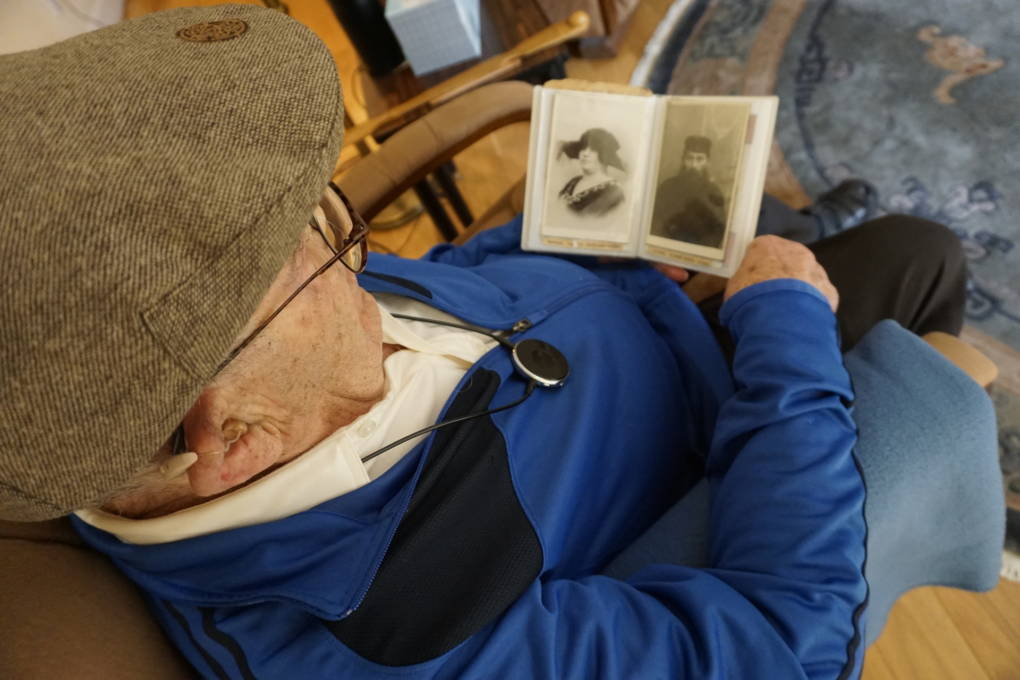
"caption": "Ben Stern looks at the few remaining photographs of his parents, saved by the only one of his siblings to survive the Holocaust.",
"description": "Ben Stern looks at the few remaining photographs of his parents, saved by the only one of his siblings to survive the Holocaust.",
"title": "RS32106_ben looks at pictures-qut",
"credit": "Sasha Khokha/KQED",
"status": "inherit",
"isLoading": false,
"fetchFailed": false
},
"news_11572756": {
"type": "attachments",
"id": "news_11572756",
"meta": {
"index": "attachments_1716263798",
"site": "news",
"id": "11572756",
"found": true
},
"parent": 0,
"imgSizes": {
"small": {
"file": "https://ww2.kqed.org/app/uploads/sites/10/2017/07/tcr_archive_background-520x195.jpg",
"width": 520,
"mimeType": "image/jpeg",
"height": 195
},
"twentyfourteen-full-width": {
"file": "https://ww2.kqed.org/app/uploads/sites/10/2017/07/tcr_archive_background-1038x450.jpg",
"width": 1038,
"mimeType": "image/jpeg",
"height": 450
},
"thumbnail": {
"file": "https://ww2.kqed.org/app/uploads/sites/10/2017/07/tcr_archive_background-160x60.jpg",
"width": 160,
"mimeType": "image/jpeg",
"height": 60
},
"fd-sm": {
"file": "https://ww2.kqed.org/app/uploads/sites/10/2017/07/tcr_archive_background-960x360.jpg",
"width": 960,
"mimeType": "image/jpeg",
"height": 360
},
"post-thumbnail": {
"file": "https://ww2.kqed.org/app/uploads/sites/10/2017/07/tcr_archive_background-672x372.jpg",
"width": 672,
"mimeType": "image/jpeg",
"height": 372
},
"xsmall": {
"file": "https://ww2.kqed.org/app/uploads/sites/10/2017/07/tcr_archive_background-375x141.jpg",
"width": 375,
"mimeType": "image/jpeg",
"height": 141
},
"kqedFullSize": {
"file": "https://ww2.kqed.org/app/uploads/sites/10/2017/07/tcr_archive_background.jpg",
"width": 1200,
"height": 450
},
"large": {
"file": "https://ww2.kqed.org/app/uploads/sites/10/2017/07/tcr_archive_background-1020x383.jpg",
"width": 1020,
"mimeType": "image/jpeg",
"height": 383
},
"xlarge": {
"file": "https://ww2.kqed.org/app/uploads/sites/10/2017/07/tcr_archive_background-1180x443.jpg",
"width": 1180,
"mimeType": "image/jpeg",
"height": 443
},
"guest-author-50": {
"file": "https://ww2.kqed.org/app/uploads/sites/10/2017/07/tcr_archive_background-50x50.jpg",
"width": 50,
"mimeType": "image/jpeg",
"height": 50
},
"guest-author-96": {
"file": "https://ww2.kqed.org/app/uploads/sites/10/2017/07/tcr_archive_background-96x96.jpg",
"width": 96,
"mimeType": "image/jpeg",
"height": 96
},
"medium": {
"file": "https://ww2.kqed.org/app/uploads/sites/10/2017/07/tcr_archive_background-800x300.jpg",
"width": 800,
"mimeType": "image/jpeg",
"height": 300
},
"guest-author-64": {
"file": "https://ww2.kqed.org/app/uploads/sites/10/2017/07/tcr_archive_background-64x64.jpg",
"width": 64,
"mimeType": "image/jpeg",
"height": 64
},
"guest-author-32": {
"file": "https://ww2.kqed.org/app/uploads/sites/10/2017/07/tcr_archive_background-32x32.jpg",
"width": 32,
"mimeType": "image/jpeg",
"height": 32
},
"fd-med": {
"file": "https://ww2.kqed.org/app/uploads/sites/10/2017/07/tcr_archive_background-1180x443.jpg",
"width": 1180,
"mimeType": "image/jpeg",
"height": 443
},
"detail": {
"file": "https://ww2.kqed.org/app/uploads/sites/10/2017/07/tcr_archive_background-150x150.jpg",
"width": 150,
"mimeType": "image/jpeg",
"height": 150
},
"guest-author-128": {
"file": "https://ww2.kqed.org/app/uploads/sites/10/2017/07/tcr_archive_background-128x128.jpg",
"width": 128,
"mimeType": "image/jpeg",
"height": 128
},
"xxsmall": {
"file": "https://ww2.kqed.org/app/uploads/sites/10/2017/07/tcr_archive_background-240x90.jpg",
"width": 240,
"mimeType": "image/jpeg",
"height": 90
}
},
"publishDate": 1500316142,
"modified": 1500316142,
"caption": null,
"description": null,
"title": "tcr_archive_background",
"credit": null,
"status": "inherit",
"isLoading": false,
"fetchFailed": false
},
"news_11684595": {
"type": "attachments",
"id": "news_11684595",
"meta": {
"index": "attachments_1716263798",
"site": "news",
"id": "11684595",
"found": true
},
"parent": 0,
"imgSizes": {
"small": {
"file": "https://ww2.kqed.org/app/uploads/sites/10/2018/08/ProtestersAtHearing-520x347.jpg",
"width": 520,
"mimeType": "image/jpeg",
"height": 347
},
"twentyfourteen-full-width": {
"file": "https://ww2.kqed.org/app/uploads/sites/10/2018/08/ProtestersAtHearing-1038x576.jpg",
"width": 1038,
"mimeType": "image/jpeg",
"height": 576
},
"thumbnail": {
"file": "https://ww2.kqed.org/app/uploads/sites/10/2018/08/ProtestersAtHearing-160x107.jpg",
"width": 160,
"mimeType": "image/jpeg",
"height": 107
},
"fd-sm": {
"file": "https://ww2.kqed.org/app/uploads/sites/10/2018/08/ProtestersAtHearing-960x640.jpg",
"width": 960,
"mimeType": "image/jpeg",
"height": 640
},
"post-thumbnail": {
"file": "https://ww2.kqed.org/app/uploads/sites/10/2018/08/ProtestersAtHearing-672x372.jpg",
"width": 672,
"mimeType": "image/jpeg",
"height": 372
},
"xsmall": {
"file": "https://ww2.kqed.org/app/uploads/sites/10/2018/08/ProtestersAtHearing-375x250.jpg",
"width": 375,
"mimeType": "image/jpeg",
"height": 250
},
"kqedFullSize": {
"file": "https://ww2.kqed.org/app/uploads/sites/10/2018/08/ProtestersAtHearing.jpg",
"width": 1920,
"height": 1280
},
"large": {
"file": "https://ww2.kqed.org/app/uploads/sites/10/2018/08/ProtestersAtHearing-1020x680.jpg",
"width": 1020,
"mimeType": "image/jpeg",
"height": 680
},
"xlarge": {
"file": "https://ww2.kqed.org/app/uploads/sites/10/2018/08/ProtestersAtHearing-1180x787.jpg",
"width": 1180,
"mimeType": "image/jpeg",
"height": 787
},
"complete_open_graph": {
"file": "https://ww2.kqed.org/app/uploads/sites/10/2018/08/ProtestersAtHearing-1200x800.jpg",
"width": 1200,
"mimeType": "image/jpeg",
"height": 800
},
"guest-author-50": {
"file": "https://ww2.kqed.org/app/uploads/sites/10/2018/08/ProtestersAtHearing-50x50.jpg",
"width": 50,
"mimeType": "image/jpeg",
"height": 50
},
"guest-author-96": {
"file": "https://ww2.kqed.org/app/uploads/sites/10/2018/08/ProtestersAtHearing-96x96.jpg",
"width": 96,
"mimeType": "image/jpeg",
"height": 96
},
"medium": {
"file": "https://ww2.kqed.org/app/uploads/sites/10/2018/08/ProtestersAtHearing-800x533.jpg",
"width": 800,
"mimeType": "image/jpeg",
"height": 533
},
"guest-author-64": {
"file": "https://ww2.kqed.org/app/uploads/sites/10/2018/08/ProtestersAtHearing-64x64.jpg",
"width": 64,
"mimeType": "image/jpeg",
"height": 64
},
"guest-author-32": {
"file": "https://ww2.kqed.org/app/uploads/sites/10/2018/08/ProtestersAtHearing-32x32.jpg",
"width": 32,
"mimeType": "image/jpeg",
"height": 32
},
"fd-lrg": {
"file": "https://ww2.kqed.org/app/uploads/sites/10/2018/08/ProtestersAtHearing-1920x1280.jpg",
"width": 1920,
"mimeType": "image/jpeg",
"height": 1280
},
"fd-med": {
"file": "https://ww2.kqed.org/app/uploads/sites/10/2018/08/ProtestersAtHearing-1180x787.jpg",
"width": 1180,
"mimeType": "image/jpeg",
"height": 787
},
"full-width": {
"file": "https://ww2.kqed.org/app/uploads/sites/10/2018/08/ProtestersAtHearing-1920x1280.jpg",
"width": 1920,
"mimeType": "image/jpeg",
"height": 1280
},
"detail": {
"file": "https://ww2.kqed.org/app/uploads/sites/10/2018/08/ProtestersAtHearing-150x150.jpg",
"width": 150,
"mimeType": "image/jpeg",
"height": 150
},
"guest-author-128": {
"file": "https://ww2.kqed.org/app/uploads/sites/10/2018/08/ProtestersAtHearing-128x128.jpg",
"width": 128,
"mimeType": "image/jpeg",
"height": 128
},
"xxsmall": {
"file": "https://ww2.kqed.org/app/uploads/sites/10/2018/08/ProtestersAtHearing-240x160.jpg",
"width": 240,
"mimeType": "image/jpeg",
"height": 160
}
},
"publishDate": 1533260041,
"modified": 1533343377,
"caption": "Representatives from faith and pro-immigration groups protest at a Senate Judiciary Committee hearing on July 31 about the separation of children from their parents at the border.",
"description": "Representatives from faith and pro-immigration groups protest at a Senate Judiciary Committee hearing about the separation of children from their parents at the border, on Capitol Hill, July 31, 2018.",
"title": "ProtestersAtHearing",
"credit": "Chip Somodevilla/Getty Images",
"status": "inherit",
"isLoading": false,
"fetchFailed": false
},
"news_11684315": {
"type": "attachments",
"id": "news_11684315",
"meta": {
"index": "attachments_1716263798",
"site": "news",
"id": "11684315",
"found": true
},
"parent": 11684311,
"imgSizes": {
"small": {
"file": "https://ww2.kqed.org/app/uploads/sites/10/2018/08/GettyImages-938359284-520x347.jpg",
"width": 520,
"mimeType": "image/jpeg",
"height": 347
},
"twentyfourteen-full-width": {
"file": "https://ww2.kqed.org/app/uploads/sites/10/2018/08/GettyImages-938359284-1038x576.jpg",
"width": 1038,
"mimeType": "image/jpeg",
"height": 576
},
"thumbnail": {
"file": "https://ww2.kqed.org/app/uploads/sites/10/2018/08/GettyImages-938359284-160x107.jpg",
"width": 160,
"mimeType": "image/jpeg",
"height": 107
},
"fd-sm": {
"file": "https://ww2.kqed.org/app/uploads/sites/10/2018/08/GettyImages-938359284-960x640.jpg",
"width": 960,
"mimeType": "image/jpeg",
"height": 640
},
"post-thumbnail": {
"file": "https://ww2.kqed.org/app/uploads/sites/10/2018/08/GettyImages-938359284-672x372.jpg",
"width": 672,
"mimeType": "image/jpeg",
"height": 372
},
"xsmall": {
"file": "https://ww2.kqed.org/app/uploads/sites/10/2018/08/GettyImages-938359284-375x250.jpg",
"width": 375,
"mimeType": "image/jpeg",
"height": 250
},
"kqedFullSize": {
"file": "https://ww2.kqed.org/app/uploads/sites/10/2018/08/GettyImages-938359284-e1533164091583.jpg",
"width": 1920,
"height": 1280
},
"large": {
"file": "https://ww2.kqed.org/app/uploads/sites/10/2018/08/GettyImages-938359284-1020x680.jpg",
"width": 1020,
"mimeType": "image/jpeg",
"height": 680
},
"xlarge": {
"file": "https://ww2.kqed.org/app/uploads/sites/10/2018/08/GettyImages-938359284-1180x787.jpg",
"width": 1180,
"mimeType": "image/jpeg",
"height": 787
},
"complete_open_graph": {
"file": "https://ww2.kqed.org/app/uploads/sites/10/2018/08/GettyImages-938359284-1200x800.jpg",
"width": 1200,
"mimeType": "image/jpeg",
"height": 800
},
"guest-author-50": {
"file": "https://ww2.kqed.org/app/uploads/sites/10/2018/08/GettyImages-938359284-50x50.jpg",
"width": 50,
"mimeType": "image/jpeg",
"height": 50
},
"guest-author-96": {
"file": "https://ww2.kqed.org/app/uploads/sites/10/2018/08/GettyImages-938359284-96x96.jpg",
"width": 96,
"mimeType": "image/jpeg",
"height": 96
},
"medium": {
"file": "https://ww2.kqed.org/app/uploads/sites/10/2018/08/GettyImages-938359284-800x533.jpg",
"width": 800,
"mimeType": "image/jpeg",
"height": 533
},
"guest-author-64": {
"file": "https://ww2.kqed.org/app/uploads/sites/10/2018/08/GettyImages-938359284-64x64.jpg",
"width": 64,
"mimeType": "image/jpeg",
"height": 64
},
"guest-author-32": {
"file": "https://ww2.kqed.org/app/uploads/sites/10/2018/08/GettyImages-938359284-32x32.jpg",
"width": 32,
"mimeType": "image/jpeg",
"height": 32
},
"fd-lrg": {
"file": "https://ww2.kqed.org/app/uploads/sites/10/2018/08/GettyImages-938359284-1920x1280.jpg",
"width": 1920,
"mimeType": "image/jpeg",
"height": 1280
},
"fd-med": {
"file": "https://ww2.kqed.org/app/uploads/sites/10/2018/08/GettyImages-938359284-1180x787.jpg",
"width": 1180,
"mimeType": "image/jpeg",
"height": 787
},
"full-width": {
"file": "https://ww2.kqed.org/app/uploads/sites/10/2018/08/GettyImages-938359284-1920x1280.jpg",
"width": 1920,
"mimeType": "image/jpeg",
"height": 1280
},
"detail": {
"file": "https://ww2.kqed.org/app/uploads/sites/10/2018/08/GettyImages-938359284-150x150.jpg",
"width": 150,
"mimeType": "image/jpeg",
"height": 150
},
"guest-author-128": {
"file": "https://ww2.kqed.org/app/uploads/sites/10/2018/08/GettyImages-938359284-128x128.jpg",
"width": 128,
"mimeType": "image/jpeg",
"height": 128
},
"xxsmall": {
"file": "https://ww2.kqed.org/app/uploads/sites/10/2018/08/GettyImages-938359284-240x160.jpg",
"width": 240,
"mimeType": "image/jpeg",
"height": 160
}
},
"publishDate": 1533163988,
"modified": 1533229127,
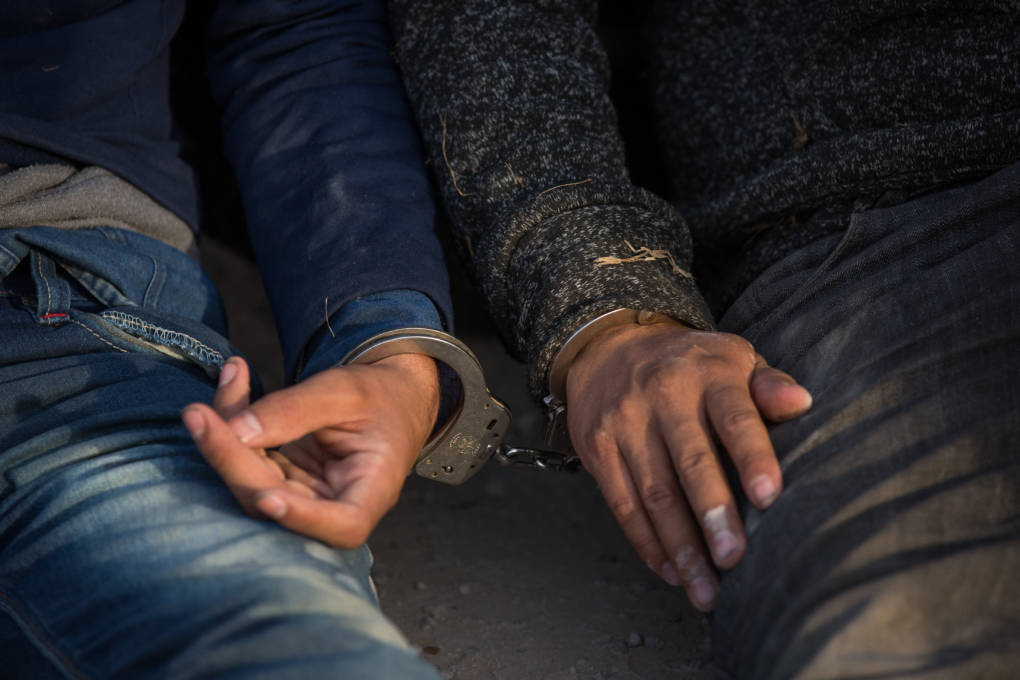
"caption": "Illegal immigrants wait to be transported to a central processing center shortly after they crossed the border from Mexico into the U.S. on March 26, 2018.",
"description": "Illegal immigrants wait to be transported to a central processing center shortly after they crossed the border from Mexico into the U.S. on March 26, 2018.",
"title": "TOPSHOT-US-MEXICO-BORDER-IMMIGRATION-ARREST",
"credit": "Loren Elliott/AFP/Getty Images",
"status": "inherit",
"isLoading": false,
"fetchFailed": false
},
"news_11684235": {
"type": "attachments",
"id": "news_11684235",
"meta": {
"index": "attachments_1716263798",
"site": "news",
"id": "11684235",
"found": true
},
"parent": 11684223,
"imgSizes": {
"small": {
"file": "https://ww2.kqed.org/app/uploads/sites/10/2018/08/GettyImages-654101342-1-520x347.jpg",
"width": 520,
"mimeType": "image/jpeg",
"height": 347
},
"twentyfourteen-full-width": {
"file": "https://ww2.kqed.org/app/uploads/sites/10/2018/08/GettyImages-654101342-1-1038x576.jpg",
"width": 1038,
"mimeType": "image/jpeg",
"height": 576
},
"thumbnail": {
"file": "https://ww2.kqed.org/app/uploads/sites/10/2018/08/GettyImages-654101342-1-160x107.jpg",
"width": 160,
"mimeType": "image/jpeg",
"height": 107
},
"fd-sm": {
"file": "https://ww2.kqed.org/app/uploads/sites/10/2018/08/GettyImages-654101342-1-960x640.jpg",
"width": 960,
"mimeType": "image/jpeg",
"height": 640
},
"post-thumbnail": {
"file": "https://ww2.kqed.org/app/uploads/sites/10/2018/08/GettyImages-654101342-1-672x372.jpg",
"width": 672,
"mimeType": "image/jpeg",
"height": 372
},
"xsmall": {
"file": "https://ww2.kqed.org/app/uploads/sites/10/2018/08/GettyImages-654101342-1-375x250.jpg",
"width": 375,
"mimeType": "image/jpeg",
"height": 250
},
"kqedFullSize": {
"file": "https://ww2.kqed.org/app/uploads/sites/10/2018/08/GettyImages-654101342-1-e1533150476818.jpg",
"width": 1920,
"height": 1280
},
"large": {
"file": "https://ww2.kqed.org/app/uploads/sites/10/2018/08/GettyImages-654101342-1-1020x680.jpg",
"width": 1020,
"mimeType": "image/jpeg",
"height": 680
},
"xlarge": {
"file": "https://ww2.kqed.org/app/uploads/sites/10/2018/08/GettyImages-654101342-1-1180x787.jpg",
"width": 1180,
"mimeType": "image/jpeg",
"height": 787
},
"complete_open_graph": {
"file": "https://ww2.kqed.org/app/uploads/sites/10/2018/08/GettyImages-654101342-1-1200x800.jpg",
"width": 1200,
"mimeType": "image/jpeg",
"height": 800
},
"guest-author-50": {
"file": "https://ww2.kqed.org/app/uploads/sites/10/2018/08/GettyImages-654101342-1-50x50.jpg",
"width": 50,
"mimeType": "image/jpeg",
"height": 50
},
"guest-author-96": {
"file": "https://ww2.kqed.org/app/uploads/sites/10/2018/08/GettyImages-654101342-1-96x96.jpg",
"width": 96,
"mimeType": "image/jpeg",
"height": 96
},
"medium": {
"file": "https://ww2.kqed.org/app/uploads/sites/10/2018/08/GettyImages-654101342-1-800x533.jpg",
"width": 800,
"mimeType": "image/jpeg",
"height": 533
},
"guest-author-64": {
"file": "https://ww2.kqed.org/app/uploads/sites/10/2018/08/GettyImages-654101342-1-64x64.jpg",
"width": 64,
"mimeType": "image/jpeg",
"height": 64
},
"guest-author-32": {
"file": "https://ww2.kqed.org/app/uploads/sites/10/2018/08/GettyImages-654101342-1-32x32.jpg",
"width": 32,
"mimeType": "image/jpeg",
"height": 32
},
"fd-lrg": {
"file": "https://ww2.kqed.org/app/uploads/sites/10/2018/08/GettyImages-654101342-1-1920x1280.jpg",
"width": 1920,
"mimeType": "image/jpeg",
"height": 1280
},
"fd-med": {
"file": "https://ww2.kqed.org/app/uploads/sites/10/2018/08/GettyImages-654101342-1-1180x787.jpg",
"width": 1180,
"mimeType": "image/jpeg",
"height": 787
},
"full-width": {
"file": "https://ww2.kqed.org/app/uploads/sites/10/2018/08/GettyImages-654101342-1-1920x1280.jpg",
"width": 1920,
"mimeType": "image/jpeg",
"height": 1280
},
"detail": {
"file": "https://ww2.kqed.org/app/uploads/sites/10/2018/08/GettyImages-654101342-1-150x150.jpg",
"width": 150,
"mimeType": "image/jpeg",
"height": 150
},
"guest-author-128": {
"file": "https://ww2.kqed.org/app/uploads/sites/10/2018/08/GettyImages-654101342-1-128x128.jpg",
"width": 128,
"mimeType": "image/jpeg",
"height": 128
},
"xxsmall": {
"file": "https://ww2.kqed.org/app/uploads/sites/10/2018/08/GettyImages-654101342-1-240x160.jpg",
"width": 240,
"mimeType": "image/jpeg",
"height": 160
}
},
"publishDate": 1533150402,
"modified": 1533169981,
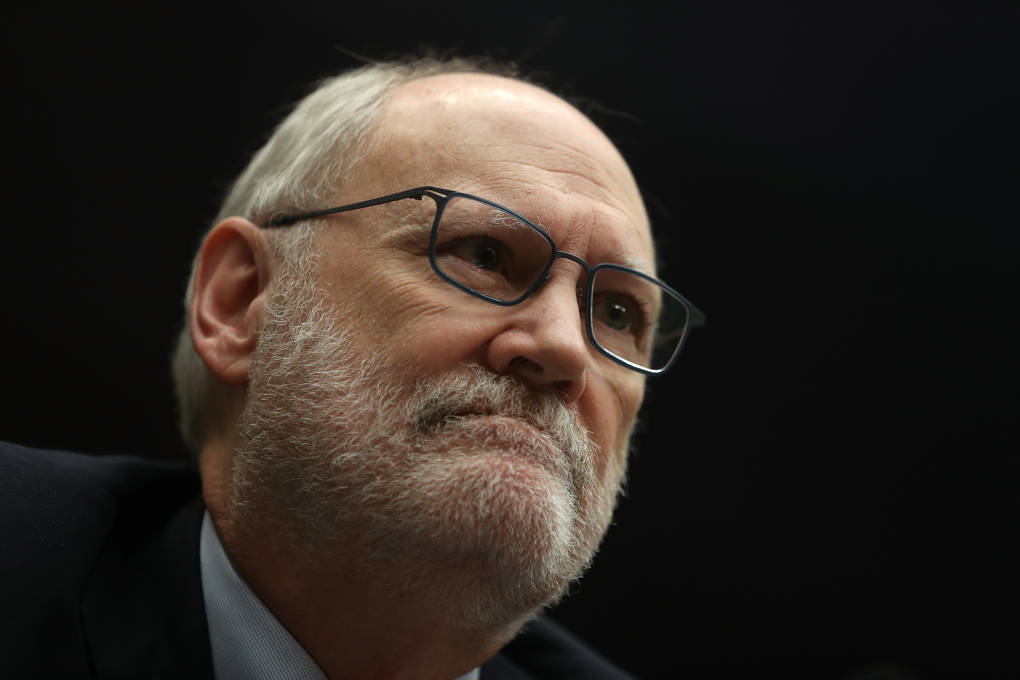
"caption": "File photo of 9th U.S. Circuit Court of Appeals Judge Sidney Thomas on March 16, 2017, in Washington, D.C. ",
"description": "File photo of Ninth Circuit Appeals Court Judge Sidney Thomas on March 16, 2017 in Washington, DC. Judge Thomas ruled Wednesday Trump's order to withhold funding from 'sanctuary cities' exceeded the president's authority but he also said there wasn't enough evidence to support a nationwide ban.",
"title": "Judges From Ninth Circuit Appeals Court Testify Before House Judiciary Cmte",
"credit": "Justin Sullivan/Getty Images",
"status": "inherit",
"isLoading": false,
"fetchFailed": false
},
"news_11684102": {
"type": "attachments",
"id": "news_11684102",
"meta": {
"index": "attachments_1716263798",
"site": "news",
"id": "11684102",
"found": true
},
"parent": 11683789,
"imgSizes": {
"small": {
"file": "https://ww2.kqed.org/app/uploads/sites/10/2018/07/GuatemalaMain-520x375.jpg",
"width": 520,
"mimeType": "image/jpeg",
"height": 375
},
"twentyfourteen-full-width": {
"file": "https://ww2.kqed.org/app/uploads/sites/10/2018/07/GuatemalaMain-1038x576.jpg",
"width": 1038,
"mimeType": "image/jpeg",
"height": 576
},
"thumbnail": {
"file": "https://ww2.kqed.org/app/uploads/sites/10/2018/07/GuatemalaMain-160x115.jpg",
"width": 160,
"mimeType": "image/jpeg",
"height": 115
},
"fd-sm": {
"file": "https://ww2.kqed.org/app/uploads/sites/10/2018/07/GuatemalaMain-960x692.jpg",
"width": 960,
"mimeType": "image/jpeg",
"height": 692
},
"post-thumbnail": {
"file": "https://ww2.kqed.org/app/uploads/sites/10/2018/07/GuatemalaMain-672x372.jpg",
"width": 672,
"mimeType": "image/jpeg",
"height": 372
},
"xsmall": {
"file": "https://ww2.kqed.org/app/uploads/sites/10/2018/07/GuatemalaMain-375x270.jpg",
"width": 375,
"mimeType": "image/jpeg",
"height": 270
},
"kqedFullSize": {
"file": "https://ww2.kqed.org/app/uploads/sites/10/2018/07/GuatemalaMain.jpg",
"width": 1920,
"height": 1384
},
"large": {
"file": "https://ww2.kqed.org/app/uploads/sites/10/2018/07/GuatemalaMain-1020x735.jpg",
"width": 1020,
"mimeType": "image/jpeg",
"height": 735
},
"xlarge": {
"file": "https://ww2.kqed.org/app/uploads/sites/10/2018/07/GuatemalaMain-1180x851.jpg",
"width": 1180,
"mimeType": "image/jpeg",
"height": 851
},
"complete_open_graph": {
"file": "https://ww2.kqed.org/app/uploads/sites/10/2018/07/GuatemalaMain-1200x865.jpg",
"width": 1200,
"mimeType": "image/jpeg",
"height": 865
},
"guest-author-50": {
"file": "https://ww2.kqed.org/app/uploads/sites/10/2018/07/GuatemalaMain-50x50.jpg",
"width": 50,
"mimeType": "image/jpeg",
"height": 50
},
"guest-author-96": {
"file": "https://ww2.kqed.org/app/uploads/sites/10/2018/07/GuatemalaMain-96x96.jpg",
"width": 96,
"mimeType": "image/jpeg",
"height": 96
},
"medium": {
"file": "https://ww2.kqed.org/app/uploads/sites/10/2018/07/GuatemalaMain-800x577.jpg",
"width": 800,
"mimeType": "image/jpeg",
"height": 577
},
"guest-author-64": {
"file": "https://ww2.kqed.org/app/uploads/sites/10/2018/07/GuatemalaMain-64x64.jpg",
"width": 64,
"mimeType": "image/jpeg",
"height": 64
},
"guest-author-32": {
"file": "https://ww2.kqed.org/app/uploads/sites/10/2018/07/GuatemalaMain-32x32.jpg",
"width": 32,
"mimeType": "image/jpeg",
"height": 32
},
"fd-lrg": {
"file": "https://ww2.kqed.org/app/uploads/sites/10/2018/07/GuatemalaMain-1920x1384.jpg",
"width": 1920,
"mimeType": "image/jpeg",
"height": 1384
},
"fd-med": {
"file": "https://ww2.kqed.org/app/uploads/sites/10/2018/07/GuatemalaMain-1180x851.jpg",
"width": 1180,
"mimeType": "image/jpeg",
"height": 851
},
"full-width": {
"file": "https://ww2.kqed.org/app/uploads/sites/10/2018/07/GuatemalaMain-1920x1384.jpg",
"width": 1920,
"mimeType": "image/jpeg",
"height": 1384
},
"detail": {
"file": "https://ww2.kqed.org/app/uploads/sites/10/2018/07/GuatemalaMain-150x150.jpg",
"width": 150,
"mimeType": "image/jpeg",
"height": 150
},
"guest-author-128": {
"file": "https://ww2.kqed.org/app/uploads/sites/10/2018/07/GuatemalaMain-128x128.jpg",
"width": 128,
"mimeType": "image/jpeg",
"height": 128
},
"xxsmall": {
"file": "https://ww2.kqed.org/app/uploads/sites/10/2018/07/GuatemalaMain-240x173.jpg",
"width": 240,
"mimeType": "image/jpeg",
"height": 173
}
},
"publishDate": 1533076927,
"modified": 1533076970,
"caption": "Two men wait for social services in Zona 1, Guatemala City.",
"description": "Two men wait for social services in Zona 1, Guatemala City.",
"title": "GuatemalaMain",
"credit": "John Sepulvado/KQED",
"status": "inherit",
"isLoading": false,
"fetchFailed": false
},
"news_11683943": {
"type": "attachments",
"id": "news_11683943",
"meta": {
"index": "attachments_1716263798",
"site": "news",
"id": "11683943",
"found": true
},
"parent": 0,
"imgSizes": {
"small": {
"file": "https://ww2.kqed.org/app/uploads/sites/10/2018/07/SWB_12_sized-520x293.jpg",
"width": 520,
"mimeType": "image/jpeg",
"height": 293
},
"twentyfourteen-full-width": {
"file": "https://ww2.kqed.org/app/uploads/sites/10/2018/07/SWB_12_sized-1038x576.jpg",
"width": 1038,
"mimeType": "image/jpeg",
"height": 576
},
"thumbnail": {
"file": "https://ww2.kqed.org/app/uploads/sites/10/2018/07/SWB_12_sized-160x90.jpg",
"width": 160,
"mimeType": "image/jpeg",
"height": 90
},
"fd-sm": {
"file": "https://ww2.kqed.org/app/uploads/sites/10/2018/07/SWB_12_sized-960x540.jpg",
"width": 960,
"mimeType": "image/jpeg",
"height": 540
},
"post-thumbnail": {
"file": "https://ww2.kqed.org/app/uploads/sites/10/2018/07/SWB_12_sized-672x372.jpg",
"width": 672,
"mimeType": "image/jpeg",
"height": 372
},
"xsmall": {
"file": "https://ww2.kqed.org/app/uploads/sites/10/2018/07/SWB_12_sized-375x211.jpg",
"width": 375,
"mimeType": "image/jpeg",
"height": 211
},
"kqedFullSize": {
"file": "https://ww2.kqed.org/app/uploads/sites/10/2018/07/SWB_12_sized-e1533072889728.jpg",
"width": 1920,
"height": 1080
},
"large": {
"file": "https://ww2.kqed.org/app/uploads/sites/10/2018/07/SWB_12_sized-1020x574.jpg",
"width": 1020,
"mimeType": "image/jpeg",
"height": 574
},
"xlarge": {
"file": "https://ww2.kqed.org/app/uploads/sites/10/2018/07/SWB_12_sized-1180x664.jpg",
"width": 1180,
"mimeType": "image/jpeg",
"height": 664
},
"complete_open_graph": {
"file": "https://ww2.kqed.org/app/uploads/sites/10/2018/07/SWB_12_sized-1200x675.jpg",
"width": 1200,
"mimeType": "image/jpeg",
"height": 675
},
"guest-author-50": {
"file": "https://ww2.kqed.org/app/uploads/sites/10/2018/07/SWB_12_sized-50x50.jpg",
"width": 50,
"mimeType": "image/jpeg",
"height": 50
},
"guest-author-96": {
"file": "https://ww2.kqed.org/app/uploads/sites/10/2018/07/SWB_12_sized-96x96.jpg",
"width": 96,
"mimeType": "image/jpeg",
"height": 96
},
"medium": {
"file": "https://ww2.kqed.org/app/uploads/sites/10/2018/07/SWB_12_sized-800x450.jpg",
"width": 800,
"mimeType": "image/jpeg",
"height": 450
},
"guest-author-64": {
"file": "https://ww2.kqed.org/app/uploads/sites/10/2018/07/SWB_12_sized-64x64.jpg",
"width": 64,
"mimeType": "image/jpeg",
"height": 64
},
"guest-author-32": {
"file": "https://ww2.kqed.org/app/uploads/sites/10/2018/07/SWB_12_sized-32x32.jpg",
"width": 32,
"mimeType": "image/jpeg",
"height": 32
},
"fd-lrg": {
"file": "https://ww2.kqed.org/app/uploads/sites/10/2018/07/SWB_12_sized-1920x1080.jpg",
"width": 1920,
"mimeType": "image/jpeg",
"height": 1080
},
"fd-med": {
"file": "https://ww2.kqed.org/app/uploads/sites/10/2018/07/SWB_12_sized-1180x664.jpg",
"width": 1180,
"mimeType": "image/jpeg",
"height": 664
},
"full-width": {
"file": "https://ww2.kqed.org/app/uploads/sites/10/2018/07/SWB_12_sized-1920x1080.jpg",
"width": 1920,
"mimeType": "image/jpeg",
"height": 1080
},
"detail": {
"file": "https://ww2.kqed.org/app/uploads/sites/10/2018/07/SWB_12_sized-150x150.jpg",
"width": 150,
"mimeType": "image/jpeg",
"height": 150
},
"guest-author-128": {
"file": "https://ww2.kqed.org/app/uploads/sites/10/2018/07/SWB_12_sized-128x128.jpg",
"width": 128,
"mimeType": "image/jpeg",
"height": 128
},
"xxsmall": {
"file": "https://ww2.kqed.org/app/uploads/sites/10/2018/07/SWB_12_sized-240x135.jpg",
"width": 240,
"mimeType": "image/jpeg",
"height": 135
}
},
"publishDate": 1533060917,
"modified": 1533073236,
"caption": "18-year-old Milton, center, laughs as he and his partner pass the ball between them using their heads during a dribbling drill.",
"description": "18-year-old Milton, center, laughs as he and his partner pass the ball between them using their heads during a dribbling drill.",
"title": "SWB_12_sized",
"credit": "Anne Wernikoff/KQED",
"status": "inherit",
"isLoading": false,
"fetchFailed": false
},
"news_11683967": {
"type": "attachments",
"id": "news_11683967",
"meta": {
"index": "attachments_1716263798",
"site": "news",
"id": "11683967",
"found": true
},
"parent": 11683957,
"imgSizes": {
"small": {
"file": "https://ww2.kqed.org/app/uploads/sites/10/2018/07/GettyImages-1004835018-520x347.jpg",
"width": 520,
"mimeType": "image/jpeg",
"height": 347
},
"twentyfourteen-full-width": {
"file": "https://ww2.kqed.org/app/uploads/sites/10/2018/07/GettyImages-1004835018-1038x576.jpg",
"width": 1038,
"mimeType": "image/jpeg",
"height": 576
},
"thumbnail": {
"file": "https://ww2.kqed.org/app/uploads/sites/10/2018/07/GettyImages-1004835018-160x107.jpg",
"width": 160,
"mimeType": "image/jpeg",
"height": 107
},
"fd-sm": {
"file": "https://ww2.kqed.org/app/uploads/sites/10/2018/07/GettyImages-1004835018-960x640.jpg",
"width": 960,
"mimeType": "image/jpeg",
"height": 640
},
"post-thumbnail": {
"file": "https://ww2.kqed.org/app/uploads/sites/10/2018/07/GettyImages-1004835018-672x372.jpg",
"width": 672,
"mimeType": "image/jpeg",
"height": 372
},
"xsmall": {
"file": "https://ww2.kqed.org/app/uploads/sites/10/2018/07/GettyImages-1004835018-375x250.jpg",
"width": 375,
"mimeType": "image/jpeg",
"height": 250
},
"kqedFullSize": {
"file": "https://ww2.kqed.org/app/uploads/sites/10/2018/07/GettyImages-1004835018-e1533063948692.jpg",
"width": 1920,
"height": 1280
},
"large": {
"file": "https://ww2.kqed.org/app/uploads/sites/10/2018/07/GettyImages-1004835018-1020x680.jpg",
"width": 1020,
"mimeType": "image/jpeg",
"height": 680
},
"xlarge": {
"file": "https://ww2.kqed.org/app/uploads/sites/10/2018/07/GettyImages-1004835018-1180x787.jpg",
"width": 1180,
"mimeType": "image/jpeg",
"height": 787
},
"complete_open_graph": {
"file": "https://ww2.kqed.org/app/uploads/sites/10/2018/07/GettyImages-1004835018-1200x800.jpg",
"width": 1200,
"mimeType": "image/jpeg",
"height": 800
},
"guest-author-50": {
"file": "https://ww2.kqed.org/app/uploads/sites/10/2018/07/GettyImages-1004835018-50x50.jpg",
"width": 50,
"mimeType": "image/jpeg",
"height": 50
},
"guest-author-96": {
"file": "https://ww2.kqed.org/app/uploads/sites/10/2018/07/GettyImages-1004835018-96x96.jpg",
"width": 96,
"mimeType": "image/jpeg",
"height": 96
},
"medium": {
"file": "https://ww2.kqed.org/app/uploads/sites/10/2018/07/GettyImages-1004835018-800x533.jpg",
"width": 800,
"mimeType": "image/jpeg",
"height": 533
},
"guest-author-64": {
"file": "https://ww2.kqed.org/app/uploads/sites/10/2018/07/GettyImages-1004835018-64x64.jpg",
"width": 64,
"mimeType": "image/jpeg",
"height": 64
},
"guest-author-32": {
"file": "https://ww2.kqed.org/app/uploads/sites/10/2018/07/GettyImages-1004835018-32x32.jpg",
"width": 32,
"mimeType": "image/jpeg",
"height": 32
},
"fd-lrg": {
"file": "https://ww2.kqed.org/app/uploads/sites/10/2018/07/GettyImages-1004835018-1920x1280.jpg",
"width": 1920,
"mimeType": "image/jpeg",
"height": 1280
},
"fd-med": {
"file": "https://ww2.kqed.org/app/uploads/sites/10/2018/07/GettyImages-1004835018-1180x787.jpg",
"width": 1180,
"mimeType": "image/jpeg",
"height": 787
},
"full-width": {
"file": "https://ww2.kqed.org/app/uploads/sites/10/2018/07/GettyImages-1004835018-1920x1280.jpg",
"width": 1920,
"mimeType": "image/jpeg",
"height": 1280
},
"detail": {
"file": "https://ww2.kqed.org/app/uploads/sites/10/2018/07/GettyImages-1004835018-150x150.jpg",
"width": 150,
"mimeType": "image/jpeg",
"height": 150
},
"guest-author-128": {
"file": "https://ww2.kqed.org/app/uploads/sites/10/2018/07/GettyImages-1004835018-128x128.jpg",
"width": 128,
"mimeType": "image/jpeg",
"height": 128
},
"xxsmall": {
"file": "https://ww2.kqed.org/app/uploads/sites/10/2018/07/GettyImages-1004835018-240x160.jpg",
"width": 240,
"mimeType": "image/jpeg",
"height": 160
}
},
"publishDate": 1533063620,
"modified": 1533063939,
"caption": "U.S. Sen. Dianne Feinstein (D-CA) and Sen. Chuck Grassley (R-IA) are asking for investigations into conditions and alleged abuse at immigrant detention facilities. ",
"description": "U.S. Sen. Dianne Feinstein (D-CA) and Sen. Chuck Grassley (R-IA) are asking for investigations into conditions and alleged abuse at immigrant detention facilities. ",
"title": "Senate Commerce Committee Holds Hearing On Protecting And Empowering U.S. Amateur Athletes",
"credit": "Alex Wong/Getty Images",
"status": "inherit",
"isLoading": false,
"fetchFailed": false
}
},
"audioPlayerReducer": {
"postId": "stream_live",
"isPaused": true,
"isPlaying": false,
"pfsActive": false,
"pledgeModalIsOpen": true,
"playerDrawerIsOpen": false,
"liveAudioPlayStartedAt": 0,
"liveAudioPlayContext": ""
},
"authorsReducer": {
"byline_news_11684223": {
"type": "authors",
"id": "byline_news_11684223",
"meta": {
"override": true
},
"slug": "byline_news_11684223",
"name": "Sudhin Thanawala\u003cbr/>Associated Press\u003c/br>",
"isLoading": false
},
"kqed": {
"type": "authors",
"id": "236",
"meta": {
"index": "authors_1716337520",
"id": "236",
"found": true
},
"name": "KQED News Staff",
"firstName": "KQED News Staff",
"lastName": null,
"slug": "kqed",
"email": "faq@kqed.org",
"display_author_email": false,
"staff_mastheads": [],
"title": null,
"bio": null,
"avatar": "https://secure.gravatar.com/avatar/ef0e801a68c4c54afa9180db14084167?s=600&d=blank&r=g",
"twitter": null,
"facebook": null,
"instagram": null,
"linkedin": null,
"sites": [
{
"site": "arts",
"roles": [
"contributor"
]
},
{
"site": "news",
"roles": [
"editor"
]
},
{
"site": "futureofyou",
"roles": [
"author"
]
}
],
"headData": {
"title": "KQED News Staff | KQED",
"description": null,
"ogImgSrc": "https://secure.gravatar.com/avatar/ef0e801a68c4c54afa9180db14084167?s=600&d=blank&r=g",
"twImgSrc": "https://secure.gravatar.com/avatar/ef0e801a68c4c54afa9180db14084167?s=600&d=blank&r=g"
},
"isLoading": false,
"link": "/author/kqed"
},
"samharnett": {
"type": "authors",
"id": "253",
"meta": {
"index": "authors_1716337520",
"id": "253",
"found": true
},
"name": "Sam Harnett",
"firstName": "Sam",
"lastName": "Harnett",
"slug": "samharnett",
"email": "samharnett@gmail.com",
"display_author_email": false,
"staff_mastheads": [],
"title": "KQED Contributor",
"bio": "Sam Harnett covered tech and work at KQED. He is the co-creator of \u003cem>\u003ca href=\"http://www.theworldaccordingtosound.org\">The World According to Sound\u003c/a>,\u003c/em> a 90-second podcast that features different sounds and the stories behind them.\r\n\r\nBefore coming to KQED, Sam worked as an independent reporter who contributed regularly to \u003cem>The California Report, Marketplace,\u003c/em> \u003cem>The World \u003c/em>and NPR.",
"avatar": "https://secure.gravatar.com/avatar/2538b972ac02f2b9546c7a6c59a0f3d0?s=600&d=blank&r=g",
"twitter": "Samwharnett",
"facebook": null,
"instagram": null,
"linkedin": null,
"sites": [
{
"site": "news",
"roles": [
"edit_others_posts",
"subscriber"
]
},
{
"site": "stateofhealth",
"roles": [
"author"
]
},
{
"site": "science",
"roles": [
"editor"
]
},
{
"site": "quest",
"roles": [
"subscriber"
]
}
],
"headData": {
"title": "Sam Harnett | KQED",
"description": "KQED Contributor",
"ogImgSrc": "https://secure.gravatar.com/avatar/2538b972ac02f2b9546c7a6c59a0f3d0?s=600&d=blank&r=g",
"twImgSrc": "https://secure.gravatar.com/avatar/2538b972ac02f2b9546c7a6c59a0f3d0?s=600&d=blank&r=g"
},
"isLoading": false,
"link": "/author/samharnett"
},
"sasha-khokha": {
"type": "authors",
"id": "254",
"meta": {
"index": "authors_1716337520",
"id": "254",
"found": true
},
"name": "Sasha Khokha",
"firstName": "Sasha",
"lastName": "Khokha",
"slug": "sasha-khokha",
"email": "skhokha@kqed.org",
"display_author_email": true,
"staff_mastheads": [
"news"
],
"title": "Host, The California Report Magazine",
"bio": "Sasha Khokha is the host of \u003cem>The California Report's \u003c/em> weekly magazine program, which takes listeners on sound-rich excursions to meet the people that make the Golden State unique -- through audio documentaries and long-form stories. As \u003cem>The California Report's\u003c/em> Central Valley Bureau Chief based in Fresno for nearly a dozen years, Sasha brought the lives and concerns of rural Californians to listeners around the state. Her reporting helped expose the hidden price immigrant women janitors and farmworkers may pay to keep their jobs: sexual assault at work. It inspired two new California laws to protect them from sexual harassment. She was a key member of the reporting team for the Frontline film \u003cem>Rape on the Night Shift, \u003c/em>which was nominated for two national Emmys. Sasha has also won a national Edward R. Murrow and a national PRNDI award for investigative reporting, as well as multiple prizes from the Society for Professional Journalists. Sasha is a proud alum of the UC Berkeley Graduate School of Journalism and Brown University and a member of the South Asian Journalists Association.",
"avatar": "https://secure.gravatar.com/avatar/e4b5e1541aaeea2aa356aa1fb2a68950?s=600&d=blank&r=g",
"twitter": "KQEDSashaKhokha",
"facebook": null,
"instagram": null,
"linkedin": null,
"sites": [
{
"site": "news",
"roles": [
"editor"
]
},
{
"site": "stateofhealth",
"roles": [
"author"
]
},
{
"site": "science",
"roles": [
"author"
]
},
{
"site": "quest",
"roles": [
"subscriber"
]
}
],
"headData": {
"title": "Sasha Khokha | KQED",
"description": "Host, The California Report Magazine",
"ogImgSrc": "https://secure.gravatar.com/avatar/e4b5e1541aaeea2aa356aa1fb2a68950?s=600&d=blank&r=g",
"twImgSrc": "https://secure.gravatar.com/avatar/e4b5e1541aaeea2aa356aa1fb2a68950?s=600&d=blank&r=g"
},
"isLoading": false,
"link": "/author/sasha-khokha"
},
"mlagos": {
"type": "authors",
"id": "3239",
"meta": {
"index": "authors_1716337520",
"id": "3239",
"found": true
},
"name": "Marisa Lagos",
"firstName": "Marisa",
"lastName": "Lagos",
"slug": "mlagos",
"email": "mlagos@kqed.org",
"display_author_email": false,
"staff_mastheads": [
"news"
],
"title": "KQED Contributor",
"bio": "Marisa Lagos is a correspondent for KQED’s California Politics and Government Desk and co-hosts the award-winning show and podcast, Political Breakdown. At KQED, Lagos also conducts reporting, analysis and investigations into state, local and national politics for radio, TV, online and onstage. In 2022, she and co-host, Scott Shafer, moderated the only gubernatorial debate in California. In 2020, the \u003ci>Washington Post\u003c/i> named her one of the top political journalists in California; she was nominated for a Peabody and won several other awards for her work investigating the 2017 California wildfires. She has worked at the \u003ci>San Francisco Chronicle\u003c/i>, \u003ci>San Francisco Examiner\u003c/i> and \u003ci>Los Angeles Times\u003c/i>. A UC Santa Barbara graduate, she lives in San Francisco with her two sons and husband.",
"avatar": "https://secure.gravatar.com/avatar/a261a0d3696fc066871ef96b85b5e7d2?s=600&d=blank&r=g",
"twitter": "@mlagos",
"facebook": null,
"instagram": null,
"linkedin": null,
"sites": [
{
"site": "arts",
"roles": [
"author"
]
},
{
"site": "news",
"roles": [
"editor"
]
},
{
"site": "science",
"roles": [
"editor"
]
},
{
"site": "forum",
"roles": [
"author"
]
},
{
"site": "liveblog",
"roles": [
"author"
]
}
],
"headData": {
"title": "Marisa Lagos | KQED",
"description": "KQED Contributor",
"ogImgSrc": "https://secure.gravatar.com/avatar/a261a0d3696fc066871ef96b85b5e7d2?s=600&d=blank&r=g",
"twImgSrc": "https://secure.gravatar.com/avatar/a261a0d3696fc066871ef96b85b5e7d2?s=600&d=blank&r=g"
},
"isLoading": false,
"link": "/author/mlagos"
},
"jsmall": {
"type": "authors",
"id": "6625",
"meta": {
"index": "authors_1716337520",
"id": "6625",
"found": true
},
"name": "Julie Small",
"firstName": "Julie",
"lastName": "Small",
"slug": "jsmall",
"email": "jsmall@kqed.org",
"display_author_email": true,
"staff_mastheads": [
"news"
],
"title": "KQED Contributor",
"bio": "Julie Small reports on criminal justice and immigration.\r\n\r\nShe was part of a team at KQED awarded a regional 2019 Edward R. Murrow award for continuing coverage of the Trump Administration's family separation policy.\r\n\r\nThe Society for Professional Journalists recognized Julie's 2018 \u003ca href=\"https://www.kqed.org/news/11636262/the-officer-tased-him-31-times-the-sheriff-called-his-death-an-accident\">reporting\u003c/a> on the San Joaquin County Sheriff's \u003ca href=\"https://www.kqed.org/news/11634689/autopsy-doctors-sheriff-overrode-death-findings-to-protect-law-enforcement\">interference\u003c/a> in death investigations with an Excellence in Journalism Award for Ongoing Coverage.\r\n\r\nJulie's\u003ca href=\"https://www.kqed.org/news/11039666/two-mentally-ill-inmates-died-one-month-in-santa-clara\"> reporting\u003c/a> with Lisa Pickoff-White on the treatment of mentally ill offenders in California jails earned a 2017 regional Edward R. Murrow Award for news reporting and an investigative reporting award from the SPJ of Northern California.\r\n\r\nBefore joining KQED, Julie covered government and politics in Sacramento for Southern California Public Radio (SCPR). Her 2010 \u003ca href=\"https://www.scpr.org/specials/prisonmedical/\">series\u003c/a> on lapses in California’s prison medical care also won a regional Edward R. Murrow Award for investigative reporting and a Golden Mic Award from the RTNDA of Southern California.\r\n\r\nJulie began her career in journalism in 2000 as the deputy foreign editor for public radio's \u003cem>Marketplace, \u003c/em>while earning her master's degree in journalism from USC’s Annenberg School of Communication.",
"avatar": "https://secure.gravatar.com/avatar/4baedf201468df97be97c2a9dd7585d0?s=600&d=blank&r=g",
"twitter": "@SmallRadio2",
"facebook": null,
"instagram": null,
"linkedin": null,
"sites": [
{
"site": "news",
"roles": [
"editor"
]
},
{
"site": "stateofhealth",
"roles": [
"author"
]
},
{
"site": "science",
"roles": [
"author"
]
}
],
"headData": {
"title": "Julie Small | KQED",
"description": "KQED Contributor",
"ogImgSrc": "https://secure.gravatar.com/avatar/4baedf201468df97be97c2a9dd7585d0?s=600&d=blank&r=g",
"twImgSrc": "https://secure.gravatar.com/avatar/4baedf201468df97be97c2a9dd7585d0?s=600&d=blank&r=g"
},
"isLoading": false,
"link": "/author/jsmall"
},
"jsepulvado": {
"type": "authors",
"id": "11298",
"meta": {
"index": "authors_1716337520",
"id": "11298",
"found": true
},
"name": "John Sepulvado",
"firstName": "John",
"lastName": "Sepulvado",
"slug": "jsepulvado",
"email": "jsepulvado@KQED.org",
"display_author_email": false,
"staff_mastheads": [],
"title": null,
"bio": "John Sepulvado is a former morning host of \u003cem>The California Report\u003c/em>. Prior to joining KQED in September 2016, John was the local host of NPR’s \u003cem>Weekend Edition\u003c/em> at Oregon Public Broadcasting (OPB). He has also served as a producer for America Public Media’s \u003cem>Marketplace Weekend\u003c/em> and worked as a national correspondent for CNN and as news director at WUSF in Tampa, Florida. John has earned prestigious RTDNA Murrow and PRNDI awards for investigative reporting, and helped CNN take home a Peabody Award for coverage of the 2010 Gulf oil spill. John attended Florida A&M in Tallahassee and is also a member of Phi Theta Kappa. He left KQED in 2019.",
"avatar": "https://secure.gravatar.com/avatar/b976d3c4cf11750a793b670e5acb7a1c?s=600&d=blank&r=g",
"twitter": null,
"facebook": null,
"instagram": null,
"linkedin": null,
"sites": [
{
"site": "news",
"roles": [
"author",
"edit_others_posts"
]
}
],
"headData": {
"title": "John Sepulvado | KQED",
"description": null,
"ogImgSrc": "https://secure.gravatar.com/avatar/b976d3c4cf11750a793b670e5acb7a1c?s=600&d=blank&r=g",
"twImgSrc": "https://secure.gravatar.com/avatar/b976d3c4cf11750a793b670e5acb7a1c?s=600&d=blank&r=g"
},
"isLoading": false,
"link": "/author/jsepulvado"
},
"awernikoff": {
"type": "authors",
"id": "11525",
"meta": {
"index": "authors_1716337520",
"id": "11525",
"found": true
},
"name": "Anne Wernikoff",
"firstName": "Anne",
"lastName": "Wernikoff",
"slug": "awernikoff",
"email": "awernikoff@KQED.org",
"display_author_email": false,
"staff_mastheads": [],
"title": null,
"bio": null,
"avatar": "https://secure.gravatar.com/avatar/efefbb87d9a8d8dd9974145d8d9f321f?s=600&d=blank&r=g",
"twitter": null,
"facebook": null,
"instagram": null,
"linkedin": null,
"sites": [
{
"site": "news",
"roles": [
"author",
"edit_others_posts"
]
}
],
"headData": {
"title": "Anne Wernikoff | KQED",
"description": null,
"ogImgSrc": "https://secure.gravatar.com/avatar/efefbb87d9a8d8dd9974145d8d9f321f?s=600&d=blank&r=g",
"twImgSrc": "https://secure.gravatar.com/avatar/efefbb87d9a8d8dd9974145d8d9f321f?s=600&d=blank&r=g"
},
"isLoading": false,
"link": "/author/awernikoff"
}
},
"pagesReducer": {
"news_category_immigration": {
"type": "terms",
"id": "news_1169",
"meta": {
"index": "terms_1716263798",
"site": "news",
"id": "1169",
"score": 10.910702
},
"featImg": null,
"name": "Immigration",
"description": null,
"taxonomy": "category",
"headData": {
"twImgId": null,
"twTitle": null,
"ogTitle": null,
"ogImgId": null,
"twDescription": null,
"description": null,
"title": "Immigration Archives | KQED News",
"ogDescription": null
},
"ttid": 1180,
"slug": "immigration",
"isLoading": false,
"title": "Immigration",
"pageMeta": {
"site": "news",
"WpPageTemplate": "page-topic-editorial",
"currentPage": 122
},
"blocks": [
{
"blockName": "kqed/post-list",
"attrs": {
"layout": "cardArticle2",
"query": "posts/news?category=immigration",
"seeMore": false,
"paginated": true,
"page": 122
}
},
{
"blockName": "kqed/ad"
}
]
}
},
"pfsSessionReducer": {},
"postsReducer": {
"stream_live": {
"type": "live",
"id": "stream_live",
"audioUrl": "https://streams.kqed.org/kqedradio",
"title": "Live Stream",
"excerpt": "Live Stream information currently unavailable.",
"link": "/radio",
"featImg": "",
"label": {
"name": "KQED Live",
"link": "/"
}
},
"stream_kqedNewscast": {
"type": "posts",
"id": "stream_kqedNewscast",
"audioUrl": "https://www.kqed.org/.stream/anon/radio/RDnews/newscast.mp3?_=1",
"title": "KQED Newscast",
"featImg": "",
"label": {
"name": "88.5 FM",
"link": "/"
}
},
"news_11684747": {
"type": "posts",
"id": "news_11684747",
"meta": {
"index": "posts_1716263798",
"site": "news",
"id": "11684747",
"score": null,
"sort": [
1533342513000
]
},
"parent": 0,
"labelTerm": {},
"blocks": [],
"publishDate": 1533342513,
"format": "audio",
"disqusTitle": "Wildfires Spark Fear, Anxiety for Survivors",
"title": "Wildfires Spark Fear, Anxiety for Survivors",
"headTitle": "KQED News",
"content": "\u003ch2>\u003ca href=\"https://www.kqed.org/news/11684581/in-wildfire-hit-redding-latino-family-offers-free-food-in-face-of-racial-tensions\" rel=\"noopener noreferrer\" target=\"_blank\">In Wildfire-Hit Redding, Latino Family Offers Free Food in Face of Racial Tensions\u003c/a>\u003c/h2>\n\u003cp>The wildfires burning across California have been some of the most devastating in the state's history, with a tornado of fire roaring through Shasta County at more than 140 miles per hour. As people there face evacuations and threats to their homes, there are reports that some shops are taking advantage of the fire victims by charging them exorbitant prices for essentials like food. KQED’s Sam Harnett brings us the story of a Mexican restaurant that’s doing just the opposite.\u003c/p>\n\u003ch2>\u003ca href=\"https://www.kqed.org/science/1928658/wildfires-reignite-old-trauma-for-survivors-of-last-octobers-devastation\" rel=\"noopener noreferrer\" target=\"_blank\">Recent Wildfires Trigger Trauma For Santa Rosa Survivor\u003c/a>\u003c/h2>\n\u003cp>There are so many fires blazing across the state this week, and some of them are pretty close to places that have recently burned, like Santa Rosa. For people who survived last fall's massive firestorm there, it can be really upsetting to smell smoke again, hear helicopters, or even see flames light up their TV screens. KQED Science reporter Lesley McClurg paid a visit to a woman who's been watching the hazy skies and feeling panicked.\u003c/p>\n\u003ch2>\u003ca href=\"https://www.kqed.org/news/11684469/dave-alvin-and-jimmie-dale-gilmore-intertwine-their-musical-roots-on-downey-to-lubbock\" rel=\"noopener noreferrer\" target=\"_blank\">Dave Alvin and Jimmie Dale Gilmore Intertwine Their Musical Roots on 'Downey to Lubbock'\u003c/a>\u003c/h2>\n\u003cp>Dave Alvin has written many odes to California in his long career playing punk, folk, and rock 'n' roll. But now in his 60s, he's teaming up with 73-year-old Jimmie Dale Gilmore. Their new album, \"Downey to Lubbock,” celebrates their California and Texas roots. The album's been at the top of the Billboard blues charts, but it's actually a mixture of rock 'n' roll, folk, western swing and delta blues, with Dave's rich baritone and Jimmie Dale's distinctive reedy twang. The pair talked to Sasha Khokha about their long friendship and what it was like for the two solo artists to collaborate.\u003c/p>\n\u003ch2>\u003ca href=\"https://www.kqed.org/news/11684112/at-97-he-still-grapples-with-the-pain-of-being-separated-from-his-mother\" rel=\"noopener noreferrer\" target=\"_blank\">He’s 97, And Still Grappling With The Pain of Being Separated From His Mother\u003c/a>\u003c/h2>\n\u003cp>This summer, as we’ve been hearing about families separated at the U.S.-Mexico border, we’ve been bringing you stories about different kinds of separations, and the lasting effects they can have on kids. We’ve heard from a Native American woman forced to attend boarding school, and a young poet grieving the years he spent apart from his Dad, who was incarcerated. Today, we meet Ben Stern, a Berkeley man who’s 97. But his mind is sharp and quick. He survived nine concentration camps during the Holocaust -- and he clearly remembers the day he last saw his mother, as Nazis separated them in August, 1942.\u003c/p>\n\u003cp>[ad fullwidth]\u003c/p>\u003cp>\u003c/p>\n",
"disqusIdentifier": "11684747 https://ww2.kqed.org/news/?p=11684747",
"disqusUrl": "https://ww2.kqed.org/news/2018/08/03/wildfires-spark-fear-anxiety-for-survivors/",
"stats": {
"hasVideo": false,
"hasChartOrMap": false,
"hasAudio": false,
"hasPolis": false,
"wordCount": 440,
"hasGoogleForm": false,
"hasGallery": false,
"hasHearkenModule": false,
"iframeSrcs": [],
"paragraphCount": 6
},
"modified": 1594422609,
"excerpt": "Mexican Restaurant Feeds Fire Victims, Coping With Fire Trauma In Santa Rosa, Music Giants Talk ‘Downey to Lubbock’, A Separation Still Painful After 76 Years",
"headData": {
"twImgId": "",
"twTitle": "",
"ogTitle": "",
"ogImgId": "",
"twDescription": "",
"description": "Mexican Restaurant Feeds Fire Victims, Coping With Fire Trauma In Santa Rosa, Music Giants Talk ‘Downey to Lubbock’, A Separation Still Painful After 76 Years",
"title": "Wildfires Spark Fear, Anxiety for Survivors | KQED",
"ogDescription": "",
"schema": {
"@context": "https://schema.org",
"@type": "NewsArticle",
"headline": "Wildfires Spark Fear, Anxiety for Survivors",
"datePublished": "2018-08-03T17:28:33-07:00",
"dateModified": "2020-07-10T16:10:09-07:00",
"image": "https://cdn.kqed.org/wp-content/uploads/2020/02/KQED-OG-Image@1x.png",
"isAccessibleForFree": "True",
"publisher": {
"@type": "NewsMediaOrganization",
"@id": "https://www.kqed.org/#organization",
"name": "KQED",
"logo": "https://cdn.kqed.org/wp-content/uploads/2020/02/KQED-OG-Image@1x.png",
"url": "https://www.kqed.org",
"sameAs": [
"https://www.facebook.com/KQED",
"https://twitter.com/KQED",
"https://www.instagram.com/kqed/",
"https://www.tiktok.com/@kqedofficial",
"https://www.linkedin.com/company/kqed",
"https://www.youtube.com/channel/UCeC0IOo7i1P_61zVUWbJ4nw"
]
}
}
},
"guestAuthors": [],
"slug": "wildfires-spark-fear-anxiety-for-survivors",
"status": "publish",
"sourceUrl": "https://www.kqed.org/news/tag/tcrarchive/",
"audioUrl": "https://www.kqed.org/.stream/anon/radio/tcrmag/2018/08/TCRMAG20180803.mp3",
"audioTrackLength": 1714,
"source": "The California Report Magazine",
"path": "/news/11684747/wildfires-spark-fear-anxiety-for-survivors",
"audioDuration": 1732000,
"parsedContent": [
{
"type": "contentString",
"content": "\u003cdiv class=\"post-body\">\u003cp>\u003ch2>\u003ca href=\"https://www.kqed.org/news/11684581/in-wildfire-hit-redding-latino-family-offers-free-food-in-face-of-racial-tensions\" rel=\"noopener noreferrer\" target=\"_blank\">In Wildfire-Hit Redding, Latino Family Offers Free Food in Face of Racial Tensions\u003c/a>\u003c/h2>\n\u003cp>The wildfires burning across California have been some of the most devastating in the state's history, with a tornado of fire roaring through Shasta County at more than 140 miles per hour. As people there face evacuations and threats to their homes, there are reports that some shops are taking advantage of the fire victims by charging them exorbitant prices for essentials like food. KQED’s Sam Harnett brings us the story of a Mexican restaurant that’s doing just the opposite.\u003c/p>\n\u003ch2>\u003ca href=\"https://www.kqed.org/science/1928658/wildfires-reignite-old-trauma-for-survivors-of-last-octobers-devastation\" rel=\"noopener noreferrer\" target=\"_blank\">Recent Wildfires Trigger Trauma For Santa Rosa Survivor\u003c/a>\u003c/h2>\n\u003cp>There are so many fires blazing across the state this week, and some of them are pretty close to places that have recently burned, like Santa Rosa. For people who survived last fall's massive firestorm there, it can be really upsetting to smell smoke again, hear helicopters, or even see flames light up their TV screens. KQED Science reporter Lesley McClurg paid a visit to a woman who's been watching the hazy skies and feeling panicked.\u003c/p>\n\u003ch2>\u003ca href=\"https://www.kqed.org/news/11684469/dave-alvin-and-jimmie-dale-gilmore-intertwine-their-musical-roots-on-downey-to-lubbock\" rel=\"noopener noreferrer\" target=\"_blank\">Dave Alvin and Jimmie Dale Gilmore Intertwine Their Musical Roots on 'Downey to Lubbock'\u003c/a>\u003c/h2>\n\u003cp>Dave Alvin has written many odes to California in his long career playing punk, folk, and rock 'n' roll. But now in his 60s, he's teaming up with 73-year-old Jimmie Dale Gilmore. Their new album, \"Downey to Lubbock,” celebrates their California and Texas roots. The album's been at the top of the Billboard blues charts, but it's actually a mixture of rock 'n' roll, folk, western swing and delta blues, with Dave's rich baritone and Jimmie Dale's distinctive reedy twang. The pair talked to Sasha Khokha about their long friendship and what it was like for the two solo artists to collaborate.\u003c/p>\n\u003ch2>\u003ca href=\"https://www.kqed.org/news/11684112/at-97-he-still-grapples-with-the-pain-of-being-separated-from-his-mother\" rel=\"noopener noreferrer\" target=\"_blank\">He’s 97, And Still Grappling With The Pain of Being Separated From His Mother\u003c/a>\u003c/h2>\n\u003cp>This summer, as we’ve been hearing about families separated at the U.S.-Mexico border, we’ve been bringing you stories about different kinds of separations, and the lasting effects they can have on kids. We’ve heard from a Native American woman forced to attend boarding school, and a young poet grieving the years he spent apart from his Dad, who was incarcerated. Today, we meet Ben Stern, a Berkeley man who’s 97. But his mind is sharp and quick. He survived nine concentration camps during the Holocaust -- and he clearly remembers the day he last saw his mother, as Nazis separated them in August, 1942.\u003c/p>\n\u003cp>\u003c/p>\u003c/div>",
"attributes": {
"named": {},
"numeric": []
}
},
{
"type": "component",
"content": "",
"name": "ad",
"attributes": {
"named": {
"label": "fullwidth"
},
"numeric": [
"fullwidth"
]
}
},
{
"type": "contentString",
"content": "\u003cdiv class=\"post-body\">\u003cp>\u003c/p>\u003cp>\u003c/p>\n\u003c/div>\u003c/p>",
"attributes": {
"named": {},
"numeric": []
}
}
],
"link": "/news/11684747/wildfires-spark-fear-anxiety-for-survivors",
"authors": [
"236"
],
"categories": [
"news_19906",
"news_1169"
],
"tags": [
"news_21268",
"news_22018",
"news_28235"
],
"featImg": "news_11631267",
"label": "source_news_11684747"
},
"news_11684581": {
"type": "posts",
"id": "news_11684581",
"meta": {
"index": "posts_1716263798",
"site": "news",
"id": "11684581",
"score": null,
"sort": [
1533340833000
]
},
"guestAuthors": [],
"slug": "in-wildfire-hit-redding-latino-family-offers-free-food-in-face-of-racial-tensions",
"title": "In Wildfire-Hit Redding, Latino Family Offers Free Food — in Face of Racial Tensions",
"publishDate": 1533340833,
"format": "audio",
"headTitle": "In Wildfire-Hit Redding, Latino Family Offers Free Food — in Face of Racial Tensions | KQED",
"labelTerm": {
"term": 72,
"site": "news"
},
"content": "\u003cp>Elsa Ceja’s parents came from Mexico and opened La Cabaña restaurant in the city of Redding 22 years ago.\u003c/p>\n\u003cp>When the fires broke out last week, Elsa and her whole family were in Mexico on vacation. They landed in Sacramento last Saturday, July 28, when the blaze was at its height. Flames were consuming parts of the city.\u003c/p>\n\u003cp>“Everyone was scared,” Elsa says. “And I’m like no, we gotta go back. We gotta see what’s going on. We have to go home and see and help. We can’t just take off. We have to be there for our community. They’ve been there for us so many years. It’s time for us to be there.”\u003c/p>\n\u003cp>Elsa and her family rushed home. \u003ca href=\"https://twitter.com/yayoyeezus_/status/1023445668298248194\">They posted on Facebook\u003c/a> that they would give free food to first responders and firefighters, and 20 percent discounts to evacuees. They started distributing breakfast burritos at a nearby evacuation center.\u003c/p>\n\u003cp>For more help, Elsa called her sister, Alma Fragoso, in Sacramento, about 2½ hours away. Alma contacted her local priest to get donations — water, clothes, hygiene products and toys. They piled it all into a truck and drove it up to Redding.\u003c/p>\n\u003cp>[ad fullwidth]\u003c/p>\n\u003cp>On Monday night, when the truckload of donations arrives, Jesus Manzo, Elsa’s brother, comes out of the restaurant. He’s a cook and is covered in sweat. It’s almost 100 degrees out and he’s been in the kitchen all day. He takes one look at the pile of donations in the truck and breaks into a big smile. “Awesome,” is all he says.\u003c/p>\n\u003cp>Jesus tells me he’s been hearing reports that some shops have been jacking up the price on essential goods ever since the fires broke out. Price gouging. “It’s ridiculous,” Jesus says. “It’s time to help. We’re here to help.”\u003c/p>\n\u003caside class=\"pullquote alignright\">‘I love this city.’ \u003ccite>Jesus Manzo\u003c/cite>\u003c/aside>\n\u003cp>Latinos like Jesus and his sister are in the minority in Redding. It’s a city of almost 92,000 people and 85 percent white. In 2016, the city and nearby region \u003ca href=\"https://www.nytimes.com/interactive/2018/upshot/election-2016-voting-precinct-maps.html#9.00/40.586/-122.392/102087\">voted overwhelmingly for Donald Trump\u003c/a>.\u003c/p>\n\u003cp>This year, Shasta County \u003ca href=\"https://www.redding.com/story/news/local/2018/02/06/shasta-county-declares-no-sanctuary-narrow-vote/313273002/\">voted to become a non-sanctuary zone\u003c/a> for undocumented immigrants. \u003ca href=\"http://www.latimes.com/local/lanow/la-me-ln-shasta-county-race-20180319-htmlstory.html\">There have been reports this year\u003c/a> of racism at schools and in town. With the fires, there’s a worry that some Latinos on the missing persons list haven’t identified themselves to law enforcement for fear of deportation.\u003c/p>\n\u003cp>Right now the Manzo family is just focused on the fires and their effect on the community. After Jesus finishes unloading the truck, he ties his apron back on and heads into the kitchen. It’s dinnertime and the restaurant has gotten busy.\u003c/p>\n\u003cp>A new group of evacuees from a nearby shelter just came in, and they are hungry for some Mexican food.\u003c/p>\n\u003cp>\u003c/p>\n\u003cp>\u003cem>\u003ca href=\"http://itunes.apple.com/us/podcast/the-california-report-magazine/id1314750545?mt=2\" rel=\"noopener\" target=\"_blank\">Listen to this and more in-depth storytelling by subscribing to The California Report Magazine podcast.\u003c/a>\u003c/em>\u003c/p>\n\n",
"blocks": [],
"excerpt": "Redding is a predominately white city where racial tensions have been rising since 2016. But that isn't stopping the generosity of one Latino family. ",
"status": "publish",
"parent": 0,
"modified": 1722635886,
"stats": {
"hasAudio": false,
"hasVideo": false,
"hasChartOrMap": false,
"iframeSrcs": [],
"hasGoogleForm": false,
"hasGallery": false,
"hasHearkenModule": false,
"hasPolis": false,
"paragraphCount": 14,
"wordCount": 519
},
"headData": {
"title": "In Wildfire-Hit Redding, Latino Family Offers Free Food — in Face of Racial Tensions | KQED",
"description": "Redding is a predominately white city where racial tensions have been rising since 2016. But that isn't stopping the generosity of one Latino family. ",
"ogTitle": "",
"ogDescription": "",
"ogImgId": "",
"twTitle": "",
"twDescription": "",
"twImgId": "",
"schema": {
"@context": "https://schema.org",
"@type": "NewsArticle",
"headline": "In Wildfire-Hit Redding, Latino Family Offers Free Food — in Face of Racial Tensions",
"datePublished": "2018-08-03T17:00:33-07:00",
"dateModified": "2024-08-02T14:58:06-07:00",
"image": "https://cdn.kqed.org/wp-content/uploads/2020/02/KQED-OG-Image@1x.png",
"isAccessibleForFree": "True",
"publisher": {
"@type": "NewsMediaOrganization",
"@id": "https://www.kqed.org/#organization",
"name": "KQED",
"logo": "https://cdn.kqed.org/wp-content/uploads/2020/02/KQED-OG-Image@1x.png",
"url": "https://www.kqed.org",
"sameAs": [
"https://www.facebook.com/KQED",
"https://twitter.com/KQED",
"https://www.instagram.com/kqed/",
"https://www.tiktok.com/@kqedofficial",
"https://www.linkedin.com/company/kqed",
"https://www.youtube.com/channel/UCeC0IOo7i1P_61zVUWbJ4nw"
]
}
}
},
"audioUrl": "https://www.kqed.org/.stream/anon/radio/tcrmag/2018/08/HarnettReddingRestaurant.mp3",
"sticky": false,
"audioTrackLength": 290,
"path": "/news/11684581/in-wildfire-hit-redding-latino-family-offers-free-food-in-face-of-racial-tensions",
"audioDuration": 307000,
"parsedContent": [
{
"type": "contentString",
"content": "\u003cdiv class=\"post-body\">\u003cp>\u003cp>Elsa Ceja’s parents came from Mexico and opened La Cabaña restaurant in the city of Redding 22 years ago.\u003c/p>\n\u003cp>When the fires broke out last week, Elsa and her whole family were in Mexico on vacation. They landed in Sacramento last Saturday, July 28, when the blaze was at its height. Flames were consuming parts of the city.\u003c/p>\n\u003cp>“Everyone was scared,” Elsa says. “And I’m like no, we gotta go back. We gotta see what’s going on. We have to go home and see and help. We can’t just take off. We have to be there for our community. They’ve been there for us so many years. It’s time for us to be there.”\u003c/p>\n\u003cp>Elsa and her family rushed home. \u003ca href=\"https://twitter.com/yayoyeezus_/status/1023445668298248194\">They posted on Facebook\u003c/a> that they would give free food to first responders and firefighters, and 20 percent discounts to evacuees. They started distributing breakfast burritos at a nearby evacuation center.\u003c/p>\n\u003cp>For more help, Elsa called her sister, Alma Fragoso, in Sacramento, about 2½ hours away. Alma contacted her local priest to get donations — water, clothes, hygiene products and toys. They piled it all into a truck and drove it up to Redding.\u003c/p>\n\u003cp>\u003c/p>\u003c/div>",
"attributes": {
"named": {},
"numeric": []
}
},
{
"type": "component",
"content": "",
"name": "ad",
"attributes": {
"named": {
"label": "fullwidth"
},
"numeric": [
"fullwidth"
]
}
},
{
"type": "contentString",
"content": "\u003cdiv class=\"post-body\">\u003cp>\u003c/p>\n\u003cp>On Monday night, when the truckload of donations arrives, Jesus Manzo, Elsa’s brother, comes out of the restaurant. He’s a cook and is covered in sweat. It’s almost 100 degrees out and he’s been in the kitchen all day. He takes one look at the pile of donations in the truck and breaks into a big smile. “Awesome,” is all he says.\u003c/p>\n\u003cp>Jesus tells me he’s been hearing reports that some shops have been jacking up the price on essential goods ever since the fires broke out. Price gouging. “It’s ridiculous,” Jesus says. “It’s time to help. We’re here to help.”\u003c/p>\n\u003caside class=\"pullquote alignright\">‘I love this city.’ \u003ccite>Jesus Manzo\u003c/cite>\u003c/aside>\n\u003cp>Latinos like Jesus and his sister are in the minority in Redding. It’s a city of almost 92,000 people and 85 percent white. In 2016, the city and nearby region \u003ca href=\"https://www.nytimes.com/interactive/2018/upshot/election-2016-voting-precinct-maps.html#9.00/40.586/-122.392/102087\">voted overwhelmingly for Donald Trump\u003c/a>.\u003c/p>\n\u003cp>This year, Shasta County \u003ca href=\"https://www.redding.com/story/news/local/2018/02/06/shasta-county-declares-no-sanctuary-narrow-vote/313273002/\">voted to become a non-sanctuary zone\u003c/a> for undocumented immigrants. \u003ca href=\"http://www.latimes.com/local/lanow/la-me-ln-shasta-county-race-20180319-htmlstory.html\">There have been reports this year\u003c/a> of racism at schools and in town. With the fires, there’s a worry that some Latinos on the missing persons list haven’t identified themselves to law enforcement for fear of deportation.\u003c/p>\n\u003cp>Right now the Manzo family is just focused on the fires and their effect on the community. After Jesus finishes unloading the truck, he ties his apron back on and heads into the kitchen. It’s dinnertime and the restaurant has gotten busy.\u003c/p>\n\u003cp>A new group of evacuees from a nearby shelter just came in, and they are hungry for some Mexican food.\u003c/p>\n\u003cp>\u003c/p>\n\u003cp>\u003cem>\u003ca href=\"http://itunes.apple.com/us/podcast/the-california-report-magazine/id1314750545?mt=2\" rel=\"noopener\" target=\"_blank\">Listen to this and more in-depth storytelling by subscribing to The California Report Magazine podcast.\u003c/a>\u003c/em>\u003c/p>\n\n\u003c/div>\u003c/p>",
"attributes": {
"named": {},
"numeric": []
}
}
],
"link": "/news/11684581/in-wildfire-hit-redding-latino-family-offers-free-food-in-face-of-racial-tensions",
"authors": [
"253"
],
"programs": [
"news_72"
],
"categories": [
"news_19906",
"news_1169",
"news_8"
],
"tags": [
"news_23802",
"news_19216",
"news_18285",
"news_4463"
],
"featImg": "news_11684724",
"label": "news_72"
},
"news_11684112": {
"type": "posts",
"id": "news_11684112",
"meta": {
"index": "posts_1716263798",
"site": "news",
"id": "11684112",
"score": null,
"sort": [
1533339043000
]
},
"guestAuthors": [],
"slug": "at-97-he-still-grapples-with-the-pain-of-being-separated-from-his-mother",
"title": "At 97, He Still Grapples With the Pain of Being Separated From His Mother",
"publishDate": 1533339043,
"format": "image",
"headTitle": "At 97, He Still Grapples With the Pain of Being Separated From His Mother | KQED",
"labelTerm": {
"term": 72,
"site": "news"
},
"content": "\u003cp>\u003cem>Many Californians have reacted to stories about the \u003ca href=\"https://www.kqed.org/news/tag/family-separation\" target=\"_blank\" rel=\"noopener\">separation of families at the border\u003c/a> with outrage and sadness; with protests, donations and a lawsuit against the federal government. But for some, the story feels especially personal, and familiar. \u003c/em>\u003c/p>\n\u003cp>\u003cem>\u003ca href=\"http://itunes.apple.com/us/podcast/the-california-report-magazine/id1314750545?mt=2\" target=\"_blank\" rel=\"noopener\">The California Report Magazine\u003c/a> has been bringing you stories about the lasting effects on kids when they’re separated from their parents. Other stories in this series include a \u003ca href=\"https://www.kqed.org/news/11678136/its-not-a-new-story-family-separations-open-old-wounds\">Native American woman \u003c/a> forced to attend boarding school, \u003ca href=\"https://www.kqed.org/news/11681398/healing-from-a-family-separation-four-decades-later\">a woman left in the Philippines \u003c/a> as a toddler and a young poet \u003ca href=\"https://www.kqed.org/news/11682620/after-growing-up-with-a-dad-in-prison-teen-feels-a-kinship-with-separated-migrant-kids\">grieving the years he spent away from his incarcerated dad\u003c/a>.\u003c/em>\u003c/p>\n\u003cp>[dropcap]B[/dropcap]en Stern may be 97, but his mind is sharp and quick. He clearly remembers the day he last saw his mother.\u003c/p>\n\u003cp>“It happened so suddenly, so sudden,” he recalls. “Separated, ripped away. Without saying goodbye, without a hug, a kiss.”\u003c/p>\n\u003cp>They were in Poland, in a crowd of Jews being rounded up from a ghetto during the Holocaust. Without any warning, soldiers used a stick to push his mother, Yentl, toward one line, Ben toward another.\u003c/p>\n\u003cp>[ad fullwidth]\u003c/p>\n\u003cp>“She got lost in the crowd,” he remembers. “And I was pushed to a different crowd, just like pulling feathers from a chicken. That’s what it looked like. That’s how it felt. Ripped apart.\u003c/p>\n\u003cp>“I was overwhelmed. Then when I got to the other side, the Nazis were screaming and ordering everyone around. You lost your personal reaction. You became a tool in somebody else’s hand,” says Stern.\u003c/p>\n\u003caside class=\"pullquote alignright\">‘[Today’s migrant kids] will carry that spot, remember the day they were separated from their mother, no matter how soon they get together. That’s an unforgettable act that has been planted in their brains and in their heart.’\u003ccite>Ben Stern\u003c/cite>\u003c/aside>\n\u003cp>He was separated from his mother and his younger brother on Aug. 15, 1942. The date still comes easily to his lips, more than 75 years later. For him, the separation from his family was one of the cruelest aspects of the Holocaust.\u003c/p>\n\u003cp>Stern went on to survive nine concentration camps and two death marches. His parents, grandmother, eight brothers and one sister were all killed.\u003c/p>\n\u003cp>“I didn’t make peace in me for the loss of my loved ones. I still dream. I still dream. Every night, somebody else appears,” sighs Stern.\u003c/p>\n\u003cfigure id=\"attachment_11684145\" class=\"wp-caption aligncenter\" style=\"max-width: 800px\">\u003cimg loading=\"lazy\" decoding=\"async\" class=\"size-medium wp-image-11684145\" src=\"https://ww2.kqed.org/news/wp-content/uploads/sites/10/2018/07/RS32109_ben-looks-at-camera-2-qut-800x533.jpg\" alt=\"\" width=\"800\" height=\"533\" srcset=\"https://cdn.kqed.org/wp-content/uploads/sites/10/2018/07/RS32109_ben-looks-at-camera-2-qut-800x533.jpg 800w, https://cdn.kqed.org/wp-content/uploads/sites/10/2018/07/RS32109_ben-looks-at-camera-2-qut-160x107.jpg 160w, https://cdn.kqed.org/wp-content/uploads/sites/10/2018/07/RS32109_ben-looks-at-camera-2-qut-1020x680.jpg 1020w, https://cdn.kqed.org/wp-content/uploads/sites/10/2018/07/RS32109_ben-looks-at-camera-2-qut-1200x800.jpg 1200w, https://cdn.kqed.org/wp-content/uploads/sites/10/2018/07/RS32109_ben-looks-at-camera-2-qut.jpg 1920w, https://cdn.kqed.org/wp-content/uploads/sites/10/2018/07/RS32109_ben-looks-at-camera-2-qut-1180x787.jpg 1180w, https://cdn.kqed.org/wp-content/uploads/sites/10/2018/07/RS32109_ben-looks-at-camera-2-qut-960x640.jpg 960w, https://cdn.kqed.org/wp-content/uploads/sites/10/2018/07/RS32109_ben-looks-at-camera-2-qut-240x160.jpg 240w, https://cdn.kqed.org/wp-content/uploads/sites/10/2018/07/RS32109_ben-looks-at-camera-2-qut-375x250.jpg 375w, https://cdn.kqed.org/wp-content/uploads/sites/10/2018/07/RS32109_ben-looks-at-camera-2-qut-520x347.jpg 520w\" sizes=\"(max-width: 800px) 100vw, 800px\">\u003cfigcaption class=\"wp-caption-text\">97-year-old Holocaust survivor Ben Stern at his home in Berkeley. Partially deaf, he wears a necklace that helps him amplify sound. \u003ccite>(Sasha Khokha/KQED)\u003c/cite>\u003c/figcaption>\u003c/figure>\n\u003cp>Stern is one of the few remaining Holocaust survivors of his generation, and he has continued to speak out against hatred and intolerance.\u003c/p>\n\u003cp>Last year, \u003ca href=\"https://www.kqed.org/news/11614263/holocaust-survivor-leads-march-in-berkeley\">he led a protest march\u003c/a> against a far-right rally in Berkeley. I first wrote about him two years ago, when he invited the \u003ca href=\"https://www.kqed.org/news/11299892/unlikely-roomates-holocaust-survivor-and-granddaughter-of-nazis-share-a-home-in-berkeley\">granddaughter of Nazis to be his roommate\u003c/a> in his Berkeley home.\u003c/p>\n\u003cp>When I visited him again recently, he took out a thin album of family photos, salvaged by his only surviving brother, who escaped to Israel before the rest of the family was killed.\u003c/p>\n\u003cp>“My mother meant to me just like my life meant to me,” says Stern. “She was so dear, she was huge in my mind.”\u003c/p>\n\u003cfigure id=\"attachment_11684151\" class=\"wp-caption aligncenter\" style=\"max-width: 800px\">\u003cimg loading=\"lazy\" decoding=\"async\" class=\"wp-image-11684151 size-medium\" src=\"https://ww2.kqed.org/news/wp-content/uploads/sites/10/2018/07/RS32111_photo-of-parents-qut-1-800x533.jpg\" alt=\"\" width=\"800\" height=\"533\" srcset=\"https://cdn.kqed.org/wp-content/uploads/sites/10/2018/07/RS32111_photo-of-parents-qut-1-800x533.jpg 800w, https://cdn.kqed.org/wp-content/uploads/sites/10/2018/07/RS32111_photo-of-parents-qut-1-160x107.jpg 160w, https://cdn.kqed.org/wp-content/uploads/sites/10/2018/07/RS32111_photo-of-parents-qut-1-1020x680.jpg 1020w, https://cdn.kqed.org/wp-content/uploads/sites/10/2018/07/RS32111_photo-of-parents-qut-1-1200x800.jpg 1200w, https://cdn.kqed.org/wp-content/uploads/sites/10/2018/07/RS32111_photo-of-parents-qut-1.jpg 1920w, https://cdn.kqed.org/wp-content/uploads/sites/10/2018/07/RS32111_photo-of-parents-qut-1-1180x787.jpg 1180w, https://cdn.kqed.org/wp-content/uploads/sites/10/2018/07/RS32111_photo-of-parents-qut-1-960x640.jpg 960w, https://cdn.kqed.org/wp-content/uploads/sites/10/2018/07/RS32111_photo-of-parents-qut-1-240x160.jpg 240w, https://cdn.kqed.org/wp-content/uploads/sites/10/2018/07/RS32111_photo-of-parents-qut-1-375x250.jpg 375w, https://cdn.kqed.org/wp-content/uploads/sites/10/2018/07/RS32111_photo-of-parents-qut-1-520x347.jpg 520w\" sizes=\"(max-width: 800px) 100vw, 800px\">\u003cfigcaption class=\"wp-caption-text\">Ben Stern looks at some of the few surviving photos of his parents. His older brother, who managed to escape to Israel before the Holocaust, had saved them. \u003ccite>(Sasha Khokha/KQED)\u003c/cite>\u003c/figcaption>\u003c/figure>\n\u003cp>He never gave up hope that he would find her, even when he knew in his heart that she hadn’t survived the death camps.\u003c/p>\n\u003cp>When he visited Treblinka — a camp in Poland — in 1988, he posted a note in the guestbook that said: “I’m looking for my mother.”\u003c/p>\n\u003cp>Stern says he knows some people might think it’s a big leap to talk about his story and the stories of today’s separated migrant kids in one breath.\u003c/p>\n\u003cp>Stern’s parents were starved and murdered in the Holocaust. The kids separated at the border are alive, and so are their parents. But their stories do resonate with him. The images of children held in detention or crying for their parents have upset him deeply.\u003c/p>\n\u003cp>“I cannot put myself in the children’s place, but I feel their pain. Personally I feel their pain, what they’re going through being separated,” he says.\u003c/p>\n\u003cp>That pain, Ben warns, won’t necessarily go away, even as many of the migrant kids are being reunited with their parents.\u003c/p>\n\u003cp>“They will carry that spot, remember the day they were separated from their mother, no matter how soon they get together. That’s an unforgettable act that has been planted in their brains and in their heart.”\u003c/p>\n\u003cfigure id=\"attachment_11684143\" class=\"wp-caption aligncenter\" style=\"max-width: 800px\">\u003cimg loading=\"lazy\" decoding=\"async\" class=\"wp-image-11684143 size-medium\" src=\"https://ww2.kqed.org/news/wp-content/uploads/sites/10/2018/07/RS32110_IMG_3976-qut-e1533244146969-800x1067.jpg\" alt=\"\" width=\"800\" height=\"1067\" srcset=\"https://cdn.kqed.org/wp-content/uploads/sites/10/2018/07/RS32110_IMG_3976-qut-e1533244146969-800x1067.jpg 800w, https://cdn.kqed.org/wp-content/uploads/sites/10/2018/07/RS32110_IMG_3976-qut-e1533244146969-160x213.jpg 160w, https://cdn.kqed.org/wp-content/uploads/sites/10/2018/07/RS32110_IMG_3976-qut-e1533244146969-1020x1360.jpg 1020w, https://cdn.kqed.org/wp-content/uploads/sites/10/2018/07/RS32110_IMG_3976-qut-e1533244146969-900x1200.jpg 900w, https://cdn.kqed.org/wp-content/uploads/sites/10/2018/07/RS32110_IMG_3976-qut-e1533244146969-1180x1573.jpg 1180w, https://cdn.kqed.org/wp-content/uploads/sites/10/2018/07/RS32110_IMG_3976-qut-e1533244146969-960x1280.jpg 960w, https://cdn.kqed.org/wp-content/uploads/sites/10/2018/07/RS32110_IMG_3976-qut-e1533244146969-240x320.jpg 240w, https://cdn.kqed.org/wp-content/uploads/sites/10/2018/07/RS32110_IMG_3976-qut-e1533244146969-375x500.jpg 375w, https://cdn.kqed.org/wp-content/uploads/sites/10/2018/07/RS32110_IMG_3976-qut-e1533244146969-520x693.jpg 520w, https://cdn.kqed.org/wp-content/uploads/sites/10/2018/07/RS32110_IMG_3976-qut-e1533244146969.jpg 1440w\" sizes=\"(max-width: 800px) 100vw, 800px\">\u003cfigcaption class=\"wp-caption-text\">Ben Stern’s mother, Yentl, before World War II began. \u003ccite>(Courtesy Ben Stern)\u003c/cite>\u003c/figcaption>\u003c/figure>\n\u003cp>He has some advice for those kids, as they grow up and try to process that experience.\u003c/p>\n\u003cp>“Don’t forget,” he says. “Don’t forget what happened. But life goes on. Turn a new page. Be hopeful. Things will get better.”\u003c/p>\n\u003cp>Ben Stern never got to have a tearful reunion with his mother. But he says his mother’s love has sustained him his whole life, even though he hasn’t seen her since the day they were separated in August 1942.\u003c/p>\n\u003cp>\u003c/p>\n\u003cp>\u003cem>\u003ca href=\"http://itunes.apple.com/us/podcast/the-california-report-magazine/id1314750545?mt=2\" target=\"_blank\" rel=\"noopener\">Listen to this and more in-depth storytelling by subscribing to The California Report Magazine podcast.\u003c/a>\u003c/em>\u003c/p>\n\n",
"blocks": [],
"excerpt": "Ben Stern survived nine concentration camps during the Holocaust, and says the pain of migrant children separated from their parents resonates with him.",
"status": "publish",
"parent": 0,
"modified": 1721147450,
"stats": {
"hasAudio": false,
"hasVideo": false,
"hasChartOrMap": false,
"iframeSrcs": [],
"hasGoogleForm": false,
"hasGallery": false,
"hasHearkenModule": false,
"hasPolis": false,
"paragraphCount": 27,
"wordCount": 936
},
"headData": {
"title": "At 97, He Still Grapples With the Pain of Being Separated From His Mother | KQED",
"description": "Ben Stern survived nine concentration camps during the Holocaust, and says the pain of migrant children separated from their parents resonates with him.",
"ogTitle": "",
"ogDescription": "",
"ogImgId": "",
"twTitle": "",
"twDescription": "",
"twImgId": "",
"schema": {
"@context": "https://schema.org",
"@type": "NewsArticle",
"headline": "At 97, He Still Grapples With the Pain of Being Separated From His Mother",
"datePublished": "2018-08-03T16:30:43-07:00",
"dateModified": "2024-07-16T09:30:50-07:00",
"image": "https://cdn.kqed.org/wp-content/uploads/2020/02/KQED-OG-Image@1x.png",
"isAccessibleForFree": "True",
"publisher": {
"@type": "NewsMediaOrganization",
"@id": "https://www.kqed.org/#organization",
"name": "KQED",
"logo": "https://cdn.kqed.org/wp-content/uploads/2020/02/KQED-OG-Image@1x.png",
"url": "https://www.kqed.org",
"sameAs": [
"https://www.facebook.com/KQED",
"https://twitter.com/KQED",
"https://www.instagram.com/kqed/",
"https://www.tiktok.com/@kqedofficial",
"https://www.linkedin.com/company/kqed",
"https://www.youtube.com/channel/UCeC0IOo7i1P_61zVUWbJ4nw"
]
}
}
},
"audioUrl": "https://www.kqed.org/.stream/anon/radio/tcrmag/2018/08/KhokhaBenStern.mp3",
"sticky": false,
"audioTrackLength": 266,
"path": "/news/11684112/at-97-he-still-grapples-with-the-pain-of-being-separated-from-his-mother",
"parsedContent": [
{
"type": "contentString",
"content": "\u003cdiv class=\"post-body\">\u003cp>\u003cp>\u003cem>Many Californians have reacted to stories about the \u003ca href=\"https://www.kqed.org/news/tag/family-separation\" target=\"_blank\" rel=\"noopener\">separation of families at the border\u003c/a> with outrage and sadness; with protests, donations and a lawsuit against the federal government. But for some, the story feels especially personal, and familiar. \u003c/em>\u003c/p>\n\u003cp>\u003cem>\u003ca href=\"http://itunes.apple.com/us/podcast/the-california-report-magazine/id1314750545?mt=2\" target=\"_blank\" rel=\"noopener\">The California Report Magazine\u003c/a> has been bringing you stories about the lasting effects on kids when they’re separated from their parents. Other stories in this series include a \u003ca href=\"https://www.kqed.org/news/11678136/its-not-a-new-story-family-separations-open-old-wounds\">Native American woman \u003c/a> forced to attend boarding school, \u003ca href=\"https://www.kqed.org/news/11681398/healing-from-a-family-separation-four-decades-later\">a woman left in the Philippines \u003c/a> as a toddler and a young poet \u003ca href=\"https://www.kqed.org/news/11682620/after-growing-up-with-a-dad-in-prison-teen-feels-a-kinship-with-separated-migrant-kids\">grieving the years he spent away from his incarcerated dad\u003c/a>.\u003c/em>\u003c/p>\n\u003cp>\u003c/p>\u003cp>\u003cspan class=\"utils-parseShortcode-shortcodes-__dropcapShortcode__dropcap\">B\u003c/span>\u003c/p>\u003cp>en Stern may be 97, but his mind is sharp and quick. He clearly remembers the day he last saw his mother.\u003c/p>\n\u003cp>“It happened so suddenly, so sudden,” he recalls. “Separated, ripped away. Without saying goodbye, without a hug, a kiss.”\u003c/p>\n\u003cp>They were in Poland, in a crowd of Jews being rounded up from a ghetto during the Holocaust. Without any warning, soldiers used a stick to push his mother, Yentl, toward one line, Ben toward another.\u003c/p>\n\u003cp>\u003c/p>\u003c/div>",
"attributes": {
"named": {},
"numeric": []
}
},
{
"type": "component",
"content": "",
"name": "ad",
"attributes": {
"named": {
"label": "fullwidth"
},
"numeric": [
"fullwidth"
]
}
},
{
"type": "contentString",
"content": "\u003cdiv class=\"post-body\">\u003cp>\u003c/p>\n\u003cp>“She got lost in the crowd,” he remembers. “And I was pushed to a different crowd, just like pulling feathers from a chicken. That’s what it looked like. That’s how it felt. Ripped apart.\u003c/p>\n\u003cp>“I was overwhelmed. Then when I got to the other side, the Nazis were screaming and ordering everyone around. You lost your personal reaction. You became a tool in somebody else’s hand,” says Stern.\u003c/p>\n\u003caside class=\"pullquote alignright\">‘[Today’s migrant kids] will carry that spot, remember the day they were separated from their mother, no matter how soon they get together. That’s an unforgettable act that has been planted in their brains and in their heart.’\u003ccite>Ben Stern\u003c/cite>\u003c/aside>\n\u003cp>He was separated from his mother and his younger brother on Aug. 15, 1942. The date still comes easily to his lips, more than 75 years later. For him, the separation from his family was one of the cruelest aspects of the Holocaust.\u003c/p>\n\u003cp>Stern went on to survive nine concentration camps and two death marches. His parents, grandmother, eight brothers and one sister were all killed.\u003c/p>\n\u003cp>“I didn’t make peace in me for the loss of my loved ones. I still dream. I still dream. Every night, somebody else appears,” sighs Stern.\u003c/p>\n\u003cfigure id=\"attachment_11684145\" class=\"wp-caption aligncenter\" style=\"max-width: 800px\">\u003cimg loading=\"lazy\" decoding=\"async\" class=\"size-medium wp-image-11684145\" src=\"https://ww2.kqed.org/news/wp-content/uploads/sites/10/2018/07/RS32109_ben-looks-at-camera-2-qut-800x533.jpg\" alt=\"\" width=\"800\" height=\"533\" srcset=\"https://cdn.kqed.org/wp-content/uploads/sites/10/2018/07/RS32109_ben-looks-at-camera-2-qut-800x533.jpg 800w, https://cdn.kqed.org/wp-content/uploads/sites/10/2018/07/RS32109_ben-looks-at-camera-2-qut-160x107.jpg 160w, https://cdn.kqed.org/wp-content/uploads/sites/10/2018/07/RS32109_ben-looks-at-camera-2-qut-1020x680.jpg 1020w, https://cdn.kqed.org/wp-content/uploads/sites/10/2018/07/RS32109_ben-looks-at-camera-2-qut-1200x800.jpg 1200w, https://cdn.kqed.org/wp-content/uploads/sites/10/2018/07/RS32109_ben-looks-at-camera-2-qut.jpg 1920w, https://cdn.kqed.org/wp-content/uploads/sites/10/2018/07/RS32109_ben-looks-at-camera-2-qut-1180x787.jpg 1180w, https://cdn.kqed.org/wp-content/uploads/sites/10/2018/07/RS32109_ben-looks-at-camera-2-qut-960x640.jpg 960w, https://cdn.kqed.org/wp-content/uploads/sites/10/2018/07/RS32109_ben-looks-at-camera-2-qut-240x160.jpg 240w, https://cdn.kqed.org/wp-content/uploads/sites/10/2018/07/RS32109_ben-looks-at-camera-2-qut-375x250.jpg 375w, https://cdn.kqed.org/wp-content/uploads/sites/10/2018/07/RS32109_ben-looks-at-camera-2-qut-520x347.jpg 520w\" sizes=\"(max-width: 800px) 100vw, 800px\">\u003cfigcaption class=\"wp-caption-text\">97-year-old Holocaust survivor Ben Stern at his home in Berkeley. Partially deaf, he wears a necklace that helps him amplify sound. \u003ccite>(Sasha Khokha/KQED)\u003c/cite>\u003c/figcaption>\u003c/figure>\n\u003cp>Stern is one of the few remaining Holocaust survivors of his generation, and he has continued to speak out against hatred and intolerance.\u003c/p>\n\u003cp>Last year, \u003ca href=\"https://www.kqed.org/news/11614263/holocaust-survivor-leads-march-in-berkeley\">he led a protest march\u003c/a> against a far-right rally in Berkeley. I first wrote about him two years ago, when he invited the \u003ca href=\"https://www.kqed.org/news/11299892/unlikely-roomates-holocaust-survivor-and-granddaughter-of-nazis-share-a-home-in-berkeley\">granddaughter of Nazis to be his roommate\u003c/a> in his Berkeley home.\u003c/p>\n\u003cp>When I visited him again recently, he took out a thin album of family photos, salvaged by his only surviving brother, who escaped to Israel before the rest of the family was killed.\u003c/p>\n\u003cp>“My mother meant to me just like my life meant to me,” says Stern. “She was so dear, she was huge in my mind.”\u003c/p>\n\u003cfigure id=\"attachment_11684151\" class=\"wp-caption aligncenter\" style=\"max-width: 800px\">\u003cimg loading=\"lazy\" decoding=\"async\" class=\"wp-image-11684151 size-medium\" src=\"https://ww2.kqed.org/news/wp-content/uploads/sites/10/2018/07/RS32111_photo-of-parents-qut-1-800x533.jpg\" alt=\"\" width=\"800\" height=\"533\" srcset=\"https://cdn.kqed.org/wp-content/uploads/sites/10/2018/07/RS32111_photo-of-parents-qut-1-800x533.jpg 800w, https://cdn.kqed.org/wp-content/uploads/sites/10/2018/07/RS32111_photo-of-parents-qut-1-160x107.jpg 160w, https://cdn.kqed.org/wp-content/uploads/sites/10/2018/07/RS32111_photo-of-parents-qut-1-1020x680.jpg 1020w, https://cdn.kqed.org/wp-content/uploads/sites/10/2018/07/RS32111_photo-of-parents-qut-1-1200x800.jpg 1200w, https://cdn.kqed.org/wp-content/uploads/sites/10/2018/07/RS32111_photo-of-parents-qut-1.jpg 1920w, https://cdn.kqed.org/wp-content/uploads/sites/10/2018/07/RS32111_photo-of-parents-qut-1-1180x787.jpg 1180w, https://cdn.kqed.org/wp-content/uploads/sites/10/2018/07/RS32111_photo-of-parents-qut-1-960x640.jpg 960w, https://cdn.kqed.org/wp-content/uploads/sites/10/2018/07/RS32111_photo-of-parents-qut-1-240x160.jpg 240w, https://cdn.kqed.org/wp-content/uploads/sites/10/2018/07/RS32111_photo-of-parents-qut-1-375x250.jpg 375w, https://cdn.kqed.org/wp-content/uploads/sites/10/2018/07/RS32111_photo-of-parents-qut-1-520x347.jpg 520w\" sizes=\"(max-width: 800px) 100vw, 800px\">\u003cfigcaption class=\"wp-caption-text\">Ben Stern looks at some of the few surviving photos of his parents. His older brother, who managed to escape to Israel before the Holocaust, had saved them. \u003ccite>(Sasha Khokha/KQED)\u003c/cite>\u003c/figcaption>\u003c/figure>\n\u003cp>He never gave up hope that he would find her, even when he knew in his heart that she hadn’t survived the death camps.\u003c/p>\n\u003cp>When he visited Treblinka — a camp in Poland — in 1988, he posted a note in the guestbook that said: “I’m looking for my mother.”\u003c/p>\n\u003cp>Stern says he knows some people might think it’s a big leap to talk about his story and the stories of today’s separated migrant kids in one breath.\u003c/p>\n\u003cp>Stern’s parents were starved and murdered in the Holocaust. The kids separated at the border are alive, and so are their parents. But their stories do resonate with him. The images of children held in detention or crying for their parents have upset him deeply.\u003c/p>\n\u003cp>“I cannot put myself in the children’s place, but I feel their pain. Personally I feel their pain, what they’re going through being separated,” he says.\u003c/p>\n\u003cp>That pain, Ben warns, won’t necessarily go away, even as many of the migrant kids are being reunited with their parents.\u003c/p>\n\u003cp>“They will carry that spot, remember the day they were separated from their mother, no matter how soon they get together. That’s an unforgettable act that has been planted in their brains and in their heart.”\u003c/p>\n\u003cfigure id=\"attachment_11684143\" class=\"wp-caption aligncenter\" style=\"max-width: 800px\">\u003cimg loading=\"lazy\" decoding=\"async\" class=\"wp-image-11684143 size-medium\" src=\"https://ww2.kqed.org/news/wp-content/uploads/sites/10/2018/07/RS32110_IMG_3976-qut-e1533244146969-800x1067.jpg\" alt=\"\" width=\"800\" height=\"1067\" srcset=\"https://cdn.kqed.org/wp-content/uploads/sites/10/2018/07/RS32110_IMG_3976-qut-e1533244146969-800x1067.jpg 800w, https://cdn.kqed.org/wp-content/uploads/sites/10/2018/07/RS32110_IMG_3976-qut-e1533244146969-160x213.jpg 160w, https://cdn.kqed.org/wp-content/uploads/sites/10/2018/07/RS32110_IMG_3976-qut-e1533244146969-1020x1360.jpg 1020w, https://cdn.kqed.org/wp-content/uploads/sites/10/2018/07/RS32110_IMG_3976-qut-e1533244146969-900x1200.jpg 900w, https://cdn.kqed.org/wp-content/uploads/sites/10/2018/07/RS32110_IMG_3976-qut-e1533244146969-1180x1573.jpg 1180w, https://cdn.kqed.org/wp-content/uploads/sites/10/2018/07/RS32110_IMG_3976-qut-e1533244146969-960x1280.jpg 960w, https://cdn.kqed.org/wp-content/uploads/sites/10/2018/07/RS32110_IMG_3976-qut-e1533244146969-240x320.jpg 240w, https://cdn.kqed.org/wp-content/uploads/sites/10/2018/07/RS32110_IMG_3976-qut-e1533244146969-375x500.jpg 375w, https://cdn.kqed.org/wp-content/uploads/sites/10/2018/07/RS32110_IMG_3976-qut-e1533244146969-520x693.jpg 520w, https://cdn.kqed.org/wp-content/uploads/sites/10/2018/07/RS32110_IMG_3976-qut-e1533244146969.jpg 1440w\" sizes=\"(max-width: 800px) 100vw, 800px\">\u003cfigcaption class=\"wp-caption-text\">Ben Stern’s mother, Yentl, before World War II began. \u003ccite>(Courtesy Ben Stern)\u003c/cite>\u003c/figcaption>\u003c/figure>\n\u003cp>He has some advice for those kids, as they grow up and try to process that experience.\u003c/p>\n\u003cp>“Don’t forget,” he says. “Don’t forget what happened. But life goes on. Turn a new page. Be hopeful. Things will get better.”\u003c/p>\n\u003cp>Ben Stern never got to have a tearful reunion with his mother. But he says his mother’s love has sustained him his whole life, even though he hasn’t seen her since the day they were separated in August 1942.\u003c/p>\n\u003cp>\u003c/p>\n\u003cp>\u003cem>\u003ca href=\"http://itunes.apple.com/us/podcast/the-california-report-magazine/id1314750545?mt=2\" target=\"_blank\" rel=\"noopener\">Listen to this and more in-depth storytelling by subscribing to The California Report Magazine podcast.\u003c/a>\u003c/em>\u003c/p>\n\n\u003c/div>\u003c/p>",
"attributes": {
"named": {},
"numeric": []
}
}
],
"link": "/news/11684112/at-97-he-still-grapples-with-the-pain-of-being-separated-from-his-mother",
"authors": [
"254"
],
"programs": [
"news_72"
],
"categories": [
"news_1169",
"news_6188",
"news_8",
"news_13"
],
"tags": [
"news_23456",
"news_160",
"news_20484",
"news_20202",
"news_17041",
"news_244"
],
"featImg": "news_11684144",
"label": "news_72"
},
"news_11684633": {
"type": "posts",
"id": "news_11684633",
"meta": {
"index": "posts_1716263798",
"site": "news",
"id": "11684633",
"score": null,
"sort": [
1533304527000
]
},
"parent": 0,
"labelTerm": {},
"blocks": [],
"publishDate": 1533304527,
"format": "audio",
"disqusTitle": "In 'Remarkable' Court Filing, Government 'Washing Their Hands' of Reuniting Deported Parents With Their Children",
"title": "In 'Remarkable' Court Filing, Government 'Washing Their Hands' of Reuniting Deported Parents With Their Children",
"headTitle": "KQED News",
"content": "\u003ch2>\u003ca href=\"https://www.kqed.org/news/11684568/in-remarkable-court-filing-government-washing-their-hands-of-reuniting-deported-parents-with-their-children\">In 'Remarkable' Court Filing, Government 'Washing Their Hands' of Reuniting Deported Parents With Their Children\u003c/a>\u003c/h2>\n\u003cp>The Trump administration suggested in a federal court filing Thursday that the American Civil Liberties Union and other private organizations should take responsibility for reuniting more than 400 migrant children separated from parents deported under the government's zero tolerance immigration policy.\u003cbr>\n\u003cem>Reporter: John Sepulvado\u003c/em>\u003c/p>\n\u003ch2>Psychological Effects of Detention and Separation\u003c/h2>\n\u003cp>Psychologists in Guatemala say children they have treated who have been detained and separated from their parents in the U.S. have suffered major psychological issues.\u003cbr>\n\u003cem>Reporter: John Sepulvado\u003c/em>\u003c/p>\n\u003ch2>\u003ca href=\"https://www.kqed.org/news/11684435/california-in-the-epas-crosshairs\">California in the EPA's Crosshairs\u003c/a>\u003c/h2>\n\u003cp>The Environmental Protection Agency is targeting California's tougher fuel efficiency standards, leading Gov. Jerry Brown to vow the state would \"fight this stupidity in every conceivable way possible.\"\u003cbr>\n\u003cem>Reporter: Lauren Sommer\u003c/em>\u003c/p>\n\u003ch2>Memorial for Firefighter Killed Battling Ferguson Fire\u003c/h2>\n\u003cp>A memorial for the 33-year-old Arrowhead Interagency Hotshots firefighter who died battling the Ferguson Fire in Mariposa County last weekend will be held in Fresno on Saturday.\u003c/p>\n\u003ch2>State Approves Controversial Needle Exchange for Orange County\u003c/h2>\n\u003cp>The state’s Department of Public Health has approved a controversial mobile needle exchange in Orange County. This comes after the city of Santa Ana shut down a permanent one earlier this year.\u003cbr>\n\u003cem>Reporter: Laura Klivans\u003c/em>\u003c/p>\n\u003ch2>\u003ca href=\"http://www.kazu.org/post/santa-cruz-veterans-ready-va-change-stance-pot#stream/0\">Santa Cruz Veterans Ready for VA to Change Stance on Pot\u003c/a>\u003c/h2>\n\u003cp>While the VA continues to reject marijuana as medicine, a bipartisan group in Congress is calling on the agency to study using cannabis to treat veterans. And veterans are finding their own ways to use the drug as medicine.\u003cbr>\n\u003cem>Reporter: Krista Almanzan\u003c/em>\u003c/p>\n\u003cp>[ad fullwidth]\u003c/p>\u003cp>\u003c/p>\n",
"disqusIdentifier": "11684633 https://ww2.kqed.org/news/?p=11684633",
"disqusUrl": "https://ww2.kqed.org/news/2018/08/03/in-remarkable-court-filing-government-washing-their-hands-of-reuniting-deported-parents-with-their-children-2/",
"stats": {
"hasVideo": false,
"hasChartOrMap": false,
"hasAudio": false,
"hasPolis": false,
"wordCount": 269,
"hasGoogleForm": false,
"hasGallery": false,
"hasHearkenModule": false,
"iframeSrcs": [],
"paragraphCount": 8
},
"modified": 1533330941,
"excerpt": null,
"headData": {
"twImgId": "",
"twTitle": "",
"ogTitle": "",
"ogImgId": "",
"twDescription": "",
"description": "In 'Remarkable' Court Filing, Government 'Washing Their Hands' of Reuniting Deported Parents With Their Children The Trump administration suggested in a federal court filing Thursday that the American Civil Liberties Union and other private organizations should take responsibility for reuniting more than 400 migrant children separated from parents deported under the government's zero tolerance immigration",
"title": "In 'Remarkable' Court Filing, Government 'Washing Their Hands' of Reuniting Deported Parents With Their Children | KQED",
"ogDescription": "",
"schema": {
"@context": "https://schema.org",
"@type": "NewsArticle",
"headline": "In 'Remarkable' Court Filing, Government 'Washing Their Hands' of Reuniting Deported Parents With Their Children",
"datePublished": "2018-08-03T06:55:27-07:00",
"dateModified": "2018-08-03T14:15:41-07:00",
"image": "https://cdn.kqed.org/wp-content/uploads/2020/02/KQED-OG-Image@1x.png",
"isAccessibleForFree": "True",
"publisher": {
"@type": "NewsMediaOrganization",
"@id": "https://www.kqed.org/#organization",
"name": "KQED",
"logo": "https://cdn.kqed.org/wp-content/uploads/2020/02/KQED-OG-Image@1x.png",
"url": "https://www.kqed.org",
"sameAs": [
"https://www.facebook.com/KQED",
"https://twitter.com/KQED",
"https://www.instagram.com/kqed/",
"https://www.tiktok.com/@kqedofficial",
"https://www.linkedin.com/company/kqed",
"https://www.youtube.com/channel/UCeC0IOo7i1P_61zVUWbJ4nw"
]
}
}
},
"guestAuthors": [],
"slug": "in-remarkable-court-filing-government-washing-their-hands-of-reuniting-deported-parents-with-their-children-2",
"status": "publish",
"sourceUrl": "https://www.kqed.org/news/tag/tcrarchive/",
"audioUrl": "https://www.kqed.org/.stream/anon/radio/tcr/2018/08/TCRPodcast83.mp3",
"audioTrackLength": 821,
"source": "Morning Report",
"path": "/news/11684633/in-remarkable-court-filing-government-washing-their-hands-of-reuniting-deported-parents-with-their-children-2",
"audioDuration": 837000,
"parsedContent": [
{
"type": "contentString",
"content": "\u003cdiv class=\"post-body\">\u003cp>\u003ch2>\u003ca href=\"https://www.kqed.org/news/11684568/in-remarkable-court-filing-government-washing-their-hands-of-reuniting-deported-parents-with-their-children\">In 'Remarkable' Court Filing, Government 'Washing Their Hands' of Reuniting Deported Parents With Their Children\u003c/a>\u003c/h2>\n\u003cp>The Trump administration suggested in a federal court filing Thursday that the American Civil Liberties Union and other private organizations should take responsibility for reuniting more than 400 migrant children separated from parents deported under the government's zero tolerance immigration policy.\u003cbr>\n\u003cem>Reporter: John Sepulvado\u003c/em>\u003c/p>\n\u003ch2>Psychological Effects of Detention and Separation\u003c/h2>\n\u003cp>Psychologists in Guatemala say children they have treated who have been detained and separated from their parents in the U.S. have suffered major psychological issues.\u003cbr>\n\u003cem>Reporter: John Sepulvado\u003c/em>\u003c/p>\n\u003ch2>\u003ca href=\"https://www.kqed.org/news/11684435/california-in-the-epas-crosshairs\">California in the EPA's Crosshairs\u003c/a>\u003c/h2>\n\u003cp>The Environmental Protection Agency is targeting California's tougher fuel efficiency standards, leading Gov. Jerry Brown to vow the state would \"fight this stupidity in every conceivable way possible.\"\u003cbr>\n\u003cem>Reporter: Lauren Sommer\u003c/em>\u003c/p>\n\u003ch2>Memorial for Firefighter Killed Battling Ferguson Fire\u003c/h2>\n\u003cp>A memorial for the 33-year-old Arrowhead Interagency Hotshots firefighter who died battling the Ferguson Fire in Mariposa County last weekend will be held in Fresno on Saturday.\u003c/p>\n\u003ch2>State Approves Controversial Needle Exchange for Orange County\u003c/h2>\n\u003cp>The state’s Department of Public Health has approved a controversial mobile needle exchange in Orange County. This comes after the city of Santa Ana shut down a permanent one earlier this year.\u003cbr>\n\u003cem>Reporter: Laura Klivans\u003c/em>\u003c/p>\n\u003ch2>\u003ca href=\"http://www.kazu.org/post/santa-cruz-veterans-ready-va-change-stance-pot#stream/0\">Santa Cruz Veterans Ready for VA to Change Stance on Pot\u003c/a>\u003c/h2>\n\u003cp>While the VA continues to reject marijuana as medicine, a bipartisan group in Congress is calling on the agency to study using cannabis to treat veterans. And veterans are finding their own ways to use the drug as medicine.\u003cbr>\n\u003cem>Reporter: Krista Almanzan\u003c/em>\u003c/p>\n\u003cp>\u003c/p>\u003c/div>",
"attributes": {
"named": {},
"numeric": []
}
},
{
"type": "component",
"content": "",
"name": "ad",
"attributes": {
"named": {
"label": "fullwidth"
},
"numeric": [
"fullwidth"
]
}
},
{
"type": "contentString",
"content": "\u003cdiv class=\"post-body\">\u003cp>\u003c/p>\u003cp>\u003c/p>\n\u003c/div>\u003c/p>",
"attributes": {
"named": {},
"numeric": []
}
}
],
"link": "/news/11684633/in-remarkable-court-filing-government-washing-their-hands-of-reuniting-deported-parents-with-their-children-2",
"authors": [
"236"
],
"categories": [
"news_19906",
"news_1169",
"news_6188",
"news_13"
],
"tags": [
"news_21998",
"news_21268"
],
"featImg": "news_11572756",
"label": "source_news_11684633"
},
"news_11684568": {
"type": "posts",
"id": "news_11684568",
"meta": {
"index": "posts_1716263798",
"site": "news",
"id": "11684568",
"score": null,
"sort": [
1533260509000
]
},
"parent": 0,
"labelTerm": {
"site": "news",
"term": 72
},
"blocks": [],
"publishDate": 1533260509,
"format": "audio",
"disqusTitle": "In 'Remarkable' Court Filing, Government 'Washing Their Hands' of Reuniting Deported Parents With Their Children",
"title": "In 'Remarkable' Court Filing, Government 'Washing Their Hands' of Reuniting Deported Parents With Their Children",
"headTitle": "The California Report | KQED News",
"content": "\u003cp>The Trump administration suggested in a federal court \u003ca href=\"https://www.courtlistener.com/recap/gov.uscourts.casd.564097/gov.uscourts.casd.564097.171.0_1.pdf\" target=\"_blank\" rel=\"noopener\">filing\u003c/a> Thursday that the American Civil Liberties Union and other private organizations should take responsibility for reuniting more than 400 migrant children separated from parents deported under the government's zero tolerance immigration policy.\u003c/p>\n\u003cp>The latest \u003ca href=\"https://www.courtlistener.com/recap/gov.uscourts.casd.564097/gov.uscourts.casd.564097.173.0.pdf\" target=\"_blank\" rel=\"noopener\">status report\u003c/a> in the San Diego-based federal case that compelled the government to reunite separated families says the parents of 410 children are outside the United States -- meaning they had been deported without their children, according to statements from a U.S. Immigration and Customs Enforcement official last week. That number was revised down from 431 children on July 26 -- the court's \u003ca href=\"https://ww2.kqed.org/news/2018/07/26/on-deadline-day-more-than-700-migrant-children-still-separated-from-parents/\" target=\"_blank\" rel=\"noopener\">deadline\u003c/a> for all reunifications to be completed.\u003c/p>\n\u003cp>“[ACLU Lawyers] should use their considerable resources and their network of law firms, NGO’s, volunteers and others, together with the information that [the U.S. government] ... provided (or will soon provide), to establish contact with possible class members in foreign countries,\" the Thursday government filing says.\u003c/p>\n\u003cp>U.S. District Judge Dana Sabraw ordered the government last week to work with the ACLU and come up with a plan to reunify those deported parents with their children. But Department of Justice attorneys had hinted for several days that they would not present a plan, according to the ACLU's lead attorney on the case.\u003c/p>\n\u003cp>“The court filing is remarkable,” ACLU attorney Lee Gelernt said. “The government is washing their hands of it, and saying we’ll try and do a little. They’re saying, ‘You all [the ACLU], find the parents.' \"\u003c/p>\n\u003cp>[ad fullwidth]\u003c/p>\n\u003cp>In court, attorneys representing the government have argued that the parents wanted to be removed from the country without their children, a claim reiterated by immigration officials outside court.\u003c/p>\n\u003cp>The government wrote Thursday that the ACLU should obtain “final, unequivocal, written confirmation” that parents want to be reunited with their children.\u003c/p>\n\u003cp>The ACLU has \u003ca href=\"https://www.kqed.org/news/11682633/chaos-coercion-alleged-as-u-s-government-prepares-to-deport-many-separated-migrant-families\" target=\"_blank\" rel=\"noopener\">submitted affidavits\u003c/a> from over a dozen pro bono immigration attorneys saying that federal officers employed coercive tactics to pressure immigrants to agree to deportation without their children.\u003c/p>\n\u003cp>The government denies those allegations.\u003c/p>\n\u003cp>At the apex of the separation policy, as many as 3,000 children were separated from their parents.\u003c/p>\n\u003cp>Approximately 572 children have still not been reunified. The government officials say the parents are either ineligible for reunification or unavailable -- meaning they've been deported, waived reunification, are affected by a different lawsuit, have criminal histories or background issues that prohibit reunification or have been released into the U.S. and have not yet been contacted.\u003c/p>\n\u003cp>\u003c/p>\n\u003cp>The ACLU has requested proof of criminal histories or other factors that would make a parent ineligible for reunification. The government has yet to provide it.\u003c/p>\n\n",
"disqusIdentifier": "11684568 https://ww2.kqed.org/news/?p=11684568",
"disqusUrl": "https://ww2.kqed.org/news/2018/08/02/in-remarkable-court-filing-government-washing-their-hands-of-reuniting-deported-parents-with-their-children/",
"stats": {
"hasVideo": false,
"hasChartOrMap": false,
"hasAudio": false,
"hasPolis": false,
"wordCount": 455,
"hasGoogleForm": false,
"hasGallery": false,
"hasHearkenModule": false,
"iframeSrcs": [],
"paragraphCount": 14
},
"modified": 1533343381,
"excerpt": "The Trump administration argues civil liberties group and others -- but not the government -- should be responsible for reuniting more than 400 children with parents deported under zero tolerance policy.",
"headData": {
"twImgId": "",
"twTitle": "",
"ogTitle": "",
"ogImgId": "",
"twDescription": "",
"description": "The Trump administration argues civil liberties group and others -- but not the government -- should be responsible for reuniting more than 400 children with parents deported under zero tolerance policy.",
"title": "In 'Remarkable' Court Filing, Government 'Washing Their Hands' of Reuniting Deported Parents With Their Children | KQED",
"ogDescription": "",
"schema": {
"@context": "https://schema.org",
"@type": "NewsArticle",
"headline": "In 'Remarkable' Court Filing, Government 'Washing Their Hands' of Reuniting Deported Parents With Their Children",
"datePublished": "2018-08-02T18:41:49-07:00",
"dateModified": "2018-08-03T17:43:01-07:00",
"image": "https://cdn.kqed.org/wp-content/uploads/2020/02/KQED-OG-Image@1x.png",
"isAccessibleForFree": "True",
"publisher": {
"@type": "NewsMediaOrganization",
"@id": "https://www.kqed.org/#organization",
"name": "KQED",
"logo": "https://cdn.kqed.org/wp-content/uploads/2020/02/KQED-OG-Image@1x.png",
"url": "https://www.kqed.org",
"sameAs": [
"https://www.facebook.com/KQED",
"https://twitter.com/KQED",
"https://www.instagram.com/kqed/",
"https://www.tiktok.com/@kqedofficial",
"https://www.linkedin.com/company/kqed",
"https://www.youtube.com/channel/UCeC0IOo7i1P_61zVUWbJ4nw"
]
}
}
},
"guestAuthors": [],
"slug": "in-remarkable-court-filing-government-washing-their-hands-of-reuniting-deported-parents-with-their-children",
"status": "publish",
"audioUrl": "https://www.kqed.org/.stream/anon/radio/tcr/2018/08/SepulvadoGelernt2wayTCRAM180803.mp3",
"audioTrackLength": 95,
"path": "/news/11684568/in-remarkable-court-filing-government-washing-their-hands-of-reuniting-deported-parents-with-their-children",
"audioDuration": 111000,
"parsedContent": [
{
"type": "contentString",
"content": "\u003cdiv class=\"post-body\">\u003cp>\u003cp>The Trump administration suggested in a federal court \u003ca href=\"https://www.courtlistener.com/recap/gov.uscourts.casd.564097/gov.uscourts.casd.564097.171.0_1.pdf\" target=\"_blank\" rel=\"noopener\">filing\u003c/a> Thursday that the American Civil Liberties Union and other private organizations should take responsibility for reuniting more than 400 migrant children separated from parents deported under the government's zero tolerance immigration policy.\u003c/p>\n\u003cp>The latest \u003ca href=\"https://www.courtlistener.com/recap/gov.uscourts.casd.564097/gov.uscourts.casd.564097.173.0.pdf\" target=\"_blank\" rel=\"noopener\">status report\u003c/a> in the San Diego-based federal case that compelled the government to reunite separated families says the parents of 410 children are outside the United States -- meaning they had been deported without their children, according to statements from a U.S. Immigration and Customs Enforcement official last week. That number was revised down from 431 children on July 26 -- the court's \u003ca href=\"https://ww2.kqed.org/news/2018/07/26/on-deadline-day-more-than-700-migrant-children-still-separated-from-parents/\" target=\"_blank\" rel=\"noopener\">deadline\u003c/a> for all reunifications to be completed.\u003c/p>\n\u003cp>“[ACLU Lawyers] should use their considerable resources and their network of law firms, NGO’s, volunteers and others, together with the information that [the U.S. government] ... provided (or will soon provide), to establish contact with possible class members in foreign countries,\" the Thursday government filing says.\u003c/p>\n\u003cp>U.S. District Judge Dana Sabraw ordered the government last week to work with the ACLU and come up with a plan to reunify those deported parents with their children. But Department of Justice attorneys had hinted for several days that they would not present a plan, according to the ACLU's lead attorney on the case.\u003c/p>\n\u003cp>“The court filing is remarkable,” ACLU attorney Lee Gelernt said. “The government is washing their hands of it, and saying we’ll try and do a little. They’re saying, ‘You all [the ACLU], find the parents.' \"\u003c/p>\n\u003cp>\u003c/p>\u003c/div>",
"attributes": {
"named": {},
"numeric": []
}
},
{
"type": "component",
"content": "",
"name": "ad",
"attributes": {
"named": {
"label": "fullwidth"
},
"numeric": [
"fullwidth"
]
}
},
{
"type": "contentString",
"content": "\u003cdiv class=\"post-body\">\u003cp>\u003c/p>\n\u003cp>In court, attorneys representing the government have argued that the parents wanted to be removed from the country without their children, a claim reiterated by immigration officials outside court.\u003c/p>\n\u003cp>The government wrote Thursday that the ACLU should obtain “final, unequivocal, written confirmation” that parents want to be reunited with their children.\u003c/p>\n\u003cp>The ACLU has \u003ca href=\"https://www.kqed.org/news/11682633/chaos-coercion-alleged-as-u-s-government-prepares-to-deport-many-separated-migrant-families\" target=\"_blank\" rel=\"noopener\">submitted affidavits\u003c/a> from over a dozen pro bono immigration attorneys saying that federal officers employed coercive tactics to pressure immigrants to agree to deportation without their children.\u003c/p>\n\u003cp>The government denies those allegations.\u003c/p>\n\u003cp>At the apex of the separation policy, as many as 3,000 children were separated from their parents.\u003c/p>\n\u003cp>Approximately 572 children have still not been reunified. The government officials say the parents are either ineligible for reunification or unavailable -- meaning they've been deported, waived reunification, are affected by a different lawsuit, have criminal histories or background issues that prohibit reunification or have been released into the U.S. and have not yet been contacted.\u003c/p>\n\u003cp>\u003c/p>\n\u003cp>The ACLU has requested proof of criminal histories or other factors that would make a parent ineligible for reunification. The government has yet to provide it.\u003c/p>\n\n\u003c/div>\u003c/p>",
"attributes": {
"named": {},
"numeric": []
}
}
],
"link": "/news/11684568/in-remarkable-court-filing-government-washing-their-hands-of-reuniting-deported-parents-with-their-children",
"authors": [
"11298"
],
"programs": [
"news_72"
],
"categories": [
"news_1169",
"news_6188",
"news_8",
"news_13"
],
"tags": [
"news_350",
"news_1323",
"news_23456",
"news_19542",
"news_23524",
"news_17041",
"news_244",
"news_23457"
],
"featImg": "news_11684595",
"label": "news_72"
},
"news_11684311": {
"type": "posts",
"id": "news_11684311",
"meta": {
"index": "posts_1716263798",
"site": "news",
"id": "11684311",
"score": null,
"sort": [
1533227402000
]
},
"parent": 0,
"labelTerm": {
"site": "news",
"term": 72
},
"blocks": [],
"publishDate": 1533227402,
"format": "audio",
"disqusTitle": "Immigrants Held in Southern California Prison Sue Over Harsh Conditions",
"title": "Immigrants Held in Southern California Prison Sue Over Harsh Conditions",
"headTitle": "The California Report | KQED News",
"content": "\u003cp>\u003cem>Updated Thursday, 9:30 a.m. \u003c/em>\u003c/p>\n\u003cp>Immigrants sued the U.S. government Wednesday over conditions at a federal prison in Southern California used to house detainees since the Trump administration stepped up the detention of asylum-seekers and others arrested on the U.S.-Mexico border.\u003c/p>\n\u003cp>The lawsuit, filed in federal court in Riverside, alleges that harsh prison conditions at a medium-security facility in Victorville, California, are too restrictive for detainees awaiting their immigration court hearings, many of whom are seeking asylum.\u003c/p>\n\u003cp>Attorney Margot Mendelson with the Prison Law Office, a public interest firm in Berkeley, told KQED that her clients are not supposed to be punished for violations of civil law.\u003c/p>\n\u003cp>\"The definition of punitive is locking people into a medium-security federal prison a\u003cspan style=\"font-weight: 400;\">nd exposing them to the kinds of custodial practices that one might expect for a population of convicted prisoners and not for civil detainees,\" Mendelson said.\u003c/span>\u003c/p>\n\u003cp>[ad fullwidth]\u003c/p>\n\u003cp>Mendelson was part of a legal team that interviewed 20 detainees at the Victorville facility, located in San Bernardino County. She cited the constant use of restraints and lockdowns as the most obvious violations detainees endured.\u003c/p>\n\u003cp>\"They are shackled at their arms and legs,\" she said. \"They wear belly chains. They are locked into small cells -- one or two people per cell -- all of the night and most of the day.\"\u003c/p>\n\u003cp>Getting enough food was also a constant problem, she said. Some detainees reported being served a sandwich with two pieces of bread and nothing inside. Detainees said food was sometimes rotten and they were constantly hungry.\u003c/p>\n\u003ch2>Questions Over Religious Freedom\u003c/h2>\n\u003cp>The complaint also alleges detainees have been deprived of religious rights by being denied access to a Bible and the use of a Sikh turban.\u003c/p>\n\u003cp>\"As a result of the unconstitutional treatment of these civil detainees, many have expressed a desire to be returned, immediately, to their countries of origin, foregoing their claims for immigration relief altogether, because they would rather face the dangers back home than be imprisoned in these abysmal conditions,\" said the lawsuit, which alleges inadequate medical care and food and seeks to have detainees removed from the prison.\u003c/p>\n\u003cp>Immigration and Customs Enforcement declined to comment on the case. ICE spokeswoman Lori Haley said in a statement, \"As a matter of policy, we do not comment on pending litigation. However, lack of comment should not be construed as agreement or stipulation with any of the allegations.\"\u003c/p>\n\u003cp>The agency says about 700 detainees are currently at the facility. Plaintiffs' attorneys placed the number at 800.\u003c/p>\n\u003ch2>Immigrant Detention at Bureau of Prisons Facilities\u003c/h2>\n\u003cp>In June, immigration authorities began sending detainees to prisons in Oregon, Washington and elsewhere to deal with overcrowding at ICE detention facilities. The Federal Bureau of Prisons set aside up to 1,600 beds to house immigration detainees as the Trump administration sought to stem illegal border crossings and take a stricter approach to asylum cases.\u003c/p>\n\u003cp>Since then, immigrant advocates have filed a separate lawsuit to gain access to detainees held in Victorville, who they said were deprived of access to lawyers and phone calls and placed on lockdown for days at a time.\u003c/p>\n\u003cp>In Wednesday's lawsuit, plaintiffs said the prison didn't issue detainees a change of clothing for the first two to three weeks. One man reported having to wash his clothes with hand soap in the toilet in his cell.\u003c/p>\n\u003cp>Detainees have only a few hours of outdoor exercise time each week and no educational or other programming, the suit said.\u003c/p>\n\u003cp>In Oregon, similar litigation has been filed over conditions at a federal prison in rural Sheridan. Lawyers for the American Civil Liberties Union are involved in both cases. Wednesday's complaint could potentially affect those arrangements.\u003c/p>\n\u003ch2>Prison Guards Lack Guidance on Detainees' Treatment\u003c/h2>\n\u003cp>When ICE first revealed plans to transfer 1,000 detainees to the federal prison in Victorville, an agency spokeswoman said the arrangement was a temporary measure until ICE could obtain other contracts or until border crossing subsided.\u003c/p>\n\u003cp>But a July 20 newsletter by John Kostelnik, the head of the local prison guard union, says the Victorville prison “continues to receive and release detainees, and the mission for housing them appears to be more long term than was initially indicated.”\u003c/p>\n\u003cp>Kostelnik worried about the safety of officers who were assigned additional duties, without any training or extra staff.\u003c/p>\n\u003cp>“The agency still has no process or procedures to handle these detainees, [and] we have not been provided information in regards to our responsibilities,\" Kostelnik wrote.\u003c/p>\n\u003cp>\u003c/p>\n\u003cp>\u003cem>This post contains reporting from KQED's Criminal Justice and Immigration Editor Tyche Hendricks and the Associated Press.\u003c/em>\u003c/p>\n\n",
"disqusIdentifier": "11684311 https://ww2.kqed.org/news/?p=11684311",
"disqusUrl": "https://ww2.kqed.org/news/2018/08/02/immigrants-held-in-southern-california-prison-sue-over-harsh-conditions/",
"stats": {
"hasVideo": false,
"hasChartOrMap": false,
"hasAudio": false,
"hasPolis": false,
"wordCount": 776,
"hasGoogleForm": false,
"hasGallery": false,
"hasHearkenModule": false,
"iframeSrcs": [],
"paragraphCount": 24
},
"modified": 1533247013,
"excerpt": "Suit against U.S. government alleges constant use of restraints and lockdowns, insufficient food and deprivation of religious rights among problems that detainees are facing.",
"headData": {
"twImgId": "",
"twTitle": "",
"ogTitle": "",
"ogImgId": "",
"twDescription": "",
"description": "Suit against U.S. government alleges constant use of restraints and lockdowns, insufficient food and deprivation of religious rights among problems that detainees are facing.",
"title": "Immigrants Held in Southern California Prison Sue Over Harsh Conditions | KQED",
"ogDescription": "",
"schema": {
"@context": "https://schema.org",
"@type": "NewsArticle",
"headline": "Immigrants Held in Southern California Prison Sue Over Harsh Conditions",
"datePublished": "2018-08-02T09:30:02-07:00",
"dateModified": "2018-08-02T14:56:53-07:00",
"image": "https://cdn.kqed.org/wp-content/uploads/2020/02/KQED-OG-Image@1x.png",
"isAccessibleForFree": "True",
"publisher": {
"@type": "NewsMediaOrganization",
"@id": "https://www.kqed.org/#organization",
"name": "KQED",
"logo": "https://cdn.kqed.org/wp-content/uploads/2020/02/KQED-OG-Image@1x.png",
"url": "https://www.kqed.org",
"sameAs": [
"https://www.facebook.com/KQED",
"https://twitter.com/KQED",
"https://www.instagram.com/kqed/",
"https://www.tiktok.com/@kqedofficial",
"https://www.linkedin.com/company/kqed",
"https://www.youtube.com/channel/UCeC0IOo7i1P_61zVUWbJ4nw"
]
}
}
},
"guestAuthors": [],
"slug": "immigrants-held-in-southern-california-prison-sue-over-harsh-conditions",
"status": "publish",
"audioUrl": "https://www.kqed.org/.stream/anon/radio/tcr/2018/08/SmallVictorvillePrisonTCRAM180802.mp3",
"audioTrackLength": 75,
"path": "/news/11684311/immigrants-held-in-southern-california-prison-sue-over-harsh-conditions",
"audioDuration": 91000,
"parsedContent": [
{
"type": "contentString",
"content": "\u003cdiv class=\"post-body\">\u003cp>\u003cp>\u003cem>Updated Thursday, 9:30 a.m. \u003c/em>\u003c/p>\n\u003cp>Immigrants sued the U.S. government Wednesday over conditions at a federal prison in Southern California used to house detainees since the Trump administration stepped up the detention of asylum-seekers and others arrested on the U.S.-Mexico border.\u003c/p>\n\u003cp>The lawsuit, filed in federal court in Riverside, alleges that harsh prison conditions at a medium-security facility in Victorville, California, are too restrictive for detainees awaiting their immigration court hearings, many of whom are seeking asylum.\u003c/p>\n\u003cp>Attorney Margot Mendelson with the Prison Law Office, a public interest firm in Berkeley, told KQED that her clients are not supposed to be punished for violations of civil law.\u003c/p>\n\u003cp>\"The definition of punitive is locking people into a medium-security federal prison a\u003cspan style=\"font-weight: 400;\">nd exposing them to the kinds of custodial practices that one might expect for a population of convicted prisoners and not for civil detainees,\" Mendelson said.\u003c/span>\u003c/p>\n\u003cp>\u003c/p>\u003c/div>",
"attributes": {
"named": {},
"numeric": []
}
},
{
"type": "component",
"content": "",
"name": "ad",
"attributes": {
"named": {
"label": "fullwidth"
},
"numeric": [
"fullwidth"
]
}
},
{
"type": "contentString",
"content": "\u003cdiv class=\"post-body\">\u003cp>\u003c/p>\n\u003cp>Mendelson was part of a legal team that interviewed 20 detainees at the Victorville facility, located in San Bernardino County. She cited the constant use of restraints and lockdowns as the most obvious violations detainees endured.\u003c/p>\n\u003cp>\"They are shackled at their arms and legs,\" she said. \"They wear belly chains. They are locked into small cells -- one or two people per cell -- all of the night and most of the day.\"\u003c/p>\n\u003cp>Getting enough food was also a constant problem, she said. Some detainees reported being served a sandwich with two pieces of bread and nothing inside. Detainees said food was sometimes rotten and they were constantly hungry.\u003c/p>\n\u003ch2>Questions Over Religious Freedom\u003c/h2>\n\u003cp>The complaint also alleges detainees have been deprived of religious rights by being denied access to a Bible and the use of a Sikh turban.\u003c/p>\n\u003cp>\"As a result of the unconstitutional treatment of these civil detainees, many have expressed a desire to be returned, immediately, to their countries of origin, foregoing their claims for immigration relief altogether, because they would rather face the dangers back home than be imprisoned in these abysmal conditions,\" said the lawsuit, which alleges inadequate medical care and food and seeks to have detainees removed from the prison.\u003c/p>\n\u003cp>Immigration and Customs Enforcement declined to comment on the case. ICE spokeswoman Lori Haley said in a statement, \"As a matter of policy, we do not comment on pending litigation. However, lack of comment should not be construed as agreement or stipulation with any of the allegations.\"\u003c/p>\n\u003cp>The agency says about 700 detainees are currently at the facility. Plaintiffs' attorneys placed the number at 800.\u003c/p>\n\u003ch2>Immigrant Detention at Bureau of Prisons Facilities\u003c/h2>\n\u003cp>In June, immigration authorities began sending detainees to prisons in Oregon, Washington and elsewhere to deal with overcrowding at ICE detention facilities. The Federal Bureau of Prisons set aside up to 1,600 beds to house immigration detainees as the Trump administration sought to stem illegal border crossings and take a stricter approach to asylum cases.\u003c/p>\n\u003cp>Since then, immigrant advocates have filed a separate lawsuit to gain access to detainees held in Victorville, who they said were deprived of access to lawyers and phone calls and placed on lockdown for days at a time.\u003c/p>\n\u003cp>In Wednesday's lawsuit, plaintiffs said the prison didn't issue detainees a change of clothing for the first two to three weeks. One man reported having to wash his clothes with hand soap in the toilet in his cell.\u003c/p>\n\u003cp>Detainees have only a few hours of outdoor exercise time each week and no educational or other programming, the suit said.\u003c/p>\n\u003cp>In Oregon, similar litigation has been filed over conditions at a federal prison in rural Sheridan. Lawyers for the American Civil Liberties Union are involved in both cases. Wednesday's complaint could potentially affect those arrangements.\u003c/p>\n\u003ch2>Prison Guards Lack Guidance on Detainees' Treatment\u003c/h2>\n\u003cp>When ICE first revealed plans to transfer 1,000 detainees to the federal prison in Victorville, an agency spokeswoman said the arrangement was a temporary measure until ICE could obtain other contracts or until border crossing subsided.\u003c/p>\n\u003cp>But a July 20 newsletter by John Kostelnik, the head of the local prison guard union, says the Victorville prison “continues to receive and release detainees, and the mission for housing them appears to be more long term than was initially indicated.”\u003c/p>\n\u003cp>Kostelnik worried about the safety of officers who were assigned additional duties, without any training or extra staff.\u003c/p>\n\u003cp>“The agency still has no process or procedures to handle these detainees, [and] we have not been provided information in regards to our responsibilities,\" Kostelnik wrote.\u003c/p>\n\u003cp>\u003c/p>\n\u003cp>\u003cem>This post contains reporting from KQED's Criminal Justice and Immigration Editor Tyche Hendricks and the Associated Press.\u003c/em>\u003c/p>\n\n\u003c/div>\u003c/p>",
"attributes": {
"named": {},
"numeric": []
}
}
],
"link": "/news/11684311/immigrants-held-in-southern-california-prison-sue-over-harsh-conditions",
"authors": [
"6625"
],
"programs": [
"news_72"
],
"categories": [
"news_1169",
"news_6188",
"news_8"
],
"tags": [
"news_19542",
"news_20857",
"news_20584",
"news_17041",
"news_22865"
],
"featImg": "news_11684315",
"label": "news_72"
},
"news_11684365": {
"type": "posts",
"id": "news_11684365",
"meta": {
"index": "posts_1716263798",
"site": "news",
"id": "11684365",
"score": null,
"sort": [
1533214639000
]
},
"parent": 0,
"labelTerm": {},
"blocks": [],
"publishDate": 1533214639,
"format": "audio",
"disqusTitle": "Fires in Mendocino and Lake Counties Continue to Rage",
"title": "Fires in Mendocino and Lake Counties Continue to Rage",
"headTitle": "KQED News",
"content": "\u003ch2>\u003ca href=\"https://www.kqed.org/news/11683410/carr-fire-expands-in-shasta-two-wildfires-blaze-in-mendocino\" target=\"_blank\" rel=\"noopener\">Fires in Mendocino and Lake Counties Continue to Rage\u003c/a>\u003c/h2>\n\u003cp>The complex fire burning across Mendocino and Lake counties has covered almost 95,000 acres and is 24 percent contained. Residents in both counties have seen huge fires in the last few years, some having to evacuate multiple times.\u003cbr>\n\u003cem>Reporter: Jessica Placzek\u003c/em>\u003c/p>\n\u003ch2>This Fire Season is the New Normal, Says Gov. Jerry Brown\u003c/h2>\n\u003cp>California is going to have to adapt to a new normal. That’s the message Gov. Jerry Brown is sending as wildfires burn across the state.\u003cbr>\n\u003cem>Reporter: Katie Orr\u003c/em>\u003c/p>\n\u003ch2>Religion and Family Separation\u003c/h2>\n\u003cp>In recent months on \u003cem>The California Report\u003c/em> we’ve been covering the Trump administration’s zero tolerance immigration policies that have caused family separations and detentions. We reached out to Jose Gomez, the archbishop of Los Angeles, to hear his thoughts. His is the largest Catholic archdiocese in the country and one that ministers to an enormous immigrant population.\u003cbr>\n\u003cem>Reporter: Saul Gonzalez\u003c/em>\u003c/p>\n\u003ch2>\u003ca href=\"https://www.kqed.org/news/11684223/us-appeals-court-rules-trump-sanctuary-cities-order-illegal?utm_source=dlvr.it&utm_medium=twitter&utm_campaign=kqednews\">U.S. Appeals Court Rules Trump 'Sanctuary Cities' Order Illegal\u003c/a>\u003c/h2>\n\u003cp>The latest salvo in the fight between the Trump administration and so-called sanctuary cities comes from a federal appellate court in San Francisco. The 9th U.S. Circuit Court of Appeals ruled Wednesday that the president doesn't have the power to withhold federal funds from cities, counties and now states that don't cooperate with immigration enforcement.\u003cbr>\n\u003cem>Reporter: Alex Emslie\u003c/em>\u003c/p>\n\u003cp>[ad fullwidth]\u003c/p>\u003cp>\u003c/p>\n",
"disqusIdentifier": "11684365 https://ww2.kqed.org/news/?p=11684365",
"disqusUrl": "https://ww2.kqed.org/news/2018/08/02/fires-in-mendocino-and-lake-counties-continue-to-rage/",
"stats": {
"hasVideo": false,
"hasChartOrMap": false,
"hasAudio": false,
"hasPolis": false,
"wordCount": 234,
"hasGoogleForm": false,
"hasGallery": false,
"hasHearkenModule": false,
"iframeSrcs": [],
"paragraphCount": 6
},
"modified": 1533248434,
"excerpt": null,
"headData": {
"twImgId": "",
"twTitle": "",
"ogTitle": "",
"ogImgId": "",
"twDescription": "",
"description": "Fires in Mendocino and Lake Counties Continue to Rage The complex fire burning across Mendocino and Lake counties has covered almost 95,000 acres and is 24 percent contained. Residents in both counties have seen huge fires in the last few years, some having to evacuate multiple times. Reporter: Jessica Placzek This Fire Season is the",
"title": "Fires in Mendocino and Lake Counties Continue to Rage | KQED",
"ogDescription": "",
"schema": {
"@context": "https://schema.org",
"@type": "NewsArticle",
"headline": "Fires in Mendocino and Lake Counties Continue to Rage",
"datePublished": "2018-08-02T05:57:19-07:00",
"dateModified": "2018-08-02T15:20:34-07:00",
"image": "https://cdn.kqed.org/wp-content/uploads/2020/02/KQED-OG-Image@1x.png",
"isAccessibleForFree": "True",
"publisher": {
"@type": "NewsMediaOrganization",
"@id": "https://www.kqed.org/#organization",
"name": "KQED",
"logo": "https://cdn.kqed.org/wp-content/uploads/2020/02/KQED-OG-Image@1x.png",
"url": "https://www.kqed.org",
"sameAs": [
"https://www.facebook.com/KQED",
"https://twitter.com/KQED",
"https://www.instagram.com/kqed/",
"https://www.tiktok.com/@kqedofficial",
"https://www.linkedin.com/company/kqed",
"https://www.youtube.com/channel/UCeC0IOo7i1P_61zVUWbJ4nw"
]
}
}
},
"guestAuthors": [],
"slug": "fires-in-mendocino-and-lake-counties-continue-to-rage",
"status": "publish",
"sourceUrl": "https://www.kqed.org/news/tag/tcrarchive/",
"audioUrl": "https://www.kqed.org/.stream/anon/radio/tcr/2018/08/TCRAM20180802.mp3",
"audioTrackLength": 463,
"source": "Morning Report",
"path": "/news/11684365/fires-in-mendocino-and-lake-counties-continue-to-rage",
"audioDuration": 479000,
"parsedContent": [
{
"type": "contentString",
"content": "\u003cdiv class=\"post-body\">\u003cp>\u003ch2>\u003ca href=\"https://www.kqed.org/news/11683410/carr-fire-expands-in-shasta-two-wildfires-blaze-in-mendocino\" target=\"_blank\" rel=\"noopener\">Fires in Mendocino and Lake Counties Continue to Rage\u003c/a>\u003c/h2>\n\u003cp>The complex fire burning across Mendocino and Lake counties has covered almost 95,000 acres and is 24 percent contained. Residents in both counties have seen huge fires in the last few years, some having to evacuate multiple times.\u003cbr>\n\u003cem>Reporter: Jessica Placzek\u003c/em>\u003c/p>\n\u003ch2>This Fire Season is the New Normal, Says Gov. Jerry Brown\u003c/h2>\n\u003cp>California is going to have to adapt to a new normal. That’s the message Gov. Jerry Brown is sending as wildfires burn across the state.\u003cbr>\n\u003cem>Reporter: Katie Orr\u003c/em>\u003c/p>\n\u003ch2>Religion and Family Separation\u003c/h2>\n\u003cp>In recent months on \u003cem>The California Report\u003c/em> we’ve been covering the Trump administration’s zero tolerance immigration policies that have caused family separations and detentions. We reached out to Jose Gomez, the archbishop of Los Angeles, to hear his thoughts. His is the largest Catholic archdiocese in the country and one that ministers to an enormous immigrant population.\u003cbr>\n\u003cem>Reporter: Saul Gonzalez\u003c/em>\u003c/p>\n\u003ch2>\u003ca href=\"https://www.kqed.org/news/11684223/us-appeals-court-rules-trump-sanctuary-cities-order-illegal?utm_source=dlvr.it&utm_medium=twitter&utm_campaign=kqednews\">U.S. Appeals Court Rules Trump 'Sanctuary Cities' Order Illegal\u003c/a>\u003c/h2>\n\u003cp>The latest salvo in the fight between the Trump administration and so-called sanctuary cities comes from a federal appellate court in San Francisco. The 9th U.S. Circuit Court of Appeals ruled Wednesday that the president doesn't have the power to withhold federal funds from cities, counties and now states that don't cooperate with immigration enforcement.\u003cbr>\n\u003cem>Reporter: Alex Emslie\u003c/em>\u003c/p>\n\u003cp>\u003c/p>\u003c/div>",
"attributes": {
"named": {},
"numeric": []
}
},
{
"type": "component",
"content": "",
"name": "ad",
"attributes": {
"named": {
"label": "fullwidth"
},
"numeric": [
"fullwidth"
]
}
},
{
"type": "contentString",
"content": "\u003cdiv class=\"post-body\">\u003cp>\u003c/p>\u003cp>\u003c/p>\n\u003c/div>\u003c/p>",
"attributes": {
"named": {},
"numeric": []
}
}
],
"link": "/news/11684365/fires-in-mendocino-and-lake-counties-continue-to-rage",
"authors": [
"236"
],
"categories": [
"news_1169",
"news_6188",
"news_13"
],
"tags": [
"news_21998",
"news_21268"
],
"featImg": "news_11572756",
"label": "source_news_11684365"
},
"news_11684223": {
"type": "posts",
"id": "news_11684223",
"meta": {
"index": "posts_1716263798",
"site": "news",
"id": "11684223",
"score": null,
"sort": [
1533159000000
]
},
"guestAuthors": [],
"slug": "us-appeals-court-rules-trump-sanctuary-cities-order-illegal",
"title": "U.S. Appeals Court Rules Trump 'Sanctuary Cities' Order Illegal",
"publishDate": 1533159000,
"format": "audio",
"headTitle": "U.S. Appeals Court Rules Trump ‘Sanctuary Cities’ Order Illegal | KQED",
"labelTerm": {
"term": 72,
"site": "news"
},
"content": "\u003cp>\u003cem>Updated 2:30 p.m. Wednesday\u003c/em>\u003c/p>\n\u003cp>President Trump’s executive order threatening to withhold funding from “sanctuary cities” that limit cooperation with immigration authorities is unconstitutional, but a judge went too far when he blocked its enforcement nationwide, a U.S. appeals court ruled Wednesday.\u003c/p>\n\u003cp>In a 2-1 decision, the 9th U.S. Circuit Court of Appeals agreed that the order exceeded the president’s authority. Congress alone controls spending under the U.S. Constitution, and presidents do not have the power to cut off funding it approves to pursue their policy goals, the court majority said.\u003c/p>\n\u003cp>“By its plain terms, the executive order directs the agencies of the executive branch to withhold funds appropriated by Congress in order to further the administration’s policy objective of punishing cities and counties that adopt so-called ‘sanctuary’ policies,” wrote Chief Judge Sidney Thomas, joined by Judge Ronald Gould.\u003c/p>\n\u003cp>The ruling came in a lawsuit from two California counties — San Francisco and Santa Clara.\u003c/p>\n\u003cp>[ad fullwidth]\u003c/p>\n\u003cp>Devin O’Malley, a spokesman for the U.S. Justice Department, said the president’s order was legal. He called the court’s ruling a victory for “criminal aliens in California, who can continue to commit crimes knowing that the state’s leadership will protect them from federal immigration officers whose job it is to hold them accountable and remove them from the country.”\u003c/p>\n\u003cp>“The Justice Department remains committed to the rule of law, to protecting public safety and to keeping criminal aliens off the streets,” he said.\u003c/p>\n\u003cp>The court, however, also said there wasn’t enough evidence to support a nationwide ban on Trump’s order. It limited the injunction and sent the case back to the lower court for more arguments on whether such a ban was warranted.\u003c/p>\n\u003cp>The decision overall is a big victory for opponents of the executive order, but Trump could try to enforce it against jurisdictions outside the 10 Western states covered by the 9th Circuit, said David Levine, an expert on federal court procedure at the UC Hastings College of Law.\u003c/p>\n\u003cp>“If they wanted to go after Chicago, if they wanted to go after Denver or Philadelphia, they would not be bound by an injunction,” he said. “Those places would have to bring their own lawsuits and whatever happens, happens in those cases.”\u003c/p>\n\u003cp>Trump signed the executive order in January 2017 — part of a push by his administration to crack down on cities and states that don’t work with U.S. immigration authorities.\u003c/p>\n\u003cp>The government also has moved to withhold a particular law enforcement grant from sanctuary jurisdictions and sued California over three laws that extend protections to people in the country illegally.\u003c/p>\n\u003cp>The Trump administration says sanctuary cities and states allow dangerous criminals back on the street. San Francisco and other sanctuary cities say turning local police into immigration officers erodes the trust needed to get people to report crime.\u003c/p>\n\u003cp>The executive order directed the attorney general and secretary of Homeland Security to ensure that jurisdictions refusing to comply with a particular immigration law generally are not eligible to receive U.S. grants.\u003c/p>\n\u003cp>U.S. District Judge William Orrick in San Francisco ruled in November that the order threatened all federal funding and that the president lacked the authority to attach new conditions to spending approved by Congress.\u003c/p>\n\u003cp>His ruling came in lawsuits filed by two California counties — San Francisco and Santa Clara. The executive order potentially jeopardized hundreds of millions of dollars in funding to the two counties, Orrick said, citing comments by Trump and U.S. Attorney General Jeff Sessions as evidence of the order’s scope.\u003c/p>\n\u003cp>The Trump administration said the order applied to a relatively small pot of money that already required compliance with the immigration law.\u003c/p>\n\u003cp>“When a president overreaches and tries to assert authority he doesn’t have under the Constitution, there needs to be a check on that power grab,” San Francisco City Attorney Dennis Herrera said in a statement Wednesday. “The courts did that today, which is exactly what the framers of the Constitution had in mind.”\u003c/p>\n\u003cp>Santa Clara County Counsel James R. Williams said the decision was a victory for a key provision of the U.S. Constitution.\u003c/p>\n\u003cp>\u003c/p>\n\u003cp>In a colorful dissenting opinion, 9th Circuit Judge Ferdinand Fernandez said the executive order clearly says any action by the attorney general or Homeland Security secretary was to be taken in accordance with the law. He said Orrick had pushed that language aside and called the counties’ fears about the order an “imagined beast.”\u003c/p>\n\n",
"blocks": [],
"excerpt": "The 9th U.S. Circuit Court of Appeals agreed that the order exceeded the president's authority but said a judge went too far when he blocked the order's enforcement nationwide. ",
"status": "publish",
"parent": 0,
"modified": 1721153904,
"stats": {
"hasAudio": false,
"hasVideo": false,
"hasChartOrMap": false,
"iframeSrcs": [],
"hasGoogleForm": false,
"hasGallery": false,
"hasHearkenModule": false,
"hasPolis": false,
"paragraphCount": 22,
"wordCount": 791
},
"headData": {
"title": "U.S. Appeals Court Rules Trump 'Sanctuary Cities' Order Illegal | KQED",
"description": "The 9th U.S. Circuit Court of Appeals agreed that the order exceeded the president's authority but said a judge went too far when he blocked the order's enforcement nationwide. ",
"ogTitle": "",
"ogDescription": "",
"ogImgId": "",
"twTitle": "",
"twDescription": "",
"twImgId": "",
"schema": {
"@context": "https://schema.org",
"@type": "NewsArticle",
"headline": "U.S. Appeals Court Rules Trump 'Sanctuary Cities' Order Illegal",
"datePublished": "2018-08-01T14:30:00-07:00",
"dateModified": "2024-07-16T11:18:24-07:00",
"image": "https://cdn.kqed.org/wp-content/uploads/2020/02/KQED-OG-Image@1x.png",
"isAccessibleForFree": "True",
"publisher": {
"@type": "NewsMediaOrganization",
"@id": "https://www.kqed.org/#organization",
"name": "KQED",
"logo": "https://cdn.kqed.org/wp-content/uploads/2020/02/KQED-OG-Image@1x.png",
"url": "https://www.kqed.org",
"sameAs": [
"https://www.facebook.com/KQED",
"https://twitter.com/KQED",
"https://www.instagram.com/kqed/",
"https://www.tiktok.com/@kqedofficial",
"https://www.linkedin.com/company/kqed",
"https://www.youtube.com/channel/UCeC0IOo7i1P_61zVUWbJ4nw"
]
}
}
},
"audioUrl": "https://www.kqed.org/.stream/anon/radio/RDnews/2018/08/2wayEmslieSanctuaryCityRuling.mp3",
"sticky": false,
"nprByline": "Sudhin Thanawala\u003cbr/>Associated Press\u003c/br>",
"audioTrackLength": 244,
"path": "/news/11684223/us-appeals-court-rules-trump-sanctuary-cities-order-illegal",
"audioDuration": 246000,
"parsedContent": [
{
"type": "contentString",
"content": "\u003cdiv class=\"post-body\">\u003cp>\u003cp>\u003cem>Updated 2:30 p.m. Wednesday\u003c/em>\u003c/p>\n\u003cp>President Trump’s executive order threatening to withhold funding from “sanctuary cities” that limit cooperation with immigration authorities is unconstitutional, but a judge went too far when he blocked its enforcement nationwide, a U.S. appeals court ruled Wednesday.\u003c/p>\n\u003cp>In a 2-1 decision, the 9th U.S. Circuit Court of Appeals agreed that the order exceeded the president’s authority. Congress alone controls spending under the U.S. Constitution, and presidents do not have the power to cut off funding it approves to pursue their policy goals, the court majority said.\u003c/p>\n\u003cp>“By its plain terms, the executive order directs the agencies of the executive branch to withhold funds appropriated by Congress in order to further the administration’s policy objective of punishing cities and counties that adopt so-called ‘sanctuary’ policies,” wrote Chief Judge Sidney Thomas, joined by Judge Ronald Gould.\u003c/p>\n\u003cp>The ruling came in a lawsuit from two California counties — San Francisco and Santa Clara.\u003c/p>\n\u003cp>\u003c/p>\u003c/div>",
"attributes": {
"named": {},
"numeric": []
}
},
{
"type": "component",
"content": "",
"name": "ad",
"attributes": {
"named": {
"label": "fullwidth"
},
"numeric": [
"fullwidth"
]
}
},
{
"type": "contentString",
"content": "\u003cdiv class=\"post-body\">\u003cp>\u003c/p>\n\u003cp>Devin O’Malley, a spokesman for the U.S. Justice Department, said the president’s order was legal. He called the court’s ruling a victory for “criminal aliens in California, who can continue to commit crimes knowing that the state’s leadership will protect them from federal immigration officers whose job it is to hold them accountable and remove them from the country.”\u003c/p>\n\u003cp>“The Justice Department remains committed to the rule of law, to protecting public safety and to keeping criminal aliens off the streets,” he said.\u003c/p>\n\u003cp>The court, however, also said there wasn’t enough evidence to support a nationwide ban on Trump’s order. It limited the injunction and sent the case back to the lower court for more arguments on whether such a ban was warranted.\u003c/p>\n\u003cp>The decision overall is a big victory for opponents of the executive order, but Trump could try to enforce it against jurisdictions outside the 10 Western states covered by the 9th Circuit, said David Levine, an expert on federal court procedure at the UC Hastings College of Law.\u003c/p>\n\u003cp>“If they wanted to go after Chicago, if they wanted to go after Denver or Philadelphia, they would not be bound by an injunction,” he said. “Those places would have to bring their own lawsuits and whatever happens, happens in those cases.”\u003c/p>\n\u003cp>Trump signed the executive order in January 2017 — part of a push by his administration to crack down on cities and states that don’t work with U.S. immigration authorities.\u003c/p>\n\u003cp>The government also has moved to withhold a particular law enforcement grant from sanctuary jurisdictions and sued California over three laws that extend protections to people in the country illegally.\u003c/p>\n\u003cp>The Trump administration says sanctuary cities and states allow dangerous criminals back on the street. San Francisco and other sanctuary cities say turning local police into immigration officers erodes the trust needed to get people to report crime.\u003c/p>\n\u003cp>The executive order directed the attorney general and secretary of Homeland Security to ensure that jurisdictions refusing to comply with a particular immigration law generally are not eligible to receive U.S. grants.\u003c/p>\n\u003cp>U.S. District Judge William Orrick in San Francisco ruled in November that the order threatened all federal funding and that the president lacked the authority to attach new conditions to spending approved by Congress.\u003c/p>\n\u003cp>His ruling came in lawsuits filed by two California counties — San Francisco and Santa Clara. The executive order potentially jeopardized hundreds of millions of dollars in funding to the two counties, Orrick said, citing comments by Trump and U.S. Attorney General Jeff Sessions as evidence of the order’s scope.\u003c/p>\n\u003cp>The Trump administration said the order applied to a relatively small pot of money that already required compliance with the immigration law.\u003c/p>\n\u003cp>“When a president overreaches and tries to assert authority he doesn’t have under the Constitution, there needs to be a check on that power grab,” San Francisco City Attorney Dennis Herrera said in a statement Wednesday. “The courts did that today, which is exactly what the framers of the Constitution had in mind.”\u003c/p>\n\u003cp>Santa Clara County Counsel James R. Williams said the decision was a victory for a key provision of the U.S. Constitution.\u003c/p>\n\u003cp>\u003c/p>\n\u003cp>In a colorful dissenting opinion, 9th Circuit Judge Ferdinand Fernandez said the executive order clearly says any action by the attorney general or Homeland Security secretary was to be taken in accordance with the law. He said Orrick had pushed that language aside and called the counties’ fears about the order an “imagined beast.”\u003c/p>\n\n\u003c/div>\u003c/p>",
"attributes": {
"named": {},
"numeric": []
}
}
],
"link": "/news/11684223/us-appeals-court-rules-trump-sanctuary-cities-order-illegal",
"authors": [
"byline_news_11684223"
],
"programs": [
"news_72"
],
"categories": [
"news_1169",
"news_6188",
"news_8",
"news_13"
],
"tags": [
"news_4863",
"news_20445"
],
"featImg": "news_11684235",
"label": "news_72"
},
"news_11684184": {
"type": "posts",
"id": "news_11684184",
"meta": {
"index": "posts_1716263798",
"site": "news",
"id": "11684184",
"score": null,
"sort": [
1533127125000
]
},
"parent": 0,
"labelTerm": {},
"blocks": [],
"publishDate": 1533127125,
"format": "audio",
"disqusTitle": "More Than 17,000 Unaccompanied Children Fled Guatemala This Year",
"title": "More Than 17,000 Unaccompanied Children Fled Guatemala This Year",
"headTitle": "KQED News",
"content": "\u003ch2>California Senators Blast Family Separation Policy at Immigration Hearing\u003c/h2>\n\u003cp>California’s U.S. senators blasted a panel of officials at a Senate Judiciary hearing yesterday over President Trump’s family separation policy and sometimes bungled efforts to reunify children with their parents.\u003cbr>\n\u003cem>Reporter: Peter Jon Shuler\u003c/em>\u003c/p>\n\u003ch2>\u003ca href=\"https://www.kqed.org/news/11683789/why-have-more-than-17000-unaccompanied-children-fled-guatemala-this-year\">Why Have More Than 17,000 Unaccompanied Children Fled Guatemala This Year?\u003c/a>\u003c/h2>\n\u003cp>According to U.S. Customs and Border Protection numbers, most of the people seeking asylum or trying to cross illegally this year are from Guatemala. More than 17,000 Guatemalan children have been caught at the U.S. border during the first half of 2018. Many of these crossings are happening in the El Centro sector of California, where crossings are up 37 percent compared to last year.\u003cbr>\n\u003cem>Reporter: John Sepulvado\u003c/em>\u003c/p>\n\u003ch2>\u003ca href=\"https://www.kqed.org/news/11683410/carr-fire-expands-in-shasta-two-wildfires-blaze-in-mendocino\" rel=\"noopener\" target=\"_blank\">Mendocino Complex Fires Grow to Over 90,000 Acres\u003c/a>\u003c/h2>\n\u003cp>The massive Carr Fire in Shasta County has grown to more than 115,000 acres. But the Carr Fire is just one of at least 15 large wildfires burning across the state. Two of these, the Ranch and River fires, broke out in Mendocino County last Friday. State Assemblyman Jim Wood, whose district includes Mendocino County, toured the region with Cal Fire, getting close to the flames.\u003cbr>\n\u003cem>Reporter: Peter Arcuni\u003c/em>\u003c/p>\n\u003ch2>As Wildfire Evacuations Continue, a Couple Struggles to Save Their Pets\u003c/h2>\n\u003cp>The wildfires burning across California have destroyed more than 280,000 acres of wildland, with tens of thousands of homes already ordered evacuated. With more evacuations on the way, KQED’s Sam Harnett brings us the story of one couple’s scramble to save their special reptiles from the flames.\u003cbr>\n\u003cem>Reporter: Sam Harnett\u003c/em>\u003c/p>\n\u003ch2>\u003ca href=\"https://www.kqed.org/news/11684063/california-urges-resistance-to-census-citizenship-question\" rel=\"noopener\" target=\"_blank\">California Lawmakers Pushing to Leave U.S. Citizenship Off 2020 Census\u003c/a>\u003c/h2>\n\u003cp>California is waging a multi-pronged attack against a controversial question proposed for the 2020 census. The state’s latest efforts include encouraging the public to weigh in.\u003cbr>\n\u003cem>Reporter: Katie Orr\u003c/em>\u003c/p>\n\u003cp>[ad fullwidth]\u003c/p>\u003cp>\u003c/p>\n",
"disqusIdentifier": "11684184 https://ww2.kqed.org/news/?p=11684184",
"disqusUrl": "https://ww2.kqed.org/news/2018/08/01/more-than-17000-unaccompanied-children-fled-guatemala-this-year/",
"stats": {
"hasVideo": false,
"hasChartOrMap": false,
"hasAudio": false,
"hasPolis": false,
"wordCount": 321,
"hasGoogleForm": false,
"hasGallery": false,
"hasHearkenModule": false,
"iframeSrcs": [],
"paragraphCount": 7
},
"modified": 1533149164,
"excerpt": null,
"headData": {
"twImgId": "",
"twTitle": "",
"ogTitle": "",
"ogImgId": "",
"twDescription": "",
"description": "California Senators Blast Family Separation Policy at Immigration Hearing California’s U.S. senators blasted a panel of officials at a Senate Judiciary hearing yesterday over President Trump’s family separation policy and sometimes bungled efforts to reunify children with their parents. Reporter: Peter Jon Shuler Why Have More Than 17,000 Unaccompanied Children Fled Guatemala This Year? According",
"title": "More Than 17,000 Unaccompanied Children Fled Guatemala This Year | KQED",
"ogDescription": "",
"schema": {
"@context": "https://schema.org",
"@type": "NewsArticle",
"headline": "More Than 17,000 Unaccompanied Children Fled Guatemala This Year",
"datePublished": "2018-08-01T05:38:45-07:00",
"dateModified": "2018-08-01T11:46:04-07:00",
"image": "https://cdn.kqed.org/wp-content/uploads/2020/02/KQED-OG-Image@1x.png",
"isAccessibleForFree": "True",
"publisher": {
"@type": "NewsMediaOrganization",
"@id": "https://www.kqed.org/#organization",
"name": "KQED",
"logo": "https://cdn.kqed.org/wp-content/uploads/2020/02/KQED-OG-Image@1x.png",
"url": "https://www.kqed.org",
"sameAs": [
"https://www.facebook.com/KQED",
"https://twitter.com/KQED",
"https://www.instagram.com/kqed/",
"https://www.tiktok.com/@kqedofficial",
"https://www.linkedin.com/company/kqed",
"https://www.youtube.com/channel/UCeC0IOo7i1P_61zVUWbJ4nw"
]
}
}
},
"guestAuthors": [],
"slug": "more-than-17000-unaccompanied-children-fled-guatemala-this-year",
"status": "publish",
"sourceUrl": "https://www.kqed.org/news/tag/tcrarchive/",
"audioUrl": "https://www.kqed.org/.stream/anon/radio/tcr/2018/08/TCRAM20180801PODCAST2.mp3",
"audioTrackLength": 830,
"source": "Morning Report",
"path": "/news/11684184/more-than-17000-unaccompanied-children-fled-guatemala-this-year",
"audioDuration": 846000,
"parsedContent": [
{
"type": "contentString",
"content": "\u003cdiv class=\"post-body\">\u003cp>\u003ch2>California Senators Blast Family Separation Policy at Immigration Hearing\u003c/h2>\n\u003cp>California’s U.S. senators blasted a panel of officials at a Senate Judiciary hearing yesterday over President Trump’s family separation policy and sometimes bungled efforts to reunify children with their parents.\u003cbr>\n\u003cem>Reporter: Peter Jon Shuler\u003c/em>\u003c/p>\n\u003ch2>\u003ca href=\"https://www.kqed.org/news/11683789/why-have-more-than-17000-unaccompanied-children-fled-guatemala-this-year\">Why Have More Than 17,000 Unaccompanied Children Fled Guatemala This Year?\u003c/a>\u003c/h2>\n\u003cp>According to U.S. Customs and Border Protection numbers, most of the people seeking asylum or trying to cross illegally this year are from Guatemala. More than 17,000 Guatemalan children have been caught at the U.S. border during the first half of 2018. Many of these crossings are happening in the El Centro sector of California, where crossings are up 37 percent compared to last year.\u003cbr>\n\u003cem>Reporter: John Sepulvado\u003c/em>\u003c/p>\n\u003ch2>\u003ca href=\"https://www.kqed.org/news/11683410/carr-fire-expands-in-shasta-two-wildfires-blaze-in-mendocino\" rel=\"noopener\" target=\"_blank\">Mendocino Complex Fires Grow to Over 90,000 Acres\u003c/a>\u003c/h2>\n\u003cp>The massive Carr Fire in Shasta County has grown to more than 115,000 acres. But the Carr Fire is just one of at least 15 large wildfires burning across the state. Two of these, the Ranch and River fires, broke out in Mendocino County last Friday. State Assemblyman Jim Wood, whose district includes Mendocino County, toured the region with Cal Fire, getting close to the flames.\u003cbr>\n\u003cem>Reporter: Peter Arcuni\u003c/em>\u003c/p>\n\u003ch2>As Wildfire Evacuations Continue, a Couple Struggles to Save Their Pets\u003c/h2>\n\u003cp>The wildfires burning across California have destroyed more than 280,000 acres of wildland, with tens of thousands of homes already ordered evacuated. With more evacuations on the way, KQED’s Sam Harnett brings us the story of one couple’s scramble to save their special reptiles from the flames.\u003cbr>\n\u003cem>Reporter: Sam Harnett\u003c/em>\u003c/p>\n\u003ch2>\u003ca href=\"https://www.kqed.org/news/11684063/california-urges-resistance-to-census-citizenship-question\" rel=\"noopener\" target=\"_blank\">California Lawmakers Pushing to Leave U.S. Citizenship Off 2020 Census\u003c/a>\u003c/h2>\n\u003cp>California is waging a multi-pronged attack against a controversial question proposed for the 2020 census. The state’s latest efforts include encouraging the public to weigh in.\u003cbr>\n\u003cem>Reporter: Katie Orr\u003c/em>\u003c/p>\n\u003cp>\u003c/p>\u003c/div>",
"attributes": {
"named": {},
"numeric": []
}
},
{
"type": "component",
"content": "",
"name": "ad",
"attributes": {
"named": {
"label": "fullwidth"
},
"numeric": [
"fullwidth"
]
}
},
{
"type": "contentString",
"content": "\u003cdiv class=\"post-body\">\u003cp>\u003c/p>\u003cp>\u003c/p>\n\u003c/div>\u003c/p>",
"attributes": {
"named": {},
"numeric": []
}
}
],
"link": "/news/11684184/more-than-17000-unaccompanied-children-fled-guatemala-this-year",
"authors": [
"236"
],
"categories": [
"news_19906",
"news_1169",
"news_6188",
"news_13"
],
"tags": [
"news_21998",
"news_21268"
],
"featImg": "news_11572756",
"label": "source_news_11684184"
},
"news_11683789": {
"type": "posts",
"id": "news_11683789",
"meta": {
"index": "posts_1716263798",
"site": "news",
"id": "11683789",
"score": null,
"sort": [
1533107145000
]
},
"parent": 0,
"labelTerm": {
"site": "news",
"term": 72
},
"blocks": [],
"publishDate": 1533107145,
"format": "image",
"disqusTitle": "Why Have More than 17,000 Unaccompanied Children Fled Guatemala This Year?",
"title": "Why Have More than 17,000 Unaccompanied Children Fled Guatemala This Year?",
"headTitle": "The California Report | KQED News",
"content": "\u003cp>We're only halfway through 2018, and more unaccompanied minors from Guatemala have been detained at the U.S. border than the year before.\u003c/p>\n\u003cp>According to U.S. Customs and Border Protection, the number of unaccompanied Guatemalan minors seeking entry into the United States is at a historic 17,649.\u003c/p>\n\u003cp>Meanwhile, 33,389 Guatemalan families have been detained at the border. That’s almost a third higher than the entire previous year.\u003c/p>\n\u003cp>\u003cem>The California Report\u003c/em> wanted to get an independent, nuanced understanding of why so many people -- many of them vulnerable children -- are fleeing this Central American country for the United States, some of whom are entering the U.S. illegally.\u003c/p>\n\u003cp>So for three days, I toured the country from Guatemala City to the mountainous highlands to the Guatemala coast south of Chiapas, Mexico.\u003c/p>\n\u003cp>[ad fullwidth]\u003c/p>\n\u003cp>This is what I found.\u003c/p>\n\u003ch2>Guatemala City\u003c/h2>\n\u003cp>Guatemala City is a mismatch of big shopping malls, high-end stores and extreme poverty. It’s common to see shopping centers with modern, shiny glass facades next to tin-roofed bodegas selling hot meals and phone cards. The city is divided into zones, and each zone has its own reputation with locals.\u003c/p>\n\u003cp>Zona 4 is where the hipsters are -- not quite gentrified, but getting there. There are coffee bars and art stores similar to what one would find in Midtown Sacramento. Zona 11 is the financial district, meaning there are big banks, a Porsche dealership and shopping malls on every block. Zona 10 is the nightlife district -- think dance halls, TGI Fridays and a few small casinos. And Zona 1 is the heart of Guatemala City, home to the oldest neighborhoods and many of the city's social services.\u003c/p>\n\u003cfigure id=\"attachment_11684159\" class=\"wp-caption aligncenter\" style=\"max-width: 800px\">\u003cimg class=\"size-medium wp-image-11684159\" src=\"https://ww2.kqed.org/news/wp-content/uploads/sites/10/2018/07/ClothingPile-800x546.jpg\" alt=\"Refugees and immigrants look through a pile of clothes in Zona 1, Guatemala City.\" width=\"800\" height=\"546\" srcset=\"https://ww2.kqed.org/app/uploads/sites/10/2018/07/ClothingPile-800x546.jpg 800w, https://ww2.kqed.org/app/uploads/sites/10/2018/07/ClothingPile-160x109.jpg 160w, https://ww2.kqed.org/app/uploads/sites/10/2018/07/ClothingPile-1020x696.jpg 1020w, https://ww2.kqed.org/app/uploads/sites/10/2018/07/ClothingPile-1200x819.jpg 1200w, https://ww2.kqed.org/app/uploads/sites/10/2018/07/ClothingPile.jpg 1920w, https://ww2.kqed.org/app/uploads/sites/10/2018/07/ClothingPile-1180x805.jpg 1180w, https://ww2.kqed.org/app/uploads/sites/10/2018/07/ClothingPile-960x655.jpg 960w, https://ww2.kqed.org/app/uploads/sites/10/2018/07/ClothingPile-240x164.jpg 240w, https://ww2.kqed.org/app/uploads/sites/10/2018/07/ClothingPile-375x256.jpg 375w, https://ww2.kqed.org/app/uploads/sites/10/2018/07/ClothingPile-520x355.jpg 520w\" sizes=\"(max-width: 800px) 100vw, 800px\">\u003cfigcaption class=\"wp-caption-text\">Refugees and immigrants look through a pile of clothes in Zona 1, Guatemala City. \u003ccite>(John Sepulvado/KQED)\u003c/cite>\u003c/figcaption>\u003c/figure>\n\u003cp>One of those service centers is Casa Del Migrante. The center houses “retornados” from the U.S., as well as immigrants fleeing violence in Honduras, Nicaragua and El Salvador. Many of the families arrive without clothes or other basic necessities.\u003c/p>\n\u003cp>Part of the mission is to help migrants find work, regardless of whether they are returning to or leaving Guatemala. The country has a relatively low unemployment rate, around 4 percent, but most jobs pay very little.\u003c/p>\n\u003cp>Job coordinator Lucrecia Oliva told us that for retornados who come back to Guatemala City after being in the United States, it can take decades to rebuild their lives.\u003c/p>\n\u003cp>“Unfortunately, our society here sees people who have been deported as criminals,” said Oliva. “That they did something bad in the United States and that’s why they’re deported. If they’re not deported but they return with money, with resources, they are seen as heroes. But if they’ve been deported, they’re treated as they did something very bad. And they feel that, because of the way they look, the way they talk, there is a lot of prejudice.”\u003c/p>\n\u003cfigure id=\"attachment_11684161\" class=\"wp-caption aligncenter\" style=\"max-width: 800px\">\u003cimg class=\"wp-image-11684161 size-medium\" src=\"https://ww2.kqed.org/news/wp-content/uploads/sites/10/2018/07/Libda-800x556.jpg\" alt=\"Casa Del Migrante jobs coordinator Lucrecia Oliva.\" width=\"800\" height=\"556\" srcset=\"https://ww2.kqed.org/app/uploads/sites/10/2018/07/Libda-800x556.jpg 800w, https://ww2.kqed.org/app/uploads/sites/10/2018/07/Libda-160x111.jpg 160w, https://ww2.kqed.org/app/uploads/sites/10/2018/07/Libda-1020x709.jpg 1020w, https://ww2.kqed.org/app/uploads/sites/10/2018/07/Libda-1200x834.jpg 1200w, https://ww2.kqed.org/app/uploads/sites/10/2018/07/Libda.jpg 1920w, https://ww2.kqed.org/app/uploads/sites/10/2018/07/Libda-1180x820.jpg 1180w, https://ww2.kqed.org/app/uploads/sites/10/2018/07/Libda-960x668.jpg 960w, https://ww2.kqed.org/app/uploads/sites/10/2018/07/Libda-240x167.jpg 240w, https://ww2.kqed.org/app/uploads/sites/10/2018/07/Libda-375x261.jpg 375w, https://ww2.kqed.org/app/uploads/sites/10/2018/07/Libda-520x362.jpg 520w\" sizes=\"(max-width: 800px) 100vw, 800px\">\u003cfigcaption class=\"wp-caption-text\">Casa Del Migrante jobs coordinator Lucrecia Oliva. \u003ccite>(John Sepulvado/KQED)\u003c/cite>\u003c/figcaption>\u003c/figure>\n\u003cp>It’s also hard for indigenous people to find work in Guatemala City, as there is a deep racism in the city held by some of European descent toward their native compatriots. In fact, according to the United Nations, 79 percent of the indigenous population here lives in “extreme poverty.”\u003c/p>\n\u003ch2>The Road to Huehuetenango\u003c/h2>\n\u003cp>There is a constant flow of old U.S. school buses in and out of Guatemala City. These buses are decorated in neon lights, and named as boats would be in the U.S. -- for example, there’s a bus named “Blanca Estrada” and “Norte Estrada.”\u003c/p>\n\u003cp>These buses often don’t stop, even at designated pickup points. Instead, they slow down, and the passengers run and jump on board, throwing their luggage up to a young man who stays perched at the top, roped to a luggage rack. These buses run at all hours, shuttling indigenous passengers from their native homes in and out of Guatemala City. Many head to the Guatemalan highlands. This is where the minority indigenous population lives.\u003c/p>\n\u003cfigure id=\"attachment_11684166\" class=\"wp-caption aligncenter\" style=\"max-width: 800px\">\u003cimg class=\"size-medium wp-image-11684166\" src=\"https://ww2.kqed.org/news/wp-content/uploads/sites/10/2018/07/GuatemalaBus-800x529.jpg\" alt=\"A man hangs out the door of a private bus. When he leaves the city, he will ride on the top of the roof, hanging on to an after-market luggage rack that’s been attached.\" width=\"800\" height=\"529\" srcset=\"https://ww2.kqed.org/app/uploads/sites/10/2018/07/GuatemalaBus-800x529.jpg 800w, https://ww2.kqed.org/app/uploads/sites/10/2018/07/GuatemalaBus-160x106.jpg 160w, https://ww2.kqed.org/app/uploads/sites/10/2018/07/GuatemalaBus-1020x674.jpg 1020w, https://ww2.kqed.org/app/uploads/sites/10/2018/07/GuatemalaBus-1200x793.jpg 1200w, https://ww2.kqed.org/app/uploads/sites/10/2018/07/GuatemalaBus.jpg 1920w, https://ww2.kqed.org/app/uploads/sites/10/2018/07/GuatemalaBus-1180x780.jpg 1180w, https://ww2.kqed.org/app/uploads/sites/10/2018/07/GuatemalaBus-960x635.jpg 960w, https://ww2.kqed.org/app/uploads/sites/10/2018/07/GuatemalaBus-240x159.jpg 240w, https://ww2.kqed.org/app/uploads/sites/10/2018/07/GuatemalaBus-375x248.jpg 375w, https://ww2.kqed.org/app/uploads/sites/10/2018/07/GuatemalaBus-520x344.jpg 520w\" sizes=\"(max-width: 800px) 100vw, 800px\">\u003cfigcaption class=\"wp-caption-text\">A man hangs out the door of a private bus. When he leaves the city, he will ride on the top of the roof, hanging on to an after-market luggage rack that’s been attached. \u003ccite>(John Sepulvado/KQED)\u003c/cite>\u003c/figcaption>\u003c/figure>\n\u003cp>The highway to the town of Huehuetenango is a semi‐paved collection of deep potholes on a narrow path. Our rental car shook so much from the road that the front bumper would fall off. I inhaled thick clouds of diesel exhaust from the buses and their rich‐burning engines.\u003c/p>\n\u003cp>On this road, I saw three bodies on the highway.\u003c/p>\n\u003cp>One motorcyclist near the town of Mixco was either shot or hit by a car -- regardless, what was once the back of the man’s head had come out of his helmet and spilled out onto the street.\u003c/p>\n\u003cp>Further north in the town of Chimaltenango, two bodies lay on the ground, their motorcycle 50 yards away.\u003c/p>\n\u003cfigure id=\"attachment_11684168\" class=\"wp-caption aligncenter\" style=\"max-width: 800px\">\u003cimg class=\"size-medium wp-image-11684168\" src=\"https://ww2.kqed.org/news/wp-content/uploads/sites/10/2018/07/ChiCops-800x523.jpg\" alt=\"Police in Chimaltenango killed two men on a motorcycle they said were assassins hired by a local drug cartel.\" width=\"800\" height=\"523\" srcset=\"https://ww2.kqed.org/app/uploads/sites/10/2018/07/ChiCops-800x523.jpg 800w, https://ww2.kqed.org/app/uploads/sites/10/2018/07/ChiCops-160x105.jpg 160w, https://ww2.kqed.org/app/uploads/sites/10/2018/07/ChiCops-1020x666.jpg 1020w, https://ww2.kqed.org/app/uploads/sites/10/2018/07/ChiCops-1200x784.jpg 1200w, https://ww2.kqed.org/app/uploads/sites/10/2018/07/ChiCops.jpg 1920w, https://ww2.kqed.org/app/uploads/sites/10/2018/07/ChiCops-1180x771.jpg 1180w, https://ww2.kqed.org/app/uploads/sites/10/2018/07/ChiCops-960x627.jpg 960w, https://ww2.kqed.org/app/uploads/sites/10/2018/07/ChiCops-240x157.jpg 240w, https://ww2.kqed.org/app/uploads/sites/10/2018/07/ChiCops-375x245.jpg 375w, https://ww2.kqed.org/app/uploads/sites/10/2018/07/ChiCops-520x340.jpg 520w\" sizes=\"(max-width: 800px) 100vw, 800px\">\u003cfigcaption class=\"wp-caption-text\">Police in Chimaltenango killed two men on a motorcycle they said were assassins hired by a local drug cartel. \u003ccite>(John Sepulvado/KQED)\u003c/cite>\u003c/figcaption>\u003c/figure>\n\u003cp>An officer told us the men worked for drug cartels and were killed by police.\u003c/p>\n\u003cp>“They caught some \u003cem>sicarios\u003c/em>,” he said. “Thank god ... they weren’t able to carry out their mission.”\u003c/p>\n\u003cp>The roads stay backed up for hours after the killings.\u003c/p>\n\u003cp>Ultimately, it took nine hours to drive 134 miles to the town of Huehuetenango, the capital of the region where most Guatemalan migrants come from.\u003c/p>\n\u003ch2>Huehuetenango\u003c/h2>\n\u003cp>The ancient cradle of the Mayan civilization, Huehuetenango is a town of small dwellings, a few pharmaceutical companies and an open sewer that can be smelled from almost any point in the town.\u003c/p>\n\u003cp>According to U.N. statistics, 90 percent of the people here live in absolute poverty. In real terms, what this means is there are few schools, dirt roads, and no water service to most of the 88,000 people in the area.\u003c/p>\n\u003cfigure id=\"attachment_11684169\" class=\"wp-caption aligncenter\" style=\"max-width: 800px\">\u003cimg class=\"size-medium wp-image-11684169\" src=\"https://ww2.kqed.org/news/wp-content/uploads/sites/10/2018/07/GirlWashing-800x531.jpg\" alt=\"A 5-year-old girl helps her grandmother wash clothes at Huehuetenango’s municipal wash tub.\" width=\"800\" height=\"531\" srcset=\"https://ww2.kqed.org/app/uploads/sites/10/2018/07/GirlWashing-800x531.jpg 800w, https://ww2.kqed.org/app/uploads/sites/10/2018/07/GirlWashing-160x106.jpg 160w, https://ww2.kqed.org/app/uploads/sites/10/2018/07/GirlWashing-1020x677.jpg 1020w, https://ww2.kqed.org/app/uploads/sites/10/2018/07/GirlWashing-1200x796.jpg 1200w, https://ww2.kqed.org/app/uploads/sites/10/2018/07/GirlWashing.jpg 1920w, https://ww2.kqed.org/app/uploads/sites/10/2018/07/GirlWashing-1180x783.jpg 1180w, https://ww2.kqed.org/app/uploads/sites/10/2018/07/GirlWashing-960x637.jpg 960w, https://ww2.kqed.org/app/uploads/sites/10/2018/07/GirlWashing-240x159.jpg 240w, https://ww2.kqed.org/app/uploads/sites/10/2018/07/GirlWashing-375x249.jpg 375w, https://ww2.kqed.org/app/uploads/sites/10/2018/07/GirlWashing-520x345.jpg 520w\" sizes=\"(max-width: 800px) 100vw, 800px\">\u003cfigcaption class=\"wp-caption-text\">A 5-year-old girl helps her grandmother wash clothes at Huehuetenango’s municipal wash tub. \u003ccite>(John Sepulvado/KQED)\u003c/cite>\u003c/figcaption>\u003c/figure>\n\u003cp>Throughout the day, women meet at a municipal water hole in the center of town near the open sewer, where they wash their family’s clothes. Girls as young as four years old use concrete washboards to scrub the stains out of shirts, while women as old as 80 scoot to the side as men fill up jugs to take clean water to their homes.\u003c/p>\n\u003ch2>The Road to Champerico\u003c/h2>\n\u003cp>Huehuetenango is isolated from the rest of the country by high mountains and bad roads. To get a sense of life in the valley and the coast, I head toward the beach town of Champerico.\u003c/p>\n\u003cp>In the high mountains, I see young indigenous children play soccer in front of small huts with clay roofs. Sometimes traffic stops for goat and sheep herders, who lead their animals to graze the deep green grass that grows on subvertical mountainsides.\u003c/p>\n\u003cp>Young people often stop traffic here by putting a rope up across the roadway. These roped roads are guerrilla tollways. Children swarm the car when the driver stops. To avoid the children, most drivers just go faster, forcing the kids to pull the rope off the road or watch it fly into the air when the car hits it.\u003c/p>\n\u003cp>Garbage is piled in lots on the side of mountains or in the valleys. There are no garbage trucks and no landfills, so the locals either burn their trash or dump it on public property. Often the trash is sorted by item in these impromptu dumpsites. There are diaper-pile trash sites, where hundreds of used diapers have been thrown on the side of the road.\u003c/p>\n\u003caside class=\"alignright\">\n\u003ch3>\u003ca href=\"https://www.kqed.org/news/11683623/months-after-her-dad-was-deported-young-girl-still-alone-in-u-s-shelter\">Months After Her Dad Was Deported, Young Guatemalan Girl Still Alone in U.S. Shelter\u003c/a>\u003c/h3>\n\u003cfigure>\u003ca href=\"https://www.kqed.org/news/11683623/months-after-her-dad-was-deported-young-girl-still-alone-in-u-s-shelter\">\u003cimg src=\"https://ww2.kqed.org/news/wp-content/uploads/sites/10/2018/07/FilemonaMain-1180x681.jpg\" alt=\"\">\u003c/a>\u003c/figure>\n\u003c/aside>\n\u003cp>Eventually, the windy mountain road turns into a series of straight lines in various valleys and through a host of little hamlets and towns. While each population center is similarly anchored by both a church and municipal hall, there are differences in what the vendors on the side of the road sell to passers-by: bananas, coconuts, leather goods, water, colorful indigenous dresses, baskets, melons and so on.\u003c/p>\n\u003cp>The traffic typically slows to a crawl in each town, offering creative vendors a captive audience to hawk their wares.\u003c/p>\n\u003cp>Traffic begins to move on the final 30 miles of our journey. The road connecting the town of Retalhuleu to Champerico is smooth and straight, an investment made during a time when Guatemalan officials hoped to turn the beach into a tourist destination. But located as it is south of Chiapas, Mexico -- one of the most drug-worn areas in the world -- Champerico has remained impoverished and crime-ridden.\u003c/p>\n\u003ch2>Champerico\u003c/h2>\n\u003cp>It was night when I checked into a local hotel a few blocks from the Pacific Ocean. For a large room with three beds, I pay the equivalent of $35. The rooms are without air conditioning, and it's 95 degrees. The woman looks surprised to see an American, and asks if I’m lost and how long I’ll be staying.\u003c/p>\n\u003cp>The hotel owner tells me to lock the car up at a nearby neighbor’s house. A man walks over and directs me to follow him to his home. I drive slowly behind him as he pedals his bike. A few blocks away, he opens a double-gated car park. I park the car and lock the doors.\u003c/p>\n\u003cp>Nearby, I can hear the crashing of ocean waves. I head toward them, but the man tells me not to head to the beach at night.\u003c/p>\n\u003cp>“It’s too dangerous,” he says, without clarifying what he’s talking about.\u003c/p>\n\u003cp>I ball up the sheets from the other bed, and hold them while I sleep, so they can soak up the sweat that’s pooling up on me, trapped by the ocean’s heat and humidity.\u003c/p>\n\u003cp>The next morning, the driver's side door is unlocked. I check the rest of the car, and see that the fender has been removed and reattached overnight.\u003c/p>\n\u003cp>I don’t ask the man about it and try to forget I noticed it.\u003c/p>\n\u003cp>Before I leave, I stop by the beach.\u003c/p>\n\u003cp>There, a 10-year-old girl and her 6-year-old brother carry machetes, coconuts and straws in a big red bucket. I buy two coconuts from them, and sit on the beach. The siblings walk around trying to sell the rest of the coconuts. After being rebuffed by the vacationing Mexicans, I watch as brother and sister begin sword-fighting with the machetes, using the coconuts as bombs. Seven-foot waves crash behind them as they run on the black volcanic sand.\u003c/p>\n\u003cp>After a few minutes, the two get bored and ask me to buy more coconuts. They plop down next to me, tired under the hot noon sun. We talk about what they want to be when they grow up. The girl tells me she wants to be a police officer. Her little brother says he wants to be a robber with the cartels.\u003c/p>\n\u003cp>“I’d catch you,” the girl tells him. “And put you in jail.”\u003c/p>\n\u003cp>“I’d kill you,” the boy says, laughing, pointing his machete at her.\u003c/p>\n\u003cp>[ad floatright]\u003c/p>\n\u003cp>The sister’s eyes get big with play anger, and she grabs her machete. The two start sword-fighting again, swinging machetes as they run down the beach.\u003c/p>\n\n",
"disqusIdentifier": "11683789 https://ww2.kqed.org/news/?p=11683789",
"disqusUrl": "https://ww2.kqed.org/news/2018/08/01/why-have-more-than-17000-unaccompanied-children-fled-guatemala-this-year/",
"stats": {
"hasVideo": false,
"hasChartOrMap": false,
"hasAudio": false,
"hasPolis": false,
"wordCount": 1956,
"hasGoogleForm": false,
"hasGallery": false,
"hasHearkenModule": false,
"iframeSrcs": [],
"paragraphCount": 48
},
"modified": 1533149644,
"excerpt": "To get an independent understanding of why so many people -- many of them vulnerable children -- are fleeing for the U.S., reporter John Sepulvado toured the country for a few days. This is what he found.",
"headData": {
"twImgId": "",
"twTitle": "",
"ogTitle": "",
"ogImgId": "",
"twDescription": "",
"description": "To get an independent understanding of why so many people -- many of them vulnerable children -- are fleeing for the U.S., reporter John Sepulvado toured the country for a few days. This is what he found.",
"title": "Why Have More than 17,000 Unaccompanied Children Fled Guatemala This Year? | KQED",
"ogDescription": "",
"schema": {
"@context": "https://schema.org",
"@type": "NewsArticle",
"headline": "Why Have More than 17,000 Unaccompanied Children Fled Guatemala This Year?",
"datePublished": "2018-08-01T00:05:45-07:00",
"dateModified": "2018-08-01T11:54:04-07:00",
"image": "https://cdn.kqed.org/wp-content/uploads/2020/02/KQED-OG-Image@1x.png",
"isAccessibleForFree": "True",
"publisher": {
"@type": "NewsMediaOrganization",
"@id": "https://www.kqed.org/#organization",
"name": "KQED",
"logo": "https://cdn.kqed.org/wp-content/uploads/2020/02/KQED-OG-Image@1x.png",
"url": "https://www.kqed.org",
"sameAs": [
"https://www.facebook.com/KQED",
"https://twitter.com/KQED",
"https://www.instagram.com/kqed/",
"https://www.tiktok.com/@kqedofficial",
"https://www.linkedin.com/company/kqed",
"https://www.youtube.com/channel/UCeC0IOo7i1P_61zVUWbJ4nw"
]
}
}
},
"guestAuthors": [],
"slug": "why-have-more-than-17000-unaccompanied-children-fled-guatemala-this-year",
"status": "publish",
"audioUrl": "https://www.kqed.org/.stream/anon/radio/tcr/2018/08/TCRAM20180801SepulvadoGuatemalaReportersNotebook.mp3",
"audioTrackLength": 311,
"path": "/news/11683789/why-have-more-than-17000-unaccompanied-children-fled-guatemala-this-year",
"audioDuration": 327000,
"parsedContent": [
{
"type": "contentString",
"content": "\u003cdiv class=\"post-body\">\u003cp>\u003cp>We're only halfway through 2018, and more unaccompanied minors from Guatemala have been detained at the U.S. border than the year before.\u003c/p>\n\u003cp>According to U.S. Customs and Border Protection, the number of unaccompanied Guatemalan minors seeking entry into the United States is at a historic 17,649.\u003c/p>\n\u003cp>Meanwhile, 33,389 Guatemalan families have been detained at the border. That’s almost a third higher than the entire previous year.\u003c/p>\n\u003cp>\u003cem>The California Report\u003c/em> wanted to get an independent, nuanced understanding of why so many people -- many of them vulnerable children -- are fleeing this Central American country for the United States, some of whom are entering the U.S. illegally.\u003c/p>\n\u003cp>So for three days, I toured the country from Guatemala City to the mountainous highlands to the Guatemala coast south of Chiapas, Mexico.\u003c/p>\n\u003cp>\u003c/p>\u003c/div>",
"attributes": {
"named": {},
"numeric": []
}
},
{
"type": "component",
"content": "",
"name": "ad",
"attributes": {
"named": {
"label": "fullwidth"
},
"numeric": [
"fullwidth"
]
}
},
{
"type": "contentString",
"content": "\u003cdiv class=\"post-body\">\u003cp>\u003c/p>\n\u003cp>This is what I found.\u003c/p>\n\u003ch2>Guatemala City\u003c/h2>\n\u003cp>Guatemala City is a mismatch of big shopping malls, high-end stores and extreme poverty. It’s common to see shopping centers with modern, shiny glass facades next to tin-roofed bodegas selling hot meals and phone cards. The city is divided into zones, and each zone has its own reputation with locals.\u003c/p>\n\u003cp>Zona 4 is where the hipsters are -- not quite gentrified, but getting there. There are coffee bars and art stores similar to what one would find in Midtown Sacramento. Zona 11 is the financial district, meaning there are big banks, a Porsche dealership and shopping malls on every block. Zona 10 is the nightlife district -- think dance halls, TGI Fridays and a few small casinos. And Zona 1 is the heart of Guatemala City, home to the oldest neighborhoods and many of the city's social services.\u003c/p>\n\u003cfigure id=\"attachment_11684159\" class=\"wp-caption aligncenter\" style=\"max-width: 800px\">\u003cimg class=\"size-medium wp-image-11684159\" src=\"https://ww2.kqed.org/news/wp-content/uploads/sites/10/2018/07/ClothingPile-800x546.jpg\" alt=\"Refugees and immigrants look through a pile of clothes in Zona 1, Guatemala City.\" width=\"800\" height=\"546\" srcset=\"https://ww2.kqed.org/app/uploads/sites/10/2018/07/ClothingPile-800x546.jpg 800w, https://ww2.kqed.org/app/uploads/sites/10/2018/07/ClothingPile-160x109.jpg 160w, https://ww2.kqed.org/app/uploads/sites/10/2018/07/ClothingPile-1020x696.jpg 1020w, https://ww2.kqed.org/app/uploads/sites/10/2018/07/ClothingPile-1200x819.jpg 1200w, https://ww2.kqed.org/app/uploads/sites/10/2018/07/ClothingPile.jpg 1920w, https://ww2.kqed.org/app/uploads/sites/10/2018/07/ClothingPile-1180x805.jpg 1180w, https://ww2.kqed.org/app/uploads/sites/10/2018/07/ClothingPile-960x655.jpg 960w, https://ww2.kqed.org/app/uploads/sites/10/2018/07/ClothingPile-240x164.jpg 240w, https://ww2.kqed.org/app/uploads/sites/10/2018/07/ClothingPile-375x256.jpg 375w, https://ww2.kqed.org/app/uploads/sites/10/2018/07/ClothingPile-520x355.jpg 520w\" sizes=\"(max-width: 800px) 100vw, 800px\">\u003cfigcaption class=\"wp-caption-text\">Refugees and immigrants look through a pile of clothes in Zona 1, Guatemala City. \u003ccite>(John Sepulvado/KQED)\u003c/cite>\u003c/figcaption>\u003c/figure>\n\u003cp>One of those service centers is Casa Del Migrante. The center houses “retornados” from the U.S., as well as immigrants fleeing violence in Honduras, Nicaragua and El Salvador. Many of the families arrive without clothes or other basic necessities.\u003c/p>\n\u003cp>Part of the mission is to help migrants find work, regardless of whether they are returning to or leaving Guatemala. The country has a relatively low unemployment rate, around 4 percent, but most jobs pay very little.\u003c/p>\n\u003cp>Job coordinator Lucrecia Oliva told us that for retornados who come back to Guatemala City after being in the United States, it can take decades to rebuild their lives.\u003c/p>\n\u003cp>“Unfortunately, our society here sees people who have been deported as criminals,” said Oliva. “That they did something bad in the United States and that’s why they’re deported. If they’re not deported but they return with money, with resources, they are seen as heroes. But if they’ve been deported, they’re treated as they did something very bad. And they feel that, because of the way they look, the way they talk, there is a lot of prejudice.”\u003c/p>\n\u003cfigure id=\"attachment_11684161\" class=\"wp-caption aligncenter\" style=\"max-width: 800px\">\u003cimg class=\"wp-image-11684161 size-medium\" src=\"https://ww2.kqed.org/news/wp-content/uploads/sites/10/2018/07/Libda-800x556.jpg\" alt=\"Casa Del Migrante jobs coordinator Lucrecia Oliva.\" width=\"800\" height=\"556\" srcset=\"https://ww2.kqed.org/app/uploads/sites/10/2018/07/Libda-800x556.jpg 800w, https://ww2.kqed.org/app/uploads/sites/10/2018/07/Libda-160x111.jpg 160w, https://ww2.kqed.org/app/uploads/sites/10/2018/07/Libda-1020x709.jpg 1020w, https://ww2.kqed.org/app/uploads/sites/10/2018/07/Libda-1200x834.jpg 1200w, https://ww2.kqed.org/app/uploads/sites/10/2018/07/Libda.jpg 1920w, https://ww2.kqed.org/app/uploads/sites/10/2018/07/Libda-1180x820.jpg 1180w, https://ww2.kqed.org/app/uploads/sites/10/2018/07/Libda-960x668.jpg 960w, https://ww2.kqed.org/app/uploads/sites/10/2018/07/Libda-240x167.jpg 240w, https://ww2.kqed.org/app/uploads/sites/10/2018/07/Libda-375x261.jpg 375w, https://ww2.kqed.org/app/uploads/sites/10/2018/07/Libda-520x362.jpg 520w\" sizes=\"(max-width: 800px) 100vw, 800px\">\u003cfigcaption class=\"wp-caption-text\">Casa Del Migrante jobs coordinator Lucrecia Oliva. \u003ccite>(John Sepulvado/KQED)\u003c/cite>\u003c/figcaption>\u003c/figure>\n\u003cp>It’s also hard for indigenous people to find work in Guatemala City, as there is a deep racism in the city held by some of European descent toward their native compatriots. In fact, according to the United Nations, 79 percent of the indigenous population here lives in “extreme poverty.”\u003c/p>\n\u003ch2>The Road to Huehuetenango\u003c/h2>\n\u003cp>There is a constant flow of old U.S. school buses in and out of Guatemala City. These buses are decorated in neon lights, and named as boats would be in the U.S. -- for example, there’s a bus named “Blanca Estrada” and “Norte Estrada.”\u003c/p>\n\u003cp>These buses often don’t stop, even at designated pickup points. Instead, they slow down, and the passengers run and jump on board, throwing their luggage up to a young man who stays perched at the top, roped to a luggage rack. These buses run at all hours, shuttling indigenous passengers from their native homes in and out of Guatemala City. Many head to the Guatemalan highlands. This is where the minority indigenous population lives.\u003c/p>\n\u003cfigure id=\"attachment_11684166\" class=\"wp-caption aligncenter\" style=\"max-width: 800px\">\u003cimg class=\"size-medium wp-image-11684166\" src=\"https://ww2.kqed.org/news/wp-content/uploads/sites/10/2018/07/GuatemalaBus-800x529.jpg\" alt=\"A man hangs out the door of a private bus. When he leaves the city, he will ride on the top of the roof, hanging on to an after-market luggage rack that’s been attached.\" width=\"800\" height=\"529\" srcset=\"https://ww2.kqed.org/app/uploads/sites/10/2018/07/GuatemalaBus-800x529.jpg 800w, https://ww2.kqed.org/app/uploads/sites/10/2018/07/GuatemalaBus-160x106.jpg 160w, https://ww2.kqed.org/app/uploads/sites/10/2018/07/GuatemalaBus-1020x674.jpg 1020w, https://ww2.kqed.org/app/uploads/sites/10/2018/07/GuatemalaBus-1200x793.jpg 1200w, https://ww2.kqed.org/app/uploads/sites/10/2018/07/GuatemalaBus.jpg 1920w, https://ww2.kqed.org/app/uploads/sites/10/2018/07/GuatemalaBus-1180x780.jpg 1180w, https://ww2.kqed.org/app/uploads/sites/10/2018/07/GuatemalaBus-960x635.jpg 960w, https://ww2.kqed.org/app/uploads/sites/10/2018/07/GuatemalaBus-240x159.jpg 240w, https://ww2.kqed.org/app/uploads/sites/10/2018/07/GuatemalaBus-375x248.jpg 375w, https://ww2.kqed.org/app/uploads/sites/10/2018/07/GuatemalaBus-520x344.jpg 520w\" sizes=\"(max-width: 800px) 100vw, 800px\">\u003cfigcaption class=\"wp-caption-text\">A man hangs out the door of a private bus. When he leaves the city, he will ride on the top of the roof, hanging on to an after-market luggage rack that’s been attached. \u003ccite>(John Sepulvado/KQED)\u003c/cite>\u003c/figcaption>\u003c/figure>\n\u003cp>The highway to the town of Huehuetenango is a semi‐paved collection of deep potholes on a narrow path. Our rental car shook so much from the road that the front bumper would fall off. I inhaled thick clouds of diesel exhaust from the buses and their rich‐burning engines.\u003c/p>\n\u003cp>On this road, I saw three bodies on the highway.\u003c/p>\n\u003cp>One motorcyclist near the town of Mixco was either shot or hit by a car -- regardless, what was once the back of the man’s head had come out of his helmet and spilled out onto the street.\u003c/p>\n\u003cp>Further north in the town of Chimaltenango, two bodies lay on the ground, their motorcycle 50 yards away.\u003c/p>\n\u003cfigure id=\"attachment_11684168\" class=\"wp-caption aligncenter\" style=\"max-width: 800px\">\u003cimg class=\"size-medium wp-image-11684168\" src=\"https://ww2.kqed.org/news/wp-content/uploads/sites/10/2018/07/ChiCops-800x523.jpg\" alt=\"Police in Chimaltenango killed two men on a motorcycle they said were assassins hired by a local drug cartel.\" width=\"800\" height=\"523\" srcset=\"https://ww2.kqed.org/app/uploads/sites/10/2018/07/ChiCops-800x523.jpg 800w, https://ww2.kqed.org/app/uploads/sites/10/2018/07/ChiCops-160x105.jpg 160w, https://ww2.kqed.org/app/uploads/sites/10/2018/07/ChiCops-1020x666.jpg 1020w, https://ww2.kqed.org/app/uploads/sites/10/2018/07/ChiCops-1200x784.jpg 1200w, https://ww2.kqed.org/app/uploads/sites/10/2018/07/ChiCops.jpg 1920w, https://ww2.kqed.org/app/uploads/sites/10/2018/07/ChiCops-1180x771.jpg 1180w, https://ww2.kqed.org/app/uploads/sites/10/2018/07/ChiCops-960x627.jpg 960w, https://ww2.kqed.org/app/uploads/sites/10/2018/07/ChiCops-240x157.jpg 240w, https://ww2.kqed.org/app/uploads/sites/10/2018/07/ChiCops-375x245.jpg 375w, https://ww2.kqed.org/app/uploads/sites/10/2018/07/ChiCops-520x340.jpg 520w\" sizes=\"(max-width: 800px) 100vw, 800px\">\u003cfigcaption class=\"wp-caption-text\">Police in Chimaltenango killed two men on a motorcycle they said were assassins hired by a local drug cartel. \u003ccite>(John Sepulvado/KQED)\u003c/cite>\u003c/figcaption>\u003c/figure>\n\u003cp>An officer told us the men worked for drug cartels and were killed by police.\u003c/p>\n\u003cp>“They caught some \u003cem>sicarios\u003c/em>,” he said. “Thank god ... they weren’t able to carry out their mission.”\u003c/p>\n\u003cp>The roads stay backed up for hours after the killings.\u003c/p>\n\u003cp>Ultimately, it took nine hours to drive 134 miles to the town of Huehuetenango, the capital of the region where most Guatemalan migrants come from.\u003c/p>\n\u003ch2>Huehuetenango\u003c/h2>\n\u003cp>The ancient cradle of the Mayan civilization, Huehuetenango is a town of small dwellings, a few pharmaceutical companies and an open sewer that can be smelled from almost any point in the town.\u003c/p>\n\u003cp>According to U.N. statistics, 90 percent of the people here live in absolute poverty. In real terms, what this means is there are few schools, dirt roads, and no water service to most of the 88,000 people in the area.\u003c/p>\n\u003cfigure id=\"attachment_11684169\" class=\"wp-caption aligncenter\" style=\"max-width: 800px\">\u003cimg class=\"size-medium wp-image-11684169\" src=\"https://ww2.kqed.org/news/wp-content/uploads/sites/10/2018/07/GirlWashing-800x531.jpg\" alt=\"A 5-year-old girl helps her grandmother wash clothes at Huehuetenango’s municipal wash tub.\" width=\"800\" height=\"531\" srcset=\"https://ww2.kqed.org/app/uploads/sites/10/2018/07/GirlWashing-800x531.jpg 800w, https://ww2.kqed.org/app/uploads/sites/10/2018/07/GirlWashing-160x106.jpg 160w, https://ww2.kqed.org/app/uploads/sites/10/2018/07/GirlWashing-1020x677.jpg 1020w, https://ww2.kqed.org/app/uploads/sites/10/2018/07/GirlWashing-1200x796.jpg 1200w, https://ww2.kqed.org/app/uploads/sites/10/2018/07/GirlWashing.jpg 1920w, https://ww2.kqed.org/app/uploads/sites/10/2018/07/GirlWashing-1180x783.jpg 1180w, https://ww2.kqed.org/app/uploads/sites/10/2018/07/GirlWashing-960x637.jpg 960w, https://ww2.kqed.org/app/uploads/sites/10/2018/07/GirlWashing-240x159.jpg 240w, https://ww2.kqed.org/app/uploads/sites/10/2018/07/GirlWashing-375x249.jpg 375w, https://ww2.kqed.org/app/uploads/sites/10/2018/07/GirlWashing-520x345.jpg 520w\" sizes=\"(max-width: 800px) 100vw, 800px\">\u003cfigcaption class=\"wp-caption-text\">A 5-year-old girl helps her grandmother wash clothes at Huehuetenango’s municipal wash tub. \u003ccite>(John Sepulvado/KQED)\u003c/cite>\u003c/figcaption>\u003c/figure>\n\u003cp>Throughout the day, women meet at a municipal water hole in the center of town near the open sewer, where they wash their family’s clothes. Girls as young as four years old use concrete washboards to scrub the stains out of shirts, while women as old as 80 scoot to the side as men fill up jugs to take clean water to their homes.\u003c/p>\n\u003ch2>The Road to Champerico\u003c/h2>\n\u003cp>Huehuetenango is isolated from the rest of the country by high mountains and bad roads. To get a sense of life in the valley and the coast, I head toward the beach town of Champerico.\u003c/p>\n\u003cp>In the high mountains, I see young indigenous children play soccer in front of small huts with clay roofs. Sometimes traffic stops for goat and sheep herders, who lead their animals to graze the deep green grass that grows on subvertical mountainsides.\u003c/p>\n\u003cp>Young people often stop traffic here by putting a rope up across the roadway. These roped roads are guerrilla tollways. Children swarm the car when the driver stops. To avoid the children, most drivers just go faster, forcing the kids to pull the rope off the road or watch it fly into the air when the car hits it.\u003c/p>\n\u003cp>Garbage is piled in lots on the side of mountains or in the valleys. There are no garbage trucks and no landfills, so the locals either burn their trash or dump it on public property. Often the trash is sorted by item in these impromptu dumpsites. There are diaper-pile trash sites, where hundreds of used diapers have been thrown on the side of the road.\u003c/p>\n\u003caside class=\"alignright\">\n\u003ch3>\u003ca href=\"https://www.kqed.org/news/11683623/months-after-her-dad-was-deported-young-girl-still-alone-in-u-s-shelter\">Months After Her Dad Was Deported, Young Guatemalan Girl Still Alone in U.S. Shelter\u003c/a>\u003c/h3>\n\u003cfigure>\u003ca href=\"https://www.kqed.org/news/11683623/months-after-her-dad-was-deported-young-girl-still-alone-in-u-s-shelter\">\u003cimg src=\"https://ww2.kqed.org/news/wp-content/uploads/sites/10/2018/07/FilemonaMain-1180x681.jpg\" alt=\"\">\u003c/a>\u003c/figure>\n\u003c/aside>\n\u003cp>Eventually, the windy mountain road turns into a series of straight lines in various valleys and through a host of little hamlets and towns. While each population center is similarly anchored by both a church and municipal hall, there are differences in what the vendors on the side of the road sell to passers-by: bananas, coconuts, leather goods, water, colorful indigenous dresses, baskets, melons and so on.\u003c/p>\n\u003cp>The traffic typically slows to a crawl in each town, offering creative vendors a captive audience to hawk their wares.\u003c/p>\n\u003cp>Traffic begins to move on the final 30 miles of our journey. The road connecting the town of Retalhuleu to Champerico is smooth and straight, an investment made during a time when Guatemalan officials hoped to turn the beach into a tourist destination. But located as it is south of Chiapas, Mexico -- one of the most drug-worn areas in the world -- Champerico has remained impoverished and crime-ridden.\u003c/p>\n\u003ch2>Champerico\u003c/h2>\n\u003cp>It was night when I checked into a local hotel a few blocks from the Pacific Ocean. For a large room with three beds, I pay the equivalent of $35. The rooms are without air conditioning, and it's 95 degrees. The woman looks surprised to see an American, and asks if I’m lost and how long I’ll be staying.\u003c/p>\n\u003cp>The hotel owner tells me to lock the car up at a nearby neighbor’s house. A man walks over and directs me to follow him to his home. I drive slowly behind him as he pedals his bike. A few blocks away, he opens a double-gated car park. I park the car and lock the doors.\u003c/p>\n\u003cp>Nearby, I can hear the crashing of ocean waves. I head toward them, but the man tells me not to head to the beach at night.\u003c/p>\n\u003cp>“It’s too dangerous,” he says, without clarifying what he’s talking about.\u003c/p>\n\u003cp>I ball up the sheets from the other bed, and hold them while I sleep, so they can soak up the sweat that’s pooling up on me, trapped by the ocean’s heat and humidity.\u003c/p>\n\u003cp>The next morning, the driver's side door is unlocked. I check the rest of the car, and see that the fender has been removed and reattached overnight.\u003c/p>\n\u003cp>I don’t ask the man about it and try to forget I noticed it.\u003c/p>\n\u003cp>Before I leave, I stop by the beach.\u003c/p>\n\u003cp>There, a 10-year-old girl and her 6-year-old brother carry machetes, coconuts and straws in a big red bucket. I buy two coconuts from them, and sit on the beach. The siblings walk around trying to sell the rest of the coconuts. After being rebuffed by the vacationing Mexicans, I watch as brother and sister begin sword-fighting with the machetes, using the coconuts as bombs. Seven-foot waves crash behind them as they run on the black volcanic sand.\u003c/p>\n\u003cp>After a few minutes, the two get bored and ask me to buy more coconuts. They plop down next to me, tired under the hot noon sun. We talk about what they want to be when they grow up. The girl tells me she wants to be a police officer. Her little brother says he wants to be a robber with the cartels.\u003c/p>\n\u003cp>“I’d catch you,” the girl tells him. “And put you in jail.”\u003c/p>\n\u003cp>“I’d kill you,” the boy says, laughing, pointing his machete at her.\u003c/p>\n\u003cp>\u003c/p>\u003c/div>",
"attributes": {
"named": {},
"numeric": []
}
},
{
"type": "component",
"content": "",
"name": "ad",
"attributes": {
"named": {
"label": "floatright"
},
"numeric": [
"floatright"
]
}
},
{
"type": "contentString",
"content": "\u003cdiv class=\"post-body\">\u003cp>\u003c/p>\n\u003cp>The sister’s eyes get big with play anger, and she grabs her machete. The two start sword-fighting again, swinging machetes as they run down the beach.\u003c/p>\n\n\u003c/div>\u003c/p>",
"attributes": {
"named": {},
"numeric": []
}
}
],
"link": "/news/11683789/why-have-more-than-17000-unaccompanied-children-fled-guatemala-this-year",
"authors": [
"11298"
],
"programs": [
"news_72"
],
"categories": [
"news_1758",
"news_1169",
"news_6188",
"news_8",
"news_13"
],
"tags": [
"news_23456",
"news_21691",
"news_23524",
"news_17041"
],
"featImg": "news_11684102",
"label": "news_72"
},
"news_11683949": {
"type": "posts",
"id": "news_11683949",
"meta": {
"index": "posts_1716263798",
"site": "news",
"id": "11683949",
"score": null,
"sort": [
1533074007000
]
},
"parent": 0,
"labelTerm": {
"site": "news"
},
"blocks": [],
"publishDate": 1533074007,
"format": "standard",
"disqusTitle": "PHOTOS: For Refugee Youth, Soccer Provides a Common Language",
"title": "PHOTOS: For Refugee Youth, Soccer Provides a Common Language",
"headTitle": "KQED News",
"content": "\u003cp>At 9:30 a.m. the sun was already high above the Cesar Chavez field in East Oakland where kids, sporting their favorite soccer jerseys, slathered themselves in sunscreen. They sat in circles, divided by age, and shouted out their names and which countries they were born in. “Guatemala,” “Afghanistan,” “Congo,” they announced.\u003c/p>\n\u003cp>Some giggled and joked with their friends, while others sat quietly and waited their turn. This was the first day of soccer camp, an annual week-long program organized by Soccer Without Borders (SWB), and the kids were ready to jump into the game.\u003c/p>\n\u003cp>Soccer Without Borders, an Oakland-based non-profit founded in 2006, uses soccer as a tool to help young refugees, asylees and newcomers make friends, gain confidence at school and build English language skills.\u003c/p>\n\u003cp>Each summer more than 150 children between the ages of 5 and 20 participate in the camp. During the academic year, SWB also provides kids with after school club soccer teams at six East Bay middle schools and high schools. Since it first began, the organization has expanded to four other cities in the U.S. as well as Uganda and Nicaragua.\u003c/p>\n\u003cp>According to Ben Guicciardi, the organization’s founder and director of the Oakland program, newcomer youth need help with learning English, obtaining family stability and getting the chance to enjoy their adolescence. For many of them, especially older boys and unaccompanied minors, “there’s just not the opportunity to just get to be a kid,” he said.\u003c/p>\n\u003cp>[ad fullwidth]\u003c/p>\n\u003cp>But soccer is an accessible, low-cost and familiar way for these young people to connect with one another. “It’s also a common language,” said Guicciardi. The camp typically has kids from 20-30 different countries speaking languages ranging from Spanish to Dari to Korean. “It’s something that appeals to all of them.”\u003c/p>\n\u003cp>For 13-year-old Sohrab, who was born in Afghanistan and has been in the program for three years, SWB is about having fun and becoming comfortable with English. “When I came here first, I didn’t know how to speak English and everyone used to talk to me, make fun of me in the school,” he said, “Now, I’m happy.”\u003c/p>\n\u003cp>The program places an emphasis on inclusion and celebrating the cultures that each child brings with them. Creating a \"safe space\" is one of the five rules for soccer camp outlined in the introduction circle.\u003c/p>\n\u003cp>“I like this program because they know that you’re coming from other countries and they’re treating you like a friend, like a brother,” said Gerardo Mercado, a volunteer coach and graduate of the program, who immigrated from El Salvador in 2013.\u003c/p>\n\u003cp>For others, SWB gives youth a place to be themselves and combat the isolation many feel upon arrival.\u003c/p>\n\u003cp>\u003c/p>\n\u003cp>Saliem Fikadu, another camp volunteer and alum, who immigrated from Eritrea in 2014, said soccer helps her focus and gives her an outlet for frustrations in her life. “When you kick the ball, all your problems go away,” she said. “We're from different countries, we all have different stories, but in soccer we are the same.”\u003c/p>\n\u003cfigure id=\"attachment_11683983\" class=\"wp-caption alignnone\" style=\"max-width: 800px\">\u003cimg class=\"size-medium wp-image-11683983\" src=\"https://ww2.kqed.org/news/wp-content/uploads/sites/10/2018/07/RS32085_SWB_10-qut-800x533.jpg\" alt=\"\" width=\"800\" height=\"533\" srcset=\"https://ww2.kqed.org/app/uploads/sites/10/2018/07/RS32085_SWB_10-qut-800x533.jpg 800w, https://ww2.kqed.org/app/uploads/sites/10/2018/07/RS32085_SWB_10-qut-160x107.jpg 160w, https://ww2.kqed.org/app/uploads/sites/10/2018/07/RS32085_SWB_10-qut-1020x680.jpg 1020w, https://ww2.kqed.org/app/uploads/sites/10/2018/07/RS32085_SWB_10-qut-1200x800.jpg 1200w, https://ww2.kqed.org/app/uploads/sites/10/2018/07/RS32085_SWB_10-qut.jpg 1920w, https://ww2.kqed.org/app/uploads/sites/10/2018/07/RS32085_SWB_10-qut-1180x787.jpg 1180w, https://ww2.kqed.org/app/uploads/sites/10/2018/07/RS32085_SWB_10-qut-960x640.jpg 960w, https://ww2.kqed.org/app/uploads/sites/10/2018/07/RS32085_SWB_10-qut-240x160.jpg 240w, https://ww2.kqed.org/app/uploads/sites/10/2018/07/RS32085_SWB_10-qut-375x250.jpg 375w, https://ww2.kqed.org/app/uploads/sites/10/2018/07/RS32085_SWB_10-qut-520x347.jpg 520w\" sizes=\"(max-width: 800px) 100vw, 800px\">\u003cfigcaption class=\"wp-caption-text\">Carson McFadden, an Oakland program coordinator, welcomes the middle school girls' group. Camp begins with teams sitting in circles on the field with their coaches to introduce themselves and go over plans for the week. This is an opportunity for coaches to go over the camp rules which include creating a safe space, respecting each other and using English as the common language when possible.\u003c/figcaption>\u003c/figure>\n\u003cfigure id=\"attachment_11683987\" class=\"wp-caption alignnone\" style=\"max-width: 800px\">\u003cimg class=\"size-medium wp-image-11683987\" src=\"https://ww2.kqed.org/news/wp-content/uploads/sites/10/2018/07/RS32089_SWB_05-qut-800x533.jpg\" alt=\"\" width=\"800\" height=\"533\" srcset=\"https://ww2.kqed.org/app/uploads/sites/10/2018/07/RS32089_SWB_05-qut-800x533.jpg 800w, https://ww2.kqed.org/app/uploads/sites/10/2018/07/RS32089_SWB_05-qut-160x107.jpg 160w, https://ww2.kqed.org/app/uploads/sites/10/2018/07/RS32089_SWB_05-qut-1020x680.jpg 1020w, https://ww2.kqed.org/app/uploads/sites/10/2018/07/RS32089_SWB_05-qut-1200x800.jpg 1200w, https://ww2.kqed.org/app/uploads/sites/10/2018/07/RS32089_SWB_05-qut.jpg 1920w, https://ww2.kqed.org/app/uploads/sites/10/2018/07/RS32089_SWB_05-qut-1180x787.jpg 1180w, https://ww2.kqed.org/app/uploads/sites/10/2018/07/RS32089_SWB_05-qut-960x640.jpg 960w, https://ww2.kqed.org/app/uploads/sites/10/2018/07/RS32089_SWB_05-qut-240x160.jpg 240w, https://ww2.kqed.org/app/uploads/sites/10/2018/07/RS32089_SWB_05-qut-375x250.jpg 375w, https://ww2.kqed.org/app/uploads/sites/10/2018/07/RS32089_SWB_05-qut-520x347.jpg 520w\" sizes=\"(max-width: 800px) 100vw, 800px\">\u003cfigcaption class=\"wp-caption-text\">Boys laugh during introductions in the morning circle. Each child was asked to give their name, age and country of origin when introducing themselves. The majority of participants have been in the U.S for less than 5 years with some arriving just weeks ago. \u003ccite>(Anne Wernikoff/KQED)\u003c/cite>\u003c/figcaption>\u003c/figure>\n\u003cfigure id=\"attachment_11683984\" class=\"wp-caption alignnone\" style=\"max-width: 800px\">\u003cimg class=\"size-medium wp-image-11683984\" src=\"https://ww2.kqed.org/news/wp-content/uploads/sites/10/2018/07/RS32086_SWB_02-qut-800x555.jpg\" alt=\"\" width=\"800\" height=\"555\" srcset=\"https://ww2.kqed.org/app/uploads/sites/10/2018/07/RS32086_SWB_02-qut-800x555.jpg 800w, https://ww2.kqed.org/app/uploads/sites/10/2018/07/RS32086_SWB_02-qut-160x111.jpg 160w, https://ww2.kqed.org/app/uploads/sites/10/2018/07/RS32086_SWB_02-qut-1020x708.jpg 1020w, https://ww2.kqed.org/app/uploads/sites/10/2018/07/RS32086_SWB_02-qut-1200x833.jpg 1200w, https://ww2.kqed.org/app/uploads/sites/10/2018/07/RS32086_SWB_02-qut.jpg 1920w, https://ww2.kqed.org/app/uploads/sites/10/2018/07/RS32086_SWB_02-qut-1180x819.jpg 1180w, https://ww2.kqed.org/app/uploads/sites/10/2018/07/RS32086_SWB_02-qut-960x666.jpg 960w, https://ww2.kqed.org/app/uploads/sites/10/2018/07/RS32086_SWB_02-qut-240x167.jpg 240w, https://ww2.kqed.org/app/uploads/sites/10/2018/07/RS32086_SWB_02-qut-375x260.jpg 375w, https://ww2.kqed.org/app/uploads/sites/10/2018/07/RS32086_SWB_02-qut-520x361.jpg 520w\" sizes=\"(max-width: 800px) 100vw, 800px\">\u003cfigcaption class=\"wp-caption-text\">16-year-old Sandy, left, attempts to keep the ball away from Monica, 14. For some participants, soccer camp is an opportunity to try a new activity while for others, like Sandy, the game has always played a large role in their lives. \u003ccite>(Anne Wernikoff/KQED)\u003c/cite>\u003c/figcaption>\u003c/figure>\n\u003cfigure id=\"attachment_11683985\" class=\"wp-caption alignnone\" style=\"max-width: 800px\">\u003cimg class=\"size-medium wp-image-11683985\" src=\"https://ww2.kqed.org/news/wp-content/uploads/sites/10/2018/07/RS32087_SWB_03-qut-800x533.jpg\" alt=\"\" width=\"800\" height=\"533\" srcset=\"https://ww2.kqed.org/app/uploads/sites/10/2018/07/RS32087_SWB_03-qut-800x533.jpg 800w, https://ww2.kqed.org/app/uploads/sites/10/2018/07/RS32087_SWB_03-qut-160x107.jpg 160w, https://ww2.kqed.org/app/uploads/sites/10/2018/07/RS32087_SWB_03-qut-1020x680.jpg 1020w, https://ww2.kqed.org/app/uploads/sites/10/2018/07/RS32087_SWB_03-qut-1200x800.jpg 1200w, https://ww2.kqed.org/app/uploads/sites/10/2018/07/RS32087_SWB_03-qut.jpg 1920w, https://ww2.kqed.org/app/uploads/sites/10/2018/07/RS32087_SWB_03-qut-1180x787.jpg 1180w, https://ww2.kqed.org/app/uploads/sites/10/2018/07/RS32087_SWB_03-qut-960x640.jpg 960w, https://ww2.kqed.org/app/uploads/sites/10/2018/07/RS32087_SWB_03-qut-240x160.jpg 240w, https://ww2.kqed.org/app/uploads/sites/10/2018/07/RS32087_SWB_03-qut-375x250.jpg 375w, https://ww2.kqed.org/app/uploads/sites/10/2018/07/RS32087_SWB_03-qut-520x347.jpg 520w\" sizes=\"(max-width: 800px) 100vw, 800px\">\u003cfigcaption class=\"wp-caption-text\">Pawlay, 15, leads the high school girls team in a stretch before beginning dribbling drills on the first day of camp. On each day of camp, the teams will focus on different skills with a combination of drills, scrimmages, games and exercises. \u003ccite>(Anne Wernikoff/KQED)\u003c/cite>\u003c/figcaption>\u003c/figure>\n\u003cfigure id=\"attachment_11683998\" class=\"wp-caption alignnone\" style=\"max-width: 800px\">\u003cimg class=\"size-medium wp-image-11683998\" src=\"https://ww2.kqed.org/news/wp-content/uploads/sites/10/2018/07/RS32090_SWB_06-qut_toned-800x585.jpg\" alt=\"\" width=\"800\" height=\"585\" srcset=\"https://ww2.kqed.org/app/uploads/sites/10/2018/07/RS32090_SWB_06-qut_toned-800x585.jpg 800w, https://ww2.kqed.org/app/uploads/sites/10/2018/07/RS32090_SWB_06-qut_toned-160x117.jpg 160w, https://ww2.kqed.org/app/uploads/sites/10/2018/07/RS32090_SWB_06-qut_toned-1020x746.jpg 1020w, https://ww2.kqed.org/app/uploads/sites/10/2018/07/RS32090_SWB_06-qut_toned-1200x878.jpg 1200w, https://ww2.kqed.org/app/uploads/sites/10/2018/07/RS32090_SWB_06-qut_toned.jpg 1920w, https://ww2.kqed.org/app/uploads/sites/10/2018/07/RS32090_SWB_06-qut_toned-1180x863.jpg 1180w, https://ww2.kqed.org/app/uploads/sites/10/2018/07/RS32090_SWB_06-qut_toned-960x702.jpg 960w, https://ww2.kqed.org/app/uploads/sites/10/2018/07/RS32090_SWB_06-qut_toned-240x176.jpg 240w, https://ww2.kqed.org/app/uploads/sites/10/2018/07/RS32090_SWB_06-qut_toned-375x274.jpg 375w, https://ww2.kqed.org/app/uploads/sites/10/2018/07/RS32090_SWB_06-qut_toned-520x380.jpg 520w\" sizes=\"(max-width: 800px) 100vw, 800px\">\u003cfigcaption class=\"wp-caption-text\">Doh, 10, and Kekoa, 11, play rock, paper, scissors in order to decide who will play goalie in the next round of shooting drills. SWB school-year programming is only for middle and high school students, but the camp allows children as young as 5 to participate. \u003ccite>(Anne Wernikoff/KQED)\u003c/cite>\u003c/figcaption>\u003c/figure>\n\u003cfigure id=\"attachment_11683986\" class=\"wp-caption alignnone\" style=\"max-width: 800px\">\u003cimg class=\"size-medium wp-image-11683986\" src=\"https://ww2.kqed.org/news/wp-content/uploads/sites/10/2018/07/RS32088_SWB_04-qut-800x526.jpg\" alt=\"\" width=\"800\" height=\"526\" srcset=\"https://ww2.kqed.org/app/uploads/sites/10/2018/07/RS32088_SWB_04-qut-800x526.jpg 800w, https://ww2.kqed.org/app/uploads/sites/10/2018/07/RS32088_SWB_04-qut-160x105.jpg 160w, https://ww2.kqed.org/app/uploads/sites/10/2018/07/RS32088_SWB_04-qut-1020x670.jpg 1020w, https://ww2.kqed.org/app/uploads/sites/10/2018/07/RS32088_SWB_04-qut-1200x789.jpg 1200w, https://ww2.kqed.org/app/uploads/sites/10/2018/07/RS32088_SWB_04-qut.jpg 1920w, https://ww2.kqed.org/app/uploads/sites/10/2018/07/RS32088_SWB_04-qut-1180x776.jpg 1180w, https://ww2.kqed.org/app/uploads/sites/10/2018/07/RS32088_SWB_04-qut-960x631.jpg 960w, https://ww2.kqed.org/app/uploads/sites/10/2018/07/RS32088_SWB_04-qut-240x158.jpg 240w, https://ww2.kqed.org/app/uploads/sites/10/2018/07/RS32088_SWB_04-qut-375x246.jpg 375w, https://ww2.kqed.org/app/uploads/sites/10/2018/07/RS32088_SWB_04-qut-520x342.jpg 520w\" sizes=\"(max-width: 800px) 100vw, 800px\">\u003cfigcaption class=\"wp-caption-text\">The kids stay busy throughout the day with drills, scrimmages and games but look for opportunities to sneak a look at their phones in between activities. \u003ccite>(Anne Wernikoff/KQED)\u003c/cite>\u003c/figcaption>\u003c/figure>\n\u003cfigure id=\"attachment_11683999\" class=\"wp-caption alignnone\" style=\"max-width: 800px\">\u003cimg class=\"size-medium wp-image-11683999\" src=\"https://ww2.kqed.org/news/wp-content/uploads/sites/10/2018/07/RS32091_SWB_08-qut_toned-800x535.jpg\" alt=\"\" width=\"800\" height=\"535\" srcset=\"https://ww2.kqed.org/app/uploads/sites/10/2018/07/RS32091_SWB_08-qut_toned-800x535.jpg 800w, https://ww2.kqed.org/app/uploads/sites/10/2018/07/RS32091_SWB_08-qut_toned-160x107.jpg 160w, https://ww2.kqed.org/app/uploads/sites/10/2018/07/RS32091_SWB_08-qut_toned-1020x682.jpg 1020w, https://ww2.kqed.org/app/uploads/sites/10/2018/07/RS32091_SWB_08-qut_toned-1200x803.jpg 1200w, https://ww2.kqed.org/app/uploads/sites/10/2018/07/RS32091_SWB_08-qut_toned.jpg 1920w, https://ww2.kqed.org/app/uploads/sites/10/2018/07/RS32091_SWB_08-qut_toned-1180x789.jpg 1180w, https://ww2.kqed.org/app/uploads/sites/10/2018/07/RS32091_SWB_08-qut_toned-960x642.jpg 960w, https://ww2.kqed.org/app/uploads/sites/10/2018/07/RS32091_SWB_08-qut_toned-240x161.jpg 240w, https://ww2.kqed.org/app/uploads/sites/10/2018/07/RS32091_SWB_08-qut_toned-375x251.jpg 375w, https://ww2.kqed.org/app/uploads/sites/10/2018/07/RS32091_SWB_08-qut_toned-520x348.jpg 520w\" sizes=\"(max-width: 800px) 100vw, 800px\">\u003cfigcaption class=\"wp-caption-text\">The high school boys group attempt a dribbling exercise where they are required to keep the ball in the circle and hold hands while crossing the field. A large emphasis is placed on team-building and helping the participants connect with one another through sport. \"There’s very few things that you could do that people from all these different cultures and communities would be like, ‘Oh I like that and I know that.’ I really can’t think of anything besides soccer,\" said Guicciardi. \u003ccite>(Anne Wernikoff/KQED)\u003c/cite>\u003c/figcaption>\u003c/figure>\n\u003cfigure id=\"attachment_11684000\" class=\"wp-caption alignnone\" style=\"max-width: 800px\">\u003cimg class=\"size-medium wp-image-11684000\" src=\"https://ww2.kqed.org/news/wp-content/uploads/sites/10/2018/07/RS32092_SWB_09-qut_toned-800x529.jpg\" alt=\"\" width=\"800\" height=\"529\" srcset=\"https://ww2.kqed.org/app/uploads/sites/10/2018/07/RS32092_SWB_09-qut_toned-800x529.jpg 800w, https://ww2.kqed.org/app/uploads/sites/10/2018/07/RS32092_SWB_09-qut_toned-160x106.jpg 160w, https://ww2.kqed.org/app/uploads/sites/10/2018/07/RS32092_SWB_09-qut_toned-1020x674.jpg 1020w, https://ww2.kqed.org/app/uploads/sites/10/2018/07/RS32092_SWB_09-qut_toned-1200x793.jpg 1200w, https://ww2.kqed.org/app/uploads/sites/10/2018/07/RS32092_SWB_09-qut_toned.jpg 1920w, https://ww2.kqed.org/app/uploads/sites/10/2018/07/RS32092_SWB_09-qut_toned-1180x780.jpg 1180w, https://ww2.kqed.org/app/uploads/sites/10/2018/07/RS32092_SWB_09-qut_toned-960x635.jpg 960w, https://ww2.kqed.org/app/uploads/sites/10/2018/07/RS32092_SWB_09-qut_toned-240x159.jpg 240w, https://ww2.kqed.org/app/uploads/sites/10/2018/07/RS32092_SWB_09-qut_toned-375x248.jpg 375w, https://ww2.kqed.org/app/uploads/sites/10/2018/07/RS32092_SWB_09-qut_toned-520x344.jpg 520w\" sizes=\"(max-width: 800px) 100vw, 800px\">\u003cfigcaption class=\"wp-caption-text\">Children from more than 30 countries participate in the week-long camp including many from Afghanistan, Eritrea, Iraq, Honduras, Guatemala and El Salvador. Learning English together and sharing their cultures is a big draw for the diverse group. \"We made friends from all countries,\" said 13-year-old Sohrab. \u003ccite>(Anne Wernikoff/KQED)\u003c/cite>\u003c/figcaption>\u003c/figure>\n\u003cfigure id=\"attachment_11684001\" class=\"wp-caption alignnone\" style=\"max-width: 800px\">\u003cimg class=\"size-medium wp-image-11684001\" src=\"https://ww2.kqed.org/news/wp-content/uploads/sites/10/2018/07/RS32093_SWB_01-qut_toned-800x542.jpg\" alt=\"\" width=\"800\" height=\"542\" srcset=\"https://ww2.kqed.org/app/uploads/sites/10/2018/07/RS32093_SWB_01-qut_toned-800x542.jpg 800w, https://ww2.kqed.org/app/uploads/sites/10/2018/07/RS32093_SWB_01-qut_toned-160x108.jpg 160w, https://ww2.kqed.org/app/uploads/sites/10/2018/07/RS32093_SWB_01-qut_toned-1020x691.jpg 1020w, https://ww2.kqed.org/app/uploads/sites/10/2018/07/RS32093_SWB_01-qut_toned-1200x813.jpg 1200w, https://ww2.kqed.org/app/uploads/sites/10/2018/07/RS32093_SWB_01-qut_toned.jpg 1920w, https://ww2.kqed.org/app/uploads/sites/10/2018/07/RS32093_SWB_01-qut_toned-1180x799.jpg 1180w, https://ww2.kqed.org/app/uploads/sites/10/2018/07/RS32093_SWB_01-qut_toned-960x650.jpg 960w, https://ww2.kqed.org/app/uploads/sites/10/2018/07/RS32093_SWB_01-qut_toned-240x163.jpg 240w, https://ww2.kqed.org/app/uploads/sites/10/2018/07/RS32093_SWB_01-qut_toned-375x254.jpg 375w, https://ww2.kqed.org/app/uploads/sites/10/2018/07/RS32093_SWB_01-qut_toned-520x352.jpg 520w\" sizes=\"(max-width: 800px) 100vw, 800px\">\u003cfigcaption class=\"wp-caption-text\">19-year old Brandon hugs his coach, Omar Ramirez, at the end of practice. Ramirez passed through the program himself after immigrating from Mexico and is now a coach. For many participants, Soccer Without Borders can feel like family. \u003ccite>(Anne Wernikoff/KQED)\u003c/cite>\u003c/figcaption>\u003c/figure>\n\n",
"disqusIdentifier": "11683949 https://ww2.kqed.org/news/?p=11683949",
"disqusUrl": "https://ww2.kqed.org/news/2018/07/31/for-refugee-youth-soccer-provides-a-common-language/",
"stats": {
"hasVideo": false,
"hasChartOrMap": false,
"hasAudio": false,
"hasPolis": false,
"wordCount": 1023,
"hasGoogleForm": false,
"hasGallery": false,
"hasHearkenModule": false,
"iframeSrcs": [],
"paragraphCount": 13
},
"modified": 1533079393,
"excerpt": "Soccer Without Borders, an Oakland-based non-profit, uses soccer to help young refugees, asylees and newcomers make friends, gain confidence and build English language skills.",
"headData": {
"twImgId": "",
"twTitle": "",
"ogTitle": "",
"ogImgId": "",
"twDescription": "",
"description": "Soccer Without Borders, an Oakland-based non-profit, uses soccer to help young refugees, asylees and newcomers make friends, gain confidence and build English language skills.",
"title": "PHOTOS: For Refugee Youth, Soccer Provides a Common Language | KQED",
"ogDescription": "",
"schema": {
"@context": "https://schema.org",
"@type": "NewsArticle",
"headline": "PHOTOS: For Refugee Youth, Soccer Provides a Common Language",
"datePublished": "2018-07-31T14:53:27-07:00",
"dateModified": "2018-07-31T16:23:13-07:00",
"image": "https://cdn.kqed.org/wp-content/uploads/2020/02/KQED-OG-Image@1x.png",
"isAccessibleForFree": "True",
"publisher": {
"@type": "NewsMediaOrganization",
"@id": "https://www.kqed.org/#organization",
"name": "KQED",
"logo": "https://cdn.kqed.org/wp-content/uploads/2020/02/KQED-OG-Image@1x.png",
"url": "https://www.kqed.org",
"sameAs": [
"https://www.facebook.com/KQED",
"https://twitter.com/KQED",
"https://www.instagram.com/kqed/",
"https://www.tiktok.com/@kqedofficial",
"https://www.linkedin.com/company/kqed",
"https://www.youtube.com/channel/UCeC0IOo7i1P_61zVUWbJ4nw"
]
}
}
},
"guestAuthors": [],
"slug": "for-refugee-youth-soccer-provides-a-common-language",
"status": "publish",
"path": "/news/11683949/for-refugee-youth-soccer-provides-a-common-language",
"audioTrackLength": null,
"parsedContent": [
{
"type": "contentString",
"content": "\u003cdiv class=\"post-body\">\u003cp>\u003cp>At 9:30 a.m. the sun was already high above the Cesar Chavez field in East Oakland where kids, sporting their favorite soccer jerseys, slathered themselves in sunscreen. They sat in circles, divided by age, and shouted out their names and which countries they were born in. “Guatemala,” “Afghanistan,” “Congo,” they announced.\u003c/p>\n\u003cp>Some giggled and joked with their friends, while others sat quietly and waited their turn. This was the first day of soccer camp, an annual week-long program organized by Soccer Without Borders (SWB), and the kids were ready to jump into the game.\u003c/p>\n\u003cp>Soccer Without Borders, an Oakland-based non-profit founded in 2006, uses soccer as a tool to help young refugees, asylees and newcomers make friends, gain confidence at school and build English language skills.\u003c/p>\n\u003cp>Each summer more than 150 children between the ages of 5 and 20 participate in the camp. During the academic year, SWB also provides kids with after school club soccer teams at six East Bay middle schools and high schools. Since it first began, the organization has expanded to four other cities in the U.S. as well as Uganda and Nicaragua.\u003c/p>\n\u003cp>According to Ben Guicciardi, the organization’s founder and director of the Oakland program, newcomer youth need help with learning English, obtaining family stability and getting the chance to enjoy their adolescence. For many of them, especially older boys and unaccompanied minors, “there’s just not the opportunity to just get to be a kid,” he said.\u003c/p>\n\u003cp>\u003c/p>\u003c/div>",
"attributes": {
"named": {},
"numeric": []
}
},
{
"type": "component",
"content": "",
"name": "ad",
"attributes": {
"named": {
"label": "fullwidth"
},
"numeric": [
"fullwidth"
]
}
},
{
"type": "contentString",
"content": "\u003cdiv class=\"post-body\">\u003cp>\u003c/p>\n\u003cp>But soccer is an accessible, low-cost and familiar way for these young people to connect with one another. “It’s also a common language,” said Guicciardi. The camp typically has kids from 20-30 different countries speaking languages ranging from Spanish to Dari to Korean. “It’s something that appeals to all of them.”\u003c/p>\n\u003cp>For 13-year-old Sohrab, who was born in Afghanistan and has been in the program for three years, SWB is about having fun and becoming comfortable with English. “When I came here first, I didn’t know how to speak English and everyone used to talk to me, make fun of me in the school,” he said, “Now, I’m happy.”\u003c/p>\n\u003cp>The program places an emphasis on inclusion and celebrating the cultures that each child brings with them. Creating a \"safe space\" is one of the five rules for soccer camp outlined in the introduction circle.\u003c/p>\n\u003cp>“I like this program because they know that you’re coming from other countries and they’re treating you like a friend, like a brother,” said Gerardo Mercado, a volunteer coach and graduate of the program, who immigrated from El Salvador in 2013.\u003c/p>\n\u003cp>For others, SWB gives youth a place to be themselves and combat the isolation many feel upon arrival.\u003c/p>\n\u003cp>\u003c/p>\n\u003cp>Saliem Fikadu, another camp volunteer and alum, who immigrated from Eritrea in 2014, said soccer helps her focus and gives her an outlet for frustrations in her life. “When you kick the ball, all your problems go away,” she said. “We're from different countries, we all have different stories, but in soccer we are the same.”\u003c/p>\n\u003cfigure id=\"attachment_11683983\" class=\"wp-caption alignnone\" style=\"max-width: 800px\">\u003cimg class=\"size-medium wp-image-11683983\" src=\"https://ww2.kqed.org/news/wp-content/uploads/sites/10/2018/07/RS32085_SWB_10-qut-800x533.jpg\" alt=\"\" width=\"800\" height=\"533\" srcset=\"https://ww2.kqed.org/app/uploads/sites/10/2018/07/RS32085_SWB_10-qut-800x533.jpg 800w, https://ww2.kqed.org/app/uploads/sites/10/2018/07/RS32085_SWB_10-qut-160x107.jpg 160w, https://ww2.kqed.org/app/uploads/sites/10/2018/07/RS32085_SWB_10-qut-1020x680.jpg 1020w, https://ww2.kqed.org/app/uploads/sites/10/2018/07/RS32085_SWB_10-qut-1200x800.jpg 1200w, https://ww2.kqed.org/app/uploads/sites/10/2018/07/RS32085_SWB_10-qut.jpg 1920w, https://ww2.kqed.org/app/uploads/sites/10/2018/07/RS32085_SWB_10-qut-1180x787.jpg 1180w, https://ww2.kqed.org/app/uploads/sites/10/2018/07/RS32085_SWB_10-qut-960x640.jpg 960w, https://ww2.kqed.org/app/uploads/sites/10/2018/07/RS32085_SWB_10-qut-240x160.jpg 240w, https://ww2.kqed.org/app/uploads/sites/10/2018/07/RS32085_SWB_10-qut-375x250.jpg 375w, https://ww2.kqed.org/app/uploads/sites/10/2018/07/RS32085_SWB_10-qut-520x347.jpg 520w\" sizes=\"(max-width: 800px) 100vw, 800px\">\u003cfigcaption class=\"wp-caption-text\">Carson McFadden, an Oakland program coordinator, welcomes the middle school girls' group. Camp begins with teams sitting in circles on the field with their coaches to introduce themselves and go over plans for the week. This is an opportunity for coaches to go over the camp rules which include creating a safe space, respecting each other and using English as the common language when possible.\u003c/figcaption>\u003c/figure>\n\u003cfigure id=\"attachment_11683987\" class=\"wp-caption alignnone\" style=\"max-width: 800px\">\u003cimg class=\"size-medium wp-image-11683987\" src=\"https://ww2.kqed.org/news/wp-content/uploads/sites/10/2018/07/RS32089_SWB_05-qut-800x533.jpg\" alt=\"\" width=\"800\" height=\"533\" srcset=\"https://ww2.kqed.org/app/uploads/sites/10/2018/07/RS32089_SWB_05-qut-800x533.jpg 800w, https://ww2.kqed.org/app/uploads/sites/10/2018/07/RS32089_SWB_05-qut-160x107.jpg 160w, https://ww2.kqed.org/app/uploads/sites/10/2018/07/RS32089_SWB_05-qut-1020x680.jpg 1020w, https://ww2.kqed.org/app/uploads/sites/10/2018/07/RS32089_SWB_05-qut-1200x800.jpg 1200w, https://ww2.kqed.org/app/uploads/sites/10/2018/07/RS32089_SWB_05-qut.jpg 1920w, https://ww2.kqed.org/app/uploads/sites/10/2018/07/RS32089_SWB_05-qut-1180x787.jpg 1180w, https://ww2.kqed.org/app/uploads/sites/10/2018/07/RS32089_SWB_05-qut-960x640.jpg 960w, https://ww2.kqed.org/app/uploads/sites/10/2018/07/RS32089_SWB_05-qut-240x160.jpg 240w, https://ww2.kqed.org/app/uploads/sites/10/2018/07/RS32089_SWB_05-qut-375x250.jpg 375w, https://ww2.kqed.org/app/uploads/sites/10/2018/07/RS32089_SWB_05-qut-520x347.jpg 520w\" sizes=\"(max-width: 800px) 100vw, 800px\">\u003cfigcaption class=\"wp-caption-text\">Boys laugh during introductions in the morning circle. Each child was asked to give their name, age and country of origin when introducing themselves. The majority of participants have been in the U.S for less than 5 years with some arriving just weeks ago. \u003ccite>(Anne Wernikoff/KQED)\u003c/cite>\u003c/figcaption>\u003c/figure>\n\u003cfigure id=\"attachment_11683984\" class=\"wp-caption alignnone\" style=\"max-width: 800px\">\u003cimg class=\"size-medium wp-image-11683984\" src=\"https://ww2.kqed.org/news/wp-content/uploads/sites/10/2018/07/RS32086_SWB_02-qut-800x555.jpg\" alt=\"\" width=\"800\" height=\"555\" srcset=\"https://ww2.kqed.org/app/uploads/sites/10/2018/07/RS32086_SWB_02-qut-800x555.jpg 800w, https://ww2.kqed.org/app/uploads/sites/10/2018/07/RS32086_SWB_02-qut-160x111.jpg 160w, https://ww2.kqed.org/app/uploads/sites/10/2018/07/RS32086_SWB_02-qut-1020x708.jpg 1020w, https://ww2.kqed.org/app/uploads/sites/10/2018/07/RS32086_SWB_02-qut-1200x833.jpg 1200w, https://ww2.kqed.org/app/uploads/sites/10/2018/07/RS32086_SWB_02-qut.jpg 1920w, https://ww2.kqed.org/app/uploads/sites/10/2018/07/RS32086_SWB_02-qut-1180x819.jpg 1180w, https://ww2.kqed.org/app/uploads/sites/10/2018/07/RS32086_SWB_02-qut-960x666.jpg 960w, https://ww2.kqed.org/app/uploads/sites/10/2018/07/RS32086_SWB_02-qut-240x167.jpg 240w, https://ww2.kqed.org/app/uploads/sites/10/2018/07/RS32086_SWB_02-qut-375x260.jpg 375w, https://ww2.kqed.org/app/uploads/sites/10/2018/07/RS32086_SWB_02-qut-520x361.jpg 520w\" sizes=\"(max-width: 800px) 100vw, 800px\">\u003cfigcaption class=\"wp-caption-text\">16-year-old Sandy, left, attempts to keep the ball away from Monica, 14. For some participants, soccer camp is an opportunity to try a new activity while for others, like Sandy, the game has always played a large role in their lives. \u003ccite>(Anne Wernikoff/KQED)\u003c/cite>\u003c/figcaption>\u003c/figure>\n\u003cfigure id=\"attachment_11683985\" class=\"wp-caption alignnone\" style=\"max-width: 800px\">\u003cimg class=\"size-medium wp-image-11683985\" src=\"https://ww2.kqed.org/news/wp-content/uploads/sites/10/2018/07/RS32087_SWB_03-qut-800x533.jpg\" alt=\"\" width=\"800\" height=\"533\" srcset=\"https://ww2.kqed.org/app/uploads/sites/10/2018/07/RS32087_SWB_03-qut-800x533.jpg 800w, https://ww2.kqed.org/app/uploads/sites/10/2018/07/RS32087_SWB_03-qut-160x107.jpg 160w, https://ww2.kqed.org/app/uploads/sites/10/2018/07/RS32087_SWB_03-qut-1020x680.jpg 1020w, https://ww2.kqed.org/app/uploads/sites/10/2018/07/RS32087_SWB_03-qut-1200x800.jpg 1200w, https://ww2.kqed.org/app/uploads/sites/10/2018/07/RS32087_SWB_03-qut.jpg 1920w, https://ww2.kqed.org/app/uploads/sites/10/2018/07/RS32087_SWB_03-qut-1180x787.jpg 1180w, https://ww2.kqed.org/app/uploads/sites/10/2018/07/RS32087_SWB_03-qut-960x640.jpg 960w, https://ww2.kqed.org/app/uploads/sites/10/2018/07/RS32087_SWB_03-qut-240x160.jpg 240w, https://ww2.kqed.org/app/uploads/sites/10/2018/07/RS32087_SWB_03-qut-375x250.jpg 375w, https://ww2.kqed.org/app/uploads/sites/10/2018/07/RS32087_SWB_03-qut-520x347.jpg 520w\" sizes=\"(max-width: 800px) 100vw, 800px\">\u003cfigcaption class=\"wp-caption-text\">Pawlay, 15, leads the high school girls team in a stretch before beginning dribbling drills on the first day of camp. On each day of camp, the teams will focus on different skills with a combination of drills, scrimmages, games and exercises. \u003ccite>(Anne Wernikoff/KQED)\u003c/cite>\u003c/figcaption>\u003c/figure>\n\u003cfigure id=\"attachment_11683998\" class=\"wp-caption alignnone\" style=\"max-width: 800px\">\u003cimg class=\"size-medium wp-image-11683998\" src=\"https://ww2.kqed.org/news/wp-content/uploads/sites/10/2018/07/RS32090_SWB_06-qut_toned-800x585.jpg\" alt=\"\" width=\"800\" height=\"585\" srcset=\"https://ww2.kqed.org/app/uploads/sites/10/2018/07/RS32090_SWB_06-qut_toned-800x585.jpg 800w, https://ww2.kqed.org/app/uploads/sites/10/2018/07/RS32090_SWB_06-qut_toned-160x117.jpg 160w, https://ww2.kqed.org/app/uploads/sites/10/2018/07/RS32090_SWB_06-qut_toned-1020x746.jpg 1020w, https://ww2.kqed.org/app/uploads/sites/10/2018/07/RS32090_SWB_06-qut_toned-1200x878.jpg 1200w, https://ww2.kqed.org/app/uploads/sites/10/2018/07/RS32090_SWB_06-qut_toned.jpg 1920w, https://ww2.kqed.org/app/uploads/sites/10/2018/07/RS32090_SWB_06-qut_toned-1180x863.jpg 1180w, https://ww2.kqed.org/app/uploads/sites/10/2018/07/RS32090_SWB_06-qut_toned-960x702.jpg 960w, https://ww2.kqed.org/app/uploads/sites/10/2018/07/RS32090_SWB_06-qut_toned-240x176.jpg 240w, https://ww2.kqed.org/app/uploads/sites/10/2018/07/RS32090_SWB_06-qut_toned-375x274.jpg 375w, https://ww2.kqed.org/app/uploads/sites/10/2018/07/RS32090_SWB_06-qut_toned-520x380.jpg 520w\" sizes=\"(max-width: 800px) 100vw, 800px\">\u003cfigcaption class=\"wp-caption-text\">Doh, 10, and Kekoa, 11, play rock, paper, scissors in order to decide who will play goalie in the next round of shooting drills. SWB school-year programming is only for middle and high school students, but the camp allows children as young as 5 to participate. \u003ccite>(Anne Wernikoff/KQED)\u003c/cite>\u003c/figcaption>\u003c/figure>\n\u003cfigure id=\"attachment_11683986\" class=\"wp-caption alignnone\" style=\"max-width: 800px\">\u003cimg class=\"size-medium wp-image-11683986\" src=\"https://ww2.kqed.org/news/wp-content/uploads/sites/10/2018/07/RS32088_SWB_04-qut-800x526.jpg\" alt=\"\" width=\"800\" height=\"526\" srcset=\"https://ww2.kqed.org/app/uploads/sites/10/2018/07/RS32088_SWB_04-qut-800x526.jpg 800w, https://ww2.kqed.org/app/uploads/sites/10/2018/07/RS32088_SWB_04-qut-160x105.jpg 160w, https://ww2.kqed.org/app/uploads/sites/10/2018/07/RS32088_SWB_04-qut-1020x670.jpg 1020w, https://ww2.kqed.org/app/uploads/sites/10/2018/07/RS32088_SWB_04-qut-1200x789.jpg 1200w, https://ww2.kqed.org/app/uploads/sites/10/2018/07/RS32088_SWB_04-qut.jpg 1920w, https://ww2.kqed.org/app/uploads/sites/10/2018/07/RS32088_SWB_04-qut-1180x776.jpg 1180w, https://ww2.kqed.org/app/uploads/sites/10/2018/07/RS32088_SWB_04-qut-960x631.jpg 960w, https://ww2.kqed.org/app/uploads/sites/10/2018/07/RS32088_SWB_04-qut-240x158.jpg 240w, https://ww2.kqed.org/app/uploads/sites/10/2018/07/RS32088_SWB_04-qut-375x246.jpg 375w, https://ww2.kqed.org/app/uploads/sites/10/2018/07/RS32088_SWB_04-qut-520x342.jpg 520w\" sizes=\"(max-width: 800px) 100vw, 800px\">\u003cfigcaption class=\"wp-caption-text\">The kids stay busy throughout the day with drills, scrimmages and games but look for opportunities to sneak a look at their phones in between activities. \u003ccite>(Anne Wernikoff/KQED)\u003c/cite>\u003c/figcaption>\u003c/figure>\n\u003cfigure id=\"attachment_11683999\" class=\"wp-caption alignnone\" style=\"max-width: 800px\">\u003cimg class=\"size-medium wp-image-11683999\" src=\"https://ww2.kqed.org/news/wp-content/uploads/sites/10/2018/07/RS32091_SWB_08-qut_toned-800x535.jpg\" alt=\"\" width=\"800\" height=\"535\" srcset=\"https://ww2.kqed.org/app/uploads/sites/10/2018/07/RS32091_SWB_08-qut_toned-800x535.jpg 800w, https://ww2.kqed.org/app/uploads/sites/10/2018/07/RS32091_SWB_08-qut_toned-160x107.jpg 160w, https://ww2.kqed.org/app/uploads/sites/10/2018/07/RS32091_SWB_08-qut_toned-1020x682.jpg 1020w, https://ww2.kqed.org/app/uploads/sites/10/2018/07/RS32091_SWB_08-qut_toned-1200x803.jpg 1200w, https://ww2.kqed.org/app/uploads/sites/10/2018/07/RS32091_SWB_08-qut_toned.jpg 1920w, https://ww2.kqed.org/app/uploads/sites/10/2018/07/RS32091_SWB_08-qut_toned-1180x789.jpg 1180w, https://ww2.kqed.org/app/uploads/sites/10/2018/07/RS32091_SWB_08-qut_toned-960x642.jpg 960w, https://ww2.kqed.org/app/uploads/sites/10/2018/07/RS32091_SWB_08-qut_toned-240x161.jpg 240w, https://ww2.kqed.org/app/uploads/sites/10/2018/07/RS32091_SWB_08-qut_toned-375x251.jpg 375w, https://ww2.kqed.org/app/uploads/sites/10/2018/07/RS32091_SWB_08-qut_toned-520x348.jpg 520w\" sizes=\"(max-width: 800px) 100vw, 800px\">\u003cfigcaption class=\"wp-caption-text\">The high school boys group attempt a dribbling exercise where they are required to keep the ball in the circle and hold hands while crossing the field. A large emphasis is placed on team-building and helping the participants connect with one another through sport. \"There’s very few things that you could do that people from all these different cultures and communities would be like, ‘Oh I like that and I know that.’ I really can’t think of anything besides soccer,\" said Guicciardi. \u003ccite>(Anne Wernikoff/KQED)\u003c/cite>\u003c/figcaption>\u003c/figure>\n\u003cfigure id=\"attachment_11684000\" class=\"wp-caption alignnone\" style=\"max-width: 800px\">\u003cimg class=\"size-medium wp-image-11684000\" src=\"https://ww2.kqed.org/news/wp-content/uploads/sites/10/2018/07/RS32092_SWB_09-qut_toned-800x529.jpg\" alt=\"\" width=\"800\" height=\"529\" srcset=\"https://ww2.kqed.org/app/uploads/sites/10/2018/07/RS32092_SWB_09-qut_toned-800x529.jpg 800w, https://ww2.kqed.org/app/uploads/sites/10/2018/07/RS32092_SWB_09-qut_toned-160x106.jpg 160w, https://ww2.kqed.org/app/uploads/sites/10/2018/07/RS32092_SWB_09-qut_toned-1020x674.jpg 1020w, https://ww2.kqed.org/app/uploads/sites/10/2018/07/RS32092_SWB_09-qut_toned-1200x793.jpg 1200w, https://ww2.kqed.org/app/uploads/sites/10/2018/07/RS32092_SWB_09-qut_toned.jpg 1920w, https://ww2.kqed.org/app/uploads/sites/10/2018/07/RS32092_SWB_09-qut_toned-1180x780.jpg 1180w, https://ww2.kqed.org/app/uploads/sites/10/2018/07/RS32092_SWB_09-qut_toned-960x635.jpg 960w, https://ww2.kqed.org/app/uploads/sites/10/2018/07/RS32092_SWB_09-qut_toned-240x159.jpg 240w, https://ww2.kqed.org/app/uploads/sites/10/2018/07/RS32092_SWB_09-qut_toned-375x248.jpg 375w, https://ww2.kqed.org/app/uploads/sites/10/2018/07/RS32092_SWB_09-qut_toned-520x344.jpg 520w\" sizes=\"(max-width: 800px) 100vw, 800px\">\u003cfigcaption class=\"wp-caption-text\">Children from more than 30 countries participate in the week-long camp including many from Afghanistan, Eritrea, Iraq, Honduras, Guatemala and El Salvador. Learning English together and sharing their cultures is a big draw for the diverse group. \"We made friends from all countries,\" said 13-year-old Sohrab. \u003ccite>(Anne Wernikoff/KQED)\u003c/cite>\u003c/figcaption>\u003c/figure>\n\u003cfigure id=\"attachment_11684001\" class=\"wp-caption alignnone\" style=\"max-width: 800px\">\u003cimg class=\"size-medium wp-image-11684001\" src=\"https://ww2.kqed.org/news/wp-content/uploads/sites/10/2018/07/RS32093_SWB_01-qut_toned-800x542.jpg\" alt=\"\" width=\"800\" height=\"542\" srcset=\"https://ww2.kqed.org/app/uploads/sites/10/2018/07/RS32093_SWB_01-qut_toned-800x542.jpg 800w, https://ww2.kqed.org/app/uploads/sites/10/2018/07/RS32093_SWB_01-qut_toned-160x108.jpg 160w, https://ww2.kqed.org/app/uploads/sites/10/2018/07/RS32093_SWB_01-qut_toned-1020x691.jpg 1020w, https://ww2.kqed.org/app/uploads/sites/10/2018/07/RS32093_SWB_01-qut_toned-1200x813.jpg 1200w, https://ww2.kqed.org/app/uploads/sites/10/2018/07/RS32093_SWB_01-qut_toned.jpg 1920w, https://ww2.kqed.org/app/uploads/sites/10/2018/07/RS32093_SWB_01-qut_toned-1180x799.jpg 1180w, https://ww2.kqed.org/app/uploads/sites/10/2018/07/RS32093_SWB_01-qut_toned-960x650.jpg 960w, https://ww2.kqed.org/app/uploads/sites/10/2018/07/RS32093_SWB_01-qut_toned-240x163.jpg 240w, https://ww2.kqed.org/app/uploads/sites/10/2018/07/RS32093_SWB_01-qut_toned-375x254.jpg 375w, https://ww2.kqed.org/app/uploads/sites/10/2018/07/RS32093_SWB_01-qut_toned-520x352.jpg 520w\" sizes=\"(max-width: 800px) 100vw, 800px\">\u003cfigcaption class=\"wp-caption-text\">19-year old Brandon hugs his coach, Omar Ramirez, at the end of practice. Ramirez passed through the program himself after immigrating from Mexico and is now a coach. For many participants, Soccer Without Borders can feel like family. \u003ccite>(Anne Wernikoff/KQED)\u003c/cite>\u003c/figcaption>\u003c/figure>\n\n\u003c/div>\u003c/p>",
"attributes": {
"named": {},
"numeric": []
}
}
],
"link": "/news/11683949/for-refugee-youth-soccer-provides-a-common-language",
"authors": [
"11525"
],
"categories": [
"news_1169",
"news_8",
"news_10"
],
"tags": [
"news_6886"
],
"featImg": "news_11683943",
"label": "news"
},
"news_11683957": {
"type": "posts",
"id": "news_11683957",
"meta": {
"index": "posts_1716263798",
"site": "news",
"id": "11683957",
"score": null,
"sort": [
1533066012000
]
},
"guestAuthors": [],
"slug": "senators-feinstein-grassley-want-investigation-into-alleged-immigrant-detention-abuses",
"title": "Senators Feinstein, Grassley Want Investigation Into Alleged Immigrant Detention Abuses",
"publishDate": 1533066012,
"format": "audio",
"headTitle": "Senators Feinstein, Grassley Want Investigation Into Alleged Immigrant Detention Abuses | KQED",
"labelTerm": {
"term": 72,
"site": "news"
},
"content": "\u003cp>California’s senior U.S. senator joined with her Republican counterpart on the Senate Judiciary Committee on Monday to call for an investigation into years of alleged abuses at immigration detention facilities overseen by U.S. Immigration and Customs Enforcement (ICE) and the Department of Health and Human Services (HHS).\u003c/p>\n\u003cp>In a \u003ca href=\"https://www.judiciary.senate.gov/imo/media/doc/2018-07-30%20CEG%20+%20DF%20to%20DHS%20OIG%20+%20HHS%20OIG%20(migrant%20facilities).pdf\">letter\u003c/a> to the inspectors general of both offices, California Democrat Dianne Feinstein and Iowa Republican Charles Grassley wrote that the “serious and disturbing allegations of physical and sexual abuse of detainees by guards and other staff” at ICE and HHS facilities “demonstrate a long-term pattern of abuse warranting a thorough investigation into the claims, including the process and procedure by which any guards or contracted staff are hired, trained, and vetted.”\u003c/p>\n\u003cp>They cited a recent New York Times \u003ca href=\"https://www.nytimes.com/2018/07/17/us/sexual-assault-ice-detention-survivor-stories.html\">story,\u003c/a> as well as several other recent media reports. And the senators — chairman Grassley and ranking member Feinstein on the Senate Judiciary Committee — wrote that the issue should not be viewed as partisan because some of the allegations date back to the Obama administration.\u003c/p>\n\u003cp>[documentcloud url=\"https://www.documentcloud.org/documents/4623436-Feinstein-Grassley-Letter.html\" responsive=true]\u003c/p>\n\u003cp>The letter details a number of disturbing allegations, including a 19-year-old woman who was seeking asylum and said she felt compelled to engage in sexual acts with a guard because he threatened her with deportation; and a caseworker for a migrant facility who was convicted of felony sexual abuse after inappropriately touching a 15-year-old boy.\u003c/p>\n\u003cp>[ad fullwidth]\u003c/p>\n\u003cp>The senators also noted ICE has reported 1,310 claims of sexual abuse against detainees from 2013 to 2017.\u003c/p>\n\u003cp>“Similarly, recent press reports have also revealed allegations of abuse of children in HHS-contracted facilities. One report describes a Virginia juvenile detention center where immigrant children were routinely handcuffed, placed in solitary confinement, and left ‘nude and shivering’ in concrete cells,” the letter states.\u003c/p>\n\u003cp>“Worse still, lawsuits filed by immigrant children indicate that at least some forms of abuse at this facility had been occurring since 2016, with no clear action taken by either the grantee or HHS to end these practices. These allegations of abuse are extremely disturbing and must be addressed. … Immigrant families and children kept in federal custody deserve to be treated with basic human dignity and respect and should never be subjected to these forms of abuse.”\u003c/p>\n\u003cp>\u003c/p>\n\u003cp>The call for an investigation came one day before Grassley and Feinstein \u003ca href=\"http://www.wsaz.com/content/news/ICE-Border-Patrol-at-Senate-hearing-on-family-separations-489627821.html\">presided over a hearing\u003c/a> examining the government’s efforts to reunite more than 2,500 children who were separated from their families earlier this year under President Trump’s zero tolerance immigration policy.\u003c/p>\n\n",
"blocks": [],
"excerpt": "California's senior U.S. senator and her Republican counterpart on the Senate Judiciary Committee cited 'serious and disturbing allegations of physical and sexual abuse of detainees by guards and other staff.'",
"status": "publish",
"parent": 0,
"modified": 1721110809,
"stats": {
"hasAudio": false,
"hasVideo": false,
"hasChartOrMap": false,
"iframeSrcs": [],
"hasGoogleForm": false,
"hasGallery": false,
"hasHearkenModule": false,
"hasPolis": false,
"paragraphCount": 11,
"wordCount": 464
},
"headData": {
"title": "Senators Feinstein, Grassley Want Investigation Into Alleged Immigrant Detention Abuses | KQED",
"description": "California's senior U.S. senator and her Republican counterpart on the Senate Judiciary Committee cited 'serious and disturbing allegations of physical and sexual abuse of detainees by guards and other staff.'",
"ogTitle": "",
"ogDescription": "",
"ogImgId": "",
"twTitle": "",
"twDescription": "",
"twImgId": "",
"schema": {
"@context": "https://schema.org",
"@type": "NewsArticle",
"headline": "Senators Feinstein, Grassley Want Investigation Into Alleged Immigrant Detention Abuses",
"datePublished": "2018-07-31T12:40:12-07:00",
"dateModified": "2024-07-15T23:20:09-07:00",
"image": "https://cdn.kqed.org/wp-content/uploads/2020/02/KQED-OG-Image@1x.png",
"isAccessibleForFree": "True",
"publisher": {
"@type": "NewsMediaOrganization",
"@id": "https://www.kqed.org/#organization",
"name": "KQED",
"logo": "https://cdn.kqed.org/wp-content/uploads/2020/02/KQED-OG-Image@1x.png",
"url": "https://www.kqed.org",
"sameAs": [
"https://www.facebook.com/KQED",
"https://twitter.com/KQED",
"https://www.instagram.com/kqed/",
"https://www.tiktok.com/@kqedofficial",
"https://www.linkedin.com/company/kqed",
"https://www.youtube.com/channel/UCeC0IOo7i1P_61zVUWbJ4nw"
]
}
}
},
"audioUrl": "https://www.kqed.org/.stream/anon/radio/tcr/2018/07/TCRAM20180731LagosFeinstein.mp3",
"sticky": false,
"audioTrackLength": 66,
"path": "/news/11683957/senators-feinstein-grassley-want-investigation-into-alleged-immigrant-detention-abuses",
"audioDuration": 67000,
"parsedContent": [
{
"type": "contentString",
"content": "\u003cdiv class=\"post-body\">\u003cp>\u003cp>California’s senior U.S. senator joined with her Republican counterpart on the Senate Judiciary Committee on Monday to call for an investigation into years of alleged abuses at immigration detention facilities overseen by U.S. Immigration and Customs Enforcement (ICE) and the Department of Health and Human Services (HHS).\u003c/p>\n\u003cp>In a \u003ca href=\"https://www.judiciary.senate.gov/imo/media/doc/2018-07-30%20CEG%20+%20DF%20to%20DHS%20OIG%20+%20HHS%20OIG%20(migrant%20facilities).pdf\">letter\u003c/a> to the inspectors general of both offices, California Democrat Dianne Feinstein and Iowa Republican Charles Grassley wrote that the “serious and disturbing allegations of physical and sexual abuse of detainees by guards and other staff” at ICE and HHS facilities “demonstrate a long-term pattern of abuse warranting a thorough investigation into the claims, including the process and procedure by which any guards or contracted staff are hired, trained, and vetted.”\u003c/p>\n\u003cp>They cited a recent New York Times \u003ca href=\"https://www.nytimes.com/2018/07/17/us/sexual-assault-ice-detention-survivor-stories.html\">story,\u003c/a> as well as several other recent media reports. And the senators — chairman Grassley and ranking member Feinstein on the Senate Judiciary Committee — wrote that the issue should not be viewed as partisan because some of the allegations date back to the Obama administration.\u003c/p>\n\u003cp>\u003c/p>\u003c/div>",
"attributes": {
"named": {},
"numeric": []
}
},
{
"type": "component",
"content": "",
"name": "documentcloud",
"attributes": {
"named": {
"url": "https://www.documentcloud.org/documents/4623436-Feinstein-Grassley-Letter.html",
"responsive": "true",
"label": ""
},
"numeric": []
}
},
{
"type": "contentString",
"content": "\u003cdiv class=\"post-body\">\u003cp>\u003c/p>\n\u003cp>The letter details a number of disturbing allegations, including a 19-year-old woman who was seeking asylum and said she felt compelled to engage in sexual acts with a guard because he threatened her with deportation; and a caseworker for a migrant facility who was convicted of felony sexual abuse after inappropriately touching a 15-year-old boy.\u003c/p>\n\u003cp>\u003c/p>\u003c/div>",
"attributes": {
"named": {},
"numeric": []
}
},
{
"type": "component",
"content": "",
"name": "ad",
"attributes": {
"named": {
"label": "fullwidth"
},
"numeric": [
"fullwidth"
]
}
},
{
"type": "contentString",
"content": "\u003cdiv class=\"post-body\">\u003cp>\u003c/p>\n\u003cp>The senators also noted ICE has reported 1,310 claims of sexual abuse against detainees from 2013 to 2017.\u003c/p>\n\u003cp>“Similarly, recent press reports have also revealed allegations of abuse of children in HHS-contracted facilities. One report describes a Virginia juvenile detention center where immigrant children were routinely handcuffed, placed in solitary confinement, and left ‘nude and shivering’ in concrete cells,” the letter states.\u003c/p>\n\u003cp>“Worse still, lawsuits filed by immigrant children indicate that at least some forms of abuse at this facility had been occurring since 2016, with no clear action taken by either the grantee or HHS to end these practices. These allegations of abuse are extremely disturbing and must be addressed. … Immigrant families and children kept in federal custody deserve to be treated with basic human dignity and respect and should never be subjected to these forms of abuse.”\u003c/p>\n\u003cp>\u003c/p>\n\u003cp>The call for an investigation came one day before Grassley and Feinstein \u003ca href=\"http://www.wsaz.com/content/news/ICE-Border-Patrol-at-Senate-hearing-on-family-separations-489627821.html\">presided over a hearing\u003c/a> examining the government’s efforts to reunite more than 2,500 children who were separated from their families earlier this year under President Trump’s zero tolerance immigration policy.\u003c/p>\n\n\u003c/div>\u003c/p>",
"attributes": {
"named": {},
"numeric": []
}
}
],
"link": "/news/11683957/senators-feinstein-grassley-want-investigation-into-alleged-immigrant-detention-abuses",
"authors": [
"3239"
],
"programs": [
"news_72"
],
"categories": [
"news_1169",
"news_6188",
"news_8",
"news_13"
],
"tags": [
"news_5559",
"news_274",
"news_1323",
"news_23456",
"news_21027",
"news_23524",
"news_17968",
"news_20529"
],
"featImg": "news_11683967",
"label": "news_72"
}
},
"podcastsReducer": {
"isFetching": false,
"fetchFailed": false,
"hasFetched": false,
"podcasts": {}
},
"radioProgramsReducer": {
"isFetching": false,
"fetchFailed": false,
"hasFetched": false,
"radioPrograms": {}
},
"radioSearchSegmentsReducer": {},
"programsReducer": {
"all-things-considered": {
"id": "all-things-considered",
"title": "All Things Considered",
"info": "Every weekday, \u003cem>All Things Considered\u003c/em> hosts Robert Siegel, Audie Cornish, Ari Shapiro, and Kelly McEvers present the program's trademark mix of news, interviews, commentaries, reviews, and offbeat features. Michel Martin hosts on the weekends.",
"airtime": "MON-FRI 1pm-2pm, 4:30pm-6:30pm\u003cbr />SAT-SUN 5pm-6pm",
"imageSrc": "https://cdn.kqed.org/wp-content/uploads/2024/04/All-Things-Considered-Podcast-Tile-360x360-1.jpg",
"officialWebsiteLink": "https://www.npr.org/programs/all-things-considered/",
"meta": {
"site": "news",
"source": "npr"
},
"link": "/radio/program/all-things-considered"
},
"american-suburb-podcast": {
"id": "american-suburb-podcast",
"title": "American Suburb: The Podcast",
"tagline": "The flip side of gentrification, told through one town",
"info": "Gentrification is changing cities across America, forcing people from neighborhoods they have long called home. Call them the displaced. Now those priced out of the Bay Area are looking for a better life in an unlikely place. American Suburb follows this migration to one California town along the Delta, 45 miles from San Francisco. But is this once sleepy suburb ready for them?",
"imageSrc": "https://cdn.kqed.org/wp-content/uploads/2024/04/American-Suburb-Podcast-Tile-703x703-1.jpg",
"officialWebsiteLink": "/news/series/american-suburb-podcast",
"meta": {
"site": "news",
"source": "kqed",
"order": 19
},
"link": "/news/series/american-suburb-podcast/",
"subscribe": {
"npr": "https://rpb3r.app.goo.gl/RBrW",
"apple": "https://itunes.apple.com/WebObjects/MZStore.woa/wa/viewPodcast?mt=2&id=1287748328",
"tuneIn": "https://tunein.com/radio/American-Suburb-p1086805/",
"rss": "https://ww2.kqed.org/news/series/american-suburb-podcast/feed/podcast",
"google": "https://podcasts.google.com/feed/aHR0cHM6Ly9mZWVkcy5tZWdhcGhvbmUuZm0vS1FJTkMzMDExODgxNjA5"
}
},
"baycurious": {
"id": "baycurious",
"title": "Bay Curious",
"tagline": "Exploring the Bay Area, one question at a time",
"info": "KQED’s new podcast, Bay Curious, gets to the bottom of the mysteries — both profound and peculiar — that give the Bay Area its unique identity. And we’ll do it with your help! You ask the questions. You decide what Bay Curious investigates. And you join us on the journey to find the answers.",
"imageSrc": "https://cdn.kqed.org/wp-content/uploads/2024/04/Bay-Curious-Podcast-Tile-703x703-1.jpg",
"imageAlt": "KQED Bay Curious",
"officialWebsiteLink": "/news/series/baycurious",
"meta": {
"site": "news",
"source": "kqed",
"order": 3
},
"link": "/podcasts/baycurious",
"subscribe": {
"apple": "https://podcasts.apple.com/us/podcast/bay-curious/id1172473406",
"npr": "https://www.npr.org/podcasts/500557090/bay-curious",
"rss": "https://ww2.kqed.org/news/category/bay-curious-podcast/feed/podcast",
"amazon": "https://music.amazon.com/podcasts/9a90d476-aa04-455d-9a4c-0871ed6216d4/bay-curious",
"stitcher": "https://www.stitcher.com/podcast/kqed/bay-curious",
"spotify": "https://open.spotify.com/show/6O76IdmhixfijmhTZLIJ8k"
}
},
"bbc-world-service": {
"id": "bbc-world-service",
"title": "BBC World Service",
"info": "The day's top stories from BBC News compiled twice daily in the week, once at weekends.",
"airtime": "MON-FRI 9pm-10pm, TUE-FRI 1am-2am",
"imageSrc": "https://cdn.kqed.org/wp-content/uploads/2024/04/BBC-World-Service-Podcast-Tile-360x360-1.jpg",
"officialWebsiteLink": "https://www.bbc.co.uk/sounds/play/live:bbc_world_service",
"meta": {
"site": "news",
"source": "BBC World Service"
},
"link": "/radio/program/bbc-world-service",
"subscribe": {
"apple": "https://itunes.apple.com/us/podcast/global-news-podcast/id135067274?mt=2",
"tuneIn": "https://tunein.com/radio/BBC-World-Service-p455581/",
"rss": "https://podcasts.files.bbci.co.uk/p02nq0gn.rss"
}
},
"californiareport": {
"id": "californiareport",
"title": "The California Report",
"tagline": "California, day by day",
"info": "KQED’s statewide radio news program providing daily coverage of issues, trends and public policy decisions.",
"imageSrc": "https://cdn.kqed.org/wp-content/uploads/2024/04/The-California-Report-Podcast-Tile-703x703-1.jpg",
"imageAlt": "KQED The California Report",
"officialWebsiteLink": "/californiareport",
"meta": {
"site": "news",
"source": "kqed",
"order": 8
},
"link": "/californiareport",
"subscribe": {
"apple": "https://podcasts.apple.com/us/podcast/kqeds-the-california-report/id79681292",
"amazon": "https://music.amazon.com/podcasts/26099305-72af-4542-9dde-ac1807fe36d5/kqed-s-the-california-report",
"npr": "https://www.npr.org/podcasts/432285393/the-california-report",
"stitcher": "https://www.stitcher.com/podcast/kqedfm-kqeds-the-california-report-podcast-8838",
"rss": "https://ww2.kqed.org/news/tag/tcram/feed/podcast"
}
},
"californiareportmagazine": {
"id": "californiareportmagazine",
"title": "The California Report Magazine",
"tagline": "Your state, your stories",
"info": "Every week, The California Report Magazine takes you on a road trip for the ears: to visit the places and meet the people who make California unique. The in-depth storytelling podcast from the California Report.",
"airtime": "FRI 4:30pm-5pm, 6:30pm-7pm, 11pm-11:30pm",
"imageSrc": "https://cdn.kqed.org/wp-content/uploads/2024/04/The-California-Report-Magazine-Podcast-Tile-703x703-1.jpg",
"imageAlt": "KQED The California Report Magazine",
"officialWebsiteLink": "/californiareportmagazine",
"meta": {
"site": "news",
"source": "kqed",
"order": 10
},
"link": "/californiareportmagazine",
"subscribe": {
"apple": "https://podcasts.apple.com/us/podcast/the-california-report-magazine/id1314750545",
"google": "https://podcasts.google.com/feed/aHR0cHM6Ly9mZWVkcy5tZWdhcGhvbmUuZm0vS1FJTkM3NjkwNjk1OTAz",
"npr": "https://www.npr.org/podcasts/564733126/the-california-report-magazine",
"stitcher": "https://www.stitcher.com/podcast/kqed/the-california-report-magazine",
"rss": "https://ww2.kqed.org/news/tag/tcrmag/feed/podcast"
}
},
"city-arts": {
"id": "city-arts",
"title": "City Arts & Lectures",
"info": "A one-hour radio program to hear celebrated writers, artists and thinkers address contemporary ideas and values, often discussing the creative process. Please note: tapes or transcripts are not available",
"imageSrc": "https://ww2.kqed.org/radio/wp-content/uploads/sites/50/2018/05/cityartsandlecture-300x300.jpg",
"officialWebsiteLink": "https://www.cityarts.net/",
"airtime": "SUN 1pm-2pm, TUE 10pm, WED 1am",
"meta": {
"site": "news",
"source": "City Arts & Lectures"
},
"link": "https://www.cityarts.net",
"subscribe": {
"tuneIn": "https://tunein.com/radio/City-Arts-and-Lectures-p692/",
"rss": "https://www.cityarts.net/feed/"
}
},
"closealltabs": {
"id": "closealltabs",
"title": "Close All Tabs",
"tagline": "Your irreverent guide to the trends redefining our world",
"info": "Close All Tabs breaks down how digital culture shapes our world through thoughtful insights and irreverent humor.",
"imageSrc": "https://cdn.kqed.org/wp-content/uploads/2025/02/CAT_2_Tile-scaled.jpg",
"imageAlt": "KQED Close All Tabs",
"officialWebsiteLink": "/podcasts/closealltabs",
"meta": {
"site": "news",
"source": "kqed",
"order": 1
},
"link": "/podcasts/closealltabs",
"subscribe": {
"apple": "https://podcasts.apple.com/us/podcast/close-all-tabs/id214663465",
"rss": "https://feeds.megaphone.fm/KQINC6993880386",
"amazon": "https://music.amazon.com/podcasts/92d9d4ac-67a3-4eed-b10a-fb45d45b1ef2/close-all-tabs",
"spotify": "https://open.spotify.com/show/6LAJFHnGK1pYXYzv6SIol6?si=deb0cae19813417c"
}
},
"code-switch-life-kit": {
"id": "code-switch-life-kit",
"title": "Code Switch / Life Kit",
"info": "\u003cem>Code Switch\u003c/em>, which listeners will hear in the first part of the hour, has fearless and much-needed conversations about race. Hosted by journalists of color, the show tackles the subject of race head-on, exploring how it impacts every part of society — from politics and pop culture to history, sports and more.\u003cbr />\u003cbr />\u003cem>Life Kit\u003c/em>, which will be in the second part of the hour, guides you through spaces and feelings no one prepares you for — from finances to mental health, from workplace microaggressions to imposter syndrome, from relationships to parenting. The show features experts with real world experience and shares their knowledge. Because everyone needs a little help being human.\u003cbr />\u003cbr />\u003ca href=\"https://www.npr.org/podcasts/510312/codeswitch\">\u003cem>Code Switch\u003c/em> offical site and podcast\u003c/a>\u003cbr />\u003ca href=\"https://www.npr.org/lifekit\">\u003cem>Life Kit\u003c/em> offical site and podcast\u003c/a>\u003cbr />",
"airtime": "SUN 9pm-10pm",
"imageSrc": "https://cdn.kqed.org/wp-content/uploads/2024/04/Code-Switch-Life-Kit-Podcast-Tile-360x360-1.jpg",
"meta": {
"site": "radio",
"source": "npr"
},
"link": "/radio/program/code-switch-life-kit",
"subscribe": {
"apple": "https://podcasts.apple.com/podcast/1112190608?mt=2&at=11l79Y&ct=nprdirectory",
"google": "https://podcasts.google.com/feed/aHR0cHM6Ly93d3cubnByLm9yZy9yc3MvcG9kY2FzdC5waHA_aWQ9NTEwMzEy",
"spotify": "https://open.spotify.com/show/3bExJ9JQpkwNhoHvaIIuyV",
"rss": "https://feeds.npr.org/510312/podcast.xml"
}
},
"commonwealth-club": {
"id": "commonwealth-club",
"title": "Commonwealth Club of California Podcast",
"info": "The Commonwealth Club of California is the nation's oldest and largest public affairs forum. As a non-partisan forum, The Club brings to the public airwaves diverse viewpoints on important topics. The Club's weekly radio broadcast - the oldest in the U.S., dating back to 1924 - is carried across the nation on public radio stations and is now podcasting. Our website archive features audio of our recent programs, as well as selected speeches from our long and distinguished history. This podcast feed is usually updated twice a week and is always un-edited.",
"airtime": "THU 10pm, FRI 1am",
"imageSrc": "https://cdn.kqed.org/wp-content/uploads/2024/04/Commonwealth-Club-Podcast-Tile-360x360-1.jpg",
"officialWebsiteLink": "https://www.commonwealthclub.org/podcasts",
"meta": {
"site": "news",
"source": "Commonwealth Club of California"
},
"link": "/radio/program/commonwealth-club",
"subscribe": {
"apple": "https://itunes.apple.com/us/podcast/commonwealth-club-of-california-podcast/id976334034?mt=2",
"google": "https://podcasts.google.com/feed/aHR0cDovL3d3dy5jb21tb253ZWFsdGhjbHViLm9yZy9hdWRpby9wb2RjYXN0L3dlZWtseS54bWw",
"tuneIn": "https://tunein.com/radio/Commonwealth-Club-of-California-p1060/"
}
},
"forum": {
"id": "forum",
"title": "Forum",
"tagline": "The conversation starts here",
"info": "KQED’s live call-in program discussing local, state, national and international issues, as well as in-depth interviews.",
"airtime": "MON-FRI 9am-11am, 10pm-11pm",
"imageSrc": "https://cdn.kqed.org/wp-content/uploads/2024/04/Forum-Podcast-Tile-703x703-1.jpg",
"imageAlt": "KQED Forum with Mina Kim and Alexis Madrigal",
"officialWebsiteLink": "/forum",
"meta": {
"site": "news",
"source": "kqed",
"order": 9
},
"link": "/forum",
"subscribe": {
"apple": "https://podcasts.apple.com/us/podcast/kqeds-forum/id73329719",
"google": "https://podcasts.google.com/feed/aHR0cHM6Ly9mZWVkcy5tZWdhcGhvbmUuZm0vS1FJTkM5NTU3MzgxNjMz",
"npr": "https://www.npr.org/podcasts/432307980/forum",
"stitcher": "https://www.stitcher.com/podcast/kqedfm-kqeds-forum-podcast",
"rss": "https://feeds.megaphone.fm/KQINC9557381633"
}
},
"freakonomics-radio": {
"id": "freakonomics-radio",
"title": "Freakonomics Radio",
"info": "Freakonomics Radio is a one-hour award-winning podcast and public-radio project hosted by Stephen Dubner, with co-author Steve Levitt as a regular guest. It is produced in partnership with WNYC.",
"imageSrc": "https://ww2.kqed.org/news/wp-content/uploads/sites/10/2018/05/freakonomicsRadio.png",
"officialWebsiteLink": "http://freakonomics.com/",
"airtime": "SUN 1am-2am, SAT 3pm-4pm",
"meta": {
"site": "radio",
"source": "WNYC"
},
"link": "/radio/program/freakonomics-radio",
"subscribe": {
"npr": "https://rpb3r.app.goo.gl/4s8b",
"apple": "https://itunes.apple.com/us/podcast/freakonomics-radio/id354668519",
"tuneIn": "https://tunein.com/podcasts/WNYC-Podcasts/Freakonomics-Radio-p272293/",
"rss": "https://feeds.feedburner.com/freakonomicsradio"
}
},
"fresh-air": {
"id": "fresh-air",
"title": "Fresh Air",
"info": "Hosted by Terry Gross, \u003cem>Fresh Air from WHYY\u003c/em> is the Peabody Award-winning weekday magazine of contemporary arts and issues. One of public radio's most popular programs, Fresh Air features intimate conversations with today's biggest luminaries.",
"airtime": "MON-FRI 7pm-8pm",
"imageSrc": "https://cdn.kqed.org/wp-content/uploads/2024/04/Fresh-Air-Podcast-Tile-360x360-1.jpg",
"officialWebsiteLink": "https://www.npr.org/programs/fresh-air/",
"meta": {
"site": "radio",
"source": "npr"
},
"link": "/radio/program/fresh-air",
"subscribe": {
"npr": "https://rpb3r.app.goo.gl/4s8b",
"apple": "https://itunes.apple.com/WebObjects/MZStore.woa/wa/viewPodcast?s=143441&mt=2&id=214089682&at=11l79Y&ct=nprdirectory",
"tuneIn": "https://tunein.com/radio/Fresh-Air-p17/",
"rss": "https://feeds.npr.org/381444908/podcast.xml"
}
},
"here-and-now": {
"id": "here-and-now",
"title": "Here & Now",
"info": "A live production of NPR and WBUR Boston, in collaboration with stations across the country, Here & Now reflects the fluid world of news as it's happening in the middle of the day, with timely, in-depth news, interviews and conversation. Hosted by Robin Young, Jeremy Hobson and Tonya Mosley.",
"airtime": "MON-THU 11am-12pm",
"imageSrc": "https://cdn.kqed.org/wp-content/uploads/2024/04/Here-And-Now-Podcast-Tile-360x360-1.jpg",
"officialWebsiteLink": "http://www.wbur.org/hereandnow",
"meta": {
"site": "news",
"source": "npr"
},
"link": "/radio/program/here-and-now",
"subsdcribe": {
"apple": "https://itunes.apple.com/WebObjects/MZStore.woa/wa/viewPodcast?mt=2&id=426698661",
"tuneIn": "https://tunein.com/radio/Here--Now-p211/",
"rss": "https://feeds.npr.org/510051/podcast.xml"
}
},
"hidden-brain": {
"id": "hidden-brain",
"title": "Hidden Brain",
"info": "Shankar Vedantam uses science and storytelling to reveal the unconscious patterns that drive human behavior, shape our choices and direct our relationships.",
"imageSrc": "https://ww2.kqed.org/radio/wp-content/uploads/sites/50/2018/05/hiddenbrain.jpg",
"officialWebsiteLink": "https://www.npr.org/series/423302056/hidden-brain",
"airtime": "SUN 7pm-8pm",
"meta": {
"site": "news",
"source": "NPR"
},
"link": "/radio/program/hidden-brain",
"subscribe": {
"apple": "https://itunes.apple.com/us/podcast/hidden-brain/id1028908750?mt=2",
"tuneIn": "https://tunein.com/podcasts/Science-Podcasts/Hidden-Brain-p787503/",
"rss": "https://feeds.npr.org/510308/podcast.xml"
}
},
"how-i-built-this": {
"id": "how-i-built-this",
"title": "How I Built This with Guy Raz",
"info": "Guy Raz dives into the stories behind some of the world's best known companies. How I Built This weaves a narrative journey about innovators, entrepreneurs and idealists—and the movements they built.",
"imageSrc": "https://ww2.kqed.org/news/wp-content/uploads/sites/10/2018/05/howIBuiltThis.png",
"officialWebsiteLink": "https://www.npr.org/podcasts/510313/how-i-built-this",
"airtime": "SUN 7:30pm-8pm",
"meta": {
"site": "news",
"source": "npr"
},
"link": "/radio/program/how-i-built-this",
"subscribe": {
"npr": "https://rpb3r.app.goo.gl/3zxy",
"apple": "https://itunes.apple.com/us/podcast/how-i-built-this-with-guy-raz/id1150510297?mt=2",
"tuneIn": "https://tunein.com/podcasts/Arts--Culture-Podcasts/How-I-Built-This-p910896/",
"rss": "https://feeds.npr.org/510313/podcast.xml"
}
},
"hyphenacion": {
"id": "hyphenacion",
"title": "Hyphenación",
"tagline": "Where conversation and cultura meet",
"info": "What kind of no sabo word is Hyphenación? For us, it’s about living within a hyphenation. Like being a third-gen Mexican-American from the Texas border now living that Bay Area Chicano life. Like Xorje! Each week we bring together a couple of hyphenated Latinos to talk all about personal life choices: family, careers, relationships, belonging … everything is on the table. ",
"imageSrc": "https://cdn.kqed.org/wp-content/uploads/2025/03/Hyphenacion_FinalAssets_PodcastTile.png",
"imageAlt": "KQED Hyphenación",
"officialWebsiteLink": "/podcasts/hyphenacion",
"meta": {
"site": "news",
"source": "kqed",
"order": 15
},
"link": "/podcasts/hyphenacion",
"subscribe": {
"apple": "https://podcasts.apple.com/us/podcast/hyphenaci%C3%B3n/id1191591838",
"spotify": "https://open.spotify.com/show/2p3Fifq96nw9BPcmFdIq0o?si=39209f7b25774f38",
"youtube": "https://www.youtube.com/c/kqedarts",
"amazon": "https://music.amazon.com/podcasts/6c3dd23c-93fb-4aab-97ba-1725fa6315f1/hyphenaci%C3%B3n",
"rss": "https://feeds.megaphone.fm/KQINC2275451163"
}
},
"jerrybrown": {
"id": "jerrybrown",
"title": "The Political Mind of Jerry Brown",
"tagline": "Lessons from a lifetime in politics",
"info": "The Political Mind of Jerry Brown brings listeners the wisdom of the former Governor, Mayor, and presidential candidate. Scott Shafer interviewed Brown for more than 40 hours, covering the former governor's life and half-century in the political game – and Brown has some lessons he'd like to share. ",
"imageSrc": "https://cdn.kqed.org/wp-content/uploads/2024/04/The-Political-Mind-of-Jerry-Brown-Podcast-Tile-703x703-1.jpg",
"imageAlt": "KQED The Political Mind of Jerry Brown",
"officialWebsiteLink": "/podcasts/jerrybrown",
"meta": {
"site": "news",
"source": "kqed",
"order": 18
},
"link": "/podcasts/jerrybrown",
"subscribe": {
"npr": "https://www.npr.org/podcasts/790253322/the-political-mind-of-jerry-brown",
"apple": "https://itunes.apple.com/us/podcast/id1492194549",
"rss": "https://ww2.kqed.org/news/series/jerrybrown/feed/podcast/",
"tuneIn": "http://tun.in/pjGcK",
"stitcher": "https://www.stitcher.com/podcast/kqed/the-political-mind-of-jerry-brown",
"spotify": "https://open.spotify.com/show/54C1dmuyFyKMFttY6X2j6r?si=K8SgRCoISNK6ZbjpXrX5-w",
"amazon": "https://music.amazon.com/podcasts/44420f75-3b0e-4301-ab3b-16da6b09e543/the-political-mind-of-jerry-brown"
}
},
"latino-usa": {
"id": "latino-usa",
"title": "Latino USA",
"airtime": "MON 1am-2am, SUN 6pm-7pm",
"info": "Latino USA, the radio journal of news and culture, is the only national, English-language radio program produced from a Latino perspective.",
"imageSrc": "https://ww2.kqed.org/radio/wp-content/uploads/sites/50/2018/04/latinoUsa.jpg",
"officialWebsiteLink": "http://latinousa.org/",
"meta": {
"site": "news",
"source": "npr"
},
"link": "/radio/program/latino-usa",
"subscribe": {
"npr": "https://rpb3r.app.goo.gl/xtTd",
"apple": "https://itunes.apple.com/WebObjects/MZStore.woa/wa/viewPodcast?s=143441&mt=2&id=79681317&at=11l79Y&ct=nprdirectory",
"tuneIn": "https://tunein.com/radio/Latino-USA-p621/",
"rss": "https://feeds.npr.org/510016/podcast.xml"
}
},
"marketplace": {
"id": "marketplace",
"title": "Marketplace",
"info": "Our flagship program, helmed by Kai Ryssdal, examines what the day in money delivered, through stories, conversations, newsworthy numbers and more. Updated Monday through Friday at about 3:30 p.m. PT.",
"airtime": "MON-FRI 4pm-4:30pm, MON-WED 6:30pm-7pm",
"imageSrc": "https://cdn.kqed.org/wp-content/uploads/2024/04/Marketplace-Podcast-Tile-360x360-1.jpg",
"officialWebsiteLink": "https://www.marketplace.org/",
"meta": {
"site": "news",
"source": "American Public Media"
},
"link": "/radio/program/marketplace",
"subscribe": {
"apple": "https://itunes.apple.com/WebObjects/MZStore.woa/wa/viewPodcast?s=143441&mt=2&id=201853034&at=11l79Y&ct=nprdirectory",
"tuneIn": "https://tunein.com/radio/APM-Marketplace-p88/",
"rss": "https://feeds.publicradio.org/public_feeds/marketplace-pm/rss/rss"
}
},
"masters-of-scale": {
"id": "masters-of-scale",
"title": "Masters of Scale",
"info": "Masters of Scale is an original podcast in which LinkedIn co-founder and Greylock Partner Reid Hoffman sets out to describe and prove theories that explain how great entrepreneurs take their companies from zero to a gazillion in ingenious fashion.",
"airtime": "Every other Wednesday June 12 through October 16 at 8pm (repeats Thursdays at 2am)",
"imageSrc": "https://cdn.kqed.org/wp-content/uploads/2024/04/Masters-of-Scale-Podcast-Tile-360x360-1.jpg",
"officialWebsiteLink": "https://mastersofscale.com/",
"meta": {
"site": "radio",
"source": "WaitWhat"
},
"link": "/radio/program/masters-of-scale",
"subscribe": {
"apple": "http://mastersofscale.app.link/",
"rss": "https://rss.art19.com/masters-of-scale"
}
},
"mindshift": {
"id": "mindshift",
"title": "MindShift",
"tagline": "A podcast about the future of learning and how we raise our kids",
"info": "The MindShift podcast explores the innovations in education that are shaping how kids learn. Hosts Ki Sung and Katrina Schwartz introduce listeners to educators, researchers, parents and students who are developing effective ways to improve how kids learn. We cover topics like how fed-up administrators are developing surprising tactics to deal with classroom disruptions; how listening to podcasts are helping kids develop reading skills; the consequences of overparenting; and why interdisciplinary learning can engage students on all ends of the traditional achievement spectrum. This podcast is part of the MindShift education site, a division of KQED News. KQED is an NPR/PBS member station based in San Francisco. You can also visit the MindShift website for episodes and supplemental blog posts or tweet us \u003ca href=\"https://twitter.com/MindShiftKQED\">@MindShiftKQED\u003c/a> or visit us at \u003ca href=\"/mindshift\">MindShift.KQED.org\u003c/a>",
"imageSrc": "https://cdn.kqed.org/wp-content/uploads/2024/04/Mindshift-Podcast-Tile-703x703-1.jpg",
"imageAlt": "KQED MindShift: How We Will Learn",
"officialWebsiteLink": "/mindshift/",
"meta": {
"site": "news",
"source": "kqed",
"order": 12
},
"link": "/podcasts/mindshift",
"subscribe": {
"apple": "https://podcasts.apple.com/us/podcast/mindshift-podcast/id1078765985",
"google": "https://podcasts.google.com/feed/aHR0cHM6Ly9mZWVkcy5tZWdhcGhvbmUuZm0vS1FJTkM1NzY0NjAwNDI5",
"npr": "https://www.npr.org/podcasts/464615685/mind-shift-podcast",
"stitcher": "https://www.stitcher.com/podcast/kqed/stories-teachers-share",
"spotify": "https://open.spotify.com/show/0MxSpNYZKNprFLCl7eEtyx"
}
},
"morning-edition": {
"id": "morning-edition",
"title": "Morning Edition",
"info": "\u003cem>Morning Edition\u003c/em> takes listeners around the country and the world with multi-faceted stories and commentaries every weekday. Hosts Steve Inskeep, David Greene and Rachel Martin bring you the latest breaking news and features to prepare you for the day.",
"airtime": "MON-FRI 3am-9am",
"imageSrc": "https://cdn.kqed.org/wp-content/uploads/2024/04/Morning-Edition-Podcast-Tile-360x360-1.jpg",
"officialWebsiteLink": "https://www.npr.org/programs/morning-edition/",
"meta": {
"site": "news",
"source": "npr"
},
"link": "/radio/program/morning-edition"
},
"onourwatch": {
"id": "onourwatch",
"title": "On Our Watch",
"tagline": "Deeply-reported investigative journalism",
"info": "For decades, the process for how police police themselves has been inconsistent – if not opaque. In some states, like California, these proceedings were completely hidden. After a new police transparency law unsealed scores of internal affairs files, our reporters set out to examine these cases and the shadow world of police discipline. On Our Watch brings listeners into the rooms where officers are questioned and witnesses are interrogated to find out who this system is really protecting. Is it the officers, or the public they've sworn to serve?",
"imageSrc": "https://cdn.kqed.org/wp-content/uploads/2024/04/On-Our-Watch-Podcast-Tile-703x703-1.jpg",
"imageAlt": "On Our Watch from NPR and KQED",
"officialWebsiteLink": "/podcasts/onourwatch",
"meta": {
"site": "news",
"source": "kqed",
"order": 11
},
"link": "/podcasts/onourwatch",
"subscribe": {
"apple": "https://podcasts.apple.com/podcast/id1567098962",
"google": "https://podcasts.google.com/feed/aHR0cHM6Ly9mZWVkcy5ucHIub3JnLzUxMDM2MC9wb2RjYXN0LnhtbD9zYz1nb29nbGVwb2RjYXN0cw",
"npr": "https://rpb3r.app.goo.gl/onourwatch",
"spotify": "https://open.spotify.com/show/0OLWoyizopu6tY1XiuX70x",
"tuneIn": "https://tunein.com/radio/On-Our-Watch-p1436229/",
"stitcher": "https://www.stitcher.com/show/on-our-watch",
"rss": "https://feeds.npr.org/510360/podcast.xml"
}
},
"on-the-media": {
"id": "on-the-media",
"title": "On The Media",
"info": "Our weekly podcast explores how the media 'sausage' is made, casts an incisive eye on fluctuations in the marketplace of ideas, and examines threats to the freedom of information and expression in America and abroad. For one hour a week, the show tries to lift the veil from the process of \"making media,\" especially news media, because it's through that lens that we see the world and the world sees us",
"airtime": "SUN 2pm-3pm, MON 12am-1am",
"imageSrc": "https://ww2.kqed.org/radio/wp-content/uploads/sites/50/2018/04/onTheMedia.png",
"officialWebsiteLink": "https://www.wnycstudios.org/shows/otm",
"meta": {
"site": "news",
"source": "wnyc"
},
"link": "/radio/program/on-the-media",
"subscribe": {
"apple": "https://itunes.apple.com/us/podcast/on-the-media/id73330715?mt=2",
"tuneIn": "https://tunein.com/radio/On-the-Media-p69/",
"rss": "http://feeds.wnyc.org/onthemedia"
}
},
"pbs-newshour": {
"id": "pbs-newshour",
"title": "PBS NewsHour",
"info": "Analysis, background reports and updates from the PBS NewsHour putting today's news in context.",
"airtime": "MON-FRI 3pm-4pm",
"imageSrc": "https://cdn.kqed.org/wp-content/uploads/2024/04/PBS-News-Hour-Podcast-Tile-360x360-1.jpg",
"officialWebsiteLink": "https://www.pbs.org/newshour/",
"meta": {
"site": "news",
"source": "pbs"
},
"link": "/radio/program/pbs-newshour",
"subscribe": {
"apple": "https://itunes.apple.com/us/podcast/pbs-newshour-full-show/id394432287?mt=2",
"tuneIn": "https://tunein.com/radio/PBS-NewsHour---Full-Show-p425698/",
"rss": "https://www.pbs.org/newshour/feeds/rss/podcasts/show"
}
},
"perspectives": {
"id": "perspectives",
"title": "Perspectives",
"tagline": "KQED's series of daily listener commentaries since 1991",
"info": "KQED's series of daily listener commentaries since 1991.",
"imageSrc": "https://cdn.kqed.org/wp-content/uploads/2025/01/Perspectives_Tile_Final.jpg",
"imageAlt": "KQED Perspectives",
"officialWebsiteLink": "/perspectives/",
"meta": {
"site": "radio",
"source": "kqed",
"order": 14
},
"link": "/perspectives",
"subscribe": {
"apple": "https://podcasts.apple.com/us/podcast/id73801135",
"npr": "https://www.npr.org/podcasts/432309616/perspectives",
"rss": "https://ww2.kqed.org/perspectives/category/perspectives/feed/",
"google": "https://podcasts.google.com/feed/aHR0cHM6Ly93dzIua3FlZC5vcmcvcGVyc3BlY3RpdmVzL2NhdGVnb3J5L3BlcnNwZWN0aXZlcy9mZWVkLw"
}
},
"planet-money": {
"id": "planet-money",
"title": "Planet Money",
"info": "The economy explained. Imagine you could call up a friend and say, Meet me at the bar and tell me what's going on with the economy. Now imagine that's actually a fun evening.",
"airtime": "SUN 3pm-4pm",
"imageSrc": "https://ww2.kqed.org/radio/wp-content/uploads/sites/50/2018/04/planetmoney.jpg",
"officialWebsiteLink": "https://www.npr.org/sections/money/",
"meta": {
"site": "news",
"source": "npr"
},
"link": "/radio/program/planet-money",
"subscribe": {
"npr": "https://rpb3r.app.goo.gl/M4f5",
"apple": "https://itunes.apple.com/us/podcast/planet-money/id290783428?mt=2",
"tuneIn": "https://tunein.com/podcasts/Business--Economics-Podcasts/Planet-Money-p164680/",
"rss": "https://feeds.npr.org/510289/podcast.xml"
}
},
"politicalbreakdown": {
"id": "politicalbreakdown",
"title": "Political Breakdown",
"tagline": "Politics from a personal perspective",
"info": "Political Breakdown is a new series that explores the political intersection of California and the nation. Each week hosts Scott Shafer and Marisa Lagos are joined with a new special guest to unpack politics -- with personality — and offer an insider’s glimpse at how politics happens.",
"airtime": "THU 6:30pm-7pm",
"imageSrc": "https://cdn.kqed.org/wp-content/uploads/2024/04/Political-Breakdown-2024-Podcast-Tile-703x703-1.jpg",
"imageAlt": "KQED Political Breakdown",
"officialWebsiteLink": "/podcasts/politicalbreakdown",
"meta": {
"site": "radio",
"source": "kqed",
"order": 5
},
"link": "/podcasts/politicalbreakdown",
"subscribe": {
"apple": "https://podcasts.apple.com/us/podcast/political-breakdown/id1327641087",
"amazon": "https://music.amazon.com/podcasts/e0c2d153-ad36-4c8d-901d-f1da6a724824/political-breakdown",
"npr": "https://www.npr.org/podcasts/572155894/political-breakdown",
"stitcher": "https://www.stitcher.com/podcast/kqed/political-breakdown",
"spotify": "https://open.spotify.com/show/07RVyIjIdk2WDuVehvBMoN",
"rss": "https://ww2.kqed.org/news/tag/political-breakdown/feed/podcast"
}
},
"possible": {
"id": "possible",
"title": "Possible",
"info": "Possible is hosted by entrepreneur Reid Hoffman and writer Aria Finger. Together in Possible, Hoffman and Finger lead enlightening discussions about building a brighter collective future. The show features interviews with visionary guests like Trevor Noah, Sam Altman and Janette Sadik-Khan. Possible paints an optimistic portrait of the world we can create through science, policy, business, art and our shared humanity. It asks: What if everything goes right for once? How can we get there? Each episode also includes a short fiction story generated by advanced AI GPT-4, serving as a thought-provoking springboard to speculate how humanity could leverage technology for good.",
"airtime": "SUN 2pm",
"imageSrc": "https://cdn.kqed.org/wp-content/uploads/2024/04/Possible-Podcast-Tile-360x360-1.jpg",
"officialWebsiteLink": "https://www.possible.fm/",
"meta": {
"site": "news",
"source": "Possible"
},
"link": "/radio/program/possible",
"subscribe": {
"apple": "https://podcasts.apple.com/us/podcast/possible/id1677184070",
"spotify": "https://open.spotify.com/show/730YpdUSNlMyPQwNnyjp4k"
}
},
"pri-the-world": {
"id": "pri-the-world",
"title": "PRI's The World: Latest Edition",
"info": "Each weekday, host Marco Werman and his team of producers bring you the world's most interesting stories in an hour of radio that reminds us just how small our planet really is.",
"airtime": "MON-FRI 2pm-3pm",
"imageSrc": "https://cdn.kqed.org/wp-content/uploads/2024/04/The-World-Podcast-Tile-360x360-1.jpg",
"officialWebsiteLink": "https://www.pri.org/programs/the-world",
"meta": {
"site": "news",
"source": "PRI"
},
"link": "/radio/program/pri-the-world",
"subscribe": {
"apple": "https://itunes.apple.com/us/podcast/pris-the-world-latest-edition/id278196007?mt=2",
"tuneIn": "https://tunein.com/podcasts/News--Politics-Podcasts/PRIs-The-World-p24/",
"rss": "http://feeds.feedburner.com/pri/theworld"
}
},
"radiolab": {
"id": "radiolab",
"title": "Radiolab",
"info": "A two-time Peabody Award-winner, Radiolab is an investigation told through sounds and stories, and centered around one big idea. In the Radiolab world, information sounds like music and science and culture collide. Hosted by Jad Abumrad and Robert Krulwich, the show is designed for listeners who demand skepticism, but appreciate wonder. WNYC Studios is the producer of other leading podcasts including Freakonomics Radio, Death, Sex & Money, On the Media and many more.",
"airtime": "SUN 12am-1am, SAT 2pm-3pm",
"imageSrc": "https://ww2.kqed.org/radio/wp-content/uploads/sites/50/2018/04/radiolab1400.png",
"officialWebsiteLink": "https://www.wnycstudios.org/shows/radiolab/",
"meta": {
"site": "science",
"source": "WNYC"
},
"link": "/radio/program/radiolab",
"subscribe": {
"apple": "https://itunes.apple.com/us/podcast/radiolab/id152249110?mt=2",
"tuneIn": "https://tunein.com/radio/RadioLab-p68032/",
"rss": "https://feeds.wnyc.org/radiolab"
}
},
"reveal": {
"id": "reveal",
"title": "Reveal",
"info": "Created by The Center for Investigative Reporting and PRX, Reveal is public radios first one-hour weekly radio show and podcast dedicated to investigative reporting. Credible, fact based and without a partisan agenda, Reveal combines the power and artistry of driveway moment storytelling with data-rich reporting on critically important issues. The result is stories that inform and inspire, arming our listeners with information to right injustices, hold the powerful accountable and improve lives.Reveal is hosted by Al Letson and showcases the award-winning work of CIR and newsrooms large and small across the nation. In a radio and podcast market crowded with choices, Reveal focuses on important and often surprising stories that illuminate the world for our listeners.",
"airtime": "SAT 4pm-5pm",
"imageSrc": "https://ww2.kqed.org/radio/wp-content/uploads/sites/50/2018/04/reveal300px.png",
"officialWebsiteLink": "https://www.revealnews.org/episodes/",
"meta": {
"site": "news",
"source": "npr"
},
"link": "/radio/program/reveal",
"subscribe": {
"apple": "https://itunes.apple.com/us/podcast/reveal/id886009669",
"tuneIn": "https://tunein.com/radio/Reveal-p679597/",
"rss": "http://feeds.revealradio.org/revealpodcast"
}
},
"rightnowish": {
"id": "rightnowish",
"title": "Rightnowish",
"tagline": "Art is where you find it",
"info": "Rightnowish digs into life in the Bay Area right now… ish. Journalist Pendarvis Harshaw takes us to galleries painted on the sides of liquor stores in West Oakland. We'll dance in warehouses in the Bayview, make smoothies with kids in South Berkeley, and listen to classical music in a 1984 Cutlass Supreme in Richmond. Every week, Pen talks to movers and shakers about how the Bay Area shapes what they create, and how they shape the place we call home.",
"imageSrc": "https://cdn.kqed.org/wp-content/uploads/2024/04/Rightnowish-Podcast-Tile-500x500-1.jpg",
"imageAlt": "KQED Rightnowish with Pendarvis Harshaw",
"officialWebsiteLink": "/podcasts/rightnowish",
"meta": {
"site": "arts",
"source": "kqed",
"order": 16
},
"link": "/podcasts/rightnowish",
"subscribe": {
"npr": "https://www.npr.org/podcasts/721590300/rightnowish",
"rss": "https://ww2.kqed.org/arts/programs/rightnowish/feed/podcast",
"apple": "https://podcasts.apple.com/us/podcast/rightnowish/id1482187648",
"stitcher": "https://www.stitcher.com/podcast/kqed/rightnowish",
"google": "https://podcasts.google.com/feed/aHR0cHM6Ly9mZWVkcy5tZWdhcGhvbmUuZm0vS1FJTkMxMjU5MTY3NDc4",
"spotify": "https://open.spotify.com/show/7kEJuafTzTVan7B78ttz1I"
}
},
"science-friday": {
"id": "science-friday",
"title": "Science Friday",
"info": "Science Friday is a weekly science talk show, broadcast live over public radio stations nationwide. Each week, the show focuses on science topics that are in the news and tries to bring an educated, balanced discussion to bear on the scientific issues at hand. Panels of expert guests join host Ira Flatow, a veteran science journalist, to discuss science and to take questions from listeners during the call-in portion of the program.",
"airtime": "FRI 11am-1pm",
"imageSrc": "https://cdn.kqed.org/wp-content/uploads/2024/04/Science-Friday-Podcast-Tile-360x360-1.jpg",
"officialWebsiteLink": "https://www.wnycstudios.org/shows/science-friday",
"meta": {
"site": "news",
"source": "npr"
},
"link": "/radio/program/science-friday",
"subscribe": {
"apple": "https://itunes.apple.com/WebObjects/MZStore.woa/wa/viewPodcast?s=143441&mt=2&id=73329284&at=11l79Y&ct=nprdirectory",
"tuneIn": "https://tunein.com/radio/Science-Friday-p394/",
"rss": "http://feeds.wnyc.org/science-friday"
}
},
"snap-judgment": {
"id": "snap-judgment",
"title": "Snap Judgment",
"tagline": "Real stories with killer beats",
"info": "The Snap Judgment radio show and podcast mixes real stories with killer beats to produce cinematic, dramatic radio. Snap's musical brand of storytelling dares listeners to see the world through the eyes of another. This is storytelling... with a BEAT!! Snap first aired on public radio stations nationwide in July 2010. Today, Snap Judgment airs on over 450 public radio stations and is brought to the airwaves by KQED & PRX.",
"airtime": "SAT 1pm-2pm, 9pm-10pm",
"imageSrc": "https://cdn.kqed.org/wp-content/uploads/2024/05/Snap-Judgment-Podcast-Tile-703x703-1.jpg",
"imageAlt": "KQED Snap Judgment",
"officialWebsiteLink": "https://snapjudgment.org",
"meta": {
"site": "arts",
"source": "kqed",
"order": 4
},
"link": "https://snapjudgment.org",
"subscribe": {
"apple": "https://podcasts.apple.com/us/podcast/snap-judgment/id283657561",
"npr": "https://www.npr.org/podcasts/449018144/snap-judgment",
"stitcher": "https://www.pandora.com/podcast/snap-judgment/PC:241?source=stitcher-sunset",
"spotify": "https://open.spotify.com/show/3Cct7ZWmxHNAtLgBTqjC5v",
"rss": "https://snap.feed.snapjudgment.org/"
}
},
"soldout": {
"id": "soldout",
"title": "SOLD OUT: Rethinking Housing in America",
"tagline": "A new future for housing",
"info": "Sold Out: Rethinking Housing in America",
"imageSrc": "https://cdn.kqed.org/wp-content/uploads/2024/04/Sold-Out-Podcast-Tile-703x703-1.jpg",
"imageAlt": "KQED Sold Out: Rethinking Housing in America",
"officialWebsiteLink": "/podcasts/soldout",
"meta": {
"site": "news",
"source": "kqed",
"order": 13
},
"link": "/podcasts/soldout",
"subscribe": {
"npr": "https://www.npr.org/podcasts/911586047/s-o-l-d-o-u-t-a-new-future-for-housing",
"apple": "https://podcasts.apple.com/us/podcast/introducing-sold-out-rethinking-housing-in-america/id1531354937",
"rss": "https://feeds.megaphone.fm/soldout",
"spotify": "https://open.spotify.com/show/38dTBSk2ISFoPiyYNoKn1X",
"stitcher": "https://www.stitcher.com/podcast/kqed/sold-out-rethinking-housing-in-america",
"tunein": "https://tunein.com/radio/SOLD-OUT-Rethinking-Housing-in-America-p1365871/"
}
},
"spooked": {
"id": "spooked",
"title": "Spooked",
"tagline": "True-life supernatural stories",
"info": "",
"imageSrc": "https://cdn.kqed.org/wp-content/uploads/2024/10/Spooked-Podcast-Tile-703x703-1.jpg",
"imageAlt": "KQED Spooked",
"officialWebsiteLink": "https://spookedpodcast.org/",
"meta": {
"site": "news",
"source": "kqed",
"order": 7
},
"link": "https://spookedpodcast.org/",
"subscribe": {
"apple": "https://podcasts.apple.com/us/podcast/spooked/id1279361017",
"npr": "https://www.npr.org/podcasts/549547848/snap-judgment-presents-spooked",
"spotify": "https://open.spotify.com/show/76571Rfl3m7PLJQZKQIGCT",
"rss": "https://feeds.simplecast.com/TBotaapn"
}
},
"tech-nation": {
"id": "tech-nation",
"title": "Tech Nation Radio Podcast",
"info": "Tech Nation is a weekly public radio program, hosted by Dr. Moira Gunn. Founded in 1993, it has grown from a simple interview show to a multi-faceted production, featuring conversations with noted technology and science leaders, and a weekly science and technology-related commentary.",
"airtime": "FRI 10pm",
"imageSrc": "https://cdn.kqed.org/wp-content/uploads/2024/04/Tech-Nation-Radio-Podcast-Tile-360x360-1.jpg",
"officialWebsiteLink": "http://technation.podomatic.com/",
"meta": {
"site": "science",
"source": "Tech Nation Media"
},
"link": "/radio/program/tech-nation",
"subscribe": {
"rss": "https://technation.podomatic.com/rss2.xml"
}
},
"ted-radio-hour": {
"id": "ted-radio-hour",
"title": "TED Radio Hour",
"info": "The TED Radio Hour is a journey through fascinating ideas, astonishing inventions, fresh approaches to old problems, and new ways to think and create.",
"airtime": "SUN 3pm-4pm, SAT 10pm-11pm",
"imageSrc": "https://ww2.kqed.org/radio/wp-content/uploads/sites/50/2018/04/tedRadioHour.jpg",
"officialWebsiteLink": "https://www.npr.org/programs/ted-radio-hour/?showDate=2018-06-22",
"meta": {
"site": "news",
"source": "npr"
},
"link": "/radio/program/ted-radio-hour",
"subscribe": {
"npr": "https://rpb3r.app.goo.gl/8vsS",
"apple": "https://itunes.apple.com/WebObjects/MZStore.woa/wa/viewPodcast?s=143441&mt=2&id=523121474&at=11l79Y&ct=nprdirectory",
"tuneIn": "https://tunein.com/radio/TED-Radio-Hour-p418021/",
"rss": "https://feeds.npr.org/510298/podcast.xml"
}
},
"thebay": {
"id": "thebay",
"title": "The Bay",
"tagline": "Local news to keep you rooted",
"info": "Host Devin Katayama walks you through the biggest story of the day with reporters and newsmakers.",
"imageSrc": "https://cdn.kqed.org/wp-content/uploads/2024/04/The-Bay-Podcast-Tile-703x703-1.jpg",
"imageAlt": "KQED The Bay",
"officialWebsiteLink": "/podcasts/thebay",
"meta": {
"site": "radio",
"source": "kqed",
"order": 2
},
"link": "/podcasts/thebay",
"subscribe": {
"apple": "https://podcasts.apple.com/us/podcast/the-bay/id1350043452",
"amazon": "https://music.amazon.com/podcasts/d800ea4c-7a2c-42f2-b861-edaf78a5db0b/the-bay",
"npr": "https://www.npr.org/podcasts/586725995/the-bay",
"stitcher": "https://www.stitcher.com/podcast/kqed/the-bay",
"spotify": "https://open.spotify.com/show/4BIKBKIujizLHlIlBNaAqQ",
"rss": "https://feeds.megaphone.fm/KQINC8259786327"
}
},
"thelatest": {
"id": "thelatest",
"title": "The Latest",
"tagline": "Trusted local news in real time",
"info": "",
"imageSrc": "https://cdn.kqed.org/wp-content/uploads/2025/05/The-Latest-2025-Podcast-Tile-703x703-1.jpg",
"imageAlt": "KQED The Latest",
"officialWebsiteLink": "/thelatest",
"meta": {
"site": "news",
"source": "kqed",
"order": 6
},
"link": "/thelatest",
"subscribe": {
"apple": "https://podcasts.apple.com/us/podcast/the-latest-from-kqed/id1197721799",
"npr": "https://www.npr.org/podcasts/1257949365/the-latest-from-k-q-e-d",
"spotify": "https://open.spotify.com/show/5KIIXMgM9GTi5AepwOYvIZ?si=bd3053fec7244dba",
"rss": "https://feeds.megaphone.fm/KQINC9137121918"
}
},
"theleap": {
"id": "theleap",
"title": "The Leap",
"tagline": "What if you closed your eyes, and jumped?",
"info": "Stories about people making dramatic, risky changes, told by award-winning public radio reporter Judy Campbell.",
"imageSrc": "https://cdn.kqed.org/wp-content/uploads/2024/04/The-Leap-Podcast-Tile-703x703-1.jpg",
"imageAlt": "KQED The Leap",
"officialWebsiteLink": "/podcasts/theleap",
"meta": {
"site": "news",
"source": "kqed",
"order": 17
},
"link": "/podcasts/theleap",
"subscribe": {
"apple": "https://podcasts.apple.com/us/podcast/the-leap/id1046668171",
"npr": "https://www.npr.org/podcasts/447248267/the-leap",
"stitcher": "https://www.stitcher.com/podcast/kqed/the-leap",
"spotify": "https://open.spotify.com/show/3sSlVHHzU0ytLwuGs1SD1U",
"rss": "https://ww2.kqed.org/news/programs/the-leap/feed/podcast"
}
},
"the-moth-radio-hour": {
"id": "the-moth-radio-hour",
"title": "The Moth Radio Hour",
"info": "Since its launch in 1997, The Moth has presented thousands of true stories, told live and without notes, to standing-room-only crowds worldwide. Moth storytellers stand alone, under a spotlight, with only a microphone and a roomful of strangers. The storyteller and the audience embark on a high-wire act of shared experience which is both terrifying and exhilarating. Since 2008, The Moth podcast has featured many of our favorite stories told live on Moth stages around the country. For information on all of our programs and live events, visit themoth.org.",
"airtime": "SAT 8pm-9pm and SUN 11am-12pm",
"imageSrc": "https://ww2.kqed.org/radio/wp-content/uploads/sites/50/2018/04/theMoth.jpg",
"officialWebsiteLink": "https://themoth.org/",
"meta": {
"site": "arts",
"source": "prx"
},
"link": "/radio/program/the-moth-radio-hour",
"subscribe": {
"apple": "https://itunes.apple.com/us/podcast/the-moth-podcast/id275699983?mt=2",
"tuneIn": "https://tunein.com/radio/The-Moth-p273888/",
"rss": "http://feeds.themoth.org/themothpodcast"
}
},
"the-new-yorker-radio-hour": {
"id": "the-new-yorker-radio-hour",
"title": "The New Yorker Radio Hour",
"info": "The New Yorker Radio Hour is a weekly program presented by the magazine's editor, David Remnick, and produced by WNYC Studios and The New Yorker. Each episode features a diverse mix of interviews, profiles, storytelling, and an occasional burst of humor inspired by the magazine, and shaped by its writers, artists, and editors. This isn't a radio version of a magazine, but something all its own, reflecting the rich possibilities of audio storytelling and conversation. Theme music for the show was composed and performed by Merrill Garbus of tUnE-YArDs.",
"airtime": "SAT 10am-11am",
"imageSrc": "https://cdn.kqed.org/wp-content/uploads/2024/04/The-New-Yorker-Podcast-Tile-360x360-1.jpg",
"officialWebsiteLink": "https://www.wnycstudios.org/shows/tnyradiohour",
"meta": {
"site": "arts",
"source": "WNYC"
},
"link": "/radio/program/the-new-yorker-radio-hour",
"subscribe": {
"apple": "https://itunes.apple.com/us/podcast/id1050430296",
"tuneIn": "https://tunein.com/podcasts/WNYC-Podcasts/New-Yorker-Radio-Hour-p803804/",
"rss": "https://feeds.feedburner.com/newyorkerradiohour"
}
},
"the-sam-sanders-show": {
"id": "the-sam-sanders-show",
"title": "The Sam Sanders Show",
"info": "One of public radio's most dynamic voices, Sam Sanders helped launch The NPR Politics Podcast and hosted NPR's hit show It's Been A Minute. Now, the award-winning host returns with something brand new, The Sam Sanders Show. Every week, Sam Sanders and friends dig into the culture that shapes our lives: what's driving the biggest trends, how artists really think, and even the memes you can't stop scrolling past. Sam is beloved for his way of unpacking the world and bringing you up close to fresh currents and engaging conversations. The Sam Sanders Show is smart, funny and always a good time.",
"airtime": "FRI 12-1pm AND SAT 11am-12pm",
"imageSrc": "https://cdn.kqed.org/wp-content/uploads/2025/11/The-Sam-Sanders-Show-Podcast-Tile-400x400-1.jpg",
"officialWebsiteLink": "https://www.kcrw.com/shows/the-sam-sanders-show/latest",
"meta": {
"site": "arts",
"source": "KCRW"
},
"link": "https://www.kcrw.com/shows/the-sam-sanders-show/latest",
"subscribe": {
"rss": "https://feed.cdnstream1.com/zjb/feed/download/ac/28/59/ac28594c-e1d0-4231-8728-61865cdc80e8.xml"
}
},
"the-splendid-table": {
"id": "the-splendid-table",
"title": "The Splendid Table",
"info": "\u003cem>The Splendid Table\u003c/em> hosts our nation's conversations about cooking, sustainability and food culture.",
"imageSrc": "https://cdn.kqed.org/wp-content/uploads/2024/04/The-Splendid-Table-Podcast-Tile-360x360-1.jpg",
"officialWebsiteLink": "https://www.splendidtable.org/",
"airtime": "SUN 10-11 pm",
"meta": {
"site": "radio",
"source": "npr"
},
"link": "/radio/program/the-splendid-table"
},
"this-american-life": {
"id": "this-american-life",
"title": "This American Life",
"info": "This American Life is a weekly public radio show, heard by 2.2 million people on more than 500 stations. Another 2.5 million people download the weekly podcast. It is hosted by Ira Glass, produced in collaboration with Chicago Public Media, delivered to stations by PRX The Public Radio Exchange, and has won all of the major broadcasting awards.",
"airtime": "SAT 12pm-1pm, 7pm-8pm",
"imageSrc": "https://ww2.kqed.org/radio/wp-content/uploads/sites/50/2018/04/thisAmericanLife.png",
"officialWebsiteLink": "https://www.thisamericanlife.org/",
"meta": {
"site": "news",
"source": "wbez"
},
"link": "/radio/program/this-american-life",
"subscribe": {
"apple": "https://itunes.apple.com/WebObjects/MZStore.woa/wa/viewPodcast?s=143441&mt=2&id=201671138&at=11l79Y&ct=nprdirectory",
"rss": "https://www.thisamericanlife.org/podcast/rss.xml"
}
},
"tinydeskradio": {
"id": "tinydeskradio",
"title": "Tiny Desk Radio",
"info": "We're bringing the best of Tiny Desk to the airwaves, only on public radio.",
"airtime": "SUN 8pm and SAT 9pm",
"imageSrc": "https://cdn.kqed.org/wp-content/uploads/2025/04/300x300-For-Member-Station-Logo-Tiny-Desk-Radio-@2x.png",
"officialWebsiteLink": "https://www.npr.org/series/g-s1-52030/tiny-desk-radio",
"meta": {
"site": "news",
"source": "npr"
},
"link": "/radio/program/tinydeskradio",
"subscribe": {
"rss": "https://feeds.npr.org/g-s1-52030/rss.xml"
}
},
"wait-wait-dont-tell-me": {
"id": "wait-wait-dont-tell-me",
"title": "Wait Wait... Don't Tell Me!",
"info": "Peter Sagal and Bill Kurtis host the weekly NPR News quiz show alongside some of the best and brightest news and entertainment personalities.",
"airtime": "SUN 10am-11am, SAT 11am-12pm, SAT 6pm-7pm",
"imageSrc": "https://cdn.kqed.org/wp-content/uploads/2024/04/Wait-Wait-Podcast-Tile-300x300-1.jpg",
"officialWebsiteLink": "https://www.npr.org/programs/wait-wait-dont-tell-me/",
"meta": {
"site": "news",
"source": "npr"
},
"link": "/radio/program/wait-wait-dont-tell-me",
"subscribe": {
"npr": "https://rpb3r.app.goo.gl/Xogv",
"apple": "https://itunes.apple.com/WebObjects/MZStore.woa/wa/viewPodcast?s=143441&mt=2&id=121493804&at=11l79Y&ct=nprdirectory",
"tuneIn": "https://tunein.com/radio/Wait-Wait-Dont-Tell-Me-p46/",
"rss": "https://feeds.npr.org/344098539/podcast.xml"
}
},
"weekend-edition-saturday": {
"id": "weekend-edition-saturday",
"title": "Weekend Edition Saturday",
"info": "Weekend Edition Saturday wraps up the week's news and offers a mix of analysis and features on a wide range of topics, including arts, sports, entertainment, and human interest stories. The two-hour program is hosted by NPR's Peabody Award-winning Scott Simon.",
"airtime": "SAT 5am-10am",
"imageSrc": "https://cdn.kqed.org/wp-content/uploads/2024/04/Weekend-Edition-Podcast-Tile-360x360-1.jpg",
"officialWebsiteLink": "https://www.npr.org/programs/weekend-edition-saturday/",
"meta": {
"site": "news",
"source": "npr"
},
"link": "/radio/program/weekend-edition-saturday"
},
"weekend-edition-sunday": {
"id": "weekend-edition-sunday",
"title": "Weekend Edition Sunday",
"info": "Weekend Edition Sunday features interviews with newsmakers, artists, scientists, politicians, musicians, writers, theologians and historians. The program has covered news events from Nelson Mandela's 1990 release from a South African prison to the capture of Saddam Hussein.",
"airtime": "SUN 5am-10am",
"imageSrc": "https://cdn.kqed.org/wp-content/uploads/2024/04/Weekend-Edition-Podcast-Tile-360x360-1.jpg",
"officialWebsiteLink": "https://www.npr.org/programs/weekend-edition-sunday/",
"meta": {
"site": "news",
"source": "npr"
},
"link": "/radio/program/weekend-edition-sunday"
}
},
"racesReducer": {},
"racesGenElectionReducer": {},
"racesGenElection2026Reducer": {},
"racesGenElection2026PresidentialReducer": {},
"radioSchedulesReducer": {},
"listsReducer": {
"posts/news?category=immigration": {
"isFetching": false,
"latestQuery": {
"from": 1452,
"size": 12
},
"vitalsOnly": false,
"totalRequested": 12,
"isLoading": false,
"isLoadingMore": true,
"total": {
"value": 2391,
"relation": "eq"
},
"items": [
"news_11684747",
"news_11684581",
"news_11684112",
"news_11684633",
"news_11684568",
"news_11684311",
"news_11684365",
"news_11684223",
"news_11684184",
"news_11683789",
"news_11683949",
"news_11683957"
],
"complete": true
}
},
"recallGuideReducer": {
"intros": {},
"policy": {},
"candidates": {}
},
"savedArticleReducer": {
"articles": [],
"status": {}
},
"newslettersReducer": {
"isFetching": false,
"fetchFailed": false,
"hasFetched": false,
"newsletters": {},
"isSubscribing": false,
"isUnsubscribing": false,
"subscribedNewsletters": {}
},
"termsReducer": {
"about": {
"name": "About",
"type": "terms",
"id": "about",
"slug": "about",
"link": "/about",
"taxonomy": "site"
},
"arts": {
"name": "Arts & Culture",
"grouping": [
"arts",
"pop",
"trulyca"
],
"description": "KQED Arts provides daily in-depth coverage of the Bay Area's music, art, film, performing arts, literature and arts news, as well as cultural commentary and criticism.",
"type": "terms",
"id": "arts",
"slug": "arts",
"link": "/arts",
"taxonomy": "site"
},
"artschool": {
"name": "Art School",
"parent": "arts",
"type": "terms",
"id": "artschool",
"slug": "artschool",
"link": "/artschool",
"taxonomy": "site"
},
"bayareabites": {
"name": "KQED food",
"grouping": [
"food",
"bayareabites",
"checkplease"
],
"parent": "food",
"type": "terms",
"id": "bayareabites",
"slug": "bayareabites",
"link": "/food",
"taxonomy": "site"
},
"bayareahiphop": {
"name": "Bay Area Hiphop",
"type": "terms",
"id": "bayareahiphop",
"slug": "bayareahiphop",
"link": "/bayareahiphop",
"taxonomy": "site"
},
"campaign21": {
"name": "Campaign 21",
"type": "terms",
"id": "campaign21",
"slug": "campaign21",
"link": "/campaign21",
"taxonomy": "site"
},
"careers": {
"name": "Careers",
"type": "terms",
"id": "careers",
"slug": "careers",
"link": "/careers",
"taxonomy": "site"
},
"checkplease": {
"name": "KQED food",
"grouping": [
"food",
"bayareabites",
"checkplease"
],
"parent": "food",
"type": "terms",
"id": "checkplease",
"slug": "checkplease",
"link": "/food",
"taxonomy": "site"
},
"education": {
"name": "Education",
"grouping": [
"education"
],
"type": "terms",
"id": "education",
"slug": "education",
"link": "/education",
"taxonomy": "site"
},
"elections": {
"name": "Elections",
"type": "terms",
"id": "elections",
"slug": "elections",
"link": "/elections",
"taxonomy": "site"
},
"events": {
"name": "Events",
"type": "terms",
"id": "events",
"slug": "events",
"link": "/events",
"taxonomy": "site"
},
"event": {
"name": "Event",
"alias": "events",
"type": "terms",
"id": "event",
"slug": "event",
"link": "/event",
"taxonomy": "site"
},
"filmschoolshorts": {
"name": "Film School Shorts",
"type": "terms",
"id": "filmschoolshorts",
"slug": "filmschoolshorts",
"link": "/filmschoolshorts",
"taxonomy": "site"
},
"food": {
"name": "KQED food",
"grouping": [
"food",
"bayareabites",
"checkplease"
],
"type": "terms",
"id": "food",
"slug": "food",
"link": "/food",
"taxonomy": "site"
},
"forum": {
"name": "Forum",
"relatedContentQuery": "posts/forum?",
"parent": "news",
"type": "terms",
"id": "forum",
"slug": "forum",
"link": "/forum",
"taxonomy": "site"
},
"futureofyou": {
"name": "Future of You",
"grouping": [
"science",
"futureofyou"
],
"parent": "science",
"type": "terms",
"id": "futureofyou",
"slug": "futureofyou",
"link": "/futureofyou",
"taxonomy": "site"
},
"jpepinheart": {
"name": "KQED food",
"relatedContentQuery": "posts/food,bayareabites,checkplease",
"parent": "food",
"type": "terms",
"id": "jpepinheart",
"slug": "jpepinheart",
"link": "/food",
"taxonomy": "site"
},
"liveblog": {
"name": "Live Blog",
"type": "terms",
"id": "liveblog",
"slug": "liveblog",
"link": "/liveblog",
"taxonomy": "site"
},
"livetv": {
"name": "Live TV",
"parent": "tv",
"type": "terms",
"id": "livetv",
"slug": "livetv",
"link": "/livetv",
"taxonomy": "site"
},
"lowdown": {
"name": "The Lowdown",
"relatedContentQuery": "posts/lowdown?",
"parent": "news",
"type": "terms",
"id": "lowdown",
"slug": "lowdown",
"link": "/lowdown",
"taxonomy": "site"
},
"mindshift": {
"name": "Mindshift",
"parent": "news",
"description": "MindShift explores the future of education by highlighting the innovative – and sometimes counterintuitive – ways educators and parents are helping all children succeed.",
"type": "terms",
"id": "mindshift",
"slug": "mindshift",
"link": "/mindshift",
"taxonomy": "site"
},
"news": {
"name": "News",
"grouping": [
"news",
"forum"
],
"type": "terms",
"id": "news",
"slug": "news",
"link": "/news",
"taxonomy": "site"
},
"newsletters": {
"name": "newsletters",
"type": "terms",
"id": "newsletters",
"slug": "newsletters",
"link": "/newsletters",
"taxonomy": "site"
},
"perspectives": {
"name": "Perspectives",
"parent": "radio",
"type": "terms",
"id": "perspectives",
"slug": "perspectives",
"link": "/perspectives",
"taxonomy": "site"
},
"podcasts": {
"name": "Podcasts",
"type": "terms",
"id": "podcasts",
"slug": "podcasts",
"link": "/podcasts",
"taxonomy": "site"
},
"pop": {
"name": "Pop",
"parent": "arts",
"type": "terms",
"id": "pop",
"slug": "pop",
"link": "/pop",
"taxonomy": "site"
},
"pressroom": {
"name": "Pressroom",
"type": "terms",
"id": "pressroom",
"slug": "pressroom",
"link": "/pressroom",
"taxonomy": "site"
},
"quest": {
"name": "Quest",
"parent": "science",
"type": "terms",
"id": "quest",
"slug": "quest",
"link": "/quest",
"taxonomy": "site"
},
"radio": {
"name": "Radio",
"grouping": [
"forum",
"perspectives"
],
"description": "Listen to KQED Public Radio – home of Forum and The California Report – on 88.5 FM in San Francisco, 89.3 FM in Sacramento, 88.3 FM in Santa Rosa and 88.1 FM in Martinez.",
"type": "terms",
"id": "radio",
"slug": "radio",
"link": "/radio",
"taxonomy": "site"
},
"root": {
"name": "KQED",
"image": "https://ww2.kqed.org/app/uploads/2020/02/KQED-OG-Image@1x.png",
"imageWidth": 1200,
"imageHeight": 630,
"headData": {
"title": "KQED | News, Radio, Podcasts, TV | Public Media for Northern California",
"description": "KQED provides public radio, television, and independent reporting on issues that matter to the Bay Area. We’re the NPR and PBS member station for Northern California."
},
"type": "terms",
"id": "root",
"slug": "root",
"link": "/root",
"taxonomy": "site"
},
"science": {
"name": "Science",
"grouping": [
"science",
"futureofyou"
],
"description": "KQED Science brings you award-winning science and environment coverage from the Bay Area and beyond.",
"type": "terms",
"id": "science",
"slug": "science",
"link": "/science",
"taxonomy": "site"
},
"stateofhealth": {
"name": "State of Health",
"parent": "science",
"type": "terms",
"id": "stateofhealth",
"slug": "stateofhealth",
"link": "/stateofhealth",
"taxonomy": "site"
},
"support": {
"name": "Support",
"type": "terms",
"id": "support",
"slug": "support",
"link": "/support",
"taxonomy": "site"
},
"thedolist": {
"name": "The Do List",
"parent": "arts",
"type": "terms",
"id": "thedolist",
"slug": "thedolist",
"link": "/thedolist",
"taxonomy": "site"
},
"trulyca": {
"name": "Truly CA",
"grouping": [
"arts",
"pop",
"trulyca"
],
"parent": "arts",
"type": "terms",
"id": "trulyca",
"slug": "trulyca",
"link": "/trulyca",
"taxonomy": "site"
},
"tv": {
"name": "TV",
"type": "terms",
"id": "tv",
"slug": "tv",
"link": "/tv",
"taxonomy": "site"
},
"voterguide": {
"name": "Voter Guide",
"parent": "elections",
"alias": "elections",
"type": "terms",
"id": "voterguide",
"slug": "voterguide",
"link": "/voterguide",
"taxonomy": "site"
},
"guiaelectoral": {
"name": "Guia Electoral",
"parent": "elections",
"alias": "elections",
"type": "terms",
"id": "guiaelectoral",
"slug": "guiaelectoral",
"link": "/guiaelectoral",
"taxonomy": "site"
},
"news_category_immigration": {
"isLoading": true
},
"news_1169": {
"type": "terms",
"id": "news_1169",
"meta": {
"index": "terms_1716263798",
"site": "news",
"id": "1169",
"found": true
},
"relationships": {},
"featImg": null,
"name": "Immigration",
"description": null,
"taxonomy": "category",
"headData": {
"twImgId": null,
"twTitle": null,
"ogTitle": null,
"ogImgId": null,
"twDescription": null,
"description": null,
"title": "Immigration Archives | KQED News",
"ogDescription": null
},
"ttid": 1180,
"slug": "immigration",
"isLoading": false,
"link": "/news/category/immigration"
},
"source_news_11684747": {
"type": "terms",
"id": "source_news_11684747",
"meta": {
"override": true
},
"name": "The California Report Magazine",
"link": "https://www.kqed.org/news/tag/tcrarchive/",
"isLoading": false
},
"source_news_11684633": {
"type": "terms",
"id": "source_news_11684633",
"meta": {
"override": true
},
"name": "Morning Report",
"link": "https://www.kqed.org/news/tag/tcrarchive/",
"isLoading": false
},
"source_news_11684365": {
"type": "terms",
"id": "source_news_11684365",
"meta": {
"override": true
},
"name": "Morning Report",
"link": "https://www.kqed.org/news/tag/tcrarchive/",
"isLoading": false
},
"source_news_11684184": {
"type": "terms",
"id": "source_news_11684184",
"meta": {
"override": true
},
"name": "Morning Report",
"link": "https://www.kqed.org/news/tag/tcrarchive/",
"isLoading": false
},
"news_19906": {
"type": "terms",
"id": "news_19906",
"meta": {
"index": "terms_1716263798",
"site": "news",
"id": "19906",
"found": true
},
"relationships": {},
"featImg": null,
"name": "Environment",
"description": null,
"taxonomy": "category",
"headData": {
"twImgId": null,
"twTitle": null,
"ogTitle": null,
"ogImgId": null,
"twDescription": null,
"description": null,
"title": "Environment Archives | KQED News",
"ogDescription": null
},
"ttid": 19923,
"slug": "environment",
"isLoading": false,
"link": "/news/category/environment"
},
"news_21268": {
"type": "terms",
"id": "news_21268",
"meta": {
"index": "terms_1716263798",
"site": "news",
"id": "21268",
"found": true
},
"relationships": {},
"featImg": null,
"name": "tcrarchive",
"description": null,
"taxonomy": "tag",
"headData": {
"twImgId": null,
"twTitle": null,
"ogTitle": null,
"ogImgId": null,
"twDescription": null,
"description": null,
"title": "tcrarchive Archives | KQED News",
"ogDescription": null
},
"ttid": 21285,
"slug": "tcrarchive",
"isLoading": false,
"link": "/news/tag/tcrarchive"
},
"news_22018": {
"type": "terms",
"id": "news_22018",
"meta": {
"index": "terms_1716263798",
"site": "news",
"id": "22018",
"found": true
},
"relationships": {},
"featImg": null,
"name": "TCRMag",
"description": null,
"taxonomy": "tag",
"headData": {
"twImgId": null,
"twTitle": null,
"ogTitle": null,
"ogImgId": null,
"twDescription": null,
"description": null,
"title": "TCRMag Archives | KQED News",
"ogDescription": null
},
"ttid": 22035,
"slug": "tcrmag",
"isLoading": false,
"link": "/news/tag/tcrmag"
},
"news_28235": {
"type": "terms",
"id": "news_28235",
"meta": {
"index": "terms_1716263798",
"site": "news",
"id": "28235",
"found": true
},
"relationships": {},
"featImg": null,
"name": "tcrmag4",
"description": null,
"taxonomy": "tag",
"headData": {
"twImgId": null,
"twTitle": null,
"ogTitle": null,
"ogImgId": null,
"twDescription": null,
"description": null,
"title": "tcrmag4 Archives | KQED News",
"ogDescription": null
},
"ttid": 28252,
"slug": "tcrmag4",
"isLoading": false,
"link": "/news/tag/tcrmag4"
},
"news_72": {
"type": "terms",
"id": "news_72",
"meta": {
"index": "terms_1716263798",
"site": "news",
"id": "72",
"found": true
},
"relationships": {},
"featImg": "https://ww2.kqed.org/app/uploads/sites/10/2014/10/TCR-2-Logo-Web-Banners-03.png",
"name": "The California Report",
"description": null,
"taxonomy": "program",
"headData": {
"twImgId": null,
"twTitle": null,
"ogTitle": null,
"ogImgId": null,
"twDescription": null,
"description": null,
"title": "The California Report Archives | KQED News",
"ogDescription": null
},
"ttid": 6969,
"slug": "the-california-report",
"isLoading": false,
"link": "/news/program/the-california-report"
},
"news_8": {
"type": "terms",
"id": "news_8",
"meta": {
"index": "terms_1716263798",
"site": "news",
"id": "8",
"found": true
},
"relationships": {},
"featImg": null,
"name": "News",
"description": null,
"taxonomy": "category",
"headData": {
"twImgId": null,
"twTitle": null,
"ogTitle": null,
"ogImgId": null,
"twDescription": null,
"description": null,
"title": "News Archives | KQED News",
"ogDescription": null
},
"ttid": 8,
"slug": "news",
"isLoading": false,
"link": "/news/category/news"
},
"news_23802": {
"type": "terms",
"id": "news_23802",
"meta": {
"index": "terms_1716263798",
"site": "news",
"id": "23802",
"found": true
},
"relationships": {},
"featImg": null,
"name": "Carr Fire",
"description": null,
"taxonomy": "tag",
"headData": {
"twImgId": null,
"twTitle": null,
"ogTitle": null,
"ogImgId": null,
"twDescription": null,
"description": null,
"title": "Carr Fire Archives | KQED News",
"ogDescription": null
},
"ttid": 23819,
"slug": "carr-fire",
"isLoading": false,
"link": "/news/tag/carr-fire"
},
"news_19216": {
"type": "terms",
"id": "news_19216",
"meta": {
"index": "terms_1716263798",
"site": "news",
"id": "19216",
"found": true
},
"relationships": {},
"featImg": null,
"name": "racism",
"description": null,
"taxonomy": "tag",
"headData": {
"twImgId": null,
"twTitle": null,
"ogTitle": null,
"ogImgId": null,
"twDescription": null,
"description": null,
"title": "racism Archives | KQED News",
"ogDescription": null
},
"ttid": 19233,
"slug": "racism",
"isLoading": false,
"link": "/news/tag/racism"
},
"news_18285": {
"type": "terms",
"id": "news_18285",
"meta": {
"index": "terms_1716263798",
"site": "news",
"id": "18285",
"found": true
},
"relationships": {},
"featImg": null,
"name": "Redding",
"description": null,
"taxonomy": "tag",
"headData": {
"twImgId": null,
"twTitle": null,
"ogTitle": null,
"ogImgId": null,
"twDescription": null,
"description": null,
"title": "Redding Archives | KQED News",
"ogDescription": null
},
"ttid": 18319,
"slug": "redding",
"isLoading": false,
"link": "/news/tag/redding"
},
"news_4463": {
"type": "terms",
"id": "news_4463",
"meta": {
"index": "terms_1716263798",
"site": "news",
"id": "4463",
"found": true
},
"relationships": {},
"featImg": null,
"name": "wildfires",
"description": null,
"taxonomy": "tag",
"headData": {
"twImgId": null,
"twTitle": null,
"ogTitle": null,
"ogImgId": null,
"twDescription": null,
"description": null,
"title": "wildfires Archives | KQED News",
"ogDescription": null
},
"ttid": 4482,
"slug": "wildfires",
"isLoading": false,
"link": "/news/tag/wildfires"
},
"news_6188": {
"type": "terms",
"id": "news_6188",
"meta": {
"index": "terms_1716263798",
"site": "news",
"id": "6188",
"found": true
},
"relationships": {},
"featImg": null,
"name": "Law and Justice",
"description": null,
"taxonomy": "category",
"headData": {
"twImgId": null,
"twTitle": null,
"ogTitle": null,
"ogImgId": null,
"twDescription": null,
"description": null,
"title": "Law and Justice Archives | KQED News",
"ogDescription": null
},
"ttid": 6212,
"slug": "law-and-justice",
"isLoading": false,
"link": "/news/category/law-and-justice"
},
"news_13": {
"type": "terms",
"id": "news_13",
"meta": {
"index": "terms_1716263798",
"site": "news",
"id": "13",
"found": true
},
"relationships": {},
"name": "Politics",
"slug": "politics",
"taxonomy": "category",
"description": null,
"featImg": null,
"headData": {
"title": "Politics | KQED News",
"description": null,
"ogTitle": null,
"ogDescription": null,
"ogImgId": null,
"twTitle": null,
"twDescription": null,
"twImgId": null
},
"ttid": 13,
"isLoading": false,
"link": "/news/category/politics"
},
"news_23456": {
"type": "terms",
"id": "news_23456",
"meta": {
"index": "terms_1716263798",
"site": "news",
"id": "23456",
"found": true
},
"relationships": {},
"featImg": null,
"name": "family separation",
"description": null,
"taxonomy": "tag",
"headData": {
"twImgId": null,
"twTitle": null,
"ogTitle": null,
"ogImgId": null,
"twDescription": null,
"description": null,
"title": "family separation Archives | KQED News",
"ogDescription": null
},
"ttid": 23473,
"slug": "family-separation",
"isLoading": false,
"link": "/news/tag/family-separation"
},
"news_160": {
"type": "terms",
"id": "news_160",
"meta": {
"index": "terms_1716263798",
"site": "news",
"id": "160",
"found": true
},
"relationships": {},
"featImg": null,
"name": "history",
"description": null,
"taxonomy": "tag",
"headData": {
"twImgId": null,
"twTitle": null,
"ogTitle": null,
"ogImgId": null,
"twDescription": null,
"description": null,
"title": "history Archives | KQED News",
"ogDescription": null
},
"ttid": 167,
"slug": "history",
"isLoading": false,
"link": "/news/tag/history"
},
"news_20484": {
"type": "terms",
"id": "news_20484",
"meta": {
"index": "terms_1716263798",
"site": "news",
"id": "20484",
"found": true
},
"relationships": {},
"featImg": null,
"name": "Holocaust",
"description": null,
"taxonomy": "tag",
"headData": {
"twImgId": null,
"twTitle": null,
"ogTitle": null,
"ogImgId": null,
"twDescription": null,
"description": null,
"title": "Holocaust Archives | KQED News",
"ogDescription": null
},
"ttid": 20501,
"slug": "holocaust",
"isLoading": false,
"link": "/news/tag/holocaust"
},
"news_20202": {
"type": "terms",
"id": "news_20202",
"meta": {
"index": "terms_1716263798",
"site": "news",
"id": "20202",
"found": true
},
"relationships": {},
"featImg": null,
"name": "immigration",
"description": null,
"taxonomy": "tag",
"headData": {
"twImgId": null,
"twTitle": null,
"ogTitle": null,
"ogImgId": null,
"twDescription": null,
"description": null,
"title": "immigration Archives | KQED News",
"ogDescription": null
},
"ttid": 20219,
"slug": "immigration",
"isLoading": false,
"link": "/news/tag/immigration"
},
"news_17041": {
"type": "terms",
"id": "news_17041",
"meta": {
"index": "terms_1716263798",
"site": "news",
"id": "17041",
"found": true
},
"relationships": {},
"featImg": null,
"name": "the-california-report-featured",
"description": null,
"taxonomy": "tag",
"headData": {
"twImgId": null,
"twTitle": null,
"ogTitle": null,
"ogImgId": null,
"twDescription": null,
"description": null,
"title": "the-california-report-featured Archives | KQED News",
"ogDescription": null
},
"ttid": 17067,
"slug": "the-california-report-featured",
"isLoading": false,
"link": "/news/tag/the-california-report-featured"
},
"news_244": {
"type": "terms",
"id": "news_244",
"meta": {
"index": "terms_1716263798",
"site": "news",
"id": "244",
"found": true
},
"relationships": {},
"featImg": null,
"name": "undocumented immigrants",
"description": null,
"taxonomy": "tag",
"headData": {
"twImgId": null,
"twTitle": null,
"ogTitle": null,
"ogImgId": null,
"twDescription": null,
"description": null,
"title": "undocumented immigrants Archives | KQED News",
"ogDescription": null
},
"ttid": 252,
"slug": "undocumented-immigrants",
"isLoading": false,
"link": "/news/tag/undocumented-immigrants"
},
"news_21998": {
"type": "terms",
"id": "news_21998",
"meta": {
"index": "terms_1716263798",
"site": "news",
"id": "21998",
"found": true
},
"relationships": {},
"featImg": null,
"name": "TCRAM",
"description": null,
"taxonomy": "tag",
"headData": {
"twImgId": null,
"twTitle": null,
"ogTitle": null,
"ogImgId": null,
"twDescription": null,
"description": null,
"title": "TCRAM Archives | KQED News",
"ogDescription": null
},
"ttid": 22015,
"slug": "tcram",
"isLoading": false,
"link": "/news/tag/tcram"
},
"news_350": {
"type": "terms",
"id": "news_350",
"meta": {
"index": "terms_1716263798",
"site": "news",
"id": "350",
"found": true
},
"relationships": {},
"featImg": null,
"name": "ACLU",
"description": null,
"taxonomy": "tag",
"headData": {
"twImgId": null,
"twTitle": null,
"ogTitle": null,
"ogImgId": null,
"twDescription": null,
"description": null,
"title": "ACLU Archives | KQED News",
"ogDescription": null
},
"ttid": 358,
"slug": "aclu",
"isLoading": false,
"link": "/news/tag/aclu"
},
"news_1323": {
"type": "terms",
"id": "news_1323",
"meta": {
"index": "terms_1716263798",
"site": "news",
"id": "1323",
"found": true
},
"relationships": {},
"featImg": null,
"name": "Donald Trump",
"description": null,
"taxonomy": "tag",
"headData": {
"twImgId": null,
"twTitle": null,
"ogTitle": null,
"ogImgId": null,
"twDescription": null,
"description": null,
"title": "Donald Trump Archives | KQED News",
"ogDescription": null
},
"ttid": 1335,
"slug": "donald-trump",
"isLoading": false,
"link": "/news/tag/donald-trump"
},
"news_19542": {
"type": "terms",
"id": "news_19542",
"meta": {
"index": "terms_1716263798",
"site": "news",
"id": "19542",
"found": true
},
"relationships": {},
"featImg": null,
"name": "featured",
"description": null,
"taxonomy": "tag",
"headData": {
"twImgId": null,
"twTitle": null,
"ogTitle": null,
"ogImgId": null,
"twDescription": null,
"description": null,
"title": "featured Archives | KQED News",
"ogDescription": null
},
"ttid": 19559,
"slug": "featured",
"isLoading": false,
"link": "/news/tag/featured"
},
"news_23524": {
"type": "terms",
"id": "news_23524",
"meta": {
"index": "terms_1716263798",
"site": "news",
"id": "23524",
"found": true
},
"relationships": {},
"featImg": null,
"name": "migrant children",
"description": null,
"taxonomy": "tag",
"headData": {
"twImgId": null,
"twTitle": null,
"ogTitle": null,
"ogImgId": null,
"twDescription": null,
"description": null,
"title": "migrant children Archives | KQED News",
"ogDescription": null
},
"ttid": 23541,
"slug": "migrant-children",
"isLoading": false,
"link": "/news/tag/migrant-children"
},
"news_23457": {
"type": "terms",
"id": "news_23457",
"meta": {
"index": "terms_1716263798",
"site": "news",
"id": "23457",
"found": true
},
"relationships": {},
"featImg": null,
"name": "zero tolerance",
"description": null,
"taxonomy": "tag",
"headData": {
"twImgId": null,
"twTitle": null,
"ogTitle": null,
"ogImgId": null,
"twDescription": null,
"description": null,
"title": "zero tolerance Archives | KQED News",
"ogDescription": null
},
"ttid": 23474,
"slug": "zero-tolerance",
"isLoading": false,
"link": "/news/tag/zero-tolerance"
},
"news_20857": {
"type": "terms",
"id": "news_20857",
"meta": {
"index": "terms_1716263798",
"site": "news",
"id": "20857",
"found": true
},
"relationships": {},
"featImg": null,
"name": "Immigration Customs and Enforcement",
"description": null,
"taxonomy": "tag",
"headData": {
"twImgId": null,
"twTitle": null,
"ogTitle": null,
"ogImgId": null,
"twDescription": null,
"description": null,
"title": "Immigration Customs and Enforcement Archives | KQED News",
"ogDescription": null
},
"ttid": 20874,
"slug": "immigration-customs-and-enforcement",
"isLoading": false,
"link": "/news/tag/immigration-customs-and-enforcement"
},
"news_20584": {
"type": "terms",
"id": "news_20584",
"meta": {
"index": "terms_1716263798",
"site": "news",
"id": "20584",
"found": true
},
"relationships": {},
"featImg": null,
"name": "immigration detention",
"description": null,
"taxonomy": "tag",
"headData": {
"twImgId": null,
"twTitle": null,
"ogTitle": null,
"ogImgId": null,
"twDescription": null,
"description": null,
"title": "immigration detention Archives | KQED News",
"ogDescription": null
},
"ttid": 20601,
"slug": "immigration-detention",
"isLoading": false,
"link": "/news/tag/immigration-detention"
},
"news_22865": {
"type": "terms",
"id": "news_22865",
"meta": {
"index": "terms_1716263798",
"site": "news",
"id": "22865",
"found": true
},
"relationships": {},
"featImg": null,
"name": "Victorville",
"description": null,
"taxonomy": "tag",
"headData": {
"twImgId": null,
"twTitle": null,
"ogTitle": null,
"ogImgId": null,
"twDescription": null,
"description": null,
"title": "Victorville Archives | KQED News",
"ogDescription": null
},
"ttid": 22882,
"slug": "victorville",
"isLoading": false,
"link": "/news/tag/victorville"
},
"news_4863": {
"type": "terms",
"id": "news_4863",
"meta": {
"index": "terms_1716263798",
"site": "news",
"id": "4863",
"found": true
},
"relationships": {},
"name": "9th U.S. Circuit Court of Appeals",
"slug": "9th-u-s-circuit-court-of-appeals",
"taxonomy": "tag",
"description": null,
"featImg": null,
"headData": {
"title": "9th U.S. Circuit Court of Appeals | KQED News",
"description": null,
"ogTitle": null,
"ogDescription": null,
"ogImgId": null,
"twTitle": null,
"twDescription": null,
"twImgId": null,
"metaRobotsNoIndex": "noindex"
},
"ttid": 4882,
"isLoading": false,
"link": "/news/tag/9th-u-s-circuit-court-of-appeals"
},
"news_20445": {
"type": "terms",
"id": "news_20445",
"meta": {
"index": "terms_1716263798",
"site": "news",
"id": "20445",
"found": true
},
"relationships": {},
"featImg": null,
"name": "Sanctuary Cities",
"description": null,
"taxonomy": "tag",
"headData": {
"twImgId": null,
"twTitle": null,
"ogTitle": null,
"ogImgId": null,
"twDescription": null,
"description": null,
"title": "Sanctuary Cities Archives | KQED News",
"ogDescription": null
},
"ttid": 20462,
"slug": "sanctuary-cities",
"isLoading": false,
"link": "/news/tag/sanctuary-cities"
},
"news_1758": {
"type": "terms",
"id": "news_1758",
"meta": {
"index": "terms_1716263798",
"site": "news",
"id": "1758",
"found": true
},
"relationships": {},
"featImg": null,
"name": "Economy",
"description": null,
"taxonomy": "category",
"headData": {
"twImgId": null,
"twTitle": null,
"ogTitle": null,
"ogImgId": null,
"twDescription": null,
"description": "Full coverage of the economy",
"title": "Economy Archives | KQED News",
"ogDescription": null
},
"ttid": 2648,
"slug": "economy",
"isLoading": false,
"link": "/news/category/economy"
},
"news_21691": {
"type": "terms",
"id": "news_21691",
"meta": {
"index": "terms_1716263798",
"site": "news",
"id": "21691",
"found": true
},
"relationships": {},
"featImg": null,
"name": "Guatemala",
"description": null,
"taxonomy": "tag",
"headData": {
"twImgId": null,
"twTitle": null,
"ogTitle": null,
"ogImgId": null,
"twDescription": null,
"description": null,
"title": "Guatemala Archives | KQED News",
"ogDescription": null
},
"ttid": 21708,
"slug": "guatemala",
"isLoading": false,
"link": "/news/tag/guatemala"
},
"news_10": {
"type": "terms",
"id": "news_10",
"meta": {
"index": "terms_1716263798",
"site": "news",
"id": "10",
"found": true
},
"relationships": {},
"featImg": null,
"name": "Sports",
"description": null,
"taxonomy": "category",
"headData": {
"twImgId": null,
"twTitle": null,
"ogTitle": null,
"ogImgId": null,
"twDescription": null,
"description": null,
"title": "Sports Archives | KQED News",
"ogDescription": null
},
"ttid": 10,
"slug": "sports",
"isLoading": false,
"link": "/news/category/sports"
},
"news_6886": {
"type": "terms",
"id": "news_6886",
"meta": {
"index": "terms_1716263798",
"site": "news",
"id": "6886",
"found": true
},
"relationships": {},
"featImg": null,
"name": "unaccompanied minors",
"description": null,
"taxonomy": "tag",
"headData": {
"twImgId": null,
"twTitle": null,
"ogTitle": null,
"ogImgId": null,
"twDescription": null,
"description": null,
"title": "unaccompanied minors Archives | KQED News",
"ogDescription": null
},
"ttid": 6910,
"slug": "unaccompanied-minors",
"isLoading": false,
"link": "/news/tag/unaccompanied-minors"
},
"news_5559": {
"type": "terms",
"id": "news_5559",
"meta": {
"index": "terms_1716263798",
"site": "news",
"id": "5559",
"found": true
},
"relationships": {},
"featImg": null,
"name": "child abuse",
"description": null,
"taxonomy": "tag",
"headData": {
"twImgId": null,
"twTitle": null,
"ogTitle": null,
"ogImgId": null,
"twDescription": null,
"description": null,
"title": "child abuse Archives | KQED News",
"ogDescription": null
},
"ttid": 5582,
"slug": "child-abuse",
"isLoading": false,
"link": "/news/tag/child-abuse"
},
"news_274": {
"type": "terms",
"id": "news_274",
"meta": {
"index": "terms_1716263798",
"site": "news",
"id": "274",
"found": true
},
"relationships": {},
"featImg": null,
"name": "Dianne Feinstein",
"description": null,
"taxonomy": "tag",
"headData": {
"twImgId": null,
"twTitle": null,
"ogTitle": null,
"ogImgId": null,
"twDescription": null,
"description": null,
"title": "Dianne Feinstein Archives | KQED News",
"ogDescription": null
},
"ttid": 282,
"slug": "dianne-feinstein",
"isLoading": false,
"link": "/news/tag/dianne-feinstein"
},
"news_21027": {
"type": "terms",
"id": "news_21027",
"meta": {
"index": "terms_1716263798",
"site": "news",
"id": "21027",
"found": true
},
"relationships": {},
"featImg": null,
"name": "ICE",
"description": null,
"taxonomy": "tag",
"headData": {
"twImgId": null,
"twTitle": null,
"ogTitle": null,
"ogImgId": null,
"twDescription": null,
"description": null,
"title": "ICE Archives | KQED News",
"ogDescription": null
},
"ttid": 21044,
"slug": "ice",
"isLoading": false,
"link": "/news/tag/ice"
},
"news_17968": {
"type": "terms",
"id": "news_17968",
"meta": {
"index": "terms_1716263798",
"site": "news",
"id": "17968",
"found": true
},
"relationships": {},
"name": "Politics",
"slug": "politics",
"taxonomy": "tag",
"description": null,
"featImg": null,
"headData": {
"title": "Politics | KQED News",
"description": null,
"ogTitle": null,
"ogDescription": null,
"ogImgId": null,
"twTitle": null,
"twDescription": null,
"twImgId": null
},
"ttid": 18002,
"isLoading": false,
"link": "/news/tag/politics"
},
"news_20529": {
"type": "terms",
"id": "news_20529",
"meta": {
"index": "terms_1716263798",
"site": "news",
"id": "20529",
"found": true
},
"relationships": {},
"featImg": null,
"name": "U.S. Immigration and Customs Enforcement",
"description": null,
"taxonomy": "tag",
"headData": {
"twImgId": null,
"twTitle": null,
"ogTitle": null,
"ogImgId": null,
"twDescription": null,
"description": null,
"title": "U.S. Immigration and Customs Enforcement Archives | KQED News",
"ogDescription": null
},
"ttid": 20546,
"slug": "u-s-immigration-and-customs-enforcement",
"isLoading": false,
"link": "/news/tag/u-s-immigration-and-customs-enforcement"
}
},
"userPermissionsReducer": {
"wpLoggedIn": false
},
"eventsReducer": {},
"fssReducer": {},
"tvDailyScheduleReducer": {},
"tvWeeklyScheduleReducer": {},
"tvPrimetimeScheduleReducer": {},
"tvMonthlyScheduleReducer": {},
"userAccountReducer": {
"user": {
"email": null,
"emailStatus": "EMAIL_UNVALIDATED",
"loggedStatus": "LOGGED_OUT",
"loggingChecked": false,
"articles": [],
"firstName": null,
"lastName": null,
"phoneNumber": null,
"fetchingMembership": false,
"membershipError": false,
"memberships": [
{
"id": null,
"startDate": null,
"firstName": null,
"lastName": null,
"familyNumber": null,
"memberNumber": null,
"memberSince": null,
"expirationDate": null,
"pfsEligible": false,
"isSustaining": false,
"membershipLevel": "Prospect",
"membershipStatus": "Non Member",
"lastGiftDate": null,
"renewalDate": null,
"lastDonationAmount": null
}
]
},
"authModal": {
"isOpen": false,
"view": "LANDING_VIEW"
},
"error": null
},
"youthMediaReducer": {},
"checkPleaseReducer": {
"filterData": {
"region": {
"key": "Restaurant Region",
"filters": [
"Any Region"
]
},
"cuisine": {
"key": "Restaurant Cuisine",
"filters": [
"Any Cuisine"
]
}
},
"restaurantDataById": {},
"restaurantIdsSorted": [],
"error": null
},
"userAgentReducer": {
"userAgent": "Mozilla/5.0 AppleWebKit/537.36 (KHTML, like Gecko; compatible; ClaudeBot/1.0; +claudebot@anthropic.com)",
"isBot": true
},
"requestOutcomesReducer": {
"notFound": []
}
}