window.__IS_SSR__=true
window.__INITIAL_STATE__={
"attachmentsReducer": {
"audio_0": {
"type": "attachments",
"id": "audio_0",
"imgSizes": {
"kqedFullSize": {
"file": "https://ww2.kqed.org/news/wp-content/themes/KQED-unified/img/audio_bgs/background0.jpg"
}
}
},
"audio_1": {
"type": "attachments",
"id": "audio_1",
"imgSizes": {
"kqedFullSize": {
"file": "https://ww2.kqed.org/news/wp-content/themes/KQED-unified/img/audio_bgs/background1.jpg"
}
}
},
"audio_2": {
"type": "attachments",
"id": "audio_2",
"imgSizes": {
"kqedFullSize": {
"file": "https://ww2.kqed.org/news/wp-content/themes/KQED-unified/img/audio_bgs/background2.jpg"
}
}
},
"audio_3": {
"type": "attachments",
"id": "audio_3",
"imgSizes": {
"kqedFullSize": {
"file": "https://ww2.kqed.org/news/wp-content/themes/KQED-unified/img/audio_bgs/background3.jpg"
}
}
},
"audio_4": {
"type": "attachments",
"id": "audio_4",
"imgSizes": {
"kqedFullSize": {
"file": "https://ww2.kqed.org/news/wp-content/themes/KQED-unified/img/audio_bgs/background4.jpg"
}
}
},
"placeholder": {
"type": "attachments",
"id": "placeholder",
"imgSizes": {
"thumbnail": {
"file": "https://cdn.kqed.org/wp-content/uploads/2024/12/KQED-Default-Image-816638274-2000x1333-1-160x107.jpg",
"width": 160,
"height": 107,
"mimeType": "image/jpeg"
},
"medium": {
"file": "https://cdn.kqed.org/wp-content/uploads/2024/12/KQED-Default-Image-816638274-2000x1333-1-800x533.jpg",
"width": 800,
"height": 533,
"mimeType": "image/jpeg"
},
"medium_large": {
"file": "https://cdn.kqed.org/wp-content/uploads/2024/12/KQED-Default-Image-816638274-2000x1333-1-768x512.jpg",
"width": 768,
"height": 512,
"mimeType": "image/jpeg"
},
"large": {
"file": "https://cdn.kqed.org/wp-content/uploads/2024/12/KQED-Default-Image-816638274-2000x1333-1-1020x680.jpg",
"width": 1020,
"height": 680,
"mimeType": "image/jpeg"
},
"1536x1536": {
"file": "https://cdn.kqed.org/wp-content/uploads/2024/12/KQED-Default-Image-816638274-2000x1333-1-1536x1024.jpg",
"width": 1536,
"height": 1024,
"mimeType": "image/jpeg"
},
"fd-lrg": {
"file": "https://cdn.kqed.org/wp-content/uploads/2024/12/KQED-Default-Image-816638274-2000x1333-1-1536x1024.jpg",
"width": 1536,
"height": 1024,
"mimeType": "image/jpeg"
},
"fd-med": {
"file": "https://cdn.kqed.org/wp-content/uploads/2024/12/KQED-Default-Image-816638274-2000x1333-1-1020x680.jpg",
"width": 1020,
"height": 680,
"mimeType": "image/jpeg"
},
"fd-sm": {
"file": "https://cdn.kqed.org/wp-content/uploads/2024/12/KQED-Default-Image-816638274-2000x1333-1-800x533.jpg",
"width": 800,
"height": 533,
"mimeType": "image/jpeg"
},
"post-thumbnail": {
"file": "https://cdn.kqed.org/wp-content/uploads/2024/12/KQED-Default-Image-816638274-2000x1333-1-672x372.jpg",
"width": 672,
"height": 372,
"mimeType": "image/jpeg"
},
"twentyfourteen-full-width": {
"file": "https://cdn.kqed.org/wp-content/uploads/2024/12/KQED-Default-Image-816638274-2000x1333-1-1038x576.jpg",
"width": 1038,
"height": 576,
"mimeType": "image/jpeg"
},
"xxsmall": {
"file": "https://cdn.kqed.org/wp-content/uploads/2024/12/KQED-Default-Image-816638274-2000x1333-1-160x107.jpg",
"width": 160,
"height": 107,
"mimeType": "image/jpeg"
},
"xsmall": {
"file": "https://cdn.kqed.org/wp-content/uploads/2024/12/KQED-Default-Image-816638274-2000x1333-1-672x372.jpg",
"width": 672,
"height": 372,
"mimeType": "image/jpeg"
},
"small": {
"file": "https://cdn.kqed.org/wp-content/uploads/2024/12/KQED-Default-Image-816638274-2000x1333-1-672x372.jpg",
"width": 672,
"height": 372,
"mimeType": "image/jpeg"
},
"xlarge": {
"file": "https://cdn.kqed.org/wp-content/uploads/2024/12/KQED-Default-Image-816638274-2000x1333-1-1020x680.jpg",
"width": 1020,
"height": 680,
"mimeType": "image/jpeg"
},
"full-width": {
"file": "https://cdn.kqed.org/wp-content/uploads/2024/12/KQED-Default-Image-816638274-2000x1333-1-1920x1280.jpg",
"width": 1920,
"height": 1280,
"mimeType": "image/jpeg"
},
"guest-author-32": {
"file": "https://cdn.kqed.org/wp-content/uploads/2025/01/KQED-Default-Image-816638274-1333x1333-1-160x160.jpg",
"width": 32,
"height": 32,
"mimeType": "image/jpeg"
},
"guest-author-50": {
"file": "https://cdn.kqed.org/wp-content/uploads/2025/01/KQED-Default-Image-816638274-1333x1333-1-160x160.jpg",
"width": 50,
"height": 50,
"mimeType": "image/jpeg"
},
"guest-author-64": {
"file": "https://cdn.kqed.org/wp-content/uploads/2025/01/KQED-Default-Image-816638274-1333x1333-1-160x160.jpg",
"width": 64,
"height": 64,
"mimeType": "image/jpeg"
},
"guest-author-96": {
"file": "https://cdn.kqed.org/wp-content/uploads/2025/01/KQED-Default-Image-816638274-1333x1333-1-160x160.jpg",
"width": 96,
"height": 96,
"mimeType": "image/jpeg"
},
"guest-author-128": {
"file": "https://cdn.kqed.org/wp-content/uploads/2025/01/KQED-Default-Image-816638274-1333x1333-1-160x160.jpg",
"width": 128,
"height": 128,
"mimeType": "image/jpeg"
},
"detail": {
"file": "https://cdn.kqed.org/wp-content/uploads/2025/01/KQED-Default-Image-816638274-1333x1333-1-160x160.jpg",
"width": 160,
"height": 160,
"mimeType": "image/jpeg"
},
"kqedFullSize": {
"file": "https://cdn.kqed.org/wp-content/uploads/2024/12/KQED-Default-Image-816638274-2000x1333-1.jpg",
"width": 2000,
"height": 1333
}
}
},
"news_11688689": {
"type": "attachments",
"id": "news_11688689",
"meta": {
"index": "attachments_1716263798",
"site": "news",
"id": "11688689",
"found": true
},
"parent": 11688678,
"imgSizes": {
"small": {
"file": "https://ww2.kqed.org/app/uploads/sites/10/2018/08/Lovell-520x352.jpg",
"width": 520,
"mimeType": "image/jpeg",
"height": 352
},
"twentyfourteen-full-width": {
"file": "https://ww2.kqed.org/app/uploads/sites/10/2018/08/Lovell-1038x576.jpg",
"width": 1038,
"mimeType": "image/jpeg",
"height": 576
},
"thumbnail": {
"file": "https://ww2.kqed.org/app/uploads/sites/10/2018/08/Lovell-160x108.jpg",
"width": 160,
"mimeType": "image/jpeg",
"height": 108
},
"fd-sm": {
"file": "https://ww2.kqed.org/app/uploads/sites/10/2018/08/Lovell-960x651.jpg",
"width": 960,
"mimeType": "image/jpeg",
"height": 651
},
"post-thumbnail": {
"file": "https://ww2.kqed.org/app/uploads/sites/10/2018/08/Lovell-672x372.jpg",
"width": 672,
"mimeType": "image/jpeg",
"height": 372
},
"xsmall": {
"file": "https://ww2.kqed.org/app/uploads/sites/10/2018/08/Lovell-375x254.jpg",
"width": 375,
"mimeType": "image/jpeg",
"height": 254
},
"kqedFullSize": {
"file": "https://ww2.kqed.org/app/uploads/sites/10/2018/08/Lovell.jpg",
"width": 1920,
"height": 1301
},
"large": {
"file": "https://ww2.kqed.org/app/uploads/sites/10/2018/08/Lovell-1020x691.jpg",
"width": 1020,
"mimeType": "image/jpeg",
"height": 691
},
"xlarge": {
"file": "https://ww2.kqed.org/app/uploads/sites/10/2018/08/Lovell-1180x800.jpg",
"width": 1180,
"mimeType": "image/jpeg",
"height": 800
},
"complete_open_graph": {
"file": "https://ww2.kqed.org/app/uploads/sites/10/2018/08/Lovell-1200x813.jpg",
"width": 1200,
"mimeType": "image/jpeg",
"height": 813
},
"guest-author-50": {
"file": "https://ww2.kqed.org/app/uploads/sites/10/2018/08/Lovell-50x50.jpg",
"width": 50,
"mimeType": "image/jpeg",
"height": 50
},
"guest-author-96": {
"file": "https://ww2.kqed.org/app/uploads/sites/10/2018/08/Lovell-96x96.jpg",
"width": 96,
"mimeType": "image/jpeg",
"height": 96
},
"medium": {
"file": "https://ww2.kqed.org/app/uploads/sites/10/2018/08/Lovell-800x542.jpg",
"width": 800,
"mimeType": "image/jpeg",
"height": 542
},
"guest-author-64": {
"file": "https://ww2.kqed.org/app/uploads/sites/10/2018/08/Lovell-64x64.jpg",
"width": 64,
"mimeType": "image/jpeg",
"height": 64
},
"guest-author-32": {
"file": "https://ww2.kqed.org/app/uploads/sites/10/2018/08/Lovell-32x32.jpg",
"width": 32,
"mimeType": "image/jpeg",
"height": 32
},
"fd-lrg": {
"file": "https://ww2.kqed.org/app/uploads/sites/10/2018/08/Lovell-1920x1301.jpg",
"width": 1920,
"mimeType": "image/jpeg",
"height": 1301
},
"fd-med": {
"file": "https://ww2.kqed.org/app/uploads/sites/10/2018/08/Lovell-1180x800.jpg",
"width": 1180,
"mimeType": "image/jpeg",
"height": 800
},
"full-width": {
"file": "https://ww2.kqed.org/app/uploads/sites/10/2018/08/Lovell-1920x1301.jpg",
"width": 1920,
"mimeType": "image/jpeg",
"height": 1301
},
"detail": {
"file": "https://ww2.kqed.org/app/uploads/sites/10/2018/08/Lovell-150x150.jpg",
"width": 150,
"mimeType": "image/jpeg",
"height": 150
},
"guest-author-128": {
"file": "https://ww2.kqed.org/app/uploads/sites/10/2018/08/Lovell-128x128.jpg",
"width": 128,
"mimeType": "image/jpeg",
"height": 128
},
"xxsmall": {
"file": "https://ww2.kqed.org/app/uploads/sites/10/2018/08/Lovell-240x163.jpg",
"width": 240,
"mimeType": "image/jpeg",
"height": 163
}
},
"publishDate": 1535141060,
"modified": 1535141168,
"caption": "Tameika Lovell filed a lawsuit alleging that a CBP officer at Kennedy Airport in New York used a gloved hand to probe her private parts to look for contraband. Suits filed in other states allege that CBP officers strip-searched teens and transported women from the border or airports to hospitals where pelvic exams and other procedures were forcibly carried out to look for drugs.",
"description": "Tameika Lovell filed a lawsuit alleging that a CBP officer at Kennedy Airport in New York used a gloved hand to probe her private parts to look for contraband. Suits filed in other states allege that CBP officers strip-searched teens and transported women from the border or airports to hospitals where pelvic exams and other procedures were forcibly carried out to look for drugs.",
"title": "Lovell",
"credit": "David Wexler/Center for Public Integrity",
"status": "inherit",
"isLoading": false,
"fetchFailed": false
},
"news_11684315": {
"type": "attachments",
"id": "news_11684315",
"meta": {
"index": "attachments_1716263798",
"site": "news",
"id": "11684315",
"found": true
},
"parent": 11684311,
"imgSizes": {
"small": {
"file": "https://ww2.kqed.org/app/uploads/sites/10/2018/08/GettyImages-938359284-520x347.jpg",
"width": 520,
"mimeType": "image/jpeg",
"height": 347
},
"twentyfourteen-full-width": {
"file": "https://ww2.kqed.org/app/uploads/sites/10/2018/08/GettyImages-938359284-1038x576.jpg",
"width": 1038,
"mimeType": "image/jpeg",
"height": 576
},
"thumbnail": {
"file": "https://ww2.kqed.org/app/uploads/sites/10/2018/08/GettyImages-938359284-160x107.jpg",
"width": 160,
"mimeType": "image/jpeg",
"height": 107
},
"fd-sm": {
"file": "https://ww2.kqed.org/app/uploads/sites/10/2018/08/GettyImages-938359284-960x640.jpg",
"width": 960,
"mimeType": "image/jpeg",
"height": 640
},
"post-thumbnail": {
"file": "https://ww2.kqed.org/app/uploads/sites/10/2018/08/GettyImages-938359284-672x372.jpg",
"width": 672,
"mimeType": "image/jpeg",
"height": 372
},
"xsmall": {
"file": "https://ww2.kqed.org/app/uploads/sites/10/2018/08/GettyImages-938359284-375x250.jpg",
"width": 375,
"mimeType": "image/jpeg",
"height": 250
},
"kqedFullSize": {
"file": "https://ww2.kqed.org/app/uploads/sites/10/2018/08/GettyImages-938359284-e1533164091583.jpg",
"width": 1920,
"height": 1280
},
"large": {
"file": "https://ww2.kqed.org/app/uploads/sites/10/2018/08/GettyImages-938359284-1020x680.jpg",
"width": 1020,
"mimeType": "image/jpeg",
"height": 680
},
"xlarge": {
"file": "https://ww2.kqed.org/app/uploads/sites/10/2018/08/GettyImages-938359284-1180x787.jpg",
"width": 1180,
"mimeType": "image/jpeg",
"height": 787
},
"complete_open_graph": {
"file": "https://ww2.kqed.org/app/uploads/sites/10/2018/08/GettyImages-938359284-1200x800.jpg",
"width": 1200,
"mimeType": "image/jpeg",
"height": 800
},
"guest-author-50": {
"file": "https://ww2.kqed.org/app/uploads/sites/10/2018/08/GettyImages-938359284-50x50.jpg",
"width": 50,
"mimeType": "image/jpeg",
"height": 50
},
"guest-author-96": {
"file": "https://ww2.kqed.org/app/uploads/sites/10/2018/08/GettyImages-938359284-96x96.jpg",
"width": 96,
"mimeType": "image/jpeg",
"height": 96
},
"medium": {
"file": "https://ww2.kqed.org/app/uploads/sites/10/2018/08/GettyImages-938359284-800x533.jpg",
"width": 800,
"mimeType": "image/jpeg",
"height": 533
},
"guest-author-64": {
"file": "https://ww2.kqed.org/app/uploads/sites/10/2018/08/GettyImages-938359284-64x64.jpg",
"width": 64,
"mimeType": "image/jpeg",
"height": 64
},
"guest-author-32": {
"file": "https://ww2.kqed.org/app/uploads/sites/10/2018/08/GettyImages-938359284-32x32.jpg",
"width": 32,
"mimeType": "image/jpeg",
"height": 32
},
"fd-lrg": {
"file": "https://ww2.kqed.org/app/uploads/sites/10/2018/08/GettyImages-938359284-1920x1280.jpg",
"width": 1920,
"mimeType": "image/jpeg",
"height": 1280
},
"fd-med": {
"file": "https://ww2.kqed.org/app/uploads/sites/10/2018/08/GettyImages-938359284-1180x787.jpg",
"width": 1180,
"mimeType": "image/jpeg",
"height": 787
},
"full-width": {
"file": "https://ww2.kqed.org/app/uploads/sites/10/2018/08/GettyImages-938359284-1920x1280.jpg",
"width": 1920,
"mimeType": "image/jpeg",
"height": 1280
},
"detail": {
"file": "https://ww2.kqed.org/app/uploads/sites/10/2018/08/GettyImages-938359284-150x150.jpg",
"width": 150,
"mimeType": "image/jpeg",
"height": 150
},
"guest-author-128": {
"file": "https://ww2.kqed.org/app/uploads/sites/10/2018/08/GettyImages-938359284-128x128.jpg",
"width": 128,
"mimeType": "image/jpeg",
"height": 128
},
"xxsmall": {
"file": "https://ww2.kqed.org/app/uploads/sites/10/2018/08/GettyImages-938359284-240x160.jpg",
"width": 240,
"mimeType": "image/jpeg",
"height": 160
}
},
"publishDate": 1533163988,
"modified": 1533229127,
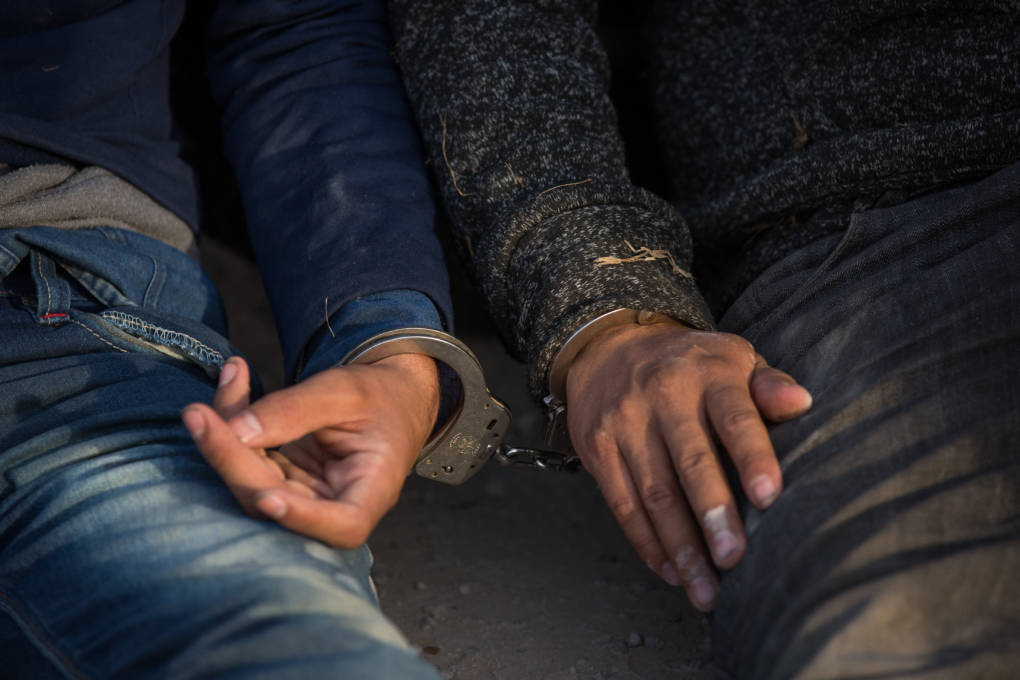
"caption": "Illegal immigrants wait to be transported to a central processing center shortly after they crossed the border from Mexico into the U.S. on March 26, 2018.",
"description": "Illegal immigrants wait to be transported to a central processing center shortly after they crossed the border from Mexico into the U.S. on March 26, 2018.",
"title": "TOPSHOT-US-MEXICO-BORDER-IMMIGRATION-ARREST",
"credit": "Loren Elliott/AFP/Getty Images",
"status": "inherit",
"isLoading": false,
"fetchFailed": false
},
"news_11572756": {
"type": "attachments",
"id": "news_11572756",
"meta": {
"index": "attachments_1716263798",
"site": "news",
"id": "11572756",
"found": true
},
"parent": 0,
"imgSizes": {
"small": {
"file": "https://ww2.kqed.org/app/uploads/sites/10/2017/07/tcr_archive_background-520x195.jpg",
"width": 520,
"mimeType": "image/jpeg",
"height": 195
},
"twentyfourteen-full-width": {
"file": "https://ww2.kqed.org/app/uploads/sites/10/2017/07/tcr_archive_background-1038x450.jpg",
"width": 1038,
"mimeType": "image/jpeg",
"height": 450
},
"thumbnail": {
"file": "https://ww2.kqed.org/app/uploads/sites/10/2017/07/tcr_archive_background-160x60.jpg",
"width": 160,
"mimeType": "image/jpeg",
"height": 60
},
"fd-sm": {
"file": "https://ww2.kqed.org/app/uploads/sites/10/2017/07/tcr_archive_background-960x360.jpg",
"width": 960,
"mimeType": "image/jpeg",
"height": 360
},
"post-thumbnail": {
"file": "https://ww2.kqed.org/app/uploads/sites/10/2017/07/tcr_archive_background-672x372.jpg",
"width": 672,
"mimeType": "image/jpeg",
"height": 372
},
"xsmall": {
"file": "https://ww2.kqed.org/app/uploads/sites/10/2017/07/tcr_archive_background-375x141.jpg",
"width": 375,
"mimeType": "image/jpeg",
"height": 141
},
"kqedFullSize": {
"file": "https://ww2.kqed.org/app/uploads/sites/10/2017/07/tcr_archive_background.jpg",
"width": 1200,
"height": 450
},
"large": {
"file": "https://ww2.kqed.org/app/uploads/sites/10/2017/07/tcr_archive_background-1020x383.jpg",
"width": 1020,
"mimeType": "image/jpeg",
"height": 383
},
"xlarge": {
"file": "https://ww2.kqed.org/app/uploads/sites/10/2017/07/tcr_archive_background-1180x443.jpg",
"width": 1180,
"mimeType": "image/jpeg",
"height": 443
},
"guest-author-50": {
"file": "https://ww2.kqed.org/app/uploads/sites/10/2017/07/tcr_archive_background-50x50.jpg",
"width": 50,
"mimeType": "image/jpeg",
"height": 50
},
"guest-author-96": {
"file": "https://ww2.kqed.org/app/uploads/sites/10/2017/07/tcr_archive_background-96x96.jpg",
"width": 96,
"mimeType": "image/jpeg",
"height": 96
},
"medium": {
"file": "https://ww2.kqed.org/app/uploads/sites/10/2017/07/tcr_archive_background-800x300.jpg",
"width": 800,
"mimeType": "image/jpeg",
"height": 300
},
"guest-author-64": {
"file": "https://ww2.kqed.org/app/uploads/sites/10/2017/07/tcr_archive_background-64x64.jpg",
"width": 64,
"mimeType": "image/jpeg",
"height": 64
},
"guest-author-32": {
"file": "https://ww2.kqed.org/app/uploads/sites/10/2017/07/tcr_archive_background-32x32.jpg",
"width": 32,
"mimeType": "image/jpeg",
"height": 32
},
"fd-med": {
"file": "https://ww2.kqed.org/app/uploads/sites/10/2017/07/tcr_archive_background-1180x443.jpg",
"width": 1180,
"mimeType": "image/jpeg",
"height": 443
},
"detail": {
"file": "https://ww2.kqed.org/app/uploads/sites/10/2017/07/tcr_archive_background-150x150.jpg",
"width": 150,
"mimeType": "image/jpeg",
"height": 150
},
"guest-author-128": {
"file": "https://ww2.kqed.org/app/uploads/sites/10/2017/07/tcr_archive_background-128x128.jpg",
"width": 128,
"mimeType": "image/jpeg",
"height": 128
},
"xxsmall": {
"file": "https://ww2.kqed.org/app/uploads/sites/10/2017/07/tcr_archive_background-240x90.jpg",
"width": 240,
"mimeType": "image/jpeg",
"height": 90
}
},
"publishDate": 1500316142,
"modified": 1500316142,
"caption": null,
"description": null,
"title": "tcr_archive_background",
"credit": null,
"status": "inherit",
"isLoading": false,
"fetchFailed": false
},
"news_11687661": {
"type": "attachments",
"id": "news_11687661",
"meta": {
"index": "attachments_1716263798",
"site": "news",
"id": "11687661",
"found": true
},
"parent": 11687660,
"imgSizes": {
"small": {
"file": "https://ww2.kqed.org/app/uploads/sites/10/2018/08/RS18012_GettyImages-492659230-qut-520x347.jpg",
"width": 520,
"mimeType": "image/jpeg",
"height": 347
},
"twentyfourteen-full-width": {
"file": "https://ww2.kqed.org/app/uploads/sites/10/2018/08/RS18012_GettyImages-492659230-qut-1038x576.jpg",
"width": 1038,
"mimeType": "image/jpeg",
"height": 576
},
"thumbnail": {
"file": "https://ww2.kqed.org/app/uploads/sites/10/2018/08/RS18012_GettyImages-492659230-qut-160x107.jpg",
"width": 160,
"mimeType": "image/jpeg",
"height": 107
},
"fd-sm": {
"file": "https://ww2.kqed.org/app/uploads/sites/10/2018/08/RS18012_GettyImages-492659230-qut-960x640.jpg",
"width": 960,
"mimeType": "image/jpeg",
"height": 640
},
"post-thumbnail": {
"file": "https://ww2.kqed.org/app/uploads/sites/10/2018/08/RS18012_GettyImages-492659230-qut-672x372.jpg",
"width": 672,
"mimeType": "image/jpeg",
"height": 372
},
"xsmall": {
"file": "https://ww2.kqed.org/app/uploads/sites/10/2018/08/RS18012_GettyImages-492659230-qut-375x250.jpg",
"width": 375,
"mimeType": "image/jpeg",
"height": 250
},
"kqedFullSize": {
"file": "https://ww2.kqed.org/app/uploads/sites/10/2018/08/RS18012_GettyImages-492659230-qut.jpg",
"width": 1920,
"height": 1280
},
"large": {
"file": "https://ww2.kqed.org/app/uploads/sites/10/2018/08/RS18012_GettyImages-492659230-qut-1020x680.jpg",
"width": 1020,
"mimeType": "image/jpeg",
"height": 680
},
"xlarge": {
"file": "https://ww2.kqed.org/app/uploads/sites/10/2018/08/RS18012_GettyImages-492659230-qut-1180x787.jpg",
"width": 1180,
"mimeType": "image/jpeg",
"height": 787
},
"complete_open_graph": {
"file": "https://ww2.kqed.org/app/uploads/sites/10/2018/08/RS18012_GettyImages-492659230-qut-1200x800.jpg",
"width": 1200,
"mimeType": "image/jpeg",
"height": 800
},
"guest-author-50": {
"file": "https://ww2.kqed.org/app/uploads/sites/10/2018/08/RS18012_GettyImages-492659230-qut-50x50.jpg",
"width": 50,
"mimeType": "image/jpeg",
"height": 50
},
"guest-author-96": {
"file": "https://ww2.kqed.org/app/uploads/sites/10/2018/08/RS18012_GettyImages-492659230-qut-96x96.jpg",
"width": 96,
"mimeType": "image/jpeg",
"height": 96
},
"medium": {
"file": "https://ww2.kqed.org/app/uploads/sites/10/2018/08/RS18012_GettyImages-492659230-qut-800x533.jpg",
"width": 800,
"mimeType": "image/jpeg",
"height": 533
},
"guest-author-64": {
"file": "https://ww2.kqed.org/app/uploads/sites/10/2018/08/RS18012_GettyImages-492659230-qut-64x64.jpg",
"width": 64,
"mimeType": "image/jpeg",
"height": 64
},
"guest-author-32": {
"file": "https://ww2.kqed.org/app/uploads/sites/10/2018/08/RS18012_GettyImages-492659230-qut-32x32.jpg",
"width": 32,
"mimeType": "image/jpeg",
"height": 32
},
"fd-lrg": {
"file": "https://ww2.kqed.org/app/uploads/sites/10/2018/08/RS18012_GettyImages-492659230-qut-1920x1280.jpg",
"width": 1920,
"mimeType": "image/jpeg",
"height": 1280
},
"fd-med": {
"file": "https://ww2.kqed.org/app/uploads/sites/10/2018/08/RS18012_GettyImages-492659230-qut-1180x787.jpg",
"width": 1180,
"mimeType": "image/jpeg",
"height": 787
},
"full-width": {
"file": "https://ww2.kqed.org/app/uploads/sites/10/2018/08/RS18012_GettyImages-492659230-qut-1920x1280.jpg",
"width": 1920,
"mimeType": "image/jpeg",
"height": 1280
},
"detail": {
"file": "https://ww2.kqed.org/app/uploads/sites/10/2018/08/RS18012_GettyImages-492659230-qut-150x150.jpg",
"width": 150,
"mimeType": "image/jpeg",
"height": 150
},
"guest-author-128": {
"file": "https://ww2.kqed.org/app/uploads/sites/10/2018/08/RS18012_GettyImages-492659230-qut-128x128.jpg",
"width": 128,
"mimeType": "image/jpeg",
"height": 128
},
"xxsmall": {
"file": "https://ww2.kqed.org/app/uploads/sites/10/2018/08/RS18012_GettyImages-492659230-qut-240x160.jpg",
"width": 240,
"mimeType": "image/jpeg",
"height": 160
}
},
"publishDate": 1534692903,
"modified": 1534693379,
"caption": "U.S. Immigration and Customs Enforcement officials say they detained the man due to an outstanding arrest warrant in a homicide case in Mexico.",
"description": "U.S. Immigration and Customs Enforcement officials say they detained the man due to an outstanding arrest warrant in a homicide case in Mexico.",
"title": "RS18012_GettyImages-492659230-qut",
"credit": "John Moore/Getty Images",
"status": "inherit",
"isLoading": false,
"fetchFailed": false
},
"news_11687607": {
"type": "attachments",
"id": "news_11687607",
"meta": {
"index": "attachments_1716263798",
"site": "news",
"id": "11687607",
"found": true
},
"parent": 11687606,
"imgSizes": {
"small": {
"file": "https://ww2.kqed.org/app/uploads/sites/10/2018/08/ap_18124781369704_wide-516da14b4213036a5bec8352cfcc3108898f1af8-520x292.jpg",
"width": 520,
"mimeType": "image/jpeg",
"height": 292
},
"twentyfourteen-full-width": {
"file": "https://ww2.kqed.org/app/uploads/sites/10/2018/08/ap_18124781369704_wide-516da14b4213036a5bec8352cfcc3108898f1af8-1038x576.jpg",
"width": 1038,
"mimeType": "image/jpeg",
"height": 576
},
"thumbnail": {
"file": "https://ww2.kqed.org/app/uploads/sites/10/2018/08/ap_18124781369704_wide-516da14b4213036a5bec8352cfcc3108898f1af8-160x90.jpg",
"width": 160,
"mimeType": "image/jpeg",
"height": 90
},
"fd-sm": {
"file": "https://ww2.kqed.org/app/uploads/sites/10/2018/08/ap_18124781369704_wide-516da14b4213036a5bec8352cfcc3108898f1af8-960x540.jpg",
"width": 960,
"mimeType": "image/jpeg",
"height": 540
},
"post-thumbnail": {
"file": "https://ww2.kqed.org/app/uploads/sites/10/2018/08/ap_18124781369704_wide-516da14b4213036a5bec8352cfcc3108898f1af8-672x372.jpg",
"width": 672,
"mimeType": "image/jpeg",
"height": 372
},
"xsmall": {
"file": "https://ww2.kqed.org/app/uploads/sites/10/2018/08/ap_18124781369704_wide-516da14b4213036a5bec8352cfcc3108898f1af8-375x211.jpg",
"width": 375,
"mimeType": "image/jpeg",
"height": 211
},
"kqedFullSize": {
"file": "https://ww2.kqed.org/app/uploads/sites/10/2018/08/ap_18124781369704_wide-516da14b4213036a5bec8352cfcc3108898f1af8-e1534610034728.jpg",
"width": 1920,
"height": 1080
},
"large": {
"file": "https://ww2.kqed.org/app/uploads/sites/10/2018/08/ap_18124781369704_wide-516da14b4213036a5bec8352cfcc3108898f1af8-1020x574.jpg",
"width": 1020,
"mimeType": "image/jpeg",
"height": 574
},
"xlarge": {
"file": "https://ww2.kqed.org/app/uploads/sites/10/2018/08/ap_18124781369704_wide-516da14b4213036a5bec8352cfcc3108898f1af8-1180x664.jpg",
"width": 1180,
"mimeType": "image/jpeg",
"height": 664
},
"complete_open_graph": {
"file": "https://ww2.kqed.org/app/uploads/sites/10/2018/08/ap_18124781369704_wide-516da14b4213036a5bec8352cfcc3108898f1af8-1200x675.jpg",
"width": 1200,
"mimeType": "image/jpeg",
"height": 675
},
"guest-author-50": {
"file": "https://ww2.kqed.org/app/uploads/sites/10/2018/08/ap_18124781369704_wide-516da14b4213036a5bec8352cfcc3108898f1af8-50x50.jpg",
"width": 50,
"mimeType": "image/jpeg",
"height": 50
},
"guest-author-96": {
"file": "https://ww2.kqed.org/app/uploads/sites/10/2018/08/ap_18124781369704_wide-516da14b4213036a5bec8352cfcc3108898f1af8-96x96.jpg",
"width": 96,
"mimeType": "image/jpeg",
"height": 96
},
"medium": {
"file": "https://ww2.kqed.org/app/uploads/sites/10/2018/08/ap_18124781369704_wide-516da14b4213036a5bec8352cfcc3108898f1af8-800x450.jpg",
"width": 800,
"mimeType": "image/jpeg",
"height": 450
},
"guest-author-64": {
"file": "https://ww2.kqed.org/app/uploads/sites/10/2018/08/ap_18124781369704_wide-516da14b4213036a5bec8352cfcc3108898f1af8-64x64.jpg",
"width": 64,
"mimeType": "image/jpeg",
"height": 64
},
"guest-author-32": {
"file": "https://ww2.kqed.org/app/uploads/sites/10/2018/08/ap_18124781369704_wide-516da14b4213036a5bec8352cfcc3108898f1af8-32x32.jpg",
"width": 32,
"mimeType": "image/jpeg",
"height": 32
},
"fd-lrg": {
"file": "https://ww2.kqed.org/app/uploads/sites/10/2018/08/ap_18124781369704_wide-516da14b4213036a5bec8352cfcc3108898f1af8-1920x1080.jpg",
"width": 1920,
"mimeType": "image/jpeg",
"height": 1080
},
"fd-med": {
"file": "https://ww2.kqed.org/app/uploads/sites/10/2018/08/ap_18124781369704_wide-516da14b4213036a5bec8352cfcc3108898f1af8-1180x664.jpg",
"width": 1180,
"mimeType": "image/jpeg",
"height": 664
},
"full-width": {
"file": "https://ww2.kqed.org/app/uploads/sites/10/2018/08/ap_18124781369704_wide-516da14b4213036a5bec8352cfcc3108898f1af8-1920x1080.jpg",
"width": 1920,
"mimeType": "image/jpeg",
"height": 1080
},
"detail": {
"file": "https://ww2.kqed.org/app/uploads/sites/10/2018/08/ap_18124781369704_wide-516da14b4213036a5bec8352cfcc3108898f1af8-150x150.jpg",
"width": 150,
"mimeType": "image/jpeg",
"height": 150
},
"guest-author-128": {
"file": "https://ww2.kqed.org/app/uploads/sites/10/2018/08/ap_18124781369704_wide-516da14b4213036a5bec8352cfcc3108898f1af8-128x128.jpg",
"width": 128,
"mimeType": "image/jpeg",
"height": 128
},
"xxsmall": {
"file": "https://ww2.kqed.org/app/uploads/sites/10/2018/08/ap_18124781369704_wide-516da14b4213036a5bec8352cfcc3108898f1af8-240x135.jpg",
"width": 240,
"mimeType": "image/jpeg",
"height": 135
}
},
"publishDate": 1534609952,
"modified": 1534610053,
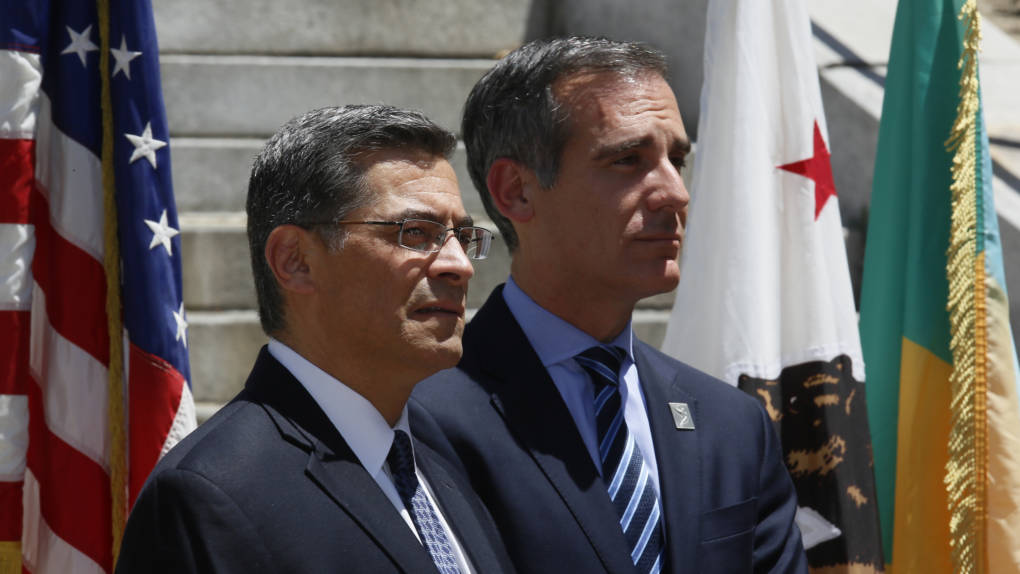
"caption": "California Attorney General Xavier Becerra (left) and Los Angeles Mayor Eric Garcetti announced the city and county of Los Angeles, plus four other cities, were joining California's lawsuit over the 2020 census citizenship question in May.",
"description": "California Attorney General Xavier Becerra (left) and Los Angeles Mayor Eric Garcetti announced the city and county of Los Angeles, plus four other cities, were joining California's lawsuit over the 2020 census citizenship question in May.",
"title": "California Attorney General Xavier Becerra (left) and Los Angeles Mayor Eric Garcetti announced the city and county of Los Angeles, plus four other cities, were joining California's lawsuit over the 2020 census citizenship question in May.",
"credit": "Damian Dovarganes/AP",
"status": "inherit",
"isLoading": false,
"fetchFailed": false
},
"news_11687114": {
"type": "attachments",
"id": "news_11687114",
"meta": {
"index": "attachments_1716263798",
"site": "news",
"id": "11687114",
"found": true
},
"parent": 11687046,
"imgSizes": {
"small": {
"file": "https://ww2.kqed.org/app/uploads/sites/10/2018/08/screenshot-520x268.jpg",
"width": 520,
"mimeType": "image/jpeg",
"height": 268
},
"twentyfourteen-full-width": {
"file": "https://ww2.kqed.org/app/uploads/sites/10/2018/08/screenshot-1038x576.jpg",
"width": 1038,
"mimeType": "image/jpeg",
"height": 576
},
"thumbnail": {
"file": "https://ww2.kqed.org/app/uploads/sites/10/2018/08/screenshot-160x83.jpg",
"width": 160,
"mimeType": "image/jpeg",
"height": 83
},
"fd-sm": {
"file": "https://ww2.kqed.org/app/uploads/sites/10/2018/08/screenshot-960x495.jpg",
"width": 960,
"mimeType": "image/jpeg",
"height": 495
},
"post-thumbnail": {
"file": "https://ww2.kqed.org/app/uploads/sites/10/2018/08/screenshot-672x372.jpg",
"width": 672,
"mimeType": "image/jpeg",
"height": 372
},
"xsmall": {
"file": "https://ww2.kqed.org/app/uploads/sites/10/2018/08/screenshot-375x193.jpg",
"width": 375,
"mimeType": "image/jpeg",
"height": 193
},
"kqedFullSize": {
"file": "https://ww2.kqed.org/app/uploads/sites/10/2018/08/screenshot.jpg",
"width": 1920,
"height": 990
},
"large": {
"file": "https://ww2.kqed.org/app/uploads/sites/10/2018/08/screenshot-1020x526.jpg",
"width": 1020,
"mimeType": "image/jpeg",
"height": 526
},
"xlarge": {
"file": "https://ww2.kqed.org/app/uploads/sites/10/2018/08/screenshot-1180x608.jpg",
"width": 1180,
"mimeType": "image/jpeg",
"height": 608
},
"complete_open_graph": {
"file": "https://ww2.kqed.org/app/uploads/sites/10/2018/08/screenshot-1200x619.jpg",
"width": 1200,
"mimeType": "image/jpeg",
"height": 619
},
"guest-author-50": {
"file": "https://ww2.kqed.org/app/uploads/sites/10/2018/08/screenshot-50x50.jpg",
"width": 50,
"mimeType": "image/jpeg",
"height": 50
},
"guest-author-96": {
"file": "https://ww2.kqed.org/app/uploads/sites/10/2018/08/screenshot-96x96.jpg",
"width": 96,
"mimeType": "image/jpeg",
"height": 96
},
"medium": {
"file": "https://ww2.kqed.org/app/uploads/sites/10/2018/08/screenshot-800x413.jpg",
"width": 800,
"mimeType": "image/jpeg",
"height": 413
},
"guest-author-64": {
"file": "https://ww2.kqed.org/app/uploads/sites/10/2018/08/screenshot-64x64.jpg",
"width": 64,
"mimeType": "image/jpeg",
"height": 64
},
"guest-author-32": {
"file": "https://ww2.kqed.org/app/uploads/sites/10/2018/08/screenshot-32x32.jpg",
"width": 32,
"mimeType": "image/jpeg",
"height": 32
},
"fd-lrg": {
"file": "https://ww2.kqed.org/app/uploads/sites/10/2018/08/screenshot-1920x990.jpg",
"width": 1920,
"mimeType": "image/jpeg",
"height": 990
},
"fd-med": {
"file": "https://ww2.kqed.org/app/uploads/sites/10/2018/08/screenshot-1180x608.jpg",
"width": 1180,
"mimeType": "image/jpeg",
"height": 608
},
"full-width": {
"file": "https://ww2.kqed.org/app/uploads/sites/10/2018/08/screenshot-1920x990.jpg",
"width": 1920,
"mimeType": "image/jpeg",
"height": 990
},
"detail": {
"file": "https://ww2.kqed.org/app/uploads/sites/10/2018/08/screenshot-150x150.jpg",
"width": 150,
"mimeType": "image/jpeg",
"height": 150
},
"guest-author-128": {
"file": "https://ww2.kqed.org/app/uploads/sites/10/2018/08/screenshot-128x128.jpg",
"width": 128,
"mimeType": "image/jpeg",
"height": 128
},
"xxsmall": {
"file": "https://ww2.kqed.org/app/uploads/sites/10/2018/08/screenshot-240x124.jpg",
"width": 240,
"mimeType": "image/jpeg",
"height": 124
}
},
"publishDate": 1534373259,
"modified": 1534373259,
"caption": null,
"description": null,
"title": "screenshot",
"credit": null,
"status": "inherit",
"isLoading": false,
"fetchFailed": false
},
"news_11686876": {
"type": "attachments",
"id": "news_11686876",
"meta": {
"index": "attachments_1716263798",
"site": "news",
"id": "11686876",
"found": true
},
"parent": 11686874,
"imgSizes": {
"small": {
"file": "https://ww2.kqed.org/app/uploads/sites/10/2018/08/Border-Tour-_Marquee-520x293.jpg",
"width": 520,
"mimeType": "image/jpeg",
"height": 293
},
"twentyfourteen-full-width": {
"file": "https://ww2.kqed.org/app/uploads/sites/10/2018/08/Border-Tour-_Marquee-1038x576.jpg",
"width": 1038,
"mimeType": "image/jpeg",
"height": 576
},
"thumbnail": {
"file": "https://ww2.kqed.org/app/uploads/sites/10/2018/08/Border-Tour-_Marquee-160x90.jpg",
"width": 160,
"mimeType": "image/jpeg",
"height": 90
},
"fd-sm": {
"file": "https://ww2.kqed.org/app/uploads/sites/10/2018/08/Border-Tour-_Marquee-960x540.jpg",
"width": 960,
"mimeType": "image/jpeg",
"height": 540
},
"post-thumbnail": {
"file": "https://ww2.kqed.org/app/uploads/sites/10/2018/08/Border-Tour-_Marquee-672x372.jpg",
"width": 672,
"mimeType": "image/jpeg",
"height": 372
},
"xsmall": {
"file": "https://ww2.kqed.org/app/uploads/sites/10/2018/08/Border-Tour-_Marquee-375x211.jpg",
"width": 375,
"mimeType": "image/jpeg",
"height": 211
},
"kqedFullSize": {
"file": "https://ww2.kqed.org/app/uploads/sites/10/2018/08/Border-Tour-_Marquee.jpg",
"width": 1280,
"height": 720
},
"large": {
"file": "https://ww2.kqed.org/app/uploads/sites/10/2018/08/Border-Tour-_Marquee-1020x574.jpg",
"width": 1020,
"mimeType": "image/jpeg",
"height": 574
},
"xlarge": {
"file": "https://ww2.kqed.org/app/uploads/sites/10/2018/08/Border-Tour-_Marquee-1180x664.jpg",
"width": 1180,
"mimeType": "image/jpeg",
"height": 664
},
"complete_open_graph": {
"file": "https://ww2.kqed.org/app/uploads/sites/10/2018/08/Border-Tour-_Marquee-1200x675.jpg",
"width": 1200,
"mimeType": "image/jpeg",
"height": 675
},
"guest-author-50": {
"file": "https://ww2.kqed.org/app/uploads/sites/10/2018/08/Border-Tour-_Marquee-50x50.jpg",
"width": 50,
"mimeType": "image/jpeg",
"height": 50
},
"guest-author-96": {
"file": "https://ww2.kqed.org/app/uploads/sites/10/2018/08/Border-Tour-_Marquee-96x96.jpg",
"width": 96,
"mimeType": "image/jpeg",
"height": 96
},
"medium": {
"file": "https://ww2.kqed.org/app/uploads/sites/10/2018/08/Border-Tour-_Marquee-800x450.jpg",
"width": 800,
"mimeType": "image/jpeg",
"height": 450
},
"guest-author-64": {
"file": "https://ww2.kqed.org/app/uploads/sites/10/2018/08/Border-Tour-_Marquee-64x64.jpg",
"width": 64,
"mimeType": "image/jpeg",
"height": 64
},
"guest-author-32": {
"file": "https://ww2.kqed.org/app/uploads/sites/10/2018/08/Border-Tour-_Marquee-32x32.jpg",
"width": 32,
"mimeType": "image/jpeg",
"height": 32
},
"fd-med": {
"file": "https://ww2.kqed.org/app/uploads/sites/10/2018/08/Border-Tour-_Marquee-1180x664.jpg",
"width": 1180,
"mimeType": "image/jpeg",
"height": 664
},
"detail": {
"file": "https://ww2.kqed.org/app/uploads/sites/10/2018/08/Border-Tour-_Marquee-150x150.jpg",
"width": 150,
"mimeType": "image/jpeg",
"height": 150
},
"guest-author-128": {
"file": "https://ww2.kqed.org/app/uploads/sites/10/2018/08/Border-Tour-_Marquee-128x128.jpg",
"width": 128,
"mimeType": "image/jpeg",
"height": 128
},
"xxsmall": {
"file": "https://ww2.kqed.org/app/uploads/sites/10/2018/08/Border-Tour-_Marquee-240x135.jpg",
"width": 240,
"mimeType": "image/jpeg",
"height": 135
}
},
"publishDate": 1534273262,
"modified": 1534273262,
"caption": null,
"description": null,
"title": "Border Tour _Marquee",
"credit": null,
"status": "inherit",
"isLoading": false,
"fetchFailed": false
},
"news_11686476": {
"type": "attachments",
"id": "news_11686476",
"meta": {
"index": "attachments_1716263798",
"site": "news",
"id": "11686476",
"found": true
},
"parent": 11686416,
"imgSizes": {
"small": {
"file": "https://ww2.kqed.org/app/uploads/sites/10/2018/08/Screen-Shot-2018-08-11-at-12.54.19-PM-520x280.png",
"width": 520,
"mimeType": "image/png",
"height": 280
},
"twentyfourteen-full-width": {
"file": "https://ww2.kqed.org/app/uploads/sites/10/2018/08/Screen-Shot-2018-08-11-at-12.54.19-PM-1038x576.png",
"width": 1038,
"mimeType": "image/png",
"height": 576
},
"thumbnail": {
"file": "https://ww2.kqed.org/app/uploads/sites/10/2018/08/Screen-Shot-2018-08-11-at-12.54.19-PM-160x86.png",
"width": 160,
"mimeType": "image/png",
"height": 86
},
"fd-sm": {
"file": "https://ww2.kqed.org/app/uploads/sites/10/2018/08/Screen-Shot-2018-08-11-at-12.54.19-PM-960x517.png",
"width": 960,
"mimeType": "image/png",
"height": 517
},
"post-thumbnail": {
"file": "https://ww2.kqed.org/app/uploads/sites/10/2018/08/Screen-Shot-2018-08-11-at-12.54.19-PM-672x372.png",
"width": 672,
"mimeType": "image/png",
"height": 372
},
"xsmall": {
"file": "https://ww2.kqed.org/app/uploads/sites/10/2018/08/Screen-Shot-2018-08-11-at-12.54.19-PM-375x202.png",
"width": 375,
"mimeType": "image/png",
"height": 202
},
"kqedFullSize": {
"file": "https://ww2.kqed.org/app/uploads/sites/10/2018/08/Screen-Shot-2018-08-11-at-12.54.19-PM.png",
"width": 1235,
"height": 665
},
"large": {
"file": "https://ww2.kqed.org/app/uploads/sites/10/2018/08/Screen-Shot-2018-08-11-at-12.54.19-PM-1020x549.png",
"width": 1020,
"mimeType": "image/png",
"height": 549
},
"xlarge": {
"file": "https://ww2.kqed.org/app/uploads/sites/10/2018/08/Screen-Shot-2018-08-11-at-12.54.19-PM-1180x635.png",
"width": 1180,
"mimeType": "image/png",
"height": 635
},
"complete_open_graph": {
"file": "https://ww2.kqed.org/app/uploads/sites/10/2018/08/Screen-Shot-2018-08-11-at-12.54.19-PM-1200x646.png",
"width": 1200,
"mimeType": "image/png",
"height": 646
},
"guest-author-50": {
"file": "https://ww2.kqed.org/app/uploads/sites/10/2018/08/Screen-Shot-2018-08-11-at-12.54.19-PM-50x50.png",
"width": 50,
"mimeType": "image/png",
"height": 50
},
"guest-author-96": {
"file": "https://ww2.kqed.org/app/uploads/sites/10/2018/08/Screen-Shot-2018-08-11-at-12.54.19-PM-96x96.png",
"width": 96,
"mimeType": "image/png",
"height": 96
},
"medium": {
"file": "https://ww2.kqed.org/app/uploads/sites/10/2018/08/Screen-Shot-2018-08-11-at-12.54.19-PM-800x431.png",
"width": 800,
"mimeType": "image/png",
"height": 431
},
"guest-author-64": {
"file": "https://ww2.kqed.org/app/uploads/sites/10/2018/08/Screen-Shot-2018-08-11-at-12.54.19-PM-64x64.png",
"width": 64,
"mimeType": "image/png",
"height": 64
},
"guest-author-32": {
"file": "https://ww2.kqed.org/app/uploads/sites/10/2018/08/Screen-Shot-2018-08-11-at-12.54.19-PM-32x32.png",
"width": 32,
"mimeType": "image/png",
"height": 32
},
"fd-med": {
"file": "https://ww2.kqed.org/app/uploads/sites/10/2018/08/Screen-Shot-2018-08-11-at-12.54.19-PM-1180x635.png",
"width": 1180,
"mimeType": "image/png",
"height": 635
},
"detail": {
"file": "https://ww2.kqed.org/app/uploads/sites/10/2018/08/Screen-Shot-2018-08-11-at-12.54.19-PM-150x150.png",
"width": 150,
"mimeType": "image/png",
"height": 150
},
"guest-author-128": {
"file": "https://ww2.kqed.org/app/uploads/sites/10/2018/08/Screen-Shot-2018-08-11-at-12.54.19-PM-128x128.png",
"width": 128,
"mimeType": "image/png",
"height": 128
},
"xxsmall": {
"file": "https://ww2.kqed.org/app/uploads/sites/10/2018/08/Screen-Shot-2018-08-11-at-12.54.19-PM-240x129.png",
"width": 240,
"mimeType": "image/png",
"height": 129
}
},
"publishDate": 1534017543,
"modified": 1534017845,
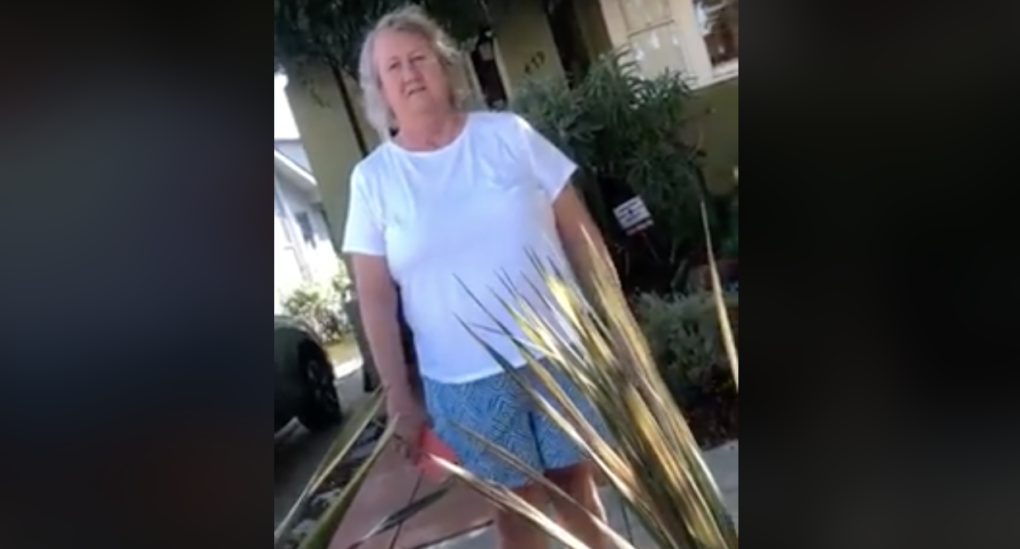
"caption": "Screenshot of Facebook Video",
"description": null,
"title": "Screen Shot 2018-08-11 at 12.54.19 PM",
"credit": null,
"status": "inherit",
"isLoading": false,
"fetchFailed": false
},
"news_11675633": {
"type": "attachments",
"id": "news_11675633",
"meta": {
"index": "attachments_1716263798",
"site": "news",
"id": "11675633",
"found": true
},
"parent": 11670826,
"imgSizes": {
"small": {
"file": "https://ww2.kqed.org/app/uploads/sites/10/2018/05/RS31509_eddris-img-3-qut-520x693.jpg",
"width": 520,
"mimeType": "image/jpeg",
"height": 693
},
"twentyfourteen-full-width": {
"file": "https://ww2.kqed.org/app/uploads/sites/10/2018/05/RS31509_eddris-img-3-qut-1038x576.jpg",
"width": 1038,
"mimeType": "image/jpeg",
"height": 576
},
"thumbnail": {
"file": "https://ww2.kqed.org/app/uploads/sites/10/2018/05/RS31509_eddris-img-3-qut-160x213.jpg",
"width": 160,
"mimeType": "image/jpeg",
"height": 213
},
"fd-sm": {
"file": "https://ww2.kqed.org/app/uploads/sites/10/2018/05/RS31509_eddris-img-3-qut-960x1280.jpg",
"width": 960,
"mimeType": "image/jpeg",
"height": 1280
},
"post-thumbnail": {
"file": "https://ww2.kqed.org/app/uploads/sites/10/2018/05/RS31509_eddris-img-3-qut-672x372.jpg",
"width": 672,
"mimeType": "image/jpeg",
"height": 372
},
"xsmall": {
"file": "https://ww2.kqed.org/app/uploads/sites/10/2018/05/RS31509_eddris-img-3-qut-375x500.jpg",
"width": 375,
"mimeType": "image/jpeg",
"height": 500
},
"kqedFullSize": {
"file": "https://ww2.kqed.org/app/uploads/sites/10/2018/05/RS31509_eddris-img-3-qut.jpg",
"width": 1920,
"height": 2560
},
"large": {
"file": "https://ww2.kqed.org/app/uploads/sites/10/2018/05/RS31509_eddris-img-3-qut-1020x1360.jpg",
"width": 1020,
"mimeType": "image/jpeg",
"height": 1360
},
"xlarge": {
"file": "https://ww2.kqed.org/app/uploads/sites/10/2018/05/RS31509_eddris-img-3-qut-1180x1573.jpg",
"width": 1180,
"mimeType": "image/jpeg",
"height": 1573
},
"complete_open_graph": {
"file": "https://ww2.kqed.org/app/uploads/sites/10/2018/05/RS31509_eddris-img-3-qut-900x1200.jpg",
"width": 900,
"mimeType": "image/jpeg",
"height": 1200
},
"guest-author-50": {
"file": "https://ww2.kqed.org/app/uploads/sites/10/2018/05/RS31509_eddris-img-3-qut-50x50.jpg",
"width": 50,
"mimeType": "image/jpeg",
"height": 50
},
"guest-author-96": {
"file": "https://ww2.kqed.org/app/uploads/sites/10/2018/05/RS31509_eddris-img-3-qut-96x96.jpg",
"width": 96,
"mimeType": "image/jpeg",
"height": 96
},
"medium": {
"file": "https://ww2.kqed.org/app/uploads/sites/10/2018/05/RS31509_eddris-img-3-qut-800x1067.jpg",
"width": 800,
"mimeType": "image/jpeg",
"height": 1067
},
"guest-author-64": {
"file": "https://ww2.kqed.org/app/uploads/sites/10/2018/05/RS31509_eddris-img-3-qut-64x64.jpg",
"width": 64,
"mimeType": "image/jpeg",
"height": 64
},
"guest-author-32": {
"file": "https://ww2.kqed.org/app/uploads/sites/10/2018/05/RS31509_eddris-img-3-qut-32x32.jpg",
"width": 32,
"mimeType": "image/jpeg",
"height": 32
},
"fd-lrg": {
"file": "https://ww2.kqed.org/app/uploads/sites/10/2018/05/RS31509_eddris-img-3-qut-1920x2560.jpg",
"width": 1920,
"mimeType": "image/jpeg",
"height": 2560
},
"fd-med": {
"file": "https://ww2.kqed.org/app/uploads/sites/10/2018/05/RS31509_eddris-img-3-qut-1180x1573.jpg",
"width": 1180,
"mimeType": "image/jpeg",
"height": 1573
},
"full-width": {
"file": "https://ww2.kqed.org/app/uploads/sites/10/2018/05/RS31509_eddris-img-3-qut-1920x2560.jpg",
"width": 1920,
"mimeType": "image/jpeg",
"height": 2560
},
"detail": {
"file": "https://ww2.kqed.org/app/uploads/sites/10/2018/05/RS31509_eddris-img-3-qut-150x150.jpg",
"width": 150,
"mimeType": "image/jpeg",
"height": 150
},
"guest-author-128": {
"file": "https://ww2.kqed.org/app/uploads/sites/10/2018/05/RS31509_eddris-img-3-qut-128x128.jpg",
"width": 128,
"mimeType": "image/jpeg",
"height": 128
},
"xxsmall": {
"file": "https://ww2.kqed.org/app/uploads/sites/10/2018/05/RS31509_eddris-img-3-qut-240x320.jpg",
"width": 240,
"mimeType": "image/jpeg",
"height": 320
}
},
"publishDate": 1529354994,
"modified": 1529357993,
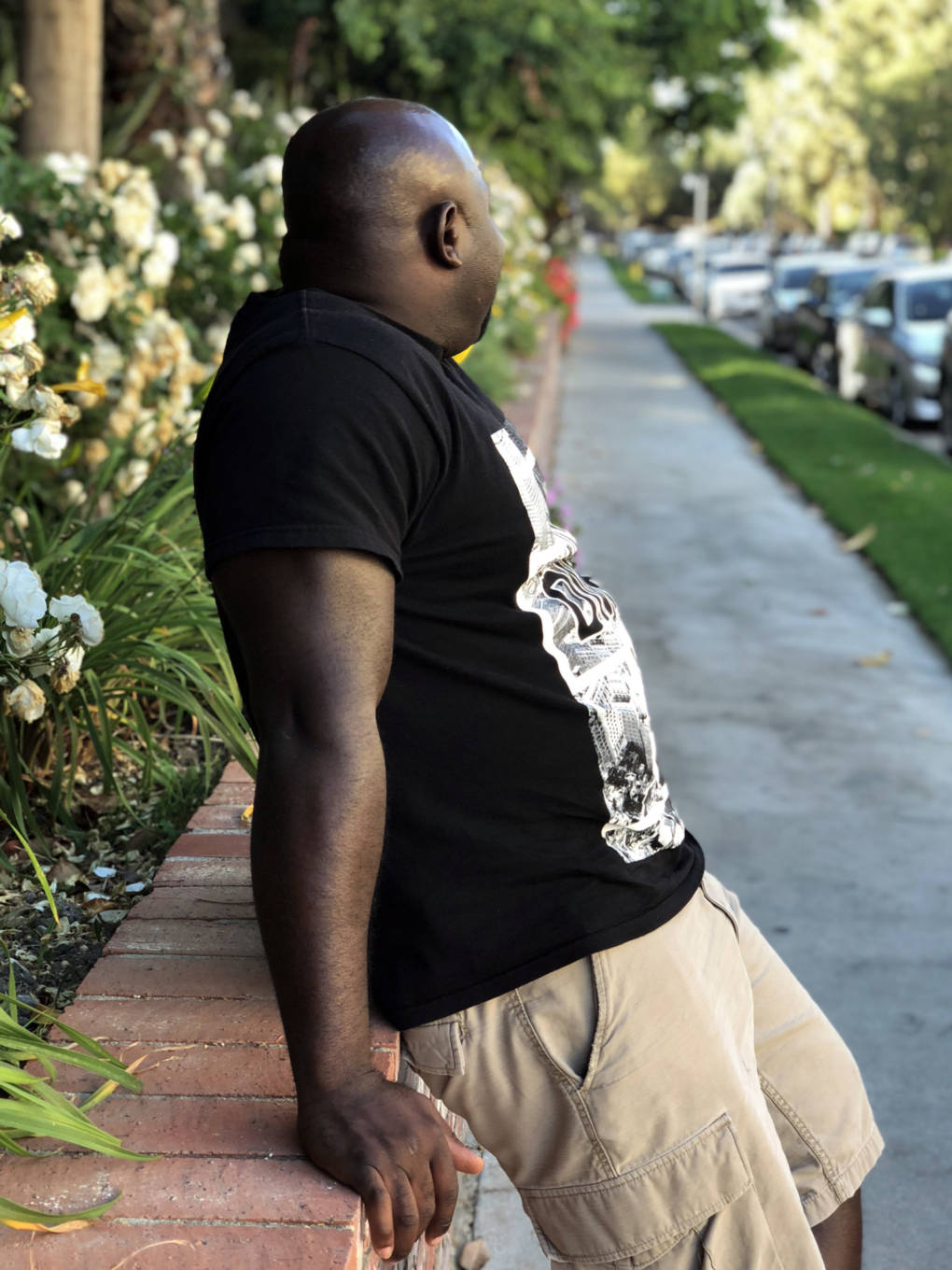
"caption": "Eddris Sseguya was imprisoned in Uganda for being gay. He is now living in his car in Los Angeles, where he is waiting to secure political asylum. For safety reasons, he did not want his face shown.",
"description": null,
"title": "RS31509_eddris-img-3-qut",
"credit": "Karina Saidi",
"status": "inherit",
"isLoading": false,
"fetchFailed": false
},
"news_11631267": {
"type": "attachments",
"id": "news_11631267",
"meta": {
"index": "attachments_1716263798",
"site": "news",
"id": "11631267",
"found": true
},
"parent": 0,
"imgSizes": {
"small": {
"file": "https://ww2.kqed.org/app/uploads/sites/10/2017/11/TCRMag_iTunes_3000x3000-520x520.jpg",
"width": 520,
"mimeType": "image/jpeg",
"height": 520
},
"twentyfourteen-full-width": {
"file": "https://ww2.kqed.org/app/uploads/sites/10/2017/11/TCRMag_iTunes_3000x3000-1038x576.jpg",
"width": 1038,
"mimeType": "image/jpeg",
"height": 576
},
"thumbnail": {
"file": "https://ww2.kqed.org/app/uploads/sites/10/2017/11/TCRMag_iTunes_3000x3000-160x160.jpg",
"width": 160,
"mimeType": "image/jpeg",
"height": 160
},
"fd-sm": {
"file": "https://ww2.kqed.org/app/uploads/sites/10/2017/11/TCRMag_iTunes_3000x3000-960x960.jpg",
"width": 960,
"mimeType": "image/jpeg",
"height": 960
},
"post-thumbnail": {
"file": "https://ww2.kqed.org/app/uploads/sites/10/2017/11/TCRMag_iTunes_3000x3000-672x372.jpg",
"width": 672,
"mimeType": "image/jpeg",
"height": 372
},
"xsmall": {
"file": "https://ww2.kqed.org/app/uploads/sites/10/2017/11/TCRMag_iTunes_3000x3000-375x375.jpg",
"width": 375,
"mimeType": "image/jpeg",
"height": 375
},
"kqedFullSize": {
"file": "https://ww2.kqed.org/app/uploads/sites/10/2017/11/TCRMag_iTunes_3000x3000-e1511383661821.jpg",
"width": 1920,
"height": 1920
},
"large": {
"file": "https://ww2.kqed.org/app/uploads/sites/10/2017/11/TCRMag_iTunes_3000x3000-1020x1020.jpg",
"width": 1020,
"mimeType": "image/jpeg",
"height": 1020
},
"xlarge": {
"file": "https://ww2.kqed.org/app/uploads/sites/10/2017/11/TCRMag_iTunes_3000x3000-1180x1180.jpg",
"width": 1180,
"mimeType": "image/jpeg",
"height": 1180
},
"guest-author-50": {
"file": "https://ww2.kqed.org/app/uploads/sites/10/2017/11/TCRMag_iTunes_3000x3000-50x50.jpg",
"width": 50,
"mimeType": "image/jpeg",
"height": 50
},
"guest-author-96": {
"file": "https://ww2.kqed.org/app/uploads/sites/10/2017/11/TCRMag_iTunes_3000x3000-96x96.jpg",
"width": 96,
"mimeType": "image/jpeg",
"height": 96
},
"medium": {
"file": "https://ww2.kqed.org/app/uploads/sites/10/2017/11/TCRMag_iTunes_3000x3000-800x800.jpg",
"width": 800,
"mimeType": "image/jpeg",
"height": 800
},
"guest-author-64": {
"file": "https://ww2.kqed.org/app/uploads/sites/10/2017/11/TCRMag_iTunes_3000x3000-64x64.jpg",
"width": 64,
"mimeType": "image/jpeg",
"height": 64
},
"guest-author-32": {
"file": "https://ww2.kqed.org/app/uploads/sites/10/2017/11/TCRMag_iTunes_3000x3000-32x32.jpg",
"width": 32,
"mimeType": "image/jpeg",
"height": 32
},
"fd-lrg": {
"file": "https://ww2.kqed.org/app/uploads/sites/10/2017/11/TCRMag_iTunes_3000x3000-1920x1920.jpg",
"width": 1920,
"mimeType": "image/jpeg",
"height": 1920
},
"fd-med": {
"file": "https://ww2.kqed.org/app/uploads/sites/10/2017/11/TCRMag_iTunes_3000x3000-1180x1180.jpg",
"width": 1180,
"mimeType": "image/jpeg",
"height": 1180
},
"full-width": {
"file": "https://ww2.kqed.org/app/uploads/sites/10/2017/11/TCRMag_iTunes_3000x3000-1920x1920.jpg",
"width": 1920,
"mimeType": "image/jpeg",
"height": 1920
},
"detail": {
"file": "https://ww2.kqed.org/app/uploads/sites/10/2017/11/TCRMag_iTunes_3000x3000-150x150.jpg",
"width": 150,
"mimeType": "image/jpeg",
"height": 150
},
"guest-author-128": {
"file": "https://ww2.kqed.org/app/uploads/sites/10/2017/11/TCRMag_iTunes_3000x3000-128x128.jpg",
"width": 128,
"mimeType": "image/jpeg",
"height": 128
},
"xxsmall": {
"file": "https://ww2.kqed.org/app/uploads/sites/10/2017/11/TCRMag_iTunes_3000x3000-240x240.jpg",
"width": 240,
"mimeType": "image/jpeg",
"height": 240
}
},
"publishDate": 1510798019,
"modified": 1510965669,
"caption": null,
"description": null,
"title": "TCRMag_iTunes_3000x3000",
"credit": null,
"status": "inherit",
"isLoading": false,
"fetchFailed": false
},
"news_11684878": {
"type": "attachments",
"id": "news_11684878",
"meta": {
"index": "attachments_1716263798",
"site": "news",
"id": "11684878",
"found": true
},
"parent": 11684877,
"imgSizes": {
"small": {
"file": "https://ww2.kqed.org/app/uploads/sites/10/2018/08/ap_18207531838476-20a1e8c8316ee717ea43dda26f7c6f262a6e308f-520x390.jpg",
"width": 520,
"mimeType": "image/jpeg",
"height": 390
},
"twentyfourteen-full-width": {
"file": "https://ww2.kqed.org/app/uploads/sites/10/2018/08/ap_18207531838476-20a1e8c8316ee717ea43dda26f7c6f262a6e308f-1038x576.jpg",
"width": 1038,
"mimeType": "image/jpeg",
"height": 576
},
"thumbnail": {
"file": "https://ww2.kqed.org/app/uploads/sites/10/2018/08/ap_18207531838476-20a1e8c8316ee717ea43dda26f7c6f262a6e308f-160x120.jpg",
"width": 160,
"mimeType": "image/jpeg",
"height": 120
},
"fd-sm": {
"file": "https://ww2.kqed.org/app/uploads/sites/10/2018/08/ap_18207531838476-20a1e8c8316ee717ea43dda26f7c6f262a6e308f-960x720.jpg",
"width": 960,
"mimeType": "image/jpeg",
"height": 720
},
"post-thumbnail": {
"file": "https://ww2.kqed.org/app/uploads/sites/10/2018/08/ap_18207531838476-20a1e8c8316ee717ea43dda26f7c6f262a6e308f-672x372.jpg",
"width": 672,
"mimeType": "image/jpeg",
"height": 372
},
"xsmall": {
"file": "https://ww2.kqed.org/app/uploads/sites/10/2018/08/ap_18207531838476-20a1e8c8316ee717ea43dda26f7c6f262a6e308f-375x281.jpg",
"width": 375,
"mimeType": "image/jpeg",
"height": 281
},
"kqedFullSize": {
"file": "https://ww2.kqed.org/app/uploads/sites/10/2018/08/ap_18207531838476-20a1e8c8316ee717ea43dda26f7c6f262a6e308f-e1533410405760.jpg",
"width": 1920,
"height": 1440
},
"large": {
"file": "https://ww2.kqed.org/app/uploads/sites/10/2018/08/ap_18207531838476-20a1e8c8316ee717ea43dda26f7c6f262a6e308f-1020x765.jpg",
"width": 1020,
"mimeType": "image/jpeg",
"height": 765
},
"xlarge": {
"file": "https://ww2.kqed.org/app/uploads/sites/10/2018/08/ap_18207531838476-20a1e8c8316ee717ea43dda26f7c6f262a6e308f-1180x885.jpg",
"width": 1180,
"mimeType": "image/jpeg",
"height": 885
},
"complete_open_graph": {
"file": "https://ww2.kqed.org/app/uploads/sites/10/2018/08/ap_18207531838476-20a1e8c8316ee717ea43dda26f7c6f262a6e308f-1200x900.jpg",
"width": 1200,
"mimeType": "image/jpeg",
"height": 900
},
"guest-author-50": {
"file": "https://ww2.kqed.org/app/uploads/sites/10/2018/08/ap_18207531838476-20a1e8c8316ee717ea43dda26f7c6f262a6e308f-50x50.jpg",
"width": 50,
"mimeType": "image/jpeg",
"height": 50
},
"guest-author-96": {
"file": "https://ww2.kqed.org/app/uploads/sites/10/2018/08/ap_18207531838476-20a1e8c8316ee717ea43dda26f7c6f262a6e308f-96x96.jpg",
"width": 96,
"mimeType": "image/jpeg",
"height": 96
},
"medium": {
"file": "https://ww2.kqed.org/app/uploads/sites/10/2018/08/ap_18207531838476-20a1e8c8316ee717ea43dda26f7c6f262a6e308f-800x600.jpg",
"width": 800,
"mimeType": "image/jpeg",
"height": 600
},
"guest-author-64": {
"file": "https://ww2.kqed.org/app/uploads/sites/10/2018/08/ap_18207531838476-20a1e8c8316ee717ea43dda26f7c6f262a6e308f-64x64.jpg",
"width": 64,
"mimeType": "image/jpeg",
"height": 64
},
"guest-author-32": {
"file": "https://ww2.kqed.org/app/uploads/sites/10/2018/08/ap_18207531838476-20a1e8c8316ee717ea43dda26f7c6f262a6e308f-32x32.jpg",
"width": 32,
"mimeType": "image/jpeg",
"height": 32
},
"fd-lrg": {
"file": "https://ww2.kqed.org/app/uploads/sites/10/2018/08/ap_18207531838476-20a1e8c8316ee717ea43dda26f7c6f262a6e308f-1920x1440.jpg",
"width": 1920,
"mimeType": "image/jpeg",
"height": 1440
},
"fd-med": {
"file": "https://ww2.kqed.org/app/uploads/sites/10/2018/08/ap_18207531838476-20a1e8c8316ee717ea43dda26f7c6f262a6e308f-1180x885.jpg",
"width": 1180,
"mimeType": "image/jpeg",
"height": 885
},
"full-width": {
"file": "https://ww2.kqed.org/app/uploads/sites/10/2018/08/ap_18207531838476-20a1e8c8316ee717ea43dda26f7c6f262a6e308f-1920x1440.jpg",
"width": 1920,
"mimeType": "image/jpeg",
"height": 1440
},
"detail": {
"file": "https://ww2.kqed.org/app/uploads/sites/10/2018/08/ap_18207531838476-20a1e8c8316ee717ea43dda26f7c6f262a6e308f-150x150.jpg",
"width": 150,
"mimeType": "image/jpeg",
"height": 150
},
"guest-author-128": {
"file": "https://ww2.kqed.org/app/uploads/sites/10/2018/08/ap_18207531838476-20a1e8c8316ee717ea43dda26f7c6f262a6e308f-128x128.jpg",
"width": 128,
"mimeType": "image/jpeg",
"height": 128
},
"xxsmall": {
"file": "https://ww2.kqed.org/app/uploads/sites/10/2018/08/ap_18207531838476-20a1e8c8316ee717ea43dda26f7c6f262a6e308f-240x180.jpg",
"width": 240,
"mimeType": "image/jpeg",
"height": 180
}
},
"publishDate": 1533410356,
"modified": 1533410430,
"caption": "Families with young children protest the separation of immigrant families with a sit-in at the Hart Senate Office Building in Washington last week.",
"description": "Families with young children protest the separation of immigrant families with a sit-in at the Hart Senate Office Building in Washington last week.",
"title": "Families with young children protest the separation of immigrant families with a sit-in at the Hart Senate Office Building in Washington last week.",
"credit": "Jacquelyn Martin/AP",
"status": "inherit",
"isLoading": false,
"fetchFailed": false
}
},
"audioPlayerReducer": {
"postId": "stream_live",
"isPaused": true,
"isPlaying": false,
"pfsActive": false,
"pledgeModalIsOpen": true,
"playerDrawerIsOpen": false,
"liveAudioPlayStartedAt": 0,
"liveAudioPlayContext": ""
},
"authorsReducer": {
"byline_news_11688678": {
"type": "authors",
"id": "byline_news_11688678",
"meta": {
"override": true
},
"slug": "byline_news_11688678",
"name": "\u003cstrong>\u003ca href=\"https://www.publicintegrity.org/authors/susan-ferriss\">Susan Ferriss\u003c/a>\u003c/strong>",
"isLoading": false
},
"byline_news_11687660": {
"type": "authors",
"id": "byline_news_11687660",
"meta": {
"override": true
},
"slug": "byline_news_11687660",
"name": "\u003cstrong>Amanda Lee Myers\u003c/strong>\u003c/br> Associated Press",
"isLoading": false
},
"byline_news_11687606": {
"type": "authors",
"id": "byline_news_11687606",
"meta": {
"override": true
},
"slug": "byline_news_11687606",
"name": "Hansi Lo Wang",
"isLoading": false
},
"byline_news_11670826": {
"type": "authors",
"id": "byline_news_11670826",
"meta": {
"override": true
},
"slug": "byline_news_11670826",
"name": "Karina Saidi",
"isLoading": false
},
"kqed": {
"type": "authors",
"id": "236",
"meta": {
"index": "authors_1716337520",
"id": "236",
"found": true
},
"name": "KQED News Staff",
"firstName": "KQED News Staff",
"lastName": null,
"slug": "kqed",
"email": "faq@kqed.org",
"display_author_email": false,
"staff_mastheads": [],
"title": null,
"bio": null,
"avatar": "https://secure.gravatar.com/avatar/ef0e801a68c4c54afa9180db14084167?s=600&d=blank&r=g",
"twitter": null,
"facebook": null,
"instagram": null,
"linkedin": null,
"sites": [
{
"site": "arts",
"roles": [
"contributor"
]
},
{
"site": "news",
"roles": [
"editor"
]
},
{
"site": "futureofyou",
"roles": [
"author"
]
}
],
"headData": {
"title": "KQED News Staff | KQED",
"description": null,
"ogImgSrc": "https://secure.gravatar.com/avatar/ef0e801a68c4c54afa9180db14084167?s=600&d=blank&r=g",
"twImgSrc": "https://secure.gravatar.com/avatar/ef0e801a68c4c54afa9180db14084167?s=600&d=blank&r=g"
},
"isLoading": false,
"link": "/author/kqed"
},
"tychehendricks": {
"type": "authors",
"id": "259",
"meta": {
"index": "authors_1716337520",
"id": "259",
"found": true
},
"name": "Tyche Hendricks",
"firstName": "Tyche",
"lastName": "Hendricks",
"slug": "tychehendricks",
"email": "thendricks@kqed.org",
"display_author_email": true,
"staff_mastheads": [
"news"
],
"title": "KQED Senior Editor, Immigration",
"bio": "\u003cspan style=\"font-weight: 400;\">Tyche Hendricks is KQED’s senior editor for immigration, leading coverage of the policy and politics that affect California’s immigrant communities. Her work for KQED’s radio and online audiences is also carried on NPR and other national outlets. She has been recognized with awards from the Radio and Television News Directors Association, the Society for Professional Journalists; the Education Writers Association; the Best of the West and the National Federation of Community Broadcasters. Before joining KQED in 2010, Tyche spent more than a dozen years as a newspaper reporter, notably at the \u003c/span>\u003ci>\u003cspan style=\"font-weight: 400;\">San Francisco Chronicle\u003c/span>\u003c/i>\u003cspan style=\"font-weight: 400;\">. At different times she has covered criminal justice, government and politics and urban planning. Tyche has taught in the MFA Creative Writing program at the University of San Francisco and at UC Berkeley’s Graduate School of Journalism, where she was co-director of a national immigration symposium for professional journalists. She is the author of \u003c/span>\u003ci>\u003cspan style=\"font-weight: 400;\">The Wind Doesn't Need a Passport: Stories from the U.S.-Mexico Borderlands\u003c/span>\u003c/i>\u003cspan style=\"font-weight: 400;\"> (University of California Press). \u003c/span>",
"avatar": "https://secure.gravatar.com/avatar/b8ee458e2731c2d43df86882ce17267e?s=600&d=blank&r=g",
"twitter": "tychehendricks",
"facebook": null,
"instagram": null,
"linkedin": null,
"sites": [
{
"site": "news",
"roles": [
"editor"
]
},
{
"site": "stateofhealth",
"roles": [
"editor"
]
}
],
"headData": {
"title": "Tyche Hendricks | KQED",
"description": "KQED Senior Editor, Immigration",
"ogImgSrc": "https://secure.gravatar.com/avatar/b8ee458e2731c2d43df86882ce17267e?s=600&d=blank&r=g",
"twImgSrc": "https://secure.gravatar.com/avatar/b8ee458e2731c2d43df86882ce17267e?s=600&d=blank&r=g"
},
"isLoading": false,
"link": "/author/tychehendricks"
},
"markfiore": {
"type": "authors",
"id": "3236",
"meta": {
"index": "authors_1716337520",
"id": "3236",
"found": true
},
"name": "Mark Fiore",
"firstName": "Mark",
"lastName": "Fiore",
"slug": "markfiore",
"email": "mark@markfiore.com",
"display_author_email": false,
"staff_mastheads": [
"news"
],
"title": "KQED News Cartoonist",
"bio": "\u003ca href=\"http://www.MarkFiore.com\">MarkFiore.com\u003c/a> | \u003ca href=\"https://twitter.com/markfiore\">Follow on Twitter\u003c/a> | \u003ca href=\"https://www.facebook.com/pages/Mark-Fiore-Animated-Political-Cartoons/94451707396?ref=bookmarks\">Facebook\u003c/a> | \u003ca href=\"mailto:mark@markfiore.com\">email\u003c/a>\r\n\r\nPulitzer Prize-winner, Mark Fiore, who the Wall Street Journal has called “the undisputed guru of the form,” creates animated political cartoons in San Francisco, where his work has been featured regularly on the San Francisco Chronicle’s web site, SFGate.com. His work has appeared on Newsweek.com, Slate.com, CBSNews.com, MotherJones.com, DailyKos.com and NPR’s web site. Fiore’s political animation has appeared on CNN, Frontline, Bill Moyers Journal, Salon.com and cable and broadcast outlets across the globe.\r\n\r\nBeginning his professional life by drawing traditional political cartoons for newspapers, Fiore’s work appeared in publications ranging from the Washington Post to the Los Angeles Times. In the late 1990s, he began to experiment with animating political cartoons and, after a short stint at the San Jose Mercury News as their staff cartoonist, Fiore devoted all his energies to animation.\r\nGrowing up in California, Fiore also spent a good portion of his life in the backwoods of Idaho. It was this combination that shaped him politically. Mark majored in political science at Colorado College, where, in a perfect send-off for a cartoonist, he received his diploma in 1991 as commencement speaker Dick Cheney smiled approvingly.\r\nMark Fiore was awarded the Pulitzer Prize for political cartooning in 2010, a Robert F. Kennedy Journalism Award in 2004 and has twice received an Online Journalism Award for commentary from the Online News Association (2002, 2008). Fiore has received two awards for his work in new media from the National Cartoonists Society (2001, 2002), and in 2006 received The James Madison Freedom of Information Award from The Society of Professional Journalists.",
"avatar": "https://secure.gravatar.com/avatar/fc4e2a612b15b67bad0c6f0e1db4ca9b?s=600&d=blank&r=g",
"twitter": "MarkFiore",
"facebook": null,
"instagram": "https://www.instagram.com/markfiore/?hl=en",
"linkedin": null,
"sites": [
{
"site": "arts",
"roles": [
"contributor"
]
},
{
"site": "news",
"roles": [
"editor"
]
},
{
"site": "futureofyou",
"roles": [
"editor"
]
},
{
"site": "science",
"roles": [
"editor"
]
}
],
"headData": {
"title": "Mark Fiore | KQED",
"description": "KQED News Cartoonist",
"ogImgSrc": "https://secure.gravatar.com/avatar/fc4e2a612b15b67bad0c6f0e1db4ca9b?s=600&d=blank&r=g",
"twImgSrc": "https://secure.gravatar.com/avatar/fc4e2a612b15b67bad0c6f0e1db4ca9b?s=600&d=blank&r=g"
},
"isLoading": false,
"link": "/author/markfiore"
},
"jsmall": {
"type": "authors",
"id": "6625",
"meta": {
"index": "authors_1716337520",
"id": "6625",
"found": true
},
"name": "Julie Small",
"firstName": "Julie",
"lastName": "Small",
"slug": "jsmall",
"email": "jsmall@kqed.org",
"display_author_email": true,
"staff_mastheads": [
"news"
],
"title": "KQED Contributor",
"bio": "Julie Small reports on criminal justice and immigration.\r\n\r\nShe was part of a team at KQED awarded a regional 2019 Edward R. Murrow award for continuing coverage of the Trump Administration's family separation policy.\r\n\r\nThe Society for Professional Journalists recognized Julie's 2018 \u003ca href=\"https://www.kqed.org/news/11636262/the-officer-tased-him-31-times-the-sheriff-called-his-death-an-accident\">reporting\u003c/a> on the San Joaquin County Sheriff's \u003ca href=\"https://www.kqed.org/news/11634689/autopsy-doctors-sheriff-overrode-death-findings-to-protect-law-enforcement\">interference\u003c/a> in death investigations with an Excellence in Journalism Award for Ongoing Coverage.\r\n\r\nJulie's\u003ca href=\"https://www.kqed.org/news/11039666/two-mentally-ill-inmates-died-one-month-in-santa-clara\"> reporting\u003c/a> with Lisa Pickoff-White on the treatment of mentally ill offenders in California jails earned a 2017 regional Edward R. Murrow Award for news reporting and an investigative reporting award from the SPJ of Northern California.\r\n\r\nBefore joining KQED, Julie covered government and politics in Sacramento for Southern California Public Radio (SCPR). Her 2010 \u003ca href=\"https://www.scpr.org/specials/prisonmedical/\">series\u003c/a> on lapses in California’s prison medical care also won a regional Edward R. Murrow Award for investigative reporting and a Golden Mic Award from the RTNDA of Southern California.\r\n\r\nJulie began her career in journalism in 2000 as the deputy foreign editor for public radio's \u003cem>Marketplace, \u003c/em>while earning her master's degree in journalism from USC’s Annenberg School of Communication.",
"avatar": "https://secure.gravatar.com/avatar/4baedf201468df97be97c2a9dd7585d0?s=600&d=blank&r=g",
"twitter": "@SmallRadio2",
"facebook": null,
"instagram": null,
"linkedin": null,
"sites": [
{
"site": "news",
"roles": [
"editor"
]
},
{
"site": "stateofhealth",
"roles": [
"author"
]
},
{
"site": "science",
"roles": [
"author"
]
}
],
"headData": {
"title": "Julie Small | KQED",
"description": "KQED Contributor",
"ogImgSrc": "https://secure.gravatar.com/avatar/4baedf201468df97be97c2a9dd7585d0?s=600&d=blank&r=g",
"twImgSrc": "https://secure.gravatar.com/avatar/4baedf201468df97be97c2a9dd7585d0?s=600&d=blank&r=g"
},
"isLoading": false,
"link": "/author/jsmall"
},
"qkim": {
"type": "authors",
"id": "11099",
"meta": {
"index": "authors_1716337520",
"id": "11099",
"found": true
},
"name": "Queena Sook Kim",
"firstName": "Queena",
"lastName": "Kim",
"slug": "qkim",
"email": "qkim@kqed.org",
"display_author_email": false,
"staff_mastheads": [
"news"
],
"title": "Senior Editor",
"bio": "\u003cspan style=\"font-weight: 400;\">Queena Sook Kim is a former senior editor of the weekend desk at KQED. Before taking on that post, she was the Senior Editor of the Silicon Valley Desk and was the \u003c/span>\u003cspan style=\"font-weight: 400;\">host of The California Report. The daily morning show airs on KQED in San Francisco, one of the nation’s largest NPR affiliates, and on 30 stations across the state. In that role, she produces and reports on news, politics and life in the Golden State. Queena likes to take sideways look at the larger trends changing the state. One of her favorite stories asked\u003c/span>\u003ca href=\"https://ww2.kqed.org/news/2015/02/15/why-the-heck-do-mexican-reporters-on-public-radio-say-their-names-that-way\"> \u003cspan style=\"font-weight: 400;\">why Latino journalists “over’pronounce” their Spanish surnames\u003c/span>\u003c/a>\u003cspan style=\"font-weight: 400;\"> as a way of looking at how immigration is creating a culture shift in California.\u003c/span>\r\n\r\n\u003cspan style=\"font-weight: 400;\">Before joining The California Report, Queena was a \u003ca href=\"http://www.marketplace.org/people/queena-kim\">Senior Reporter covering technology for Marketplace\u003c/a>, the daily business show that airs on public radio. Queena covered daily tech business stories and reported on larger technology trends. She did a series of stories looking at role of social engineering in hacking and on a start-up in Silicon Valley that’s trying to use technology, instead of animals, to make meat that bleeds.\u003c/span>\r\n\r\n\u003cspan style=\"font-weight: 400;\">Queena started her career as a business journalist at the Wall Street Journal, where she spent four years covering the paper, home building and toy industries. She wrote A1 stories about the unusually aggressive tactics KB Home took against its home buyers. and the resurgence of “Cracker” architecture in Florida. She also wrote section front stories on marketing trends and\u003c/span>\r\n\r\n\u003cspan style=\"font-weight: 400;\">As a journalist, Queena has spent much of her career helping start-up editorial products. She was on the founding editorial team of The Bay Citizen, an experimental, online news site in San Francisco that was funded by the late hillbilly billionaire Warren Hellman. In 2009, Queena received a grant from the Corporation of Public Broadcasting to start-up a podcast called \u003ca href=\"https://soundcloud.com/cyberfrequencies\">CyberFrequencies\u003c/a>, which reported on the culture of technology. She also helped start-up two radio shows - Off-Ramp and Pacific Drift - for KPCC, the NPR-affiliate in Los Angeles. Off-Ramp was awarded 1st Place for news and Public Affairs programming by the PRINDI and the L.A. Press club. \u003ca href=\"https://soundcloud.com/queena-sook-kim\">Queena’s stories have appeared \u003c/a>on NPR’s Day to Day, Hearing Voices, WNYC’s Studio 360, WBUR’s Here and Now, BBC’s Global Perspectives and New York Times’ multimedia page.\u003c/span>\r\n\r\n\u003cspan style=\"font-weight: 400;\">In 1994, Queena won a Fulbright Grant to teach and study in Seoul, South Korea. She was also selected to be a Teach For America Corps Member in 1991 and taught elementary school in the Inglewood Unified School District in Southern California.\u003c/span>\r\n\r\n\u003cspan style=\"font-weight: 400;\">Queena is a frequent public speaker and has given talks at UC Berkeley, Stanford University, San Francisco State University, PRINDI conference and the Craigslist Foundation Boot Camp. Queena went to UC Berkeley’s Graduate School of Journalism and graduated cum laude from New York University with a B.A. in Politics. She grew up in Southern California and lives in Berkeley, Ca in a big fixer on which she spends most weekends, well, fixing.\u003c/span>",
"avatar": "https://secure.gravatar.com/avatar/b72382fd0db351b99f8a31939f4853fc?s=600&d=blank&r=g",
"twitter": "queenasookkim",
"facebook": null,
"instagram": null,
"linkedin": null,
"sites": [
{
"site": "news",
"roles": [
"subscriber"
]
},
{
"site": "forum",
"roles": [
"author"
]
},
{
"site": "breakingnews",
"roles": [
"editor"
]
}
],
"headData": {
"title": "Queena Sook Kim | KQED",
"description": "Senior Editor",
"ogImgSrc": "https://secure.gravatar.com/avatar/b72382fd0db351b99f8a31939f4853fc?s=600&d=blank&r=g",
"twImgSrc": "https://secure.gravatar.com/avatar/b72382fd0db351b99f8a31939f4853fc?s=600&d=blank&r=g"
},
"isLoading": false,
"link": "/author/qkim"
},
"jsepulvado": {
"type": "authors",
"id": "11298",
"meta": {
"index": "authors_1716337520",
"id": "11298",
"found": true
},
"name": "John Sepulvado",
"firstName": "John",
"lastName": "Sepulvado",
"slug": "jsepulvado",
"email": "jsepulvado@KQED.org",
"display_author_email": false,
"staff_mastheads": [],
"title": null,
"bio": "John Sepulvado is a former morning host of \u003cem>The California Report\u003c/em>. Prior to joining KQED in September 2016, John was the local host of NPR’s \u003cem>Weekend Edition\u003c/em> at Oregon Public Broadcasting (OPB). He has also served as a producer for America Public Media’s \u003cem>Marketplace Weekend\u003c/em> and worked as a national correspondent for CNN and as news director at WUSF in Tampa, Florida. John has earned prestigious RTDNA Murrow and PRNDI awards for investigative reporting, and helped CNN take home a Peabody Award for coverage of the 2010 Gulf oil spill. John attended Florida A&M in Tallahassee and is also a member of Phi Theta Kappa. He left KQED in 2019.",
"avatar": "https://secure.gravatar.com/avatar/b976d3c4cf11750a793b670e5acb7a1c?s=600&d=blank&r=g",
"twitter": null,
"facebook": null,
"instagram": null,
"linkedin": null,
"sites": [
{
"site": "news",
"roles": [
"author",
"edit_others_posts"
]
}
],
"headData": {
"title": "John Sepulvado | KQED",
"description": null,
"ogImgSrc": "https://secure.gravatar.com/avatar/b976d3c4cf11750a793b670e5acb7a1c?s=600&d=blank&r=g",
"twImgSrc": "https://secure.gravatar.com/avatar/b976d3c4cf11750a793b670e5acb7a1c?s=600&d=blank&r=g"
},
"isLoading": false,
"link": "/author/jsepulvado"
}
},
"pagesReducer": {
"news_category_immigration": {
"type": "terms",
"id": "news_1169",
"meta": {
"index": "terms_1716263798",
"site": "news",
"id": "1169",
"score": 10.910702
},
"featImg": null,
"name": "Immigration",
"description": null,
"taxonomy": "category",
"headData": {
"twImgId": null,
"twTitle": null,
"ogTitle": null,
"ogImgId": null,
"twDescription": null,
"description": null,
"title": "Immigration Archives | KQED News",
"ogDescription": null
},
"ttid": 1180,
"slug": "immigration",
"isLoading": false,
"title": "Immigration",
"pageMeta": {
"site": "news",
"WpPageTemplate": "page-topic-editorial",
"currentPage": 120
},
"blocks": [
{
"blockName": "kqed/post-list",
"attrs": {
"layout": "cardArticle2",
"query": "posts/news?category=immigration",
"seeMore": false,
"paginated": true,
"page": 120
}
},
{
"blockName": "kqed/ad"
}
]
}
},
"pfsSessionReducer": {},
"postsReducer": {
"stream_live": {
"type": "live",
"id": "stream_live",
"audioUrl": "https://streams.kqed.org/kqedradio",
"title": "Live Stream",
"excerpt": "Live Stream information currently unavailable.",
"link": "/radio",
"featImg": "",
"label": {
"name": "KQED Live",
"link": "/"
}
},
"stream_kqedNewscast": {
"type": "posts",
"id": "stream_kqedNewscast",
"audioUrl": "https://www.kqed.org/.stream/anon/radio/RDnews/newscast.mp3?_=1",
"title": "KQED Newscast",
"featImg": "",
"label": {
"name": "88.5 FM",
"link": "/"
}
},
"news_11688678": {
"type": "posts",
"id": "news_11688678",
"meta": {
"index": "posts_1716263798",
"site": "news",
"id": "11688678",
"score": null,
"sort": [
1535152493000
]
},
"parent": 0,
"labelTerm": {},
"blocks": [],
"publishDate": 1535152493,
"format": "image",
"disqusTitle": "'Shocked and Humiliated': Lawsuits Accuse Customs, Border Officers of Invasive Searches of Minors, Women",
"title": "'Shocked and Humiliated': Lawsuits Accuse Customs, Border Officers of Invasive Searches of Minors, Women",
"headTitle": "The California Report | KQED News",
"content": "\u003cp>[dropcap]T[/dropcap]ameika Lovell was retrieving baggage at New York City’s Kennedy Airport when two female U.S. Customs and Border Protection officers stopped her for a “random search.”\u003c/p>\n\u003cp>It was Nov. 27, 2016, the Sunday after Thanksgiving, and the school counselor from Long Island had just arrived from a short Jamaica vacation. Lovell, who is black, had been stopped and felt profiled before, but this time a CBP supervisor began posing questions she hadn’t heard previously.\u003c/p>\n\u003cp>“Don’t you think you’re spending too much money traveling?” Lovell, 34, recalls him asking.\u003c/p>\n\u003cp>What allegedly happened next is outlined in a harrowing civil lawsuit Lovell filled in March in federal court. And the assertions aren’t unique, based on allegations in similar suits filed not just in New York but also in California, Arizona, Texas, Michigan and Pennsylvania.\u003c/p>\n\u003cp>Inside a secure room, Lovell’s litigation asserts, one of the female officers searched Lovell’s belongings, presumably for illegal drugs, and asked Lovell if she were using a tampon or sanitary pad. The question upset her, but she replied “no” and complied when told to remove her shoes, lift her arms and spread her legs.\u003c/p>\n\u003cp>[ad fullwidth]\u003c/p>\n\u003cp>As the other female officer observed, hand on her firearm, the suit says, the first touched Lovell from “from head to toe,” before ordering her to squat. The officer squeezed Lovell’s breasts “hard,” and allegedly “placed her right hand into her [Lovell’s] pants ‘forcibly’ inserting four gloved fingers into plaintiff’s vagina” before parting Lovell’s buttocks with her hand “for viewing.”\u003c/p>\n\u003cp>Lovell was left “violated, shocked and afraid,” according to her suit, which accuses CBP officers of violating not only her constitutional rights, but the agency’s own \u003ca href=\"https://www.cbp.gov/sites/default/files/assets/documents/2017-Sep/CBP%20TEDS%20Policy%20Oct2015.pdf\">handbook\u003c/a> as well.\u003c/p>\n\u003cp>An August 1 Justice Department filing sought to dismiss CBP and individual officers, but not the U.S government, as defendants. Nevertheless, Lovell’s lawsuit — and 10 others since 2011 reviewed by the Center for Public Integrity — raise timely and unsettling questions about how far border and other immigration officers can go with their considerable power to detain people at the nation’s 328 ports of entry.\u003c/p>\n\u003cp>The existing rules can be shocking for travelers. \u003ca href=\"https://fas.org/sgp/crs/homesec/RL31826.pdf\">Legal precedents\u003c/a> grant federal officers at ports of entry the power, without warrants, to require people to strip for a “visual inspection” of genitals and rectums, and to submit to a “monitored bowel movement” to check for secreted drugs. At the same time, a \u003ca href=\"https://www.cbp.gov/sites/default/files/assets/documents/2017-Sep/CBP%20TEDS%20Policy%20Oct2015.pdf\">CBP detention-and-search handbook\u003c/a> instructs officers to record a solid justification for every single step beyond a frisk, and to respect detainees’ dignity and “freedom from unreasonable searches” and to “consider the totality of the circumstances … when making a decision to search.”\u003c/p>\n\u003cp>The handbook also warns officers against engaging in what could be considered either a “visual or physical intrusion” into vaginal or anal cavities.\u003c/p>\n\u003cp>Yet in these suits, innocent women — including minor girls — who were not found with any contraband say CBP officers subjected them to harsh interrogation that led to indignities that included unreasonable strip searches while menstruating to prohibited genital probing. Some women were also handcuffed and transported to hospitals where, against their will, they underwent pelvic exams, X-rays and in one case, drugging via IV, according to suits. Invasive medical procedures require a detainee’s consent or a warrant. In two cases, women were billed for procedures.\u003c/p>\n\u003cp>The suits underscore mounting criticism that accountability for officer conduct is too weak — at a time when President Donald Trump is beefing up the ranks of CBP officers and urging ever-tougher crackdowns at the border and other ports of entry. Settlements show that the government has opted to close some cases before trials that could require CBP court testimony; six of these suits have resulted in settlements that cost taxpayers more than $1.2 million in payments to plaintiffs by the U.S. Treasury Department. A \u003ca href=\"https://www.upi.com/Canadian-woman-says-was-groped-at-border/34791297392076/\">Canadian traveler\u003c/a> who sued \u003ca href=\"https://www.cbp.gov/newsroom/local-media-release/federal-jury-clears-detroit-cbp-officers-wrongdoing\">lost a jury trial\u003c/a> in 2013. Other cases continue to wind their way through the system.\u003c/p>\n\u003ch3>Minors Strip Searched?\u003c/h3>\n\u003cp>In one pending suit, filed in March in Fresno, California, a detained undocumented teen from Guatemala alleges that in 2016 in Presidio, Texas, a male CBP agent touched her vaginal area and breasts after ordering her to strip. He allegedly said he was checking for weapons. A federal court has sealed the case.\u003c/p>\n\u003cfigure id=\"attachment_11688719\" class=\"wp-caption alignright\" style=\"max-width: 800px\">\u003cimg src=\"https://ww2.kqed.org/news/wp-content/uploads/sites/10/2018/08/pic1.jpg\" alt=\"A lawsuit alleges that CBP officers violated a teen’s rights when they forced her to strip so they could scrutinize her private parts for hidden drugs.\" width=\"800\" height=\"280\" class=\"size-full wp-image-11688719\" srcset=\"https://ww2.kqed.org/app/uploads/sites/10/2018/08/pic1.jpg 800w, https://ww2.kqed.org/app/uploads/sites/10/2018/08/pic1-160x56.jpg 160w, https://ww2.kqed.org/app/uploads/sites/10/2018/08/pic1-240x84.jpg 240w, https://ww2.kqed.org/app/uploads/sites/10/2018/08/pic1-375x131.jpg 375w, https://ww2.kqed.org/app/uploads/sites/10/2018/08/pic1-520x182.jpg 520w\" sizes=\"(max-width: 800px) 100vw, 800px\">\u003cfigcaption class=\"wp-caption-text\">A lawsuit alleges that CBP officers violated a teen’s rights when they forced her to strip so they could scrutinize her private parts for hidden drugs.\u003c/figcaption>\u003c/figure>\n\u003cp>In February in San Diego, another suit filed in federal court on behalf of C.R., a 16-year-old, alleges that CBP strip-searched her last September as she and her adult sisters were returning from a family visit in Mexico through the San Ysidro pedestrian port.\u003c/p>\n\u003cp>The sisters were allegedly “flagged” after a false drug-sniffing dog alert. Female officers took C.R. aside, the suit asserted, and allegedly told the tearful girl to disrobe, hand over a sanitary pad—and squat and cough “while officers probed and shined a flashlight at her vaginal and anal areas.” Justice Department attorneys representing officers have filed to dismiss C.R.’s suit, arguing that it was not filed properly.\u003c/p>\n\u003cp>But C.R.’s alleged experience isn’t isolated: It is one of three alleged San Diego border strip searches of Hispanic minors and one 42-year-old Hispanic woman reported just since last September to the San Diego office of the American Friends Service Committee, a rights group.\u003c/p>\n\u003cp>And C.R.’s lawsuit isn’t the first of its kind filed in San Diego.\u003c/p>\n\u003cp>Unbeknownst to the public, almost two years before C.R.’s search, records reviewed by the Center show that in 2015 the U.S. government quietly settled a different lawsuit for $500,000 with a woman also subjected to a prolonged ordeal at the San Ysidro port — an ordeal that allegedly involved vaginal probing, twice, by a CBP officer.\u003c/p>\n\u003cfigure id=\"attachment_11688727\" class=\"wp-caption aligncenter\" style=\"max-width: 800px\">\u003cimg src=\"https://ww2.kqed.org/news/wp-content/uploads/sites/10/2018/08/RS5955_166174595-800x457.jpg\" alt=\"A US Border Patrol agent stands near a crossing to Mexico at the San Ysidro port of entry along the US-Mexico border near San Diego, California on April 4, 2013.\" width=\"800\" height=\"457\" class=\"size-medium wp-image-11688727\" srcset=\"https://ww2.kqed.org/app/uploads/sites/10/2018/08/RS5955_166174595-800x457.jpg 800w, https://ww2.kqed.org/app/uploads/sites/10/2018/08/RS5955_166174595-160x91.jpg 160w, https://ww2.kqed.org/app/uploads/sites/10/2018/08/RS5955_166174595-1020x582.jpg 1020w, https://ww2.kqed.org/app/uploads/sites/10/2018/08/RS5955_166174595-1200x685.jpg 1200w, https://ww2.kqed.org/app/uploads/sites/10/2018/08/RS5955_166174595.jpg 1920w, https://ww2.kqed.org/app/uploads/sites/10/2018/08/RS5955_166174595-1180x674.jpg 1180w, https://ww2.kqed.org/app/uploads/sites/10/2018/08/RS5955_166174595-960x548.jpg 960w, https://ww2.kqed.org/app/uploads/sites/10/2018/08/RS5955_166174595-240x137.jpg 240w, https://ww2.kqed.org/app/uploads/sites/10/2018/08/RS5955_166174595-375x214.jpg 375w, https://ww2.kqed.org/app/uploads/sites/10/2018/08/RS5955_166174595-520x297.jpg 520w\" sizes=\"(max-width: 800px) 100vw, 800px\">\u003cfigcaption class=\"wp-caption-text\">A US Border Patrol agent stands near a crossing to Mexico at the San Ysidro port of entry along the US-Mexico border near San Diego, California on April 4, 2013. \u003ccite>(FREDERIC J. BROWN/AFP/Getty Images)\u003c/cite>\u003c/figcaption>\u003c/figure>\n\u003cp>CBP officials at Washington headquarters declined to comment on lawsuits, settled or pending, with the exception of the now-sealed suit filed by that undocumented Guatemalan teen in U.S. District Court in Fresno. In a statement, the agency said: \"We take allegations of misconduct seriously and there is no room in CBP for the mistreatment or misconduct of any kind toward those in our custody…. We fully cooperate with any criminal administrative investigation.\"\u003c/p>\n\u003cp>CBP also said it has \"policies, procedures and training in place to ensure officers and agents treat travelers and those in custody with professionalism and courtesy, while protecting the civil rights, civil liberties, and well-being of every individual with whom we interact.\"\u003c/p>\n\u003cp>CBP declined to discuss, however, whether accused officers named in settled or pending suits have been investigated, absolved, disciplined, retrained, fired or moved to other jobs. The agency referred questions to the U.S. Justice Department, whose officials also declined comment.\u003c/p>\n\u003cp>“The Department generally has a policy not to discuss cases past or otherwise, as it could sometimes have implications on future matters,” media coordinator Devin O’Malley said.\u003c/p>\n\u003cp>CBP said its officers \"encounter persons attempting to smuggle narcotics into the United States internally, a very dangerous smuggling method that comes with the risk of great personal harm.\" But the agency would not discuss at what rates officers discover drugs secreted in travelers’ bodies. At a May 30 congressional hearing on borders and opioids in Tucson, Arizona, acting CBP field director Guadalupe Ramirez testified that officers “regularly find drugs concealed in body cavities,” as well as taped to bodies and hidden in vehicles and hygiene products.\u003c/p>\n\u003cp>In New York, Lovell’s lawsuit says CBP officers’ search at JFK “shocked the conscience,” and caused her to seek immediate medical care at a hospital, as well as rape counseling. When the search ended, Lovell said, the CBP supervisor told her to expect other searches since she often travels.\u003c/p>\n\u003cp>“'We’re the federal government and we have the right to search you the way we think we need to',” Lovell recalls him saying. “I’ll never forget that.”\u003c/p>\n\u003cp>In May 2017, Lovell followed a standard procedure by filing a “federal tort claim” directly with CBP. The claim was denied in March 2018 and she filed suit against the United States, CBP and officers referred to as “John Doe” or by last names and badge numbers.\u003c/p>\n\u003cp>Lovell’s suit and the others reviewed by the Center level a range of accusations at officers, including violations of due process and the Fourth Amendment’s protection against illegal searches, as well as battery, sexual assault, false arrest, abuses “under color of law” and discrimination.\u003c/p>\n\u003cfigure id=\"attachment_11688733\" class=\"wp-caption aligncenter\" style=\"max-width: 800px\">\u003cimg src=\"https://ww2.kqed.org/news/wp-content/uploads/sites/10/2018/08/pic3-800x205.jpg\" alt=\"An Arizona teen CBP detained as she returned from Mexico says she didn’t authorize a hospital to perform a pelvic exam that found no hidden drugs.\" width=\"800\" height=\"205\" class=\"size-medium wp-image-11688733\" srcset=\"https://ww2.kqed.org/app/uploads/sites/10/2018/08/pic3-800x205.jpg 800w, https://ww2.kqed.org/app/uploads/sites/10/2018/08/pic3-160x41.jpg 160w, https://ww2.kqed.org/app/uploads/sites/10/2018/08/pic3-240x62.jpg 240w, https://ww2.kqed.org/app/uploads/sites/10/2018/08/pic3-375x96.jpg 375w, https://ww2.kqed.org/app/uploads/sites/10/2018/08/pic3-520x133.jpg 520w, https://ww2.kqed.org/app/uploads/sites/10/2018/08/pic3.jpg 940w\" sizes=\"(max-width: 800px) 100vw, 800px\">\u003cfigcaption class=\"wp-caption-text\">An Arizona teen CBP detained as she returned from Mexico says she didn’t authorize a hospital to perform a pelvic exam that found no hidden drugs.\u003c/figcaption>\u003c/figure>\n\u003cp>Lawyers for the women say that the relatively modest number of suits shouldn’t be considered a measure of how frequently detained people are invasively searched.\u003c/p>\n\u003cp>“Instances like these are traumatic and people feel sexually assaulted. Filing a lawsuit requires detailing a significantly painful incident in a public forum,” said Adriana Piñon, staff attorney at the American Civil Liberties Union in Texas.\u003c/p>\n\u003cp>Since September, AFSC U.S.-Mexico Border Program director Pedro Rios said, he’s helped file two complaints alleging invasive searches on the San Diego border directly with the CBP Office for Civil Rights and Civil Liberties. The family of a male autistic teen traumatized by a strip search, Rios said, decided against a complaint out of fear of retaliation.\u003c/p>\n\u003cp>CBP officers, the CBP handbook says, should “weigh all factors” before an officer, who should ordinarily be of the same gender, searches a juvenile. Officers are told to seek parental consent for a strip search and refrain from touching or a “visual” search of a minor’s body cavities. If a parent refuses consent, officers should seek advice from CBP counsel. In addition to compensatory and punitive damages, C.R.’s suit in San Diego seeks an injunction blocking CBP defendants “from engaging in invasive law enforcement searches.”\u003c/p>\n\u003cp>The handbook also instructs officers to perform duties “in a non-discriminatory manner.”\u003c/p>\n\u003cp>A person’s ethnicity isn’t grounds for a search. But officers do consider factors such as travel to certain countries, unusual travel patterns and behavior that seems evasive or otherwise suspicious, according to lawyers who’ve represented travelers in suits.\u003c/p>\n\u003cp>Canine contraband alerts are also a factor — but it’s not uncommon for alerts to be false, the \u003ca href=\"https://www.aclu.org/sites/default/files/field_document/2017-05-18_aclu_statement_house_homeland_security_hearing_critical_canine_contributions_to_the_dhs_mission.pdf\">American Civil Liberties Union\u003c/a> has argued.\u003c/p>\n\u003cp>Officers’ ability to initiate warrantless searches on “reasonable suspicion,” a lower threshold than “probable cause,” is grounded in arguments that ports merit greater scrutiny, as well as a 1985 Supreme Court ruling. In that case, \u003ca href=\"https://caselaw.findlaw.com/us-supreme-court/473/531.html\">\u003cem>United States vs. Montoya\u003c/em>,\u003c/a> the court found that a rectal exam revealing cocaine-filled balloons didn’t violate a woman’s Fourth Amendment rights because officers considered various factors and had “reasonable” concerns that she’d concealed drugs.\u003c/p>\n\u003cp>Settled civil suits accusing officers of failing to wisely act on suspicions don’t establish guilt or criminal liability. But documents do reveal how searches escalated, and how attorneys attempted to defend CBP before settling. In an Arizona case, Justice Department attorneys representing CBP officers argued that the detention handbook was simply “guidance.”\u003c/p>\n\u003cp>Each of the suits tells a story:\u003c/p>\n\u003cfigure id=\"attachment_11688743\" class=\"wp-caption aligncenter\" style=\"max-width: 800px\">\u003cimg src=\"https://ww2.kqed.org/news/wp-content/uploads/sites/10/2018/08/GettyImages-943850020-800x533.jpg\" alt=\"A U.S. Customs and Border Protection officer waits for pedestrians entering the United States at the San Ysidro port of entry on April 9, 2018 in San Ysidro, California.\" width=\"800\" height=\"533\" class=\"size-medium wp-image-11688743\">\u003cfigcaption class=\"wp-caption-text\">A U.S. Customs and Border Protection officer waits for pedestrians entering the United States at the San Ysidro port of entry on April 9, 2018 in San Ysidro, California. \u003ccite>(Mario Tama/Getty Images)\u003c/cite>\u003c/figcaption>\u003c/figure>\n\u003ch3>In San Diego\u003c/h3>\n\u003cp>The case that led to the $500,000 settlement was rooted in a Nov. 2013 incident involving an American church volunteer returning from an orphanage in Tijuana, Mexico. She was stopped by CBP at a San Diego’s Otay Mesa pedestrian port at about 4 p.m.\u003c/p>\n\u003cp>Officers, the woman’s suit asserts, repeatedly ignored pleas that she was not the person on a Contra Costa County, California, outstanding drug arrest warrant from 1997 that appeared in officers’ computer system. The name on the warrant was hers and it bore her driver’s license number, but her birthdate and her race were different.\u003c/p>\n\u003cp>Officers allegedly separated the woman from her group, without explaining to other travelers why, and placed her in a room where she was frisked and fingerprinted. An hour later, an officer allegedly told her something to the effect of “this isn’t you,” and indicated that she’d be released. \u003c/p>\n\u003cfigure id=\"attachment_11688744\" class=\"wp-caption alignright\" style=\"max-width: 800px\">\u003cimg src=\"https://ww2.kqed.org/news/wp-content/uploads/sites/10/2018/08/pic4-800x113.jpg\" alt=\"CBP officers in San Diego detained a woman they erroneously thought was wanted on an arrest warrant. She sued, charging misconduct that included alleged vaginal probing during searches. \" width=\"800\" height=\"113\" class=\"size-medium wp-image-11688744\" srcset=\"https://ww2.kqed.org/app/uploads/sites/10/2018/08/pic4-800x113.jpg 800w, https://ww2.kqed.org/app/uploads/sites/10/2018/08/pic4-160x23.jpg 160w, https://ww2.kqed.org/app/uploads/sites/10/2018/08/pic4-240x34.jpg 240w, https://ww2.kqed.org/app/uploads/sites/10/2018/08/pic4-375x53.jpg 375w, https://ww2.kqed.org/app/uploads/sites/10/2018/08/pic4-520x74.jpg 520w, https://ww2.kqed.org/app/uploads/sites/10/2018/08/pic4.jpg 940w\" sizes=\"(max-width: 800px) 100vw, 800px\">\u003cfigcaption class=\"wp-caption-text\">CBP officers in San Diego detained a woman they erroneously thought was wanted on an arrest warrant. She sued, charging misconduct that included alleged vaginal probing during searches.\u003c/figcaption>\u003c/figure>\n\u003cp>But officers argued, with one suggesting another check more databases, the suit says. Several hours later, the woman was handcuffed and driven 10 miles away to the San Ysidro port of entry along with other female and male detainees. There, the suit alleges, the woman and three other detainees were told to told to line up and spread their feet.\u003c/p>\n\u003cp>“Plaintiff could observe the female CBP officer placing a gloved hand down each of the three women’s pants as part of this search,” the suit alleges.\u003c/p>\n\u003cp>“This officer squeezed my breasts hard and went into my underwear and in my vagina with her finger. She did this with the same glove that she did three other women before me!!” the woman later wrote later in an email to a CBP official, according to the suit. “I was mortified!!!! I never felt so violated!!!”\u003c/p>\n\u003cp>“Plaintiff was visibly upset, crying and professing her innocence during and after the search,” the suit alleges. The officers allegedly “mocked” her, calling her a “basket case.”\u003c/p>\n\u003cp>After 20 minutes the same female officer allegedly repeated a vaginal search.\u003c/p>\n\u003cp>“When I questioned why she was doing it again she told me ‘Because I am’ and the male officer behind her said, ‘What, do you work here?’ Even if I was a criminal NO ONE should be treated in this manner,” the woman wrote to CBP, which allegedly did not respond.\u003c/p>\n\u003cp>Around 10 p.m., an officer allegedly suggested “this is all wrong” and that he’d investigate. The suit alleges that the officer spoke with Contra Costa law enforcement about the warrant’s discrepancies and was told to hold the woman for later transport to that county.\u003c/p>\n\u003cp>At about 1:40 a.m., the woman was handcuffed and driven to the Las Colinas Detention Facility, a San Diego County jail for women. She wasn’t released until she posted a $10,000 bond the next day.\u003c/p>\n\u003cp>“People with tremendous power are not always using it in a discerning fashion,” said San Diego attorney Timothy Scott, the woman’s lawyer.\u003c/p>\n\u003cp>He accused officers of acting with “indifference, and compounding error with arrogance.” Scott said his client didn’t seek to air her grievances in media because she was so upset, and still doesn’t want to be identified.\u003c/p>\n\u003cp>The U.S. government and CBP didn’t file responses to the suit, and within two months settled for the $500,000, according to Treasury Department records. Contra Costa County settled with her for an additional $450,000, according to a document obtained from that county.\u003c/p>\n\u003ch3>In Philadelphia\u003c/h3>\n\u003cp>An African-American woman, 36, flew into the Philadelphia International Airport from a one-day trip to Punta Cana, the Dominican Republic, on Dec.4, 2012 — and a 24-hour ordeal ensued in a fruitless search for hidden drugs, her 2015 lawsuit says.\u003c/p>\n\u003caside class=\"alignright\">\n\u003ch4 style=\"text-align: center\">\u003ca href=\"https://www.publicintegrity.org/2018/08/19/21887/invasive-searches-woman-s-24-hour-ordeal\" target=\"_blank\" rel=\"noopener\">\u003cspan style=\"color: #000000\">Invasive Searches: A Woman’s 24-hour Ordeal\u003c/span>\u003c/a>\u003c/h4>\n\u003cfigure>\u003ca href=\"https://www.publicintegrity.org/2018/08/19/21887/invasive-searches-woman-s-24-hour-ordeal\" target=\"_blank\" rel=\"noopener\">\u003cimg src=\"https://ww2.kqed.org/news/wp-content/uploads/sites/10/2018/08/RS5955_166174595.jpg\" alt=\"\">\u003c/a>\u003c/figure>\n\u003c/aside>\n\u003cp>The woman’s complaint against CBP defendants was quietly settled in 2017 for $189,500 paid by the U.S. Treasury Department.\u003c/p>\n\u003cp>After her arrival, CBP officers intercepted the woman at customs and took her to a screening room to search her belongings and allegedly interrogate her about suspicions that her short trip might indicate drug smuggling. The woman allegedly explained that she travels often on airline employee discounts available to family members. “At no time did the CBP defendants contact the airline” to confirm her relative’s job or make other attempts to verify her story, her suit asserts.\u003c/p>\n\u003cp>Officers then tried to “shame” the detained woman into a false confession, the suit says, by asking if she was religious or had children. Her suit says that she was told she’d be released after a pat down. But after seven hours — and attempts to get her to consent to an X-ray — the woman was allegedly handcuffed, shackled and “dragged” from the airport and taken to a local hospital.\u003c/p>\n\u003cp>Officers “provided false and misleading information” to staff suggesting that she was “packing” drugs, the woman’s suit further alleges, and that she’d have to remain in a room “until she had urinated and defecated into a plastic container in the presence of an officer.”\u003c/p>\n\u003cp>After a staff shift change, the suit alleges, a nurse announced that the woman’s heart rate was elevated, and doctors “involuntarily” admitted her to care due to “possible drug toxicity.”\u003c/p>\n\u003cp>According to the suit, the woman was tied to a bed with restraints, stripped naked by medical staff and had a tampon removed from her vagina during a body search. In court filings, the hospital doesn’t deny conducting the exam, administering sedatives using an IV, catheterizing the woman to collect urine and putting her through X-rays and abdominal and pelvic CT scans.\u003c/p>\n\u003cp>“The agents had no basis for their suspicion” of the plaintiff, her suit says. “Medical personnel confirmed what [the plaintiff] had told CBP agents from the moment she encountered them: that she had no contraband on her person.”\u003c/p>\n\u003cp>Justice Department attorneys, however, argue in a filing that the “federal defendants deny that CBP officers had no basis for their suspicions,” and that the Dominican Republic is “a known illegal drug source country.” CBP officers, the response alleges, asked the woman to “consent to an X-ray that would expeditiously determine” if drugs were inside her and “explored whether to seek a warrant” but did not because she was involuntarily admitted to the hospital.\u003c/p>\n\u003cp>“Plaintiff was afforded all constitutional rights and protections to which she was entitled at all material times to the incidents alleged,\" the response also argues.\u003c/p>\n\u003cp>After she woke from a sedated state, the woman’s suit asserts, she was driven back to the airport and suffered an accident driving her own car to her destination. The woman’s lawyer said that his client asked not to be identified and that he refrain from commenting.\u003c/p>\n\u003cp>Mercy Fitzgerald Hospital in Darby, Pennsylvania, where procedures were conducted, said in a statement: “While we cannot provide details about any specific patient's health or treatment, we strive to honor the sacredness and dignity of every person.” Documents show the hospital system agreed to close the case in what the woman’s attorney said is an undisclosed settlement.\u003c/p>\n\u003ch3>In Texas\u003c/h3>\n\u003cp>A Hispanic U.S. citizen\u003cstrong>,\u003c/strong> 52-year-old “Jane Doe,” was returning from visiting a deported family friend in Mexico in December 2012 when CBP took her aside at about 2 p.m. at El Paso’s Cordova Bridge pedestrian port of entry for a “random” check, according to her lawsuit.\u003c/p>\n\u003cp>The suit, which was filed and publicly disclosed by the ACLU, was settled in 2016 with a $450,000 payment by the U.S. Treasury Department and a total of another $1.1 million from El Paso’s University Medical Center and other medical defendants.\u003c/p>\n\u003cp>During an initial frisk, Doe’s suit alleges, a CBP officer allegedly inserted a finger into the crevice of Doe’s buttocks. Then a CBP canine handler tapped his foot in front of Doe and his dog lunged, after which Doe, inside a room, was made to lower her pants and squat, while an officer allegedly looked at her anus with a flashlight. Another officer allegedly “pressed her fingers into Ms. Doe’s vagina and visually examined her genitalia with a flashlight. … Ms. Doe was understandably humiliated and she began crying.”\u003c/p>\n\u003cp>Around 4 p.m., a handcuffed Doe was taken to the medical center, where she was allegedly ordered to take a laxative and execute a bowel moment in the presence of CBP officers. She was then subjected to an X-ray, without a warrant or her consent, and handcuffed to an exam table and given a vaginal and anal exam followed by an abdominal CT scan.\u003c/p>\n\u003cp>“Ms. Doe felt that she was being treated less than human, like an animal,” her suit asserts.\u003c/p>\n\u003cp>Jane Doe refused to sign a consent form that a CBP officer allegedly said would allow CBP to cover procedure costs. She was billed more than $5,000, according to her suit, which claims that CBP had a “pattern and practice” of using the hospital to carry out searches on suspected carriers.\u003c/p>\n\u003cp>“I think this should give everyone pause, in terms of what the government is doing,” said Piñon of the ACLU, which represented Doe.\u003c/p>\n\u003cp>“The touchstone of the Fourth Amendment is reasonableness,” Piñon said, which means officers can’t keep invasively searching “on a whim.”\u003c/p>\n\u003cp>In initial court filings, CBP officers either denied abuse or asserted “qualified immunity,” a defense for government officials if their actions don’t violate “clearly established” rights.\u003c/p>\n\u003cp>In the end, though, the government settled. The University Medical Center also settled, issuing a statement that the agreement was “meant to bring closure for the plaintiff” and ensure that “we have taken steps to tighten our policies.” The settlement included a CBP commitment to provide one hour of extra training to officers in the El Paso region. The ACLU also wrote letters to hospitals along the border warning them of liability if they engage in unconstitutional searches.\u003c/p>\n\u003cfigure id=\"attachment_11688752\" class=\"wp-caption aligncenter\" style=\"max-width: 1920px\">\u003cimg src=\"https://ww2.kqed.org/news/wp-content/uploads/sites/10/2018/08/GettyImages-162774159-e1535152151275.jpg\" alt=\"A U.S. Customs and Border Protection officer from the Office of Field Operations (OFO) watches as people arrive to cross from Mexico into the United States on February 26, 2013 in Nogales, Arizona.\" width=\"1920\" height=\"1296\" class=\"size-full wp-image-11688752\">\u003cfigcaption class=\"wp-caption-text\">A U.S. Customs and Border Protection officer from the Office of Field Operations (OFO) watches as people arrive to cross from Mexico into the United States on February 26, 2013 in Nogales, Arizona. \u003ccite>(John Moore/Getty Images)\u003c/cite>\u003c/figcaption>\u003c/figure>\n\u003ch3>In Arizona\u003c/h3>\n\u003cp>An 18-year-old Hispanic U.S. citizen closed a lawsuit against CBP last October — terms haven’t been revealed — that accuses CBP of violating her rights after she returned to Arizona through a pedestrian crossing in 2014 from a brief trip to Nogales, Mexico.\u003c/p>\n\u003cp>Ashley Cervantes initially discussed her allegations with media outlets, but she and her attorney recently declined to comment as litigation in federal court came to a close.\u003c/p>\n\u003cp>Cervantes’ suit and her testimony at a deposition allege that officers had dogs sniff at her, handcuffed her to a chair and subjected her to “invasive pat-downs” before taking her to a hospital where she agreed to an X-ray to “get out of there.” Instead, after she donned a hospital gown, a doctor removed a tampon from her and “forcefully and digitally probed Ashley’s vagina and anus.”\u003c/p>\n\u003cp>She was “shocked and humiliated,” her suit asserts. Her family was billed for the procedures.\u003c/p>\n\u003cp>In this case, Justice Department attorneys argued in a filing that the CBP handbook isn’t the final word on searches: “This handbook does not limit the search authority of CBP officers” and is “merely for internal guidance,” attorneys wrote, quoting from a \u003ca href=\"http://www.aila.org/infonet/cbp-personal-search-handbook\">2004 version\u003c/a> of the handbook.\u003c/p>\n\u003cp>Another defense filing contends that Cervantes “was afforded all constitutional rights and protections to which she was entitled.” In an affidavit, the doctor who performed the pelvic exam on Cervantes asserts that Cervantes permitted the exam. Defendant Holy Cross Hospital “denies it is vicariously liable for the CBP agents or the United States.”\u003c/p>\n\u003cp>On July 20, a federal judge dismissed the claims against all medical defendants, finding that they couldn’t be held liable under a federal tort claims lawsuit and that other legal options, such as a medical malpractice suit, had been available under Arizona law.\u003c/p>\n\u003cp>Up north, in Michigan\u003cstrong>,\u003c/strong> a Canadian woman settled a lawsuit in 2016 for $25,000 after alleging that \u003ca href=\"http://www.wnem.com/story/31767498/us-pays-25000-to-settle-lawsuit-over-body-search-at-border\">CBP officers\u003c/a> at a tunnel checkpoint had searched her so roughly that a tampon she was using was dislodged.\u003c/p>\n\u003cp>And at Kennedy Airport in New York, CBP officers intercepted two women returning from a short trip to Grenada in 2014 who later sued and settled for $8,500 last March. After being allegedly threatened with handcuffing and jailing, one woman, 40, a legal Guyanese immigrant, was allegedly forced remove her underwear, hand over a sanitary pad and squat, as menstrual blood flowed from her exposed genitals.\u003c/p>\n\u003cp>Officers linked the woman to an address used by drug traffickers who’d been arrested, according to court filings. But the women said one officer also made “racially motivated remarks that it was officers’ right to search them because black people “are the ones trafficking illegal drugs.”\u003c/p>\n\u003cp>Lovell’s suit also accuses CBP at Kennedy of racial profiling. These sorts of allegation aren’t new. A 1997 lawsuit on behalf of 87 black women also alleged \u003ca href=\"http://articles.chicagotribune.com/2006-02-05/news/0602050279_1_searches-customs-agents-reasonable-suspicion\">racial profiling\u003c/a> by Customs officers and illegal strip searches and pat downs at Chicago’s O’Hare International Airport. The suit was settled in 2006 with a $1.9 million payment by the U.S. Treasury Department.\u003c/p>\n\u003cp>In 2000, the \u003ca href=\"https://www.gao.gov/products/GGD-00-38\">U.S. Government Accountability Office\u003c/a> found that two years earlier, black female U.S. citizens were nine times more likely than white counterparts to be X-rayed by customs officers after airport frisking, although they were less than half as likely to be found with contraband than white females also X-rayed.\u003c/p>\n\u003cp>“The racial profiling issue was absolutely constant,” said Gil Kerlikowske, a CPB commissioner during former President Barack Obama’s administration. Kerlikowske said he tried to improve a complaint system and began regular meetings with the ACLU and other rights groups.\u003c/p>\n\u003cp>Piñon of the ACLU said: “I worry that the cases we represent underestimate how often this [invasive searching] occurs.”\u003c/p>\n\u003ch3>Underestimated\u003c/h3>\n\u003cp>Government records don’t address Piñon’s concerns.\u003c/p>\n\u003cp>In the Treasury Department’s Judgment Fund records, where settlement dollars are listed, three lawsuits alleging unconstitutional searches were listed as “false arrest” claims and three were labeled “miscellaneous.”\u003c/p>\n\u003cp>But records also show scores of “false arrest” or “miscellaneous” complaints filed directly with either CPB or Immigration and Customs Enforcement, ICE, that have been settled over the last decade. Such administrative settlements leave no publicly accessible court trail revealing exactly what was alleged. (ICE officers can work at borders but are primarily in charge of inland enforcement and detention of immigrants facing deportation.)\u003c/p>\n\u003cp>Lawyers also say that the most vulnerable people who could be searched by CBP and ICE are immigrants, who usually are more worried about fighting possible deportation than filing administrative complaints or civil litigation.\u003c/p>\n\u003cp>Timothy Scott, the lawyer who represented the woman mistakenly detained in San Diego, said many immigrants are “from countries where there’s no profit in criticizing authorities. … There’s no doubt in my mind that this [invasive searching] is underreported.”\u003c/p>\n\u003cp>In May, the ACLU released documents obtained from the Department of Homeland Security, parent of CBP and ICE, through the Freedom of Information Act that include, among other claims, accusations of rough searches of unaccompanied migrant minors between 2009 and 2014.\u003c/p>\n\u003cp>In a statement, CBP spokesman Daniel Hetlage called allegations in complaints the ACLU released “unfounded and baseless.” CBP said that the \u003ca href=\"https://www.oig.dhs.gov/assets/pr/2014/Sig_Mem_Over_Unac_Alien_Child090214.pdf\">Office of the Inspector General\u003c/a> for the Department of Homeland Security, or DHS, made 57 unannounced visits to 41 immigrant holding facilities and found no evidence that the allegations were true.\u003c/p>\n\u003cp>CBP declined to comment, however, when asked if two specific complaints alleging searches of minors were investigated. In one complaint, an undocumented Honduran minor alleged that CBP officers at San Diego’s Otay Mesa port “forcefully spread her legs apart and touched her private parts so hard that she screamed.\"\u003c/p>\n\u003cp>Freedom for Immigrants, a volunteer group that aids detained immigrants, also obtained documents alleging rough treatment in ICE detention centers between 2010 and 2014, including guards allegedly ripping clothes off detainees if they refused to disrobe.\u003c/p>\n\u003cp>In response, ICE in a statement said it has “already initiated several steps to bolster the division's quality assurance process” and planned more detention inspections this fiscal year.\u003c/p>\n\u003cp>In December 2017, a \u003ca href=\"https://www.oig.dhs.gov/sites/default/files/assets/2017-12/OIG-18-32-Dec17.pdf\">DHS inspector general\u003c/a> report found that ICE detainees held under contract in a city jail in Santa Ana, California, were strip searched unjustifiably. Freedom for Immigrants, then known as \u003ca href=\"http://www.endisolation.org/wp-content/uploads/2016/01/CIVIC_Complaint_SACJ.pdf\">CIVIC\u003c/a>, wrote in 2015 to DHS alleging that detainees were routinely ordered to show genitals and rectums after meeting with lawyers at the jail and after immigration court hearings.\u003c/p>\n\u003cp>Back in New York, U.S. citizen Tameika Lovell is just beginning the legal journey challenging her alleged body cavity search in November 2016 at Kennedy Airport.\u003c/p>\n\u003cp>Because of “shame,” she said, she understands why people hesitate to publicly air grievances about getting searched: “Even though you are the victim,” she said, “there’s always that shadow of a doubt that people have about you.”\u003c/p>\n\u003cp>“From the squeezing of my breasts, to the fingers in my private parts to the insulting questions about my travel,” Lovell said, “I was a black female traveling alone and I feel I was singled out.”\u003c/p>\n\u003cp>She called the CBP officers who searched her “mean,” and although her detention and search might have lasted only 10 to 20 minutes, “it felt like forever.”\u003c/p>\n\u003cp>She was so shaken, she said, she wasn’t sure whether she could assert her rights.\u003c/p>\n\u003cp>“I didn’t know if what they were doing,” she said, “was legal or not.”\u003c/p>\n\u003cp>[ad floatright]\u003c/p>\n\u003cp>\u003cem>Pratheek Rebala contributed to this story\u003c/em>\u003c/p>\n\n",
"disqusIdentifier": "11688678 https://ww2.kqed.org/news/?p=11688678",
"disqusUrl": "https://ww2.kqed.org/news/2018/08/24/shocked-and-humiliated-lawsuits-accuse-customs-border-officers-of-invasive-searches-of-minors-women/",
"stats": {
"hasVideo": false,
"hasChartOrMap": false,
"hasAudio": false,
"hasPolis": false,
"wordCount": 5447,
"hasGoogleForm": false,
"hasGallery": false,
"hasHearkenModule": false,
"iframeSrcs": [],
"paragraphCount": 107
},
"modified": 1535152493,
"excerpt": "From New York to San Diego, government pays thousands to settle allegations of stripping, body cavity probing and forced hospital procedures. \r\n",
"headData": {
"twImgId": "",
"twTitle": "",
"ogTitle": "",
"ogImgId": "",
"twDescription": "",
"description": "From New York to San Diego, government pays thousands to settle allegations of stripping, body cavity probing and forced hospital procedures. \r\n",
"title": "'Shocked and Humiliated': Lawsuits Accuse Customs, Border Officers of Invasive Searches of Minors, Women | KQED",
"ogDescription": "",
"schema": {
"@context": "https://schema.org",
"@type": "NewsArticle",
"headline": "'Shocked and Humiliated': Lawsuits Accuse Customs, Border Officers of Invasive Searches of Minors, Women",
"datePublished": "2018-08-24T16:14:53-07:00",
"dateModified": "2018-08-24T16:14:53-07:00",
"image": "https://cdn.kqed.org/wp-content/uploads/2020/02/KQED-OG-Image@1x.png",
"isAccessibleForFree": "True",
"publisher": {
"@type": "NewsMediaOrganization",
"@id": "https://www.kqed.org/#organization",
"name": "KQED",
"logo": "https://cdn.kqed.org/wp-content/uploads/2020/02/KQED-OG-Image@1x.png",
"url": "https://www.kqed.org",
"sameAs": [
"https://www.facebook.com/KQED",
"https://twitter.com/KQED",
"https://www.instagram.com/kqed/",
"https://www.tiktok.com/@kqedofficial",
"https://www.linkedin.com/company/kqed",
"https://www.youtube.com/channel/UCeC0IOo7i1P_61zVUWbJ4nw"
]
}
}
},
"guestAuthors": [],
"slug": "shocked-and-humiliated-lawsuits-accuse-customs-border-officers-of-invasive-searches-of-minors-women",
"status": "publish",
"sourceUrl": "https://www.publicintegrity.org/",
"audioUrl": "https://www.kqed.org/.stream/anon/radio/tcr/2018/08/HendricksCBPTCRAM180823.mp3",
"nprByline": "\u003cstrong>\u003ca href=\"https://www.publicintegrity.org/authors/susan-ferriss\">Susan Ferriss\u003c/a>\u003c/strong>",
"audioTrackLength": 126,
"source": "The Center for Public Integrity",
"path": "/news/11688678/shocked-and-humiliated-lawsuits-accuse-customs-border-officers-of-invasive-searches-of-minors-women",
"audioDuration": 142000,
"parsedContent": [
{
"type": "contentString",
"content": "\u003cdiv class=\"post-body\">\u003cp>\u003cp>\u003c/p>\u003cp>\u003cspan class=\"utils-parseShortcode-shortcodes-__dropcapShortcode__dropcap\">T\u003c/span>\u003c/p>\u003cp>ameika Lovell was retrieving baggage at New York City’s Kennedy Airport when two female U.S. Customs and Border Protection officers stopped her for a “random search.”\u003c/p>\n\u003cp>It was Nov. 27, 2016, the Sunday after Thanksgiving, and the school counselor from Long Island had just arrived from a short Jamaica vacation. Lovell, who is black, had been stopped and felt profiled before, but this time a CBP supervisor began posing questions she hadn’t heard previously.\u003c/p>\n\u003cp>“Don’t you think you’re spending too much money traveling?” Lovell, 34, recalls him asking.\u003c/p>\n\u003cp>What allegedly happened next is outlined in a harrowing civil lawsuit Lovell filled in March in federal court. And the assertions aren’t unique, based on allegations in similar suits filed not just in New York but also in California, Arizona, Texas, Michigan and Pennsylvania.\u003c/p>\n\u003cp>Inside a secure room, Lovell’s litigation asserts, one of the female officers searched Lovell’s belongings, presumably for illegal drugs, and asked Lovell if she were using a tampon or sanitary pad. The question upset her, but she replied “no” and complied when told to remove her shoes, lift her arms and spread her legs.\u003c/p>\n\u003cp>\u003c/p>\u003c/div>",
"attributes": {
"named": {},
"numeric": []
}
},
{
"type": "component",
"content": "",
"name": "ad",
"attributes": {
"named": {
"label": "fullwidth"
},
"numeric": [
"fullwidth"
]
}
},
{
"type": "contentString",
"content": "\u003cdiv class=\"post-body\">\u003cp>\u003c/p>\n\u003cp>As the other female officer observed, hand on her firearm, the suit says, the first touched Lovell from “from head to toe,” before ordering her to squat. The officer squeezed Lovell’s breasts “hard,” and allegedly “placed her right hand into her [Lovell’s] pants ‘forcibly’ inserting four gloved fingers into plaintiff’s vagina” before parting Lovell’s buttocks with her hand “for viewing.”\u003c/p>\n\u003cp>Lovell was left “violated, shocked and afraid,” according to her suit, which accuses CBP officers of violating not only her constitutional rights, but the agency’s own \u003ca href=\"https://www.cbp.gov/sites/default/files/assets/documents/2017-Sep/CBP%20TEDS%20Policy%20Oct2015.pdf\">handbook\u003c/a> as well.\u003c/p>\n\u003cp>An August 1 Justice Department filing sought to dismiss CBP and individual officers, but not the U.S government, as defendants. Nevertheless, Lovell’s lawsuit — and 10 others since 2011 reviewed by the Center for Public Integrity — raise timely and unsettling questions about how far border and other immigration officers can go with their considerable power to detain people at the nation’s 328 ports of entry.\u003c/p>\n\u003cp>The existing rules can be shocking for travelers. \u003ca href=\"https://fas.org/sgp/crs/homesec/RL31826.pdf\">Legal precedents\u003c/a> grant federal officers at ports of entry the power, without warrants, to require people to strip for a “visual inspection” of genitals and rectums, and to submit to a “monitored bowel movement” to check for secreted drugs. At the same time, a \u003ca href=\"https://www.cbp.gov/sites/default/files/assets/documents/2017-Sep/CBP%20TEDS%20Policy%20Oct2015.pdf\">CBP detention-and-search handbook\u003c/a> instructs officers to record a solid justification for every single step beyond a frisk, and to respect detainees’ dignity and “freedom from unreasonable searches” and to “consider the totality of the circumstances … when making a decision to search.”\u003c/p>\n\u003cp>The handbook also warns officers against engaging in what could be considered either a “visual or physical intrusion” into vaginal or anal cavities.\u003c/p>\n\u003cp>Yet in these suits, innocent women — including minor girls — who were not found with any contraband say CBP officers subjected them to harsh interrogation that led to indignities that included unreasonable strip searches while menstruating to prohibited genital probing. Some women were also handcuffed and transported to hospitals where, against their will, they underwent pelvic exams, X-rays and in one case, drugging via IV, according to suits. Invasive medical procedures require a detainee’s consent or a warrant. In two cases, women were billed for procedures.\u003c/p>\n\u003cp>The suits underscore mounting criticism that accountability for officer conduct is too weak — at a time when President Donald Trump is beefing up the ranks of CBP officers and urging ever-tougher crackdowns at the border and other ports of entry. Settlements show that the government has opted to close some cases before trials that could require CBP court testimony; six of these suits have resulted in settlements that cost taxpayers more than $1.2 million in payments to plaintiffs by the U.S. Treasury Department. A \u003ca href=\"https://www.upi.com/Canadian-woman-says-was-groped-at-border/34791297392076/\">Canadian traveler\u003c/a> who sued \u003ca href=\"https://www.cbp.gov/newsroom/local-media-release/federal-jury-clears-detroit-cbp-officers-wrongdoing\">lost a jury trial\u003c/a> in 2013. Other cases continue to wind their way through the system.\u003c/p>\n\u003ch3>Minors Strip Searched?\u003c/h3>\n\u003cp>In one pending suit, filed in March in Fresno, California, a detained undocumented teen from Guatemala alleges that in 2016 in Presidio, Texas, a male CBP agent touched her vaginal area and breasts after ordering her to strip. He allegedly said he was checking for weapons. A federal court has sealed the case.\u003c/p>\n\u003cfigure id=\"attachment_11688719\" class=\"wp-caption alignright\" style=\"max-width: 800px\">\u003cimg src=\"https://ww2.kqed.org/news/wp-content/uploads/sites/10/2018/08/pic1.jpg\" alt=\"A lawsuit alleges that CBP officers violated a teen’s rights when they forced her to strip so they could scrutinize her private parts for hidden drugs.\" width=\"800\" height=\"280\" class=\"size-full wp-image-11688719\" srcset=\"https://ww2.kqed.org/app/uploads/sites/10/2018/08/pic1.jpg 800w, https://ww2.kqed.org/app/uploads/sites/10/2018/08/pic1-160x56.jpg 160w, https://ww2.kqed.org/app/uploads/sites/10/2018/08/pic1-240x84.jpg 240w, https://ww2.kqed.org/app/uploads/sites/10/2018/08/pic1-375x131.jpg 375w, https://ww2.kqed.org/app/uploads/sites/10/2018/08/pic1-520x182.jpg 520w\" sizes=\"(max-width: 800px) 100vw, 800px\">\u003cfigcaption class=\"wp-caption-text\">A lawsuit alleges that CBP officers violated a teen’s rights when they forced her to strip so they could scrutinize her private parts for hidden drugs.\u003c/figcaption>\u003c/figure>\n\u003cp>In February in San Diego, another suit filed in federal court on behalf of C.R., a 16-year-old, alleges that CBP strip-searched her last September as she and her adult sisters were returning from a family visit in Mexico through the San Ysidro pedestrian port.\u003c/p>\n\u003cp>The sisters were allegedly “flagged” after a false drug-sniffing dog alert. Female officers took C.R. aside, the suit asserted, and allegedly told the tearful girl to disrobe, hand over a sanitary pad—and squat and cough “while officers probed and shined a flashlight at her vaginal and anal areas.” Justice Department attorneys representing officers have filed to dismiss C.R.’s suit, arguing that it was not filed properly.\u003c/p>\n\u003cp>But C.R.’s alleged experience isn’t isolated: It is one of three alleged San Diego border strip searches of Hispanic minors and one 42-year-old Hispanic woman reported just since last September to the San Diego office of the American Friends Service Committee, a rights group.\u003c/p>\n\u003cp>And C.R.’s lawsuit isn’t the first of its kind filed in San Diego.\u003c/p>\n\u003cp>Unbeknownst to the public, almost two years before C.R.’s search, records reviewed by the Center show that in 2015 the U.S. government quietly settled a different lawsuit for $500,000 with a woman also subjected to a prolonged ordeal at the San Ysidro port — an ordeal that allegedly involved vaginal probing, twice, by a CBP officer.\u003c/p>\n\u003cfigure id=\"attachment_11688727\" class=\"wp-caption aligncenter\" style=\"max-width: 800px\">\u003cimg src=\"https://ww2.kqed.org/news/wp-content/uploads/sites/10/2018/08/RS5955_166174595-800x457.jpg\" alt=\"A US Border Patrol agent stands near a crossing to Mexico at the San Ysidro port of entry along the US-Mexico border near San Diego, California on April 4, 2013.\" width=\"800\" height=\"457\" class=\"size-medium wp-image-11688727\" srcset=\"https://ww2.kqed.org/app/uploads/sites/10/2018/08/RS5955_166174595-800x457.jpg 800w, https://ww2.kqed.org/app/uploads/sites/10/2018/08/RS5955_166174595-160x91.jpg 160w, https://ww2.kqed.org/app/uploads/sites/10/2018/08/RS5955_166174595-1020x582.jpg 1020w, https://ww2.kqed.org/app/uploads/sites/10/2018/08/RS5955_166174595-1200x685.jpg 1200w, https://ww2.kqed.org/app/uploads/sites/10/2018/08/RS5955_166174595.jpg 1920w, https://ww2.kqed.org/app/uploads/sites/10/2018/08/RS5955_166174595-1180x674.jpg 1180w, https://ww2.kqed.org/app/uploads/sites/10/2018/08/RS5955_166174595-960x548.jpg 960w, https://ww2.kqed.org/app/uploads/sites/10/2018/08/RS5955_166174595-240x137.jpg 240w, https://ww2.kqed.org/app/uploads/sites/10/2018/08/RS5955_166174595-375x214.jpg 375w, https://ww2.kqed.org/app/uploads/sites/10/2018/08/RS5955_166174595-520x297.jpg 520w\" sizes=\"(max-width: 800px) 100vw, 800px\">\u003cfigcaption class=\"wp-caption-text\">A US Border Patrol agent stands near a crossing to Mexico at the San Ysidro port of entry along the US-Mexico border near San Diego, California on April 4, 2013. \u003ccite>(FREDERIC J. BROWN/AFP/Getty Images)\u003c/cite>\u003c/figcaption>\u003c/figure>\n\u003cp>CBP officials at Washington headquarters declined to comment on lawsuits, settled or pending, with the exception of the now-sealed suit filed by that undocumented Guatemalan teen in U.S. District Court in Fresno. In a statement, the agency said: \"We take allegations of misconduct seriously and there is no room in CBP for the mistreatment or misconduct of any kind toward those in our custody…. We fully cooperate with any criminal administrative investigation.\"\u003c/p>\n\u003cp>CBP also said it has \"policies, procedures and training in place to ensure officers and agents treat travelers and those in custody with professionalism and courtesy, while protecting the civil rights, civil liberties, and well-being of every individual with whom we interact.\"\u003c/p>\n\u003cp>CBP declined to discuss, however, whether accused officers named in settled or pending suits have been investigated, absolved, disciplined, retrained, fired or moved to other jobs. The agency referred questions to the U.S. Justice Department, whose officials also declined comment.\u003c/p>\n\u003cp>“The Department generally has a policy not to discuss cases past or otherwise, as it could sometimes have implications on future matters,” media coordinator Devin O’Malley said.\u003c/p>\n\u003cp>CBP said its officers \"encounter persons attempting to smuggle narcotics into the United States internally, a very dangerous smuggling method that comes with the risk of great personal harm.\" But the agency would not discuss at what rates officers discover drugs secreted in travelers’ bodies. At a May 30 congressional hearing on borders and opioids in Tucson, Arizona, acting CBP field director Guadalupe Ramirez testified that officers “regularly find drugs concealed in body cavities,” as well as taped to bodies and hidden in vehicles and hygiene products.\u003c/p>\n\u003cp>In New York, Lovell’s lawsuit says CBP officers’ search at JFK “shocked the conscience,” and caused her to seek immediate medical care at a hospital, as well as rape counseling. When the search ended, Lovell said, the CBP supervisor told her to expect other searches since she often travels.\u003c/p>\n\u003cp>“'We’re the federal government and we have the right to search you the way we think we need to',” Lovell recalls him saying. “I’ll never forget that.”\u003c/p>\n\u003cp>In May 2017, Lovell followed a standard procedure by filing a “federal tort claim” directly with CBP. The claim was denied in March 2018 and she filed suit against the United States, CBP and officers referred to as “John Doe” or by last names and badge numbers.\u003c/p>\n\u003cp>Lovell’s suit and the others reviewed by the Center level a range of accusations at officers, including violations of due process and the Fourth Amendment’s protection against illegal searches, as well as battery, sexual assault, false arrest, abuses “under color of law” and discrimination.\u003c/p>\n\u003cfigure id=\"attachment_11688733\" class=\"wp-caption aligncenter\" style=\"max-width: 800px\">\u003cimg src=\"https://ww2.kqed.org/news/wp-content/uploads/sites/10/2018/08/pic3-800x205.jpg\" alt=\"An Arizona teen CBP detained as she returned from Mexico says she didn’t authorize a hospital to perform a pelvic exam that found no hidden drugs.\" width=\"800\" height=\"205\" class=\"size-medium wp-image-11688733\" srcset=\"https://ww2.kqed.org/app/uploads/sites/10/2018/08/pic3-800x205.jpg 800w, https://ww2.kqed.org/app/uploads/sites/10/2018/08/pic3-160x41.jpg 160w, https://ww2.kqed.org/app/uploads/sites/10/2018/08/pic3-240x62.jpg 240w, https://ww2.kqed.org/app/uploads/sites/10/2018/08/pic3-375x96.jpg 375w, https://ww2.kqed.org/app/uploads/sites/10/2018/08/pic3-520x133.jpg 520w, https://ww2.kqed.org/app/uploads/sites/10/2018/08/pic3.jpg 940w\" sizes=\"(max-width: 800px) 100vw, 800px\">\u003cfigcaption class=\"wp-caption-text\">An Arizona teen CBP detained as she returned from Mexico says she didn’t authorize a hospital to perform a pelvic exam that found no hidden drugs.\u003c/figcaption>\u003c/figure>\n\u003cp>Lawyers for the women say that the relatively modest number of suits shouldn’t be considered a measure of how frequently detained people are invasively searched.\u003c/p>\n\u003cp>“Instances like these are traumatic and people feel sexually assaulted. Filing a lawsuit requires detailing a significantly painful incident in a public forum,” said Adriana Piñon, staff attorney at the American Civil Liberties Union in Texas.\u003c/p>\n\u003cp>Since September, AFSC U.S.-Mexico Border Program director Pedro Rios said, he’s helped file two complaints alleging invasive searches on the San Diego border directly with the CBP Office for Civil Rights and Civil Liberties. The family of a male autistic teen traumatized by a strip search, Rios said, decided against a complaint out of fear of retaliation.\u003c/p>\n\u003cp>CBP officers, the CBP handbook says, should “weigh all factors” before an officer, who should ordinarily be of the same gender, searches a juvenile. Officers are told to seek parental consent for a strip search and refrain from touching or a “visual” search of a minor’s body cavities. If a parent refuses consent, officers should seek advice from CBP counsel. In addition to compensatory and punitive damages, C.R.’s suit in San Diego seeks an injunction blocking CBP defendants “from engaging in invasive law enforcement searches.”\u003c/p>\n\u003cp>The handbook also instructs officers to perform duties “in a non-discriminatory manner.”\u003c/p>\n\u003cp>A person’s ethnicity isn’t grounds for a search. But officers do consider factors such as travel to certain countries, unusual travel patterns and behavior that seems evasive or otherwise suspicious, according to lawyers who’ve represented travelers in suits.\u003c/p>\n\u003cp>Canine contraband alerts are also a factor — but it’s not uncommon for alerts to be false, the \u003ca href=\"https://www.aclu.org/sites/default/files/field_document/2017-05-18_aclu_statement_house_homeland_security_hearing_critical_canine_contributions_to_the_dhs_mission.pdf\">American Civil Liberties Union\u003c/a> has argued.\u003c/p>\n\u003cp>Officers’ ability to initiate warrantless searches on “reasonable suspicion,” a lower threshold than “probable cause,” is grounded in arguments that ports merit greater scrutiny, as well as a 1985 Supreme Court ruling. In that case, \u003ca href=\"https://caselaw.findlaw.com/us-supreme-court/473/531.html\">\u003cem>United States vs. Montoya\u003c/em>,\u003c/a> the court found that a rectal exam revealing cocaine-filled balloons didn’t violate a woman’s Fourth Amendment rights because officers considered various factors and had “reasonable” concerns that she’d concealed drugs.\u003c/p>\n\u003cp>Settled civil suits accusing officers of failing to wisely act on suspicions don’t establish guilt or criminal liability. But documents do reveal how searches escalated, and how attorneys attempted to defend CBP before settling. In an Arizona case, Justice Department attorneys representing CBP officers argued that the detention handbook was simply “guidance.”\u003c/p>\n\u003cp>Each of the suits tells a story:\u003c/p>\n\u003cfigure id=\"attachment_11688743\" class=\"wp-caption aligncenter\" style=\"max-width: 800px\">\u003cimg src=\"https://ww2.kqed.org/news/wp-content/uploads/sites/10/2018/08/GettyImages-943850020-800x533.jpg\" alt=\"A U.S. Customs and Border Protection officer waits for pedestrians entering the United States at the San Ysidro port of entry on April 9, 2018 in San Ysidro, California.\" width=\"800\" height=\"533\" class=\"size-medium wp-image-11688743\">\u003cfigcaption class=\"wp-caption-text\">A U.S. Customs and Border Protection officer waits for pedestrians entering the United States at the San Ysidro port of entry on April 9, 2018 in San Ysidro, California. \u003ccite>(Mario Tama/Getty Images)\u003c/cite>\u003c/figcaption>\u003c/figure>\n\u003ch3>In San Diego\u003c/h3>\n\u003cp>The case that led to the $500,000 settlement was rooted in a Nov. 2013 incident involving an American church volunteer returning from an orphanage in Tijuana, Mexico. She was stopped by CBP at a San Diego’s Otay Mesa pedestrian port at about 4 p.m.\u003c/p>\n\u003cp>Officers, the woman’s suit asserts, repeatedly ignored pleas that she was not the person on a Contra Costa County, California, outstanding drug arrest warrant from 1997 that appeared in officers’ computer system. The name on the warrant was hers and it bore her driver’s license number, but her birthdate and her race were different.\u003c/p>\n\u003cp>Officers allegedly separated the woman from her group, without explaining to other travelers why, and placed her in a room where she was frisked and fingerprinted. An hour later, an officer allegedly told her something to the effect of “this isn’t you,” and indicated that she’d be released. \u003c/p>\n\u003cfigure id=\"attachment_11688744\" class=\"wp-caption alignright\" style=\"max-width: 800px\">\u003cimg src=\"https://ww2.kqed.org/news/wp-content/uploads/sites/10/2018/08/pic4-800x113.jpg\" alt=\"CBP officers in San Diego detained a woman they erroneously thought was wanted on an arrest warrant. She sued, charging misconduct that included alleged vaginal probing during searches. \" width=\"800\" height=\"113\" class=\"size-medium wp-image-11688744\" srcset=\"https://ww2.kqed.org/app/uploads/sites/10/2018/08/pic4-800x113.jpg 800w, https://ww2.kqed.org/app/uploads/sites/10/2018/08/pic4-160x23.jpg 160w, https://ww2.kqed.org/app/uploads/sites/10/2018/08/pic4-240x34.jpg 240w, https://ww2.kqed.org/app/uploads/sites/10/2018/08/pic4-375x53.jpg 375w, https://ww2.kqed.org/app/uploads/sites/10/2018/08/pic4-520x74.jpg 520w, https://ww2.kqed.org/app/uploads/sites/10/2018/08/pic4.jpg 940w\" sizes=\"(max-width: 800px) 100vw, 800px\">\u003cfigcaption class=\"wp-caption-text\">CBP officers in San Diego detained a woman they erroneously thought was wanted on an arrest warrant. She sued, charging misconduct that included alleged vaginal probing during searches.\u003c/figcaption>\u003c/figure>\n\u003cp>But officers argued, with one suggesting another check more databases, the suit says. Several hours later, the woman was handcuffed and driven 10 miles away to the San Ysidro port of entry along with other female and male detainees. There, the suit alleges, the woman and three other detainees were told to told to line up and spread their feet.\u003c/p>\n\u003cp>“Plaintiff could observe the female CBP officer placing a gloved hand down each of the three women’s pants as part of this search,” the suit alleges.\u003c/p>\n\u003cp>“This officer squeezed my breasts hard and went into my underwear and in my vagina with her finger. She did this with the same glove that she did three other women before me!!” the woman later wrote later in an email to a CBP official, according to the suit. “I was mortified!!!! I never felt so violated!!!”\u003c/p>\n\u003cp>“Plaintiff was visibly upset, crying and professing her innocence during and after the search,” the suit alleges. The officers allegedly “mocked” her, calling her a “basket case.”\u003c/p>\n\u003cp>After 20 minutes the same female officer allegedly repeated a vaginal search.\u003c/p>\n\u003cp>“When I questioned why she was doing it again she told me ‘Because I am’ and the male officer behind her said, ‘What, do you work here?’ Even if I was a criminal NO ONE should be treated in this manner,” the woman wrote to CBP, which allegedly did not respond.\u003c/p>\n\u003cp>Around 10 p.m., an officer allegedly suggested “this is all wrong” and that he’d investigate. The suit alleges that the officer spoke with Contra Costa law enforcement about the warrant’s discrepancies and was told to hold the woman for later transport to that county.\u003c/p>\n\u003cp>At about 1:40 a.m., the woman was handcuffed and driven to the Las Colinas Detention Facility, a San Diego County jail for women. She wasn’t released until she posted a $10,000 bond the next day.\u003c/p>\n\u003cp>“People with tremendous power are not always using it in a discerning fashion,” said San Diego attorney Timothy Scott, the woman’s lawyer.\u003c/p>\n\u003cp>He accused officers of acting with “indifference, and compounding error with arrogance.” Scott said his client didn’t seek to air her grievances in media because she was so upset, and still doesn’t want to be identified.\u003c/p>\n\u003cp>The U.S. government and CBP didn’t file responses to the suit, and within two months settled for the $500,000, according to Treasury Department records. Contra Costa County settled with her for an additional $450,000, according to a document obtained from that county.\u003c/p>\n\u003ch3>In Philadelphia\u003c/h3>\n\u003cp>An African-American woman, 36, flew into the Philadelphia International Airport from a one-day trip to Punta Cana, the Dominican Republic, on Dec.4, 2012 — and a 24-hour ordeal ensued in a fruitless search for hidden drugs, her 2015 lawsuit says.\u003c/p>\n\u003caside class=\"alignright\">\n\u003ch4 style=\"text-align: center\">\u003ca href=\"https://www.publicintegrity.org/2018/08/19/21887/invasive-searches-woman-s-24-hour-ordeal\" target=\"_blank\" rel=\"noopener\">\u003cspan style=\"color: #000000\">Invasive Searches: A Woman’s 24-hour Ordeal\u003c/span>\u003c/a>\u003c/h4>\n\u003cfigure>\u003ca href=\"https://www.publicintegrity.org/2018/08/19/21887/invasive-searches-woman-s-24-hour-ordeal\" target=\"_blank\" rel=\"noopener\">\u003cimg src=\"https://ww2.kqed.org/news/wp-content/uploads/sites/10/2018/08/RS5955_166174595.jpg\" alt=\"\">\u003c/a>\u003c/figure>\n\u003c/aside>\n\u003cp>The woman’s complaint against CBP defendants was quietly settled in 2017 for $189,500 paid by the U.S. Treasury Department.\u003c/p>\n\u003cp>After her arrival, CBP officers intercepted the woman at customs and took her to a screening room to search her belongings and allegedly interrogate her about suspicions that her short trip might indicate drug smuggling. The woman allegedly explained that she travels often on airline employee discounts available to family members. “At no time did the CBP defendants contact the airline” to confirm her relative’s job or make other attempts to verify her story, her suit asserts.\u003c/p>\n\u003cp>Officers then tried to “shame” the detained woman into a false confession, the suit says, by asking if she was religious or had children. Her suit says that she was told she’d be released after a pat down. But after seven hours — and attempts to get her to consent to an X-ray — the woman was allegedly handcuffed, shackled and “dragged” from the airport and taken to a local hospital.\u003c/p>\n\u003cp>Officers “provided false and misleading information” to staff suggesting that she was “packing” drugs, the woman’s suit further alleges, and that she’d have to remain in a room “until she had urinated and defecated into a plastic container in the presence of an officer.”\u003c/p>\n\u003cp>After a staff shift change, the suit alleges, a nurse announced that the woman’s heart rate was elevated, and doctors “involuntarily” admitted her to care due to “possible drug toxicity.”\u003c/p>\n\u003cp>According to the suit, the woman was tied to a bed with restraints, stripped naked by medical staff and had a tampon removed from her vagina during a body search. In court filings, the hospital doesn’t deny conducting the exam, administering sedatives using an IV, catheterizing the woman to collect urine and putting her through X-rays and abdominal and pelvic CT scans.\u003c/p>\n\u003cp>“The agents had no basis for their suspicion” of the plaintiff, her suit says. “Medical personnel confirmed what [the plaintiff] had told CBP agents from the moment she encountered them: that she had no contraband on her person.”\u003c/p>\n\u003cp>Justice Department attorneys, however, argue in a filing that the “federal defendants deny that CBP officers had no basis for their suspicions,” and that the Dominican Republic is “a known illegal drug source country.” CBP officers, the response alleges, asked the woman to “consent to an X-ray that would expeditiously determine” if drugs were inside her and “explored whether to seek a warrant” but did not because she was involuntarily admitted to the hospital.\u003c/p>\n\u003cp>“Plaintiff was afforded all constitutional rights and protections to which she was entitled at all material times to the incidents alleged,\" the response also argues.\u003c/p>\n\u003cp>After she woke from a sedated state, the woman’s suit asserts, she was driven back to the airport and suffered an accident driving her own car to her destination. The woman’s lawyer said that his client asked not to be identified and that he refrain from commenting.\u003c/p>\n\u003cp>Mercy Fitzgerald Hospital in Darby, Pennsylvania, where procedures were conducted, said in a statement: “While we cannot provide details about any specific patient's health or treatment, we strive to honor the sacredness and dignity of every person.” Documents show the hospital system agreed to close the case in what the woman’s attorney said is an undisclosed settlement.\u003c/p>\n\u003ch3>In Texas\u003c/h3>\n\u003cp>A Hispanic U.S. citizen\u003cstrong>,\u003c/strong> 52-year-old “Jane Doe,” was returning from visiting a deported family friend in Mexico in December 2012 when CBP took her aside at about 2 p.m. at El Paso’s Cordova Bridge pedestrian port of entry for a “random” check, according to her lawsuit.\u003c/p>\n\u003cp>The suit, which was filed and publicly disclosed by the ACLU, was settled in 2016 with a $450,000 payment by the U.S. Treasury Department and a total of another $1.1 million from El Paso’s University Medical Center and other medical defendants.\u003c/p>\n\u003cp>During an initial frisk, Doe’s suit alleges, a CBP officer allegedly inserted a finger into the crevice of Doe’s buttocks. Then a CBP canine handler tapped his foot in front of Doe and his dog lunged, after which Doe, inside a room, was made to lower her pants and squat, while an officer allegedly looked at her anus with a flashlight. Another officer allegedly “pressed her fingers into Ms. Doe’s vagina and visually examined her genitalia with a flashlight. … Ms. Doe was understandably humiliated and she began crying.”\u003c/p>\n\u003cp>Around 4 p.m., a handcuffed Doe was taken to the medical center, where she was allegedly ordered to take a laxative and execute a bowel moment in the presence of CBP officers. She was then subjected to an X-ray, without a warrant or her consent, and handcuffed to an exam table and given a vaginal and anal exam followed by an abdominal CT scan.\u003c/p>\n\u003cp>“Ms. Doe felt that she was being treated less than human, like an animal,” her suit asserts.\u003c/p>\n\u003cp>Jane Doe refused to sign a consent form that a CBP officer allegedly said would allow CBP to cover procedure costs. She was billed more than $5,000, according to her suit, which claims that CBP had a “pattern and practice” of using the hospital to carry out searches on suspected carriers.\u003c/p>\n\u003cp>“I think this should give everyone pause, in terms of what the government is doing,” said Piñon of the ACLU, which represented Doe.\u003c/p>\n\u003cp>“The touchstone of the Fourth Amendment is reasonableness,” Piñon said, which means officers can’t keep invasively searching “on a whim.”\u003c/p>\n\u003cp>In initial court filings, CBP officers either denied abuse or asserted “qualified immunity,” a defense for government officials if their actions don’t violate “clearly established” rights.\u003c/p>\n\u003cp>In the end, though, the government settled. The University Medical Center also settled, issuing a statement that the agreement was “meant to bring closure for the plaintiff” and ensure that “we have taken steps to tighten our policies.” The settlement included a CBP commitment to provide one hour of extra training to officers in the El Paso region. The ACLU also wrote letters to hospitals along the border warning them of liability if they engage in unconstitutional searches.\u003c/p>\n\u003cfigure id=\"attachment_11688752\" class=\"wp-caption aligncenter\" style=\"max-width: 1920px\">\u003cimg src=\"https://ww2.kqed.org/news/wp-content/uploads/sites/10/2018/08/GettyImages-162774159-e1535152151275.jpg\" alt=\"A U.S. Customs and Border Protection officer from the Office of Field Operations (OFO) watches as people arrive to cross from Mexico into the United States on February 26, 2013 in Nogales, Arizona.\" width=\"1920\" height=\"1296\" class=\"size-full wp-image-11688752\">\u003cfigcaption class=\"wp-caption-text\">A U.S. Customs and Border Protection officer from the Office of Field Operations (OFO) watches as people arrive to cross from Mexico into the United States on February 26, 2013 in Nogales, Arizona. \u003ccite>(John Moore/Getty Images)\u003c/cite>\u003c/figcaption>\u003c/figure>\n\u003ch3>In Arizona\u003c/h3>\n\u003cp>An 18-year-old Hispanic U.S. citizen closed a lawsuit against CBP last October — terms haven’t been revealed — that accuses CBP of violating her rights after she returned to Arizona through a pedestrian crossing in 2014 from a brief trip to Nogales, Mexico.\u003c/p>\n\u003cp>Ashley Cervantes initially discussed her allegations with media outlets, but she and her attorney recently declined to comment as litigation in federal court came to a close.\u003c/p>\n\u003cp>Cervantes’ suit and her testimony at a deposition allege that officers had dogs sniff at her, handcuffed her to a chair and subjected her to “invasive pat-downs” before taking her to a hospital where she agreed to an X-ray to “get out of there.” Instead, after she donned a hospital gown, a doctor removed a tampon from her and “forcefully and digitally probed Ashley’s vagina and anus.”\u003c/p>\n\u003cp>She was “shocked and humiliated,” her suit asserts. Her family was billed for the procedures.\u003c/p>\n\u003cp>In this case, Justice Department attorneys argued in a filing that the CBP handbook isn’t the final word on searches: “This handbook does not limit the search authority of CBP officers” and is “merely for internal guidance,” attorneys wrote, quoting from a \u003ca href=\"http://www.aila.org/infonet/cbp-personal-search-handbook\">2004 version\u003c/a> of the handbook.\u003c/p>\n\u003cp>Another defense filing contends that Cervantes “was afforded all constitutional rights and protections to which she was entitled.” In an affidavit, the doctor who performed the pelvic exam on Cervantes asserts that Cervantes permitted the exam. Defendant Holy Cross Hospital “denies it is vicariously liable for the CBP agents or the United States.”\u003c/p>\n\u003cp>On July 20, a federal judge dismissed the claims against all medical defendants, finding that they couldn’t be held liable under a federal tort claims lawsuit and that other legal options, such as a medical malpractice suit, had been available under Arizona law.\u003c/p>\n\u003cp>Up north, in Michigan\u003cstrong>,\u003c/strong> a Canadian woman settled a lawsuit in 2016 for $25,000 after alleging that \u003ca href=\"http://www.wnem.com/story/31767498/us-pays-25000-to-settle-lawsuit-over-body-search-at-border\">CBP officers\u003c/a> at a tunnel checkpoint had searched her so roughly that a tampon she was using was dislodged.\u003c/p>\n\u003cp>And at Kennedy Airport in New York, CBP officers intercepted two women returning from a short trip to Grenada in 2014 who later sued and settled for $8,500 last March. After being allegedly threatened with handcuffing and jailing, one woman, 40, a legal Guyanese immigrant, was allegedly forced remove her underwear, hand over a sanitary pad and squat, as menstrual blood flowed from her exposed genitals.\u003c/p>\n\u003cp>Officers linked the woman to an address used by drug traffickers who’d been arrested, according to court filings. But the women said one officer also made “racially motivated remarks that it was officers’ right to search them because black people “are the ones trafficking illegal drugs.”\u003c/p>\n\u003cp>Lovell’s suit also accuses CBP at Kennedy of racial profiling. These sorts of allegation aren’t new. A 1997 lawsuit on behalf of 87 black women also alleged \u003ca href=\"http://articles.chicagotribune.com/2006-02-05/news/0602050279_1_searches-customs-agents-reasonable-suspicion\">racial profiling\u003c/a> by Customs officers and illegal strip searches and pat downs at Chicago’s O’Hare International Airport. The suit was settled in 2006 with a $1.9 million payment by the U.S. Treasury Department.\u003c/p>\n\u003cp>In 2000, the \u003ca href=\"https://www.gao.gov/products/GGD-00-38\">U.S. Government Accountability Office\u003c/a> found that two years earlier, black female U.S. citizens were nine times more likely than white counterparts to be X-rayed by customs officers after airport frisking, although they were less than half as likely to be found with contraband than white females also X-rayed.\u003c/p>\n\u003cp>“The racial profiling issue was absolutely constant,” said Gil Kerlikowske, a CPB commissioner during former President Barack Obama’s administration. Kerlikowske said he tried to improve a complaint system and began regular meetings with the ACLU and other rights groups.\u003c/p>\n\u003cp>Piñon of the ACLU said: “I worry that the cases we represent underestimate how often this [invasive searching] occurs.”\u003c/p>\n\u003ch3>Underestimated\u003c/h3>\n\u003cp>Government records don’t address Piñon’s concerns.\u003c/p>\n\u003cp>In the Treasury Department’s Judgment Fund records, where settlement dollars are listed, three lawsuits alleging unconstitutional searches were listed as “false arrest” claims and three were labeled “miscellaneous.”\u003c/p>\n\u003cp>But records also show scores of “false arrest” or “miscellaneous” complaints filed directly with either CPB or Immigration and Customs Enforcement, ICE, that have been settled over the last decade. Such administrative settlements leave no publicly accessible court trail revealing exactly what was alleged. (ICE officers can work at borders but are primarily in charge of inland enforcement and detention of immigrants facing deportation.)\u003c/p>\n\u003cp>Lawyers also say that the most vulnerable people who could be searched by CBP and ICE are immigrants, who usually are more worried about fighting possible deportation than filing administrative complaints or civil litigation.\u003c/p>\n\u003cp>Timothy Scott, the lawyer who represented the woman mistakenly detained in San Diego, said many immigrants are “from countries where there’s no profit in criticizing authorities. … There’s no doubt in my mind that this [invasive searching] is underreported.”\u003c/p>\n\u003cp>In May, the ACLU released documents obtained from the Department of Homeland Security, parent of CBP and ICE, through the Freedom of Information Act that include, among other claims, accusations of rough searches of unaccompanied migrant minors between 2009 and 2014.\u003c/p>\n\u003cp>In a statement, CBP spokesman Daniel Hetlage called allegations in complaints the ACLU released “unfounded and baseless.” CBP said that the \u003ca href=\"https://www.oig.dhs.gov/assets/pr/2014/Sig_Mem_Over_Unac_Alien_Child090214.pdf\">Office of the Inspector General\u003c/a> for the Department of Homeland Security, or DHS, made 57 unannounced visits to 41 immigrant holding facilities and found no evidence that the allegations were true.\u003c/p>\n\u003cp>CBP declined to comment, however, when asked if two specific complaints alleging searches of minors were investigated. In one complaint, an undocumented Honduran minor alleged that CBP officers at San Diego’s Otay Mesa port “forcefully spread her legs apart and touched her private parts so hard that she screamed.\"\u003c/p>\n\u003cp>Freedom for Immigrants, a volunteer group that aids detained immigrants, also obtained documents alleging rough treatment in ICE detention centers between 2010 and 2014, including guards allegedly ripping clothes off detainees if they refused to disrobe.\u003c/p>\n\u003cp>In response, ICE in a statement said it has “already initiated several steps to bolster the division's quality assurance process” and planned more detention inspections this fiscal year.\u003c/p>\n\u003cp>In December 2017, a \u003ca href=\"https://www.oig.dhs.gov/sites/default/files/assets/2017-12/OIG-18-32-Dec17.pdf\">DHS inspector general\u003c/a> report found that ICE detainees held under contract in a city jail in Santa Ana, California, were strip searched unjustifiably. Freedom for Immigrants, then known as \u003ca href=\"http://www.endisolation.org/wp-content/uploads/2016/01/CIVIC_Complaint_SACJ.pdf\">CIVIC\u003c/a>, wrote in 2015 to DHS alleging that detainees were routinely ordered to show genitals and rectums after meeting with lawyers at the jail and after immigration court hearings.\u003c/p>\n\u003cp>Back in New York, U.S. citizen Tameika Lovell is just beginning the legal journey challenging her alleged body cavity search in November 2016 at Kennedy Airport.\u003c/p>\n\u003cp>Because of “shame,” she said, she understands why people hesitate to publicly air grievances about getting searched: “Even though you are the victim,” she said, “there’s always that shadow of a doubt that people have about you.”\u003c/p>\n\u003cp>“From the squeezing of my breasts, to the fingers in my private parts to the insulting questions about my travel,” Lovell said, “I was a black female traveling alone and I feel I was singled out.”\u003c/p>\n\u003cp>She called the CBP officers who searched her “mean,” and although her detention and search might have lasted only 10 to 20 minutes, “it felt like forever.”\u003c/p>\n\u003cp>She was so shaken, she said, she wasn’t sure whether she could assert her rights.\u003c/p>\n\u003cp>“I didn’t know if what they were doing,” she said, “was legal or not.”\u003c/p>\n\u003cp>\u003c/p>\u003c/div>",
"attributes": {
"named": {},
"numeric": []
}
},
{
"type": "component",
"content": "",
"name": "ad",
"attributes": {
"named": {
"label": "floatright"
},
"numeric": [
"floatright"
]
}
},
{
"type": "contentString",
"content": "\u003cdiv class=\"post-body\">\u003cp>\u003c/p>\n\u003cp>\u003cem>Pratheek Rebala contributed to this story\u003c/em>\u003c/p>\n\n\u003c/div>\u003c/p>",
"attributes": {
"named": {},
"numeric": []
}
}
],
"link": "/news/11688678/shocked-and-humiliated-lawsuits-accuse-customs-border-officers-of-invasive-searches-of-minors-women",
"authors": [
"byline_news_11688678"
],
"programs": [
"news_72"
],
"categories": [
"news_1169",
"news_6188",
"news_8",
"news_13"
],
"tags": [
"news_21200",
"news_244"
],
"affiliates": [
"news_18975"
],
"featImg": "news_11688689",
"label": "source_news_11688678"
},
"news_11688241": {
"type": "posts",
"id": "news_11688241",
"meta": {
"index": "posts_1716263798",
"site": "news",
"id": "11688241",
"score": null,
"sort": [
1535138246000
]
},
"guestAuthors": [],
"slug": "attorneys-say-streamlined-hearings-in-san-diego-court-violate-immigrants-rights",
"title": "Attorneys Say 'Streamlined' Hearings in San Diego Court Violate Immigrants' Rights",
"publishDate": 1535138246,
"format": "audio",
"headTitle": "Attorneys Say ‘Streamlined’ Hearings in San Diego Court Violate Immigrants’ Rights | KQED",
"labelTerm": {
"term": 72,
"site": "news"
},
"content": "\u003cp>Criminal charges against migrants entering the U.S. illegally have spiked in California since the Trump administration adopted its \u003ca href=\"https://www.justice.gov/opa/press-release/file/1049751/download\" target=\"_blank\" rel=\"noopener\">zero tolerance\u003c/a> policy in the spring.\u003c/p>\n\u003cp>The increase in cases has led to dramatic changes in the federal court that handles them — changes defense attorneys say violate the due process rights of undocumented immigrants.\u003c/p>\n\u003cp>The \u003ca href=\"https://www.justice.gov/usao-sdca\" target=\"_blank\" rel=\"noopener\">U.S. Attorney’s Office\u003c/a> for the Southern District of California went from bringing 50 charges for illegal entry each month to prosecuting more than 150 cases a week, according to the Federal Defenders of San Diego, the publicly funded agency that represents many migrants in criminal proceedings.\u003c/p>\n\u003cp>The jump in cases has filled federal jails along the border and forced some court proceedings to last late into the night. To cope, in July the federal district court in San Diego agreed to a Justice Department request to designate a separate courtroom where judges could arraign and sentence the migrants in a single day.\u003c/p>\n\u003cp>These speedy mass hearings, better known as Operation Streamline, were adopted in other southern border states starting in 2005. The federal court in San Diego was the lone holdout until early July, when the changes took effect.\u003c/p>\n\u003cp>[ad fullwidth]\u003c/p>\n\u003cp>Attorneys with \u003ca href=\"https://fdsdi.com/mission_statement.html\" target=\"_blank\" rel=\"noopener\">Federal Defenders of San Diego\u003c/a> opposed the move and still do.\u003c/p>\n\u003cp>“You are entitled to due process,” said attorney Leila Morgan. “It’s not just about what’s fast and what’s easy.”\u003c/p>\n\u003cp>Before Operation Streamline, Morgan said migrants rarely faced charges for entering the U.S. illegally and usually only if they had a serious criminal history. The court proceedings, from charging to sentencing, could take a couple of weeks. Now all of that happens in a single day.\u003c/p>\n\u003cp>The Federal Defenders, who normally decline to go on the record, allowed KQED to follow a group of staff attorneys through a day of proceedings in the new court.\u003c/p>\n\u003cfigure id=\"attachment_11688391\" class=\"wp-caption aligncenter\" style=\"max-width: 800px\">\u003cimg loading=\"lazy\" decoding=\"async\" class=\"size-medium wp-image-11688391\" src=\"https://ww2.kqed.org/news/wp-content/uploads/sites/10/2018/08/DefenderMain-800x543.jpg\" alt=\"Leila Morgan is one of the attorneys defending migrants facing federal criminal charges for illegal entry in San Diego.\" width=\"800\" height=\"543\" srcset=\"https://cdn.kqed.org/wp-content/uploads/sites/10/2018/08/DefenderMain-800x543.jpg 800w, https://cdn.kqed.org/wp-content/uploads/sites/10/2018/08/DefenderMain-160x109.jpg 160w, https://cdn.kqed.org/wp-content/uploads/sites/10/2018/08/DefenderMain-1020x693.jpg 1020w, https://cdn.kqed.org/wp-content/uploads/sites/10/2018/08/DefenderMain-1200x815.jpg 1200w, https://cdn.kqed.org/wp-content/uploads/sites/10/2018/08/DefenderMain.jpg 1920w, https://cdn.kqed.org/wp-content/uploads/sites/10/2018/08/DefenderMain-1180x801.jpg 1180w, https://cdn.kqed.org/wp-content/uploads/sites/10/2018/08/DefenderMain-960x652.jpg 960w, https://cdn.kqed.org/wp-content/uploads/sites/10/2018/08/DefenderMain-240x163.jpg 240w, https://cdn.kqed.org/wp-content/uploads/sites/10/2018/08/DefenderMain-375x255.jpg 375w, https://cdn.kqed.org/wp-content/uploads/sites/10/2018/08/DefenderMain-520x353.jpg 520w\" sizes=\"auto, (max-width: 800px) 100vw, 800px\">\u003cfigcaption class=\"wp-caption-text\">Leila Morgan is one of the attorneys defending migrants facing federal criminal charges for illegal entry in San Diego. \u003ccite>(Julie Small/KQED)\u003c/cite>\u003c/figcaption>\u003c/figure>\n\u003cp>\u003cstrong>A Day in Defense of Migrants\u003c/strong>\u003c/p>\n\u003cp>Leila Morgan, Ben Davis and Roxana Sandoval are part of the team within the Federal Defenders office dedicated to handling the increased caseload.\u003c/p>\n\u003cp>\u003cstrong>8:40 a.m.: Case Assignments\u003c/strong>\u003c/p>\n\u003cp>First thing Monday morning, Morgan, Davis and Sandoval were waiting to receive an email from the court assigning them cases.\u003c/p>\n\u003cp>“Sometimes we wait, and sometimes we go get coffee,” Morgan said.\u003c/p>\n\u003cp>They opted for java, but a couple of blocks out, Morgan exclaimed, “Guys, we got our email!”\u003c/p>\n\u003cp>All three attorneys were soon scrolling through a list of cases on their smartphones. Morgan counted a total of 50 defendants. Each defender was assigned four cases, and the remainder went to private lawyers who also represent migrants who can’t afford their own attorneys.\u003c/p>\n\u003cp>As Davis dashed into a store to buy bottles of water, Morgan and Sandoval joined a half-dozen people lined up to enter the courthouse. U.S. marshals were expected to bring the defendants to meeting rooms, and the attorneys wanted to be there, waiting.\u003c/p>\n\u003cp>\u003cstrong>9:30 a.m.: Meeting With Clients\u003c/strong>\u003c/p>\n\u003cp>“Monday is the busiest day,” Morgan explained, “because it’s everyone who was arrested from 6 a.m. Friday morning until 6 a.m. this morning.”\u003c/p>\n\u003cp>The defense attorneys would get just 45 minutes to interview each person they’d represent later that day in court.\u003c/p>\n\u003cp>“That’s not very much time, when you think about everything we have to accomplish,” Morgan said.\u003c/p>\n\u003cp>After three hours, Morgan and Davis emerged from the courthouse looking a little worn. Declining to talk about the specifics of their cases for confidentiality reasons, they said the types of cases were “fairly typical.”\u003c/p>\n\u003cp>Also typical: The U.S. attorney had offered to release most of the clients if they would plead guilty to a misdemeanor charge of illegal entry. Most of the defendants opted to do so in order to get out of jail. Then they would most likely be transferred to the custody of U.S. Immigration and Customs Enforcement for deportation.\u003c/p>\n\u003cp>“It’s mostly folks with minimal or little criminal record, minimal or zero deportation history either,” Davis said. “They’re people who just a few months ago would have been processed for deportation and told, ‘You know, you can’t be in the country.’ But now they’re trying to give them criminal convictions that can affect the rest their lives.”\u003c/p>\n\u003cp>Davis doubted whether his clients understood that they were being criminally prosecuted or that a guilty plea could prevent them from ever returning to the U.S. legally.\u003c/p>\n\u003cp>\u003cstrong>12:45 p.m.: Lunch at ‘The Sandbox’\u003c/strong>\u003c/p>\n\u003cp>The attorneys have roughly an hour each day to eat lunch, which they usually do together at a table in a dusty yard between the courthouses they affectionately call “The Sandbox.”\u003c/p>\n\u003cp>The lawyers have developed a practice of raising objections to the judge at every possible opportunity. It’s a way to put into the court record their belief that the expedited hearings violate their clients’ rights. At lunch, they strategized about how to do that without running afoul of the judge’s rules.\u003c/p>\n\u003cp>“Ultimately, I think we have to obey the protocol or be held in contempt,” Davis said.\u003c/p>\n\u003cp>Lunch also served as a time to blow off steam.\u003c/p>\n\u003cp>Davis pushed a bag of M&M cookies out of reach, exclaiming, “Get those away from me!”\u003c/p>\n\u003cp>“We do a lot of eating our feelings,” Morgan said, laughing. She and her colleagues say they find Operation Streamline discouraging and unjust.\u003c/p>\n\u003cp>After an hour, the defenders swept up their lunch trash and headed to court.\u003c/p>\n\u003cfigure id=\"attachment_11688394\" class=\"wp-caption aligncenter\" style=\"max-width: 800px\">\u003cimg loading=\"lazy\" decoding=\"async\" class=\"size-medium wp-image-11688394\" src=\"https://ww2.kqed.org/news/wp-content/uploads/sites/10/2018/08/ICEBus-800x512.jpg\" alt=\"Migrants facing criminal charges for entering the U.S. illegally are bused to the Metropolitan Correctional Center in downtown San Diego.\" width=\"800\" height=\"512\" srcset=\"https://cdn.kqed.org/wp-content/uploads/sites/10/2018/08/ICEBus-800x512.jpg 800w, https://cdn.kqed.org/wp-content/uploads/sites/10/2018/08/ICEBus-160x102.jpg 160w, https://cdn.kqed.org/wp-content/uploads/sites/10/2018/08/ICEBus-1020x652.jpg 1020w, https://cdn.kqed.org/wp-content/uploads/sites/10/2018/08/ICEBus-1200x768.jpg 1200w, https://cdn.kqed.org/wp-content/uploads/sites/10/2018/08/ICEBus.jpg 1920w, https://cdn.kqed.org/wp-content/uploads/sites/10/2018/08/ICEBus-1180x755.jpg 1180w, https://cdn.kqed.org/wp-content/uploads/sites/10/2018/08/ICEBus-960x614.jpg 960w, https://cdn.kqed.org/wp-content/uploads/sites/10/2018/08/ICEBus-240x154.jpg 240w, https://cdn.kqed.org/wp-content/uploads/sites/10/2018/08/ICEBus-375x240.jpg 375w, https://cdn.kqed.org/wp-content/uploads/sites/10/2018/08/ICEBus-520x333.jpg 520w\" sizes=\"auto, (max-width: 800px) 100vw, 800px\">\u003cfigcaption class=\"wp-caption-text\">Migrants facing criminal charges for entering the U.S. illegally are bused to the Metropolitan Correctional Center in downtown San Diego. \u003ccite>(Julie Small/KQED)\u003c/cite>\u003c/figcaption>\u003c/figure>\n\u003cp>\u003cstrong>2 p.m.: The ‘1325’ Court\u003c/strong>\u003c/p>\n\u003cp>Courtroom 2A is on the second floor of a squat cement building with tinted windows and bare of decor. Every afternoon from 2 p.m., the presiding judge hears only one kind of case: misdemeanor charges against migrants for illegal entry into the United States. Defense attorneys call it the “1325” court, for the section of the federal \u003ca href=\"https://www.law.cornell.edu/uscode/text/8/1325\" target=\"_blank\" rel=\"noopener\">statute\u003c/a> that sets out charges and fines for the crime.\u003c/p>\n\u003cp>A group of magistrate judges rotates through 2A. On the day KQED observed, Judge Barbara Major presided.\u003c/p>\n\u003cp>“Each of you are here because the United States has charged you with the misdemeanor crime of improper entry by an alien,” Major told a group of defendants sitting in a jury box, shackled at the ankles.\u003c/p>\n\u003cp>Over the course of the next three hours, Major arraigned, sentenced and set bond for about a dozen people at a time. The Federal Defenders raised objection after objection.\u003c/p>\n\u003cp>At one point, Sandoval objected to a new rule judges have implemented that limits motions by defense attorneys.\u003c/p>\n\u003cp>“I understand the court’s orders that we’re not allowed to raise motions,” Sandoval said. “And if we would like to …”\u003c/p>\n\u003cp>“You are allowed to,” Major responded. “You just have to do it in writing. And it can’t be today. I’m not going to get through my criminal calendar as it is.”\u003c/p>\n\u003cp>Under the new system, federal marshals bring migrants to the court directly from Border Patrol stations, where many detainees say they do not get enough food or sleep.\u003c/p>\n\u003cp>Sandoval questioned whether the conditions of her client’s confinement could be a form of coercion, pushing him to plead guilty.\u003c/p>\n\u003cp>To which Major, clearly exasperated, said, “Stop! Which one? Does he want to plead guilty today?”\u003c/p>\n\u003cp>“He does,” Sandoval said. “But I just haven’t had …”\u003c/p>\n\u003cp>“OK,” Major interrupted. “Then we’re good.”\u003c/p>\n\u003cp>Major decided to hold Sandoval’s two cases over another day. She said she could not accept a plea unless it was made willingly and knowingly.\u003c/p>\n\u003cp>Around 5 p.m., Judge Major announced that the court had run out of time and she would carry over the cases of roughly a dozen defendants. These clients would spend another night in jail.\u003c/p>\n\u003cp>\u003cstrong>6:30 p.m.: Regroup at the Federal Defenders Office\u003c/strong>\u003c/p>\n\u003cp>Morgan, Davis and Sandoval retrieved their belongings and headed for home.\u003c/p>\n\u003cp>Davis left to help his wife, who was taking care of their newborn.\u003c/p>\n\u003cp>Morgan needed to get home to her 11-month-old twins, but she and Sandoval stayed a few minutes longer to discuss what had happened in court.\u003c/p>\n\u003cp>The new court procedures put defense attorneys and judges at cross-purposes, Sandoval said.\u003c/p>\n\u003cp>“There’s a tension: We want to make sure that we are asserting our client’s rights during their initial appearance,” she said. But the court’s interest “is to make sure that these clients are processed as quickly as possible.”\u003c/p>\n\u003cp>Sandoval said that friction was evident in the courtroom where Judge Major had “50-plus matters on calendar and not enough time.”\u003c/p>\n\u003cp>Morgan echoed that concern.\u003c/p>\n\u003cp>“This separate court is just about processing a number of cases as quickly as possible,” she said. “The only way that happens is when people are complicit in giving up the rights that their clients have.”\u003c/p>\n\u003cp>Morgan said Federal Defenders plans to keep pushing back.\u003c/p>\n\u003cp>“Our plan honestly is to keep it up until either we’re all held in contempt, or we’re shackled ourselves, or until this stops,” she said.\u003c/p>\n\u003cp>\u003cstrong>Why Adopt Operation Streamline Now?\u003c/strong>\u003c/p>\n\u003cp>It’s unclear why \u003ca href=\"https://www.casd.uscourts.gov/SitePages/Judges.aspx\" target=\"_blank\" rel=\"noopener\">Barry Moskowitz\u003c/a>, the chief judge of the federal court in San Diego, agreed to the expedited hearings. Moskowitz declined to answer questions about the changes at the court and did not issue a public order when they took effect in July.\u003c/p>\n\u003cp>Earlier this year, Moskowitz convened a \u003ca href=\"https://www.casd.uscourts.gov/Rules/GeneralOrders/Lists/General%20Orders/Attachments/205/General%20Order%20671%20Criminal%20Case%20Management%20Committee.pdf\" target=\"_blank\" rel=\"noopener\">committee\u003c/a> of judges and attorneys to discuss how to handle the increased caseload under the Trump administration’s zero tolerance policy.\u003c/p>\n\u003cp>“The U.S. Attorney has advised the Court that he intends to substantially increase the prosecution of illegal entry cases, including at least 100 misdemeanor cases a week,” Moskowitz wrote in a court order. “The increase has and will cause strains, issues and problems.”\u003c/p>\n\u003cp>The Federal Defenders office won some concessions, such as setting a maximum caseload of four clients for each of its attorneys. Federal prosecutors also agreed that if they could not provide clients’ records to defense attorneys by a daily deadline, they would drop the charges. An unknown number of cases have been dismissed since Operation Streamline took effect in San Diego.\u003c/p>\n\u003cp>\u003cstrong>Prosecutions of Other Federal Crimes\u003c/strong>\u003c/p>\n\u003cp>Critics believe the administration’s policy of prosecuting all illegal border-crossers is a misuse of resources that has resulted in a drop in prosecutions for more serious drug and trafficking crimes.\u003c/p>\n\u003cp>A recent \u003ca href=\"http://trac.syr.edu/immigration/reports/524/\" target=\"_blank\" rel=\"noopener\">report\u003c/a> by \u003ca href=\"http://trac.syr.edu/immigration/\" target=\"_blank\" rel=\"noopener\">Transactional Records Access Clearinghouse\u003c/a>, a data research organization at Syracuse University, found that in border region courts the number of prosecutions of non-immigration related crimes dropped from a total of 1,093 in March 2018 to 703 prosecutions in June 2018.\u003c/p>\n\u003cp>“Unless crimes are suddenly less prevalent in the districts along the southwest border, the odds of being prosecuted for many federal offenses have declined,” the report found. “The declining number of prosecutions has already begun to show up in the Southern District of California, in New Mexico, and in the Southern District of Texas.”\u003c/p>\n\u003cp>But a spokeswoman for the U.S. Attorney’s Office for the Southern District of California disputed the TRAC findings.\u003c/p>\n\u003cp>[ad floatright]\u003c/p>\n\u003cp>In an Aug. 10 email, Kelly Thornton wrote, “Our overall prosecutions of non-immigration matters are on track to exceed last year’s.”\u003c/p>\n\n",
"blocks": [],
"excerpt": "As part of effort called Operation Streamline, court aims to arraign and sentence defendants in a single day. ",
"status": "publish",
"parent": 0,
"modified": 1738715572,
"stats": {
"hasAudio": false,
"hasVideo": false,
"hasChartOrMap": false,
"iframeSrcs": [],
"hasGoogleForm": false,
"hasGallery": false,
"hasHearkenModule": false,
"hasPolis": false,
"paragraphCount": 72,
"wordCount": 2025
},
"headData": {
"title": "Attorneys Say 'Streamlined' Hearings in San Diego Court Violate Immigrants' Rights | KQED",
"description": "As part of effort called Operation Streamline, court aims to arraign and sentence defendants in a single day. ",
"ogTitle": "",
"ogDescription": "",
"ogImgId": "",
"twTitle": "",
"twDescription": "",
"twImgId": "",
"schema": {
"@context": "https://schema.org",
"@type": "NewsArticle",
"headline": "Attorneys Say 'Streamlined' Hearings in San Diego Court Violate Immigrants' Rights",
"datePublished": "2018-08-24T12:17:26-07:00",
"dateModified": "2025-02-04T16:32:52-08:00",
"image": "https://cdn.kqed.org/wp-content/uploads/2020/02/KQED-OG-Image@1x.png",
"isAccessibleForFree": "True",
"publisher": {
"@type": "NewsMediaOrganization",
"@id": "https://www.kqed.org/#organization",
"name": "KQED",
"logo": "https://cdn.kqed.org/wp-content/uploads/2020/02/KQED-OG-Image@1x.png",
"url": "https://www.kqed.org",
"sameAs": [
"https://www.facebook.com/KQED",
"https://twitter.com/KQED",
"https://www.instagram.com/kqed/",
"https://www.tiktok.com/@kqedofficial",
"https://www.linkedin.com/company/kqed",
"https://www.youtube.com/channel/UCeC0IOo7i1P_61zVUWbJ4nw"
]
}
}
},
"audioUrl": "https://www.kqed.org/.stream/anon/radio/tcr/2018/08/SmallFederalDefendersTCRAM180824.mp3",
"sticky": false,
"audioTrackLength": 248,
"path": "/news/11688241/attorneys-say-streamlined-hearings-in-san-diego-court-violate-immigrants-rights",
"audioDuration": 264000,
"parsedContent": [
{
"type": "contentString",
"content": "\u003cdiv class=\"post-body\">\u003cp>\u003cp>Criminal charges against migrants entering the U.S. illegally have spiked in California since the Trump administration adopted its \u003ca href=\"https://www.justice.gov/opa/press-release/file/1049751/download\" target=\"_blank\" rel=\"noopener\">zero tolerance\u003c/a> policy in the spring.\u003c/p>\n\u003cp>The increase in cases has led to dramatic changes in the federal court that handles them — changes defense attorneys say violate the due process rights of undocumented immigrants.\u003c/p>\n\u003cp>The \u003ca href=\"https://www.justice.gov/usao-sdca\" target=\"_blank\" rel=\"noopener\">U.S. Attorney’s Office\u003c/a> for the Southern District of California went from bringing 50 charges for illegal entry each month to prosecuting more than 150 cases a week, according to the Federal Defenders of San Diego, the publicly funded agency that represents many migrants in criminal proceedings.\u003c/p>\n\u003cp>The jump in cases has filled federal jails along the border and forced some court proceedings to last late into the night. To cope, in July the federal district court in San Diego agreed to a Justice Department request to designate a separate courtroom where judges could arraign and sentence the migrants in a single day.\u003c/p>\n\u003cp>These speedy mass hearings, better known as Operation Streamline, were adopted in other southern border states starting in 2005. The federal court in San Diego was the lone holdout until early July, when the changes took effect.\u003c/p>\n\u003cp>\u003c/p>\u003c/div>",
"attributes": {
"named": {},
"numeric": []
}
},
{
"type": "component",
"content": "",
"name": "ad",
"attributes": {
"named": {
"label": "fullwidth"
},
"numeric": [
"fullwidth"
]
}
},
{
"type": "contentString",
"content": "\u003cdiv class=\"post-body\">\u003cp>\u003c/p>\n\u003cp>Attorneys with \u003ca href=\"https://fdsdi.com/mission_statement.html\" target=\"_blank\" rel=\"noopener\">Federal Defenders of San Diego\u003c/a> opposed the move and still do.\u003c/p>\n\u003cp>“You are entitled to due process,” said attorney Leila Morgan. “It’s not just about what’s fast and what’s easy.”\u003c/p>\n\u003cp>Before Operation Streamline, Morgan said migrants rarely faced charges for entering the U.S. illegally and usually only if they had a serious criminal history. The court proceedings, from charging to sentencing, could take a couple of weeks. Now all of that happens in a single day.\u003c/p>\n\u003cp>The Federal Defenders, who normally decline to go on the record, allowed KQED to follow a group of staff attorneys through a day of proceedings in the new court.\u003c/p>\n\u003cfigure id=\"attachment_11688391\" class=\"wp-caption aligncenter\" style=\"max-width: 800px\">\u003cimg loading=\"lazy\" decoding=\"async\" class=\"size-medium wp-image-11688391\" src=\"https://ww2.kqed.org/news/wp-content/uploads/sites/10/2018/08/DefenderMain-800x543.jpg\" alt=\"Leila Morgan is one of the attorneys defending migrants facing federal criminal charges for illegal entry in San Diego.\" width=\"800\" height=\"543\" srcset=\"https://cdn.kqed.org/wp-content/uploads/sites/10/2018/08/DefenderMain-800x543.jpg 800w, https://cdn.kqed.org/wp-content/uploads/sites/10/2018/08/DefenderMain-160x109.jpg 160w, https://cdn.kqed.org/wp-content/uploads/sites/10/2018/08/DefenderMain-1020x693.jpg 1020w, https://cdn.kqed.org/wp-content/uploads/sites/10/2018/08/DefenderMain-1200x815.jpg 1200w, https://cdn.kqed.org/wp-content/uploads/sites/10/2018/08/DefenderMain.jpg 1920w, https://cdn.kqed.org/wp-content/uploads/sites/10/2018/08/DefenderMain-1180x801.jpg 1180w, https://cdn.kqed.org/wp-content/uploads/sites/10/2018/08/DefenderMain-960x652.jpg 960w, https://cdn.kqed.org/wp-content/uploads/sites/10/2018/08/DefenderMain-240x163.jpg 240w, https://cdn.kqed.org/wp-content/uploads/sites/10/2018/08/DefenderMain-375x255.jpg 375w, https://cdn.kqed.org/wp-content/uploads/sites/10/2018/08/DefenderMain-520x353.jpg 520w\" sizes=\"auto, (max-width: 800px) 100vw, 800px\">\u003cfigcaption class=\"wp-caption-text\">Leila Morgan is one of the attorneys defending migrants facing federal criminal charges for illegal entry in San Diego. \u003ccite>(Julie Small/KQED)\u003c/cite>\u003c/figcaption>\u003c/figure>\n\u003cp>\u003cstrong>A Day in Defense of Migrants\u003c/strong>\u003c/p>\n\u003cp>Leila Morgan, Ben Davis and Roxana Sandoval are part of the team within the Federal Defenders office dedicated to handling the increased caseload.\u003c/p>\n\u003cp>\u003cstrong>8:40 a.m.: Case Assignments\u003c/strong>\u003c/p>\n\u003cp>First thing Monday morning, Morgan, Davis and Sandoval were waiting to receive an email from the court assigning them cases.\u003c/p>\n\u003cp>“Sometimes we wait, and sometimes we go get coffee,” Morgan said.\u003c/p>\n\u003cp>They opted for java, but a couple of blocks out, Morgan exclaimed, “Guys, we got our email!”\u003c/p>\n\u003cp>All three attorneys were soon scrolling through a list of cases on their smartphones. Morgan counted a total of 50 defendants. Each defender was assigned four cases, and the remainder went to private lawyers who also represent migrants who can’t afford their own attorneys.\u003c/p>\n\u003cp>As Davis dashed into a store to buy bottles of water, Morgan and Sandoval joined a half-dozen people lined up to enter the courthouse. U.S. marshals were expected to bring the defendants to meeting rooms, and the attorneys wanted to be there, waiting.\u003c/p>\n\u003cp>\u003cstrong>9:30 a.m.: Meeting With Clients\u003c/strong>\u003c/p>\n\u003cp>“Monday is the busiest day,” Morgan explained, “because it’s everyone who was arrested from 6 a.m. Friday morning until 6 a.m. this morning.”\u003c/p>\n\u003cp>The defense attorneys would get just 45 minutes to interview each person they’d represent later that day in court.\u003c/p>\n\u003cp>“That’s not very much time, when you think about everything we have to accomplish,” Morgan said.\u003c/p>\n\u003cp>After three hours, Morgan and Davis emerged from the courthouse looking a little worn. Declining to talk about the specifics of their cases for confidentiality reasons, they said the types of cases were “fairly typical.”\u003c/p>\n\u003cp>Also typical: The U.S. attorney had offered to release most of the clients if they would plead guilty to a misdemeanor charge of illegal entry. Most of the defendants opted to do so in order to get out of jail. Then they would most likely be transferred to the custody of U.S. Immigration and Customs Enforcement for deportation.\u003c/p>\n\u003cp>“It’s mostly folks with minimal or little criminal record, minimal or zero deportation history either,” Davis said. “They’re people who just a few months ago would have been processed for deportation and told, ‘You know, you can’t be in the country.’ But now they’re trying to give them criminal convictions that can affect the rest their lives.”\u003c/p>\n\u003cp>Davis doubted whether his clients understood that they were being criminally prosecuted or that a guilty plea could prevent them from ever returning to the U.S. legally.\u003c/p>\n\u003cp>\u003cstrong>12:45 p.m.: Lunch at ‘The Sandbox’\u003c/strong>\u003c/p>\n\u003cp>The attorneys have roughly an hour each day to eat lunch, which they usually do together at a table in a dusty yard between the courthouses they affectionately call “The Sandbox.”\u003c/p>\n\u003cp>The lawyers have developed a practice of raising objections to the judge at every possible opportunity. It’s a way to put into the court record their belief that the expedited hearings violate their clients’ rights. At lunch, they strategized about how to do that without running afoul of the judge’s rules.\u003c/p>\n\u003cp>“Ultimately, I think we have to obey the protocol or be held in contempt,” Davis said.\u003c/p>\n\u003cp>Lunch also served as a time to blow off steam.\u003c/p>\n\u003cp>Davis pushed a bag of M&M cookies out of reach, exclaiming, “Get those away from me!”\u003c/p>\n\u003cp>“We do a lot of eating our feelings,” Morgan said, laughing. She and her colleagues say they find Operation Streamline discouraging and unjust.\u003c/p>\n\u003cp>After an hour, the defenders swept up their lunch trash and headed to court.\u003c/p>\n\u003cfigure id=\"attachment_11688394\" class=\"wp-caption aligncenter\" style=\"max-width: 800px\">\u003cimg loading=\"lazy\" decoding=\"async\" class=\"size-medium wp-image-11688394\" src=\"https://ww2.kqed.org/news/wp-content/uploads/sites/10/2018/08/ICEBus-800x512.jpg\" alt=\"Migrants facing criminal charges for entering the U.S. illegally are bused to the Metropolitan Correctional Center in downtown San Diego.\" width=\"800\" height=\"512\" srcset=\"https://cdn.kqed.org/wp-content/uploads/sites/10/2018/08/ICEBus-800x512.jpg 800w, https://cdn.kqed.org/wp-content/uploads/sites/10/2018/08/ICEBus-160x102.jpg 160w, https://cdn.kqed.org/wp-content/uploads/sites/10/2018/08/ICEBus-1020x652.jpg 1020w, https://cdn.kqed.org/wp-content/uploads/sites/10/2018/08/ICEBus-1200x768.jpg 1200w, https://cdn.kqed.org/wp-content/uploads/sites/10/2018/08/ICEBus.jpg 1920w, https://cdn.kqed.org/wp-content/uploads/sites/10/2018/08/ICEBus-1180x755.jpg 1180w, https://cdn.kqed.org/wp-content/uploads/sites/10/2018/08/ICEBus-960x614.jpg 960w, https://cdn.kqed.org/wp-content/uploads/sites/10/2018/08/ICEBus-240x154.jpg 240w, https://cdn.kqed.org/wp-content/uploads/sites/10/2018/08/ICEBus-375x240.jpg 375w, https://cdn.kqed.org/wp-content/uploads/sites/10/2018/08/ICEBus-520x333.jpg 520w\" sizes=\"auto, (max-width: 800px) 100vw, 800px\">\u003cfigcaption class=\"wp-caption-text\">Migrants facing criminal charges for entering the U.S. illegally are bused to the Metropolitan Correctional Center in downtown San Diego. \u003ccite>(Julie Small/KQED)\u003c/cite>\u003c/figcaption>\u003c/figure>\n\u003cp>\u003cstrong>2 p.m.: The ‘1325’ Court\u003c/strong>\u003c/p>\n\u003cp>Courtroom 2A is on the second floor of a squat cement building with tinted windows and bare of decor. Every afternoon from 2 p.m., the presiding judge hears only one kind of case: misdemeanor charges against migrants for illegal entry into the United States. Defense attorneys call it the “1325” court, for the section of the federal \u003ca href=\"https://www.law.cornell.edu/uscode/text/8/1325\" target=\"_blank\" rel=\"noopener\">statute\u003c/a> that sets out charges and fines for the crime.\u003c/p>\n\u003cp>A group of magistrate judges rotates through 2A. On the day KQED observed, Judge Barbara Major presided.\u003c/p>\n\u003cp>“Each of you are here because the United States has charged you with the misdemeanor crime of improper entry by an alien,” Major told a group of defendants sitting in a jury box, shackled at the ankles.\u003c/p>\n\u003cp>Over the course of the next three hours, Major arraigned, sentenced and set bond for about a dozen people at a time. The Federal Defenders raised objection after objection.\u003c/p>\n\u003cp>At one point, Sandoval objected to a new rule judges have implemented that limits motions by defense attorneys.\u003c/p>\n\u003cp>“I understand the court’s orders that we’re not allowed to raise motions,” Sandoval said. “And if we would like to …”\u003c/p>\n\u003cp>“You are allowed to,” Major responded. “You just have to do it in writing. And it can’t be today. I’m not going to get through my criminal calendar as it is.”\u003c/p>\n\u003cp>Under the new system, federal marshals bring migrants to the court directly from Border Patrol stations, where many detainees say they do not get enough food or sleep.\u003c/p>\n\u003cp>Sandoval questioned whether the conditions of her client’s confinement could be a form of coercion, pushing him to plead guilty.\u003c/p>\n\u003cp>To which Major, clearly exasperated, said, “Stop! Which one? Does he want to plead guilty today?”\u003c/p>\n\u003cp>“He does,” Sandoval said. “But I just haven’t had …”\u003c/p>\n\u003cp>“OK,” Major interrupted. “Then we’re good.”\u003c/p>\n\u003cp>Major decided to hold Sandoval’s two cases over another day. She said she could not accept a plea unless it was made willingly and knowingly.\u003c/p>\n\u003cp>Around 5 p.m., Judge Major announced that the court had run out of time and she would carry over the cases of roughly a dozen defendants. These clients would spend another night in jail.\u003c/p>\n\u003cp>\u003cstrong>6:30 p.m.: Regroup at the Federal Defenders Office\u003c/strong>\u003c/p>\n\u003cp>Morgan, Davis and Sandoval retrieved their belongings and headed for home.\u003c/p>\n\u003cp>Davis left to help his wife, who was taking care of their newborn.\u003c/p>\n\u003cp>Morgan needed to get home to her 11-month-old twins, but she and Sandoval stayed a few minutes longer to discuss what had happened in court.\u003c/p>\n\u003cp>The new court procedures put defense attorneys and judges at cross-purposes, Sandoval said.\u003c/p>\n\u003cp>“There’s a tension: We want to make sure that we are asserting our client’s rights during their initial appearance,” she said. But the court’s interest “is to make sure that these clients are processed as quickly as possible.”\u003c/p>\n\u003cp>Sandoval said that friction was evident in the courtroom where Judge Major had “50-plus matters on calendar and not enough time.”\u003c/p>\n\u003cp>Morgan echoed that concern.\u003c/p>\n\u003cp>“This separate court is just about processing a number of cases as quickly as possible,” she said. “The only way that happens is when people are complicit in giving up the rights that their clients have.”\u003c/p>\n\u003cp>Morgan said Federal Defenders plans to keep pushing back.\u003c/p>\n\u003cp>“Our plan honestly is to keep it up until either we’re all held in contempt, or we’re shackled ourselves, or until this stops,” she said.\u003c/p>\n\u003cp>\u003cstrong>Why Adopt Operation Streamline Now?\u003c/strong>\u003c/p>\n\u003cp>It’s unclear why \u003ca href=\"https://www.casd.uscourts.gov/SitePages/Judges.aspx\" target=\"_blank\" rel=\"noopener\">Barry Moskowitz\u003c/a>, the chief judge of the federal court in San Diego, agreed to the expedited hearings. Moskowitz declined to answer questions about the changes at the court and did not issue a public order when they took effect in July.\u003c/p>\n\u003cp>Earlier this year, Moskowitz convened a \u003ca href=\"https://www.casd.uscourts.gov/Rules/GeneralOrders/Lists/General%20Orders/Attachments/205/General%20Order%20671%20Criminal%20Case%20Management%20Committee.pdf\" target=\"_blank\" rel=\"noopener\">committee\u003c/a> of judges and attorneys to discuss how to handle the increased caseload under the Trump administration’s zero tolerance policy.\u003c/p>\n\u003cp>“The U.S. Attorney has advised the Court that he intends to substantially increase the prosecution of illegal entry cases, including at least 100 misdemeanor cases a week,” Moskowitz wrote in a court order. “The increase has and will cause strains, issues and problems.”\u003c/p>\n\u003cp>The Federal Defenders office won some concessions, such as setting a maximum caseload of four clients for each of its attorneys. Federal prosecutors also agreed that if they could not provide clients’ records to defense attorneys by a daily deadline, they would drop the charges. An unknown number of cases have been dismissed since Operation Streamline took effect in San Diego.\u003c/p>\n\u003cp>\u003cstrong>Prosecutions of Other Federal Crimes\u003c/strong>\u003c/p>\n\u003cp>Critics believe the administration’s policy of prosecuting all illegal border-crossers is a misuse of resources that has resulted in a drop in prosecutions for more serious drug and trafficking crimes.\u003c/p>\n\u003cp>A recent \u003ca href=\"http://trac.syr.edu/immigration/reports/524/\" target=\"_blank\" rel=\"noopener\">report\u003c/a> by \u003ca href=\"http://trac.syr.edu/immigration/\" target=\"_blank\" rel=\"noopener\">Transactional Records Access Clearinghouse\u003c/a>, a data research organization at Syracuse University, found that in border region courts the number of prosecutions of non-immigration related crimes dropped from a total of 1,093 in March 2018 to 703 prosecutions in June 2018.\u003c/p>\n\u003cp>“Unless crimes are suddenly less prevalent in the districts along the southwest border, the odds of being prosecuted for many federal offenses have declined,” the report found. “The declining number of prosecutions has already begun to show up in the Southern District of California, in New Mexico, and in the Southern District of Texas.”\u003c/p>\n\u003cp>But a spokeswoman for the U.S. Attorney’s Office for the Southern District of California disputed the TRAC findings.\u003c/p>\n\u003cp>\u003c/p>\u003c/div>",
"attributes": {
"named": {},
"numeric": []
}
},
{
"type": "component",
"content": "",
"name": "ad",
"attributes": {
"named": {
"label": "floatright"
},
"numeric": [
"floatright"
]
}
},
{
"type": "contentString",
"content": "\u003cdiv class=\"post-body\">\u003cp>\u003c/p>\n\u003cp>In an Aug. 10 email, Kelly Thornton wrote, “Our overall prosecutions of non-immigration matters are on track to exceed last year’s.”\u003c/p>\n\n\u003c/div>\u003c/p>",
"attributes": {
"named": {},
"numeric": []
}
}
],
"link": "/news/11688241/attorneys-say-streamlined-hearings-in-san-diego-court-violate-immigrants-rights",
"authors": [
"6625"
],
"programs": [
"news_72"
],
"categories": [
"news_1169",
"news_6188",
"news_8",
"news_33520",
"news_13"
],
"tags": [
"news_21027",
"news_23687",
"news_23796"
],
"affiliates": [
"news_7054",
"news_253"
],
"featImg": "news_11684315",
"label": "news_72"
},
"news_11688588": {
"type": "posts",
"id": "news_11688588",
"meta": {
"index": "posts_1716263798",
"site": "news",
"id": "11688588",
"score": null,
"sort": [
1535118138000
]
},
"parent": 0,
"labelTerm": {},
"blocks": [],
"publishDate": 1535118138,
"format": "audio",
"disqusTitle": "San Diego Congressman Pleads Not Guilty on Campaign Finance Charges",
"title": "San Diego Congressman Pleads Not Guilty on Campaign Finance Charges",
"headTitle": "KQED News",
"content": "\u003ch2>\u003ca href=\"https://www.kqed.org/news/11688650/duncan-hunter-suggests-wife-to-blame-for-misusing-campaign-funds\">Duncan Hunter Suggests Wife to Blame for Misusing Campaign Funds\u003c/a>\u003c/h2>\n\u003cp>Republican San Diego Congressman Duncan Hunter was swarmed by several dozen demonstrators yelling \"shame on you!\" as he left a federal courthouse Thursday in San Diego after pleading not guilty to charges of illegally using his campaign account for personal expenses. He said in an interview afterward that his campaign made mistakes, and that his wife was his campaign manager.\u003cbr>\n\u003cem>Reporter: Matt Hoffman\u003c/em>\u003c/p>\n\u003ch2>\u003ca href=\"https://www.kqed.org/news/11688241/attorneys-say-streamlined-hearings-in-san-diego-court-violate-immigrants-rights\" rel=\"noopener\" target=\"_blank\">Attorneys Say 'Streamlined' Hearings in San Diego Court Violate Immigrants' Rights\u003c/a>\u003c/h2>\n\u003cp>Criminal prosecutions of migrants have spiked under the Trump administration’s “zero tolerance” policy. The federal court adopted “Operation Streamline” -- speedy mass hearings -- but attorneys representing undocumented immigrants say the frenzied pace is undermining justice.\u003cbr>\n\u003cem>Reporter: Julie Small\u003c/em>\u003c/p>\n\u003ch2>Bay Are Fire District Sends Task Force to Hawaii Ahead of Hurricane\u003c/h2>\n\u003cp>A search and rescue task force from Menlo Park has been deployed to Hawaii ahead of Hurricane Lane. The Category 4 storm is fast approaching the islands, unleashing torrential rainfall. There's been significant flooding already and multiple major road closures.\u003c/p>\n\u003ch2>\u003ca href=\"https://www.scpr.org/news/2018/08/23/85666/what-trump-s-new-tariffs-on-chinese-goods-mean-for/\">What Trump's New Tariffs on Chinese Goods Mean for L.A.'s Economy\u003c/a>\u003c/h2>\n\u003cp>President Trump slapped new tariffs on $16 billion worth of Chinese goods on Thursday, and the effects will be felt in many parts of Southern California's economy.\u003cbr>\n\u003cem>Reporter: David Wagner\u003c/em>\u003c/p>\n\u003ch2>California's Secretary of State Concerned About Foreign Political Interference\u003c/h2>\n\u003cp>Secretary of State Alex Padilla sent out notes to local political officials across the state this week. The letters urged them to be vigilant against the threat of foreign political interference. He says he's concerned about deliberately misleading posts on social media meant to undermine turnout.\u003cbr>\n\u003cem>Guest: Secretary of State Alex Padilla\u003c/em>\u003c/p>\n\u003ch2>\u003ca href=\"https://www.kqed.org/science/1930284/california-may-become-the-first-state-to-restrict-plastic-straws-in-restaurants\">California Closer to Becoming First State to Restrict Plastic Straws in Restaurants\u003c/a>\u003c/h2>\n\u003cp>Lawmakers in the Assembly sent Gov. Jerry Brown a bill Thursday that would bar full-service restaurants from giving out straws unless customers request them. It wouldn’t ban straws outright.\u003cbr>\n\u003cem>Reporter: Amel Ahmed\u003c/em>\u003c/p>\n\u003cp>[ad fullwidth]\u003c/p>\u003cp>\u003c/p>\n",
"disqusIdentifier": "11688588 https://ww2.kqed.org/news/?p=11688588",
"disqusUrl": "https://ww2.kqed.org/news/2018/08/24/san-diego-congressman-pleads-not-guilty-on-campaign-finance-charges/",
"stats": {
"hasVideo": false,
"hasChartOrMap": false,
"hasAudio": false,
"hasPolis": false,
"wordCount": 337,
"hasGoogleForm": false,
"hasGallery": false,
"hasHearkenModule": false,
"iframeSrcs": [],
"paragraphCount": 8
},
"modified": 1535139159,
"excerpt": null,
"headData": {
"twImgId": "",
"twTitle": "",
"ogTitle": "",
"ogImgId": "",
"twDescription": "",
"description": "Duncan Hunter Suggests Wife to Blame for Misusing Campaign Funds Republican San Diego Congressman Duncan Hunter was swarmed by several dozen demonstrators yelling "shame on you!" as he left a federal courthouse Thursday in San Diego after pleading not guilty to charges of illegally using his campaign account for personal expenses. He said in an",
"title": "San Diego Congressman Pleads Not Guilty on Campaign Finance Charges | KQED",
"ogDescription": "",
"schema": {
"@context": "https://schema.org",
"@type": "NewsArticle",
"headline": "San Diego Congressman Pleads Not Guilty on Campaign Finance Charges",
"datePublished": "2018-08-24T06:42:18-07:00",
"dateModified": "2018-08-24T12:32:39-07:00",
"image": "https://cdn.kqed.org/wp-content/uploads/2020/02/KQED-OG-Image@1x.png",
"isAccessibleForFree": "True",
"publisher": {
"@type": "NewsMediaOrganization",
"@id": "https://www.kqed.org/#organization",
"name": "KQED",
"logo": "https://cdn.kqed.org/wp-content/uploads/2020/02/KQED-OG-Image@1x.png",
"url": "https://www.kqed.org",
"sameAs": [
"https://www.facebook.com/KQED",
"https://twitter.com/KQED",
"https://www.instagram.com/kqed/",
"https://www.tiktok.com/@kqedofficial",
"https://www.linkedin.com/company/kqed",
"https://www.youtube.com/channel/UCeC0IOo7i1P_61zVUWbJ4nw"
]
}
}
},
"guestAuthors": [],
"slug": "san-diego-congressman-pleads-not-guilty-on-campaign-finance-charges",
"status": "publish",
"sourceUrl": "https://www.kqed.org/news/tag/tcrarchive/",
"audioUrl": "https://www.kqed.org/.stream/anon/radio/tcr/2018/08/TCRPodcast824.mp3",
"audioTrackLength": 717,
"source": "Morning Report",
"path": "/news/11688588/san-diego-congressman-pleads-not-guilty-on-campaign-finance-charges",
"audioDuration": 733000,
"parsedContent": [
{
"type": "contentString",
"content": "\u003cdiv class=\"post-body\">\u003cp>\u003ch2>\u003ca href=\"https://www.kqed.org/news/11688650/duncan-hunter-suggests-wife-to-blame-for-misusing-campaign-funds\">Duncan Hunter Suggests Wife to Blame for Misusing Campaign Funds\u003c/a>\u003c/h2>\n\u003cp>Republican San Diego Congressman Duncan Hunter was swarmed by several dozen demonstrators yelling \"shame on you!\" as he left a federal courthouse Thursday in San Diego after pleading not guilty to charges of illegally using his campaign account for personal expenses. He said in an interview afterward that his campaign made mistakes, and that his wife was his campaign manager.\u003cbr>\n\u003cem>Reporter: Matt Hoffman\u003c/em>\u003c/p>\n\u003ch2>\u003ca href=\"https://www.kqed.org/news/11688241/attorneys-say-streamlined-hearings-in-san-diego-court-violate-immigrants-rights\" rel=\"noopener\" target=\"_blank\">Attorneys Say 'Streamlined' Hearings in San Diego Court Violate Immigrants' Rights\u003c/a>\u003c/h2>\n\u003cp>Criminal prosecutions of migrants have spiked under the Trump administration’s “zero tolerance” policy. The federal court adopted “Operation Streamline” -- speedy mass hearings -- but attorneys representing undocumented immigrants say the frenzied pace is undermining justice.\u003cbr>\n\u003cem>Reporter: Julie Small\u003c/em>\u003c/p>\n\u003ch2>Bay Are Fire District Sends Task Force to Hawaii Ahead of Hurricane\u003c/h2>\n\u003cp>A search and rescue task force from Menlo Park has been deployed to Hawaii ahead of Hurricane Lane. The Category 4 storm is fast approaching the islands, unleashing torrential rainfall. There's been significant flooding already and multiple major road closures.\u003c/p>\n\u003ch2>\u003ca href=\"https://www.scpr.org/news/2018/08/23/85666/what-trump-s-new-tariffs-on-chinese-goods-mean-for/\">What Trump's New Tariffs on Chinese Goods Mean for L.A.'s Economy\u003c/a>\u003c/h2>\n\u003cp>President Trump slapped new tariffs on $16 billion worth of Chinese goods on Thursday, and the effects will be felt in many parts of Southern California's economy.\u003cbr>\n\u003cem>Reporter: David Wagner\u003c/em>\u003c/p>\n\u003ch2>California's Secretary of State Concerned About Foreign Political Interference\u003c/h2>\n\u003cp>Secretary of State Alex Padilla sent out notes to local political officials across the state this week. The letters urged them to be vigilant against the threat of foreign political interference. He says he's concerned about deliberately misleading posts on social media meant to undermine turnout.\u003cbr>\n\u003cem>Guest: Secretary of State Alex Padilla\u003c/em>\u003c/p>\n\u003ch2>\u003ca href=\"https://www.kqed.org/science/1930284/california-may-become-the-first-state-to-restrict-plastic-straws-in-restaurants\">California Closer to Becoming First State to Restrict Plastic Straws in Restaurants\u003c/a>\u003c/h2>\n\u003cp>Lawmakers in the Assembly sent Gov. Jerry Brown a bill Thursday that would bar full-service restaurants from giving out straws unless customers request them. It wouldn’t ban straws outright.\u003cbr>\n\u003cem>Reporter: Amel Ahmed\u003c/em>\u003c/p>\n\u003cp>\u003c/p>\u003c/div>",
"attributes": {
"named": {},
"numeric": []
}
},
{
"type": "component",
"content": "",
"name": "ad",
"attributes": {
"named": {
"label": "fullwidth"
},
"numeric": [
"fullwidth"
]
}
},
{
"type": "contentString",
"content": "\u003cdiv class=\"post-body\">\u003cp>\u003c/p>\u003cp>\u003c/p>\n\u003c/div>\u003c/p>",
"attributes": {
"named": {},
"numeric": []
}
}
],
"link": "/news/11688588/san-diego-congressman-pleads-not-guilty-on-campaign-finance-charges",
"authors": [
"236"
],
"categories": [
"news_1169",
"news_6188",
"news_13"
],
"tags": [
"news_21998",
"news_21268"
],
"featImg": "news_11572756",
"label": "source_news_11688588"
},
"news_11687767": {
"type": "posts",
"id": "news_11687767",
"meta": {
"index": "posts_1716263798",
"site": "news",
"id": "11687767",
"score": null,
"sort": [
1534773866000
]
},
"parent": 0,
"labelTerm": {},
"blocks": [],
"publishDate": 1534773866,
"format": "audio",
"disqusTitle": "Ferguson Wildfire Reaches Full Containment, Evacuations Ordered for Mendocino Complex",
"title": "Ferguson Wildfire Reaches Full Containment, Evacuations Ordered for Mendocino Complex",
"headTitle": "KQED News",
"content": "\u003ch2>\u003ca href=\"https://www.kqed.org/news/11687674/deadly-ferguson-fire-burning-near-yosemite-fully-contained-after-more-than-a-month\" rel=\"noopener\" target=\"_blank\">Ferguson Wildfire Reaches Full Containment, Evacuations Ordered for Mendocino Complex\u003c/a>\u003c/h2>\n\u003cp>Fire crews across California have been making progress on the destructive and deadly wildfires burning across the state. Cal Fire is calling the Ferguson Fire -- which closed parts of Yosemite National Park -- 100 percent contained. But what does this actually mean? \u003cem>Reporter: Sonja Hutson\u003c/em>\u003c/p>\n\u003ch2>Migrant Caravan Embarks on Cross-Country Protest\u003c/h2>\n\u003cp>A caravan of migrants is headed toward Phoenix on Monday after embarking on a 12-week journey across the country. The group started their journey at the steps of Los Angeles City Hall on Friday, and will make their way to Washington, D.C. They are protesting the Trump administration’s decision to end Temporary Protected Status, which provides temporary legal status to people fleeing violence or natural disasters in their home countries.\u003cbr>\n\u003cem>Reporter: Paulina Velasco\u003c/em>\u003c/p>\n\u003ch2>Orange County Election Officials Ramp Up Security in Response to Russian Hacks\u003c/h2>\n\u003cp>Orange County elections officials have been beefing up security ever since reports emerged of Russian hacking during the 2016 presidential election. Their efforts come in the midst of a revelation that cyber-attacks occurred during Orange County’s June primary campaign.\u003cbr>\n\u003cem>Reporter: Mary Plummer\u003c/em>\u003c/p>\n\u003ch2>Redding Schools Back in Session in the Wake of Carr Fire\u003c/h2>\n\u003cp>The Redding School District in Northern California opened on-schedule for the start of the school year last week. Reporter Penny Nelson headed up to Shasta County to see how students were faring in the aftermath of the Carr Fire.\u003cbr>\n\u003cem>Reporter: Penny Nelson\u003c/em>\u003c/p>\n\u003ch2>Victorville Detainees Held Without Respect to Religious Practices\u003c/h2>\n\u003cp>A group of California Congressional Representatives visited the Victorville State Penitentiary and the Adelanto Detention Facility, where ICE is able to hold up to 1,000 detainees. Reports show that some of these detainees, who are of the Sikh faith, were being held without respect to their religious traditions.\u003cbr>\n\u003cem>Reporter: Polly Stryker\u003c/em>\u003c/p>\n\u003ch2>Scientists Testing New Ways to Stop Collisions of Birds and Airplanes\u003c/h2>\n\u003cp>Sometimes the friendly skies aren't so friendly -- especially when you are a bird. But scientists from Caltech are working on a novel way to reduce the risk of birds colliding with airplanes.\u003cbr>\n\u003cem>Reporter: Sharon McNary\u003c/em>\u003c/p>\n\u003cp>[ad fullwidth]\u003c/p>\u003cp>\u003c/p>\n",
"disqusIdentifier": "11687767 https://ww2.kqed.org/news/?p=11687767",
"disqusUrl": "https://ww2.kqed.org/news/2018/08/20/ferguson-wildfire-reaches-full-containment-evacuations-ordered-for-mendocino-complex/",
"stats": {
"hasVideo": false,
"hasChartOrMap": false,
"hasAudio": false,
"hasPolis": false,
"wordCount": 362,
"hasGoogleForm": false,
"hasGallery": false,
"hasHearkenModule": false,
"iframeSrcs": [],
"paragraphCount": 8
},
"modified": 1534792448,
"excerpt": null,
"headData": {
"twImgId": "",
"twTitle": "",
"ogTitle": "",
"ogImgId": "",
"twDescription": "",
"description": "Ferguson Wildfire Reaches Full Containment, Evacuations Ordered for Mendocino Complex Fire crews across California have been making progress on the destructive and deadly wildfires burning across the state. Cal Fire is calling the Ferguson Fire -- which closed parts of Yosemite National Park -- 100 percent contained. But what does this actually mean? Reporter: Sonja",
"title": "Ferguson Wildfire Reaches Full Containment, Evacuations Ordered for Mendocino Complex | KQED",
"ogDescription": "",
"schema": {
"@context": "https://schema.org",
"@type": "NewsArticle",
"headline": "Ferguson Wildfire Reaches Full Containment, Evacuations Ordered for Mendocino Complex",
"datePublished": "2018-08-20T07:04:26-07:00",
"dateModified": "2018-08-20T12:14:08-07:00",
"image": "https://cdn.kqed.org/wp-content/uploads/2020/02/KQED-OG-Image@1x.png",
"isAccessibleForFree": "True",
"publisher": {
"@type": "NewsMediaOrganization",
"@id": "https://www.kqed.org/#organization",
"name": "KQED",
"logo": "https://cdn.kqed.org/wp-content/uploads/2020/02/KQED-OG-Image@1x.png",
"url": "https://www.kqed.org",
"sameAs": [
"https://www.facebook.com/KQED",
"https://twitter.com/KQED",
"https://www.instagram.com/kqed/",
"https://www.tiktok.com/@kqedofficial",
"https://www.linkedin.com/company/kqed",
"https://www.youtube.com/channel/UCeC0IOo7i1P_61zVUWbJ4nw"
]
}
}
},
"guestAuthors": [],
"slug": "ferguson-wildfire-reaches-full-containment-evacuations-ordered-for-mendocino-complex",
"status": "publish",
"sourceUrl": "https://www.kqed.org/news/tag/tcrarchive",
"audioUrl": "https://www.kqed.org/.stream/anon/radio/tcr/2018/08/TCRAM20180820PODCAST2.mp3",
"audioTrackLength": 847,
"source": "Morning Report",
"path": "/news/11687767/ferguson-wildfire-reaches-full-containment-evacuations-ordered-for-mendocino-complex",
"audioDuration": 864000,
"parsedContent": [
{
"type": "contentString",
"content": "\u003cdiv class=\"post-body\">\u003cp>\u003ch2>\u003ca href=\"https://www.kqed.org/news/11687674/deadly-ferguson-fire-burning-near-yosemite-fully-contained-after-more-than-a-month\" rel=\"noopener\" target=\"_blank\">Ferguson Wildfire Reaches Full Containment, Evacuations Ordered for Mendocino Complex\u003c/a>\u003c/h2>\n\u003cp>Fire crews across California have been making progress on the destructive and deadly wildfires burning across the state. Cal Fire is calling the Ferguson Fire -- which closed parts of Yosemite National Park -- 100 percent contained. But what does this actually mean? \u003cem>Reporter: Sonja Hutson\u003c/em>\u003c/p>\n\u003ch2>Migrant Caravan Embarks on Cross-Country Protest\u003c/h2>\n\u003cp>A caravan of migrants is headed toward Phoenix on Monday after embarking on a 12-week journey across the country. The group started their journey at the steps of Los Angeles City Hall on Friday, and will make their way to Washington, D.C. They are protesting the Trump administration’s decision to end Temporary Protected Status, which provides temporary legal status to people fleeing violence or natural disasters in their home countries.\u003cbr>\n\u003cem>Reporter: Paulina Velasco\u003c/em>\u003c/p>\n\u003ch2>Orange County Election Officials Ramp Up Security in Response to Russian Hacks\u003c/h2>\n\u003cp>Orange County elections officials have been beefing up security ever since reports emerged of Russian hacking during the 2016 presidential election. Their efforts come in the midst of a revelation that cyber-attacks occurred during Orange County’s June primary campaign.\u003cbr>\n\u003cem>Reporter: Mary Plummer\u003c/em>\u003c/p>\n\u003ch2>Redding Schools Back in Session in the Wake of Carr Fire\u003c/h2>\n\u003cp>The Redding School District in Northern California opened on-schedule for the start of the school year last week. Reporter Penny Nelson headed up to Shasta County to see how students were faring in the aftermath of the Carr Fire.\u003cbr>\n\u003cem>Reporter: Penny Nelson\u003c/em>\u003c/p>\n\u003ch2>Victorville Detainees Held Without Respect to Religious Practices\u003c/h2>\n\u003cp>A group of California Congressional Representatives visited the Victorville State Penitentiary and the Adelanto Detention Facility, where ICE is able to hold up to 1,000 detainees. Reports show that some of these detainees, who are of the Sikh faith, were being held without respect to their religious traditions.\u003cbr>\n\u003cem>Reporter: Polly Stryker\u003c/em>\u003c/p>\n\u003ch2>Scientists Testing New Ways to Stop Collisions of Birds and Airplanes\u003c/h2>\n\u003cp>Sometimes the friendly skies aren't so friendly -- especially when you are a bird. But scientists from Caltech are working on a novel way to reduce the risk of birds colliding with airplanes.\u003cbr>\n\u003cem>Reporter: Sharon McNary\u003c/em>\u003c/p>\n\u003cp>\u003c/p>\u003c/div>",
"attributes": {
"named": {},
"numeric": []
}
},
{
"type": "component",
"content": "",
"name": "ad",
"attributes": {
"named": {
"label": "fullwidth"
},
"numeric": [
"fullwidth"
]
}
},
{
"type": "contentString",
"content": "\u003cdiv class=\"post-body\">\u003cp>\u003c/p>\u003cp>\u003c/p>\n\u003c/div>\u003c/p>",
"attributes": {
"named": {},
"numeric": []
}
}
],
"link": "/news/11687767/ferguson-wildfire-reaches-full-containment-evacuations-ordered-for-mendocino-complex",
"authors": [
"236"
],
"categories": [
"news_19906",
"news_1169",
"news_13"
],
"tags": [
"news_21998",
"news_21268"
],
"featImg": "news_11572756",
"label": "source_news_11687767"
},
"news_11687660": {
"type": "posts",
"id": "news_11687660",
"meta": {
"index": "posts_1716263798",
"site": "news",
"id": "11687660",
"score": null,
"sort": [
1534693497000
]
},
"parent": 0,
"labelTerm": {},
"blocks": [],
"publishDate": 1534693497,
"format": "image",
"disqusTitle": "Migrant Spouse of Pregnant Woman Detained on Way to Hospital",
"title": "Migrant Spouse of Pregnant Woman Detained on Way to Hospital",
"headTitle": "The California Report | KQED News",
"content": "\u003cp>A California woman said Saturday that she had to drive herself to the hospital and give birth without her husband after he was detained by immigration agents.\u003c/p>\n\u003cp>U.S. Immigration and Customs Enforcement officials said the man was detained because he was wanted on an outstanding arrest warrant in a homicide case in Mexico.\u003c/p>\n\u003cp>Maria del Carmen Venegas said she and her husband, Joel Arrona Lara, were driving to the hospital Wednesday when they stopped for gas in San Bernardino, just east of Los Angeles.\u003c/p>\n\u003cp>Surveillance footage shows two vehicles immediately flank the couple's van after they pulled into the gas station. Agents with U.S. Immigration and Customs Enforcement questioned the couple and asked for identification, Venegas said.\u003c/p>\n\u003cp>Venegas, 32, said she provided hers but that Arrona had left his at home in their rush to the hospital. The surveillance footage shows the agents handcuffing the 35-year-old Arrona and taking him away, leaving a sobbing Venegas alone at the gas station.\u003c/p>\n\u003cp>[ad fullwidth]\u003c/p>\n\u003cp>Venegas said she drove herself to the hospital for a scheduled cesarean section for the birth of her fifth child.\u003c/p>\n\u003cp>\"I feel terrible,\" Venegas said in a telephone interview from the hospital as her newborn son Damian cried in the background.\u003c/p>\n\u003cp>\"We need him now more than ever,\" she said.\u003c/p>\n\u003cp>Venegas said she and her husband came to the U.S. 12 years ago from the city of Leon in the central Mexican state of Guanajuato. They do not have legal authorization to live in the U.S., and all five of their children are U.S. citizens, she said.\u003c/p>\n\u003cp>Venegas said her husband is a hard worker and the sole provider of the family.\u003c/p>\n\u003cp>In a statement issued Saturday afternoon, Immigration and Custom Enforcement said Arrona \"was brought to ICE's attention due to an outstanding warrant issued for his arrest in Mexico on homicide charges,\" spokeswoman Lori Haley said.\u003c/p>\n\u003cp>ICE said agents with the agency's Fugitive Operations Team detained Arrona on Wednesday and said he remained in custody pending removal proceedings.\u003c/p>\n\u003cp>Though the team prioritizes arresting immigrants who are transnational gang members, child sex offenders and those who've had previous convictions for violent crimes, the agency's statement said it \"will no longer exempt classes or categories of removable aliens from potential enforcement.\"\u003c/p>\n\u003cp>\"All of those in violation of the immigration laws may be subject to immigration arrest, detention and, if found removable by final order, removal from the United States,\" the statement said.\u003c/p>\n\u003cp>Emilio Amaya Garcia, director of the San Bernardino Community Service Center, said his nonprofit group is providing legal help to Venegas and Arrona, will file a motion on Monday for an immigration court to set a bail hearing for Arrona and will ask that his removal proceedings be canceled.\u003c/p>\n\u003cp>\u003c/p>\n\u003cp>Garcia did not respond to messages and calls for comment about the arrest warrant in Mexico.\u003c/p>\n\n",
"disqusIdentifier": "11687660 https://ww2.kqed.org/news/?p=11687660",
"disqusUrl": "https://ww2.kqed.org/news/2018/08/19/migrant-spouse-of-pregnant-woman-detained-on-way-to-hospital/",
"stats": {
"hasVideo": false,
"hasChartOrMap": false,
"hasAudio": false,
"hasPolis": false,
"wordCount": 480,
"hasGoogleForm": false,
"hasGallery": false,
"hasHearkenModule": false,
"iframeSrcs": [],
"paragraphCount": 18
},
"modified": 1534693497,
"excerpt": "U.S. Immigration and Customs Enforcement officials say they detained the man due to an outstanding arrest warrant in a homicide case in Mexico.",
"headData": {
"twImgId": "",
"twTitle": "",
"ogTitle": "",
"ogImgId": "",
"twDescription": "",
"description": "U.S. Immigration and Customs Enforcement officials say they detained the man due to an outstanding arrest warrant in a homicide case in Mexico.",
"title": "Migrant Spouse of Pregnant Woman Detained on Way to Hospital | KQED",
"ogDescription": "",
"schema": {
"@context": "https://schema.org",
"@type": "NewsArticle",
"headline": "Migrant Spouse of Pregnant Woman Detained on Way to Hospital",
"datePublished": "2018-08-19T08:44:57-07:00",
"dateModified": "2018-08-19T08:44:57-07:00",
"image": "https://cdn.kqed.org/wp-content/uploads/2020/02/KQED-OG-Image@1x.png",
"isAccessibleForFree": "True",
"publisher": {
"@type": "NewsMediaOrganization",
"@id": "https://www.kqed.org/#organization",
"name": "KQED",
"logo": "https://cdn.kqed.org/wp-content/uploads/2020/02/KQED-OG-Image@1x.png",
"url": "https://www.kqed.org",
"sameAs": [
"https://www.facebook.com/KQED",
"https://twitter.com/KQED",
"https://www.instagram.com/kqed/",
"https://www.tiktok.com/@kqedofficial",
"https://www.linkedin.com/company/kqed",
"https://www.youtube.com/channel/UCeC0IOo7i1P_61zVUWbJ4nw"
]
}
}
},
"guestAuthors": [],
"slug": "migrant-spouse-of-pregnant-woman-detained-on-way-to-hospital",
"status": "publish",
"nprByline": "\u003cstrong>Amanda Lee Myers\u003c/strong>\u003c/br> Associated Press",
"source": "Associated Press",
"path": "/news/11687660/migrant-spouse-of-pregnant-woman-detained-on-way-to-hospital",
"audioTrackLength": null,
"parsedContent": [
{
"type": "contentString",
"content": "\u003cdiv class=\"post-body\">\u003cp>\u003cp>A California woman said Saturday that she had to drive herself to the hospital and give birth without her husband after he was detained by immigration agents.\u003c/p>\n\u003cp>U.S. Immigration and Customs Enforcement officials said the man was detained because he was wanted on an outstanding arrest warrant in a homicide case in Mexico.\u003c/p>\n\u003cp>Maria del Carmen Venegas said she and her husband, Joel Arrona Lara, were driving to the hospital Wednesday when they stopped for gas in San Bernardino, just east of Los Angeles.\u003c/p>\n\u003cp>Surveillance footage shows two vehicles immediately flank the couple's van after they pulled into the gas station. Agents with U.S. Immigration and Customs Enforcement questioned the couple and asked for identification, Venegas said.\u003c/p>\n\u003cp>Venegas, 32, said she provided hers but that Arrona had left his at home in their rush to the hospital. The surveillance footage shows the agents handcuffing the 35-year-old Arrona and taking him away, leaving a sobbing Venegas alone at the gas station.\u003c/p>\n\u003cp>\u003c/p>\u003c/div>",
"attributes": {
"named": {},
"numeric": []
}
},
{
"type": "component",
"content": "",
"name": "ad",
"attributes": {
"named": {
"label": "fullwidth"
},
"numeric": [
"fullwidth"
]
}
},
{
"type": "contentString",
"content": "\u003cdiv class=\"post-body\">\u003cp>\u003c/p>\n\u003cp>Venegas said she drove herself to the hospital for a scheduled cesarean section for the birth of her fifth child.\u003c/p>\n\u003cp>\"I feel terrible,\" Venegas said in a telephone interview from the hospital as her newborn son Damian cried in the background.\u003c/p>\n\u003cp>\"We need him now more than ever,\" she said.\u003c/p>\n\u003cp>Venegas said she and her husband came to the U.S. 12 years ago from the city of Leon in the central Mexican state of Guanajuato. They do not have legal authorization to live in the U.S., and all five of their children are U.S. citizens, she said.\u003c/p>\n\u003cp>Venegas said her husband is a hard worker and the sole provider of the family.\u003c/p>\n\u003cp>In a statement issued Saturday afternoon, Immigration and Custom Enforcement said Arrona \"was brought to ICE's attention due to an outstanding warrant issued for his arrest in Mexico on homicide charges,\" spokeswoman Lori Haley said.\u003c/p>\n\u003cp>ICE said agents with the agency's Fugitive Operations Team detained Arrona on Wednesday and said he remained in custody pending removal proceedings.\u003c/p>\n\u003cp>Though the team prioritizes arresting immigrants who are transnational gang members, child sex offenders and those who've had previous convictions for violent crimes, the agency's statement said it \"will no longer exempt classes or categories of removable aliens from potential enforcement.\"\u003c/p>\n\u003cp>\"All of those in violation of the immigration laws may be subject to immigration arrest, detention and, if found removable by final order, removal from the United States,\" the statement said.\u003c/p>\n\u003cp>Emilio Amaya Garcia, director of the San Bernardino Community Service Center, said his nonprofit group is providing legal help to Venegas and Arrona, will file a motion on Monday for an immigration court to set a bail hearing for Arrona and will ask that his removal proceedings be canceled.\u003c/p>\n\u003cp>\u003c/p>\n\u003cp>Garcia did not respond to messages and calls for comment about the arrest warrant in Mexico.\u003c/p>\n\n\u003c/div>\u003c/p>",
"attributes": {
"named": {},
"numeric": []
}
}
],
"link": "/news/11687660/migrant-spouse-of-pregnant-woman-detained-on-way-to-hospital",
"authors": [
"byline_news_11687660"
],
"programs": [
"news_72"
],
"categories": [
"news_1169",
"news_6188",
"news_8"
],
"tags": [
"news_21027",
"news_23978",
"news_20529"
],
"featImg": "news_11687661",
"label": "source_news_11687660"
},
"news_11687606": {
"type": "posts",
"id": "news_11687606",
"meta": {
"index": "posts_1716263798",
"site": "news",
"id": "11687606",
"score": null,
"sort": [
1534610342000
]
},
"parent": 0,
"labelTerm": {},
"blocks": [],
"publishDate": 1534610342,
"format": "image",
"disqusTitle": "California Legal Challenges to Census Citizenship Question to Continue",
"title": "California Legal Challenges to Census Citizenship Question to Continue",
"headTitle": "The California Report | KQED News",
"content": "\u003cp>The Trump administration has lost another round in its efforts to get courts to dismiss lawsuits challenging \u003ca href=\"https://apps.npr.org/documents/document.html?id=4426784-Planned-Questions-2020-Acs#document/p11/a414610\">the citizenship question it added to the 2020 census\u003c/a>. \u003c/p>\n\u003cp>On Friday, U.S. District Judge Richard Seeborg \u003ca href=\"https://apps.npr.org/documents/document.html?id=4776064-August-17-2018-Order-by-U-S-District-Judge\">issued an order\u003c/a> allowing two cases filed at San Francisco federal court to continue. \u003c/p>\n\u003cp>The ruling sets up a legal fight that may extend into the final months of preparation for the national head count. It follows \u003ca href=\"https://www.npr.org/2018/07/26/629773825/multi-state-lawsuit-against-census-citizenship-question-to-move-ahead\" rel=\"noopener\" target=\"_blank\">an order last month by a judge in New York\u003c/a>, who rejected the Justice Department's efforts to get two similar lawsuits filed by the state of New York, plus more than two dozen other states, cities and other groups, tossed out.\u003c/p>\n\u003cp>The lawsuits in San Francisco were filed by the state of California — the first to sue after the new citizenship question was announced in March — as well as the city and county of Los Angeles, a handful of other cities in California, and the Black Alliance for Just Immigration, a California-based immigrant-rights group led by Black Lives Matter co-founder Opal Tometi. Their attorneys, plus those for the Justice Department, are now gearing up for a potential trial that could start on Jan. 7, at the U.S. District Court for the Northern District of California. \u003c/p>\n\u003cp>The New York cases are moving toward a potential trial that could begin in late October. Attorneys for those cases are arguing that the decision to add a question about U.S. citizenship status by Commerce Secretary Wilbur Ross, who oversees the census, was a misuse of Ross' authority and motivated in part to discriminate against immigrant communities of color.\u003c/p>\n\u003cp>[ad fullwidth]\u003c/p>\n\u003cp>Seeborg's order opens up an additional front against the Commerce Department and Census Bureau, which are both named as defendants in all six lawsuits over the hotly contested question. In addition to their claims under the Administrative Procedure Act, the judge is allowing the California plaintiffs to argue that adding a question about U.S. citizenship status to census forms is unconstitutional because it may prevent the federal government from counting every person living in U.S. — regardless of citizenship status — as required by the Constitution once a decade. \u003c/p>\n\u003cp>In his order, Seeborg wrote that the plaintiffs \"make a sufficient showing\" that the new citizenship question \"will undermine\" the accuracy of the head count and \"violate the Constitution's actual enumeration command.\"\u003c/p>\n\u003cp>Numbers from the U.S. census shape how power and federal dollars are distributed around the country. How many congressional seats and Electoral College votes each state gets, as well as the share of federal funding for schools, roads and other public institutions and services, are all tied to the population count.\u003c/p>\n\u003cp>Research by the Census Bureau suggests noncitizens may avoid taking part in the census if forms for the head count include a citizenship question. The lawsuits' plaintiffs argue that growing anti-immigrant sentiment and increased immigration enforcement under the Trump administration make citizenship status an especially sensitive topic to ask all U.S. households about for the census. \u003c/p>\n\u003cp>\u003ca href=\"https://www.youtube.com/watch?v=vylt-NTsT8I&feature=youtu.be&t=1h27m37s\" rel=\"noopener\" target=\"_blank\">Ross has testified in Congress\u003c/a> that the Justice Department \"initiated\" the request for a question about citizenship — a topic the Census Bureau has not asked all U.S. households since 1950 — in order to better enforce the Voting Rights Act's provisions against racial discrimination. Since that law was enacted in 1965, the government has relied on estimates of U.S. citizens from a Census Bureau survey now known as the American Community Survey, which federal law requires one in 38 households to complete every year.\u003c/p>\n\u003cp>\u003ca href=\"https://www.npr.org/2018/07/30/632847876/i-will-call-the-ag-trump-officials-pushed-for-census-citizenship-question\" rel=\"noopener\" target=\"_blank\">Emails and memos filed in federal courts\u003c/a> as part of the lawsuits, however, make clear that Ross pressured his staff at the Commerce Department to get the question onto the 2020 census months before the Justice Department formally submitted its request to the Census Bureau in December 2017. \u003c/p>\n\u003cp>Attorneys for the lawsuits' plaintiffs are expected to question officials from the Commerce Department and Census Bureau through the next few weeks during depositions focusing in part on the Trump administration's motivations for the citizenship question. On Friday, U.S. District Judge Jesse Furman ordered the Justice Department to make \u003ca href=\"https://www.npr.org/sections/thetwo-way/2018/05/08/609548162/lawmakers-to-subpoena-doj-official-over-census-citizenship-question\" rel=\"noopener\" target=\"_blank\">John Gore, the acting head of its civil rights division that allegedly needs responses from the citizenship question to better enforce the Voting Rights Act\u003c/a>, available to testify out of court.\u003c/p>\n\u003cp>Meanwhile, the fates of two lawsuits at Maryland federal court over the citizenship question are still unclear. \u003c/p>\n\u003cp>After hearing oral arguments on July 18 over the Justice Department's motion to dismiss a lawsuit brought by a group of residents from Maryland and Arizona, U.S. District Judge George Hazel has not yet released a ruling. \u003c/p>\n\u003cp>\u003c/p>\n\u003cp>The Justice Department has asked Hazel to extend the deadline to Aug. 24 for filing a motion to dismiss another lawsuit filed in May by various groups, including La Unión del Pueblo Entero, a community group in Texas' Rio Grande Valley founded by labor activists César Chávez and Dolores Huerta. \u003c/p>\n\u003cdiv class=\"fullattribution\">Copyright 2018 NPR. To see more, visit http://www.npr.org/.\u003cimg src=\"https://www.google-analytics.com/__utm.gif?utmac=UA-5828686-4&utmdt=California+Legal+Challenges+To+Census+Citizenship+Question+To+Continue&utme=8(APIKey)9(MDAxOTAwOTE4MDEyMTkxMDAzNjczZDljZA004)\">\u003c/div>\n\n",
"disqusIdentifier": "11687606 https://ww2.kqed.org/news/?p=11687606",
"disqusUrl": "https://ww2.kqed.org/news/2018/08/18/california-legal-challenges-to-census-citizenship-question-to-continue/",
"stats": {
"hasVideo": false,
"hasChartOrMap": false,
"hasAudio": false,
"hasPolis": false,
"wordCount": 851,
"hasGoogleForm": false,
"hasGallery": false,
"hasHearkenModule": false,
"iframeSrcs": [],
"paragraphCount": 17
},
"modified": 1534610342,
"excerpt": "A federal judge in San Francisco has rejected the Trump administration's motion to dismiss two lawsuits over the 2020 census question. A potential trial could start in January 2019.",
"headData": {
"twImgId": "",
"twTitle": "",
"ogTitle": "",
"ogImgId": "",
"twDescription": "",
"description": "A federal judge in San Francisco has rejected the Trump administration's motion to dismiss two lawsuits over the 2020 census question. A potential trial could start in January 2019.",
"title": "California Legal Challenges to Census Citizenship Question to Continue | KQED",
"ogDescription": "",
"schema": {
"@context": "https://schema.org",
"@type": "NewsArticle",
"headline": "California Legal Challenges to Census Citizenship Question to Continue",
"datePublished": "2018-08-18T09:39:02-07:00",
"dateModified": "2018-08-18T09:39:02-07:00",
"image": "https://cdn.kqed.org/wp-content/uploads/2020/02/KQED-OG-Image@1x.png",
"isAccessibleForFree": "True",
"publisher": {
"@type": "NewsMediaOrganization",
"@id": "https://www.kqed.org/#organization",
"name": "KQED",
"logo": "https://cdn.kqed.org/wp-content/uploads/2020/02/KQED-OG-Image@1x.png",
"url": "https://www.kqed.org",
"sameAs": [
"https://www.facebook.com/KQED",
"https://twitter.com/KQED",
"https://www.instagram.com/kqed/",
"https://www.tiktok.com/@kqedofficial",
"https://www.linkedin.com/company/kqed",
"https://www.youtube.com/channel/UCeC0IOo7i1P_61zVUWbJ4nw"
]
}
}
},
"guestAuthors": [],
"slug": "california-legal-challenges-to-census-citizenship-question-to-continue",
"status": "publish",
"sourceUrl": "http://www.npr.org/",
"nprApiLink": "http://api.npr.org/query?id=639742598&apiKey=MDAxOTAwOTE4MDEyMTkxMDAzNjczZDljZA004",
"nprByline": "Hansi Lo Wang",
"nprStoryDate": "Fri, 17 Aug 2018 22:58:14 -0400",
"nprLastModifiedDate": "Sat, 18 Aug 2018 00:25:01 -0400",
"nprHtmlLink": "https://www.npr.org/2018/08/17/639742598/california-legal-challenges-to-census-citizenship-question-to-continue?ft=nprml&f=639742598",
"nprImageAgency": "AP",
"nprImageCredit": "Damian Dovarganes",
"source": "NPR",
"nprStoryId": "639742598",
"nprRetrievedStory": "1",
"nprPubDate": "Sat, 18 Aug 2018 00:25:00 -0400",
"path": "/news/11687606/california-legal-challenges-to-census-citizenship-question-to-continue",
"audioTrackLength": null,
"parsedContent": [
{
"type": "contentString",
"content": "\u003cdiv class=\"post-body\">\u003cp>\u003cp>The Trump administration has lost another round in its efforts to get courts to dismiss lawsuits challenging \u003ca href=\"https://apps.npr.org/documents/document.html?id=4426784-Planned-Questions-2020-Acs#document/p11/a414610\">the citizenship question it added to the 2020 census\u003c/a>. \u003c/p>\n\u003cp>On Friday, U.S. District Judge Richard Seeborg \u003ca href=\"https://apps.npr.org/documents/document.html?id=4776064-August-17-2018-Order-by-U-S-District-Judge\">issued an order\u003c/a> allowing two cases filed at San Francisco federal court to continue. \u003c/p>\n\u003cp>The ruling sets up a legal fight that may extend into the final months of preparation for the national head count. It follows \u003ca href=\"https://www.npr.org/2018/07/26/629773825/multi-state-lawsuit-against-census-citizenship-question-to-move-ahead\" rel=\"noopener\" target=\"_blank\">an order last month by a judge in New York\u003c/a>, who rejected the Justice Department's efforts to get two similar lawsuits filed by the state of New York, plus more than two dozen other states, cities and other groups, tossed out.\u003c/p>\n\u003cp>The lawsuits in San Francisco were filed by the state of California — the first to sue after the new citizenship question was announced in March — as well as the city and county of Los Angeles, a handful of other cities in California, and the Black Alliance for Just Immigration, a California-based immigrant-rights group led by Black Lives Matter co-founder Opal Tometi. Their attorneys, plus those for the Justice Department, are now gearing up for a potential trial that could start on Jan. 7, at the U.S. District Court for the Northern District of California. \u003c/p>\n\u003cp>The New York cases are moving toward a potential trial that could begin in late October. Attorneys for those cases are arguing that the decision to add a question about U.S. citizenship status by Commerce Secretary Wilbur Ross, who oversees the census, was a misuse of Ross' authority and motivated in part to discriminate against immigrant communities of color.\u003c/p>\n\u003cp>\u003c/p>\u003c/div>",
"attributes": {
"named": {},
"numeric": []
}
},
{
"type": "component",
"content": "",
"name": "ad",
"attributes": {
"named": {
"label": "fullwidth"
},
"numeric": [
"fullwidth"
]
}
},
{
"type": "contentString",
"content": "\u003cdiv class=\"post-body\">\u003cp>\u003c/p>\n\u003cp>Seeborg's order opens up an additional front against the Commerce Department and Census Bureau, which are both named as defendants in all six lawsuits over the hotly contested question. In addition to their claims under the Administrative Procedure Act, the judge is allowing the California plaintiffs to argue that adding a question about U.S. citizenship status to census forms is unconstitutional because it may prevent the federal government from counting every person living in U.S. — regardless of citizenship status — as required by the Constitution once a decade. \u003c/p>\n\u003cp>In his order, Seeborg wrote that the plaintiffs \"make a sufficient showing\" that the new citizenship question \"will undermine\" the accuracy of the head count and \"violate the Constitution's actual enumeration command.\"\u003c/p>\n\u003cp>Numbers from the U.S. census shape how power and federal dollars are distributed around the country. How many congressional seats and Electoral College votes each state gets, as well as the share of federal funding for schools, roads and other public institutions and services, are all tied to the population count.\u003c/p>\n\u003cp>Research by the Census Bureau suggests noncitizens may avoid taking part in the census if forms for the head count include a citizenship question. The lawsuits' plaintiffs argue that growing anti-immigrant sentiment and increased immigration enforcement under the Trump administration make citizenship status an especially sensitive topic to ask all U.S. households about for the census. \u003c/p>\n\u003cp>\u003ca href=\"https://www.youtube.com/watch?v=vylt-NTsT8I&feature=youtu.be&t=1h27m37s\" rel=\"noopener\" target=\"_blank\">Ross has testified in Congress\u003c/a> that the Justice Department \"initiated\" the request for a question about citizenship — a topic the Census Bureau has not asked all U.S. households since 1950 — in order to better enforce the Voting Rights Act's provisions against racial discrimination. Since that law was enacted in 1965, the government has relied on estimates of U.S. citizens from a Census Bureau survey now known as the American Community Survey, which federal law requires one in 38 households to complete every year.\u003c/p>\n\u003cp>\u003ca href=\"https://www.npr.org/2018/07/30/632847876/i-will-call-the-ag-trump-officials-pushed-for-census-citizenship-question\" rel=\"noopener\" target=\"_blank\">Emails and memos filed in federal courts\u003c/a> as part of the lawsuits, however, make clear that Ross pressured his staff at the Commerce Department to get the question onto the 2020 census months before the Justice Department formally submitted its request to the Census Bureau in December 2017. \u003c/p>\n\u003cp>Attorneys for the lawsuits' plaintiffs are expected to question officials from the Commerce Department and Census Bureau through the next few weeks during depositions focusing in part on the Trump administration's motivations for the citizenship question. On Friday, U.S. District Judge Jesse Furman ordered the Justice Department to make \u003ca href=\"https://www.npr.org/sections/thetwo-way/2018/05/08/609548162/lawmakers-to-subpoena-doj-official-over-census-citizenship-question\" rel=\"noopener\" target=\"_blank\">John Gore, the acting head of its civil rights division that allegedly needs responses from the citizenship question to better enforce the Voting Rights Act\u003c/a>, available to testify out of court.\u003c/p>\n\u003cp>Meanwhile, the fates of two lawsuits at Maryland federal court over the citizenship question are still unclear. \u003c/p>\n\u003cp>After hearing oral arguments on July 18 over the Justice Department's motion to dismiss a lawsuit brought by a group of residents from Maryland and Arizona, U.S. District Judge George Hazel has not yet released a ruling. \u003c/p>\n\u003cp>\u003c/p>\n\u003cp>The Justice Department has asked Hazel to extend the deadline to Aug. 24 for filing a motion to dismiss another lawsuit filed in May by various groups, including La Unión del Pueblo Entero, a community group in Texas' Rio Grande Valley founded by labor activists César Chávez and Dolores Huerta. \u003c/p>\n\u003cdiv class=\"fullattribution\">Copyright 2018 NPR. To see more, visit http://www.npr.org/.\u003cimg src=\"https://www.google-analytics.com/__utm.gif?utmac=UA-5828686-4&utmdt=California+Legal+Challenges+To+Census+Citizenship+Question+To+Continue&utme=8(APIKey)9(MDAxOTAwOTE4MDEyMTkxMDAzNjczZDljZA004)\">\u003c/div>\n\n\u003c/div>\u003c/p>",
"attributes": {
"named": {},
"numeric": []
}
}
],
"link": "/news/11687606/california-legal-challenges-to-census-citizenship-question-to-continue",
"authors": [
"byline_news_11687606"
],
"programs": [
"news_72"
],
"categories": [
"news_1169",
"news_8",
"news_13"
],
"tags": [
"news_482",
"news_5758",
"news_22883"
],
"featImg": "news_11687607",
"label": "source_news_11687606"
},
"news_11687046": {
"type": "posts",
"id": "news_11687046",
"meta": {
"index": "posts_1716263798",
"site": "news",
"id": "11687046",
"score": null,
"sort": [
1534424438000
]
},
"guestAuthors": [],
"slug": "a-separated-mothers-message-to-her-daughter",
"title": "A Separated Mother’s Message to Her Daughter",
"publishDate": 1534424438,
"format": "standard",
"headTitle": "A Separated Mother’s Message to Her Daughter | KQED",
"labelTerm": {
"term": 72,
"site": "news"
},
"content": "\u003cp>https://youtu.be/Ps004KuJPgA\u003c/p>\n\u003cp>At the peak of the Trump administration’s zero-tolerance policy, \u003ca href=\"https://www.kqed.org/news/11677646/judge-bars-migrant-family-separations-orders-return-of-children-within-30-days\" target=\"_blank\" rel=\"noopener\">nearly 3,000 children were separated from their parents at the border\u003c/a>. While most of them have now been reunited, more than \u003ca href=\"https://www.kqed.org/news/11686294/judge-pleased-with-progress-but-hundreds-of-migrant-children-still-separated-from-parents\" target=\"_blank\" rel=\"noopener\">500 children have not\u003c/a> because they were ruled ineligible.\u003c/p>\n\u003cp>The government has argued in court that these separations remain because, in some cases, the parents have committed crimes that disqualify them from reunification. However, the ACLU has found at least 30 cases in which parents may have committed only minor crimes yet are still separated from their kids.\u003c/p>\n\u003cp>KQED independently learned of two women being held in California on immigration holds, separate from their children. Both of them have committed minor crimes.\u003c/p>\n\u003cp>One of those mothers — who we are calling “M” — recorded \u003ca href=\"https://youtu.be/Ps004KuJPgA\" target=\"_blank\" rel=\"noopener\">this message\u003c/a> to her daughter a few days before her fourth birthday. Because of concerns from M’s lawyer over disclosing her identity and to protect her from threats of violence, we’ve put together this animation from KQED cartoonist Mark Fiore based on an audio and video recording we took during our meeting with M.\u003c/p>\n\u003cp>[ad fullwidth]\u003c/p>\u003cp>\u003c/p>\n",
"blocks": [],
"excerpt": "A mother held in immigration detention recorded a message to her daughter a few days before her fourth birthday.",
"status": "publish",
"parent": 0,
"modified": 1738716024,
"stats": {
"hasAudio": false,
"hasVideo": false,
"hasChartOrMap": false,
"iframeSrcs": [],
"hasGoogleForm": false,
"hasGallery": false,
"hasHearkenModule": false,
"hasPolis": false,
"paragraphCount": 6,
"wordCount": 194
},
"headData": {
"title": "A Separated Mother’s Message to Her Daughter | KQED",
"description": "A mother held in immigration detention recorded a message to her daughter a few days before her fourth birthday.",
"ogTitle": "",
"ogDescription": "",
"ogImgId": "",
"twTitle": "",
"twDescription": "",
"twImgId": "",
"schema": {
"@context": "https://schema.org",
"@type": "NewsArticle",
"headline": "A Separated Mother’s Message to Her Daughter",
"datePublished": "2018-08-16T06:00:38-07:00",
"dateModified": "2025-02-04T16:40:24-08:00",
"image": "https://cdn.kqed.org/wp-content/uploads/2020/02/KQED-OG-Image@1x.png",
"isAccessibleForFree": "True",
"publisher": {
"@type": "NewsMediaOrganization",
"@id": "https://www.kqed.org/#organization",
"name": "KQED",
"logo": "https://cdn.kqed.org/wp-content/uploads/2020/02/KQED-OG-Image@1x.png",
"url": "https://www.kqed.org",
"sameAs": [
"https://www.facebook.com/KQED",
"https://twitter.com/KQED",
"https://www.instagram.com/kqed/",
"https://www.tiktok.com/@kqedofficial",
"https://www.linkedin.com/company/kqed",
"https://www.youtube.com/channel/UCeC0IOo7i1P_61zVUWbJ4nw"
]
}
}
},
"videoEmbed": "https://youtu.be/Ps004KuJPgA",
"sticky": false,
"path": "/news/11687046/a-separated-mothers-message-to-her-daughter",
"audioTrackLength": null,
"parsedContent": [
{
"type": "contentString",
"content": "\u003cdiv class=\"post-body\">\u003cp>\u003c/p>\u003cp>\u003cspan class='utils-parseShortcode-shortcodes-__youtubeShortcode__embedYoutube'>\n \u003cspan class='utils-parseShortcode-shortcodes-__youtubeShortcode__embedYoutubeInside'>\n \u003ciframe\n loading='lazy'\n class='utils-parseShortcode-shortcodes-__youtubeShortcode__youtubePlayer'\n type='text/html'\n src='//www.youtube.com/embed/Ps004KuJPgA'\n title='//www.youtube.com/embed/Ps004KuJPgA'\n allowfullscreen='true'\n style='border:0;'>\u003c/iframe>\n \u003c/span>\n \u003c/span>\u003c/p>\u003cp>\u003cp>At the peak of the Trump administration’s zero-tolerance policy, \u003ca href=\"https://www.kqed.org/news/11677646/judge-bars-migrant-family-separations-orders-return-of-children-within-30-days\" target=\"_blank\" rel=\"noopener\">nearly 3,000 children were separated from their parents at the border\u003c/a>. While most of them have now been reunited, more than \u003ca href=\"https://www.kqed.org/news/11686294/judge-pleased-with-progress-but-hundreds-of-migrant-children-still-separated-from-parents\" target=\"_blank\" rel=\"noopener\">500 children have not\u003c/a> because they were ruled ineligible.\u003c/p>\n\u003cp>The government has argued in court that these separations remain because, in some cases, the parents have committed crimes that disqualify them from reunification. However, the ACLU has found at least 30 cases in which parents may have committed only minor crimes yet are still separated from their kids.\u003c/p>\n\u003cp>KQED independently learned of two women being held in California on immigration holds, separate from their children. Both of them have committed minor crimes.\u003c/p>\n\u003cp>One of those mothers — who we are calling “M” — recorded \u003ca href=\"https://youtu.be/Ps004KuJPgA\" target=\"_blank\" rel=\"noopener\">this message\u003c/a> to her daughter a few days before her fourth birthday. Because of concerns from M’s lawyer over disclosing her identity and to protect her from threats of violence, we’ve put together this animation from KQED cartoonist Mark Fiore based on an audio and video recording we took during our meeting with M.\u003c/p>\n\u003cp>\u003c/p>\u003c/div>",
"attributes": {
"named": {},
"numeric": []
}
},
{
"type": "component",
"content": "",
"name": "ad",
"attributes": {
"named": {
"label": "fullwidth"
},
"numeric": [
"fullwidth"
]
}
},
{
"type": "contentString",
"content": "\u003cdiv class=\"post-body\">\u003cp>\u003c/p>\u003cp>\u003c/p>\n\u003c/div>\u003c/p>",
"attributes": {
"named": {},
"numeric": []
}
}
],
"link": "/news/11687046/a-separated-mothers-message-to-her-daughter",
"authors": [
"3236",
"11298"
],
"programs": [
"news_72"
],
"categories": [
"news_1169",
"news_6188",
"news_8",
"news_33520"
],
"tags": [
"news_21200",
"news_23456",
"news_21027"
],
"featImg": "news_11687114",
"label": "news_72"
},
"news_11686874": {
"type": "posts",
"id": "news_11686874",
"meta": {
"index": "posts_1716263798",
"site": "news",
"id": "11686874",
"score": null,
"sort": [
1534273463000
]
},
"guestAuthors": [],
"slug": "patrolling-the-border-in-the-trump-era",
"title": "Patrolling The Border in the Trump Era",
"publishDate": 1534273463,
"format": "video",
"headTitle": "Patrolling The Border in the Trump Era | KQED",
"labelTerm": {
"term": 7052,
"site": "news"
},
"content": "\u003cp>President Trump has threatened to shut down the government if Democrats don’t approve funding for a new wall along the U.S.-Mexico border. \u003cstrong>\u003cem>KQED immigration reporter Julie Small\u003c/em>\u003c/strong> went to see the concrete and steel prototypes for Trump’s proposed border wall. Small also talked to a U.S. Customs and Border Protection agent about what it’s like to apprehend migrants in the desert.\u003c/p>\n\u003cp>[ad fullwidth]\u003c/p>\u003cp>\u003c/p>\n",
"blocks": [],
"excerpt": "President Trump has threatened to shut down the government if Democrats don’t approve funding for a new wall along the U.S.-Mexico border.",
"status": "publish",
"parent": 0,
"modified": 1721153636,
"stats": {
"hasAudio": false,
"hasVideo": false,
"hasChartOrMap": false,
"iframeSrcs": [],
"hasGoogleForm": false,
"hasGallery": false,
"hasHearkenModule": false,
"hasPolis": false,
"paragraphCount": 3,
"wordCount": 72
},
"headData": {
"title": "Patrolling The Border in the Trump Era | KQED",
"description": "President Trump has threatened to shut down the government if Democrats don’t approve funding for a new wall along the U.S.-Mexico border.",
"ogTitle": "",
"ogDescription": "",
"ogImgId": "",
"twTitle": "",
"twDescription": "",
"twImgId": "",
"schema": {
"@context": "https://schema.org",
"@type": "NewsArticle",
"headline": "Patrolling The Border in the Trump Era",
"datePublished": "2018-08-14T12:04:23-07:00",
"dateModified": "2024-07-16T11:13:56-07:00",
"image": "https://cdn.kqed.org/wp-content/uploads/2020/02/KQED-OG-Image@1x.png",
"isAccessibleForFree": "True",
"publisher": {
"@type": "NewsMediaOrganization",
"@id": "https://www.kqed.org/#organization",
"name": "KQED",
"logo": "https://cdn.kqed.org/wp-content/uploads/2020/02/KQED-OG-Image@1x.png",
"url": "https://www.kqed.org",
"sameAs": [
"https://www.facebook.com/KQED",
"https://twitter.com/KQED",
"https://www.instagram.com/kqed/",
"https://www.tiktok.com/@kqedofficial",
"https://www.linkedin.com/company/kqed",
"https://www.youtube.com/channel/UCeC0IOo7i1P_61zVUWbJ4nw"
]
}
}
},
"videoEmbed": "https://youtu.be/BY85WGCN6tc",
"sticky": false,
"path": "/news/11686874/patrolling-the-border-in-the-trump-era",
"audioTrackLength": null,
"parsedContent": [
{
"type": "contentString",
"content": "\u003cdiv class=\"post-body\">\u003cp>\u003cp>President Trump has threatened to shut down the government if Democrats don’t approve funding for a new wall along the U.S.-Mexico border. \u003cstrong>\u003cem>KQED immigration reporter Julie Small\u003c/em>\u003c/strong> went to see the concrete and steel prototypes for Trump’s proposed border wall. Small also talked to a U.S. Customs and Border Protection agent about what it’s like to apprehend migrants in the desert.\u003c/p>\n\u003cp>\u003c/p>\u003c/div>",
"attributes": {
"named": {},
"numeric": []
}
},
{
"type": "component",
"content": "",
"name": "ad",
"attributes": {
"named": {
"label": "fullwidth"
},
"numeric": [
"fullwidth"
]
}
},
{
"type": "contentString",
"content": "\u003cdiv class=\"post-body\">\u003cp>\u003c/p>\u003cp>\u003c/p>\n\u003c/div>\u003c/p>",
"attributes": {
"named": {},
"numeric": []
}
}
],
"link": "/news/11686874/patrolling-the-border-in-the-trump-era",
"authors": [
"236"
],
"programs": [
"news_7052"
],
"categories": [
"news_1169",
"news_6188",
"news_8",
"news_13"
],
"tags": [
"news_20595",
"news_1323",
"news_20202",
"news_20052",
"news_21038"
],
"featImg": "news_11686876",
"label": "news_7052"
},
"news_11686416": {
"type": "posts",
"id": "news_11686416",
"meta": {
"index": "posts_1716263798",
"site": "news",
"id": "11686416",
"score": null,
"sort": [
1534017819000
]
},
"parent": 0,
"labelTerm": {
"site": "news"
},
"blocks": [],
"publishDate": 1534017819,
"format": "standard",
"disqusTitle": "VIDEO: Oakland Resident Threatens to Call Police on Man Parking While Brown",
"title": "VIDEO: Oakland Resident Threatens to Call Police on Man Parking While Brown",
"headTitle": "KQED News",
"content": "\u003cp>A new viral video shows a Bay Area psychologist threatening to call the police on a Spanish-speaking family for parking in front of her home in Oakland.\u003c/p>\n\u003cp>In a Facebook post, Jordan Cordova writes a white woman confronted him last Saturday. He was with his family and they were attending a party on the same block.\u003c/p>\n\u003cp>The \u003ca href=\"https://www.sfgate.com/news/article/New-viral-video-shows-Oakland-woman-threatening-13145676.php\">San Francisco Chronicle identified\u003c/a> the woman as Lesleigh Franklin. The news outlet also reported that Franklin is \"the head and founder of the East Bay Family Institute, an Oakland center that provides mental health services and works with the immigrant community.\"\u003c/p>\n\u003cp>\"She wanted us to leave,\" Cordova writes in the post. \"As we refused, she approached our car and tried to open the door.\"\u003c/p>\n\u003cp>Cordova writes he video recorded the incident with his phone because he felt attacked.\u003c/p>\n\u003cp>[ad fullwidth]\u003c/p>\n\u003cp>\"We know these situations have happened already to black and brown people because of how we look,\" Cordova writes.\u003c/p>\n\u003cp>In the video, Cordova informs the woman that his car is parked on public property.\u003c/p>\n\u003cp>\u003c!-- iframe plugin v.4.3 wordpress.org/plugins/iframe/ -->\u003cbr>\n\u003ciframe src=\"https://www.facebook.com/plugins/video.php?href=https%3A%2F%2Fwww.facebook.com%2FslayingJay%2Fvideos%2F1620296131413420%2F&show_text=0&width=267\" width=\"267\" height=\"476\" style=\"border:none;overflow:hidden\" scrolling=\"no\" frameborder=\"0\" allowtransparency=\"true\" allowfullscreen=\"true\" class=\"iframe-class\">\u003c/iframe>\u003c/p>\n\u003cp>\"We're not invading your property, we're not doing anything wrong,\" Cordova says on the video. He then invites Franklin to call the police.\u003c/p>\n\u003cp>That's when Franklin asks Cordova where he's from. Cordova asks her why that matters.\u003c/p>\n\u003cp>\"Because I'm an immigration attorney,\" Franklin falsely states.\u003c/p>\n\u003cp>A voice can be heard responding, \"I have papers, I'm a resident.\"\u003c/p>\n\u003cp>\"Resident isn't the same as citizen,\" Franklin says and adds that the police will take them.\u003c/p>\n\u003cp>\"It's sad to see people like you these days,\" Cordova says in the video. \"I hope such things like [this video] go viral, ma'am, to expose people like you. Absolutely racist, we're simply parking here.\"\u003c/p>\n\u003cp>Franklin responds that her partner is from Mexico, implying that she can't be racist.\u003c/p>\n\u003cp>The video is one in a \u003ca href=\"https://www.youtube.com/watch?v=b4otafOX-oc\">series\u003c/a> that recently has shown bigotry and claims of racism in the Bay Area.\u003c/p>\n\u003cp>According to \u003ca href=\"https://www.sfgate.com/bayarea/article/New-viral-video-shows-Oakland-woman-threatening-13145676.php\" target=\"_blank\" rel=\"noopener\">the San Francisco Chronicle,\u003c/a> Franklin's partner Marisol Reyna -- who hadn't viewed the video -- said it doesn't reflect her true nature, adding that Franklin issued an apology and felt terrible about it.\u003c/p>\n\u003cp>\"Unfortunately, Dr. Franklin was just diagnosed with an illness [that] impacted her mental state of mind on that particular day,\" said Reyna, \"but that's not an excuse.\"\u003c/p>\n\u003cp>Reyna said Franklin has worked with immigrants to conduct psychological evaluations in the past as part of their immigration cases.\u003c/p>\n\u003cp>\u003c/p>\n\u003cp>The video, Franklin told the Chronicle, “is not who she is.”\u003c/p>\n\n",
"disqusIdentifier": "11686416 https://ww2.kqed.org/news/?p=11686416",
"disqusUrl": "https://ww2.kqed.org/news/2018/08/11/video-oakland-resident-threatens-to-call-police-on-man-parking-while-brown/",
"stats": {
"hasVideo": false,
"hasChartOrMap": false,
"hasAudio": false,
"hasPolis": false,
"wordCount": 425,
"hasGoogleForm": false,
"hasGallery": false,
"hasHearkenModule": false,
"iframeSrcs": [],
"paragraphCount": 22
},
"modified": 1534017849,
"excerpt": "Another video posted on social media shows bigotry and claims of racism in the Bay Area.",
"headData": {
"twImgId": "",
"twTitle": "",
"ogTitle": "",
"ogImgId": "",
"twDescription": "",
"description": "Another video posted on social media shows bigotry and claims of racism in the Bay Area.",
"title": "VIDEO: Oakland Resident Threatens to Call Police on Man Parking While Brown | KQED",
"ogDescription": "",
"schema": {
"@context": "https://schema.org",
"@type": "NewsArticle",
"headline": "VIDEO: Oakland Resident Threatens to Call Police on Man Parking While Brown",
"datePublished": "2018-08-11T13:03:39-07:00",
"dateModified": "2018-08-11T13:04:09-07:00",
"image": "https://cdn.kqed.org/wp-content/uploads/2020/02/KQED-OG-Image@1x.png",
"isAccessibleForFree": "True",
"publisher": {
"@type": "NewsMediaOrganization",
"@id": "https://www.kqed.org/#organization",
"name": "KQED",
"logo": "https://cdn.kqed.org/wp-content/uploads/2020/02/KQED-OG-Image@1x.png",
"url": "https://www.kqed.org",
"sameAs": [
"https://www.facebook.com/KQED",
"https://twitter.com/KQED",
"https://www.instagram.com/kqed/",
"https://www.tiktok.com/@kqedofficial",
"https://www.linkedin.com/company/kqed",
"https://www.youtube.com/channel/UCeC0IOo7i1P_61zVUWbJ4nw"
]
}
}
},
"guestAuthors": [],
"slug": "video-oakland-resident-threatens-to-call-police-on-man-parking-while-brown",
"status": "publish",
"path": "/news/11686416/video-oakland-resident-threatens-to-call-police-on-man-parking-while-brown",
"audioTrackLength": null,
"parsedContent": [
{
"type": "contentString",
"content": "\u003cdiv class=\"post-body\">\u003cp>\u003cp>A new viral video shows a Bay Area psychologist threatening to call the police on a Spanish-speaking family for parking in front of her home in Oakland.\u003c/p>\n\u003cp>In a Facebook post, Jordan Cordova writes a white woman confronted him last Saturday. He was with his family and they were attending a party on the same block.\u003c/p>\n\u003cp>The \u003ca href=\"https://www.sfgate.com/news/article/New-viral-video-shows-Oakland-woman-threatening-13145676.php\">San Francisco Chronicle identified\u003c/a> the woman as Lesleigh Franklin. The news outlet also reported that Franklin is \"the head and founder of the East Bay Family Institute, an Oakland center that provides mental health services and works with the immigrant community.\"\u003c/p>\n\u003cp>\"She wanted us to leave,\" Cordova writes in the post. \"As we refused, she approached our car and tried to open the door.\"\u003c/p>\n\u003cp>Cordova writes he video recorded the incident with his phone because he felt attacked.\u003c/p>\n\u003cp>\u003c/p>\u003c/div>",
"attributes": {
"named": {},
"numeric": []
}
},
{
"type": "component",
"content": "",
"name": "ad",
"attributes": {
"named": {
"label": "fullwidth"
},
"numeric": [
"fullwidth"
]
}
},
{
"type": "contentString",
"content": "\u003cdiv class=\"post-body\">\u003cp>\u003c/p>\n\u003cp>\"We know these situations have happened already to black and brown people because of how we look,\" Cordova writes.\u003c/p>\n\u003cp>In the video, Cordova informs the woman that his car is parked on public property.\u003c/p>\n\u003cp>\u003c!-- iframe plugin v.4.3 wordpress.org/plugins/iframe/ -->\u003cbr>\n\u003ciframe src=\"https://www.facebook.com/plugins/video.php?href=https%3A%2F%2Fwww.facebook.com%2FslayingJay%2Fvideos%2F1620296131413420%2F&show_text=0&width=267\" width=\"267\" height=\"476\" style=\"border:none;overflow:hidden\" scrolling=\"no\" frameborder=\"0\" allowtransparency=\"true\" allowfullscreen=\"true\" class=\"iframe-class\">\u003c/iframe>\u003c/p>\n\u003cp>\"We're not invading your property, we're not doing anything wrong,\" Cordova says on the video. He then invites Franklin to call the police.\u003c/p>\n\u003cp>That's when Franklin asks Cordova where he's from. Cordova asks her why that matters.\u003c/p>\n\u003cp>\"Because I'm an immigration attorney,\" Franklin falsely states.\u003c/p>\n\u003cp>A voice can be heard responding, \"I have papers, I'm a resident.\"\u003c/p>\n\u003cp>\"Resident isn't the same as citizen,\" Franklin says and adds that the police will take them.\u003c/p>\n\u003cp>\"It's sad to see people like you these days,\" Cordova says in the video. \"I hope such things like [this video] go viral, ma'am, to expose people like you. Absolutely racist, we're simply parking here.\"\u003c/p>\n\u003cp>Franklin responds that her partner is from Mexico, implying that she can't be racist.\u003c/p>\n\u003cp>The video is one in a \u003ca href=\"https://www.youtube.com/watch?v=b4otafOX-oc\">series\u003c/a> that recently has shown bigotry and claims of racism in the Bay Area.\u003c/p>\n\u003cp>According to \u003ca href=\"https://www.sfgate.com/bayarea/article/New-viral-video-shows-Oakland-woman-threatening-13145676.php\" target=\"_blank\" rel=\"noopener\">the San Francisco Chronicle,\u003c/a> Franklin's partner Marisol Reyna -- who hadn't viewed the video -- said it doesn't reflect her true nature, adding that Franklin issued an apology and felt terrible about it.\u003c/p>\n\u003cp>\"Unfortunately, Dr. Franklin was just diagnosed with an illness [that] impacted her mental state of mind on that particular day,\" said Reyna, \"but that's not an excuse.\"\u003c/p>\n\u003cp>Reyna said Franklin has worked with immigrants to conduct psychological evaluations in the past as part of their immigration cases.\u003c/p>\n\u003cp>\u003c/p>\n\u003cp>The video, Franklin told the Chronicle, “is not who she is.”\u003c/p>\n\n\u003c/div>\u003c/p>",
"attributes": {
"named": {},
"numeric": []
}
}
],
"link": "/news/11686416/video-oakland-resident-threatens-to-call-police-on-man-parking-while-brown",
"authors": [
"11099"
],
"categories": [
"news_1169",
"news_8"
],
"tags": [
"news_18",
"news_19216",
"news_1089"
],
"featImg": "news_11686476",
"label": "news"
},
"news_11670826": {
"type": "posts",
"id": "news_11670826",
"meta": {
"index": "posts_1716263798",
"site": "news",
"id": "11670826",
"score": null,
"sort": [
1533955344000
]
},
"guestAuthors": [],
"slug": "illegal-love-a-ugandan-refugees-california-dream",
"title": "Illegal Love: A Ugandan Refugee's California Dream",
"publishDate": 1533955344,
"format": "audio",
"headTitle": "Illegal Love: A Ugandan Refugee’s California Dream | KQED",
"labelTerm": {
"term": 72,
"site": "news"
},
"content": "\u003cp>Even though Eddris Sseguya blends in with Los Angeles’ diverse population, he is 10,000 miles away from home.\u003c/p>\n\u003cp>Sseguya, a 32-year-old Muslim from Kampala, the Ugandan capital in East Africa, is a refugee in the United States.\u003c/p>\n\u003cp>Back in Uganda, Sseguya seemed to have it all — a family, a construction business, a house, and a wife. But on the inside, he knew he was not being honest. He knew he was gay.\u003c/p>\n\u003cp>In 2012, that secret cost him everything.\u003c/p>\n\u003cp>One morning, Sseguya and his male partner were kissing in bed. They forgot to close the door, and a neighbor walked in on them.\u003c/p>\n\u003cp>[ad fullwidth]\u003c/p>\n\u003cp>“He started screaming, making noise, ‘You people! Why are you like this? Sseguya recalls.\u003c/p>\n\u003cp>While same-sex marriage is legal in California, 72 countries still criminalize people who are part of the LGBTQ community, according to a \u003cspan class=\"s1\">2017 report \u003c/span>by the \u003ca href=\"https://ilga.org/state-sponsored-homophobia-report\" target=\"_blank\" rel=\"noopener\">International Lesbian, Gay, Bisexual, Trans and Intersex Association\u003c/a>.\u003c/p>\n\u003cp>In Uganda, homosexuality is illegal and can lead to jail sentences, sometimes for life, for those found guilty.\u003cbr>\nSseguya knew what could happen for loving someone of the same sex. Just a year earlier, in 2011, David Kato, a teacher and one of Uganda’s most outspoken LGBTQ rights activists \u003ca href=\"https://www.theguardian.com/world/2011/jan/27/ugandan-gay-rights-activist-murdered\" target=\"_blank\" rel=\"noopener\">had been hammered to death\u003c/a>.\u003c/p>\n\u003cp>This same violent outrage met Sseguya when he was discovered by his neighbor.\u003c/p>\n\u003cp>“Because it was morning time, a lot of people came out of their homes. [They] were chanting, ‘Let us kill them, let us kill them!’” he recalls. “When we locked ourselves in the house, people wanted to burn down the house. They destroyed almost everything.”\u003c/p>\n\u003cp>The landlord begged protesters not to burn down the house, but to call the police instead. When the officers arrived, they arrested Sseguya and his partner and put them in a crowded jail cell.\u003c/p>\n\u003cp>The police then told the other inmates that the two men were gay.\u003c/p>\n\u003cp>“Immediately after closing, chaos erupted in the cell,” Sseguya remembers. \u003c/p>\n\u003cp>The inmates beat and threatened to kill both of them. When the officers came back a few minutes later, Sseguya was bleeding. This was the last time Sseguya saw his partner before they were separated.\u003c/p>\n\u003cp>Sseguya’s family never visited him in jail. “Most of them, they were happy that I [was] in jail, that’s why they didn’t come to see me,” he explains. “If you know somebody who is a gay and you don’t report, you are also taken as a criminal. Maybe that’s why they didn’t show up.”\u003c/p>\n\u003cp>After one month in jail, a colleague bailed him out. But Sseguya’s ordeal did not end there. He was required to report regularly to authorities. Additionally, he could not get his business license renewed because of his sexual orientation.\u003c/p>\n\u003cp>Eventually, life became so stressful for Sseguya that he decided to take a break and visit the U.S. It was there he learned that the Ugandan police issued a warrant for his arrest because he had failed to report to the authorities.\u003c/p>\n\u003cp>“My friend… he’s the one who told me, ‘You know what? Don’t come back,’” he recalls.\u003c/p>\n\u003cp>Fearing for his life, Sseguya decided to seek political asylum in California. But four years after his arrival in Los Angeles, he is still wary of revealing too much to strangers.\u003c/p>\n\u003cp>Even here in California, a state almost two times the size of Uganda, he has not escaped homophobia in the immigrant community.\u003c/p>\n\u003cp>“People they always want to know: ‘Why? Why? Why?’” he says. “At the end of the day, it’s none of their business. It’s your business.”\u003c/p>\n\u003cp>Persecution is not the only reason Sseguya is guarded. Not only did he lose his family, his partner, and his job, but here in Los Angeles, he is homeless.\u003c/p>\n\u003cp>“When I got here, I had some money,” he describes. “Then, the person I was living with kicked me out because I had no money.”\u003c/p>\n\u003cp>This explains why our interviews took place inside his friend’s battered old minivan. It took him a while to admit it, but this is where he lives.\u003c/p>\n\u003cp>To survive, Sseguya wakes up at the break of dawn every day, collects scrap, and backs up the van to the recycling bins at a swap meet in Van Nuys. He manages to scrape together around $300 each month.\u003c/p>\n\u003cp>Despite the circumstances, he does not complain. Instead, he is grateful to be alive.\u003c/p>\n\u003cp>“I wanted to live my life to the fullest, the way I wanted to be,” he said. “I chose what was best for me.”\u003c/p>\n\u003cp>While Sseguya now sets his sights on becoming a defense attorney to fight for people’s rights, he has a long journey ahead. First, he has to secure his political asylum by proving what happened to him in Uganda. In the meantime, he has to survive financially and try to get off the streets, in the hopes that one day he will be able to live openly as a gay man.\u003c/p>\n\u003cp>“Every day, I have hope,” he said. “As long as I’m still alive, I have hope that one day I can make it.”\u003c/p>\n\u003cp>Only then can he make his California dream a reality.\u003c/p>\n\u003cp>\u003c/p>\n\u003cp>\u003cem>This story was produced in collaboration with an advanced reporting class at the USC Annenberg School for Communication and Journalism. Students spent a semester examining what the California Dream means to Angelenos from different walks of life.\u003c/em>\u003c/p>\n\n",
"blocks": [],
"excerpt": "Eddris Sseguya can't go back home to Uganda because he is wanted by the police. His crime? Being gay.",
"status": "publish",
"parent": 0,
"modified": 1740517625,
"stats": {
"hasAudio": false,
"hasVideo": false,
"hasChartOrMap": false,
"iframeSrcs": [],
"hasGoogleForm": false,
"hasGallery": false,
"hasHearkenModule": false,
"hasPolis": false,
"paragraphCount": 33,
"wordCount": 961
},
"headData": {
"title": "Illegal Love: A Ugandan Refugee's California Dream | KQED",
"description": "Eddris Sseguya can't go back home to Uganda because he is wanted by the police. His crime? Being gay.",
"ogTitle": "",
"ogDescription": "",
"ogImgId": "",
"twTitle": "",
"twDescription": "",
"twImgId": "",
"schema": {
"@context": "https://schema.org",
"@type": "NewsArticle",
"headline": "Illegal Love: A Ugandan Refugee's California Dream",
"datePublished": "2018-08-10T19:42:24-07:00",
"dateModified": "2025-02-25T13:07:05-08:00",
"image": "https://cdn.kqed.org/wp-content/uploads/2020/02/KQED-OG-Image@1x.png",
"isAccessibleForFree": "True",
"publisher": {
"@type": "NewsMediaOrganization",
"@id": "https://www.kqed.org/#organization",
"name": "KQED",
"logo": "https://cdn.kqed.org/wp-content/uploads/2020/02/KQED-OG-Image@1x.png",
"url": "https://www.kqed.org",
"sameAs": [
"https://www.facebook.com/KQED",
"https://twitter.com/KQED",
"https://www.instagram.com/kqed/",
"https://www.tiktok.com/@kqedofficial",
"https://www.linkedin.com/company/kqed",
"https://www.youtube.com/channel/UCeC0IOo7i1P_61zVUWbJ4nw"
]
}
}
},
"audioUrl": "https://www.kqed.org/.stream/anon/radio/tcrmag/2018/08/SaidiIllegalLoveUganda.mp3",
"sticky": false,
"nprByline": "Karina Saidi",
"path": "/news/11670826/illegal-love-a-ugandan-refugees-california-dream",
"audioTrackLength": null,
"parsedContent": [
{
"type": "contentString",
"content": "\u003cdiv class=\"post-body\">\u003cp>\u003cp>Even though Eddris Sseguya blends in with Los Angeles’ diverse population, he is 10,000 miles away from home.\u003c/p>\n\u003cp>Sseguya, a 32-year-old Muslim from Kampala, the Ugandan capital in East Africa, is a refugee in the United States.\u003c/p>\n\u003cp>Back in Uganda, Sseguya seemed to have it all — a family, a construction business, a house, and a wife. But on the inside, he knew he was not being honest. He knew he was gay.\u003c/p>\n\u003cp>In 2012, that secret cost him everything.\u003c/p>\n\u003cp>One morning, Sseguya and his male partner were kissing in bed. They forgot to close the door, and a neighbor walked in on them.\u003c/p>\n\u003cp>\u003c/p>\u003c/div>",
"attributes": {
"named": {},
"numeric": []
}
},
{
"type": "component",
"content": "",
"name": "ad",
"attributes": {
"named": {
"label": "fullwidth"
},
"numeric": [
"fullwidth"
]
}
},
{
"type": "contentString",
"content": "\u003cdiv class=\"post-body\">\u003cp>\u003c/p>\n\u003cp>“He started screaming, making noise, ‘You people! Why are you like this? Sseguya recalls.\u003c/p>\n\u003cp>While same-sex marriage is legal in California, 72 countries still criminalize people who are part of the LGBTQ community, according to a \u003cspan class=\"s1\">2017 report \u003c/span>by the \u003ca href=\"https://ilga.org/state-sponsored-homophobia-report\" target=\"_blank\" rel=\"noopener\">International Lesbian, Gay, Bisexual, Trans and Intersex Association\u003c/a>.\u003c/p>\n\u003cp>In Uganda, homosexuality is illegal and can lead to jail sentences, sometimes for life, for those found guilty.\u003cbr>\nSseguya knew what could happen for loving someone of the same sex. Just a year earlier, in 2011, David Kato, a teacher and one of Uganda’s most outspoken LGBTQ rights activists \u003ca href=\"https://www.theguardian.com/world/2011/jan/27/ugandan-gay-rights-activist-murdered\" target=\"_blank\" rel=\"noopener\">had been hammered to death\u003c/a>.\u003c/p>\n\u003cp>This same violent outrage met Sseguya when he was discovered by his neighbor.\u003c/p>\n\u003cp>“Because it was morning time, a lot of people came out of their homes. [They] were chanting, ‘Let us kill them, let us kill them!’” he recalls. “When we locked ourselves in the house, people wanted to burn down the house. They destroyed almost everything.”\u003c/p>\n\u003cp>The landlord begged protesters not to burn down the house, but to call the police instead. When the officers arrived, they arrested Sseguya and his partner and put them in a crowded jail cell.\u003c/p>\n\u003cp>The police then told the other inmates that the two men were gay.\u003c/p>\n\u003cp>“Immediately after closing, chaos erupted in the cell,” Sseguya remembers. \u003c/p>\n\u003cp>The inmates beat and threatened to kill both of them. When the officers came back a few minutes later, Sseguya was bleeding. This was the last time Sseguya saw his partner before they were separated.\u003c/p>\n\u003cp>Sseguya’s family never visited him in jail. “Most of them, they were happy that I [was] in jail, that’s why they didn’t come to see me,” he explains. “If you know somebody who is a gay and you don’t report, you are also taken as a criminal. Maybe that’s why they didn’t show up.”\u003c/p>\n\u003cp>After one month in jail, a colleague bailed him out. But Sseguya’s ordeal did not end there. He was required to report regularly to authorities. Additionally, he could not get his business license renewed because of his sexual orientation.\u003c/p>\n\u003cp>Eventually, life became so stressful for Sseguya that he decided to take a break and visit the U.S. It was there he learned that the Ugandan police issued a warrant for his arrest because he had failed to report to the authorities.\u003c/p>\n\u003cp>“My friend… he’s the one who told me, ‘You know what? Don’t come back,’” he recalls.\u003c/p>\n\u003cp>Fearing for his life, Sseguya decided to seek political asylum in California. But four years after his arrival in Los Angeles, he is still wary of revealing too much to strangers.\u003c/p>\n\u003cp>Even here in California, a state almost two times the size of Uganda, he has not escaped homophobia in the immigrant community.\u003c/p>\n\u003cp>“People they always want to know: ‘Why? Why? Why?’” he says. “At the end of the day, it’s none of their business. It’s your business.”\u003c/p>\n\u003cp>Persecution is not the only reason Sseguya is guarded. Not only did he lose his family, his partner, and his job, but here in Los Angeles, he is homeless.\u003c/p>\n\u003cp>“When I got here, I had some money,” he describes. “Then, the person I was living with kicked me out because I had no money.”\u003c/p>\n\u003cp>This explains why our interviews took place inside his friend’s battered old minivan. It took him a while to admit it, but this is where he lives.\u003c/p>\n\u003cp>To survive, Sseguya wakes up at the break of dawn every day, collects scrap, and backs up the van to the recycling bins at a swap meet in Van Nuys. He manages to scrape together around $300 each month.\u003c/p>\n\u003cp>Despite the circumstances, he does not complain. Instead, he is grateful to be alive.\u003c/p>\n\u003cp>“I wanted to live my life to the fullest, the way I wanted to be,” he said. “I chose what was best for me.”\u003c/p>\n\u003cp>While Sseguya now sets his sights on becoming a defense attorney to fight for people’s rights, he has a long journey ahead. First, he has to secure his political asylum by proving what happened to him in Uganda. In the meantime, he has to survive financially and try to get off the streets, in the hopes that one day he will be able to live openly as a gay man.\u003c/p>\n\u003cp>“Every day, I have hope,” he said. “As long as I’m still alive, I have hope that one day I can make it.”\u003c/p>\n\u003cp>Only then can he make his California dream a reality.\u003c/p>\n\u003cp>\u003c/p>\n\u003cp>\u003cem>This story was produced in collaboration with an advanced reporting class at the USC Annenberg School for Communication and Journalism. Students spent a semester examining what the California Dream means to Angelenos from different walks of life.\u003c/em>\u003c/p>\n\n\u003c/div>\u003c/p>",
"attributes": {
"named": {},
"numeric": []
}
}
],
"link": "/news/11670826/illegal-love-a-ugandan-refugees-california-dream",
"authors": [
"byline_news_11670826"
],
"programs": [
"news_72"
],
"series": [
"news_19491",
"news_21879"
],
"categories": [
"news_1169",
"news_8",
"news_33520"
],
"tags": [
"news_4020",
"news_22681",
"news_2651",
"news_82",
"news_17896",
"news_4",
"news_20463"
],
"featImg": "news_11675633",
"label": "news_72"
},
"news_11686337": {
"type": "posts",
"id": "news_11686337",
"meta": {
"index": "posts_1716263798",
"site": "news",
"id": "11686337",
"score": null,
"sort": [
1533952927000
]
},
"parent": 0,
"labelTerm": {},
"blocks": [],
"publishDate": 1533952927,
"format": "audio",
"disqusTitle": "Fleeing Conflict, and Finding Self",
"title": "Fleeing Conflict, and Finding Self",
"headTitle": "KQED News",
"content": "\u003ch2>\u003ca href=\"https://www.kqed.org/news/11670826/11670826-autosave-v1\">Illegal Love: A Ugandan Refugee’s California Dream\u003c/a>\u003c/h2>\n\u003cp>It was early in the morning, when Eddris Sseguya got caught kissing another man. He was living in his native Uganda, where being gay is against the law. It’s one of more than 70 countries that still criminalize homosexuality. People who are found guilty are put in jail. Unless the neighbors come up with their own punishment first. Reporter Karina Saidi brings us this story of Eddris's journey from Uganda to California, in search of safety. Karina’s story is part of a collaboration with the USC Annenberg School for Communication and Journalism. Working with us here on the California Report Magazine, students spent a semester examining what the California Dream means to people across Los Angeles.\u003c/p>\n\u003ch2>San Francisco’s Long-Running Zen Hospice Project To Close\u003c/h2>\n\u003cp>During the height of the AIDS crisis in the 1980s, nurses were afraid to touch patients. Men dying of AIDS were left languishing alone in the hallways of county hospitals. It was during this time that the Zen Hospice Project was founded in San Francisco. Buddhist practitioners bought an old Victorian in the Haight Ashbury neighborhood, where AIDS patients could die with dignity and compassionate care. Then it evolved to care for people with all kinds of terminal illnesses. Now, after 30 years, the house is closing its doors. April Dembosky has more.\u003c/p>\n\u003ch2>\u003ca href=\"https://www.kqed.org/news/11685814/blindspotting-actor-considers-damaging-effects-of-white-voice\">‘Blindspotting’ Actor Considers Damaging Effects of ‘White Voice’\u003c/a>\u003c/h2>\n\u003cp>This summer, we’re hearing a lot about “white voice.” Take the movie “BlacKkKlansman” out this week. It’s about a black cop who pretends to be white to infiltrate the Ku Klux Klan. KQED’s Chloe Veltman brings us the story of one California actor who knows what it’s like to have to disguise your true voice to assimilate into a white dominated culture, both on and off the stage and screen.\u003c/p>\n\u003ch2>\u003ca href=\"https://www.kqed.org/news/11684676/a-lost-boy-of-sudan-looks-back-at-how-civil-war-tore-him-from-his-mother\">A ‘Lost Boy of Sudan’ Looks Back at How Civil War Tore Him From His Mother\u003c/a>\u003c/h2>\n\u003cp>For most of his childhood, David Ayual Mayom barely saw his father. It was Sudan in the 1980s and his dad was fighting with a rebel group against the government during the Second Civil War. David lived with his mother, and when he was 8 years old, he had to make a painful choice: stay at home with her, and almost surely be killed. Or, set out on foot with thousands of other young boys to escape the government army. In the last of our series about the long-term impacts of childhood separation, KQED’s Laura Klivans tells us how David left his small village and eventually landed in San Jose.\u003c/p>\n\u003cp>[ad fullwidth]\u003c/p>\u003cp>\u003c/p>\n",
"disqusIdentifier": "11686337 https://ww2.kqed.org/news/?p=11686337",
"disqusUrl": "https://ww2.kqed.org/news/2018/08/10/fleeing-conflict-and-finding-self/",
"stats": {
"hasVideo": false,
"hasChartOrMap": false,
"hasAudio": false,
"hasPolis": false,
"wordCount": 461,
"hasGoogleForm": false,
"hasGallery": false,
"hasHearkenModule": false,
"iframeSrcs": [],
"paragraphCount": 6
},
"modified": 1594422521,
"excerpt": "Illegal Love in Uganda, The Damaging Effects of ‘White Voice,’ One ‘Lost Boy’s’ Journey Out of Sudan",
"headData": {
"twImgId": "",
"twTitle": "",
"ogTitle": "",
"ogImgId": "",
"twDescription": "",
"description": "Illegal Love in Uganda, The Damaging Effects of ‘White Voice,’ One ‘Lost Boy’s’ Journey Out of Sudan",
"title": "Fleeing Conflict, and Finding Self | KQED",
"ogDescription": "",
"schema": {
"@context": "https://schema.org",
"@type": "NewsArticle",
"headline": "Fleeing Conflict, and Finding Self",
"datePublished": "2018-08-10T19:02:07-07:00",
"dateModified": "2020-07-10T16:08:41-07:00",
"image": "https://cdn.kqed.org/wp-content/uploads/2020/02/KQED-OG-Image@1x.png",
"isAccessibleForFree": "True",
"publisher": {
"@type": "NewsMediaOrganization",
"@id": "https://www.kqed.org/#organization",
"name": "KQED",
"logo": "https://cdn.kqed.org/wp-content/uploads/2020/02/KQED-OG-Image@1x.png",
"url": "https://www.kqed.org",
"sameAs": [
"https://www.facebook.com/KQED",
"https://twitter.com/KQED",
"https://www.instagram.com/kqed/",
"https://www.tiktok.com/@kqedofficial",
"https://www.linkedin.com/company/kqed",
"https://www.youtube.com/channel/UCeC0IOo7i1P_61zVUWbJ4nw"
]
}
}
},
"guestAuthors": [],
"slug": "fleeing-conflict-and-finding-self",
"status": "publish",
"sourceUrl": "https://www.kqed.org/news/tag/tcrarchive/",
"audioUrl": "https://www.kqed.org/.stream/anon/radio/tcrmag/2018/08/TCRMAG20180810.mp3",
"audioTrackLength": 1679,
"source": "The California Report Magazine",
"path": "/news/11686337/fleeing-conflict-and-finding-self",
"audioDuration": 1666000,
"parsedContent": [
{
"type": "contentString",
"content": "\u003cdiv class=\"post-body\">\u003cp>\u003ch2>\u003ca href=\"https://www.kqed.org/news/11670826/11670826-autosave-v1\">Illegal Love: A Ugandan Refugee’s California Dream\u003c/a>\u003c/h2>\n\u003cp>It was early in the morning, when Eddris Sseguya got caught kissing another man. He was living in his native Uganda, where being gay is against the law. It’s one of more than 70 countries that still criminalize homosexuality. People who are found guilty are put in jail. Unless the neighbors come up with their own punishment first. Reporter Karina Saidi brings us this story of Eddris's journey from Uganda to California, in search of safety. Karina’s story is part of a collaboration with the USC Annenberg School for Communication and Journalism. Working with us here on the California Report Magazine, students spent a semester examining what the California Dream means to people across Los Angeles.\u003c/p>\n\u003ch2>San Francisco’s Long-Running Zen Hospice Project To Close\u003c/h2>\n\u003cp>During the height of the AIDS crisis in the 1980s, nurses were afraid to touch patients. Men dying of AIDS were left languishing alone in the hallways of county hospitals. It was during this time that the Zen Hospice Project was founded in San Francisco. Buddhist practitioners bought an old Victorian in the Haight Ashbury neighborhood, where AIDS patients could die with dignity and compassionate care. Then it evolved to care for people with all kinds of terminal illnesses. Now, after 30 years, the house is closing its doors. April Dembosky has more.\u003c/p>\n\u003ch2>\u003ca href=\"https://www.kqed.org/news/11685814/blindspotting-actor-considers-damaging-effects-of-white-voice\">‘Blindspotting’ Actor Considers Damaging Effects of ‘White Voice’\u003c/a>\u003c/h2>\n\u003cp>This summer, we’re hearing a lot about “white voice.” Take the movie “BlacKkKlansman” out this week. It’s about a black cop who pretends to be white to infiltrate the Ku Klux Klan. KQED’s Chloe Veltman brings us the story of one California actor who knows what it’s like to have to disguise your true voice to assimilate into a white dominated culture, both on and off the stage and screen.\u003c/p>\n\u003ch2>\u003ca href=\"https://www.kqed.org/news/11684676/a-lost-boy-of-sudan-looks-back-at-how-civil-war-tore-him-from-his-mother\">A ‘Lost Boy of Sudan’ Looks Back at How Civil War Tore Him From His Mother\u003c/a>\u003c/h2>\n\u003cp>For most of his childhood, David Ayual Mayom barely saw his father. It was Sudan in the 1980s and his dad was fighting with a rebel group against the government during the Second Civil War. David lived with his mother, and when he was 8 years old, he had to make a painful choice: stay at home with her, and almost surely be killed. Or, set out on foot with thousands of other young boys to escape the government army. In the last of our series about the long-term impacts of childhood separation, KQED’s Laura Klivans tells us how David left his small village and eventually landed in San Jose.\u003c/p>\n\u003cp>\u003c/p>\u003c/div>",
"attributes": {
"named": {},
"numeric": []
}
},
{
"type": "component",
"content": "",
"name": "ad",
"attributes": {
"named": {
"label": "fullwidth"
},
"numeric": [
"fullwidth"
]
}
},
{
"type": "contentString",
"content": "\u003cdiv class=\"post-body\">\u003cp>\u003c/p>\u003cp>\u003c/p>\n\u003c/div>\u003c/p>",
"attributes": {
"named": {},
"numeric": []
}
}
],
"link": "/news/11686337/fleeing-conflict-and-finding-self",
"authors": [
"236"
],
"categories": [
"news_223",
"news_1169"
],
"tags": [
"news_21268",
"news_22018",
"news_28235"
],
"featImg": "news_11631267",
"label": "source_news_11686337"
},
"news_11686294": {
"type": "posts",
"id": "news_11686294",
"meta": {
"index": "posts_1716263798",
"site": "news",
"id": "11686294",
"score": null,
"sort": [
1533952822000
]
},
"guestAuthors": [],
"slug": "judge-pleased-with-progress-but-hundreds-of-migrant-children-still-separated-from-parents",
"title": "Judge Pleased With Progress But Hundreds of Migrant Children Still Separated From Parents",
"publishDate": 1533952822,
"format": "standard",
"headTitle": "Judge Pleased With Progress But Hundreds of Migrant Children Still Separated From Parents | KQED",
"labelTerm": {
"term": 72,
"site": "news"
},
"content": "\u003cp>A federal judge in San Diego said Friday that he is satisfied with the progress of U.S. Immigration and Customs Enforcement officials to contact migrant parents whose children were taken from them at the U.S.-Mexico border, and he urged lawyers for the government and the American Civil Liberties Union to continue working together to swiftly reunite hundreds of families who have been separated for weeks or months.\u003c/p>\n\u003cp>It appears the government has made significant strides… in contacting parents who have been removed or released into the country,” Judge Dana Sabraw said Friday. “It’s an indication that things are moving in the right direction.”\u003c/p>\n\u003cp>As of Thursday, 559 separated children, ages five and older, were still in the custody of the federal Office of Refugee Resettlement (ORR) — out of an initial 2551 youngsters — according to court filings.\u003c/p>\n\u003cp>Most of those children — 386 of them — had a parent who had been deported or otherwise left the country, complicating efforts to reunify the family. But Sabraw was pleased that ORR had been in contact with 299 of those parents within the last week.\u003c/p>\n\u003cp>At a conference Friday, in the lawsuit filed by the ACLU to force the government to end migrant family separation, lawyers for ICE presented a proposal for a system that would involve multiple government agencies to:\u003c/p>\n\u003cul>\n\u003cli>Resolve questions about the parentage of some children and questions about whether a parent’s criminal history disqualifies them from having their child returned (the ACLU has questioned whether all 87 children whose parents the government “red flagged” are ineligible for reunification)\u003c/li>\n\u003cli>Establish contact with all parents, whether in the U.S. or abroad\u003c/li>\n\u003cli>Determine whether the parent wants the child returned or prefers not to reunify so the child can seek asylum in the U.S. (the government reports that parents of 163 children don’t wish to reunify, but the ACLU is skeptical of that)\u003c/li>\n\u003cli>Extricate the children from their own immigration proceedings to speed up their reunification with their parents\u003c/li>\n\u003cli>Transport children to their countries of origin to be returned to their parents\u003c/li>\n\u003c/ul>\n\u003cp>The ACLU meanwhile, has created a steering committee, on the judge’s orders, including lawyers and advocates for immigrant women and children, to assist in locating deported parents and reuniting them with their children.\u003c/p>\n\u003cp>[ad fullwidth]\u003c/p>\n\u003cp>Sabraw called the proposals “very impressive” and said: “All of that appears well-thought-out and essential to the successful reunification of each parent and child.”\u003c/p>\n\u003cp>\u003c/p>\n\u003cp>He held off on formally approving the government’s plan until Monday, to allow the plaintiff’s lawyers to review it in more detail.\u003c/p>\n\n",
"blocks": [],
"excerpt": "The government reports that 559 children age 5 and over are still in federal custody, and most of their parents have been deported.",
"status": "publish",
"parent": 0,
"modified": 1739475199,
"stats": {
"hasAudio": false,
"hasVideo": false,
"hasChartOrMap": false,
"iframeSrcs": [],
"hasGoogleForm": false,
"hasGallery": false,
"hasHearkenModule": false,
"hasPolis": false,
"paragraphCount": 10,
"wordCount": 456
},
"headData": {
"title": "Judge Pleased With Progress But Hundreds of Migrant Children Still Separated From Parents | KQED",
"description": "The government reports that 559 children age 5 and over are still in federal custody, and most of their parents have been deported.",
"ogTitle": "",
"ogDescription": "",
"ogImgId": "",
"twTitle": "",
"twDescription": "",
"twImgId": "",
"schema": {
"@context": "https://schema.org",
"@type": "NewsArticle",
"headline": "Judge Pleased With Progress But Hundreds of Migrant Children Still Separated From Parents",
"datePublished": "2018-08-10T19:00:22-07:00",
"dateModified": "2025-02-13T11:33:19-08:00",
"image": "https://cdn.kqed.org/wp-content/uploads/2020/02/KQED-OG-Image@1x.png",
"isAccessibleForFree": "True",
"publisher": {
"@type": "NewsMediaOrganization",
"@id": "https://www.kqed.org/#organization",
"name": "KQED",
"logo": "https://cdn.kqed.org/wp-content/uploads/2020/02/KQED-OG-Image@1x.png",
"url": "https://www.kqed.org",
"sameAs": [
"https://www.facebook.com/KQED",
"https://twitter.com/KQED",
"https://www.instagram.com/kqed/",
"https://www.tiktok.com/@kqedofficial",
"https://www.linkedin.com/company/kqed",
"https://www.youtube.com/channel/UCeC0IOo7i1P_61zVUWbJ4nw"
]
}
}
},
"sticky": false,
"path": "/news/11686294/judge-pleased-with-progress-but-hundreds-of-migrant-children-still-separated-from-parents",
"audioTrackLength": null,
"parsedContent": [
{
"type": "contentString",
"content": "\u003cdiv class=\"post-body\">\u003cp>\u003cp>A federal judge in San Diego said Friday that he is satisfied with the progress of U.S. Immigration and Customs Enforcement officials to contact migrant parents whose children were taken from them at the U.S.-Mexico border, and he urged lawyers for the government and the American Civil Liberties Union to continue working together to swiftly reunite hundreds of families who have been separated for weeks or months.\u003c/p>\n\u003cp>It appears the government has made significant strides… in contacting parents who have been removed or released into the country,” Judge Dana Sabraw said Friday. “It’s an indication that things are moving in the right direction.”\u003c/p>\n\u003cp>As of Thursday, 559 separated children, ages five and older, were still in the custody of the federal Office of Refugee Resettlement (ORR) — out of an initial 2551 youngsters — according to court filings.\u003c/p>\n\u003cp>Most of those children — 386 of them — had a parent who had been deported or otherwise left the country, complicating efforts to reunify the family. But Sabraw was pleased that ORR had been in contact with 299 of those parents within the last week.\u003c/p>\n\u003cp>At a conference Friday, in the lawsuit filed by the ACLU to force the government to end migrant family separation, lawyers for ICE presented a proposal for a system that would involve multiple government agencies to:\u003c/p>\n\u003cul>\n\u003cli>Resolve questions about the parentage of some children and questions about whether a parent’s criminal history disqualifies them from having their child returned (the ACLU has questioned whether all 87 children whose parents the government “red flagged” are ineligible for reunification)\u003c/li>\n\u003cli>Establish contact with all parents, whether in the U.S. or abroad\u003c/li>\n\u003cli>Determine whether the parent wants the child returned or prefers not to reunify so the child can seek asylum in the U.S. (the government reports that parents of 163 children don’t wish to reunify, but the ACLU is skeptical of that)\u003c/li>\n\u003cli>Extricate the children from their own immigration proceedings to speed up their reunification with their parents\u003c/li>\n\u003cli>Transport children to their countries of origin to be returned to their parents\u003c/li>\n\u003c/ul>\n\u003cp>The ACLU meanwhile, has created a steering committee, on the judge’s orders, including lawyers and advocates for immigrant women and children, to assist in locating deported parents and reuniting them with their children.\u003c/p>\n\u003cp>\u003c/p>\u003c/div>",
"attributes": {
"named": {},
"numeric": []
}
},
{
"type": "component",
"content": "",
"name": "ad",
"attributes": {
"named": {
"label": "fullwidth"
},
"numeric": [
"fullwidth"
]
}
},
{
"type": "contentString",
"content": "\u003cdiv class=\"post-body\">\u003cp>\u003c/p>\n\u003cp>Sabraw called the proposals “very impressive” and said: “All of that appears well-thought-out and essential to the successful reunification of each parent and child.”\u003c/p>\n\u003cp>\u003c/p>\n\u003cp>He held off on formally approving the government’s plan until Monday, to allow the plaintiff’s lawyers to review it in more detail.\u003c/p>\n\n\u003c/div>\u003c/p>",
"attributes": {
"named": {},
"numeric": []
}
}
],
"link": "/news/11686294/judge-pleased-with-progress-but-hundreds-of-migrant-children-still-separated-from-parents",
"authors": [
"259"
],
"programs": [
"news_72"
],
"categories": [
"news_1169",
"news_6188",
"news_8",
"news_33520"
],
"tags": [
"news_23456"
],
"featImg": "news_11684878",
"label": "news_72"
}
},
"podcastsReducer": {
"isFetching": false,
"fetchFailed": false,
"hasFetched": false,
"podcasts": {}
},
"radioProgramsReducer": {
"isFetching": false,
"fetchFailed": false,
"hasFetched": false,
"radioPrograms": {}
},
"radioSearchSegmentsReducer": {},
"programsReducer": {
"all-things-considered": {
"id": "all-things-considered",
"title": "All Things Considered",
"info": "Every weekday, \u003cem>All Things Considered\u003c/em> hosts Robert Siegel, Audie Cornish, Ari Shapiro, and Kelly McEvers present the program's trademark mix of news, interviews, commentaries, reviews, and offbeat features. Michel Martin hosts on the weekends.",
"airtime": "MON-FRI 1pm-2pm, 4:30pm-6:30pm\u003cbr />SAT-SUN 5pm-6pm",
"imageSrc": "https://cdn.kqed.org/wp-content/uploads/2024/04/All-Things-Considered-Podcast-Tile-360x360-1.jpg",
"officialWebsiteLink": "https://www.npr.org/programs/all-things-considered/",
"meta": {
"site": "news",
"source": "npr"
},
"link": "/radio/program/all-things-considered"
},
"american-suburb-podcast": {
"id": "american-suburb-podcast",
"title": "American Suburb: The Podcast",
"tagline": "The flip side of gentrification, told through one town",
"info": "Gentrification is changing cities across America, forcing people from neighborhoods they have long called home. Call them the displaced. Now those priced out of the Bay Area are looking for a better life in an unlikely place. American Suburb follows this migration to one California town along the Delta, 45 miles from San Francisco. But is this once sleepy suburb ready for them?",
"imageSrc": "https://cdn.kqed.org/wp-content/uploads/2024/04/American-Suburb-Podcast-Tile-703x703-1.jpg",
"officialWebsiteLink": "/news/series/american-suburb-podcast",
"meta": {
"site": "news",
"source": "kqed",
"order": 19
},
"link": "/news/series/american-suburb-podcast/",
"subscribe": {
"npr": "https://rpb3r.app.goo.gl/RBrW",
"apple": "https://itunes.apple.com/WebObjects/MZStore.woa/wa/viewPodcast?mt=2&id=1287748328",
"tuneIn": "https://tunein.com/radio/American-Suburb-p1086805/",
"rss": "https://ww2.kqed.org/news/series/american-suburb-podcast/feed/podcast",
"google": "https://podcasts.google.com/feed/aHR0cHM6Ly9mZWVkcy5tZWdhcGhvbmUuZm0vS1FJTkMzMDExODgxNjA5"
}
},
"baycurious": {
"id": "baycurious",
"title": "Bay Curious",
"tagline": "Exploring the Bay Area, one question at a time",
"info": "KQED’s new podcast, Bay Curious, gets to the bottom of the mysteries — both profound and peculiar — that give the Bay Area its unique identity. And we’ll do it with your help! You ask the questions. You decide what Bay Curious investigates. And you join us on the journey to find the answers.",
"imageSrc": "https://cdn.kqed.org/wp-content/uploads/2024/04/Bay-Curious-Podcast-Tile-703x703-1.jpg",
"imageAlt": "KQED Bay Curious",
"officialWebsiteLink": "/news/series/baycurious",
"meta": {
"site": "news",
"source": "kqed",
"order": 3
},
"link": "/podcasts/baycurious",
"subscribe": {
"apple": "https://podcasts.apple.com/us/podcast/bay-curious/id1172473406",
"npr": "https://www.npr.org/podcasts/500557090/bay-curious",
"rss": "https://ww2.kqed.org/news/category/bay-curious-podcast/feed/podcast",
"amazon": "https://music.amazon.com/podcasts/9a90d476-aa04-455d-9a4c-0871ed6216d4/bay-curious",
"stitcher": "https://www.stitcher.com/podcast/kqed/bay-curious",
"spotify": "https://open.spotify.com/show/6O76IdmhixfijmhTZLIJ8k"
}
},
"bbc-world-service": {
"id": "bbc-world-service",
"title": "BBC World Service",
"info": "The day's top stories from BBC News compiled twice daily in the week, once at weekends.",
"airtime": "MON-FRI 9pm-10pm, TUE-FRI 1am-2am",
"imageSrc": "https://cdn.kqed.org/wp-content/uploads/2024/04/BBC-World-Service-Podcast-Tile-360x360-1.jpg",
"officialWebsiteLink": "https://www.bbc.co.uk/sounds/play/live:bbc_world_service",
"meta": {
"site": "news",
"source": "BBC World Service"
},
"link": "/radio/program/bbc-world-service",
"subscribe": {
"apple": "https://itunes.apple.com/us/podcast/global-news-podcast/id135067274?mt=2",
"tuneIn": "https://tunein.com/radio/BBC-World-Service-p455581/",
"rss": "https://podcasts.files.bbci.co.uk/p02nq0gn.rss"
}
},
"californiareport": {
"id": "californiareport",
"title": "The California Report",
"tagline": "California, day by day",
"info": "KQED’s statewide radio news program providing daily coverage of issues, trends and public policy decisions.",
"imageSrc": "https://cdn.kqed.org/wp-content/uploads/2024/04/The-California-Report-Podcast-Tile-703x703-1.jpg",
"imageAlt": "KQED The California Report",
"officialWebsiteLink": "/californiareport",
"meta": {
"site": "news",
"source": "kqed",
"order": 8
},
"link": "/californiareport",
"subscribe": {
"apple": "https://podcasts.apple.com/us/podcast/kqeds-the-california-report/id79681292",
"amazon": "https://music.amazon.com/podcasts/26099305-72af-4542-9dde-ac1807fe36d5/kqed-s-the-california-report",
"npr": "https://www.npr.org/podcasts/432285393/the-california-report",
"stitcher": "https://www.stitcher.com/podcast/kqedfm-kqeds-the-california-report-podcast-8838",
"rss": "https://ww2.kqed.org/news/tag/tcram/feed/podcast"
}
},
"californiareportmagazine": {
"id": "californiareportmagazine",
"title": "The California Report Magazine",
"tagline": "Your state, your stories",
"info": "Every week, The California Report Magazine takes you on a road trip for the ears: to visit the places and meet the people who make California unique. The in-depth storytelling podcast from the California Report.",
"airtime": "FRI 4:30pm-5pm, 6:30pm-7pm, 11pm-11:30pm",
"imageSrc": "https://cdn.kqed.org/wp-content/uploads/2024/04/The-California-Report-Magazine-Podcast-Tile-703x703-1.jpg",
"imageAlt": "KQED The California Report Magazine",
"officialWebsiteLink": "/californiareportmagazine",
"meta": {
"site": "news",
"source": "kqed",
"order": 10
},
"link": "/californiareportmagazine",
"subscribe": {
"apple": "https://podcasts.apple.com/us/podcast/the-california-report-magazine/id1314750545",
"google": "https://podcasts.google.com/feed/aHR0cHM6Ly9mZWVkcy5tZWdhcGhvbmUuZm0vS1FJTkM3NjkwNjk1OTAz",
"npr": "https://www.npr.org/podcasts/564733126/the-california-report-magazine",
"stitcher": "https://www.stitcher.com/podcast/kqed/the-california-report-magazine",
"rss": "https://ww2.kqed.org/news/tag/tcrmag/feed/podcast"
}
},
"city-arts": {
"id": "city-arts",
"title": "City Arts & Lectures",
"info": "A one-hour radio program to hear celebrated writers, artists and thinkers address contemporary ideas and values, often discussing the creative process. Please note: tapes or transcripts are not available",
"imageSrc": "https://ww2.kqed.org/radio/wp-content/uploads/sites/50/2018/05/cityartsandlecture-300x300.jpg",
"officialWebsiteLink": "https://www.cityarts.net/",
"airtime": "SUN 1pm-2pm, TUE 10pm, WED 1am",
"meta": {
"site": "news",
"source": "City Arts & Lectures"
},
"link": "https://www.cityarts.net",
"subscribe": {
"tuneIn": "https://tunein.com/radio/City-Arts-and-Lectures-p692/",
"rss": "https://www.cityarts.net/feed/"
}
},
"closealltabs": {
"id": "closealltabs",
"title": "Close All Tabs",
"tagline": "Your irreverent guide to the trends redefining our world",
"info": "Close All Tabs breaks down how digital culture shapes our world through thoughtful insights and irreverent humor.",
"imageSrc": "https://cdn.kqed.org/wp-content/uploads/2025/02/CAT_2_Tile-scaled.jpg",
"imageAlt": "KQED Close All Tabs",
"officialWebsiteLink": "/podcasts/closealltabs",
"meta": {
"site": "news",
"source": "kqed",
"order": 1
},
"link": "/podcasts/closealltabs",
"subscribe": {
"apple": "https://podcasts.apple.com/us/podcast/close-all-tabs/id214663465",
"rss": "https://feeds.megaphone.fm/KQINC6993880386",
"amazon": "https://music.amazon.com/podcasts/92d9d4ac-67a3-4eed-b10a-fb45d45b1ef2/close-all-tabs",
"spotify": "https://open.spotify.com/show/6LAJFHnGK1pYXYzv6SIol6?si=deb0cae19813417c"
}
},
"code-switch-life-kit": {
"id": "code-switch-life-kit",
"title": "Code Switch / Life Kit",
"info": "\u003cem>Code Switch\u003c/em>, which listeners will hear in the first part of the hour, has fearless and much-needed conversations about race. Hosted by journalists of color, the show tackles the subject of race head-on, exploring how it impacts every part of society — from politics and pop culture to history, sports and more.\u003cbr />\u003cbr />\u003cem>Life Kit\u003c/em>, which will be in the second part of the hour, guides you through spaces and feelings no one prepares you for — from finances to mental health, from workplace microaggressions to imposter syndrome, from relationships to parenting. The show features experts with real world experience and shares their knowledge. Because everyone needs a little help being human.\u003cbr />\u003cbr />\u003ca href=\"https://www.npr.org/podcasts/510312/codeswitch\">\u003cem>Code Switch\u003c/em> offical site and podcast\u003c/a>\u003cbr />\u003ca href=\"https://www.npr.org/lifekit\">\u003cem>Life Kit\u003c/em> offical site and podcast\u003c/a>\u003cbr />",
"airtime": "SUN 9pm-10pm",
"imageSrc": "https://cdn.kqed.org/wp-content/uploads/2024/04/Code-Switch-Life-Kit-Podcast-Tile-360x360-1.jpg",
"meta": {
"site": "radio",
"source": "npr"
},
"link": "/radio/program/code-switch-life-kit",
"subscribe": {
"apple": "https://podcasts.apple.com/podcast/1112190608?mt=2&at=11l79Y&ct=nprdirectory",
"google": "https://podcasts.google.com/feed/aHR0cHM6Ly93d3cubnByLm9yZy9yc3MvcG9kY2FzdC5waHA_aWQ9NTEwMzEy",
"spotify": "https://open.spotify.com/show/3bExJ9JQpkwNhoHvaIIuyV",
"rss": "https://feeds.npr.org/510312/podcast.xml"
}
},
"commonwealth-club": {
"id": "commonwealth-club",
"title": "Commonwealth Club of California Podcast",
"info": "The Commonwealth Club of California is the nation's oldest and largest public affairs forum. As a non-partisan forum, The Club brings to the public airwaves diverse viewpoints on important topics. The Club's weekly radio broadcast - the oldest in the U.S., dating back to 1924 - is carried across the nation on public radio stations and is now podcasting. Our website archive features audio of our recent programs, as well as selected speeches from our long and distinguished history. This podcast feed is usually updated twice a week and is always un-edited.",
"airtime": "THU 10pm, FRI 1am",
"imageSrc": "https://cdn.kqed.org/wp-content/uploads/2024/04/Commonwealth-Club-Podcast-Tile-360x360-1.jpg",
"officialWebsiteLink": "https://www.commonwealthclub.org/podcasts",
"meta": {
"site": "news",
"source": "Commonwealth Club of California"
},
"link": "/radio/program/commonwealth-club",
"subscribe": {
"apple": "https://itunes.apple.com/us/podcast/commonwealth-club-of-california-podcast/id976334034?mt=2",
"google": "https://podcasts.google.com/feed/aHR0cDovL3d3dy5jb21tb253ZWFsdGhjbHViLm9yZy9hdWRpby9wb2RjYXN0L3dlZWtseS54bWw",
"tuneIn": "https://tunein.com/radio/Commonwealth-Club-of-California-p1060/"
}
},
"forum": {
"id": "forum",
"title": "Forum",
"tagline": "The conversation starts here",
"info": "KQED’s live call-in program discussing local, state, national and international issues, as well as in-depth interviews.",
"airtime": "MON-FRI 9am-11am, 10pm-11pm",
"imageSrc": "https://cdn.kqed.org/wp-content/uploads/2024/04/Forum-Podcast-Tile-703x703-1.jpg",
"imageAlt": "KQED Forum with Mina Kim and Alexis Madrigal",
"officialWebsiteLink": "/forum",
"meta": {
"site": "news",
"source": "kqed",
"order": 9
},
"link": "/forum",
"subscribe": {
"apple": "https://podcasts.apple.com/us/podcast/kqeds-forum/id73329719",
"google": "https://podcasts.google.com/feed/aHR0cHM6Ly9mZWVkcy5tZWdhcGhvbmUuZm0vS1FJTkM5NTU3MzgxNjMz",
"npr": "https://www.npr.org/podcasts/432307980/forum",
"stitcher": "https://www.stitcher.com/podcast/kqedfm-kqeds-forum-podcast",
"rss": "https://feeds.megaphone.fm/KQINC9557381633"
}
},
"freakonomics-radio": {
"id": "freakonomics-radio",
"title": "Freakonomics Radio",
"info": "Freakonomics Radio is a one-hour award-winning podcast and public-radio project hosted by Stephen Dubner, with co-author Steve Levitt as a regular guest. It is produced in partnership with WNYC.",
"imageSrc": "https://ww2.kqed.org/news/wp-content/uploads/sites/10/2018/05/freakonomicsRadio.png",
"officialWebsiteLink": "http://freakonomics.com/",
"airtime": "SUN 1am-2am, SAT 3pm-4pm",
"meta": {
"site": "radio",
"source": "WNYC"
},
"link": "/radio/program/freakonomics-radio",
"subscribe": {
"npr": "https://rpb3r.app.goo.gl/4s8b",
"apple": "https://itunes.apple.com/us/podcast/freakonomics-radio/id354668519",
"tuneIn": "https://tunein.com/podcasts/WNYC-Podcasts/Freakonomics-Radio-p272293/",
"rss": "https://feeds.feedburner.com/freakonomicsradio"
}
},
"fresh-air": {
"id": "fresh-air",
"title": "Fresh Air",
"info": "Hosted by Terry Gross, \u003cem>Fresh Air from WHYY\u003c/em> is the Peabody Award-winning weekday magazine of contemporary arts and issues. One of public radio's most popular programs, Fresh Air features intimate conversations with today's biggest luminaries.",
"airtime": "MON-FRI 7pm-8pm",
"imageSrc": "https://cdn.kqed.org/wp-content/uploads/2024/04/Fresh-Air-Podcast-Tile-360x360-1.jpg",
"officialWebsiteLink": "https://www.npr.org/programs/fresh-air/",
"meta": {
"site": "radio",
"source": "npr"
},
"link": "/radio/program/fresh-air",
"subscribe": {
"npr": "https://rpb3r.app.goo.gl/4s8b",
"apple": "https://itunes.apple.com/WebObjects/MZStore.woa/wa/viewPodcast?s=143441&mt=2&id=214089682&at=11l79Y&ct=nprdirectory",
"tuneIn": "https://tunein.com/radio/Fresh-Air-p17/",
"rss": "https://feeds.npr.org/381444908/podcast.xml"
}
},
"here-and-now": {
"id": "here-and-now",
"title": "Here & Now",
"info": "A live production of NPR and WBUR Boston, in collaboration with stations across the country, Here & Now reflects the fluid world of news as it's happening in the middle of the day, with timely, in-depth news, interviews and conversation. Hosted by Robin Young, Jeremy Hobson and Tonya Mosley.",
"airtime": "MON-THU 11am-12pm",
"imageSrc": "https://cdn.kqed.org/wp-content/uploads/2024/04/Here-And-Now-Podcast-Tile-360x360-1.jpg",
"officialWebsiteLink": "http://www.wbur.org/hereandnow",
"meta": {
"site": "news",
"source": "npr"
},
"link": "/radio/program/here-and-now",
"subsdcribe": {
"apple": "https://itunes.apple.com/WebObjects/MZStore.woa/wa/viewPodcast?mt=2&id=426698661",
"tuneIn": "https://tunein.com/radio/Here--Now-p211/",
"rss": "https://feeds.npr.org/510051/podcast.xml"
}
},
"hidden-brain": {
"id": "hidden-brain",
"title": "Hidden Brain",
"info": "Shankar Vedantam uses science and storytelling to reveal the unconscious patterns that drive human behavior, shape our choices and direct our relationships.",
"imageSrc": "https://ww2.kqed.org/radio/wp-content/uploads/sites/50/2018/05/hiddenbrain.jpg",
"officialWebsiteLink": "https://www.npr.org/series/423302056/hidden-brain",
"airtime": "SUN 7pm-8pm",
"meta": {
"site": "news",
"source": "NPR"
},
"link": "/radio/program/hidden-brain",
"subscribe": {
"apple": "https://itunes.apple.com/us/podcast/hidden-brain/id1028908750?mt=2",
"tuneIn": "https://tunein.com/podcasts/Science-Podcasts/Hidden-Brain-p787503/",
"rss": "https://feeds.npr.org/510308/podcast.xml"
}
},
"how-i-built-this": {
"id": "how-i-built-this",
"title": "How I Built This with Guy Raz",
"info": "Guy Raz dives into the stories behind some of the world's best known companies. How I Built This weaves a narrative journey about innovators, entrepreneurs and idealists—and the movements they built.",
"imageSrc": "https://ww2.kqed.org/news/wp-content/uploads/sites/10/2018/05/howIBuiltThis.png",
"officialWebsiteLink": "https://www.npr.org/podcasts/510313/how-i-built-this",
"airtime": "SUN 7:30pm-8pm",
"meta": {
"site": "news",
"source": "npr"
},
"link": "/radio/program/how-i-built-this",
"subscribe": {
"npr": "https://rpb3r.app.goo.gl/3zxy",
"apple": "https://itunes.apple.com/us/podcast/how-i-built-this-with-guy-raz/id1150510297?mt=2",
"tuneIn": "https://tunein.com/podcasts/Arts--Culture-Podcasts/How-I-Built-This-p910896/",
"rss": "https://feeds.npr.org/510313/podcast.xml"
}
},
"hyphenacion": {
"id": "hyphenacion",
"title": "Hyphenación",
"tagline": "Where conversation and cultura meet",
"info": "What kind of no sabo word is Hyphenación? For us, it’s about living within a hyphenation. Like being a third-gen Mexican-American from the Texas border now living that Bay Area Chicano life. Like Xorje! Each week we bring together a couple of hyphenated Latinos to talk all about personal life choices: family, careers, relationships, belonging … everything is on the table. ",
"imageSrc": "https://cdn.kqed.org/wp-content/uploads/2025/03/Hyphenacion_FinalAssets_PodcastTile.png",
"imageAlt": "KQED Hyphenación",
"officialWebsiteLink": "/podcasts/hyphenacion",
"meta": {
"site": "news",
"source": "kqed",
"order": 15
},
"link": "/podcasts/hyphenacion",
"subscribe": {
"apple": "https://podcasts.apple.com/us/podcast/hyphenaci%C3%B3n/id1191591838",
"spotify": "https://open.spotify.com/show/2p3Fifq96nw9BPcmFdIq0o?si=39209f7b25774f38",
"youtube": "https://www.youtube.com/c/kqedarts",
"amazon": "https://music.amazon.com/podcasts/6c3dd23c-93fb-4aab-97ba-1725fa6315f1/hyphenaci%C3%B3n",
"rss": "https://feeds.megaphone.fm/KQINC2275451163"
}
},
"jerrybrown": {
"id": "jerrybrown",
"title": "The Political Mind of Jerry Brown",
"tagline": "Lessons from a lifetime in politics",
"info": "The Political Mind of Jerry Brown brings listeners the wisdom of the former Governor, Mayor, and presidential candidate. Scott Shafer interviewed Brown for more than 40 hours, covering the former governor's life and half-century in the political game – and Brown has some lessons he'd like to share. ",
"imageSrc": "https://cdn.kqed.org/wp-content/uploads/2024/04/The-Political-Mind-of-Jerry-Brown-Podcast-Tile-703x703-1.jpg",
"imageAlt": "KQED The Political Mind of Jerry Brown",
"officialWebsiteLink": "/podcasts/jerrybrown",
"meta": {
"site": "news",
"source": "kqed",
"order": 18
},
"link": "/podcasts/jerrybrown",
"subscribe": {
"npr": "https://www.npr.org/podcasts/790253322/the-political-mind-of-jerry-brown",
"apple": "https://itunes.apple.com/us/podcast/id1492194549",
"rss": "https://ww2.kqed.org/news/series/jerrybrown/feed/podcast/",
"tuneIn": "http://tun.in/pjGcK",
"stitcher": "https://www.stitcher.com/podcast/kqed/the-political-mind-of-jerry-brown",
"spotify": "https://open.spotify.com/show/54C1dmuyFyKMFttY6X2j6r?si=K8SgRCoISNK6ZbjpXrX5-w",
"amazon": "https://music.amazon.com/podcasts/44420f75-3b0e-4301-ab3b-16da6b09e543/the-political-mind-of-jerry-brown"
}
},
"latino-usa": {
"id": "latino-usa",
"title": "Latino USA",
"airtime": "MON 1am-2am, SUN 6pm-7pm",
"info": "Latino USA, the radio journal of news and culture, is the only national, English-language radio program produced from a Latino perspective.",
"imageSrc": "https://ww2.kqed.org/radio/wp-content/uploads/sites/50/2018/04/latinoUsa.jpg",
"officialWebsiteLink": "http://latinousa.org/",
"meta": {
"site": "news",
"source": "npr"
},
"link": "/radio/program/latino-usa",
"subscribe": {
"npr": "https://rpb3r.app.goo.gl/xtTd",
"apple": "https://itunes.apple.com/WebObjects/MZStore.woa/wa/viewPodcast?s=143441&mt=2&id=79681317&at=11l79Y&ct=nprdirectory",
"tuneIn": "https://tunein.com/radio/Latino-USA-p621/",
"rss": "https://feeds.npr.org/510016/podcast.xml"
}
},
"marketplace": {
"id": "marketplace",
"title": "Marketplace",
"info": "Our flagship program, helmed by Kai Ryssdal, examines what the day in money delivered, through stories, conversations, newsworthy numbers and more. Updated Monday through Friday at about 3:30 p.m. PT.",
"airtime": "MON-FRI 4pm-4:30pm, MON-WED 6:30pm-7pm",
"imageSrc": "https://cdn.kqed.org/wp-content/uploads/2024/04/Marketplace-Podcast-Tile-360x360-1.jpg",
"officialWebsiteLink": "https://www.marketplace.org/",
"meta": {
"site": "news",
"source": "American Public Media"
},
"link": "/radio/program/marketplace",
"subscribe": {
"apple": "https://itunes.apple.com/WebObjects/MZStore.woa/wa/viewPodcast?s=143441&mt=2&id=201853034&at=11l79Y&ct=nprdirectory",
"tuneIn": "https://tunein.com/radio/APM-Marketplace-p88/",
"rss": "https://feeds.publicradio.org/public_feeds/marketplace-pm/rss/rss"
}
},
"masters-of-scale": {
"id": "masters-of-scale",
"title": "Masters of Scale",
"info": "Masters of Scale is an original podcast in which LinkedIn co-founder and Greylock Partner Reid Hoffman sets out to describe and prove theories that explain how great entrepreneurs take their companies from zero to a gazillion in ingenious fashion.",
"airtime": "Every other Wednesday June 12 through October 16 at 8pm (repeats Thursdays at 2am)",
"imageSrc": "https://cdn.kqed.org/wp-content/uploads/2024/04/Masters-of-Scale-Podcast-Tile-360x360-1.jpg",
"officialWebsiteLink": "https://mastersofscale.com/",
"meta": {
"site": "radio",
"source": "WaitWhat"
},
"link": "/radio/program/masters-of-scale",
"subscribe": {
"apple": "http://mastersofscale.app.link/",
"rss": "https://rss.art19.com/masters-of-scale"
}
},
"mindshift": {
"id": "mindshift",
"title": "MindShift",
"tagline": "A podcast about the future of learning and how we raise our kids",
"info": "The MindShift podcast explores the innovations in education that are shaping how kids learn. Hosts Ki Sung and Katrina Schwartz introduce listeners to educators, researchers, parents and students who are developing effective ways to improve how kids learn. We cover topics like how fed-up administrators are developing surprising tactics to deal with classroom disruptions; how listening to podcasts are helping kids develop reading skills; the consequences of overparenting; and why interdisciplinary learning can engage students on all ends of the traditional achievement spectrum. This podcast is part of the MindShift education site, a division of KQED News. KQED is an NPR/PBS member station based in San Francisco. You can also visit the MindShift website for episodes and supplemental blog posts or tweet us \u003ca href=\"https://twitter.com/MindShiftKQED\">@MindShiftKQED\u003c/a> or visit us at \u003ca href=\"/mindshift\">MindShift.KQED.org\u003c/a>",
"imageSrc": "https://cdn.kqed.org/wp-content/uploads/2024/04/Mindshift-Podcast-Tile-703x703-1.jpg",
"imageAlt": "KQED MindShift: How We Will Learn",
"officialWebsiteLink": "/mindshift/",
"meta": {
"site": "news",
"source": "kqed",
"order": 12
},
"link": "/podcasts/mindshift",
"subscribe": {
"apple": "https://podcasts.apple.com/us/podcast/mindshift-podcast/id1078765985",
"google": "https://podcasts.google.com/feed/aHR0cHM6Ly9mZWVkcy5tZWdhcGhvbmUuZm0vS1FJTkM1NzY0NjAwNDI5",
"npr": "https://www.npr.org/podcasts/464615685/mind-shift-podcast",
"stitcher": "https://www.stitcher.com/podcast/kqed/stories-teachers-share",
"spotify": "https://open.spotify.com/show/0MxSpNYZKNprFLCl7eEtyx"
}
},
"morning-edition": {
"id": "morning-edition",
"title": "Morning Edition",
"info": "\u003cem>Morning Edition\u003c/em> takes listeners around the country and the world with multi-faceted stories and commentaries every weekday. Hosts Steve Inskeep, David Greene and Rachel Martin bring you the latest breaking news and features to prepare you for the day.",
"airtime": "MON-FRI 3am-9am",
"imageSrc": "https://cdn.kqed.org/wp-content/uploads/2024/04/Morning-Edition-Podcast-Tile-360x360-1.jpg",
"officialWebsiteLink": "https://www.npr.org/programs/morning-edition/",
"meta": {
"site": "news",
"source": "npr"
},
"link": "/radio/program/morning-edition"
},
"onourwatch": {
"id": "onourwatch",
"title": "On Our Watch",
"tagline": "Deeply-reported investigative journalism",
"info": "For decades, the process for how police police themselves has been inconsistent – if not opaque. In some states, like California, these proceedings were completely hidden. After a new police transparency law unsealed scores of internal affairs files, our reporters set out to examine these cases and the shadow world of police discipline. On Our Watch brings listeners into the rooms where officers are questioned and witnesses are interrogated to find out who this system is really protecting. Is it the officers, or the public they've sworn to serve?",
"imageSrc": "https://cdn.kqed.org/wp-content/uploads/2024/04/On-Our-Watch-Podcast-Tile-703x703-1.jpg",
"imageAlt": "On Our Watch from NPR and KQED",
"officialWebsiteLink": "/podcasts/onourwatch",
"meta": {
"site": "news",
"source": "kqed",
"order": 11
},
"link": "/podcasts/onourwatch",
"subscribe": {
"apple": "https://podcasts.apple.com/podcast/id1567098962",
"google": "https://podcasts.google.com/feed/aHR0cHM6Ly9mZWVkcy5ucHIub3JnLzUxMDM2MC9wb2RjYXN0LnhtbD9zYz1nb29nbGVwb2RjYXN0cw",
"npr": "https://rpb3r.app.goo.gl/onourwatch",
"spotify": "https://open.spotify.com/show/0OLWoyizopu6tY1XiuX70x",
"tuneIn": "https://tunein.com/radio/On-Our-Watch-p1436229/",
"stitcher": "https://www.stitcher.com/show/on-our-watch",
"rss": "https://feeds.npr.org/510360/podcast.xml"
}
},
"on-the-media": {
"id": "on-the-media",
"title": "On The Media",
"info": "Our weekly podcast explores how the media 'sausage' is made, casts an incisive eye on fluctuations in the marketplace of ideas, and examines threats to the freedom of information and expression in America and abroad. For one hour a week, the show tries to lift the veil from the process of \"making media,\" especially news media, because it's through that lens that we see the world and the world sees us",
"airtime": "SUN 2pm-3pm, MON 12am-1am",
"imageSrc": "https://ww2.kqed.org/radio/wp-content/uploads/sites/50/2018/04/onTheMedia.png",
"officialWebsiteLink": "https://www.wnycstudios.org/shows/otm",
"meta": {
"site": "news",
"source": "wnyc"
},
"link": "/radio/program/on-the-media",
"subscribe": {
"apple": "https://itunes.apple.com/us/podcast/on-the-media/id73330715?mt=2",
"tuneIn": "https://tunein.com/radio/On-the-Media-p69/",
"rss": "http://feeds.wnyc.org/onthemedia"
}
},
"pbs-newshour": {
"id": "pbs-newshour",
"title": "PBS NewsHour",
"info": "Analysis, background reports and updates from the PBS NewsHour putting today's news in context.",
"airtime": "MON-FRI 3pm-4pm",
"imageSrc": "https://cdn.kqed.org/wp-content/uploads/2024/04/PBS-News-Hour-Podcast-Tile-360x360-1.jpg",
"officialWebsiteLink": "https://www.pbs.org/newshour/",
"meta": {
"site": "news",
"source": "pbs"
},
"link": "/radio/program/pbs-newshour",
"subscribe": {
"apple": "https://itunes.apple.com/us/podcast/pbs-newshour-full-show/id394432287?mt=2",
"tuneIn": "https://tunein.com/radio/PBS-NewsHour---Full-Show-p425698/",
"rss": "https://www.pbs.org/newshour/feeds/rss/podcasts/show"
}
},
"perspectives": {
"id": "perspectives",
"title": "Perspectives",
"tagline": "KQED's series of daily listener commentaries since 1991",
"info": "KQED's series of daily listener commentaries since 1991.",
"imageSrc": "https://cdn.kqed.org/wp-content/uploads/2025/01/Perspectives_Tile_Final.jpg",
"imageAlt": "KQED Perspectives",
"officialWebsiteLink": "/perspectives/",
"meta": {
"site": "radio",
"source": "kqed",
"order": 14
},
"link": "/perspectives",
"subscribe": {
"apple": "https://podcasts.apple.com/us/podcast/id73801135",
"npr": "https://www.npr.org/podcasts/432309616/perspectives",
"rss": "https://ww2.kqed.org/perspectives/category/perspectives/feed/",
"google": "https://podcasts.google.com/feed/aHR0cHM6Ly93dzIua3FlZC5vcmcvcGVyc3BlY3RpdmVzL2NhdGVnb3J5L3BlcnNwZWN0aXZlcy9mZWVkLw"
}
},
"planet-money": {
"id": "planet-money",
"title": "Planet Money",
"info": "The economy explained. Imagine you could call up a friend and say, Meet me at the bar and tell me what's going on with the economy. Now imagine that's actually a fun evening.",
"airtime": "SUN 3pm-4pm",
"imageSrc": "https://ww2.kqed.org/radio/wp-content/uploads/sites/50/2018/04/planetmoney.jpg",
"officialWebsiteLink": "https://www.npr.org/sections/money/",
"meta": {
"site": "news",
"source": "npr"
},
"link": "/radio/program/planet-money",
"subscribe": {
"npr": "https://rpb3r.app.goo.gl/M4f5",
"apple": "https://itunes.apple.com/us/podcast/planet-money/id290783428?mt=2",
"tuneIn": "https://tunein.com/podcasts/Business--Economics-Podcasts/Planet-Money-p164680/",
"rss": "https://feeds.npr.org/510289/podcast.xml"
}
},
"politicalbreakdown": {
"id": "politicalbreakdown",
"title": "Political Breakdown",
"tagline": "Politics from a personal perspective",
"info": "Political Breakdown is a new series that explores the political intersection of California and the nation. Each week hosts Scott Shafer and Marisa Lagos are joined with a new special guest to unpack politics -- with personality — and offer an insider’s glimpse at how politics happens.",
"airtime": "THU 6:30pm-7pm",
"imageSrc": "https://cdn.kqed.org/wp-content/uploads/2024/04/Political-Breakdown-2024-Podcast-Tile-703x703-1.jpg",
"imageAlt": "KQED Political Breakdown",
"officialWebsiteLink": "/podcasts/politicalbreakdown",
"meta": {
"site": "radio",
"source": "kqed",
"order": 5
},
"link": "/podcasts/politicalbreakdown",
"subscribe": {
"apple": "https://podcasts.apple.com/us/podcast/political-breakdown/id1327641087",
"amazon": "https://music.amazon.com/podcasts/e0c2d153-ad36-4c8d-901d-f1da6a724824/political-breakdown",
"npr": "https://www.npr.org/podcasts/572155894/political-breakdown",
"stitcher": "https://www.stitcher.com/podcast/kqed/political-breakdown",
"spotify": "https://open.spotify.com/show/07RVyIjIdk2WDuVehvBMoN",
"rss": "https://ww2.kqed.org/news/tag/political-breakdown/feed/podcast"
}
},
"possible": {
"id": "possible",
"title": "Possible",
"info": "Possible is hosted by entrepreneur Reid Hoffman and writer Aria Finger. Together in Possible, Hoffman and Finger lead enlightening discussions about building a brighter collective future. The show features interviews with visionary guests like Trevor Noah, Sam Altman and Janette Sadik-Khan. Possible paints an optimistic portrait of the world we can create through science, policy, business, art and our shared humanity. It asks: What if everything goes right for once? How can we get there? Each episode also includes a short fiction story generated by advanced AI GPT-4, serving as a thought-provoking springboard to speculate how humanity could leverage technology for good.",
"airtime": "SUN 2pm",
"imageSrc": "https://cdn.kqed.org/wp-content/uploads/2024/04/Possible-Podcast-Tile-360x360-1.jpg",
"officialWebsiteLink": "https://www.possible.fm/",
"meta": {
"site": "news",
"source": "Possible"
},
"link": "/radio/program/possible",
"subscribe": {
"apple": "https://podcasts.apple.com/us/podcast/possible/id1677184070",
"spotify": "https://open.spotify.com/show/730YpdUSNlMyPQwNnyjp4k"
}
},
"pri-the-world": {
"id": "pri-the-world",
"title": "PRI's The World: Latest Edition",
"info": "Each weekday, host Marco Werman and his team of producers bring you the world's most interesting stories in an hour of radio that reminds us just how small our planet really is.",
"airtime": "MON-FRI 2pm-3pm",
"imageSrc": "https://cdn.kqed.org/wp-content/uploads/2024/04/The-World-Podcast-Tile-360x360-1.jpg",
"officialWebsiteLink": "https://www.pri.org/programs/the-world",
"meta": {
"site": "news",
"source": "PRI"
},
"link": "/radio/program/pri-the-world",
"subscribe": {
"apple": "https://itunes.apple.com/us/podcast/pris-the-world-latest-edition/id278196007?mt=2",
"tuneIn": "https://tunein.com/podcasts/News--Politics-Podcasts/PRIs-The-World-p24/",
"rss": "http://feeds.feedburner.com/pri/theworld"
}
},
"radiolab": {
"id": "radiolab",
"title": "Radiolab",
"info": "A two-time Peabody Award-winner, Radiolab is an investigation told through sounds and stories, and centered around one big idea. In the Radiolab world, information sounds like music and science and culture collide. Hosted by Jad Abumrad and Robert Krulwich, the show is designed for listeners who demand skepticism, but appreciate wonder. WNYC Studios is the producer of other leading podcasts including Freakonomics Radio, Death, Sex & Money, On the Media and many more.",
"airtime": "SUN 12am-1am, SAT 2pm-3pm",
"imageSrc": "https://ww2.kqed.org/radio/wp-content/uploads/sites/50/2018/04/radiolab1400.png",
"officialWebsiteLink": "https://www.wnycstudios.org/shows/radiolab/",
"meta": {
"site": "science",
"source": "WNYC"
},
"link": "/radio/program/radiolab",
"subscribe": {
"apple": "https://itunes.apple.com/us/podcast/radiolab/id152249110?mt=2",
"tuneIn": "https://tunein.com/radio/RadioLab-p68032/",
"rss": "https://feeds.wnyc.org/radiolab"
}
},
"reveal": {
"id": "reveal",
"title": "Reveal",
"info": "Created by The Center for Investigative Reporting and PRX, Reveal is public radios first one-hour weekly radio show and podcast dedicated to investigative reporting. Credible, fact based and without a partisan agenda, Reveal combines the power and artistry of driveway moment storytelling with data-rich reporting on critically important issues. The result is stories that inform and inspire, arming our listeners with information to right injustices, hold the powerful accountable and improve lives.Reveal is hosted by Al Letson and showcases the award-winning work of CIR and newsrooms large and small across the nation. In a radio and podcast market crowded with choices, Reveal focuses on important and often surprising stories that illuminate the world for our listeners.",
"airtime": "SAT 4pm-5pm",
"imageSrc": "https://ww2.kqed.org/radio/wp-content/uploads/sites/50/2018/04/reveal300px.png",
"officialWebsiteLink": "https://www.revealnews.org/episodes/",
"meta": {
"site": "news",
"source": "npr"
},
"link": "/radio/program/reveal",
"subscribe": {
"apple": "https://itunes.apple.com/us/podcast/reveal/id886009669",
"tuneIn": "https://tunein.com/radio/Reveal-p679597/",
"rss": "http://feeds.revealradio.org/revealpodcast"
}
},
"rightnowish": {
"id": "rightnowish",
"title": "Rightnowish",
"tagline": "Art is where you find it",
"info": "Rightnowish digs into life in the Bay Area right now… ish. Journalist Pendarvis Harshaw takes us to galleries painted on the sides of liquor stores in West Oakland. We'll dance in warehouses in the Bayview, make smoothies with kids in South Berkeley, and listen to classical music in a 1984 Cutlass Supreme in Richmond. Every week, Pen talks to movers and shakers about how the Bay Area shapes what they create, and how they shape the place we call home.",
"imageSrc": "https://cdn.kqed.org/wp-content/uploads/2024/04/Rightnowish-Podcast-Tile-500x500-1.jpg",
"imageAlt": "KQED Rightnowish with Pendarvis Harshaw",
"officialWebsiteLink": "/podcasts/rightnowish",
"meta": {
"site": "arts",
"source": "kqed",
"order": 16
},
"link": "/podcasts/rightnowish",
"subscribe": {
"npr": "https://www.npr.org/podcasts/721590300/rightnowish",
"rss": "https://ww2.kqed.org/arts/programs/rightnowish/feed/podcast",
"apple": "https://podcasts.apple.com/us/podcast/rightnowish/id1482187648",
"stitcher": "https://www.stitcher.com/podcast/kqed/rightnowish",
"google": "https://podcasts.google.com/feed/aHR0cHM6Ly9mZWVkcy5tZWdhcGhvbmUuZm0vS1FJTkMxMjU5MTY3NDc4",
"spotify": "https://open.spotify.com/show/7kEJuafTzTVan7B78ttz1I"
}
},
"science-friday": {
"id": "science-friday",
"title": "Science Friday",
"info": "Science Friday is a weekly science talk show, broadcast live over public radio stations nationwide. Each week, the show focuses on science topics that are in the news and tries to bring an educated, balanced discussion to bear on the scientific issues at hand. Panels of expert guests join host Ira Flatow, a veteran science journalist, to discuss science and to take questions from listeners during the call-in portion of the program.",
"airtime": "FRI 11am-1pm",
"imageSrc": "https://cdn.kqed.org/wp-content/uploads/2024/04/Science-Friday-Podcast-Tile-360x360-1.jpg",
"officialWebsiteLink": "https://www.wnycstudios.org/shows/science-friday",
"meta": {
"site": "news",
"source": "npr"
},
"link": "/radio/program/science-friday",
"subscribe": {
"apple": "https://itunes.apple.com/WebObjects/MZStore.woa/wa/viewPodcast?s=143441&mt=2&id=73329284&at=11l79Y&ct=nprdirectory",
"tuneIn": "https://tunein.com/radio/Science-Friday-p394/",
"rss": "http://feeds.wnyc.org/science-friday"
}
},
"snap-judgment": {
"id": "snap-judgment",
"title": "Snap Judgment",
"tagline": "Real stories with killer beats",
"info": "The Snap Judgment radio show and podcast mixes real stories with killer beats to produce cinematic, dramatic radio. Snap's musical brand of storytelling dares listeners to see the world through the eyes of another. This is storytelling... with a BEAT!! Snap first aired on public radio stations nationwide in July 2010. Today, Snap Judgment airs on over 450 public radio stations and is brought to the airwaves by KQED & PRX.",
"airtime": "SAT 1pm-2pm, 9pm-10pm",
"imageSrc": "https://cdn.kqed.org/wp-content/uploads/2024/05/Snap-Judgment-Podcast-Tile-703x703-1.jpg",
"imageAlt": "KQED Snap Judgment",
"officialWebsiteLink": "https://snapjudgment.org",
"meta": {
"site": "arts",
"source": "kqed",
"order": 4
},
"link": "https://snapjudgment.org",
"subscribe": {
"apple": "https://podcasts.apple.com/us/podcast/snap-judgment/id283657561",
"npr": "https://www.npr.org/podcasts/449018144/snap-judgment",
"stitcher": "https://www.pandora.com/podcast/snap-judgment/PC:241?source=stitcher-sunset",
"spotify": "https://open.spotify.com/show/3Cct7ZWmxHNAtLgBTqjC5v",
"rss": "https://snap.feed.snapjudgment.org/"
}
},
"soldout": {
"id": "soldout",
"title": "SOLD OUT: Rethinking Housing in America",
"tagline": "A new future for housing",
"info": "Sold Out: Rethinking Housing in America",
"imageSrc": "https://cdn.kqed.org/wp-content/uploads/2024/04/Sold-Out-Podcast-Tile-703x703-1.jpg",
"imageAlt": "KQED Sold Out: Rethinking Housing in America",
"officialWebsiteLink": "/podcasts/soldout",
"meta": {
"site": "news",
"source": "kqed",
"order": 13
},
"link": "/podcasts/soldout",
"subscribe": {
"npr": "https://www.npr.org/podcasts/911586047/s-o-l-d-o-u-t-a-new-future-for-housing",
"apple": "https://podcasts.apple.com/us/podcast/introducing-sold-out-rethinking-housing-in-america/id1531354937",
"rss": "https://feeds.megaphone.fm/soldout",
"spotify": "https://open.spotify.com/show/38dTBSk2ISFoPiyYNoKn1X",
"stitcher": "https://www.stitcher.com/podcast/kqed/sold-out-rethinking-housing-in-america",
"tunein": "https://tunein.com/radio/SOLD-OUT-Rethinking-Housing-in-America-p1365871/"
}
},
"spooked": {
"id": "spooked",
"title": "Spooked",
"tagline": "True-life supernatural stories",
"info": "",
"imageSrc": "https://cdn.kqed.org/wp-content/uploads/2024/10/Spooked-Podcast-Tile-703x703-1.jpg",
"imageAlt": "KQED Spooked",
"officialWebsiteLink": "https://spookedpodcast.org/",
"meta": {
"site": "news",
"source": "kqed",
"order": 7
},
"link": "https://spookedpodcast.org/",
"subscribe": {
"apple": "https://podcasts.apple.com/us/podcast/spooked/id1279361017",
"npr": "https://www.npr.org/podcasts/549547848/snap-judgment-presents-spooked",
"spotify": "https://open.spotify.com/show/76571Rfl3m7PLJQZKQIGCT",
"rss": "https://feeds.simplecast.com/TBotaapn"
}
},
"tech-nation": {
"id": "tech-nation",
"title": "Tech Nation Radio Podcast",
"info": "Tech Nation is a weekly public radio program, hosted by Dr. Moira Gunn. Founded in 1993, it has grown from a simple interview show to a multi-faceted production, featuring conversations with noted technology and science leaders, and a weekly science and technology-related commentary.",
"airtime": "FRI 10pm",
"imageSrc": "https://cdn.kqed.org/wp-content/uploads/2024/04/Tech-Nation-Radio-Podcast-Tile-360x360-1.jpg",
"officialWebsiteLink": "http://technation.podomatic.com/",
"meta": {
"site": "science",
"source": "Tech Nation Media"
},
"link": "/radio/program/tech-nation",
"subscribe": {
"rss": "https://technation.podomatic.com/rss2.xml"
}
},
"ted-radio-hour": {
"id": "ted-radio-hour",
"title": "TED Radio Hour",
"info": "The TED Radio Hour is a journey through fascinating ideas, astonishing inventions, fresh approaches to old problems, and new ways to think and create.",
"airtime": "SUN 3pm-4pm, SAT 10pm-11pm",
"imageSrc": "https://ww2.kqed.org/radio/wp-content/uploads/sites/50/2018/04/tedRadioHour.jpg",
"officialWebsiteLink": "https://www.npr.org/programs/ted-radio-hour/?showDate=2018-06-22",
"meta": {
"site": "news",
"source": "npr"
},
"link": "/radio/program/ted-radio-hour",
"subscribe": {
"npr": "https://rpb3r.app.goo.gl/8vsS",
"apple": "https://itunes.apple.com/WebObjects/MZStore.woa/wa/viewPodcast?s=143441&mt=2&id=523121474&at=11l79Y&ct=nprdirectory",
"tuneIn": "https://tunein.com/radio/TED-Radio-Hour-p418021/",
"rss": "https://feeds.npr.org/510298/podcast.xml"
}
},
"thebay": {
"id": "thebay",
"title": "The Bay",
"tagline": "Local news to keep you rooted",
"info": "Host Devin Katayama walks you through the biggest story of the day with reporters and newsmakers.",
"imageSrc": "https://cdn.kqed.org/wp-content/uploads/2024/04/The-Bay-Podcast-Tile-703x703-1.jpg",
"imageAlt": "KQED The Bay",
"officialWebsiteLink": "/podcasts/thebay",
"meta": {
"site": "radio",
"source": "kqed",
"order": 2
},
"link": "/podcasts/thebay",
"subscribe": {
"apple": "https://podcasts.apple.com/us/podcast/the-bay/id1350043452",
"amazon": "https://music.amazon.com/podcasts/d800ea4c-7a2c-42f2-b861-edaf78a5db0b/the-bay",
"npr": "https://www.npr.org/podcasts/586725995/the-bay",
"stitcher": "https://www.stitcher.com/podcast/kqed/the-bay",
"spotify": "https://open.spotify.com/show/4BIKBKIujizLHlIlBNaAqQ",
"rss": "https://feeds.megaphone.fm/KQINC8259786327"
}
},
"thelatest": {
"id": "thelatest",
"title": "The Latest",
"tagline": "Trusted local news in real time",
"info": "",
"imageSrc": "https://cdn.kqed.org/wp-content/uploads/2025/05/The-Latest-2025-Podcast-Tile-703x703-1.jpg",
"imageAlt": "KQED The Latest",
"officialWebsiteLink": "/thelatest",
"meta": {
"site": "news",
"source": "kqed",
"order": 6
},
"link": "/thelatest",
"subscribe": {
"apple": "https://podcasts.apple.com/us/podcast/the-latest-from-kqed/id1197721799",
"npr": "https://www.npr.org/podcasts/1257949365/the-latest-from-k-q-e-d",
"spotify": "https://open.spotify.com/show/5KIIXMgM9GTi5AepwOYvIZ?si=bd3053fec7244dba",
"rss": "https://feeds.megaphone.fm/KQINC9137121918"
}
},
"theleap": {
"id": "theleap",
"title": "The Leap",
"tagline": "What if you closed your eyes, and jumped?",
"info": "Stories about people making dramatic, risky changes, told by award-winning public radio reporter Judy Campbell.",
"imageSrc": "https://cdn.kqed.org/wp-content/uploads/2024/04/The-Leap-Podcast-Tile-703x703-1.jpg",
"imageAlt": "KQED The Leap",
"officialWebsiteLink": "/podcasts/theleap",
"meta": {
"site": "news",
"source": "kqed",
"order": 17
},
"link": "/podcasts/theleap",
"subscribe": {
"apple": "https://podcasts.apple.com/us/podcast/the-leap/id1046668171",
"npr": "https://www.npr.org/podcasts/447248267/the-leap",
"stitcher": "https://www.stitcher.com/podcast/kqed/the-leap",
"spotify": "https://open.spotify.com/show/3sSlVHHzU0ytLwuGs1SD1U",
"rss": "https://ww2.kqed.org/news/programs/the-leap/feed/podcast"
}
},
"the-moth-radio-hour": {
"id": "the-moth-radio-hour",
"title": "The Moth Radio Hour",
"info": "Since its launch in 1997, The Moth has presented thousands of true stories, told live and without notes, to standing-room-only crowds worldwide. Moth storytellers stand alone, under a spotlight, with only a microphone and a roomful of strangers. The storyteller and the audience embark on a high-wire act of shared experience which is both terrifying and exhilarating. Since 2008, The Moth podcast has featured many of our favorite stories told live on Moth stages around the country. For information on all of our programs and live events, visit themoth.org.",
"airtime": "SAT 8pm-9pm and SUN 11am-12pm",
"imageSrc": "https://ww2.kqed.org/radio/wp-content/uploads/sites/50/2018/04/theMoth.jpg",
"officialWebsiteLink": "https://themoth.org/",
"meta": {
"site": "arts",
"source": "prx"
},
"link": "/radio/program/the-moth-radio-hour",
"subscribe": {
"apple": "https://itunes.apple.com/us/podcast/the-moth-podcast/id275699983?mt=2",
"tuneIn": "https://tunein.com/radio/The-Moth-p273888/",
"rss": "http://feeds.themoth.org/themothpodcast"
}
},
"the-new-yorker-radio-hour": {
"id": "the-new-yorker-radio-hour",
"title": "The New Yorker Radio Hour",
"info": "The New Yorker Radio Hour is a weekly program presented by the magazine's editor, David Remnick, and produced by WNYC Studios and The New Yorker. Each episode features a diverse mix of interviews, profiles, storytelling, and an occasional burst of humor inspired by the magazine, and shaped by its writers, artists, and editors. This isn't a radio version of a magazine, but something all its own, reflecting the rich possibilities of audio storytelling and conversation. Theme music for the show was composed and performed by Merrill Garbus of tUnE-YArDs.",
"airtime": "SAT 10am-11am",
"imageSrc": "https://cdn.kqed.org/wp-content/uploads/2024/04/The-New-Yorker-Podcast-Tile-360x360-1.jpg",
"officialWebsiteLink": "https://www.wnycstudios.org/shows/tnyradiohour",
"meta": {
"site": "arts",
"source": "WNYC"
},
"link": "/radio/program/the-new-yorker-radio-hour",
"subscribe": {
"apple": "https://itunes.apple.com/us/podcast/id1050430296",
"tuneIn": "https://tunein.com/podcasts/WNYC-Podcasts/New-Yorker-Radio-Hour-p803804/",
"rss": "https://feeds.feedburner.com/newyorkerradiohour"
}
},
"the-sam-sanders-show": {
"id": "the-sam-sanders-show",
"title": "The Sam Sanders Show",
"info": "One of public radio's most dynamic voices, Sam Sanders helped launch The NPR Politics Podcast and hosted NPR's hit show It's Been A Minute. Now, the award-winning host returns with something brand new, The Sam Sanders Show. Every week, Sam Sanders and friends dig into the culture that shapes our lives: what's driving the biggest trends, how artists really think, and even the memes you can't stop scrolling past. Sam is beloved for his way of unpacking the world and bringing you up close to fresh currents and engaging conversations. The Sam Sanders Show is smart, funny and always a good time.",
"airtime": "FRI 12-1pm AND SAT 11am-12pm",
"imageSrc": "https://cdn.kqed.org/wp-content/uploads/2025/11/The-Sam-Sanders-Show-Podcast-Tile-400x400-1.jpg",
"officialWebsiteLink": "https://www.kcrw.com/shows/the-sam-sanders-show/latest",
"meta": {
"site": "arts",
"source": "KCRW"
},
"link": "https://www.kcrw.com/shows/the-sam-sanders-show/latest",
"subscribe": {
"rss": "https://feed.cdnstream1.com/zjb/feed/download/ac/28/59/ac28594c-e1d0-4231-8728-61865cdc80e8.xml"
}
},
"the-splendid-table": {
"id": "the-splendid-table",
"title": "The Splendid Table",
"info": "\u003cem>The Splendid Table\u003c/em> hosts our nation's conversations about cooking, sustainability and food culture.",
"imageSrc": "https://cdn.kqed.org/wp-content/uploads/2024/04/The-Splendid-Table-Podcast-Tile-360x360-1.jpg",
"officialWebsiteLink": "https://www.splendidtable.org/",
"airtime": "SUN 10-11 pm",
"meta": {
"site": "radio",
"source": "npr"
},
"link": "/radio/program/the-splendid-table"
},
"this-american-life": {
"id": "this-american-life",
"title": "This American Life",
"info": "This American Life is a weekly public radio show, heard by 2.2 million people on more than 500 stations. Another 2.5 million people download the weekly podcast. It is hosted by Ira Glass, produced in collaboration with Chicago Public Media, delivered to stations by PRX The Public Radio Exchange, and has won all of the major broadcasting awards.",
"airtime": "SAT 12pm-1pm, 7pm-8pm",
"imageSrc": "https://ww2.kqed.org/radio/wp-content/uploads/sites/50/2018/04/thisAmericanLife.png",
"officialWebsiteLink": "https://www.thisamericanlife.org/",
"meta": {
"site": "news",
"source": "wbez"
},
"link": "/radio/program/this-american-life",
"subscribe": {
"apple": "https://itunes.apple.com/WebObjects/MZStore.woa/wa/viewPodcast?s=143441&mt=2&id=201671138&at=11l79Y&ct=nprdirectory",
"rss": "https://www.thisamericanlife.org/podcast/rss.xml"
}
},
"tinydeskradio": {
"id": "tinydeskradio",
"title": "Tiny Desk Radio",
"info": "We're bringing the best of Tiny Desk to the airwaves, only on public radio.",
"airtime": "SUN 8pm and SAT 9pm",
"imageSrc": "https://cdn.kqed.org/wp-content/uploads/2025/04/300x300-For-Member-Station-Logo-Tiny-Desk-Radio-@2x.png",
"officialWebsiteLink": "https://www.npr.org/series/g-s1-52030/tiny-desk-radio",
"meta": {
"site": "news",
"source": "npr"
},
"link": "/radio/program/tinydeskradio",
"subscribe": {
"rss": "https://feeds.npr.org/g-s1-52030/rss.xml"
}
},
"wait-wait-dont-tell-me": {
"id": "wait-wait-dont-tell-me",
"title": "Wait Wait... Don't Tell Me!",
"info": "Peter Sagal and Bill Kurtis host the weekly NPR News quiz show alongside some of the best and brightest news and entertainment personalities.",
"airtime": "SUN 10am-11am, SAT 11am-12pm, SAT 6pm-7pm",
"imageSrc": "https://cdn.kqed.org/wp-content/uploads/2024/04/Wait-Wait-Podcast-Tile-300x300-1.jpg",
"officialWebsiteLink": "https://www.npr.org/programs/wait-wait-dont-tell-me/",
"meta": {
"site": "news",
"source": "npr"
},
"link": "/radio/program/wait-wait-dont-tell-me",
"subscribe": {
"npr": "https://rpb3r.app.goo.gl/Xogv",
"apple": "https://itunes.apple.com/WebObjects/MZStore.woa/wa/viewPodcast?s=143441&mt=2&id=121493804&at=11l79Y&ct=nprdirectory",
"tuneIn": "https://tunein.com/radio/Wait-Wait-Dont-Tell-Me-p46/",
"rss": "https://feeds.npr.org/344098539/podcast.xml"
}
},
"weekend-edition-saturday": {
"id": "weekend-edition-saturday",
"title": "Weekend Edition Saturday",
"info": "Weekend Edition Saturday wraps up the week's news and offers a mix of analysis and features on a wide range of topics, including arts, sports, entertainment, and human interest stories. The two-hour program is hosted by NPR's Peabody Award-winning Scott Simon.",
"airtime": "SAT 5am-10am",
"imageSrc": "https://cdn.kqed.org/wp-content/uploads/2024/04/Weekend-Edition-Podcast-Tile-360x360-1.jpg",
"officialWebsiteLink": "https://www.npr.org/programs/weekend-edition-saturday/",
"meta": {
"site": "news",
"source": "npr"
},
"link": "/radio/program/weekend-edition-saturday"
},
"weekend-edition-sunday": {
"id": "weekend-edition-sunday",
"title": "Weekend Edition Sunday",
"info": "Weekend Edition Sunday features interviews with newsmakers, artists, scientists, politicians, musicians, writers, theologians and historians. The program has covered news events from Nelson Mandela's 1990 release from a South African prison to the capture of Saddam Hussein.",
"airtime": "SUN 5am-10am",
"imageSrc": "https://cdn.kqed.org/wp-content/uploads/2024/04/Weekend-Edition-Podcast-Tile-360x360-1.jpg",
"officialWebsiteLink": "https://www.npr.org/programs/weekend-edition-sunday/",
"meta": {
"site": "news",
"source": "npr"
},
"link": "/radio/program/weekend-edition-sunday"
}
},
"racesReducer": {},
"racesGenElectionReducer": {},
"racesGenElection2026Reducer": {},
"racesGenElection2026PresidentialReducer": {},
"radioSchedulesReducer": {},
"listsReducer": {
"posts/news?category=immigration": {
"isFetching": false,
"latestQuery": {
"from": 1428,
"size": 12
},
"vitalsOnly": false,
"totalRequested": 12,
"isLoading": false,
"isLoadingMore": true,
"total": {
"value": 2391,
"relation": "eq"
},
"items": [
"news_11688678",
"news_11688241",
"news_11688588",
"news_11687767",
"news_11687660",
"news_11687606",
"news_11687046",
"news_11686874",
"news_11686416",
"news_11670826",
"news_11686337",
"news_11686294"
],
"complete": true
}
},
"recallGuideReducer": {
"intros": {},
"policy": {},
"candidates": {}
},
"savedArticleReducer": {
"articles": [],
"status": {}
},
"newslettersReducer": {
"isFetching": false,
"fetchFailed": false,
"hasFetched": false,
"newsletters": {},
"isSubscribing": false,
"isUnsubscribing": false,
"subscribedNewsletters": {}
},
"termsReducer": {
"about": {
"name": "About",
"type": "terms",
"id": "about",
"slug": "about",
"link": "/about",
"taxonomy": "site"
},
"arts": {
"name": "Arts & Culture",
"grouping": [
"arts",
"pop",
"trulyca"
],
"description": "KQED Arts provides daily in-depth coverage of the Bay Area's music, art, film, performing arts, literature and arts news, as well as cultural commentary and criticism.",
"type": "terms",
"id": "arts",
"slug": "arts",
"link": "/arts",
"taxonomy": "site"
},
"artschool": {
"name": "Art School",
"parent": "arts",
"type": "terms",
"id": "artschool",
"slug": "artschool",
"link": "/artschool",
"taxonomy": "site"
},
"bayareabites": {
"name": "KQED food",
"grouping": [
"food",
"bayareabites",
"checkplease"
],
"parent": "food",
"type": "terms",
"id": "bayareabites",
"slug": "bayareabites",
"link": "/food",
"taxonomy": "site"
},
"bayareahiphop": {
"name": "Bay Area Hiphop",
"type": "terms",
"id": "bayareahiphop",
"slug": "bayareahiphop",
"link": "/bayareahiphop",
"taxonomy": "site"
},
"campaign21": {
"name": "Campaign 21",
"type": "terms",
"id": "campaign21",
"slug": "campaign21",
"link": "/campaign21",
"taxonomy": "site"
},
"careers": {
"name": "Careers",
"type": "terms",
"id": "careers",
"slug": "careers",
"link": "/careers",
"taxonomy": "site"
},
"checkplease": {
"name": "KQED food",
"grouping": [
"food",
"bayareabites",
"checkplease"
],
"parent": "food",
"type": "terms",
"id": "checkplease",
"slug": "checkplease",
"link": "/food",
"taxonomy": "site"
},
"education": {
"name": "Education",
"grouping": [
"education"
],
"type": "terms",
"id": "education",
"slug": "education",
"link": "/education",
"taxonomy": "site"
},
"elections": {
"name": "Elections",
"type": "terms",
"id": "elections",
"slug": "elections",
"link": "/elections",
"taxonomy": "site"
},
"events": {
"name": "Events",
"type": "terms",
"id": "events",
"slug": "events",
"link": "/events",
"taxonomy": "site"
},
"event": {
"name": "Event",
"alias": "events",
"type": "terms",
"id": "event",
"slug": "event",
"link": "/event",
"taxonomy": "site"
},
"filmschoolshorts": {
"name": "Film School Shorts",
"type": "terms",
"id": "filmschoolshorts",
"slug": "filmschoolshorts",
"link": "/filmschoolshorts",
"taxonomy": "site"
},
"food": {
"name": "KQED food",
"grouping": [
"food",
"bayareabites",
"checkplease"
],
"type": "terms",
"id": "food",
"slug": "food",
"link": "/food",
"taxonomy": "site"
},
"forum": {
"name": "Forum",
"relatedContentQuery": "posts/forum?",
"parent": "news",
"type": "terms",
"id": "forum",
"slug": "forum",
"link": "/forum",
"taxonomy": "site"
},
"futureofyou": {
"name": "Future of You",
"grouping": [
"science",
"futureofyou"
],
"parent": "science",
"type": "terms",
"id": "futureofyou",
"slug": "futureofyou",
"link": "/futureofyou",
"taxonomy": "site"
},
"jpepinheart": {
"name": "KQED food",
"relatedContentQuery": "posts/food,bayareabites,checkplease",
"parent": "food",
"type": "terms",
"id": "jpepinheart",
"slug": "jpepinheart",
"link": "/food",
"taxonomy": "site"
},
"liveblog": {
"name": "Live Blog",
"type": "terms",
"id": "liveblog",
"slug": "liveblog",
"link": "/liveblog",
"taxonomy": "site"
},
"livetv": {
"name": "Live TV",
"parent": "tv",
"type": "terms",
"id": "livetv",
"slug": "livetv",
"link": "/livetv",
"taxonomy": "site"
},
"lowdown": {
"name": "The Lowdown",
"relatedContentQuery": "posts/lowdown?",
"parent": "news",
"type": "terms",
"id": "lowdown",
"slug": "lowdown",
"link": "/lowdown",
"taxonomy": "site"
},
"mindshift": {
"name": "Mindshift",
"parent": "news",
"description": "MindShift explores the future of education by highlighting the innovative – and sometimes counterintuitive – ways educators and parents are helping all children succeed.",
"type": "terms",
"id": "mindshift",
"slug": "mindshift",
"link": "/mindshift",
"taxonomy": "site"
},
"news": {
"name": "News",
"grouping": [
"news",
"forum"
],
"type": "terms",
"id": "news",
"slug": "news",
"link": "/news",
"taxonomy": "site"
},
"newsletters": {
"name": "newsletters",
"type": "terms",
"id": "newsletters",
"slug": "newsletters",
"link": "/newsletters",
"taxonomy": "site"
},
"perspectives": {
"name": "Perspectives",
"parent": "radio",
"type": "terms",
"id": "perspectives",
"slug": "perspectives",
"link": "/perspectives",
"taxonomy": "site"
},
"podcasts": {
"name": "Podcasts",
"type": "terms",
"id": "podcasts",
"slug": "podcasts",
"link": "/podcasts",
"taxonomy": "site"
},
"pop": {
"name": "Pop",
"parent": "arts",
"type": "terms",
"id": "pop",
"slug": "pop",
"link": "/pop",
"taxonomy": "site"
},
"pressroom": {
"name": "Pressroom",
"type": "terms",
"id": "pressroom",
"slug": "pressroom",
"link": "/pressroom",
"taxonomy": "site"
},
"quest": {
"name": "Quest",
"parent": "science",
"type": "terms",
"id": "quest",
"slug": "quest",
"link": "/quest",
"taxonomy": "site"
},
"radio": {
"name": "Radio",
"grouping": [
"forum",
"perspectives"
],
"description": "Listen to KQED Public Radio – home of Forum and The California Report – on 88.5 FM in San Francisco, 89.3 FM in Sacramento, 88.3 FM in Santa Rosa and 88.1 FM in Martinez.",
"type": "terms",
"id": "radio",
"slug": "radio",
"link": "/radio",
"taxonomy": "site"
},
"root": {
"name": "KQED",
"image": "https://ww2.kqed.org/app/uploads/2020/02/KQED-OG-Image@1x.png",
"imageWidth": 1200,
"imageHeight": 630,
"headData": {
"title": "KQED | News, Radio, Podcasts, TV | Public Media for Northern California",
"description": "KQED provides public radio, television, and independent reporting on issues that matter to the Bay Area. We’re the NPR and PBS member station for Northern California."
},
"type": "terms",
"id": "root",
"slug": "root",
"link": "/root",
"taxonomy": "site"
},
"science": {
"name": "Science",
"grouping": [
"science",
"futureofyou"
],
"description": "KQED Science brings you award-winning science and environment coverage from the Bay Area and beyond.",
"type": "terms",
"id": "science",
"slug": "science",
"link": "/science",
"taxonomy": "site"
},
"stateofhealth": {
"name": "State of Health",
"parent": "science",
"type": "terms",
"id": "stateofhealth",
"slug": "stateofhealth",
"link": "/stateofhealth",
"taxonomy": "site"
},
"support": {
"name": "Support",
"type": "terms",
"id": "support",
"slug": "support",
"link": "/support",
"taxonomy": "site"
},
"thedolist": {
"name": "The Do List",
"parent": "arts",
"type": "terms",
"id": "thedolist",
"slug": "thedolist",
"link": "/thedolist",
"taxonomy": "site"
},
"trulyca": {
"name": "Truly CA",
"grouping": [
"arts",
"pop",
"trulyca"
],
"parent": "arts",
"type": "terms",
"id": "trulyca",
"slug": "trulyca",
"link": "/trulyca",
"taxonomy": "site"
},
"tv": {
"name": "TV",
"type": "terms",
"id": "tv",
"slug": "tv",
"link": "/tv",
"taxonomy": "site"
},
"voterguide": {
"name": "Voter Guide",
"parent": "elections",
"alias": "elections",
"type": "terms",
"id": "voterguide",
"slug": "voterguide",
"link": "/voterguide",
"taxonomy": "site"
},
"guiaelectoral": {
"name": "Guia Electoral",
"parent": "elections",
"alias": "elections",
"type": "terms",
"id": "guiaelectoral",
"slug": "guiaelectoral",
"link": "/guiaelectoral",
"taxonomy": "site"
},
"news_category_immigration": {
"isLoading": true
},
"news_1169": {
"type": "terms",
"id": "news_1169",
"meta": {
"index": "terms_1716263798",
"site": "news",
"id": "1169",
"found": true
},
"relationships": {},
"featImg": null,
"name": "Immigration",
"description": null,
"taxonomy": "category",
"headData": {
"twImgId": null,
"twTitle": null,
"ogTitle": null,
"ogImgId": null,
"twDescription": null,
"description": null,
"title": "Immigration Archives | KQED News",
"ogDescription": null
},
"ttid": 1180,
"slug": "immigration",
"isLoading": false,
"link": "/news/category/immigration"
},
"source_news_11688678": {
"type": "terms",
"id": "source_news_11688678",
"meta": {
"override": true
},
"name": "The Center for Public Integrity",
"link": "https://www.publicintegrity.org/",
"isLoading": false
},
"source_news_11688588": {
"type": "terms",
"id": "source_news_11688588",
"meta": {
"override": true
},
"name": "Morning Report",
"link": "https://www.kqed.org/news/tag/tcrarchive/",
"isLoading": false
},
"source_news_11687767": {
"type": "terms",
"id": "source_news_11687767",
"meta": {
"override": true
},
"name": "Morning Report",
"link": "https://www.kqed.org/news/tag/tcrarchive",
"isLoading": false
},
"source_news_11687660": {
"type": "terms",
"id": "source_news_11687660",
"meta": {
"override": true
},
"name": "Associated Press",
"isLoading": false
},
"source_news_11687606": {
"type": "terms",
"id": "source_news_11687606",
"meta": {
"override": true
},
"name": "NPR",
"link": "http://www.npr.org/",
"isLoading": false
},
"source_news_11686337": {
"type": "terms",
"id": "source_news_11686337",
"meta": {
"override": true
},
"name": "The California Report Magazine",
"link": "https://www.kqed.org/news/tag/tcrarchive/",
"isLoading": false
},
"news_72": {
"type": "terms",
"id": "news_72",
"meta": {
"index": "terms_1716263798",
"site": "news",
"id": "72",
"found": true
},
"relationships": {},
"featImg": "https://ww2.kqed.org/app/uploads/sites/10/2014/10/TCR-2-Logo-Web-Banners-03.png",
"name": "The California Report",
"description": null,
"taxonomy": "program",
"headData": {
"twImgId": null,
"twTitle": null,
"ogTitle": null,
"ogImgId": null,
"twDescription": null,
"description": null,
"title": "The California Report Archives | KQED News",
"ogDescription": null
},
"ttid": 6969,
"slug": "the-california-report",
"isLoading": false,
"link": "/news/program/the-california-report"
},
"news_6188": {
"type": "terms",
"id": "news_6188",
"meta": {
"index": "terms_1716263798",
"site": "news",
"id": "6188",
"found": true
},
"relationships": {},
"featImg": null,
"name": "Law and Justice",
"description": null,
"taxonomy": "category",
"headData": {
"twImgId": null,
"twTitle": null,
"ogTitle": null,
"ogImgId": null,
"twDescription": null,
"description": null,
"title": "Law and Justice Archives | KQED News",
"ogDescription": null
},
"ttid": 6212,
"slug": "law-and-justice",
"isLoading": false,
"link": "/news/category/law-and-justice"
},
"news_8": {
"type": "terms",
"id": "news_8",
"meta": {
"index": "terms_1716263798",
"site": "news",
"id": "8",
"found": true
},
"relationships": {},
"featImg": null,
"name": "News",
"description": null,
"taxonomy": "category",
"headData": {
"twImgId": null,
"twTitle": null,
"ogTitle": null,
"ogImgId": null,
"twDescription": null,
"description": null,
"title": "News Archives | KQED News",
"ogDescription": null
},
"ttid": 8,
"slug": "news",
"isLoading": false,
"link": "/news/category/news"
},
"news_13": {
"type": "terms",
"id": "news_13",
"meta": {
"index": "terms_1716263798",
"site": "news",
"id": "13",
"found": true
},
"relationships": {},
"name": "Politics",
"slug": "politics",
"taxonomy": "category",
"description": null,
"featImg": null,
"headData": {
"title": "Politics | KQED News",
"description": null,
"ogTitle": null,
"ogDescription": null,
"ogImgId": null,
"twTitle": null,
"twDescription": null,
"twImgId": null
},
"ttid": 13,
"isLoading": false,
"link": "/news/category/politics"
},
"news_21200": {
"type": "terms",
"id": "news_21200",
"meta": {
"index": "terms_1716263798",
"site": "news",
"id": "21200",
"found": true
},
"relationships": {},
"featImg": null,
"name": "Customs and Border Protection",
"description": null,
"taxonomy": "tag",
"headData": {
"twImgId": null,
"twTitle": null,
"ogTitle": null,
"ogImgId": null,
"twDescription": null,
"description": null,
"title": "Customs and Border Protection Archives | KQED News",
"ogDescription": null
},
"ttid": 21217,
"slug": "customs-and-border-protection",
"isLoading": false,
"link": "/news/tag/customs-and-border-protection"
},
"news_244": {
"type": "terms",
"id": "news_244",
"meta": {
"index": "terms_1716263798",
"site": "news",
"id": "244",
"found": true
},
"relationships": {},
"featImg": null,
"name": "undocumented immigrants",
"description": null,
"taxonomy": "tag",
"headData": {
"twImgId": null,
"twTitle": null,
"ogTitle": null,
"ogImgId": null,
"twDescription": null,
"description": null,
"title": "undocumented immigrants Archives | KQED News",
"ogDescription": null
},
"ttid": 252,
"slug": "undocumented-immigrants",
"isLoading": false,
"link": "/news/tag/undocumented-immigrants"
},
"news_18975": {
"type": "terms",
"id": "news_18975",
"meta": {
"index": "terms_1716263798",
"site": "news",
"id": "18975",
"found": true
},
"relationships": {},
"featImg": null,
"name": "Center for Public Integrity",
"description": null,
"taxonomy": "affiliate",
"headData": {
"twImgId": null,
"twTitle": null,
"ogTitle": null,
"ogImgId": null,
"twDescription": null,
"description": null,
"title": "Center for Public Integrity Archives | KQED Arts",
"ogDescription": null
},
"ttid": 18992,
"slug": "center-for-public-integrity",
"isLoading": false,
"link": "/news/affiliate/center-for-public-integrity"
},
"news_33520": {
"type": "terms",
"id": "news_33520",
"meta": {
"index": "terms_1716263798",
"site": "news",
"id": "33520",
"found": true
},
"relationships": {},
"featImg": null,
"name": "Podcast",
"description": null,
"taxonomy": "category",
"headData": {
"twImgId": null,
"twTitle": null,
"ogTitle": null,
"ogImgId": null,
"twDescription": null,
"description": null,
"title": "Podcast Archives | KQED News",
"ogDescription": null
},
"ttid": 33537,
"slug": "podcast",
"isLoading": false,
"link": "/news/category/podcast"
},
"news_21027": {
"type": "terms",
"id": "news_21027",
"meta": {
"index": "terms_1716263798",
"site": "news",
"id": "21027",
"found": true
},
"relationships": {},
"featImg": null,
"name": "ICE",
"description": null,
"taxonomy": "tag",
"headData": {
"twImgId": null,
"twTitle": null,
"ogTitle": null,
"ogImgId": null,
"twDescription": null,
"description": null,
"title": "ICE Archives | KQED News",
"ogDescription": null
},
"ttid": 21044,
"slug": "ice",
"isLoading": false,
"link": "/news/tag/ice"
},
"news_23687": {
"type": "terms",
"id": "news_23687",
"meta": {
"index": "terms_1716263798",
"site": "news",
"id": "23687",
"found": true
},
"relationships": {},
"featImg": null,
"name": "immigrant detention",
"description": null,
"taxonomy": "tag",
"headData": {
"twImgId": null,
"twTitle": null,
"ogTitle": null,
"ogImgId": null,
"twDescription": null,
"description": null,
"title": "immigrant detention Archives | KQED News",
"ogDescription": null
},
"ttid": 23704,
"slug": "immigrant-detention",
"isLoading": false,
"link": "/news/tag/immigrant-detention"
},
"news_23796": {
"type": "terms",
"id": "news_23796",
"meta": {
"index": "terms_1716263798",
"site": "news",
"id": "23796",
"found": true
},
"relationships": {},
"featImg": null,
"name": "U.S. Border Patrol",
"description": null,
"taxonomy": "tag",
"headData": {
"twImgId": null,
"twTitle": null,
"ogTitle": null,
"ogImgId": null,
"twDescription": null,
"description": null,
"title": "U.S. Border Patrol Archives | KQED News",
"ogDescription": null
},
"ttid": 23813,
"slug": "u-s-border-patrol",
"isLoading": false,
"link": "/news/tag/u-s-border-patrol"
},
"news_7054": {
"type": "terms",
"id": "news_7054",
"meta": {
"index": "terms_1716263798",
"site": "news",
"id": "7054",
"found": true
},
"relationships": {},
"featImg": null,
"name": "KPBS",
"description": null,
"taxonomy": "affiliate",
"headData": {
"twImgId": null,
"twTitle": null,
"ogTitle": null,
"ogImgId": null,
"twDescription": null,
"description": null,
"title": "KPBS Archives | KQED Arts",
"ogDescription": null
},
"ttid": 7081,
"slug": "kpbs",
"isLoading": false,
"link": "/news/affiliate/kpbs"
},
"news_253": {
"type": "terms",
"id": "news_253",
"meta": {
"index": "terms_1716263798",
"site": "news",
"id": "253",
"found": true
},
"relationships": {},
"featImg": null,
"name": "NPR",
"description": null,
"taxonomy": "affiliate",
"headData": {
"twImgId": null,
"twTitle": null,
"ogTitle": null,
"ogImgId": null,
"twDescription": null,
"description": "KQED is the NPR station for the Bay Area, providing award-winning news, programming, and community engagement.",
"title": "NPR Archives - Get the Latest News and Reports from California | KQED",
"ogDescription": null
},
"ttid": 7083,
"slug": "npr",
"isLoading": false,
"link": "/news/affiliate/npr"
},
"news_21998": {
"type": "terms",
"id": "news_21998",
"meta": {
"index": "terms_1716263798",
"site": "news",
"id": "21998",
"found": true
},
"relationships": {},
"featImg": null,
"name": "TCRAM",
"description": null,
"taxonomy": "tag",
"headData": {
"twImgId": null,
"twTitle": null,
"ogTitle": null,
"ogImgId": null,
"twDescription": null,
"description": null,
"title": "TCRAM Archives | KQED News",
"ogDescription": null
},
"ttid": 22015,
"slug": "tcram",
"isLoading": false,
"link": "/news/tag/tcram"
},
"news_21268": {
"type": "terms",
"id": "news_21268",
"meta": {
"index": "terms_1716263798",
"site": "news",
"id": "21268",
"found": true
},
"relationships": {},
"featImg": null,
"name": "tcrarchive",
"description": null,
"taxonomy": "tag",
"headData": {
"twImgId": null,
"twTitle": null,
"ogTitle": null,
"ogImgId": null,
"twDescription": null,
"description": null,
"title": "tcrarchive Archives | KQED News",
"ogDescription": null
},
"ttid": 21285,
"slug": "tcrarchive",
"isLoading": false,
"link": "/news/tag/tcrarchive"
},
"news_19906": {
"type": "terms",
"id": "news_19906",
"meta": {
"index": "terms_1716263798",
"site": "news",
"id": "19906",
"found": true
},
"relationships": {},
"featImg": null,
"name": "Environment",
"description": null,
"taxonomy": "category",
"headData": {
"twImgId": null,
"twTitle": null,
"ogTitle": null,
"ogImgId": null,
"twDescription": null,
"description": null,
"title": "Environment Archives | KQED News",
"ogDescription": null
},
"ttid": 19923,
"slug": "environment",
"isLoading": false,
"link": "/news/category/environment"
},
"news_23978": {
"type": "terms",
"id": "news_23978",
"meta": {
"index": "terms_1716263798",
"site": "news",
"id": "23978",
"found": true
},
"relationships": {},
"featImg": null,
"name": "migrants",
"description": null,
"taxonomy": "tag",
"headData": {
"twImgId": null,
"twTitle": null,
"ogTitle": null,
"ogImgId": null,
"twDescription": null,
"description": null,
"title": "migrants Archives | KQED News",
"ogDescription": null
},
"ttid": 23995,
"slug": "migrants",
"isLoading": false,
"link": "/news/tag/migrants"
},
"news_20529": {
"type": "terms",
"id": "news_20529",
"meta": {
"index": "terms_1716263798",
"site": "news",
"id": "20529",
"found": true
},
"relationships": {},
"featImg": null,
"name": "U.S. Immigration and Customs Enforcement",
"description": null,
"taxonomy": "tag",
"headData": {
"twImgId": null,
"twTitle": null,
"ogTitle": null,
"ogImgId": null,
"twDescription": null,
"description": null,
"title": "U.S. Immigration and Customs Enforcement Archives | KQED News",
"ogDescription": null
},
"ttid": 20546,
"slug": "u-s-immigration-and-customs-enforcement",
"isLoading": false,
"link": "/news/tag/u-s-immigration-and-customs-enforcement"
},
"news_482": {
"type": "terms",
"id": "news_482",
"meta": {
"index": "terms_1716263798",
"site": "news",
"id": "482",
"found": true
},
"relationships": {},
"featImg": null,
"name": "census",
"description": null,
"taxonomy": "tag",
"headData": {
"twImgId": null,
"twTitle": null,
"ogTitle": null,
"ogImgId": null,
"twDescription": null,
"description": null,
"title": "census Archives | KQED News",
"ogDescription": null
},
"ttid": 491,
"slug": "census",
"isLoading": false,
"link": "/news/tag/census"
},
"news_5758": {
"type": "terms",
"id": "news_5758",
"meta": {
"index": "terms_1716263798",
"site": "news",
"id": "5758",
"found": true
},
"relationships": {},
"featImg": null,
"name": "Census Bureau",
"description": null,
"taxonomy": "tag",
"headData": {
"twImgId": null,
"twTitle": null,
"ogTitle": null,
"ogImgId": null,
"twDescription": null,
"description": null,
"title": "Census Bureau Archives | KQED News",
"ogDescription": null
},
"ttid": 5782,
"slug": "census-bureau",
"isLoading": false,
"link": "/news/tag/census-bureau"
},
"news_22883": {
"type": "terms",
"id": "news_22883",
"meta": {
"index": "terms_1716263798",
"site": "news",
"id": "22883",
"found": true
},
"relationships": {},
"featImg": null,
"name": "citizenship",
"description": null,
"taxonomy": "tag",
"headData": {
"twImgId": null,
"twTitle": null,
"ogTitle": null,
"ogImgId": null,
"twDescription": null,
"description": null,
"title": "citizenship Archives | KQED News",
"ogDescription": null
},
"ttid": 22900,
"slug": "citizenship",
"isLoading": false,
"link": "/news/tag/citizenship"
},
"news_23456": {
"type": "terms",
"id": "news_23456",
"meta": {
"index": "terms_1716263798",
"site": "news",
"id": "23456",
"found": true
},
"relationships": {},
"featImg": null,
"name": "family separation",
"description": null,
"taxonomy": "tag",
"headData": {
"twImgId": null,
"twTitle": null,
"ogTitle": null,
"ogImgId": null,
"twDescription": null,
"description": null,
"title": "family separation Archives | KQED News",
"ogDescription": null
},
"ttid": 23473,
"slug": "family-separation",
"isLoading": false,
"link": "/news/tag/family-separation"
},
"news_7052": {
"type": "terms",
"id": "news_7052",
"meta": {
"index": "terms_1716263798",
"site": "news",
"id": "7052",
"found": true
},
"relationships": {
"ogImgId": {
"data": {
"type": "attachments",
"id": "news_117396"
}
}
},
"featImg": "https://ww2.kqed.org/app/uploads/sites/10/2014/10/KQED-Newsroom-Logo-Web-Banners-051.png",
"name": "KQED Newsroom",
"description": null,
"taxonomy": "program",
"headData": {
"twImgId": null,
"twTitle": null,
"ogTitle": "KQED Newsroom",
"ogImgId": "news_117396",
"twDescription": null,
"description": "KQED Newsroom airs every Friday on KQED-9",
"title": "KQED Newsroom | KQED Arts",
"ogDescription": "KQED Newsroom is our weekly show highlighting the issues that matter most to the people of Northern California."
},
"ttid": 7078,
"slug": "kqed-newsroom",
"isLoading": false,
"link": "/news/program/kqed-newsroom"
},
"news_20595": {
"type": "terms",
"id": "news_20595",
"meta": {
"index": "terms_1716263798",
"site": "news",
"id": "20595",
"found": true
},
"relationships": {},
"featImg": null,
"name": "border patrol",
"description": null,
"taxonomy": "tag",
"headData": {
"twImgId": null,
"twTitle": null,
"ogTitle": null,
"ogImgId": null,
"twDescription": null,
"description": null,
"title": "border patrol Archives | KQED News",
"ogDescription": null
},
"ttid": 20612,
"slug": "border-patrol",
"isLoading": false,
"link": "/news/tag/border-patrol"
},
"news_1323": {
"type": "terms",
"id": "news_1323",
"meta": {
"index": "terms_1716263798",
"site": "news",
"id": "1323",
"found": true
},
"relationships": {},
"featImg": null,
"name": "Donald Trump",
"description": null,
"taxonomy": "tag",
"headData": {
"twImgId": null,
"twTitle": null,
"ogTitle": null,
"ogImgId": null,
"twDescription": null,
"description": null,
"title": "Donald Trump Archives | KQED News",
"ogDescription": null
},
"ttid": 1335,
"slug": "donald-trump",
"isLoading": false,
"link": "/news/tag/donald-trump"
},
"news_20202": {
"type": "terms",
"id": "news_20202",
"meta": {
"index": "terms_1716263798",
"site": "news",
"id": "20202",
"found": true
},
"relationships": {},
"featImg": null,
"name": "immigration",
"description": null,
"taxonomy": "tag",
"headData": {
"twImgId": null,
"twTitle": null,
"ogTitle": null,
"ogImgId": null,
"twDescription": null,
"description": null,
"title": "immigration Archives | KQED News",
"ogDescription": null
},
"ttid": 20219,
"slug": "immigration",
"isLoading": false,
"link": "/news/tag/immigration"
},
"news_20052": {
"type": "terms",
"id": "news_20052",
"meta": {
"index": "terms_1716263798",
"site": "news",
"id": "20052",
"found": true
},
"relationships": {},
"featImg": null,
"name": "KQED Newsroom Segments",
"description": null,
"taxonomy": "tag",
"headData": {
"twImgId": null,
"twTitle": null,
"ogTitle": null,
"ogImgId": null,
"twDescription": null,
"description": null,
"title": "KQED Newsroom Segments Archives | KQED News",
"ogDescription": null
},
"ttid": 20069,
"slug": "kqed-newsroom-video",
"isLoading": false,
"link": "/news/tag/kqed-newsroom-video"
},
"news_21038": {
"type": "terms",
"id": "news_21038",
"meta": {
"index": "terms_1716263798",
"site": "news",
"id": "21038",
"found": true
},
"relationships": {},
"featImg": null,
"name": "U.S. Mexico border",
"description": null,
"taxonomy": "tag",
"headData": {
"twImgId": null,
"twTitle": null,
"ogTitle": null,
"ogImgId": null,
"twDescription": null,
"description": null,
"title": "U.S. Mexico border Archives | KQED News",
"ogDescription": null
},
"ttid": 21055,
"slug": "u-s-mexico-border",
"isLoading": false,
"link": "/news/tag/u-s-mexico-border"
},
"news_19216": {
"type": "terms",
"id": "news_19216",
"meta": {
"index": "terms_1716263798",
"site": "news",
"id": "19216",
"found": true
},
"relationships": {},
"featImg": null,
"name": "racism",
"description": null,
"taxonomy": "tag",
"headData": {
"twImgId": null,
"twTitle": null,
"ogTitle": null,
"ogImgId": null,
"twDescription": null,
"description": null,
"title": "racism Archives | KQED News",
"ogDescription": null
},
"ttid": 19233,
"slug": "racism",
"isLoading": false,
"link": "/news/tag/racism"
},
"news_1089": {
"type": "terms",
"id": "news_1089",
"meta": {
"index": "terms_1716263798",
"site": "news",
"id": "1089",
"found": true
},
"relationships": {},
"featImg": null,
"name": "social media",
"description": null,
"taxonomy": "tag",
"headData": {
"twImgId": null,
"twTitle": null,
"ogTitle": null,
"ogImgId": null,
"twDescription": null,
"description": null,
"title": "social media Archives | KQED News",
"ogDescription": null
},
"ttid": 1100,
"slug": "social-media",
"isLoading": false,
"link": "/news/tag/social-media"
},
"news_19491": {
"type": "terms",
"id": "news_19491",
"meta": {
"index": "terms_1716263798",
"site": "news",
"id": "19491",
"found": true
},
"relationships": {},
"featImg": "https://ww2.kqed.org/app/uploads/sites/10/2016/06/SFHomeless_long_Horizontal-02-e1467163328567.png",
"name": "SF Homeless Project",
"description": "Thousands of people are homeless in San Francisco, and even more throughout the Bay Area. Despite years of concern and millions of dollars of investment, the problem persists.\r\n\r\nWho are the people who live on the streets and on the edge of homelessness? Why have we failed to create lasting change? And are there solutions that offer hope for the future? \u003cstrong>As part of a collaboration with dozens of Bay Area news organizations, KQED is exploring these questions, and more.\u003c/strong>",
"taxonomy": "series",
"headData": {
"twImgId": null,
"twTitle": null,
"ogTitle": null,
"ogImgId": null,
"twDescription": null,
"description": "KQED's SF Homeless Project is an in-depth look at homelessness in SF. We explore the causes, the challenges, and the efforts being made to address this crisis.",
"title": "SF Homeless Project: Diving into Homelessness in SF | KQED",
"ogDescription": null
},
"ttid": 19508,
"slug": "sf-homeless-project",
"isLoading": false,
"link": "/news/series/sf-homeless-project"
},
"news_21879": {
"type": "terms",
"id": "news_21879",
"meta": {
"index": "terms_1716263798",
"site": "news",
"id": "21879",
"found": true
},
"relationships": {},
"featImg": "https://ww2.kqed.org/app/uploads/sites/10/2017/10/interstate-1920x1080-tight-crop.jpg",
"name": "The California Dream",
"description": "\u003ch1>The California Dream\u003c/h1>\r\nYou became a Californian because someone in your family believed in a dream. A strong public education. The promise of a job. The weather. (Ahhh, the weather.) In its long history, the California Dream has meant different things to different people. Today, the state’s identity is in marked contrast to the rest of the country. The dream may still be alive, but it’s challenged at every corner.\r\n\r\nWhat does it mean today?\r\n\r\nKQED and mission-driven media organizations around the state will explore the California Dream starting this year. Reporters and producers will tell the personal stories and discuss the ideas that make up the history, future and current state of the California Dream.\r\n\r\nIs the dream still attainable for most people who live here? \u003ca href=\"https://www.kqed.org/news/11671006/what-was-your-familys-california-dream\">\u003cstrong>Tell us your California Dream story\u003c/strong>\u003c/a>.\r\n\r\n\u003ca href=\"https://www.kqed.org/news/11671006/what-was-your-familys-california-dream\">\u003cimg class=\"aligncenter size-medium wp-image-11660152\" src=\"https://ww2.kqed.org/news/wp-content/uploads/sites/10/2018/04/CADreamBanner-1-800x219.jpg\" alt=\"\" width=\"800\" height=\"219\" />\u003c/a>",
"taxonomy": "series",
"headData": {
"twImgId": null,
"twTitle": null,
"ogTitle": null,
"ogImgId": null,
"twDescription": null,
"description": "The California Dream You became a Californian because someone in your family believed in a dream. A strong public education. The promise of a job. The weather. (Ahhh, the weather.) In its long history, the California Dream has meant different things to different people. Today, the state’s identity is in marked contrast to the rest of the country. The dream may still be alive, but it’s challenged at every corner. What does it mean today? KQED and mission-driven media organizations around the state will explore the California Dream starting this year. Reporters and producers will tell the personal stories and discuss the ideas that make up the history, future and current state of the California Dream. Is the dream still attainable for most people who live here? Tell us your California Dream story.",
"title": "The California Dream Archives | KQED News",
"ogDescription": null
},
"ttid": 21896,
"slug": "californiadream",
"isLoading": false,
"link": "/news/series/californiadream"
},
"news_4020": {
"type": "terms",
"id": "news_4020",
"meta": {
"index": "terms_1716263798",
"site": "news",
"id": "4020",
"found": true
},
"relationships": {},
"name": "Homelessness",
"slug": "homelessness",
"taxonomy": "tag",
"description": null,
"featImg": null,
"headData": {
"title": "Homelessness | KQED News",
"description": null,
"ogTitle": null,
"ogDescription": null,
"ogImgId": null,
"twTitle": null,
"twDescription": null,
"twImgId": null,
"metaRobotsNoIndex": "index"
},
"ttid": 4039,
"isLoading": false,
"link": "/news/tag/homelessness"
},
"news_22681": {
"type": "terms",
"id": "news_22681",
"meta": {
"index": "terms_1716263798",
"site": "news",
"id": "22681",
"found": true
},
"relationships": {},
"featImg": null,
"name": "homophobia",
"description": null,
"taxonomy": "tag",
"headData": {
"twImgId": null,
"twTitle": null,
"ogTitle": null,
"ogImgId": null,
"twDescription": null,
"description": null,
"title": "homophobia Archives | KQED News",
"ogDescription": null
},
"ttid": 22698,
"slug": "homophobia",
"isLoading": false,
"link": "/news/tag/homophobia"
},
"news_2651": {
"type": "terms",
"id": "news_2651",
"meta": {
"index": "terms_1716263798",
"site": "news",
"id": "2651",
"found": true
},
"relationships": {},
"featImg": null,
"name": "homosexuality",
"description": null,
"taxonomy": "tag",
"headData": {
"twImgId": null,
"twTitle": null,
"ogTitle": null,
"ogImgId": null,
"twDescription": null,
"description": null,
"title": "homosexuality Archives | KQED News",
"ogDescription": null
},
"ttid": 2668,
"slug": "homosexuality",
"isLoading": false,
"link": "/news/tag/homosexuality"
},
"news_82": {
"type": "terms",
"id": "news_82",
"meta": {
"index": "terms_1716263798",
"site": "news",
"id": "82",
"found": true
},
"relationships": {},
"featImg": null,
"name": "LGBT",
"description": null,
"taxonomy": "tag",
"headData": {
"twImgId": null,
"twTitle": null,
"ogTitle": null,
"ogImgId": null,
"twDescription": null,
"description": null,
"title": "LGBT Archives | KQED News",
"ogDescription": null
},
"ttid": 83,
"slug": "lgbt",
"isLoading": false,
"link": "/news/tag/lgbt"
},
"news_17896": {
"type": "terms",
"id": "news_17896",
"meta": {
"index": "terms_1716263798",
"site": "news",
"id": "17896",
"found": true
},
"relationships": {},
"featImg": null,
"name": "LGBT rights",
"description": null,
"taxonomy": "tag",
"headData": {
"twImgId": null,
"twTitle": null,
"ogTitle": null,
"ogImgId": null,
"twDescription": null,
"description": null,
"title": "LGBT rights Archives | KQED News",
"ogDescription": null
},
"ttid": 17930,
"slug": "lgbt-rights",
"isLoading": false,
"link": "/news/tag/lgbt-rights"
},
"news_4": {
"type": "terms",
"id": "news_4",
"meta": {
"index": "terms_1716263798",
"site": "news",
"id": "4",
"found": true
},
"relationships": {},
"featImg": null,
"name": "los angeles",
"description": null,
"taxonomy": "tag",
"headData": {
"twImgId": null,
"twTitle": null,
"ogTitle": null,
"ogImgId": null,
"twDescription": null,
"description": null,
"title": "los angeles Archives | KQED News",
"ogDescription": null
},
"ttid": 4,
"slug": "los-angeles",
"isLoading": false,
"link": "/news/tag/los-angeles"
},
"news_20463": {
"type": "terms",
"id": "news_20463",
"meta": {
"index": "terms_1716263798",
"site": "news",
"id": "20463",
"found": true
},
"relationships": {},
"featImg": null,
"name": "refugee",
"description": null,
"taxonomy": "tag",
"headData": {
"twImgId": null,
"twTitle": null,
"ogTitle": null,
"ogImgId": null,
"twDescription": null,
"description": null,
"title": "refugee Archives | KQED News",
"ogDescription": null
},
"ttid": 20480,
"slug": "refugee",
"isLoading": false,
"link": "/news/tag/refugee"
},
"news_223": {
"type": "terms",
"id": "news_223",
"meta": {
"index": "terms_1716263798",
"site": "news",
"id": "223",
"found": true
},
"relationships": {},
"featImg": null,
"name": "Arts and Culture",
"description": null,
"taxonomy": "category",
"headData": {
"twImgId": null,
"twTitle": null,
"ogTitle": null,
"ogImgId": null,
"twDescription": null,
"description": null,
"title": "Arts and Culture Archives | KQED News",
"ogDescription": null
},
"ttid": 231,
"slug": "arts-and-culture",
"isLoading": false,
"link": "/news/category/arts-and-culture"
},
"news_22018": {
"type": "terms",
"id": "news_22018",
"meta": {
"index": "terms_1716263798",
"site": "news",
"id": "22018",
"found": true
},
"relationships": {},
"featImg": null,
"name": "TCRMag",
"description": null,
"taxonomy": "tag",
"headData": {
"twImgId": null,
"twTitle": null,
"ogTitle": null,
"ogImgId": null,
"twDescription": null,
"description": null,
"title": "TCRMag Archives | KQED News",
"ogDescription": null
},
"ttid": 22035,
"slug": "tcrmag",
"isLoading": false,
"link": "/news/tag/tcrmag"
},
"news_28235": {
"type": "terms",
"id": "news_28235",
"meta": {
"index": "terms_1716263798",
"site": "news",
"id": "28235",
"found": true
},
"relationships": {},
"featImg": null,
"name": "tcrmag4",
"description": null,
"taxonomy": "tag",
"headData": {
"twImgId": null,
"twTitle": null,
"ogTitle": null,
"ogImgId": null,
"twDescription": null,
"description": null,
"title": "tcrmag4 Archives | KQED News",
"ogDescription": null
},
"ttid": 28252,
"slug": "tcrmag4",
"isLoading": false,
"link": "/news/tag/tcrmag4"
}
},
"userPermissionsReducer": {
"wpLoggedIn": false
},
"eventsReducer": {},
"fssReducer": {},
"tvDailyScheduleReducer": {},
"tvWeeklyScheduleReducer": {},
"tvPrimetimeScheduleReducer": {},
"tvMonthlyScheduleReducer": {},
"userAccountReducer": {
"user": {
"email": null,
"emailStatus": "EMAIL_UNVALIDATED",
"loggedStatus": "LOGGED_OUT",
"loggingChecked": false,
"articles": [],
"firstName": null,
"lastName": null,
"phoneNumber": null,
"fetchingMembership": false,
"membershipError": false,
"memberships": [
{
"id": null,
"startDate": null,
"firstName": null,
"lastName": null,
"familyNumber": null,
"memberNumber": null,
"memberSince": null,
"expirationDate": null,
"pfsEligible": false,
"isSustaining": false,
"membershipLevel": "Prospect",
"membershipStatus": "Non Member",
"lastGiftDate": null,
"renewalDate": null,
"lastDonationAmount": null
}
]
},
"authModal": {
"isOpen": false,
"view": "LANDING_VIEW"
},
"error": null
},
"youthMediaReducer": {},
"checkPleaseReducer": {
"filterData": {
"region": {
"key": "Restaurant Region",
"filters": [
"Any Region"
]
},
"cuisine": {
"key": "Restaurant Cuisine",
"filters": [
"Any Cuisine"
]
}
},
"restaurantDataById": {},
"restaurantIdsSorted": [],
"error": null
},
"userAgentReducer": {
"userAgent": "Mozilla/5.0 AppleWebKit/537.36 (KHTML, like Gecko; compatible; ClaudeBot/1.0; +claudebot@anthropic.com)",
"isBot": true
},
"requestOutcomesReducer": {
"notFound": []
}
}