window.__IS_SSR__=true
window.__INITIAL_STATE__={
"attachmentsReducer": {
"audio_0": {
"type": "attachments",
"id": "audio_0",
"imgSizes": {
"kqedFullSize": {
"file": "https://ww2.kqed.org/news/wp-content/themes/KQED-unified/img/audio_bgs/background0.jpg"
}
}
},
"audio_1": {
"type": "attachments",
"id": "audio_1",
"imgSizes": {
"kqedFullSize": {
"file": "https://ww2.kqed.org/news/wp-content/themes/KQED-unified/img/audio_bgs/background1.jpg"
}
}
},
"audio_2": {
"type": "attachments",
"id": "audio_2",
"imgSizes": {
"kqedFullSize": {
"file": "https://ww2.kqed.org/news/wp-content/themes/KQED-unified/img/audio_bgs/background2.jpg"
}
}
},
"audio_3": {
"type": "attachments",
"id": "audio_3",
"imgSizes": {
"kqedFullSize": {
"file": "https://ww2.kqed.org/news/wp-content/themes/KQED-unified/img/audio_bgs/background3.jpg"
}
}
},
"audio_4": {
"type": "attachments",
"id": "audio_4",
"imgSizes": {
"kqedFullSize": {
"file": "https://ww2.kqed.org/news/wp-content/themes/KQED-unified/img/audio_bgs/background4.jpg"
}
}
},
"placeholder": {
"type": "attachments",
"id": "placeholder",
"imgSizes": {
"thumbnail": {
"file": "https://cdn.kqed.org/wp-content/uploads/2024/12/KQED-Default-Image-816638274-2000x1333-1-160x107.jpg",
"width": 160,
"height": 107,
"mimeType": "image/jpeg"
},
"medium": {
"file": "https://cdn.kqed.org/wp-content/uploads/2024/12/KQED-Default-Image-816638274-2000x1333-1-800x533.jpg",
"width": 800,
"height": 533,
"mimeType": "image/jpeg"
},
"medium_large": {
"file": "https://cdn.kqed.org/wp-content/uploads/2024/12/KQED-Default-Image-816638274-2000x1333-1-768x512.jpg",
"width": 768,
"height": 512,
"mimeType": "image/jpeg"
},
"large": {
"file": "https://cdn.kqed.org/wp-content/uploads/2024/12/KQED-Default-Image-816638274-2000x1333-1-1020x680.jpg",
"width": 1020,
"height": 680,
"mimeType": "image/jpeg"
},
"1536x1536": {
"file": "https://cdn.kqed.org/wp-content/uploads/2024/12/KQED-Default-Image-816638274-2000x1333-1-1536x1024.jpg",
"width": 1536,
"height": 1024,
"mimeType": "image/jpeg"
},
"fd-lrg": {
"file": "https://cdn.kqed.org/wp-content/uploads/2024/12/KQED-Default-Image-816638274-2000x1333-1-1536x1024.jpg",
"width": 1536,
"height": 1024,
"mimeType": "image/jpeg"
},
"fd-med": {
"file": "https://cdn.kqed.org/wp-content/uploads/2024/12/KQED-Default-Image-816638274-2000x1333-1-1020x680.jpg",
"width": 1020,
"height": 680,
"mimeType": "image/jpeg"
},
"fd-sm": {
"file": "https://cdn.kqed.org/wp-content/uploads/2024/12/KQED-Default-Image-816638274-2000x1333-1-800x533.jpg",
"width": 800,
"height": 533,
"mimeType": "image/jpeg"
},
"post-thumbnail": {
"file": "https://cdn.kqed.org/wp-content/uploads/2024/12/KQED-Default-Image-816638274-2000x1333-1-672x372.jpg",
"width": 672,
"height": 372,
"mimeType": "image/jpeg"
},
"twentyfourteen-full-width": {
"file": "https://cdn.kqed.org/wp-content/uploads/2024/12/KQED-Default-Image-816638274-2000x1333-1-1038x576.jpg",
"width": 1038,
"height": 576,
"mimeType": "image/jpeg"
},
"xxsmall": {
"file": "https://cdn.kqed.org/wp-content/uploads/2024/12/KQED-Default-Image-816638274-2000x1333-1-160x107.jpg",
"width": 160,
"height": 107,
"mimeType": "image/jpeg"
},
"xsmall": {
"file": "https://cdn.kqed.org/wp-content/uploads/2024/12/KQED-Default-Image-816638274-2000x1333-1-672x372.jpg",
"width": 672,
"height": 372,
"mimeType": "image/jpeg"
},
"small": {
"file": "https://cdn.kqed.org/wp-content/uploads/2024/12/KQED-Default-Image-816638274-2000x1333-1-672x372.jpg",
"width": 672,
"height": 372,
"mimeType": "image/jpeg"
},
"xlarge": {
"file": "https://cdn.kqed.org/wp-content/uploads/2024/12/KQED-Default-Image-816638274-2000x1333-1-1020x680.jpg",
"width": 1020,
"height": 680,
"mimeType": "image/jpeg"
},
"full-width": {
"file": "https://cdn.kqed.org/wp-content/uploads/2024/12/KQED-Default-Image-816638274-2000x1333-1-1920x1280.jpg",
"width": 1920,
"height": 1280,
"mimeType": "image/jpeg"
},
"guest-author-32": {
"file": "https://cdn.kqed.org/wp-content/uploads/2025/01/KQED-Default-Image-816638274-1333x1333-1-160x160.jpg",
"width": 32,
"height": 32,
"mimeType": "image/jpeg"
},
"guest-author-50": {
"file": "https://cdn.kqed.org/wp-content/uploads/2025/01/KQED-Default-Image-816638274-1333x1333-1-160x160.jpg",
"width": 50,
"height": 50,
"mimeType": "image/jpeg"
},
"guest-author-64": {
"file": "https://cdn.kqed.org/wp-content/uploads/2025/01/KQED-Default-Image-816638274-1333x1333-1-160x160.jpg",
"width": 64,
"height": 64,
"mimeType": "image/jpeg"
},
"guest-author-96": {
"file": "https://cdn.kqed.org/wp-content/uploads/2025/01/KQED-Default-Image-816638274-1333x1333-1-160x160.jpg",
"width": 96,
"height": 96,
"mimeType": "image/jpeg"
},
"guest-author-128": {
"file": "https://cdn.kqed.org/wp-content/uploads/2025/01/KQED-Default-Image-816638274-1333x1333-1-160x160.jpg",
"width": 128,
"height": 128,
"mimeType": "image/jpeg"
},
"detail": {
"file": "https://cdn.kqed.org/wp-content/uploads/2025/01/KQED-Default-Image-816638274-1333x1333-1-160x160.jpg",
"width": 160,
"height": 160,
"mimeType": "image/jpeg"
},
"kqedFullSize": {
"file": "https://cdn.kqed.org/wp-content/uploads/2024/12/KQED-Default-Image-816638274-2000x1333-1.jpg",
"width": 2000,
"height": 1333
}
}
},
"news_11714055": {
"type": "attachments",
"id": "news_11714055",
"meta": {
"index": "attachments_1716263798",
"site": "news",
"id": "11714055",
"found": true
},
"parent": 11713284,
"imgSizes": {
"twentyfourteen-full-width": {
"file": "https://ww2.kqed.org/app/uploads/sites/10/2018/12/RS34523_Image-73-qut-1038x576.jpg",
"width": 1038,
"mimeType": "image/jpeg",
"height": 576
},
"thumbnail": {
"file": "https://ww2.kqed.org/app/uploads/sites/10/2018/12/RS34523_Image-73-qut-160x120.jpg",
"width": 160,
"mimeType": "image/jpeg",
"height": 120
},
"post-thumbnail": {
"file": "https://ww2.kqed.org/app/uploads/sites/10/2018/12/RS34523_Image-73-qut-672x372.jpg",
"width": 672,
"mimeType": "image/jpeg",
"height": 372
},
"kqedFullSize": {
"file": "https://ww2.kqed.org/app/uploads/sites/10/2018/12/RS34523_Image-73-qut.jpg",
"width": 1920,
"height": 1440
},
"large": {
"file": "https://ww2.kqed.org/app/uploads/sites/10/2018/12/RS34523_Image-73-qut-1020x765.jpg",
"width": 1020,
"mimeType": "image/jpeg",
"height": 765
},
"complete_open_graph": {
"file": "https://ww2.kqed.org/app/uploads/sites/10/2018/12/RS34523_Image-73-qut-1200x900.jpg",
"width": 1200,
"mimeType": "image/jpeg",
"height": 900
},
"guest-author-50": {
"file": "https://ww2.kqed.org/app/uploads/sites/10/2018/12/RS34523_Image-73-qut-50x50.jpg",
"width": 50,
"mimeType": "image/jpeg",
"height": 50
},
"guest-author-96": {
"file": "https://ww2.kqed.org/app/uploads/sites/10/2018/12/RS34523_Image-73-qut-96x96.jpg",
"width": 96,
"mimeType": "image/jpeg",
"height": 96
},
"medium": {
"file": "https://ww2.kqed.org/app/uploads/sites/10/2018/12/RS34523_Image-73-qut-800x600.jpg",
"width": 800,
"mimeType": "image/jpeg",
"height": 600
},
"guest-author-64": {
"file": "https://ww2.kqed.org/app/uploads/sites/10/2018/12/RS34523_Image-73-qut-64x64.jpg",
"width": 64,
"mimeType": "image/jpeg",
"height": 64
},
"guest-author-32": {
"file": "https://ww2.kqed.org/app/uploads/sites/10/2018/12/RS34523_Image-73-qut-32x32.jpg",
"width": 32,
"mimeType": "image/jpeg",
"height": 32
},
"full-width": {
"file": "https://ww2.kqed.org/app/uploads/sites/10/2018/12/RS34523_Image-73-qut-1920x1440.jpg",
"width": 1920,
"mimeType": "image/jpeg",
"height": 1440
},
"detail": {
"file": "https://ww2.kqed.org/app/uploads/sites/10/2018/12/RS34523_Image-73-qut-150x150.jpg",
"width": 150,
"mimeType": "image/jpeg",
"height": 150
},
"guest-author-128": {
"file": "https://ww2.kqed.org/app/uploads/sites/10/2018/12/RS34523_Image-73-qut-128x128.jpg",
"width": 128,
"mimeType": "image/jpeg",
"height": 128
}
},
"publishDate": 1545340316,
"modified": 1545350193,
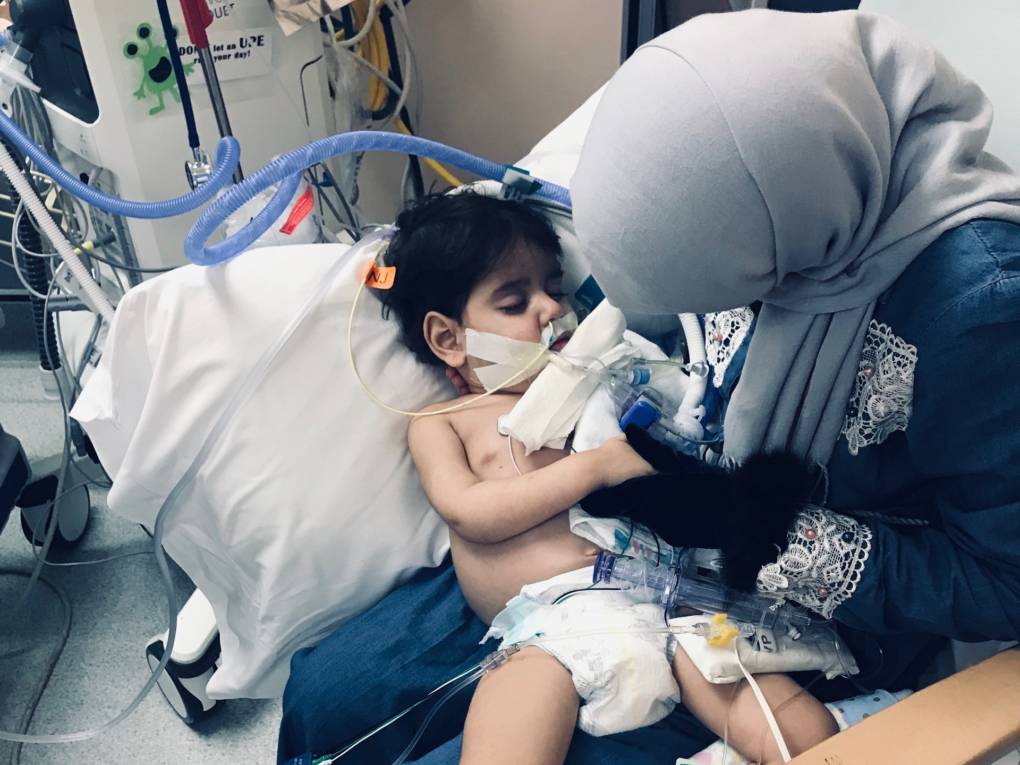
"caption": "Shaima Swileh holds her ailing son, Abdullah. Swileh was granted a waiver of the Trump administration's travel ban to visit her son in Oakland.",
"description": null,
"title": "RS34523_Image-73-qut",
"credit": "Courtesy of the Council on American-Islamic Relations, Sacramento Valley",
"status": "inherit",
"isLoading": false,
"fetchFailed": false
},
"news_11713999": {
"type": "attachments",
"id": "news_11713999",
"meta": {
"index": "attachments_1716263798",
"site": "news",
"id": "11713999",
"found": true
},
"parent": 11713993,
"imgSizes": {
"twentyfourteen-full-width": {
"file": "https://ww2.kqed.org/app/uploads/sites/10/2018/12/GettyImages-458329272-1038x576.jpg",
"width": 1038,
"mimeType": "image/jpeg",
"height": 576
},
"thumbnail": {
"file": "https://ww2.kqed.org/app/uploads/sites/10/2018/12/GettyImages-458329272-160x109.jpg",
"width": 160,
"mimeType": "image/jpeg",
"height": 109
},
"post-thumbnail": {
"file": "https://ww2.kqed.org/app/uploads/sites/10/2018/12/GettyImages-458329272-672x372.jpg",
"width": 672,
"mimeType": "image/jpeg",
"height": 372
},
"kqedFullSize": {
"file": "https://ww2.kqed.org/app/uploads/sites/10/2018/12/GettyImages-458329272.jpg",
"width": 4797,
"height": 3281
},
"large": {
"file": "https://ww2.kqed.org/app/uploads/sites/10/2018/12/GettyImages-458329272-1020x698.jpg",
"width": 1020,
"mimeType": "image/jpeg",
"height": 698
},
"complete_open_graph": {
"file": "https://ww2.kqed.org/app/uploads/sites/10/2018/12/GettyImages-458329272-1200x821.jpg",
"width": 1200,
"mimeType": "image/jpeg",
"height": 821
},
"guest-author-50": {
"file": "https://ww2.kqed.org/app/uploads/sites/10/2018/12/GettyImages-458329272-50x50.jpg",
"width": 50,
"mimeType": "image/jpeg",
"height": 50
},
"guest-author-96": {
"file": "https://ww2.kqed.org/app/uploads/sites/10/2018/12/GettyImages-458329272-96x96.jpg",
"width": 96,
"mimeType": "image/jpeg",
"height": 96
},
"medium": {
"file": "https://ww2.kqed.org/app/uploads/sites/10/2018/12/GettyImages-458329272-800x547.jpg",
"width": 800,
"mimeType": "image/jpeg",
"height": 547
},
"guest-author-64": {
"file": "https://ww2.kqed.org/app/uploads/sites/10/2018/12/GettyImages-458329272-64x64.jpg",
"width": 64,
"mimeType": "image/jpeg",
"height": 64
},
"guest-author-32": {
"file": "https://ww2.kqed.org/app/uploads/sites/10/2018/12/GettyImages-458329272-32x32.jpg",
"width": 32,
"mimeType": "image/jpeg",
"height": 32
},
"full-width": {
"file": "https://ww2.kqed.org/app/uploads/sites/10/2018/12/GettyImages-458329272-1920x1313.jpg",
"width": 1920,
"mimeType": "image/jpeg",
"height": 1313
},
"detail": {
"file": "https://ww2.kqed.org/app/uploads/sites/10/2018/12/GettyImages-458329272-150x150.jpg",
"width": 150,
"mimeType": "image/jpeg",
"height": 150
},
"guest-author-128": {
"file": "https://ww2.kqed.org/app/uploads/sites/10/2018/12/GettyImages-458329272-128x128.jpg",
"width": 128,
"mimeType": "image/jpeg",
"height": 128
}
},
"publishDate": 1545331224,
"modified": 1545331312,
"caption": "A boy from Honduras watches a movie at a detention facility run by the U.S. Border Patrol on September 8, 2014 in McAllen, Texas.",
"description": null,
"title": "U.S. Border Patrol Houses Unaccompanied Minors In Detention Center",
"credit": " John Moore/Getty Images",
"status": "inherit",
"isLoading": false,
"fetchFailed": false
},
"news_11713991": {
"type": "attachments",
"id": "news_11713991",
"meta": {
"index": "attachments_1716263798",
"site": "news",
"id": "11713991",
"found": true
},
"parent": 11713990,
"imgSizes": {
"small": {
"file": "https://ww2.kqed.org/app/uploads/sites/10/2018/12/nielsen2_wide-0a45a3346266ba53c07737a6d2fc099f5934347f-520x292.jpg",
"width": 520,
"mimeType": "image/jpeg",
"height": 292
},
"twentyfourteen-full-width": {
"file": "https://ww2.kqed.org/app/uploads/sites/10/2018/12/nielsen2_wide-0a45a3346266ba53c07737a6d2fc099f5934347f-1038x576.jpg",
"width": 1038,
"mimeType": "image/jpeg",
"height": 576
},
"thumbnail": {
"file": "https://ww2.kqed.org/app/uploads/sites/10/2018/12/nielsen2_wide-0a45a3346266ba53c07737a6d2fc099f5934347f-160x90.jpg",
"width": 160,
"mimeType": "image/jpeg",
"height": 90
},
"fd-sm": {
"file": "https://ww2.kqed.org/app/uploads/sites/10/2018/12/nielsen2_wide-0a45a3346266ba53c07737a6d2fc099f5934347f-960x540.jpg",
"width": 960,
"mimeType": "image/jpeg",
"height": 540
},
"post-thumbnail": {
"file": "https://ww2.kqed.org/app/uploads/sites/10/2018/12/nielsen2_wide-0a45a3346266ba53c07737a6d2fc099f5934347f-672x372.jpg",
"width": 672,
"mimeType": "image/jpeg",
"height": 372
},
"xsmall": {
"file": "https://ww2.kqed.org/app/uploads/sites/10/2018/12/nielsen2_wide-0a45a3346266ba53c07737a6d2fc099f5934347f-375x211.jpg",
"width": 375,
"mimeType": "image/jpeg",
"height": 211
},
"kqedFullSize": {
"file": "https://ww2.kqed.org/app/uploads/sites/10/2018/12/nielsen2_wide-0a45a3346266ba53c07737a6d2fc099f5934347f-e1545328720179.jpg",
"width": 1920,
"height": 1079
},
"large": {
"file": "https://ww2.kqed.org/app/uploads/sites/10/2018/12/nielsen2_wide-0a45a3346266ba53c07737a6d2fc099f5934347f-1020x573.jpg",
"width": 1020,
"mimeType": "image/jpeg",
"height": 573
},
"xlarge": {
"file": "https://ww2.kqed.org/app/uploads/sites/10/2018/12/nielsen2_wide-0a45a3346266ba53c07737a6d2fc099f5934347f-1180x663.jpg",
"width": 1180,
"mimeType": "image/jpeg",
"height": 663
},
"complete_open_graph": {
"file": "https://ww2.kqed.org/app/uploads/sites/10/2018/12/nielsen2_wide-0a45a3346266ba53c07737a6d2fc099f5934347f-1200x675.jpg",
"width": 1200,
"mimeType": "image/jpeg",
"height": 675
},
"guest-author-50": {
"file": "https://ww2.kqed.org/app/uploads/sites/10/2018/12/nielsen2_wide-0a45a3346266ba53c07737a6d2fc099f5934347f-50x50.jpg",
"width": 50,
"mimeType": "image/jpeg",
"height": 50
},
"guest-author-96": {
"file": "https://ww2.kqed.org/app/uploads/sites/10/2018/12/nielsen2_wide-0a45a3346266ba53c07737a6d2fc099f5934347f-96x96.jpg",
"width": 96,
"mimeType": "image/jpeg",
"height": 96
},
"medium": {
"file": "https://ww2.kqed.org/app/uploads/sites/10/2018/12/nielsen2_wide-0a45a3346266ba53c07737a6d2fc099f5934347f-800x450.jpg",
"width": 800,
"mimeType": "image/jpeg",
"height": 450
},
"guest-author-64": {
"file": "https://ww2.kqed.org/app/uploads/sites/10/2018/12/nielsen2_wide-0a45a3346266ba53c07737a6d2fc099f5934347f-64x64.jpg",
"width": 64,
"mimeType": "image/jpeg",
"height": 64
},
"guest-author-32": {
"file": "https://ww2.kqed.org/app/uploads/sites/10/2018/12/nielsen2_wide-0a45a3346266ba53c07737a6d2fc099f5934347f-32x32.jpg",
"width": 32,
"mimeType": "image/jpeg",
"height": 32
},
"fd-lrg": {
"file": "https://ww2.kqed.org/app/uploads/sites/10/2018/12/nielsen2_wide-0a45a3346266ba53c07737a6d2fc099f5934347f-1920x1079.jpg",
"width": 1920,
"mimeType": "image/jpeg",
"height": 1079
},
"fd-med": {
"file": "https://ww2.kqed.org/app/uploads/sites/10/2018/12/nielsen2_wide-0a45a3346266ba53c07737a6d2fc099f5934347f-1180x663.jpg",
"width": 1180,
"mimeType": "image/jpeg",
"height": 663
},
"full-width": {
"file": "https://ww2.kqed.org/app/uploads/sites/10/2018/12/nielsen2_wide-0a45a3346266ba53c07737a6d2fc099f5934347f-1920x1079.jpg",
"width": 1920,
"mimeType": "image/jpeg",
"height": 1079
},
"detail": {
"file": "https://ww2.kqed.org/app/uploads/sites/10/2018/12/nielsen2_wide-0a45a3346266ba53c07737a6d2fc099f5934347f-150x150.jpg",
"width": 150,
"mimeType": "image/jpeg",
"height": 150
},
"guest-author-128": {
"file": "https://ww2.kqed.org/app/uploads/sites/10/2018/12/nielsen2_wide-0a45a3346266ba53c07737a6d2fc099f5934347f-128x128.jpg",
"width": 128,
"mimeType": "image/jpeg",
"height": 128
},
"xxsmall": {
"file": "https://ww2.kqed.org/app/uploads/sites/10/2018/12/nielsen2_wide-0a45a3346266ba53c07737a6d2fc099f5934347f-240x135.jpg",
"width": 240,
"mimeType": "image/jpeg",
"height": 135
}
},
"publishDate": 1545328531,
"modified": 1545328691,
"caption": "Homeland Security Secretary Kirstjen Nielsen looks at her papers while testifying before members of the House Judiciary Committee on Thursday in Washington, D.C.",
"description": "Homeland Security Secretary Kirstjen Nielsen looks at her papers while testifying before members of the House Judiciary Committee on Thursday in Washington, D.C.",
"title": "Homeland Security Secretary Kirstjen Nielsen looks at her papers while testifying before members of the House Judiciary Committee on Thursday in Washington, D.C.",
"credit": "Mark Wilson/Getty Images",
"status": "inherit",
"isLoading": false,
"fetchFailed": false
},
"news_11572756": {
"type": "attachments",
"id": "news_11572756",
"meta": {
"index": "attachments_1716263798",
"site": "news",
"id": "11572756",
"found": true
},
"parent": 0,
"imgSizes": {
"small": {
"file": "https://ww2.kqed.org/app/uploads/sites/10/2017/07/tcr_archive_background-520x195.jpg",
"width": 520,
"mimeType": "image/jpeg",
"height": 195
},
"twentyfourteen-full-width": {
"file": "https://ww2.kqed.org/app/uploads/sites/10/2017/07/tcr_archive_background-1038x450.jpg",
"width": 1038,
"mimeType": "image/jpeg",
"height": 450
},
"thumbnail": {
"file": "https://ww2.kqed.org/app/uploads/sites/10/2017/07/tcr_archive_background-160x60.jpg",
"width": 160,
"mimeType": "image/jpeg",
"height": 60
},
"fd-sm": {
"file": "https://ww2.kqed.org/app/uploads/sites/10/2017/07/tcr_archive_background-960x360.jpg",
"width": 960,
"mimeType": "image/jpeg",
"height": 360
},
"post-thumbnail": {
"file": "https://ww2.kqed.org/app/uploads/sites/10/2017/07/tcr_archive_background-672x372.jpg",
"width": 672,
"mimeType": "image/jpeg",
"height": 372
},
"xsmall": {
"file": "https://ww2.kqed.org/app/uploads/sites/10/2017/07/tcr_archive_background-375x141.jpg",
"width": 375,
"mimeType": "image/jpeg",
"height": 141
},
"kqedFullSize": {
"file": "https://ww2.kqed.org/app/uploads/sites/10/2017/07/tcr_archive_background.jpg",
"width": 1200,
"height": 450
},
"large": {
"file": "https://ww2.kqed.org/app/uploads/sites/10/2017/07/tcr_archive_background-1020x383.jpg",
"width": 1020,
"mimeType": "image/jpeg",
"height": 383
},
"xlarge": {
"file": "https://ww2.kqed.org/app/uploads/sites/10/2017/07/tcr_archive_background-1180x443.jpg",
"width": 1180,
"mimeType": "image/jpeg",
"height": 443
},
"guest-author-50": {
"file": "https://ww2.kqed.org/app/uploads/sites/10/2017/07/tcr_archive_background-50x50.jpg",
"width": 50,
"mimeType": "image/jpeg",
"height": 50
},
"guest-author-96": {
"file": "https://ww2.kqed.org/app/uploads/sites/10/2017/07/tcr_archive_background-96x96.jpg",
"width": 96,
"mimeType": "image/jpeg",
"height": 96
},
"medium": {
"file": "https://ww2.kqed.org/app/uploads/sites/10/2017/07/tcr_archive_background-800x300.jpg",
"width": 800,
"mimeType": "image/jpeg",
"height": 300
},
"guest-author-64": {
"file": "https://ww2.kqed.org/app/uploads/sites/10/2017/07/tcr_archive_background-64x64.jpg",
"width": 64,
"mimeType": "image/jpeg",
"height": 64
},
"guest-author-32": {
"file": "https://ww2.kqed.org/app/uploads/sites/10/2017/07/tcr_archive_background-32x32.jpg",
"width": 32,
"mimeType": "image/jpeg",
"height": 32
},
"fd-med": {
"file": "https://ww2.kqed.org/app/uploads/sites/10/2017/07/tcr_archive_background-1180x443.jpg",
"width": 1180,
"mimeType": "image/jpeg",
"height": 443
},
"detail": {
"file": "https://ww2.kqed.org/app/uploads/sites/10/2017/07/tcr_archive_background-150x150.jpg",
"width": 150,
"mimeType": "image/jpeg",
"height": 150
},
"guest-author-128": {
"file": "https://ww2.kqed.org/app/uploads/sites/10/2017/07/tcr_archive_background-128x128.jpg",
"width": 128,
"mimeType": "image/jpeg",
"height": 128
},
"xxsmall": {
"file": "https://ww2.kqed.org/app/uploads/sites/10/2017/07/tcr_archive_background-240x90.jpg",
"width": 240,
"mimeType": "image/jpeg",
"height": 90
}
},
"publishDate": 1500316142,
"modified": 1500316142,
"caption": null,
"description": null,
"title": "tcr_archive_background",
"credit": null,
"status": "inherit",
"isLoading": false,
"fetchFailed": false
},
"news_11676936": {
"type": "attachments",
"id": "news_11676936",
"meta": {
"index": "attachments_1716263798",
"site": "news",
"id": "11676936",
"found": true
},
"parent": 11676935,
"imgSizes": {
"small": {
"file": "https://ww2.kqed.org/app/uploads/sites/10/2018/06/gettyimages-978851868_wide-681c4d234d5dd786cd95ba86f2f66243967a4d05-520x292.jpg",
"width": 520,
"mimeType": "image/jpeg",
"height": 292
},
"twentyfourteen-full-width": {
"file": "https://ww2.kqed.org/app/uploads/sites/10/2018/06/gettyimages-978851868_wide-681c4d234d5dd786cd95ba86f2f66243967a4d05-1038x576.jpg",
"width": 1038,
"mimeType": "image/jpeg",
"height": 576
},
"thumbnail": {
"file": "https://ww2.kqed.org/app/uploads/sites/10/2018/06/gettyimages-978851868_wide-681c4d234d5dd786cd95ba86f2f66243967a4d05-160x90.jpg",
"width": 160,
"mimeType": "image/jpeg",
"height": 90
},
"fd-sm": {
"file": "https://ww2.kqed.org/app/uploads/sites/10/2018/06/gettyimages-978851868_wide-681c4d234d5dd786cd95ba86f2f66243967a4d05-960x540.jpg",
"width": 960,
"mimeType": "image/jpeg",
"height": 540
},
"post-thumbnail": {
"file": "https://ww2.kqed.org/app/uploads/sites/10/2018/06/gettyimages-978851868_wide-681c4d234d5dd786cd95ba86f2f66243967a4d05-672x372.jpg",
"width": 672,
"mimeType": "image/jpeg",
"height": 372
},
"xsmall": {
"file": "https://ww2.kqed.org/app/uploads/sites/10/2018/06/gettyimages-978851868_wide-681c4d234d5dd786cd95ba86f2f66243967a4d05-375x211.jpg",
"width": 375,
"mimeType": "image/jpeg",
"height": 211
},
"kqedFullSize": {
"file": "https://ww2.kqed.org/app/uploads/sites/10/2018/06/gettyimages-978851868_wide-681c4d234d5dd786cd95ba86f2f66243967a4d05-e1529887090718.jpg",
"width": 1920,
"height": 1080
},
"large": {
"file": "https://ww2.kqed.org/app/uploads/sites/10/2018/06/gettyimages-978851868_wide-681c4d234d5dd786cd95ba86f2f66243967a4d05-1020x574.jpg",
"width": 1020,
"mimeType": "image/jpeg",
"height": 574
},
"xlarge": {
"file": "https://ww2.kqed.org/app/uploads/sites/10/2018/06/gettyimages-978851868_wide-681c4d234d5dd786cd95ba86f2f66243967a4d05-1180x663.jpg",
"width": 1180,
"mimeType": "image/jpeg",
"height": 663
},
"complete_open_graph": {
"file": "https://ww2.kqed.org/app/uploads/sites/10/2018/06/gettyimages-978851868_wide-681c4d234d5dd786cd95ba86f2f66243967a4d05-1200x675.jpg",
"width": 1200,
"mimeType": "image/jpeg",
"height": 675
},
"guest-author-50": {
"file": "https://ww2.kqed.org/app/uploads/sites/10/2018/06/gettyimages-978851868_wide-681c4d234d5dd786cd95ba86f2f66243967a4d05-50x50.jpg",
"width": 50,
"mimeType": "image/jpeg",
"height": 50
},
"guest-author-96": {
"file": "https://ww2.kqed.org/app/uploads/sites/10/2018/06/gettyimages-978851868_wide-681c4d234d5dd786cd95ba86f2f66243967a4d05-96x96.jpg",
"width": 96,
"mimeType": "image/jpeg",
"height": 96
},
"medium": {
"file": "https://ww2.kqed.org/app/uploads/sites/10/2018/06/gettyimages-978851868_wide-681c4d234d5dd786cd95ba86f2f66243967a4d05-800x450.jpg",
"width": 800,
"mimeType": "image/jpeg",
"height": 450
},
"guest-author-64": {
"file": "https://ww2.kqed.org/app/uploads/sites/10/2018/06/gettyimages-978851868_wide-681c4d234d5dd786cd95ba86f2f66243967a4d05-64x64.jpg",
"width": 64,
"mimeType": "image/jpeg",
"height": 64
},
"guest-author-32": {
"file": "https://ww2.kqed.org/app/uploads/sites/10/2018/06/gettyimages-978851868_wide-681c4d234d5dd786cd95ba86f2f66243967a4d05-32x32.jpg",
"width": 32,
"mimeType": "image/jpeg",
"height": 32
},
"fd-lrg": {
"file": "https://ww2.kqed.org/app/uploads/sites/10/2018/06/gettyimages-978851868_wide-681c4d234d5dd786cd95ba86f2f66243967a4d05-1920x1080.jpg",
"width": 1920,
"mimeType": "image/jpeg",
"height": 1080
},
"fd-med": {
"file": "https://ww2.kqed.org/app/uploads/sites/10/2018/06/gettyimages-978851868_wide-681c4d234d5dd786cd95ba86f2f66243967a4d05-1180x663.jpg",
"width": 1180,
"mimeType": "image/jpeg",
"height": 663
},
"full-width": {
"file": "https://ww2.kqed.org/app/uploads/sites/10/2018/06/gettyimages-978851868_wide-681c4d234d5dd786cd95ba86f2f66243967a4d05-1920x1080.jpg",
"width": 1920,
"mimeType": "image/jpeg",
"height": 1080
},
"detail": {
"file": "https://ww2.kqed.org/app/uploads/sites/10/2018/06/gettyimages-978851868_wide-681c4d234d5dd786cd95ba86f2f66243967a4d05-150x150.jpg",
"width": 150,
"mimeType": "image/jpeg",
"height": 150
},
"guest-author-128": {
"file": "https://ww2.kqed.org/app/uploads/sites/10/2018/06/gettyimages-978851868_wide-681c4d234d5dd786cd95ba86f2f66243967a4d05-128x128.jpg",
"width": 128,
"mimeType": "image/jpeg",
"height": 128
},
"xxsmall": {
"file": "https://ww2.kqed.org/app/uploads/sites/10/2018/06/gettyimages-978851868_wide-681c4d234d5dd786cd95ba86f2f66243967a4d05-240x135.jpg",
"width": 240,
"mimeType": "image/jpeg",
"height": 135
}
},
"publishDate": 1529886634,
"modified": 1560985605,
"caption": "Children and workers are seen at a tent encampment on June 19, 2018, in Tornillo, Texas. The Trump administration was using the tent facility to house immigrant children separated from their parents.",
"description": "Children and workers are seen at a tent encampment on June 19, 2018 in Tornillo, Texas. The Trump administration is using the tent facility to house immigrant children separated from their parents.",
"title": "Children and workers are seen at a tent encampment on June 19, 2018 in Tornillo, Texas. The Trump administration is using the tent facility to house immigrant children separated from their parents.",
"credit": "Joe Raedle/Getty Images",
"status": "inherit",
"isLoading": false,
"fetchFailed": false
},
"news_11713589": {
"type": "attachments",
"id": "news_11713589",
"meta": {
"index": "attachments_1716263798",
"site": "news",
"id": "11713589",
"found": true
},
"parent": 11713574,
"imgSizes": {
"small": {
"file": "https://ww2.kqed.org/app/uploads/sites/10/2018/12/RS24367_GettyImages-630988554-520x347.jpg",
"width": 520,
"mimeType": "image/jpeg",
"height": 347
},
"twentyfourteen-full-width": {
"file": "https://ww2.kqed.org/app/uploads/sites/10/2018/12/RS24367_GettyImages-630988554-1038x576.jpg",
"width": 1038,
"mimeType": "image/jpeg",
"height": 576
},
"thumbnail": {
"file": "https://ww2.kqed.org/app/uploads/sites/10/2018/12/RS24367_GettyImages-630988554-160x107.jpg",
"width": 160,
"mimeType": "image/jpeg",
"height": 107
},
"fd-sm": {
"file": "https://ww2.kqed.org/app/uploads/sites/10/2018/12/RS24367_GettyImages-630988554-960x640.jpg",
"width": 960,
"mimeType": "image/jpeg",
"height": 640
},
"post-thumbnail": {
"file": "https://ww2.kqed.org/app/uploads/sites/10/2018/12/RS24367_GettyImages-630988554-672x372.jpg",
"width": 672,
"mimeType": "image/jpeg",
"height": 372
},
"xsmall": {
"file": "https://ww2.kqed.org/app/uploads/sites/10/2018/12/RS24367_GettyImages-630988554-375x250.jpg",
"width": 375,
"mimeType": "image/jpeg",
"height": 250
},
"kqedFullSize": {
"file": "https://ww2.kqed.org/app/uploads/sites/10/2018/12/RS24367_GettyImages-630988554-e1545249287951.jpg",
"width": 1920,
"height": 1280
},
"large": {
"file": "https://ww2.kqed.org/app/uploads/sites/10/2018/12/RS24367_GettyImages-630988554-1020x680.jpg",
"width": 1020,
"mimeType": "image/jpeg",
"height": 680
},
"xlarge": {
"file": "https://ww2.kqed.org/app/uploads/sites/10/2018/12/RS24367_GettyImages-630988554-1180x787.jpg",
"width": 1180,
"mimeType": "image/jpeg",
"height": 787
},
"complete_open_graph": {
"file": "https://ww2.kqed.org/app/uploads/sites/10/2018/12/RS24367_GettyImages-630988554-1200x800.jpg",
"width": 1200,
"mimeType": "image/jpeg",
"height": 800
},
"guest-author-50": {
"file": "https://ww2.kqed.org/app/uploads/sites/10/2018/12/RS24367_GettyImages-630988554-50x50.jpg",
"width": 50,
"mimeType": "image/jpeg",
"height": 50
},
"guest-author-96": {
"file": "https://ww2.kqed.org/app/uploads/sites/10/2018/12/RS24367_GettyImages-630988554-96x96.jpg",
"width": 96,
"mimeType": "image/jpeg",
"height": 96
},
"medium": {
"file": "https://ww2.kqed.org/app/uploads/sites/10/2018/12/RS24367_GettyImages-630988554-800x533.jpg",
"width": 800,
"mimeType": "image/jpeg",
"height": 533
},
"guest-author-64": {
"file": "https://ww2.kqed.org/app/uploads/sites/10/2018/12/RS24367_GettyImages-630988554-64x64.jpg",
"width": 64,
"mimeType": "image/jpeg",
"height": 64
},
"guest-author-32": {
"file": "https://ww2.kqed.org/app/uploads/sites/10/2018/12/RS24367_GettyImages-630988554-32x32.jpg",
"width": 32,
"mimeType": "image/jpeg",
"height": 32
},
"fd-lrg": {
"file": "https://ww2.kqed.org/app/uploads/sites/10/2018/12/RS24367_GettyImages-630988554-1920x1280.jpg",
"width": 1920,
"mimeType": "image/jpeg",
"height": 1280
},
"fd-med": {
"file": "https://ww2.kqed.org/app/uploads/sites/10/2018/12/RS24367_GettyImages-630988554-1180x787.jpg",
"width": 1180,
"mimeType": "image/jpeg",
"height": 787
},
"full-width": {
"file": "https://ww2.kqed.org/app/uploads/sites/10/2018/12/RS24367_GettyImages-630988554-1920x1280.jpg",
"width": 1920,
"mimeType": "image/jpeg",
"height": 1280
},
"detail": {
"file": "https://ww2.kqed.org/app/uploads/sites/10/2018/12/RS24367_GettyImages-630988554-150x150.jpg",
"width": 150,
"mimeType": "image/jpeg",
"height": 150
},
"guest-author-128": {
"file": "https://ww2.kqed.org/app/uploads/sites/10/2018/12/RS24367_GettyImages-630988554-128x128.jpg",
"width": 128,
"mimeType": "image/jpeg",
"height": 128
},
"xxsmall": {
"file": "https://ww2.kqed.org/app/uploads/sites/10/2018/12/RS24367_GettyImages-630988554-240x160.jpg",
"width": 240,
"mimeType": "image/jpeg",
"height": 160
}
},
"publishDate": 1545249252,
"modified": 1545270084,
"caption": "Two federal judges have blocked restrictive Trump administration policies affecting immigrants seeking asylum.",
"description": "A federal judge has blocked restrictive Trump administration policies that prevented some immigrants from seeking asylum due to domestic and gang violence in their home countries.",
"title": "Immigrants Surge Across Border Ahead Of Trump Inauguration",
"credit": "John Moore/Getty Images",
"status": "inherit",
"isLoading": false,
"fetchFailed": false
},
"news_11713686": {
"type": "attachments",
"id": "news_11713686",
"meta": {
"index": "attachments_1716263798",
"site": "news",
"id": "11713686",
"found": true
},
"parent": 0,
"imgSizes": {
"twentyfourteen-full-width": {
"file": "https://ww2.kqed.org/app/uploads/sites/10/2018/12/0_family_regular-life-26-_slide-364b7731780ab0fd29597ce48a93740fc5ce4085-1-e1545259325350-1038x576.jpg",
"width": 1038,
"mimeType": "image/jpeg",
"height": 576
},
"thumbnail": {
"file": "https://ww2.kqed.org/app/uploads/sites/10/2018/12/0_family_regular-life-26-_slide-364b7731780ab0fd29597ce48a93740fc5ce4085-1-e1545259325350-160x107.jpg",
"width": 160,
"mimeType": "image/jpeg",
"height": 107
},
"post-thumbnail": {
"file": "https://ww2.kqed.org/app/uploads/sites/10/2018/12/0_family_regular-life-26-_slide-364b7731780ab0fd29597ce48a93740fc5ce4085-1-e1545259325350-672x372.jpg",
"width": 672,
"mimeType": "image/jpeg",
"height": 372
},
"kqedFullSize": {
"file": "https://ww2.kqed.org/app/uploads/sites/10/2018/12/0_family_regular-life-26-_slide-364b7731780ab0fd29597ce48a93740fc5ce4085-1-e1545259325350.jpg",
"width": 1920,
"height": 1280
},
"large": {
"file": "https://ww2.kqed.org/app/uploads/sites/10/2018/12/0_family_regular-life-26-_slide-364b7731780ab0fd29597ce48a93740fc5ce4085-1-e1545259325350-1020x680.jpg",
"width": 1020,
"mimeType": "image/jpeg",
"height": 680
},
"complete_open_graph": {
"file": "https://ww2.kqed.org/app/uploads/sites/10/2018/12/0_family_regular-life-26-_slide-364b7731780ab0fd29597ce48a93740fc5ce4085-1-e1545259325350-1200x800.jpg",
"width": 1200,
"mimeType": "image/jpeg",
"height": 800
},
"guest-author-50": {
"file": "https://ww2.kqed.org/app/uploads/sites/10/2018/12/0_family_regular-life-26-_slide-364b7731780ab0fd29597ce48a93740fc5ce4085-1-e1545259325350-50x50.jpg",
"width": 50,
"mimeType": "image/jpeg",
"height": 50
},
"guest-author-96": {
"file": "https://ww2.kqed.org/app/uploads/sites/10/2018/12/0_family_regular-life-26-_slide-364b7731780ab0fd29597ce48a93740fc5ce4085-1-e1545259325350-96x96.jpg",
"width": 96,
"mimeType": "image/jpeg",
"height": 96
},
"medium": {
"file": "https://ww2.kqed.org/app/uploads/sites/10/2018/12/0_family_regular-life-26-_slide-364b7731780ab0fd29597ce48a93740fc5ce4085-1-e1545259325350-800x533.jpg",
"width": 800,
"mimeType": "image/jpeg",
"height": 533
},
"guest-author-64": {
"file": "https://ww2.kqed.org/app/uploads/sites/10/2018/12/0_family_regular-life-26-_slide-364b7731780ab0fd29597ce48a93740fc5ce4085-1-e1545259325350-64x64.jpg",
"width": 64,
"mimeType": "image/jpeg",
"height": 64
},
"guest-author-32": {
"file": "https://ww2.kqed.org/app/uploads/sites/10/2018/12/0_family_regular-life-26-_slide-364b7731780ab0fd29597ce48a93740fc5ce4085-1-e1545259325350-32x32.jpg",
"width": 32,
"mimeType": "image/jpeg",
"height": 32
},
"full-width": {
"file": "https://ww2.kqed.org/app/uploads/sites/10/2018/12/0_family_regular-life-26-_slide-364b7731780ab0fd29597ce48a93740fc5ce4085-1-e1545259325350-1920x1280.jpg",
"width": 1920,
"mimeType": "image/jpeg",
"height": 1280
},
"detail": {
"file": "https://ww2.kqed.org/app/uploads/sites/10/2018/12/0_family_regular-life-26-_slide-364b7731780ab0fd29597ce48a93740fc5ce4085-1-e1545259325350-150x150.jpg",
"width": 150,
"mimeType": "image/jpeg",
"height": 150
},
"guest-author-128": {
"file": "https://ww2.kqed.org/app/uploads/sites/10/2018/12/0_family_regular-life-26-_slide-364b7731780ab0fd29597ce48a93740fc5ce4085-1-e1545259325350-128x128.jpg",
"width": 128,
"mimeType": "image/jpeg",
"height": 128
}
},
"publishDate": 1545256174,
"modified": 1545259300,
"caption": "José Aguilar heads to the store on a supply run in Tijuana, Mexico. His restaurant Honduras 504 has become a community center for Honduran legal residents and unauthorized migrants alike.",
"description": "José Aguilar heads to the store on a supply run in Tijuana, Mexico. His restaurant Honduras 504 has become a community center for Honduran legal residents and unauthorized migrants alike",
"title": "José Aguilar heads to the store on a supply run in Tijuana, Mexico. His restaurant Honduras 504 has become a community center for Honduran legal residents and unauthorized migrants alike.",
"credit": "Tomás Ayuso for NPR",
"status": "inherit",
"isLoading": false,
"fetchFailed": false
},
"news_11713486": {
"type": "attachments",
"id": "news_11713486",
"meta": {
"index": "attachments_1716263798",
"site": "news",
"id": "11713486",
"found": true
},
"parent": 11713472,
"imgSizes": {
"small": {
"file": "https://ww2.kqed.org/app/uploads/sites/10/2018/12/waiver_121818_final-520x314.jpg",
"width": 520,
"mimeType": "image/jpeg",
"height": 314
},
"twentyfourteen-full-width": {
"file": "https://ww2.kqed.org/app/uploads/sites/10/2018/12/waiver_121818_final-1038x576.jpg",
"width": 1038,
"mimeType": "image/jpeg",
"height": 576
},
"thumbnail": {
"file": "https://ww2.kqed.org/app/uploads/sites/10/2018/12/waiver_121818_final-160x97.jpg",
"width": 160,
"mimeType": "image/jpeg",
"height": 97
},
"fd-sm": {
"file": "https://ww2.kqed.org/app/uploads/sites/10/2018/12/waiver_121818_final-960x579.jpg",
"width": 960,
"mimeType": "image/jpeg",
"height": 579
},
"post-thumbnail": {
"file": "https://ww2.kqed.org/app/uploads/sites/10/2018/12/waiver_121818_final-672x372.jpg",
"width": 672,
"mimeType": "image/jpeg",
"height": 372
},
"xsmall": {
"file": "https://ww2.kqed.org/app/uploads/sites/10/2018/12/waiver_121818_final-375x226.jpg",
"width": 375,
"mimeType": "image/jpeg",
"height": 226
},
"kqedFullSize": {
"file": "https://ww2.kqed.org/app/uploads/sites/10/2018/12/waiver_121818_final.jpg",
"width": 1920,
"height": 1158
},
"large": {
"file": "https://ww2.kqed.org/app/uploads/sites/10/2018/12/waiver_121818_final-1020x615.jpg",
"width": 1020,
"mimeType": "image/jpeg",
"height": 615
},
"xlarge": {
"file": "https://ww2.kqed.org/app/uploads/sites/10/2018/12/waiver_121818_final-1180x712.jpg",
"width": 1180,
"mimeType": "image/jpeg",
"height": 712
},
"complete_open_graph": {
"file": "https://ww2.kqed.org/app/uploads/sites/10/2018/12/waiver_121818_final-1200x724.jpg",
"width": 1200,
"mimeType": "image/jpeg",
"height": 724
},
"guest-author-50": {
"file": "https://ww2.kqed.org/app/uploads/sites/10/2018/12/waiver_121818_final-50x50.jpg",
"width": 50,
"mimeType": "image/jpeg",
"height": 50
},
"guest-author-96": {
"file": "https://ww2.kqed.org/app/uploads/sites/10/2018/12/waiver_121818_final-96x96.jpg",
"width": 96,
"mimeType": "image/jpeg",
"height": 96
},
"medium": {
"file": "https://ww2.kqed.org/app/uploads/sites/10/2018/12/waiver_121818_final-800x483.jpg",
"width": 800,
"mimeType": "image/jpeg",
"height": 483
},
"guest-author-64": {
"file": "https://ww2.kqed.org/app/uploads/sites/10/2018/12/waiver_121818_final-64x64.jpg",
"width": 64,
"mimeType": "image/jpeg",
"height": 64
},
"guest-author-32": {
"file": "https://ww2.kqed.org/app/uploads/sites/10/2018/12/waiver_121818_final-32x32.jpg",
"width": 32,
"mimeType": "image/jpeg",
"height": 32
},
"fd-lrg": {
"file": "https://ww2.kqed.org/app/uploads/sites/10/2018/12/waiver_121818_final-1920x1158.jpg",
"width": 1920,
"mimeType": "image/jpeg",
"height": 1158
},
"fd-med": {
"file": "https://ww2.kqed.org/app/uploads/sites/10/2018/12/waiver_121818_final-1180x712.jpg",
"width": 1180,
"mimeType": "image/jpeg",
"height": 712
},
"full-width": {
"file": "https://ww2.kqed.org/app/uploads/sites/10/2018/12/waiver_121818_final-1920x1158.jpg",
"width": 1920,
"mimeType": "image/jpeg",
"height": 1158
},
"detail": {
"file": "https://ww2.kqed.org/app/uploads/sites/10/2018/12/waiver_121818_final-150x150.jpg",
"width": 150,
"mimeType": "image/jpeg",
"height": 150
},
"guest-author-128": {
"file": "https://ww2.kqed.org/app/uploads/sites/10/2018/12/waiver_121818_final-128x128.jpg",
"width": 128,
"mimeType": "image/jpeg",
"height": 128
},
"xxsmall": {
"file": "https://ww2.kqed.org/app/uploads/sites/10/2018/12/waiver_121818_final-240x145.jpg",
"width": 240,
"mimeType": "image/jpeg",
"height": 145
}
},
"publishDate": 1545175241,
"modified": 1545175260,
"caption": null,
"description": null,
"title": "waiver_121818_final",
"credit": null,
"status": "inherit",
"isLoading": false,
"fetchFailed": false
},
"news_11713016": {
"type": "attachments",
"id": "news_11713016",
"meta": {
"index": "attachments_1716263798",
"site": "news",
"id": "11713016",
"found": true
},
"parent": 11712941,
"imgSizes": {
"twentyfourteen-full-width": {
"file": "https://ww2.kqed.org/app/uploads/sites/10/2018/12/RS34481_Maria-qut-1038x576.jpg",
"width": 1038,
"mimeType": "image/jpeg",
"height": 576
},
"thumbnail": {
"file": "https://ww2.kqed.org/app/uploads/sites/10/2018/12/RS34481_Maria-qut-160x107.jpg",
"width": 160,
"mimeType": "image/jpeg",
"height": 107
},
"post-thumbnail": {
"file": "https://ww2.kqed.org/app/uploads/sites/10/2018/12/RS34481_Maria-qut-672x372.jpg",
"width": 672,
"mimeType": "image/jpeg",
"height": 372
},
"kqedFullSize": {
"file": "https://ww2.kqed.org/app/uploads/sites/10/2018/12/RS34481_Maria-qut.jpg",
"width": 1920,
"height": 1280
},
"large": {
"file": "https://ww2.kqed.org/app/uploads/sites/10/2018/12/RS34481_Maria-qut-1020x680.jpg",
"width": 1020,
"mimeType": "image/jpeg",
"height": 680
},
"complete_open_graph": {
"file": "https://ww2.kqed.org/app/uploads/sites/10/2018/12/RS34481_Maria-qut-1200x800.jpg",
"width": 1200,
"mimeType": "image/jpeg",
"height": 800
},
"guest-author-50": {
"file": "https://ww2.kqed.org/app/uploads/sites/10/2018/12/RS34481_Maria-qut-50x50.jpg",
"width": 50,
"mimeType": "image/jpeg",
"height": 50
},
"guest-author-96": {
"file": "https://ww2.kqed.org/app/uploads/sites/10/2018/12/RS34481_Maria-qut-96x96.jpg",
"width": 96,
"mimeType": "image/jpeg",
"height": 96
},
"medium": {
"file": "https://ww2.kqed.org/app/uploads/sites/10/2018/12/RS34481_Maria-qut-800x533.jpg",
"width": 800,
"mimeType": "image/jpeg",
"height": 533
},
"guest-author-64": {
"file": "https://ww2.kqed.org/app/uploads/sites/10/2018/12/RS34481_Maria-qut-64x64.jpg",
"width": 64,
"mimeType": "image/jpeg",
"height": 64
},
"guest-author-32": {
"file": "https://ww2.kqed.org/app/uploads/sites/10/2018/12/RS34481_Maria-qut-32x32.jpg",
"width": 32,
"mimeType": "image/jpeg",
"height": 32
},
"full-width": {
"file": "https://ww2.kqed.org/app/uploads/sites/10/2018/12/RS34481_Maria-qut-1920x1280.jpg",
"width": 1920,
"mimeType": "image/jpeg",
"height": 1280
},
"detail": {
"file": "https://ww2.kqed.org/app/uploads/sites/10/2018/12/RS34481_Maria-qut-150x150.jpg",
"width": 150,
"mimeType": "image/jpeg",
"height": 150
},
"guest-author-128": {
"file": "https://ww2.kqed.org/app/uploads/sites/10/2018/12/RS34481_Maria-qut-128x128.jpg",
"width": 128,
"mimeType": "image/jpeg",
"height": 128
}
},
"publishDate": 1545009125,
"modified": 1545009300,
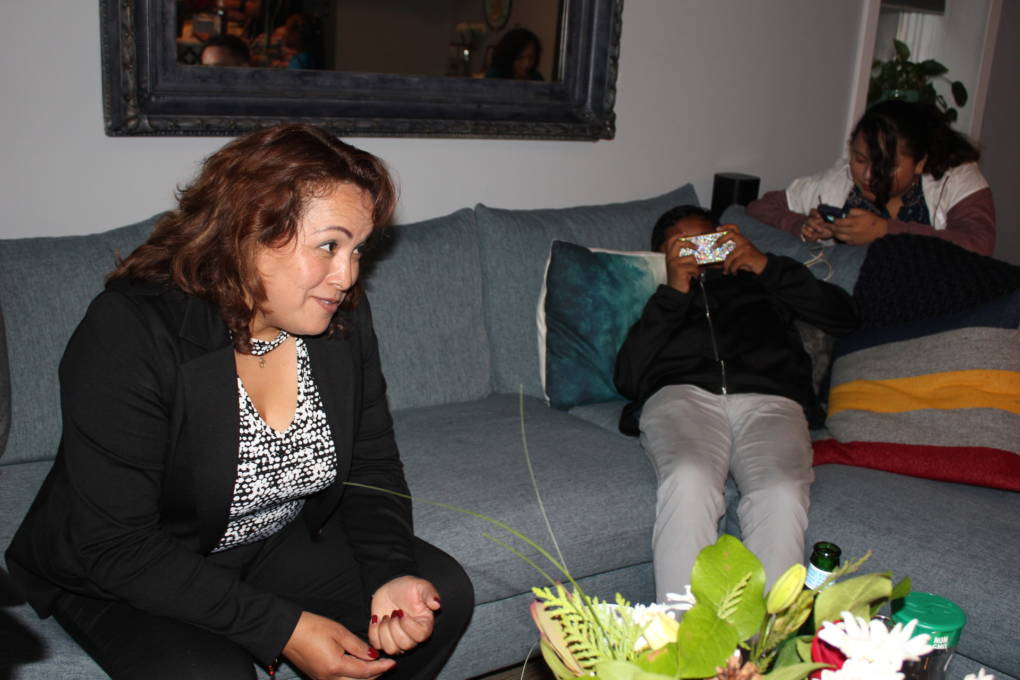
"caption": "Maria Mendoza-Sanchez (L) sits on a couch in her attorney's home with two of her four children after returning to the United States from Mexico following a 16-month deportation.",
"description": "Maria Mendoza-Sanchez (L) sits on a couch in her attorney's home with two of her four children after returning to the United States from Mexico following a 16-month deportation.",
"title": "RS34481_Maria-qut",
"credit": "Sara Hossaini/KQED",
"status": "inherit",
"isLoading": false,
"fetchFailed": false
},
"news_11707598": {
"type": "attachments",
"id": "news_11707598",
"meta": {
"index": "attachments_1716263798",
"site": "news",
"id": "11707598",
"found": true
},
"parent": 11706331,
"imgSizes": {
"twentyfourteen-full-width": {
"file": "https://ww2.kqed.org/app/uploads/sites/10/2018/11/RS34012_Grandparents_motorcyle-1915-qut-1038x576.jpg",
"width": 1038,
"mimeType": "image/jpeg",
"height": 576
},
"thumbnail": {
"file": "https://ww2.kqed.org/app/uploads/sites/10/2018/11/RS34012_Grandparents_motorcyle-1915-qut-160x115.jpg",
"width": 160,
"mimeType": "image/jpeg",
"height": 115
},
"post-thumbnail": {
"file": "https://ww2.kqed.org/app/uploads/sites/10/2018/11/RS34012_Grandparents_motorcyle-1915-qut-672x372.jpg",
"width": 672,
"mimeType": "image/jpeg",
"height": 372
},
"kqedFullSize": {
"file": "https://ww2.kqed.org/app/uploads/sites/10/2018/11/RS34012_Grandparents_motorcyle-1915-qut.jpg",
"width": 1920,
"height": 1379
},
"large": {
"file": "https://ww2.kqed.org/app/uploads/sites/10/2018/11/RS34012_Grandparents_motorcyle-1915-qut-1020x733.jpg",
"width": 1020,
"mimeType": "image/jpeg",
"height": 733
},
"complete_open_graph": {
"file": "https://ww2.kqed.org/app/uploads/sites/10/2018/11/RS34012_Grandparents_motorcyle-1915-qut-1200x862.jpg",
"width": 1200,
"mimeType": "image/jpeg",
"height": 862
},
"guest-author-50": {
"file": "https://ww2.kqed.org/app/uploads/sites/10/2018/11/RS34012_Grandparents_motorcyle-1915-qut-50x50.jpg",
"width": 50,
"mimeType": "image/jpeg",
"height": 50
},
"guest-author-96": {
"file": "https://ww2.kqed.org/app/uploads/sites/10/2018/11/RS34012_Grandparents_motorcyle-1915-qut-96x96.jpg",
"width": 96,
"mimeType": "image/jpeg",
"height": 96
},
"medium": {
"file": "https://ww2.kqed.org/app/uploads/sites/10/2018/11/RS34012_Grandparents_motorcyle-1915-qut-800x575.jpg",
"width": 800,
"mimeType": "image/jpeg",
"height": 575
},
"guest-author-64": {
"file": "https://ww2.kqed.org/app/uploads/sites/10/2018/11/RS34012_Grandparents_motorcyle-1915-qut-64x64.jpg",
"width": 64,
"mimeType": "image/jpeg",
"height": 64
},
"guest-author-32": {
"file": "https://ww2.kqed.org/app/uploads/sites/10/2018/11/RS34012_Grandparents_motorcyle-1915-qut-32x32.jpg",
"width": 32,
"mimeType": "image/jpeg",
"height": 32
},
"full-width": {
"file": "https://ww2.kqed.org/app/uploads/sites/10/2018/11/RS34012_Grandparents_motorcyle-1915-qut-1920x1379.jpg",
"width": 1920,
"mimeType": "image/jpeg",
"height": 1379
},
"detail": {
"file": "https://ww2.kqed.org/app/uploads/sites/10/2018/11/RS34012_Grandparents_motorcyle-1915-qut-150x150.jpg",
"width": 150,
"mimeType": "image/jpeg",
"height": 150
},
"guest-author-128": {
"file": "https://ww2.kqed.org/app/uploads/sites/10/2018/11/RS34012_Grandparents_motorcyle-1915-qut-128x128.jpg",
"width": 128,
"mimeType": "image/jpeg",
"height": 128
}
},
"publishDate": 1542747602,
"modified": 1544654423,
"caption": "Terry Curtis's grandparents on their Excelsior motorcycle, near the Oakland hills, 1915.",
"description": null,
"title": "RS34012_Grandparents_motorcyle 1915-qut",
"credit": "Courtesy of Terry Curtis",
"status": "inherit",
"isLoading": false,
"fetchFailed": false
},
"news_11712569": {
"type": "attachments",
"id": "news_11712569",
"meta": {
"index": "attachments_1716263798",
"site": "news",
"id": "11712569",
"found": true
},
"parent": 11712568,
"imgSizes": {
"twentyfourteen-full-width": {
"file": "https://ww2.kqed.org/app/uploads/sites/10/2018/12/ap_18340265961988-705ef93be93d6258a30737fb163fe15dbec5635f-e1544820005208-1038x576.jpg",
"width": 1038,
"mimeType": "image/jpeg",
"height": 576
},
"thumbnail": {
"file": "https://ww2.kqed.org/app/uploads/sites/10/2018/12/ap_18340265961988-705ef93be93d6258a30737fb163fe15dbec5635f-e1544820005208-160x120.jpg",
"width": 160,
"mimeType": "image/jpeg",
"height": 120
},
"post-thumbnail": {
"file": "https://ww2.kqed.org/app/uploads/sites/10/2018/12/ap_18340265961988-705ef93be93d6258a30737fb163fe15dbec5635f-e1544820005208-672x372.jpg",
"width": 672,
"mimeType": "image/jpeg",
"height": 372
},
"kqedFullSize": {
"file": "https://ww2.kqed.org/app/uploads/sites/10/2018/12/ap_18340265961988-705ef93be93d6258a30737fb163fe15dbec5635f-e1544820005208.jpg",
"width": 1920,
"height": 1440
},
"large": {
"file": "https://ww2.kqed.org/app/uploads/sites/10/2018/12/ap_18340265961988-705ef93be93d6258a30737fb163fe15dbec5635f-e1544820005208-1020x765.jpg",
"width": 1020,
"mimeType": "image/jpeg",
"height": 765
},
"complete_open_graph": {
"file": "https://ww2.kqed.org/app/uploads/sites/10/2018/12/ap_18340265961988-705ef93be93d6258a30737fb163fe15dbec5635f-e1544820005208-1200x900.jpg",
"width": 1200,
"mimeType": "image/jpeg",
"height": 900
},
"guest-author-50": {
"file": "https://ww2.kqed.org/app/uploads/sites/10/2018/12/ap_18340265961988-705ef93be93d6258a30737fb163fe15dbec5635f-e1544820005208-50x50.jpg",
"width": 50,
"mimeType": "image/jpeg",
"height": 50
},
"guest-author-96": {
"file": "https://ww2.kqed.org/app/uploads/sites/10/2018/12/ap_18340265961988-705ef93be93d6258a30737fb163fe15dbec5635f-e1544820005208-96x96.jpg",
"width": 96,
"mimeType": "image/jpeg",
"height": 96
},
"medium": {
"file": "https://ww2.kqed.org/app/uploads/sites/10/2018/12/ap_18340265961988-705ef93be93d6258a30737fb163fe15dbec5635f-e1544820005208-800x600.jpg",
"width": 800,
"mimeType": "image/jpeg",
"height": 600
},
"guest-author-64": {
"file": "https://ww2.kqed.org/app/uploads/sites/10/2018/12/ap_18340265961988-705ef93be93d6258a30737fb163fe15dbec5635f-e1544820005208-64x64.jpg",
"width": 64,
"mimeType": "image/jpeg",
"height": 64
},
"guest-author-32": {
"file": "https://ww2.kqed.org/app/uploads/sites/10/2018/12/ap_18340265961988-705ef93be93d6258a30737fb163fe15dbec5635f-e1544820005208-32x32.jpg",
"width": 32,
"mimeType": "image/jpeg",
"height": 32
},
"full-width": {
"file": "https://ww2.kqed.org/app/uploads/sites/10/2018/12/ap_18340265961988-705ef93be93d6258a30737fb163fe15dbec5635f-e1544820005208-1920x1440.jpg",
"width": 1920,
"mimeType": "image/jpeg",
"height": 1440
},
"detail": {
"file": "https://ww2.kqed.org/app/uploads/sites/10/2018/12/ap_18340265961988-705ef93be93d6258a30737fb163fe15dbec5635f-e1544820005208-150x150.jpg",
"width": 150,
"mimeType": "image/jpeg",
"height": 150
},
"guest-author-128": {
"file": "https://ww2.kqed.org/app/uploads/sites/10/2018/12/ap_18340265961988-705ef93be93d6258a30737fb163fe15dbec5635f-e1544820005208-128x128.jpg",
"width": 128,
"mimeType": "image/jpeg",
"height": 128
}
},
"publishDate": 1544817867,
"modified": 1544820078,
"caption": "Central American migrants walk along the U.S. border fence looking for places to cross, in Tijuana, Mexico.",
"description": "Central American migrants walk along the U.S. border fence looking for places to cross, in Tijuana, Mexico.",
"title": "Central American migrants walk along the U.S. border fence looking for places to cross, in Tijuana, Mexico.",
"credit": "Rebecca Blackwell/AP",
"status": "inherit",
"isLoading": false,
"fetchFailed": false
}
},
"audioPlayerReducer": {
"postId": "stream_live",
"isPaused": true,
"isPlaying": false,
"pfsActive": false,
"pledgeModalIsOpen": true,
"playerDrawerIsOpen": false,
"liveAudioPlayStartedAt": 0,
"liveAudioPlayContext": ""
},
"authorsReducer": {
"byline_news_11713993": {
"type": "authors",
"id": "byline_news_11713993",
"meta": {
"override": true
},
"slug": "byline_news_11713993",
"name": "Garance Burke and Martha Mendoza, Associated Press",
"isLoading": false
},
"byline_news_11713990": {
"type": "authors",
"id": "byline_news_11713990",
"meta": {
"override": true
},
"slug": "byline_news_11713990",
"name": "John Burnett, Carrie Kahn and Camila Domonoske",
"isLoading": false
},
"byline_news_11713574": {
"type": "authors",
"id": "byline_news_11713574",
"meta": {
"override": true
},
"slug": "byline_news_11713574",
"name": "Associated Press",
"isLoading": false
},
"byline_news_11713672": {
"type": "authors",
"id": "byline_news_11713672",
"meta": {
"override": true
},
"slug": "byline_news_11713672",
"name": "Tomás Ayuso",
"isLoading": false
},
"byline_news_11706331": {
"type": "authors",
"id": "byline_news_11706331",
"meta": {
"override": true
},
"slug": "byline_news_11706331",
"name": "Terry Curtis",
"isLoading": false
},
"byline_news_11712568": {
"type": "authors",
"id": "byline_news_11712568",
"meta": {
"override": true
},
"slug": "byline_news_11712568",
"name": "Brian Naylor",
"isLoading": false
},
"kqed": {
"type": "authors",
"id": "236",
"meta": {
"index": "authors_1716337520",
"id": "236",
"found": true
},
"name": "KQED News Staff",
"firstName": "KQED News Staff",
"lastName": null,
"slug": "kqed",
"email": "faq@kqed.org",
"display_author_email": false,
"staff_mastheads": [],
"title": null,
"bio": null,
"avatar": "https://secure.gravatar.com/avatar/ef0e801a68c4c54afa9180db14084167?s=600&d=blank&r=g",
"twitter": null,
"facebook": null,
"instagram": null,
"linkedin": null,
"sites": [
{
"site": "arts",
"roles": [
"contributor"
]
},
{
"site": "news",
"roles": [
"editor"
]
},
{
"site": "futureofyou",
"roles": [
"author"
]
}
],
"headData": {
"title": "KQED News Staff | KQED",
"description": null,
"ogImgSrc": "https://secure.gravatar.com/avatar/ef0e801a68c4c54afa9180db14084167?s=600&d=blank&r=g",
"twImgSrc": "https://secure.gravatar.com/avatar/ef0e801a68c4c54afa9180db14084167?s=600&d=blank&r=g"
},
"isLoading": false,
"link": "/author/kqed"
},
"tychehendricks": {
"type": "authors",
"id": "259",
"meta": {
"index": "authors_1716337520",
"id": "259",
"found": true
},
"name": "Tyche Hendricks",
"firstName": "Tyche",
"lastName": "Hendricks",
"slug": "tychehendricks",
"email": "thendricks@kqed.org",
"display_author_email": true,
"staff_mastheads": [
"news"
],
"title": "KQED Senior Editor, Immigration",
"bio": "\u003cspan style=\"font-weight: 400;\">Tyche Hendricks is KQED’s senior editor for immigration, leading coverage of the policy and politics that affect California’s immigrant communities. Her work for KQED’s radio and online audiences is also carried on NPR and other national outlets. She has been recognized with awards from the Radio and Television News Directors Association, the Society for Professional Journalists; the Education Writers Association; the Best of the West and the National Federation of Community Broadcasters. Before joining KQED in 2010, Tyche spent more than a dozen years as a newspaper reporter, notably at the \u003c/span>\u003ci>\u003cspan style=\"font-weight: 400;\">San Francisco Chronicle\u003c/span>\u003c/i>\u003cspan style=\"font-weight: 400;\">. At different times she has covered criminal justice, government and politics and urban planning. Tyche has taught in the MFA Creative Writing program at the University of San Francisco and at UC Berkeley’s Graduate School of Journalism, where she was co-director of a national immigration symposium for professional journalists. She is the author of \u003c/span>\u003ci>\u003cspan style=\"font-weight: 400;\">The Wind Doesn't Need a Passport: Stories from the U.S.-Mexico Borderlands\u003c/span>\u003c/i>\u003cspan style=\"font-weight: 400;\"> (University of California Press). \u003c/span>",
"avatar": "https://secure.gravatar.com/avatar/b8ee458e2731c2d43df86882ce17267e?s=600&d=blank&r=g",
"twitter": "tychehendricks",
"facebook": null,
"instagram": null,
"linkedin": null,
"sites": [
{
"site": "news",
"roles": [
"editor"
]
},
{
"site": "stateofhealth",
"roles": [
"editor"
]
}
],
"headData": {
"title": "Tyche Hendricks | KQED",
"description": "KQED Senior Editor, Immigration",
"ogImgSrc": "https://secure.gravatar.com/avatar/b8ee458e2731c2d43df86882ce17267e?s=600&d=blank&r=g",
"twImgSrc": "https://secure.gravatar.com/avatar/b8ee458e2731c2d43df86882ce17267e?s=600&d=blank&r=g"
},
"isLoading": false,
"link": "/author/tychehendricks"
},
"shossaini": {
"type": "authors",
"id": "3214",
"meta": {
"index": "authors_1716337520",
"id": "3214",
"found": true
},
"name": "Sara Hossaini",
"firstName": "Sara",
"lastName": "Hossaini",
"slug": "shossaini",
"email": "shossaini@kqed.org",
"display_author_email": true,
"staff_mastheads": [
"news"
],
"title": "KQED Reporter",
"bio": "Sara Hossaini came to general assignment reporting at KQED in 2013 after two winters reporting at Wyoming Public Radio. She holds a bachelor's degree in broadcast journalism from the University of Nebraska-Lincoln. Her radio romance began after a bitter breakup with documentary film (Ok, maybe it's still complicated). Her first simultaneous jobs in San Francisco were as Associate Producer on a PBS film series through the Center for Asian American Media and as a butler. She likes to trot, plot and make things with her hands.",
"avatar": "https://secure.gravatar.com/avatar/060e9f56b9554e17942e89f413242774?s=600&d=blank&r=g",
"twitter": "mshossaini",
"facebook": null,
"instagram": null,
"linkedin": null,
"sites": [
{
"site": "news",
"roles": [
"author"
]
},
{
"site": "stateofhealth",
"roles": [
"author"
]
}
],
"headData": {
"title": "Sara Hossaini | KQED",
"description": "KQED Reporter",
"ogImgSrc": "https://secure.gravatar.com/avatar/060e9f56b9554e17942e89f413242774?s=600&d=blank&r=g",
"twImgSrc": "https://secure.gravatar.com/avatar/060e9f56b9554e17942e89f413242774?s=600&d=blank&r=g"
},
"isLoading": false,
"link": "/author/shossaini"
},
"markfiore": {
"type": "authors",
"id": "3236",
"meta": {
"index": "authors_1716337520",
"id": "3236",
"found": true
},
"name": "Mark Fiore",
"firstName": "Mark",
"lastName": "Fiore",
"slug": "markfiore",
"email": "mark@markfiore.com",
"display_author_email": false,
"staff_mastheads": [
"news"
],
"title": "KQED News Cartoonist",
"bio": "\u003ca href=\"http://www.MarkFiore.com\">MarkFiore.com\u003c/a> | \u003ca href=\"https://twitter.com/markfiore\">Follow on Twitter\u003c/a> | \u003ca href=\"https://www.facebook.com/pages/Mark-Fiore-Animated-Political-Cartoons/94451707396?ref=bookmarks\">Facebook\u003c/a> | \u003ca href=\"mailto:mark@markfiore.com\">email\u003c/a>\r\n\r\nPulitzer Prize-winner, Mark Fiore, who the Wall Street Journal has called “the undisputed guru of the form,” creates animated political cartoons in San Francisco, where his work has been featured regularly on the San Francisco Chronicle’s web site, SFGate.com. His work has appeared on Newsweek.com, Slate.com, CBSNews.com, MotherJones.com, DailyKos.com and NPR’s web site. Fiore’s political animation has appeared on CNN, Frontline, Bill Moyers Journal, Salon.com and cable and broadcast outlets across the globe.\r\n\r\nBeginning his professional life by drawing traditional political cartoons for newspapers, Fiore’s work appeared in publications ranging from the Washington Post to the Los Angeles Times. In the late 1990s, he began to experiment with animating political cartoons and, after a short stint at the San Jose Mercury News as their staff cartoonist, Fiore devoted all his energies to animation.\r\nGrowing up in California, Fiore also spent a good portion of his life in the backwoods of Idaho. It was this combination that shaped him politically. Mark majored in political science at Colorado College, where, in a perfect send-off for a cartoonist, he received his diploma in 1991 as commencement speaker Dick Cheney smiled approvingly.\r\nMark Fiore was awarded the Pulitzer Prize for political cartooning in 2010, a Robert F. Kennedy Journalism Award in 2004 and has twice received an Online Journalism Award for commentary from the Online News Association (2002, 2008). Fiore has received two awards for his work in new media from the National Cartoonists Society (2001, 2002), and in 2006 received The James Madison Freedom of Information Award from The Society of Professional Journalists.",
"avatar": "https://secure.gravatar.com/avatar/fc4e2a612b15b67bad0c6f0e1db4ca9b?s=600&d=blank&r=g",
"twitter": "MarkFiore",
"facebook": null,
"instagram": "https://www.instagram.com/markfiore/?hl=en",
"linkedin": null,
"sites": [
{
"site": "arts",
"roles": [
"contributor"
]
},
{
"site": "news",
"roles": [
"editor"
]
},
{
"site": "futureofyou",
"roles": [
"editor"
]
},
{
"site": "science",
"roles": [
"editor"
]
}
],
"headData": {
"title": "Mark Fiore | KQED",
"description": "KQED News Cartoonist",
"ogImgSrc": "https://secure.gravatar.com/avatar/fc4e2a612b15b67bad0c6f0e1db4ca9b?s=600&d=blank&r=g",
"twImgSrc": "https://secure.gravatar.com/avatar/fc4e2a612b15b67bad0c6f0e1db4ca9b?s=600&d=blank&r=g"
},
"isLoading": false,
"link": "/author/markfiore"
}
},
"pagesReducer": {
"news_category_immigration": {
"type": "terms",
"id": "news_1169",
"meta": {
"index": "terms_1716263798",
"site": "news",
"id": "1169",
"score": 10.910702
},
"featImg": null,
"name": "Immigration",
"description": null,
"taxonomy": "category",
"headData": {
"twImgId": null,
"twTitle": null,
"ogTitle": null,
"ogImgId": null,
"twDescription": null,
"description": null,
"title": "Immigration Archives | KQED News",
"ogDescription": null
},
"ttid": 1180,
"slug": "immigration",
"isLoading": false,
"title": "Immigration",
"pageMeta": {
"site": "news",
"WpPageTemplate": "page-topic-editorial",
"currentPage": 108
},
"blocks": [
{
"blockName": "kqed/post-list",
"attrs": {
"layout": "cardArticle2",
"query": "posts/news?category=immigration",
"seeMore": false,
"paginated": true,
"page": 108
}
},
{
"blockName": "kqed/ad"
}
]
}
},
"pfsSessionReducer": {},
"postsReducer": {
"stream_live": {
"type": "live",
"id": "stream_live",
"audioUrl": "https://streams.kqed.org/kqedradio",
"title": "Live Stream",
"excerpt": "Live Stream information currently unavailable.",
"link": "/radio",
"featImg": "",
"label": {
"name": "KQED Live",
"link": "/"
}
},
"stream_kqedNewscast": {
"type": "posts",
"id": "stream_kqedNewscast",
"audioUrl": "https://www.kqed.org/.stream/anon/radio/RDnews/newscast.mp3?_=1",
"title": "KQED Newscast",
"featImg": "",
"label": {
"name": "88.5 FM",
"link": "/"
}
},
"news_11713284": {
"type": "posts",
"id": "news_11713284",
"meta": {
"index": "posts_1716263798",
"site": "news",
"id": "11713284",
"score": null,
"sort": [
1545339613000
]
},
"parent": 0,
"labelTerm": {
"site": "news",
"term": 72
},
"blocks": [],
"publishDate": 1545339613,
"format": "standard",
"disqusTitle": "After 17-Month Wait, Yemeni Mother Arrives in Bay Area to Visit Dying Son",
"title": "After 17-Month Wait, Yemeni Mother Arrives in Bay Area to Visit Dying Son",
"headTitle": "The California Report | KQED News",
"content": "\u003cp>\u003cem>Updated Thursday, 1 p.m.\u003c/em>\u003c/p>\n\u003cp>Shaima Swileh arrived at San Francisco International Airport Wednesday night after the \u003ca href=\"https://www.cair.com/cair_to_welcome_mother_at_bay_area_airport_after_muslim_ban_visa_waiver_granted\" target=\"_blank\" rel=\"noopener\">Council on American-Islamic Relations sued\u003c/a> the United States to grant her a waiver of the Trump administration's travel ban.\u003c/p>\n\u003cfigure id=\"attachment_11714043\" class=\"wp-caption aligncenter\" style=\"max-width: 800px\">\u003cimg class=\"wp-image-11714043 size-medium\" src=\"https://ww2.kqed.org/news/wp-content/uploads/sites/10/2018/12/RS34522_Image-76-qut-800x600.jpg\" alt=\"\" width=\"800\" height=\"600\" srcset=\"https://ww2.kqed.org/app/uploads/sites/10/2018/12/RS34522_Image-76-qut-800x600.jpg 800w, https://ww2.kqed.org/app/uploads/sites/10/2018/12/RS34522_Image-76-qut-160x120.jpg 160w, https://ww2.kqed.org/app/uploads/sites/10/2018/12/RS34522_Image-76-qut-1020x765.jpg 1020w, https://ww2.kqed.org/app/uploads/sites/10/2018/12/RS34522_Image-76-qut-1200x900.jpg 1200w, https://ww2.kqed.org/app/uploads/sites/10/2018/12/RS34522_Image-76-qut.jpg 1600w\" sizes=\"(max-width: 800px) 100vw, 800px\">\u003cfigcaption class=\"wp-caption-text\">Shaima Swileh arrives at San Francisco International Airport after being granted a waiver from President Trump's travel ban. \u003ccite>(Courtesy of the Council on American-Islamic Relations, Sacramento Valley)\u003c/cite>\u003c/figcaption>\u003c/figure>\n\u003cp>Swileh was previously denied entry to the U.S. under the Trump administration's travel ban on citizens from mostly Muslim-majority countries, an advocacy group said Tuesday.\u003c/p>\n\u003cp>Her 2-year-old son, Abdullah, is being treated for a rare brain disease at UCSF Benioff Children's Hospital Oakland and isn't expected to live much longer, said the Sacramento Valley chapter of the Council on American-Islamic Relations.\u003c/p>\n\u003cp>\"Yemeni mother Shaima receives #MuslimBan visa waiver to see her dying child in a California hospital. We’re getting her here ASAP,\" the group \u003ca href=\"https://twitter.com/CAIRSacramento/status/1075060716376227840\" target=\"_blank\" rel=\"noopener\">tweeted\u003c/a> early Tuesday.\u003c/p>\n\u003cp>[ad fullwidth]\u003c/p>\n\u003cp>CAIR-Sacramento Valley said Swileh got her visa at the U.S Embassy in Cairo, where she has been living. A State Department spokeswoman said the department does not discuss the specifics of individual cases.\u003c/p>\n\u003cp>\"This is the happiest day of my life,\" said Ali Hassan, Swileh's husband and Abdullah's father, in a CAIR-Sacramento Valley press release.\u003c/p>\n\u003cfigure id=\"attachment_11713293\" class=\"wp-caption aligncenter\" style=\"max-width: 800px\">\u003cimg class=\"size-medium wp-image-11713293\" src=\"https://ww2.kqed.org/news/wp-content/uploads/sites/10/2018/12/RS34499_alt_814-800x587.jpg\" alt=\"Ali Hassan with his son at the UCSF Benioff Children's Hospital in Oakland.\" width=\"800\" height=\"587\" srcset=\"https://ww2.kqed.org/app/uploads/sites/10/2018/12/RS34499_alt_814-800x587.jpg 800w, https://ww2.kqed.org/app/uploads/sites/10/2018/12/RS34499_alt_814-160x117.jpg 160w, https://ww2.kqed.org/app/uploads/sites/10/2018/12/RS34499_alt_814-1020x748.jpg 1020w, https://ww2.kqed.org/app/uploads/sites/10/2018/12/RS34499_alt_814-1200x880.jpg 1200w, https://ww2.kqed.org/app/uploads/sites/10/2018/12/RS34499_alt_814.jpg 1920w, https://ww2.kqed.org/app/uploads/sites/10/2018/12/RS34499_alt_814-1180x865.jpg 1180w, https://ww2.kqed.org/app/uploads/sites/10/2018/12/RS34499_alt_814-960x704.jpg 960w, https://ww2.kqed.org/app/uploads/sites/10/2018/12/RS34499_alt_814-240x176.jpg 240w, https://ww2.kqed.org/app/uploads/sites/10/2018/12/RS34499_alt_814-375x275.jpg 375w, https://ww2.kqed.org/app/uploads/sites/10/2018/12/RS34499_alt_814-520x381.jpg 520w\" sizes=\"(max-width: 800px) 100vw, 800px\">\u003cfigcaption class=\"wp-caption-text\">Ali Hassan with his son at UCSF Benioff Children's Hospital Oakland. \u003ccite>(Courtesy of the Council on American-Islamic Relations, Sacramento Valley)\u003c/cite>\u003c/figcaption>\u003c/figure>\n\u003cp>According to Saad Sweilem, an attorney with CAIR-Sacramento Valley who is representing Swileh, she first applied for a visa in January 2017, which was denied under the Trump administration's travel ban that includes Yemen. She then applied for a waiver as the spouse of a U.S. citizen and the mother of a U.S. citizen child with a life-threatening medical condition.\u003c/p>\n\u003cp>Sweilem said that Hassan brought his son to the U.S. in October to seek medical care, while Swileh stayed behind in Egypt and made repeated requests for expedited review of her waiver application.\u003c/p>\n\u003cp>In recent days, CAIR-Sacramento Valley — along with other civil rights groups, religious groups and local elected officials — stepped in to advocate for the family and eventually secure the waiver.\u003c/p>\n\u003cp>\"It's been a long process for her, and we're just very relieved,\" Sweilem said. \"There's just a little bit of light at the end of the tunnel that she can be here and be with Abdullah.\"\u003c/p>\n\u003cp>The family also received support from local congressional leaders.\u003c/p>\n\u003cp>Reps. Doris Matsui, D-Sacramento, Jerry McNerney, D-Stockton, and Barbara Lee, D-Oakland, \u003ca href=\"https://mcnerney.house.gov/sites/mcnerney.house.gov/files/Letter%20to%20Pompeo_Reps.%20McNerney%20Matsui%20Lee_12.17.18.pdf\" target=\"_blank\" rel=\"noopener\">sent a letter\u003c/a> to the State Department on Monday urging it to grant the waiver.\u003c/p>\n\u003cp>“It's so sad and so tragic that congressional intervention is necessary on something that is just plain right to do,\" Lee said.\u003c/p>\n\u003cp>Sweilem said that Swileh's visa will allow her to stay in the U.S. even after her son dies, with a path toward obtaining a green card and citizenship.\u003c/p>\n\u003cp>\"This is the wife of an American citizen, the mother of an American citizen, and this is her new home,\" he said. \"She should be here with her family, and they should have the opportunity to mourn together when Abdullah does pass and have the opportunity to continue their family and live together going forward.\"\u003c/p>\n\u003cp>\u003c/p>\n\u003cp>\u003cem>KQED's Bianca Taylor, Ted Goldberg and Angela Corral contributed to this story.\u003c/em>\u003c/p>\n\n",
"disqusIdentifier": "11713284 https://ww2.kqed.org/news/?p=11713284",
"disqusUrl": "https://ww2.kqed.org/news/2018/12/20/yemeni-mother-receives-travel-ban-waiver-to-visit-dying-son-in-oakland/",
"stats": {
"hasVideo": false,
"hasChartOrMap": false,
"hasAudio": false,
"hasPolis": false,
"wordCount": 582,
"hasGoogleForm": false,
"hasGallery": false,
"hasHearkenModule": false,
"iframeSrcs": [],
"paragraphCount": 19
},
"modified": 1545350508,
"excerpt": "Shaima Swileh received a visa waiver of the Trump administration’s travel ban following pressure from advocates and East Bay congresswoman Barbara Lee.",
"headData": {
"twImgId": "",
"twTitle": "",
"ogTitle": "",
"ogImgId": "",
"twDescription": "",
"description": "Shaima Swileh received a visa waiver of the Trump administration’s travel ban following pressure from advocates and East Bay congresswoman Barbara Lee.",
"title": "After 17-Month Wait, Yemeni Mother Arrives in Bay Area to Visit Dying Son | KQED",
"ogDescription": "",
"schema": {
"@context": "https://schema.org",
"@type": "NewsArticle",
"headline": "After 17-Month Wait, Yemeni Mother Arrives in Bay Area to Visit Dying Son",
"datePublished": "2018-12-20T13:00:13-08:00",
"dateModified": "2018-12-20T16:01:48-08:00",
"image": "https://cdn.kqed.org/wp-content/uploads/2020/02/KQED-OG-Image@1x.png",
"isAccessibleForFree": "True",
"publisher": {
"@type": "NewsMediaOrganization",
"@id": "https://www.kqed.org/#organization",
"name": "KQED",
"logo": "https://cdn.kqed.org/wp-content/uploads/2020/02/KQED-OG-Image@1x.png",
"url": "https://www.kqed.org",
"sameAs": [
"https://www.facebook.com/KQED",
"https://twitter.com/KQED",
"https://www.instagram.com/kqed/",
"https://www.tiktok.com/@kqedofficial",
"https://www.linkedin.com/company/kqed",
"https://www.youtube.com/channel/UCeC0IOo7i1P_61zVUWbJ4nw"
]
}
}
},
"guestAuthors": [],
"slug": "yemeni-mother-receives-travel-ban-waiver-to-visit-dying-son-in-oakland",
"status": "publish",
"audioTrackLength": 112,
"path": "/news/11713284/yemeni-mother-receives-travel-ban-waiver-to-visit-dying-son-in-oakland",
"parsedContent": [
{
"type": "contentString",
"content": "\u003cdiv class=\"post-body\">\u003cp>\u003cp>\u003cem>Updated Thursday, 1 p.m.\u003c/em>\u003c/p>\n\u003cp>Shaima Swileh arrived at San Francisco International Airport Wednesday night after the \u003ca href=\"https://www.cair.com/cair_to_welcome_mother_at_bay_area_airport_after_muslim_ban_visa_waiver_granted\" target=\"_blank\" rel=\"noopener\">Council on American-Islamic Relations sued\u003c/a> the United States to grant her a waiver of the Trump administration's travel ban.\u003c/p>\n\u003cfigure id=\"attachment_11714043\" class=\"wp-caption aligncenter\" style=\"max-width: 800px\">\u003cimg class=\"wp-image-11714043 size-medium\" src=\"https://ww2.kqed.org/news/wp-content/uploads/sites/10/2018/12/RS34522_Image-76-qut-800x600.jpg\" alt=\"\" width=\"800\" height=\"600\" srcset=\"https://ww2.kqed.org/app/uploads/sites/10/2018/12/RS34522_Image-76-qut-800x600.jpg 800w, https://ww2.kqed.org/app/uploads/sites/10/2018/12/RS34522_Image-76-qut-160x120.jpg 160w, https://ww2.kqed.org/app/uploads/sites/10/2018/12/RS34522_Image-76-qut-1020x765.jpg 1020w, https://ww2.kqed.org/app/uploads/sites/10/2018/12/RS34522_Image-76-qut-1200x900.jpg 1200w, https://ww2.kqed.org/app/uploads/sites/10/2018/12/RS34522_Image-76-qut.jpg 1600w\" sizes=\"(max-width: 800px) 100vw, 800px\">\u003cfigcaption class=\"wp-caption-text\">Shaima Swileh arrives at San Francisco International Airport after being granted a waiver from President Trump's travel ban. \u003ccite>(Courtesy of the Council on American-Islamic Relations, Sacramento Valley)\u003c/cite>\u003c/figcaption>\u003c/figure>\n\u003cp>Swileh was previously denied entry to the U.S. under the Trump administration's travel ban on citizens from mostly Muslim-majority countries, an advocacy group said Tuesday.\u003c/p>\n\u003cp>Her 2-year-old son, Abdullah, is being treated for a rare brain disease at UCSF Benioff Children's Hospital Oakland and isn't expected to live much longer, said the Sacramento Valley chapter of the Council on American-Islamic Relations.\u003c/p>\n\u003cp>\"Yemeni mother Shaima receives #MuslimBan visa waiver to see her dying child in a California hospital. We’re getting her here ASAP,\" the group \u003ca href=\"https://twitter.com/CAIRSacramento/status/1075060716376227840\" target=\"_blank\" rel=\"noopener\">tweeted\u003c/a> early Tuesday.\u003c/p>\n\u003cp>\u003c/p>\u003c/div>",
"attributes": {
"named": {},
"numeric": []
}
},
{
"type": "component",
"content": "",
"name": "ad",
"attributes": {
"named": {
"label": "fullwidth"
},
"numeric": [
"fullwidth"
]
}
},
{
"type": "contentString",
"content": "\u003cdiv class=\"post-body\">\u003cp>\u003c/p>\n\u003cp>CAIR-Sacramento Valley said Swileh got her visa at the U.S Embassy in Cairo, where she has been living. A State Department spokeswoman said the department does not discuss the specifics of individual cases.\u003c/p>\n\u003cp>\"This is the happiest day of my life,\" said Ali Hassan, Swileh's husband and Abdullah's father, in a CAIR-Sacramento Valley press release.\u003c/p>\n\u003cfigure id=\"attachment_11713293\" class=\"wp-caption aligncenter\" style=\"max-width: 800px\">\u003cimg class=\"size-medium wp-image-11713293\" src=\"https://ww2.kqed.org/news/wp-content/uploads/sites/10/2018/12/RS34499_alt_814-800x587.jpg\" alt=\"Ali Hassan with his son at the UCSF Benioff Children's Hospital in Oakland.\" width=\"800\" height=\"587\" srcset=\"https://ww2.kqed.org/app/uploads/sites/10/2018/12/RS34499_alt_814-800x587.jpg 800w, https://ww2.kqed.org/app/uploads/sites/10/2018/12/RS34499_alt_814-160x117.jpg 160w, https://ww2.kqed.org/app/uploads/sites/10/2018/12/RS34499_alt_814-1020x748.jpg 1020w, https://ww2.kqed.org/app/uploads/sites/10/2018/12/RS34499_alt_814-1200x880.jpg 1200w, https://ww2.kqed.org/app/uploads/sites/10/2018/12/RS34499_alt_814.jpg 1920w, https://ww2.kqed.org/app/uploads/sites/10/2018/12/RS34499_alt_814-1180x865.jpg 1180w, https://ww2.kqed.org/app/uploads/sites/10/2018/12/RS34499_alt_814-960x704.jpg 960w, https://ww2.kqed.org/app/uploads/sites/10/2018/12/RS34499_alt_814-240x176.jpg 240w, https://ww2.kqed.org/app/uploads/sites/10/2018/12/RS34499_alt_814-375x275.jpg 375w, https://ww2.kqed.org/app/uploads/sites/10/2018/12/RS34499_alt_814-520x381.jpg 520w\" sizes=\"(max-width: 800px) 100vw, 800px\">\u003cfigcaption class=\"wp-caption-text\">Ali Hassan with his son at UCSF Benioff Children's Hospital Oakland. \u003ccite>(Courtesy of the Council on American-Islamic Relations, Sacramento Valley)\u003c/cite>\u003c/figcaption>\u003c/figure>\n\u003cp>According to Saad Sweilem, an attorney with CAIR-Sacramento Valley who is representing Swileh, she first applied for a visa in January 2017, which was denied under the Trump administration's travel ban that includes Yemen. She then applied for a waiver as the spouse of a U.S. citizen and the mother of a U.S. citizen child with a life-threatening medical condition.\u003c/p>\n\u003cp>Sweilem said that Hassan brought his son to the U.S. in October to seek medical care, while Swileh stayed behind in Egypt and made repeated requests for expedited review of her waiver application.\u003c/p>\n\u003cp>In recent days, CAIR-Sacramento Valley — along with other civil rights groups, religious groups and local elected officials — stepped in to advocate for the family and eventually secure the waiver.\u003c/p>\n\u003cp>\"It's been a long process for her, and we're just very relieved,\" Sweilem said. \"There's just a little bit of light at the end of the tunnel that she can be here and be with Abdullah.\"\u003c/p>\n\u003cp>The family also received support from local congressional leaders.\u003c/p>\n\u003cp>Reps. Doris Matsui, D-Sacramento, Jerry McNerney, D-Stockton, and Barbara Lee, D-Oakland, \u003ca href=\"https://mcnerney.house.gov/sites/mcnerney.house.gov/files/Letter%20to%20Pompeo_Reps.%20McNerney%20Matsui%20Lee_12.17.18.pdf\" target=\"_blank\" rel=\"noopener\">sent a letter\u003c/a> to the State Department on Monday urging it to grant the waiver.\u003c/p>\n\u003cp>“It's so sad and so tragic that congressional intervention is necessary on something that is just plain right to do,\" Lee said.\u003c/p>\n\u003cp>Sweilem said that Swileh's visa will allow her to stay in the U.S. even after her son dies, with a path toward obtaining a green card and citizenship.\u003c/p>\n\u003cp>\"This is the wife of an American citizen, the mother of an American citizen, and this is her new home,\" he said. \"She should be here with her family, and they should have the opportunity to mourn together when Abdullah does pass and have the opportunity to continue their family and live together going forward.\"\u003c/p>\n\u003cp>\u003c/p>\n\u003cp>\u003cem>KQED's Bianca Taylor, Ted Goldberg and Angela Corral contributed to this story.\u003c/em>\u003c/p>\n\n\u003c/div>\u003c/p>",
"attributes": {
"named": {},
"numeric": []
}
}
],
"link": "/news/11713284/yemeni-mother-receives-travel-ban-waiver-to-visit-dying-son-in-oakland",
"authors": [
"236"
],
"programs": [
"news_72"
],
"categories": [
"news_457",
"news_1169",
"news_6188",
"news_8",
"news_13"
],
"tags": [
"news_20946",
"news_18",
"news_20467",
"news_20483"
],
"featImg": "news_11714055",
"label": "news_72"
},
"news_11713993": {
"type": "posts",
"id": "news_11713993",
"meta": {
"index": "posts_1716263798",
"site": "news",
"id": "11713993",
"score": null,
"sort": [
1545336461000
]
},
"parent": 0,
"labelTerm": {},
"blocks": [],
"publishDate": 1545336461,
"format": "image",
"title": "‘A Moral Disaster’: AP Reveals Scope of Migrant Kids Program",
"headTitle": "‘A Moral Disaster’: AP Reveals Scope of Migrant Kids Program | KQED",
"content": "\u003cp>Decades after the U.S. stopped institutionalizing kids because large and crowded orphanages were causing lasting trauma, it is happening again. The federal government has placed most of the 14,300 migrant toddlers, children and teens in its care in detention centers and residential facilities packed with hundreds, or thousands, of children.\u003cbr>\nAs the year draws to a close, some 5,400 detained migrant children in the U.S. are sleeping in shelters with more than 1,000 other children. Some 9,800 are in facilities with 100-plus total kids, according to confidential government data obtained and cross-checked by The Associated Press.\u003c/p>\n\u003cp>That’s a huge shift from just three months after President Donald Trump took office, when the same federal program had 2,720 migrant youth in its care; most were in shelters with a few dozen kids or in foster programs. Some of the children may be released sooner than anticipated, because this week the administration ended a portion of its strict screening policies that had slowed the placement of migrant kids with relatives in the U.S.\u003c/p>\n\u003cp>Until now, public information has been limited about the number of youths held at each facility overseen by the Office of Refugee Resettlement, even for attorneys representing the kids. But the AP obtained data showing the number of children in individual detention centers, shelters and foster care programs for nearly every week over the past 20 months, revealing in detail the expanse of a program at the center of the Trump administration’s immigration crackdown.\u003c/p>\n\u003ch3>Shelters Where Immigrant Children Are Housed\u003c/h3>\n\u003cp>Roughly 14,000 migrant children are in custody of the Office of Refugee Resettlement. The government says it will be making changes to start releasing thousands of children in the near future.\u003c/p>\n\u003cp>The data shows the degree to which the government’s approach to migrant youth has hardened, marking a new phase in a federal program originally intended to offer safe haven to vulnerable children fleeing danger across the globe. It’s been taking at least twice as long, on average two months rather than one, for youth held inside the system to get out, in part because the Trump administration added more restrictive screening measures for parents and relatives who would take them in.\u003c/p>\n\u003cp>That changed Tuesday when the administration ended a policy requiring every adult in households where migrant children will live to provide the government with fingerprints. All still must submit to background checks, and parents themselves still need to be fingerprinted. Nonetheless, officials said they could now process some children more rapidly, and hoped to shorten shelter stays that had dragged on so long kids sometimes wondered if their parents had abandoned them for good.\u003c/p>\n\u003cp>“It’s a pain we will never get through,” said Cecilio Ramirez Castaneda, a Salvadoran whose 12-year-old son, Omar, was taken from him when they were apprehended in June under the administration’s “zero tolerance” policy, which led to nearly 3,000 children being separated from their families. Omar feared his father had given up on him during the five months he spent in a Southwest Key shelter in Brownsville, Texas, with dozens of kids.\u003c/p>\n\u003cp>Ramirez was reunited with Omar last month only to learn that his son had been hospitalized for depression and medicated for unclear reasons and suffered a broken arm while in government custody.\u003c/p>\n\u003cp>“It’s a system that causes irreparable damage,” he said. “My son says they would tell him that because he wasn’t from here, he had no rights.” \u003c/p>\n\u003cp>[ad fullwidth]\u003c/p>\n\u003cp>Experts say the deep anxiety and distrust children suffer when they’re institutionalized away from loved ones can cause long-lasting mental and physical health problems. It’s dangerous for all but worse for younger children, those who stay more than a few days and those who are in larger facilities with less personal care.\u003c/p>\n\u003cp>“This is not a perplexing scientific puzzle. This is a moral disaster,” said Dr. Jack Shonkoff, who heads Harvard University’s Center on the Developing Child. “There has to be some way to communicate, in unequivocal terms, that we are inflicting punishments on innocent children that will have lifelong consequences. No matter how a person feels about immigration policy, very few people hate children — and yet we are passively allowing bad things to happen to them.”\u003c/p>\n\u003cp>Administration officials said increased need has driven them to expand the number of beds available for migrant children from 6,500 last fall to 16,000 today. Mark Weber, a spokesman for the U.S. Department of Health and Human Services, which oversees ORR, said sheltering children in large facilities, while not preferable, is a better alternative than holding them for long periods at Border Patrol stations ill-suited to care for them.\u003c/p>\n\u003cp>“This is an amazing program with incredibly dedicated people who are working to take care of these kids,” he said. “There are a large number of children and it’s a difficult situation, and we are just working hard to make sure they are taken care of and placed responsibly.”\u003c/p>\n\u003cp>Weber confirmed a number of specific shelter populations from the data the AP obtained. To further verify the data, reporters contacted more than a dozen individual facilities that contract with ORR to house migrant children. Reporters also cross-referenced population numbers previously collected by AP and its partners.\u003c/p>\n\u003cp>The kids in government care range in age from toddlers to 17. The vast majority crossed the border without their parents, escaping violence and corruption in Central America, but some were separated from their families at the border earlier this year.\u003c/p>\n\u003cp>The care they receive varies greatly in the opaque network, which has encompassed 150 different programs over the last 20 months in 17 states. Some children live with foster families and are treated to Broadway shows, while others sleep in canvas tents exposed to the elements amid the Texas desert.\u003c/p>\n\u003cp>Through dozens of interviews and data analysis, AP found: \u003c/p>\n\u003cul>\n\u003cli> As of Dec. 17, some 9,800 children were in facilities housing more than 100 kids; 5,405 of those were in three facilities with more than 1,000 youths — two in Texas and one in Florida.\u003c/li>\n\u003cp>>\u003c/p>\n\u003cli>Texas had the most growth over the last 20 months in the number of kids under ORR custody. In April 2017, there were 1,368 migrant children in facilities or foster care in Texas. As of Dec. 17, the number was about 8,700.\u003c/li>\n\u003cli>New York had the second-highest number of children: 1,653, up from 210 in April 2017. Cayuga Centers grew from about 40 kids to close to 900; all are in foster homes.\u003c/li>\n\u003cli>The five largest providers, in order, are Austin, Texas-based Southwest Key; San Antonio-based BCFS Health and Human Services; Comprehensive Health Services Inc., based in Cape Canaveral, Florida; Cayuga Centers in Auburn, New York; and Chicago-based Heartland Alliance. Together they had about 11,600 children — or more than 80 percent of the 14,314 migrant youth in ORR custody as of Dec. 17. \u003c/li>\n\u003cli>The states with children in care are: Arizona, California, Connecticut, Florida, Illinois, Kansas, Massachusetts, Maryland, Michigan, New Jersey, New York, Oregon, Pennsylvania, South Carolina, Texas, Virginia and Washington state.\u003c/li>\n\u003c/ul>\n\u003cp>Kids continue to enter the system, though dozens of the care providers have been sued or disciplined before for mistreating children in their care. Now new litigation is piling up as attorneys fight to get migrant children released.\u003c/p>\n\u003cp>Staff members at a Southwest Key shelter in Phoenix allegedly physically abused three children this year, leading to the closure of the shelter in October, federal officials said. And a lawsuit filed earlier this year alleged that Latino youths at the Shenandoah Valley Juvenile Center in Virginia were beaten while handcuffed and locked up for long periods in solitary confinement, left nude and shivering in concrete cells. \u003c/p>\n\u003cp>The American Academy of Pediatrics and many experts warn against institutionalizing children in large groups. Dr. Ryan Matlow, a Stanford clinical psychologist whose work addresses the impact of early life stress, said best practices minimize the number of children in any one shelter. \u003c/p>\n\u003cp>“Children are being treated as cogs in a machine, and their individual backgrounds, interests and unique identities are devalued as they are lost amongst the masses. This experience then becomes internalized, with significant psychological consequences,” said Matlow, who recently met with migrant children in custody. “There is no way in which a mass detention setting can replicate the experience and support that comes from family and community.” \u003c/p>\n\u003cp>The number of migrant children caught by immigration officials and then turned over to the Office of Refugee Resettlement has dropped under Trump: there were 49,100 in fiscal year 2018 compared to a high of 59,170 in fiscal year 2016, when a surge of youth crossing the border prompted the Obama administration to open emergency shelters at military bases. The average length of stay has increased, however, from about 34 days in January 2016 to around 60 days , according to government reports. In October, the average length of stay reached 89 days, according to data HHS provided to members of Congress, who shared it with AP.\u003c/p>\n\u003cp>Earlier this year, the Trump administration added new screening requirements that made it harder for parents and other relatives to get approved to take custody of the migrant children — including the fingerprint policy. That information has been shared with Immigration and Customs Enforcement, resulting in the arrests of dozens of would-be sponsors.\u003c/p>\n\u003cp>Under this week’s change, only a parent or individual directly responsible for a child will have to submit fingerprints.\u003c/p>\n\u003cp>HHS spokesman Weber said some fingerprinting requirements were necessary to ensure children are released to a safe environment: “Given the multitude of bad actors around the children, you really have to be careful.”\u003c/p>\n\u003cp>The ORR migrant children’s program has already cost taxpayers more than $1.5 billion, according to federal grant disclosures. Another $1.1 billion has been requested as part of the 2019 budget. \u003c/p>\n\u003cp>https://youtu.be/uelM3gXn6kI\u003c/p>\n\u003cp>The facilities housing these children range from bucolic to jail-like. \u003c/p>\n\u003cp>In a Baltimore suburb, Board of Child Care shelters about 50 migrant children amid 28-acres of cottages and grassy lawns; Rite of Passage in Arizona has about 100 kids sheltered at facilities that look like posh, private schools surrounded by trees and fields. Youth for Tomorrow, founded in Bristow, Virginia, by former Washington Redskins coach Joe Gibbs to serve troubled teens, is housing about 110 migrant kids on its 215-acre campus with soccer fields and volleyball courts, music and art therapy. \u003c/p>\n\u003cp>Suspected gang members can be sent to several high-security facilities. An attorney for a Guatemalan teen held in the Yolo County, California, juvenile detention center for 11 months said his client was locked in restraints when he acted out and stung with pepper spray. Attorney Travis Silva convinced a judge to release the boy in November to his mother in Ohio. He’s now being treated for trauma and mental illness, said Silva, and shelter statistics show 14 other teens remain locked inside. \u003c/p>\n\u003cp>“He was locked in a cell, allowed one hour a day outside,” said Silva. “And outdoor time was anxiety-provoking, because that’s when there could be fights.” \u003c/p>\n\u003cp>At Tornillo, Texas — the largest of all the facilities — some 2,745 teens are held in massive tents. Staff aren’t allowed to touch them, except for fist bumps. They can’t hug.\u003c/p>\n\u003cp>“The programs vary wildly from place to place,” said Shana Tabak, who directs the Atlanta office of the Tahirih Justice Center, which represents immigrant women and girls. “The federal government has taken a haphazard approach to caring for these human beings.”\u003c/p>\n\u003cp>Republican Congressman Will Hurd, whose district includes Tornillo, demanded that the government reunite the children with their families and shut down the detention camp by the end of the year, when the contract expires.\u003c/p>\n\u003cp>“Unnecessarily holding children for prolonged periods of time is no deterrent to illegal immigration,” he said. “All of this is a symptom of a broader problem, and that is that we’re not doing enough to address root causes of migration. We are the United States. We are better than this.”\u003c/p>\n\u003cp>Every kid comes with their own set of needs, many severe. \u003c/p>\n\u003cp>“We mostly have housed teenagers, some with their babies, and some sibling pairs whose parents have been murdered,” said Regina Moller, executive director of Noank Community Support Services in Groton, Connecticut. Noank can house up to 12 of the kids at a time and has been at or near capacity for weeks now.\u003c/p>\n\u003cp>Abbott House in Irvington, New York, takes kids with medical needs such as diabetes, cerebral palsy, depression and anxiety. It is housing 51 migrant boys and girls; the youngest is 3 years old, said medical director Dr. Luis Rodriguez. \u003c/p>\n\u003cp>A handful of boys are getting therapeutic intervention for sexual behavior or mental health issues at Friends of Youth in Seattle. “Most of these children are coming from great trauma and really terrible things have happened to them in their short lives,” said president Terry Pottmeyer. “They respond so positively, we see incredible results.” \u003c/p>\n\u003cp>This December, many will be enduring their first holidays without family. \u003c/p>\n\u003cp>Manuel Marcelino Tzah, a Guatemalan father whose 12-year-old daughter, Manuela, was taken from him and held in a Southwest Key facility in Houston for nearly two months, said his family is still processing the pain of separation and detention. \u003c/p>\n\u003cp>“She’s doing OK now; she is going to school and learning some English,” said Marcelino, whose immigration case is pending in a New York court near his new home in Brooklyn. “We really went through some difficult times, and sometimes she remembers it and is hit with the sadness of it. I tell her what happened, happened, and now we are here and struggling for a better life.”\u003c/p>\n\u003cp>\u003cem>Associated Press data journalist Larry Fenn and reporter Jennifer Peltz in New York contributed to this report.\u003c/em>\u003c/p>\n\u003cp>[ad floatright]\u003c/p>\n",
"stats": {
"hasVideo": false,
"hasChartOrMap": false,
"hasAudio": false,
"hasPolis": false,
"wordCount": 2496,
"hasGoogleForm": false,
"hasGallery": false,
"hasHearkenModule": false,
"iframeSrcs": [],
"paragraphCount": 45
},
"modified": 1687378301,
"excerpt": "The federal government has placed most of the 14,300 migrant children in its care in detention centers and residential facilities.",
"headData": {
"twImgId": "",
"twTitle": "",
"ogTitle": "",
"ogImgId": "",
"twDescription": "",
"description": "The federal government has placed most of the 14,300 migrant children in its care in detention centers and residential facilities.",
"title": "‘A Moral Disaster’: AP Reveals Scope of Migrant Kids Program | KQED",
"ogDescription": "",
"schema": {
"@context": "https://schema.org",
"@type": "NewsArticle",
"headline": "‘A Moral Disaster’: AP Reveals Scope of Migrant Kids Program",
"datePublished": "2018-12-20T12:07:41-08:00",
"dateModified": "2023-06-21T13:11:41-07:00",
"image": "https://cdn.kqed.org/wp-content/uploads/2020/02/KQED-OG-Image@1x.png",
"isAccessibleForFree": "True",
"publisher": {
"@type": "NewsMediaOrganization",
"@id": "https://www.kqed.org/#organization",
"name": "KQED",
"logo": "https://cdn.kqed.org/wp-content/uploads/2020/02/KQED-OG-Image@1x.png",
"url": "https://www.kqed.org",
"sameAs": [
"https://www.facebook.com/KQED",
"https://twitter.com/KQED",
"https://www.instagram.com/kqed/",
"https://www.tiktok.com/@kqedofficial",
"https://www.linkedin.com/company/kqed",
"https://www.youtube.com/channel/UCeC0IOo7i1P_61zVUWbJ4nw"
]
}
}
},
"guestAuthors": [],
"slug": "a-moral-disaster-ap-reveals-scope-of-migrant-kids-program",
"status": "publish",
"videoEmbed": "https://youtu.be/uelM3gXn6kI",
"nprByline": "Garance Burke and Martha Mendoza, Associated Press",
"excludeFromSiteSearch": "Include",
"source": "Associated Press",
"showOnAuthorArchivePages": "No",
"articleAge": "0",
"path": "/news/11713993/a-moral-disaster-ap-reveals-scope-of-migrant-kids-program",
"audioTrackLength": null,
"parsedContent": [
{
"type": "contentString",
"content": "\u003cdiv class=\"post-body\">\u003cp>\u003cp>Decades after the U.S. stopped institutionalizing kids because large and crowded orphanages were causing lasting trauma, it is happening again. The federal government has placed most of the 14,300 migrant toddlers, children and teens in its care in detention centers and residential facilities packed with hundreds, or thousands, of children.\u003cbr>\nAs the year draws to a close, some 5,400 detained migrant children in the U.S. are sleeping in shelters with more than 1,000 other children. Some 9,800 are in facilities with 100-plus total kids, according to confidential government data obtained and cross-checked by The Associated Press.\u003c/p>\n\u003cp>That’s a huge shift from just three months after President Donald Trump took office, when the same federal program had 2,720 migrant youth in its care; most were in shelters with a few dozen kids or in foster programs. Some of the children may be released sooner than anticipated, because this week the administration ended a portion of its strict screening policies that had slowed the placement of migrant kids with relatives in the U.S.\u003c/p>\n\u003cp>Until now, public information has been limited about the number of youths held at each facility overseen by the Office of Refugee Resettlement, even for attorneys representing the kids. But the AP obtained data showing the number of children in individual detention centers, shelters and foster care programs for nearly every week over the past 20 months, revealing in detail the expanse of a program at the center of the Trump administration’s immigration crackdown.\u003c/p>\n\u003ch3>Shelters Where Immigrant Children Are Housed\u003c/h3>\n\u003cp>Roughly 14,000 migrant children are in custody of the Office of Refugee Resettlement. The government says it will be making changes to start releasing thousands of children in the near future.\u003c/p>\n\u003cp>The data shows the degree to which the government’s approach to migrant youth has hardened, marking a new phase in a federal program originally intended to offer safe haven to vulnerable children fleeing danger across the globe. It’s been taking at least twice as long, on average two months rather than one, for youth held inside the system to get out, in part because the Trump administration added more restrictive screening measures for parents and relatives who would take them in.\u003c/p>\n\u003cp>That changed Tuesday when the administration ended a policy requiring every adult in households where migrant children will live to provide the government with fingerprints. All still must submit to background checks, and parents themselves still need to be fingerprinted. Nonetheless, officials said they could now process some children more rapidly, and hoped to shorten shelter stays that had dragged on so long kids sometimes wondered if their parents had abandoned them for good.\u003c/p>\n\u003cp>“It’s a pain we will never get through,” said Cecilio Ramirez Castaneda, a Salvadoran whose 12-year-old son, Omar, was taken from him when they were apprehended in June under the administration’s “zero tolerance” policy, which led to nearly 3,000 children being separated from their families. Omar feared his father had given up on him during the five months he spent in a Southwest Key shelter in Brownsville, Texas, with dozens of kids.\u003c/p>\n\u003cp>Ramirez was reunited with Omar last month only to learn that his son had been hospitalized for depression and medicated for unclear reasons and suffered a broken arm while in government custody.\u003c/p>\n\u003cp>“It’s a system that causes irreparable damage,” he said. “My son says they would tell him that because he wasn’t from here, he had no rights.” \u003c/p>\n\u003cp>\u003c/p>\u003c/div>",
"attributes": {
"named": {},
"numeric": []
}
},
{
"type": "component",
"content": "",
"name": "ad",
"attributes": {
"named": {
"label": "fullwidth"
},
"numeric": [
"fullwidth"
]
}
},
{
"type": "contentString",
"content": "\u003cdiv class=\"post-body\">\u003cp>\u003c/p>\n\u003cp>Experts say the deep anxiety and distrust children suffer when they’re institutionalized away from loved ones can cause long-lasting mental and physical health problems. It’s dangerous for all but worse for younger children, those who stay more than a few days and those who are in larger facilities with less personal care.\u003c/p>\n\u003cp>“This is not a perplexing scientific puzzle. This is a moral disaster,” said Dr. Jack Shonkoff, who heads Harvard University’s Center on the Developing Child. “There has to be some way to communicate, in unequivocal terms, that we are inflicting punishments on innocent children that will have lifelong consequences. No matter how a person feels about immigration policy, very few people hate children — and yet we are passively allowing bad things to happen to them.”\u003c/p>\n\u003cp>Administration officials said increased need has driven them to expand the number of beds available for migrant children from 6,500 last fall to 16,000 today. Mark Weber, a spokesman for the U.S. Department of Health and Human Services, which oversees ORR, said sheltering children in large facilities, while not preferable, is a better alternative than holding them for long periods at Border Patrol stations ill-suited to care for them.\u003c/p>\n\u003cp>“This is an amazing program with incredibly dedicated people who are working to take care of these kids,” he said. “There are a large number of children and it’s a difficult situation, and we are just working hard to make sure they are taken care of and placed responsibly.”\u003c/p>\n\u003cp>Weber confirmed a number of specific shelter populations from the data the AP obtained. To further verify the data, reporters contacted more than a dozen individual facilities that contract with ORR to house migrant children. Reporters also cross-referenced population numbers previously collected by AP and its partners.\u003c/p>\n\u003cp>The kids in government care range in age from toddlers to 17. The vast majority crossed the border without their parents, escaping violence and corruption in Central America, but some were separated from their families at the border earlier this year.\u003c/p>\n\u003cp>The care they receive varies greatly in the opaque network, which has encompassed 150 different programs over the last 20 months in 17 states. Some children live with foster families and are treated to Broadway shows, while others sleep in canvas tents exposed to the elements amid the Texas desert.\u003c/p>\n\u003cp>Through dozens of interviews and data analysis, AP found: \u003c/p>\n\u003cul>\n\u003cli> As of Dec. 17, some 9,800 children were in facilities housing more than 100 kids; 5,405 of those were in three facilities with more than 1,000 youths — two in Texas and one in Florida.\u003c/li>\n\u003cp>>\u003c/p>\n\u003cli>Texas had the most growth over the last 20 months in the number of kids under ORR custody. In April 2017, there were 1,368 migrant children in facilities or foster care in Texas. As of Dec. 17, the number was about 8,700.\u003c/li>\n\u003cli>New York had the second-highest number of children: 1,653, up from 210 in April 2017. Cayuga Centers grew from about 40 kids to close to 900; all are in foster homes.\u003c/li>\n\u003cli>The five largest providers, in order, are Austin, Texas-based Southwest Key; San Antonio-based BCFS Health and Human Services; Comprehensive Health Services Inc., based in Cape Canaveral, Florida; Cayuga Centers in Auburn, New York; and Chicago-based Heartland Alliance. Together they had about 11,600 children — or more than 80 percent of the 14,314 migrant youth in ORR custody as of Dec. 17. \u003c/li>\n\u003cli>The states with children in care are: Arizona, California, Connecticut, Florida, Illinois, Kansas, Massachusetts, Maryland, Michigan, New Jersey, New York, Oregon, Pennsylvania, South Carolina, Texas, Virginia and Washington state.\u003c/li>\n\u003c/ul>\n\u003cp>Kids continue to enter the system, though dozens of the care providers have been sued or disciplined before for mistreating children in their care. Now new litigation is piling up as attorneys fight to get migrant children released.\u003c/p>\n\u003cp>Staff members at a Southwest Key shelter in Phoenix allegedly physically abused three children this year, leading to the closure of the shelter in October, federal officials said. And a lawsuit filed earlier this year alleged that Latino youths at the Shenandoah Valley Juvenile Center in Virginia were beaten while handcuffed and locked up for long periods in solitary confinement, left nude and shivering in concrete cells. \u003c/p>\n\u003cp>The American Academy of Pediatrics and many experts warn against institutionalizing children in large groups. Dr. Ryan Matlow, a Stanford clinical psychologist whose work addresses the impact of early life stress, said best practices minimize the number of children in any one shelter. \u003c/p>\n\u003cp>“Children are being treated as cogs in a machine, and their individual backgrounds, interests and unique identities are devalued as they are lost amongst the masses. This experience then becomes internalized, with significant psychological consequences,” said Matlow, who recently met with migrant children in custody. “There is no way in which a mass detention setting can replicate the experience and support that comes from family and community.” \u003c/p>\n\u003cp>The number of migrant children caught by immigration officials and then turned over to the Office of Refugee Resettlement has dropped under Trump: there were 49,100 in fiscal year 2018 compared to a high of 59,170 in fiscal year 2016, when a surge of youth crossing the border prompted the Obama administration to open emergency shelters at military bases. The average length of stay has increased, however, from about 34 days in January 2016 to around 60 days , according to government reports. In October, the average length of stay reached 89 days, according to data HHS provided to members of Congress, who shared it with AP.\u003c/p>\n\u003cp>Earlier this year, the Trump administration added new screening requirements that made it harder for parents and other relatives to get approved to take custody of the migrant children — including the fingerprint policy. That information has been shared with Immigration and Customs Enforcement, resulting in the arrests of dozens of would-be sponsors.\u003c/p>\n\u003cp>Under this week’s change, only a parent or individual directly responsible for a child will have to submit fingerprints.\u003c/p>\n\u003cp>HHS spokesman Weber said some fingerprinting requirements were necessary to ensure children are released to a safe environment: “Given the multitude of bad actors around the children, you really have to be careful.”\u003c/p>\n\u003cp>The ORR migrant children’s program has already cost taxpayers more than $1.5 billion, according to federal grant disclosures. Another $1.1 billion has been requested as part of the 2019 budget. \u003c/p>\u003c/p>\u003cp>\u003cspan class='utils-parseShortcode-shortcodes-__youtubeShortcode__embedYoutube'>\n \u003cspan class='utils-parseShortcode-shortcodes-__youtubeShortcode__embedYoutubeInside'>\n \u003ciframe\n loading='lazy'\n class='utils-parseShortcode-shortcodes-__youtubeShortcode__youtubePlayer'\n type='text/html'\n src='//www.youtube.com/embed/uelM3gXn6kI'\n title='//www.youtube.com/embed/uelM3gXn6kI'\n allowfullscreen='true'\n style='border:0;'>\u003c/iframe>\n \u003c/span>\n \u003c/span>\u003c/p>\u003cp>\u003cp>The facilities housing these children range from bucolic to jail-like. \u003c/p>\n\u003cp>In a Baltimore suburb, Board of Child Care shelters about 50 migrant children amid 28-acres of cottages and grassy lawns; Rite of Passage in Arizona has about 100 kids sheltered at facilities that look like posh, private schools surrounded by trees and fields. Youth for Tomorrow, founded in Bristow, Virginia, by former Washington Redskins coach Joe Gibbs to serve troubled teens, is housing about 110 migrant kids on its 215-acre campus with soccer fields and volleyball courts, music and art therapy. \u003c/p>\n\u003cp>Suspected gang members can be sent to several high-security facilities. An attorney for a Guatemalan teen held in the Yolo County, California, juvenile detention center for 11 months said his client was locked in restraints when he acted out and stung with pepper spray. Attorney Travis Silva convinced a judge to release the boy in November to his mother in Ohio. He’s now being treated for trauma and mental illness, said Silva, and shelter statistics show 14 other teens remain locked inside. \u003c/p>\n\u003cp>“He was locked in a cell, allowed one hour a day outside,” said Silva. “And outdoor time was anxiety-provoking, because that’s when there could be fights.” \u003c/p>\n\u003cp>At Tornillo, Texas — the largest of all the facilities — some 2,745 teens are held in massive tents. Staff aren’t allowed to touch them, except for fist bumps. They can’t hug.\u003c/p>\n\u003cp>“The programs vary wildly from place to place,” said Shana Tabak, who directs the Atlanta office of the Tahirih Justice Center, which represents immigrant women and girls. “The federal government has taken a haphazard approach to caring for these human beings.”\u003c/p>\n\u003cp>Republican Congressman Will Hurd, whose district includes Tornillo, demanded that the government reunite the children with their families and shut down the detention camp by the end of the year, when the contract expires.\u003c/p>\n\u003cp>“Unnecessarily holding children for prolonged periods of time is no deterrent to illegal immigration,” he said. “All of this is a symptom of a broader problem, and that is that we’re not doing enough to address root causes of migration. We are the United States. We are better than this.”\u003c/p>\n\u003cp>Every kid comes with their own set of needs, many severe. \u003c/p>\n\u003cp>“We mostly have housed teenagers, some with their babies, and some sibling pairs whose parents have been murdered,” said Regina Moller, executive director of Noank Community Support Services in Groton, Connecticut. Noank can house up to 12 of the kids at a time and has been at or near capacity for weeks now.\u003c/p>\n\u003cp>Abbott House in Irvington, New York, takes kids with medical needs such as diabetes, cerebral palsy, depression and anxiety. It is housing 51 migrant boys and girls; the youngest is 3 years old, said medical director Dr. Luis Rodriguez. \u003c/p>\n\u003cp>A handful of boys are getting therapeutic intervention for sexual behavior or mental health issues at Friends of Youth in Seattle. “Most of these children are coming from great trauma and really terrible things have happened to them in their short lives,” said president Terry Pottmeyer. “They respond so positively, we see incredible results.” \u003c/p>\n\u003cp>This December, many will be enduring their first holidays without family. \u003c/p>\n\u003cp>Manuel Marcelino Tzah, a Guatemalan father whose 12-year-old daughter, Manuela, was taken from him and held in a Southwest Key facility in Houston for nearly two months, said his family is still processing the pain of separation and detention. \u003c/p>\n\u003cp>“She’s doing OK now; she is going to school and learning some English,” said Marcelino, whose immigration case is pending in a New York court near his new home in Brooklyn. “We really went through some difficult times, and sometimes she remembers it and is hit with the sadness of it. I tell her what happened, happened, and now we are here and struggling for a better life.”\u003c/p>\n\u003cp>\u003cem>Associated Press data journalist Larry Fenn and reporter Jennifer Peltz in New York contributed to this report.\u003c/em>\u003c/p>\n\u003cp>\u003c/p>\u003c/div>",
"attributes": {
"named": {},
"numeric": []
}
},
{
"type": "component",
"content": "",
"name": "ad",
"attributes": {
"named": {
"label": "floatright"
},
"numeric": [
"floatright"
]
}
},
{
"type": "contentString",
"content": "\u003cdiv class=\"post-body\">\u003cp>\u003c/p>\n\u003c/div>\u003c/p>",
"attributes": {
"named": {},
"numeric": []
}
}
],
"link": "/news/11713993/a-moral-disaster-ap-reveals-scope-of-migrant-kids-program",
"authors": [
"byline_news_11713993"
],
"programs": [
"news_72"
],
"categories": [
"news_1169",
"news_6188",
"news_8",
"news_13"
],
"tags": [
"news_6886"
],
"featImg": "news_11713999",
"label": "source_news_11713993"
},
"news_11713990": {
"type": "posts",
"id": "news_11713990",
"meta": {
"index": "posts_1716263798",
"site": "news",
"id": "11713990",
"score": null,
"sort": [
1545333886000
]
},
"parent": 0,
"labelTerm": {},
"blocks": [],
"publishDate": 1545333886,
"format": "standard",
"disqusTitle": "Trump Administration Will Send Asylum-Seekers to Mexico While Claims Are Processed",
"title": "Trump Administration Will Send Asylum-Seekers to Mexico While Claims Are Processed",
"headTitle": "The California Report | KQED News",
"content": "\u003cp>\u003cem>Updated Thursday, 2:20 p.m. ET\u003c/em>\u003c/p>\n\u003cp>Migrants who cross the U.S. southern border and seek asylum will be required to wait in Mexico while their claims are being processed, Homeland Security Secretary Kirstjen Nielsen said Thursday.\u003c/p>\n\u003cp>Currently, most people requesting asylum are allowed to stay in the U.S. — sometimes in detention — while their claim is pending in immigration court. The new policy will send such migrants to Mexico for the duration of that process.\u003c/p>\n\u003cp>That's true regardless of the migrants' country of origin: Many people crossing the U.S.-Mexico border are not Mexican but are fleeing violence in Central America.\u003c/p>\n\u003cp>\" 'Catch and release' will be replaced with 'catch and return,' \" Nielsen said, using the Trump administration's preferred term for current U.S. asylum claim practices.\u003c/p>\n\u003cp>[ad fullwidth]\u003c/p>\n\u003cp>The immigrants will still be interviewed by a U.S. asylum officer, but they will no longer be released into the interior with a notice to appear in immigration court. The Department of Homeland Security has long complained that many applicants simply disappear and never show up for their hearing.\u003c/p>\n\u003cp>Speaking before lawmakers \u003ca href=\"https://www.youtube.com/watch?v=ikSKVIYaLVQ\" target=\"_blank\" rel=\"noopener\">on Thursday\u003c/a>, Nielsen also emphasized that DHS cannot detain families with children for more than a few weeks under U.S. law, which is not enough time for an asylum claim to be processed.\u003c/p>\n\u003cp>Earlier this year, the Trump administration began separating children from parents who were being prosecuted for illegally crossing the border, a policy that horrified many Americans and was ultimately found to be illegal. Sending families back to Mexico would provide an alternative method for the administration to avoid releasing such families into the U.S.\u003c/p>\n\u003cp>Houston immigration attorney Ruby Powers just returned from Tijuana, Mexico, where thousands of immigrants are waiting in makeshift camps to apply for asylum at the San Ysidro Port of Entry. After learning of the sweeping DHS announcement, she said, \"This is going to cause utter chaos.\"\u003c/p>\n\u003cp>Powers said migrant shelters in Mexican border cities are already full and can hardly handle asylum applicants who are told to return to Mexico and wait. She said immigration lawyers like her will find it logistically difficult to assist clients with their immigration cases since they will be in Mexico, some without phones or internet.\u003c/p>\n\u003cp>\"I think the ultimate plan is to prevent people from wanting to apply for asylum so they won't come to the United States,\" Powers said.\u003c/p>\n\u003cp>The Mexican government, while affirming its own sovereign rights to determine who enters the country, said it would allow the practice. Mexico also said it would extend some rights and protections to the non-Mexican asylum-seekers on Mexican soil who await immigration hearings in the U.S.\u003c/p>\n\u003cp>The migrants will receive humanitarian visas, have the opportunity to apply for work permits and have access to legal services, Mexico said.\u003c/p>\n\u003cp>This is a major policy reversal for the Mexican government, which has traditionally refused to accept third-country migrants from the U.S.\u003c/p>\n\u003cp>The new shift will very likely be seen as a capitulation by Mexico's new president, Andrés Manuel López Obrador, as he tries to maintain cordial relations with President Trump. The Trump administration \u003ca href=\"https://www.npr.org/2018/12/14/676652909/mexico-is-looking-to-the-u-s-to-fund-their-migrant-marshall-plan\" target=\"_blank\" rel=\"noopener\">said earlier this week\u003c/a> that it will contribute nearly $6 billion toward Mexico's recently announced $30 billion development plan for the southern part of the country and three Central American countries, in hopes of creating jobs and opportunities so people from the region won't have to migrate.\u003c/p>\n\u003cp>Last month, \u003cem>The Washington Post\u003c/em> \u003ca href=\"https://www.washingtonpost.com/world/national-security/deal-with-mexico-paves-way-for-asylum-overhaul-at-us-border/2018/11/24/87b9570a-ef74-11e8-9236-bb94154151d2_story.html?utm_term=.d999cd3fdff8\" target=\"_blank\" rel=\"noopener\">reported\u003c/a> that the Trump administration had reached a deal with Mexico to allow asylum-seekers to remain south of the border while their claims were processed. However, governments of both countries would not publicly confirm that a plan was in place, in part because the new president was days away from taking power.\u003c/p>\n\u003cp>The announcement on Thursday appears to confirm those early reports.\u003c/p>\n\u003cp>In late November, Lee Gelernt, an attorney with the American Civil Liberties Union, said there were questions about the legality of such a proposal.\u003c/p>\n\u003cp>\"One thing we know right off the bat is that it cannot be legal unless they can assure all the asylum-seekers who will be stranded in Mexico ... will be safe — not only from persecution by state actors in Mexico, but by criminal gangs,\" Gelernt told NPR. \"And from what we know about what's going on, we see no likelihood that that is going to be true.\"\u003c/p>\n\u003cp>On Thursday, Jacinta Ma, director of policy and advocacy at the National Immigration Forum, agreed that the proposal raises legal questions.\u003c/p>\n\u003cp>\"I would definitely expect a legal challenge, especially seeing all the legal challenges filed against the Trump administration on immigration matters,\" she told NPR.\u003c/p>\n\u003cp>The news comes during a time of close national attention to issues of immigration and asylum, as Trump continues to denounce migration as a national security threat, and critics of the administration's actions accuse the White House of inhumane policies.\u003c/p>\n\u003cp>The recent arrival of a \"caravan\" of Central American migrants at the U.S. Southern border brought fresh attention to asylum-seekers, particularly after a clash between protesters and Border Patrol agents.\u003c/p>\n\u003cp>The Trump administration has been setting limits on the number of people allowed to claim asylum at those ports of entry per day. The result has been a massive backlog of migrants waiting to claim asylum — in addition to a backlog of migrants who have claimed asylum and are awaiting processing.\u003c/p>\n\u003cp>The death of \u003ca href=\"https://www.npr.org/2018/12/13/676622047/7-year-old-migrant-girl-dies-of-dehydration-and-shock-in-border-patrol-custody\" target=\"_blank\" rel=\"noopener\">a 7-year-old migrant girl\u003c/a> in Border Patrol custody this month has brought fresh outrage to the debate, as did the \u003ca href=\"https://www.npr.org/2018/12/20/678557712/mexican-authorities-arrest-3-suspects-in-the-murder-of-2-honduran-teenagers\" target=\"_blank\" rel=\"noopener\">killing of two Honduran teens last weekend.\u003c/a> The teenagers were killed in downtown Tijuana, not far from a migrant shelter for unaccompanied minors, where they were staying while they waited to start an asylum claim with the U.S.\u003c/p>\n\u003cp>[ad floatright]\u003c/p>\n\u003cp>Meanwhile, Trump continues to seek funding for his border wall, which he had originally claimed would be paid for by Mexico. He recently said that Mexico is essentially paying for the wall through the new deal to replace NAFTA, a claim that is \u003ca href=\"https://www.npr.org/2018/12/20/678557749/fact-check-border-wall-funding\" target=\"_blank\" rel=\"noopener\">not true. \u003c/a>\u003c/p>\n\u003cdiv class=\"fullattribution\">Copyright 2018 NPR. To see more, visit https://www.npr.org.\u003cimg src=\"https://www.google-analytics.com/__utm.gif?utmac=UA-5828686-4&utmdt=Trump+Administration+Will+Send+Asylum-Seekers+To+Mexico+While+Claims+Are+Processed&utme=8(APIKey)9(MDAxOTAwOTE4MDEyMTkxMDAzNjczZDljZA004)\">\u003c/div>\n\n",
"disqusIdentifier": "11713990 https://ww2.kqed.org/news/?p=11713990",
"disqusUrl": "https://ww2.kqed.org/news/2018/12/20/trump-administration-will-send-asylum-seekers-to-mexico-while-claims-are-processed/",
"stats": {
"hasVideo": false,
"hasChartOrMap": false,
"hasAudio": false,
"hasPolis": false,
"wordCount": 1036,
"hasGoogleForm": false,
"hasGallery": false,
"hasHearkenModule": false,
"iframeSrcs": [],
"paragraphCount": 28
},
"modified": 1545354065,
"excerpt": "Homeland Security Secretary Kirstjen Nielsen says migrants entering U.S. from Mexico — regardless of country of origin — must wait in Mexico while their claims are heard.",
"headData": {
"twImgId": "",
"twTitle": "",
"ogTitle": "",
"ogImgId": "",
"twDescription": "",
"description": "Homeland Security Secretary Kirstjen Nielsen says migrants entering U.S. from Mexico — regardless of country of origin — must wait in Mexico while their claims are heard.",
"title": "Trump Administration Will Send Asylum-Seekers to Mexico While Claims Are Processed | KQED",
"ogDescription": "",
"schema": {
"@context": "https://schema.org",
"@type": "NewsArticle",
"headline": "Trump Administration Will Send Asylum-Seekers to Mexico While Claims Are Processed",
"datePublished": "2018-12-20T11:24:46-08:00",
"dateModified": "2018-12-20T17:01:05-08:00",
"image": "https://cdn.kqed.org/wp-content/uploads/2020/02/KQED-OG-Image@1x.png",
"isAccessibleForFree": "True",
"publisher": {
"@type": "NewsMediaOrganization",
"@id": "https://www.kqed.org/#organization",
"name": "KQED",
"logo": "https://cdn.kqed.org/wp-content/uploads/2020/02/KQED-OG-Image@1x.png",
"url": "https://www.kqed.org",
"sameAs": [
"https://www.facebook.com/KQED",
"https://twitter.com/KQED",
"https://www.instagram.com/kqed/",
"https://www.tiktok.com/@kqedofficial",
"https://www.linkedin.com/company/kqed",
"https://www.youtube.com/channel/UCeC0IOo7i1P_61zVUWbJ4nw"
]
}
}
},
"guestAuthors": [],
"slug": "trump-administration-will-send-asylum-seekers-to-mexico-while-claims-are-processed",
"status": "publish",
"sourceUrl": "https://www.npr.org",
"nprApiLink": "http://api.npr.org/query?id=678643441&apiKey=MDAxOTAwOTE4MDEyMTkxMDAzNjczZDljZA004",
"nprByline": "John Burnett, Carrie Kahn and Camila Domonoske",
"nprStoryDate": "Thu, 20 Dec 2018 11:24:46 -0500",
"nprLastModifiedDate": "Thu, 20 Dec 2018 16:48:47 -0500",
"nprHtmlLink": "https://www.npr.org/2018/12/20/678643441/trump-administration-will-send-asylum-seekers-to-mexico-while-claims-are-process?ft=nprml&f=678643441",
"nprImageAgency": "Getty Images",
"nprImageCredit": "Mark Wilson",
"source": "NPR",
"nprStoryId": "678643441",
"nprRetrievedStory": "1",
"nprPubDate": "Thu, 20 Dec 2018 16:48:00 -0500",
"path": "/news/11713990/trump-administration-will-send-asylum-seekers-to-mexico-while-claims-are-processed",
"audioTrackLength": null,
"parsedContent": [
{
"type": "contentString",
"content": "\u003cdiv class=\"post-body\">\u003cp>\u003cp>\u003cem>Updated Thursday, 2:20 p.m. ET\u003c/em>\u003c/p>\n\u003cp>Migrants who cross the U.S. southern border and seek asylum will be required to wait in Mexico while their claims are being processed, Homeland Security Secretary Kirstjen Nielsen said Thursday.\u003c/p>\n\u003cp>Currently, most people requesting asylum are allowed to stay in the U.S. — sometimes in detention — while their claim is pending in immigration court. The new policy will send such migrants to Mexico for the duration of that process.\u003c/p>\n\u003cp>That's true regardless of the migrants' country of origin: Many people crossing the U.S.-Mexico border are not Mexican but are fleeing violence in Central America.\u003c/p>\n\u003cp>\" 'Catch and release' will be replaced with 'catch and return,' \" Nielsen said, using the Trump administration's preferred term for current U.S. asylum claim practices.\u003c/p>\n\u003cp>\u003c/p>\u003c/div>",
"attributes": {
"named": {},
"numeric": []
}
},
{
"type": "component",
"content": "",
"name": "ad",
"attributes": {
"named": {
"label": "fullwidth"
},
"numeric": [
"fullwidth"
]
}
},
{
"type": "contentString",
"content": "\u003cdiv class=\"post-body\">\u003cp>\u003c/p>\n\u003cp>The immigrants will still be interviewed by a U.S. asylum officer, but they will no longer be released into the interior with a notice to appear in immigration court. The Department of Homeland Security has long complained that many applicants simply disappear and never show up for their hearing.\u003c/p>\n\u003cp>Speaking before lawmakers \u003ca href=\"https://www.youtube.com/watch?v=ikSKVIYaLVQ\" target=\"_blank\" rel=\"noopener\">on Thursday\u003c/a>, Nielsen also emphasized that DHS cannot detain families with children for more than a few weeks under U.S. law, which is not enough time for an asylum claim to be processed.\u003c/p>\n\u003cp>Earlier this year, the Trump administration began separating children from parents who were being prosecuted for illegally crossing the border, a policy that horrified many Americans and was ultimately found to be illegal. Sending families back to Mexico would provide an alternative method for the administration to avoid releasing such families into the U.S.\u003c/p>\n\u003cp>Houston immigration attorney Ruby Powers just returned from Tijuana, Mexico, where thousands of immigrants are waiting in makeshift camps to apply for asylum at the San Ysidro Port of Entry. After learning of the sweeping DHS announcement, she said, \"This is going to cause utter chaos.\"\u003c/p>\n\u003cp>Powers said migrant shelters in Mexican border cities are already full and can hardly handle asylum applicants who are told to return to Mexico and wait. She said immigration lawyers like her will find it logistically difficult to assist clients with their immigration cases since they will be in Mexico, some without phones or internet.\u003c/p>\n\u003cp>\"I think the ultimate plan is to prevent people from wanting to apply for asylum so they won't come to the United States,\" Powers said.\u003c/p>\n\u003cp>The Mexican government, while affirming its own sovereign rights to determine who enters the country, said it would allow the practice. Mexico also said it would extend some rights and protections to the non-Mexican asylum-seekers on Mexican soil who await immigration hearings in the U.S.\u003c/p>\n\u003cp>The migrants will receive humanitarian visas, have the opportunity to apply for work permits and have access to legal services, Mexico said.\u003c/p>\n\u003cp>This is a major policy reversal for the Mexican government, which has traditionally refused to accept third-country migrants from the U.S.\u003c/p>\n\u003cp>The new shift will very likely be seen as a capitulation by Mexico's new president, Andrés Manuel López Obrador, as he tries to maintain cordial relations with President Trump. The Trump administration \u003ca href=\"https://www.npr.org/2018/12/14/676652909/mexico-is-looking-to-the-u-s-to-fund-their-migrant-marshall-plan\" target=\"_blank\" rel=\"noopener\">said earlier this week\u003c/a> that it will contribute nearly $6 billion toward Mexico's recently announced $30 billion development plan for the southern part of the country and three Central American countries, in hopes of creating jobs and opportunities so people from the region won't have to migrate.\u003c/p>\n\u003cp>Last month, \u003cem>The Washington Post\u003c/em> \u003ca href=\"https://www.washingtonpost.com/world/national-security/deal-with-mexico-paves-way-for-asylum-overhaul-at-us-border/2018/11/24/87b9570a-ef74-11e8-9236-bb94154151d2_story.html?utm_term=.d999cd3fdff8\" target=\"_blank\" rel=\"noopener\">reported\u003c/a> that the Trump administration had reached a deal with Mexico to allow asylum-seekers to remain south of the border while their claims were processed. However, governments of both countries would not publicly confirm that a plan was in place, in part because the new president was days away from taking power.\u003c/p>\n\u003cp>The announcement on Thursday appears to confirm those early reports.\u003c/p>\n\u003cp>In late November, Lee Gelernt, an attorney with the American Civil Liberties Union, said there were questions about the legality of such a proposal.\u003c/p>\n\u003cp>\"One thing we know right off the bat is that it cannot be legal unless they can assure all the asylum-seekers who will be stranded in Mexico ... will be safe — not only from persecution by state actors in Mexico, but by criminal gangs,\" Gelernt told NPR. \"And from what we know about what's going on, we see no likelihood that that is going to be true.\"\u003c/p>\n\u003cp>On Thursday, Jacinta Ma, director of policy and advocacy at the National Immigration Forum, agreed that the proposal raises legal questions.\u003c/p>\n\u003cp>\"I would definitely expect a legal challenge, especially seeing all the legal challenges filed against the Trump administration on immigration matters,\" she told NPR.\u003c/p>\n\u003cp>The news comes during a time of close national attention to issues of immigration and asylum, as Trump continues to denounce migration as a national security threat, and critics of the administration's actions accuse the White House of inhumane policies.\u003c/p>\n\u003cp>The recent arrival of a \"caravan\" of Central American migrants at the U.S. Southern border brought fresh attention to asylum-seekers, particularly after a clash between protesters and Border Patrol agents.\u003c/p>\n\u003cp>The Trump administration has been setting limits on the number of people allowed to claim asylum at those ports of entry per day. The result has been a massive backlog of migrants waiting to claim asylum — in addition to a backlog of migrants who have claimed asylum and are awaiting processing.\u003c/p>\n\u003cp>The death of \u003ca href=\"https://www.npr.org/2018/12/13/676622047/7-year-old-migrant-girl-dies-of-dehydration-and-shock-in-border-patrol-custody\" target=\"_blank\" rel=\"noopener\">a 7-year-old migrant girl\u003c/a> in Border Patrol custody this month has brought fresh outrage to the debate, as did the \u003ca href=\"https://www.npr.org/2018/12/20/678557712/mexican-authorities-arrest-3-suspects-in-the-murder-of-2-honduran-teenagers\" target=\"_blank\" rel=\"noopener\">killing of two Honduran teens last weekend.\u003c/a> The teenagers were killed in downtown Tijuana, not far from a migrant shelter for unaccompanied minors, where they were staying while they waited to start an asylum claim with the U.S.\u003c/p>\n\u003cp>\u003c/p>\u003c/div>",
"attributes": {
"named": {},
"numeric": []
}
},
{
"type": "component",
"content": "",
"name": "ad",
"attributes": {
"named": {
"label": "floatright"
},
"numeric": [
"floatright"
]
}
},
{
"type": "contentString",
"content": "\u003cdiv class=\"post-body\">\u003cp>\u003c/p>\n\u003cp>Meanwhile, Trump continues to seek funding for his border wall, which he had originally claimed would be paid for by Mexico. He recently said that Mexico is essentially paying for the wall through the new deal to replace NAFTA, a claim that is \u003ca href=\"https://www.npr.org/2018/12/20/678557749/fact-check-border-wall-funding\" target=\"_blank\" rel=\"noopener\">not true. \u003c/a>\u003c/p>\n\u003cdiv class=\"fullattribution\">Copyright 2018 NPR. To see more, visit https://www.npr.org.\u003cimg src=\"https://www.google-analytics.com/__utm.gif?utmac=UA-5828686-4&utmdt=Trump+Administration+Will+Send+Asylum-Seekers+To+Mexico+While+Claims+Are+Processed&utme=8(APIKey)9(MDAxOTAwOTE4MDEyMTkxMDAzNjczZDljZA004)\">\u003c/div>\n\n\u003c/div>\u003c/p>",
"attributes": {
"named": {},
"numeric": []
}
}
],
"link": "/news/11713990/trump-administration-will-send-asylum-seekers-to-mexico-while-claims-are-processed",
"authors": [
"byline_news_11713990"
],
"programs": [
"news_72"
],
"categories": [
"news_1169",
"news_6188",
"news_8",
"news_13"
],
"tags": [
"news_23087",
"news_19542",
"news_23138",
"news_17041"
],
"featImg": "news_11713991",
"label": "source_news_11713990"
},
"news_11713961": {
"type": "posts",
"id": "news_11713961",
"meta": {
"index": "posts_1716263798",
"site": "news",
"id": "11713961",
"score": null,
"sort": [
1545314849000
]
},
"parent": 0,
"labelTerm": {},
"blocks": [],
"publishDate": 1545314849,
"format": "audio",
"disqusTitle": "Migrants Can Apply for Asylum — Even If They Entered Illegally",
"title": "Migrants Can Apply for Asylum — Even If They Entered Illegally",
"headTitle": "KQED News",
"content": "\u003ch2>\u003ca href=\"https://www.kqed.org/news/11713574/judge-blocks-trump-policies-on-who-can-apply-for-asylum\" rel=\"noopener\" target=\"_blank\">Migrants Can Apply for Asylum — Even If They Entered Illegally, Judge Rules\u003c/a>\u003c/h2>\n\u003cp>The Trump administration's policy towards asylum seekers has been dealt its latest setback in the courts here in California. Immigrant advocates led by the ACLU made their case before a federal judge Wednesday.\u003cbr>\n\u003cem>Reporter: Lily Jamali\u003c/em>\u003c/p>\n\u003ch2>\u003ca href=\"https://www.kqed.org/news/11713863/migrant-kids-in-government-custody-could-be-released-to-families-more-quickly\" rel=\"noopener\" target=\"_blank\">Migrant Kids in Government Custody Could Be Released to Families More Quickly\u003c/a>\u003c/h2>\n\u003cp>A state watchdog for migrant children in government custody applauds the federal government's decision this week to stop a policy that was delaying the release of kids to their families in the U.S.\u003cbr>\n\u003cem>Reporter: Farida Jhabvala Romero\u003c/em>\u003c/p>\n\u003ch2>A Hail-Mary to Limit Access to Police Misconduct Records\u003c/h2>\n\u003cp>A last-minute, Hail Mary petition by law enforcement groups to the State Supreme Court is aimed at derailing access to police misconduct records under a new law set to take effect January 1.\u003cbr>\n\u003cem>Reporter: Alex Emslie\u003c/em>\u003c/p>\n\u003ch2>LA Teachers Union Announces Strike Date\u003c/h2>\n\u003cp>After two years of negotiations with school officials that have gone from bad to worse, the union representing teachers in the L.A. Unified School District says it’s ready to strike.\u003cbr>\n\u003cem>Reporter: Saul Gonzalez\u003c/em>\u003c/p>\n\u003ch2>NAACP Protests Facebook\u003c/h2>\n\u003cp>The NAACP is continuing its week-long “Log Out Of Facebook” campaign. Black American Facebook and Instagram users were among those most heavily targeted by Russian posts and ads, with provocative memes about police brutality and voter suppression, according to the latest Senate Intelligence Committee report.\u003cbr>\n\u003cem>Reporter: Tonya Mosley\u003c/em>\u003c/p>\n\u003ch2>California Congressman's Attempt to Help Yemen\u003c/h2>\n\u003cp>A California Congressman is trying to help fix a crisis thousands of miles away in Yemen where a civil war began in late 2014. The roots of the conflict involve a president in exile backed by Sunni Saudi Arabia, and a rebel group, the Houthis, founded by a member of the Shia minority. With two factions of Islam and U.S. involvement since the Obama administration, the conflict has created a famine that's shocked the world. There are early peace talks, and last week, the U.S. Senate voted to end military support to Saudi Arabia, but that's symbolic until January, when the Democratic House is sworn in.\u003cbr>\n\u003cem>Guest: Ro Khanna\u003c/em>\u003c/p>\n\u003ch2>California's Not Happy With a New Federal Report on School Safety\u003c/h2>\n\u003cp>California leaders from Nancy Pelosi to state school superintendent Tom Torlakson are taking issue with the findings of a new federal report on school safety. And so are California Students who spoke out, walked out, and lobbied lawmakers last year for tougher gun laws.\u003cbr>\n\u003cem>Reporter: Vanessa Rancano\u003c/em>\u003c/p>\n\u003ch2>\u003ca href=\"https://www.kqed.org/news/11713652/as-national-spotlight-turns-away-from-camp-fire-public-radio-station-rallies-for-its-community\" rel=\"noopener\" target=\"_blank\">As National Spotlight Turns Away From Camp Fire, Public Radio Station Rallies for Its Community\u003c/a>\u003c/h2>\n\u003cp>It’s been six weeks to the day since the Camp Fire started, and tonight, the show North State Public Radio launched to cover the fallout switches from daily to weekly. But there's still more than enough to talk about.\u003cbr>\n\u003cem>Reporter: Rachael Myrow\u003c/em>\u003c/p>\n\u003cp>[ad fullwidth]\u003c/p>\u003cp>\u003c/p>\n",
"disqusIdentifier": "11713961 https://ww2.kqed.org/news/?p=11713961",
"disqusUrl": "https://ww2.kqed.org/news/2018/12/20/migrants-can-apply-for-asylum-even-if-the-entered-illegally/",
"stats": {
"hasVideo": false,
"hasChartOrMap": false,
"hasAudio": false,
"hasPolis": false,
"wordCount": 486,
"hasGoogleForm": false,
"hasGallery": false,
"hasHearkenModule": false,
"iframeSrcs": [],
"paragraphCount": 10
},
"modified": 1545344353,
"excerpt": null,
"headData": {
"twImgId": "",
"twTitle": "",
"ogTitle": "",
"ogImgId": "",
"twDescription": "",
"description": "Migrants Can Apply for Asylum — Even If They Entered Illegally, Judge Rules The Trump administration's policy towards asylum seekers has been dealt its latest setback in the courts here in California. Immigrant advocates led by the ACLU made their case before a federal judge Wednesday. Reporter: Lily Jamali Migrant Kids in Government Custody Could Be",
"title": "Migrants Can Apply for Asylum — Even If They Entered Illegally | KQED",
"ogDescription": "",
"schema": {
"@context": "https://schema.org",
"@type": "NewsArticle",
"headline": "Migrants Can Apply for Asylum — Even If They Entered Illegally",
"datePublished": "2018-12-20T06:07:29-08:00",
"dateModified": "2018-12-20T14:19:13-08:00",
"image": "https://cdn.kqed.org/wp-content/uploads/2020/02/KQED-OG-Image@1x.png",
"isAccessibleForFree": "True",
"publisher": {
"@type": "NewsMediaOrganization",
"@id": "https://www.kqed.org/#organization",
"name": "KQED",
"logo": "https://cdn.kqed.org/wp-content/uploads/2020/02/KQED-OG-Image@1x.png",
"url": "https://www.kqed.org",
"sameAs": [
"https://www.facebook.com/KQED",
"https://twitter.com/KQED",
"https://www.instagram.com/kqed/",
"https://www.tiktok.com/@kqedofficial",
"https://www.linkedin.com/company/kqed",
"https://www.youtube.com/channel/UCeC0IOo7i1P_61zVUWbJ4nw"
]
}
}
},
"guestAuthors": [],
"slug": "migrants-can-apply-for-asylum-even-if-the-entered-illegally",
"status": "publish",
"sourceUrl": "https://www.kqed.org/news/tag/tcrarchive/",
"audioUrl": "https://www.kqed.org/.stream/anon/radio/tcr/2018/12/TCRPodcast1220.mp3",
"audioTrackLength": 848,
"source": "Morning Report",
"path": "/news/11713961/migrants-can-apply-for-asylum-even-if-the-entered-illegally",
"audioDuration": 849000,
"parsedContent": [
{
"type": "contentString",
"content": "\u003cdiv class=\"post-body\">\u003cp>\u003ch2>\u003ca href=\"https://www.kqed.org/news/11713574/judge-blocks-trump-policies-on-who-can-apply-for-asylum\" rel=\"noopener\" target=\"_blank\">Migrants Can Apply for Asylum — Even If They Entered Illegally, Judge Rules\u003c/a>\u003c/h2>\n\u003cp>The Trump administration's policy towards asylum seekers has been dealt its latest setback in the courts here in California. Immigrant advocates led by the ACLU made their case before a federal judge Wednesday.\u003cbr>\n\u003cem>Reporter: Lily Jamali\u003c/em>\u003c/p>\n\u003ch2>\u003ca href=\"https://www.kqed.org/news/11713863/migrant-kids-in-government-custody-could-be-released-to-families-more-quickly\" rel=\"noopener\" target=\"_blank\">Migrant Kids in Government Custody Could Be Released to Families More Quickly\u003c/a>\u003c/h2>\n\u003cp>A state watchdog for migrant children in government custody applauds the federal government's decision this week to stop a policy that was delaying the release of kids to their families in the U.S.\u003cbr>\n\u003cem>Reporter: Farida Jhabvala Romero\u003c/em>\u003c/p>\n\u003ch2>A Hail-Mary to Limit Access to Police Misconduct Records\u003c/h2>\n\u003cp>A last-minute, Hail Mary petition by law enforcement groups to the State Supreme Court is aimed at derailing access to police misconduct records under a new law set to take effect January 1.\u003cbr>\n\u003cem>Reporter: Alex Emslie\u003c/em>\u003c/p>\n\u003ch2>LA Teachers Union Announces Strike Date\u003c/h2>\n\u003cp>After two years of negotiations with school officials that have gone from bad to worse, the union representing teachers in the L.A. Unified School District says it’s ready to strike.\u003cbr>\n\u003cem>Reporter: Saul Gonzalez\u003c/em>\u003c/p>\n\u003ch2>NAACP Protests Facebook\u003c/h2>\n\u003cp>The NAACP is continuing its week-long “Log Out Of Facebook” campaign. Black American Facebook and Instagram users were among those most heavily targeted by Russian posts and ads, with provocative memes about police brutality and voter suppression, according to the latest Senate Intelligence Committee report.\u003cbr>\n\u003cem>Reporter: Tonya Mosley\u003c/em>\u003c/p>\n\u003ch2>California Congressman's Attempt to Help Yemen\u003c/h2>\n\u003cp>A California Congressman is trying to help fix a crisis thousands of miles away in Yemen where a civil war began in late 2014. The roots of the conflict involve a president in exile backed by Sunni Saudi Arabia, and a rebel group, the Houthis, founded by a member of the Shia minority. With two factions of Islam and U.S. involvement since the Obama administration, the conflict has created a famine that's shocked the world. There are early peace talks, and last week, the U.S. Senate voted to end military support to Saudi Arabia, but that's symbolic until January, when the Democratic House is sworn in.\u003cbr>\n\u003cem>Guest: Ro Khanna\u003c/em>\u003c/p>\n\u003ch2>California's Not Happy With a New Federal Report on School Safety\u003c/h2>\n\u003cp>California leaders from Nancy Pelosi to state school superintendent Tom Torlakson are taking issue with the findings of a new federal report on school safety. And so are California Students who spoke out, walked out, and lobbied lawmakers last year for tougher gun laws.\u003cbr>\n\u003cem>Reporter: Vanessa Rancano\u003c/em>\u003c/p>\n\u003ch2>\u003ca href=\"https://www.kqed.org/news/11713652/as-national-spotlight-turns-away-from-camp-fire-public-radio-station-rallies-for-its-community\" rel=\"noopener\" target=\"_blank\">As National Spotlight Turns Away From Camp Fire, Public Radio Station Rallies for Its Community\u003c/a>\u003c/h2>\n\u003cp>It’s been six weeks to the day since the Camp Fire started, and tonight, the show North State Public Radio launched to cover the fallout switches from daily to weekly. But there's still more than enough to talk about.\u003cbr>\n\u003cem>Reporter: Rachael Myrow\u003c/em>\u003c/p>\n\u003cp>\u003c/p>\u003c/div>",
"attributes": {
"named": {},
"numeric": []
}
},
{
"type": "component",
"content": "",
"name": "ad",
"attributes": {
"named": {
"label": "fullwidth"
},
"numeric": [
"fullwidth"
]
}
},
{
"type": "contentString",
"content": "\u003cdiv class=\"post-body\">\u003cp>\u003c/p>\u003cp>\u003c/p>\n\u003c/div>\u003c/p>",
"attributes": {
"named": {},
"numeric": []
}
}
],
"link": "/news/11713961/migrants-can-apply-for-asylum-even-if-the-entered-illegally",
"authors": [
"236"
],
"categories": [
"news_18540",
"news_1169",
"news_6188",
"news_248"
],
"tags": [
"news_21998",
"news_21268"
],
"featImg": "news_11572756",
"label": "source_news_11713961"
},
"news_11713863": {
"type": "posts",
"id": "news_11713863",
"meta": {
"index": "posts_1716263798",
"site": "news",
"id": "11713863",
"score": null,
"sort": [
1545274838000
]
},
"parent": 0,
"labelTerm": {
"site": "news",
"term": 72
},
"blocks": [],
"publishDate": 1545274838,
"format": "audio",
"disqusTitle": "Migrant Kids in Government Custody Could Be Released to Families More Quickly",
"title": "Migrant Kids in Government Custody Could Be Released to Families More Quickly",
"headTitle": "The California Report | KQED News",
"content": "\u003cp>Hundreds of unaccompanied migrant children in shelters in California could be released to parents and other sponsors more rapidly, after the Trump administration reversed a policy Wednesday that had required fingerprinting everyone in the household of a prospective sponsor.\u003c/p>\n\u003cp>Fingerprints will still be required of all sponsors and will be cross-checked with the Federal Bureau of Investigation and U.S. of Homeland Security databases, according to a spokeswoman for the U.S. Department of Health and Human Services. The department's Office of Refugee Resettlement is responsible for unaccompanied children in immigration custody.\u003c/p>\n\u003cp>The change could \u003ca href=\"https://www.npr.org/2018/12/19/678089577/feds-alter-policies-to-ease-overcrowding-in-migrant-shelters\" rel=\"noopener\" target=\"_blank\">alleviate unprecedented crowding\u003c/a> of ORR shelters, which now house roughly 14,600 children nationwide — double the number compared to less than a year ago. More than 400 of those kids were in California facilities as of last week, \u003ca href=\"https://apnews.com/a857e04de9bc4871995b65784ed7ccd8\" rel=\"noopener\" target=\"_blank\">according to data from the Associated Press\u003c/a>.\u003c/p>\n\u003cp>\"It's a start in the right direction,\" said Holly Cooper, co-director of the UC Davis Immigration Law Clinic. \"What we're seeing are just booming numbers of kids who are being detained, and it's not because there are more kids being apprehended. It's that kids are getting out more and more slowly.\"\u003c/p>\n\u003cp>Cooper is one of the attorneys representing migrant children in the landmark 1997 \u003ca href=\"https://www.aclu.org/sites/default/files/assets/flores_settlement_final_plus_extension_of_settlement011797.pdf\" rel=\"noopener\" target=\"_blank\">Flores settlement agreement\u003c/a> which says that minors should be released \"without unnecessary delay\" to a parent or another approved sponsor.\u003c/p>\n\u003caside class=\"alignright\">\n\u003ch4 style=\"text-align: center\">\u003ca href=\"https://www.kqed.org/news/11713574/judge-blocks-trump-policies-on-who-can-apply-for-asylum\" target=\"_blank\" rel=\"noopener\">\u003cspan style=\"color: #000000\">Judges in Two Cases Block Trump Asylum Restrictions\u003cbr>\n\u003c/span>\u003c/a>\u003c/h4>\n\u003cfigure>\u003ca href=\"https://www.kqed.org/news/11713574/judge-blocks-trump-policies-on-who-can-apply-for-asylum\" target=\"_blank\" rel=\"noopener\">\u003cimg src=\"https://ww2.kqed.org/news/wp-content/uploads/sites/10/2018/12/RS24367_GettyImages-630988554-1180x787.jpg\" alt=\"\">\u003c/a>\u003c/figure>\n\u003c/aside>\n\u003cp>Across-the-board fingerprinting requirement began in June, when the government implemented a \"zero tolerance\" policy that separated almost 2,700 migrant children from their parents. Those separated children were placed in ORR shelters along with minors who had entered the U.S. without parents.\u003c/p>\n\u003cp>The average \u003ca href=\"https://www.apnews.com/f34ab3a0085b453ca0d98f92bbbcbd83\" rel=\"noopener\" target=\"_blank\">length of time that children spend in shelters has increased\u003c/a> from 40 days in fiscal year 2016 to 59 in fiscal year 2018, according to federal data reported by the Associated Press.\u003c/p>\n\u003cp>\"Since the implementation of this new policy in June 2018, ORR has determined that the new checks of all household members have generally not yielded additional information that has enabled ORR to identify new child welfare risks,\" the agency said in announcing the reversal. \"In addition, the time which all household members take to submit fingerprints affects the length of care\" for children in government custody.\"\u003c/p>\n\u003cp>Cooper said keeping children in federal custody for weeks or months can have profound psychological, emotional and even health impacts on children.\u003c/p>\n\u003cp>\"The hope is that more children will be released to stable families more quickly,\" Cooper said of the policy change. \"The additional hope is that children will have less psychological trauma from separation, from incarceration.\"\u003c/p>\n\u003cp>\u003cem>KQED Reporter Farida Jhabvala Romero contributed to this report.\u003c/em>\u003c/p>\n\u003cp>[ad fullwidth]\u003c/p>\n\u003cp>\u003c/p>\n",
"disqusIdentifier": "11713863 https://ww2.kqed.org/news/?p=11713863",
"disqusUrl": "https://ww2.kqed.org/news/2018/12/19/migrant-kids-in-government-custody-could-be-released-to-families-more-quickly/",
"stats": {
"hasVideo": false,
"hasChartOrMap": false,
"hasAudio": false,
"hasPolis": false,
"wordCount": 454,
"hasGoogleForm": false,
"hasGallery": false,
"hasHearkenModule": false,
"iframeSrcs": [],
"paragraphCount": 13
},
"modified": 1565902505,
"excerpt": "A Trump administration reversal of a fingerprinting requirement could reduce overcrowding in children's shelters.",
"headData": {
"twImgId": "",
"twTitle": "",
"ogTitle": "",
"ogImgId": "",
"twDescription": "",
"description": "A Trump administration reversal of a fingerprinting requirement could reduce overcrowding in children's shelters.",
"title": "Migrant Kids in Government Custody Could Be Released to Families More Quickly | KQED",
"ogDescription": "",
"schema": {
"@context": "https://schema.org",
"@type": "NewsArticle",
"headline": "Migrant Kids in Government Custody Could Be Released to Families More Quickly",
"datePublished": "2018-12-19T19:00:38-08:00",
"dateModified": "2019-08-15T13:55:05-07:00",
"image": "https://cdn.kqed.org/wp-content/uploads/2020/02/KQED-OG-Image@1x.png",
"isAccessibleForFree": "True",
"publisher": {
"@type": "NewsMediaOrganization",
"@id": "https://www.kqed.org/#organization",
"name": "KQED",
"logo": "https://cdn.kqed.org/wp-content/uploads/2020/02/KQED-OG-Image@1x.png",
"url": "https://www.kqed.org",
"sameAs": [
"https://www.facebook.com/KQED",
"https://twitter.com/KQED",
"https://www.instagram.com/kqed/",
"https://www.tiktok.com/@kqedofficial",
"https://www.linkedin.com/company/kqed",
"https://www.youtube.com/channel/UCeC0IOo7i1P_61zVUWbJ4nw"
]
}
}
},
"guestAuthors": [],
"slug": "migrant-kids-in-government-custody-could-be-released-to-families-more-quickly",
"status": "publish",
"audioUrl": "https://www.kqed.org/.stream/anon/radio/tcr/2018/12/RomeroUnaccompaniedMinors.mp3",
"audioTrackLength": 94,
"path": "/news/11713863/migrant-kids-in-government-custody-could-be-released-to-families-more-quickly",
"audioDuration": 96000,
"parsedContent": [
{
"type": "contentString",
"content": "\u003cdiv class=\"post-body\">\u003cp>\u003cp>Hundreds of unaccompanied migrant children in shelters in California could be released to parents and other sponsors more rapidly, after the Trump administration reversed a policy Wednesday that had required fingerprinting everyone in the household of a prospective sponsor.\u003c/p>\n\u003cp>Fingerprints will still be required of all sponsors and will be cross-checked with the Federal Bureau of Investigation and U.S. of Homeland Security databases, according to a spokeswoman for the U.S. Department of Health and Human Services. The department's Office of Refugee Resettlement is responsible for unaccompanied children in immigration custody.\u003c/p>\n\u003cp>The change could \u003ca href=\"https://www.npr.org/2018/12/19/678089577/feds-alter-policies-to-ease-overcrowding-in-migrant-shelters\" rel=\"noopener\" target=\"_blank\">alleviate unprecedented crowding\u003c/a> of ORR shelters, which now house roughly 14,600 children nationwide — double the number compared to less than a year ago. More than 400 of those kids were in California facilities as of last week, \u003ca href=\"https://apnews.com/a857e04de9bc4871995b65784ed7ccd8\" rel=\"noopener\" target=\"_blank\">according to data from the Associated Press\u003c/a>.\u003c/p>\n\u003cp>\"It's a start in the right direction,\" said Holly Cooper, co-director of the UC Davis Immigration Law Clinic. \"What we're seeing are just booming numbers of kids who are being detained, and it's not because there are more kids being apprehended. It's that kids are getting out more and more slowly.\"\u003c/p>\n\u003cp>Cooper is one of the attorneys representing migrant children in the landmark 1997 \u003ca href=\"https://www.aclu.org/sites/default/files/assets/flores_settlement_final_plus_extension_of_settlement011797.pdf\" rel=\"noopener\" target=\"_blank\">Flores settlement agreement\u003c/a> which says that minors should be released \"without unnecessary delay\" to a parent or another approved sponsor.\u003c/p>\n\u003caside class=\"alignright\">\n\u003ch4 style=\"text-align: center\">\u003ca href=\"https://www.kqed.org/news/11713574/judge-blocks-trump-policies-on-who-can-apply-for-asylum\" target=\"_blank\" rel=\"noopener\">\u003cspan style=\"color: #000000\">Judges in Two Cases Block Trump Asylum Restrictions\u003cbr>\n\u003c/span>\u003c/a>\u003c/h4>\n\u003cfigure>\u003ca href=\"https://www.kqed.org/news/11713574/judge-blocks-trump-policies-on-who-can-apply-for-asylum\" target=\"_blank\" rel=\"noopener\">\u003cimg src=\"https://ww2.kqed.org/news/wp-content/uploads/sites/10/2018/12/RS24367_GettyImages-630988554-1180x787.jpg\" alt=\"\">\u003c/a>\u003c/figure>\n\u003c/aside>\n\u003cp>Across-the-board fingerprinting requirement began in June, when the government implemented a \"zero tolerance\" policy that separated almost 2,700 migrant children from their parents. Those separated children were placed in ORR shelters along with minors who had entered the U.S. without parents.\u003c/p>\n\u003cp>The average \u003ca href=\"https://www.apnews.com/f34ab3a0085b453ca0d98f92bbbcbd83\" rel=\"noopener\" target=\"_blank\">length of time that children spend in shelters has increased\u003c/a> from 40 days in fiscal year 2016 to 59 in fiscal year 2018, according to federal data reported by the Associated Press.\u003c/p>\n\u003cp>\"Since the implementation of this new policy in June 2018, ORR has determined that the new checks of all household members have generally not yielded additional information that has enabled ORR to identify new child welfare risks,\" the agency said in announcing the reversal. \"In addition, the time which all household members take to submit fingerprints affects the length of care\" for children in government custody.\"\u003c/p>\n\u003cp>Cooper said keeping children in federal custody for weeks or months can have profound psychological, emotional and even health impacts on children.\u003c/p>\n\u003cp>\"The hope is that more children will be released to stable families more quickly,\" Cooper said of the policy change. \"The additional hope is that children will have less psychological trauma from separation, from incarceration.\"\u003c/p>\n\u003cp>\u003cem>KQED Reporter Farida Jhabvala Romero contributed to this report.\u003c/em>\u003c/p>\n\u003cp>\u003c/p>\u003c/div>",
"attributes": {
"named": {},
"numeric": []
}
},
{
"type": "component",
"content": "",
"name": "ad",
"attributes": {
"named": {
"label": "fullwidth"
},
"numeric": [
"fullwidth"
]
}
},
{
"type": "contentString",
"content": "\u003cdiv class=\"post-body\">\u003cp>\u003c/p>\n\u003cp>\u003c/p>\n\u003c/div>\u003c/p>",
"attributes": {
"named": {},
"numeric": []
}
}
],
"link": "/news/11713863/migrant-kids-in-government-custody-could-be-released-to-families-more-quickly",
"authors": [
"259"
],
"programs": [
"news_72"
],
"categories": [
"news_1169",
"news_6188",
"news_8",
"news_13"
],
"tags": [
"news_23556",
"news_3716",
"news_425",
"news_19542",
"news_24254",
"news_23138",
"news_24712"
],
"featImg": "news_11676936",
"label": "news_72"
},
"news_11713574": {
"type": "posts",
"id": "news_11713574",
"meta": {
"index": "posts_1716263798",
"site": "news",
"id": "11713574",
"score": null,
"sort": [
1545267620000
]
},
"parent": 0,
"labelTerm": {
"site": "news",
"term": 72
},
"blocks": [],
"publishDate": 1545267620,
"format": "audio",
"disqusTitle": "Judges in Two Cases Block Trump Asylum Restrictions",
"title": "Judges in Two Cases Block Trump Asylum Restrictions",
"headTitle": "The California Report | KQED News",
"content": "\u003cp>\u003cem>Updated 5 p.m. Wednesday, Dec. 19\u003c/em>\u003c/p>\n\u003cp>A federal judge in Washington, D.C., on Wednesday blocked Trump administration policies that prevented immigrants who suffered gang violence or domestic violence in their home countries from seeking asylum.\u003c/p>\n\u003cp>Meanwhile, in San Francisco, another \u003ca href=\"https://ccrjustice.org/sites/default/files/attach/2018/12/99%20Order%20Granting%20Preliminary%20Injunction%202018.12.19%20%281%29.pdf\" target=\"_blank\" rel=\"noopener\">federal judge ruled\u003c/a> to continue blocking the administration from denying asylum to people who entered the country illegally.\u003c/p>\n\u003ch3>Judge Blocks Restrictions on Who Can Apply for Asylum\u003c/h3>\n\u003cp>In Washington, D.C., U.S. District Judge Emmet Sullivan declared that some of the guidance then-Attorney General Jeff Sessions issued this year cannot be used to determine whether an immigrant has a credible fear of persecution or torture in their home countries, the first step to making an asylum claim in the U.S.\u003c/p>\n\u003cp>The judge said the administration's policy on asylum-seekers violates federal immigration law, and that \"it is the will of Congress — not the whims of the executive\" that sets the standards for expedited removal.\u003c/p>\n\u003cp>[ad fullwidth]\u003c/p>\n\u003cp>Trump administration officials say the asylum process is being exploited by immigrants who are counting on passing the initial credible-fear screening and being released into the country. Only about 9 percent of all people who initially claim asylum are granted it, and tens of thousands of families from Central America are coming to the U.S. every month.\u003c/p>\n\u003cp>The immigration policy change had an immediate impact after it was made in June. Immigration lawyers said people whom they expected would pass credible-fear screenings began to fail them, and lawyers said immigration judges are signing off on more denials during appeals, effectively ending what could have been a years-long asylum process before it began. But Trump officials also say the number of people claiming credible fear has risen dramatically.\u003c/p>\n\u003cp>Asylum can be granted to people who were persecuted in their home country or could be persecuted if forced to return. Thousands of people seek asylum each month at U.S. Customs and Border Protection stations along the nation's southwest border.\u003c/p>\n\u003caside class=\"alignright\">\n\u003ch3>\u003ca href=\"https://www.kqed.org/news/11713284/yemeni-mother-receives-travel-ban-waiver-to-visit-dying-son-in-oakland\">Yemeni Mother Receives Travel Ban Waiver to Visit Dying Son in Oakland\u003c/a>\u003c/h3>\n\u003cfigure>\u003ca href=\"https://www.kqed.org/news/11713284/yemeni-mother-receives-travel-ban-waiver-to-visit-dying-son-in-oakland\">\u003cimg src=\"https://ww2.kqed.org/news/wp-content/uploads/sites/10/2018/12/RS34499_alt_814-1180x865.jpg\" alt=\"\">\u003c/a>\u003c/figure>\n\u003c/aside>\n\u003cp>The American Civil Liberties Union sued the government over the June 11 change on behalf of 12 parents and children who were wrongly found not to have a credible fear of return. Sullivan's ruling impacts thousands of cases where immigrants are in expedited removal proceedings.\u003c/p>\n\u003cp>Among the plaintiffs was a woman identified only by a pseudonym, Grace. The ACLU said Grace's partner beat her and her children, and sexually assaulted her and her daughter. Once, the ACLU said, her daughter suffered a miscarriage after he attacked her. The lawsuit says police did not act when she contacted them. It also said Grace was found not to have a credible fear of persecution.\u003c/p>\n\u003cp>The judge also ordered the government to return any of the plaintiffs who may have been deported back to the U.S., and prevent further deportations.\u003c/p>\n\u003cp>\"This ruling is a defeat for the Trump administration's all-out assault on the rights of asylum-seekers. The government's attempt to obliterate asylum protections is unlawful and inconsistent with our country's long-standing commitment to provide protection to immigrants fleeing for their lives,\" said Jennifer Chang Newell, managing attorney of the ACLU's Immigrants' Rights Project, who argued the case.\u003c/p>\n\u003ch3>S.F. Judge Orders Injunction on Asylum Restrictions\u003c/h3>\n\u003cp>Last month in San Francisco, U.S. District Judge Jon Tigar \u003ca href=\"https://www.kqed.org/news/11707457/s-f-judge-blocks-trump-administration-from-refusing-asylum-to-immigrants-who-cross-border-illegally\" target=\"_blank\" rel=\"noopener\">issued a temporary restraining order\u003c/a> against President Trump's proclamation that would allow people to apply for asylum only if they entered at official ports of entry.\u003c/p>\n\u003cp>Late Wednesday in San Francisco, as that order was hours from expiring, Tigar ordered a more permanent fix, in the form of an injunction. That means asylum-seekers can once again apply, no matter how they got here, while the case makes its way through the courts.\u003c/p>\n\u003cp>\"Congress has been very clear that asylum-seekers may apply for asylum regardless of where or how they enter the country,\" said ACLU lawyer Lee Gelernt, who argued the case in court today.\u003c/p>\n\u003cp>The administration says the restrictions are needed to deter dangerous and illegal border crossings.\u003c/p>\n\u003cp>\u003c/p>\n\u003cp>\u003cem>KQED News staff contributed to this report.\u003c/em>\u003c/p>\n\n",
"disqusIdentifier": "11713574 https://ww2.kqed.org/news/?p=11713574",
"disqusUrl": "https://ww2.kqed.org/news/2018/12/19/judge-blocks-trump-policies-on-who-can-apply-for-asylum/",
"stats": {
"hasVideo": false,
"hasChartOrMap": false,
"hasAudio": false,
"hasPolis": false,
"wordCount": 699,
"hasGoogleForm": false,
"hasGallery": false,
"hasHearkenModule": false,
"iframeSrcs": [],
"paragraphCount": 19
},
"modified": 1545344251,
"excerpt": "Ruling in Washington, D.C., blocks Trump administration policies that prevented immigrants who suffered gang or domestic violence in their home countries from seeking asylum. In San Francisco, another federal judge continues blocking the denial of asylum to people who entered the country illegally.",
"headData": {
"twImgId": "",
"twTitle": "",
"ogTitle": "",
"ogImgId": "",
"twDescription": "",
"description": "Ruling in Washington, D.C., blocks Trump administration policies that prevented immigrants who suffered gang or domestic violence in their home countries from seeking asylum. In San Francisco, another federal judge continues blocking the denial of asylum to people who entered the country illegally.",
"title": "Judges in Two Cases Block Trump Asylum Restrictions | KQED",
"ogDescription": "",
"schema": {
"@context": "https://schema.org",
"@type": "NewsArticle",
"headline": "Judges in Two Cases Block Trump Asylum Restrictions",
"datePublished": "2018-12-19T17:00:20-08:00",
"dateModified": "2018-12-20T14:17:31-08:00",
"image": "https://cdn.kqed.org/wp-content/uploads/2020/02/KQED-OG-Image@1x.png",
"isAccessibleForFree": "True",
"publisher": {
"@type": "NewsMediaOrganization",
"@id": "https://www.kqed.org/#organization",
"name": "KQED",
"logo": "https://cdn.kqed.org/wp-content/uploads/2020/02/KQED-OG-Image@1x.png",
"url": "https://www.kqed.org",
"sameAs": [
"https://www.facebook.com/KQED",
"https://twitter.com/KQED",
"https://www.instagram.com/kqed/",
"https://www.tiktok.com/@kqedofficial",
"https://www.linkedin.com/company/kqed",
"https://www.youtube.com/channel/UCeC0IOo7i1P_61zVUWbJ4nw"
]
}
}
},
"guestAuthors": [],
"slug": "judge-blocks-trump-policies-on-who-can-apply-for-asylum",
"status": "publish",
"audioUrl": "https://www.kqed.org/.stream/anon/radio/tcr/2018/12/JamaliAsylumcase.mp3",
"nprByline": "Associated Press",
"audioTrackLength": 115,
"path": "/news/11713574/judge-blocks-trump-policies-on-who-can-apply-for-asylum",
"audioDuration": 118000,
"parsedContent": [
{
"type": "contentString",
"content": "\u003cdiv class=\"post-body\">\u003cp>\u003cp>\u003cem>Updated 5 p.m. Wednesday, Dec. 19\u003c/em>\u003c/p>\n\u003cp>A federal judge in Washington, D.C., on Wednesday blocked Trump administration policies that prevented immigrants who suffered gang violence or domestic violence in their home countries from seeking asylum.\u003c/p>\n\u003cp>Meanwhile, in San Francisco, another \u003ca href=\"https://ccrjustice.org/sites/default/files/attach/2018/12/99%20Order%20Granting%20Preliminary%20Injunction%202018.12.19%20%281%29.pdf\" target=\"_blank\" rel=\"noopener\">federal judge ruled\u003c/a> to continue blocking the administration from denying asylum to people who entered the country illegally.\u003c/p>\n\u003ch3>Judge Blocks Restrictions on Who Can Apply for Asylum\u003c/h3>\n\u003cp>In Washington, D.C., U.S. District Judge Emmet Sullivan declared that some of the guidance then-Attorney General Jeff Sessions issued this year cannot be used to determine whether an immigrant has a credible fear of persecution or torture in their home countries, the first step to making an asylum claim in the U.S.\u003c/p>\n\u003cp>The judge said the administration's policy on asylum-seekers violates federal immigration law, and that \"it is the will of Congress — not the whims of the executive\" that sets the standards for expedited removal.\u003c/p>\n\u003cp>\u003c/p>\u003c/div>",
"attributes": {
"named": {},
"numeric": []
}
},
{
"type": "component",
"content": "",
"name": "ad",
"attributes": {
"named": {
"label": "fullwidth"
},
"numeric": [
"fullwidth"
]
}
},
{
"type": "contentString",
"content": "\u003cdiv class=\"post-body\">\u003cp>\u003c/p>\n\u003cp>Trump administration officials say the asylum process is being exploited by immigrants who are counting on passing the initial credible-fear screening and being released into the country. Only about 9 percent of all people who initially claim asylum are granted it, and tens of thousands of families from Central America are coming to the U.S. every month.\u003c/p>\n\u003cp>The immigration policy change had an immediate impact after it was made in June. Immigration lawyers said people whom they expected would pass credible-fear screenings began to fail them, and lawyers said immigration judges are signing off on more denials during appeals, effectively ending what could have been a years-long asylum process before it began. But Trump officials also say the number of people claiming credible fear has risen dramatically.\u003c/p>\n\u003cp>Asylum can be granted to people who were persecuted in their home country or could be persecuted if forced to return. Thousands of people seek asylum each month at U.S. Customs and Border Protection stations along the nation's southwest border.\u003c/p>\n\u003caside class=\"alignright\">\n\u003ch3>\u003ca href=\"https://www.kqed.org/news/11713284/yemeni-mother-receives-travel-ban-waiver-to-visit-dying-son-in-oakland\">Yemeni Mother Receives Travel Ban Waiver to Visit Dying Son in Oakland\u003c/a>\u003c/h3>\n\u003cfigure>\u003ca href=\"https://www.kqed.org/news/11713284/yemeni-mother-receives-travel-ban-waiver-to-visit-dying-son-in-oakland\">\u003cimg src=\"https://ww2.kqed.org/news/wp-content/uploads/sites/10/2018/12/RS34499_alt_814-1180x865.jpg\" alt=\"\">\u003c/a>\u003c/figure>\n\u003c/aside>\n\u003cp>The American Civil Liberties Union sued the government over the June 11 change on behalf of 12 parents and children who were wrongly found not to have a credible fear of return. Sullivan's ruling impacts thousands of cases where immigrants are in expedited removal proceedings.\u003c/p>\n\u003cp>Among the plaintiffs was a woman identified only by a pseudonym, Grace. The ACLU said Grace's partner beat her and her children, and sexually assaulted her and her daughter. Once, the ACLU said, her daughter suffered a miscarriage after he attacked her. The lawsuit says police did not act when she contacted them. It also said Grace was found not to have a credible fear of persecution.\u003c/p>\n\u003cp>The judge also ordered the government to return any of the plaintiffs who may have been deported back to the U.S., and prevent further deportations.\u003c/p>\n\u003cp>\"This ruling is a defeat for the Trump administration's all-out assault on the rights of asylum-seekers. The government's attempt to obliterate asylum protections is unlawful and inconsistent with our country's long-standing commitment to provide protection to immigrants fleeing for their lives,\" said Jennifer Chang Newell, managing attorney of the ACLU's Immigrants' Rights Project, who argued the case.\u003c/p>\n\u003ch3>S.F. Judge Orders Injunction on Asylum Restrictions\u003c/h3>\n\u003cp>Last month in San Francisco, U.S. District Judge Jon Tigar \u003ca href=\"https://www.kqed.org/news/11707457/s-f-judge-blocks-trump-administration-from-refusing-asylum-to-immigrants-who-cross-border-illegally\" target=\"_blank\" rel=\"noopener\">issued a temporary restraining order\u003c/a> against President Trump's proclamation that would allow people to apply for asylum only if they entered at official ports of entry.\u003c/p>\n\u003cp>Late Wednesday in San Francisco, as that order was hours from expiring, Tigar ordered a more permanent fix, in the form of an injunction. That means asylum-seekers can once again apply, no matter how they got here, while the case makes its way through the courts.\u003c/p>\n\u003cp>\"Congress has been very clear that asylum-seekers may apply for asylum regardless of where or how they enter the country,\" said ACLU lawyer Lee Gelernt, who argued the case in court today.\u003c/p>\n\u003cp>The administration says the restrictions are needed to deter dangerous and illegal border crossings.\u003c/p>\n\u003cp>\u003c/p>\n\u003cp>\u003cem>KQED News staff contributed to this report.\u003c/em>\u003c/p>\n\n\u003c/div>\u003c/p>",
"attributes": {
"named": {},
"numeric": []
}
}
],
"link": "/news/11713574/judge-blocks-trump-policies-on-who-can-apply-for-asylum",
"authors": [
"byline_news_11713574"
],
"programs": [
"news_72"
],
"categories": [
"news_1169",
"news_6188",
"news_8",
"news_13"
],
"tags": [
"news_23087",
"news_1323",
"news_19542",
"news_23138",
"news_17041"
],
"featImg": "news_11713589",
"label": "news_72"
},
"news_11713672": {
"type": "posts",
"id": "news_11713672",
"meta": {
"index": "posts_1716263798",
"site": "news",
"id": "11713672",
"score": null,
"sort": [
1545262210000
]
},
"parent": 0,
"labelTerm": {},
"blocks": [],
"publishDate": 1545262210,
"format": "image",
"disqusTitle": "A Honduran Restaurant Hands Out Hot Comfort Food for the Migrant Caravan in Tijuana",
"title": "A Honduran Restaurant Hands Out Hot Comfort Food for the Migrant Caravan in Tijuana",
"headTitle": "The California Report | KQED News",
"content": "\u003cp>When José Aguilar, a Honduran-born resident of Tijuana, Mexico, heard that a caravan of mostly Honduran migrants was headed to the border city, he knew he had to do something.\u003c/p>\n\u003cp>Seven years ago, Aguilar moved to Tijuana after bouncing between the United States, Mexico and Honduras for two decades. Once settled, he opened a restaurant called Honduras 504. People often call it just 504 or Catracho 504, using the informal demonym Hondurans call each other and their country code.\u003c/p>\n\u003cfigure id=\"attachment_11713685\" class=\"wp-caption aligncenter\" style=\"max-width: 1920px\">\u003cimg class=\"wp-image-11713685 size-full\" src=\"https://ww2.kqed.org/news/wp-content/uploads/sites/10/2018/12/0_family_regular-life-2-_slide-aa58a1ba01b14078fa9671bc4a7c648b6b1fdc60-1-e1545259311401.jpg\" alt=\"\" width=\"1920\" height=\"1280\" srcset=\"https://ww2.kqed.org/app/uploads/sites/10/2018/12/0_family_regular-life-2-_slide-aa58a1ba01b14078fa9671bc4a7c648b6b1fdc60-1-e1545259311401.jpg 1920w, https://ww2.kqed.org/app/uploads/sites/10/2018/12/0_family_regular-life-2-_slide-aa58a1ba01b14078fa9671bc4a7c648b6b1fdc60-1-e1545259311401-160x107.jpg 160w, https://ww2.kqed.org/app/uploads/sites/10/2018/12/0_family_regular-life-2-_slide-aa58a1ba01b14078fa9671bc4a7c648b6b1fdc60-1-e1545259311401-800x533.jpg 800w, https://ww2.kqed.org/app/uploads/sites/10/2018/12/0_family_regular-life-2-_slide-aa58a1ba01b14078fa9671bc4a7c648b6b1fdc60-1-e1545259311401-1020x680.jpg 1020w, https://ww2.kqed.org/app/uploads/sites/10/2018/12/0_family_regular-life-2-_slide-aa58a1ba01b14078fa9671bc4a7c648b6b1fdc60-1-e1545259311401-1200x800.jpg 1200w\" sizes=\"(max-width: 1920px) 100vw, 1920px\">\u003cfigcaption class=\"wp-caption-text\">When thousands of Hondurans and other Central Americans poured into Tijuana, Aguilar knew he had to do something. \"They're from the same streets and cities as us. They're family!\" he says. \"It wasn't up for discussion, it was simply a matter of going out there and getting these people fed with a taste of home.\" \u003ccite>(Tomás Ayuso for NPR)\u003c/cite>\u003c/figcaption>\u003c/figure>\n\u003cp>Through the years, the restaurant has become the unofficial heart of the Honduran community in Tijuana. \"Local Hondurans come here to eat and drink; it's kind of like a little Honduras. Since there isn't a consulate, newly arrived migrants also come here asking for food and phone calls. Ever since we opened, we've always been there to help,\" Aguilar says.\u003c/p>\n\u003cp>He manages the front while his wife, Lilian Mejía, runs the kitchen with her sister, Mitxy. In this cramped space the sisters cook up staples from northern Honduras: stewed chicken with plantains, \u003cem>yuca con chicharrón\u003c/em> (fried cassava and cubed pork) and the beloved \u003cem>baleada\u003c/em> (a flour tortilla stuffed with red beans, avocado, cream and salty cheese).\u003c/p>\n\u003cfigure id=\"attachment_11713681\" class=\"wp-caption alignright\" style=\"max-width: 640px\">\u003cimg class=\"wp-image-11713681 size-large\" src=\"https://ww2.kqed.org/news/wp-content/uploads/sites/10/2018/12/0_family_regular-life-16-_slide-ecf811f0730d36f9e45ce5caaba2f1a1545e7209-1-1020x680.jpg\" alt=\"\" width=\"640\" height=\"427\">\u003cfigcaption class=\"wp-caption-text\">Cristian Aguilar carries his half-brother Jaden's toy car into the restaurant Honduras 504, owned by his father, José Aguilar. Cooking up traditional food, it has served the Honduran diaspora community in Tijuana since 2015. \u003ccite>(Tomás Ayuso for NPR)\u003c/cite>\u003c/figcaption>\u003c/figure>\n\u003cp>When the caravan arrived in November, the migrants were sent to a shelter inside the Benito Juárez sports complex. The park and baseball diamond were turned into a refugee camp, a short walk from the restaurant.\u003c/p>\n\u003cp>After thousands of Haitians had come to Tijuana in 2016, Aguilar and Mejía knew from experience that food was the most critical need during a sudden migration crisis.\u003c/p>\n\u003cp>The couple closed the restaurant and started cooking for the displaced Hondurans. Aguilar sourced the produce, Mejía folded tortilla dough and her sister stewed beans, ultimately assembling some 200 \u003cem>baleadas\u003c/em>. Along with José's eldest son, Cristian, they went to the shelter and handed them out. Within minutes the whole supply was gone.\u003c/p>\n\u003cfigure id=\"attachment_11713682\" class=\"wp-caption alignleft\" style=\"max-width: 640px\">\u003cimg class=\"size-large wp-image-11713682\" src=\"https://ww2.kqed.org/news/wp-content/uploads/sites/10/2018/12/0_family_regular-life-3-_slide-b1fa0a50084cb38efb8d203afe260341faeaf3eb-1-1020x680.jpg\" alt=\"\" width=\"640\" height=\"427\">\u003cfigcaption class=\"wp-caption-text\">A night at Honduras 504, where signs of Honduran culture are everywhere: National soccer matches and news play on TV, fast-paced punta music gets the expats dancing, and food from every region in the country is served from lunch to midnight to a packed house. \u003ccite>(Tomás Ayuso for NPR)\u003c/cite>\u003c/figcaption>\u003c/figure>\n\u003cp>The exhausted migrants smiled ear to ear, many of them eating Honduran cooking for the first time since they fled the country. Once the weary crowd found out it was Hondurans donating food, they erupted in cheers for the family and thanked them for bringing them a taste of home.\u003c/p>\n\u003cp>The joy that flashed over so many faces got Aguilar and Mejía thinking: They had to do it again, and they had to go bigger. Funded by friends in America wanting to help, the pair set out to feed 1,000 mouths a week. For the family to undertake this monumental task, they hired people from the caravan, upgraded their stove and set aside a whole workday to \"cook enough food to feed an army,\" Aguilar says.\u003c/p>\n\u003cfigure id=\"attachment_11713687\" class=\"wp-caption aligncenter\" style=\"max-width: 1920px\">\u003cimg class=\"wp-image-11713687 size-full\" src=\"https://ww2.kqed.org/news/wp-content/uploads/sites/10/2018/12/composite_11_custom-7ab15cb40fefb1dc7feee8d9646925f28797379c-1-e1545259256893.jpg\" alt=\"\" width=\"1920\" height=\"1921\">\u003cfigcaption class=\"wp-caption-text\">Top: Mitxy Mejía washes up before hauling stew to the shelter. She was the last of her family to reach Tijuana after they all left the crisis-stricken Honduran city of San Pedro Sula. \"It's painful to see our paisanos forced from their homes, but I understand why they fled,\" she says. Left: José Aguilar with his son, Jaden. Right: Lilian Mejía, Aguilar's wife, on her way to the market. \u003ccite>(Tomás Ayuso for NPR)\u003c/cite>\u003c/figcaption>\u003c/figure>\n\u003cp>Mejía believes a warm meal, cooked by Honduran hands, brings these folks back a sense of humanity that the long, difficult journey had taken from them. More than 2,700 miles from San Pedro Sula, Honduras, the caravan found family one step away from the U.S. And here, Aguilar sees his responsibility clearly: \"They're our brothers and sisters, and as long as they're here it's our duty to look after our own.\"\u003c/p>\n\u003cfigure id=\"attachment_11713684\" class=\"wp-caption aligncenter\" style=\"max-width: 1920px\">\u003cimg class=\"size-full wp-image-11713684\" src=\"https://ww2.kqed.org/news/wp-content/uploads/sites/10/2018/12/3_family_serving-food-17-_slide-e8583a4eb941d97ab51ea2a1cdfc71563b6c441d-1-e1545259384669.jpg\" alt=\"\" width=\"1920\" height=\"1280\" srcset=\"https://ww2.kqed.org/app/uploads/sites/10/2018/12/3_family_serving-food-17-_slide-e8583a4eb941d97ab51ea2a1cdfc71563b6c441d-1-e1545259384669.jpg 1920w, https://ww2.kqed.org/app/uploads/sites/10/2018/12/3_family_serving-food-17-_slide-e8583a4eb941d97ab51ea2a1cdfc71563b6c441d-1-e1545259384669-160x107.jpg 160w, https://ww2.kqed.org/app/uploads/sites/10/2018/12/3_family_serving-food-17-_slide-e8583a4eb941d97ab51ea2a1cdfc71563b6c441d-1-e1545259384669-800x533.jpg 800w, https://ww2.kqed.org/app/uploads/sites/10/2018/12/3_family_serving-food-17-_slide-e8583a4eb941d97ab51ea2a1cdfc71563b6c441d-1-e1545259384669-1020x680.jpg 1020w, https://ww2.kqed.org/app/uploads/sites/10/2018/12/3_family_serving-food-17-_slide-e8583a4eb941d97ab51ea2a1cdfc71563b6c441d-1-e1545259384669-1200x800.jpg 1200w\" sizes=\"(max-width: 1920px) 100vw, 1920px\">\u003cfigcaption class=\"wp-caption-text\">The Mejía sisters assemble servings of rice, beans, chicken stew and a stack of tortillas. With temperatures dipping to the low 50s, the warm meal is well-received. \u003ccite>(Tomás Ayuso for NPR)\u003c/cite>\u003c/figcaption>\u003c/figure>\n\u003cfigure id=\"attachment_11713683\" class=\"wp-caption aligncenter\" style=\"max-width: 1920px\">\u003cimg class=\"size-full wp-image-11713683\" src=\"https://ww2.kqed.org/news/wp-content/uploads/sites/10/2018/12/2_family_food-prep-8-_slide-d87ceace08e8304ee6362d6865031582e11b75c0-1-e1545259415837.jpg\" alt=\"\" width=\"1920\" height=\"1280\">\u003cfigcaption class=\"wp-caption-text\">Friends come help the restaurant load coolers filled with stew onto a truck. Customers, employees and the owners, all of whom are Honduran, volunteer their time to help feed the thousands of migrants. \u003ccite>(Tomás Ayuso for NPR)\u003c/cite>\u003c/figcaption>\u003c/figure>\n\u003cdiv class=\"fullattribution\">Copyright 2018 NPR. To see more, visit https://www.npr.org.\u003cimg src=\"https://www.google-analytics.com/__utm.gif?utmac=UA-5828686-4&utmdt=A+Honduran+Restaurant+Hands+Out+Hot+Comfort+Food+For+The+Migrant+Caravan+In+Tijuana&utme=8(APIKey)9(MDAxOTAwOTE4MDEyMTkxMDAzNjczZDljZA004)\">\u003c/div>\n\u003cp>[ad fullwidth]\u003c/p>\n\u003cp>\u003c/p>\n",
"disqusIdentifier": "11713672 https://ww2.kqed.org/news/?p=11713672",
"disqusUrl": "https://ww2.kqed.org/news/2018/12/19/a-honduran-restaurant-hands-out-hot-comfort-food-for-the-migrant-caravan-in-tijuana/",
"stats": {
"hasVideo": false,
"hasChartOrMap": false,
"hasAudio": false,
"hasPolis": false,
"wordCount": 865,
"hasGoogleForm": false,
"hasGallery": false,
"hasHearkenModule": false,
"iframeSrcs": [],
"paragraphCount": 12
},
"modified": 1545263740,
"excerpt": "When José Aguilar, a Honduran living in the Mexican border city who runs the restaurant Honduras 504, heard a caravan of mostly Honduran migrants was coming, he knew he had to do something to help.",
"headData": {
"twImgId": "",
"twTitle": "",
"ogTitle": "",
"ogImgId": "",
"twDescription": "",
"description": "When José Aguilar, a Honduran living in the Mexican border city who runs the restaurant Honduras 504, heard a caravan of mostly Honduran migrants was coming, he knew he had to do something to help.",
"title": "A Honduran Restaurant Hands Out Hot Comfort Food for the Migrant Caravan in Tijuana | KQED",
"ogDescription": "",
"schema": {
"@context": "https://schema.org",
"@type": "NewsArticle",
"headline": "A Honduran Restaurant Hands Out Hot Comfort Food for the Migrant Caravan in Tijuana",
"datePublished": "2018-12-19T15:30:10-08:00",
"dateModified": "2018-12-19T15:55:40-08:00",
"image": "https://cdn.kqed.org/wp-content/uploads/2020/02/KQED-OG-Image@1x.png",
"isAccessibleForFree": "True",
"publisher": {
"@type": "NewsMediaOrganization",
"@id": "https://www.kqed.org/#organization",
"name": "KQED",
"logo": "https://cdn.kqed.org/wp-content/uploads/2020/02/KQED-OG-Image@1x.png",
"url": "https://www.kqed.org",
"sameAs": [
"https://www.facebook.com/KQED",
"https://twitter.com/KQED",
"https://www.instagram.com/kqed/",
"https://www.tiktok.com/@kqedofficial",
"https://www.linkedin.com/company/kqed",
"https://www.youtube.com/channel/UCeC0IOo7i1P_61zVUWbJ4nw"
]
}
}
},
"guestAuthors": [],
"slug": "a-honduran-restaurant-hands-out-hot-comfort-food-for-the-migrant-caravan-in-tijuana",
"status": "publish",
"sourceUrl": "https://www.npr.org/",
"nprByline": "Tomás Ayuso",
"nprImageAgency": "Tomás Ayuso for NPR",
"source": "NPR",
"path": "/news/11713672/a-honduran-restaurant-hands-out-hot-comfort-food-for-the-migrant-caravan-in-tijuana",
"audioTrackLength": null,
"parsedContent": [
{
"type": "contentString",
"content": "\u003cdiv class=\"post-body\">\u003cp>\u003cp>When José Aguilar, a Honduran-born resident of Tijuana, Mexico, heard that a caravan of mostly Honduran migrants was headed to the border city, he knew he had to do something.\u003c/p>\n\u003cp>Seven years ago, Aguilar moved to Tijuana after bouncing between the United States, Mexico and Honduras for two decades. Once settled, he opened a restaurant called Honduras 504. People often call it just 504 or Catracho 504, using the informal demonym Hondurans call each other and their country code.\u003c/p>\n\u003cfigure id=\"attachment_11713685\" class=\"wp-caption aligncenter\" style=\"max-width: 1920px\">\u003cimg class=\"wp-image-11713685 size-full\" src=\"https://ww2.kqed.org/news/wp-content/uploads/sites/10/2018/12/0_family_regular-life-2-_slide-aa58a1ba01b14078fa9671bc4a7c648b6b1fdc60-1-e1545259311401.jpg\" alt=\"\" width=\"1920\" height=\"1280\" srcset=\"https://ww2.kqed.org/app/uploads/sites/10/2018/12/0_family_regular-life-2-_slide-aa58a1ba01b14078fa9671bc4a7c648b6b1fdc60-1-e1545259311401.jpg 1920w, https://ww2.kqed.org/app/uploads/sites/10/2018/12/0_family_regular-life-2-_slide-aa58a1ba01b14078fa9671bc4a7c648b6b1fdc60-1-e1545259311401-160x107.jpg 160w, https://ww2.kqed.org/app/uploads/sites/10/2018/12/0_family_regular-life-2-_slide-aa58a1ba01b14078fa9671bc4a7c648b6b1fdc60-1-e1545259311401-800x533.jpg 800w, https://ww2.kqed.org/app/uploads/sites/10/2018/12/0_family_regular-life-2-_slide-aa58a1ba01b14078fa9671bc4a7c648b6b1fdc60-1-e1545259311401-1020x680.jpg 1020w, https://ww2.kqed.org/app/uploads/sites/10/2018/12/0_family_regular-life-2-_slide-aa58a1ba01b14078fa9671bc4a7c648b6b1fdc60-1-e1545259311401-1200x800.jpg 1200w\" sizes=\"(max-width: 1920px) 100vw, 1920px\">\u003cfigcaption class=\"wp-caption-text\">When thousands of Hondurans and other Central Americans poured into Tijuana, Aguilar knew he had to do something. \"They're from the same streets and cities as us. They're family!\" he says. \"It wasn't up for discussion, it was simply a matter of going out there and getting these people fed with a taste of home.\" \u003ccite>(Tomás Ayuso for NPR)\u003c/cite>\u003c/figcaption>\u003c/figure>\n\u003cp>Through the years, the restaurant has become the unofficial heart of the Honduran community in Tijuana. \"Local Hondurans come here to eat and drink; it's kind of like a little Honduras. Since there isn't a consulate, newly arrived migrants also come here asking for food and phone calls. Ever since we opened, we've always been there to help,\" Aguilar says.\u003c/p>\n\u003cp>He manages the front while his wife, Lilian Mejía, runs the kitchen with her sister, Mitxy. In this cramped space the sisters cook up staples from northern Honduras: stewed chicken with plantains, \u003cem>yuca con chicharrón\u003c/em> (fried cassava and cubed pork) and the beloved \u003cem>baleada\u003c/em> (a flour tortilla stuffed with red beans, avocado, cream and salty cheese).\u003c/p>\n\u003cfigure id=\"attachment_11713681\" class=\"wp-caption alignright\" style=\"max-width: 640px\">\u003cimg class=\"wp-image-11713681 size-large\" src=\"https://ww2.kqed.org/news/wp-content/uploads/sites/10/2018/12/0_family_regular-life-16-_slide-ecf811f0730d36f9e45ce5caaba2f1a1545e7209-1-1020x680.jpg\" alt=\"\" width=\"640\" height=\"427\">\u003cfigcaption class=\"wp-caption-text\">Cristian Aguilar carries his half-brother Jaden's toy car into the restaurant Honduras 504, owned by his father, José Aguilar. Cooking up traditional food, it has served the Honduran diaspora community in Tijuana since 2015. \u003ccite>(Tomás Ayuso for NPR)\u003c/cite>\u003c/figcaption>\u003c/figure>\n\u003cp>When the caravan arrived in November, the migrants were sent to a shelter inside the Benito Juárez sports complex. The park and baseball diamond were turned into a refugee camp, a short walk from the restaurant.\u003c/p>\n\u003cp>After thousands of Haitians had come to Tijuana in 2016, Aguilar and Mejía knew from experience that food was the most critical need during a sudden migration crisis.\u003c/p>\n\u003cp>The couple closed the restaurant and started cooking for the displaced Hondurans. Aguilar sourced the produce, Mejía folded tortilla dough and her sister stewed beans, ultimately assembling some 200 \u003cem>baleadas\u003c/em>. Along with José's eldest son, Cristian, they went to the shelter and handed them out. Within minutes the whole supply was gone.\u003c/p>\n\u003cfigure id=\"attachment_11713682\" class=\"wp-caption alignleft\" style=\"max-width: 640px\">\u003cimg class=\"size-large wp-image-11713682\" src=\"https://ww2.kqed.org/news/wp-content/uploads/sites/10/2018/12/0_family_regular-life-3-_slide-b1fa0a50084cb38efb8d203afe260341faeaf3eb-1-1020x680.jpg\" alt=\"\" width=\"640\" height=\"427\">\u003cfigcaption class=\"wp-caption-text\">A night at Honduras 504, where signs of Honduran culture are everywhere: National soccer matches and news play on TV, fast-paced punta music gets the expats dancing, and food from every region in the country is served from lunch to midnight to a packed house. \u003ccite>(Tomás Ayuso for NPR)\u003c/cite>\u003c/figcaption>\u003c/figure>\n\u003cp>The exhausted migrants smiled ear to ear, many of them eating Honduran cooking for the first time since they fled the country. Once the weary crowd found out it was Hondurans donating food, they erupted in cheers for the family and thanked them for bringing them a taste of home.\u003c/p>\n\u003cp>The joy that flashed over so many faces got Aguilar and Mejía thinking: They had to do it again, and they had to go bigger. Funded by friends in America wanting to help, the pair set out to feed 1,000 mouths a week. For the family to undertake this monumental task, they hired people from the caravan, upgraded their stove and set aside a whole workday to \"cook enough food to feed an army,\" Aguilar says.\u003c/p>\n\u003cfigure id=\"attachment_11713687\" class=\"wp-caption aligncenter\" style=\"max-width: 1920px\">\u003cimg class=\"wp-image-11713687 size-full\" src=\"https://ww2.kqed.org/news/wp-content/uploads/sites/10/2018/12/composite_11_custom-7ab15cb40fefb1dc7feee8d9646925f28797379c-1-e1545259256893.jpg\" alt=\"\" width=\"1920\" height=\"1921\">\u003cfigcaption class=\"wp-caption-text\">Top: Mitxy Mejía washes up before hauling stew to the shelter. She was the last of her family to reach Tijuana after they all left the crisis-stricken Honduran city of San Pedro Sula. \"It's painful to see our paisanos forced from their homes, but I understand why they fled,\" she says. Left: José Aguilar with his son, Jaden. Right: Lilian Mejía, Aguilar's wife, on her way to the market. \u003ccite>(Tomás Ayuso for NPR)\u003c/cite>\u003c/figcaption>\u003c/figure>\n\u003cp>Mejía believes a warm meal, cooked by Honduran hands, brings these folks back a sense of humanity that the long, difficult journey had taken from them. More than 2,700 miles from San Pedro Sula, Honduras, the caravan found family one step away from the U.S. And here, Aguilar sees his responsibility clearly: \"They're our brothers and sisters, and as long as they're here it's our duty to look after our own.\"\u003c/p>\n\u003cfigure id=\"attachment_11713684\" class=\"wp-caption aligncenter\" style=\"max-width: 1920px\">\u003cimg class=\"size-full wp-image-11713684\" src=\"https://ww2.kqed.org/news/wp-content/uploads/sites/10/2018/12/3_family_serving-food-17-_slide-e8583a4eb941d97ab51ea2a1cdfc71563b6c441d-1-e1545259384669.jpg\" alt=\"\" width=\"1920\" height=\"1280\" srcset=\"https://ww2.kqed.org/app/uploads/sites/10/2018/12/3_family_serving-food-17-_slide-e8583a4eb941d97ab51ea2a1cdfc71563b6c441d-1-e1545259384669.jpg 1920w, https://ww2.kqed.org/app/uploads/sites/10/2018/12/3_family_serving-food-17-_slide-e8583a4eb941d97ab51ea2a1cdfc71563b6c441d-1-e1545259384669-160x107.jpg 160w, https://ww2.kqed.org/app/uploads/sites/10/2018/12/3_family_serving-food-17-_slide-e8583a4eb941d97ab51ea2a1cdfc71563b6c441d-1-e1545259384669-800x533.jpg 800w, https://ww2.kqed.org/app/uploads/sites/10/2018/12/3_family_serving-food-17-_slide-e8583a4eb941d97ab51ea2a1cdfc71563b6c441d-1-e1545259384669-1020x680.jpg 1020w, https://ww2.kqed.org/app/uploads/sites/10/2018/12/3_family_serving-food-17-_slide-e8583a4eb941d97ab51ea2a1cdfc71563b6c441d-1-e1545259384669-1200x800.jpg 1200w\" sizes=\"(max-width: 1920px) 100vw, 1920px\">\u003cfigcaption class=\"wp-caption-text\">The Mejía sisters assemble servings of rice, beans, chicken stew and a stack of tortillas. With temperatures dipping to the low 50s, the warm meal is well-received. \u003ccite>(Tomás Ayuso for NPR)\u003c/cite>\u003c/figcaption>\u003c/figure>\n\u003cfigure id=\"attachment_11713683\" class=\"wp-caption aligncenter\" style=\"max-width: 1920px\">\u003cimg class=\"size-full wp-image-11713683\" src=\"https://ww2.kqed.org/news/wp-content/uploads/sites/10/2018/12/2_family_food-prep-8-_slide-d87ceace08e8304ee6362d6865031582e11b75c0-1-e1545259415837.jpg\" alt=\"\" width=\"1920\" height=\"1280\">\u003cfigcaption class=\"wp-caption-text\">Friends come help the restaurant load coolers filled with stew onto a truck. Customers, employees and the owners, all of whom are Honduran, volunteer their time to help feed the thousands of migrants. \u003ccite>(Tomás Ayuso for NPR)\u003c/cite>\u003c/figcaption>\u003c/figure>\n\u003cdiv class=\"fullattribution\">Copyright 2018 NPR. To see more, visit https://www.npr.org.\u003cimg src=\"https://www.google-analytics.com/__utm.gif?utmac=UA-5828686-4&utmdt=A+Honduran+Restaurant+Hands+Out+Hot+Comfort+Food+For+The+Migrant+Caravan+In+Tijuana&utme=8(APIKey)9(MDAxOTAwOTE4MDEyMTkxMDAzNjczZDljZA004)\">\u003c/div>\n\u003cp>\u003c/p>\u003c/div>",
"attributes": {
"named": {},
"numeric": []
}
},
{
"type": "component",
"content": "",
"name": "ad",
"attributes": {
"named": {
"label": "fullwidth"
},
"numeric": [
"fullwidth"
]
}
},
{
"type": "contentString",
"content": "\u003cdiv class=\"post-body\">\u003cp>\u003c/p>\n\u003cp>\u003c/p>\n\u003c/div>\u003c/p>",
"attributes": {
"named": {},
"numeric": []
}
}
],
"link": "/news/11713672/a-honduran-restaurant-hands-out-hot-comfort-food-for-the-migrant-caravan-in-tijuana",
"authors": [
"byline_news_11713672"
],
"programs": [
"news_72"
],
"categories": [
"news_1169",
"news_8"
],
"affiliates": [
"news_253"
],
"featImg": "news_11713686",
"label": "source_news_11713672"
},
"news_11713472": {
"type": "posts",
"id": "news_11713472",
"meta": {
"index": "posts_1716263798",
"site": "news",
"id": "11713472",
"score": null,
"sort": [
1545184804000
]
},
"guestAuthors": [],
"slug": "obstacles-to-a-last-goodbye",
"title": "Obstacles to a Last Goodbye",
"publishDate": 1545184804,
"format": "standard",
"headTitle": "Obstacles to a Last Goodbye | KQED",
"labelTerm": {
"term": 18515,
"site": "news"
},
"content": "\u003cp>Shaima Swileh will be able to\u003ca href=\"http://bit.ly/fioretravelbanwaiver\" target=\"_blank\" rel=\"noopener\"> visit her 2-year-old dying son\u003c/a> in Oakland after the U.S. State Department granted her a travel ban visa waiver.\u003c/p>\n\u003cp>Swileh is expected to join her husband, Ali Hassan, Wednesday to say their last goodbyes to son Abdullah at UCSF Benioff Children’s Hospital Oakland.\u003c/p>\n\u003cp>Abdullah was born in war-torn Yemen in 2016 during a conflict that has involved \u003ca href=\"https://www.npr.org/2018/09/20/650052820/u-s-support-of-saudi-bombing-campaign-in-yemen-comes-under-scrutiny\" target=\"_blank\" rel=\"noopener\">U.S.-made bombs\u003c/a> dropped by Saudi jet fighters, \u003ca href=\"https://www.npr.org/2018/08/28/642508732/u-n-experts-some-saudi-led-airstrikes-in-yemen-could-be-war-crimes\" target=\"_blank\" rel=\"noopener\">war crimes\u003c/a> and a growing \u003ca href=\"https://www.npr.org/sections/goatsandsoda/2018/11/01/662634864/a-call-for-a-ceasefire-in-yemen-makes-news-its-catastrophe-doesnt\" target=\"_blank\" rel=\"noopener\">humanitarian crisis\u003c/a>.\u003c/p>\n\u003cp>[ad fullwidth]\u003c/p>\u003cp>\u003c/p>\n",
"blocks": [],
"excerpt": "Shaima Swileh will be able to visit her 2-year-old dying son in Oakland after the U.S. State Department granted her a travel ban visa waiver.",
"status": "publish",
"parent": 0,
"modified": 1726008700,
"stats": {
"hasAudio": false,
"hasVideo": false,
"hasChartOrMap": false,
"iframeSrcs": [],
"hasGoogleForm": false,
"hasGallery": false,
"hasHearkenModule": false,
"hasPolis": false,
"paragraphCount": 5,
"wordCount": 88
},
"headData": {
"title": "Obstacles to a Last Goodbye | KQED",
"description": "Shaima Swileh will be able to visit her 2-year-old dying son in Oakland after the U.S. State Department granted her a travel ban visa waiver.",
"ogTitle": "",
"ogDescription": "",
"ogImgId": "",
"twTitle": "",
"twDescription": "",
"twImgId": "",
"schema": {
"@context": "https://schema.org",
"@type": "NewsArticle",
"headline": "Obstacles to a Last Goodbye",
"datePublished": "2018-12-18T18:00:04-08:00",
"dateModified": "2024-09-10T15:51:40-07:00",
"image": "https://cdn.kqed.org/wp-content/uploads/2020/02/KQED-OG-Image@1x.png",
"isAccessibleForFree": "True",
"publisher": {
"@type": "NewsMediaOrganization",
"@id": "https://www.kqed.org/#organization",
"name": "KQED",
"logo": "https://cdn.kqed.org/wp-content/uploads/2020/02/KQED-OG-Image@1x.png",
"url": "https://www.kqed.org",
"sameAs": [
"https://www.facebook.com/KQED",
"https://twitter.com/KQED",
"https://www.instagram.com/kqed/",
"https://www.tiktok.com/@kqedofficial",
"https://www.linkedin.com/company/kqed",
"https://www.youtube.com/channel/UCeC0IOo7i1P_61zVUWbJ4nw"
]
}
}
},
"sticky": false,
"path": "/news/11713472/obstacles-to-a-last-goodbye",
"audioTrackLength": null,
"parsedContent": [
{
"type": "contentString",
"content": "\u003cdiv class=\"post-body\">\u003cp>\u003cp>Shaima Swileh will be able to\u003ca href=\"http://bit.ly/fioretravelbanwaiver\" target=\"_blank\" rel=\"noopener\"> visit her 2-year-old dying son\u003c/a> in Oakland after the U.S. State Department granted her a travel ban visa waiver.\u003c/p>\n\u003cp>Swileh is expected to join her husband, Ali Hassan, Wednesday to say their last goodbyes to son Abdullah at UCSF Benioff Children’s Hospital Oakland.\u003c/p>\n\u003cp>Abdullah was born in war-torn Yemen in 2016 during a conflict that has involved \u003ca href=\"https://www.npr.org/2018/09/20/650052820/u-s-support-of-saudi-bombing-campaign-in-yemen-comes-under-scrutiny\" target=\"_blank\" rel=\"noopener\">U.S.-made bombs\u003c/a> dropped by Saudi jet fighters, \u003ca href=\"https://www.npr.org/2018/08/28/642508732/u-n-experts-some-saudi-led-airstrikes-in-yemen-could-be-war-crimes\" target=\"_blank\" rel=\"noopener\">war crimes\u003c/a> and a growing \u003ca href=\"https://www.npr.org/sections/goatsandsoda/2018/11/01/662634864/a-call-for-a-ceasefire-in-yemen-makes-news-its-catastrophe-doesnt\" target=\"_blank\" rel=\"noopener\">humanitarian crisis\u003c/a>.\u003c/p>\n\u003cp>\u003c/p>\u003c/div>",
"attributes": {
"named": {},
"numeric": []
}
},
{
"type": "component",
"content": "",
"name": "ad",
"attributes": {
"named": {
"label": "fullwidth"
},
"numeric": [
"fullwidth"
]
}
},
{
"type": "contentString",
"content": "\u003cdiv class=\"post-body\">\u003cp>\u003c/p>\u003cp>\u003c/p>\n\u003c/div>\u003c/p>",
"attributes": {
"named": {},
"numeric": []
}
}
],
"link": "/news/11713472/obstacles-to-a-last-goodbye",
"authors": [
"3236"
],
"series": [
"news_18515"
],
"categories": [
"news_457",
"news_1169",
"news_6188",
"news_8",
"news_13"
],
"tags": [
"news_20013",
"news_18543",
"news_20949",
"news_20946",
"news_20467",
"news_20483"
],
"featImg": "news_11713486",
"label": "news_18515"
},
"news_11713259": {
"type": "posts",
"id": "news_11713259",
"meta": {
"index": "posts_1716263798",
"site": "news",
"id": "11713259",
"score": null,
"sort": [
1545147011000
]
},
"parent": 0,
"labelTerm": {},
"blocks": [],
"publishDate": 1545147011,
"format": "audio",
"disqusTitle": "Evacuees Return to Paradise, Look to FEMA for Aid",
"title": "Evacuees Return to Paradise, Look to FEMA for Aid",
"headTitle": "KQED News",
"content": "\u003ch2>Evacuees Return to Paradise, Look to FEMA for Aid\u003c/h2>\n\u003cp>It's been a month since the deadly Camp Fire swept through the towns of Paradise, Magalia and Concow, displacing some 50,000 people. This past weekend, residents of Paradise were allowed back into what remains of their homes. Many of those folks are now relying on support from FEMA. The deadline for applying for aid is January 11.\u003cbr>\n\u003cem>Reporter: Michelle Wiley\u003c/em>\u003c/p>\n\u003ch2>Many Asylum Seekers Know Little About U.S. Immigration Policy\u003c/h2>\n\u003cp>Many of the thousands of Central American migrants encamped in Tijuana say they came to seek asylum in the United States. But most don’t know much about the U.S. immigration system or changes under President Trump that make it harder to win asylum.\u003cbr>\n\u003cem>Reporter: Farida Jhabvala Romero\u003c/em>\u003c/p>\n\u003ch2>San Francisco Homeless Murders Remain Unsolved Two Years Later\u003c/h2>\n\u003cp>It was two years ago today that a homeless man and woman were shot and killed in San Francisco’s Mission District. To this day, the murders of Lindsay McCollum and Eddie “Tennessee” Tate remain unsolved.\u003cbr>\n\u003cem>Reporter: Peter Arcuni\u003c/em>\u003c/p>\n\u003ch2>U.S. and Mexican Government Monitor Health of Migrants at Border\u003c/h2>\n\u003cp>Roughly 2,000 migrants from Central America are still sleeping in tents at a former concert venue in Tijuana. Many are waiting to apply for asylum at the U.S. Port of Entry. Government officials in Mexico and the U.S. are keeping a close eye on their health.\u003cbr>\n\u003cem>Reporter: Emily Green\u003c/em>\u003c/p>\n\u003ch2>Injured Camp Fire Survivors Face Long Recovery\u003c/h2>\n\u003cp>It's been five weeks since the start of the devastating Camp Fire and a few Butte County residents are still hospitalized with burns. UC Davis Medical Center has been treating those injured in the fire.\u003cbr>\n\u003cem>Reporter: Anna Kusmer\u003c/em>\u003c/p>\n\u003ch2>Lone House Standing\u003c/h2>\n\u003cp>All evacuation orders from the Camp Fire lifted in Paradise over the weekend and many people drove back in to survey their burned homes. But the fire did spare the occasional house. Steve and Kari Eurodas have the lone house standing in their neighborhood.\u003cbr>\n\u003cem>Reporter: Polly Stryker\u003c/em>\u003c/p>\n\u003cp>[ad fullwidth]\u003c/p>\n\u003cp> \u003c/p>\n\u003cp>\u003c/p>\n\u003cp> \u003c/p>\n\n",
"disqusIdentifier": "11713259 https://ww2.kqed.org/news/?p=11713259",
"disqusUrl": "https://ww2.kqed.org/news/2018/12/18/evacuees-return-to-paradise-look-to-fema-for-aid/",
"stats": {
"hasVideo": false,
"hasChartOrMap": false,
"hasAudio": false,
"hasPolis": false,
"wordCount": 345,
"hasGoogleForm": false,
"hasGallery": false,
"hasHearkenModule": false,
"iframeSrcs": [],
"paragraphCount": 8
},
"modified": 1545162857,
"excerpt": null,
"headData": {
"twImgId": "",
"twTitle": "",
"ogTitle": "",
"ogImgId": "",
"twDescription": "",
"description": "Evacuees Return to Paradise, Look to FEMA for Aid It's been a month since the deadly Camp Fire swept through the towns of Paradise, Magalia and Concow, displacing some 50,000 people. This past weekend, residents of Paradise were allowed back into what remains of their homes. Many of those folks are now relying on support",
"title": "Evacuees Return to Paradise, Look to FEMA for Aid | KQED",
"ogDescription": "",
"schema": {
"@context": "https://schema.org",
"@type": "NewsArticle",
"headline": "Evacuees Return to Paradise, Look to FEMA for Aid",
"datePublished": "2018-12-18T07:30:11-08:00",
"dateModified": "2018-12-18T11:54:17-08:00",
"image": "https://cdn.kqed.org/wp-content/uploads/2020/02/KQED-OG-Image@1x.png",
"isAccessibleForFree": "True",
"publisher": {
"@type": "NewsMediaOrganization",
"@id": "https://www.kqed.org/#organization",
"name": "KQED",
"logo": "https://cdn.kqed.org/wp-content/uploads/2020/02/KQED-OG-Image@1x.png",
"url": "https://www.kqed.org",
"sameAs": [
"https://www.facebook.com/KQED",
"https://twitter.com/KQED",
"https://www.instagram.com/kqed/",
"https://www.tiktok.com/@kqedofficial",
"https://www.linkedin.com/company/kqed",
"https://www.youtube.com/channel/UCeC0IOo7i1P_61zVUWbJ4nw"
]
}
}
},
"guestAuthors": [],
"slug": "evacuees-return-to-paradise-look-to-fema-for-aid",
"status": "publish",
"sourceUrl": "https://www.kqed.org/news/tag/tcrarchive",
"audioUrl": "https://www.kqed.org/.stream/anon/radio/tcr/2018/12/TCRAM20181218Podcast2.mp3",
"audioTrackLength": 850,
"source": "Morning Report",
"path": "/news/11713259/evacuees-return-to-paradise-look-to-fema-for-aid",
"audioDuration": 854000,
"parsedContent": [
{
"type": "contentString",
"content": "\u003cdiv class=\"post-body\">\u003cp>\u003ch2>Evacuees Return to Paradise, Look to FEMA for Aid\u003c/h2>\n\u003cp>It's been a month since the deadly Camp Fire swept through the towns of Paradise, Magalia and Concow, displacing some 50,000 people. This past weekend, residents of Paradise were allowed back into what remains of their homes. Many of those folks are now relying on support from FEMA. The deadline for applying for aid is January 11.\u003cbr>\n\u003cem>Reporter: Michelle Wiley\u003c/em>\u003c/p>\n\u003ch2>Many Asylum Seekers Know Little About U.S. Immigration Policy\u003c/h2>\n\u003cp>Many of the thousands of Central American migrants encamped in Tijuana say they came to seek asylum in the United States. But most don’t know much about the U.S. immigration system or changes under President Trump that make it harder to win asylum.\u003cbr>\n\u003cem>Reporter: Farida Jhabvala Romero\u003c/em>\u003c/p>\n\u003ch2>San Francisco Homeless Murders Remain Unsolved Two Years Later\u003c/h2>\n\u003cp>It was two years ago today that a homeless man and woman were shot and killed in San Francisco’s Mission District. To this day, the murders of Lindsay McCollum and Eddie “Tennessee” Tate remain unsolved.\u003cbr>\n\u003cem>Reporter: Peter Arcuni\u003c/em>\u003c/p>\n\u003ch2>U.S. and Mexican Government Monitor Health of Migrants at Border\u003c/h2>\n\u003cp>Roughly 2,000 migrants from Central America are still sleeping in tents at a former concert venue in Tijuana. Many are waiting to apply for asylum at the U.S. Port of Entry. Government officials in Mexico and the U.S. are keeping a close eye on their health.\u003cbr>\n\u003cem>Reporter: Emily Green\u003c/em>\u003c/p>\n\u003ch2>Injured Camp Fire Survivors Face Long Recovery\u003c/h2>\n\u003cp>It's been five weeks since the start of the devastating Camp Fire and a few Butte County residents are still hospitalized with burns. UC Davis Medical Center has been treating those injured in the fire.\u003cbr>\n\u003cem>Reporter: Anna Kusmer\u003c/em>\u003c/p>\n\u003ch2>Lone House Standing\u003c/h2>\n\u003cp>All evacuation orders from the Camp Fire lifted in Paradise over the weekend and many people drove back in to survey their burned homes. But the fire did spare the occasional house. Steve and Kari Eurodas have the lone house standing in their neighborhood.\u003cbr>\n\u003cem>Reporter: Polly Stryker\u003c/em>\u003c/p>\n\u003cp>\u003c/p>\u003c/div>",
"attributes": {
"named": {},
"numeric": []
}
},
{
"type": "component",
"content": "",
"name": "ad",
"attributes": {
"named": {
"label": "fullwidth"
},
"numeric": [
"fullwidth"
]
}
},
{
"type": "contentString",
"content": "\u003cdiv class=\"post-body\">\u003cp>\u003c/p>\n\u003cp> \u003c/p>\n\u003cp>\u003c/p>\n\u003cp> \u003c/p>\n\n\u003c/div>\u003c/p>",
"attributes": {
"named": {},
"numeric": []
}
}
],
"link": "/news/11713259/evacuees-return-to-paradise-look-to-fema-for-aid",
"authors": [
"236"
],
"categories": [
"news_19906",
"news_1169",
"news_6188",
"news_13"
],
"tags": [
"news_21998",
"news_21268"
],
"featImg": "news_11572756",
"label": "source_news_11713259"
},
"news_11712941": {
"type": "posts",
"id": "news_11712941",
"meta": {
"index": "posts_1716263798",
"site": "news",
"id": "11712941",
"score": null,
"sort": [
1545011996000
]
},
"guestAuthors": [],
"slug": "deported-oakland-nurse-reunites-with-children-in-the-bay-area-after-16-months",
"title": "Deported Oakland Nurse Reunites With Children in the Bay Area After 16 Months",
"publishDate": 1545011996,
"format": "image",
"headTitle": "Deported Oakland Nurse Reunites With Children in the Bay Area After 16 Months | KQED",
"labelTerm": {
"term": 72,
"site": "news"
},
"content": "\u003cp>Maria Mendoza-Sanchez is back home with her four children this weekend after being deported to Mexico a year and a half ago with her husband as part of the Trump administration’s crackdown on undocumented immigrants.\u003c/p>\n\u003cp>Her arrival on Saturday was the culmination of a story that garnered the support and attention of not only her employer, Highland Hospital, but politicians and members of the community, who fought for her return and raised money online to help her family.\u003c/p>\n\u003cp>“I’m so happy,” said Mendoza-Sanchez Sunday at a gathering at her attorney’s home. “I can breathe better. I might not be able to solve all the problems, but I know I’m not just going to see [my kids] through the phone.”\u003c/p>\n\u003cp>Mendoza-Sanchez entered the country in the 1990s on a tourist visa to visit her future husband Eusebio. She overstayed that visa and decided to stay in Oakland with Eusebio, who was also in the country illegally. They started trying to gain legal status in 2002, when both received work permits.\u003c/p>\n\u003cp>Maria became a vocational nurse in 2005, and a registered nurse in 2013, eventually working her way up to becoming a highly specialized cancer nurse at Highland Hospital.\u003c/p>\n\u003cp>[ad fullwidth]\u003c/p>\n\u003cp>In 2011, a judge ruled that Maria and Eusebio couldn’t prove their children would suffer enough hardship to justify giving them legal residency. But under Obama-era priorities that favored keeping families intact, they were granted stays of deportation and continued work permits.\u003c/p>\n\u003cp>But last spring, the two were told that they would be \u003ca href=\"https://www.kqed.org/news/11670565/deported-nurse-is-now-raising-her-oakland-kids-from-mexico\" target=\"_blank\" rel=\"noopener\">deported in 90 days\u003c/a> as part of the Trump administration’s crackdown on undocumented immigrants.\u003c/p>\n\u003cp>“This is really an example of why California’s vision of immigration reform is the just way, and why the Trump administration’s crackdown is just cruel and inhumane,” said Camiel Becker, Mendoza-Sanchez’s lawyer. “They say they’re going after all those Mexican rapists and criminals and ‘bad hombres,’ but they’re really deporting some of these badass mujeres like Maria, who are contributing members of society and actually give more than 95 percent of citizens out there, but are being deported because of this ‘no discretion, deport everybody’ policy.”\u003c/p>\n\u003caside class=\"alignright\">\n\u003ch3>\u003ca href=\"https://www.kqed.org/news/11670565/deported-nurse-is-now-raising-her-oakland-kids-from-mexico\">Read more about Maria Mendoza-Sanchez’s time separated from her family\u003c/a>\u003c/h3>\n\u003cp>\u003ca href=\"https://www.kqed.org/news/11670565/deported-nurse-is-now-raising-her-oakland-kids-from-mexico\">\u003cimg decoding=\"async\" src=\"https://ww2.kqed.org/news/wp-content/uploads/sites/10/2018/12/RS26261__MG_3197-qut-1180x787.jpg\">\u003cbr>\n\u003c/a>\u003c/p>\n\u003c/aside>\n\u003cp>When Maria and Eusebio were deported, their four children — ages 13 to 24 — stayed in the U.S. living together at the family’s home in Oakland. Maria parented from afar, talking to her kids regularly on the phone.\u003c/p>\n\u003cp>From Mexico, Maria applied for the visa lottery, and she was one of 65,000 people selected. Normally, having previously entered the country illegally would have barred her from receiving a visa, but her work as an oncology nurse earned her a waiver for high-skilled workers, and she was \u003ca href=\"https://www.kqed.org/news/11709652/deported-nurse-wins-approval-to-return-to-us\" target=\"_blank\" rel=\"noopener\">granted an H-1B visa\u003c/a>.\u003c/p>\n\u003cp>Mendoza-Sanchez says she can’t wait back to get back to work, and her workplace seems equally thrilled. Public Affairs Director Terry Lightfoot of Alameda Health Systems, which includes Highland Hospital, said her coworkers think of her as extended family and are excited to have Mendoza-Sanchez back on the job in the coming days.\u003c/p>\n\u003cp>“It affected her patients, it affected her coworkers because of the wonderful spirit she brought to the job,” Lightfoot said of Mendoza-Sanchez’s deportation. “So it was very difficult for the organization to witness her having to leave her children, and to experience what was happening to her.”\u003c/p>\n\u003cp>Mendoza-Sanchez can renew her new work visa for 6 years, after which point there may be ways to extend her legal presence for 10 years until she becomes eligible for a green card.\u003c/p>\n\u003cp>For now, she said she now plans to work on securing a visa for her husband, who is still in Mexico, and helping her daughters pursue their master’s degree.\u003c/p>\n\u003cp>\u003c/p>\n\u003cp>“It’s the best Christmas present anyone could ever ask for,” said Melin Sanchez, Maria and Eusebio’s second oldest daughter. “There’s nothing else that we would want.”\u003c/p>\n\n",
"blocks": [],
"excerpt": "After 16 months separated from her four children, Maria Mendoza-Sanchez is back home in Oakland.",
"status": "publish",
"parent": 0,
"modified": 1738715388,
"stats": {
"hasAudio": false,
"hasVideo": false,
"hasChartOrMap": false,
"iframeSrcs": [],
"hasGoogleForm": false,
"hasGallery": false,
"hasHearkenModule": false,
"hasPolis": false,
"paragraphCount": 18,
"wordCount": 713
},
"headData": {
"title": "Deported Oakland Nurse Reunites With Children in the Bay Area After 16 Months | KQED",
"description": "After 16 months separated from her four children, Maria Mendoza-Sanchez is back home in Oakland.",
"ogTitle": "",
"ogDescription": "",
"ogImgId": "",
"twTitle": "",
"twDescription": "",
"twImgId": "",
"schema": {
"@context": "https://schema.org",
"@type": "NewsArticle",
"headline": "Deported Oakland Nurse Reunites With Children in the Bay Area After 16 Months",
"datePublished": "2018-12-16T17:59:56-08:00",
"dateModified": "2025-02-04T16:29:48-08:00",
"image": "https://cdn.kqed.org/wp-content/uploads/2020/02/KQED-OG-Image@1x.png",
"isAccessibleForFree": "True",
"publisher": {
"@type": "NewsMediaOrganization",
"@id": "https://www.kqed.org/#organization",
"name": "KQED",
"logo": "https://cdn.kqed.org/wp-content/uploads/2020/02/KQED-OG-Image@1x.png",
"url": "https://www.kqed.org",
"sameAs": [
"https://www.facebook.com/KQED",
"https://twitter.com/KQED",
"https://www.instagram.com/kqed/",
"https://www.tiktok.com/@kqedofficial",
"https://www.linkedin.com/company/kqed",
"https://www.youtube.com/channel/UCeC0IOo7i1P_61zVUWbJ4nw"
]
}
}
},
"sticky": false,
"path": "/news/11712941/deported-oakland-nurse-reunites-with-children-in-the-bay-area-after-16-months",
"audioTrackLength": null,
"parsedContent": [
{
"type": "contentString",
"content": "\u003cdiv class=\"post-body\">\u003cp>\u003cp>Maria Mendoza-Sanchez is back home with her four children this weekend after being deported to Mexico a year and a half ago with her husband as part of the Trump administration’s crackdown on undocumented immigrants.\u003c/p>\n\u003cp>Her arrival on Saturday was the culmination of a story that garnered the support and attention of not only her employer, Highland Hospital, but politicians and members of the community, who fought for her return and raised money online to help her family.\u003c/p>\n\u003cp>“I’m so happy,” said Mendoza-Sanchez Sunday at a gathering at her attorney’s home. “I can breathe better. I might not be able to solve all the problems, but I know I’m not just going to see [my kids] through the phone.”\u003c/p>\n\u003cp>Mendoza-Sanchez entered the country in the 1990s on a tourist visa to visit her future husband Eusebio. She overstayed that visa and decided to stay in Oakland with Eusebio, who was also in the country illegally. They started trying to gain legal status in 2002, when both received work permits.\u003c/p>\n\u003cp>Maria became a vocational nurse in 2005, and a registered nurse in 2013, eventually working her way up to becoming a highly specialized cancer nurse at Highland Hospital.\u003c/p>\n\u003cp>\u003c/p>\u003c/div>",
"attributes": {
"named": {},
"numeric": []
}
},
{
"type": "component",
"content": "",
"name": "ad",
"attributes": {
"named": {
"label": "fullwidth"
},
"numeric": [
"fullwidth"
]
}
},
{
"type": "contentString",
"content": "\u003cdiv class=\"post-body\">\u003cp>\u003c/p>\n\u003cp>In 2011, a judge ruled that Maria and Eusebio couldn’t prove their children would suffer enough hardship to justify giving them legal residency. But under Obama-era priorities that favored keeping families intact, they were granted stays of deportation and continued work permits.\u003c/p>\n\u003cp>But last spring, the two were told that they would be \u003ca href=\"https://www.kqed.org/news/11670565/deported-nurse-is-now-raising-her-oakland-kids-from-mexico\" target=\"_blank\" rel=\"noopener\">deported in 90 days\u003c/a> as part of the Trump administration’s crackdown on undocumented immigrants.\u003c/p>\n\u003cp>“This is really an example of why California’s vision of immigration reform is the just way, and why the Trump administration’s crackdown is just cruel and inhumane,” said Camiel Becker, Mendoza-Sanchez’s lawyer. “They say they’re going after all those Mexican rapists and criminals and ‘bad hombres,’ but they’re really deporting some of these badass mujeres like Maria, who are contributing members of society and actually give more than 95 percent of citizens out there, but are being deported because of this ‘no discretion, deport everybody’ policy.”\u003c/p>\n\u003caside class=\"alignright\">\n\u003ch3>\u003ca href=\"https://www.kqed.org/news/11670565/deported-nurse-is-now-raising-her-oakland-kids-from-mexico\">Read more about Maria Mendoza-Sanchez’s time separated from her family\u003c/a>\u003c/h3>\n\u003cp>\u003ca href=\"https://www.kqed.org/news/11670565/deported-nurse-is-now-raising-her-oakland-kids-from-mexico\">\u003cimg decoding=\"async\" src=\"https://ww2.kqed.org/news/wp-content/uploads/sites/10/2018/12/RS26261__MG_3197-qut-1180x787.jpg\">\u003cbr>\n\u003c/a>\u003c/p>\n\u003c/aside>\n\u003cp>When Maria and Eusebio were deported, their four children — ages 13 to 24 — stayed in the U.S. living together at the family’s home in Oakland. Maria parented from afar, talking to her kids regularly on the phone.\u003c/p>\n\u003cp>From Mexico, Maria applied for the visa lottery, and she was one of 65,000 people selected. Normally, having previously entered the country illegally would have barred her from receiving a visa, but her work as an oncology nurse earned her a waiver for high-skilled workers, and she was \u003ca href=\"https://www.kqed.org/news/11709652/deported-nurse-wins-approval-to-return-to-us\" target=\"_blank\" rel=\"noopener\">granted an H-1B visa\u003c/a>.\u003c/p>\n\u003cp>Mendoza-Sanchez says she can’t wait back to get back to work, and her workplace seems equally thrilled. Public Affairs Director Terry Lightfoot of Alameda Health Systems, which includes Highland Hospital, said her coworkers think of her as extended family and are excited to have Mendoza-Sanchez back on the job in the coming days.\u003c/p>\n\u003cp>“It affected her patients, it affected her coworkers because of the wonderful spirit she brought to the job,” Lightfoot said of Mendoza-Sanchez’s deportation. “So it was very difficult for the organization to witness her having to leave her children, and to experience what was happening to her.”\u003c/p>\n\u003cp>Mendoza-Sanchez can renew her new work visa for 6 years, after which point there may be ways to extend her legal presence for 10 years until she becomes eligible for a green card.\u003c/p>\n\u003cp>For now, she said she now plans to work on securing a visa for her husband, who is still in Mexico, and helping her daughters pursue their master’s degree.\u003c/p>\n\u003cp>\u003c/p>\n\u003cp>“It’s the best Christmas present anyone could ever ask for,” said Melin Sanchez, Maria and Eusebio’s second oldest daughter. “There’s nothing else that we would want.”\u003c/p>\n\n\u003c/div>\u003c/p>",
"attributes": {
"named": {},
"numeric": []
}
}
],
"link": "/news/11712941/deported-oakland-nurse-reunites-with-children-in-the-bay-area-after-16-months",
"authors": [
"3214"
],
"programs": [
"news_72"
],
"categories": [
"news_1169",
"news_8",
"news_33520"
],
"tags": [
"news_20202"
],
"featImg": "news_11713016",
"label": "news_72"
},
"news_11706331": {
"type": "posts",
"id": "news_11706331",
"meta": {
"index": "posts_1716263798",
"site": "news",
"id": "11706331",
"score": null,
"sort": [
1544889616000
]
},
"parent": 0,
"labelTerm": {
"site": "news",
"term": 72
},
"blocks": [],
"publishDate": 1544889616,
"format": "audio",
"disqusTitle": "Letter to My California Dreamer: From Denmark to Oakland's Danish Neighborhood",
"title": "Letter to My California Dreamer: From Denmark to Oakland's Danish Neighborhood",
"headTitle": "Letter to My CA Dreamer | The California Report | KQED News",
"content": "\u003cp>For our series “\u003ca href=\"https://www.kqed.org/news/tag/letters-to-my-california-dreamer\" target=\"_blank\" rel=\"noopener\">Letter To My California Dreamer\u003c/a>,\" we’re asking Californians from all walks of life \u003ca href=\"https://docs.google.com/forms/d/e/1FAIpQLScVZ3sM0H_4keRP1D28mX4gSSd3IAYjzRgpMZ5xyQhF-5mxvA/viewform\" target=\"_blank\" rel=\"noopener\">to write a short letter\u003c/a> to one of the first people in their family who came to the Golden State. The letter should explain:\u003c/p>\n\u003cp>\u003cstrong>What was their California Dream? What happened to it? Is that California Dream still alive for you?\u003c/strong>\u003c/p>\n\u003cp>Here's a letter from Terry Curtis to his grandfather, Henry Christian Curtis:\u003c/p>\n\u003cp style=\"font-family: courier\">Dear Grandpa Henry,\u003c/p>\n\u003cp style=\"font-family: courier\">I loved the stories you told me about your father, Jurgen. In 1904, he sailed from Bogø, Denmark to California as captain of a sailing ship, then decided to stay. In 1906, you and the rest of the family followed in groups; by steamer to Ellis Island, then by train to a Danish ghetto in the San Antonio neighborhood in Oakland, California.\u003c/p>\n\u003cfigure id=\"attachment_11707601\" class=\"wp-caption aligncenter\" style=\"max-width: 800px\">\u003cimg class=\"wp-image-11707601 size-medium\" src=\"https://ww2.kqed.org/news/wp-content/uploads/sites/10/2018/11/RS34011_grandparents_san_antonio_1915-qut-800x1035.jpg\" alt=\"\" width=\"800\" height=\"1035\" srcset=\"https://ww2.kqed.org/app/uploads/sites/10/2018/11/RS34011_grandparents_san_antonio_1915-qut-800x1035.jpg 800w, https://ww2.kqed.org/app/uploads/sites/10/2018/11/RS34011_grandparents_san_antonio_1915-qut-160x207.jpg 160w, https://ww2.kqed.org/app/uploads/sites/10/2018/11/RS34011_grandparents_san_antonio_1915-qut-1020x1320.jpg 1020w, https://ww2.kqed.org/app/uploads/sites/10/2018/11/RS34011_grandparents_san_antonio_1915-qut-927x1200.jpg 927w, https://ww2.kqed.org/app/uploads/sites/10/2018/11/RS34011_grandparents_san_antonio_1915-qut.jpg 1920w\" sizes=\"(max-width: 800px) 100vw, 800px\">\u003cfigcaption class=\"wp-caption-text\">Henry Christian Curtis and his wife in their Oakland home in the then-Danish enclave of the San Antonio district, 1915. \u003ccite>(Courtesy of Terry Curtis)\u003c/cite>\u003c/figcaption>\u003c/figure>\n\u003cp style=\"font-family: courier\">When you were eligible for citizenship, you worked in a machine shop. Most of the employees were Danes named Petersen and, like you, many had the name Christian. Your given name was Christian Henry Axel Petersen. This meant paydays were a challenge since there were many checks for \"Christian Petersen.\"\u003c/p>\n\u003cp>[ad fullwidth]\u003c/p>\n\u003cp style=\"font-family: courier\">You wanted to be an American, and a Californian, not an emigrant. So, you worked at losing your accent. At naturalization you changed your name to Henry Christian Curtis, after the character Henry Curtis in “King Solomon’s Mines” — the very novel you taught yourself English with by reading and reciting it.\u003c/p>\n\u003cfigure id=\"attachment_11707604\" class=\"wp-caption aligncenter\" style=\"max-width: 800px\">\u003cimg class=\"wp-image-11707604 size-medium\" src=\"https://ww2.kqed.org/news/wp-content/uploads/sites/10/2018/11/RS34010_Oakland-mill-qut-800x744.jpg\" alt=\"\" width=\"800\" height=\"744\" srcset=\"https://ww2.kqed.org/app/uploads/sites/10/2018/11/RS34010_Oakland-mill-qut-800x744.jpg 800w, https://ww2.kqed.org/app/uploads/sites/10/2018/11/RS34010_Oakland-mill-qut-160x149.jpg 160w, https://ww2.kqed.org/app/uploads/sites/10/2018/11/RS34010_Oakland-mill-qut-1020x948.jpg 1020w, https://ww2.kqed.org/app/uploads/sites/10/2018/11/RS34010_Oakland-mill-qut-1200x1116.jpg 1200w, https://ww2.kqed.org/app/uploads/sites/10/2018/11/RS34010_Oakland-mill-qut.jpg 1920w\" sizes=\"(max-width: 800px) 100vw, 800px\">\u003cfigcaption class=\"wp-caption-text\">Henry Christian Curtis (far right) worked as an apprentice machinist at the California Cotton Mills in 1912. \u003ccite>(Courtesy of Terry Curtis)\u003c/cite>\u003c/figcaption>\u003c/figure>\n\u003cp style=\"font-family: courier\">Then the Great Depression hit hard. You and Grandma lost your home in Oakland. So every summer you sailed to Alaska to work a fish cannery while Grandma and your kids lived with her sister in Sebastopol. The California dream seemed lost. But World War II brought work. You built submarines at Mare Island.\u003c/p>\n\u003cp style=\"font-family: courier\">Growing up in Santa Rosa in the ‘50s, I spent summers with you. You taught me to work. You wanted me to study and become middle class. Part of your California dream was that your grandchildren would have a better life. So, I attended UC Santa Barbara and law school at the University of Chicago. I was there during the demonstrations of 1968. You couldn’t understand my life then – but you let me know that you loved me, long hair, beard, crazy friends and all.\u003c/p>\n\u003cfigure id=\"attachment_11707610\" class=\"wp-caption aligncenter\" style=\"max-width: 800px\">\u003cimg class=\"wp-image-11707610 size-medium\" src=\"https://ww2.kqed.org/news/wp-content/uploads/sites/10/2018/11/RS34014_UCSB_1966-qut-800x1130.jpg\" alt=\"\" width=\"800\" height=\"1130\" srcset=\"https://ww2.kqed.org/app/uploads/sites/10/2018/11/RS34014_UCSB_1966-qut-800x1130.jpg 800w, https://ww2.kqed.org/app/uploads/sites/10/2018/11/RS34014_UCSB_1966-qut-160x226.jpg 160w, https://ww2.kqed.org/app/uploads/sites/10/2018/11/RS34014_UCSB_1966-qut-1020x1441.jpg 1020w, https://ww2.kqed.org/app/uploads/sites/10/2018/11/RS34014_UCSB_1966-qut-849x1200.jpg 849w, https://ww2.kqed.org/app/uploads/sites/10/2018/11/RS34014_UCSB_1966-qut.jpg 1056w\" sizes=\"(max-width: 800px) 100vw, 800px\">\u003cfigcaption class=\"wp-caption-text\">Terry Curtis's graduation portrait from UC Santa Barbara, 1966.\u003c/figcaption>\u003c/figure>\n\u003cfigure id=\"attachment_11707611\" class=\"wp-caption aligncenter\" style=\"max-width: 800px\">\u003cimg class=\"wp-image-11707611 size-medium\" src=\"https://ww2.kqed.org/news/wp-content/uploads/sites/10/2018/11/RS34015_University-of-Chicago_1969-qut-800x1124.jpg\" alt=\"\" width=\"800\" height=\"1124\" srcset=\"https://ww2.kqed.org/app/uploads/sites/10/2018/11/RS34015_University-of-Chicago_1969-qut-800x1124.jpg 800w, https://ww2.kqed.org/app/uploads/sites/10/2018/11/RS34015_University-of-Chicago_1969-qut-160x225.jpg 160w, https://ww2.kqed.org/app/uploads/sites/10/2018/11/RS34015_University-of-Chicago_1969-qut-1020x1433.jpg 1020w, https://ww2.kqed.org/app/uploads/sites/10/2018/11/RS34015_University-of-Chicago_1969-qut-854x1200.jpg 854w, https://ww2.kqed.org/app/uploads/sites/10/2018/11/RS34015_University-of-Chicago_1969-qut.jpg 1037w\" sizes=\"(max-width: 800px) 100vw, 800px\">\u003cfigcaption class=\"wp-caption-text\">Terry Curtis graduated from University of Chicago Law School in 1969.\u003c/figcaption>\u003c/figure>\n\u003cp style=\"font-family: courier\">By the standards of your family on the island of Bogø, I have prospered. I became an attorney and a university professor. In a way, I fulfilled your dream. But I cannot help but worry about my grandchildren’s lives in California.\u003c/p>\n\u003cp style=\"font-family: courier\">My children will not likely earn what I have. They struggle to afford housing and send their children to college. Like you, I dream of a good life for my grandchildren. You and I lived the California dream. Now, I wonder what their lives will be like if they stay here.\u003c/p>\n\u003cfigure id=\"attachment_11707614\" class=\"wp-caption aligncenter\" style=\"max-width: 800px\">\u003cimg class=\"size-medium wp-image-11707614\" src=\"https://ww2.kqed.org/news/wp-content/uploads/sites/10/2018/11/RS34016_Terry-Curtis-and-family_1975_Santa-Rosa-qut-800x571.jpg\" alt=\"\" width=\"800\" height=\"571\" srcset=\"https://ww2.kqed.org/app/uploads/sites/10/2018/11/RS34016_Terry-Curtis-and-family_1975_Santa-Rosa-qut-800x571.jpg 800w, https://ww2.kqed.org/app/uploads/sites/10/2018/11/RS34016_Terry-Curtis-and-family_1975_Santa-Rosa-qut-160x114.jpg 160w, https://ww2.kqed.org/app/uploads/sites/10/2018/11/RS34016_Terry-Curtis-and-family_1975_Santa-Rosa-qut-1020x728.jpg 1020w, https://ww2.kqed.org/app/uploads/sites/10/2018/11/RS34016_Terry-Curtis-and-family_1975_Santa-Rosa-qut-1200x856.jpg 1200w, https://ww2.kqed.org/app/uploads/sites/10/2018/11/RS34016_Terry-Curtis-and-family_1975_Santa-Rosa-qut.jpg 1920w\" sizes=\"(max-width: 800px) 100vw, 800px\">\u003cfigcaption class=\"wp-caption-text\">Terry Curtis and his former wife with their oldest son in Santa Rosa, 1975. \u003ccite>(Courtesy of Terry Curtis)\u003c/cite>\u003c/figcaption>\u003c/figure>\n\u003cp style=\"font-family: courier\">Love,\u003c/p>\n\u003cp>\u003c/p>\n\u003cp style=\"font-family: courier\">Terry\u003c/p>\n\n",
"disqusIdentifier": "11706331 https://ww2.kqed.org/news/?p=11706331",
"disqusUrl": "https://ww2.kqed.org/news/2018/12/15/letter-to-my-california-dreamer-from-denmark-to-oaklands-danish-neighborhood/",
"stats": {
"hasVideo": false,
"hasChartOrMap": false,
"hasAudio": false,
"hasPolis": false,
"wordCount": 572,
"hasGoogleForm": false,
"hasGallery": false,
"hasHearkenModule": false,
"iframeSrcs": [],
"paragraphCount": 5
},
"modified": 1544837125,
"excerpt": "'Like you, I dream of a good life for my grandchildren. You and I lived the California dream. Now, I wonder what their lives will be like if they stay here,' writes Terry Curtis to his grandfather.",
"headData": {
"twImgId": "",
"twTitle": "",
"ogTitle": "",
"ogImgId": "",
"twDescription": "",
"description": "'Like you, I dream of a good life for my grandchildren. You and I lived the California dream. Now, I wonder what their lives will be like if they stay here,' writes Terry Curtis to his grandfather.",
"title": "Letter to My California Dreamer: From Denmark to Oakland's Danish Neighborhood | KQED",
"ogDescription": "",
"schema": {
"@context": "https://schema.org",
"@type": "NewsArticle",
"headline": "Letter to My California Dreamer: From Denmark to Oakland's Danish Neighborhood",
"datePublished": "2018-12-15T08:00:16-08:00",
"dateModified": "2018-12-14T17:25:25-08:00",
"image": "https://cdn.kqed.org/wp-content/uploads/2020/02/KQED-OG-Image@1x.png",
"isAccessibleForFree": "True",
"publisher": {
"@type": "NewsMediaOrganization",
"@id": "https://www.kqed.org/#organization",
"name": "KQED",
"logo": "https://cdn.kqed.org/wp-content/uploads/2020/02/KQED-OG-Image@1x.png",
"url": "https://www.kqed.org",
"sameAs": [
"https://www.facebook.com/KQED",
"https://twitter.com/KQED",
"https://www.instagram.com/kqed/",
"https://www.tiktok.com/@kqedofficial",
"https://www.linkedin.com/company/kqed",
"https://www.youtube.com/channel/UCeC0IOo7i1P_61zVUWbJ4nw"
]
}
}
},
"guestAuthors": [],
"slug": "letter-to-my-california-dreamer-from-denmark-to-oaklands-danish-neighborhood",
"status": "publish",
"audioUrl": "https://www.kqed.org/.stream/anon/radio/tcrmag/2018/12/DreamerLetter.mp3",
"nprByline": "Terry Curtis",
"audioTrackLength": 225,
"path": "/news/11706331/letter-to-my-california-dreamer-from-denmark-to-oaklands-danish-neighborhood",
"audioDuration": 227000,
"parsedContent": [
{
"type": "contentString",
"content": "\u003cdiv class=\"post-body\">\u003cp>\u003cp>For our series “\u003ca href=\"https://www.kqed.org/news/tag/letters-to-my-california-dreamer\" target=\"_blank\" rel=\"noopener\">Letter To My California Dreamer\u003c/a>,\" we’re asking Californians from all walks of life \u003ca href=\"https://docs.google.com/forms/d/e/1FAIpQLScVZ3sM0H_4keRP1D28mX4gSSd3IAYjzRgpMZ5xyQhF-5mxvA/viewform\" target=\"_blank\" rel=\"noopener\">to write a short letter\u003c/a> to one of the first people in their family who came to the Golden State. The letter should explain:\u003c/p>\n\u003cp>\u003cstrong>What was their California Dream? What happened to it? Is that California Dream still alive for you?\u003c/strong>\u003c/p>\n\u003cp>Here's a letter from Terry Curtis to his grandfather, Henry Christian Curtis:\u003c/p>\n\u003cp style=\"font-family: courier\">Dear Grandpa Henry,\u003c/p>\n\u003cp style=\"font-family: courier\">I loved the stories you told me about your father, Jurgen. In 1904, he sailed from Bogø, Denmark to California as captain of a sailing ship, then decided to stay. In 1906, you and the rest of the family followed in groups; by steamer to Ellis Island, then by train to a Danish ghetto in the San Antonio neighborhood in Oakland, California.\u003c/p>\n\u003cfigure id=\"attachment_11707601\" class=\"wp-caption aligncenter\" style=\"max-width: 800px\">\u003cimg class=\"wp-image-11707601 size-medium\" src=\"https://ww2.kqed.org/news/wp-content/uploads/sites/10/2018/11/RS34011_grandparents_san_antonio_1915-qut-800x1035.jpg\" alt=\"\" width=\"800\" height=\"1035\" srcset=\"https://ww2.kqed.org/app/uploads/sites/10/2018/11/RS34011_grandparents_san_antonio_1915-qut-800x1035.jpg 800w, https://ww2.kqed.org/app/uploads/sites/10/2018/11/RS34011_grandparents_san_antonio_1915-qut-160x207.jpg 160w, https://ww2.kqed.org/app/uploads/sites/10/2018/11/RS34011_grandparents_san_antonio_1915-qut-1020x1320.jpg 1020w, https://ww2.kqed.org/app/uploads/sites/10/2018/11/RS34011_grandparents_san_antonio_1915-qut-927x1200.jpg 927w, https://ww2.kqed.org/app/uploads/sites/10/2018/11/RS34011_grandparents_san_antonio_1915-qut.jpg 1920w\" sizes=\"(max-width: 800px) 100vw, 800px\">\u003cfigcaption class=\"wp-caption-text\">Henry Christian Curtis and his wife in their Oakland home in the then-Danish enclave of the San Antonio district, 1915. \u003ccite>(Courtesy of Terry Curtis)\u003c/cite>\u003c/figcaption>\u003c/figure>\n\u003cp style=\"font-family: courier\">When you were eligible for citizenship, you worked in a machine shop. Most of the employees were Danes named Petersen and, like you, many had the name Christian. Your given name was Christian Henry Axel Petersen. This meant paydays were a challenge since there were many checks for \"Christian Petersen.\"\u003c/p>\n\u003cp>\u003c/p>\u003c/div>",
"attributes": {
"named": {},
"numeric": []
}
},
{
"type": "component",
"content": "",
"name": "ad",
"attributes": {
"named": {
"label": "fullwidth"
},
"numeric": [
"fullwidth"
]
}
},
{
"type": "contentString",
"content": "\u003cdiv class=\"post-body\">\u003cp>\u003c/p>\n\u003cp style=\"font-family: courier\">You wanted to be an American, and a Californian, not an emigrant. So, you worked at losing your accent. At naturalization you changed your name to Henry Christian Curtis, after the character Henry Curtis in “King Solomon’s Mines” — the very novel you taught yourself English with by reading and reciting it.\u003c/p>\n\u003cfigure id=\"attachment_11707604\" class=\"wp-caption aligncenter\" style=\"max-width: 800px\">\u003cimg class=\"wp-image-11707604 size-medium\" src=\"https://ww2.kqed.org/news/wp-content/uploads/sites/10/2018/11/RS34010_Oakland-mill-qut-800x744.jpg\" alt=\"\" width=\"800\" height=\"744\" srcset=\"https://ww2.kqed.org/app/uploads/sites/10/2018/11/RS34010_Oakland-mill-qut-800x744.jpg 800w, https://ww2.kqed.org/app/uploads/sites/10/2018/11/RS34010_Oakland-mill-qut-160x149.jpg 160w, https://ww2.kqed.org/app/uploads/sites/10/2018/11/RS34010_Oakland-mill-qut-1020x948.jpg 1020w, https://ww2.kqed.org/app/uploads/sites/10/2018/11/RS34010_Oakland-mill-qut-1200x1116.jpg 1200w, https://ww2.kqed.org/app/uploads/sites/10/2018/11/RS34010_Oakland-mill-qut.jpg 1920w\" sizes=\"(max-width: 800px) 100vw, 800px\">\u003cfigcaption class=\"wp-caption-text\">Henry Christian Curtis (far right) worked as an apprentice machinist at the California Cotton Mills in 1912. \u003ccite>(Courtesy of Terry Curtis)\u003c/cite>\u003c/figcaption>\u003c/figure>\n\u003cp style=\"font-family: courier\">Then the Great Depression hit hard. You and Grandma lost your home in Oakland. So every summer you sailed to Alaska to work a fish cannery while Grandma and your kids lived with her sister in Sebastopol. The California dream seemed lost. But World War II brought work. You built submarines at Mare Island.\u003c/p>\n\u003cp style=\"font-family: courier\">Growing up in Santa Rosa in the ‘50s, I spent summers with you. You taught me to work. You wanted me to study and become middle class. Part of your California dream was that your grandchildren would have a better life. So, I attended UC Santa Barbara and law school at the University of Chicago. I was there during the demonstrations of 1968. You couldn’t understand my life then – but you let me know that you loved me, long hair, beard, crazy friends and all.\u003c/p>\n\u003cfigure id=\"attachment_11707610\" class=\"wp-caption aligncenter\" style=\"max-width: 800px\">\u003cimg class=\"wp-image-11707610 size-medium\" src=\"https://ww2.kqed.org/news/wp-content/uploads/sites/10/2018/11/RS34014_UCSB_1966-qut-800x1130.jpg\" alt=\"\" width=\"800\" height=\"1130\" srcset=\"https://ww2.kqed.org/app/uploads/sites/10/2018/11/RS34014_UCSB_1966-qut-800x1130.jpg 800w, https://ww2.kqed.org/app/uploads/sites/10/2018/11/RS34014_UCSB_1966-qut-160x226.jpg 160w, https://ww2.kqed.org/app/uploads/sites/10/2018/11/RS34014_UCSB_1966-qut-1020x1441.jpg 1020w, https://ww2.kqed.org/app/uploads/sites/10/2018/11/RS34014_UCSB_1966-qut-849x1200.jpg 849w, https://ww2.kqed.org/app/uploads/sites/10/2018/11/RS34014_UCSB_1966-qut.jpg 1056w\" sizes=\"(max-width: 800px) 100vw, 800px\">\u003cfigcaption class=\"wp-caption-text\">Terry Curtis's graduation portrait from UC Santa Barbara, 1966.\u003c/figcaption>\u003c/figure>\n\u003cfigure id=\"attachment_11707611\" class=\"wp-caption aligncenter\" style=\"max-width: 800px\">\u003cimg class=\"wp-image-11707611 size-medium\" src=\"https://ww2.kqed.org/news/wp-content/uploads/sites/10/2018/11/RS34015_University-of-Chicago_1969-qut-800x1124.jpg\" alt=\"\" width=\"800\" height=\"1124\" srcset=\"https://ww2.kqed.org/app/uploads/sites/10/2018/11/RS34015_University-of-Chicago_1969-qut-800x1124.jpg 800w, https://ww2.kqed.org/app/uploads/sites/10/2018/11/RS34015_University-of-Chicago_1969-qut-160x225.jpg 160w, https://ww2.kqed.org/app/uploads/sites/10/2018/11/RS34015_University-of-Chicago_1969-qut-1020x1433.jpg 1020w, https://ww2.kqed.org/app/uploads/sites/10/2018/11/RS34015_University-of-Chicago_1969-qut-854x1200.jpg 854w, https://ww2.kqed.org/app/uploads/sites/10/2018/11/RS34015_University-of-Chicago_1969-qut.jpg 1037w\" sizes=\"(max-width: 800px) 100vw, 800px\">\u003cfigcaption class=\"wp-caption-text\">Terry Curtis graduated from University of Chicago Law School in 1969.\u003c/figcaption>\u003c/figure>\n\u003cp style=\"font-family: courier\">By the standards of your family on the island of Bogø, I have prospered. I became an attorney and a university professor. In a way, I fulfilled your dream. But I cannot help but worry about my grandchildren’s lives in California.\u003c/p>\n\u003cp style=\"font-family: courier\">My children will not likely earn what I have. They struggle to afford housing and send their children to college. Like you, I dream of a good life for my grandchildren. You and I lived the California dream. Now, I wonder what their lives will be like if they stay here.\u003c/p>\n\u003cfigure id=\"attachment_11707614\" class=\"wp-caption aligncenter\" style=\"max-width: 800px\">\u003cimg class=\"size-medium wp-image-11707614\" src=\"https://ww2.kqed.org/news/wp-content/uploads/sites/10/2018/11/RS34016_Terry-Curtis-and-family_1975_Santa-Rosa-qut-800x571.jpg\" alt=\"\" width=\"800\" height=\"571\" srcset=\"https://ww2.kqed.org/app/uploads/sites/10/2018/11/RS34016_Terry-Curtis-and-family_1975_Santa-Rosa-qut-800x571.jpg 800w, https://ww2.kqed.org/app/uploads/sites/10/2018/11/RS34016_Terry-Curtis-and-family_1975_Santa-Rosa-qut-160x114.jpg 160w, https://ww2.kqed.org/app/uploads/sites/10/2018/11/RS34016_Terry-Curtis-and-family_1975_Santa-Rosa-qut-1020x728.jpg 1020w, https://ww2.kqed.org/app/uploads/sites/10/2018/11/RS34016_Terry-Curtis-and-family_1975_Santa-Rosa-qut-1200x856.jpg 1200w, https://ww2.kqed.org/app/uploads/sites/10/2018/11/RS34016_Terry-Curtis-and-family_1975_Santa-Rosa-qut.jpg 1920w\" sizes=\"(max-width: 800px) 100vw, 800px\">\u003cfigcaption class=\"wp-caption-text\">Terry Curtis and his former wife with their oldest son in Santa Rosa, 1975. \u003ccite>(Courtesy of Terry Curtis)\u003c/cite>\u003c/figcaption>\u003c/figure>\n\u003cp style=\"font-family: courier\">Love,\u003c/p>\n\u003cp>\u003c/p>\n\u003cp style=\"font-family: courier\">Terry\u003c/p>\n\n\u003c/div>\u003c/p>",
"attributes": {
"named": {},
"numeric": []
}
}
],
"link": "/news/11706331/letter-to-my-california-dreamer-from-denmark-to-oaklands-danish-neighborhood",
"authors": [
"byline_news_11706331"
],
"programs": [
"news_72"
],
"series": [
"news_24148"
],
"categories": [
"news_1169",
"news_8"
],
"tags": [
"news_24389",
"news_23351"
],
"featImg": "news_11707598",
"label": "news_72"
},
"news_11712568": {
"type": "posts",
"id": "news_11712568",
"meta": {
"index": "posts_1716263798",
"site": "news",
"id": "11712568",
"score": null,
"sort": [
1544820915000
]
},
"parent": 0,
"labelTerm": {},
"blocks": [],
"publishDate": 1544820915,
"format": "standard",
"disqusTitle": "7-Year-Old Migrant Girl Dies Of Dehydration and Shock While in U.S. Border Patrol Custody",
"title": "7-Year-Old Migrant Girl Dies Of Dehydration and Shock While in U.S. Border Patrol Custody",
"headTitle": "The California Report | KQED News",
"content": "\u003cp>\u003cstrong>Updated 1:45 p.m. ET Friday\u003c/strong>\u003c/p>\n\u003cp>A 7-year-old Guatemalan girl who crossed illegally into the United States in early December has since died of dehydration and shock after being taken into U.S. Border Patrol custody, U.S. Customs and Border Protection said on Thursday.\u003c/p>\n\u003cp>The girl and her father were part of a group of 163 people who surrendered to Border Patrol officers on the night of Dec. 6, south of Lordsburg, N.M., \u003ca href=\"https://www.washingtonpost.com/world/national-security/7-year-old-migrant-girl-taken-into-border-patrol-custody-dies-of-dehydration-exhaustion/2018/12/13/8909e356-ff03-11e8-862a-b6a6f3ce8199_story.html?utm_term=.d67df978541e\">according \u003c/a>to \u003cem>The Washington Post,\u003c/em> which first reported the story.\u003c/p>\n\u003cp>She was identified on Friday as Jackeline Caal, the Associated Press reports, citing an official from Guatemala's foreign ministry.\u003c/p>\n\u003cp>White House spokesman Hogan Gidley called it \"a horrific, tragic situation.\" But he said the Trump administration was not responsible for the girl's death.\u003c/p>\n\u003cp>[ad fullwidth]\u003c/p>\n\u003cp>\"Does the administration take responsibility for a parent taking a child on a trek through Mexico to get to this country? No.\"\u003c/p>\n\u003cp>In a statement sent to NPR, a spokesperson from the Department of Homeland Security, which includes the Border Patrol, stated, \"As we have always said, traveling north illegally is extremely dangerous ... Unfortunately, despite our best efforts and the best efforts of the medical team treating the child, we were unable to stop this tragedy from occurring.\"\u003c/p>\n\u003cp>Eight hours after the girl and her father were taken into custody, she reportedly began experiencing seizures and her body temperature was measured at 105.7 degrees by emergency medical technicians\u003c/p>\n\u003cp>The girl \"had not eaten or had any water for several days,\" \u003cem>Post \u003c/em>reporter Nick Miroff told \u003ca href=\"https://www.npr.org/programs/morning-edition/2018/12/14/676642435\">NPR's Morning Edition\u003c/a> on Friday.\u003c/p>\n\u003cp>In a background briefing for reporters, a DHS official said that \"without the life-saving measures by CBP, this child would have likely died in the desert alone.\"\u003c/p>\n\u003cp>A CBP official said that during an initial screening at a Border Patrol station in Antelope Wells, N.M., the girl showed no symptoms, and her father signed an English language form saying she had no current health issues.\u003c/p>\n\u003cp>The girl and her father were among a group of migrants who were then bused to a larger CBP facility in Lordsburg. It was during the ride that the girl began vomiting, the CBP official said.\u003c/p>\n\u003cp>When the bus arrived at its destination 90 minutes later, the official said the girl was not breathing and was resuscitated by Border Patrol agents.\u003c/p>\n\u003cp>She was said to have been flown by helicopter to a hospital in El Paso, Texas. The girl was revived after going into cardiac arrest but died less than 24 hours after being transported to the facility.\u003c/p>\n\u003cp>\u003c!-- iframe plugin v.4.3 wordpress.org/plugins/iframe/ -->\u003cbr>\n\u003ciframe src=\"https://www.npr.org/player/embed/676622047/676703521\" width=\"100%\" height=\"290\" frameborder=\"0\" scrolling=\"no\" title=\"NPR embedded audio player\" class=\"iframe-class\">\u003c/iframe>\u003c/p>\n\u003cp>\"On behalf of the Department of Homeland Security, our sincerest condolences go out to the family of the child,\" the Homeland Security spokesperson said in the statement. \"Border Patrol agents took every possible step to save the child's life under the most trying of circumstances. As fathers and mothers, brothers and sisters, we empathize with the loss of any child.\"\u003c/p>\n\u003cp>The girl's father has not been publicly identified; Miroff says he is in El Paso, where a charity group is providing support.\u003c/p>\n\u003cp>The CBP will investigate the case to determine whether the agency followed all correct procedures and policies. The Inspector General of DHS will also conduct an investigation.\u003c/p>\n\u003cp>Reacting to the girl's death, U.S. Rep. Joaquin Castro (D-Texas) told NPR, \"I think it's true that 163 people, for a small Border Patrol station, is a lot of people to deal with. But you would also think that you can identify someone who's on the verge of death.\"\u003c/p>\n\u003cp>The investigations should answer the question of whether the girl asked for food, water or help — and whether any was given, Castro said.\u003c/p>\n\u003cp>The incident comes as U.S. officials say they are holding \u003ca href=\"https://www.npr.org/2018/12/13/676300525/almost-15-000-migrant-children-now-held-at-nearly-full-shelters\">almost 15,000 immigrant children\u003c/a> in nearly full detention facilities. At the same time, border agents are apprehending more families with children than ever.\u003c/p>\n\u003cp>Castro says he blames President Trump's immigration policies for putting desperate people at risk, saying, \"By limiting the ability of folks to present themselves at the port of entry, the Trump administration is making it more dangerous for these folks.\"\u003c/p>\n\u003cp>In November, 25,172 \"family units\" were apprehended at the southern border, according to a \u003ca href=\"https://www.cbp.gov/newsroom/stats/sw-border-migration\">CBP report\u003c/a>, an increase of more than 2,000 families since October. \u003ca href=\"https://www.cbp.gov/newsroom/stats/sw-border-migration/fy-2018\">Last year\u003c/a>, 7,016 families were apprehended in November.\u003c/p>\n\u003cp>The \u003cem>Post \u003c/em>also reported:\u003c/p>\n\u003cp>\u003cem>\"The small Border Patrol station in Lordsburg received a single group of 227 migrants on Thursday, according to CBP, after taking in separate group of 123 on Wednesday. Both groups — extremely large by CBP standards — mostly consisted of families and children, according to the agency.\u003c/em>\u003c/p>\n\u003cp>\u003c/p>\n\u003cp>\u003cem>\"The agency said it was expecting an autopsy on the child, but results would not likely be available for several weeks. An initial diagnosis by physicians at El Paso's Providence Hospital listed the cause of death as septic shock, fever and dehydration.\"\u003c/em>\u003c/p>\n\n",
"disqusIdentifier": "11712568 https://ww2.kqed.org/news/?p=11712568",
"disqusUrl": "https://ww2.kqed.org/news/2018/12/14/7-year-old-migrant-girl-dies-of-dehydration-and-shock-while-in-u-s-border-patrol-custody/",
"stats": {
"hasVideo": false,
"hasChartOrMap": false,
"hasAudio": false,
"hasPolis": false,
"wordCount": 827,
"hasGoogleForm": false,
"hasGallery": false,
"hasHearkenModule": false,
"iframeSrcs": [],
"paragraphCount": 28
},
"modified": 1544820915,
"excerpt": "The girl's death underscores the crisis precipitated by large groups of families seeking asylum where there are inadequate facilities to detain them.",
"headData": {
"twImgId": "",
"twTitle": "",
"ogTitle": "",
"ogImgId": "",
"twDescription": "",
"description": "The girl's death underscores the crisis precipitated by large groups of families seeking asylum where there are inadequate facilities to detain them.",
"title": "7-Year-Old Migrant Girl Dies Of Dehydration and Shock While in U.S. Border Patrol Custody | KQED",
"ogDescription": "",
"schema": {
"@context": "https://schema.org",
"@type": "NewsArticle",
"headline": "7-Year-Old Migrant Girl Dies Of Dehydration and Shock While in U.S. Border Patrol Custody",
"datePublished": "2018-12-14T12:55:15-08:00",
"dateModified": "2018-12-14T12:55:15-08:00",
"image": "https://cdn.kqed.org/wp-content/uploads/2020/02/KQED-OG-Image@1x.png",
"isAccessibleForFree": "True",
"publisher": {
"@type": "NewsMediaOrganization",
"@id": "https://www.kqed.org/#organization",
"name": "KQED",
"logo": "https://cdn.kqed.org/wp-content/uploads/2020/02/KQED-OG-Image@1x.png",
"url": "https://www.kqed.org",
"sameAs": [
"https://www.facebook.com/KQED",
"https://twitter.com/KQED",
"https://www.instagram.com/kqed/",
"https://www.tiktok.com/@kqedofficial",
"https://www.linkedin.com/company/kqed",
"https://www.youtube.com/channel/UCeC0IOo7i1P_61zVUWbJ4nw"
]
}
}
},
"guestAuthors": [],
"slug": "7-year-old-migrant-girl-dies-of-dehydration-and-shock-while-in-u-s-border-patrol-custody",
"status": "publish",
"nprApiLink": "http://api.npr.org/query?id=676622047&apiKey=MDAxOTAwOTE4MDEyMTkxMDAzNjczZDljZA004",
"nprStoryDate": "Thu, 13 Dec 2018 22:32:00 -0500",
"nprLastModifiedDate": "Fri, 14 Dec 2018 14:44:49 -0500",
"nprHtmlLink": "https://www.npr.org/2018/12/13/676622047/7-year-old-migrant-girl-dies-of-dehydration-and-shock-in-border-patrol-custody?ft=nprml&f=676622047",
"nprAudio": "https://ondemand.npr.org/anon.npr-mp3/npr/me/2018/12/20181214_me_child_dies_in_detention.mp3?orgId=1&topicId=1003&d=207&story=676622047&ft=nprml&f=676622047,https://ondemand.npr.org/anon.npr-mp3/npr/me/2018/12/20181214_me_congressman_on_child_death_in_cbp_custody.mp3?orgId=1&topicId=1003&d=188&story=676622047&ft=nprml&f=676622047",
"nprImageAgency": "AP",
"source": "NPR",
"nprAudioM3u": "http://api.npr.org/m3u/1676703521-2e874f.m3u?orgId=1&topicId=1003&d=207&story=676622047&ft=nprml&f=676622047,http://api.npr.org/m3u/1676720885-94aed9.m3u?orgId=1&topicId=1003&d=188&story=676622047&ft=nprml&f=676622047",
"nprStoryId": "676622047",
"sourceUrl": "https://www.npr.org/",
"nprByline": "Brian Naylor",
"audioTrackLength": 208,
"nprImageCredit": "Rebecca Blackwell",
"nprRetrievedStory": "1",
"nprPubDate": "Fri, 14 Dec 2018 14:44:00 -0500",
"path": "/news/11712568/7-year-old-migrant-girl-dies-of-dehydration-and-shock-while-in-u-s-border-patrol-custody",
"audioUrl": "https://ondemand.npr.org/anon.npr-mp3/npr/me/2018/12/20181214_me_child_dies_in_detention.mp3?orgId=1&topicId=1003&d=207&story=676622047&ft=nprml&f=676622047,https://ondemand.npr.org/anon.npr-mp3/npr/me/2018/12/20181214_me_congressman_on_child_death_in_cbp_custody.mp3?orgId=1&topicId=1003&d=188&story=676622047&ft=nprml&f=676622047",
"parsedContent": [
{
"type": "contentString",
"content": "\u003cdiv class=\"post-body\">\u003cp>\u003cp>\u003cstrong>Updated 1:45 p.m. ET Friday\u003c/strong>\u003c/p>\n\u003cp>A 7-year-old Guatemalan girl who crossed illegally into the United States in early December has since died of dehydration and shock after being taken into U.S. Border Patrol custody, U.S. Customs and Border Protection said on Thursday.\u003c/p>\n\u003cp>The girl and her father were part of a group of 163 people who surrendered to Border Patrol officers on the night of Dec. 6, south of Lordsburg, N.M., \u003ca href=\"https://www.washingtonpost.com/world/national-security/7-year-old-migrant-girl-taken-into-border-patrol-custody-dies-of-dehydration-exhaustion/2018/12/13/8909e356-ff03-11e8-862a-b6a6f3ce8199_story.html?utm_term=.d67df978541e\">according \u003c/a>to \u003cem>The Washington Post,\u003c/em> which first reported the story.\u003c/p>\n\u003cp>She was identified on Friday as Jackeline Caal, the Associated Press reports, citing an official from Guatemala's foreign ministry.\u003c/p>\n\u003cp>White House spokesman Hogan Gidley called it \"a horrific, tragic situation.\" But he said the Trump administration was not responsible for the girl's death.\u003c/p>\n\u003cp>\u003c/p>\u003c/div>",
"attributes": {
"named": {},
"numeric": []
}
},
{
"type": "component",
"content": "",
"name": "ad",
"attributes": {
"named": {
"label": "fullwidth"
},
"numeric": [
"fullwidth"
]
}
},
{
"type": "contentString",
"content": "\u003cdiv class=\"post-body\">\u003cp>\u003c/p>\n\u003cp>\"Does the administration take responsibility for a parent taking a child on a trek through Mexico to get to this country? No.\"\u003c/p>\n\u003cp>In a statement sent to NPR, a spokesperson from the Department of Homeland Security, which includes the Border Patrol, stated, \"As we have always said, traveling north illegally is extremely dangerous ... Unfortunately, despite our best efforts and the best efforts of the medical team treating the child, we were unable to stop this tragedy from occurring.\"\u003c/p>\n\u003cp>Eight hours after the girl and her father were taken into custody, she reportedly began experiencing seizures and her body temperature was measured at 105.7 degrees by emergency medical technicians\u003c/p>\n\u003cp>The girl \"had not eaten or had any water for several days,\" \u003cem>Post \u003c/em>reporter Nick Miroff told \u003ca href=\"https://www.npr.org/programs/morning-edition/2018/12/14/676642435\">NPR's Morning Edition\u003c/a> on Friday.\u003c/p>\n\u003cp>In a background briefing for reporters, a DHS official said that \"without the life-saving measures by CBP, this child would have likely died in the desert alone.\"\u003c/p>\n\u003cp>A CBP official said that during an initial screening at a Border Patrol station in Antelope Wells, N.M., the girl showed no symptoms, and her father signed an English language form saying she had no current health issues.\u003c/p>\n\u003cp>The girl and her father were among a group of migrants who were then bused to a larger CBP facility in Lordsburg. It was during the ride that the girl began vomiting, the CBP official said.\u003c/p>\n\u003cp>When the bus arrived at its destination 90 minutes later, the official said the girl was not breathing and was resuscitated by Border Patrol agents.\u003c/p>\n\u003cp>She was said to have been flown by helicopter to a hospital in El Paso, Texas. The girl was revived after going into cardiac arrest but died less than 24 hours after being transported to the facility.\u003c/p>\n\u003cp>\u003c!-- iframe plugin v.4.3 wordpress.org/plugins/iframe/ -->\u003cbr>\n\u003ciframe src=\"https://www.npr.org/player/embed/676622047/676703521\" width=\"100%\" height=\"290\" frameborder=\"0\" scrolling=\"no\" title=\"NPR embedded audio player\" class=\"iframe-class\">\u003c/iframe>\u003c/p>\n\u003cp>\"On behalf of the Department of Homeland Security, our sincerest condolences go out to the family of the child,\" the Homeland Security spokesperson said in the statement. \"Border Patrol agents took every possible step to save the child's life under the most trying of circumstances. As fathers and mothers, brothers and sisters, we empathize with the loss of any child.\"\u003c/p>\n\u003cp>The girl's father has not been publicly identified; Miroff says he is in El Paso, where a charity group is providing support.\u003c/p>\n\u003cp>The CBP will investigate the case to determine whether the agency followed all correct procedures and policies. The Inspector General of DHS will also conduct an investigation.\u003c/p>\n\u003cp>Reacting to the girl's death, U.S. Rep. Joaquin Castro (D-Texas) told NPR, \"I think it's true that 163 people, for a small Border Patrol station, is a lot of people to deal with. But you would also think that you can identify someone who's on the verge of death.\"\u003c/p>\n\u003cp>The investigations should answer the question of whether the girl asked for food, water or help — and whether any was given, Castro said.\u003c/p>\n\u003cp>The incident comes as U.S. officials say they are holding \u003ca href=\"https://www.npr.org/2018/12/13/676300525/almost-15-000-migrant-children-now-held-at-nearly-full-shelters\">almost 15,000 immigrant children\u003c/a> in nearly full detention facilities. At the same time, border agents are apprehending more families with children than ever.\u003c/p>\n\u003cp>Castro says he blames President Trump's immigration policies for putting desperate people at risk, saying, \"By limiting the ability of folks to present themselves at the port of entry, the Trump administration is making it more dangerous for these folks.\"\u003c/p>\n\u003cp>In November, 25,172 \"family units\" were apprehended at the southern border, according to a \u003ca href=\"https://www.cbp.gov/newsroom/stats/sw-border-migration\">CBP report\u003c/a>, an increase of more than 2,000 families since October. \u003ca href=\"https://www.cbp.gov/newsroom/stats/sw-border-migration/fy-2018\">Last year\u003c/a>, 7,016 families were apprehended in November.\u003c/p>\n\u003cp>The \u003cem>Post \u003c/em>also reported:\u003c/p>\n\u003cp>\u003cem>\"The small Border Patrol station in Lordsburg received a single group of 227 migrants on Thursday, according to CBP, after taking in separate group of 123 on Wednesday. Both groups — extremely large by CBP standards — mostly consisted of families and children, according to the agency.\u003c/em>\u003c/p>\n\u003cp>\u003c/p>\n\u003cp>\u003cem>\"The agency said it was expecting an autopsy on the child, but results would not likely be available for several weeks. An initial diagnosis by physicians at El Paso's Providence Hospital listed the cause of death as septic shock, fever and dehydration.\"\u003c/em>\u003c/p>\n\n\u003c/div>\u003c/p>",
"attributes": {
"named": {},
"numeric": []
}
}
],
"link": "/news/11712568/7-year-old-migrant-girl-dies-of-dehydration-and-shock-while-in-u-s-border-patrol-custody",
"authors": [
"byline_news_11712568"
],
"programs": [
"news_72"
],
"categories": [
"news_1169",
"news_8"
],
"tags": [
"news_23602",
"news_24082"
],
"featImg": "news_11712569",
"label": "source_news_11712568"
}
},
"podcastsReducer": {
"isFetching": false,
"fetchFailed": false,
"hasFetched": false,
"podcasts": {}
},
"radioProgramsReducer": {
"isFetching": false,
"fetchFailed": false,
"hasFetched": false,
"radioPrograms": {}
},
"radioSearchSegmentsReducer": {},
"programsReducer": {
"all-things-considered": {
"id": "all-things-considered",
"title": "All Things Considered",
"info": "Every weekday, \u003cem>All Things Considered\u003c/em> hosts Robert Siegel, Audie Cornish, Ari Shapiro, and Kelly McEvers present the program's trademark mix of news, interviews, commentaries, reviews, and offbeat features. Michel Martin hosts on the weekends.",
"airtime": "MON-FRI 1pm-2pm, 4:30pm-6:30pm\u003cbr />SAT-SUN 5pm-6pm",
"imageSrc": "https://cdn.kqed.org/wp-content/uploads/2024/04/All-Things-Considered-Podcast-Tile-360x360-1.jpg",
"officialWebsiteLink": "https://www.npr.org/programs/all-things-considered/",
"meta": {
"site": "news",
"source": "npr"
},
"link": "/radio/program/all-things-considered"
},
"american-suburb-podcast": {
"id": "american-suburb-podcast",
"title": "American Suburb: The Podcast",
"tagline": "The flip side of gentrification, told through one town",
"info": "Gentrification is changing cities across America, forcing people from neighborhoods they have long called home. Call them the displaced. Now those priced out of the Bay Area are looking for a better life in an unlikely place. American Suburb follows this migration to one California town along the Delta, 45 miles from San Francisco. But is this once sleepy suburb ready for them?",
"imageSrc": "https://cdn.kqed.org/wp-content/uploads/2024/04/American-Suburb-Podcast-Tile-703x703-1.jpg",
"officialWebsiteLink": "/news/series/american-suburb-podcast",
"meta": {
"site": "news",
"source": "kqed",
"order": 19
},
"link": "/news/series/american-suburb-podcast/",
"subscribe": {
"npr": "https://rpb3r.app.goo.gl/RBrW",
"apple": "https://itunes.apple.com/WebObjects/MZStore.woa/wa/viewPodcast?mt=2&id=1287748328",
"tuneIn": "https://tunein.com/radio/American-Suburb-p1086805/",
"rss": "https://ww2.kqed.org/news/series/american-suburb-podcast/feed/podcast",
"google": "https://podcasts.google.com/feed/aHR0cHM6Ly9mZWVkcy5tZWdhcGhvbmUuZm0vS1FJTkMzMDExODgxNjA5"
}
},
"baycurious": {
"id": "baycurious",
"title": "Bay Curious",
"tagline": "Exploring the Bay Area, one question at a time",
"info": "KQED’s new podcast, Bay Curious, gets to the bottom of the mysteries — both profound and peculiar — that give the Bay Area its unique identity. And we’ll do it with your help! You ask the questions. You decide what Bay Curious investigates. And you join us on the journey to find the answers.",
"imageSrc": "https://cdn.kqed.org/wp-content/uploads/2024/04/Bay-Curious-Podcast-Tile-703x703-1.jpg",
"imageAlt": "KQED Bay Curious",
"officialWebsiteLink": "/news/series/baycurious",
"meta": {
"site": "news",
"source": "kqed",
"order": 3
},
"link": "/podcasts/baycurious",
"subscribe": {
"apple": "https://podcasts.apple.com/us/podcast/bay-curious/id1172473406",
"npr": "https://www.npr.org/podcasts/500557090/bay-curious",
"rss": "https://ww2.kqed.org/news/category/bay-curious-podcast/feed/podcast",
"amazon": "https://music.amazon.com/podcasts/9a90d476-aa04-455d-9a4c-0871ed6216d4/bay-curious",
"stitcher": "https://www.stitcher.com/podcast/kqed/bay-curious",
"spotify": "https://open.spotify.com/show/6O76IdmhixfijmhTZLIJ8k"
}
},
"bbc-world-service": {
"id": "bbc-world-service",
"title": "BBC World Service",
"info": "The day's top stories from BBC News compiled twice daily in the week, once at weekends.",
"airtime": "MON-FRI 9pm-10pm, TUE-FRI 1am-2am",
"imageSrc": "https://cdn.kqed.org/wp-content/uploads/2024/04/BBC-World-Service-Podcast-Tile-360x360-1.jpg",
"officialWebsiteLink": "https://www.bbc.co.uk/sounds/play/live:bbc_world_service",
"meta": {
"site": "news",
"source": "BBC World Service"
},
"link": "/radio/program/bbc-world-service",
"subscribe": {
"apple": "https://itunes.apple.com/us/podcast/global-news-podcast/id135067274?mt=2",
"tuneIn": "https://tunein.com/radio/BBC-World-Service-p455581/",
"rss": "https://podcasts.files.bbci.co.uk/p02nq0gn.rss"
}
},
"californiareport": {
"id": "californiareport",
"title": "The California Report",
"tagline": "California, day by day",
"info": "KQED’s statewide radio news program providing daily coverage of issues, trends and public policy decisions.",
"imageSrc": "https://cdn.kqed.org/wp-content/uploads/2024/04/The-California-Report-Podcast-Tile-703x703-1.jpg",
"imageAlt": "KQED The California Report",
"officialWebsiteLink": "/californiareport",
"meta": {
"site": "news",
"source": "kqed",
"order": 8
},
"link": "/californiareport",
"subscribe": {
"apple": "https://podcasts.apple.com/us/podcast/kqeds-the-california-report/id79681292",
"amazon": "https://music.amazon.com/podcasts/26099305-72af-4542-9dde-ac1807fe36d5/kqed-s-the-california-report",
"npr": "https://www.npr.org/podcasts/432285393/the-california-report",
"stitcher": "https://www.stitcher.com/podcast/kqedfm-kqeds-the-california-report-podcast-8838",
"rss": "https://ww2.kqed.org/news/tag/tcram/feed/podcast"
}
},
"californiareportmagazine": {
"id": "californiareportmagazine",
"title": "The California Report Magazine",
"tagline": "Your state, your stories",
"info": "Every week, The California Report Magazine takes you on a road trip for the ears: to visit the places and meet the people who make California unique. The in-depth storytelling podcast from the California Report.",
"airtime": "FRI 4:30pm-5pm, 6:30pm-7pm, 11pm-11:30pm",
"imageSrc": "https://cdn.kqed.org/wp-content/uploads/2024/04/The-California-Report-Magazine-Podcast-Tile-703x703-1.jpg",
"imageAlt": "KQED The California Report Magazine",
"officialWebsiteLink": "/californiareportmagazine",
"meta": {
"site": "news",
"source": "kqed",
"order": 10
},
"link": "/californiareportmagazine",
"subscribe": {
"apple": "https://podcasts.apple.com/us/podcast/the-california-report-magazine/id1314750545",
"google": "https://podcasts.google.com/feed/aHR0cHM6Ly9mZWVkcy5tZWdhcGhvbmUuZm0vS1FJTkM3NjkwNjk1OTAz",
"npr": "https://www.npr.org/podcasts/564733126/the-california-report-magazine",
"stitcher": "https://www.stitcher.com/podcast/kqed/the-california-report-magazine",
"rss": "https://ww2.kqed.org/news/tag/tcrmag/feed/podcast"
}
},
"city-arts": {
"id": "city-arts",
"title": "City Arts & Lectures",
"info": "A one-hour radio program to hear celebrated writers, artists and thinkers address contemporary ideas and values, often discussing the creative process. Please note: tapes or transcripts are not available",
"imageSrc": "https://ww2.kqed.org/radio/wp-content/uploads/sites/50/2018/05/cityartsandlecture-300x300.jpg",
"officialWebsiteLink": "https://www.cityarts.net/",
"airtime": "SUN 1pm-2pm, TUE 10pm, WED 1am",
"meta": {
"site": "news",
"source": "City Arts & Lectures"
},
"link": "https://www.cityarts.net",
"subscribe": {
"tuneIn": "https://tunein.com/radio/City-Arts-and-Lectures-p692/",
"rss": "https://www.cityarts.net/feed/"
}
},
"closealltabs": {
"id": "closealltabs",
"title": "Close All Tabs",
"tagline": "Your irreverent guide to the trends redefining our world",
"info": "Close All Tabs breaks down how digital culture shapes our world through thoughtful insights and irreverent humor.",
"imageSrc": "https://cdn.kqed.org/wp-content/uploads/2025/02/CAT_2_Tile-scaled.jpg",
"imageAlt": "KQED Close All Tabs",
"officialWebsiteLink": "/podcasts/closealltabs",
"meta": {
"site": "news",
"source": "kqed",
"order": 1
},
"link": "/podcasts/closealltabs",
"subscribe": {
"apple": "https://podcasts.apple.com/us/podcast/close-all-tabs/id214663465",
"rss": "https://feeds.megaphone.fm/KQINC6993880386",
"amazon": "https://music.amazon.com/podcasts/92d9d4ac-67a3-4eed-b10a-fb45d45b1ef2/close-all-tabs",
"spotify": "https://open.spotify.com/show/6LAJFHnGK1pYXYzv6SIol6?si=deb0cae19813417c"
}
},
"code-switch-life-kit": {
"id": "code-switch-life-kit",
"title": "Code Switch / Life Kit",
"info": "\u003cem>Code Switch\u003c/em>, which listeners will hear in the first part of the hour, has fearless and much-needed conversations about race. Hosted by journalists of color, the show tackles the subject of race head-on, exploring how it impacts every part of society — from politics and pop culture to history, sports and more.\u003cbr />\u003cbr />\u003cem>Life Kit\u003c/em>, which will be in the second part of the hour, guides you through spaces and feelings no one prepares you for — from finances to mental health, from workplace microaggressions to imposter syndrome, from relationships to parenting. The show features experts with real world experience and shares their knowledge. Because everyone needs a little help being human.\u003cbr />\u003cbr />\u003ca href=\"https://www.npr.org/podcasts/510312/codeswitch\">\u003cem>Code Switch\u003c/em> offical site and podcast\u003c/a>\u003cbr />\u003ca href=\"https://www.npr.org/lifekit\">\u003cem>Life Kit\u003c/em> offical site and podcast\u003c/a>\u003cbr />",
"airtime": "SUN 9pm-10pm",
"imageSrc": "https://cdn.kqed.org/wp-content/uploads/2024/04/Code-Switch-Life-Kit-Podcast-Tile-360x360-1.jpg",
"meta": {
"site": "radio",
"source": "npr"
},
"link": "/radio/program/code-switch-life-kit",
"subscribe": {
"apple": "https://podcasts.apple.com/podcast/1112190608?mt=2&at=11l79Y&ct=nprdirectory",
"google": "https://podcasts.google.com/feed/aHR0cHM6Ly93d3cubnByLm9yZy9yc3MvcG9kY2FzdC5waHA_aWQ9NTEwMzEy",
"spotify": "https://open.spotify.com/show/3bExJ9JQpkwNhoHvaIIuyV",
"rss": "https://feeds.npr.org/510312/podcast.xml"
}
},
"commonwealth-club": {
"id": "commonwealth-club",
"title": "Commonwealth Club of California Podcast",
"info": "The Commonwealth Club of California is the nation's oldest and largest public affairs forum. As a non-partisan forum, The Club brings to the public airwaves diverse viewpoints on important topics. The Club's weekly radio broadcast - the oldest in the U.S., dating back to 1924 - is carried across the nation on public radio stations and is now podcasting. Our website archive features audio of our recent programs, as well as selected speeches from our long and distinguished history. This podcast feed is usually updated twice a week and is always un-edited.",
"airtime": "THU 10pm, FRI 1am",
"imageSrc": "https://cdn.kqed.org/wp-content/uploads/2024/04/Commonwealth-Club-Podcast-Tile-360x360-1.jpg",
"officialWebsiteLink": "https://www.commonwealthclub.org/podcasts",
"meta": {
"site": "news",
"source": "Commonwealth Club of California"
},
"link": "/radio/program/commonwealth-club",
"subscribe": {
"apple": "https://itunes.apple.com/us/podcast/commonwealth-club-of-california-podcast/id976334034?mt=2",
"google": "https://podcasts.google.com/feed/aHR0cDovL3d3dy5jb21tb253ZWFsdGhjbHViLm9yZy9hdWRpby9wb2RjYXN0L3dlZWtseS54bWw",
"tuneIn": "https://tunein.com/radio/Commonwealth-Club-of-California-p1060/"
}
},
"forum": {
"id": "forum",
"title": "Forum",
"tagline": "The conversation starts here",
"info": "KQED’s live call-in program discussing local, state, national and international issues, as well as in-depth interviews.",
"airtime": "MON-FRI 9am-11am, 10pm-11pm",
"imageSrc": "https://cdn.kqed.org/wp-content/uploads/2024/04/Forum-Podcast-Tile-703x703-1.jpg",
"imageAlt": "KQED Forum with Mina Kim and Alexis Madrigal",
"officialWebsiteLink": "/forum",
"meta": {
"site": "news",
"source": "kqed",
"order": 9
},
"link": "/forum",
"subscribe": {
"apple": "https://podcasts.apple.com/us/podcast/kqeds-forum/id73329719",
"google": "https://podcasts.google.com/feed/aHR0cHM6Ly9mZWVkcy5tZWdhcGhvbmUuZm0vS1FJTkM5NTU3MzgxNjMz",
"npr": "https://www.npr.org/podcasts/432307980/forum",
"stitcher": "https://www.stitcher.com/podcast/kqedfm-kqeds-forum-podcast",
"rss": "https://feeds.megaphone.fm/KQINC9557381633"
}
},
"freakonomics-radio": {
"id": "freakonomics-radio",
"title": "Freakonomics Radio",
"info": "Freakonomics Radio is a one-hour award-winning podcast and public-radio project hosted by Stephen Dubner, with co-author Steve Levitt as a regular guest. It is produced in partnership with WNYC.",
"imageSrc": "https://ww2.kqed.org/news/wp-content/uploads/sites/10/2018/05/freakonomicsRadio.png",
"officialWebsiteLink": "http://freakonomics.com/",
"airtime": "SUN 1am-2am, SAT 3pm-4pm",
"meta": {
"site": "radio",
"source": "WNYC"
},
"link": "/radio/program/freakonomics-radio",
"subscribe": {
"npr": "https://rpb3r.app.goo.gl/4s8b",
"apple": "https://itunes.apple.com/us/podcast/freakonomics-radio/id354668519",
"tuneIn": "https://tunein.com/podcasts/WNYC-Podcasts/Freakonomics-Radio-p272293/",
"rss": "https://feeds.feedburner.com/freakonomicsradio"
}
},
"fresh-air": {
"id": "fresh-air",
"title": "Fresh Air",
"info": "Hosted by Terry Gross, \u003cem>Fresh Air from WHYY\u003c/em> is the Peabody Award-winning weekday magazine of contemporary arts and issues. One of public radio's most popular programs, Fresh Air features intimate conversations with today's biggest luminaries.",
"airtime": "MON-FRI 7pm-8pm",
"imageSrc": "https://cdn.kqed.org/wp-content/uploads/2024/04/Fresh-Air-Podcast-Tile-360x360-1.jpg",
"officialWebsiteLink": "https://www.npr.org/programs/fresh-air/",
"meta": {
"site": "radio",
"source": "npr"
},
"link": "/radio/program/fresh-air",
"subscribe": {
"npr": "https://rpb3r.app.goo.gl/4s8b",
"apple": "https://itunes.apple.com/WebObjects/MZStore.woa/wa/viewPodcast?s=143441&mt=2&id=214089682&at=11l79Y&ct=nprdirectory",
"tuneIn": "https://tunein.com/radio/Fresh-Air-p17/",
"rss": "https://feeds.npr.org/381444908/podcast.xml"
}
},
"here-and-now": {
"id": "here-and-now",
"title": "Here & Now",
"info": "A live production of NPR and WBUR Boston, in collaboration with stations across the country, Here & Now reflects the fluid world of news as it's happening in the middle of the day, with timely, in-depth news, interviews and conversation. Hosted by Robin Young, Jeremy Hobson and Tonya Mosley.",
"airtime": "MON-THU 11am-12pm",
"imageSrc": "https://cdn.kqed.org/wp-content/uploads/2024/04/Here-And-Now-Podcast-Tile-360x360-1.jpg",
"officialWebsiteLink": "http://www.wbur.org/hereandnow",
"meta": {
"site": "news",
"source": "npr"
},
"link": "/radio/program/here-and-now",
"subsdcribe": {
"apple": "https://itunes.apple.com/WebObjects/MZStore.woa/wa/viewPodcast?mt=2&id=426698661",
"tuneIn": "https://tunein.com/radio/Here--Now-p211/",
"rss": "https://feeds.npr.org/510051/podcast.xml"
}
},
"hidden-brain": {
"id": "hidden-brain",
"title": "Hidden Brain",
"info": "Shankar Vedantam uses science and storytelling to reveal the unconscious patterns that drive human behavior, shape our choices and direct our relationships.",
"imageSrc": "https://ww2.kqed.org/radio/wp-content/uploads/sites/50/2018/05/hiddenbrain.jpg",
"officialWebsiteLink": "https://www.npr.org/series/423302056/hidden-brain",
"airtime": "SUN 7pm-8pm",
"meta": {
"site": "news",
"source": "NPR"
},
"link": "/radio/program/hidden-brain",
"subscribe": {
"apple": "https://itunes.apple.com/us/podcast/hidden-brain/id1028908750?mt=2",
"tuneIn": "https://tunein.com/podcasts/Science-Podcasts/Hidden-Brain-p787503/",
"rss": "https://feeds.npr.org/510308/podcast.xml"
}
},
"how-i-built-this": {
"id": "how-i-built-this",
"title": "How I Built This with Guy Raz",
"info": "Guy Raz dives into the stories behind some of the world's best known companies. How I Built This weaves a narrative journey about innovators, entrepreneurs and idealists—and the movements they built.",
"imageSrc": "https://ww2.kqed.org/news/wp-content/uploads/sites/10/2018/05/howIBuiltThis.png",
"officialWebsiteLink": "https://www.npr.org/podcasts/510313/how-i-built-this",
"airtime": "SUN 7:30pm-8pm",
"meta": {
"site": "news",
"source": "npr"
},
"link": "/radio/program/how-i-built-this",
"subscribe": {
"npr": "https://rpb3r.app.goo.gl/3zxy",
"apple": "https://itunes.apple.com/us/podcast/how-i-built-this-with-guy-raz/id1150510297?mt=2",
"tuneIn": "https://tunein.com/podcasts/Arts--Culture-Podcasts/How-I-Built-This-p910896/",
"rss": "https://feeds.npr.org/510313/podcast.xml"
}
},
"hyphenacion": {
"id": "hyphenacion",
"title": "Hyphenación",
"tagline": "Where conversation and cultura meet",
"info": "What kind of no sabo word is Hyphenación? For us, it’s about living within a hyphenation. Like being a third-gen Mexican-American from the Texas border now living that Bay Area Chicano life. Like Xorje! Each week we bring together a couple of hyphenated Latinos to talk all about personal life choices: family, careers, relationships, belonging … everything is on the table. ",
"imageSrc": "https://cdn.kqed.org/wp-content/uploads/2025/03/Hyphenacion_FinalAssets_PodcastTile.png",
"imageAlt": "KQED Hyphenación",
"officialWebsiteLink": "/podcasts/hyphenacion",
"meta": {
"site": "news",
"source": "kqed",
"order": 15
},
"link": "/podcasts/hyphenacion",
"subscribe": {
"apple": "https://podcasts.apple.com/us/podcast/hyphenaci%C3%B3n/id1191591838",
"spotify": "https://open.spotify.com/show/2p3Fifq96nw9BPcmFdIq0o?si=39209f7b25774f38",
"youtube": "https://www.youtube.com/c/kqedarts",
"amazon": "https://music.amazon.com/podcasts/6c3dd23c-93fb-4aab-97ba-1725fa6315f1/hyphenaci%C3%B3n",
"rss": "https://feeds.megaphone.fm/KQINC2275451163"
}
},
"jerrybrown": {
"id": "jerrybrown",
"title": "The Political Mind of Jerry Brown",
"tagline": "Lessons from a lifetime in politics",
"info": "The Political Mind of Jerry Brown brings listeners the wisdom of the former Governor, Mayor, and presidential candidate. Scott Shafer interviewed Brown for more than 40 hours, covering the former governor's life and half-century in the political game – and Brown has some lessons he'd like to share. ",
"imageSrc": "https://cdn.kqed.org/wp-content/uploads/2024/04/The-Political-Mind-of-Jerry-Brown-Podcast-Tile-703x703-1.jpg",
"imageAlt": "KQED The Political Mind of Jerry Brown",
"officialWebsiteLink": "/podcasts/jerrybrown",
"meta": {
"site": "news",
"source": "kqed",
"order": 18
},
"link": "/podcasts/jerrybrown",
"subscribe": {
"npr": "https://www.npr.org/podcasts/790253322/the-political-mind-of-jerry-brown",
"apple": "https://itunes.apple.com/us/podcast/id1492194549",
"rss": "https://ww2.kqed.org/news/series/jerrybrown/feed/podcast/",
"tuneIn": "http://tun.in/pjGcK",
"stitcher": "https://www.stitcher.com/podcast/kqed/the-political-mind-of-jerry-brown",
"spotify": "https://open.spotify.com/show/54C1dmuyFyKMFttY6X2j6r?si=K8SgRCoISNK6ZbjpXrX5-w",
"amazon": "https://music.amazon.com/podcasts/44420f75-3b0e-4301-ab3b-16da6b09e543/the-political-mind-of-jerry-brown"
}
},
"latino-usa": {
"id": "latino-usa",
"title": "Latino USA",
"airtime": "MON 1am-2am, SUN 6pm-7pm",
"info": "Latino USA, the radio journal of news and culture, is the only national, English-language radio program produced from a Latino perspective.",
"imageSrc": "https://ww2.kqed.org/radio/wp-content/uploads/sites/50/2018/04/latinoUsa.jpg",
"officialWebsiteLink": "http://latinousa.org/",
"meta": {
"site": "news",
"source": "npr"
},
"link": "/radio/program/latino-usa",
"subscribe": {
"npr": "https://rpb3r.app.goo.gl/xtTd",
"apple": "https://itunes.apple.com/WebObjects/MZStore.woa/wa/viewPodcast?s=143441&mt=2&id=79681317&at=11l79Y&ct=nprdirectory",
"tuneIn": "https://tunein.com/radio/Latino-USA-p621/",
"rss": "https://feeds.npr.org/510016/podcast.xml"
}
},
"marketplace": {
"id": "marketplace",
"title": "Marketplace",
"info": "Our flagship program, helmed by Kai Ryssdal, examines what the day in money delivered, through stories, conversations, newsworthy numbers and more. Updated Monday through Friday at about 3:30 p.m. PT.",
"airtime": "MON-FRI 4pm-4:30pm, MON-WED 6:30pm-7pm",
"imageSrc": "https://cdn.kqed.org/wp-content/uploads/2024/04/Marketplace-Podcast-Tile-360x360-1.jpg",
"officialWebsiteLink": "https://www.marketplace.org/",
"meta": {
"site": "news",
"source": "American Public Media"
},
"link": "/radio/program/marketplace",
"subscribe": {
"apple": "https://itunes.apple.com/WebObjects/MZStore.woa/wa/viewPodcast?s=143441&mt=2&id=201853034&at=11l79Y&ct=nprdirectory",
"tuneIn": "https://tunein.com/radio/APM-Marketplace-p88/",
"rss": "https://feeds.publicradio.org/public_feeds/marketplace-pm/rss/rss"
}
},
"masters-of-scale": {
"id": "masters-of-scale",
"title": "Masters of Scale",
"info": "Masters of Scale is an original podcast in which LinkedIn co-founder and Greylock Partner Reid Hoffman sets out to describe and prove theories that explain how great entrepreneurs take their companies from zero to a gazillion in ingenious fashion.",
"airtime": "Every other Wednesday June 12 through October 16 at 8pm (repeats Thursdays at 2am)",
"imageSrc": "https://cdn.kqed.org/wp-content/uploads/2024/04/Masters-of-Scale-Podcast-Tile-360x360-1.jpg",
"officialWebsiteLink": "https://mastersofscale.com/",
"meta": {
"site": "radio",
"source": "WaitWhat"
},
"link": "/radio/program/masters-of-scale",
"subscribe": {
"apple": "http://mastersofscale.app.link/",
"rss": "https://rss.art19.com/masters-of-scale"
}
},
"mindshift": {
"id": "mindshift",
"title": "MindShift",
"tagline": "A podcast about the future of learning and how we raise our kids",
"info": "The MindShift podcast explores the innovations in education that are shaping how kids learn. Hosts Ki Sung and Katrina Schwartz introduce listeners to educators, researchers, parents and students who are developing effective ways to improve how kids learn. We cover topics like how fed-up administrators are developing surprising tactics to deal with classroom disruptions; how listening to podcasts are helping kids develop reading skills; the consequences of overparenting; and why interdisciplinary learning can engage students on all ends of the traditional achievement spectrum. This podcast is part of the MindShift education site, a division of KQED News. KQED is an NPR/PBS member station based in San Francisco. You can also visit the MindShift website for episodes and supplemental blog posts or tweet us \u003ca href=\"https://twitter.com/MindShiftKQED\">@MindShiftKQED\u003c/a> or visit us at \u003ca href=\"/mindshift\">MindShift.KQED.org\u003c/a>",
"imageSrc": "https://cdn.kqed.org/wp-content/uploads/2024/04/Mindshift-Podcast-Tile-703x703-1.jpg",
"imageAlt": "KQED MindShift: How We Will Learn",
"officialWebsiteLink": "/mindshift/",
"meta": {
"site": "news",
"source": "kqed",
"order": 12
},
"link": "/podcasts/mindshift",
"subscribe": {
"apple": "https://podcasts.apple.com/us/podcast/mindshift-podcast/id1078765985",
"google": "https://podcasts.google.com/feed/aHR0cHM6Ly9mZWVkcy5tZWdhcGhvbmUuZm0vS1FJTkM1NzY0NjAwNDI5",
"npr": "https://www.npr.org/podcasts/464615685/mind-shift-podcast",
"stitcher": "https://www.stitcher.com/podcast/kqed/stories-teachers-share",
"spotify": "https://open.spotify.com/show/0MxSpNYZKNprFLCl7eEtyx"
}
},
"morning-edition": {
"id": "morning-edition",
"title": "Morning Edition",
"info": "\u003cem>Morning Edition\u003c/em> takes listeners around the country and the world with multi-faceted stories and commentaries every weekday. Hosts Steve Inskeep, David Greene and Rachel Martin bring you the latest breaking news and features to prepare you for the day.",
"airtime": "MON-FRI 3am-9am",
"imageSrc": "https://cdn.kqed.org/wp-content/uploads/2024/04/Morning-Edition-Podcast-Tile-360x360-1.jpg",
"officialWebsiteLink": "https://www.npr.org/programs/morning-edition/",
"meta": {
"site": "news",
"source": "npr"
},
"link": "/radio/program/morning-edition"
},
"onourwatch": {
"id": "onourwatch",
"title": "On Our Watch",
"tagline": "Deeply-reported investigative journalism",
"info": "For decades, the process for how police police themselves has been inconsistent – if not opaque. In some states, like California, these proceedings were completely hidden. After a new police transparency law unsealed scores of internal affairs files, our reporters set out to examine these cases and the shadow world of police discipline. On Our Watch brings listeners into the rooms where officers are questioned and witnesses are interrogated to find out who this system is really protecting. Is it the officers, or the public they've sworn to serve?",
"imageSrc": "https://cdn.kqed.org/wp-content/uploads/2024/04/On-Our-Watch-Podcast-Tile-703x703-1.jpg",
"imageAlt": "On Our Watch from NPR and KQED",
"officialWebsiteLink": "/podcasts/onourwatch",
"meta": {
"site": "news",
"source": "kqed",
"order": 11
},
"link": "/podcasts/onourwatch",
"subscribe": {
"apple": "https://podcasts.apple.com/podcast/id1567098962",
"google": "https://podcasts.google.com/feed/aHR0cHM6Ly9mZWVkcy5ucHIub3JnLzUxMDM2MC9wb2RjYXN0LnhtbD9zYz1nb29nbGVwb2RjYXN0cw",
"npr": "https://rpb3r.app.goo.gl/onourwatch",
"spotify": "https://open.spotify.com/show/0OLWoyizopu6tY1XiuX70x",
"tuneIn": "https://tunein.com/radio/On-Our-Watch-p1436229/",
"stitcher": "https://www.stitcher.com/show/on-our-watch",
"rss": "https://feeds.npr.org/510360/podcast.xml"
}
},
"on-the-media": {
"id": "on-the-media",
"title": "On The Media",
"info": "Our weekly podcast explores how the media 'sausage' is made, casts an incisive eye on fluctuations in the marketplace of ideas, and examines threats to the freedom of information and expression in America and abroad. For one hour a week, the show tries to lift the veil from the process of \"making media,\" especially news media, because it's through that lens that we see the world and the world sees us",
"airtime": "SUN 2pm-3pm, MON 12am-1am",
"imageSrc": "https://ww2.kqed.org/radio/wp-content/uploads/sites/50/2018/04/onTheMedia.png",
"officialWebsiteLink": "https://www.wnycstudios.org/shows/otm",
"meta": {
"site": "news",
"source": "wnyc"
},
"link": "/radio/program/on-the-media",
"subscribe": {
"apple": "https://itunes.apple.com/us/podcast/on-the-media/id73330715?mt=2",
"tuneIn": "https://tunein.com/radio/On-the-Media-p69/",
"rss": "http://feeds.wnyc.org/onthemedia"
}
},
"pbs-newshour": {
"id": "pbs-newshour",
"title": "PBS NewsHour",
"info": "Analysis, background reports and updates from the PBS NewsHour putting today's news in context.",
"airtime": "MON-FRI 3pm-4pm",
"imageSrc": "https://cdn.kqed.org/wp-content/uploads/2024/04/PBS-News-Hour-Podcast-Tile-360x360-1.jpg",
"officialWebsiteLink": "https://www.pbs.org/newshour/",
"meta": {
"site": "news",
"source": "pbs"
},
"link": "/radio/program/pbs-newshour",
"subscribe": {
"apple": "https://itunes.apple.com/us/podcast/pbs-newshour-full-show/id394432287?mt=2",
"tuneIn": "https://tunein.com/radio/PBS-NewsHour---Full-Show-p425698/",
"rss": "https://www.pbs.org/newshour/feeds/rss/podcasts/show"
}
},
"perspectives": {
"id": "perspectives",
"title": "Perspectives",
"tagline": "KQED's series of daily listener commentaries since 1991",
"info": "KQED's series of daily listener commentaries since 1991.",
"imageSrc": "https://cdn.kqed.org/wp-content/uploads/2025/01/Perspectives_Tile_Final.jpg",
"imageAlt": "KQED Perspectives",
"officialWebsiteLink": "/perspectives/",
"meta": {
"site": "radio",
"source": "kqed",
"order": 14
},
"link": "/perspectives",
"subscribe": {
"apple": "https://podcasts.apple.com/us/podcast/id73801135",
"npr": "https://www.npr.org/podcasts/432309616/perspectives",
"rss": "https://ww2.kqed.org/perspectives/category/perspectives/feed/",
"google": "https://podcasts.google.com/feed/aHR0cHM6Ly93dzIua3FlZC5vcmcvcGVyc3BlY3RpdmVzL2NhdGVnb3J5L3BlcnNwZWN0aXZlcy9mZWVkLw"
}
},
"planet-money": {
"id": "planet-money",
"title": "Planet Money",
"info": "The economy explained. Imagine you could call up a friend and say, Meet me at the bar and tell me what's going on with the economy. Now imagine that's actually a fun evening.",
"airtime": "SUN 3pm-4pm",
"imageSrc": "https://ww2.kqed.org/radio/wp-content/uploads/sites/50/2018/04/planetmoney.jpg",
"officialWebsiteLink": "https://www.npr.org/sections/money/",
"meta": {
"site": "news",
"source": "npr"
},
"link": "/radio/program/planet-money",
"subscribe": {
"npr": "https://rpb3r.app.goo.gl/M4f5",
"apple": "https://itunes.apple.com/us/podcast/planet-money/id290783428?mt=2",
"tuneIn": "https://tunein.com/podcasts/Business--Economics-Podcasts/Planet-Money-p164680/",
"rss": "https://feeds.npr.org/510289/podcast.xml"
}
},
"politicalbreakdown": {
"id": "politicalbreakdown",
"title": "Political Breakdown",
"tagline": "Politics from a personal perspective",
"info": "Political Breakdown is a new series that explores the political intersection of California and the nation. Each week hosts Scott Shafer and Marisa Lagos are joined with a new special guest to unpack politics -- with personality — and offer an insider’s glimpse at how politics happens.",
"airtime": "THU 6:30pm-7pm",
"imageSrc": "https://cdn.kqed.org/wp-content/uploads/2024/04/Political-Breakdown-2024-Podcast-Tile-703x703-1.jpg",
"imageAlt": "KQED Political Breakdown",
"officialWebsiteLink": "/podcasts/politicalbreakdown",
"meta": {
"site": "radio",
"source": "kqed",
"order": 5
},
"link": "/podcasts/politicalbreakdown",
"subscribe": {
"apple": "https://podcasts.apple.com/us/podcast/political-breakdown/id1327641087",
"amazon": "https://music.amazon.com/podcasts/e0c2d153-ad36-4c8d-901d-f1da6a724824/political-breakdown",
"npr": "https://www.npr.org/podcasts/572155894/political-breakdown",
"stitcher": "https://www.stitcher.com/podcast/kqed/political-breakdown",
"spotify": "https://open.spotify.com/show/07RVyIjIdk2WDuVehvBMoN",
"rss": "https://ww2.kqed.org/news/tag/political-breakdown/feed/podcast"
}
},
"possible": {
"id": "possible",
"title": "Possible",
"info": "Possible is hosted by entrepreneur Reid Hoffman and writer Aria Finger. Together in Possible, Hoffman and Finger lead enlightening discussions about building a brighter collective future. The show features interviews with visionary guests like Trevor Noah, Sam Altman and Janette Sadik-Khan. Possible paints an optimistic portrait of the world we can create through science, policy, business, art and our shared humanity. It asks: What if everything goes right for once? How can we get there? Each episode also includes a short fiction story generated by advanced AI GPT-4, serving as a thought-provoking springboard to speculate how humanity could leverage technology for good.",
"airtime": "SUN 2pm",
"imageSrc": "https://cdn.kqed.org/wp-content/uploads/2024/04/Possible-Podcast-Tile-360x360-1.jpg",
"officialWebsiteLink": "https://www.possible.fm/",
"meta": {
"site": "news",
"source": "Possible"
},
"link": "/radio/program/possible",
"subscribe": {
"apple": "https://podcasts.apple.com/us/podcast/possible/id1677184070",
"spotify": "https://open.spotify.com/show/730YpdUSNlMyPQwNnyjp4k"
}
},
"pri-the-world": {
"id": "pri-the-world",
"title": "PRI's The World: Latest Edition",
"info": "Each weekday, host Marco Werman and his team of producers bring you the world's most interesting stories in an hour of radio that reminds us just how small our planet really is.",
"airtime": "MON-FRI 2pm-3pm",
"imageSrc": "https://cdn.kqed.org/wp-content/uploads/2024/04/The-World-Podcast-Tile-360x360-1.jpg",
"officialWebsiteLink": "https://www.pri.org/programs/the-world",
"meta": {
"site": "news",
"source": "PRI"
},
"link": "/radio/program/pri-the-world",
"subscribe": {
"apple": "https://itunes.apple.com/us/podcast/pris-the-world-latest-edition/id278196007?mt=2",
"tuneIn": "https://tunein.com/podcasts/News--Politics-Podcasts/PRIs-The-World-p24/",
"rss": "http://feeds.feedburner.com/pri/theworld"
}
},
"radiolab": {
"id": "radiolab",
"title": "Radiolab",
"info": "A two-time Peabody Award-winner, Radiolab is an investigation told through sounds and stories, and centered around one big idea. In the Radiolab world, information sounds like music and science and culture collide. Hosted by Jad Abumrad and Robert Krulwich, the show is designed for listeners who demand skepticism, but appreciate wonder. WNYC Studios is the producer of other leading podcasts including Freakonomics Radio, Death, Sex & Money, On the Media and many more.",
"airtime": "SUN 12am-1am, SAT 2pm-3pm",
"imageSrc": "https://ww2.kqed.org/radio/wp-content/uploads/sites/50/2018/04/radiolab1400.png",
"officialWebsiteLink": "https://www.wnycstudios.org/shows/radiolab/",
"meta": {
"site": "science",
"source": "WNYC"
},
"link": "/radio/program/radiolab",
"subscribe": {
"apple": "https://itunes.apple.com/us/podcast/radiolab/id152249110?mt=2",
"tuneIn": "https://tunein.com/radio/RadioLab-p68032/",
"rss": "https://feeds.wnyc.org/radiolab"
}
},
"reveal": {
"id": "reveal",
"title": "Reveal",
"info": "Created by The Center for Investigative Reporting and PRX, Reveal is public radios first one-hour weekly radio show and podcast dedicated to investigative reporting. Credible, fact based and without a partisan agenda, Reveal combines the power and artistry of driveway moment storytelling with data-rich reporting on critically important issues. The result is stories that inform and inspire, arming our listeners with information to right injustices, hold the powerful accountable and improve lives.Reveal is hosted by Al Letson and showcases the award-winning work of CIR and newsrooms large and small across the nation. In a radio and podcast market crowded with choices, Reveal focuses on important and often surprising stories that illuminate the world for our listeners.",
"airtime": "SAT 4pm-5pm",
"imageSrc": "https://ww2.kqed.org/radio/wp-content/uploads/sites/50/2018/04/reveal300px.png",
"officialWebsiteLink": "https://www.revealnews.org/episodes/",
"meta": {
"site": "news",
"source": "npr"
},
"link": "/radio/program/reveal",
"subscribe": {
"apple": "https://itunes.apple.com/us/podcast/reveal/id886009669",
"tuneIn": "https://tunein.com/radio/Reveal-p679597/",
"rss": "http://feeds.revealradio.org/revealpodcast"
}
},
"rightnowish": {
"id": "rightnowish",
"title": "Rightnowish",
"tagline": "Art is where you find it",
"info": "Rightnowish digs into life in the Bay Area right now… ish. Journalist Pendarvis Harshaw takes us to galleries painted on the sides of liquor stores in West Oakland. We'll dance in warehouses in the Bayview, make smoothies with kids in South Berkeley, and listen to classical music in a 1984 Cutlass Supreme in Richmond. Every week, Pen talks to movers and shakers about how the Bay Area shapes what they create, and how they shape the place we call home.",
"imageSrc": "https://cdn.kqed.org/wp-content/uploads/2024/04/Rightnowish-Podcast-Tile-500x500-1.jpg",
"imageAlt": "KQED Rightnowish with Pendarvis Harshaw",
"officialWebsiteLink": "/podcasts/rightnowish",
"meta": {
"site": "arts",
"source": "kqed",
"order": 16
},
"link": "/podcasts/rightnowish",
"subscribe": {
"npr": "https://www.npr.org/podcasts/721590300/rightnowish",
"rss": "https://ww2.kqed.org/arts/programs/rightnowish/feed/podcast",
"apple": "https://podcasts.apple.com/us/podcast/rightnowish/id1482187648",
"stitcher": "https://www.stitcher.com/podcast/kqed/rightnowish",
"google": "https://podcasts.google.com/feed/aHR0cHM6Ly9mZWVkcy5tZWdhcGhvbmUuZm0vS1FJTkMxMjU5MTY3NDc4",
"spotify": "https://open.spotify.com/show/7kEJuafTzTVan7B78ttz1I"
}
},
"science-friday": {
"id": "science-friday",
"title": "Science Friday",
"info": "Science Friday is a weekly science talk show, broadcast live over public radio stations nationwide. Each week, the show focuses on science topics that are in the news and tries to bring an educated, balanced discussion to bear on the scientific issues at hand. Panels of expert guests join host Ira Flatow, a veteran science journalist, to discuss science and to take questions from listeners during the call-in portion of the program.",
"airtime": "FRI 11am-1pm",
"imageSrc": "https://cdn.kqed.org/wp-content/uploads/2024/04/Science-Friday-Podcast-Tile-360x360-1.jpg",
"officialWebsiteLink": "https://www.wnycstudios.org/shows/science-friday",
"meta": {
"site": "news",
"source": "npr"
},
"link": "/radio/program/science-friday",
"subscribe": {
"apple": "https://itunes.apple.com/WebObjects/MZStore.woa/wa/viewPodcast?s=143441&mt=2&id=73329284&at=11l79Y&ct=nprdirectory",
"tuneIn": "https://tunein.com/radio/Science-Friday-p394/",
"rss": "http://feeds.wnyc.org/science-friday"
}
},
"snap-judgment": {
"id": "snap-judgment",
"title": "Snap Judgment",
"tagline": "Real stories with killer beats",
"info": "The Snap Judgment radio show and podcast mixes real stories with killer beats to produce cinematic, dramatic radio. Snap's musical brand of storytelling dares listeners to see the world through the eyes of another. This is storytelling... with a BEAT!! Snap first aired on public radio stations nationwide in July 2010. Today, Snap Judgment airs on over 450 public radio stations and is brought to the airwaves by KQED & PRX.",
"airtime": "SAT 1pm-2pm, 9pm-10pm",
"imageSrc": "https://cdn.kqed.org/wp-content/uploads/2024/05/Snap-Judgment-Podcast-Tile-703x703-1.jpg",
"imageAlt": "KQED Snap Judgment",
"officialWebsiteLink": "https://snapjudgment.org",
"meta": {
"site": "arts",
"source": "kqed",
"order": 4
},
"link": "https://snapjudgment.org",
"subscribe": {
"apple": "https://podcasts.apple.com/us/podcast/snap-judgment/id283657561",
"npr": "https://www.npr.org/podcasts/449018144/snap-judgment",
"stitcher": "https://www.pandora.com/podcast/snap-judgment/PC:241?source=stitcher-sunset",
"spotify": "https://open.spotify.com/show/3Cct7ZWmxHNAtLgBTqjC5v",
"rss": "https://snap.feed.snapjudgment.org/"
}
},
"soldout": {
"id": "soldout",
"title": "SOLD OUT: Rethinking Housing in America",
"tagline": "A new future for housing",
"info": "Sold Out: Rethinking Housing in America",
"imageSrc": "https://cdn.kqed.org/wp-content/uploads/2024/04/Sold-Out-Podcast-Tile-703x703-1.jpg",
"imageAlt": "KQED Sold Out: Rethinking Housing in America",
"officialWebsiteLink": "/podcasts/soldout",
"meta": {
"site": "news",
"source": "kqed",
"order": 13
},
"link": "/podcasts/soldout",
"subscribe": {
"npr": "https://www.npr.org/podcasts/911586047/s-o-l-d-o-u-t-a-new-future-for-housing",
"apple": "https://podcasts.apple.com/us/podcast/introducing-sold-out-rethinking-housing-in-america/id1531354937",
"rss": "https://feeds.megaphone.fm/soldout",
"spotify": "https://open.spotify.com/show/38dTBSk2ISFoPiyYNoKn1X",
"stitcher": "https://www.stitcher.com/podcast/kqed/sold-out-rethinking-housing-in-america",
"tunein": "https://tunein.com/radio/SOLD-OUT-Rethinking-Housing-in-America-p1365871/"
}
},
"spooked": {
"id": "spooked",
"title": "Spooked",
"tagline": "True-life supernatural stories",
"info": "",
"imageSrc": "https://cdn.kqed.org/wp-content/uploads/2024/10/Spooked-Podcast-Tile-703x703-1.jpg",
"imageAlt": "KQED Spooked",
"officialWebsiteLink": "https://spookedpodcast.org/",
"meta": {
"site": "news",
"source": "kqed",
"order": 7
},
"link": "https://spookedpodcast.org/",
"subscribe": {
"apple": "https://podcasts.apple.com/us/podcast/spooked/id1279361017",
"npr": "https://www.npr.org/podcasts/549547848/snap-judgment-presents-spooked",
"spotify": "https://open.spotify.com/show/76571Rfl3m7PLJQZKQIGCT",
"rss": "https://feeds.simplecast.com/TBotaapn"
}
},
"tech-nation": {
"id": "tech-nation",
"title": "Tech Nation Radio Podcast",
"info": "Tech Nation is a weekly public radio program, hosted by Dr. Moira Gunn. Founded in 1993, it has grown from a simple interview show to a multi-faceted production, featuring conversations with noted technology and science leaders, and a weekly science and technology-related commentary.",
"airtime": "FRI 10pm",
"imageSrc": "https://cdn.kqed.org/wp-content/uploads/2024/04/Tech-Nation-Radio-Podcast-Tile-360x360-1.jpg",
"officialWebsiteLink": "http://technation.podomatic.com/",
"meta": {
"site": "science",
"source": "Tech Nation Media"
},
"link": "/radio/program/tech-nation",
"subscribe": {
"rss": "https://technation.podomatic.com/rss2.xml"
}
},
"ted-radio-hour": {
"id": "ted-radio-hour",
"title": "TED Radio Hour",
"info": "The TED Radio Hour is a journey through fascinating ideas, astonishing inventions, fresh approaches to old problems, and new ways to think and create.",
"airtime": "SUN 3pm-4pm, SAT 10pm-11pm",
"imageSrc": "https://ww2.kqed.org/radio/wp-content/uploads/sites/50/2018/04/tedRadioHour.jpg",
"officialWebsiteLink": "https://www.npr.org/programs/ted-radio-hour/?showDate=2018-06-22",
"meta": {
"site": "news",
"source": "npr"
},
"link": "/radio/program/ted-radio-hour",
"subscribe": {
"npr": "https://rpb3r.app.goo.gl/8vsS",
"apple": "https://itunes.apple.com/WebObjects/MZStore.woa/wa/viewPodcast?s=143441&mt=2&id=523121474&at=11l79Y&ct=nprdirectory",
"tuneIn": "https://tunein.com/radio/TED-Radio-Hour-p418021/",
"rss": "https://feeds.npr.org/510298/podcast.xml"
}
},
"thebay": {
"id": "thebay",
"title": "The Bay",
"tagline": "Local news to keep you rooted",
"info": "Host Devin Katayama walks you through the biggest story of the day with reporters and newsmakers.",
"imageSrc": "https://cdn.kqed.org/wp-content/uploads/2024/04/The-Bay-Podcast-Tile-703x703-1.jpg",
"imageAlt": "KQED The Bay",
"officialWebsiteLink": "/podcasts/thebay",
"meta": {
"site": "radio",
"source": "kqed",
"order": 2
},
"link": "/podcasts/thebay",
"subscribe": {
"apple": "https://podcasts.apple.com/us/podcast/the-bay/id1350043452",
"amazon": "https://music.amazon.com/podcasts/d800ea4c-7a2c-42f2-b861-edaf78a5db0b/the-bay",
"npr": "https://www.npr.org/podcasts/586725995/the-bay",
"stitcher": "https://www.stitcher.com/podcast/kqed/the-bay",
"spotify": "https://open.spotify.com/show/4BIKBKIujizLHlIlBNaAqQ",
"rss": "https://feeds.megaphone.fm/KQINC8259786327"
}
},
"thelatest": {
"id": "thelatest",
"title": "The Latest",
"tagline": "Trusted local news in real time",
"info": "",
"imageSrc": "https://cdn.kqed.org/wp-content/uploads/2025/05/The-Latest-2025-Podcast-Tile-703x703-1.jpg",
"imageAlt": "KQED The Latest",
"officialWebsiteLink": "/thelatest",
"meta": {
"site": "news",
"source": "kqed",
"order": 6
},
"link": "/thelatest",
"subscribe": {
"apple": "https://podcasts.apple.com/us/podcast/the-latest-from-kqed/id1197721799",
"npr": "https://www.npr.org/podcasts/1257949365/the-latest-from-k-q-e-d",
"spotify": "https://open.spotify.com/show/5KIIXMgM9GTi5AepwOYvIZ?si=bd3053fec7244dba",
"rss": "https://feeds.megaphone.fm/KQINC9137121918"
}
},
"theleap": {
"id": "theleap",
"title": "The Leap",
"tagline": "What if you closed your eyes, and jumped?",
"info": "Stories about people making dramatic, risky changes, told by award-winning public radio reporter Judy Campbell.",
"imageSrc": "https://cdn.kqed.org/wp-content/uploads/2024/04/The-Leap-Podcast-Tile-703x703-1.jpg",
"imageAlt": "KQED The Leap",
"officialWebsiteLink": "/podcasts/theleap",
"meta": {
"site": "news",
"source": "kqed",
"order": 17
},
"link": "/podcasts/theleap",
"subscribe": {
"apple": "https://podcasts.apple.com/us/podcast/the-leap/id1046668171",
"npr": "https://www.npr.org/podcasts/447248267/the-leap",
"stitcher": "https://www.stitcher.com/podcast/kqed/the-leap",
"spotify": "https://open.spotify.com/show/3sSlVHHzU0ytLwuGs1SD1U",
"rss": "https://ww2.kqed.org/news/programs/the-leap/feed/podcast"
}
},
"the-moth-radio-hour": {
"id": "the-moth-radio-hour",
"title": "The Moth Radio Hour",
"info": "Since its launch in 1997, The Moth has presented thousands of true stories, told live and without notes, to standing-room-only crowds worldwide. Moth storytellers stand alone, under a spotlight, with only a microphone and a roomful of strangers. The storyteller and the audience embark on a high-wire act of shared experience which is both terrifying and exhilarating. Since 2008, The Moth podcast has featured many of our favorite stories told live on Moth stages around the country. For information on all of our programs and live events, visit themoth.org.",
"airtime": "SAT 8pm-9pm and SUN 11am-12pm",
"imageSrc": "https://ww2.kqed.org/radio/wp-content/uploads/sites/50/2018/04/theMoth.jpg",
"officialWebsiteLink": "https://themoth.org/",
"meta": {
"site": "arts",
"source": "prx"
},
"link": "/radio/program/the-moth-radio-hour",
"subscribe": {
"apple": "https://itunes.apple.com/us/podcast/the-moth-podcast/id275699983?mt=2",
"tuneIn": "https://tunein.com/radio/The-Moth-p273888/",
"rss": "http://feeds.themoth.org/themothpodcast"
}
},
"the-new-yorker-radio-hour": {
"id": "the-new-yorker-radio-hour",
"title": "The New Yorker Radio Hour",
"info": "The New Yorker Radio Hour is a weekly program presented by the magazine's editor, David Remnick, and produced by WNYC Studios and The New Yorker. Each episode features a diverse mix of interviews, profiles, storytelling, and an occasional burst of humor inspired by the magazine, and shaped by its writers, artists, and editors. This isn't a radio version of a magazine, but something all its own, reflecting the rich possibilities of audio storytelling and conversation. Theme music for the show was composed and performed by Merrill Garbus of tUnE-YArDs.",
"airtime": "SAT 10am-11am",
"imageSrc": "https://cdn.kqed.org/wp-content/uploads/2024/04/The-New-Yorker-Podcast-Tile-360x360-1.jpg",
"officialWebsiteLink": "https://www.wnycstudios.org/shows/tnyradiohour",
"meta": {
"site": "arts",
"source": "WNYC"
},
"link": "/radio/program/the-new-yorker-radio-hour",
"subscribe": {
"apple": "https://itunes.apple.com/us/podcast/id1050430296",
"tuneIn": "https://tunein.com/podcasts/WNYC-Podcasts/New-Yorker-Radio-Hour-p803804/",
"rss": "https://feeds.feedburner.com/newyorkerradiohour"
}
},
"the-sam-sanders-show": {
"id": "the-sam-sanders-show",
"title": "The Sam Sanders Show",
"info": "One of public radio's most dynamic voices, Sam Sanders helped launch The NPR Politics Podcast and hosted NPR's hit show It's Been A Minute. Now, the award-winning host returns with something brand new, The Sam Sanders Show. Every week, Sam Sanders and friends dig into the culture that shapes our lives: what's driving the biggest trends, how artists really think, and even the memes you can't stop scrolling past. Sam is beloved for his way of unpacking the world and bringing you up close to fresh currents and engaging conversations. The Sam Sanders Show is smart, funny and always a good time.",
"airtime": "FRI 12-1pm AND SAT 11am-12pm",
"imageSrc": "https://cdn.kqed.org/wp-content/uploads/2025/11/The-Sam-Sanders-Show-Podcast-Tile-400x400-1.jpg",
"officialWebsiteLink": "https://www.kcrw.com/shows/the-sam-sanders-show/latest",
"meta": {
"site": "arts",
"source": "KCRW"
},
"link": "https://www.kcrw.com/shows/the-sam-sanders-show/latest",
"subscribe": {
"rss": "https://feed.cdnstream1.com/zjb/feed/download/ac/28/59/ac28594c-e1d0-4231-8728-61865cdc80e8.xml"
}
},
"the-splendid-table": {
"id": "the-splendid-table",
"title": "The Splendid Table",
"info": "\u003cem>The Splendid Table\u003c/em> hosts our nation's conversations about cooking, sustainability and food culture.",
"imageSrc": "https://cdn.kqed.org/wp-content/uploads/2024/04/The-Splendid-Table-Podcast-Tile-360x360-1.jpg",
"officialWebsiteLink": "https://www.splendidtable.org/",
"airtime": "SUN 10-11 pm",
"meta": {
"site": "radio",
"source": "npr"
},
"link": "/radio/program/the-splendid-table"
},
"this-american-life": {
"id": "this-american-life",
"title": "This American Life",
"info": "This American Life is a weekly public radio show, heard by 2.2 million people on more than 500 stations. Another 2.5 million people download the weekly podcast. It is hosted by Ira Glass, produced in collaboration with Chicago Public Media, delivered to stations by PRX The Public Radio Exchange, and has won all of the major broadcasting awards.",
"airtime": "SAT 12pm-1pm, 7pm-8pm",
"imageSrc": "https://ww2.kqed.org/radio/wp-content/uploads/sites/50/2018/04/thisAmericanLife.png",
"officialWebsiteLink": "https://www.thisamericanlife.org/",
"meta": {
"site": "news",
"source": "wbez"
},
"link": "/radio/program/this-american-life",
"subscribe": {
"apple": "https://itunes.apple.com/WebObjects/MZStore.woa/wa/viewPodcast?s=143441&mt=2&id=201671138&at=11l79Y&ct=nprdirectory",
"rss": "https://www.thisamericanlife.org/podcast/rss.xml"
}
},
"tinydeskradio": {
"id": "tinydeskradio",
"title": "Tiny Desk Radio",
"info": "We're bringing the best of Tiny Desk to the airwaves, only on public radio.",
"airtime": "SUN 8pm and SAT 9pm",
"imageSrc": "https://cdn.kqed.org/wp-content/uploads/2025/04/300x300-For-Member-Station-Logo-Tiny-Desk-Radio-@2x.png",
"officialWebsiteLink": "https://www.npr.org/series/g-s1-52030/tiny-desk-radio",
"meta": {
"site": "news",
"source": "npr"
},
"link": "/radio/program/tinydeskradio",
"subscribe": {
"rss": "https://feeds.npr.org/g-s1-52030/rss.xml"
}
},
"wait-wait-dont-tell-me": {
"id": "wait-wait-dont-tell-me",
"title": "Wait Wait... Don't Tell Me!",
"info": "Peter Sagal and Bill Kurtis host the weekly NPR News quiz show alongside some of the best and brightest news and entertainment personalities.",
"airtime": "SUN 10am-11am, SAT 11am-12pm, SAT 6pm-7pm",
"imageSrc": "https://cdn.kqed.org/wp-content/uploads/2024/04/Wait-Wait-Podcast-Tile-300x300-1.jpg",
"officialWebsiteLink": "https://www.npr.org/programs/wait-wait-dont-tell-me/",
"meta": {
"site": "news",
"source": "npr"
},
"link": "/radio/program/wait-wait-dont-tell-me",
"subscribe": {
"npr": "https://rpb3r.app.goo.gl/Xogv",
"apple": "https://itunes.apple.com/WebObjects/MZStore.woa/wa/viewPodcast?s=143441&mt=2&id=121493804&at=11l79Y&ct=nprdirectory",
"tuneIn": "https://tunein.com/radio/Wait-Wait-Dont-Tell-Me-p46/",
"rss": "https://feeds.npr.org/344098539/podcast.xml"
}
},
"weekend-edition-saturday": {
"id": "weekend-edition-saturday",
"title": "Weekend Edition Saturday",
"info": "Weekend Edition Saturday wraps up the week's news and offers a mix of analysis and features on a wide range of topics, including arts, sports, entertainment, and human interest stories. The two-hour program is hosted by NPR's Peabody Award-winning Scott Simon.",
"airtime": "SAT 5am-10am",
"imageSrc": "https://cdn.kqed.org/wp-content/uploads/2024/04/Weekend-Edition-Podcast-Tile-360x360-1.jpg",
"officialWebsiteLink": "https://www.npr.org/programs/weekend-edition-saturday/",
"meta": {
"site": "news",
"source": "npr"
},
"link": "/radio/program/weekend-edition-saturday"
},
"weekend-edition-sunday": {
"id": "weekend-edition-sunday",
"title": "Weekend Edition Sunday",
"info": "Weekend Edition Sunday features interviews with newsmakers, artists, scientists, politicians, musicians, writers, theologians and historians. The program has covered news events from Nelson Mandela's 1990 release from a South African prison to the capture of Saddam Hussein.",
"airtime": "SUN 5am-10am",
"imageSrc": "https://cdn.kqed.org/wp-content/uploads/2024/04/Weekend-Edition-Podcast-Tile-360x360-1.jpg",
"officialWebsiteLink": "https://www.npr.org/programs/weekend-edition-sunday/",
"meta": {
"site": "news",
"source": "npr"
},
"link": "/radio/program/weekend-edition-sunday"
}
},
"racesReducer": {},
"racesGenElectionReducer": {},
"racesGenElection2026Reducer": {},
"racesGenElection2026PresidentialReducer": {},
"radioSchedulesReducer": {},
"listsReducer": {
"posts/news?category=immigration": {
"isFetching": false,
"latestQuery": {
"from": 1284,
"size": 12
},
"vitalsOnly": false,
"totalRequested": 12,
"isLoading": false,
"isLoadingMore": true,
"total": {
"value": 2391,
"relation": "eq"
},
"items": [
"news_11713284",
"news_11713993",
"news_11713990",
"news_11713961",
"news_11713863",
"news_11713574",
"news_11713672",
"news_11713472",
"news_11713259",
"news_11712941",
"news_11706331",
"news_11712568"
],
"complete": true
}
},
"recallGuideReducer": {
"intros": {},
"policy": {},
"candidates": {}
},
"savedArticleReducer": {
"articles": [],
"status": {}
},
"newslettersReducer": {
"isFetching": false,
"fetchFailed": false,
"hasFetched": false,
"newsletters": {},
"isSubscribing": false,
"isUnsubscribing": false,
"subscribedNewsletters": {}
},
"termsReducer": {
"about": {
"name": "About",
"type": "terms",
"id": "about",
"slug": "about",
"link": "/about",
"taxonomy": "site"
},
"arts": {
"name": "Arts & Culture",
"grouping": [
"arts",
"pop",
"trulyca"
],
"description": "KQED Arts provides daily in-depth coverage of the Bay Area's music, art, film, performing arts, literature and arts news, as well as cultural commentary and criticism.",
"type": "terms",
"id": "arts",
"slug": "arts",
"link": "/arts",
"taxonomy": "site"
},
"artschool": {
"name": "Art School",
"parent": "arts",
"type": "terms",
"id": "artschool",
"slug": "artschool",
"link": "/artschool",
"taxonomy": "site"
},
"bayareabites": {
"name": "KQED food",
"grouping": [
"food",
"bayareabites",
"checkplease"
],
"parent": "food",
"type": "terms",
"id": "bayareabites",
"slug": "bayareabites",
"link": "/food",
"taxonomy": "site"
},
"bayareahiphop": {
"name": "Bay Area Hiphop",
"type": "terms",
"id": "bayareahiphop",
"slug": "bayareahiphop",
"link": "/bayareahiphop",
"taxonomy": "site"
},
"campaign21": {
"name": "Campaign 21",
"type": "terms",
"id": "campaign21",
"slug": "campaign21",
"link": "/campaign21",
"taxonomy": "site"
},
"careers": {
"name": "Careers",
"type": "terms",
"id": "careers",
"slug": "careers",
"link": "/careers",
"taxonomy": "site"
},
"checkplease": {
"name": "KQED food",
"grouping": [
"food",
"bayareabites",
"checkplease"
],
"parent": "food",
"type": "terms",
"id": "checkplease",
"slug": "checkplease",
"link": "/food",
"taxonomy": "site"
},
"education": {
"name": "Education",
"grouping": [
"education"
],
"type": "terms",
"id": "education",
"slug": "education",
"link": "/education",
"taxonomy": "site"
},
"elections": {
"name": "Elections",
"type": "terms",
"id": "elections",
"slug": "elections",
"link": "/elections",
"taxonomy": "site"
},
"events": {
"name": "Events",
"type": "terms",
"id": "events",
"slug": "events",
"link": "/events",
"taxonomy": "site"
},
"event": {
"name": "Event",
"alias": "events",
"type": "terms",
"id": "event",
"slug": "event",
"link": "/event",
"taxonomy": "site"
},
"filmschoolshorts": {
"name": "Film School Shorts",
"type": "terms",
"id": "filmschoolshorts",
"slug": "filmschoolshorts",
"link": "/filmschoolshorts",
"taxonomy": "site"
},
"food": {
"name": "KQED food",
"grouping": [
"food",
"bayareabites",
"checkplease"
],
"type": "terms",
"id": "food",
"slug": "food",
"link": "/food",
"taxonomy": "site"
},
"forum": {
"name": "Forum",
"relatedContentQuery": "posts/forum?",
"parent": "news",
"type": "terms",
"id": "forum",
"slug": "forum",
"link": "/forum",
"taxonomy": "site"
},
"futureofyou": {
"name": "Future of You",
"grouping": [
"science",
"futureofyou"
],
"parent": "science",
"type": "terms",
"id": "futureofyou",
"slug": "futureofyou",
"link": "/futureofyou",
"taxonomy": "site"
},
"jpepinheart": {
"name": "KQED food",
"relatedContentQuery": "posts/food,bayareabites,checkplease",
"parent": "food",
"type": "terms",
"id": "jpepinheart",
"slug": "jpepinheart",
"link": "/food",
"taxonomy": "site"
},
"liveblog": {
"name": "Live Blog",
"type": "terms",
"id": "liveblog",
"slug": "liveblog",
"link": "/liveblog",
"taxonomy": "site"
},
"livetv": {
"name": "Live TV",
"parent": "tv",
"type": "terms",
"id": "livetv",
"slug": "livetv",
"link": "/livetv",
"taxonomy": "site"
},
"lowdown": {
"name": "The Lowdown",
"relatedContentQuery": "posts/lowdown?",
"parent": "news",
"type": "terms",
"id": "lowdown",
"slug": "lowdown",
"link": "/lowdown",
"taxonomy": "site"
},
"mindshift": {
"name": "Mindshift",
"parent": "news",
"description": "MindShift explores the future of education by highlighting the innovative – and sometimes counterintuitive – ways educators and parents are helping all children succeed.",
"type": "terms",
"id": "mindshift",
"slug": "mindshift",
"link": "/mindshift",
"taxonomy": "site"
},
"news": {
"name": "News",
"grouping": [
"news",
"forum"
],
"type": "terms",
"id": "news",
"slug": "news",
"link": "/news",
"taxonomy": "site"
},
"newsletters": {
"name": "newsletters",
"type": "terms",
"id": "newsletters",
"slug": "newsletters",
"link": "/newsletters",
"taxonomy": "site"
},
"perspectives": {
"name": "Perspectives",
"parent": "radio",
"type": "terms",
"id": "perspectives",
"slug": "perspectives",
"link": "/perspectives",
"taxonomy": "site"
},
"podcasts": {
"name": "Podcasts",
"type": "terms",
"id": "podcasts",
"slug": "podcasts",
"link": "/podcasts",
"taxonomy": "site"
},
"pop": {
"name": "Pop",
"parent": "arts",
"type": "terms",
"id": "pop",
"slug": "pop",
"link": "/pop",
"taxonomy": "site"
},
"pressroom": {
"name": "Pressroom",
"type": "terms",
"id": "pressroom",
"slug": "pressroom",
"link": "/pressroom",
"taxonomy": "site"
},
"quest": {
"name": "Quest",
"parent": "science",
"type": "terms",
"id": "quest",
"slug": "quest",
"link": "/quest",
"taxonomy": "site"
},
"radio": {
"name": "Radio",
"grouping": [
"forum",
"perspectives"
],
"description": "Listen to KQED Public Radio – home of Forum and The California Report – on 88.5 FM in San Francisco, 89.3 FM in Sacramento, 88.3 FM in Santa Rosa and 88.1 FM in Martinez.",
"type": "terms",
"id": "radio",
"slug": "radio",
"link": "/radio",
"taxonomy": "site"
},
"root": {
"name": "KQED",
"image": "https://ww2.kqed.org/app/uploads/2020/02/KQED-OG-Image@1x.png",
"imageWidth": 1200,
"imageHeight": 630,
"headData": {
"title": "KQED | News, Radio, Podcasts, TV | Public Media for Northern California",
"description": "KQED provides public radio, television, and independent reporting on issues that matter to the Bay Area. We’re the NPR and PBS member station for Northern California."
},
"type": "terms",
"id": "root",
"slug": "root",
"link": "/root",
"taxonomy": "site"
},
"science": {
"name": "Science",
"grouping": [
"science",
"futureofyou"
],
"description": "KQED Science brings you award-winning science and environment coverage from the Bay Area and beyond.",
"type": "terms",
"id": "science",
"slug": "science",
"link": "/science",
"taxonomy": "site"
},
"stateofhealth": {
"name": "State of Health",
"parent": "science",
"type": "terms",
"id": "stateofhealth",
"slug": "stateofhealth",
"link": "/stateofhealth",
"taxonomy": "site"
},
"support": {
"name": "Support",
"type": "terms",
"id": "support",
"slug": "support",
"link": "/support",
"taxonomy": "site"
},
"thedolist": {
"name": "The Do List",
"parent": "arts",
"type": "terms",
"id": "thedolist",
"slug": "thedolist",
"link": "/thedolist",
"taxonomy": "site"
},
"trulyca": {
"name": "Truly CA",
"grouping": [
"arts",
"pop",
"trulyca"
],
"parent": "arts",
"type": "terms",
"id": "trulyca",
"slug": "trulyca",
"link": "/trulyca",
"taxonomy": "site"
},
"tv": {
"name": "TV",
"type": "terms",
"id": "tv",
"slug": "tv",
"link": "/tv",
"taxonomy": "site"
},
"voterguide": {
"name": "Voter Guide",
"parent": "elections",
"alias": "elections",
"type": "terms",
"id": "voterguide",
"slug": "voterguide",
"link": "/voterguide",
"taxonomy": "site"
},
"guiaelectoral": {
"name": "Guia Electoral",
"parent": "elections",
"alias": "elections",
"type": "terms",
"id": "guiaelectoral",
"slug": "guiaelectoral",
"link": "/guiaelectoral",
"taxonomy": "site"
},
"news_category_immigration": {
"isLoading": true
},
"news_1169": {
"type": "terms",
"id": "news_1169",
"meta": {
"index": "terms_1716263798",
"site": "news",
"id": "1169",
"found": true
},
"relationships": {},
"featImg": null,
"name": "Immigration",
"description": null,
"taxonomy": "category",
"headData": {
"twImgId": null,
"twTitle": null,
"ogTitle": null,
"ogImgId": null,
"twDescription": null,
"description": null,
"title": "Immigration Archives | KQED News",
"ogDescription": null
},
"ttid": 1180,
"slug": "immigration",
"isLoading": false,
"link": "/news/category/immigration"
},
"source_news_11713993": {
"type": "terms",
"id": "source_news_11713993",
"meta": {
"override": true
},
"name": "Associated Press",
"isLoading": false
},
"source_news_11713990": {
"type": "terms",
"id": "source_news_11713990",
"meta": {
"override": true
},
"name": "NPR",
"link": "https://www.npr.org",
"isLoading": false
},
"source_news_11713961": {
"type": "terms",
"id": "source_news_11713961",
"meta": {
"override": true
},
"name": "Morning Report",
"link": "https://www.kqed.org/news/tag/tcrarchive/",
"isLoading": false
},
"source_news_11713672": {
"type": "terms",
"id": "source_news_11713672",
"meta": {
"override": true
},
"name": "NPR",
"link": "https://www.npr.org/",
"isLoading": false
},
"source_news_11713259": {
"type": "terms",
"id": "source_news_11713259",
"meta": {
"override": true
},
"name": "Morning Report",
"link": "https://www.kqed.org/news/tag/tcrarchive",
"isLoading": false
},
"source_news_11712568": {
"type": "terms",
"id": "source_news_11712568",
"meta": {
"override": true
},
"name": "NPR",
"link": "https://www.npr.org/",
"isLoading": false
},
"news_72": {
"type": "terms",
"id": "news_72",
"meta": {
"index": "terms_1716263798",
"site": "news",
"id": "72",
"found": true
},
"relationships": {},
"featImg": "https://ww2.kqed.org/app/uploads/sites/10/2014/10/TCR-2-Logo-Web-Banners-03.png",
"name": "The California Report",
"description": null,
"taxonomy": "program",
"headData": {
"twImgId": null,
"twTitle": null,
"ogTitle": null,
"ogImgId": null,
"twDescription": null,
"description": null,
"title": "The California Report Archives | KQED News",
"ogDescription": null
},
"ttid": 6969,
"slug": "the-california-report",
"isLoading": false,
"link": "/news/program/the-california-report"
},
"news_457": {
"type": "terms",
"id": "news_457",
"meta": {
"index": "terms_1716263798",
"site": "news",
"id": "457",
"found": true
},
"relationships": {},
"featImg": null,
"name": "Health",
"description": null,
"taxonomy": "category",
"headData": {
"twImgId": null,
"twTitle": null,
"ogTitle": null,
"ogImgId": null,
"twDescription": null,
"description": null,
"title": "Health Archives | KQED News",
"ogDescription": null
},
"ttid": 16998,
"slug": "health",
"isLoading": false,
"link": "/news/category/health"
},
"news_6188": {
"type": "terms",
"id": "news_6188",
"meta": {
"index": "terms_1716263798",
"site": "news",
"id": "6188",
"found": true
},
"relationships": {},
"featImg": null,
"name": "Law and Justice",
"description": null,
"taxonomy": "category",
"headData": {
"twImgId": null,
"twTitle": null,
"ogTitle": null,
"ogImgId": null,
"twDescription": null,
"description": null,
"title": "Law and Justice Archives | KQED News",
"ogDescription": null
},
"ttid": 6212,
"slug": "law-and-justice",
"isLoading": false,
"link": "/news/category/law-and-justice"
},
"news_8": {
"type": "terms",
"id": "news_8",
"meta": {
"index": "terms_1716263798",
"site": "news",
"id": "8",
"found": true
},
"relationships": {},
"featImg": null,
"name": "News",
"description": null,
"taxonomy": "category",
"headData": {
"twImgId": null,
"twTitle": null,
"ogTitle": null,
"ogImgId": null,
"twDescription": null,
"description": null,
"title": "News Archives | KQED News",
"ogDescription": null
},
"ttid": 8,
"slug": "news",
"isLoading": false,
"link": "/news/category/news"
},
"news_13": {
"type": "terms",
"id": "news_13",
"meta": {
"index": "terms_1716263798",
"site": "news",
"id": "13",
"found": true
},
"relationships": {},
"name": "Politics",
"slug": "politics",
"taxonomy": "category",
"description": null,
"featImg": null,
"headData": {
"title": "Politics | KQED News",
"description": null,
"ogTitle": null,
"ogDescription": null,
"ogImgId": null,
"twTitle": null,
"twDescription": null,
"twImgId": null
},
"ttid": 13,
"isLoading": false,
"link": "/news/category/politics"
},
"news_20946": {
"type": "terms",
"id": "news_20946",
"meta": {
"index": "terms_1716263798",
"site": "news",
"id": "20946",
"found": true
},
"relationships": {},
"featImg": null,
"name": "Muslim ban",
"description": null,
"taxonomy": "tag",
"headData": {
"twImgId": null,
"twTitle": null,
"ogTitle": null,
"ogImgId": null,
"twDescription": null,
"description": null,
"title": "Muslim ban Archives | KQED News",
"ogDescription": null
},
"ttid": 20963,
"slug": "muslim-ban",
"isLoading": false,
"link": "/news/tag/muslim-ban"
},
"news_20467": {
"type": "terms",
"id": "news_20467",
"meta": {
"index": "terms_1716263798",
"site": "news",
"id": "20467",
"found": true
},
"relationships": {},
"featImg": null,
"name": "Travel Ban",
"description": null,
"taxonomy": "tag",
"headData": {
"twImgId": null,
"twTitle": null,
"ogTitle": null,
"ogImgId": null,
"twDescription": null,
"description": null,
"title": "Travel Ban Archives | KQED News",
"ogDescription": null
},
"ttid": 20484,
"slug": "travel-ban",
"isLoading": false,
"link": "/news/tag/travel-ban"
},
"news_20483": {
"type": "terms",
"id": "news_20483",
"meta": {
"index": "terms_1716263798",
"site": "news",
"id": "20483",
"found": true
},
"relationships": {},
"featImg": null,
"name": "Yemen",
"description": null,
"taxonomy": "tag",
"headData": {
"twImgId": null,
"twTitle": null,
"ogTitle": null,
"ogImgId": null,
"twDescription": null,
"description": null,
"title": "Yemen Archives | KQED News",
"ogDescription": null
},
"ttid": 20500,
"slug": "yemen",
"isLoading": false,
"link": "/news/tag/yemen"
},
"news_6886": {
"type": "terms",
"id": "news_6886",
"meta": {
"index": "terms_1716263798",
"site": "news",
"id": "6886",
"found": true
},
"relationships": {},
"featImg": null,
"name": "unaccompanied minors",
"description": null,
"taxonomy": "tag",
"headData": {
"twImgId": null,
"twTitle": null,
"ogTitle": null,
"ogImgId": null,
"twDescription": null,
"description": null,
"title": "unaccompanied minors Archives | KQED News",
"ogDescription": null
},
"ttid": 6910,
"slug": "unaccompanied-minors",
"isLoading": false,
"link": "/news/tag/unaccompanied-minors"
},
"news_23087": {
"type": "terms",
"id": "news_23087",
"meta": {
"index": "terms_1716263798",
"site": "news",
"id": "23087",
"found": true
},
"relationships": {},
"featImg": null,
"name": "Asylum",
"description": null,
"taxonomy": "tag",
"headData": {
"twImgId": null,
"twTitle": null,
"ogTitle": null,
"ogImgId": null,
"twDescription": null,
"description": null,
"title": "Asylum Archives | KQED News",
"ogDescription": null
},
"ttid": 23104,
"slug": "asylum",
"isLoading": false,
"link": "/news/tag/asylum"
},
"news_19542": {
"type": "terms",
"id": "news_19542",
"meta": {
"index": "terms_1716263798",
"site": "news",
"id": "19542",
"found": true
},
"relationships": {},
"featImg": null,
"name": "featured",
"description": null,
"taxonomy": "tag",
"headData": {
"twImgId": null,
"twTitle": null,
"ogTitle": null,
"ogImgId": null,
"twDescription": null,
"description": null,
"title": "featured Archives | KQED News",
"ogDescription": null
},
"ttid": 19559,
"slug": "featured",
"isLoading": false,
"link": "/news/tag/featured"
},
"news_23138": {
"type": "terms",
"id": "news_23138",
"meta": {
"index": "terms_1716263798",
"site": "news",
"id": "23138",
"found": true
},
"relationships": {},
"featImg": null,
"name": "migrant caravan",
"description": null,
"taxonomy": "tag",
"headData": {
"twImgId": null,
"twTitle": null,
"ogTitle": null,
"ogImgId": null,
"twDescription": null,
"description": null,
"title": "migrant caravan Archives | KQED News",
"ogDescription": null
},
"ttid": 23155,
"slug": "migrant-caravan",
"isLoading": false,
"link": "/news/tag/migrant-caravan"
},
"news_17041": {
"type": "terms",
"id": "news_17041",
"meta": {
"index": "terms_1716263798",
"site": "news",
"id": "17041",
"found": true
},
"relationships": {},
"featImg": null,
"name": "the-california-report-featured",
"description": null,
"taxonomy": "tag",
"headData": {
"twImgId": null,
"twTitle": null,
"ogTitle": null,
"ogImgId": null,
"twDescription": null,
"description": null,
"title": "the-california-report-featured Archives | KQED News",
"ogDescription": null
},
"ttid": 17067,
"slug": "the-california-report-featured",
"isLoading": false,
"link": "/news/tag/the-california-report-featured"
},
"news_18540": {
"type": "terms",
"id": "news_18540",
"meta": {
"index": "terms_1716263798",
"site": "news",
"id": "18540",
"found": true
},
"relationships": {},
"featImg": null,
"name": "Education",
"description": null,
"taxonomy": "category",
"headData": {
"twImgId": null,
"twTitle": null,
"ogTitle": null,
"ogImgId": null,
"twDescription": null,
"description": null,
"title": "Education Archives | KQED News",
"ogDescription": null
},
"ttid": 2595,
"slug": "education",
"isLoading": false,
"link": "/news/category/education"
},
"news_248": {
"type": "terms",
"id": "news_248",
"meta": {
"index": "terms_1716263798",
"site": "news",
"id": "248",
"found": true
},
"relationships": {},
"featImg": null,
"name": "Technology",
"description": null,
"taxonomy": "category",
"headData": {
"twImgId": null,
"twTitle": null,
"ogTitle": null,
"ogImgId": null,
"twDescription": null,
"description": null,
"title": "Technology Archives | KQED News",
"ogDescription": null
},
"ttid": 256,
"slug": "technology",
"isLoading": false,
"link": "/news/category/technology"
},
"news_21998": {
"type": "terms",
"id": "news_21998",
"meta": {
"index": "terms_1716263798",
"site": "news",
"id": "21998",
"found": true
},
"relationships": {},
"featImg": null,
"name": "TCRAM",
"description": null,
"taxonomy": "tag",
"headData": {
"twImgId": null,
"twTitle": null,
"ogTitle": null,
"ogImgId": null,
"twDescription": null,
"description": null,
"title": "TCRAM Archives | KQED News",
"ogDescription": null
},
"ttid": 22015,
"slug": "tcram",
"isLoading": false,
"link": "/news/tag/tcram"
},
"news_21268": {
"type": "terms",
"id": "news_21268",
"meta": {
"index": "terms_1716263798",
"site": "news",
"id": "21268",
"found": true
},
"relationships": {},
"featImg": null,
"name": "tcrarchive",
"description": null,
"taxonomy": "tag",
"headData": {
"twImgId": null,
"twTitle": null,
"ogTitle": null,
"ogImgId": null,
"twDescription": null,
"description": null,
"title": "tcrarchive Archives | KQED News",
"ogDescription": null
},
"ttid": 21285,
"slug": "tcrarchive",
"isLoading": false,
"link": "/news/tag/tcrarchive"
},
"news_23556": {
"type": "terms",
"id": "news_23556",
"meta": {
"index": "terms_1716263798",
"site": "news",
"id": "23556",
"found": true
},
"relationships": {},
"featImg": null,
"name": "Department of Health and Human Services",
"description": null,
"taxonomy": "tag",
"headData": {
"twImgId": null,
"twTitle": null,
"ogTitle": null,
"ogImgId": null,
"twDescription": null,
"description": null,
"title": "Department of Health and Human Services Archives | KQED News",
"ogDescription": null
},
"ttid": 23573,
"slug": "department-of-health-and-human-services",
"isLoading": false,
"link": "/news/tag/department-of-health-and-human-services"
},
"news_3716": {
"type": "terms",
"id": "news_3716",
"meta": {
"index": "terms_1716263798",
"site": "news",
"id": "3716",
"found": true
},
"relationships": {},
"featImg": null,
"name": "Department of Homeland Security",
"description": null,
"taxonomy": "tag",
"headData": {
"twImgId": null,
"twTitle": null,
"ogTitle": null,
"ogImgId": null,
"twDescription": null,
"description": null,
"title": "Department of Homeland Security Archives | KQED News",
"ogDescription": null
},
"ttid": 3734,
"slug": "department-of-homeland-security",
"isLoading": false,
"link": "/news/tag/department-of-homeland-security"
},
"news_425": {
"type": "terms",
"id": "news_425",
"meta": {
"index": "terms_1716263798",
"site": "news",
"id": "425",
"found": true
},
"relationships": {},
"featImg": null,
"name": "FBI",
"description": null,
"taxonomy": "tag",
"headData": {
"twImgId": null,
"twTitle": null,
"ogTitle": null,
"ogImgId": null,
"twDescription": null,
"description": null,
"title": "FBI Archives | KQED News",
"ogDescription": null
},
"ttid": 434,
"slug": "fbi",
"isLoading": false,
"link": "/news/tag/fbi"
},
"news_24254": {
"type": "terms",
"id": "news_24254",
"meta": {
"index": "terms_1716263798",
"site": "news",
"id": "24254",
"found": true
},
"relationships": {},
"featImg": null,
"name": "Flores Settlement",
"description": null,
"taxonomy": "tag",
"headData": {
"twImgId": null,
"twTitle": null,
"ogTitle": null,
"ogImgId": null,
"twDescription": null,
"description": null,
"title": "Flores Settlement Archives | KQED News",
"ogDescription": null
},
"ttid": 24271,
"slug": "flores-settlement",
"isLoading": false,
"link": "/news/tag/flores-settlement"
},
"news_24712": {
"type": "terms",
"id": "news_24712",
"meta": {
"index": "terms_1716263798",
"site": "news",
"id": "24712",
"found": true
},
"relationships": {},
"featImg": null,
"name": "Office of Refugee Resettlement",
"description": null,
"taxonomy": "tag",
"headData": {
"twImgId": null,
"twTitle": null,
"ogTitle": null,
"ogImgId": null,
"twDescription": null,
"description": null,
"title": "Office of Refugee Resettlement Archives | KQED News",
"ogDescription": null
},
"ttid": 24729,
"slug": "office-of-refugee-resettlement",
"isLoading": false,
"link": "/news/tag/office-of-refugee-resettlement"
},
"news_1323": {
"type": "terms",
"id": "news_1323",
"meta": {
"index": "terms_1716263798",
"site": "news",
"id": "1323",
"found": true
},
"relationships": {},
"featImg": null,
"name": "Donald Trump",
"description": null,
"taxonomy": "tag",
"headData": {
"twImgId": null,
"twTitle": null,
"ogTitle": null,
"ogImgId": null,
"twDescription": null,
"description": null,
"title": "Donald Trump Archives | KQED News",
"ogDescription": null
},
"ttid": 1335,
"slug": "donald-trump",
"isLoading": false,
"link": "/news/tag/donald-trump"
},
"news_253": {
"type": "terms",
"id": "news_253",
"meta": {
"index": "terms_1716263798",
"site": "news",
"id": "253",
"found": true
},
"relationships": {},
"featImg": null,
"name": "NPR",
"description": null,
"taxonomy": "affiliate",
"headData": {
"twImgId": null,
"twTitle": null,
"ogTitle": null,
"ogImgId": null,
"twDescription": null,
"description": "KQED is the NPR station for the Bay Area, providing award-winning news, programming, and community engagement.",
"title": "NPR Archives - Get the Latest News and Reports from California | KQED",
"ogDescription": null
},
"ttid": 7083,
"slug": "npr",
"isLoading": false,
"link": "/news/affiliate/npr"
},
"news_18515": {
"type": "terms",
"id": "news_18515",
"meta": {
"index": "terms_1716263798",
"site": "news",
"id": "18515",
"found": true
},
"relationships": {},
"featImg": "https://ww2.kqed.org/app/uploads/sites/10/2015/09/DrawnBayHeader.jpg",
"name": "Mark Fiore: Drawn to the Bay",
"description": "\"Mark Fiore: Drawn to the Bay\" is a look at the Bay Area through the eyes of a longtime local cartoonist. Sometimes current, sometimes quirky, always interesting and engaging, you can find Drawn to the Bay here and on KQED’s Facebook, Twitter and Instagram feeds Monday through Friday. Mark Fiore is a Pulitzer Prize-winning political animator and cartoonist who hatched in California before the Intertubes were even invented.\r\n",
"taxonomy": "series",
"headData": {
"twImgId": null,
"twTitle": null,
"ogTitle": null,
"ogImgId": null,
"twDescription": null,
"description": "\"Mark Fiore: Drawn to the Bay\" is a look at the Bay Area through the eyes of a longtime local cartoonist. Sometimes current, sometimes quirky, always interesting and engaging, you can find Drawn to the Bay here and on KQED’s Facebook, Twitter and Instagram feeds Monday through Friday. Mark Fiore is a Pulitzer Prize-winning political animator and cartoonist who hatched in California before the Intertubes were even invented.",
"title": "Mark Fiore: Drawn to the Bay Archives | KQED News",
"ogDescription": null
},
"ttid": 18549,
"slug": "mark-fiore-drawn-to-the-bay",
"isLoading": false,
"link": "/news/series/mark-fiore-drawn-to-the-bay"
},
"news_20013": {
"type": "terms",
"id": "news_20013",
"meta": {
"index": "terms_1716263798",
"site": "news",
"id": "20013",
"found": true
},
"relationships": {},
"featImg": null,
"name": "education",
"description": null,
"taxonomy": "tag",
"headData": {
"twImgId": null,
"twTitle": null,
"ogTitle": null,
"ogImgId": null,
"twDescription": null,
"description": null,
"title": "education Archives | KQED News",
"ogDescription": null
},
"ttid": 20030,
"slug": "education",
"isLoading": false,
"link": "/news/tag/education"
},
"news_18543": {
"type": "terms",
"id": "news_18543",
"meta": {
"index": "terms_1716263798",
"site": "news",
"id": "18543",
"found": true
},
"relationships": {},
"featImg": null,
"name": "Health",
"description": null,
"taxonomy": "tag",
"headData": {
"twImgId": null,
"twTitle": null,
"ogTitle": null,
"ogImgId": null,
"twDescription": null,
"description": null,
"title": "Health Archives | KQED News",
"ogDescription": null
},
"ttid": 466,
"slug": "health",
"isLoading": false,
"link": "/news/tag/health"
},
"news_20949": {
"type": "terms",
"id": "news_20949",
"meta": {
"index": "terms_1716263798",
"site": "news",
"id": "20949",
"found": true
},
"relationships": {},
"featImg": null,
"name": "mark-fiore-drawn-to-the-bay-featured",
"description": null,
"taxonomy": "tag",
"headData": {
"twImgId": null,
"twTitle": null,
"ogTitle": null,
"ogImgId": null,
"twDescription": null,
"description": null,
"title": "mark-fiore-drawn-to-the-bay-featured Archives | KQED News",
"ogDescription": null
},
"ttid": 20966,
"slug": "mark-fiore-drawn-to-the-bay-featured",
"isLoading": false,
"link": "/news/tag/mark-fiore-drawn-to-the-bay-featured"
},
"news_19906": {
"type": "terms",
"id": "news_19906",
"meta": {
"index": "terms_1716263798",
"site": "news",
"id": "19906",
"found": true
},
"relationships": {},
"featImg": null,
"name": "Environment",
"description": null,
"taxonomy": "category",
"headData": {
"twImgId": null,
"twTitle": null,
"ogTitle": null,
"ogImgId": null,
"twDescription": null,
"description": null,
"title": "Environment Archives | KQED News",
"ogDescription": null
},
"ttid": 19923,
"slug": "environment",
"isLoading": false,
"link": "/news/category/environment"
},
"news_33520": {
"type": "terms",
"id": "news_33520",
"meta": {
"index": "terms_1716263798",
"site": "news",
"id": "33520",
"found": true
},
"relationships": {},
"featImg": null,
"name": "Podcast",
"description": null,
"taxonomy": "category",
"headData": {
"twImgId": null,
"twTitle": null,
"ogTitle": null,
"ogImgId": null,
"twDescription": null,
"description": null,
"title": "Podcast Archives | KQED News",
"ogDescription": null
},
"ttid": 33537,
"slug": "podcast",
"isLoading": false,
"link": "/news/category/podcast"
},
"news_20202": {
"type": "terms",
"id": "news_20202",
"meta": {
"index": "terms_1716263798",
"site": "news",
"id": "20202",
"found": true
},
"relationships": {},
"featImg": null,
"name": "immigration",
"description": null,
"taxonomy": "tag",
"headData": {
"twImgId": null,
"twTitle": null,
"ogTitle": null,
"ogImgId": null,
"twDescription": null,
"description": null,
"title": "immigration Archives | KQED News",
"ogDescription": null
},
"ttid": 20219,
"slug": "immigration",
"isLoading": false,
"link": "/news/tag/immigration"
},
"news_24148": {
"type": "terms",
"id": "news_24148",
"meta": {
"index": "terms_1716263798",
"site": "news",
"id": "24148",
"found": true
},
"relationships": {},
"featImg": null,
"name": "Letter to My CA Dreamer",
"description": null,
"taxonomy": "series",
"headData": {
"twImgId": null,
"twTitle": null,
"ogTitle": null,
"ogImgId": null,
"twDescription": null,
"description": null,
"title": "Letter to My CA Dreamer Archives | KQED News",
"ogDescription": null
},
"ttid": 24165,
"slug": "letter-to-my-ca-dreamer",
"isLoading": false,
"link": "/news/series/letter-to-my-ca-dreamer"
},
"news_24389": {
"type": "terms",
"id": "news_24389",
"meta": {
"index": "terms_1716263798",
"site": "news",
"id": "24389",
"found": true
},
"relationships": {},
"featImg": null,
"name": "Letter to My CA Dreamer",
"description": null,
"taxonomy": "tag",
"headData": {
"twImgId": null,
"twTitle": null,
"ogTitle": null,
"ogImgId": null,
"twDescription": null,
"description": null,
"title": "Letter to My CA Dreamer Archives | KQED News",
"ogDescription": null
},
"ttid": 24406,
"slug": "letter-to-my-ca-dreamer",
"isLoading": false,
"link": "/news/tag/letter-to-my-ca-dreamer"
},
"news_23351": {
"type": "terms",
"id": "news_23351",
"meta": {
"index": "terms_1716263798",
"site": "news",
"id": "23351",
"found": true
},
"relationships": {},
"featImg": null,
"name": "Letters to My California Dreamer",
"description": null,
"taxonomy": "tag",
"headData": {
"twImgId": null,
"twTitle": null,
"ogTitle": null,
"ogImgId": null,
"twDescription": null,
"description": null,
"title": "Letters to My California Dreamer Archives | KQED News",
"ogDescription": null
},
"ttid": 23368,
"slug": "letters-to-my-california-dreamer",
"isLoading": false,
"link": "/news/tag/letters-to-my-california-dreamer"
},
"news_23602": {
"type": "terms",
"id": "news_23602",
"meta": {
"index": "terms_1716263798",
"site": "news",
"id": "23602",
"found": true
},
"relationships": {},
"featImg": null,
"name": "border crossing",
"description": null,
"taxonomy": "tag",
"headData": {
"twImgId": null,
"twTitle": null,
"ogTitle": null,
"ogImgId": null,
"twDescription": null,
"description": null,
"title": "border crossing Archives | KQED News",
"ogDescription": null
},
"ttid": 23619,
"slug": "border-crossing",
"isLoading": false,
"link": "/news/tag/border-crossing"
},
"news_24082": {
"type": "terms",
"id": "news_24082",
"meta": {
"index": "terms_1716263798",
"site": "news",
"id": "24082",
"found": true
},
"relationships": {},
"featImg": null,
"name": "child migrants",
"description": null,
"taxonomy": "tag",
"headData": {
"twImgId": null,
"twTitle": null,
"ogTitle": null,
"ogImgId": null,
"twDescription": null,
"description": null,
"title": "child migrants Archives | KQED News",
"ogDescription": null
},
"ttid": 24099,
"slug": "child-migrants",
"isLoading": false,
"link": "/news/tag/child-migrants"
}
},
"userPermissionsReducer": {
"wpLoggedIn": false
},
"eventsReducer": {},
"fssReducer": {},
"tvDailyScheduleReducer": {},
"tvWeeklyScheduleReducer": {},
"tvPrimetimeScheduleReducer": {},
"tvMonthlyScheduleReducer": {},
"userAccountReducer": {
"user": {
"email": null,
"emailStatus": "EMAIL_UNVALIDATED",
"loggedStatus": "LOGGED_OUT",
"loggingChecked": false,
"articles": [],
"firstName": null,
"lastName": null,
"phoneNumber": null,
"fetchingMembership": false,
"membershipError": false,
"memberships": [
{
"id": null,
"startDate": null,
"firstName": null,
"lastName": null,
"familyNumber": null,
"memberNumber": null,
"memberSince": null,
"expirationDate": null,
"pfsEligible": false,
"isSustaining": false,
"membershipLevel": "Prospect",
"membershipStatus": "Non Member",
"lastGiftDate": null,
"renewalDate": null,
"lastDonationAmount": null
}
]
},
"authModal": {
"isOpen": false,
"view": "LANDING_VIEW"
},
"error": null
},
"youthMediaReducer": {},
"checkPleaseReducer": {
"filterData": {
"region": {
"key": "Restaurant Region",
"filters": [
"Any Region"
]
},
"cuisine": {
"key": "Restaurant Cuisine",
"filters": [
"Any Cuisine"
]
}
},
"restaurantDataById": {},
"restaurantIdsSorted": [],
"error": null
},
"userAgentReducer": {
"userAgent": "Mozilla/5.0 AppleWebKit/537.36 (KHTML, like Gecko; compatible; ClaudeBot/1.0; +claudebot@anthropic.com)",
"isBot": true
},
"requestOutcomesReducer": {
"notFound": []
}
}