window.__IS_SSR__=true
window.__INITIAL_STATE__={
"attachmentsReducer": {
"audio_0": {
"type": "attachments",
"id": "audio_0",
"imgSizes": {
"kqedFullSize": {
"file": "https://ww2.kqed.org/news/wp-content/themes/KQED-unified/img/audio_bgs/background0.jpg"
}
}
},
"audio_1": {
"type": "attachments",
"id": "audio_1",
"imgSizes": {
"kqedFullSize": {
"file": "https://ww2.kqed.org/news/wp-content/themes/KQED-unified/img/audio_bgs/background1.jpg"
}
}
},
"audio_2": {
"type": "attachments",
"id": "audio_2",
"imgSizes": {
"kqedFullSize": {
"file": "https://ww2.kqed.org/news/wp-content/themes/KQED-unified/img/audio_bgs/background2.jpg"
}
}
},
"audio_3": {
"type": "attachments",
"id": "audio_3",
"imgSizes": {
"kqedFullSize": {
"file": "https://ww2.kqed.org/news/wp-content/themes/KQED-unified/img/audio_bgs/background3.jpg"
}
}
},
"audio_4": {
"type": "attachments",
"id": "audio_4",
"imgSizes": {
"kqedFullSize": {
"file": "https://ww2.kqed.org/news/wp-content/themes/KQED-unified/img/audio_bgs/background4.jpg"
}
}
},
"placeholder": {
"type": "attachments",
"id": "placeholder",
"imgSizes": {
"thumbnail": {
"file": "https://cdn.kqed.org/wp-content/uploads/2024/12/KQED-Default-Image-816638274-2000x1333-1-160x107.jpg",
"width": 160,
"height": 107,
"mimeType": "image/jpeg"
},
"medium": {
"file": "https://cdn.kqed.org/wp-content/uploads/2024/12/KQED-Default-Image-816638274-2000x1333-1-800x533.jpg",
"width": 800,
"height": 533,
"mimeType": "image/jpeg"
},
"medium_large": {
"file": "https://cdn.kqed.org/wp-content/uploads/2024/12/KQED-Default-Image-816638274-2000x1333-1-768x512.jpg",
"width": 768,
"height": 512,
"mimeType": "image/jpeg"
},
"large": {
"file": "https://cdn.kqed.org/wp-content/uploads/2024/12/KQED-Default-Image-816638274-2000x1333-1-1020x680.jpg",
"width": 1020,
"height": 680,
"mimeType": "image/jpeg"
},
"1536x1536": {
"file": "https://cdn.kqed.org/wp-content/uploads/2024/12/KQED-Default-Image-816638274-2000x1333-1-1536x1024.jpg",
"width": 1536,
"height": 1024,
"mimeType": "image/jpeg"
},
"fd-lrg": {
"file": "https://cdn.kqed.org/wp-content/uploads/2024/12/KQED-Default-Image-816638274-2000x1333-1-1536x1024.jpg",
"width": 1536,
"height": 1024,
"mimeType": "image/jpeg"
},
"fd-med": {
"file": "https://cdn.kqed.org/wp-content/uploads/2024/12/KQED-Default-Image-816638274-2000x1333-1-1020x680.jpg",
"width": 1020,
"height": 680,
"mimeType": "image/jpeg"
},
"fd-sm": {
"file": "https://cdn.kqed.org/wp-content/uploads/2024/12/KQED-Default-Image-816638274-2000x1333-1-800x533.jpg",
"width": 800,
"height": 533,
"mimeType": "image/jpeg"
},
"post-thumbnail": {
"file": "https://cdn.kqed.org/wp-content/uploads/2024/12/KQED-Default-Image-816638274-2000x1333-1-672x372.jpg",
"width": 672,
"height": 372,
"mimeType": "image/jpeg"
},
"twentyfourteen-full-width": {
"file": "https://cdn.kqed.org/wp-content/uploads/2024/12/KQED-Default-Image-816638274-2000x1333-1-1038x576.jpg",
"width": 1038,
"height": 576,
"mimeType": "image/jpeg"
},
"xxsmall": {
"file": "https://cdn.kqed.org/wp-content/uploads/2024/12/KQED-Default-Image-816638274-2000x1333-1-160x107.jpg",
"width": 160,
"height": 107,
"mimeType": "image/jpeg"
},
"xsmall": {
"file": "https://cdn.kqed.org/wp-content/uploads/2024/12/KQED-Default-Image-816638274-2000x1333-1-672x372.jpg",
"width": 672,
"height": 372,
"mimeType": "image/jpeg"
},
"small": {
"file": "https://cdn.kqed.org/wp-content/uploads/2024/12/KQED-Default-Image-816638274-2000x1333-1-672x372.jpg",
"width": 672,
"height": 372,
"mimeType": "image/jpeg"
},
"xlarge": {
"file": "https://cdn.kqed.org/wp-content/uploads/2024/12/KQED-Default-Image-816638274-2000x1333-1-1020x680.jpg",
"width": 1020,
"height": 680,
"mimeType": "image/jpeg"
},
"full-width": {
"file": "https://cdn.kqed.org/wp-content/uploads/2024/12/KQED-Default-Image-816638274-2000x1333-1-1920x1280.jpg",
"width": 1920,
"height": 1280,
"mimeType": "image/jpeg"
},
"guest-author-32": {
"file": "https://cdn.kqed.org/wp-content/uploads/2025/01/KQED-Default-Image-816638274-1333x1333-1-160x160.jpg",
"width": 32,
"height": 32,
"mimeType": "image/jpeg"
},
"guest-author-50": {
"file": "https://cdn.kqed.org/wp-content/uploads/2025/01/KQED-Default-Image-816638274-1333x1333-1-160x160.jpg",
"width": 50,
"height": 50,
"mimeType": "image/jpeg"
},
"guest-author-64": {
"file": "https://cdn.kqed.org/wp-content/uploads/2025/01/KQED-Default-Image-816638274-1333x1333-1-160x160.jpg",
"width": 64,
"height": 64,
"mimeType": "image/jpeg"
},
"guest-author-96": {
"file": "https://cdn.kqed.org/wp-content/uploads/2025/01/KQED-Default-Image-816638274-1333x1333-1-160x160.jpg",
"width": 96,
"height": 96,
"mimeType": "image/jpeg"
},
"guest-author-128": {
"file": "https://cdn.kqed.org/wp-content/uploads/2025/01/KQED-Default-Image-816638274-1333x1333-1-160x160.jpg",
"width": 128,
"height": 128,
"mimeType": "image/jpeg"
},
"detail": {
"file": "https://cdn.kqed.org/wp-content/uploads/2025/01/KQED-Default-Image-816638274-1333x1333-1-160x160.jpg",
"width": 160,
"height": 160,
"mimeType": "image/jpeg"
},
"kqedFullSize": {
"file": "https://cdn.kqed.org/wp-content/uploads/2024/12/KQED-Default-Image-816638274-2000x1333-1.jpg",
"width": 2000,
"height": 1333
}
}
},
"news_11572756": {
"type": "attachments",
"id": "news_11572756",
"meta": {
"index": "attachments_1716263798",
"site": "news",
"id": "11572756",
"found": true
},
"parent": 0,
"imgSizes": {
"small": {
"file": "https://ww2.kqed.org/app/uploads/sites/10/2017/07/tcr_archive_background-520x195.jpg",
"width": 520,
"mimeType": "image/jpeg",
"height": 195
},
"twentyfourteen-full-width": {
"file": "https://ww2.kqed.org/app/uploads/sites/10/2017/07/tcr_archive_background-1038x450.jpg",
"width": 1038,
"mimeType": "image/jpeg",
"height": 450
},
"thumbnail": {
"file": "https://ww2.kqed.org/app/uploads/sites/10/2017/07/tcr_archive_background-160x60.jpg",
"width": 160,
"mimeType": "image/jpeg",
"height": 60
},
"fd-sm": {
"file": "https://ww2.kqed.org/app/uploads/sites/10/2017/07/tcr_archive_background-960x360.jpg",
"width": 960,
"mimeType": "image/jpeg",
"height": 360
},
"post-thumbnail": {
"file": "https://ww2.kqed.org/app/uploads/sites/10/2017/07/tcr_archive_background-672x372.jpg",
"width": 672,
"mimeType": "image/jpeg",
"height": 372
},
"xsmall": {
"file": "https://ww2.kqed.org/app/uploads/sites/10/2017/07/tcr_archive_background-375x141.jpg",
"width": 375,
"mimeType": "image/jpeg",
"height": 141
},
"kqedFullSize": {
"file": "https://ww2.kqed.org/app/uploads/sites/10/2017/07/tcr_archive_background.jpg",
"width": 1200,
"height": 450
},
"large": {
"file": "https://ww2.kqed.org/app/uploads/sites/10/2017/07/tcr_archive_background-1020x383.jpg",
"width": 1020,
"mimeType": "image/jpeg",
"height": 383
},
"xlarge": {
"file": "https://ww2.kqed.org/app/uploads/sites/10/2017/07/tcr_archive_background-1180x443.jpg",
"width": 1180,
"mimeType": "image/jpeg",
"height": 443
},
"guest-author-50": {
"file": "https://ww2.kqed.org/app/uploads/sites/10/2017/07/tcr_archive_background-50x50.jpg",
"width": 50,
"mimeType": "image/jpeg",
"height": 50
},
"guest-author-96": {
"file": "https://ww2.kqed.org/app/uploads/sites/10/2017/07/tcr_archive_background-96x96.jpg",
"width": 96,
"mimeType": "image/jpeg",
"height": 96
},
"medium": {
"file": "https://ww2.kqed.org/app/uploads/sites/10/2017/07/tcr_archive_background-800x300.jpg",
"width": 800,
"mimeType": "image/jpeg",
"height": 300
},
"guest-author-64": {
"file": "https://ww2.kqed.org/app/uploads/sites/10/2017/07/tcr_archive_background-64x64.jpg",
"width": 64,
"mimeType": "image/jpeg",
"height": 64
},
"guest-author-32": {
"file": "https://ww2.kqed.org/app/uploads/sites/10/2017/07/tcr_archive_background-32x32.jpg",
"width": 32,
"mimeType": "image/jpeg",
"height": 32
},
"fd-med": {
"file": "https://ww2.kqed.org/app/uploads/sites/10/2017/07/tcr_archive_background-1180x443.jpg",
"width": 1180,
"mimeType": "image/jpeg",
"height": 443
},
"detail": {
"file": "https://ww2.kqed.org/app/uploads/sites/10/2017/07/tcr_archive_background-150x150.jpg",
"width": 150,
"mimeType": "image/jpeg",
"height": 150
},
"guest-author-128": {
"file": "https://ww2.kqed.org/app/uploads/sites/10/2017/07/tcr_archive_background-128x128.jpg",
"width": 128,
"mimeType": "image/jpeg",
"height": 128
},
"xxsmall": {
"file": "https://ww2.kqed.org/app/uploads/sites/10/2017/07/tcr_archive_background-240x90.jpg",
"width": 240,
"mimeType": "image/jpeg",
"height": 90
}
},
"publishDate": 1500316142,
"modified": 1500316142,
"caption": null,
"description": null,
"title": "tcr_archive_background",
"credit": null,
"status": "inherit",
"isLoading": false,
"fetchFailed": false
},
"news_11714868": {
"type": "attachments",
"id": "news_11714868",
"meta": {
"index": "attachments_1716263798",
"site": "news",
"id": "11714868",
"found": true
},
"parent": 11714867,
"imgSizes": {
"small": {
"file": "https://ww2.kqed.org/app/uploads/sites/10/2018/12/ap_18354628738040-ed0bff79a7eae876c518be585958f4266aa2f506-520x390.jpg",
"width": 520,
"mimeType": "image/jpeg",
"height": 390
},
"twentyfourteen-full-width": {
"file": "https://ww2.kqed.org/app/uploads/sites/10/2018/12/ap_18354628738040-ed0bff79a7eae876c518be585958f4266aa2f506-1038x576.jpg",
"width": 1038,
"mimeType": "image/jpeg",
"height": 576
},
"thumbnail": {
"file": "https://ww2.kqed.org/app/uploads/sites/10/2018/12/ap_18354628738040-ed0bff79a7eae876c518be585958f4266aa2f506-160x120.jpg",
"width": 160,
"mimeType": "image/jpeg",
"height": 120
},
"fd-sm": {
"file": "https://ww2.kqed.org/app/uploads/sites/10/2018/12/ap_18354628738040-ed0bff79a7eae876c518be585958f4266aa2f506-960x720.jpg",
"width": 960,
"mimeType": "image/jpeg",
"height": 720
},
"post-thumbnail": {
"file": "https://ww2.kqed.org/app/uploads/sites/10/2018/12/ap_18354628738040-ed0bff79a7eae876c518be585958f4266aa2f506-672x372.jpg",
"width": 672,
"mimeType": "image/jpeg",
"height": 372
},
"xsmall": {
"file": "https://ww2.kqed.org/app/uploads/sites/10/2018/12/ap_18354628738040-ed0bff79a7eae876c518be585958f4266aa2f506-375x281.jpg",
"width": 375,
"mimeType": "image/jpeg",
"height": 281
},
"kqedFullSize": {
"file": "https://ww2.kqed.org/app/uploads/sites/10/2018/12/ap_18354628738040-ed0bff79a7eae876c518be585958f4266aa2f506.jpg",
"width": 4881,
"height": 3660
},
"large": {
"file": "https://ww2.kqed.org/app/uploads/sites/10/2018/12/ap_18354628738040-ed0bff79a7eae876c518be585958f4266aa2f506-1020x765.jpg",
"width": 1020,
"mimeType": "image/jpeg",
"height": 765
},
"xlarge": {
"file": "https://ww2.kqed.org/app/uploads/sites/10/2018/12/ap_18354628738040-ed0bff79a7eae876c518be585958f4266aa2f506-1180x885.jpg",
"width": 1180,
"mimeType": "image/jpeg",
"height": 885
},
"complete_open_graph": {
"file": "https://ww2.kqed.org/app/uploads/sites/10/2018/12/ap_18354628738040-ed0bff79a7eae876c518be585958f4266aa2f506-1200x900.jpg",
"width": 1200,
"mimeType": "image/jpeg",
"height": 900
},
"guest-author-50": {
"file": "https://ww2.kqed.org/app/uploads/sites/10/2018/12/ap_18354628738040-ed0bff79a7eae876c518be585958f4266aa2f506-50x50.jpg",
"width": 50,
"mimeType": "image/jpeg",
"height": 50
},
"guest-author-96": {
"file": "https://ww2.kqed.org/app/uploads/sites/10/2018/12/ap_18354628738040-ed0bff79a7eae876c518be585958f4266aa2f506-96x96.jpg",
"width": 96,
"mimeType": "image/jpeg",
"height": 96
},
"medium": {
"file": "https://ww2.kqed.org/app/uploads/sites/10/2018/12/ap_18354628738040-ed0bff79a7eae876c518be585958f4266aa2f506-800x600.jpg",
"width": 800,
"mimeType": "image/jpeg",
"height": 600
},
"guest-author-64": {
"file": "https://ww2.kqed.org/app/uploads/sites/10/2018/12/ap_18354628738040-ed0bff79a7eae876c518be585958f4266aa2f506-64x64.jpg",
"width": 64,
"mimeType": "image/jpeg",
"height": 64
},
"guest-author-32": {
"file": "https://ww2.kqed.org/app/uploads/sites/10/2018/12/ap_18354628738040-ed0bff79a7eae876c518be585958f4266aa2f506-32x32.jpg",
"width": 32,
"mimeType": "image/jpeg",
"height": 32
},
"fd-lrg": {
"file": "https://ww2.kqed.org/app/uploads/sites/10/2018/12/ap_18354628738040-ed0bff79a7eae876c518be585958f4266aa2f506-1920x1440.jpg",
"width": 1920,
"mimeType": "image/jpeg",
"height": 1440
},
"fd-med": {
"file": "https://ww2.kqed.org/app/uploads/sites/10/2018/12/ap_18354628738040-ed0bff79a7eae876c518be585958f4266aa2f506-1180x885.jpg",
"width": 1180,
"mimeType": "image/jpeg",
"height": 885
},
"full-width": {
"file": "https://ww2.kqed.org/app/uploads/sites/10/2018/12/ap_18354628738040-ed0bff79a7eae876c518be585958f4266aa2f506-1920x1440.jpg",
"width": 1920,
"mimeType": "image/jpeg",
"height": 1440
},
"detail": {
"file": "https://ww2.kqed.org/app/uploads/sites/10/2018/12/ap_18354628738040-ed0bff79a7eae876c518be585958f4266aa2f506-150x150.jpg",
"width": 150,
"mimeType": "image/jpeg",
"height": 150
},
"guest-author-128": {
"file": "https://ww2.kqed.org/app/uploads/sites/10/2018/12/ap_18354628738040-ed0bff79a7eae876c518be585958f4266aa2f506-128x128.jpg",
"width": 128,
"mimeType": "image/jpeg",
"height": 128
},
"xxsmall": {
"file": "https://ww2.kqed.org/app/uploads/sites/10/2018/12/ap_18354628738040-ed0bff79a7eae876c518be585958f4266aa2f506-240x180.jpg",
"width": 240,
"mimeType": "image/jpeg",
"height": 180
}
},
"publishDate": 1545950402,
"modified": 1545958005,
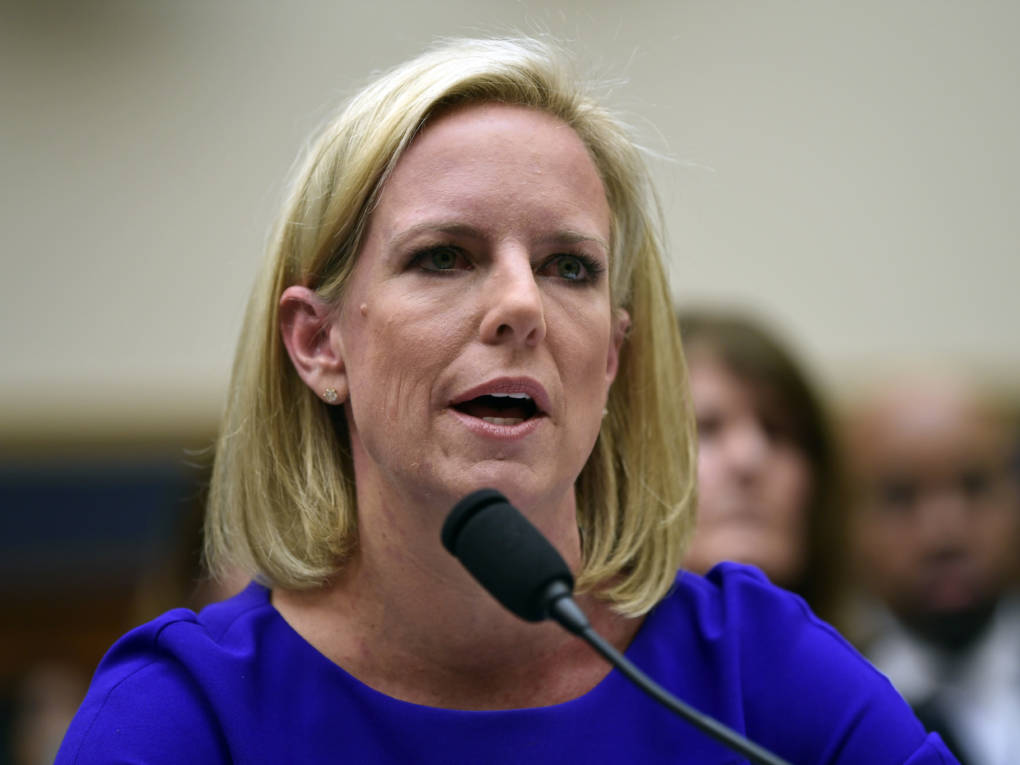
"caption": "Homeland Security Secretary Kirstjen Nielsen announced a host of \"extraordinary protective measures\" designed to improve conditions for children and adults held in U.S. Customs and Border Protection custody",
"description": "Homeland Security Secretary Kirstjen Nielsen announced a host of \"extraordinary protective measures\" designed to improve conditions for children and adults held in U.S. Customs and Border Protection custody",
"title": "Homeland Security Secretary Kirstjen Nielsen announced a host of \"extraordinary protective measures\" designed to improve conditions for children and adults held in U.S. Customs and Border Protection custody.",
"credit": "Susan Walsh/AP",
"status": "inherit",
"isLoading": false,
"fetchFailed": false
},
"news_11714737": {
"type": "attachments",
"id": "news_11714737",
"meta": {
"index": "attachments_1716263798",
"site": "news",
"id": "11714737",
"found": true
},
"parent": 11714728,
"imgSizes": {
"twentyfourteen-full-width": {
"file": "https://ww2.kqed.org/app/uploads/sites/10/2018/12/felipe_122618_final-1038x576.jpg",
"width": 1038,
"mimeType": "image/jpeg",
"height": 576
},
"thumbnail": {
"file": "https://ww2.kqed.org/app/uploads/sites/10/2018/12/felipe_122618_final-160x110.jpg",
"width": 160,
"mimeType": "image/jpeg",
"height": 110
},
"post-thumbnail": {
"file": "https://ww2.kqed.org/app/uploads/sites/10/2018/12/felipe_122618_final-672x372.jpg",
"width": 672,
"mimeType": "image/jpeg",
"height": 372
},
"kqedFullSize": {
"file": "https://ww2.kqed.org/app/uploads/sites/10/2018/12/felipe_122618_final.jpg",
"width": 1920,
"height": 1324
},
"large": {
"file": "https://ww2.kqed.org/app/uploads/sites/10/2018/12/felipe_122618_final-1020x703.jpg",
"width": 1020,
"mimeType": "image/jpeg",
"height": 703
},
"complete_open_graph": {
"file": "https://ww2.kqed.org/app/uploads/sites/10/2018/12/felipe_122618_final-1200x828.jpg",
"width": 1200,
"mimeType": "image/jpeg",
"height": 828
},
"guest-author-50": {
"file": "https://ww2.kqed.org/app/uploads/sites/10/2018/12/felipe_122618_final-50x50.jpg",
"width": 50,
"mimeType": "image/jpeg",
"height": 50
},
"guest-author-96": {
"file": "https://ww2.kqed.org/app/uploads/sites/10/2018/12/felipe_122618_final-96x96.jpg",
"width": 96,
"mimeType": "image/jpeg",
"height": 96
},
"medium": {
"file": "https://ww2.kqed.org/app/uploads/sites/10/2018/12/felipe_122618_final-800x552.jpg",
"width": 800,
"mimeType": "image/jpeg",
"height": 552
},
"guest-author-64": {
"file": "https://ww2.kqed.org/app/uploads/sites/10/2018/12/felipe_122618_final-64x64.jpg",
"width": 64,
"mimeType": "image/jpeg",
"height": 64
},
"guest-author-32": {
"file": "https://ww2.kqed.org/app/uploads/sites/10/2018/12/felipe_122618_final-32x32.jpg",
"width": 32,
"mimeType": "image/jpeg",
"height": 32
},
"full-width": {
"file": "https://ww2.kqed.org/app/uploads/sites/10/2018/12/felipe_122618_final-1920x1324.jpg",
"width": 1920,
"mimeType": "image/jpeg",
"height": 1324
},
"detail": {
"file": "https://ww2.kqed.org/app/uploads/sites/10/2018/12/felipe_122618_final-150x150.jpg",
"width": 150,
"mimeType": "image/jpeg",
"height": 150
},
"guest-author-128": {
"file": "https://ww2.kqed.org/app/uploads/sites/10/2018/12/felipe_122618_final-128x128.jpg",
"width": 128,
"mimeType": "image/jpeg",
"height": 128
}
},
"publishDate": 1545868634,
"modified": 1545868654,
"caption": null,
"description": null,
"title": "felipe_122618_final",
"credit": null,
"status": "inherit",
"isLoading": false,
"fetchFailed": false
},
"news_11714719": {
"type": "attachments",
"id": "news_11714719",
"meta": {
"index": "attachments_1716263798",
"site": "news",
"id": "11714719",
"found": true
},
"parent": 11714697,
"imgSizes": {
"twentyfourteen-full-width": {
"file": "https://ww2.kqed.org/app/uploads/sites/10/2018/12/12262018_elpaso-qut-1038x576.jpg",
"width": 1038,
"mimeType": "image/jpeg",
"height": 576
},
"thumbnail": {
"file": "https://ww2.kqed.org/app/uploads/sites/10/2018/12/12262018_elpaso-qut-160x107.jpg",
"width": 160,
"mimeType": "image/jpeg",
"height": 107
},
"post-thumbnail": {
"file": "https://ww2.kqed.org/app/uploads/sites/10/2018/12/12262018_elpaso-qut-672x372.jpg",
"width": 672,
"mimeType": "image/jpeg",
"height": 372
},
"kqedFullSize": {
"file": "https://ww2.kqed.org/app/uploads/sites/10/2018/12/12262018_elpaso-qut.jpg",
"width": 1920,
"height": 1280
},
"large": {
"file": "https://ww2.kqed.org/app/uploads/sites/10/2018/12/12262018_elpaso-qut-1020x680.jpg",
"width": 1020,
"mimeType": "image/jpeg",
"height": 680
},
"complete_open_graph": {
"file": "https://ww2.kqed.org/app/uploads/sites/10/2018/12/12262018_elpaso-qut-1200x800.jpg",
"width": 1200,
"mimeType": "image/jpeg",
"height": 800
},
"guest-author-50": {
"file": "https://ww2.kqed.org/app/uploads/sites/10/2018/12/12262018_elpaso-qut-50x50.jpg",
"width": 50,
"mimeType": "image/jpeg",
"height": 50
},
"guest-author-96": {
"file": "https://ww2.kqed.org/app/uploads/sites/10/2018/12/12262018_elpaso-qut-96x96.jpg",
"width": 96,
"mimeType": "image/jpeg",
"height": 96
},
"medium": {
"file": "https://ww2.kqed.org/app/uploads/sites/10/2018/12/12262018_elpaso-qut-800x533.jpg",
"width": 800,
"mimeType": "image/jpeg",
"height": 533
},
"guest-author-64": {
"file": "https://ww2.kqed.org/app/uploads/sites/10/2018/12/12262018_elpaso-qut-64x64.jpg",
"width": 64,
"mimeType": "image/jpeg",
"height": 64
},
"guest-author-32": {
"file": "https://ww2.kqed.org/app/uploads/sites/10/2018/12/12262018_elpaso-qut-32x32.jpg",
"width": 32,
"mimeType": "image/jpeg",
"height": 32
},
"full-width": {
"file": "https://ww2.kqed.org/app/uploads/sites/10/2018/12/12262018_elpaso-qut-1920x1280.jpg",
"width": 1920,
"mimeType": "image/jpeg",
"height": 1280
},
"detail": {
"file": "https://ww2.kqed.org/app/uploads/sites/10/2018/12/12262018_elpaso-qut-150x150.jpg",
"width": 150,
"mimeType": "image/jpeg",
"height": 150
},
"guest-author-128": {
"file": "https://ww2.kqed.org/app/uploads/sites/10/2018/12/12262018_elpaso-qut-128x128.jpg",
"width": 128,
"mimeType": "image/jpeg",
"height": 128
}
},
"publishDate": 1545864512,
"modified": 1545866728,
"caption": "A plaque marks the U.S. border on the Paso Del Norte Port of Entry bridge, which connects the U.S. and Mexico, on July 23, 2018 in El Paso, Texas. ",
"description": null,
"title": "The Deadline For Second Phase Of Immigrant Family Reunifications Looms On Texas Border Towns",
"credit": "Joe Raedle/Getty Images",
"status": "inherit",
"isLoading": false,
"fetchFailed": false
},
"news_11714667": {
"type": "attachments",
"id": "news_11714667",
"meta": {
"index": "attachments_1716263798",
"site": "news",
"id": "11714667",
"found": true
},
"parent": 11714666,
"imgSizes": {
"twentyfourteen-full-width": {
"file": "https://ww2.kqed.org/app/uploads/sites/10/2018/12/gettyimages-1074813798_slide-540fd76cc9a78d0f54abeba6bd4348fdc5d1a3e8-e1545848474748-1038x576.jpg",
"width": 1038,
"mimeType": "image/jpeg",
"height": 576
},
"thumbnail": {
"file": "https://ww2.kqed.org/app/uploads/sites/10/2018/12/gettyimages-1074813798_slide-540fd76cc9a78d0f54abeba6bd4348fdc5d1a3e8-e1545848474748-160x107.jpg",
"width": 160,
"mimeType": "image/jpeg",
"height": 107
},
"post-thumbnail": {
"file": "https://ww2.kqed.org/app/uploads/sites/10/2018/12/gettyimages-1074813798_slide-540fd76cc9a78d0f54abeba6bd4348fdc5d1a3e8-e1545848474748-672x372.jpg",
"width": 672,
"mimeType": "image/jpeg",
"height": 372
},
"kqedFullSize": {
"file": "https://ww2.kqed.org/app/uploads/sites/10/2018/12/gettyimages-1074813798_slide-540fd76cc9a78d0f54abeba6bd4348fdc5d1a3e8-e1545848474748.jpg",
"width": 1920,
"height": 1279
},
"large": {
"file": "https://ww2.kqed.org/app/uploads/sites/10/2018/12/gettyimages-1074813798_slide-540fd76cc9a78d0f54abeba6bd4348fdc5d1a3e8-e1545848474748-1020x679.jpg",
"width": 1020,
"mimeType": "image/jpeg",
"height": 679
},
"complete_open_graph": {
"file": "https://ww2.kqed.org/app/uploads/sites/10/2018/12/gettyimages-1074813798_slide-540fd76cc9a78d0f54abeba6bd4348fdc5d1a3e8-e1545848474748-1200x799.jpg",
"width": 1200,
"mimeType": "image/jpeg",
"height": 799
},
"guest-author-50": {
"file": "https://ww2.kqed.org/app/uploads/sites/10/2018/12/gettyimages-1074813798_slide-540fd76cc9a78d0f54abeba6bd4348fdc5d1a3e8-e1545848474748-50x50.jpg",
"width": 50,
"mimeType": "image/jpeg",
"height": 50
},
"guest-author-96": {
"file": "https://ww2.kqed.org/app/uploads/sites/10/2018/12/gettyimages-1074813798_slide-540fd76cc9a78d0f54abeba6bd4348fdc5d1a3e8-e1545848474748-96x96.jpg",
"width": 96,
"mimeType": "image/jpeg",
"height": 96
},
"medium": {
"file": "https://ww2.kqed.org/app/uploads/sites/10/2018/12/gettyimages-1074813798_slide-540fd76cc9a78d0f54abeba6bd4348fdc5d1a3e8-e1545848474748-800x533.jpg",
"width": 800,
"mimeType": "image/jpeg",
"height": 533
},
"guest-author-64": {
"file": "https://ww2.kqed.org/app/uploads/sites/10/2018/12/gettyimages-1074813798_slide-540fd76cc9a78d0f54abeba6bd4348fdc5d1a3e8-e1545848474748-64x64.jpg",
"width": 64,
"mimeType": "image/jpeg",
"height": 64
},
"guest-author-32": {
"file": "https://ww2.kqed.org/app/uploads/sites/10/2018/12/gettyimages-1074813798_slide-540fd76cc9a78d0f54abeba6bd4348fdc5d1a3e8-e1545848474748-32x32.jpg",
"width": 32,
"mimeType": "image/jpeg",
"height": 32
},
"full-width": {
"file": "https://ww2.kqed.org/app/uploads/sites/10/2018/12/gettyimages-1074813798_slide-540fd76cc9a78d0f54abeba6bd4348fdc5d1a3e8-e1545848474748-1920x1279.jpg",
"width": 1920,
"mimeType": "image/jpeg",
"height": 1279
},
"detail": {
"file": "https://ww2.kqed.org/app/uploads/sites/10/2018/12/gettyimages-1074813798_slide-540fd76cc9a78d0f54abeba6bd4348fdc5d1a3e8-e1545848474748-150x150.jpg",
"width": 150,
"mimeType": "image/jpeg",
"height": 150
},
"guest-author-128": {
"file": "https://ww2.kqed.org/app/uploads/sites/10/2018/12/gettyimages-1074813798_slide-540fd76cc9a78d0f54abeba6bd4348fdc5d1a3e8-e1545848474748-128x128.jpg",
"width": 128,
"mimeType": "image/jpeg",
"height": 128
}
},
"publishDate": 1545848376,
"modified": 1545868913,
"caption": "Gerald Champion Regional Medical Center in Alamogordo, New Mexico, where an 8-year-old boy from Guatemala died in government custody on Monday, U.S. Customs and Border Protection says.",
"description": null,
"title": "Gerald Champion Regional Medical Center in Alamogordo, New Mexico where an 8-year-old boy from Guatemala died in government custody on Monday U.S. Customs and Border Protection says.",
"credit": "Paul Ratje/AFP/Getty Images",
"status": "inherit",
"isLoading": false,
"fetchFailed": false
},
"news_11714550": {
"type": "attachments",
"id": "news_11714550",
"meta": {
"index": "attachments_1716263798",
"site": "news",
"id": "11714550",
"found": true
},
"parent": 11714548,
"imgSizes": {
"twentyfourteen-full-width": {
"file": "https://ww2.kqed.org/app/uploads/sites/10/2018/12/NR611_MARQUEE-1038x576.jpg",
"width": 1038,
"mimeType": "image/jpeg",
"height": 576
},
"thumbnail": {
"file": "https://ww2.kqed.org/app/uploads/sites/10/2018/12/NR611_MARQUEE-160x90.jpg",
"width": 160,
"mimeType": "image/jpeg",
"height": 90
},
"post-thumbnail": {
"file": "https://ww2.kqed.org/app/uploads/sites/10/2018/12/NR611_MARQUEE-672x372.jpg",
"width": 672,
"mimeType": "image/jpeg",
"height": 372
},
"kqedFullSize": {
"file": "https://ww2.kqed.org/app/uploads/sites/10/2018/12/NR611_MARQUEE.jpg",
"width": 1280,
"height": 720
},
"large": {
"file": "https://ww2.kqed.org/app/uploads/sites/10/2018/12/NR611_MARQUEE-1020x574.jpg",
"width": 1020,
"mimeType": "image/jpeg",
"height": 574
},
"complete_open_graph": {
"file": "https://ww2.kqed.org/app/uploads/sites/10/2018/12/NR611_MARQUEE-1200x675.jpg",
"width": 1200,
"mimeType": "image/jpeg",
"height": 675
},
"guest-author-50": {
"file": "https://ww2.kqed.org/app/uploads/sites/10/2018/12/NR611_MARQUEE-50x50.jpg",
"width": 50,
"mimeType": "image/jpeg",
"height": 50
},
"guest-author-96": {
"file": "https://ww2.kqed.org/app/uploads/sites/10/2018/12/NR611_MARQUEE-96x96.jpg",
"width": 96,
"mimeType": "image/jpeg",
"height": 96
},
"medium": {
"file": "https://ww2.kqed.org/app/uploads/sites/10/2018/12/NR611_MARQUEE-800x450.jpg",
"width": 800,
"mimeType": "image/jpeg",
"height": 450
},
"guest-author-64": {
"file": "https://ww2.kqed.org/app/uploads/sites/10/2018/12/NR611_MARQUEE-64x64.jpg",
"width": 64,
"mimeType": "image/jpeg",
"height": 64
},
"guest-author-32": {
"file": "https://ww2.kqed.org/app/uploads/sites/10/2018/12/NR611_MARQUEE-32x32.jpg",
"width": 32,
"mimeType": "image/jpeg",
"height": 32
},
"detail": {
"file": "https://ww2.kqed.org/app/uploads/sites/10/2018/12/NR611_MARQUEE-150x150.jpg",
"width": 150,
"mimeType": "image/jpeg",
"height": 150
},
"guest-author-128": {
"file": "https://ww2.kqed.org/app/uploads/sites/10/2018/12/NR611_MARQUEE-128x128.jpg",
"width": 128,
"mimeType": "image/jpeg",
"height": 128
}
},
"publishDate": 1545442627,
"modified": 1545442939,
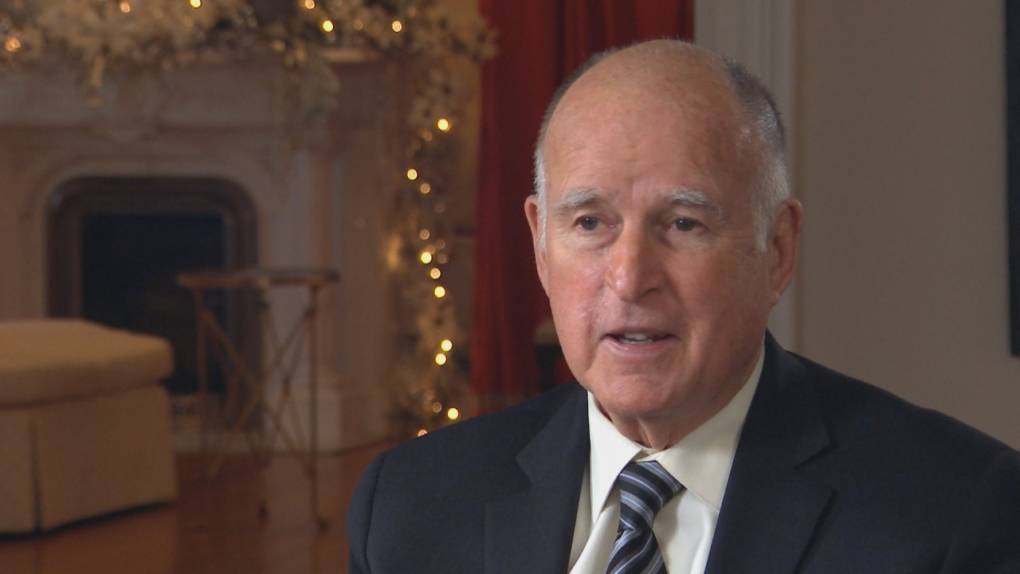
"caption": "Outgoing Governor Jerry Brown sits for a TV interview with KQED television at the governor's mansion in Sacramento. (Tuesday, December 18, 2018)",
"description": null,
"title": "GovJerryBrown-ExitInterview",
"credit": null,
"status": "inherit",
"isLoading": false,
"fetchFailed": false
},
"news_11714393": {
"type": "attachments",
"id": "news_11714393",
"meta": {
"index": "attachments_1716263798",
"site": "news",
"id": "11714393",
"found": true
},
"parent": 11714388,
"imgSizes": {
"small": {
"file": "https://ww2.kqed.org/app/uploads/sites/10/2018/12/RS34526_IMG_0789-qut-520x390.jpg",
"width": 520,
"mimeType": "image/jpeg",
"height": 390
},
"twentyfourteen-full-width": {
"file": "https://ww2.kqed.org/app/uploads/sites/10/2018/12/RS34526_IMG_0789-qut-1038x576.jpg",
"width": 1038,
"mimeType": "image/jpeg",
"height": 576
},
"thumbnail": {
"file": "https://ww2.kqed.org/app/uploads/sites/10/2018/12/RS34526_IMG_0789-qut-160x120.jpg",
"width": 160,
"mimeType": "image/jpeg",
"height": 120
},
"fd-sm": {
"file": "https://ww2.kqed.org/app/uploads/sites/10/2018/12/RS34526_IMG_0789-qut-960x720.jpg",
"width": 960,
"mimeType": "image/jpeg",
"height": 720
},
"post-thumbnail": {
"file": "https://ww2.kqed.org/app/uploads/sites/10/2018/12/RS34526_IMG_0789-qut-672x372.jpg",
"width": 672,
"mimeType": "image/jpeg",
"height": 372
},
"xsmall": {
"file": "https://ww2.kqed.org/app/uploads/sites/10/2018/12/RS34526_IMG_0789-qut-375x281.jpg",
"width": 375,
"mimeType": "image/jpeg",
"height": 281
},
"kqedFullSize": {
"file": "https://ww2.kqed.org/app/uploads/sites/10/2018/12/RS34526_IMG_0789-qut.jpg",
"width": 1920,
"height": 1440
},
"large": {
"file": "https://ww2.kqed.org/app/uploads/sites/10/2018/12/RS34526_IMG_0789-qut-1020x765.jpg",
"width": 1020,
"mimeType": "image/jpeg",
"height": 765
},
"xlarge": {
"file": "https://ww2.kqed.org/app/uploads/sites/10/2018/12/RS34526_IMG_0789-qut-1180x885.jpg",
"width": 1180,
"mimeType": "image/jpeg",
"height": 885
},
"complete_open_graph": {
"file": "https://ww2.kqed.org/app/uploads/sites/10/2018/12/RS34526_IMG_0789-qut-1200x900.jpg",
"width": 1200,
"mimeType": "image/jpeg",
"height": 900
},
"guest-author-50": {
"file": "https://ww2.kqed.org/app/uploads/sites/10/2018/12/RS34526_IMG_0789-qut-50x50.jpg",
"width": 50,
"mimeType": "image/jpeg",
"height": 50
},
"guest-author-96": {
"file": "https://ww2.kqed.org/app/uploads/sites/10/2018/12/RS34526_IMG_0789-qut-96x96.jpg",
"width": 96,
"mimeType": "image/jpeg",
"height": 96
},
"medium": {
"file": "https://ww2.kqed.org/app/uploads/sites/10/2018/12/RS34526_IMG_0789-qut-800x600.jpg",
"width": 800,
"mimeType": "image/jpeg",
"height": 600
},
"guest-author-64": {
"file": "https://ww2.kqed.org/app/uploads/sites/10/2018/12/RS34526_IMG_0789-qut-64x64.jpg",
"width": 64,
"mimeType": "image/jpeg",
"height": 64
},
"guest-author-32": {
"file": "https://ww2.kqed.org/app/uploads/sites/10/2018/12/RS34526_IMG_0789-qut-32x32.jpg",
"width": 32,
"mimeType": "image/jpeg",
"height": 32
},
"fd-lrg": {
"file": "https://ww2.kqed.org/app/uploads/sites/10/2018/12/RS34526_IMG_0789-qut-1920x1440.jpg",
"width": 1920,
"mimeType": "image/jpeg",
"height": 1440
},
"fd-med": {
"file": "https://ww2.kqed.org/app/uploads/sites/10/2018/12/RS34526_IMG_0789-qut-1180x885.jpg",
"width": 1180,
"mimeType": "image/jpeg",
"height": 885
},
"full-width": {
"file": "https://ww2.kqed.org/app/uploads/sites/10/2018/12/RS34526_IMG_0789-qut-1920x1440.jpg",
"width": 1920,
"mimeType": "image/jpeg",
"height": 1440
},
"detail": {
"file": "https://ww2.kqed.org/app/uploads/sites/10/2018/12/RS34526_IMG_0789-qut-150x150.jpg",
"width": 150,
"mimeType": "image/jpeg",
"height": 150
},
"guest-author-128": {
"file": "https://ww2.kqed.org/app/uploads/sites/10/2018/12/RS34526_IMG_0789-qut-128x128.jpg",
"width": 128,
"mimeType": "image/jpeg",
"height": 128
},
"xxsmall": {
"file": "https://ww2.kqed.org/app/uploads/sites/10/2018/12/RS34526_IMG_0789-qut-240x180.jpg",
"width": 240,
"mimeType": "image/jpeg",
"height": 180
}
},
"publishDate": 1545423075,
"modified": 1545432439,
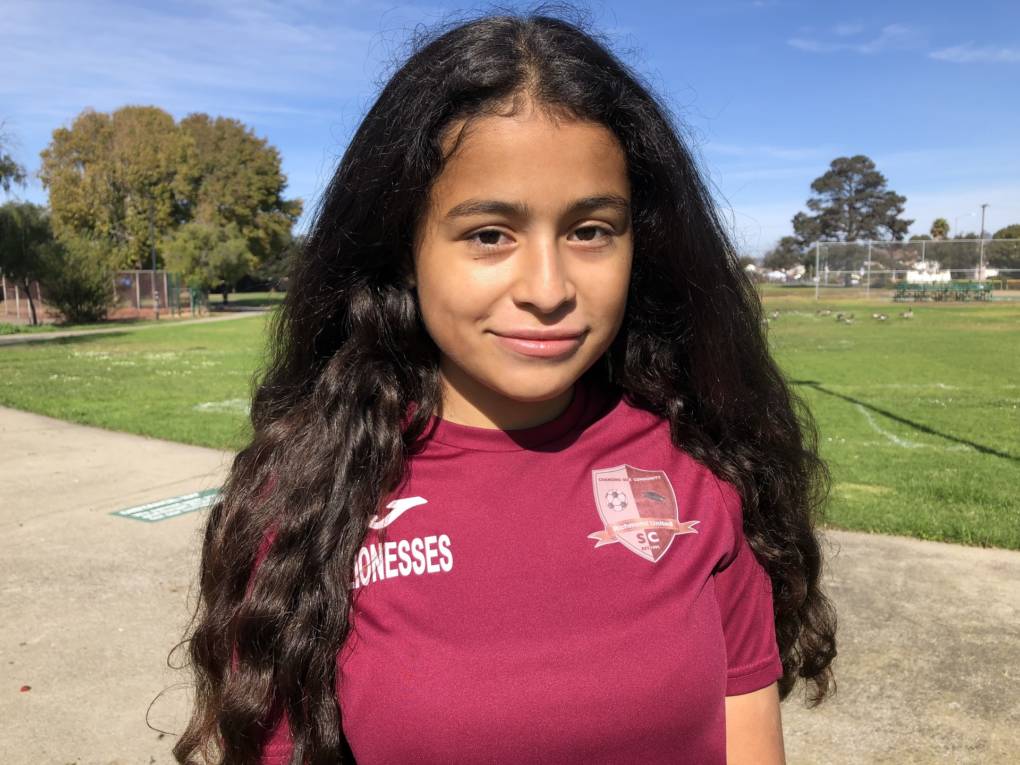
"caption": "Crista Ramos, 14, stands at a park in Richmond after a soccer match on Nov. 4, 2018. \"I felt like I needed to speak up ... and represent all the children whose parents have TPS and could be sent back,\" said Crista of why she is suing the federal government.",
"description": null,
"title": "RS34526_IMG_0789-qut",
"credit": "Farida Jhabvala Romero/KQED",
"status": "inherit",
"isLoading": false,
"fetchFailed": false
},
"news_11714155": {
"type": "attachments",
"id": "news_11714155",
"meta": {
"index": "attachments_1716263798",
"site": "news",
"id": "11714155",
"found": true
},
"parent": 11714108,
"imgSizes": {
"twentyfourteen-full-width": {
"file": "https://ww2.kqed.org/app/uploads/sites/10/2018/12/GettyImages-494862297-e1545347957211-1038x576.jpg",
"width": 1038,
"mimeType": "image/jpeg",
"height": 576
},
"thumbnail": {
"file": "https://ww2.kqed.org/app/uploads/sites/10/2018/12/GettyImages-494862297-e1545347957211-160x107.jpg",
"width": 160,
"mimeType": "image/jpeg",
"height": 107
},
"post-thumbnail": {
"file": "https://ww2.kqed.org/app/uploads/sites/10/2018/12/GettyImages-494862297-e1545347957211-672x372.jpg",
"width": 672,
"mimeType": "image/jpeg",
"height": 372
},
"kqedFullSize": {
"file": "https://ww2.kqed.org/app/uploads/sites/10/2018/12/GettyImages-494862297-e1545347957211.jpg",
"width": 1920,
"height": 1280
},
"large": {
"file": "https://ww2.kqed.org/app/uploads/sites/10/2018/12/GettyImages-494862297-e1545347957211-1020x680.jpg",
"width": 1020,
"mimeType": "image/jpeg",
"height": 680
},
"complete_open_graph": {
"file": "https://ww2.kqed.org/app/uploads/sites/10/2018/12/GettyImages-494862297-e1545347957211-1200x800.jpg",
"width": 1200,
"mimeType": "image/jpeg",
"height": 800
},
"guest-author-50": {
"file": "https://ww2.kqed.org/app/uploads/sites/10/2018/12/GettyImages-494862297-e1545347957211-50x50.jpg",
"width": 50,
"mimeType": "image/jpeg",
"height": 50
},
"guest-author-96": {
"file": "https://ww2.kqed.org/app/uploads/sites/10/2018/12/GettyImages-494862297-e1545347957211-96x96.jpg",
"width": 96,
"mimeType": "image/jpeg",
"height": 96
},
"medium": {
"file": "https://ww2.kqed.org/app/uploads/sites/10/2018/12/GettyImages-494862297-e1545347957211-800x533.jpg",
"width": 800,
"mimeType": "image/jpeg",
"height": 533
},
"guest-author-64": {
"file": "https://ww2.kqed.org/app/uploads/sites/10/2018/12/GettyImages-494862297-e1545347957211-64x64.jpg",
"width": 64,
"mimeType": "image/jpeg",
"height": 64
},
"guest-author-32": {
"file": "https://ww2.kqed.org/app/uploads/sites/10/2018/12/GettyImages-494862297-e1545347957211-32x32.jpg",
"width": 32,
"mimeType": "image/jpeg",
"height": 32
},
"full-width": {
"file": "https://ww2.kqed.org/app/uploads/sites/10/2018/12/GettyImages-494862297-e1545347957211-1920x1280.jpg",
"width": 1920,
"mimeType": "image/jpeg",
"height": 1280
},
"detail": {
"file": "https://ww2.kqed.org/app/uploads/sites/10/2018/12/GettyImages-494862297-e1545347957211-150x150.jpg",
"width": 150,
"mimeType": "image/jpeg",
"height": 150
},
"guest-author-128": {
"file": "https://ww2.kqed.org/app/uploads/sites/10/2018/12/GettyImages-494862297-e1545347957211-128x128.jpg",
"width": 128,
"mimeType": "image/jpeg",
"height": 128
}
},
"publishDate": 1545347923,
"modified": 1558037216,
"caption": null,
"description": "When researchers took a close look at transcripts for thousands of California community college students, they discovered an encouraging trend in enrollment for undocumented students.",
"title": "David Geffen Receives UCLA Medal Of Honor At David Geffen School Of Medicine At UCLA Graduation",
"credit": "Imeh Akpanudosen/Getty Images for UCLA",
"status": "inherit",
"isLoading": false,
"fetchFailed": false
},
"news_11714242": {
"type": "attachments",
"id": "news_11714242",
"meta": {
"index": "attachments_1716263798",
"site": "news",
"id": "11714242",
"found": true
},
"parent": 11714240,
"imgSizes": {
"small": {
"file": "https://ww2.kqed.org/app/uploads/sites/10/2018/12/RS34155_Nolvia-Romero-FINAL-01-qut-520x346.jpg",
"width": 520,
"mimeType": "image/jpeg",
"height": 346
},
"twentyfourteen-full-width": {
"file": "https://ww2.kqed.org/app/uploads/sites/10/2018/12/RS34155_Nolvia-Romero-FINAL-01-qut-1038x576.jpg",
"width": 1038,
"mimeType": "image/jpeg",
"height": 576
},
"thumbnail": {
"file": "https://ww2.kqed.org/app/uploads/sites/10/2018/12/RS34155_Nolvia-Romero-FINAL-01-qut-160x106.jpg",
"width": 160,
"mimeType": "image/jpeg",
"height": 106
},
"fd-sm": {
"file": "https://ww2.kqed.org/app/uploads/sites/10/2018/12/RS34155_Nolvia-Romero-FINAL-01-qut-960x639.jpg",
"width": 960,
"mimeType": "image/jpeg",
"height": 639
},
"post-thumbnail": {
"file": "https://ww2.kqed.org/app/uploads/sites/10/2018/12/RS34155_Nolvia-Romero-FINAL-01-qut-672x372.jpg",
"width": 672,
"mimeType": "image/jpeg",
"height": 372
},
"xsmall": {
"file": "https://ww2.kqed.org/app/uploads/sites/10/2018/12/RS34155_Nolvia-Romero-FINAL-01-qut-375x250.jpg",
"width": 375,
"mimeType": "image/jpeg",
"height": 250
},
"kqedFullSize": {
"file": "https://ww2.kqed.org/app/uploads/sites/10/2018/12/RS34155_Nolvia-Romero-FINAL-01-qut.jpg",
"width": 1800,
"height": 1198
},
"large": {
"file": "https://ww2.kqed.org/app/uploads/sites/10/2018/12/RS34155_Nolvia-Romero-FINAL-01-qut-1020x679.jpg",
"width": 1020,
"mimeType": "image/jpeg",
"height": 679
},
"xlarge": {
"file": "https://ww2.kqed.org/app/uploads/sites/10/2018/12/RS34155_Nolvia-Romero-FINAL-01-qut-1180x785.jpg",
"width": 1180,
"mimeType": "image/jpeg",
"height": 785
},
"complete_open_graph": {
"file": "https://ww2.kqed.org/app/uploads/sites/10/2018/12/RS34155_Nolvia-Romero-FINAL-01-qut-1200x799.jpg",
"width": 1200,
"mimeType": "image/jpeg",
"height": 799
},
"guest-author-50": {
"file": "https://ww2.kqed.org/app/uploads/sites/10/2018/12/RS34155_Nolvia-Romero-FINAL-01-qut-50x50.jpg",
"width": 50,
"mimeType": "image/jpeg",
"height": 50
},
"guest-author-96": {
"file": "https://ww2.kqed.org/app/uploads/sites/10/2018/12/RS34155_Nolvia-Romero-FINAL-01-qut-96x96.jpg",
"width": 96,
"mimeType": "image/jpeg",
"height": 96
},
"medium": {
"file": "https://ww2.kqed.org/app/uploads/sites/10/2018/12/RS34155_Nolvia-Romero-FINAL-01-qut-800x532.jpg",
"width": 800,
"mimeType": "image/jpeg",
"height": 532
},
"guest-author-64": {
"file": "https://ww2.kqed.org/app/uploads/sites/10/2018/12/RS34155_Nolvia-Romero-FINAL-01-qut-64x64.jpg",
"width": 64,
"mimeType": "image/jpeg",
"height": 64
},
"guest-author-32": {
"file": "https://ww2.kqed.org/app/uploads/sites/10/2018/12/RS34155_Nolvia-Romero-FINAL-01-qut-32x32.jpg",
"width": 32,
"mimeType": "image/jpeg",
"height": 32
},
"fd-med": {
"file": "https://ww2.kqed.org/app/uploads/sites/10/2018/12/RS34155_Nolvia-Romero-FINAL-01-qut-1180x785.jpg",
"width": 1180,
"mimeType": "image/jpeg",
"height": 785
},
"detail": {
"file": "https://ww2.kqed.org/app/uploads/sites/10/2018/12/RS34155_Nolvia-Romero-FINAL-01-qut-150x150.jpg",
"width": 150,
"mimeType": "image/jpeg",
"height": 150
},
"guest-author-128": {
"file": "https://ww2.kqed.org/app/uploads/sites/10/2018/12/RS34155_Nolvia-Romero-FINAL-01-qut-128x128.jpg",
"width": 128,
"mimeType": "image/jpeg",
"height": 128
},
"xxsmall": {
"file": "https://ww2.kqed.org/app/uploads/sites/10/2018/12/RS34155_Nolvia-Romero-FINAL-01-qut-240x160.jpg",
"width": 240,
"mimeType": "image/jpeg",
"height": 160
}
},
"publishDate": 1545353092,
"modified": 1545353299,
"caption": "Nolvia Dionisia Romero waits for clothing donations outside a sports facility in Tijuana that was converted into a temporary shelter on Nov. 20, 2018. Romero said she traveled from Honduras to seek asylum in the U.S. but didn't know much about the application process.",
"description": null,
"title": "RS34155_Nolvia Romero FINAL 01-qut",
"credit": "David Maung/KQED",
"status": "inherit",
"isLoading": false,
"fetchFailed": false
},
"news_11714162": {
"type": "attachments",
"id": "news_11714162",
"meta": {
"index": "attachments_1716263798",
"site": "news",
"id": "11714162",
"found": true
},
"parent": 11714145,
"imgSizes": {
"small": {
"file": "https://ww2.kqed.org/app/uploads/sites/10/2018/12/trauma_122018_final-520x337.jpg",
"width": 520,
"mimeType": "image/jpeg",
"height": 337
},
"twentyfourteen-full-width": {
"file": "https://ww2.kqed.org/app/uploads/sites/10/2018/12/trauma_122018_final-1038x576.jpg",
"width": 1038,
"mimeType": "image/jpeg",
"height": 576
},
"thumbnail": {
"file": "https://ww2.kqed.org/app/uploads/sites/10/2018/12/trauma_122018_final-160x104.jpg",
"width": 160,
"mimeType": "image/jpeg",
"height": 104
},
"fd-sm": {
"file": "https://ww2.kqed.org/app/uploads/sites/10/2018/12/trauma_122018_final-960x622.jpg",
"width": 960,
"mimeType": "image/jpeg",
"height": 622
},
"post-thumbnail": {
"file": "https://ww2.kqed.org/app/uploads/sites/10/2018/12/trauma_122018_final-672x372.jpg",
"width": 672,
"mimeType": "image/jpeg",
"height": 372
},
"xsmall": {
"file": "https://ww2.kqed.org/app/uploads/sites/10/2018/12/trauma_122018_final-375x243.jpg",
"width": 375,
"mimeType": "image/jpeg",
"height": 243
},
"kqedFullSize": {
"file": "https://ww2.kqed.org/app/uploads/sites/10/2018/12/trauma_122018_final.jpg",
"width": 1920,
"height": 1243
},
"large": {
"file": "https://ww2.kqed.org/app/uploads/sites/10/2018/12/trauma_122018_final-1020x660.jpg",
"width": 1020,
"mimeType": "image/jpeg",
"height": 660
},
"xlarge": {
"file": "https://ww2.kqed.org/app/uploads/sites/10/2018/12/trauma_122018_final-1180x764.jpg",
"width": 1180,
"mimeType": "image/jpeg",
"height": 764
},
"complete_open_graph": {
"file": "https://ww2.kqed.org/app/uploads/sites/10/2018/12/trauma_122018_final-1200x777.jpg",
"width": 1200,
"mimeType": "image/jpeg",
"height": 777
},
"guest-author-50": {
"file": "https://ww2.kqed.org/app/uploads/sites/10/2018/12/trauma_122018_final-50x50.jpg",
"width": 50,
"mimeType": "image/jpeg",
"height": 50
},
"guest-author-96": {
"file": "https://ww2.kqed.org/app/uploads/sites/10/2018/12/trauma_122018_final-96x96.jpg",
"width": 96,
"mimeType": "image/jpeg",
"height": 96
},
"medium": {
"file": "https://ww2.kqed.org/app/uploads/sites/10/2018/12/trauma_122018_final-800x518.jpg",
"width": 800,
"mimeType": "image/jpeg",
"height": 518
},
"guest-author-64": {
"file": "https://ww2.kqed.org/app/uploads/sites/10/2018/12/trauma_122018_final-64x64.jpg",
"width": 64,
"mimeType": "image/jpeg",
"height": 64
},
"guest-author-32": {
"file": "https://ww2.kqed.org/app/uploads/sites/10/2018/12/trauma_122018_final-32x32.jpg",
"width": 32,
"mimeType": "image/jpeg",
"height": 32
},
"fd-lrg": {
"file": "https://ww2.kqed.org/app/uploads/sites/10/2018/12/trauma_122018_final-1920x1243.jpg",
"width": 1920,
"mimeType": "image/jpeg",
"height": 1243
},
"fd-med": {
"file": "https://ww2.kqed.org/app/uploads/sites/10/2018/12/trauma_122018_final-1180x764.jpg",
"width": 1180,
"mimeType": "image/jpeg",
"height": 764
},
"full-width": {
"file": "https://ww2.kqed.org/app/uploads/sites/10/2018/12/trauma_122018_final-1920x1243.jpg",
"width": 1920,
"mimeType": "image/jpeg",
"height": 1243
},
"detail": {
"file": "https://ww2.kqed.org/app/uploads/sites/10/2018/12/trauma_122018_final-150x150.jpg",
"width": 150,
"mimeType": "image/jpeg",
"height": 150
},
"guest-author-128": {
"file": "https://ww2.kqed.org/app/uploads/sites/10/2018/12/trauma_122018_final-128x128.jpg",
"width": 128,
"mimeType": "image/jpeg",
"height": 128
},
"xxsmall": {
"file": "https://ww2.kqed.org/app/uploads/sites/10/2018/12/trauma_122018_final-240x155.jpg",
"width": 240,
"mimeType": "image/jpeg",
"height": 155
}
},
"publishDate": 1545348061,
"modified": 1545348078,
"caption": null,
"description": null,
"title": "trauma_122018_final",
"credit": null,
"status": "inherit",
"isLoading": false,
"fetchFailed": false
},
"news_11714026": {
"type": "attachments",
"id": "news_11714026",
"meta": {
"index": "attachments_1716263798",
"site": "news",
"id": "11714026",
"found": true
},
"parent": 11714025,
"imgSizes": {
"small": {
"file": "https://ww2.kqed.org/app/uploads/sites/10/2018/12/gettyimages-1072241554_custom-b7f807100c54fa3bbb224ee479aad4ecc9ad9c78-520x292.jpg",
"width": 520,
"mimeType": "image/jpeg",
"height": 292
},
"twentyfourteen-full-width": {
"file": "https://ww2.kqed.org/app/uploads/sites/10/2018/12/gettyimages-1072241554_custom-b7f807100c54fa3bbb224ee479aad4ecc9ad9c78-1038x576.jpg",
"width": 1038,
"mimeType": "image/jpeg",
"height": 576
},
"thumbnail": {
"file": "https://ww2.kqed.org/app/uploads/sites/10/2018/12/gettyimages-1072241554_custom-b7f807100c54fa3bbb224ee479aad4ecc9ad9c78-160x90.jpg",
"width": 160,
"mimeType": "image/jpeg",
"height": 90
},
"fd-sm": {
"file": "https://ww2.kqed.org/app/uploads/sites/10/2018/12/gettyimages-1072241554_custom-b7f807100c54fa3bbb224ee479aad4ecc9ad9c78-960x539.jpg",
"width": 960,
"mimeType": "image/jpeg",
"height": 539
},
"post-thumbnail": {
"file": "https://ww2.kqed.org/app/uploads/sites/10/2018/12/gettyimages-1072241554_custom-b7f807100c54fa3bbb224ee479aad4ecc9ad9c78-672x372.jpg",
"width": 672,
"mimeType": "image/jpeg",
"height": 372
},
"xsmall": {
"file": "https://ww2.kqed.org/app/uploads/sites/10/2018/12/gettyimages-1072241554_custom-b7f807100c54fa3bbb224ee479aad4ecc9ad9c78-375x211.jpg",
"width": 375,
"mimeType": "image/jpeg",
"height": 211
},
"kqedFullSize": {
"file": "https://ww2.kqed.org/app/uploads/sites/10/2018/12/gettyimages-1072241554_custom-b7f807100c54fa3bbb224ee479aad4ecc9ad9c78.jpg",
"width": 5437,
"height": 3054
},
"large": {
"file": "https://ww2.kqed.org/app/uploads/sites/10/2018/12/gettyimages-1072241554_custom-b7f807100c54fa3bbb224ee479aad4ecc9ad9c78-1020x573.jpg",
"width": 1020,
"mimeType": "image/jpeg",
"height": 573
},
"xlarge": {
"file": "https://ww2.kqed.org/app/uploads/sites/10/2018/12/gettyimages-1072241554_custom-b7f807100c54fa3bbb224ee479aad4ecc9ad9c78-1180x663.jpg",
"width": 1180,
"mimeType": "image/jpeg",
"height": 663
},
"complete_open_graph": {
"file": "https://ww2.kqed.org/app/uploads/sites/10/2018/12/gettyimages-1072241554_custom-b7f807100c54fa3bbb224ee479aad4ecc9ad9c78-1200x674.jpg",
"width": 1200,
"mimeType": "image/jpeg",
"height": 674
},
"guest-author-50": {
"file": "https://ww2.kqed.org/app/uploads/sites/10/2018/12/gettyimages-1072241554_custom-b7f807100c54fa3bbb224ee479aad4ecc9ad9c78-50x50.jpg",
"width": 50,
"mimeType": "image/jpeg",
"height": 50
},
"guest-author-96": {
"file": "https://ww2.kqed.org/app/uploads/sites/10/2018/12/gettyimages-1072241554_custom-b7f807100c54fa3bbb224ee479aad4ecc9ad9c78-96x96.jpg",
"width": 96,
"mimeType": "image/jpeg",
"height": 96
},
"medium": {
"file": "https://ww2.kqed.org/app/uploads/sites/10/2018/12/gettyimages-1072241554_custom-b7f807100c54fa3bbb224ee479aad4ecc9ad9c78-800x449.jpg",
"width": 800,
"mimeType": "image/jpeg",
"height": 449
},
"guest-author-64": {
"file": "https://ww2.kqed.org/app/uploads/sites/10/2018/12/gettyimages-1072241554_custom-b7f807100c54fa3bbb224ee479aad4ecc9ad9c78-64x64.jpg",
"width": 64,
"mimeType": "image/jpeg",
"height": 64
},
"guest-author-32": {
"file": "https://ww2.kqed.org/app/uploads/sites/10/2018/12/gettyimages-1072241554_custom-b7f807100c54fa3bbb224ee479aad4ecc9ad9c78-32x32.jpg",
"width": 32,
"mimeType": "image/jpeg",
"height": 32
},
"fd-lrg": {
"file": "https://ww2.kqed.org/app/uploads/sites/10/2018/12/gettyimages-1072241554_custom-b7f807100c54fa3bbb224ee479aad4ecc9ad9c78-1920x1078.jpg",
"width": 1920,
"mimeType": "image/jpeg",
"height": 1078
},
"fd-med": {
"file": "https://ww2.kqed.org/app/uploads/sites/10/2018/12/gettyimages-1072241554_custom-b7f807100c54fa3bbb224ee479aad4ecc9ad9c78-1180x663.jpg",
"width": 1180,
"mimeType": "image/jpeg",
"height": 663
},
"full-width": {
"file": "https://ww2.kqed.org/app/uploads/sites/10/2018/12/gettyimages-1072241554_custom-b7f807100c54fa3bbb224ee479aad4ecc9ad9c78-1920x1078.jpg",
"width": 1920,
"mimeType": "image/jpeg",
"height": 1078
},
"detail": {
"file": "https://ww2.kqed.org/app/uploads/sites/10/2018/12/gettyimages-1072241554_custom-b7f807100c54fa3bbb224ee479aad4ecc9ad9c78-150x150.jpg",
"width": 150,
"mimeType": "image/jpeg",
"height": 150
},
"guest-author-128": {
"file": "https://ww2.kqed.org/app/uploads/sites/10/2018/12/gettyimages-1072241554_custom-b7f807100c54fa3bbb224ee479aad4ecc9ad9c78-128x128.jpg",
"width": 128,
"mimeType": "image/jpeg",
"height": 128
},
"xxsmall": {
"file": "https://ww2.kqed.org/app/uploads/sites/10/2018/12/gettyimages-1072241554_custom-b7f807100c54fa3bbb224ee479aad4ecc9ad9c78-240x135.jpg",
"width": 240,
"mimeType": "image/jpeg",
"height": 135
}
},
"publishDate": 1545337744,
"modified": 1545337744,
"caption": null,
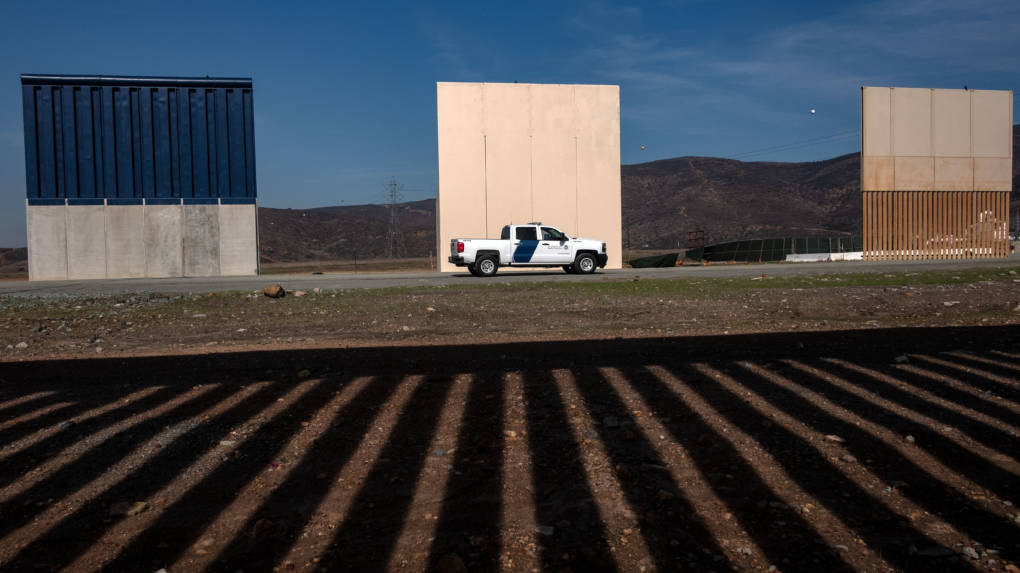
"description": "President Trump's wall prototypes are seen from behind the Mexico-US border fence in Tijuana, Mexico, on Dec. 12. With Congress unlikely to fund Trump's wall, Trump is floating other tactics",
"title": "President Trump's wall prototypes are seen from behind the Mexico-US border fence in Tijuana, Mexico, on Dec. 12. With Congress unlikely to fund Trump's wall, Trump is floating other tactics.",
"credit": null,
"status": "inherit",
"isLoading": false,
"fetchFailed": false
}
},
"audioPlayerReducer": {
"postId": "stream_live",
"isPaused": true,
"isPlaying": false,
"pfsActive": false,
"pledgeModalIsOpen": true,
"playerDrawerIsOpen": false,
"liveAudioPlayStartedAt": 0,
"liveAudioPlayContext": ""
},
"authorsReducer": {
"byline_news_11714867": {
"type": "authors",
"id": "byline_news_11714867",
"meta": {
"override": true
},
"slug": "byline_news_11714867",
"name": "Vanessa Romo",
"isLoading": false
},
"byline_news_11714666": {
"type": "authors",
"id": "byline_news_11714666",
"meta": {
"override": true
},
"slug": "byline_news_11714666",
"name": "Francesca Paris",
"isLoading": false
},
"byline_news_11714108": {
"type": "authors",
"id": "byline_news_11714108",
"meta": {
"override": true
},
"slug": "byline_news_11714108",
"name": "\u003ca href=\"https://theconversation.com/profiles/federick-j-ngo-607367\" rel=\"noopener\" target=\"_blank\">Federick J. Ngo\u003c/a>",
"isLoading": false
},
"byline_news_11714025": {
"type": "authors",
"id": "byline_news_11714025",
"meta": {
"override": true
},
"slug": "byline_news_11714025",
"name": "Tamara Keith",
"isLoading": false
},
"kqed": {
"type": "authors",
"id": "236",
"meta": {
"index": "authors_1716337520",
"id": "236",
"found": true
},
"name": "KQED News Staff",
"firstName": "KQED News Staff",
"lastName": null,
"slug": "kqed",
"email": "faq@kqed.org",
"display_author_email": false,
"staff_mastheads": [],
"title": null,
"bio": null,
"avatar": "https://secure.gravatar.com/avatar/ef0e801a68c4c54afa9180db14084167?s=600&d=blank&r=g",
"twitter": null,
"facebook": null,
"instagram": null,
"linkedin": null,
"sites": [
{
"site": "arts",
"roles": [
"contributor"
]
},
{
"site": "news",
"roles": [
"editor"
]
},
{
"site": "futureofyou",
"roles": [
"author"
]
}
],
"headData": {
"title": "KQED News Staff | KQED",
"description": null,
"ogImgSrc": "https://secure.gravatar.com/avatar/ef0e801a68c4c54afa9180db14084167?s=600&d=blank&r=g",
"twImgSrc": "https://secure.gravatar.com/avatar/ef0e801a68c4c54afa9180db14084167?s=600&d=blank&r=g"
},
"isLoading": false,
"link": "/author/kqed"
},
"tgoldberg": {
"type": "authors",
"id": "258",
"meta": {
"index": "authors_1716337520",
"id": "258",
"found": true
},
"name": "Ted Goldberg",
"firstName": "Ted",
"lastName": "Goldberg",
"slug": "tgoldberg",
"email": "tgoldberg@kqed.org",
"display_author_email": true,
"staff_mastheads": [
"news"
],
"title": "KQED Managing Editor, News and Newscasts",
"bio": "Ted Goldberg is Managing Editor of News and Newscasts at KQED. His main reporting beat is the Bay Area's oil refining industry.\r\n\r\nPrior to joining KQED in 2014, Ted worked at CBS News and WCBS AM in New York and Bay City News and KCBS Radio in San Francisco. He graduated from Oberlin College in Ohio in 1998.",
"avatar": "https://secure.gravatar.com/avatar/30ce2e4fe89135e104f89be2394d16225b9d36c121b5b3cb7651ce642978b96f?s=600&d=blank&r=g",
"twitter": "TedrickG",
"bluesky": null,
"facebook": null,
"instagram": null,
"linkedin": null,
"sites": [
{
"site": "news",
"roles": [
"editor"
]
},
{
"site": "science",
"roles": [
"editor"
]
}
],
"headData": {
"title": "Ted Goldberg | KQED",
"description": "KQED Managing Editor, News and Newscasts",
"ogImgSrc": "https://secure.gravatar.com/avatar/30ce2e4fe89135e104f89be2394d16225b9d36c121b5b3cb7651ce642978b96f?s=600&d=blank&r=g",
"twImgSrc": "https://secure.gravatar.com/avatar/30ce2e4fe89135e104f89be2394d16225b9d36c121b5b3cb7651ce642978b96f?s=600&d=blank&r=g"
},
"isLoading": false,
"link": "/author/tgoldberg"
},
"markfiore": {
"type": "authors",
"id": "3236",
"meta": {
"index": "authors_1716337520",
"id": "3236",
"found": true
},
"name": "Mark Fiore",
"firstName": "Mark",
"lastName": "Fiore",
"slug": "markfiore",
"email": "mark@markfiore.com",
"display_author_email": false,
"staff_mastheads": [
"news"
],
"title": "KQED News Cartoonist",
"bio": "\u003ca href=\"http://www.MarkFiore.com\">MarkFiore.com\u003c/a> | \u003ca href=\"https://twitter.com/markfiore\">Follow on Twitter\u003c/a> | \u003ca href=\"https://www.facebook.com/pages/Mark-Fiore-Animated-Political-Cartoons/94451707396?ref=bookmarks\">Facebook\u003c/a> | \u003ca href=\"mailto:mark@markfiore.com\">email\u003c/a>\r\n\r\nPulitzer Prize-winner, Mark Fiore, who the Wall Street Journal has called “the undisputed guru of the form,” creates animated political cartoons in San Francisco, where his work has been featured regularly on the San Francisco Chronicle’s web site, SFGate.com. His work has appeared on Newsweek.com, Slate.com, CBSNews.com, MotherJones.com, DailyKos.com and NPR’s web site. Fiore’s political animation has appeared on CNN, Frontline, Bill Moyers Journal, Salon.com and cable and broadcast outlets across the globe.\r\n\r\nBeginning his professional life by drawing traditional political cartoons for newspapers, Fiore’s work appeared in publications ranging from the Washington Post to the Los Angeles Times. In the late 1990s, he began to experiment with animating political cartoons and, after a short stint at the San Jose Mercury News as their staff cartoonist, Fiore devoted all his energies to animation.\r\nGrowing up in California, Fiore also spent a good portion of his life in the backwoods of Idaho. It was this combination that shaped him politically. Mark majored in political science at Colorado College, where, in a perfect send-off for a cartoonist, he received his diploma in 1991 as commencement speaker Dick Cheney smiled approvingly.\r\nMark Fiore was awarded the Pulitzer Prize for political cartooning in 2010, a Robert F. Kennedy Journalism Award in 2004 and has twice received an Online Journalism Award for commentary from the Online News Association (2002, 2008). Fiore has received two awards for his work in new media from the National Cartoonists Society (2001, 2002), and in 2006 received The James Madison Freedom of Information Award from The Society of Professional Journalists.",
"avatar": "https://secure.gravatar.com/avatar/fc4e2a612b15b67bad0c6f0e1db4ca9b?s=600&d=blank&r=g",
"twitter": "MarkFiore",
"facebook": null,
"instagram": "https://www.instagram.com/markfiore/?hl=en",
"linkedin": null,
"sites": [
{
"site": "arts",
"roles": [
"contributor"
]
},
{
"site": "news",
"roles": [
"editor"
]
},
{
"site": "futureofyou",
"roles": [
"editor"
]
},
{
"site": "science",
"roles": [
"editor"
]
}
],
"headData": {
"title": "Mark Fiore | KQED",
"description": "KQED News Cartoonist",
"ogImgSrc": "https://secure.gravatar.com/avatar/fc4e2a612b15b67bad0c6f0e1db4ca9b?s=600&d=blank&r=g",
"twImgSrc": "https://secure.gravatar.com/avatar/fc4e2a612b15b67bad0c6f0e1db4ca9b?s=600&d=blank&r=g"
},
"isLoading": false,
"link": "/author/markfiore"
},
"fjhabvala": {
"type": "authors",
"id": "8659",
"meta": {
"index": "authors_1716337520",
"id": "8659",
"found": true
},
"name": "Farida Jhabvala Romero",
"firstName": "Farida",
"lastName": "Jhabvala Romero",
"slug": "fjhabvala",
"email": "fjhabvala@kqed.org",
"display_author_email": true,
"staff_mastheads": [
"news"
],
"title": "KQED Contributor",
"bio": "Farida Jhabvala Romero is a Labor Correspondent for KQED. She previously covered immigration. Farida was \u003ca href=\"https://www.ccnma.org/2022-most-influential-latina-journalists\">named\u003c/a> one of the 10 Most Influential Latina Journalists in California in 2022 by the California Chicano News Media Association. Her work has won awards from the Society of Professional Journalists (Northern California), as well as a national and regional Edward M. Murrow Award for the collaborative reporting projects “Dangerous Air” and “Graying California.” Before joining KQED, Farida worked as a producer at Radio Bilingüe, a national public radio network. Farida earned her master’s degree in journalism from Stanford University.",
"avatar": "https://secure.gravatar.com/avatar/f9f022d4e2609741874222a1e9d41f48fea74011aa7c615eef91d9a50c944ebe?s=600&d=blank&r=g",
"twitter": "FaridaJhabvala",
"bluesky": null,
"facebook": null,
"instagram": null,
"linkedin": "https://www.linkedin.com/in/faridajhabvala/",
"sites": [
{
"site": "news",
"roles": [
"editor"
]
},
{
"site": "stateofhealth",
"roles": [
"author"
]
},
{
"site": "liveblog",
"roles": [
"author"
]
}
],
"headData": {
"title": "Farida Jhabvala Romero | KQED",
"description": "KQED Contributor",
"ogImgSrc": "https://secure.gravatar.com/avatar/f9f022d4e2609741874222a1e9d41f48fea74011aa7c615eef91d9a50c944ebe?s=600&d=blank&r=g",
"twImgSrc": "https://secure.gravatar.com/avatar/f9f022d4e2609741874222a1e9d41f48fea74011aa7c615eef91d9a50c944ebe?s=600&d=blank&r=g"
},
"isLoading": false,
"link": "/author/fjhabvala"
}
},
"pagesReducer": {
"news_category_immigration": {
"type": "terms",
"id": "news_1169",
"meta": {
"index": "terms_1716263798",
"site": "news",
"id": "1169",
"score": 10.910702
},
"featImg": null,
"name": "Immigration",
"description": null,
"taxonomy": "category",
"headData": {
"twImgId": null,
"twTitle": null,
"ogTitle": null,
"ogImgId": null,
"twDescription": null,
"description": null,
"title": "Immigration Archives | KQED News",
"ogDescription": null
},
"ttid": 1180,
"slug": "immigration",
"isLoading": false,
"title": "Immigration",
"pageMeta": {
"site": "news",
"WpPageTemplate": "page-topic-editorial",
"currentPage": 107
},
"blocks": [
{
"blockName": "kqed/post-list",
"attrs": {
"layout": "cardArticle2",
"query": "posts/news?category=immigration",
"seeMore": false,
"paginated": true,
"page": 107
}
},
{
"blockName": "kqed/ad"
}
]
}
},
"pfsSessionReducer": {},
"postsReducer": {
"stream_live": {
"type": "live",
"id": "stream_live",
"audioUrl": "https://streams.kqed.org/kqedradio",
"title": "Live Stream",
"excerpt": "Live Stream information currently unavailable.",
"link": "/radio",
"featImg": "",
"label": {
"name": "KQED Live",
"link": "/"
}
},
"stream_kqedNewscast": {
"type": "posts",
"id": "stream_kqedNewscast",
"audioUrl": "https://www.kqed.org/.stream/anon/radio/RDnews/newscast.mp3?_=1",
"title": "KQED Newscast",
"featImg": "",
"label": {
"name": "88.5 FM",
"link": "/"
}
},
"news_11714968": {
"type": "posts",
"id": "news_11714968",
"meta": {
"index": "posts_1716263798",
"site": "news",
"id": "11714968",
"score": null,
"sort": [
1546004546000
]
},
"parent": 0,
"labelTerm": {},
"blocks": [],
"publishDate": 1546004546,
"format": "audio",
"disqusTitle": "The California Resistance",
"title": "The California Resistance",
"headTitle": "KQED News",
"content": "\u003ch2>Manhunt Underway for Suspect in Killing of Central Valley Police Officer\u003c/h2>\n\u003cp>The search is still on for the suspect in the shooting of a Central Valley police officer this week. Newman Police Corporal Ronil Singh was shot and killed just before 1 a.m. Wednesday by a man authorities say was pulled over for suspected drunk driving.\u003cbr>\n\u003cem>Reporter: Alex Hall\u003c/em>\u003c/p>\n\u003ch2>The California Resistance\u003c/h2>\n\u003cp>California has filed 45 lawsuits against the Trump administration on everything from the environment to healthcare to the most contentious topic of all: immigration. The state has become home of the “legal resistance” to President Donald Trump and his policies.\u003cbr>\n\u003cem>Reporter: Lily Jamali\u003c/em>\u003c/p>\n\u003cp>[ad fullwidth]\u003c/p>\u003cp>\u003c/p>\n",
"disqusIdentifier": "11714968 https://ww2.kqed.org/news/?p=11714968",
"disqusUrl": "https://ww2.kqed.org/news/2018/12/28/the-california-resistance/",
"stats": {
"hasVideo": false,
"hasChartOrMap": false,
"hasAudio": false,
"hasPolis": false,
"wordCount": 110,
"hasGoogleForm": false,
"hasGallery": false,
"hasHearkenModule": false,
"iframeSrcs": [],
"paragraphCount": 4
},
"modified": 1546004546,
"excerpt": null,
"headData": {
"twImgId": "",
"twTitle": "",
"ogTitle": "",
"ogImgId": "",
"twDescription": "",
"description": "Manhunt Underway for Suspect in Killing of Central Valley Police Officer The search is still on for the suspect in the shooting of a Central Valley police officer this week. Newman Police Corporal Ronil Singh was shot and killed just before 1 a.m. Wednesday by a man authorities say was pulled over for suspected drunk",
"title": "The California Resistance | KQED",
"ogDescription": "",
"schema": {
"@context": "https://schema.org",
"@type": "NewsArticle",
"headline": "The California Resistance",
"datePublished": "2018-12-28T05:42:26-08:00",
"dateModified": "2018-12-28T05:42:26-08:00",
"image": "https://cdn.kqed.org/wp-content/uploads/2020/02/KQED-OG-Image@1x.png",
"isAccessibleForFree": "True",
"publisher": {
"@type": "NewsMediaOrganization",
"@id": "https://www.kqed.org/#organization",
"name": "KQED",
"logo": "https://cdn.kqed.org/wp-content/uploads/2020/02/KQED-OG-Image@1x.png",
"url": "https://www.kqed.org",
"sameAs": [
"https://www.facebook.com/KQED",
"https://twitter.com/KQED",
"https://www.instagram.com/kqed/",
"https://www.tiktok.com/@kqedofficial",
"https://www.linkedin.com/company/kqed",
"https://www.youtube.com/channel/UCeC0IOo7i1P_61zVUWbJ4nw"
]
}
}
},
"guestAuthors": [],
"slug": "the-california-resistance",
"status": "publish",
"sourceUrl": "https://www.kqed.org/news/tag/tcrarchive/",
"audioUrl": "https://www.kqed.org/.stream/anon/radio/tcr/2018/12/TCRAM20181228.mp3",
"audioTrackLength": 463,
"source": "Morning Report",
"path": "/news/11714968/the-california-resistance",
"audioDuration": 466000,
"parsedContent": [
{
"type": "contentString",
"content": "\u003cdiv class=\"post-body\">\u003cp>\u003ch2>Manhunt Underway for Suspect in Killing of Central Valley Police Officer\u003c/h2>\n\u003cp>The search is still on for the suspect in the shooting of a Central Valley police officer this week. Newman Police Corporal Ronil Singh was shot and killed just before 1 a.m. Wednesday by a man authorities say was pulled over for suspected drunk driving.\u003cbr>\n\u003cem>Reporter: Alex Hall\u003c/em>\u003c/p>\n\u003ch2>The California Resistance\u003c/h2>\n\u003cp>California has filed 45 lawsuits against the Trump administration on everything from the environment to healthcare to the most contentious topic of all: immigration. The state has become home of the “legal resistance” to President Donald Trump and his policies.\u003cbr>\n\u003cem>Reporter: Lily Jamali\u003c/em>\u003c/p>\n\u003cp>\u003c/p>\u003c/div>",
"attributes": {
"named": {},
"numeric": []
}
},
{
"type": "component",
"content": "",
"name": "ad",
"attributes": {
"named": {
"label": "fullwidth"
},
"numeric": [
"fullwidth"
]
}
},
{
"type": "contentString",
"content": "\u003cdiv class=\"post-body\">\u003cp>\u003c/p>\u003cp>\u003c/p>\n\u003c/div>\u003c/p>",
"attributes": {
"named": {},
"numeric": []
}
}
],
"link": "/news/11714968/the-california-resistance",
"authors": [
"236"
],
"categories": [
"news_19906",
"news_457",
"news_1169",
"news_6188"
],
"tags": [
"news_21998",
"news_21268"
],
"featImg": "news_11572756",
"label": "source_news_11714968"
},
"news_11714867": {
"type": "posts",
"id": "news_11714867",
"meta": {
"index": "posts_1716263798",
"site": "news",
"id": "11714867",
"score": null,
"sort": [
1545951720000
]
},
"guestAuthors": [],
"slug": "department-of-homeland-security-promises-changes-to-protect-migrant-children",
"title": "Department of Homeland Security Promises Changes to Protect Migrant Children",
"publishDate": 1545951720,
"format": "standard",
"headTitle": "Department of Homeland Security Promises Changes to Protect Migrant Children | KQED",
"labelTerm": {
"term": 72,
"site": "news"
},
"content": "\u003cp>In the wake of the death of a second migrant child in U.S. custody within the past two weeks, Homeland Security Secretary Kirstjen Nielsen announced on Wednesday the government is calling on several federal agencies to help U.S. Customs and Border Protection implement a host of new directives intended to improve how it cares for children and adults held in federal facilities.\u003c/p>\n\u003cp>“In response to the unprecedented surge of children into our custody, I have directed a series of extraordinary protective measures,” Nielsen said in a statement.\u003c/p>\n\u003cp>She explained the changes had been enacted as a result of the “heartbreaking” death of Guatemalan \u003ca href=\"https://www.npr.org/2018/12/25/680066848/8-year-old-migrant-boy-dies-in-government-custody-in-new-mexico-hospital\">Felipe Gomez Alonso\u003c/a>, 8, who \u003ca href=\"https://www.kqed.org/news/11714697/california-lawmakers-slam-border-patrol-over-latest-migrant-child-death\" target=\"_blank\" rel=\"noopener\">died after being diagnosed\u003c/a> with a cold and a high fever in New Mexico on Monday night.\u003c/p>\n\u003cp>\u003ca href=\"https://www.npr.org/2018/12/13/676622047/7-year-old-migrant-girl-dies-of-dehydration-and-shock-in-border-patrol-custody\">Jackelin Caal Maquin\u003c/a>, a 7-year-old girl also from Guatemala, died of dehydration and septic shock on Dec. 8, two days after she was taken into custody with her father.\u003c/p>\n\u003cp>“It is now clear that migrants, particularly children, are increasingly facing medical challenges and harboring illness caused by their long and dangerous journey,” Nielsen said.\u003c/p>\n\u003cp>[ad fullwidth]\u003c/p>\n\u003cp>The recent fatalities are the first such child deaths in more than a decade, according to Nielsen, who cited the remote locations of their crossings and lack of resources as the primary obstacles preventing first responders from dispatching assistance.\u003c/p>\n\u003cp>As of Tuesday, Border Patrol agents had started conducting secondary medical checks on all children in CBP custody, including unaccompanied minors and those part of family units traveling with other family members or legal guardians.\u003c/p>\n\u003cp>“Moving forward, all children will receive more thorough hands on assessment at the earliest possible time post-apprehension – whether or not the accompanying adult has asked for one,” Nielsen said.\u003c/p>\n\u003cp>The Homeland Security secretary said she had tapped the Department of Defense to boost medical staffs along the border as well as the U.S. Coast Guard Medical Corps to assess CBP’s medical programs and make recommendations for improvements.\u003c/p>\n\u003cp>Additionally, Nielsen said, “I have personally engaged with the Centers for Disease Control to request that their experts investigate the uptick in sick children crossing our borders and identify additional steps hospitals along the border should be undertaking to prepare for and to treat these children.”\u003c/p>\n\u003cp>An earlier statement by CBP Commissioner Kevin McAleenan noted the agency is considering requesting further aid from the Federal Emergency Management Agency and Health and Human Services “to assist U.S. Border Patrol supplemental medical capabilities.”\u003c/p>\n\u003cp>With regard to the partnership with the CDC, McAleenan said the two agencies would coordinate “on the numbers of children in custody as well” — a suggestion that drew sharp criticism from Rep. Lou Correa, a member of the Congressional Hispanic Caucus from California and chairman-elect of the House Homeland Security Oversight Subcommittee.\u003c/p>\n\u003cp>“The fact that they’re trying to get an accurate head count now is very concerning,” Correa told NPR. “You would think that someone comes into custody, and that is when the head count is done.”\u003c/p>\n\u003cp>“In this age of high-tech interconnectivity, why is it that we don’t have an accurate head count?” he asked. “It raises a whole number of red flags.”\u003c/p>\n\u003cp>Correa supported the announced move by CBP to begin a full review of its policies regarding “the care and custody of children under 10 at intake and beyond 24 hours in custody,” saying a broader mind shift in the way migrants are perceived by Border Patrol agents and politicians is long overdue.\u003c/p>\n\u003cp>“CBP and Border Patrol have not figured out that this a refugee and humanitarian crisis. They’re still stuck in a mentality of zero tolerance and deterrence, when in reality what you have are families fleeing violence who need doctors and social services” when they arrive in the U.S. seeking asylum, Correa said.\u003c/p>\n\u003cp>The congressman said promises of more medical personnel do not sufficiently address the systematic and management problems within CBP that allowed for the deaths of Jackelin and Felipe.\u003c/p>\n\u003cp>In the boy’s case, “he was transported to a local medical facility, then he was released and \u003cem>then\u003c/em> he died” Correa said. “That tells me we still have a lot of gaps in the system that we need to address.”\u003c/p>\n\u003cp>Andrew Meehan, CBP assistant commissioner for public affairs, told NPR there has been a “dramatic increase in the numbers of families and kids that are approaching the border.”\u003c/p>\n\u003cp>According to CBP, \u003ca href=\"https://www.cbp.gov/newsroom/stats/sw-border-migration/fy-2018\">48,287 family units\u003c/a> were apprehended during October and November, which is in contrast with \u003ca href=\"https://www.cbp.gov/newsroom/stats/sw-border-migration/fy-2018\">11,852 family units\u003c/a> that were apprehended during the same period in the previous fiscal year.\u003c/p>\n\u003cp>The number of unaccompanied minors is also on the rise; 10,265 children traveled alone in October and November of this fiscal year, whereas 7,127 were taken into custody over the same two months the previous year.\u003c/p>\n\u003cp>Meehan said the shift in demographics among arriving migrants has placed tremendous strain on existing intake systems and detention facilities built 20 to 30 years ago. “They are meant to handle single adults usually traveling for seasonal work” from Mexico, he said.\u003c/p>\n\u003cp>Secretary Nielsen placed the blame for the influx of young children on parents, suggesting that America has “an immigration system that rewards parents for sending their children across the border alone, a system that prevents parents who bring their children on a dangerous and illegal journey from facing consequences for their actions, an asylum process that is not able to quickly help those who qualify for asylum.”\u003c/p>\n\u003cp>Under current law, non-Mexican unaccompanied children cannot be released or removed from the U.S. They are turned over to Health and Human Services for placement, while family units are typically released into the interior while they await asylum proceedings.\u003c/p>\n\u003cp>Rep. Joaquin Castro, D-Texas, who is the incoming chair of the Congressional Hispanic Caucus, \u003ca href=\"https://www.npr.org/2018/12/26/680260468/texas-congressman-discusses-border-facilities-and-how-to-prevent-future-deaths\">told NPR’s \u003cem>All Things Considered\u003c/em>\u003c/a> he hopes CBP moves quickly on its latest plan to relieve overcrowding issues in Border Patrol stations and checkpoints in El Paso. Officials said they are “reviewing all options” to reduce the number of people in custody by partnering with local nongovernmental organizations to provide temporary housing.\u003c/p>\n\u003cp>“I hope that [CBP] will ask Congress for the medical resources and supplies and training and equipment and personnel that they need to properly treat the migrants who are arriving at the U.S. Mexico border,” Castro said.\u003c/p>\n\u003cp>“It should be noted that the lack of training and equipment and staff also presents a danger to the personnel from CBP who work there,” he added.\u003c/p>\n\u003cp>Castro said that it is “remarkable” that Congress has not received an official count of the number of children who have died in CBP custody over the last year and called on the agency to release the information immediately.\u003c/p>\n\u003cp>“Because the president has taken such a dehumanizing and criminalizing tone when it comes to asylum-seekers and migrants, I think it’s important to get an answer to that question,” he said. “And until we get an official count, I think with this administration anything’s possible.”\u003c/p>\n\u003cp>[ad floatright]\u003c/p>\n\u003cp>\u003cem>NPR’s Joel Rose contributed to this report. \u003c/em>\u003c/p>\n\u003cdiv class=\"fullattribution\">Copyright 2018 NPR. To see more, visit https://www.npr.org.\u003cimg decoding=\"async\" src=\"https://www.google-analytics.com/__utm.gif?utmac=UA-5828686-4&utmdt=Department+Of+Homeland+Security+Promises+Changes+To+Protect+Migrant+Children&utme=8(APIKey)9(MDAxOTAwOTE4MDEyMTkxMDAzNjczZDljZA004)\">\u003c/div>\n\n",
"blocks": [],
"excerpt": "Secretary Kirstjen Nielsen promises new \"extraordinary protective measures\" in the wake of the death of a second migrant child this month. They will require assistance from multiple federal agencies.",
"status": "publish",
"parent": 0,
"modified": 1721112634,
"stats": {
"hasAudio": false,
"hasVideo": false,
"hasChartOrMap": false,
"iframeSrcs": [],
"hasGoogleForm": false,
"hasGallery": false,
"hasHearkenModule": false,
"hasPolis": false,
"paragraphCount": 32,
"wordCount": 1254
},
"headData": {
"title": "Department of Homeland Security Promises Changes to Protect Migrant Children | KQED",
"description": "Secretary Kirstjen Nielsen promises new "extraordinary protective measures" in the wake of the death of a second migrant child this month. They will require assistance from multiple federal agencies.",
"ogTitle": "",
"ogDescription": "",
"ogImgId": "",
"twTitle": "",
"twDescription": "",
"twImgId": "",
"schema": {
"@context": "https://schema.org",
"@type": "NewsArticle",
"headline": "Department of Homeland Security Promises Changes to Protect Migrant Children",
"datePublished": "2018-12-27T15:02:00-08:00",
"dateModified": "2024-07-15T23:50:34-07:00",
"image": "https://cdn.kqed.org/wp-content/uploads/2020/02/KQED-OG-Image@1x.png",
"isAccessibleForFree": "True",
"publisher": {
"@type": "NewsMediaOrganization",
"@id": "https://www.kqed.org/#organization",
"name": "KQED",
"logo": "https://cdn.kqed.org/wp-content/uploads/2020/02/KQED-OG-Image@1x.png",
"url": "https://www.kqed.org",
"sameAs": [
"https://www.facebook.com/KQED",
"https://twitter.com/KQED",
"https://www.instagram.com/kqed/",
"https://www.tiktok.com/@kqedofficial",
"https://www.linkedin.com/company/kqed",
"https://www.youtube.com/channel/UCeC0IOo7i1P_61zVUWbJ4nw"
]
}
}
},
"sticky": false,
"nprImageCredit": "Susan Walsh",
"nprByline": "Vanessa Romo",
"nprImageAgency": "AP",
"nprStoryId": "680349857",
"nprApiLink": "http://api.npr.org/query?id=680349857&apiKey=MDAxOTAwOTE4MDEyMTkxMDAzNjczZDljZA004",
"nprHtmlLink": "https://www.npr.org/2018/12/26/680349857/department-of-homeland-security-promises-changes-to-protect-migrant-children?ft=nprml&f=680349857",
"nprRetrievedStory": "1",
"nprPubDate": "Thu, 27 Dec 2018 09:49:00 -0500",
"nprStoryDate": "Wed, 26 Dec 2018 22:59:00 -0500",
"nprLastModifiedDate": "Thu, 27 Dec 2018 09:49:16 -0500",
"path": "/news/11714867/department-of-homeland-security-promises-changes-to-protect-migrant-children",
"audioTrackLength": null,
"parsedContent": [
{
"type": "contentString",
"content": "\u003cdiv class=\"post-body\">\u003cp>\u003cp>In the wake of the death of a second migrant child in U.S. custody within the past two weeks, Homeland Security Secretary Kirstjen Nielsen announced on Wednesday the government is calling on several federal agencies to help U.S. Customs and Border Protection implement a host of new directives intended to improve how it cares for children and adults held in federal facilities.\u003c/p>\n\u003cp>“In response to the unprecedented surge of children into our custody, I have directed a series of extraordinary protective measures,” Nielsen said in a statement.\u003c/p>\n\u003cp>She explained the changes had been enacted as a result of the “heartbreaking” death of Guatemalan \u003ca href=\"https://www.npr.org/2018/12/25/680066848/8-year-old-migrant-boy-dies-in-government-custody-in-new-mexico-hospital\">Felipe Gomez Alonso\u003c/a>, 8, who \u003ca href=\"https://www.kqed.org/news/11714697/california-lawmakers-slam-border-patrol-over-latest-migrant-child-death\" target=\"_blank\" rel=\"noopener\">died after being diagnosed\u003c/a> with a cold and a high fever in New Mexico on Monday night.\u003c/p>\n\u003cp>\u003ca href=\"https://www.npr.org/2018/12/13/676622047/7-year-old-migrant-girl-dies-of-dehydration-and-shock-in-border-patrol-custody\">Jackelin Caal Maquin\u003c/a>, a 7-year-old girl also from Guatemala, died of dehydration and septic shock on Dec. 8, two days after she was taken into custody with her father.\u003c/p>\n\u003cp>“It is now clear that migrants, particularly children, are increasingly facing medical challenges and harboring illness caused by their long and dangerous journey,” Nielsen said.\u003c/p>\n\u003cp>\u003c/p>\u003c/div>",
"attributes": {
"named": {},
"numeric": []
}
},
{
"type": "component",
"content": "",
"name": "ad",
"attributes": {
"named": {
"label": "fullwidth"
},
"numeric": [
"fullwidth"
]
}
},
{
"type": "contentString",
"content": "\u003cdiv class=\"post-body\">\u003cp>\u003c/p>\n\u003cp>The recent fatalities are the first such child deaths in more than a decade, according to Nielsen, who cited the remote locations of their crossings and lack of resources as the primary obstacles preventing first responders from dispatching assistance.\u003c/p>\n\u003cp>As of Tuesday, Border Patrol agents had started conducting secondary medical checks on all children in CBP custody, including unaccompanied minors and those part of family units traveling with other family members or legal guardians.\u003c/p>\n\u003cp>“Moving forward, all children will receive more thorough hands on assessment at the earliest possible time post-apprehension – whether or not the accompanying adult has asked for one,” Nielsen said.\u003c/p>\n\u003cp>The Homeland Security secretary said she had tapped the Department of Defense to boost medical staffs along the border as well as the U.S. Coast Guard Medical Corps to assess CBP’s medical programs and make recommendations for improvements.\u003c/p>\n\u003cp>Additionally, Nielsen said, “I have personally engaged with the Centers for Disease Control to request that their experts investigate the uptick in sick children crossing our borders and identify additional steps hospitals along the border should be undertaking to prepare for and to treat these children.”\u003c/p>\n\u003cp>An earlier statement by CBP Commissioner Kevin McAleenan noted the agency is considering requesting further aid from the Federal Emergency Management Agency and Health and Human Services “to assist U.S. Border Patrol supplemental medical capabilities.”\u003c/p>\n\u003cp>With regard to the partnership with the CDC, McAleenan said the two agencies would coordinate “on the numbers of children in custody as well” — a suggestion that drew sharp criticism from Rep. Lou Correa, a member of the Congressional Hispanic Caucus from California and chairman-elect of the House Homeland Security Oversight Subcommittee.\u003c/p>\n\u003cp>“The fact that they’re trying to get an accurate head count now is very concerning,” Correa told NPR. “You would think that someone comes into custody, and that is when the head count is done.”\u003c/p>\n\u003cp>“In this age of high-tech interconnectivity, why is it that we don’t have an accurate head count?” he asked. “It raises a whole number of red flags.”\u003c/p>\n\u003cp>Correa supported the announced move by CBP to begin a full review of its policies regarding “the care and custody of children under 10 at intake and beyond 24 hours in custody,” saying a broader mind shift in the way migrants are perceived by Border Patrol agents and politicians is long overdue.\u003c/p>\n\u003cp>“CBP and Border Patrol have not figured out that this a refugee and humanitarian crisis. They’re still stuck in a mentality of zero tolerance and deterrence, when in reality what you have are families fleeing violence who need doctors and social services” when they arrive in the U.S. seeking asylum, Correa said.\u003c/p>\n\u003cp>The congressman said promises of more medical personnel do not sufficiently address the systematic and management problems within CBP that allowed for the deaths of Jackelin and Felipe.\u003c/p>\n\u003cp>In the boy’s case, “he was transported to a local medical facility, then he was released and \u003cem>then\u003c/em> he died” Correa said. “That tells me we still have a lot of gaps in the system that we need to address.”\u003c/p>\n\u003cp>Andrew Meehan, CBP assistant commissioner for public affairs, told NPR there has been a “dramatic increase in the numbers of families and kids that are approaching the border.”\u003c/p>\n\u003cp>According to CBP, \u003ca href=\"https://www.cbp.gov/newsroom/stats/sw-border-migration/fy-2018\">48,287 family units\u003c/a> were apprehended during October and November, which is in contrast with \u003ca href=\"https://www.cbp.gov/newsroom/stats/sw-border-migration/fy-2018\">11,852 family units\u003c/a> that were apprehended during the same period in the previous fiscal year.\u003c/p>\n\u003cp>The number of unaccompanied minors is also on the rise; 10,265 children traveled alone in October and November of this fiscal year, whereas 7,127 were taken into custody over the same two months the previous year.\u003c/p>\n\u003cp>Meehan said the shift in demographics among arriving migrants has placed tremendous strain on existing intake systems and detention facilities built 20 to 30 years ago. “They are meant to handle single adults usually traveling for seasonal work” from Mexico, he said.\u003c/p>\n\u003cp>Secretary Nielsen placed the blame for the influx of young children on parents, suggesting that America has “an immigration system that rewards parents for sending their children across the border alone, a system that prevents parents who bring their children on a dangerous and illegal journey from facing consequences for their actions, an asylum process that is not able to quickly help those who qualify for asylum.”\u003c/p>\n\u003cp>Under current law, non-Mexican unaccompanied children cannot be released or removed from the U.S. They are turned over to Health and Human Services for placement, while family units are typically released into the interior while they await asylum proceedings.\u003c/p>\n\u003cp>Rep. Joaquin Castro, D-Texas, who is the incoming chair of the Congressional Hispanic Caucus, \u003ca href=\"https://www.npr.org/2018/12/26/680260468/texas-congressman-discusses-border-facilities-and-how-to-prevent-future-deaths\">told NPR’s \u003cem>All Things Considered\u003c/em>\u003c/a> he hopes CBP moves quickly on its latest plan to relieve overcrowding issues in Border Patrol stations and checkpoints in El Paso. Officials said they are “reviewing all options” to reduce the number of people in custody by partnering with local nongovernmental organizations to provide temporary housing.\u003c/p>\n\u003cp>“I hope that [CBP] will ask Congress for the medical resources and supplies and training and equipment and personnel that they need to properly treat the migrants who are arriving at the U.S. Mexico border,” Castro said.\u003c/p>\n\u003cp>“It should be noted that the lack of training and equipment and staff also presents a danger to the personnel from CBP who work there,” he added.\u003c/p>\n\u003cp>Castro said that it is “remarkable” that Congress has not received an official count of the number of children who have died in CBP custody over the last year and called on the agency to release the information immediately.\u003c/p>\n\u003cp>“Because the president has taken such a dehumanizing and criminalizing tone when it comes to asylum-seekers and migrants, I think it’s important to get an answer to that question,” he said. “And until we get an official count, I think with this administration anything’s possible.”\u003c/p>\n\u003cp>\u003c/p>\u003c/div>",
"attributes": {
"named": {},
"numeric": []
}
},
{
"type": "component",
"content": "",
"name": "ad",
"attributes": {
"named": {
"label": "floatright"
},
"numeric": [
"floatright"
]
}
},
{
"type": "contentString",
"content": "\u003cdiv class=\"post-body\">\u003cp>\u003c/p>\n\u003cp>\u003cem>NPR’s Joel Rose contributed to this report. \u003c/em>\u003c/p>\n\u003cdiv class=\"fullattribution\">Copyright 2018 NPR. To see more, visit https://www.npr.org.\u003cimg decoding=\"async\" src=\"https://www.google-analytics.com/__utm.gif?utmac=UA-5828686-4&utmdt=Department+Of+Homeland+Security+Promises+Changes+To+Protect+Migrant+Children&utme=8(APIKey)9(MDAxOTAwOTE4MDEyMTkxMDAzNjczZDljZA004)\">\u003c/div>\n\n\u003c/div>\u003c/p>",
"attributes": {
"named": {},
"numeric": []
}
}
],
"link": "/news/11714867/department-of-homeland-security-promises-changes-to-protect-migrant-children",
"authors": [
"byline_news_11714867"
],
"programs": [
"news_72"
],
"categories": [
"news_1169",
"news_6188",
"news_8"
],
"tags": [
"news_20595",
"news_24736",
"news_23456",
"news_20202",
"news_23524",
"news_23792",
"news_19006"
],
"affiliates": [
"news_253"
],
"featImg": "news_11714868",
"label": "news_72"
},
"news_11714728": {
"type": "posts",
"id": "news_11714728",
"meta": {
"index": "posts_1716263798",
"site": "news",
"id": "11714728",
"score": null,
"sort": [
1545871499000
]
},
"parent": 0,
"labelTerm": {
"site": "news",
"term": 18515
},
"blocks": [],
"publishDate": 1545871499,
"format": "standard",
"disqusTitle": "A Tragic Christmas Eve",
"title": "A Tragic Christmas Eve",
"headTitle": "Mark Fiore: Drawn to the Bay | KQED News",
"content": "\u003cp>After two migrant children died in Border Patrol custody over the past month, the Department of Homeland Security ordered more medical checks for minors in custody.\u003c/p>\n\u003cp>An 8-year-old boy from Guatemala, who the Guatemalan Foreign Service identified as Felipe Gomez Alonso, \u003ca href=\"http://bit.ly/fiorefelipe\" target=\"_blank\" rel=\"noopener\">died on Christmas Eve\u003c/a> at a hospital in Alamogordo, New Mexico, while in U.S. Customs and Border Protection custody.\u003c/p>\n\u003cp>Felipe had been traveling to the United States with his father.\u003c/p>\n\u003cp>Earlier this month, a 7-year-old girl also died while in Border Patrol custody.\u003c/p>\n\u003cp>[ad fullwidth]\u003c/p>\u003cp>\u003c/p>\n",
"disqusIdentifier": "11714728 https://ww2.kqed.org/news/?p=11714728",
"disqusUrl": "https://ww2.kqed.org/news/2018/12/26/a-tragic-christmas-eve/",
"stats": {
"hasVideo": false,
"hasChartOrMap": false,
"hasAudio": false,
"hasPolis": false,
"wordCount": 94,
"hasGoogleForm": false,
"hasGallery": false,
"hasHearkenModule": false,
"iframeSrcs": [],
"paragraphCount": 6
},
"modified": 1545871499,
"excerpt": "After two migrant children died in Border Patrol custody over the past month, federal authorities ordered more medical checks for minors in custody.",
"headData": {
"twImgId": "",
"twTitle": "",
"ogTitle": "",
"ogImgId": "",
"twDescription": "",
"description": "After two migrant children died in Border Patrol custody over the past month, federal authorities ordered more medical checks for minors in custody.",
"title": "A Tragic Christmas Eve | KQED",
"ogDescription": "",
"schema": {
"@context": "https://schema.org",
"@type": "NewsArticle",
"headline": "A Tragic Christmas Eve",
"datePublished": "2018-12-26T16:44:59-08:00",
"dateModified": "2018-12-26T16:44:59-08:00",
"image": "https://cdn.kqed.org/wp-content/uploads/2020/02/KQED-OG-Image@1x.png",
"isAccessibleForFree": "True",
"publisher": {
"@type": "NewsMediaOrganization",
"@id": "https://www.kqed.org/#organization",
"name": "KQED",
"logo": "https://cdn.kqed.org/wp-content/uploads/2020/02/KQED-OG-Image@1x.png",
"url": "https://www.kqed.org",
"sameAs": [
"https://www.facebook.com/KQED",
"https://twitter.com/KQED",
"https://www.instagram.com/kqed/",
"https://www.tiktok.com/@kqedofficial",
"https://www.linkedin.com/company/kqed",
"https://www.youtube.com/channel/UCeC0IOo7i1P_61zVUWbJ4nw"
]
}
}
},
"guestAuthors": [],
"slug": "a-tragic-christmas-eve",
"status": "publish",
"path": "/news/11714728/a-tragic-christmas-eve",
"audioTrackLength": null,
"parsedContent": [
{
"type": "contentString",
"content": "\u003cdiv class=\"post-body\">\u003cp>\u003cp>After two migrant children died in Border Patrol custody over the past month, the Department of Homeland Security ordered more medical checks for minors in custody.\u003c/p>\n\u003cp>An 8-year-old boy from Guatemala, who the Guatemalan Foreign Service identified as Felipe Gomez Alonso, \u003ca href=\"http://bit.ly/fiorefelipe\" target=\"_blank\" rel=\"noopener\">died on Christmas Eve\u003c/a> at a hospital in Alamogordo, New Mexico, while in U.S. Customs and Border Protection custody.\u003c/p>\n\u003cp>Felipe had been traveling to the United States with his father.\u003c/p>\n\u003cp>Earlier this month, a 7-year-old girl also died while in Border Patrol custody.\u003c/p>\n\u003cp>\u003c/p>\u003c/div>",
"attributes": {
"named": {},
"numeric": []
}
},
{
"type": "component",
"content": "",
"name": "ad",
"attributes": {
"named": {
"label": "fullwidth"
},
"numeric": [
"fullwidth"
]
}
},
{
"type": "contentString",
"content": "\u003cdiv class=\"post-body\">\u003cp>\u003c/p>\u003cp>\u003c/p>\n\u003c/div>\u003c/p>",
"attributes": {
"named": {},
"numeric": []
}
}
],
"link": "/news/11714728/a-tragic-christmas-eve",
"authors": [
"3236"
],
"series": [
"news_18515"
],
"categories": [
"news_1169",
"news_6188",
"news_8",
"news_13"
],
"tags": [
"news_20595",
"news_24082",
"news_21691",
"news_20202",
"news_20949",
"news_23978",
"news_23796"
],
"featImg": "news_11714737",
"label": "news_18515"
},
"news_11714697": {
"type": "posts",
"id": "news_11714697",
"meta": {
"index": "posts_1716263798",
"site": "news",
"id": "11714697",
"score": null,
"sort": [
1545868218000
]
},
"parent": 0,
"labelTerm": {
"site": "news",
"term": 72
},
"blocks": [],
"publishDate": 1545868218,
"format": "standard",
"disqusTitle": "California Lawmakers Slam Border Patrol Over Latest Migrant Child Death",
"title": "California Lawmakers Slam Border Patrol Over Latest Migrant Child Death",
"headTitle": "The California Report | KQED News",
"content": "\u003cp>\u003cem>Updated 8 a.m. 12/27/18\u003c/em>\u003c/p>\n\u003cp>At least four California congressional representatives are expressing strong concern about the recent deaths of migrant children in the custody of U.S Customs and Border Protection, with one saying CBP's \"short-term holding facilities are no place for children.\"\u003c/p>\n\u003cp>Sen. Dianne Feinstein called on CBP Commissioner Kevin McAleenan to provide a \"detailed accounting\" of the most recent case in which an 8-year-old boy from Guatemala died in the agency's custody on Dec. 24.\u003c/p>\n\u003cp>\"I am requesting a full and transparent account of \u003ca href=\"https://www.kqed.org/news/11714666/migrant-boy-8-dies-in-government-custody-in-new-mexico-hospital\" target=\"_blank\" rel=\"noopener\">Felipe Alonzo-Gomez's case\u003c/a>, as well as a comprehensive revision of Border Patrol rules to ensure adequate protection for children,\" the Democrat wrote in a \u003ca href=\"https://www.feinstein.senate.gov/public/_cache/files/2/5/256276e2-31f4-4f9d-83b6-3237bebb3fa2/AE3120BD5DBB38D6D09E8F6AE68B8A29.letter-to-mcaleenan-cbp.pdf\" target=\"_blank\" rel=\"noopener\">letter\u003c/a> to McAleenan.\u003c/p>\n\u003cp>\"December has been a devastating month for children in Border Patrol custody,\" Feinstein wrote, highlighting three cases in which migrant youth died or were hospitalized.\u003c/p>\n\u003cp>[ad fullwidth]\u003c/p>\n\u003cp>On Dec. 8, 7-year-old \u003ca href=\"https://www.npr.org/2018/12/13/676622047/7-year-old-migrant-girl-dies-of-dehydration-and-shock-in-border-patrol-custody\" target=\"_blank\" rel=\"noopener\">Jakelin Caal Maquin\u003c/a> died of dehydration and shock after 36 hours in detention. Last week, a \u003ca href=\"https://www.buzzfeednews.com/article/adolfoflores/infant-sick-border-patrol-cold?bftwnews&utm_term=4ldqpgc#4ldqpgc\" target=\"_blank\" rel=\"noopener\">5-month-old infant\u003c/a> was reportedly hospitalized with pneumonia shortly after being released from custody.\u003c/p>\n\u003cp>Felipe and his father were apprehended several miles from the Paso del Norte Port of Entry in El Paso, Texas, on Dec. 18, according to a CBP statement. They were transferred from the processing center there to the El Paso Border Patrol Station two days later and then, on Saturday, to a station in Alamogordo, New Mexico. The boy died just before midnight on Monday in that city.\u003c/p>\n\u003cp>House Speaker-designate Nancy Pelosi (D-San Francisco) said Congress will investigate the deaths.\u003c/p>\n\u003cp>\"We all have a moral responsibility to ensure all children of God are treated with compassion and decency. The death now of two children in U.S. custody is unconscionable,\" Pelosi said in a statement.\u003c/p>\n\u003cp>Pelosi and Rep. Barbara Lee (D-Oakland) are calling on Homeland Security's Inspector General to investigate Felipe's death.\u003c/p>\n\u003cp>\"My heart is with Felipe's family and loved ones in the wake of this unimaginable loss,\" Lee said.\u003c/p>\n\u003cp>Rep. Zoe Lofgren (D-SanJose) said Democrats plan to scrutinize the CBP's use of short-term holding facilities.\u003c/p>\n\u003cp>\"This is heartbreaking and outrageous,\" said Lofgren, who is expected to chair the House Judiciary's subcommittee on immigration and border security when Democrats take control of the House in January.\u003c/p>\n\u003cp>\"As Americans try to enjoy Christmas with our own families, thoughts of this Christmas tragedy emphasize how short we are in upholding American values regarding the treatment of migrants, especially children,\" Lofgren said in a statement to KQED.\u003c/p>\n\u003cp>\"The CBP short-term holding facilities are no place for children,\" Lofgren said.\u003c/p>\n\u003cp>Local immigrant advocates say the death is a result of the Trump administration's treatment of migrants as criminals.\u003c/p>\n\u003cp>\"Because of our policies, a young boy lost his life. A family on Christmas was devastated,\" said Aarti Kohli, executive director of the Asian Law Caucus. \"I'm both incredibly heartsick and angry that we continue on this path of destruction.\"\u003c/p>\n\u003cp>Border agency officials say they do not know the cause of Felipe's death.\u003c/p>\n\u003cp>\"This is a tragic loss,\" McAleenan said. \"On behalf of U.S. Customs and Border Protection, our deepest sympathies go out to the family.\"\u003c/p>\n\u003cp>\u003c/p>\n\u003cp>\u003cem>KQED's Peter Jon Shuler contributed reporting to this story.\u003c/em>\u003c/p>\n\n",
"disqusIdentifier": "11714697 https://ww2.kqed.org/news/?p=11714697",
"disqusUrl": "https://ww2.kqed.org/news/2018/12/26/california-lawmakers-slam-border-patrol-over-latest-migrant-child-death/",
"stats": {
"hasVideo": false,
"hasChartOrMap": false,
"hasAudio": false,
"hasPolis": false,
"wordCount": 558,
"hasGoogleForm": false,
"hasGallery": false,
"hasHearkenModule": false,
"iframeSrcs": [],
"paragraphCount": 22
},
"modified": 1545926210,
"excerpt": "'December has been a devastating month for children in Border Patrol custody,' said U.S. Sen. Dianne Feinstein. ",
"headData": {
"twImgId": "",
"twTitle": "",
"ogTitle": "",
"ogImgId": "",
"twDescription": "",
"description": "'December has been a devastating month for children in Border Patrol custody,' said U.S. Sen. Dianne Feinstein. ",
"title": "California Lawmakers Slam Border Patrol Over Latest Migrant Child Death | KQED",
"ogDescription": "",
"schema": {
"@context": "https://schema.org",
"@type": "NewsArticle",
"headline": "California Lawmakers Slam Border Patrol Over Latest Migrant Child Death",
"datePublished": "2018-12-26T15:50:18-08:00",
"dateModified": "2018-12-27T07:56:50-08:00",
"image": "https://cdn.kqed.org/wp-content/uploads/2020/02/KQED-OG-Image@1x.png",
"isAccessibleForFree": "True",
"publisher": {
"@type": "NewsMediaOrganization",
"@id": "https://www.kqed.org/#organization",
"name": "KQED",
"logo": "https://cdn.kqed.org/wp-content/uploads/2020/02/KQED-OG-Image@1x.png",
"url": "https://www.kqed.org",
"sameAs": [
"https://www.facebook.com/KQED",
"https://twitter.com/KQED",
"https://www.instagram.com/kqed/",
"https://www.tiktok.com/@kqedofficial",
"https://www.linkedin.com/company/kqed",
"https://www.youtube.com/channel/UCeC0IOo7i1P_61zVUWbJ4nw"
]
}
}
},
"guestAuthors": [],
"slug": "california-lawmakers-slam-border-patrol-over-latest-migrant-child-death",
"status": "publish",
"path": "/news/11714697/california-lawmakers-slam-border-patrol-over-latest-migrant-child-death",
"audioTrackLength": null,
"parsedContent": [
{
"type": "contentString",
"content": "\u003cdiv class=\"post-body\">\u003cp>\u003cp>\u003cem>Updated 8 a.m. 12/27/18\u003c/em>\u003c/p>\n\u003cp>At least four California congressional representatives are expressing strong concern about the recent deaths of migrant children in the custody of U.S Customs and Border Protection, with one saying CBP's \"short-term holding facilities are no place for children.\"\u003c/p>\n\u003cp>Sen. Dianne Feinstein called on CBP Commissioner Kevin McAleenan to provide a \"detailed accounting\" of the most recent case in which an 8-year-old boy from Guatemala died in the agency's custody on Dec. 24.\u003c/p>\n\u003cp>\"I am requesting a full and transparent account of \u003ca href=\"https://www.kqed.org/news/11714666/migrant-boy-8-dies-in-government-custody-in-new-mexico-hospital\" target=\"_blank\" rel=\"noopener\">Felipe Alonzo-Gomez's case\u003c/a>, as well as a comprehensive revision of Border Patrol rules to ensure adequate protection for children,\" the Democrat wrote in a \u003ca href=\"https://www.feinstein.senate.gov/public/_cache/files/2/5/256276e2-31f4-4f9d-83b6-3237bebb3fa2/AE3120BD5DBB38D6D09E8F6AE68B8A29.letter-to-mcaleenan-cbp.pdf\" target=\"_blank\" rel=\"noopener\">letter\u003c/a> to McAleenan.\u003c/p>\n\u003cp>\"December has been a devastating month for children in Border Patrol custody,\" Feinstein wrote, highlighting three cases in which migrant youth died or were hospitalized.\u003c/p>\n\u003cp>\u003c/p>\u003c/div>",
"attributes": {
"named": {},
"numeric": []
}
},
{
"type": "component",
"content": "",
"name": "ad",
"attributes": {
"named": {
"label": "fullwidth"
},
"numeric": [
"fullwidth"
]
}
},
{
"type": "contentString",
"content": "\u003cdiv class=\"post-body\">\u003cp>\u003c/p>\n\u003cp>On Dec. 8, 7-year-old \u003ca href=\"https://www.npr.org/2018/12/13/676622047/7-year-old-migrant-girl-dies-of-dehydration-and-shock-in-border-patrol-custody\" target=\"_blank\" rel=\"noopener\">Jakelin Caal Maquin\u003c/a> died of dehydration and shock after 36 hours in detention. Last week, a \u003ca href=\"https://www.buzzfeednews.com/article/adolfoflores/infant-sick-border-patrol-cold?bftwnews&utm_term=4ldqpgc#4ldqpgc\" target=\"_blank\" rel=\"noopener\">5-month-old infant\u003c/a> was reportedly hospitalized with pneumonia shortly after being released from custody.\u003c/p>\n\u003cp>Felipe and his father were apprehended several miles from the Paso del Norte Port of Entry in El Paso, Texas, on Dec. 18, according to a CBP statement. They were transferred from the processing center there to the El Paso Border Patrol Station two days later and then, on Saturday, to a station in Alamogordo, New Mexico. The boy died just before midnight on Monday in that city.\u003c/p>\n\u003cp>House Speaker-designate Nancy Pelosi (D-San Francisco) said Congress will investigate the deaths.\u003c/p>\n\u003cp>\"We all have a moral responsibility to ensure all children of God are treated with compassion and decency. The death now of two children in U.S. custody is unconscionable,\" Pelosi said in a statement.\u003c/p>\n\u003cp>Pelosi and Rep. Barbara Lee (D-Oakland) are calling on Homeland Security's Inspector General to investigate Felipe's death.\u003c/p>\n\u003cp>\"My heart is with Felipe's family and loved ones in the wake of this unimaginable loss,\" Lee said.\u003c/p>\n\u003cp>Rep. Zoe Lofgren (D-SanJose) said Democrats plan to scrutinize the CBP's use of short-term holding facilities.\u003c/p>\n\u003cp>\"This is heartbreaking and outrageous,\" said Lofgren, who is expected to chair the House Judiciary's subcommittee on immigration and border security when Democrats take control of the House in January.\u003c/p>\n\u003cp>\"As Americans try to enjoy Christmas with our own families, thoughts of this Christmas tragedy emphasize how short we are in upholding American values regarding the treatment of migrants, especially children,\" Lofgren said in a statement to KQED.\u003c/p>\n\u003cp>\"The CBP short-term holding facilities are no place for children,\" Lofgren said.\u003c/p>\n\u003cp>Local immigrant advocates say the death is a result of the Trump administration's treatment of migrants as criminals.\u003c/p>\n\u003cp>\"Because of our policies, a young boy lost his life. A family on Christmas was devastated,\" said Aarti Kohli, executive director of the Asian Law Caucus. \"I'm both incredibly heartsick and angry that we continue on this path of destruction.\"\u003c/p>\n\u003cp>Border agency officials say they do not know the cause of Felipe's death.\u003c/p>\n\u003cp>\"This is a tragic loss,\" McAleenan said. \"On behalf of U.S. Customs and Border Protection, our deepest sympathies go out to the family.\"\u003c/p>\n\u003cp>\u003c/p>\n\u003cp>\u003cem>KQED's Peter Jon Shuler contributed reporting to this story.\u003c/em>\u003c/p>\n\n\u003c/div>\u003c/p>",
"attributes": {
"named": {},
"numeric": []
}
}
],
"link": "/news/11714697/california-lawmakers-slam-border-patrol-over-latest-migrant-child-death",
"authors": [
"258"
],
"programs": [
"news_72"
],
"categories": [
"news_1169",
"news_8"
],
"tags": [
"news_23978",
"news_23796"
],
"featImg": "news_11714719",
"label": "news_72"
},
"news_11714666": {
"type": "posts",
"id": "news_11714666",
"meta": {
"index": "posts_1716263798",
"site": "news",
"id": "11714666",
"score": null,
"sort": [
1545849137000
]
},
"parent": 0,
"labelTerm": {},
"blocks": [],
"publishDate": 1545849137,
"format": "standard",
"disqusTitle": "Migrant Boy, 8, Dies in Government Custody in New Mexico Hospital",
"title": "Migrant Boy, 8, Dies in Government Custody in New Mexico Hospital",
"headTitle": "The California Report | KQED News",
"content": "\u003cp>\u003cstrong>Updated at 9:15 a.m. ET Wednesday\u003c/strong>\u003c/p>\n\u003cp>An 8-year-old boy from Guatemala has died in government custody, U.S. Customs and Border Protection said.\u003c/p>\n\u003cp>The boy died just before midnight on Monday at a hospital in Alamogordo, New Mexico. He is the second child this month to die in CBP custody after being apprehended by the agency.\u003c/p>\n\u003cp>The Guatemalan Foreign Service has identified the boy as Felipe Gomez Alonso, NPR's Carrie Kahn reported.\u003c/p>\n\u003cp>Felipe was first sent to Gerald Champion Regional Medical Center with his father during the day on Monday, according to a CBP statement.\u003c/p>\n\u003cp>[ad fullwidth]\u003c/p>\n\u003cp>Hospital staff diagnosed Felipe with a common cold and fever, and released him midafternoon with prescriptions for antibiotics and ibuprofen.\u003c/p>\n\u003cp>Felipe was transferred back to the hospital later that evening, after he began vomiting, and he died hours later. In its initial statement, CBP said the boy died after midnight on Tuesday, but the agency later adjusted the time to late Monday.\u003c/p>\n\u003cp>CBP said it does not know the cause of Felipe's death.\u003c/p>\n\u003cp>\"This is a tragic loss,\" CBP Commissioner Kevin K. McAleenan said in a statement. \"On behalf of U.S. Customs and Border Protection, our deepest sympathies go out to the family.\"\u003c/p>\n\u003cp>Felipe and his father were apprehended several miles from the Paso del Norte Port of Entry in El Paso, Texas, on Dec. 18, according to the updated statement from the agency.\u003c/p>\n\u003cp>Two days later, they were transferred from the processing center at the Paso Del Norte Port to the El Paso Border Patrol Station. Late on Dec. 22, the boy and his father were moved a final time, to the station in Alamogordo. CBP said they were transferred \"to finalize processing.\"\u003c/p>\n\u003cp>\"These checkpoints are the small stations that travelers pass on highways as they move away from the border,\" \u003ca href=\"https://www.npr.org/2018/12/26/680129675/morning-news-brief\">said \u003c/a>NPR's Monica Ortiz Uribe. \"They're not the kind of facilities equipped for long-term stays.\"\u003c/p>\n\u003cp>A 7-year-old Guatemalan girl \u003ca href=\"https://www.npr.org/2018/12/13/676622047/7-year-old-migrant-girl-dies-of-dehydration-and-shock-in-border-patrol-custody\">died of dehydration and septic shock\u003c/a> while in government custody earlier this month. The girl, Jakelin Caal Maquin, had been apprehended in New Mexico after crossing the southern border into the U.S. illegally with her father.\u003c/p>\n\u003cp>Her death on Dec. 8 prompted \u003ca href=\"https://www.npr.org/2018/12/18/678035538/hispanic-caucus-calls-for-investigation-into-migrant-childs-death\">calls for investigation\u003c/a> from the Congressional Hispanic Caucus, which says \"disturbing systematic failures\" and a lack of medically trained agents prevented the government from adequately caring for its child.\u003c/p>\n\u003cp>Last week, a delegation from the caucus, including chair Rep. Joaquin Castro of Texas, visited the facility where the girl had been held.\u003c/p>\n\u003cp>The Democratic congressman told reporters that officials failed to intervene in several instances when they could have saved Jakelin's life.\u003c/p>\n\u003cp>Jakelin and her father were taken to the Antelope Wells Port of Entry after turning themselves in to CBP officers in early December. The girl began vomiting during a bus transfer to Lordsburg Border Patrol Station.\u003c/p>\n\u003cp>By the time she arrived at the station, she had stopped breathing and had to be resuscitated. She was flown by helicopter to a hospital in El Paso, Texas, where she died.\u003c/p>\n\u003cp>The congressional delegation criticized the medical facilities at the Lordsburg station and questioned CBP's decision to transfer the girl to a second facility. Members also criticized the administration for demanding funding for a border wall, rather than ensuring that detention centers had sufficient resources.\u003c/p>\n\u003cp>\u003c/p>\n\u003cp>Following the boy's death on Monday, the Border Patrol will conduct secondary medical checks on the children in CBP custody, the agency said; its Office of Professional Responsibility will also conduct an investigation.\u003c/p>\n\n",
"disqusIdentifier": "11714666 https://ww2.kqed.org/news/?p=11714666",
"disqusUrl": "https://ww2.kqed.org/news/2018/12/26/migrant-boy-8-dies-in-government-custody-in-new-mexico-hospital/",
"stats": {
"hasVideo": false,
"hasChartOrMap": false,
"hasAudio": false,
"hasPolis": false,
"wordCount": 594,
"hasGoogleForm": false,
"hasGallery": false,
"hasHearkenModule": false,
"iframeSrcs": [],
"paragraphCount": 22
},
"modified": 1545868986,
"excerpt": "The boy died late on Dec. 24 in Alamogordo, New Mexico. He is the second child to die in U.S. Customs and Border Protection custody this month.",
"headData": {
"twImgId": "",
"twTitle": "",
"ogTitle": "",
"ogImgId": "",
"twDescription": "",
"description": "The boy died late on Dec. 24 in Alamogordo, New Mexico. He is the second child to die in U.S. Customs and Border Protection custody this month.",
"title": "Migrant Boy, 8, Dies in Government Custody in New Mexico Hospital | KQED",
"ogDescription": "",
"schema": {
"@context": "https://schema.org",
"@type": "NewsArticle",
"headline": "Migrant Boy, 8, Dies in Government Custody in New Mexico Hospital",
"datePublished": "2018-12-26T10:32:17-08:00",
"dateModified": "2018-12-26T16:03:06-08:00",
"image": "https://cdn.kqed.org/wp-content/uploads/2020/02/KQED-OG-Image@1x.png",
"isAccessibleForFree": "True",
"publisher": {
"@type": "NewsMediaOrganization",
"@id": "https://www.kqed.org/#organization",
"name": "KQED",
"logo": "https://cdn.kqed.org/wp-content/uploads/2020/02/KQED-OG-Image@1x.png",
"url": "https://www.kqed.org",
"sameAs": [
"https://www.facebook.com/KQED",
"https://twitter.com/KQED",
"https://www.instagram.com/kqed/",
"https://www.tiktok.com/@kqedofficial",
"https://www.linkedin.com/company/kqed",
"https://www.youtube.com/channel/UCeC0IOo7i1P_61zVUWbJ4nw"
]
}
}
},
"guestAuthors": [],
"slug": "migrant-boy-8-dies-in-government-custody-in-new-mexico-hospital",
"status": "publish",
"sourceUrl": "https://www.npr.org",
"nprApiLink": "http://api.npr.org/query?id=680066848&apiKey=MDAxOTAwOTE4MDEyMTkxMDAzNjczZDljZA004",
"nprByline": "Francesca Paris",
"nprStoryDate": "Tue, 25 Dec 2018 14:14:00 -0500",
"nprLastModifiedDate": "Wed, 26 Dec 2018 10:52:15 -0500",
"nprHtmlLink": "https://www.npr.org/2018/12/25/680066848/8-year-old-migrant-boy-dies-in-government-custody-in-new-mexico-hospital?ft=nprml&f=680066848",
"nprImageAgency": "AFP/Getty Images",
"nprImageCredit": "Paul Ratje",
"source": "NPR",
"nprStoryId": "680066848",
"nprRetrievedStory": "1",
"nprPubDate": "Wed, 26 Dec 2018 10:52:00 -0500",
"path": "/news/11714666/migrant-boy-8-dies-in-government-custody-in-new-mexico-hospital",
"audioTrackLength": null,
"parsedContent": [
{
"type": "contentString",
"content": "\u003cdiv class=\"post-body\">\u003cp>\u003cp>\u003cstrong>Updated at 9:15 a.m. ET Wednesday\u003c/strong>\u003c/p>\n\u003cp>An 8-year-old boy from Guatemala has died in government custody, U.S. Customs and Border Protection said.\u003c/p>\n\u003cp>The boy died just before midnight on Monday at a hospital in Alamogordo, New Mexico. He is the second child this month to die in CBP custody after being apprehended by the agency.\u003c/p>\n\u003cp>The Guatemalan Foreign Service has identified the boy as Felipe Gomez Alonso, NPR's Carrie Kahn reported.\u003c/p>\n\u003cp>Felipe was first sent to Gerald Champion Regional Medical Center with his father during the day on Monday, according to a CBP statement.\u003c/p>\n\u003cp>\u003c/p>\u003c/div>",
"attributes": {
"named": {},
"numeric": []
}
},
{
"type": "component",
"content": "",
"name": "ad",
"attributes": {
"named": {
"label": "fullwidth"
},
"numeric": [
"fullwidth"
]
}
},
{
"type": "contentString",
"content": "\u003cdiv class=\"post-body\">\u003cp>\u003c/p>\n\u003cp>Hospital staff diagnosed Felipe with a common cold and fever, and released him midafternoon with prescriptions for antibiotics and ibuprofen.\u003c/p>\n\u003cp>Felipe was transferred back to the hospital later that evening, after he began vomiting, and he died hours later. In its initial statement, CBP said the boy died after midnight on Tuesday, but the agency later adjusted the time to late Monday.\u003c/p>\n\u003cp>CBP said it does not know the cause of Felipe's death.\u003c/p>\n\u003cp>\"This is a tragic loss,\" CBP Commissioner Kevin K. McAleenan said in a statement. \"On behalf of U.S. Customs and Border Protection, our deepest sympathies go out to the family.\"\u003c/p>\n\u003cp>Felipe and his father were apprehended several miles from the Paso del Norte Port of Entry in El Paso, Texas, on Dec. 18, according to the updated statement from the agency.\u003c/p>\n\u003cp>Two days later, they were transferred from the processing center at the Paso Del Norte Port to the El Paso Border Patrol Station. Late on Dec. 22, the boy and his father were moved a final time, to the station in Alamogordo. CBP said they were transferred \"to finalize processing.\"\u003c/p>\n\u003cp>\"These checkpoints are the small stations that travelers pass on highways as they move away from the border,\" \u003ca href=\"https://www.npr.org/2018/12/26/680129675/morning-news-brief\">said \u003c/a>NPR's Monica Ortiz Uribe. \"They're not the kind of facilities equipped for long-term stays.\"\u003c/p>\n\u003cp>A 7-year-old Guatemalan girl \u003ca href=\"https://www.npr.org/2018/12/13/676622047/7-year-old-migrant-girl-dies-of-dehydration-and-shock-in-border-patrol-custody\">died of dehydration and septic shock\u003c/a> while in government custody earlier this month. The girl, Jakelin Caal Maquin, had been apprehended in New Mexico after crossing the southern border into the U.S. illegally with her father.\u003c/p>\n\u003cp>Her death on Dec. 8 prompted \u003ca href=\"https://www.npr.org/2018/12/18/678035538/hispanic-caucus-calls-for-investigation-into-migrant-childs-death\">calls for investigation\u003c/a> from the Congressional Hispanic Caucus, which says \"disturbing systematic failures\" and a lack of medically trained agents prevented the government from adequately caring for its child.\u003c/p>\n\u003cp>Last week, a delegation from the caucus, including chair Rep. Joaquin Castro of Texas, visited the facility where the girl had been held.\u003c/p>\n\u003cp>The Democratic congressman told reporters that officials failed to intervene in several instances when they could have saved Jakelin's life.\u003c/p>\n\u003cp>Jakelin and her father were taken to the Antelope Wells Port of Entry after turning themselves in to CBP officers in early December. The girl began vomiting during a bus transfer to Lordsburg Border Patrol Station.\u003c/p>\n\u003cp>By the time she arrived at the station, she had stopped breathing and had to be resuscitated. She was flown by helicopter to a hospital in El Paso, Texas, where she died.\u003c/p>\n\u003cp>The congressional delegation criticized the medical facilities at the Lordsburg station and questioned CBP's decision to transfer the girl to a second facility. Members also criticized the administration for demanding funding for a border wall, rather than ensuring that detention centers had sufficient resources.\u003c/p>\n\u003cp>\u003c/p>\n\u003cp>Following the boy's death on Monday, the Border Patrol will conduct secondary medical checks on the children in CBP custody, the agency said; its Office of Professional Responsibility will also conduct an investigation.\u003c/p>\n\n\u003c/div>\u003c/p>",
"attributes": {
"named": {},
"numeric": []
}
}
],
"link": "/news/11714666/migrant-boy-8-dies-in-government-custody-in-new-mexico-hospital",
"authors": [
"byline_news_11714666"
],
"programs": [
"news_72"
],
"categories": [
"news_1169",
"news_8"
],
"tags": [
"news_21691",
"news_20202",
"news_23744"
],
"featImg": "news_11714667",
"label": "source_news_11714666"
},
"news_11714548": {
"type": "posts",
"id": "news_11714548",
"meta": {
"index": "posts_1716263798",
"site": "news",
"id": "11714548",
"score": null,
"sort": [
1545444774000
]
},
"guestAuthors": [],
"slug": "watch-gov-jerry-brown-paula-poundstone-year-in-review",
"title": "WATCH: Gov. Jerry Brown, Paula Poundstone, Year in Review",
"publishDate": 1545444774,
"format": "video",
"headTitle": "WATCH: Gov. Jerry Brown, Paula Poundstone, Year in Review | KQED",
"labelTerm": {
"term": 7052,
"site": "news"
},
"content": "\u003cp>\u003ca href=\"https://www.kqed.org/news/program/kqed-newsroom/\">\u003cspan style=\"font-weight: 400\">KQED Newsroom\u003c/span>\u003c/a>\u003c/p>\n\u003cp>\u003cspan style=\"font-weight: 400\">Friday, Dec. 21, 2018\u003c/span>\u003c/p>\n\u003cp>\u003cspan style=\"font-weight: 400\">7 p.m. on Channel 9\u003c/span>\u003c/p>\n\u003cp> \u003c/p>\n\u003cp>\u003cb>Gov. Jerry Brown\u003c/b>\u003c/p>\n\u003cp>[ad fullwidth]\u003c/p>\n\u003cp>\u003cspan style=\"font-weight: 400\">Jerry Brown is wrapping up his third and final term as governor of California. He successfully reversed the state’s fiscal woes and leaves office with a projected budget surplus of $30 billion in state coffers. Brown oversaw a broad overhaul of the state’s criminal justice system and fought for policies to combat climate change while facing challenges from the Trump administration. KQED California Politics and Government Senior Editor Scott Shafer sits down with the outgoing governor to reflect on his legacy.\u003c/span>\u003c/p>\n\u003cp>\u003cspan style=\"font-weight: 400\">\u003cbr>\n\u003c/span>\u003cb>2018 in Review\u003c/b>\u003c/p>\n\u003cp>\u003cspan style=\"font-weight: 400\">We look back at some of the top stories of 2018. In politics, California played a key role in the midterm election’s “blue wave,” where Democrats won congressional seats long held by Republicans in the Central Valley and Southern California. Meanwhile, refugees became the focus of a bitter political debate as the Trump administration separated families at the border and civil rights advocates went to court. We also reflect on the tragic Butte County Camp Fire as displaced residents decide whether to rebuild or move on. And in the tech industry, it’s been a year filled with troubling revelations about how companies like Facebook, Google and Twitter handle user data.\u003c/span>\u003c/p>\n\u003cp> \u003c/p>\n\u003cp>\u003cspan style=\"font-weight: 400\">Guests: \u003c/span>\u003c/p>\n\u003cul>\n\u003cli style=\"font-weight: 400\">\u003cb>Lily Jamali,\u003c/b>\u003cspan style=\"font-weight: 400\"> KQED The California Report co-host\u003c/span>\u003c/li>\n\u003cli style=\"font-weight: 400\">\u003cb>Marisa Lagos, \u003c/b>\u003cspan style=\"font-weight: 400\">KQED California Politics and Government reporter\u003c/span>\u003c/li>\n\u003cli style=\"font-weight: 400\">\u003cb>Tonya Mosley\u003c/b>\u003cspan style=\"font-weight: 400\">, KQED Silicon Valley bureau chief\u003c/span>\u003c/li>\n\u003c/ul>\n\u003cp> \u003c/p>\n\u003cp>\u003cb>Comedian Paula Poundstone\u003c/b>\u003c/p>\n\u003cp>\u003c/p>\n\u003cp>\u003cspan style=\"font-weight: 400\">Comedian Paula Poundstone is a star panelist on the NPR quiz show, “Wait Wait, Don’t Tell Me!”, where she’s known for her off-the-cuff humor. She has had an HBO special and her own variety show, and is on her second podcast, called “Nobody Listens to Paula Poundstone.” She’s also the author of two books, including “The Totally Unscientific Study of the Search for Human Happiness.” Poundstone started her career and refined her stand-up act at tiny clubs and open mic nights in San Francisco in the 1980s. She returns to the Bay Area to talk with us ahead of her New Year’s Eve show at the Nourse Theater, now renamed the Sydney Goldstein Theater.\u003c/span>\u003c/p>\n\n",
"blocks": [],
"excerpt": null,
"status": "publish",
"parent": 0,
"modified": 1738179030,
"stats": {
"hasAudio": false,
"hasVideo": false,
"hasChartOrMap": false,
"iframeSrcs": [],
"hasGoogleForm": false,
"hasGallery": false,
"hasHearkenModule": false,
"hasPolis": false,
"paragraphCount": 12,
"wordCount": 382
},
"headData": {
"title": "WATCH: Gov. Jerry Brown, Paula Poundstone, Year in Review | KQED",
"description": "KQED Newsroom Friday, Dec. 21, 2018 7 p.m. on Channel 9 Gov. Jerry Brown Jerry Brown is wrapping up his third and final term as governor of California. He successfully reversed the state’s fiscal woes and leaves office with a projected budget surplus of $30 billion in state coffers. Brown oversaw a broad overhaul of the state’s criminal justice system and fought for policies to combat climate change while facing challenges from the Trump administration. KQED California Politics and Government Senior Editor Scott Shafer sits down with the outgoing governor to reflect on his legacy. 2018 in Review We",
"ogTitle": "",
"ogDescription": "",
"ogImgId": "",
"twTitle": "",
"twDescription": "",
"twImgId": "",
"schema": {
"@context": "https://schema.org",
"@type": "NewsArticle",
"headline": "WATCH: Gov. Jerry Brown, Paula Poundstone, Year in Review",
"datePublished": "2018-12-21T18:12:54-08:00",
"dateModified": "2025-01-29T11:30:30-08:00",
"image": "https://cdn.kqed.org/wp-content/uploads/2020/02/KQED-OG-Image@1x.png",
"isAccessibleForFree": "True",
"publisher": {
"@type": "NewsMediaOrganization",
"@id": "https://www.kqed.org/#organization",
"name": "KQED",
"logo": "https://cdn.kqed.org/wp-content/uploads/2020/02/KQED-OG-Image@1x.png",
"url": "https://www.kqed.org",
"sameAs": [
"https://www.facebook.com/KQED",
"https://twitter.com/KQED",
"https://www.instagram.com/kqed/",
"https://www.tiktok.com/@kqedofficial",
"https://www.linkedin.com/company/kqed",
"https://www.youtube.com/channel/UCeC0IOo7i1P_61zVUWbJ4nw"
]
}
}
},
"videoEmbed": "https://youtu.be/yW9pmO6FD-I",
"sticky": false,
"path": "/news/11714548/watch-gov-jerry-brown-paula-poundstone-year-in-review",
"audioTrackLength": null,
"parsedContent": [
{
"type": "contentString",
"content": "\u003cdiv class=\"post-body\">\u003cp>\u003cp>\u003ca href=\"https://www.kqed.org/news/program/kqed-newsroom/\">\u003cspan style=\"font-weight: 400\">KQED Newsroom\u003c/span>\u003c/a>\u003c/p>\n\u003cp>\u003cspan style=\"font-weight: 400\">Friday, Dec. 21, 2018\u003c/span>\u003c/p>\n\u003cp>\u003cspan style=\"font-weight: 400\">7 p.m. on Channel 9\u003c/span>\u003c/p>\n\u003cp> \u003c/p>\n\u003cp>\u003cb>Gov. Jerry Brown\u003c/b>\u003c/p>\n\u003cp>\u003c/p>\u003c/div>",
"attributes": {
"named": {},
"numeric": []
}
},
{
"type": "component",
"content": "",
"name": "ad",
"attributes": {
"named": {
"label": "fullwidth"
},
"numeric": [
"fullwidth"
]
}
},
{
"type": "contentString",
"content": "\u003cdiv class=\"post-body\">\u003cp>\u003c/p>\n\u003cp>\u003cspan style=\"font-weight: 400\">Jerry Brown is wrapping up his third and final term as governor of California. He successfully reversed the state’s fiscal woes and leaves office with a projected budget surplus of $30 billion in state coffers. Brown oversaw a broad overhaul of the state’s criminal justice system and fought for policies to combat climate change while facing challenges from the Trump administration. KQED California Politics and Government Senior Editor Scott Shafer sits down with the outgoing governor to reflect on his legacy.\u003c/span>\u003c/p>\n\u003cp>\u003cspan style=\"font-weight: 400\">\u003cbr>\n\u003c/span>\u003cb>2018 in Review\u003c/b>\u003c/p>\n\u003cp>\u003cspan style=\"font-weight: 400\">We look back at some of the top stories of 2018. In politics, California played a key role in the midterm election’s “blue wave,” where Democrats won congressional seats long held by Republicans in the Central Valley and Southern California. Meanwhile, refugees became the focus of a bitter political debate as the Trump administration separated families at the border and civil rights advocates went to court. We also reflect on the tragic Butte County Camp Fire as displaced residents decide whether to rebuild or move on. And in the tech industry, it’s been a year filled with troubling revelations about how companies like Facebook, Google and Twitter handle user data.\u003c/span>\u003c/p>\n\u003cp> \u003c/p>\n\u003cp>\u003cspan style=\"font-weight: 400\">Guests: \u003c/span>\u003c/p>\n\u003cul>\n\u003cli style=\"font-weight: 400\">\u003cb>Lily Jamali,\u003c/b>\u003cspan style=\"font-weight: 400\"> KQED The California Report co-host\u003c/span>\u003c/li>\n\u003cli style=\"font-weight: 400\">\u003cb>Marisa Lagos, \u003c/b>\u003cspan style=\"font-weight: 400\">KQED California Politics and Government reporter\u003c/span>\u003c/li>\n\u003cli style=\"font-weight: 400\">\u003cb>Tonya Mosley\u003c/b>\u003cspan style=\"font-weight: 400\">, KQED Silicon Valley bureau chief\u003c/span>\u003c/li>\n\u003c/ul>\n\u003cp> \u003c/p>\n\u003cp>\u003cb>Comedian Paula Poundstone\u003c/b>\u003c/p>\n\u003cp>\u003c/p>\n\u003cp>\u003cspan style=\"font-weight: 400\">Comedian Paula Poundstone is a star panelist on the NPR quiz show, “Wait Wait, Don’t Tell Me!”, where she’s known for her off-the-cuff humor. She has had an HBO special and her own variety show, and is on her second podcast, called “Nobody Listens to Paula Poundstone.” She’s also the author of two books, including “The Totally Unscientific Study of the Search for Human Happiness.” Poundstone started her career and refined her stand-up act at tiny clubs and open mic nights in San Francisco in the 1980s. She returns to the Bay Area to talk with us ahead of her New Year’s Eve show at the Nourse Theater, now renamed the Sydney Goldstein Theater.\u003c/span>\u003c/p>\n\n\u003c/div>\u003c/p>",
"attributes": {
"named": {},
"numeric": []
}
}
],
"link": "/news/11714548/watch-gov-jerry-brown-paula-poundstone-year-in-review",
"authors": [
"236"
],
"programs": [
"news_7052"
],
"categories": [
"news_223",
"news_1758",
"news_1169",
"news_13",
"news_248"
],
"tags": [
"news_1323",
"news_249",
"news_16",
"news_23033",
"news_20202",
"news_20297",
"news_19177",
"news_140",
"news_17968",
"news_1631",
"news_4463"
],
"featImg": "news_11714550",
"label": "news_7052"
},
"news_11714388": {
"type": "posts",
"id": "news_11714388",
"meta": {
"index": "posts_1716263798",
"site": "news",
"id": "11714388",
"score": null,
"sort": [
1545433667000
]
},
"parent": 0,
"labelTerm": {
"site": "news",
"term": 72
},
"blocks": [],
"publishDate": 1545433667,
"format": "audio",
"disqusTitle": "California Teen Leads Suit to Keep Hundreds of Thousands of Immigrants in U.S.",
"title": "California Teen Leads Suit to Keep Hundreds of Thousands of Immigrants in U.S.",
"headTitle": "The California Report | KQED News",
"content": "\u003cp>High school freshman Crista Ramos used to be mostly preoccupied with school, friends and soccer practice with her Bay Area team, the Richmond Lionesses.\u003c/p>\n\u003cp>All that changed in January when the Trump administration \u003ca href=\"https://www.dhs.gov/news/2018/01/08/secretary-homeland-security-kirstjen-m-nielsen-announcement-temporary-protected\" target=\"_blank\" rel=\"noopener\">announced\u003c/a> plans to end the humanitarian protections that allow her mother and about 260,000 other immigrants from El Salvador to lawfully live and work in the United States.\u003c/p>\n\u003cp>Since then, the San Pablo teen and U.S. citizen has become an outspoken advocate to preserve Temporary Protected Status, becoming the lead plaintiff in a landmark class-action \u003ca href=\"https://www.aclusocal.org/en/cases/ramos-v-nielsen\" target=\"_blank\" rel=\"noopener\">lawsuit\u003c/a>.\u003c/p>\n\u003cp>The legal challenge for more than \u003ca href=\"https://www.everycrsreport.com/reports/RS20844.html\" target=\"_blank\" rel=\"noopener\">300,000 people\u003c/a> from El Salvador, Haiti, Nicaragua and Sudan is the first by U.S. citizen children and TPS-holding parents, including Crista’s mother, Cristina Morales, who joined as a plaintiff and has lived in the United States since she was 12.\u003c/p>\n\u003cp>If the Trump administration ended the protections, Crista would face a monumental choice: Grow up in the United States without her mom, who would likely face deportation, or move with her to El Salvador, a country convulsed by poverty and one of the highest homicide rates in the world.\u003c/p>\n\u003cp>[ad fullwidth]\u003c/p>\n\u003cp>“It would be a big struggle because in El Salvador, there’s not good opportunities like, for careers,” said Crista, 14. “And it’s very dangerous to live there.”\u003c/p>\n\u003cp>Crista said she dreams of going to college, playing soccer for the U.S. Women’s National Team and — most immediately — keeping her family together.\u003c/p>\n\u003cp>Congress created the TPS program in 1990 to provide humanitarian relief to immigrants in the U.S. who could not return safely to home countries struck by natural disasters or armed conflict.\u003c/p>\n\u003cp>The secretary of the Department of Homeland Security can designate a country for TPS status. After periodic review, DHS may extend the status. Immigrants from El Salvador and Nicaragua have been eligible for TPS more than 15 years.\u003c/p>\n\u003cp>\u003cstrong>Temporary victory\u003c/strong>\u003c/p>\n\u003cp>In October, Crista learned about a major step toward her goal.\u003c/p>\n\u003cp>U.S. District Judge Edward Chen in San Francisco temporarily \u003ca href=\"https://www.kqed.org/news/11694816/judge-in-san-francisco-could-preserve-humanitarian-immigrant-protections-for-now\" target=\"_blank\" rel=\"noopener\">blocked\u003c/a> the government from ending TPS, until he rules on the merits of Ramos v. Nielsen, which names U.S. Secretary of Homeland Security Kirstjen Nielsen as defendant.\u003c/p>\n\u003cp>Crista heard about the judge’s decision as her dad drove her to school one morning. Both erupted in cheers.\u003c/p>\n\u003cp>“We were really happy in the car,” said Crista. “And when I got to school, all my teachers were congratulating me because they already knew. And that made me feel more comfortable and positive.”\u003c/p>\n\u003cp>The Trump administration has since \u003ca href=\"https://www.documentcloud.org/documents/5662990-TPS-Brief-for-Appellants.html\" target=\"_blank\" rel=\"noopener\">appealed\u003c/a> to the 9th U.S. Circuit Court of Appeals, which has yet to decide whether Chen’s preliminary injunction stays in place.\u003c/p>\n\u003cfigure id=\"attachment_11714394\" class=\"wp-caption aligncenter\" style=\"max-width: 1920px\">\u003cimg class=\"size-full wp-image-11714394\" src=\"https://ww2.kqed.org/news/wp-content/uploads/sites/10/2018/12/RS32986_IMG_8631-qut.jpg\" alt=\"\" width=\"1920\" height=\"1440\" srcset=\"https://ww2.kqed.org/app/uploads/sites/10/2018/12/RS32986_IMG_8631-qut.jpg 1920w, https://ww2.kqed.org/app/uploads/sites/10/2018/12/RS32986_IMG_8631-qut-160x120.jpg 160w, https://ww2.kqed.org/app/uploads/sites/10/2018/12/RS32986_IMG_8631-qut-800x600.jpg 800w, https://ww2.kqed.org/app/uploads/sites/10/2018/12/RS32986_IMG_8631-qut-1020x765.jpg 1020w, https://ww2.kqed.org/app/uploads/sites/10/2018/12/RS32986_IMG_8631-qut-1200x900.jpg 1200w\" sizes=\"(max-width: 1920px) 100vw, 1920px\">\u003cfigcaption class=\"wp-caption-text\">Sara Ahmed, 12, holds a sign in English and Arabic before attending a court hearing in San Francisco on Sept. 26, 2018. Cristina Morales, Crista Ramos and other TPS supporters rally nearby. \u003ccite>(Farida Jhabvala Romero/KQED)\u003c/cite>\u003c/figcaption>\u003c/figure>\n\u003cp>Crista said she used to be scared of public speaking, but not anymore.\u003c/p>\n\u003cp>“I think about how there’s other kids who are maybe too scared to speak up,” she said, referring to the estimated \u003ca href=\"http://cmsny.org/publications/jmhs-tps-elsalvador-honduras-haiti/\" target=\"_blank\" rel=\"noopener\">273,000 U.S. citizen children \u003c/a>who have at least one parent with TPS.\u003c/p>\n\u003cp>“So I chose to help them, and be the voice of all the kids who are going through the same thing,” she said.\u003c/p>\n\u003cp>Because of the lawsuit, Crista has stepped into the spotlight, speaking before crowds of reporters at rallies, attending long meetings with attorneys and going to court hearings.\u003c/p>\n\u003cp>As she walked into a hearing in September, Crista proudly pointed to a sign by the courtroom doors that read “Ramos v. Nielsen.” Crista asked if she could take the sign home.\u003c/p>\n\u003cp>“My goal is to keep my family and the other families together,” she said. “So that me and my brother and the other kids in these families can go on with our life, and education and plans.”\u003c/p>\n\u003cp>Morales said she’s proud of her daughter’s commitment and dedication. Crista’s friends have been often surprised to hear she’s leading this battle to defend the protections for immigrants, according to Morales.\u003c/p>\n\u003cp>“Crista is very shy and quiet,” said Morales, a school aide for special needs students. “But her mind is also very settled. Like, when she says something is not right, it’s not right.”\u003c/p>\n\u003cfigure id=\"attachment_11714405\" class=\"wp-caption aligncenter\" style=\"max-width: 1920px\">\u003cimg class=\"wp-image-11714405 size-full\" src=\"https://ww2.kqed.org/news/wp-content/uploads/sites/10/2018/12/RS34533_IMG_2059-qut.jpg\" alt=\"\" width=\"1920\" height=\"1280\" srcset=\"https://ww2.kqed.org/app/uploads/sites/10/2018/12/RS34533_IMG_2059-qut.jpg 1920w, https://ww2.kqed.org/app/uploads/sites/10/2018/12/RS34533_IMG_2059-qut-160x107.jpg 160w, https://ww2.kqed.org/app/uploads/sites/10/2018/12/RS34533_IMG_2059-qut-800x533.jpg 800w, https://ww2.kqed.org/app/uploads/sites/10/2018/12/RS34533_IMG_2059-qut-1020x680.jpg 1020w, https://ww2.kqed.org/app/uploads/sites/10/2018/12/RS34533_IMG_2059-qut-1200x800.jpg 1200w\" sizes=\"(max-width: 1920px) 100vw, 1920px\">\u003cfigcaption class=\"wp-caption-text\">Crista Ramos sits on a park bench with dad Edgar Ramos, brother Diego and mom Cristina Morales in Richmond, California, on Nov. 4, 2018. \u003ccite>(Farida Jhabvala Romero/KQED)\u003c/cite>\u003c/figcaption>\u003c/figure>\n\u003cp>\u003cstrong>Suing the federal government\u003c/strong>\u003c/p>\n\u003cp>Emilou MacLean, a lead attorney in the lawsuit, conducted several interviews earlier this year with potential plaintiffs, many of whom were already involved in activism that sought more permanent protections for TPS holders.\u003c/p>\n\u003cp>MacLean said that’s how she met Morales, who at the time was working at an afterschool care program, and Crista. MacLean said during their first meeting, Crista asked a lot of questions about the lawsuit, and quickly recognized that it had life-changing ramifications for other children in families like hers.\u003c/p>\n\u003cp>“From the very beginning, Crista expressed a willingness to step out of her comfort zone for the protection of her family, but also for the broader impact this lawsuit could have,” said MacLean, with the National Day Laborer Organizing Network in Los Angeles.\u003c/p>\n\u003cp>MacLean asked Crista to be the lead plaintiff during a days-long meeting in San Francisco between attorneys and the 14 people who agreed to be plaintiffs, most of whom had traveled from other cities across the country.\u003c/p>\n\u003cp>“It takes a lot of courage to stand up and say I’m willing to put my name front and center against the Trump administration when something feels unjust,” said MacLean. “She has demonstrated an enormous amount of inner strength, and really sees this as part of the pursuit of justice.”\u003c/p>\n\u003cp>\u003cstrong>Meeting the Pope\u003c/strong>\u003c/p>\n\u003cp>Crista’s family said coming out so publicly against the Trump administration has been stressful and feels like a risk, given the president’s aggressive immigration enforcement policies.\u003c/p>\n\u003cp>But because of that initial step, Crista has also lived unexpected moments for a girl from the working-class city of San Pablo.\u003c/p>\n\u003cp>In October, a nervous Crista stepped onto an airplane for the first time, traveling to Rome to ask Pope Francis for his support and deliver a letter. It asked him to travel to the U.S. and lobby Congress to grant permanent protections for TPS holders.\u003c/p>\n\u003cp>Crista did not expect to see the pope up close, let alone shake his hand as she stood with about 10 U.S. citizen children of TPS holders by St. Peter’s Basilica.\u003c/p>\n\u003cp>“We were seeing him, like, getting closer and I really was freaking out. We were all freaking out,” said Crista, whose parents are devout Catholics.\u003c/p>\n\u003cp>“Keep fighting,” Pope Francis told the children in Spanish. “Migrating is a human right. Is that clear? And nobody can stop it.”\u003c/p>\n\u003cfigure id=\"attachment_11714402\" class=\"wp-caption aligncenter\" style=\"max-width: 1600px\">\u003cimg class=\"size-full wp-image-11714402\" src=\"https://ww2.kqed.org/news/wp-content/uploads/sites/10/2018/12/RS34532_IMG_0923-qut.jpg\" alt=\"\" width=\"1600\" height=\"1200\" srcset=\"https://ww2.kqed.org/app/uploads/sites/10/2018/12/RS34532_IMG_0923-qut.jpg 1600w, https://ww2.kqed.org/app/uploads/sites/10/2018/12/RS34532_IMG_0923-qut-160x120.jpg 160w, https://ww2.kqed.org/app/uploads/sites/10/2018/12/RS34532_IMG_0923-qut-800x600.jpg 800w, https://ww2.kqed.org/app/uploads/sites/10/2018/12/RS34532_IMG_0923-qut-1020x765.jpg 1020w, https://ww2.kqed.org/app/uploads/sites/10/2018/12/RS34532_IMG_0923-qut-1200x900.jpg 1200w, https://ww2.kqed.org/app/uploads/sites/10/2018/12/RS34532_IMG_0923-qut-1180x885.jpg 1180w, https://ww2.kqed.org/app/uploads/sites/10/2018/12/RS34532_IMG_0923-qut-960x720.jpg 960w, https://ww2.kqed.org/app/uploads/sites/10/2018/12/RS34532_IMG_0923-qut-240x180.jpg 240w, https://ww2.kqed.org/app/uploads/sites/10/2018/12/RS34532_IMG_0923-qut-375x281.jpg 375w, https://ww2.kqed.org/app/uploads/sites/10/2018/12/RS34532_IMG_0923-qut-520x390.jpg 520w\" sizes=\"(max-width: 1600px) 100vw, 1600px\">\u003cfigcaption class=\"wp-caption-text\">Pope Francis meets Crista Ramos and other U.S. citizen children of TPS holders at the Vatican in October 2018, days ahead of the canonization of Salvadoran Archbishop Óscar Romero. 'Migrating is a human right,' said Pope Francis. \u003ccite>(Contributed by the National TPS Alliance)\u003c/cite>\u003c/figcaption>\u003c/figure>\n\u003cp>\u003cstrong>Inspired to keep going\u003c/strong>\u003c/p>\n\u003cp>At their home in San Pablo, Crista’s parents couldn’t believe their eyes when their cellphones started ringing with photos of a smiling Crista standing inches away from the pope.\u003c/p>\n\u003cp>“You know, one night I was praying to God and asking him to give me strength to show my kids that everything is gonna be OK,” said Morales, “and Crista ended up going to Rome and being next to the pope.”\u003c/p>\n\u003cp>Crista’s dad, Edgar Ramos, a lector at church, chimed in: “It was everything.”\u003c/p>\n\u003cp>Ramos said the pope’s message reinforced their hope that the family will prevail.\u003c/p>\n\u003cp>“We are going to stay together as a family. We are going to fight until the end as a family,” said Ramos, a foreman who has worked for the same construction company for 20 years.\u003c/p>\n\u003cp>While the issue plays out in the courts, the parents try to protect their kids with a blanket of never-ending optimism, and focus on what they can control: sticking to their routine of school, work and soccer.\u003c/p>\n\u003cp>Ramos and Morales spend many weekday afternoons and weekends shuttling Crista and her 12-year old brother to soccer practice and matches in nearby Richmond and other cities in the Bay Area and beyond.\u003c/p>\n\u003cp>[ad floatright]\u003c/p>\n\u003cp>“Honestly, we will do everything that is in our hands to keep everything normal for them,” said Morales. “I mean we're not gonna let this government decision (to end TPS) destroy family.”\u003c/p>\n\n",
"disqusIdentifier": "11714388 https://ww2.kqed.org/news/?p=11714388",
"disqusUrl": "https://ww2.kqed.org/news/2018/12/21/california-teen-leads-suit-to-keep-hundreds-of-thousands-of-immigrants-in-u-s/",
"stats": {
"hasVideo": false,
"hasChartOrMap": false,
"hasAudio": false,
"hasPolis": false,
"wordCount": 1512,
"hasGoogleForm": false,
"hasGallery": false,
"hasHearkenModule": false,
"iframeSrcs": [],
"paragraphCount": 47
},
"modified": 1546559203,
"excerpt": "Trump administration forced to delay plans to end Temporary Protected Status, affecting families across the country. \r\n",
"headData": {
"twImgId": "",
"twTitle": "",
"ogTitle": "",
"ogImgId": "",
"twDescription": "",
"description": "Trump administration forced to delay plans to end Temporary Protected Status, affecting families across the country. \r\n",
"title": "California Teen Leads Suit to Keep Hundreds of Thousands of Immigrants in U.S. | KQED",
"ogDescription": "",
"schema": {
"@context": "https://schema.org",
"@type": "NewsArticle",
"headline": "California Teen Leads Suit to Keep Hundreds of Thousands of Immigrants in U.S.",
"datePublished": "2018-12-21T15:07:47-08:00",
"dateModified": "2019-01-03T15:46:43-08:00",
"image": "https://cdn.kqed.org/wp-content/uploads/2020/02/KQED-OG-Image@1x.png",
"isAccessibleForFree": "True",
"publisher": {
"@type": "NewsMediaOrganization",
"@id": "https://www.kqed.org/#organization",
"name": "KQED",
"logo": "https://cdn.kqed.org/wp-content/uploads/2020/02/KQED-OG-Image@1x.png",
"url": "https://www.kqed.org",
"sameAs": [
"https://www.facebook.com/KQED",
"https://twitter.com/KQED",
"https://www.instagram.com/kqed/",
"https://www.tiktok.com/@kqedofficial",
"https://www.linkedin.com/company/kqed",
"https://www.youtube.com/channel/UCeC0IOo7i1P_61zVUWbJ4nw"
]
}
}
},
"guestAuthors": [],
"slug": "california-teen-leads-suit-to-keep-hundreds-of-thousands-of-immigrants-in-u-s",
"status": "publish",
"audioUrl": "https://www.kqed.org/.stream/anon/radio/RDnews/2018/12/RomeroTPSTeen.mp3",
"audioTrackLength": 295,
"path": "/news/11714388/california-teen-leads-suit-to-keep-hundreds-of-thousands-of-immigrants-in-u-s",
"parsedContent": [
{
"type": "contentString",
"content": "\u003cdiv class=\"post-body\">\u003cp>\u003cp>High school freshman Crista Ramos used to be mostly preoccupied with school, friends and soccer practice with her Bay Area team, the Richmond Lionesses.\u003c/p>\n\u003cp>All that changed in January when the Trump administration \u003ca href=\"https://www.dhs.gov/news/2018/01/08/secretary-homeland-security-kirstjen-m-nielsen-announcement-temporary-protected\" target=\"_blank\" rel=\"noopener\">announced\u003c/a> plans to end the humanitarian protections that allow her mother and about 260,000 other immigrants from El Salvador to lawfully live and work in the United States.\u003c/p>\n\u003cp>Since then, the San Pablo teen and U.S. citizen has become an outspoken advocate to preserve Temporary Protected Status, becoming the lead plaintiff in a landmark class-action \u003ca href=\"https://www.aclusocal.org/en/cases/ramos-v-nielsen\" target=\"_blank\" rel=\"noopener\">lawsuit\u003c/a>.\u003c/p>\n\u003cp>The legal challenge for more than \u003ca href=\"https://www.everycrsreport.com/reports/RS20844.html\" target=\"_blank\" rel=\"noopener\">300,000 people\u003c/a> from El Salvador, Haiti, Nicaragua and Sudan is the first by U.S. citizen children and TPS-holding parents, including Crista’s mother, Cristina Morales, who joined as a plaintiff and has lived in the United States since she was 12.\u003c/p>\n\u003cp>If the Trump administration ended the protections, Crista would face a monumental choice: Grow up in the United States without her mom, who would likely face deportation, or move with her to El Salvador, a country convulsed by poverty and one of the highest homicide rates in the world.\u003c/p>\n\u003cp>\u003c/p>\u003c/div>",
"attributes": {
"named": {},
"numeric": []
}
},
{
"type": "component",
"content": "",
"name": "ad",
"attributes": {
"named": {
"label": "fullwidth"
},
"numeric": [
"fullwidth"
]
}
},
{
"type": "contentString",
"content": "\u003cdiv class=\"post-body\">\u003cp>\u003c/p>\n\u003cp>“It would be a big struggle because in El Salvador, there’s not good opportunities like, for careers,” said Crista, 14. “And it’s very dangerous to live there.”\u003c/p>\n\u003cp>Crista said she dreams of going to college, playing soccer for the U.S. Women’s National Team and — most immediately — keeping her family together.\u003c/p>\n\u003cp>Congress created the TPS program in 1990 to provide humanitarian relief to immigrants in the U.S. who could not return safely to home countries struck by natural disasters or armed conflict.\u003c/p>\n\u003cp>The secretary of the Department of Homeland Security can designate a country for TPS status. After periodic review, DHS may extend the status. Immigrants from El Salvador and Nicaragua have been eligible for TPS more than 15 years.\u003c/p>\n\u003cp>\u003cstrong>Temporary victory\u003c/strong>\u003c/p>\n\u003cp>In October, Crista learned about a major step toward her goal.\u003c/p>\n\u003cp>U.S. District Judge Edward Chen in San Francisco temporarily \u003ca href=\"https://www.kqed.org/news/11694816/judge-in-san-francisco-could-preserve-humanitarian-immigrant-protections-for-now\" target=\"_blank\" rel=\"noopener\">blocked\u003c/a> the government from ending TPS, until he rules on the merits of Ramos v. Nielsen, which names U.S. Secretary of Homeland Security Kirstjen Nielsen as defendant.\u003c/p>\n\u003cp>Crista heard about the judge’s decision as her dad drove her to school one morning. Both erupted in cheers.\u003c/p>\n\u003cp>“We were really happy in the car,” said Crista. “And when I got to school, all my teachers were congratulating me because they already knew. And that made me feel more comfortable and positive.”\u003c/p>\n\u003cp>The Trump administration has since \u003ca href=\"https://www.documentcloud.org/documents/5662990-TPS-Brief-for-Appellants.html\" target=\"_blank\" rel=\"noopener\">appealed\u003c/a> to the 9th U.S. Circuit Court of Appeals, which has yet to decide whether Chen’s preliminary injunction stays in place.\u003c/p>\n\u003cfigure id=\"attachment_11714394\" class=\"wp-caption aligncenter\" style=\"max-width: 1920px\">\u003cimg class=\"size-full wp-image-11714394\" src=\"https://ww2.kqed.org/news/wp-content/uploads/sites/10/2018/12/RS32986_IMG_8631-qut.jpg\" alt=\"\" width=\"1920\" height=\"1440\" srcset=\"https://ww2.kqed.org/app/uploads/sites/10/2018/12/RS32986_IMG_8631-qut.jpg 1920w, https://ww2.kqed.org/app/uploads/sites/10/2018/12/RS32986_IMG_8631-qut-160x120.jpg 160w, https://ww2.kqed.org/app/uploads/sites/10/2018/12/RS32986_IMG_8631-qut-800x600.jpg 800w, https://ww2.kqed.org/app/uploads/sites/10/2018/12/RS32986_IMG_8631-qut-1020x765.jpg 1020w, https://ww2.kqed.org/app/uploads/sites/10/2018/12/RS32986_IMG_8631-qut-1200x900.jpg 1200w\" sizes=\"(max-width: 1920px) 100vw, 1920px\">\u003cfigcaption class=\"wp-caption-text\">Sara Ahmed, 12, holds a sign in English and Arabic before attending a court hearing in San Francisco on Sept. 26, 2018. Cristina Morales, Crista Ramos and other TPS supporters rally nearby. \u003ccite>(Farida Jhabvala Romero/KQED)\u003c/cite>\u003c/figcaption>\u003c/figure>\n\u003cp>Crista said she used to be scared of public speaking, but not anymore.\u003c/p>\n\u003cp>“I think about how there’s other kids who are maybe too scared to speak up,” she said, referring to the estimated \u003ca href=\"http://cmsny.org/publications/jmhs-tps-elsalvador-honduras-haiti/\" target=\"_blank\" rel=\"noopener\">273,000 U.S. citizen children \u003c/a>who have at least one parent with TPS.\u003c/p>\n\u003cp>“So I chose to help them, and be the voice of all the kids who are going through the same thing,” she said.\u003c/p>\n\u003cp>Because of the lawsuit, Crista has stepped into the spotlight, speaking before crowds of reporters at rallies, attending long meetings with attorneys and going to court hearings.\u003c/p>\n\u003cp>As she walked into a hearing in September, Crista proudly pointed to a sign by the courtroom doors that read “Ramos v. Nielsen.” Crista asked if she could take the sign home.\u003c/p>\n\u003cp>“My goal is to keep my family and the other families together,” she said. “So that me and my brother and the other kids in these families can go on with our life, and education and plans.”\u003c/p>\n\u003cp>Morales said she’s proud of her daughter’s commitment and dedication. Crista’s friends have been often surprised to hear she’s leading this battle to defend the protections for immigrants, according to Morales.\u003c/p>\n\u003cp>“Crista is very shy and quiet,” said Morales, a school aide for special needs students. “But her mind is also very settled. Like, when she says something is not right, it’s not right.”\u003c/p>\n\u003cfigure id=\"attachment_11714405\" class=\"wp-caption aligncenter\" style=\"max-width: 1920px\">\u003cimg class=\"wp-image-11714405 size-full\" src=\"https://ww2.kqed.org/news/wp-content/uploads/sites/10/2018/12/RS34533_IMG_2059-qut.jpg\" alt=\"\" width=\"1920\" height=\"1280\" srcset=\"https://ww2.kqed.org/app/uploads/sites/10/2018/12/RS34533_IMG_2059-qut.jpg 1920w, https://ww2.kqed.org/app/uploads/sites/10/2018/12/RS34533_IMG_2059-qut-160x107.jpg 160w, https://ww2.kqed.org/app/uploads/sites/10/2018/12/RS34533_IMG_2059-qut-800x533.jpg 800w, https://ww2.kqed.org/app/uploads/sites/10/2018/12/RS34533_IMG_2059-qut-1020x680.jpg 1020w, https://ww2.kqed.org/app/uploads/sites/10/2018/12/RS34533_IMG_2059-qut-1200x800.jpg 1200w\" sizes=\"(max-width: 1920px) 100vw, 1920px\">\u003cfigcaption class=\"wp-caption-text\">Crista Ramos sits on a park bench with dad Edgar Ramos, brother Diego and mom Cristina Morales in Richmond, California, on Nov. 4, 2018. \u003ccite>(Farida Jhabvala Romero/KQED)\u003c/cite>\u003c/figcaption>\u003c/figure>\n\u003cp>\u003cstrong>Suing the federal government\u003c/strong>\u003c/p>\n\u003cp>Emilou MacLean, a lead attorney in the lawsuit, conducted several interviews earlier this year with potential plaintiffs, many of whom were already involved in activism that sought more permanent protections for TPS holders.\u003c/p>\n\u003cp>MacLean said that’s how she met Morales, who at the time was working at an afterschool care program, and Crista. MacLean said during their first meeting, Crista asked a lot of questions about the lawsuit, and quickly recognized that it had life-changing ramifications for other children in families like hers.\u003c/p>\n\u003cp>“From the very beginning, Crista expressed a willingness to step out of her comfort zone for the protection of her family, but also for the broader impact this lawsuit could have,” said MacLean, with the National Day Laborer Organizing Network in Los Angeles.\u003c/p>\n\u003cp>MacLean asked Crista to be the lead plaintiff during a days-long meeting in San Francisco between attorneys and the 14 people who agreed to be plaintiffs, most of whom had traveled from other cities across the country.\u003c/p>\n\u003cp>“It takes a lot of courage to stand up and say I’m willing to put my name front and center against the Trump administration when something feels unjust,” said MacLean. “She has demonstrated an enormous amount of inner strength, and really sees this as part of the pursuit of justice.”\u003c/p>\n\u003cp>\u003cstrong>Meeting the Pope\u003c/strong>\u003c/p>\n\u003cp>Crista’s family said coming out so publicly against the Trump administration has been stressful and feels like a risk, given the president’s aggressive immigration enforcement policies.\u003c/p>\n\u003cp>But because of that initial step, Crista has also lived unexpected moments for a girl from the working-class city of San Pablo.\u003c/p>\n\u003cp>In October, a nervous Crista stepped onto an airplane for the first time, traveling to Rome to ask Pope Francis for his support and deliver a letter. It asked him to travel to the U.S. and lobby Congress to grant permanent protections for TPS holders.\u003c/p>\n\u003cp>Crista did not expect to see the pope up close, let alone shake his hand as she stood with about 10 U.S. citizen children of TPS holders by St. Peter’s Basilica.\u003c/p>\n\u003cp>“We were seeing him, like, getting closer and I really was freaking out. We were all freaking out,” said Crista, whose parents are devout Catholics.\u003c/p>\n\u003cp>“Keep fighting,” Pope Francis told the children in Spanish. “Migrating is a human right. Is that clear? And nobody can stop it.”\u003c/p>\n\u003cfigure id=\"attachment_11714402\" class=\"wp-caption aligncenter\" style=\"max-width: 1600px\">\u003cimg class=\"size-full wp-image-11714402\" src=\"https://ww2.kqed.org/news/wp-content/uploads/sites/10/2018/12/RS34532_IMG_0923-qut.jpg\" alt=\"\" width=\"1600\" height=\"1200\" srcset=\"https://ww2.kqed.org/app/uploads/sites/10/2018/12/RS34532_IMG_0923-qut.jpg 1600w, https://ww2.kqed.org/app/uploads/sites/10/2018/12/RS34532_IMG_0923-qut-160x120.jpg 160w, https://ww2.kqed.org/app/uploads/sites/10/2018/12/RS34532_IMG_0923-qut-800x600.jpg 800w, https://ww2.kqed.org/app/uploads/sites/10/2018/12/RS34532_IMG_0923-qut-1020x765.jpg 1020w, https://ww2.kqed.org/app/uploads/sites/10/2018/12/RS34532_IMG_0923-qut-1200x900.jpg 1200w, https://ww2.kqed.org/app/uploads/sites/10/2018/12/RS34532_IMG_0923-qut-1180x885.jpg 1180w, https://ww2.kqed.org/app/uploads/sites/10/2018/12/RS34532_IMG_0923-qut-960x720.jpg 960w, https://ww2.kqed.org/app/uploads/sites/10/2018/12/RS34532_IMG_0923-qut-240x180.jpg 240w, https://ww2.kqed.org/app/uploads/sites/10/2018/12/RS34532_IMG_0923-qut-375x281.jpg 375w, https://ww2.kqed.org/app/uploads/sites/10/2018/12/RS34532_IMG_0923-qut-520x390.jpg 520w\" sizes=\"(max-width: 1600px) 100vw, 1600px\">\u003cfigcaption class=\"wp-caption-text\">Pope Francis meets Crista Ramos and other U.S. citizen children of TPS holders at the Vatican in October 2018, days ahead of the canonization of Salvadoran Archbishop Óscar Romero. 'Migrating is a human right,' said Pope Francis. \u003ccite>(Contributed by the National TPS Alliance)\u003c/cite>\u003c/figcaption>\u003c/figure>\n\u003cp>\u003cstrong>Inspired to keep going\u003c/strong>\u003c/p>\n\u003cp>At their home in San Pablo, Crista’s parents couldn’t believe their eyes when their cellphones started ringing with photos of a smiling Crista standing inches away from the pope.\u003c/p>\n\u003cp>“You know, one night I was praying to God and asking him to give me strength to show my kids that everything is gonna be OK,” said Morales, “and Crista ended up going to Rome and being next to the pope.”\u003c/p>\n\u003cp>Crista’s dad, Edgar Ramos, a lector at church, chimed in: “It was everything.”\u003c/p>\n\u003cp>Ramos said the pope’s message reinforced their hope that the family will prevail.\u003c/p>\n\u003cp>“We are going to stay together as a family. We are going to fight until the end as a family,” said Ramos, a foreman who has worked for the same construction company for 20 years.\u003c/p>\n\u003cp>While the issue plays out in the courts, the parents try to protect their kids with a blanket of never-ending optimism, and focus on what they can control: sticking to their routine of school, work and soccer.\u003c/p>\n\u003cp>Ramos and Morales spend many weekday afternoons and weekends shuttling Crista and her 12-year old brother to soccer practice and matches in nearby Richmond and other cities in the Bay Area and beyond.\u003c/p>\n\u003cp>\u003c/p>\u003c/div>",
"attributes": {
"named": {},
"numeric": []
}
},
{
"type": "component",
"content": "",
"name": "ad",
"attributes": {
"named": {
"label": "floatright"
},
"numeric": [
"floatright"
]
}
},
{
"type": "contentString",
"content": "\u003cdiv class=\"post-body\">\u003cp>\u003c/p>\n\u003cp>“Honestly, we will do everything that is in our hands to keep everything normal for them,” said Morales. “I mean we're not gonna let this government decision (to end TPS) destroy family.”\u003c/p>\n\n\u003c/div>\u003c/p>",
"attributes": {
"named": {},
"numeric": []
}
}
],
"link": "/news/11714388/california-teen-leads-suit-to-keep-hundreds-of-thousands-of-immigrants-in-u-s",
"authors": [
"8659"
],
"programs": [
"news_72"
],
"categories": [
"news_1169",
"news_6188",
"news_8",
"news_13"
],
"tags": [
"news_23138",
"news_22335"
],
"featImg": "news_11714393",
"label": "news_72"
},
"news_11714108": {
"type": "posts",
"id": "news_11714108",
"meta": {
"index": "posts_1716263798",
"site": "news",
"id": "11714108",
"score": null,
"sort": [
1545420073000
]
},
"parent": 0,
"labelTerm": {},
"blocks": [],
"publishDate": 1545420073,
"format": "standard",
"disqusTitle": "How Tuition Waivers Opened Doors for Undocumented Students",
"title": "How Tuition Waivers Opened Doors for Undocumented Students",
"headTitle": "The California Report | KQED News",
"content": "\u003cp>California decided to crack open the door to higher education a little more for undocumented students through \u003ca href=\"https://www.csac.ca.gov/california-dream-act\" rel=\"noopener\" target=\"_blank\">the California DREAM Act\u003c/a>.\u003c/p>\n\u003cp>In \u003ca href=\"https://journals.sagepub.com/doi/abs/10.3102/0013189X18800047\" rel=\"noopener\" target=\"_blank\">a new study of the impact of this 2013 policy\u003c/a>, education researcher Samantha Astudillo and I discovered that it helped put undocumented students on equal footing with students who are U.S. citizens in terms of how many credits they take each semester.\u003c/p>\n\u003cp>The policy – which takes its name from students known as “Dreamers” – offers the students state grant aid and community college fee waivers. This financial aid is valued at \u003ca href=\"http://californiacommunitycolleges.cccco.edu/Portals/0/Reports/2016-CCCCO-BOG-FeeWaiver-Report-final.pdf\" rel=\"noopener\" target=\"_blank\">US$550\u003c/a> a semester for community college students. Once California made the aid available to low-income undocumented students attending community college, those students completed about two more college credits in the first semester of enrollment than prior groups. That meant undocumented students completed an average of 7.5 credits, on par with U.S. citizen students who receive aid.\u003c/p>\n\u003cp>Our findings carry important implications for the estimated \u003ca href=\"https://edtrust.org/the-equity-line/let-young-dreamers-continue-dream/\" rel=\"noopener\" target=\"_blank\">65,000 undocumented students\u003c/a> who graduate from U.S. high schools each year. They also are relevant to states and advocates who are interested in expanding educational opportunity for members of this particular group, who often find themselves in legal limbo and with \u003ca href=\"https://theconversation.com/heres-how-undocumented-students-are-able-to-enroll-at-american-universities-69269\" rel=\"noopener\" target=\"_blank\">limited options\u003c/a>.\u003c/p>\n\u003cp>\u003cstrong>Why the findings matter\u003c/strong>\u003cbr>\nThe significance of our findings might vary, of course, based on one’s political views or vantage point.\u003c/p>\n\u003cp>[ad fullwidth]\u003c/p>\n\u003cp>For instance, this finding could be important from an economic standpoint if you think it’s a good investment for undocumented students to go to college to get the kinds of credentials that enable them to earn a living and contribute to the workforce. For those who see \u003ca href=\"https://www.usatoday.com/story/news/politics/2018/12/18/tucker-carlsons-immigration-comments-lead-companies-pull-ads/2356151002/\" rel=\"noopener\" target=\"_blank\">immigrants as undesirables\u003c/a>, our study offers a counter-narrative – that many are just aspiring college students.\u003c/p>\n\u003cp>It should be noted that in-state resident tuition benefits for undocumented students have already lowered the cost of college for undocumented students in \u003ca href=\"https://epaa.asu.edu/ojs/article/view/2809\" rel=\"noopener\" target=\"_blank\">17 states\u003c/a>. These states include California and Texas, which have the \u003ca href=\"http://www.pewhispanic.org/interactives/unauthorized-immigrants/\" rel=\"noopener\" target=\"_blank\">largest\u003c/a> undocumented populations. Still, paying in-state tuition remains difficult for undocumented students from lower-income families. That is why the tuition and fee waivers may be needed to further expand opportunity.\u003c/p>\n\u003cp>\u003cstrong>A closer look\u003c/strong>\u003cbr>\nOur study examined the transcripts of more than 26,000 students entering a set of California community colleges between 2011 and 2014. We could identify students who were likely undocumented because the colleges we studied collected resident status information to determine financial aid awards. About 10 percent of the students in the data fell into this category. We base this on the fact that the students checked the “other visa” box instead of other options, such as U.S. citizen, permanent resident or international student visa, to indicate their status. Also, these students appeared in the local high school data.\u003c/p>\n\u003cp>We determined the impact of the California DREAM Act by comparing the outcomes of undocumented students to the outcomes of U.S. citizen students before and after the policy. Citizen students served as a “control” group since the policy change didn’t affect them.\u003c/p>\n\u003cp>Before the California DREAM Act, some undocumented students with higher GPAs than U.S. citizen students were not enrolling in college. The promise of aid made these high-achieving undocumented students more likely to enroll.\u003c/p>\n\u003cp>The promise of aid also apparently led undocumented high school students to improve their GPAs between 11th and 12th grade. For instance, Hispanic U.S. citizen students increased their GPA by 0.11 points between 11th to 12th grades. This figure held steady before and after the policy. But for undocumented Hispanic students, the average change grew from 0.08 before the policy to 0.11 points afterwards. This suggests that undocumented students might have started to see college as more of a possibility and worked hard in class as a result.\u003c/p>\n\u003cp>\u003cstrong>The college try\u003c/strong>\u003cbr>\nI believe our findings suggest that states with in-state resident tuition policies should replicate the California DREAM Act.\u003c/p>\n\u003cp>If such a proposed policy draws opposition from critics who think state resources should not be given to undocumented immigrants, then perhaps free community college programs, or \u003ca href=\"https://theconversation.com/can-college-promise-programs-deliver-87850\" rel=\"noopener\" target=\"_blank\">“promise\" programs,\u003c/a> for local high school graduates may be a way to support all low-income students, \u003ca href=\"https://edtrust.org/resource/can-undocumented-students-access-free-college-programs/\" rel=\"noopener\" target=\"_blank\">provided they are accessible to undocumented students\u003c/a>.\u003c/p>\n\u003cp>At the very least, the results of this study show that undocumented students have dreams of completing college. Decreasing college costs through targeted financial aid policy such as the California DREAM Act can help to make more of those dreams a reality.\u003c/p>\n\u003cp>\u003c/p>\n\u003cp>\u003cem>This was originally published in \u003ca href=\"https://theconversation.com/\" rel=\"noopener\" target=\"_blank\">The Conversation\u003c/a>. \u003c/em>\u003c/p>\n\n",
"disqusIdentifier": "11714108 https://ww2.kqed.org/news/?p=11714108",
"disqusUrl": "https://ww2.kqed.org/news/2018/12/21/how-tuition-waivers-opened-doors-for-undocumented-students/",
"stats": {
"hasVideo": false,
"hasChartOrMap": false,
"hasAudio": false,
"hasPolis": false,
"wordCount": 767,
"hasGoogleForm": false,
"hasGallery": false,
"hasHearkenModule": false,
"iframeSrcs": [],
"paragraphCount": 17
},
"modified": 1545348284,
"excerpt": "When researchers took a close look at transcripts for thousands of California community college students, they discovered an encouraging trend in enrollment for undocumented students.",
"headData": {
"twImgId": "",
"twTitle": "",
"ogTitle": "",
"ogImgId": "",
"twDescription": "",
"description": "When researchers took a close look at transcripts for thousands of California community college students, they discovered an encouraging trend in enrollment for undocumented students.",
"title": "How Tuition Waivers Opened Doors for Undocumented Students | KQED",
"ogDescription": "",
"schema": {
"@context": "https://schema.org",
"@type": "NewsArticle",
"headline": "How Tuition Waivers Opened Doors for Undocumented Students",
"datePublished": "2018-12-21T11:21:13-08:00",
"dateModified": "2018-12-20T15:24:44-08:00",
"image": "https://cdn.kqed.org/wp-content/uploads/2020/02/KQED-OG-Image@1x.png",
"isAccessibleForFree": "True",
"publisher": {
"@type": "NewsMediaOrganization",
"@id": "https://www.kqed.org/#organization",
"name": "KQED",
"logo": "https://cdn.kqed.org/wp-content/uploads/2020/02/KQED-OG-Image@1x.png",
"url": "https://www.kqed.org",
"sameAs": [
"https://www.facebook.com/KQED",
"https://twitter.com/KQED",
"https://www.instagram.com/kqed/",
"https://www.tiktok.com/@kqedofficial",
"https://www.linkedin.com/company/kqed",
"https://www.youtube.com/channel/UCeC0IOo7i1P_61zVUWbJ4nw"
]
}
}
},
"guestAuthors": [],
"slug": "how-tuition-waivers-opened-doors-for-undocumented-students",
"status": "publish",
"sourceUrl": "https://theconversation.com/",
"nprByline": "\u003ca href=\"https://theconversation.com/profiles/federick-j-ngo-607367\" rel=\"noopener\" target=\"_blank\">Federick J. Ngo\u003c/a>",
"source": "The Conversation",
"path": "/news/11714108/how-tuition-waivers-opened-doors-for-undocumented-students",
"audioTrackLength": null,
"parsedContent": [
{
"type": "contentString",
"content": "\u003cdiv class=\"post-body\">\u003cp>\u003cp>California decided to crack open the door to higher education a little more for undocumented students through \u003ca href=\"https://www.csac.ca.gov/california-dream-act\" rel=\"noopener\" target=\"_blank\">the California DREAM Act\u003c/a>.\u003c/p>\n\u003cp>In \u003ca href=\"https://journals.sagepub.com/doi/abs/10.3102/0013189X18800047\" rel=\"noopener\" target=\"_blank\">a new study of the impact of this 2013 policy\u003c/a>, education researcher Samantha Astudillo and I discovered that it helped put undocumented students on equal footing with students who are U.S. citizens in terms of how many credits they take each semester.\u003c/p>\n\u003cp>The policy – which takes its name from students known as “Dreamers” – offers the students state grant aid and community college fee waivers. This financial aid is valued at \u003ca href=\"http://californiacommunitycolleges.cccco.edu/Portals/0/Reports/2016-CCCCO-BOG-FeeWaiver-Report-final.pdf\" rel=\"noopener\" target=\"_blank\">US$550\u003c/a> a semester for community college students. Once California made the aid available to low-income undocumented students attending community college, those students completed about two more college credits in the first semester of enrollment than prior groups. That meant undocumented students completed an average of 7.5 credits, on par with U.S. citizen students who receive aid.\u003c/p>\n\u003cp>Our findings carry important implications for the estimated \u003ca href=\"https://edtrust.org/the-equity-line/let-young-dreamers-continue-dream/\" rel=\"noopener\" target=\"_blank\">65,000 undocumented students\u003c/a> who graduate from U.S. high schools each year. They also are relevant to states and advocates who are interested in expanding educational opportunity for members of this particular group, who often find themselves in legal limbo and with \u003ca href=\"https://theconversation.com/heres-how-undocumented-students-are-able-to-enroll-at-american-universities-69269\" rel=\"noopener\" target=\"_blank\">limited options\u003c/a>.\u003c/p>\n\u003cp>\u003cstrong>Why the findings matter\u003c/strong>\u003cbr>\nThe significance of our findings might vary, of course, based on one’s political views or vantage point.\u003c/p>\n\u003cp>\u003c/p>\u003c/div>",
"attributes": {
"named": {},
"numeric": []
}
},
{
"type": "component",
"content": "",
"name": "ad",
"attributes": {
"named": {
"label": "fullwidth"
},
"numeric": [
"fullwidth"
]
}
},
{
"type": "contentString",
"content": "\u003cdiv class=\"post-body\">\u003cp>\u003c/p>\n\u003cp>For instance, this finding could be important from an economic standpoint if you think it’s a good investment for undocumented students to go to college to get the kinds of credentials that enable them to earn a living and contribute to the workforce. For those who see \u003ca href=\"https://www.usatoday.com/story/news/politics/2018/12/18/tucker-carlsons-immigration-comments-lead-companies-pull-ads/2356151002/\" rel=\"noopener\" target=\"_blank\">immigrants as undesirables\u003c/a>, our study offers a counter-narrative – that many are just aspiring college students.\u003c/p>\n\u003cp>It should be noted that in-state resident tuition benefits for undocumented students have already lowered the cost of college for undocumented students in \u003ca href=\"https://epaa.asu.edu/ojs/article/view/2809\" rel=\"noopener\" target=\"_blank\">17 states\u003c/a>. These states include California and Texas, which have the \u003ca href=\"http://www.pewhispanic.org/interactives/unauthorized-immigrants/\" rel=\"noopener\" target=\"_blank\">largest\u003c/a> undocumented populations. Still, paying in-state tuition remains difficult for undocumented students from lower-income families. That is why the tuition and fee waivers may be needed to further expand opportunity.\u003c/p>\n\u003cp>\u003cstrong>A closer look\u003c/strong>\u003cbr>\nOur study examined the transcripts of more than 26,000 students entering a set of California community colleges between 2011 and 2014. We could identify students who were likely undocumented because the colleges we studied collected resident status information to determine financial aid awards. About 10 percent of the students in the data fell into this category. We base this on the fact that the students checked the “other visa” box instead of other options, such as U.S. citizen, permanent resident or international student visa, to indicate their status. Also, these students appeared in the local high school data.\u003c/p>\n\u003cp>We determined the impact of the California DREAM Act by comparing the outcomes of undocumented students to the outcomes of U.S. citizen students before and after the policy. Citizen students served as a “control” group since the policy change didn’t affect them.\u003c/p>\n\u003cp>Before the California DREAM Act, some undocumented students with higher GPAs than U.S. citizen students were not enrolling in college. The promise of aid made these high-achieving undocumented students more likely to enroll.\u003c/p>\n\u003cp>The promise of aid also apparently led undocumented high school students to improve their GPAs between 11th and 12th grade. For instance, Hispanic U.S. citizen students increased their GPA by 0.11 points between 11th to 12th grades. This figure held steady before and after the policy. But for undocumented Hispanic students, the average change grew from 0.08 before the policy to 0.11 points afterwards. This suggests that undocumented students might have started to see college as more of a possibility and worked hard in class as a result.\u003c/p>\n\u003cp>\u003cstrong>The college try\u003c/strong>\u003cbr>\nI believe our findings suggest that states with in-state resident tuition policies should replicate the California DREAM Act.\u003c/p>\n\u003cp>If such a proposed policy draws opposition from critics who think state resources should not be given to undocumented immigrants, then perhaps free community college programs, or \u003ca href=\"https://theconversation.com/can-college-promise-programs-deliver-87850\" rel=\"noopener\" target=\"_blank\">“promise\" programs,\u003c/a> for local high school graduates may be a way to support all low-income students, \u003ca href=\"https://edtrust.org/resource/can-undocumented-students-access-free-college-programs/\" rel=\"noopener\" target=\"_blank\">provided they are accessible to undocumented students\u003c/a>.\u003c/p>\n\u003cp>At the very least, the results of this study show that undocumented students have dreams of completing college. Decreasing college costs through targeted financial aid policy such as the California DREAM Act can help to make more of those dreams a reality.\u003c/p>\n\u003cp>\u003c/p>\n\u003cp>\u003cem>This was originally published in \u003ca href=\"https://theconversation.com/\" rel=\"noopener\" target=\"_blank\">The Conversation\u003c/a>. \u003c/em>\u003c/p>\n\n\u003c/div>\u003c/p>",
"attributes": {
"named": {},
"numeric": []
}
}
],
"link": "/news/11714108/how-tuition-waivers-opened-doors-for-undocumented-students",
"authors": [
"byline_news_11714108"
],
"programs": [
"news_72"
],
"categories": [
"news_18540",
"news_1169",
"news_8",
"news_13"
],
"tags": [
"news_18085",
"news_20415",
"news_797"
],
"featImg": "news_11714155",
"label": "source_news_11714108"
},
"news_11714240": {
"type": "posts",
"id": "news_11714240",
"meta": {
"index": "posts_1716263798",
"site": "news",
"id": "11714240",
"score": null,
"sort": [
1545412928000
]
},
"parent": 0,
"labelTerm": {
"site": "news",
"term": 72
},
"blocks": [],
"publishDate": 1545412928,
"format": "audio",
"disqusTitle": "New Policy Adds to Complexity for Migrants in Mexico Seeking U.S. Asylum",
"title": "New Policy Adds to Complexity for Migrants in Mexico Seeking U.S. Asylum",
"headTitle": "The California Report | KQED News",
"content": "\u003cp>Standing outside a makeshift shelter in Tijuana, Nolvia Dionisia Romero said it took nearly a month to travel from her home in Honduras to the U.S.-Mexico border in a caravan with thousands of other Central American migrants.\u003c/p>\n\u003cp>“I came because of death threats,” said Romero, 39, in Spanish. She said her goal is to seek asylum in the United States and try to reunite with her sister in Minnesota.\u003c/p>\n\u003cp>A gang member killed her nephew, she said, and demanded Romero pay a weekly “protection fee,” about $61 dollars, or lose her own life. She scraped together the money for months, until she couldn’t pay anymore.\u003c/p>\n\u003cp>“That’s when I joined the caravan,” said Romero, who used to sell vegetables at a market stand. “If you don’t pay, they’ll kill you.”\u003c/p>\n\u003cp>Romero said she had no idea of what would happen to her once she asked U.S. border officials for asylum.\u003c/p>\n\u003cp>[ad fullwidth]\u003c/p>\n\u003cp>“No, I don’t know anything about that,” she said. Romero added that she initially believed she’d be able to cross the U.S. border quickly, but had been waiting in Tijuana for weeks, surviving on donations.\u003c/p>\n\u003cp>Like Romero, most asylum seekers don’t know much about the U.S. immigration system or efforts by the Trump administration to restrict asylum benefits, attorneys say. And a new federal policy \u003ca href=\"https://www.kqed.org/news/11713990/trump-administration-will-send-asylum-seekers-to-mexico-while-claims-are-processed\" target=\"_blank\" rel=\"noopener\">announced Thursday\u003c/a> could further complicate the situation by pushing asylum seekers back across the border to wait in Mexico while their asylum claims are decided in the U.S., a process which can take months or years.\u003c/p>\n\u003cp>The U.S. Department of Homeland Security said in a \u003ca href=\"https://www.dhs.gov/news/2018/12/20/secretary-nielsen-announces-historic-action-confront-illegal-immigration\" target=\"_blank\" rel=\"noopener\">statement\u003c/a> the policy change aims to reduce “false” asylum claims, and combat the “overwhelming” backlog of more than 786,000 pending cases in immigration courts nationwide.\u003c/p>\n\u003cp>Homeland Security Secretary Kirstjen Nielsen and other officials in the Trump administration maintain that the asylum system is being exploited by migrants solely seeking economic opportunity.\u003c/p>\n\u003cp>“Aliens trying to game the system to get into our country illegally will no longer be able to disappear into the United States, where many skip their court dates,”\u003cbr>\nsaid Nielsen in the statement.\u003c/p>\n\u003cp>A \u003ca href=\"https://www.americanimmigrationcouncil.org/research/detaining-families-a-study-of-asylum-adjudication-in-family-detention\" target=\"_blank\" rel=\"noopener\">report\u003c/a> this year by the American Immigration Council shows 96 percent of non-detained families applying for asylum show up for all their court hearings.\u003c/p>\n\u003cp>The new asylum protocol was almost immediately criticized by lawmakers and immigrant advocates. After Nielsen announced the new policy at a House Judiciary Committee hearing, San Jose Rep. Zoe Lofgren, who sits on the committee, told the Homeland Security Secretary legal challenges would ensue.\u003c/p>\n\u003cp>\"You'll be seen in court,” said Lofgren, an immigration attorney. “Your policy does not adhere to the requirements of the immigration law. If it does, the rest of the immigration law might as well not be written.\"\u003c/p>\n\u003cp>Asylum rules have never been simple. But they’ve been shifting rapidly in recent months, as the Trump administration issues new restrictions and immigrant advocates sue.\u003c/p>\n\u003cp>On Wednesday, \u003ca href=\"https://www.kqed.org/news/11713574/judge-blocks-trump-policies-on-who-can-apply-for-asylum\" target=\"_blank\" rel=\"noopener\">a federal judge in San Francisco\u003c/a> temporarily blocked the Trump administration from enforcing another recent policy that sought to disqualify asylum seekers who entered the country illegally between official ports of entry. Also Wednesday, a federal judge in Washington, D.C. overturned a Justice Department ruling from June that had made it harder for people fleeing gang and domestic violence to win asylum. The federal government is expected to appeal both rulings.\u003c/p>\n\u003cp>Immigrant advocates decried the new policy of forcing people to wait in Mexico as another way to unlawfully restrict asylum applicants and further imperil their safety. Many Mexican border cities are among the most violent in the country.\u003c/p>\n\u003cp>Tijuana, where Nolvia Dionisia Romero and thousands of Central American migrants are encamped, is Mexico’s most violent city, with 1,618 homicide cases in 2017, according to official \u003ca href=\"https://justiceinmexico.org/wp-content/uploads/2018/04/180411_DrugViolenceinMexico-12mb.pdf\" target=\"_blank\" rel=\"noopener\">statistics\u003c/a>.\u003c/p>\n\u003cp>“Mexico is not a safe harbor for many of the people who are trying to make their way into the United States,” said David Shirk, who directs the Justice in Mexico project at the University of San Diego. “There's a decades long history of Central American migrants being targeted for abuse and predatory crimes in Mexico not only by criminals but by Mexican authorities.”\u003c/p>\n\u003cp>As \u003ca href=\"https://www.kqed.org/news/tag/migrant-caravan/\" target=\"_blank\" rel=\"noopener\">migrants from the caravan\u003c/a> are now waiting in Tijuana, unable to cross to the U.S., some are beginning to realize how difficult the asylum process could be.\u003c/p>\n\u003cp>Immigration attorney Lisa Knox said it’s common for migrants like Romero to flee persecution and violence in their home countries without much knowledge of the U.S. immigration laws.\u003c/p>\n\u003cp>“They have no choice, right? Like, they're fleeing for their lives and so they're not are not stopping to get information,” said Knox, who works at Centro Legal de la Raza in Oakland.\u003c/p>\n\u003cp>Until Thursday’s announcement, the Trump administration had pursued a policy of keeping more asylum applicants detained in immigration jails while their claims are adjudicated. Knox said many of her clients didn’t realize they would be locked up for months by Immigration and Customs Enforcement, or separated from relatives when they requested asylum at the border.\u003c/p>\n\u003cp>“Not knowing that was going to happen makes it so much worse,” said Knox. “It really exacerbates the trauma they’ve already experienced.”\u003c/p>\n\u003cp>Earlier this month, Knox traveled to Tijuana with other volunteer attorneys to provide legal orientations about the asylum process and the rights of migrants, so people like Romero could make a more informed decision on whether to present their claims to U.S. Customs and Border Protection officials.\u003c/p>\n\u003cp>“A lot of these folks do have good claims but without knowing the law and without having attorneys they may not be able to put those forward,” said Knox.\u003c/p>\n\u003cp>Only one in 10 applicants without a lawyer won asylum in 2017, compared to half of those who had a lawyer, according to government \u003ca href=\"http://trac.syr.edu/immigration/reports/491/\" target=\"_blank\" rel=\"noopener\">figures\u003c/a> compiled by researchers at Syracuse University.\u003c/p>\n\u003cp>In its announcement Thursday, the Department of Homeland Security issued no details on how asylum seekers, who often lack money and resources, will be able to attend hearings in U.S. immigration courts, or find U.S. immigration attorneys, if they are unable to come into this country.\u003c/p>\n\u003cp>While DHS said asylum applicants will be given a “notice to appear” for court hearings, it’s unclear how those documents will be delivered, when migrants lack a stable place to live.\u003c/p>\n\u003cp>The DHS did not immediately respond to a request for more information.\u003c/p>\n\u003cp>In Tijuana, dozens of U.S. legal workers have volunteered each week since the largest caravan arrived in the city last month. An additional 500 paralegals, law students and attorneys have signed up to provide pro bono services in the coming weeks, said Katharine Gordon, a coordinator with the nonprofit legal aid group Al Otro Lado.\u003c/p>\n\u003cp>“The outpouring has been unlike anything I’ve ever seen,” she said.\u003c/p>\n\u003cp>Nolvia Dionisia Romero, the Honduran woman who traveled to Tijuana to request asylum, said she is very interested in consulting with a U.S. attorney about her prospects. But as she waited in the backlog of asylum hopefuls in Tijuana, she had a more urgent priority: finding work, so she can survive the potentially months-long stay in Mexico.\u003c/p>\n\u003cp>“I thought I’d be able to cross the border right away,” she said. “I didn’t expect to be here so many days.”\u003c/p>\n\u003cp>[ad floatright]\u003c/p>\n\u003cp>\u003cem>Polly Stryker and Ted Goldberg contributed to this report.\u003c/em>\u003c/p>\n\n",
"disqusIdentifier": "11714240 https://ww2.kqed.org/news/?p=11714240",
"disqusUrl": "https://ww2.kqed.org/news/2018/12/21/new-policy-adds-to-complexity-for-migrants-in-mexico-seeking-u-s-asylum/",
"stats": {
"hasVideo": false,
"hasChartOrMap": false,
"hasAudio": false,
"hasPolis": false,
"wordCount": 1293,
"hasGoogleForm": false,
"hasGallery": false,
"hasHearkenModule": false,
"iframeSrcs": [],
"paragraphCount": 36
},
"modified": 1545417679,
"excerpt": "Most asylum seekers don’t know much about U.S. immigration laws, attorneys say. ",
"headData": {
"twImgId": "",
"twTitle": "",
"ogTitle": "",
"ogImgId": "",
"twDescription": "",
"description": "Most asylum seekers don’t know much about U.S. immigration laws, attorneys say. ",
"title": "New Policy Adds to Complexity for Migrants in Mexico Seeking U.S. Asylum | KQED",
"ogDescription": "",
"schema": {
"@context": "https://schema.org",
"@type": "NewsArticle",
"headline": "New Policy Adds to Complexity for Migrants in Mexico Seeking U.S. Asylum",
"datePublished": "2018-12-21T09:22:08-08:00",
"dateModified": "2018-12-21T10:41:19-08:00",
"image": "https://cdn.kqed.org/wp-content/uploads/2020/02/KQED-OG-Image@1x.png",
"isAccessibleForFree": "True",
"publisher": {
"@type": "NewsMediaOrganization",
"@id": "https://www.kqed.org/#organization",
"name": "KQED",
"logo": "https://cdn.kqed.org/wp-content/uploads/2020/02/KQED-OG-Image@1x.png",
"url": "https://www.kqed.org",
"sameAs": [
"https://www.facebook.com/KQED",
"https://twitter.com/KQED",
"https://www.instagram.com/kqed/",
"https://www.tiktok.com/@kqedofficial",
"https://www.linkedin.com/company/kqed",
"https://www.youtube.com/channel/UCeC0IOo7i1P_61zVUWbJ4nw"
]
}
}
},
"guestAuthors": [],
"slug": "new-policy-adds-to-complexity-for-migrants-in-mexico-seeking-u-s-asylum",
"status": "publish",
"audioUrl": "https://www.kqed.org/.stream/anon/radio/tcr/2018/12/TCRAM20181218JhabvalaRomeroAsylumSeekers.mp3",
"audioTrackLength": 162,
"path": "/news/11714240/new-policy-adds-to-complexity-for-migrants-in-mexico-seeking-u-s-asylum",
"parsedContent": [
{
"type": "contentString",
"content": "\u003cdiv class=\"post-body\">\u003cp>\u003cp>Standing outside a makeshift shelter in Tijuana, Nolvia Dionisia Romero said it took nearly a month to travel from her home in Honduras to the U.S.-Mexico border in a caravan with thousands of other Central American migrants.\u003c/p>\n\u003cp>“I came because of death threats,” said Romero, 39, in Spanish. She said her goal is to seek asylum in the United States and try to reunite with her sister in Minnesota.\u003c/p>\n\u003cp>A gang member killed her nephew, she said, and demanded Romero pay a weekly “protection fee,” about $61 dollars, or lose her own life. She scraped together the money for months, until she couldn’t pay anymore.\u003c/p>\n\u003cp>“That’s when I joined the caravan,” said Romero, who used to sell vegetables at a market stand. “If you don’t pay, they’ll kill you.”\u003c/p>\n\u003cp>Romero said she had no idea of what would happen to her once she asked U.S. border officials for asylum.\u003c/p>\n\u003cp>\u003c/p>\u003c/div>",
"attributes": {
"named": {},
"numeric": []
}
},
{
"type": "component",
"content": "",
"name": "ad",
"attributes": {
"named": {
"label": "fullwidth"
},
"numeric": [
"fullwidth"
]
}
},
{
"type": "contentString",
"content": "\u003cdiv class=\"post-body\">\u003cp>\u003c/p>\n\u003cp>“No, I don’t know anything about that,” she said. Romero added that she initially believed she’d be able to cross the U.S. border quickly, but had been waiting in Tijuana for weeks, surviving on donations.\u003c/p>\n\u003cp>Like Romero, most asylum seekers don’t know much about the U.S. immigration system or efforts by the Trump administration to restrict asylum benefits, attorneys say. And a new federal policy \u003ca href=\"https://www.kqed.org/news/11713990/trump-administration-will-send-asylum-seekers-to-mexico-while-claims-are-processed\" target=\"_blank\" rel=\"noopener\">announced Thursday\u003c/a> could further complicate the situation by pushing asylum seekers back across the border to wait in Mexico while their asylum claims are decided in the U.S., a process which can take months or years.\u003c/p>\n\u003cp>The U.S. Department of Homeland Security said in a \u003ca href=\"https://www.dhs.gov/news/2018/12/20/secretary-nielsen-announces-historic-action-confront-illegal-immigration\" target=\"_blank\" rel=\"noopener\">statement\u003c/a> the policy change aims to reduce “false” asylum claims, and combat the “overwhelming” backlog of more than 786,000 pending cases in immigration courts nationwide.\u003c/p>\n\u003cp>Homeland Security Secretary Kirstjen Nielsen and other officials in the Trump administration maintain that the asylum system is being exploited by migrants solely seeking economic opportunity.\u003c/p>\n\u003cp>“Aliens trying to game the system to get into our country illegally will no longer be able to disappear into the United States, where many skip their court dates,”\u003cbr>\nsaid Nielsen in the statement.\u003c/p>\n\u003cp>A \u003ca href=\"https://www.americanimmigrationcouncil.org/research/detaining-families-a-study-of-asylum-adjudication-in-family-detention\" target=\"_blank\" rel=\"noopener\">report\u003c/a> this year by the American Immigration Council shows 96 percent of non-detained families applying for asylum show up for all their court hearings.\u003c/p>\n\u003cp>The new asylum protocol was almost immediately criticized by lawmakers and immigrant advocates. After Nielsen announced the new policy at a House Judiciary Committee hearing, San Jose Rep. Zoe Lofgren, who sits on the committee, told the Homeland Security Secretary legal challenges would ensue.\u003c/p>\n\u003cp>\"You'll be seen in court,” said Lofgren, an immigration attorney. “Your policy does not adhere to the requirements of the immigration law. If it does, the rest of the immigration law might as well not be written.\"\u003c/p>\n\u003cp>Asylum rules have never been simple. But they’ve been shifting rapidly in recent months, as the Trump administration issues new restrictions and immigrant advocates sue.\u003c/p>\n\u003cp>On Wednesday, \u003ca href=\"https://www.kqed.org/news/11713574/judge-blocks-trump-policies-on-who-can-apply-for-asylum\" target=\"_blank\" rel=\"noopener\">a federal judge in San Francisco\u003c/a> temporarily blocked the Trump administration from enforcing another recent policy that sought to disqualify asylum seekers who entered the country illegally between official ports of entry. Also Wednesday, a federal judge in Washington, D.C. overturned a Justice Department ruling from June that had made it harder for people fleeing gang and domestic violence to win asylum. The federal government is expected to appeal both rulings.\u003c/p>\n\u003cp>Immigrant advocates decried the new policy of forcing people to wait in Mexico as another way to unlawfully restrict asylum applicants and further imperil their safety. Many Mexican border cities are among the most violent in the country.\u003c/p>\n\u003cp>Tijuana, where Nolvia Dionisia Romero and thousands of Central American migrants are encamped, is Mexico’s most violent city, with 1,618 homicide cases in 2017, according to official \u003ca href=\"https://justiceinmexico.org/wp-content/uploads/2018/04/180411_DrugViolenceinMexico-12mb.pdf\" target=\"_blank\" rel=\"noopener\">statistics\u003c/a>.\u003c/p>\n\u003cp>“Mexico is not a safe harbor for many of the people who are trying to make their way into the United States,” said David Shirk, who directs the Justice in Mexico project at the University of San Diego. “There's a decades long history of Central American migrants being targeted for abuse and predatory crimes in Mexico not only by criminals but by Mexican authorities.”\u003c/p>\n\u003cp>As \u003ca href=\"https://www.kqed.org/news/tag/migrant-caravan/\" target=\"_blank\" rel=\"noopener\">migrants from the caravan\u003c/a> are now waiting in Tijuana, unable to cross to the U.S., some are beginning to realize how difficult the asylum process could be.\u003c/p>\n\u003cp>Immigration attorney Lisa Knox said it’s common for migrants like Romero to flee persecution and violence in their home countries without much knowledge of the U.S. immigration laws.\u003c/p>\n\u003cp>“They have no choice, right? Like, they're fleeing for their lives and so they're not are not stopping to get information,” said Knox, who works at Centro Legal de la Raza in Oakland.\u003c/p>\n\u003cp>Until Thursday’s announcement, the Trump administration had pursued a policy of keeping more asylum applicants detained in immigration jails while their claims are adjudicated. Knox said many of her clients didn’t realize they would be locked up for months by Immigration and Customs Enforcement, or separated from relatives when they requested asylum at the border.\u003c/p>\n\u003cp>“Not knowing that was going to happen makes it so much worse,” said Knox. “It really exacerbates the trauma they’ve already experienced.”\u003c/p>\n\u003cp>Earlier this month, Knox traveled to Tijuana with other volunteer attorneys to provide legal orientations about the asylum process and the rights of migrants, so people like Romero could make a more informed decision on whether to present their claims to U.S. Customs and Border Protection officials.\u003c/p>\n\u003cp>“A lot of these folks do have good claims but without knowing the law and without having attorneys they may not be able to put those forward,” said Knox.\u003c/p>\n\u003cp>Only one in 10 applicants without a lawyer won asylum in 2017, compared to half of those who had a lawyer, according to government \u003ca href=\"http://trac.syr.edu/immigration/reports/491/\" target=\"_blank\" rel=\"noopener\">figures\u003c/a> compiled by researchers at Syracuse University.\u003c/p>\n\u003cp>In its announcement Thursday, the Department of Homeland Security issued no details on how asylum seekers, who often lack money and resources, will be able to attend hearings in U.S. immigration courts, or find U.S. immigration attorneys, if they are unable to come into this country.\u003c/p>\n\u003cp>While DHS said asylum applicants will be given a “notice to appear” for court hearings, it’s unclear how those documents will be delivered, when migrants lack a stable place to live.\u003c/p>\n\u003cp>The DHS did not immediately respond to a request for more information.\u003c/p>\n\u003cp>In Tijuana, dozens of U.S. legal workers have volunteered each week since the largest caravan arrived in the city last month. An additional 500 paralegals, law students and attorneys have signed up to provide pro bono services in the coming weeks, said Katharine Gordon, a coordinator with the nonprofit legal aid group Al Otro Lado.\u003c/p>\n\u003cp>“The outpouring has been unlike anything I’ve ever seen,” she said.\u003c/p>\n\u003cp>Nolvia Dionisia Romero, the Honduran woman who traveled to Tijuana to request asylum, said she is very interested in consulting with a U.S. attorney about her prospects. But as she waited in the backlog of asylum hopefuls in Tijuana, she had a more urgent priority: finding work, so she can survive the potentially months-long stay in Mexico.\u003c/p>\n\u003cp>“I thought I’d be able to cross the border right away,” she said. “I didn’t expect to be here so many days.”\u003c/p>\n\u003cp>\u003c/p>\u003c/div>",
"attributes": {
"named": {},
"numeric": []
}
},
{
"type": "component",
"content": "",
"name": "ad",
"attributes": {
"named": {
"label": "floatright"
},
"numeric": [
"floatright"
]
}
},
{
"type": "contentString",
"content": "\u003cdiv class=\"post-body\">\u003cp>\u003c/p>\n\u003cp>\u003cem>Polly Stryker and Ted Goldberg contributed to this report.\u003c/em>\u003c/p>\n\n\u003c/div>\u003c/p>",
"attributes": {
"named": {},
"numeric": []
}
}
],
"link": "/news/11714240/new-policy-adds-to-complexity-for-migrants-in-mexico-seeking-u-s-asylum",
"authors": [
"8659"
],
"programs": [
"news_72"
],
"categories": [
"news_1169",
"news_6188",
"news_8",
"news_13"
],
"tags": [
"news_23087",
"news_19542",
"news_23138",
"news_17041"
],
"featImg": "news_11714242",
"label": "news_72"
},
"news_11714297": {
"type": "posts",
"id": "news_11714297",
"meta": {
"index": "posts_1716263798",
"site": "news",
"id": "11714297",
"score": null,
"sort": [
1545403999000
]
},
"parent": 0,
"labelTerm": {},
"blocks": [],
"publishDate": 1545403999,
"format": "audio",
"disqusTitle": "Asylum Seekers Forced to Wait at Mexican Border",
"title": "Asylum Seekers Forced to Wait at Mexican Border",
"headTitle": "The California Report | KQED News",
"content": "\u003ch2>Asylum Seekers Forced to Wait at Mexican Border\u003c/h2>\n\u003cp>The Department of Homeland security announced Thursday that “effective immediately” the United States will require asylum seekers who enter the U.S. from Mexico to return there while their claims for asylum are decided.\u003cbr>\n\u003cem>Reporter: Polly Stryker\u003c/em>\u003c/p>\n\u003ch2>Kaiser Settles Patient-Dumping Class Action Lawsuit\u003c/h2>\n\u003cp>Kaiser Permanente has settled a class action lawsuit in which it was accused of “dumping” mental health patients off coverage.\u003cbr>\n\u003cem>Reporter: April Dembosky\u003c/em>\u003c/p>\n\u003ch2>Pollution Concern in Mexicali and Calexico\u003c/h2>\n\u003cp>Palm Spring's Desert Sun is running an investigative series called Poisoned Cities: Deadly Border focused on pollution and other struggles along the border towns of Mexicali and Calexico.\u003cbr>\n\u003cem>Guest: Ian James\u003c/em>\u003c/p>\n\u003ch2>Tobacco Giant Bids for Stake in SF-Based Juul\u003c/h2>\n\u003cp>Tobacco giant Altria is spending $13 billion to buy a significant stake in San Francisco-based vaping company, Juul. Both companies pitched the deal as a way to move adult smokers to safer products. But an official with the American Heart Association says it’s a troubling development.\u003cbr>\n\u003cem>Reporter: Penny Nelson\u003c/em>\u003c/p>\n\u003ch2>Mexican Residents Divided Over Central American Migrants\u003c/h2>\n\u003cp>Tijuana residents remain divided about a migrant exodus. Many --not all -- of them must now stay in Mexico during asylum proceedings.\u003cbr>\n\u003cem>Reporter: Jean Guerrero\u003c/em>\u003c/p>\n\u003ch2>California Congressional Representatives To Recommend Improvements for Border Patrol\u003c/h2>\n\u003cp>Los Angeles Representatives Nanette Diaz Barragan and Jimmy Gomez spent time at the Otay Mesa Port of Entry this week monitoring how border patrol officers were treating people seeking asylum. They witnessed migrant families with young children being left out in the cold for hours.\u003cbr>\n\u003cem>Reporter: Michelle Wiley\u003c/em>\u003c/p>\n\u003ch2>Tahoe Officials Hold Off Implementing Vacation Rental Restrictions\u003c/h2>\n\u003cp>Officials in South Lake Tahoe have decided to hold off on enforcing new restrictions on vacation home rentals over the holidays. Voters narrowly passed a measure that ban most short-term rentals in residential areas by 2021. Another part of the measure was set to kick in yesterday, capping how many people could stay in a rental unit.\u003cbr>\n\u003cem>Reporter: Lily Jamali\u003c/em>\u003c/p>\n\u003ch2>Church Affected By Camp Fire Finds Safe Haven in Chico\u003c/h2>\n\u003cp>For Camp Fire victims, cities such as Chico have become a safe haven -- not just for people burned out of their homes -- but for religious congregations.\u003cbr>\n\u003cem>Reporter: Rachael Myrow\u003c/em>\u003c/p>\n\u003cp>[ad fullwidth]\u003c/p>\u003cp>\u003c/p>\n",
"disqusIdentifier": "11714297 https://ww2.kqed.org/news/?p=11714297",
"disqusUrl": "https://ww2.kqed.org/news/2018/12/21/asylum-seekers-forced-to-wait-at-mexican-border/",
"stats": {
"hasVideo": false,
"hasChartOrMap": false,
"hasAudio": false,
"hasPolis": false,
"wordCount": 377,
"hasGoogleForm": false,
"hasGallery": false,
"hasHearkenModule": false,
"iframeSrcs": [],
"paragraphCount": 10
},
"modified": 1545416965,
"excerpt": null,
"headData": {
"twImgId": "",
"twTitle": "",
"ogTitle": "",
"ogImgId": "",
"twDescription": "",
"description": "Asylum Seekers Forced to Wait at Mexican Border The Department of Homeland security announced Thursday that “effective immediately” the United States will require asylum seekers who enter the U.S. from Mexico to return there while their claims for asylum are decided. Reporter: Polly Stryker Kaiser Settles Patient-Dumping Class Action Lawsuit Kaiser Permanente has settled a",
"title": "Asylum Seekers Forced to Wait at Mexican Border | KQED",
"ogDescription": "",
"schema": {
"@context": "https://schema.org",
"@type": "NewsArticle",
"headline": "Asylum Seekers Forced to Wait at Mexican Border",
"datePublished": "2018-12-21T06:53:19-08:00",
"dateModified": "2018-12-21T10:29:25-08:00",
"image": "https://cdn.kqed.org/wp-content/uploads/2020/02/KQED-OG-Image@1x.png",
"isAccessibleForFree": "True",
"publisher": {
"@type": "NewsMediaOrganization",
"@id": "https://www.kqed.org/#organization",
"name": "KQED",
"logo": "https://cdn.kqed.org/wp-content/uploads/2020/02/KQED-OG-Image@1x.png",
"url": "https://www.kqed.org",
"sameAs": [
"https://www.facebook.com/KQED",
"https://twitter.com/KQED",
"https://www.instagram.com/kqed/",
"https://www.tiktok.com/@kqedofficial",
"https://www.linkedin.com/company/kqed",
"https://www.youtube.com/channel/UCeC0IOo7i1P_61zVUWbJ4nw"
]
}
}
},
"guestAuthors": [],
"slug": "asylum-seekers-forced-to-wait-at-mexican-border",
"status": "publish",
"sourceUrl": "https://www.kqed.org/news/tag/tcrarchive/",
"audioUrl": "https://www.kqed.org/.stream/anon/radio/tcr/2018/12/PodcastUpdate.mp3",
"audioTrackLength": 835,
"source": "\"Morning Report\"",
"path": "/news/11714297/asylum-seekers-forced-to-wait-at-mexican-border",
"audioDuration": 834000,
"parsedContent": [
{
"type": "contentString",
"content": "\u003cdiv class=\"post-body\">\u003cp>\u003ch2>Asylum Seekers Forced to Wait at Mexican Border\u003c/h2>\n\u003cp>The Department of Homeland security announced Thursday that “effective immediately” the United States will require asylum seekers who enter the U.S. from Mexico to return there while their claims for asylum are decided.\u003cbr>\n\u003cem>Reporter: Polly Stryker\u003c/em>\u003c/p>\n\u003ch2>Kaiser Settles Patient-Dumping Class Action Lawsuit\u003c/h2>\n\u003cp>Kaiser Permanente has settled a class action lawsuit in which it was accused of “dumping” mental health patients off coverage.\u003cbr>\n\u003cem>Reporter: April Dembosky\u003c/em>\u003c/p>\n\u003ch2>Pollution Concern in Mexicali and Calexico\u003c/h2>\n\u003cp>Palm Spring's Desert Sun is running an investigative series called Poisoned Cities: Deadly Border focused on pollution and other struggles along the border towns of Mexicali and Calexico.\u003cbr>\n\u003cem>Guest: Ian James\u003c/em>\u003c/p>\n\u003ch2>Tobacco Giant Bids for Stake in SF-Based Juul\u003c/h2>\n\u003cp>Tobacco giant Altria is spending $13 billion to buy a significant stake in San Francisco-based vaping company, Juul. Both companies pitched the deal as a way to move adult smokers to safer products. But an official with the American Heart Association says it’s a troubling development.\u003cbr>\n\u003cem>Reporter: Penny Nelson\u003c/em>\u003c/p>\n\u003ch2>Mexican Residents Divided Over Central American Migrants\u003c/h2>\n\u003cp>Tijuana residents remain divided about a migrant exodus. Many --not all -- of them must now stay in Mexico during asylum proceedings.\u003cbr>\n\u003cem>Reporter: Jean Guerrero\u003c/em>\u003c/p>\n\u003ch2>California Congressional Representatives To Recommend Improvements for Border Patrol\u003c/h2>\n\u003cp>Los Angeles Representatives Nanette Diaz Barragan and Jimmy Gomez spent time at the Otay Mesa Port of Entry this week monitoring how border patrol officers were treating people seeking asylum. They witnessed migrant families with young children being left out in the cold for hours.\u003cbr>\n\u003cem>Reporter: Michelle Wiley\u003c/em>\u003c/p>\n\u003ch2>Tahoe Officials Hold Off Implementing Vacation Rental Restrictions\u003c/h2>\n\u003cp>Officials in South Lake Tahoe have decided to hold off on enforcing new restrictions on vacation home rentals over the holidays. Voters narrowly passed a measure that ban most short-term rentals in residential areas by 2021. Another part of the measure was set to kick in yesterday, capping how many people could stay in a rental unit.\u003cbr>\n\u003cem>Reporter: Lily Jamali\u003c/em>\u003c/p>\n\u003ch2>Church Affected By Camp Fire Finds Safe Haven in Chico\u003c/h2>\n\u003cp>For Camp Fire victims, cities such as Chico have become a safe haven -- not just for people burned out of their homes -- but for religious congregations.\u003cbr>\n\u003cem>Reporter: Rachael Myrow\u003c/em>\u003c/p>\n\u003cp>\u003c/p>\u003c/div>",
"attributes": {
"named": {},
"numeric": []
}
},
{
"type": "component",
"content": "",
"name": "ad",
"attributes": {
"named": {
"label": "fullwidth"
},
"numeric": [
"fullwidth"
]
}
},
{
"type": "contentString",
"content": "\u003cdiv class=\"post-body\">\u003cp>\u003c/p>\u003cp>\u003c/p>\n\u003c/div>\u003c/p>",
"attributes": {
"named": {},
"numeric": []
}
}
],
"link": "/news/11714297/asylum-seekers-forced-to-wait-at-mexican-border",
"authors": [
"236"
],
"programs": [
"news_72"
],
"categories": [
"news_19906",
"news_457",
"news_1169",
"news_8"
],
"tags": [
"news_21998",
"news_21268"
],
"label": "source_news_11714297"
},
"news_11714145": {
"type": "posts",
"id": "news_11714145",
"meta": {
"index": "posts_1716263798",
"site": "news",
"id": "11714145",
"score": null,
"sort": [
1545348403000
]
},
"parent": 0,
"labelTerm": {
"site": "news",
"term": 18515
},
"blocks": [],
"publishDate": 1545348403,
"format": "standard",
"disqusTitle": "Migrant Children Across the U.S.",
"title": "Migrant Children Across the U.S.",
"headTitle": "Mark Fiore: Drawn to the Bay | KQED News",
"content": "\u003cp>Of the 14,300 migrant children in U.S. custody, some 5,400 are \u003ca href=\"http://bit.ly/fioretrauma\" target=\"_blank\" rel=\"noopener\">detained in shelters holding more than 1,000 children\u003c/a>, according to an Associated Press report.\u003c/p>\n\u003cp>The head of Harvard University's Center on the Developing Child called the situation \"a moral disaster.\"\u003c/p>\n\u003cp>The wait for migrant children to be placed with parents or relatives has doubled because the Trump administration required prospective sponsors to undergo fingerprinting and \"extreme vetting.\"\u003c/p>\n\u003cp>On Wednesday, the Office of Refugee Resettlement announced a \u003ca href=\"https://www.kqed.org/news/11713863/migrant-kids-in-government-custody-could-be-released-to-families-more-quickly\" target=\"_blank\" rel=\"noopener\">change in policy \u003c/a>that would now require only parents be fingerprinted rather than everyone in a household.\u003c/p>\n\u003cp>[ad fullwidth]\u003c/p>\u003cp>\u003c/p>\n",
"disqusIdentifier": "11714145 https://ww2.kqed.org/news/?p=11714145",
"disqusUrl": "https://ww2.kqed.org/news/2018/12/20/migrant-children-across-the-u-s/",
"stats": {
"hasVideo": false,
"hasChartOrMap": false,
"hasAudio": false,
"hasPolis": false,
"wordCount": 101,
"hasGoogleForm": false,
"hasGallery": false,
"hasHearkenModule": false,
"iframeSrcs": [],
"paragraphCount": 6
},
"modified": 1545348403,
"excerpt": "Of the 14,300 migrant children in U.S. custody, some 5,400 are detained in shelters holding more than 1,000 children. ",
"headData": {
"twImgId": "",
"twTitle": "",
"ogTitle": "",
"ogImgId": "",
"twDescription": "",
"description": "Of the 14,300 migrant children in U.S. custody, some 5,400 are detained in shelters holding more than 1,000 children. ",
"title": "Migrant Children Across the U.S. | KQED",
"ogDescription": "",
"schema": {
"@context": "https://schema.org",
"@type": "NewsArticle",
"headline": "Migrant Children Across the U.S.",
"datePublished": "2018-12-20T15:26:43-08:00",
"dateModified": "2018-12-20T15:26:43-08:00",
"image": "https://cdn.kqed.org/wp-content/uploads/2020/02/KQED-OG-Image@1x.png",
"isAccessibleForFree": "True",
"publisher": {
"@type": "NewsMediaOrganization",
"@id": "https://www.kqed.org/#organization",
"name": "KQED",
"logo": "https://cdn.kqed.org/wp-content/uploads/2020/02/KQED-OG-Image@1x.png",
"url": "https://www.kqed.org",
"sameAs": [
"https://www.facebook.com/KQED",
"https://twitter.com/KQED",
"https://www.instagram.com/kqed/",
"https://www.tiktok.com/@kqedofficial",
"https://www.linkedin.com/company/kqed",
"https://www.youtube.com/channel/UCeC0IOo7i1P_61zVUWbJ4nw"
]
}
}
},
"guestAuthors": [],
"slug": "migrant-children-across-the-u-s",
"status": "publish",
"path": "/news/11714145/migrant-children-across-the-u-s",
"audioTrackLength": null,
"parsedContent": [
{
"type": "contentString",
"content": "\u003cdiv class=\"post-body\">\u003cp>\u003cp>Of the 14,300 migrant children in U.S. custody, some 5,400 are \u003ca href=\"http://bit.ly/fioretrauma\" target=\"_blank\" rel=\"noopener\">detained in shelters holding more than 1,000 children\u003c/a>, according to an Associated Press report.\u003c/p>\n\u003cp>The head of Harvard University's Center on the Developing Child called the situation \"a moral disaster.\"\u003c/p>\n\u003cp>The wait for migrant children to be placed with parents or relatives has doubled because the Trump administration required prospective sponsors to undergo fingerprinting and \"extreme vetting.\"\u003c/p>\n\u003cp>On Wednesday, the Office of Refugee Resettlement announced a \u003ca href=\"https://www.kqed.org/news/11713863/migrant-kids-in-government-custody-could-be-released-to-families-more-quickly\" target=\"_blank\" rel=\"noopener\">change in policy \u003c/a>that would now require only parents be fingerprinted rather than everyone in a household.\u003c/p>\n\u003cp>\u003c/p>\u003c/div>",
"attributes": {
"named": {},
"numeric": []
}
},
{
"type": "component",
"content": "",
"name": "ad",
"attributes": {
"named": {
"label": "fullwidth"
},
"numeric": [
"fullwidth"
]
}
},
{
"type": "contentString",
"content": "\u003cdiv class=\"post-body\">\u003cp>\u003c/p>\u003cp>\u003c/p>\n\u003c/div>\u003c/p>",
"attributes": {
"named": {},
"numeric": []
}
}
],
"link": "/news/11714145/migrant-children-across-the-u-s",
"authors": [
"3236"
],
"series": [
"news_18515"
],
"categories": [
"news_1169",
"news_6188",
"news_8",
"news_13"
],
"tags": [
"news_23456",
"news_20949",
"news_23138",
"news_23524",
"news_23457"
],
"featImg": "news_11714162",
"label": "news_18515"
},
"news_11714025": {
"type": "posts",
"id": "news_11714025",
"meta": {
"index": "posts_1716263798",
"site": "news",
"id": "11714025",
"score": null,
"sort": [
1545341570000
]
},
"parent": 0,
"labelTerm": {},
"blocks": [],
"publishDate": 1545341570,
"format": "standard",
"disqusTitle": "FACT CHECK: Mexico Isn't Paying for the Border Wall, Military Unlikely to Build it",
"title": "FACT CHECK: Mexico Isn't Paying for the Border Wall, Military Unlikely to Build it",
"headTitle": "The California Report | KQED News",
"content": "\u003cp>President Trump launched his campaign in 2015 promising, \"I will build a great, great wall on our southern border. And I will have Mexico pay for that wall. Mark my words.\" \u003c/p>\n\u003cp>Before long, supporters were chanting, \"Build the wall!\" and Trump was leading them in a call and response. Who will pay for the wall? Mexico. \u003c/p>\n\u003cp>He told rally-goers that a lot of politicians said it wouldn't be possible to get Mexico to pay for it. \"It's going to be so easy; it's going to be so easy,\" Trump insisted at the time. \u003c/p>\n\u003cp>Times have changed. Mexico still hasn't paid for it, and the GOP-controlled Congress is \u003ca href=\"https://www.npr.org/678602214\" rel=\"noopener\" target=\"_blank\">debating yet another short-term government funding bill\u003c/a> that doesn't contain the $5 billion in wall money over which Trump threatened a government shutdown just a week ago. \u003c/p>\n\u003cp>His conservative media allies are rebelling, including Laura Ingraham of Fox News, \u003ca href=\"https://twitter.com/IngrahamAngle/status/1075562795947749381\" rel=\"noopener\" target=\"_blank\">who tweeted Wednesday\u003c/a>, \"It was supposed to be a 'big beautiful wall' with a 'big beautiful door.' Now it's just an open door with no frame. Unreal.\" \u003c/p>\n\u003cp>[ad fullwidth]\u003c/p>\n\u003cp>https://twitter.com/IngrahamAngle/status/1075562795947749381\u003c/p>\n\u003cp>All of this has Trump offering new and increasingly far-fetched explanations for how the wall will be built and how Mexico will pay for it. \u003c/p>\n\u003ch3>Claim 1: Mexico is paying\u003c/h3>\n\u003cp>In a tweet on Wednesday, \u003ca href=\"https://twitter.com/realDonaldTrump/status/1075386058282545152\" rel=\"noopener\" target=\"_blank\">Trump offered a new pitch\u003c/a> for how the border wall will get done: \"Mexico is paying (indirectly) for the Wall through the new USMCA, the replacement for NAFTA! Far more money coming to the U.S.,\" he wrote. \"The United States Military will build the Wall!\" \u003c/p>\n\u003cp>https://twitter.com/realDonaldTrump/status/1075386058282545152\u003c/p>\n\u003ch3>Fact check:\u003c/h3>\n\u003cp>Trump talks about the U.S. Mexico Canada Agreement, or USMCA, like \u003ca href=\"https://www.npr.org/2018/11/30/672150010/usmca-trump-signs-new-trade-agreement-with-mexico-and-canada\" rel=\"noopener\" target=\"_blank\">the new trade agreement\u003c/a> is already in place. It isn't. \u003c/p>\n\u003cp>It still has to be ratified by Congress and the legislatures in Mexico and Canada. So, the president's claim that far more money is coming into the U.S. couldn't possibly be true at this point. But will it be true in the future? \u003c/p>\n\u003cp>\"There is no guarantee that on a net basis this trade agreement will produce more economic benefits for the U.S. than NAFTA did in the past,\" said David Gantz, a law professor at the University of Arizona who focuses on trade agreements. \"We don't know yet, and we won't know for several years.\" \u003c/p>\n\u003cp>Gantz said when NAFTA was approved, backers oversold the economic benefits to the U.S. And while he argues there are some good improvements and updates in the USMCA, they aren't expected to supercharge economic growth in the U.S. \u003c/p>\n\u003cp>Asked about possible economic growth as a result of the USMCA bringing in more tax revenue, Monica de Bolle, a senior fellow at the Peterson Institute for International Economics, said, \"We have no guarantee that that would happen including because the USMCA is first of all not all that different from NAFTA.\" \u003c/p>\n\u003cp>At the White House press briefing earlier this week, press secretary Sarah Huckabee Sanders was asked to explain how the USMCA would pay, even indirectly, for the wall. Here's the exchange: \u003c/p>\n\u003cblockquote>\n\u003cp>\u003cstrong>Sanders:\u003c/strong> \"We're talking about additional revenue that wouldn't have existed without the president getting a new deal.\"\u003c/p>\n\u003cp>\u003cstrong>Reporter:\u003c/strong> \"Have you done the math on that? That —\"\u003c/p>\n\u003cp>\u003cstrong>Sanders:\u003c/strong> \"There are — there have been a number of things that we've looked at in which we know will have additional revenue that comes in through the USMCA.\"\u003c/p>\n\u003cp>\u003cstrong>Reporter: \u003c/strong>\"Twenty-five billion from the USMCA into the Treasury?\"\u003c/p>\n\u003cp>\u003cstrong>Sanders:\u003c/strong> \"We think we'll have — we think there will be more than that that comes in.\"\u003c/p>\n\u003c/blockquote>\n\u003cp>It's not clear where her math is coming from, though. The White House Council of Economic Advisers hasn't studied the expected economic impacts of the new trade deal yet, and neither has the office of the U.S. Trade Representative, which led negotiations. \u003c/p>\n\u003cp>If Trump and Sanders are referring to revenue from tariffs, economist de Bolle points out that wouldn't be coming from Mexico, either. \u003c/p>\n\u003cp>\"If you are collecting more revenues, it's because you're making your own consumers pay more for something that they were paying less for before,\" she said. \"You're making the Treasury better off at the expense of your own consumers. It's not at the expense of some other country. It's not.\" \u003c/p>\n\u003ch3>Claim 2: The military will build the wall\u003c/h3>\n\u003cp>Trump also claims that \"because of the tremendous dangers at the Border, including large scale criminal and drug inflow, the United States Military will build the Wall!\" \u003c/p>\n\u003cp>This raises two questions: 1. Does the military have the authority to build the wall? 2. Does it have the money to build the wall? \u003c/p>\n\u003ch3>Fact check:\u003c/h3>\n\u003cp>Earlier this month, in an email to NPR's Tom Bowman, Pentagon spokesman Lt. Col. Jamie Davis addressed the question of legal authority: \u003c/p>\n\u003cblockquote>\n\u003cp>\"To date, there is no plan to build sections of the wall. However, Congress has provided options under Title 10 U.S. Code that could permit the Department of Defense to fund border barrier projects, such as in support of counter drug operations or national emergencies.\"\u003c/p>\n\u003c/blockquote>\n\u003cp>As for the funding, that is a much stickier challenge. \u003c/p>\n\u003cp>\"This is not going to happen,\" said Todd Harrison, a senior fellow at the Center for Strategic and International Studies, who specialized in military budgeting. \u003c/p>\n\u003cp>Here's why he is making such a bold prediction: \"For the military to build the wall, that would qualify as a military construction project, and there's not any money currently appropriated for this — certainly not $5 billion,\" he said. \u003c/p>\n\u003cp>So, let's say the president decided the military should take money already set aside for something else and use it to build the wall instead — that would require approval from Congress. Harrison says all the relevant committees in both chambers would have to approve shifting, or \"reprogramming,\" the funds. There are also caps on just how much money can be moved that way. \u003c/p>\n\u003cp>\"If any one of those committees says no, you can't do it,\" Harrison said. \u003c/p>\n\u003cp>He has a hard time imagining those committees signing off. \u003c/p>\n\u003cp>\"It would be coming at the expense of other priorities in the military,\" Harrison said. \"Even if they agree with the wall, they would say, 'Hey, don't take our money to pay for it. This money is intended for the military. That's what it was approved for, and that's what we want it to be used for.' \" \u003c/p>\n\u003cp>The process would be the same if the Trump administration wanted to shift funds to the wall from other agencies as well. Congress controls the purse strings. \u003c/p>\n\u003cp>[ad floatright]\u003c/p>\n\u003cp>And that only becomes a harder sell once Democrats take control of the House and the relevant committees in January. \u003c/p>\n\u003cdiv class=\"fullattribution\">Copyright 2018 NPR. To see more, visit https://www.npr.org.\u003cimg src=\"https://www.google-analytics.com/__utm.gif?utmac=UA-5828686-4&utmdt=FACT+CHECK%3A+Mexico+Isn%27t+Paying+For+The+Border+Wall%2C+Military+Unlikely+To+Build+It&utme=8(APIKey)9(MDAxOTAwOTE4MDEyMTkxMDAzNjczZDljZA004)\">\u003c/div>\n\n",
"disqusIdentifier": "11714025 https://ww2.kqed.org/news/?p=11714025",
"disqusUrl": "https://ww2.kqed.org/news/2018/12/20/fact-check-mexico-isnt-paying-for-the-border-wall-military-unlikely-to-build-it/",
"stats": {
"hasVideo": false,
"hasChartOrMap": false,
"hasAudio": false,
"hasPolis": false,
"wordCount": 1158,
"hasGoogleForm": false,
"hasGallery": false,
"hasHearkenModule": false,
"iframeSrcs": [],
"paragraphCount": 36
},
"modified": 1545341570,
"excerpt": "With a proposed government funding bill not putting money into President Trump's border wall, he's now talking about different ways to complete his long-promised project.",
"headData": {
"twImgId": "",
"twTitle": "",
"ogTitle": "",
"ogImgId": "",
"twDescription": "",
"description": "With a proposed government funding bill not putting money into President Trump's border wall, he's now talking about different ways to complete his long-promised project.",
"title": "FACT CHECK: Mexico Isn't Paying for the Border Wall, Military Unlikely to Build it | KQED",
"ogDescription": "",
"schema": {
"@context": "https://schema.org",
"@type": "NewsArticle",
"headline": "FACT CHECK: Mexico Isn't Paying for the Border Wall, Military Unlikely to Build it",
"datePublished": "2018-12-20T13:32:50-08:00",
"dateModified": "2018-12-20T13:32:50-08:00",
"image": "https://cdn.kqed.org/wp-content/uploads/2020/02/KQED-OG-Image@1x.png",
"isAccessibleForFree": "True",
"publisher": {
"@type": "NewsMediaOrganization",
"@id": "https://www.kqed.org/#organization",
"name": "KQED",
"logo": "https://cdn.kqed.org/wp-content/uploads/2020/02/KQED-OG-Image@1x.png",
"url": "https://www.kqed.org",
"sameAs": [
"https://www.facebook.com/KQED",
"https://twitter.com/KQED",
"https://www.instagram.com/kqed/",
"https://www.tiktok.com/@kqedofficial",
"https://www.linkedin.com/company/kqed",
"https://www.youtube.com/channel/UCeC0IOo7i1P_61zVUWbJ4nw"
]
}
}
},
"guestAuthors": [],
"slug": "fact-check-mexico-isnt-paying-for-the-border-wall-military-unlikely-to-build-it",
"status": "publish",
"nprApiLink": "http://api.npr.org/query?id=678557749&apiKey=MDAxOTAwOTE4MDEyMTkxMDAzNjczZDljZA004",
"nprStoryDate": "Thu, 20 Dec 2018 05:04:00 -0500",
"nprLastModifiedDate": "Thu, 20 Dec 2018 12:36:54 -0500",
"nprHtmlLink": "https://www.npr.org/2018/12/20/678557749/fact-check-border-wall-funding?ft=nprml&f=678557749",
"nprAudio": "https://ondemand.npr.org/anon.npr-mp3/npr/me/2018/12/20181220_me_fact_check_border_wall_funding.mp3?orgId=1&topicId=1014&aggIds=455779263&d=226&p=3&story=678557749&ft=nprml&f=678557749",
"nprImageAgency": "AFP/Getty Images",
"source": "NPR",
"nprAudioM3u": "http://api.npr.org/m3u/1678557750-bdb004.m3u?orgId=1&topicId=1014&aggIds=455779263&d=226&p=3&story=678557749&ft=nprml&f=678557749",
"nprStoryId": "678557749",
"sourceUrl": "https://www.npr.org",
"nprByline": "Tamara Keith",
"audioTrackLength": 226,
"nprImageCredit": "Guillermo Arias",
"nprRetrievedStory": "1",
"nprPubDate": "Thu, 20 Dec 2018 12:36:00 -0500",
"path": "/news/11714025/fact-check-mexico-isnt-paying-for-the-border-wall-military-unlikely-to-build-it",
"audioUrl": "https://ondemand.npr.org/anon.npr-mp3/npr/me/2018/12/20181220_me_fact_check_border_wall_funding.mp3?orgId=1&topicId=1014&aggIds=455779263&d=226&p=3&story=678557749&ft=nprml&f=678557749",
"parsedContent": [
{
"type": "contentString",
"content": "\u003cdiv class=\"post-body\">\u003cp>\u003cp>President Trump launched his campaign in 2015 promising, \"I will build a great, great wall on our southern border. And I will have Mexico pay for that wall. Mark my words.\" \u003c/p>\n\u003cp>Before long, supporters were chanting, \"Build the wall!\" and Trump was leading them in a call and response. Who will pay for the wall? Mexico. \u003c/p>\n\u003cp>He told rally-goers that a lot of politicians said it wouldn't be possible to get Mexico to pay for it. \"It's going to be so easy; it's going to be so easy,\" Trump insisted at the time. \u003c/p>\n\u003cp>Times have changed. Mexico still hasn't paid for it, and the GOP-controlled Congress is \u003ca href=\"https://www.npr.org/678602214\" rel=\"noopener\" target=\"_blank\">debating yet another short-term government funding bill\u003c/a> that doesn't contain the $5 billion in wall money over which Trump threatened a government shutdown just a week ago. \u003c/p>\n\u003cp>His conservative media allies are rebelling, including Laura Ingraham of Fox News, \u003ca href=\"https://twitter.com/IngrahamAngle/status/1075562795947749381\" rel=\"noopener\" target=\"_blank\">who tweeted Wednesday\u003c/a>, \"It was supposed to be a 'big beautiful wall' with a 'big beautiful door.' Now it's just an open door with no frame. Unreal.\" \u003c/p>\n\u003cp>\u003c/p>\u003c/div>",
"attributes": {
"named": {},
"numeric": []
}
},
{
"type": "component",
"content": "",
"name": "ad",
"attributes": {
"named": {
"label": "fullwidth"
},
"numeric": [
"fullwidth"
]
}
},
{
"type": "contentString",
"content": "\u003cdiv class=\"post-body\">\u003cp>\u003c/p>\u003c/p>\u003c/div>",
"attributes": {
"named": {},
"numeric": []
}
},
{
"type": "component",
"content": "",
"name": "singleTwitterStatus",
"attributes": {
"named": {
"id": "1075562795947749381"
},
"numeric": []
}
},
{
"type": "contentString",
"content": "\u003cdiv class=\"post-body\">\u003cp>\n\u003cp>All of this has Trump offering new and increasingly far-fetched explanations for how the wall will be built and how Mexico will pay for it. \u003c/p>\n\u003ch3>Claim 1: Mexico is paying\u003c/h3>\n\u003cp>In a tweet on Wednesday, \u003ca href=\"https://twitter.com/realDonaldTrump/status/1075386058282545152\" rel=\"noopener\" target=\"_blank\">Trump offered a new pitch\u003c/a> for how the border wall will get done: \"Mexico is paying (indirectly) for the Wall through the new USMCA, the replacement for NAFTA! Far more money coming to the U.S.,\" he wrote. \"The United States Military will build the Wall!\" \u003c/p>\u003c/p>\u003c/div>",
"attributes": {
"named": {},
"numeric": []
}
},
{
"type": "component",
"content": "",
"name": "singleTwitterStatus",
"attributes": {
"named": {
"id": "1075386058282545152"
},
"numeric": []
}
},
{
"type": "contentString",
"content": "\u003cdiv class=\"post-body\">\u003cp>\n\u003ch3>Fact check:\u003c/h3>\n\u003cp>Trump talks about the U.S. Mexico Canada Agreement, or USMCA, like \u003ca href=\"https://www.npr.org/2018/11/30/672150010/usmca-trump-signs-new-trade-agreement-with-mexico-and-canada\" rel=\"noopener\" target=\"_blank\">the new trade agreement\u003c/a> is already in place. It isn't. \u003c/p>\n\u003cp>It still has to be ratified by Congress and the legislatures in Mexico and Canada. So, the president's claim that far more money is coming into the U.S. couldn't possibly be true at this point. But will it be true in the future? \u003c/p>\n\u003cp>\"There is no guarantee that on a net basis this trade agreement will produce more economic benefits for the U.S. than NAFTA did in the past,\" said David Gantz, a law professor at the University of Arizona who focuses on trade agreements. \"We don't know yet, and we won't know for several years.\" \u003c/p>\n\u003cp>Gantz said when NAFTA was approved, backers oversold the economic benefits to the U.S. And while he argues there are some good improvements and updates in the USMCA, they aren't expected to supercharge economic growth in the U.S. \u003c/p>\n\u003cp>Asked about possible economic growth as a result of the USMCA bringing in more tax revenue, Monica de Bolle, a senior fellow at the Peterson Institute for International Economics, said, \"We have no guarantee that that would happen including because the USMCA is first of all not all that different from NAFTA.\" \u003c/p>\n\u003cp>At the White House press briefing earlier this week, press secretary Sarah Huckabee Sanders was asked to explain how the USMCA would pay, even indirectly, for the wall. Here's the exchange: \u003c/p>\n\u003cblockquote>\n\u003cp>\u003cstrong>Sanders:\u003c/strong> \"We're talking about additional revenue that wouldn't have existed without the president getting a new deal.\"\u003c/p>\n\u003cp>\u003cstrong>Reporter:\u003c/strong> \"Have you done the math on that? That —\"\u003c/p>\n\u003cp>\u003cstrong>Sanders:\u003c/strong> \"There are — there have been a number of things that we've looked at in which we know will have additional revenue that comes in through the USMCA.\"\u003c/p>\n\u003cp>\u003cstrong>Reporter: \u003c/strong>\"Twenty-five billion from the USMCA into the Treasury?\"\u003c/p>\n\u003cp>\u003cstrong>Sanders:\u003c/strong> \"We think we'll have — we think there will be more than that that comes in.\"\u003c/p>\n\u003c/blockquote>\n\u003cp>It's not clear where her math is coming from, though. The White House Council of Economic Advisers hasn't studied the expected economic impacts of the new trade deal yet, and neither has the office of the U.S. Trade Representative, which led negotiations. \u003c/p>\n\u003cp>If Trump and Sanders are referring to revenue from tariffs, economist de Bolle points out that wouldn't be coming from Mexico, either. \u003c/p>\n\u003cp>\"If you are collecting more revenues, it's because you're making your own consumers pay more for something that they were paying less for before,\" she said. \"You're making the Treasury better off at the expense of your own consumers. It's not at the expense of some other country. It's not.\" \u003c/p>\n\u003ch3>Claim 2: The military will build the wall\u003c/h3>\n\u003cp>Trump also claims that \"because of the tremendous dangers at the Border, including large scale criminal and drug inflow, the United States Military will build the Wall!\" \u003c/p>\n\u003cp>This raises two questions: 1. Does the military have the authority to build the wall? 2. Does it have the money to build the wall? \u003c/p>\n\u003ch3>Fact check:\u003c/h3>\n\u003cp>Earlier this month, in an email to NPR's Tom Bowman, Pentagon spokesman Lt. Col. Jamie Davis addressed the question of legal authority: \u003c/p>\n\u003cblockquote>\n\u003cp>\"To date, there is no plan to build sections of the wall. However, Congress has provided options under Title 10 U.S. Code that could permit the Department of Defense to fund border barrier projects, such as in support of counter drug operations or national emergencies.\"\u003c/p>\n\u003c/blockquote>\n\u003cp>As for the funding, that is a much stickier challenge. \u003c/p>\n\u003cp>\"This is not going to happen,\" said Todd Harrison, a senior fellow at the Center for Strategic and International Studies, who specialized in military budgeting. \u003c/p>\n\u003cp>Here's why he is making such a bold prediction: \"For the military to build the wall, that would qualify as a military construction project, and there's not any money currently appropriated for this — certainly not $5 billion,\" he said. \u003c/p>\n\u003cp>So, let's say the president decided the military should take money already set aside for something else and use it to build the wall instead — that would require approval from Congress. Harrison says all the relevant committees in both chambers would have to approve shifting, or \"reprogramming,\" the funds. There are also caps on just how much money can be moved that way. \u003c/p>\n\u003cp>\"If any one of those committees says no, you can't do it,\" Harrison said. \u003c/p>\n\u003cp>He has a hard time imagining those committees signing off. \u003c/p>\n\u003cp>\"It would be coming at the expense of other priorities in the military,\" Harrison said. \"Even if they agree with the wall, they would say, 'Hey, don't take our money to pay for it. This money is intended for the military. That's what it was approved for, and that's what we want it to be used for.' \" \u003c/p>\n\u003cp>The process would be the same if the Trump administration wanted to shift funds to the wall from other agencies as well. Congress controls the purse strings. \u003c/p>\n\u003cp>\u003c/p>\u003c/div>",
"attributes": {
"named": {},
"numeric": []
}
},
{
"type": "component",
"content": "",
"name": "ad",
"attributes": {
"named": {
"label": "floatright"
},
"numeric": [
"floatright"
]
}
},
{
"type": "contentString",
"content": "\u003cdiv class=\"post-body\">\u003cp>\u003c/p>\n\u003cp>And that only becomes a harder sell once Democrats take control of the House and the relevant committees in January. \u003c/p>\n\u003cdiv class=\"fullattribution\">Copyright 2018 NPR. To see more, visit https://www.npr.org.\u003cimg src=\"https://www.google-analytics.com/__utm.gif?utmac=UA-5828686-4&utmdt=FACT+CHECK%3A+Mexico+Isn%27t+Paying+For+The+Border+Wall%2C+Military+Unlikely+To+Build+It&utme=8(APIKey)9(MDAxOTAwOTE4MDEyMTkxMDAzNjczZDljZA004)\">\u003c/div>\n\n\u003c/div>\u003c/p>",
"attributes": {
"named": {},
"numeric": []
}
}
],
"link": "/news/11714025/fact-check-mexico-isnt-paying-for-the-border-wall-military-unlikely-to-build-it",
"authors": [
"byline_news_11714025"
],
"programs": [
"news_72"
],
"categories": [
"news_1169",
"news_8",
"news_13"
],
"tags": [
"news_20446",
"news_2403",
"news_80"
],
"featImg": "news_11714026",
"label": "source_news_11714025"
}
},
"podcastsReducer": {
"isFetching": false,
"fetchFailed": false,
"hasFetched": false,
"podcasts": {}
},
"radioProgramsReducer": {
"isFetching": false,
"fetchFailed": false,
"hasFetched": false,
"radioPrograms": {}
},
"radioSearchSegmentsReducer": {},
"programsReducer": {
"all-things-considered": {
"id": "all-things-considered",
"title": "All Things Considered",
"info": "Every weekday, \u003cem>All Things Considered\u003c/em> hosts Robert Siegel, Audie Cornish, Ari Shapiro, and Kelly McEvers present the program's trademark mix of news, interviews, commentaries, reviews, and offbeat features. Michel Martin hosts on the weekends.",
"airtime": "MON-FRI 1pm-2pm, 4:30pm-6:30pm\u003cbr />SAT-SUN 5pm-6pm",
"imageSrc": "https://cdn.kqed.org/wp-content/uploads/2024/04/All-Things-Considered-Podcast-Tile-360x360-1.jpg",
"officialWebsiteLink": "https://www.npr.org/programs/all-things-considered/",
"meta": {
"site": "news",
"source": "npr"
},
"link": "/radio/program/all-things-considered"
},
"american-suburb-podcast": {
"id": "american-suburb-podcast",
"title": "American Suburb: The Podcast",
"tagline": "The flip side of gentrification, told through one town",
"info": "Gentrification is changing cities across America, forcing people from neighborhoods they have long called home. Call them the displaced. Now those priced out of the Bay Area are looking for a better life in an unlikely place. American Suburb follows this migration to one California town along the Delta, 45 miles from San Francisco. But is this once sleepy suburb ready for them?",
"imageSrc": "https://cdn.kqed.org/wp-content/uploads/2024/04/American-Suburb-Podcast-Tile-703x703-1.jpg",
"officialWebsiteLink": "/news/series/american-suburb-podcast",
"meta": {
"site": "news",
"source": "kqed",
"order": 19
},
"link": "/news/series/american-suburb-podcast/",
"subscribe": {
"npr": "https://rpb3r.app.goo.gl/RBrW",
"apple": "https://itunes.apple.com/WebObjects/MZStore.woa/wa/viewPodcast?mt=2&id=1287748328",
"tuneIn": "https://tunein.com/radio/American-Suburb-p1086805/",
"rss": "https://ww2.kqed.org/news/series/american-suburb-podcast/feed/podcast",
"google": "https://podcasts.google.com/feed/aHR0cHM6Ly9mZWVkcy5tZWdhcGhvbmUuZm0vS1FJTkMzMDExODgxNjA5"
}
},
"baycurious": {
"id": "baycurious",
"title": "Bay Curious",
"tagline": "Exploring the Bay Area, one question at a time",
"info": "KQED’s new podcast, Bay Curious, gets to the bottom of the mysteries — both profound and peculiar — that give the Bay Area its unique identity. And we’ll do it with your help! You ask the questions. You decide what Bay Curious investigates. And you join us on the journey to find the answers.",
"imageSrc": "https://cdn.kqed.org/wp-content/uploads/2024/04/Bay-Curious-Podcast-Tile-703x703-1.jpg",
"imageAlt": "KQED Bay Curious",
"officialWebsiteLink": "/news/series/baycurious",
"meta": {
"site": "news",
"source": "kqed",
"order": 3
},
"link": "/podcasts/baycurious",
"subscribe": {
"apple": "https://podcasts.apple.com/us/podcast/bay-curious/id1172473406",
"npr": "https://www.npr.org/podcasts/500557090/bay-curious",
"rss": "https://ww2.kqed.org/news/category/bay-curious-podcast/feed/podcast",
"amazon": "https://music.amazon.com/podcasts/9a90d476-aa04-455d-9a4c-0871ed6216d4/bay-curious",
"stitcher": "https://www.stitcher.com/podcast/kqed/bay-curious",
"spotify": "https://open.spotify.com/show/6O76IdmhixfijmhTZLIJ8k"
}
},
"bbc-world-service": {
"id": "bbc-world-service",
"title": "BBC World Service",
"info": "The day's top stories from BBC News compiled twice daily in the week, once at weekends.",
"airtime": "MON-FRI 9pm-10pm, TUE-FRI 1am-2am",
"imageSrc": "https://cdn.kqed.org/wp-content/uploads/2024/04/BBC-World-Service-Podcast-Tile-360x360-1.jpg",
"officialWebsiteLink": "https://www.bbc.co.uk/sounds/play/live:bbc_world_service",
"meta": {
"site": "news",
"source": "BBC World Service"
},
"link": "/radio/program/bbc-world-service",
"subscribe": {
"apple": "https://itunes.apple.com/us/podcast/global-news-podcast/id135067274?mt=2",
"tuneIn": "https://tunein.com/radio/BBC-World-Service-p455581/",
"rss": "https://podcasts.files.bbci.co.uk/p02nq0gn.rss"
}
},
"californiareport": {
"id": "californiareport",
"title": "The California Report",
"tagline": "California, day by day",
"info": "KQED’s statewide radio news program providing daily coverage of issues, trends and public policy decisions.",
"imageSrc": "https://cdn.kqed.org/wp-content/uploads/2024/04/The-California-Report-Podcast-Tile-703x703-1.jpg",
"imageAlt": "KQED The California Report",
"officialWebsiteLink": "/californiareport",
"meta": {
"site": "news",
"source": "kqed",
"order": 8
},
"link": "/californiareport",
"subscribe": {
"apple": "https://podcasts.apple.com/us/podcast/kqeds-the-california-report/id79681292",
"amazon": "https://music.amazon.com/podcasts/26099305-72af-4542-9dde-ac1807fe36d5/kqed-s-the-california-report",
"npr": "https://www.npr.org/podcasts/432285393/the-california-report",
"stitcher": "https://www.stitcher.com/podcast/kqedfm-kqeds-the-california-report-podcast-8838",
"rss": "https://ww2.kqed.org/news/tag/tcram/feed/podcast"
}
},
"californiareportmagazine": {
"id": "californiareportmagazine",
"title": "The California Report Magazine",
"tagline": "Your state, your stories",
"info": "Every week, The California Report Magazine takes you on a road trip for the ears: to visit the places and meet the people who make California unique. The in-depth storytelling podcast from the California Report.",
"airtime": "FRI 4:30pm-5pm, 6:30pm-7pm, 11pm-11:30pm",
"imageSrc": "https://cdn.kqed.org/wp-content/uploads/2024/04/The-California-Report-Magazine-Podcast-Tile-703x703-1.jpg",
"imageAlt": "KQED The California Report Magazine",
"officialWebsiteLink": "/californiareportmagazine",
"meta": {
"site": "news",
"source": "kqed",
"order": 10
},
"link": "/californiareportmagazine",
"subscribe": {
"apple": "https://podcasts.apple.com/us/podcast/the-california-report-magazine/id1314750545",
"google": "https://podcasts.google.com/feed/aHR0cHM6Ly9mZWVkcy5tZWdhcGhvbmUuZm0vS1FJTkM3NjkwNjk1OTAz",
"npr": "https://www.npr.org/podcasts/564733126/the-california-report-magazine",
"stitcher": "https://www.stitcher.com/podcast/kqed/the-california-report-magazine",
"rss": "https://ww2.kqed.org/news/tag/tcrmag/feed/podcast"
}
},
"city-arts": {
"id": "city-arts",
"title": "City Arts & Lectures",
"info": "A one-hour radio program to hear celebrated writers, artists and thinkers address contemporary ideas and values, often discussing the creative process. Please note: tapes or transcripts are not available",
"imageSrc": "https://ww2.kqed.org/radio/wp-content/uploads/sites/50/2018/05/cityartsandlecture-300x300.jpg",
"officialWebsiteLink": "https://www.cityarts.net/",
"airtime": "SUN 1pm-2pm, TUE 10pm, WED 1am",
"meta": {
"site": "news",
"source": "City Arts & Lectures"
},
"link": "https://www.cityarts.net",
"subscribe": {
"tuneIn": "https://tunein.com/radio/City-Arts-and-Lectures-p692/",
"rss": "https://www.cityarts.net/feed/"
}
},
"closealltabs": {
"id": "closealltabs",
"title": "Close All Tabs",
"tagline": "Your irreverent guide to the trends redefining our world",
"info": "Close All Tabs breaks down how digital culture shapes our world through thoughtful insights and irreverent humor.",
"imageSrc": "https://cdn.kqed.org/wp-content/uploads/2025/02/CAT_2_Tile-scaled.jpg",
"imageAlt": "KQED Close All Tabs",
"officialWebsiteLink": "/podcasts/closealltabs",
"meta": {
"site": "news",
"source": "kqed",
"order": 1
},
"link": "/podcasts/closealltabs",
"subscribe": {
"apple": "https://podcasts.apple.com/us/podcast/close-all-tabs/id214663465",
"rss": "https://feeds.megaphone.fm/KQINC6993880386",
"amazon": "https://music.amazon.com/podcasts/92d9d4ac-67a3-4eed-b10a-fb45d45b1ef2/close-all-tabs",
"spotify": "https://open.spotify.com/show/6LAJFHnGK1pYXYzv6SIol6?si=deb0cae19813417c"
}
},
"code-switch-life-kit": {
"id": "code-switch-life-kit",
"title": "Code Switch / Life Kit",
"info": "\u003cem>Code Switch\u003c/em>, which listeners will hear in the first part of the hour, has fearless and much-needed conversations about race. Hosted by journalists of color, the show tackles the subject of race head-on, exploring how it impacts every part of society — from politics and pop culture to history, sports and more.\u003cbr />\u003cbr />\u003cem>Life Kit\u003c/em>, which will be in the second part of the hour, guides you through spaces and feelings no one prepares you for — from finances to mental health, from workplace microaggressions to imposter syndrome, from relationships to parenting. The show features experts with real world experience and shares their knowledge. Because everyone needs a little help being human.\u003cbr />\u003cbr />\u003ca href=\"https://www.npr.org/podcasts/510312/codeswitch\">\u003cem>Code Switch\u003c/em> offical site and podcast\u003c/a>\u003cbr />\u003ca href=\"https://www.npr.org/lifekit\">\u003cem>Life Kit\u003c/em> offical site and podcast\u003c/a>\u003cbr />",
"airtime": "SUN 9pm-10pm",
"imageSrc": "https://cdn.kqed.org/wp-content/uploads/2024/04/Code-Switch-Life-Kit-Podcast-Tile-360x360-1.jpg",
"meta": {
"site": "radio",
"source": "npr"
},
"link": "/radio/program/code-switch-life-kit",
"subscribe": {
"apple": "https://podcasts.apple.com/podcast/1112190608?mt=2&at=11l79Y&ct=nprdirectory",
"google": "https://podcasts.google.com/feed/aHR0cHM6Ly93d3cubnByLm9yZy9yc3MvcG9kY2FzdC5waHA_aWQ9NTEwMzEy",
"spotify": "https://open.spotify.com/show/3bExJ9JQpkwNhoHvaIIuyV",
"rss": "https://feeds.npr.org/510312/podcast.xml"
}
},
"commonwealth-club": {
"id": "commonwealth-club",
"title": "Commonwealth Club of California Podcast",
"info": "The Commonwealth Club of California is the nation's oldest and largest public affairs forum. As a non-partisan forum, The Club brings to the public airwaves diverse viewpoints on important topics. The Club's weekly radio broadcast - the oldest in the U.S., dating back to 1924 - is carried across the nation on public radio stations and is now podcasting. Our website archive features audio of our recent programs, as well as selected speeches from our long and distinguished history. This podcast feed is usually updated twice a week and is always un-edited.",
"airtime": "THU 10pm, FRI 1am",
"imageSrc": "https://cdn.kqed.org/wp-content/uploads/2024/04/Commonwealth-Club-Podcast-Tile-360x360-1.jpg",
"officialWebsiteLink": "https://www.commonwealthclub.org/podcasts",
"meta": {
"site": "news",
"source": "Commonwealth Club of California"
},
"link": "/radio/program/commonwealth-club",
"subscribe": {
"apple": "https://itunes.apple.com/us/podcast/commonwealth-club-of-california-podcast/id976334034?mt=2",
"google": "https://podcasts.google.com/feed/aHR0cDovL3d3dy5jb21tb253ZWFsdGhjbHViLm9yZy9hdWRpby9wb2RjYXN0L3dlZWtseS54bWw",
"tuneIn": "https://tunein.com/radio/Commonwealth-Club-of-California-p1060/"
}
},
"forum": {
"id": "forum",
"title": "Forum",
"tagline": "The conversation starts here",
"info": "KQED’s live call-in program discussing local, state, national and international issues, as well as in-depth interviews.",
"airtime": "MON-FRI 9am-11am, 10pm-11pm",
"imageSrc": "https://cdn.kqed.org/wp-content/uploads/2024/04/Forum-Podcast-Tile-703x703-1.jpg",
"imageAlt": "KQED Forum with Mina Kim and Alexis Madrigal",
"officialWebsiteLink": "/forum",
"meta": {
"site": "news",
"source": "kqed",
"order": 9
},
"link": "/forum",
"subscribe": {
"apple": "https://podcasts.apple.com/us/podcast/kqeds-forum/id73329719",
"google": "https://podcasts.google.com/feed/aHR0cHM6Ly9mZWVkcy5tZWdhcGhvbmUuZm0vS1FJTkM5NTU3MzgxNjMz",
"npr": "https://www.npr.org/podcasts/432307980/forum",
"stitcher": "https://www.stitcher.com/podcast/kqedfm-kqeds-forum-podcast",
"rss": "https://feeds.megaphone.fm/KQINC9557381633"
}
},
"freakonomics-radio": {
"id": "freakonomics-radio",
"title": "Freakonomics Radio",
"info": "Freakonomics Radio is a one-hour award-winning podcast and public-radio project hosted by Stephen Dubner, with co-author Steve Levitt as a regular guest. It is produced in partnership with WNYC.",
"imageSrc": "https://ww2.kqed.org/news/wp-content/uploads/sites/10/2018/05/freakonomicsRadio.png",
"officialWebsiteLink": "http://freakonomics.com/",
"airtime": "SUN 1am-2am, SAT 3pm-4pm",
"meta": {
"site": "radio",
"source": "WNYC"
},
"link": "/radio/program/freakonomics-radio",
"subscribe": {
"npr": "https://rpb3r.app.goo.gl/4s8b",
"apple": "https://itunes.apple.com/us/podcast/freakonomics-radio/id354668519",
"tuneIn": "https://tunein.com/podcasts/WNYC-Podcasts/Freakonomics-Radio-p272293/",
"rss": "https://feeds.feedburner.com/freakonomicsradio"
}
},
"fresh-air": {
"id": "fresh-air",
"title": "Fresh Air",
"info": "Hosted by Terry Gross, \u003cem>Fresh Air from WHYY\u003c/em> is the Peabody Award-winning weekday magazine of contemporary arts and issues. One of public radio's most popular programs, Fresh Air features intimate conversations with today's biggest luminaries.",
"airtime": "MON-FRI 7pm-8pm",
"imageSrc": "https://cdn.kqed.org/wp-content/uploads/2024/04/Fresh-Air-Podcast-Tile-360x360-1.jpg",
"officialWebsiteLink": "https://www.npr.org/programs/fresh-air/",
"meta": {
"site": "radio",
"source": "npr"
},
"link": "/radio/program/fresh-air",
"subscribe": {
"npr": "https://rpb3r.app.goo.gl/4s8b",
"apple": "https://itunes.apple.com/WebObjects/MZStore.woa/wa/viewPodcast?s=143441&mt=2&id=214089682&at=11l79Y&ct=nprdirectory",
"tuneIn": "https://tunein.com/radio/Fresh-Air-p17/",
"rss": "https://feeds.npr.org/381444908/podcast.xml"
}
},
"here-and-now": {
"id": "here-and-now",
"title": "Here & Now",
"info": "A live production of NPR and WBUR Boston, in collaboration with stations across the country, Here & Now reflects the fluid world of news as it's happening in the middle of the day, with timely, in-depth news, interviews and conversation. Hosted by Robin Young, Jeremy Hobson and Tonya Mosley.",
"airtime": "MON-THU 11am-12pm",
"imageSrc": "https://cdn.kqed.org/wp-content/uploads/2024/04/Here-And-Now-Podcast-Tile-360x360-1.jpg",
"officialWebsiteLink": "http://www.wbur.org/hereandnow",
"meta": {
"site": "news",
"source": "npr"
},
"link": "/radio/program/here-and-now",
"subsdcribe": {
"apple": "https://itunes.apple.com/WebObjects/MZStore.woa/wa/viewPodcast?mt=2&id=426698661",
"tuneIn": "https://tunein.com/radio/Here--Now-p211/",
"rss": "https://feeds.npr.org/510051/podcast.xml"
}
},
"hidden-brain": {
"id": "hidden-brain",
"title": "Hidden Brain",
"info": "Shankar Vedantam uses science and storytelling to reveal the unconscious patterns that drive human behavior, shape our choices and direct our relationships.",
"imageSrc": "https://ww2.kqed.org/radio/wp-content/uploads/sites/50/2018/05/hiddenbrain.jpg",
"officialWebsiteLink": "https://www.npr.org/series/423302056/hidden-brain",
"airtime": "SUN 7pm-8pm",
"meta": {
"site": "news",
"source": "NPR"
},
"link": "/radio/program/hidden-brain",
"subscribe": {
"apple": "https://itunes.apple.com/us/podcast/hidden-brain/id1028908750?mt=2",
"tuneIn": "https://tunein.com/podcasts/Science-Podcasts/Hidden-Brain-p787503/",
"rss": "https://feeds.npr.org/510308/podcast.xml"
}
},
"how-i-built-this": {
"id": "how-i-built-this",
"title": "How I Built This with Guy Raz",
"info": "Guy Raz dives into the stories behind some of the world's best known companies. How I Built This weaves a narrative journey about innovators, entrepreneurs and idealists—and the movements they built.",
"imageSrc": "https://ww2.kqed.org/news/wp-content/uploads/sites/10/2018/05/howIBuiltThis.png",
"officialWebsiteLink": "https://www.npr.org/podcasts/510313/how-i-built-this",
"airtime": "SUN 7:30pm-8pm",
"meta": {
"site": "news",
"source": "npr"
},
"link": "/radio/program/how-i-built-this",
"subscribe": {
"npr": "https://rpb3r.app.goo.gl/3zxy",
"apple": "https://itunes.apple.com/us/podcast/how-i-built-this-with-guy-raz/id1150510297?mt=2",
"tuneIn": "https://tunein.com/podcasts/Arts--Culture-Podcasts/How-I-Built-This-p910896/",
"rss": "https://feeds.npr.org/510313/podcast.xml"
}
},
"hyphenacion": {
"id": "hyphenacion",
"title": "Hyphenación",
"tagline": "Where conversation and cultura meet",
"info": "What kind of no sabo word is Hyphenación? For us, it’s about living within a hyphenation. Like being a third-gen Mexican-American from the Texas border now living that Bay Area Chicano life. Like Xorje! Each week we bring together a couple of hyphenated Latinos to talk all about personal life choices: family, careers, relationships, belonging … everything is on the table. ",
"imageSrc": "https://cdn.kqed.org/wp-content/uploads/2025/03/Hyphenacion_FinalAssets_PodcastTile.png",
"imageAlt": "KQED Hyphenación",
"officialWebsiteLink": "/podcasts/hyphenacion",
"meta": {
"site": "news",
"source": "kqed",
"order": 15
},
"link": "/podcasts/hyphenacion",
"subscribe": {
"apple": "https://podcasts.apple.com/us/podcast/hyphenaci%C3%B3n/id1191591838",
"spotify": "https://open.spotify.com/show/2p3Fifq96nw9BPcmFdIq0o?si=39209f7b25774f38",
"youtube": "https://www.youtube.com/c/kqedarts",
"amazon": "https://music.amazon.com/podcasts/6c3dd23c-93fb-4aab-97ba-1725fa6315f1/hyphenaci%C3%B3n",
"rss": "https://feeds.megaphone.fm/KQINC2275451163"
}
},
"jerrybrown": {
"id": "jerrybrown",
"title": "The Political Mind of Jerry Brown",
"tagline": "Lessons from a lifetime in politics",
"info": "The Political Mind of Jerry Brown brings listeners the wisdom of the former Governor, Mayor, and presidential candidate. Scott Shafer interviewed Brown for more than 40 hours, covering the former governor's life and half-century in the political game – and Brown has some lessons he'd like to share. ",
"imageSrc": "https://cdn.kqed.org/wp-content/uploads/2024/04/The-Political-Mind-of-Jerry-Brown-Podcast-Tile-703x703-1.jpg",
"imageAlt": "KQED The Political Mind of Jerry Brown",
"officialWebsiteLink": "/podcasts/jerrybrown",
"meta": {
"site": "news",
"source": "kqed",
"order": 18
},
"link": "/podcasts/jerrybrown",
"subscribe": {
"npr": "https://www.npr.org/podcasts/790253322/the-political-mind-of-jerry-brown",
"apple": "https://itunes.apple.com/us/podcast/id1492194549",
"rss": "https://ww2.kqed.org/news/series/jerrybrown/feed/podcast/",
"tuneIn": "http://tun.in/pjGcK",
"stitcher": "https://www.stitcher.com/podcast/kqed/the-political-mind-of-jerry-brown",
"spotify": "https://open.spotify.com/show/54C1dmuyFyKMFttY6X2j6r?si=K8SgRCoISNK6ZbjpXrX5-w",
"amazon": "https://music.amazon.com/podcasts/44420f75-3b0e-4301-ab3b-16da6b09e543/the-political-mind-of-jerry-brown"
}
},
"latino-usa": {
"id": "latino-usa",
"title": "Latino USA",
"airtime": "MON 1am-2am, SUN 6pm-7pm",
"info": "Latino USA, the radio journal of news and culture, is the only national, English-language radio program produced from a Latino perspective.",
"imageSrc": "https://ww2.kqed.org/radio/wp-content/uploads/sites/50/2018/04/latinoUsa.jpg",
"officialWebsiteLink": "http://latinousa.org/",
"meta": {
"site": "news",
"source": "npr"
},
"link": "/radio/program/latino-usa",
"subscribe": {
"npr": "https://rpb3r.app.goo.gl/xtTd",
"apple": "https://itunes.apple.com/WebObjects/MZStore.woa/wa/viewPodcast?s=143441&mt=2&id=79681317&at=11l79Y&ct=nprdirectory",
"tuneIn": "https://tunein.com/radio/Latino-USA-p621/",
"rss": "https://feeds.npr.org/510016/podcast.xml"
}
},
"marketplace": {
"id": "marketplace",
"title": "Marketplace",
"info": "Our flagship program, helmed by Kai Ryssdal, examines what the day in money delivered, through stories, conversations, newsworthy numbers and more. Updated Monday through Friday at about 3:30 p.m. PT.",
"airtime": "MON-FRI 4pm-4:30pm, MON-WED 6:30pm-7pm",
"imageSrc": "https://cdn.kqed.org/wp-content/uploads/2024/04/Marketplace-Podcast-Tile-360x360-1.jpg",
"officialWebsiteLink": "https://www.marketplace.org/",
"meta": {
"site": "news",
"source": "American Public Media"
},
"link": "/radio/program/marketplace",
"subscribe": {
"apple": "https://itunes.apple.com/WebObjects/MZStore.woa/wa/viewPodcast?s=143441&mt=2&id=201853034&at=11l79Y&ct=nprdirectory",
"tuneIn": "https://tunein.com/radio/APM-Marketplace-p88/",
"rss": "https://feeds.publicradio.org/public_feeds/marketplace-pm/rss/rss"
}
},
"masters-of-scale": {
"id": "masters-of-scale",
"title": "Masters of Scale",
"info": "Masters of Scale is an original podcast in which LinkedIn co-founder and Greylock Partner Reid Hoffman sets out to describe and prove theories that explain how great entrepreneurs take their companies from zero to a gazillion in ingenious fashion.",
"airtime": "Every other Wednesday June 12 through October 16 at 8pm (repeats Thursdays at 2am)",
"imageSrc": "https://cdn.kqed.org/wp-content/uploads/2024/04/Masters-of-Scale-Podcast-Tile-360x360-1.jpg",
"officialWebsiteLink": "https://mastersofscale.com/",
"meta": {
"site": "radio",
"source": "WaitWhat"
},
"link": "/radio/program/masters-of-scale",
"subscribe": {
"apple": "http://mastersofscale.app.link/",
"rss": "https://rss.art19.com/masters-of-scale"
}
},
"mindshift": {
"id": "mindshift",
"title": "MindShift",
"tagline": "A podcast about the future of learning and how we raise our kids",
"info": "The MindShift podcast explores the innovations in education that are shaping how kids learn. Hosts Ki Sung and Katrina Schwartz introduce listeners to educators, researchers, parents and students who are developing effective ways to improve how kids learn. We cover topics like how fed-up administrators are developing surprising tactics to deal with classroom disruptions; how listening to podcasts are helping kids develop reading skills; the consequences of overparenting; and why interdisciplinary learning can engage students on all ends of the traditional achievement spectrum. This podcast is part of the MindShift education site, a division of KQED News. KQED is an NPR/PBS member station based in San Francisco. You can also visit the MindShift website for episodes and supplemental blog posts or tweet us \u003ca href=\"https://twitter.com/MindShiftKQED\">@MindShiftKQED\u003c/a> or visit us at \u003ca href=\"/mindshift\">MindShift.KQED.org\u003c/a>",
"imageSrc": "https://cdn.kqed.org/wp-content/uploads/2024/04/Mindshift-Podcast-Tile-703x703-1.jpg",
"imageAlt": "KQED MindShift: How We Will Learn",
"officialWebsiteLink": "/mindshift/",
"meta": {
"site": "news",
"source": "kqed",
"order": 12
},
"link": "/podcasts/mindshift",
"subscribe": {
"apple": "https://podcasts.apple.com/us/podcast/mindshift-podcast/id1078765985",
"google": "https://podcasts.google.com/feed/aHR0cHM6Ly9mZWVkcy5tZWdhcGhvbmUuZm0vS1FJTkM1NzY0NjAwNDI5",
"npr": "https://www.npr.org/podcasts/464615685/mind-shift-podcast",
"stitcher": "https://www.stitcher.com/podcast/kqed/stories-teachers-share",
"spotify": "https://open.spotify.com/show/0MxSpNYZKNprFLCl7eEtyx"
}
},
"morning-edition": {
"id": "morning-edition",
"title": "Morning Edition",
"info": "\u003cem>Morning Edition\u003c/em> takes listeners around the country and the world with multi-faceted stories and commentaries every weekday. Hosts Steve Inskeep, David Greene and Rachel Martin bring you the latest breaking news and features to prepare you for the day.",
"airtime": "MON-FRI 3am-9am",
"imageSrc": "https://cdn.kqed.org/wp-content/uploads/2024/04/Morning-Edition-Podcast-Tile-360x360-1.jpg",
"officialWebsiteLink": "https://www.npr.org/programs/morning-edition/",
"meta": {
"site": "news",
"source": "npr"
},
"link": "/radio/program/morning-edition"
},
"onourwatch": {
"id": "onourwatch",
"title": "On Our Watch",
"tagline": "Deeply-reported investigative journalism",
"info": "For decades, the process for how police police themselves has been inconsistent – if not opaque. In some states, like California, these proceedings were completely hidden. After a new police transparency law unsealed scores of internal affairs files, our reporters set out to examine these cases and the shadow world of police discipline. On Our Watch brings listeners into the rooms where officers are questioned and witnesses are interrogated to find out who this system is really protecting. Is it the officers, or the public they've sworn to serve?",
"imageSrc": "https://cdn.kqed.org/wp-content/uploads/2024/04/On-Our-Watch-Podcast-Tile-703x703-1.jpg",
"imageAlt": "On Our Watch from NPR and KQED",
"officialWebsiteLink": "/podcasts/onourwatch",
"meta": {
"site": "news",
"source": "kqed",
"order": 11
},
"link": "/podcasts/onourwatch",
"subscribe": {
"apple": "https://podcasts.apple.com/podcast/id1567098962",
"google": "https://podcasts.google.com/feed/aHR0cHM6Ly9mZWVkcy5ucHIub3JnLzUxMDM2MC9wb2RjYXN0LnhtbD9zYz1nb29nbGVwb2RjYXN0cw",
"npr": "https://rpb3r.app.goo.gl/onourwatch",
"spotify": "https://open.spotify.com/show/0OLWoyizopu6tY1XiuX70x",
"tuneIn": "https://tunein.com/radio/On-Our-Watch-p1436229/",
"stitcher": "https://www.stitcher.com/show/on-our-watch",
"rss": "https://feeds.npr.org/510360/podcast.xml"
}
},
"on-the-media": {
"id": "on-the-media",
"title": "On The Media",
"info": "Our weekly podcast explores how the media 'sausage' is made, casts an incisive eye on fluctuations in the marketplace of ideas, and examines threats to the freedom of information and expression in America and abroad. For one hour a week, the show tries to lift the veil from the process of \"making media,\" especially news media, because it's through that lens that we see the world and the world sees us",
"airtime": "SUN 2pm-3pm, MON 12am-1am",
"imageSrc": "https://ww2.kqed.org/radio/wp-content/uploads/sites/50/2018/04/onTheMedia.png",
"officialWebsiteLink": "https://www.wnycstudios.org/shows/otm",
"meta": {
"site": "news",
"source": "wnyc"
},
"link": "/radio/program/on-the-media",
"subscribe": {
"apple": "https://itunes.apple.com/us/podcast/on-the-media/id73330715?mt=2",
"tuneIn": "https://tunein.com/radio/On-the-Media-p69/",
"rss": "http://feeds.wnyc.org/onthemedia"
}
},
"pbs-newshour": {
"id": "pbs-newshour",
"title": "PBS NewsHour",
"info": "Analysis, background reports and updates from the PBS NewsHour putting today's news in context.",
"airtime": "MON-FRI 3pm-4pm",
"imageSrc": "https://cdn.kqed.org/wp-content/uploads/2024/04/PBS-News-Hour-Podcast-Tile-360x360-1.jpg",
"officialWebsiteLink": "https://www.pbs.org/newshour/",
"meta": {
"site": "news",
"source": "pbs"
},
"link": "/radio/program/pbs-newshour",
"subscribe": {
"apple": "https://itunes.apple.com/us/podcast/pbs-newshour-full-show/id394432287?mt=2",
"tuneIn": "https://tunein.com/radio/PBS-NewsHour---Full-Show-p425698/",
"rss": "https://www.pbs.org/newshour/feeds/rss/podcasts/show"
}
},
"perspectives": {
"id": "perspectives",
"title": "Perspectives",
"tagline": "KQED's series of daily listener commentaries since 1991",
"info": "KQED's series of daily listener commentaries since 1991.",
"imageSrc": "https://cdn.kqed.org/wp-content/uploads/2025/01/Perspectives_Tile_Final.jpg",
"imageAlt": "KQED Perspectives",
"officialWebsiteLink": "/perspectives/",
"meta": {
"site": "radio",
"source": "kqed",
"order": 14
},
"link": "/perspectives",
"subscribe": {
"apple": "https://podcasts.apple.com/us/podcast/id73801135",
"npr": "https://www.npr.org/podcasts/432309616/perspectives",
"rss": "https://ww2.kqed.org/perspectives/category/perspectives/feed/",
"google": "https://podcasts.google.com/feed/aHR0cHM6Ly93dzIua3FlZC5vcmcvcGVyc3BlY3RpdmVzL2NhdGVnb3J5L3BlcnNwZWN0aXZlcy9mZWVkLw"
}
},
"planet-money": {
"id": "planet-money",
"title": "Planet Money",
"info": "The economy explained. Imagine you could call up a friend and say, Meet me at the bar and tell me what's going on with the economy. Now imagine that's actually a fun evening.",
"airtime": "SUN 3pm-4pm",
"imageSrc": "https://ww2.kqed.org/radio/wp-content/uploads/sites/50/2018/04/planetmoney.jpg",
"officialWebsiteLink": "https://www.npr.org/sections/money/",
"meta": {
"site": "news",
"source": "npr"
},
"link": "/radio/program/planet-money",
"subscribe": {
"npr": "https://rpb3r.app.goo.gl/M4f5",
"apple": "https://itunes.apple.com/us/podcast/planet-money/id290783428?mt=2",
"tuneIn": "https://tunein.com/podcasts/Business--Economics-Podcasts/Planet-Money-p164680/",
"rss": "https://feeds.npr.org/510289/podcast.xml"
}
},
"politicalbreakdown": {
"id": "politicalbreakdown",
"title": "Political Breakdown",
"tagline": "Politics from a personal perspective",
"info": "Political Breakdown is a new series that explores the political intersection of California and the nation. Each week hosts Scott Shafer and Marisa Lagos are joined with a new special guest to unpack politics -- with personality — and offer an insider’s glimpse at how politics happens.",
"airtime": "THU 6:30pm-7pm",
"imageSrc": "https://cdn.kqed.org/wp-content/uploads/2024/04/Political-Breakdown-2024-Podcast-Tile-703x703-1.jpg",
"imageAlt": "KQED Political Breakdown",
"officialWebsiteLink": "/podcasts/politicalbreakdown",
"meta": {
"site": "radio",
"source": "kqed",
"order": 5
},
"link": "/podcasts/politicalbreakdown",
"subscribe": {
"apple": "https://podcasts.apple.com/us/podcast/political-breakdown/id1327641087",
"amazon": "https://music.amazon.com/podcasts/e0c2d153-ad36-4c8d-901d-f1da6a724824/political-breakdown",
"npr": "https://www.npr.org/podcasts/572155894/political-breakdown",
"stitcher": "https://www.stitcher.com/podcast/kqed/political-breakdown",
"spotify": "https://open.spotify.com/show/07RVyIjIdk2WDuVehvBMoN",
"rss": "https://ww2.kqed.org/news/tag/political-breakdown/feed/podcast"
}
},
"possible": {
"id": "possible",
"title": "Possible",
"info": "Possible is hosted by entrepreneur Reid Hoffman and writer Aria Finger. Together in Possible, Hoffman and Finger lead enlightening discussions about building a brighter collective future. The show features interviews with visionary guests like Trevor Noah, Sam Altman and Janette Sadik-Khan. Possible paints an optimistic portrait of the world we can create through science, policy, business, art and our shared humanity. It asks: What if everything goes right for once? How can we get there? Each episode also includes a short fiction story generated by advanced AI GPT-4, serving as a thought-provoking springboard to speculate how humanity could leverage technology for good.",
"airtime": "SUN 2pm",
"imageSrc": "https://cdn.kqed.org/wp-content/uploads/2024/04/Possible-Podcast-Tile-360x360-1.jpg",
"officialWebsiteLink": "https://www.possible.fm/",
"meta": {
"site": "news",
"source": "Possible"
},
"link": "/radio/program/possible",
"subscribe": {
"apple": "https://podcasts.apple.com/us/podcast/possible/id1677184070",
"spotify": "https://open.spotify.com/show/730YpdUSNlMyPQwNnyjp4k"
}
},
"pri-the-world": {
"id": "pri-the-world",
"title": "PRI's The World: Latest Edition",
"info": "Each weekday, host Marco Werman and his team of producers bring you the world's most interesting stories in an hour of radio that reminds us just how small our planet really is.",
"airtime": "MON-FRI 2pm-3pm",
"imageSrc": "https://cdn.kqed.org/wp-content/uploads/2024/04/The-World-Podcast-Tile-360x360-1.jpg",
"officialWebsiteLink": "https://www.pri.org/programs/the-world",
"meta": {
"site": "news",
"source": "PRI"
},
"link": "/radio/program/pri-the-world",
"subscribe": {
"apple": "https://itunes.apple.com/us/podcast/pris-the-world-latest-edition/id278196007?mt=2",
"tuneIn": "https://tunein.com/podcasts/News--Politics-Podcasts/PRIs-The-World-p24/",
"rss": "http://feeds.feedburner.com/pri/theworld"
}
},
"radiolab": {
"id": "radiolab",
"title": "Radiolab",
"info": "A two-time Peabody Award-winner, Radiolab is an investigation told through sounds and stories, and centered around one big idea. In the Radiolab world, information sounds like music and science and culture collide. Hosted by Jad Abumrad and Robert Krulwich, the show is designed for listeners who demand skepticism, but appreciate wonder. WNYC Studios is the producer of other leading podcasts including Freakonomics Radio, Death, Sex & Money, On the Media and many more.",
"airtime": "SUN 12am-1am, SAT 2pm-3pm",
"imageSrc": "https://ww2.kqed.org/radio/wp-content/uploads/sites/50/2018/04/radiolab1400.png",
"officialWebsiteLink": "https://www.wnycstudios.org/shows/radiolab/",
"meta": {
"site": "science",
"source": "WNYC"
},
"link": "/radio/program/radiolab",
"subscribe": {
"apple": "https://itunes.apple.com/us/podcast/radiolab/id152249110?mt=2",
"tuneIn": "https://tunein.com/radio/RadioLab-p68032/",
"rss": "https://feeds.wnyc.org/radiolab"
}
},
"reveal": {
"id": "reveal",
"title": "Reveal",
"info": "Created by The Center for Investigative Reporting and PRX, Reveal is public radios first one-hour weekly radio show and podcast dedicated to investigative reporting. Credible, fact based and without a partisan agenda, Reveal combines the power and artistry of driveway moment storytelling with data-rich reporting on critically important issues. The result is stories that inform and inspire, arming our listeners with information to right injustices, hold the powerful accountable and improve lives.Reveal is hosted by Al Letson and showcases the award-winning work of CIR and newsrooms large and small across the nation. In a radio and podcast market crowded with choices, Reveal focuses on important and often surprising stories that illuminate the world for our listeners.",
"airtime": "SAT 4pm-5pm",
"imageSrc": "https://ww2.kqed.org/radio/wp-content/uploads/sites/50/2018/04/reveal300px.png",
"officialWebsiteLink": "https://www.revealnews.org/episodes/",
"meta": {
"site": "news",
"source": "npr"
},
"link": "/radio/program/reveal",
"subscribe": {
"apple": "https://itunes.apple.com/us/podcast/reveal/id886009669",
"tuneIn": "https://tunein.com/radio/Reveal-p679597/",
"rss": "http://feeds.revealradio.org/revealpodcast"
}
},
"rightnowish": {
"id": "rightnowish",
"title": "Rightnowish",
"tagline": "Art is where you find it",
"info": "Rightnowish digs into life in the Bay Area right now… ish. Journalist Pendarvis Harshaw takes us to galleries painted on the sides of liquor stores in West Oakland. We'll dance in warehouses in the Bayview, make smoothies with kids in South Berkeley, and listen to classical music in a 1984 Cutlass Supreme in Richmond. Every week, Pen talks to movers and shakers about how the Bay Area shapes what they create, and how they shape the place we call home.",
"imageSrc": "https://cdn.kqed.org/wp-content/uploads/2024/04/Rightnowish-Podcast-Tile-500x500-1.jpg",
"imageAlt": "KQED Rightnowish with Pendarvis Harshaw",
"officialWebsiteLink": "/podcasts/rightnowish",
"meta": {
"site": "arts",
"source": "kqed",
"order": 16
},
"link": "/podcasts/rightnowish",
"subscribe": {
"npr": "https://www.npr.org/podcasts/721590300/rightnowish",
"rss": "https://ww2.kqed.org/arts/programs/rightnowish/feed/podcast",
"apple": "https://podcasts.apple.com/us/podcast/rightnowish/id1482187648",
"stitcher": "https://www.stitcher.com/podcast/kqed/rightnowish",
"google": "https://podcasts.google.com/feed/aHR0cHM6Ly9mZWVkcy5tZWdhcGhvbmUuZm0vS1FJTkMxMjU5MTY3NDc4",
"spotify": "https://open.spotify.com/show/7kEJuafTzTVan7B78ttz1I"
}
},
"science-friday": {
"id": "science-friday",
"title": "Science Friday",
"info": "Science Friday is a weekly science talk show, broadcast live over public radio stations nationwide. Each week, the show focuses on science topics that are in the news and tries to bring an educated, balanced discussion to bear on the scientific issues at hand. Panels of expert guests join host Ira Flatow, a veteran science journalist, to discuss science and to take questions from listeners during the call-in portion of the program.",
"airtime": "FRI 11am-1pm",
"imageSrc": "https://cdn.kqed.org/wp-content/uploads/2024/04/Science-Friday-Podcast-Tile-360x360-1.jpg",
"officialWebsiteLink": "https://www.wnycstudios.org/shows/science-friday",
"meta": {
"site": "news",
"source": "npr"
},
"link": "/radio/program/science-friday",
"subscribe": {
"apple": "https://itunes.apple.com/WebObjects/MZStore.woa/wa/viewPodcast?s=143441&mt=2&id=73329284&at=11l79Y&ct=nprdirectory",
"tuneIn": "https://tunein.com/radio/Science-Friday-p394/",
"rss": "http://feeds.wnyc.org/science-friday"
}
},
"snap-judgment": {
"id": "snap-judgment",
"title": "Snap Judgment",
"tagline": "Real stories with killer beats",
"info": "The Snap Judgment radio show and podcast mixes real stories with killer beats to produce cinematic, dramatic radio. Snap's musical brand of storytelling dares listeners to see the world through the eyes of another. This is storytelling... with a BEAT!! Snap first aired on public radio stations nationwide in July 2010. Today, Snap Judgment airs on over 450 public radio stations and is brought to the airwaves by KQED & PRX.",
"airtime": "SAT 1pm-2pm, 9pm-10pm",
"imageSrc": "https://cdn.kqed.org/wp-content/uploads/2024/05/Snap-Judgment-Podcast-Tile-703x703-1.jpg",
"imageAlt": "KQED Snap Judgment",
"officialWebsiteLink": "https://snapjudgment.org",
"meta": {
"site": "arts",
"source": "kqed",
"order": 4
},
"link": "https://snapjudgment.org",
"subscribe": {
"apple": "https://podcasts.apple.com/us/podcast/snap-judgment/id283657561",
"npr": "https://www.npr.org/podcasts/449018144/snap-judgment",
"stitcher": "https://www.pandora.com/podcast/snap-judgment/PC:241?source=stitcher-sunset",
"spotify": "https://open.spotify.com/show/3Cct7ZWmxHNAtLgBTqjC5v",
"rss": "https://snap.feed.snapjudgment.org/"
}
},
"soldout": {
"id": "soldout",
"title": "SOLD OUT: Rethinking Housing in America",
"tagline": "A new future for housing",
"info": "Sold Out: Rethinking Housing in America",
"imageSrc": "https://cdn.kqed.org/wp-content/uploads/2024/04/Sold-Out-Podcast-Tile-703x703-1.jpg",
"imageAlt": "KQED Sold Out: Rethinking Housing in America",
"officialWebsiteLink": "/podcasts/soldout",
"meta": {
"site": "news",
"source": "kqed",
"order": 13
},
"link": "/podcasts/soldout",
"subscribe": {
"npr": "https://www.npr.org/podcasts/911586047/s-o-l-d-o-u-t-a-new-future-for-housing",
"apple": "https://podcasts.apple.com/us/podcast/introducing-sold-out-rethinking-housing-in-america/id1531354937",
"rss": "https://feeds.megaphone.fm/soldout",
"spotify": "https://open.spotify.com/show/38dTBSk2ISFoPiyYNoKn1X",
"stitcher": "https://www.stitcher.com/podcast/kqed/sold-out-rethinking-housing-in-america",
"tunein": "https://tunein.com/radio/SOLD-OUT-Rethinking-Housing-in-America-p1365871/"
}
},
"spooked": {
"id": "spooked",
"title": "Spooked",
"tagline": "True-life supernatural stories",
"info": "",
"imageSrc": "https://cdn.kqed.org/wp-content/uploads/2024/10/Spooked-Podcast-Tile-703x703-1.jpg",
"imageAlt": "KQED Spooked",
"officialWebsiteLink": "https://spookedpodcast.org/",
"meta": {
"site": "news",
"source": "kqed",
"order": 7
},
"link": "https://spookedpodcast.org/",
"subscribe": {
"apple": "https://podcasts.apple.com/us/podcast/spooked/id1279361017",
"npr": "https://www.npr.org/podcasts/549547848/snap-judgment-presents-spooked",
"spotify": "https://open.spotify.com/show/76571Rfl3m7PLJQZKQIGCT",
"rss": "https://feeds.simplecast.com/TBotaapn"
}
},
"tech-nation": {
"id": "tech-nation",
"title": "Tech Nation Radio Podcast",
"info": "Tech Nation is a weekly public radio program, hosted by Dr. Moira Gunn. Founded in 1993, it has grown from a simple interview show to a multi-faceted production, featuring conversations with noted technology and science leaders, and a weekly science and technology-related commentary.",
"airtime": "FRI 10pm",
"imageSrc": "https://cdn.kqed.org/wp-content/uploads/2024/04/Tech-Nation-Radio-Podcast-Tile-360x360-1.jpg",
"officialWebsiteLink": "http://technation.podomatic.com/",
"meta": {
"site": "science",
"source": "Tech Nation Media"
},
"link": "/radio/program/tech-nation",
"subscribe": {
"rss": "https://technation.podomatic.com/rss2.xml"
}
},
"ted-radio-hour": {
"id": "ted-radio-hour",
"title": "TED Radio Hour",
"info": "The TED Radio Hour is a journey through fascinating ideas, astonishing inventions, fresh approaches to old problems, and new ways to think and create.",
"airtime": "SUN 3pm-4pm, SAT 10pm-11pm",
"imageSrc": "https://ww2.kqed.org/radio/wp-content/uploads/sites/50/2018/04/tedRadioHour.jpg",
"officialWebsiteLink": "https://www.npr.org/programs/ted-radio-hour/?showDate=2018-06-22",
"meta": {
"site": "news",
"source": "npr"
},
"link": "/radio/program/ted-radio-hour",
"subscribe": {
"npr": "https://rpb3r.app.goo.gl/8vsS",
"apple": "https://itunes.apple.com/WebObjects/MZStore.woa/wa/viewPodcast?s=143441&mt=2&id=523121474&at=11l79Y&ct=nprdirectory",
"tuneIn": "https://tunein.com/radio/TED-Radio-Hour-p418021/",
"rss": "https://feeds.npr.org/510298/podcast.xml"
}
},
"thebay": {
"id": "thebay",
"title": "The Bay",
"tagline": "Local news to keep you rooted",
"info": "Host Devin Katayama walks you through the biggest story of the day with reporters and newsmakers.",
"imageSrc": "https://cdn.kqed.org/wp-content/uploads/2024/04/The-Bay-Podcast-Tile-703x703-1.jpg",
"imageAlt": "KQED The Bay",
"officialWebsiteLink": "/podcasts/thebay",
"meta": {
"site": "radio",
"source": "kqed",
"order": 2
},
"link": "/podcasts/thebay",
"subscribe": {
"apple": "https://podcasts.apple.com/us/podcast/the-bay/id1350043452",
"amazon": "https://music.amazon.com/podcasts/d800ea4c-7a2c-42f2-b861-edaf78a5db0b/the-bay",
"npr": "https://www.npr.org/podcasts/586725995/the-bay",
"stitcher": "https://www.stitcher.com/podcast/kqed/the-bay",
"spotify": "https://open.spotify.com/show/4BIKBKIujizLHlIlBNaAqQ",
"rss": "https://feeds.megaphone.fm/KQINC8259786327"
}
},
"thelatest": {
"id": "thelatest",
"title": "The Latest",
"tagline": "Trusted local news in real time",
"info": "",
"imageSrc": "https://cdn.kqed.org/wp-content/uploads/2025/05/The-Latest-2025-Podcast-Tile-703x703-1.jpg",
"imageAlt": "KQED The Latest",
"officialWebsiteLink": "/thelatest",
"meta": {
"site": "news",
"source": "kqed",
"order": 6
},
"link": "/thelatest",
"subscribe": {
"apple": "https://podcasts.apple.com/us/podcast/the-latest-from-kqed/id1197721799",
"npr": "https://www.npr.org/podcasts/1257949365/the-latest-from-k-q-e-d",
"spotify": "https://open.spotify.com/show/5KIIXMgM9GTi5AepwOYvIZ?si=bd3053fec7244dba",
"rss": "https://feeds.megaphone.fm/KQINC9137121918"
}
},
"theleap": {
"id": "theleap",
"title": "The Leap",
"tagline": "What if you closed your eyes, and jumped?",
"info": "Stories about people making dramatic, risky changes, told by award-winning public radio reporter Judy Campbell.",
"imageSrc": "https://cdn.kqed.org/wp-content/uploads/2024/04/The-Leap-Podcast-Tile-703x703-1.jpg",
"imageAlt": "KQED The Leap",
"officialWebsiteLink": "/podcasts/theleap",
"meta": {
"site": "news",
"source": "kqed",
"order": 17
},
"link": "/podcasts/theleap",
"subscribe": {
"apple": "https://podcasts.apple.com/us/podcast/the-leap/id1046668171",
"npr": "https://www.npr.org/podcasts/447248267/the-leap",
"stitcher": "https://www.stitcher.com/podcast/kqed/the-leap",
"spotify": "https://open.spotify.com/show/3sSlVHHzU0ytLwuGs1SD1U",
"rss": "https://ww2.kqed.org/news/programs/the-leap/feed/podcast"
}
},
"the-moth-radio-hour": {
"id": "the-moth-radio-hour",
"title": "The Moth Radio Hour",
"info": "Since its launch in 1997, The Moth has presented thousands of true stories, told live and without notes, to standing-room-only crowds worldwide. Moth storytellers stand alone, under a spotlight, with only a microphone and a roomful of strangers. The storyteller and the audience embark on a high-wire act of shared experience which is both terrifying and exhilarating. Since 2008, The Moth podcast has featured many of our favorite stories told live on Moth stages around the country. For information on all of our programs and live events, visit themoth.org.",
"airtime": "SAT 8pm-9pm and SUN 11am-12pm",
"imageSrc": "https://ww2.kqed.org/radio/wp-content/uploads/sites/50/2018/04/theMoth.jpg",
"officialWebsiteLink": "https://themoth.org/",
"meta": {
"site": "arts",
"source": "prx"
},
"link": "/radio/program/the-moth-radio-hour",
"subscribe": {
"apple": "https://itunes.apple.com/us/podcast/the-moth-podcast/id275699983?mt=2",
"tuneIn": "https://tunein.com/radio/The-Moth-p273888/",
"rss": "http://feeds.themoth.org/themothpodcast"
}
},
"the-new-yorker-radio-hour": {
"id": "the-new-yorker-radio-hour",
"title": "The New Yorker Radio Hour",
"info": "The New Yorker Radio Hour is a weekly program presented by the magazine's editor, David Remnick, and produced by WNYC Studios and The New Yorker. Each episode features a diverse mix of interviews, profiles, storytelling, and an occasional burst of humor inspired by the magazine, and shaped by its writers, artists, and editors. This isn't a radio version of a magazine, but something all its own, reflecting the rich possibilities of audio storytelling and conversation. Theme music for the show was composed and performed by Merrill Garbus of tUnE-YArDs.",
"airtime": "SAT 10am-11am",
"imageSrc": "https://cdn.kqed.org/wp-content/uploads/2024/04/The-New-Yorker-Podcast-Tile-360x360-1.jpg",
"officialWebsiteLink": "https://www.wnycstudios.org/shows/tnyradiohour",
"meta": {
"site": "arts",
"source": "WNYC"
},
"link": "/radio/program/the-new-yorker-radio-hour",
"subscribe": {
"apple": "https://itunes.apple.com/us/podcast/id1050430296",
"tuneIn": "https://tunein.com/podcasts/WNYC-Podcasts/New-Yorker-Radio-Hour-p803804/",
"rss": "https://feeds.feedburner.com/newyorkerradiohour"
}
},
"the-sam-sanders-show": {
"id": "the-sam-sanders-show",
"title": "The Sam Sanders Show",
"info": "One of public radio's most dynamic voices, Sam Sanders helped launch The NPR Politics Podcast and hosted NPR's hit show It's Been A Minute. Now, the award-winning host returns with something brand new, The Sam Sanders Show. Every week, Sam Sanders and friends dig into the culture that shapes our lives: what's driving the biggest trends, how artists really think, and even the memes you can't stop scrolling past. Sam is beloved for his way of unpacking the world and bringing you up close to fresh currents and engaging conversations. The Sam Sanders Show is smart, funny and always a good time.",
"airtime": "FRI 12-1pm AND SAT 11am-12pm",
"imageSrc": "https://cdn.kqed.org/wp-content/uploads/2025/11/The-Sam-Sanders-Show-Podcast-Tile-400x400-1.jpg",
"officialWebsiteLink": "https://www.kcrw.com/shows/the-sam-sanders-show/latest",
"meta": {
"site": "arts",
"source": "KCRW"
},
"link": "https://www.kcrw.com/shows/the-sam-sanders-show/latest",
"subscribe": {
"rss": "https://feed.cdnstream1.com/zjb/feed/download/ac/28/59/ac28594c-e1d0-4231-8728-61865cdc80e8.xml"
}
},
"the-splendid-table": {
"id": "the-splendid-table",
"title": "The Splendid Table",
"info": "\u003cem>The Splendid Table\u003c/em> hosts our nation's conversations about cooking, sustainability and food culture.",
"imageSrc": "https://cdn.kqed.org/wp-content/uploads/2024/04/The-Splendid-Table-Podcast-Tile-360x360-1.jpg",
"officialWebsiteLink": "https://www.splendidtable.org/",
"airtime": "SUN 10-11 pm",
"meta": {
"site": "radio",
"source": "npr"
},
"link": "/radio/program/the-splendid-table"
},
"this-american-life": {
"id": "this-american-life",
"title": "This American Life",
"info": "This American Life is a weekly public radio show, heard by 2.2 million people on more than 500 stations. Another 2.5 million people download the weekly podcast. It is hosted by Ira Glass, produced in collaboration with Chicago Public Media, delivered to stations by PRX The Public Radio Exchange, and has won all of the major broadcasting awards.",
"airtime": "SAT 12pm-1pm, 7pm-8pm",
"imageSrc": "https://ww2.kqed.org/radio/wp-content/uploads/sites/50/2018/04/thisAmericanLife.png",
"officialWebsiteLink": "https://www.thisamericanlife.org/",
"meta": {
"site": "news",
"source": "wbez"
},
"link": "/radio/program/this-american-life",
"subscribe": {
"apple": "https://itunes.apple.com/WebObjects/MZStore.woa/wa/viewPodcast?s=143441&mt=2&id=201671138&at=11l79Y&ct=nprdirectory",
"rss": "https://www.thisamericanlife.org/podcast/rss.xml"
}
},
"tinydeskradio": {
"id": "tinydeskradio",
"title": "Tiny Desk Radio",
"info": "We're bringing the best of Tiny Desk to the airwaves, only on public radio.",
"airtime": "SUN 8pm and SAT 9pm",
"imageSrc": "https://cdn.kqed.org/wp-content/uploads/2025/04/300x300-For-Member-Station-Logo-Tiny-Desk-Radio-@2x.png",
"officialWebsiteLink": "https://www.npr.org/series/g-s1-52030/tiny-desk-radio",
"meta": {
"site": "news",
"source": "npr"
},
"link": "/radio/program/tinydeskradio",
"subscribe": {
"rss": "https://feeds.npr.org/g-s1-52030/rss.xml"
}
},
"wait-wait-dont-tell-me": {
"id": "wait-wait-dont-tell-me",
"title": "Wait Wait... Don't Tell Me!",
"info": "Peter Sagal and Bill Kurtis host the weekly NPR News quiz show alongside some of the best and brightest news and entertainment personalities.",
"airtime": "SUN 10am-11am, SAT 11am-12pm, SAT 6pm-7pm",
"imageSrc": "https://cdn.kqed.org/wp-content/uploads/2024/04/Wait-Wait-Podcast-Tile-300x300-1.jpg",
"officialWebsiteLink": "https://www.npr.org/programs/wait-wait-dont-tell-me/",
"meta": {
"site": "news",
"source": "npr"
},
"link": "/radio/program/wait-wait-dont-tell-me",
"subscribe": {
"npr": "https://rpb3r.app.goo.gl/Xogv",
"apple": "https://itunes.apple.com/WebObjects/MZStore.woa/wa/viewPodcast?s=143441&mt=2&id=121493804&at=11l79Y&ct=nprdirectory",
"tuneIn": "https://tunein.com/radio/Wait-Wait-Dont-Tell-Me-p46/",
"rss": "https://feeds.npr.org/344098539/podcast.xml"
}
},
"weekend-edition-saturday": {
"id": "weekend-edition-saturday",
"title": "Weekend Edition Saturday",
"info": "Weekend Edition Saturday wraps up the week's news and offers a mix of analysis and features on a wide range of topics, including arts, sports, entertainment, and human interest stories. The two-hour program is hosted by NPR's Peabody Award-winning Scott Simon.",
"airtime": "SAT 5am-10am",
"imageSrc": "https://cdn.kqed.org/wp-content/uploads/2024/04/Weekend-Edition-Podcast-Tile-360x360-1.jpg",
"officialWebsiteLink": "https://www.npr.org/programs/weekend-edition-saturday/",
"meta": {
"site": "news",
"source": "npr"
},
"link": "/radio/program/weekend-edition-saturday"
},
"weekend-edition-sunday": {
"id": "weekend-edition-sunday",
"title": "Weekend Edition Sunday",
"info": "Weekend Edition Sunday features interviews with newsmakers, artists, scientists, politicians, musicians, writers, theologians and historians. The program has covered news events from Nelson Mandela's 1990 release from a South African prison to the capture of Saddam Hussein.",
"airtime": "SUN 5am-10am",
"imageSrc": "https://cdn.kqed.org/wp-content/uploads/2024/04/Weekend-Edition-Podcast-Tile-360x360-1.jpg",
"officialWebsiteLink": "https://www.npr.org/programs/weekend-edition-sunday/",
"meta": {
"site": "news",
"source": "npr"
},
"link": "/radio/program/weekend-edition-sunday"
}
},
"racesReducer": {},
"racesGenElectionReducer": {},
"racesGenElection2026Reducer": {},
"racesGenElection2026PresidentialReducer": {},
"radioSchedulesReducer": {},
"listsReducer": {
"posts/news?category=immigration": {
"isFetching": false,
"latestQuery": {
"from": 1272,
"size": 12
},
"vitalsOnly": false,
"totalRequested": 12,
"isLoading": false,
"isLoadingMore": true,
"total": {
"value": 2391,
"relation": "eq"
},
"items": [
"news_11714968",
"news_11714867",
"news_11714728",
"news_11714697",
"news_11714666",
"news_11714548",
"news_11714388",
"news_11714108",
"news_11714240",
"news_11714297",
"news_11714145",
"news_11714025"
],
"complete": true
}
},
"recallGuideReducer": {
"intros": {},
"policy": {},
"candidates": {}
},
"savedArticleReducer": {
"articles": [],
"status": {}
},
"newslettersReducer": {
"isFetching": false,
"fetchFailed": false,
"hasFetched": false,
"newsletters": {},
"isSubscribing": false,
"isUnsubscribing": false,
"subscribedNewsletters": {}
},
"termsReducer": {
"about": {
"name": "About",
"type": "terms",
"id": "about",
"slug": "about",
"link": "/about",
"taxonomy": "site"
},
"arts": {
"name": "Arts & Culture",
"grouping": [
"arts",
"pop",
"trulyca"
],
"description": "KQED Arts provides daily in-depth coverage of the Bay Area's music, art, film, performing arts, literature and arts news, as well as cultural commentary and criticism.",
"type": "terms",
"id": "arts",
"slug": "arts",
"link": "/arts",
"taxonomy": "site"
},
"artschool": {
"name": "Art School",
"parent": "arts",
"type": "terms",
"id": "artschool",
"slug": "artschool",
"link": "/artschool",
"taxonomy": "site"
},
"bayareabites": {
"name": "KQED food",
"grouping": [
"food",
"bayareabites",
"checkplease"
],
"parent": "food",
"type": "terms",
"id": "bayareabites",
"slug": "bayareabites",
"link": "/food",
"taxonomy": "site"
},
"bayareahiphop": {
"name": "Bay Area Hiphop",
"type": "terms",
"id": "bayareahiphop",
"slug": "bayareahiphop",
"link": "/bayareahiphop",
"taxonomy": "site"
},
"campaign21": {
"name": "Campaign 21",
"type": "terms",
"id": "campaign21",
"slug": "campaign21",
"link": "/campaign21",
"taxonomy": "site"
},
"careers": {
"name": "Careers",
"type": "terms",
"id": "careers",
"slug": "careers",
"link": "/careers",
"taxonomy": "site"
},
"checkplease": {
"name": "KQED food",
"grouping": [
"food",
"bayareabites",
"checkplease"
],
"parent": "food",
"type": "terms",
"id": "checkplease",
"slug": "checkplease",
"link": "/food",
"taxonomy": "site"
},
"education": {
"name": "Education",
"grouping": [
"education"
],
"type": "terms",
"id": "education",
"slug": "education",
"link": "/education",
"taxonomy": "site"
},
"elections": {
"name": "Elections",
"type": "terms",
"id": "elections",
"slug": "elections",
"link": "/elections",
"taxonomy": "site"
},
"events": {
"name": "Events",
"type": "terms",
"id": "events",
"slug": "events",
"link": "/events",
"taxonomy": "site"
},
"event": {
"name": "Event",
"alias": "events",
"type": "terms",
"id": "event",
"slug": "event",
"link": "/event",
"taxonomy": "site"
},
"filmschoolshorts": {
"name": "Film School Shorts",
"type": "terms",
"id": "filmschoolshorts",
"slug": "filmschoolshorts",
"link": "/filmschoolshorts",
"taxonomy": "site"
},
"food": {
"name": "KQED food",
"grouping": [
"food",
"bayareabites",
"checkplease"
],
"type": "terms",
"id": "food",
"slug": "food",
"link": "/food",
"taxonomy": "site"
},
"forum": {
"name": "Forum",
"relatedContentQuery": "posts/forum?",
"parent": "news",
"type": "terms",
"id": "forum",
"slug": "forum",
"link": "/forum",
"taxonomy": "site"
},
"futureofyou": {
"name": "Future of You",
"grouping": [
"science",
"futureofyou"
],
"parent": "science",
"type": "terms",
"id": "futureofyou",
"slug": "futureofyou",
"link": "/futureofyou",
"taxonomy": "site"
},
"jpepinheart": {
"name": "KQED food",
"relatedContentQuery": "posts/food,bayareabites,checkplease",
"parent": "food",
"type": "terms",
"id": "jpepinheart",
"slug": "jpepinheart",
"link": "/food",
"taxonomy": "site"
},
"liveblog": {
"name": "Live Blog",
"type": "terms",
"id": "liveblog",
"slug": "liveblog",
"link": "/liveblog",
"taxonomy": "site"
},
"livetv": {
"name": "Live TV",
"parent": "tv",
"type": "terms",
"id": "livetv",
"slug": "livetv",
"link": "/livetv",
"taxonomy": "site"
},
"lowdown": {
"name": "The Lowdown",
"relatedContentQuery": "posts/lowdown?",
"parent": "news",
"type": "terms",
"id": "lowdown",
"slug": "lowdown",
"link": "/lowdown",
"taxonomy": "site"
},
"mindshift": {
"name": "Mindshift",
"parent": "news",
"description": "MindShift explores the future of education by highlighting the innovative – and sometimes counterintuitive – ways educators and parents are helping all children succeed.",
"type": "terms",
"id": "mindshift",
"slug": "mindshift",
"link": "/mindshift",
"taxonomy": "site"
},
"news": {
"name": "News",
"grouping": [
"news",
"forum"
],
"type": "terms",
"id": "news",
"slug": "news",
"link": "/news",
"taxonomy": "site"
},
"newsletters": {
"name": "newsletters",
"type": "terms",
"id": "newsletters",
"slug": "newsletters",
"link": "/newsletters",
"taxonomy": "site"
},
"perspectives": {
"name": "Perspectives",
"parent": "radio",
"type": "terms",
"id": "perspectives",
"slug": "perspectives",
"link": "/perspectives",
"taxonomy": "site"
},
"podcasts": {
"name": "Podcasts",
"type": "terms",
"id": "podcasts",
"slug": "podcasts",
"link": "/podcasts",
"taxonomy": "site"
},
"pop": {
"name": "Pop",
"parent": "arts",
"type": "terms",
"id": "pop",
"slug": "pop",
"link": "/pop",
"taxonomy": "site"
},
"pressroom": {
"name": "Pressroom",
"type": "terms",
"id": "pressroom",
"slug": "pressroom",
"link": "/pressroom",
"taxonomy": "site"
},
"quest": {
"name": "Quest",
"parent": "science",
"type": "terms",
"id": "quest",
"slug": "quest",
"link": "/quest",
"taxonomy": "site"
},
"radio": {
"name": "Radio",
"grouping": [
"forum",
"perspectives"
],
"description": "Listen to KQED Public Radio – home of Forum and The California Report – on 88.5 FM in San Francisco, 89.3 FM in Sacramento, 88.3 FM in Santa Rosa and 88.1 FM in Martinez.",
"type": "terms",
"id": "radio",
"slug": "radio",
"link": "/radio",
"taxonomy": "site"
},
"root": {
"name": "KQED",
"image": "https://ww2.kqed.org/app/uploads/2020/02/KQED-OG-Image@1x.png",
"imageWidth": 1200,
"imageHeight": 630,
"headData": {
"title": "KQED | News, Radio, Podcasts, TV | Public Media for Northern California",
"description": "KQED provides public radio, television, and independent reporting on issues that matter to the Bay Area. We’re the NPR and PBS member station for Northern California."
},
"type": "terms",
"id": "root",
"slug": "root",
"link": "/root",
"taxonomy": "site"
},
"science": {
"name": "Science",
"grouping": [
"science",
"futureofyou"
],
"description": "KQED Science brings you award-winning science and environment coverage from the Bay Area and beyond.",
"type": "terms",
"id": "science",
"slug": "science",
"link": "/science",
"taxonomy": "site"
},
"stateofhealth": {
"name": "State of Health",
"parent": "science",
"type": "terms",
"id": "stateofhealth",
"slug": "stateofhealth",
"link": "/stateofhealth",
"taxonomy": "site"
},
"support": {
"name": "Support",
"type": "terms",
"id": "support",
"slug": "support",
"link": "/support",
"taxonomy": "site"
},
"thedolist": {
"name": "The Do List",
"parent": "arts",
"type": "terms",
"id": "thedolist",
"slug": "thedolist",
"link": "/thedolist",
"taxonomy": "site"
},
"trulyca": {
"name": "Truly CA",
"grouping": [
"arts",
"pop",
"trulyca"
],
"parent": "arts",
"type": "terms",
"id": "trulyca",
"slug": "trulyca",
"link": "/trulyca",
"taxonomy": "site"
},
"tv": {
"name": "TV",
"type": "terms",
"id": "tv",
"slug": "tv",
"link": "/tv",
"taxonomy": "site"
},
"voterguide": {
"name": "Voter Guide",
"parent": "elections",
"alias": "elections",
"type": "terms",
"id": "voterguide",
"slug": "voterguide",
"link": "/voterguide",
"taxonomy": "site"
},
"guiaelectoral": {
"name": "Guia Electoral",
"parent": "elections",
"alias": "elections",
"type": "terms",
"id": "guiaelectoral",
"slug": "guiaelectoral",
"link": "/guiaelectoral",
"taxonomy": "site"
},
"news_category_immigration": {
"isLoading": true
},
"news_1169": {
"type": "terms",
"id": "news_1169",
"meta": {
"index": "terms_1716263798",
"site": "news",
"id": "1169",
"found": true
},
"relationships": {},
"featImg": null,
"name": "Immigration",
"description": null,
"taxonomy": "category",
"headData": {
"twImgId": null,
"twTitle": null,
"ogTitle": null,
"ogImgId": null,
"twDescription": null,
"description": null,
"title": "Immigration Archives | KQED News",
"ogDescription": null
},
"ttid": 1180,
"slug": "immigration",
"isLoading": false,
"link": "/news/category/immigration"
},
"source_news_11714968": {
"type": "terms",
"id": "source_news_11714968",
"meta": {
"override": true
},
"name": "Morning Report",
"link": "https://www.kqed.org/news/tag/tcrarchive/",
"isLoading": false
},
"source_news_11714666": {
"type": "terms",
"id": "source_news_11714666",
"meta": {
"override": true
},
"name": "NPR",
"link": "https://www.npr.org",
"isLoading": false
},
"source_news_11714108": {
"type": "terms",
"id": "source_news_11714108",
"meta": {
"override": true
},
"name": "The Conversation",
"link": "https://theconversation.com/",
"isLoading": false
},
"source_news_11714297": {
"type": "terms",
"id": "source_news_11714297",
"meta": {
"override": true
},
"name": "\"Morning Report\"",
"link": "https://www.kqed.org/news/tag/tcrarchive/",
"isLoading": false
},
"source_news_11714025": {
"type": "terms",
"id": "source_news_11714025",
"meta": {
"override": true
},
"name": "NPR",
"link": "https://www.npr.org",
"isLoading": false
},
"news_19906": {
"type": "terms",
"id": "news_19906",
"meta": {
"index": "terms_1716263798",
"site": "news",
"id": "19906",
"found": true
},
"relationships": {},
"featImg": null,
"name": "Environment",
"description": null,
"taxonomy": "category",
"headData": {
"twImgId": null,
"twTitle": null,
"ogTitle": null,
"ogImgId": null,
"twDescription": null,
"description": null,
"title": "Environment Archives | KQED News",
"ogDescription": null
},
"ttid": 19923,
"slug": "environment",
"isLoading": false,
"link": "/news/category/environment"
},
"news_457": {
"type": "terms",
"id": "news_457",
"meta": {
"index": "terms_1716263798",
"site": "news",
"id": "457",
"found": true
},
"relationships": {},
"featImg": null,
"name": "Health",
"description": null,
"taxonomy": "category",
"headData": {
"twImgId": null,
"twTitle": null,
"ogTitle": null,
"ogImgId": null,
"twDescription": null,
"description": null,
"title": "Health Archives | KQED News",
"ogDescription": null
},
"ttid": 16998,
"slug": "health",
"isLoading": false,
"link": "/news/category/health"
},
"news_6188": {
"type": "terms",
"id": "news_6188",
"meta": {
"index": "terms_1716263798",
"site": "news",
"id": "6188",
"found": true
},
"relationships": {},
"featImg": null,
"name": "Law and Justice",
"description": null,
"taxonomy": "category",
"headData": {
"twImgId": null,
"twTitle": null,
"ogTitle": null,
"ogImgId": null,
"twDescription": null,
"description": null,
"title": "Law and Justice Archives | KQED News",
"ogDescription": null
},
"ttid": 6212,
"slug": "law-and-justice",
"isLoading": false,
"link": "/news/category/law-and-justice"
},
"news_21998": {
"type": "terms",
"id": "news_21998",
"meta": {
"index": "terms_1716263798",
"site": "news",
"id": "21998",
"found": true
},
"relationships": {},
"featImg": null,
"name": "TCRAM",
"description": null,
"taxonomy": "tag",
"headData": {
"twImgId": null,
"twTitle": null,
"ogTitle": null,
"ogImgId": null,
"twDescription": null,
"description": null,
"title": "TCRAM Archives | KQED News",
"ogDescription": null
},
"ttid": 22015,
"slug": "tcram",
"isLoading": false,
"link": "/news/tag/tcram"
},
"news_21268": {
"type": "terms",
"id": "news_21268",
"meta": {
"index": "terms_1716263798",
"site": "news",
"id": "21268",
"found": true
},
"relationships": {},
"featImg": null,
"name": "tcrarchive",
"description": null,
"taxonomy": "tag",
"headData": {
"twImgId": null,
"twTitle": null,
"ogTitle": null,
"ogImgId": null,
"twDescription": null,
"description": null,
"title": "tcrarchive Archives | KQED News",
"ogDescription": null
},
"ttid": 21285,
"slug": "tcrarchive",
"isLoading": false,
"link": "/news/tag/tcrarchive"
},
"news_72": {
"type": "terms",
"id": "news_72",
"meta": {
"index": "terms_1716263798",
"site": "news",
"id": "72",
"found": true
},
"relationships": {},
"featImg": "https://ww2.kqed.org/app/uploads/sites/10/2014/10/TCR-2-Logo-Web-Banners-03.png",
"name": "The California Report",
"description": null,
"taxonomy": "program",
"headData": {
"twImgId": null,
"twTitle": null,
"ogTitle": null,
"ogImgId": null,
"twDescription": null,
"description": null,
"title": "The California Report Archives | KQED News",
"ogDescription": null
},
"ttid": 6969,
"slug": "the-california-report",
"isLoading": false,
"link": "/news/program/the-california-report"
},
"news_8": {
"type": "terms",
"id": "news_8",
"meta": {
"index": "terms_1716263798",
"site": "news",
"id": "8",
"found": true
},
"relationships": {},
"featImg": null,
"name": "News",
"description": null,
"taxonomy": "category",
"headData": {
"twImgId": null,
"twTitle": null,
"ogTitle": null,
"ogImgId": null,
"twDescription": null,
"description": null,
"title": "News Archives | KQED News",
"ogDescription": null
},
"ttid": 8,
"slug": "news",
"isLoading": false,
"link": "/news/category/news"
},
"news_20595": {
"type": "terms",
"id": "news_20595",
"meta": {
"index": "terms_1716263798",
"site": "news",
"id": "20595",
"found": true
},
"relationships": {},
"featImg": null,
"name": "border patrol",
"description": null,
"taxonomy": "tag",
"headData": {
"twImgId": null,
"twTitle": null,
"ogTitle": null,
"ogImgId": null,
"twDescription": null,
"description": null,
"title": "border patrol Archives | KQED News",
"ogDescription": null
},
"ttid": 20612,
"slug": "border-patrol",
"isLoading": false,
"link": "/news/tag/border-patrol"
},
"news_24736": {
"type": "terms",
"id": "news_24736",
"meta": {
"index": "terms_1716263798",
"site": "news",
"id": "24736",
"found": true
},
"relationships": {},
"featImg": null,
"name": "CBP",
"description": null,
"taxonomy": "tag",
"headData": {
"twImgId": null,
"twTitle": null,
"ogTitle": null,
"ogImgId": null,
"twDescription": null,
"description": null,
"title": "CBP Archives | KQED News",
"ogDescription": null
},
"ttid": 24753,
"slug": "cbp",
"isLoading": false,
"link": "/news/tag/cbp"
},
"news_23456": {
"type": "terms",
"id": "news_23456",
"meta": {
"index": "terms_1716263798",
"site": "news",
"id": "23456",
"found": true
},
"relationships": {},
"featImg": null,
"name": "family separation",
"description": null,
"taxonomy": "tag",
"headData": {
"twImgId": null,
"twTitle": null,
"ogTitle": null,
"ogImgId": null,
"twDescription": null,
"description": null,
"title": "family separation Archives | KQED News",
"ogDescription": null
},
"ttid": 23473,
"slug": "family-separation",
"isLoading": false,
"link": "/news/tag/family-separation"
},
"news_20202": {
"type": "terms",
"id": "news_20202",
"meta": {
"index": "terms_1716263798",
"site": "news",
"id": "20202",
"found": true
},
"relationships": {},
"featImg": null,
"name": "immigration",
"description": null,
"taxonomy": "tag",
"headData": {
"twImgId": null,
"twTitle": null,
"ogTitle": null,
"ogImgId": null,
"twDescription": null,
"description": null,
"title": "immigration Archives | KQED News",
"ogDescription": null
},
"ttid": 20219,
"slug": "immigration",
"isLoading": false,
"link": "/news/tag/immigration"
},
"news_23524": {
"type": "terms",
"id": "news_23524",
"meta": {
"index": "terms_1716263798",
"site": "news",
"id": "23524",
"found": true
},
"relationships": {},
"featImg": null,
"name": "migrant children",
"description": null,
"taxonomy": "tag",
"headData": {
"twImgId": null,
"twTitle": null,
"ogTitle": null,
"ogImgId": null,
"twDescription": null,
"description": null,
"title": "migrant children Archives | KQED News",
"ogDescription": null
},
"ttid": 23541,
"slug": "migrant-children",
"isLoading": false,
"link": "/news/tag/migrant-children"
},
"news_23792": {
"type": "terms",
"id": "news_23792",
"meta": {
"index": "terms_1716263798",
"site": "news",
"id": "23792",
"found": true
},
"relationships": {},
"featImg": null,
"name": "migrant families",
"description": null,
"taxonomy": "tag",
"headData": {
"twImgId": null,
"twTitle": null,
"ogTitle": null,
"ogImgId": null,
"twDescription": null,
"description": null,
"title": "migrant families Archives | KQED News",
"ogDescription": null
},
"ttid": 23809,
"slug": "migrant-families",
"isLoading": false,
"link": "/news/tag/migrant-families"
},
"news_19006": {
"type": "terms",
"id": "news_19006",
"meta": {
"index": "terms_1716263798",
"site": "news",
"id": "19006",
"found": true
},
"relationships": {},
"featImg": null,
"name": "refugees",
"description": null,
"taxonomy": "tag",
"headData": {
"twImgId": null,
"twTitle": null,
"ogTitle": null,
"ogImgId": null,
"twDescription": null,
"description": null,
"title": "refugees Archives | KQED News",
"ogDescription": null
},
"ttid": 19023,
"slug": "refugees",
"isLoading": false,
"link": "/news/tag/refugees"
},
"news_253": {
"type": "terms",
"id": "news_253",
"meta": {
"index": "terms_1716263798",
"site": "news",
"id": "253",
"found": true
},
"relationships": {},
"featImg": null,
"name": "NPR",
"description": null,
"taxonomy": "affiliate",
"headData": {
"twImgId": null,
"twTitle": null,
"ogTitle": null,
"ogImgId": null,
"twDescription": null,
"description": "KQED is the NPR station for the Bay Area, providing award-winning news, programming, and community engagement.",
"title": "NPR Archives - Get the Latest News and Reports from California | KQED",
"ogDescription": null
},
"ttid": 7083,
"slug": "npr",
"isLoading": false,
"link": "/news/affiliate/npr"
},
"news_18515": {
"type": "terms",
"id": "news_18515",
"meta": {
"index": "terms_1716263798",
"site": "news",
"id": "18515",
"found": true
},
"relationships": {},
"featImg": "https://ww2.kqed.org/app/uploads/sites/10/2015/09/DrawnBayHeader.jpg",
"name": "Mark Fiore: Drawn to the Bay",
"description": "\"Mark Fiore: Drawn to the Bay\" is a look at the Bay Area through the eyes of a longtime local cartoonist. Sometimes current, sometimes quirky, always interesting and engaging, you can find Drawn to the Bay here and on KQED’s Facebook, Twitter and Instagram feeds Monday through Friday. Mark Fiore is a Pulitzer Prize-winning political animator and cartoonist who hatched in California before the Intertubes were even invented.\r\n",
"taxonomy": "series",
"headData": {
"twImgId": null,
"twTitle": null,
"ogTitle": null,
"ogImgId": null,
"twDescription": null,
"description": "\"Mark Fiore: Drawn to the Bay\" is a look at the Bay Area through the eyes of a longtime local cartoonist. Sometimes current, sometimes quirky, always interesting and engaging, you can find Drawn to the Bay here and on KQED’s Facebook, Twitter and Instagram feeds Monday through Friday. Mark Fiore is a Pulitzer Prize-winning political animator and cartoonist who hatched in California before the Intertubes were even invented.",
"title": "Mark Fiore: Drawn to the Bay Archives | KQED News",
"ogDescription": null
},
"ttid": 18549,
"slug": "mark-fiore-drawn-to-the-bay",
"isLoading": false,
"link": "/news/series/mark-fiore-drawn-to-the-bay"
},
"news_13": {
"type": "terms",
"id": "news_13",
"meta": {
"index": "terms_1716263798",
"site": "news",
"id": "13",
"found": true
},
"relationships": {},
"name": "Politics",
"slug": "politics",
"taxonomy": "category",
"description": null,
"featImg": null,
"headData": {
"title": "Politics | KQED News",
"description": null,
"ogTitle": null,
"ogDescription": null,
"ogImgId": null,
"twTitle": null,
"twDescription": null,
"twImgId": null
},
"ttid": 13,
"isLoading": false,
"link": "/news/category/politics"
},
"news_24082": {
"type": "terms",
"id": "news_24082",
"meta": {
"index": "terms_1716263798",
"site": "news",
"id": "24082",
"found": true
},
"relationships": {},
"featImg": null,
"name": "child migrants",
"description": null,
"taxonomy": "tag",
"headData": {
"twImgId": null,
"twTitle": null,
"ogTitle": null,
"ogImgId": null,
"twDescription": null,
"description": null,
"title": "child migrants Archives | KQED News",
"ogDescription": null
},
"ttid": 24099,
"slug": "child-migrants",
"isLoading": false,
"link": "/news/tag/child-migrants"
},
"news_21691": {
"type": "terms",
"id": "news_21691",
"meta": {
"index": "terms_1716263798",
"site": "news",
"id": "21691",
"found": true
},
"relationships": {},
"featImg": null,
"name": "Guatemala",
"description": null,
"taxonomy": "tag",
"headData": {
"twImgId": null,
"twTitle": null,
"ogTitle": null,
"ogImgId": null,
"twDescription": null,
"description": null,
"title": "Guatemala Archives | KQED News",
"ogDescription": null
},
"ttid": 21708,
"slug": "guatemala",
"isLoading": false,
"link": "/news/tag/guatemala"
},
"news_20949": {
"type": "terms",
"id": "news_20949",
"meta": {
"index": "terms_1716263798",
"site": "news",
"id": "20949",
"found": true
},
"relationships": {},
"featImg": null,
"name": "mark-fiore-drawn-to-the-bay-featured",
"description": null,
"taxonomy": "tag",
"headData": {
"twImgId": null,
"twTitle": null,
"ogTitle": null,
"ogImgId": null,
"twDescription": null,
"description": null,
"title": "mark-fiore-drawn-to-the-bay-featured Archives | KQED News",
"ogDescription": null
},
"ttid": 20966,
"slug": "mark-fiore-drawn-to-the-bay-featured",
"isLoading": false,
"link": "/news/tag/mark-fiore-drawn-to-the-bay-featured"
},
"news_23978": {
"type": "terms",
"id": "news_23978",
"meta": {
"index": "terms_1716263798",
"site": "news",
"id": "23978",
"found": true
},
"relationships": {},
"featImg": null,
"name": "migrants",
"description": null,
"taxonomy": "tag",
"headData": {
"twImgId": null,
"twTitle": null,
"ogTitle": null,
"ogImgId": null,
"twDescription": null,
"description": null,
"title": "migrants Archives | KQED News",
"ogDescription": null
},
"ttid": 23995,
"slug": "migrants",
"isLoading": false,
"link": "/news/tag/migrants"
},
"news_23796": {
"type": "terms",
"id": "news_23796",
"meta": {
"index": "terms_1716263798",
"site": "news",
"id": "23796",
"found": true
},
"relationships": {},
"featImg": null,
"name": "U.S. Border Patrol",
"description": null,
"taxonomy": "tag",
"headData": {
"twImgId": null,
"twTitle": null,
"ogTitle": null,
"ogImgId": null,
"twDescription": null,
"description": null,
"title": "U.S. Border Patrol Archives | KQED News",
"ogDescription": null
},
"ttid": 23813,
"slug": "u-s-border-patrol",
"isLoading": false,
"link": "/news/tag/u-s-border-patrol"
},
"news_23744": {
"type": "terms",
"id": "news_23744",
"meta": {
"index": "terms_1716263798",
"site": "news",
"id": "23744",
"found": true
},
"relationships": {},
"featImg": null,
"name": "U.S. Customs and Border Enforcement",
"description": null,
"taxonomy": "tag",
"headData": {
"twImgId": null,
"twTitle": null,
"ogTitle": null,
"ogImgId": null,
"twDescription": null,
"description": null,
"title": "U.S. Customs and Border Enforcement Archives | KQED News",
"ogDescription": null
},
"ttid": 23761,
"slug": "u-s-customs-and-border-enforcement",
"isLoading": false,
"link": "/news/tag/u-s-customs-and-border-enforcement"
},
"news_7052": {
"type": "terms",
"id": "news_7052",
"meta": {
"index": "terms_1716263798",
"site": "news",
"id": "7052",
"found": true
},
"relationships": {
"ogImgId": {
"data": {
"type": "attachments",
"id": "news_117396"
}
}
},
"featImg": "https://ww2.kqed.org/app/uploads/sites/10/2014/10/KQED-Newsroom-Logo-Web-Banners-051.png",
"name": "KQED Newsroom",
"description": null,
"taxonomy": "program",
"headData": {
"twImgId": null,
"twTitle": null,
"ogTitle": "KQED Newsroom",
"ogImgId": "news_117396",
"twDescription": null,
"description": "KQED Newsroom airs every Friday on KQED-9",
"title": "KQED Newsroom | KQED Arts",
"ogDescription": "KQED Newsroom is our weekly show highlighting the issues that matter most to the people of Northern California."
},
"ttid": 7078,
"slug": "kqed-newsroom",
"isLoading": false,
"link": "/news/program/kqed-newsroom"
},
"news_223": {
"type": "terms",
"id": "news_223",
"meta": {
"index": "terms_1716263798",
"site": "news",
"id": "223",
"found": true
},
"relationships": {},
"featImg": null,
"name": "Arts and Culture",
"description": null,
"taxonomy": "category",
"headData": {
"twImgId": null,
"twTitle": null,
"ogTitle": null,
"ogImgId": null,
"twDescription": null,
"description": null,
"title": "Arts and Culture Archives | KQED News",
"ogDescription": null
},
"ttid": 231,
"slug": "arts-and-culture",
"isLoading": false,
"link": "/news/category/arts-and-culture"
},
"news_1758": {
"type": "terms",
"id": "news_1758",
"meta": {
"index": "terms_1716263798",
"site": "news",
"id": "1758",
"found": true
},
"relationships": {},
"featImg": null,
"name": "Economy",
"description": null,
"taxonomy": "category",
"headData": {
"twImgId": null,
"twTitle": null,
"ogTitle": null,
"ogImgId": null,
"twDescription": null,
"description": "Full coverage of the economy",
"title": "Economy Archives | KQED News",
"ogDescription": null
},
"ttid": 2648,
"slug": "economy",
"isLoading": false,
"link": "/news/category/economy"
},
"news_248": {
"type": "terms",
"id": "news_248",
"meta": {
"index": "terms_1716263798",
"site": "news",
"id": "248",
"found": true
},
"relationships": {},
"featImg": null,
"name": "Technology",
"description": null,
"taxonomy": "category",
"headData": {
"twImgId": null,
"twTitle": null,
"ogTitle": null,
"ogImgId": null,
"twDescription": null,
"description": null,
"title": "Technology Archives | KQED News",
"ogDescription": null
},
"ttid": 256,
"slug": "technology",
"isLoading": false,
"link": "/news/category/technology"
},
"news_1323": {
"type": "terms",
"id": "news_1323",
"meta": {
"index": "terms_1716263798",
"site": "news",
"id": "1323",
"found": true
},
"relationships": {},
"featImg": null,
"name": "Donald Trump",
"description": null,
"taxonomy": "tag",
"headData": {
"twImgId": null,
"twTitle": null,
"ogTitle": null,
"ogImgId": null,
"twDescription": null,
"description": null,
"title": "Donald Trump Archives | KQED News",
"ogDescription": null
},
"ttid": 1335,
"slug": "donald-trump",
"isLoading": false,
"link": "/news/tag/donald-trump"
},
"news_249": {
"type": "terms",
"id": "news_249",
"meta": {
"index": "terms_1716263798",
"site": "news",
"id": "249",
"found": true
},
"relationships": {},
"featImg": null,
"name": "Facebook",
"description": null,
"taxonomy": "tag",
"headData": {
"twImgId": null,
"twTitle": null,
"ogTitle": null,
"ogImgId": null,
"twDescription": null,
"description": null,
"title": "Facebook Archives | KQED News",
"ogDescription": null
},
"ttid": 257,
"slug": "facebook",
"isLoading": false,
"link": "/news/tag/facebook"
},
"news_16": {
"type": "terms",
"id": "news_16",
"meta": {
"index": "terms_1716263798",
"site": "news",
"id": "16",
"found": true
},
"relationships": {},
"featImg": null,
"name": "Gavin Newsom",
"description": null,
"taxonomy": "tag",
"headData": {
"twImgId": null,
"twTitle": null,
"ogTitle": null,
"ogImgId": null,
"twDescription": null,
"description": null,
"title": "Gavin Newsom Archives | KQED News",
"ogDescription": null
},
"ttid": 16,
"slug": "gavin-newsom",
"isLoading": false,
"link": "/news/tag/gavin-newsom"
},
"news_23033": {
"type": "terms",
"id": "news_23033",
"meta": {
"index": "terms_1716263798",
"site": "news",
"id": "23033",
"found": true
},
"relationships": {},
"featImg": null,
"name": "Gov. Jerry Brown",
"description": null,
"taxonomy": "tag",
"headData": {
"twImgId": null,
"twTitle": null,
"ogTitle": null,
"ogImgId": null,
"twDescription": null,
"description": null,
"title": "Gov. Jerry Brown Archives | KQED News",
"ogDescription": null
},
"ttid": 23050,
"slug": "gov-jerry-brown",
"isLoading": false,
"link": "/news/tag/gov-jerry-brown"
},
"news_20297": {
"type": "terms",
"id": "news_20297",
"meta": {
"index": "terms_1716263798",
"site": "news",
"id": "20297",
"found": true
},
"relationships": {},
"featImg": "https://ww2.kqed.org/app/uploads/sites/10/2014/10/KQED-Newsroom-Logo-Web-Banners-051.png",
"name": "KQED Newsroom Full Episodes",
"description": null,
"taxonomy": "tag",
"headData": {
"twImgId": null,
"twTitle": null,
"ogTitle": null,
"ogImgId": null,
"twDescription": null,
"description": null,
"title": "KQED Newsroom Full Episodes Archives | KQED News",
"ogDescription": null
},
"ttid": 20314,
"slug": "kqed-newsroom-episode",
"isLoading": false,
"link": "/news/tag/kqed-newsroom-episode"
},
"news_19177": {
"type": "terms",
"id": "news_19177",
"meta": {
"index": "terms_1716263798",
"site": "news",
"id": "19177",
"found": true
},
"relationships": {},
"featImg": null,
"name": "kqed-newsroom-featured",
"description": null,
"taxonomy": "tag",
"headData": {
"twImgId": null,
"twTitle": null,
"ogTitle": null,
"ogImgId": null,
"twDescription": null,
"description": null,
"title": "kqed-newsroom-featured Archives | KQED News",
"ogDescription": null
},
"ttid": 19194,
"slug": "kqed-newsroom-featured",
"isLoading": false,
"link": "/news/tag/kqed-newsroom-featured"
},
"news_140": {
"type": "terms",
"id": "news_140",
"meta": {
"index": "terms_1716263798",
"site": "news",
"id": "140",
"found": true
},
"relationships": {},
"featImg": null,
"name": "PG&E",
"description": null,
"taxonomy": "tag",
"headData": {
"twImgId": null,
"twTitle": null,
"ogTitle": null,
"ogImgId": null,
"twDescription": null,
"description": null,
"title": "PG&E Archives | KQED News",
"ogDescription": null
},
"ttid": 144,
"slug": "pge",
"isLoading": false,
"link": "/news/tag/pge"
},
"news_17968": {
"type": "terms",
"id": "news_17968",
"meta": {
"index": "terms_1716263798",
"site": "news",
"id": "17968",
"found": true
},
"relationships": {},
"name": "Politics",
"slug": "politics",
"taxonomy": "tag",
"description": null,
"featImg": null,
"headData": {
"title": "Politics | KQED News",
"description": null,
"ogTitle": null,
"ogDescription": null,
"ogImgId": null,
"twTitle": null,
"twDescription": null,
"twImgId": null
},
"ttid": 18002,
"isLoading": false,
"link": "/news/tag/politics"
},
"news_1631": {
"type": "terms",
"id": "news_1631",
"meta": {
"index": "terms_1716263798",
"site": "news",
"id": "1631",
"found": true
},
"relationships": {},
"name": "Technology",
"slug": "technology",
"taxonomy": "tag",
"description": null,
"featImg": null,
"headData": {
"title": "Technology | KQED News",
"description": null,
"ogTitle": null,
"ogDescription": null,
"ogImgId": null,
"twTitle": null,
"twDescription": null,
"twImgId": null
},
"ttid": 1643,
"isLoading": false,
"link": "/news/tag/technology"
},
"news_4463": {
"type": "terms",
"id": "news_4463",
"meta": {
"index": "terms_1716263798",
"site": "news",
"id": "4463",
"found": true
},
"relationships": {},
"featImg": null,
"name": "wildfires",
"description": null,
"taxonomy": "tag",
"headData": {
"twImgId": null,
"twTitle": null,
"ogTitle": null,
"ogImgId": null,
"twDescription": null,
"description": null,
"title": "wildfires Archives | KQED News",
"ogDescription": null
},
"ttid": 4482,
"slug": "wildfires",
"isLoading": false,
"link": "/news/tag/wildfires"
},
"news_23138": {
"type": "terms",
"id": "news_23138",
"meta": {
"index": "terms_1716263798",
"site": "news",
"id": "23138",
"found": true
},
"relationships": {},
"featImg": null,
"name": "migrant caravan",
"description": null,
"taxonomy": "tag",
"headData": {
"twImgId": null,
"twTitle": null,
"ogTitle": null,
"ogImgId": null,
"twDescription": null,
"description": null,
"title": "migrant caravan Archives | KQED News",
"ogDescription": null
},
"ttid": 23155,
"slug": "migrant-caravan",
"isLoading": false,
"link": "/news/tag/migrant-caravan"
},
"news_22335": {
"type": "terms",
"id": "news_22335",
"meta": {
"index": "terms_1716263798",
"site": "news",
"id": "22335",
"found": true
},
"relationships": {},
"featImg": null,
"name": "Temporary Protected Status",
"description": null,
"taxonomy": "tag",
"headData": {
"twImgId": null,
"twTitle": null,
"ogTitle": null,
"ogImgId": null,
"twDescription": null,
"description": null,
"title": "Temporary Protected Status Archives | KQED News",
"ogDescription": null
},
"ttid": 22352,
"slug": "temporary-protected-status",
"isLoading": false,
"link": "/news/tag/temporary-protected-status"
},
"news_18540": {
"type": "terms",
"id": "news_18540",
"meta": {
"index": "terms_1716263798",
"site": "news",
"id": "18540",
"found": true
},
"relationships": {},
"featImg": null,
"name": "Education",
"description": null,
"taxonomy": "category",
"headData": {
"twImgId": null,
"twTitle": null,
"ogTitle": null,
"ogImgId": null,
"twDescription": null,
"description": null,
"title": "Education Archives | KQED News",
"ogDescription": null
},
"ttid": 2595,
"slug": "education",
"isLoading": false,
"link": "/news/category/education"
},
"news_18085": {
"type": "terms",
"id": "news_18085",
"meta": {
"index": "terms_1716263798",
"site": "news",
"id": "18085",
"found": true
},
"relationships": {},
"name": "College",
"slug": "college",
"taxonomy": "tag",
"description": null,
"featImg": null,
"headData": {
"title": "College | KQED News",
"description": null,
"ogTitle": null,
"ogDescription": null,
"ogImgId": null,
"twTitle": null,
"twDescription": null,
"twImgId": null
},
"ttid": 18119,
"isLoading": false,
"link": "/news/tag/college"
},
"news_20415": {
"type": "terms",
"id": "news_20415",
"meta": {
"index": "terms_1716263798",
"site": "news",
"id": "20415",
"found": true
},
"relationships": {},
"featImg": null,
"name": "dreamers",
"description": null,
"taxonomy": "tag",
"headData": {
"twImgId": null,
"twTitle": null,
"ogTitle": null,
"ogImgId": null,
"twDescription": null,
"description": null,
"title": "dreamers Archives | KQED News",
"ogDescription": null
},
"ttid": 20432,
"slug": "dreamers",
"isLoading": false,
"link": "/news/tag/dreamers"
},
"news_797": {
"type": "terms",
"id": "news_797",
"meta": {
"index": "terms_1716263798",
"site": "news",
"id": "797",
"found": true
},
"relationships": {},
"featImg": null,
"name": "tuition",
"description": null,
"taxonomy": "tag",
"headData": {
"twImgId": null,
"twTitle": null,
"ogTitle": null,
"ogImgId": null,
"twDescription": null,
"description": null,
"title": "tuition Archives | KQED News",
"ogDescription": null
},
"ttid": 807,
"slug": "tuition",
"isLoading": false,
"link": "/news/tag/tuition"
},
"news_23087": {
"type": "terms",
"id": "news_23087",
"meta": {
"index": "terms_1716263798",
"site": "news",
"id": "23087",
"found": true
},
"relationships": {},
"featImg": null,
"name": "Asylum",
"description": null,
"taxonomy": "tag",
"headData": {
"twImgId": null,
"twTitle": null,
"ogTitle": null,
"ogImgId": null,
"twDescription": null,
"description": null,
"title": "Asylum Archives | KQED News",
"ogDescription": null
},
"ttid": 23104,
"slug": "asylum",
"isLoading": false,
"link": "/news/tag/asylum"
},
"news_19542": {
"type": "terms",
"id": "news_19542",
"meta": {
"index": "terms_1716263798",
"site": "news",
"id": "19542",
"found": true
},
"relationships": {},
"featImg": null,
"name": "featured",
"description": null,
"taxonomy": "tag",
"headData": {
"twImgId": null,
"twTitle": null,
"ogTitle": null,
"ogImgId": null,
"twDescription": null,
"description": null,
"title": "featured Archives | KQED News",
"ogDescription": null
},
"ttid": 19559,
"slug": "featured",
"isLoading": false,
"link": "/news/tag/featured"
},
"news_17041": {
"type": "terms",
"id": "news_17041",
"meta": {
"index": "terms_1716263798",
"site": "news",
"id": "17041",
"found": true
},
"relationships": {},
"featImg": null,
"name": "the-california-report-featured",
"description": null,
"taxonomy": "tag",
"headData": {
"twImgId": null,
"twTitle": null,
"ogTitle": null,
"ogImgId": null,
"twDescription": null,
"description": null,
"title": "the-california-report-featured Archives | KQED News",
"ogDescription": null
},
"ttid": 17067,
"slug": "the-california-report-featured",
"isLoading": false,
"link": "/news/tag/the-california-report-featured"
},
"news_23457": {
"type": "terms",
"id": "news_23457",
"meta": {
"index": "terms_1716263798",
"site": "news",
"id": "23457",
"found": true
},
"relationships": {},
"featImg": null,
"name": "zero tolerance",
"description": null,
"taxonomy": "tag",
"headData": {
"twImgId": null,
"twTitle": null,
"ogTitle": null,
"ogImgId": null,
"twDescription": null,
"description": null,
"title": "zero tolerance Archives | KQED News",
"ogDescription": null
},
"ttid": 23474,
"slug": "zero-tolerance",
"isLoading": false,
"link": "/news/tag/zero-tolerance"
},
"news_20446": {
"type": "terms",
"id": "news_20446",
"meta": {
"index": "terms_1716263798",
"site": "news",
"id": "20446",
"found": true
},
"relationships": {},
"featImg": null,
"name": "Border Wall",
"description": null,
"taxonomy": "tag",
"headData": {
"twImgId": null,
"twTitle": null,
"ogTitle": null,
"ogImgId": null,
"twDescription": null,
"description": null,
"title": "Border Wall Archives | KQED News",
"ogDescription": null
},
"ttid": 20463,
"slug": "border-wall",
"isLoading": false,
"link": "/news/tag/border-wall"
},
"news_2403": {
"type": "terms",
"id": "news_2403",
"meta": {
"index": "terms_1716263798",
"site": "news",
"id": "2403",
"found": true
},
"relationships": {},
"featImg": null,
"name": "Mexico",
"description": null,
"taxonomy": "tag",
"headData": {
"twImgId": null,
"twTitle": null,
"ogTitle": null,
"ogImgId": null,
"twDescription": null,
"description": null,
"title": "Mexico Archives | KQED News",
"ogDescription": null
},
"ttid": 2418,
"slug": "mexico",
"isLoading": false,
"link": "/news/tag/mexico"
},
"news_80": {
"type": "terms",
"id": "news_80",
"meta": {
"index": "terms_1716263798",
"site": "news",
"id": "80",
"found": true
},
"relationships": {},
"featImg": null,
"name": "Military",
"description": null,
"taxonomy": "tag",
"headData": {
"twImgId": null,
"twTitle": null,
"ogTitle": null,
"ogImgId": null,
"twDescription": null,
"description": null,
"title": "Military Archives | KQED News",
"ogDescription": null
},
"ttid": 81,
"slug": "military",
"isLoading": false,
"link": "/news/tag/military"
}
},
"userPermissionsReducer": {
"wpLoggedIn": false
},
"eventsReducer": {},
"fssReducer": {},
"tvDailyScheduleReducer": {},
"tvWeeklyScheduleReducer": {},
"tvPrimetimeScheduleReducer": {},
"tvMonthlyScheduleReducer": {},
"userAccountReducer": {
"user": {
"email": null,
"emailStatus": "EMAIL_UNVALIDATED",
"loggedStatus": "LOGGED_OUT",
"loggingChecked": false,
"articles": [],
"firstName": null,
"lastName": null,
"phoneNumber": null,
"fetchingMembership": false,
"membershipError": false,
"memberships": [
{
"id": null,
"startDate": null,
"firstName": null,
"lastName": null,
"familyNumber": null,
"memberNumber": null,
"memberSince": null,
"expirationDate": null,
"pfsEligible": false,
"isSustaining": false,
"membershipLevel": "Prospect",
"membershipStatus": "Non Member",
"lastGiftDate": null,
"renewalDate": null,
"lastDonationAmount": null
}
]
},
"authModal": {
"isOpen": false,
"view": "LANDING_VIEW"
},
"error": null
},
"youthMediaReducer": {},
"checkPleaseReducer": {
"filterData": {
"region": {
"key": "Restaurant Region",
"filters": [
"Any Region"
]
},
"cuisine": {
"key": "Restaurant Cuisine",
"filters": [
"Any Cuisine"
]
}
},
"restaurantDataById": {},
"restaurantIdsSorted": [],
"error": null
},
"userAgentReducer": {
"userAgent": "Mozilla/5.0 AppleWebKit/537.36 (KHTML, like Gecko; compatible; ClaudeBot/1.0; +claudebot@anthropic.com)",
"isBot": true
},
"requestOutcomesReducer": {
"notFound": []
}
}