window.__IS_SSR__=true
window.__INITIAL_STATE__={
"attachmentsReducer": {
"audio_0": {
"type": "attachments",
"id": "audio_0",
"imgSizes": {
"kqedFullSize": {
"file": "https://ww2.kqed.org/news/wp-content/themes/KQED-unified/img/audio_bgs/background0.jpg"
}
}
},
"audio_1": {
"type": "attachments",
"id": "audio_1",
"imgSizes": {
"kqedFullSize": {
"file": "https://ww2.kqed.org/news/wp-content/themes/KQED-unified/img/audio_bgs/background1.jpg"
}
}
},
"audio_2": {
"type": "attachments",
"id": "audio_2",
"imgSizes": {
"kqedFullSize": {
"file": "https://ww2.kqed.org/news/wp-content/themes/KQED-unified/img/audio_bgs/background2.jpg"
}
}
},
"audio_3": {
"type": "attachments",
"id": "audio_3",
"imgSizes": {
"kqedFullSize": {
"file": "https://ww2.kqed.org/news/wp-content/themes/KQED-unified/img/audio_bgs/background3.jpg"
}
}
},
"audio_4": {
"type": "attachments",
"id": "audio_4",
"imgSizes": {
"kqedFullSize": {
"file": "https://ww2.kqed.org/news/wp-content/themes/KQED-unified/img/audio_bgs/background4.jpg"
}
}
},
"placeholder": {
"type": "attachments",
"id": "placeholder",
"imgSizes": {
"thumbnail": {
"file": "https://cdn.kqed.org/wp-content/uploads/2024/12/KQED-Default-Image-816638274-2000x1333-1-160x107.jpg",
"width": 160,
"height": 107,
"mimeType": "image/jpeg"
},
"medium": {
"file": "https://cdn.kqed.org/wp-content/uploads/2024/12/KQED-Default-Image-816638274-2000x1333-1-800x533.jpg",
"width": 800,
"height": 533,
"mimeType": "image/jpeg"
},
"medium_large": {
"file": "https://cdn.kqed.org/wp-content/uploads/2024/12/KQED-Default-Image-816638274-2000x1333-1-768x512.jpg",
"width": 768,
"height": 512,
"mimeType": "image/jpeg"
},
"large": {
"file": "https://cdn.kqed.org/wp-content/uploads/2024/12/KQED-Default-Image-816638274-2000x1333-1-1020x680.jpg",
"width": 1020,
"height": 680,
"mimeType": "image/jpeg"
},
"1536x1536": {
"file": "https://cdn.kqed.org/wp-content/uploads/2024/12/KQED-Default-Image-816638274-2000x1333-1-1536x1024.jpg",
"width": 1536,
"height": 1024,
"mimeType": "image/jpeg"
},
"fd-lrg": {
"file": "https://cdn.kqed.org/wp-content/uploads/2024/12/KQED-Default-Image-816638274-2000x1333-1-1536x1024.jpg",
"width": 1536,
"height": 1024,
"mimeType": "image/jpeg"
},
"fd-med": {
"file": "https://cdn.kqed.org/wp-content/uploads/2024/12/KQED-Default-Image-816638274-2000x1333-1-1020x680.jpg",
"width": 1020,
"height": 680,
"mimeType": "image/jpeg"
},
"fd-sm": {
"file": "https://cdn.kqed.org/wp-content/uploads/2024/12/KQED-Default-Image-816638274-2000x1333-1-800x533.jpg",
"width": 800,
"height": 533,
"mimeType": "image/jpeg"
},
"post-thumbnail": {
"file": "https://cdn.kqed.org/wp-content/uploads/2024/12/KQED-Default-Image-816638274-2000x1333-1-672x372.jpg",
"width": 672,
"height": 372,
"mimeType": "image/jpeg"
},
"twentyfourteen-full-width": {
"file": "https://cdn.kqed.org/wp-content/uploads/2024/12/KQED-Default-Image-816638274-2000x1333-1-1038x576.jpg",
"width": 1038,
"height": 576,
"mimeType": "image/jpeg"
},
"xxsmall": {
"file": "https://cdn.kqed.org/wp-content/uploads/2024/12/KQED-Default-Image-816638274-2000x1333-1-160x107.jpg",
"width": 160,
"height": 107,
"mimeType": "image/jpeg"
},
"xsmall": {
"file": "https://cdn.kqed.org/wp-content/uploads/2024/12/KQED-Default-Image-816638274-2000x1333-1-672x372.jpg",
"width": 672,
"height": 372,
"mimeType": "image/jpeg"
},
"small": {
"file": "https://cdn.kqed.org/wp-content/uploads/2024/12/KQED-Default-Image-816638274-2000x1333-1-672x372.jpg",
"width": 672,
"height": 372,
"mimeType": "image/jpeg"
},
"xlarge": {
"file": "https://cdn.kqed.org/wp-content/uploads/2024/12/KQED-Default-Image-816638274-2000x1333-1-1020x680.jpg",
"width": 1020,
"height": 680,
"mimeType": "image/jpeg"
},
"full-width": {
"file": "https://cdn.kqed.org/wp-content/uploads/2024/12/KQED-Default-Image-816638274-2000x1333-1-1920x1280.jpg",
"width": 1920,
"height": 1280,
"mimeType": "image/jpeg"
},
"guest-author-32": {
"file": "https://cdn.kqed.org/wp-content/uploads/2025/01/KQED-Default-Image-816638274-1333x1333-1-160x160.jpg",
"width": 32,
"height": 32,
"mimeType": "image/jpeg"
},
"guest-author-50": {
"file": "https://cdn.kqed.org/wp-content/uploads/2025/01/KQED-Default-Image-816638274-1333x1333-1-160x160.jpg",
"width": 50,
"height": 50,
"mimeType": "image/jpeg"
},
"guest-author-64": {
"file": "https://cdn.kqed.org/wp-content/uploads/2025/01/KQED-Default-Image-816638274-1333x1333-1-160x160.jpg",
"width": 64,
"height": 64,
"mimeType": "image/jpeg"
},
"guest-author-96": {
"file": "https://cdn.kqed.org/wp-content/uploads/2025/01/KQED-Default-Image-816638274-1333x1333-1-160x160.jpg",
"width": 96,
"height": 96,
"mimeType": "image/jpeg"
},
"guest-author-128": {
"file": "https://cdn.kqed.org/wp-content/uploads/2025/01/KQED-Default-Image-816638274-1333x1333-1-160x160.jpg",
"width": 128,
"height": 128,
"mimeType": "image/jpeg"
},
"detail": {
"file": "https://cdn.kqed.org/wp-content/uploads/2025/01/KQED-Default-Image-816638274-1333x1333-1-160x160.jpg",
"width": 160,
"height": 160,
"mimeType": "image/jpeg"
},
"kqedFullSize": {
"file": "https://cdn.kqed.org/wp-content/uploads/2024/12/KQED-Default-Image-816638274-2000x1333-1.jpg",
"width": 2000,
"height": 1333
}
}
},
"news_11950516": {
"type": "attachments",
"id": "news_11950516",
"meta": {
"index": "attachments_1716263798",
"site": "news",
"id": "11950516",
"found": true
},
"parent": 0,
"imgSizes": {
"twentyfourteen-full-width": {
"file": "https://ww2.kqed.org/app/uploads/sites/10/2023/05/RS62437_007_KQED_SanJoseInterimHousing_01302023-qut-1038x576.jpg",
"width": 1038,
"mimeType": "image/jpeg",
"height": 576
},
"thumbnail": {
"file": "https://ww2.kqed.org/app/uploads/sites/10/2023/05/RS62437_007_KQED_SanJoseInterimHousing_01302023-qut-160x107.jpg",
"width": 160,
"mimeType": "image/jpeg",
"height": 107
},
"post-thumbnail": {
"file": "https://ww2.kqed.org/app/uploads/sites/10/2023/05/RS62437_007_KQED_SanJoseInterimHousing_01302023-qut-672x372.jpg",
"width": 672,
"mimeType": "image/jpeg",
"height": 372
},
"kqedFullSize": {
"file": "https://ww2.kqed.org/app/uploads/sites/10/2023/05/RS62437_007_KQED_SanJoseInterimHousing_01302023-qut.jpg",
"width": 1920,
"height": 1280
},
"large": {
"file": "https://ww2.kqed.org/app/uploads/sites/10/2023/05/RS62437_007_KQED_SanJoseInterimHousing_01302023-qut-1020x680.jpg",
"width": 1020,
"mimeType": "image/jpeg",
"height": 680
},
"1536x1536": {
"file": "https://ww2.kqed.org/app/uploads/sites/10/2023/05/RS62437_007_KQED_SanJoseInterimHousing_01302023-qut-1536x1024.jpg",
"width": 1536,
"mimeType": "image/jpeg",
"height": 1024
},
"medium": {
"file": "https://ww2.kqed.org/app/uploads/sites/10/2023/05/RS62437_007_KQED_SanJoseInterimHousing_01302023-qut-800x533.jpg",
"width": 800,
"mimeType": "image/jpeg",
"height": 533
}
},
"publishDate": 1684884223,
"modified": 1686771174,
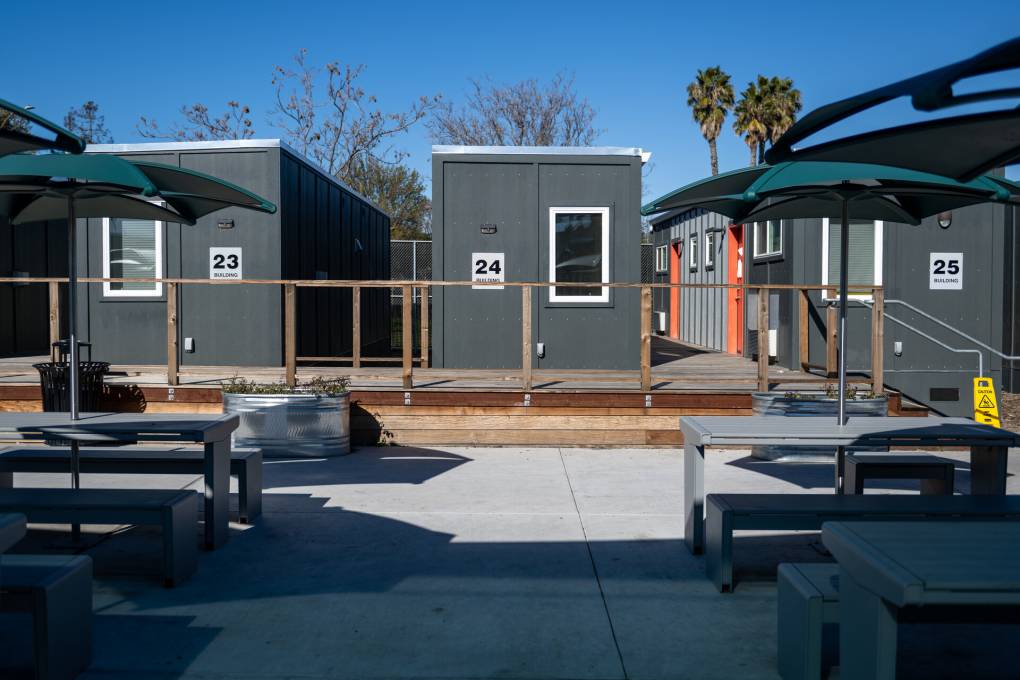
"caption": "Shipping containers converted to homes line the perimiter of Evans Lane housing, an interim housing facility located on city-owned land, in San José on Jan. 30, 2023.",
"description": null,
"title": "RS62437_007_KQED_SanJoseInterimHousing_01302023-qut",
"credit": "Beth LaBerge/KQED",
"status": "inherit",
"altTag": "Neat rows of shipping containers have been converted into housing with white windows. An outdoor courtyard with gray picnic benches and sun umbrellas decorate the front.",
"isLoading": false,
"fetchFailed": false
},
"news_11860317": {
"type": "attachments",
"id": "news_11860317",
"meta": {
"index": "attachments_1716263798",
"site": "news",
"id": "11860317",
"found": true
},
"parent": 11860308,
"imgSizes": {
"apple_news_ca_landscape_5_5": {
"file": "https://ww2.kqed.org/app/uploads/sites/10/2021/02/RS41773_007_KQED_HousingSanFrancisco_02102020_2898-qut-1044x783.jpg",
"width": 1044,
"mimeType": "image/jpeg",
"height": 783
},
"apple_news_ca_square_4_0": {
"file": "https://ww2.kqed.org/app/uploads/sites/10/2021/02/RS41773_007_KQED_HousingSanFrancisco_02102020_2898-qut-470x470.jpg",
"width": 470,
"mimeType": "image/jpeg",
"height": 470
},
"twentyfourteen-full-width": {
"file": "https://ww2.kqed.org/app/uploads/sites/10/2021/02/RS41773_007_KQED_HousingSanFrancisco_02102020_2898-qut-1038x576.jpg",
"width": 1038,
"mimeType": "image/jpeg",
"height": 576
},
"thumbnail": {
"file": "https://ww2.kqed.org/app/uploads/sites/10/2021/02/RS41773_007_KQED_HousingSanFrancisco_02102020_2898-qut-160x107.jpg",
"width": 160,
"mimeType": "image/jpeg",
"height": 107
},
"post-thumbnail": {
"file": "https://ww2.kqed.org/app/uploads/sites/10/2021/02/RS41773_007_KQED_HousingSanFrancisco_02102020_2898-qut-672x372.jpg",
"width": 672,
"mimeType": "image/jpeg",
"height": 372
},
"kqedFullSize": {
"file": "https://ww2.kqed.org/app/uploads/sites/10/2021/02/RS41773_007_KQED_HousingSanFrancisco_02102020_2898-qut.jpg",
"width": 1920,
"height": 1280
},
"apple_news_ca_landscape_4_7": {
"file": "https://ww2.kqed.org/app/uploads/sites/10/2021/02/RS41773_007_KQED_HousingSanFrancisco_02102020_2898-qut-632x474.jpg",
"width": 632,
"mimeType": "image/jpeg",
"height": 474
},
"large": {
"file": "https://ww2.kqed.org/app/uploads/sites/10/2021/02/RS41773_007_KQED_HousingSanFrancisco_02102020_2898-qut-1020x680.jpg",
"width": 1020,
"mimeType": "image/jpeg",
"height": 680
},
"apple_news_ca_landscape_4_0": {
"file": "https://ww2.kqed.org/app/uploads/sites/10/2021/02/RS41773_007_KQED_HousingSanFrancisco_02102020_2898-qut-536x402.jpg",
"width": 536,
"mimeType": "image/jpeg",
"height": 402
},
"apple_news_ca_portrait_12_9": {
"file": "https://ww2.kqed.org/app/uploads/sites/10/2021/02/RS41773_007_KQED_HousingSanFrancisco_02102020_2898-qut-1122x1280.jpg",
"width": 1122,
"mimeType": "image/jpeg",
"height": 1280
},
"medium": {
"file": "https://ww2.kqed.org/app/uploads/sites/10/2021/02/RS41773_007_KQED_HousingSanFrancisco_02102020_2898-qut-800x533.jpg",
"width": 800,
"mimeType": "image/jpeg",
"height": 533
},
"apple_news_ca_portrait_4_0": {
"file": "https://ww2.kqed.org/app/uploads/sites/10/2021/02/RS41773_007_KQED_HousingSanFrancisco_02102020_2898-qut-354x472.jpg",
"width": 354,
"mimeType": "image/jpeg",
"height": 472
},
"apple_news_ca_portrait_9_7": {
"file": "https://ww2.kqed.org/app/uploads/sites/10/2021/02/RS41773_007_KQED_HousingSanFrancisco_02102020_2898-qut-840x1120.jpg",
"width": 840,
"mimeType": "image/jpeg",
"height": 1120
},
"apple_news_ca_landscape_12_9": {
"file": "https://ww2.kqed.org/app/uploads/sites/10/2021/02/RS41773_007_KQED_HousingSanFrancisco_02102020_2898-qut-1832x1280.jpg",
"width": 1832,
"mimeType": "image/jpeg",
"height": 1280
},
"apple_news_ca_square_9_7": {
"file": "https://ww2.kqed.org/app/uploads/sites/10/2021/02/RS41773_007_KQED_HousingSanFrancisco_02102020_2898-qut-1104x1104.jpg",
"width": 1104,
"mimeType": "image/jpeg",
"height": 1104
},
"1536x1536": {
"file": "https://ww2.kqed.org/app/uploads/sites/10/2021/02/RS41773_007_KQED_HousingSanFrancisco_02102020_2898-qut-1536x1024.jpg",
"width": 1536,
"mimeType": "image/jpeg",
"height": 1024
},
"apple_news_ca_portrait_4_7": {
"file": "https://ww2.kqed.org/app/uploads/sites/10/2021/02/RS41773_007_KQED_HousingSanFrancisco_02102020_2898-qut-414x552.jpg",
"width": 414,
"mimeType": "image/jpeg",
"height": 552
},
"apple_news_ca_square_12_9": {
"file": "https://ww2.kqed.org/app/uploads/sites/10/2021/02/RS41773_007_KQED_HousingSanFrancisco_02102020_2898-qut-1472x1280.jpg",
"width": 1472,
"mimeType": "image/jpeg",
"height": 1280
},
"apple_news_ca_portrait_5_5": {
"file": "https://ww2.kqed.org/app/uploads/sites/10/2021/02/RS41773_007_KQED_HousingSanFrancisco_02102020_2898-qut-687x916.jpg",
"width": 687,
"mimeType": "image/jpeg",
"height": 916
},
"apple_news_ca_square_4_7": {
"file": "https://ww2.kqed.org/app/uploads/sites/10/2021/02/RS41773_007_KQED_HousingSanFrancisco_02102020_2898-qut-550x550.jpg",
"width": 550,
"mimeType": "image/jpeg",
"height": 550
},
"apple_news_ca_landscape_9_7": {
"file": "https://ww2.kqed.org/app/uploads/sites/10/2021/02/RS41773_007_KQED_HousingSanFrancisco_02102020_2898-qut-1376x1032.jpg",
"width": 1376,
"mimeType": "image/jpeg",
"height": 1032
},
"apple_news_ca_square_5_5": {
"file": "https://ww2.kqed.org/app/uploads/sites/10/2021/02/RS41773_007_KQED_HousingSanFrancisco_02102020_2898-qut-912x912.jpg",
"width": 912,
"mimeType": "image/jpeg",
"height": 912
}
},
"publishDate": 1613174084,
"modified": 1686702012,
"caption": "In San Francisco, nearly three-quarters of all residential land is devoted to single-family homes and duplexes, as in this view of San Francisco on Feb. 10, 2020.",
"description": null,
"title": "RS41773_007_KQED_HousingSanFrancisco_02102020_2898-qut",
"credit": "Beth LaBerge/KQED",
"status": "inherit",
"altTag": "An aerial view of houses in a major city.",
"isLoading": false,
"fetchFailed": false
},
"news_11952718": {
"type": "attachments",
"id": "news_11952718",
"meta": {
"index": "attachments_1716263798",
"site": "news",
"id": "11952718",
"found": true
},
"parent": 11952689,
"imgSizes": {
"twentyfourteen-full-width": {
"file": "https://ww2.kqed.org/app/uploads/sites/10/2023/06/RS66195_GettyImages-1322093872-qut-1038x576.jpg",
"width": 1038,
"mimeType": "image/jpeg",
"height": 576
},
"thumbnail": {
"file": "https://ww2.kqed.org/app/uploads/sites/10/2023/06/RS66195_GettyImages-1322093872-qut-160x107.jpg",
"width": 160,
"mimeType": "image/jpeg",
"height": 107
},
"post-thumbnail": {
"file": "https://ww2.kqed.org/app/uploads/sites/10/2023/06/RS66195_GettyImages-1322093872-qut-672x372.jpg",
"width": 672,
"mimeType": "image/jpeg",
"height": 372
},
"kqedFullSize": {
"file": "https://ww2.kqed.org/app/uploads/sites/10/2023/06/RS66195_GettyImages-1322093872-qut.jpg",
"width": 1920,
"height": 1280
},
"large": {
"file": "https://ww2.kqed.org/app/uploads/sites/10/2023/06/RS66195_GettyImages-1322093872-qut-1020x680.jpg",
"width": 1020,
"mimeType": "image/jpeg",
"height": 680
},
"1536x1536": {
"file": "https://ww2.kqed.org/app/uploads/sites/10/2023/06/RS66195_GettyImages-1322093872-qut-1536x1024.jpg",
"width": 1536,
"mimeType": "image/jpeg",
"height": 1024
},
"medium": {
"file": "https://ww2.kqed.org/app/uploads/sites/10/2023/06/RS66195_GettyImages-1322093872-qut-800x533.jpg",
"width": 800,
"mimeType": "image/jpeg",
"height": 533
}
},
"publishDate": 1686357552,
"modified": 1686529935,
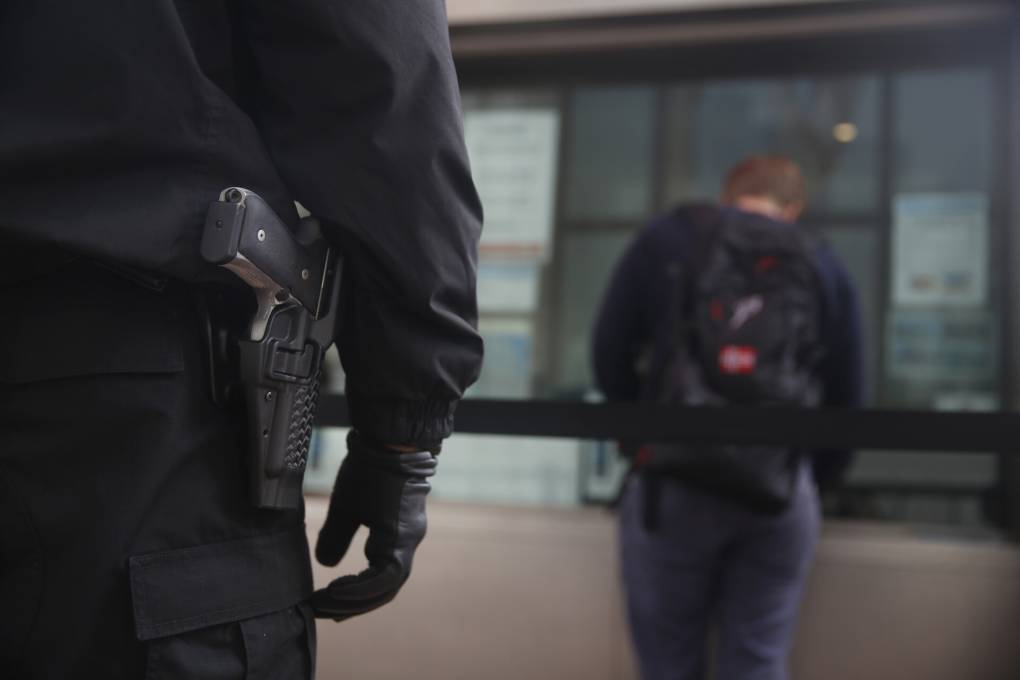
"caption": "An armed security guard stands next to the cable car fare kiosk at Powell and Market streets in San Francisco.",
"description": null,
"title": "Kasayle Howard (left), armed security guard with Cypress Security, stands next to the cable car fare kiosk while working at Powell and Market Streets on Monday, April 20, 2015 in San Francisco, Calif.",
"credit": "Lea Suzuki/The San Francisco Chronicle via Getty Images",
"status": "inherit",
"altTag": "a black-clad security guard's outstretched arm and leg are seen from behind in the left foreground, with a gun clearly visible on their hip, as a pedestrian stands with their back turned to the camera in the background",
"isLoading": false,
"fetchFailed": false
},
"news_11952046": {
"type": "attachments",
"id": "news_11952046",
"meta": {
"index": "attachments_1716263798",
"site": "news",
"id": "11952046",
"found": true
},
"parent": 11951980,
"imgSizes": {
"twentyfourteen-full-width": {
"file": "https://ww2.kqed.org/app/uploads/sites/10/2023/06/RS65973_016_KQED_EurekaValleyLibraryWifi_05302023-KQED-1038x576.jpg",
"width": 1038,
"mimeType": "image/jpeg",
"height": 576
},
"thumbnail": {
"file": "https://ww2.kqed.org/app/uploads/sites/10/2023/06/RS65973_016_KQED_EurekaValleyLibraryWifi_05302023-KQED-160x107.jpg",
"width": 160,
"mimeType": "image/jpeg",
"height": 107
},
"post-thumbnail": {
"file": "https://ww2.kqed.org/app/uploads/sites/10/2023/06/RS65973_016_KQED_EurekaValleyLibraryWifi_05302023-KQED-672x372.jpg",
"width": 672,
"mimeType": "image/jpeg",
"height": 372
},
"kqedFullSize": {
"file": "https://ww2.kqed.org/app/uploads/sites/10/2023/06/RS65973_016_KQED_EurekaValleyLibraryWifi_05302023-KQED.jpg",
"width": 1920,
"height": 1280
},
"large": {
"file": "https://ww2.kqed.org/app/uploads/sites/10/2023/06/RS65973_016_KQED_EurekaValleyLibraryWifi_05302023-KQED-1020x680.jpg",
"width": 1020,
"mimeType": "image/jpeg",
"height": 680
},
"1536x1536": {
"file": "https://ww2.kqed.org/app/uploads/sites/10/2023/06/RS65973_016_KQED_EurekaValleyLibraryWifi_05302023-KQED-1536x1024.jpg",
"width": 1536,
"mimeType": "image/jpeg",
"height": 1024
},
"medium": {
"file": "https://ww2.kqed.org/app/uploads/sites/10/2023/06/RS65973_016_KQED_EurekaValleyLibraryWifi_05302023-KQED-800x533.jpg",
"width": 800,
"mimeType": "image/jpeg",
"height": 533
}
},
"publishDate": 1685729513,
"modified": 1685732615,
"caption": "Flowers grow at the entrance to the Eureka Valley/ Harvey Milk Memorial Branch of the San Francisco Public Library in the Castro neighborhood of San Francisco on May 30, 2023.",
"description": null,
"title": "RS65973_016_KQED_EurekaValleyLibraryWifi_05302023-KQED",
"credit": "Beth LaBerge/KQED",
"status": "inherit",
"altTag": "Writing on a brick wall that reads \"Eureka Valley Harvey Milk Branch San Francisco Public Library\"",
"isLoading": false,
"fetchFailed": false
},
"news_11952369": {
"type": "attachments",
"id": "news_11952369",
"meta": {
"index": "attachments_1716263798",
"site": "news",
"id": "11952369",
"found": true
},
"parent": 11952349,
"imgSizes": {
"twentyfourteen-full-width": {
"file": "https://ww2.kqed.org/app/uploads/sites/10/2023/06/GettyImages-1228141136-1024x576.jpg",
"width": 1024,
"mimeType": "image/jpeg",
"height": 576
},
"thumbnail": {
"file": "https://ww2.kqed.org/app/uploads/sites/10/2023/06/GettyImages-1228141136-160x110.jpg",
"width": 160,
"mimeType": "image/jpeg",
"height": 110
},
"post-thumbnail": {
"file": "https://ww2.kqed.org/app/uploads/sites/10/2023/06/GettyImages-1228141136-672x372.jpg",
"width": 672,
"mimeType": "image/jpeg",
"height": 372
},
"kqedFullSize": {
"file": "https://ww2.kqed.org/app/uploads/sites/10/2023/06/GettyImages-1228141136.jpg",
"width": 1024,
"height": 702
},
"large": {
"file": "https://ww2.kqed.org/app/uploads/sites/10/2023/06/GettyImages-1228141136-1020x699.jpg",
"width": 1020,
"mimeType": "image/jpeg",
"height": 699
},
"medium": {
"file": "https://ww2.kqed.org/app/uploads/sites/10/2023/06/GettyImages-1228141136-800x548.jpg",
"width": 800,
"mimeType": "image/jpeg",
"height": 548
}
},
"publishDate": 1686079210,
"modified": 1686084778,
"caption": "Renters and housing advocates attend a protest to cancel rent and avoid evictions amid the COVID pandemic on Aug. 21, 2020, in Los Angeles.",
"description": null,
"title": "US-ECONOMY-RENT-VIRUS-HEALTH",
"credit": "Valerie Macon/AFP via Getty Images",
"status": "inherit",
"altTag": "Four people wearing masks and glasses holding colorful signs that read \"End all evictions\" in English and Spanish.",
"isLoading": false,
"fetchFailed": false
},
"news_11952219": {
"type": "attachments",
"id": "news_11952219",
"meta": {
"index": "attachments_1716263798",
"site": "news",
"id": "11952219",
"found": true
},
"parent": 0,
"imgSizes": {
"twentyfourteen-full-width": {
"file": "https://ww2.kqed.org/app/uploads/sites/10/2023/06/060523-COURT-JUDGE-GETTY-IK-KQED-1038x576.jpg",
"width": 1038,
"mimeType": "image/jpeg",
"height": 576
},
"thumbnail": {
"file": "https://ww2.kqed.org/app/uploads/sites/10/2023/06/060523-COURT-JUDGE-GETTY-IK-KQED-160x107.jpg",
"width": 160,
"mimeType": "image/jpeg",
"height": 107
},
"post-thumbnail": {
"file": "https://ww2.kqed.org/app/uploads/sites/10/2023/06/060523-COURT-JUDGE-GETTY-IK-KQED-672x372.jpg",
"width": 672,
"mimeType": "image/jpeg",
"height": 372
},
"kqedFullSize": {
"file": "https://ww2.kqed.org/app/uploads/sites/10/2023/06/060523-COURT-JUDGE-GETTY-IK-KQED.jpg",
"width": 1920,
"height": 1280
},
"large": {
"file": "https://ww2.kqed.org/app/uploads/sites/10/2023/06/060523-COURT-JUDGE-GETTY-IK-KQED-1020x680.jpg",
"width": 1020,
"mimeType": "image/jpeg",
"height": 680
},
"1536x1536": {
"file": "https://ww2.kqed.org/app/uploads/sites/10/2023/06/060523-COURT-JUDGE-GETTY-IK-KQED-1536x1024.jpg",
"width": 1536,
"mimeType": "image/jpeg",
"height": 1024
},
"medium": {
"file": "https://ww2.kqed.org/app/uploads/sites/10/2023/06/060523-COURT-JUDGE-GETTY-IK-KQED-800x533.jpg",
"width": 800,
"mimeType": "image/jpeg",
"height": 533
}
},
"publishDate": 1685996648,
"modified": 1696359688,
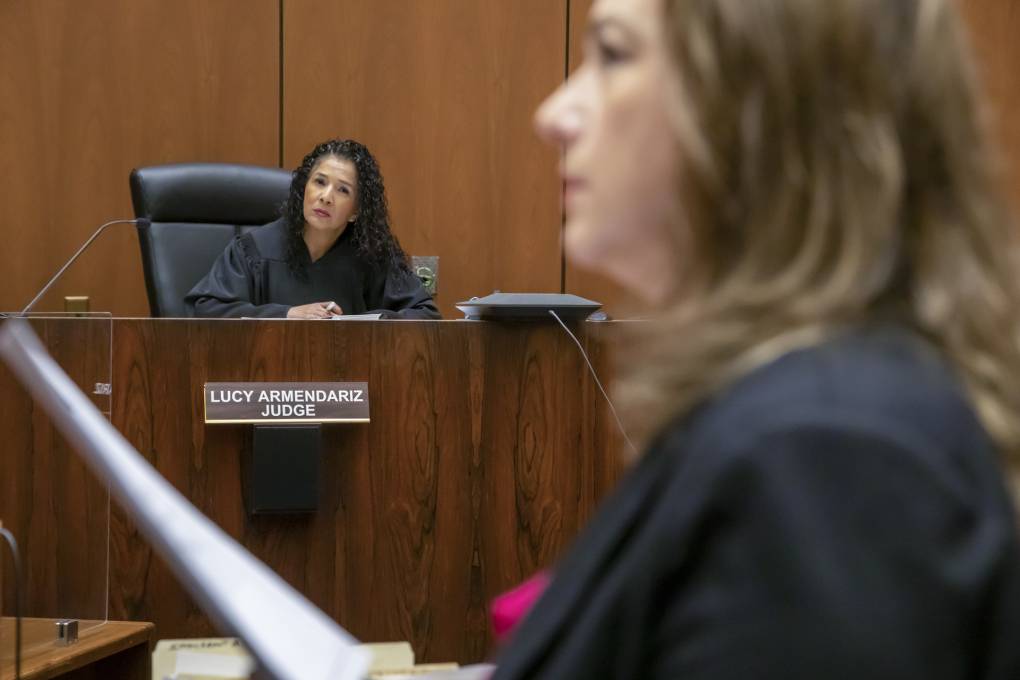
"caption": "A judge presides over a courtroom in Los Angeles on May 24, 2023. San Francisco is among 8 California counties this year, including Los Angeles, poised to implement CARE Courts, which allow first responders, family members, clinicians and others to ask a judge to order treatment plans for people diagnosed with schizophrenia and other psychotic disorders.",
"description": null,
"title": null,
"credit": "Irfan Khan/Los Angeles Times via Getty Images",
"status": "inherit",
"altTag": "A judge presides over a wood-paneled courtroom and looks at a defense attorney.",
"isLoading": false,
"fetchFailed": false
},
"news_11952044": {
"type": "attachments",
"id": "news_11952044",
"meta": {
"index": "attachments_1716263798",
"site": "news",
"id": "11952044",
"found": true
},
"parent": 0,
"imgSizes": {
"twentyfourteen-full-width": {
"file": "https://ww2.kqed.org/app/uploads/sites/10/2023/06/RS65967_004_KQED_EurekaValleyLibraryWifi_05302023-KQED-1038x576.jpg",
"width": 1038,
"mimeType": "image/jpeg",
"height": 576
},
"thumbnail": {
"file": "https://ww2.kqed.org/app/uploads/sites/10/2023/06/RS65967_004_KQED_EurekaValleyLibraryWifi_05302023-KQED-160x107.jpg",
"width": 160,
"mimeType": "image/jpeg",
"height": 107
},
"post-thumbnail": {
"file": "https://ww2.kqed.org/app/uploads/sites/10/2023/06/RS65967_004_KQED_EurekaValleyLibraryWifi_05302023-KQED-672x372.jpg",
"width": 672,
"mimeType": "image/jpeg",
"height": 372
},
"kqedFullSize": {
"file": "https://ww2.kqed.org/app/uploads/sites/10/2023/06/RS65967_004_KQED_EurekaValleyLibraryWifi_05302023-KQED.jpg",
"width": 1920,
"height": 1280
},
"large": {
"file": "https://ww2.kqed.org/app/uploads/sites/10/2023/06/RS65967_004_KQED_EurekaValleyLibraryWifi_05302023-KQED-1020x680.jpg",
"width": 1020,
"mimeType": "image/jpeg",
"height": 680
},
"1536x1536": {
"file": "https://ww2.kqed.org/app/uploads/sites/10/2023/06/RS65967_004_KQED_EurekaValleyLibraryWifi_05302023-KQED-1536x1024.jpg",
"width": 1536,
"mimeType": "image/jpeg",
"height": 1024
},
"medium": {
"file": "https://ww2.kqed.org/app/uploads/sites/10/2023/06/RS65967_004_KQED_EurekaValleyLibraryWifi_05302023-KQED-800x533.jpg",
"width": 800,
"mimeType": "image/jpeg",
"height": 533
}
},
"publishDate": 1685729353,
"modified": 1685747676,
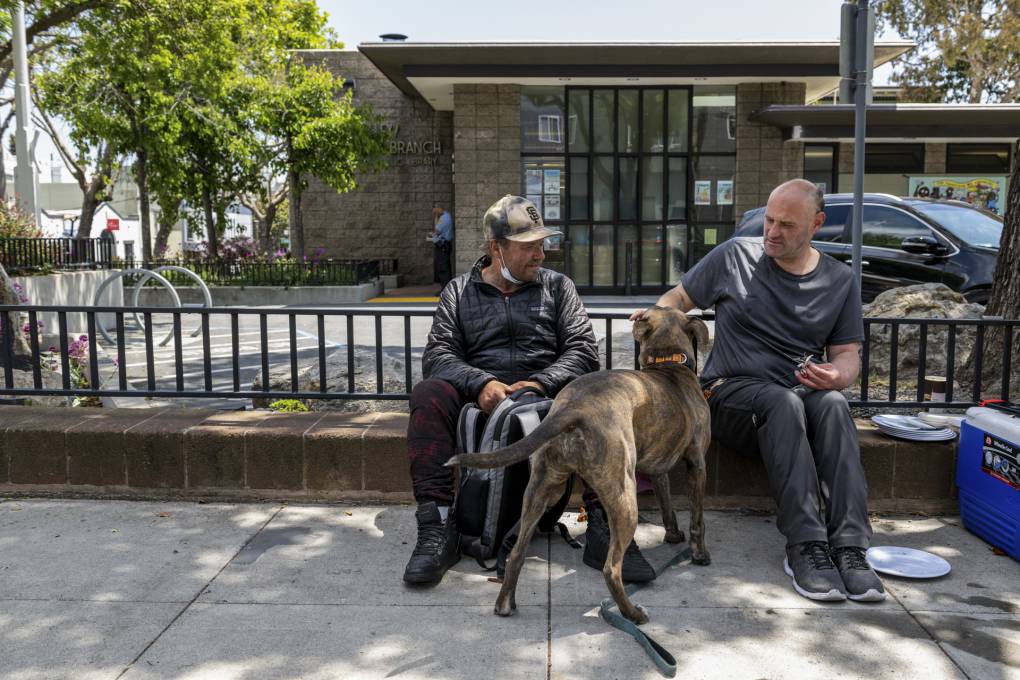
"caption": "Joe, known as Rebel (left), and Hollywood sit outside the Eureka Valley/Harvey Milk Memorial Branch of the San Francisco Public Library in the Castro neighborhood of San Francisco on May 30, 2023.",
"description": null,
"title": "RS65967_004_KQED_EurekaValleyLibraryWifi_05302023-KQED",
"credit": "Beth LaBerge/KQED",
"status": "inherit",
"altTag": "Two middle-aged white men sit on a bench in front of a building as one of them pets a dog.",
"isLoading": false,
"fetchFailed": false
},
"news_11952050": {
"type": "attachments",
"id": "news_11952050",
"meta": {
"index": "attachments_1716263798",
"site": "news",
"id": "11952050",
"found": true
},
"parent": 11951980,
"imgSizes": {
"twentyfourteen-full-width": {
"file": "https://ww2.kqed.org/app/uploads/sites/10/2023/06/RS53882_007_KQED_HotelWhitcomb_Dawn_02182022-qut-1038x576.jpg",
"width": 1038,
"mimeType": "image/jpeg",
"height": 576
},
"thumbnail": {
"file": "https://ww2.kqed.org/app/uploads/sites/10/2023/06/RS53882_007_KQED_HotelWhitcomb_Dawn_02182022-qut-160x107.jpg",
"width": 160,
"mimeType": "image/jpeg",
"height": 107
},
"post-thumbnail": {
"file": "https://ww2.kqed.org/app/uploads/sites/10/2023/06/RS53882_007_KQED_HotelWhitcomb_Dawn_02182022-qut-672x372.jpg",
"width": 672,
"mimeType": "image/jpeg",
"height": 372
},
"kqedFullSize": {
"file": "https://ww2.kqed.org/app/uploads/sites/10/2023/06/RS53882_007_KQED_HotelWhitcomb_Dawn_02182022-qut.jpg",
"width": 1920,
"height": 1280
},
"large": {
"file": "https://ww2.kqed.org/app/uploads/sites/10/2023/06/RS53882_007_KQED_HotelWhitcomb_Dawn_02182022-qut-1020x680.jpg",
"width": 1020,
"mimeType": "image/jpeg",
"height": 680
},
"1536x1536": {
"file": "https://ww2.kqed.org/app/uploads/sites/10/2023/06/RS53882_007_KQED_HotelWhitcomb_Dawn_02182022-qut-1536x1024.jpg",
"width": 1536,
"mimeType": "image/jpeg",
"height": 1024
},
"medium": {
"file": "https://ww2.kqed.org/app/uploads/sites/10/2023/06/RS53882_007_KQED_HotelWhitcomb_Dawn_02182022-qut-800x533.jpg",
"width": 800,
"mimeType": "image/jpeg",
"height": 533
}
},
"publishDate": 1685730247,
"modified": 1685733454,
"caption": "The owners of Hotel Whitcomb on Market Street filed a complaint against San Francisco on April 13, 2023. The historic hotel alleges that it endured millions in property damages resulting in loss of use from the city's shelter-in-place hotel program, Project Roomkey.",
"description": null,
"title": "RS53882_007_KQED_HotelWhitcomb_Dawn_02182022-qut",
"credit": "Beth LaBerge/KQED",
"status": "inherit",
"altTag": "A tall hotel building is seen in the distance with many rectangular windows. A woman has her back to the camera as she stands staring to her right. The sun is shining on parts of the building, but it is mostly in shade.",
"isLoading": false,
"fetchFailed": false
},
"news_11951934": {
"type": "attachments",
"id": "news_11951934",
"meta": {
"index": "attachments_1716263798",
"site": "news",
"id": "11951934",
"found": true
},
"parent": 11951923,
"imgSizes": {
"twentyfourteen-full-width": {
"file": "https://ww2.kqed.org/app/uploads/sites/10/2023/06/AP23152014505846-1038x576.jpg",
"width": 1038,
"mimeType": "image/jpeg",
"height": 576
},
"thumbnail": {
"file": "https://ww2.kqed.org/app/uploads/sites/10/2023/06/AP23152014505846-160x107.jpg",
"width": 160,
"mimeType": "image/jpeg",
"height": 107
},
"post-thumbnail": {
"file": "https://ww2.kqed.org/app/uploads/sites/10/2023/06/AP23152014505846-672x372.jpg",
"width": 672,
"mimeType": "image/jpeg",
"height": 372
},
"kqedFullSize": {
"file": "https://ww2.kqed.org/app/uploads/sites/10/2023/06/AP23152014505846-scaled.jpg",
"width": 2560,
"height": 1707
},
"2048x2048": {
"file": "https://ww2.kqed.org/app/uploads/sites/10/2023/06/AP23152014505846-2048x1365.jpg",
"width": 2048,
"mimeType": "image/jpeg",
"height": 1365
},
"large": {
"file": "https://ww2.kqed.org/app/uploads/sites/10/2023/06/AP23152014505846-1020x680.jpg",
"width": 1020,
"mimeType": "image/jpeg",
"height": 680
},
"1536x1536": {
"file": "https://ww2.kqed.org/app/uploads/sites/10/2023/06/AP23152014505846-1536x1024.jpg",
"width": 1536,
"mimeType": "image/jpeg",
"height": 1024
},
"full-width": {
"file": "https://ww2.kqed.org/app/uploads/sites/10/2023/06/AP23152014505846-1920x1280.jpg",
"width": 1920,
"mimeType": "image/jpeg",
"height": 1280
},
"medium": {
"file": "https://ww2.kqed.org/app/uploads/sites/10/2023/06/AP23152014505846-800x533.jpg",
"width": 800,
"mimeType": "image/jpeg",
"height": 533
}
},
"publishDate": 1685644219,
"modified": 1685658794,
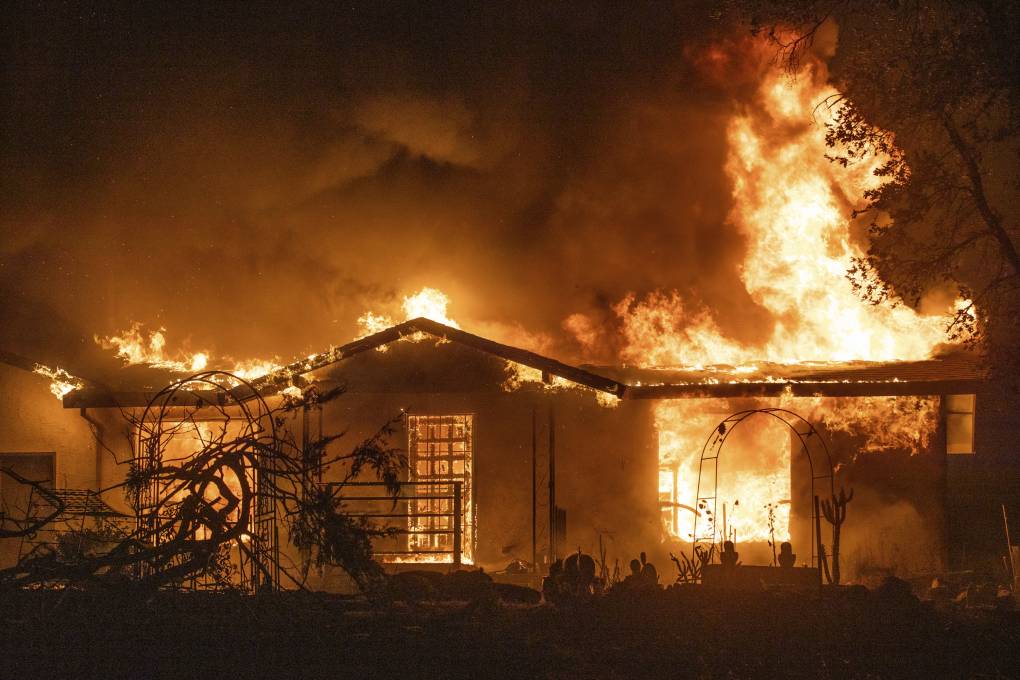
"caption": "A house burns on Platina Road during the Zogg Fire near Ono on Sept. 27, 2020. ",
"description": null,
"title": "California Wildfire Utility",
"credit": "Ethan Swope/The Associated Press",
"status": "inherit",
"altTag": "In a nighttime photo lit dramatically by orange flames, a single-story home burns brightly, with the photo taken from the end of a driveway or yard.",
"isLoading": false,
"fetchFailed": false
},
"news_11950989": {
"type": "attachments",
"id": "news_11950989",
"meta": {
"index": "attachments_1716263798",
"site": "news",
"id": "11950989",
"found": true
},
"parent": 11950967,
"imgSizes": {
"twentyfourteen-full-width": {
"file": "https://ww2.kqed.org/app/uploads/sites/10/2023/05/GettyImages-1245879513-1024x576.jpg",
"width": 1024,
"mimeType": "image/jpeg",
"height": 576
},
"thumbnail": {
"file": "https://ww2.kqed.org/app/uploads/sites/10/2023/05/GettyImages-1245879513-160x107.jpg",
"width": 160,
"mimeType": "image/jpeg",
"height": 107
},
"post-thumbnail": {
"file": "https://ww2.kqed.org/app/uploads/sites/10/2023/05/GettyImages-1245879513-672x372.jpg",
"width": 672,
"mimeType": "image/jpeg",
"height": 372
},
"kqedFullSize": {
"file": "https://ww2.kqed.org/app/uploads/sites/10/2023/05/GettyImages-1245879513.jpg",
"width": 1024,
"height": 683
},
"large": {
"file": "https://ww2.kqed.org/app/uploads/sites/10/2023/05/GettyImages-1245879513-1020x680.jpg",
"width": 1020,
"mimeType": "image/jpeg",
"height": 680
},
"medium": {
"file": "https://ww2.kqed.org/app/uploads/sites/10/2023/05/GettyImages-1245879513-800x534.jpg",
"width": 800,
"mimeType": "image/jpeg",
"height": 534
}
},
"publishDate": 1685140876,
"modified": 1685145631,
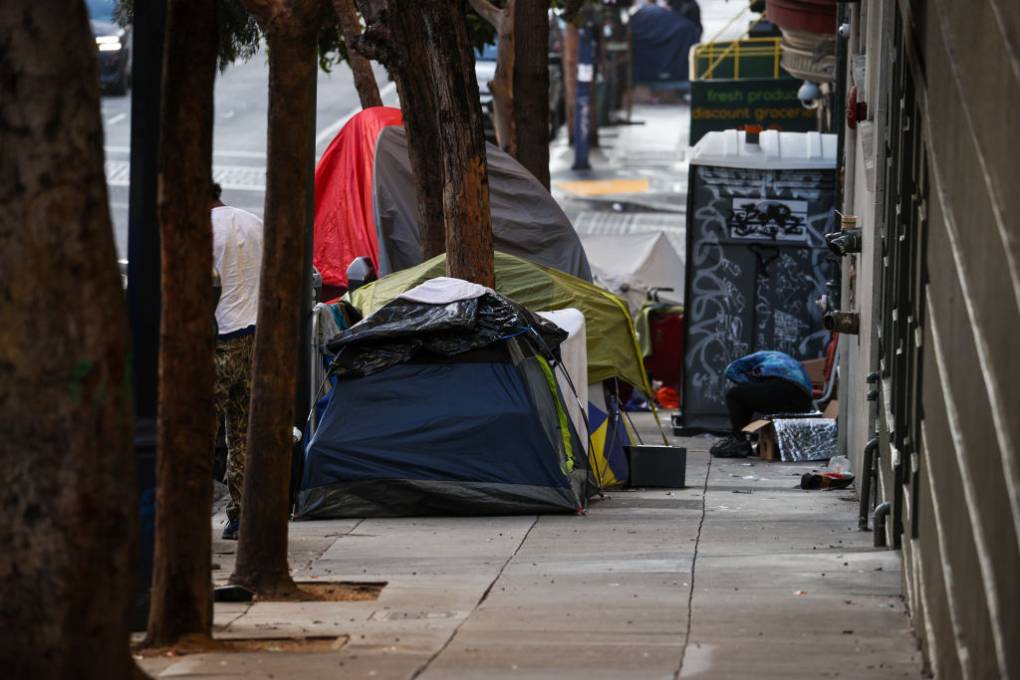
"caption": "Tents are seen on a sidewalk in the Tenderloin district of San Francisco on Dec. 28, 2022.",
"description": null,
"title": "Judge temporarily blocks homeless encampment cleanup in San Francisco",
"credit": "Tayfun Coskun/Anadolu Agency via Getty Images",
"status": "inherit",
"altTag": "Tents on a sidewalk in a city.",
"isLoading": false,
"fetchFailed": false
},
"news_11950496": {
"type": "attachments",
"id": "news_11950496",
"meta": {
"index": "attachments_1716263798",
"site": "news",
"id": "11950496",
"found": true
},
"parent": 0,
"imgSizes": {
"twentyfourteen-full-width": {
"file": "https://ww2.kqed.org/app/uploads/sites/10/2023/05/RS62440_008_KQED_SanJoseInterimHousing_01302023-qut-1038x576.jpg",
"width": 1038,
"mimeType": "image/jpeg",
"height": 576
},
"thumbnail": {
"file": "https://ww2.kqed.org/app/uploads/sites/10/2023/05/RS62440_008_KQED_SanJoseInterimHousing_01302023-qut-160x107.jpg",
"width": 160,
"mimeType": "image/jpeg",
"height": 107
},
"post-thumbnail": {
"file": "https://ww2.kqed.org/app/uploads/sites/10/2023/05/RS62440_008_KQED_SanJoseInterimHousing_01302023-qut-672x372.jpg",
"width": 672,
"mimeType": "image/jpeg",
"height": 372
},
"kqedFullSize": {
"file": "https://ww2.kqed.org/app/uploads/sites/10/2023/05/RS62440_008_KQED_SanJoseInterimHousing_01302023-qut.jpg",
"width": 1920,
"height": 1280
},
"large": {
"file": "https://ww2.kqed.org/app/uploads/sites/10/2023/05/RS62440_008_KQED_SanJoseInterimHousing_01302023-qut-1020x680.jpg",
"width": 1020,
"mimeType": "image/jpeg",
"height": 680
},
"1536x1536": {
"file": "https://ww2.kqed.org/app/uploads/sites/10/2023/05/RS62440_008_KQED_SanJoseInterimHousing_01302023-qut-1536x1024.jpg",
"width": 1536,
"mimeType": "image/jpeg",
"height": 1024
},
"medium": {
"file": "https://ww2.kqed.org/app/uploads/sites/10/2023/05/RS62440_008_KQED_SanJoseInterimHousing_01302023-qut-800x533.jpg",
"width": 800,
"mimeType": "image/jpeg",
"height": 533
}
},
"publishDate": 1684875470,
"modified": 1684972698,
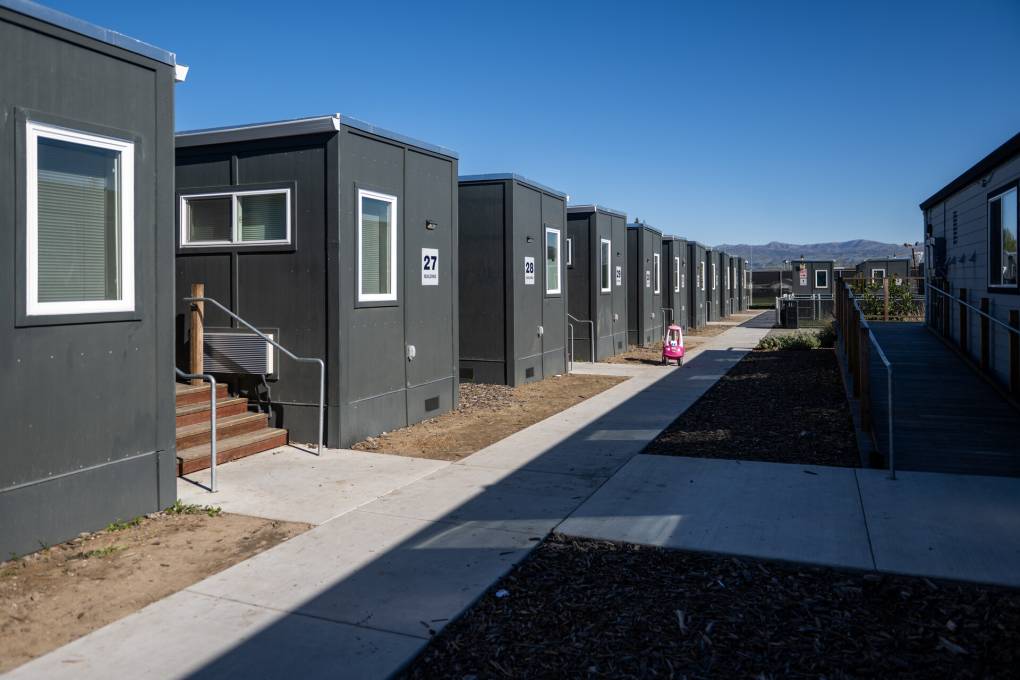
"caption": "Shipping containers converted to homes line the perimeter of Evans Lane housing, an interim housing facility located on city-owned land in San José, on Jan. 30, 2023.",
"description": null,
"title": "RS62440_008_KQED_SanJoseInterimHousing_01302023-qut",
"credit": "Beth LaBerge/KQED",
"status": "inherit",
"altTag": "Neat rows of gray shipping containers have been converted into housing. A kid's Little Tikes car in yellow and red is seen on the sidewalk in the distance.",
"isLoading": false,
"fetchFailed": false
},
"news_11950215": {
"type": "attachments",
"id": "news_11950215",
"meta": {
"index": "attachments_1716263798",
"site": "news",
"id": "11950215",
"found": true
},
"parent": 11950199,
"imgSizes": {
"twentyfourteen-full-width": {
"file": "https://ww2.kqed.org/app/uploads/sites/10/2023/05/RS43046_018_KQED_SanFrancisco_TentEncampments_05052020-qut-1038x576.jpg",
"width": 1038,
"mimeType": "image/jpeg",
"height": 576
},
"thumbnail": {
"file": "https://ww2.kqed.org/app/uploads/sites/10/2023/05/RS43046_018_KQED_SanFrancisco_TentEncampments_05052020-qut-160x107.jpg",
"width": 160,
"mimeType": "image/jpeg",
"height": 107
},
"post-thumbnail": {
"file": "https://ww2.kqed.org/app/uploads/sites/10/2023/05/RS43046_018_KQED_SanFrancisco_TentEncampments_05052020-qut-672x372.jpg",
"width": 672,
"mimeType": "image/jpeg",
"height": 372
},
"kqedFullSize": {
"file": "https://ww2.kqed.org/app/uploads/sites/10/2023/05/RS43046_018_KQED_SanFrancisco_TentEncampments_05052020-qut.jpg",
"width": 1920,
"height": 1280
},
"large": {
"file": "https://ww2.kqed.org/app/uploads/sites/10/2023/05/RS43046_018_KQED_SanFrancisco_TentEncampments_05052020-qut-1020x680.jpg",
"width": 1020,
"mimeType": "image/jpeg",
"height": 680
},
"1536x1536": {
"file": "https://ww2.kqed.org/app/uploads/sites/10/2023/05/RS43046_018_KQED_SanFrancisco_TentEncampments_05052020-qut-1536x1024.jpg",
"width": 1536,
"mimeType": "image/jpeg",
"height": 1024
},
"medium": {
"file": "https://ww2.kqed.org/app/uploads/sites/10/2023/05/RS43046_018_KQED_SanFrancisco_TentEncampments_05052020-qut-800x533.jpg",
"width": 800,
"mimeType": "image/jpeg",
"height": 533
}
},
"publishDate": 1684520251,
"modified": 1684866517,
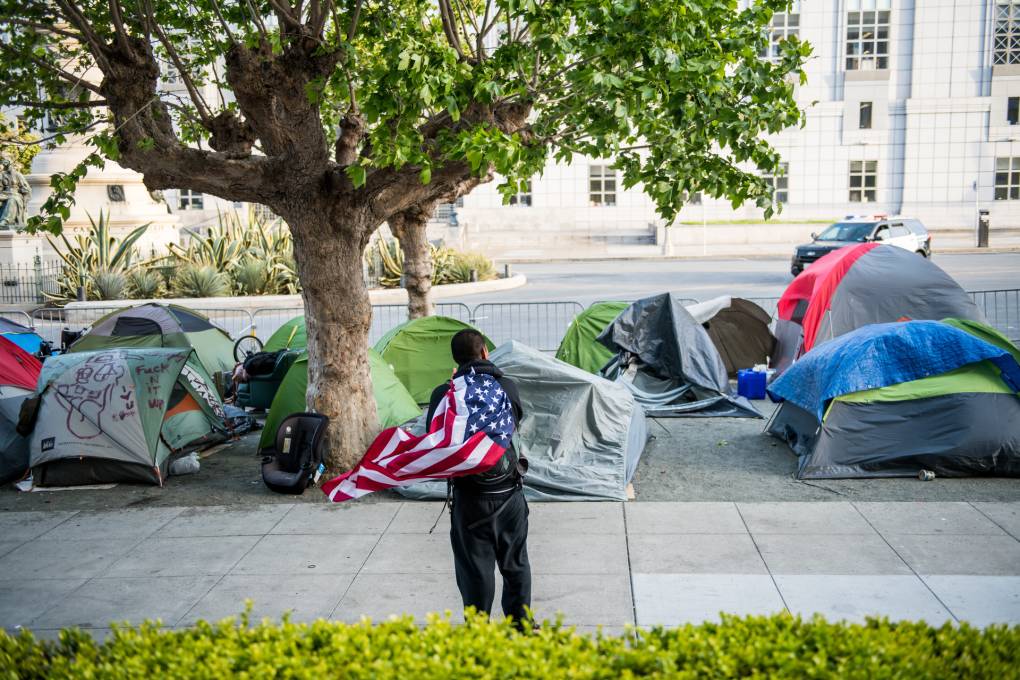
"caption": "Tents line Fulton Street near San Francisco City Hall on April 5, 2020.",
"description": null,
"title": "Tents line Fulton Street near City Hall on April 5, 2020.",
"credit": "Beth LaBerge/KQED",
"status": "inherit",
"altTag": "A man stands on a sidewalk with an American flag in red, white and blue, hanging over his shoulders. In front of him, a row of tents line the road. A large tree with bright, green leaves shades the tents.",
"isLoading": false,
"fetchFailed": false
}
},
"audioPlayerReducer": {
"postId": "stream_live",
"isPaused": true,
"isPlaying": false,
"pfsActive": false,
"pledgeModalIsOpen": true,
"playerDrawerIsOpen": false,
"liveAudioPlayStartedAt": 0,
"liveAudioPlayContext": ""
},
"authorsReducer": {
"byline_news_11952870": {
"type": "authors",
"id": "byline_news_11952870",
"meta": {
"override": true
},
"slug": "byline_news_11952870",
"name": "\u003ca href=\"https://calmatters.org/author/marisa-kendall\">Marisa Kendall\u003c/a>",
"isLoading": false
},
"byline_news_11952349": {
"type": "authors",
"id": "byline_news_11952349",
"meta": {
"override": true
},
"slug": "byline_news_11952349",
"name": "\u003ca href=\"https://calmatters.org/author/ben-christopher/\">Ben Christopher\u003c/a>",
"isLoading": false
},
"byline_news_11951923": {
"type": "authors",
"id": "byline_news_11951923",
"meta": {
"override": true
},
"slug": "byline_news_11951923",
"name": "Ben Christopher and Grace Gedye",
"isLoading": false
},
"byline_news_11950199": {
"type": "authors",
"id": "byline_news_11950199",
"meta": {
"override": true
},
"slug": "byline_news_11950199",
"name": "\u003ca href=\"https://twitter.com/WeberCM\">Christopher Weber\u003c/a>\u003cbr>The Associated Press",
"isLoading": false
},
"gmarzorati": {
"type": "authors",
"id": "227",
"meta": {
"index": "authors_1716337520",
"id": "227",
"found": true
},
"name": "Guy Marzorati",
"firstName": "Guy",
"lastName": "Marzorati",
"slug": "gmarzorati",
"email": "gmarzorati@KQED.org",
"display_author_email": true,
"staff_mastheads": [
"news"
],
"title": "Correspondent",
"bio": "Guy Marzorati is a correspondent on KQED's California Politics and Government Desk, based in San Jose. A graduate of Santa Clara University, Guy joined KQED in 2013. He reports on state and local politics and produces KQED's digital voter guide.",
"avatar": "https://secure.gravatar.com/avatar/e7038b8dbfd55b104369b76b1cd0b9de?s=600&d=blank&r=g",
"twitter": "guymarzorati",
"facebook": null,
"instagram": null,
"linkedin": null,
"sites": [
{
"site": "",
"roles": [
"editor"
]
},
{
"site": "news",
"roles": [
"editor"
]
},
{
"site": "science",
"roles": [
"editor"
]
},
{
"site": "forum",
"roles": [
"editor"
]
},
{
"site": "elections",
"roles": [
"editor"
]
},
{
"site": "liveblog",
"roles": [
"editor"
]
}
],
"headData": {
"title": "Guy Marzorati | KQED",
"description": "Correspondent",
"ogImgSrc": "https://secure.gravatar.com/avatar/e7038b8dbfd55b104369b76b1cd0b9de?s=600&d=blank&r=g",
"twImgSrc": "https://secure.gravatar.com/avatar/e7038b8dbfd55b104369b76b1cd0b9de?s=600&d=blank&r=g"
},
"isLoading": false,
"link": "/author/gmarzorati"
},
"scottshafer": {
"type": "authors",
"id": "255",
"meta": {
"index": "authors_1716337520",
"id": "255",
"found": true
},
"name": "Scott Shafer",
"firstName": "Scott",
"lastName": "Shafer",
"slug": "scottshafer",
"email": "sshafer@kqed.org",
"display_author_email": false,
"staff_mastheads": [
"news"
],
"title": "KQED Contributor",
"bio": "Scott Shafer is a senior editor with the KQED Politics and Government desk. He is co-host of Political Breakdown, the award-winning radio show and podcast with a personal take on the world of politics. Scott came to KQED in 1998 to host the statewide\u003cem> California Report\u003c/em>. Prior to that he had extended stints in politics and government\u003cem>.\u003c/em> He uses that inside experience at KQED in his, reporting, hosting and analysis for the politics desk. Scott collaborated \u003cem>Political Breakdown a\u003c/em>nd on \u003cem>The Political Mind of Jerry Brown, \u003c/em>an eight-part series about the life and extraordinary political career of the former governor. For fun, he plays water polo with the San Francisco Tsunami.",
"avatar": "https://secure.gravatar.com/avatar/a62ebae45b79d7aed1a39a0e3bf68104?s=600&d=blank&r=g",
"twitter": "scottshafer",
"bluesky": null,
"facebook": null,
"instagram": null,
"linkedin": null,
"sites": [
{
"site": "news",
"roles": [
"editor"
]
},
{
"site": "stateofhealth",
"roles": [
"author"
]
},
{
"site": "science",
"roles": [
"author"
]
},
{
"site": "forum",
"roles": [
"subscriber"
]
},
{
"site": "liveblog",
"roles": [
"author"
]
}
],
"headData": {
"title": "Scott Shafer | KQED",
"description": "KQED Contributor",
"ogImgSrc": "https://secure.gravatar.com/avatar/a62ebae45b79d7aed1a39a0e3bf68104?s=600&d=blank&r=g",
"twImgSrc": "https://secure.gravatar.com/avatar/a62ebae45b79d7aed1a39a0e3bf68104?s=600&d=blank&r=g"
},
"isLoading": false,
"link": "/author/scottshafer"
},
"mlagos": {
"type": "authors",
"id": "3239",
"meta": {
"index": "authors_1716337520",
"id": "3239",
"found": true
},
"name": "Marisa Lagos",
"firstName": "Marisa",
"lastName": "Lagos",
"slug": "mlagos",
"email": "mlagos@kqed.org",
"display_author_email": false,
"staff_mastheads": [
"news"
],
"title": "KQED Contributor",
"bio": "Marisa Lagos is a correspondent for KQED’s California Politics and Government Desk and co-hosts the award-winning show and podcast, Political Breakdown. At KQED, Lagos also conducts reporting, analysis and investigations into state, local and national politics for radio, TV, online and onstage. In 2022, she and co-host, Scott Shafer, moderated the only gubernatorial debate in California. In 2020, the \u003ci>Washington Post\u003c/i> named her one of the top political journalists in California; she was nominated for a Peabody and won several other awards for her work investigating the 2017 California wildfires. She has worked at the \u003ci>San Francisco Chronicle\u003c/i>, \u003ci>San Francisco Examiner\u003c/i> and \u003ci>Los Angeles Times\u003c/i>. A UC Santa Barbara graduate, she lives in San Francisco with her two sons and husband.",
"avatar": "https://secure.gravatar.com/avatar/a261a0d3696fc066871ef96b85b5e7d2?s=600&d=blank&r=g",
"twitter": "@mlagos",
"facebook": null,
"instagram": null,
"linkedin": null,
"sites": [
{
"site": "arts",
"roles": [
"author"
]
},
{
"site": "news",
"roles": [
"editor"
]
},
{
"site": "science",
"roles": [
"editor"
]
},
{
"site": "forum",
"roles": [
"author"
]
},
{
"site": "liveblog",
"roles": [
"author"
]
}
],
"headData": {
"title": "Marisa Lagos | KQED",
"description": "KQED Contributor",
"ogImgSrc": "https://secure.gravatar.com/avatar/a261a0d3696fc066871ef96b85b5e7d2?s=600&d=blank&r=g",
"twImgSrc": "https://secure.gravatar.com/avatar/a261a0d3696fc066871ef96b85b5e7d2?s=600&d=blank&r=g"
},
"isLoading": false,
"link": "/author/mlagos"
},
"ecruzguevarra": {
"type": "authors",
"id": "8654",
"meta": {
"index": "authors_1716337520",
"id": "8654",
"found": true
},
"name": "Ericka Cruz Guevarra",
"firstName": "Ericka",
"lastName": "Cruz Guevarra",
"slug": "ecruzguevarra",
"email": "ecruzguevarra@kqed.org",
"display_author_email": true,
"staff_mastheads": [
"news"
],
"title": "Producer, The Bay Podcast",
"bio": "Ericka Cruz Guevarra is host of \u003ca href=\"https://www.kqed.org/podcasts/thebay\">\u003cem>The Bay\u003c/em>\u003c/a> podcast at KQED. Before host, she was the show’s producer. Her work in that capacity includes a three-part reported series on policing in Vallejo, which won a 2020 excellence in journalism award from the Society of Professional Journalists. Ericka has worked as a breaking news reporter at Oregon Public Broadcasting, helped produce the Code Switch podcast, and was KQED’s inaugural Raul Ramirez Diversity Fund intern. She’s also an alumna of NPR’s Next Generation Radio program. Send her an email if you have strong feelings about whether Fairfield and Suisun City are the Bay. Ericka is represented by SAG-AFTRA.",
"avatar": "https://secure.gravatar.com/avatar/accefc1de4bafc7e234b69bcb9b6f6536c130fd84709bc3069ef11a78787e1bb?s=600&d=blank&r=g",
"twitter": "NotoriousECG",
"bluesky": null,
"facebook": null,
"instagram": null,
"linkedin": null,
"sites": [
{
"site": "arts",
"roles": [
"subscriber"
]
},
{
"site": "news",
"roles": [
"editor",
"manage_categories"
]
},
{
"site": "futureofyou",
"roles": [
"subscriber"
]
},
{
"site": "stateofhealth",
"roles": [
"subscriber"
]
},
{
"site": "science",
"roles": [
"editor"
]
},
{
"site": "forum",
"roles": [
"subscriber"
]
}
],
"headData": {
"title": "Ericka Cruz Guevarra | KQED",
"description": "Producer, The Bay Podcast",
"ogImgSrc": "https://secure.gravatar.com/avatar/accefc1de4bafc7e234b69bcb9b6f6536c130fd84709bc3069ef11a78787e1bb?s=600&d=blank&r=g",
"twImgSrc": "https://secure.gravatar.com/avatar/accefc1de4bafc7e234b69bcb9b6f6536c130fd84709bc3069ef11a78787e1bb?s=600&d=blank&r=g"
},
"isLoading": false,
"link": "/author/ecruzguevarra"
},
"vrancano": {
"type": "authors",
"id": "11276",
"meta": {
"index": "authors_1716337520",
"id": "11276",
"found": true
},
"name": "Vanessa Rancaño",
"firstName": "Vanessa",
"lastName": "Rancaño",
"slug": "vrancano",
"email": "vrancano@kqed.org",
"display_author_email": false,
"staff_mastheads": [
"news"
],
"title": "Reporter",
"bio": "Vanessa Rancaño is a features reporter for KQED. She’s also covered homelessness and education for the station and reported from the Central Valley. Her work has aired across public radio, from flagship national news shows to longform narrative podcasts. Before taking up a mic, she worked as a freelance print journalist. She’s been recognized with a number of national and regional awards. Vanessa grew up in California's Central Valley. She's a former NPR Kroc Fellow, and a graduate of the UC Berkeley Graduate School of Journalism.",
"avatar": "https://secure.gravatar.com/avatar/b3a383dfb0e7ee1c17568f2cf067904ab654d6e3de9743fc661f3c788ade1bed?s=600&d=blank&r=g",
"twitter": "vanessarancano",
"bluesky": null,
"facebook": null,
"instagram": null,
"linkedin": null,
"sites": [
{
"site": "arts",
"roles": [
"editor"
]
},
{
"site": "news",
"roles": [
"editor"
]
},
{
"site": "liveblog",
"roles": [
"contributor"
]
}
],
"headData": {
"title": "Vanessa Rancaño | KQED",
"description": "Reporter",
"ogImgSrc": "https://secure.gravatar.com/avatar/b3a383dfb0e7ee1c17568f2cf067904ab654d6e3de9743fc661f3c788ade1bed?s=600&d=blank&r=g",
"twImgSrc": "https://secure.gravatar.com/avatar/b3a383dfb0e7ee1c17568f2cf067904ab654d6e3de9743fc661f3c788ade1bed?s=600&d=blank&r=g"
},
"isLoading": false,
"link": "/author/vrancano"
},
"msolomon": {
"type": "authors",
"id": "11651",
"meta": {
"index": "authors_1716337520",
"id": "11651",
"found": true
},
"name": "Molly Solomon",
"firstName": "Molly",
"lastName": "Solomon",
"slug": "msolomon",
"email": "msolomon@KQED.org",
"display_author_email": false,
"staff_mastheads": [
"news"
],
"title": "Senior Editor",
"bio": "Molly Solomon is the senior editor of KQED's California Politics and Government Desk. Previously, she was the station's editor-at-large, with a focus on editing early childhood education, politics, and criminal justice. Before that, she managed and edited statewide election coverage for The California Newsroom, a collaboration of local public radio stations, CalMatters and NPR. Molly joined KQED in 2019 to launch the station’s housing affordability desk, where she reported on homelessness, evictions and is the co-host of KQED’s housing podcast, SOLD OUT: Rethinking Housing in America. Before that, she was the Southwest Washington Bureau Chief for Oregon Public Broadcasting and a reporter at Hawaii Public Radio. Her stories have aired on NPR’s \u003cem>Morning Edition\u003c/em>, \u003cem>All Things Considered\u003c/em>, \u003cem>Here & Now\u003c/em>, \u003cem>Science Friday\u003c/em> and \u003cem>Marketplace\u003c/em>. Molly's award-winning reporting has been honored by the Best of the West, Edward R. Murrow awards, Society of Professional Journalists, National Headliner Awards, and the Asian American Journalists Association. Born and raised in Berkeley, Molly is a big fan of burritos and her scruffy terrier, Ollie.",
"avatar": "https://secure.gravatar.com/avatar/9ad9794616923d81c9a79897161545bd?s=600&d=blank&r=g",
"twitter": "solomonout",
"facebook": null,
"instagram": null,
"linkedin": null,
"sites": [
{
"site": "news",
"roles": [
"editor"
]
},
{
"site": "science",
"roles": [
"editor"
]
}
],
"headData": {
"title": "Molly Solomon | KQED",
"description": "Senior Editor",
"ogImgSrc": "https://secure.gravatar.com/avatar/9ad9794616923d81c9a79897161545bd?s=600&d=blank&r=g",
"twImgSrc": "https://secure.gravatar.com/avatar/9ad9794616923d81c9a79897161545bd?s=600&d=blank&r=g"
},
"isLoading": false,
"link": "/author/msolomon"
},
"agonzalez": {
"type": "authors",
"id": "11724",
"meta": {
"index": "authors_1716337520",
"id": "11724",
"found": true
},
"name": "Alexander Gonzalez",
"firstName": "Alexander",
"lastName": "Gonzalez",
"slug": "agonzalez",
"email": "AlexanderGonzalez@KQED.org",
"display_author_email": false,
"staff_mastheads": [
"news"
],
"title": "KQED Contributor",
"bio": null,
"avatar": "https://secure.gravatar.com/avatar/9e291ed34e154df4c662edf858b641d70b4859939bfe40be478408f9dfd057d2?s=600&d=blank&r=g",
"twitter": null,
"bluesky": null,
"facebook": null,
"instagram": null,
"linkedin": null,
"sites": [
{
"site": "arts",
"roles": [
"editor"
]
},
{
"site": "news",
"roles": [
"editor"
]
},
{
"site": "science",
"roles": [
"editor"
]
}
],
"headData": {
"title": "Alexander Gonzalez | KQED",
"description": "KQED Contributor",
"ogImgSrc": "https://secure.gravatar.com/avatar/9e291ed34e154df4c662edf858b641d70b4859939bfe40be478408f9dfd057d2?s=600&d=blank&r=g",
"twImgSrc": "https://secure.gravatar.com/avatar/9e291ed34e154df4c662edf858b641d70b4859939bfe40be478408f9dfd057d2?s=600&d=blank&r=g"
},
"isLoading": false,
"link": "/author/agonzalez"
},
"mesquinca": {
"type": "authors",
"id": "11802",
"meta": {
"index": "authors_1716337520",
"id": "11802",
"found": true
},
"name": "Maria Esquinca",
"firstName": "Maria",
"lastName": "Esquinca",
"slug": "mesquinca",
"email": "mesquinca@kqed.org",
"display_author_email": false,
"staff_mastheads": [],
"title": "Producer, The Bay",
"bio": "María Esquinca is a producer of The Bay. Before that, she was a New York Women’s Foundation IGNITE Fellow at Latino USA. She worked at Radio Bilingue where she covered the San Joaquin Valley. Maria has interned at WLRN, News 21, The New York Times Student Journalism Institute and at Crain’s Detroit Business as a Dow Jones News Fund Business Reporting Intern. She is an MFA graduate from the University of Miami. In 2017, she graduated from the Walter Cronkite School of Journalism and Mass Communication with a Master of Mass Communication. A fronteriza, she was born in Ciudad Juárez, Chihuahua, Mexico and grew up in El Paso, Texas.",
"avatar": "https://secure.gravatar.com/avatar/77cedba18aae91da775038ba06dcd8d0?s=600&d=blank&r=g",
"twitter": "@m_esquinca",
"facebook": null,
"instagram": null,
"linkedin": null,
"sites": [
{
"site": "news",
"roles": []
}
],
"headData": {
"title": "Maria Esquinca | KQED",
"description": "Producer, The Bay",
"ogImgSrc": "https://secure.gravatar.com/avatar/77cedba18aae91da775038ba06dcd8d0?s=600&d=blank&r=g",
"twImgSrc": "https://secure.gravatar.com/avatar/77cedba18aae91da775038ba06dcd8d0?s=600&d=blank&r=g"
},
"isLoading": false,
"link": "/author/mesquinca"
},
"sjohnson": {
"type": "authors",
"id": "11840",
"meta": {
"index": "authors_1716337520",
"id": "11840",
"found": true
},
"name": "Sydney Johnson",
"firstName": "Sydney",
"lastName": "Johnson",
"slug": "sjohnson",
"email": "sjohnson@kqed.org",
"display_author_email": false,
"staff_mastheads": [
"news"
],
"title": "KQED Reporter",
"bio": "Sydney Johnson is a general assignment reporter at KQED. She previously reported on public health and city government at the San Francisco Examiner, and before that, she covered statewide education policy for EdSource. Her reporting has won multiple local, state and national awards. Sydney is a graduate of the University of California, Berkeley and lives in San Francisco.",
"avatar": "https://secure.gravatar.com/avatar/97855f2719b72ad6190b7c535fe642c8?s=600&d=blank&r=g",
"twitter": "sydneyfjohnson",
"facebook": null,
"instagram": null,
"linkedin": null,
"sites": [
{
"site": "news",
"roles": [
"editor"
]
}
],
"headData": {
"title": "Sydney Johnson | KQED",
"description": "KQED Reporter",
"ogImgSrc": "https://secure.gravatar.com/avatar/97855f2719b72ad6190b7c535fe642c8?s=600&d=blank&r=g",
"twImgSrc": "https://secure.gravatar.com/avatar/97855f2719b72ad6190b7c535fe642c8?s=600&d=blank&r=g"
},
"isLoading": false,
"link": "/author/sjohnson"
}
},
"pagesReducer": {
"news_category_housing": {
"type": "terms",
"id": "news_6266",
"meta": {
"index": "terms_1716263798",
"site": "news",
"id": "6266",
"score": 11.039913
},
"featImg": null,
"name": "Housing",
"description": null,
"taxonomy": "category",
"headData": {
"twImgId": null,
"twTitle": null,
"ogTitle": null,
"ogImgId": null,
"twDescription": null,
"description": null,
"title": "Housing Archives | KQED News",
"ogDescription": null
},
"ttid": 6290,
"slug": "housing",
"isLoading": false,
"title": "Housing",
"pageMeta": {
"site": "news",
"WpPageTemplate": "page-topic-editorial",
"currentPage": 52
},
"blocks": [
{
"blockName": "kqed/post-list",
"attrs": {
"layout": "cardArticle2",
"query": "posts/news?category=housing",
"seeMore": false,
"paginated": true,
"page": 52
}
},
{
"blockName": "kqed/ad"
}
]
}
},
"pfsSessionReducer": {},
"postsReducer": {
"stream_live": {
"type": "live",
"id": "stream_live",
"audioUrl": "https://streams.kqed.org/kqedradio",
"title": "Live Stream",
"excerpt": "Live Stream information currently unavailable.",
"link": "/radio",
"featImg": "",
"label": {
"name": "KQED Live",
"link": "/"
}
},
"stream_kqedNewscast": {
"type": "posts",
"id": "stream_kqedNewscast",
"audioUrl": "https://www.kqed.org/.stream/anon/radio/RDnews/newscast.mp3?_=1",
"title": "KQED Newscast",
"featImg": "",
"label": {
"name": "88.5 FM",
"link": "/"
}
},
"news_11952913": {
"type": "posts",
"id": "news_11952913",
"meta": {
"index": "posts_1716263798",
"site": "news",
"id": "11952913",
"score": null,
"sort": [
1686770103000
]
},
"guestAuthors": [],
"slug": "san-jose-council-approves-modest-shift-toward-temporary-homeless-housing",
"title": "San José Council Approves Modest Shift Toward Temporary Homeless Housing",
"publishDate": 1686770103,
"format": "standard",
"headTitle": "San José Council Approves Modest Shift Toward Temporary Homeless Housing | KQED",
"labelTerm": {
"site": "news"
},
"content": "\u003cp>San José’s city council approved a budget Tuesday that aims to reduce street homelessness by \u003ca href=\"https://www.kqed.org/news/11942734/emergency-calls-complaints-are-down-near-san-joses-temporary-housing-sites-so-why-are-they-still-so-politically-risky\">shifting millions of dollars from permanent to temporary housing\u003c/a> — though the council rejected a larger pivot toward shelter funding advocated by Mayor Matt Mahan.\u003c/p>\n\u003cp>The final vote on the city’s $5.2 billion spending plan for the fiscal year beginning July 1 \u003ca href=\"https://www.kqed.org/news/11949797/in-controversial-plan-san-jose-mayor-seeks-to-use-homelessness-dollars-to-build-more-temporary-shelters-instead-of-permanent-housing\">came after weeks of debate over homelessness spending\u003c/a>. Mahan, who campaigned on a promise of reducing encampments, used this budget to argue that more prefabricated housing was needed to move the city’s 4,411 unsheltered residents off the streets.\u003c/p>\n\u003cp>But many of his colleagues on the council feared that pulling money away from the construction of permanent housing would lead to affordable apartment projects dying on the vine.\u003c/p>\n\u003cp>[pullquote size=\"medium\" align=\"right\" citation=\"Dontae Lartigue, founder and CEO, Razing the Bar\"]‘The problem is we’re not investing in the people that call San José their home, that were born here in this city and they can’t afford to live here.’[/pullquote]At the heart of the debate was how to spend $87 million in dedicated homelessness dollars left over from the current and previous fiscal years. Those funds were created through the passage of Measure E, an initiative passed by voters in 2020 that levies a tax on home sales of $2 million or more.\u003c/p>\n\u003cp>The compromise reached after hours of negotiation on the council dais will put one-quarter of the unspent homelessness dollars, roughly $22 million, toward developing and operating temporary housing and shelter.\u003c/p>\n\u003cp>[ad fullwidth]\u003c/p>\n\u003cp>“We still have the full commitment to the low-income affordable housing that I think the voters wanted us to have,” said Councilmember David Cohen, who brokered the final deal, in an interview after the vote. “But it’s clear also that the residents in San José want swift and meaningful action for people who are unsheltered on the streets, and supporting interim housing is going to help us get there.”\u003c/p>\n\u003cp>In all, the spending approved Tuesday allocates $93.2 million to build permanent affordable housing across a variety of income levels, $29.1 million for temporary housing and $7.4 million on aid and assistance for renters.\u003c/p>\n\u003cp>Mahan’s plan, which would have put $33 million in unspent Measure E funds toward short-term housing, was voted down by the council. While the mayor was able to find consensus around the idea that unhoused residents need faster, cheaper exit ramps out of encampments and creek beds, he couldn’t build a coalition to support anything more than a modest redirection of funds toward temporary units.\u003c/p>\n\u003cfigure id=\"attachment_11952937\" class=\"wp-caption aligncenter\" style=\"max-width: 800px\">\u003ca href=\"https://ww2.kqed.org/app/uploads/sites/10/2023/06/RS59960_025_KQED_MattMahanSanJose_11082022-qut.jpg\">\u003cimg loading=\"lazy\" decoding=\"async\" class=\"size-medium wp-image-11952937\" src=\"https://ww2.kqed.org/app/uploads/sites/10/2023/06/RS59960_025_KQED_MattMahanSanJose_11082022-qut-800x533.jpg\" alt=\"A white man with a maroon sweater smiles as he looks past the camera. He has salt and pepper hair and is standing outdoors with trees behind him.\" width=\"800\" height=\"533\" srcset=\"https://cdn.kqed.org/wp-content/uploads/sites/10/2023/06/RS59960_025_KQED_MattMahanSanJose_11082022-qut-800x533.jpg 800w, https://cdn.kqed.org/wp-content/uploads/sites/10/2023/06/RS59960_025_KQED_MattMahanSanJose_11082022-qut-1020x680.jpg 1020w, https://cdn.kqed.org/wp-content/uploads/sites/10/2023/06/RS59960_025_KQED_MattMahanSanJose_11082022-qut-160x107.jpg 160w, https://cdn.kqed.org/wp-content/uploads/sites/10/2023/06/RS59960_025_KQED_MattMahanSanJose_11082022-qut-1536x1024.jpg 1536w, https://cdn.kqed.org/wp-content/uploads/sites/10/2023/06/RS59960_025_KQED_MattMahanSanJose_11082022-qut.jpg 1920w\" sizes=\"(max-width: 800px) 100vw, 800px\">\u003c/a>\u003cfigcaption class=\"wp-caption-text\">San José Mayor Matt Mahan in San José on Nov. 8, 2022. \u003ccite>(Beth LaBerge/KQED)\u003c/cite>\u003c/figcaption>\u003c/figure>\n\u003cp>“Certainly disappointed it wasn’t more and I think we’ll be back to this conversation next year,” Mahan said. “But I think it’s certainly a move in the right direction.”\u003c/p>\n\u003cp>[aside postID=\"news_11949797,news_11942734\" label=\"Related Posts\"]Fierce pushback from the council and housing advocates has forced Mahan to pare back his proposals throughout the spring. Earlier this month, the mayor jettisoned \u003ca href=\"https://www.kqed.org/news/11949797/in-controversial-plan-san-jose-mayor-seeks-to-use-homelessness-dollars-to-build-more-temporary-shelters-instead-of-permanent-housing\">a plan that would have eliminated future Measure E funding\u003c/a> for permanent housing. Tuesday’s agreement distributes homelessness dollars in the upcoming 2023–24 fiscal year under the existing formula, putting roughly three-quarters of the $50 million in expected revenue toward constructing affordable housing.\u003c/p>\n\u003cp>Councilmember Peter Ortiz, who represents East San José, said the mayor’s shelter strategy was being driven by short-term politics.\u003c/p>\n\u003cp>“We should not be considering quick wins that lack the investment necessary to impact lasting change,” Ortiz said. “It’s not the city council’s job to complete campaign promises or to help officials get reelected.”\u003c/p>\n\u003cfigure id=\"attachment_11949856\" class=\"wp-caption aligncenter\" style=\"max-width: 800px\">\u003ca href=\"https://ww2.kqed.org/app/uploads/sites/10/2023/05/RS62452_022_KQED_SanJoseInterimHousing_01302023-qut.jpg\">\u003cimg loading=\"lazy\" decoding=\"async\" class=\"size-medium wp-image-11949856\" src=\"https://ww2.kqed.org/app/uploads/sites/10/2023/05/RS62452_022_KQED_SanJoseInterimHousing_01302023-qut-800x533.jpg\" alt=\"A bunk bed with black frame and mattresses covered in navy sheets is inside a small shipping container that was converted into temporary housing. A yellow door and a sink are seen just behind the bunk bed.\" width=\"800\" height=\"533\" srcset=\"https://cdn.kqed.org/wp-content/uploads/sites/10/2023/05/RS62452_022_KQED_SanJoseInterimHousing_01302023-qut-800x533.jpg 800w, https://cdn.kqed.org/wp-content/uploads/sites/10/2023/05/RS62452_022_KQED_SanJoseInterimHousing_01302023-qut-1020x680.jpg 1020w, https://cdn.kqed.org/wp-content/uploads/sites/10/2023/05/RS62452_022_KQED_SanJoseInterimHousing_01302023-qut-160x107.jpg 160w, https://cdn.kqed.org/wp-content/uploads/sites/10/2023/05/RS62452_022_KQED_SanJoseInterimHousing_01302023-qut-1536x1024.jpg 1536w, https://cdn.kqed.org/wp-content/uploads/sites/10/2023/05/RS62452_022_KQED_SanJoseInterimHousing_01302023-qut.jpg 1920w\" sizes=\"(max-width: 800px) 100vw, 800px\">\u003c/a>\u003cfigcaption class=\"wp-caption-text\">The interior of a family home at Evans Lane, an interim housing facility located on city-owned land in San José, on Jan. 30, 2023. \u003ccite>(Beth LaBerge/KQED)\u003c/cite>\u003c/figcaption>\u003c/figure>\n\u003cp>Tuesday’s vote doesn’t answer the longer-term question of how to pay for all the homeless housing San José leaders are hoping to build. The city currently operates six interim housing sites with 628 beds, and is planning for many more. An analysis from San José’s budget director found that costs for temporary housing will begin to outpace dedicated funding by the end of the decade.\u003c/p>\n\u003cp>“Over the long haul, we’re going to have to dip into the general fund, unless we have a good economy and money keeps on coming in or we find alternative sources of funding,” said Councilmember Rosemary Kamei.\u003c/p>\n\u003cp>Thus far, the slowing economy has had less impact on San José’s budget compared to the Bay Area’s other large cities. San José is entering the new fiscal year with a modest projected surplus of $35 million. Most of that windfall — $18.8 million — will be socked away for the next fiscal year, when city analysts project a deficit of that amount.\u003c/p>\n\u003cp>Mahan has had no problem getting approval for his other top spending priority: hiring more officers in the San José Police Department, in hopes of lowering response times to 911 calls.\u003c/p>\n\u003cp>His request has created 31 new positions, including 17 officers, two sergeants and one lieutenant with a projected start date of February 2025. Six new community service officers, who typically respond to lower-priority calls such as petty theft and vandalism, will be assigned to downtown.\u003c/p>\n\u003cp>Residents who turned out to Tuesday’s meeting largely focused their comments on homelessness spending. That followed more than five hours of public comment on Measure E plans on Monday evening.\u003c/p>\n\u003cp>Dontae Lartigue, who runs Razing the Bar, a nonprofit providing mentoring for transitional-age youth, told the council that he’s benefited from living in subsidized housing for the last 11 years.\u003c/p>\n\u003cp>“The problem is we’re not investing in the people that call San José their home, that were born here in this city and they can’t afford to live here,” Lartigue said. “If we stop investing in permanent supportive housing and try to divert funds into interim housing, we’re going to run into big problems.”\u003c/p>\n\u003cp>San José resident Jenice Condie urged the council to get behind Mahan’s reallocation and give him an opportunity to realize a top campaign promise.\u003c/p>\n\u003cp>[ad floatright]\u003c/p>\n\u003cp>“If it doesn’t work, we can always vote him out next time,” she said.\u003c/p>\n\n",
"blocks": [],
"excerpt": "The council rejected Mayor Matt Mahan's plan to move even more money from permanent housing to shelter funding in the city budget.",
"status": "publish",
"parent": 0,
"modified": 1729884144,
"stats": {
"hasAudio": false,
"hasVideo": false,
"hasChartOrMap": false,
"iframeSrcs": [],
"hasGoogleForm": false,
"hasGallery": false,
"hasHearkenModule": false,
"hasPolis": false,
"paragraphCount": 24,
"wordCount": 1124
},
"headData": {
"title": "San José Council Approves Modest Shift Toward Temporary Homeless Housing | KQED",
"description": "The council rejected Mayor Matt Mahan's plan to move even more money from permanent housing to shelter funding in the city budget.",
"ogTitle": "",
"ogDescription": "",
"ogImgId": "",
"twTitle": "",
"twDescription": "",
"twImgId": "",
"schema": {
"@context": "https://schema.org",
"@type": "NewsArticle",
"headline": "San José Council Approves Modest Shift Toward Temporary Homeless Housing",
"datePublished": "2023-06-14T12:15:03-07:00",
"dateModified": "2024-10-25T12:22:24-07:00",
"image": "https://cdn.kqed.org/wp-content/uploads/2020/02/KQED-OG-Image@1x.png",
"isAccessibleForFree": "True",
"publisher": {
"@type": "NewsMediaOrganization",
"@id": "https://www.kqed.org/#organization",
"name": "KQED",
"logo": "https://cdn.kqed.org/wp-content/uploads/2020/02/KQED-OG-Image@1x.png",
"url": "https://www.kqed.org",
"sameAs": [
"https://www.facebook.com/KQED",
"https://twitter.com/KQED",
"https://www.instagram.com/kqed/",
"https://www.tiktok.com/@kqedofficial",
"https://www.linkedin.com/company/kqed",
"https://www.youtube.com/channel/UCeC0IOo7i1P_61zVUWbJ4nw"
]
}
}
},
"sticky": false,
"excludeFromSiteSearch": "Include",
"articleAge": "0",
"path": "/news/11952913/san-jose-council-approves-modest-shift-toward-temporary-homeless-housing",
"audioTrackLength": null,
"parsedContent": [
{
"type": "contentString",
"content": "\u003cdiv class=\"post-body\">\u003cp>\u003cp>San José’s city council approved a budget Tuesday that aims to reduce street homelessness by \u003ca href=\"https://www.kqed.org/news/11942734/emergency-calls-complaints-are-down-near-san-joses-temporary-housing-sites-so-why-are-they-still-so-politically-risky\">shifting millions of dollars from permanent to temporary housing\u003c/a> — though the council rejected a larger pivot toward shelter funding advocated by Mayor Matt Mahan.\u003c/p>\n\u003cp>The final vote on the city’s $5.2 billion spending plan for the fiscal year beginning July 1 \u003ca href=\"https://www.kqed.org/news/11949797/in-controversial-plan-san-jose-mayor-seeks-to-use-homelessness-dollars-to-build-more-temporary-shelters-instead-of-permanent-housing\">came after weeks of debate over homelessness spending\u003c/a>. Mahan, who campaigned on a promise of reducing encampments, used this budget to argue that more prefabricated housing was needed to move the city’s 4,411 unsheltered residents off the streets.\u003c/p>\n\u003cp>But many of his colleagues on the council feared that pulling money away from the construction of permanent housing would lead to affordable apartment projects dying on the vine.\u003c/p>\n\u003cp>\u003c/p>\u003c/div>",
"attributes": {
"named": {},
"numeric": []
}
},
{
"type": "component",
"content": "‘The problem is we’re not investing in the people that call San José their home, that were born here in this city and they can’t afford to live here.’",
"name": "pullquote",
"attributes": {
"named": {
"size": "medium",
"align": "right",
"citation": "Dontae Lartigue, founder and CEO, Razing the Bar",
"label": ""
},
"numeric": []
}
},
{
"type": "contentString",
"content": "\u003cdiv class=\"post-body\">\u003cp>At the heart of the debate was how to spend $87 million in dedicated homelessness dollars left over from the current and previous fiscal years. Those funds were created through the passage of Measure E, an initiative passed by voters in 2020 that levies a tax on home sales of $2 million or more.\u003c/p>\n\u003cp>The compromise reached after hours of negotiation on the council dais will put one-quarter of the unspent homelessness dollars, roughly $22 million, toward developing and operating temporary housing and shelter.\u003c/p>\n\u003cp>\u003c/p>\u003c/div>",
"attributes": {
"named": {},
"numeric": []
}
},
{
"type": "component",
"content": "",
"name": "ad",
"attributes": {
"named": {
"label": "fullwidth"
},
"numeric": [
"fullwidth"
]
}
},
{
"type": "contentString",
"content": "\u003cdiv class=\"post-body\">\u003cp>\u003c/p>\n\u003cp>“We still have the full commitment to the low-income affordable housing that I think the voters wanted us to have,” said Councilmember David Cohen, who brokered the final deal, in an interview after the vote. “But it’s clear also that the residents in San José want swift and meaningful action for people who are unsheltered on the streets, and supporting interim housing is going to help us get there.”\u003c/p>\n\u003cp>In all, the spending approved Tuesday allocates $93.2 million to build permanent affordable housing across a variety of income levels, $29.1 million for temporary housing and $7.4 million on aid and assistance for renters.\u003c/p>\n\u003cp>Mahan’s plan, which would have put $33 million in unspent Measure E funds toward short-term housing, was voted down by the council. While the mayor was able to find consensus around the idea that unhoused residents need faster, cheaper exit ramps out of encampments and creek beds, he couldn’t build a coalition to support anything more than a modest redirection of funds toward temporary units.\u003c/p>\n\u003cfigure id=\"attachment_11952937\" class=\"wp-caption aligncenter\" style=\"max-width: 800px\">\u003ca href=\"https://ww2.kqed.org/app/uploads/sites/10/2023/06/RS59960_025_KQED_MattMahanSanJose_11082022-qut.jpg\">\u003cimg loading=\"lazy\" decoding=\"async\" class=\"size-medium wp-image-11952937\" src=\"https://ww2.kqed.org/app/uploads/sites/10/2023/06/RS59960_025_KQED_MattMahanSanJose_11082022-qut-800x533.jpg\" alt=\"A white man with a maroon sweater smiles as he looks past the camera. He has salt and pepper hair and is standing outdoors with trees behind him.\" width=\"800\" height=\"533\" srcset=\"https://cdn.kqed.org/wp-content/uploads/sites/10/2023/06/RS59960_025_KQED_MattMahanSanJose_11082022-qut-800x533.jpg 800w, https://cdn.kqed.org/wp-content/uploads/sites/10/2023/06/RS59960_025_KQED_MattMahanSanJose_11082022-qut-1020x680.jpg 1020w, https://cdn.kqed.org/wp-content/uploads/sites/10/2023/06/RS59960_025_KQED_MattMahanSanJose_11082022-qut-160x107.jpg 160w, https://cdn.kqed.org/wp-content/uploads/sites/10/2023/06/RS59960_025_KQED_MattMahanSanJose_11082022-qut-1536x1024.jpg 1536w, https://cdn.kqed.org/wp-content/uploads/sites/10/2023/06/RS59960_025_KQED_MattMahanSanJose_11082022-qut.jpg 1920w\" sizes=\"(max-width: 800px) 100vw, 800px\">\u003c/a>\u003cfigcaption class=\"wp-caption-text\">San José Mayor Matt Mahan in San José on Nov. 8, 2022. \u003ccite>(Beth LaBerge/KQED)\u003c/cite>\u003c/figcaption>\u003c/figure>\n\u003cp>“Certainly disappointed it wasn’t more and I think we’ll be back to this conversation next year,” Mahan said. “But I think it’s certainly a move in the right direction.”\u003c/p>\n\u003cp>\u003c/p>\u003c/div>",
"attributes": {
"named": {},
"numeric": []
}
},
{
"type": "component",
"content": "",
"name": "aside",
"attributes": {
"named": {
"postid": "news_11949797,news_11942734",
"label": "Related Posts "
},
"numeric": []
}
},
{
"type": "contentString",
"content": "\u003cdiv class=\"post-body\">\u003cp>Fierce pushback from the council and housing advocates has forced Mahan to pare back his proposals throughout the spring. Earlier this month, the mayor jettisoned \u003ca href=\"https://www.kqed.org/news/11949797/in-controversial-plan-san-jose-mayor-seeks-to-use-homelessness-dollars-to-build-more-temporary-shelters-instead-of-permanent-housing\">a plan that would have eliminated future Measure E funding\u003c/a> for permanent housing. Tuesday’s agreement distributes homelessness dollars in the upcoming 2023–24 fiscal year under the existing formula, putting roughly three-quarters of the $50 million in expected revenue toward constructing affordable housing.\u003c/p>\n\u003cp>Councilmember Peter Ortiz, who represents East San José, said the mayor’s shelter strategy was being driven by short-term politics.\u003c/p>\n\u003cp>“We should not be considering quick wins that lack the investment necessary to impact lasting change,” Ortiz said. “It’s not the city council’s job to complete campaign promises or to help officials get reelected.”\u003c/p>\n\u003cfigure id=\"attachment_11949856\" class=\"wp-caption aligncenter\" style=\"max-width: 800px\">\u003ca href=\"https://ww2.kqed.org/app/uploads/sites/10/2023/05/RS62452_022_KQED_SanJoseInterimHousing_01302023-qut.jpg\">\u003cimg loading=\"lazy\" decoding=\"async\" class=\"size-medium wp-image-11949856\" src=\"https://ww2.kqed.org/app/uploads/sites/10/2023/05/RS62452_022_KQED_SanJoseInterimHousing_01302023-qut-800x533.jpg\" alt=\"A bunk bed with black frame and mattresses covered in navy sheets is inside a small shipping container that was converted into temporary housing. A yellow door and a sink are seen just behind the bunk bed.\" width=\"800\" height=\"533\" srcset=\"https://cdn.kqed.org/wp-content/uploads/sites/10/2023/05/RS62452_022_KQED_SanJoseInterimHousing_01302023-qut-800x533.jpg 800w, https://cdn.kqed.org/wp-content/uploads/sites/10/2023/05/RS62452_022_KQED_SanJoseInterimHousing_01302023-qut-1020x680.jpg 1020w, https://cdn.kqed.org/wp-content/uploads/sites/10/2023/05/RS62452_022_KQED_SanJoseInterimHousing_01302023-qut-160x107.jpg 160w, https://cdn.kqed.org/wp-content/uploads/sites/10/2023/05/RS62452_022_KQED_SanJoseInterimHousing_01302023-qut-1536x1024.jpg 1536w, https://cdn.kqed.org/wp-content/uploads/sites/10/2023/05/RS62452_022_KQED_SanJoseInterimHousing_01302023-qut.jpg 1920w\" sizes=\"(max-width: 800px) 100vw, 800px\">\u003c/a>\u003cfigcaption class=\"wp-caption-text\">The interior of a family home at Evans Lane, an interim housing facility located on city-owned land in San José, on Jan. 30, 2023. \u003ccite>(Beth LaBerge/KQED)\u003c/cite>\u003c/figcaption>\u003c/figure>\n\u003cp>Tuesday’s vote doesn’t answer the longer-term question of how to pay for all the homeless housing San José leaders are hoping to build. The city currently operates six interim housing sites with 628 beds, and is planning for many more. An analysis from San José’s budget director found that costs for temporary housing will begin to outpace dedicated funding by the end of the decade.\u003c/p>\n\u003cp>“Over the long haul, we’re going to have to dip into the general fund, unless we have a good economy and money keeps on coming in or we find alternative sources of funding,” said Councilmember Rosemary Kamei.\u003c/p>\n\u003cp>Thus far, the slowing economy has had less impact on San José’s budget compared to the Bay Area’s other large cities. San José is entering the new fiscal year with a modest projected surplus of $35 million. Most of that windfall — $18.8 million — will be socked away for the next fiscal year, when city analysts project a deficit of that amount.\u003c/p>\n\u003cp>Mahan has had no problem getting approval for his other top spending priority: hiring more officers in the San José Police Department, in hopes of lowering response times to 911 calls.\u003c/p>\n\u003cp>His request has created 31 new positions, including 17 officers, two sergeants and one lieutenant with a projected start date of February 2025. Six new community service officers, who typically respond to lower-priority calls such as petty theft and vandalism, will be assigned to downtown.\u003c/p>\n\u003cp>Residents who turned out to Tuesday’s meeting largely focused their comments on homelessness spending. That followed more than five hours of public comment on Measure E plans on Monday evening.\u003c/p>\n\u003cp>Dontae Lartigue, who runs Razing the Bar, a nonprofit providing mentoring for transitional-age youth, told the council that he’s benefited from living in subsidized housing for the last 11 years.\u003c/p>\n\u003cp>“The problem is we’re not investing in the people that call San José their home, that were born here in this city and they can’t afford to live here,” Lartigue said. “If we stop investing in permanent supportive housing and try to divert funds into interim housing, we’re going to run into big problems.”\u003c/p>\n\u003cp>San José resident Jenice Condie urged the council to get behind Mahan’s reallocation and give him an opportunity to realize a top campaign promise.\u003c/p>\n\u003cp>\u003c/p>\u003c/div>",
"attributes": {
"named": {},
"numeric": []
}
},
{
"type": "component",
"content": "",
"name": "ad",
"attributes": {
"named": {
"label": "floatright"
},
"numeric": [
"floatright"
]
}
},
{
"type": "contentString",
"content": "\u003cdiv class=\"post-body\">\u003cp>\u003c/p>\n\u003cp>“If it doesn’t work, we can always vote him out next time,” she said.\u003c/p>\n\n\u003c/div>\u003c/p>",
"attributes": {
"named": {},
"numeric": []
}
}
],
"link": "/news/11952913/san-jose-council-approves-modest-shift-toward-temporary-homeless-housing",
"authors": [
"227"
],
"categories": [
"news_6266",
"news_8"
],
"tags": [
"news_27626",
"news_4020",
"news_1775",
"news_31197",
"news_18541"
],
"featImg": "news_11950516",
"label": "news"
},
"news_11952870": {
"type": "posts",
"id": "news_11952870",
"meta": {
"index": "posts_1716263798",
"site": "news",
"id": "11952870",
"score": null,
"sort": [
1686740458000
]
},
"guestAuthors": [],
"slug": "is-housing-a-human-right-california-voters-could-decide",
"title": "Is Housing a Human Right? California Voters Could Decide",
"publishDate": 1686740458,
"format": "standard",
"headTitle": "Is Housing a Human Right? California Voters Could Decide | KQED",
"labelTerm": {},
"content": "\u003cp>Life, liberty, the pursuit of happiness and … housing?\u003c/p>\n\u003cp>California lawmakers are trying to \u003ca href=\"https://leginfo.legislature.ca.gov/faces/billNavClient.xhtml?bill_id=202320240ACA10\">enshrine the right to housing\u003c/a> in the state’s constitution. But what exactly does that mean in a state that lacks the resources to give everyone a roof over their heads? Supporters say the constitutional amendment would hold state and local officials more accountable for solving California’s homelessness crisis.\u003c/p>\n\u003cp>“It’s really a way to make sure elected officials and the government does its job and doesn’t continue to fail so miserably in ensuring access to housing for all,” said the author of Assembly Constitutional Amendment 10, \u003ca href=\"https://calmatters.org/legislator-tracker/matt-haney-1982/\">San Francisco Democrat Matt Haney\u003c/a>.\u003c/p>\n\u003cp>[pullquote size=\"medium\" align=\"right\" citation=\"Ann Owens, sociology professor, University of Southern California\"]‘You can have this constitutional amendment, but what happens when you don’t actually have the money to provide it?’[/pullquote]But the language of the measure is brief and vague, and doesn’t specify what a right to housing entails or how it would be enforced. Some critics worry the amendment wouldn’t do much. Others fear it would do too much — with unintended consequences.\u003c/p>\n\u003cp>While several prior attempts to create a right to housing in California failed, this one recently passed its first committee vote. Even if it passes, the proposed amendment would still need approval from California voters.\u003c/p>\n\u003ch2>What would a right to housing do?\u003c/h2>\n\u003cp>The proposed amendment recognizes the fundamental right to “adequate housing” for everyone in California. Local and state lawmakers must work toward fulfilling that right “by all appropriate means.”\u003c/p>\n\u003cp>That’s about it. What that looks like in practice and how it is enforced would be hammered out by local officials and the courts.\u003c/p>\n\u003cp>[ad fullwidth]\u003c/p>\n\u003cp>Haney, one of the few state legislators who rents rather than owns a home, called the measure a “game changer” during a recent rally in front of the Capitol. He was backed by several dozen people carrying signs that read “Housing is a human right” and “Keep families home.”\u003c/p>\n\u003cp>He said the amendment could influence local planning decisions, such as by empowering lawsuits against zoning rules or policy decisions that restrict affordable housing development. It could also help the state enforce existing pro-housing laws, he said.\u003c/p>\n\u003cfigure id=\"attachment_10889597\" class=\"wp-caption aligncenter\" style=\"max-width: 800px\">\u003ca href=\"https://ww2.kqed.org/app/uploads/sites/10/2016/03/floridastreet.jpg\">\u003cimg loading=\"lazy\" decoding=\"async\" class=\"wp-image-10889597 size-medium\" src=\"https://ww2.kqed.org/app/uploads/sites/10/2016/03/floridastreet-800x600.jpg\" alt=\"A grimy, wet sidewalk lines an asphalt strip of road bordered by a cement railing, elevated alongside a neighboring building. In the foreground is an olive green tent, and beyond it, down the sidewalk, is a bright orange tent.\" width=\"800\" height=\"600\" srcset=\"https://cdn.kqed.org/wp-content/uploads/sites/10/2016/03/floridastreet-800x600.jpg 800w, https://cdn.kqed.org/wp-content/uploads/sites/10/2016/03/floridastreet-400x300.jpg 400w, https://cdn.kqed.org/wp-content/uploads/sites/10/2016/03/floridastreet.jpg 1920w, https://cdn.kqed.org/wp-content/uploads/sites/10/2016/03/floridastreet-1180x885.jpg 1180w, https://cdn.kqed.org/wp-content/uploads/sites/10/2016/03/floridastreet-960x720.jpg 960w\" sizes=\"(max-width: 800px) 100vw, 800px\">\u003c/a>\u003cfigcaption class=\"wp-caption-text\">Tents pitched on Florida Street, north of 16th Street, in the northeastern corner of the Mission District. \u003ccite>(Dan Brekke/KQED)\u003c/cite>\u003c/figcaption>\u003c/figure>\n\u003cp>According to Michael Tubbs, former mayor of Stockton and now an adviser to Gov. Gavin Newsom, a right to housing also would require the government to regulate landlords, potentially by enacting rent control or tenant anti-harassment policies, or guaranteeing renters a right to counsel during evictions. It also would create an obligation for the government to budget for housing programs, \u003ca href=\"https://calmatters.org/housing/2023/05/housing-crisis-california-constitution-amendment/\">he wrote in a recent op-ed for CalMatters\u003c/a>. Newsom has not endorsed the right-to-housing amendment.\u003c/p>\n\u003ch2>What would a ‘right to housing’ cost California?\u003c/h2>\n\u003cp>Declaring a right to housing wouldn’t immediately solve California’s homelessness crisis, Haney acknowledged, nor would it require cities to provide housing to everyone or entitle people to free housing.\u003c/p>\n\u003cp>Decades of under-building have led to soaring housing prices and more people living on the streets. \u003ca href=\"https://calmatters.org/housing/2023/05/california-exodus-housing-cost/\">The state needed to build 220,000 new homes per year\u003c/a> for two decades to meet its population’s needs, California’s Department of Housing and Community Development estimated in 2000. Last year, the state added just 113,130.\u003c/p>\n\u003cp>[aside postID=\"news_11950199,news_11949978,news_11950483\" label=\"Related Posts\"]As a result, rents are unaffordable for many Californians. The median rent for a two-bedroom home in San José, for example, is $3,100, according to Zillow. It’s the same in Los Angeles.\u003c/p>\n\u003cp>Ann Owens, a sociology professor at the University of Southern California specializing in social inequality and housing, believes everyone has a right to housing. But she’s not sure how much good putting it in the state’s constitution will do.\u003c/p>\n\u003cp>“The resources part, I think, is where the right to housing often hits a wall,” she said. “You can have this constitutional amendment, but what happens when you don’t actually have the money to provide it?”\u003c/p>\n\u003cp>In 2020, Newsom \u003ca href=\"https://www.gov.ca.gov/wp-content/uploads/2020/09/AB-2405.pdf\">vetoed a bill that would have guaranteed a right to housing (PDF)\u003c/a>, citing its estimated price tag of more than $10 billion a year. An analysis by the Senate Appropriations Committee laid out billions in potential costs for state agencies to design programs and connect people with housing and other services.\u003c/p>\n\u003cp>Haney’s amendment doesn’t yet have a cost estimate. California \u003ca href=\"https://calneeds.csh.org/\">would have to spend $8.1 billion a year for the next dozen years\u003c/a> to house all its unhoused residents, according to a 2022 analysis by the Corporation for Supportive Housing and the California Housing Partnership.\u003c/p>\n\u003cp>At the same time, several lawmakers expressed concern that a right to housing would go too far.\u003c/p>\n\u003cp>Assemblymember \u003ca href=\"https://calmatters.org/legislator-tracker/joe-patterson-1982/\">Joe Patterson, a Granite Bay Republican\u003c/a>, voted against the measure in committee last week. He said he’s “really scared” about the leeway California’s judges would have when interpreting a right to housing.\u003c/p>\n\u003cp>\u003ca href=\"https://calmatters.org/legislator-tracker/jesse-gabriel-1981/\">Assemblymember Jesse Gabriel, a Democrat from Woodland Hills\u003c/a> and an attorney, worried it would subject every budget decision the Legislature makes to litigation. If legislators allocate money to clean energy or health care, he asked, could someone sue because that money wasn’t being spent on housing?\u003c/p>\n\u003cp>“The major, major heartburn I’m having right now is around enforcement and implementation of this,” he said, though he ended up voting for the amendment.\u003c/p>\n\u003cp>Haney dismissed Gabriel’s argument as a “straw man if there ever was one.” But he promised to work with legislators, constitutional experts and housing leaders to address his colleagues’ concerns.\u003c/p>\n\u003cp>The measure narrowly passed the Assembly’s housing committee and next must clear appropriations.\u003c/p>\n\u003ch2>California renter groups back amendment\u003c/h2>\n\u003cp>If this idea makes it onto the ballot and voters OK it, California would become the first U.S. state to legally recognize a right to housing.\u003c/p>\n\u003cp>“It would be a really big deal,” said Eric Tars, legal director for the National Homelessness Law Center.\u003c/p>\n\u003cp>It’s not for lack of trying that it hasn’t been done before. Attempts in 2020 and in 2022 to put the right in the state constitution both failed — neither was heard in committee. And \u003ca href=\"https://calmatters.org/housing/2021/12/california-homeless-housing-podcast/\">Sacramento Mayor Darrell Steinberg proposed a right to housing\u003c/a> in his city, paired with an obligation for unhoused people to accept a bed when it was offered, but it didn’t get far.\u003c/p>\n\u003cp>The new state proposal likely will meet the same fate, said political consultant Steven Maviglio, who served as spokesperson for the campaign against \u003ca href=\"https://calmatters.org/election-2020-guide/proposition-21-rent-control/\">California’s Proposition 21 rent control initiative\u003c/a> in 2020. Local officials likely will balk at the cost, he said, as will individual homeowners worried about tax increases.\u003c/p>\n\u003cp>“I don’t see it having a very long future,” he said.\u003c/p>\n\u003cp>More than 100 housing and renter advocacy groups and other organizations support the amendment, which is co-sponsored by the Alliance of Californians for Community Empowerment Action, ACLU California Action, Abundant Housing LA and several others.\u003c/p>\n\u003cp>No organizations are on the record opposing the amendment, but the League of California Cities has expressed reservations.\u003c/p>\n\u003cp>“Cal Cities has concerns with ACA 10, as it does not include the significant investment needed from the state to jumpstart the construction of sorely needed affordable housing throughout California,” Jason Rhine, assistant director of legislative affairs said in an emailed statement.\u003c/p>\n\u003ch2>What’s next?\u003c/h2>\n\u003cp>To make it onto the March 2024 primary ballot, the right-to-housing amendment must pass the Legislature before it adjourns in mid-September. To hit the November 2024 ballot, it has until June 2024. It needs a two-thirds vote in both houses.\u003c/p>\n\u003cp>After hearing the feedback from his colleagues Wednesday, Haney said it might take longer than this year to pass his measure.\u003c/p>\n\u003cp>“I’m not trying to rush this just to force it to the ballot,” he said.\u003c/p>\n\u003cp>If it does pass, Haney hopes it will help people like Peggy Pleasant, who spoke at the committee hearing on behalf of the amendment. The Los Angeles mother lost her job in 2008 and became unhoused, sleeping with her daughter in her car until it was repossessed. She eventually found housing, but recognizes she’s one of the lucky few who did.\u003c/p>\n\u003cp>“When you’re homeless, you lose housing, whatever, you lose family members,” Pleasant said. “But you lose your hope. And when you lose your hope, that makes you an inadequate person.”\u003c/p>\n\u003cp>[ad floatright]\u003c/p>\n",
"blocks": [],
"excerpt": "More than 170,000 people are unhoused in California. Some Democrats want to make the state the nation's first to declare housing a human right, but opponents worry it would be costly.",
"status": "publish",
"parent": 0,
"modified": 1721127407,
"stats": {
"hasAudio": false,
"hasVideo": false,
"hasChartOrMap": false,
"iframeSrcs": [],
"hasGoogleForm": false,
"hasGallery": false,
"hasHearkenModule": false,
"hasPolis": false,
"paragraphCount": 38,
"wordCount": 1489
},
"headData": {
"title": "Is Housing a Human Right? California Voters Could Decide | KQED",
"description": "More than 170,000 people are unhoused in California. Some Democrats want to make the state the nation's first to declare housing a human right, but opponents worry it would be costly.",
"ogTitle": "",
"ogDescription": "",
"ogImgId": "",
"twTitle": "",
"twDescription": "",
"twImgId": "",
"schema": {
"@context": "https://schema.org",
"@type": "NewsArticle",
"headline": "Is Housing a Human Right? California Voters Could Decide",
"datePublished": "2023-06-14T04:00:58-07:00",
"dateModified": "2024-07-16T03:56:47-07:00",
"image": "https://cdn.kqed.org/wp-content/uploads/2020/02/KQED-OG-Image@1x.png",
"isAccessibleForFree": "True",
"publisher": {
"@type": "NewsMediaOrganization",
"@id": "https://www.kqed.org/#organization",
"name": "KQED",
"logo": "https://cdn.kqed.org/wp-content/uploads/2020/02/KQED-OG-Image@1x.png",
"url": "https://www.kqed.org",
"sameAs": [
"https://www.facebook.com/KQED",
"https://twitter.com/KQED",
"https://www.instagram.com/kqed/",
"https://www.tiktok.com/@kqedofficial",
"https://www.linkedin.com/company/kqed",
"https://www.youtube.com/channel/UCeC0IOo7i1P_61zVUWbJ4nw"
]
}
}
},
"source": "CalMatters",
"sourceUrl": "https://calmatters.org",
"sticky": false,
"nprByline": "\u003ca href=\"https://calmatters.org/author/marisa-kendall\">Marisa Kendall\u003c/a>",
"excludeFromSiteSearch": "Include",
"showOnAuthorArchivePages": "No",
"articleAge": "0",
"path": "/news/11952870/is-housing-a-human-right-california-voters-could-decide",
"audioTrackLength": null,
"parsedContent": [
{
"type": "contentString",
"content": "\u003cdiv class=\"post-body\">\u003cp>\u003cp>Life, liberty, the pursuit of happiness and … housing?\u003c/p>\n\u003cp>California lawmakers are trying to \u003ca href=\"https://leginfo.legislature.ca.gov/faces/billNavClient.xhtml?bill_id=202320240ACA10\">enshrine the right to housing\u003c/a> in the state’s constitution. But what exactly does that mean in a state that lacks the resources to give everyone a roof over their heads? Supporters say the constitutional amendment would hold state and local officials more accountable for solving California’s homelessness crisis.\u003c/p>\n\u003cp>“It’s really a way to make sure elected officials and the government does its job and doesn’t continue to fail so miserably in ensuring access to housing for all,” said the author of Assembly Constitutional Amendment 10, \u003ca href=\"https://calmatters.org/legislator-tracker/matt-haney-1982/\">San Francisco Democrat Matt Haney\u003c/a>.\u003c/p>\n\u003cp>\u003c/p>\u003c/div>",
"attributes": {
"named": {},
"numeric": []
}
},
{
"type": "component",
"content": "‘You can have this constitutional amendment, but what happens when you don’t actually have the money to provide it?’",
"name": "pullquote",
"attributes": {
"named": {
"size": "medium",
"align": "right",
"citation": "Ann Owens, sociology professor, University of Southern California",
"label": ""
},
"numeric": []
}
},
{
"type": "contentString",
"content": "\u003cdiv class=\"post-body\">\u003cp>But the language of the measure is brief and vague, and doesn’t specify what a right to housing entails or how it would be enforced. Some critics worry the amendment wouldn’t do much. Others fear it would do too much — with unintended consequences.\u003c/p>\n\u003cp>While several prior attempts to create a right to housing in California failed, this one recently passed its first committee vote. Even if it passes, the proposed amendment would still need approval from California voters.\u003c/p>\n\u003ch2>What would a right to housing do?\u003c/h2>\n\u003cp>The proposed amendment recognizes the fundamental right to “adequate housing” for everyone in California. Local and state lawmakers must work toward fulfilling that right “by all appropriate means.”\u003c/p>\n\u003cp>That’s about it. What that looks like in practice and how it is enforced would be hammered out by local officials and the courts.\u003c/p>\n\u003cp>\u003c/p>\u003c/div>",
"attributes": {
"named": {},
"numeric": []
}
},
{
"type": "component",
"content": "",
"name": "ad",
"attributes": {
"named": {
"label": "fullwidth"
},
"numeric": [
"fullwidth"
]
}
},
{
"type": "contentString",
"content": "\u003cdiv class=\"post-body\">\u003cp>\u003c/p>\n\u003cp>Haney, one of the few state legislators who rents rather than owns a home, called the measure a “game changer” during a recent rally in front of the Capitol. He was backed by several dozen people carrying signs that read “Housing is a human right” and “Keep families home.”\u003c/p>\n\u003cp>He said the amendment could influence local planning decisions, such as by empowering lawsuits against zoning rules or policy decisions that restrict affordable housing development. It could also help the state enforce existing pro-housing laws, he said.\u003c/p>\n\u003cfigure id=\"attachment_10889597\" class=\"wp-caption aligncenter\" style=\"max-width: 800px\">\u003ca href=\"https://ww2.kqed.org/app/uploads/sites/10/2016/03/floridastreet.jpg\">\u003cimg loading=\"lazy\" decoding=\"async\" class=\"wp-image-10889597 size-medium\" src=\"https://ww2.kqed.org/app/uploads/sites/10/2016/03/floridastreet-800x600.jpg\" alt=\"A grimy, wet sidewalk lines an asphalt strip of road bordered by a cement railing, elevated alongside a neighboring building. In the foreground is an olive green tent, and beyond it, down the sidewalk, is a bright orange tent.\" width=\"800\" height=\"600\" srcset=\"https://cdn.kqed.org/wp-content/uploads/sites/10/2016/03/floridastreet-800x600.jpg 800w, https://cdn.kqed.org/wp-content/uploads/sites/10/2016/03/floridastreet-400x300.jpg 400w, https://cdn.kqed.org/wp-content/uploads/sites/10/2016/03/floridastreet.jpg 1920w, https://cdn.kqed.org/wp-content/uploads/sites/10/2016/03/floridastreet-1180x885.jpg 1180w, https://cdn.kqed.org/wp-content/uploads/sites/10/2016/03/floridastreet-960x720.jpg 960w\" sizes=\"(max-width: 800px) 100vw, 800px\">\u003c/a>\u003cfigcaption class=\"wp-caption-text\">Tents pitched on Florida Street, north of 16th Street, in the northeastern corner of the Mission District. \u003ccite>(Dan Brekke/KQED)\u003c/cite>\u003c/figcaption>\u003c/figure>\n\u003cp>According to Michael Tubbs, former mayor of Stockton and now an adviser to Gov. Gavin Newsom, a right to housing also would require the government to regulate landlords, potentially by enacting rent control or tenant anti-harassment policies, or guaranteeing renters a right to counsel during evictions. It also would create an obligation for the government to budget for housing programs, \u003ca href=\"https://calmatters.org/housing/2023/05/housing-crisis-california-constitution-amendment/\">he wrote in a recent op-ed for CalMatters\u003c/a>. Newsom has not endorsed the right-to-housing amendment.\u003c/p>\n\u003ch2>What would a ‘right to housing’ cost California?\u003c/h2>\n\u003cp>Declaring a right to housing wouldn’t immediately solve California’s homelessness crisis, Haney acknowledged, nor would it require cities to provide housing to everyone or entitle people to free housing.\u003c/p>\n\u003cp>Decades of under-building have led to soaring housing prices and more people living on the streets. \u003ca href=\"https://calmatters.org/housing/2023/05/california-exodus-housing-cost/\">The state needed to build 220,000 new homes per year\u003c/a> for two decades to meet its population’s needs, California’s Department of Housing and Community Development estimated in 2000. Last year, the state added just 113,130.\u003c/p>\n\u003cp>\u003c/p>\u003c/div>",
"attributes": {
"named": {},
"numeric": []
}
},
{
"type": "component",
"content": "",
"name": "aside",
"attributes": {
"named": {
"postid": "news_11950199,news_11949978,news_11950483",
"label": "Related Posts "
},
"numeric": []
}
},
{
"type": "contentString",
"content": "\u003cdiv class=\"post-body\">\u003cp>As a result, rents are unaffordable for many Californians. The median rent for a two-bedroom home in San José, for example, is $3,100, according to Zillow. It’s the same in Los Angeles.\u003c/p>\n\u003cp>Ann Owens, a sociology professor at the University of Southern California specializing in social inequality and housing, believes everyone has a right to housing. But she’s not sure how much good putting it in the state’s constitution will do.\u003c/p>\n\u003cp>“The resources part, I think, is where the right to housing often hits a wall,” she said. “You can have this constitutional amendment, but what happens when you don’t actually have the money to provide it?”\u003c/p>\n\u003cp>In 2020, Newsom \u003ca href=\"https://www.gov.ca.gov/wp-content/uploads/2020/09/AB-2405.pdf\">vetoed a bill that would have guaranteed a right to housing (PDF)\u003c/a>, citing its estimated price tag of more than $10 billion a year. An analysis by the Senate Appropriations Committee laid out billions in potential costs for state agencies to design programs and connect people with housing and other services.\u003c/p>\n\u003cp>Haney’s amendment doesn’t yet have a cost estimate. California \u003ca href=\"https://calneeds.csh.org/\">would have to spend $8.1 billion a year for the next dozen years\u003c/a> to house all its unhoused residents, according to a 2022 analysis by the Corporation for Supportive Housing and the California Housing Partnership.\u003c/p>\n\u003cp>At the same time, several lawmakers expressed concern that a right to housing would go too far.\u003c/p>\n\u003cp>Assemblymember \u003ca href=\"https://calmatters.org/legislator-tracker/joe-patterson-1982/\">Joe Patterson, a Granite Bay Republican\u003c/a>, voted against the measure in committee last week. He said he’s “really scared” about the leeway California’s judges would have when interpreting a right to housing.\u003c/p>\n\u003cp>\u003ca href=\"https://calmatters.org/legislator-tracker/jesse-gabriel-1981/\">Assemblymember Jesse Gabriel, a Democrat from Woodland Hills\u003c/a> and an attorney, worried it would subject every budget decision the Legislature makes to litigation. If legislators allocate money to clean energy or health care, he asked, could someone sue because that money wasn’t being spent on housing?\u003c/p>\n\u003cp>“The major, major heartburn I’m having right now is around enforcement and implementation of this,” he said, though he ended up voting for the amendment.\u003c/p>\n\u003cp>Haney dismissed Gabriel’s argument as a “straw man if there ever was one.” But he promised to work with legislators, constitutional experts and housing leaders to address his colleagues’ concerns.\u003c/p>\n\u003cp>The measure narrowly passed the Assembly’s housing committee and next must clear appropriations.\u003c/p>\n\u003ch2>California renter groups back amendment\u003c/h2>\n\u003cp>If this idea makes it onto the ballot and voters OK it, California would become the first U.S. state to legally recognize a right to housing.\u003c/p>\n\u003cp>“It would be a really big deal,” said Eric Tars, legal director for the National Homelessness Law Center.\u003c/p>\n\u003cp>It’s not for lack of trying that it hasn’t been done before. Attempts in 2020 and in 2022 to put the right in the state constitution both failed — neither was heard in committee. And \u003ca href=\"https://calmatters.org/housing/2021/12/california-homeless-housing-podcast/\">Sacramento Mayor Darrell Steinberg proposed a right to housing\u003c/a> in his city, paired with an obligation for unhoused people to accept a bed when it was offered, but it didn’t get far.\u003c/p>\n\u003cp>The new state proposal likely will meet the same fate, said political consultant Steven Maviglio, who served as spokesperson for the campaign against \u003ca href=\"https://calmatters.org/election-2020-guide/proposition-21-rent-control/\">California’s Proposition 21 rent control initiative\u003c/a> in 2020. Local officials likely will balk at the cost, he said, as will individual homeowners worried about tax increases.\u003c/p>\n\u003cp>“I don’t see it having a very long future,” he said.\u003c/p>\n\u003cp>More than 100 housing and renter advocacy groups and other organizations support the amendment, which is co-sponsored by the Alliance of Californians for Community Empowerment Action, ACLU California Action, Abundant Housing LA and several others.\u003c/p>\n\u003cp>No organizations are on the record opposing the amendment, but the League of California Cities has expressed reservations.\u003c/p>\n\u003cp>“Cal Cities has concerns with ACA 10, as it does not include the significant investment needed from the state to jumpstart the construction of sorely needed affordable housing throughout California,” Jason Rhine, assistant director of legislative affairs said in an emailed statement.\u003c/p>\n\u003ch2>What’s next?\u003c/h2>\n\u003cp>To make it onto the March 2024 primary ballot, the right-to-housing amendment must pass the Legislature before it adjourns in mid-September. To hit the November 2024 ballot, it has until June 2024. It needs a two-thirds vote in both houses.\u003c/p>\n\u003cp>After hearing the feedback from his colleagues Wednesday, Haney said it might take longer than this year to pass his measure.\u003c/p>\n\u003cp>“I’m not trying to rush this just to force it to the ballot,” he said.\u003c/p>\n\u003cp>If it does pass, Haney hopes it will help people like Peggy Pleasant, who spoke at the committee hearing on behalf of the amendment. The Los Angeles mother lost her job in 2008 and became unhoused, sleeping with her daughter in her car until it was repossessed. She eventually found housing, but recognizes she’s one of the lucky few who did.\u003c/p>\n\u003cp>“When you’re homeless, you lose housing, whatever, you lose family members,” Pleasant said. “But you lose your hope. And when you lose your hope, that makes you an inadequate person.”\u003c/p>\n\u003cp>\u003c/p>\u003c/div>",
"attributes": {
"named": {},
"numeric": []
}
},
{
"type": "component",
"content": "",
"name": "ad",
"attributes": {
"named": {
"label": "floatright"
},
"numeric": [
"floatright"
]
}
},
{
"type": "contentString",
"content": "\u003cdiv class=\"post-body\">\u003cp>\u003c/p>\n\u003c/div>\u003c/p>",
"attributes": {
"named": {},
"numeric": []
}
}
],
"link": "/news/11952870/is-housing-a-human-right-california-voters-could-decide",
"authors": [
"byline_news_11952870"
],
"categories": [
"news_6266",
"news_8"
],
"tags": [
"news_3921",
"news_27626",
"news_4020",
"news_1775",
"news_17968"
],
"affiliates": [
"news_18481"
],
"featImg": "news_11860317",
"label": "source_news_11952870"
},
"news_11952857": {
"type": "posts",
"id": "news_11952857",
"meta": {
"index": "posts_1716263798",
"site": "news",
"id": "11952857",
"score": null,
"sort": [
1686736835000
]
},
"guestAuthors": [],
"slug": "armed-security-guards-are-taking-on-more-responsibility-california-wants-to-train-them-better",
"title": "Armed Security Guards Are Taking On More Responsibility. California Wants to Train Them Better",
"publishDate": 1686736835,
"format": "audio",
"headTitle": "Armed Security Guards Are Taking On More Responsibility. California Wants to Train Them Better | KQED",
"labelTerm": {},
"content": "\u003cp>\u003cspan style=\"font-weight: 400\">The recent killing of Banko Brown by an armed Walgreens security guard has put a focus on the work of these employees. While they often take on similar roles to cops, armed security guards are not public employees but often low-paid civilians with few protections when they kill someone on the job, and they don’t get proper training on things like use of force or de-escalation either. \u003c/span>\u003c/p>\n\u003cp>\u003cspan style=\"font-weight: 400\">That’s all supposed to change after the 2019 killing of a man by a security officer in Sacramento, which led to a bill meant to increase the state training standards for security guards.\u003c/span>\u003c/p>\n\u003cp>\u003ca href=\"https://bit.ly/3Nj6OX2\">\u003cem>Episode transcript\u003c/em>\u003c/a>\u003c/p>\n\u003cp>\u003cspan style=\"font-weight: 400\">Guest: \u003c/span>\u003ca href=\"https://twitter.com/mlagos\">\u003cspan style=\"font-weight: 400\">Marisa Lagos\u003c/span>\u003c/a>\u003cspan style=\"font-weight: 400\">, a politics correspondent for KQED and co-host of the political breakdown podcast. \u003c/span>\u003c/p>\n\u003cp>\u003c!-- iframe plugin v.4.3 wordpress.org/plugins/iframe/ -->\u003cbr>\n\u003ciframe loading=\"lazy\" frameborder=\"0\" height=\"200\" scrolling=\"no\" src=\"https://playlist.megaphone.fm/?e=KQINC1168213943\" width=\"100%\" class=\"iframe-class\">\u003c/iframe>\u003c/p>\n\u003cp>[ad fullwidth]\u003c/p>\n\u003cp>\u003cb>Links:\u003c/b>\u003c/p>\n\u003cul>\n\u003cli>\u003ca href=\"https://www.kqed.org/news/11949158/a-tragedy-of-san-franciscos-making-s-f-chronicles-nuala-bishari-on-the-killing-of-banko-brown\">\u003cb>‘A Tragedy of San Francisco’s Marking’: The Killing of Banko Brown\u003c/b>\u003c/a>\u003c/li>\n\u003cli>\u003ca href=\"https://www.kqed.org/news/11952689/they-carry-weapons-so-why-dont-security-guards-have-to-get-use-of-force-training\">\u003cb>They Carry Weapons. So Why Don’t Security Guards Have to get Use-of-Force Training?\u003c/b>\u003c/a>\u003c/li>\n\u003c/ul>\n\u003cp>\u003c/p>\n\u003cp> \u003c/p>\n\n",
"blocks": [],
"excerpt": "The recent killing of Banko Brown by an armed Walgreens security guard has put a focus on the work of these employees.",
"status": "publish",
"parent": 0,
"modified": 1725923845,
"stats": {
"hasAudio": true,
"hasVideo": false,
"hasChartOrMap": false,
"iframeSrcs": [],
"hasGoogleForm": false,
"hasGallery": false,
"hasHearkenModule": false,
"hasPolis": false,
"paragraphCount": 8,
"wordCount": 162
},
"headData": {
"title": "Armed Security Guards Are Taking On More Responsibility. California Wants to Train Them Better | KQED",
"description": "The recent killing of Banko Brown by an armed Walgreens security guard has put a focus on the work of these employees.",
"ogTitle": "",
"ogDescription": "",
"ogImgId": "",
"twTitle": "",
"twDescription": "",
"twImgId": "",
"schema": {
"@context": "https://schema.org",
"@type": "NewsArticle",
"headline": "Armed Security Guards Are Taking On More Responsibility. California Wants to Train Them Better",
"datePublished": "2023-06-14T03:00:35-07:00",
"dateModified": "2024-09-09T16:17:25-07:00",
"image": "https://cdn.kqed.org/wp-content/uploads/2020/02/KQED-OG-Image@1x.png",
"isAccessibleForFree": "True",
"publisher": {
"@type": "NewsMediaOrganization",
"@id": "https://www.kqed.org/#organization",
"name": "KQED",
"logo": "https://cdn.kqed.org/wp-content/uploads/2020/02/KQED-OG-Image@1x.png",
"url": "https://www.kqed.org",
"sameAs": [
"https://www.facebook.com/KQED",
"https://twitter.com/KQED",
"https://www.instagram.com/kqed/",
"https://www.tiktok.com/@kqedofficial",
"https://www.linkedin.com/company/kqed",
"https://www.youtube.com/channel/UCeC0IOo7i1P_61zVUWbJ4nw"
]
}
}
},
"source": "The Bay",
"sourceUrl": "https://www.kqed.org/podcasts/thebay",
"audioUrl": "https://www.podtrac.com/pts/redirect.mp3/chrt.fm/track/G6C7C3/traffic.megaphone.fm/KQINC1168213943.mp3?updated=1686686733",
"sticky": false,
"excludeFromSiteSearch": "Include",
"articleAge": "0",
"path": "/news/11952857/armed-security-guards-are-taking-on-more-responsibility-california-wants-to-train-them-better",
"audioTrackLength": null,
"parsedContent": [
{
"type": "contentString",
"content": "\u003cdiv class=\"post-body\">\u003cp>\u003cp>\u003cspan style=\"font-weight: 400\">The recent killing of Banko Brown by an armed Walgreens security guard has put a focus on the work of these employees. While they often take on similar roles to cops, armed security guards are not public employees but often low-paid civilians with few protections when they kill someone on the job, and they don’t get proper training on things like use of force or de-escalation either. \u003c/span>\u003c/p>\n\u003cp>\u003cspan style=\"font-weight: 400\">That’s all supposed to change after the 2019 killing of a man by a security officer in Sacramento, which led to a bill meant to increase the state training standards for security guards.\u003c/span>\u003c/p>\n\u003cp>\u003ca href=\"https://bit.ly/3Nj6OX2\">\u003cem>Episode transcript\u003c/em>\u003c/a>\u003c/p>\n\u003cp>\u003cspan style=\"font-weight: 400\">Guest: \u003c/span>\u003ca href=\"https://twitter.com/mlagos\">\u003cspan style=\"font-weight: 400\">Marisa Lagos\u003c/span>\u003c/a>\u003cspan style=\"font-weight: 400\">, a politics correspondent for KQED and co-host of the political breakdown podcast. \u003c/span>\u003c/p>\n\u003cp>\u003c!-- iframe plugin v.4.3 wordpress.org/plugins/iframe/ -->\u003cbr>\n\u003ciframe loading=\"lazy\" frameborder=\"0\" height=\"200\" scrolling=\"no\" src=\"https://playlist.megaphone.fm/?e=KQINC1168213943\" width=\"100%\" class=\"iframe-class\">\u003c/iframe>\u003c/p>\n\u003cp>\u003c/p>\u003c/div>",
"attributes": {
"named": {},
"numeric": []
}
},
{
"type": "component",
"content": "",
"name": "ad",
"attributes": {
"named": {
"label": "fullwidth"
},
"numeric": [
"fullwidth"
]
}
},
{
"type": "contentString",
"content": "\u003cdiv class=\"post-body\">\u003cp>\u003c/p>\n\u003cp>\u003cb>Links:\u003c/b>\u003c/p>\n\u003cul>\n\u003cli>\u003ca href=\"https://www.kqed.org/news/11949158/a-tragedy-of-san-franciscos-making-s-f-chronicles-nuala-bishari-on-the-killing-of-banko-brown\">\u003cb>‘A Tragedy of San Francisco’s Marking’: The Killing of Banko Brown\u003c/b>\u003c/a>\u003c/li>\n\u003cli>\u003ca href=\"https://www.kqed.org/news/11952689/they-carry-weapons-so-why-dont-security-guards-have-to-get-use-of-force-training\">\u003cb>They Carry Weapons. So Why Don’t Security Guards Have to get Use-of-Force Training?\u003c/b>\u003c/a>\u003c/li>\n\u003c/ul>\n\u003cp>\u003c/p>\n\u003cp> \u003c/p>\n\n\u003c/div>\u003c/p>",
"attributes": {
"named": {},
"numeric": []
}
}
],
"link": "/news/11952857/armed-security-guards-are-taking-on-more-responsibility-california-wants-to-train-them-better",
"authors": [
"8654",
"3239",
"11724",
"11844",
"11802"
],
"programs": [
"news_28779"
],
"categories": [
"news_6266",
"news_8",
"news_33520"
],
"tags": [
"news_32718",
"news_4020",
"news_19904",
"news_116",
"news_22598"
],
"featImg": "news_11952718",
"label": "source_news_11952857"
},
"news_11952551": {
"type": "posts",
"id": "news_11952551",
"meta": {
"index": "posts_1716263798",
"site": "news",
"id": "11952551",
"score": null,
"sort": [
1686304806000
]
},
"guestAuthors": [],
"slug": "one-neighborhoods-strategy-for-curbing-homelessness-turn-off-the-library-wi-fi",
"title": "One Neighborhood’s Strategy For Curbing Homelessness? Turn Off the Library Wi-Fi",
"publishDate": 1686304806,
"format": "audio",
"headTitle": "One Neighborhood’s Strategy For Curbing Homelessness? Turn Off the Library Wi-Fi | KQED",
"labelTerm": {},
"content": "\u003cp>\u003cspan style=\"font-weight: 400\">So much of life is online these days, but barriers to internet access remain, especially for folks who are unhoused. Resources at public libraries, like free Wi-Fi, are aiming to fill that gap. \u003c/span>\u003ca href=\"https://www.ala.org/news/sites/ala.org.news/files/content/state-of-americas-libraries-special-report-pandemic-year-two.pdf\">\u003cspan style=\"font-weight: 400\">A 2022 study by the American Library Association \u003c/span>\u003c/a>\u003cspan style=\"font-weight: 400\">found that 93 percent of libraries provide or plan to provide Wi-Fi 24 hours a day because of the high demand for internet.\u003c/span>\u003c/p>\n\u003cp>\u003cspan style=\"font-weight: 400\">But San Francisco’s Eureka Valley/Harvey Milk Memorial Branch Library has moved in the opposite direction after neighbors raised concerns about homelessness, crime, and open air drug use outside of the library. Mounting public pressure prompted the Harvey Milk Library to shut off Wi-Fi after hours to try and deter homelessness in the area. So is it working?\u003c/span>\u003c/p>\n\u003cp>\u003ca href=\"https://bit.ly/3COgSCU\">\u003cem>Episode transcript\u003c/em>\u003c/a>\u003c/p>\n\u003cp>\u003cspan style=\"font-weight: 400\">Guest: \u003c/span>\u003ca href=\"https://twitter.com/sydneyfjohnson\">\u003cspan style=\"font-weight: 400\">Sydney Johnson\u003c/span>\u003c/a>\u003cspan style=\"font-weight: 400\">, digital reporter for KQED \u003c/span>\u003c/p>\n\u003cp>\u003c!-- iframe plugin v.4.3 wordpress.org/plugins/iframe/ -->\u003cbr>\n\u003ciframe loading=\"lazy\" frameborder=\"0\" height=\"200\" scrolling=\"no\" src=\"https://playlist.megaphone.fm/?e=KQINC9062075781\" width=\"100%\" class=\"iframe-class\">\u003c/iframe>\u003c/p>\n\u003cp>[ad fullwidth]\u003c/p>\n\u003cp>\u003c/p>\n\u003cp>\u003cspan style=\"font-weight: 400\">Links: \u003c/span>\u003c/p>\n\u003cul>\n\u003cli>\u003ca href=\"https://www.kqed.org/news/11951980/what-happens-when-libraries-stop-sharing-wi-fi\">\u003cspan style=\"font-weight: 400\">What Happens When Libraries Stop Sharing Wi-Fi? \u003c/span>\u003c/a>\u003c/li>\n\u003c/ul>\n\n",
"blocks": [],
"excerpt": "The Harvey Milk Library decided to shut off Wi-Fi after hours to try and deter homelessness in the area. Is it working?",
"status": "publish",
"parent": 0,
"modified": 1725923850,
"stats": {
"hasAudio": true,
"hasVideo": false,
"hasChartOrMap": false,
"iframeSrcs": [],
"hasGoogleForm": false,
"hasGallery": false,
"hasHearkenModule": false,
"hasPolis": false,
"paragraphCount": 8,
"wordCount": 149
},
"headData": {
"title": "One Neighborhood’s Strategy For Curbing Homelessness? Turn Off the Library Wi-Fi | KQED",
"description": "The Harvey Milk Library decided to shut off Wi-Fi after hours to try and deter homelessness in the area. Is it working?",
"ogTitle": "",
"ogDescription": "",
"ogImgId": "",
"twTitle": "",
"twDescription": "",
"twImgId": "",
"schema": {
"@context": "https://schema.org",
"@type": "NewsArticle",
"headline": "One Neighborhood’s Strategy For Curbing Homelessness? Turn Off the Library Wi-Fi",
"datePublished": "2023-06-09T03:00:06-07:00",
"dateModified": "2024-09-09T16:17:30-07:00",
"image": "https://cdn.kqed.org/wp-content/uploads/2020/02/KQED-OG-Image@1x.png",
"isAccessibleForFree": "True",
"publisher": {
"@type": "NewsMediaOrganization",
"@id": "https://www.kqed.org/#organization",
"name": "KQED",
"logo": "https://cdn.kqed.org/wp-content/uploads/2020/02/KQED-OG-Image@1x.png",
"url": "https://www.kqed.org",
"sameAs": [
"https://www.facebook.com/KQED",
"https://twitter.com/KQED",
"https://www.instagram.com/kqed/",
"https://www.tiktok.com/@kqedofficial",
"https://www.linkedin.com/company/kqed",
"https://www.youtube.com/channel/UCeC0IOo7i1P_61zVUWbJ4nw"
]
}
}
},
"source": "The Bay",
"sourceUrl": "https://www.kqed.org/podcasts/thebay",
"audioUrl": "https://www.podtrac.com/pts/redirect.mp3/chrt.fm/track/G6C7C3/traffic.megaphone.fm/KQINC9062075781.mp3?updated=1686255365",
"sticky": false,
"excludeFromSiteSearch": "Include",
"articleAge": "0",
"path": "/news/11952551/one-neighborhoods-strategy-for-curbing-homelessness-turn-off-the-library-wi-fi",
"audioTrackLength": null,
"parsedContent": [
{
"type": "contentString",
"content": "\u003cdiv class=\"post-body\">\u003cp>\u003cp>\u003cspan style=\"font-weight: 400\">So much of life is online these days, but barriers to internet access remain, especially for folks who are unhoused. Resources at public libraries, like free Wi-Fi, are aiming to fill that gap. \u003c/span>\u003ca href=\"https://www.ala.org/news/sites/ala.org.news/files/content/state-of-americas-libraries-special-report-pandemic-year-two.pdf\">\u003cspan style=\"font-weight: 400\">A 2022 study by the American Library Association \u003c/span>\u003c/a>\u003cspan style=\"font-weight: 400\">found that 93 percent of libraries provide or plan to provide Wi-Fi 24 hours a day because of the high demand for internet.\u003c/span>\u003c/p>\n\u003cp>\u003cspan style=\"font-weight: 400\">But San Francisco’s Eureka Valley/Harvey Milk Memorial Branch Library has moved in the opposite direction after neighbors raised concerns about homelessness, crime, and open air drug use outside of the library. Mounting public pressure prompted the Harvey Milk Library to shut off Wi-Fi after hours to try and deter homelessness in the area. So is it working?\u003c/span>\u003c/p>\n\u003cp>\u003ca href=\"https://bit.ly/3COgSCU\">\u003cem>Episode transcript\u003c/em>\u003c/a>\u003c/p>\n\u003cp>\u003cspan style=\"font-weight: 400\">Guest: \u003c/span>\u003ca href=\"https://twitter.com/sydneyfjohnson\">\u003cspan style=\"font-weight: 400\">Sydney Johnson\u003c/span>\u003c/a>\u003cspan style=\"font-weight: 400\">, digital reporter for KQED \u003c/span>\u003c/p>\n\u003cp>\u003c!-- iframe plugin v.4.3 wordpress.org/plugins/iframe/ -->\u003cbr>\n\u003ciframe loading=\"lazy\" frameborder=\"0\" height=\"200\" scrolling=\"no\" src=\"https://playlist.megaphone.fm/?e=KQINC9062075781\" width=\"100%\" class=\"iframe-class\">\u003c/iframe>\u003c/p>\n\u003cp>\u003c/p>\u003c/div>",
"attributes": {
"named": {},
"numeric": []
}
},
{
"type": "component",
"content": "",
"name": "ad",
"attributes": {
"named": {
"label": "fullwidth"
},
"numeric": [
"fullwidth"
]
}
},
{
"type": "contentString",
"content": "\u003cdiv class=\"post-body\">\u003cp>\u003c/p>\n\u003cp>\u003c/p>\n\u003cp>\u003cspan style=\"font-weight: 400\">Links: \u003c/span>\u003c/p>\n\u003cul>\n\u003cli>\u003ca href=\"https://www.kqed.org/news/11951980/what-happens-when-libraries-stop-sharing-wi-fi\">\u003cspan style=\"font-weight: 400\">What Happens When Libraries Stop Sharing Wi-Fi? \u003c/span>\u003c/a>\u003c/li>\n\u003c/ul>\n\n\u003c/div>\u003c/p>",
"attributes": {
"named": {},
"numeric": []
}
}
],
"link": "/news/11952551/one-neighborhoods-strategy-for-curbing-homelessness-turn-off-the-library-wi-fi",
"authors": [
"8654",
"11840",
"11844",
"11802",
"11651"
],
"programs": [
"news_28779"
],
"categories": [
"news_6266",
"news_8",
"news_33520"
],
"tags": [
"news_4020",
"news_28147",
"news_23243",
"news_22598"
],
"featImg": "news_11952046",
"label": "source_news_11952551"
},
"news_11952349": {
"type": "posts",
"id": "news_11952349",
"meta": {
"index": "posts_1716263798",
"site": "news",
"id": "11952349",
"score": null,
"sort": [
1686084868000
]
},
"guestAuthors": [],
"slug": "california-rent-relief-available-for-thousands-of-tenants-denied-covid-assistance",
"title": "California's COVID Rent Relief Within Reach for Thousands of Tenants",
"publishDate": 1686084868,
"format": "standard",
"headTitle": "California’s COVID Rent Relief Within Reach for Thousands of Tenants | KQED",
"labelTerm": {},
"content": "\u003cp>More than 100,000 California tenants whose applications for COVID-era rental assistance were denied or delayed by the state’s housing department will get another shot at relief, thanks to a \u003ca href=\"https://publiccounsel.org/wp-content/uploads/2023/06/CA-Rent-Relief_Housing-is-Key_ERAP_Signed-Settlement.pdf\">new legal settlement between the state and a coalition of anti-poverty and tenant rights groups (PDF)\u003c/a>.\u003c/p>\n\u003cp>More aid isn’t guaranteed. But under the terms of the settlement signed at the end of last month, \u003ca href=\"https://publiccounsel.org/wp-content/uploads/2023/06/CA-Rent-Relief_Housing-is-Key_ERAP_Signed-Settlement.pdf\">California’s Housing and Community Development Department agreed to audit its past denials (PDF)\u003c/a> and improve multilingual access for tenants who don’t speak English as a first language.\u003c/p>\n\u003cp>[pullquote size=\"medium\" align=\"right\" citation=\"Blake Phillips, renter\"]‘I got so far behind because of this program that it literally destroyed my life.’[/pullquote]It also agreed to flesh out the appeal process for applicants and provide more detailed explanations when it denies an application. And it committed to providing more data on the race, ethnicity and location of those who were denied help.\u003c/p>\n\u003cp>California’s housing department received \u003ca href=\"https://calmatters.org/housing/2021/06/california-eviction-moratorium-deal/\">$5.2 billion in federal relief funds\u003c/a> in 2021 to help struggling tenants keep up with rent while the state’s economy ground to a halt during the height of the pandemic. The program ended in March 2022.\u003c/p>\n\u003cp>But later that summer, the advocacy groups Alliance of Californians for Community Empowerment, PolicyLink and Strategic Actions for a Just Economy \u003ca href=\"https://publiccounsel.org/wp-content/uploads/2022/06/Petition-for-Writ-of-Mandate_Filed.pdf\">sued the department (PDF)\u003c/a> in Alameda County Superior Court.\u003c/p>\n\u003cp>[ad fullwidth]\u003c/p>\n\u003cp>Their lawsuit alleged the state rejected many renters without providing an adequate explanation and offered little or no recourse to those who felt their requests were wrongly denied. According to the coalition’s analysis of state data, \u003ca href=\"https://nationalequityatlas.org/ca-rental-assistance\">the department rejected more than 130,000 applications (PDF)\u003c/a>, nearly 30% of the total.\u003c/p>\n\u003cp>The settlement brings that case to a close. The housing department admitted to no fault, but agreed to pay $1.1 million in attorney fees for the advocacy groups.\u003c/p>\n\u003cp>“Providing relief to California renters and landlords affected by the COVID-19 pandemic has always been our priority,” the department said in an unattributed written statement. “We are committed to working with our partners to bring resolution and support to those remaining in the application pipeline.”\u003c/p>\n\u003cp>During the first year of the pandemic, the state distributed \u003ca href=\"https://housing.ca.gov/covid_rr/dashboard.html#\">more than $4.5 billion to pay down the rent\u003c/a> of more than 360,000 households, according to a summary provided by the state. The average amount of assistance was $12,246.\u003c/p>\n\u003cp>In the summer of 2022, Gov. Gavin \u003ca href=\"https://www.gov.ca.gov/2022/07/01/this-program-was-truly-a-blessing-facts-from-californias-nation-leading-4-billion-state-rent-relief-program/\">Newsom touted the program\u003c/a> as the “largest and most successful eviction protection and rent relief program in the country.”\u003c/p>\n\u003ch2>Waiting for COVID rent relief\u003c/h2>\n\u003cp>Under the settlement, the department also agreed to clear its pending applicant pool within six months.\u003c/p>\n\u003cp>Faizah Malik, an attorney with Public Council representing the nonprofits, stressed at a Monday press conference that “over 100,000 households are still waiting for a decision.”\u003c/p>\n\u003cp>“We are pleased now to have reached this landmark settlement that will vastly improve the process for the remaining pending applications and our hope is that it will lead to more relief getting into the hands of Californians who need it.”\u003c/p>\n\u003cp>Two tenants whose applications were pending also spoke at the Monday press event.\u003c/p>\n\u003cp>“I don’t want to go back to the street,” said Mario Hercules, speaking through a Spanish interpreter, who explained he still had $14,000 in rental debt. “I don’t want to be in a shelter and I don’t want to be homeless.”\u003c/p>\n\u003cp>[aside postID=\"news_11942106,news_11947933,news_11949679\" label=\"Related Posts\"]Blake Phillips said he maxed out his credit cards to pay his rent while awaiting support from the state. “Imagine what I need now,” he said. “I got so far behind because of this program that it literally destroyed my life.”\u003c/p>\n\u003cp>\u003ca href=\"https://nationalequityatlas.org/ca-rental-assistance\">About 150,000 tenants reported facing imminent eviction\u003c/a> at the time they filled out the application.\u003c/p>\n\u003cp>“The whole purpose of this really massive federal investment of funds was to prevent people from being evicted and yet there was no effort made to track evictions and who was actually kept in their house because of this money,” said Madeline Howard with the Western Center on Law and Poverty, another legal organization representing the coalition.\u003c/p>\n\u003ch2>California’s renter assistance\u003c/h2>\n\u003cp>Tenant and anti-poverty advocates have been criticizing the state’s rental assistance efforts since the early days of the pandemic. Many tenants said they \u003ca href=\"https://actionnetwork.org/user_files/user_files/000/072/973/original/TT_2021-22_ERAP_Survey.pdf\">faced language barriers (PDF)\u003c/a> or \u003ca href=\"https://calmatters.org/california-divide/2021/05/california-simplify-rent-relief-application/\">lacked the technological know-how\u003c/a> and access needed to fill out an application.\u003c/p>\n\u003cp>Despite the substantial sum of cash, many eligible applicants complained of a lack of public outreach, saying they \u003ca href=\"https://calmatters.org/newsletters/whatmatters/2021/07/california-rent-relief-newsom/\">simply weren’t aware that the program existed\u003c/a>.\u003c/p>\n\u003cp>Once applications began to roll in, the state’s housing department was \u003ca href=\"https://ktla.com/news/california/audit-california-has-been-slow-to-hand-out-pandemic-rental-aid-risks-forfeiting-millions/\">slow to process them and then get aid out the door\u003c/a>, according to a report by the state auditor’s office.\u003c/p>\n\u003cp>Tenant rights advocates echoed that complaint.\u003c/p>\n\u003cp>Last year, a study co-produced by some of the parties to this week’s settlement claimed that \u003ca href=\"https://calmatters.org/housing/2022/03/california-rent-relief-wait/\">only 16% of the nearly half a million applicants seeking rent relief from the state had actually received help\u003c/a>. Another finding: Those who did get a check reported a median wait time of roughly four months.\u003c/p>\n\u003cp>A spokesperson for the state’s housing department disputed those figures at the time.\u003c/p>\n\u003cp>\u003c/p>\n\u003cp>The settlement applies to anyone who sought assistance from the state’s Housing is Key program prior to April 1, 2022 and whose application is pending or was denied after June 6, 2022. Tenants who have questions about the status of their application can call the program’s hotline at (833) 430-2122 or visit the \u003ca href=\"https://hornellp-ca.neighborlysoftware.com/CaliforniaCovid19RentRelief/Participant\">program’s application page\u003c/a>.\u003c/p>\n\n",
"blocks": [],
"excerpt": "Thousands of Californians who lost work during the pandemic are struggling with debt. A new settlement makes COVID rent relief available to many tenants whose previous applications were denied or delayed.",
"status": "publish",
"parent": 0,
"modified": 1725922370,
"stats": {
"hasAudio": false,
"hasVideo": false,
"hasChartOrMap": false,
"iframeSrcs": [],
"hasGoogleForm": false,
"hasGallery": false,
"hasHearkenModule": false,
"hasPolis": false,
"paragraphCount": 27,
"wordCount": 983
},
"headData": {
"title": "California's COVID Rent Relief Within Reach for Thousands of Tenants | KQED",
"description": "Thousands of Californians who lost work during the pandemic are struggling with debt. A new settlement makes COVID rent relief available to many tenants whose previous applications were denied or delayed.",
"ogTitle": "",
"ogDescription": "",
"ogImgId": "",
"twTitle": "",
"twDescription": "",
"twImgId": "",
"schema": {
"@context": "https://schema.org",
"@type": "NewsArticle",
"headline": "California's COVID Rent Relief Within Reach for Thousands of Tenants",
"datePublished": "2023-06-06T13:54:28-07:00",
"dateModified": "2024-09-09T15:52:50-07:00",
"image": "https://cdn.kqed.org/wp-content/uploads/2020/02/KQED-OG-Image@1x.png",
"isAccessibleForFree": "True",
"publisher": {
"@type": "NewsMediaOrganization",
"@id": "https://www.kqed.org/#organization",
"name": "KQED",
"logo": "https://cdn.kqed.org/wp-content/uploads/2020/02/KQED-OG-Image@1x.png",
"url": "https://www.kqed.org",
"sameAs": [
"https://www.facebook.com/KQED",
"https://twitter.com/KQED",
"https://www.instagram.com/kqed/",
"https://www.tiktok.com/@kqedofficial",
"https://www.linkedin.com/company/kqed",
"https://www.youtube.com/channel/UCeC0IOo7i1P_61zVUWbJ4nw"
]
}
}
},
"source": "Calmatters",
"sourceUrl": "https://calmatters.org/",
"sticky": false,
"nprByline": "\u003ca href=\"https://calmatters.org/author/ben-christopher/\">Ben Christopher\u003c/a>",
"excludeFromSiteSearch": "Include",
"showOnAuthorArchivePages": "No",
"articleAge": "0",
"path": "/news/11952349/california-rent-relief-available-for-thousands-of-tenants-denied-covid-assistance",
"audioTrackLength": null,
"parsedContent": [
{
"type": "contentString",
"content": "\u003cdiv class=\"post-body\">\u003cp>\u003cp>More than 100,000 California tenants whose applications for COVID-era rental assistance were denied or delayed by the state’s housing department will get another shot at relief, thanks to a \u003ca href=\"https://publiccounsel.org/wp-content/uploads/2023/06/CA-Rent-Relief_Housing-is-Key_ERAP_Signed-Settlement.pdf\">new legal settlement between the state and a coalition of anti-poverty and tenant rights groups (PDF)\u003c/a>.\u003c/p>\n\u003cp>More aid isn’t guaranteed. But under the terms of the settlement signed at the end of last month, \u003ca href=\"https://publiccounsel.org/wp-content/uploads/2023/06/CA-Rent-Relief_Housing-is-Key_ERAP_Signed-Settlement.pdf\">California’s Housing and Community Development Department agreed to audit its past denials (PDF)\u003c/a> and improve multilingual access for tenants who don’t speak English as a first language.\u003c/p>\n\u003cp>\u003c/p>\u003c/div>",
"attributes": {
"named": {},
"numeric": []
}
},
{
"type": "component",
"content": "‘I got so far behind because of this program that it literally destroyed my life.’",
"name": "pullquote",
"attributes": {
"named": {
"size": "medium",
"align": "right",
"citation": "Blake Phillips, renter",
"label": ""
},
"numeric": []
}
},
{
"type": "contentString",
"content": "\u003cdiv class=\"post-body\">\u003cp>It also agreed to flesh out the appeal process for applicants and provide more detailed explanations when it denies an application. And it committed to providing more data on the race, ethnicity and location of those who were denied help.\u003c/p>\n\u003cp>California’s housing department received \u003ca href=\"https://calmatters.org/housing/2021/06/california-eviction-moratorium-deal/\">$5.2 billion in federal relief funds\u003c/a> in 2021 to help struggling tenants keep up with rent while the state’s economy ground to a halt during the height of the pandemic. The program ended in March 2022.\u003c/p>\n\u003cp>But later that summer, the advocacy groups Alliance of Californians for Community Empowerment, PolicyLink and Strategic Actions for a Just Economy \u003ca href=\"https://publiccounsel.org/wp-content/uploads/2022/06/Petition-for-Writ-of-Mandate_Filed.pdf\">sued the department (PDF)\u003c/a> in Alameda County Superior Court.\u003c/p>\n\u003cp>\u003c/p>\u003c/div>",
"attributes": {
"named": {},
"numeric": []
}
},
{
"type": "component",
"content": "",
"name": "ad",
"attributes": {
"named": {
"label": "fullwidth"
},
"numeric": [
"fullwidth"
]
}
},
{
"type": "contentString",
"content": "\u003cdiv class=\"post-body\">\u003cp>\u003c/p>\n\u003cp>Their lawsuit alleged the state rejected many renters without providing an adequate explanation and offered little or no recourse to those who felt their requests were wrongly denied. According to the coalition’s analysis of state data, \u003ca href=\"https://nationalequityatlas.org/ca-rental-assistance\">the department rejected more than 130,000 applications (PDF)\u003c/a>, nearly 30% of the total.\u003c/p>\n\u003cp>The settlement brings that case to a close. The housing department admitted to no fault, but agreed to pay $1.1 million in attorney fees for the advocacy groups.\u003c/p>\n\u003cp>“Providing relief to California renters and landlords affected by the COVID-19 pandemic has always been our priority,” the department said in an unattributed written statement. “We are committed to working with our partners to bring resolution and support to those remaining in the application pipeline.”\u003c/p>\n\u003cp>During the first year of the pandemic, the state distributed \u003ca href=\"https://housing.ca.gov/covid_rr/dashboard.html#\">more than $4.5 billion to pay down the rent\u003c/a> of more than 360,000 households, according to a summary provided by the state. The average amount of assistance was $12,246.\u003c/p>\n\u003cp>In the summer of 2022, Gov. Gavin \u003ca href=\"https://www.gov.ca.gov/2022/07/01/this-program-was-truly-a-blessing-facts-from-californias-nation-leading-4-billion-state-rent-relief-program/\">Newsom touted the program\u003c/a> as the “largest and most successful eviction protection and rent relief program in the country.”\u003c/p>\n\u003ch2>Waiting for COVID rent relief\u003c/h2>\n\u003cp>Under the settlement, the department also agreed to clear its pending applicant pool within six months.\u003c/p>\n\u003cp>Faizah Malik, an attorney with Public Council representing the nonprofits, stressed at a Monday press conference that “over 100,000 households are still waiting for a decision.”\u003c/p>\n\u003cp>“We are pleased now to have reached this landmark settlement that will vastly improve the process for the remaining pending applications and our hope is that it will lead to more relief getting into the hands of Californians who need it.”\u003c/p>\n\u003cp>Two tenants whose applications were pending also spoke at the Monday press event.\u003c/p>\n\u003cp>“I don’t want to go back to the street,” said Mario Hercules, speaking through a Spanish interpreter, who explained he still had $14,000 in rental debt. “I don’t want to be in a shelter and I don’t want to be homeless.”\u003c/p>\n\u003cp>\u003c/p>\u003c/div>",
"attributes": {
"named": {},
"numeric": []
}
},
{
"type": "component",
"content": "",
"name": "aside",
"attributes": {
"named": {
"postid": "news_11942106,news_11947933,news_11949679",
"label": "Related Posts "
},
"numeric": []
}
},
{
"type": "contentString",
"content": "\u003cdiv class=\"post-body\">\u003cp>Blake Phillips said he maxed out his credit cards to pay his rent while awaiting support from the state. “Imagine what I need now,” he said. “I got so far behind because of this program that it literally destroyed my life.”\u003c/p>\n\u003cp>\u003ca href=\"https://nationalequityatlas.org/ca-rental-assistance\">About 150,000 tenants reported facing imminent eviction\u003c/a> at the time they filled out the application.\u003c/p>\n\u003cp>“The whole purpose of this really massive federal investment of funds was to prevent people from being evicted and yet there was no effort made to track evictions and who was actually kept in their house because of this money,” said Madeline Howard with the Western Center on Law and Poverty, another legal organization representing the coalition.\u003c/p>\n\u003ch2>California’s renter assistance\u003c/h2>\n\u003cp>Tenant and anti-poverty advocates have been criticizing the state’s rental assistance efforts since the early days of the pandemic. Many tenants said they \u003ca href=\"https://actionnetwork.org/user_files/user_files/000/072/973/original/TT_2021-22_ERAP_Survey.pdf\">faced language barriers (PDF)\u003c/a> or \u003ca href=\"https://calmatters.org/california-divide/2021/05/california-simplify-rent-relief-application/\">lacked the technological know-how\u003c/a> and access needed to fill out an application.\u003c/p>\n\u003cp>Despite the substantial sum of cash, many eligible applicants complained of a lack of public outreach, saying they \u003ca href=\"https://calmatters.org/newsletters/whatmatters/2021/07/california-rent-relief-newsom/\">simply weren’t aware that the program existed\u003c/a>.\u003c/p>\n\u003cp>Once applications began to roll in, the state’s housing department was \u003ca href=\"https://ktla.com/news/california/audit-california-has-been-slow-to-hand-out-pandemic-rental-aid-risks-forfeiting-millions/\">slow to process them and then get aid out the door\u003c/a>, according to a report by the state auditor’s office.\u003c/p>\n\u003cp>Tenant rights advocates echoed that complaint.\u003c/p>\n\u003cp>Last year, a study co-produced by some of the parties to this week’s settlement claimed that \u003ca href=\"https://calmatters.org/housing/2022/03/california-rent-relief-wait/\">only 16% of the nearly half a million applicants seeking rent relief from the state had actually received help\u003c/a>. Another finding: Those who did get a check reported a median wait time of roughly four months.\u003c/p>\n\u003cp>A spokesperson for the state’s housing department disputed those figures at the time.\u003c/p>\n\u003cp>\u003c/p>\n\u003cp>The settlement applies to anyone who sought assistance from the state’s Housing is Key program prior to April 1, 2022 and whose application is pending or was denied after June 6, 2022. Tenants who have questions about the status of their application can call the program’s hotline at (833) 430-2122 or visit the \u003ca href=\"https://hornellp-ca.neighborlysoftware.com/CaliforniaCovid19RentRelief/Participant\">program’s application page\u003c/a>.\u003c/p>\n\n\u003c/div>\u003c/p>",
"attributes": {
"named": {},
"numeric": []
}
}
],
"link": "/news/11952349/california-rent-relief-available-for-thousands-of-tenants-denied-covid-assistance",
"authors": [
"byline_news_11952349"
],
"categories": [
"news_6266",
"news_8"
],
"tags": [
"news_18372",
"news_1775"
],
"affiliates": [
"news_18481"
],
"featImg": "news_11952369",
"label": "source_news_11952349"
},
"news_11952228": {
"type": "posts",
"id": "news_11952228",
"meta": {
"index": "posts_1716263798",
"site": "news",
"id": "11952228",
"score": null,
"sort": [
1686056444000
]
},
"guestAuthors": [],
"slug": "san-francisco-to-implement-newsoms-care-court-plan-to-treat-severe-mental-illness",
"title": "San Francisco to Implement Newsom's CARE Court Plan to Treat Severe Mental Illness",
"publishDate": 1686056444,
"format": "standard",
"headTitle": "San Francisco to Implement Newsom’s CARE Court Plan to Treat Severe Mental Illness | KQED",
"labelTerm": {
"term": 72,
"site": "news"
},
"content": "\u003cp>For the past few years, San Francisco’s international reputation as a vibrant and scenic destination for tourists and conventions has been overtaken by a drumbeat of stories focused on homelessness, an epidemic of fentanyl overdose deaths and people with severe and untreated psychoses living on the streets.\u003c/p>\n\u003cp>[pullquote size=\"medium\" align=\"right\" citation=\"San Francisco Mayor London Breed\"]‘There’s never enough money for anything. Period. But the fact is that can’t be an excuse for not trying.’[/pullquote]Now, San Francisco is poised to be among the first eight counties in California this year to implement CARE Court, a new approach to treating severe mental illness that Gov. Gavin Newsom calls a “paradigm shift,” but which supporters and opponents alike fear will fail to deliver on its sweeping promises.\u003c/p>\n\u003cp>Supporters of the program, like Mayor London Breed, said it’s time for the city to undergo a course correction.\u003c/p>\n\u003cfigure id=\"attachment_11952229\" class=\"wp-caption aligncenter\" style=\"max-width: 800px\">\u003ca href=\"https://ww2.kqed.org/app/uploads/sites/10/2023/06/RS57121_006_KQED_DABrookeJenkins_07072022-qut-KQED.jpg\">\u003cimg loading=\"lazy\" decoding=\"async\" class=\"wp-image-11952229 size-medium\" src=\"https://ww2.kqed.org/app/uploads/sites/10/2023/06/RS57121_006_KQED_DABrookeJenkins_07072022-qut-KQED-800x533.jpg\" alt=\"A Black woman with shoulder-length black, curly hair and bright red lipstick, wearing a blue blazer and an ochre blouse, gestures as she speaks in front of a flag of California inside what appears to be a large room.\" width=\"800\" height=\"533\" srcset=\"https://cdn.kqed.org/wp-content/uploads/sites/10/2023/06/RS57121_006_KQED_DABrookeJenkins_07072022-qut-KQED-800x533.jpg 800w, https://cdn.kqed.org/wp-content/uploads/sites/10/2023/06/RS57121_006_KQED_DABrookeJenkins_07072022-qut-KQED-1020x680.jpg 1020w, https://cdn.kqed.org/wp-content/uploads/sites/10/2023/06/RS57121_006_KQED_DABrookeJenkins_07072022-qut-KQED-160x107.jpg 160w, https://cdn.kqed.org/wp-content/uploads/sites/10/2023/06/RS57121_006_KQED_DABrookeJenkins_07072022-qut-KQED-1536x1024.jpg 1536w, https://cdn.kqed.org/wp-content/uploads/sites/10/2023/06/RS57121_006_KQED_DABrookeJenkins_07072022-qut-KQED.jpg 1920w\" sizes=\"auto, (max-width: 800px) 100vw, 800px\">\u003c/a>\u003cfigcaption class=\"wp-caption-text\">San Francisco Mayor London Breed speaks at a press event at City Hall on July 7, 2022. \u003ccite>(Beth LaBerge/KQED)\u003c/cite>\u003c/figcaption>\u003c/figure>\n\u003cp>“We’ve got to start having honest conversations about the fact that things are changing, and it is not OK to allow what’s happening on the street to happen on the streets,” she recently told KQED.\u003c/p>\n\u003cp>The new courts — CARE stands for Community Assistance, Recovery and Empowerment — will allow first responders, family members, clinicians and others to ask a judge to order treatment plans for people diagnosed with schizophrenia and other psychotic disorders. While not limited to people who are also experiencing homelessness, the program focuses on people who are not currently receiving mental health treatment. Every county in California will have to implement the new civil courts by 2024.\u003c/p>\n\u003cp>[ad fullwidth]\u003c/p>\n\u003cp>Participation is voluntary, but supporters hope the so-called “black robe effect” — where people ordered to do something by a judge feel compelled to do so — will increase compliance.\u003c/p>\n\u003cp>Opponents of the program, including the American Civil Liberties Union and Disability Rights California, have argued that people, particularly Black Californians, will be targeted to enter the program because Black residents are overrepresented in both the number of \u003ca href=\"https://files.hudexchange.info/reports/published/CoC_PopSub_State_CA_2020.pdf\">people experiencing homelessness (PDF)\u003c/a> and the number of \u003ca href=\"https://www.ncbi.nlm.nih.gov/pmc/articles/PMC4274585/\">people diagnosed with psychotic disorders\u003c/a>.\u003c/p>\n\u003cp>Johnny Crawford, who works on a cleaning crew in San Francisco, said he shared those concerns.\u003c/p>\n\u003cp>“I have mental health issues and I’ve dealt with addiction,” he said. “I think trying to push somebody into doing something they don’t want to do, it’s not fair. It’s not right. I wouldn’t do it.”\u003c/p>\n\u003cp>Supervisor Rafael Mandelman said those \u003ca href=\"https://www.kqed.org/news/11944448/a-war-of-compassion-debate-over-forced-treatment-of-mental-illness-splits-california-liberals\">civil liberty concerns\u003c/a> were being trumped by a larger concern: how to get people who aren’t engaged in mental health services into treatment.\u003c/p>\n\u003cp>“There are certainly folks on the Board of Supervisors and there are certainly people in the broader ballot body politic who really don’t want to see any more coercion of people into care who are not voluntarily seeking it,” Mandelman said, adding, “There’s a larger group of people who want these problems solved and want to see people get care.”\u003c/p>\n\u003cp>[aside postID=\"news_11944448,news_11924117,news_11914873\" label=\"Related Posts\"]Supporters argue a treatment plan developed through CARE Court will be less restrictive than alternatives, such as state hospitalization or conservatorship.\u003c/p>\n\u003cp>To qualify, an individual must be 18 years or older, diagnosed with schizophrenia or another psychotic disorder, deemed likely to benefit from a supervised treatment plan and found to be at risk of harming themselves or others.\u003c/p>\n\u003cp>A recent analysis by the Benioff Homelessness and Housing Initiative at UCSF and the California Policy Lab found that, based on data from hospital emergency rooms and the criminal justice system, \u003ca href=\"https://www.capolicylab.org/news/new-analysis-estimates-766-people-may-be-eligible-for-referral-to-care-court-in-san-francisco-though-capacity-is-a-concern/\">upwards of 760 people in San Francisco might be eligible\u003c/a> for referral to CARE Court when the program begins in October. Some experts expect the number to be more than 1,000.\u003c/p>\n\u003cp>Ensuring counties have enough funding to run the new CARE Courts is a concern shared by critics and supporters alike. Among the agencies involved in implementing CARE Court will be the Superior Court, the Department of Public Health, the Human Services Agency, the Department of Homelessness and Supportive Housing, the City Attorney’s Office and the Public Defender’s Office.\u003c/p>\n\u003cp>San Francisco City Attorney David Chiu said each participant will be required to go through five court hearings before a treatment plan is approved. But, he said, the state hasn’t allocated any additional funds for that.\u003c/p>\n\u003cp>“In addition to the work our office is going to do, there’s the work of, say, public defenders and other advocates, work of the court itself. And all of these actors are going to need additional resources,” Chiu said.\u003c/p>\n\u003cp>And, once someone has a treatment plan in place, San Francisco social worker Charlie Berman said, it isn’t clear whether the city’s existing facilities will be able to absorb new patients. For the past decade, Berman has worked on the streets of San Francisco with people suffering from severe mental illness — exactly the population CARE Court targets.\u003c/p>\n\u003cp>“I think CARE Court really isn’t going to do much of anything more than the existing programs we have, because those existing programs are already not really able to do their job as well as they should due to lack of capacity,” he said. “And that means so many people who are cycling in and out of the [psychiatric] emergency room aren’t getting inpatient services because half the people at S.F. General [Hospital] are awaiting placement.”\u003c/p>\n\u003cp>Supervisor Hillary Ronen is frustrated and worried that CARE Courts will simply shift attention and funding away from other programs aimed at helping the city’s unhoused population, including those with serious mental illness.\u003c/p>\n\u003cp>“It’s not the design of CARE Court that I have a problem with,” she said. “It’s the constant diversion of attention and strategies and the inability to just stick with one strategy and see it through.”\u003c/p>\n\u003cp>Ronen added, “Overall, the diversion from everything that we were already doing in San Francisco towards implementing CARE Court is a net negative for the city.”\u003c/p>\n\u003cp>Breed — who may ultimately be held accountable for the success or failure of the program — dismisses those concerns.\u003c/p>\n\u003cp>[ad floatright]\u003c/p>\n\u003cp>“There’s never enough money for anything. Period. But the fact is that can’t be an excuse for not trying,” she said. “People are sick and tired, and we have to clean up the streets.”\u003c/p>\n\n",
"blocks": [],
"excerpt": "San Francisco is poised to be among the first eight counties in California this year to implement CARE Court, a new approach to treating severe mental illness.",
"status": "publish",
"parent": 0,
"modified": 1740516568,
"stats": {
"hasAudio": false,
"hasVideo": false,
"hasChartOrMap": false,
"iframeSrcs": [],
"hasGoogleForm": false,
"hasGallery": false,
"hasHearkenModule": false,
"hasPolis": false,
"paragraphCount": 26,
"wordCount": 1137
},
"headData": {
"title": "San Francisco to Implement Newsom's CARE Court Plan to Treat Severe Mental Illness | KQED",
"description": "San Francisco is poised to be among the first eight counties in California this year to implement CARE Court, a new approach to treating severe mental illness.",
"ogTitle": "",
"ogDescription": "",
"ogImgId": "",
"twTitle": "",
"twDescription": "",
"twImgId": "",
"schema": {
"@context": "https://schema.org",
"@type": "NewsArticle",
"headline": "San Francisco to Implement Newsom's CARE Court Plan to Treat Severe Mental Illness",
"datePublished": "2023-06-06T06:00:44-07:00",
"dateModified": "2025-02-25T12:49:28-08:00",
"image": "https://cdn.kqed.org/wp-content/uploads/2020/02/KQED-OG-Image@1x.png",
"isAccessibleForFree": "True",
"publisher": {
"@type": "NewsMediaOrganization",
"@id": "https://www.kqed.org/#organization",
"name": "KQED",
"logo": "https://cdn.kqed.org/wp-content/uploads/2020/02/KQED-OG-Image@1x.png",
"url": "https://www.kqed.org",
"sameAs": [
"https://www.facebook.com/KQED",
"https://twitter.com/KQED",
"https://www.instagram.com/kqed/",
"https://www.tiktok.com/@kqedofficial",
"https://www.linkedin.com/company/kqed",
"https://www.youtube.com/channel/UCeC0IOo7i1P_61zVUWbJ4nw"
]
}
}
},
"audioUrl": "https://traffic.omny.fm/d/clips/0af137ef-751e-4b19-a055-aaef00d2d578/ffca7e9f-6831-41c5-bcaf-aaef00f5a073/811e205c-b26e-404c-ba90-b01400eaa4f6/audio.mp3",
"sticky": false,
"excludeFromSiteSearch": "Include",
"articleAge": "0",
"path": "/news/11952228/san-francisco-to-implement-newsoms-care-court-plan-to-treat-severe-mental-illness",
"audioTrackLength": null,
"parsedContent": [
{
"type": "contentString",
"content": "\u003cdiv class=\"post-body\">\u003cp>\u003cp>For the past few years, San Francisco’s international reputation as a vibrant and scenic destination for tourists and conventions has been overtaken by a drumbeat of stories focused on homelessness, an epidemic of fentanyl overdose deaths and people with severe and untreated psychoses living on the streets.\u003c/p>\n\u003cp>\u003c/p>\u003c/div>",
"attributes": {
"named": {},
"numeric": []
}
},
{
"type": "component",
"content": "‘There’s never enough money for anything. Period. But the fact is that can’t be an excuse for not trying.’",
"name": "pullquote",
"attributes": {
"named": {
"size": "medium",
"align": "right",
"citation": "San Francisco Mayor London Breed",
"label": ""
},
"numeric": []
}
},
{
"type": "contentString",
"content": "\u003cdiv class=\"post-body\">\u003cp>Now, San Francisco is poised to be among the first eight counties in California this year to implement CARE Court, a new approach to treating severe mental illness that Gov. Gavin Newsom calls a “paradigm shift,” but which supporters and opponents alike fear will fail to deliver on its sweeping promises.\u003c/p>\n\u003cp>Supporters of the program, like Mayor London Breed, said it’s time for the city to undergo a course correction.\u003c/p>\n\u003cfigure id=\"attachment_11952229\" class=\"wp-caption aligncenter\" style=\"max-width: 800px\">\u003ca href=\"https://ww2.kqed.org/app/uploads/sites/10/2023/06/RS57121_006_KQED_DABrookeJenkins_07072022-qut-KQED.jpg\">\u003cimg loading=\"lazy\" decoding=\"async\" class=\"wp-image-11952229 size-medium\" src=\"https://ww2.kqed.org/app/uploads/sites/10/2023/06/RS57121_006_KQED_DABrookeJenkins_07072022-qut-KQED-800x533.jpg\" alt=\"A Black woman with shoulder-length black, curly hair and bright red lipstick, wearing a blue blazer and an ochre blouse, gestures as she speaks in front of a flag of California inside what appears to be a large room.\" width=\"800\" height=\"533\" srcset=\"https://cdn.kqed.org/wp-content/uploads/sites/10/2023/06/RS57121_006_KQED_DABrookeJenkins_07072022-qut-KQED-800x533.jpg 800w, https://cdn.kqed.org/wp-content/uploads/sites/10/2023/06/RS57121_006_KQED_DABrookeJenkins_07072022-qut-KQED-1020x680.jpg 1020w, https://cdn.kqed.org/wp-content/uploads/sites/10/2023/06/RS57121_006_KQED_DABrookeJenkins_07072022-qut-KQED-160x107.jpg 160w, https://cdn.kqed.org/wp-content/uploads/sites/10/2023/06/RS57121_006_KQED_DABrookeJenkins_07072022-qut-KQED-1536x1024.jpg 1536w, https://cdn.kqed.org/wp-content/uploads/sites/10/2023/06/RS57121_006_KQED_DABrookeJenkins_07072022-qut-KQED.jpg 1920w\" sizes=\"auto, (max-width: 800px) 100vw, 800px\">\u003c/a>\u003cfigcaption class=\"wp-caption-text\">San Francisco Mayor London Breed speaks at a press event at City Hall on July 7, 2022. \u003ccite>(Beth LaBerge/KQED)\u003c/cite>\u003c/figcaption>\u003c/figure>\n\u003cp>“We’ve got to start having honest conversations about the fact that things are changing, and it is not OK to allow what’s happening on the street to happen on the streets,” she recently told KQED.\u003c/p>\n\u003cp>The new courts — CARE stands for Community Assistance, Recovery and Empowerment — will allow first responders, family members, clinicians and others to ask a judge to order treatment plans for people diagnosed with schizophrenia and other psychotic disorders. While not limited to people who are also experiencing homelessness, the program focuses on people who are not currently receiving mental health treatment. Every county in California will have to implement the new civil courts by 2024.\u003c/p>\n\u003cp>\u003c/p>\u003c/div>",
"attributes": {
"named": {},
"numeric": []
}
},
{
"type": "component",
"content": "",
"name": "ad",
"attributes": {
"named": {
"label": "fullwidth"
},
"numeric": [
"fullwidth"
]
}
},
{
"type": "contentString",
"content": "\u003cdiv class=\"post-body\">\u003cp>\u003c/p>\n\u003cp>Participation is voluntary, but supporters hope the so-called “black robe effect” — where people ordered to do something by a judge feel compelled to do so — will increase compliance.\u003c/p>\n\u003cp>Opponents of the program, including the American Civil Liberties Union and Disability Rights California, have argued that people, particularly Black Californians, will be targeted to enter the program because Black residents are overrepresented in both the number of \u003ca href=\"https://files.hudexchange.info/reports/published/CoC_PopSub_State_CA_2020.pdf\">people experiencing homelessness (PDF)\u003c/a> and the number of \u003ca href=\"https://www.ncbi.nlm.nih.gov/pmc/articles/PMC4274585/\">people diagnosed with psychotic disorders\u003c/a>.\u003c/p>\n\u003cp>Johnny Crawford, who works on a cleaning crew in San Francisco, said he shared those concerns.\u003c/p>\n\u003cp>“I have mental health issues and I’ve dealt with addiction,” he said. “I think trying to push somebody into doing something they don’t want to do, it’s not fair. It’s not right. I wouldn’t do it.”\u003c/p>\n\u003cp>Supervisor Rafael Mandelman said those \u003ca href=\"https://www.kqed.org/news/11944448/a-war-of-compassion-debate-over-forced-treatment-of-mental-illness-splits-california-liberals\">civil liberty concerns\u003c/a> were being trumped by a larger concern: how to get people who aren’t engaged in mental health services into treatment.\u003c/p>\n\u003cp>“There are certainly folks on the Board of Supervisors and there are certainly people in the broader ballot body politic who really don’t want to see any more coercion of people into care who are not voluntarily seeking it,” Mandelman said, adding, “There’s a larger group of people who want these problems solved and want to see people get care.”\u003c/p>\n\u003cp>\u003c/p>\u003c/div>",
"attributes": {
"named": {},
"numeric": []
}
},
{
"type": "component",
"content": "",
"name": "aside",
"attributes": {
"named": {
"postid": "news_11944448,news_11924117,news_11914873",
"label": "Related Posts "
},
"numeric": []
}
},
{
"type": "contentString",
"content": "\u003cdiv class=\"post-body\">\u003cp>Supporters argue a treatment plan developed through CARE Court will be less restrictive than alternatives, such as state hospitalization or conservatorship.\u003c/p>\n\u003cp>To qualify, an individual must be 18 years or older, diagnosed with schizophrenia or another psychotic disorder, deemed likely to benefit from a supervised treatment plan and found to be at risk of harming themselves or others.\u003c/p>\n\u003cp>A recent analysis by the Benioff Homelessness and Housing Initiative at UCSF and the California Policy Lab found that, based on data from hospital emergency rooms and the criminal justice system, \u003ca href=\"https://www.capolicylab.org/news/new-analysis-estimates-766-people-may-be-eligible-for-referral-to-care-court-in-san-francisco-though-capacity-is-a-concern/\">upwards of 760 people in San Francisco might be eligible\u003c/a> for referral to CARE Court when the program begins in October. Some experts expect the number to be more than 1,000.\u003c/p>\n\u003cp>Ensuring counties have enough funding to run the new CARE Courts is a concern shared by critics and supporters alike. Among the agencies involved in implementing CARE Court will be the Superior Court, the Department of Public Health, the Human Services Agency, the Department of Homelessness and Supportive Housing, the City Attorney’s Office and the Public Defender’s Office.\u003c/p>\n\u003cp>San Francisco City Attorney David Chiu said each participant will be required to go through five court hearings before a treatment plan is approved. But, he said, the state hasn’t allocated any additional funds for that.\u003c/p>\n\u003cp>“In addition to the work our office is going to do, there’s the work of, say, public defenders and other advocates, work of the court itself. And all of these actors are going to need additional resources,” Chiu said.\u003c/p>\n\u003cp>And, once someone has a treatment plan in place, San Francisco social worker Charlie Berman said, it isn’t clear whether the city’s existing facilities will be able to absorb new patients. For the past decade, Berman has worked on the streets of San Francisco with people suffering from severe mental illness — exactly the population CARE Court targets.\u003c/p>\n\u003cp>“I think CARE Court really isn’t going to do much of anything more than the existing programs we have, because those existing programs are already not really able to do their job as well as they should due to lack of capacity,” he said. “And that means so many people who are cycling in and out of the [psychiatric] emergency room aren’t getting inpatient services because half the people at S.F. General [Hospital] are awaiting placement.”\u003c/p>\n\u003cp>Supervisor Hillary Ronen is frustrated and worried that CARE Courts will simply shift attention and funding away from other programs aimed at helping the city’s unhoused population, including those with serious mental illness.\u003c/p>\n\u003cp>“It’s not the design of CARE Court that I have a problem with,” she said. “It’s the constant diversion of attention and strategies and the inability to just stick with one strategy and see it through.”\u003c/p>\n\u003cp>Ronen added, “Overall, the diversion from everything that we were already doing in San Francisco towards implementing CARE Court is a net negative for the city.”\u003c/p>\n\u003cp>Breed — who may ultimately be held accountable for the success or failure of the program — dismisses those concerns.\u003c/p>\n\u003cp>\u003c/p>\u003c/div>",
"attributes": {
"named": {},
"numeric": []
}
},
{
"type": "component",
"content": "",
"name": "ad",
"attributes": {
"named": {
"label": "floatright"
},
"numeric": [
"floatright"
]
}
},
{
"type": "contentString",
"content": "\u003cdiv class=\"post-body\">\u003cp>\u003c/p>\n\u003cp>“There’s never enough money for anything. Period. But the fact is that can’t be an excuse for not trying,” she said. “People are sick and tired, and we have to clean up the streets.”\u003c/p>\n\n\u003c/div>\u003c/p>",
"attributes": {
"named": {},
"numeric": []
}
}
],
"link": "/news/11952228/san-francisco-to-implement-newsoms-care-court-plan-to-treat-severe-mental-illness",
"authors": [
"255"
],
"programs": [
"news_72"
],
"categories": [
"news_457",
"news_6266",
"news_8",
"news_33520"
],
"tags": [
"news_31336",
"news_16",
"news_18543",
"news_4020",
"news_1775",
"news_6931",
"news_17983",
"news_17968",
"news_29607"
],
"featImg": "news_11952219",
"label": "news_72"
},
"news_11951980": {
"type": "posts",
"id": "news_11951980",
"meta": {
"index": "posts_1716263798",
"site": "news",
"id": "11951980",
"score": null,
"sort": [
1685970013000
]
},
"guestAuthors": [],
"slug": "what-happens-when-libraries-stop-sharing-wi-fi",
"title": "What Happens When Libraries Stop Sharing Wi-Fi?",
"publishDate": 1685970013,
"format": "standard",
"headTitle": "What Happens When Libraries Stop Sharing Wi-Fi? | KQED",
"labelTerm": {
"site": "news"
},
"content": "\u003cp>Free Wi-Fi is a staple service of public libraries everywhere today. It’s also become a fixture of local debate around how to address homelessness in one pocket of San Francisco.\u003c/p>\n\u003cp>“We are here, and they feel we don’t deserve to have Wi-Fi because we’re homeless. It’s spiteful, is what it is,” said Hollywood, who didn’t provide his last name and lives unhoused in the area surrounding San Francisco’s Eureka Valley/Harvey Milk Memorial Branch Library.\u003c/p>\n\u003cp>Hollywood is one of several unhoused residents who frequent the library and connect to the internet inside as well as outside after the building closes. But last August, \u003ca href=\"https://missionlocal.org/2023/05/eureka-valley-library-wi-fi-after-hours-encampment-homeless/\">the branch cut off its Wi-Fi after hours\u003c/a>. It’s the only public library branch in the city that discontinues Wi-Fi at night, and the policy continues today, despite a simultaneous citywide push to increase internet access for San Franciscans with lower incomes.\u003c/p>\n\u003cp>City and library officials said the change was made after neighbors in the area complained that the free Wi-Fi was part of what attracted unhoused people to the area and contributed to crime.\u003c/p>\n\u003cp>[pullquote size=\"medium\" align=\"right\" citation=\"Sunne Wright McPeak, CEO, California Emerging Technology Fund\"]‘For those who are trapped in poverty and have many other circumstances that make daily existence difficult, it is even more challenging if you’re not connected to the internet.’[/pullquote]Supervisor Rafael Mandelman, whose district includes the library branch, pushed neighbors’ concerns forward and requested that the library cut off Wi-Fi in the evenings, \u003ca href=\"https://twitter.com/dizz_h/status/1659629551381778432\">email records uncovered by Twitter user HDizz\u003c/a> show.\u003c/p>\n\u003cp>But curtailing Wi-Fi has been only one part of a larger effort to clear sidewalks and discourage unhoused people from staying there.\u003c/p>\n\u003cp>“Neighbors in that area have been dealing with repeated encampments, open-air drug sales and use, harassment of local businesses and all-around problematic situations going on for a decade at this point,” said Mandelman. “It reached its nadir in the pandemic in 2020. There were encampments on both sides of the street, the sidewalk was impassable, and the historic AIDS mural had been wildly defaced. Neighbors were being threatened. It was bad.”\u003c/p>\n\u003cfigure id=\"attachment_11952046\" class=\"wp-caption alignnone\" style=\"max-width: 1920px\">\u003cimg loading=\"lazy\" decoding=\"async\" class=\"size-full wp-image-11952046\" src=\"https://ww2.kqed.org/app/uploads/sites/10/2023/06/RS65973_016_KQED_EurekaValleyLibraryWifi_05302023-KQED.jpg\" alt='Writing on a brick wall that reads \"Eureka Valley Harvey Milk Branch San Francisco Public Library\"' width=\"1920\" height=\"1280\" srcset=\"https://cdn.kqed.org/wp-content/uploads/sites/10/2023/06/RS65973_016_KQED_EurekaValleyLibraryWifi_05302023-KQED.jpg 1920w, https://cdn.kqed.org/wp-content/uploads/sites/10/2023/06/RS65973_016_KQED_EurekaValleyLibraryWifi_05302023-KQED-800x533.jpg 800w, https://cdn.kqed.org/wp-content/uploads/sites/10/2023/06/RS65973_016_KQED_EurekaValleyLibraryWifi_05302023-KQED-1020x680.jpg 1020w, https://cdn.kqed.org/wp-content/uploads/sites/10/2023/06/RS65973_016_KQED_EurekaValleyLibraryWifi_05302023-KQED-160x107.jpg 160w, https://cdn.kqed.org/wp-content/uploads/sites/10/2023/06/RS65973_016_KQED_EurekaValleyLibraryWifi_05302023-KQED-1536x1024.jpg 1536w\" sizes=\"auto, (max-width: 1920px) 100vw, 1920px\">\u003cfigcaption class=\"wp-caption-text\">Flowers grow at the entrance to the Eureka Valley/Harvey Milk Memorial Branch. \u003ccite>(Beth LaBerge/KQED)\u003c/cite>\u003c/figcaption>\u003c/figure>\n\u003cp>Nestled between the heart of the Castro and Mission Dolores Park, the Harvey Milk library branch is a gem within San Francisco’s public library system. At the entrance is a fireplace with stylish reading chairs, and beyond rows of books and LPs is a colorful kids’ section where the library hosts story times for toddlers and babies.\u003c/p>\n\u003cp>Michael Lambert, city librarian, recently wrote in an email to library staff addressing concerns raised about the Wi-Fi hours at the Harvey Milk branch.\u003c/p>\n\u003cp>He cited “individuals camping on the roof of the Branch, hacking into the Branch’s electrical power, and breaking into a small closet on the exterior perimeter of the building,” among acts of vandalism that led to the change.\u003c/p>\n\u003cp>But email records obtained by HDizz show that those incidents dated back to as early as 2015, before the 2017 study on crime in the area was released, and that the library for several years pushed back against cutting off Wi-Fi at night.\u003c/p>\n\u003cp>Lambert wrote that the Harvey Milk branch was the first to bring on a fixed security officer, however, and that other branches have since replicated that practice. He added that the library has worked with the city’s Recreation and Parks Department and Public Works to remove needles and other waste from the sidewalk area outside the library and improve landscaping.\u003c/p>\n\u003cp>Hollywood said he feels that people like him are being blamed for city-wide problems and punished for using a public service.\u003c/p>\n\u003cp>He also doesn’t plan to leave the area he’s called home base for several years, despite having a tougher time connecting online there at night.\u003c/p>\n\u003cp>“I know the librarians here. I talk to them all the time,” Hollywood said. But the decision to discontinue Wi-Fi at night, he added, “doesn’t help anyone. It only hurts people.”\u003c/p>\n\u003ch2>Digital divide\u003c/h2>\n\u003cp>Even in high-tech San Francisco, internet access is uneven. Unlike some rural areas that struggle with connectivity, fiber-optic cables and infrastructure are available here. But for people with lower or no incomes, monthly internet plans don’t always fit the budget.\u003c/p>\n\u003cp>[aside postID=\"news_11947169,news_11950967,news_11926891\" label=\"Related Posts\"]Nearly 124,000 San Francisco residents are eligible for discounted or free internet through the federal Affordable Connectivity Program, but only 26% of those eligible are enrolled, according to a press release from the city.\u003c/p>\n\u003cp>ShelterTech, a technology nonprofit, found that less than half of the people experiencing homelessness in the Bay Area have access to reliable internet. Often, public libraries are a primary source of internet access for them.\u003c/p>\n\u003cp>“For those who are trapped in poverty and have many other circumstances that make daily existence difficult, it is even more challenging if you’re not connected to the internet,” said Sunne Wright McPeak, CEO of the California Emerging Technology Fund. “This is as much a problem if not more so today if you’re trying to navigate any system or get assistance, find shelter, find food and help without having the internet.”\u003c/p>\n\u003cp>[ad fullwidth]\u003c/p>\n\u003cp>But anyone, regardless of their housing status, may use free Wi-Fi at libraries, even after hours. A common example, McPeak said, is when students without enough bandwidth at home study from cars in library parking lots.\u003c/p>\n\u003cp>“Throughout the pandemic, library parking lot Wi-Fi has provided a critical baseline connectivity. Among the uses, libraries reported that ‘patrons frequently used Wi-Fi in the parking lot to apply for unemployment benefits and complete job applications while we were closed to the public,’” reads a \u003ca href=\"http://ala.org/advocacy/sites/ala.org.advocacy/files/content/telecom/broadband/Keeping_Communities_Connected_030722.pdf\">March 2022 report from the American Library Association (PDF)\u003c/a>.\u003c/p>\n\u003cp>A vast majority of libraries — 93% — kept their Wi-Fi on during the pandemic, even when their buildings were closed, according to the report.\u003c/p>\n\u003cp>While Harvey Milk is the only branch in San Francisco to not continue Wi-Fi at night, it’s not the only library in the Bay Area to do so. San Bruno’s public library also turns off its Wi-Fi network between the hours of 11 p.m. and 6 a.m., \u003ca href=\"https://www.sanbruno.ca.gov/DocumentCenter/View/1033/WIFI-Instructions-and-FAQ-PDF?bidId=\">citing “safety reasons” (PDF)\u003c/a>.\u003c/p>\n\u003cfigure id=\"attachment_11952049\" class=\"wp-caption alignnone\" style=\"max-width: 1920px\">\u003cimg loading=\"lazy\" decoding=\"async\" class=\"size-full wp-image-11952049\" src=\"https://ww2.kqed.org/app/uploads/sites/10/2023/06/RS65970_011_KQED_EurekaValleyLibraryWifi_05302023-KQED.jpg\" alt=\"A person in a library with chairs, desks and bookshelves in the background.\" width=\"1920\" height=\"1280\" srcset=\"https://cdn.kqed.org/wp-content/uploads/sites/10/2023/06/RS65970_011_KQED_EurekaValleyLibraryWifi_05302023-KQED.jpg 1920w, https://cdn.kqed.org/wp-content/uploads/sites/10/2023/06/RS65970_011_KQED_EurekaValleyLibraryWifi_05302023-KQED-800x533.jpg 800w, https://cdn.kqed.org/wp-content/uploads/sites/10/2023/06/RS65970_011_KQED_EurekaValleyLibraryWifi_05302023-KQED-1020x680.jpg 1020w, https://cdn.kqed.org/wp-content/uploads/sites/10/2023/06/RS65970_011_KQED_EurekaValleyLibraryWifi_05302023-KQED-160x107.jpg 160w, https://cdn.kqed.org/wp-content/uploads/sites/10/2023/06/RS65970_011_KQED_EurekaValleyLibraryWifi_05302023-KQED-1536x1024.jpg 1536w\" sizes=\"auto, (max-width: 1920px) 100vw, 1920px\">\u003cfigcaption class=\"wp-caption-text\">A library patron uses a computer at the Eureka Valley/Harvey Milk Memorial Branch. \u003ccite>(Beth LaBerge/KQED)\u003c/cite>\u003c/figcaption>\u003c/figure>\n\u003cp>San Francisco officials recently announced a new push to get more lower-income households to sign up for free or discounted internet service. The Connect San Francisco effort started on May 11 and aims to increase enrollment in low-cost and free Wi-Fi services across the city.\u003c/p>\n\u003cp>Meanwhile, San Francisco library officials said they have received three direct emails and two public comments so far asking for the evening Wi-Fi hours to be turned back on. Residents have also started a \u003ca href=\"https://tinyurl.com/mewp95zn\">campaign to turn the hours back on\u003c/a>.\u003c/p>\n\u003cp>“My priority is to try to continue to reduce the number of encampments in my district and this city, and get the right kind of care to a lot of sick people,” Mandelman said. “Twenty-four-hour Wi-Fi at Harvey Milk is not among my top priorities right now.”\u003c/p>\n\u003ch2>Correlation conundrum\u003c/h2>\n\u003cp>Pressure to cut off the Wi-Fi at the Harvey Milk branch goes back several years. In 2017, the San Francisco Public Library, or SFPL, studied Wi-Fi usage at the Harvey Milk branch and found no correlation with the number of security incidents.\u003c/p>\n\u003cp>“We have found no new findings since we issued that report,” said Kate Patterson, spokesperson for SFPL, in an email to KQED. “We can confirm that incidents such as vandalism and other criminal behavior at the Eureka Valley Branch Library remain low and consistent with previous years.”\u003c/p>\n\u003cp>Police, fire and other emergency calls in the area have decreased since the change was implemented in August, though. In the nine months prior to July 2022, 780 incidents were recorded on the library’s block, compared with 488 in the nine months after.\u003c/p>\n\u003cp>But that drop in emergency calls can’t be directly correlated to the Wi-Fi being shut off, the library’s study suggests.\u003c/p>\n\u003cp>Jackie Thornhill, legislative aide for Mandelman, pointed to a number of efforts their office has made to target the block near the library, including revitalizing a mural and helping some individuals sleeping there find permanent housing placements.\u003c/p>\n\u003cfigure id=\"attachment_11952043\" class=\"wp-caption alignnone\" style=\"max-width: 1920px\">\u003cimg loading=\"lazy\" decoding=\"async\" class=\"size-full wp-image-11952043\" src=\"https://ww2.kqed.org/app/uploads/sites/10/2023/06/RS65963_002_KQED_EurekaValleyLibraryWifi_05302023-KQED.jpg\" alt=\"A white middle-aged man sits on a bench with a library building in the background.\" width=\"1920\" height=\"1280\" srcset=\"https://cdn.kqed.org/wp-content/uploads/sites/10/2023/06/RS65963_002_KQED_EurekaValleyLibraryWifi_05302023-KQED.jpg 1920w, https://cdn.kqed.org/wp-content/uploads/sites/10/2023/06/RS65963_002_KQED_EurekaValleyLibraryWifi_05302023-KQED-800x533.jpg 800w, https://cdn.kqed.org/wp-content/uploads/sites/10/2023/06/RS65963_002_KQED_EurekaValleyLibraryWifi_05302023-KQED-1020x680.jpg 1020w, https://cdn.kqed.org/wp-content/uploads/sites/10/2023/06/RS65963_002_KQED_EurekaValleyLibraryWifi_05302023-KQED-160x107.jpg 160w, https://cdn.kqed.org/wp-content/uploads/sites/10/2023/06/RS65963_002_KQED_EurekaValleyLibraryWifi_05302023-KQED-1536x1024.jpg 1536w\" sizes=\"auto, (max-width: 1920px) 100vw, 1920px\">\u003cfigcaption class=\"wp-caption-text\">Rebel sits outside the library. He lives unhoused in the neighborhood and often uses the library Wi-Fi from his tablet. \u003ccite>(Beth LaBerge/KQED)\u003c/cite>\u003c/figcaption>\u003c/figure>\n\u003cp>“Obviously the presence or lack of all night WiFi isn’t going to make a huge difference on its own, but it was one of many factors on this block that created an attractive location for persistent encampments, open drug use, and associated antisocial behavior,” Thornhill said in an email.\u003c/p>\n\u003cp>For several unhoused people who live in the area, and who use the library’s free Wi-Fi, losing the nighttime access hasn’t changed their living situation. Instead, it has made things like messaging with friends and family at night, playing games or even signing up for services more difficult, and the nights more isolating.\u003c/p>\n\u003cp>“My family is here, this is my group,” Joe, who goes by Rebel and did not provide his last name, said outside the library on a recent Tuesday.\u003c/p>\n\u003cp>Vicky, who also didn’t provide a last name, was visiting her friends Rebel and Hollywood on Tuesday. She recently moved inside after being unhoused for several years. But she frequently comes back to spend time with her friends in the area, who all know her and her dog, Chunks.\u003c/p>\n\u003cp>When asked for her thoughts on neighbors’ safety concerns, Vicky said, “At the end of the day, they are one paycheck from being where we are at.”\u003c/p>\n\u003cp>\u003cem>This story has been updated.\u003c/em>\u003c/p>\n\u003cp>[ad floatright]\u003c/p>\n",
"blocks": [],
"excerpt": "Free Wi-Fi has become a fixture of local debate around how to address homelessness in one pocket of San Francisco.",
"status": "publish",
"parent": 0,
"modified": 1740516854,
"stats": {
"hasAudio": false,
"hasVideo": false,
"hasChartOrMap": false,
"iframeSrcs": [],
"hasGoogleForm": false,
"hasGallery": false,
"hasHearkenModule": false,
"hasPolis": false,
"paragraphCount": 39,
"wordCount": 1726
},
"headData": {
"title": "What Happens When Libraries Stop Sharing Wi-Fi? | KQED",
"description": "Free Wi-Fi has become a fixture of local debate around how to address homelessness in one pocket of San Francisco.",
"ogTitle": "",
"ogDescription": "",
"ogImgId": "",
"twTitle": "",
"twDescription": "",
"twImgId": "",
"schema": {
"@context": "https://schema.org",
"@type": "NewsArticle",
"headline": "What Happens When Libraries Stop Sharing Wi-Fi?",
"datePublished": "2023-06-05T06:00:13-07:00",
"dateModified": "2025-02-25T12:54:14-08:00",
"image": "https://cdn.kqed.org/wp-content/uploads/2020/02/KQED-OG-Image@1x.png",
"isAccessibleForFree": "True",
"publisher": {
"@type": "NewsMediaOrganization",
"@id": "https://www.kqed.org/#organization",
"name": "KQED",
"logo": "https://cdn.kqed.org/wp-content/uploads/2020/02/KQED-OG-Image@1x.png",
"url": "https://www.kqed.org",
"sameAs": [
"https://www.facebook.com/KQED",
"https://twitter.com/KQED",
"https://www.instagram.com/kqed/",
"https://www.tiktok.com/@kqedofficial",
"https://www.linkedin.com/company/kqed",
"https://www.youtube.com/channel/UCeC0IOo7i1P_61zVUWbJ4nw"
]
}
}
},
"audioUrl": "https://traffic.omny.fm/d/clips/0af137ef-751e-4b19-a055-aaef00d2d578/ffca7e9f-6831-41c5-bcaf-aaef00f5a073/b6a57256-8f89-46cb-ada0-b020011894eb/audio.mp3",
"sticky": false,
"excludeFromSiteSearch": "Include",
"articleAge": "0",
"path": "/news/11951980/what-happens-when-libraries-stop-sharing-wi-fi",
"audioTrackLength": null,
"parsedContent": [
{
"type": "contentString",
"content": "\u003cdiv class=\"post-body\">\u003cp>\u003cp>Free Wi-Fi is a staple service of public libraries everywhere today. It’s also become a fixture of local debate around how to address homelessness in one pocket of San Francisco.\u003c/p>\n\u003cp>“We are here, and they feel we don’t deserve to have Wi-Fi because we’re homeless. It’s spiteful, is what it is,” said Hollywood, who didn’t provide his last name and lives unhoused in the area surrounding San Francisco’s Eureka Valley/Harvey Milk Memorial Branch Library.\u003c/p>\n\u003cp>Hollywood is one of several unhoused residents who frequent the library and connect to the internet inside as well as outside after the building closes. But last August, \u003ca href=\"https://missionlocal.org/2023/05/eureka-valley-library-wi-fi-after-hours-encampment-homeless/\">the branch cut off its Wi-Fi after hours\u003c/a>. It’s the only public library branch in the city that discontinues Wi-Fi at night, and the policy continues today, despite a simultaneous citywide push to increase internet access for San Franciscans with lower incomes.\u003c/p>\n\u003cp>City and library officials said the change was made after neighbors in the area complained that the free Wi-Fi was part of what attracted unhoused people to the area and contributed to crime.\u003c/p>\n\u003cp>\u003c/p>\u003c/div>",
"attributes": {
"named": {},
"numeric": []
}
},
{
"type": "component",
"content": "‘For those who are trapped in poverty and have many other circumstances that make daily existence difficult, it is even more challenging if you’re not connected to the internet.’",
"name": "pullquote",
"attributes": {
"named": {
"size": "medium",
"align": "right",
"citation": "Sunne Wright McPeak, CEO, California Emerging Technology Fund",
"label": ""
},
"numeric": []
}
},
{
"type": "contentString",
"content": "\u003cdiv class=\"post-body\">\u003cp>Supervisor Rafael Mandelman, whose district includes the library branch, pushed neighbors’ concerns forward and requested that the library cut off Wi-Fi in the evenings, \u003ca href=\"https://twitter.com/dizz_h/status/1659629551381778432\">email records uncovered by Twitter user HDizz\u003c/a> show.\u003c/p>\n\u003cp>But curtailing Wi-Fi has been only one part of a larger effort to clear sidewalks and discourage unhoused people from staying there.\u003c/p>\n\u003cp>“Neighbors in that area have been dealing with repeated encampments, open-air drug sales and use, harassment of local businesses and all-around problematic situations going on for a decade at this point,” said Mandelman. “It reached its nadir in the pandemic in 2020. There were encampments on both sides of the street, the sidewalk was impassable, and the historic AIDS mural had been wildly defaced. Neighbors were being threatened. It was bad.”\u003c/p>\n\u003cfigure id=\"attachment_11952046\" class=\"wp-caption alignnone\" style=\"max-width: 1920px\">\u003cimg loading=\"lazy\" decoding=\"async\" class=\"size-full wp-image-11952046\" src=\"https://ww2.kqed.org/app/uploads/sites/10/2023/06/RS65973_016_KQED_EurekaValleyLibraryWifi_05302023-KQED.jpg\" alt='Writing on a brick wall that reads \"Eureka Valley Harvey Milk Branch San Francisco Public Library\"' width=\"1920\" height=\"1280\" srcset=\"https://cdn.kqed.org/wp-content/uploads/sites/10/2023/06/RS65973_016_KQED_EurekaValleyLibraryWifi_05302023-KQED.jpg 1920w, https://cdn.kqed.org/wp-content/uploads/sites/10/2023/06/RS65973_016_KQED_EurekaValleyLibraryWifi_05302023-KQED-800x533.jpg 800w, https://cdn.kqed.org/wp-content/uploads/sites/10/2023/06/RS65973_016_KQED_EurekaValleyLibraryWifi_05302023-KQED-1020x680.jpg 1020w, https://cdn.kqed.org/wp-content/uploads/sites/10/2023/06/RS65973_016_KQED_EurekaValleyLibraryWifi_05302023-KQED-160x107.jpg 160w, https://cdn.kqed.org/wp-content/uploads/sites/10/2023/06/RS65973_016_KQED_EurekaValleyLibraryWifi_05302023-KQED-1536x1024.jpg 1536w\" sizes=\"auto, (max-width: 1920px) 100vw, 1920px\">\u003cfigcaption class=\"wp-caption-text\">Flowers grow at the entrance to the Eureka Valley/Harvey Milk Memorial Branch. \u003ccite>(Beth LaBerge/KQED)\u003c/cite>\u003c/figcaption>\u003c/figure>\n\u003cp>Nestled between the heart of the Castro and Mission Dolores Park, the Harvey Milk library branch is a gem within San Francisco’s public library system. At the entrance is a fireplace with stylish reading chairs, and beyond rows of books and LPs is a colorful kids’ section where the library hosts story times for toddlers and babies.\u003c/p>\n\u003cp>Michael Lambert, city librarian, recently wrote in an email to library staff addressing concerns raised about the Wi-Fi hours at the Harvey Milk branch.\u003c/p>\n\u003cp>He cited “individuals camping on the roof of the Branch, hacking into the Branch’s electrical power, and breaking into a small closet on the exterior perimeter of the building,” among acts of vandalism that led to the change.\u003c/p>\n\u003cp>But email records obtained by HDizz show that those incidents dated back to as early as 2015, before the 2017 study on crime in the area was released, and that the library for several years pushed back against cutting off Wi-Fi at night.\u003c/p>\n\u003cp>Lambert wrote that the Harvey Milk branch was the first to bring on a fixed security officer, however, and that other branches have since replicated that practice. He added that the library has worked with the city’s Recreation and Parks Department and Public Works to remove needles and other waste from the sidewalk area outside the library and improve landscaping.\u003c/p>\n\u003cp>Hollywood said he feels that people like him are being blamed for city-wide problems and punished for using a public service.\u003c/p>\n\u003cp>He also doesn’t plan to leave the area he’s called home base for several years, despite having a tougher time connecting online there at night.\u003c/p>\n\u003cp>“I know the librarians here. I talk to them all the time,” Hollywood said. But the decision to discontinue Wi-Fi at night, he added, “doesn’t help anyone. It only hurts people.”\u003c/p>\n\u003ch2>Digital divide\u003c/h2>\n\u003cp>Even in high-tech San Francisco, internet access is uneven. Unlike some rural areas that struggle with connectivity, fiber-optic cables and infrastructure are available here. But for people with lower or no incomes, monthly internet plans don’t always fit the budget.\u003c/p>\n\u003cp>\u003c/p>\u003c/div>",
"attributes": {
"named": {},
"numeric": []
}
},
{
"type": "component",
"content": "",
"name": "aside",
"attributes": {
"named": {
"postid": "news_11947169,news_11950967,news_11926891",
"label": "Related Posts "
},
"numeric": []
}
},
{
"type": "contentString",
"content": "\u003cdiv class=\"post-body\">\u003cp>Nearly 124,000 San Francisco residents are eligible for discounted or free internet through the federal Affordable Connectivity Program, but only 26% of those eligible are enrolled, according to a press release from the city.\u003c/p>\n\u003cp>ShelterTech, a technology nonprofit, found that less than half of the people experiencing homelessness in the Bay Area have access to reliable internet. Often, public libraries are a primary source of internet access for them.\u003c/p>\n\u003cp>“For those who are trapped in poverty and have many other circumstances that make daily existence difficult, it is even more challenging if you’re not connected to the internet,” said Sunne Wright McPeak, CEO of the California Emerging Technology Fund. “This is as much a problem if not more so today if you’re trying to navigate any system or get assistance, find shelter, find food and help without having the internet.”\u003c/p>\n\u003cp>\u003c/p>\u003c/div>",
"attributes": {
"named": {},
"numeric": []
}
},
{
"type": "component",
"content": "",
"name": "ad",
"attributes": {
"named": {
"label": "fullwidth"
},
"numeric": [
"fullwidth"
]
}
},
{
"type": "contentString",
"content": "\u003cdiv class=\"post-body\">\u003cp>\u003c/p>\n\u003cp>But anyone, regardless of their housing status, may use free Wi-Fi at libraries, even after hours. A common example, McPeak said, is when students without enough bandwidth at home study from cars in library parking lots.\u003c/p>\n\u003cp>“Throughout the pandemic, library parking lot Wi-Fi has provided a critical baseline connectivity. Among the uses, libraries reported that ‘patrons frequently used Wi-Fi in the parking lot to apply for unemployment benefits and complete job applications while we were closed to the public,’” reads a \u003ca href=\"http://ala.org/advocacy/sites/ala.org.advocacy/files/content/telecom/broadband/Keeping_Communities_Connected_030722.pdf\">March 2022 report from the American Library Association (PDF)\u003c/a>.\u003c/p>\n\u003cp>A vast majority of libraries — 93% — kept their Wi-Fi on during the pandemic, even when their buildings were closed, according to the report.\u003c/p>\n\u003cp>While Harvey Milk is the only branch in San Francisco to not continue Wi-Fi at night, it’s not the only library in the Bay Area to do so. San Bruno’s public library also turns off its Wi-Fi network between the hours of 11 p.m. and 6 a.m., \u003ca href=\"https://www.sanbruno.ca.gov/DocumentCenter/View/1033/WIFI-Instructions-and-FAQ-PDF?bidId=\">citing “safety reasons” (PDF)\u003c/a>.\u003c/p>\n\u003cfigure id=\"attachment_11952049\" class=\"wp-caption alignnone\" style=\"max-width: 1920px\">\u003cimg loading=\"lazy\" decoding=\"async\" class=\"size-full wp-image-11952049\" src=\"https://ww2.kqed.org/app/uploads/sites/10/2023/06/RS65970_011_KQED_EurekaValleyLibraryWifi_05302023-KQED.jpg\" alt=\"A person in a library with chairs, desks and bookshelves in the background.\" width=\"1920\" height=\"1280\" srcset=\"https://cdn.kqed.org/wp-content/uploads/sites/10/2023/06/RS65970_011_KQED_EurekaValleyLibraryWifi_05302023-KQED.jpg 1920w, https://cdn.kqed.org/wp-content/uploads/sites/10/2023/06/RS65970_011_KQED_EurekaValleyLibraryWifi_05302023-KQED-800x533.jpg 800w, https://cdn.kqed.org/wp-content/uploads/sites/10/2023/06/RS65970_011_KQED_EurekaValleyLibraryWifi_05302023-KQED-1020x680.jpg 1020w, https://cdn.kqed.org/wp-content/uploads/sites/10/2023/06/RS65970_011_KQED_EurekaValleyLibraryWifi_05302023-KQED-160x107.jpg 160w, https://cdn.kqed.org/wp-content/uploads/sites/10/2023/06/RS65970_011_KQED_EurekaValleyLibraryWifi_05302023-KQED-1536x1024.jpg 1536w\" sizes=\"auto, (max-width: 1920px) 100vw, 1920px\">\u003cfigcaption class=\"wp-caption-text\">A library patron uses a computer at the Eureka Valley/Harvey Milk Memorial Branch. \u003ccite>(Beth LaBerge/KQED)\u003c/cite>\u003c/figcaption>\u003c/figure>\n\u003cp>San Francisco officials recently announced a new push to get more lower-income households to sign up for free or discounted internet service. The Connect San Francisco effort started on May 11 and aims to increase enrollment in low-cost and free Wi-Fi services across the city.\u003c/p>\n\u003cp>Meanwhile, San Francisco library officials said they have received three direct emails and two public comments so far asking for the evening Wi-Fi hours to be turned back on. Residents have also started a \u003ca href=\"https://tinyurl.com/mewp95zn\">campaign to turn the hours back on\u003c/a>.\u003c/p>\n\u003cp>“My priority is to try to continue to reduce the number of encampments in my district and this city, and get the right kind of care to a lot of sick people,” Mandelman said. “Twenty-four-hour Wi-Fi at Harvey Milk is not among my top priorities right now.”\u003c/p>\n\u003ch2>Correlation conundrum\u003c/h2>\n\u003cp>Pressure to cut off the Wi-Fi at the Harvey Milk branch goes back several years. In 2017, the San Francisco Public Library, or SFPL, studied Wi-Fi usage at the Harvey Milk branch and found no correlation with the number of security incidents.\u003c/p>\n\u003cp>“We have found no new findings since we issued that report,” said Kate Patterson, spokesperson for SFPL, in an email to KQED. “We can confirm that incidents such as vandalism and other criminal behavior at the Eureka Valley Branch Library remain low and consistent with previous years.”\u003c/p>\n\u003cp>Police, fire and other emergency calls in the area have decreased since the change was implemented in August, though. In the nine months prior to July 2022, 780 incidents were recorded on the library’s block, compared with 488 in the nine months after.\u003c/p>\n\u003cp>But that drop in emergency calls can’t be directly correlated to the Wi-Fi being shut off, the library’s study suggests.\u003c/p>\n\u003cp>Jackie Thornhill, legislative aide for Mandelman, pointed to a number of efforts their office has made to target the block near the library, including revitalizing a mural and helping some individuals sleeping there find permanent housing placements.\u003c/p>\n\u003cfigure id=\"attachment_11952043\" class=\"wp-caption alignnone\" style=\"max-width: 1920px\">\u003cimg loading=\"lazy\" decoding=\"async\" class=\"size-full wp-image-11952043\" src=\"https://ww2.kqed.org/app/uploads/sites/10/2023/06/RS65963_002_KQED_EurekaValleyLibraryWifi_05302023-KQED.jpg\" alt=\"A white middle-aged man sits on a bench with a library building in the background.\" width=\"1920\" height=\"1280\" srcset=\"https://cdn.kqed.org/wp-content/uploads/sites/10/2023/06/RS65963_002_KQED_EurekaValleyLibraryWifi_05302023-KQED.jpg 1920w, https://cdn.kqed.org/wp-content/uploads/sites/10/2023/06/RS65963_002_KQED_EurekaValleyLibraryWifi_05302023-KQED-800x533.jpg 800w, https://cdn.kqed.org/wp-content/uploads/sites/10/2023/06/RS65963_002_KQED_EurekaValleyLibraryWifi_05302023-KQED-1020x680.jpg 1020w, https://cdn.kqed.org/wp-content/uploads/sites/10/2023/06/RS65963_002_KQED_EurekaValleyLibraryWifi_05302023-KQED-160x107.jpg 160w, https://cdn.kqed.org/wp-content/uploads/sites/10/2023/06/RS65963_002_KQED_EurekaValleyLibraryWifi_05302023-KQED-1536x1024.jpg 1536w\" sizes=\"auto, (max-width: 1920px) 100vw, 1920px\">\u003cfigcaption class=\"wp-caption-text\">Rebel sits outside the library. He lives unhoused in the neighborhood and often uses the library Wi-Fi from his tablet. \u003ccite>(Beth LaBerge/KQED)\u003c/cite>\u003c/figcaption>\u003c/figure>\n\u003cp>“Obviously the presence or lack of all night WiFi isn’t going to make a huge difference on its own, but it was one of many factors on this block that created an attractive location for persistent encampments, open drug use, and associated antisocial behavior,” Thornhill said in an email.\u003c/p>\n\u003cp>For several unhoused people who live in the area, and who use the library’s free Wi-Fi, losing the nighttime access hasn’t changed their living situation. Instead, it has made things like messaging with friends and family at night, playing games or even signing up for services more difficult, and the nights more isolating.\u003c/p>\n\u003cp>“My family is here, this is my group,” Joe, who goes by Rebel and did not provide his last name, said outside the library on a recent Tuesday.\u003c/p>\n\u003cp>Vicky, who also didn’t provide a last name, was visiting her friends Rebel and Hollywood on Tuesday. She recently moved inside after being unhoused for several years. But she frequently comes back to spend time with her friends in the area, who all know her and her dog, Chunks.\u003c/p>\n\u003cp>When asked for her thoughts on neighbors’ safety concerns, Vicky said, “At the end of the day, they are one paycheck from being where we are at.”\u003c/p>\n\u003cp>\u003cem>This story has been updated.\u003c/em>\u003c/p>\n\u003cp>\u003c/p>\u003c/div>",
"attributes": {
"named": {},
"numeric": []
}
},
{
"type": "component",
"content": "",
"name": "ad",
"attributes": {
"named": {
"label": "floatright"
},
"numeric": [
"floatright"
]
}
},
{
"type": "contentString",
"content": "\u003cdiv class=\"post-body\">\u003cp>\u003c/p>\n\u003c/div>\u003c/p>",
"attributes": {
"named": {},
"numeric": []
}
}
],
"link": "/news/11951980/what-happens-when-libraries-stop-sharing-wi-fi",
"authors": [
"11840"
],
"categories": [
"news_6266",
"news_8"
],
"tags": [
"news_22447",
"news_27626",
"news_4020",
"news_1775",
"news_38",
"news_29607",
"news_32783"
],
"featImg": "news_11952044",
"label": "news"
},
"news_11952041": {
"type": "posts",
"id": "news_11952041",
"meta": {
"index": "posts_1716263798",
"site": "news",
"id": "11952041",
"score": null,
"sort": [
1685733672000
]
},
"guestAuthors": [],
"slug": "san-francisco-to-pay-hotel-whitcomb-19-5-million-in-property-damage",
"title": "San Francisco to Pay Hotel Whitcomb $19.5 Million in Property Damage",
"publishDate": 1685733672,
"format": "standard",
"headTitle": "San Francisco to Pay Hotel Whitcomb $19.5 Million in Property Damage | KQED",
"labelTerm": {
"site": "news"
},
"content": "\u003cp>San Francisco could pay up to $19.5 million to settle a lawsuit over property damages at one of the hotels that provided \u003ca href=\"https://www.kqed.org/news/11894247/sf-extends-program-to-keep-hotels-open-for-unhoused-residents\">emergency housing\u003c/a> during the pandemic.\u003c/p>\n\u003cp>The owners of Hotel Whitcomb on Market Street filed the complaint against San Francisco on April 13 of this year. They allege the historic hotel endured millions in property damage resulting in loss of use by the city’s shelter-in-place hotel program, part of a statewide effort called \u003ca href=\"https://www.kqed.org/news/11825653/california-found-hotels-for-10000-homeless-residents-what-next\">Project Roomkey\u003c/a> that opened up empty hotels during the pandemic to create emergency shelters.\u003c/p>\n\u003cp>The settlement is the latest agreement between the city and owners of the hotels that stepped up during the \u003ca href=\"https://www.kqed.org/coronavirus\">COVID-19 pandemic\u003c/a> to provide emergency housing for \u003ca href=\"https://www.kqed.org/news/11887851/lives-are-on-the-line-advocates-call-on-sf-to-keep-hotels-open-for-homeless-residents\">people experiencing homelessness\u003c/a> during the first two years of the pandemic. That has included $2.9 million to the Tilden Hotel and $5.3 million to Hotel Union Square.\u003c/p>\n\u003cp>\u003cspan style=\"font-weight: 400\">[ad fullwidth]\u003c/span>\u003c/p>\n\u003cp>The city expects to pay out around $26 million in total for property damage payouts from the shelter-in-place hotel program, according to a city budget report released in February.\u003c/p>\n\u003cp>Jen Kwart, spokesperson for the city attorney’s office, told KQED in an email the department believes the proposed settlement is an “appropriate resolution” and “is the last SIP Hotel claim for damages that the City is aware of.”\u003c/p>\n\u003cp>The city is expecting reimbursements for costs of implementing the emergency housing program, and has already filed for $386 million from the Federal Emergency Management Agency. \u003ca href=\"https://sfstandard.com/public-health/homelessness/san-francisco-dishes-out-millions-more-to-damaged-shelter-in-place-hotels/\">It’s not yet clear how much FEMA will cover in the property damages\u003c/a>, according to a report from The San Francisco Standard.\u003c/p>\n\u003cp>The city contracted with the hotels during the early days of the COVID-19 pandemic when tourism was decimated and hotels had lost their customer base. Using emergency relief funding, the city paid the hotels to open up the otherwise empty rooms for temporary emergency shelter.\u003c/p>\n\u003cp>The program came together remarkably quickly, but challenges presented themselves as the pandemic raged on.\u003c/p>\n\u003cp>\u003cspan style=\"font-weight: 400\">[aside postID=news_11950199 hero='https://ww2.kqed.org/app/uploads/sites/10/2023/05/RS43046_018_KQED_SanFrancisco_TentEncampments_05052020-qut-1020x680.jpg']\u003c/span>\u003c/p>\n\u003cp>At its peak, \u003ca href=\"https://hsh.sfgov.org/covid-19/shelter-in-place-hotel-program-overview/\">the hotel shelter program opened 2,288 rooms across 25 hotel sites\u003c/a>, according to data from the city’s Department of Homelessness and Supportive Housing. More than 3,300 adults were housed in hotel rooms and the city claims that about two-thirds of eligible guests were transferred to longer-term housing by the time the program ended in December 2022.\u003c/p>\n\u003cp>Residents in the hotels and housing advocates applauded the non-congregate housing approach to the global health crisis that was rapidly unfolding. Studies on the program have shown that residents who lived in the hotels and were connected to health and substance-use services directly at the hotel were also \u003ca href=\"https://www.sfexaminer.com/news/shelter-in-place-hotels-reduce-er-visits-among-frequent-visitors/article_8ab5b620-136e-11ed-b489-d39e4d0950b5.html\">less likely to require emergency services\u003c/a>.\u003c/p>\n\u003cp>But life was not always easy inside the hotels. Staff and residents at Hotel Whitcomb were often on the front lines of the overdose crisis that the city continues to endure. About 400 people were housed there during the pandemic, many of whom struggled with substance use disorders.\u003c/p>\n\u003cp>On-site services helped prevent overdoses and encourage safer drug use, such as clean needle exchanges and training on how to administer the overdose-reversal drug naloxone. At least \u003ca href=\"https://www.kqed.org/news/11910405/staff-at-a-san-francisco-hotel-battle-an-overdose-crisis\">18 people overdosed at Hotel Whitcomb\u003c/a> from the time it first opened its rooms for the program in April 2020 to April 2022, KQED reported while the program was still in place.\u003c/p>\n\u003cp>The settlement passed the Government Audit and Oversight Committee on Thursday. It will next go before the full Board of Supervisors and the mayor for final approval.\u003c/p>\n\u003cp>\u003c/p>\n",
"blocks": [],
"excerpt": "The city has already approved millions for damages to hotels that provided emergency housing during the COVID-19 pandemic.",
"status": "publish",
"parent": 0,
"modified": 1740520895,
"stats": {
"hasAudio": false,
"hasVideo": false,
"hasChartOrMap": false,
"iframeSrcs": [],
"hasGoogleForm": false,
"hasGallery": false,
"hasHearkenModule": false,
"hasPolis": false,
"paragraphCount": 16,
"wordCount": 612
},
"headData": {
"title": "San Francisco to Pay Hotel Whitcomb $19.5 Million in Property Damage | KQED",
"description": "The city has already approved millions for damages to hotels that provided emergency housing during the COVID-19 pandemic.",
"ogTitle": "",
"ogDescription": "",
"ogImgId": "",
"twTitle": "",
"twDescription": "",
"twImgId": "",
"schema": {
"@context": "https://schema.org",
"@type": "NewsArticle",
"headline": "San Francisco to Pay Hotel Whitcomb $19.5 Million in Property Damage",
"datePublished": "2023-06-02T12:21:12-07:00",
"dateModified": "2025-02-25T14:01:35-08:00",
"image": "https://cdn.kqed.org/wp-content/uploads/2020/02/KQED-OG-Image@1x.png",
"isAccessibleForFree": "True",
"publisher": {
"@type": "NewsMediaOrganization",
"@id": "https://www.kqed.org/#organization",
"name": "KQED",
"logo": "https://cdn.kqed.org/wp-content/uploads/2020/02/KQED-OG-Image@1x.png",
"url": "https://www.kqed.org",
"sameAs": [
"https://www.facebook.com/KQED",
"https://twitter.com/KQED",
"https://www.instagram.com/kqed/",
"https://www.tiktok.com/@kqedofficial",
"https://www.linkedin.com/company/kqed",
"https://www.youtube.com/channel/UCeC0IOo7i1P_61zVUWbJ4nw"
]
}
}
},
"sticky": false,
"excludeFromSiteSearch": "Include",
"articleAge": "0",
"path": "/news/11952041/san-francisco-to-pay-hotel-whitcomb-19-5-million-in-property-damage",
"audioTrackLength": null,
"parsedContent": [
{
"type": "contentString",
"content": "\u003cdiv class=\"post-body\">\u003cp>\u003cp>San Francisco could pay up to $19.5 million to settle a lawsuit over property damages at one of the hotels that provided \u003ca href=\"https://www.kqed.org/news/11894247/sf-extends-program-to-keep-hotels-open-for-unhoused-residents\">emergency housing\u003c/a> during the pandemic.\u003c/p>\n\u003cp>The owners of Hotel Whitcomb on Market Street filed the complaint against San Francisco on April 13 of this year. They allege the historic hotel endured millions in property damage resulting in loss of use by the city’s shelter-in-place hotel program, part of a statewide effort called \u003ca href=\"https://www.kqed.org/news/11825653/california-found-hotels-for-10000-homeless-residents-what-next\">Project Roomkey\u003c/a> that opened up empty hotels during the pandemic to create emergency shelters.\u003c/p>\n\u003cp>The settlement is the latest agreement between the city and owners of the hotels that stepped up during the \u003ca href=\"https://www.kqed.org/coronavirus\">COVID-19 pandemic\u003c/a> to provide emergency housing for \u003ca href=\"https://www.kqed.org/news/11887851/lives-are-on-the-line-advocates-call-on-sf-to-keep-hotels-open-for-homeless-residents\">people experiencing homelessness\u003c/a> during the first two years of the pandemic. That has included $2.9 million to the Tilden Hotel and $5.3 million to Hotel Union Square.\u003c/p>\n\u003cp>\u003cspan style=\"font-weight: 400\">\u003c/p>\u003c/div>",
"attributes": {
"named": {},
"numeric": []
}
},
{
"type": "component",
"content": "",
"name": "ad",
"attributes": {
"named": {
"label": "fullwidth"
},
"numeric": [
"fullwidth"
]
}
},
{
"type": "contentString",
"content": "\u003cdiv class=\"post-body\">\u003cp>\u003c/span>\u003c/p>\n\u003cp>The city expects to pay out around $26 million in total for property damage payouts from the shelter-in-place hotel program, according to a city budget report released in February.\u003c/p>\n\u003cp>Jen Kwart, spokesperson for the city attorney’s office, told KQED in an email the department believes the proposed settlement is an “appropriate resolution” and “is the last SIP Hotel claim for damages that the City is aware of.”\u003c/p>\n\u003cp>The city is expecting reimbursements for costs of implementing the emergency housing program, and has already filed for $386 million from the Federal Emergency Management Agency. \u003ca href=\"https://sfstandard.com/public-health/homelessness/san-francisco-dishes-out-millions-more-to-damaged-shelter-in-place-hotels/\">It’s not yet clear how much FEMA will cover in the property damages\u003c/a>, according to a report from The San Francisco Standard.\u003c/p>\n\u003cp>The city contracted with the hotels during the early days of the COVID-19 pandemic when tourism was decimated and hotels had lost their customer base. Using emergency relief funding, the city paid the hotels to open up the otherwise empty rooms for temporary emergency shelter.\u003c/p>\n\u003cp>The program came together remarkably quickly, but challenges presented themselves as the pandemic raged on.\u003c/p>\n\u003cp>\u003cspan style=\"font-weight: 400\">\u003c/p>\u003c/div>",
"attributes": {
"named": {},
"numeric": []
}
},
{
"type": "component",
"content": "",
"name": "aside",
"attributes": {
"named": {
"postid": "news_11950199",
"hero": "https://ww2.kqed.org/app/uploads/sites/10/2023/05/RS43046_018_KQED_SanFrancisco_TentEncampments_05052020-qut-1020x680.jpg",
"label": ""
},
"numeric": []
}
},
{
"type": "contentString",
"content": "\u003cdiv class=\"post-body\">\u003cp>\u003c/span>\u003c/p>\n\u003cp>At its peak, \u003ca href=\"https://hsh.sfgov.org/covid-19/shelter-in-place-hotel-program-overview/\">the hotel shelter program opened 2,288 rooms across 25 hotel sites\u003c/a>, according to data from the city’s Department of Homelessness and Supportive Housing. More than 3,300 adults were housed in hotel rooms and the city claims that about two-thirds of eligible guests were transferred to longer-term housing by the time the program ended in December 2022.\u003c/p>\n\u003cp>Residents in the hotels and housing advocates applauded the non-congregate housing approach to the global health crisis that was rapidly unfolding. Studies on the program have shown that residents who lived in the hotels and were connected to health and substance-use services directly at the hotel were also \u003ca href=\"https://www.sfexaminer.com/news/shelter-in-place-hotels-reduce-er-visits-among-frequent-visitors/article_8ab5b620-136e-11ed-b489-d39e4d0950b5.html\">less likely to require emergency services\u003c/a>.\u003c/p>\n\u003cp>But life was not always easy inside the hotels. Staff and residents at Hotel Whitcomb were often on the front lines of the overdose crisis that the city continues to endure. About 400 people were housed there during the pandemic, many of whom struggled with substance use disorders.\u003c/p>\n\u003cp>On-site services helped prevent overdoses and encourage safer drug use, such as clean needle exchanges and training on how to administer the overdose-reversal drug naloxone. At least \u003ca href=\"https://www.kqed.org/news/11910405/staff-at-a-san-francisco-hotel-battle-an-overdose-crisis\">18 people overdosed at Hotel Whitcomb\u003c/a> from the time it first opened its rooms for the program in April 2020 to April 2022, KQED reported while the program was still in place.\u003c/p>\n\u003cp>The settlement passed the Government Audit and Oversight Committee on Thursday. It will next go before the full Board of Supervisors and the mayor for final approval.\u003c/p>\n\u003cp>\u003c/p>\n\u003c/div>\u003c/p>",
"attributes": {
"named": {},
"numeric": []
}
}
],
"link": "/news/11952041/san-francisco-to-pay-hotel-whitcomb-19-5-million-in-property-damage",
"authors": [
"11840"
],
"categories": [
"news_6266",
"news_8"
],
"tags": [
"news_27989",
"news_27504",
"news_27017",
"news_27626",
"news_21917",
"news_4020",
"news_6114",
"news_1775",
"news_28146",
"news_38",
"news_27638"
],
"featImg": "news_11952050",
"label": "news"
},
"news_11951923": {
"type": "posts",
"id": "news_11951923",
"meta": {
"index": "posts_1716263798",
"site": "news",
"id": "11951923",
"score": null,
"sort": [
1685659028000
]
},
"guestAuthors": [],
"slug": "state-farm-abruptly-halts-california-home-insurance-due-to-profit-loss-over-fires-floods",
"title": "California Scrambles to Save Its Home Insurance Industry After State Farm Opts Out of Selling New Policies",
"publishDate": 1685659028,
"format": "standard",
"headTitle": "California Scrambles to Save Its Home Insurance Industry After State Farm Opts Out of Selling New Policies | KQED",
"labelTerm": {
"term": 18481,
"site": "news"
},
"content": "\u003cp>State Farm made national headlines last week when it said it would stop selling new home insurance policies in California. As California’s largest single provider of bundled home insurance policies — the company had \u003ca href=\"https://www.insurance.ca.gov/01-consumers/120-company/04-mrktshare/2021/upload/Top25grps2021wa_Revised.pdf\">20% of the market in 2021 (PDF)\u003c/a> — the news struck some as the beginning of a fresh emergency, with insurers abandoning a fire- and flood-ravaged state.\u003c/p>\n\u003cp>But the retraction of California’s biggest home coverage provider is only the latest development in a wildfire-fueled crisis that has smoldered beneath the surface of the state’s insurance market for years.\u003c/p>\n\u003cp>[pullquote size=\"medium\" align=\"right\" citation=\"Seren Taylor, vice president, Personal Insurance Federation of California\"] ‘State Farm sort of publicly said what they were doing, but I think for the last few years, we’ve all seen insurers restricting and pulling back their business in California.’[/pullquote]After the disastrous fires of 2017 and 2018, the number of Californians who were told by their insurers that their policies wouldn’t be renewed \u003ca href=\"https://www.insurance.ca.gov/01-consumers/200-wrr/upload/CDI-Fact-Sheet-Residential-Insurance-Market-Policy-Count-Data-December-2022.pdf\">jumped up by 42% (PDF)\u003c/a> to almost 235,000 households. The two severe wildfire years wiped out decades of industry profits.\u003c/p>\n\u003cp>Last year, American International Group \u003ca href=\"https://www.wsj.com/articles/wildfire-risk-in-california-drives-insurers-to-pull-policies-for-pricey-homes-11642593601?mod=article_inline\">let thousands of customers know their home insurance policies would not be renewed\u003c/a>, and Chubb, a high-end insurer, said it would continue to non-renew some of its customers.\u003c/p>\n\u003cp>And late last year, thousands of condo owners also found themselves among the uninsurable as the state’s regulated insurers \u003ca href=\"https://www.sandiegouniontribune.com/business/story/2023-02-10/san-diego-lawmakers-urge-state-to-help-condo-owners-hit-by-soaring-insurance-costs\">dropped suburban homeowner association members\u003c/a> in droves across San Diego County’s wildfire-prone shrubland.\u003c/p>\n\u003cp>[ad fullwidth]\u003c/p>\n\u003cp>[aside postID=\"news_11937459,science_1980493,news_11933739\" label=\"Related Posts\"]“State Farm sort of publicly said what they were doing, but I think for the last few years, we’ve all seen insurers restricting and pulling back their business in California,” said Seren Taylor, vice president of Personal Insurance Federation of California, an industry trade group that counts State Farm as a member.\u003c/p>\n\u003cp>State officials emphasized that State Farm’s current policyholders will not lose coverage.\u003c/p>\n\u003cp>“It’s important to note that current customers will not lose their insurance,” wrote Michael Soller, deputy insurance commissioner at California’s Insurance Department, in an email to CalMatters. This decision will affect people who are shopping for home insurance, in that they will have one fewer provider to choose from.\u003c/p>\n\u003cp>State Farm in a press release blamed high construction costs that make it extra expensive to rebuild after a home is destroyed in California, growing natural disaster risk — particularly from wildfires — and “a challenging reinsurance market.”\u003c/p>\n\u003cp>Insurance companies frequently purchase their own insurance — known as “reinsurance” — to minimize the risk of getting hit with millions of dollars of costs all at once, as might happen during a catastrophic wildfire or a major hurricane.\u003c/p>\n\u003cp>\u003ca href=\"https://www.wsj.com/articles/insurers-are-facing-a-steep-rise-in-reinsurance-rates-11667858056\">Reinsurance premiums have spiked\u003c/a> in recent years in disaster-prone states like fire-ravaged California and storm-battered Florida, Louisiana and Texas. California law prohibits insurers from passing along the cost of reinsurance to customers. Industry groups are lobbying to change that.\u003c/p>\n\u003cp>“This is tough for legislators,” said John Norwood, a lobbyist for independent insurance brokers. “Because the solution is prices going up.”\u003c/p>\n\u003ch2>How California regulates home insurance\u003c/h2>\n\u003cp>High rebuild costs, increasingly severe wildfires and high prices of reinsurance all are risks that insurance companies might be willing to take on.\u003c/p>\n\u003cp>But only for the right price.\u003c/p>\n\u003cp>Increases in insurance premiums in California are approved or denied by the state’s elected insurance commissioner, Ricardo Lara. Industry groups have long argued that Lara’s office has not allowed providers to set prices commensurate with the cost of doing business in fire-prone California.\u003c/p>\n\u003cp>“We have very inexpensive home insurance in California,” compared to other states, said Michael Wara, director of the climate and energy policy program at the Stanford Woods Institute for the Environment. “But the thing is, five years ago, we realized, ‘Oh, yeah, actually in California you can burn down 50,000 houses overnight.’”\u003c/p>\n\u003cp>The consequences of a continued drip-drip decline of insurers from California could be far more costly in the long run, warns Dan Dunmoyer, president of the California Building Industry Association.\u003c/p>\n\u003cp>As an illustration, he points to California history. After the 1994 Northridge earthquake dealt roughly $42 billion in damage across Southern California, \u003ca href=\"https://www.latimes.com/opinion/la-xpm-2014-jan-17-la-oe-ones-northridge-quake-insurance-20140117-story.html\">many home insurers opted to stop doing new business\u003c/a> in California entirely.\u003c/p>\n\u003cp>Because home insurance is a basic requirement for most home loans, the exodus of insurers caused the state real estate industry to grind to a halt, Dunmoyer recalled.\u003c/p>\n\u003cp>“The whole world stopped,” he said. “That’s the worst-case scenario. We’re not quite there yet.”\u003c/p>\n\u003ch2>Can California block State Farm’s retreat?\u003c/h2>\n\u003cp>There are various ideas circulating — some more drastic than others— about what the state can do to keep State Farm in the market.\u003c/p>\n\u003cp>The advocacy group Consumer Watchdog on Tuesday argued that \u003ca href=\"https://consumerwatchdog.org/insurance/insurance-commissioner-lara-must-use-prop-103-authority-to-reverse-state-farms-pullback/\">Insurance Commissioner Lara\u003c/a> has the power to order State Farm to reverse its decision. That authority, the group said, comes from Proposition 103, a voter-backed initiative passed in 1988 that gave the department the power to approve or deny premium increases.\u003c/p>\n\u003cp>Wara, from Stanford Law, said the idea was a “nonconstructive approach to this problem.”\u003c/p>\n\u003cp>He said the entire insurance industry likely would sue the state if the California insurance department were to assert that authority, and the lawsuit would take several years to resolve. He said he finds it “hard to believe” that a court would force the industry to keep issuing new insurance policies during the years the case was in court.\u003c/p>\n\u003cp>“That is a recipe for the entire market falling apart, potentially overnight,” Wara said. “That would undo not just the insurance market, but everybody that has a home mortgage in California, everybody that wants to buy or sell a home in California.”\u003c/p>\n\u003ch2>Last resort for California homeowners\u003c/h2>\n\u003cp>Another sword hanging over the state’s insurance industry: The possible demise of the FAIR Plan, the limited insurance plan Californians can turn to when no standard private company will cover them. It’s funded by levies on private insurance companies that do business in the state.\u003c/p>\n\u003cp>“A lot of other insurers have stopped selling,” said Amy Bach, executive director of United Policyholders, a consumer group. “If you talk to an agent or broker today, they’re going to tell you it can be pretty hard to find insurance” outside of the FAIR Plan, Bach said.\u003c/p>\n\u003cp>As the risk of catastrophic wildfire ramps up across California, that risk falls disproportionately on the FAIR Plan. And if an especially severe fire season renders the plan bankrupt, the tab will fall on those insurers still doing business in the state in proportion to their share of the market, said Wara.\u003c/p>\n\u003cp>State Farm, as the largest insurer, would have to chip in the most. That’s one reason the company might have decided to not issue new policies anywhere in California rather than just limiting new policies to places with low wildfire risk. “State Farm is saying ‘we want less of that,’” Wara said.\u003c/p>\n\u003cp>That problem isn’t unique to California.\u003c/p>\n\u003cp>In Texas, the increasing severity of Gulf Coast hurricanes has driven tens of thousands of homeowners onto that state’s chartered backstop insurer, leading to \u003ca href=\"https://www.eenews.net/articles/growing-insurance-crisis-spreads-to-texas/\">talk of an inevitable crisis\u003c/a>.\u003c/p>\n\u003cp>[ad floatright]\u003c/p>\n\u003cp>In Florida, the crisis may already have arrived. This week, Florida’s insurance commissioner authorized a \u003ca href=\"https://thecapitolist.com/citizens-insurance-secures-1-25-billion-in-credit-ahead-of-hurricane-season/\">$1.25 billion line of credit\u003c/a> to that state’s insurer of last resort — now the single largest insurer — in preparation for the coming storm season.\u003c/p>\n\n",
"blocks": [],
"excerpt": "Wildfires and expensive rebuilding wiped out profits among California home insurers. State Farm isn't the first insurer to retreat from the state, and may not be the last.",
"status": "publish",
"parent": 0,
"modified": 1725922372,
"stats": {
"hasAudio": false,
"hasVideo": false,
"hasChartOrMap": false,
"iframeSrcs": [],
"hasGoogleForm": false,
"hasGallery": false,
"hasHearkenModule": false,
"hasPolis": false,
"paragraphCount": 34,
"wordCount": 1322
},
"headData": {
"title": "California Scrambles to Save Its Home Insurance Industry After State Farm Opts Out of Selling New Policies | KQED",
"description": "Wildfires and expensive rebuilding wiped out profits among California home insurers. State Farm isn't the first insurer to retreat from the state, and may not be the last.",
"ogTitle": "",
"ogDescription": "",
"ogImgId": "",
"twTitle": "",
"twDescription": "",
"twImgId": "",
"schema": {
"@context": "https://schema.org",
"@type": "NewsArticle",
"headline": "California Scrambles to Save Its Home Insurance Industry After State Farm Opts Out of Selling New Policies",
"datePublished": "2023-06-01T15:37:08-07:00",
"dateModified": "2024-09-09T15:52:52-07:00",
"image": "https://cdn.kqed.org/wp-content/uploads/2020/02/KQED-OG-Image@1x.png",
"isAccessibleForFree": "True",
"publisher": {
"@type": "NewsMediaOrganization",
"@id": "https://www.kqed.org/#organization",
"name": "KQED",
"logo": "https://cdn.kqed.org/wp-content/uploads/2020/02/KQED-OG-Image@1x.png",
"url": "https://www.kqed.org",
"sameAs": [
"https://www.facebook.com/KQED",
"https://twitter.com/KQED",
"https://www.instagram.com/kqed/",
"https://www.tiktok.com/@kqedofficial",
"https://www.linkedin.com/company/kqed",
"https://www.youtube.com/channel/UCeC0IOo7i1P_61zVUWbJ4nw"
]
}
}
},
"sticky": false,
"nprByline": "Ben Christopher and Grace Gedye",
"excludeFromSiteSearch": "Include",
"showOnAuthorArchivePages": "No",
"articleAge": "0",
"path": "/news/11951923/state-farm-abruptly-halts-california-home-insurance-due-to-profit-loss-over-fires-floods",
"audioTrackLength": null,
"parsedContent": [
{
"type": "contentString",
"content": "\u003cdiv class=\"post-body\">\u003cp>\u003cp>State Farm made national headlines last week when it said it would stop selling new home insurance policies in California. As California’s largest single provider of bundled home insurance policies — the company had \u003ca href=\"https://www.insurance.ca.gov/01-consumers/120-company/04-mrktshare/2021/upload/Top25grps2021wa_Revised.pdf\">20% of the market in 2021 (PDF)\u003c/a> — the news struck some as the beginning of a fresh emergency, with insurers abandoning a fire- and flood-ravaged state.\u003c/p>\n\u003cp>But the retraction of California’s biggest home coverage provider is only the latest development in a wildfire-fueled crisis that has smoldered beneath the surface of the state’s insurance market for years.\u003c/p>\n\u003cp>\u003c/p>\u003c/div>",
"attributes": {
"named": {},
"numeric": []
}
},
{
"type": "component",
"content": " ‘State Farm sort of publicly said what they were doing, but I think for the last few years, we’ve all seen insurers restricting and pulling back their business in California.’",
"name": "pullquote",
"attributes": {
"named": {
"size": "medium",
"align": "right",
"citation": "Seren Taylor, vice president, Personal Insurance Federation of California",
"label": ""
},
"numeric": []
}
},
{
"type": "contentString",
"content": "\u003cdiv class=\"post-body\">\u003cp>After the disastrous fires of 2017 and 2018, the number of Californians who were told by their insurers that their policies wouldn’t be renewed \u003ca href=\"https://www.insurance.ca.gov/01-consumers/200-wrr/upload/CDI-Fact-Sheet-Residential-Insurance-Market-Policy-Count-Data-December-2022.pdf\">jumped up by 42% (PDF)\u003c/a> to almost 235,000 households. The two severe wildfire years wiped out decades of industry profits.\u003c/p>\n\u003cp>Last year, American International Group \u003ca href=\"https://www.wsj.com/articles/wildfire-risk-in-california-drives-insurers-to-pull-policies-for-pricey-homes-11642593601?mod=article_inline\">let thousands of customers know their home insurance policies would not be renewed\u003c/a>, and Chubb, a high-end insurer, said it would continue to non-renew some of its customers.\u003c/p>\n\u003cp>And late last year, thousands of condo owners also found themselves among the uninsurable as the state’s regulated insurers \u003ca href=\"https://www.sandiegouniontribune.com/business/story/2023-02-10/san-diego-lawmakers-urge-state-to-help-condo-owners-hit-by-soaring-insurance-costs\">dropped suburban homeowner association members\u003c/a> in droves across San Diego County’s wildfire-prone shrubland.\u003c/p>\n\u003cp>\u003c/p>\u003c/div>",
"attributes": {
"named": {},
"numeric": []
}
},
{
"type": "component",
"content": "",
"name": "ad",
"attributes": {
"named": {
"label": "fullwidth"
},
"numeric": [
"fullwidth"
]
}
},
{
"type": "contentString",
"content": "\u003cdiv class=\"post-body\">\u003cp>\u003c/p>\n\u003cp>\u003c/p>\u003c/div>",
"attributes": {
"named": {},
"numeric": []
}
},
{
"type": "component",
"content": "",
"name": "aside",
"attributes": {
"named": {
"postid": "news_11937459,science_1980493,news_11933739",
"label": "Related Posts "
},
"numeric": []
}
},
{
"type": "contentString",
"content": "\u003cdiv class=\"post-body\">\u003cp>“State Farm sort of publicly said what they were doing, but I think for the last few years, we’ve all seen insurers restricting and pulling back their business in California,” said Seren Taylor, vice president of Personal Insurance Federation of California, an industry trade group that counts State Farm as a member.\u003c/p>\n\u003cp>State officials emphasized that State Farm’s current policyholders will not lose coverage.\u003c/p>\n\u003cp>“It’s important to note that current customers will not lose their insurance,” wrote Michael Soller, deputy insurance commissioner at California’s Insurance Department, in an email to CalMatters. This decision will affect people who are shopping for home insurance, in that they will have one fewer provider to choose from.\u003c/p>\n\u003cp>State Farm in a press release blamed high construction costs that make it extra expensive to rebuild after a home is destroyed in California, growing natural disaster risk — particularly from wildfires — and “a challenging reinsurance market.”\u003c/p>\n\u003cp>Insurance companies frequently purchase their own insurance — known as “reinsurance” — to minimize the risk of getting hit with millions of dollars of costs all at once, as might happen during a catastrophic wildfire or a major hurricane.\u003c/p>\n\u003cp>\u003ca href=\"https://www.wsj.com/articles/insurers-are-facing-a-steep-rise-in-reinsurance-rates-11667858056\">Reinsurance premiums have spiked\u003c/a> in recent years in disaster-prone states like fire-ravaged California and storm-battered Florida, Louisiana and Texas. California law prohibits insurers from passing along the cost of reinsurance to customers. Industry groups are lobbying to change that.\u003c/p>\n\u003cp>“This is tough for legislators,” said John Norwood, a lobbyist for independent insurance brokers. “Because the solution is prices going up.”\u003c/p>\n\u003ch2>How California regulates home insurance\u003c/h2>\n\u003cp>High rebuild costs, increasingly severe wildfires and high prices of reinsurance all are risks that insurance companies might be willing to take on.\u003c/p>\n\u003cp>But only for the right price.\u003c/p>\n\u003cp>Increases in insurance premiums in California are approved or denied by the state’s elected insurance commissioner, Ricardo Lara. Industry groups have long argued that Lara’s office has not allowed providers to set prices commensurate with the cost of doing business in fire-prone California.\u003c/p>\n\u003cp>“We have very inexpensive home insurance in California,” compared to other states, said Michael Wara, director of the climate and energy policy program at the Stanford Woods Institute for the Environment. “But the thing is, five years ago, we realized, ‘Oh, yeah, actually in California you can burn down 50,000 houses overnight.’”\u003c/p>\n\u003cp>The consequences of a continued drip-drip decline of insurers from California could be far more costly in the long run, warns Dan Dunmoyer, president of the California Building Industry Association.\u003c/p>\n\u003cp>As an illustration, he points to California history. After the 1994 Northridge earthquake dealt roughly $42 billion in damage across Southern California, \u003ca href=\"https://www.latimes.com/opinion/la-xpm-2014-jan-17-la-oe-ones-northridge-quake-insurance-20140117-story.html\">many home insurers opted to stop doing new business\u003c/a> in California entirely.\u003c/p>\n\u003cp>Because home insurance is a basic requirement for most home loans, the exodus of insurers caused the state real estate industry to grind to a halt, Dunmoyer recalled.\u003c/p>\n\u003cp>“The whole world stopped,” he said. “That’s the worst-case scenario. We’re not quite there yet.”\u003c/p>\n\u003ch2>Can California block State Farm’s retreat?\u003c/h2>\n\u003cp>There are various ideas circulating — some more drastic than others— about what the state can do to keep State Farm in the market.\u003c/p>\n\u003cp>The advocacy group Consumer Watchdog on Tuesday argued that \u003ca href=\"https://consumerwatchdog.org/insurance/insurance-commissioner-lara-must-use-prop-103-authority-to-reverse-state-farms-pullback/\">Insurance Commissioner Lara\u003c/a> has the power to order State Farm to reverse its decision. That authority, the group said, comes from Proposition 103, a voter-backed initiative passed in 1988 that gave the department the power to approve or deny premium increases.\u003c/p>\n\u003cp>Wara, from Stanford Law, said the idea was a “nonconstructive approach to this problem.”\u003c/p>\n\u003cp>He said the entire insurance industry likely would sue the state if the California insurance department were to assert that authority, and the lawsuit would take several years to resolve. He said he finds it “hard to believe” that a court would force the industry to keep issuing new insurance policies during the years the case was in court.\u003c/p>\n\u003cp>“That is a recipe for the entire market falling apart, potentially overnight,” Wara said. “That would undo not just the insurance market, but everybody that has a home mortgage in California, everybody that wants to buy or sell a home in California.”\u003c/p>\n\u003ch2>Last resort for California homeowners\u003c/h2>\n\u003cp>Another sword hanging over the state’s insurance industry: The possible demise of the FAIR Plan, the limited insurance plan Californians can turn to when no standard private company will cover them. It’s funded by levies on private insurance companies that do business in the state.\u003c/p>\n\u003cp>“A lot of other insurers have stopped selling,” said Amy Bach, executive director of United Policyholders, a consumer group. “If you talk to an agent or broker today, they’re going to tell you it can be pretty hard to find insurance” outside of the FAIR Plan, Bach said.\u003c/p>\n\u003cp>As the risk of catastrophic wildfire ramps up across California, that risk falls disproportionately on the FAIR Plan. And if an especially severe fire season renders the plan bankrupt, the tab will fall on those insurers still doing business in the state in proportion to their share of the market, said Wara.\u003c/p>\n\u003cp>State Farm, as the largest insurer, would have to chip in the most. That’s one reason the company might have decided to not issue new policies anywhere in California rather than just limiting new policies to places with low wildfire risk. “State Farm is saying ‘we want less of that,’” Wara said.\u003c/p>\n\u003cp>That problem isn’t unique to California.\u003c/p>\n\u003cp>In Texas, the increasing severity of Gulf Coast hurricanes has driven tens of thousands of homeowners onto that state’s chartered backstop insurer, leading to \u003ca href=\"https://www.eenews.net/articles/growing-insurance-crisis-spreads-to-texas/\">talk of an inevitable crisis\u003c/a>.\u003c/p>\n\u003cp>\u003c/p>\u003c/div>",
"attributes": {
"named": {},
"numeric": []
}
},
{
"type": "component",
"content": "",
"name": "ad",
"attributes": {
"named": {
"label": "floatright"
},
"numeric": [
"floatright"
]
}
},
{
"type": "contentString",
"content": "\u003cdiv class=\"post-body\">\u003cp>\u003c/p>\n\u003cp>In Florida, the crisis may already have arrived. This week, Florida’s insurance commissioner authorized a \u003ca href=\"https://thecapitolist.com/citizens-insurance-secures-1-25-billion-in-credit-ahead-of-hurricane-season/\">$1.25 billion line of credit\u003c/a> to that state’s insurer of last resort — now the single largest insurer — in preparation for the coming storm season.\u003c/p>\n\n\u003c/div>\u003c/p>",
"attributes": {
"named": {},
"numeric": []
}
}
],
"link": "/news/11951923/state-farm-abruptly-halts-california-home-insurance-due-to-profit-loss-over-fires-floods",
"authors": [
"byline_news_11951923"
],
"categories": [
"news_6266",
"news_8"
],
"tags": [
"news_3431",
"news_1775",
"news_18159",
"news_4463"
],
"affiliates": [
"news_18481"
],
"featImg": "news_11951934",
"label": "news_18481"
},
"news_11950967": {
"type": "posts",
"id": "news_11950967",
"meta": {
"index": "posts_1716263798",
"site": "news",
"id": "11950967",
"score": null,
"sort": [
1685192454000
]
},
"guestAuthors": [],
"slug": "advocates-for-unhoused-san-franciscans-say-encampment-sweeps-continue-despite-court-order-call-on-judge-to-rein-city-in",
"title": "Advocates for Unhoused San Franciscans Say Encampment Sweeps Continue Despite Court Order, Call on Judge to Rein City In",
"publishDate": 1685192454,
"format": "standard",
"headTitle": "Advocates for Unhoused San Franciscans Say Encampment Sweeps Continue Despite Court Order, Call on Judge to Rein City In | KQED",
"labelTerm": {
"site": "news"
},
"content": "\u003cp>Lawyers for unhoused San Francisco residents and their advocates say the city isn’t complying with a court order to stop sweeps of homeless encampments until it has enough shelter beds for those on the streets. It’s the latest in the ongoing lawsuit challenging the city’s homelessness response.\u003c/p>\n\u003cp>In a \u003ca href=\"https://lccrsf.org/wp-content/uploads/2023/05/Pls-Motion-to-Enforce.pdf\">motion filed Thursday (PDF)\u003c/a>, they’re asking the court to take steps to ensure the city doesn’t clear encampments or destroy unhoused people’s property while the suit moves forward. They want the court to appoint a special master to monitor the city’s actions, and require the city to produce sworn compliance reports.\u003c/p>\n\u003cp>“We’ve been seeing property destruction and we’ve been seeing people being removed from public spaces without offers of shelter,” said Jennifer Friedenbach, executive director of the Coalition on Homelessness, one of the plaintiffs in the suit. “While we’ve seen improvements in the city’s response, we believe that they continue to violate the judge’s order.”[aside postID=news_11926891 hero='https://ww2.kqed.org/app/uploads/sites/10/2022/09/RS58870_Toro_Casta%C3%B1o_001-qut-1020x680.jpg']In December, a federal judge issued a preliminary injunction blocking the city from sweeping homeless encampments and citing people for sleeping on the streets. The ruling was based on evidence that the city isn’t offering shelter or following its own rules about seizing unhoused people’s property.\u003c/p>\n\u003cp>The order came after attorneys for the Lawyers’ Committee for Civil Rights of the San Francisco Bay Area and the ACLU of Northern California filed suit in September on behalf of the coalition and seven city residents who are currently or were formerly unhoused over its sweeps of homeless encampments, arguing that forced displacements and destruction of property violate their constitutional rights.\u003c/p>\n\u003cp>The lawsuit is asking the court to prevent the city from punishing people for sleeping on public property or seizing their belongings until the city can guarantee the availability of appropriate shelter.\u003c/p>\n\u003cp>The city has been trying to fight the preliminary injunction, and is still waiting for a decision on its appeal. A spokesperson for the city attorney said San Francisco is following the court order and spending hundreds of millions of dollars on shelter and services for unhoused residents. “The City is also working to ensure San Francisco’s streets are clean, safe, and provide a sufficient path of travel for all, including persons with disabilities,” spokesperson Jen Kwart wrote in an email, adding that the office is reviewing the new motion and will respond in court.\u003c/p>\n\u003cp>The mayor’s office won’t comment, citing pending litigation. But Mayor London Breed has been \u003ca href=\"https://sfstandard.com/public-health/homelessness/ridiculous-san-francisco-mayor-london-breed-slams-homeless-sweeps-ban/\">outspoken in her criticism of the court order\u003c/a>, arguing it is hampering the city’s ability to take on the issue.\u003c/p>\n\u003cp>[ad fullwidth]\u003c/p>\n\u003cp>Still, ACLU attorney John Do, lead counsel on the case, said there were indications almost immediately that the city wasn’t complying with the preliminary injunction. “In early January, when we were faced with those series of atmospheric rivers, the city continued to destroy people’s survival gear right in the middle of that,” he said.\u003c/p>\n\u003cp>Do and his colleagues gathered declarations from 26 witnesses to dozens of enforcement actions they allege violate the court’s preliminary injunction. The witnesses include a public defender, an ACLU investigator, coalition staff and unhoused individuals who say city staff have continued to destroy their property and forced them to move as many as 20 times since the injunction was issued.\u003c/p>\n\u003cfigure id=\"attachment_11950986\" class=\"wp-caption alignright\" style=\"max-width: 1024px\">\u003cimg loading=\"lazy\" decoding=\"async\" class=\"size-full wp-image-11950986\" src=\"https://ww2.kqed.org/app/uploads/sites/10/2023/05/GettyImages-1321591779.jpg\" alt=\"A white woman standings preparing a document, wearing a blue dress, and a man and woman beside her in a large crowded hall.\" width=\"1024\" height=\"683\" srcset=\"https://cdn.kqed.org/wp-content/uploads/sites/10/2023/05/GettyImages-1321591779.jpg 1024w, https://cdn.kqed.org/wp-content/uploads/sites/10/2023/05/GettyImages-1321591779-800x534.jpg 800w, https://cdn.kqed.org/wp-content/uploads/sites/10/2023/05/GettyImages-1321591779-1020x680.jpg 1020w, https://cdn.kqed.org/wp-content/uploads/sites/10/2023/05/GettyImages-1321591779-160x107.jpg 160w\" sizes=\"auto, (max-width: 1024px) 100vw, 1024px\">\u003cfigcaption class=\"wp-caption-text\">Jennifer Friedenbach (right) of the Coalition on Homelessness helps people lining up to question speakers at a town hall city budget meeting at the Tenderloin Community School, in San Francisco, on March 16, 2011. \u003ccite>(Liz Hafalia/The San Francisco Chronicle via Getty Images)\u003c/cite>\u003c/figcaption>\u003c/figure>\n\u003cp>The lawyers also draw on public dispatch data showing the city is still sending police, rather than outreach workers, to respond to complaints about homelessness, including for sit/lie enforcement, which is barred under the preliminary injunction.\u003c/p>\n\u003cp>Advocating for court intervention, the lawyers write, “The preliminary injunction cannot serve its purpose of protecting Plaintiffs from the City’s unconstitutional conduct while such unlawful conduct persistently evades this Court’s review.”\u003c/p>\n\u003cp>Friendenbach said ultimately she hopes the lawsuit leads to an overhaul in how the city addresses homelessness. She argues aggressive tactics can compound trauma and be counterproductive. She wants to see a trauma-informed approach that builds trust and matches services to needs. “We’re really trying to get a more thoughtful response that’s effective, that leads to people getting off the streets,” she said.\u003c/p>\n\u003cp>\u003c/p>\n",
"blocks": [],
"excerpt": "Lawyers for the unhoused residents are calling on the court to appoint a special master to monitor the city's actions, and require the city to produce sworn compliance reports.",
"status": "publish",
"parent": 0,
"modified": 1740517077,
"stats": {
"hasAudio": false,
"hasVideo": false,
"hasChartOrMap": false,
"iframeSrcs": [],
"hasGoogleForm": false,
"hasGallery": false,
"hasHearkenModule": false,
"hasPolis": false,
"paragraphCount": 14,
"wordCount": 797
},
"headData": {
"title": "Advocates for Unhoused San Franciscans Say Encampment Sweeps Continue Despite Court Order, Call on Judge to Rein City In | KQED",
"description": "Lawyers for the unhoused residents are calling on the court to appoint a special master to monitor the city's actions, and require the city to produce sworn compliance reports.",
"ogTitle": "",
"ogDescription": "",
"ogImgId": "",
"twTitle": "",
"twDescription": "",
"twImgId": "",
"schema": {
"@context": "https://schema.org",
"@type": "NewsArticle",
"headline": "Advocates for Unhoused San Franciscans Say Encampment Sweeps Continue Despite Court Order, Call on Judge to Rein City In",
"datePublished": "2023-05-27T06:00:54-07:00",
"dateModified": "2025-02-25T12:57:57-08:00",
"image": "https://cdn.kqed.org/wp-content/uploads/2020/02/KQED-OG-Image@1x.png",
"isAccessibleForFree": "True",
"publisher": {
"@type": "NewsMediaOrganization",
"@id": "https://www.kqed.org/#organization",
"name": "KQED",
"logo": "https://cdn.kqed.org/wp-content/uploads/2020/02/KQED-OG-Image@1x.png",
"url": "https://www.kqed.org",
"sameAs": [
"https://www.facebook.com/KQED",
"https://twitter.com/KQED",
"https://www.instagram.com/kqed/",
"https://www.tiktok.com/@kqedofficial",
"https://www.linkedin.com/company/kqed",
"https://www.youtube.com/channel/UCeC0IOo7i1P_61zVUWbJ4nw"
]
}
}
},
"sticky": false,
"excludeFromSiteSearch": "Include",
"articleAge": "0",
"path": "/news/11950967/advocates-for-unhoused-san-franciscans-say-encampment-sweeps-continue-despite-court-order-call-on-judge-to-rein-city-in",
"audioTrackLength": null,
"parsedContent": [
{
"type": "contentString",
"content": "\u003cdiv class=\"post-body\">\u003cp>\u003cp>Lawyers for unhoused San Francisco residents and their advocates say the city isn’t complying with a court order to stop sweeps of homeless encampments until it has enough shelter beds for those on the streets. It’s the latest in the ongoing lawsuit challenging the city’s homelessness response.\u003c/p>\n\u003cp>In a \u003ca href=\"https://lccrsf.org/wp-content/uploads/2023/05/Pls-Motion-to-Enforce.pdf\">motion filed Thursday (PDF)\u003c/a>, they’re asking the court to take steps to ensure the city doesn’t clear encampments or destroy unhoused people’s property while the suit moves forward. They want the court to appoint a special master to monitor the city’s actions, and require the city to produce sworn compliance reports.\u003c/p>\n\u003cp>“We’ve been seeing property destruction and we’ve been seeing people being removed from public spaces without offers of shelter,” said Jennifer Friedenbach, executive director of the Coalition on Homelessness, one of the plaintiffs in the suit. “While we’ve seen improvements in the city’s response, we believe that they continue to violate the judge’s order.”\u003c/p>\u003c/div>",
"attributes": {
"named": {},
"numeric": []
}
},
{
"type": "component",
"content": "",
"name": "aside",
"attributes": {
"named": {
"postid": "news_11926891",
"hero": "https://ww2.kqed.org/app/uploads/sites/10/2022/09/RS58870_Toro_Casta%C3%B1o_001-qut-1020x680.jpg",
"label": ""
},
"numeric": []
}
},
{
"type": "contentString",
"content": "\u003cdiv class=\"post-body\">\u003cp>In December, a federal judge issued a preliminary injunction blocking the city from sweeping homeless encampments and citing people for sleeping on the streets. The ruling was based on evidence that the city isn’t offering shelter or following its own rules about seizing unhoused people’s property.\u003c/p>\n\u003cp>The order came after attorneys for the Lawyers’ Committee for Civil Rights of the San Francisco Bay Area and the ACLU of Northern California filed suit in September on behalf of the coalition and seven city residents who are currently or were formerly unhoused over its sweeps of homeless encampments, arguing that forced displacements and destruction of property violate their constitutional rights.\u003c/p>\n\u003cp>The lawsuit is asking the court to prevent the city from punishing people for sleeping on public property or seizing their belongings until the city can guarantee the availability of appropriate shelter.\u003c/p>\n\u003cp>The city has been trying to fight the preliminary injunction, and is still waiting for a decision on its appeal. A spokesperson for the city attorney said San Francisco is following the court order and spending hundreds of millions of dollars on shelter and services for unhoused residents. “The City is also working to ensure San Francisco’s streets are clean, safe, and provide a sufficient path of travel for all, including persons with disabilities,” spokesperson Jen Kwart wrote in an email, adding that the office is reviewing the new motion and will respond in court.\u003c/p>\n\u003cp>The mayor’s office won’t comment, citing pending litigation. But Mayor London Breed has been \u003ca href=\"https://sfstandard.com/public-health/homelessness/ridiculous-san-francisco-mayor-london-breed-slams-homeless-sweeps-ban/\">outspoken in her criticism of the court order\u003c/a>, arguing it is hampering the city’s ability to take on the issue.\u003c/p>\n\u003cp>\u003c/p>\u003c/div>",
"attributes": {
"named": {},
"numeric": []
}
},
{
"type": "component",
"content": "",
"name": "ad",
"attributes": {
"named": {
"label": "fullwidth"
},
"numeric": [
"fullwidth"
]
}
},
{
"type": "contentString",
"content": "\u003cdiv class=\"post-body\">\u003cp>\u003c/p>\n\u003cp>Still, ACLU attorney John Do, lead counsel on the case, said there were indications almost immediately that the city wasn’t complying with the preliminary injunction. “In early January, when we were faced with those series of atmospheric rivers, the city continued to destroy people’s survival gear right in the middle of that,” he said.\u003c/p>\n\u003cp>Do and his colleagues gathered declarations from 26 witnesses to dozens of enforcement actions they allege violate the court’s preliminary injunction. The witnesses include a public defender, an ACLU investigator, coalition staff and unhoused individuals who say city staff have continued to destroy their property and forced them to move as many as 20 times since the injunction was issued.\u003c/p>\n\u003cfigure id=\"attachment_11950986\" class=\"wp-caption alignright\" style=\"max-width: 1024px\">\u003cimg loading=\"lazy\" decoding=\"async\" class=\"size-full wp-image-11950986\" src=\"https://ww2.kqed.org/app/uploads/sites/10/2023/05/GettyImages-1321591779.jpg\" alt=\"A white woman standings preparing a document, wearing a blue dress, and a man and woman beside her in a large crowded hall.\" width=\"1024\" height=\"683\" srcset=\"https://cdn.kqed.org/wp-content/uploads/sites/10/2023/05/GettyImages-1321591779.jpg 1024w, https://cdn.kqed.org/wp-content/uploads/sites/10/2023/05/GettyImages-1321591779-800x534.jpg 800w, https://cdn.kqed.org/wp-content/uploads/sites/10/2023/05/GettyImages-1321591779-1020x680.jpg 1020w, https://cdn.kqed.org/wp-content/uploads/sites/10/2023/05/GettyImages-1321591779-160x107.jpg 160w\" sizes=\"auto, (max-width: 1024px) 100vw, 1024px\">\u003cfigcaption class=\"wp-caption-text\">Jennifer Friedenbach (right) of the Coalition on Homelessness helps people lining up to question speakers at a town hall city budget meeting at the Tenderloin Community School, in San Francisco, on March 16, 2011. \u003ccite>(Liz Hafalia/The San Francisco Chronicle via Getty Images)\u003c/cite>\u003c/figcaption>\u003c/figure>\n\u003cp>The lawyers also draw on public dispatch data showing the city is still sending police, rather than outreach workers, to respond to complaints about homelessness, including for sit/lie enforcement, which is barred under the preliminary injunction.\u003c/p>\n\u003cp>Advocating for court intervention, the lawyers write, “The preliminary injunction cannot serve its purpose of protecting Plaintiffs from the City’s unconstitutional conduct while such unlawful conduct persistently evades this Court’s review.”\u003c/p>\n\u003cp>Friendenbach said ultimately she hopes the lawsuit leads to an overhaul in how the city addresses homelessness. She argues aggressive tactics can compound trauma and be counterproductive. She wants to see a trauma-informed approach that builds trust and matches services to needs. “We’re really trying to get a more thoughtful response that’s effective, that leads to people getting off the streets,” she said.\u003c/p>\n\u003cp>\u003c/p>\n\u003c/div>\u003c/p>",
"attributes": {
"named": {},
"numeric": []
}
}
],
"link": "/news/11950967/advocates-for-unhoused-san-franciscans-say-encampment-sweeps-continue-despite-court-order-call-on-judge-to-rein-city-in",
"authors": [
"11276"
],
"categories": [
"news_6266",
"news_6188",
"news_8"
],
"tags": [
"news_4020",
"news_38",
"news_29607"
],
"featImg": "news_11950989",
"label": "news"
},
"news_11950483": {
"type": "posts",
"id": "news_11950483",
"meta": {
"index": "posts_1716263798",
"site": "news",
"id": "11950483",
"score": null,
"sort": [
1684973038000
]
},
"guestAuthors": [],
"slug": "san-jose-mayor-city-council-compromise-on-homeless-spending",
"title": "San José Mayor, Council Move Toward Compromise on Homelessness Spending",
"publishDate": 1684973038,
"format": "standard",
"headTitle": "San José Mayor, Council Move Toward Compromise on Homelessness Spending | KQED",
"labelTerm": {
"site": "news"
},
"content": "\u003cp>On Wednesday, San José’s city council moved closer to an agreement on how to spend money dedicated to reducing homelessness, as a pair of budget proposals sought to strike a balance between\u003ca href=\"https://www.kqed.org/news/11949797/in-controversial-plan-san-jose-mayor-seeks-to-use-homelessness-dollars-to-build-more-temporary-shelters-instead-of-permanent-housing\"> funding permanent and temporary housing\u003c/a>.\u003c/p>\n\u003cp>The new plans come amid debate over the best approach to provide housing and shelter for the estimated 6,650 people experiencing homelessness in the city. The mayor and council members are negotiating how to divide a pot of revenue created by voters in 2020 with the passage of Measure E, which taxes expensive home sales in the city.\u003c/p>\n\u003cp>After putting forward a controversial shift toward funding temporary units last week, Mayor Matt Mahan is now proposing to keep the vast majority of future Measure E funding for building affordable apartments, while using unspent homelessness funds for interim housing. A separate proposal, written by Councilmembers David Cohen and Sergio Jimenez, takes a similar approach: maintaining the Measure E spending formula and finding money elsewhere in the budget to pay for temporary shelter in the short term.\u003c/p>\n\u003cp>\u003cspan style=\"font-weight: 400\">[ad fullwidth]\u003c/span>\u003c/p>\n\u003cp>The key difference is that Mahan, along with Vice Mayor Rosemary Kamei and Councilmember Pam Foley, are proposing to spend more of the existing Measure E money from the current and previous budget years on short-term housing. Cohen and Jimenez prioritize more of this money for permanent housing.\u003c/p>\n\u003cp>Currently, three-quarters of Measure E revenue goes toward building affordable housing at a variety of income levels, with the rest dedicated to temporary units and providing tenants with cash and legal assistance. The tax is expected to raise $50 million in the fiscal year beginning July 1, a decline from previous years due to the city’s slowing real estate market.\u003c/p>\n\u003cfigure id=\"attachment_11950602\" class=\"wp-caption aligncenter\" style=\"max-width: 1920px\">\u003cimg loading=\"lazy\" decoding=\"async\" class=\"size-full wp-image-11950602\" src=\"https://ww2.kqed.org/app/uploads/sites/10/2023/05/RS59959_026_KQED_MattMahanSanJose_11082022-qut.jpg\" alt=\"A white man with a maroon sweater smiles as he looks past the camera. He has salt and pepper hair and is standing outdoors with trees behind him.\" width=\"1920\" height=\"1280\" srcset=\"https://cdn.kqed.org/wp-content/uploads/sites/10/2023/05/RS59959_026_KQED_MattMahanSanJose_11082022-qut.jpg 1920w, https://cdn.kqed.org/wp-content/uploads/sites/10/2023/05/RS59959_026_KQED_MattMahanSanJose_11082022-qut-800x533.jpg 800w, https://cdn.kqed.org/wp-content/uploads/sites/10/2023/05/RS59959_026_KQED_MattMahanSanJose_11082022-qut-1020x680.jpg 1020w, https://cdn.kqed.org/wp-content/uploads/sites/10/2023/05/RS59959_026_KQED_MattMahanSanJose_11082022-qut-160x107.jpg 160w, https://cdn.kqed.org/wp-content/uploads/sites/10/2023/05/RS59959_026_KQED_MattMahanSanJose_11082022-qut-1536x1024.jpg 1536w\" sizes=\"auto, (max-width: 1920px) 100vw, 1920px\">\u003cfigcaption class=\"wp-caption-text\">San José Mayor Matt Mahan in San José on Nov. 8, 2022. \u003ccite>(Beth LaBerge/KQED)\u003c/cite>\u003c/figcaption>\u003c/figure>\n\u003cp>Mahan has pushed the council to spend more money on programs he argues will provide a faster pathway for unhoused individuals to exit homelessness, such as emergency interim housing, which includes prefabricated units that provide residents with a private bedroom and bathroom.\u003c/p>\n\u003cp>“The great news is that by working collaboratively, being creative, we are able to do both — we are able to address the immediate crisis on our streets and really accelerate those solutions, while maintaining our commitment to continuing to build that much-needed pipeline of affordable housing,” Mahan said at a Wednesday press conference.\u003c/p>\n\u003cp>Mahan’s earlier plan would have spent 80% of the dedicated homelessness funds in the next fiscal year on temporary shelters. Affordable housing advocates balked at the idea of cutting off money for building apartments in the 2023–2024 fiscal year, arguing such a move could jeopardize the future of projects in the pipeline. Under Mahan’s latest proposal, next year’s tax allocation will be left alone, and temporary units will instead be paid for with money from unspent Measure E and general fund dollars.\u003c/p>\n\u003cfigure id=\"attachment_11950601\" class=\"wp-caption aligncenter\" style=\"max-width: 1920px\">\u003cimg loading=\"lazy\" decoding=\"async\" class=\"size-full wp-image-11950601\" src=\"https://ww2.kqed.org/app/uploads/sites/10/2023/05/RS36046__M6A0674-qut.jpg\" alt=\"A large, tan government building with many glass windows and a globe-like glass ceiling is prominently displayed on a sunny day in San Jose.\" width=\"1920\" height=\"1280\" srcset=\"https://cdn.kqed.org/wp-content/uploads/sites/10/2023/05/RS36046__M6A0674-qut.jpg 1920w, https://cdn.kqed.org/wp-content/uploads/sites/10/2023/05/RS36046__M6A0674-qut-800x533.jpg 800w, https://cdn.kqed.org/wp-content/uploads/sites/10/2023/05/RS36046__M6A0674-qut-1020x680.jpg 1020w, https://cdn.kqed.org/wp-content/uploads/sites/10/2023/05/RS36046__M6A0674-qut-160x107.jpg 160w, https://cdn.kqed.org/wp-content/uploads/sites/10/2023/05/RS36046__M6A0674-qut-1536x1024.jpg 1536w\" sizes=\"auto, (max-width: 1920px) 100vw, 1920px\">\u003cfigcaption class=\"wp-caption-text\">San José City Hall on March 20, 2019. \u003ccite>(Sruti Mamidanna/KQED)\u003c/cite>\u003c/figcaption>\u003c/figure>\n\u003cp>“What’s key is that we maintain our clear commitment to affordable housing under Measure E, while also ensuring solutions that address our most pressing community needs of our unhoused neighbors,” said Kamei, who represents West San José. “We can only accomplish these goals through principled collaboration and thoughtful compromise.”\u003c/p>\n\u003cp>Cohen, who had been working earlier in the week to forge a compromise with Kamei, Foley and Jimenez, also wants to keep the existing distribution of Measure E funds.\u003c/p>\n\u003cp>\u003cspan style=\"font-weight: 400\">[aside label='More Stories on Housing' tag='housing']\u003c/span>\u003c/p>\n\u003cp>To pay for short-term housing, Cohen and Jimenez’s plan would combine Measure E dollars with up to $15 million in anticipated unspent general fund money, while also redirecting $3.5 million currently slated for San José Bridge, an employment program for unhoused residents.\u003c/p>\n\u003cp>“I wanted to find a way using what we have in our budget to be able to continue to meet our commitments to building affordable housing, while also funding the short-term need to provide safe locations for people to live in the period of time while they’re waiting for affordable housing options,” Cohen told KQED.\u003c/p>\n\u003cp>Mahan’s plan would reach the same investment in interim housing by tapping a greater amount of current and prior-year Measure E funds and slightly less — $10 million — from money predicted to be left over in the general fund at the end of the fiscal year.[pullquote size=\"medium\" align=\"right\" citation=\"Councilmember David Cohen, District 4\"]‘I wanted to find a way using what we have in our budget to be able to continue to meet our commitments to building affordable housing.’[/pullquote]The changes to Measure E spending require the supermajority support of eight councilmembers. It is unclear whether more progressive members like Omar Torres and Peter Ortiz, who spoke out against Mahan’s initial plan, will support any increase in Measure E dollars going toward temporary housing. But, the support of centrist voices like Cohen and Kamei to add dollars for short-term solutions suggests a path forward for compromise.\u003c/p>\n\u003cp>Mahan and the council are hoping to reach a deal on Measure E spending that could be included in the updated budget proposal the mayor is expected to release in early June. A hearing and vote on the plan is set for June 12.\u003c/p>\n\u003cp>\u003c/p>\n",
"blocks": [],
"excerpt": "Proposals from Mayor Matt Mahan and the City Council signal agreement on keeping future Measure E dollars for permanent housing in San José.",
"status": "publish",
"parent": 0,
"modified": 1740516862,
"stats": {
"hasAudio": false,
"hasVideo": false,
"hasChartOrMap": false,
"iframeSrcs": [],
"hasGoogleForm": false,
"hasGallery": false,
"hasHearkenModule": false,
"hasPolis": false,
"paragraphCount": 17,
"wordCount": 912
},
"headData": {
"title": "San José Mayor, Council Move Toward Compromise on Homelessness Spending | KQED",
"description": "Proposals from Mayor Matt Mahan and the City Council signal agreement on keeping future Measure E dollars for permanent housing in San José.",
"ogTitle": "",
"ogDescription": "",
"ogImgId": "",
"twTitle": "",
"twDescription": "",
"twImgId": "",
"schema": {
"@context": "https://schema.org",
"@type": "NewsArticle",
"headline": "San José Mayor, Council Move Toward Compromise on Homelessness Spending",
"datePublished": "2023-05-24T17:03:58-07:00",
"dateModified": "2025-02-25T12:54:22-08:00",
"image": "https://cdn.kqed.org/wp-content/uploads/2020/02/KQED-OG-Image@1x.png",
"isAccessibleForFree": "True",
"publisher": {
"@type": "NewsMediaOrganization",
"@id": "https://www.kqed.org/#organization",
"name": "KQED",
"logo": "https://cdn.kqed.org/wp-content/uploads/2020/02/KQED-OG-Image@1x.png",
"url": "https://www.kqed.org",
"sameAs": [
"https://www.facebook.com/KQED",
"https://twitter.com/KQED",
"https://www.instagram.com/kqed/",
"https://www.tiktok.com/@kqedofficial",
"https://www.linkedin.com/company/kqed",
"https://www.youtube.com/channel/UCeC0IOo7i1P_61zVUWbJ4nw"
]
}
}
},
"sticky": false,
"excludeFromSiteSearch": "Include",
"articleAge": "0",
"path": "/news/11950483/san-jose-mayor-city-council-compromise-on-homeless-spending",
"audioTrackLength": null,
"parsedContent": [
{
"type": "contentString",
"content": "\u003cdiv class=\"post-body\">\u003cp>\u003cp>On Wednesday, San José’s city council moved closer to an agreement on how to spend money dedicated to reducing homelessness, as a pair of budget proposals sought to strike a balance between\u003ca href=\"https://www.kqed.org/news/11949797/in-controversial-plan-san-jose-mayor-seeks-to-use-homelessness-dollars-to-build-more-temporary-shelters-instead-of-permanent-housing\"> funding permanent and temporary housing\u003c/a>.\u003c/p>\n\u003cp>The new plans come amid debate over the best approach to provide housing and shelter for the estimated 6,650 people experiencing homelessness in the city. The mayor and council members are negotiating how to divide a pot of revenue created by voters in 2020 with the passage of Measure E, which taxes expensive home sales in the city.\u003c/p>\n\u003cp>After putting forward a controversial shift toward funding temporary units last week, Mayor Matt Mahan is now proposing to keep the vast majority of future Measure E funding for building affordable apartments, while using unspent homelessness funds for interim housing. A separate proposal, written by Councilmembers David Cohen and Sergio Jimenez, takes a similar approach: maintaining the Measure E spending formula and finding money elsewhere in the budget to pay for temporary shelter in the short term.\u003c/p>\n\u003cp>\u003cspan style=\"font-weight: 400\">\u003c/p>\u003c/div>",
"attributes": {
"named": {},
"numeric": []
}
},
{
"type": "component",
"content": "",
"name": "ad",
"attributes": {
"named": {
"label": "fullwidth"
},
"numeric": [
"fullwidth"
]
}
},
{
"type": "contentString",
"content": "\u003cdiv class=\"post-body\">\u003cp>\u003c/span>\u003c/p>\n\u003cp>The key difference is that Mahan, along with Vice Mayor Rosemary Kamei and Councilmember Pam Foley, are proposing to spend more of the existing Measure E money from the current and previous budget years on short-term housing. Cohen and Jimenez prioritize more of this money for permanent housing.\u003c/p>\n\u003cp>Currently, three-quarters of Measure E revenue goes toward building affordable housing at a variety of income levels, with the rest dedicated to temporary units and providing tenants with cash and legal assistance. The tax is expected to raise $50 million in the fiscal year beginning July 1, a decline from previous years due to the city’s slowing real estate market.\u003c/p>\n\u003cfigure id=\"attachment_11950602\" class=\"wp-caption aligncenter\" style=\"max-width: 1920px\">\u003cimg loading=\"lazy\" decoding=\"async\" class=\"size-full wp-image-11950602\" src=\"https://ww2.kqed.org/app/uploads/sites/10/2023/05/RS59959_026_KQED_MattMahanSanJose_11082022-qut.jpg\" alt=\"A white man with a maroon sweater smiles as he looks past the camera. He has salt and pepper hair and is standing outdoors with trees behind him.\" width=\"1920\" height=\"1280\" srcset=\"https://cdn.kqed.org/wp-content/uploads/sites/10/2023/05/RS59959_026_KQED_MattMahanSanJose_11082022-qut.jpg 1920w, https://cdn.kqed.org/wp-content/uploads/sites/10/2023/05/RS59959_026_KQED_MattMahanSanJose_11082022-qut-800x533.jpg 800w, https://cdn.kqed.org/wp-content/uploads/sites/10/2023/05/RS59959_026_KQED_MattMahanSanJose_11082022-qut-1020x680.jpg 1020w, https://cdn.kqed.org/wp-content/uploads/sites/10/2023/05/RS59959_026_KQED_MattMahanSanJose_11082022-qut-160x107.jpg 160w, https://cdn.kqed.org/wp-content/uploads/sites/10/2023/05/RS59959_026_KQED_MattMahanSanJose_11082022-qut-1536x1024.jpg 1536w\" sizes=\"auto, (max-width: 1920px) 100vw, 1920px\">\u003cfigcaption class=\"wp-caption-text\">San José Mayor Matt Mahan in San José on Nov. 8, 2022. \u003ccite>(Beth LaBerge/KQED)\u003c/cite>\u003c/figcaption>\u003c/figure>\n\u003cp>Mahan has pushed the council to spend more money on programs he argues will provide a faster pathway for unhoused individuals to exit homelessness, such as emergency interim housing, which includes prefabricated units that provide residents with a private bedroom and bathroom.\u003c/p>\n\u003cp>“The great news is that by working collaboratively, being creative, we are able to do both — we are able to address the immediate crisis on our streets and really accelerate those solutions, while maintaining our commitment to continuing to build that much-needed pipeline of affordable housing,” Mahan said at a Wednesday press conference.\u003c/p>\n\u003cp>Mahan’s earlier plan would have spent 80% of the dedicated homelessness funds in the next fiscal year on temporary shelters. Affordable housing advocates balked at the idea of cutting off money for building apartments in the 2023–2024 fiscal year, arguing such a move could jeopardize the future of projects in the pipeline. Under Mahan’s latest proposal, next year’s tax allocation will be left alone, and temporary units will instead be paid for with money from unspent Measure E and general fund dollars.\u003c/p>\n\u003cfigure id=\"attachment_11950601\" class=\"wp-caption aligncenter\" style=\"max-width: 1920px\">\u003cimg loading=\"lazy\" decoding=\"async\" class=\"size-full wp-image-11950601\" src=\"https://ww2.kqed.org/app/uploads/sites/10/2023/05/RS36046__M6A0674-qut.jpg\" alt=\"A large, tan government building with many glass windows and a globe-like glass ceiling is prominently displayed on a sunny day in San Jose.\" width=\"1920\" height=\"1280\" srcset=\"https://cdn.kqed.org/wp-content/uploads/sites/10/2023/05/RS36046__M6A0674-qut.jpg 1920w, https://cdn.kqed.org/wp-content/uploads/sites/10/2023/05/RS36046__M6A0674-qut-800x533.jpg 800w, https://cdn.kqed.org/wp-content/uploads/sites/10/2023/05/RS36046__M6A0674-qut-1020x680.jpg 1020w, https://cdn.kqed.org/wp-content/uploads/sites/10/2023/05/RS36046__M6A0674-qut-160x107.jpg 160w, https://cdn.kqed.org/wp-content/uploads/sites/10/2023/05/RS36046__M6A0674-qut-1536x1024.jpg 1536w\" sizes=\"auto, (max-width: 1920px) 100vw, 1920px\">\u003cfigcaption class=\"wp-caption-text\">San José City Hall on March 20, 2019. \u003ccite>(Sruti Mamidanna/KQED)\u003c/cite>\u003c/figcaption>\u003c/figure>\n\u003cp>“What’s key is that we maintain our clear commitment to affordable housing under Measure E, while also ensuring solutions that address our most pressing community needs of our unhoused neighbors,” said Kamei, who represents West San José. “We can only accomplish these goals through principled collaboration and thoughtful compromise.”\u003c/p>\n\u003cp>Cohen, who had been working earlier in the week to forge a compromise with Kamei, Foley and Jimenez, also wants to keep the existing distribution of Measure E funds.\u003c/p>\n\u003cp>\u003cspan style=\"font-weight: 400\">\u003c/p>\u003c/div>",
"attributes": {
"named": {},
"numeric": []
}
},
{
"type": "component",
"content": "",
"name": "aside",
"attributes": {
"named": {
"label": "More Stories on Housing ",
"tag": "housing"
},
"numeric": []
}
},
{
"type": "contentString",
"content": "\u003cdiv class=\"post-body\">\u003cp>\u003c/span>\u003c/p>\n\u003cp>To pay for short-term housing, Cohen and Jimenez’s plan would combine Measure E dollars with up to $15 million in anticipated unspent general fund money, while also redirecting $3.5 million currently slated for San José Bridge, an employment program for unhoused residents.\u003c/p>\n\u003cp>“I wanted to find a way using what we have in our budget to be able to continue to meet our commitments to building affordable housing, while also funding the short-term need to provide safe locations for people to live in the period of time while they’re waiting for affordable housing options,” Cohen told KQED.\u003c/p>\n\u003cp>Mahan’s plan would reach the same investment in interim housing by tapping a greater amount of current and prior-year Measure E funds and slightly less — $10 million — from money predicted to be left over in the general fund at the end of the fiscal year.\u003c/p>\u003c/div>",
"attributes": {
"named": {},
"numeric": []
}
},
{
"type": "component",
"content": "‘I wanted to find a way using what we have in our budget to be able to continue to meet our commitments to building affordable housing.’",
"name": "pullquote",
"attributes": {
"named": {
"size": "medium",
"align": "right",
"citation": "Councilmember David Cohen, District 4",
"label": ""
},
"numeric": []
}
},
{
"type": "contentString",
"content": "\u003cdiv class=\"post-body\">\u003cp>The changes to Measure E spending require the supermajority support of eight councilmembers. It is unclear whether more progressive members like Omar Torres and Peter Ortiz, who spoke out against Mahan’s initial plan, will support any increase in Measure E dollars going toward temporary housing. But, the support of centrist voices like Cohen and Kamei to add dollars for short-term solutions suggests a path forward for compromise.\u003c/p>\n\u003cp>Mahan and the council are hoping to reach a deal on Measure E spending that could be included in the updated budget proposal the mayor is expected to release in early June. A hearing and vote on the plan is set for June 12.\u003c/p>\n\u003cp>\u003c/p>\n\u003c/div>\u003c/p>",
"attributes": {
"named": {},
"numeric": []
}
}
],
"link": "/news/11950483/san-jose-mayor-city-council-compromise-on-homeless-spending",
"authors": [
"227"
],
"categories": [
"news_6266",
"news_8"
],
"tags": [
"news_3921",
"news_4020",
"news_1775",
"news_31197",
"news_18541",
"news_3327",
"news_29607"
],
"featImg": "news_11950496",
"label": "news"
},
"news_11950199": {
"type": "posts",
"id": "news_11950199",
"meta": {
"index": "posts_1716263798",
"site": "news",
"id": "11950199",
"score": null,
"sort": [
1684522332000
]
},
"guestAuthors": [],
"slug": "bidens-all-inside-initiative-vows-federal-aid-to-reduce-homelessness-in-5-cities-and-california",
"title": "Biden's 'All Inside' Initiative Vows Federal Aid to Reduce Homelessness in California and 5 US Cities",
"publishDate": 1684522332,
"format": "standard",
"headTitle": "Biden’s ‘All Inside’ Initiative Vows Federal Aid to Reduce Homelessness in California and 5 US Cities | KQED",
"labelTerm": {
"site": "news"
},
"content": "\u003cp>Five major U.S. cities and the state of California will receive federal help to get unsheltered residents into permanent housing under a new plan launched Thursday as part of the Biden administration’s larger goal to reduce homelessness nationwide by 25% by 2025.\u003c/p>\n\u003cp>The “All Inside” initiative will partner the U.S. Interagency Council on Homelessness and its 19 federal member agencies with state officials in California and local governments in Los Angeles, Chicago, Dallas, Seattle and the Phoenix metro area.\u003c/p>\n\u003cp>The goal is for the federal government to provide “knowledge, resources and elbow grease” to population centers where nearly half the nation’s unhoused residents live, said Susan Rice, domestic policy adviser to President Biden.\u003c/p>\n\u003cp>[ad fullwidth]\u003c/p>\n\u003cp>The administration will offer “tailored support” for two years to improve efforts toward housing unsheltered people in the participating communities, including embedding a federal official in each area, officials said.\u003c/p>\n\u003cp>In addition, teams will be deployed to help the communities obtain federal funding, establish a network of resources and identify areas where regulations can be loosened and the process for securing housing can be sped up.\u003c/p>\n\u003cp>Philanthropic groups and private businesses will be invited to help identify opportunities for support and collaboration, according to the administration.\u003c/p>\n\u003cp>More than \u003ca href=\"https://apnews.com/article/biden-pandemics-san-francisco-homelessness-f53aac7a11da8d6390da914a619ea646\">580,000 Americans were unhoused in 2022\u003c/a>, with 4 out of 10 of them unsheltered and sleeping on sidewalks and in tents and cars, Rice said.\u003c/p>\n\u003cfigure id=\"attachment_11950212\" class=\"wp-caption aligncenter\" style=\"max-width: 1920px\">\u003cimg loading=\"lazy\" decoding=\"async\" class=\"size-full wp-image-11950212\" src=\"https://ww2.kqed.org/app/uploads/sites/10/2023/05/SusanRiceGetty.jpg\" alt=\"A woman with brown hair and glasses is wearing a hot pink business suit and is giving a speech behind the official White House press podium. The American Flag with red, white and blue is to her left.\" width=\"1920\" height=\"1280\" srcset=\"https://cdn.kqed.org/wp-content/uploads/sites/10/2023/05/SusanRiceGetty.jpg 1920w, https://cdn.kqed.org/wp-content/uploads/sites/10/2023/05/SusanRiceGetty-800x533.jpg 800w, https://cdn.kqed.org/wp-content/uploads/sites/10/2023/05/SusanRiceGetty-1020x680.jpg 1020w, https://cdn.kqed.org/wp-content/uploads/sites/10/2023/05/SusanRiceGetty-160x107.jpg 160w, https://cdn.kqed.org/wp-content/uploads/sites/10/2023/05/SusanRiceGetty-1536x1024.jpg 1536w\" sizes=\"auto, (max-width: 1920px) 100vw, 1920px\">\u003cfigcaption class=\"wp-caption-text\">Domestic Policy Adviser Susan Rice speaks during the daily press briefing at the White House on Jan. 26, 2021, in Washington, DC. On Thursday, May 19, 2023, Rice announced the Biden administration’s All Inside initiative, which will target the state of California and five major US cities to help move unsheltered residents into permanent housing. \u003ccite>(Drew Angerer/Getty Images)\u003c/cite>\u003c/figcaption>\u003c/figure>\n\u003cp>“We know we cannot meaningfully address our nation’s homelessness problem without a distinct focus on unsheltered homelessness,” she said during a livestreamed announcement with the cities’ mayors and other officials.\u003c/p>\n\u003cp>Agencies including the Department of Health and Human Services, the Department of Housing and Urban Development, the Social Security Administration, the Department of Labor and the Federal Emergency Management Agency will help coordinate housing opportunities.[pullquote size=\"medium\" align=\"right\" citation=\"Susan Rice, director, Domestic Policy Council\"]‘We know we cannot meaningfully address our nation’s homelessness problem without a distinct focus on unsheltered homelessness.’[/pullquote]Funding specifics were not offered, but the White House said the program will build on the $2.5 billion already allocated to prevent homelessness under the administration’s American Rescue Plan and $486 million in HUD funding released to local municipalities earlier this year.\u003c/p>\n\u003cp>\u003ca href=\"https://apnews.com/article/los-angeles-homeless-crisis-mayor-karen-bass-billion-budget-3080bb1abdbbddfe0cfbff4eb28f64cc\">Los Angeles Mayor Karen Bass\u003c/a> said she hoped the initiative would unstick the current bottleneck plaguing her program Inside Safe, which offers unhoused people motel rooms and a path to permanent housing with services. The LA City Council on Thursday passed the mayor’s budget, which provides $250 million for the initiative. It has over 1,200 enrollees so far but is moving slowly because of bureaucratic red tape.\u003c/p>\n\u003cp>“If anything, we know that our current system on the federal, state and county level isn’t designed for the emergency that we are facing today,” said Bass, a Democrat.\u003c/p>\n\u003cp>Seattle Mayor Bruce Harrell said the White House plan will “unite our systems,” bringing solutions that are effective in some cities to other areas.\u003c/p>\n\u003cfigure id=\"attachment_11950210\" class=\"wp-caption aligncenter\" style=\"max-width: 1920px\">\u003cimg loading=\"lazy\" decoding=\"async\" class=\"size-full wp-image-11950210\" src=\"https://ww2.kqed.org/app/uploads/sites/10/2023/05/RS43039_009_KQED_SanFrancisco_TentEncampments_05052020-qut.jpg\" alt=\"A row of tents line a sidewalk in downtown San Francisco near City Hall. The white, arched government building is seen standing tall in the background as the sun peaks over a few green trees. A blue tarp hangs over one tent.\" width=\"1920\" height=\"1280\" srcset=\"https://cdn.kqed.org/wp-content/uploads/sites/10/2023/05/RS43039_009_KQED_SanFrancisco_TentEncampments_05052020-qut.jpg 1920w, https://cdn.kqed.org/wp-content/uploads/sites/10/2023/05/RS43039_009_KQED_SanFrancisco_TentEncampments_05052020-qut-800x533.jpg 800w, https://cdn.kqed.org/wp-content/uploads/sites/10/2023/05/RS43039_009_KQED_SanFrancisco_TentEncampments_05052020-qut-1020x680.jpg 1020w, https://cdn.kqed.org/wp-content/uploads/sites/10/2023/05/RS43039_009_KQED_SanFrancisco_TentEncampments_05052020-qut-160x107.jpg 160w, https://cdn.kqed.org/wp-content/uploads/sites/10/2023/05/RS43039_009_KQED_SanFrancisco_TentEncampments_05052020-qut-1536x1024.jpg 1536w\" sizes=\"auto, (max-width: 1920px) 100vw, 1920px\">\u003cfigcaption class=\"wp-caption-text\">Tents line Fulton Street near San Francisco City Hall on April 5, 2020. \u003ccite>(Beth LaBerge/KQED)\u003c/cite>\u003c/figcaption>\u003c/figure>\n\u003cp>“What’s working in one city will work here because we’re dealing with the same American issues,” Harrell, also a Democrat, said.\u003c/p>\n\u003cp>The Seattle area had the nation’s third highest population of unhoused residents in 2022, after Los Angeles and New York, at more than 13,300, according to a one-night count required by the federal government.\u003c/p>\n\u003cp>Seattle, Washington’s King County and nearby cities joined together to launch a regional homelessness authority two years ago. But many officials say the new agency has underperformed, been beset by political fights and had trouble fulfilling administrative duties such as executing contracts with service providers.[aside postID=news_11949978 hero='https://ww2.kqed.org/app/uploads/sites/10/2023/05/001_KQED_WoodStreet_JessicaFountaine_01052023-1020x680.jpg']Meanwhile, Phoenix is under increasing pressure to do something about a massive downtown encampment known as The Zone, where as many as 1,000 unhoused people have congregated near social services.\u003c/p>\n\u003cp>Arizona Gov. Katie Hobbs, a Democrat and former social worker, successfully pushed for $150 million to be included in the state’s budget for the Arizona Housing Trust Fund, to shore up rent and utility assistance programs and eviction prevention, and to build new shelters and affordable housing.\u003c/p>\n\u003cp>Biden’s \u003ca href=\"https://apnews.com/article/biden-pandemics-san-francisco-homelessness-f53aac7a11da8d6390da914a619ea646\">All In strategy road map\u003c/a>, made public last December, follows a 2010 effort called Opening Doors, which was the nation’s first comprehensive effort seeking to prevent and end homelessness.\u003c/p>\n\u003cp>\u003c/p>\n",
"blocks": [],
"excerpt": "The state of California, along with five major US cities including Los Angeles, will receive federal aid to move unsheltered residents into permanent housing under the Biden administration’s new plan.",
"status": "publish",
"parent": 0,
"modified": 1740520220,
"stats": {
"hasAudio": false,
"hasVideo": false,
"hasChartOrMap": false,
"iframeSrcs": [],
"hasGoogleForm": false,
"hasGallery": false,
"hasHearkenModule": false,
"hasPolis": false,
"paragraphCount": 19,
"wordCount": 841
},
"headData": {
"title": "Biden's 'All Inside' Initiative Vows Federal Aid to Reduce Homelessness in California and 5 US Cities | KQED",
"description": "The state of California, along with five major US cities including Los Angeles, will receive federal aid to move unsheltered residents into permanent housing under the Biden administration’s new plan.",
"ogTitle": "",
"ogDescription": "",
"ogImgId": "",
"twTitle": "",
"twDescription": "",
"twImgId": "",
"schema": {
"@context": "https://schema.org",
"@type": "NewsArticle",
"headline": "Biden's 'All Inside' Initiative Vows Federal Aid to Reduce Homelessness in California and 5 US Cities",
"datePublished": "2023-05-19T11:52:12-07:00",
"dateModified": "2025-02-25T13:50:20-08:00",
"image": "https://cdn.kqed.org/wp-content/uploads/2020/02/KQED-OG-Image@1x.png",
"isAccessibleForFree": "True",
"publisher": {
"@type": "NewsMediaOrganization",
"@id": "https://www.kqed.org/#organization",
"name": "KQED",
"logo": "https://cdn.kqed.org/wp-content/uploads/2020/02/KQED-OG-Image@1x.png",
"url": "https://www.kqed.org",
"sameAs": [
"https://www.facebook.com/KQED",
"https://twitter.com/KQED",
"https://www.instagram.com/kqed/",
"https://www.tiktok.com/@kqedofficial",
"https://www.linkedin.com/company/kqed",
"https://www.youtube.com/channel/UCeC0IOo7i1P_61zVUWbJ4nw"
]
}
}
},
"sticky": false,
"nprByline": "\u003ca href=\"https://twitter.com/WeberCM\">Christopher Weber\u003c/a>\u003cbr>The Associated Press",
"excludeFromSiteSearch": "Include",
"showOnAuthorArchivePages": "No",
"articleAge": "0",
"path": "/news/11950199/bidens-all-inside-initiative-vows-federal-aid-to-reduce-homelessness-in-5-cities-and-california",
"audioTrackLength": null,
"parsedContent": [
{
"type": "contentString",
"content": "\u003cdiv class=\"post-body\">\u003cp>\u003cp>Five major U.S. cities and the state of California will receive federal help to get unsheltered residents into permanent housing under a new plan launched Thursday as part of the Biden administration’s larger goal to reduce homelessness nationwide by 25% by 2025.\u003c/p>\n\u003cp>The “All Inside” initiative will partner the U.S. Interagency Council on Homelessness and its 19 federal member agencies with state officials in California and local governments in Los Angeles, Chicago, Dallas, Seattle and the Phoenix metro area.\u003c/p>\n\u003cp>The goal is for the federal government to provide “knowledge, resources and elbow grease” to population centers where nearly half the nation’s unhoused residents live, said Susan Rice, domestic policy adviser to President Biden.\u003c/p>\n\u003cp>\u003c/p>\u003c/div>",
"attributes": {
"named": {},
"numeric": []
}
},
{
"type": "component",
"content": "",
"name": "ad",
"attributes": {
"named": {
"label": "fullwidth"
},
"numeric": [
"fullwidth"
]
}
},
{
"type": "contentString",
"content": "\u003cdiv class=\"post-body\">\u003cp>\u003c/p>\n\u003cp>The administration will offer “tailored support” for two years to improve efforts toward housing unsheltered people in the participating communities, including embedding a federal official in each area, officials said.\u003c/p>\n\u003cp>In addition, teams will be deployed to help the communities obtain federal funding, establish a network of resources and identify areas where regulations can be loosened and the process for securing housing can be sped up.\u003c/p>\n\u003cp>Philanthropic groups and private businesses will be invited to help identify opportunities for support and collaboration, according to the administration.\u003c/p>\n\u003cp>More than \u003ca href=\"https://apnews.com/article/biden-pandemics-san-francisco-homelessness-f53aac7a11da8d6390da914a619ea646\">580,000 Americans were unhoused in 2022\u003c/a>, with 4 out of 10 of them unsheltered and sleeping on sidewalks and in tents and cars, Rice said.\u003c/p>\n\u003cfigure id=\"attachment_11950212\" class=\"wp-caption aligncenter\" style=\"max-width: 1920px\">\u003cimg loading=\"lazy\" decoding=\"async\" class=\"size-full wp-image-11950212\" src=\"https://ww2.kqed.org/app/uploads/sites/10/2023/05/SusanRiceGetty.jpg\" alt=\"A woman with brown hair and glasses is wearing a hot pink business suit and is giving a speech behind the official White House press podium. The American Flag with red, white and blue is to her left.\" width=\"1920\" height=\"1280\" srcset=\"https://cdn.kqed.org/wp-content/uploads/sites/10/2023/05/SusanRiceGetty.jpg 1920w, https://cdn.kqed.org/wp-content/uploads/sites/10/2023/05/SusanRiceGetty-800x533.jpg 800w, https://cdn.kqed.org/wp-content/uploads/sites/10/2023/05/SusanRiceGetty-1020x680.jpg 1020w, https://cdn.kqed.org/wp-content/uploads/sites/10/2023/05/SusanRiceGetty-160x107.jpg 160w, https://cdn.kqed.org/wp-content/uploads/sites/10/2023/05/SusanRiceGetty-1536x1024.jpg 1536w\" sizes=\"auto, (max-width: 1920px) 100vw, 1920px\">\u003cfigcaption class=\"wp-caption-text\">Domestic Policy Adviser Susan Rice speaks during the daily press briefing at the White House on Jan. 26, 2021, in Washington, DC. On Thursday, May 19, 2023, Rice announced the Biden administration’s All Inside initiative, which will target the state of California and five major US cities to help move unsheltered residents into permanent housing. \u003ccite>(Drew Angerer/Getty Images)\u003c/cite>\u003c/figcaption>\u003c/figure>\n\u003cp>“We know we cannot meaningfully address our nation’s homelessness problem without a distinct focus on unsheltered homelessness,” she said during a livestreamed announcement with the cities’ mayors and other officials.\u003c/p>\n\u003cp>Agencies including the Department of Health and Human Services, the Department of Housing and Urban Development, the Social Security Administration, the Department of Labor and the Federal Emergency Management Agency will help coordinate housing opportunities.\u003c/p>\u003c/div>",
"attributes": {
"named": {},
"numeric": []
}
},
{
"type": "component",
"content": "‘We know we cannot meaningfully address our nation’s homelessness problem without a distinct focus on unsheltered homelessness.’",
"name": "pullquote",
"attributes": {
"named": {
"size": "medium",
"align": "right",
"citation": "Susan Rice, director, Domestic Policy Council",
"label": ""
},
"numeric": []
}
},
{
"type": "contentString",
"content": "\u003cdiv class=\"post-body\">\u003cp>Funding specifics were not offered, but the White House said the program will build on the $2.5 billion already allocated to prevent homelessness under the administration’s American Rescue Plan and $486 million in HUD funding released to local municipalities earlier this year.\u003c/p>\n\u003cp>\u003ca href=\"https://apnews.com/article/los-angeles-homeless-crisis-mayor-karen-bass-billion-budget-3080bb1abdbbddfe0cfbff4eb28f64cc\">Los Angeles Mayor Karen Bass\u003c/a> said she hoped the initiative would unstick the current bottleneck plaguing her program Inside Safe, which offers unhoused people motel rooms and a path to permanent housing with services. The LA City Council on Thursday passed the mayor’s budget, which provides $250 million for the initiative. It has over 1,200 enrollees so far but is moving slowly because of bureaucratic red tape.\u003c/p>\n\u003cp>“If anything, we know that our current system on the federal, state and county level isn’t designed for the emergency that we are facing today,” said Bass, a Democrat.\u003c/p>\n\u003cp>Seattle Mayor Bruce Harrell said the White House plan will “unite our systems,” bringing solutions that are effective in some cities to other areas.\u003c/p>\n\u003cfigure id=\"attachment_11950210\" class=\"wp-caption aligncenter\" style=\"max-width: 1920px\">\u003cimg loading=\"lazy\" decoding=\"async\" class=\"size-full wp-image-11950210\" src=\"https://ww2.kqed.org/app/uploads/sites/10/2023/05/RS43039_009_KQED_SanFrancisco_TentEncampments_05052020-qut.jpg\" alt=\"A row of tents line a sidewalk in downtown San Francisco near City Hall. The white, arched government building is seen standing tall in the background as the sun peaks over a few green trees. A blue tarp hangs over one tent.\" width=\"1920\" height=\"1280\" srcset=\"https://cdn.kqed.org/wp-content/uploads/sites/10/2023/05/RS43039_009_KQED_SanFrancisco_TentEncampments_05052020-qut.jpg 1920w, https://cdn.kqed.org/wp-content/uploads/sites/10/2023/05/RS43039_009_KQED_SanFrancisco_TentEncampments_05052020-qut-800x533.jpg 800w, https://cdn.kqed.org/wp-content/uploads/sites/10/2023/05/RS43039_009_KQED_SanFrancisco_TentEncampments_05052020-qut-1020x680.jpg 1020w, https://cdn.kqed.org/wp-content/uploads/sites/10/2023/05/RS43039_009_KQED_SanFrancisco_TentEncampments_05052020-qut-160x107.jpg 160w, https://cdn.kqed.org/wp-content/uploads/sites/10/2023/05/RS43039_009_KQED_SanFrancisco_TentEncampments_05052020-qut-1536x1024.jpg 1536w\" sizes=\"auto, (max-width: 1920px) 100vw, 1920px\">\u003cfigcaption class=\"wp-caption-text\">Tents line Fulton Street near San Francisco City Hall on April 5, 2020. \u003ccite>(Beth LaBerge/KQED)\u003c/cite>\u003c/figcaption>\u003c/figure>\n\u003cp>“What’s working in one city will work here because we’re dealing with the same American issues,” Harrell, also a Democrat, said.\u003c/p>\n\u003cp>The Seattle area had the nation’s third highest population of unhoused residents in 2022, after Los Angeles and New York, at more than 13,300, according to a one-night count required by the federal government.\u003c/p>\n\u003cp>Seattle, Washington’s King County and nearby cities joined together to launch a regional homelessness authority two years ago. But many officials say the new agency has underperformed, been beset by political fights and had trouble fulfilling administrative duties such as executing contracts with service providers.\u003c/p>\u003c/div>",
"attributes": {
"named": {},
"numeric": []
}
},
{
"type": "component",
"content": "",
"name": "aside",
"attributes": {
"named": {
"postid": "news_11949978",
"hero": "https://ww2.kqed.org/app/uploads/sites/10/2023/05/001_KQED_WoodStreet_JessicaFountaine_01052023-1020x680.jpg",
"label": ""
},
"numeric": []
}
},
{
"type": "contentString",
"content": "\u003cdiv class=\"post-body\">\u003cp>Meanwhile, Phoenix is under increasing pressure to do something about a massive downtown encampment known as The Zone, where as many as 1,000 unhoused people have congregated near social services.\u003c/p>\n\u003cp>Arizona Gov. Katie Hobbs, a Democrat and former social worker, successfully pushed for $150 million to be included in the state’s budget for the Arizona Housing Trust Fund, to shore up rent and utility assistance programs and eviction prevention, and to build new shelters and affordable housing.\u003c/p>\n\u003cp>Biden’s \u003ca href=\"https://apnews.com/article/biden-pandemics-san-francisco-homelessness-f53aac7a11da8d6390da914a619ea646\">All In strategy road map\u003c/a>, made public last December, follows a 2010 effort called Opening Doors, which was the nation’s first comprehensive effort seeking to prevent and end homelessness.\u003c/p>\n\u003cp>\u003c/p>\n\u003c/div>\u003c/p>",
"attributes": {
"named": {},
"numeric": []
}
}
],
"link": "/news/11950199/bidens-all-inside-initiative-vows-federal-aid-to-reduce-homelessness-in-5-cities-and-california",
"authors": [
"byline_news_11950199"
],
"categories": [
"news_6266",
"news_8"
],
"tags": [
"news_3921",
"news_18538",
"news_20472",
"news_4020",
"news_1775",
"news_29607",
"news_20449"
],
"featImg": "news_11950215",
"label": "news"
}
},
"podcastsReducer": {
"isFetching": false,
"fetchFailed": false,
"hasFetched": false,
"podcasts": {}
},
"radioProgramsReducer": {
"isFetching": false,
"fetchFailed": false,
"hasFetched": false,
"radioPrograms": {}
},
"radioSearchSegmentsReducer": {},
"programsReducer": {
"all-things-considered": {
"id": "all-things-considered",
"title": "All Things Considered",
"info": "Every weekday, \u003cem>All Things Considered\u003c/em> hosts Robert Siegel, Audie Cornish, Ari Shapiro, and Kelly McEvers present the program's trademark mix of news, interviews, commentaries, reviews, and offbeat features. Michel Martin hosts on the weekends.",
"airtime": "MON-FRI 1pm-2pm, 4:30pm-6:30pm\u003cbr />SAT-SUN 5pm-6pm",
"imageSrc": "https://cdn.kqed.org/wp-content/uploads/2024/04/All-Things-Considered-Podcast-Tile-360x360-1.jpg",
"officialWebsiteLink": "https://www.npr.org/programs/all-things-considered/",
"meta": {
"site": "news",
"source": "npr"
},
"link": "/radio/program/all-things-considered"
},
"american-suburb-podcast": {
"id": "american-suburb-podcast",
"title": "American Suburb: The Podcast",
"tagline": "The flip side of gentrification, told through one town",
"info": "Gentrification is changing cities across America, forcing people from neighborhoods they have long called home. Call them the displaced. Now those priced out of the Bay Area are looking for a better life in an unlikely place. American Suburb follows this migration to one California town along the Delta, 45 miles from San Francisco. But is this once sleepy suburb ready for them?",
"imageSrc": "https://cdn.kqed.org/wp-content/uploads/2024/04/American-Suburb-Podcast-Tile-703x703-1.jpg",
"officialWebsiteLink": "/news/series/american-suburb-podcast",
"meta": {
"site": "news",
"source": "kqed",
"order": 19
},
"link": "/news/series/american-suburb-podcast/",
"subscribe": {
"npr": "https://rpb3r.app.goo.gl/RBrW",
"apple": "https://itunes.apple.com/WebObjects/MZStore.woa/wa/viewPodcast?mt=2&id=1287748328",
"tuneIn": "https://tunein.com/radio/American-Suburb-p1086805/",
"rss": "https://ww2.kqed.org/news/series/american-suburb-podcast/feed/podcast",
"google": "https://podcasts.google.com/feed/aHR0cHM6Ly9mZWVkcy5tZWdhcGhvbmUuZm0vS1FJTkMzMDExODgxNjA5"
}
},
"baycurious": {
"id": "baycurious",
"title": "Bay Curious",
"tagline": "Exploring the Bay Area, one question at a time",
"info": "KQED’s new podcast, Bay Curious, gets to the bottom of the mysteries — both profound and peculiar — that give the Bay Area its unique identity. And we’ll do it with your help! You ask the questions. You decide what Bay Curious investigates. And you join us on the journey to find the answers.",
"imageSrc": "https://cdn.kqed.org/wp-content/uploads/2024/04/Bay-Curious-Podcast-Tile-703x703-1.jpg",
"imageAlt": "KQED Bay Curious",
"officialWebsiteLink": "/news/series/baycurious",
"meta": {
"site": "news",
"source": "kqed",
"order": 3
},
"link": "/podcasts/baycurious",
"subscribe": {
"apple": "https://podcasts.apple.com/us/podcast/bay-curious/id1172473406",
"npr": "https://www.npr.org/podcasts/500557090/bay-curious",
"rss": "https://ww2.kqed.org/news/category/bay-curious-podcast/feed/podcast",
"amazon": "https://music.amazon.com/podcasts/9a90d476-aa04-455d-9a4c-0871ed6216d4/bay-curious",
"stitcher": "https://www.stitcher.com/podcast/kqed/bay-curious",
"spotify": "https://open.spotify.com/show/6O76IdmhixfijmhTZLIJ8k"
}
},
"bbc-world-service": {
"id": "bbc-world-service",
"title": "BBC World Service",
"info": "The day's top stories from BBC News compiled twice daily in the week, once at weekends.",
"airtime": "MON-FRI 9pm-10pm, TUE-FRI 1am-2am",
"imageSrc": "https://cdn.kqed.org/wp-content/uploads/2024/04/BBC-World-Service-Podcast-Tile-360x360-1.jpg",
"officialWebsiteLink": "https://www.bbc.co.uk/sounds/play/live:bbc_world_service",
"meta": {
"site": "news",
"source": "BBC World Service"
},
"link": "/radio/program/bbc-world-service",
"subscribe": {
"apple": "https://itunes.apple.com/us/podcast/global-news-podcast/id135067274?mt=2",
"tuneIn": "https://tunein.com/radio/BBC-World-Service-p455581/",
"rss": "https://podcasts.files.bbci.co.uk/p02nq0gn.rss"
}
},
"californiareport": {
"id": "californiareport",
"title": "The California Report",
"tagline": "California, day by day",
"info": "KQED’s statewide radio news program providing daily coverage of issues, trends and public policy decisions.",
"imageSrc": "https://cdn.kqed.org/wp-content/uploads/2024/04/The-California-Report-Podcast-Tile-703x703-1.jpg",
"imageAlt": "KQED The California Report",
"officialWebsiteLink": "/californiareport",
"meta": {
"site": "news",
"source": "kqed",
"order": 8
},
"link": "/californiareport",
"subscribe": {
"apple": "https://podcasts.apple.com/us/podcast/kqeds-the-california-report/id79681292",
"amazon": "https://music.amazon.com/podcasts/26099305-72af-4542-9dde-ac1807fe36d5/kqed-s-the-california-report",
"npr": "https://www.npr.org/podcasts/432285393/the-california-report",
"stitcher": "https://www.stitcher.com/podcast/kqedfm-kqeds-the-california-report-podcast-8838",
"rss": "https://ww2.kqed.org/news/tag/tcram/feed/podcast"
}
},
"californiareportmagazine": {
"id": "californiareportmagazine",
"title": "The California Report Magazine",
"tagline": "Your state, your stories",
"info": "Every week, The California Report Magazine takes you on a road trip for the ears: to visit the places and meet the people who make California unique. The in-depth storytelling podcast from the California Report.",
"airtime": "FRI 4:30pm-5pm, 6:30pm-7pm, 11pm-11:30pm",
"imageSrc": "https://cdn.kqed.org/wp-content/uploads/2024/04/The-California-Report-Magazine-Podcast-Tile-703x703-1.jpg",
"imageAlt": "KQED The California Report Magazine",
"officialWebsiteLink": "/californiareportmagazine",
"meta": {
"site": "news",
"source": "kqed",
"order": 10
},
"link": "/californiareportmagazine",
"subscribe": {
"apple": "https://podcasts.apple.com/us/podcast/the-california-report-magazine/id1314750545",
"google": "https://podcasts.google.com/feed/aHR0cHM6Ly9mZWVkcy5tZWdhcGhvbmUuZm0vS1FJTkM3NjkwNjk1OTAz",
"npr": "https://www.npr.org/podcasts/564733126/the-california-report-magazine",
"stitcher": "https://www.stitcher.com/podcast/kqed/the-california-report-magazine",
"rss": "https://ww2.kqed.org/news/tag/tcrmag/feed/podcast"
}
},
"city-arts": {
"id": "city-arts",
"title": "City Arts & Lectures",
"info": "A one-hour radio program to hear celebrated writers, artists and thinkers address contemporary ideas and values, often discussing the creative process. Please note: tapes or transcripts are not available",
"imageSrc": "https://ww2.kqed.org/radio/wp-content/uploads/sites/50/2018/05/cityartsandlecture-300x300.jpg",
"officialWebsiteLink": "https://www.cityarts.net/",
"airtime": "SUN 1pm-2pm, TUE 10pm, WED 1am",
"meta": {
"site": "news",
"source": "City Arts & Lectures"
},
"link": "https://www.cityarts.net",
"subscribe": {
"tuneIn": "https://tunein.com/radio/City-Arts-and-Lectures-p692/",
"rss": "https://www.cityarts.net/feed/"
}
},
"closealltabs": {
"id": "closealltabs",
"title": "Close All Tabs",
"tagline": "Your irreverent guide to the trends redefining our world",
"info": "Close All Tabs breaks down how digital culture shapes our world through thoughtful insights and irreverent humor.",
"imageSrc": "https://cdn.kqed.org/wp-content/uploads/2025/02/CAT_2_Tile-scaled.jpg",
"imageAlt": "KQED Close All Tabs",
"officialWebsiteLink": "/podcasts/closealltabs",
"meta": {
"site": "news",
"source": "kqed",
"order": 1
},
"link": "/podcasts/closealltabs",
"subscribe": {
"apple": "https://podcasts.apple.com/us/podcast/close-all-tabs/id214663465",
"rss": "https://feeds.megaphone.fm/KQINC6993880386",
"amazon": "https://music.amazon.com/podcasts/92d9d4ac-67a3-4eed-b10a-fb45d45b1ef2/close-all-tabs",
"spotify": "https://open.spotify.com/show/6LAJFHnGK1pYXYzv6SIol6?si=deb0cae19813417c"
}
},
"code-switch-life-kit": {
"id": "code-switch-life-kit",
"title": "Code Switch / Life Kit",
"info": "\u003cem>Code Switch\u003c/em>, which listeners will hear in the first part of the hour, has fearless and much-needed conversations about race. Hosted by journalists of color, the show tackles the subject of race head-on, exploring how it impacts every part of society — from politics and pop culture to history, sports and more.\u003cbr />\u003cbr />\u003cem>Life Kit\u003c/em>, which will be in the second part of the hour, guides you through spaces and feelings no one prepares you for — from finances to mental health, from workplace microaggressions to imposter syndrome, from relationships to parenting. The show features experts with real world experience and shares their knowledge. Because everyone needs a little help being human.\u003cbr />\u003cbr />\u003ca href=\"https://www.npr.org/podcasts/510312/codeswitch\">\u003cem>Code Switch\u003c/em> offical site and podcast\u003c/a>\u003cbr />\u003ca href=\"https://www.npr.org/lifekit\">\u003cem>Life Kit\u003c/em> offical site and podcast\u003c/a>\u003cbr />",
"airtime": "SUN 9pm-10pm",
"imageSrc": "https://cdn.kqed.org/wp-content/uploads/2024/04/Code-Switch-Life-Kit-Podcast-Tile-360x360-1.jpg",
"meta": {
"site": "radio",
"source": "npr"
},
"link": "/radio/program/code-switch-life-kit",
"subscribe": {
"apple": "https://podcasts.apple.com/podcast/1112190608?mt=2&at=11l79Y&ct=nprdirectory",
"google": "https://podcasts.google.com/feed/aHR0cHM6Ly93d3cubnByLm9yZy9yc3MvcG9kY2FzdC5waHA_aWQ9NTEwMzEy",
"spotify": "https://open.spotify.com/show/3bExJ9JQpkwNhoHvaIIuyV",
"rss": "https://feeds.npr.org/510312/podcast.xml"
}
},
"commonwealth-club": {
"id": "commonwealth-club",
"title": "Commonwealth Club of California Podcast",
"info": "The Commonwealth Club of California is the nation's oldest and largest public affairs forum. As a non-partisan forum, The Club brings to the public airwaves diverse viewpoints on important topics. The Club's weekly radio broadcast - the oldest in the U.S., dating back to 1924 - is carried across the nation on public radio stations and is now podcasting. Our website archive features audio of our recent programs, as well as selected speeches from our long and distinguished history. This podcast feed is usually updated twice a week and is always un-edited.",
"airtime": "THU 10pm, FRI 1am",
"imageSrc": "https://cdn.kqed.org/wp-content/uploads/2024/04/Commonwealth-Club-Podcast-Tile-360x360-1.jpg",
"officialWebsiteLink": "https://www.commonwealthclub.org/podcasts",
"meta": {
"site": "news",
"source": "Commonwealth Club of California"
},
"link": "/radio/program/commonwealth-club",
"subscribe": {
"apple": "https://itunes.apple.com/us/podcast/commonwealth-club-of-california-podcast/id976334034?mt=2",
"google": "https://podcasts.google.com/feed/aHR0cDovL3d3dy5jb21tb253ZWFsdGhjbHViLm9yZy9hdWRpby9wb2RjYXN0L3dlZWtseS54bWw",
"tuneIn": "https://tunein.com/radio/Commonwealth-Club-of-California-p1060/"
}
},
"forum": {
"id": "forum",
"title": "Forum",
"tagline": "The conversation starts here",
"info": "KQED’s live call-in program discussing local, state, national and international issues, as well as in-depth interviews.",
"airtime": "MON-FRI 9am-11am, 10pm-11pm",
"imageSrc": "https://cdn.kqed.org/wp-content/uploads/2024/04/Forum-Podcast-Tile-703x703-1.jpg",
"imageAlt": "KQED Forum with Mina Kim and Alexis Madrigal",
"officialWebsiteLink": "/forum",
"meta": {
"site": "news",
"source": "kqed",
"order": 9
},
"link": "/forum",
"subscribe": {
"apple": "https://podcasts.apple.com/us/podcast/kqeds-forum/id73329719",
"google": "https://podcasts.google.com/feed/aHR0cHM6Ly9mZWVkcy5tZWdhcGhvbmUuZm0vS1FJTkM5NTU3MzgxNjMz",
"npr": "https://www.npr.org/podcasts/432307980/forum",
"stitcher": "https://www.stitcher.com/podcast/kqedfm-kqeds-forum-podcast",
"rss": "https://feeds.megaphone.fm/KQINC9557381633"
}
},
"freakonomics-radio": {
"id": "freakonomics-radio",
"title": "Freakonomics Radio",
"info": "Freakonomics Radio is a one-hour award-winning podcast and public-radio project hosted by Stephen Dubner, with co-author Steve Levitt as a regular guest. It is produced in partnership with WNYC.",
"imageSrc": "https://ww2.kqed.org/news/wp-content/uploads/sites/10/2018/05/freakonomicsRadio.png",
"officialWebsiteLink": "http://freakonomics.com/",
"airtime": "SUN 1am-2am, SAT 3pm-4pm",
"meta": {
"site": "radio",
"source": "WNYC"
},
"link": "/radio/program/freakonomics-radio",
"subscribe": {
"npr": "https://rpb3r.app.goo.gl/4s8b",
"apple": "https://itunes.apple.com/us/podcast/freakonomics-radio/id354668519",
"tuneIn": "https://tunein.com/podcasts/WNYC-Podcasts/Freakonomics-Radio-p272293/",
"rss": "https://feeds.feedburner.com/freakonomicsradio"
}
},
"fresh-air": {
"id": "fresh-air",
"title": "Fresh Air",
"info": "Hosted by Terry Gross, \u003cem>Fresh Air from WHYY\u003c/em> is the Peabody Award-winning weekday magazine of contemporary arts and issues. One of public radio's most popular programs, Fresh Air features intimate conversations with today's biggest luminaries.",
"airtime": "MON-FRI 7pm-8pm",
"imageSrc": "https://cdn.kqed.org/wp-content/uploads/2024/04/Fresh-Air-Podcast-Tile-360x360-1.jpg",
"officialWebsiteLink": "https://www.npr.org/programs/fresh-air/",
"meta": {
"site": "radio",
"source": "npr"
},
"link": "/radio/program/fresh-air",
"subscribe": {
"npr": "https://rpb3r.app.goo.gl/4s8b",
"apple": "https://itunes.apple.com/WebObjects/MZStore.woa/wa/viewPodcast?s=143441&mt=2&id=214089682&at=11l79Y&ct=nprdirectory",
"tuneIn": "https://tunein.com/radio/Fresh-Air-p17/",
"rss": "https://feeds.npr.org/381444908/podcast.xml"
}
},
"here-and-now": {
"id": "here-and-now",
"title": "Here & Now",
"info": "A live production of NPR and WBUR Boston, in collaboration with stations across the country, Here & Now reflects the fluid world of news as it's happening in the middle of the day, with timely, in-depth news, interviews and conversation. Hosted by Robin Young, Jeremy Hobson and Tonya Mosley.",
"airtime": "MON-THU 11am-12pm",
"imageSrc": "https://cdn.kqed.org/wp-content/uploads/2024/04/Here-And-Now-Podcast-Tile-360x360-1.jpg",
"officialWebsiteLink": "http://www.wbur.org/hereandnow",
"meta": {
"site": "news",
"source": "npr"
},
"link": "/radio/program/here-and-now",
"subsdcribe": {
"apple": "https://itunes.apple.com/WebObjects/MZStore.woa/wa/viewPodcast?mt=2&id=426698661",
"tuneIn": "https://tunein.com/radio/Here--Now-p211/",
"rss": "https://feeds.npr.org/510051/podcast.xml"
}
},
"hidden-brain": {
"id": "hidden-brain",
"title": "Hidden Brain",
"info": "Shankar Vedantam uses science and storytelling to reveal the unconscious patterns that drive human behavior, shape our choices and direct our relationships.",
"imageSrc": "https://ww2.kqed.org/radio/wp-content/uploads/sites/50/2018/05/hiddenbrain.jpg",
"officialWebsiteLink": "https://www.npr.org/series/423302056/hidden-brain",
"airtime": "SUN 7pm-8pm",
"meta": {
"site": "news",
"source": "NPR"
},
"link": "/radio/program/hidden-brain",
"subscribe": {
"apple": "https://itunes.apple.com/us/podcast/hidden-brain/id1028908750?mt=2",
"tuneIn": "https://tunein.com/podcasts/Science-Podcasts/Hidden-Brain-p787503/",
"rss": "https://feeds.npr.org/510308/podcast.xml"
}
},
"how-i-built-this": {
"id": "how-i-built-this",
"title": "How I Built This with Guy Raz",
"info": "Guy Raz dives into the stories behind some of the world's best known companies. How I Built This weaves a narrative journey about innovators, entrepreneurs and idealists—and the movements they built.",
"imageSrc": "https://ww2.kqed.org/news/wp-content/uploads/sites/10/2018/05/howIBuiltThis.png",
"officialWebsiteLink": "https://www.npr.org/podcasts/510313/how-i-built-this",
"airtime": "SUN 7:30pm-8pm",
"meta": {
"site": "news",
"source": "npr"
},
"link": "/radio/program/how-i-built-this",
"subscribe": {
"npr": "https://rpb3r.app.goo.gl/3zxy",
"apple": "https://itunes.apple.com/us/podcast/how-i-built-this-with-guy-raz/id1150510297?mt=2",
"tuneIn": "https://tunein.com/podcasts/Arts--Culture-Podcasts/How-I-Built-This-p910896/",
"rss": "https://feeds.npr.org/510313/podcast.xml"
}
},
"hyphenacion": {
"id": "hyphenacion",
"title": "Hyphenación",
"tagline": "Where conversation and cultura meet",
"info": "What kind of no sabo word is Hyphenación? For us, it’s about living within a hyphenation. Like being a third-gen Mexican-American from the Texas border now living that Bay Area Chicano life. Like Xorje! Each week we bring together a couple of hyphenated Latinos to talk all about personal life choices: family, careers, relationships, belonging … everything is on the table. ",
"imageSrc": "https://cdn.kqed.org/wp-content/uploads/2025/03/Hyphenacion_FinalAssets_PodcastTile.png",
"imageAlt": "KQED Hyphenación",
"officialWebsiteLink": "/podcasts/hyphenacion",
"meta": {
"site": "news",
"source": "kqed",
"order": 15
},
"link": "/podcasts/hyphenacion",
"subscribe": {
"apple": "https://podcasts.apple.com/us/podcast/hyphenaci%C3%B3n/id1191591838",
"spotify": "https://open.spotify.com/show/2p3Fifq96nw9BPcmFdIq0o?si=39209f7b25774f38",
"youtube": "https://www.youtube.com/c/kqedarts",
"amazon": "https://music.amazon.com/podcasts/6c3dd23c-93fb-4aab-97ba-1725fa6315f1/hyphenaci%C3%B3n",
"rss": "https://feeds.megaphone.fm/KQINC2275451163"
}
},
"jerrybrown": {
"id": "jerrybrown",
"title": "The Political Mind of Jerry Brown",
"tagline": "Lessons from a lifetime in politics",
"info": "The Political Mind of Jerry Brown brings listeners the wisdom of the former Governor, Mayor, and presidential candidate. Scott Shafer interviewed Brown for more than 40 hours, covering the former governor's life and half-century in the political game – and Brown has some lessons he'd like to share. ",
"imageSrc": "https://cdn.kqed.org/wp-content/uploads/2024/04/The-Political-Mind-of-Jerry-Brown-Podcast-Tile-703x703-1.jpg",
"imageAlt": "KQED The Political Mind of Jerry Brown",
"officialWebsiteLink": "/podcasts/jerrybrown",
"meta": {
"site": "news",
"source": "kqed",
"order": 18
},
"link": "/podcasts/jerrybrown",
"subscribe": {
"npr": "https://www.npr.org/podcasts/790253322/the-political-mind-of-jerry-brown",
"apple": "https://itunes.apple.com/us/podcast/id1492194549",
"rss": "https://ww2.kqed.org/news/series/jerrybrown/feed/podcast/",
"tuneIn": "http://tun.in/pjGcK",
"stitcher": "https://www.stitcher.com/podcast/kqed/the-political-mind-of-jerry-brown",
"spotify": "https://open.spotify.com/show/54C1dmuyFyKMFttY6X2j6r?si=K8SgRCoISNK6ZbjpXrX5-w",
"amazon": "https://music.amazon.com/podcasts/44420f75-3b0e-4301-ab3b-16da6b09e543/the-political-mind-of-jerry-brown"
}
},
"latino-usa": {
"id": "latino-usa",
"title": "Latino USA",
"airtime": "MON 1am-2am, SUN 6pm-7pm",
"info": "Latino USA, the radio journal of news and culture, is the only national, English-language radio program produced from a Latino perspective.",
"imageSrc": "https://ww2.kqed.org/radio/wp-content/uploads/sites/50/2018/04/latinoUsa.jpg",
"officialWebsiteLink": "http://latinousa.org/",
"meta": {
"site": "news",
"source": "npr"
},
"link": "/radio/program/latino-usa",
"subscribe": {
"npr": "https://rpb3r.app.goo.gl/xtTd",
"apple": "https://itunes.apple.com/WebObjects/MZStore.woa/wa/viewPodcast?s=143441&mt=2&id=79681317&at=11l79Y&ct=nprdirectory",
"tuneIn": "https://tunein.com/radio/Latino-USA-p621/",
"rss": "https://feeds.npr.org/510016/podcast.xml"
}
},
"marketplace": {
"id": "marketplace",
"title": "Marketplace",
"info": "Our flagship program, helmed by Kai Ryssdal, examines what the day in money delivered, through stories, conversations, newsworthy numbers and more. Updated Monday through Friday at about 3:30 p.m. PT.",
"airtime": "MON-FRI 4pm-4:30pm, MON-WED 6:30pm-7pm",
"imageSrc": "https://cdn.kqed.org/wp-content/uploads/2024/04/Marketplace-Podcast-Tile-360x360-1.jpg",
"officialWebsiteLink": "https://www.marketplace.org/",
"meta": {
"site": "news",
"source": "American Public Media"
},
"link": "/radio/program/marketplace",
"subscribe": {
"apple": "https://itunes.apple.com/WebObjects/MZStore.woa/wa/viewPodcast?s=143441&mt=2&id=201853034&at=11l79Y&ct=nprdirectory",
"tuneIn": "https://tunein.com/radio/APM-Marketplace-p88/",
"rss": "https://feeds.publicradio.org/public_feeds/marketplace-pm/rss/rss"
}
},
"masters-of-scale": {
"id": "masters-of-scale",
"title": "Masters of Scale",
"info": "Masters of Scale is an original podcast in which LinkedIn co-founder and Greylock Partner Reid Hoffman sets out to describe and prove theories that explain how great entrepreneurs take their companies from zero to a gazillion in ingenious fashion.",
"airtime": "Every other Wednesday June 12 through October 16 at 8pm (repeats Thursdays at 2am)",
"imageSrc": "https://cdn.kqed.org/wp-content/uploads/2024/04/Masters-of-Scale-Podcast-Tile-360x360-1.jpg",
"officialWebsiteLink": "https://mastersofscale.com/",
"meta": {
"site": "radio",
"source": "WaitWhat"
},
"link": "/radio/program/masters-of-scale",
"subscribe": {
"apple": "http://mastersofscale.app.link/",
"rss": "https://rss.art19.com/masters-of-scale"
}
},
"mindshift": {
"id": "mindshift",
"title": "MindShift",
"tagline": "A podcast about the future of learning and how we raise our kids",
"info": "The MindShift podcast explores the innovations in education that are shaping how kids learn. Hosts Ki Sung and Katrina Schwartz introduce listeners to educators, researchers, parents and students who are developing effective ways to improve how kids learn. We cover topics like how fed-up administrators are developing surprising tactics to deal with classroom disruptions; how listening to podcasts are helping kids develop reading skills; the consequences of overparenting; and why interdisciplinary learning can engage students on all ends of the traditional achievement spectrum. This podcast is part of the MindShift education site, a division of KQED News. KQED is an NPR/PBS member station based in San Francisco. You can also visit the MindShift website for episodes and supplemental blog posts or tweet us \u003ca href=\"https://twitter.com/MindShiftKQED\">@MindShiftKQED\u003c/a> or visit us at \u003ca href=\"/mindshift\">MindShift.KQED.org\u003c/a>",
"imageSrc": "https://cdn.kqed.org/wp-content/uploads/2024/04/Mindshift-Podcast-Tile-703x703-1.jpg",
"imageAlt": "KQED MindShift: How We Will Learn",
"officialWebsiteLink": "/mindshift/",
"meta": {
"site": "news",
"source": "kqed",
"order": 12
},
"link": "/podcasts/mindshift",
"subscribe": {
"apple": "https://podcasts.apple.com/us/podcast/mindshift-podcast/id1078765985",
"google": "https://podcasts.google.com/feed/aHR0cHM6Ly9mZWVkcy5tZWdhcGhvbmUuZm0vS1FJTkM1NzY0NjAwNDI5",
"npr": "https://www.npr.org/podcasts/464615685/mind-shift-podcast",
"stitcher": "https://www.stitcher.com/podcast/kqed/stories-teachers-share",
"spotify": "https://open.spotify.com/show/0MxSpNYZKNprFLCl7eEtyx"
}
},
"morning-edition": {
"id": "morning-edition",
"title": "Morning Edition",
"info": "\u003cem>Morning Edition\u003c/em> takes listeners around the country and the world with multi-faceted stories and commentaries every weekday. Hosts Steve Inskeep, David Greene and Rachel Martin bring you the latest breaking news and features to prepare you for the day.",
"airtime": "MON-FRI 3am-9am",
"imageSrc": "https://cdn.kqed.org/wp-content/uploads/2024/04/Morning-Edition-Podcast-Tile-360x360-1.jpg",
"officialWebsiteLink": "https://www.npr.org/programs/morning-edition/",
"meta": {
"site": "news",
"source": "npr"
},
"link": "/radio/program/morning-edition"
},
"onourwatch": {
"id": "onourwatch",
"title": "On Our Watch",
"tagline": "Deeply-reported investigative journalism",
"info": "For decades, the process for how police police themselves has been inconsistent – if not opaque. In some states, like California, these proceedings were completely hidden. After a new police transparency law unsealed scores of internal affairs files, our reporters set out to examine these cases and the shadow world of police discipline. On Our Watch brings listeners into the rooms where officers are questioned and witnesses are interrogated to find out who this system is really protecting. Is it the officers, or the public they've sworn to serve?",
"imageSrc": "https://cdn.kqed.org/wp-content/uploads/2024/04/On-Our-Watch-Podcast-Tile-703x703-1.jpg",
"imageAlt": "On Our Watch from NPR and KQED",
"officialWebsiteLink": "/podcasts/onourwatch",
"meta": {
"site": "news",
"source": "kqed",
"order": 11
},
"link": "/podcasts/onourwatch",
"subscribe": {
"apple": "https://podcasts.apple.com/podcast/id1567098962",
"google": "https://podcasts.google.com/feed/aHR0cHM6Ly9mZWVkcy5ucHIub3JnLzUxMDM2MC9wb2RjYXN0LnhtbD9zYz1nb29nbGVwb2RjYXN0cw",
"npr": "https://rpb3r.app.goo.gl/onourwatch",
"spotify": "https://open.spotify.com/show/0OLWoyizopu6tY1XiuX70x",
"tuneIn": "https://tunein.com/radio/On-Our-Watch-p1436229/",
"stitcher": "https://www.stitcher.com/show/on-our-watch",
"rss": "https://feeds.npr.org/510360/podcast.xml"
}
},
"on-the-media": {
"id": "on-the-media",
"title": "On The Media",
"info": "Our weekly podcast explores how the media 'sausage' is made, casts an incisive eye on fluctuations in the marketplace of ideas, and examines threats to the freedom of information and expression in America and abroad. For one hour a week, the show tries to lift the veil from the process of \"making media,\" especially news media, because it's through that lens that we see the world and the world sees us",
"airtime": "SUN 2pm-3pm, MON 12am-1am",
"imageSrc": "https://ww2.kqed.org/radio/wp-content/uploads/sites/50/2018/04/onTheMedia.png",
"officialWebsiteLink": "https://www.wnycstudios.org/shows/otm",
"meta": {
"site": "news",
"source": "wnyc"
},
"link": "/radio/program/on-the-media",
"subscribe": {
"apple": "https://itunes.apple.com/us/podcast/on-the-media/id73330715?mt=2",
"tuneIn": "https://tunein.com/radio/On-the-Media-p69/",
"rss": "http://feeds.wnyc.org/onthemedia"
}
},
"pbs-newshour": {
"id": "pbs-newshour",
"title": "PBS NewsHour",
"info": "Analysis, background reports and updates from the PBS NewsHour putting today's news in context.",
"airtime": "MON-FRI 3pm-4pm",
"imageSrc": "https://cdn.kqed.org/wp-content/uploads/2024/04/PBS-News-Hour-Podcast-Tile-360x360-1.jpg",
"officialWebsiteLink": "https://www.pbs.org/newshour/",
"meta": {
"site": "news",
"source": "pbs"
},
"link": "/radio/program/pbs-newshour",
"subscribe": {
"apple": "https://itunes.apple.com/us/podcast/pbs-newshour-full-show/id394432287?mt=2",
"tuneIn": "https://tunein.com/radio/PBS-NewsHour---Full-Show-p425698/",
"rss": "https://www.pbs.org/newshour/feeds/rss/podcasts/show"
}
},
"perspectives": {
"id": "perspectives",
"title": "Perspectives",
"tagline": "KQED's series of daily listener commentaries since 1991",
"info": "KQED's series of daily listener commentaries since 1991.",
"imageSrc": "https://cdn.kqed.org/wp-content/uploads/2025/01/Perspectives_Tile_Final.jpg",
"imageAlt": "KQED Perspectives",
"officialWebsiteLink": "/perspectives/",
"meta": {
"site": "radio",
"source": "kqed",
"order": 14
},
"link": "/perspectives",
"subscribe": {
"apple": "https://podcasts.apple.com/us/podcast/id73801135",
"npr": "https://www.npr.org/podcasts/432309616/perspectives",
"rss": "https://ww2.kqed.org/perspectives/category/perspectives/feed/",
"google": "https://podcasts.google.com/feed/aHR0cHM6Ly93dzIua3FlZC5vcmcvcGVyc3BlY3RpdmVzL2NhdGVnb3J5L3BlcnNwZWN0aXZlcy9mZWVkLw"
}
},
"planet-money": {
"id": "planet-money",
"title": "Planet Money",
"info": "The economy explained. Imagine you could call up a friend and say, Meet me at the bar and tell me what's going on with the economy. Now imagine that's actually a fun evening.",
"airtime": "SUN 3pm-4pm",
"imageSrc": "https://ww2.kqed.org/radio/wp-content/uploads/sites/50/2018/04/planetmoney.jpg",
"officialWebsiteLink": "https://www.npr.org/sections/money/",
"meta": {
"site": "news",
"source": "npr"
},
"link": "/radio/program/planet-money",
"subscribe": {
"npr": "https://rpb3r.app.goo.gl/M4f5",
"apple": "https://itunes.apple.com/us/podcast/planet-money/id290783428?mt=2",
"tuneIn": "https://tunein.com/podcasts/Business--Economics-Podcasts/Planet-Money-p164680/",
"rss": "https://feeds.npr.org/510289/podcast.xml"
}
},
"politicalbreakdown": {
"id": "politicalbreakdown",
"title": "Political Breakdown",
"tagline": "Politics from a personal perspective",
"info": "Political Breakdown is a new series that explores the political intersection of California and the nation. Each week hosts Scott Shafer and Marisa Lagos are joined with a new special guest to unpack politics -- with personality — and offer an insider’s glimpse at how politics happens.",
"airtime": "THU 6:30pm-7pm",
"imageSrc": "https://cdn.kqed.org/wp-content/uploads/2024/04/Political-Breakdown-2024-Podcast-Tile-703x703-1.jpg",
"imageAlt": "KQED Political Breakdown",
"officialWebsiteLink": "/podcasts/politicalbreakdown",
"meta": {
"site": "radio",
"source": "kqed",
"order": 5
},
"link": "/podcasts/politicalbreakdown",
"subscribe": {
"apple": "https://podcasts.apple.com/us/podcast/political-breakdown/id1327641087",
"amazon": "https://music.amazon.com/podcasts/e0c2d153-ad36-4c8d-901d-f1da6a724824/political-breakdown",
"npr": "https://www.npr.org/podcasts/572155894/political-breakdown",
"stitcher": "https://www.stitcher.com/podcast/kqed/political-breakdown",
"spotify": "https://open.spotify.com/show/07RVyIjIdk2WDuVehvBMoN",
"rss": "https://ww2.kqed.org/news/tag/political-breakdown/feed/podcast"
}
},
"possible": {
"id": "possible",
"title": "Possible",
"info": "Possible is hosted by entrepreneur Reid Hoffman and writer Aria Finger. Together in Possible, Hoffman and Finger lead enlightening discussions about building a brighter collective future. The show features interviews with visionary guests like Trevor Noah, Sam Altman and Janette Sadik-Khan. Possible paints an optimistic portrait of the world we can create through science, policy, business, art and our shared humanity. It asks: What if everything goes right for once? How can we get there? Each episode also includes a short fiction story generated by advanced AI GPT-4, serving as a thought-provoking springboard to speculate how humanity could leverage technology for good.",
"airtime": "SUN 2pm",
"imageSrc": "https://cdn.kqed.org/wp-content/uploads/2024/04/Possible-Podcast-Tile-360x360-1.jpg",
"officialWebsiteLink": "https://www.possible.fm/",
"meta": {
"site": "news",
"source": "Possible"
},
"link": "/radio/program/possible",
"subscribe": {
"apple": "https://podcasts.apple.com/us/podcast/possible/id1677184070",
"spotify": "https://open.spotify.com/show/730YpdUSNlMyPQwNnyjp4k"
}
},
"pri-the-world": {
"id": "pri-the-world",
"title": "PRI's The World: Latest Edition",
"info": "Each weekday, host Marco Werman and his team of producers bring you the world's most interesting stories in an hour of radio that reminds us just how small our planet really is.",
"airtime": "MON-FRI 2pm-3pm",
"imageSrc": "https://cdn.kqed.org/wp-content/uploads/2024/04/The-World-Podcast-Tile-360x360-1.jpg",
"officialWebsiteLink": "https://www.pri.org/programs/the-world",
"meta": {
"site": "news",
"source": "PRI"
},
"link": "/radio/program/pri-the-world",
"subscribe": {
"apple": "https://itunes.apple.com/us/podcast/pris-the-world-latest-edition/id278196007?mt=2",
"tuneIn": "https://tunein.com/podcasts/News--Politics-Podcasts/PRIs-The-World-p24/",
"rss": "http://feeds.feedburner.com/pri/theworld"
}
},
"radiolab": {
"id": "radiolab",
"title": "Radiolab",
"info": "A two-time Peabody Award-winner, Radiolab is an investigation told through sounds and stories, and centered around one big idea. In the Radiolab world, information sounds like music and science and culture collide. Hosted by Jad Abumrad and Robert Krulwich, the show is designed for listeners who demand skepticism, but appreciate wonder. WNYC Studios is the producer of other leading podcasts including Freakonomics Radio, Death, Sex & Money, On the Media and many more.",
"airtime": "SUN 12am-1am, SAT 2pm-3pm",
"imageSrc": "https://ww2.kqed.org/radio/wp-content/uploads/sites/50/2018/04/radiolab1400.png",
"officialWebsiteLink": "https://www.wnycstudios.org/shows/radiolab/",
"meta": {
"site": "science",
"source": "WNYC"
},
"link": "/radio/program/radiolab",
"subscribe": {
"apple": "https://itunes.apple.com/us/podcast/radiolab/id152249110?mt=2",
"tuneIn": "https://tunein.com/radio/RadioLab-p68032/",
"rss": "https://feeds.wnyc.org/radiolab"
}
},
"reveal": {
"id": "reveal",
"title": "Reveal",
"info": "Created by The Center for Investigative Reporting and PRX, Reveal is public radios first one-hour weekly radio show and podcast dedicated to investigative reporting. Credible, fact based and without a partisan agenda, Reveal combines the power and artistry of driveway moment storytelling with data-rich reporting on critically important issues. The result is stories that inform and inspire, arming our listeners with information to right injustices, hold the powerful accountable and improve lives.Reveal is hosted by Al Letson and showcases the award-winning work of CIR and newsrooms large and small across the nation. In a radio and podcast market crowded with choices, Reveal focuses on important and often surprising stories that illuminate the world for our listeners.",
"airtime": "SAT 4pm-5pm",
"imageSrc": "https://ww2.kqed.org/radio/wp-content/uploads/sites/50/2018/04/reveal300px.png",
"officialWebsiteLink": "https://www.revealnews.org/episodes/",
"meta": {
"site": "news",
"source": "npr"
},
"link": "/radio/program/reveal",
"subscribe": {
"apple": "https://itunes.apple.com/us/podcast/reveal/id886009669",
"tuneIn": "https://tunein.com/radio/Reveal-p679597/",
"rss": "http://feeds.revealradio.org/revealpodcast"
}
},
"rightnowish": {
"id": "rightnowish",
"title": "Rightnowish",
"tagline": "Art is where you find it",
"info": "Rightnowish digs into life in the Bay Area right now… ish. Journalist Pendarvis Harshaw takes us to galleries painted on the sides of liquor stores in West Oakland. We'll dance in warehouses in the Bayview, make smoothies with kids in South Berkeley, and listen to classical music in a 1984 Cutlass Supreme in Richmond. Every week, Pen talks to movers and shakers about how the Bay Area shapes what they create, and how they shape the place we call home.",
"imageSrc": "https://cdn.kqed.org/wp-content/uploads/2024/04/Rightnowish-Podcast-Tile-500x500-1.jpg",
"imageAlt": "KQED Rightnowish with Pendarvis Harshaw",
"officialWebsiteLink": "/podcasts/rightnowish",
"meta": {
"site": "arts",
"source": "kqed",
"order": 16
},
"link": "/podcasts/rightnowish",
"subscribe": {
"npr": "https://www.npr.org/podcasts/721590300/rightnowish",
"rss": "https://ww2.kqed.org/arts/programs/rightnowish/feed/podcast",
"apple": "https://podcasts.apple.com/us/podcast/rightnowish/id1482187648",
"stitcher": "https://www.stitcher.com/podcast/kqed/rightnowish",
"google": "https://podcasts.google.com/feed/aHR0cHM6Ly9mZWVkcy5tZWdhcGhvbmUuZm0vS1FJTkMxMjU5MTY3NDc4",
"spotify": "https://open.spotify.com/show/7kEJuafTzTVan7B78ttz1I"
}
},
"science-friday": {
"id": "science-friday",
"title": "Science Friday",
"info": "Science Friday is a weekly science talk show, broadcast live over public radio stations nationwide. Each week, the show focuses on science topics that are in the news and tries to bring an educated, balanced discussion to bear on the scientific issues at hand. Panels of expert guests join host Ira Flatow, a veteran science journalist, to discuss science and to take questions from listeners during the call-in portion of the program.",
"airtime": "FRI 11am-1pm",
"imageSrc": "https://cdn.kqed.org/wp-content/uploads/2024/04/Science-Friday-Podcast-Tile-360x360-1.jpg",
"officialWebsiteLink": "https://www.wnycstudios.org/shows/science-friday",
"meta": {
"site": "news",
"source": "npr"
},
"link": "/radio/program/science-friday",
"subscribe": {
"apple": "https://itunes.apple.com/WebObjects/MZStore.woa/wa/viewPodcast?s=143441&mt=2&id=73329284&at=11l79Y&ct=nprdirectory",
"tuneIn": "https://tunein.com/radio/Science-Friday-p394/",
"rss": "http://feeds.wnyc.org/science-friday"
}
},
"snap-judgment": {
"id": "snap-judgment",
"title": "Snap Judgment",
"tagline": "Real stories with killer beats",
"info": "The Snap Judgment radio show and podcast mixes real stories with killer beats to produce cinematic, dramatic radio. Snap's musical brand of storytelling dares listeners to see the world through the eyes of another. This is storytelling... with a BEAT!! Snap first aired on public radio stations nationwide in July 2010. Today, Snap Judgment airs on over 450 public radio stations and is brought to the airwaves by KQED & PRX.",
"airtime": "SAT 1pm-2pm, 9pm-10pm",
"imageSrc": "https://cdn.kqed.org/wp-content/uploads/2024/05/Snap-Judgment-Podcast-Tile-703x703-1.jpg",
"imageAlt": "KQED Snap Judgment",
"officialWebsiteLink": "https://snapjudgment.org",
"meta": {
"site": "arts",
"source": "kqed",
"order": 4
},
"link": "https://snapjudgment.org",
"subscribe": {
"apple": "https://podcasts.apple.com/us/podcast/snap-judgment/id283657561",
"npr": "https://www.npr.org/podcasts/449018144/snap-judgment",
"stitcher": "https://www.pandora.com/podcast/snap-judgment/PC:241?source=stitcher-sunset",
"spotify": "https://open.spotify.com/show/3Cct7ZWmxHNAtLgBTqjC5v",
"rss": "https://snap.feed.snapjudgment.org/"
}
},
"soldout": {
"id": "soldout",
"title": "SOLD OUT: Rethinking Housing in America",
"tagline": "A new future for housing",
"info": "Sold Out: Rethinking Housing in America",
"imageSrc": "https://cdn.kqed.org/wp-content/uploads/2024/04/Sold-Out-Podcast-Tile-703x703-1.jpg",
"imageAlt": "KQED Sold Out: Rethinking Housing in America",
"officialWebsiteLink": "/podcasts/soldout",
"meta": {
"site": "news",
"source": "kqed",
"order": 13
},
"link": "/podcasts/soldout",
"subscribe": {
"npr": "https://www.npr.org/podcasts/911586047/s-o-l-d-o-u-t-a-new-future-for-housing",
"apple": "https://podcasts.apple.com/us/podcast/introducing-sold-out-rethinking-housing-in-america/id1531354937",
"rss": "https://feeds.megaphone.fm/soldout",
"spotify": "https://open.spotify.com/show/38dTBSk2ISFoPiyYNoKn1X",
"stitcher": "https://www.stitcher.com/podcast/kqed/sold-out-rethinking-housing-in-america",
"tunein": "https://tunein.com/radio/SOLD-OUT-Rethinking-Housing-in-America-p1365871/"
}
},
"spooked": {
"id": "spooked",
"title": "Spooked",
"tagline": "True-life supernatural stories",
"info": "",
"imageSrc": "https://cdn.kqed.org/wp-content/uploads/2024/10/Spooked-Podcast-Tile-703x703-1.jpg",
"imageAlt": "KQED Spooked",
"officialWebsiteLink": "https://spookedpodcast.org/",
"meta": {
"site": "news",
"source": "kqed",
"order": 7
},
"link": "https://spookedpodcast.org/",
"subscribe": {
"apple": "https://podcasts.apple.com/us/podcast/spooked/id1279361017",
"npr": "https://www.npr.org/podcasts/549547848/snap-judgment-presents-spooked",
"spotify": "https://open.spotify.com/show/76571Rfl3m7PLJQZKQIGCT",
"rss": "https://feeds.simplecast.com/TBotaapn"
}
},
"tech-nation": {
"id": "tech-nation",
"title": "Tech Nation Radio Podcast",
"info": "Tech Nation is a weekly public radio program, hosted by Dr. Moira Gunn. Founded in 1993, it has grown from a simple interview show to a multi-faceted production, featuring conversations with noted technology and science leaders, and a weekly science and technology-related commentary.",
"airtime": "FRI 10pm",
"imageSrc": "https://cdn.kqed.org/wp-content/uploads/2024/04/Tech-Nation-Radio-Podcast-Tile-360x360-1.jpg",
"officialWebsiteLink": "http://technation.podomatic.com/",
"meta": {
"site": "science",
"source": "Tech Nation Media"
},
"link": "/radio/program/tech-nation",
"subscribe": {
"rss": "https://technation.podomatic.com/rss2.xml"
}
},
"ted-radio-hour": {
"id": "ted-radio-hour",
"title": "TED Radio Hour",
"info": "The TED Radio Hour is a journey through fascinating ideas, astonishing inventions, fresh approaches to old problems, and new ways to think and create.",
"airtime": "SUN 3pm-4pm, SAT 10pm-11pm",
"imageSrc": "https://ww2.kqed.org/radio/wp-content/uploads/sites/50/2018/04/tedRadioHour.jpg",
"officialWebsiteLink": "https://www.npr.org/programs/ted-radio-hour/?showDate=2018-06-22",
"meta": {
"site": "news",
"source": "npr"
},
"link": "/radio/program/ted-radio-hour",
"subscribe": {
"npr": "https://rpb3r.app.goo.gl/8vsS",
"apple": "https://itunes.apple.com/WebObjects/MZStore.woa/wa/viewPodcast?s=143441&mt=2&id=523121474&at=11l79Y&ct=nprdirectory",
"tuneIn": "https://tunein.com/radio/TED-Radio-Hour-p418021/",
"rss": "https://feeds.npr.org/510298/podcast.xml"
}
},
"thebay": {
"id": "thebay",
"title": "The Bay",
"tagline": "Local news to keep you rooted",
"info": "Host Devin Katayama walks you through the biggest story of the day with reporters and newsmakers.",
"imageSrc": "https://cdn.kqed.org/wp-content/uploads/2024/04/The-Bay-Podcast-Tile-703x703-1.jpg",
"imageAlt": "KQED The Bay",
"officialWebsiteLink": "/podcasts/thebay",
"meta": {
"site": "radio",
"source": "kqed",
"order": 2
},
"link": "/podcasts/thebay",
"subscribe": {
"apple": "https://podcasts.apple.com/us/podcast/the-bay/id1350043452",
"amazon": "https://music.amazon.com/podcasts/d800ea4c-7a2c-42f2-b861-edaf78a5db0b/the-bay",
"npr": "https://www.npr.org/podcasts/586725995/the-bay",
"stitcher": "https://www.stitcher.com/podcast/kqed/the-bay",
"spotify": "https://open.spotify.com/show/4BIKBKIujizLHlIlBNaAqQ",
"rss": "https://feeds.megaphone.fm/KQINC8259786327"
}
},
"thelatest": {
"id": "thelatest",
"title": "The Latest",
"tagline": "Trusted local news in real time",
"info": "",
"imageSrc": "https://cdn.kqed.org/wp-content/uploads/2025/05/The-Latest-2025-Podcast-Tile-703x703-1.jpg",
"imageAlt": "KQED The Latest",
"officialWebsiteLink": "/thelatest",
"meta": {
"site": "news",
"source": "kqed",
"order": 6
},
"link": "/thelatest",
"subscribe": {
"apple": "https://podcasts.apple.com/us/podcast/the-latest-from-kqed/id1197721799",
"npr": "https://www.npr.org/podcasts/1257949365/the-latest-from-k-q-e-d",
"spotify": "https://open.spotify.com/show/5KIIXMgM9GTi5AepwOYvIZ?si=bd3053fec7244dba",
"rss": "https://feeds.megaphone.fm/KQINC9137121918"
}
},
"theleap": {
"id": "theleap",
"title": "The Leap",
"tagline": "What if you closed your eyes, and jumped?",
"info": "Stories about people making dramatic, risky changes, told by award-winning public radio reporter Judy Campbell.",
"imageSrc": "https://cdn.kqed.org/wp-content/uploads/2024/04/The-Leap-Podcast-Tile-703x703-1.jpg",
"imageAlt": "KQED The Leap",
"officialWebsiteLink": "/podcasts/theleap",
"meta": {
"site": "news",
"source": "kqed",
"order": 17
},
"link": "/podcasts/theleap",
"subscribe": {
"apple": "https://podcasts.apple.com/us/podcast/the-leap/id1046668171",
"npr": "https://www.npr.org/podcasts/447248267/the-leap",
"stitcher": "https://www.stitcher.com/podcast/kqed/the-leap",
"spotify": "https://open.spotify.com/show/3sSlVHHzU0ytLwuGs1SD1U",
"rss": "https://ww2.kqed.org/news/programs/the-leap/feed/podcast"
}
},
"the-moth-radio-hour": {
"id": "the-moth-radio-hour",
"title": "The Moth Radio Hour",
"info": "Since its launch in 1997, The Moth has presented thousands of true stories, told live and without notes, to standing-room-only crowds worldwide. Moth storytellers stand alone, under a spotlight, with only a microphone and a roomful of strangers. The storyteller and the audience embark on a high-wire act of shared experience which is both terrifying and exhilarating. Since 2008, The Moth podcast has featured many of our favorite stories told live on Moth stages around the country. For information on all of our programs and live events, visit themoth.org.",
"airtime": "SAT 8pm-9pm and SUN 11am-12pm",
"imageSrc": "https://ww2.kqed.org/radio/wp-content/uploads/sites/50/2018/04/theMoth.jpg",
"officialWebsiteLink": "https://themoth.org/",
"meta": {
"site": "arts",
"source": "prx"
},
"link": "/radio/program/the-moth-radio-hour",
"subscribe": {
"apple": "https://itunes.apple.com/us/podcast/the-moth-podcast/id275699983?mt=2",
"tuneIn": "https://tunein.com/radio/The-Moth-p273888/",
"rss": "http://feeds.themoth.org/themothpodcast"
}
},
"the-new-yorker-radio-hour": {
"id": "the-new-yorker-radio-hour",
"title": "The New Yorker Radio Hour",
"info": "The New Yorker Radio Hour is a weekly program presented by the magazine's editor, David Remnick, and produced by WNYC Studios and The New Yorker. Each episode features a diverse mix of interviews, profiles, storytelling, and an occasional burst of humor inspired by the magazine, and shaped by its writers, artists, and editors. This isn't a radio version of a magazine, but something all its own, reflecting the rich possibilities of audio storytelling and conversation. Theme music for the show was composed and performed by Merrill Garbus of tUnE-YArDs.",
"airtime": "SAT 10am-11am",
"imageSrc": "https://cdn.kqed.org/wp-content/uploads/2024/04/The-New-Yorker-Podcast-Tile-360x360-1.jpg",
"officialWebsiteLink": "https://www.wnycstudios.org/shows/tnyradiohour",
"meta": {
"site": "arts",
"source": "WNYC"
},
"link": "/radio/program/the-new-yorker-radio-hour",
"subscribe": {
"apple": "https://itunes.apple.com/us/podcast/id1050430296",
"tuneIn": "https://tunein.com/podcasts/WNYC-Podcasts/New-Yorker-Radio-Hour-p803804/",
"rss": "https://feeds.feedburner.com/newyorkerradiohour"
}
},
"the-sam-sanders-show": {
"id": "the-sam-sanders-show",
"title": "The Sam Sanders Show",
"info": "One of public radio's most dynamic voices, Sam Sanders helped launch The NPR Politics Podcast and hosted NPR's hit show It's Been A Minute. Now, the award-winning host returns with something brand new, The Sam Sanders Show. Every week, Sam Sanders and friends dig into the culture that shapes our lives: what's driving the biggest trends, how artists really think, and even the memes you can't stop scrolling past. Sam is beloved for his way of unpacking the world and bringing you up close to fresh currents and engaging conversations. The Sam Sanders Show is smart, funny and always a good time.",
"airtime": "FRI 12-1pm AND SAT 11am-12pm",
"imageSrc": "https://cdn.kqed.org/wp-content/uploads/2025/11/The-Sam-Sanders-Show-Podcast-Tile-400x400-1.jpg",
"officialWebsiteLink": "https://www.kcrw.com/shows/the-sam-sanders-show/latest",
"meta": {
"site": "arts",
"source": "KCRW"
},
"link": "https://www.kcrw.com/shows/the-sam-sanders-show/latest",
"subscribe": {
"rss": "https://feed.cdnstream1.com/zjb/feed/download/ac/28/59/ac28594c-e1d0-4231-8728-61865cdc80e8.xml"
}
},
"the-splendid-table": {
"id": "the-splendid-table",
"title": "The Splendid Table",
"info": "\u003cem>The Splendid Table\u003c/em> hosts our nation's conversations about cooking, sustainability and food culture.",
"imageSrc": "https://cdn.kqed.org/wp-content/uploads/2024/04/The-Splendid-Table-Podcast-Tile-360x360-1.jpg",
"officialWebsiteLink": "https://www.splendidtable.org/",
"airtime": "SUN 10-11 pm",
"meta": {
"site": "radio",
"source": "npr"
},
"link": "/radio/program/the-splendid-table"
},
"this-american-life": {
"id": "this-american-life",
"title": "This American Life",
"info": "This American Life is a weekly public radio show, heard by 2.2 million people on more than 500 stations. Another 2.5 million people download the weekly podcast. It is hosted by Ira Glass, produced in collaboration with Chicago Public Media, delivered to stations by PRX The Public Radio Exchange, and has won all of the major broadcasting awards.",
"airtime": "SAT 12pm-1pm, 7pm-8pm",
"imageSrc": "https://ww2.kqed.org/radio/wp-content/uploads/sites/50/2018/04/thisAmericanLife.png",
"officialWebsiteLink": "https://www.thisamericanlife.org/",
"meta": {
"site": "news",
"source": "wbez"
},
"link": "/radio/program/this-american-life",
"subscribe": {
"apple": "https://itunes.apple.com/WebObjects/MZStore.woa/wa/viewPodcast?s=143441&mt=2&id=201671138&at=11l79Y&ct=nprdirectory",
"rss": "https://www.thisamericanlife.org/podcast/rss.xml"
}
},
"tinydeskradio": {
"id": "tinydeskradio",
"title": "Tiny Desk Radio",
"info": "We're bringing the best of Tiny Desk to the airwaves, only on public radio.",
"airtime": "SUN 8pm and SAT 9pm",
"imageSrc": "https://cdn.kqed.org/wp-content/uploads/2025/04/300x300-For-Member-Station-Logo-Tiny-Desk-Radio-@2x.png",
"officialWebsiteLink": "https://www.npr.org/series/g-s1-52030/tiny-desk-radio",
"meta": {
"site": "news",
"source": "npr"
},
"link": "/radio/program/tinydeskradio",
"subscribe": {
"rss": "https://feeds.npr.org/g-s1-52030/rss.xml"
}
},
"wait-wait-dont-tell-me": {
"id": "wait-wait-dont-tell-me",
"title": "Wait Wait... Don't Tell Me!",
"info": "Peter Sagal and Bill Kurtis host the weekly NPR News quiz show alongside some of the best and brightest news and entertainment personalities.",
"airtime": "SUN 10am-11am, SAT 11am-12pm, SAT 6pm-7pm",
"imageSrc": "https://cdn.kqed.org/wp-content/uploads/2024/04/Wait-Wait-Podcast-Tile-300x300-1.jpg",
"officialWebsiteLink": "https://www.npr.org/programs/wait-wait-dont-tell-me/",
"meta": {
"site": "news",
"source": "npr"
},
"link": "/radio/program/wait-wait-dont-tell-me",
"subscribe": {
"npr": "https://rpb3r.app.goo.gl/Xogv",
"apple": "https://itunes.apple.com/WebObjects/MZStore.woa/wa/viewPodcast?s=143441&mt=2&id=121493804&at=11l79Y&ct=nprdirectory",
"tuneIn": "https://tunein.com/radio/Wait-Wait-Dont-Tell-Me-p46/",
"rss": "https://feeds.npr.org/344098539/podcast.xml"
}
},
"weekend-edition-saturday": {
"id": "weekend-edition-saturday",
"title": "Weekend Edition Saturday",
"info": "Weekend Edition Saturday wraps up the week's news and offers a mix of analysis and features on a wide range of topics, including arts, sports, entertainment, and human interest stories. The two-hour program is hosted by NPR's Peabody Award-winning Scott Simon.",
"airtime": "SAT 5am-10am",
"imageSrc": "https://cdn.kqed.org/wp-content/uploads/2024/04/Weekend-Edition-Podcast-Tile-360x360-1.jpg",
"officialWebsiteLink": "https://www.npr.org/programs/weekend-edition-saturday/",
"meta": {
"site": "news",
"source": "npr"
},
"link": "/radio/program/weekend-edition-saturday"
},
"weekend-edition-sunday": {
"id": "weekend-edition-sunday",
"title": "Weekend Edition Sunday",
"info": "Weekend Edition Sunday features interviews with newsmakers, artists, scientists, politicians, musicians, writers, theologians and historians. The program has covered news events from Nelson Mandela's 1990 release from a South African prison to the capture of Saddam Hussein.",
"airtime": "SUN 5am-10am",
"imageSrc": "https://cdn.kqed.org/wp-content/uploads/2024/04/Weekend-Edition-Podcast-Tile-360x360-1.jpg",
"officialWebsiteLink": "https://www.npr.org/programs/weekend-edition-sunday/",
"meta": {
"site": "news",
"source": "npr"
},
"link": "/radio/program/weekend-edition-sunday"
}
},
"racesReducer": {},
"racesGenElectionReducer": {},
"racesGenElection2026Reducer": {},
"racesGenElection2026PresidentialReducer": {},
"radioSchedulesReducer": {},
"listsReducer": {
"posts/news?category=housing": {
"isFetching": false,
"latestQuery": {
"from": 612,
"size": 12
},
"vitalsOnly": false,
"totalRequested": 12,
"isLoading": false,
"isLoadingMore": true,
"total": {
"value": 2339,
"relation": "eq"
},
"items": [
"news_11952913",
"news_11952870",
"news_11952857",
"news_11952551",
"news_11952349",
"news_11952228",
"news_11951980",
"news_11952041",
"news_11951923",
"news_11950967",
"news_11950483",
"news_11950199"
],
"complete": true
}
},
"recallGuideReducer": {
"intros": {},
"policy": {},
"candidates": {}
},
"savedArticleReducer": {
"articles": [],
"status": {}
},
"newslettersReducer": {
"isFetching": false,
"fetchFailed": false,
"hasFetched": false,
"newsletters": {},
"isSubscribing": false,
"isUnsubscribing": false,
"subscribedNewsletters": {}
},
"termsReducer": {
"about": {
"name": "About",
"type": "terms",
"id": "about",
"slug": "about",
"link": "/about",
"taxonomy": "site"
},
"arts": {
"name": "Arts & Culture",
"grouping": [
"arts",
"pop",
"trulyca"
],
"description": "KQED Arts provides daily in-depth coverage of the Bay Area's music, art, film, performing arts, literature and arts news, as well as cultural commentary and criticism.",
"type": "terms",
"id": "arts",
"slug": "arts",
"link": "/arts",
"taxonomy": "site"
},
"artschool": {
"name": "Art School",
"parent": "arts",
"type": "terms",
"id": "artschool",
"slug": "artschool",
"link": "/artschool",
"taxonomy": "site"
},
"bayareabites": {
"name": "KQED food",
"grouping": [
"food",
"bayareabites",
"checkplease"
],
"parent": "food",
"type": "terms",
"id": "bayareabites",
"slug": "bayareabites",
"link": "/food",
"taxonomy": "site"
},
"bayareahiphop": {
"name": "Bay Area Hiphop",
"type": "terms",
"id": "bayareahiphop",
"slug": "bayareahiphop",
"link": "/bayareahiphop",
"taxonomy": "site"
},
"campaign21": {
"name": "Campaign 21",
"type": "terms",
"id": "campaign21",
"slug": "campaign21",
"link": "/campaign21",
"taxonomy": "site"
},
"careers": {
"name": "Careers",
"type": "terms",
"id": "careers",
"slug": "careers",
"link": "/careers",
"taxonomy": "site"
},
"checkplease": {
"name": "KQED food",
"grouping": [
"food",
"bayareabites",
"checkplease"
],
"parent": "food",
"type": "terms",
"id": "checkplease",
"slug": "checkplease",
"link": "/food",
"taxonomy": "site"
},
"education": {
"name": "Education",
"grouping": [
"education"
],
"type": "terms",
"id": "education",
"slug": "education",
"link": "/education",
"taxonomy": "site"
},
"elections": {
"name": "Elections",
"type": "terms",
"id": "elections",
"slug": "elections",
"link": "/elections",
"taxonomy": "site"
},
"events": {
"name": "Events",
"type": "terms",
"id": "events",
"slug": "events",
"link": "/events",
"taxonomy": "site"
},
"event": {
"name": "Event",
"alias": "events",
"type": "terms",
"id": "event",
"slug": "event",
"link": "/event",
"taxonomy": "site"
},
"filmschoolshorts": {
"name": "Film School Shorts",
"type": "terms",
"id": "filmschoolshorts",
"slug": "filmschoolshorts",
"link": "/filmschoolshorts",
"taxonomy": "site"
},
"food": {
"name": "KQED food",
"grouping": [
"food",
"bayareabites",
"checkplease"
],
"type": "terms",
"id": "food",
"slug": "food",
"link": "/food",
"taxonomy": "site"
},
"forum": {
"name": "Forum",
"relatedContentQuery": "posts/forum?",
"parent": "news",
"type": "terms",
"id": "forum",
"slug": "forum",
"link": "/forum",
"taxonomy": "site"
},
"futureofyou": {
"name": "Future of You",
"grouping": [
"science",
"futureofyou"
],
"parent": "science",
"type": "terms",
"id": "futureofyou",
"slug": "futureofyou",
"link": "/futureofyou",
"taxonomy": "site"
},
"jpepinheart": {
"name": "KQED food",
"relatedContentQuery": "posts/food,bayareabites,checkplease",
"parent": "food",
"type": "terms",
"id": "jpepinheart",
"slug": "jpepinheart",
"link": "/food",
"taxonomy": "site"
},
"liveblog": {
"name": "Live Blog",
"type": "terms",
"id": "liveblog",
"slug": "liveblog",
"link": "/liveblog",
"taxonomy": "site"
},
"livetv": {
"name": "Live TV",
"parent": "tv",
"type": "terms",
"id": "livetv",
"slug": "livetv",
"link": "/livetv",
"taxonomy": "site"
},
"lowdown": {
"name": "The Lowdown",
"relatedContentQuery": "posts/lowdown?",
"parent": "news",
"type": "terms",
"id": "lowdown",
"slug": "lowdown",
"link": "/lowdown",
"taxonomy": "site"
},
"mindshift": {
"name": "Mindshift",
"parent": "news",
"description": "MindShift explores the future of education by highlighting the innovative – and sometimes counterintuitive – ways educators and parents are helping all children succeed.",
"type": "terms",
"id": "mindshift",
"slug": "mindshift",
"link": "/mindshift",
"taxonomy": "site"
},
"news": {
"name": "News",
"grouping": [
"news",
"forum"
],
"type": "terms",
"id": "news",
"slug": "news",
"link": "/news",
"taxonomy": "site"
},
"newsletters": {
"name": "newsletters",
"type": "terms",
"id": "newsletters",
"slug": "newsletters",
"link": "/newsletters",
"taxonomy": "site"
},
"perspectives": {
"name": "Perspectives",
"parent": "radio",
"type": "terms",
"id": "perspectives",
"slug": "perspectives",
"link": "/perspectives",
"taxonomy": "site"
},
"podcasts": {
"name": "Podcasts",
"type": "terms",
"id": "podcasts",
"slug": "podcasts",
"link": "/podcasts",
"taxonomy": "site"
},
"pop": {
"name": "Pop",
"parent": "arts",
"type": "terms",
"id": "pop",
"slug": "pop",
"link": "/pop",
"taxonomy": "site"
},
"pressroom": {
"name": "Pressroom",
"type": "terms",
"id": "pressroom",
"slug": "pressroom",
"link": "/pressroom",
"taxonomy": "site"
},
"quest": {
"name": "Quest",
"parent": "science",
"type": "terms",
"id": "quest",
"slug": "quest",
"link": "/quest",
"taxonomy": "site"
},
"radio": {
"name": "Radio",
"grouping": [
"forum",
"perspectives"
],
"description": "Listen to KQED Public Radio – home of Forum and The California Report – on 88.5 FM in San Francisco, 89.3 FM in Sacramento, 88.3 FM in Santa Rosa and 88.1 FM in Martinez.",
"type": "terms",
"id": "radio",
"slug": "radio",
"link": "/radio",
"taxonomy": "site"
},
"root": {
"name": "KQED",
"image": "https://ww2.kqed.org/app/uploads/2020/02/KQED-OG-Image@1x.png",
"imageWidth": 1200,
"imageHeight": 630,
"headData": {
"title": "KQED | News, Radio, Podcasts, TV | Public Media for Northern California",
"description": "KQED provides public radio, television, and independent reporting on issues that matter to the Bay Area. We’re the NPR and PBS member station for Northern California."
},
"type": "terms",
"id": "root",
"slug": "root",
"link": "/root",
"taxonomy": "site"
},
"science": {
"name": "Science",
"grouping": [
"science",
"futureofyou"
],
"description": "KQED Science brings you award-winning science and environment coverage from the Bay Area and beyond.",
"type": "terms",
"id": "science",
"slug": "science",
"link": "/science",
"taxonomy": "site"
},
"stateofhealth": {
"name": "State of Health",
"parent": "science",
"type": "terms",
"id": "stateofhealth",
"slug": "stateofhealth",
"link": "/stateofhealth",
"taxonomy": "site"
},
"support": {
"name": "Support",
"type": "terms",
"id": "support",
"slug": "support",
"link": "/support",
"taxonomy": "site"
},
"thedolist": {
"name": "The Do List",
"parent": "arts",
"type": "terms",
"id": "thedolist",
"slug": "thedolist",
"link": "/thedolist",
"taxonomy": "site"
},
"trulyca": {
"name": "Truly CA",
"grouping": [
"arts",
"pop",
"trulyca"
],
"parent": "arts",
"type": "terms",
"id": "trulyca",
"slug": "trulyca",
"link": "/trulyca",
"taxonomy": "site"
},
"tv": {
"name": "TV",
"type": "terms",
"id": "tv",
"slug": "tv",
"link": "/tv",
"taxonomy": "site"
},
"voterguide": {
"name": "Voter Guide",
"parent": "elections",
"alias": "elections",
"type": "terms",
"id": "voterguide",
"slug": "voterguide",
"link": "/voterguide",
"taxonomy": "site"
},
"guiaelectoral": {
"name": "Guia Electoral",
"parent": "elections",
"alias": "elections",
"type": "terms",
"id": "guiaelectoral",
"slug": "guiaelectoral",
"link": "/guiaelectoral",
"taxonomy": "site"
},
"news_category_housing": {
"isLoading": true
},
"news_6266": {
"type": "terms",
"id": "news_6266",
"meta": {
"index": "terms_1716263798",
"site": "news",
"id": "6266",
"found": true
},
"relationships": {},
"featImg": null,
"name": "Housing",
"description": null,
"taxonomy": "category",
"headData": {
"twImgId": null,
"twTitle": null,
"ogTitle": null,
"ogImgId": null,
"twDescription": null,
"description": null,
"title": "Housing Archives | KQED News",
"ogDescription": null
},
"ttid": 6290,
"slug": "housing",
"isLoading": false,
"link": "/news/category/housing"
},
"source_news_11952870": {
"type": "terms",
"id": "source_news_11952870",
"meta": {
"override": true
},
"name": "CalMatters",
"link": "https://calmatters.org",
"isLoading": false
},
"source_news_11952857": {
"type": "terms",
"id": "source_news_11952857",
"meta": {
"override": true
},
"name": "The Bay",
"link": "https://www.kqed.org/podcasts/thebay",
"isLoading": false
},
"source_news_11952551": {
"type": "terms",
"id": "source_news_11952551",
"meta": {
"override": true
},
"name": "The Bay",
"link": "https://www.kqed.org/podcasts/thebay",
"isLoading": false
},
"source_news_11952349": {
"type": "terms",
"id": "source_news_11952349",
"meta": {
"override": true
},
"name": "Calmatters",
"link": "https://calmatters.org/",
"isLoading": false
},
"news_8": {
"type": "terms",
"id": "news_8",
"meta": {
"index": "terms_1716263798",
"site": "news",
"id": "8",
"found": true
},
"relationships": {},
"featImg": null,
"name": "News",
"description": null,
"taxonomy": "category",
"headData": {
"twImgId": null,
"twTitle": null,
"ogTitle": null,
"ogImgId": null,
"twDescription": null,
"description": null,
"title": "News Archives | KQED News",
"ogDescription": null
},
"ttid": 8,
"slug": "news",
"isLoading": false,
"link": "/news/category/news"
},
"news_27626": {
"type": "terms",
"id": "news_27626",
"meta": {
"index": "terms_1716263798",
"site": "news",
"id": "27626",
"found": true
},
"relationships": {},
"featImg": null,
"name": "featured-news",
"description": null,
"taxonomy": "tag",
"headData": {
"twImgId": null,
"twTitle": null,
"ogTitle": null,
"ogImgId": null,
"twDescription": null,
"description": null,
"title": "featured-news Archives | KQED News",
"ogDescription": null
},
"ttid": 27643,
"slug": "featured-news",
"isLoading": false,
"link": "/news/tag/featured-news"
},
"news_4020": {
"type": "terms",
"id": "news_4020",
"meta": {
"index": "terms_1716263798",
"site": "news",
"id": "4020",
"found": true
},
"relationships": {},
"name": "Homelessness",
"slug": "homelessness",
"taxonomy": "tag",
"description": null,
"featImg": null,
"headData": {
"title": "Homelessness | KQED News",
"description": null,
"ogTitle": null,
"ogDescription": null,
"ogImgId": null,
"twTitle": null,
"twDescription": null,
"twImgId": null,
"metaRobotsNoIndex": "index"
},
"ttid": 4039,
"isLoading": false,
"link": "/news/tag/homelessness"
},
"news_1775": {
"type": "terms",
"id": "news_1775",
"meta": {
"index": "terms_1716263798",
"site": "news",
"id": "1775",
"found": true
},
"relationships": {},
"featImg": null,
"name": "housing",
"description": null,
"taxonomy": "tag",
"headData": {
"twImgId": null,
"twTitle": null,
"ogTitle": null,
"ogImgId": null,
"twDescription": null,
"description": null,
"title": "housing Archives | KQED News",
"ogDescription": null
},
"ttid": 1790,
"slug": "housing",
"isLoading": false,
"link": "/news/tag/housing"
},
"news_31197": {
"type": "terms",
"id": "news_31197",
"meta": {
"index": "terms_1716263798",
"site": "news",
"id": "31197",
"found": true
},
"relationships": {},
"name": "Matt Mahan",
"slug": "matt-mahan",
"taxonomy": "tag",
"description": null,
"featImg": null,
"headData": {
"title": "Matt Mahan | KQED News",
"description": null,
"ogTitle": null,
"ogDescription": null,
"ogImgId": null,
"twTitle": null,
"twDescription": null,
"twImgId": null
},
"ttid": 31214,
"isLoading": false,
"link": "/news/tag/matt-mahan"
},
"news_18541": {
"type": "terms",
"id": "news_18541",
"meta": {
"index": "terms_1716263798",
"site": "news",
"id": "18541",
"found": true
},
"relationships": {},
"featImg": null,
"name": "San Jose",
"description": null,
"taxonomy": "tag",
"headData": {
"twImgId": null,
"twTitle": null,
"ogTitle": null,
"ogImgId": null,
"twDescription": null,
"description": null,
"title": "San Jose Archives | KQED News",
"ogDescription": null
},
"ttid": 91,
"slug": "san-jose",
"isLoading": false,
"link": "/news/tag/san-jose"
},
"news_3921": {
"type": "terms",
"id": "news_3921",
"meta": {
"index": "terms_1716263798",
"site": "news",
"id": "3921",
"found": true
},
"relationships": {},
"featImg": null,
"name": "affordable housing",
"description": null,
"taxonomy": "tag",
"headData": {
"twImgId": null,
"twTitle": null,
"ogTitle": null,
"ogImgId": null,
"twDescription": null,
"description": null,
"title": "affordable housing Archives | KQED News",
"ogDescription": null
},
"ttid": 3940,
"slug": "affordable-housing",
"isLoading": false,
"link": "/news/tag/affordable-housing"
},
"news_17968": {
"type": "terms",
"id": "news_17968",
"meta": {
"index": "terms_1716263798",
"site": "news",
"id": "17968",
"found": true
},
"relationships": {},
"name": "Politics",
"slug": "politics",
"taxonomy": "tag",
"description": null,
"featImg": null,
"headData": {
"title": "Politics | KQED News",
"description": null,
"ogTitle": null,
"ogDescription": null,
"ogImgId": null,
"twTitle": null,
"twDescription": null,
"twImgId": null
},
"ttid": 18002,
"isLoading": false,
"link": "/news/tag/politics"
},
"news_18481": {
"type": "terms",
"id": "news_18481",
"meta": {
"index": "terms_1716263798",
"site": "news",
"id": "18481",
"found": true
},
"relationships": {},
"featImg": null,
"name": "CALmatters",
"description": null,
"taxonomy": "affiliate",
"headData": {
"twImgId": null,
"twTitle": null,
"ogTitle": null,
"ogImgId": null,
"twDescription": null,
"description": null,
"title": "CALmatters Archives | KQED Arts",
"ogDescription": null
},
"ttid": 18515,
"slug": "calmatters",
"isLoading": false,
"link": "/news/affiliate/calmatters"
},
"news_28779": {
"type": "terms",
"id": "news_28779",
"meta": {
"index": "terms_1716263798",
"site": "news",
"id": "28779",
"found": true
},
"relationships": {},
"featImg": null,
"name": "The Bay",
"description": null,
"taxonomy": "program",
"headData": {
"twImgId": null,
"twTitle": null,
"ogTitle": null,
"ogImgId": null,
"twDescription": null,
"description": "The Bay is a daily news and culture program from KQED that covers the latest headlines, trends, and stories that matter to the Bay Area.",
"title": "The Bay Area Archives | KQED",
"ogDescription": null
},
"ttid": 28796,
"slug": "the-bay",
"isLoading": false,
"link": "/news/program/the-bay"
},
"news_33520": {
"type": "terms",
"id": "news_33520",
"meta": {
"index": "terms_1716263798",
"site": "news",
"id": "33520",
"found": true
},
"relationships": {},
"featImg": null,
"name": "Podcast",
"description": null,
"taxonomy": "category",
"headData": {
"twImgId": null,
"twTitle": null,
"ogTitle": null,
"ogImgId": null,
"twDescription": null,
"description": null,
"title": "Podcast Archives | KQED News",
"ogDescription": null
},
"ttid": 33537,
"slug": "podcast",
"isLoading": false,
"link": "/news/category/podcast"
},
"news_32718": {
"type": "terms",
"id": "news_32718",
"meta": {
"index": "terms_1716263798",
"site": "news",
"id": "32718",
"found": true
},
"relationships": {},
"featImg": null,
"name": "banko brown",
"description": null,
"taxonomy": "tag",
"headData": {
"twImgId": null,
"twTitle": null,
"ogTitle": null,
"ogImgId": null,
"twDescription": null,
"description": null,
"title": "banko brown Archives | KQED News",
"ogDescription": null
},
"ttid": 32735,
"slug": "banko-brown",
"isLoading": false,
"link": "/news/tag/banko-brown"
},
"news_19904": {
"type": "terms",
"id": "news_19904",
"meta": {
"index": "terms_1716263798",
"site": "news",
"id": "19904",
"found": true
},
"relationships": {},
"name": "Labor",
"slug": "labor",
"taxonomy": "tag",
"description": null,
"featImg": null,
"headData": {
"title": "Labor | KQED News",
"description": null,
"ogTitle": null,
"ogDescription": null,
"ogImgId": null,
"twTitle": null,
"twDescription": null,
"twImgId": null
},
"ttid": 19921,
"isLoading": false,
"link": "/news/tag/labor"
},
"news_116": {
"type": "terms",
"id": "news_116",
"meta": {
"index": "terms_1716263798",
"site": "news",
"id": "116",
"found": true
},
"relationships": {},
"featImg": null,
"name": "police",
"description": null,
"taxonomy": "tag",
"headData": {
"twImgId": null,
"twTitle": null,
"ogTitle": null,
"ogImgId": null,
"twDescription": null,
"description": null,
"title": "police Archives | KQED News",
"ogDescription": null
},
"ttid": 120,
"slug": "police",
"isLoading": false,
"link": "/news/tag/police"
},
"news_22598": {
"type": "terms",
"id": "news_22598",
"meta": {
"index": "terms_1716263798",
"site": "news",
"id": "22598",
"found": true
},
"relationships": {},
"featImg": null,
"name": "The Bay",
"description": "\u003cimg class=\"alignnone size-medium wp-image-11638190\" src=\"https://ww2.kqed.org/news/wp-content/uploads/sites/10/2018/02/TheBay_1200x6301.png\" alt=\"\" />\r\n\u003cbr/>\r\n\r\nEvery good story starts local. So that’s where we start. \u003ci>The Bay\u003c/i> is storytelling for daily news. KQED host Devin Katayama talks with reporters to help us make sense of what’s happening in the Bay Area. One story. One conversation. One idea.\r\n\r\n\u003cstrong>Subscribe to The Bay:\u003c/strong>\r\n\r\n\u003ca href=\"https://itunes.apple.com/us/podcast/the-bay/id1350043452?mt=2\">\u003cimg src=\"https://ww2.kqed.org/news/wp-content/uploads/sites/10/2018/01/Listen_on_Apple_Podcasts_sRGB_US-e1515635079510.png\" />\u003c/a>",
"taxonomy": "tag",
"headData": {
"twImgId": null,
"twTitle": null,
"ogTitle": null,
"ogImgId": null,
"twDescription": null,
"description": "Every good story starts local. So that’s where we start. The Bay is storytelling for daily news. KQED host Devin Katayama talks with reporters to help us make sense of what’s happening in the Bay Area. One story. One conversation. One idea. Subscribe to The Bay:",
"title": "The Bay Archives | KQED News",
"ogDescription": null
},
"ttid": 22615,
"slug": "the-bay",
"isLoading": false,
"link": "/news/tag/the-bay"
},
"news_28147": {
"type": "terms",
"id": "news_28147",
"meta": {
"index": "terms_1716263798",
"site": "news",
"id": "28147",
"found": true
},
"relationships": {},
"featImg": null,
"name": "library",
"description": null,
"taxonomy": "tag",
"headData": {
"twImgId": null,
"twTitle": null,
"ogTitle": null,
"ogImgId": null,
"twDescription": null,
"description": null,
"title": "library Archives | KQED News",
"ogDescription": null
},
"ttid": 28164,
"slug": "library",
"isLoading": false,
"link": "/news/tag/library"
},
"news_23243": {
"type": "terms",
"id": "news_23243",
"meta": {
"index": "terms_1716263798",
"site": "news",
"id": "23243",
"found": true
},
"relationships": {},
"featImg": null,
"name": "San Francisco Public Library",
"description": null,
"taxonomy": "tag",
"headData": {
"twImgId": null,
"twTitle": null,
"ogTitle": null,
"ogImgId": null,
"twDescription": null,
"description": null,
"title": "San Francisco Public Library Archives | KQED News",
"ogDescription": null
},
"ttid": 23260,
"slug": "san-francisco-public-library",
"isLoading": false,
"link": "/news/tag/san-francisco-public-library"
},
"news_18372": {
"type": "terms",
"id": "news_18372",
"meta": {
"index": "terms_1716263798",
"site": "news",
"id": "18372",
"found": true
},
"relationships": {},
"featImg": null,
"name": "evictions",
"description": null,
"taxonomy": "tag",
"headData": {
"twImgId": null,
"twTitle": null,
"ogTitle": null,
"ogImgId": null,
"twDescription": null,
"description": null,
"title": "evictions Archives | KQED News",
"ogDescription": null
},
"ttid": 18406,
"slug": "evictions",
"isLoading": false,
"link": "/news/tag/evictions"
},
"news_72": {
"type": "terms",
"id": "news_72",
"meta": {
"index": "terms_1716263798",
"site": "news",
"id": "72",
"found": true
},
"relationships": {},
"featImg": "https://ww2.kqed.org/app/uploads/sites/10/2014/10/TCR-2-Logo-Web-Banners-03.png",
"name": "The California Report",
"description": null,
"taxonomy": "program",
"headData": {
"twImgId": null,
"twTitle": null,
"ogTitle": null,
"ogImgId": null,
"twDescription": null,
"description": null,
"title": "The California Report Archives | KQED News",
"ogDescription": null
},
"ttid": 6969,
"slug": "the-california-report",
"isLoading": false,
"link": "/news/program/the-california-report"
},
"news_457": {
"type": "terms",
"id": "news_457",
"meta": {
"index": "terms_1716263798",
"site": "news",
"id": "457",
"found": true
},
"relationships": {},
"featImg": null,
"name": "Health",
"description": null,
"taxonomy": "category",
"headData": {
"twImgId": null,
"twTitle": null,
"ogTitle": null,
"ogImgId": null,
"twDescription": null,
"description": null,
"title": "Health Archives | KQED News",
"ogDescription": null
},
"ttid": 16998,
"slug": "health",
"isLoading": false,
"link": "/news/category/health"
},
"news_31336": {
"type": "terms",
"id": "news_31336",
"meta": {
"index": "terms_1716263798",
"site": "news",
"id": "31336",
"found": true
},
"relationships": {},
"featImg": null,
"name": "CARE court",
"description": null,
"taxonomy": "tag",
"headData": {
"twImgId": null,
"twTitle": null,
"ogTitle": null,
"ogImgId": null,
"twDescription": null,
"description": null,
"title": "CARE court Archives | KQED News",
"ogDescription": null
},
"ttid": 31353,
"slug": "care-court",
"isLoading": false,
"link": "/news/tag/care-court"
},
"news_16": {
"type": "terms",
"id": "news_16",
"meta": {
"index": "terms_1716263798",
"site": "news",
"id": "16",
"found": true
},
"relationships": {},
"featImg": null,
"name": "Gavin Newsom",
"description": null,
"taxonomy": "tag",
"headData": {
"twImgId": null,
"twTitle": null,
"ogTitle": null,
"ogImgId": null,
"twDescription": null,
"description": null,
"title": "Gavin Newsom Archives | KQED News",
"ogDescription": null
},
"ttid": 16,
"slug": "gavin-newsom",
"isLoading": false,
"link": "/news/tag/gavin-newsom"
},
"news_18543": {
"type": "terms",
"id": "news_18543",
"meta": {
"index": "terms_1716263798",
"site": "news",
"id": "18543",
"found": true
},
"relationships": {},
"featImg": null,
"name": "Health",
"description": null,
"taxonomy": "tag",
"headData": {
"twImgId": null,
"twTitle": null,
"ogTitle": null,
"ogImgId": null,
"twDescription": null,
"description": null,
"title": "Health Archives | KQED News",
"ogDescription": null
},
"ttid": 466,
"slug": "health",
"isLoading": false,
"link": "/news/tag/health"
},
"news_6931": {
"type": "terms",
"id": "news_6931",
"meta": {
"index": "terms_1716263798",
"site": "news",
"id": "6931",
"found": true
},
"relationships": {},
"featImg": null,
"name": "London Breed",
"description": null,
"taxonomy": "tag",
"headData": {
"twImgId": null,
"twTitle": null,
"ogTitle": null,
"ogImgId": null,
"twDescription": null,
"description": null,
"title": "London Breed Archives | KQED News",
"ogDescription": null
},
"ttid": 6955,
"slug": "london-breed",
"isLoading": false,
"link": "/news/tag/london-breed"
},
"news_17983": {
"type": "terms",
"id": "news_17983",
"meta": {
"index": "terms_1716263798",
"site": "news",
"id": "17983",
"found": true
},
"relationships": {},
"featImg": null,
"name": "mental illness",
"description": null,
"taxonomy": "tag",
"headData": {
"twImgId": null,
"twTitle": null,
"ogTitle": null,
"ogImgId": null,
"twDescription": null,
"description": null,
"title": "mental illness Archives | KQED News",
"ogDescription": null
},
"ttid": 18017,
"slug": "mental-illness",
"isLoading": false,
"link": "/news/tag/mental-illness"
},
"news_29607": {
"type": "terms",
"id": "news_29607",
"meta": {
"index": "terms_1716263798",
"site": "news",
"id": "29607",
"found": true
},
"relationships": {},
"featImg": null,
"name": "unhoused",
"description": null,
"taxonomy": "tag",
"headData": {
"twImgId": null,
"twTitle": null,
"ogTitle": null,
"ogImgId": null,
"twDescription": null,
"description": null,
"title": "unhoused Archives | KQED News",
"ogDescription": null
},
"ttid": 29624,
"slug": "unhoused",
"isLoading": false,
"link": "/news/tag/unhoused"
},
"news_22447": {
"type": "terms",
"id": "news_22447",
"meta": {
"index": "terms_1716263798",
"site": "news",
"id": "22447",
"found": true
},
"relationships": {},
"featImg": null,
"name": "digital divide",
"description": null,
"taxonomy": "tag",
"headData": {
"twImgId": null,
"twTitle": null,
"ogTitle": null,
"ogImgId": null,
"twDescription": null,
"description": null,
"title": "digital divide Archives | KQED News",
"ogDescription": null
},
"ttid": 22464,
"slug": "digital-divide",
"isLoading": false,
"link": "/news/tag/digital-divide"
},
"news_38": {
"type": "terms",
"id": "news_38",
"meta": {
"index": "terms_1716263798",
"site": "news",
"id": "38",
"found": true
},
"relationships": {},
"featImg": null,
"name": "San Francisco",
"description": null,
"taxonomy": "tag",
"headData": {
"twImgId": null,
"twTitle": null,
"ogTitle": null,
"ogImgId": null,
"twDescription": null,
"description": null,
"title": "San Francisco Archives | KQED News",
"ogDescription": null
},
"ttid": 58,
"slug": "san-francisco",
"isLoading": false,
"link": "/news/tag/san-francisco"
},
"news_32783": {
"type": "terms",
"id": "news_32783",
"meta": {
"index": "terms_1716263798",
"site": "news",
"id": "32783",
"found": true
},
"relationships": {},
"name": "WiFi",
"slug": "wifi",
"taxonomy": "tag",
"description": null,
"featImg": null,
"headData": {
"title": "WiFi | KQED News",
"description": null,
"ogTitle": null,
"ogDescription": null,
"ogImgId": null,
"twTitle": null,
"twDescription": null,
"twImgId": null,
"metaRobotsNoIndex": "noindex"
},
"ttid": 32800,
"isLoading": false,
"link": "/news/tag/wifi"
},
"news_27989": {
"type": "terms",
"id": "news_27989",
"meta": {
"index": "terms_1716263798",
"site": "news",
"id": "27989",
"found": true
},
"relationships": {},
"featImg": null,
"name": "covid",
"description": null,
"taxonomy": "tag",
"headData": {
"twImgId": null,
"twTitle": null,
"ogTitle": null,
"ogImgId": null,
"twDescription": null,
"description": null,
"title": "covid Archives | KQED News",
"ogDescription": null
},
"ttid": 28006,
"slug": "covid",
"isLoading": false,
"link": "/news/tag/covid"
},
"news_27504": {
"type": "terms",
"id": "news_27504",
"meta": {
"index": "terms_1716263798",
"site": "news",
"id": "27504",
"found": true
},
"relationships": {},
"featImg": null,
"name": "covid-19",
"description": null,
"taxonomy": "tag",
"headData": {
"twImgId": null,
"twTitle": null,
"ogTitle": null,
"ogImgId": null,
"twDescription": null,
"description": null,
"title": "covid-19 Archives | KQED News",
"ogDescription": null
},
"ttid": 27521,
"slug": "covid-19",
"isLoading": false,
"link": "/news/tag/covid-19"
},
"news_27017": {
"type": "terms",
"id": "news_27017",
"meta": {
"index": "terms_1716263798",
"site": "news",
"id": "27017",
"found": true
},
"relationships": {},
"featImg": null,
"name": "emergency preparedness",
"description": null,
"taxonomy": "tag",
"headData": {
"twImgId": null,
"twTitle": null,
"ogTitle": null,
"ogImgId": null,
"twDescription": null,
"description": null,
"title": "emergency preparedness Archives | KQED News",
"ogDescription": null
},
"ttid": 27034,
"slug": "emergency-preparedness",
"isLoading": false,
"link": "/news/tag/emergency-preparedness"
},
"news_21917": {
"type": "terms",
"id": "news_21917",
"meta": {
"index": "terms_1716263798",
"site": "news",
"id": "21917",
"found": true
},
"relationships": {},
"featImg": null,
"name": "FEMA",
"description": null,
"taxonomy": "tag",
"headData": {
"twImgId": null,
"twTitle": null,
"ogTitle": null,
"ogImgId": null,
"twDescription": null,
"description": null,
"title": "FEMA Archives | KQED News",
"ogDescription": null
},
"ttid": 21934,
"slug": "fema",
"isLoading": false,
"link": "/news/tag/fema"
},
"news_6114": {
"type": "terms",
"id": "news_6114",
"meta": {
"index": "terms_1716263798",
"site": "news",
"id": "6114",
"found": true
},
"relationships": {},
"featImg": null,
"name": "hotels",
"description": null,
"taxonomy": "tag",
"headData": {
"twImgId": null,
"twTitle": null,
"ogTitle": null,
"ogImgId": null,
"twDescription": null,
"description": null,
"title": "hotels Archives | KQED News",
"ogDescription": null
},
"ttid": 6138,
"slug": "hotels",
"isLoading": false,
"link": "/news/tag/hotels"
},
"news_28146": {
"type": "terms",
"id": "news_28146",
"meta": {
"index": "terms_1716263798",
"site": "news",
"id": "28146",
"found": true
},
"relationships": {},
"featImg": null,
"name": "project roomkey",
"description": null,
"taxonomy": "tag",
"headData": {
"twImgId": null,
"twTitle": null,
"ogTitle": null,
"ogImgId": null,
"twDescription": null,
"description": null,
"title": "project roomkey Archives | KQED News",
"ogDescription": null
},
"ttid": 28163,
"slug": "project-roomkey",
"isLoading": false,
"link": "/news/tag/project-roomkey"
},
"news_27638": {
"type": "terms",
"id": "news_27638",
"meta": {
"index": "terms_1716263798",
"site": "news",
"id": "27638",
"found": true
},
"relationships": {},
"featImg": null,
"name": "shelter-in-place",
"description": null,
"taxonomy": "tag",
"headData": {
"twImgId": null,
"twTitle": null,
"ogTitle": null,
"ogImgId": null,
"twDescription": null,
"description": null,
"title": "shelter-in-place Archives | KQED News",
"ogDescription": null
},
"ttid": 27655,
"slug": "shelter-in-place",
"isLoading": false,
"link": "/news/tag/shelter-in-place"
},
"news_3431": {
"type": "terms",
"id": "news_3431",
"meta": {
"index": "terms_1716263798",
"site": "news",
"id": "3431",
"found": true
},
"relationships": {},
"name": "Flooding",
"slug": "flooding",
"taxonomy": "tag",
"description": null,
"featImg": null,
"headData": {
"title": "Flooding | KQED News",
"description": null,
"ogTitle": null,
"ogDescription": null,
"ogImgId": null,
"twTitle": null,
"twDescription": null,
"twImgId": null
},
"ttid": 3449,
"isLoading": false,
"link": "/news/tag/flooding"
},
"news_18159": {
"type": "terms",
"id": "news_18159",
"meta": {
"index": "terms_1716263798",
"site": "news",
"id": "18159",
"found": true
},
"relationships": {},
"featImg": null,
"name": "insurance",
"description": null,
"taxonomy": "tag",
"headData": {
"twImgId": null,
"twTitle": null,
"ogTitle": null,
"ogImgId": null,
"twDescription": null,
"description": null,
"title": "insurance Archives | KQED News",
"ogDescription": null
},
"ttid": 18193,
"slug": "insurance",
"isLoading": false,
"link": "/news/tag/insurance"
},
"news_4463": {
"type": "terms",
"id": "news_4463",
"meta": {
"index": "terms_1716263798",
"site": "news",
"id": "4463",
"found": true
},
"relationships": {},
"featImg": null,
"name": "wildfires",
"description": null,
"taxonomy": "tag",
"headData": {
"twImgId": null,
"twTitle": null,
"ogTitle": null,
"ogImgId": null,
"twDescription": null,
"description": null,
"title": "wildfires Archives | KQED News",
"ogDescription": null
},
"ttid": 4482,
"slug": "wildfires",
"isLoading": false,
"link": "/news/tag/wildfires"
},
"news_6188": {
"type": "terms",
"id": "news_6188",
"meta": {
"index": "terms_1716263798",
"site": "news",
"id": "6188",
"found": true
},
"relationships": {},
"featImg": null,
"name": "Law and Justice",
"description": null,
"taxonomy": "category",
"headData": {
"twImgId": null,
"twTitle": null,
"ogTitle": null,
"ogImgId": null,
"twDescription": null,
"description": null,
"title": "Law and Justice Archives | KQED News",
"ogDescription": null
},
"ttid": 6212,
"slug": "law-and-justice",
"isLoading": false,
"link": "/news/category/law-and-justice"
},
"news_3327": {
"type": "terms",
"id": "news_3327",
"meta": {
"index": "terms_1716263798",
"site": "news",
"id": "3327",
"found": true
},
"relationships": {},
"featImg": null,
"name": "shelter",
"description": null,
"taxonomy": "tag",
"headData": {
"twImgId": null,
"twTitle": null,
"ogTitle": null,
"ogImgId": null,
"twDescription": null,
"description": null,
"title": "shelter Archives | KQED News",
"ogDescription": null
},
"ttid": 3345,
"slug": "shelter",
"isLoading": false,
"link": "/news/tag/shelter"
},
"news_18538": {
"type": "terms",
"id": "news_18538",
"meta": {
"index": "terms_1716263798",
"site": "news",
"id": "18538",
"found": true
},
"relationships": {},
"featImg": null,
"name": "California",
"description": null,
"taxonomy": "tag",
"headData": {
"twImgId": null,
"twTitle": null,
"ogTitle": null,
"ogImgId": null,
"twDescription": null,
"description": null,
"title": "California Archives | KQED News",
"ogDescription": null
},
"ttid": 31,
"slug": "california",
"isLoading": false,
"link": "/news/tag/california"
},
"news_20472": {
"type": "terms",
"id": "news_20472",
"meta": {
"index": "terms_1716263798",
"site": "news",
"id": "20472",
"found": true
},
"relationships": {},
"featImg": null,
"name": "california housing",
"description": null,
"taxonomy": "tag",
"headData": {
"twImgId": null,
"twTitle": null,
"ogTitle": null,
"ogImgId": null,
"twDescription": null,
"description": null,
"title": "california housing Archives | KQED News",
"ogDescription": null
},
"ttid": 20489,
"slug": "california-housing",
"isLoading": false,
"link": "/news/tag/california-housing"
},
"news_20449": {
"type": "terms",
"id": "news_20449",
"meta": {
"index": "terms_1716263798",
"site": "news",
"id": "20449",
"found": true
},
"relationships": {},
"featImg": null,
"name": "White House",
"description": null,
"taxonomy": "tag",
"headData": {
"twImgId": null,
"twTitle": null,
"ogTitle": null,
"ogImgId": null,
"twDescription": null,
"description": null,
"title": "White House Archives | KQED News",
"ogDescription": null
},
"ttid": 20466,
"slug": "white-house",
"isLoading": false,
"link": "/news/tag/white-house"
}
},
"userPermissionsReducer": {
"wpLoggedIn": false
},
"eventsReducer": {},
"fssReducer": {},
"tvDailyScheduleReducer": {},
"tvWeeklyScheduleReducer": {},
"tvPrimetimeScheduleReducer": {},
"tvMonthlyScheduleReducer": {},
"userAccountReducer": {
"user": {
"email": null,
"emailStatus": "EMAIL_UNVALIDATED",
"loggedStatus": "LOGGED_OUT",
"loggingChecked": false,
"articles": [],
"firstName": null,
"lastName": null,
"phoneNumber": null,
"fetchingMembership": false,
"membershipError": false,
"memberships": [
{
"id": null,
"startDate": null,
"firstName": null,
"lastName": null,
"familyNumber": null,
"memberNumber": null,
"memberSince": null,
"expirationDate": null,
"pfsEligible": false,
"isSustaining": false,
"membershipLevel": "Prospect",
"membershipStatus": "Non Member",
"lastGiftDate": null,
"renewalDate": null,
"lastDonationAmount": null
}
]
},
"authModal": {
"isOpen": false,
"view": "LANDING_VIEW"
},
"error": null
},
"youthMediaReducer": {},
"checkPleaseReducer": {
"filterData": {
"region": {
"key": "Restaurant Region",
"filters": [
"Any Region"
]
},
"cuisine": {
"key": "Restaurant Cuisine",
"filters": [
"Any Cuisine"
]
}
},
"restaurantDataById": {},
"restaurantIdsSorted": [],
"error": null
},
"userAgentReducer": {
"userAgent": "Mozilla/5.0 AppleWebKit/537.36 (KHTML, like Gecko; compatible; ClaudeBot/1.0; +claudebot@anthropic.com)",
"isBot": true
},
"requestOutcomesReducer": {
"notFound": []
}
}