window.__IS_SSR__=true
window.__INITIAL_STATE__={
"attachmentsReducer": {
"audio_0": {
"type": "attachments",
"id": "audio_0",
"imgSizes": {
"kqedFullSize": {
"file": "https://ww2.kqed.org/news/wp-content/themes/KQED-unified/img/audio_bgs/background0.jpg"
}
}
},
"audio_1": {
"type": "attachments",
"id": "audio_1",
"imgSizes": {
"kqedFullSize": {
"file": "https://ww2.kqed.org/news/wp-content/themes/KQED-unified/img/audio_bgs/background1.jpg"
}
}
},
"audio_2": {
"type": "attachments",
"id": "audio_2",
"imgSizes": {
"kqedFullSize": {
"file": "https://ww2.kqed.org/news/wp-content/themes/KQED-unified/img/audio_bgs/background2.jpg"
}
}
},
"audio_3": {
"type": "attachments",
"id": "audio_3",
"imgSizes": {
"kqedFullSize": {
"file": "https://ww2.kqed.org/news/wp-content/themes/KQED-unified/img/audio_bgs/background3.jpg"
}
}
},
"audio_4": {
"type": "attachments",
"id": "audio_4",
"imgSizes": {
"kqedFullSize": {
"file": "https://ww2.kqed.org/news/wp-content/themes/KQED-unified/img/audio_bgs/background4.jpg"
}
}
},
"placeholder": {
"type": "attachments",
"id": "placeholder",
"imgSizes": {
"thumbnail": {
"file": "https://cdn.kqed.org/wp-content/uploads/2024/12/KQED-Default-Image-816638274-2000x1333-1-160x107.jpg",
"width": 160,
"height": 107,
"mimeType": "image/jpeg"
},
"medium": {
"file": "https://cdn.kqed.org/wp-content/uploads/2024/12/KQED-Default-Image-816638274-2000x1333-1-800x533.jpg",
"width": 800,
"height": 533,
"mimeType": "image/jpeg"
},
"medium_large": {
"file": "https://cdn.kqed.org/wp-content/uploads/2024/12/KQED-Default-Image-816638274-2000x1333-1-768x512.jpg",
"width": 768,
"height": 512,
"mimeType": "image/jpeg"
},
"large": {
"file": "https://cdn.kqed.org/wp-content/uploads/2024/12/KQED-Default-Image-816638274-2000x1333-1-1020x680.jpg",
"width": 1020,
"height": 680,
"mimeType": "image/jpeg"
},
"1536x1536": {
"file": "https://cdn.kqed.org/wp-content/uploads/2024/12/KQED-Default-Image-816638274-2000x1333-1-1536x1024.jpg",
"width": 1536,
"height": 1024,
"mimeType": "image/jpeg"
},
"fd-lrg": {
"file": "https://cdn.kqed.org/wp-content/uploads/2024/12/KQED-Default-Image-816638274-2000x1333-1-1536x1024.jpg",
"width": 1536,
"height": 1024,
"mimeType": "image/jpeg"
},
"fd-med": {
"file": "https://cdn.kqed.org/wp-content/uploads/2024/12/KQED-Default-Image-816638274-2000x1333-1-1020x680.jpg",
"width": 1020,
"height": 680,
"mimeType": "image/jpeg"
},
"fd-sm": {
"file": "https://cdn.kqed.org/wp-content/uploads/2024/12/KQED-Default-Image-816638274-2000x1333-1-800x533.jpg",
"width": 800,
"height": 533,
"mimeType": "image/jpeg"
},
"post-thumbnail": {
"file": "https://cdn.kqed.org/wp-content/uploads/2024/12/KQED-Default-Image-816638274-2000x1333-1-672x372.jpg",
"width": 672,
"height": 372,
"mimeType": "image/jpeg"
},
"twentyfourteen-full-width": {
"file": "https://cdn.kqed.org/wp-content/uploads/2024/12/KQED-Default-Image-816638274-2000x1333-1-1038x576.jpg",
"width": 1038,
"height": 576,
"mimeType": "image/jpeg"
},
"xxsmall": {
"file": "https://cdn.kqed.org/wp-content/uploads/2024/12/KQED-Default-Image-816638274-2000x1333-1-160x107.jpg",
"width": 160,
"height": 107,
"mimeType": "image/jpeg"
},
"xsmall": {
"file": "https://cdn.kqed.org/wp-content/uploads/2024/12/KQED-Default-Image-816638274-2000x1333-1-672x372.jpg",
"width": 672,
"height": 372,
"mimeType": "image/jpeg"
},
"small": {
"file": "https://cdn.kqed.org/wp-content/uploads/2024/12/KQED-Default-Image-816638274-2000x1333-1-672x372.jpg",
"width": 672,
"height": 372,
"mimeType": "image/jpeg"
},
"xlarge": {
"file": "https://cdn.kqed.org/wp-content/uploads/2024/12/KQED-Default-Image-816638274-2000x1333-1-1020x680.jpg",
"width": 1020,
"height": 680,
"mimeType": "image/jpeg"
},
"full-width": {
"file": "https://cdn.kqed.org/wp-content/uploads/2024/12/KQED-Default-Image-816638274-2000x1333-1-1920x1280.jpg",
"width": 1920,
"height": 1280,
"mimeType": "image/jpeg"
},
"guest-author-32": {
"file": "https://cdn.kqed.org/wp-content/uploads/2025/01/KQED-Default-Image-816638274-1333x1333-1-160x160.jpg",
"width": 32,
"height": 32,
"mimeType": "image/jpeg"
},
"guest-author-50": {
"file": "https://cdn.kqed.org/wp-content/uploads/2025/01/KQED-Default-Image-816638274-1333x1333-1-160x160.jpg",
"width": 50,
"height": 50,
"mimeType": "image/jpeg"
},
"guest-author-64": {
"file": "https://cdn.kqed.org/wp-content/uploads/2025/01/KQED-Default-Image-816638274-1333x1333-1-160x160.jpg",
"width": 64,
"height": 64,
"mimeType": "image/jpeg"
},
"guest-author-96": {
"file": "https://cdn.kqed.org/wp-content/uploads/2025/01/KQED-Default-Image-816638274-1333x1333-1-160x160.jpg",
"width": 96,
"height": 96,
"mimeType": "image/jpeg"
},
"guest-author-128": {
"file": "https://cdn.kqed.org/wp-content/uploads/2025/01/KQED-Default-Image-816638274-1333x1333-1-160x160.jpg",
"width": 128,
"height": 128,
"mimeType": "image/jpeg"
},
"detail": {
"file": "https://cdn.kqed.org/wp-content/uploads/2025/01/KQED-Default-Image-816638274-1333x1333-1-160x160.jpg",
"width": 160,
"height": 160,
"mimeType": "image/jpeg"
},
"kqedFullSize": {
"file": "https://cdn.kqed.org/wp-content/uploads/2024/12/KQED-Default-Image-816638274-2000x1333-1.jpg",
"width": 2000,
"height": 1333
}
}
},
"news_11979244": {
"type": "attachments",
"id": "news_11979244",
"meta": {
"index": "attachments_1716263798",
"site": "news",
"id": "11979244",
"found": true
},
"parent": 0,
"imgSizes": {
"twentyfourteen-full-width": {
"file": "https://cdn.kqed.org/wp-content/uploads/sites/10/2024/03/240313-BART-CRISIS-INTERVENTION-UNIT-MD-05-KQED-1038x576.jpg",
"width": 1038,
"mimeType": "image/jpeg",
"height": 576
},
"thumbnail": {
"file": "https://cdn.kqed.org/wp-content/uploads/sites/10/2024/03/240313-BART-CRISIS-INTERVENTION-UNIT-MD-05-KQED-160x107.jpg",
"width": 160,
"mimeType": "image/jpeg",
"height": 107
},
"post-thumbnail": {
"file": "https://cdn.kqed.org/wp-content/uploads/sites/10/2024/03/240313-BART-CRISIS-INTERVENTION-UNIT-MD-05-KQED-672x372.jpg",
"width": 672,
"mimeType": "image/jpeg",
"height": 372
},
"kqedFullSize": {
"file": "https://cdn.kqed.org/wp-content/uploads/sites/10/2024/03/240313-BART-CRISIS-INTERVENTION-UNIT-MD-05-KQED.jpg",
"width": 2000,
"height": 1333
},
"large": {
"file": "https://cdn.kqed.org/wp-content/uploads/sites/10/2024/03/240313-BART-CRISIS-INTERVENTION-UNIT-MD-05-KQED-1020x680.jpg",
"width": 1020,
"mimeType": "image/jpeg",
"height": 680
},
"1536x1536": {
"file": "https://cdn.kqed.org/wp-content/uploads/sites/10/2024/03/240313-BART-CRISIS-INTERVENTION-UNIT-MD-05-KQED-1536x1024.jpg",
"width": 1536,
"mimeType": "image/jpeg",
"height": 1024
},
"full-width": {
"file": "https://cdn.kqed.org/wp-content/uploads/sites/10/2024/03/240313-BART-CRISIS-INTERVENTION-UNIT-MD-05-KQED-1920x1280.jpg",
"width": 1920,
"mimeType": "image/jpeg",
"height": 1280
},
"medium": {
"file": "https://cdn.kqed.org/wp-content/uploads/sites/10/2024/03/240313-BART-CRISIS-INTERVENTION-UNIT-MD-05-KQED-800x533.jpg",
"width": 800,
"mimeType": "image/jpeg",
"height": 533
}
},
"publishDate": 1710354005,
"modified": 1715715709,
"caption": "BART Crisis Intervention Specialist Natalie Robinson walks through a Dublin/Pleasanton-bound BART train near Lake Merritt station on March 13, 2024, looking for people in distress.",
"description": null,
"title": "240313-BART CRISIS INTERVENTION UNIT-MD-05-KQED",
"credit": "Martin do Nascimento/KQED",
"status": "inherit",
"altTag": "A woman in a dark-blue jacket that says 'Crisis Intervention Specialist' on the back walks through a BART train.",
"isLoading": false,
"fetchFailed": false
},
"news_11985915": {
"type": "attachments",
"id": "news_11985915",
"meta": {
"index": "attachments_1716263798",
"site": "news",
"id": "11985915",
"found": true
},
"parent": 11985912,
"imgSizes": {
"twentyfourteen-full-width": {
"file": "https://cdn.kqed.org/wp-content/uploads/sites/10/2024/05/036_KQED_EmbarcaderoNavigationCenter_01302020_7967_qut-1038x576.jpg",
"width": 1038,
"mimeType": "image/jpeg",
"height": 576
},
"thumbnail": {
"file": "https://cdn.kqed.org/wp-content/uploads/sites/10/2024/05/036_KQED_EmbarcaderoNavigationCenter_01302020_7967_qut-160x107.jpg",
"width": 160,
"mimeType": "image/jpeg",
"height": 107
},
"post-thumbnail": {
"file": "https://cdn.kqed.org/wp-content/uploads/sites/10/2024/05/036_KQED_EmbarcaderoNavigationCenter_01302020_7967_qut-672x372.jpg",
"width": 672,
"mimeType": "image/jpeg",
"height": 372
},
"kqedFullSize": {
"file": "https://cdn.kqed.org/wp-content/uploads/sites/10/2024/05/036_KQED_EmbarcaderoNavigationCenter_01302020_7967_qut.jpg",
"width": 1920,
"height": 1278
},
"large": {
"file": "https://cdn.kqed.org/wp-content/uploads/sites/10/2024/05/036_KQED_EmbarcaderoNavigationCenter_01302020_7967_qut-1020x679.jpg",
"width": 1020,
"mimeType": "image/jpeg",
"height": 679
},
"1536x1536": {
"file": "https://cdn.kqed.org/wp-content/uploads/sites/10/2024/05/036_KQED_EmbarcaderoNavigationCenter_01302020_7967_qut-1536x1022.jpg",
"width": 1536,
"mimeType": "image/jpeg",
"height": 1022
},
"medium": {
"file": "https://cdn.kqed.org/wp-content/uploads/sites/10/2024/05/036_KQED_EmbarcaderoNavigationCenter_01302020_7967_qut-800x533.jpg",
"width": 800,
"mimeType": "image/jpeg",
"height": 533
}
},
"publishDate": 1715620690,
"modified": 1715624202,
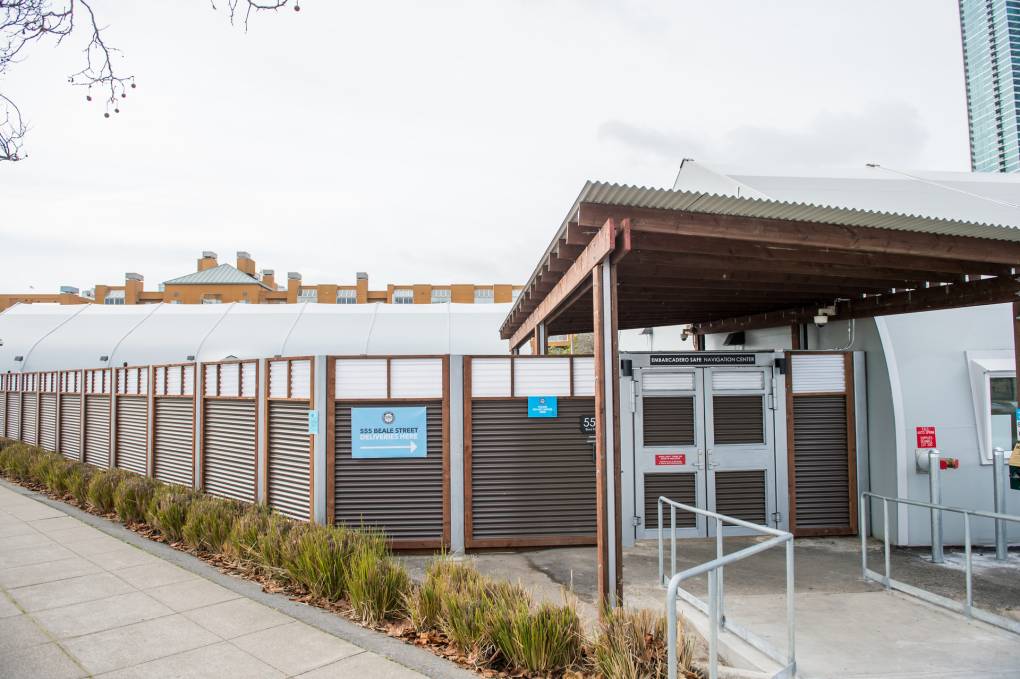
"caption": "The entrance to the Embarcadero SAFE Navigation Center at the corner of Embarcadero and Beale Street in San Francisco on Jan. 30, 2020. The 200-bed shelter opened in December of 2019.",
"description": null,
"title": "036_KQED_EmbarcaderoNavigationCenter_01302020_7967_qut",
"credit": "Beth LaBerge/KQED",
"status": "inherit",
"altTag": null,
"isLoading": false,
"fetchFailed": false
},
"news_11985735": {
"type": "attachments",
"id": "news_11985735",
"meta": {
"index": "attachments_1716263798",
"site": "news",
"id": "11985735",
"found": true
},
"parent": 0,
"imgSizes": {
"twentyfourteen-full-width": {
"file": "https://cdn.kqed.org/wp-content/uploads/sites/10/2024/05/NO-TECH-FOR-APARTHEID-01-KQED-1-1-1038x576.jpg",
"width": 1038,
"mimeType": "image/jpeg",
"height": 576
},
"thumbnail": {
"file": "https://cdn.kqed.org/wp-content/uploads/sites/10/2024/05/NO-TECH-FOR-APARTHEID-01-KQED-1-1-160x107.jpg",
"width": 160,
"mimeType": "image/jpeg",
"height": 107
},
"post-thumbnail": {
"file": "https://cdn.kqed.org/wp-content/uploads/sites/10/2024/05/NO-TECH-FOR-APARTHEID-01-KQED-1-1-672x372.jpg",
"width": 672,
"mimeType": "image/jpeg",
"height": 372
},
"kqedFullSize": {
"file": "https://cdn.kqed.org/wp-content/uploads/sites/10/2024/05/NO-TECH-FOR-APARTHEID-01-KQED-1-1.jpg",
"width": 2000,
"height": 1333
},
"large": {
"file": "https://cdn.kqed.org/wp-content/uploads/sites/10/2024/05/NO-TECH-FOR-APARTHEID-01-KQED-1-1-1020x680.jpg",
"width": 1020,
"mimeType": "image/jpeg",
"height": 680
},
"1536x1536": {
"file": "https://cdn.kqed.org/wp-content/uploads/sites/10/2024/05/NO-TECH-FOR-APARTHEID-01-KQED-1-1-1536x1024.jpg",
"width": 1536,
"mimeType": "image/jpeg",
"height": 1024
},
"full-width": {
"file": "https://cdn.kqed.org/wp-content/uploads/sites/10/2024/05/NO-TECH-FOR-APARTHEID-01-KQED-1-1-1920x1280.jpg",
"width": 1920,
"mimeType": "image/jpeg",
"height": 1280
},
"medium": {
"file": "https://cdn.kqed.org/wp-content/uploads/sites/10/2024/05/NO-TECH-FOR-APARTHEID-01-KQED-1-1-800x533.jpg",
"width": 800,
"mimeType": "image/jpeg",
"height": 533
}
},
"publishDate": 1715368146,
"modified": 1715368254,
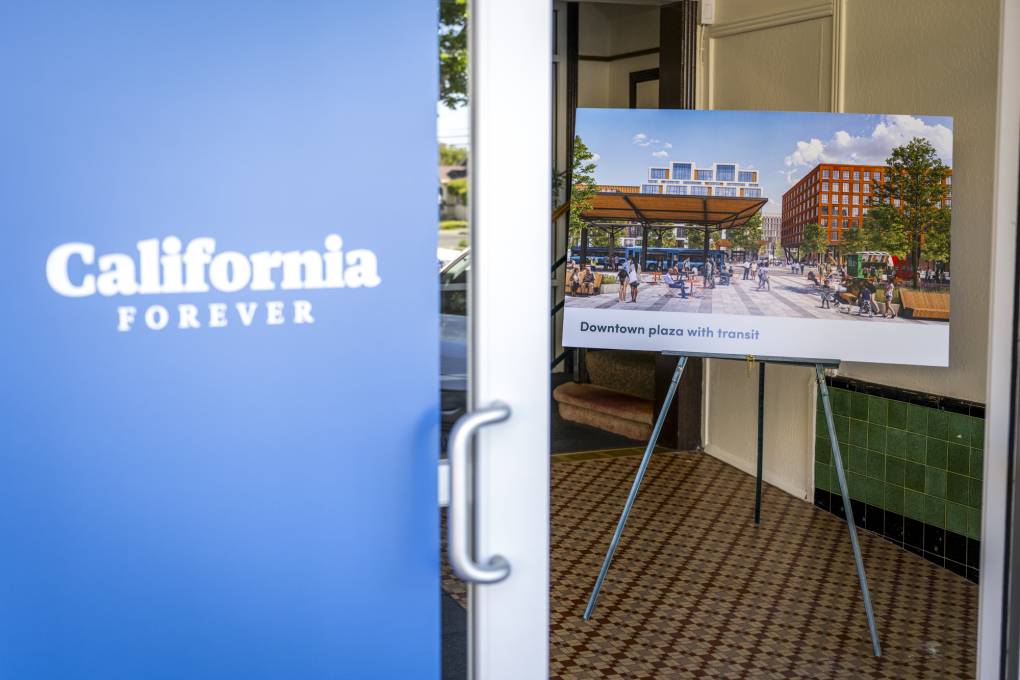
"caption": "Posters for California Forever are displayed in the lobby of the Vista Theatre in Rio Vista on May 2, 2024.",
"description": null,
"title": "NO TECH FOR APARTHEID-01-KQED-1",
"credit": "Beth LaBerge/KQED",
"status": "inherit",
"altTag": null,
"isLoading": false,
"fetchFailed": false
},
"news_11973462": {
"type": "attachments",
"id": "news_11973462",
"meta": {
"index": "attachments_1716263798",
"site": "news",
"id": "11973462",
"found": true
},
"parent": 0,
"imgSizes": {
"twentyfourteen-full-width": {
"file": "https://cdn.kqed.org/wp-content/uploads/sites/10/2024/01/240123-HMBShootingAnniversary-18-BL-1038x576.jpg",
"width": 1038,
"mimeType": "image/jpeg",
"height": 576
},
"thumbnail": {
"file": "https://cdn.kqed.org/wp-content/uploads/sites/10/2024/01/240123-HMBShootingAnniversary-18-BL-160x107.jpg",
"width": 160,
"mimeType": "image/jpeg",
"height": 107
},
"post-thumbnail": {
"file": "https://cdn.kqed.org/wp-content/uploads/sites/10/2024/01/240123-HMBShootingAnniversary-18-BL-672x372.jpg",
"width": 672,
"mimeType": "image/jpeg",
"height": 372
},
"kqedFullSize": {
"file": "https://cdn.kqed.org/wp-content/uploads/sites/10/2024/01/240123-HMBShootingAnniversary-18-BL.jpg",
"width": 1920,
"height": 1280
},
"large": {
"file": "https://cdn.kqed.org/wp-content/uploads/sites/10/2024/01/240123-HMBShootingAnniversary-18-BL-1020x680.jpg",
"width": 1020,
"mimeType": "image/jpeg",
"height": 680
},
"1536x1536": {
"file": "https://cdn.kqed.org/wp-content/uploads/sites/10/2024/01/240123-HMBShootingAnniversary-18-BL-1536x1024.jpg",
"width": 1536,
"mimeType": "image/jpeg",
"height": 1024
},
"medium": {
"file": "https://cdn.kqed.org/wp-content/uploads/sites/10/2024/01/240123-HMBShootingAnniversary-18-BL-800x533.jpg",
"width": 800,
"mimeType": "image/jpeg",
"height": 533
}
},
"publishDate": 1706051937,
"modified": 1715292834,
"caption": "Half Moon Bay Mayor Joaquin Jimenez speaks during a roundtable discussion at the ALAS Sueño Center in Half Moon Bay on Jan. 23, 2024, marking one year since the mass shooting at two farms claimed the lives of seven people on Jan. 23, 2023.",
"description": null,
"title": "240123-HMBShootingAnniversary-18-BL",
"credit": "Beth LaBerge/KQED",
"status": "inherit",
"altTag": "A person with a goatee stands in front of a large group of people sitting in fold-out chairs in a room painted bright orange.",
"isLoading": false,
"fetchFailed": false
},
"news_11985440": {
"type": "attachments",
"id": "news_11985440",
"meta": {
"index": "attachments_1716263798",
"site": "news",
"id": "11985440",
"found": true
},
"parent": 0,
"imgSizes": {
"twentyfourteen-full-width": {
"file": "https://cdn.kqed.org/wp-content/uploads/sites/10/2024/05/20240508_WHATTOMAKETOBUYHOMECA-6-KQED-1038x576.jpg",
"width": 1038,
"mimeType": "image/jpeg",
"height": 576
},
"thumbnail": {
"file": "https://cdn.kqed.org/wp-content/uploads/sites/10/2024/05/20240508_WHATTOMAKETOBUYHOMECA-6-KQED-160x107.jpg",
"width": 160,
"mimeType": "image/jpeg",
"height": 107
},
"post-thumbnail": {
"file": "https://cdn.kqed.org/wp-content/uploads/sites/10/2024/05/20240508_WHATTOMAKETOBUYHOMECA-6-KQED-672x372.jpg",
"width": 672,
"mimeType": "image/jpeg",
"height": 372
},
"kqedFullSize": {
"file": "https://cdn.kqed.org/wp-content/uploads/sites/10/2024/05/20240508_WHATTOMAKETOBUYHOMECA-6-KQED.jpg",
"width": 2000,
"height": 1333
},
"large": {
"file": "https://cdn.kqed.org/wp-content/uploads/sites/10/2024/05/20240508_WHATTOMAKETOBUYHOMECA-6-KQED-1020x680.jpg",
"width": 1020,
"mimeType": "image/jpeg",
"height": 680
},
"1536x1536": {
"file": "https://cdn.kqed.org/wp-content/uploads/sites/10/2024/05/20240508_WHATTOMAKETOBUYHOMECA-6-KQED-1536x1024.jpg",
"width": 1536,
"mimeType": "image/jpeg",
"height": 1024
},
"full-width": {
"file": "https://cdn.kqed.org/wp-content/uploads/sites/10/2024/05/20240508_WHATTOMAKETOBUYHOMECA-6-KQED-1920x1280.jpg",
"width": 1920,
"mimeType": "image/jpeg",
"height": 1280
},
"medium": {
"file": "https://cdn.kqed.org/wp-content/uploads/sites/10/2024/05/20240508_WHATTOMAKETOBUYHOMECA-6-KQED-800x533.jpg",
"width": 800,
"mimeType": "image/jpeg",
"height": 533
}
},
"publishDate": 1715205593,
"modified": 1715274778,
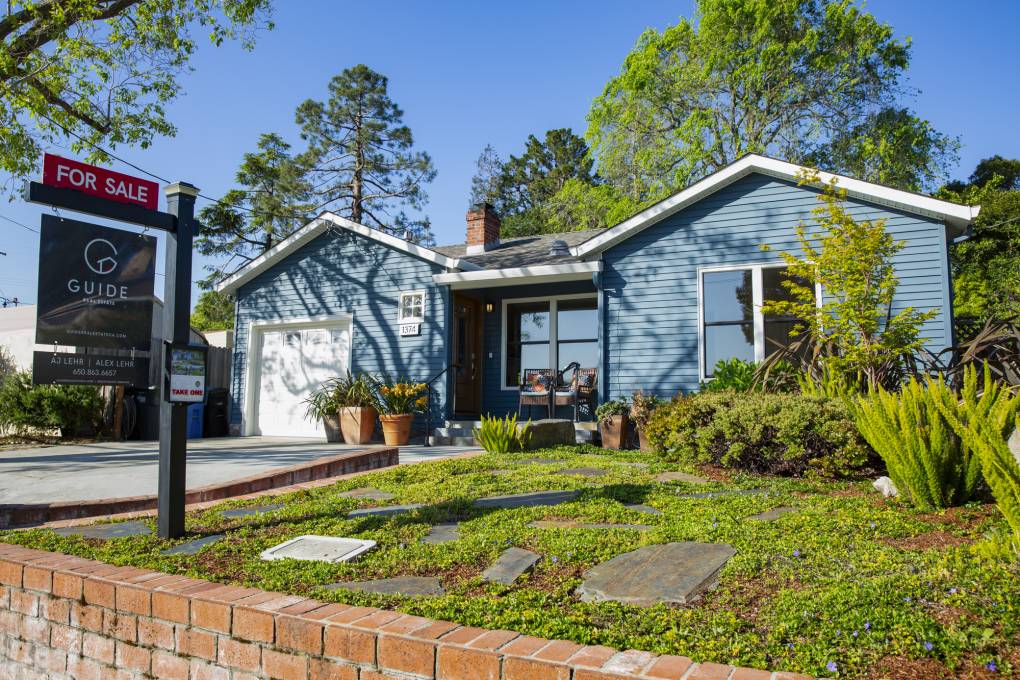
"caption": "A home for sale in San Carlos on May 8, 2024.",
"description": null,
"title": "20240508_WHATTOMAKETOBUYHOMECA-6-KQED",
"credit": "Gina Castro/KQED",
"status": "inherit",
"altTag": "A blue, one-story home with a 'For Sale' sign in the front yard.",
"isLoading": false,
"fetchFailed": false
},
"news_11985356": {
"type": "attachments",
"id": "news_11985356",
"meta": {
"index": "attachments_1716263798",
"site": "news",
"id": "11985356",
"found": true
},
"parent": 0,
"imgSizes": {
"twentyfourteen-full-width": {
"file": "https://cdn.kqed.org/wp-content/uploads/sites/10/2024/05/240507-FORECLOSED-HOMES-FUND-MD-03-KQED-1-1038x576.jpg",
"width": 1038,
"mimeType": "image/jpeg",
"height": 576
},
"thumbnail": {
"file": "https://cdn.kqed.org/wp-content/uploads/sites/10/2024/05/240507-FORECLOSED-HOMES-FUND-MD-03-KQED-1-160x107.jpg",
"width": 160,
"mimeType": "image/jpeg",
"height": 107
},
"post-thumbnail": {
"file": "https://cdn.kqed.org/wp-content/uploads/sites/10/2024/05/240507-FORECLOSED-HOMES-FUND-MD-03-KQED-1-672x372.jpg",
"width": 672,
"mimeType": "image/jpeg",
"height": 372
},
"kqedFullSize": {
"file": "https://cdn.kqed.org/wp-content/uploads/sites/10/2024/05/240507-FORECLOSED-HOMES-FUND-MD-03-KQED-1.jpg",
"width": 2000,
"height": 1333
},
"large": {
"file": "https://cdn.kqed.org/wp-content/uploads/sites/10/2024/05/240507-FORECLOSED-HOMES-FUND-MD-03-KQED-1-1020x680.jpg",
"width": 1020,
"mimeType": "image/jpeg",
"height": 680
},
"1536x1536": {
"file": "https://cdn.kqed.org/wp-content/uploads/sites/10/2024/05/240507-FORECLOSED-HOMES-FUND-MD-03-KQED-1-1536x1024.jpg",
"width": 1536,
"mimeType": "image/jpeg",
"height": 1024
},
"full-width": {
"file": "https://cdn.kqed.org/wp-content/uploads/sites/10/2024/05/240507-FORECLOSED-HOMES-FUND-MD-03-KQED-1-1920x1280.jpg",
"width": 1920,
"mimeType": "image/jpeg",
"height": 1280
},
"medium": {
"file": "https://cdn.kqed.org/wp-content/uploads/sites/10/2024/05/240507-FORECLOSED-HOMES-FUND-MD-03-KQED-1-800x533.jpg",
"width": 800,
"mimeType": "image/jpeg",
"height": 533
}
},
"publishDate": 1715193961,
"modified": 1715193976,
"caption": "Matthew Souzis outside his home in San Francisco on May 7, 2024.",
"description": null,
"title": "Matthew Souzis outside his home in San Francisco on May 7, 2024.",
"credit": "Martin do Nascimento/KQED",
"status": "inherit",
"altTag": null,
"isLoading": false,
"fetchFailed": false
},
"news_11985221": {
"type": "attachments",
"id": "news_11985221",
"meta": {
"index": "attachments_1716263798",
"site": "news",
"id": "11985221",
"found": true
},
"title": "City Hall in San Francisco on Aug. 8, 2023.",
"publishDate": 1715109990,
"status": "inherit",
"parent": 11985194,
"modified": 1722460152,
"caption": "City Hall in San Francisco on Aug. 8, 2023. Before Kyla Worthy was hired to run SF SAFE, she led For Richmond, which was also accused of falsifying invoices and failing to provide services.",
"credit": "Beth LaBerge/KQED",
"altTag": null,
"description": null,
"imgSizes": {
"medium": {
"file": "https://cdn.kqed.org/wp-content/uploads/sites/10/2024/05/230808-SanFranciscoCityHall-25-BL_qut-800x533.jpg",
"width": 800,
"height": 533,
"mimeType": "image/jpeg"
},
"large": {
"file": "https://cdn.kqed.org/wp-content/uploads/sites/10/2024/05/230808-SanFranciscoCityHall-25-BL_qut-1020x680.jpg",
"width": 1020,
"height": 680,
"mimeType": "image/jpeg"
},
"thumbnail": {
"file": "https://cdn.kqed.org/wp-content/uploads/sites/10/2024/05/230808-SanFranciscoCityHall-25-BL_qut-160x107.jpg",
"width": 160,
"height": 107,
"mimeType": "image/jpeg"
},
"1536x1536": {
"file": "https://cdn.kqed.org/wp-content/uploads/sites/10/2024/05/230808-SanFranciscoCityHall-25-BL_qut-1536x1024.jpg",
"width": 1536,
"height": 1024,
"mimeType": "image/jpeg"
},
"post-thumbnail": {
"file": "https://cdn.kqed.org/wp-content/uploads/sites/10/2024/05/230808-SanFranciscoCityHall-25-BL_qut-672x372.jpg",
"width": 672,
"height": 372,
"mimeType": "image/jpeg"
},
"twentyfourteen-full-width": {
"file": "https://cdn.kqed.org/wp-content/uploads/sites/10/2024/05/230808-SanFranciscoCityHall-25-BL_qut-1038x576.jpg",
"width": 1038,
"height": 576,
"mimeType": "image/jpeg"
},
"kqedFullSize": {
"file": "https://cdn.kqed.org/wp-content/uploads/sites/10/2024/05/230808-SanFranciscoCityHall-25-BL_qut.jpg",
"width": 1920,
"height": 1280
}
},
"isLoading": false,
"fetchFailed": false
},
"news_11985077": {
"type": "attachments",
"id": "news_11985077",
"meta": {
"index": "attachments_1716263798",
"site": "news",
"id": "11985077",
"found": true
},
"parent": 11985069,
"imgSizes": {
"twentyfourteen-full-width": {
"file": "https://cdn.kqed.org/wp-content/uploads/sites/10/2024/05/110722-Secretary-of-State-MG-CM-03-2-1038x576.jpg",
"width": 1038,
"mimeType": "image/jpeg",
"height": 576
},
"thumbnail": {
"file": "https://cdn.kqed.org/wp-content/uploads/sites/10/2024/05/110722-Secretary-of-State-MG-CM-03-2-160x107.jpg",
"width": 160,
"mimeType": "image/jpeg",
"height": 107
},
"post-thumbnail": {
"file": "https://cdn.kqed.org/wp-content/uploads/sites/10/2024/05/110722-Secretary-of-State-MG-CM-03-2-672x372.jpg",
"width": 672,
"mimeType": "image/jpeg",
"height": 372
},
"kqedFullSize": {
"file": "https://cdn.kqed.org/wp-content/uploads/sites/10/2024/05/110722-Secretary-of-State-MG-CM-03-2.jpg",
"width": 2000,
"height": 1333
},
"large": {
"file": "https://cdn.kqed.org/wp-content/uploads/sites/10/2024/05/110722-Secretary-of-State-MG-CM-03-2-1020x680.jpg",
"width": 1020,
"mimeType": "image/jpeg",
"height": 680
},
"1536x1536": {
"file": "https://cdn.kqed.org/wp-content/uploads/sites/10/2024/05/110722-Secretary-of-State-MG-CM-03-2-1536x1024.jpg",
"width": 1536,
"mimeType": "image/jpeg",
"height": 1024
},
"full-width": {
"file": "https://cdn.kqed.org/wp-content/uploads/sites/10/2024/05/110722-Secretary-of-State-MG-CM-03-2-1920x1280.jpg",
"width": 1920,
"mimeType": "image/jpeg",
"height": 1280
},
"medium": {
"file": "https://cdn.kqed.org/wp-content/uploads/sites/10/2024/05/110722-Secretary-of-State-MG-CM-03-2-800x533.jpg",
"width": 800,
"mimeType": "image/jpeg",
"height": 533
}
},
"publishDate": 1715019570,
"modified": 1715019641,
"caption": "The Secretary of State building in Sacramento on Nov. 7, 2022. ",
"description": null,
"title": "110722-Secretary-of-State-MG-CM-03-2",
"credit": "Miguel Gutierrez Jr./CalMatters",
"status": "inherit",
"altTag": "The front of a building that reads \"State of California Secretary of State.\"",
"isLoading": false,
"fetchFailed": false
},
"news_11984981": {
"type": "attachments",
"id": "news_11984981",
"meta": {
"index": "attachments_1716263798",
"site": "news",
"id": "11984981",
"found": true
},
"parent": 11984830,
"imgSizes": {
"twentyfourteen-full-width": {
"file": "https://cdn.kqed.org/wp-content/uploads/sites/10/2024/05/240502-CaliforniaForever-01-BL_qut-1038x576.jpg",
"width": 1038,
"mimeType": "image/jpeg",
"height": 576
},
"thumbnail": {
"file": "https://cdn.kqed.org/wp-content/uploads/sites/10/2024/05/240502-CaliforniaForever-01-BL_qut-160x107.jpg",
"width": 160,
"mimeType": "image/jpeg",
"height": 107
},
"post-thumbnail": {
"file": "https://cdn.kqed.org/wp-content/uploads/sites/10/2024/05/240502-CaliforniaForever-01-BL_qut-672x372.jpg",
"width": 672,
"mimeType": "image/jpeg",
"height": 372
},
"kqedFullSize": {
"file": "https://cdn.kqed.org/wp-content/uploads/sites/10/2024/05/240502-CaliforniaForever-01-BL_qut.jpg",
"width": 1920,
"height": 1280
},
"large": {
"file": "https://cdn.kqed.org/wp-content/uploads/sites/10/2024/05/240502-CaliforniaForever-01-BL_qut-1020x680.jpg",
"width": 1020,
"mimeType": "image/jpeg",
"height": 680
},
"1536x1536": {
"file": "https://cdn.kqed.org/wp-content/uploads/sites/10/2024/05/240502-CaliforniaForever-01-BL_qut-1536x1024.jpg",
"width": 1536,
"mimeType": "image/jpeg",
"height": 1024
},
"medium": {
"file": "https://cdn.kqed.org/wp-content/uploads/sites/10/2024/05/240502-CaliforniaForever-01-BL_qut-800x533.jpg",
"width": 800,
"mimeType": "image/jpeg",
"height": 533
}
},
"publishDate": 1714755761,
"modified": 1714755991,
"caption": "A billboard for California Forever sits on top of an apartment building along I-80 in Vallejo on May 2, 2024.",
"description": null,
"title": "240502-CaliforniaForever-01-BL_qut",
"credit": "Beth LaBerge/KQED",
"status": "inherit",
"altTag": null,
"isLoading": false,
"fetchFailed": false
},
"news_10816492": {
"type": "attachments",
"id": "news_10816492",
"meta": {
"index": "attachments_1716263798",
"site": "news",
"id": "10816492",
"found": true
},
"parent": 10809415,
"imgSizes": {
"twentyfourteen-full-width": {
"file": "https://cdn.kqed.org/wp-content/uploads/sites/10/2015/12/14289_transform-1038x576.jpg",
"width": 1038,
"mimeType": "image/jpeg",
"height": 576
},
"thumbnail": {
"file": "https://cdn.kqed.org/wp-content/uploads/sites/10/2015/12/14289_transform-400x267.jpg",
"width": 400,
"mimeType": "image/jpeg",
"height": 267
},
"fd-sm": {
"file": "https://cdn.kqed.org/wp-content/uploads/sites/10/2015/12/14289_transform-960x640.jpg",
"width": 960,
"mimeType": "image/jpeg",
"height": 640
},
"post-thumbnail": {
"file": "https://cdn.kqed.org/wp-content/uploads/sites/10/2015/12/14289_transform-672x372.jpg",
"width": 672,
"mimeType": "image/jpeg",
"height": 372
},
"kqedFullSize": {
"file": "https://cdn.kqed.org/wp-content/uploads/sites/10/2015/12/14289_transform.jpg",
"width": 1920,
"height": 1280
},
"large": {
"file": "https://cdn.kqed.org/wp-content/uploads/sites/10/2015/12/14289_transform-1440x960.jpg",
"width": 1440,
"mimeType": "image/jpeg",
"height": 960
},
"guest-author-96": {
"file": "https://cdn.kqed.org/wp-content/uploads/sites/10/2015/12/14289_transform-96x96.jpg",
"width": 96,
"mimeType": "image/jpeg",
"height": 96
},
"medium": {
"file": "https://cdn.kqed.org/wp-content/uploads/sites/10/2015/12/14289_transform-800x533.jpg",
"width": 800,
"mimeType": "image/jpeg",
"height": 533
},
"guest-author-64": {
"file": "https://cdn.kqed.org/wp-content/uploads/sites/10/2015/12/14289_transform-64x64.jpg",
"width": 64,
"mimeType": "image/jpeg",
"height": 64
},
"guest-author-32": {
"file": "https://cdn.kqed.org/wp-content/uploads/sites/10/2015/12/14289_transform-32x32.jpg",
"width": 32,
"mimeType": "image/jpeg",
"height": 32
},
"jmtc-small-thumb": {
"file": "https://cdn.kqed.org/wp-content/uploads/sites/10/2015/12/14289_transform-280x150.jpg",
"width": 280,
"mimeType": "image/jpeg",
"height": 150
},
"fd-lrg": {
"file": "https://cdn.kqed.org/wp-content/uploads/sites/10/2015/12/14289_transform-1920x1280.jpg",
"width": 1920,
"mimeType": "image/jpeg",
"height": 1280
},
"fd-med": {
"file": "https://cdn.kqed.org/wp-content/uploads/sites/10/2015/12/14289_transform-1180x787.jpg",
"width": 1180,
"mimeType": "image/jpeg",
"height": 787
},
"detail": {
"file": "https://cdn.kqed.org/wp-content/uploads/sites/10/2015/12/14289_transform-75x75.jpg",
"width": 75,
"mimeType": "image/jpeg",
"height": 75
},
"medium_large": {
"file": "https://cdn.kqed.org/wp-content/uploads/sites/10/2015/12/14289_transform-768x512.jpg",
"width": 768,
"mimeType": "image/jpeg",
"height": 512
},
"guest-author-128": {
"file": "https://cdn.kqed.org/wp-content/uploads/sites/10/2015/12/14289_transform-128x128.jpg",
"width": 128,
"mimeType": "image/jpeg",
"height": 128
}
},
"publishDate": 1451601199,
"modified": 1714680162,
"caption": "Residents of the 14-room Mission District house made an eviction-proof deal.",
"description": null,
"title": "14289_transform",
"credit": "Jeremy Raff/KQED",
"status": "inherit",
"altTag": "A woman holding the hands of two small children walks down the street past a large home.",
"isLoading": false,
"fetchFailed": false
},
"news_11984614": {
"type": "attachments",
"id": "news_11984614",
"meta": {
"index": "attachments_1716263798",
"site": "news",
"id": "11984614",
"found": true
},
"parent": 11984610,
"imgSizes": {
"twentyfourteen-full-width": {
"file": "https://cdn.kqed.org/wp-content/uploads/sites/10/2024/05/CMInsurance01-1038x576.jpg",
"width": 1038,
"mimeType": "image/jpeg",
"height": 576
},
"thumbnail": {
"file": "https://cdn.kqed.org/wp-content/uploads/sites/10/2024/05/CMInsurance01-160x107.jpg",
"width": 160,
"mimeType": "image/jpeg",
"height": 107
},
"post-thumbnail": {
"file": "https://cdn.kqed.org/wp-content/uploads/sites/10/2024/05/CMInsurance01-672x372.jpg",
"width": 672,
"mimeType": "image/jpeg",
"height": 372
},
"kqedFullSize": {
"file": "https://cdn.kqed.org/wp-content/uploads/sites/10/2024/05/CMInsurance01.jpg",
"width": 2000,
"height": 1333
},
"large": {
"file": "https://cdn.kqed.org/wp-content/uploads/sites/10/2024/05/CMInsurance01-1020x680.jpg",
"width": 1020,
"mimeType": "image/jpeg",
"height": 680
},
"1536x1536": {
"file": "https://cdn.kqed.org/wp-content/uploads/sites/10/2024/05/CMInsurance01-1536x1024.jpg",
"width": 1536,
"mimeType": "image/jpeg",
"height": 1024
},
"full-width": {
"file": "https://cdn.kqed.org/wp-content/uploads/sites/10/2024/05/CMInsurance01-1920x1280.jpg",
"width": 1920,
"mimeType": "image/jpeg",
"height": 1280
},
"medium": {
"file": "https://cdn.kqed.org/wp-content/uploads/sites/10/2024/05/CMInsurance01-800x533.jpg",
"width": 800,
"mimeType": "image/jpeg",
"height": 533
}
},
"publishDate": 1714584301,
"modified": 1714584340,
"caption": "Donna Yutzy cleans the gutters of her home from flammable debris on Nov. 4, 2023. State law prohibits the use of landscaping plants and any flammable materials within a five-foot radius of the house.",
"description": null,
"title": "CMInsurance01",
"credit": "Manuel Orbegozo/CalMatters",
"status": "inherit",
"altTag": null,
"isLoading": false,
"fetchFailed": false
},
"news_11909167": {
"type": "attachments",
"id": "news_11909167",
"meta": {
"index": "attachments_1716263798",
"site": "news",
"id": "11909167",
"found": true
},
"parent": 11909141,
"imgSizes": {
"twentyfourteen-full-width": {
"file": "https://cdn.kqed.org/wp-content/uploads/sites/10/2022/03/RS50490_007_SanFrancisco_Housing_07292021-qut-1038x576.jpg",
"width": 1038,
"mimeType": "image/jpeg",
"height": 576
},
"thumbnail": {
"file": "https://cdn.kqed.org/wp-content/uploads/sites/10/2022/03/RS50490_007_SanFrancisco_Housing_07292021-qut-160x107.jpg",
"width": 160,
"mimeType": "image/jpeg",
"height": 107
},
"post-thumbnail": {
"file": "https://cdn.kqed.org/wp-content/uploads/sites/10/2022/03/RS50490_007_SanFrancisco_Housing_07292021-qut-672x372.jpg",
"width": 672,
"mimeType": "image/jpeg",
"height": 372
},
"kqedFullSize": {
"file": "https://cdn.kqed.org/wp-content/uploads/sites/10/2022/03/RS50490_007_SanFrancisco_Housing_07292021-qut.jpg",
"width": 1920,
"height": 1280
},
"large": {
"file": "https://cdn.kqed.org/wp-content/uploads/sites/10/2022/03/RS50490_007_SanFrancisco_Housing_07292021-qut-1020x680.jpg",
"width": 1020,
"mimeType": "image/jpeg",
"height": 680
},
"1536x1536": {
"file": "https://cdn.kqed.org/wp-content/uploads/sites/10/2022/03/RS50490_007_SanFrancisco_Housing_07292021-qut-1536x1024.jpg",
"width": 1536,
"mimeType": "image/jpeg",
"height": 1024
},
"medium": {
"file": "https://cdn.kqed.org/wp-content/uploads/sites/10/2022/03/RS50490_007_SanFrancisco_Housing_07292021-qut-800x533.jpg",
"width": 800,
"mimeType": "image/jpeg",
"height": 533
}
},
"publishDate": 1648154076,
"modified": 1714503292,
"caption": "A 'For Rent' sign hangs in the window of an apartment building in Nob Hill in San Francisco on July 29, 2021.",
"description": "A 'For Rent' sign hangs in the window of an apartment building in Nob Hill in San Francisco on July 29, 2021. In the first full year of the pandemic, San Francisco, New York, Los Angeles and Chicago saw the greatest population losses in the nation, according to data from the U.S. Census Bureau released Thursday.",
"title": "RS50490_007_SanFrancisco_Housing_07292021-qut",
"credit": "Beth LaBerge/KQED",
"status": "inherit",
"altTag": "A red 'for rent' sign hangs in the window of a classic SF Victorian building, with the downtown skyline in the background.",
"isLoading": false,
"fetchFailed": false
}
},
"audioPlayerReducer": {
"postId": "stream_live",
"isPaused": true,
"isPlaying": false,
"pfsActive": false,
"pledgeModalIsOpen": true,
"playerDrawerIsOpen": false,
"liveAudioPlayStartedAt": 0,
"liveAudioPlayContext": ""
},
"authorsReducer": {
"byline_news_11985912": {
"type": "authors",
"id": "byline_news_11985912",
"meta": {
"override": true
},
"slug": "byline_news_11985912",
"name": "Marisa Kendall, CalMatters",
"isLoading": false
},
"byline_news_11985069": {
"type": "authors",
"id": "byline_news_11985069",
"meta": {
"override": true
},
"slug": "byline_news_11985069",
"name": "Ben Christopher, CalMatters",
"isLoading": false
},
"byline_news_11984610": {
"type": "authors",
"id": "byline_news_11984610",
"meta": {
"override": true
},
"slug": "byline_news_11984610",
"name": "Levi Sumagaysay, CalMatters",
"isLoading": false
},
"tychehendricks": {
"type": "authors",
"id": "259",
"meta": {
"index": "authors_1716337520",
"id": "259",
"found": true
},
"name": "Tyche Hendricks",
"firstName": "Tyche",
"lastName": "Hendricks",
"slug": "tychehendricks",
"email": "thendricks@kqed.org",
"display_author_email": true,
"staff_mastheads": [
"news"
],
"title": "KQED Senior Editor, Immigration",
"bio": "\u003cspan style=\"font-weight: 400;\">Tyche Hendricks is KQED’s senior editor for immigration, leading coverage of the policy and politics that affect California’s immigrant communities. Her work for KQED’s radio and online audiences is also carried on NPR and other national outlets. She has been recognized with awards from the Radio and Television News Directors Association, the Society for Professional Journalists; the Education Writers Association; the Best of the West and the National Federation of Community Broadcasters. Before joining KQED in 2010, Tyche spent more than a dozen years as a newspaper reporter, notably at the \u003c/span>\u003ci>\u003cspan style=\"font-weight: 400;\">San Francisco Chronicle\u003c/span>\u003c/i>\u003cspan style=\"font-weight: 400;\">. At different times she has covered criminal justice, government and politics and urban planning. Tyche has taught in the MFA Creative Writing program at the University of San Francisco and at UC Berkeley’s Graduate School of Journalism, where she was co-director of a national immigration symposium for professional journalists. She is the author of \u003c/span>\u003ci>\u003cspan style=\"font-weight: 400;\">The Wind Doesn't Need a Passport: Stories from the U.S.-Mexico Borderlands\u003c/span>\u003c/i>\u003cspan style=\"font-weight: 400;\"> (University of California Press). \u003c/span>",
"avatar": "https://secure.gravatar.com/avatar/b8ee458e2731c2d43df86882ce17267e?s=600&d=blank&r=g",
"twitter": "tychehendricks",
"facebook": null,
"instagram": null,
"linkedin": null,
"sites": [
{
"site": "news",
"roles": [
"editor"
]
},
{
"site": "stateofhealth",
"roles": [
"editor"
]
}
],
"headData": {
"title": "Tyche Hendricks | KQED",
"description": "KQED Senior Editor, Immigration",
"ogImgSrc": "https://secure.gravatar.com/avatar/b8ee458e2731c2d43df86882ce17267e?s=600&d=blank&r=g",
"twImgSrc": "https://secure.gravatar.com/avatar/b8ee458e2731c2d43df86882ce17267e?s=600&d=blank&r=g"
},
"isLoading": false,
"link": "/author/tychehendricks"
},
"matthewgreen": {
"type": "authors",
"id": "1263",
"meta": {
"index": "authors_1716337520",
"id": "1263",
"found": true
},
"name": "Matthew Green",
"firstName": "Matthew",
"lastName": "Green",
"slug": "matthewgreen",
"email": "mgreen@kqed.org",
"display_author_email": false,
"staff_mastheads": [],
"title": "KQED Editor/Reporter",
"bio": "Matthew Green is a digital media producer for KQED News. He previously produced \u003ca href=\"http://www.kqed.org/lowdown\">The Lowdown\u003c/a>, KQED’s multimedia news education blog. Matthew's written for numerous Bay Area publications, including the Oakland Tribune and San Francisco Chronicle. He also taught journalism classes at Fremont High School in East Oakland.\r\n\r\nEmail: mgreen@kqed.org; Twitter: @MGreenKQED",
"avatar": "https://secure.gravatar.com/avatar/3bf498d1267ca02c8494f33d8cfc575e?s=600&d=blank&r=g",
"twitter": "MGreenKQED",
"facebook": null,
"instagram": null,
"linkedin": null,
"sites": [
{
"site": "news",
"roles": []
},
{
"site": "lowdown",
"roles": []
},
{
"site": "science",
"roles": []
},
{
"site": "education",
"roles": []
},
{
"site": "quest",
"roles": []
},
{
"site": "liveblog",
"roles": []
}
],
"headData": {
"title": "Matthew Green | KQED",
"description": "KQED Editor/Reporter",
"ogImgSrc": "https://secure.gravatar.com/avatar/3bf498d1267ca02c8494f33d8cfc575e?s=600&d=blank&r=g",
"twImgSrc": "https://secure.gravatar.com/avatar/3bf498d1267ca02c8494f33d8cfc575e?s=600&d=blank&r=g"
},
"isLoading": false,
"link": "/author/matthewgreen"
},
"vrancano": {
"type": "authors",
"id": "11276",
"meta": {
"index": "authors_1716337520",
"id": "11276",
"found": true
},
"name": "Vanessa Rancaño",
"firstName": "Vanessa",
"lastName": "Rancaño",
"slug": "vrancano",
"email": "vrancano@kqed.org",
"display_author_email": false,
"staff_mastheads": [
"news"
],
"title": "Reporter",
"bio": "Vanessa Rancaño is a features reporter for KQED. She’s also covered homelessness and education for the station and reported from the Central Valley. Her work has aired across public radio, from flagship national news shows to longform narrative podcasts. Before taking up a mic, she worked as a freelance print journalist. She’s been recognized with a number of national and regional awards. Vanessa grew up in California's Central Valley. She's a former NPR Kroc Fellow, and a graduate of the UC Berkeley Graduate School of Journalism.",
"avatar": "https://secure.gravatar.com/avatar/b3a383dfb0e7ee1c17568f2cf067904ab654d6e3de9743fc661f3c788ade1bed?s=600&d=blank&r=g",
"twitter": "vanessarancano",
"bluesky": null,
"facebook": null,
"instagram": null,
"linkedin": null,
"sites": [
{
"site": "arts",
"roles": [
"editor"
]
},
{
"site": "news",
"roles": [
"editor"
]
},
{
"site": "liveblog",
"roles": [
"contributor"
]
}
],
"headData": {
"title": "Vanessa Rancaño | KQED",
"description": "Reporter",
"ogImgSrc": "https://secure.gravatar.com/avatar/b3a383dfb0e7ee1c17568f2cf067904ab654d6e3de9743fc661f3c788ade1bed?s=600&d=blank&r=g",
"twImgSrc": "https://secure.gravatar.com/avatar/b3a383dfb0e7ee1c17568f2cf067904ab654d6e3de9743fc661f3c788ade1bed?s=600&d=blank&r=g"
},
"isLoading": false,
"link": "/author/vrancano"
},
"ebaldassari": {
"type": "authors",
"id": "11652",
"meta": {
"index": "authors_1716337520",
"id": "11652",
"found": true
},
"name": "Erin Baldassari",
"firstName": "Erin",
"lastName": "Baldassari",
"slug": "ebaldassari",
"email": "ebaldassari@KQED.org",
"display_author_email": true,
"staff_mastheads": [
"news"
],
"title": "Staff Writer",
"bio": "Erin Baldassari covers housing for KQED. She's a former print journalist and most recently worked as the transportation reporter for the \u003cem>Mercury News\u003c/em> and \u003cem>East Bay Times. \u003c/em>There, she focused on how the Bay Area’s housing shortage has changed the way people move around the region. She also served on the \u003cem>East Bay Times\u003c/em>’ 2017 Pulitzer Prize-winning team for coverage of the Ghost Ship Fire in Oakland. Prior to that, Erin worked as a breaking news and general assignment reporter for a variety of outlets in the Bay Area and the greater Boston area. A Tufts University alumna, Erin grew up in the foothills of the Sierra Nevada mountains and in Sonoma County. She is a life-long KQED listener.",
"avatar": "https://secure.gravatar.com/avatar/5e95cad64a8ca08288082212e199d2b0cbeb4fd8e8ef5339395f361032bbe005?s=600&d=blank&r=g",
"twitter": "e_baldi",
"bluesky": null,
"facebook": null,
"instagram": null,
"linkedin": null,
"sites": [
{
"site": "news",
"roles": [
"edit_others_posts",
"editor"
]
},
{
"site": "science",
"roles": [
"editor"
]
},
{
"site": "liveblog",
"roles": [
"editor"
]
}
],
"headData": {
"title": "Erin Baldassari | KQED",
"description": "Staff Writer",
"ogImgSrc": "https://secure.gravatar.com/avatar/5e95cad64a8ca08288082212e199d2b0cbeb4fd8e8ef5339395f361032bbe005?s=600&d=blank&r=g",
"twImgSrc": "https://secure.gravatar.com/avatar/5e95cad64a8ca08288082212e199d2b0cbeb4fd8e8ef5339395f361032bbe005?s=600&d=blank&r=g"
},
"isLoading": false,
"link": "/author/ebaldassari"
},
"abandlamudi": {
"type": "authors",
"id": "11672",
"meta": {
"index": "authors_1716337520",
"id": "11672",
"found": true
},
"name": "Adhiti Bandlamudi",
"firstName": "Adhiti",
"lastName": "Bandlamudi",
"slug": "abandlamudi",
"email": "abandlamudi@kqed.org",
"display_author_email": false,
"staff_mastheads": [
"news"
],
"title": "KQED Housing Reporter",
"bio": "Adhiti Bandlamudi reports for KQED's Housing desk. She focuses on how housing gets built across the Bay Area. Before joining KQED in 2020, she reported for WUNC in Durham, North Carolina, WABE in Atlanta, Georgia and Capital Public Radio in Sacramento. In 2017, she was awarded a Kroc Fellowship at NPR where she reported on everything from sprinkles to the Golden State Killer's arrest. When she's not reporting, she's baking new recipes in her kitchen or watching movies with friends and family. She's originally from Georgia and has strong opinions about Great British Bake Off.",
"avatar": "https://secure.gravatar.com/avatar/868129c8b257bb99a3500e2c86a65400?s=600&d=mm&r=g",
"twitter": "oddity_adhiti",
"facebook": null,
"instagram": null,
"linkedin": null,
"sites": [
{
"site": "arts",
"roles": [
"author"
]
},
{
"site": "news",
"roles": [
"editor"
]
},
{
"site": "liveblog",
"roles": [
"author"
]
}
],
"headData": {
"title": "Adhiti Bandlamudi | KQED",
"description": "KQED Housing Reporter",
"ogImgSrc": "https://secure.gravatar.com/avatar/868129c8b257bb99a3500e2c86a65400?s=600&d=mm&r=g",
"twImgSrc": "https://secure.gravatar.com/avatar/868129c8b257bb99a3500e2c86a65400?s=600&d=mm&r=g"
},
"isLoading": false,
"link": "/author/abandlamudi"
},
"sjohnson": {
"type": "authors",
"id": "11840",
"meta": {
"index": "authors_1716337520",
"id": "11840",
"found": true
},
"name": "Sydney Johnson",
"firstName": "Sydney",
"lastName": "Johnson",
"slug": "sjohnson",
"email": "sjohnson@kqed.org",
"display_author_email": false,
"staff_mastheads": [
"news"
],
"title": "KQED Reporter",
"bio": "Sydney Johnson is a general assignment reporter at KQED. She previously reported on public health and city government at the San Francisco Examiner, and before that, she covered statewide education policy for EdSource. Her reporting has won multiple local, state and national awards. Sydney is a graduate of the University of California, Berkeley and lives in San Francisco.",
"avatar": "https://secure.gravatar.com/avatar/97855f2719b72ad6190b7c535fe642c8?s=600&d=blank&r=g",
"twitter": "sydneyfjohnson",
"facebook": null,
"instagram": null,
"linkedin": null,
"sites": [
{
"site": "news",
"roles": [
"editor"
]
}
],
"headData": {
"title": "Sydney Johnson | KQED",
"description": "KQED Reporter",
"ogImgSrc": "https://secure.gravatar.com/avatar/97855f2719b72ad6190b7c535fe642c8?s=600&d=blank&r=g",
"twImgSrc": "https://secure.gravatar.com/avatar/97855f2719b72ad6190b7c535fe642c8?s=600&d=blank&r=g"
},
"isLoading": false,
"link": "/author/sjohnson"
},
"kdebenedetti": {
"type": "authors",
"id": "11913",
"meta": {
"index": "authors_1716337520",
"id": "11913",
"found": true
},
"name": "Katie DeBenedetti",
"firstName": "Katie",
"lastName": "DeBenedetti",
"slug": "kdebenedetti",
"email": "kdebenedetti@kqed.org",
"display_author_email": false,
"staff_mastheads": [
"news",
"science"
],
"title": "KQED Contributor",
"bio": "Katie DeBenedetti is a digital reporter covering daily news for the Express Desk. Prior to joining KQED as a culture reporting intern in January 2024, she covered education and city government for the Napa Valley Register.",
"avatar": "https://secure.gravatar.com/avatar/6e31073cb8f7e4214ab03f42771d0f45?s=600&d=blank&r=g",
"twitter": null,
"facebook": null,
"instagram": null,
"linkedin": null,
"sites": [
{
"site": "news",
"roles": [
"author"
]
},
{
"site": "science",
"roles": [
"author"
]
},
{
"site": "liveblog",
"roles": [
"author"
]
}
],
"headData": {
"title": "Katie DeBenedetti | KQED",
"description": "KQED Contributor",
"ogImgSrc": "https://secure.gravatar.com/avatar/6e31073cb8f7e4214ab03f42771d0f45?s=600&d=blank&r=g",
"twImgSrc": "https://secure.gravatar.com/avatar/6e31073cb8f7e4214ab03f42771d0f45?s=600&d=blank&r=g"
},
"isLoading": false,
"link": "/author/kdebenedetti"
}
},
"pagesReducer": {
"news_category_housing": {
"type": "terms",
"id": "news_6266",
"meta": {
"index": "terms_1716263798",
"site": "news",
"id": "6266",
"score": 11.039913
},
"featImg": null,
"name": "Housing",
"description": null,
"taxonomy": "category",
"headData": {
"twImgId": null,
"twTitle": null,
"ogTitle": null,
"ogImgId": null,
"twDescription": null,
"description": null,
"title": "Housing Archives | KQED News",
"ogDescription": null
},
"ttid": 6290,
"slug": "housing",
"isLoading": false,
"title": "Housing",
"pageMeta": {
"site": "news",
"WpPageTemplate": "page-topic-editorial",
"currentPage": 39
},
"blocks": [
{
"blockName": "kqed/post-list",
"attrs": {
"layout": "cardArticle2",
"query": "posts/news?category=housing",
"seeMore": false,
"paginated": true,
"page": 39
}
},
{
"blockName": "kqed/ad"
}
]
}
},
"pfsSessionReducer": {},
"postsReducer": {
"stream_live": {
"type": "live",
"id": "stream_live",
"audioUrl": "https://streams.kqed.org/kqedradio",
"title": "Live Stream",
"excerpt": "Live Stream information currently unavailable.",
"link": "/radio",
"featImg": "",
"label": {
"name": "KQED Live",
"link": "/"
}
},
"stream_kqedNewscast": {
"type": "posts",
"id": "stream_kqedNewscast",
"audioUrl": "https://www.kqed.org/.stream/anon/radio/RDnews/newscast.mp3?_=1",
"title": "KQED Newscast",
"featImg": "",
"label": {
"name": "88.5 FM",
"link": "/"
}
},
"news_11985965": {
"type": "posts",
"id": "news_11985965",
"meta": {
"index": "posts_1716263798",
"site": "news",
"id": "11985965",
"score": null,
"sort": [
1715684417000
]
},
"guestAuthors": [],
"slug": "we-approach-in-peace-are-barts-outreach-efforts-to-help-people-in-crisis-working",
"title": "'We Approach in Peace': Are BART's Efforts to Help People in Crisis Working?",
"publishDate": 1715684417,
"format": "standard",
"headTitle": "‘We Approach in Peace’: Are BART’s Efforts to Help People in Crisis Working? | KQED",
"labelTerm": {
"site": "news"
},
"content": "\u003cp>On a recent rainy morning, Stephine Barnes paces slowly through a covered outdoor walkway off the main entrance of the San Leandro BART station.\u003c/p>\n\u003cp>“People like to camp out here because you have shelter. There’s no rain, it’s dry. So people just find little nooks and crannies,” Barnes says, surveying the area. “It’s usually where we find a lot of people in the wee hours of the morning, sleeping, camped out, wandering around.”\u003c/p>\n\u003cp>Barnes is a BART crisis intervention specialist, and her job entails seeking out and offering help to the many people in the sprawling transit system struggling with lack of shelter, mental health problems or addiction. She and her partner for the day, Natalie Robinson, are part of the agency’s ambitious new efforts to address a slew of human crises that show up on BART’s trains and platforms every day — without involving the police.\u003c/p>\n\u003cp>They spot a young woman with glasses and a purple bow in her hair who is hastily pulling belongings from a bike locker. Two roller bags, a dirty blanket and a ragged stuffed octopus are among the random array of possessions splayed on the ground around her.\u003c/p>\n\u003cp>Barnes and Robinson approach cautiously, mindful of a large Rottweiler sitting nearby.\u003c/p>\n\u003cp>“We like to connect people with resources,” Robinson says. “So if you have a need for shelter, housing, anything like that, you can let us know.”\u003c/p>\n\u003cp>The woman, who gives her name as Cat, seems tentative but receptive. She tells them that she and her boyfriend arrived recently from Southern California. They had been living in their car and storing their belongings in the bike locker. But BART police had just ordered them to clear out.\u003c/p>\n\u003cp>Cat nods to the dog, which sports a black-and-white smiley face bandana around its neck. “That’s Einstein,” she says. “He’s our son.”\u003c/p>\n\u003cp>“Oh, my goodness, you’re just a sweetheart,” Barnes exclaims, patting the dog’s head.\u003c/p>\n\u003cfigure id=\"attachment_11979248\" class=\"wp-caption alignnone\" style=\"max-width: 2000px\">\u003ca href=\"https://cdn.kqed.org/wp-content/uploads/sites/10/2024/03/240313-BART-CRISIS-INTERVENTION-UNIT-MD-12-KQED.jpg\">\u003cimg loading=\"lazy\" decoding=\"async\" class=\"wp-image-11979248 size-full\" src=\"https://cdn.kqed.org/wp-content/uploads/sites/10/2024/03/240313-BART-CRISIS-INTERVENTION-UNIT-MD-12-KQED.jpg\" alt=\"A middle-aged Black woman speaks to a younger woman wearing a purple hair decoration.\" width=\"2000\" height=\"1333\" srcset=\"https://cdn.kqed.org/wp-content/uploads/sites/10/2024/03/240313-BART-CRISIS-INTERVENTION-UNIT-MD-12-KQED.jpg 2000w, https://cdn.kqed.org/wp-content/uploads/sites/10/2024/03/240313-BART-CRISIS-INTERVENTION-UNIT-MD-12-KQED-800x533.jpg 800w, https://cdn.kqed.org/wp-content/uploads/sites/10/2024/03/240313-BART-CRISIS-INTERVENTION-UNIT-MD-12-KQED-1020x680.jpg 1020w, https://cdn.kqed.org/wp-content/uploads/sites/10/2024/03/240313-BART-CRISIS-INTERVENTION-UNIT-MD-12-KQED-160x107.jpg 160w, https://cdn.kqed.org/wp-content/uploads/sites/10/2024/03/240313-BART-CRISIS-INTERVENTION-UNIT-MD-12-KQED-1536x1024.jpg 1536w, https://cdn.kqed.org/wp-content/uploads/sites/10/2024/03/240313-BART-CRISIS-INTERVENTION-UNIT-MD-12-KQED-1920x1280.jpg 1920w\" sizes=\"(max-width: 2000px) 100vw, 2000px\">\u003c/a>\u003cfigcaption class=\"wp-caption-text\">Outside the San Leandro Bart station, BART Crisis Intervention Specialist Stephine Barnes tells an unhoused person named Cat about a nearby housing assistance program. \u003ccite>(Martin do Nascimento/KQED)\u003c/cite>\u003c/figcaption>\u003c/figure>\n\u003cp>She tells Cat to take her time retrieving her belongings, and emphasizes that she and Robinson are not police officers and aren’t there to pressure her to leave.\u003c/p>\n\u003cp>“If you guys are interested in getting on the list for permanent housing in Alameda County, there’s a place called Hedco in Hayward,” Barnes tells her. “You can get coffee in the morning and all that kind of stuff. And then they put you in line on how to get these resources for housing and all of those things Alameda County offers.”\u003c/p>\n\u003cp>Robinson explains how to get there and hands Cat her card, telling her to call if she needs anything.\u003c/p>\n\u003cp>“I’m really bad with resources, honestly. So this is great,” Cat says, stuffing the card in her jacket pocket and continuing her hurried packing.\u003c/p>\n\u003cp>“You don’t have to be out here forever,” Robinson says as she and Barnes wish Cat luck and head back toward the station.\u003c/p>\n\u003cp>They’ll probably never know if she follows through.\u003c/p>\n\u003cp>“It varies widely,” Robinson says. “We could bring someone to a resource, and they literally don’t walk in the door, or we connect somebody, and they follow all the way through.”\u003c/p>\n\u003ch2>\u003cb>‘Customer service on steroids’\u003c/b>\u003c/h2>\n\u003cp>In 2021, Barnes and Robinson, both seasoned BART employees, were among the first to join the crisis intervention team, now a 20-member crew dispatched throughout the 50-station transit system to offer help to people who appear to be overtly in need of it.\u003c/p>\n\u003cp>Finding that population has gotten a good deal easier in recent years, amid a discernible uptick in the number of people on BART’s trains and platforms experiencing homelessness or suffering from serious mental health issues — a trend that mirrors \u003ca href=\"https://www.sfchronicle.com/bayarea/article/homeless-populations-surge-11-in-san-jose-and-8-17176329.php\">the overall surge\u003c/a> in the Bay Area’s unhoused population since the start of the pandemic.\u003c/p>\n\u003cp>BART realized “a lot of the problems that were happening outside the station were coming inside the station,” says Barnes, 53, who was a station agent for 27 years, most recently at the Coliseum station in Oakland, before taking this job. “And, of course, as an agent, you see that firsthand.”\u003c/p>\n\u003cp>BART’s boots-on-the-ground outreach approach, launched in the depths of the pandemic, marks a notable foray into social services for an agency whose main objective has always been getting people from point A to point B.\u003c/p>\n\u003cp>The effort comes as BART struggles to recoup ridership, which \u003ca href=\"https://www.bart.gov/sites/default/files/2024-04/202403%20MRR.pdf\">still hovers at just over 40%\u003c/a> of pre-pandemic levels, and as riders \u003ca href=\"https://www.bayareacouncil.org/press-releases/new-poll-overwhelming-support-for-more-police-on-bart-greater-focus-on-cleanliness-and-stronger-enforcement-of-rules/\">consistently say in surveys that \u003c/a>they’re most dissatisfied with how the agency addresses homelessness.\u003c/p>\n\u003cfigure id=\"attachment_11986011\" class=\"wp-caption alignnone\" style=\"max-width: 1920px\">\u003ca href=\"https://cdn.kqed.org/wp-content/uploads/sites/10/2024/05/240313-BART-CRISIS-INTERVENTION-UNIT-MD-06_qut.jpg\">\u003cimg loading=\"lazy\" decoding=\"async\" class=\"wp-image-11986011 size-full\" src=\"https://cdn.kqed.org/wp-content/uploads/sites/10/2024/05/240313-BART-CRISIS-INTERVENTION-UNIT-MD-06_qut.jpg\" alt=\"Two middle-aged women in dark-blue uniforms speak to an unseen passenger on a BART train.\" width=\"1920\" height=\"1280\" srcset=\"https://cdn.kqed.org/wp-content/uploads/sites/10/2024/05/240313-BART-CRISIS-INTERVENTION-UNIT-MD-06_qut.jpg 1920w, https://cdn.kqed.org/wp-content/uploads/sites/10/2024/05/240313-BART-CRISIS-INTERVENTION-UNIT-MD-06_qut-800x533.jpg 800w, https://cdn.kqed.org/wp-content/uploads/sites/10/2024/05/240313-BART-CRISIS-INTERVENTION-UNIT-MD-06_qut-1020x680.jpg 1020w, https://cdn.kqed.org/wp-content/uploads/sites/10/2024/05/240313-BART-CRISIS-INTERVENTION-UNIT-MD-06_qut-160x107.jpg 160w, https://cdn.kqed.org/wp-content/uploads/sites/10/2024/05/240313-BART-CRISIS-INTERVENTION-UNIT-MD-06_qut-1536x1024.jpg 1536w\" sizes=\"(max-width: 1920px) 100vw, 1920px\">\u003c/a>\u003cfigcaption class=\"wp-caption-text\">BART Crisis Intervention Specialists Natalie Robinson (left) and Stephine Barnes check on the well-being of a BART passenger they think might need help. \u003ccite>(Martin do Nascimento/KQED)\u003c/cite>\u003c/figcaption>\u003c/figure>\n\u003cp>Those factors have prompted BART’s leaders to ratchet up funding for crisis intervention and related services — to the tune of $11 million last year, \u003ca href=\"https://www.bart.gov/sites/default/files/docs/Homeless%20Action%20Plan.pdf\">according to the agency’s 2023 homeless action plan\u003c/a>.\u003c/p>\n\u003cp>“People have seen a need for something different than what everyone was doing before, which was, ‘Call the police, call the police, call the police,’” says Barnes, who describes her job as “customer service on steroids.”\u003c/p>\n\u003cp>Most jobs at BART have existed since the agency started running trains more than 50 years ago, she notes.\u003c/p>\n\u003cp>“There was nothing, though, that really addressed the mental health component or the homelessness crisis that we’re experiencing in the Bay Area,” Barnes says. “So when I first read [about the job], I thought, ‘Wow, this is like the next-level customer service.’ Because some customers need more help than just buying a Clipper Card.”\u003c/p>\n\u003cp>The CISes, as they’re called, operate under the auspices of BART’s Police Department. But they wear distinctive, labeled uniforms and roam the stations and trains of their assigned zone in pairs, unaccompanied by sworn officers.\u003c/p>\n\u003cp>They also have no enforcement power and don’t carry any weapons.\u003c/p>\n\u003cp>They’re armed, instead, with latex gloves, Narcan — used to reverse opioid overdoses — and police radios in the event they need backup. And they use electronic notepads to document and tally their interactions, data the agency hopes will eventually demonstrate the still-undetermined effectiveness of the program.\u003c/p>\n\u003cp>Some CISes, like Robinson, 49, who worked as a BART police dispatcher for 16 years, also load their pockets with snacks to hand out. Others carry extra pairs of clean socks.\u003c/p>\n\u003cp>Much of the help CISes offer comes in the form of referrals to a collection of social service and mental health nonprofits sprinkled throughout BART’s five-county service area.\u003c/p>\n\u003cp>“We get to do God’s work out here,” Robinson says. “We’re helping people who are unhoused, who have substance-abuse issues, mental health issues. And being able to connect them to the proper service — those who are willing to make changes in their life — it’s just really rewarding.”\u003c/p>\n\u003ch2>\u003cb>Signs of distress\u003c/b>\u003c/h2>\n\u003cp>On this morning, Barnes and Robinson are about midway through an 8-hour shift, one that began at 5 a.m. and has taken them back and forth multiple times across their zone, from San Leandro to Lake Merritt stations. Much of that is spent patrolling train cars and platforms, searching for telltale signs of distress.\u003c/p>\n\u003cp>“We pay attention to maybe some drug paraphernalia, someone who might be passed out, and check on their welfare,” Robinson says. “And then we’re also patrolling stations and just interacting with the public and building relationships with individuals that we see on a repeat basis.”\u003c/p>\n\u003cp>BART station agents and train operators can reach out to the CISes for help dealing with difficult but non-threatening situations, Barnes says. Passengers can also now call BART police to request help from a non-sworn officer, and dispatchers are authorized to reroute certain 911 calls to them.\u003c/p>\n\u003cfigure id=\"attachment_11979245\" class=\"wp-caption alignnone\" style=\"max-width: 2000px\">\u003ca href=\"https://cdn.kqed.org/wp-content/uploads/sites/10/2024/03/240313-BART-CRISIS-INTERVENTION-UNIT-MD-07-KQED.jpg\">\u003cimg loading=\"lazy\" decoding=\"async\" class=\"wp-image-11979245 size-full\" src=\"https://cdn.kqed.org/wp-content/uploads/sites/10/2024/03/240313-BART-CRISIS-INTERVENTION-UNIT-MD-07-KQED.jpg\" alt=\"A person in a bathrobe and slippers walks on a train platform.\" width=\"2000\" height=\"1333\" srcset=\"https://cdn.kqed.org/wp-content/uploads/sites/10/2024/03/240313-BART-CRISIS-INTERVENTION-UNIT-MD-07-KQED.jpg 2000w, https://cdn.kqed.org/wp-content/uploads/sites/10/2024/03/240313-BART-CRISIS-INTERVENTION-UNIT-MD-07-KQED-800x533.jpg 800w, https://cdn.kqed.org/wp-content/uploads/sites/10/2024/03/240313-BART-CRISIS-INTERVENTION-UNIT-MD-07-KQED-1020x680.jpg 1020w, https://cdn.kqed.org/wp-content/uploads/sites/10/2024/03/240313-BART-CRISIS-INTERVENTION-UNIT-MD-07-KQED-160x107.jpg 160w, https://cdn.kqed.org/wp-content/uploads/sites/10/2024/03/240313-BART-CRISIS-INTERVENTION-UNIT-MD-07-KQED-1536x1024.jpg 1536w, https://cdn.kqed.org/wp-content/uploads/sites/10/2024/03/240313-BART-CRISIS-INTERVENTION-UNIT-MD-07-KQED-1920x1280.jpg 1920w\" sizes=\"(max-width: 2000px) 100vw, 2000px\">\u003c/a>\u003cfigcaption class=\"wp-caption-text\">A person in a bathrobe and slippers walks along the platform of the Fruitvale BART Station — someone that Crisis Intervention Specialist Stephine Barnes says she has interacted with multiple times. \u003ccite>(Martin do Nascimento/KQED)\u003c/cite>\u003c/figcaption>\u003c/figure>\n\u003cp>“We can be more accessible to the public than the officers can. They’re responding to emergencies, they’re responding to fights, they’re responding to someone with a weapon,” Barnes says. “But we can take the time out. If you need to talk to me for an hour, you have me for an hour. If I need to escort you on the train, and I need to take you to a resource that’s 30, 40 minutes away, I have the time to do that.”\u003c/p>\n\u003cp>Even when people are in their worst state, Barnes says, they’re still generally grateful to have someone checking in on them.\u003c/p>\n\u003cp>“I mean, of course, there are times when you’re going to be called names and told ‘Get away, you’re going to get your ass kicked,’ she says. “But I got that more as a station agent than I have in this position.”[aside label=\"more on homelessness\" tag=\"homelessness\"]BART says CISes “\u003ca href=\"https://www.bart.gov/news/articles/2023/news20230103-2\">have a background in social work\u003c/a>” or related experience and receive a month-long training that focuses on conflict resolution and de-escalation techniques for people suffering from mental health, homelessness and substance-abuse issues.\u003c/p>\n\u003cp>“We’re all trained in how to come in peace. So when we approach, we approach in peace,” Barnes says. “It’s about a greeting. It’s about, ‘Hey, how are you? How are you doing? How can I best support you?’”\u003c/p>\n\u003cp>“And a lot of times, they’re very receptive to it,” she says. “But it takes time. Relationships take time.”\u003c/p>\n\u003cp>Over roughly two hours that morning, Barnes and Robinson ask about 10 people if they need some help, including several semi-conscious riders slumped over on their seats and an older man near the entrance of the Coliseum station wrapped in a dirty blanket, muttering to himself. All, except Cat, the woman they encountered at San Leandro station, wave them off.\u003c/p>\n\u003cp>In the last quarter of 2023, CISes \u003ca href=\"https://www.bart.gov/sites/default/files/2024-02/Quarterly%20Service%20Performance%20Review%20-%20Second%20Quarter%20Fiscal%20Year%202024%20-%20Presentation%20%281%29.pdf\">reported having more than 4,500 contacts\u003c/a>, of which 210 — just under 5% — resulted in verifiable connections to service providers.\u003c/p>\n\u003cp>“It’s a game of patience. It may be the first contact somebody is ready to seek that help. Sometimes it might be the 20th contact,” says Ja’Son Scott, deputy chief of BART’s nascent Progressive Policing and Community Engagement Bureau, which encompasses the CIS program.\u003c/p>\n\u003cp>Scott’s bureau was launched \u003ca href=\"https://www.sfexaminer.com/archives/unarmed-bart-ambassadors-program-formalized-with-a-focus-on-community-service/article_f74c861e-326f-585d-9014-44665369b258.html\">in the fall of 2020\u003c/a>, just months after George Floyd’s murder by Minneapolis police sparked nationwide protests for racial justice and police accountability. BART says its new approach, aimed at helping to restore ridership, came in response to mounting requests from passengers for an increased safety presence in the system but with less reliance on armed officers.\u003c/p>\n\u003cfigure id=\"attachment_11979241\" class=\"wp-caption alignnone\" style=\"max-width: 2000px\">\u003ca href=\"https://cdn.kqed.org/wp-content/uploads/sites/10/2024/03/240313-BART-CRISIS-INTERVENTION-UNIT-MD-02-KQED.jpg\">\u003cimg loading=\"lazy\" decoding=\"async\" class=\"wp-image-11979241 size-full\" src=\"https://cdn.kqed.org/wp-content/uploads/sites/10/2024/03/240313-BART-CRISIS-INTERVENTION-UNIT-MD-02-KQED.jpg\" alt=\"Two women in uniform look through an open BART train door.\" width=\"2000\" height=\"1333\" srcset=\"https://cdn.kqed.org/wp-content/uploads/sites/10/2024/03/240313-BART-CRISIS-INTERVENTION-UNIT-MD-02-KQED.jpg 2000w, https://cdn.kqed.org/wp-content/uploads/sites/10/2024/03/240313-BART-CRISIS-INTERVENTION-UNIT-MD-02-KQED-800x533.jpg 800w, https://cdn.kqed.org/wp-content/uploads/sites/10/2024/03/240313-BART-CRISIS-INTERVENTION-UNIT-MD-02-KQED-1020x680.jpg 1020w, https://cdn.kqed.org/wp-content/uploads/sites/10/2024/03/240313-BART-CRISIS-INTERVENTION-UNIT-MD-02-KQED-160x107.jpg 160w, https://cdn.kqed.org/wp-content/uploads/sites/10/2024/03/240313-BART-CRISIS-INTERVENTION-UNIT-MD-02-KQED-1536x1024.jpg 1536w, https://cdn.kqed.org/wp-content/uploads/sites/10/2024/03/240313-BART-CRISIS-INTERVENTION-UNIT-MD-02-KQED-1920x1280.jpg 1920w\" sizes=\"(max-width: 2000px) 100vw, 2000px\">\u003c/a>\u003cfigcaption class=\"wp-caption-text\">BART Crisis Intervention Specialists Natalie Robinson (left) and Stephine Barnes speak to passengers on a BART train that’s been stalled on the platform after a man reportedly flung a bag of feces-caked laundry around the first car. \u003ccite>(Martin do Nascimento/KQED)\u003c/cite>\u003c/figcaption>\u003c/figure>\n\u003cp>The initiative has an annual budget of roughly $8 million, and in addition to the 20 CISes, it includes up to 10 “transit ambassadors” who also patrol the system, reporting safety concerns and “biohazards.”\u003c/p>\n\u003cp>\u003cb>“\u003c/b>I realize we didn’t have all the tools as police officers to deal with all the issues that you see in BART, and it’s not always necessary for a police officer to do that,” Scott says. “We can’t arrest our way through these problems.”\u003c/p>\n\u003ch2>\u003cb>Outreach vs. enforcement\u003c/b>\u003c/h2>\n\u003cp>BART’s social service efforts, however, haven’t always gone smoothly. The agency’s inspector general \u003ca href=\"https://www.bart.gov/sites/default/files/docs/REPORT_%24350K%20for%20Homeless%20Outreach%20Yielded%20Unclear%20Results_Final_020323.pdf\">reported\u003c/a> last year that a $350,000 multiyear contract with the Salvation Army to address homelessness resulted in just one unsheltered person entering treatment.\u003c/p>\n\u003cp>At the same time, BART’s Police Department has ramped up enforcement, \u003ca href=\"https://www.bart.gov/news/articles/2024/news20240328\">reporting a 62% increase in arrests\u003c/a> last year while aggressively recruiting to fill vacant positions on its force by offering higher salaries and signing bonuses.\u003c/p>\n\u003cp>Those developments come as riders say they want to see more sworn officers in the system.\u003c/p>\n\u003cp>A \u003ca href=\"https://drive.zooce.com/management/builtinapps/fileoperator.aspx?child=1&a=D3B60E43-50D3-46D5-A799-2C3CECF14238&ro=1&fid=13728646727690992504_9832503603610834240\">2023 Bay Area Council poll\u003c/a> found three-fourths of respondents would make that a high priority. Four out of five agreed that people who violate BART’s code of conduct — rules that prohibit smoking, eating, and playing loud music, among other things — should be ejected from the system. And more than two-thirds of respondents said they thought BART should focus exclusively on running a clean, safe and reliable transit operation — while letting other public agencies deal with people in crisis.\u003c/p>\n\u003cp>Debora Allen, a BART Board director, is among that majority. A staunch supporter of tougher law enforcement within the system, Allen was one of just two board members who voted against forming the Progressive Policing Bureau. And she remains dubious of its benefits.\u003c/p>\n\u003cp>“Look, no one wants to help people who are down and out and in crisis more than me. I think all of us on that board have the same interest,” she says. But “transit isn’t the place to start social service programs. We have counties and cities who receive hundreds of millions of dollars each year to do this social service work. We should remain focused on transit.”\u003c/p>\n\u003cfigure id=\"attachment_11979246\" class=\"wp-caption alignnone\" style=\"max-width: 2000px\">\u003ca href=\"https://cdn.kqed.org/wp-content/uploads/sites/10/2024/03/240313-BART-CRISIS-INTERVENTION-UNIT-MD-08-KQED.jpg\">\u003cimg loading=\"lazy\" decoding=\"async\" class=\"wp-image-11979246 size-full\" src=\"https://cdn.kqed.org/wp-content/uploads/sites/10/2024/03/240313-BART-CRISIS-INTERVENTION-UNIT-MD-08-KQED.jpg\" alt=\"A Narcan case on someone's belt.\" width=\"2000\" height=\"1333\" srcset=\"https://cdn.kqed.org/wp-content/uploads/sites/10/2024/03/240313-BART-CRISIS-INTERVENTION-UNIT-MD-08-KQED.jpg 2000w, https://cdn.kqed.org/wp-content/uploads/sites/10/2024/03/240313-BART-CRISIS-INTERVENTION-UNIT-MD-08-KQED-800x533.jpg 800w, https://cdn.kqed.org/wp-content/uploads/sites/10/2024/03/240313-BART-CRISIS-INTERVENTION-UNIT-MD-08-KQED-1020x680.jpg 1020w, https://cdn.kqed.org/wp-content/uploads/sites/10/2024/03/240313-BART-CRISIS-INTERVENTION-UNIT-MD-08-KQED-160x107.jpg 160w, https://cdn.kqed.org/wp-content/uploads/sites/10/2024/03/240313-BART-CRISIS-INTERVENTION-UNIT-MD-08-KQED-1536x1024.jpg 1536w, https://cdn.kqed.org/wp-content/uploads/sites/10/2024/03/240313-BART-CRISIS-INTERVENTION-UNIT-MD-08-KQED-1920x1280.jpg 1920w\" sizes=\"(max-width: 2000px) 100vw, 2000px\">\u003c/a>\u003cfigcaption class=\"wp-caption-text\">Stephine Barnes and other crisis intervention specialists always carry Narcan, a drug used to reverse opioid overdoses. \u003ccite>(Martin do Nascimento/KQED)\u003c/cite>\u003c/figcaption>\u003c/figure>\n\u003cp>Allen argues that BART is using scarce dollars to deliver services to people inside the system, all but incentivizing them to stay there, while offering little in the way of data to show if the program is actually helping people.\u003c/p>\n\u003cp>“What I have argued all along is our first line of defense should be to keep those people out of the system,” Allen says, decrying BART’s failure to clamp down on rampant fare evasion. \u003cb>“\u003c/b>Having them wandering and sometimes even living inside of a transit system with active moving trains all the time is the most dangerous place for them to decide to live.”\u003c/p>\n\u003ch2>‘We are definitely needed’\u003c/h2>\n\u003cp>At Lake Merritt station, Barnes and Robinson are dispatched to a Dublin-Pleasanton-bound train that’s been stalled on the platform after a man reportedly flung a bag of feces-caked laundry around the first car.\u003c/p>\n\u003cp>\u003cb>“\u003c/b>So it was all over the train car. They say he wiped it out, but it definitely needs disinfecting,” Robinson says after speaking with the train operator.\u003c/p>\n\u003cp>They calmly head up the stairs and out of the station in pursuit of the man and spend about five minutes looking for him.\u003c/p>\n\u003cp>\u003cb>“\u003c/b>We don’t see him anywhere. We always make an attempt to try to find somebody,” says Robinson, who had hoped to refer him to a shower and laundry truck that serves the area.\u003c/p>\n\u003cp>To do this job successfully, she says, it’s important to not get too emotionally involved.\u003c/p>\n\u003cp>“I mean, my personal outlook and training is that, you know, this is their life, their problems, their choices,” Robinson says. “So I can’t dwell necessarily on the feelings that are so associated with seeing so much human misery.”\u003c/p>\n\u003cfigure id=\"attachment_11979243\" class=\"wp-caption alignnone\" style=\"max-width: 2000px\">\u003ca href=\"https://cdn.kqed.org/wp-content/uploads/sites/10/2024/03/240313-BART-CRISIS-INTERVENTION-UNIT-MD-04-KQED.jpg\">\u003cimg loading=\"lazy\" decoding=\"async\" class=\"size-full wp-image-11979243\" src=\"https://cdn.kqed.org/wp-content/uploads/sites/10/2024/03/240313-BART-CRISIS-INTERVENTION-UNIT-MD-04-KQED.jpg\" alt=\"Two people in dark-blue uniforms talk to a BART train conductor.\" width=\"2000\" height=\"1333\" srcset=\"https://cdn.kqed.org/wp-content/uploads/sites/10/2024/03/240313-BART-CRISIS-INTERVENTION-UNIT-MD-04-KQED.jpg 2000w, https://cdn.kqed.org/wp-content/uploads/sites/10/2024/03/240313-BART-CRISIS-INTERVENTION-UNIT-MD-04-KQED-800x533.jpg 800w, https://cdn.kqed.org/wp-content/uploads/sites/10/2024/03/240313-BART-CRISIS-INTERVENTION-UNIT-MD-04-KQED-1020x680.jpg 1020w, https://cdn.kqed.org/wp-content/uploads/sites/10/2024/03/240313-BART-CRISIS-INTERVENTION-UNIT-MD-04-KQED-160x107.jpg 160w, https://cdn.kqed.org/wp-content/uploads/sites/10/2024/03/240313-BART-CRISIS-INTERVENTION-UNIT-MD-04-KQED-1536x1024.jpg 1536w, https://cdn.kqed.org/wp-content/uploads/sites/10/2024/03/240313-BART-CRISIS-INTERVENTION-UNIT-MD-04-KQED-1920x1280.jpg 1920w\" sizes=\"(max-width: 2000px) 100vw, 2000px\">\u003c/a>\u003cfigcaption class=\"wp-caption-text\">BART Crisis Intervention Specialists Natalie Robinson (center) and Stephine Barnes speak to a BART train conductor about a man who had been causing a disturbance on the train. \u003ccite>(Martin do Nascimento/KQED)\u003c/cite>\u003c/figcaption>\u003c/figure>\n\u003cp>But Robinson says the support she and her team offer can be a game changer — if and when people actually accept it. She recounts trying to build a relationship, over months, with a young man she often saw riding the trains in her zone, obviously intoxicated.\u003c/p>\n\u003cp>“And then one day, he came and asked for us and said he was ready for recovery,” she says. “He needed somebody to dial the phone for him. He needed somebody to talk to his dad for him. He was literally at his lowest point in his life. And you need a hand in those moments.”\u003c/p>\n\u003cp>She paused, waiting for the whine of a departing train to fade.\u003c/p>\n\u003cp>“So yeah, we are definitely needed,” she says. “There needs to be a 100 of us, not just 20.”\u003cbr>\n[ad fullwidth]\u003c/p>\n\u003cp>[ad floatright]\u003c/p>\n",
"blocks": [],
"excerpt": "BART's crisis intervention team is part of the transit agency's ambitious new strategy to reach out to the many people in the sprawling transit system who struggle with lack of shelter, mental health problems or addiction — without involving the police.",
"status": "publish",
"parent": 0,
"modified": 1726004381,
"stats": {
"hasAudio": false,
"hasVideo": false,
"hasChartOrMap": false,
"iframeSrcs": [],
"hasGoogleForm": false,
"hasGallery": false,
"hasHearkenModule": false,
"hasPolis": false,
"paragraphCount": 64,
"wordCount": 2891
},
"headData": {
"title": "'We Approach in Peace': Are BART's Efforts to Help People in Crisis Working? | KQED",
"description": "BART's crisis intervention team is part of the transit agency's ambitious new strategy to reach out to the many people in the sprawling transit system who struggle with lack of shelter, mental health problems or addiction — without involving the police.",
"ogTitle": "",
"ogDescription": "",
"ogImgId": "",
"twTitle": "",
"twDescription": "",
"twImgId": "",
"schema": {
"@context": "https://schema.org",
"@type": "NewsArticle",
"headline": "'We Approach in Peace': Are BART's Efforts to Help People in Crisis Working?",
"datePublished": "2024-05-14T04:00:17-07:00",
"dateModified": "2024-09-10T14:39:41-07:00",
"image": "https://cdn.kqed.org/wp-content/uploads/2020/02/KQED-OG-Image@1x.png",
"isAccessibleForFree": "True",
"publisher": {
"@type": "NewsMediaOrganization",
"@id": "https://www.kqed.org/#organization",
"name": "KQED",
"logo": "https://cdn.kqed.org/wp-content/uploads/2020/02/KQED-OG-Image@1x.png",
"url": "https://www.kqed.org",
"sameAs": [
"https://www.facebook.com/KQED",
"https://twitter.com/KQED",
"https://www.instagram.com/kqed/",
"https://www.tiktok.com/@kqedofficial",
"https://www.linkedin.com/company/kqed",
"https://www.youtube.com/channel/UCeC0IOo7i1P_61zVUWbJ4nw"
]
}
}
},
"audioUrl": "https://traffic.omny.fm/d/clips/0af137ef-751e-4b19-a055-aaef00d2d578/ffca7e9f-6831-41c5-bcaf-aaef00f5a073/53e5a2e5-5fdd-49e6-9b42-b1bc01115944/audio.mp3?download=true",
"sticky": false,
"nprStoryId": "kqed-11985965",
"excludeFromSiteSearch": "Include",
"articleAge": "0",
"path": "/news/11985965/we-approach-in-peace-are-barts-outreach-efforts-to-help-people-in-crisis-working",
"audioTrackLength": null,
"parsedContent": [
{
"type": "contentString",
"content": "\u003cdiv class=\"post-body\">\u003cp>\u003cp>On a recent rainy morning, Stephine Barnes paces slowly through a covered outdoor walkway off the main entrance of the San Leandro BART station.\u003c/p>\n\u003cp>“People like to camp out here because you have shelter. There’s no rain, it’s dry. So people just find little nooks and crannies,” Barnes says, surveying the area. “It’s usually where we find a lot of people in the wee hours of the morning, sleeping, camped out, wandering around.”\u003c/p>\n\u003cp>Barnes is a BART crisis intervention specialist, and her job entails seeking out and offering help to the many people in the sprawling transit system struggling with lack of shelter, mental health problems or addiction. She and her partner for the day, Natalie Robinson, are part of the agency’s ambitious new efforts to address a slew of human crises that show up on BART’s trains and platforms every day — without involving the police.\u003c/p>\n\u003cp>They spot a young woman with glasses and a purple bow in her hair who is hastily pulling belongings from a bike locker. Two roller bags, a dirty blanket and a ragged stuffed octopus are among the random array of possessions splayed on the ground around her.\u003c/p>\n\u003cp>Barnes and Robinson approach cautiously, mindful of a large Rottweiler sitting nearby.\u003c/p>\n\u003cp>“We like to connect people with resources,” Robinson says. “So if you have a need for shelter, housing, anything like that, you can let us know.”\u003c/p>\n\u003cp>The woman, who gives her name as Cat, seems tentative but receptive. She tells them that she and her boyfriend arrived recently from Southern California. They had been living in their car and storing their belongings in the bike locker. But BART police had just ordered them to clear out.\u003c/p>\n\u003cp>Cat nods to the dog, which sports a black-and-white smiley face bandana around its neck. “That’s Einstein,” she says. “He’s our son.”\u003c/p>\n\u003cp>“Oh, my goodness, you’re just a sweetheart,” Barnes exclaims, patting the dog’s head.\u003c/p>\n\u003cfigure id=\"attachment_11979248\" class=\"wp-caption alignnone\" style=\"max-width: 2000px\">\u003ca href=\"https://cdn.kqed.org/wp-content/uploads/sites/10/2024/03/240313-BART-CRISIS-INTERVENTION-UNIT-MD-12-KQED.jpg\">\u003cimg loading=\"lazy\" decoding=\"async\" class=\"wp-image-11979248 size-full\" src=\"https://cdn.kqed.org/wp-content/uploads/sites/10/2024/03/240313-BART-CRISIS-INTERVENTION-UNIT-MD-12-KQED.jpg\" alt=\"A middle-aged Black woman speaks to a younger woman wearing a purple hair decoration.\" width=\"2000\" height=\"1333\" srcset=\"https://cdn.kqed.org/wp-content/uploads/sites/10/2024/03/240313-BART-CRISIS-INTERVENTION-UNIT-MD-12-KQED.jpg 2000w, https://cdn.kqed.org/wp-content/uploads/sites/10/2024/03/240313-BART-CRISIS-INTERVENTION-UNIT-MD-12-KQED-800x533.jpg 800w, https://cdn.kqed.org/wp-content/uploads/sites/10/2024/03/240313-BART-CRISIS-INTERVENTION-UNIT-MD-12-KQED-1020x680.jpg 1020w, https://cdn.kqed.org/wp-content/uploads/sites/10/2024/03/240313-BART-CRISIS-INTERVENTION-UNIT-MD-12-KQED-160x107.jpg 160w, https://cdn.kqed.org/wp-content/uploads/sites/10/2024/03/240313-BART-CRISIS-INTERVENTION-UNIT-MD-12-KQED-1536x1024.jpg 1536w, https://cdn.kqed.org/wp-content/uploads/sites/10/2024/03/240313-BART-CRISIS-INTERVENTION-UNIT-MD-12-KQED-1920x1280.jpg 1920w\" sizes=\"(max-width: 2000px) 100vw, 2000px\">\u003c/a>\u003cfigcaption class=\"wp-caption-text\">Outside the San Leandro Bart station, BART Crisis Intervention Specialist Stephine Barnes tells an unhoused person named Cat about a nearby housing assistance program. \u003ccite>(Martin do Nascimento/KQED)\u003c/cite>\u003c/figcaption>\u003c/figure>\n\u003cp>She tells Cat to take her time retrieving her belongings, and emphasizes that she and Robinson are not police officers and aren’t there to pressure her to leave.\u003c/p>\n\u003cp>“If you guys are interested in getting on the list for permanent housing in Alameda County, there’s a place called Hedco in Hayward,” Barnes tells her. “You can get coffee in the morning and all that kind of stuff. And then they put you in line on how to get these resources for housing and all of those things Alameda County offers.”\u003c/p>\n\u003cp>Robinson explains how to get there and hands Cat her card, telling her to call if she needs anything.\u003c/p>\n\u003cp>“I’m really bad with resources, honestly. So this is great,” Cat says, stuffing the card in her jacket pocket and continuing her hurried packing.\u003c/p>\n\u003cp>“You don’t have to be out here forever,” Robinson says as she and Barnes wish Cat luck and head back toward the station.\u003c/p>\n\u003cp>They’ll probably never know if she follows through.\u003c/p>\n\u003cp>“It varies widely,” Robinson says. “We could bring someone to a resource, and they literally don’t walk in the door, or we connect somebody, and they follow all the way through.”\u003c/p>\n\u003ch2>\u003cb>‘Customer service on steroids’\u003c/b>\u003c/h2>\n\u003cp>In 2021, Barnes and Robinson, both seasoned BART employees, were among the first to join the crisis intervention team, now a 20-member crew dispatched throughout the 50-station transit system to offer help to people who appear to be overtly in need of it.\u003c/p>\n\u003cp>Finding that population has gotten a good deal easier in recent years, amid a discernible uptick in the number of people on BART’s trains and platforms experiencing homelessness or suffering from serious mental health issues — a trend that mirrors \u003ca href=\"https://www.sfchronicle.com/bayarea/article/homeless-populations-surge-11-in-san-jose-and-8-17176329.php\">the overall surge\u003c/a> in the Bay Area’s unhoused population since the start of the pandemic.\u003c/p>\n\u003cp>BART realized “a lot of the problems that were happening outside the station were coming inside the station,” says Barnes, 53, who was a station agent for 27 years, most recently at the Coliseum station in Oakland, before taking this job. “And, of course, as an agent, you see that firsthand.”\u003c/p>\n\u003cp>BART’s boots-on-the-ground outreach approach, launched in the depths of the pandemic, marks a notable foray into social services for an agency whose main objective has always been getting people from point A to point B.\u003c/p>\n\u003cp>The effort comes as BART struggles to recoup ridership, which \u003ca href=\"https://www.bart.gov/sites/default/files/2024-04/202403%20MRR.pdf\">still hovers at just over 40%\u003c/a> of pre-pandemic levels, and as riders \u003ca href=\"https://www.bayareacouncil.org/press-releases/new-poll-overwhelming-support-for-more-police-on-bart-greater-focus-on-cleanliness-and-stronger-enforcement-of-rules/\">consistently say in surveys that \u003c/a>they’re most dissatisfied with how the agency addresses homelessness.\u003c/p>\n\u003cfigure id=\"attachment_11986011\" class=\"wp-caption alignnone\" style=\"max-width: 1920px\">\u003ca href=\"https://cdn.kqed.org/wp-content/uploads/sites/10/2024/05/240313-BART-CRISIS-INTERVENTION-UNIT-MD-06_qut.jpg\">\u003cimg loading=\"lazy\" decoding=\"async\" class=\"wp-image-11986011 size-full\" src=\"https://cdn.kqed.org/wp-content/uploads/sites/10/2024/05/240313-BART-CRISIS-INTERVENTION-UNIT-MD-06_qut.jpg\" alt=\"Two middle-aged women in dark-blue uniforms speak to an unseen passenger on a BART train.\" width=\"1920\" height=\"1280\" srcset=\"https://cdn.kqed.org/wp-content/uploads/sites/10/2024/05/240313-BART-CRISIS-INTERVENTION-UNIT-MD-06_qut.jpg 1920w, https://cdn.kqed.org/wp-content/uploads/sites/10/2024/05/240313-BART-CRISIS-INTERVENTION-UNIT-MD-06_qut-800x533.jpg 800w, https://cdn.kqed.org/wp-content/uploads/sites/10/2024/05/240313-BART-CRISIS-INTERVENTION-UNIT-MD-06_qut-1020x680.jpg 1020w, https://cdn.kqed.org/wp-content/uploads/sites/10/2024/05/240313-BART-CRISIS-INTERVENTION-UNIT-MD-06_qut-160x107.jpg 160w, https://cdn.kqed.org/wp-content/uploads/sites/10/2024/05/240313-BART-CRISIS-INTERVENTION-UNIT-MD-06_qut-1536x1024.jpg 1536w\" sizes=\"(max-width: 1920px) 100vw, 1920px\">\u003c/a>\u003cfigcaption class=\"wp-caption-text\">BART Crisis Intervention Specialists Natalie Robinson (left) and Stephine Barnes check on the well-being of a BART passenger they think might need help. \u003ccite>(Martin do Nascimento/KQED)\u003c/cite>\u003c/figcaption>\u003c/figure>\n\u003cp>Those factors have prompted BART’s leaders to ratchet up funding for crisis intervention and related services — to the tune of $11 million last year, \u003ca href=\"https://www.bart.gov/sites/default/files/docs/Homeless%20Action%20Plan.pdf\">according to the agency’s 2023 homeless action plan\u003c/a>.\u003c/p>\n\u003cp>“People have seen a need for something different than what everyone was doing before, which was, ‘Call the police, call the police, call the police,’” says Barnes, who describes her job as “customer service on steroids.”\u003c/p>\n\u003cp>Most jobs at BART have existed since the agency started running trains more than 50 years ago, she notes.\u003c/p>\n\u003cp>“There was nothing, though, that really addressed the mental health component or the homelessness crisis that we’re experiencing in the Bay Area,” Barnes says. “So when I first read [about the job], I thought, ‘Wow, this is like the next-level customer service.’ Because some customers need more help than just buying a Clipper Card.”\u003c/p>\n\u003cp>The CISes, as they’re called, operate under the auspices of BART’s Police Department. But they wear distinctive, labeled uniforms and roam the stations and trains of their assigned zone in pairs, unaccompanied by sworn officers.\u003c/p>\n\u003cp>They also have no enforcement power and don’t carry any weapons.\u003c/p>\n\u003cp>They’re armed, instead, with latex gloves, Narcan — used to reverse opioid overdoses — and police radios in the event they need backup. And they use electronic notepads to document and tally their interactions, data the agency hopes will eventually demonstrate the still-undetermined effectiveness of the program.\u003c/p>\n\u003cp>Some CISes, like Robinson, 49, who worked as a BART police dispatcher for 16 years, also load their pockets with snacks to hand out. Others carry extra pairs of clean socks.\u003c/p>\n\u003cp>Much of the help CISes offer comes in the form of referrals to a collection of social service and mental health nonprofits sprinkled throughout BART’s five-county service area.\u003c/p>\n\u003cp>“We get to do God’s work out here,” Robinson says. “We’re helping people who are unhoused, who have substance-abuse issues, mental health issues. And being able to connect them to the proper service — those who are willing to make changes in their life — it’s just really rewarding.”\u003c/p>\n\u003ch2>\u003cb>Signs of distress\u003c/b>\u003c/h2>\n\u003cp>On this morning, Barnes and Robinson are about midway through an 8-hour shift, one that began at 5 a.m. and has taken them back and forth multiple times across their zone, from San Leandro to Lake Merritt stations. Much of that is spent patrolling train cars and platforms, searching for telltale signs of distress.\u003c/p>\n\u003cp>“We pay attention to maybe some drug paraphernalia, someone who might be passed out, and check on their welfare,” Robinson says. “And then we’re also patrolling stations and just interacting with the public and building relationships with individuals that we see on a repeat basis.”\u003c/p>\n\u003cp>BART station agents and train operators can reach out to the CISes for help dealing with difficult but non-threatening situations, Barnes says. Passengers can also now call BART police to request help from a non-sworn officer, and dispatchers are authorized to reroute certain 911 calls to them.\u003c/p>\n\u003cfigure id=\"attachment_11979245\" class=\"wp-caption alignnone\" style=\"max-width: 2000px\">\u003ca href=\"https://cdn.kqed.org/wp-content/uploads/sites/10/2024/03/240313-BART-CRISIS-INTERVENTION-UNIT-MD-07-KQED.jpg\">\u003cimg loading=\"lazy\" decoding=\"async\" class=\"wp-image-11979245 size-full\" src=\"https://cdn.kqed.org/wp-content/uploads/sites/10/2024/03/240313-BART-CRISIS-INTERVENTION-UNIT-MD-07-KQED.jpg\" alt=\"A person in a bathrobe and slippers walks on a train platform.\" width=\"2000\" height=\"1333\" srcset=\"https://cdn.kqed.org/wp-content/uploads/sites/10/2024/03/240313-BART-CRISIS-INTERVENTION-UNIT-MD-07-KQED.jpg 2000w, https://cdn.kqed.org/wp-content/uploads/sites/10/2024/03/240313-BART-CRISIS-INTERVENTION-UNIT-MD-07-KQED-800x533.jpg 800w, https://cdn.kqed.org/wp-content/uploads/sites/10/2024/03/240313-BART-CRISIS-INTERVENTION-UNIT-MD-07-KQED-1020x680.jpg 1020w, https://cdn.kqed.org/wp-content/uploads/sites/10/2024/03/240313-BART-CRISIS-INTERVENTION-UNIT-MD-07-KQED-160x107.jpg 160w, https://cdn.kqed.org/wp-content/uploads/sites/10/2024/03/240313-BART-CRISIS-INTERVENTION-UNIT-MD-07-KQED-1536x1024.jpg 1536w, https://cdn.kqed.org/wp-content/uploads/sites/10/2024/03/240313-BART-CRISIS-INTERVENTION-UNIT-MD-07-KQED-1920x1280.jpg 1920w\" sizes=\"(max-width: 2000px) 100vw, 2000px\">\u003c/a>\u003cfigcaption class=\"wp-caption-text\">A person in a bathrobe and slippers walks along the platform of the Fruitvale BART Station — someone that Crisis Intervention Specialist Stephine Barnes says she has interacted with multiple times. \u003ccite>(Martin do Nascimento/KQED)\u003c/cite>\u003c/figcaption>\u003c/figure>\n\u003cp>“We can be more accessible to the public than the officers can. They’re responding to emergencies, they’re responding to fights, they’re responding to someone with a weapon,” Barnes says. “But we can take the time out. If you need to talk to me for an hour, you have me for an hour. If I need to escort you on the train, and I need to take you to a resource that’s 30, 40 minutes away, I have the time to do that.”\u003c/p>\n\u003cp>Even when people are in their worst state, Barnes says, they’re still generally grateful to have someone checking in on them.\u003c/p>\n\u003cp>“I mean, of course, there are times when you’re going to be called names and told ‘Get away, you’re going to get your ass kicked,’ she says. “But I got that more as a station agent than I have in this position.”\u003c/p>\u003c/div>",
"attributes": {
"named": {},
"numeric": []
}
},
{
"type": "component",
"content": "",
"name": "aside",
"attributes": {
"named": {
"label": "more on homelessness ",
"tag": "homelessness"
},
"numeric": []
}
},
{
"type": "contentString",
"content": "\u003cdiv class=\"post-body\">\u003cp>BART says CISes “\u003ca href=\"https://www.bart.gov/news/articles/2023/news20230103-2\">have a background in social work\u003c/a>” or related experience and receive a month-long training that focuses on conflict resolution and de-escalation techniques for people suffering from mental health, homelessness and substance-abuse issues.\u003c/p>\n\u003cp>“We’re all trained in how to come in peace. So when we approach, we approach in peace,” Barnes says. “It’s about a greeting. It’s about, ‘Hey, how are you? How are you doing? How can I best support you?’”\u003c/p>\n\u003cp>“And a lot of times, they’re very receptive to it,” she says. “But it takes time. Relationships take time.”\u003c/p>\n\u003cp>Over roughly two hours that morning, Barnes and Robinson ask about 10 people if they need some help, including several semi-conscious riders slumped over on their seats and an older man near the entrance of the Coliseum station wrapped in a dirty blanket, muttering to himself. All, except Cat, the woman they encountered at San Leandro station, wave them off.\u003c/p>\n\u003cp>In the last quarter of 2023, CISes \u003ca href=\"https://www.bart.gov/sites/default/files/2024-02/Quarterly%20Service%20Performance%20Review%20-%20Second%20Quarter%20Fiscal%20Year%202024%20-%20Presentation%20%281%29.pdf\">reported having more than 4,500 contacts\u003c/a>, of which 210 — just under 5% — resulted in verifiable connections to service providers.\u003c/p>\n\u003cp>“It’s a game of patience. It may be the first contact somebody is ready to seek that help. Sometimes it might be the 20th contact,” says Ja’Son Scott, deputy chief of BART’s nascent Progressive Policing and Community Engagement Bureau, which encompasses the CIS program.\u003c/p>\n\u003cp>Scott’s bureau was launched \u003ca href=\"https://www.sfexaminer.com/archives/unarmed-bart-ambassadors-program-formalized-with-a-focus-on-community-service/article_f74c861e-326f-585d-9014-44665369b258.html\">in the fall of 2020\u003c/a>, just months after George Floyd’s murder by Minneapolis police sparked nationwide protests for racial justice and police accountability. BART says its new approach, aimed at helping to restore ridership, came in response to mounting requests from passengers for an increased safety presence in the system but with less reliance on armed officers.\u003c/p>\n\u003cfigure id=\"attachment_11979241\" class=\"wp-caption alignnone\" style=\"max-width: 2000px\">\u003ca href=\"https://cdn.kqed.org/wp-content/uploads/sites/10/2024/03/240313-BART-CRISIS-INTERVENTION-UNIT-MD-02-KQED.jpg\">\u003cimg loading=\"lazy\" decoding=\"async\" class=\"wp-image-11979241 size-full\" src=\"https://cdn.kqed.org/wp-content/uploads/sites/10/2024/03/240313-BART-CRISIS-INTERVENTION-UNIT-MD-02-KQED.jpg\" alt=\"Two women in uniform look through an open BART train door.\" width=\"2000\" height=\"1333\" srcset=\"https://cdn.kqed.org/wp-content/uploads/sites/10/2024/03/240313-BART-CRISIS-INTERVENTION-UNIT-MD-02-KQED.jpg 2000w, https://cdn.kqed.org/wp-content/uploads/sites/10/2024/03/240313-BART-CRISIS-INTERVENTION-UNIT-MD-02-KQED-800x533.jpg 800w, https://cdn.kqed.org/wp-content/uploads/sites/10/2024/03/240313-BART-CRISIS-INTERVENTION-UNIT-MD-02-KQED-1020x680.jpg 1020w, https://cdn.kqed.org/wp-content/uploads/sites/10/2024/03/240313-BART-CRISIS-INTERVENTION-UNIT-MD-02-KQED-160x107.jpg 160w, https://cdn.kqed.org/wp-content/uploads/sites/10/2024/03/240313-BART-CRISIS-INTERVENTION-UNIT-MD-02-KQED-1536x1024.jpg 1536w, https://cdn.kqed.org/wp-content/uploads/sites/10/2024/03/240313-BART-CRISIS-INTERVENTION-UNIT-MD-02-KQED-1920x1280.jpg 1920w\" sizes=\"(max-width: 2000px) 100vw, 2000px\">\u003c/a>\u003cfigcaption class=\"wp-caption-text\">BART Crisis Intervention Specialists Natalie Robinson (left) and Stephine Barnes speak to passengers on a BART train that’s been stalled on the platform after a man reportedly flung a bag of feces-caked laundry around the first car. \u003ccite>(Martin do Nascimento/KQED)\u003c/cite>\u003c/figcaption>\u003c/figure>\n\u003cp>The initiative has an annual budget of roughly $8 million, and in addition to the 20 CISes, it includes up to 10 “transit ambassadors” who also patrol the system, reporting safety concerns and “biohazards.”\u003c/p>\n\u003cp>\u003cb>“\u003c/b>I realize we didn’t have all the tools as police officers to deal with all the issues that you see in BART, and it’s not always necessary for a police officer to do that,” Scott says. “We can’t arrest our way through these problems.”\u003c/p>\n\u003ch2>\u003cb>Outreach vs. enforcement\u003c/b>\u003c/h2>\n\u003cp>BART’s social service efforts, however, haven’t always gone smoothly. The agency’s inspector general \u003ca href=\"https://www.bart.gov/sites/default/files/docs/REPORT_%24350K%20for%20Homeless%20Outreach%20Yielded%20Unclear%20Results_Final_020323.pdf\">reported\u003c/a> last year that a $350,000 multiyear contract with the Salvation Army to address homelessness resulted in just one unsheltered person entering treatment.\u003c/p>\n\u003cp>At the same time, BART’s Police Department has ramped up enforcement, \u003ca href=\"https://www.bart.gov/news/articles/2024/news20240328\">reporting a 62% increase in arrests\u003c/a> last year while aggressively recruiting to fill vacant positions on its force by offering higher salaries and signing bonuses.\u003c/p>\n\u003cp>Those developments come as riders say they want to see more sworn officers in the system.\u003c/p>\n\u003cp>A \u003ca href=\"https://drive.zooce.com/management/builtinapps/fileoperator.aspx?child=1&a=D3B60E43-50D3-46D5-A799-2C3CECF14238&ro=1&fid=13728646727690992504_9832503603610834240\">2023 Bay Area Council poll\u003c/a> found three-fourths of respondents would make that a high priority. Four out of five agreed that people who violate BART’s code of conduct — rules that prohibit smoking, eating, and playing loud music, among other things — should be ejected from the system. And more than two-thirds of respondents said they thought BART should focus exclusively on running a clean, safe and reliable transit operation — while letting other public agencies deal with people in crisis.\u003c/p>\n\u003cp>Debora Allen, a BART Board director, is among that majority. A staunch supporter of tougher law enforcement within the system, Allen was one of just two board members who voted against forming the Progressive Policing Bureau. And she remains dubious of its benefits.\u003c/p>\n\u003cp>“Look, no one wants to help people who are down and out and in crisis more than me. I think all of us on that board have the same interest,” she says. But “transit isn’t the place to start social service programs. We have counties and cities who receive hundreds of millions of dollars each year to do this social service work. We should remain focused on transit.”\u003c/p>\n\u003cfigure id=\"attachment_11979246\" class=\"wp-caption alignnone\" style=\"max-width: 2000px\">\u003ca href=\"https://cdn.kqed.org/wp-content/uploads/sites/10/2024/03/240313-BART-CRISIS-INTERVENTION-UNIT-MD-08-KQED.jpg\">\u003cimg loading=\"lazy\" decoding=\"async\" class=\"wp-image-11979246 size-full\" src=\"https://cdn.kqed.org/wp-content/uploads/sites/10/2024/03/240313-BART-CRISIS-INTERVENTION-UNIT-MD-08-KQED.jpg\" alt=\"A Narcan case on someone's belt.\" width=\"2000\" height=\"1333\" srcset=\"https://cdn.kqed.org/wp-content/uploads/sites/10/2024/03/240313-BART-CRISIS-INTERVENTION-UNIT-MD-08-KQED.jpg 2000w, https://cdn.kqed.org/wp-content/uploads/sites/10/2024/03/240313-BART-CRISIS-INTERVENTION-UNIT-MD-08-KQED-800x533.jpg 800w, https://cdn.kqed.org/wp-content/uploads/sites/10/2024/03/240313-BART-CRISIS-INTERVENTION-UNIT-MD-08-KQED-1020x680.jpg 1020w, https://cdn.kqed.org/wp-content/uploads/sites/10/2024/03/240313-BART-CRISIS-INTERVENTION-UNIT-MD-08-KQED-160x107.jpg 160w, https://cdn.kqed.org/wp-content/uploads/sites/10/2024/03/240313-BART-CRISIS-INTERVENTION-UNIT-MD-08-KQED-1536x1024.jpg 1536w, https://cdn.kqed.org/wp-content/uploads/sites/10/2024/03/240313-BART-CRISIS-INTERVENTION-UNIT-MD-08-KQED-1920x1280.jpg 1920w\" sizes=\"(max-width: 2000px) 100vw, 2000px\">\u003c/a>\u003cfigcaption class=\"wp-caption-text\">Stephine Barnes and other crisis intervention specialists always carry Narcan, a drug used to reverse opioid overdoses. \u003ccite>(Martin do Nascimento/KQED)\u003c/cite>\u003c/figcaption>\u003c/figure>\n\u003cp>Allen argues that BART is using scarce dollars to deliver services to people inside the system, all but incentivizing them to stay there, while offering little in the way of data to show if the program is actually helping people.\u003c/p>\n\u003cp>“What I have argued all along is our first line of defense should be to keep those people out of the system,” Allen says, decrying BART’s failure to clamp down on rampant fare evasion. \u003cb>“\u003c/b>Having them wandering and sometimes even living inside of a transit system with active moving trains all the time is the most dangerous place for them to decide to live.”\u003c/p>\n\u003ch2>‘We are definitely needed’\u003c/h2>\n\u003cp>At Lake Merritt station, Barnes and Robinson are dispatched to a Dublin-Pleasanton-bound train that’s been stalled on the platform after a man reportedly flung a bag of feces-caked laundry around the first car.\u003c/p>\n\u003cp>\u003cb>“\u003c/b>So it was all over the train car. They say he wiped it out, but it definitely needs disinfecting,” Robinson says after speaking with the train operator.\u003c/p>\n\u003cp>They calmly head up the stairs and out of the station in pursuit of the man and spend about five minutes looking for him.\u003c/p>\n\u003cp>\u003cb>“\u003c/b>We don’t see him anywhere. We always make an attempt to try to find somebody,” says Robinson, who had hoped to refer him to a shower and laundry truck that serves the area.\u003c/p>\n\u003cp>To do this job successfully, she says, it’s important to not get too emotionally involved.\u003c/p>\n\u003cp>“I mean, my personal outlook and training is that, you know, this is their life, their problems, their choices,” Robinson says. “So I can’t dwell necessarily on the feelings that are so associated with seeing so much human misery.”\u003c/p>\n\u003cfigure id=\"attachment_11979243\" class=\"wp-caption alignnone\" style=\"max-width: 2000px\">\u003ca href=\"https://cdn.kqed.org/wp-content/uploads/sites/10/2024/03/240313-BART-CRISIS-INTERVENTION-UNIT-MD-04-KQED.jpg\">\u003cimg loading=\"lazy\" decoding=\"async\" class=\"size-full wp-image-11979243\" src=\"https://cdn.kqed.org/wp-content/uploads/sites/10/2024/03/240313-BART-CRISIS-INTERVENTION-UNIT-MD-04-KQED.jpg\" alt=\"Two people in dark-blue uniforms talk to a BART train conductor.\" width=\"2000\" height=\"1333\" srcset=\"https://cdn.kqed.org/wp-content/uploads/sites/10/2024/03/240313-BART-CRISIS-INTERVENTION-UNIT-MD-04-KQED.jpg 2000w, https://cdn.kqed.org/wp-content/uploads/sites/10/2024/03/240313-BART-CRISIS-INTERVENTION-UNIT-MD-04-KQED-800x533.jpg 800w, https://cdn.kqed.org/wp-content/uploads/sites/10/2024/03/240313-BART-CRISIS-INTERVENTION-UNIT-MD-04-KQED-1020x680.jpg 1020w, https://cdn.kqed.org/wp-content/uploads/sites/10/2024/03/240313-BART-CRISIS-INTERVENTION-UNIT-MD-04-KQED-160x107.jpg 160w, https://cdn.kqed.org/wp-content/uploads/sites/10/2024/03/240313-BART-CRISIS-INTERVENTION-UNIT-MD-04-KQED-1536x1024.jpg 1536w, https://cdn.kqed.org/wp-content/uploads/sites/10/2024/03/240313-BART-CRISIS-INTERVENTION-UNIT-MD-04-KQED-1920x1280.jpg 1920w\" sizes=\"(max-width: 2000px) 100vw, 2000px\">\u003c/a>\u003cfigcaption class=\"wp-caption-text\">BART Crisis Intervention Specialists Natalie Robinson (center) and Stephine Barnes speak to a BART train conductor about a man who had been causing a disturbance on the train. \u003ccite>(Martin do Nascimento/KQED)\u003c/cite>\u003c/figcaption>\u003c/figure>\n\u003cp>But Robinson says the support she and her team offer can be a game changer — if and when people actually accept it. She recounts trying to build a relationship, over months, with a young man she often saw riding the trains in her zone, obviously intoxicated.\u003c/p>\n\u003cp>“And then one day, he came and asked for us and said he was ready for recovery,” she says. “He needed somebody to dial the phone for him. He needed somebody to talk to his dad for him. He was literally at his lowest point in his life. And you need a hand in those moments.”\u003c/p>\n\u003cp>She paused, waiting for the whine of a departing train to fade.\u003c/p>\n\u003cp>“So yeah, we are definitely needed,” she says. “There needs to be a 100 of us, not just 20.”\u003cbr>\n\u003c/p>\u003c/div>",
"attributes": {
"named": {},
"numeric": []
}
},
{
"type": "component",
"content": "",
"name": "ad",
"attributes": {
"named": {
"label": "fullwidth"
},
"numeric": [
"fullwidth"
]
}
},
{
"type": "contentString",
"content": "\u003cdiv class=\"post-body\">\u003cp>\u003c/p>\n\u003cp>\u003c/p>\u003c/div>",
"attributes": {
"named": {},
"numeric": []
}
},
{
"type": "component",
"content": "",
"name": "ad",
"attributes": {
"named": {
"label": "floatright"
},
"numeric": [
"floatright"
]
}
},
{
"type": "contentString",
"content": "\u003cdiv class=\"post-body\">\u003cp>\u003c/p>\n\u003c/div>\u003c/p>",
"attributes": {
"named": {},
"numeric": []
}
}
],
"link": "/news/11985965/we-approach-in-peace-are-barts-outreach-efforts-to-help-people-in-crisis-working",
"authors": [
"1263"
],
"categories": [
"news_457",
"news_6266",
"news_8",
"news_1397"
],
"tags": [
"news_269",
"news_17725",
"news_27626",
"news_18543",
"news_4020",
"news_19903",
"news_20517"
],
"featImg": "news_11979244",
"label": "news"
},
"news_11985912": {
"type": "posts",
"id": "news_11985912",
"meta": {
"index": "posts_1716263798",
"site": "news",
"id": "11985912",
"score": null,
"sort": [
1715626800000
]
},
"guestAuthors": [],
"slug": "california-considers-mandatory-sobriety-for-homeless-shelter-access",
"title": "California Considers Using State Funding to Support Sober Housing",
"publishDate": 1715626800,
"format": "standard",
"headTitle": "California Considers Using State Funding to Support Sober Housing | KQED",
"labelTerm": {
"term": 18481,
"site": "news"
},
"content": "\u003cp>Desperate for a way to help the tens of thousands of people living in tents, cars and RVs on California’s streets, lawmakers are attempting to upend a key tenet of the state’s homelessness policy.\u003c/p>\n\u003cp>Two new bills would allow state funding to support sober housing — a significant departure from current law, which requires providers to accept people regardless of their drug and alcohol use.\u003c/p>\n\u003cp>“If people want to get off of drugs and away from drugs, we should give them that option,” said \u003ca href=\"https://digitaldemocracy.calmatters.org/legislators/matt-haney-165453\">Assemblymember Matt Haney\u003c/a>, a Democrat from San Francisco who wrote \u003ca href=\"https://digitaldemocracy.calmatters.org/bills/ca_202320240ab2479\">Assembly Bill 2479\u003c/a>. “They shouldn’t be forced to live next to people who are using drugs.”\u003c/p>\n\u003cp>There are at least 12,000 sober living beds in the state, but more than twice that many Californians who would qualify for those services, according to data from the California Research Bureau quoted in the Assembly Health Committee’s analysis of the second bill, \u003ca href=\"https://digitaldemocracy.calmatters.org/bills/ca_202320240ab2893\">AB 2893\u003c/a>.\u003c/p>\n\u003cp>[ad fullwidth]\u003c/p>\n\u003cp>As state law prohibits spending housing funding on sobriety-focused programs, many are funded by private donations.\u003c/p>\n\u003cp>The lawmakers behind the two bills say they aren’t trying to alter the key idea that everyone deserves immediate housing, even people struggling with addictions. Instead, they’re attempting to give more choices to people who want to be sober. However, some experts worry that because California has a shortage of homeless housing, people who relapse into sober housing or who don’t want to stay sober would have nowhere to go but back to the street.\u003c/p>\n\u003cp>The bills come as California’s homelessness population is skyrocketing, having increased from about 118,000 in 2016 to more than 181,000 last year. Some critics blame and want to overturn the state’s inclusive housing policy. At the same time, as public fears about crime soar, voters in some liberal cities are putting limits on who can receive public assistance.\u003c/p>\n\u003cp>San Francisco voters this year passed an initiative \u003ca href=\"https://www.sfchronicle.com/sf/article/sf-march-election-prop-f-results-drug-screening-18693764.php\">mandating drug screenings\u003c/a> for welfare recipients. In San Diego County, Vista Mayor John Franklin recently introduced a measure pledging not to support “any program that enables continued drug use” and criticizing Housing First for precluding sober housing.\u003c/p>\n\u003cp>“I think we are seeing a cultural shift,” said Christopher Calton, a research fellow who studies housing and homelessness for libertarian think-tank the Independent Institute. “People are starting to say these permissive policies aren’t working.”\u003c/p>\n\u003ch2>California’s ‘Housing First’ homelessness policy\u003c/h2>\n\u003cp>At issue is the state’s adherence to “Housing First,” a framework where homeless residents are offered housing immediately and with minimal caveats or requirements, regardless of sobriety. The housing should be “low-barrier,” meaning residents are not required to participate in recovery or other programs. After someone is housed, providers are then supposed to offer voluntary substance use and mental health treatment, job training, or other services. The idea is that if people don’t have to focus all their energy on simply surviving on the streets, they’re better equipped to work on their other issues.\u003c/p>\n\u003cp>\u003ca href=\"https://www.hcd.ca.gov/grants-funding/active-funding/docs/housing-first-fact-sheet.pdf\">Housing First became the law of the land\u003c/a> in California in 2016 when the state required all state-funded programs to adopt the model.\u003c/p>\n\u003cfigure id=\"attachment_11985914\" class=\"wp-caption aligncenter\" style=\"max-width: 1920px\">\u003cimg loading=\"lazy\" decoding=\"async\" class=\"size-full wp-image-11985914\" src=\"https://cdn.kqed.org/wp-content/uploads/sites/10/2024/05/011_KQED_EmbarcaderoNavigationCenter_01302020_7844_qut.jpg\" alt=\"\" width=\"1920\" height=\"1278\" srcset=\"https://cdn.kqed.org/wp-content/uploads/sites/10/2024/05/011_KQED_EmbarcaderoNavigationCenter_01302020_7844_qut.jpg 1920w, https://cdn.kqed.org/wp-content/uploads/sites/10/2024/05/011_KQED_EmbarcaderoNavigationCenter_01302020_7844_qut-800x533.jpg 800w, https://cdn.kqed.org/wp-content/uploads/sites/10/2024/05/011_KQED_EmbarcaderoNavigationCenter_01302020_7844_qut-1020x679.jpg 1020w, https://cdn.kqed.org/wp-content/uploads/sites/10/2024/05/011_KQED_EmbarcaderoNavigationCenter_01302020_7844_qut-160x107.jpg 160w, https://cdn.kqed.org/wp-content/uploads/sites/10/2024/05/011_KQED_EmbarcaderoNavigationCenter_01302020_7844_qut-1536x1022.jpg 1536w\" sizes=\"auto, (max-width: 1920px) 100vw, 1920px\">\u003cfigcaption class=\"wp-caption-text\">The dormitory at the Embarcadero SAFE Navigation Center at the corner of Embarcadero and Beale St in San Francisco on Jan. 30, 2020. The 200-bed shelter opened in December of 2019. \u003ccite>(Beth LaBerge/KQED)\u003c/cite>\u003c/figcaption>\u003c/figure>\n\u003cp>The federal government also uses that framework. However, in 2015, the \u003ca href=\"https://www.hudexchange.info/resource/4852/recovery-housing-policy-brief/\">U.S. Department of Housing and Urban Development said\u003c/a> requiring sobriety is not necessarily anti-Housing First. California did not follow suit.\u003c/p>\n\u003cp>Some Republicans and conservative-leaning groups are now pushing to overturn California’s Housing First framework, saying it hasn’t successfully reduced homelessness. \u003ca href=\"https://digitaldemocracy.calmatters.org/people/165420\">Assemblymember Josh Hoover\u003c/a>, from Folsom, is trying to completely repeal Housing First with \u003ca href=\"https://digitaldemocracy.calmatters.org/bills/ca_202320240ab2417\">AB 2417\u003c/a>. That bill has yet to be heard by a committee and likely won’t advance this year.\u003c/p>\n\u003cp>However, with more than 180,000 Californians lacking a home, even Democrats want to see changes. The bills by Haney and \u003ca href=\"https://digitaldemocracy.calmatters.org/legislators/christopher-ward-35497\">Assemblymember Chris Ward\u003c/a> of San Diego would allow up to 25% of state funds in each county to go toward sober housing.[aside label='Related Coverage' tag='housing']Neither Democrat wants to upend Housing First. Instead, they want sober housing facilities to operate under a Housing First framework. Haney’s bill would require counties to make sure sober facilities kept people housed at rates similar to facilities without sobriety requirements.\u003c/p>\n\u003cp>Both bills specify that tenants should not be kicked out of their sober housing just because they relapse, and instead, they should get support to help them recover. If a resident is no longer interested in being sober, the program should help them move into another housing program.\u003c/p>\n\u003cp>Having a sober living option for people who want it would be a good thing — but it would have to be their choice, said Sharon Rapport, director of California state policy for The Corporation for Supportive Housing. But homeless housing is so scarce in California that it’s unlikely participants would be given a true choice, she said. And, these bills would divert already limited state money away from low-barrier housing.\u003c/p>\n\u003cp>“My worry is that we have one pie of funding for housing,” she said. “So it’s not like we’re saying, ‘Let’s add extra money and try this other approach.’ We’d be saying, ‘Let’s spend less money on harm-reduction housing.’”\u003c/p>\n\u003cp>Her organization has not taken an official position on the bills.\u003c/p>\n\u003cp>To make sure people don’t end up back on the street after a relapse, counties would have to keep spaces in low-barrier housing free in case someone needs to move out of sober housing, Haney said. But that’s not explicitly mandated in the bill.\u003c/p>\n\u003cp>One key motivation for Haney to draft his sober housing bill is the surge of deaths caused by the \u003ca href=\"https://calmatters.org/explainers/california-opioid-crisis/\">opioid fentanyl\u003c/a>.\u003c/p>\n\u003cp>“Our Housing First policies in California do not reflect the realities of fentanyl and the need to provide pathways to get off of and away from such a deadly drug,” he said.\u003c/p>\n\u003cp>Overdose deaths are rampant inside San Francisco’s homeless housing, a 2022\u003cem> \u003c/em>\u003ca href=\"https://www.sfchronicle.com/projects/2022/san-francisco-sros-overdoses/\">\u003cem>San Francisco Chronicle\u003c/em> investigation\u003c/a> found. But the state doesn’t track those deaths in public housing, meaning if Haney’s sober housing bill passes, it will be all but impossible to tell whether it saves lives.\u003c/p>\n\u003cp>The state should track those deaths, Haney said, adding, “Maybe I’ll do that bill next year.”\u003c/p>\n\u003ch2>Does Housing First work?\u003c/h2>\n\u003cp>The argument against Housing First is simple: Since California adopted the policy, the state’s homeless population has grown by more than half.\u003c/p>\n\u003cp>But experts say that’s because high housing costs push people onto the streets faster than the state’s overburdened supportive housing system can pull them back inside.\u003c/p>\n\u003cfigure id=\"attachment_11985917\" class=\"wp-caption aligncenter\" style=\"max-width: 1920px\">\u003cimg loading=\"lazy\" decoding=\"async\" class=\"size-full wp-image-11985917\" src=\"https://cdn.kqed.org/wp-content/uploads/sites/10/2024/05/20170131_AlamedaCountyHomelessCount_Credit_BertJohnson-4_qut.jpg\" alt=\"\" width=\"1920\" height=\"1280\" srcset=\"https://cdn.kqed.org/wp-content/uploads/sites/10/2024/05/20170131_AlamedaCountyHomelessCount_Credit_BertJohnson-4_qut.jpg 1920w, https://cdn.kqed.org/wp-content/uploads/sites/10/2024/05/20170131_AlamedaCountyHomelessCount_Credit_BertJohnson-4_qut-800x533.jpg 800w, https://cdn.kqed.org/wp-content/uploads/sites/10/2024/05/20170131_AlamedaCountyHomelessCount_Credit_BertJohnson-4_qut-1020x680.jpg 1020w, https://cdn.kqed.org/wp-content/uploads/sites/10/2024/05/20170131_AlamedaCountyHomelessCount_Credit_BertJohnson-4_qut-160x107.jpg 160w, https://cdn.kqed.org/wp-content/uploads/sites/10/2024/05/20170131_AlamedaCountyHomelessCount_Credit_BertJohnson-4_qut-1536x1024.jpg 1536w\" sizes=\"auto, (max-width: 1920px) 100vw, 1920px\">\u003cfigcaption class=\"wp-caption-text\">A tent under a freeway overpass in Oakland, photographed on Tuesday, Jan. 31, 2017, the day of the Point-In-Time survey of Alameda County’s homeless population. \u003ccite>(Bert Johnson/KQED)\u003c/cite>\u003c/figcaption>\u003c/figure>\n\u003cp>Under immense pressure to do something about the crisis, politicians are pointing to Housing First as a scapegoat, said Ann Oliva, CEO of the National Alliance to End Homelessness. But that’s like blaming the emergency room for the number of COVID patients coming in during the pandemic, she said.\u003c/p>\n\u003cp>Multiple studies have \u003ca href=\"https://www.huduser.gov/portal/periodicals/em/spring-summer-23/highlight2.html\">shown Housing First to be successful\u003c/a>. The Department of Veterans Affairs in 2010 found adopting Housing FIrst \u003ca href=\"https://onlinelibrary.wiley.com/doi/abs/10.1002/jcop.21554\">reduced the time it took\u003c/a> to place people in housing from 223 days to 35 days. \u003ca href=\"https://www.ncbi.nlm.nih.gov/pmc/articles/PMC4679127/\">A two-year study in five Canadian cities\u003c/a> found that Housing First participants spent 73% of their time in stable housing, compared with 32% in non-Housing First programs.\u003c/p>\n\u003cp>People Assisting the Homeless (PATH), which operates Housing First programs in Southern California and the Bay Area, reported that 94% of people who moved in were still housed a year later. Destination: Home in Santa Clara County, which spearheads the county’s Housing First efforts, reported similar results.\u003c/p>\n\u003cp>“That is as much evidence as I think would be necessary to show that this model works really well.” CEO Jennifer Loving said. “And the problem is we haven’t been able to do enough of it.”\u003c/p>\n\u003cp>\u003ci>Correction: The initial headline KQED used for this story was inaccurate. California is not considering making sobriety a mandatory requirement for shelter access. Rather, the state is considering using funding to support sober housing. We have since revised the headline to reflect this, and apologize for the inaccuracy.\u003c/i>\u003c/p>\n\u003cp>[ad floatright]\u003c/p>\n",
"blocks": [],
"excerpt": "Two new bills would allow state funding to support sober housing for unhoused residents, a significant departure from California’s current 'Housing First' law.",
"status": "publish",
"parent": 0,
"modified": 1740520197,
"stats": {
"hasAudio": false,
"hasVideo": false,
"hasChartOrMap": false,
"iframeSrcs": [],
"hasGoogleForm": false,
"hasGallery": false,
"hasHearkenModule": false,
"hasPolis": false,
"paragraphCount": 32,
"wordCount": 1501
},
"headData": {
"title": "California Considers Using State Funding to Support Sober Housing | KQED",
"description": "Two new bills would allow state funding to support sober housing for unhoused residents, a significant departure from California’s current 'Housing First' law.",
"ogTitle": "",
"ogDescription": "",
"ogImgId": "",
"twTitle": "",
"twDescription": "",
"twImgId": "",
"schema": {
"@context": "https://schema.org",
"@type": "NewsArticle",
"headline": "California Considers Using State Funding to Support Sober Housing",
"datePublished": "2024-05-13T12:00:00-07:00",
"dateModified": "2025-02-25T13:49:57-08:00",
"image": "https://cdn.kqed.org/wp-content/uploads/2020/02/KQED-OG-Image@1x.png",
"isAccessibleForFree": "True",
"publisher": {
"@type": "NewsMediaOrganization",
"@id": "https://www.kqed.org/#organization",
"name": "KQED",
"logo": "https://cdn.kqed.org/wp-content/uploads/2020/02/KQED-OG-Image@1x.png",
"url": "https://www.kqed.org",
"sameAs": [
"https://www.facebook.com/KQED",
"https://twitter.com/KQED",
"https://www.instagram.com/kqed/",
"https://www.tiktok.com/@kqedofficial",
"https://www.linkedin.com/company/kqed",
"https://www.youtube.com/channel/UCeC0IOo7i1P_61zVUWbJ4nw"
]
}
}
},
"sticky": false,
"nprByline": "Marisa Kendall, CalMatters",
"nprStoryId": "kqed-11985912",
"excludeFromSiteSearch": "Include",
"showOnAuthorArchivePages": "No",
"articleAge": "0",
"path": "/news/11985912/california-considers-mandatory-sobriety-for-homeless-shelter-access",
"audioTrackLength": null,
"parsedContent": [
{
"type": "contentString",
"content": "\u003cdiv class=\"post-body\">\u003cp>\u003cp>Desperate for a way to help the tens of thousands of people living in tents, cars and RVs on California’s streets, lawmakers are attempting to upend a key tenet of the state’s homelessness policy.\u003c/p>\n\u003cp>Two new bills would allow state funding to support sober housing — a significant departure from current law, which requires providers to accept people regardless of their drug and alcohol use.\u003c/p>\n\u003cp>“If people want to get off of drugs and away from drugs, we should give them that option,” said \u003ca href=\"https://digitaldemocracy.calmatters.org/legislators/matt-haney-165453\">Assemblymember Matt Haney\u003c/a>, a Democrat from San Francisco who wrote \u003ca href=\"https://digitaldemocracy.calmatters.org/bills/ca_202320240ab2479\">Assembly Bill 2479\u003c/a>. “They shouldn’t be forced to live next to people who are using drugs.”\u003c/p>\n\u003cp>There are at least 12,000 sober living beds in the state, but more than twice that many Californians who would qualify for those services, according to data from the California Research Bureau quoted in the Assembly Health Committee’s analysis of the second bill, \u003ca href=\"https://digitaldemocracy.calmatters.org/bills/ca_202320240ab2893\">AB 2893\u003c/a>.\u003c/p>\n\u003cp>\u003c/p>\u003c/div>",
"attributes": {
"named": {},
"numeric": []
}
},
{
"type": "component",
"content": "",
"name": "ad",
"attributes": {
"named": {
"label": "fullwidth"
},
"numeric": [
"fullwidth"
]
}
},
{
"type": "contentString",
"content": "\u003cdiv class=\"post-body\">\u003cp>\u003c/p>\n\u003cp>As state law prohibits spending housing funding on sobriety-focused programs, many are funded by private donations.\u003c/p>\n\u003cp>The lawmakers behind the two bills say they aren’t trying to alter the key idea that everyone deserves immediate housing, even people struggling with addictions. Instead, they’re attempting to give more choices to people who want to be sober. However, some experts worry that because California has a shortage of homeless housing, people who relapse into sober housing or who don’t want to stay sober would have nowhere to go but back to the street.\u003c/p>\n\u003cp>The bills come as California’s homelessness population is skyrocketing, having increased from about 118,000 in 2016 to more than 181,000 last year. Some critics blame and want to overturn the state’s inclusive housing policy. At the same time, as public fears about crime soar, voters in some liberal cities are putting limits on who can receive public assistance.\u003c/p>\n\u003cp>San Francisco voters this year passed an initiative \u003ca href=\"https://www.sfchronicle.com/sf/article/sf-march-election-prop-f-results-drug-screening-18693764.php\">mandating drug screenings\u003c/a> for welfare recipients. In San Diego County, Vista Mayor John Franklin recently introduced a measure pledging not to support “any program that enables continued drug use” and criticizing Housing First for precluding sober housing.\u003c/p>\n\u003cp>“I think we are seeing a cultural shift,” said Christopher Calton, a research fellow who studies housing and homelessness for libertarian think-tank the Independent Institute. “People are starting to say these permissive policies aren’t working.”\u003c/p>\n\u003ch2>California’s ‘Housing First’ homelessness policy\u003c/h2>\n\u003cp>At issue is the state’s adherence to “Housing First,” a framework where homeless residents are offered housing immediately and with minimal caveats or requirements, regardless of sobriety. The housing should be “low-barrier,” meaning residents are not required to participate in recovery or other programs. After someone is housed, providers are then supposed to offer voluntary substance use and mental health treatment, job training, or other services. The idea is that if people don’t have to focus all their energy on simply surviving on the streets, they’re better equipped to work on their other issues.\u003c/p>\n\u003cp>\u003ca href=\"https://www.hcd.ca.gov/grants-funding/active-funding/docs/housing-first-fact-sheet.pdf\">Housing First became the law of the land\u003c/a> in California in 2016 when the state required all state-funded programs to adopt the model.\u003c/p>\n\u003cfigure id=\"attachment_11985914\" class=\"wp-caption aligncenter\" style=\"max-width: 1920px\">\u003cimg loading=\"lazy\" decoding=\"async\" class=\"size-full wp-image-11985914\" src=\"https://cdn.kqed.org/wp-content/uploads/sites/10/2024/05/011_KQED_EmbarcaderoNavigationCenter_01302020_7844_qut.jpg\" alt=\"\" width=\"1920\" height=\"1278\" srcset=\"https://cdn.kqed.org/wp-content/uploads/sites/10/2024/05/011_KQED_EmbarcaderoNavigationCenter_01302020_7844_qut.jpg 1920w, https://cdn.kqed.org/wp-content/uploads/sites/10/2024/05/011_KQED_EmbarcaderoNavigationCenter_01302020_7844_qut-800x533.jpg 800w, https://cdn.kqed.org/wp-content/uploads/sites/10/2024/05/011_KQED_EmbarcaderoNavigationCenter_01302020_7844_qut-1020x679.jpg 1020w, https://cdn.kqed.org/wp-content/uploads/sites/10/2024/05/011_KQED_EmbarcaderoNavigationCenter_01302020_7844_qut-160x107.jpg 160w, https://cdn.kqed.org/wp-content/uploads/sites/10/2024/05/011_KQED_EmbarcaderoNavigationCenter_01302020_7844_qut-1536x1022.jpg 1536w\" sizes=\"auto, (max-width: 1920px) 100vw, 1920px\">\u003cfigcaption class=\"wp-caption-text\">The dormitory at the Embarcadero SAFE Navigation Center at the corner of Embarcadero and Beale St in San Francisco on Jan. 30, 2020. The 200-bed shelter opened in December of 2019. \u003ccite>(Beth LaBerge/KQED)\u003c/cite>\u003c/figcaption>\u003c/figure>\n\u003cp>The federal government also uses that framework. However, in 2015, the \u003ca href=\"https://www.hudexchange.info/resource/4852/recovery-housing-policy-brief/\">U.S. Department of Housing and Urban Development said\u003c/a> requiring sobriety is not necessarily anti-Housing First. California did not follow suit.\u003c/p>\n\u003cp>Some Republicans and conservative-leaning groups are now pushing to overturn California’s Housing First framework, saying it hasn’t successfully reduced homelessness. \u003ca href=\"https://digitaldemocracy.calmatters.org/people/165420\">Assemblymember Josh Hoover\u003c/a>, from Folsom, is trying to completely repeal Housing First with \u003ca href=\"https://digitaldemocracy.calmatters.org/bills/ca_202320240ab2417\">AB 2417\u003c/a>. That bill has yet to be heard by a committee and likely won’t advance this year.\u003c/p>\n\u003cp>However, with more than 180,000 Californians lacking a home, even Democrats want to see changes. The bills by Haney and \u003ca href=\"https://digitaldemocracy.calmatters.org/legislators/christopher-ward-35497\">Assemblymember Chris Ward\u003c/a> of San Diego would allow up to 25% of state funds in each county to go toward sober housing.\u003c/p>\u003c/div>",
"attributes": {
"named": {},
"numeric": []
}
},
{
"type": "component",
"content": "",
"name": "aside",
"attributes": {
"named": {
"label": "Related Coverage ",
"tag": "housing"
},
"numeric": []
}
},
{
"type": "contentString",
"content": "\u003cdiv class=\"post-body\">\u003cp>Neither Democrat wants to upend Housing First. Instead, they want sober housing facilities to operate under a Housing First framework. Haney’s bill would require counties to make sure sober facilities kept people housed at rates similar to facilities without sobriety requirements.\u003c/p>\n\u003cp>Both bills specify that tenants should not be kicked out of their sober housing just because they relapse, and instead, they should get support to help them recover. If a resident is no longer interested in being sober, the program should help them move into another housing program.\u003c/p>\n\u003cp>Having a sober living option for people who want it would be a good thing — but it would have to be their choice, said Sharon Rapport, director of California state policy for The Corporation for Supportive Housing. But homeless housing is so scarce in California that it’s unlikely participants would be given a true choice, she said. And, these bills would divert already limited state money away from low-barrier housing.\u003c/p>\n\u003cp>“My worry is that we have one pie of funding for housing,” she said. “So it’s not like we’re saying, ‘Let’s add extra money and try this other approach.’ We’d be saying, ‘Let’s spend less money on harm-reduction housing.’”\u003c/p>\n\u003cp>Her organization has not taken an official position on the bills.\u003c/p>\n\u003cp>To make sure people don’t end up back on the street after a relapse, counties would have to keep spaces in low-barrier housing free in case someone needs to move out of sober housing, Haney said. But that’s not explicitly mandated in the bill.\u003c/p>\n\u003cp>One key motivation for Haney to draft his sober housing bill is the surge of deaths caused by the \u003ca href=\"https://calmatters.org/explainers/california-opioid-crisis/\">opioid fentanyl\u003c/a>.\u003c/p>\n\u003cp>“Our Housing First policies in California do not reflect the realities of fentanyl and the need to provide pathways to get off of and away from such a deadly drug,” he said.\u003c/p>\n\u003cp>Overdose deaths are rampant inside San Francisco’s homeless housing, a 2022\u003cem> \u003c/em>\u003ca href=\"https://www.sfchronicle.com/projects/2022/san-francisco-sros-overdoses/\">\u003cem>San Francisco Chronicle\u003c/em> investigation\u003c/a> found. But the state doesn’t track those deaths in public housing, meaning if Haney’s sober housing bill passes, it will be all but impossible to tell whether it saves lives.\u003c/p>\n\u003cp>The state should track those deaths, Haney said, adding, “Maybe I’ll do that bill next year.”\u003c/p>\n\u003ch2>Does Housing First work?\u003c/h2>\n\u003cp>The argument against Housing First is simple: Since California adopted the policy, the state’s homeless population has grown by more than half.\u003c/p>\n\u003cp>But experts say that’s because high housing costs push people onto the streets faster than the state’s overburdened supportive housing system can pull them back inside.\u003c/p>\n\u003cfigure id=\"attachment_11985917\" class=\"wp-caption aligncenter\" style=\"max-width: 1920px\">\u003cimg loading=\"lazy\" decoding=\"async\" class=\"size-full wp-image-11985917\" src=\"https://cdn.kqed.org/wp-content/uploads/sites/10/2024/05/20170131_AlamedaCountyHomelessCount_Credit_BertJohnson-4_qut.jpg\" alt=\"\" width=\"1920\" height=\"1280\" srcset=\"https://cdn.kqed.org/wp-content/uploads/sites/10/2024/05/20170131_AlamedaCountyHomelessCount_Credit_BertJohnson-4_qut.jpg 1920w, https://cdn.kqed.org/wp-content/uploads/sites/10/2024/05/20170131_AlamedaCountyHomelessCount_Credit_BertJohnson-4_qut-800x533.jpg 800w, https://cdn.kqed.org/wp-content/uploads/sites/10/2024/05/20170131_AlamedaCountyHomelessCount_Credit_BertJohnson-4_qut-1020x680.jpg 1020w, https://cdn.kqed.org/wp-content/uploads/sites/10/2024/05/20170131_AlamedaCountyHomelessCount_Credit_BertJohnson-4_qut-160x107.jpg 160w, https://cdn.kqed.org/wp-content/uploads/sites/10/2024/05/20170131_AlamedaCountyHomelessCount_Credit_BertJohnson-4_qut-1536x1024.jpg 1536w\" sizes=\"auto, (max-width: 1920px) 100vw, 1920px\">\u003cfigcaption class=\"wp-caption-text\">A tent under a freeway overpass in Oakland, photographed on Tuesday, Jan. 31, 2017, the day of the Point-In-Time survey of Alameda County’s homeless population. \u003ccite>(Bert Johnson/KQED)\u003c/cite>\u003c/figcaption>\u003c/figure>\n\u003cp>Under immense pressure to do something about the crisis, politicians are pointing to Housing First as a scapegoat, said Ann Oliva, CEO of the National Alliance to End Homelessness. But that’s like blaming the emergency room for the number of COVID patients coming in during the pandemic, she said.\u003c/p>\n\u003cp>Multiple studies have \u003ca href=\"https://www.huduser.gov/portal/periodicals/em/spring-summer-23/highlight2.html\">shown Housing First to be successful\u003c/a>. The Department of Veterans Affairs in 2010 found adopting Housing FIrst \u003ca href=\"https://onlinelibrary.wiley.com/doi/abs/10.1002/jcop.21554\">reduced the time it took\u003c/a> to place people in housing from 223 days to 35 days. \u003ca href=\"https://www.ncbi.nlm.nih.gov/pmc/articles/PMC4679127/\">A two-year study in five Canadian cities\u003c/a> found that Housing First participants spent 73% of their time in stable housing, compared with 32% in non-Housing First programs.\u003c/p>\n\u003cp>People Assisting the Homeless (PATH), which operates Housing First programs in Southern California and the Bay Area, reported that 94% of people who moved in were still housed a year later. Destination: Home in Santa Clara County, which spearheads the county’s Housing First efforts, reported similar results.\u003c/p>\n\u003cp>“That is as much evidence as I think would be necessary to show that this model works really well.” CEO Jennifer Loving said. “And the problem is we haven’t been able to do enough of it.”\u003c/p>\n\u003cp>\u003ci>Correction: The initial headline KQED used for this story was inaccurate. California is not considering making sobriety a mandatory requirement for shelter access. Rather, the state is considering using funding to support sober housing. We have since revised the headline to reflect this, and apologize for the inaccuracy.\u003c/i>\u003c/p>\n\u003cp>\u003c/p>\u003c/div>",
"attributes": {
"named": {},
"numeric": []
}
},
{
"type": "component",
"content": "",
"name": "ad",
"attributes": {
"named": {
"label": "floatright"
},
"numeric": [
"floatright"
]
}
},
{
"type": "contentString",
"content": "\u003cdiv class=\"post-body\">\u003cp>\u003c/p>\n\u003c/div>\u003c/p>",
"attributes": {
"named": {},
"numeric": []
}
}
],
"link": "/news/11985912/california-considers-mandatory-sobriety-for-homeless-shelter-access",
"authors": [
"byline_news_11985912"
],
"categories": [
"news_6266",
"news_8"
],
"tags": [
"news_18538",
"news_4020",
"news_1775"
],
"affiliates": [
"news_18481"
],
"featImg": "news_11985915",
"label": "news_18481"
},
"news_11985711": {
"type": "posts",
"id": "news_11985711",
"meta": {
"index": "posts_1716263798",
"site": "news",
"id": "11985711",
"score": null,
"sort": [
1715367426000
]
},
"guestAuthors": [],
"slug": "fairfield-officials-wife-returns-money-from-campaign-for-new-california-city",
"title": "Fairfield Official's Wife Returns Money From Campaign for New California City",
"publishDate": 1715367426,
"format": "standard",
"headTitle": "Fairfield Official’s Wife Returns Money From Campaign for New California City | KQED",
"labelTerm": {
"site": "news"
},
"content": "\u003cp>A Fairfield City Council member’s wife, who was paid $4,000 by California Forever, the investor-backed group trying to gain approval to build a new city in Solano County, has returned the money \u003ca href=\"https://www.kqed.org/news/11984830/california-forever-shells-out-2m-in-campaign-to-build-city-from-scratch\">after reporting by KQED\u003c/a>.\u003c/p>\n\u003cp>Sue Vaccaro received the fee from California Forever earlier this year, according to the group’s campaign finance filings released last week, which listed her as a campaign consultant.\u003c/p>\n\u003cp>California Forever spent $2 million on its campaign in the first quarter of this year as it works to gain county-wide support for \u003ca href=\"https://www.kqed.org/news/11985195/billionaire-backed-bid-for-new-solano-county-city-will-likely-be-on-the-ballot\">a November ballot initiative\u003c/a> that would allow the company to transform thousands of acres of farmland into a dense, walkable city akin to Berlin or Paris.\u003c/p>\n\u003cp>Vaccaro, who is married to Fairfield City Councilmember Rick Vaccaro and serves as president of the Filipino American Chamber of Commerce of Solano County, said California Forever paid her after she coordinated an informational meeting between the company and various Solano nonprofits, including the Chinese American Association of Solano County and Asian Pacific Islander American Public Affairs. She told KQED she was unsure why she was paid for the event.\u003c/p>\n\u003cp>[ad fullwidth]\u003c/p>\n\u003cp>Though no campaign finance rule would bar Sue Vaccaro from taking such a fee, she opted to return the money this week after KQED reported on it as part of a story about California Forever’s campaign finance spending because she didn’t want to be associated with the initiative.\u003c/p>\n\u003cp>Rick Vaccaro said that neither he nor his wife have endorsed the plan to build the city, which would be a few miles away from Fairfield.\u003c/p>\n\u003cp>“I do not plan on endorsing the project at any time,” Rick Vaccaro said. “[Sue] gave the money back because she didn’t want it to look like she was endorsing them.”\u003c/p>\n\u003cp>[aside label=\"more housing coverage\" tag=\"housing\"]Opinions about the project have varied since the company announced its plans late last year. Several elected officials have spoken out against the project, including Congressmen John Garamendi and Mike Thompson, Vallejo Councilmember Charles Palmares and Princess Washington, the Mayor Pro-Tem of Suisun City.\u003c/p>\n\u003cp>Only one elected official has voiced support for the project: Vacaville Vice Mayor Greg Ritchie, who has received \u003ca href=\"https://www.facebook.com/groups/775318240797761/?hoisted_section_header_type=recently_seen&multi_permalinks=798238288505756\">criticism on social media\u003c/a> from constituents.\u003c/p>\n\u003cp>The billionaire-backed ballot initiative moved one step closer to the November election when California Forever submitted more than 20,000 signatures to the Solano County Registrar’s Office earlier this month. The office now has 30 days to verify those signatures before passing them along to the Board of Supervisors, which will have to approve the initiative to go before voters.\u003c/p>\n\u003cp>\u003c/p>\n",
"blocks": [],
"excerpt": "The wife of a Fairfield City Council member appeared as a campaign consultant on California Forever’s campaign finance documents. The council member says it’s not what it seems.",
"status": "publish",
"parent": 0,
"modified": 1728495535,
"stats": {
"hasAudio": false,
"hasVideo": false,
"hasChartOrMap": false,
"iframeSrcs": [],
"hasGoogleForm": false,
"hasGallery": false,
"hasHearkenModule": false,
"hasPolis": false,
"paragraphCount": 12,
"wordCount": 446
},
"headData": {
"title": "Fairfield Official's Wife Returns Money From Campaign for New California City | KQED",
"description": "The wife of a Fairfield City Council member appeared as a campaign consultant on California Forever’s campaign finance documents. The council member says it’s not what it seems.",
"ogTitle": "",
"ogDescription": "",
"ogImgId": "",
"twTitle": "",
"twDescription": "",
"twImgId": "",
"schema": {
"@context": "https://schema.org",
"@type": "NewsArticle",
"headline": "Fairfield Official's Wife Returns Money From Campaign for New California City",
"datePublished": "2024-05-10T11:57:06-07:00",
"dateModified": "2024-10-09T10:38:55-07:00",
"image": "https://cdn.kqed.org/wp-content/uploads/2020/02/KQED-OG-Image@1x.png",
"isAccessibleForFree": "True",
"publisher": {
"@type": "NewsMediaOrganization",
"@id": "https://www.kqed.org/#organization",
"name": "KQED",
"logo": "https://cdn.kqed.org/wp-content/uploads/2020/02/KQED-OG-Image@1x.png",
"url": "https://www.kqed.org",
"sameAs": [
"https://www.facebook.com/KQED",
"https://twitter.com/KQED",
"https://www.instagram.com/kqed/",
"https://www.tiktok.com/@kqedofficial",
"https://www.linkedin.com/company/kqed",
"https://www.youtube.com/channel/UCeC0IOo7i1P_61zVUWbJ4nw"
]
}
}
},
"audioUrl": "https://traffic.omny.fm/d/clips/0af137ef-751e-4b19-a055-aaef00d2d578/ffca7e9f-6831-41c5-bcaf-aaef00f5a073/08c271f4-0d6a-4a89-994c-b16d000abe44/audio.mp3",
"sticky": false,
"nprStoryId": "kqed-11985711",
"excludeFromSiteSearch": "Include",
"articleAge": "0",
"path": "/news/11985711/fairfield-officials-wife-returns-money-from-campaign-for-new-california-city",
"audioTrackLength": null,
"parsedContent": [
{
"type": "contentString",
"content": "\u003cdiv class=\"post-body\">\u003cp>\u003cp>A Fairfield City Council member’s wife, who was paid $4,000 by California Forever, the investor-backed group trying to gain approval to build a new city in Solano County, has returned the money \u003ca href=\"https://www.kqed.org/news/11984830/california-forever-shells-out-2m-in-campaign-to-build-city-from-scratch\">after reporting by KQED\u003c/a>.\u003c/p>\n\u003cp>Sue Vaccaro received the fee from California Forever earlier this year, according to the group’s campaign finance filings released last week, which listed her as a campaign consultant.\u003c/p>\n\u003cp>California Forever spent $2 million on its campaign in the first quarter of this year as it works to gain county-wide support for \u003ca href=\"https://www.kqed.org/news/11985195/billionaire-backed-bid-for-new-solano-county-city-will-likely-be-on-the-ballot\">a November ballot initiative\u003c/a> that would allow the company to transform thousands of acres of farmland into a dense, walkable city akin to Berlin or Paris.\u003c/p>\n\u003cp>Vaccaro, who is married to Fairfield City Councilmember Rick Vaccaro and serves as president of the Filipino American Chamber of Commerce of Solano County, said California Forever paid her after she coordinated an informational meeting between the company and various Solano nonprofits, including the Chinese American Association of Solano County and Asian Pacific Islander American Public Affairs. She told KQED she was unsure why she was paid for the event.\u003c/p>\n\u003cp>\u003c/p>\u003c/div>",
"attributes": {
"named": {},
"numeric": []
}
},
{
"type": "component",
"content": "",
"name": "ad",
"attributes": {
"named": {
"label": "fullwidth"
},
"numeric": [
"fullwidth"
]
}
},
{
"type": "contentString",
"content": "\u003cdiv class=\"post-body\">\u003cp>\u003c/p>\n\u003cp>Though no campaign finance rule would bar Sue Vaccaro from taking such a fee, she opted to return the money this week after KQED reported on it as part of a story about California Forever’s campaign finance spending because she didn’t want to be associated with the initiative.\u003c/p>\n\u003cp>Rick Vaccaro said that neither he nor his wife have endorsed the plan to build the city, which would be a few miles away from Fairfield.\u003c/p>\n\u003cp>“I do not plan on endorsing the project at any time,” Rick Vaccaro said. “[Sue] gave the money back because she didn’t want it to look like she was endorsing them.”\u003c/p>\n\u003cp>\u003c/p>\u003c/div>",
"attributes": {
"named": {},
"numeric": []
}
},
{
"type": "component",
"content": "",
"name": "aside",
"attributes": {
"named": {
"label": "more housing coverage ",
"tag": "housing"
},
"numeric": []
}
},
{
"type": "contentString",
"content": "\u003cdiv class=\"post-body\">\u003cp>Opinions about the project have varied since the company announced its plans late last year. Several elected officials have spoken out against the project, including Congressmen John Garamendi and Mike Thompson, Vallejo Councilmember Charles Palmares and Princess Washington, the Mayor Pro-Tem of Suisun City.\u003c/p>\n\u003cp>Only one elected official has voiced support for the project: Vacaville Vice Mayor Greg Ritchie, who has received \u003ca href=\"https://www.facebook.com/groups/775318240797761/?hoisted_section_header_type=recently_seen&multi_permalinks=798238288505756\">criticism on social media\u003c/a> from constituents.\u003c/p>\n\u003cp>The billionaire-backed ballot initiative moved one step closer to the November election when California Forever submitted more than 20,000 signatures to the Solano County Registrar’s Office earlier this month. The office now has 30 days to verify those signatures before passing them along to the Board of Supervisors, which will have to approve the initiative to go before voters.\u003c/p>\n\u003cp>\u003c/p>\n\u003c/div>\u003c/p>",
"attributes": {
"named": {},
"numeric": []
}
}
],
"link": "/news/11985711/fairfield-officials-wife-returns-money-from-campaign-for-new-california-city",
"authors": [
"11672"
],
"categories": [
"news_6266",
"news_8"
],
"tags": [
"news_18538",
"news_33689",
"news_27626",
"news_1775",
"news_21358",
"news_23938"
],
"featImg": "news_11985735",
"label": "news"
},
"news_11985585": {
"type": "posts",
"id": "news_11985585",
"meta": {
"index": "posts_1716263798",
"site": "news",
"id": "11985585",
"score": null,
"sort": [
1715292930000
]
},
"guestAuthors": [],
"slug": "newsom-threatens-half-moon-bay-with-legal-action-over-delays-in-approving-farmworker-housing",
"title": "Half Moon Bay Mayor Calls Newsom's Legal Threat Over Farmworker Housing Unhelpful",
"publishDate": 1715292930,
"format": "standard",
"headTitle": "Half Moon Bay Mayor Calls Newsom’s Legal Threat Over Farmworker Housing Unhelpful | KQED",
"labelTerm": {
"site": "news"
},
"content": "\u003cp>Gov. Gavin Newsom weighed in on a debate over affordable housing in Half Moon Bay today, calling on the city’s planning commission to move swiftly to approve an apartment building for senior farmworkers.\u003c/p>\n\u003cp>In a \u003ca href=\"https://www.gov.ca.gov/2024/05/09/governor-newsom-calls-on-half-moon-bay-to-approve-housing-for-farmworkers-following-mass-shooting/\">statement\u003c/a>, Newsom told commissioners to “stop delaying” approval of the 40-unit project and threatened legal action against the city if they did not.\u003c/p>\n\u003cp>“The delay is egregious and jeopardizes the well-being of Californians,” Newsom said. “The state’s Housing Accountability Unit is reviewing the city’s actions and will take all necessary steps to hold Half Moon Bay accountable if the project does not move forward as state law requires.”\u003c/p>\n\u003cp>The proposed five-story apartment building is one of two low-income housing developments for farmworkers the city has pursued in the wake of a mass shooting last year on two Half Moon Bay mushroom farms that brought to light squalid living conditions for farmworkers.\u003c/p>\n\u003cp>Newsom visited the city after the Jan. 23, 2023, shooting rampage where a disgruntled farmworker killed seven co-workers and gravely injured an eighth. After touring the mushroom farms, he voiced outrage over the deplorable housing that lacked heat or running water, telling reporters: “Some of you should see where these folks are living, the conditions they’re in. Living in shipping containers.”\u003c/p>\n\u003cp>[ad fullwidth]\u003c/p>\n\u003cp>[aside label='Related Coverage' tag='half-moon-bay-shooting']\u003c/p>\n\u003cp>The planning commission held two meetings in late April with hours of public comment, but did not vote on the proposal. A third meeting is scheduled for May 14.\u003c/p>\n\u003cp>Half Moon Bay Mayor Joaquín Jiménez said that Newsom’s comments were unhelpful, and he denied that the approval was delayed, saying the commission was simply accommodating members of the public who wished to speak.\u003c/p>\n\u003cp>“If he wants to meet with me and sit down and talk about housing, I would love to sit down with him,” said Jiménez, who added that Newsom did not reach out to him before weighing in. “He needs to understand that this is a process that we have to follow. There’s nothing being delayed.”\u003c/p>\n\u003cp>Jiménez, who sits on the city council, declined to give an opinion on how the commission should vote because any appeal of its decision could go to a vote of the council. But Jiménez is a long-time farmworker advocate and has been \u003ca href=\"https://www.kqed.org/news/11941716/we-have-a-moment-here-an-urgent-push-for-farmworker-housing-in-wake-of-half-moon-bay-tragedy\">leading the call for more affordable workforce housing\u003c/a> in coastal San Mateo County.\u003c/p>\n\u003cp>“This is not new to the coast. We know we need housing. Ten years ago we knew that,” said Jiménez. “We need to provide housing for low-income farm workers. We have to and we want to.”\u003cbr>\nCity staff has recommended the commission approve the 40-unit apartment building, on a city-owned parcel at 555 Kelly St. in downtown Half Moon Bay.\u003c/p>\n\u003cp>In 2022, the Half Moon Bay City Council \u003ca href=\"https://www.coastsidebuzz.com/the-rhna-housing-element-cycle-6-demands-half-moon-bay-build-affordable-and-low-income-480-living-units/\">directed staff\u003c/a> to work with nonprofit developer Mercy Housing and a local community organization, Ayudando Latinos A Soñar. Mercy and ALAS are jointly developing the project, and the city has received millions of dollars in state and county funds for such a development.\u003c/p>\n\u003cp>If Newsom follows through on the threat to take legal action against Half Moon Bay, the responsibility would fall to the state’s \u003ca href=\"https://www.hcd.ca.gov/planning-and-community-development/accountability-and-enforcement\">Housing Accountability Unit\u003c/a>, an enforcement agency that has wielded its power to push other cities to comply with state housing laws and build sufficient housing under the state’s housing element law.\u003c/p>\n\u003cp>\u003c/p>\n\u003cp>Another Half Moon Bay farmworker housing project — \u003ca href=\"https://www.kqed.org/news/11982817/half-moon-bay-prepares-to-break-ground-on-farmworker-housing\">47 manufactured homes for very low-income families\u003c/a> on city-owned land — is due to break ground in the coming weeks. On Tuesday, the San Mateo County Board of Supervisors \u003ca href=\"https://www.smcgov.org/ceo/news/supervisors-approve-nearly-6-million-farm-labor-housing\">approved $6 million for that project\u003c/a>, which is expected to be ready for move-in by early next year.\u003c/p>\n\n",
"blocks": [],
"excerpt": "Half Moon Bay is pursuing two low-income housing developments for farmworkers in the wake of the mass shooting on two mushroom farms last year. Gov. Gavin Newsom feels the process isn't moving fast enough. ",
"status": "publish",
"parent": 0,
"modified": 1721145808,
"stats": {
"hasAudio": false,
"hasVideo": false,
"hasChartOrMap": false,
"iframeSrcs": [],
"hasGoogleForm": false,
"hasGallery": false,
"hasHearkenModule": false,
"hasPolis": false,
"paragraphCount": 16,
"wordCount": 668
},
"headData": {
"title": "Half Moon Bay Mayor Calls Newsom's Legal Threat Over Farmworker Housing Unhelpful | KQED",
"description": "Half Moon Bay is pursuing two low-income housing developments for farmworkers in the wake of the mass shooting on two mushroom farms last year. Gov. Gavin Newsom feels the process isn't moving fast enough. ",
"ogTitle": "",
"ogDescription": "",
"ogImgId": "",
"twTitle": "",
"twDescription": "",
"twImgId": "",
"schema": {
"@context": "https://schema.org",
"@type": "NewsArticle",
"headline": "Half Moon Bay Mayor Calls Newsom's Legal Threat Over Farmworker Housing Unhelpful",
"datePublished": "2024-05-09T15:15:30-07:00",
"dateModified": "2024-07-16T09:03:28-07:00",
"image": "https://cdn.kqed.org/wp-content/uploads/2020/02/KQED-OG-Image@1x.png",
"isAccessibleForFree": "True",
"publisher": {
"@type": "NewsMediaOrganization",
"@id": "https://www.kqed.org/#organization",
"name": "KQED",
"logo": "https://cdn.kqed.org/wp-content/uploads/2020/02/KQED-OG-Image@1x.png",
"url": "https://www.kqed.org",
"sameAs": [
"https://www.facebook.com/KQED",
"https://twitter.com/KQED",
"https://www.instagram.com/kqed/",
"https://www.tiktok.com/@kqedofficial",
"https://www.linkedin.com/company/kqed",
"https://www.youtube.com/channel/UCeC0IOo7i1P_61zVUWbJ4nw"
]
}
}
},
"sticky": false,
"nprStoryId": "kqed-11985585",
"excludeFromSiteSearch": "Include",
"articleAge": "0",
"path": "/news/11985585/newsom-threatens-half-moon-bay-with-legal-action-over-delays-in-approving-farmworker-housing",
"audioTrackLength": null,
"parsedContent": [
{
"type": "contentString",
"content": "\u003cdiv class=\"post-body\">\u003cp>\u003cp>Gov. Gavin Newsom weighed in on a debate over affordable housing in Half Moon Bay today, calling on the city’s planning commission to move swiftly to approve an apartment building for senior farmworkers.\u003c/p>\n\u003cp>In a \u003ca href=\"https://www.gov.ca.gov/2024/05/09/governor-newsom-calls-on-half-moon-bay-to-approve-housing-for-farmworkers-following-mass-shooting/\">statement\u003c/a>, Newsom told commissioners to “stop delaying” approval of the 40-unit project and threatened legal action against the city if they did not.\u003c/p>\n\u003cp>“The delay is egregious and jeopardizes the well-being of Californians,” Newsom said. “The state’s Housing Accountability Unit is reviewing the city’s actions and will take all necessary steps to hold Half Moon Bay accountable if the project does not move forward as state law requires.”\u003c/p>\n\u003cp>The proposed five-story apartment building is one of two low-income housing developments for farmworkers the city has pursued in the wake of a mass shooting last year on two Half Moon Bay mushroom farms that brought to light squalid living conditions for farmworkers.\u003c/p>\n\u003cp>Newsom visited the city after the Jan. 23, 2023, shooting rampage where a disgruntled farmworker killed seven co-workers and gravely injured an eighth. After touring the mushroom farms, he voiced outrage over the deplorable housing that lacked heat or running water, telling reporters: “Some of you should see where these folks are living, the conditions they’re in. Living in shipping containers.”\u003c/p>\n\u003cp>\u003c/p>\u003c/div>",
"attributes": {
"named": {},
"numeric": []
}
},
{
"type": "component",
"content": "",
"name": "ad",
"attributes": {
"named": {
"label": "fullwidth"
},
"numeric": [
"fullwidth"
]
}
},
{
"type": "contentString",
"content": "\u003cdiv class=\"post-body\">\u003cp>\u003c/p>\n\u003cp>\u003c/p>\u003c/div>",
"attributes": {
"named": {},
"numeric": []
}
},
{
"type": "component",
"content": "",
"name": "aside",
"attributes": {
"named": {
"label": "Related Coverage ",
"tag": "half-moon-bay-shooting"
},
"numeric": []
}
},
{
"type": "contentString",
"content": "\u003cdiv class=\"post-body\">\u003cp>\u003c/p>\n\u003cp>The planning commission held two meetings in late April with hours of public comment, but did not vote on the proposal. A third meeting is scheduled for May 14.\u003c/p>\n\u003cp>Half Moon Bay Mayor Joaquín Jiménez said that Newsom’s comments were unhelpful, and he denied that the approval was delayed, saying the commission was simply accommodating members of the public who wished to speak.\u003c/p>\n\u003cp>“If he wants to meet with me and sit down and talk about housing, I would love to sit down with him,” said Jiménez, who added that Newsom did not reach out to him before weighing in. “He needs to understand that this is a process that we have to follow. There’s nothing being delayed.”\u003c/p>\n\u003cp>Jiménez, who sits on the city council, declined to give an opinion on how the commission should vote because any appeal of its decision could go to a vote of the council. But Jiménez is a long-time farmworker advocate and has been \u003ca href=\"https://www.kqed.org/news/11941716/we-have-a-moment-here-an-urgent-push-for-farmworker-housing-in-wake-of-half-moon-bay-tragedy\">leading the call for more affordable workforce housing\u003c/a> in coastal San Mateo County.\u003c/p>\n\u003cp>“This is not new to the coast. We know we need housing. Ten years ago we knew that,” said Jiménez. “We need to provide housing for low-income farm workers. We have to and we want to.”\u003cbr>\nCity staff has recommended the commission approve the 40-unit apartment building, on a city-owned parcel at 555 Kelly St. in downtown Half Moon Bay.\u003c/p>\n\u003cp>In 2022, the Half Moon Bay City Council \u003ca href=\"https://www.coastsidebuzz.com/the-rhna-housing-element-cycle-6-demands-half-moon-bay-build-affordable-and-low-income-480-living-units/\">directed staff\u003c/a> to work with nonprofit developer Mercy Housing and a local community organization, Ayudando Latinos A Soñar. Mercy and ALAS are jointly developing the project, and the city has received millions of dollars in state and county funds for such a development.\u003c/p>\n\u003cp>If Newsom follows through on the threat to take legal action against Half Moon Bay, the responsibility would fall to the state’s \u003ca href=\"https://www.hcd.ca.gov/planning-and-community-development/accountability-and-enforcement\">Housing Accountability Unit\u003c/a>, an enforcement agency that has wielded its power to push other cities to comply with state housing laws and build sufficient housing under the state’s housing element law.\u003c/p>\n\u003cp>\u003c/p>\n\u003cp>Another Half Moon Bay farmworker housing project — \u003ca href=\"https://www.kqed.org/news/11982817/half-moon-bay-prepares-to-break-ground-on-farmworker-housing\">47 manufactured homes for very low-income families\u003c/a> on city-owned land — is due to break ground in the coming weeks. On Tuesday, the San Mateo County Board of Supervisors \u003ca href=\"https://www.smcgov.org/ceo/news/supervisors-approve-nearly-6-million-farm-labor-housing\">approved $6 million for that project\u003c/a>, which is expected to be ready for move-in by early next year.\u003c/p>\n\n\u003c/div>\u003c/p>",
"attributes": {
"named": {},
"numeric": []
}
}
],
"link": "/news/11985585/newsom-threatens-half-moon-bay-with-legal-action-over-delays-in-approving-farmworker-housing",
"authors": [
"259"
],
"categories": [
"news_6266",
"news_1169",
"news_8"
],
"tags": [
"news_27626",
"news_16",
"news_32332",
"news_1775",
"news_20202",
"news_25409",
"news_23074"
],
"featImg": "news_11973462",
"label": "news"
},
"news_11985468": {
"type": "posts",
"id": "news_11985468",
"meta": {
"index": "posts_1716263798",
"site": "news",
"id": "11985468",
"score": null,
"sort": [
1715270400000
]
},
"guestAuthors": [],
"slug": "map-what-you-need-to-earn-to-afford-a-median-priced-home-in-your-county-in-california",
"title": "Map: What You Need to Earn to Afford a Median-Priced Home in Your County in California",
"publishDate": 1715270400,
"format": "standard",
"headTitle": "Map: What You Need to Earn to Afford a Median-Priced Home in Your County in California | KQED",
"labelTerm": {
"site": "news"
},
"content": "\u003cp style=\"text-align: left\">In San Mateo County, homebuyers need to make an annual income of $511,000 to afford a median-priced home — the highest in the state, according to data released Thursday by the California Association of Realtors.\u003c/p>\n\u003cp>That eye-popping figure is being driven primarily by persistently high interest rates, which show little sign of abating — at least through the summer, said Oscar Wei, the association’s deputy chief economist, who tracked home buying affordability figures for almost every county in the state.\u003c/p>\n\u003cp>“I understand in the Bay Area, income levels tend to be a little bit higher compared to other parts of the country,” he said. “But $500,000 or over $500,000 — that’s still a huge number.”\u003c/p>\n\u003cp>Wei said the lack of affordability is due, in part, to high borrowing costs, which have more than doubled over the past few years, along with already-high home prices, a shortage of supply, and incomes that haven’t grown in tandem with rising costs.\u003c/p>\n\u003cp>“With interest rates rising that fast — and also, home prices not dropping much — that’s caused housing affordability to come down,” he said.\u003c/p>\n\u003cp>\u003c!-- iframe plugin v.4.3 wordpress.org/plugins/iframe/ -->\u003cbr>\n\u003ciframe loading=\"lazy\" title=\"Minimum Income Needed to Afford a Median-Priced Home\" aria-label=\"Map\" id=\"datawrapper-chart-i9PEb\" src=\"https://datawrapper.dwcdn.net/i9PEb/6/\" scrolling=\"no\" frameborder=\"0\" style=\"border: none;\" width=\"800\" height=\"834\" data-external=\"1\" class=\"iframe-class\">\u003c/iframe>\u003c/p>\n\u003cp>Three other Bay Area counties — Santa Clara, Marin and San Francisco — fell just behind San Mateo County in terms of the annual income needed for a median-priced home.\u003c/p>\n\u003cp>The estimates are based on the median price for a detached, single-family home for the first quarter of 2024 and assume a 30-year mortgage, a 20% down payment and a 6.86% interest rate, along with projected taxes and insurance costs.\u003c/p>\n\u003cp>Across California, only 17% of earners could afford to purchase a median-priced home in their county, according to the realtors association. That’s a steep drop from 2012, \u003ca href=\"https://www.car.org/marketdata/data/haitraditional\">when 56% of earners\u003c/a> could afford their county’s median-priced home, and a far cry from the current national average of 37%.\u003c/p>\n\u003cp>[aside label=\"more housing coverage\" tag=\"housing\"]\u003c/p>\n\u003cp>Interest rates are expected to come down sometime before the fall, the traditional end to peak home-buying season, Wei said. But a continued shortage of supply is still likely to keep home prices high, he noted.\u003c/p>\n\u003cp>“I wouldn’t expect a significant increase [in affordability],” he said, adding that he expected the year to end with less than 20% of earners in California being able to afford their county’s median-priced home. “That’s what we can hope for.”\u003c/p>\n\u003cp>Seeing San Mateo and Santa Clara counties at the top of the list of least affordable counties is no surprise to Ahmad Thomas, CEO of the Silicon Valley Leadership Group, a business advocacy organization. The region’s tech companies have long drawn workers from across the country, leading to a high cost of living for at least the last two decades, he said.\u003c/p>\n\u003cp>But those higher costs could be justified because they allowed workers to live in close proximity to good-paying jobs, Thomas said. Now, though, as remote work enables many employees to live anywhere, he said the Bay Area’s high housing costs are becoming a vulnerability for the companies that first attracted those workers — and for the region as a whole.\u003c/p>\n\u003cp>“The advantage that we have versus other regions … it’s not as pronounced,” Thomas said. “It is very hard for working families to make ends meet here, which is not what any of us wanted to see.”\u003c/p>\n\u003cp>The growth in home prices didn’t just come from tech companies adding new jobs; it was also a product of cities not allowing enough new housing to be built, said Greg Magofña, chief strategy officer at California Community Builders, a housing advocacy group focused on closing the \u003ca href=\"https://www.brookings.edu/articles/black-wealth-is-increasing-but-so-is-the-racial-wealth-gap/\">racial wealth gap\u003c/a>.\u003c/p>\n\u003cp>“We just stopped building and stopped acknowledging that [children born in the region are] going to have to move out of our parents homes at some point,” he said. “Or, if you’re like me and are displaced from the Bay Area, you move back into your parents’ front bedroom.”\u003c/p>\n\u003cp>From 2010 to 2019, the Bay Area added \u003ca href=\"https://www.apartmentlist.com/research/where-did-we-build-housing-this-decade\">six new jobs for every new home\u003c/a>, according to a 2021 report from the rental listings site, Apartment List. In the San Francisco-Oakland-Berkeley and San Jose-Sunnyvale-Santa Clara metropolitan regions, jobs grew by 29% and 33%, respectively, between 2010 and 2020. During the same time, the number of housing units grew by just 5% and 7%, respectively.\u003c/p>\n\u003cp>[ad fullwidth]\u003c/p>\n\u003cp>For those with family members who already own a home in the area, rising home prices are not necessarily a problem, Magofña said. But it does present a formidable barrier for anyone trying to enter the market without \u003ca href=\"https://www.redfin.com/news/gen-z-millennial-down-payment-family-help/\">access to generational wealth\u003c/a>.\u003c/p>\n\u003cp>“If you have that intergenerational wealth, then [homeownership] is more open to you as a middle-class person. But, I think a majority of Californians of color don’t have that background,” he said. “It’s really out of reach.”\u003c/p>\n\u003cp>California Community Builders recently \u003ca href=\"https://www.kqed.org/news/11975039/californias-middle-class-declines-as-low-and-high-incomes-surge-study-shows\">released a report\u003c/a> showing an exodus of middle-class earners from the state. The report didn’t look into reasons why people were leaving, but the organization’s CEO, Adam Briones, pointed to high housing costs as a primary driver.\u003c/p>\n\u003cp>“The dream of home ownership is very much alive, and it’s very much something that working families are pursuing,” Briones said. “People really want to buy a home, and they’re more than willing to leave the Bay Area in California to do so.”\u003c/p>\n\u003cp>\u003c/p>\n",
"blocks": [],
"excerpt": "San Mateo, Santa Clara and Marin topped the list of California counties that required the highest incomes to afford a median-priced home.",
"status": "publish",
"parent": 0,
"modified": 1725928018,
"stats": {
"hasAudio": false,
"hasVideo": false,
"hasChartOrMap": true,
"iframeSrcs": [
"https://datawrapper.dwcdn.net/i9PEb/6/"
],
"hasGoogleForm": false,
"hasGallery": false,
"hasHearkenModule": false,
"hasPolis": false,
"paragraphCount": 23,
"wordCount": 963
},
"headData": {
"title": "Map: What You Need to Earn to Afford a Median-Priced Home in Your County in California | KQED",
"description": "San Mateo, Santa Clara and Marin topped the list of California counties that required the highest incomes to afford a median-priced home.",
"ogTitle": "",
"ogDescription": "",
"ogImgId": "",
"twTitle": "",
"twDescription": "",
"twImgId": "",
"schema": {
"@context": "https://schema.org",
"@type": "NewsArticle",
"headline": "Map: What You Need to Earn to Afford a Median-Priced Home in Your County in California",
"datePublished": "2024-05-09T09:00:00-07:00",
"dateModified": "2024-09-09T17:26:58-07:00",
"image": "https://cdn.kqed.org/wp-content/uploads/2020/02/KQED-OG-Image@1x.png",
"isAccessibleForFree": "True",
"publisher": {
"@type": "NewsMediaOrganization",
"@id": "https://www.kqed.org/#organization",
"name": "KQED",
"logo": "https://cdn.kqed.org/wp-content/uploads/2020/02/KQED-OG-Image@1x.png",
"url": "https://www.kqed.org",
"sameAs": [
"https://www.facebook.com/KQED",
"https://twitter.com/KQED",
"https://www.instagram.com/kqed/",
"https://www.tiktok.com/@kqedofficial",
"https://www.linkedin.com/company/kqed",
"https://www.youtube.com/channel/UCeC0IOo7i1P_61zVUWbJ4nw"
]
}
}
},
"sticky": false,
"nprStoryId": "kqed-11985468",
"excludeFromSiteSearch": "Include",
"articleAge": "0",
"path": "/news/11985468/map-what-you-need-to-earn-to-afford-a-median-priced-home-in-your-county-in-california",
"audioTrackLength": null,
"parsedContent": [
{
"type": "contentString",
"content": "\u003cdiv class=\"post-body\">\u003cp>\u003cp style=\"text-align: left\">In San Mateo County, homebuyers need to make an annual income of $511,000 to afford a median-priced home — the highest in the state, according to data released Thursday by the California Association of Realtors.\u003c/p>\n\u003cp>That eye-popping figure is being driven primarily by persistently high interest rates, which show little sign of abating — at least through the summer, said Oscar Wei, the association’s deputy chief economist, who tracked home buying affordability figures for almost every county in the state.\u003c/p>\n\u003cp>“I understand in the Bay Area, income levels tend to be a little bit higher compared to other parts of the country,” he said. “But $500,000 or over $500,000 — that’s still a huge number.”\u003c/p>\n\u003cp>Wei said the lack of affordability is due, in part, to high borrowing costs, which have more than doubled over the past few years, along with already-high home prices, a shortage of supply, and incomes that haven’t grown in tandem with rising costs.\u003c/p>\n\u003cp>“With interest rates rising that fast — and also, home prices not dropping much — that’s caused housing affordability to come down,” he said.\u003c/p>\n\u003cp>\u003c!-- iframe plugin v.4.3 wordpress.org/plugins/iframe/ -->\u003cbr>\n\u003ciframe loading=\"lazy\" title=\"Minimum Income Needed to Afford a Median-Priced Home\" aria-label=\"Map\" id=\"datawrapper-chart-i9PEb\" src=\"https://datawrapper.dwcdn.net/i9PEb/6/\" scrolling=\"no\" frameborder=\"0\" style=\"border: none;\" width=\"800\" height=\"834\" data-external=\"1\" class=\"iframe-class\">\u003c/iframe>\u003c/p>\n\u003cp>Three other Bay Area counties — Santa Clara, Marin and San Francisco — fell just behind San Mateo County in terms of the annual income needed for a median-priced home.\u003c/p>\n\u003cp>The estimates are based on the median price for a detached, single-family home for the first quarter of 2024 and assume a 30-year mortgage, a 20% down payment and a 6.86% interest rate, along with projected taxes and insurance costs.\u003c/p>\n\u003cp>Across California, only 17% of earners could afford to purchase a median-priced home in their county, according to the realtors association. That’s a steep drop from 2012, \u003ca href=\"https://www.car.org/marketdata/data/haitraditional\">when 56% of earners\u003c/a> could afford their county’s median-priced home, and a far cry from the current national average of 37%.\u003c/p>\n\u003cp>\u003c/p>\u003c/div>",
"attributes": {
"named": {},
"numeric": []
}
},
{
"type": "component",
"content": "",
"name": "aside",
"attributes": {
"named": {
"label": "more housing coverage ",
"tag": "housing"
},
"numeric": []
}
},
{
"type": "contentString",
"content": "\u003cdiv class=\"post-body\">\u003cp>\u003c/p>\n\u003cp>Interest rates are expected to come down sometime before the fall, the traditional end to peak home-buying season, Wei said. But a continued shortage of supply is still likely to keep home prices high, he noted.\u003c/p>\n\u003cp>“I wouldn’t expect a significant increase [in affordability],” he said, adding that he expected the year to end with less than 20% of earners in California being able to afford their county’s median-priced home. “That’s what we can hope for.”\u003c/p>\n\u003cp>Seeing San Mateo and Santa Clara counties at the top of the list of least affordable counties is no surprise to Ahmad Thomas, CEO of the Silicon Valley Leadership Group, a business advocacy organization. The region’s tech companies have long drawn workers from across the country, leading to a high cost of living for at least the last two decades, he said.\u003c/p>\n\u003cp>But those higher costs could be justified because they allowed workers to live in close proximity to good-paying jobs, Thomas said. Now, though, as remote work enables many employees to live anywhere, he said the Bay Area’s high housing costs are becoming a vulnerability for the companies that first attracted those workers — and for the region as a whole.\u003c/p>\n\u003cp>“The advantage that we have versus other regions … it’s not as pronounced,” Thomas said. “It is very hard for working families to make ends meet here, which is not what any of us wanted to see.”\u003c/p>\n\u003cp>The growth in home prices didn’t just come from tech companies adding new jobs; it was also a product of cities not allowing enough new housing to be built, said Greg Magofña, chief strategy officer at California Community Builders, a housing advocacy group focused on closing the \u003ca href=\"https://www.brookings.edu/articles/black-wealth-is-increasing-but-so-is-the-racial-wealth-gap/\">racial wealth gap\u003c/a>.\u003c/p>\n\u003cp>“We just stopped building and stopped acknowledging that [children born in the region are] going to have to move out of our parents homes at some point,” he said. “Or, if you’re like me and are displaced from the Bay Area, you move back into your parents’ front bedroom.”\u003c/p>\n\u003cp>From 2010 to 2019, the Bay Area added \u003ca href=\"https://www.apartmentlist.com/research/where-did-we-build-housing-this-decade\">six new jobs for every new home\u003c/a>, according to a 2021 report from the rental listings site, Apartment List. In the San Francisco-Oakland-Berkeley and San Jose-Sunnyvale-Santa Clara metropolitan regions, jobs grew by 29% and 33%, respectively, between 2010 and 2020. During the same time, the number of housing units grew by just 5% and 7%, respectively.\u003c/p>\n\u003cp>\u003c/p>\u003c/div>",
"attributes": {
"named": {},
"numeric": []
}
},
{
"type": "component",
"content": "",
"name": "ad",
"attributes": {
"named": {
"label": "fullwidth"
},
"numeric": [
"fullwidth"
]
}
},
{
"type": "contentString",
"content": "\u003cdiv class=\"post-body\">\u003cp>\u003c/p>\n\u003cp>For those with family members who already own a home in the area, rising home prices are not necessarily a problem, Magofña said. But it does present a formidable barrier for anyone trying to enter the market without \u003ca href=\"https://www.redfin.com/news/gen-z-millennial-down-payment-family-help/\">access to generational wealth\u003c/a>.\u003c/p>\n\u003cp>“If you have that intergenerational wealth, then [homeownership] is more open to you as a middle-class person. But, I think a majority of Californians of color don’t have that background,” he said. “It’s really out of reach.”\u003c/p>\n\u003cp>California Community Builders recently \u003ca href=\"https://www.kqed.org/news/11975039/californias-middle-class-declines-as-low-and-high-incomes-surge-study-shows\">released a report\u003c/a> showing an exodus of middle-class earners from the state. The report didn’t look into reasons why people were leaving, but the organization’s CEO, Adam Briones, pointed to high housing costs as a primary driver.\u003c/p>\n\u003cp>“The dream of home ownership is very much alive, and it’s very much something that working families are pursuing,” Briones said. “People really want to buy a home, and they’re more than willing to leave the Bay Area in California to do so.”\u003c/p>\n\u003cp>\u003c/p>\n\u003c/div>\u003c/p>",
"attributes": {
"named": {},
"numeric": []
}
}
],
"link": "/news/11985468/map-what-you-need-to-earn-to-afford-a-median-priced-home-in-your-county-in-california",
"authors": [
"11652"
],
"categories": [
"news_6266",
"news_8"
],
"tags": [
"news_3567",
"news_1775",
"news_27208"
],
"featImg": "news_11985440",
"label": "news"
},
"news_11985420": {
"type": "posts",
"id": "news_11985420",
"meta": {
"index": "posts_1716263798",
"site": "news",
"id": "11985420",
"score": null,
"sort": [
1715252422000
]
},
"parent": 0,
"labelTerm": {
"site": "news"
},
"blocks": [],
"publishDate": 1715252422,
"format": "standard",
"title": "Newsom Eyes Cuts to California’s $500M Anti-Foreclosure Fund for Renters",
"headTitle": "Newsom Eyes Cuts to California’s $500M Anti-Foreclosure Fund for Renters | KQED",
"content": "\u003cp>\u003cem>Updated 2 p.m. Friday\u003c/em>\u003c/p>\n\u003cp>A program aimed at preserving existing affordable housing is on the chopping block — before the state has spent any of the nearly $500 million set aside for it.\u003c/p>\n\u003cp>In 2021, California created the \u003ca href=\"https://leginfo.legislature.ca.gov/faces/billNavClient.xhtml?bill_id=202120220AB128#:~:text=Bill%20Text%20-%20AB-128%20Budget%20Act%20of%202021.,state%20budget%2C%20to%20take%20effect%20immediately%2C%20budget%20bill\">Foreclosure Intervention Housing Preservation Program (FIHPP)\u003c/a>, a $485 million program funded through 2027, as economic fallout from the COVID-19 pandemic put many low-income households at greater risk of foreclosure. The program sought to keep affordable homes and buildings under 25 units \u003ca href=\"https://www.kqed.org/news/11842392/how-moms-4-housing-changed-laws-and-inspired-a-movement\">out of the hands of corporations\u003c/a> by allowing nonprofits and community land trusts, as well as \u003ca href=\"https://www.kqed.org/news/11868037/grandma-challenges-real-estate-giant-in-early-test-of-new-california-law\">tenants of the foreclosed home\u003c/a>, the opportunity to purchase them.\u003c/p>\n\u003cp>With a state budget deficit looming, Gov. Gavin Newsom froze the program in January 2024 before any dollars in the program were spent. Now, he’s proposing to cut the program in half — even as \u003ca href=\"https://www.ocregister.com/2024/01/17/california-foreclosure-filings-climb-41-off-pandemic-era-lows/\">foreclosure rates have climbed\u003c/a> and\u003ca href=\"https://laist.com/news/housing-homelessness/across-california-eviction-cases-have-returned-to-or-surpassed-pre-pandemic-levels\"> evictions have surpassed their pre-pandemic levels\u003c/a> in California. Nationwide, eviction filings are associated with increases in the number of people experiencing homelessness, according to a \u003ca href=\"https://nlihc.org/resource/eviction-filings-associated-increases-homelessness#:~:text=For%20every%20one%20percentage%20point,sheltered%20homelessness%20per%2010%2C000%20people.\">2023 study\u003c/a>.\u003c/p>\n\u003cp>“When rents become unaffordable and tenants are pushed out, those folks are at the highest risk of homelessness,” said Leo Goldberg, co-director for policy and capacity building at the California Community Land Trust Network.\u003c/p>\n\u003cp>[ad fullwidth]\u003c/p>\n\u003cp>The organization supports 26 nonprofits around the state that help residents collectively own their properties through land trusts to preserve affordability.\u003c/p>\n\u003cp>“This intervention comes in before people are completely priced out of the community before they live on the streets, where interventions are extremely costly,” Goldberg said.\u003c/p>\n\u003cp>The program allows nonprofits or community groups to purchase affordable buildings at their lowest price, giving residents split ownership and responsibility. And, Goldberg said, \u003ca href=\"https://www.kqed.org/news/11828243/neighbors-rally-to-help-warriors-fan-keep-his-iconic-home\">there are plenty of properties that fit the bill\u003c/a>. California had more than 32,000 foreclosure filings in 2023 alone, according to an \u003ca href=\"https://www.ocregister.com/2024/01/17/california-foreclosure-filings-climb-41-off-pandemic-era-lows/?clearUserState=true\">Orange County Register\u003c/a> analysis of ATTOM data.\u003c/p>\n\u003cfigure id=\"attachment_11985344\" class=\"wp-caption aligncenter\" style=\"max-width: 2000px\">\u003cimg loading=\"lazy\" decoding=\"async\" class=\"size-full wp-image-11985344\" src=\"https://cdn.kqed.org/wp-content/uploads/sites/10/2024/05/240507-FORECLOSED-HOMES-FUND-MD-05-KQED.jpg\" alt=\"\" width=\"2000\" height=\"1333\" srcset=\"https://cdn.kqed.org/wp-content/uploads/sites/10/2024/05/240507-FORECLOSED-HOMES-FUND-MD-05-KQED.jpg 2000w, https://cdn.kqed.org/wp-content/uploads/sites/10/2024/05/240507-FORECLOSED-HOMES-FUND-MD-05-KQED-800x533.jpg 800w, https://cdn.kqed.org/wp-content/uploads/sites/10/2024/05/240507-FORECLOSED-HOMES-FUND-MD-05-KQED-1020x680.jpg 1020w, https://cdn.kqed.org/wp-content/uploads/sites/10/2024/05/240507-FORECLOSED-HOMES-FUND-MD-05-KQED-160x107.jpg 160w, https://cdn.kqed.org/wp-content/uploads/sites/10/2024/05/240507-FORECLOSED-HOMES-FUND-MD-05-KQED-1536x1024.jpg 1536w, https://cdn.kqed.org/wp-content/uploads/sites/10/2024/05/240507-FORECLOSED-HOMES-FUND-MD-05-KQED-1920x1280.jpg 1920w\" sizes=\"(max-width: 2000px) 100vw, 2000px\">\u003cfigcaption class=\"wp-caption-text\">Matthew Souzis’ building in San Francisco is covered for paint work on May 7, 2024. \u003ccite>(Martin do Nascimento/KQED)\u003c/cite>\u003c/figcaption>\u003c/figure>\n\u003cp>Advocates with land trusts and other nonprofit community organizations said they need state funding to compete on the market with for-profit house-flippers, who in some cases have \u003ca href=\"https://www.kqed.org/news/11923467/how-nonprofits-use-a-legal-loophole-to-flip-california-homes-for-a-profit\">abused the state law\u003c/a> that allows tenants of foreclosed homes, the government or nonprofits an exclusive 45-day window to match the winning bid in a foreclosure auction.\u003c/p>\n\u003cp>San Francisco artist Matthew Souzis and his apartment building neighbors believe an injection of this foreclosure-intervention funding could help transform their living situation.\u003c/p>\n\u003cp>Souzis said he’s seen rents skyrocket in the area surrounding his apartment in the Mission since he first moved there in 2007. The building has also amassed a number of habitability issues that have yet to be addressed, he said. The building has frequent plumbing challenges, and Souzis said a sign notifying residents about the need to upgrade the building seismically only recently came down after being up for almost eight years.\u003c/p>\n\u003cp>“It’s a real liability for the owners. Most of the tenants are low-income. It’s a rent-controlled building and has a lot of infrastructure problems,” Souzis said. “If the objective is to make money, they’re going to do everything in their power to force people out so they can bring in people at market rate.”\u003c/p>\n\u003cp>Prado Group acquired the property in November 2023, and told KQED they have been working to complete outstanding repair work since then. Bill Goldman, its senior vice president, said the company has completed more than 50 deferred maintenance issues including the seismic retrofit, repainting the building and removing dry rot.\u003c/p>\n\u003cp>“We anticipate the remaining work to be completed in compliance with city ordinances and with all violations cleared by the end of this month,” Goldman told KQED. “We take our responsibility as a property owner very seriously and we are committed to transparency and responsiveness as we repair and improve the property, including all of the deficiencies that were not addressed by the prior ownership.”\u003c/p>\n\u003cfigure id=\"attachment_11985345\" class=\"wp-caption aligncenter\" style=\"max-width: 2000px\">\u003cimg loading=\"lazy\" decoding=\"async\" class=\"size-full wp-image-11985345\" src=\"https://cdn.kqed.org/wp-content/uploads/sites/10/2024/05/240507-FORECLOSED-HOMES-FUND-MD-06-KQED.jpg\" alt=\"\" width=\"2000\" height=\"1333\" srcset=\"https://cdn.kqed.org/wp-content/uploads/sites/10/2024/05/240507-FORECLOSED-HOMES-FUND-MD-06-KQED.jpg 2000w, https://cdn.kqed.org/wp-content/uploads/sites/10/2024/05/240507-FORECLOSED-HOMES-FUND-MD-06-KQED-800x533.jpg 800w, https://cdn.kqed.org/wp-content/uploads/sites/10/2024/05/240507-FORECLOSED-HOMES-FUND-MD-06-KQED-1020x680.jpg 1020w, https://cdn.kqed.org/wp-content/uploads/sites/10/2024/05/240507-FORECLOSED-HOMES-FUND-MD-06-KQED-160x107.jpg 160w, https://cdn.kqed.org/wp-content/uploads/sites/10/2024/05/240507-FORECLOSED-HOMES-FUND-MD-06-KQED-1536x1024.jpg 1536w, https://cdn.kqed.org/wp-content/uploads/sites/10/2024/05/240507-FORECLOSED-HOMES-FUND-MD-06-KQED-1920x1280.jpg 1920w\" sizes=\"(max-width: 2000px) 100vw, 2000px\">\u003cfigcaption class=\"wp-caption-text\">Signs on Matthew Souzis’ building in San Francisco, which is covered for paint work on May 7, 2024. \u003ccite>(Martin do Nascimento/KQED)\u003c/cite>\u003c/figcaption>\u003c/figure>\n\u003cp>The urgent need for repairs makes the rent-controlled building at 324 14th St. a strong candidate for foreclosure intervention funding. The San Francisco Community Land Trust is interested in purchasing the property, giving residents collective ownership, and using the funding to complete necessary repairs.\u003c/p>\n\u003cp>“The best case for this building would be if the land trust bought it,” Souzis said. “There’s no way I could possibly live in San Francisco if I lose this place. And most of the people in the building are in the same boat.”\u003c/p>\n\u003cp>But now, that option is uncertain.\u003c/p>\n\u003cp>Without additional funding support, representatives for the land trust told KQED that financing the purchase would be near impossible.\u003c/p>\n\u003cp>“Opportunities to prevent displacement and stop further homelessness will evaporate without the funding. That’s a concern across the board,” said Kyle Smeallie, policy director for the San Francisco Community Land Trust. “We believe in a model that lifts up community ownership but, first and foremost, prevents displacement of our residents. And that’s why the funding is so critical.”\u003c/p>\n\u003cp>By the time state agencies completed \u003ca href=\"https://url.us.m.mimecastprotect.com/s/nP2DCpYzGliAj8E9SDFAb4?domain=hcd.ca.gov\">guidelines\u003c/a> to implement the foreclosure intervention program in 2023, the state faced a major budget shortfall. Areas across government are facing cuts, including affordable housing.\u003c/p>\n\u003cp>The governor will release an updated state budget proposal, called the May Revise, on May 10, and supporters are now rallying to maintain the current funding and see the money actually begin to be used.\u003c/p>\n\u003cp>“The size of the shortfall in January has necessitated reductions across nearly every aspect of city government, and some housing programs are part of that,” said H.D. Palmer, a spokesperson for the State Department of Finance. Cutting funding for the foreclosure program, he said, was part of “reducing proposed spending over a multi-year period.”\u003c/p>\n\u003cfigure id=\"attachment_11985346\" class=\"wp-caption aligncenter\" style=\"max-width: 2000px\">\u003cimg loading=\"lazy\" decoding=\"async\" class=\"size-full wp-image-11985346\" src=\"https://cdn.kqed.org/wp-content/uploads/sites/10/2024/05/240507-FORECLOSED-HOMES-FUND-MD-07-KQED.jpg\" alt=\"\" width=\"2000\" height=\"1333\" srcset=\"https://cdn.kqed.org/wp-content/uploads/sites/10/2024/05/240507-FORECLOSED-HOMES-FUND-MD-07-KQED.jpg 2000w, https://cdn.kqed.org/wp-content/uploads/sites/10/2024/05/240507-FORECLOSED-HOMES-FUND-MD-07-KQED-800x533.jpg 800w, https://cdn.kqed.org/wp-content/uploads/sites/10/2024/05/240507-FORECLOSED-HOMES-FUND-MD-07-KQED-1020x680.jpg 1020w, https://cdn.kqed.org/wp-content/uploads/sites/10/2024/05/240507-FORECLOSED-HOMES-FUND-MD-07-KQED-160x107.jpg 160w, https://cdn.kqed.org/wp-content/uploads/sites/10/2024/05/240507-FORECLOSED-HOMES-FUND-MD-07-KQED-1536x1024.jpg 1536w, https://cdn.kqed.org/wp-content/uploads/sites/10/2024/05/240507-FORECLOSED-HOMES-FUND-MD-07-KQED-1920x1280.jpg 1920w\" sizes=\"(max-width: 2000px) 100vw, 2000px\">\u003cfigcaption class=\"wp-caption-text\">A recently built condo building up the block from Matthew Souzis’ building in San Francisco in May 2024. \u003ccite>(Martin do Nascimento/KQED)\u003c/cite>\u003c/figcaption>\u003c/figure>\n\u003cp>San Francisco Supervisor Dean Preston is hoping the legislature can find a way to preserve the program in this year’s budget, and on Tuesday, he \u003ca href=\"https://www.documentcloud.org/documents/24654800-reso-supporting-fihpp-state-allocations\">introduced a city resolution\u003c/a> urging the governor to avoid any cuts.\u003c/p>\n\u003cp>“Acquiring sites through this kind of program is really essential to meeting affordable housing goals and to create stability for folks who are vulnerable to displacement,” he said. “There are plenty of sites in my district and across San Francisco that could be acquired with this funding.”\u003c/p>\n\u003cp>Affordable housing nonprofits have submitted applications to preserve more than 300 homes in San Francisco, totaling $124 million, according to the resolution.\u003c/p>\n\u003cp>Across California, nearly 30% of surveyed affordable housing providers — such as land trusts, Habitat for Humanity chapters, tribes and other organizations — have already identified projects that could use foreclosure-intervention funding, according to research by the California Community Land Trust Network. Those organizations shared plans for a total of 162 properties, ranging from 1-25 units each, that could be acquired should the funding become available.[aside postID=news_11985194 hero='https://cdn.kqed.org/wp-content/uploads/sites/10/2024/05/230808-SanFranciscoCityHall-25-BL_qut-1020x680.jpg']“There has never been a greater need for these funds. We are facing the double crisis of homelessness and displacement of low-income, predominantly Black and brown households,” reads \u003ca href=\"https://www.documentcloud.org/documents/24654801-community-support-letter-fihpp-funding-2024\">a letter in support\u003c/a> of the program signed by dozens of affordable housing providers, advocates and other experts. “We urgently call on the Legislature and the Governor to provide [the] Foreclosure Intervention Housing Preservation Program the resources that have been promised for three years and to avoid any further delays in implementing this innovative program.”\u003c/p>\n\u003cp>As lawmakers negotiate the state budget, affordable housing advocates are pushing ahead with the model at smaller scales — and seeing success.\u003c/p>\n\u003cp>\u003ca href=\"https://www.kqed.org/news/11871064/east-bay-tenant-land-trust-buy-foreclosed-home-in-early-test-of-new-california-law\">East Bay grandmother Jocelyn Foreman’s house\u003c/a> was a catalyst for the funding in 2021 after she partnered with a land trust to fundraise and buy the home she was renting, staving off her eviction and displacement.\u003c/p>\n\u003cp>In Los Angeles County, a $14 million pilot program has funded efforts to purchase and rehabilitate eight properties housing around 110 people across the county.\u003c/p>\n\u003cp>“I see this as a success story and a learning opportunity,” said Kasey Ventura, an organizer at the Beverly Vermont Community Land Trust in Los Angeles. “There are residents now who no longer have to fear evictions, and all of these buildings are being brought up to code so they have safer standards.”\u003c/p>\n\u003cp>Back in San Francisco, Souzis is hoping his building could be next.\u003c/p>\n\u003cp>“There’s a sense that an ax is going to come down on us,” Souzis said about why he hopes the building will soon turn over to the land trust. “We all agree, in our tenants association, that this would just be much, much better.”\u003c/p>\n\u003cp>[ad floatright]\u003c/p>\n",
"stats": {
"hasVideo": false,
"hasChartOrMap": false,
"hasAudio": false,
"hasPolis": false,
"wordCount": 1534,
"hasGoogleForm": false,
"hasGallery": false,
"hasHearkenModule": false,
"iframeSrcs": [],
"paragraphCount": 34
},
"modified": 1715376220,
"excerpt": "The governor is proposing to freeze a program aimed at keeping families facing foreclosure in their homes before any of the dollars ever get spent. ",
"headData": {
"twImgId": "",
"twTitle": "",
"ogTitle": "",
"ogImgId": "",
"twDescription": "",
"description": "The governor is proposing to freeze a program aimed at keeping families facing foreclosure in their homes before any of the dollars ever get spent. ",
"title": "Newsom Eyes Cuts to California’s $500M Anti-Foreclosure Fund for Renters | KQED",
"ogDescription": "",
"schema": {
"@context": "https://schema.org",
"@type": "NewsArticle",
"headline": "Newsom Eyes Cuts to California’s $500M Anti-Foreclosure Fund for Renters",
"datePublished": "2024-05-09T04:00:22-07:00",
"dateModified": "2024-05-10T14:23:40-07:00",
"image": "https://cdn.kqed.org/wp-content/uploads/2020/02/KQED-OG-Image@1x.png",
"isAccessibleForFree": "True",
"publisher": {
"@type": "NewsMediaOrganization",
"@id": "https://www.kqed.org/#organization",
"name": "KQED",
"logo": "https://cdn.kqed.org/wp-content/uploads/2020/02/KQED-OG-Image@1x.png",
"url": "https://www.kqed.org",
"sameAs": [
"https://www.facebook.com/KQED",
"https://twitter.com/KQED",
"https://www.instagram.com/kqed/",
"https://www.tiktok.com/@kqedofficial",
"https://www.linkedin.com/company/kqed",
"https://www.youtube.com/channel/UCeC0IOo7i1P_61zVUWbJ4nw"
]
}
}
},
"guestAuthors": [],
"slug": "newsom-eyes-cuts-to-californias-500m-anti-foreclosure-fund-for-renters",
"status": "publish",
"excludeFromSiteSearch": "Include",
"sticky": false,
"articleAge": "0",
"nprStoryId": "kqed-11985420",
"path": "/news/11985420/newsom-eyes-cuts-to-californias-500m-anti-foreclosure-fund-for-renters",
"audioTrackLength": null,
"parsedContent": [
{
"type": "contentString",
"content": "\u003cdiv class=\"post-body\">\u003cp>\u003cp>\u003cem>Updated 2 p.m. Friday\u003c/em>\u003c/p>\n\u003cp>A program aimed at preserving existing affordable housing is on the chopping block — before the state has spent any of the nearly $500 million set aside for it.\u003c/p>\n\u003cp>In 2021, California created the \u003ca href=\"https://leginfo.legislature.ca.gov/faces/billNavClient.xhtml?bill_id=202120220AB128#:~:text=Bill%20Text%20-%20AB-128%20Budget%20Act%20of%202021.,state%20budget%2C%20to%20take%20effect%20immediately%2C%20budget%20bill\">Foreclosure Intervention Housing Preservation Program (FIHPP)\u003c/a>, a $485 million program funded through 2027, as economic fallout from the COVID-19 pandemic put many low-income households at greater risk of foreclosure. The program sought to keep affordable homes and buildings under 25 units \u003ca href=\"https://www.kqed.org/news/11842392/how-moms-4-housing-changed-laws-and-inspired-a-movement\">out of the hands of corporations\u003c/a> by allowing nonprofits and community land trusts, as well as \u003ca href=\"https://www.kqed.org/news/11868037/grandma-challenges-real-estate-giant-in-early-test-of-new-california-law\">tenants of the foreclosed home\u003c/a>, the opportunity to purchase them.\u003c/p>\n\u003cp>With a state budget deficit looming, Gov. Gavin Newsom froze the program in January 2024 before any dollars in the program were spent. Now, he’s proposing to cut the program in half — even as \u003ca href=\"https://www.ocregister.com/2024/01/17/california-foreclosure-filings-climb-41-off-pandemic-era-lows/\">foreclosure rates have climbed\u003c/a> and\u003ca href=\"https://laist.com/news/housing-homelessness/across-california-eviction-cases-have-returned-to-or-surpassed-pre-pandemic-levels\"> evictions have surpassed their pre-pandemic levels\u003c/a> in California. Nationwide, eviction filings are associated with increases in the number of people experiencing homelessness, according to a \u003ca href=\"https://nlihc.org/resource/eviction-filings-associated-increases-homelessness#:~:text=For%20every%20one%20percentage%20point,sheltered%20homelessness%20per%2010%2C000%20people.\">2023 study\u003c/a>.\u003c/p>\n\u003cp>“When rents become unaffordable and tenants are pushed out, those folks are at the highest risk of homelessness,” said Leo Goldberg, co-director for policy and capacity building at the California Community Land Trust Network.\u003c/p>\n\u003cp>\u003c/p>\u003c/div>",
"attributes": {
"named": {},
"numeric": []
}
},
{
"type": "component",
"content": "",
"name": "ad",
"attributes": {
"named": {
"label": "fullwidth"
},
"numeric": [
"fullwidth"
]
}
},
{
"type": "contentString",
"content": "\u003cdiv class=\"post-body\">\u003cp>\u003c/p>\n\u003cp>The organization supports 26 nonprofits around the state that help residents collectively own their properties through land trusts to preserve affordability.\u003c/p>\n\u003cp>“This intervention comes in before people are completely priced out of the community before they live on the streets, where interventions are extremely costly,” Goldberg said.\u003c/p>\n\u003cp>The program allows nonprofits or community groups to purchase affordable buildings at their lowest price, giving residents split ownership and responsibility. And, Goldberg said, \u003ca href=\"https://www.kqed.org/news/11828243/neighbors-rally-to-help-warriors-fan-keep-his-iconic-home\">there are plenty of properties that fit the bill\u003c/a>. California had more than 32,000 foreclosure filings in 2023 alone, according to an \u003ca href=\"https://www.ocregister.com/2024/01/17/california-foreclosure-filings-climb-41-off-pandemic-era-lows/?clearUserState=true\">Orange County Register\u003c/a> analysis of ATTOM data.\u003c/p>\n\u003cfigure id=\"attachment_11985344\" class=\"wp-caption aligncenter\" style=\"max-width: 2000px\">\u003cimg loading=\"lazy\" decoding=\"async\" class=\"size-full wp-image-11985344\" src=\"https://cdn.kqed.org/wp-content/uploads/sites/10/2024/05/240507-FORECLOSED-HOMES-FUND-MD-05-KQED.jpg\" alt=\"\" width=\"2000\" height=\"1333\" srcset=\"https://cdn.kqed.org/wp-content/uploads/sites/10/2024/05/240507-FORECLOSED-HOMES-FUND-MD-05-KQED.jpg 2000w, https://cdn.kqed.org/wp-content/uploads/sites/10/2024/05/240507-FORECLOSED-HOMES-FUND-MD-05-KQED-800x533.jpg 800w, https://cdn.kqed.org/wp-content/uploads/sites/10/2024/05/240507-FORECLOSED-HOMES-FUND-MD-05-KQED-1020x680.jpg 1020w, https://cdn.kqed.org/wp-content/uploads/sites/10/2024/05/240507-FORECLOSED-HOMES-FUND-MD-05-KQED-160x107.jpg 160w, https://cdn.kqed.org/wp-content/uploads/sites/10/2024/05/240507-FORECLOSED-HOMES-FUND-MD-05-KQED-1536x1024.jpg 1536w, https://cdn.kqed.org/wp-content/uploads/sites/10/2024/05/240507-FORECLOSED-HOMES-FUND-MD-05-KQED-1920x1280.jpg 1920w\" sizes=\"(max-width: 2000px) 100vw, 2000px\">\u003cfigcaption class=\"wp-caption-text\">Matthew Souzis’ building in San Francisco is covered for paint work on May 7, 2024. \u003ccite>(Martin do Nascimento/KQED)\u003c/cite>\u003c/figcaption>\u003c/figure>\n\u003cp>Advocates with land trusts and other nonprofit community organizations said they need state funding to compete on the market with for-profit house-flippers, who in some cases have \u003ca href=\"https://www.kqed.org/news/11923467/how-nonprofits-use-a-legal-loophole-to-flip-california-homes-for-a-profit\">abused the state law\u003c/a> that allows tenants of foreclosed homes, the government or nonprofits an exclusive 45-day window to match the winning bid in a foreclosure auction.\u003c/p>\n\u003cp>San Francisco artist Matthew Souzis and his apartment building neighbors believe an injection of this foreclosure-intervention funding could help transform their living situation.\u003c/p>\n\u003cp>Souzis said he’s seen rents skyrocket in the area surrounding his apartment in the Mission since he first moved there in 2007. The building has also amassed a number of habitability issues that have yet to be addressed, he said. The building has frequent plumbing challenges, and Souzis said a sign notifying residents about the need to upgrade the building seismically only recently came down after being up for almost eight years.\u003c/p>\n\u003cp>“It’s a real liability for the owners. Most of the tenants are low-income. It’s a rent-controlled building and has a lot of infrastructure problems,” Souzis said. “If the objective is to make money, they’re going to do everything in their power to force people out so they can bring in people at market rate.”\u003c/p>\n\u003cp>Prado Group acquired the property in November 2023, and told KQED they have been working to complete outstanding repair work since then. Bill Goldman, its senior vice president, said the company has completed more than 50 deferred maintenance issues including the seismic retrofit, repainting the building and removing dry rot.\u003c/p>\n\u003cp>“We anticipate the remaining work to be completed in compliance with city ordinances and with all violations cleared by the end of this month,” Goldman told KQED. “We take our responsibility as a property owner very seriously and we are committed to transparency and responsiveness as we repair and improve the property, including all of the deficiencies that were not addressed by the prior ownership.”\u003c/p>\n\u003cfigure id=\"attachment_11985345\" class=\"wp-caption aligncenter\" style=\"max-width: 2000px\">\u003cimg loading=\"lazy\" decoding=\"async\" class=\"size-full wp-image-11985345\" src=\"https://cdn.kqed.org/wp-content/uploads/sites/10/2024/05/240507-FORECLOSED-HOMES-FUND-MD-06-KQED.jpg\" alt=\"\" width=\"2000\" height=\"1333\" srcset=\"https://cdn.kqed.org/wp-content/uploads/sites/10/2024/05/240507-FORECLOSED-HOMES-FUND-MD-06-KQED.jpg 2000w, https://cdn.kqed.org/wp-content/uploads/sites/10/2024/05/240507-FORECLOSED-HOMES-FUND-MD-06-KQED-800x533.jpg 800w, https://cdn.kqed.org/wp-content/uploads/sites/10/2024/05/240507-FORECLOSED-HOMES-FUND-MD-06-KQED-1020x680.jpg 1020w, https://cdn.kqed.org/wp-content/uploads/sites/10/2024/05/240507-FORECLOSED-HOMES-FUND-MD-06-KQED-160x107.jpg 160w, https://cdn.kqed.org/wp-content/uploads/sites/10/2024/05/240507-FORECLOSED-HOMES-FUND-MD-06-KQED-1536x1024.jpg 1536w, https://cdn.kqed.org/wp-content/uploads/sites/10/2024/05/240507-FORECLOSED-HOMES-FUND-MD-06-KQED-1920x1280.jpg 1920w\" sizes=\"(max-width: 2000px) 100vw, 2000px\">\u003cfigcaption class=\"wp-caption-text\">Signs on Matthew Souzis’ building in San Francisco, which is covered for paint work on May 7, 2024. \u003ccite>(Martin do Nascimento/KQED)\u003c/cite>\u003c/figcaption>\u003c/figure>\n\u003cp>The urgent need for repairs makes the rent-controlled building at 324 14th St. a strong candidate for foreclosure intervention funding. The San Francisco Community Land Trust is interested in purchasing the property, giving residents collective ownership, and using the funding to complete necessary repairs.\u003c/p>\n\u003cp>“The best case for this building would be if the land trust bought it,” Souzis said. “There’s no way I could possibly live in San Francisco if I lose this place. And most of the people in the building are in the same boat.”\u003c/p>\n\u003cp>But now, that option is uncertain.\u003c/p>\n\u003cp>Without additional funding support, representatives for the land trust told KQED that financing the purchase would be near impossible.\u003c/p>\n\u003cp>“Opportunities to prevent displacement and stop further homelessness will evaporate without the funding. That’s a concern across the board,” said Kyle Smeallie, policy director for the San Francisco Community Land Trust. “We believe in a model that lifts up community ownership but, first and foremost, prevents displacement of our residents. And that’s why the funding is so critical.”\u003c/p>\n\u003cp>By the time state agencies completed \u003ca href=\"https://url.us.m.mimecastprotect.com/s/nP2DCpYzGliAj8E9SDFAb4?domain=hcd.ca.gov\">guidelines\u003c/a> to implement the foreclosure intervention program in 2023, the state faced a major budget shortfall. Areas across government are facing cuts, including affordable housing.\u003c/p>\n\u003cp>The governor will release an updated state budget proposal, called the May Revise, on May 10, and supporters are now rallying to maintain the current funding and see the money actually begin to be used.\u003c/p>\n\u003cp>“The size of the shortfall in January has necessitated reductions across nearly every aspect of city government, and some housing programs are part of that,” said H.D. Palmer, a spokesperson for the State Department of Finance. Cutting funding for the foreclosure program, he said, was part of “reducing proposed spending over a multi-year period.”\u003c/p>\n\u003cfigure id=\"attachment_11985346\" class=\"wp-caption aligncenter\" style=\"max-width: 2000px\">\u003cimg loading=\"lazy\" decoding=\"async\" class=\"size-full wp-image-11985346\" src=\"https://cdn.kqed.org/wp-content/uploads/sites/10/2024/05/240507-FORECLOSED-HOMES-FUND-MD-07-KQED.jpg\" alt=\"\" width=\"2000\" height=\"1333\" srcset=\"https://cdn.kqed.org/wp-content/uploads/sites/10/2024/05/240507-FORECLOSED-HOMES-FUND-MD-07-KQED.jpg 2000w, https://cdn.kqed.org/wp-content/uploads/sites/10/2024/05/240507-FORECLOSED-HOMES-FUND-MD-07-KQED-800x533.jpg 800w, https://cdn.kqed.org/wp-content/uploads/sites/10/2024/05/240507-FORECLOSED-HOMES-FUND-MD-07-KQED-1020x680.jpg 1020w, https://cdn.kqed.org/wp-content/uploads/sites/10/2024/05/240507-FORECLOSED-HOMES-FUND-MD-07-KQED-160x107.jpg 160w, https://cdn.kqed.org/wp-content/uploads/sites/10/2024/05/240507-FORECLOSED-HOMES-FUND-MD-07-KQED-1536x1024.jpg 1536w, https://cdn.kqed.org/wp-content/uploads/sites/10/2024/05/240507-FORECLOSED-HOMES-FUND-MD-07-KQED-1920x1280.jpg 1920w\" sizes=\"(max-width: 2000px) 100vw, 2000px\">\u003cfigcaption class=\"wp-caption-text\">A recently built condo building up the block from Matthew Souzis’ building in San Francisco in May 2024. \u003ccite>(Martin do Nascimento/KQED)\u003c/cite>\u003c/figcaption>\u003c/figure>\n\u003cp>San Francisco Supervisor Dean Preston is hoping the legislature can find a way to preserve the program in this year’s budget, and on Tuesday, he \u003ca href=\"https://www.documentcloud.org/documents/24654800-reso-supporting-fihpp-state-allocations\">introduced a city resolution\u003c/a> urging the governor to avoid any cuts.\u003c/p>\n\u003cp>“Acquiring sites through this kind of program is really essential to meeting affordable housing goals and to create stability for folks who are vulnerable to displacement,” he said. “There are plenty of sites in my district and across San Francisco that could be acquired with this funding.”\u003c/p>\n\u003cp>Affordable housing nonprofits have submitted applications to preserve more than 300 homes in San Francisco, totaling $124 million, according to the resolution.\u003c/p>\n\u003cp>Across California, nearly 30% of surveyed affordable housing providers — such as land trusts, Habitat for Humanity chapters, tribes and other organizations — have already identified projects that could use foreclosure-intervention funding, according to research by the California Community Land Trust Network. Those organizations shared plans for a total of 162 properties, ranging from 1-25 units each, that could be acquired should the funding become available.\u003c/p>\u003c/div>",
"attributes": {
"named": {},
"numeric": []
}
},
{
"type": "component",
"content": "",
"name": "aside",
"attributes": {
"named": {
"postid": "news_11985194",
"hero": "https://cdn.kqed.org/wp-content/uploads/sites/10/2024/05/230808-SanFranciscoCityHall-25-BL_qut-1020x680.jpg",
"label": ""
},
"numeric": []
}
},
{
"type": "contentString",
"content": "\u003cdiv class=\"post-body\">\u003cp>“There has never been a greater need for these funds. We are facing the double crisis of homelessness and displacement of low-income, predominantly Black and brown households,” reads \u003ca href=\"https://www.documentcloud.org/documents/24654801-community-support-letter-fihpp-funding-2024\">a letter in support\u003c/a> of the program signed by dozens of affordable housing providers, advocates and other experts. “We urgently call on the Legislature and the Governor to provide [the] Foreclosure Intervention Housing Preservation Program the resources that have been promised for three years and to avoid any further delays in implementing this innovative program.”\u003c/p>\n\u003cp>As lawmakers negotiate the state budget, affordable housing advocates are pushing ahead with the model at smaller scales — and seeing success.\u003c/p>\n\u003cp>\u003ca href=\"https://www.kqed.org/news/11871064/east-bay-tenant-land-trust-buy-foreclosed-home-in-early-test-of-new-california-law\">East Bay grandmother Jocelyn Foreman’s house\u003c/a> was a catalyst for the funding in 2021 after she partnered with a land trust to fundraise and buy the home she was renting, staving off her eviction and displacement.\u003c/p>\n\u003cp>In Los Angeles County, a $14 million pilot program has funded efforts to purchase and rehabilitate eight properties housing around 110 people across the county.\u003c/p>\n\u003cp>“I see this as a success story and a learning opportunity,” said Kasey Ventura, an organizer at the Beverly Vermont Community Land Trust in Los Angeles. “There are residents now who no longer have to fear evictions, and all of these buildings are being brought up to code so they have safer standards.”\u003c/p>\n\u003cp>Back in San Francisco, Souzis is hoping his building could be next.\u003c/p>\n\u003cp>“There’s a sense that an ax is going to come down on us,” Souzis said about why he hopes the building will soon turn over to the land trust. “We all agree, in our tenants association, that this would just be much, much better.”\u003c/p>\n\u003cp>\u003c/p>\u003c/div>",
"attributes": {
"named": {},
"numeric": []
}
},
{
"type": "component",
"content": "",
"name": "ad",
"attributes": {
"named": {
"label": "floatright"
},
"numeric": [
"floatright"
]
}
},
{
"type": "contentString",
"content": "\u003cdiv class=\"post-body\">\u003cp>\u003c/p>\n\u003c/div>\u003c/p>",
"attributes": {
"named": {},
"numeric": []
}
}
],
"link": "/news/11985420/newsom-eyes-cuts-to-californias-500m-anti-foreclosure-fund-for-renters",
"authors": [
"11840"
],
"categories": [
"news_6266",
"news_8"
],
"tags": [
"news_18538",
"news_27626",
"news_1776",
"news_1775",
"news_21358"
],
"featImg": "news_11985356",
"label": "news"
},
"news_11985194": {
"type": "posts",
"id": "news_11985194",
"meta": {
"index": "posts_1716263798",
"site": "news",
"id": "11985194",
"score": null,
"sort": [
1715110668000
]
},
"guestAuthors": [],
"slug": "sf-homeless-services-provider-accused-of-nepotism-100k-fraud",
"title": "SF Homeless Services Provider Accused of Nepotism, $100k Fraud",
"publishDate": 1715110668,
"format": "standard",
"headTitle": "SF Homeless Services Provider Accused of Nepotism, $100k Fraud | KQED",
"labelTerm": {
"site": "news"
},
"content": "\u003cp>A San Francisco homeless services provider accused of falsifying $105,000 in invoices is cut off from future city funding, the city attorney’s office said in its latest move against alleged nonprofit fraud.\u003c/p>\n\u003cp>Providence Foundation of San Francisco never carried out shelter maintenance work that it billed for, an investigation by City Attorney David Chiu’s office found, adding that the misused taxpayer funds remain unaccounted for. The investigation also found that the foundation violated its contracts with the city despite warnings over nepotism and other offenses.\u003c/p>\n\u003cp>Providence denies the allegations, calling them “unfounded and baseless,” according to Vernon Goins, an Oakland-based attorney representing the foundation. Goins said the nonprofit is cooperating fully with the investigation “and will take remedial action where appropriate.”\u003c/p>\n\u003cp>“The Providence Foundation of San Francisco is confident that it will successfully prove that it never engaged in any willful misconduct as to any city grant or contract,” Goins wrote in an email to KQED.\u003c/p>\n\u003cfigure id=\"attachment_11928222\" class=\"wp-caption alignright\" style=\"max-width: 800px\">\u003cimg loading=\"lazy\" decoding=\"async\" class=\"size-medium wp-image-11928222\" src=\"https://cdn.kqed.org/wp-content/uploads/sites/10/2022/10/RS59200_DSC09553-qut-800x533.jpg\" alt=\"A man dressed in a business suit stands in front of a microphone with a large sign behind him.\" width=\"800\" height=\"533\" srcset=\"https://cdn.kqed.org/wp-content/uploads/sites/10/2022/10/RS59200_DSC09553-qut-800x533.jpg 800w, https://cdn.kqed.org/wp-content/uploads/sites/10/2022/10/RS59200_DSC09553-qut-1020x680.jpg 1020w, https://cdn.kqed.org/wp-content/uploads/sites/10/2022/10/RS59200_DSC09553-qut-160x107.jpg 160w, https://cdn.kqed.org/wp-content/uploads/sites/10/2022/10/RS59200_DSC09553-qut-1536x1024.jpg 1536w, https://cdn.kqed.org/wp-content/uploads/sites/10/2022/10/RS59200_DSC09553-qut.jpg 1920w\" sizes=\"(max-width: 800px) 100vw, 800px\">\u003cfigcaption class=\"wp-caption-text\">San Francisco City Attorney David Chiu at City Hall on October 9, 2022. \u003ccite>(Aryk Copley/KQED)\u003c/cite>\u003c/figcaption>\u003c/figure>\n\u003cp>Chiu announced Monday that he \u003ca href=\"https://www.sfcityattorney.org/wp-content/uploads/2024/05/2024.05.06-Counts-and-Allegations-Seeking-Debarment-and-Order-of-Suspension.pdf\">launched debarment proceedings\u003c/a> against Providence while immediately suspending it from bidding on or receiving new contracts or grants from the city.\u003c/p>\n\u003cp>“There’s a difference between having challenges with financial compliance and intentionally defrauding the city and its taxpayers,” Chiu said in a statement. “My office’s work to root out bad actors who take advantage of our public resources continues. We will find out about your misdeeds, cut off your funding, and hold you accountable.”\u003c/p>\n\u003cp>The action follows rising scrutiny of the city’s nonprofits in recent years and \u003ca href=\"https://www.kqed.org/news/11981767/audit-finds-sf-homeless-housing-provider-misspent-taxpayer-money\">comes on the heels of a city audit released last month\u003c/a> that found HomeRise, a leading developer of housing for people exiting homelessness in San Francisco, has been “careless and irresponsible” with taxpayer money, spending $12,500 on a social event and handing out $200,000 in bonuses, among other improprieties.\u003c/p>\n\u003cp>Providence’s contracts with the city, through the Department of Homelessness and Supportive Housing, include one to run the Oasis Hotel, a shelter for families experiencing homelessness; another to run a navigation center; and others to operate supportive services and housing voucher programs, according to Chiu’s office.\u003c/p>\n\u003cp>[ad fullwidth]\u003c/p>\n\u003cp>The alleged fraud involves falsified invoices related to maintenance at the Oasis Hotel. The city attorney claims the hotel was never painted nor had locks removed as reported on invoices, which also allegedly list a false contractor’s license number.\u003c/p>\n\u003cp>Providence Foundation Executive Director Patricia Doyle signed off on these bills, according to Chiu’s office, and should have known they were fake.\u003c/p>\n\u003cp>“The lack of new exterior paint is obvious to any person who views the Oasis, let alone the executive director and director of operations of the nonprofit in charge of operating the hotel,” according to a press release from the office. “In fact, a facilities report that the city commissioned after the Oasis had purportedly been painted lists ‘exterior paint’ as one of the shelter’s most pressing needs due to rust and fungus on the exterior of the building.”\u003c/p>\n\u003cp>[aside label=\"related coverage\" tag=\"homelessness\"]Chiu is also accusing the nonprofit of hiring “members of at least seven different families,” including children of the executive director and vice president of the board, in violation of the anti-nepotism provision in the grant agreement.\u003c/p>\n\u003cp>The Department of Homelessness and Supportive Housing called Providence out on its hiring practices and other contract violations starting in March 2023.\u003c/p>\n\u003cp>“HSH has received complaints from Providence staff about personnel mismanagement, personnel oversight and inappropriate hiring practices,” \u003ca href=\"https://www.sfcityattorney.org/wp-content/uploads/2024/05/HSH-Corrective-Action-Letters.pdf\">one letter to the nonprofit reads\u003c/a>. The letter also lists complaints of wage theft, inadequate staffing, nepotism and accusations that Providence Foundation Director of Operations Kenisha Roach video-recorded guests and staff at the Oasis without permission during private conversations.\u003c/p>\n\u003cp>Providence could be barred from getting city contracts or grants for up to five years through the debarment process, which is an administrative rather than legal procedure and is expected to take several months. At the city attorney’s request, the controller will appoint an independent hearing officer to hear arguments from both sides and decide. Debarment requires a finding of “willful misconduct.”\u003c/p>\n\u003cp>The suspension will stay in place until the debarment proceeding is resolved. It doesn’t put an end to Providence’s current city contracts but could be grounds for terminating them.\u003c/p>\n\u003cp>\u003c/p>\n",
"blocks": [],
"excerpt": "Providence Foundation of San Francisco is blocked from city funding after an investigation found it falsified over $100,000 in invoices. The foundation has called the allegations \"baseless.\"",
"status": "publish",
"parent": 0,
"modified": 1725922059,
"stats": {
"hasAudio": false,
"hasVideo": false,
"hasChartOrMap": false,
"iframeSrcs": [],
"hasGoogleForm": false,
"hasGallery": false,
"hasHearkenModule": false,
"hasPolis": false,
"paragraphCount": 18,
"wordCount": 768
},
"headData": {
"title": "SF Homeless Services Provider Accused of Nepotism, $100k Fraud | KQED",
"description": "Providence Foundation of San Francisco is blocked from city funding after an investigation found it falsified over $100,000 in invoices. The foundation has called the allegations "baseless."",
"ogTitle": "",
"ogDescription": "",
"ogImgId": "",
"twTitle": "",
"twDescription": "",
"twImgId": "",
"schema": {
"@context": "https://schema.org",
"@type": "NewsArticle",
"headline": "SF Homeless Services Provider Accused of Nepotism, $100k Fraud",
"datePublished": "2024-05-07T12:37:48-07:00",
"dateModified": "2024-09-09T15:47:39-07:00",
"image": "https://cdn.kqed.org/wp-content/uploads/2020/02/KQED-OG-Image@1x.png",
"isAccessibleForFree": "True",
"publisher": {
"@type": "NewsMediaOrganization",
"@id": "https://www.kqed.org/#organization",
"name": "KQED",
"logo": "https://cdn.kqed.org/wp-content/uploads/2020/02/KQED-OG-Image@1x.png",
"url": "https://www.kqed.org",
"sameAs": [
"https://www.facebook.com/KQED",
"https://twitter.com/KQED",
"https://www.instagram.com/kqed/",
"https://www.tiktok.com/@kqedofficial",
"https://www.linkedin.com/company/kqed",
"https://www.youtube.com/channel/UCeC0IOo7i1P_61zVUWbJ4nw"
]
}
}
},
"sticky": false,
"nprStoryId": "kqed-11985194",
"excludeFromSiteSearch": "Include",
"articleAge": "0",
"path": "/news/11985194/sf-homeless-services-provider-accused-of-nepotism-100k-fraud",
"audioTrackLength": null,
"parsedContent": [
{
"type": "contentString",
"content": "\u003cdiv class=\"post-body\">\u003cp>\u003cp>A San Francisco homeless services provider accused of falsifying $105,000 in invoices is cut off from future city funding, the city attorney’s office said in its latest move against alleged nonprofit fraud.\u003c/p>\n\u003cp>Providence Foundation of San Francisco never carried out shelter maintenance work that it billed for, an investigation by City Attorney David Chiu’s office found, adding that the misused taxpayer funds remain unaccounted for. The investigation also found that the foundation violated its contracts with the city despite warnings over nepotism and other offenses.\u003c/p>\n\u003cp>Providence denies the allegations, calling them “unfounded and baseless,” according to Vernon Goins, an Oakland-based attorney representing the foundation. Goins said the nonprofit is cooperating fully with the investigation “and will take remedial action where appropriate.”\u003c/p>\n\u003cp>“The Providence Foundation of San Francisco is confident that it will successfully prove that it never engaged in any willful misconduct as to any city grant or contract,” Goins wrote in an email to KQED.\u003c/p>\n\u003cfigure id=\"attachment_11928222\" class=\"wp-caption alignright\" style=\"max-width: 800px\">\u003cimg loading=\"lazy\" decoding=\"async\" class=\"size-medium wp-image-11928222\" src=\"https://cdn.kqed.org/wp-content/uploads/sites/10/2022/10/RS59200_DSC09553-qut-800x533.jpg\" alt=\"A man dressed in a business suit stands in front of a microphone with a large sign behind him.\" width=\"800\" height=\"533\" srcset=\"https://cdn.kqed.org/wp-content/uploads/sites/10/2022/10/RS59200_DSC09553-qut-800x533.jpg 800w, https://cdn.kqed.org/wp-content/uploads/sites/10/2022/10/RS59200_DSC09553-qut-1020x680.jpg 1020w, https://cdn.kqed.org/wp-content/uploads/sites/10/2022/10/RS59200_DSC09553-qut-160x107.jpg 160w, https://cdn.kqed.org/wp-content/uploads/sites/10/2022/10/RS59200_DSC09553-qut-1536x1024.jpg 1536w, https://cdn.kqed.org/wp-content/uploads/sites/10/2022/10/RS59200_DSC09553-qut.jpg 1920w\" sizes=\"(max-width: 800px) 100vw, 800px\">\u003cfigcaption class=\"wp-caption-text\">San Francisco City Attorney David Chiu at City Hall on October 9, 2022. \u003ccite>(Aryk Copley/KQED)\u003c/cite>\u003c/figcaption>\u003c/figure>\n\u003cp>Chiu announced Monday that he \u003ca href=\"https://www.sfcityattorney.org/wp-content/uploads/2024/05/2024.05.06-Counts-and-Allegations-Seeking-Debarment-and-Order-of-Suspension.pdf\">launched debarment proceedings\u003c/a> against Providence while immediately suspending it from bidding on or receiving new contracts or grants from the city.\u003c/p>\n\u003cp>“There’s a difference between having challenges with financial compliance and intentionally defrauding the city and its taxpayers,” Chiu said in a statement. “My office’s work to root out bad actors who take advantage of our public resources continues. We will find out about your misdeeds, cut off your funding, and hold you accountable.”\u003c/p>\n\u003cp>The action follows rising scrutiny of the city’s nonprofits in recent years and \u003ca href=\"https://www.kqed.org/news/11981767/audit-finds-sf-homeless-housing-provider-misspent-taxpayer-money\">comes on the heels of a city audit released last month\u003c/a> that found HomeRise, a leading developer of housing for people exiting homelessness in San Francisco, has been “careless and irresponsible” with taxpayer money, spending $12,500 on a social event and handing out $200,000 in bonuses, among other improprieties.\u003c/p>\n\u003cp>Providence’s contracts with the city, through the Department of Homelessness and Supportive Housing, include one to run the Oasis Hotel, a shelter for families experiencing homelessness; another to run a navigation center; and others to operate supportive services and housing voucher programs, according to Chiu’s office.\u003c/p>\n\u003cp>\u003c/p>\u003c/div>",
"attributes": {
"named": {},
"numeric": []
}
},
{
"type": "component",
"content": "",
"name": "ad",
"attributes": {
"named": {
"label": "fullwidth"
},
"numeric": [
"fullwidth"
]
}
},
{
"type": "contentString",
"content": "\u003cdiv class=\"post-body\">\u003cp>\u003c/p>\n\u003cp>The alleged fraud involves falsified invoices related to maintenance at the Oasis Hotel. The city attorney claims the hotel was never painted nor had locks removed as reported on invoices, which also allegedly list a false contractor’s license number.\u003c/p>\n\u003cp>Providence Foundation Executive Director Patricia Doyle signed off on these bills, according to Chiu’s office, and should have known they were fake.\u003c/p>\n\u003cp>“The lack of new exterior paint is obvious to any person who views the Oasis, let alone the executive director and director of operations of the nonprofit in charge of operating the hotel,” according to a press release from the office. “In fact, a facilities report that the city commissioned after the Oasis had purportedly been painted lists ‘exterior paint’ as one of the shelter’s most pressing needs due to rust and fungus on the exterior of the building.”\u003c/p>\n\u003cp>\u003c/p>\u003c/div>",
"attributes": {
"named": {},
"numeric": []
}
},
{
"type": "component",
"content": "",
"name": "aside",
"attributes": {
"named": {
"label": "related coverage ",
"tag": "homelessness"
},
"numeric": []
}
},
{
"type": "contentString",
"content": "\u003cdiv class=\"post-body\">\u003cp>Chiu is also accusing the nonprofit of hiring “members of at least seven different families,” including children of the executive director and vice president of the board, in violation of the anti-nepotism provision in the grant agreement.\u003c/p>\n\u003cp>The Department of Homelessness and Supportive Housing called Providence out on its hiring practices and other contract violations starting in March 2023.\u003c/p>\n\u003cp>“HSH has received complaints from Providence staff about personnel mismanagement, personnel oversight and inappropriate hiring practices,” \u003ca href=\"https://www.sfcityattorney.org/wp-content/uploads/2024/05/HSH-Corrective-Action-Letters.pdf\">one letter to the nonprofit reads\u003c/a>. The letter also lists complaints of wage theft, inadequate staffing, nepotism and accusations that Providence Foundation Director of Operations Kenisha Roach video-recorded guests and staff at the Oasis without permission during private conversations.\u003c/p>\n\u003cp>Providence could be barred from getting city contracts or grants for up to five years through the debarment process, which is an administrative rather than legal procedure and is expected to take several months. At the city attorney’s request, the controller will appoint an independent hearing officer to hear arguments from both sides and decide. Debarment requires a finding of “willful misconduct.”\u003c/p>\n\u003cp>The suspension will stay in place until the debarment proceeding is resolved. It doesn’t put an end to Providence’s current city contracts but could be grounds for terminating them.\u003c/p>\n\u003cp>\u003c/p>\n\u003c/div>\u003c/p>",
"attributes": {
"named": {},
"numeric": []
}
}
],
"link": "/news/11985194/sf-homeless-services-provider-accused-of-nepotism-100k-fraud",
"authors": [
"11276"
],
"categories": [
"news_6266",
"news_8"
],
"tags": [
"news_27626",
"news_4020",
"news_1775",
"news_38"
],
"featImg": "news_11985221",
"label": "news"
},
"news_11985069": {
"type": "posts",
"id": "news_11985069",
"meta": {
"index": "posts_1716263798",
"site": "news",
"id": "11985069",
"score": null,
"sort": [
1715022015000
]
},
"guestAuthors": [],
"slug": "who-owns-the-apartment-next-door-california-agency-says-it-will-take-millions-to-find-out",
"title": "Who Owns the Apartment Next Door? California Agency Says it Will Take Millions to Find Out",
"publishDate": 1715022015,
"format": "standard",
"headTitle": "Who Owns the Apartment Next Door? California Agency Says it Will Take Millions to Find Out | KQED",
"labelTerm": {
"term": 18481,
"site": "news"
},
"content": "\u003cp>Who is the flesh-and-blood landlord with a city-spanning portfolio of apartments concealed behind an obscurely named limited liability company? Who is the proprietor of a local restaurant, hotel or regional car wash chain shrouded beneath a corporate veil?\u003c/p>\n\u003cp>Who actually owns what in California?\u003c/p>\n\u003cp>For three years, a coalition of anti-eviction advocates, unions, legal aid organizations, affordable housing boosters, workers rights groups and pro-transparency activists have been demanding that the state make it easier to answer those questions.\u003c/p>\n\u003cp>And for three years, those efforts have failed in the Legislature.\u003c/p>\n\u003cp>Supporters of this year’s version, \u003ca href=\"https://digitaldemocracy.calmatters.org/bills/ca_202320240sb1201?slug=CA_202320240SB1201\">Senate Bill 1201,\u003c/a> authored by \u003ca href=\"https://digitaldemocracy.calmatters.org/legislators/maria-elena-durazo-165445\">Sen. María Elena Durazo\u003c/a>, a Los Angeles Democrat, now worry that their fourth effort will soon meet a similar fate.\u003c/p>\n\u003cp>[ad fullwidth]\u003c/p>\n\u003cp>Businesses operating in California must regularly submit documents to the Secretary of State that list the company’s name and address, along with those of its top managers and anyone responsible for receiving legal filings on the company’s behalf. That information is publicly available on the \u003ca href=\"https://bizfileonline.sos.ca.gov/search/business\">Secretary of State’s website\u003c/a>.\u003c/p>\n\u003cp>Durazo’s bill would add an additional disclosure requirement: The names and home or business addresses of “beneficial owners” — defined as anyone who “exercises substantial control” or owns at least 25% of a company.\u003c/p>\n\u003cp>[aside postID=\"news_11983000,news_11945744,news_11984610\" label=\"Related Stories\"]As Durazo \u003ca href=\"https://digitaldemocracy.calmatters.org/hearings/257789?t=1504&f=9894c3d5281deb91c62d4cf1b0cd7321\">explained at a recent Senate committee hearing\u003c/a>, the bill is “simply adding one line on the forms that anybody fills out…It’s not asking for any more.”\u003c/p>\n\u003cp>Yet last week, the Senate Appropriations Committee, tasked with putting a fiscal price tag on pending legislation, said implementing the bill would cost the state $9.3 million in its first year and nearly $3 million every year after that. The majority of those ongoing expenses would go toward paying the estimated 24 state employees that Secretary of State analysts say are needed to make the bill work. That would represent \u003ca href=\"https://admin.cdn.sos.ca.gov/reports/2024/bus-filing-processing-time-report-march-2024.pdf\">roughly 10% of the agency’s workforce \u003c/a>that now processes business filings.\u003c/p>\n\u003cp>Though $9 million is \u003ca href=\"https://calmatters.org/politics/capitol/2024/04/budget-deficit-california-deal/\">couch cushion change by California budgetary standards\u003c/a>, the bill’s supporters say the number mystifies them. For a 2020 bill requiring the Secretary of State to \u003ca href=\"https://leginfo.legislature.ca.gov/faces/billTextClient.xhtml?bill_id=201920200AB3075\">add a different question to the same form\u003c/a>, the fiscal estimate was a mere $561,000 in the first year and $79,000 thereafter.\u003c/p>\n\u003cp>“This is an example of a good governance bill that will fail because of bad governance,” said Jyotswaroop Bawa with the progressive nonprofit Rise Economy, which is sponsoring the bill. “By not collecting beneficial owner information, the Secretary of State’s office is allowing chaos to continue with impunity.”\u003c/p>\n\u003cp>Bawa and other supporters of the bill say publishing ownership information will make it easier for tenants, workers and regulators to track down scofflaw landlords and other business owners.\u003c/p>\n\u003cp>Opponents of the bill, which include state and local landlord groups, the California Association of Realtors and the California Chamber of Commerce, argue that it is already easy enough to contact a business and that disclosing the identities of individual owners would violate their privacy and enable harassment.\u003c/p>\n\u003ch3>The Secretary of State’s office refused to break down sky-high estimate\u003c/h3>\n\u003cp>Once a bill receives a big cost estimate, it’s put in a list known\u003ca href=\"https://calmatters.org/politics/2017/09/capitol-suspense-california-bills-vanish-almost-without-trace/\"> as the “suspense file.”\u003c/a> Then, in marathon sessions held twice a year, the Assembly and Senate appropriations committees rapidly tick through every bill on that list, passing some along and killing others without debate or a public vote. The first legislative culling of the year is set for mid-May.\u003c/p>\n\u003cp>With its seven-digit cost estimate, Bawa said she worries SB 1201 will be the latest victim of “death by price tag,” especially when the state is \u003ca href=\"https://calmatters.org/politics/capitol/2024/04/budget-deficit-california-deal/\">facing a multibillion-dollar deficit\u003c/a>. And it wouldn’t be the first time this idea has died a quiet procedural death.\u003c/p>\n\u003cp>In 2021, a bill that would have required companies to unveil their human owners when filing business records with the state \u003ca href=\"https://leginfo.legislature.ca.gov/faces/billTextClient.xhtml?bill_id=202120220AB1199\">didn’t get a hearing\u003c/a>. A \u003ca href=\"https://leginfo.legislature.ca.gov/faces/billVotesClient.xhtml?bill_id=202120220AB889\">revived attempt\u003c/a> the next year failed in the Senate after a majority on a key committee \u003ca href=\"https://calmatters.org/digital-democracy/2024/04/california-democrats-no-votes/\">declined to cast a vote “yes” or “no” but simply abstained\u003c/a>. Last year, a third try succumbed to the suspense file after the bill was dinged with a $9 million cost estimate from the Secretary of State’s office.\u003c/p>\n\u003cp>In coming up with this year’s figure, the Senate \u003ca href=\"https://calmatters.org/wp-content/uploads/2024/05/202320240SB1201_Senate-Appropriations.pdf\">committee’s fiscal analysis\u003c/a> said it got the estimates from the Secretary of State. Itemized totals include $3 million in “IT project costs” and more than $2 million in “mailing costs.”\u003c/p>\n\u003cp>The Secretary of State’s office refused to answer specific questions from CalMatters about the bill’s cost estimate but instead responded by email with an unsigned statement.\u003c/p>\n\u003cp>“The Office of the Secretary of State continues to be involved in deliberations and ongoing discussions with legislative staff related to SB 1201. In furtherance of this process, we must respectfully decline to publicly comment on the substantive or fiscal issues associated with the bill at this early point in the legislative process,” the statement said.\u003c/p>\n\u003cp>While the office “did not provide context” for its fiscal breakdown, the committee analysis says, the Secretary of State expressed more detailed concerns over last year’s version of the bill. Back then, the office warned that investigating and verifying the ownership information through a modified form would be costly.\u003c/p>\n\u003cp>The bill, as currently written, does not require the Secretary of State to perform that due diligence, which led an earlier Senate committee to \u003ca href=\"https://leginfo.legislature.ca.gov/faces/billAnalysisClient.xhtml?bill_id=202320240SB1201#\">raise concerns about the bill’s effectiveness.\u003c/a>\u003c/p>\n\u003ch3>‘We could do it for $200’\u003c/h3>\n\u003cp>Corporations and limited liability companies exist in part to ensure that investors in a company aren’t held directly legally responsible for the things that that company does or doesn’t do. If a company maintains unsafe conditions at a rental property, a tenant can sue the company itself, seeking damages from the corporate treasury but not from the business owner’s personal checking account.\u003c/p>\n\u003cp>Publicizing an owner’s name and address, then, doesn’t serve an obvious legal purpose, said Debra Carlton, a spokesperson for the California Apartment Association. Landlords can always be reached through the property management companies they employ. Lawsuits can always be served to a company’s \u003ca href=\"https://www.sos.ca.gov/business-programs/business-entities/service-process\">listed representative.\u003c/a>\u003c/p>\n\u003cp>“The point of the corporate veil is that you go after the corporation’s assets” in a lawsuit, said Carlton, but it doesn’t prevent landlords from getting sued. “You see lawsuits every day being brought against the industry.”\u003c/p>\n\u003cp>Matthew Silver, a lawyer who represents cities and counties in substandard housing cases, agreed that Durazo’s bill isn’t likely to make his work easier going after negligent landlords. It’s often quicker to serve court papers to a corporation or LLC than “an individual slumlord” who doesn’t have a paper trail or web presence, he said.\u003c/p>\n\u003cp>“There’s a path that leads you from the corporate name to the people who actually own it, ultimately, and we will find them and hold them responsible,” he said.\u003c/p>\n\u003cp>But there are times when it’s crucial to track down a human business owner quickly, long before matters end up at court, said Larry Brooks, who runs the residential lead prevention program for Alameda County.\u003c/p>\n\u003cp>He remembers a case in 2022 when twin toddlers were found living in an old apartment with flaking paint. Lead levels in their blood were so high the children were immediately hospitalized. The twins’ parents, undocumented immigrants, initially refused to put Brooks and his team in touch with the building’s property management company, fearing eviction or deportation, he said.\u003c/p>\n\u003cp>So Brooks began hunting on his own. He turned first to the county assessor’s office to find the property owner’s name, then plugged that name into the Secretary of State’s database. The corporate documents there only listed a street address. Brooks struggled to connect that address with a phone number or email address.\u003c/p>\n\u003cp>Finally, a county nurse persuaded the twins’ mother to share the phone number of a Sacramento-based property management company. That company put Brooks in touch with the owner, a corporation in Texas, he said. The entire process took two weeks.\u003c/p>\n\u003cp>“I wish that there were some state or federal law that required every corporate landlord to have a local contact,” said Brooks, who has also advised Human Impact Partners, a public health nonprofit that supports Durazo’s bill. “In a situation like with the twins, where the blood lead levels were so high they were life-threatening, and the kids had to be rushed to the hospital, you want to be able to call somebody immediately.”\u003c/p>\n\u003cp>Brooks said he couldn’t share additional information about the children or the landlord, citing medical privacy laws and pending litigation. CalMatters was unable to verify the details of the story independently.\u003c/p>\n\u003cp>Making it easier to find the name and address of a business owner would provide a treasure trove of data for tenant rights organizations, housing researchers and \u003ca href=\"https://www.latimes.com/opinion/story/2021-02-24/rental-housing-shell-companies-landlords\">investigative reporters\u003c/a>.\u003c/p>\n\u003cp>But it would also be a boon for would-be harassers and activists, said Carlton. “I can’t figure out what their true purpose is,” she said of the bill’s sponsors. “They want to shame people publicly, maybe.”\u003c/p>\n\u003cp>[ad floatright]\u003c/p>\n\u003cp>But Carlton was also puzzled by the $9 million cost estimate: “I almost felt like saying, ‘We could do it,’” she said. “We could do it for $200.”\u003c/p>\n\n",
"blocks": [],
"excerpt": "A legislative effort to force LLCs and corporations to publicly disclose their owners publicly faces a surprising obstacle: A massive cost estimate from the Secretary of State.",
"status": "publish",
"parent": 0,
"modified": 1721126195,
"stats": {
"hasAudio": false,
"hasVideo": false,
"hasChartOrMap": false,
"iframeSrcs": [],
"hasGoogleForm": false,
"hasGallery": false,
"hasHearkenModule": false,
"hasPolis": false,
"paragraphCount": 37,
"wordCount": 1673
},
"headData": {
"title": "Who Owns the Apartment Next Door? California Agency Says it Will Take Millions to Find Out | KQED",
"description": "A legislative effort to force LLCs and corporations to publicly disclose their owners publicly faces a surprising obstacle: A massive cost estimate from the Secretary of State.",
"ogTitle": "",
"ogDescription": "",
"ogImgId": "",
"twTitle": "",
"twDescription": "",
"twImgId": "",
"schema": {
"@context": "https://schema.org",
"@type": "NewsArticle",
"headline": "Who Owns the Apartment Next Door? California Agency Says it Will Take Millions to Find Out",
"datePublished": "2024-05-06T12:00:15-07:00",
"dateModified": "2024-07-16T03:36:35-07:00",
"image": "https://cdn.kqed.org/wp-content/uploads/2020/02/KQED-OG-Image@1x.png",
"isAccessibleForFree": "True",
"publisher": {
"@type": "NewsMediaOrganization",
"@id": "https://www.kqed.org/#organization",
"name": "KQED",
"logo": "https://cdn.kqed.org/wp-content/uploads/2020/02/KQED-OG-Image@1x.png",
"url": "https://www.kqed.org",
"sameAs": [
"https://www.facebook.com/KQED",
"https://twitter.com/KQED",
"https://www.instagram.com/kqed/",
"https://www.tiktok.com/@kqedofficial",
"https://www.linkedin.com/company/kqed",
"https://www.youtube.com/channel/UCeC0IOo7i1P_61zVUWbJ4nw"
]
}
}
},
"sticky": false,
"nprByline": "Ben Christopher, CalMatters",
"nprStoryId": "kqed-11985069",
"excludeFromSiteSearch": "Include",
"showOnAuthorArchivePages": "No",
"articleAge": "0",
"path": "/news/11985069/who-owns-the-apartment-next-door-california-agency-says-it-will-take-millions-to-find-out",
"audioTrackLength": null,
"parsedContent": [
{
"type": "contentString",
"content": "\u003cdiv class=\"post-body\">\u003cp>\u003cp>Who is the flesh-and-blood landlord with a city-spanning portfolio of apartments concealed behind an obscurely named limited liability company? Who is the proprietor of a local restaurant, hotel or regional car wash chain shrouded beneath a corporate veil?\u003c/p>\n\u003cp>Who actually owns what in California?\u003c/p>\n\u003cp>For three years, a coalition of anti-eviction advocates, unions, legal aid organizations, affordable housing boosters, workers rights groups and pro-transparency activists have been demanding that the state make it easier to answer those questions.\u003c/p>\n\u003cp>And for three years, those efforts have failed in the Legislature.\u003c/p>\n\u003cp>Supporters of this year’s version, \u003ca href=\"https://digitaldemocracy.calmatters.org/bills/ca_202320240sb1201?slug=CA_202320240SB1201\">Senate Bill 1201,\u003c/a> authored by \u003ca href=\"https://digitaldemocracy.calmatters.org/legislators/maria-elena-durazo-165445\">Sen. María Elena Durazo\u003c/a>, a Los Angeles Democrat, now worry that their fourth effort will soon meet a similar fate.\u003c/p>\n\u003cp>\u003c/p>\u003c/div>",
"attributes": {
"named": {},
"numeric": []
}
},
{
"type": "component",
"content": "",
"name": "ad",
"attributes": {
"named": {
"label": "fullwidth"
},
"numeric": [
"fullwidth"
]
}
},
{
"type": "contentString",
"content": "\u003cdiv class=\"post-body\">\u003cp>\u003c/p>\n\u003cp>Businesses operating in California must regularly submit documents to the Secretary of State that list the company’s name and address, along with those of its top managers and anyone responsible for receiving legal filings on the company’s behalf. That information is publicly available on the \u003ca href=\"https://bizfileonline.sos.ca.gov/search/business\">Secretary of State’s website\u003c/a>.\u003c/p>\n\u003cp>Durazo’s bill would add an additional disclosure requirement: The names and home or business addresses of “beneficial owners” — defined as anyone who “exercises substantial control” or owns at least 25% of a company.\u003c/p>\n\u003cp>\u003c/p>\u003c/div>",
"attributes": {
"named": {},
"numeric": []
}
},
{
"type": "component",
"content": "",
"name": "aside",
"attributes": {
"named": {
"postid": "news_11983000,news_11945744,news_11984610",
"label": "Related Stories "
},
"numeric": []
}
},
{
"type": "contentString",
"content": "\u003cdiv class=\"post-body\">\u003cp>As Durazo \u003ca href=\"https://digitaldemocracy.calmatters.org/hearings/257789?t=1504&f=9894c3d5281deb91c62d4cf1b0cd7321\">explained at a recent Senate committee hearing\u003c/a>, the bill is “simply adding one line on the forms that anybody fills out…It’s not asking for any more.”\u003c/p>\n\u003cp>Yet last week, the Senate Appropriations Committee, tasked with putting a fiscal price tag on pending legislation, said implementing the bill would cost the state $9.3 million in its first year and nearly $3 million every year after that. The majority of those ongoing expenses would go toward paying the estimated 24 state employees that Secretary of State analysts say are needed to make the bill work. That would represent \u003ca href=\"https://admin.cdn.sos.ca.gov/reports/2024/bus-filing-processing-time-report-march-2024.pdf\">roughly 10% of the agency’s workforce \u003c/a>that now processes business filings.\u003c/p>\n\u003cp>Though $9 million is \u003ca href=\"https://calmatters.org/politics/capitol/2024/04/budget-deficit-california-deal/\">couch cushion change by California budgetary standards\u003c/a>, the bill’s supporters say the number mystifies them. For a 2020 bill requiring the Secretary of State to \u003ca href=\"https://leginfo.legislature.ca.gov/faces/billTextClient.xhtml?bill_id=201920200AB3075\">add a different question to the same form\u003c/a>, the fiscal estimate was a mere $561,000 in the first year and $79,000 thereafter.\u003c/p>\n\u003cp>“This is an example of a good governance bill that will fail because of bad governance,” said Jyotswaroop Bawa with the progressive nonprofit Rise Economy, which is sponsoring the bill. “By not collecting beneficial owner information, the Secretary of State’s office is allowing chaos to continue with impunity.”\u003c/p>\n\u003cp>Bawa and other supporters of the bill say publishing ownership information will make it easier for tenants, workers and regulators to track down scofflaw landlords and other business owners.\u003c/p>\n\u003cp>Opponents of the bill, which include state and local landlord groups, the California Association of Realtors and the California Chamber of Commerce, argue that it is already easy enough to contact a business and that disclosing the identities of individual owners would violate their privacy and enable harassment.\u003c/p>\n\u003ch3>The Secretary of State’s office refused to break down sky-high estimate\u003c/h3>\n\u003cp>Once a bill receives a big cost estimate, it’s put in a list known\u003ca href=\"https://calmatters.org/politics/2017/09/capitol-suspense-california-bills-vanish-almost-without-trace/\"> as the “suspense file.”\u003c/a> Then, in marathon sessions held twice a year, the Assembly and Senate appropriations committees rapidly tick through every bill on that list, passing some along and killing others without debate or a public vote. The first legislative culling of the year is set for mid-May.\u003c/p>\n\u003cp>With its seven-digit cost estimate, Bawa said she worries SB 1201 will be the latest victim of “death by price tag,” especially when the state is \u003ca href=\"https://calmatters.org/politics/capitol/2024/04/budget-deficit-california-deal/\">facing a multibillion-dollar deficit\u003c/a>. And it wouldn’t be the first time this idea has died a quiet procedural death.\u003c/p>\n\u003cp>In 2021, a bill that would have required companies to unveil their human owners when filing business records with the state \u003ca href=\"https://leginfo.legislature.ca.gov/faces/billTextClient.xhtml?bill_id=202120220AB1199\">didn’t get a hearing\u003c/a>. A \u003ca href=\"https://leginfo.legislature.ca.gov/faces/billVotesClient.xhtml?bill_id=202120220AB889\">revived attempt\u003c/a> the next year failed in the Senate after a majority on a key committee \u003ca href=\"https://calmatters.org/digital-democracy/2024/04/california-democrats-no-votes/\">declined to cast a vote “yes” or “no” but simply abstained\u003c/a>. Last year, a third try succumbed to the suspense file after the bill was dinged with a $9 million cost estimate from the Secretary of State’s office.\u003c/p>\n\u003cp>In coming up with this year’s figure, the Senate \u003ca href=\"https://calmatters.org/wp-content/uploads/2024/05/202320240SB1201_Senate-Appropriations.pdf\">committee’s fiscal analysis\u003c/a> said it got the estimates from the Secretary of State. Itemized totals include $3 million in “IT project costs” and more than $2 million in “mailing costs.”\u003c/p>\n\u003cp>The Secretary of State’s office refused to answer specific questions from CalMatters about the bill’s cost estimate but instead responded by email with an unsigned statement.\u003c/p>\n\u003cp>“The Office of the Secretary of State continues to be involved in deliberations and ongoing discussions with legislative staff related to SB 1201. In furtherance of this process, we must respectfully decline to publicly comment on the substantive or fiscal issues associated with the bill at this early point in the legislative process,” the statement said.\u003c/p>\n\u003cp>While the office “did not provide context” for its fiscal breakdown, the committee analysis says, the Secretary of State expressed more detailed concerns over last year’s version of the bill. Back then, the office warned that investigating and verifying the ownership information through a modified form would be costly.\u003c/p>\n\u003cp>The bill, as currently written, does not require the Secretary of State to perform that due diligence, which led an earlier Senate committee to \u003ca href=\"https://leginfo.legislature.ca.gov/faces/billAnalysisClient.xhtml?bill_id=202320240SB1201#\">raise concerns about the bill’s effectiveness.\u003c/a>\u003c/p>\n\u003ch3>‘We could do it for $200’\u003c/h3>\n\u003cp>Corporations and limited liability companies exist in part to ensure that investors in a company aren’t held directly legally responsible for the things that that company does or doesn’t do. If a company maintains unsafe conditions at a rental property, a tenant can sue the company itself, seeking damages from the corporate treasury but not from the business owner’s personal checking account.\u003c/p>\n\u003cp>Publicizing an owner’s name and address, then, doesn’t serve an obvious legal purpose, said Debra Carlton, a spokesperson for the California Apartment Association. Landlords can always be reached through the property management companies they employ. Lawsuits can always be served to a company’s \u003ca href=\"https://www.sos.ca.gov/business-programs/business-entities/service-process\">listed representative.\u003c/a>\u003c/p>\n\u003cp>“The point of the corporate veil is that you go after the corporation’s assets” in a lawsuit, said Carlton, but it doesn’t prevent landlords from getting sued. “You see lawsuits every day being brought against the industry.”\u003c/p>\n\u003cp>Matthew Silver, a lawyer who represents cities and counties in substandard housing cases, agreed that Durazo’s bill isn’t likely to make his work easier going after negligent landlords. It’s often quicker to serve court papers to a corporation or LLC than “an individual slumlord” who doesn’t have a paper trail or web presence, he said.\u003c/p>\n\u003cp>“There’s a path that leads you from the corporate name to the people who actually own it, ultimately, and we will find them and hold them responsible,” he said.\u003c/p>\n\u003cp>But there are times when it’s crucial to track down a human business owner quickly, long before matters end up at court, said Larry Brooks, who runs the residential lead prevention program for Alameda County.\u003c/p>\n\u003cp>He remembers a case in 2022 when twin toddlers were found living in an old apartment with flaking paint. Lead levels in their blood were so high the children were immediately hospitalized. The twins’ parents, undocumented immigrants, initially refused to put Brooks and his team in touch with the building’s property management company, fearing eviction or deportation, he said.\u003c/p>\n\u003cp>So Brooks began hunting on his own. He turned first to the county assessor’s office to find the property owner’s name, then plugged that name into the Secretary of State’s database. The corporate documents there only listed a street address. Brooks struggled to connect that address with a phone number or email address.\u003c/p>\n\u003cp>Finally, a county nurse persuaded the twins’ mother to share the phone number of a Sacramento-based property management company. That company put Brooks in touch with the owner, a corporation in Texas, he said. The entire process took two weeks.\u003c/p>\n\u003cp>“I wish that there were some state or federal law that required every corporate landlord to have a local contact,” said Brooks, who has also advised Human Impact Partners, a public health nonprofit that supports Durazo’s bill. “In a situation like with the twins, where the blood lead levels were so high they were life-threatening, and the kids had to be rushed to the hospital, you want to be able to call somebody immediately.”\u003c/p>\n\u003cp>Brooks said he couldn’t share additional information about the children or the landlord, citing medical privacy laws and pending litigation. CalMatters was unable to verify the details of the story independently.\u003c/p>\n\u003cp>Making it easier to find the name and address of a business owner would provide a treasure trove of data for tenant rights organizations, housing researchers and \u003ca href=\"https://www.latimes.com/opinion/story/2021-02-24/rental-housing-shell-companies-landlords\">investigative reporters\u003c/a>.\u003c/p>\n\u003cp>But it would also be a boon for would-be harassers and activists, said Carlton. “I can’t figure out what their true purpose is,” she said of the bill’s sponsors. “They want to shame people publicly, maybe.”\u003c/p>\n\u003cp>\u003c/p>\u003c/div>",
"attributes": {
"named": {},
"numeric": []
}
},
{
"type": "component",
"content": "",
"name": "ad",
"attributes": {
"named": {
"label": "floatright"
},
"numeric": [
"floatright"
]
}
},
{
"type": "contentString",
"content": "\u003cdiv class=\"post-body\">\u003cp>\u003c/p>\n\u003cp>But Carlton was also puzzled by the $9 million cost estimate: “I almost felt like saying, ‘We could do it,’” she said. “We could do it for $200.”\u003c/p>\n\n\u003c/div>\u003c/p>",
"attributes": {
"named": {},
"numeric": []
}
}
],
"link": "/news/11985069/who-owns-the-apartment-next-door-california-agency-says-it-will-take-millions-to-find-out",
"authors": [
"byline_news_11985069"
],
"categories": [
"news_6266",
"news_8"
],
"tags": [
"news_1775",
"news_1852",
"news_17968"
],
"affiliates": [
"news_18481"
],
"featImg": "news_11985077",
"label": "news_18481"
},
"news_11984830": {
"type": "posts",
"id": "news_11984830",
"meta": {
"index": "posts_1716263798",
"site": "news",
"id": "11984830",
"score": null,
"sort": [
1714754572000
]
},
"parent": 0,
"labelTerm": {
"site": "news"
},
"blocks": [],
"publishDate": 1714754572,
"format": "standard",
"title": "California Forever Shells out $2M in Campaign to Build City from Scratch",
"headTitle": "California Forever Shells out $2M in Campaign to Build City from Scratch | KQED",
"content": "\u003cp>California Forever spent some $2 million in the first three months of the year on its campaign to convince voters it should be allowed to build a city from scratch in Eastern Solano County, newly released campaign finance records show.\u003c/p>\n\u003cp>That money includes funds it has budgeted but has yet to pay out to contractors and around $1 million of in-kind contributions. The company has thus far been the sole contributor to its campaign, according to the records.\u003c/p>\n\u003cp>When he\u003ca href=\"https://www.kqed.org/news/11972769/not-just-a-crazy-idea-california-forever-releases-ballot-details-for-new-bay-area-city\"> introduced the initiative\u003c/a> in January, California Forever CEO Jan Sramek promised to spend “as much [money] as we need to win.”\u003c/p>\n\u003cp>[ad fullwidth]\u003c/p>\n\u003cp>The filings show California Forever has so far spent the largest portion of its money — more than $330,000 — on firms hired to collect the more than 20,400 signatures it submitted to the Solano County Registrar’s Office \u003ca href=\"https://www.kqed.org/news/11984408/billionaire-backed-bid-for-new-solano-county-city-is-closer-to-november-ballot\">earlier this week\u003c/a>. More than $200,000 went toward campaign workers’ salaries, and nearly $210,000 was spent on campaign websites and emails.\u003c/p>\n\u003cp>However, the payments also show more than $238,000 paid to consultant firms headed by highly connected political campaigners, including several former strategists and aides to Gov. Gavin Newsom and the wife of a current Fairfield councilmember.\u003c/p>\n\u003cp>\u003c!-- iframe plugin v.4.3 wordpress.org/plugins/iframe/ -->\u003cbr>\n\u003ciframe loading=\"lazy\" title=\"California Forever's Campaign Payments\" aria-label=\"Pie Chart\" id=\"datawrapper-chart-oaHsx\" src=\"https://datawrapper.dwcdn.net/oaHsx/2/\" scrolling=\"no\" frameborder=\"0\" style=\"width: 0; min-width: 100% !important; border: none;\" height=\"850\" data-external=\"1\" width=\"100%\" class=\"iframe-class\">\u003c/iframe>\u003c/p>\n\u003cp>For a countywide ballot initiative, the spending is “robust,” said political and election lawyer Bradley Hertz, but “not terribly over the top.”\u003c/p>\n\u003cp>“If it were LA County, for example, with 5 million voters, [the budget] would be at least five or 10 times this amount to gather signatures and get the necessary publicity going,” Hertz said. “The big money needs to be spent at this stage for signature gathering.”[aside postID=news_11984656 hero='https://cdn.kqed.org/wp-content/uploads/sites/10/2015/12/14289_transform-1440x960.jpg']A representative from California Forever did not comment on its spending, but said the team is “feeling good” and that the company will have more updates on its plan in the coming week.\u003c/p>\n\u003cp>The company is relying on several high-profile political strategists to get initiative to the November election, including \u003ca href=\"https://www.gov.ca.gov/2022/03/14/legislative-affairs-secretary-angie-wei-to-depart-new-legislative-affairs-secretary-appointed/\">Angie Wei\u003c/a>, a former legislative aide to Newsom; \u003ca href=\"https://www.rodriguezstrategies.com/\">Matt Rodriguez\u003c/a>, who worked with the governor in 2022 to oppose Proposition 30; and \u003ca href=\"https://www.themediacompany.llc/\">Brian Brokaw\u003c/a> and \u003ca href=\"https://brianbrokaw.com/bio/\">Dan Newman\u003c/a>, two longtime campaign advisers to Newsom. Brokaw also served as Vice President Kamala Harris’s former campaign manager when she ran for Attorney General in 2010.\u003c/p>\n\u003cp>California Forever also paid Sue Vaccaro, wife of Fairfield Councilmember Rick Vaccaro, $4,000 for campaign consulting. Councilmember Vacarro has not responded to KQED’s request for comment.\u003c/p>\n\u003cp>\u003c!-- iframe plugin v.4.3 wordpress.org/plugins/iframe/ -->\u003cbr>\n\u003ciframe loading=\"lazy\" title=\"California Forever Campaign Payments\" aria-label=\"Column Chart\" id=\"datawrapper-chart-yF2wI\" src=\"https://datawrapper.dwcdn.net/yF2wI/1/\" scrolling=\"no\" frameborder=\"0\" style=\"width: 0; min-width: 100% !important; border: none;\" height=\"614\" data-external=\"1\" width=\"100%\" class=\"iframe-class\">\u003c/iframe>\u003c/p>\n\u003cp>The Registrar’s Office is now verifying California Forever’s submitted signatures. If they all check out, the Registrar will pass the initiative along to the Solano County Board of Supervisors, which must decide whether to approve it outright or put it to voters.\u003c/p>\n\u003cp>Supervisor Mitch Mashburn, a critic of the plan, said Wednesday that if the initiative qualifies for the election, he would call for a special report assessing the proposed city’s impacts, both positive and negative. But Hertz suspected California Forever has accounted for the added delay this report would require. The supervisors have until Aug. 9 to vote to place the initiative on the November ballot.\u003c/p>\n\u003cp>The next set of campaign finance reports is due by the end of July. Paul Mitchell, owner of polling firm Redistricting Partners, said California Forever’s spending on getting the ballot measure to voters is likely a drop in the bucket compared to what it will take to build the proposed city.\u003c/p>\n\u003cp>“Just because it gets passed by voters isn’t going to build a house,” Mitchell said. “[The amount spent so far] is not an enormous sum for what they’re looking to do, and it’s probably not going to break records.”\u003c/p>\n\u003cp>\u003c/p>\n",
"stats": {
"hasVideo": false,
"hasChartOrMap": true,
"hasAudio": false,
"hasPolis": false,
"wordCount": 655,
"hasGoogleForm": false,
"hasGallery": false,
"hasHearkenModule": false,
"iframeSrcs": [
"https://datawrapper.dwcdn.net/oaHsx/2/",
"https://datawrapper.dwcdn.net/yF2wI/1/"
],
"paragraphCount": 17
},
"modified": 1714777743,
"excerpt": "The billionaire-backed company promised to spend big bucks in its plan to build a new city in Eastern Solano County. So far, it’s doing just that, according to newly released campaign finance records.",
"headData": {
"twImgId": "",
"twTitle": "",
"ogTitle": "",
"ogImgId": "",
"twDescription": "",
"description": "The billionaire-backed company promised to spend big bucks in its plan to build a new city in Eastern Solano County. So far, it’s doing just that, according to newly released campaign finance records.",
"title": "California Forever Shells out $2M in Campaign to Build City from Scratch | KQED",
"ogDescription": "",
"schema": {
"@context": "https://schema.org",
"@type": "NewsArticle",
"headline": "California Forever Shells out $2M in Campaign to Build City from Scratch",
"datePublished": "2024-05-03T09:42:52-07:00",
"dateModified": "2024-05-03T16:09:03-07:00",
"image": "https://cdn.kqed.org/wp-content/uploads/2020/02/KQED-OG-Image@1x.png",
"isAccessibleForFree": "True",
"publisher": {
"@type": "NewsMediaOrganization",
"@id": "https://www.kqed.org/#organization",
"name": "KQED",
"logo": "https://cdn.kqed.org/wp-content/uploads/2020/02/KQED-OG-Image@1x.png",
"url": "https://www.kqed.org",
"sameAs": [
"https://www.facebook.com/KQED",
"https://twitter.com/KQED",
"https://www.instagram.com/kqed/",
"https://www.tiktok.com/@kqedofficial",
"https://www.linkedin.com/company/kqed",
"https://www.youtube.com/channel/UCeC0IOo7i1P_61zVUWbJ4nw"
]
}
}
},
"guestAuthors": [],
"slug": "california-forever-shells-out-2m-in-campaign-to-build-city-from-scratch",
"status": "publish",
"excludeFromSiteSearch": "Include",
"sticky": false,
"articleAge": "0",
"nprStoryId": "kqed-11984830",
"path": "/news/11984830/california-forever-shells-out-2m-in-campaign-to-build-city-from-scratch",
"audioTrackLength": null,
"parsedContent": [
{
"type": "contentString",
"content": "\u003cdiv class=\"post-body\">\u003cp>\u003cp>California Forever spent some $2 million in the first three months of the year on its campaign to convince voters it should be allowed to build a city from scratch in Eastern Solano County, newly released campaign finance records show.\u003c/p>\n\u003cp>That money includes funds it has budgeted but has yet to pay out to contractors and around $1 million of in-kind contributions. The company has thus far been the sole contributor to its campaign, according to the records.\u003c/p>\n\u003cp>When he\u003ca href=\"https://www.kqed.org/news/11972769/not-just-a-crazy-idea-california-forever-releases-ballot-details-for-new-bay-area-city\"> introduced the initiative\u003c/a> in January, California Forever CEO Jan Sramek promised to spend “as much [money] as we need to win.”\u003c/p>\n\u003cp>\u003c/p>\u003c/div>",
"attributes": {
"named": {},
"numeric": []
}
},
{
"type": "component",
"content": "",
"name": "ad",
"attributes": {
"named": {
"label": "fullwidth"
},
"numeric": [
"fullwidth"
]
}
},
{
"type": "contentString",
"content": "\u003cdiv class=\"post-body\">\u003cp>\u003c/p>\n\u003cp>The filings show California Forever has so far spent the largest portion of its money — more than $330,000 — on firms hired to collect the more than 20,400 signatures it submitted to the Solano County Registrar’s Office \u003ca href=\"https://www.kqed.org/news/11984408/billionaire-backed-bid-for-new-solano-county-city-is-closer-to-november-ballot\">earlier this week\u003c/a>. More than $200,000 went toward campaign workers’ salaries, and nearly $210,000 was spent on campaign websites and emails.\u003c/p>\n\u003cp>However, the payments also show more than $238,000 paid to consultant firms headed by highly connected political campaigners, including several former strategists and aides to Gov. Gavin Newsom and the wife of a current Fairfield councilmember.\u003c/p>\n\u003cp>\u003c!-- iframe plugin v.4.3 wordpress.org/plugins/iframe/ -->\u003cbr>\n\u003ciframe loading=\"lazy\" title=\"California Forever's Campaign Payments\" aria-label=\"Pie Chart\" id=\"datawrapper-chart-oaHsx\" src=\"https://datawrapper.dwcdn.net/oaHsx/2/\" scrolling=\"no\" frameborder=\"0\" style=\"width: 0; min-width: 100% !important; border: none;\" height=\"850\" data-external=\"1\" width=\"100%\" class=\"iframe-class\">\u003c/iframe>\u003c/p>\n\u003cp>For a countywide ballot initiative, the spending is “robust,” said political and election lawyer Bradley Hertz, but “not terribly over the top.”\u003c/p>\n\u003cp>“If it were LA County, for example, with 5 million voters, [the budget] would be at least five or 10 times this amount to gather signatures and get the necessary publicity going,” Hertz said. “The big money needs to be spent at this stage for signature gathering.”\u003c/p>\u003c/div>",
"attributes": {
"named": {},
"numeric": []
}
},
{
"type": "component",
"content": "",
"name": "aside",
"attributes": {
"named": {
"postid": "news_11984656",
"hero": "https://cdn.kqed.org/wp-content/uploads/sites/10/2015/12/14289_transform-1440x960.jpg",
"label": ""
},
"numeric": []
}
},
{
"type": "contentString",
"content": "\u003cdiv class=\"post-body\">\u003cp>A representative from California Forever did not comment on its spending, but said the team is “feeling good” and that the company will have more updates on its plan in the coming week.\u003c/p>\n\u003cp>The company is relying on several high-profile political strategists to get initiative to the November election, including \u003ca href=\"https://www.gov.ca.gov/2022/03/14/legislative-affairs-secretary-angie-wei-to-depart-new-legislative-affairs-secretary-appointed/\">Angie Wei\u003c/a>, a former legislative aide to Newsom; \u003ca href=\"https://www.rodriguezstrategies.com/\">Matt Rodriguez\u003c/a>, who worked with the governor in 2022 to oppose Proposition 30; and \u003ca href=\"https://www.themediacompany.llc/\">Brian Brokaw\u003c/a> and \u003ca href=\"https://brianbrokaw.com/bio/\">Dan Newman\u003c/a>, two longtime campaign advisers to Newsom. Brokaw also served as Vice President Kamala Harris’s former campaign manager when she ran for Attorney General in 2010.\u003c/p>\n\u003cp>California Forever also paid Sue Vaccaro, wife of Fairfield Councilmember Rick Vaccaro, $4,000 for campaign consulting. Councilmember Vacarro has not responded to KQED’s request for comment.\u003c/p>\n\u003cp>\u003c!-- iframe plugin v.4.3 wordpress.org/plugins/iframe/ -->\u003cbr>\n\u003ciframe loading=\"lazy\" title=\"California Forever Campaign Payments\" aria-label=\"Column Chart\" id=\"datawrapper-chart-yF2wI\" src=\"https://datawrapper.dwcdn.net/yF2wI/1/\" scrolling=\"no\" frameborder=\"0\" style=\"width: 0; min-width: 100% !important; border: none;\" height=\"614\" data-external=\"1\" width=\"100%\" class=\"iframe-class\">\u003c/iframe>\u003c/p>\n\u003cp>The Registrar’s Office is now verifying California Forever’s submitted signatures. If they all check out, the Registrar will pass the initiative along to the Solano County Board of Supervisors, which must decide whether to approve it outright or put it to voters.\u003c/p>\n\u003cp>Supervisor Mitch Mashburn, a critic of the plan, said Wednesday that if the initiative qualifies for the election, he would call for a special report assessing the proposed city’s impacts, both positive and negative. But Hertz suspected California Forever has accounted for the added delay this report would require. The supervisors have until Aug. 9 to vote to place the initiative on the November ballot.\u003c/p>\n\u003cp>The next set of campaign finance reports is due by the end of July. Paul Mitchell, owner of polling firm Redistricting Partners, said California Forever’s spending on getting the ballot measure to voters is likely a drop in the bucket compared to what it will take to build the proposed city.\u003c/p>\n\u003cp>“Just because it gets passed by voters isn’t going to build a house,” Mitchell said. “[The amount spent so far] is not an enormous sum for what they’re looking to do, and it’s probably not going to break records.”\u003c/p>\n\u003cp>\u003c/p>\n\u003c/div>\u003c/p>",
"attributes": {
"named": {},
"numeric": []
}
}
],
"link": "/news/11984830/california-forever-shells-out-2m-in-campaign-to-build-city-from-scratch",
"authors": [
"11672"
],
"categories": [
"news_6266",
"news_8"
],
"tags": [
"news_18538",
"news_33689",
"news_1775",
"news_21358",
"news_23938"
],
"featImg": "news_11984981",
"label": "news"
},
"news_11984656": {
"type": "posts",
"id": "news_11984656",
"meta": {
"index": "posts_1716263798",
"site": "news",
"id": "11984656",
"score": null,
"sort": [
1714665606000
]
},
"parent": 0,
"labelTerm": {
"site": "news"
},
"blocks": [],
"publishDate": 1714665606,
"format": "standard",
"title": "California Housing Is Even Less Affordable Than You Think, UC Berkeley Study Says",
"headTitle": "California Housing Is Even Less Affordable Than You Think, UC Berkeley Study Says | KQED",
"content": "\u003cp>As California tries to claw its way out of its housing affordability crisis, policymakers have been asking the wrong question, according to a new study from UC Berkeley.\u003c/p>\n\u003cp>\u003ca href=\"https://url.us.m.mimecastprotect.com/s/3YtGCn5zDjCmJQVlu9g94t?domain=ternercenter.berkeley.edu\">The study\u003c/a>, published Thursday by researchers at the Terner Center for Housing Innovation, argues the classic question — “Is a place affordable?” — should instead be supplanted with a new one: “Who can afford this place?”\u003c/p>\n\u003cp>That might seem like a subtle distinction, said Issi Romem, co-author and founder of economics research firm, \u003ca href=\"https://metrosight.com/\" target=\"_blank\" rel=\"noopener\">MetroSight\u003c/a>. But its implications are enormous.\u003c/p>\n\u003cp>“The differences are just really stark,” Romem said. “We have been, on a grand scale, misleading ourselves with our current metrics to think they are much more affordable than they are.”\u003c/p>\n\u003cp>The problem, Romem said, is that those metrics don’t account for a simple truth: People who can’t afford rent or mortgage payments in a place often don’t live there.\u003c/p>\n\u003cp>[ad fullwidth]\u003c/p>\n\u003cp>“In other words, we’ve been saying Beverly Hills is perfectly affordable because the people who live there can afford it,” Romem said. “And we’ve been doing that for a broader geography than just Beverly Hills.”\u003c/p>\n\u003cp>To determine whether a given county is affordable, policymakers might look at how many people earning the area’s median income can afford to rent or buy a median-priced home. A home is considered “affordable” if the household’s earners are paying no more than 30% of their income on rent.\u003c/p>\n\u003cp>To craft a new definition of affordability, Romem, and co-author, Dan Shoag looked at responses to a Census questionnaire that asked whether people felt they could afford their expenses after paying for housing costs comfortably, were doing OK, just getting by, or having difficulty. They then looked at a broader set of Census respondents’ incomes and housing costs and used that as the basis for determining the affordability of each county for all Californians, including those not living in the county.\u003c/p>\n\u003cp>The \u003ca href=\"https://url.us.m.mimecastprotect.com/s/o_suCo2OEkuv7Jmlszepp4?domain=ternercenter.berkeley.edu\">result is an interactive map\u003c/a> that shows how many Californians could afford to live in each county — which paints a much bleaker picture of the state’s most expensive areas than had previously been shown.\u003c/p>\n\u003cp>Take San Francisco, for example, where the median household income was close to \u003ca href=\"https://www.census.gov/quickfacts/fact/table/sanfranciscocitycalifornia/PST045222\">$137,000 in 2022.\u003c/a> Under the classic definition of affordability, 67% of renters are “comfortable” or “doing OK.” However, under the definition Romem and his colleagues created, only 23% of Californians would be able to rent there either comfortably or OK.\u003c/p>\n\u003cp>It’s an idea that resonates with 31-year-old software developer Nick Fallon. Until December, when he was laid off from his job, he was making $120,000 and paying $2,650 per month in rent for a one-bedroom apartment in the Castro District. He could afford it but felt like it was impossible to save any money.\u003c/p>\n\u003cp>“I can’t see a future where I could retire here,” Fallon said. “I don’t see a future where I could have children if I wanted them. Buying a house is completely out of the picture. Ever.”\u003c/p>\n\u003cp>[aside label='More Housing Coverage' tag='housing']But rather than simply showing that expensive places like San Francisco are indeed expensive, the Terner Center’s new tool goes further. It allows users to add transportation and childcare costs and accounts for relative differences in incomes across counties, providing a more nuanced picture of rural areas than had previously been shown.\u003c/p>\n\u003cp>It shows that access to public transportation makes urban areas more affordable than they might otherwise be, and rural places — where transit is scarce and incomes are relatively lower — end up being less affordable than they would otherwise seem.\u003c/p>\n\u003cp>That’s something Colin Sanders experienced firsthand when he moved from Oakland to Twain Harte, a small mountain community in Tuolumne County. The 34-year-old mechanic had been splitting a master bedroom in a West Oakland home for $1,600 per month. In 2020, Sanders bought a 900-square-foot, off-grid home in Twain Harte for around $100,000.\u003c/p>\n\u003cp>Although he can afford the home, Sanders said he was forced to buy a newer, more reliable truck since public transportation is nearly nonexistent, and constantly repairing an older vehicle cost him work. He travels around the county, working as a handyman and electrician, and now pays around $1,100 a month in car payments and fuel, he said.\u003c/p>\n\u003cp>“I really underestimated how much I’d be driving and how much I’d be spending on fuel,” Sanders said. “I’m not making much more out here than I did there (in Oakland), and I thought that it would go further, but it’s not.”\u003c/p>\n\u003cp>If policymakers chose to adopt the new definition of affordability, publicly funded affordable housing developers would consider not just the incomes of people who live in the area but also those who might want or need to live there, Romem said.\u003c/p>\n\u003cp>It would help solve a problem Teri Baldwin said she sees in her role as a kindergarten teacher and president of the Palo Alto Educators Association. The union is currently working with a developer on a project to \u003ca href=\"https://www.paloaltoonline.com/news/2023/04/21/new-housing-proposal-looks-to-aid-palo-alto-teachers/\">build affordable housing for Palo Alto teachers\u003c/a>.\u003c/p>\n\u003cp>A fifth of the development’s 44 apartments will be available to teachers, making between 50% to 80% of Palo Alto’s median income, which was \u003ca href=\"https://www.census.gov/quickfacts/fact/table/paloaltocitycalifornia/PST045222\">$214,118 in 2022\u003c/a>. The remaining apartments will be reserved for people making between 80% and 120% of the median income. But what counts as an “affordable” rent for people within those income bands is still pretty expensive, Baldwin said.\u003c/p>\n\u003cp>“It’s still pretty high,” she said. “It’s a high percentage of your salary going towards rent.”\u003c/p>\n\u003cp>She said even this “affordable” housing is out of reach for many of the district’s support staff, who make even less than teachers. Baldwin is hoping the state can provide deeper subsidies to developers.\u003c/p>\n\u003cp>“I would like the state to give incentives, more tax breaks or something like that to developers who want to help,” she said, adding the state should look at ways to build housing that doesn’t tie rents to the median income.\u003c/p>\n\u003cp>Doing that will be difficult this year, as the state faces an \u003ca href=\"https://lao.ca.gov/Publications/Report/4850#:~:text=Under%20LAO%20Revenue%20Update%2C%20Budget,budget%20was%20proposed%20in%20January.\">estimated $73 billion deficit\u003c/a>, said Matthew Schwartz, president and CEO of the California Housing Partnership, an affordable housing policy and advocacy organization.\u003c/p>\n\u003cp>Deepening subsidies to make it more affordable to some will mean providing less of that housing, he said.\u003c/p>\n\u003cp>“That’s a pretty Hobbesian choice, and I don’t think most of us would be in favor of it,” he said.\u003c/p>\n\u003cp>The state already saw affordable housing production shrink last year — dropping from more than 23,500 below-market-rate units in 2022 to just under 14,000 in 2023, \u003ca href=\"https://chpc.net/wp-content/uploads/2024/03/California-Affordable-Housing-Needs-Report-2024-1.pdf\">according to the partnership\u003c/a>.\u003c/p>\n\u003cp>Remedying the situation will require more money, he said. Schwartz hopes the legislature will support Assemblymember Buffy Wicks’ proposal to put a statewide \u003ca href=\"https://a14.asmdc.org/press-releases/20230425-assemblymember-wicks-announces-aim-put-10b-housing-bond-2024-primary-ballot\">$10 billion affordable housing bond\u003c/a> on the November ballot. A separate \u003ca href=\"https://mtc.ca.gov/about-mtc/authorities/bay-area-housing-finance-authority/bay-area-affordable-housing-bond\">$10 billion to $20 billion bond measure\u003c/a> is also being proposed for the Bay Area.\u003c/p>\n\u003cp>“We saw production last year decline by almost one third,” Schwartz said, adding that a big reason for that was the exhaustion of an earlier statewide affordable housing bond.\u003c/p>\n\u003cp>Building more deeply affordable housing is not the only solution, Romem argues. Instead, he said the state should encourage developers to build more housing for people at all income levels, which will slow the growth in home prices.\u003c/p>\n\u003cp>But ensuring that the housing that gets built is actually affordable requires a different approach than one the federal government and California have taken so far, he said.\u003c/p>\n\u003cp>[ad floatright]\u003c/p>\n\u003cp>“We value what we measure, and that means that we want to be measuring the right thing,” Romem said. And that requires asking the right question, he said: “How affordable San Francisco or Beverly Hills or Los Angeles are — not just to the people who have been able to make it there — but to the people who would make it there if they could.”\u003c/p>\n\n",
"stats": {
"hasVideo": false,
"hasChartOrMap": false,
"hasAudio": false,
"hasPolis": false,
"wordCount": 1418,
"hasGoogleForm": false,
"hasGallery": false,
"hasHearkenModule": false,
"iframeSrcs": [],
"paragraphCount": 34
},
"modified": 1714683809,
"excerpt": "A few major flaws exist in defining whether housing is affordable for Californians. A new study from UC Berkeley’s Terner Center for Housing Innovation seeks to remedy that.",
"headData": {
"twImgId": "",
"twTitle": "",
"ogTitle": "",
"ogImgId": "",
"twDescription": "",
"description": "A few major flaws exist in defining whether housing is affordable for Californians. A new study from UC Berkeley’s Terner Center for Housing Innovation seeks to remedy that.",
"title": "California Housing Is Even Less Affordable Than You Think, UC Berkeley Study Says | KQED",
"ogDescription": "",
"schema": {
"@context": "https://schema.org",
"@type": "NewsArticle",
"headline": "California Housing Is Even Less Affordable Than You Think, UC Berkeley Study Says",
"datePublished": "2024-05-02T09:00:06-07:00",
"dateModified": "2024-05-02T14:03:29-07:00",
"image": "https://cdn.kqed.org/wp-content/uploads/2020/02/KQED-OG-Image@1x.png",
"isAccessibleForFree": "True",
"publisher": {
"@type": "NewsMediaOrganization",
"@id": "https://www.kqed.org/#organization",
"name": "KQED",
"logo": "https://cdn.kqed.org/wp-content/uploads/2020/02/KQED-OG-Image@1x.png",
"url": "https://www.kqed.org",
"sameAs": [
"https://www.facebook.com/KQED",
"https://twitter.com/KQED",
"https://www.instagram.com/kqed/",
"https://www.tiktok.com/@kqedofficial",
"https://www.linkedin.com/company/kqed",
"https://www.youtube.com/channel/UCeC0IOo7i1P_61zVUWbJ4nw"
]
}
}
},
"guestAuthors": [],
"slug": "california-housing-is-even-less-affordable-than-you-think-uc-berkeley-study-says",
"status": "publish",
"excludeFromSiteSearch": "Include",
"sticky": false,
"articleAge": "0",
"nprStoryId": "kqed-11984656",
"path": "/news/11984656/california-housing-is-even-less-affordable-than-you-think-uc-berkeley-study-says",
"audioTrackLength": null,
"parsedContent": [
{
"type": "contentString",
"content": "\u003cdiv class=\"post-body\">\u003cp>\u003cp>As California tries to claw its way out of its housing affordability crisis, policymakers have been asking the wrong question, according to a new study from UC Berkeley.\u003c/p>\n\u003cp>\u003ca href=\"https://url.us.m.mimecastprotect.com/s/3YtGCn5zDjCmJQVlu9g94t?domain=ternercenter.berkeley.edu\">The study\u003c/a>, published Thursday by researchers at the Terner Center for Housing Innovation, argues the classic question — “Is a place affordable?” — should instead be supplanted with a new one: “Who can afford this place?”\u003c/p>\n\u003cp>That might seem like a subtle distinction, said Issi Romem, co-author and founder of economics research firm, \u003ca href=\"https://metrosight.com/\" target=\"_blank\" rel=\"noopener\">MetroSight\u003c/a>. But its implications are enormous.\u003c/p>\n\u003cp>“The differences are just really stark,” Romem said. “We have been, on a grand scale, misleading ourselves with our current metrics to think they are much more affordable than they are.”\u003c/p>\n\u003cp>The problem, Romem said, is that those metrics don’t account for a simple truth: People who can’t afford rent or mortgage payments in a place often don’t live there.\u003c/p>\n\u003cp>\u003c/p>\u003c/div>",
"attributes": {
"named": {},
"numeric": []
}
},
{
"type": "component",
"content": "",
"name": "ad",
"attributes": {
"named": {
"label": "fullwidth"
},
"numeric": [
"fullwidth"
]
}
},
{
"type": "contentString",
"content": "\u003cdiv class=\"post-body\">\u003cp>\u003c/p>\n\u003cp>“In other words, we’ve been saying Beverly Hills is perfectly affordable because the people who live there can afford it,” Romem said. “And we’ve been doing that for a broader geography than just Beverly Hills.”\u003c/p>\n\u003cp>To determine whether a given county is affordable, policymakers might look at how many people earning the area’s median income can afford to rent or buy a median-priced home. A home is considered “affordable” if the household’s earners are paying no more than 30% of their income on rent.\u003c/p>\n\u003cp>To craft a new definition of affordability, Romem, and co-author, Dan Shoag looked at responses to a Census questionnaire that asked whether people felt they could afford their expenses after paying for housing costs comfortably, were doing OK, just getting by, or having difficulty. They then looked at a broader set of Census respondents’ incomes and housing costs and used that as the basis for determining the affordability of each county for all Californians, including those not living in the county.\u003c/p>\n\u003cp>The \u003ca href=\"https://url.us.m.mimecastprotect.com/s/o_suCo2OEkuv7Jmlszepp4?domain=ternercenter.berkeley.edu\">result is an interactive map\u003c/a> that shows how many Californians could afford to live in each county — which paints a much bleaker picture of the state’s most expensive areas than had previously been shown.\u003c/p>\n\u003cp>Take San Francisco, for example, where the median household income was close to \u003ca href=\"https://www.census.gov/quickfacts/fact/table/sanfranciscocitycalifornia/PST045222\">$137,000 in 2022.\u003c/a> Under the classic definition of affordability, 67% of renters are “comfortable” or “doing OK.” However, under the definition Romem and his colleagues created, only 23% of Californians would be able to rent there either comfortably or OK.\u003c/p>\n\u003cp>It’s an idea that resonates with 31-year-old software developer Nick Fallon. Until December, when he was laid off from his job, he was making $120,000 and paying $2,650 per month in rent for a one-bedroom apartment in the Castro District. He could afford it but felt like it was impossible to save any money.\u003c/p>\n\u003cp>“I can’t see a future where I could retire here,” Fallon said. “I don’t see a future where I could have children if I wanted them. Buying a house is completely out of the picture. Ever.”\u003c/p>\n\u003cp>\u003c/p>\u003c/div>",
"attributes": {
"named": {},
"numeric": []
}
},
{
"type": "component",
"content": "",
"name": "aside",
"attributes": {
"named": {
"label": "More Housing Coverage ",
"tag": "housing"
},
"numeric": []
}
},
{
"type": "contentString",
"content": "\u003cdiv class=\"post-body\">\u003cp>But rather than simply showing that expensive places like San Francisco are indeed expensive, the Terner Center’s new tool goes further. It allows users to add transportation and childcare costs and accounts for relative differences in incomes across counties, providing a more nuanced picture of rural areas than had previously been shown.\u003c/p>\n\u003cp>It shows that access to public transportation makes urban areas more affordable than they might otherwise be, and rural places — where transit is scarce and incomes are relatively lower — end up being less affordable than they would otherwise seem.\u003c/p>\n\u003cp>That’s something Colin Sanders experienced firsthand when he moved from Oakland to Twain Harte, a small mountain community in Tuolumne County. The 34-year-old mechanic had been splitting a master bedroom in a West Oakland home for $1,600 per month. In 2020, Sanders bought a 900-square-foot, off-grid home in Twain Harte for around $100,000.\u003c/p>\n\u003cp>Although he can afford the home, Sanders said he was forced to buy a newer, more reliable truck since public transportation is nearly nonexistent, and constantly repairing an older vehicle cost him work. He travels around the county, working as a handyman and electrician, and now pays around $1,100 a month in car payments and fuel, he said.\u003c/p>\n\u003cp>“I really underestimated how much I’d be driving and how much I’d be spending on fuel,” Sanders said. “I’m not making much more out here than I did there (in Oakland), and I thought that it would go further, but it’s not.”\u003c/p>\n\u003cp>If policymakers chose to adopt the new definition of affordability, publicly funded affordable housing developers would consider not just the incomes of people who live in the area but also those who might want or need to live there, Romem said.\u003c/p>\n\u003cp>It would help solve a problem Teri Baldwin said she sees in her role as a kindergarten teacher and president of the Palo Alto Educators Association. The union is currently working with a developer on a project to \u003ca href=\"https://www.paloaltoonline.com/news/2023/04/21/new-housing-proposal-looks-to-aid-palo-alto-teachers/\">build affordable housing for Palo Alto teachers\u003c/a>.\u003c/p>\n\u003cp>A fifth of the development’s 44 apartments will be available to teachers, making between 50% to 80% of Palo Alto’s median income, which was \u003ca href=\"https://www.census.gov/quickfacts/fact/table/paloaltocitycalifornia/PST045222\">$214,118 in 2022\u003c/a>. The remaining apartments will be reserved for people making between 80% and 120% of the median income. But what counts as an “affordable” rent for people within those income bands is still pretty expensive, Baldwin said.\u003c/p>\n\u003cp>“It’s still pretty high,” she said. “It’s a high percentage of your salary going towards rent.”\u003c/p>\n\u003cp>She said even this “affordable” housing is out of reach for many of the district’s support staff, who make even less than teachers. Baldwin is hoping the state can provide deeper subsidies to developers.\u003c/p>\n\u003cp>“I would like the state to give incentives, more tax breaks or something like that to developers who want to help,” she said, adding the state should look at ways to build housing that doesn’t tie rents to the median income.\u003c/p>\n\u003cp>Doing that will be difficult this year, as the state faces an \u003ca href=\"https://lao.ca.gov/Publications/Report/4850#:~:text=Under%20LAO%20Revenue%20Update%2C%20Budget,budget%20was%20proposed%20in%20January.\">estimated $73 billion deficit\u003c/a>, said Matthew Schwartz, president and CEO of the California Housing Partnership, an affordable housing policy and advocacy organization.\u003c/p>\n\u003cp>Deepening subsidies to make it more affordable to some will mean providing less of that housing, he said.\u003c/p>\n\u003cp>“That’s a pretty Hobbesian choice, and I don’t think most of us would be in favor of it,” he said.\u003c/p>\n\u003cp>The state already saw affordable housing production shrink last year — dropping from more than 23,500 below-market-rate units in 2022 to just under 14,000 in 2023, \u003ca href=\"https://chpc.net/wp-content/uploads/2024/03/California-Affordable-Housing-Needs-Report-2024-1.pdf\">according to the partnership\u003c/a>.\u003c/p>\n\u003cp>Remedying the situation will require more money, he said. Schwartz hopes the legislature will support Assemblymember Buffy Wicks’ proposal to put a statewide \u003ca href=\"https://a14.asmdc.org/press-releases/20230425-assemblymember-wicks-announces-aim-put-10b-housing-bond-2024-primary-ballot\">$10 billion affordable housing bond\u003c/a> on the November ballot. A separate \u003ca href=\"https://mtc.ca.gov/about-mtc/authorities/bay-area-housing-finance-authority/bay-area-affordable-housing-bond\">$10 billion to $20 billion bond measure\u003c/a> is also being proposed for the Bay Area.\u003c/p>\n\u003cp>“We saw production last year decline by almost one third,” Schwartz said, adding that a big reason for that was the exhaustion of an earlier statewide affordable housing bond.\u003c/p>\n\u003cp>Building more deeply affordable housing is not the only solution, Romem argues. Instead, he said the state should encourage developers to build more housing for people at all income levels, which will slow the growth in home prices.\u003c/p>\n\u003cp>But ensuring that the housing that gets built is actually affordable requires a different approach than one the federal government and California have taken so far, he said.\u003c/p>\n\u003cp>\u003c/p>\u003c/div>",
"attributes": {
"named": {},
"numeric": []
}
},
{
"type": "component",
"content": "",
"name": "ad",
"attributes": {
"named": {
"label": "floatright"
},
"numeric": [
"floatright"
]
}
},
{
"type": "contentString",
"content": "\u003cdiv class=\"post-body\">\u003cp>\u003c/p>\n\u003cp>“We value what we measure, and that means that we want to be measuring the right thing,” Romem said. And that requires asking the right question, he said: “How affordable San Francisco or Beverly Hills or Los Angeles are — not just to the people who have been able to make it there — but to the people who would make it there if they could.”\u003c/p>\n\n\u003c/div>\u003c/p>",
"attributes": {
"named": {},
"numeric": []
}
}
],
"link": "/news/11984656/california-housing-is-even-less-affordable-than-you-think-uc-berkeley-study-says",
"authors": [
"11652"
],
"categories": [
"news_6266",
"news_8"
],
"tags": [
"news_3921",
"news_27626",
"news_1775",
"news_21358",
"news_17597"
],
"featImg": "news_10816492",
"label": "news"
},
"news_11984610": {
"type": "posts",
"id": "news_11984610",
"meta": {
"index": "posts_1716263798",
"site": "news",
"id": "11984610",
"score": null,
"sort": [
1714597247000
]
},
"guestAuthors": [],
"slug": "an-insurance-crisis-persists-despite-californians-efforts-to-protect-themselves-from-wildfires",
"title": "An Insurance Crisis Persists Despite Californians' Efforts to Protect Themselves from Wildfires",
"publishDate": 1714597247,
"format": "standard",
"headTitle": "An Insurance Crisis Persists Despite Californians’ Efforts to Protect Themselves from Wildfires | KQED",
"labelTerm": {},
"content": "\u003cp>Spend any time thinking or talking about insurance in California these days, and you’ll hear the word “mitigation.”\u003c/p>\n\u003cp>Fire officials, lawmakers, insurance agents and others are asking homeowners to help lower the risk of devastating wildfires by improving their properties — sometimes at great expense — and often in the context of trying to hang on to their insurance policies. The state has spent about $3.7 billion on forest management in the past seven years. Communities, fire districts and others are doing their part, too.\u003c/p>\n\u003cp>However, some insurance companies, citing growing risks and costs, have paused or stopped writing new policies in California, causing a crisis of home insurance affordability and availability. Some homeowners have \u003ca href=\"https://calmatters.org/housing/2023/11/fire-insurance-california/\">seen their premiums spike\u003c/a> or are being priced out, while others have been forced to turn to the \u003ca href=\"https://calmatters.org/economy/2024/01/california-fire-insurance-2/\">ever-growing FAIR Plan\u003c/a>, the insurer of last resort that offers less coverage but higher insurance premiums anyway.\u003c/p>\n\u003cp>As Insurance Commissioner Ricardo Lara \u003ca href=\"https://calmatters.org/economy/2024/03/california-home-insurance-market/\">rolls out his plan\u003c/a> to try to reverse that trend, three state lawmakers are pushing for mitigation to be taken into account when insurers set premiums or when they decide whether to offer policies at all. Or they want mitigation to be more effectively tracked and strategized.\u003c/p>\n\u003cp>[ad fullwidth]\u003c/p>\n\u003cp>“We believe that if you do the homework, you should get the credit,” said state Sen. Josh Becker, the Democrat representing Menlo Park. “As a state, we’re doing that homework.”\u003c/p>\n\u003cp>Becker’s staff cites the billions of dollars the state has spent on reducing fuel and managing vegetation since 2017, when wildfires consumed many parts of California. The sum doesn’t include other spending on fire engines, air tankers and increasing staff for Cal Fire, which has added about 4,500 positions in the past decade.\u003c/p>\n\u003cp>A bill authored by Becker seeks to incorporate mitigation into insurance companies’ underwriting decisions — when they consider whether to write or renew policies. \u003ca href=\"https://digitaldemocracy.calmatters.org/bills/ca_202320240sb1060?slug=CA_202320240SB1060\">Senate Bill 1060\u003c/a> awaits a hearing in the Senate Appropriations Committee.\u003c/p>\n\u003cp>One of the regulations Lara has unveiled as part of his plan to try to fix the state’s insurance market involves allowing insurers to use catastrophe models in rate-making, which includes taking mitigation into account. But some say that’s not enough to address the availability of insurance.\u003c/p>\n\u003cp>Former state Insurance Commissioner Dave Jones recently told CalMatters that Becker’s bill is needed specifically for underwriting because the insurance commissioner’s authority is limited to rate-making.\u003c/p>\n\u003cp>“Local, state and federal governments are spending billions of dollars in forest treatments, so homeowners ought to see a benefit,” Jones said. “That’s not happening now, but should happen.”\u003c/p>\n\u003ch2>Wildfire mitigation and risk\u003c/h2>\n\u003cp>Studies show that mitigation reduces wildfire risks. A recent \u003ca href=\"https://content.naic.org/sites/default/files/cipr_report_wildfire_mitigation.pdf\">study by the National Association of Insurance Commissioners\u003c/a> found that structural modifications can reduce wildfire risk by 40% and, when combined with vegetation modifications, can reduce risk by 75%. A subsequent Moody’s study found that utility Southern California Edison’s actions to harden its power grid reduced the \u003ca href=\"https://www.rms.com/sites/default/files/2023-04/2023_MoodysRMS_SoCalEdison_CaseStudy.pdf\">risk of catastrophic wildfire losses\u003c/a> by 75% to 80%.\u003c/p>\n\u003cp>However, insurance industry experts are concerned about Becker’s bill. For one thing, they say incorporating mitigation into underwriting shifts more financial risk to insurers.\u003c/p>\n\u003cp>In addition, they say they already use models that account for mitigation.\u003c/p>\n\u003cp>Sheri Lee Scott, an actuary for a Milliman Property & Casualty practice in Orange County, said the bill is yet another regulation that could “exacerbate” the insurance crisis.\u003c/p>\n\u003cp>“Insurance companies are trying their best to incorporate [mitigation] already,” Scott said, pointing to a recent state regulation directing insurers to incorporate mitigation into determining premiums — which Scott wrote in a report “presents tremendous challenges for insurers in terms of compliance and the potential erosion of adequate rates for wildfire risk.”\u003c/p>\n\u003cp>The insurance commissioner said his office \u003ca href=\"https://www.insurance.ca.gov/0250-insurers/0800-rate-filings/0200-prior-approval-factors/upload/FAQ-Mitigation-in-Rating-Plans-and-Wildfire-Risk-Models-Regulation_2023-02-16.pdf\">started enforcing that rule on considering mitigation last year\u003c/a>, but homeowners, insurance agents, fire chiefs and other lawmakers say the different ways everyone is trying to reduce wildfire risk isn’t making enough of a dent in the state’s insurance crisis.\u003c/p>\n\u003cp>Bernard Molloy, fire chief of Murrieta, said during a public workshop hosted by the Insurance Department last week that “residents don’t receive credit” for the “tremendous amount of work” they put into trying to reduce wildfire risk. Jorge Escobar, a Bay Area resident, said during the same workshop that he had just asked the Moraga fire district whether insurance companies are taking mitigation into account. “The answer was, surprisingly, no … Why isn’t this being mandated?” he asked.\u003c/p>\n\u003cp>Tina Purwin, an insurance agent in Northridge, told CalMatters that her clients get notices that they’re not being renewed despite taking action to avoid wildfire risk.\u003c/p>\n\u003cfigure id=\"attachment_11984619\" class=\"wp-caption aligncenter\" style=\"max-width: 2000px\">\u003cimg loading=\"lazy\" decoding=\"async\" class=\"size-full wp-image-11984619\" src=\"https://cdn.kqed.org/wp-content/uploads/sites/10/2024/05/CMInsurance02.jpg\" alt=\"\" width=\"2000\" height=\"1333\" srcset=\"https://cdn.kqed.org/wp-content/uploads/sites/10/2024/05/CMInsurance02.jpg 2000w, https://cdn.kqed.org/wp-content/uploads/sites/10/2024/05/CMInsurance02-800x533.jpg 800w, https://cdn.kqed.org/wp-content/uploads/sites/10/2024/05/CMInsurance02-1020x680.jpg 1020w, https://cdn.kqed.org/wp-content/uploads/sites/10/2024/05/CMInsurance02-160x107.jpg 160w, https://cdn.kqed.org/wp-content/uploads/sites/10/2024/05/CMInsurance02-1536x1024.jpg 1536w, https://cdn.kqed.org/wp-content/uploads/sites/10/2024/05/CMInsurance02-1920x1280.jpg 1920w\" sizes=\"(max-width: 2000px) 100vw, 2000px\">\u003cfigcaption class=\"wp-caption-text\">State law Ab3074 prohibits the use of landscaping plants and any flammable materials within a 5-foot radius of the house. Nov. 4, 2023. \u003ccite>(Manuel Orbegozo/CalMatters)\u003c/cite>\u003c/figcaption>\u003c/figure>\n\u003cp>“Carriers are being ultra picky,” Purwin said. “They’re looking for any way to not take the risks.”\u003c/p>\n\u003cp>At another public hearing on insurance issues last week — by the Little Hoover Commission, the independent state oversight agency — Nevada County Supervisor Heidi Hall said the Sierra Nevada-area residents she represents are spending “tens of thousands of dollars” on hardening their homes and that the “county itself has put in millions of dollars, with the help of Cal Fire, to put in fire breaks.”\u003c/p>\n\u003cp>Yet, she said, “we’re not seeing discounts from insurance companies. They’re still leaving.”\u003c/p>\n\u003cp>Assemblymember Freddie Rodriguez, a Democrat representing Chino, authored another bill related to mitigation. \u003ca href=\"https://digitaldemocracy.calmatters.org/bills/ca_202320240ab2983?slug=CA_202320240AB2983\">Assembly Bill 2983\u003c/a> calls for the Insurance Department and the California Office of Emergency Services to work together on figuring out whether investments in mitigation are helping insurance availability.\u003c/p>\n\u003cp>Project assessments would have to be published on state websites. A representative of the Insurance Department would be added to the board of the California Wildfire Mitigation Program.\u003c/p>\n\u003cp>“Some people think [mitigation is already taken into account], some don’t,” Rodriguez said. “We need to bring everyone together. We need to talk about it.”\u003c/p>\n\u003cp>Rodriguez’s staff said both the Insurance Department and the mitigation program appear to be open to the board-representative idea. The Insurance Department did not answer questions, and the emergency services agency did not respond to questions in time for publication.\u003c/p>\n\u003cp>Earlier this month, the Assembly Insurance Committee approved AB 2983 and re-referred it to the Assembly Appropriations Committee.\u003c/p>\n\u003ch2>‘They should not be losing their insurance’\u003c/h2>\n\u003cp>Another bill would require the Insurance Department to evaluate every three years whether to update its \u003ca href=\"https://www.insurance.ca.gov/01-consumers/200-wrr/Safer-from-Wildfires.cfm\">Safer from Wildfires\u003c/a> regulation, which identifies steps property owners and officials can take to protect their homes and communities. The steps include installing fire-rated roofs, upgrading windows, removing combustible sheds and more. The department adopted the regulation in 2022 and said on its website that taking these measures “can help you save money on your insurance.”\u003c/p>\n\u003cp>Assemblymember Damon Connolly, a Democrat representing San Rafael, authored \u003ca href=\"https://digitaldemocracy.calmatters.org/bills/ca_202320240ab2416?slug=CA_202320240AB2416\">AB 2416\u003c/a>, which he said would “lock in periodic updates to the program so it’s most effectively serving consumers.”\u003c/p>\n\u003cp>Connolly said his staff is in talks with the Insurance Department, which he said is open to discussing his bill. He also said he had made amendments to address insurance industry concerns. The Insurance Department did not answer questions about the bill.[aside label='Related Coverage' tag='housing']The assemblymember also said that not only should property owners get discounts when they take the steps outlined in the regulation, “I would say if consumers are doing these steps, they should not be losing their insurance.”\u003c/p>\n\u003cp>The Assembly Insurance Committee has referred his bill to the Assembly Appropriations Committee.\u003c/p>\n\u003cp>Lawmakers representing California in Congress are trying to make mitigation measures matter, too. U.S. Rep. Mike Thompson, the Democrat who represents Napa and other counties, said during a press conference last week in Santa Rosa that his bill, \u003ca href=\"https://www.congress.gov/bill/118th-congress/house-bill/7849/text\">HR 7849\u003c/a>, would establish a program for individual homeowners in certain areas to receive grants of up to $10,000, as well as tax credits for homeowners and businesses, for mitigation.\u003c/p>\n\u003cp>The legislation, co-authored by U.S. Rep. Doug LaMalfa, the Republican representing rural Northern California, was introduced in March and referred to the House Ways and Means Committee and the Transportation and Infrastructure Committee.\u003c/p>\n\u003cp>Thompson said that as he and his colleagues tried to figure out how they could help on a national level, “what we heard repeatedly from insurance companies was: Make sure there’s disaster resilience in building, that homeowners [are doing] everything necessary to protect their homes.”\u003c/p>\n\u003cp>[ad floatright]\u003c/p>\n",
"blocks": [],
"excerpt": "California lawmakers want mitigation measures to be tracked, updated and accounted for to help with insurance availability and affordability.",
"status": "publish",
"parent": 0,
"modified": 1722631914,
"stats": {
"hasAudio": false,
"hasVideo": false,
"hasChartOrMap": false,
"iframeSrcs": [],
"hasGoogleForm": false,
"hasGallery": false,
"hasHearkenModule": false,
"hasPolis": false,
"paragraphCount": 35,
"wordCount": 1510
},
"headData": {
"title": "An Insurance Crisis Persists Despite Californians' Efforts to Protect Themselves from Wildfires | KQED",
"description": "California lawmakers want mitigation measures to be tracked, updated and accounted for to help with insurance availability and affordability.",
"ogTitle": "",
"ogDescription": "",
"ogImgId": "",
"twTitle": "",
"twDescription": "",
"twImgId": "",
"schema": {
"@context": "https://schema.org",
"@type": "NewsArticle",
"headline": "An Insurance Crisis Persists Despite Californians' Efforts to Protect Themselves from Wildfires",
"datePublished": "2024-05-01T14:00:47-07:00",
"dateModified": "2024-08-02T13:51:54-07:00",
"image": "https://cdn.kqed.org/wp-content/uploads/2020/02/KQED-OG-Image@1x.png",
"isAccessibleForFree": "True",
"publisher": {
"@type": "NewsMediaOrganization",
"@id": "https://www.kqed.org/#organization",
"name": "KQED",
"logo": "https://cdn.kqed.org/wp-content/uploads/2020/02/KQED-OG-Image@1x.png",
"url": "https://www.kqed.org",
"sameAs": [
"https://www.facebook.com/KQED",
"https://twitter.com/KQED",
"https://www.instagram.com/kqed/",
"https://www.tiktok.com/@kqedofficial",
"https://www.linkedin.com/company/kqed",
"https://www.youtube.com/channel/UCeC0IOo7i1P_61zVUWbJ4nw"
]
}
}
},
"source": "CalMatters",
"sourceUrl": "https://calmatters.org/",
"sticky": false,
"nprByline": "Levi Sumagaysay, CalMatters",
"excludeFromSiteSearch": "Include",
"showOnAuthorArchivePages": "No",
"articleAge": "0",
"path": "/news/11984610/an-insurance-crisis-persists-despite-californians-efforts-to-protect-themselves-from-wildfires",
"audioTrackLength": null,
"parsedContent": [
{
"type": "contentString",
"content": "\u003cdiv class=\"post-body\">\u003cp>\u003cp>Spend any time thinking or talking about insurance in California these days, and you’ll hear the word “mitigation.”\u003c/p>\n\u003cp>Fire officials, lawmakers, insurance agents and others are asking homeowners to help lower the risk of devastating wildfires by improving their properties — sometimes at great expense — and often in the context of trying to hang on to their insurance policies. The state has spent about $3.7 billion on forest management in the past seven years. Communities, fire districts and others are doing their part, too.\u003c/p>\n\u003cp>However, some insurance companies, citing growing risks and costs, have paused or stopped writing new policies in California, causing a crisis of home insurance affordability and availability. Some homeowners have \u003ca href=\"https://calmatters.org/housing/2023/11/fire-insurance-california/\">seen their premiums spike\u003c/a> or are being priced out, while others have been forced to turn to the \u003ca href=\"https://calmatters.org/economy/2024/01/california-fire-insurance-2/\">ever-growing FAIR Plan\u003c/a>, the insurer of last resort that offers less coverage but higher insurance premiums anyway.\u003c/p>\n\u003cp>As Insurance Commissioner Ricardo Lara \u003ca href=\"https://calmatters.org/economy/2024/03/california-home-insurance-market/\">rolls out his plan\u003c/a> to try to reverse that trend, three state lawmakers are pushing for mitigation to be taken into account when insurers set premiums or when they decide whether to offer policies at all. Or they want mitigation to be more effectively tracked and strategized.\u003c/p>\n\u003cp>\u003c/p>\u003c/div>",
"attributes": {
"named": {},
"numeric": []
}
},
{
"type": "component",
"content": "",
"name": "ad",
"attributes": {
"named": {
"label": "fullwidth"
},
"numeric": [
"fullwidth"
]
}
},
{
"type": "contentString",
"content": "\u003cdiv class=\"post-body\">\u003cp>\u003c/p>\n\u003cp>“We believe that if you do the homework, you should get the credit,” said state Sen. Josh Becker, the Democrat representing Menlo Park. “As a state, we’re doing that homework.”\u003c/p>\n\u003cp>Becker’s staff cites the billions of dollars the state has spent on reducing fuel and managing vegetation since 2017, when wildfires consumed many parts of California. The sum doesn’t include other spending on fire engines, air tankers and increasing staff for Cal Fire, which has added about 4,500 positions in the past decade.\u003c/p>\n\u003cp>A bill authored by Becker seeks to incorporate mitigation into insurance companies’ underwriting decisions — when they consider whether to write or renew policies. \u003ca href=\"https://digitaldemocracy.calmatters.org/bills/ca_202320240sb1060?slug=CA_202320240SB1060\">Senate Bill 1060\u003c/a> awaits a hearing in the Senate Appropriations Committee.\u003c/p>\n\u003cp>One of the regulations Lara has unveiled as part of his plan to try to fix the state’s insurance market involves allowing insurers to use catastrophe models in rate-making, which includes taking mitigation into account. But some say that’s not enough to address the availability of insurance.\u003c/p>\n\u003cp>Former state Insurance Commissioner Dave Jones recently told CalMatters that Becker’s bill is needed specifically for underwriting because the insurance commissioner’s authority is limited to rate-making.\u003c/p>\n\u003cp>“Local, state and federal governments are spending billions of dollars in forest treatments, so homeowners ought to see a benefit,” Jones said. “That’s not happening now, but should happen.”\u003c/p>\n\u003ch2>Wildfire mitigation and risk\u003c/h2>\n\u003cp>Studies show that mitigation reduces wildfire risks. A recent \u003ca href=\"https://content.naic.org/sites/default/files/cipr_report_wildfire_mitigation.pdf\">study by the National Association of Insurance Commissioners\u003c/a> found that structural modifications can reduce wildfire risk by 40% and, when combined with vegetation modifications, can reduce risk by 75%. A subsequent Moody’s study found that utility Southern California Edison’s actions to harden its power grid reduced the \u003ca href=\"https://www.rms.com/sites/default/files/2023-04/2023_MoodysRMS_SoCalEdison_CaseStudy.pdf\">risk of catastrophic wildfire losses\u003c/a> by 75% to 80%.\u003c/p>\n\u003cp>However, insurance industry experts are concerned about Becker’s bill. For one thing, they say incorporating mitigation into underwriting shifts more financial risk to insurers.\u003c/p>\n\u003cp>In addition, they say they already use models that account for mitigation.\u003c/p>\n\u003cp>Sheri Lee Scott, an actuary for a Milliman Property & Casualty practice in Orange County, said the bill is yet another regulation that could “exacerbate” the insurance crisis.\u003c/p>\n\u003cp>“Insurance companies are trying their best to incorporate [mitigation] already,” Scott said, pointing to a recent state regulation directing insurers to incorporate mitigation into determining premiums — which Scott wrote in a report “presents tremendous challenges for insurers in terms of compliance and the potential erosion of adequate rates for wildfire risk.”\u003c/p>\n\u003cp>The insurance commissioner said his office \u003ca href=\"https://www.insurance.ca.gov/0250-insurers/0800-rate-filings/0200-prior-approval-factors/upload/FAQ-Mitigation-in-Rating-Plans-and-Wildfire-Risk-Models-Regulation_2023-02-16.pdf\">started enforcing that rule on considering mitigation last year\u003c/a>, but homeowners, insurance agents, fire chiefs and other lawmakers say the different ways everyone is trying to reduce wildfire risk isn’t making enough of a dent in the state’s insurance crisis.\u003c/p>\n\u003cp>Bernard Molloy, fire chief of Murrieta, said during a public workshop hosted by the Insurance Department last week that “residents don’t receive credit” for the “tremendous amount of work” they put into trying to reduce wildfire risk. Jorge Escobar, a Bay Area resident, said during the same workshop that he had just asked the Moraga fire district whether insurance companies are taking mitigation into account. “The answer was, surprisingly, no … Why isn’t this being mandated?” he asked.\u003c/p>\n\u003cp>Tina Purwin, an insurance agent in Northridge, told CalMatters that her clients get notices that they’re not being renewed despite taking action to avoid wildfire risk.\u003c/p>\n\u003cfigure id=\"attachment_11984619\" class=\"wp-caption aligncenter\" style=\"max-width: 2000px\">\u003cimg loading=\"lazy\" decoding=\"async\" class=\"size-full wp-image-11984619\" src=\"https://cdn.kqed.org/wp-content/uploads/sites/10/2024/05/CMInsurance02.jpg\" alt=\"\" width=\"2000\" height=\"1333\" srcset=\"https://cdn.kqed.org/wp-content/uploads/sites/10/2024/05/CMInsurance02.jpg 2000w, https://cdn.kqed.org/wp-content/uploads/sites/10/2024/05/CMInsurance02-800x533.jpg 800w, https://cdn.kqed.org/wp-content/uploads/sites/10/2024/05/CMInsurance02-1020x680.jpg 1020w, https://cdn.kqed.org/wp-content/uploads/sites/10/2024/05/CMInsurance02-160x107.jpg 160w, https://cdn.kqed.org/wp-content/uploads/sites/10/2024/05/CMInsurance02-1536x1024.jpg 1536w, https://cdn.kqed.org/wp-content/uploads/sites/10/2024/05/CMInsurance02-1920x1280.jpg 1920w\" sizes=\"(max-width: 2000px) 100vw, 2000px\">\u003cfigcaption class=\"wp-caption-text\">State law Ab3074 prohibits the use of landscaping plants and any flammable materials within a 5-foot radius of the house. Nov. 4, 2023. \u003ccite>(Manuel Orbegozo/CalMatters)\u003c/cite>\u003c/figcaption>\u003c/figure>\n\u003cp>“Carriers are being ultra picky,” Purwin said. “They’re looking for any way to not take the risks.”\u003c/p>\n\u003cp>At another public hearing on insurance issues last week — by the Little Hoover Commission, the independent state oversight agency — Nevada County Supervisor Heidi Hall said the Sierra Nevada-area residents she represents are spending “tens of thousands of dollars” on hardening their homes and that the “county itself has put in millions of dollars, with the help of Cal Fire, to put in fire breaks.”\u003c/p>\n\u003cp>Yet, she said, “we’re not seeing discounts from insurance companies. They’re still leaving.”\u003c/p>\n\u003cp>Assemblymember Freddie Rodriguez, a Democrat representing Chino, authored another bill related to mitigation. \u003ca href=\"https://digitaldemocracy.calmatters.org/bills/ca_202320240ab2983?slug=CA_202320240AB2983\">Assembly Bill 2983\u003c/a> calls for the Insurance Department and the California Office of Emergency Services to work together on figuring out whether investments in mitigation are helping insurance availability.\u003c/p>\n\u003cp>Project assessments would have to be published on state websites. A representative of the Insurance Department would be added to the board of the California Wildfire Mitigation Program.\u003c/p>\n\u003cp>“Some people think [mitigation is already taken into account], some don’t,” Rodriguez said. “We need to bring everyone together. We need to talk about it.”\u003c/p>\n\u003cp>Rodriguez’s staff said both the Insurance Department and the mitigation program appear to be open to the board-representative idea. The Insurance Department did not answer questions, and the emergency services agency did not respond to questions in time for publication.\u003c/p>\n\u003cp>Earlier this month, the Assembly Insurance Committee approved AB 2983 and re-referred it to the Assembly Appropriations Committee.\u003c/p>\n\u003ch2>‘They should not be losing their insurance’\u003c/h2>\n\u003cp>Another bill would require the Insurance Department to evaluate every three years whether to update its \u003ca href=\"https://www.insurance.ca.gov/01-consumers/200-wrr/Safer-from-Wildfires.cfm\">Safer from Wildfires\u003c/a> regulation, which identifies steps property owners and officials can take to protect their homes and communities. The steps include installing fire-rated roofs, upgrading windows, removing combustible sheds and more. The department adopted the regulation in 2022 and said on its website that taking these measures “can help you save money on your insurance.”\u003c/p>\n\u003cp>Assemblymember Damon Connolly, a Democrat representing San Rafael, authored \u003ca href=\"https://digitaldemocracy.calmatters.org/bills/ca_202320240ab2416?slug=CA_202320240AB2416\">AB 2416\u003c/a>, which he said would “lock in periodic updates to the program so it’s most effectively serving consumers.”\u003c/p>\n\u003cp>Connolly said his staff is in talks with the Insurance Department, which he said is open to discussing his bill. He also said he had made amendments to address insurance industry concerns. The Insurance Department did not answer questions about the bill.\u003c/p>\u003c/div>",
"attributes": {
"named": {},
"numeric": []
}
},
{
"type": "component",
"content": "",
"name": "aside",
"attributes": {
"named": {
"label": "Related Coverage ",
"tag": "housing"
},
"numeric": []
}
},
{
"type": "contentString",
"content": "\u003cdiv class=\"post-body\">\u003cp>The assemblymember also said that not only should property owners get discounts when they take the steps outlined in the regulation, “I would say if consumers are doing these steps, they should not be losing their insurance.”\u003c/p>\n\u003cp>The Assembly Insurance Committee has referred his bill to the Assembly Appropriations Committee.\u003c/p>\n\u003cp>Lawmakers representing California in Congress are trying to make mitigation measures matter, too. U.S. Rep. Mike Thompson, the Democrat who represents Napa and other counties, said during a press conference last week in Santa Rosa that his bill, \u003ca href=\"https://www.congress.gov/bill/118th-congress/house-bill/7849/text\">HR 7849\u003c/a>, would establish a program for individual homeowners in certain areas to receive grants of up to $10,000, as well as tax credits for homeowners and businesses, for mitigation.\u003c/p>\n\u003cp>The legislation, co-authored by U.S. Rep. Doug LaMalfa, the Republican representing rural Northern California, was introduced in March and referred to the House Ways and Means Committee and the Transportation and Infrastructure Committee.\u003c/p>\n\u003cp>Thompson said that as he and his colleagues tried to figure out how they could help on a national level, “what we heard repeatedly from insurance companies was: Make sure there’s disaster resilience in building, that homeowners [are doing] everything necessary to protect their homes.”\u003c/p>\n\u003cp>\u003c/p>\u003c/div>",
"attributes": {
"named": {},
"numeric": []
}
},
{
"type": "component",
"content": "",
"name": "ad",
"attributes": {
"named": {
"label": "floatright"
},
"numeric": [
"floatright"
]
}
},
{
"type": "contentString",
"content": "\u003cdiv class=\"post-body\">\u003cp>\u003c/p>\n\u003c/div>\u003c/p>",
"attributes": {
"named": {},
"numeric": []
}
}
],
"link": "/news/11984610/an-insurance-crisis-persists-despite-californians-efforts-to-protect-themselves-from-wildfires",
"authors": [
"byline_news_11984610"
],
"categories": [
"news_6266",
"news_8"
],
"tags": [
"news_1775",
"news_18159",
"news_4463"
],
"affiliates": [
"news_18481"
],
"featImg": "news_11984614",
"label": "source_news_11984610"
},
"news_11984467": {
"type": "posts",
"id": "news_11984467",
"meta": {
"index": "posts_1716263798",
"site": "news",
"id": "11984467",
"score": null,
"sort": [
1714503624000
]
},
"guestAuthors": [],
"slug": "thousands-of-san-francisco-residents-saved-from-eviction-by-2018-legal-aid-measure",
"title": "Thousands of San Francisco Residents Saved From Eviction by 2018 Legal Aid Measure",
"publishDate": 1714503624,
"format": "standard",
"headTitle": "Thousands of San Francisco Residents Saved From Eviction by 2018 Legal Aid Measure | KQED",
"labelTerm": {
"site": "news"
},
"content": "\u003cp>More than 5,400 San Franciscans have avoided homelessness since 2019 because of the Tenant Right to Counsel (TRC) program, new data shows.\u003c/p>\n\u003cp>In 2018, San Francisco voters passed Proposition F, which gives residential tenants access to legal representation within 30 days of receiving an eviction notice. The measure went into effect in July 2019.\u003c/p>\n\u003cp>San Francisco Supervisor Dean Preston, who reviewed the outcomes of the program in a committee meeting on Monday, said that \u003ca href=\"https://sfgov.legistar.com/View.ashx?M=F&ID=12884642&GUID=A36EC077-730C-4BD0-B4EA-869B23842BF4\">92% of tenants who have utilized the legal services remained housed\u003c/a>, and 63% were able to stay in their original units.\u003c/p>\n\u003cp>“The data shows very clearly that the right-to-counsel program is saving thousands of renters from losing their homes,” Preston, who wrote the measure before becoming a supervisor, told KQED. “It has been an incredibly effective program in saving people from homelessness, saving the city a lot of money and really has been a resounding success.”\u003c/p>\n\u003cp>San Francisco is the only city in California that guarantees legal counsel for tenants at risk of eviction.\u003c/p>\n\u003cp>[ad fullwidth]\u003c/p>\n\u003cp>Ora Prochovnick, director of litigation and policy at the Eviction Defense Collaborative (EDC), which is the program’s lead service provider, said that there is an extreme discrepancy in the number of tenants and landlords who have legal representation.\u003c/p>\n\u003cp>“The power imbalance is obvious,” Prochovnick said. “What our program lets us do is we’re able to advocate for tenants and be in court with them to at the very least hold their hands through a very traumatizing process and, better still, help them negotiate that process to assert their rights, present defenses if they have them, or work out a safe exit if that’s necessary.”[aside label=\"more housing coverage\" tag=\"tenants-rights\"]The National Coalition for a Civil Right to Counsel \u003ca href=\"http://civilrighttocounsel.org/uploaded_files/280/Landlord_and_tenant_eviction_rep_stats__NCCRC_.pdf\">estimates\u003c/a> that less than 5% of tenants facing eviction have representation nationwide. Meanwhile, about 80% of landlords use attorneys.\u003c/p>\n\u003cp>Having a lawyer makes a difference, Prochovnick said. Between 2022 and 2023, the most recent fiscal year that data was available, TRC provided legal services to about 1,800 tenants, according to the Mayor’s Office of Housing and Community Development. More than 1,600 received favorable outcomes and remained housed.\u003c/p>\n\u003cp>Who gets full representation is determined by a vulnerability scoring system, Prochovnick said. Tenants at the highest risk, including those who are elderly, have young children, or deal with mental or physical disabilities or language barriers, are prioritized.\u003c/p>\n\u003cp>EDC works with seven other nonprofits to provide representation for eviction cases, including the Tenderloin Housing Clinic and Open Door Legal. The program is currently able to provide full legal representation to 84% of people seeking services, according to the city. The other 16% are eligible for limited support.\u003c/p>\n\u003cp>Of TRC’s clients during the 2022–23 fiscal year, 95% were low income, including 83% who qualified as extremely low income. The Tenderloin, Mission and South of Market neighborhoods had the highest client rates.\u003c/p>\n\u003cp>During Monday’s hearing, Preston said that the program still has gaps, including the 16% of clients who cannot get full-scope services.\u003c/p>\n\u003cp>Prochovnick said that for all clients, TRC submits the initial paperwork responding to eviction notices so that they do not lose their housing by default and assigns an attorney to accompany them to hearings.\u003c/p>\n\u003cp>The biggest barrier to providing everyone with full services is staffing. Currently, the program has eight vacant attorney positions. Prochovnick said that the program has adjusted salaries and introduced a training pipeline to increase its staff. Currently, it has nine legal fellows it plans to take on as supervising attorneys within the next fiscal year.\u003c/p>\n\u003cp>Both Prochovnick and Preston said that the long-term goal is to grow the program’s funding to meet increasing demand and fill in gaps. Since \u003ca href=\"https://www.kqed.org/news/11971908/as-california-evictions-boom-whether-tenants-get-lawyers-depends-on-where-they-live\">San Francisco’s COVID-19 eviction moratorium\u003c/a> expired last June, the number of evictions filed in the city has risen. In 2019, about 2,500 eviction notices were filed. That number dipped during the pandemic, but Prochovnick said this year, evictions are “inching toward 3,000.”\u003c/p>\n\u003cp>For the fiscal year that begins in July, though, EDC is solely focused on maintaining its full budget, as the city is expected to make cuts across departments to address a significant \u003ca href=\"https://sfethics.org/commission/budget#:~:text=Budget%20for%20Fiscal%20Year%202024&text=The%20City%20is%20projecting%20a%20budget%20shortfall%20of%20approximately%20%24728.3,budget%20of%20approximately%20%246.8%20billion.\">deficit\u003c/a>. Prochovnick said it would be a mistake for any cuts to affect TRC.\u003c/p>\n\u003cp>\u003c/p>\n\u003cp>“Our average cost per case is about $6,300. With our 92% success rate, that’s $6,300 to prevent homelessness, while a shelter bed is about $70,000 a year,” she said. “That expense that we’re saving the city is huge.”\u003c/p>\n\n",
"blocks": [],
"excerpt": "Proposition F, a voter-approved measure that provides legal representation to tenants facing eviction, has helped more than 5,400 residents avoid homelessness since 2019, according to new city data.",
"status": "publish",
"parent": 0,
"modified": 1738784534,
"stats": {
"hasAudio": false,
"hasVideo": false,
"hasChartOrMap": false,
"iframeSrcs": [],
"hasGoogleForm": false,
"hasGallery": false,
"hasHearkenModule": false,
"hasPolis": false,
"paragraphCount": 19,
"wordCount": 787
},
"headData": {
"title": "Thousands of San Francisco Residents Saved From Eviction by 2018 Legal Aid Measure | KQED",
"description": "Proposition F, a voter-approved measure that provides legal representation to tenants facing eviction, has helped more than 5,400 residents avoid homelessness since 2019, according to new city data.",
"ogTitle": "",
"ogDescription": "",
"ogImgId": "",
"twTitle": "",
"twDescription": "",
"twImgId": "",
"schema": {
"@context": "https://schema.org",
"@type": "NewsArticle",
"headline": "Thousands of San Francisco Residents Saved From Eviction by 2018 Legal Aid Measure",
"datePublished": "2024-04-30T12:00:24-07:00",
"dateModified": "2025-02-05T11:42:14-08:00",
"image": "https://cdn.kqed.org/wp-content/uploads/2020/02/KQED-OG-Image@1x.png",
"isAccessibleForFree": "True",
"publisher": {
"@type": "NewsMediaOrganization",
"@id": "https://www.kqed.org/#organization",
"name": "KQED",
"logo": "https://cdn.kqed.org/wp-content/uploads/2020/02/KQED-OG-Image@1x.png",
"url": "https://www.kqed.org",
"sameAs": [
"https://www.facebook.com/KQED",
"https://twitter.com/KQED",
"https://www.instagram.com/kqed/",
"https://www.tiktok.com/@kqedofficial",
"https://www.linkedin.com/company/kqed",
"https://www.youtube.com/channel/UCeC0IOo7i1P_61zVUWbJ4nw"
]
}
}
},
"sticky": false,
"nprStoryId": "kqed-11984467",
"excludeFromSiteSearch": "Include",
"showOnAuthorArchivePages": "No",
"articleAge": "0",
"path": "/news/11984467/thousands-of-san-francisco-residents-saved-from-eviction-by-2018-legal-aid-measure",
"audioTrackLength": null,
"parsedContent": [
{
"type": "contentString",
"content": "\u003cdiv class=\"post-body\">\u003cp>\u003cp>More than 5,400 San Franciscans have avoided homelessness since 2019 because of the Tenant Right to Counsel (TRC) program, new data shows.\u003c/p>\n\u003cp>In 2018, San Francisco voters passed Proposition F, which gives residential tenants access to legal representation within 30 days of receiving an eviction notice. The measure went into effect in July 2019.\u003c/p>\n\u003cp>San Francisco Supervisor Dean Preston, who reviewed the outcomes of the program in a committee meeting on Monday, said that \u003ca href=\"https://sfgov.legistar.com/View.ashx?M=F&ID=12884642&GUID=A36EC077-730C-4BD0-B4EA-869B23842BF4\">92% of tenants who have utilized the legal services remained housed\u003c/a>, and 63% were able to stay in their original units.\u003c/p>\n\u003cp>“The data shows very clearly that the right-to-counsel program is saving thousands of renters from losing their homes,” Preston, who wrote the measure before becoming a supervisor, told KQED. “It has been an incredibly effective program in saving people from homelessness, saving the city a lot of money and really has been a resounding success.”\u003c/p>\n\u003cp>San Francisco is the only city in California that guarantees legal counsel for tenants at risk of eviction.\u003c/p>\n\u003cp>\u003c/p>\u003c/div>",
"attributes": {
"named": {},
"numeric": []
}
},
{
"type": "component",
"content": "",
"name": "ad",
"attributes": {
"named": {
"label": "fullwidth"
},
"numeric": [
"fullwidth"
]
}
},
{
"type": "contentString",
"content": "\u003cdiv class=\"post-body\">\u003cp>\u003c/p>\n\u003cp>Ora Prochovnick, director of litigation and policy at the Eviction Defense Collaborative (EDC), which is the program’s lead service provider, said that there is an extreme discrepancy in the number of tenants and landlords who have legal representation.\u003c/p>\n\u003cp>“The power imbalance is obvious,” Prochovnick said. “What our program lets us do is we’re able to advocate for tenants and be in court with them to at the very least hold their hands through a very traumatizing process and, better still, help them negotiate that process to assert their rights, present defenses if they have them, or work out a safe exit if that’s necessary.”\u003c/p>\u003c/div>",
"attributes": {
"named": {},
"numeric": []
}
},
{
"type": "component",
"content": "",
"name": "aside",
"attributes": {
"named": {
"label": "more housing coverage ",
"tag": "tenants-rights"
},
"numeric": []
}
},
{
"type": "contentString",
"content": "\u003cdiv class=\"post-body\">\u003cp>The National Coalition for a Civil Right to Counsel \u003ca href=\"http://civilrighttocounsel.org/uploaded_files/280/Landlord_and_tenant_eviction_rep_stats__NCCRC_.pdf\">estimates\u003c/a> that less than 5% of tenants facing eviction have representation nationwide. Meanwhile, about 80% of landlords use attorneys.\u003c/p>\n\u003cp>Having a lawyer makes a difference, Prochovnick said. Between 2022 and 2023, the most recent fiscal year that data was available, TRC provided legal services to about 1,800 tenants, according to the Mayor’s Office of Housing and Community Development. More than 1,600 received favorable outcomes and remained housed.\u003c/p>\n\u003cp>Who gets full representation is determined by a vulnerability scoring system, Prochovnick said. Tenants at the highest risk, including those who are elderly, have young children, or deal with mental or physical disabilities or language barriers, are prioritized.\u003c/p>\n\u003cp>EDC works with seven other nonprofits to provide representation for eviction cases, including the Tenderloin Housing Clinic and Open Door Legal. The program is currently able to provide full legal representation to 84% of people seeking services, according to the city. The other 16% are eligible for limited support.\u003c/p>\n\u003cp>Of TRC’s clients during the 2022–23 fiscal year, 95% were low income, including 83% who qualified as extremely low income. The Tenderloin, Mission and South of Market neighborhoods had the highest client rates.\u003c/p>\n\u003cp>During Monday’s hearing, Preston said that the program still has gaps, including the 16% of clients who cannot get full-scope services.\u003c/p>\n\u003cp>Prochovnick said that for all clients, TRC submits the initial paperwork responding to eviction notices so that they do not lose their housing by default and assigns an attorney to accompany them to hearings.\u003c/p>\n\u003cp>The biggest barrier to providing everyone with full services is staffing. Currently, the program has eight vacant attorney positions. Prochovnick said that the program has adjusted salaries and introduced a training pipeline to increase its staff. Currently, it has nine legal fellows it plans to take on as supervising attorneys within the next fiscal year.\u003c/p>\n\u003cp>Both Prochovnick and Preston said that the long-term goal is to grow the program’s funding to meet increasing demand and fill in gaps. Since \u003ca href=\"https://www.kqed.org/news/11971908/as-california-evictions-boom-whether-tenants-get-lawyers-depends-on-where-they-live\">San Francisco’s COVID-19 eviction moratorium\u003c/a> expired last June, the number of evictions filed in the city has risen. In 2019, about 2,500 eviction notices were filed. That number dipped during the pandemic, but Prochovnick said this year, evictions are “inching toward 3,000.”\u003c/p>\n\u003cp>For the fiscal year that begins in July, though, EDC is solely focused on maintaining its full budget, as the city is expected to make cuts across departments to address a significant \u003ca href=\"https://sfethics.org/commission/budget#:~:text=Budget%20for%20Fiscal%20Year%202024&text=The%20City%20is%20projecting%20a%20budget%20shortfall%20of%20approximately%20%24728.3,budget%20of%20approximately%20%246.8%20billion.\">deficit\u003c/a>. Prochovnick said it would be a mistake for any cuts to affect TRC.\u003c/p>\n\u003cp>\u003c/p>\n\u003cp>“Our average cost per case is about $6,300. With our 92% success rate, that’s $6,300 to prevent homelessness, while a shelter bed is about $70,000 a year,” she said. “That expense that we’re saving the city is huge.”\u003c/p>\n\n\u003c/div>\u003c/p>",
"attributes": {
"named": {},
"numeric": []
}
}
],
"link": "/news/11984467/thousands-of-san-francisco-residents-saved-from-eviction-by-2018-legal-aid-measure",
"authors": [
"11913"
],
"categories": [
"news_6266",
"news_8"
],
"tags": [
"news_21883",
"news_27626",
"news_1775",
"news_38",
"news_27707"
],
"featImg": "news_11909167",
"label": "news"
}
},
"podcastsReducer": {
"isFetching": false,
"fetchFailed": false,
"hasFetched": false,
"podcasts": {}
},
"radioProgramsReducer": {
"isFetching": false,
"fetchFailed": false,
"hasFetched": false,
"radioPrograms": {}
},
"radioSearchSegmentsReducer": {},
"programsReducer": {
"all-things-considered": {
"id": "all-things-considered",
"title": "All Things Considered",
"info": "Every weekday, \u003cem>All Things Considered\u003c/em> hosts Robert Siegel, Audie Cornish, Ari Shapiro, and Kelly McEvers present the program's trademark mix of news, interviews, commentaries, reviews, and offbeat features. Michel Martin hosts on the weekends.",
"airtime": "MON-FRI 1pm-2pm, 4:30pm-6:30pm\u003cbr />SAT-SUN 5pm-6pm",
"imageSrc": "https://cdn.kqed.org/wp-content/uploads/2024/04/All-Things-Considered-Podcast-Tile-360x360-1.jpg",
"officialWebsiteLink": "https://www.npr.org/programs/all-things-considered/",
"meta": {
"site": "news",
"source": "npr"
},
"link": "/radio/program/all-things-considered"
},
"american-suburb-podcast": {
"id": "american-suburb-podcast",
"title": "American Suburb: The Podcast",
"tagline": "The flip side of gentrification, told through one town",
"info": "Gentrification is changing cities across America, forcing people from neighborhoods they have long called home. Call them the displaced. Now those priced out of the Bay Area are looking for a better life in an unlikely place. American Suburb follows this migration to one California town along the Delta, 45 miles from San Francisco. But is this once sleepy suburb ready for them?",
"imageSrc": "https://cdn.kqed.org/wp-content/uploads/2024/04/American-Suburb-Podcast-Tile-703x703-1.jpg",
"officialWebsiteLink": "/news/series/american-suburb-podcast",
"meta": {
"site": "news",
"source": "kqed",
"order": 19
},
"link": "/news/series/american-suburb-podcast/",
"subscribe": {
"npr": "https://rpb3r.app.goo.gl/RBrW",
"apple": "https://itunes.apple.com/WebObjects/MZStore.woa/wa/viewPodcast?mt=2&id=1287748328",
"tuneIn": "https://tunein.com/radio/American-Suburb-p1086805/",
"rss": "https://ww2.kqed.org/news/series/american-suburb-podcast/feed/podcast",
"google": "https://podcasts.google.com/feed/aHR0cHM6Ly9mZWVkcy5tZWdhcGhvbmUuZm0vS1FJTkMzMDExODgxNjA5"
}
},
"baycurious": {
"id": "baycurious",
"title": "Bay Curious",
"tagline": "Exploring the Bay Area, one question at a time",
"info": "KQED’s new podcast, Bay Curious, gets to the bottom of the mysteries — both profound and peculiar — that give the Bay Area its unique identity. And we’ll do it with your help! You ask the questions. You decide what Bay Curious investigates. And you join us on the journey to find the answers.",
"imageSrc": "https://cdn.kqed.org/wp-content/uploads/2024/04/Bay-Curious-Podcast-Tile-703x703-1.jpg",
"imageAlt": "KQED Bay Curious",
"officialWebsiteLink": "/news/series/baycurious",
"meta": {
"site": "news",
"source": "kqed",
"order": 3
},
"link": "/podcasts/baycurious",
"subscribe": {
"apple": "https://podcasts.apple.com/us/podcast/bay-curious/id1172473406",
"npr": "https://www.npr.org/podcasts/500557090/bay-curious",
"rss": "https://ww2.kqed.org/news/category/bay-curious-podcast/feed/podcast",
"amazon": "https://music.amazon.com/podcasts/9a90d476-aa04-455d-9a4c-0871ed6216d4/bay-curious",
"stitcher": "https://www.stitcher.com/podcast/kqed/bay-curious",
"spotify": "https://open.spotify.com/show/6O76IdmhixfijmhTZLIJ8k"
}
},
"bbc-world-service": {
"id": "bbc-world-service",
"title": "BBC World Service",
"info": "The day's top stories from BBC News compiled twice daily in the week, once at weekends.",
"airtime": "MON-FRI 9pm-10pm, TUE-FRI 1am-2am",
"imageSrc": "https://cdn.kqed.org/wp-content/uploads/2024/04/BBC-World-Service-Podcast-Tile-360x360-1.jpg",
"officialWebsiteLink": "https://www.bbc.co.uk/sounds/play/live:bbc_world_service",
"meta": {
"site": "news",
"source": "BBC World Service"
},
"link": "/radio/program/bbc-world-service",
"subscribe": {
"apple": "https://itunes.apple.com/us/podcast/global-news-podcast/id135067274?mt=2",
"tuneIn": "https://tunein.com/radio/BBC-World-Service-p455581/",
"rss": "https://podcasts.files.bbci.co.uk/p02nq0gn.rss"
}
},
"californiareport": {
"id": "californiareport",
"title": "The California Report",
"tagline": "California, day by day",
"info": "KQED’s statewide radio news program providing daily coverage of issues, trends and public policy decisions.",
"imageSrc": "https://cdn.kqed.org/wp-content/uploads/2024/04/The-California-Report-Podcast-Tile-703x703-1.jpg",
"imageAlt": "KQED The California Report",
"officialWebsiteLink": "/californiareport",
"meta": {
"site": "news",
"source": "kqed",
"order": 8
},
"link": "/californiareport",
"subscribe": {
"apple": "https://podcasts.apple.com/us/podcast/kqeds-the-california-report/id79681292",
"amazon": "https://music.amazon.com/podcasts/26099305-72af-4542-9dde-ac1807fe36d5/kqed-s-the-california-report",
"npr": "https://www.npr.org/podcasts/432285393/the-california-report",
"stitcher": "https://www.stitcher.com/podcast/kqedfm-kqeds-the-california-report-podcast-8838",
"rss": "https://ww2.kqed.org/news/tag/tcram/feed/podcast"
}
},
"californiareportmagazine": {
"id": "californiareportmagazine",
"title": "The California Report Magazine",
"tagline": "Your state, your stories",
"info": "Every week, The California Report Magazine takes you on a road trip for the ears: to visit the places and meet the people who make California unique. The in-depth storytelling podcast from the California Report.",
"airtime": "FRI 4:30pm-5pm, 6:30pm-7pm, 11pm-11:30pm",
"imageSrc": "https://cdn.kqed.org/wp-content/uploads/2024/04/The-California-Report-Magazine-Podcast-Tile-703x703-1.jpg",
"imageAlt": "KQED The California Report Magazine",
"officialWebsiteLink": "/californiareportmagazine",
"meta": {
"site": "news",
"source": "kqed",
"order": 10
},
"link": "/californiareportmagazine",
"subscribe": {
"apple": "https://podcasts.apple.com/us/podcast/the-california-report-magazine/id1314750545",
"google": "https://podcasts.google.com/feed/aHR0cHM6Ly9mZWVkcy5tZWdhcGhvbmUuZm0vS1FJTkM3NjkwNjk1OTAz",
"npr": "https://www.npr.org/podcasts/564733126/the-california-report-magazine",
"stitcher": "https://www.stitcher.com/podcast/kqed/the-california-report-magazine",
"rss": "https://ww2.kqed.org/news/tag/tcrmag/feed/podcast"
}
},
"city-arts": {
"id": "city-arts",
"title": "City Arts & Lectures",
"info": "A one-hour radio program to hear celebrated writers, artists and thinkers address contemporary ideas and values, often discussing the creative process. Please note: tapes or transcripts are not available",
"imageSrc": "https://ww2.kqed.org/radio/wp-content/uploads/sites/50/2018/05/cityartsandlecture-300x300.jpg",
"officialWebsiteLink": "https://www.cityarts.net/",
"airtime": "SUN 1pm-2pm, TUE 10pm, WED 1am",
"meta": {
"site": "news",
"source": "City Arts & Lectures"
},
"link": "https://www.cityarts.net",
"subscribe": {
"tuneIn": "https://tunein.com/radio/City-Arts-and-Lectures-p692/",
"rss": "https://www.cityarts.net/feed/"
}
},
"closealltabs": {
"id": "closealltabs",
"title": "Close All Tabs",
"tagline": "Your irreverent guide to the trends redefining our world",
"info": "Close All Tabs breaks down how digital culture shapes our world through thoughtful insights and irreverent humor.",
"imageSrc": "https://cdn.kqed.org/wp-content/uploads/2025/02/CAT_2_Tile-scaled.jpg",
"imageAlt": "KQED Close All Tabs",
"officialWebsiteLink": "/podcasts/closealltabs",
"meta": {
"site": "news",
"source": "kqed",
"order": 1
},
"link": "/podcasts/closealltabs",
"subscribe": {
"apple": "https://podcasts.apple.com/us/podcast/close-all-tabs/id214663465",
"rss": "https://feeds.megaphone.fm/KQINC6993880386",
"amazon": "https://music.amazon.com/podcasts/92d9d4ac-67a3-4eed-b10a-fb45d45b1ef2/close-all-tabs",
"spotify": "https://open.spotify.com/show/6LAJFHnGK1pYXYzv6SIol6?si=deb0cae19813417c"
}
},
"code-switch-life-kit": {
"id": "code-switch-life-kit",
"title": "Code Switch / Life Kit",
"info": "\u003cem>Code Switch\u003c/em>, which listeners will hear in the first part of the hour, has fearless and much-needed conversations about race. Hosted by journalists of color, the show tackles the subject of race head-on, exploring how it impacts every part of society — from politics and pop culture to history, sports and more.\u003cbr />\u003cbr />\u003cem>Life Kit\u003c/em>, which will be in the second part of the hour, guides you through spaces and feelings no one prepares you for — from finances to mental health, from workplace microaggressions to imposter syndrome, from relationships to parenting. The show features experts with real world experience and shares their knowledge. Because everyone needs a little help being human.\u003cbr />\u003cbr />\u003ca href=\"https://www.npr.org/podcasts/510312/codeswitch\">\u003cem>Code Switch\u003c/em> offical site and podcast\u003c/a>\u003cbr />\u003ca href=\"https://www.npr.org/lifekit\">\u003cem>Life Kit\u003c/em> offical site and podcast\u003c/a>\u003cbr />",
"airtime": "SUN 9pm-10pm",
"imageSrc": "https://cdn.kqed.org/wp-content/uploads/2024/04/Code-Switch-Life-Kit-Podcast-Tile-360x360-1.jpg",
"meta": {
"site": "radio",
"source": "npr"
},
"link": "/radio/program/code-switch-life-kit",
"subscribe": {
"apple": "https://podcasts.apple.com/podcast/1112190608?mt=2&at=11l79Y&ct=nprdirectory",
"google": "https://podcasts.google.com/feed/aHR0cHM6Ly93d3cubnByLm9yZy9yc3MvcG9kY2FzdC5waHA_aWQ9NTEwMzEy",
"spotify": "https://open.spotify.com/show/3bExJ9JQpkwNhoHvaIIuyV",
"rss": "https://feeds.npr.org/510312/podcast.xml"
}
},
"commonwealth-club": {
"id": "commonwealth-club",
"title": "Commonwealth Club of California Podcast",
"info": "The Commonwealth Club of California is the nation's oldest and largest public affairs forum. As a non-partisan forum, The Club brings to the public airwaves diverse viewpoints on important topics. The Club's weekly radio broadcast - the oldest in the U.S., dating back to 1924 - is carried across the nation on public radio stations and is now podcasting. Our website archive features audio of our recent programs, as well as selected speeches from our long and distinguished history. This podcast feed is usually updated twice a week and is always un-edited.",
"airtime": "THU 10pm, FRI 1am",
"imageSrc": "https://cdn.kqed.org/wp-content/uploads/2024/04/Commonwealth-Club-Podcast-Tile-360x360-1.jpg",
"officialWebsiteLink": "https://www.commonwealthclub.org/podcasts",
"meta": {
"site": "news",
"source": "Commonwealth Club of California"
},
"link": "/radio/program/commonwealth-club",
"subscribe": {
"apple": "https://itunes.apple.com/us/podcast/commonwealth-club-of-california-podcast/id976334034?mt=2",
"google": "https://podcasts.google.com/feed/aHR0cDovL3d3dy5jb21tb253ZWFsdGhjbHViLm9yZy9hdWRpby9wb2RjYXN0L3dlZWtseS54bWw",
"tuneIn": "https://tunein.com/radio/Commonwealth-Club-of-California-p1060/"
}
},
"forum": {
"id": "forum",
"title": "Forum",
"tagline": "The conversation starts here",
"info": "KQED’s live call-in program discussing local, state, national and international issues, as well as in-depth interviews.",
"airtime": "MON-FRI 9am-11am, 10pm-11pm",
"imageSrc": "https://cdn.kqed.org/wp-content/uploads/2024/04/Forum-Podcast-Tile-703x703-1.jpg",
"imageAlt": "KQED Forum with Mina Kim and Alexis Madrigal",
"officialWebsiteLink": "/forum",
"meta": {
"site": "news",
"source": "kqed",
"order": 9
},
"link": "/forum",
"subscribe": {
"apple": "https://podcasts.apple.com/us/podcast/kqeds-forum/id73329719",
"google": "https://podcasts.google.com/feed/aHR0cHM6Ly9mZWVkcy5tZWdhcGhvbmUuZm0vS1FJTkM5NTU3MzgxNjMz",
"npr": "https://www.npr.org/podcasts/432307980/forum",
"stitcher": "https://www.stitcher.com/podcast/kqedfm-kqeds-forum-podcast",
"rss": "https://feeds.megaphone.fm/KQINC9557381633"
}
},
"freakonomics-radio": {
"id": "freakonomics-radio",
"title": "Freakonomics Radio",
"info": "Freakonomics Radio is a one-hour award-winning podcast and public-radio project hosted by Stephen Dubner, with co-author Steve Levitt as a regular guest. It is produced in partnership with WNYC.",
"imageSrc": "https://ww2.kqed.org/news/wp-content/uploads/sites/10/2018/05/freakonomicsRadio.png",
"officialWebsiteLink": "http://freakonomics.com/",
"airtime": "SUN 1am-2am, SAT 3pm-4pm",
"meta": {
"site": "radio",
"source": "WNYC"
},
"link": "/radio/program/freakonomics-radio",
"subscribe": {
"npr": "https://rpb3r.app.goo.gl/4s8b",
"apple": "https://itunes.apple.com/us/podcast/freakonomics-radio/id354668519",
"tuneIn": "https://tunein.com/podcasts/WNYC-Podcasts/Freakonomics-Radio-p272293/",
"rss": "https://feeds.feedburner.com/freakonomicsradio"
}
},
"fresh-air": {
"id": "fresh-air",
"title": "Fresh Air",
"info": "Hosted by Terry Gross, \u003cem>Fresh Air from WHYY\u003c/em> is the Peabody Award-winning weekday magazine of contemporary arts and issues. One of public radio's most popular programs, Fresh Air features intimate conversations with today's biggest luminaries.",
"airtime": "MON-FRI 7pm-8pm",
"imageSrc": "https://cdn.kqed.org/wp-content/uploads/2024/04/Fresh-Air-Podcast-Tile-360x360-1.jpg",
"officialWebsiteLink": "https://www.npr.org/programs/fresh-air/",
"meta": {
"site": "radio",
"source": "npr"
},
"link": "/radio/program/fresh-air",
"subscribe": {
"npr": "https://rpb3r.app.goo.gl/4s8b",
"apple": "https://itunes.apple.com/WebObjects/MZStore.woa/wa/viewPodcast?s=143441&mt=2&id=214089682&at=11l79Y&ct=nprdirectory",
"tuneIn": "https://tunein.com/radio/Fresh-Air-p17/",
"rss": "https://feeds.npr.org/381444908/podcast.xml"
}
},
"here-and-now": {
"id": "here-and-now",
"title": "Here & Now",
"info": "A live production of NPR and WBUR Boston, in collaboration with stations across the country, Here & Now reflects the fluid world of news as it's happening in the middle of the day, with timely, in-depth news, interviews and conversation. Hosted by Robin Young, Jeremy Hobson and Tonya Mosley.",
"airtime": "MON-THU 11am-12pm",
"imageSrc": "https://cdn.kqed.org/wp-content/uploads/2024/04/Here-And-Now-Podcast-Tile-360x360-1.jpg",
"officialWebsiteLink": "http://www.wbur.org/hereandnow",
"meta": {
"site": "news",
"source": "npr"
},
"link": "/radio/program/here-and-now",
"subsdcribe": {
"apple": "https://itunes.apple.com/WebObjects/MZStore.woa/wa/viewPodcast?mt=2&id=426698661",
"tuneIn": "https://tunein.com/radio/Here--Now-p211/",
"rss": "https://feeds.npr.org/510051/podcast.xml"
}
},
"hidden-brain": {
"id": "hidden-brain",
"title": "Hidden Brain",
"info": "Shankar Vedantam uses science and storytelling to reveal the unconscious patterns that drive human behavior, shape our choices and direct our relationships.",
"imageSrc": "https://ww2.kqed.org/radio/wp-content/uploads/sites/50/2018/05/hiddenbrain.jpg",
"officialWebsiteLink": "https://www.npr.org/series/423302056/hidden-brain",
"airtime": "SUN 7pm-8pm",
"meta": {
"site": "news",
"source": "NPR"
},
"link": "/radio/program/hidden-brain",
"subscribe": {
"apple": "https://itunes.apple.com/us/podcast/hidden-brain/id1028908750?mt=2",
"tuneIn": "https://tunein.com/podcasts/Science-Podcasts/Hidden-Brain-p787503/",
"rss": "https://feeds.npr.org/510308/podcast.xml"
}
},
"how-i-built-this": {
"id": "how-i-built-this",
"title": "How I Built This with Guy Raz",
"info": "Guy Raz dives into the stories behind some of the world's best known companies. How I Built This weaves a narrative journey about innovators, entrepreneurs and idealists—and the movements they built.",
"imageSrc": "https://ww2.kqed.org/news/wp-content/uploads/sites/10/2018/05/howIBuiltThis.png",
"officialWebsiteLink": "https://www.npr.org/podcasts/510313/how-i-built-this",
"airtime": "SUN 7:30pm-8pm",
"meta": {
"site": "news",
"source": "npr"
},
"link": "/radio/program/how-i-built-this",
"subscribe": {
"npr": "https://rpb3r.app.goo.gl/3zxy",
"apple": "https://itunes.apple.com/us/podcast/how-i-built-this-with-guy-raz/id1150510297?mt=2",
"tuneIn": "https://tunein.com/podcasts/Arts--Culture-Podcasts/How-I-Built-This-p910896/",
"rss": "https://feeds.npr.org/510313/podcast.xml"
}
},
"hyphenacion": {
"id": "hyphenacion",
"title": "Hyphenación",
"tagline": "Where conversation and cultura meet",
"info": "What kind of no sabo word is Hyphenación? For us, it’s about living within a hyphenation. Like being a third-gen Mexican-American from the Texas border now living that Bay Area Chicano life. Like Xorje! Each week we bring together a couple of hyphenated Latinos to talk all about personal life choices: family, careers, relationships, belonging … everything is on the table. ",
"imageSrc": "https://cdn.kqed.org/wp-content/uploads/2025/03/Hyphenacion_FinalAssets_PodcastTile.png",
"imageAlt": "KQED Hyphenación",
"officialWebsiteLink": "/podcasts/hyphenacion",
"meta": {
"site": "news",
"source": "kqed",
"order": 15
},
"link": "/podcasts/hyphenacion",
"subscribe": {
"apple": "https://podcasts.apple.com/us/podcast/hyphenaci%C3%B3n/id1191591838",
"spotify": "https://open.spotify.com/show/2p3Fifq96nw9BPcmFdIq0o?si=39209f7b25774f38",
"youtube": "https://www.youtube.com/c/kqedarts",
"amazon": "https://music.amazon.com/podcasts/6c3dd23c-93fb-4aab-97ba-1725fa6315f1/hyphenaci%C3%B3n",
"rss": "https://feeds.megaphone.fm/KQINC2275451163"
}
},
"jerrybrown": {
"id": "jerrybrown",
"title": "The Political Mind of Jerry Brown",
"tagline": "Lessons from a lifetime in politics",
"info": "The Political Mind of Jerry Brown brings listeners the wisdom of the former Governor, Mayor, and presidential candidate. Scott Shafer interviewed Brown for more than 40 hours, covering the former governor's life and half-century in the political game – and Brown has some lessons he'd like to share. ",
"imageSrc": "https://cdn.kqed.org/wp-content/uploads/2024/04/The-Political-Mind-of-Jerry-Brown-Podcast-Tile-703x703-1.jpg",
"imageAlt": "KQED The Political Mind of Jerry Brown",
"officialWebsiteLink": "/podcasts/jerrybrown",
"meta": {
"site": "news",
"source": "kqed",
"order": 18
},
"link": "/podcasts/jerrybrown",
"subscribe": {
"npr": "https://www.npr.org/podcasts/790253322/the-political-mind-of-jerry-brown",
"apple": "https://itunes.apple.com/us/podcast/id1492194549",
"rss": "https://ww2.kqed.org/news/series/jerrybrown/feed/podcast/",
"tuneIn": "http://tun.in/pjGcK",
"stitcher": "https://www.stitcher.com/podcast/kqed/the-political-mind-of-jerry-brown",
"spotify": "https://open.spotify.com/show/54C1dmuyFyKMFttY6X2j6r?si=K8SgRCoISNK6ZbjpXrX5-w",
"amazon": "https://music.amazon.com/podcasts/44420f75-3b0e-4301-ab3b-16da6b09e543/the-political-mind-of-jerry-brown"
}
},
"latino-usa": {
"id": "latino-usa",
"title": "Latino USA",
"airtime": "MON 1am-2am, SUN 6pm-7pm",
"info": "Latino USA, the radio journal of news and culture, is the only national, English-language radio program produced from a Latino perspective.",
"imageSrc": "https://ww2.kqed.org/radio/wp-content/uploads/sites/50/2018/04/latinoUsa.jpg",
"officialWebsiteLink": "http://latinousa.org/",
"meta": {
"site": "news",
"source": "npr"
},
"link": "/radio/program/latino-usa",
"subscribe": {
"npr": "https://rpb3r.app.goo.gl/xtTd",
"apple": "https://itunes.apple.com/WebObjects/MZStore.woa/wa/viewPodcast?s=143441&mt=2&id=79681317&at=11l79Y&ct=nprdirectory",
"tuneIn": "https://tunein.com/radio/Latino-USA-p621/",
"rss": "https://feeds.npr.org/510016/podcast.xml"
}
},
"marketplace": {
"id": "marketplace",
"title": "Marketplace",
"info": "Our flagship program, helmed by Kai Ryssdal, examines what the day in money delivered, through stories, conversations, newsworthy numbers and more. Updated Monday through Friday at about 3:30 p.m. PT.",
"airtime": "MON-FRI 4pm-4:30pm, MON-WED 6:30pm-7pm",
"imageSrc": "https://cdn.kqed.org/wp-content/uploads/2024/04/Marketplace-Podcast-Tile-360x360-1.jpg",
"officialWebsiteLink": "https://www.marketplace.org/",
"meta": {
"site": "news",
"source": "American Public Media"
},
"link": "/radio/program/marketplace",
"subscribe": {
"apple": "https://itunes.apple.com/WebObjects/MZStore.woa/wa/viewPodcast?s=143441&mt=2&id=201853034&at=11l79Y&ct=nprdirectory",
"tuneIn": "https://tunein.com/radio/APM-Marketplace-p88/",
"rss": "https://feeds.publicradio.org/public_feeds/marketplace-pm/rss/rss"
}
},
"masters-of-scale": {
"id": "masters-of-scale",
"title": "Masters of Scale",
"info": "Masters of Scale is an original podcast in which LinkedIn co-founder and Greylock Partner Reid Hoffman sets out to describe and prove theories that explain how great entrepreneurs take their companies from zero to a gazillion in ingenious fashion.",
"airtime": "Every other Wednesday June 12 through October 16 at 8pm (repeats Thursdays at 2am)",
"imageSrc": "https://cdn.kqed.org/wp-content/uploads/2024/04/Masters-of-Scale-Podcast-Tile-360x360-1.jpg",
"officialWebsiteLink": "https://mastersofscale.com/",
"meta": {
"site": "radio",
"source": "WaitWhat"
},
"link": "/radio/program/masters-of-scale",
"subscribe": {
"apple": "http://mastersofscale.app.link/",
"rss": "https://rss.art19.com/masters-of-scale"
}
},
"mindshift": {
"id": "mindshift",
"title": "MindShift",
"tagline": "A podcast about the future of learning and how we raise our kids",
"info": "The MindShift podcast explores the innovations in education that are shaping how kids learn. Hosts Ki Sung and Katrina Schwartz introduce listeners to educators, researchers, parents and students who are developing effective ways to improve how kids learn. We cover topics like how fed-up administrators are developing surprising tactics to deal with classroom disruptions; how listening to podcasts are helping kids develop reading skills; the consequences of overparenting; and why interdisciplinary learning can engage students on all ends of the traditional achievement spectrum. This podcast is part of the MindShift education site, a division of KQED News. KQED is an NPR/PBS member station based in San Francisco. You can also visit the MindShift website for episodes and supplemental blog posts or tweet us \u003ca href=\"https://twitter.com/MindShiftKQED\">@MindShiftKQED\u003c/a> or visit us at \u003ca href=\"/mindshift\">MindShift.KQED.org\u003c/a>",
"imageSrc": "https://cdn.kqed.org/wp-content/uploads/2024/04/Mindshift-Podcast-Tile-703x703-1.jpg",
"imageAlt": "KQED MindShift: How We Will Learn",
"officialWebsiteLink": "/mindshift/",
"meta": {
"site": "news",
"source": "kqed",
"order": 12
},
"link": "/podcasts/mindshift",
"subscribe": {
"apple": "https://podcasts.apple.com/us/podcast/mindshift-podcast/id1078765985",
"google": "https://podcasts.google.com/feed/aHR0cHM6Ly9mZWVkcy5tZWdhcGhvbmUuZm0vS1FJTkM1NzY0NjAwNDI5",
"npr": "https://www.npr.org/podcasts/464615685/mind-shift-podcast",
"stitcher": "https://www.stitcher.com/podcast/kqed/stories-teachers-share",
"spotify": "https://open.spotify.com/show/0MxSpNYZKNprFLCl7eEtyx"
}
},
"morning-edition": {
"id": "morning-edition",
"title": "Morning Edition",
"info": "\u003cem>Morning Edition\u003c/em> takes listeners around the country and the world with multi-faceted stories and commentaries every weekday. Hosts Steve Inskeep, David Greene and Rachel Martin bring you the latest breaking news and features to prepare you for the day.",
"airtime": "MON-FRI 3am-9am",
"imageSrc": "https://cdn.kqed.org/wp-content/uploads/2024/04/Morning-Edition-Podcast-Tile-360x360-1.jpg",
"officialWebsiteLink": "https://www.npr.org/programs/morning-edition/",
"meta": {
"site": "news",
"source": "npr"
},
"link": "/radio/program/morning-edition"
},
"onourwatch": {
"id": "onourwatch",
"title": "On Our Watch",
"tagline": "Deeply-reported investigative journalism",
"info": "For decades, the process for how police police themselves has been inconsistent – if not opaque. In some states, like California, these proceedings were completely hidden. After a new police transparency law unsealed scores of internal affairs files, our reporters set out to examine these cases and the shadow world of police discipline. On Our Watch brings listeners into the rooms where officers are questioned and witnesses are interrogated to find out who this system is really protecting. Is it the officers, or the public they've sworn to serve?",
"imageSrc": "https://cdn.kqed.org/wp-content/uploads/2024/04/On-Our-Watch-Podcast-Tile-703x703-1.jpg",
"imageAlt": "On Our Watch from NPR and KQED",
"officialWebsiteLink": "/podcasts/onourwatch",
"meta": {
"site": "news",
"source": "kqed",
"order": 11
},
"link": "/podcasts/onourwatch",
"subscribe": {
"apple": "https://podcasts.apple.com/podcast/id1567098962",
"google": "https://podcasts.google.com/feed/aHR0cHM6Ly9mZWVkcy5ucHIub3JnLzUxMDM2MC9wb2RjYXN0LnhtbD9zYz1nb29nbGVwb2RjYXN0cw",
"npr": "https://rpb3r.app.goo.gl/onourwatch",
"spotify": "https://open.spotify.com/show/0OLWoyizopu6tY1XiuX70x",
"tuneIn": "https://tunein.com/radio/On-Our-Watch-p1436229/",
"stitcher": "https://www.stitcher.com/show/on-our-watch",
"rss": "https://feeds.npr.org/510360/podcast.xml"
}
},
"on-the-media": {
"id": "on-the-media",
"title": "On The Media",
"info": "Our weekly podcast explores how the media 'sausage' is made, casts an incisive eye on fluctuations in the marketplace of ideas, and examines threats to the freedom of information and expression in America and abroad. For one hour a week, the show tries to lift the veil from the process of \"making media,\" especially news media, because it's through that lens that we see the world and the world sees us",
"airtime": "SUN 2pm-3pm, MON 12am-1am",
"imageSrc": "https://ww2.kqed.org/radio/wp-content/uploads/sites/50/2018/04/onTheMedia.png",
"officialWebsiteLink": "https://www.wnycstudios.org/shows/otm",
"meta": {
"site": "news",
"source": "wnyc"
},
"link": "/radio/program/on-the-media",
"subscribe": {
"apple": "https://itunes.apple.com/us/podcast/on-the-media/id73330715?mt=2",
"tuneIn": "https://tunein.com/radio/On-the-Media-p69/",
"rss": "http://feeds.wnyc.org/onthemedia"
}
},
"pbs-newshour": {
"id": "pbs-newshour",
"title": "PBS NewsHour",
"info": "Analysis, background reports and updates from the PBS NewsHour putting today's news in context.",
"airtime": "MON-FRI 3pm-4pm",
"imageSrc": "https://cdn.kqed.org/wp-content/uploads/2024/04/PBS-News-Hour-Podcast-Tile-360x360-1.jpg",
"officialWebsiteLink": "https://www.pbs.org/newshour/",
"meta": {
"site": "news",
"source": "pbs"
},
"link": "/radio/program/pbs-newshour",
"subscribe": {
"apple": "https://itunes.apple.com/us/podcast/pbs-newshour-full-show/id394432287?mt=2",
"tuneIn": "https://tunein.com/radio/PBS-NewsHour---Full-Show-p425698/",
"rss": "https://www.pbs.org/newshour/feeds/rss/podcasts/show"
}
},
"perspectives": {
"id": "perspectives",
"title": "Perspectives",
"tagline": "KQED's series of daily listener commentaries since 1991",
"info": "KQED's series of daily listener commentaries since 1991.",
"imageSrc": "https://cdn.kqed.org/wp-content/uploads/2025/01/Perspectives_Tile_Final.jpg",
"imageAlt": "KQED Perspectives",
"officialWebsiteLink": "/perspectives/",
"meta": {
"site": "radio",
"source": "kqed",
"order": 14
},
"link": "/perspectives",
"subscribe": {
"apple": "https://podcasts.apple.com/us/podcast/id73801135",
"npr": "https://www.npr.org/podcasts/432309616/perspectives",
"rss": "https://ww2.kqed.org/perspectives/category/perspectives/feed/",
"google": "https://podcasts.google.com/feed/aHR0cHM6Ly93dzIua3FlZC5vcmcvcGVyc3BlY3RpdmVzL2NhdGVnb3J5L3BlcnNwZWN0aXZlcy9mZWVkLw"
}
},
"planet-money": {
"id": "planet-money",
"title": "Planet Money",
"info": "The economy explained. Imagine you could call up a friend and say, Meet me at the bar and tell me what's going on with the economy. Now imagine that's actually a fun evening.",
"airtime": "SUN 3pm-4pm",
"imageSrc": "https://ww2.kqed.org/radio/wp-content/uploads/sites/50/2018/04/planetmoney.jpg",
"officialWebsiteLink": "https://www.npr.org/sections/money/",
"meta": {
"site": "news",
"source": "npr"
},
"link": "/radio/program/planet-money",
"subscribe": {
"npr": "https://rpb3r.app.goo.gl/M4f5",
"apple": "https://itunes.apple.com/us/podcast/planet-money/id290783428?mt=2",
"tuneIn": "https://tunein.com/podcasts/Business--Economics-Podcasts/Planet-Money-p164680/",
"rss": "https://feeds.npr.org/510289/podcast.xml"
}
},
"politicalbreakdown": {
"id": "politicalbreakdown",
"title": "Political Breakdown",
"tagline": "Politics from a personal perspective",
"info": "Political Breakdown is a new series that explores the political intersection of California and the nation. Each week hosts Scott Shafer and Marisa Lagos are joined with a new special guest to unpack politics -- with personality — and offer an insider’s glimpse at how politics happens.",
"airtime": "THU 6:30pm-7pm",
"imageSrc": "https://cdn.kqed.org/wp-content/uploads/2024/04/Political-Breakdown-2024-Podcast-Tile-703x703-1.jpg",
"imageAlt": "KQED Political Breakdown",
"officialWebsiteLink": "/podcasts/politicalbreakdown",
"meta": {
"site": "radio",
"source": "kqed",
"order": 5
},
"link": "/podcasts/politicalbreakdown",
"subscribe": {
"apple": "https://podcasts.apple.com/us/podcast/political-breakdown/id1327641087",
"amazon": "https://music.amazon.com/podcasts/e0c2d153-ad36-4c8d-901d-f1da6a724824/political-breakdown",
"npr": "https://www.npr.org/podcasts/572155894/political-breakdown",
"stitcher": "https://www.stitcher.com/podcast/kqed/political-breakdown",
"spotify": "https://open.spotify.com/show/07RVyIjIdk2WDuVehvBMoN",
"rss": "https://ww2.kqed.org/news/tag/political-breakdown/feed/podcast"
}
},
"possible": {
"id": "possible",
"title": "Possible",
"info": "Possible is hosted by entrepreneur Reid Hoffman and writer Aria Finger. Together in Possible, Hoffman and Finger lead enlightening discussions about building a brighter collective future. The show features interviews with visionary guests like Trevor Noah, Sam Altman and Janette Sadik-Khan. Possible paints an optimistic portrait of the world we can create through science, policy, business, art and our shared humanity. It asks: What if everything goes right for once? How can we get there? Each episode also includes a short fiction story generated by advanced AI GPT-4, serving as a thought-provoking springboard to speculate how humanity could leverage technology for good.",
"airtime": "SUN 2pm",
"imageSrc": "https://cdn.kqed.org/wp-content/uploads/2024/04/Possible-Podcast-Tile-360x360-1.jpg",
"officialWebsiteLink": "https://www.possible.fm/",
"meta": {
"site": "news",
"source": "Possible"
},
"link": "/radio/program/possible",
"subscribe": {
"apple": "https://podcasts.apple.com/us/podcast/possible/id1677184070",
"spotify": "https://open.spotify.com/show/730YpdUSNlMyPQwNnyjp4k"
}
},
"pri-the-world": {
"id": "pri-the-world",
"title": "PRI's The World: Latest Edition",
"info": "Each weekday, host Marco Werman and his team of producers bring you the world's most interesting stories in an hour of radio that reminds us just how small our planet really is.",
"airtime": "MON-FRI 2pm-3pm",
"imageSrc": "https://cdn.kqed.org/wp-content/uploads/2024/04/The-World-Podcast-Tile-360x360-1.jpg",
"officialWebsiteLink": "https://www.pri.org/programs/the-world",
"meta": {
"site": "news",
"source": "PRI"
},
"link": "/radio/program/pri-the-world",
"subscribe": {
"apple": "https://itunes.apple.com/us/podcast/pris-the-world-latest-edition/id278196007?mt=2",
"tuneIn": "https://tunein.com/podcasts/News--Politics-Podcasts/PRIs-The-World-p24/",
"rss": "http://feeds.feedburner.com/pri/theworld"
}
},
"radiolab": {
"id": "radiolab",
"title": "Radiolab",
"info": "A two-time Peabody Award-winner, Radiolab is an investigation told through sounds and stories, and centered around one big idea. In the Radiolab world, information sounds like music and science and culture collide. Hosted by Jad Abumrad and Robert Krulwich, the show is designed for listeners who demand skepticism, but appreciate wonder. WNYC Studios is the producer of other leading podcasts including Freakonomics Radio, Death, Sex & Money, On the Media and many more.",
"airtime": "SUN 12am-1am, SAT 2pm-3pm",
"imageSrc": "https://ww2.kqed.org/radio/wp-content/uploads/sites/50/2018/04/radiolab1400.png",
"officialWebsiteLink": "https://www.wnycstudios.org/shows/radiolab/",
"meta": {
"site": "science",
"source": "WNYC"
},
"link": "/radio/program/radiolab",
"subscribe": {
"apple": "https://itunes.apple.com/us/podcast/radiolab/id152249110?mt=2",
"tuneIn": "https://tunein.com/radio/RadioLab-p68032/",
"rss": "https://feeds.wnyc.org/radiolab"
}
},
"reveal": {
"id": "reveal",
"title": "Reveal",
"info": "Created by The Center for Investigative Reporting and PRX, Reveal is public radios first one-hour weekly radio show and podcast dedicated to investigative reporting. Credible, fact based and without a partisan agenda, Reveal combines the power and artistry of driveway moment storytelling with data-rich reporting on critically important issues. The result is stories that inform and inspire, arming our listeners with information to right injustices, hold the powerful accountable and improve lives.Reveal is hosted by Al Letson and showcases the award-winning work of CIR and newsrooms large and small across the nation. In a radio and podcast market crowded with choices, Reveal focuses on important and often surprising stories that illuminate the world for our listeners.",
"airtime": "SAT 4pm-5pm",
"imageSrc": "https://ww2.kqed.org/radio/wp-content/uploads/sites/50/2018/04/reveal300px.png",
"officialWebsiteLink": "https://www.revealnews.org/episodes/",
"meta": {
"site": "news",
"source": "npr"
},
"link": "/radio/program/reveal",
"subscribe": {
"apple": "https://itunes.apple.com/us/podcast/reveal/id886009669",
"tuneIn": "https://tunein.com/radio/Reveal-p679597/",
"rss": "http://feeds.revealradio.org/revealpodcast"
}
},
"rightnowish": {
"id": "rightnowish",
"title": "Rightnowish",
"tagline": "Art is where you find it",
"info": "Rightnowish digs into life in the Bay Area right now… ish. Journalist Pendarvis Harshaw takes us to galleries painted on the sides of liquor stores in West Oakland. We'll dance in warehouses in the Bayview, make smoothies with kids in South Berkeley, and listen to classical music in a 1984 Cutlass Supreme in Richmond. Every week, Pen talks to movers and shakers about how the Bay Area shapes what they create, and how they shape the place we call home.",
"imageSrc": "https://cdn.kqed.org/wp-content/uploads/2024/04/Rightnowish-Podcast-Tile-500x500-1.jpg",
"imageAlt": "KQED Rightnowish with Pendarvis Harshaw",
"officialWebsiteLink": "/podcasts/rightnowish",
"meta": {
"site": "arts",
"source": "kqed",
"order": 16
},
"link": "/podcasts/rightnowish",
"subscribe": {
"npr": "https://www.npr.org/podcasts/721590300/rightnowish",
"rss": "https://ww2.kqed.org/arts/programs/rightnowish/feed/podcast",
"apple": "https://podcasts.apple.com/us/podcast/rightnowish/id1482187648",
"stitcher": "https://www.stitcher.com/podcast/kqed/rightnowish",
"google": "https://podcasts.google.com/feed/aHR0cHM6Ly9mZWVkcy5tZWdhcGhvbmUuZm0vS1FJTkMxMjU5MTY3NDc4",
"spotify": "https://open.spotify.com/show/7kEJuafTzTVan7B78ttz1I"
}
},
"science-friday": {
"id": "science-friday",
"title": "Science Friday",
"info": "Science Friday is a weekly science talk show, broadcast live over public radio stations nationwide. Each week, the show focuses on science topics that are in the news and tries to bring an educated, balanced discussion to bear on the scientific issues at hand. Panels of expert guests join host Ira Flatow, a veteran science journalist, to discuss science and to take questions from listeners during the call-in portion of the program.",
"airtime": "FRI 11am-1pm",
"imageSrc": "https://cdn.kqed.org/wp-content/uploads/2024/04/Science-Friday-Podcast-Tile-360x360-1.jpg",
"officialWebsiteLink": "https://www.wnycstudios.org/shows/science-friday",
"meta": {
"site": "news",
"source": "npr"
},
"link": "/radio/program/science-friday",
"subscribe": {
"apple": "https://itunes.apple.com/WebObjects/MZStore.woa/wa/viewPodcast?s=143441&mt=2&id=73329284&at=11l79Y&ct=nprdirectory",
"tuneIn": "https://tunein.com/radio/Science-Friday-p394/",
"rss": "http://feeds.wnyc.org/science-friday"
}
},
"snap-judgment": {
"id": "snap-judgment",
"title": "Snap Judgment",
"tagline": "Real stories with killer beats",
"info": "The Snap Judgment radio show and podcast mixes real stories with killer beats to produce cinematic, dramatic radio. Snap's musical brand of storytelling dares listeners to see the world through the eyes of another. This is storytelling... with a BEAT!! Snap first aired on public radio stations nationwide in July 2010. Today, Snap Judgment airs on over 450 public radio stations and is brought to the airwaves by KQED & PRX.",
"airtime": "SAT 1pm-2pm, 9pm-10pm",
"imageSrc": "https://cdn.kqed.org/wp-content/uploads/2024/05/Snap-Judgment-Podcast-Tile-703x703-1.jpg",
"imageAlt": "KQED Snap Judgment",
"officialWebsiteLink": "https://snapjudgment.org",
"meta": {
"site": "arts",
"source": "kqed",
"order": 4
},
"link": "https://snapjudgment.org",
"subscribe": {
"apple": "https://podcasts.apple.com/us/podcast/snap-judgment/id283657561",
"npr": "https://www.npr.org/podcasts/449018144/snap-judgment",
"stitcher": "https://www.pandora.com/podcast/snap-judgment/PC:241?source=stitcher-sunset",
"spotify": "https://open.spotify.com/show/3Cct7ZWmxHNAtLgBTqjC5v",
"rss": "https://snap.feed.snapjudgment.org/"
}
},
"soldout": {
"id": "soldout",
"title": "SOLD OUT: Rethinking Housing in America",
"tagline": "A new future for housing",
"info": "Sold Out: Rethinking Housing in America",
"imageSrc": "https://cdn.kqed.org/wp-content/uploads/2024/04/Sold-Out-Podcast-Tile-703x703-1.jpg",
"imageAlt": "KQED Sold Out: Rethinking Housing in America",
"officialWebsiteLink": "/podcasts/soldout",
"meta": {
"site": "news",
"source": "kqed",
"order": 13
},
"link": "/podcasts/soldout",
"subscribe": {
"npr": "https://www.npr.org/podcasts/911586047/s-o-l-d-o-u-t-a-new-future-for-housing",
"apple": "https://podcasts.apple.com/us/podcast/introducing-sold-out-rethinking-housing-in-america/id1531354937",
"rss": "https://feeds.megaphone.fm/soldout",
"spotify": "https://open.spotify.com/show/38dTBSk2ISFoPiyYNoKn1X",
"stitcher": "https://www.stitcher.com/podcast/kqed/sold-out-rethinking-housing-in-america",
"tunein": "https://tunein.com/radio/SOLD-OUT-Rethinking-Housing-in-America-p1365871/"
}
},
"spooked": {
"id": "spooked",
"title": "Spooked",
"tagline": "True-life supernatural stories",
"info": "",
"imageSrc": "https://cdn.kqed.org/wp-content/uploads/2024/10/Spooked-Podcast-Tile-703x703-1.jpg",
"imageAlt": "KQED Spooked",
"officialWebsiteLink": "https://spookedpodcast.org/",
"meta": {
"site": "news",
"source": "kqed",
"order": 7
},
"link": "https://spookedpodcast.org/",
"subscribe": {
"apple": "https://podcasts.apple.com/us/podcast/spooked/id1279361017",
"npr": "https://www.npr.org/podcasts/549547848/snap-judgment-presents-spooked",
"spotify": "https://open.spotify.com/show/76571Rfl3m7PLJQZKQIGCT",
"rss": "https://feeds.simplecast.com/TBotaapn"
}
},
"tech-nation": {
"id": "tech-nation",
"title": "Tech Nation Radio Podcast",
"info": "Tech Nation is a weekly public radio program, hosted by Dr. Moira Gunn. Founded in 1993, it has grown from a simple interview show to a multi-faceted production, featuring conversations with noted technology and science leaders, and a weekly science and technology-related commentary.",
"airtime": "FRI 10pm",
"imageSrc": "https://cdn.kqed.org/wp-content/uploads/2024/04/Tech-Nation-Radio-Podcast-Tile-360x360-1.jpg",
"officialWebsiteLink": "http://technation.podomatic.com/",
"meta": {
"site": "science",
"source": "Tech Nation Media"
},
"link": "/radio/program/tech-nation",
"subscribe": {
"rss": "https://technation.podomatic.com/rss2.xml"
}
},
"ted-radio-hour": {
"id": "ted-radio-hour",
"title": "TED Radio Hour",
"info": "The TED Radio Hour is a journey through fascinating ideas, astonishing inventions, fresh approaches to old problems, and new ways to think and create.",
"airtime": "SUN 3pm-4pm, SAT 10pm-11pm",
"imageSrc": "https://ww2.kqed.org/radio/wp-content/uploads/sites/50/2018/04/tedRadioHour.jpg",
"officialWebsiteLink": "https://www.npr.org/programs/ted-radio-hour/?showDate=2018-06-22",
"meta": {
"site": "news",
"source": "npr"
},
"link": "/radio/program/ted-radio-hour",
"subscribe": {
"npr": "https://rpb3r.app.goo.gl/8vsS",
"apple": "https://itunes.apple.com/WebObjects/MZStore.woa/wa/viewPodcast?s=143441&mt=2&id=523121474&at=11l79Y&ct=nprdirectory",
"tuneIn": "https://tunein.com/radio/TED-Radio-Hour-p418021/",
"rss": "https://feeds.npr.org/510298/podcast.xml"
}
},
"thebay": {
"id": "thebay",
"title": "The Bay",
"tagline": "Local news to keep you rooted",
"info": "Host Devin Katayama walks you through the biggest story of the day with reporters and newsmakers.",
"imageSrc": "https://cdn.kqed.org/wp-content/uploads/2024/04/The-Bay-Podcast-Tile-703x703-1.jpg",
"imageAlt": "KQED The Bay",
"officialWebsiteLink": "/podcasts/thebay",
"meta": {
"site": "radio",
"source": "kqed",
"order": 2
},
"link": "/podcasts/thebay",
"subscribe": {
"apple": "https://podcasts.apple.com/us/podcast/the-bay/id1350043452",
"amazon": "https://music.amazon.com/podcasts/d800ea4c-7a2c-42f2-b861-edaf78a5db0b/the-bay",
"npr": "https://www.npr.org/podcasts/586725995/the-bay",
"stitcher": "https://www.stitcher.com/podcast/kqed/the-bay",
"spotify": "https://open.spotify.com/show/4BIKBKIujizLHlIlBNaAqQ",
"rss": "https://feeds.megaphone.fm/KQINC8259786327"
}
},
"thelatest": {
"id": "thelatest",
"title": "The Latest",
"tagline": "Trusted local news in real time",
"info": "",
"imageSrc": "https://cdn.kqed.org/wp-content/uploads/2025/05/The-Latest-2025-Podcast-Tile-703x703-1.jpg",
"imageAlt": "KQED The Latest",
"officialWebsiteLink": "/thelatest",
"meta": {
"site": "news",
"source": "kqed",
"order": 6
},
"link": "/thelatest",
"subscribe": {
"apple": "https://podcasts.apple.com/us/podcast/the-latest-from-kqed/id1197721799",
"npr": "https://www.npr.org/podcasts/1257949365/the-latest-from-k-q-e-d",
"spotify": "https://open.spotify.com/show/5KIIXMgM9GTi5AepwOYvIZ?si=bd3053fec7244dba",
"rss": "https://feeds.megaphone.fm/KQINC9137121918"
}
},
"theleap": {
"id": "theleap",
"title": "The Leap",
"tagline": "What if you closed your eyes, and jumped?",
"info": "Stories about people making dramatic, risky changes, told by award-winning public radio reporter Judy Campbell.",
"imageSrc": "https://cdn.kqed.org/wp-content/uploads/2024/04/The-Leap-Podcast-Tile-703x703-1.jpg",
"imageAlt": "KQED The Leap",
"officialWebsiteLink": "/podcasts/theleap",
"meta": {
"site": "news",
"source": "kqed",
"order": 17
},
"link": "/podcasts/theleap",
"subscribe": {
"apple": "https://podcasts.apple.com/us/podcast/the-leap/id1046668171",
"npr": "https://www.npr.org/podcasts/447248267/the-leap",
"stitcher": "https://www.stitcher.com/podcast/kqed/the-leap",
"spotify": "https://open.spotify.com/show/3sSlVHHzU0ytLwuGs1SD1U",
"rss": "https://ww2.kqed.org/news/programs/the-leap/feed/podcast"
}
},
"the-moth-radio-hour": {
"id": "the-moth-radio-hour",
"title": "The Moth Radio Hour",
"info": "Since its launch in 1997, The Moth has presented thousands of true stories, told live and without notes, to standing-room-only crowds worldwide. Moth storytellers stand alone, under a spotlight, with only a microphone and a roomful of strangers. The storyteller and the audience embark on a high-wire act of shared experience which is both terrifying and exhilarating. Since 2008, The Moth podcast has featured many of our favorite stories told live on Moth stages around the country. For information on all of our programs and live events, visit themoth.org.",
"airtime": "SAT 8pm-9pm and SUN 11am-12pm",
"imageSrc": "https://ww2.kqed.org/radio/wp-content/uploads/sites/50/2018/04/theMoth.jpg",
"officialWebsiteLink": "https://themoth.org/",
"meta": {
"site": "arts",
"source": "prx"
},
"link": "/radio/program/the-moth-radio-hour",
"subscribe": {
"apple": "https://itunes.apple.com/us/podcast/the-moth-podcast/id275699983?mt=2",
"tuneIn": "https://tunein.com/radio/The-Moth-p273888/",
"rss": "http://feeds.themoth.org/themothpodcast"
}
},
"the-new-yorker-radio-hour": {
"id": "the-new-yorker-radio-hour",
"title": "The New Yorker Radio Hour",
"info": "The New Yorker Radio Hour is a weekly program presented by the magazine's editor, David Remnick, and produced by WNYC Studios and The New Yorker. Each episode features a diverse mix of interviews, profiles, storytelling, and an occasional burst of humor inspired by the magazine, and shaped by its writers, artists, and editors. This isn't a radio version of a magazine, but something all its own, reflecting the rich possibilities of audio storytelling and conversation. Theme music for the show was composed and performed by Merrill Garbus of tUnE-YArDs.",
"airtime": "SAT 10am-11am",
"imageSrc": "https://cdn.kqed.org/wp-content/uploads/2024/04/The-New-Yorker-Podcast-Tile-360x360-1.jpg",
"officialWebsiteLink": "https://www.wnycstudios.org/shows/tnyradiohour",
"meta": {
"site": "arts",
"source": "WNYC"
},
"link": "/radio/program/the-new-yorker-radio-hour",
"subscribe": {
"apple": "https://itunes.apple.com/us/podcast/id1050430296",
"tuneIn": "https://tunein.com/podcasts/WNYC-Podcasts/New-Yorker-Radio-Hour-p803804/",
"rss": "https://feeds.feedburner.com/newyorkerradiohour"
}
},
"the-sam-sanders-show": {
"id": "the-sam-sanders-show",
"title": "The Sam Sanders Show",
"info": "One of public radio's most dynamic voices, Sam Sanders helped launch The NPR Politics Podcast and hosted NPR's hit show It's Been A Minute. Now, the award-winning host returns with something brand new, The Sam Sanders Show. Every week, Sam Sanders and friends dig into the culture that shapes our lives: what's driving the biggest trends, how artists really think, and even the memes you can't stop scrolling past. Sam is beloved for his way of unpacking the world and bringing you up close to fresh currents and engaging conversations. The Sam Sanders Show is smart, funny and always a good time.",
"airtime": "FRI 12-1pm AND SAT 11am-12pm",
"imageSrc": "https://cdn.kqed.org/wp-content/uploads/2025/11/The-Sam-Sanders-Show-Podcast-Tile-400x400-1.jpg",
"officialWebsiteLink": "https://www.kcrw.com/shows/the-sam-sanders-show/latest",
"meta": {
"site": "arts",
"source": "KCRW"
},
"link": "https://www.kcrw.com/shows/the-sam-sanders-show/latest",
"subscribe": {
"rss": "https://feed.cdnstream1.com/zjb/feed/download/ac/28/59/ac28594c-e1d0-4231-8728-61865cdc80e8.xml"
}
},
"the-splendid-table": {
"id": "the-splendid-table",
"title": "The Splendid Table",
"info": "\u003cem>The Splendid Table\u003c/em> hosts our nation's conversations about cooking, sustainability and food culture.",
"imageSrc": "https://cdn.kqed.org/wp-content/uploads/2024/04/The-Splendid-Table-Podcast-Tile-360x360-1.jpg",
"officialWebsiteLink": "https://www.splendidtable.org/",
"airtime": "SUN 10-11 pm",
"meta": {
"site": "radio",
"source": "npr"
},
"link": "/radio/program/the-splendid-table"
},
"this-american-life": {
"id": "this-american-life",
"title": "This American Life",
"info": "This American Life is a weekly public radio show, heard by 2.2 million people on more than 500 stations. Another 2.5 million people download the weekly podcast. It is hosted by Ira Glass, produced in collaboration with Chicago Public Media, delivered to stations by PRX The Public Radio Exchange, and has won all of the major broadcasting awards.",
"airtime": "SAT 12pm-1pm, 7pm-8pm",
"imageSrc": "https://ww2.kqed.org/radio/wp-content/uploads/sites/50/2018/04/thisAmericanLife.png",
"officialWebsiteLink": "https://www.thisamericanlife.org/",
"meta": {
"site": "news",
"source": "wbez"
},
"link": "/radio/program/this-american-life",
"subscribe": {
"apple": "https://itunes.apple.com/WebObjects/MZStore.woa/wa/viewPodcast?s=143441&mt=2&id=201671138&at=11l79Y&ct=nprdirectory",
"rss": "https://www.thisamericanlife.org/podcast/rss.xml"
}
},
"tinydeskradio": {
"id": "tinydeskradio",
"title": "Tiny Desk Radio",
"info": "We're bringing the best of Tiny Desk to the airwaves, only on public radio.",
"airtime": "SUN 8pm and SAT 9pm",
"imageSrc": "https://cdn.kqed.org/wp-content/uploads/2025/04/300x300-For-Member-Station-Logo-Tiny-Desk-Radio-@2x.png",
"officialWebsiteLink": "https://www.npr.org/series/g-s1-52030/tiny-desk-radio",
"meta": {
"site": "news",
"source": "npr"
},
"link": "/radio/program/tinydeskradio",
"subscribe": {
"rss": "https://feeds.npr.org/g-s1-52030/rss.xml"
}
},
"wait-wait-dont-tell-me": {
"id": "wait-wait-dont-tell-me",
"title": "Wait Wait... Don't Tell Me!",
"info": "Peter Sagal and Bill Kurtis host the weekly NPR News quiz show alongside some of the best and brightest news and entertainment personalities.",
"airtime": "SUN 10am-11am, SAT 11am-12pm, SAT 6pm-7pm",
"imageSrc": "https://cdn.kqed.org/wp-content/uploads/2024/04/Wait-Wait-Podcast-Tile-300x300-1.jpg",
"officialWebsiteLink": "https://www.npr.org/programs/wait-wait-dont-tell-me/",
"meta": {
"site": "news",
"source": "npr"
},
"link": "/radio/program/wait-wait-dont-tell-me",
"subscribe": {
"npr": "https://rpb3r.app.goo.gl/Xogv",
"apple": "https://itunes.apple.com/WebObjects/MZStore.woa/wa/viewPodcast?s=143441&mt=2&id=121493804&at=11l79Y&ct=nprdirectory",
"tuneIn": "https://tunein.com/radio/Wait-Wait-Dont-Tell-Me-p46/",
"rss": "https://feeds.npr.org/344098539/podcast.xml"
}
},
"weekend-edition-saturday": {
"id": "weekend-edition-saturday",
"title": "Weekend Edition Saturday",
"info": "Weekend Edition Saturday wraps up the week's news and offers a mix of analysis and features on a wide range of topics, including arts, sports, entertainment, and human interest stories. The two-hour program is hosted by NPR's Peabody Award-winning Scott Simon.",
"airtime": "SAT 5am-10am",
"imageSrc": "https://cdn.kqed.org/wp-content/uploads/2024/04/Weekend-Edition-Podcast-Tile-360x360-1.jpg",
"officialWebsiteLink": "https://www.npr.org/programs/weekend-edition-saturday/",
"meta": {
"site": "news",
"source": "npr"
},
"link": "/radio/program/weekend-edition-saturday"
},
"weekend-edition-sunday": {
"id": "weekend-edition-sunday",
"title": "Weekend Edition Sunday",
"info": "Weekend Edition Sunday features interviews with newsmakers, artists, scientists, politicians, musicians, writers, theologians and historians. The program has covered news events from Nelson Mandela's 1990 release from a South African prison to the capture of Saddam Hussein.",
"airtime": "SUN 5am-10am",
"imageSrc": "https://cdn.kqed.org/wp-content/uploads/2024/04/Weekend-Edition-Podcast-Tile-360x360-1.jpg",
"officialWebsiteLink": "https://www.npr.org/programs/weekend-edition-sunday/",
"meta": {
"site": "news",
"source": "npr"
},
"link": "/radio/program/weekend-edition-sunday"
}
},
"racesReducer": {},
"racesGenElectionReducer": {},
"racesGenElection2026Reducer": {},
"racesGenElection2026PresidentialReducer": {},
"radioSchedulesReducer": {},
"listsReducer": {
"posts/news?category=housing": {
"isFetching": false,
"latestQuery": {
"from": 456,
"size": 12
},
"vitalsOnly": false,
"totalRequested": 12,
"isLoading": false,
"isLoadingMore": true,
"total": {
"value": 2339,
"relation": "eq"
},
"items": [
"news_11985965",
"news_11985912",
"news_11985711",
"news_11985585",
"news_11985468",
"news_11985420",
"news_11985194",
"news_11985069",
"news_11984830",
"news_11984656",
"news_11984610",
"news_11984467"
],
"complete": true
}
},
"recallGuideReducer": {
"intros": {},
"policy": {},
"candidates": {}
},
"savedArticleReducer": {
"articles": [],
"status": {}
},
"newslettersReducer": {
"isFetching": false,
"fetchFailed": false,
"hasFetched": false,
"newsletters": {},
"isSubscribing": false,
"isUnsubscribing": false,
"subscribedNewsletters": {}
},
"termsReducer": {
"about": {
"name": "About",
"type": "terms",
"id": "about",
"slug": "about",
"link": "/about",
"taxonomy": "site"
},
"arts": {
"name": "Arts & Culture",
"grouping": [
"arts",
"pop",
"trulyca"
],
"description": "KQED Arts provides daily in-depth coverage of the Bay Area's music, art, film, performing arts, literature and arts news, as well as cultural commentary and criticism.",
"type": "terms",
"id": "arts",
"slug": "arts",
"link": "/arts",
"taxonomy": "site"
},
"artschool": {
"name": "Art School",
"parent": "arts",
"type": "terms",
"id": "artschool",
"slug": "artschool",
"link": "/artschool",
"taxonomy": "site"
},
"bayareabites": {
"name": "KQED food",
"grouping": [
"food",
"bayareabites",
"checkplease"
],
"parent": "food",
"type": "terms",
"id": "bayareabites",
"slug": "bayareabites",
"link": "/food",
"taxonomy": "site"
},
"bayareahiphop": {
"name": "Bay Area Hiphop",
"type": "terms",
"id": "bayareahiphop",
"slug": "bayareahiphop",
"link": "/bayareahiphop",
"taxonomy": "site"
},
"campaign21": {
"name": "Campaign 21",
"type": "terms",
"id": "campaign21",
"slug": "campaign21",
"link": "/campaign21",
"taxonomy": "site"
},
"careers": {
"name": "Careers",
"type": "terms",
"id": "careers",
"slug": "careers",
"link": "/careers",
"taxonomy": "site"
},
"checkplease": {
"name": "KQED food",
"grouping": [
"food",
"bayareabites",
"checkplease"
],
"parent": "food",
"type": "terms",
"id": "checkplease",
"slug": "checkplease",
"link": "/food",
"taxonomy": "site"
},
"education": {
"name": "Education",
"grouping": [
"education"
],
"type": "terms",
"id": "education",
"slug": "education",
"link": "/education",
"taxonomy": "site"
},
"elections": {
"name": "Elections",
"type": "terms",
"id": "elections",
"slug": "elections",
"link": "/elections",
"taxonomy": "site"
},
"events": {
"name": "Events",
"type": "terms",
"id": "events",
"slug": "events",
"link": "/events",
"taxonomy": "site"
},
"event": {
"name": "Event",
"alias": "events",
"type": "terms",
"id": "event",
"slug": "event",
"link": "/event",
"taxonomy": "site"
},
"filmschoolshorts": {
"name": "Film School Shorts",
"type": "terms",
"id": "filmschoolshorts",
"slug": "filmschoolshorts",
"link": "/filmschoolshorts",
"taxonomy": "site"
},
"food": {
"name": "KQED food",
"grouping": [
"food",
"bayareabites",
"checkplease"
],
"type": "terms",
"id": "food",
"slug": "food",
"link": "/food",
"taxonomy": "site"
},
"forum": {
"name": "Forum",
"relatedContentQuery": "posts/forum?",
"parent": "news",
"type": "terms",
"id": "forum",
"slug": "forum",
"link": "/forum",
"taxonomy": "site"
},
"futureofyou": {
"name": "Future of You",
"grouping": [
"science",
"futureofyou"
],
"parent": "science",
"type": "terms",
"id": "futureofyou",
"slug": "futureofyou",
"link": "/futureofyou",
"taxonomy": "site"
},
"jpepinheart": {
"name": "KQED food",
"relatedContentQuery": "posts/food,bayareabites,checkplease",
"parent": "food",
"type": "terms",
"id": "jpepinheart",
"slug": "jpepinheart",
"link": "/food",
"taxonomy": "site"
},
"liveblog": {
"name": "Live Blog",
"type": "terms",
"id": "liveblog",
"slug": "liveblog",
"link": "/liveblog",
"taxonomy": "site"
},
"livetv": {
"name": "Live TV",
"parent": "tv",
"type": "terms",
"id": "livetv",
"slug": "livetv",
"link": "/livetv",
"taxonomy": "site"
},
"lowdown": {
"name": "The Lowdown",
"relatedContentQuery": "posts/lowdown?",
"parent": "news",
"type": "terms",
"id": "lowdown",
"slug": "lowdown",
"link": "/lowdown",
"taxonomy": "site"
},
"mindshift": {
"name": "Mindshift",
"parent": "news",
"description": "MindShift explores the future of education by highlighting the innovative – and sometimes counterintuitive – ways educators and parents are helping all children succeed.",
"type": "terms",
"id": "mindshift",
"slug": "mindshift",
"link": "/mindshift",
"taxonomy": "site"
},
"news": {
"name": "News",
"grouping": [
"news",
"forum"
],
"type": "terms",
"id": "news",
"slug": "news",
"link": "/news",
"taxonomy": "site"
},
"newsletters": {
"name": "newsletters",
"type": "terms",
"id": "newsletters",
"slug": "newsletters",
"link": "/newsletters",
"taxonomy": "site"
},
"perspectives": {
"name": "Perspectives",
"parent": "radio",
"type": "terms",
"id": "perspectives",
"slug": "perspectives",
"link": "/perspectives",
"taxonomy": "site"
},
"podcasts": {
"name": "Podcasts",
"type": "terms",
"id": "podcasts",
"slug": "podcasts",
"link": "/podcasts",
"taxonomy": "site"
},
"pop": {
"name": "Pop",
"parent": "arts",
"type": "terms",
"id": "pop",
"slug": "pop",
"link": "/pop",
"taxonomy": "site"
},
"pressroom": {
"name": "Pressroom",
"type": "terms",
"id": "pressroom",
"slug": "pressroom",
"link": "/pressroom",
"taxonomy": "site"
},
"quest": {
"name": "Quest",
"parent": "science",
"type": "terms",
"id": "quest",
"slug": "quest",
"link": "/quest",
"taxonomy": "site"
},
"radio": {
"name": "Radio",
"grouping": [
"forum",
"perspectives"
],
"description": "Listen to KQED Public Radio – home of Forum and The California Report – on 88.5 FM in San Francisco, 89.3 FM in Sacramento, 88.3 FM in Santa Rosa and 88.1 FM in Martinez.",
"type": "terms",
"id": "radio",
"slug": "radio",
"link": "/radio",
"taxonomy": "site"
},
"root": {
"name": "KQED",
"image": "https://ww2.kqed.org/app/uploads/2020/02/KQED-OG-Image@1x.png",
"imageWidth": 1200,
"imageHeight": 630,
"headData": {
"title": "KQED | News, Radio, Podcasts, TV | Public Media for Northern California",
"description": "KQED provides public radio, television, and independent reporting on issues that matter to the Bay Area. We’re the NPR and PBS member station for Northern California."
},
"type": "terms",
"id": "root",
"slug": "root",
"link": "/root",
"taxonomy": "site"
},
"science": {
"name": "Science",
"grouping": [
"science",
"futureofyou"
],
"description": "KQED Science brings you award-winning science and environment coverage from the Bay Area and beyond.",
"type": "terms",
"id": "science",
"slug": "science",
"link": "/science",
"taxonomy": "site"
},
"stateofhealth": {
"name": "State of Health",
"parent": "science",
"type": "terms",
"id": "stateofhealth",
"slug": "stateofhealth",
"link": "/stateofhealth",
"taxonomy": "site"
},
"support": {
"name": "Support",
"type": "terms",
"id": "support",
"slug": "support",
"link": "/support",
"taxonomy": "site"
},
"thedolist": {
"name": "The Do List",
"parent": "arts",
"type": "terms",
"id": "thedolist",
"slug": "thedolist",
"link": "/thedolist",
"taxonomy": "site"
},
"trulyca": {
"name": "Truly CA",
"grouping": [
"arts",
"pop",
"trulyca"
],
"parent": "arts",
"type": "terms",
"id": "trulyca",
"slug": "trulyca",
"link": "/trulyca",
"taxonomy": "site"
},
"tv": {
"name": "TV",
"type": "terms",
"id": "tv",
"slug": "tv",
"link": "/tv",
"taxonomy": "site"
},
"voterguide": {
"name": "Voter Guide",
"parent": "elections",
"alias": "elections",
"type": "terms",
"id": "voterguide",
"slug": "voterguide",
"link": "/voterguide",
"taxonomy": "site"
},
"guiaelectoral": {
"name": "Guia Electoral",
"parent": "elections",
"alias": "elections",
"type": "terms",
"id": "guiaelectoral",
"slug": "guiaelectoral",
"link": "/guiaelectoral",
"taxonomy": "site"
},
"news_category_housing": {
"isLoading": true
},
"news_6266": {
"type": "terms",
"id": "news_6266",
"meta": {
"index": "terms_1716263798",
"site": "news",
"id": "6266",
"found": true
},
"relationships": {},
"featImg": null,
"name": "Housing",
"description": null,
"taxonomy": "category",
"headData": {
"twImgId": null,
"twTitle": null,
"ogTitle": null,
"ogImgId": null,
"twDescription": null,
"description": null,
"title": "Housing Archives | KQED News",
"ogDescription": null
},
"ttid": 6290,
"slug": "housing",
"isLoading": false,
"link": "/news/category/housing"
},
"source_news_11984610": {
"type": "terms",
"id": "source_news_11984610",
"meta": {
"override": true
},
"name": "CalMatters",
"link": "https://calmatters.org/",
"isLoading": false
},
"news_457": {
"type": "terms",
"id": "news_457",
"meta": {
"index": "terms_1716263798",
"site": "news",
"id": "457",
"found": true
},
"relationships": {},
"featImg": null,
"name": "Health",
"description": null,
"taxonomy": "category",
"headData": {
"twImgId": null,
"twTitle": null,
"ogTitle": null,
"ogImgId": null,
"twDescription": null,
"description": null,
"title": "Health Archives | KQED News",
"ogDescription": null
},
"ttid": 16998,
"slug": "health",
"isLoading": false,
"link": "/news/category/health"
},
"news_8": {
"type": "terms",
"id": "news_8",
"meta": {
"index": "terms_1716263798",
"site": "news",
"id": "8",
"found": true
},
"relationships": {},
"featImg": null,
"name": "News",
"description": null,
"taxonomy": "category",
"headData": {
"twImgId": null,
"twTitle": null,
"ogTitle": null,
"ogImgId": null,
"twDescription": null,
"description": null,
"title": "News Archives | KQED News",
"ogDescription": null
},
"ttid": 8,
"slug": "news",
"isLoading": false,
"link": "/news/category/news"
},
"news_1397": {
"type": "terms",
"id": "news_1397",
"meta": {
"index": "terms_1716263798",
"site": "news",
"id": "1397",
"found": true
},
"relationships": {},
"featImg": null,
"name": "Transportation",
"description": null,
"taxonomy": "category",
"headData": {
"twImgId": null,
"twTitle": null,
"ogTitle": null,
"ogImgId": null,
"twDescription": null,
"description": null,
"title": "Transportation Archives | KQED News",
"ogDescription": null
},
"ttid": 1409,
"slug": "transportation",
"isLoading": false,
"link": "/news/category/transportation"
},
"news_269": {
"type": "terms",
"id": "news_269",
"meta": {
"index": "terms_1716263798",
"site": "news",
"id": "269",
"found": true
},
"relationships": {},
"featImg": null,
"name": "BART",
"description": null,
"taxonomy": "tag",
"headData": {
"twImgId": null,
"twTitle": null,
"ogTitle": null,
"ogImgId": null,
"twDescription": null,
"description": null,
"title": "BART Archives | KQED News",
"ogDescription": null
},
"ttid": 277,
"slug": "bart",
"isLoading": false,
"link": "/news/tag/bart"
},
"news_17725": {
"type": "terms",
"id": "news_17725",
"meta": {
"index": "terms_1716263798",
"site": "news",
"id": "17725",
"found": true
},
"relationships": {},
"featImg": null,
"name": "criminal justice",
"description": null,
"taxonomy": "tag",
"headData": {
"twImgId": null,
"twTitle": null,
"ogTitle": null,
"ogImgId": null,
"twDescription": null,
"description": null,
"title": "criminal justice Archives | KQED News",
"ogDescription": null
},
"ttid": 17759,
"slug": "criminal-justice",
"isLoading": false,
"link": "/news/tag/criminal-justice"
},
"news_27626": {
"type": "terms",
"id": "news_27626",
"meta": {
"index": "terms_1716263798",
"site": "news",
"id": "27626",
"found": true
},
"relationships": {},
"featImg": null,
"name": "featured-news",
"description": null,
"taxonomy": "tag",
"headData": {
"twImgId": null,
"twTitle": null,
"ogTitle": null,
"ogImgId": null,
"twDescription": null,
"description": null,
"title": "featured-news Archives | KQED News",
"ogDescription": null
},
"ttid": 27643,
"slug": "featured-news",
"isLoading": false,
"link": "/news/tag/featured-news"
},
"news_18543": {
"type": "terms",
"id": "news_18543",
"meta": {
"index": "terms_1716263798",
"site": "news",
"id": "18543",
"found": true
},
"relationships": {},
"featImg": null,
"name": "Health",
"description": null,
"taxonomy": "tag",
"headData": {
"twImgId": null,
"twTitle": null,
"ogTitle": null,
"ogImgId": null,
"twDescription": null,
"description": null,
"title": "Health Archives | KQED News",
"ogDescription": null
},
"ttid": 466,
"slug": "health",
"isLoading": false,
"link": "/news/tag/health"
},
"news_4020": {
"type": "terms",
"id": "news_4020",
"meta": {
"index": "terms_1716263798",
"site": "news",
"id": "4020",
"found": true
},
"relationships": {},
"name": "Homelessness",
"slug": "homelessness",
"taxonomy": "tag",
"description": null,
"featImg": null,
"headData": {
"title": "Homelessness | KQED News",
"description": null,
"ogTitle": null,
"ogDescription": null,
"ogImgId": null,
"twTitle": null,
"twDescription": null,
"twImgId": null,
"metaRobotsNoIndex": "index"
},
"ttid": 4039,
"isLoading": false,
"link": "/news/tag/homelessness"
},
"news_19903": {
"type": "terms",
"id": "news_19903",
"meta": {
"index": "terms_1716263798",
"site": "news",
"id": "19903",
"found": true
},
"relationships": {},
"featImg": null,
"name": "law enforcement",
"description": null,
"taxonomy": "tag",
"headData": {
"twImgId": null,
"twTitle": null,
"ogTitle": null,
"ogImgId": null,
"twDescription": null,
"description": null,
"title": "law enforcement Archives | KQED News",
"ogDescription": null
},
"ttid": 19920,
"slug": "law-enforcement",
"isLoading": false,
"link": "/news/tag/law-enforcement"
},
"news_20517": {
"type": "terms",
"id": "news_20517",
"meta": {
"index": "terms_1716263798",
"site": "news",
"id": "20517",
"found": true
},
"relationships": {},
"featImg": null,
"name": "transportation",
"description": null,
"taxonomy": "tag",
"headData": {
"twImgId": null,
"twTitle": null,
"ogTitle": null,
"ogImgId": null,
"twDescription": null,
"description": null,
"title": "transportation Archives | KQED News",
"ogDescription": null
},
"ttid": 20534,
"slug": "transportation",
"isLoading": false,
"link": "/news/tag/transportation"
},
"news_33745": {
"type": "terms",
"id": "news_33745",
"meta": {
"index": "terms_1716263798",
"site": "news",
"id": "33745",
"found": true
},
"relationships": {},
"featImg": null,
"name": "Criminal Justice",
"description": null,
"taxonomy": "interest",
"headData": {
"twImgId": null,
"twTitle": null,
"ogTitle": null,
"ogImgId": null,
"twDescription": null,
"description": null,
"title": "Criminal Justice Archives | KQED News",
"ogDescription": null
},
"ttid": 33762,
"slug": "criminal-justice",
"isLoading": false,
"link": "/news/interest/criminal-justice"
},
"news_33733": {
"type": "terms",
"id": "news_33733",
"meta": {
"index": "terms_1716263798",
"site": "news",
"id": "33733",
"found": true
},
"relationships": {},
"featImg": null,
"name": "News",
"description": null,
"taxonomy": "interest",
"headData": {
"twImgId": null,
"twTitle": null,
"ogTitle": null,
"ogImgId": null,
"twDescription": null,
"description": null,
"title": "News Archives | KQED News",
"ogDescription": null
},
"ttid": 33750,
"slug": "news",
"isLoading": false,
"link": "/news/interest/news"
},
"news_18538": {
"type": "terms",
"id": "news_18538",
"meta": {
"index": "terms_1716263798",
"site": "news",
"id": "18538",
"found": true
},
"relationships": {},
"featImg": null,
"name": "California",
"description": null,
"taxonomy": "tag",
"headData": {
"twImgId": null,
"twTitle": null,
"ogTitle": null,
"ogImgId": null,
"twDescription": null,
"description": null,
"title": "California Archives | KQED News",
"ogDescription": null
},
"ttid": 31,
"slug": "california",
"isLoading": false,
"link": "/news/tag/california"
},
"news_1775": {
"type": "terms",
"id": "news_1775",
"meta": {
"index": "terms_1716263798",
"site": "news",
"id": "1775",
"found": true
},
"relationships": {},
"featImg": null,
"name": "housing",
"description": null,
"taxonomy": "tag",
"headData": {
"twImgId": null,
"twTitle": null,
"ogTitle": null,
"ogImgId": null,
"twDescription": null,
"description": null,
"title": "housing Archives | KQED News",
"ogDescription": null
},
"ttid": 1790,
"slug": "housing",
"isLoading": false,
"link": "/news/tag/housing"
},
"news_18481": {
"type": "terms",
"id": "news_18481",
"meta": {
"index": "terms_1716263798",
"site": "news",
"id": "18481",
"found": true
},
"relationships": {},
"featImg": null,
"name": "CALmatters",
"description": null,
"taxonomy": "affiliate",
"headData": {
"twImgId": null,
"twTitle": null,
"ogTitle": null,
"ogImgId": null,
"twDescription": null,
"description": null,
"title": "CALmatters Archives | KQED Arts",
"ogDescription": null
},
"ttid": 18515,
"slug": "calmatters",
"isLoading": false,
"link": "/news/affiliate/calmatters"
},
"news_33738": {
"type": "terms",
"id": "news_33738",
"meta": {
"index": "terms_1716263798",
"site": "news",
"id": "33738",
"found": true
},
"relationships": {},
"featImg": null,
"name": "California",
"description": null,
"taxonomy": "interest",
"headData": {
"twImgId": null,
"twTitle": null,
"ogTitle": null,
"ogImgId": null,
"twDescription": null,
"description": null,
"title": "California Archives | KQED News",
"ogDescription": null
},
"ttid": 33755,
"slug": "california",
"isLoading": false,
"link": "/news/interest/california"
},
"news_33739": {
"type": "terms",
"id": "news_33739",
"meta": {
"index": "terms_1716263798",
"site": "news",
"id": "33739",
"found": true
},
"relationships": {},
"featImg": null,
"name": "Housing",
"description": null,
"taxonomy": "interest",
"headData": {
"twImgId": null,
"twTitle": null,
"ogTitle": null,
"ogImgId": null,
"twDescription": null,
"description": null,
"title": "Housing Archives | KQED News",
"ogDescription": null
},
"ttid": 33756,
"slug": "housing",
"isLoading": false,
"link": "/news/interest/housing"
},
"news_33689": {
"type": "terms",
"id": "news_33689",
"meta": {
"index": "terms_1716263798",
"site": "news",
"id": "33689",
"found": true
},
"relationships": {},
"featImg": null,
"name": "california forever",
"description": null,
"taxonomy": "tag",
"headData": {
"twImgId": null,
"twTitle": null,
"ogTitle": null,
"ogImgId": null,
"twDescription": null,
"description": null,
"title": "california forever Archives | KQED News",
"ogDescription": null
},
"ttid": 33706,
"slug": "california-forever",
"isLoading": false,
"link": "/news/tag/california-forever"
},
"news_21358": {
"type": "terms",
"id": "news_21358",
"meta": {
"index": "terms_1716263798",
"site": "news",
"id": "21358",
"found": true
},
"relationships": {},
"featImg": null,
"name": "housing crisis",
"description": null,
"taxonomy": "tag",
"headData": {
"twImgId": null,
"twTitle": null,
"ogTitle": null,
"ogImgId": null,
"twDescription": null,
"description": null,
"title": "housing crisis Archives | KQED News",
"ogDescription": null
},
"ttid": 21375,
"slug": "housing-crisis",
"isLoading": false,
"link": "/news/tag/housing-crisis"
},
"news_23938": {
"type": "terms",
"id": "news_23938",
"meta": {
"index": "terms_1716263798",
"site": "news",
"id": "23938",
"found": true
},
"relationships": {},
"featImg": null,
"name": "Solano County",
"description": null,
"taxonomy": "tag",
"headData": {
"twImgId": null,
"twTitle": null,
"ogTitle": null,
"ogImgId": null,
"twDescription": null,
"description": null,
"title": "Solano County Archives | KQED News",
"ogDescription": null
},
"ttid": 23955,
"slug": "solano-county",
"isLoading": false,
"link": "/news/tag/solano-county"
},
"news_1169": {
"type": "terms",
"id": "news_1169",
"meta": {
"index": "terms_1716263798",
"site": "news",
"id": "1169",
"found": true
},
"relationships": {},
"featImg": null,
"name": "Immigration",
"description": null,
"taxonomy": "category",
"headData": {
"twImgId": null,
"twTitle": null,
"ogTitle": null,
"ogImgId": null,
"twDescription": null,
"description": null,
"title": "Immigration Archives | KQED News",
"ogDescription": null
},
"ttid": 1180,
"slug": "immigration",
"isLoading": false,
"link": "/news/category/immigration"
},
"news_16": {
"type": "terms",
"id": "news_16",
"meta": {
"index": "terms_1716263798",
"site": "news",
"id": "16",
"found": true
},
"relationships": {},
"featImg": null,
"name": "Gavin Newsom",
"description": null,
"taxonomy": "tag",
"headData": {
"twImgId": null,
"twTitle": null,
"ogTitle": null,
"ogImgId": null,
"twDescription": null,
"description": null,
"title": "Gavin Newsom Archives | KQED News",
"ogDescription": null
},
"ttid": 16,
"slug": "gavin-newsom",
"isLoading": false,
"link": "/news/tag/gavin-newsom"
},
"news_32332": {
"type": "terms",
"id": "news_32332",
"meta": {
"index": "terms_1716263798",
"site": "news",
"id": "32332",
"found": true
},
"relationships": {},
"featImg": null,
"name": "half moon bay shooting",
"description": null,
"taxonomy": "tag",
"headData": {
"twImgId": null,
"twTitle": null,
"ogTitle": null,
"ogImgId": null,
"twDescription": null,
"description": null,
"title": "half moon bay shooting Archives | KQED News",
"ogDescription": null
},
"ttid": 32349,
"slug": "half-moon-bay-shooting",
"isLoading": false,
"link": "/news/tag/half-moon-bay-shooting"
},
"news_20202": {
"type": "terms",
"id": "news_20202",
"meta": {
"index": "terms_1716263798",
"site": "news",
"id": "20202",
"found": true
},
"relationships": {},
"featImg": null,
"name": "immigration",
"description": null,
"taxonomy": "tag",
"headData": {
"twImgId": null,
"twTitle": null,
"ogTitle": null,
"ogImgId": null,
"twDescription": null,
"description": null,
"title": "immigration Archives | KQED News",
"ogDescription": null
},
"ttid": 20219,
"slug": "immigration",
"isLoading": false,
"link": "/news/tag/immigration"
},
"news_25409": {
"type": "terms",
"id": "news_25409",
"meta": {
"index": "terms_1716263798",
"site": "news",
"id": "25409",
"found": true
},
"relationships": {},
"featImg": null,
"name": "Latinx",
"description": null,
"taxonomy": "tag",
"headData": {
"twImgId": null,
"twTitle": null,
"ogTitle": null,
"ogImgId": null,
"twDescription": null,
"description": null,
"title": "Latinx Archives | KQED News",
"ogDescription": null
},
"ttid": 25426,
"slug": "latinx",
"isLoading": false,
"link": "/news/tag/latinx"
},
"news_23074": {
"type": "terms",
"id": "news_23074",
"meta": {
"index": "terms_1716263798",
"site": "news",
"id": "23074",
"found": true
},
"relationships": {},
"featImg": null,
"name": "shootings",
"description": null,
"taxonomy": "tag",
"headData": {
"twImgId": null,
"twTitle": null,
"ogTitle": null,
"ogImgId": null,
"twDescription": null,
"description": null,
"title": "shootings Archives | KQED News",
"ogDescription": null
},
"ttid": 23091,
"slug": "shootings",
"isLoading": false,
"link": "/news/tag/shootings"
},
"news_33748": {
"type": "terms",
"id": "news_33748",
"meta": {
"index": "terms_1716263798",
"site": "news",
"id": "33748",
"found": true
},
"relationships": {},
"featImg": null,
"name": "Immigration",
"description": null,
"taxonomy": "interest",
"headData": {
"twImgId": null,
"twTitle": null,
"ogTitle": null,
"ogImgId": null,
"twDescription": null,
"description": null,
"title": "Immigration Archives | KQED News",
"ogDescription": null
},
"ttid": 33765,
"slug": "immigration",
"isLoading": false,
"link": "/news/interest/immigration"
},
"news_33744": {
"type": "terms",
"id": "news_33744",
"meta": {
"index": "terms_1716263798",
"site": "news",
"id": "33744",
"found": true
},
"relationships": {},
"featImg": null,
"name": "Peninsula",
"description": null,
"taxonomy": "interest",
"headData": {
"twImgId": null,
"twTitle": null,
"ogTitle": null,
"ogImgId": null,
"twDescription": null,
"description": null,
"title": "Peninsula Archives | KQED News",
"ogDescription": null
},
"ttid": 33761,
"slug": "peninsula",
"isLoading": false,
"link": "/news/interest/peninsula"
},
"news_33731": {
"type": "terms",
"id": "news_33731",
"meta": {
"index": "terms_1716263798",
"site": "news",
"id": "33731",
"found": true
},
"relationships": {},
"featImg": null,
"name": "South Bay",
"description": null,
"taxonomy": "interest",
"headData": {
"twImgId": null,
"twTitle": null,
"ogTitle": null,
"ogImgId": null,
"twDescription": null,
"description": null,
"title": "South Bay Archives | KQED News",
"ogDescription": null
},
"ttid": 33748,
"slug": "south-bay",
"isLoading": false,
"link": "/news/interest/south-bay"
},
"news_3567": {
"type": "terms",
"id": "news_3567",
"meta": {
"index": "terms_1716263798",
"site": "news",
"id": "3567",
"found": true
},
"relationships": {},
"featImg": null,
"name": "home prices",
"description": null,
"taxonomy": "tag",
"headData": {
"twImgId": null,
"twTitle": null,
"ogTitle": null,
"ogImgId": null,
"twDescription": null,
"description": null,
"title": "home prices Archives | KQED News",
"ogDescription": null
},
"ttid": 3585,
"slug": "home-prices",
"isLoading": false,
"link": "/news/tag/home-prices"
},
"news_27208": {
"type": "terms",
"id": "news_27208",
"meta": {
"index": "terms_1716263798",
"site": "news",
"id": "27208",
"found": true
},
"relationships": {},
"featImg": null,
"name": "housing affordability",
"description": null,
"taxonomy": "tag",
"headData": {
"twImgId": null,
"twTitle": null,
"ogTitle": null,
"ogImgId": null,
"twDescription": null,
"description": null,
"title": "housing affordability Archives | KQED News",
"ogDescription": null
},
"ttid": 27225,
"slug": "housing-affordability",
"isLoading": false,
"link": "/news/tag/housing-affordability"
},
"news_1776": {
"type": "terms",
"id": "news_1776",
"meta": {
"index": "terms_1716263798",
"site": "news",
"id": "1776",
"found": true
},
"relationships": {},
"featImg": null,
"name": "foreclosure",
"description": null,
"taxonomy": "tag",
"headData": {
"twImgId": null,
"twTitle": null,
"ogTitle": null,
"ogImgId": null,
"twDescription": null,
"description": null,
"title": "foreclosure Archives | KQED News",
"ogDescription": null
},
"ttid": 1791,
"slug": "foreclosure",
"isLoading": false,
"link": "/news/tag/foreclosure"
},
"news_38": {
"type": "terms",
"id": "news_38",
"meta": {
"index": "terms_1716263798",
"site": "news",
"id": "38",
"found": true
},
"relationships": {},
"featImg": null,
"name": "San Francisco",
"description": null,
"taxonomy": "tag",
"headData": {
"twImgId": null,
"twTitle": null,
"ogTitle": null,
"ogImgId": null,
"twDescription": null,
"description": null,
"title": "San Francisco Archives | KQED News",
"ogDescription": null
},
"ttid": 58,
"slug": "san-francisco",
"isLoading": false,
"link": "/news/tag/san-francisco"
},
"news_33729": {
"type": "terms",
"id": "news_33729",
"meta": {
"index": "terms_1716263798",
"site": "news",
"id": "33729",
"found": true
},
"relationships": {},
"featImg": null,
"name": "San Francisco",
"description": null,
"taxonomy": "interest",
"headData": {
"twImgId": null,
"twTitle": null,
"ogTitle": null,
"ogImgId": null,
"twDescription": null,
"description": null,
"title": "San Francisco Archives | KQED News",
"ogDescription": null
},
"ttid": 33746,
"slug": "san-francisco",
"isLoading": false,
"link": "/news/interest/san-francisco"
},
"news_1852": {
"type": "terms",
"id": "news_1852",
"meta": {
"index": "terms_1716263798",
"site": "news",
"id": "1852",
"found": true
},
"relationships": {},
"featImg": null,
"name": "legislature",
"description": null,
"taxonomy": "tag",
"headData": {
"twImgId": null,
"twTitle": null,
"ogTitle": null,
"ogImgId": null,
"twDescription": null,
"description": null,
"title": "legislature Archives | KQED News",
"ogDescription": null
},
"ttid": 1867,
"slug": "legislature",
"isLoading": false,
"link": "/news/tag/legislature"
},
"news_17968": {
"type": "terms",
"id": "news_17968",
"meta": {
"index": "terms_1716263798",
"site": "news",
"id": "17968",
"found": true
},
"relationships": {},
"name": "Politics",
"slug": "politics",
"taxonomy": "tag",
"description": null,
"featImg": null,
"headData": {
"title": "Politics | KQED News",
"description": null,
"ogTitle": null,
"ogDescription": null,
"ogImgId": null,
"twTitle": null,
"twDescription": null,
"twImgId": null
},
"ttid": 18002,
"isLoading": false,
"link": "/news/tag/politics"
},
"news_3921": {
"type": "terms",
"id": "news_3921",
"meta": {
"index": "terms_1716263798",
"site": "news",
"id": "3921",
"found": true
},
"relationships": {},
"featImg": null,
"name": "affordable housing",
"description": null,
"taxonomy": "tag",
"headData": {
"twImgId": null,
"twTitle": null,
"ogTitle": null,
"ogImgId": null,
"twDescription": null,
"description": null,
"title": "affordable housing Archives | KQED News",
"ogDescription": null
},
"ttid": 3940,
"slug": "affordable-housing",
"isLoading": false,
"link": "/news/tag/affordable-housing"
},
"news_17597": {
"type": "terms",
"id": "news_17597",
"meta": {
"index": "terms_1716263798",
"site": "news",
"id": "17597",
"found": true
},
"relationships": {},
"featImg": null,
"name": "UC Berkeley",
"description": null,
"taxonomy": "tag",
"headData": {
"twImgId": null,
"twTitle": null,
"ogTitle": null,
"ogImgId": null,
"twDescription": null,
"description": null,
"title": "UC Berkeley Archives | KQED News",
"ogDescription": null
},
"ttid": 17631,
"slug": "uc-berkeley",
"isLoading": false,
"link": "/news/tag/uc-berkeley"
},
"news_18159": {
"type": "terms",
"id": "news_18159",
"meta": {
"index": "terms_1716263798",
"site": "news",
"id": "18159",
"found": true
},
"relationships": {},
"featImg": null,
"name": "insurance",
"description": null,
"taxonomy": "tag",
"headData": {
"twImgId": null,
"twTitle": null,
"ogTitle": null,
"ogImgId": null,
"twDescription": null,
"description": null,
"title": "insurance Archives | KQED News",
"ogDescription": null
},
"ttid": 18193,
"slug": "insurance",
"isLoading": false,
"link": "/news/tag/insurance"
},
"news_4463": {
"type": "terms",
"id": "news_4463",
"meta": {
"index": "terms_1716263798",
"site": "news",
"id": "4463",
"found": true
},
"relationships": {},
"featImg": null,
"name": "wildfires",
"description": null,
"taxonomy": "tag",
"headData": {
"twImgId": null,
"twTitle": null,
"ogTitle": null,
"ogImgId": null,
"twDescription": null,
"description": null,
"title": "wildfires Archives | KQED News",
"ogDescription": null
},
"ttid": 4482,
"slug": "wildfires",
"isLoading": false,
"link": "/news/tag/wildfires"
},
"news_21883": {
"type": "terms",
"id": "news_21883",
"meta": {
"index": "terms_1716263798",
"site": "news",
"id": "21883",
"found": true
},
"relationships": {},
"featImg": null,
"name": "eviction",
"description": null,
"taxonomy": "tag",
"headData": {
"twImgId": null,
"twTitle": null,
"ogTitle": null,
"ogImgId": null,
"twDescription": null,
"description": null,
"title": "eviction Archives | KQED News",
"ogDescription": null
},
"ttid": 21900,
"slug": "eviction",
"isLoading": false,
"link": "/news/tag/eviction"
},
"news_27707": {
"type": "terms",
"id": "news_27707",
"meta": {
"index": "terms_1716263798",
"site": "news",
"id": "27707",
"found": true
},
"relationships": {},
"featImg": null,
"name": "tenants",
"description": null,
"taxonomy": "tag",
"headData": {
"twImgId": null,
"twTitle": null,
"ogTitle": null,
"ogImgId": null,
"twDescription": null,
"description": null,
"title": "tenants Archives | KQED News",
"ogDescription": null
},
"ttid": 27724,
"slug": "tenants",
"isLoading": false,
"link": "/news/tag/tenants"
}
},
"userPermissionsReducer": {
"wpLoggedIn": false
},
"eventsReducer": {},
"fssReducer": {},
"tvDailyScheduleReducer": {},
"tvWeeklyScheduleReducer": {},
"tvPrimetimeScheduleReducer": {},
"tvMonthlyScheduleReducer": {},
"userAccountReducer": {
"user": {
"email": null,
"emailStatus": "EMAIL_UNVALIDATED",
"loggedStatus": "LOGGED_OUT",
"loggingChecked": false,
"articles": [],
"firstName": null,
"lastName": null,
"phoneNumber": null,
"fetchingMembership": false,
"membershipError": false,
"memberships": [
{
"id": null,
"startDate": null,
"firstName": null,
"lastName": null,
"familyNumber": null,
"memberNumber": null,
"memberSince": null,
"expirationDate": null,
"pfsEligible": false,
"isSustaining": false,
"membershipLevel": "Prospect",
"membershipStatus": "Non Member",
"lastGiftDate": null,
"renewalDate": null,
"lastDonationAmount": null
}
]
},
"authModal": {
"isOpen": false,
"view": "LANDING_VIEW"
},
"error": null
},
"youthMediaReducer": {},
"checkPleaseReducer": {
"filterData": {
"region": {
"key": "Restaurant Region",
"filters": [
"Any Region"
]
},
"cuisine": {
"key": "Restaurant Cuisine",
"filters": [
"Any Cuisine"
]
}
},
"restaurantDataById": {},
"restaurantIdsSorted": [],
"error": null
},
"userAgentReducer": {
"userAgent": "Mozilla/5.0 AppleWebKit/537.36 (KHTML, like Gecko; compatible; ClaudeBot/1.0; +claudebot@anthropic.com)",
"isBot": true
},
"requestOutcomesReducer": {
"notFound": []
}
}