window.__IS_SSR__=true
window.__INITIAL_STATE__={
"attachmentsReducer": {
"audio_0": {
"type": "attachments",
"id": "audio_0",
"imgSizes": {
"kqedFullSize": {
"file": "https://ww2.kqed.org/news/wp-content/themes/KQED-unified/img/audio_bgs/background0.jpg"
}
}
},
"audio_1": {
"type": "attachments",
"id": "audio_1",
"imgSizes": {
"kqedFullSize": {
"file": "https://ww2.kqed.org/news/wp-content/themes/KQED-unified/img/audio_bgs/background1.jpg"
}
}
},
"audio_2": {
"type": "attachments",
"id": "audio_2",
"imgSizes": {
"kqedFullSize": {
"file": "https://ww2.kqed.org/news/wp-content/themes/KQED-unified/img/audio_bgs/background2.jpg"
}
}
},
"audio_3": {
"type": "attachments",
"id": "audio_3",
"imgSizes": {
"kqedFullSize": {
"file": "https://ww2.kqed.org/news/wp-content/themes/KQED-unified/img/audio_bgs/background3.jpg"
}
}
},
"audio_4": {
"type": "attachments",
"id": "audio_4",
"imgSizes": {
"kqedFullSize": {
"file": "https://ww2.kqed.org/news/wp-content/themes/KQED-unified/img/audio_bgs/background4.jpg"
}
}
},
"placeholder": {
"type": "attachments",
"id": "placeholder",
"imgSizes": {
"thumbnail": {
"file": "https://cdn.kqed.org/wp-content/uploads/2024/12/KQED-Default-Image-816638274-2000x1333-1-160x107.jpg",
"width": 160,
"height": 107,
"mimeType": "image/jpeg"
},
"medium": {
"file": "https://cdn.kqed.org/wp-content/uploads/2024/12/KQED-Default-Image-816638274-2000x1333-1-800x533.jpg",
"width": 800,
"height": 533,
"mimeType": "image/jpeg"
},
"medium_large": {
"file": "https://cdn.kqed.org/wp-content/uploads/2024/12/KQED-Default-Image-816638274-2000x1333-1-768x512.jpg",
"width": 768,
"height": 512,
"mimeType": "image/jpeg"
},
"large": {
"file": "https://cdn.kqed.org/wp-content/uploads/2024/12/KQED-Default-Image-816638274-2000x1333-1-1020x680.jpg",
"width": 1020,
"height": 680,
"mimeType": "image/jpeg"
},
"1536x1536": {
"file": "https://cdn.kqed.org/wp-content/uploads/2024/12/KQED-Default-Image-816638274-2000x1333-1-1536x1024.jpg",
"width": 1536,
"height": 1024,
"mimeType": "image/jpeg"
},
"fd-lrg": {
"file": "https://cdn.kqed.org/wp-content/uploads/2024/12/KQED-Default-Image-816638274-2000x1333-1-1536x1024.jpg",
"width": 1536,
"height": 1024,
"mimeType": "image/jpeg"
},
"fd-med": {
"file": "https://cdn.kqed.org/wp-content/uploads/2024/12/KQED-Default-Image-816638274-2000x1333-1-1020x680.jpg",
"width": 1020,
"height": 680,
"mimeType": "image/jpeg"
},
"fd-sm": {
"file": "https://cdn.kqed.org/wp-content/uploads/2024/12/KQED-Default-Image-816638274-2000x1333-1-800x533.jpg",
"width": 800,
"height": 533,
"mimeType": "image/jpeg"
},
"post-thumbnail": {
"file": "https://cdn.kqed.org/wp-content/uploads/2024/12/KQED-Default-Image-816638274-2000x1333-1-672x372.jpg",
"width": 672,
"height": 372,
"mimeType": "image/jpeg"
},
"twentyfourteen-full-width": {
"file": "https://cdn.kqed.org/wp-content/uploads/2024/12/KQED-Default-Image-816638274-2000x1333-1-1038x576.jpg",
"width": 1038,
"height": 576,
"mimeType": "image/jpeg"
},
"xxsmall": {
"file": "https://cdn.kqed.org/wp-content/uploads/2024/12/KQED-Default-Image-816638274-2000x1333-1-160x107.jpg",
"width": 160,
"height": 107,
"mimeType": "image/jpeg"
},
"xsmall": {
"file": "https://cdn.kqed.org/wp-content/uploads/2024/12/KQED-Default-Image-816638274-2000x1333-1-672x372.jpg",
"width": 672,
"height": 372,
"mimeType": "image/jpeg"
},
"small": {
"file": "https://cdn.kqed.org/wp-content/uploads/2024/12/KQED-Default-Image-816638274-2000x1333-1-672x372.jpg",
"width": 672,
"height": 372,
"mimeType": "image/jpeg"
},
"xlarge": {
"file": "https://cdn.kqed.org/wp-content/uploads/2024/12/KQED-Default-Image-816638274-2000x1333-1-1020x680.jpg",
"width": 1020,
"height": 680,
"mimeType": "image/jpeg"
},
"full-width": {
"file": "https://cdn.kqed.org/wp-content/uploads/2024/12/KQED-Default-Image-816638274-2000x1333-1-1920x1280.jpg",
"width": 1920,
"height": 1280,
"mimeType": "image/jpeg"
},
"guest-author-32": {
"file": "https://cdn.kqed.org/wp-content/uploads/2025/01/KQED-Default-Image-816638274-1333x1333-1-160x160.jpg",
"width": 32,
"height": 32,
"mimeType": "image/jpeg"
},
"guest-author-50": {
"file": "https://cdn.kqed.org/wp-content/uploads/2025/01/KQED-Default-Image-816638274-1333x1333-1-160x160.jpg",
"width": 50,
"height": 50,
"mimeType": "image/jpeg"
},
"guest-author-64": {
"file": "https://cdn.kqed.org/wp-content/uploads/2025/01/KQED-Default-Image-816638274-1333x1333-1-160x160.jpg",
"width": 64,
"height": 64,
"mimeType": "image/jpeg"
},
"guest-author-96": {
"file": "https://cdn.kqed.org/wp-content/uploads/2025/01/KQED-Default-Image-816638274-1333x1333-1-160x160.jpg",
"width": 96,
"height": 96,
"mimeType": "image/jpeg"
},
"guest-author-128": {
"file": "https://cdn.kqed.org/wp-content/uploads/2025/01/KQED-Default-Image-816638274-1333x1333-1-160x160.jpg",
"width": 128,
"height": 128,
"mimeType": "image/jpeg"
},
"detail": {
"file": "https://cdn.kqed.org/wp-content/uploads/2025/01/KQED-Default-Image-816638274-1333x1333-1-160x160.jpg",
"width": 160,
"height": 160,
"mimeType": "image/jpeg"
},
"kqedFullSize": {
"file": "https://cdn.kqed.org/wp-content/uploads/2024/12/KQED-Default-Image-816638274-2000x1333-1.jpg",
"width": 2000,
"height": 1333
}
}
},
"news_12018209": {
"type": "attachments",
"id": "news_12018209",
"meta": {
"index": "attachments_1716263798",
"site": "news",
"id": "12018209",
"found": true
},
"title": "241114-SupportiveHousingInsurance-24-BL_qed",
"publishDate": 1734122536,
"status": "inherit",
"parent": 12018206,
"modified": 1734122570,
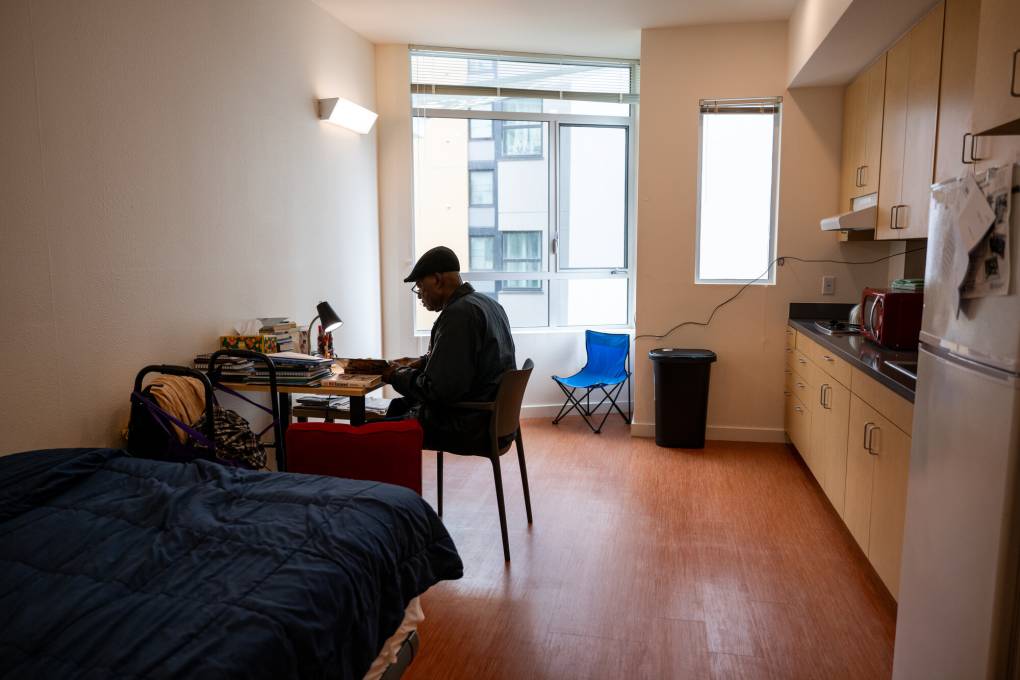
"caption": "Resident Solomon Bukenya sits to read at his desk at the newly built supportive housing site at 1064 Mission Street in San Francisco, run by Episcopal Community Services, on Nov. 14, 2024.",
"credit": "Beth LaBerge/KQED",
"altTag": null,
"description": null,
"imgSizes": {
"medium": {
"file": "https://cdn.kqed.org/wp-content/uploads/sites/10/2024/12/241114-SupportiveHousingInsurance-24-BL_qed-800x533.jpg",
"width": 800,
"height": 533,
"mimeType": "image/jpeg"
},
"large": {
"file": "https://cdn.kqed.org/wp-content/uploads/sites/10/2024/12/241114-SupportiveHousingInsurance-24-BL_qed-1020x680.jpg",
"width": 1020,
"height": 680,
"mimeType": "image/jpeg"
},
"thumbnail": {
"file": "https://cdn.kqed.org/wp-content/uploads/sites/10/2024/12/241114-SupportiveHousingInsurance-24-BL_qed-160x107.jpg",
"width": 160,
"height": 107,
"mimeType": "image/jpeg"
},
"1536x1536": {
"file": "https://cdn.kqed.org/wp-content/uploads/sites/10/2024/12/241114-SupportiveHousingInsurance-24-BL_qed-1536x1024.jpg",
"width": 1536,
"height": 1024,
"mimeType": "image/jpeg"
},
"post-thumbnail": {
"file": "https://cdn.kqed.org/wp-content/uploads/sites/10/2024/12/241114-SupportiveHousingInsurance-24-BL_qed-672x372.jpg",
"width": 672,
"height": 372,
"mimeType": "image/jpeg"
},
"twentyfourteen-full-width": {
"file": "https://cdn.kqed.org/wp-content/uploads/sites/10/2024/12/241114-SupportiveHousingInsurance-24-BL_qed-1038x576.jpg",
"width": 1038,
"height": 576,
"mimeType": "image/jpeg"
},
"full-width": {
"file": "https://cdn.kqed.org/wp-content/uploads/sites/10/2024/12/241114-SupportiveHousingInsurance-24-BL_qed-1920x1280.jpg",
"width": 1920,
"height": 1280,
"mimeType": "image/jpeg"
},
"kqedFullSize": {
"file": "https://cdn.kqed.org/wp-content/uploads/sites/10/2024/12/241114-SupportiveHousingInsurance-24-BL_qed.jpg",
"width": 2000,
"height": 1333
}
},
"isLoading": false,
"fetchFailed": false
},
"news_12001627": {
"type": "attachments",
"id": "news_12001627",
"meta": {
"index": "attachments_1716263798",
"site": "news",
"id": "12001627",
"found": true
},
"title": "Single family homes in Alameda on Jan. 12, 2023.",
"publishDate": 1724439760,
"status": "inherit",
"parent": 12001621,
"modified": 1724439788,
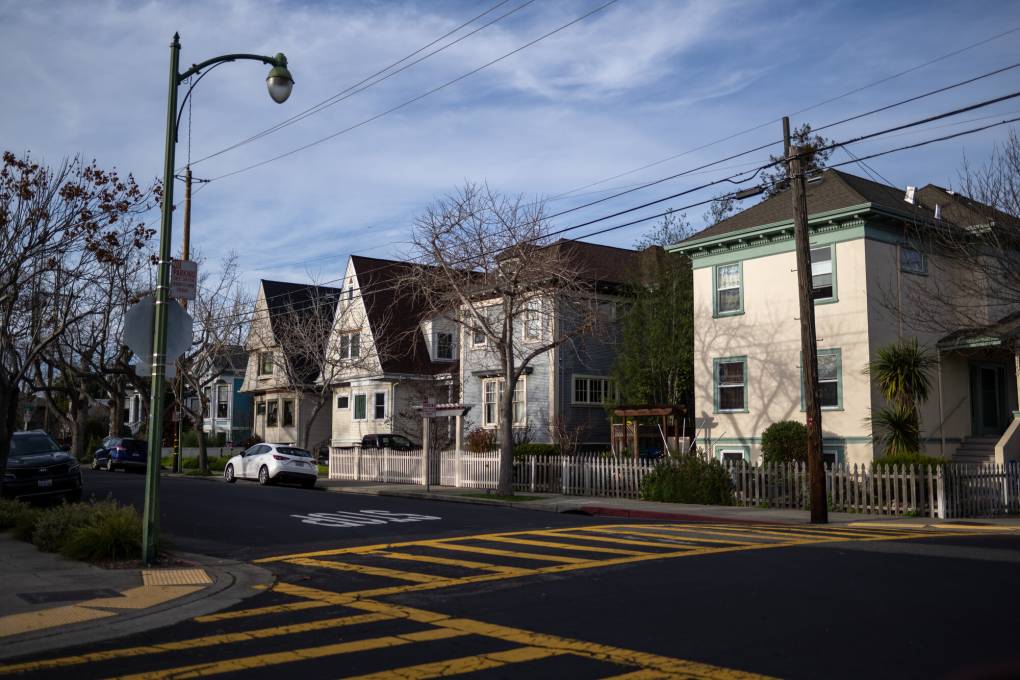
"caption": "Single-family homes in Alameda on Jan. 12, 2023.",
"credit": "Beth LaBerge/KQED",
"altTag": null,
"description": null,
"imgSizes": {
"medium": {
"file": "https://cdn.kqed.org/wp-content/uploads/sites/10/2024/08/006_KQED_AlamedaAffordableHousing_01122023_qed-800x533.jpg",
"width": 800,
"height": 533,
"mimeType": "image/jpeg"
},
"large": {
"file": "https://cdn.kqed.org/wp-content/uploads/sites/10/2024/08/006_KQED_AlamedaAffordableHousing_01122023_qed-1020x680.jpg",
"width": 1020,
"height": 680,
"mimeType": "image/jpeg"
},
"thumbnail": {
"file": "https://cdn.kqed.org/wp-content/uploads/sites/10/2024/08/006_KQED_AlamedaAffordableHousing_01122023_qed-160x107.jpg",
"width": 160,
"height": 107,
"mimeType": "image/jpeg"
},
"1536x1536": {
"file": "https://cdn.kqed.org/wp-content/uploads/sites/10/2024/08/006_KQED_AlamedaAffordableHousing_01122023_qed-1536x1024.jpg",
"width": 1536,
"height": 1024,
"mimeType": "image/jpeg"
},
"post-thumbnail": {
"file": "https://cdn.kqed.org/wp-content/uploads/sites/10/2024/08/006_KQED_AlamedaAffordableHousing_01122023_qed-672x372.jpg",
"width": 672,
"height": 372,
"mimeType": "image/jpeg"
},
"twentyfourteen-full-width": {
"file": "https://cdn.kqed.org/wp-content/uploads/sites/10/2024/08/006_KQED_AlamedaAffordableHousing_01122023_qed-1038x576.jpg",
"width": 1038,
"height": 576,
"mimeType": "image/jpeg"
},
"full-width": {
"file": "https://cdn.kqed.org/wp-content/uploads/sites/10/2024/08/006_KQED_AlamedaAffordableHousing_01122023_qed-1920x1280.jpg",
"width": 1920,
"height": 1280,
"mimeType": "image/jpeg"
},
"kqedFullSize": {
"file": "https://cdn.kqed.org/wp-content/uploads/sites/10/2024/08/006_KQED_AlamedaAffordableHousing_01122023_qed.jpg",
"width": 2000,
"height": 1333
}
},
"isLoading": false,
"fetchFailed": false
},
"news_12017876": {
"type": "attachments",
"id": "news_12017876",
"meta": {
"index": "attachments_1716263798",
"site": "news",
"id": "12017876",
"found": true
},
"title": "053124-Bakersfield-Injectable-LV_1",
"publishDate": 1734026410,
"status": "inherit",
"parent": 12017873,
"modified": 1734030613,
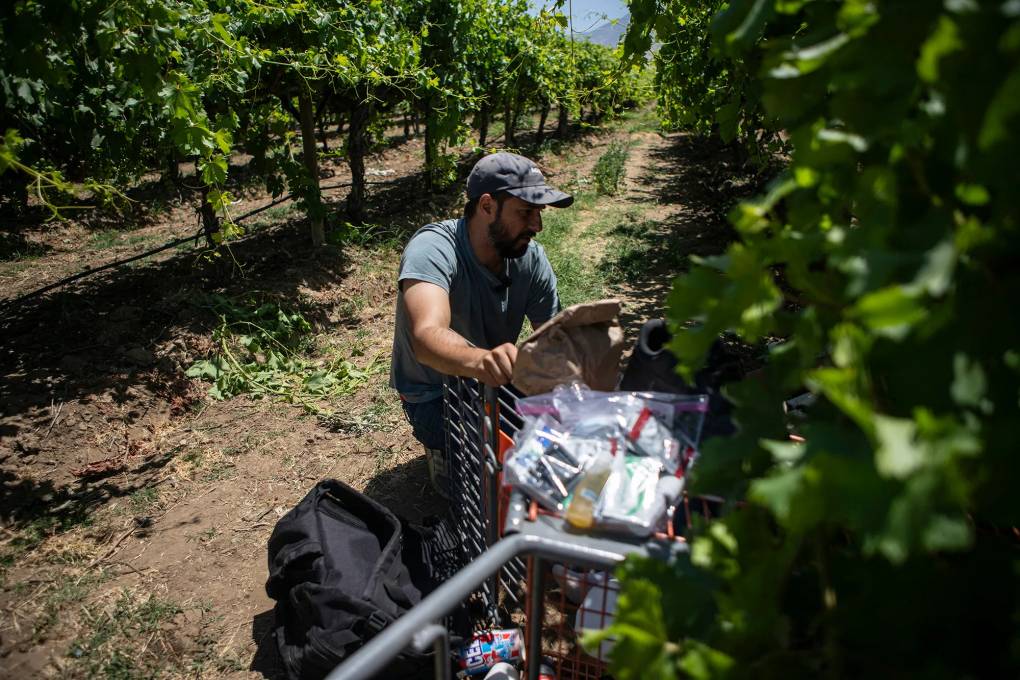
"caption": "Dr. Rishi Patel from the Akido Street Medicine team checks on an unhoused man living in a vineyard in Arvin on May 28, 2024.",
"credit": "Larry Valenzuela/CalMatters/CatchLight Local",
"altTag": null,
"description": null,
"imgSizes": {
"medium": {
"file": "https://cdn.kqed.org/wp-content/uploads/sites/10/2024/12/053124-Bakersfield-Injectable-LV_1-800x533.jpg",
"width": 800,
"height": 533,
"mimeType": "image/jpeg"
},
"large": {
"file": "https://cdn.kqed.org/wp-content/uploads/sites/10/2024/12/053124-Bakersfield-Injectable-LV_1-1020x680.jpg",
"width": 1020,
"height": 680,
"mimeType": "image/jpeg"
},
"thumbnail": {
"file": "https://cdn.kqed.org/wp-content/uploads/sites/10/2024/12/053124-Bakersfield-Injectable-LV_1-160x107.jpg",
"width": 160,
"height": 107,
"mimeType": "image/jpeg"
},
"1536x1536": {
"file": "https://cdn.kqed.org/wp-content/uploads/sites/10/2024/12/053124-Bakersfield-Injectable-LV_1-1536x1024.jpg",
"width": 1536,
"height": 1024,
"mimeType": "image/jpeg"
},
"post-thumbnail": {
"file": "https://cdn.kqed.org/wp-content/uploads/sites/10/2024/12/053124-Bakersfield-Injectable-LV_1-672x372.jpg",
"width": 672,
"height": 372,
"mimeType": "image/jpeg"
},
"twentyfourteen-full-width": {
"file": "https://cdn.kqed.org/wp-content/uploads/sites/10/2024/12/053124-Bakersfield-Injectable-LV_1-1038x576.jpg",
"width": 1038,
"height": 576,
"mimeType": "image/jpeg"
},
"full-width": {
"file": "https://cdn.kqed.org/wp-content/uploads/sites/10/2024/12/053124-Bakersfield-Injectable-LV_1-1920x1280.jpg",
"width": 1920,
"height": 1280,
"mimeType": "image/jpeg"
},
"kqedFullSize": {
"file": "https://cdn.kqed.org/wp-content/uploads/sites/10/2024/12/053124-Bakersfield-Injectable-LV_1.jpg",
"width": 2000,
"height": 1333
}
},
"isLoading": false,
"fetchFailed": false
},
"news_12017720": {
"type": "attachments",
"id": "news_12017720",
"meta": {
"index": "attachments_1716263798",
"site": "news",
"id": "12017720",
"found": true
},
"title": "IMG_3372_qed",
"publishDate": 1733949332,
"status": "inherit",
"parent": 12017695,
"modified": 1733949406,
"caption": "A view of Harrison Street at Main Street in downtown San Francisco during rush hour on May 13, 2019.",
"credit": "Sruti Mamidanna/KQED",
"altTag": null,
"description": null,
"imgSizes": {
"medium": {
"file": "https://cdn.kqed.org/wp-content/uploads/sites/10/2024/12/IMG_3372_qed-800x533.jpg",
"width": 800,
"height": 533,
"mimeType": "image/jpeg"
},
"large": {
"file": "https://cdn.kqed.org/wp-content/uploads/sites/10/2024/12/IMG_3372_qed-1020x680.jpg",
"width": 1020,
"height": 680,
"mimeType": "image/jpeg"
},
"thumbnail": {
"file": "https://cdn.kqed.org/wp-content/uploads/sites/10/2024/12/IMG_3372_qed-160x107.jpg",
"width": 160,
"height": 107,
"mimeType": "image/jpeg"
},
"1536x1536": {
"file": "https://cdn.kqed.org/wp-content/uploads/sites/10/2024/12/IMG_3372_qed-1536x1024.jpg",
"width": 1536,
"height": 1024,
"mimeType": "image/jpeg"
},
"post-thumbnail": {
"file": "https://cdn.kqed.org/wp-content/uploads/sites/10/2024/12/IMG_3372_qed-672x372.jpg",
"width": 672,
"height": 372,
"mimeType": "image/jpeg"
},
"twentyfourteen-full-width": {
"file": "https://cdn.kqed.org/wp-content/uploads/sites/10/2024/12/IMG_3372_qed-1038x576.jpg",
"width": 1038,
"height": 576,
"mimeType": "image/jpeg"
},
"full-width": {
"file": "https://cdn.kqed.org/wp-content/uploads/sites/10/2024/12/IMG_3372_qed-1920x1280.jpg",
"width": 1920,
"height": 1280,
"mimeType": "image/jpeg"
},
"kqedFullSize": {
"file": "https://cdn.kqed.org/wp-content/uploads/sites/10/2024/12/IMG_3372_qed.jpg",
"width": 2000,
"height": 1333
}
},
"isLoading": false,
"fetchFailed": false
},
"news_12017563": {
"type": "attachments",
"id": "news_12017563",
"meta": {
"index": "attachments_1716263798",
"site": "news",
"id": "12017563",
"found": true
},
"title": "231017-LakeMercedRVs-020-BL_qed",
"publishDate": 1733880368,
"status": "inherit",
"parent": 12017544,
"modified": 1733954771,
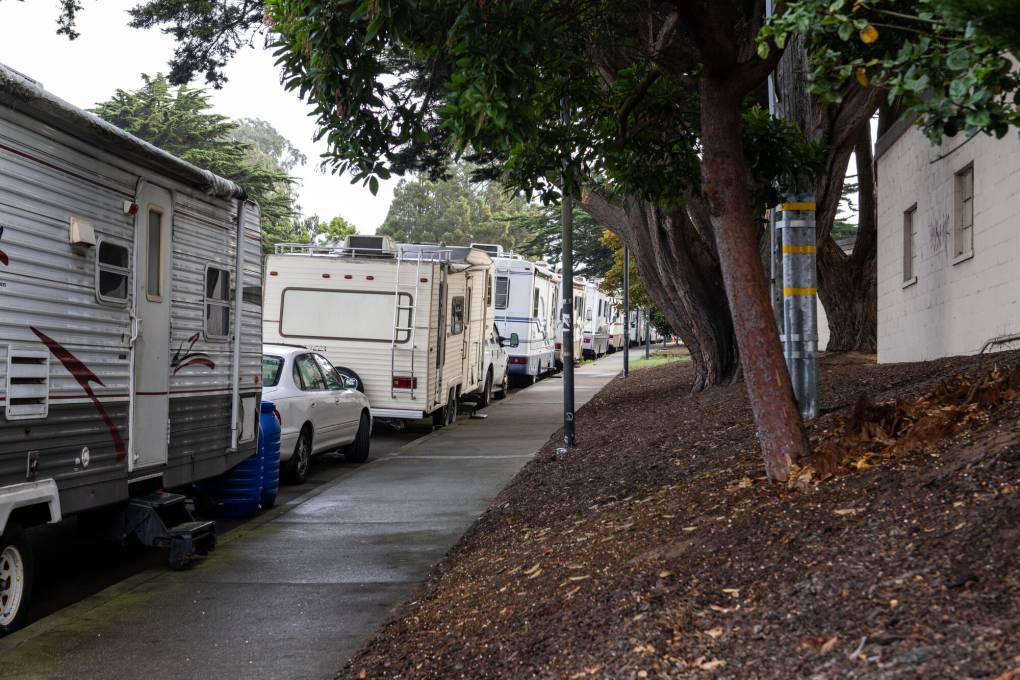
"caption": "RVs line Winston Drive in San Francisco on Oct. 17, 2023, near San Francisco State University.",
"credit": "Beth LaBerge/KQED",
"altTag": null,
"description": null,
"imgSizes": {
"medium": {
"file": "https://cdn.kqed.org/wp-content/uploads/sites/10/2024/12/231017-LakeMercedRVs-020-BL_qed-800x533.jpg",
"width": 800,
"height": 533,
"mimeType": "image/jpeg"
},
"large": {
"file": "https://cdn.kqed.org/wp-content/uploads/sites/10/2024/12/231017-LakeMercedRVs-020-BL_qed-1020x680.jpg",
"width": 1020,
"height": 680,
"mimeType": "image/jpeg"
},
"thumbnail": {
"file": "https://cdn.kqed.org/wp-content/uploads/sites/10/2024/12/231017-LakeMercedRVs-020-BL_qed-160x107.jpg",
"width": 160,
"height": 107,
"mimeType": "image/jpeg"
},
"1536x1536": {
"file": "https://cdn.kqed.org/wp-content/uploads/sites/10/2024/12/231017-LakeMercedRVs-020-BL_qed-1536x1024.jpg",
"width": 1536,
"height": 1024,
"mimeType": "image/jpeg"
},
"post-thumbnail": {
"file": "https://cdn.kqed.org/wp-content/uploads/sites/10/2024/12/231017-LakeMercedRVs-020-BL_qed-672x372.jpg",
"width": 672,
"height": 372,
"mimeType": "image/jpeg"
},
"twentyfourteen-full-width": {
"file": "https://cdn.kqed.org/wp-content/uploads/sites/10/2024/12/231017-LakeMercedRVs-020-BL_qed-1038x576.jpg",
"width": 1038,
"height": 576,
"mimeType": "image/jpeg"
},
"full-width": {
"file": "https://cdn.kqed.org/wp-content/uploads/sites/10/2024/12/231017-LakeMercedRVs-020-BL_qed-1920x1280.jpg",
"width": 1920,
"height": 1280,
"mimeType": "image/jpeg"
},
"kqedFullSize": {
"file": "https://cdn.kqed.org/wp-content/uploads/sites/10/2024/12/231017-LakeMercedRVs-020-BL_qed.jpg",
"width": 2000,
"height": 1333
}
},
"isLoading": false,
"fetchFailed": false
},
"news_12016382": {
"type": "attachments",
"id": "news_12016382",
"meta": {
"index": "attachments_1716263798",
"site": "news",
"id": "12016382",
"found": true
},
"title": "Berkeley Artist Housing",
"publishDate": 1733241251,
"status": "inherit",
"parent": 0,
"modified": 1733250341,
"caption": "View of the 2000 block of Addison Street in downtown Berkeley on Monday, Dec. 2, 2024. Berkeley's City Council is looking into creating a cultural district where artists can get affordable housing. They are using a recently passed State Assembly bill — AB 812 — which helps cities provide artists with below-market-rate housing. The move comes almost 10 years after The Ghost Ship Fire in Oakland killed 36 people at a dance party, exposing the precarious housing situations many artists were living in.",
"credit": "David M. Barreda/KQED",
"altTag": null,
"description": null,
"imgSizes": {
"medium": {
"file": "https://cdn.kqed.org/wp-content/uploads/sites/10/2024/12/241202-BerkeleyArtistHousing-0309-DMB-800x533.jpg",
"width": 800,
"height": 533,
"mimeType": "image/jpeg"
},
"large": {
"file": "https://cdn.kqed.org/wp-content/uploads/sites/10/2024/12/241202-BerkeleyArtistHousing-0309-DMB-1020x680.jpg",
"width": 1020,
"height": 680,
"mimeType": "image/jpeg"
},
"thumbnail": {
"file": "https://cdn.kqed.org/wp-content/uploads/sites/10/2024/12/241202-BerkeleyArtistHousing-0309-DMB-160x107.jpg",
"width": 160,
"height": 107,
"mimeType": "image/jpeg"
},
"1536x1536": {
"file": "https://cdn.kqed.org/wp-content/uploads/sites/10/2024/12/241202-BerkeleyArtistHousing-0309-DMB-1536x1024.jpg",
"width": 1536,
"height": 1024,
"mimeType": "image/jpeg"
},
"post-thumbnail": {
"file": "https://cdn.kqed.org/wp-content/uploads/sites/10/2024/12/241202-BerkeleyArtistHousing-0309-DMB-672x372.jpg",
"width": 672,
"height": 372,
"mimeType": "image/jpeg"
},
"twentyfourteen-full-width": {
"file": "https://cdn.kqed.org/wp-content/uploads/sites/10/2024/12/241202-BerkeleyArtistHousing-0309-DMB-1038x576.jpg",
"width": 1038,
"height": 576,
"mimeType": "image/jpeg"
},
"full-width": {
"file": "https://cdn.kqed.org/wp-content/uploads/sites/10/2024/12/241202-BerkeleyArtistHousing-0309-DMB-1920x1280.jpg",
"width": 1920,
"height": 1280,
"mimeType": "image/jpeg"
},
"kqedFullSize": {
"file": "https://cdn.kqed.org/wp-content/uploads/sites/10/2024/12/241202-BerkeleyArtistHousing-0309-DMB.jpg",
"width": 2000,
"height": 1333
}
},
"isLoading": false,
"fetchFailed": false
},
"news_11998571": {
"type": "attachments",
"id": "news_11998571",
"meta": {
"index": "attachments_1716263798",
"site": "news",
"id": "11998571",
"found": true
},
"title": "240801-ENCAMPMENT SWEEPS-MD-02-KQED",
"publishDate": 1722601919,
"status": "inherit",
"parent": 12000938,
"modified": 1732740082,
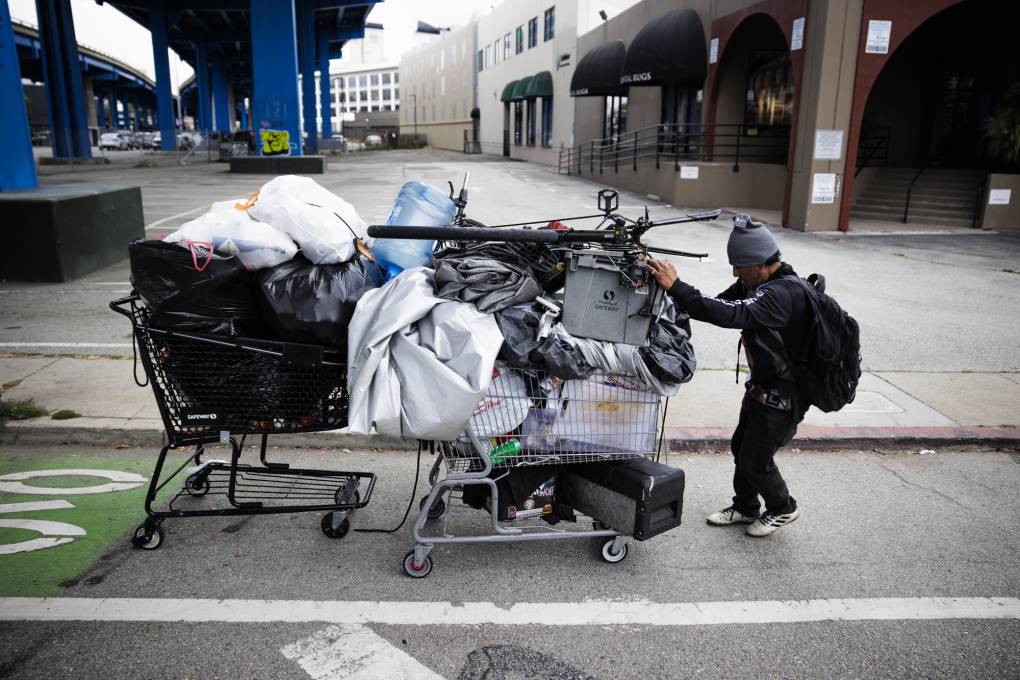
"caption": "An unhoused man relocates his belongings to a new site in anticipation of an encampment sweep by San Francisco's Department of Public Works near Showplace Square in San Francisco on Aug. 1, 2024.",
"credit": "Martin do Nascimento/KQED",
"altTag": "A person wearing black moves a shopping cart full of belongings.",
"description": null,
"imgSizes": {
"medium": {
"file": "https://cdn.kqed.org/wp-content/uploads/sites/10/2024/08/240801-ENCAMPMENT-SWEEPS-MD-02-KQED-800x533.jpg",
"width": 800,
"height": 533,
"mimeType": "image/jpeg"
},
"large": {
"file": "https://cdn.kqed.org/wp-content/uploads/sites/10/2024/08/240801-ENCAMPMENT-SWEEPS-MD-02-KQED-1020x680.jpg",
"width": 1020,
"height": 680,
"mimeType": "image/jpeg"
},
"thumbnail": {
"file": "https://cdn.kqed.org/wp-content/uploads/sites/10/2024/08/240801-ENCAMPMENT-SWEEPS-MD-02-KQED-160x107.jpg",
"width": 160,
"height": 107,
"mimeType": "image/jpeg"
},
"1536x1536": {
"file": "https://cdn.kqed.org/wp-content/uploads/sites/10/2024/08/240801-ENCAMPMENT-SWEEPS-MD-02-KQED-1536x1024.jpg",
"width": 1536,
"height": 1024,
"mimeType": "image/jpeg"
},
"post-thumbnail": {
"file": "https://cdn.kqed.org/wp-content/uploads/sites/10/2024/08/240801-ENCAMPMENT-SWEEPS-MD-02-KQED-672x372.jpg",
"width": 672,
"height": 372,
"mimeType": "image/jpeg"
},
"twentyfourteen-full-width": {
"file": "https://cdn.kqed.org/wp-content/uploads/sites/10/2024/08/240801-ENCAMPMENT-SWEEPS-MD-02-KQED-1038x576.jpg",
"width": 1038,
"height": 576,
"mimeType": "image/jpeg"
},
"full-width": {
"file": "https://cdn.kqed.org/wp-content/uploads/sites/10/2024/08/240801-ENCAMPMENT-SWEEPS-MD-02-KQED-1920x1280.jpg",
"width": 1920,
"height": 1280,
"mimeType": "image/jpeg"
},
"kqedFullSize": {
"file": "https://cdn.kqed.org/wp-content/uploads/sites/10/2024/08/240801-ENCAMPMENT-SWEEPS-MD-02-KQED.jpg?ver=1722631109",
"width": 2000,
"height": 1333
}
},
"isLoading": false,
"fetchFailed": false
},
"news_12016137": {
"type": "attachments",
"id": "news_12016137",
"meta": {
"index": "attachments_1716263798",
"site": "news",
"id": "12016137",
"found": true
},
"title": "06_Mission Point_Central Green Park Aerial",
"publishDate": 1732739147,
"status": "inherit",
"parent": 12016083,
"modified": 1732739201,
"caption": "This digital rendering shows what a portion of a recently approved project from developer Kylli could look like when complete in Santa Clara. ",
"credit": "Courtesy of Kylli",
"altTag": null,
"description": null,
"imgSizes": {
"medium": {
"file": "https://cdn.kqed.org/wp-content/uploads/sites/10/2024/11/06_Mission-Point_Central-Green-Park-Aerial-scaled-e1732739224116-800x451.jpg",
"width": 800,
"height": 451,
"mimeType": "image/jpeg"
},
"large": {
"file": "https://cdn.kqed.org/wp-content/uploads/sites/10/2024/11/06_Mission-Point_Central-Green-Park-Aerial-scaled-e1732739224116-1020x575.jpg",
"width": 1020,
"height": 575,
"mimeType": "image/jpeg"
},
"thumbnail": {
"file": "https://cdn.kqed.org/wp-content/uploads/sites/10/2024/11/06_Mission-Point_Central-Green-Park-Aerial-scaled-e1732739224116-160x90.jpg",
"width": 160,
"height": 90,
"mimeType": "image/jpeg"
},
"1536x1536": {
"file": "https://cdn.kqed.org/wp-content/uploads/sites/10/2024/11/06_Mission-Point_Central-Green-Park-Aerial-scaled-e1732739224116-1536x865.jpg",
"width": 1536,
"height": 865,
"mimeType": "image/jpeg"
},
"2048x2048": {
"file": "https://cdn.kqed.org/wp-content/uploads/sites/10/2024/11/06_Mission-Point_Central-Green-Park-Aerial-scaled-e1732739224116-2048x1154.jpg",
"width": 2048,
"height": 1154,
"mimeType": "image/jpeg"
},
"post-thumbnail": {
"file": "https://cdn.kqed.org/wp-content/uploads/sites/10/2024/11/06_Mission-Point_Central-Green-Park-Aerial-scaled-e1732739224116-672x372.jpg",
"width": 672,
"height": 372,
"mimeType": "image/jpeg"
},
"twentyfourteen-full-width": {
"file": "https://cdn.kqed.org/wp-content/uploads/sites/10/2024/11/06_Mission-Point_Central-Green-Park-Aerial-scaled-e1732739224116-1038x576.jpg",
"width": 1038,
"height": 576,
"mimeType": "image/jpeg"
},
"full-width": {
"file": "https://cdn.kqed.org/wp-content/uploads/sites/10/2024/11/06_Mission-Point_Central-Green-Park-Aerial-scaled-e1732739224116-1920x1082.jpg",
"width": 1920,
"height": 1082,
"mimeType": "image/jpeg"
},
"kqedFullSize": {
"file": "https://cdn.kqed.org/wp-content/uploads/sites/10/2024/11/06_Mission-Point_Central-Green-Park-Aerial-scaled-e1732739224116.jpg",
"width": 2560,
"height": 1442
}
},
"isLoading": false,
"fetchFailed": false
},
"news_12015960": {
"type": "attachments",
"id": "news_12015960",
"meta": {
"index": "attachments_1716263798",
"site": "news",
"id": "12015960",
"found": true
},
"title": "Bay Area Storm",
"publishDate": 1732650527,
"status": "inherit",
"parent": 12015944,
"modified": 1732650607,
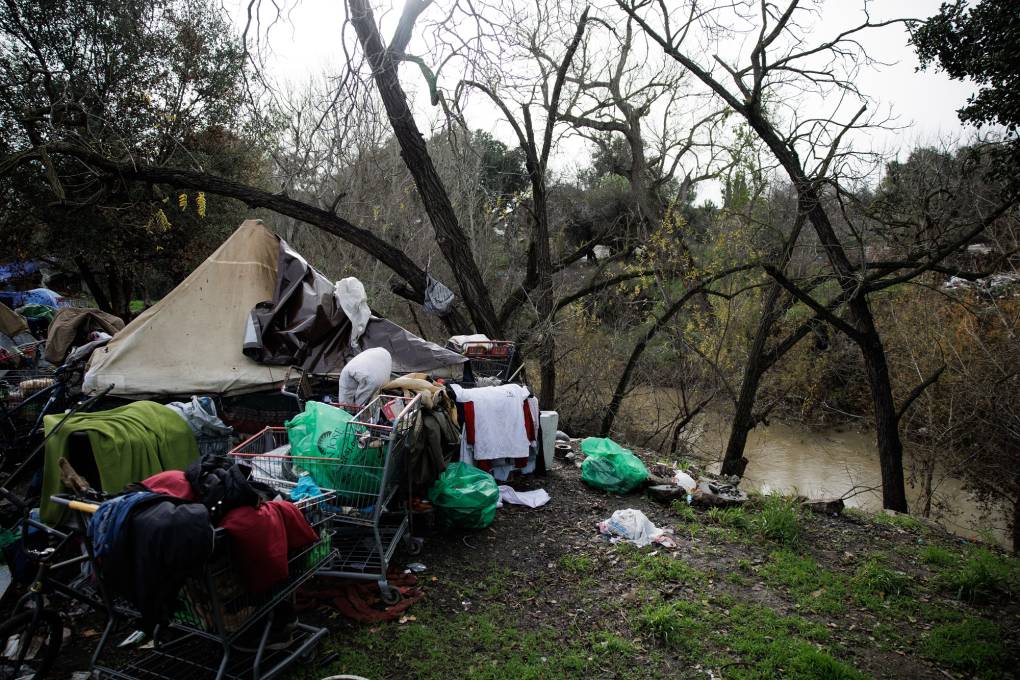
"caption": "Clusters of tents belonging to unhoused residents line the banks of Coyote Creek near Tully Road on Jan. 4, 2023, in San José, California. ",
"credit": "Dai Sugano/MediaNews Group/The Mercury News via Getty Images",
"altTag": null,
"description": null,
"imgSizes": {
"medium": {
"file": "https://cdn.kqed.org/wp-content/uploads/sites/10/2024/11/SantaClaraCountyHomelessnessGetty1-800x533.jpg",
"width": 800,
"height": 533,
"mimeType": "image/jpeg"
},
"large": {
"file": "https://cdn.kqed.org/wp-content/uploads/sites/10/2024/11/SantaClaraCountyHomelessnessGetty1-1020x680.jpg",
"width": 1020,
"height": 680,
"mimeType": "image/jpeg"
},
"thumbnail": {
"file": "https://cdn.kqed.org/wp-content/uploads/sites/10/2024/11/SantaClaraCountyHomelessnessGetty1-160x107.jpg",
"width": 160,
"height": 107,
"mimeType": "image/jpeg"
},
"1536x1536": {
"file": "https://cdn.kqed.org/wp-content/uploads/sites/10/2024/11/SantaClaraCountyHomelessnessGetty1-1536x1024.jpg",
"width": 1536,
"height": 1024,
"mimeType": "image/jpeg"
},
"post-thumbnail": {
"file": "https://cdn.kqed.org/wp-content/uploads/sites/10/2024/11/SantaClaraCountyHomelessnessGetty1-672x372.jpg",
"width": 672,
"height": 372,
"mimeType": "image/jpeg"
},
"twentyfourteen-full-width": {
"file": "https://cdn.kqed.org/wp-content/uploads/sites/10/2024/11/SantaClaraCountyHomelessnessGetty1-1038x576.jpg",
"width": 1038,
"height": 576,
"mimeType": "image/jpeg"
},
"full-width": {
"file": "https://cdn.kqed.org/wp-content/uploads/sites/10/2024/11/SantaClaraCountyHomelessnessGetty1-1920x1280.jpg",
"width": 1920,
"height": 1280,
"mimeType": "image/jpeg"
},
"kqedFullSize": {
"file": "https://cdn.kqed.org/wp-content/uploads/sites/10/2024/11/SantaClaraCountyHomelessnessGetty1.jpg",
"width": 2000,
"height": 1333
}
},
"isLoading": false,
"fetchFailed": false
},
"news_11722520": {
"type": "attachments",
"id": "news_11722520",
"meta": {
"index": "attachments_1716263798",
"site": "news",
"id": "11722520",
"found": true
},
"title": "PowerPGEMissionDist",
"publishDate": 1548969534,
"status": "inherit",
"parent": 11721965,
"modified": 1732658729,
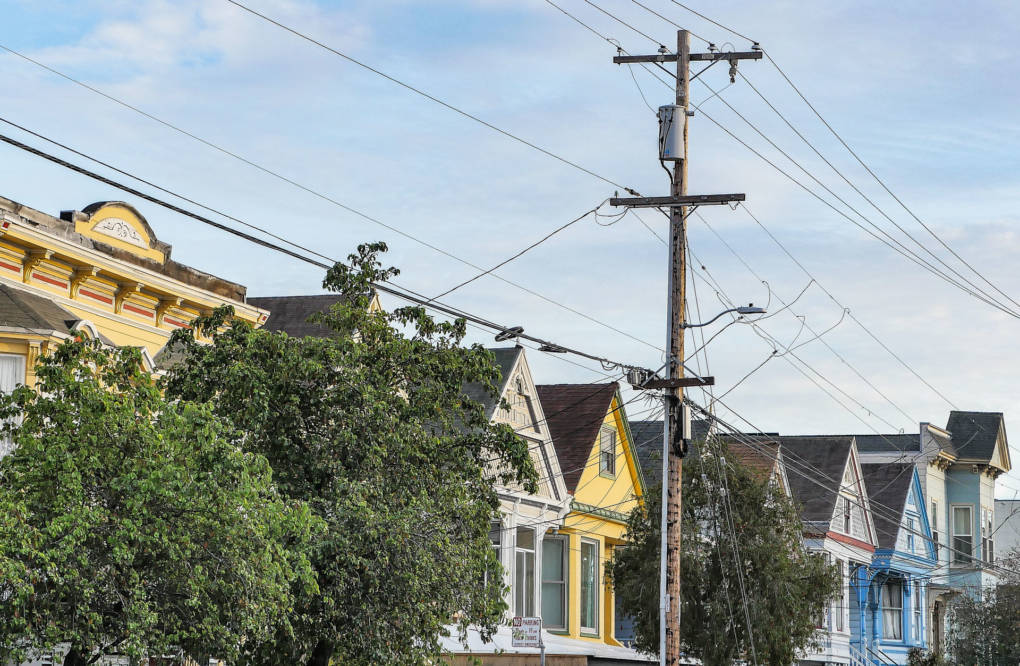
"caption": "PG&E utility poles in San Francisco's Mission District.",
"credit": "Sheraz Sadiq/KQED",
"altTag": "A photo of a telephone pole and its wires with different colored homes in the background.",
"description": "PG&E utility poles in San Francisco's Mission District.",
"imgSizes": {
"thumbnail": {
"file": "https://cdn.kqed.org/wp-content/uploads/sites/10/2019/01/PowerPGEMissionDist-160x104.jpg",
"width": 160,
"height": 104,
"mimeType": "image/jpeg"
},
"medium": {
"file": "https://cdn.kqed.org/wp-content/uploads/sites/10/2019/01/PowerPGEMissionDist-800x522.jpg",
"width": 800,
"height": 522,
"mimeType": "image/jpeg"
},
"large": {
"file": "https://cdn.kqed.org/wp-content/uploads/sites/10/2019/01/PowerPGEMissionDist-1020x666.jpg",
"width": 1020,
"height": 666,
"mimeType": "image/jpeg"
},
"complete_open_graph": {
"file": "https://cdn.kqed.org/wp-content/uploads/sites/10/2019/01/PowerPGEMissionDist-1200x783.jpg",
"width": 1200,
"height": 783,
"mimeType": "image/jpeg"
},
"post-thumbnail": {
"file": "https://cdn.kqed.org/wp-content/uploads/sites/10/2019/01/PowerPGEMissionDist-672x372.jpg",
"width": 672,
"height": 372,
"mimeType": "image/jpeg"
},
"twentyfourteen-full-width": {
"file": "https://cdn.kqed.org/wp-content/uploads/sites/10/2019/01/PowerPGEMissionDist-1038x576.jpg",
"width": 1038,
"height": 576,
"mimeType": "image/jpeg"
},
"full-width": {
"file": "https://cdn.kqed.org/wp-content/uploads/sites/10/2019/01/PowerPGEMissionDist-1920x1253.jpg",
"width": 1920,
"height": 1253,
"mimeType": "image/jpeg"
},
"guest-author-32": {
"file": "https://cdn.kqed.org/wp-content/uploads/sites/10/2019/01/PowerPGEMissionDist-32x32.jpg",
"width": 32,
"height": 32,
"mimeType": "image/jpeg"
},
"guest-author-50": {
"file": "https://cdn.kqed.org/wp-content/uploads/sites/10/2019/01/PowerPGEMissionDist-50x50.jpg",
"width": 50,
"height": 50,
"mimeType": "image/jpeg"
},
"guest-author-64": {
"file": "https://cdn.kqed.org/wp-content/uploads/sites/10/2019/01/PowerPGEMissionDist-64x64.jpg",
"width": 64,
"height": 64,
"mimeType": "image/jpeg"
},
"guest-author-96": {
"file": "https://cdn.kqed.org/wp-content/uploads/sites/10/2019/01/PowerPGEMissionDist-96x96.jpg",
"width": 96,
"height": 96,
"mimeType": "image/jpeg"
},
"guest-author-128": {
"file": "https://cdn.kqed.org/wp-content/uploads/sites/10/2019/01/PowerPGEMissionDist-128x128.jpg",
"width": 128,
"height": 128,
"mimeType": "image/jpeg"
},
"detail": {
"file": "https://cdn.kqed.org/wp-content/uploads/sites/10/2019/01/PowerPGEMissionDist-150x150.jpg",
"width": 150,
"height": 150,
"mimeType": "image/jpeg"
},
"kqedFullSize": {
"file": "https://cdn.kqed.org/wp-content/uploads/sites/10/2019/01/PowerPGEMissionDist.jpg",
"width": 1920,
"height": 1253
}
},
"isLoading": false,
"fetchFailed": false
},
"news_11938286": {
"type": "attachments",
"id": "news_11938286",
"meta": {
"index": "attachments_1716263798",
"site": "news",
"id": "11938286",
"found": true
},
"parent": 11938251,
"imgSizes": {
"twentyfourteen-full-width": {
"file": "https://ww2.kqed.org/app/uploads/sites/10/2023/01/RS62026_GettyImages-1455813510-qut-1038x576.jpg",
"width": 1038,
"mimeType": "image/jpeg",
"height": 576
},
"thumbnail": {
"file": "https://ww2.kqed.org/app/uploads/sites/10/2023/01/RS62026_GettyImages-1455813510-qut-160x107.jpg",
"width": 160,
"mimeType": "image/jpeg",
"height": 107
},
"post-thumbnail": {
"file": "https://ww2.kqed.org/app/uploads/sites/10/2023/01/RS62026_GettyImages-1455813510-qut-672x372.jpg",
"width": 672,
"mimeType": "image/jpeg",
"height": 372
},
"kqedFullSize": {
"file": "https://ww2.kqed.org/app/uploads/sites/10/2023/01/RS62026_GettyImages-1455813510-qut.jpg",
"width": 1920,
"height": 1280
},
"large": {
"file": "https://ww2.kqed.org/app/uploads/sites/10/2023/01/RS62026_GettyImages-1455813510-qut-1020x680.jpg",
"width": 1020,
"mimeType": "image/jpeg",
"height": 680
},
"1536x1536": {
"file": "https://ww2.kqed.org/app/uploads/sites/10/2023/01/RS62026_GettyImages-1455813510-qut-1536x1024.jpg",
"width": 1536,
"mimeType": "image/jpeg",
"height": 1024
},
"medium": {
"file": "https://ww2.kqed.org/app/uploads/sites/10/2023/01/RS62026_GettyImages-1455813510-qut-800x533.jpg",
"width": 800,
"mimeType": "image/jpeg",
"height": 533
}
},
"publishDate": 1673984678,
"modified": 1673992229,
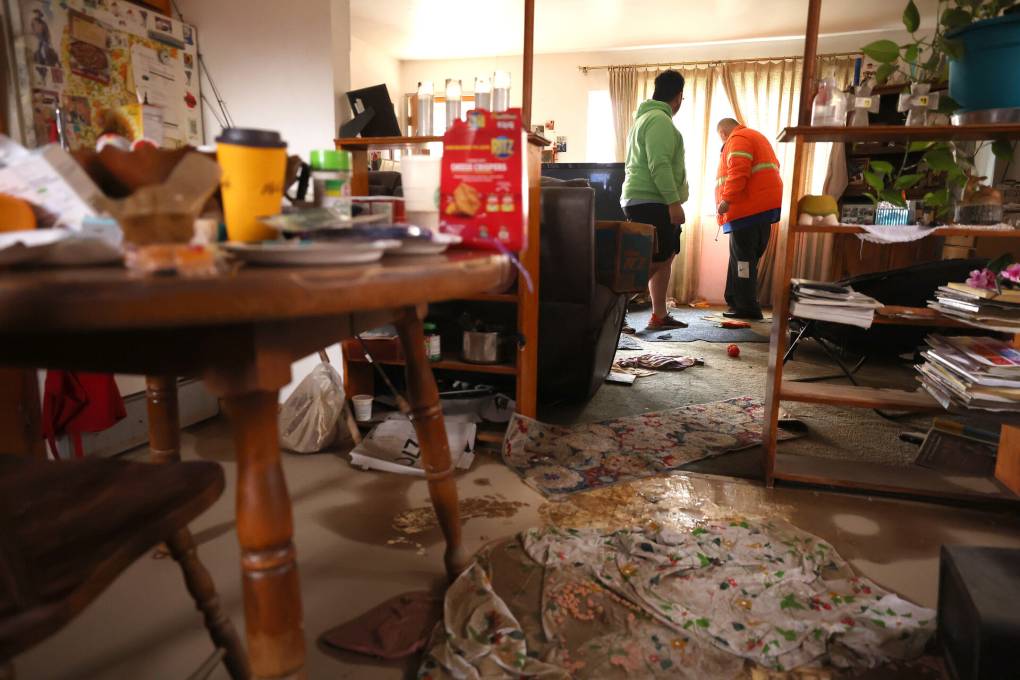
"caption": "Donnie Young (right) and Alex Munoz (left) inspect their flooded home on Jan. 11, 2023, in Planada. The Central Valley town was devastated by widespread flooding after a severe atmospheric river event moved through the area earlier in the week.",
"description": null,
"title": "Multiple Storms Batter California With Flooding Rains",
"credit": "Justin Sullivan/Getty Images",
"status": "inherit",
"altTag": "A photograph showing the interior of a home, probably a living room, that has been damaged by flooding. Two people are in the back of the photo, examining the damage.",
"isLoading": false,
"fetchFailed": false
},
"news_12015030": {
"type": "attachments",
"id": "news_12015030",
"meta": {
"index": "attachments_1716263798",
"site": "news",
"id": "12015030",
"found": true
},
"title": "241119-ParadiseFireSurvivor-01-Porter_CarsonCity",
"publishDate": 1732060708,
"status": "inherit",
"parent": 0,
"modified": 1732214442,
"caption": "Jennifer Porter at her property in Carson City, Nevada, where she plans to move by the end of the year.",
"credit": "Pauline Bartolone/KQED",
"altTag": null,
"description": null,
"imgSizes": {
"medium": {
"file": "https://cdn.kqed.org/wp-content/uploads/sites/10/2024/11/241119-ParadiseFireSurvivor-01-Porter_CarsonCity-800x533.jpg",
"width": 800,
"height": 533,
"mimeType": "image/jpeg"
},
"large": {
"file": "https://cdn.kqed.org/wp-content/uploads/sites/10/2024/11/241119-ParadiseFireSurvivor-01-Porter_CarsonCity-1020x680.jpg",
"width": 1020,
"height": 680,
"mimeType": "image/jpeg"
},
"thumbnail": {
"file": "https://cdn.kqed.org/wp-content/uploads/sites/10/2024/11/241119-ParadiseFireSurvivor-01-Porter_CarsonCity-160x107.jpg",
"width": 160,
"height": 107,
"mimeType": "image/jpeg"
},
"1536x1536": {
"file": "https://cdn.kqed.org/wp-content/uploads/sites/10/2024/11/241119-ParadiseFireSurvivor-01-Porter_CarsonCity-1536x1024.jpg",
"width": 1536,
"height": 1024,
"mimeType": "image/jpeg"
},
"post-thumbnail": {
"file": "https://cdn.kqed.org/wp-content/uploads/sites/10/2024/11/241119-ParadiseFireSurvivor-01-Porter_CarsonCity-672x372.jpg",
"width": 672,
"height": 372,
"mimeType": "image/jpeg"
},
"twentyfourteen-full-width": {
"file": "https://cdn.kqed.org/wp-content/uploads/sites/10/2024/11/241119-ParadiseFireSurvivor-01-Porter_CarsonCity-1038x576.jpg",
"width": 1038,
"height": 576,
"mimeType": "image/jpeg"
},
"full-width": {
"file": "https://cdn.kqed.org/wp-content/uploads/sites/10/2024/11/241119-ParadiseFireSurvivor-01-Porter_CarsonCity-1920x1280.jpg",
"width": 1920,
"height": 1280,
"mimeType": "image/jpeg"
},
"kqedFullSize": {
"file": "https://cdn.kqed.org/wp-content/uploads/sites/10/2024/11/241119-ParadiseFireSurvivor-01-Porter_CarsonCity.jpg",
"width": 2000,
"height": 1333
}
},
"isLoading": false,
"fetchFailed": false
}
},
"audioPlayerReducer": {
"postId": "stream_live",
"isPaused": true,
"isPlaying": false,
"pfsActive": false,
"pledgeModalIsOpen": true,
"playerDrawerIsOpen": false,
"liveAudioPlayStartedAt": 0,
"liveAudioPlayContext": ""
},
"authorsReducer": {
"byline_news_12017873": {
"type": "authors",
"id": "byline_news_12017873",
"meta": {
"override": true
},
"slug": "byline_news_12017873",
"name": "\u003ca href=\"https://calmatters.org/author/marisa-kendall/\">Marisa Kendall\u003c/a>, CalMatters",
"isLoading": false
},
"byline_news_12016112": {
"type": "authors",
"id": "byline_news_12016112",
"meta": {
"override": true
},
"slug": "byline_news_12016112",
"name": "\u003ca href=\"https://calmatters.org/author/marisa-kendall/\">Marisa Kendall\u003c/a>, CalMatters",
"isLoading": false
},
"dventon": {
"type": "authors",
"id": "11088",
"meta": {
"index": "authors_1716337520",
"id": "11088",
"found": true
},
"name": "Danielle Venton",
"firstName": "Danielle",
"lastName": "Venton",
"slug": "dventon",
"email": "dventon@kqed.org",
"display_author_email": true,
"staff_mastheads": [
"science"
],
"title": "Science reporter",
"bio": "Danielle Venton is a reporter for KQED Science. She covers wildfires, space and oceans (though she is prone to sea sickness).\r\n\r\nBefore joining KQED in 2015, Danielle was a staff reporter at KRCB in Sonoma County and a freelancer. She studied science communication at UC Santa Cruz and formerly worked at CERN in Geneva, Switzerland where she wrote about computing. She lives in Sonoma County and enjoys backpacking.",
"avatar": "https://secure.gravatar.com/avatar/37b292b5c40c8d93959c4f48d73b5286f41b7abd8588277e941905a3ed4c801c?s=600&d=blank&r=g",
"twitter": "DanielleVenton",
"bluesky": null,
"facebook": null,
"instagram": null,
"linkedin": null,
"sites": [
{
"site": "arts",
"roles": [
"contributor"
]
},
{
"site": "news",
"roles": [
"editor"
]
},
{
"site": "futureofyou",
"roles": [
"editor"
]
},
{
"site": "science",
"roles": [
"editor"
]
},
{
"site": "liveblog",
"roles": [
"contributor"
]
}
],
"headData": {
"title": "Danielle Venton | KQED",
"description": "Science reporter",
"ogImgSrc": "https://secure.gravatar.com/avatar/37b292b5c40c8d93959c4f48d73b5286f41b7abd8588277e941905a3ed4c801c?s=600&d=blank&r=g",
"twImgSrc": "https://secure.gravatar.com/avatar/37b292b5c40c8d93959c4f48d73b5286f41b7abd8588277e941905a3ed4c801c?s=600&d=blank&r=g"
},
"isLoading": false,
"link": "/author/dventon"
},
"ebaldassari": {
"type": "authors",
"id": "11652",
"meta": {
"index": "authors_1716337520",
"id": "11652",
"found": true
},
"name": "Erin Baldassari",
"firstName": "Erin",
"lastName": "Baldassari",
"slug": "ebaldassari",
"email": "ebaldassari@KQED.org",
"display_author_email": true,
"staff_mastheads": [
"news"
],
"title": "Staff Writer",
"bio": "Erin Baldassari covers housing for KQED. She's a former print journalist and most recently worked as the transportation reporter for the \u003cem>Mercury News\u003c/em> and \u003cem>East Bay Times. \u003c/em>There, she focused on how the Bay Area’s housing shortage has changed the way people move around the region. She also served on the \u003cem>East Bay Times\u003c/em>’ 2017 Pulitzer Prize-winning team for coverage of the Ghost Ship Fire in Oakland. Prior to that, Erin worked as a breaking news and general assignment reporter for a variety of outlets in the Bay Area and the greater Boston area. A Tufts University alumna, Erin grew up in the foothills of the Sierra Nevada mountains and in Sonoma County. She is a life-long KQED listener.",
"avatar": "https://secure.gravatar.com/avatar/5e95cad64a8ca08288082212e199d2b0cbeb4fd8e8ef5339395f361032bbe005?s=600&d=blank&r=g",
"twitter": "e_baldi",
"bluesky": null,
"facebook": null,
"instagram": null,
"linkedin": null,
"sites": [
{
"site": "news",
"roles": [
"edit_others_posts",
"editor"
]
},
{
"site": "science",
"roles": [
"editor"
]
},
{
"site": "liveblog",
"roles": [
"editor"
]
}
],
"headData": {
"title": "Erin Baldassari | KQED",
"description": "Staff Writer",
"ogImgSrc": "https://secure.gravatar.com/avatar/5e95cad64a8ca08288082212e199d2b0cbeb4fd8e8ef5339395f361032bbe005?s=600&d=blank&r=g",
"twImgSrc": "https://secure.gravatar.com/avatar/5e95cad64a8ca08288082212e199d2b0cbeb4fd8e8ef5339395f361032bbe005?s=600&d=blank&r=g"
},
"isLoading": false,
"link": "/author/ebaldassari"
},
"abandlamudi": {
"type": "authors",
"id": "11672",
"meta": {
"index": "authors_1716337520",
"id": "11672",
"found": true
},
"name": "Adhiti Bandlamudi",
"firstName": "Adhiti",
"lastName": "Bandlamudi",
"slug": "abandlamudi",
"email": "abandlamudi@kqed.org",
"display_author_email": false,
"staff_mastheads": [
"news"
],
"title": "KQED Housing Reporter",
"bio": "Adhiti Bandlamudi reports for KQED's Housing desk. She focuses on how housing gets built across the Bay Area. Before joining KQED in 2020, she reported for WUNC in Durham, North Carolina, WABE in Atlanta, Georgia and Capital Public Radio in Sacramento. In 2017, she was awarded a Kroc Fellowship at NPR where she reported on everything from sprinkles to the Golden State Killer's arrest. When she's not reporting, she's baking new recipes in her kitchen or watching movies with friends and family. She's originally from Georgia and has strong opinions about Great British Bake Off.",
"avatar": "https://secure.gravatar.com/avatar/868129c8b257bb99a3500e2c86a65400?s=600&d=mm&r=g",
"twitter": "oddity_adhiti",
"facebook": null,
"instagram": null,
"linkedin": null,
"sites": [
{
"site": "arts",
"roles": [
"author"
]
},
{
"site": "news",
"roles": [
"editor"
]
},
{
"site": "liveblog",
"roles": [
"author"
]
}
],
"headData": {
"title": "Adhiti Bandlamudi | KQED",
"description": "KQED Housing Reporter",
"ogImgSrc": "https://secure.gravatar.com/avatar/868129c8b257bb99a3500e2c86a65400?s=600&d=mm&r=g",
"twImgSrc": "https://secure.gravatar.com/avatar/868129c8b257bb99a3500e2c86a65400?s=600&d=mm&r=g"
},
"isLoading": false,
"link": "/author/abandlamudi"
},
"ccabreralomeli": {
"type": "authors",
"id": "11708",
"meta": {
"index": "authors_1716337520",
"id": "11708",
"found": true
},
"name": "Carlos Cabrera-Lomelí",
"firstName": "Carlos",
"lastName": "Cabrera-Lomelí",
"slug": "ccabreralomeli",
"email": "ccabreralomeli@KQED.org",
"display_author_email": true,
"staff_mastheads": [
"news"
],
"title": "Community Reporter",
"bio": "Carlos Cabrera-Lomelí is a community reporter with KQED's digital engagement team. He also reports and co-produces for KQED's bilingual news hub KQED en Español. He grew up in San Francisco's Mission District and has previously worked with Univision, 48 Hills and REFORMA in Mexico City.",
"avatar": "https://secure.gravatar.com/avatar/c309be9665e484f887b818c89e273ecc673004f426f36b24d00a4d813a2e0518?s=600&d=blank&r=g",
"twitter": "@LomeliCabrera",
"bluesky": null,
"facebook": null,
"instagram": null,
"linkedin": null,
"sites": [
{
"site": "arts",
"roles": [
"editor"
]
},
{
"site": "news",
"roles": [
"editor"
]
},
{
"site": "about",
"roles": [
"editor"
]
},
{
"site": "science",
"roles": [
"editor"
]
},
{
"site": "perspectives",
"roles": [
"editor"
]
},
{
"site": "elections",
"roles": [
"editor"
]
},
{
"site": "liveblog",
"roles": [
"contributor"
]
}
],
"headData": {
"title": "Carlos Cabrera-Lomelí | KQED",
"description": "Community Reporter",
"ogImgSrc": "https://secure.gravatar.com/avatar/c309be9665e484f887b818c89e273ecc673004f426f36b24d00a4d813a2e0518?s=600&d=blank&r=g",
"twImgSrc": "https://secure.gravatar.com/avatar/c309be9665e484f887b818c89e273ecc673004f426f36b24d00a4d813a2e0518?s=600&d=blank&r=g"
},
"isLoading": false,
"link": "/author/ccabreralomeli"
},
"eromero": {
"type": "authors",
"id": "11746",
"meta": {
"index": "authors_1716337520",
"id": "11746",
"found": true
},
"name": "Ezra David Romero",
"firstName": "Ezra David",
"lastName": "Romero",
"slug": "eromero",
"email": "eromero@kqed.org",
"display_author_email": true,
"staff_mastheads": [
"news",
"science"
],
"title": "Climate Reporter",
"bio": "Ezra David Romero is a climate reporter for KQED News. He covers the absence and excess of water in the Bay Area — think sea level rise, flooding and drought. For nearly a decade he’s covered how warming temperatures are altering the lives of Californians. He’s reported on farmers worried their pistachio trees aren’t getting enough sleep, families desperate for water, scientists studying dying giant sequoias, and alongside firefighters containing wildfires. His work has appeared on local stations across California and nationally on public radio shows like Morning Edition, Here and Now, All Things Considered and Science Friday. ",
"avatar": "https://secure.gravatar.com/avatar/c76404d287c10ed40224227551ac36e24352c7306f106632caf6fead76f8801f?s=600&d=blank&r=g",
"twitter": "ezraromero",
"bluesky": null,
"facebook": null,
"instagram": null,
"linkedin": null,
"sites": [
{
"site": "arts",
"roles": [
"editor"
]
},
{
"site": "news",
"roles": [
"editor"
]
},
{
"site": "science",
"roles": [
"editor"
]
},
{
"site": "liveblog",
"roles": [
"author"
]
}
],
"headData": {
"title": "Ezra David Romero | KQED",
"description": "Climate Reporter",
"ogImgSrc": "https://secure.gravatar.com/avatar/c76404d287c10ed40224227551ac36e24352c7306f106632caf6fead76f8801f?s=600&d=blank&r=g",
"twImgSrc": "https://secure.gravatar.com/avatar/c76404d287c10ed40224227551ac36e24352c7306f106632caf6fead76f8801f?s=600&d=blank&r=g"
},
"isLoading": false,
"link": "/author/eromero"
},
"pbartolone": {
"type": "authors",
"id": "11879",
"meta": {
"index": "authors_1716337520",
"id": "11879",
"found": true
},
"name": "Pauline Bartolone",
"firstName": "Pauline",
"lastName": "Bartolone",
"slug": "pbartolone",
"email": "pbartolone@kqed.org",
"display_author_email": false,
"staff_mastheads": [],
"title": "KQED Contributor",
"bio": "Pauline Bartolone has been a journalist for two decades, specializing in longform audio storytelling. Before editing and producing for podcasts like Bay Curious, she was a health care journalist for public radio and print outlets such as CalMatters and Kaiser Health News. Her reporting has won several regional Edward R. Murrow awards, national recognition from the Society of Professional Journalists and a first-place prize from the Association of Health Care Journalists.\r\n\r\nPauline’s work has aired frequently on National Public Radio, and bylines have appeared in The Los Angeles Times, CNN.com, Washingtonpost.com, USA Today and Scientific American.\r\n\r\nPauline has lived in Northern California for 20 years. Her other passions are crafts (now done in collaboration with her daughter) and the Brazilian martial art of capoeira.",
"avatar": "https://secure.gravatar.com/avatar/95001c30374b0d3878007af9cf1e120a?s=600&d=blank&r=g",
"twitter": "pbartolone",
"facebook": null,
"instagram": null,
"linkedin": null,
"sites": [
{
"site": "news",
"roles": [
"editor"
]
},
{
"site": "podcasts",
"roles": [
"subscriber"
]
}
],
"headData": {
"title": "Pauline Bartolone | KQED",
"description": "KQED Contributor",
"ogImgSrc": "https://secure.gravatar.com/avatar/95001c30374b0d3878007af9cf1e120a?s=600&d=blank&r=g",
"twImgSrc": "https://secure.gravatar.com/avatar/95001c30374b0d3878007af9cf1e120a?s=600&d=blank&r=g"
},
"isLoading": false,
"link": "/author/pbartolone"
},
"jgeha": {
"type": "authors",
"id": "11906",
"meta": {
"index": "authors_1716337520",
"id": "11906",
"found": true
},
"name": "Joseph Geha",
"firstName": "Joseph",
"lastName": "Geha",
"slug": "jgeha",
"email": "jgeha@kqed.org",
"display_author_email": false,
"staff_mastheads": [
"news",
"science"
],
"title": "KQED Contributor",
"bio": null,
"avatar": "https://secure.gravatar.com/avatar/ea84d2b6dd93d6369d453edf19dd583f117cd1759d2d9c9c92f9de77017354fe?s=600&d=blank&r=g",
"twitter": null,
"bluesky": null,
"facebook": null,
"instagram": null,
"linkedin": null,
"sites": [
{
"site": "news",
"roles": [
"editor"
]
},
{
"site": "liveblog",
"roles": [
"author"
]
}
],
"headData": {
"title": "Joseph Geha | KQED",
"description": "KQED Contributor",
"ogImgSrc": "https://secure.gravatar.com/avatar/ea84d2b6dd93d6369d453edf19dd583f117cd1759d2d9c9c92f9de77017354fe?s=600&d=blank&r=g",
"twImgSrc": "https://secure.gravatar.com/avatar/ea84d2b6dd93d6369d453edf19dd583f117cd1759d2d9c9c92f9de77017354fe?s=600&d=blank&r=g"
},
"isLoading": false,
"link": "/author/jgeha"
},
"kdebenedetti": {
"type": "authors",
"id": "11913",
"meta": {
"index": "authors_1716337520",
"id": "11913",
"found": true
},
"name": "Katie DeBenedetti",
"firstName": "Katie",
"lastName": "DeBenedetti",
"slug": "kdebenedetti",
"email": "kdebenedetti@kqed.org",
"display_author_email": false,
"staff_mastheads": [
"news",
"science"
],
"title": "KQED Contributor",
"bio": "Katie DeBenedetti is a digital reporter covering daily news for the Express Desk. Prior to joining KQED as a culture reporting intern in January 2024, she covered education and city government for the Napa Valley Register.",
"avatar": "https://secure.gravatar.com/avatar/6e31073cb8f7e4214ab03f42771d0f45?s=600&d=blank&r=g",
"twitter": null,
"facebook": null,
"instagram": null,
"linkedin": null,
"sites": [
{
"site": "news",
"roles": [
"author"
]
},
{
"site": "science",
"roles": [
"author"
]
},
{
"site": "liveblog",
"roles": [
"author"
]
}
],
"headData": {
"title": "Katie DeBenedetti | KQED",
"description": "KQED Contributor",
"ogImgSrc": "https://secure.gravatar.com/avatar/6e31073cb8f7e4214ab03f42771d0f45?s=600&d=blank&r=g",
"twImgSrc": "https://secure.gravatar.com/avatar/6e31073cb8f7e4214ab03f42771d0f45?s=600&d=blank&r=g"
},
"isLoading": false,
"link": "/author/kdebenedetti"
},
"rcooke": {
"type": "authors",
"id": "11921",
"meta": {
"index": "authors_1716337520",
"id": "11921",
"found": true
},
"name": "Riley Cooke",
"firstName": "Riley",
"lastName": "Cooke",
"slug": "rcooke",
"email": "rcooke@kqed.org",
"display_author_email": true,
"staff_mastheads": [
"news"
],
"title": "KQED Contributor",
"bio": "Riley is a senior at UC Berkeley, where she studies political science and journalism. Her work has appeared in SFGate, NBC Bay Area, Local News Matters and more. She enjoys reporting on politics, housing and homelessness — and using as many em dashes as her editors will allow.",
"avatar": "https://secure.gravatar.com/avatar/792f98c126cc5e270a8a96f77f7224ea?s=600&d=blank&r=g",
"twitter": "rrileycooke",
"facebook": null,
"instagram": null,
"linkedin": null,
"sites": [
{
"site": "arts",
"roles": [
"author"
]
},
{
"site": "news",
"roles": [
"author"
]
}
],
"headData": {
"title": "Riley Cooke | KQED",
"description": "KQED Contributor",
"ogImgSrc": "https://secure.gravatar.com/avatar/792f98c126cc5e270a8a96f77f7224ea?s=600&d=blank&r=g",
"twImgSrc": "https://secure.gravatar.com/avatar/792f98c126cc5e270a8a96f77f7224ea?s=600&d=blank&r=g"
},
"isLoading": false,
"link": "/author/rcooke"
}
},
"pagesReducer": {
"news_category_housing": {
"type": "terms",
"id": "news_6266",
"meta": {
"index": "terms_1716263798",
"site": "news",
"id": "6266",
"score": 11.039913
},
"featImg": null,
"name": "Housing",
"description": null,
"taxonomy": "category",
"headData": {
"twImgId": null,
"twTitle": null,
"ogTitle": null,
"ogImgId": null,
"twDescription": null,
"description": null,
"title": "Housing Archives | KQED News",
"ogDescription": null
},
"ttid": 6290,
"slug": "housing",
"isLoading": false,
"title": "Housing",
"pageMeta": {
"site": "news",
"WpPageTemplate": "page-topic-editorial",
"currentPage": 25
},
"blocks": [
{
"blockName": "kqed/post-list",
"attrs": {
"layout": "cardArticle2",
"query": "posts/news?category=housing",
"seeMore": false,
"paginated": true,
"page": 25
}
},
{
"blockName": "kqed/ad"
}
]
}
},
"pfsSessionReducer": {},
"postsReducer": {
"stream_live": {
"type": "live",
"id": "stream_live",
"audioUrl": "https://streams.kqed.org/kqedradio",
"title": "Live Stream",
"excerpt": "Live Stream information currently unavailable.",
"link": "/radio",
"featImg": "",
"label": {
"name": "KQED Live",
"link": "/"
}
},
"stream_kqedNewscast": {
"type": "posts",
"id": "stream_kqedNewscast",
"audioUrl": "https://www.kqed.org/.stream/anon/radio/RDnews/newscast.mp3?_=1",
"title": "KQED Newscast",
"featImg": "",
"label": {
"name": "88.5 FM",
"link": "/"
}
},
"news_12018206": {
"type": "posts",
"id": "news_12018206",
"meta": {
"index": "posts_1716263798",
"site": "news",
"id": "12018206",
"score": null,
"sort": [
1734436829000
]
},
"guestAuthors": [],
"slug": "dramatic-insurance-spikes-could-tank-californias-affordable-housing-plans",
"title": "Dramatic Insurance Spikes Could Tank California's Homeless Housing",
"publishDate": 1734436829,
"format": "standard",
"headTitle": "Dramatic Insurance Spikes Could Tank California’s Homeless Housing | KQED",
"labelTerm": {
"site": "news"
},
"content": "\u003cp>Dora Gallo is holding her breath for the next insurance quote.\u003c/p>\n\u003cp>Last year, premiums for the nonprofit she leads, A Community of Friends, rose nearly 200% — from $1.4 million to $3.8 million — to cover its portfolio of 47 properties. Spread across mostly urban neighborhoods in Los Angeles County, the roughly 2,000 apartments are reserved primarily for people exiting homelessness and who have a mental health disability.\u003c/p>\n\u003cp>The best Gallo can hope for, she said, is that premiums stay the same when it’s time to renew in January.\u003c/p>\n\u003cp>“We’ve depleted the operating reserves for six of our buildings. And we believe — if this renewal, even if it remains the same at $3.8 [million] — we’re likely to deplete the reserves of another three buildings,” she said. “We can’t keep doing that.”\u003c/p>\n\u003cp>[ad fullwidth]\u003c/p>\n\u003cp>A growing number of housing providers across the country are experiencing the same financial pain as A Community of Friends. Organizations that specialize in what’s known as \u003ca href=\"https://www.hudexchange.info/homelessness-assistance/coc-esg-virtual-binders/coc-program-components/permanent-housing/permanent-supportive-housing/\">permanent supportive housing\u003c/a> — housing that includes support services for people with disabilities or who have been chronically homeless — are reporting dramatic increases in insurance premiums, a reality they say is threatening their ability to continue operating.\u003c/p>\n\u003cp>Justine Marcus, Northern California policy director for the national nonprofit, Enterprise Community Partners, said that’s especially problematic for California, which, at last count, had more than \u003ca href=\"https://www.huduser.gov/portal/sites/default/files/pdf/2023-AHAR-Part-1.pdf\">181,000 homeless residents\u003c/a> and where state officials have \u003ca href=\"https://www.hcd.ca.gov/grants-funding/active-funding/docs/housing-first-fact-sheet.pdf\">made it a priority\u003c/a> to place those residents into permanent housing.\u003c/p>\n\u003cp>Those new apartments are often located in cities, where developers can maximize the size of the building and where residents can access services. But, Marcus said, insurers are increasingly telling providers this model is too risky.[aside label=\"Related Stories\" postID=\"news_12014632,news_12017695,news_11981767\"]“Those are the exact same things that are being cited as risk drivers,” she said. “Things like greater density, things like infill, things like serving folks at the lowest incomes.”\u003c/p>\n\u003cp>Industry experts say increasing premiums are the result of greater weariness on the part of insurance carriers to take on what they consider to be riskier properties, especially as they also confront higher rebuilding costs, more frequent losses from natural disasters, and other challenges.\u003c/p>\n\u003cp>“The industry has been unprofitable,” said Karen Collins, Vice President of Property and Environmental at the American Property Casualty Insurance Association. “So we are seeing premiums having to increase across the entire U.S.”\u003c/p>\n\u003cp>But, unlike other landlords, who can pass increased costs onto tenants, supportive housing providers face strict limits. Rents are typically capped at 30% of residents’ incomes; taxpayer subsidies cover the rest.\u003c/p>\n\u003cp>California’s Insurance Commission has only just begun to study the problem, said Tony Cignarale, Deputy Commissioner of Consumer Services and Market Conduct. He’s been meeting with supportive housing providers over the past few months, he said, to gather information and get a “broad picture to find a solution, either administrative or legislative.”\u003c/p>\n\u003cp>In the meantime, Marcus said some housing providers may not be able to wait for a solution that could be a year or more in the making.\u003c/p>\n\u003cp>“Insurance costs, especially in combination with other operational cost challenges, are posing an immediate financial — I would say existential — risk,” she said.\u003c/p>\n\u003ch2>\u003cstrong>A promising solution\u003c/strong>\u003c/h2>\n\u003cp>In many ways, Solomon Bukenya embodies the promise of permanent supportive housing.\u003c/p>\n\u003cp>He became homeless around 2007, living in cars and on the street in Texas and San Francisco. With high blood pressure and arthritis, his health was deteriorating.\u003c/p>\n\u003cp>One night about two years ago, when he had just arrived at 1066 Mission Street, a 100% supportive housing site for seniors in San Francisco’s South of Market neighborhood, his hands were so swollen and stiff that he couldn’t press the small button on the side of his prosthetic leg to remove it. He was alone and saw no other option but to call 911.\u003c/p>\n\u003cp>“I told them, ‘I can’t press this button. Please can you press it for me?’ And that’s all I wanted to do,” he said. “Imagine calling 911 for only that small thing?”\u003c/p>\n\u003cp>But in about two years of living at 1066 Mission Street, with access to regular health care and free meals, the now-65-year-old can walk, stand for long hours, and exercise regularly.\u003c/p>\n\u003cp>“I’m feeling [much] stronger,” Buckenya said. “I’m like a 20-, 25-year-old, the way I feel in my body.”\u003c/p>\n\u003cp>\u003cimg loading=\"lazy\" decoding=\"async\" class=\"aligncenter size-full wp-image-12018227\" src=\"https://cdn.kqed.org/wp-content/uploads/sites/10/2024/12/241114-SupportiveHousingInsurance-34-BL_qed.jpg\" alt=\"\" width=\"2000\" height=\"1333\" srcset=\"https://cdn.kqed.org/wp-content/uploads/sites/10/2024/12/241114-SupportiveHousingInsurance-34-BL_qed.jpg 2000w, https://cdn.kqed.org/wp-content/uploads/sites/10/2024/12/241114-SupportiveHousingInsurance-34-BL_qed-800x533.jpg 800w, https://cdn.kqed.org/wp-content/uploads/sites/10/2024/12/241114-SupportiveHousingInsurance-34-BL_qed-1020x680.jpg 1020w, https://cdn.kqed.org/wp-content/uploads/sites/10/2024/12/241114-SupportiveHousingInsurance-34-BL_qed-160x107.jpg 160w, https://cdn.kqed.org/wp-content/uploads/sites/10/2024/12/241114-SupportiveHousingInsurance-34-BL_qed-1536x1024.jpg 1536w, https://cdn.kqed.org/wp-content/uploads/sites/10/2024/12/241114-SupportiveHousingInsurance-34-BL_qed-1920x1280.jpg 1920w\" sizes=\"auto, (max-width: 2000px) 100vw, 2000px\">\u003c/p>\n\u003cfigure id=\"attachment_12018242\" class=\"wp-caption aligncenter\" style=\"max-width: 2500px\">\u003cimg loading=\"lazy\" decoding=\"async\" class=\"size-full wp-image-12018242\" src=\"https://cdn.kqed.org/wp-content/uploads/sites/10/2024/12/Copy-of-KQED-side-by-side-downpage-image.jpg\" alt=\"\" width=\"2500\" height=\"833\" srcset=\"https://cdn.kqed.org/wp-content/uploads/sites/10/2024/12/Copy-of-KQED-side-by-side-downpage-image.jpg 2500w, https://cdn.kqed.org/wp-content/uploads/sites/10/2024/12/Copy-of-KQED-side-by-side-downpage-image-800x267.jpg 800w, https://cdn.kqed.org/wp-content/uploads/sites/10/2024/12/Copy-of-KQED-side-by-side-downpage-image-1020x340.jpg 1020w, https://cdn.kqed.org/wp-content/uploads/sites/10/2024/12/Copy-of-KQED-side-by-side-downpage-image-160x53.jpg 160w, https://cdn.kqed.org/wp-content/uploads/sites/10/2024/12/Copy-of-KQED-side-by-side-downpage-image-1536x512.jpg 1536w, https://cdn.kqed.org/wp-content/uploads/sites/10/2024/12/Copy-of-KQED-side-by-side-downpage-image-2048x682.jpg 2048w, https://cdn.kqed.org/wp-content/uploads/sites/10/2024/12/Copy-of-KQED-side-by-side-downpage-image-1920x640.jpg 1920w\" sizes=\"auto, (max-width: 2500px) 100vw, 2500px\">\u003cfigcaption class=\"wp-caption-text\">Top: Solomon Bukenya in his room at the newly built supportive housing site at 1064 Mission Street on Nov. 14, 2024. Bottom left: Bukenya shows his prosthetic leg outside his room. Bottom right: Bukenya sits on his bed reading a book on self-discipline. \u003ccite>(Beth LaBerge/KQED)\u003c/cite>\u003c/figcaption>\u003c/figure>\n\u003cp>\u003ca href=\"https://www.huduser.gov/portal/periodicals/em/spring-summer-23/highlight2.html\">Research consistently shows\u003c/a> supportive housing — like the kind Bukenya is receiving — leads not only to positive changes in residents’ lives, but to \u003ca href=\"https://www.urban.org/features/housing-first-breaks-homelessness-jail-cycle#:~:text=Denver%20SIB%20participants%20had%20%246%2C876,offset%20by%20other%20avoided%20costs.\">cost savings for taxpayers\u003c/a>, too.\u003c/p>\n\u003cp>“It’s so much more affordable in comparison to \u003ca href=\"https://www.prisonpolicy.org/blog/2023/09/11/housing-first/\">incarceration\u003c/a> or \u003ca href=\"https://www.ncbi.nlm.nih.gov/pmc/articles/PMC3393008/pdf/hesr0047-0523.pdf\">long-term hospitalization\u003c/a> or literally the cost of one \u003ca href=\"https://jamanetwork.com/journals/jama/fullarticle/183842\">emergency room\u003c/a> visit,” said Travis Hamilton, associate director of housing services for Episcopal Community Services, which operates Bukenya’s building.\u003c/p>\n\u003cp>It’s why housing advocates have pushed for this model to grow. Across the country, the number of these supportive apartments have \u003ca href=\"https://files.hudexchange.info/reports/published/CoC_HIC_NatlTerrDC_2013.pdf\">risen nearly 40%\u003c/a> over the past decade to just under \u003ca href=\"https://files.hudexchange.info/reports/published/CoC_HIC_NatlTerrDC_2023.pdf\">400,000 housing units\u003c/a> in 2023. In California, they’ve nearly doubled.\u003c/p>\n\u003cfigure id=\"attachment_12018237\" class=\"wp-caption aligncenter\" style=\"max-width: 2000px\">\u003cimg loading=\"lazy\" decoding=\"async\" class=\"size-full wp-image-12018237\" src=\"https://cdn.kqed.org/wp-content/uploads/sites/10/2024/12/241114-SupportiveHousingInsurance-07-BL_qed.jpg\" alt=\"\" width=\"2000\" height=\"1333\" srcset=\"https://cdn.kqed.org/wp-content/uploads/sites/10/2024/12/241114-SupportiveHousingInsurance-07-BL_qed.jpg 2000w, https://cdn.kqed.org/wp-content/uploads/sites/10/2024/12/241114-SupportiveHousingInsurance-07-BL_qed-800x533.jpg 800w, https://cdn.kqed.org/wp-content/uploads/sites/10/2024/12/241114-SupportiveHousingInsurance-07-BL_qed-1020x680.jpg 1020w, https://cdn.kqed.org/wp-content/uploads/sites/10/2024/12/241114-SupportiveHousingInsurance-07-BL_qed-160x107.jpg 160w, https://cdn.kqed.org/wp-content/uploads/sites/10/2024/12/241114-SupportiveHousingInsurance-07-BL_qed-1536x1024.jpg 1536w, https://cdn.kqed.org/wp-content/uploads/sites/10/2024/12/241114-SupportiveHousingInsurance-07-BL_qed-1920x1280.jpg 1920w\" sizes=\"auto, (max-width: 2000px) 100vw, 2000px\">\u003cfigcaption class=\"wp-caption-text\">Travis Hamilton, Associate Director of Housing Services, and Zak Franet, Director of Policy and Public Affairs, walk through a courtyard at the newly built supportive housing site at 1064 Mission Street in San Francisco, run by Episcopal Community Services, on Nov. 14, 2024. \u003ccite>(Beth LaBerge/KQED)\u003c/cite>\u003c/figcaption>\u003c/figure>\n\u003cp>But, as the number of these properties has grown, so, too, has the number of insurance claims, said Justin Dove, with the brokerage firm Gallagher. Dove said that’s why he thinks carriers are beginning to raise rates.\u003c/p>\n\u003cp>“There was a major influx of claim activity,” he said. “And, as most things happen in insurance, you have a high frequency period of claims, insurers start to retool, and they take action. Right? And so, their action has been increased premiums.”\u003c/p>\n\u003cp>But it isn’t just the volume of claims that have increased, it’s also the frequency of claims in supportive housing, compared to other forms of non-supportive affordable or market-rate housing, he said.\u003c/p>\n\u003cp>“We absolutely see a higher frequency of claims in those buildings,” Dove said.\u003c/p>\n\u003cp>A \u003ca href=\"https://www.insurance.wa.gov/sites/default/files/documents/Davies-group-presentation-housing-10232024.pdf\">draft study out of Washington state (PDF)\u003c/a> backs up his assessment. The authors, while noting some limitations in the data’s robustness, found “no evidence that current insurance rates in this segment are excessive, from an actuarial point of view.” That is to say, the authors found rates fairly reflected carriers’ risks.\u003c/p>\n\u003cfigure id=\"attachment_12018250\" class=\"wp-caption aligncenter\" style=\"max-width: 2000px\">\u003cimg loading=\"lazy\" decoding=\"async\" class=\"size-full wp-image-12018250\" src=\"https://cdn.kqed.org/wp-content/uploads/sites/10/2024/12/241114-SupportiveHousingInsurance-22-BL_qed.jpg\" alt=\"\" width=\"2000\" height=\"1333\" srcset=\"https://cdn.kqed.org/wp-content/uploads/sites/10/2024/12/241114-SupportiveHousingInsurance-22-BL_qed.jpg 2000w, https://cdn.kqed.org/wp-content/uploads/sites/10/2024/12/241114-SupportiveHousingInsurance-22-BL_qed-800x533.jpg 800w, https://cdn.kqed.org/wp-content/uploads/sites/10/2024/12/241114-SupportiveHousingInsurance-22-BL_qed-1020x680.jpg 1020w, https://cdn.kqed.org/wp-content/uploads/sites/10/2024/12/241114-SupportiveHousingInsurance-22-BL_qed-160x107.jpg 160w, https://cdn.kqed.org/wp-content/uploads/sites/10/2024/12/241114-SupportiveHousingInsurance-22-BL_qed-1536x1024.jpg 1536w, https://cdn.kqed.org/wp-content/uploads/sites/10/2024/12/241114-SupportiveHousingInsurance-22-BL_qed-1920x1280.jpg 1920w\" sizes=\"auto, (max-width: 2000px) 100vw, 2000px\">\u003cfigcaption class=\"wp-caption-text\">Resident Solomon Bukenya sits to read at his desk at the newly-built supportive housing site at 1064 Mission Street. \u003ccite>(Beth LaBerge/KQED)\u003c/cite>\u003c/figcaption>\u003c/figure>\n\u003ch2>\u003cstrong>Unforeseen consequences\u003c/strong>\u003c/h2>\n\u003cp>On the day KQED visited Bukenya’s six-story apartment complex, evidence of that higher risk was on display: An elevator was out of service. A recent stove fire, while minor, had triggered the sprinkler system, sending water into the elevator shaft — causing an estimated $300,000 in damage.\u003c/p>\n\u003cp>Travis Hamilton, associate director of Housing Services at Episcopal Community Services, said it can be difficult for some residents — who have often spent a decade or more living outside — to transition to life inside an apartment.\u003c/p>\n\u003cp>“Folks take medication or they’re sleepy,” he said. “[They] leave the stove burner on, which can cause fires.”\u003c/p>\n\u003cfigure id=\"attachment_12018249\" class=\"wp-caption aligncenter\" style=\"max-width: 2500px\">\u003cimg loading=\"lazy\" decoding=\"async\" class=\"size-full wp-image-12018249\" src=\"https://cdn.kqed.org/wp-content/uploads/sites/10/2024/12/Copy-of-KQED-side-by-side-downpage-image-1.jpg\" alt=\"\" width=\"2500\" height=\"833\" srcset=\"https://cdn.kqed.org/wp-content/uploads/sites/10/2024/12/Copy-of-KQED-side-by-side-downpage-image-1.jpg 2500w, https://cdn.kqed.org/wp-content/uploads/sites/10/2024/12/Copy-of-KQED-side-by-side-downpage-image-1-800x267.jpg 800w, https://cdn.kqed.org/wp-content/uploads/sites/10/2024/12/Copy-of-KQED-side-by-side-downpage-image-1-1020x340.jpg 1020w, https://cdn.kqed.org/wp-content/uploads/sites/10/2024/12/Copy-of-KQED-side-by-side-downpage-image-1-160x53.jpg 160w, https://cdn.kqed.org/wp-content/uploads/sites/10/2024/12/Copy-of-KQED-side-by-side-downpage-image-1-1536x512.jpg 1536w, https://cdn.kqed.org/wp-content/uploads/sites/10/2024/12/Copy-of-KQED-side-by-side-downpage-image-1-2048x682.jpg 2048w, https://cdn.kqed.org/wp-content/uploads/sites/10/2024/12/Copy-of-KQED-side-by-side-downpage-image-1-1920x640.jpg 1920w\" sizes=\"auto, (max-width: 2500px) 100vw, 2500px\">\u003cfigcaption class=\"wp-caption-text\">Left: An overdose emergency kit filled with Narcan hangs on the wall at the newly-built supportive housing site at 1064 Mission Street. Right: Bukenya stands near the elevator. \u003ccite>(Beth LaBerge/KQED)\u003c/cite>\u003c/figcaption>\u003c/figure>\n\u003cp>Over the past two years, Episcopal Community Services has had six fires and eight floods across the roughly 1,650 apartments it operates in San Francisco and Marin counties, according to executive director Beth Stokes. Each accident, even minor ones, can cause tens of thousands of dollars in damages — especially if, as was the case in Buckenya’s apartment complex, the water leaks to the elevator or lower floors.\u003c/p>\n\u003cp>Stokes said it’s for that reason the organization’s last insurance carrier refused to cover several of its buildings that were over five stories tall.\u003c/p>\n\u003cp>Nor does it help that the properties are often located in neighborhoods with higher crime rates. With all of that combined, Stokes said the organization saw overall insurance premiums rise 34% last year.\u003c/p>\n\u003cp>“We’re seeing higher premiums, higher deductibles, lower coverage,” she said. “And when you have lower coverage, that’s a real risk.”\u003c/p>\n\u003cp>Emily Cohen, a spokesperson for San Francisco’s Department of Homelessness Services and Housing, said supportive housing providers pay, on average, about 20% more for insurance premiums than other non-supportive affordable housing providers in the city. The department oversees \u003ca href=\"https://www.sf.gov/data/housing-inventory#housing-program-types\">more than 13,500 apartments and rental vouchers\u003c/a> throughout San Francisco.\u003c/p>\n\u003cp>\u003cimg loading=\"lazy\" decoding=\"async\" class=\"aligncenter size-full wp-image-12018252\" src=\"https://cdn.kqed.org/wp-content/uploads/sites/10/2024/12/241114-SupportiveHousingInsurance-06-BL_qed.jpg\" alt=\"\" width=\"2000\" height=\"1333\" srcset=\"https://cdn.kqed.org/wp-content/uploads/sites/10/2024/12/241114-SupportiveHousingInsurance-06-BL_qed.jpg 2000w, https://cdn.kqed.org/wp-content/uploads/sites/10/2024/12/241114-SupportiveHousingInsurance-06-BL_qed-800x533.jpg 800w, https://cdn.kqed.org/wp-content/uploads/sites/10/2024/12/241114-SupportiveHousingInsurance-06-BL_qed-1020x680.jpg 1020w, https://cdn.kqed.org/wp-content/uploads/sites/10/2024/12/241114-SupportiveHousingInsurance-06-BL_qed-160x107.jpg 160w, https://cdn.kqed.org/wp-content/uploads/sites/10/2024/12/241114-SupportiveHousingInsurance-06-BL_qed-1536x1024.jpg 1536w, https://cdn.kqed.org/wp-content/uploads/sites/10/2024/12/241114-SupportiveHousingInsurance-06-BL_qed-1920x1280.jpg 1920w\" sizes=\"auto, (max-width: 2000px) 100vw, 2000px\">\u003c/p>\n\u003cfigure id=\"attachment_12018253\" class=\"wp-caption aligncenter\" style=\"max-width: 2500px\">\u003cimg loading=\"lazy\" decoding=\"async\" class=\"size-full wp-image-12018253\" src=\"https://cdn.kqed.org/wp-content/uploads/sites/10/2024/12/Copy-of-KQED-side-by-side-downpage-image-2.jpg\" alt=\"\" width=\"2500\" height=\"833\" srcset=\"https://cdn.kqed.org/wp-content/uploads/sites/10/2024/12/Copy-of-KQED-side-by-side-downpage-image-2.jpg 2500w, https://cdn.kqed.org/wp-content/uploads/sites/10/2024/12/Copy-of-KQED-side-by-side-downpage-image-2-800x267.jpg 800w, https://cdn.kqed.org/wp-content/uploads/sites/10/2024/12/Copy-of-KQED-side-by-side-downpage-image-2-1020x340.jpg 1020w, https://cdn.kqed.org/wp-content/uploads/sites/10/2024/12/Copy-of-KQED-side-by-side-downpage-image-2-160x53.jpg 160w, https://cdn.kqed.org/wp-content/uploads/sites/10/2024/12/Copy-of-KQED-side-by-side-downpage-image-2-1536x512.jpg 1536w, https://cdn.kqed.org/wp-content/uploads/sites/10/2024/12/Copy-of-KQED-side-by-side-downpage-image-2-2048x682.jpg 2048w, https://cdn.kqed.org/wp-content/uploads/sites/10/2024/12/Copy-of-KQED-side-by-side-downpage-image-2-1920x640.jpg 1920w\" sizes=\"auto, (max-width: 2500px) 100vw, 2500px\">\u003cfigcaption class=\"wp-caption-text\">Top: A view of a courtyard at the newly-built supportive housing site at 1064 Mission Street. Bottom: Views from the entrance. \u003ccite>(Beth LaBerge/KQED)\u003c/cite>\u003c/figcaption>\u003c/figure>\n\u003cp>Those increased insurance costs are coming on top of already-higher expenses to operate supportive housing, Cohen said. The buildings are often older properties that have greater maintenance needs; they require an on-site property manager and more support staff; the units come furnished and residents don’t pay as much toward their security deposits as non-subsidized tenants, she said.\u003c/p>\n\u003cp>“So it gets to be a lot,” Cohen said. “And, we have very minimal rent revenue coming into the properties as the rents are always income-based.”\u003c/p>\n\u003ch2>\u003cstrong>Sustaining the model\u003c/strong>\u003c/h2>\n\u003cp>Insurers, meanwhile, say costs are piling up for them, too.\u003c/p>\n\u003cp>Collins, with the American Property Casualty Insurance Association, said inflation has \u003ca href=\"https://law.pepperdine.edu/surf-report/posts/effect-inflation-supply-chain-disruption-labor-shortages-real-estate-development-justin-wong.htm#:~:text=Since%20the%20start%20of%20the%20pandemic%20in,have%20risen%2035.6%%20(19.2%%20since%20April%202021).\">hit the construction industry particularly hard\u003c/a>, which has increased rebuilding costs. Add to that the \u003ca href=\"https://www.climate.gov/news-features/blogs/beyond-data/2023-historic-year-us-billion-dollar-weather-and-climate-disasters#:~:text=Adding%20the%202023%20events%20to,376%20events%20exceeds%20%242.660%20trillion.\">increase in natural disasters\u003c/a>, plus \u003ca href=\"https://www.wsj.com/real-estate/on-the-move-americans-are-unwitting-storm-chasers-43001f70\">construction growth in areas at higher risk of natural disasters\u003c/a>, and Collins said the industry has been stretched thin.\u003c/p>\n\u003cp>“This is a trend that we’re unfortunately seeing across a number of states,” Collins said.\u003c/p>\n\u003cp>California’s Insurance Commission \u003ca href=\"https://www.kqed.org/news/12014632/california-insurance-regulators-aim-ease-coverage-crisis-new-rules\">is in the process\u003c/a> of approving changes to \u003ca href=\"https://www.insurance.ca.gov/01-consumers/180-climate-change/SustainableInsuranceStrategy.cfm\">address some of the state’s climate-change related challenges\u003c/a>, including a change \u003ca href=\"https://www.insurance.ca.gov/0400-news/0100-press-releases/2024/release062-2024.cfm\">that went into effect on Friday,\u003c/a> allowing insurers to use \u003ca href=\"https://content.naic.org/insurance-topics/catastrophe-models-%28property%29#:~:text=Issue:%20A%20catastrophe%20model%20is,terrorism%2C%20and%20cyber%2Dattacks.\">catastrophe modeling\u003c/a> in exchange for promises to write more policies in risky wildfire areas.\u003c/p>\n\u003cp>But carriers won’t be able to put them into practice until they get their rates approved by the commission — a process that Collins said has historically taken, on average, \u003ca href=\"https://calmatters.org/economy/2024/05/california-insurance-crisis-2/\">more than a year\u003c/a>, though there are efforts by the commission to speed it.\u003c/p>\n\u003cfigure id=\"attachment_12018411\" class=\"wp-caption aligncenter\" style=\"max-width: 2000px\">\u003cimg loading=\"lazy\" decoding=\"async\" class=\"size-full wp-image-12018411\" src=\"https://cdn.kqed.org/wp-content/uploads/sites/10/2024/12/241114-SupportiveHousingInsurance-27-BL_qed.jpg\" alt=\"\" width=\"2000\" height=\"1333\" srcset=\"https://cdn.kqed.org/wp-content/uploads/sites/10/2024/12/241114-SupportiveHousingInsurance-27-BL_qed.jpg 2000w, https://cdn.kqed.org/wp-content/uploads/sites/10/2024/12/241114-SupportiveHousingInsurance-27-BL_qed-800x533.jpg 800w, https://cdn.kqed.org/wp-content/uploads/sites/10/2024/12/241114-SupportiveHousingInsurance-27-BL_qed-1020x680.jpg 1020w, https://cdn.kqed.org/wp-content/uploads/sites/10/2024/12/241114-SupportiveHousingInsurance-27-BL_qed-160x107.jpg 160w, https://cdn.kqed.org/wp-content/uploads/sites/10/2024/12/241114-SupportiveHousingInsurance-27-BL_qed-1536x1024.jpg 1536w, https://cdn.kqed.org/wp-content/uploads/sites/10/2024/12/241114-SupportiveHousingInsurance-27-BL_qed-1920x1280.jpg 1920w\" sizes=\"auto, (max-width: 2000px) 100vw, 2000px\">\u003cfigcaption class=\"wp-caption-text\">Bukenya holds a bracelet he made in his room at the newly-built supportive housing site at 1064 Mission Street, on Nov. 14, 2024. \u003ccite>(Beth LaBerge/KQED)\u003c/cite>\u003c/figcaption>\u003c/figure>\n\u003cp>Once the new rates are in place, Collins said that would help bring insurers back to the state, but may not lower costs for supportive housing providers.\u003c/p>\n\u003cp>“These insurance premiums today are not overcharging; they’re reflecting actuarially what that risk is,” she said.\u003c/p>\n\u003cp>What can help, Collins said, is better mitigation measures, such as more interior controls to prevent floods, fires and other resident-caused damages.\u003c/p>\n\u003cp>At Episcopal Community Services, some of those measures are already in place. The building at 1066 Mission Street, which opened in the fall of 2022, has an extra drain in the bathroom so water doesn’t pool on the floors, Hamilton said. And there are built-in timers to automatically shut off stove tops.\u003c/p>\n\u003cp>But, Stokes said, they could use additional staff, especially during nights and weekends, to provide more support to residents and respond more quickly when incidents do occur. And, additional operating subsidies from federal, state and local governments to account for the higher insurance premiums.\u003c/p>\n\u003cp>Without those subsidies, she said providers likely won’t be able to develop or manage new buildings for the tens of thousands of unhoused people waiting for a home — and may even risk losing the ones they already have.\u003c/p>\n\u003cp>“We all want more units, but not at the cost of losing units,” she said. “We’re all very concerned about the sustainability of the model.”\u003c/p>\n\u003cp>[ad floatright]\u003c/p>\n",
"blocks": [],
"excerpt": "The premium increases have less to do with potential losses from wildfires or storms and more to do with who lives in that housing and the dense, urban neighborhoods where the properties are located. ",
"status": "publish",
"parent": 0,
"modified": 1757100116,
"stats": {
"hasAudio": false,
"hasVideo": false,
"hasChartOrMap": false,
"iframeSrcs": [],
"hasGoogleForm": false,
"hasGallery": false,
"hasHearkenModule": false,
"hasPolis": false,
"paragraphCount": 53,
"wordCount": 2141
},
"headData": {
"title": "Dramatic Insurance Spikes Could Tank California's Homeless Housing | KQED",
"description": "The premium increases have less to do with potential losses from wildfires or storms and more to do with who lives in that housing and the dense, urban neighborhoods where the properties are located. ",
"ogTitle": "",
"ogDescription": "",
"ogImgId": "",
"twTitle": "",
"twDescription": "",
"twImgId": "",
"schema": {
"@context": "https://schema.org",
"@type": "NewsArticle",
"headline": "Dramatic Insurance Spikes Could Tank California's Homeless Housing",
"datePublished": "2024-12-17T04:00:29-08:00",
"dateModified": "2025-09-05T12:21:56-07:00",
"image": "https://cdn.kqed.org/wp-content/uploads/2020/02/KQED-OG-Image@1x.png",
"isAccessibleForFree": "True",
"publisher": {
"@type": "NewsMediaOrganization",
"@id": "https://www.kqed.org/#organization",
"name": "KQED",
"logo": "https://cdn.kqed.org/wp-content/uploads/2020/02/KQED-OG-Image@1x.png",
"url": "https://www.kqed.org",
"sameAs": [
"https://www.facebook.com/KQED",
"https://twitter.com/KQED",
"https://www.instagram.com/kqed/",
"https://www.tiktok.com/@kqedofficial",
"https://www.linkedin.com/company/kqed",
"https://www.youtube.com/channel/UCeC0IOo7i1P_61zVUWbJ4nw"
]
}
}
},
"primaryCategory": {
"termId": 8,
"slug": "news",
"name": "News"
},
"audioUrl": "https://traffic.omny.fm/d/clips/0af137ef-751e-4b19-a055-aaef00d2d578/ffca7e9f-6831-4[…]f-aaef00f5a073/077f38b3-2cdd-4307-bf7e-b25701022af4/audio.mp3",
"sticky": false,
"nprStoryId": "kqed-12018206",
"templateType": "standard",
"featuredImageType": "standard",
"excludeFromSiteSearch": "Include",
"articleAge": "0",
"path": "/news/12018206/dramatic-insurance-spikes-could-tank-californias-affordable-housing-plans",
"audioTrackLength": null,
"parsedContent": [
{
"type": "contentString",
"content": "\u003cdiv class=\"post-body\">\u003cp>\u003cp>Dora Gallo is holding her breath for the next insurance quote.\u003c/p>\n\u003cp>Last year, premiums for the nonprofit she leads, A Community of Friends, rose nearly 200% — from $1.4 million to $3.8 million — to cover its portfolio of 47 properties. Spread across mostly urban neighborhoods in Los Angeles County, the roughly 2,000 apartments are reserved primarily for people exiting homelessness and who have a mental health disability.\u003c/p>\n\u003cp>The best Gallo can hope for, she said, is that premiums stay the same when it’s time to renew in January.\u003c/p>\n\u003cp>“We’ve depleted the operating reserves for six of our buildings. And we believe — if this renewal, even if it remains the same at $3.8 [million] — we’re likely to deplete the reserves of another three buildings,” she said. “We can’t keep doing that.”\u003c/p>\n\u003cp>\u003c/p>\u003c/div>",
"attributes": {
"named": {},
"numeric": []
}
},
{
"type": "component",
"content": "",
"name": "ad",
"attributes": {
"named": {
"label": "fullwidth"
},
"numeric": [
"fullwidth"
]
}
},
{
"type": "contentString",
"content": "\u003cdiv class=\"post-body\">\u003cp>\u003c/p>\n\u003cp>A growing number of housing providers across the country are experiencing the same financial pain as A Community of Friends. Organizations that specialize in what’s known as \u003ca href=\"https://www.hudexchange.info/homelessness-assistance/coc-esg-virtual-binders/coc-program-components/permanent-housing/permanent-supportive-housing/\">permanent supportive housing\u003c/a> — housing that includes support services for people with disabilities or who have been chronically homeless — are reporting dramatic increases in insurance premiums, a reality they say is threatening their ability to continue operating.\u003c/p>\n\u003cp>Justine Marcus, Northern California policy director for the national nonprofit, Enterprise Community Partners, said that’s especially problematic for California, which, at last count, had more than \u003ca href=\"https://www.huduser.gov/portal/sites/default/files/pdf/2023-AHAR-Part-1.pdf\">181,000 homeless residents\u003c/a> and where state officials have \u003ca href=\"https://www.hcd.ca.gov/grants-funding/active-funding/docs/housing-first-fact-sheet.pdf\">made it a priority\u003c/a> to place those residents into permanent housing.\u003c/p>\n\u003cp>Those new apartments are often located in cities, where developers can maximize the size of the building and where residents can access services. But, Marcus said, insurers are increasingly telling providers this model is too risky.\u003c/p>\u003c/div>",
"attributes": {
"named": {},
"numeric": []
}
},
{
"type": "component",
"content": "",
"name": "aside",
"attributes": {
"named": {
"label": "Related Stories ",
"postid": "news_12014632,news_12017695,news_11981767"
},
"numeric": []
}
},
{
"type": "contentString",
"content": "\u003cdiv class=\"post-body\">\u003cp>“Those are the exact same things that are being cited as risk drivers,” she said. “Things like greater density, things like infill, things like serving folks at the lowest incomes.”\u003c/p>\n\u003cp>Industry experts say increasing premiums are the result of greater weariness on the part of insurance carriers to take on what they consider to be riskier properties, especially as they also confront higher rebuilding costs, more frequent losses from natural disasters, and other challenges.\u003c/p>\n\u003cp>“The industry has been unprofitable,” said Karen Collins, Vice President of Property and Environmental at the American Property Casualty Insurance Association. “So we are seeing premiums having to increase across the entire U.S.”\u003c/p>\n\u003cp>But, unlike other landlords, who can pass increased costs onto tenants, supportive housing providers face strict limits. Rents are typically capped at 30% of residents’ incomes; taxpayer subsidies cover the rest.\u003c/p>\n\u003cp>California’s Insurance Commission has only just begun to study the problem, said Tony Cignarale, Deputy Commissioner of Consumer Services and Market Conduct. He’s been meeting with supportive housing providers over the past few months, he said, to gather information and get a “broad picture to find a solution, either administrative or legislative.”\u003c/p>\n\u003cp>In the meantime, Marcus said some housing providers may not be able to wait for a solution that could be a year or more in the making.\u003c/p>\n\u003cp>“Insurance costs, especially in combination with other operational cost challenges, are posing an immediate financial — I would say existential — risk,” she said.\u003c/p>\n\u003ch2>\u003cstrong>A promising solution\u003c/strong>\u003c/h2>\n\u003cp>In many ways, Solomon Bukenya embodies the promise of permanent supportive housing.\u003c/p>\n\u003cp>He became homeless around 2007, living in cars and on the street in Texas and San Francisco. With high blood pressure and arthritis, his health was deteriorating.\u003c/p>\n\u003cp>One night about two years ago, when he had just arrived at 1066 Mission Street, a 100% supportive housing site for seniors in San Francisco’s South of Market neighborhood, his hands were so swollen and stiff that he couldn’t press the small button on the side of his prosthetic leg to remove it. He was alone and saw no other option but to call 911.\u003c/p>\n\u003cp>“I told them, ‘I can’t press this button. Please can you press it for me?’ And that’s all I wanted to do,” he said. “Imagine calling 911 for only that small thing?”\u003c/p>\n\u003cp>But in about two years of living at 1066 Mission Street, with access to regular health care and free meals, the now-65-year-old can walk, stand for long hours, and exercise regularly.\u003c/p>\n\u003cp>“I’m feeling [much] stronger,” Buckenya said. “I’m like a 20-, 25-year-old, the way I feel in my body.”\u003c/p>\n\u003cp>\u003cimg loading=\"lazy\" decoding=\"async\" class=\"aligncenter size-full wp-image-12018227\" src=\"https://cdn.kqed.org/wp-content/uploads/sites/10/2024/12/241114-SupportiveHousingInsurance-34-BL_qed.jpg\" alt=\"\" width=\"2000\" height=\"1333\" srcset=\"https://cdn.kqed.org/wp-content/uploads/sites/10/2024/12/241114-SupportiveHousingInsurance-34-BL_qed.jpg 2000w, https://cdn.kqed.org/wp-content/uploads/sites/10/2024/12/241114-SupportiveHousingInsurance-34-BL_qed-800x533.jpg 800w, https://cdn.kqed.org/wp-content/uploads/sites/10/2024/12/241114-SupportiveHousingInsurance-34-BL_qed-1020x680.jpg 1020w, https://cdn.kqed.org/wp-content/uploads/sites/10/2024/12/241114-SupportiveHousingInsurance-34-BL_qed-160x107.jpg 160w, https://cdn.kqed.org/wp-content/uploads/sites/10/2024/12/241114-SupportiveHousingInsurance-34-BL_qed-1536x1024.jpg 1536w, https://cdn.kqed.org/wp-content/uploads/sites/10/2024/12/241114-SupportiveHousingInsurance-34-BL_qed-1920x1280.jpg 1920w\" sizes=\"auto, (max-width: 2000px) 100vw, 2000px\">\u003c/p>\n\u003cfigure id=\"attachment_12018242\" class=\"wp-caption aligncenter\" style=\"max-width: 2500px\">\u003cimg loading=\"lazy\" decoding=\"async\" class=\"size-full wp-image-12018242\" src=\"https://cdn.kqed.org/wp-content/uploads/sites/10/2024/12/Copy-of-KQED-side-by-side-downpage-image.jpg\" alt=\"\" width=\"2500\" height=\"833\" srcset=\"https://cdn.kqed.org/wp-content/uploads/sites/10/2024/12/Copy-of-KQED-side-by-side-downpage-image.jpg 2500w, https://cdn.kqed.org/wp-content/uploads/sites/10/2024/12/Copy-of-KQED-side-by-side-downpage-image-800x267.jpg 800w, https://cdn.kqed.org/wp-content/uploads/sites/10/2024/12/Copy-of-KQED-side-by-side-downpage-image-1020x340.jpg 1020w, https://cdn.kqed.org/wp-content/uploads/sites/10/2024/12/Copy-of-KQED-side-by-side-downpage-image-160x53.jpg 160w, https://cdn.kqed.org/wp-content/uploads/sites/10/2024/12/Copy-of-KQED-side-by-side-downpage-image-1536x512.jpg 1536w, https://cdn.kqed.org/wp-content/uploads/sites/10/2024/12/Copy-of-KQED-side-by-side-downpage-image-2048x682.jpg 2048w, https://cdn.kqed.org/wp-content/uploads/sites/10/2024/12/Copy-of-KQED-side-by-side-downpage-image-1920x640.jpg 1920w\" sizes=\"auto, (max-width: 2500px) 100vw, 2500px\">\u003cfigcaption class=\"wp-caption-text\">Top: Solomon Bukenya in his room at the newly built supportive housing site at 1064 Mission Street on Nov. 14, 2024. Bottom left: Bukenya shows his prosthetic leg outside his room. Bottom right: Bukenya sits on his bed reading a book on self-discipline. \u003ccite>(Beth LaBerge/KQED)\u003c/cite>\u003c/figcaption>\u003c/figure>\n\u003cp>\u003ca href=\"https://www.huduser.gov/portal/periodicals/em/spring-summer-23/highlight2.html\">Research consistently shows\u003c/a> supportive housing — like the kind Bukenya is receiving — leads not only to positive changes in residents’ lives, but to \u003ca href=\"https://www.urban.org/features/housing-first-breaks-homelessness-jail-cycle#:~:text=Denver%20SIB%20participants%20had%20%246%2C876,offset%20by%20other%20avoided%20costs.\">cost savings for taxpayers\u003c/a>, too.\u003c/p>\n\u003cp>“It’s so much more affordable in comparison to \u003ca href=\"https://www.prisonpolicy.org/blog/2023/09/11/housing-first/\">incarceration\u003c/a> or \u003ca href=\"https://www.ncbi.nlm.nih.gov/pmc/articles/PMC3393008/pdf/hesr0047-0523.pdf\">long-term hospitalization\u003c/a> or literally the cost of one \u003ca href=\"https://jamanetwork.com/journals/jama/fullarticle/183842\">emergency room\u003c/a> visit,” said Travis Hamilton, associate director of housing services for Episcopal Community Services, which operates Bukenya’s building.\u003c/p>\n\u003cp>It’s why housing advocates have pushed for this model to grow. Across the country, the number of these supportive apartments have \u003ca href=\"https://files.hudexchange.info/reports/published/CoC_HIC_NatlTerrDC_2013.pdf\">risen nearly 40%\u003c/a> over the past decade to just under \u003ca href=\"https://files.hudexchange.info/reports/published/CoC_HIC_NatlTerrDC_2023.pdf\">400,000 housing units\u003c/a> in 2023. In California, they’ve nearly doubled.\u003c/p>\n\u003cfigure id=\"attachment_12018237\" class=\"wp-caption aligncenter\" style=\"max-width: 2000px\">\u003cimg loading=\"lazy\" decoding=\"async\" class=\"size-full wp-image-12018237\" src=\"https://cdn.kqed.org/wp-content/uploads/sites/10/2024/12/241114-SupportiveHousingInsurance-07-BL_qed.jpg\" alt=\"\" width=\"2000\" height=\"1333\" srcset=\"https://cdn.kqed.org/wp-content/uploads/sites/10/2024/12/241114-SupportiveHousingInsurance-07-BL_qed.jpg 2000w, https://cdn.kqed.org/wp-content/uploads/sites/10/2024/12/241114-SupportiveHousingInsurance-07-BL_qed-800x533.jpg 800w, https://cdn.kqed.org/wp-content/uploads/sites/10/2024/12/241114-SupportiveHousingInsurance-07-BL_qed-1020x680.jpg 1020w, https://cdn.kqed.org/wp-content/uploads/sites/10/2024/12/241114-SupportiveHousingInsurance-07-BL_qed-160x107.jpg 160w, https://cdn.kqed.org/wp-content/uploads/sites/10/2024/12/241114-SupportiveHousingInsurance-07-BL_qed-1536x1024.jpg 1536w, https://cdn.kqed.org/wp-content/uploads/sites/10/2024/12/241114-SupportiveHousingInsurance-07-BL_qed-1920x1280.jpg 1920w\" sizes=\"auto, (max-width: 2000px) 100vw, 2000px\">\u003cfigcaption class=\"wp-caption-text\">Travis Hamilton, Associate Director of Housing Services, and Zak Franet, Director of Policy and Public Affairs, walk through a courtyard at the newly built supportive housing site at 1064 Mission Street in San Francisco, run by Episcopal Community Services, on Nov. 14, 2024. \u003ccite>(Beth LaBerge/KQED)\u003c/cite>\u003c/figcaption>\u003c/figure>\n\u003cp>But, as the number of these properties has grown, so, too, has the number of insurance claims, said Justin Dove, with the brokerage firm Gallagher. Dove said that’s why he thinks carriers are beginning to raise rates.\u003c/p>\n\u003cp>“There was a major influx of claim activity,” he said. “And, as most things happen in insurance, you have a high frequency period of claims, insurers start to retool, and they take action. Right? And so, their action has been increased premiums.”\u003c/p>\n\u003cp>But it isn’t just the volume of claims that have increased, it’s also the frequency of claims in supportive housing, compared to other forms of non-supportive affordable or market-rate housing, he said.\u003c/p>\n\u003cp>“We absolutely see a higher frequency of claims in those buildings,” Dove said.\u003c/p>\n\u003cp>A \u003ca href=\"https://www.insurance.wa.gov/sites/default/files/documents/Davies-group-presentation-housing-10232024.pdf\">draft study out of Washington state (PDF)\u003c/a> backs up his assessment. The authors, while noting some limitations in the data’s robustness, found “no evidence that current insurance rates in this segment are excessive, from an actuarial point of view.” That is to say, the authors found rates fairly reflected carriers’ risks.\u003c/p>\n\u003cfigure id=\"attachment_12018250\" class=\"wp-caption aligncenter\" style=\"max-width: 2000px\">\u003cimg loading=\"lazy\" decoding=\"async\" class=\"size-full wp-image-12018250\" src=\"https://cdn.kqed.org/wp-content/uploads/sites/10/2024/12/241114-SupportiveHousingInsurance-22-BL_qed.jpg\" alt=\"\" width=\"2000\" height=\"1333\" srcset=\"https://cdn.kqed.org/wp-content/uploads/sites/10/2024/12/241114-SupportiveHousingInsurance-22-BL_qed.jpg 2000w, https://cdn.kqed.org/wp-content/uploads/sites/10/2024/12/241114-SupportiveHousingInsurance-22-BL_qed-800x533.jpg 800w, https://cdn.kqed.org/wp-content/uploads/sites/10/2024/12/241114-SupportiveHousingInsurance-22-BL_qed-1020x680.jpg 1020w, https://cdn.kqed.org/wp-content/uploads/sites/10/2024/12/241114-SupportiveHousingInsurance-22-BL_qed-160x107.jpg 160w, https://cdn.kqed.org/wp-content/uploads/sites/10/2024/12/241114-SupportiveHousingInsurance-22-BL_qed-1536x1024.jpg 1536w, https://cdn.kqed.org/wp-content/uploads/sites/10/2024/12/241114-SupportiveHousingInsurance-22-BL_qed-1920x1280.jpg 1920w\" sizes=\"auto, (max-width: 2000px) 100vw, 2000px\">\u003cfigcaption class=\"wp-caption-text\">Resident Solomon Bukenya sits to read at his desk at the newly-built supportive housing site at 1064 Mission Street. \u003ccite>(Beth LaBerge/KQED)\u003c/cite>\u003c/figcaption>\u003c/figure>\n\u003ch2>\u003cstrong>Unforeseen consequences\u003c/strong>\u003c/h2>\n\u003cp>On the day KQED visited Bukenya’s six-story apartment complex, evidence of that higher risk was on display: An elevator was out of service. A recent stove fire, while minor, had triggered the sprinkler system, sending water into the elevator shaft — causing an estimated $300,000 in damage.\u003c/p>\n\u003cp>Travis Hamilton, associate director of Housing Services at Episcopal Community Services, said it can be difficult for some residents — who have often spent a decade or more living outside — to transition to life inside an apartment.\u003c/p>\n\u003cp>“Folks take medication or they’re sleepy,” he said. “[They] leave the stove burner on, which can cause fires.”\u003c/p>\n\u003cfigure id=\"attachment_12018249\" class=\"wp-caption aligncenter\" style=\"max-width: 2500px\">\u003cimg loading=\"lazy\" decoding=\"async\" class=\"size-full wp-image-12018249\" src=\"https://cdn.kqed.org/wp-content/uploads/sites/10/2024/12/Copy-of-KQED-side-by-side-downpage-image-1.jpg\" alt=\"\" width=\"2500\" height=\"833\" srcset=\"https://cdn.kqed.org/wp-content/uploads/sites/10/2024/12/Copy-of-KQED-side-by-side-downpage-image-1.jpg 2500w, https://cdn.kqed.org/wp-content/uploads/sites/10/2024/12/Copy-of-KQED-side-by-side-downpage-image-1-800x267.jpg 800w, https://cdn.kqed.org/wp-content/uploads/sites/10/2024/12/Copy-of-KQED-side-by-side-downpage-image-1-1020x340.jpg 1020w, https://cdn.kqed.org/wp-content/uploads/sites/10/2024/12/Copy-of-KQED-side-by-side-downpage-image-1-160x53.jpg 160w, https://cdn.kqed.org/wp-content/uploads/sites/10/2024/12/Copy-of-KQED-side-by-side-downpage-image-1-1536x512.jpg 1536w, https://cdn.kqed.org/wp-content/uploads/sites/10/2024/12/Copy-of-KQED-side-by-side-downpage-image-1-2048x682.jpg 2048w, https://cdn.kqed.org/wp-content/uploads/sites/10/2024/12/Copy-of-KQED-side-by-side-downpage-image-1-1920x640.jpg 1920w\" sizes=\"auto, (max-width: 2500px) 100vw, 2500px\">\u003cfigcaption class=\"wp-caption-text\">Left: An overdose emergency kit filled with Narcan hangs on the wall at the newly-built supportive housing site at 1064 Mission Street. Right: Bukenya stands near the elevator. \u003ccite>(Beth LaBerge/KQED)\u003c/cite>\u003c/figcaption>\u003c/figure>\n\u003cp>Over the past two years, Episcopal Community Services has had six fires and eight floods across the roughly 1,650 apartments it operates in San Francisco and Marin counties, according to executive director Beth Stokes. Each accident, even minor ones, can cause tens of thousands of dollars in damages — especially if, as was the case in Buckenya’s apartment complex, the water leaks to the elevator or lower floors.\u003c/p>\n\u003cp>Stokes said it’s for that reason the organization’s last insurance carrier refused to cover several of its buildings that were over five stories tall.\u003c/p>\n\u003cp>Nor does it help that the properties are often located in neighborhoods with higher crime rates. With all of that combined, Stokes said the organization saw overall insurance premiums rise 34% last year.\u003c/p>\n\u003cp>“We’re seeing higher premiums, higher deductibles, lower coverage,” she said. “And when you have lower coverage, that’s a real risk.”\u003c/p>\n\u003cp>Emily Cohen, a spokesperson for San Francisco’s Department of Homelessness Services and Housing, said supportive housing providers pay, on average, about 20% more for insurance premiums than other non-supportive affordable housing providers in the city. The department oversees \u003ca href=\"https://www.sf.gov/data/housing-inventory#housing-program-types\">more than 13,500 apartments and rental vouchers\u003c/a> throughout San Francisco.\u003c/p>\n\u003cp>\u003cimg loading=\"lazy\" decoding=\"async\" class=\"aligncenter size-full wp-image-12018252\" src=\"https://cdn.kqed.org/wp-content/uploads/sites/10/2024/12/241114-SupportiveHousingInsurance-06-BL_qed.jpg\" alt=\"\" width=\"2000\" height=\"1333\" srcset=\"https://cdn.kqed.org/wp-content/uploads/sites/10/2024/12/241114-SupportiveHousingInsurance-06-BL_qed.jpg 2000w, https://cdn.kqed.org/wp-content/uploads/sites/10/2024/12/241114-SupportiveHousingInsurance-06-BL_qed-800x533.jpg 800w, https://cdn.kqed.org/wp-content/uploads/sites/10/2024/12/241114-SupportiveHousingInsurance-06-BL_qed-1020x680.jpg 1020w, https://cdn.kqed.org/wp-content/uploads/sites/10/2024/12/241114-SupportiveHousingInsurance-06-BL_qed-160x107.jpg 160w, https://cdn.kqed.org/wp-content/uploads/sites/10/2024/12/241114-SupportiveHousingInsurance-06-BL_qed-1536x1024.jpg 1536w, https://cdn.kqed.org/wp-content/uploads/sites/10/2024/12/241114-SupportiveHousingInsurance-06-BL_qed-1920x1280.jpg 1920w\" sizes=\"auto, (max-width: 2000px) 100vw, 2000px\">\u003c/p>\n\u003cfigure id=\"attachment_12018253\" class=\"wp-caption aligncenter\" style=\"max-width: 2500px\">\u003cimg loading=\"lazy\" decoding=\"async\" class=\"size-full wp-image-12018253\" src=\"https://cdn.kqed.org/wp-content/uploads/sites/10/2024/12/Copy-of-KQED-side-by-side-downpage-image-2.jpg\" alt=\"\" width=\"2500\" height=\"833\" srcset=\"https://cdn.kqed.org/wp-content/uploads/sites/10/2024/12/Copy-of-KQED-side-by-side-downpage-image-2.jpg 2500w, https://cdn.kqed.org/wp-content/uploads/sites/10/2024/12/Copy-of-KQED-side-by-side-downpage-image-2-800x267.jpg 800w, https://cdn.kqed.org/wp-content/uploads/sites/10/2024/12/Copy-of-KQED-side-by-side-downpage-image-2-1020x340.jpg 1020w, https://cdn.kqed.org/wp-content/uploads/sites/10/2024/12/Copy-of-KQED-side-by-side-downpage-image-2-160x53.jpg 160w, https://cdn.kqed.org/wp-content/uploads/sites/10/2024/12/Copy-of-KQED-side-by-side-downpage-image-2-1536x512.jpg 1536w, https://cdn.kqed.org/wp-content/uploads/sites/10/2024/12/Copy-of-KQED-side-by-side-downpage-image-2-2048x682.jpg 2048w, https://cdn.kqed.org/wp-content/uploads/sites/10/2024/12/Copy-of-KQED-side-by-side-downpage-image-2-1920x640.jpg 1920w\" sizes=\"auto, (max-width: 2500px) 100vw, 2500px\">\u003cfigcaption class=\"wp-caption-text\">Top: A view of a courtyard at the newly-built supportive housing site at 1064 Mission Street. Bottom: Views from the entrance. \u003ccite>(Beth LaBerge/KQED)\u003c/cite>\u003c/figcaption>\u003c/figure>\n\u003cp>Those increased insurance costs are coming on top of already-higher expenses to operate supportive housing, Cohen said. The buildings are often older properties that have greater maintenance needs; they require an on-site property manager and more support staff; the units come furnished and residents don’t pay as much toward their security deposits as non-subsidized tenants, she said.\u003c/p>\n\u003cp>“So it gets to be a lot,” Cohen said. “And, we have very minimal rent revenue coming into the properties as the rents are always income-based.”\u003c/p>\n\u003ch2>\u003cstrong>Sustaining the model\u003c/strong>\u003c/h2>\n\u003cp>Insurers, meanwhile, say costs are piling up for them, too.\u003c/p>\n\u003cp>Collins, with the American Property Casualty Insurance Association, said inflation has \u003ca href=\"https://law.pepperdine.edu/surf-report/posts/effect-inflation-supply-chain-disruption-labor-shortages-real-estate-development-justin-wong.htm#:~:text=Since%20the%20start%20of%20the%20pandemic%20in,have%20risen%2035.6%%20(19.2%%20since%20April%202021).\">hit the construction industry particularly hard\u003c/a>, which has increased rebuilding costs. Add to that the \u003ca href=\"https://www.climate.gov/news-features/blogs/beyond-data/2023-historic-year-us-billion-dollar-weather-and-climate-disasters#:~:text=Adding%20the%202023%20events%20to,376%20events%20exceeds%20%242.660%20trillion.\">increase in natural disasters\u003c/a>, plus \u003ca href=\"https://www.wsj.com/real-estate/on-the-move-americans-are-unwitting-storm-chasers-43001f70\">construction growth in areas at higher risk of natural disasters\u003c/a>, and Collins said the industry has been stretched thin.\u003c/p>\n\u003cp>“This is a trend that we’re unfortunately seeing across a number of states,” Collins said.\u003c/p>\n\u003cp>California’s Insurance Commission \u003ca href=\"https://www.kqed.org/news/12014632/california-insurance-regulators-aim-ease-coverage-crisis-new-rules\">is in the process\u003c/a> of approving changes to \u003ca href=\"https://www.insurance.ca.gov/01-consumers/180-climate-change/SustainableInsuranceStrategy.cfm\">address some of the state’s climate-change related challenges\u003c/a>, including a change \u003ca href=\"https://www.insurance.ca.gov/0400-news/0100-press-releases/2024/release062-2024.cfm\">that went into effect on Friday,\u003c/a> allowing insurers to use \u003ca href=\"https://content.naic.org/insurance-topics/catastrophe-models-%28property%29#:~:text=Issue:%20A%20catastrophe%20model%20is,terrorism%2C%20and%20cyber%2Dattacks.\">catastrophe modeling\u003c/a> in exchange for promises to write more policies in risky wildfire areas.\u003c/p>\n\u003cp>But carriers won’t be able to put them into practice until they get their rates approved by the commission — a process that Collins said has historically taken, on average, \u003ca href=\"https://calmatters.org/economy/2024/05/california-insurance-crisis-2/\">more than a year\u003c/a>, though there are efforts by the commission to speed it.\u003c/p>\n\u003cfigure id=\"attachment_12018411\" class=\"wp-caption aligncenter\" style=\"max-width: 2000px\">\u003cimg loading=\"lazy\" decoding=\"async\" class=\"size-full wp-image-12018411\" src=\"https://cdn.kqed.org/wp-content/uploads/sites/10/2024/12/241114-SupportiveHousingInsurance-27-BL_qed.jpg\" alt=\"\" width=\"2000\" height=\"1333\" srcset=\"https://cdn.kqed.org/wp-content/uploads/sites/10/2024/12/241114-SupportiveHousingInsurance-27-BL_qed.jpg 2000w, https://cdn.kqed.org/wp-content/uploads/sites/10/2024/12/241114-SupportiveHousingInsurance-27-BL_qed-800x533.jpg 800w, https://cdn.kqed.org/wp-content/uploads/sites/10/2024/12/241114-SupportiveHousingInsurance-27-BL_qed-1020x680.jpg 1020w, https://cdn.kqed.org/wp-content/uploads/sites/10/2024/12/241114-SupportiveHousingInsurance-27-BL_qed-160x107.jpg 160w, https://cdn.kqed.org/wp-content/uploads/sites/10/2024/12/241114-SupportiveHousingInsurance-27-BL_qed-1536x1024.jpg 1536w, https://cdn.kqed.org/wp-content/uploads/sites/10/2024/12/241114-SupportiveHousingInsurance-27-BL_qed-1920x1280.jpg 1920w\" sizes=\"auto, (max-width: 2000px) 100vw, 2000px\">\u003cfigcaption class=\"wp-caption-text\">Bukenya holds a bracelet he made in his room at the newly-built supportive housing site at 1064 Mission Street, on Nov. 14, 2024. \u003ccite>(Beth LaBerge/KQED)\u003c/cite>\u003c/figcaption>\u003c/figure>\n\u003cp>Once the new rates are in place, Collins said that would help bring insurers back to the state, but may not lower costs for supportive housing providers.\u003c/p>\n\u003cp>“These insurance premiums today are not overcharging; they’re reflecting actuarially what that risk is,” she said.\u003c/p>\n\u003cp>What can help, Collins said, is better mitigation measures, such as more interior controls to prevent floods, fires and other resident-caused damages.\u003c/p>\n\u003cp>At Episcopal Community Services, some of those measures are already in place. The building at 1066 Mission Street, which opened in the fall of 2022, has an extra drain in the bathroom so water doesn’t pool on the floors, Hamilton said. And there are built-in timers to automatically shut off stove tops.\u003c/p>\n\u003cp>But, Stokes said, they could use additional staff, especially during nights and weekends, to provide more support to residents and respond more quickly when incidents do occur. And, additional operating subsidies from federal, state and local governments to account for the higher insurance premiums.\u003c/p>\n\u003cp>Without those subsidies, she said providers likely won’t be able to develop or manage new buildings for the tens of thousands of unhoused people waiting for a home — and may even risk losing the ones they already have.\u003c/p>\n\u003cp>“We all want more units, but not at the cost of losing units,” she said. “We’re all very concerned about the sustainability of the model.”\u003c/p>\n\u003cp>\u003c/p>\u003c/div>",
"attributes": {
"named": {},
"numeric": []
}
},
{
"type": "component",
"content": "",
"name": "ad",
"attributes": {
"named": {
"label": "floatright"
},
"numeric": [
"floatright"
]
}
},
{
"type": "contentString",
"content": "\u003cdiv class=\"post-body\">\u003cp>\u003c/p>\n\u003c/div>\u003c/p>",
"attributes": {
"named": {},
"numeric": []
}
}
],
"link": "/news/12018206/dramatic-insurance-spikes-could-tank-californias-affordable-housing-plans",
"authors": [
"11652"
],
"categories": [
"news_6266",
"news_8"
],
"tags": [
"news_27626",
"news_1775",
"news_18159"
],
"featImg": "news_12018209",
"label": "news"
},
"news_12017886": {
"type": "posts",
"id": "news_12017886",
"meta": {
"index": "posts_1716263798",
"site": "news",
"id": "12017886",
"score": null,
"sort": [
1734044196000
]
},
"guestAuthors": [],
"slug": "farmers-insurance-to-step-up-coverage-in-california-a-sign-tide-is-turning",
"title": "Farmers Insurance to Step Up Coverage in California, a Sign Tide Is Turning",
"publishDate": 1734044196,
"format": "standard",
"headTitle": "Farmers Insurance to Step Up Coverage in California, a Sign Tide Is Turning | KQED",
"labelTerm": {
"site": "news"
},
"content": "\u003cp>In a hopeful sign for California’s \u003ca href=\"https://www.kqed.org/science/1985175/insurance-in-california-is-changing-heres-how-it-may-affect-you\">beleaguered insurance market\u003c/a>, Farmers Insurance said this week that it would reopen some closed lines of coverage and start writing more homeowners policies.\u003c/p>\n\u003cp>Beginning Saturday, the state’s second-largest homeowners insurance carrier \u003ca href=\"https://newsroom.farmers.com/2024-12-11-Recognizing-an-Improved-Insurance-Marketplace-in-California,-Farmers-Insurance-R-to-Expand-Its-Coverage-Options-in-the-State\">said it will resume offering\u003c/a> several types of coverage that have been closed to new customers in California for more than a year, including renters and condominium insurance. It will also bump up the number of new homeowners insurance policies it accepts each month from 7,000 to 9,500.\u003c/p>\n\u003cp>Insurance experts said the move signals a reversal of the yearslong trend of insurers offering less and less coverage in California following catastrophic wildfires and spikes in inflation. It comes as insurance companies are anticipating \u003ca href=\"https://www.kqed.org/news/12014632/california-insurance-regulators-aim-ease-coverage-crisis-new-rules\">an overhaul of state regulations\u003c/a>, known as the Sustainable Insurance Strategy, to be implemented any day now.\u003c/p>\n\u003cp>[ad fullwidth]\u003c/p>\n\u003cp>Insurance broker and \u003ca href=\"https://podcasts.apple.com/us/podcast/insurance-hour-with-karl-susman/id1711713889\">podcast host\u003c/a> Karl Susman called it a “good-faith gesture on Farmers’ part” given the impending regulatory changes.\u003c/p>\n\u003cp>“I think that what we’re going to see is every other carrier start following suit,” Susman said. “And at some point — I would like to think by the middle of next year — we won’t have quotas per se at all. We’ll just have the free and open market again.”\u003c/p>\n\u003cp>As part of the new regulations, California will require insurers to increase the writing of comprehensive policies in “wildfire-distressed” areas and account for mitigation steps taken by homeowners, businesses and communities. In exchange, companies will be allowed to use forward-looking risk modeling that takes into account the effects of climate change when they are setting rates.\u003c/p>\n\u003cp>[aside postID=news_12017695 hero='https://cdn.kqed.org/wp-content/uploads/sites/10/2024/12/IMG_3372_qed-1020x680.jpg']\u003c/p>\n\u003cp>Michael Soller, a spokesperson for the California Department of Insurance, said Farmers’ move was a positive step forward and “a clear sign that our reforms are having an impact.”\u003c/p>\n\u003cp>The announcement from Farmers explicitly endorses the new regulations, which are awaiting final approval by the state Office of Administrative Law.\u003c/p>\n\u003cp>“Farmers Insurance has decided to take these steps to increase coverage availability for California consumers because we recognize that the state’s insurance marketplace has indeed improved,” Behram Dinshaw, president of personal lines for Farmers Insurance, said in a statement. “In addition, with the impending implementation of Commissioner Ricardo Lara’s Sustainable Insurance Strategy in the coming year, we want to be well-positioned to provide even more coverage options to residents in the state.”\u003c/p>\n\u003cp>Large carriers, including Allstate and State Farm, have dramatically \u003ca href=\"https://www.npr.org/2024/06/26/nx-s1-5015738/california-hopes-to-lure-insurance-companies-back-with-extreme-regulation-overhaul\">pulled back from offering new\u003c/a> or renewed coverage in California, seeking to limit their financial liability in a market with regulations they considered outdated and a threat to their bottom line.\u003c/p>\n\u003cp>After Farmers’ announcement, Susman said he’s also seeing other insurance companies slowly open up the taps and offer more coverage in California again, noting that Mercury Insurance is “aggressively writing property insurance.”\u003c/p>\n\u003cp>“And a lot of the less-known carriers that you might not recognize the names of, they’ve been writing fairly aggressively in California. They’re raising the limits of coverage that they were willing to take,” Susman said. “Maybe they were only taking coverage up to $1 million, and now they’re a million and a half or $2 million. So definitely … the tide is already turning.”\u003c/p>\n\u003cp>\u003c/p>\n",
"blocks": [],
"excerpt": "After companies spent years fleeing California’s insurance market following catastrophic wildfires and inflation, some are now offering more coverage. ",
"status": "publish",
"parent": 0,
"modified": 1734047142,
"stats": {
"hasAudio": false,
"hasVideo": false,
"hasChartOrMap": false,
"iframeSrcs": [],
"hasGoogleForm": false,
"hasGallery": false,
"hasHearkenModule": false,
"hasPolis": false,
"paragraphCount": 15,
"wordCount": 596
},
"headData": {
"title": "Farmers Insurance to Step Up Coverage in California, a Sign Tide Is Turning | KQED",
"description": "After companies spent years fleeing California’s insurance market following catastrophic wildfires and inflation, some are now offering more coverage. ",
"ogTitle": "",
"ogDescription": "",
"ogImgId": "",
"twTitle": "",
"twDescription": "",
"twImgId": "",
"schema": {
"@context": "https://schema.org",
"@type": "NewsArticle",
"headline": "Farmers Insurance to Step Up Coverage in California, a Sign Tide Is Turning",
"datePublished": "2024-12-12T14:56:36-08:00",
"dateModified": "2024-12-12T15:45:42-08:00",
"image": "https://cdn.kqed.org/wp-content/uploads/2020/02/KQED-OG-Image@1x.png",
"isAccessibleForFree": "True",
"publisher": {
"@type": "NewsMediaOrganization",
"@id": "https://www.kqed.org/#organization",
"name": "KQED",
"logo": "https://cdn.kqed.org/wp-content/uploads/2020/02/KQED-OG-Image@1x.png",
"url": "https://www.kqed.org",
"sameAs": [
"https://www.facebook.com/KQED",
"https://twitter.com/KQED",
"https://www.instagram.com/kqed/",
"https://www.tiktok.com/@kqedofficial",
"https://www.linkedin.com/company/kqed",
"https://www.youtube.com/channel/UCeC0IOo7i1P_61zVUWbJ4nw"
]
}
}
},
"sticky": false,
"nprStoryId": "kqed-12017886",
"excludeFromSiteSearch": "Include",
"articleAge": "0",
"path": "/news/12017886/farmers-insurance-to-step-up-coverage-in-california-a-sign-tide-is-turning",
"audioTrackLength": null,
"parsedContent": [
{
"type": "contentString",
"content": "\u003cdiv class=\"post-body\">\u003cp>\u003cp>In a hopeful sign for California’s \u003ca href=\"https://www.kqed.org/science/1985175/insurance-in-california-is-changing-heres-how-it-may-affect-you\">beleaguered insurance market\u003c/a>, Farmers Insurance said this week that it would reopen some closed lines of coverage and start writing more homeowners policies.\u003c/p>\n\u003cp>Beginning Saturday, the state’s second-largest homeowners insurance carrier \u003ca href=\"https://newsroom.farmers.com/2024-12-11-Recognizing-an-Improved-Insurance-Marketplace-in-California,-Farmers-Insurance-R-to-Expand-Its-Coverage-Options-in-the-State\">said it will resume offering\u003c/a> several types of coverage that have been closed to new customers in California for more than a year, including renters and condominium insurance. It will also bump up the number of new homeowners insurance policies it accepts each month from 7,000 to 9,500.\u003c/p>\n\u003cp>Insurance experts said the move signals a reversal of the yearslong trend of insurers offering less and less coverage in California following catastrophic wildfires and spikes in inflation. It comes as insurance companies are anticipating \u003ca href=\"https://www.kqed.org/news/12014632/california-insurance-regulators-aim-ease-coverage-crisis-new-rules\">an overhaul of state regulations\u003c/a>, known as the Sustainable Insurance Strategy, to be implemented any day now.\u003c/p>\n\u003cp>\u003c/p>\u003c/div>",
"attributes": {
"named": {},
"numeric": []
}
},
{
"type": "component",
"content": "",
"name": "ad",
"attributes": {
"named": {
"label": "fullwidth"
},
"numeric": [
"fullwidth"
]
}
},
{
"type": "contentString",
"content": "\u003cdiv class=\"post-body\">\u003cp>\u003c/p>\n\u003cp>Insurance broker and \u003ca href=\"https://podcasts.apple.com/us/podcast/insurance-hour-with-karl-susman/id1711713889\">podcast host\u003c/a> Karl Susman called it a “good-faith gesture on Farmers’ part” given the impending regulatory changes.\u003c/p>\n\u003cp>“I think that what we’re going to see is every other carrier start following suit,” Susman said. “And at some point — I would like to think by the middle of next year — we won’t have quotas per se at all. We’ll just have the free and open market again.”\u003c/p>\n\u003cp>As part of the new regulations, California will require insurers to increase the writing of comprehensive policies in “wildfire-distressed” areas and account for mitigation steps taken by homeowners, businesses and communities. In exchange, companies will be allowed to use forward-looking risk modeling that takes into account the effects of climate change when they are setting rates.\u003c/p>\n\u003cp>\u003c/p>\u003c/div>",
"attributes": {
"named": {},
"numeric": []
}
},
{
"type": "component",
"content": "",
"name": "aside",
"attributes": {
"named": {
"postid": "news_12017695",
"hero": "https://cdn.kqed.org/wp-content/uploads/sites/10/2024/12/IMG_3372_qed-1020x680.jpg",
"label": ""
},
"numeric": []
}
},
{
"type": "contentString",
"content": "\u003cdiv class=\"post-body\">\u003cp>\u003c/p>\n\u003cp>Michael Soller, a spokesperson for the California Department of Insurance, said Farmers’ move was a positive step forward and “a clear sign that our reforms are having an impact.”\u003c/p>\n\u003cp>The announcement from Farmers explicitly endorses the new regulations, which are awaiting final approval by the state Office of Administrative Law.\u003c/p>\n\u003cp>“Farmers Insurance has decided to take these steps to increase coverage availability for California consumers because we recognize that the state’s insurance marketplace has indeed improved,” Behram Dinshaw, president of personal lines for Farmers Insurance, said in a statement. “In addition, with the impending implementation of Commissioner Ricardo Lara’s Sustainable Insurance Strategy in the coming year, we want to be well-positioned to provide even more coverage options to residents in the state.”\u003c/p>\n\u003cp>Large carriers, including Allstate and State Farm, have dramatically \u003ca href=\"https://www.npr.org/2024/06/26/nx-s1-5015738/california-hopes-to-lure-insurance-companies-back-with-extreme-regulation-overhaul\">pulled back from offering new\u003c/a> or renewed coverage in California, seeking to limit their financial liability in a market with regulations they considered outdated and a threat to their bottom line.\u003c/p>\n\u003cp>After Farmers’ announcement, Susman said he’s also seeing other insurance companies slowly open up the taps and offer more coverage in California again, noting that Mercury Insurance is “aggressively writing property insurance.”\u003c/p>\n\u003cp>“And a lot of the less-known carriers that you might not recognize the names of, they’ve been writing fairly aggressively in California. They’re raising the limits of coverage that they were willing to take,” Susman said. “Maybe they were only taking coverage up to $1 million, and now they’re a million and a half or $2 million. So definitely … the tide is already turning.”\u003c/p>\n\u003cp>\u003c/p>\n\u003c/div>\u003c/p>",
"attributes": {
"named": {},
"numeric": []
}
}
],
"link": "/news/12017886/farmers-insurance-to-step-up-coverage-in-california-a-sign-tide-is-turning",
"authors": [
"11088"
],
"categories": [
"news_31795",
"news_6266",
"news_8"
],
"tags": [
"news_18538",
"news_19204",
"news_1775",
"news_4463"
],
"featImg": "news_12001627",
"label": "news"
},
"news_12017873": {
"type": "posts",
"id": "news_12017873",
"meta": {
"index": "posts_1716263798",
"site": "news",
"id": "12017873",
"score": null,
"sort": [
1734031846000
]
},
"guestAuthors": [],
"slug": "advocates-fear-trump-could-cut-homelessness-funding-just-as-its-making-a-difference",
"title": "Advocates Fear Trump Could Cut Homelessness Funding Just as It's Making a Difference",
"publishDate": 1734031846,
"format": "standard",
"headTitle": "Advocates Fear Trump Could Cut Homelessness Funding Just as It’s Making a Difference | KQED",
"labelTerm": {},
"content": "\u003cp>Two years ago, Gov. Gavin Newsom’s administration unveiled a new plan to help solve the homelessness crisis: It began using health care providers, funded through Medi-Cal, to help people get and stay housed.\u003c/p>\n\u003cp>Now, with President-Elect Donald Trump about to take office, some health care organizations, homeless service providers and other stakeholders throughout California worry the program may fall apart just as it’s starting to make a difference. It’s one of many potential shake ups they’re bracing for as they prepare for a new federal administration unlikely to see eye to eye with the Golden State on many of its social welfare policies.\u003c/p>\n\u003cp>“It makes us all very nervous,” said John Baackes, outgoing CEO of Medi-Cal provider L.A. Care Health Plan.\u003c/p>\n\u003cp>CalAIM, \u003ca href=\"https://calmatters.org/health/2022/02/california-medi-cal-reform/\">launched in 2022\u003c/a>, is an expansion of Medi-Cal that allows health insurance to pay for certain things that aren’t considered traditional medical care — such as services to help homeless Californians find and keep housing. Proponents say it’s brought a much-needed infusion of money into the state’s overburdened homeless services system.\u003c/p>\n\u003cp>[ad fullwidth]\u003c/p>\n\u003cp>However, because states aren’t typically allowed to spend Medicaid dollars on those types of services, California had to get special permission from the federal government. That permission, in the form of two waivers, expires at the end of 2026.\u003c/p>\n\u003cp>That means the fate of CalAIM rests in the hands of the Trump administration, which can decide whether to renew the program, scale it back or change it. Trump has yet to give any indication of what he would do (or even whether this specific California program is on his radar) and most stakeholders agree any changes he makes probably wouldn’t come until 2026. But the uncertainty is compounding the stress on already overburdened homeless service providers, who routinely receive \u003ca href=\"https://calmatters.org/housing/homelessness/2023/07/california-homeless-services/\">short-term, one-time grants\u003c/a> instead of permanent funding, making it difficult to plan for the future.\u003c/p>\n\u003cp>“CalAIM has been one of the most important and, I think, under-appreciated policies of the Newsom administration to try to better connect our health system and our housing system,” said Tommy Newman, vice president of public affairs for United Way of Greater Los Angeles. “And the risk of going backwards on that is scary.”\u003c/p>\n\u003cp>Newsom’s administration wouldn’t specify what, if anything, it is doing to safeguard CalAIM.\u003c/p>\n\u003cp>“California will continue to work collaboratively with our federal partners to ensure that families in our state are healthy and our communities are vibrant places to live and work,” Anthony Cava, spokesperson for the Department of Health Care Services, said in a statement. “While we don’t typically speculate on the potential impacts of a new federal administration, we remain committed to protecting Californian’s access to the critical services and programs they need.”\u003c/p>\n\u003ch2>What is CalAIM?\u003c/h2>\n\u003cp>The goal of CalAIM is to address factors known as “social determinants of health” for low-income Californians. It’s hard to stay healthy when you don’t have access to basic necessities, such as housing and nutritious food, for example. Ultimately, it’s supposed to save the state and the feds money by helping people avoid expensive emergency room visits.\u003c/p>\n\u003cp>In 2023, more than 68,600 Californians used the three services known as the “housing trio” under CalAIM. These are services designed to help them find housing, stay housed or pay for move-in costs such as security deposits and first and last month’s rent, according to the most recent \u003ca href=\"https://storymaps.arcgis.com/collections/a07f998dfefa497fbd7613981e4f6117?item=5\">state data\u003c/a> available. Only CalAIM’s “medically tailored meals” service (which helps people with conditions such as diabetes access food that meets their dietary needs) was nearly as popular, with nearly 62,700 users.\u003c/p>\n\u003cp>CalAIM provides a total of 14 of these services, or “community supports,” which also include medical respite care for people who recently left the hospital, asthma remediation — think air filters, dehumidifiers, mold removal — and sobering centers. CalAIM also provides something called “enhanced care management,” which pairs Medi-Cal members with an intensive case manager who can help them access everything from a doctor to a dentist to a social worker.\u003c/p>\n\u003cp>One-time grants, doled out to health plans as an incentive for them to ramp up CalAIM services, also helped fund the \u003ca href=\"https://calmatters.org/housing/homelessness/2024/07/calaim-bakersfield-housing/\">construction of new affordable housing\u003c/a>.\u003c/p>\n\u003cp>Abode Services — a nonprofit that provides shelter, housing and other aid for unhoused people across seven Bay Area counties — serves more than 1,000 Californians through CalAIM, said CEO Vivian Wan. In Napa County, Abode uses CalAIM to provide case management services to help people move from homeless encampments into shelter and housing. In Santa Cruz County, Abode uses CalAIM funds to replace the federal COVID-19 homelessness funds that poured in during the pandemic but have since dried up.\u003c/p>\n\u003cp>Abode and other nonprofits also use CalAIM funds to fill an important gap often left by other grants: services for formerly homeless people living in subsidized housing. State programs such as Homekey offer money to buy or build homeless housing, and vouchers pay for tenants’ rent, but there’s often nothing left to fund the case management, counseling and more that’s crucial to help people with physical and mental health conditions, or addictions — the people Newsom has made a priority in his effort to clear encampments — hold onto their housing.\u003c/p>\n\u003cp>“I shudder to think what would happen if we had all of the mandates from our development side of supporting people through coordinated entry, taking really vulnerable people, and we then reduced the services down to bare bones,” Wan said.\u003c/p>\n\u003ch2>What could Trump do to CalAIM?\u003c/h2>\n\u003cp>It’s difficult to speculate about what the Trump administration will do with CalAIM. Celebrity physician \u003ca href=\"https://www.politico.com/news/2024/11/19/dr-oz-cms-administrator-trump-00189456\">Dr. Mehmet Oz\u003c/a>, Trump’s pick to run the Centers for Medicare & Medicaid Services, has no prior experience with the agency and, therefore, no track record that could provide clues as to how he will act.\u003c/p>\n\u003cp>Any changes likely would be felt at the end of 2026, when California attempts to renew its CalAIM waivers. But it’s not unheard of for a president to terminate a waiver early. After President Joe Biden took office in 2021, he \u003ca href=\"https://www.nytimes.com/2021/02/12/upshot/biden-medicaid-reversing-trump.html\">pulled waivers\u003c/a>, authorized by Trump, that had allowed states to require Medicaid recipients to prove they were working or unable to work. But that was an extreme situation, as multiple courts had already shot down those waivers.\u003c/p>\n\u003cp>“It’s not like CalAIM is going away tomorrow, or even in January,” said Sharon Rapport, director of California state policy for the Corporation for Supportive Housing. “But after that, I think that’s where the questions are: What could happen then? And the fact that it’s California, and not Trump’s favorite state, I think makes people worried.”\u003c/p>\n\u003cp>Plans to expand future coverage also could be at risk. Health plans are rolling out \u003ca href=\"https://www.dhcs.ca.gov/provgovpart/pharmacy/Documents/CalAIM-JI-Policy-and-Operations-Guide-FINAL-October-2023-updated.pdf\">new frameworks\u003c/a> under CalAIM to offer health care to people in jail and prison up to 90 days before they are released. California also has applied to amend one of its federal waivers to \u003ca href=\"https://www.dhcs.ca.gov/services/Documents/MCQMD/Transitional-Rent-Concept-Paper-08222024.pdf\">add rental assistance\u003c/a> to the services CalAIM offers. If that’s approved, the state would be allowed to use Medi-Cal to pay for up to six months of rent for homeless and at-risk people who are leaving settings such as jail, prison, the hospital, or an in-patient mental health or substance abuse facility.\u003c/p>\n\u003cp>But a \u003ca href=\"https://manhattan.institute/article/the-overblown-social-determinants-of-health\">recent article\u003c/a> by conservative think tank the Manhattan Institute questions the use of health care funds to pay for social services — a potential bellwether that suggests the new administration might not be supportive of programs like CalAIM.\u003c/p>\n\u003cp>“Even if a social welfare program is a well-intentioned and wise idea, that does not make it health care,” wrote Manhattan Institute senior fellow Chris Pope. “Health care costs will not be greatly reduced by expanding the meaning of health care to cover every social service; nor would doing so distribute nonmedical assistance to those who need it most.”\u003c/p>\n\u003cp>The Trump administration also could change the waivers before renewing them, forcing California to pare down the services CalAIM offers, or add work requirements.\u003c/p>\n\u003cp>Trump, as well as the Republican-controlled Congress, are likely to support requiring Medicaid recipients to prove they are either working or are unable to work. The last time he was in office, Trump approved 13 state waivers that included work requirements before the Biden administration later withdrew them. \u003ca href=\"https://static.project2025.org/2025_MandateForLeadership_FULL.pdf\">Project 2025\u003c/a>, a conservative governing blueprint written by the Heritage Foundation, also prioritizes work requirements.[aside label=\"Related Stories\" postID=\"news_12013909,news_12013983,news_12014057\"]Work requirements historically lead to people, especially low-income people and people of color, losing benefits, according to \u003ca href=\"https://www.cbpp.org/research/poverty-and-inequality/expanding-work-requirements-would-make-it-harder-for-people-to-meet\">research\u003c/a> by the progressive think tank Center on Budget and Policy Priorities. It found many recipients are working but have a hard time providing the necessary paperwork to prove it, while others can’t work due to obligations as full-time caregivers or a lack of child care.\u003c/p>\n\u003cp>Trump and Congress also could impose more sweeping cuts to Medicaid as a whole, which could affect California’s ability to continue programs such as CalAIM.\u003c/p>\n\u003cp>There are ways California could safeguard at least some of its CalAIM services, by baking them into Medi-Cal as permanent benefits, Rapport said. Her organization is pushing for the state to do that with CalAIM’s three housing services.\u003c/p>\n\u003cp>Staff at L.A. Care already are thinking about how they could continue offering CalAIM services to their members if the Trump administration cuts the program. It would require some significant rearranging of funds, Chief Medical Officer Dr. Sameer Amin said. His organization has nearly 16,800 people enrolled in CalAIM services to help them find and keep housing.\u003c/p>\n\u003cp>“My concern is that the housing crisis in LA County is not something that happened overnight, and it’s not something that can be corrected overnight,” he said. “It really requires a sustained effort over the course of years and a significant amount of investment. And if we don’t do the investment that we need to do, if we have to reprioritize away from some of these programs, my concern is that these folks are not going to get the health care that they need because they are not housed.”\u003c/p>\n\u003cp>\u003cem>CalMatters staff writer Kristen Hwang contributed to this story.\u003c/em>\u003c/p>\n\u003cp>[ad floatright]\u003c/p>\n",
"blocks": [],
"excerpt": "Gov. Gavin Newsom launched an ambitious program that uses Medi-Cal to help Californians access housing, healthy food and more. Now, its fate is in the hands of President-elect Donald Trump.",
"status": "publish",
"parent": 0,
"modified": 1734032504,
"stats": {
"hasAudio": false,
"hasVideo": false,
"hasChartOrMap": false,
"iframeSrcs": [],
"hasGoogleForm": false,
"hasGallery": false,
"hasHearkenModule": false,
"hasPolis": false,
"paragraphCount": 31,
"wordCount": 1793
},
"headData": {
"title": "Advocates Fear Trump Could Cut Homelessness Funding Just as It's Making a Difference | KQED",
"description": "Gov. Gavin Newsom launched an ambitious program that uses Medi-Cal to help Californians access housing, healthy food and more. Now, its fate is in the hands of President-elect Donald Trump.",
"ogTitle": "",
"ogDescription": "",
"ogImgId": "",
"twTitle": "",
"twDescription": "",
"twImgId": "",
"schema": {
"@context": "https://schema.org",
"@type": "NewsArticle",
"headline": "Advocates Fear Trump Could Cut Homelessness Funding Just as It's Making a Difference",
"datePublished": "2024-12-12T11:30:46-08:00",
"dateModified": "2024-12-12T11:41:44-08:00",
"image": "https://cdn.kqed.org/wp-content/uploads/2020/02/KQED-OG-Image@1x.png",
"isAccessibleForFree": "True",
"publisher": {
"@type": "NewsMediaOrganization",
"@id": "https://www.kqed.org/#organization",
"name": "KQED",
"logo": "https://cdn.kqed.org/wp-content/uploads/2020/02/KQED-OG-Image@1x.png",
"url": "https://www.kqed.org",
"sameAs": [
"https://www.facebook.com/KQED",
"https://twitter.com/KQED",
"https://www.instagram.com/kqed/",
"https://www.tiktok.com/@kqedofficial",
"https://www.linkedin.com/company/kqed",
"https://www.youtube.com/channel/UCeC0IOo7i1P_61zVUWbJ4nw"
]
}
}
},
"source": "CalMatters",
"sourceUrl": "https://calmatters.org/",
"sticky": false,
"nprByline": "\u003ca href=\"https://calmatters.org/author/marisa-kendall/\">Marisa Kendall\u003c/a>, CalMatters",
"nprStoryId": "kqed-12017873",
"excludeFromSiteSearch": "Include",
"showOnAuthorArchivePages": "No",
"articleAge": "0",
"path": "/news/12017873/advocates-fear-trump-could-cut-homelessness-funding-just-as-its-making-a-difference",
"audioTrackLength": null,
"parsedContent": [
{
"type": "contentString",
"content": "\u003cdiv class=\"post-body\">\u003cp>\u003cp>Two years ago, Gov. Gavin Newsom’s administration unveiled a new plan to help solve the homelessness crisis: It began using health care providers, funded through Medi-Cal, to help people get and stay housed.\u003c/p>\n\u003cp>Now, with President-Elect Donald Trump about to take office, some health care organizations, homeless service providers and other stakeholders throughout California worry the program may fall apart just as it’s starting to make a difference. It’s one of many potential shake ups they’re bracing for as they prepare for a new federal administration unlikely to see eye to eye with the Golden State on many of its social welfare policies.\u003c/p>\n\u003cp>“It makes us all very nervous,” said John Baackes, outgoing CEO of Medi-Cal provider L.A. Care Health Plan.\u003c/p>\n\u003cp>CalAIM, \u003ca href=\"https://calmatters.org/health/2022/02/california-medi-cal-reform/\">launched in 2022\u003c/a>, is an expansion of Medi-Cal that allows health insurance to pay for certain things that aren’t considered traditional medical care — such as services to help homeless Californians find and keep housing. Proponents say it’s brought a much-needed infusion of money into the state’s overburdened homeless services system.\u003c/p>\n\u003cp>\u003c/p>\u003c/div>",
"attributes": {
"named": {},
"numeric": []
}
},
{
"type": "component",
"content": "",
"name": "ad",
"attributes": {
"named": {
"label": "fullwidth"
},
"numeric": [
"fullwidth"
]
}
},
{
"type": "contentString",
"content": "\u003cdiv class=\"post-body\">\u003cp>\u003c/p>\n\u003cp>However, because states aren’t typically allowed to spend Medicaid dollars on those types of services, California had to get special permission from the federal government. That permission, in the form of two waivers, expires at the end of 2026.\u003c/p>\n\u003cp>That means the fate of CalAIM rests in the hands of the Trump administration, which can decide whether to renew the program, scale it back or change it. Trump has yet to give any indication of what he would do (or even whether this specific California program is on his radar) and most stakeholders agree any changes he makes probably wouldn’t come until 2026. But the uncertainty is compounding the stress on already overburdened homeless service providers, who routinely receive \u003ca href=\"https://calmatters.org/housing/homelessness/2023/07/california-homeless-services/\">short-term, one-time grants\u003c/a> instead of permanent funding, making it difficult to plan for the future.\u003c/p>\n\u003cp>“CalAIM has been one of the most important and, I think, under-appreciated policies of the Newsom administration to try to better connect our health system and our housing system,” said Tommy Newman, vice president of public affairs for United Way of Greater Los Angeles. “And the risk of going backwards on that is scary.”\u003c/p>\n\u003cp>Newsom’s administration wouldn’t specify what, if anything, it is doing to safeguard CalAIM.\u003c/p>\n\u003cp>“California will continue to work collaboratively with our federal partners to ensure that families in our state are healthy and our communities are vibrant places to live and work,” Anthony Cava, spokesperson for the Department of Health Care Services, said in a statement. “While we don’t typically speculate on the potential impacts of a new federal administration, we remain committed to protecting Californian’s access to the critical services and programs they need.”\u003c/p>\n\u003ch2>What is CalAIM?\u003c/h2>\n\u003cp>The goal of CalAIM is to address factors known as “social determinants of health” for low-income Californians. It’s hard to stay healthy when you don’t have access to basic necessities, such as housing and nutritious food, for example. Ultimately, it’s supposed to save the state and the feds money by helping people avoid expensive emergency room visits.\u003c/p>\n\u003cp>In 2023, more than 68,600 Californians used the three services known as the “housing trio” under CalAIM. These are services designed to help them find housing, stay housed or pay for move-in costs such as security deposits and first and last month’s rent, according to the most recent \u003ca href=\"https://storymaps.arcgis.com/collections/a07f998dfefa497fbd7613981e4f6117?item=5\">state data\u003c/a> available. Only CalAIM’s “medically tailored meals” service (which helps people with conditions such as diabetes access food that meets their dietary needs) was nearly as popular, with nearly 62,700 users.\u003c/p>\n\u003cp>CalAIM provides a total of 14 of these services, or “community supports,” which also include medical respite care for people who recently left the hospital, asthma remediation — think air filters, dehumidifiers, mold removal — and sobering centers. CalAIM also provides something called “enhanced care management,” which pairs Medi-Cal members with an intensive case manager who can help them access everything from a doctor to a dentist to a social worker.\u003c/p>\n\u003cp>One-time grants, doled out to health plans as an incentive for them to ramp up CalAIM services, also helped fund the \u003ca href=\"https://calmatters.org/housing/homelessness/2024/07/calaim-bakersfield-housing/\">construction of new affordable housing\u003c/a>.\u003c/p>\n\u003cp>Abode Services — a nonprofit that provides shelter, housing and other aid for unhoused people across seven Bay Area counties — serves more than 1,000 Californians through CalAIM, said CEO Vivian Wan. In Napa County, Abode uses CalAIM to provide case management services to help people move from homeless encampments into shelter and housing. In Santa Cruz County, Abode uses CalAIM funds to replace the federal COVID-19 homelessness funds that poured in during the pandemic but have since dried up.\u003c/p>\n\u003cp>Abode and other nonprofits also use CalAIM funds to fill an important gap often left by other grants: services for formerly homeless people living in subsidized housing. State programs such as Homekey offer money to buy or build homeless housing, and vouchers pay for tenants’ rent, but there’s often nothing left to fund the case management, counseling and more that’s crucial to help people with physical and mental health conditions, or addictions — the people Newsom has made a priority in his effort to clear encampments — hold onto their housing.\u003c/p>\n\u003cp>“I shudder to think what would happen if we had all of the mandates from our development side of supporting people through coordinated entry, taking really vulnerable people, and we then reduced the services down to bare bones,” Wan said.\u003c/p>\n\u003ch2>What could Trump do to CalAIM?\u003c/h2>\n\u003cp>It’s difficult to speculate about what the Trump administration will do with CalAIM. Celebrity physician \u003ca href=\"https://www.politico.com/news/2024/11/19/dr-oz-cms-administrator-trump-00189456\">Dr. Mehmet Oz\u003c/a>, Trump’s pick to run the Centers for Medicare & Medicaid Services, has no prior experience with the agency and, therefore, no track record that could provide clues as to how he will act.\u003c/p>\n\u003cp>Any changes likely would be felt at the end of 2026, when California attempts to renew its CalAIM waivers. But it’s not unheard of for a president to terminate a waiver early. After President Joe Biden took office in 2021, he \u003ca href=\"https://www.nytimes.com/2021/02/12/upshot/biden-medicaid-reversing-trump.html\">pulled waivers\u003c/a>, authorized by Trump, that had allowed states to require Medicaid recipients to prove they were working or unable to work. But that was an extreme situation, as multiple courts had already shot down those waivers.\u003c/p>\n\u003cp>“It’s not like CalAIM is going away tomorrow, or even in January,” said Sharon Rapport, director of California state policy for the Corporation for Supportive Housing. “But after that, I think that’s where the questions are: What could happen then? And the fact that it’s California, and not Trump’s favorite state, I think makes people worried.”\u003c/p>\n\u003cp>Plans to expand future coverage also could be at risk. Health plans are rolling out \u003ca href=\"https://www.dhcs.ca.gov/provgovpart/pharmacy/Documents/CalAIM-JI-Policy-and-Operations-Guide-FINAL-October-2023-updated.pdf\">new frameworks\u003c/a> under CalAIM to offer health care to people in jail and prison up to 90 days before they are released. California also has applied to amend one of its federal waivers to \u003ca href=\"https://www.dhcs.ca.gov/services/Documents/MCQMD/Transitional-Rent-Concept-Paper-08222024.pdf\">add rental assistance\u003c/a> to the services CalAIM offers. If that’s approved, the state would be allowed to use Medi-Cal to pay for up to six months of rent for homeless and at-risk people who are leaving settings such as jail, prison, the hospital, or an in-patient mental health or substance abuse facility.\u003c/p>\n\u003cp>But a \u003ca href=\"https://manhattan.institute/article/the-overblown-social-determinants-of-health\">recent article\u003c/a> by conservative think tank the Manhattan Institute questions the use of health care funds to pay for social services — a potential bellwether that suggests the new administration might not be supportive of programs like CalAIM.\u003c/p>\n\u003cp>“Even if a social welfare program is a well-intentioned and wise idea, that does not make it health care,” wrote Manhattan Institute senior fellow Chris Pope. “Health care costs will not be greatly reduced by expanding the meaning of health care to cover every social service; nor would doing so distribute nonmedical assistance to those who need it most.”\u003c/p>\n\u003cp>The Trump administration also could change the waivers before renewing them, forcing California to pare down the services CalAIM offers, or add work requirements.\u003c/p>\n\u003cp>Trump, as well as the Republican-controlled Congress, are likely to support requiring Medicaid recipients to prove they are either working or are unable to work. The last time he was in office, Trump approved 13 state waivers that included work requirements before the Biden administration later withdrew them. \u003ca href=\"https://static.project2025.org/2025_MandateForLeadership_FULL.pdf\">Project 2025\u003c/a>, a conservative governing blueprint written by the Heritage Foundation, also prioritizes work requirements.\u003c/p>\u003c/div>",
"attributes": {
"named": {},
"numeric": []
}
},
{
"type": "component",
"content": "",
"name": "aside",
"attributes": {
"named": {
"label": "Related Stories ",
"postid": "news_12013909,news_12013983,news_12014057"
},
"numeric": []
}
},
{
"type": "contentString",
"content": "\u003cdiv class=\"post-body\">\u003cp>Work requirements historically lead to people, especially low-income people and people of color, losing benefits, according to \u003ca href=\"https://www.cbpp.org/research/poverty-and-inequality/expanding-work-requirements-would-make-it-harder-for-people-to-meet\">research\u003c/a> by the progressive think tank Center on Budget and Policy Priorities. It found many recipients are working but have a hard time providing the necessary paperwork to prove it, while others can’t work due to obligations as full-time caregivers or a lack of child care.\u003c/p>\n\u003cp>Trump and Congress also could impose more sweeping cuts to Medicaid as a whole, which could affect California’s ability to continue programs such as CalAIM.\u003c/p>\n\u003cp>There are ways California could safeguard at least some of its CalAIM services, by baking them into Medi-Cal as permanent benefits, Rapport said. Her organization is pushing for the state to do that with CalAIM’s three housing services.\u003c/p>\n\u003cp>Staff at L.A. Care already are thinking about how they could continue offering CalAIM services to their members if the Trump administration cuts the program. It would require some significant rearranging of funds, Chief Medical Officer Dr. Sameer Amin said. His organization has nearly 16,800 people enrolled in CalAIM services to help them find and keep housing.\u003c/p>\n\u003cp>“My concern is that the housing crisis in LA County is not something that happened overnight, and it’s not something that can be corrected overnight,” he said. “It really requires a sustained effort over the course of years and a significant amount of investment. And if we don’t do the investment that we need to do, if we have to reprioritize away from some of these programs, my concern is that these folks are not going to get the health care that they need because they are not housed.”\u003c/p>\n\u003cp>\u003cem>CalMatters staff writer Kristen Hwang contributed to this story.\u003c/em>\u003c/p>\n\u003cp>\u003c/p>\u003c/div>",
"attributes": {
"named": {},
"numeric": []
}
},
{
"type": "component",
"content": "",
"name": "ad",
"attributes": {
"named": {
"label": "floatright"
},
"numeric": [
"floatright"
]
}
},
{
"type": "contentString",
"content": "\u003cdiv class=\"post-body\">\u003cp>\u003c/p>\n\u003c/div>\u003c/p>",
"attributes": {
"named": {},
"numeric": []
}
}
],
"link": "/news/12017873/advocates-fear-trump-could-cut-homelessness-funding-just-as-its-making-a-difference",
"authors": [
"byline_news_12017873"
],
"categories": [
"news_31795",
"news_457",
"news_6266",
"news_8"
],
"tags": [
"news_4020",
"news_2605"
],
"affiliates": [
"news_18481"
],
"featImg": "news_12017876",
"label": "source_news_12017873"
},
"news_12017695": {
"type": "posts",
"id": "news_12017695",
"meta": {
"index": "posts_1716263798",
"site": "news",
"id": "12017695",
"score": null,
"sort": [
1734015609000
]
},
"guestAuthors": [],
"slug": "san-francisco-wants-to-make-it-cheaper-for-developers-to-build-housing-downtown",
"title": "San Francisco Wants to Make It Cheaper for Developers to Build Housing Downtown",
"publishDate": 1734015609,
"format": "standard",
"headTitle": "San Francisco Wants to Make It Cheaper for Developers to Build Housing Downtown | KQED",
"labelTerm": {
"site": "news"
},
"content": "\u003cp>To spur housing development downtown, San Francisco planning commissioners on Thursday will consider slashing development impact fees.\u003c/p>\n\u003cp>The move comes as the city is experiencing record-high office vacancy rates after businesses ditched their leases during the pandemic, leaving more than a third of the city’s office buildings vacant. With some national media outlets labeling San Francisco as falling into a “doom loop,” city and state lawmakers are trying to revitalize its empty downtown by adding more housing.\u003c/p>\n\u003cp>“We’re all invested in really trying to make downtown a place where people want to live and work and having people to fill the buildings that will fill the sidewalks will enable that to happen,” said Lily Langlois, a spokesperson for the city’s planning department.\u003c/p>\n\u003cp>[ad fullwidth]\u003c/p>\n\u003cp>Over the past two years, local officials have attempted to remove the many legislative barriers developers say have deterred them from taking on conversion projects downtown.\u003c/p>\n\u003cp>San Francisco planning commissioners on Thursday will consider removing another of those barriers: impact fees for commercial-to-housing conversion projects that, according to the Mayor’s Office, can add about $70,000 to $90,000 per unit — though Langlois said fees vary widely depending on the size of the project. Supporters say doing so would effectively open office space for housing along Market Street and heading north on Embarcadero. The policy would then head to the Board of Supervisors and the mayor for approval.\u003c/p>\n\u003cp>The conversion of office spaces into housing has its drawbacks. The city earns business tax revenue from offices, but not from homes and apartments. The impact fees that could be axed fund a host of city services, including child care, schools, and affordable housing, some of which are imposed only on certain neighborhoods, and others that apply citywide.\u003c/p>\n\u003cp>San Francisco city officials were not able to immediately provide KQED with information about how much revenue impact fees have generated in the downtown area that would be impacted by this proposal.\u003c/p>\n\u003cp>According to the city’s affordable housing department, the fees it receives for affordable housing are “highly variable” from year to year. Anne Stanley, a spokesperson for the Mayor’s Office of Housing and Community Development (MOHCD), said before the pandemic the impact fees that specifically went to her department averaged about $75 million annually. This year, those same fees generated less than $3 million, she said.\u003c/p>\n\u003cp>“The reality is that the current revenue coming from impact fees is so low that it doesn’t have a meaningful impact on affordable housing construction,” Stanley said. “Our perspective is that this legislation offers an acceptable tradeoff to kickstart housing production in downtown which will ultimately have a net-positive impact on San Francisco’s economy while adding much needed new homes to the neighborhood.”\u003c/p>\n\u003cp>Some developers and housing advocates see San Francisco’s struggling downtown as a self-fulfilling prophecy of the city’s choice in the 2010s to dedicate many of the buildings downtown exclusively for tech office and commercial use. According to a 2021 New York Times analysis with CoStar, a commercial real estate research organization, 74% of San Francisco’s downtown was dominated by office buildings with most of the city’s total jobs located there, prior to the pandemic.\u003c/p>\n\u003cp>“That’s not a particularly resilient land use pattern,” said Jack Sylvan, a San Francisco developer. “Finding ways to create something that is a better mix of uses is actually really good for the city in the long run.”\u003c/p>\n\u003cp>Other big cities have already learned this lesson and put the solution into practice. During the Gulf War recession of the early 1990s, many office buildings in New York’s lower Manhattan became vacant and underused. In 1995, the city offered tax abatements and zoning changes to those buildings, incentivizing developers to turn that space into housing. More than 6,500 new homes were created.\u003c/p>\n\u003cp>Thursday’s proposal is the latest attempt by city leaders to take a similar tack. Last year, the city established a plan to make it easier to convert office buildings into housing. So far, two projects have been approved, which will convert more than 119,000 square feet of vacant offices into more than 160 new apartments and studios.\u003c/p>\n\u003cp>As part of that plan, city officials identified real estate transfer taxes, property taxes and development impact fees as barriers to office-to-residential conversations.[aside label=\"Related Stories\" postID=\"news_11997102,arts_13967182,news_12013983\"]To tackle those barriers, city leaders put forward a ballot measure, Proposition C, which voters approved in March, that waives the city’s real estate transfer tax — which can amount to as much as 6% for properties valued at $25 million or more — for office-to-residential conversion projects. And, in September, Gov. Gavin Newsom signed a bill, AB 2488, by Assemblymember Phil Ting (D-San Francisco), which gives property tax breaks to San Francisco developers who convert office buildings into housing. The city plans to enact that policy locally next year.\u003c/p>\n\u003cp>In its report to planning commissioners, planning department staff said the proposal to remove impact fees would take care of this remaining hurdle.\u003c/p>\n\u003cp>“It goes right to the heart of what we need to reduce the costs,” said Marc Babsin, principal of the Emerald Fund, a San Francisco-based development company. “The city can’t control construction costs and it can’t control rents, but there are some fees and taxes that it can control.”\u003c/p>\n\u003cp>Babsin led one of the city’s most successful conversion projects, transforming the 100 Van Ness tower into 418 apartments in 2015. He said, right now, housing development “is not financially feasible,” with high construction and borrowing costs. So, cities must step in.\u003c/p>\n\u003cp>But he and other developers caution these fee waivers are just one part of revitalizing the city’s downtowns. Big Bay Area employers including Salesforce and Uber have started to institute stricter in-office policies in recent years. San Francisco supervisors plan to continue hosting night markets to enliven neighborhoods around the city. Amid the negative coverage San Francisco has gotten by national media outlets, Sylvan said the city “needs wins.”\u003c/p>\n\u003cp>“Perception is really important for when people decide to locate their company or have a conference,” he said. “Anything we can do to signal to people that San Francisco is investing in its downtowns is going to shift into something that is more diverse and more resilient.”\u003c/p>\n\u003cp>[ad floatright]\u003c/p>\n",
"blocks": [],
"excerpt": "For decades, the city zoned its downtown exclusively for office space. Now, with an empty downtown, it’s trying to learn its lesson and replace that vacant space with housing. ",
"status": "publish",
"parent": 0,
"modified": 1734040461,
"stats": {
"hasAudio": false,
"hasVideo": false,
"hasChartOrMap": false,
"iframeSrcs": [],
"hasGoogleForm": false,
"hasGallery": false,
"hasHearkenModule": false,
"hasPolis": false,
"paragraphCount": 21,
"wordCount": 1116
},
"headData": {
"title": "San Francisco Wants to Make It Cheaper for Developers to Build Housing Downtown | KQED",
"description": "For decades, the city zoned its downtown exclusively for office space. Now, with an empty downtown, it’s trying to learn its lesson and replace that vacant space with housing. ",
"ogTitle": "",
"ogDescription": "",
"ogImgId": "",
"twTitle": "",
"twDescription": "",
"twImgId": "",
"schema": {
"@context": "https://schema.org",
"@type": "NewsArticle",
"headline": "San Francisco Wants to Make It Cheaper for Developers to Build Housing Downtown",
"datePublished": "2024-12-12T07:00:09-08:00",
"dateModified": "2024-12-12T13:54:21-08:00",
"image": "https://cdn.kqed.org/wp-content/uploads/2020/02/KQED-OG-Image@1x.png",
"isAccessibleForFree": "True",
"publisher": {
"@type": "NewsMediaOrganization",
"@id": "https://www.kqed.org/#organization",
"name": "KQED",
"logo": "https://cdn.kqed.org/wp-content/uploads/2020/02/KQED-OG-Image@1x.png",
"url": "https://www.kqed.org",
"sameAs": [
"https://www.facebook.com/KQED",
"https://twitter.com/KQED",
"https://www.instagram.com/kqed/",
"https://www.tiktok.com/@kqedofficial",
"https://www.linkedin.com/company/kqed",
"https://www.youtube.com/channel/UCeC0IOo7i1P_61zVUWbJ4nw"
]
}
}
},
"audioUrl": "https://traffic.omny.fm/d/clips/0af137ef-751e-4b19-a055-aaef00d2d578/ffca7e9f-6831-4[…]f-aaef00f5a073/cc64ee5e-e191-4429-8e91-b2440111534e/audio.mp3",
"sticky": false,
"nprStoryId": "kqed-12017695",
"excludeFromSiteSearch": "Include",
"articleAge": "0",
"path": "/news/12017695/san-francisco-wants-to-make-it-cheaper-for-developers-to-build-housing-downtown",
"audioTrackLength": null,
"parsedContent": [
{
"type": "contentString",
"content": "\u003cdiv class=\"post-body\">\u003cp>\u003cp>To spur housing development downtown, San Francisco planning commissioners on Thursday will consider slashing development impact fees.\u003c/p>\n\u003cp>The move comes as the city is experiencing record-high office vacancy rates after businesses ditched their leases during the pandemic, leaving more than a third of the city’s office buildings vacant. With some national media outlets labeling San Francisco as falling into a “doom loop,” city and state lawmakers are trying to revitalize its empty downtown by adding more housing.\u003c/p>\n\u003cp>“We’re all invested in really trying to make downtown a place where people want to live and work and having people to fill the buildings that will fill the sidewalks will enable that to happen,” said Lily Langlois, a spokesperson for the city’s planning department.\u003c/p>\n\u003cp>\u003c/p>\u003c/div>",
"attributes": {
"named": {},
"numeric": []
}
},
{
"type": "component",
"content": "",
"name": "ad",
"attributes": {
"named": {
"label": "fullwidth"
},
"numeric": [
"fullwidth"
]
}
},
{
"type": "contentString",
"content": "\u003cdiv class=\"post-body\">\u003cp>\u003c/p>\n\u003cp>Over the past two years, local officials have attempted to remove the many legislative barriers developers say have deterred them from taking on conversion projects downtown.\u003c/p>\n\u003cp>San Francisco planning commissioners on Thursday will consider removing another of those barriers: impact fees for commercial-to-housing conversion projects that, according to the Mayor’s Office, can add about $70,000 to $90,000 per unit — though Langlois said fees vary widely depending on the size of the project. Supporters say doing so would effectively open office space for housing along Market Street and heading north on Embarcadero. The policy would then head to the Board of Supervisors and the mayor for approval.\u003c/p>\n\u003cp>The conversion of office spaces into housing has its drawbacks. The city earns business tax revenue from offices, but not from homes and apartments. The impact fees that could be axed fund a host of city services, including child care, schools, and affordable housing, some of which are imposed only on certain neighborhoods, and others that apply citywide.\u003c/p>\n\u003cp>San Francisco city officials were not able to immediately provide KQED with information about how much revenue impact fees have generated in the downtown area that would be impacted by this proposal.\u003c/p>\n\u003cp>According to the city’s affordable housing department, the fees it receives for affordable housing are “highly variable” from year to year. Anne Stanley, a spokesperson for the Mayor’s Office of Housing and Community Development (MOHCD), said before the pandemic the impact fees that specifically went to her department averaged about $75 million annually. This year, those same fees generated less than $3 million, she said.\u003c/p>\n\u003cp>“The reality is that the current revenue coming from impact fees is so low that it doesn’t have a meaningful impact on affordable housing construction,” Stanley said. “Our perspective is that this legislation offers an acceptable tradeoff to kickstart housing production in downtown which will ultimately have a net-positive impact on San Francisco’s economy while adding much needed new homes to the neighborhood.”\u003c/p>\n\u003cp>Some developers and housing advocates see San Francisco’s struggling downtown as a self-fulfilling prophecy of the city’s choice in the 2010s to dedicate many of the buildings downtown exclusively for tech office and commercial use. According to a 2021 New York Times analysis with CoStar, a commercial real estate research organization, 74% of San Francisco’s downtown was dominated by office buildings with most of the city’s total jobs located there, prior to the pandemic.\u003c/p>\n\u003cp>“That’s not a particularly resilient land use pattern,” said Jack Sylvan, a San Francisco developer. “Finding ways to create something that is a better mix of uses is actually really good for the city in the long run.”\u003c/p>\n\u003cp>Other big cities have already learned this lesson and put the solution into practice. During the Gulf War recession of the early 1990s, many office buildings in New York’s lower Manhattan became vacant and underused. In 1995, the city offered tax abatements and zoning changes to those buildings, incentivizing developers to turn that space into housing. More than 6,500 new homes were created.\u003c/p>\n\u003cp>Thursday’s proposal is the latest attempt by city leaders to take a similar tack. Last year, the city established a plan to make it easier to convert office buildings into housing. So far, two projects have been approved, which will convert more than 119,000 square feet of vacant offices into more than 160 new apartments and studios.\u003c/p>\n\u003cp>As part of that plan, city officials identified real estate transfer taxes, property taxes and development impact fees as barriers to office-to-residential conversations.\u003c/p>\u003c/div>",
"attributes": {
"named": {},
"numeric": []
}
},
{
"type": "component",
"content": "",
"name": "aside",
"attributes": {
"named": {
"label": "Related Stories ",
"postid": "news_11997102,arts_13967182,news_12013983"
},
"numeric": []
}
},
{
"type": "contentString",
"content": "\u003cdiv class=\"post-body\">\u003cp>To tackle those barriers, city leaders put forward a ballot measure, Proposition C, which voters approved in March, that waives the city’s real estate transfer tax — which can amount to as much as 6% for properties valued at $25 million or more — for office-to-residential conversion projects. And, in September, Gov. Gavin Newsom signed a bill, AB 2488, by Assemblymember Phil Ting (D-San Francisco), which gives property tax breaks to San Francisco developers who convert office buildings into housing. The city plans to enact that policy locally next year.\u003c/p>\n\u003cp>In its report to planning commissioners, planning department staff said the proposal to remove impact fees would take care of this remaining hurdle.\u003c/p>\n\u003cp>“It goes right to the heart of what we need to reduce the costs,” said Marc Babsin, principal of the Emerald Fund, a San Francisco-based development company. “The city can’t control construction costs and it can’t control rents, but there are some fees and taxes that it can control.”\u003c/p>\n\u003cp>Babsin led one of the city’s most successful conversion projects, transforming the 100 Van Ness tower into 418 apartments in 2015. He said, right now, housing development “is not financially feasible,” with high construction and borrowing costs. So, cities must step in.\u003c/p>\n\u003cp>But he and other developers caution these fee waivers are just one part of revitalizing the city’s downtowns. Big Bay Area employers including Salesforce and Uber have started to institute stricter in-office policies in recent years. San Francisco supervisors plan to continue hosting night markets to enliven neighborhoods around the city. Amid the negative coverage San Francisco has gotten by national media outlets, Sylvan said the city “needs wins.”\u003c/p>\n\u003cp>“Perception is really important for when people decide to locate their company or have a conference,” he said. “Anything we can do to signal to people that San Francisco is investing in its downtowns is going to shift into something that is more diverse and more resilient.”\u003c/p>\n\u003cp>\u003c/p>\u003c/div>",
"attributes": {
"named": {},
"numeric": []
}
},
{
"type": "component",
"content": "",
"name": "ad",
"attributes": {
"named": {
"label": "floatright"
},
"numeric": [
"floatright"
]
}
},
{
"type": "contentString",
"content": "\u003cdiv class=\"post-body\">\u003cp>\u003c/p>\n\u003c/div>\u003c/p>",
"attributes": {
"named": {},
"numeric": []
}
}
],
"link": "/news/12017695/san-francisco-wants-to-make-it-cheaper-for-developers-to-build-housing-downtown",
"authors": [
"11672"
],
"categories": [
"news_6266",
"news_8"
],
"tags": [
"news_32847",
"news_27626",
"news_1775"
],
"featImg": "news_12017720",
"label": "news"
},
"news_12017544": {
"type": "posts",
"id": "news_12017544",
"meta": {
"index": "posts_1716263798",
"site": "news",
"id": "12017544",
"score": null,
"sort": [
1733954446000
]
},
"guestAuthors": [],
"slug": "sf-supes-reverse-citys-controversial-rv-parking-ban",
"title": "San Francisco Supervisors Reverse City's Controversial RV Parking Ban",
"publishDate": 1733954446,
"format": "standard",
"headTitle": "San Francisco Supervisors Reverse City’s Controversial RV Parking Ban | KQED",
"labelTerm": {
"site": "news"
},
"content": "\u003cp>Facing staunch opposition from advocates for people experiencing homelessness, San Francisco supervisors voted Tuesday to reverse course on a controversial citywide policy banning overnight parking for RVs.\u003c/p>\n\u003cp>Approved Oct. 1 by the San Francisco Municipal Transportation Agency, enforcement of the ban was intended to begin Nov. 1 but got delayed after advocates with the End Poverty Tows Coalition filed an \u003ca href=\"https://sfgov.legistar.com/View.ashx?M=F&ID=13531123&GUID=EE66C5B2-A7B2-4941-B9E6-1F0B62A1DC95\">appeal\u003c/a>. The policy did not initially require approval from the Board of Supervisors.\u003c/p>\n\u003cp>The parking ban would have allowed SFMTA officials to tow oversized vehicles, like RVs — rather than just ticketing them — if inhabitants turn down offers of shelter or services. The 18-month pilot program would have been implemented on most city streets between 12 a.m. and 6 a.m.\u003c/p>\n\u003cp>[ad fullwidth]\u003c/p>\n\u003cp>In its appeal, filed just days before the policy would have gone into effect, advocates with the End Poverty Tows Coalition argued it unjustly targeted unhoused residents. Supervisors Dean Preston, Hillary Ronen, Shamann Walton, Aaron Peskin and Ahsha Safai signed on to the appeal.\u003c/p>\n\u003cp>Those supervisors, with the addition of Supervisors Connie Chan and Myrna Melgar, voted to reverse the SFMTA policy after hours of public comment urging them to do so.\u003c/p>\n\u003cp>The hearing marks the first time the board heard an appeal to an SFMTA decision since the city enacted a review process in 2018.\u003c/p>\n\u003cp>“An RV is often where people can get out of survival mode, take a breath, and have the mental and emotional capacity to focus on stabilizing and rebuilding their lives,” said Joy D’Ovidio, cofounder of the San Francisco-based nonprofit A Meal With Dignity. “We’ve all experienced the trauma of having a car towed — imagine having your home towed. We must be more compassionate than that.”\u003c/p>\n\u003cp>The board heard from dozens of San Francisco residents in support of reversing the ban, some of whom were currently or formerly living in their vehicles. Speakers pointed to the lack of shelter space and options for families living in RVs.\u003c/p>\n\u003cp>No members of the public spoke in support of the SFMTA policy during the hearing. But, in a presentation to the board defending the ban, officials from the SFMTA said it would have been used as a last resort to address health and safety issues for people living in their vehicles, as well as for neighboring residents and businesses.\u003c/p>\n\u003cp>The agency had planned to implement the policy at a rate of one or two city blocks per month, SFMTA Streets Division Director Viktoriya Wise said during the presentation.\u003c/p>\n\u003cp>“Until there is a clear indication of meaningful enforcement, such as having your vehicle towed, people don’t always want to accept shelter and our other services,” Wise said.\u003c/p>\n\u003cp>But Gabriel Medina, executive director of La Raza Community Resource Center who spoke on behalf of the End Poverty Tows Coalition, argued the ban would endanger people who live in their RVs — many of whom are disabled, undocumented, or survivors of domestic violence.\u003c/p>\n\u003cp>His organization has been involved in outreach with the \u003ca href=\"https://www.kqed.org/news/12000285/unhoused-rv-families-return-to-winston-drive-after-eviction-from-s-f-zoo-road\">Winston Drive RV community\u003c/a> near Lake Merced. Families in that RV community were evicted earlier this summer after being shuffled around the area for years. Some were \u003ca href=\"https://www.kqed.org/news/12007425/san-francisco-bans-overnight-parking-for-rvs-on-most-city-streets\">moved into long-term housing\u003c/a> after the city threatened to tow their vehicles.[aside label=\"Related Stories\" postID=\"news_12007425,news_11983146,news_12000285\"]Instead, he said the city should invest in safe parking sites and ramp up community engagement to connect more people with housing opportunities. Though, previous attempts by the city to create safe parking sites have not gone smoothly. The city is \u003ca href=\"https://www.sfchronicle.com/sf/article/homeless-parking-site-close-19962351.php\">set to close\u003c/a> its only safe parking site for people living in their vehicles early next year.\u003c/p>\n\u003cp>“The requirement only for shelter, rather than housing, is inappropriate for this population. For every person in an RV offered a shelter bed, someone on the street loses out on that bed,” said Eleana Binder, who filed the appeal on behalf of the End Poverty Tows Coalition.\u003c/p>\n\u003cp>The controversial parking ban was \u003ca href=\"https://www.sf.gov/news/mayor-london-breed-proposes-new-city-policy-address-oversized-vehicle-parking-across-san\">first proposed in September\u003c/a> by Mayor London Breed as part of her broader effort to crack down on homelessness in the city. Of the roughly 4,300 people who are unsheltered on San Francisco’s streets, about a third of them live in their vehicles, according to the city’s \u003ca href=\"https://www.sf.gov/reports/september-2024/2024-point-time-count\">2024 point-in-time count\u003c/a>. However, for unsheltered families, that rate jumps to 90%.\u003c/p>\n\u003cp>Supervisors Joel Engardio, Rafael Mandelman and Matt Dorsey supported the proposal when it was announced and also voted against reversing the SFMTA policy at Tuesday’s meeting.\u003c/p>\n\u003cp>“This is not going to mean the mass displacement of RVs, but these are some tools to be sparingly used as necessary when nothing else is working,” Mandelman said. “I take staff at their word. That’s how they see it. I think they have constrained themselves quite a bit.”\u003c/p>\n\u003cp>Melgar, who worked with the Winston Drive RV community in her district, said the issue with the ban is that it would charge the SFMTA with tasks outside the scope of the department.\u003c/p>\n\u003cp>She said the city is not currently set up to support those living in RVs — especially families.\u003c/p>\n\u003cp>“Eventually, I will support the parking restrictions when we have a system to deal with it, which I don’t think we have today,” Melgar said.\u003c/p>\n\u003cp>\u003c/p>\n",
"blocks": [],
"excerpt": "In a successful appeal to the Board of Supervisors, homeless advocates argued shelter offers were an inappropriate alternative for individuals and families living in their vehicles.",
"status": "publish",
"parent": 0,
"modified": 1740520832,
"stats": {
"hasAudio": false,
"hasVideo": false,
"hasChartOrMap": false,
"iframeSrcs": [],
"hasGoogleForm": false,
"hasGallery": false,
"hasHearkenModule": false,
"hasPolis": false,
"paragraphCount": 22,
"wordCount": 900
},
"headData": {
"title": "San Francisco Supervisors Reverse City's Controversial RV Parking Ban | KQED",
"description": "In a successful appeal to the Board of Supervisors, homeless advocates argued shelter offers were an inappropriate alternative for individuals and families living in their vehicles.",
"ogTitle": "",
"ogDescription": "",
"ogImgId": "",
"twTitle": "",
"twDescription": "",
"twImgId": "",
"schema": {
"@context": "https://schema.org",
"@type": "NewsArticle",
"headline": "San Francisco Supervisors Reverse City's Controversial RV Parking Ban",
"datePublished": "2024-12-11T14:00:46-08:00",
"dateModified": "2025-02-25T14:00:32-08:00",
"image": "https://cdn.kqed.org/wp-content/uploads/2020/02/KQED-OG-Image@1x.png",
"isAccessibleForFree": "True",
"publisher": {
"@type": "NewsMediaOrganization",
"@id": "https://www.kqed.org/#organization",
"name": "KQED",
"logo": "https://cdn.kqed.org/wp-content/uploads/2020/02/KQED-OG-Image@1x.png",
"url": "https://www.kqed.org",
"sameAs": [
"https://www.facebook.com/KQED",
"https://twitter.com/KQED",
"https://www.instagram.com/kqed/",
"https://www.tiktok.com/@kqedofficial",
"https://www.linkedin.com/company/kqed",
"https://www.youtube.com/channel/UCeC0IOo7i1P_61zVUWbJ4nw"
]
}
}
},
"sticky": false,
"nprStoryId": "kqed-12017544",
"excludeFromSiteSearch": "Include",
"articleAge": "0",
"path": "/news/12017544/sf-supes-reverse-citys-controversial-rv-parking-ban",
"audioTrackLength": null,
"parsedContent": [
{
"type": "contentString",
"content": "\u003cdiv class=\"post-body\">\u003cp>\u003cp>Facing staunch opposition from advocates for people experiencing homelessness, San Francisco supervisors voted Tuesday to reverse course on a controversial citywide policy banning overnight parking for RVs.\u003c/p>\n\u003cp>Approved Oct. 1 by the San Francisco Municipal Transportation Agency, enforcement of the ban was intended to begin Nov. 1 but got delayed after advocates with the End Poverty Tows Coalition filed an \u003ca href=\"https://sfgov.legistar.com/View.ashx?M=F&ID=13531123&GUID=EE66C5B2-A7B2-4941-B9E6-1F0B62A1DC95\">appeal\u003c/a>. The policy did not initially require approval from the Board of Supervisors.\u003c/p>\n\u003cp>The parking ban would have allowed SFMTA officials to tow oversized vehicles, like RVs — rather than just ticketing them — if inhabitants turn down offers of shelter or services. The 18-month pilot program would have been implemented on most city streets between 12 a.m. and 6 a.m.\u003c/p>\n\u003cp>\u003c/p>\u003c/div>",
"attributes": {
"named": {},
"numeric": []
}
},
{
"type": "component",
"content": "",
"name": "ad",
"attributes": {
"named": {
"label": "fullwidth"
},
"numeric": [
"fullwidth"
]
}
},
{
"type": "contentString",
"content": "\u003cdiv class=\"post-body\">\u003cp>\u003c/p>\n\u003cp>In its appeal, filed just days before the policy would have gone into effect, advocates with the End Poverty Tows Coalition argued it unjustly targeted unhoused residents. Supervisors Dean Preston, Hillary Ronen, Shamann Walton, Aaron Peskin and Ahsha Safai signed on to the appeal.\u003c/p>\n\u003cp>Those supervisors, with the addition of Supervisors Connie Chan and Myrna Melgar, voted to reverse the SFMTA policy after hours of public comment urging them to do so.\u003c/p>\n\u003cp>The hearing marks the first time the board heard an appeal to an SFMTA decision since the city enacted a review process in 2018.\u003c/p>\n\u003cp>“An RV is often where people can get out of survival mode, take a breath, and have the mental and emotional capacity to focus on stabilizing and rebuilding their lives,” said Joy D’Ovidio, cofounder of the San Francisco-based nonprofit A Meal With Dignity. “We’ve all experienced the trauma of having a car towed — imagine having your home towed. We must be more compassionate than that.”\u003c/p>\n\u003cp>The board heard from dozens of San Francisco residents in support of reversing the ban, some of whom were currently or formerly living in their vehicles. Speakers pointed to the lack of shelter space and options for families living in RVs.\u003c/p>\n\u003cp>No members of the public spoke in support of the SFMTA policy during the hearing. But, in a presentation to the board defending the ban, officials from the SFMTA said it would have been used as a last resort to address health and safety issues for people living in their vehicles, as well as for neighboring residents and businesses.\u003c/p>\n\u003cp>The agency had planned to implement the policy at a rate of one or two city blocks per month, SFMTA Streets Division Director Viktoriya Wise said during the presentation.\u003c/p>\n\u003cp>“Until there is a clear indication of meaningful enforcement, such as having your vehicle towed, people don’t always want to accept shelter and our other services,” Wise said.\u003c/p>\n\u003cp>But Gabriel Medina, executive director of La Raza Community Resource Center who spoke on behalf of the End Poverty Tows Coalition, argued the ban would endanger people who live in their RVs — many of whom are disabled, undocumented, or survivors of domestic violence.\u003c/p>\n\u003cp>His organization has been involved in outreach with the \u003ca href=\"https://www.kqed.org/news/12000285/unhoused-rv-families-return-to-winston-drive-after-eviction-from-s-f-zoo-road\">Winston Drive RV community\u003c/a> near Lake Merced. Families in that RV community were evicted earlier this summer after being shuffled around the area for years. Some were \u003ca href=\"https://www.kqed.org/news/12007425/san-francisco-bans-overnight-parking-for-rvs-on-most-city-streets\">moved into long-term housing\u003c/a> after the city threatened to tow their vehicles.\u003c/p>\u003c/div>",
"attributes": {
"named": {},
"numeric": []
}
},
{
"type": "component",
"content": "",
"name": "aside",
"attributes": {
"named": {
"label": "Related Stories ",
"postid": "news_12007425,news_11983146,news_12000285"
},
"numeric": []
}
},
{
"type": "contentString",
"content": "\u003cdiv class=\"post-body\">\u003cp>Instead, he said the city should invest in safe parking sites and ramp up community engagement to connect more people with housing opportunities. Though, previous attempts by the city to create safe parking sites have not gone smoothly. The city is \u003ca href=\"https://www.sfchronicle.com/sf/article/homeless-parking-site-close-19962351.php\">set to close\u003c/a> its only safe parking site for people living in their vehicles early next year.\u003c/p>\n\u003cp>“The requirement only for shelter, rather than housing, is inappropriate for this population. For every person in an RV offered a shelter bed, someone on the street loses out on that bed,” said Eleana Binder, who filed the appeal on behalf of the End Poverty Tows Coalition.\u003c/p>\n\u003cp>The controversial parking ban was \u003ca href=\"https://www.sf.gov/news/mayor-london-breed-proposes-new-city-policy-address-oversized-vehicle-parking-across-san\">first proposed in September\u003c/a> by Mayor London Breed as part of her broader effort to crack down on homelessness in the city. Of the roughly 4,300 people who are unsheltered on San Francisco’s streets, about a third of them live in their vehicles, according to the city’s \u003ca href=\"https://www.sf.gov/reports/september-2024/2024-point-time-count\">2024 point-in-time count\u003c/a>. However, for unsheltered families, that rate jumps to 90%.\u003c/p>\n\u003cp>Supervisors Joel Engardio, Rafael Mandelman and Matt Dorsey supported the proposal when it was announced and also voted against reversing the SFMTA policy at Tuesday’s meeting.\u003c/p>\n\u003cp>“This is not going to mean the mass displacement of RVs, but these are some tools to be sparingly used as necessary when nothing else is working,” Mandelman said. “I take staff at their word. That’s how they see it. I think they have constrained themselves quite a bit.”\u003c/p>\n\u003cp>Melgar, who worked with the Winston Drive RV community in her district, said the issue with the ban is that it would charge the SFMTA with tasks outside the scope of the department.\u003c/p>\n\u003cp>She said the city is not currently set up to support those living in RVs — especially families.\u003c/p>\n\u003cp>“Eventually, I will support the parking restrictions when we have a system to deal with it, which I don’t think we have today,” Melgar said.\u003c/p>\n\u003cp>\u003c/p>\n\u003c/div>\u003c/p>",
"attributes": {
"named": {},
"numeric": []
}
}
],
"link": "/news/12017544/sf-supes-reverse-citys-controversial-rv-parking-ban",
"authors": [
"11921"
],
"categories": [
"news_6266",
"news_8"
],
"tags": [
"news_4020",
"news_1159",
"news_24635",
"news_1334"
],
"featImg": "news_12017563",
"label": "news"
},
"news_12016292": {
"type": "posts",
"id": "news_12016292",
"meta": {
"index": "posts_1716263798",
"site": "news",
"id": "12016292",
"score": null,
"sort": [
1733249081000
]
},
"guestAuthors": [],
"slug": "berkeley-wants-to-create-cultural-district-where-artists-afford-to-live",
"title": "Berkeley Wants to Create a Cultural District Where Artists Can Afford to Live",
"publishDate": 1733249081,
"format": "standard",
"headTitle": "Berkeley Wants to Create a Cultural District Where Artists Can Afford to Live | KQED",
"labelTerm": {
"site": "news"
},
"content": "\u003cp>\u003cem>Updated 9:40 a.m. Wednesday\u003c/em>\u003c/p>\n\u003cp>The \u003ca href=\"https://www.kqed.org/news/tag/berkeley\">Berkeley\u003c/a> City Council is considering creating a new cultural district on the city’s west side, which — thanks to a recently passed state law — could also include affordable housing for artists.\u003c/p>\n\u003cp>“This is something I’ve been thinking about for a long time,” said City Council member Terry Taplin, who is also a poet. “The need for affordable housing is a big part of my vision for the city — you know, Berkeley being this place where people come to create opportunities in society that they want to see.”\u003c/p>\n\u003cp>[ad fullwidth]\u003c/p>\n\u003cp>The council voted Tuesday night to study the creation of a cultural district under AB 812, which went into effect this year. The law allows cities to create state-approved cultural districts and designate 10% of any affordable housing in the area for artists.\u003c/p>\n\u003cp>It also comes eight years after the deadly Ghost Ship fire in Oakland, which killed 36 people. The unlawfully converted warehouse was home to many artists and shined a light on the lack of safe and affordable housing for artists in the Bay Area.\u003c/p>\n\u003cfigure id=\"attachment_12016381\" class=\"wp-caption aligncenter\" style=\"max-width: 2000px\">\u003cimg loading=\"lazy\" decoding=\"async\" class=\"size-full wp-image-12016381\" src=\"https://cdn.kqed.org/wp-content/uploads/sites/10/2024/12/241202-BerkeleyArtistHousing-0273-DMB.jpg\" alt=\"\" width=\"2000\" height=\"1333\" srcset=\"https://cdn.kqed.org/wp-content/uploads/sites/10/2024/12/241202-BerkeleyArtistHousing-0273-DMB.jpg 2000w, https://cdn.kqed.org/wp-content/uploads/sites/10/2024/12/241202-BerkeleyArtistHousing-0273-DMB-800x533.jpg 800w, https://cdn.kqed.org/wp-content/uploads/sites/10/2024/12/241202-BerkeleyArtistHousing-0273-DMB-1020x680.jpg 1020w, https://cdn.kqed.org/wp-content/uploads/sites/10/2024/12/241202-BerkeleyArtistHousing-0273-DMB-160x107.jpg 160w, https://cdn.kqed.org/wp-content/uploads/sites/10/2024/12/241202-BerkeleyArtistHousing-0273-DMB-1536x1024.jpg 1536w, https://cdn.kqed.org/wp-content/uploads/sites/10/2024/12/241202-BerkeleyArtistHousing-0273-DMB-1920x1280.jpg 1920w\" sizes=\"auto, (max-width: 2000px) 100vw, 2000px\">\u003cfigcaption class=\"wp-caption-text\">The 2000 block of Center Street in downtown Berkeley on Monday, Dec. 2, 2024. \u003ccite>(David M. Barreda/KQED)\u003c/cite>\u003c/figcaption>\u003c/figure>\n\u003cp>Kim Anno, a retiring member of the Berkeley Civic Arts Commission and notable painter, photographer and video artist, is part of the team of artists working with the City Council to create a cultural district. Some of her students died in the 2016 fire.\u003c/p>\n\u003cp>“It’s in my mind for the rest of my life, so creating a daylight for the need for housing is the first step,” she said. “The whole idea is to make a mutually beneficial ecosystem of the city so that the people who work here also live here.”\u003c/p>\n\u003cp>According to a \u003ca href=\"https://berkeleyca.gov/sites/default/files/legislative-body-meeting-attachments/1.19.2022%20Civic%20Arts%20Commission%20Agenda%20and%20Attachments.pdf#page=9\">2021 survey commissioned by the Berkeley Civic Arts Commission\u003c/a>, more than half of the artists who lived in the city earned $69,000 or less per year, which qualified them as “low income” in Alameda County. Less than a third of the 163 artists surveyed were employed full-time as artists, while others paid their expenses with the help of part-time or contract work.\u003c/p>\n\u003cfigure id=\"attachment_12016379\" class=\"wp-caption aligncenter\" style=\"max-width: 2000px\">\u003cimg loading=\"lazy\" decoding=\"async\" class=\"size-full wp-image-12016379\" src=\"https://cdn.kqed.org/wp-content/uploads/sites/10/2024/12/241202-BerkeleyArtistHousing-0098-DMB.jpg\" alt=\"\" width=\"2000\" height=\"1333\" srcset=\"https://cdn.kqed.org/wp-content/uploads/sites/10/2024/12/241202-BerkeleyArtistHousing-0098-DMB.jpg 2000w, https://cdn.kqed.org/wp-content/uploads/sites/10/2024/12/241202-BerkeleyArtistHousing-0098-DMB-800x533.jpg 800w, https://cdn.kqed.org/wp-content/uploads/sites/10/2024/12/241202-BerkeleyArtistHousing-0098-DMB-1020x680.jpg 1020w, https://cdn.kqed.org/wp-content/uploads/sites/10/2024/12/241202-BerkeleyArtistHousing-0098-DMB-160x107.jpg 160w, https://cdn.kqed.org/wp-content/uploads/sites/10/2024/12/241202-BerkeleyArtistHousing-0098-DMB-1536x1024.jpg 1536w, https://cdn.kqed.org/wp-content/uploads/sites/10/2024/12/241202-BerkeleyArtistHousing-0098-DMB-1920x1280.jpg 1920w\" sizes=\"auto, (max-width: 2000px) 100vw, 2000px\">\u003cfigcaption class=\"wp-caption-text\">The 2000 block of Addison Street in downtown Berkeley, on Monday, Dec. 2, 2024. \u003ccite>(David M. Barreda/KQED)\u003c/cite>\u003c/figcaption>\u003c/figure>\n\u003cp>Tuesday’s City Council vote is only a small step toward creating a cultural district. If the council decides to move forward, members of the Civic Arts Commission, local artists and residents will weigh in on any plans, and state officials will have to certify the district before any affordable housing could be offered.\u003c/p>\n\u003cp>[aside postID=arts_13957645 hero='https://cdn.kqed.org/wp-content/uploads/sites/2/2024/05/1687-Market-Street-1920x1920.png']\u003c/p>\n\u003cp>In the meantime, organizations like \u003ca href=\"https://www.vitalarts.org/\">Vital Arts\u003c/a>, founded to honor the victims of the Ghost Ship fire, offer displacement prevention grants for artists in Alameda County dealing with high rents or looming threats of eviction.\u003c/p>\n\u003cp>In Oakland, the Unity Council, a nonprofit community development organization, is pursuing plans to develop affordable housing on the site of the Ghost Ship warehouse.\u003c/p>\n\u003cp>The company purchased the property in 2023 and construction could start on the site as early as 2026, \u003ca href=\"https://maryalexanderlaw.com/victims-families-of-tragic-ghost-ship-warehouse-fire-welcome-new-affordable-housing-proposal-at-site/#:~:text=The%20proposed%2076%2C000%2Dsquare%2Dfoot,limited%20availability%20of%20affordable%20options.\">according to Mary Alexander & Associates,\u003c/a> a law firm that represented 13 victims of the fire.\u003c/p>\n\u003cp>Cameron Woo, a current member of Berkeley’s Civic Arts Commission, said there is a “certain amount of synergy” around the need for more affordable housing and the benefits of artists living within a city.\u003c/p>\n\u003cp>“There’s the economic benefit of the arts programs that contribute to the health and well-being of a community — not only financially but culturally as well,” he said. “We know this is not the magic wand, the solution to all the needs of this community, but it’s one step.”\u003c/p>\n\u003cp>\u003c/p>\n",
"blocks": [],
"excerpt": "Eight years after Oakland’s deadly Ghost Ship fire shed light on the lack of artist housing, Berkeley could make way for more affordable places to live.",
"status": "publish",
"parent": 0,
"modified": 1742323794,
"stats": {
"hasAudio": false,
"hasVideo": false,
"hasChartOrMap": false,
"iframeSrcs": [],
"hasGoogleForm": false,
"hasGallery": false,
"hasHearkenModule": false,
"hasPolis": false,
"paragraphCount": 17,
"wordCount": 663
},
"headData": {
"title": "Berkeley Wants to Create a Cultural District Where Artists Can Afford to Live | KQED",
"description": "Eight years after Oakland’s deadly Ghost Ship fire shed light on the lack of artist housing, Berkeley could make way for more affordable places to live.",
"ogTitle": "",
"ogDescription": "",
"ogImgId": "",
"twTitle": "",
"twDescription": "",
"twImgId": "",
"schema": {
"@context": "https://schema.org",
"@type": "NewsArticle",
"headline": "Berkeley Wants to Create a Cultural District Where Artists Can Afford to Live",
"datePublished": "2024-12-03T10:04:41-08:00",
"dateModified": "2025-03-18T11:49:54-07:00",
"image": "https://cdn.kqed.org/wp-content/uploads/2020/02/KQED-OG-Image@1x.png",
"isAccessibleForFree": "True",
"publisher": {
"@type": "NewsMediaOrganization",
"@id": "https://www.kqed.org/#organization",
"name": "KQED",
"logo": "https://cdn.kqed.org/wp-content/uploads/2020/02/KQED-OG-Image@1x.png",
"url": "https://www.kqed.org",
"sameAs": [
"https://www.facebook.com/KQED",
"https://twitter.com/KQED",
"https://www.instagram.com/kqed/",
"https://www.tiktok.com/@kqedofficial",
"https://www.linkedin.com/company/kqed",
"https://www.youtube.com/channel/UCeC0IOo7i1P_61zVUWbJ4nw"
]
}
}
},
"audioUrl": "https://traffic.omny.fm/d/clips/0af137ef-751e-4b19-a055-aaef00d2d578/ffca7e9f-6831-41c5-bcaf-aaef00f5a073/9440f343-1451-4838-a82e-b23c0112a06d/audio.mp3",
"sticky": false,
"nprStoryId": "kqed-12016292",
"templateType": "standard",
"featuredImageType": "standard",
"excludeFromSiteSearch": "Include",
"articleAge": "0",
"path": "/news/12016292/berkeley-wants-to-create-cultural-district-where-artists-afford-to-live",
"audioTrackLength": null,
"parsedContent": [
{
"type": "contentString",
"content": "\u003cdiv class=\"post-body\">\u003cp>\u003cp>\u003cem>Updated 9:40 a.m. Wednesday\u003c/em>\u003c/p>\n\u003cp>The \u003ca href=\"https://www.kqed.org/news/tag/berkeley\">Berkeley\u003c/a> City Council is considering creating a new cultural district on the city’s west side, which — thanks to a recently passed state law — could also include affordable housing for artists.\u003c/p>\n\u003cp>“This is something I’ve been thinking about for a long time,” said City Council member Terry Taplin, who is also a poet. “The need for affordable housing is a big part of my vision for the city — you know, Berkeley being this place where people come to create opportunities in society that they want to see.”\u003c/p>\n\u003cp>\u003c/p>\u003c/div>",
"attributes": {
"named": {},
"numeric": []
}
},
{
"type": "component",
"content": "",
"name": "ad",
"attributes": {
"named": {
"label": "fullwidth"
},
"numeric": [
"fullwidth"
]
}
},
{
"type": "contentString",
"content": "\u003cdiv class=\"post-body\">\u003cp>\u003c/p>\n\u003cp>The council voted Tuesday night to study the creation of a cultural district under AB 812, which went into effect this year. The law allows cities to create state-approved cultural districts and designate 10% of any affordable housing in the area for artists.\u003c/p>\n\u003cp>It also comes eight years after the deadly Ghost Ship fire in Oakland, which killed 36 people. The unlawfully converted warehouse was home to many artists and shined a light on the lack of safe and affordable housing for artists in the Bay Area.\u003c/p>\n\u003cfigure id=\"attachment_12016381\" class=\"wp-caption aligncenter\" style=\"max-width: 2000px\">\u003cimg loading=\"lazy\" decoding=\"async\" class=\"size-full wp-image-12016381\" src=\"https://cdn.kqed.org/wp-content/uploads/sites/10/2024/12/241202-BerkeleyArtistHousing-0273-DMB.jpg\" alt=\"\" width=\"2000\" height=\"1333\" srcset=\"https://cdn.kqed.org/wp-content/uploads/sites/10/2024/12/241202-BerkeleyArtistHousing-0273-DMB.jpg 2000w, https://cdn.kqed.org/wp-content/uploads/sites/10/2024/12/241202-BerkeleyArtistHousing-0273-DMB-800x533.jpg 800w, https://cdn.kqed.org/wp-content/uploads/sites/10/2024/12/241202-BerkeleyArtistHousing-0273-DMB-1020x680.jpg 1020w, https://cdn.kqed.org/wp-content/uploads/sites/10/2024/12/241202-BerkeleyArtistHousing-0273-DMB-160x107.jpg 160w, https://cdn.kqed.org/wp-content/uploads/sites/10/2024/12/241202-BerkeleyArtistHousing-0273-DMB-1536x1024.jpg 1536w, https://cdn.kqed.org/wp-content/uploads/sites/10/2024/12/241202-BerkeleyArtistHousing-0273-DMB-1920x1280.jpg 1920w\" sizes=\"auto, (max-width: 2000px) 100vw, 2000px\">\u003cfigcaption class=\"wp-caption-text\">The 2000 block of Center Street in downtown Berkeley on Monday, Dec. 2, 2024. \u003ccite>(David M. Barreda/KQED)\u003c/cite>\u003c/figcaption>\u003c/figure>\n\u003cp>Kim Anno, a retiring member of the Berkeley Civic Arts Commission and notable painter, photographer and video artist, is part of the team of artists working with the City Council to create a cultural district. Some of her students died in the 2016 fire.\u003c/p>\n\u003cp>“It’s in my mind for the rest of my life, so creating a daylight for the need for housing is the first step,” she said. “The whole idea is to make a mutually beneficial ecosystem of the city so that the people who work here also live here.”\u003c/p>\n\u003cp>According to a \u003ca href=\"https://berkeleyca.gov/sites/default/files/legislative-body-meeting-attachments/1.19.2022%20Civic%20Arts%20Commission%20Agenda%20and%20Attachments.pdf#page=9\">2021 survey commissioned by the Berkeley Civic Arts Commission\u003c/a>, more than half of the artists who lived in the city earned $69,000 or less per year, which qualified them as “low income” in Alameda County. Less than a third of the 163 artists surveyed were employed full-time as artists, while others paid their expenses with the help of part-time or contract work.\u003c/p>\n\u003cfigure id=\"attachment_12016379\" class=\"wp-caption aligncenter\" style=\"max-width: 2000px\">\u003cimg loading=\"lazy\" decoding=\"async\" class=\"size-full wp-image-12016379\" src=\"https://cdn.kqed.org/wp-content/uploads/sites/10/2024/12/241202-BerkeleyArtistHousing-0098-DMB.jpg\" alt=\"\" width=\"2000\" height=\"1333\" srcset=\"https://cdn.kqed.org/wp-content/uploads/sites/10/2024/12/241202-BerkeleyArtistHousing-0098-DMB.jpg 2000w, https://cdn.kqed.org/wp-content/uploads/sites/10/2024/12/241202-BerkeleyArtistHousing-0098-DMB-800x533.jpg 800w, https://cdn.kqed.org/wp-content/uploads/sites/10/2024/12/241202-BerkeleyArtistHousing-0098-DMB-1020x680.jpg 1020w, https://cdn.kqed.org/wp-content/uploads/sites/10/2024/12/241202-BerkeleyArtistHousing-0098-DMB-160x107.jpg 160w, https://cdn.kqed.org/wp-content/uploads/sites/10/2024/12/241202-BerkeleyArtistHousing-0098-DMB-1536x1024.jpg 1536w, https://cdn.kqed.org/wp-content/uploads/sites/10/2024/12/241202-BerkeleyArtistHousing-0098-DMB-1920x1280.jpg 1920w\" sizes=\"auto, (max-width: 2000px) 100vw, 2000px\">\u003cfigcaption class=\"wp-caption-text\">The 2000 block of Addison Street in downtown Berkeley, on Monday, Dec. 2, 2024. \u003ccite>(David M. Barreda/KQED)\u003c/cite>\u003c/figcaption>\u003c/figure>\n\u003cp>Tuesday’s City Council vote is only a small step toward creating a cultural district. If the council decides to move forward, members of the Civic Arts Commission, local artists and residents will weigh in on any plans, and state officials will have to certify the district before any affordable housing could be offered.\u003c/p>\n\u003cp>\u003c/p>\u003c/div>",
"attributes": {
"named": {},
"numeric": []
}
},
{
"type": "component",
"content": "",
"name": "aside",
"attributes": {
"named": {
"postid": "arts_13957645",
"hero": "https://cdn.kqed.org/wp-content/uploads/sites/2/2024/05/1687-Market-Street-1920x1920.png",
"label": ""
},
"numeric": []
}
},
{
"type": "contentString",
"content": "\u003cdiv class=\"post-body\">\u003cp>\u003c/p>\n\u003cp>In the meantime, organizations like \u003ca href=\"https://www.vitalarts.org/\">Vital Arts\u003c/a>, founded to honor the victims of the Ghost Ship fire, offer displacement prevention grants for artists in Alameda County dealing with high rents or looming threats of eviction.\u003c/p>\n\u003cp>In Oakland, the Unity Council, a nonprofit community development organization, is pursuing plans to develop affordable housing on the site of the Ghost Ship warehouse.\u003c/p>\n\u003cp>The company purchased the property in 2023 and construction could start on the site as early as 2026, \u003ca href=\"https://maryalexanderlaw.com/victims-families-of-tragic-ghost-ship-warehouse-fire-welcome-new-affordable-housing-proposal-at-site/#:~:text=The%20proposed%2076%2C000%2Dsquare%2Dfoot,limited%20availability%20of%20affordable%20options.\">according to Mary Alexander & Associates,\u003c/a> a law firm that represented 13 victims of the fire.\u003c/p>\n\u003cp>Cameron Woo, a current member of Berkeley’s Civic Arts Commission, said there is a “certain amount of synergy” around the need for more affordable housing and the benefits of artists living within a city.\u003c/p>\n\u003cp>“There’s the economic benefit of the arts programs that contribute to the health and well-being of a community — not only financially but culturally as well,” he said. “We know this is not the magic wand, the solution to all the needs of this community, but it’s one step.”\u003c/p>\n\u003cp>\u003c/p>\n\u003c/div>\u003c/p>",
"attributes": {
"named": {},
"numeric": []
}
}
],
"link": "/news/12016292/berkeley-wants-to-create-cultural-district-where-artists-afford-to-live",
"authors": [
"11672"
],
"categories": [
"news_29992",
"news_6266",
"news_8"
],
"tags": [
"news_21334",
"news_19133",
"news_129",
"news_1775"
],
"featImg": "news_12016382",
"label": "news"
},
"news_12016112": {
"type": "posts",
"id": "news_12016112",
"meta": {
"index": "posts_1716263798",
"site": "news",
"id": "12016112",
"score": null,
"sort": [
1732802422000
]
},
"guestAuthors": [],
"slug": "busing-people-out-of-homelessness-how-californias-relocation-programs-really-work",
"title": "Is Busing a Viable Solution? Here's How San Francisco's Relocation Programs Work",
"publishDate": 1732802422,
"format": "standard",
"headTitle": "Is Busing a Viable Solution? Here’s How San Francisco’s Relocation Programs Work | KQED",
"labelTerm": {},
"content": "\u003cp>Mayor London Breed, outgoing mayor of San Francisco, made waves recently with a major policy shift: Before providing a shelter bed or any other services, city workers must first offer every homeless person they encounter a bus or train ticket to somewhere else.\u003c/p>\n\u003cp>But while San Francisco has gotten an outsized amount of attention for putting its busing program at the forefront of its homelessness strategy, other California cities and nonprofits continue to quietly send small numbers of unhoused people all over the country. At least one new program is set to launch early next year.\u003c/p>\n\u003cp>For an unhoused person who wants to move in with family in another city or state or who got stuck somewhere after a job or housing prospect fell through and needs help getting home, these types of programs can be a game changer. But some activists worry they can be used coercively to move unhoused people out of sight instead of helping them. And once someone is bused away, it’s hard to tell what happens to them — whether they successfully reunite with family or become homeless on another city’s sidewalks.\u003c/p>\n\u003cp>[ad fullwidth]\u003c/p>\n\u003cp>“In general, the ability to travel back to a place where you have a home is really important and can be a lifesaving service, in fact, and can help to reunite families,” said Niki Jones, executive director of the Sacramento Regional Coalition to End Homelessness. “When done in good faith, it can be an important and powerful intervention.”\u003c/p>\n\u003cp>Many programs do some homework before sending their clients off on a bus, but the amount of effort they put in varies. One nonprofit serving homeless young people in Los Angeles has a therapist call the client’s family in the destination city to make sure the client is going into a safe, welcoming environment. One of San Francisco’s relocation programs requires the client only to have a vague connection to their destination city.\u003c/p>\n\u003cp>These programs are garnering attention at a time when city leaders are facing pressure from all sides, including \u003ca href=\"https://calmatters.org/housing/homelessness/2024/07/newsom-homeless-encampments-order/\">from Gov. Gavin Newsom\u003c/a>, to get rid of homeless encampments, but lack the resources to give everyone a home or shelter bed. Buying someone a one-way ticket out of town is a much cheaper alternative. However, the number of people who can benefit from these programs tends to be small. Data from throughout California consistently shows that most people who are homeless are from the county they’re in. And homelessness, addiction and other traumas have marred many people’s relationships, leaving them with no one to help them in another city.\u003c/p>\n\u003ch2>San Francisco offers bus tickets before shelter\u003c/h2>\n\u003cp>Shortly after beginning an aggressive crackdown on tent encampments in San Francisco, Mayor Breed \u003ca href=\"https://www.sf.gov/sites/default/files/2024-08/Executive%20Directive%2024-02_Journey_Home_0.pdf\">ordered (PDF)\u003c/a> all city agencies to “offer and incentivize” the city’s busing program before other services. Those who decline any help may be at risk of being arrested for illegally camping in a public place.\u003c/p>\n\u003cp>Providing free bus tickets to unhoused people is nothing new in San Francisco, which has been offering some form of this program for about two decades, said Emily Cohen, deputy director of communications and legislative affairs for the city’s Department of Homelessness and Supportive Housing. But usage declined during the COVID-19 pandemic, when travel was restricted, and it didn’t pick back up, she said. The mayor’s directive was intended to fix that, she said.\u003c/p>\n\u003cp>The increased emphasis on busing also comes as the demographics of San Francisco’s homeless population are shifting. This year, 41% of the people surveyed in San Francisco’s \u003ca href=\"https://hsh.sfgov.org/wp-content/uploads/2024/08/2024-San-Francisco-Point-in-Time-Count-Report-8_13_24-1.pdf\">point-in-time count (PDF)\u003c/a> reported they were living in another city or state when they lost their housing. That’s up from 29% two years ago.\u003c/p>\n\u003cp>“There are definitely an increasing number of people who are experiencing homelessness in San Francisco who aren’t originally from San Francisco,” Cohen said.\u003c/p>\n\u003cp>San Francisco offers three programs to help unhoused people relocate outside of the city. Journey Home, launched in September 2023, has the lowest barrier to entry. While other programs require clients to work with a case manager on a detailed plan to find and hold onto housing when they arrive in their new city, Journey Home requires only that someone be healthy enough to travel and prove they have some connection to their destination city. That proof could be a phone call to a friend or relative in the city, a receipt showing the client once got food stamps there, or an ID with an address in that city. Clients do not need to prove they have housing in the destination city, and the whole process, from intake to sitting on a bus, can take a day or two.\u003c/p>\n\u003cp>Since July 2022, San Francisco has relocated a total of 1,039 unhoused clients via Journey Home and other programs, \u003ca href=\"https://hsh.sfgov.org/services/the-homelessness-response-system/problem-solving/relocation-assistance-programs/\">according to city data\u003c/a>.\u003c/p>\n\u003cp>The number of clients relocated via Journey Home spiked in August of this year (the month Breed issued her order) — 25 people were moved, up from nine the month before. The city relocated another 32 people through other programs. That same month, the city \u003ca href=\"https://www.sf.gov/data/healthy-streets-data-and-information\">placed 120 people\u003c/a> from encampments into shelters, and another 429 people on the street declined help, according to the city.\u003c/p>\n\u003cp>While Lukas Illa, a human rights organizer with the San Francisco-based Coalition on Homelessness, supports programs that help unhoused people who want to relocate, he’s skeptical of Journey Home. The choice to leave San Francisco should be the unhoused person’s to freely make, he said. And he said that’s not the case when police, who have the power to cite and arrest people, offer bus tickets as a first resort.\u003c/p>\n\u003cp>“Journey Home needs to be so deliberate and to really center the agency and the autonomy of the person it is offered to, and not used as a cudgel to threaten arrest or jail time,” Illa said.\u003c/p>\n\u003cp>Cohen said no one is being forced to leave San Francisco.\u003c/p>\n\u003cp>“The intention is to facilitate connections with loved ones and home communities if that is a safe and healthy option for you,” she said. “But no one is required to take that option.”\u003c/p>\n\u003ch2>Other cities that use homeless busing programs\u003c/h2>\n\u003cp>San José has budgeted $200,000 to launch a relocation program called Homeward Bound, which is expected to start in February. That money can go toward a client’s bus or plane ticket or to help with utility bills or other expenses for the friend or family member taking them in. The city will make sure clients have friends or family to help them in their destination city, but staff are still ironing out the specifics, said Tasha Dean, spokesperson for Mayor Matt Mahan.\u003c/p>\n\u003cp>“Reconnecting people living on the streets with family members or loved ones who want to care for them is just common sense,” Mahan said in a statement. “It’s the least expensive, most impactful program we could launch.”\u003c/p>\n\u003cp>Sacramento County also offers those services, but they aren’t widely used, said county spokesperson Janna Haynes. During the 2022-23 fiscal year, 17 people used the county’s Return to Residency Program to leave the county. That program has since dissolved, and now, social workers in various county programs offer the service on a case-by-case basis.\u003c/p>\n\u003cp>The city of Los Angeles doesn’t run a busing program, but multiple nonprofits within the city offer similar services. PATH helped 313 clients reunite with family in the last fiscal year, and a little more than half of those clients left LA County.\u003c/p>\n\u003cp>A Safe Place for Youth also helps young people reunite with friends and family outside LA.\u003c/p>\n\u003cp>Cities and nonprofits in other states also run busing programs — and sometimes send people to California. Haven for Hope, which operates a large homeless shelter and service center in San Antonio, Texas, gave about 60 people one-way bus tickets out of the city last year, said Alberto Rodriguez, vice president of operations. Before they send a client on their way, Haven for Hope calls the family or friend they are going to live with and confirms the client can stay there, Rodriguez said.\u003c/p>\n\u003cp>“We’re never just going to send someone back to homelessness in another city or another state. In the same way, we don’t want other cities or other states to send their homeless clients to San Antonio without connecting with us,” he said.\u003c/p>\n\u003ch2>Where do people who are bused end up?\u003c/h2>\n\u003cp>Of the 151 people relocated from San Francisco since August, at least 29 went to other cities within California. At least another 12 went to Texas, six went to Florida and seven went to Georgia. Due to a data processing error, the city couldn’t provide information on where 34 people went.[aside label=\"Related Stories\" postID=\"news_12011525,news_12015125,news_12013909\"]It’s harder to tell what happens to those people once they reach their destination.\u003c/p>\n\u003cp>San Francisco only recently started requiring staff to check in with clients 90 days after they leave, but staff often can’t get a hold of them in their new city, Cohen said. The city didn’t provide data on the outcomes of those 90-day calls, which started in July, in time for publication.\u003c/p>\n\u003cp>About 15% of people who left San Francisco through the Department of Homelessness and Supportive Housing’s relocation program between July 2022 and July 2023 ended up back in San Francisco, using the city’s homeless services, within a year.\u003c/p>\n\u003cp>Cohen called that an 85% “success rate,” despite the fact that even though someone didn’t return to San Francisco, they might have ended up homeless in their new city.\u003c/p>\n\u003cp>“That is fantastic,” Cohen said, “in terms of the amount of investment for the outcome we are able to achieve.”\u003c/p>\n\u003cp>[ad floatright]\u003c/p>\n",
"blocks": [],
"excerpt": "California busing programs are garnering attention as leaders face pressure to get rid of encampments but lack the resources to give everyone a home or shelter bed.",
"status": "publish",
"parent": 0,
"modified": 1740520180,
"stats": {
"hasAudio": false,
"hasVideo": false,
"hasChartOrMap": false,
"iframeSrcs": [],
"hasGoogleForm": false,
"hasGallery": false,
"hasHearkenModule": false,
"hasPolis": false,
"paragraphCount": 31,
"wordCount": 1698
},
"headData": {
"title": "Is Busing a Viable Solution? Here's How San Francisco's Relocation Programs Work | KQED",
"description": "California busing programs are garnering attention as leaders face pressure to get rid of encampments but lack the resources to give everyone a home or shelter bed.",
"ogTitle": "",
"ogDescription": "",
"ogImgId": "",
"twTitle": "",
"twDescription": "",
"twImgId": "",
"schema": {
"@context": "https://schema.org",
"@type": "NewsArticle",
"headline": "Is Busing a Viable Solution? Here's How San Francisco's Relocation Programs Work",
"datePublished": "2024-11-28T06:00:22-08:00",
"dateModified": "2025-02-25T13:49:40-08:00",
"image": "https://cdn.kqed.org/wp-content/uploads/2020/02/KQED-OG-Image@1x.png",
"isAccessibleForFree": "True",
"publisher": {
"@type": "NewsMediaOrganization",
"@id": "https://www.kqed.org/#organization",
"name": "KQED",
"logo": "https://cdn.kqed.org/wp-content/uploads/2020/02/KQED-OG-Image@1x.png",
"url": "https://www.kqed.org",
"sameAs": [
"https://www.facebook.com/KQED",
"https://twitter.com/KQED",
"https://www.instagram.com/kqed/",
"https://www.tiktok.com/@kqedofficial",
"https://www.linkedin.com/company/kqed",
"https://www.youtube.com/channel/UCeC0IOo7i1P_61zVUWbJ4nw"
]
}
}
},
"source": "CalMatters",
"sourceUrl": "https://calmatters.org/",
"sticky": false,
"nprByline": "\u003ca href=\"https://calmatters.org/author/marisa-kendall/\">Marisa Kendall\u003c/a>, CalMatters",
"nprStoryId": "kqed-12016112",
"excludeFromSiteSearch": "Include",
"showOnAuthorArchivePages": "No",
"articleAge": "0",
"path": "/news/12016112/busing-people-out-of-homelessness-how-californias-relocation-programs-really-work",
"audioTrackLength": null,
"parsedContent": [
{
"type": "contentString",
"content": "\u003cdiv class=\"post-body\">\u003cp>\u003cp>Mayor London Breed, outgoing mayor of San Francisco, made waves recently with a major policy shift: Before providing a shelter bed or any other services, city workers must first offer every homeless person they encounter a bus or train ticket to somewhere else.\u003c/p>\n\u003cp>But while San Francisco has gotten an outsized amount of attention for putting its busing program at the forefront of its homelessness strategy, other California cities and nonprofits continue to quietly send small numbers of unhoused people all over the country. At least one new program is set to launch early next year.\u003c/p>\n\u003cp>For an unhoused person who wants to move in with family in another city or state or who got stuck somewhere after a job or housing prospect fell through and needs help getting home, these types of programs can be a game changer. But some activists worry they can be used coercively to move unhoused people out of sight instead of helping them. And once someone is bused away, it’s hard to tell what happens to them — whether they successfully reunite with family or become homeless on another city’s sidewalks.\u003c/p>\n\u003cp>\u003c/p>\u003c/div>",
"attributes": {
"named": {},
"numeric": []
}
},
{
"type": "component",
"content": "",
"name": "ad",
"attributes": {
"named": {
"label": "fullwidth"
},
"numeric": [
"fullwidth"
]
}
},
{
"type": "contentString",
"content": "\u003cdiv class=\"post-body\">\u003cp>\u003c/p>\n\u003cp>“In general, the ability to travel back to a place where you have a home is really important and can be a lifesaving service, in fact, and can help to reunite families,” said Niki Jones, executive director of the Sacramento Regional Coalition to End Homelessness. “When done in good faith, it can be an important and powerful intervention.”\u003c/p>\n\u003cp>Many programs do some homework before sending their clients off on a bus, but the amount of effort they put in varies. One nonprofit serving homeless young people in Los Angeles has a therapist call the client’s family in the destination city to make sure the client is going into a safe, welcoming environment. One of San Francisco’s relocation programs requires the client only to have a vague connection to their destination city.\u003c/p>\n\u003cp>These programs are garnering attention at a time when city leaders are facing pressure from all sides, including \u003ca href=\"https://calmatters.org/housing/homelessness/2024/07/newsom-homeless-encampments-order/\">from Gov. Gavin Newsom\u003c/a>, to get rid of homeless encampments, but lack the resources to give everyone a home or shelter bed. Buying someone a one-way ticket out of town is a much cheaper alternative. However, the number of people who can benefit from these programs tends to be small. Data from throughout California consistently shows that most people who are homeless are from the county they’re in. And homelessness, addiction and other traumas have marred many people’s relationships, leaving them with no one to help them in another city.\u003c/p>\n\u003ch2>San Francisco offers bus tickets before shelter\u003c/h2>\n\u003cp>Shortly after beginning an aggressive crackdown on tent encampments in San Francisco, Mayor Breed \u003ca href=\"https://www.sf.gov/sites/default/files/2024-08/Executive%20Directive%2024-02_Journey_Home_0.pdf\">ordered (PDF)\u003c/a> all city agencies to “offer and incentivize” the city’s busing program before other services. Those who decline any help may be at risk of being arrested for illegally camping in a public place.\u003c/p>\n\u003cp>Providing free bus tickets to unhoused people is nothing new in San Francisco, which has been offering some form of this program for about two decades, said Emily Cohen, deputy director of communications and legislative affairs for the city’s Department of Homelessness and Supportive Housing. But usage declined during the COVID-19 pandemic, when travel was restricted, and it didn’t pick back up, she said. The mayor’s directive was intended to fix that, she said.\u003c/p>\n\u003cp>The increased emphasis on busing also comes as the demographics of San Francisco’s homeless population are shifting. This year, 41% of the people surveyed in San Francisco’s \u003ca href=\"https://hsh.sfgov.org/wp-content/uploads/2024/08/2024-San-Francisco-Point-in-Time-Count-Report-8_13_24-1.pdf\">point-in-time count (PDF)\u003c/a> reported they were living in another city or state when they lost their housing. That’s up from 29% two years ago.\u003c/p>\n\u003cp>“There are definitely an increasing number of people who are experiencing homelessness in San Francisco who aren’t originally from San Francisco,” Cohen said.\u003c/p>\n\u003cp>San Francisco offers three programs to help unhoused people relocate outside of the city. Journey Home, launched in September 2023, has the lowest barrier to entry. While other programs require clients to work with a case manager on a detailed plan to find and hold onto housing when they arrive in their new city, Journey Home requires only that someone be healthy enough to travel and prove they have some connection to their destination city. That proof could be a phone call to a friend or relative in the city, a receipt showing the client once got food stamps there, or an ID with an address in that city. Clients do not need to prove they have housing in the destination city, and the whole process, from intake to sitting on a bus, can take a day or two.\u003c/p>\n\u003cp>Since July 2022, San Francisco has relocated a total of 1,039 unhoused clients via Journey Home and other programs, \u003ca href=\"https://hsh.sfgov.org/services/the-homelessness-response-system/problem-solving/relocation-assistance-programs/\">according to city data\u003c/a>.\u003c/p>\n\u003cp>The number of clients relocated via Journey Home spiked in August of this year (the month Breed issued her order) — 25 people were moved, up from nine the month before. The city relocated another 32 people through other programs. That same month, the city \u003ca href=\"https://www.sf.gov/data/healthy-streets-data-and-information\">placed 120 people\u003c/a> from encampments into shelters, and another 429 people on the street declined help, according to the city.\u003c/p>\n\u003cp>While Lukas Illa, a human rights organizer with the San Francisco-based Coalition on Homelessness, supports programs that help unhoused people who want to relocate, he’s skeptical of Journey Home. The choice to leave San Francisco should be the unhoused person’s to freely make, he said. And he said that’s not the case when police, who have the power to cite and arrest people, offer bus tickets as a first resort.\u003c/p>\n\u003cp>“Journey Home needs to be so deliberate and to really center the agency and the autonomy of the person it is offered to, and not used as a cudgel to threaten arrest or jail time,” Illa said.\u003c/p>\n\u003cp>Cohen said no one is being forced to leave San Francisco.\u003c/p>\n\u003cp>“The intention is to facilitate connections with loved ones and home communities if that is a safe and healthy option for you,” she said. “But no one is required to take that option.”\u003c/p>\n\u003ch2>Other cities that use homeless busing programs\u003c/h2>\n\u003cp>San José has budgeted $200,000 to launch a relocation program called Homeward Bound, which is expected to start in February. That money can go toward a client’s bus or plane ticket or to help with utility bills or other expenses for the friend or family member taking them in. The city will make sure clients have friends or family to help them in their destination city, but staff are still ironing out the specifics, said Tasha Dean, spokesperson for Mayor Matt Mahan.\u003c/p>\n\u003cp>“Reconnecting people living on the streets with family members or loved ones who want to care for them is just common sense,” Mahan said in a statement. “It’s the least expensive, most impactful program we could launch.”\u003c/p>\n\u003cp>Sacramento County also offers those services, but they aren’t widely used, said county spokesperson Janna Haynes. During the 2022-23 fiscal year, 17 people used the county’s Return to Residency Program to leave the county. That program has since dissolved, and now, social workers in various county programs offer the service on a case-by-case basis.\u003c/p>\n\u003cp>The city of Los Angeles doesn’t run a busing program, but multiple nonprofits within the city offer similar services. PATH helped 313 clients reunite with family in the last fiscal year, and a little more than half of those clients left LA County.\u003c/p>\n\u003cp>A Safe Place for Youth also helps young people reunite with friends and family outside LA.\u003c/p>\n\u003cp>Cities and nonprofits in other states also run busing programs — and sometimes send people to California. Haven for Hope, which operates a large homeless shelter and service center in San Antonio, Texas, gave about 60 people one-way bus tickets out of the city last year, said Alberto Rodriguez, vice president of operations. Before they send a client on their way, Haven for Hope calls the family or friend they are going to live with and confirms the client can stay there, Rodriguez said.\u003c/p>\n\u003cp>“We’re never just going to send someone back to homelessness in another city or another state. In the same way, we don’t want other cities or other states to send their homeless clients to San Antonio without connecting with us,” he said.\u003c/p>\n\u003ch2>Where do people who are bused end up?\u003c/h2>\n\u003cp>Of the 151 people relocated from San Francisco since August, at least 29 went to other cities within California. At least another 12 went to Texas, six went to Florida and seven went to Georgia. Due to a data processing error, the city couldn’t provide information on where 34 people went.\u003c/p>\u003c/div>",
"attributes": {
"named": {},
"numeric": []
}
},
{
"type": "component",
"content": "",
"name": "aside",
"attributes": {
"named": {
"label": "Related Stories ",
"postid": "news_12011525,news_12015125,news_12013909"
},
"numeric": []
}
},
{
"type": "contentString",
"content": "\u003cdiv class=\"post-body\">\u003cp>It’s harder to tell what happens to those people once they reach their destination.\u003c/p>\n\u003cp>San Francisco only recently started requiring staff to check in with clients 90 days after they leave, but staff often can’t get a hold of them in their new city, Cohen said. The city didn’t provide data on the outcomes of those 90-day calls, which started in July, in time for publication.\u003c/p>\n\u003cp>About 15% of people who left San Francisco through the Department of Homelessness and Supportive Housing’s relocation program between July 2022 and July 2023 ended up back in San Francisco, using the city’s homeless services, within a year.\u003c/p>\n\u003cp>Cohen called that an 85% “success rate,” despite the fact that even though someone didn’t return to San Francisco, they might have ended up homeless in their new city.\u003c/p>\n\u003cp>“That is fantastic,” Cohen said, “in terms of the amount of investment for the outcome we are able to achieve.”\u003c/p>\n\u003cp>\u003c/p>\u003c/div>",
"attributes": {
"named": {},
"numeric": []
}
},
{
"type": "component",
"content": "",
"name": "ad",
"attributes": {
"named": {
"label": "floatright"
},
"numeric": [
"floatright"
]
}
},
{
"type": "contentString",
"content": "\u003cdiv class=\"post-body\">\u003cp>\u003c/p>\n\u003c/div>\u003c/p>",
"attributes": {
"named": {},
"numeric": []
}
}
],
"link": "/news/12016112/busing-people-out-of-homelessness-how-californias-relocation-programs-really-work",
"authors": [
"byline_news_12016112"
],
"categories": [
"news_31795",
"news_6266",
"news_8",
"news_13"
],
"tags": [
"news_32945",
"news_4020"
],
"affiliates": [
"news_18481"
],
"featImg": "news_11998571",
"label": "source_news_12016112"
},
"news_12016083": {
"type": "posts",
"id": "news_12016083",
"meta": {
"index": "posts_1716263798",
"site": "news",
"id": "12016083",
"score": null,
"sort": [
1732737618000
]
},
"guestAuthors": [],
"slug": "santa-clara-approves-major-housing-and-office-development-could-take-25-years-to-build",
"title": "Santa Clara Approves Major Housing and Office Development; Could Take 25 Years to Build",
"publishDate": 1732737618,
"format": "standard",
"headTitle": "Santa Clara Approves Major Housing and Office Development; Could Take 25 Years to Build | KQED",
"labelTerm": {
"site": "news"
},
"content": "\u003cp>Santa Clara officials are betting on another major development plan to help drastically revamp the northern edge of the city near Levi’s Stadium.\u003c/p>\n\u003cp>The area has long been home to low-slung office parks, light industrial uses and the city’s convention center, along with California’s Great America and Mission College. However, a series of long-range city planning efforts and a slew of ambitious development proposals envision the area reshaped into a haven of housing, entertainment, offices, shopping and dining.\u003c/p>\n\u003cp>Demand for office space and hotels has been sluggish in the wide wake of the pandemic, and large-scale developments have faced financing challenges, in part causing some sites to languish for years, while one recently approved project might not take shape for a decade or up to a quarter century.\u003c/p>\n\u003cp>“We have a lot of potential, but we’ve been talking about potential for the last 20 years,” Councilmember Kevin Park told KQED News. “What I want to see now is execution.”\u003c/p>\n\u003cp>Last week, the city council unanimously approved a developer’s plan for 3 million square feet of office or R&D space, along with anywhere from 1,800 to 2,600 apartments, with 15% of them required to be below market rates. The development is also expected to have about 100,000 square feet of retail space, up to 7.6 acres of parks and 10,000 square feet of child care facilities, \u003ca href=\"https://santaclara.legistar.com/LegislationDetail.aspx?ID=7025923&GUID=ECE63577-0311-4348-818F-F5E2117CFCB6\">city reports\u003c/a> said.\u003c/p>\n\u003cp>[ad fullwidth]\u003c/p>\n\u003cp>The plan from Kylli, a Bay Area-based subsidiary of Chinese investment firm Genzon Group, is set to be built on a 48.6-acre site near the corner of Tasman and Old Ironsides drives, which Kylli owns and is largely made up of a parking lot currently used by Levi’s Stadium during events, along with four office buildings.\u003c/p>\n\u003cp>Mayor Lisa Gillmor called the project a “valuable lynchpin” toward the success of the northside during the Nov. 19 meeting where the plan was greenlit.\u003c/p>\n\u003cp>“This is going to bring a different dynamic to that area. Once you have residential development and the mixed-use, there’s a vibrancy that comes along with it,” Gillmor said.\u003c/p>\n\u003cp>While the project was supported widely by business advocates, residents and pro-housing coalitions, all the excitement may be on hold for a while.\u003c/p>\n\u003cp>The city and Kylli agreed to a contract that allows the developer 10 years to complete the project, with options for extending the development timeline to a total of 25 years if certain milestones are achieved or if the developer pays fees for unbuilt portions.\u003c/p>\n\u003cp>Santa Clara could be waiting for up to 10 years and receive nothing in return if the developer were to walk away from the project altogether, but officials are hoping the developer will follow through on its aims and say the agreement is necessary for such a large development in a rocky financing cycle.\u003c/p>\n\u003cp>“We can’t force it. Some people don’t understand that,” Gillmor told KQED. “When the market becomes available to finance these types of projects, believe me, they’re going to build. They will.”\u003c/p>\n\u003cp>Reena Brilliot, the city’s director of economic development and sustainability, said when crafting the agreement, the city had to consider that the large project would likely need to be built across multiple market cycles and that it includes a significant portion of new office space, for which there is little to no demand currently.\u003c/p>\n\u003cp>“We are aware that the office market is quite soft, and there isn’t a clear trajectory on when that’s going to change with remote work being still in flux,” Brilliot said.\u003c/p>\n\u003cp>The approval allows the developer to shrink some of its office space plans in exchange for more housing units to help boost the viability of the project and meet market demands if needed. The contract also asks the developer to build valuable community benefits first, such as 90 of the affordable apartments by 2031, and either the child care facilities or a grocery store by the 10-year mark.\u003c/p>\n\u003cp>If the developer meets those goals or chooses to pay a fee of $1 per square foot of unbuilt project square footage if it doesn’t, then it can request the first of three five-year extension options.\u003c/p>\n\u003cp>“We’re tying (the extensions) to the things that matter to us from a community benefit standpoint with the realization that they’re likely not going to build those in a standalone fashion,” Brilliot said.\u003c/p>\n\u003cp>Santa Clara is not new to big plans and indeed has laid out major growth blueprints all around the stadium. Just last week, the council approved the first 284 apartments of a potential 12,000 planned for a 74-acre area filled with offices that run along Patrick Henry Drive, sandwiched between Mission College and the Kylli development site.\u003c/p>\n\u003cp>The city’s major plans also include the Tasman East area, where some successes have already been notched. On the 45-acre plot just northeast of Levi’s, several developers are working on roughly 4,500 residential units, some of which are complete, some which are largely constructed and some are still in the pipeline, all following a 2018 plan approved by city leaders.\u003c/p>\n\u003cp>While the Tasman East work has moved along relatively smoothly, the city has also seen its share of unexpected delays throwing a wrench into much-ballyhooed plans for major developments.\u003c/p>\n\u003cp>The Related Companies, a massive New York City-based development firm, has long planned to build a landmark $8 billion project in Santa Clara directly across from Levi’s and Tasman East, known as Related Santa Clara, that was originally set to include a total of 9 million square feet of homes, offices, hotels and restaurants, all on 240-acres of city-owned land.\u003c/p>\n\u003cp>However, since its 2016 approval, some site work has been completed, but nothing has been built. The project faced lawsuits out of the gate from San José and later faced challenges about Related’s plan to pay workers less than prevailing wages, and requires careful environmental planning because much of it is being built on a former landfill site.\u003c/p>\n\u003cp>It has also contended with the same market forces shifting other projects. Related was able to secure nearly $700 million in financing to build two projects in the Tasman East area in recent years.\u003c/p>\n\u003cp>Challenges aside, some leaders have grown frustrated with the lack of construction over eight years for the large project, especially because of the developer’s size.[aside label=\"Related Stories\" postID=\"news_12012008,news_12014393,news_12014710\"]“They’re Related,” Park said. At some point, if they can’t make a plan to build this, then who?”\u003c/p>\n\u003cp>Related has, in the last year, submitted an alternate plan to replace millions of square feet of office space with industrial manufacturing uses on the site and consolidate some of the office space into other portions of the land, but the city is still reviewing that plan. The developer has continued to pay rent to the city annually during the delays.\u003c/p>\n\u003cp>A spokesperson for Related Santa Clara did not respond to a request for comment.\u003c/p>\n\u003cp>The long holdup for Related Santa Clara gives Park concern about the extended timeline options for Kylli and other potential similar agreements that might undergird developments aimed at renewing the city’s north end.\u003c/p>\n\u003cp>“I don’t like long timelines. With every long timeline you give, you hope it’s because it gives you a higher percentage of completion or possibility of completion,” he said.\u003c/p>\n\u003cp>Representatives for Kylli say the developer has every intention of building the project, though the company has paid attention to the bevy of challenges other developers are facing, informing how the development agreement was structured.\u003c/p>\n\u003cp>“Every developer and every project has its own story,” said Wendi Baker, the chief operating officer of Los Gatos-based Harmonie Park Development, who is working as a consultant on the Kylli project. “We saw all of those stories unfolding before us, and we really tried to create the best opportunity for success for all of us here, the developer, the city, the community.”\u003c/p>\n\u003cp>Despite concerns council members and others may have, Park and Gillmor said the city and its leaders need to keep pressing forward in planning for hubs that attract and benefit residents and visitors. The city is leaning on trust that developers will come through, like with past successes at Rivermark and Santa Clara Square, two major mixed-use developments in the city.\u003c/p>\n\u003cp>“If we can’t look at a developer and take them at face value and take them in good faith, if we try to be too clever, I just don’t think that’s a good thing,” Park said. “We can’t look at the possible downsides and not approve projects. We have to look at the possible upsides.”\u003c/p>\n\u003cp>[ad floatright]\u003c/p>\n",
"blocks": [],
"excerpt": "Santa Clara officials recently approved a major project with up to 2,600 apartments and millions of square feet of office space, but the city is giving the developer as much as 25 years to finish it. ",
"status": "publish",
"parent": 0,
"modified": 1732739871,
"stats": {
"hasAudio": false,
"hasVideo": false,
"hasChartOrMap": false,
"iframeSrcs": [],
"hasGoogleForm": false,
"hasGallery": false,
"hasHearkenModule": false,
"hasPolis": false,
"paragraphCount": 34,
"wordCount": 1534
},
"headData": {
"title": "Santa Clara Approves Major Housing and Office Development; Could Take 25 Years to Build | KQED",
"description": "Santa Clara officials recently approved a major project with up to 2,600 apartments and millions of square feet of office space, but the city is giving the developer as much as 25 years to finish it. ",
"ogTitle": "",
"ogDescription": "",
"ogImgId": "",
"twTitle": "",
"twDescription": "",
"twImgId": "",
"schema": {
"@context": "https://schema.org",
"@type": "NewsArticle",
"headline": "Santa Clara Approves Major Housing and Office Development; Could Take 25 Years to Build",
"datePublished": "2024-11-27T12:00:18-08:00",
"dateModified": "2024-11-27T12:37:51-08:00",
"image": "https://cdn.kqed.org/wp-content/uploads/2020/02/KQED-OG-Image@1x.png",
"isAccessibleForFree": "True",
"publisher": {
"@type": "NewsMediaOrganization",
"@id": "https://www.kqed.org/#organization",
"name": "KQED",
"logo": "https://cdn.kqed.org/wp-content/uploads/2020/02/KQED-OG-Image@1x.png",
"url": "https://www.kqed.org",
"sameAs": [
"https://www.facebook.com/KQED",
"https://twitter.com/KQED",
"https://www.instagram.com/kqed/",
"https://www.tiktok.com/@kqedofficial",
"https://www.linkedin.com/company/kqed",
"https://www.youtube.com/channel/UCeC0IOo7i1P_61zVUWbJ4nw"
]
}
}
},
"sticky": false,
"nprStoryId": "kqed-12016083",
"excludeFromSiteSearch": "Include",
"articleAge": "0",
"path": "/news/12016083/santa-clara-approves-major-housing-and-office-development-could-take-25-years-to-build",
"audioTrackLength": null,
"parsedContent": [
{
"type": "contentString",
"content": "\u003cdiv class=\"post-body\">\u003cp>\u003cp>Santa Clara officials are betting on another major development plan to help drastically revamp the northern edge of the city near Levi’s Stadium.\u003c/p>\n\u003cp>The area has long been home to low-slung office parks, light industrial uses and the city’s convention center, along with California’s Great America and Mission College. However, a series of long-range city planning efforts and a slew of ambitious development proposals envision the area reshaped into a haven of housing, entertainment, offices, shopping and dining.\u003c/p>\n\u003cp>Demand for office space and hotels has been sluggish in the wide wake of the pandemic, and large-scale developments have faced financing challenges, in part causing some sites to languish for years, while one recently approved project might not take shape for a decade or up to a quarter century.\u003c/p>\n\u003cp>“We have a lot of potential, but we’ve been talking about potential for the last 20 years,” Councilmember Kevin Park told KQED News. “What I want to see now is execution.”\u003c/p>\n\u003cp>Last week, the city council unanimously approved a developer’s plan for 3 million square feet of office or R&D space, along with anywhere from 1,800 to 2,600 apartments, with 15% of them required to be below market rates. The development is also expected to have about 100,000 square feet of retail space, up to 7.6 acres of parks and 10,000 square feet of child care facilities, \u003ca href=\"https://santaclara.legistar.com/LegislationDetail.aspx?ID=7025923&GUID=ECE63577-0311-4348-818F-F5E2117CFCB6\">city reports\u003c/a> said.\u003c/p>\n\u003cp>\u003c/p>\u003c/div>",
"attributes": {
"named": {},
"numeric": []
}
},
{
"type": "component",
"content": "",
"name": "ad",
"attributes": {
"named": {
"label": "fullwidth"
},
"numeric": [
"fullwidth"
]
}
},
{
"type": "contentString",
"content": "\u003cdiv class=\"post-body\">\u003cp>\u003c/p>\n\u003cp>The plan from Kylli, a Bay Area-based subsidiary of Chinese investment firm Genzon Group, is set to be built on a 48.6-acre site near the corner of Tasman and Old Ironsides drives, which Kylli owns and is largely made up of a parking lot currently used by Levi’s Stadium during events, along with four office buildings.\u003c/p>\n\u003cp>Mayor Lisa Gillmor called the project a “valuable lynchpin” toward the success of the northside during the Nov. 19 meeting where the plan was greenlit.\u003c/p>\n\u003cp>“This is going to bring a different dynamic to that area. Once you have residential development and the mixed-use, there’s a vibrancy that comes along with it,” Gillmor said.\u003c/p>\n\u003cp>While the project was supported widely by business advocates, residents and pro-housing coalitions, all the excitement may be on hold for a while.\u003c/p>\n\u003cp>The city and Kylli agreed to a contract that allows the developer 10 years to complete the project, with options for extending the development timeline to a total of 25 years if certain milestones are achieved or if the developer pays fees for unbuilt portions.\u003c/p>\n\u003cp>Santa Clara could be waiting for up to 10 years and receive nothing in return if the developer were to walk away from the project altogether, but officials are hoping the developer will follow through on its aims and say the agreement is necessary for such a large development in a rocky financing cycle.\u003c/p>\n\u003cp>“We can’t force it. Some people don’t understand that,” Gillmor told KQED. “When the market becomes available to finance these types of projects, believe me, they’re going to build. They will.”\u003c/p>\n\u003cp>Reena Brilliot, the city’s director of economic development and sustainability, said when crafting the agreement, the city had to consider that the large project would likely need to be built across multiple market cycles and that it includes a significant portion of new office space, for which there is little to no demand currently.\u003c/p>\n\u003cp>“We are aware that the office market is quite soft, and there isn’t a clear trajectory on when that’s going to change with remote work being still in flux,” Brilliot said.\u003c/p>\n\u003cp>The approval allows the developer to shrink some of its office space plans in exchange for more housing units to help boost the viability of the project and meet market demands if needed. The contract also asks the developer to build valuable community benefits first, such as 90 of the affordable apartments by 2031, and either the child care facilities or a grocery store by the 10-year mark.\u003c/p>\n\u003cp>If the developer meets those goals or chooses to pay a fee of $1 per square foot of unbuilt project square footage if it doesn’t, then it can request the first of three five-year extension options.\u003c/p>\n\u003cp>“We’re tying (the extensions) to the things that matter to us from a community benefit standpoint with the realization that they’re likely not going to build those in a standalone fashion,” Brilliot said.\u003c/p>\n\u003cp>Santa Clara is not new to big plans and indeed has laid out major growth blueprints all around the stadium. Just last week, the council approved the first 284 apartments of a potential 12,000 planned for a 74-acre area filled with offices that run along Patrick Henry Drive, sandwiched between Mission College and the Kylli development site.\u003c/p>\n\u003cp>The city’s major plans also include the Tasman East area, where some successes have already been notched. On the 45-acre plot just northeast of Levi’s, several developers are working on roughly 4,500 residential units, some of which are complete, some which are largely constructed and some are still in the pipeline, all following a 2018 plan approved by city leaders.\u003c/p>\n\u003cp>While the Tasman East work has moved along relatively smoothly, the city has also seen its share of unexpected delays throwing a wrench into much-ballyhooed plans for major developments.\u003c/p>\n\u003cp>The Related Companies, a massive New York City-based development firm, has long planned to build a landmark $8 billion project in Santa Clara directly across from Levi’s and Tasman East, known as Related Santa Clara, that was originally set to include a total of 9 million square feet of homes, offices, hotels and restaurants, all on 240-acres of city-owned land.\u003c/p>\n\u003cp>However, since its 2016 approval, some site work has been completed, but nothing has been built. The project faced lawsuits out of the gate from San José and later faced challenges about Related’s plan to pay workers less than prevailing wages, and requires careful environmental planning because much of it is being built on a former landfill site.\u003c/p>\n\u003cp>It has also contended with the same market forces shifting other projects. Related was able to secure nearly $700 million in financing to build two projects in the Tasman East area in recent years.\u003c/p>\n\u003cp>Challenges aside, some leaders have grown frustrated with the lack of construction over eight years for the large project, especially because of the developer’s size.\u003c/p>\u003c/div>",
"attributes": {
"named": {},
"numeric": []
}
},
{
"type": "component",
"content": "",
"name": "aside",
"attributes": {
"named": {
"label": "Related Stories ",
"postid": "news_12012008,news_12014393,news_12014710"
},
"numeric": []
}
},
{
"type": "contentString",
"content": "\u003cdiv class=\"post-body\">\u003cp>“They’re Related,” Park said. At some point, if they can’t make a plan to build this, then who?”\u003c/p>\n\u003cp>Related has, in the last year, submitted an alternate plan to replace millions of square feet of office space with industrial manufacturing uses on the site and consolidate some of the office space into other portions of the land, but the city is still reviewing that plan. The developer has continued to pay rent to the city annually during the delays.\u003c/p>\n\u003cp>A spokesperson for Related Santa Clara did not respond to a request for comment.\u003c/p>\n\u003cp>The long holdup for Related Santa Clara gives Park concern about the extended timeline options for Kylli and other potential similar agreements that might undergird developments aimed at renewing the city’s north end.\u003c/p>\n\u003cp>“I don’t like long timelines. With every long timeline you give, you hope it’s because it gives you a higher percentage of completion or possibility of completion,” he said.\u003c/p>\n\u003cp>Representatives for Kylli say the developer has every intention of building the project, though the company has paid attention to the bevy of challenges other developers are facing, informing how the development agreement was structured.\u003c/p>\n\u003cp>“Every developer and every project has its own story,” said Wendi Baker, the chief operating officer of Los Gatos-based Harmonie Park Development, who is working as a consultant on the Kylli project. “We saw all of those stories unfolding before us, and we really tried to create the best opportunity for success for all of us here, the developer, the city, the community.”\u003c/p>\n\u003cp>Despite concerns council members and others may have, Park and Gillmor said the city and its leaders need to keep pressing forward in planning for hubs that attract and benefit residents and visitors. The city is leaning on trust that developers will come through, like with past successes at Rivermark and Santa Clara Square, two major mixed-use developments in the city.\u003c/p>\n\u003cp>“If we can’t look at a developer and take them at face value and take them in good faith, if we try to be too clever, I just don’t think that’s a good thing,” Park said. “We can’t look at the possible downsides and not approve projects. We have to look at the possible upsides.”\u003c/p>\n\u003cp>\u003c/p>\u003c/div>",
"attributes": {
"named": {},
"numeric": []
}
},
{
"type": "component",
"content": "",
"name": "ad",
"attributes": {
"named": {
"label": "floatright"
},
"numeric": [
"floatright"
]
}
},
{
"type": "contentString",
"content": "\u003cdiv class=\"post-body\">\u003cp>\u003c/p>\n\u003c/div>\u003c/p>",
"attributes": {
"named": {},
"numeric": []
}
}
],
"link": "/news/12016083/santa-clara-approves-major-housing-and-office-development-could-take-25-years-to-build",
"authors": [
"11906"
],
"categories": [
"news_6266",
"news_8"
],
"tags": [
"news_24805",
"news_32945",
"news_18538",
"news_21863",
"news_1775",
"news_17996",
"news_1749"
],
"featImg": "news_12016137",
"label": "news"
},
"news_12015944": {
"type": "posts",
"id": "news_12015944",
"meta": {
"index": "posts_1716263798",
"site": "news",
"id": "12015944",
"score": null,
"sort": [
1732669356000
]
},
"guestAuthors": [],
"slug": "santa-clara-valley-water-district-cracks-down-unhoused-people-near-waterways",
"title": "Santa Clara Valley Water District Cracks Down on Unhoused People Near Waterways",
"publishDate": 1732669356,
"format": "standard",
"headTitle": "Santa Clara Valley Water District Cracks Down on Unhoused People Near Waterways | KQED",
"labelTerm": {
"site": "news"
},
"content": "\u003cp>The Santa Clara Valley Water District passed an encampment ban on Tuesday, \u003ca href=\"https://www.kqed.org/news/12009230/santa-clara-valley-water-district-hosts-summit-on-homelessness-ahead-of-encampment-ban-decision\">making it tougher for unhoused people to live near most rivers\u003c/a>, creeks and streams in the South Bay.\u003c/p>\n\u003cp>“We can’t allow our unhoused neighbors and our housed neighbors to face flood risks,” said Rick Callender, the district’s chief executive officer. “This has truly been a troubling path for staff to recommend such an ordinance, but it is a necessary path.”\u003c/p>\n\u003cp>Callender said the agency will prioritize an education-first approach, stating he wants to avoid “more people of color incarcerated.”\u003c/p>\n\u003cp>[ad fullwidth]\u003c/p>\n\u003cp>Under the policy, staff will issue “a good faith attempt” to engage directly in conversation with “unsheltered” people before showing those “illegally occupying Valley Water property” how to connect with social services offering interim or permanent housing. The relocation process also aims to connect individuals to local government social services who are removed from its property. However, unhoused advocacy groups and at least one board member urged the district to rethink the ban.\u003c/p>\n\u003cp>Staff will also post a written notice in advance of a scheduled cleanup. After 72 hours, Valley Water and partnering agencies can clear the camp, which includes storing “identifiable personal belongings.” As a last resort, law enforcement can charge those who refuse to move with an infraction or misdemeanor with a fine not to exceed $500.\u003c/p>\n\u003cp>The ordinance goes into effect in 30 days, and enforcement starts on Jan. 2, 2025.\u003c/p>\n\u003cp>[aside postID=news_12015942 hero='https://cdn.kqed.org/wp-content/uploads/sites/10/2019/01/PowerPGEMissionDist-1020x666.jpg']\u003c/p>\n\u003cp>“We want people to be able to adhere to the encampment condition guidelines and remain a low priority for enforcement,” said Mark Bilski, an assistant officer in charge of the Good Neighbor program. “At the same time, urgent staff and public safety issues sometimes don’t allow this. If someone physically threatens staff, we need to be able to act immediately.”\u003c/p>\n\u003cp>The district also voted to prohibit the possession of firearms, ammunition and fireworks on lands owned by Valley Water.\u003c/p>\n\u003cp>District officials said encampments cause environmental harm when trash, food and other items flow into waterways. The debris can also cause blockages or pinch points in channels meant to help control flood waters. The district has also raised safety concerns for its workers, who claim to have been threatened or accosted by people living near waterways.\u003c/p>\n\u003cp>Barbara Keegan, Valley Water District 2 director, voted in favor of the ban, saying unhoused people who live on the banks of streams or rivers “are in the worst place under the worst possible circumstances, and it’s inhumane to leave them there.”\u003c/p>\n\u003cp>Daniel Hansen, who lives along San Francisquito Creek in Palo Alto, supports the decision. He thinks a permanent solution along waterways could include fencing blocking people from entering them.\u003c/p>\n\u003cp>“I think it strikes a good balance of notice, as well as a firm hand,” he said. “For 20 years, we’ve experienced a lot of the encampment issues, more so recently, this includes human waste, garbage, noise, open fires and crime.”\u003c/p>\n\u003cp>In a July listening session, the district reported that some stakeholders called the “approach backward,” saying it would shift unhoused people into neighborhoods and “will criminalize people, not behaviors.” The district reiterated it is “committed to harm-reduction approach” and that the district trains its field staff in “calming and de-escalation strategies.”\u003c/p>\n\u003cp>Rebecca Eisenberg, Valley Water District 7 director, voiced strong opposition to the plan. She argued the ordinance would end up protecting water district staff and further harm unhoused people.\u003c/p>\n\u003cp>“We need to focus on violent folks, not the nonviolent folks,” she said. “Giving unhoused people criminal records is going to push them backward, not forward.”\u003c/p>\n\u003cp>Jeremy Barousse, director of policy and organizing Amigos de Guadalupe Center for Justice and Empowerment, recommended that the district push the plan start date into the spring.\u003c/p>\n\u003cp>“Enforcing this ordinance shortly after the holidays is just cruel,” he said. “We recommend providing at least five days’ notice before encampment removal and three warnings before arrest or citation.”\u003c/p>\n\u003cp>\u003c/p>\n",
"blocks": [],
"excerpt": "The Santa Clara Valley Water District passed an encampment ban on Tuesday, making it tougher for unhoused people to live near most rivers, creeks and streams in the South Bay.",
"status": "publish",
"parent": 0,
"modified": 1740521484,
"stats": {
"hasAudio": false,
"hasVideo": false,
"hasChartOrMap": false,
"iframeSrcs": [],
"hasGoogleForm": false,
"hasGallery": false,
"hasHearkenModule": false,
"hasPolis": false,
"paragraphCount": 20,
"wordCount": 719
},
"headData": {
"title": "Santa Clara Valley Water District Cracks Down on Unhoused People Near Waterways | KQED",
"description": "The Santa Clara Valley Water District passed an encampment ban on Tuesday, making it tougher for unhoused people to live near most rivers, creeks and streams in the South Bay.",
"ogTitle": "",
"ogDescription": "",
"ogImgId": "",
"twTitle": "",
"twDescription": "",
"twImgId": "",
"schema": {
"@context": "https://schema.org",
"@type": "NewsArticle",
"headline": "Santa Clara Valley Water District Cracks Down on Unhoused People Near Waterways",
"datePublished": "2024-11-26T17:02:36-08:00",
"dateModified": "2025-02-25T14:11:24-08:00",
"image": "https://cdn.kqed.org/wp-content/uploads/2020/02/KQED-OG-Image@1x.png",
"isAccessibleForFree": "True",
"publisher": {
"@type": "NewsMediaOrganization",
"@id": "https://www.kqed.org/#organization",
"name": "KQED",
"logo": "https://cdn.kqed.org/wp-content/uploads/2020/02/KQED-OG-Image@1x.png",
"url": "https://www.kqed.org",
"sameAs": [
"https://www.facebook.com/KQED",
"https://twitter.com/KQED",
"https://www.instagram.com/kqed/",
"https://www.tiktok.com/@kqedofficial",
"https://www.linkedin.com/company/kqed",
"https://www.youtube.com/channel/UCeC0IOo7i1P_61zVUWbJ4nw"
]
}
}
},
"sticky": false,
"nprStoryId": "kqed-12015944",
"excludeFromSiteSearch": "Include",
"articleAge": "0",
"path": "/news/12015944/santa-clara-valley-water-district-cracks-down-unhoused-people-near-waterways",
"audioTrackLength": null,
"parsedContent": [
{
"type": "contentString",
"content": "\u003cdiv class=\"post-body\">\u003cp>\u003cp>The Santa Clara Valley Water District passed an encampment ban on Tuesday, \u003ca href=\"https://www.kqed.org/news/12009230/santa-clara-valley-water-district-hosts-summit-on-homelessness-ahead-of-encampment-ban-decision\">making it tougher for unhoused people to live near most rivers\u003c/a>, creeks and streams in the South Bay.\u003c/p>\n\u003cp>“We can’t allow our unhoused neighbors and our housed neighbors to face flood risks,” said Rick Callender, the district’s chief executive officer. “This has truly been a troubling path for staff to recommend such an ordinance, but it is a necessary path.”\u003c/p>\n\u003cp>Callender said the agency will prioritize an education-first approach, stating he wants to avoid “more people of color incarcerated.”\u003c/p>\n\u003cp>\u003c/p>\u003c/div>",
"attributes": {
"named": {},
"numeric": []
}
},
{
"type": "component",
"content": "",
"name": "ad",
"attributes": {
"named": {
"label": "fullwidth"
},
"numeric": [
"fullwidth"
]
}
},
{
"type": "contentString",
"content": "\u003cdiv class=\"post-body\">\u003cp>\u003c/p>\n\u003cp>Under the policy, staff will issue “a good faith attempt” to engage directly in conversation with “unsheltered” people before showing those “illegally occupying Valley Water property” how to connect with social services offering interim or permanent housing. The relocation process also aims to connect individuals to local government social services who are removed from its property. However, unhoused advocacy groups and at least one board member urged the district to rethink the ban.\u003c/p>\n\u003cp>Staff will also post a written notice in advance of a scheduled cleanup. After 72 hours, Valley Water and partnering agencies can clear the camp, which includes storing “identifiable personal belongings.” As a last resort, law enforcement can charge those who refuse to move with an infraction or misdemeanor with a fine not to exceed $500.\u003c/p>\n\u003cp>The ordinance goes into effect in 30 days, and enforcement starts on Jan. 2, 2025.\u003c/p>\n\u003cp>\u003c/p>\u003c/div>",
"attributes": {
"named": {},
"numeric": []
}
},
{
"type": "component",
"content": "",
"name": "aside",
"attributes": {
"named": {
"postid": "news_12015942",
"hero": "https://cdn.kqed.org/wp-content/uploads/sites/10/2019/01/PowerPGEMissionDist-1020x666.jpg",
"label": ""
},
"numeric": []
}
},
{
"type": "contentString",
"content": "\u003cdiv class=\"post-body\">\u003cp>\u003c/p>\n\u003cp>“We want people to be able to adhere to the encampment condition guidelines and remain a low priority for enforcement,” said Mark Bilski, an assistant officer in charge of the Good Neighbor program. “At the same time, urgent staff and public safety issues sometimes don’t allow this. If someone physically threatens staff, we need to be able to act immediately.”\u003c/p>\n\u003cp>The district also voted to prohibit the possession of firearms, ammunition and fireworks on lands owned by Valley Water.\u003c/p>\n\u003cp>District officials said encampments cause environmental harm when trash, food and other items flow into waterways. The debris can also cause blockages or pinch points in channels meant to help control flood waters. The district has also raised safety concerns for its workers, who claim to have been threatened or accosted by people living near waterways.\u003c/p>\n\u003cp>Barbara Keegan, Valley Water District 2 director, voted in favor of the ban, saying unhoused people who live on the banks of streams or rivers “are in the worst place under the worst possible circumstances, and it’s inhumane to leave them there.”\u003c/p>\n\u003cp>Daniel Hansen, who lives along San Francisquito Creek in Palo Alto, supports the decision. He thinks a permanent solution along waterways could include fencing blocking people from entering them.\u003c/p>\n\u003cp>“I think it strikes a good balance of notice, as well as a firm hand,” he said. “For 20 years, we’ve experienced a lot of the encampment issues, more so recently, this includes human waste, garbage, noise, open fires and crime.”\u003c/p>\n\u003cp>In a July listening session, the district reported that some stakeholders called the “approach backward,” saying it would shift unhoused people into neighborhoods and “will criminalize people, not behaviors.” The district reiterated it is “committed to harm-reduction approach” and that the district trains its field staff in “calming and de-escalation strategies.”\u003c/p>\n\u003cp>Rebecca Eisenberg, Valley Water District 7 director, voiced strong opposition to the plan. She argued the ordinance would end up protecting water district staff and further harm unhoused people.\u003c/p>\n\u003cp>“We need to focus on violent folks, not the nonviolent folks,” she said. “Giving unhoused people criminal records is going to push them backward, not forward.”\u003c/p>\n\u003cp>Jeremy Barousse, director of policy and organizing Amigos de Guadalupe Center for Justice and Empowerment, recommended that the district push the plan start date into the spring.\u003c/p>\n\u003cp>“Enforcing this ordinance shortly after the holidays is just cruel,” he said. “We recommend providing at least five days’ notice before encampment removal and three warnings before arrest or citation.”\u003c/p>\n\u003cp>\u003c/p>\n\u003c/div>\u003c/p>",
"attributes": {
"named": {},
"numeric": []
}
}
],
"link": "/news/12015944/santa-clara-valley-water-district-cracks-down-unhoused-people-near-waterways",
"authors": [
"11746"
],
"categories": [
"news_31795",
"news_6266",
"news_8"
],
"tags": [
"news_21214",
"news_4020",
"news_1775"
],
"featImg": "news_12015960",
"label": "news"
},
"news_12015942": {
"type": "posts",
"id": "news_12015942",
"meta": {
"index": "posts_1716263798",
"site": "news",
"id": "12015942",
"score": null,
"sort": [
1732657509000
]
},
"guestAuthors": [],
"slug": "pge-rates-could-go-up-again-as-it-aims-to-spend-more-on-connecting-new-customers",
"title": "PG&E Rates Could Go Up Again as It Aims to Spend More on Connecting New Customers",
"publishDate": 1732657509,
"format": "standard",
"headTitle": "PG&E Rates Could Go Up Again as It Aims to Spend More on Connecting New Customers | KQED",
"labelTerm": {
"site": "news"
},
"content": "\u003cp>Electricity rates could be going up again if \u003ca href=\"https://www.kqed.org/pge\">PG&E’s\u003c/a> most recent request for a spending increase is accepted by California regulators.\u003c/p>\n\u003cp>The request follows \u003ca href=\"https://www.kqed.org/news/12004361/yet-another-pge-rate-hike-could-be-coming-if-california-regulators-give-the-ok\">three temporary rate increases\u003c/a> over the past year and a much larger general rate adjustment approved in 2023. PG&E’s rates have doubled over the past decade, which it says is the result of its heightened need to mitigate wildfires and handle repairs after increasingly severe storms.\u003c/p>\n\u003cp>This time, the company says it is seeking to raise the caps on its capital costs to connect more new users to the energy grid, which could mean an additional charge on customers’ bills depending on how much they spend.\u003c/p>\n\u003cp>[ad fullwidth]\u003c/p>\n\u003cp>The California Public Utilities Commission sets the spending caps. PG&E’s current caps for 2025 and 2026 equal almost $1.3 billion combined, but the company is facing a backlog of connection requests, in part due to the additional work that extreme weather has created over the past few years.\u003c/p>\n\u003cp>Now, PG&E is asking permission to raise its spending limits by $3 billion over the next two years to increase its progress on new connections.\u003c/p>\n\u003cfigure id=\"attachment_11756926\" class=\"wp-caption aligncenter\" style=\"max-width: 1920px\">\u003cimg loading=\"lazy\" decoding=\"async\" class=\"size-full wp-image-11756926\" src=\"https://cdn.kqed.org/wp-content/uploads/sites/10/2019/06/RS37873_GettyImages-1095654954-qut.jpg\" alt=\"PG&E may come out of bankruptcy sooner than expected.\" width=\"1920\" height=\"1260\" srcset=\"https://cdn.kqed.org/wp-content/uploads/sites/10/2019/06/RS37873_GettyImages-1095654954-qut.jpg 1920w, https://cdn.kqed.org/wp-content/uploads/sites/10/2019/06/RS37873_GettyImages-1095654954-qut-160x105.jpg 160w, https://cdn.kqed.org/wp-content/uploads/sites/10/2019/06/RS37873_GettyImages-1095654954-qut-800x525.jpg 800w, https://cdn.kqed.org/wp-content/uploads/sites/10/2019/06/RS37873_GettyImages-1095654954-qut-1020x669.jpg 1020w, https://cdn.kqed.org/wp-content/uploads/sites/10/2019/06/RS37873_GettyImages-1095654954-qut-1200x788.jpg 1200w\" sizes=\"(max-width: 1920px) 100vw, 1920px\">\u003cfigcaption class=\"wp-caption-text\">PG&E may come out of bankruptcy sooner than expected. \u003ccite>(Justin Sullivan/Getty Images)\u003c/cite>\u003c/figcaption>\u003c/figure>\n\u003cp>“What that’s going to do, if the PUC agrees with it, is it’s going to be another rate increase for PG&E customers,” says Lee Trotman, a spokesperson for the Utility Reform Network, or TURN.\u003c/p>\n\u003cp>PG&E says if its increases are approved, customers’ bills will only increase as its spending does, up to those caps. The company estimates that the end result will be a maximum rate hike of 1.8% — or $4.33 tacked onto the average customer’s monthly bill and $2.81 a month for lower-income households.\u003c/p>\n\u003cp>“PG&E will recover costs only for what it spends, and the CPUC will review spending to ensure it is just and reasonable,” the company says in a statement.\u003c/p>\n\u003cp>[aside postID=science_1950931 hero='https://cdn.kqed.org/wp-content/uploads/sites/35/2023/12/RS33945_111318_AW_CampFire_32-qut-1020x680-1-672x372.jpeg']\u003c/p>\n\u003cp>The additional spending would allow the company to bring thousands more customers onto the grid per year, according to PG&E. In 2023, nearly 10,000 new customers came onto the grid, though about 1,500 projects were delayed due to winter storms. That was up from roughly 8,000 connections added in 2022.\u003c/p>\n\u003cp>PG&E estimates that this year, it will bring 13,000 new schools, hospitals and homes onto its power grid. In its request to the PUC, it says the additional funding will allow it to more than double the amount of connection work that it can complete.\u003c/p>\n\u003cp>“Adding thousands of new connections will help spread fixed grid operations and maintenance costs across more customers,” the statement continues.\u003c/p>\n\u003cp>The rate hike — if it’s realized — could also be “balanced out” by other items or rates that will be dropped from people’s bills over the next few years, PG&E says. Trotman is more skeptical.\u003c/p>\n\u003cp>“PG&E can say this is for 2025 and 2026, and then by the time these rate hikes hit, we’ll have adjusted the rates, etc., etc., but have you ever seen rates go down?” he asked.\u003c/p>\n\u003cp>\u003cem>KQED’s \u003ca href=\"https://www.kqed.org/author/eromero\">Ezra David Romero\u003c/a> contributed to this report.\u003c/em>\u003c/p>\n\u003cp>\u003c/p>\n",
"blocks": [],
"excerpt": "The utility’s request for California regulators to raise its spending caps comes after three temporary rate hikes over the last year and a much larger increase approved in 2023.",
"status": "publish",
"parent": 0,
"modified": 1732662023,
"stats": {
"hasAudio": false,
"hasVideo": false,
"hasChartOrMap": false,
"iframeSrcs": [],
"hasGoogleForm": false,
"hasGallery": false,
"hasHearkenModule": false,
"hasPolis": false,
"paragraphCount": 17,
"wordCount": 592
},
"headData": {
"title": "PG&E Rates Could Go Up Again as It Aims to Spend More on Connecting New Customers | KQED",
"description": "The utility’s request for California regulators to raise its spending caps comes after three temporary rate hikes over the last year and a much larger increase approved in 2023.",
"ogTitle": "",
"ogDescription": "",
"ogImgId": "",
"twTitle": "",
"twDescription": "",
"twImgId": "",
"schema": {
"@context": "https://schema.org",
"@type": "NewsArticle",
"headline": "PG&E Rates Could Go Up Again as It Aims to Spend More on Connecting New Customers",
"datePublished": "2024-11-26T13:45:09-08:00",
"dateModified": "2024-11-26T15:00:23-08:00",
"image": "https://cdn.kqed.org/wp-content/uploads/2020/02/KQED-OG-Image@1x.png",
"isAccessibleForFree": "True",
"publisher": {
"@type": "NewsMediaOrganization",
"@id": "https://www.kqed.org/#organization",
"name": "KQED",
"logo": "https://cdn.kqed.org/wp-content/uploads/2020/02/KQED-OG-Image@1x.png",
"url": "https://www.kqed.org",
"sameAs": [
"https://www.facebook.com/KQED",
"https://twitter.com/KQED",
"https://www.instagram.com/kqed/",
"https://www.tiktok.com/@kqedofficial",
"https://www.linkedin.com/company/kqed",
"https://www.youtube.com/channel/UCeC0IOo7i1P_61zVUWbJ4nw"
]
}
}
},
"sticky": false,
"nprStoryId": "kqed-12015942",
"excludeFromSiteSearch": "Include",
"articleAge": "0",
"path": "/news/12015942/pge-rates-could-go-up-again-as-it-aims-to-spend-more-on-connecting-new-customers",
"audioTrackLength": null,
"parsedContent": [
{
"type": "contentString",
"content": "\u003cdiv class=\"post-body\">\u003cp>\u003cp>Electricity rates could be going up again if \u003ca href=\"https://www.kqed.org/pge\">PG&E’s\u003c/a> most recent request for a spending increase is accepted by California regulators.\u003c/p>\n\u003cp>The request follows \u003ca href=\"https://www.kqed.org/news/12004361/yet-another-pge-rate-hike-could-be-coming-if-california-regulators-give-the-ok\">three temporary rate increases\u003c/a> over the past year and a much larger general rate adjustment approved in 2023. PG&E’s rates have doubled over the past decade, which it says is the result of its heightened need to mitigate wildfires and handle repairs after increasingly severe storms.\u003c/p>\n\u003cp>This time, the company says it is seeking to raise the caps on its capital costs to connect more new users to the energy grid, which could mean an additional charge on customers’ bills depending on how much they spend.\u003c/p>\n\u003cp>\u003c/p>\u003c/div>",
"attributes": {
"named": {},
"numeric": []
}
},
{
"type": "component",
"content": "",
"name": "ad",
"attributes": {
"named": {
"label": "fullwidth"
},
"numeric": [
"fullwidth"
]
}
},
{
"type": "contentString",
"content": "\u003cdiv class=\"post-body\">\u003cp>\u003c/p>\n\u003cp>The California Public Utilities Commission sets the spending caps. PG&E’s current caps for 2025 and 2026 equal almost $1.3 billion combined, but the company is facing a backlog of connection requests, in part due to the additional work that extreme weather has created over the past few years.\u003c/p>\n\u003cp>Now, PG&E is asking permission to raise its spending limits by $3 billion over the next two years to increase its progress on new connections.\u003c/p>\n\u003cfigure id=\"attachment_11756926\" class=\"wp-caption aligncenter\" style=\"max-width: 1920px\">\u003cimg loading=\"lazy\" decoding=\"async\" class=\"size-full wp-image-11756926\" src=\"https://cdn.kqed.org/wp-content/uploads/sites/10/2019/06/RS37873_GettyImages-1095654954-qut.jpg\" alt=\"PG&E may come out of bankruptcy sooner than expected.\" width=\"1920\" height=\"1260\" srcset=\"https://cdn.kqed.org/wp-content/uploads/sites/10/2019/06/RS37873_GettyImages-1095654954-qut.jpg 1920w, https://cdn.kqed.org/wp-content/uploads/sites/10/2019/06/RS37873_GettyImages-1095654954-qut-160x105.jpg 160w, https://cdn.kqed.org/wp-content/uploads/sites/10/2019/06/RS37873_GettyImages-1095654954-qut-800x525.jpg 800w, https://cdn.kqed.org/wp-content/uploads/sites/10/2019/06/RS37873_GettyImages-1095654954-qut-1020x669.jpg 1020w, https://cdn.kqed.org/wp-content/uploads/sites/10/2019/06/RS37873_GettyImages-1095654954-qut-1200x788.jpg 1200w\" sizes=\"(max-width: 1920px) 100vw, 1920px\">\u003cfigcaption class=\"wp-caption-text\">PG&E may come out of bankruptcy sooner than expected. \u003ccite>(Justin Sullivan/Getty Images)\u003c/cite>\u003c/figcaption>\u003c/figure>\n\u003cp>“What that’s going to do, if the PUC agrees with it, is it’s going to be another rate increase for PG&E customers,” says Lee Trotman, a spokesperson for the Utility Reform Network, or TURN.\u003c/p>\n\u003cp>PG&E says if its increases are approved, customers’ bills will only increase as its spending does, up to those caps. The company estimates that the end result will be a maximum rate hike of 1.8% — or $4.33 tacked onto the average customer’s monthly bill and $2.81 a month for lower-income households.\u003c/p>\n\u003cp>“PG&E will recover costs only for what it spends, and the CPUC will review spending to ensure it is just and reasonable,” the company says in a statement.\u003c/p>\n\u003cp>\u003c/p>\u003c/div>",
"attributes": {
"named": {},
"numeric": []
}
},
{
"type": "component",
"content": "",
"name": "aside",
"attributes": {
"named": {
"postid": "science_1950931",
"hero": "https://cdn.kqed.org/wp-content/uploads/sites/35/2023/12/RS33945_111318_AW_CampFire_32-qut-1020x680-1-672x372.jpeg",
"label": ""
},
"numeric": []
}
},
{
"type": "contentString",
"content": "\u003cdiv class=\"post-body\">\u003cp>\u003c/p>\n\u003cp>The additional spending would allow the company to bring thousands more customers onto the grid per year, according to PG&E. In 2023, nearly 10,000 new customers came onto the grid, though about 1,500 projects were delayed due to winter storms. That was up from roughly 8,000 connections added in 2022.\u003c/p>\n\u003cp>PG&E estimates that this year, it will bring 13,000 new schools, hospitals and homes onto its power grid. In its request to the PUC, it says the additional funding will allow it to more than double the amount of connection work that it can complete.\u003c/p>\n\u003cp>“Adding thousands of new connections will help spread fixed grid operations and maintenance costs across more customers,” the statement continues.\u003c/p>\n\u003cp>The rate hike — if it’s realized — could also be “balanced out” by other items or rates that will be dropped from people’s bills over the next few years, PG&E says. Trotman is more skeptical.\u003c/p>\n\u003cp>“PG&E can say this is for 2025 and 2026, and then by the time these rate hikes hit, we’ll have adjusted the rates, etc., etc., but have you ever seen rates go down?” he asked.\u003c/p>\n\u003cp>\u003cem>KQED’s \u003ca href=\"https://www.kqed.org/author/eromero\">Ezra David Romero\u003c/a> contributed to this report.\u003c/em>\u003c/p>\n\u003cp>\u003c/p>\n\u003c/div>\u003c/p>",
"attributes": {
"named": {},
"numeric": []
}
}
],
"link": "/news/12015942/pge-rates-could-go-up-again-as-it-aims-to-spend-more-on-connecting-new-customers",
"authors": [
"11913"
],
"categories": [
"news_31795",
"news_6266",
"news_8"
],
"tags": [
"news_1386",
"news_18538",
"news_21973",
"news_1775",
"news_140",
"news_33535",
"news_4511"
],
"featImg": "news_11722520",
"label": "news"
},
"news_11938251": {
"type": "posts",
"id": "news_11938251",
"meta": {
"index": "posts_1716263798",
"site": "news",
"id": "11938251",
"score": null,
"sort": [
1732572049000
]
},
"guestAuthors": [],
"slug": "renters-was-your-home-damaged-by-rain-or-floods-heres-what-to-do",
"title": "Renters’ Guide: What to Do If Your Home Is Damaged by Floods",
"publishDate": 1732572049,
"format": "image",
"headTitle": "Renters’ Guide: What to Do If Your Home Is Damaged by Floods | KQED",
"labelTerm": {
"site": "news"
},
"content": "\u003cp>\u003ca href=\"https://www.kqed.org/news/11943887/que-hacer-si-su-hogar-sufrio-danos-por-las-tormentas-de-california\">\u003cem>Leer en español.\u003c/em>\u003c/a>\u003c/p>\n\u003cp>\u003ca href=\"https://www.kqed.org/news/12015754/more-bay-area-rain-could-spell-a-wet-thanksgiving-after-record-breaking-storm\">Yet another atmospheric river is set to hit California,\u003c/a> lasting into Thanksgiving.\u003c/p>\n\u003cp>It’s coming on the heels of last week’s \u003ca href=\"https://www.kqed.org/news/12015534/bay-area-record-breaking-rainfall-deluge-surprises-forecasters\">record-breaking rain\u003c/a>, which hit the North Bay the hardest, where mountain areas saw more than 20 inches. The foot of rain that fell in downtown Santa Rosa was \u003ca href=\"https://x.com/nwsbayarea/status/1860380861675503931?s=46&t=8L9OHVE58oUXKjH2wCBDtA\">a 1,000-year event\u003c/a>, according to the National Weather Service\u003c/p>\n\u003cdiv class=\"post-body\">\u003c/div>\n\u003cp>Local officials are getting ready for strong winds to bring down trees and power lines and are recommending residents to \u003ca href=\"https://www.kqed.org/news/11936674/how-to-prepare-for-this-weeks-atmospheric-river-storm-sandbags-emergency-kits-and-more\">prepare their homes\u003c/a> as well. \u003ca href=\"https://www.kqed.org/news/11936674/how-to-prepare-for-this-weeks-atmospheric-river-storm-sandbags-emergency-kits-and-more\">Read our guide on how protect yourself and your home against winter storms.\u003c/a>\u003c/p>\n\u003cp>Some good news: If you are a tenant and your home has experienced damages, California requires that your landlord provides repairs as soon as possible, regardless of whether you have a formal lease contract or not.\u003c/p>\n\u003cp>The bad news: For some tenants, it could be difficult to contact your landlord or make sure they move quickly to make the repairs your home needs.\u003c/p>\n\u003cp>KQED spoke to Leah Simon-Weisberg, legal director for tenants rights group \u003ca href=\"https://www.acceaction.org/renterhelp\">Alliance of Californians for Community Empowerment (ACCE)\u003c/a>, to better understand what rights tenants have during and after winter storms and how best to communicate with your landlord.\u003c/p>\n\u003cp>\u003cstrong>Jump straight to:\u003c/strong>\u003c/p>\n\u003cul>\n\u003cli>\u003cstrong>\u003ca href=\"#landlorddamage\">What do I do if my landlord isn’t responding?\u003c/a>\u003c/strong>\u003c/li>\n\u003cli>\u003cstrong>\u003ca href=\"#flooddamage\">The damage is very serious and I don’t think we can keep living here (at least for now). What can we do?\u003c/a>\u003c/strong>\u003c/li>\n\u003cli>\u003cstrong>\u003ca href=\"#nolease\">How does my situation change if I don’t have a lease?\u003c/a>\u003c/strong>\u003c/li>\n\u003cli>\u003cstrong>\u003ca href=\"#belongingsdamage\">What about my belongings — and what does renters insurance even cover?\u003c/a>\u003c/strong>\u003c/li>\n\u003cli>\u003cstrong>\u003ca href=\"#FEMA\">Can I apply for FEMA aid?\u003c/a>\u003c/strong>\u003c/li>\n\u003c/ul>\n\u003ch2>Storm damage: When and how should I report it?\u003c/h2>\n\u003cp>Regardless of where you live in California, \u003ca href=\"https://nchh.org/resource-library/HH_Codes_CA_9-9-07.pdf\">tenants are protected by a health and safety code (PDF)\u003c/a> in the state’s housing law that lays out how a home should be maintained.[pullquote size='medium' align='right' citation=\"Leah Simon-Weisberg, legal director, Alliance of Californians for Community Empowerment\"]‘A landlord is always responsible for maintaining a unit so that it is healthy and safe for the tenant.’[/pullquote]This regulation requires landlords to ensure their properties have things like working toilets and sinks, but it also prohibits homes from having walls, ceilings and floors that are deteriorating or damaged, along with leaks, mold and lack of heating. “Those are all things that have impacts on people’s health and are not considered lawful in California,” said Simon-Weisberg.\u003c/p>\n\u003cp>If you believe the conditions in your home have become unsafe after the storms and your life could be in danger, leave the house immediately and call 911, said Simon-Weisberg.\u003c/p>\n\u003cp>After that, call your landlord and explain the situation. She specifies you should only call 911 in extreme circumstances — your roof has fallen in, for example — echoing \u003ca href=\"https://www.kqed.org/news/11936674/how-to-prepare-for-this-weeks-atmospheric-river-storm-sandbags-emergency-kits-and-more\">what San Francisco officials have advised the public about when to call 911\u003c/a>: during 2023’s storms, Fire Chief Jeanine Nicholson asked city residents to only call 911 when there are life-threatening emergencies. “So if you have a little bit of flooding in your home, call 311. If someone is having a heart attack or if someone is being swept by water, call 911,” she said.\u003c/p>\n\u003cp>But if it’s something smaller, Simon-Weisberg said, “something you can contain with towels or a pot, call your landlord” — not 911.\u003c/p>\n\u003ch2>\u003ca id=\"nolease\">\u003c/a>How should I talk to my landlord about flood damage?\u003c/h2>\n\u003cp>“I really want to encourage people to have the courage to call their landlords,” Simon-Weisberg said, adding that it’s understandable that some tenants may feel nervous about these conversations, especially if they do not have a lease contract — or are afraid of some sort of ramification for speaking up.\u003c/p>\n\u003cp>“First off, \u003ca href=\"https://leginfo.legislature.ca.gov/faces/codes_displaySection.xhtml?sectionNum=1942.5.&lawCode=CIV\">it’s against the law to retaliate against a tenant\u003c/a> for speaking about repairs,” she said. “A landlord is always responsible for maintaining a unit so that it is healthy and safe for the tenant.”\u003c/p>\n\u003cp>These tenant protections apply even if you currently do not have a written lease contract. \u003ca href=\"https://www.dre.ca.gov/files/pdf/refbook/ref09.pdf\">California recognizes verbal agreements (PDF)\u003c/a>, and property owners cannot use damages caused by the storm as an excuse to evict tenants. “Once the landlord has accepted a dollar for rent, then you have a tenancy and [tenants] can’t be evicted without using the legal process,” Simon-Weisberg said.\u003c/p>\n\u003cp>Once you are ready to contact your landlord, keep in mind that a phone call works — but it’s best to accompany such a call with written communication, like email or text message, to have a record of what you talked about. In that written correspondence, make sure to include photos of the damage, the time it occurred and details on your personal belongings that may also have been damaged. \u003ca href=\"https://www.acceaction.org/flooding\">ACCE has created a sample email\u003c/a> that shows one way to document when you contacted your landlord.\u003c/p>\n\u003cp>As these storms have shown us, water can do an incredible amount of damage very quickly — so make it clear to your landlord that repairs are urgently needed.\u003c/p>\n\u003cp>“The sooner someone is in there to make repairs,” Simon-Weisberg said, “the safer you are and the less damage that’s going to happen both to where you’re living, but also to your belongings.”\u003c/p>\n\u003cfigure id=\"attachment_11974720\" class=\"wp-caption aligncenter\" style=\"max-width: 2560px\">\u003cimg loading=\"lazy\" decoding=\"async\" class=\"wp-image-11974720 size-full\" src=\"https://cdn.kqed.org/wp-content/uploads/sites/10/2024/02/AP24035841785066-scaled.jpg\" alt=\"Search and rescue workers investigate a car surrounded by floodwater\" width=\"2560\" height=\"1707\" srcset=\"https://cdn.kqed.org/wp-content/uploads/sites/10/2024/02/AP24035841785066-scaled.jpg 2560w, https://cdn.kqed.org/wp-content/uploads/sites/10/2024/02/AP24035841785066-800x533.jpg 800w, https://cdn.kqed.org/wp-content/uploads/sites/10/2024/02/AP24035841785066-1020x680.jpg 1020w, https://cdn.kqed.org/wp-content/uploads/sites/10/2024/02/AP24035841785066-160x107.jpg 160w, https://cdn.kqed.org/wp-content/uploads/sites/10/2024/02/AP24035841785066-1536x1024.jpg 1536w, https://cdn.kqed.org/wp-content/uploads/sites/10/2024/02/AP24035841785066-2048x1365.jpg 2048w, https://cdn.kqed.org/wp-content/uploads/sites/10/2024/02/AP24035841785066-1920x1280.jpg 1920w\" sizes=\"auto, (max-width: 2560px) 100vw, 2560px\">\u003cfigcaption class=\"wp-caption-text\">Search and rescue workers investigate a car surrounded by floodwater as heavy rains caused the Guadalupe River to swell, Sunday, Feb. 4, 2024, in San Jose, Calif. The vehicle was uninhabited. \u003ccite>(Noah Berger/AP Photo)\u003c/cite>\u003c/figcaption>\u003c/figure>\n\u003ch2>\u003ca id=\"landlorddamage\">\u003c/a>I’m having problems getting my landlord to make repairs\u003c/h2>\n\u003cp>What to do if your landlord pushes back and refuses to fix the damage caused by a storm?\u003c/p>\n\u003cp>In some instances, Simon-Weisberg said, landlords do push back and argue that it is not their responsibility to make repairs, claiming a natural disaster exemption. She rejects this argument and affirms that “what we’re experiencing right now is \u003cem>not\u003c/em> a natural disaster.” The natural disaster exemption can only be used when a natural phenomenon, like an earthquake or a tsunami, affects all houses in a city or region.[pullquote size='medium' align='right' citation=\"Leah Simon-Weisberg, legal director, ACCE\"]‘If people’s houses are flooding, it’s because they’re not being properly maintained.’[/pullquote]“If people’s houses are flooding, it’s because they’re not being properly maintained,” she said.\u003c/p>\n\u003cp>A landlord should let you know what repairs will be made and give you a time frame. If you’re still being rejected or not hearing back at all, that’s when you call the government, Simon-Weisberg said.\u003c/p>\n\u003cp>\u003cstrong>Option: Call your city’s code enforcement agency\u003c/strong>\u003c/p>\n\u003cp>Your city’s code enforcement agency is the office responsible for making sure all homes follow the state’s housing law. You can let them know about your situation and that your landlord has failed to resolve it.\u003c/p>\n\u003cp>A code enforcement team should visit your home and then contact the landlord if they find a safety code violation. Simon-Weisberg adds that this will put pressure on your landlord to make the repairs as soon as possible.\u003c/p>\n\u003cp>Below is the contact information for code enforcement agencies for several Bay Area cities. We’ll be constantly updating this list to add the contact information for more cities in the region. If the situation in your home has worsened and your life is in immediate danger, call 911.\u003c/p>\n\u003cul>\n\u003cli>San Francisco: Call 311 or \u003ca href=\"https://dbiweb02.sfgov.org/dbi_complaints/default.aspx?page=AddressQuery\">file a complaint about a San Francisco rental online\u003c/a>.\u003c/li>\n\u003cli>San José: Call (408) 535-7770 or \u003ca href=\"https://www.sanjoseca.gov/your-government/departments-offices/planning-building-code-enforcement/code-enforcement/request-service-check-status/code-service-request-form\">file a complaint about a San José rental online\u003c/a>.\u003c/li>\n\u003cli>Oakland: Call (510) 238-3444 or \u003ca href=\"https://aca-prod.accela.com/OAKLAND/Cap/CapApplyDisclaimer.aspx?module=Enforcement&TabName=Enforcement\">file a complaint about an Oakland rental online\u003c/a>.\u003c/li>\n\u003cli>Redwood City: Call (650) 780-7577\u003c/li>\n\u003cli>Santa Rosa: Email code@srcity.org or \u003ca href=\"https://www.srcity.org/DocumentCenter/View/21358\">file a complaint about a Santa Rosa rental online\u003c/a>.\u003c/li>\n\u003cli>Richmond: Call 311 or (804) 646-6398.\u003c/li>\n\u003cli>Vallejo: Call the city’s Building Division at (707) 648-4374.\u003c/li>\n\u003c/ul>\n\u003cp>\u003cstrong>Option: Take legal action\u003c/strong>\u003c/p>\n\u003cp>If code enforcement has already come over but your landlord is still not getting back to you, Simon-Weisberg said the next step is to take legal action. If you live in the Bay Area, there are several tenants rights groups that can help you in these situations:\u003c/p>\n\u003cul>\n\u003cli>ACCE hosts \u003ca href=\"https://www.acceaction.org/dyh\">bilingual English/Spanish statewide tenant clinics\u003c/a> every Thursday at 6:30 p.m. (\u003ca href=\"https://www.acceaction.org/dyh\">here’s how to register\u003c/a>).\u003c/li>\n\u003cli>There’s also an additional \u003ca href=\"https://calorganize-org.zoom.us/meeting/register/tZAtcuuppjstGd1rkLGgBX1wgoiyMLpX5ADj\">tenant clinic for Contra Costa County residents\u003c/a> every third Wednesday of the month at 6 p.m. (\u003ca href=\"https://calorganize-org.zoom.us/meeting/register/tZAtcuuppjstGd1rkLGgBX1wgoiyMLpX5ADj\">here’s how to register\u003c/a>).\u003c/li>\n\u003cli>In Oakland, \u003ca href=\"https://cjjc.org/\">Causa Justa/Just Cause\u003c/a> offers a website that \u003ca href=\"https://oaklandtenantrights.org/tenant-rights/repairs/\">walks you step-by-step on how to talk to your landlord\u003c/a>, how to file a complaint with city code enforcement and how to take legal action if needed.\u003c/li>\n\u003cli>\u003ca href=\"https://legalaidsc.org/\">Legal Aid of Sonoma County\u003c/a> has a housing hotline for tenants seeking legal assistance. Call them directly at (707) 843-4432.\u003c/li>\n\u003c/ul>\n\u003cp>[ad fullwidth]\u003c/p>\n\u003ch2>\u003ca id=\"flooddamage\">\u003c/a>I can no longer live in my home because of the damages. What can I do?\u003c/h2>\n\u003cp>If your landlord has scheduled repairs that require you to live somewhere else in the meantime, they are required to pay for your housing, which could be a hotel or another property.\u003c/p>\n\u003cp>“That being said,” Simon-Weisberg added, “you will probably need to be paying rent while they pay for those other things. You can’t both withhold rent \u003cem>and\u003c/em> have your hotel paid.”\u003c/p>\n\u003cp>However, cities and counties can differ on how long a landlord has to pay for this temporary accommodation. ACCE has partnered with the group TechEquity Collaborative to create \u003ca href=\"https://tenantprotections.org/eligibility\">TenantProtections.org\u003c/a>, a website where you can input your ZIP code and learn which additional local- and county-wide protections you have available.\u003c/p>\n\u003cp>Simon-Weisberg does note that there’s a loophole in many California cities that allows landlords to evict tenants if they have to make substantial repairs and the tenant cannot live on the property while these repairs are being made. In these instances, \u003ca href=\"https://www.kqed.org/news/11790591/new-sf-eviction-law-extends-protections-to-nearly-all-privately-owned-rental-units\">many Bay Area cities with protections against no-fault evictions, like San Francisco\u003c/a> and \u003ca href=\"http://www.oaklandtenantsunion.org/just-cause-for-eviction.html\">Oakland\u003c/a>, require landlords to offer tenants relocation payments.\u003c/p>\n\u003cp>If you are afraid this could happen to you, reach out to a tenants group for legal advice.\u003c/p>\n\u003ch2>\u003ca id=\"belongingsdamage\">\u003c/a>What if my belongings also were damaged by water?\u003c/h2>\n\u003cp>Is your landlord responsible for damage to your belongings if you’re a tenant? The answer is not always cut and dried.\u003c/p>\n\u003cp>Janet Ruiz, director of strategic communication for the \u003ca href=\"https://www.iii.org/\">Insurance Information Institute\u003c/a>, an industry group, told KQED that “\u003ca href=\"https://www.kqed.org/news/11937459/does-your-insurance-plan-cover-flood-and-storm-damage\">your landlord is not responsible for your belongings\u003c/a>” and that instead, “renters insurance or flood-renters insurance … would cover your belongings.”\u003c/p>\n\u003cp>But Simon-Weisberg says that property owners can be held responsible for damages of tenants’ belongings — and that your landlord may push back on this depending on the situation.\u003c/p>\n\u003cp>So what should you do? First of all, if water damage has destroyed your belongings, like a computer or furniture, make sure to document this and include the information when communicating with your landlord.\u003c/p>\n\u003cp>\u003cb>If you have renters insurance\u003c/b>\u003c/p>\n\u003cp>Check in with your agent to understand what your policy covers and what costs you (or your landlord) may have to cover.\u003c/p>\n\u003cp>\u003cb>If you don’t have renters insurance\u003c/b>\u003c/p>\n\u003cp>If you believe that your belongings were damaged due to your home not receiving necessary repairs prior to the storms, whether or not you have renters insurance, this may be something you bring up when talking to a renters rights group or legal aid clinic.\u003c/p>\n\u003cp>(If your heating, electricity or plumbing broke down and your rent payment includes any of these utilities, let them know this as well, including how long this happened for. You may be able to negotiate a temporary discount on your utilities payment.)\u003c/p>\n\u003cp>If you don’t have renters insurance and you are considering getting it after the storms, it’s important to mention that most policies come with a 30-day wait period for the benefits to begin — so a policy would not cover damages caused by past storms. Additionally, \u003ca href=\"https://www.fema.gov/press-release/20210318/yes-renters-can-buy-flood-insurance\">some tenants may have to pay higher premiums\u003c/a> due to where they live, how old their home is and even how many floors there are in their building.\u003c/p>\n\u003ch2>What if I lost food during a blackout?\u003c/h2>\n\u003cp>For families who receive CalFresh benefits, you can \u003ca href=\"https://www.cdss.ca.gov/Portals/9/Additional-Resources/Letters-and-Notices/ACLs/2019/19-95_ES.pdf\">receive replacement funds on your EBT card (PDF)\u003c/a> if you lost food due to flooding or a blackout.\u003c/p>\n\u003cp>To do this, contact the case manager or social worker who’s managing your CalFresh benefits within 10 days of losing your food to let them know.\u003c/p>\n\u003cp>KQED has confirmed with California’s Department of Social Services that this \u003cem>does\u003c/em> include having food spoiled or destroyed due to the winter storms.\u003c/p>\n\u003cp>\u003cem>A version of this story was originally published on March 10, 2023\u003c/em>.\u003c/p>\n\u003cp>[ad floatright]\u003c/p>\n",
"blocks": [],
"excerpt": "After the recent winter storms, what can tenants do if their rental home or belongings have been damaged? Here's our guide to communicating about your rights with your landlord.",
"status": "publish",
"parent": 0,
"modified": 1746516237,
"stats": {
"hasAudio": false,
"hasVideo": false,
"hasChartOrMap": false,
"iframeSrcs": [],
"hasGoogleForm": false,
"hasGallery": false,
"hasHearkenModule": false,
"hasPolis": false,
"paragraphCount": 48,
"wordCount": 2198
},
"headData": {
"title": "Flood Damage in Rentals: Essential Steps for Renters | KQED",
"description": "Identify crucial steps renters should take if their home is damaged by rain or floods. Protect your rights and manage repairs effectively.",
"ogTitle": "",
"ogDescription": "",
"ogImgId": "",
"twTitle": "",
"twDescription": "",
"twImgId": "",
"socialTitle": "Flood Damage in Rentals: Essential Steps for Renters | KQED",
"socialDescription": "Identify crucial steps renters should take if their home is damaged by rain or floods. Protect your rights and manage repairs effectively.",
"schema": {
"@context": "https://schema.org",
"@type": "NewsArticle",
"headline": "Renters’ Guide: What to Do If Your Home Is Damaged by Floods",
"datePublished": "2024-11-25T14:00:49-08:00",
"dateModified": "2025-05-06T00:23:57-07:00",
"image": "https://cdn.kqed.org/wp-content/uploads/2020/02/KQED-OG-Image@1x.png",
"isAccessibleForFree": "True",
"publisher": {
"@type": "NewsMediaOrganization",
"@id": "https://www.kqed.org/#organization",
"name": "KQED",
"logo": "https://cdn.kqed.org/wp-content/uploads/2020/02/KQED-OG-Image@1x.png",
"url": "https://www.kqed.org",
"sameAs": [
"https://www.facebook.com/KQED",
"https://twitter.com/KQED",
"https://www.instagram.com/kqed/",
"https://www.tiktok.com/@kqedofficial",
"https://www.linkedin.com/company/kqed",
"https://www.youtube.com/channel/UCeC0IOo7i1P_61zVUWbJ4nw"
]
}
}
},
"sticky": false,
"templateType": "standard",
"featuredImageType": "standard",
"excludeFromSiteSearch": "Include",
"articleAge": "0",
"path": "/news/11938251/renters-was-your-home-damaged-by-rain-or-floods-heres-what-to-do",
"audioTrackLength": null,
"parsedContent": [
{
"type": "contentString",
"content": "\u003cdiv class=\"post-body\">\u003cp>\u003cp>\u003ca href=\"https://www.kqed.org/news/11943887/que-hacer-si-su-hogar-sufrio-danos-por-las-tormentas-de-california\">\u003cem>Leer en español.\u003c/em>\u003c/a>\u003c/p>\n\u003cp>\u003ca href=\"https://www.kqed.org/news/12015754/more-bay-area-rain-could-spell-a-wet-thanksgiving-after-record-breaking-storm\">Yet another atmospheric river is set to hit California,\u003c/a> lasting into Thanksgiving.\u003c/p>\n\u003cp>It’s coming on the heels of last week’s \u003ca href=\"https://www.kqed.org/news/12015534/bay-area-record-breaking-rainfall-deluge-surprises-forecasters\">record-breaking rain\u003c/a>, which hit the North Bay the hardest, where mountain areas saw more than 20 inches. The foot of rain that fell in downtown Santa Rosa was \u003ca href=\"https://x.com/nwsbayarea/status/1860380861675503931?s=46&t=8L9OHVE58oUXKjH2wCBDtA\">a 1,000-year event\u003c/a>, according to the National Weather Service\u003c/p>\n\u003cdiv class=\"post-body\">\u003c/div>\n\u003cp>Local officials are getting ready for strong winds to bring down trees and power lines and are recommending residents to \u003ca href=\"https://www.kqed.org/news/11936674/how-to-prepare-for-this-weeks-atmospheric-river-storm-sandbags-emergency-kits-and-more\">prepare their homes\u003c/a> as well. \u003ca href=\"https://www.kqed.org/news/11936674/how-to-prepare-for-this-weeks-atmospheric-river-storm-sandbags-emergency-kits-and-more\">Read our guide on how protect yourself and your home against winter storms.\u003c/a>\u003c/p>\n\u003cp>Some good news: If you are a tenant and your home has experienced damages, California requires that your landlord provides repairs as soon as possible, regardless of whether you have a formal lease contract or not.\u003c/p>\n\u003cp>The bad news: For some tenants, it could be difficult to contact your landlord or make sure they move quickly to make the repairs your home needs.\u003c/p>\n\u003cp>KQED spoke to Leah Simon-Weisberg, legal director for tenants rights group \u003ca href=\"https://www.acceaction.org/renterhelp\">Alliance of Californians for Community Empowerment (ACCE)\u003c/a>, to better understand what rights tenants have during and after winter storms and how best to communicate with your landlord.\u003c/p>\n\u003cp>\u003cstrong>Jump straight to:\u003c/strong>\u003c/p>\n\u003cul>\n\u003cli>\u003cstrong>\u003ca href=\"#landlorddamage\">What do I do if my landlord isn’t responding?\u003c/a>\u003c/strong>\u003c/li>\n\u003cli>\u003cstrong>\u003ca href=\"#flooddamage\">The damage is very serious and I don’t think we can keep living here (at least for now). What can we do?\u003c/a>\u003c/strong>\u003c/li>\n\u003cli>\u003cstrong>\u003ca href=\"#nolease\">How does my situation change if I don’t have a lease?\u003c/a>\u003c/strong>\u003c/li>\n\u003cli>\u003cstrong>\u003ca href=\"#belongingsdamage\">What about my belongings — and what does renters insurance even cover?\u003c/a>\u003c/strong>\u003c/li>\n\u003cli>\u003cstrong>\u003ca href=\"#FEMA\">Can I apply for FEMA aid?\u003c/a>\u003c/strong>\u003c/li>\n\u003c/ul>\n\u003ch2>Storm damage: When and how should I report it?\u003c/h2>\n\u003cp>Regardless of where you live in California, \u003ca href=\"https://nchh.org/resource-library/HH_Codes_CA_9-9-07.pdf\">tenants are protected by a health and safety code (PDF)\u003c/a> in the state’s housing law that lays out how a home should be maintained.\u003c/p>\u003c/div>",
"attributes": {
"named": {},
"numeric": []
}
},
{
"type": "component",
"content": "‘A landlord is always responsible for maintaining a unit so that it is healthy and safe for the tenant.’",
"name": "pullquote",
"attributes": {
"named": {
"size": "medium",
"align": "right",
"citation": "Leah Simon-Weisberg, legal director, Alliance of Californians for Community Empowerment",
"label": ""
},
"numeric": []
}
},
{
"type": "contentString",
"content": "\u003cdiv class=\"post-body\">\u003cp>This regulation requires landlords to ensure their properties have things like working toilets and sinks, but it also prohibits homes from having walls, ceilings and floors that are deteriorating or damaged, along with leaks, mold and lack of heating. “Those are all things that have impacts on people’s health and are not considered lawful in California,” said Simon-Weisberg.\u003c/p>\n\u003cp>If you believe the conditions in your home have become unsafe after the storms and your life could be in danger, leave the house immediately and call 911, said Simon-Weisberg.\u003c/p>\n\u003cp>After that, call your landlord and explain the situation. She specifies you should only call 911 in extreme circumstances — your roof has fallen in, for example — echoing \u003ca href=\"https://www.kqed.org/news/11936674/how-to-prepare-for-this-weeks-atmospheric-river-storm-sandbags-emergency-kits-and-more\">what San Francisco officials have advised the public about when to call 911\u003c/a>: during 2023’s storms, Fire Chief Jeanine Nicholson asked city residents to only call 911 when there are life-threatening emergencies. “So if you have a little bit of flooding in your home, call 311. If someone is having a heart attack or if someone is being swept by water, call 911,” she said.\u003c/p>\n\u003cp>But if it’s something smaller, Simon-Weisberg said, “something you can contain with towels or a pot, call your landlord” — not 911.\u003c/p>\n\u003ch2>\u003ca id=\"nolease\">\u003c/a>How should I talk to my landlord about flood damage?\u003c/h2>\n\u003cp>“I really want to encourage people to have the courage to call their landlords,” Simon-Weisberg said, adding that it’s understandable that some tenants may feel nervous about these conversations, especially if they do not have a lease contract — or are afraid of some sort of ramification for speaking up.\u003c/p>\n\u003cp>“First off, \u003ca href=\"https://leginfo.legislature.ca.gov/faces/codes_displaySection.xhtml?sectionNum=1942.5.&lawCode=CIV\">it’s against the law to retaliate against a tenant\u003c/a> for speaking about repairs,” she said. “A landlord is always responsible for maintaining a unit so that it is healthy and safe for the tenant.”\u003c/p>\n\u003cp>These tenant protections apply even if you currently do not have a written lease contract. \u003ca href=\"https://www.dre.ca.gov/files/pdf/refbook/ref09.pdf\">California recognizes verbal agreements (PDF)\u003c/a>, and property owners cannot use damages caused by the storm as an excuse to evict tenants. “Once the landlord has accepted a dollar for rent, then you have a tenancy and [tenants] can’t be evicted without using the legal process,” Simon-Weisberg said.\u003c/p>\n\u003cp>Once you are ready to contact your landlord, keep in mind that a phone call works — but it’s best to accompany such a call with written communication, like email or text message, to have a record of what you talked about. In that written correspondence, make sure to include photos of the damage, the time it occurred and details on your personal belongings that may also have been damaged. \u003ca href=\"https://www.acceaction.org/flooding\">ACCE has created a sample email\u003c/a> that shows one way to document when you contacted your landlord.\u003c/p>\n\u003cp>As these storms have shown us, water can do an incredible amount of damage very quickly — so make it clear to your landlord that repairs are urgently needed.\u003c/p>\n\u003cp>“The sooner someone is in there to make repairs,” Simon-Weisberg said, “the safer you are and the less damage that’s going to happen both to where you’re living, but also to your belongings.”\u003c/p>\n\u003cfigure id=\"attachment_11974720\" class=\"wp-caption aligncenter\" style=\"max-width: 2560px\">\u003cimg loading=\"lazy\" decoding=\"async\" class=\"wp-image-11974720 size-full\" src=\"https://cdn.kqed.org/wp-content/uploads/sites/10/2024/02/AP24035841785066-scaled.jpg\" alt=\"Search and rescue workers investigate a car surrounded by floodwater\" width=\"2560\" height=\"1707\" srcset=\"https://cdn.kqed.org/wp-content/uploads/sites/10/2024/02/AP24035841785066-scaled.jpg 2560w, https://cdn.kqed.org/wp-content/uploads/sites/10/2024/02/AP24035841785066-800x533.jpg 800w, https://cdn.kqed.org/wp-content/uploads/sites/10/2024/02/AP24035841785066-1020x680.jpg 1020w, https://cdn.kqed.org/wp-content/uploads/sites/10/2024/02/AP24035841785066-160x107.jpg 160w, https://cdn.kqed.org/wp-content/uploads/sites/10/2024/02/AP24035841785066-1536x1024.jpg 1536w, https://cdn.kqed.org/wp-content/uploads/sites/10/2024/02/AP24035841785066-2048x1365.jpg 2048w, https://cdn.kqed.org/wp-content/uploads/sites/10/2024/02/AP24035841785066-1920x1280.jpg 1920w\" sizes=\"auto, (max-width: 2560px) 100vw, 2560px\">\u003cfigcaption class=\"wp-caption-text\">Search and rescue workers investigate a car surrounded by floodwater as heavy rains caused the Guadalupe River to swell, Sunday, Feb. 4, 2024, in San Jose, Calif. The vehicle was uninhabited. \u003ccite>(Noah Berger/AP Photo)\u003c/cite>\u003c/figcaption>\u003c/figure>\n\u003ch2>\u003ca id=\"landlorddamage\">\u003c/a>I’m having problems getting my landlord to make repairs\u003c/h2>\n\u003cp>What to do if your landlord pushes back and refuses to fix the damage caused by a storm?\u003c/p>\n\u003cp>In some instances, Simon-Weisberg said, landlords do push back and argue that it is not their responsibility to make repairs, claiming a natural disaster exemption. She rejects this argument and affirms that “what we’re experiencing right now is \u003cem>not\u003c/em> a natural disaster.” The natural disaster exemption can only be used when a natural phenomenon, like an earthquake or a tsunami, affects all houses in a city or region.\u003c/p>\u003c/div>",
"attributes": {
"named": {},
"numeric": []
}
},
{
"type": "component",
"content": "‘If people’s houses are flooding, it’s because they’re not being properly maintained.’",
"name": "pullquote",
"attributes": {
"named": {
"size": "medium",
"align": "right",
"citation": "Leah Simon-Weisberg, legal director, ACCE",
"label": ""
},
"numeric": []
}
},
{
"type": "contentString",
"content": "\u003cdiv class=\"post-body\">\u003cp>“If people’s houses are flooding, it’s because they’re not being properly maintained,” she said.\u003c/p>\n\u003cp>A landlord should let you know what repairs will be made and give you a time frame. If you’re still being rejected or not hearing back at all, that’s when you call the government, Simon-Weisberg said.\u003c/p>\n\u003cp>\u003cstrong>Option: Call your city’s code enforcement agency\u003c/strong>\u003c/p>\n\u003cp>Your city’s code enforcement agency is the office responsible for making sure all homes follow the state’s housing law. You can let them know about your situation and that your landlord has failed to resolve it.\u003c/p>\n\u003cp>A code enforcement team should visit your home and then contact the landlord if they find a safety code violation. Simon-Weisberg adds that this will put pressure on your landlord to make the repairs as soon as possible.\u003c/p>\n\u003cp>Below is the contact information for code enforcement agencies for several Bay Area cities. We’ll be constantly updating this list to add the contact information for more cities in the region. If the situation in your home has worsened and your life is in immediate danger, call 911.\u003c/p>\n\u003cul>\n\u003cli>San Francisco: Call 311 or \u003ca href=\"https://dbiweb02.sfgov.org/dbi_complaints/default.aspx?page=AddressQuery\">file a complaint about a San Francisco rental online\u003c/a>.\u003c/li>\n\u003cli>San José: Call (408) 535-7770 or \u003ca href=\"https://www.sanjoseca.gov/your-government/departments-offices/planning-building-code-enforcement/code-enforcement/request-service-check-status/code-service-request-form\">file a complaint about a San José rental online\u003c/a>.\u003c/li>\n\u003cli>Oakland: Call (510) 238-3444 or \u003ca href=\"https://aca-prod.accela.com/OAKLAND/Cap/CapApplyDisclaimer.aspx?module=Enforcement&TabName=Enforcement\">file a complaint about an Oakland rental online\u003c/a>.\u003c/li>\n\u003cli>Redwood City: Call (650) 780-7577\u003c/li>\n\u003cli>Santa Rosa: Email code@srcity.org or \u003ca href=\"https://www.srcity.org/DocumentCenter/View/21358\">file a complaint about a Santa Rosa rental online\u003c/a>.\u003c/li>\n\u003cli>Richmond: Call 311 or (804) 646-6398.\u003c/li>\n\u003cli>Vallejo: Call the city’s Building Division at (707) 648-4374.\u003c/li>\n\u003c/ul>\n\u003cp>\u003cstrong>Option: Take legal action\u003c/strong>\u003c/p>\n\u003cp>If code enforcement has already come over but your landlord is still not getting back to you, Simon-Weisberg said the next step is to take legal action. If you live in the Bay Area, there are several tenants rights groups that can help you in these situations:\u003c/p>\n\u003cul>\n\u003cli>ACCE hosts \u003ca href=\"https://www.acceaction.org/dyh\">bilingual English/Spanish statewide tenant clinics\u003c/a> every Thursday at 6:30 p.m. (\u003ca href=\"https://www.acceaction.org/dyh\">here’s how to register\u003c/a>).\u003c/li>\n\u003cli>There’s also an additional \u003ca href=\"https://calorganize-org.zoom.us/meeting/register/tZAtcuuppjstGd1rkLGgBX1wgoiyMLpX5ADj\">tenant clinic for Contra Costa County residents\u003c/a> every third Wednesday of the month at 6 p.m. (\u003ca href=\"https://calorganize-org.zoom.us/meeting/register/tZAtcuuppjstGd1rkLGgBX1wgoiyMLpX5ADj\">here’s how to register\u003c/a>).\u003c/li>\n\u003cli>In Oakland, \u003ca href=\"https://cjjc.org/\">Causa Justa/Just Cause\u003c/a> offers a website that \u003ca href=\"https://oaklandtenantrights.org/tenant-rights/repairs/\">walks you step-by-step on how to talk to your landlord\u003c/a>, how to file a complaint with city code enforcement and how to take legal action if needed.\u003c/li>\n\u003cli>\u003ca href=\"https://legalaidsc.org/\">Legal Aid of Sonoma County\u003c/a> has a housing hotline for tenants seeking legal assistance. Call them directly at (707) 843-4432.\u003c/li>\n\u003c/ul>\n\u003cp>\u003c/p>\u003c/div>",
"attributes": {
"named": {},
"numeric": []
}
},
{
"type": "component",
"content": "",
"name": "ad",
"attributes": {
"named": {
"label": "fullwidth"
},
"numeric": [
"fullwidth"
]
}
},
{
"type": "contentString",
"content": "\u003cdiv class=\"post-body\">\u003cp>\u003c/p>\n\u003ch2>\u003ca id=\"flooddamage\">\u003c/a>I can no longer live in my home because of the damages. What can I do?\u003c/h2>\n\u003cp>If your landlord has scheduled repairs that require you to live somewhere else in the meantime, they are required to pay for your housing, which could be a hotel or another property.\u003c/p>\n\u003cp>“That being said,” Simon-Weisberg added, “you will probably need to be paying rent while they pay for those other things. You can’t both withhold rent \u003cem>and\u003c/em> have your hotel paid.”\u003c/p>\n\u003cp>However, cities and counties can differ on how long a landlord has to pay for this temporary accommodation. ACCE has partnered with the group TechEquity Collaborative to create \u003ca href=\"https://tenantprotections.org/eligibility\">TenantProtections.org\u003c/a>, a website where you can input your ZIP code and learn which additional local- and county-wide protections you have available.\u003c/p>\n\u003cp>Simon-Weisberg does note that there’s a loophole in many California cities that allows landlords to evict tenants if they have to make substantial repairs and the tenant cannot live on the property while these repairs are being made. In these instances, \u003ca href=\"https://www.kqed.org/news/11790591/new-sf-eviction-law-extends-protections-to-nearly-all-privately-owned-rental-units\">many Bay Area cities with protections against no-fault evictions, like San Francisco\u003c/a> and \u003ca href=\"http://www.oaklandtenantsunion.org/just-cause-for-eviction.html\">Oakland\u003c/a>, require landlords to offer tenants relocation payments.\u003c/p>\n\u003cp>If you are afraid this could happen to you, reach out to a tenants group for legal advice.\u003c/p>\n\u003ch2>\u003ca id=\"belongingsdamage\">\u003c/a>What if my belongings also were damaged by water?\u003c/h2>\n\u003cp>Is your landlord responsible for damage to your belongings if you’re a tenant? The answer is not always cut and dried.\u003c/p>\n\u003cp>Janet Ruiz, director of strategic communication for the \u003ca href=\"https://www.iii.org/\">Insurance Information Institute\u003c/a>, an industry group, told KQED that “\u003ca href=\"https://www.kqed.org/news/11937459/does-your-insurance-plan-cover-flood-and-storm-damage\">your landlord is not responsible for your belongings\u003c/a>” and that instead, “renters insurance or flood-renters insurance … would cover your belongings.”\u003c/p>\n\u003cp>But Simon-Weisberg says that property owners can be held responsible for damages of tenants’ belongings — and that your landlord may push back on this depending on the situation.\u003c/p>\n\u003cp>So what should you do? First of all, if water damage has destroyed your belongings, like a computer or furniture, make sure to document this and include the information when communicating with your landlord.\u003c/p>\n\u003cp>\u003cb>If you have renters insurance\u003c/b>\u003c/p>\n\u003cp>Check in with your agent to understand what your policy covers and what costs you (or your landlord) may have to cover.\u003c/p>\n\u003cp>\u003cb>If you don’t have renters insurance\u003c/b>\u003c/p>\n\u003cp>If you believe that your belongings were damaged due to your home not receiving necessary repairs prior to the storms, whether or not you have renters insurance, this may be something you bring up when talking to a renters rights group or legal aid clinic.\u003c/p>\n\u003cp>(If your heating, electricity or plumbing broke down and your rent payment includes any of these utilities, let them know this as well, including how long this happened for. You may be able to negotiate a temporary discount on your utilities payment.)\u003c/p>\n\u003cp>If you don’t have renters insurance and you are considering getting it after the storms, it’s important to mention that most policies come with a 30-day wait period for the benefits to begin — so a policy would not cover damages caused by past storms. Additionally, \u003ca href=\"https://www.fema.gov/press-release/20210318/yes-renters-can-buy-flood-insurance\">some tenants may have to pay higher premiums\u003c/a> due to where they live, how old their home is and even how many floors there are in their building.\u003c/p>\n\u003ch2>What if I lost food during a blackout?\u003c/h2>\n\u003cp>For families who receive CalFresh benefits, you can \u003ca href=\"https://www.cdss.ca.gov/Portals/9/Additional-Resources/Letters-and-Notices/ACLs/2019/19-95_ES.pdf\">receive replacement funds on your EBT card (PDF)\u003c/a> if you lost food due to flooding or a blackout.\u003c/p>\n\u003cp>To do this, contact the case manager or social worker who’s managing your CalFresh benefits within 10 days of losing your food to let them know.\u003c/p>\n\u003cp>KQED has confirmed with California’s Department of Social Services that this \u003cem>does\u003c/em> include having food spoiled or destroyed due to the winter storms.\u003c/p>\n\u003cp>\u003cem>A version of this story was originally published on March 10, 2023\u003c/em>.\u003c/p>\n\u003cp>\u003c/p>\u003c/div>",
"attributes": {
"named": {},
"numeric": []
}
},
{
"type": "component",
"content": "",
"name": "ad",
"attributes": {
"named": {
"label": "floatright"
},
"numeric": [
"floatright"
]
}
},
{
"type": "contentString",
"content": "\u003cdiv class=\"post-body\">\u003cp>\u003c/p>\n\u003c/div>\u003c/p>",
"attributes": {
"named": {},
"numeric": []
}
}
],
"link": "/news/11938251/renters-was-your-home-damaged-by-rain-or-floods-heres-what-to-do",
"authors": [
"11708"
],
"categories": [
"news_19906",
"news_6266",
"news_8"
],
"tags": [
"news_20061",
"news_32707",
"news_30126",
"news_31961",
"news_27626",
"news_3431",
"news_18159",
"news_26702",
"news_20967",
"news_27707"
],
"featImg": "news_11938286",
"label": "news"
},
"news_12015150": {
"type": "posts",
"id": "news_12015150",
"meta": {
"index": "posts_1716263798",
"site": "news",
"id": "12015150",
"score": null,
"sort": [
1732276808000
]
},
"guestAuthors": [],
"slug": "life-after-paradise-one-camp-fire-survivors-long-road-to-a-new-home",
"title": "Life After Paradise: One Camp Fire Survivor’s Long Road to a New Home",
"publishDate": 1732276808,
"format": "standard",
"headTitle": "Life After Paradise: One Camp Fire Survivor’s Long Road to a New Home | KQED",
"labelTerm": {
"term": 26731,
"site": "news"
},
"content": "\u003cp>[dropcap]A[/dropcap] deadly wildfire, flooding and a seemingly endless malaise. Jennifer Porter has found her way through it all.\u003c/p>\n\u003cp>Six years ago this month, Porter survived the deadly Camp Fire in Paradise, California, but her home, and thousands of others, were turned to ashes.\u003c/p>\n\u003cp>While Porter was lucky enough to drive through the flames that day, she was immediately set on a new, harrowing path: creating a new life, finding a new job and building a new community, all while recovering from trauma.\u003c/p>\n\u003cp>We checked in with Porter in various stages of her journey to rebuild her life to hear about all the bumps in the road and how she navigated them.\u003c/p>\n\u003ch3>Life before the fire\u003c/h3>\n\u003cp>Just before the Paradise fire started on Nov. 8, 2018, Porter’s life had hit a sweet spot. She was an emergency department nurse at the local hospital and was living in her “dream home.” Her bedroom was “huge,” and her parents and best friend would often visit to enjoy her pool and hot tub.\u003c/p>\n\u003cp>[ad fullwidth]\u003c/p>\n\u003cp>“We had really good times there,” Porter remembers.\u003c/p>\n\u003cp>She had strong ties in Paradise. When she first got there in 2006, she was a core member at a local Seventh-Day Adventist Church, where she helped coordinate worship services. That’s where she met her ex-husband.\u003c/p>\n\u003cp>“I would sing, and he played violin,” she said.\u003c/p>\n\u003cp>But Porter said she struggled with a group-think mentality at the church. She felt forced into getting married and having a perfect wedding. That marriage didn’t last, and by the time the fire broke out in 2018, she was divorced. The house she lived in was part of a new life she carved out for herself.\u003c/p>\n\u003ch3>Driving through the flames\u003c/h3>\n\u003cp>That November day, Porter had just come home from working an overnight shift at the hospital. She decided to sleep on the couch and charge her phone because there were warnings of high winds and a possible power outage.\u003c/p>\n\u003cp>“My mom called me,” Porter remembers. “She was like, ‘Jenny, you need to pack up your cats, grab… important stuff and get the hell out, now.’”\u003c/p>\n\u003cp>Porter didn’t realize how bad it was until she got in her car. Fire crews had stopped traffic on her road to let residents closer to the fire out first. Ash started to fall on them. Then, the wildfire jumped a major thoroughfare and ignited a house on their street. The house exploded — possibly from a propane tank — and sent embers over their cars.\u003c/p>\n\u003cp>“That’s when it headed for my house,” Porter remembers. “I watched it go straight for my house, and I was like, ‘Oh my God, there goes my home.’”\u003c/p>\n\u003cp>But at this point, the roads were still blocked. Porter and other people in their cars started screaming to let them go. When Porter finally was able to start driving, she looked in her rearview mirror and saw that the people behind her were burning up in their car.\u003c/p>\n\u003cp>“At the time, I couldn’t process it or something,” Porter said about seeing the horrific tragedy.\u003c/p>\n\u003cp>She kept driving and called her mom to say goodbye.\u003c/p>\n\u003cp>“I was screaming: ‘I love you guys. I’m so sorry. I tried. I tried really hard…but I’m not going to make it.’”\u003c/p>\n\u003cp>But her mom told her she had to get out, and Porter kept driving through smoke and flames. It was pitch black outside the car, so she had to drive with her bumper right up against the car in front of her to guide her way out. People were jumping out of their vehicles with their children and pets in their arms. Finally, Porter reached a parking lot 20 miles away where her family was waiting for her.\u003c/p>\n\u003cp>“My little brother saw me, and he came running and gave me a big hug,” Porter remembers. “It was probably one of the best moments of my life.”\u003c/p>\n\u003cfigure id=\"attachment_12015024\" class=\"wp-caption alignnone\" style=\"max-width: 800px\">\u003cimg loading=\"lazy\" decoding=\"async\" class=\"size-medium wp-image-12015024\" src=\"https://cdn.kqed.org/wp-content/uploads/sites/10/2024/11/241119-ParadiseFireSurvivor-Diptych-800x533.jpg\" alt=\"\" width=\"800\" height=\"533\" srcset=\"https://cdn.kqed.org/wp-content/uploads/sites/10/2024/11/241119-ParadiseFireSurvivor-Diptych-800x533.jpg 800w, https://cdn.kqed.org/wp-content/uploads/sites/10/2024/11/241119-ParadiseFireSurvivor-Diptych-1020x680.jpg 1020w, https://cdn.kqed.org/wp-content/uploads/sites/10/2024/11/241119-ParadiseFireSurvivor-Diptych-160x107.jpg 160w, https://cdn.kqed.org/wp-content/uploads/sites/10/2024/11/241119-ParadiseFireSurvivor-Diptych-1536x1024.jpg 1536w, https://cdn.kqed.org/wp-content/uploads/sites/10/2024/11/241119-ParadiseFireSurvivor-Diptych.jpg 1920w\" sizes=\"(max-width: 800px) 100vw, 800px\">\u003cfigcaption class=\"wp-caption-text\">Left: Jennifer Porter’s home in Paradise before the Camp Fire. Right: Porter’s home after the Camp Fire in 2018. \u003ccite>(Courtesy of Jennifer Porter)\u003c/cite>\u003c/figcaption>\u003c/figure>\n\u003ch3>Just after the fire\u003c/h3>\n\u003cp>Porter and her parents were close before the fire, but after, they were inseparable. Her parents and her little brother had also lost their homes in the fire, and she was determined to stay with them.\u003c/p>\n\u003cp>Just a few weeks after the fire in 2018, the town of Oroville — about 30 minutes south of Paradise — turned a local community center into a makeshift free grocery store. There, evacuees — still sleeping on couches or in their neighbors’ garages — could fill shopping carts with food.\u003c/p>\n\u003cp>That’s where I first met Porter. She had been washing up in store bathrooms and wearing donated clothes since the fire.\u003c/p>\n\u003cp>“It’s been really hard for us to find a place,” she explained to me about trying to find a temporary home for her adult family members and all their pets.\u003c/p>\n\u003cp>Porter had slept wherever she could since the fire. First, it was in her car, with five cats, in a Kmart parking lot. Then her aunt loaned her a trailer, where Porter — 35 years old at the time — slept in the same bed as her parents, packed in with the nine cats and a dog they shared.\u003c/p>\n\u003cp>Then, an animal shelter in Grass Valley put the whole family — and their animals — up. That’s where she was sleeping when I met her. It wasn’t a huge improvement, but she was grateful for it.\u003c/p>\n\u003cp>“It’s not ideal because there’s so many of us,” she said. “We don’t have a kitchen or anything. We just have a room and a bathroom.”\u003c/p>\n\u003cp>Porter was surprisingly calm and clear-headed for someone in the thick of a disaster. But at the same time, strong emotions would sometimes erupt out of her. Dead bodies were still being identified among the ashes, and she knew some of them from her church. She had intense survivor’s guilt.\u003c/p>\n\u003cp>“God, I just wish so bad we had time [to save them],” she said as she fought back tears. “We just didn’t, and if I didn’t leave a minute earlier, I would have burned too.”\u003c/p>\n\u003ch3>Six months later\u003c/h3>\n\u003cp>To this day, the Camp Fire in Paradise is still the most deadly in our state’s recent history. It also destroyed more buildings than any other California wildfire. And at least 30,000 people in and around Paradise lost their homes overnight.\u003c/p>\n\u003cp>Six months later, in the spring of 2019, Porter had learned through conversations with her homeowner’s insurance company and mortgage lender that she was “grossly underinsured” on her home in Paradise. She was told that she would have had to pay to keep her property, so she let the mortgage company auction off her plot of land.\u003c/p>\n\u003cp>She had received some insurance money for lost belongings and had bought a used trailer. Her parents had a trailer, too, so they had all moved to an RV community right on the Sacramento River in Los Molinos, a half-hour north of Chico.\u003c/p>\n\u003cp>Without knowing where she would be permanently, she said, it was hard to look for a job. In the meantime, living in an RV park on a riverbed presented a new problem: flooding. After one rain storm that spring, water had risen to the third step of her trailer.\u003c/p>\n\u003cfigure id=\"attachment_12015035\" class=\"wp-caption alignnone\" style=\"max-width: 800px\">\u003cimg loading=\"lazy\" decoding=\"async\" class=\"size-medium wp-image-12015035\" src=\"https://cdn.kqed.org/wp-content/uploads/sites/10/2024/11/241119-ParadiseFireSurvivor-Diptych3-800x533.jpg\" alt=\"\" width=\"800\" height=\"533\" srcset=\"https://cdn.kqed.org/wp-content/uploads/sites/10/2024/11/241119-ParadiseFireSurvivor-Diptych3-800x533.jpg 800w, https://cdn.kqed.org/wp-content/uploads/sites/10/2024/11/241119-ParadiseFireSurvivor-Diptych3-1020x680.jpg 1020w, https://cdn.kqed.org/wp-content/uploads/sites/10/2024/11/241119-ParadiseFireSurvivor-Diptych3-160x107.jpg 160w, https://cdn.kqed.org/wp-content/uploads/sites/10/2024/11/241119-ParadiseFireSurvivor-Diptych3-1536x1024.jpg 1536w, https://cdn.kqed.org/wp-content/uploads/sites/10/2024/11/241119-ParadiseFireSurvivor-Diptych3.jpg 1920w\" sizes=\"(max-width: 800px) 100vw, 800px\">\u003cfigcaption class=\"wp-caption-text\">Left: Porter’s cats look out the door at flooding in the RV park in Los Molinos where she lived after the Camp Fire in Paradise in 2018. Right: Flooding at the RV park in Los Molinos. \u003ccite>(Courtesy of Jennifer Porter)\u003c/cite>\u003c/figcaption>\u003c/figure>\n\u003cp>“When my mom and I wanted to get to each other’s trailers, we would be walking through a lake. It was insane,” Porter laughed about it later. “It was just like, ‘What’s next, God? What else do you have for me?’”\u003c/p>\n\u003cp>Amidst the catastrophes, Porter’s family formed even tighter bonds during this time. Her two aunts were there too, and when I visited them one hot spring evening, they were all barbecuing. Her mom, Linda, sat at a picnic bench, scrolling through real estate listings on her phone, looking for places where they could all live together.\u003c/p>\n\u003cfigure id=\"attachment_12015028\" class=\"wp-caption alignnone\" style=\"max-width: 800px\">\u003cimg loading=\"lazy\" decoding=\"async\" class=\"size-medium wp-image-12015028\" src=\"https://cdn.kqed.org/wp-content/uploads/sites/10/2024/11/241119-ParadiseFireSurvivor-03-Porter_LosMolinos-800x533.jpg\" alt=\"\" width=\"800\" height=\"533\" srcset=\"https://cdn.kqed.org/wp-content/uploads/sites/10/2024/11/241119-ParadiseFireSurvivor-03-Porter_LosMolinos-800x533.jpg 800w, https://cdn.kqed.org/wp-content/uploads/sites/10/2024/11/241119-ParadiseFireSurvivor-03-Porter_LosMolinos-1020x680.jpg 1020w, https://cdn.kqed.org/wp-content/uploads/sites/10/2024/11/241119-ParadiseFireSurvivor-03-Porter_LosMolinos-160x107.jpg 160w, https://cdn.kqed.org/wp-content/uploads/sites/10/2024/11/241119-ParadiseFireSurvivor-03-Porter_LosMolinos-1536x1024.jpg 1536w, https://cdn.kqed.org/wp-content/uploads/sites/10/2024/11/241119-ParadiseFireSurvivor-03-Porter_LosMolinos-1920x1280.jpg 1920w, https://cdn.kqed.org/wp-content/uploads/sites/10/2024/11/241119-ParadiseFireSurvivor-03-Porter_LosMolinos.jpg 2000w\" sizes=\"(max-width: 800px) 100vw, 800px\">\u003cfigcaption class=\"wp-caption-text\">Jennifer Porter (center) stands with her mother, Linda Porter (right), and a family friend in the RV where she lives in Los Molinos in 2019 after her home burned in the Camp Fire in Paradise in 2018. \u003ccite>(Pauline Bartolone/KQED)\u003c/cite>\u003c/figcaption>\u003c/figure>\n\u003cfigure id=\"attachment_12015029\" class=\"wp-caption alignnone\" style=\"max-width: 800px\">\u003cimg loading=\"lazy\" decoding=\"async\" class=\"size-medium wp-image-12015029\" src=\"https://cdn.kqed.org/wp-content/uploads/sites/10/2024/11/241119-ParadiseFireSurvivor-04-Porter_LosMolinos_grilling-800x533.jpg\" alt=\"\" width=\"800\" height=\"533\" srcset=\"https://cdn.kqed.org/wp-content/uploads/sites/10/2024/11/241119-ParadiseFireSurvivor-04-Porter_LosMolinos_grilling-800x533.jpg 800w, https://cdn.kqed.org/wp-content/uploads/sites/10/2024/11/241119-ParadiseFireSurvivor-04-Porter_LosMolinos_grilling-1020x680.jpg 1020w, https://cdn.kqed.org/wp-content/uploads/sites/10/2024/11/241119-ParadiseFireSurvivor-04-Porter_LosMolinos_grilling-160x107.jpg 160w, https://cdn.kqed.org/wp-content/uploads/sites/10/2024/11/241119-ParadiseFireSurvivor-04-Porter_LosMolinos_grilling-1536x1024.jpg 1536w, https://cdn.kqed.org/wp-content/uploads/sites/10/2024/11/241119-ParadiseFireSurvivor-04-Porter_LosMolinos_grilling-1920x1280.jpg 1920w, https://cdn.kqed.org/wp-content/uploads/sites/10/2024/11/241119-ParadiseFireSurvivor-04-Porter_LosMolinos_grilling.jpg 2000w\" sizes=\"(max-width: 800px) 100vw, 800px\">\u003cfigcaption class=\"wp-caption-text\">Jennifer Porter (left) and her mother, Linda Porter (center), eat dinner outside Linda’s RV in Los Molinos in Spring 2019. \u003ccite>(Pauline Bartolone/KQED)\u003c/cite>\u003c/figcaption>\u003c/figure>\n\u003cp>Porter was laser-focused on finding a new home with her family and getting her career back on track.\u003c/p>\n\u003cp>“It’s like starting over a whole new life,” she said, and “figuring out who I am now. Because who I was is gone.”\u003c/p>\n\u003ch3>Family strife\u003c/h3>\n\u003cp>Later that summer of 2019, Porter and her parents found a house in Red Bluff, farther up the Sacramento River. She got a job as an ER nurse again — this time, at a hospital in Redding.\u003c/p>\n\u003cp>But Porter found that kind of nursing harder than before. She was helping people in the worst moments of their lives while she herself was struggling with PTSD and survivor’s guilt.\u003c/p>\n\u003cp>“If you’re an ER nurse, you have to put that away because you have to be present for the person that you’re dealing with,” she said. “I just was unable to do that.”\u003c/p>\n\u003cp>Porter was getting help from a psychiatrist. But she said the medications she got during that time actually started her on a new bad road. At one point, she was on five different anxiety and depression meds, and she started experimenting with them.\u003c/p>\n\u003cp>“If you say an antidepressant… or an anti-anxiety med, I’ve probably been on it,” she said.\u003c/p>\n\u003cp>She said she started mixing medications and taking too much of them.\u003c/p>\n\u003cp>“My parents were trying to intervene with me and tell me that I needed to back off the medications,” she said.\u003c/p>\n\u003cp>She and her parents were fighting constantly. Porter was having trouble getting out of bed, and her parents were doing all her household duties, including taking care of their large menagerie of pets. After only a year of living together, Porter and her parents decided they couldn’t do it anymore. Porter moved out, stopped nursing and was back in limbo, picking up waitressing shifts.\u003c/p>\n\u003cp>“I knew I needed something light. And my whole life before I was a nurse was being a waitress.”\u003c/p>\n\u003cp>For a few years after the fire, Porter was still finding herself.\u003c/p>\n\u003ch3>Wildfires in 2024\u003c/h3>\n\u003cp>When wildfires started raging this past summer, I wondered about Porter. People in Butte County were being evacuated again because of the Park Fire, which burned more than 400,000 acres.\u003c/p>\n\u003cp>I connected with Porter over Zoom and found she was still the look-on-the-bright side person I first met six years ago.\u003c/p>\n\u003cp>She had moved to Portola, a town north of Lake Tahoe, near the Nevada border. She still had four of the five cats she escaped Paradise with. She had finally received a victim compensation check from PG&E. And she was almost completely off the medications she started taking after the fire. She was back to nursing, but this time, taking care of the elderly.\u003c/p>\n\u003cp>“It’s a huge change,” she said. “I needed something a little more lightweight, and geriatrics was a good way to get back into it easily.”\u003c/p>\n\u003cp>Porter was living alone now, and she had reconciled with her parents, who had moved nearby to be with her. The Park Fire wasn’t threatening them, but other smaller fires in the mountains were. Porter got a warning that she might have to evacuate, and her parents actually did —they came and stayed with her for a couple of weeks.\u003c/p>\n\u003cp>She was pretty calm about it all when I talked to her. But when the orange glow came back in the sky, she said she did lose it for a minute.\u003c/p>\n\u003cp>“My mom says all the time, ‘I don’t know why we moved back into the trees,’” Porter said. “Because it’s always in the back of your mind, is there a fire risk?”\u003c/p>\n\u003ch3>Moving to Nevada\u003c/h3>\n\u003cp>For some time now, Porter’s been cooking up a plan to get out of California fire country for good. She used some of her insurance money to buy land in Carson City, Nevada. There’s a trailer home on it now, but it’s in bad shape. So, using some money she got from PG&E, she’s tearing it down and putting a new manufactured home on the land.\u003c/p>\n\u003cp>When I met her in Carson City in October 2024, I also saw a new development in her life: her future husband, Johnny.\u003c/p>\n\u003cp>As they’re building their home, he’s living among the plywood and moving boxes, and Porter visits on weekends.\u003c/p>\n\u003cp>“We love four-wheeling, being up in the mountains… We take my Jeep up and go camping,” she said about spending time with her fiancé.\u003c/p>\n\u003cfigure id=\"attachment_12015027\" class=\"wp-caption alignnone\" style=\"max-width: 800px\">\u003cimg loading=\"lazy\" decoding=\"async\" class=\"size-medium wp-image-12015027\" src=\"https://cdn.kqed.org/wp-content/uploads/sites/10/2024/11/241119-ParadiseFireSurvivor-02-Porter_Johnny_CarsonCity2-800x533.jpg\" alt=\"\" width=\"800\" height=\"533\" srcset=\"https://cdn.kqed.org/wp-content/uploads/sites/10/2024/11/241119-ParadiseFireSurvivor-02-Porter_Johnny_CarsonCity2-800x533.jpg 800w, https://cdn.kqed.org/wp-content/uploads/sites/10/2024/11/241119-ParadiseFireSurvivor-02-Porter_Johnny_CarsonCity2-1020x680.jpg 1020w, https://cdn.kqed.org/wp-content/uploads/sites/10/2024/11/241119-ParadiseFireSurvivor-02-Porter_Johnny_CarsonCity2-160x107.jpg 160w, https://cdn.kqed.org/wp-content/uploads/sites/10/2024/11/241119-ParadiseFireSurvivor-02-Porter_Johnny_CarsonCity2-1536x1024.jpg 1536w, https://cdn.kqed.org/wp-content/uploads/sites/10/2024/11/241119-ParadiseFireSurvivor-02-Porter_Johnny_CarsonCity2-1920x1280.jpg 1920w, https://cdn.kqed.org/wp-content/uploads/sites/10/2024/11/241119-ParadiseFireSurvivor-02-Porter_Johnny_CarsonCity2.jpg 2000w\" sizes=\"(max-width: 800px) 100vw, 800px\">\u003cfigcaption class=\"wp-caption-text\">Jennifer Porter and her fiancé stand in front of their home in Carson City, Nevada, on Oct. 13, 2024. \u003ccite>(Pauline Bartolone/KQED)\u003c/cite>\u003c/figcaption>\u003c/figure>\n\u003cp>Her new neighborhood in Nevada’s capital suburbs isn’t much like Paradise. There aren’t many trees near her house, and it’s so flat you can see the horizon over miles of farmland. She couldn’t be more excited to move into a new permanent home.\u003c/p>\n\u003cp>“To be able to set myself back up in a position where I can be a homeowner again and start over has been everything to me,” Porter said.\u003c/p>\n\u003cp>She’s happier now without the medications. She’s studying for another nursing degree, and, at least for a while, she plans to commute to her nursing job in California, where the wages are much higher.\u003c/p>\n\u003cp>She said she doesn’t think she’ll miss California or Paradise — too many triggers.\u003c/p>\n\u003cp>The trauma never really goes away, she said, and it took her many years to come to terms with that. But she said prayer — for herself and others — has helped her heal.\u003c/p>\n\u003cp>“You have to decide that you’re not going to let that traumatic event control who you’re going to become anymore,” she said.\u003c/p>\n\u003cp>Realizing that she survived and finding a purpose in that survival, she said, has helped her move to a better place.\u003c/p>\n\u003cp>[ad floatright]\u003c/p>\n\u003cp>\u003cem>Special thanks to Paul Conley and to Capital Public Radio in Sacramento, where Pauline first covered the aftermath of the Paradise fire.\u003c/em>\u003c/p>\n\n",
"blocks": [],
"excerpt": "Six years ago, Jennifer Porter lost her home in the Camp Fire. We followed her throughout her journey to rebuild her life.",
"status": "publish",
"parent": 0,
"modified": 1732228696,
"stats": {
"hasAudio": false,
"hasVideo": false,
"hasChartOrMap": false,
"iframeSrcs": [],
"hasGoogleForm": false,
"hasGallery": false,
"hasHearkenModule": false,
"hasPolis": false,
"paragraphCount": 67,
"wordCount": 2598
},
"headData": {
"title": "Life After Paradise: One Camp Fire Survivor’s Long Road to a New Home | KQED",
"description": "Six years ago, Jennifer Porter lost her home in the Camp Fire. We followed her throughout her journey to rebuild her life.",
"ogTitle": "",
"ogDescription": "",
"ogImgId": "",
"twTitle": "",
"twDescription": "",
"twImgId": "",
"schema": {
"@context": "https://schema.org",
"@type": "NewsArticle",
"headline": "Life After Paradise: One Camp Fire Survivor’s Long Road to a New Home",
"datePublished": "2024-11-22T04:00:08-08:00",
"dateModified": "2024-11-21T14:38:16-08:00",
"image": "https://cdn.kqed.org/wp-content/uploads/2020/02/KQED-OG-Image@1x.png",
"isAccessibleForFree": "True",
"publisher": {
"@type": "NewsMediaOrganization",
"@id": "https://www.kqed.org/#organization",
"name": "KQED",
"logo": "https://cdn.kqed.org/wp-content/uploads/2020/02/KQED-OG-Image@1x.png",
"url": "https://www.kqed.org",
"sameAs": [
"https://www.facebook.com/KQED",
"https://twitter.com/KQED",
"https://www.instagram.com/kqed/",
"https://www.tiktok.com/@kqedofficial",
"https://www.linkedin.com/company/kqed",
"https://www.youtube.com/channel/UCeC0IOo7i1P_61zVUWbJ4nw"
]
}
}
},
"audioUrl": "https://traffic.omny.fm/d/clips/0af137ef-751e-4b19-a055-aaef00d2d578/ffca7e9f-6831-4[…]f-aaef00f5a073/371c751a-8f27-48f3-aafe-b22f015b1012/audio.mp3",
"sticky": false,
"excludeFromSiteSearch": "Include",
"articleAge": "0",
"path": "/news/12015150/life-after-paradise-one-camp-fire-survivors-long-road-to-a-new-home",
"audioTrackLength": null,
"parsedContent": [
{
"type": "contentString",
"content": "\u003cdiv class=\"post-body\">\u003cp>\u003cp>\u003c/p>\u003cp>\u003cspan class=\"utils-parseShortcode-shortcodes-__dropcapShortcode__dropcap\">A\u003c/span>\u003c/p>\u003cp> deadly wildfire, flooding and a seemingly endless malaise. Jennifer Porter has found her way through it all.\u003c/p>\n\u003cp>Six years ago this month, Porter survived the deadly Camp Fire in Paradise, California, but her home, and thousands of others, were turned to ashes.\u003c/p>\n\u003cp>While Porter was lucky enough to drive through the flames that day, she was immediately set on a new, harrowing path: creating a new life, finding a new job and building a new community, all while recovering from trauma.\u003c/p>\n\u003cp>We checked in with Porter in various stages of her journey to rebuild her life to hear about all the bumps in the road and how she navigated them.\u003c/p>\n\u003ch3>Life before the fire\u003c/h3>\n\u003cp>Just before the Paradise fire started on Nov. 8, 2018, Porter’s life had hit a sweet spot. She was an emergency department nurse at the local hospital and was living in her “dream home.” Her bedroom was “huge,” and her parents and best friend would often visit to enjoy her pool and hot tub.\u003c/p>\n\u003cp>\u003c/p>\u003c/div>",
"attributes": {
"named": {},
"numeric": []
}
},
{
"type": "component",
"content": "",
"name": "ad",
"attributes": {
"named": {
"label": "fullwidth"
},
"numeric": [
"fullwidth"
]
}
},
{
"type": "contentString",
"content": "\u003cdiv class=\"post-body\">\u003cp>\u003c/p>\n\u003cp>“We had really good times there,” Porter remembers.\u003c/p>\n\u003cp>She had strong ties in Paradise. When she first got there in 2006, she was a core member at a local Seventh-Day Adventist Church, where she helped coordinate worship services. That’s where she met her ex-husband.\u003c/p>\n\u003cp>“I would sing, and he played violin,” she said.\u003c/p>\n\u003cp>But Porter said she struggled with a group-think mentality at the church. She felt forced into getting married and having a perfect wedding. That marriage didn’t last, and by the time the fire broke out in 2018, she was divorced. The house she lived in was part of a new life she carved out for herself.\u003c/p>\n\u003ch3>Driving through the flames\u003c/h3>\n\u003cp>That November day, Porter had just come home from working an overnight shift at the hospital. She decided to sleep on the couch and charge her phone because there were warnings of high winds and a possible power outage.\u003c/p>\n\u003cp>“My mom called me,” Porter remembers. “She was like, ‘Jenny, you need to pack up your cats, grab… important stuff and get the hell out, now.’”\u003c/p>\n\u003cp>Porter didn’t realize how bad it was until she got in her car. Fire crews had stopped traffic on her road to let residents closer to the fire out first. Ash started to fall on them. Then, the wildfire jumped a major thoroughfare and ignited a house on their street. The house exploded — possibly from a propane tank — and sent embers over their cars.\u003c/p>\n\u003cp>“That’s when it headed for my house,” Porter remembers. “I watched it go straight for my house, and I was like, ‘Oh my God, there goes my home.’”\u003c/p>\n\u003cp>But at this point, the roads were still blocked. Porter and other people in their cars started screaming to let them go. When Porter finally was able to start driving, she looked in her rearview mirror and saw that the people behind her were burning up in their car.\u003c/p>\n\u003cp>“At the time, I couldn’t process it or something,” Porter said about seeing the horrific tragedy.\u003c/p>\n\u003cp>She kept driving and called her mom to say goodbye.\u003c/p>\n\u003cp>“I was screaming: ‘I love you guys. I’m so sorry. I tried. I tried really hard…but I’m not going to make it.’”\u003c/p>\n\u003cp>But her mom told her she had to get out, and Porter kept driving through smoke and flames. It was pitch black outside the car, so she had to drive with her bumper right up against the car in front of her to guide her way out. People were jumping out of their vehicles with their children and pets in their arms. Finally, Porter reached a parking lot 20 miles away where her family was waiting for her.\u003c/p>\n\u003cp>“My little brother saw me, and he came running and gave me a big hug,” Porter remembers. “It was probably one of the best moments of my life.”\u003c/p>\n\u003cfigure id=\"attachment_12015024\" class=\"wp-caption alignnone\" style=\"max-width: 800px\">\u003cimg loading=\"lazy\" decoding=\"async\" class=\"size-medium wp-image-12015024\" src=\"https://cdn.kqed.org/wp-content/uploads/sites/10/2024/11/241119-ParadiseFireSurvivor-Diptych-800x533.jpg\" alt=\"\" width=\"800\" height=\"533\" srcset=\"https://cdn.kqed.org/wp-content/uploads/sites/10/2024/11/241119-ParadiseFireSurvivor-Diptych-800x533.jpg 800w, https://cdn.kqed.org/wp-content/uploads/sites/10/2024/11/241119-ParadiseFireSurvivor-Diptych-1020x680.jpg 1020w, https://cdn.kqed.org/wp-content/uploads/sites/10/2024/11/241119-ParadiseFireSurvivor-Diptych-160x107.jpg 160w, https://cdn.kqed.org/wp-content/uploads/sites/10/2024/11/241119-ParadiseFireSurvivor-Diptych-1536x1024.jpg 1536w, https://cdn.kqed.org/wp-content/uploads/sites/10/2024/11/241119-ParadiseFireSurvivor-Diptych.jpg 1920w\" sizes=\"(max-width: 800px) 100vw, 800px\">\u003cfigcaption class=\"wp-caption-text\">Left: Jennifer Porter’s home in Paradise before the Camp Fire. Right: Porter’s home after the Camp Fire in 2018. \u003ccite>(Courtesy of Jennifer Porter)\u003c/cite>\u003c/figcaption>\u003c/figure>\n\u003ch3>Just after the fire\u003c/h3>\n\u003cp>Porter and her parents were close before the fire, but after, they were inseparable. Her parents and her little brother had also lost their homes in the fire, and she was determined to stay with them.\u003c/p>\n\u003cp>Just a few weeks after the fire in 2018, the town of Oroville — about 30 minutes south of Paradise — turned a local community center into a makeshift free grocery store. There, evacuees — still sleeping on couches or in their neighbors’ garages — could fill shopping carts with food.\u003c/p>\n\u003cp>That’s where I first met Porter. She had been washing up in store bathrooms and wearing donated clothes since the fire.\u003c/p>\n\u003cp>“It’s been really hard for us to find a place,” she explained to me about trying to find a temporary home for her adult family members and all their pets.\u003c/p>\n\u003cp>Porter had slept wherever she could since the fire. First, it was in her car, with five cats, in a Kmart parking lot. Then her aunt loaned her a trailer, where Porter — 35 years old at the time — slept in the same bed as her parents, packed in with the nine cats and a dog they shared.\u003c/p>\n\u003cp>Then, an animal shelter in Grass Valley put the whole family — and their animals — up. That’s where she was sleeping when I met her. It wasn’t a huge improvement, but she was grateful for it.\u003c/p>\n\u003cp>“It’s not ideal because there’s so many of us,” she said. “We don’t have a kitchen or anything. We just have a room and a bathroom.”\u003c/p>\n\u003cp>Porter was surprisingly calm and clear-headed for someone in the thick of a disaster. But at the same time, strong emotions would sometimes erupt out of her. Dead bodies were still being identified among the ashes, and she knew some of them from her church. She had intense survivor’s guilt.\u003c/p>\n\u003cp>“God, I just wish so bad we had time [to save them],” she said as she fought back tears. “We just didn’t, and if I didn’t leave a minute earlier, I would have burned too.”\u003c/p>\n\u003ch3>Six months later\u003c/h3>\n\u003cp>To this day, the Camp Fire in Paradise is still the most deadly in our state’s recent history. It also destroyed more buildings than any other California wildfire. And at least 30,000 people in and around Paradise lost their homes overnight.\u003c/p>\n\u003cp>Six months later, in the spring of 2019, Porter had learned through conversations with her homeowner’s insurance company and mortgage lender that she was “grossly underinsured” on her home in Paradise. She was told that she would have had to pay to keep her property, so she let the mortgage company auction off her plot of land.\u003c/p>\n\u003cp>She had received some insurance money for lost belongings and had bought a used trailer. Her parents had a trailer, too, so they had all moved to an RV community right on the Sacramento River in Los Molinos, a half-hour north of Chico.\u003c/p>\n\u003cp>Without knowing where she would be permanently, she said, it was hard to look for a job. In the meantime, living in an RV park on a riverbed presented a new problem: flooding. After one rain storm that spring, water had risen to the third step of her trailer.\u003c/p>\n\u003cfigure id=\"attachment_12015035\" class=\"wp-caption alignnone\" style=\"max-width: 800px\">\u003cimg loading=\"lazy\" decoding=\"async\" class=\"size-medium wp-image-12015035\" src=\"https://cdn.kqed.org/wp-content/uploads/sites/10/2024/11/241119-ParadiseFireSurvivor-Diptych3-800x533.jpg\" alt=\"\" width=\"800\" height=\"533\" srcset=\"https://cdn.kqed.org/wp-content/uploads/sites/10/2024/11/241119-ParadiseFireSurvivor-Diptych3-800x533.jpg 800w, https://cdn.kqed.org/wp-content/uploads/sites/10/2024/11/241119-ParadiseFireSurvivor-Diptych3-1020x680.jpg 1020w, https://cdn.kqed.org/wp-content/uploads/sites/10/2024/11/241119-ParadiseFireSurvivor-Diptych3-160x107.jpg 160w, https://cdn.kqed.org/wp-content/uploads/sites/10/2024/11/241119-ParadiseFireSurvivor-Diptych3-1536x1024.jpg 1536w, https://cdn.kqed.org/wp-content/uploads/sites/10/2024/11/241119-ParadiseFireSurvivor-Diptych3.jpg 1920w\" sizes=\"(max-width: 800px) 100vw, 800px\">\u003cfigcaption class=\"wp-caption-text\">Left: Porter’s cats look out the door at flooding in the RV park in Los Molinos where she lived after the Camp Fire in Paradise in 2018. Right: Flooding at the RV park in Los Molinos. \u003ccite>(Courtesy of Jennifer Porter)\u003c/cite>\u003c/figcaption>\u003c/figure>\n\u003cp>“When my mom and I wanted to get to each other’s trailers, we would be walking through a lake. It was insane,” Porter laughed about it later. “It was just like, ‘What’s next, God? What else do you have for me?’”\u003c/p>\n\u003cp>Amidst the catastrophes, Porter’s family formed even tighter bonds during this time. Her two aunts were there too, and when I visited them one hot spring evening, they were all barbecuing. Her mom, Linda, sat at a picnic bench, scrolling through real estate listings on her phone, looking for places where they could all live together.\u003c/p>\n\u003cfigure id=\"attachment_12015028\" class=\"wp-caption alignnone\" style=\"max-width: 800px\">\u003cimg loading=\"lazy\" decoding=\"async\" class=\"size-medium wp-image-12015028\" src=\"https://cdn.kqed.org/wp-content/uploads/sites/10/2024/11/241119-ParadiseFireSurvivor-03-Porter_LosMolinos-800x533.jpg\" alt=\"\" width=\"800\" height=\"533\" srcset=\"https://cdn.kqed.org/wp-content/uploads/sites/10/2024/11/241119-ParadiseFireSurvivor-03-Porter_LosMolinos-800x533.jpg 800w, https://cdn.kqed.org/wp-content/uploads/sites/10/2024/11/241119-ParadiseFireSurvivor-03-Porter_LosMolinos-1020x680.jpg 1020w, https://cdn.kqed.org/wp-content/uploads/sites/10/2024/11/241119-ParadiseFireSurvivor-03-Porter_LosMolinos-160x107.jpg 160w, https://cdn.kqed.org/wp-content/uploads/sites/10/2024/11/241119-ParadiseFireSurvivor-03-Porter_LosMolinos-1536x1024.jpg 1536w, https://cdn.kqed.org/wp-content/uploads/sites/10/2024/11/241119-ParadiseFireSurvivor-03-Porter_LosMolinos-1920x1280.jpg 1920w, https://cdn.kqed.org/wp-content/uploads/sites/10/2024/11/241119-ParadiseFireSurvivor-03-Porter_LosMolinos.jpg 2000w\" sizes=\"(max-width: 800px) 100vw, 800px\">\u003cfigcaption class=\"wp-caption-text\">Jennifer Porter (center) stands with her mother, Linda Porter (right), and a family friend in the RV where she lives in Los Molinos in 2019 after her home burned in the Camp Fire in Paradise in 2018. \u003ccite>(Pauline Bartolone/KQED)\u003c/cite>\u003c/figcaption>\u003c/figure>\n\u003cfigure id=\"attachment_12015029\" class=\"wp-caption alignnone\" style=\"max-width: 800px\">\u003cimg loading=\"lazy\" decoding=\"async\" class=\"size-medium wp-image-12015029\" src=\"https://cdn.kqed.org/wp-content/uploads/sites/10/2024/11/241119-ParadiseFireSurvivor-04-Porter_LosMolinos_grilling-800x533.jpg\" alt=\"\" width=\"800\" height=\"533\" srcset=\"https://cdn.kqed.org/wp-content/uploads/sites/10/2024/11/241119-ParadiseFireSurvivor-04-Porter_LosMolinos_grilling-800x533.jpg 800w, https://cdn.kqed.org/wp-content/uploads/sites/10/2024/11/241119-ParadiseFireSurvivor-04-Porter_LosMolinos_grilling-1020x680.jpg 1020w, https://cdn.kqed.org/wp-content/uploads/sites/10/2024/11/241119-ParadiseFireSurvivor-04-Porter_LosMolinos_grilling-160x107.jpg 160w, https://cdn.kqed.org/wp-content/uploads/sites/10/2024/11/241119-ParadiseFireSurvivor-04-Porter_LosMolinos_grilling-1536x1024.jpg 1536w, https://cdn.kqed.org/wp-content/uploads/sites/10/2024/11/241119-ParadiseFireSurvivor-04-Porter_LosMolinos_grilling-1920x1280.jpg 1920w, https://cdn.kqed.org/wp-content/uploads/sites/10/2024/11/241119-ParadiseFireSurvivor-04-Porter_LosMolinos_grilling.jpg 2000w\" sizes=\"(max-width: 800px) 100vw, 800px\">\u003cfigcaption class=\"wp-caption-text\">Jennifer Porter (left) and her mother, Linda Porter (center), eat dinner outside Linda’s RV in Los Molinos in Spring 2019. \u003ccite>(Pauline Bartolone/KQED)\u003c/cite>\u003c/figcaption>\u003c/figure>\n\u003cp>Porter was laser-focused on finding a new home with her family and getting her career back on track.\u003c/p>\n\u003cp>“It’s like starting over a whole new life,” she said, and “figuring out who I am now. Because who I was is gone.”\u003c/p>\n\u003ch3>Family strife\u003c/h3>\n\u003cp>Later that summer of 2019, Porter and her parents found a house in Red Bluff, farther up the Sacramento River. She got a job as an ER nurse again — this time, at a hospital in Redding.\u003c/p>\n\u003cp>But Porter found that kind of nursing harder than before. She was helping people in the worst moments of their lives while she herself was struggling with PTSD and survivor’s guilt.\u003c/p>\n\u003cp>“If you’re an ER nurse, you have to put that away because you have to be present for the person that you’re dealing with,” she said. “I just was unable to do that.”\u003c/p>\n\u003cp>Porter was getting help from a psychiatrist. But she said the medications she got during that time actually started her on a new bad road. At one point, she was on five different anxiety and depression meds, and she started experimenting with them.\u003c/p>\n\u003cp>“If you say an antidepressant… or an anti-anxiety med, I’ve probably been on it,” she said.\u003c/p>\n\u003cp>She said she started mixing medications and taking too much of them.\u003c/p>\n\u003cp>“My parents were trying to intervene with me and tell me that I needed to back off the medications,” she said.\u003c/p>\n\u003cp>She and her parents were fighting constantly. Porter was having trouble getting out of bed, and her parents were doing all her household duties, including taking care of their large menagerie of pets. After only a year of living together, Porter and her parents decided they couldn’t do it anymore. Porter moved out, stopped nursing and was back in limbo, picking up waitressing shifts.\u003c/p>\n\u003cp>“I knew I needed something light. And my whole life before I was a nurse was being a waitress.”\u003c/p>\n\u003cp>For a few years after the fire, Porter was still finding herself.\u003c/p>\n\u003ch3>Wildfires in 2024\u003c/h3>\n\u003cp>When wildfires started raging this past summer, I wondered about Porter. People in Butte County were being evacuated again because of the Park Fire, which burned more than 400,000 acres.\u003c/p>\n\u003cp>I connected with Porter over Zoom and found she was still the look-on-the-bright side person I first met six years ago.\u003c/p>\n\u003cp>She had moved to Portola, a town north of Lake Tahoe, near the Nevada border. She still had four of the five cats she escaped Paradise with. She had finally received a victim compensation check from PG&E. And she was almost completely off the medications she started taking after the fire. She was back to nursing, but this time, taking care of the elderly.\u003c/p>\n\u003cp>“It’s a huge change,” she said. “I needed something a little more lightweight, and geriatrics was a good way to get back into it easily.”\u003c/p>\n\u003cp>Porter was living alone now, and she had reconciled with her parents, who had moved nearby to be with her. The Park Fire wasn’t threatening them, but other smaller fires in the mountains were. Porter got a warning that she might have to evacuate, and her parents actually did —they came and stayed with her for a couple of weeks.\u003c/p>\n\u003cp>She was pretty calm about it all when I talked to her. But when the orange glow came back in the sky, she said she did lose it for a minute.\u003c/p>\n\u003cp>“My mom says all the time, ‘I don’t know why we moved back into the trees,’” Porter said. “Because it’s always in the back of your mind, is there a fire risk?”\u003c/p>\n\u003ch3>Moving to Nevada\u003c/h3>\n\u003cp>For some time now, Porter’s been cooking up a plan to get out of California fire country for good. She used some of her insurance money to buy land in Carson City, Nevada. There’s a trailer home on it now, but it’s in bad shape. So, using some money she got from PG&E, she’s tearing it down and putting a new manufactured home on the land.\u003c/p>\n\u003cp>When I met her in Carson City in October 2024, I also saw a new development in her life: her future husband, Johnny.\u003c/p>\n\u003cp>As they’re building their home, he’s living among the plywood and moving boxes, and Porter visits on weekends.\u003c/p>\n\u003cp>“We love four-wheeling, being up in the mountains… We take my Jeep up and go camping,” she said about spending time with her fiancé.\u003c/p>\n\u003cfigure id=\"attachment_12015027\" class=\"wp-caption alignnone\" style=\"max-width: 800px\">\u003cimg loading=\"lazy\" decoding=\"async\" class=\"size-medium wp-image-12015027\" src=\"https://cdn.kqed.org/wp-content/uploads/sites/10/2024/11/241119-ParadiseFireSurvivor-02-Porter_Johnny_CarsonCity2-800x533.jpg\" alt=\"\" width=\"800\" height=\"533\" srcset=\"https://cdn.kqed.org/wp-content/uploads/sites/10/2024/11/241119-ParadiseFireSurvivor-02-Porter_Johnny_CarsonCity2-800x533.jpg 800w, https://cdn.kqed.org/wp-content/uploads/sites/10/2024/11/241119-ParadiseFireSurvivor-02-Porter_Johnny_CarsonCity2-1020x680.jpg 1020w, https://cdn.kqed.org/wp-content/uploads/sites/10/2024/11/241119-ParadiseFireSurvivor-02-Porter_Johnny_CarsonCity2-160x107.jpg 160w, https://cdn.kqed.org/wp-content/uploads/sites/10/2024/11/241119-ParadiseFireSurvivor-02-Porter_Johnny_CarsonCity2-1536x1024.jpg 1536w, https://cdn.kqed.org/wp-content/uploads/sites/10/2024/11/241119-ParadiseFireSurvivor-02-Porter_Johnny_CarsonCity2-1920x1280.jpg 1920w, https://cdn.kqed.org/wp-content/uploads/sites/10/2024/11/241119-ParadiseFireSurvivor-02-Porter_Johnny_CarsonCity2.jpg 2000w\" sizes=\"(max-width: 800px) 100vw, 800px\">\u003cfigcaption class=\"wp-caption-text\">Jennifer Porter and her fiancé stand in front of their home in Carson City, Nevada, on Oct. 13, 2024. \u003ccite>(Pauline Bartolone/KQED)\u003c/cite>\u003c/figcaption>\u003c/figure>\n\u003cp>Her new neighborhood in Nevada’s capital suburbs isn’t much like Paradise. There aren’t many trees near her house, and it’s so flat you can see the horizon over miles of farmland. She couldn’t be more excited to move into a new permanent home.\u003c/p>\n\u003cp>“To be able to set myself back up in a position where I can be a homeowner again and start over has been everything to me,” Porter said.\u003c/p>\n\u003cp>She’s happier now without the medications. She’s studying for another nursing degree, and, at least for a while, she plans to commute to her nursing job in California, where the wages are much higher.\u003c/p>\n\u003cp>She said she doesn’t think she’ll miss California or Paradise — too many triggers.\u003c/p>\n\u003cp>The trauma never really goes away, she said, and it took her many years to come to terms with that. But she said prayer — for herself and others — has helped her heal.\u003c/p>\n\u003cp>“You have to decide that you’re not going to let that traumatic event control who you’re going to become anymore,” she said.\u003c/p>\n\u003cp>Realizing that she survived and finding a purpose in that survival, she said, has helped her move to a better place.\u003c/p>\n\u003cp>\u003c/p>\u003c/div>",
"attributes": {
"named": {},
"numeric": []
}
},
{
"type": "component",
"content": "",
"name": "ad",
"attributes": {
"named": {
"label": "floatright"
},
"numeric": [
"floatright"
]
}
},
{
"type": "contentString",
"content": "\u003cdiv class=\"post-body\">\u003cp>\u003c/p>\n\u003cp>\u003cem>Special thanks to Paul Conley and to Capital Public Radio in Sacramento, where Pauline first covered the aftermath of the Paradise fire.\u003c/em>\u003c/p>\n\n\u003c/div>\u003c/p>",
"attributes": {
"named": {},
"numeric": []
}
}
],
"link": "/news/12015150/life-after-paradise-one-camp-fire-survivors-long-road-to-a-new-home",
"authors": [
"11879"
],
"programs": [
"news_72",
"news_26731"
],
"categories": [
"news_31795",
"news_34165",
"news_6266",
"news_28250",
"news_8"
],
"tags": [
"news_22753"
],
"featImg": "news_12015030",
"label": "news_26731"
}
},
"podcastsReducer": {
"isFetching": false,
"fetchFailed": false,
"hasFetched": false,
"podcasts": {}
},
"radioProgramsReducer": {
"isFetching": false,
"fetchFailed": false,
"hasFetched": false,
"radioPrograms": {}
},
"radioSearchSegmentsReducer": {},
"programsReducer": {
"all-things-considered": {
"id": "all-things-considered",
"title": "All Things Considered",
"info": "Every weekday, \u003cem>All Things Considered\u003c/em> hosts Robert Siegel, Audie Cornish, Ari Shapiro, and Kelly McEvers present the program's trademark mix of news, interviews, commentaries, reviews, and offbeat features. Michel Martin hosts on the weekends.",
"airtime": "MON-FRI 1pm-2pm, 4:30pm-6:30pm\u003cbr />SAT-SUN 5pm-6pm",
"imageSrc": "https://cdn.kqed.org/wp-content/uploads/2024/04/All-Things-Considered-Podcast-Tile-360x360-1.jpg",
"officialWebsiteLink": "https://www.npr.org/programs/all-things-considered/",
"meta": {
"site": "news",
"source": "npr"
},
"link": "/radio/program/all-things-considered"
},
"american-suburb-podcast": {
"id": "american-suburb-podcast",
"title": "American Suburb: The Podcast",
"tagline": "The flip side of gentrification, told through one town",
"info": "Gentrification is changing cities across America, forcing people from neighborhoods they have long called home. Call them the displaced. Now those priced out of the Bay Area are looking for a better life in an unlikely place. American Suburb follows this migration to one California town along the Delta, 45 miles from San Francisco. But is this once sleepy suburb ready for them?",
"imageSrc": "https://cdn.kqed.org/wp-content/uploads/2024/04/American-Suburb-Podcast-Tile-703x703-1.jpg",
"officialWebsiteLink": "/news/series/american-suburb-podcast",
"meta": {
"site": "news",
"source": "kqed",
"order": 19
},
"link": "/news/series/american-suburb-podcast/",
"subscribe": {
"npr": "https://rpb3r.app.goo.gl/RBrW",
"apple": "https://itunes.apple.com/WebObjects/MZStore.woa/wa/viewPodcast?mt=2&id=1287748328",
"tuneIn": "https://tunein.com/radio/American-Suburb-p1086805/",
"rss": "https://ww2.kqed.org/news/series/american-suburb-podcast/feed/podcast",
"google": "https://podcasts.google.com/feed/aHR0cHM6Ly9mZWVkcy5tZWdhcGhvbmUuZm0vS1FJTkMzMDExODgxNjA5"
}
},
"baycurious": {
"id": "baycurious",
"title": "Bay Curious",
"tagline": "Exploring the Bay Area, one question at a time",
"info": "KQED’s new podcast, Bay Curious, gets to the bottom of the mysteries — both profound and peculiar — that give the Bay Area its unique identity. And we’ll do it with your help! You ask the questions. You decide what Bay Curious investigates. And you join us on the journey to find the answers.",
"imageSrc": "https://cdn.kqed.org/wp-content/uploads/2024/04/Bay-Curious-Podcast-Tile-703x703-1.jpg",
"imageAlt": "KQED Bay Curious",
"officialWebsiteLink": "/news/series/baycurious",
"meta": {
"site": "news",
"source": "kqed",
"order": 3
},
"link": "/podcasts/baycurious",
"subscribe": {
"apple": "https://podcasts.apple.com/us/podcast/bay-curious/id1172473406",
"npr": "https://www.npr.org/podcasts/500557090/bay-curious",
"rss": "https://ww2.kqed.org/news/category/bay-curious-podcast/feed/podcast",
"amazon": "https://music.amazon.com/podcasts/9a90d476-aa04-455d-9a4c-0871ed6216d4/bay-curious",
"stitcher": "https://www.stitcher.com/podcast/kqed/bay-curious",
"spotify": "https://open.spotify.com/show/6O76IdmhixfijmhTZLIJ8k"
}
},
"bbc-world-service": {
"id": "bbc-world-service",
"title": "BBC World Service",
"info": "The day's top stories from BBC News compiled twice daily in the week, once at weekends.",
"airtime": "MON-FRI 9pm-10pm, TUE-FRI 1am-2am",
"imageSrc": "https://cdn.kqed.org/wp-content/uploads/2024/04/BBC-World-Service-Podcast-Tile-360x360-1.jpg",
"officialWebsiteLink": "https://www.bbc.co.uk/sounds/play/live:bbc_world_service",
"meta": {
"site": "news",
"source": "BBC World Service"
},
"link": "/radio/program/bbc-world-service",
"subscribe": {
"apple": "https://itunes.apple.com/us/podcast/global-news-podcast/id135067274?mt=2",
"tuneIn": "https://tunein.com/radio/BBC-World-Service-p455581/",
"rss": "https://podcasts.files.bbci.co.uk/p02nq0gn.rss"
}
},
"californiareport": {
"id": "californiareport",
"title": "The California Report",
"tagline": "California, day by day",
"info": "KQED’s statewide radio news program providing daily coverage of issues, trends and public policy decisions.",
"imageSrc": "https://cdn.kqed.org/wp-content/uploads/2024/04/The-California-Report-Podcast-Tile-703x703-1.jpg",
"imageAlt": "KQED The California Report",
"officialWebsiteLink": "/californiareport",
"meta": {
"site": "news",
"source": "kqed",
"order": 8
},
"link": "/californiareport",
"subscribe": {
"apple": "https://podcasts.apple.com/us/podcast/kqeds-the-california-report/id79681292",
"amazon": "https://music.amazon.com/podcasts/26099305-72af-4542-9dde-ac1807fe36d5/kqed-s-the-california-report",
"npr": "https://www.npr.org/podcasts/432285393/the-california-report",
"stitcher": "https://www.stitcher.com/podcast/kqedfm-kqeds-the-california-report-podcast-8838",
"rss": "https://ww2.kqed.org/news/tag/tcram/feed/podcast"
}
},
"californiareportmagazine": {
"id": "californiareportmagazine",
"title": "The California Report Magazine",
"tagline": "Your state, your stories",
"info": "Every week, The California Report Magazine takes you on a road trip for the ears: to visit the places and meet the people who make California unique. The in-depth storytelling podcast from the California Report.",
"airtime": "FRI 4:30pm-5pm, 6:30pm-7pm, 11pm-11:30pm",
"imageSrc": "https://cdn.kqed.org/wp-content/uploads/2024/04/The-California-Report-Magazine-Podcast-Tile-703x703-1.jpg",
"imageAlt": "KQED The California Report Magazine",
"officialWebsiteLink": "/californiareportmagazine",
"meta": {
"site": "news",
"source": "kqed",
"order": 10
},
"link": "/californiareportmagazine",
"subscribe": {
"apple": "https://podcasts.apple.com/us/podcast/the-california-report-magazine/id1314750545",
"google": "https://podcasts.google.com/feed/aHR0cHM6Ly9mZWVkcy5tZWdhcGhvbmUuZm0vS1FJTkM3NjkwNjk1OTAz",
"npr": "https://www.npr.org/podcasts/564733126/the-california-report-magazine",
"stitcher": "https://www.stitcher.com/podcast/kqed/the-california-report-magazine",
"rss": "https://ww2.kqed.org/news/tag/tcrmag/feed/podcast"
}
},
"city-arts": {
"id": "city-arts",
"title": "City Arts & Lectures",
"info": "A one-hour radio program to hear celebrated writers, artists and thinkers address contemporary ideas and values, often discussing the creative process. Please note: tapes or transcripts are not available",
"imageSrc": "https://ww2.kqed.org/radio/wp-content/uploads/sites/50/2018/05/cityartsandlecture-300x300.jpg",
"officialWebsiteLink": "https://www.cityarts.net/",
"airtime": "SUN 1pm-2pm, TUE 10pm, WED 1am",
"meta": {
"site": "news",
"source": "City Arts & Lectures"
},
"link": "https://www.cityarts.net",
"subscribe": {
"tuneIn": "https://tunein.com/radio/City-Arts-and-Lectures-p692/",
"rss": "https://www.cityarts.net/feed/"
}
},
"closealltabs": {
"id": "closealltabs",
"title": "Close All Tabs",
"tagline": "Your irreverent guide to the trends redefining our world",
"info": "Close All Tabs breaks down how digital culture shapes our world through thoughtful insights and irreverent humor.",
"imageSrc": "https://cdn.kqed.org/wp-content/uploads/2025/02/CAT_2_Tile-scaled.jpg",
"imageAlt": "KQED Close All Tabs",
"officialWebsiteLink": "/podcasts/closealltabs",
"meta": {
"site": "news",
"source": "kqed",
"order": 1
},
"link": "/podcasts/closealltabs",
"subscribe": {
"apple": "https://podcasts.apple.com/us/podcast/close-all-tabs/id214663465",
"rss": "https://feeds.megaphone.fm/KQINC6993880386",
"amazon": "https://music.amazon.com/podcasts/92d9d4ac-67a3-4eed-b10a-fb45d45b1ef2/close-all-tabs",
"spotify": "https://open.spotify.com/show/6LAJFHnGK1pYXYzv6SIol6?si=deb0cae19813417c"
}
},
"code-switch-life-kit": {
"id": "code-switch-life-kit",
"title": "Code Switch / Life Kit",
"info": "\u003cem>Code Switch\u003c/em>, which listeners will hear in the first part of the hour, has fearless and much-needed conversations about race. Hosted by journalists of color, the show tackles the subject of race head-on, exploring how it impacts every part of society — from politics and pop culture to history, sports and more.\u003cbr />\u003cbr />\u003cem>Life Kit\u003c/em>, which will be in the second part of the hour, guides you through spaces and feelings no one prepares you for — from finances to mental health, from workplace microaggressions to imposter syndrome, from relationships to parenting. The show features experts with real world experience and shares their knowledge. Because everyone needs a little help being human.\u003cbr />\u003cbr />\u003ca href=\"https://www.npr.org/podcasts/510312/codeswitch\">\u003cem>Code Switch\u003c/em> offical site and podcast\u003c/a>\u003cbr />\u003ca href=\"https://www.npr.org/lifekit\">\u003cem>Life Kit\u003c/em> offical site and podcast\u003c/a>\u003cbr />",
"airtime": "SUN 9pm-10pm",
"imageSrc": "https://cdn.kqed.org/wp-content/uploads/2024/04/Code-Switch-Life-Kit-Podcast-Tile-360x360-1.jpg",
"meta": {
"site": "radio",
"source": "npr"
},
"link": "/radio/program/code-switch-life-kit",
"subscribe": {
"apple": "https://podcasts.apple.com/podcast/1112190608?mt=2&at=11l79Y&ct=nprdirectory",
"google": "https://podcasts.google.com/feed/aHR0cHM6Ly93d3cubnByLm9yZy9yc3MvcG9kY2FzdC5waHA_aWQ9NTEwMzEy",
"spotify": "https://open.spotify.com/show/3bExJ9JQpkwNhoHvaIIuyV",
"rss": "https://feeds.npr.org/510312/podcast.xml"
}
},
"commonwealth-club": {
"id": "commonwealth-club",
"title": "Commonwealth Club of California Podcast",
"info": "The Commonwealth Club of California is the nation's oldest and largest public affairs forum. As a non-partisan forum, The Club brings to the public airwaves diverse viewpoints on important topics. The Club's weekly radio broadcast - the oldest in the U.S., dating back to 1924 - is carried across the nation on public radio stations and is now podcasting. Our website archive features audio of our recent programs, as well as selected speeches from our long and distinguished history. This podcast feed is usually updated twice a week and is always un-edited.",
"airtime": "THU 10pm, FRI 1am",
"imageSrc": "https://cdn.kqed.org/wp-content/uploads/2024/04/Commonwealth-Club-Podcast-Tile-360x360-1.jpg",
"officialWebsiteLink": "https://www.commonwealthclub.org/podcasts",
"meta": {
"site": "news",
"source": "Commonwealth Club of California"
},
"link": "/radio/program/commonwealth-club",
"subscribe": {
"apple": "https://itunes.apple.com/us/podcast/commonwealth-club-of-california-podcast/id976334034?mt=2",
"google": "https://podcasts.google.com/feed/aHR0cDovL3d3dy5jb21tb253ZWFsdGhjbHViLm9yZy9hdWRpby9wb2RjYXN0L3dlZWtseS54bWw",
"tuneIn": "https://tunein.com/radio/Commonwealth-Club-of-California-p1060/"
}
},
"forum": {
"id": "forum",
"title": "Forum",
"tagline": "The conversation starts here",
"info": "KQED’s live call-in program discussing local, state, national and international issues, as well as in-depth interviews.",
"airtime": "MON-FRI 9am-11am, 10pm-11pm",
"imageSrc": "https://cdn.kqed.org/wp-content/uploads/2024/04/Forum-Podcast-Tile-703x703-1.jpg",
"imageAlt": "KQED Forum with Mina Kim and Alexis Madrigal",
"officialWebsiteLink": "/forum",
"meta": {
"site": "news",
"source": "kqed",
"order": 9
},
"link": "/forum",
"subscribe": {
"apple": "https://podcasts.apple.com/us/podcast/kqeds-forum/id73329719",
"google": "https://podcasts.google.com/feed/aHR0cHM6Ly9mZWVkcy5tZWdhcGhvbmUuZm0vS1FJTkM5NTU3MzgxNjMz",
"npr": "https://www.npr.org/podcasts/432307980/forum",
"stitcher": "https://www.stitcher.com/podcast/kqedfm-kqeds-forum-podcast",
"rss": "https://feeds.megaphone.fm/KQINC9557381633"
}
},
"freakonomics-radio": {
"id": "freakonomics-radio",
"title": "Freakonomics Radio",
"info": "Freakonomics Radio is a one-hour award-winning podcast and public-radio project hosted by Stephen Dubner, with co-author Steve Levitt as a regular guest. It is produced in partnership with WNYC.",
"imageSrc": "https://ww2.kqed.org/news/wp-content/uploads/sites/10/2018/05/freakonomicsRadio.png",
"officialWebsiteLink": "http://freakonomics.com/",
"airtime": "SUN 1am-2am, SAT 3pm-4pm",
"meta": {
"site": "radio",
"source": "WNYC"
},
"link": "/radio/program/freakonomics-radio",
"subscribe": {
"npr": "https://rpb3r.app.goo.gl/4s8b",
"apple": "https://itunes.apple.com/us/podcast/freakonomics-radio/id354668519",
"tuneIn": "https://tunein.com/podcasts/WNYC-Podcasts/Freakonomics-Radio-p272293/",
"rss": "https://feeds.feedburner.com/freakonomicsradio"
}
},
"fresh-air": {
"id": "fresh-air",
"title": "Fresh Air",
"info": "Hosted by Terry Gross, \u003cem>Fresh Air from WHYY\u003c/em> is the Peabody Award-winning weekday magazine of contemporary arts and issues. One of public radio's most popular programs, Fresh Air features intimate conversations with today's biggest luminaries.",
"airtime": "MON-FRI 7pm-8pm",
"imageSrc": "https://cdn.kqed.org/wp-content/uploads/2024/04/Fresh-Air-Podcast-Tile-360x360-1.jpg",
"officialWebsiteLink": "https://www.npr.org/programs/fresh-air/",
"meta": {
"site": "radio",
"source": "npr"
},
"link": "/radio/program/fresh-air",
"subscribe": {
"npr": "https://rpb3r.app.goo.gl/4s8b",
"apple": "https://itunes.apple.com/WebObjects/MZStore.woa/wa/viewPodcast?s=143441&mt=2&id=214089682&at=11l79Y&ct=nprdirectory",
"tuneIn": "https://tunein.com/radio/Fresh-Air-p17/",
"rss": "https://feeds.npr.org/381444908/podcast.xml"
}
},
"here-and-now": {
"id": "here-and-now",
"title": "Here & Now",
"info": "A live production of NPR and WBUR Boston, in collaboration with stations across the country, Here & Now reflects the fluid world of news as it's happening in the middle of the day, with timely, in-depth news, interviews and conversation. Hosted by Robin Young, Jeremy Hobson and Tonya Mosley.",
"airtime": "MON-THU 11am-12pm",
"imageSrc": "https://cdn.kqed.org/wp-content/uploads/2024/04/Here-And-Now-Podcast-Tile-360x360-1.jpg",
"officialWebsiteLink": "http://www.wbur.org/hereandnow",
"meta": {
"site": "news",
"source": "npr"
},
"link": "/radio/program/here-and-now",
"subsdcribe": {
"apple": "https://itunes.apple.com/WebObjects/MZStore.woa/wa/viewPodcast?mt=2&id=426698661",
"tuneIn": "https://tunein.com/radio/Here--Now-p211/",
"rss": "https://feeds.npr.org/510051/podcast.xml"
}
},
"hidden-brain": {
"id": "hidden-brain",
"title": "Hidden Brain",
"info": "Shankar Vedantam uses science and storytelling to reveal the unconscious patterns that drive human behavior, shape our choices and direct our relationships.",
"imageSrc": "https://ww2.kqed.org/radio/wp-content/uploads/sites/50/2018/05/hiddenbrain.jpg",
"officialWebsiteLink": "https://www.npr.org/series/423302056/hidden-brain",
"airtime": "SUN 7pm-8pm",
"meta": {
"site": "news",
"source": "NPR"
},
"link": "/radio/program/hidden-brain",
"subscribe": {
"apple": "https://itunes.apple.com/us/podcast/hidden-brain/id1028908750?mt=2",
"tuneIn": "https://tunein.com/podcasts/Science-Podcasts/Hidden-Brain-p787503/",
"rss": "https://feeds.npr.org/510308/podcast.xml"
}
},
"how-i-built-this": {
"id": "how-i-built-this",
"title": "How I Built This with Guy Raz",
"info": "Guy Raz dives into the stories behind some of the world's best known companies. How I Built This weaves a narrative journey about innovators, entrepreneurs and idealists—and the movements they built.",
"imageSrc": "https://ww2.kqed.org/news/wp-content/uploads/sites/10/2018/05/howIBuiltThis.png",
"officialWebsiteLink": "https://www.npr.org/podcasts/510313/how-i-built-this",
"airtime": "SUN 7:30pm-8pm",
"meta": {
"site": "news",
"source": "npr"
},
"link": "/radio/program/how-i-built-this",
"subscribe": {
"npr": "https://rpb3r.app.goo.gl/3zxy",
"apple": "https://itunes.apple.com/us/podcast/how-i-built-this-with-guy-raz/id1150510297?mt=2",
"tuneIn": "https://tunein.com/podcasts/Arts--Culture-Podcasts/How-I-Built-This-p910896/",
"rss": "https://feeds.npr.org/510313/podcast.xml"
}
},
"hyphenacion": {
"id": "hyphenacion",
"title": "Hyphenación",
"tagline": "Where conversation and cultura meet",
"info": "What kind of no sabo word is Hyphenación? For us, it’s about living within a hyphenation. Like being a third-gen Mexican-American from the Texas border now living that Bay Area Chicano life. Like Xorje! Each week we bring together a couple of hyphenated Latinos to talk all about personal life choices: family, careers, relationships, belonging … everything is on the table. ",
"imageSrc": "https://cdn.kqed.org/wp-content/uploads/2025/03/Hyphenacion_FinalAssets_PodcastTile.png",
"imageAlt": "KQED Hyphenación",
"officialWebsiteLink": "/podcasts/hyphenacion",
"meta": {
"site": "news",
"source": "kqed",
"order": 15
},
"link": "/podcasts/hyphenacion",
"subscribe": {
"apple": "https://podcasts.apple.com/us/podcast/hyphenaci%C3%B3n/id1191591838",
"spotify": "https://open.spotify.com/show/2p3Fifq96nw9BPcmFdIq0o?si=39209f7b25774f38",
"youtube": "https://www.youtube.com/c/kqedarts",
"amazon": "https://music.amazon.com/podcasts/6c3dd23c-93fb-4aab-97ba-1725fa6315f1/hyphenaci%C3%B3n",
"rss": "https://feeds.megaphone.fm/KQINC2275451163"
}
},
"jerrybrown": {
"id": "jerrybrown",
"title": "The Political Mind of Jerry Brown",
"tagline": "Lessons from a lifetime in politics",
"info": "The Political Mind of Jerry Brown brings listeners the wisdom of the former Governor, Mayor, and presidential candidate. Scott Shafer interviewed Brown for more than 40 hours, covering the former governor's life and half-century in the political game – and Brown has some lessons he'd like to share. ",
"imageSrc": "https://cdn.kqed.org/wp-content/uploads/2024/04/The-Political-Mind-of-Jerry-Brown-Podcast-Tile-703x703-1.jpg",
"imageAlt": "KQED The Political Mind of Jerry Brown",
"officialWebsiteLink": "/podcasts/jerrybrown",
"meta": {
"site": "news",
"source": "kqed",
"order": 18
},
"link": "/podcasts/jerrybrown",
"subscribe": {
"npr": "https://www.npr.org/podcasts/790253322/the-political-mind-of-jerry-brown",
"apple": "https://itunes.apple.com/us/podcast/id1492194549",
"rss": "https://ww2.kqed.org/news/series/jerrybrown/feed/podcast/",
"tuneIn": "http://tun.in/pjGcK",
"stitcher": "https://www.stitcher.com/podcast/kqed/the-political-mind-of-jerry-brown",
"spotify": "https://open.spotify.com/show/54C1dmuyFyKMFttY6X2j6r?si=K8SgRCoISNK6ZbjpXrX5-w",
"amazon": "https://music.amazon.com/podcasts/44420f75-3b0e-4301-ab3b-16da6b09e543/the-political-mind-of-jerry-brown"
}
},
"latino-usa": {
"id": "latino-usa",
"title": "Latino USA",
"airtime": "MON 1am-2am, SUN 6pm-7pm",
"info": "Latino USA, the radio journal of news and culture, is the only national, English-language radio program produced from a Latino perspective.",
"imageSrc": "https://ww2.kqed.org/radio/wp-content/uploads/sites/50/2018/04/latinoUsa.jpg",
"officialWebsiteLink": "http://latinousa.org/",
"meta": {
"site": "news",
"source": "npr"
},
"link": "/radio/program/latino-usa",
"subscribe": {
"npr": "https://rpb3r.app.goo.gl/xtTd",
"apple": "https://itunes.apple.com/WebObjects/MZStore.woa/wa/viewPodcast?s=143441&mt=2&id=79681317&at=11l79Y&ct=nprdirectory",
"tuneIn": "https://tunein.com/radio/Latino-USA-p621/",
"rss": "https://feeds.npr.org/510016/podcast.xml"
}
},
"marketplace": {
"id": "marketplace",
"title": "Marketplace",
"info": "Our flagship program, helmed by Kai Ryssdal, examines what the day in money delivered, through stories, conversations, newsworthy numbers and more. Updated Monday through Friday at about 3:30 p.m. PT.",
"airtime": "MON-FRI 4pm-4:30pm, MON-WED 6:30pm-7pm",
"imageSrc": "https://cdn.kqed.org/wp-content/uploads/2024/04/Marketplace-Podcast-Tile-360x360-1.jpg",
"officialWebsiteLink": "https://www.marketplace.org/",
"meta": {
"site": "news",
"source": "American Public Media"
},
"link": "/radio/program/marketplace",
"subscribe": {
"apple": "https://itunes.apple.com/WebObjects/MZStore.woa/wa/viewPodcast?s=143441&mt=2&id=201853034&at=11l79Y&ct=nprdirectory",
"tuneIn": "https://tunein.com/radio/APM-Marketplace-p88/",
"rss": "https://feeds.publicradio.org/public_feeds/marketplace-pm/rss/rss"
}
},
"masters-of-scale": {
"id": "masters-of-scale",
"title": "Masters of Scale",
"info": "Masters of Scale is an original podcast in which LinkedIn co-founder and Greylock Partner Reid Hoffman sets out to describe and prove theories that explain how great entrepreneurs take their companies from zero to a gazillion in ingenious fashion.",
"airtime": "Every other Wednesday June 12 through October 16 at 8pm (repeats Thursdays at 2am)",
"imageSrc": "https://cdn.kqed.org/wp-content/uploads/2024/04/Masters-of-Scale-Podcast-Tile-360x360-1.jpg",
"officialWebsiteLink": "https://mastersofscale.com/",
"meta": {
"site": "radio",
"source": "WaitWhat"
},
"link": "/radio/program/masters-of-scale",
"subscribe": {
"apple": "http://mastersofscale.app.link/",
"rss": "https://rss.art19.com/masters-of-scale"
}
},
"mindshift": {
"id": "mindshift",
"title": "MindShift",
"tagline": "A podcast about the future of learning and how we raise our kids",
"info": "The MindShift podcast explores the innovations in education that are shaping how kids learn. Hosts Ki Sung and Katrina Schwartz introduce listeners to educators, researchers, parents and students who are developing effective ways to improve how kids learn. We cover topics like how fed-up administrators are developing surprising tactics to deal with classroom disruptions; how listening to podcasts are helping kids develop reading skills; the consequences of overparenting; and why interdisciplinary learning can engage students on all ends of the traditional achievement spectrum. This podcast is part of the MindShift education site, a division of KQED News. KQED is an NPR/PBS member station based in San Francisco. You can also visit the MindShift website for episodes and supplemental blog posts or tweet us \u003ca href=\"https://twitter.com/MindShiftKQED\">@MindShiftKQED\u003c/a> or visit us at \u003ca href=\"/mindshift\">MindShift.KQED.org\u003c/a>",
"imageSrc": "https://cdn.kqed.org/wp-content/uploads/2024/04/Mindshift-Podcast-Tile-703x703-1.jpg",
"imageAlt": "KQED MindShift: How We Will Learn",
"officialWebsiteLink": "/mindshift/",
"meta": {
"site": "news",
"source": "kqed",
"order": 12
},
"link": "/podcasts/mindshift",
"subscribe": {
"apple": "https://podcasts.apple.com/us/podcast/mindshift-podcast/id1078765985",
"google": "https://podcasts.google.com/feed/aHR0cHM6Ly9mZWVkcy5tZWdhcGhvbmUuZm0vS1FJTkM1NzY0NjAwNDI5",
"npr": "https://www.npr.org/podcasts/464615685/mind-shift-podcast",
"stitcher": "https://www.stitcher.com/podcast/kqed/stories-teachers-share",
"spotify": "https://open.spotify.com/show/0MxSpNYZKNprFLCl7eEtyx"
}
},
"morning-edition": {
"id": "morning-edition",
"title": "Morning Edition",
"info": "\u003cem>Morning Edition\u003c/em> takes listeners around the country and the world with multi-faceted stories and commentaries every weekday. Hosts Steve Inskeep, David Greene and Rachel Martin bring you the latest breaking news and features to prepare you for the day.",
"airtime": "MON-FRI 3am-9am",
"imageSrc": "https://cdn.kqed.org/wp-content/uploads/2024/04/Morning-Edition-Podcast-Tile-360x360-1.jpg",
"officialWebsiteLink": "https://www.npr.org/programs/morning-edition/",
"meta": {
"site": "news",
"source": "npr"
},
"link": "/radio/program/morning-edition"
},
"onourwatch": {
"id": "onourwatch",
"title": "On Our Watch",
"tagline": "Deeply-reported investigative journalism",
"info": "For decades, the process for how police police themselves has been inconsistent – if not opaque. In some states, like California, these proceedings were completely hidden. After a new police transparency law unsealed scores of internal affairs files, our reporters set out to examine these cases and the shadow world of police discipline. On Our Watch brings listeners into the rooms where officers are questioned and witnesses are interrogated to find out who this system is really protecting. Is it the officers, or the public they've sworn to serve?",
"imageSrc": "https://cdn.kqed.org/wp-content/uploads/2024/04/On-Our-Watch-Podcast-Tile-703x703-1.jpg",
"imageAlt": "On Our Watch from NPR and KQED",
"officialWebsiteLink": "/podcasts/onourwatch",
"meta": {
"site": "news",
"source": "kqed",
"order": 11
},
"link": "/podcasts/onourwatch",
"subscribe": {
"apple": "https://podcasts.apple.com/podcast/id1567098962",
"google": "https://podcasts.google.com/feed/aHR0cHM6Ly9mZWVkcy5ucHIub3JnLzUxMDM2MC9wb2RjYXN0LnhtbD9zYz1nb29nbGVwb2RjYXN0cw",
"npr": "https://rpb3r.app.goo.gl/onourwatch",
"spotify": "https://open.spotify.com/show/0OLWoyizopu6tY1XiuX70x",
"tuneIn": "https://tunein.com/radio/On-Our-Watch-p1436229/",
"stitcher": "https://www.stitcher.com/show/on-our-watch",
"rss": "https://feeds.npr.org/510360/podcast.xml"
}
},
"on-the-media": {
"id": "on-the-media",
"title": "On The Media",
"info": "Our weekly podcast explores how the media 'sausage' is made, casts an incisive eye on fluctuations in the marketplace of ideas, and examines threats to the freedom of information and expression in America and abroad. For one hour a week, the show tries to lift the veil from the process of \"making media,\" especially news media, because it's through that lens that we see the world and the world sees us",
"airtime": "SUN 2pm-3pm, MON 12am-1am",
"imageSrc": "https://ww2.kqed.org/radio/wp-content/uploads/sites/50/2018/04/onTheMedia.png",
"officialWebsiteLink": "https://www.wnycstudios.org/shows/otm",
"meta": {
"site": "news",
"source": "wnyc"
},
"link": "/radio/program/on-the-media",
"subscribe": {
"apple": "https://itunes.apple.com/us/podcast/on-the-media/id73330715?mt=2",
"tuneIn": "https://tunein.com/radio/On-the-Media-p69/",
"rss": "http://feeds.wnyc.org/onthemedia"
}
},
"pbs-newshour": {
"id": "pbs-newshour",
"title": "PBS NewsHour",
"info": "Analysis, background reports and updates from the PBS NewsHour putting today's news in context.",
"airtime": "MON-FRI 3pm-4pm",
"imageSrc": "https://cdn.kqed.org/wp-content/uploads/2024/04/PBS-News-Hour-Podcast-Tile-360x360-1.jpg",
"officialWebsiteLink": "https://www.pbs.org/newshour/",
"meta": {
"site": "news",
"source": "pbs"
},
"link": "/radio/program/pbs-newshour",
"subscribe": {
"apple": "https://itunes.apple.com/us/podcast/pbs-newshour-full-show/id394432287?mt=2",
"tuneIn": "https://tunein.com/radio/PBS-NewsHour---Full-Show-p425698/",
"rss": "https://www.pbs.org/newshour/feeds/rss/podcasts/show"
}
},
"perspectives": {
"id": "perspectives",
"title": "Perspectives",
"tagline": "KQED's series of daily listener commentaries since 1991",
"info": "KQED's series of daily listener commentaries since 1991.",
"imageSrc": "https://cdn.kqed.org/wp-content/uploads/2025/01/Perspectives_Tile_Final.jpg",
"imageAlt": "KQED Perspectives",
"officialWebsiteLink": "/perspectives/",
"meta": {
"site": "radio",
"source": "kqed",
"order": 14
},
"link": "/perspectives",
"subscribe": {
"apple": "https://podcasts.apple.com/us/podcast/id73801135",
"npr": "https://www.npr.org/podcasts/432309616/perspectives",
"rss": "https://ww2.kqed.org/perspectives/category/perspectives/feed/",
"google": "https://podcasts.google.com/feed/aHR0cHM6Ly93dzIua3FlZC5vcmcvcGVyc3BlY3RpdmVzL2NhdGVnb3J5L3BlcnNwZWN0aXZlcy9mZWVkLw"
}
},
"planet-money": {
"id": "planet-money",
"title": "Planet Money",
"info": "The economy explained. Imagine you could call up a friend and say, Meet me at the bar and tell me what's going on with the economy. Now imagine that's actually a fun evening.",
"airtime": "SUN 3pm-4pm",
"imageSrc": "https://ww2.kqed.org/radio/wp-content/uploads/sites/50/2018/04/planetmoney.jpg",
"officialWebsiteLink": "https://www.npr.org/sections/money/",
"meta": {
"site": "news",
"source": "npr"
},
"link": "/radio/program/planet-money",
"subscribe": {
"npr": "https://rpb3r.app.goo.gl/M4f5",
"apple": "https://itunes.apple.com/us/podcast/planet-money/id290783428?mt=2",
"tuneIn": "https://tunein.com/podcasts/Business--Economics-Podcasts/Planet-Money-p164680/",
"rss": "https://feeds.npr.org/510289/podcast.xml"
}
},
"politicalbreakdown": {
"id": "politicalbreakdown",
"title": "Political Breakdown",
"tagline": "Politics from a personal perspective",
"info": "Political Breakdown is a new series that explores the political intersection of California and the nation. Each week hosts Scott Shafer and Marisa Lagos are joined with a new special guest to unpack politics -- with personality — and offer an insider’s glimpse at how politics happens.",
"airtime": "THU 6:30pm-7pm",
"imageSrc": "https://cdn.kqed.org/wp-content/uploads/2024/04/Political-Breakdown-2024-Podcast-Tile-703x703-1.jpg",
"imageAlt": "KQED Political Breakdown",
"officialWebsiteLink": "/podcasts/politicalbreakdown",
"meta": {
"site": "radio",
"source": "kqed",
"order": 5
},
"link": "/podcasts/politicalbreakdown",
"subscribe": {
"apple": "https://podcasts.apple.com/us/podcast/political-breakdown/id1327641087",
"amazon": "https://music.amazon.com/podcasts/e0c2d153-ad36-4c8d-901d-f1da6a724824/political-breakdown",
"npr": "https://www.npr.org/podcasts/572155894/political-breakdown",
"stitcher": "https://www.stitcher.com/podcast/kqed/political-breakdown",
"spotify": "https://open.spotify.com/show/07RVyIjIdk2WDuVehvBMoN",
"rss": "https://ww2.kqed.org/news/tag/political-breakdown/feed/podcast"
}
},
"possible": {
"id": "possible",
"title": "Possible",
"info": "Possible is hosted by entrepreneur Reid Hoffman and writer Aria Finger. Together in Possible, Hoffman and Finger lead enlightening discussions about building a brighter collective future. The show features interviews with visionary guests like Trevor Noah, Sam Altman and Janette Sadik-Khan. Possible paints an optimistic portrait of the world we can create through science, policy, business, art and our shared humanity. It asks: What if everything goes right for once? How can we get there? Each episode also includes a short fiction story generated by advanced AI GPT-4, serving as a thought-provoking springboard to speculate how humanity could leverage technology for good.",
"airtime": "SUN 2pm",
"imageSrc": "https://cdn.kqed.org/wp-content/uploads/2024/04/Possible-Podcast-Tile-360x360-1.jpg",
"officialWebsiteLink": "https://www.possible.fm/",
"meta": {
"site": "news",
"source": "Possible"
},
"link": "/radio/program/possible",
"subscribe": {
"apple": "https://podcasts.apple.com/us/podcast/possible/id1677184070",
"spotify": "https://open.spotify.com/show/730YpdUSNlMyPQwNnyjp4k"
}
},
"pri-the-world": {
"id": "pri-the-world",
"title": "PRI's The World: Latest Edition",
"info": "Each weekday, host Marco Werman and his team of producers bring you the world's most interesting stories in an hour of radio that reminds us just how small our planet really is.",
"airtime": "MON-FRI 2pm-3pm",
"imageSrc": "https://cdn.kqed.org/wp-content/uploads/2024/04/The-World-Podcast-Tile-360x360-1.jpg",
"officialWebsiteLink": "https://www.pri.org/programs/the-world",
"meta": {
"site": "news",
"source": "PRI"
},
"link": "/radio/program/pri-the-world",
"subscribe": {
"apple": "https://itunes.apple.com/us/podcast/pris-the-world-latest-edition/id278196007?mt=2",
"tuneIn": "https://tunein.com/podcasts/News--Politics-Podcasts/PRIs-The-World-p24/",
"rss": "http://feeds.feedburner.com/pri/theworld"
}
},
"radiolab": {
"id": "radiolab",
"title": "Radiolab",
"info": "A two-time Peabody Award-winner, Radiolab is an investigation told through sounds and stories, and centered around one big idea. In the Radiolab world, information sounds like music and science and culture collide. Hosted by Jad Abumrad and Robert Krulwich, the show is designed for listeners who demand skepticism, but appreciate wonder. WNYC Studios is the producer of other leading podcasts including Freakonomics Radio, Death, Sex & Money, On the Media and many more.",
"airtime": "SUN 12am-1am, SAT 2pm-3pm",
"imageSrc": "https://ww2.kqed.org/radio/wp-content/uploads/sites/50/2018/04/radiolab1400.png",
"officialWebsiteLink": "https://www.wnycstudios.org/shows/radiolab/",
"meta": {
"site": "science",
"source": "WNYC"
},
"link": "/radio/program/radiolab",
"subscribe": {
"apple": "https://itunes.apple.com/us/podcast/radiolab/id152249110?mt=2",
"tuneIn": "https://tunein.com/radio/RadioLab-p68032/",
"rss": "https://feeds.wnyc.org/radiolab"
}
},
"reveal": {
"id": "reveal",
"title": "Reveal",
"info": "Created by The Center for Investigative Reporting and PRX, Reveal is public radios first one-hour weekly radio show and podcast dedicated to investigative reporting. Credible, fact based and without a partisan agenda, Reveal combines the power and artistry of driveway moment storytelling with data-rich reporting on critically important issues. The result is stories that inform and inspire, arming our listeners with information to right injustices, hold the powerful accountable and improve lives.Reveal is hosted by Al Letson and showcases the award-winning work of CIR and newsrooms large and small across the nation. In a radio and podcast market crowded with choices, Reveal focuses on important and often surprising stories that illuminate the world for our listeners.",
"airtime": "SAT 4pm-5pm",
"imageSrc": "https://ww2.kqed.org/radio/wp-content/uploads/sites/50/2018/04/reveal300px.png",
"officialWebsiteLink": "https://www.revealnews.org/episodes/",
"meta": {
"site": "news",
"source": "npr"
},
"link": "/radio/program/reveal",
"subscribe": {
"apple": "https://itunes.apple.com/us/podcast/reveal/id886009669",
"tuneIn": "https://tunein.com/radio/Reveal-p679597/",
"rss": "http://feeds.revealradio.org/revealpodcast"
}
},
"rightnowish": {
"id": "rightnowish",
"title": "Rightnowish",
"tagline": "Art is where you find it",
"info": "Rightnowish digs into life in the Bay Area right now… ish. Journalist Pendarvis Harshaw takes us to galleries painted on the sides of liquor stores in West Oakland. We'll dance in warehouses in the Bayview, make smoothies with kids in South Berkeley, and listen to classical music in a 1984 Cutlass Supreme in Richmond. Every week, Pen talks to movers and shakers about how the Bay Area shapes what they create, and how they shape the place we call home.",
"imageSrc": "https://cdn.kqed.org/wp-content/uploads/2024/04/Rightnowish-Podcast-Tile-500x500-1.jpg",
"imageAlt": "KQED Rightnowish with Pendarvis Harshaw",
"officialWebsiteLink": "/podcasts/rightnowish",
"meta": {
"site": "arts",
"source": "kqed",
"order": 16
},
"link": "/podcasts/rightnowish",
"subscribe": {
"npr": "https://www.npr.org/podcasts/721590300/rightnowish",
"rss": "https://ww2.kqed.org/arts/programs/rightnowish/feed/podcast",
"apple": "https://podcasts.apple.com/us/podcast/rightnowish/id1482187648",
"stitcher": "https://www.stitcher.com/podcast/kqed/rightnowish",
"google": "https://podcasts.google.com/feed/aHR0cHM6Ly9mZWVkcy5tZWdhcGhvbmUuZm0vS1FJTkMxMjU5MTY3NDc4",
"spotify": "https://open.spotify.com/show/7kEJuafTzTVan7B78ttz1I"
}
},
"science-friday": {
"id": "science-friday",
"title": "Science Friday",
"info": "Science Friday is a weekly science talk show, broadcast live over public radio stations nationwide. Each week, the show focuses on science topics that are in the news and tries to bring an educated, balanced discussion to bear on the scientific issues at hand. Panels of expert guests join host Ira Flatow, a veteran science journalist, to discuss science and to take questions from listeners during the call-in portion of the program.",
"airtime": "FRI 11am-1pm",
"imageSrc": "https://cdn.kqed.org/wp-content/uploads/2024/04/Science-Friday-Podcast-Tile-360x360-1.jpg",
"officialWebsiteLink": "https://www.wnycstudios.org/shows/science-friday",
"meta": {
"site": "news",
"source": "npr"
},
"link": "/radio/program/science-friday",
"subscribe": {
"apple": "https://itunes.apple.com/WebObjects/MZStore.woa/wa/viewPodcast?s=143441&mt=2&id=73329284&at=11l79Y&ct=nprdirectory",
"tuneIn": "https://tunein.com/radio/Science-Friday-p394/",
"rss": "http://feeds.wnyc.org/science-friday"
}
},
"snap-judgment": {
"id": "snap-judgment",
"title": "Snap Judgment",
"tagline": "Real stories with killer beats",
"info": "The Snap Judgment radio show and podcast mixes real stories with killer beats to produce cinematic, dramatic radio. Snap's musical brand of storytelling dares listeners to see the world through the eyes of another. This is storytelling... with a BEAT!! Snap first aired on public radio stations nationwide in July 2010. Today, Snap Judgment airs on over 450 public radio stations and is brought to the airwaves by KQED & PRX.",
"airtime": "SAT 1pm-2pm, 9pm-10pm",
"imageSrc": "https://cdn.kqed.org/wp-content/uploads/2024/05/Snap-Judgment-Podcast-Tile-703x703-1.jpg",
"imageAlt": "KQED Snap Judgment",
"officialWebsiteLink": "https://snapjudgment.org",
"meta": {
"site": "arts",
"source": "kqed",
"order": 4
},
"link": "https://snapjudgment.org",
"subscribe": {
"apple": "https://podcasts.apple.com/us/podcast/snap-judgment/id283657561",
"npr": "https://www.npr.org/podcasts/449018144/snap-judgment",
"stitcher": "https://www.pandora.com/podcast/snap-judgment/PC:241?source=stitcher-sunset",
"spotify": "https://open.spotify.com/show/3Cct7ZWmxHNAtLgBTqjC5v",
"rss": "https://snap.feed.snapjudgment.org/"
}
},
"soldout": {
"id": "soldout",
"title": "SOLD OUT: Rethinking Housing in America",
"tagline": "A new future for housing",
"info": "Sold Out: Rethinking Housing in America",
"imageSrc": "https://cdn.kqed.org/wp-content/uploads/2024/04/Sold-Out-Podcast-Tile-703x703-1.jpg",
"imageAlt": "KQED Sold Out: Rethinking Housing in America",
"officialWebsiteLink": "/podcasts/soldout",
"meta": {
"site": "news",
"source": "kqed",
"order": 13
},
"link": "/podcasts/soldout",
"subscribe": {
"npr": "https://www.npr.org/podcasts/911586047/s-o-l-d-o-u-t-a-new-future-for-housing",
"apple": "https://podcasts.apple.com/us/podcast/introducing-sold-out-rethinking-housing-in-america/id1531354937",
"rss": "https://feeds.megaphone.fm/soldout",
"spotify": "https://open.spotify.com/show/38dTBSk2ISFoPiyYNoKn1X",
"stitcher": "https://www.stitcher.com/podcast/kqed/sold-out-rethinking-housing-in-america",
"tunein": "https://tunein.com/radio/SOLD-OUT-Rethinking-Housing-in-America-p1365871/"
}
},
"spooked": {
"id": "spooked",
"title": "Spooked",
"tagline": "True-life supernatural stories",
"info": "",
"imageSrc": "https://cdn.kqed.org/wp-content/uploads/2024/10/Spooked-Podcast-Tile-703x703-1.jpg",
"imageAlt": "KQED Spooked",
"officialWebsiteLink": "https://spookedpodcast.org/",
"meta": {
"site": "news",
"source": "kqed",
"order": 7
},
"link": "https://spookedpodcast.org/",
"subscribe": {
"apple": "https://podcasts.apple.com/us/podcast/spooked/id1279361017",
"npr": "https://www.npr.org/podcasts/549547848/snap-judgment-presents-spooked",
"spotify": "https://open.spotify.com/show/76571Rfl3m7PLJQZKQIGCT",
"rss": "https://feeds.simplecast.com/TBotaapn"
}
},
"tech-nation": {
"id": "tech-nation",
"title": "Tech Nation Radio Podcast",
"info": "Tech Nation is a weekly public radio program, hosted by Dr. Moira Gunn. Founded in 1993, it has grown from a simple interview show to a multi-faceted production, featuring conversations with noted technology and science leaders, and a weekly science and technology-related commentary.",
"airtime": "FRI 10pm",
"imageSrc": "https://cdn.kqed.org/wp-content/uploads/2024/04/Tech-Nation-Radio-Podcast-Tile-360x360-1.jpg",
"officialWebsiteLink": "http://technation.podomatic.com/",
"meta": {
"site": "science",
"source": "Tech Nation Media"
},
"link": "/radio/program/tech-nation",
"subscribe": {
"rss": "https://technation.podomatic.com/rss2.xml"
}
},
"ted-radio-hour": {
"id": "ted-radio-hour",
"title": "TED Radio Hour",
"info": "The TED Radio Hour is a journey through fascinating ideas, astonishing inventions, fresh approaches to old problems, and new ways to think and create.",
"airtime": "SUN 3pm-4pm, SAT 10pm-11pm",
"imageSrc": "https://ww2.kqed.org/radio/wp-content/uploads/sites/50/2018/04/tedRadioHour.jpg",
"officialWebsiteLink": "https://www.npr.org/programs/ted-radio-hour/?showDate=2018-06-22",
"meta": {
"site": "news",
"source": "npr"
},
"link": "/radio/program/ted-radio-hour",
"subscribe": {
"npr": "https://rpb3r.app.goo.gl/8vsS",
"apple": "https://itunes.apple.com/WebObjects/MZStore.woa/wa/viewPodcast?s=143441&mt=2&id=523121474&at=11l79Y&ct=nprdirectory",
"tuneIn": "https://tunein.com/radio/TED-Radio-Hour-p418021/",
"rss": "https://feeds.npr.org/510298/podcast.xml"
}
},
"thebay": {
"id": "thebay",
"title": "The Bay",
"tagline": "Local news to keep you rooted",
"info": "Host Devin Katayama walks you through the biggest story of the day with reporters and newsmakers.",
"imageSrc": "https://cdn.kqed.org/wp-content/uploads/2024/04/The-Bay-Podcast-Tile-703x703-1.jpg",
"imageAlt": "KQED The Bay",
"officialWebsiteLink": "/podcasts/thebay",
"meta": {
"site": "radio",
"source": "kqed",
"order": 2
},
"link": "/podcasts/thebay",
"subscribe": {
"apple": "https://podcasts.apple.com/us/podcast/the-bay/id1350043452",
"amazon": "https://music.amazon.com/podcasts/d800ea4c-7a2c-42f2-b861-edaf78a5db0b/the-bay",
"npr": "https://www.npr.org/podcasts/586725995/the-bay",
"stitcher": "https://www.stitcher.com/podcast/kqed/the-bay",
"spotify": "https://open.spotify.com/show/4BIKBKIujizLHlIlBNaAqQ",
"rss": "https://feeds.megaphone.fm/KQINC8259786327"
}
},
"thelatest": {
"id": "thelatest",
"title": "The Latest",
"tagline": "Trusted local news in real time",
"info": "",
"imageSrc": "https://cdn.kqed.org/wp-content/uploads/2025/05/The-Latest-2025-Podcast-Tile-703x703-1.jpg",
"imageAlt": "KQED The Latest",
"officialWebsiteLink": "/thelatest",
"meta": {
"site": "news",
"source": "kqed",
"order": 6
},
"link": "/thelatest",
"subscribe": {
"apple": "https://podcasts.apple.com/us/podcast/the-latest-from-kqed/id1197721799",
"npr": "https://www.npr.org/podcasts/1257949365/the-latest-from-k-q-e-d",
"spotify": "https://open.spotify.com/show/5KIIXMgM9GTi5AepwOYvIZ?si=bd3053fec7244dba",
"rss": "https://feeds.megaphone.fm/KQINC9137121918"
}
},
"theleap": {
"id": "theleap",
"title": "The Leap",
"tagline": "What if you closed your eyes, and jumped?",
"info": "Stories about people making dramatic, risky changes, told by award-winning public radio reporter Judy Campbell.",
"imageSrc": "https://cdn.kqed.org/wp-content/uploads/2024/04/The-Leap-Podcast-Tile-703x703-1.jpg",
"imageAlt": "KQED The Leap",
"officialWebsiteLink": "/podcasts/theleap",
"meta": {
"site": "news",
"source": "kqed",
"order": 17
},
"link": "/podcasts/theleap",
"subscribe": {
"apple": "https://podcasts.apple.com/us/podcast/the-leap/id1046668171",
"npr": "https://www.npr.org/podcasts/447248267/the-leap",
"stitcher": "https://www.stitcher.com/podcast/kqed/the-leap",
"spotify": "https://open.spotify.com/show/3sSlVHHzU0ytLwuGs1SD1U",
"rss": "https://ww2.kqed.org/news/programs/the-leap/feed/podcast"
}
},
"the-moth-radio-hour": {
"id": "the-moth-radio-hour",
"title": "The Moth Radio Hour",
"info": "Since its launch in 1997, The Moth has presented thousands of true stories, told live and without notes, to standing-room-only crowds worldwide. Moth storytellers stand alone, under a spotlight, with only a microphone and a roomful of strangers. The storyteller and the audience embark on a high-wire act of shared experience which is both terrifying and exhilarating. Since 2008, The Moth podcast has featured many of our favorite stories told live on Moth stages around the country. For information on all of our programs and live events, visit themoth.org.",
"airtime": "SAT 8pm-9pm and SUN 11am-12pm",
"imageSrc": "https://ww2.kqed.org/radio/wp-content/uploads/sites/50/2018/04/theMoth.jpg",
"officialWebsiteLink": "https://themoth.org/",
"meta": {
"site": "arts",
"source": "prx"
},
"link": "/radio/program/the-moth-radio-hour",
"subscribe": {
"apple": "https://itunes.apple.com/us/podcast/the-moth-podcast/id275699983?mt=2",
"tuneIn": "https://tunein.com/radio/The-Moth-p273888/",
"rss": "http://feeds.themoth.org/themothpodcast"
}
},
"the-new-yorker-radio-hour": {
"id": "the-new-yorker-radio-hour",
"title": "The New Yorker Radio Hour",
"info": "The New Yorker Radio Hour is a weekly program presented by the magazine's editor, David Remnick, and produced by WNYC Studios and The New Yorker. Each episode features a diverse mix of interviews, profiles, storytelling, and an occasional burst of humor inspired by the magazine, and shaped by its writers, artists, and editors. This isn't a radio version of a magazine, but something all its own, reflecting the rich possibilities of audio storytelling and conversation. Theme music for the show was composed and performed by Merrill Garbus of tUnE-YArDs.",
"airtime": "SAT 10am-11am",
"imageSrc": "https://cdn.kqed.org/wp-content/uploads/2024/04/The-New-Yorker-Podcast-Tile-360x360-1.jpg",
"officialWebsiteLink": "https://www.wnycstudios.org/shows/tnyradiohour",
"meta": {
"site": "arts",
"source": "WNYC"
},
"link": "/radio/program/the-new-yorker-radio-hour",
"subscribe": {
"apple": "https://itunes.apple.com/us/podcast/id1050430296",
"tuneIn": "https://tunein.com/podcasts/WNYC-Podcasts/New-Yorker-Radio-Hour-p803804/",
"rss": "https://feeds.feedburner.com/newyorkerradiohour"
}
},
"the-sam-sanders-show": {
"id": "the-sam-sanders-show",
"title": "The Sam Sanders Show",
"info": "One of public radio's most dynamic voices, Sam Sanders helped launch The NPR Politics Podcast and hosted NPR's hit show It's Been A Minute. Now, the award-winning host returns with something brand new, The Sam Sanders Show. Every week, Sam Sanders and friends dig into the culture that shapes our lives: what's driving the biggest trends, how artists really think, and even the memes you can't stop scrolling past. Sam is beloved for his way of unpacking the world and bringing you up close to fresh currents and engaging conversations. The Sam Sanders Show is smart, funny and always a good time.",
"airtime": "FRI 12-1pm AND SAT 11am-12pm",
"imageSrc": "https://cdn.kqed.org/wp-content/uploads/2025/11/The-Sam-Sanders-Show-Podcast-Tile-400x400-1.jpg",
"officialWebsiteLink": "https://www.kcrw.com/shows/the-sam-sanders-show/latest",
"meta": {
"site": "arts",
"source": "KCRW"
},
"link": "https://www.kcrw.com/shows/the-sam-sanders-show/latest",
"subscribe": {
"rss": "https://feed.cdnstream1.com/zjb/feed/download/ac/28/59/ac28594c-e1d0-4231-8728-61865cdc80e8.xml"
}
},
"the-splendid-table": {
"id": "the-splendid-table",
"title": "The Splendid Table",
"info": "\u003cem>The Splendid Table\u003c/em> hosts our nation's conversations about cooking, sustainability and food culture.",
"imageSrc": "https://cdn.kqed.org/wp-content/uploads/2024/04/The-Splendid-Table-Podcast-Tile-360x360-1.jpg",
"officialWebsiteLink": "https://www.splendidtable.org/",
"airtime": "SUN 10-11 pm",
"meta": {
"site": "radio",
"source": "npr"
},
"link": "/radio/program/the-splendid-table"
},
"this-american-life": {
"id": "this-american-life",
"title": "This American Life",
"info": "This American Life is a weekly public radio show, heard by 2.2 million people on more than 500 stations. Another 2.5 million people download the weekly podcast. It is hosted by Ira Glass, produced in collaboration with Chicago Public Media, delivered to stations by PRX The Public Radio Exchange, and has won all of the major broadcasting awards.",
"airtime": "SAT 12pm-1pm, 7pm-8pm",
"imageSrc": "https://ww2.kqed.org/radio/wp-content/uploads/sites/50/2018/04/thisAmericanLife.png",
"officialWebsiteLink": "https://www.thisamericanlife.org/",
"meta": {
"site": "news",
"source": "wbez"
},
"link": "/radio/program/this-american-life",
"subscribe": {
"apple": "https://itunes.apple.com/WebObjects/MZStore.woa/wa/viewPodcast?s=143441&mt=2&id=201671138&at=11l79Y&ct=nprdirectory",
"rss": "https://www.thisamericanlife.org/podcast/rss.xml"
}
},
"tinydeskradio": {
"id": "tinydeskradio",
"title": "Tiny Desk Radio",
"info": "We're bringing the best of Tiny Desk to the airwaves, only on public radio.",
"airtime": "SUN 8pm and SAT 9pm",
"imageSrc": "https://cdn.kqed.org/wp-content/uploads/2025/04/300x300-For-Member-Station-Logo-Tiny-Desk-Radio-@2x.png",
"officialWebsiteLink": "https://www.npr.org/series/g-s1-52030/tiny-desk-radio",
"meta": {
"site": "news",
"source": "npr"
},
"link": "/radio/program/tinydeskradio",
"subscribe": {
"rss": "https://feeds.npr.org/g-s1-52030/rss.xml"
}
},
"wait-wait-dont-tell-me": {
"id": "wait-wait-dont-tell-me",
"title": "Wait Wait... Don't Tell Me!",
"info": "Peter Sagal and Bill Kurtis host the weekly NPR News quiz show alongside some of the best and brightest news and entertainment personalities.",
"airtime": "SUN 10am-11am, SAT 11am-12pm, SAT 6pm-7pm",
"imageSrc": "https://cdn.kqed.org/wp-content/uploads/2024/04/Wait-Wait-Podcast-Tile-300x300-1.jpg",
"officialWebsiteLink": "https://www.npr.org/programs/wait-wait-dont-tell-me/",
"meta": {
"site": "news",
"source": "npr"
},
"link": "/radio/program/wait-wait-dont-tell-me",
"subscribe": {
"npr": "https://rpb3r.app.goo.gl/Xogv",
"apple": "https://itunes.apple.com/WebObjects/MZStore.woa/wa/viewPodcast?s=143441&mt=2&id=121493804&at=11l79Y&ct=nprdirectory",
"tuneIn": "https://tunein.com/radio/Wait-Wait-Dont-Tell-Me-p46/",
"rss": "https://feeds.npr.org/344098539/podcast.xml"
}
},
"weekend-edition-saturday": {
"id": "weekend-edition-saturday",
"title": "Weekend Edition Saturday",
"info": "Weekend Edition Saturday wraps up the week's news and offers a mix of analysis and features on a wide range of topics, including arts, sports, entertainment, and human interest stories. The two-hour program is hosted by NPR's Peabody Award-winning Scott Simon.",
"airtime": "SAT 5am-10am",
"imageSrc": "https://cdn.kqed.org/wp-content/uploads/2024/04/Weekend-Edition-Podcast-Tile-360x360-1.jpg",
"officialWebsiteLink": "https://www.npr.org/programs/weekend-edition-saturday/",
"meta": {
"site": "news",
"source": "npr"
},
"link": "/radio/program/weekend-edition-saturday"
},
"weekend-edition-sunday": {
"id": "weekend-edition-sunday",
"title": "Weekend Edition Sunday",
"info": "Weekend Edition Sunday features interviews with newsmakers, artists, scientists, politicians, musicians, writers, theologians and historians. The program has covered news events from Nelson Mandela's 1990 release from a South African prison to the capture of Saddam Hussein.",
"airtime": "SUN 5am-10am",
"imageSrc": "https://cdn.kqed.org/wp-content/uploads/2024/04/Weekend-Edition-Podcast-Tile-360x360-1.jpg",
"officialWebsiteLink": "https://www.npr.org/programs/weekend-edition-sunday/",
"meta": {
"site": "news",
"source": "npr"
},
"link": "/radio/program/weekend-edition-sunday"
}
},
"racesReducer": {},
"racesGenElectionReducer": {},
"racesGenElection2026Reducer": {},
"racesGenElection2026PresidentialReducer": {},
"radioSchedulesReducer": {},
"listsReducer": {
"posts/news?category=housing": {
"isFetching": false,
"latestQuery": {
"from": 288,
"size": 12
},
"vitalsOnly": false,
"totalRequested": 12,
"isLoading": false,
"isLoadingMore": true,
"total": {
"value": 2339,
"relation": "eq"
},
"items": [
"news_12018206",
"news_12017886",
"news_12017873",
"news_12017695",
"news_12017544",
"news_12016292",
"news_12016112",
"news_12016083",
"news_12015944",
"news_12015942",
"news_11938251",
"news_12015150"
],
"complete": true
}
},
"recallGuideReducer": {
"intros": {},
"policy": {},
"candidates": {}
},
"savedArticleReducer": {
"articles": [],
"status": {}
},
"newslettersReducer": {
"isFetching": false,
"fetchFailed": false,
"hasFetched": false,
"newsletters": {},
"isSubscribing": false,
"isUnsubscribing": false,
"subscribedNewsletters": {}
},
"termsReducer": {
"about": {
"name": "About",
"type": "terms",
"id": "about",
"slug": "about",
"link": "/about",
"taxonomy": "site"
},
"arts": {
"name": "Arts & Culture",
"grouping": [
"arts",
"pop",
"trulyca"
],
"description": "KQED Arts provides daily in-depth coverage of the Bay Area's music, art, film, performing arts, literature and arts news, as well as cultural commentary and criticism.",
"type": "terms",
"id": "arts",
"slug": "arts",
"link": "/arts",
"taxonomy": "site"
},
"artschool": {
"name": "Art School",
"parent": "arts",
"type": "terms",
"id": "artschool",
"slug": "artschool",
"link": "/artschool",
"taxonomy": "site"
},
"bayareabites": {
"name": "KQED food",
"grouping": [
"food",
"bayareabites",
"checkplease"
],
"parent": "food",
"type": "terms",
"id": "bayareabites",
"slug": "bayareabites",
"link": "/food",
"taxonomy": "site"
},
"bayareahiphop": {
"name": "Bay Area Hiphop",
"type": "terms",
"id": "bayareahiphop",
"slug": "bayareahiphop",
"link": "/bayareahiphop",
"taxonomy": "site"
},
"campaign21": {
"name": "Campaign 21",
"type": "terms",
"id": "campaign21",
"slug": "campaign21",
"link": "/campaign21",
"taxonomy": "site"
},
"careers": {
"name": "Careers",
"type": "terms",
"id": "careers",
"slug": "careers",
"link": "/careers",
"taxonomy": "site"
},
"checkplease": {
"name": "KQED food",
"grouping": [
"food",
"bayareabites",
"checkplease"
],
"parent": "food",
"type": "terms",
"id": "checkplease",
"slug": "checkplease",
"link": "/food",
"taxonomy": "site"
},
"education": {
"name": "Education",
"grouping": [
"education"
],
"type": "terms",
"id": "education",
"slug": "education",
"link": "/education",
"taxonomy": "site"
},
"elections": {
"name": "Elections",
"type": "terms",
"id": "elections",
"slug": "elections",
"link": "/elections",
"taxonomy": "site"
},
"events": {
"name": "Events",
"type": "terms",
"id": "events",
"slug": "events",
"link": "/events",
"taxonomy": "site"
},
"event": {
"name": "Event",
"alias": "events",
"type": "terms",
"id": "event",
"slug": "event",
"link": "/event",
"taxonomy": "site"
},
"filmschoolshorts": {
"name": "Film School Shorts",
"type": "terms",
"id": "filmschoolshorts",
"slug": "filmschoolshorts",
"link": "/filmschoolshorts",
"taxonomy": "site"
},
"food": {
"name": "KQED food",
"grouping": [
"food",
"bayareabites",
"checkplease"
],
"type": "terms",
"id": "food",
"slug": "food",
"link": "/food",
"taxonomy": "site"
},
"forum": {
"name": "Forum",
"relatedContentQuery": "posts/forum?",
"parent": "news",
"type": "terms",
"id": "forum",
"slug": "forum",
"link": "/forum",
"taxonomy": "site"
},
"futureofyou": {
"name": "Future of You",
"grouping": [
"science",
"futureofyou"
],
"parent": "science",
"type": "terms",
"id": "futureofyou",
"slug": "futureofyou",
"link": "/futureofyou",
"taxonomy": "site"
},
"jpepinheart": {
"name": "KQED food",
"relatedContentQuery": "posts/food,bayareabites,checkplease",
"parent": "food",
"type": "terms",
"id": "jpepinheart",
"slug": "jpepinheart",
"link": "/food",
"taxonomy": "site"
},
"liveblog": {
"name": "Live Blog",
"type": "terms",
"id": "liveblog",
"slug": "liveblog",
"link": "/liveblog",
"taxonomy": "site"
},
"livetv": {
"name": "Live TV",
"parent": "tv",
"type": "terms",
"id": "livetv",
"slug": "livetv",
"link": "/livetv",
"taxonomy": "site"
},
"lowdown": {
"name": "The Lowdown",
"relatedContentQuery": "posts/lowdown?",
"parent": "news",
"type": "terms",
"id": "lowdown",
"slug": "lowdown",
"link": "/lowdown",
"taxonomy": "site"
},
"mindshift": {
"name": "Mindshift",
"parent": "news",
"description": "MindShift explores the future of education by highlighting the innovative – and sometimes counterintuitive – ways educators and parents are helping all children succeed.",
"type": "terms",
"id": "mindshift",
"slug": "mindshift",
"link": "/mindshift",
"taxonomy": "site"
},
"news": {
"name": "News",
"grouping": [
"news",
"forum"
],
"type": "terms",
"id": "news",
"slug": "news",
"link": "/news",
"taxonomy": "site"
},
"newsletters": {
"name": "newsletters",
"type": "terms",
"id": "newsletters",
"slug": "newsletters",
"link": "/newsletters",
"taxonomy": "site"
},
"perspectives": {
"name": "Perspectives",
"parent": "radio",
"type": "terms",
"id": "perspectives",
"slug": "perspectives",
"link": "/perspectives",
"taxonomy": "site"
},
"podcasts": {
"name": "Podcasts",
"type": "terms",
"id": "podcasts",
"slug": "podcasts",
"link": "/podcasts",
"taxonomy": "site"
},
"pop": {
"name": "Pop",
"parent": "arts",
"type": "terms",
"id": "pop",
"slug": "pop",
"link": "/pop",
"taxonomy": "site"
},
"pressroom": {
"name": "Pressroom",
"type": "terms",
"id": "pressroom",
"slug": "pressroom",
"link": "/pressroom",
"taxonomy": "site"
},
"quest": {
"name": "Quest",
"parent": "science",
"type": "terms",
"id": "quest",
"slug": "quest",
"link": "/quest",
"taxonomy": "site"
},
"radio": {
"name": "Radio",
"grouping": [
"forum",
"perspectives"
],
"description": "Listen to KQED Public Radio – home of Forum and The California Report – on 88.5 FM in San Francisco, 89.3 FM in Sacramento, 88.3 FM in Santa Rosa and 88.1 FM in Martinez.",
"type": "terms",
"id": "radio",
"slug": "radio",
"link": "/radio",
"taxonomy": "site"
},
"root": {
"name": "KQED",
"image": "https://ww2.kqed.org/app/uploads/2020/02/KQED-OG-Image@1x.png",
"imageWidth": 1200,
"imageHeight": 630,
"headData": {
"title": "KQED | News, Radio, Podcasts, TV | Public Media for Northern California",
"description": "KQED provides public radio, television, and independent reporting on issues that matter to the Bay Area. We’re the NPR and PBS member station for Northern California."
},
"type": "terms",
"id": "root",
"slug": "root",
"link": "/root",
"taxonomy": "site"
},
"science": {
"name": "Science",
"grouping": [
"science",
"futureofyou"
],
"description": "KQED Science brings you award-winning science and environment coverage from the Bay Area and beyond.",
"type": "terms",
"id": "science",
"slug": "science",
"link": "/science",
"taxonomy": "site"
},
"stateofhealth": {
"name": "State of Health",
"parent": "science",
"type": "terms",
"id": "stateofhealth",
"slug": "stateofhealth",
"link": "/stateofhealth",
"taxonomy": "site"
},
"support": {
"name": "Support",
"type": "terms",
"id": "support",
"slug": "support",
"link": "/support",
"taxonomy": "site"
},
"thedolist": {
"name": "The Do List",
"parent": "arts",
"type": "terms",
"id": "thedolist",
"slug": "thedolist",
"link": "/thedolist",
"taxonomy": "site"
},
"trulyca": {
"name": "Truly CA",
"grouping": [
"arts",
"pop",
"trulyca"
],
"parent": "arts",
"type": "terms",
"id": "trulyca",
"slug": "trulyca",
"link": "/trulyca",
"taxonomy": "site"
},
"tv": {
"name": "TV",
"type": "terms",
"id": "tv",
"slug": "tv",
"link": "/tv",
"taxonomy": "site"
},
"voterguide": {
"name": "Voter Guide",
"parent": "elections",
"alias": "elections",
"type": "terms",
"id": "voterguide",
"slug": "voterguide",
"link": "/voterguide",
"taxonomy": "site"
},
"guiaelectoral": {
"name": "Guia Electoral",
"parent": "elections",
"alias": "elections",
"type": "terms",
"id": "guiaelectoral",
"slug": "guiaelectoral",
"link": "/guiaelectoral",
"taxonomy": "site"
},
"news_category_housing": {
"isLoading": true
},
"news_6266": {
"type": "terms",
"id": "news_6266",
"meta": {
"index": "terms_1716263798",
"site": "news",
"id": "6266",
"found": true
},
"relationships": {},
"featImg": null,
"name": "Housing",
"description": null,
"taxonomy": "category",
"headData": {
"twImgId": null,
"twTitle": null,
"ogTitle": null,
"ogImgId": null,
"twDescription": null,
"description": null,
"title": "Housing Archives | KQED News",
"ogDescription": null
},
"ttid": 6290,
"slug": "housing",
"isLoading": false,
"link": "/news/category/housing"
},
"source_news_12017873": {
"type": "terms",
"id": "source_news_12017873",
"meta": {
"override": true
},
"name": "CalMatters",
"link": "https://calmatters.org/",
"isLoading": false
},
"source_news_12016112": {
"type": "terms",
"id": "source_news_12016112",
"meta": {
"override": true
},
"name": "CalMatters",
"link": "https://calmatters.org/",
"isLoading": false
},
"news_8": {
"type": "terms",
"id": "news_8",
"meta": {
"index": "terms_1716263798",
"site": "news",
"id": "8",
"found": true
},
"relationships": {},
"featImg": null,
"name": "News",
"description": null,
"taxonomy": "category",
"headData": {
"twImgId": null,
"twTitle": null,
"ogTitle": null,
"ogImgId": null,
"twDescription": null,
"description": null,
"title": "News Archives | KQED News",
"ogDescription": null
},
"ttid": 8,
"slug": "news",
"isLoading": false,
"link": "/news/category/news"
},
"news_27626": {
"type": "terms",
"id": "news_27626",
"meta": {
"index": "terms_1716263798",
"site": "news",
"id": "27626",
"found": true
},
"relationships": {},
"featImg": null,
"name": "featured-news",
"description": null,
"taxonomy": "tag",
"headData": {
"twImgId": null,
"twTitle": null,
"ogTitle": null,
"ogImgId": null,
"twDescription": null,
"description": null,
"title": "featured-news Archives | KQED News",
"ogDescription": null
},
"ttid": 27643,
"slug": "featured-news",
"isLoading": false,
"link": "/news/tag/featured-news"
},
"news_1775": {
"type": "terms",
"id": "news_1775",
"meta": {
"index": "terms_1716263798",
"site": "news",
"id": "1775",
"found": true
},
"relationships": {},
"featImg": null,
"name": "housing",
"description": null,
"taxonomy": "tag",
"headData": {
"twImgId": null,
"twTitle": null,
"ogTitle": null,
"ogImgId": null,
"twDescription": null,
"description": null,
"title": "housing Archives | KQED News",
"ogDescription": null
},
"ttid": 1790,
"slug": "housing",
"isLoading": false,
"link": "/news/tag/housing"
},
"news_18159": {
"type": "terms",
"id": "news_18159",
"meta": {
"index": "terms_1716263798",
"site": "news",
"id": "18159",
"found": true
},
"relationships": {},
"featImg": null,
"name": "insurance",
"description": null,
"taxonomy": "tag",
"headData": {
"twImgId": null,
"twTitle": null,
"ogTitle": null,
"ogImgId": null,
"twDescription": null,
"description": null,
"title": "insurance Archives | KQED News",
"ogDescription": null
},
"ttid": 18193,
"slug": "insurance",
"isLoading": false,
"link": "/news/tag/insurance"
},
"news_33739": {
"type": "terms",
"id": "news_33739",
"meta": {
"index": "terms_1716263798",
"site": "news",
"id": "33739",
"found": true
},
"relationships": {},
"featImg": null,
"name": "Housing",
"description": null,
"taxonomy": "interest",
"headData": {
"twImgId": null,
"twTitle": null,
"ogTitle": null,
"ogImgId": null,
"twDescription": null,
"description": null,
"title": "Housing Archives | KQED News",
"ogDescription": null
},
"ttid": 33756,
"slug": "housing",
"isLoading": false,
"link": "/news/interest/housing"
},
"news_33733": {
"type": "terms",
"id": "news_33733",
"meta": {
"index": "terms_1716263798",
"site": "news",
"id": "33733",
"found": true
},
"relationships": {},
"featImg": null,
"name": "News",
"description": null,
"taxonomy": "interest",
"headData": {
"twImgId": null,
"twTitle": null,
"ogTitle": null,
"ogImgId": null,
"twDescription": null,
"description": null,
"title": "News Archives | KQED News",
"ogDescription": null
},
"ttid": 33750,
"slug": "news",
"isLoading": false,
"link": "/news/interest/news"
},
"news_31795": {
"type": "terms",
"id": "news_31795",
"meta": {
"index": "terms_1716263798",
"site": "news",
"id": "31795",
"found": true
},
"relationships": {},
"featImg": null,
"name": "California",
"description": null,
"taxonomy": "category",
"headData": {
"twImgId": null,
"twTitle": null,
"ogTitle": null,
"ogImgId": null,
"twDescription": null,
"description": null,
"title": "California Archives | KQED News",
"ogDescription": null
},
"ttid": 31812,
"slug": "california",
"isLoading": false,
"link": "/news/category/california"
},
"news_18538": {
"type": "terms",
"id": "news_18538",
"meta": {
"index": "terms_1716263798",
"site": "news",
"id": "18538",
"found": true
},
"relationships": {},
"featImg": null,
"name": "California",
"description": null,
"taxonomy": "tag",
"headData": {
"twImgId": null,
"twTitle": null,
"ogTitle": null,
"ogImgId": null,
"twDescription": null,
"description": null,
"title": "California Archives | KQED News",
"ogDescription": null
},
"ttid": 31,
"slug": "california",
"isLoading": false,
"link": "/news/tag/california"
},
"news_19204": {
"type": "terms",
"id": "news_19204",
"meta": {
"index": "terms_1716263798",
"site": "news",
"id": "19204",
"found": true
},
"relationships": {},
"featImg": null,
"name": "climate",
"description": null,
"taxonomy": "tag",
"headData": {
"twImgId": null,
"twTitle": null,
"ogTitle": null,
"ogImgId": null,
"twDescription": null,
"description": null,
"title": "climate Archives | KQED News",
"ogDescription": null
},
"ttid": 19221,
"slug": "climate",
"isLoading": false,
"link": "/news/tag/climate"
},
"news_4463": {
"type": "terms",
"id": "news_4463",
"meta": {
"index": "terms_1716263798",
"site": "news",
"id": "4463",
"found": true
},
"relationships": {},
"featImg": null,
"name": "wildfires",
"description": null,
"taxonomy": "tag",
"headData": {
"twImgId": null,
"twTitle": null,
"ogTitle": null,
"ogImgId": null,
"twDescription": null,
"description": null,
"title": "wildfires Archives | KQED News",
"ogDescription": null
},
"ttid": 4482,
"slug": "wildfires",
"isLoading": false,
"link": "/news/tag/wildfires"
},
"news_33738": {
"type": "terms",
"id": "news_33738",
"meta": {
"index": "terms_1716263798",
"site": "news",
"id": "33738",
"found": true
},
"relationships": {},
"featImg": null,
"name": "California",
"description": null,
"taxonomy": "interest",
"headData": {
"twImgId": null,
"twTitle": null,
"ogTitle": null,
"ogImgId": null,
"twDescription": null,
"description": null,
"title": "California Archives | KQED News",
"ogDescription": null
},
"ttid": 33755,
"slug": "california",
"isLoading": false,
"link": "/news/interest/california"
},
"news_457": {
"type": "terms",
"id": "news_457",
"meta": {
"index": "terms_1716263798",
"site": "news",
"id": "457",
"found": true
},
"relationships": {},
"featImg": null,
"name": "Health",
"description": null,
"taxonomy": "category",
"headData": {
"twImgId": null,
"twTitle": null,
"ogTitle": null,
"ogImgId": null,
"twDescription": null,
"description": null,
"title": "Health Archives | KQED News",
"ogDescription": null
},
"ttid": 16998,
"slug": "health",
"isLoading": false,
"link": "/news/category/health"
},
"news_4020": {
"type": "terms",
"id": "news_4020",
"meta": {
"index": "terms_1716263798",
"site": "news",
"id": "4020",
"found": true
},
"relationships": {},
"name": "Homelessness",
"slug": "homelessness",
"taxonomy": "tag",
"description": null,
"featImg": null,
"headData": {
"title": "Homelessness | KQED News",
"description": null,
"ogTitle": null,
"ogDescription": null,
"ogImgId": null,
"twTitle": null,
"twDescription": null,
"twImgId": null,
"metaRobotsNoIndex": "index"
},
"ttid": 4039,
"isLoading": false,
"link": "/news/tag/homelessness"
},
"news_2605": {
"type": "terms",
"id": "news_2605",
"meta": {
"index": "terms_1716263798",
"site": "news",
"id": "2605",
"found": true
},
"relationships": {},
"featImg": null,
"name": "Medi-Cal",
"description": null,
"taxonomy": "tag",
"headData": {
"twImgId": null,
"twTitle": null,
"ogTitle": null,
"ogImgId": null,
"twDescription": null,
"description": null,
"title": "Medi-Cal Archives | KQED News",
"ogDescription": null
},
"ttid": 2621,
"slug": "medi-cal",
"isLoading": false,
"link": "/news/tag/medi-cal"
},
"news_18481": {
"type": "terms",
"id": "news_18481",
"meta": {
"index": "terms_1716263798",
"site": "news",
"id": "18481",
"found": true
},
"relationships": {},
"featImg": null,
"name": "CALmatters",
"description": null,
"taxonomy": "affiliate",
"headData": {
"twImgId": null,
"twTitle": null,
"ogTitle": null,
"ogImgId": null,
"twDescription": null,
"description": null,
"title": "CALmatters Archives | KQED Arts",
"ogDescription": null
},
"ttid": 18515,
"slug": "calmatters",
"isLoading": false,
"link": "/news/affiliate/calmatters"
},
"news_33747": {
"type": "terms",
"id": "news_33747",
"meta": {
"index": "terms_1716263798",
"site": "news",
"id": "33747",
"found": true
},
"relationships": {},
"featImg": null,
"name": "Health",
"description": null,
"taxonomy": "interest",
"headData": {
"twImgId": null,
"twTitle": null,
"ogTitle": null,
"ogImgId": null,
"twDescription": null,
"description": null,
"title": "Health Archives | KQED News",
"ogDescription": null
},
"ttid": 33764,
"slug": "health",
"isLoading": false,
"link": "/news/interest/health"
},
"news_32847": {
"type": "terms",
"id": "news_32847",
"meta": {
"index": "terms_1716263798",
"site": "news",
"id": "32847",
"found": true
},
"relationships": {},
"featImg": null,
"name": "downtown",
"description": null,
"taxonomy": "tag",
"headData": {
"twImgId": null,
"twTitle": null,
"ogTitle": null,
"ogImgId": null,
"twDescription": null,
"description": null,
"title": "downtown Archives | KQED News",
"ogDescription": null
},
"ttid": 32864,
"slug": "downtown",
"isLoading": false,
"link": "/news/tag/downtown"
},
"news_33729": {
"type": "terms",
"id": "news_33729",
"meta": {
"index": "terms_1716263798",
"site": "news",
"id": "33729",
"found": true
},
"relationships": {},
"featImg": null,
"name": "San Francisco",
"description": null,
"taxonomy": "interest",
"headData": {
"twImgId": null,
"twTitle": null,
"ogTitle": null,
"ogImgId": null,
"twDescription": null,
"description": null,
"title": "San Francisco Archives | KQED News",
"ogDescription": null
},
"ttid": 33746,
"slug": "san-francisco",
"isLoading": false,
"link": "/news/interest/san-francisco"
},
"news_1159": {
"type": "terms",
"id": "news_1159",
"meta": {
"index": "terms_1716263798",
"site": "news",
"id": "1159",
"found": true
},
"relationships": {},
"featImg": null,
"name": "Parking",
"description": null,
"taxonomy": "tag",
"headData": {
"twImgId": null,
"twTitle": null,
"ogTitle": null,
"ogImgId": null,
"twDescription": null,
"description": null,
"title": "Parking Archives | KQED News",
"ogDescription": null
},
"ttid": 1170,
"slug": "parking",
"isLoading": false,
"link": "/news/tag/parking"
},
"news_24635": {
"type": "terms",
"id": "news_24635",
"meta": {
"index": "terms_1716263798",
"site": "news",
"id": "24635",
"found": true
},
"relationships": {},
"featImg": null,
"name": "RVs",
"description": null,
"taxonomy": "tag",
"headData": {
"twImgId": null,
"twTitle": null,
"ogTitle": null,
"ogImgId": null,
"twDescription": null,
"description": null,
"title": "RVs Archives | KQED News",
"ogDescription": null
},
"ttid": 24652,
"slug": "rvs",
"isLoading": false,
"link": "/news/tag/rvs"
},
"news_1334": {
"type": "terms",
"id": "news_1334",
"meta": {
"index": "terms_1716263798",
"site": "news",
"id": "1334",
"found": true
},
"relationships": {},
"featImg": null,
"name": "SFMTA",
"description": null,
"taxonomy": "tag",
"headData": {
"twImgId": null,
"twTitle": null,
"ogTitle": null,
"ogImgId": null,
"twDescription": null,
"description": null,
"title": "SFMTA Archives | KQED News",
"ogDescription": null
},
"ttid": 1346,
"slug": "sfmta",
"isLoading": false,
"link": "/news/tag/sfmta"
},
"news_29992": {
"type": "terms",
"id": "news_29992",
"meta": {
"index": "terms_1716263798",
"site": "news",
"id": "29992",
"found": true
},
"relationships": {},
"featImg": null,
"name": "Arts",
"description": null,
"taxonomy": "category",
"headData": {
"twImgId": null,
"twTitle": null,
"ogTitle": null,
"ogImgId": null,
"twDescription": null,
"description": null,
"title": "Arts Archives | KQED News",
"ogDescription": null
},
"ttid": 30009,
"slug": "arts",
"isLoading": false,
"link": "/news/category/arts"
},
"news_21334": {
"type": "terms",
"id": "news_21334",
"meta": {
"index": "terms_1716263798",
"site": "news",
"id": "21334",
"found": true
},
"relationships": {},
"featImg": null,
"name": "artists",
"description": null,
"taxonomy": "tag",
"headData": {
"twImgId": null,
"twTitle": null,
"ogTitle": null,
"ogImgId": null,
"twDescription": null,
"description": null,
"title": "artists Archives | KQED News",
"ogDescription": null
},
"ttid": 21351,
"slug": "artists",
"isLoading": false,
"link": "/news/tag/artists"
},
"news_19133": {
"type": "terms",
"id": "news_19133",
"meta": {
"index": "terms_1716263798",
"site": "news",
"id": "19133",
"found": true
},
"relationships": {},
"featImg": null,
"name": "Arts",
"description": null,
"taxonomy": "tag",
"headData": {
"twImgId": null,
"twTitle": null,
"ogTitle": null,
"ogImgId": null,
"twDescription": null,
"description": null,
"title": "Arts Archives | KQED News",
"ogDescription": null
},
"ttid": 19150,
"slug": "arts",
"isLoading": false,
"link": "/news/tag/arts"
},
"news_129": {
"type": "terms",
"id": "news_129",
"meta": {
"index": "terms_1716263798",
"site": "news",
"id": "129",
"found": true
},
"relationships": {},
"featImg": null,
"name": "Berkeley",
"description": null,
"taxonomy": "tag",
"headData": {
"twImgId": null,
"twTitle": null,
"ogTitle": null,
"ogImgId": null,
"twDescription": null,
"description": null,
"title": "Berkeley Archives | KQED News",
"ogDescription": null
},
"ttid": 133,
"slug": "berkeley",
"isLoading": false,
"link": "/news/tag/berkeley"
},
"news_33736": {
"type": "terms",
"id": "news_33736",
"meta": {
"index": "terms_1716263798",
"site": "news",
"id": "33736",
"found": true
},
"relationships": {},
"featImg": null,
"name": "Arts and Culture",
"description": null,
"taxonomy": "interest",
"headData": {
"twImgId": null,
"twTitle": null,
"ogTitle": null,
"ogImgId": null,
"twDescription": null,
"description": null,
"title": "Arts and Culture Archives | KQED News",
"ogDescription": null
},
"ttid": 33753,
"slug": "arts-and-culture",
"isLoading": false,
"link": "/news/interest/arts-and-culture"
},
"news_33742": {
"type": "terms",
"id": "news_33742",
"meta": {
"index": "terms_1716263798",
"site": "news",
"id": "33742",
"found": true
},
"relationships": {},
"featImg": null,
"name": "Berkeley",
"description": null,
"taxonomy": "interest",
"headData": {
"twImgId": null,
"twTitle": null,
"ogTitle": null,
"ogImgId": null,
"twDescription": null,
"description": null,
"title": "Berkeley Archives | KQED News",
"ogDescription": null
},
"ttid": 33759,
"slug": "berkeley",
"isLoading": false,
"link": "/news/interest/berkeley"
},
"news_13": {
"type": "terms",
"id": "news_13",
"meta": {
"index": "terms_1716263798",
"site": "news",
"id": "13",
"found": true
},
"relationships": {},
"name": "Politics",
"slug": "politics",
"taxonomy": "category",
"description": null,
"featImg": null,
"headData": {
"title": "Politics | KQED News",
"description": null,
"ogTitle": null,
"ogDescription": null,
"ogImgId": null,
"twTitle": null,
"twDescription": null,
"twImgId": null
},
"ttid": 13,
"isLoading": false,
"link": "/news/category/politics"
},
"news_32945": {
"type": "terms",
"id": "news_32945",
"meta": {
"index": "terms_1716263798",
"site": "news",
"id": "32945",
"found": true
},
"relationships": {},
"featImg": null,
"name": "bay area housing",
"description": null,
"taxonomy": "tag",
"headData": {
"twImgId": null,
"twTitle": null,
"ogTitle": null,
"ogImgId": null,
"twDescription": null,
"description": null,
"title": "bay area housing Archives | KQED News",
"ogDescription": null
},
"ttid": 32962,
"slug": "bay-area-housing",
"isLoading": false,
"link": "/news/tag/bay-area-housing"
},
"news_24805": {
"type": "terms",
"id": "news_24805",
"meta": {
"index": "terms_1716263798",
"site": "news",
"id": "24805",
"found": true
},
"relationships": {},
"featImg": null,
"name": "affordable housing crisis",
"description": null,
"taxonomy": "tag",
"headData": {
"twImgId": null,
"twTitle": null,
"ogTitle": null,
"ogImgId": null,
"twDescription": null,
"description": null,
"title": "affordable housing crisis Archives | KQED News",
"ogDescription": null
},
"ttid": 24822,
"slug": "affordable-housing-crisis",
"isLoading": false,
"link": "/news/tag/affordable-housing-crisis"
},
"news_21863": {
"type": "terms",
"id": "news_21863",
"meta": {
"index": "terms_1716263798",
"site": "news",
"id": "21863",
"found": true
},
"relationships": {},
"featImg": null,
"name": "development",
"description": null,
"taxonomy": "tag",
"headData": {
"twImgId": null,
"twTitle": null,
"ogTitle": null,
"ogImgId": null,
"twDescription": null,
"description": null,
"title": "development Archives | KQED News",
"ogDescription": null
},
"ttid": 21880,
"slug": "development",
"isLoading": false,
"link": "/news/tag/development"
},
"news_17996": {
"type": "terms",
"id": "news_17996",
"meta": {
"index": "terms_1716263798",
"site": "news",
"id": "17996",
"found": true
},
"relationships": {},
"featImg": null,
"name": "News",
"description": null,
"taxonomy": "tag",
"headData": {
"twImgId": null,
"twTitle": null,
"ogTitle": null,
"ogImgId": null,
"twDescription": null,
"description": null,
"title": "News Archives | KQED News",
"ogDescription": null
},
"ttid": 18030,
"slug": "news",
"isLoading": false,
"link": "/news/tag/news"
},
"news_1749": {
"type": "terms",
"id": "news_1749",
"meta": {
"index": "terms_1716263798",
"site": "news",
"id": "1749",
"found": true
},
"relationships": {},
"featImg": null,
"name": "Santa Clara",
"description": null,
"taxonomy": "tag",
"headData": {
"twImgId": null,
"twTitle": null,
"ogTitle": null,
"ogImgId": null,
"twDescription": null,
"description": null,
"title": "Santa Clara Archives | KQED News",
"ogDescription": null
},
"ttid": 1761,
"slug": "santa-clara",
"isLoading": false,
"link": "/news/tag/santa-clara"
},
"news_33731": {
"type": "terms",
"id": "news_33731",
"meta": {
"index": "terms_1716263798",
"site": "news",
"id": "33731",
"found": true
},
"relationships": {},
"featImg": null,
"name": "South Bay",
"description": null,
"taxonomy": "interest",
"headData": {
"twImgId": null,
"twTitle": null,
"ogTitle": null,
"ogImgId": null,
"twDescription": null,
"description": null,
"title": "South Bay Archives | KQED News",
"ogDescription": null
},
"ttid": 33748,
"slug": "south-bay",
"isLoading": false,
"link": "/news/interest/south-bay"
},
"news_21214": {
"type": "terms",
"id": "news_21214",
"meta": {
"index": "terms_1716263798",
"site": "news",
"id": "21214",
"found": true
},
"relationships": {},
"featImg": null,
"name": "homeless encampments",
"description": null,
"taxonomy": "tag",
"headData": {
"twImgId": null,
"twTitle": null,
"ogTitle": null,
"ogImgId": null,
"twDescription": null,
"description": null,
"title": "homeless encampments Archives | KQED News",
"ogDescription": null
},
"ttid": 21231,
"slug": "homeless-encampments",
"isLoading": false,
"link": "/news/tag/homeless-encampments"
},
"news_1386": {
"type": "terms",
"id": "news_1386",
"meta": {
"index": "terms_1716263798",
"site": "news",
"id": "1386",
"found": true
},
"relationships": {},
"featImg": null,
"name": "Bay Area",
"description": null,
"taxonomy": "tag",
"headData": {
"twImgId": null,
"twTitle": null,
"ogTitle": null,
"ogImgId": null,
"twDescription": null,
"description": null,
"title": "Bay Area Archives | KQED News",
"ogDescription": null
},
"ttid": 1398,
"slug": "bay-area",
"isLoading": false,
"link": "/news/tag/bay-area"
},
"news_21973": {
"type": "terms",
"id": "news_21973",
"meta": {
"index": "terms_1716263798",
"site": "news",
"id": "21973",
"found": true
},
"relationships": {},
"featImg": null,
"name": "energy",
"description": null,
"taxonomy": "tag",
"headData": {
"twImgId": null,
"twTitle": null,
"ogTitle": null,
"ogImgId": null,
"twDescription": null,
"description": null,
"title": "energy Archives | KQED News",
"ogDescription": null
},
"ttid": 21990,
"slug": "energy",
"isLoading": false,
"link": "/news/tag/energy"
},
"news_140": {
"type": "terms",
"id": "news_140",
"meta": {
"index": "terms_1716263798",
"site": "news",
"id": "140",
"found": true
},
"relationships": {},
"featImg": null,
"name": "PG&E",
"description": null,
"taxonomy": "tag",
"headData": {
"twImgId": null,
"twTitle": null,
"ogTitle": null,
"ogImgId": null,
"twDescription": null,
"description": null,
"title": "PG&E Archives | KQED News",
"ogDescription": null
},
"ttid": 144,
"slug": "pge",
"isLoading": false,
"link": "/news/tag/pge"
},
"news_33535": {
"type": "terms",
"id": "news_33535",
"meta": {
"index": "terms_1716263798",
"site": "news",
"id": "33535",
"found": true
},
"relationships": {},
"featImg": null,
"name": "PG&E rate hikes",
"description": null,
"taxonomy": "tag",
"headData": {
"twImgId": null,
"twTitle": null,
"ogTitle": null,
"ogImgId": null,
"twDescription": null,
"description": null,
"title": "PG&E rate hikes Archives | KQED News",
"ogDescription": null
},
"ttid": 33552,
"slug": "pge-rate-hikes",
"isLoading": false,
"link": "/news/tag/pge-rate-hikes"
},
"news_4511": {
"type": "terms",
"id": "news_4511",
"meta": {
"index": "terms_1716263798",
"site": "news",
"id": "4511",
"found": true
},
"relationships": {},
"featImg": null,
"name": "rate increase",
"description": null,
"taxonomy": "tag",
"headData": {
"twImgId": null,
"twTitle": null,
"ogTitle": null,
"ogImgId": null,
"twDescription": null,
"description": null,
"title": "rate increase Archives | KQED News",
"ogDescription": null
},
"ttid": 4530,
"slug": "rate-increase",
"isLoading": false,
"link": "/news/tag/rate-increase"
},
"news_33750": {
"type": "terms",
"id": "news_33750",
"meta": {
"index": "terms_1716263798",
"site": "news",
"id": "33750",
"found": true
},
"relationships": {},
"featImg": null,
"name": "Climate",
"description": null,
"taxonomy": "interest",
"headData": {
"twImgId": null,
"twTitle": null,
"ogTitle": null,
"ogImgId": null,
"twDescription": null,
"description": null,
"title": "Climate Archives | KQED News",
"ogDescription": null
},
"ttid": 33767,
"slug": "climate",
"isLoading": false,
"link": "/news/interest/climate"
},
"news_19906": {
"type": "terms",
"id": "news_19906",
"meta": {
"index": "terms_1716263798",
"site": "news",
"id": "19906",
"found": true
},
"relationships": {},
"featImg": null,
"name": "Environment",
"description": null,
"taxonomy": "category",
"headData": {
"twImgId": null,
"twTitle": null,
"ogTitle": null,
"ogImgId": null,
"twDescription": null,
"description": null,
"title": "Environment Archives | KQED News",
"ogDescription": null
},
"ttid": 19923,
"slug": "environment",
"isLoading": false,
"link": "/news/category/environment"
},
"news_20061": {
"type": "terms",
"id": "news_20061",
"meta": {
"index": "terms_1716263798",
"site": "news",
"id": "20061",
"found": true
},
"relationships": {},
"featImg": null,
"name": "Atmospheric River",
"description": null,
"taxonomy": "tag",
"headData": {
"twImgId": null,
"twTitle": null,
"ogTitle": null,
"ogImgId": null,
"twDescription": null,
"description": null,
"title": "Atmospheric River Archives | KQED News",
"ogDescription": null
},
"ttid": 20078,
"slug": "atmospheric-river",
"isLoading": false,
"link": "/news/tag/atmospheric-river"
},
"news_32707": {
"type": "terms",
"id": "news_32707",
"meta": {
"index": "terms_1716263798",
"site": "news",
"id": "32707",
"found": true
},
"relationships": {},
"featImg": null,
"name": "audience-news",
"description": null,
"taxonomy": "tag",
"headData": {
"twImgId": null,
"twTitle": null,
"ogTitle": null,
"ogImgId": null,
"twDescription": null,
"description": null,
"title": "audience-news Archives | KQED News",
"ogDescription": null
},
"ttid": 32724,
"slug": "audience-news",
"isLoading": false,
"link": "/news/tag/audience-news"
},
"news_30126": {
"type": "terms",
"id": "news_30126",
"meta": {
"index": "terms_1716263798",
"site": "news",
"id": "30126",
"found": true
},
"relationships": {},
"featImg": null,
"name": "bomb cyclone",
"description": null,
"taxonomy": "tag",
"headData": {
"twImgId": null,
"twTitle": null,
"ogTitle": null,
"ogImgId": null,
"twDescription": null,
"description": null,
"title": "bomb cyclone Archives | KQED News",
"ogDescription": null
},
"ttid": 30143,
"slug": "bomb-cyclone",
"isLoading": false,
"link": "/news/tag/bomb-cyclone"
},
"news_31961": {
"type": "terms",
"id": "news_31961",
"meta": {
"index": "terms_1716263798",
"site": "news",
"id": "31961",
"found": true
},
"relationships": {},
"featImg": null,
"name": "California storm",
"description": null,
"taxonomy": "tag",
"headData": {
"twImgId": null,
"twTitle": null,
"ogTitle": null,
"ogImgId": null,
"twDescription": null,
"description": null,
"title": "California storm Archives | KQED News",
"ogDescription": null
},
"ttid": 31978,
"slug": "california-storm",
"isLoading": false,
"link": "/news/tag/california-storm"
},
"news_3431": {
"type": "terms",
"id": "news_3431",
"meta": {
"index": "terms_1716263798",
"site": "news",
"id": "3431",
"found": true
},
"relationships": {},
"name": "Flooding",
"slug": "flooding",
"taxonomy": "tag",
"description": null,
"featImg": null,
"headData": {
"title": "Flooding | KQED News",
"description": null,
"ogTitle": null,
"ogDescription": null,
"ogImgId": null,
"twTitle": null,
"twDescription": null,
"twImgId": null
},
"ttid": 3449,
"isLoading": false,
"link": "/news/tag/flooding"
},
"news_26702": {
"type": "terms",
"id": "news_26702",
"meta": {
"index": "terms_1716263798",
"site": "news",
"id": "26702",
"found": true
},
"relationships": {},
"featImg": null,
"name": "KQED guides",
"description": null,
"taxonomy": "tag",
"headData": {
"twImgId": null,
"twTitle": null,
"ogTitle": null,
"ogImgId": null,
"twDescription": null,
"description": null,
"title": "KQED guides Archives | KQED News",
"ogDescription": null
},
"ttid": 26719,
"slug": "kqed-guides",
"isLoading": false,
"link": "/news/tag/kqed-guides"
},
"news_20967": {
"type": "terms",
"id": "news_20967",
"meta": {
"index": "terms_1716263798",
"site": "news",
"id": "20967",
"found": true
},
"relationships": {},
"featImg": null,
"name": "Rent",
"description": null,
"taxonomy": "tag",
"headData": {
"twImgId": null,
"twTitle": null,
"ogTitle": null,
"ogImgId": null,
"twDescription": null,
"description": null,
"title": "Rent Archives | KQED News",
"ogDescription": null
},
"ttid": 20984,
"slug": "rent",
"isLoading": false,
"link": "/news/tag/rent"
},
"news_27707": {
"type": "terms",
"id": "news_27707",
"meta": {
"index": "terms_1716263798",
"site": "news",
"id": "27707",
"found": true
},
"relationships": {},
"featImg": null,
"name": "tenants",
"description": null,
"taxonomy": "tag",
"headData": {
"twImgId": null,
"twTitle": null,
"ogTitle": null,
"ogImgId": null,
"twDescription": null,
"description": null,
"title": "tenants Archives | KQED News",
"ogDescription": null
},
"ttid": 27724,
"slug": "tenants",
"isLoading": false,
"link": "/news/tag/tenants"
},
"news_72": {
"type": "terms",
"id": "news_72",
"meta": {
"index": "terms_1716263798",
"site": "news",
"id": "72",
"found": true
},
"relationships": {},
"featImg": "https://ww2.kqed.org/app/uploads/sites/10/2014/10/TCR-2-Logo-Web-Banners-03.png",
"name": "The California Report",
"description": null,
"taxonomy": "program",
"headData": {
"twImgId": null,
"twTitle": null,
"ogTitle": null,
"ogImgId": null,
"twDescription": null,
"description": null,
"title": "The California Report Archives | KQED News",
"ogDescription": null
},
"ttid": 6969,
"slug": "the-california-report",
"isLoading": false,
"link": "/news/program/the-california-report"
},
"news_26731": {
"type": "terms",
"id": "news_26731",
"meta": {
"index": "terms_1716263798",
"site": "news",
"id": "26731",
"found": true
},
"relationships": {},
"featImg": null,
"name": "The California Report Magazine",
"description": null,
"taxonomy": "program",
"headData": {
"twImgId": null,
"twTitle": null,
"ogTitle": null,
"ogImgId": null,
"twDescription": null,
"description": null,
"title": "The California Report Magazine Archives | KQED News",
"ogDescription": null
},
"ttid": 26748,
"slug": "the-california-report-magazine",
"isLoading": false,
"link": "/news/program/the-california-report-magazine"
},
"news_34165": {
"type": "terms",
"id": "news_34165",
"meta": {
"index": "terms_1716263798",
"site": "news",
"id": "34165",
"found": true
},
"relationships": {},
"name": "Climate",
"slug": "climate",
"taxonomy": "category",
"description": null,
"featImg": null,
"headData": {
"title": "Climate Archives | KQED News",
"description": null,
"ogTitle": null,
"ogDescription": null,
"ogImgId": null,
"twTitle": null,
"twDescription": null,
"twImgId": null
},
"ttid": 34182,
"isLoading": false,
"link": "/news/category/climate"
},
"news_28250": {
"type": "terms",
"id": "news_28250",
"meta": {
"index": "terms_1716263798",
"site": "news",
"id": "28250",
"found": true
},
"relationships": {},
"featImg": null,
"name": "Local",
"description": null,
"taxonomy": "category",
"headData": {
"twImgId": null,
"twTitle": null,
"ogTitle": null,
"ogImgId": null,
"twDescription": null,
"description": null,
"title": "Local Archives | KQED News",
"ogDescription": null
},
"ttid": 28267,
"slug": "local",
"isLoading": false,
"link": "/news/category/local"
},
"news_22753": {
"type": "terms",
"id": "news_22753",
"meta": {
"index": "terms_1716263798",
"site": "news",
"id": "22753",
"found": true
},
"relationships": {},
"featImg": null,
"name": "Paradise",
"description": null,
"taxonomy": "tag",
"headData": {
"twImgId": null,
"twTitle": null,
"ogTitle": null,
"ogImgId": null,
"twDescription": null,
"description": null,
"title": "Paradise Archives | KQED News",
"ogDescription": null
},
"ttid": 22770,
"slug": "paradise",
"isLoading": false,
"link": "/news/tag/paradise"
}
},
"userPermissionsReducer": {
"wpLoggedIn": false
},
"eventsReducer": {},
"fssReducer": {},
"tvDailyScheduleReducer": {},
"tvWeeklyScheduleReducer": {},
"tvPrimetimeScheduleReducer": {},
"tvMonthlyScheduleReducer": {},
"userAccountReducer": {
"user": {
"email": null,
"emailStatus": "EMAIL_UNVALIDATED",
"loggedStatus": "LOGGED_OUT",
"loggingChecked": false,
"articles": [],
"firstName": null,
"lastName": null,
"phoneNumber": null,
"fetchingMembership": false,
"membershipError": false,
"memberships": [
{
"id": null,
"startDate": null,
"firstName": null,
"lastName": null,
"familyNumber": null,
"memberNumber": null,
"memberSince": null,
"expirationDate": null,
"pfsEligible": false,
"isSustaining": false,
"membershipLevel": "Prospect",
"membershipStatus": "Non Member",
"lastGiftDate": null,
"renewalDate": null,
"lastDonationAmount": null
}
]
},
"authModal": {
"isOpen": false,
"view": "LANDING_VIEW"
},
"error": null
},
"youthMediaReducer": {},
"checkPleaseReducer": {
"filterData": {
"region": {
"key": "Restaurant Region",
"filters": [
"Any Region"
]
},
"cuisine": {
"key": "Restaurant Cuisine",
"filters": [
"Any Cuisine"
]
}
},
"restaurantDataById": {},
"restaurantIdsSorted": [],
"error": null
},
"userAgentReducer": {
"userAgent": "Mozilla/5.0 AppleWebKit/537.36 (KHTML, like Gecko; compatible; ClaudeBot/1.0; +claudebot@anthropic.com)",
"isBot": true
},
"requestOutcomesReducer": {
"notFound": []
}
}