window.__IS_SSR__=true
window.__INITIAL_STATE__={
"attachmentsReducer": {
"audio_0": {
"type": "attachments",
"id": "audio_0",
"imgSizes": {
"kqedFullSize": {
"file": "https://ww2.kqed.org/news/wp-content/themes/KQED-unified/img/audio_bgs/background0.jpg"
}
}
},
"audio_1": {
"type": "attachments",
"id": "audio_1",
"imgSizes": {
"kqedFullSize": {
"file": "https://ww2.kqed.org/news/wp-content/themes/KQED-unified/img/audio_bgs/background1.jpg"
}
}
},
"audio_2": {
"type": "attachments",
"id": "audio_2",
"imgSizes": {
"kqedFullSize": {
"file": "https://ww2.kqed.org/news/wp-content/themes/KQED-unified/img/audio_bgs/background2.jpg"
}
}
},
"audio_3": {
"type": "attachments",
"id": "audio_3",
"imgSizes": {
"kqedFullSize": {
"file": "https://ww2.kqed.org/news/wp-content/themes/KQED-unified/img/audio_bgs/background3.jpg"
}
}
},
"audio_4": {
"type": "attachments",
"id": "audio_4",
"imgSizes": {
"kqedFullSize": {
"file": "https://ww2.kqed.org/news/wp-content/themes/KQED-unified/img/audio_bgs/background4.jpg"
}
}
},
"placeholder": {
"type": "attachments",
"id": "placeholder",
"imgSizes": {
"thumbnail": {
"file": "https://cdn.kqed.org/wp-content/uploads/2024/12/KQED-Default-Image-816638274-2000x1333-1-160x107.jpg",
"width": 160,
"height": 107,
"mimeType": "image/jpeg"
},
"medium": {
"file": "https://cdn.kqed.org/wp-content/uploads/2024/12/KQED-Default-Image-816638274-2000x1333-1-800x533.jpg",
"width": 800,
"height": 533,
"mimeType": "image/jpeg"
},
"medium_large": {
"file": "https://cdn.kqed.org/wp-content/uploads/2024/12/KQED-Default-Image-816638274-2000x1333-1-768x512.jpg",
"width": 768,
"height": 512,
"mimeType": "image/jpeg"
},
"large": {
"file": "https://cdn.kqed.org/wp-content/uploads/2024/12/KQED-Default-Image-816638274-2000x1333-1-1020x680.jpg",
"width": 1020,
"height": 680,
"mimeType": "image/jpeg"
},
"1536x1536": {
"file": "https://cdn.kqed.org/wp-content/uploads/2024/12/KQED-Default-Image-816638274-2000x1333-1-1536x1024.jpg",
"width": 1536,
"height": 1024,
"mimeType": "image/jpeg"
},
"fd-lrg": {
"file": "https://cdn.kqed.org/wp-content/uploads/2024/12/KQED-Default-Image-816638274-2000x1333-1-1536x1024.jpg",
"width": 1536,
"height": 1024,
"mimeType": "image/jpeg"
},
"fd-med": {
"file": "https://cdn.kqed.org/wp-content/uploads/2024/12/KQED-Default-Image-816638274-2000x1333-1-1020x680.jpg",
"width": 1020,
"height": 680,
"mimeType": "image/jpeg"
},
"fd-sm": {
"file": "https://cdn.kqed.org/wp-content/uploads/2024/12/KQED-Default-Image-816638274-2000x1333-1-800x533.jpg",
"width": 800,
"height": 533,
"mimeType": "image/jpeg"
},
"post-thumbnail": {
"file": "https://cdn.kqed.org/wp-content/uploads/2024/12/KQED-Default-Image-816638274-2000x1333-1-672x372.jpg",
"width": 672,
"height": 372,
"mimeType": "image/jpeg"
},
"twentyfourteen-full-width": {
"file": "https://cdn.kqed.org/wp-content/uploads/2024/12/KQED-Default-Image-816638274-2000x1333-1-1038x576.jpg",
"width": 1038,
"height": 576,
"mimeType": "image/jpeg"
},
"xxsmall": {
"file": "https://cdn.kqed.org/wp-content/uploads/2024/12/KQED-Default-Image-816638274-2000x1333-1-160x107.jpg",
"width": 160,
"height": 107,
"mimeType": "image/jpeg"
},
"xsmall": {
"file": "https://cdn.kqed.org/wp-content/uploads/2024/12/KQED-Default-Image-816638274-2000x1333-1-672x372.jpg",
"width": 672,
"height": 372,
"mimeType": "image/jpeg"
},
"small": {
"file": "https://cdn.kqed.org/wp-content/uploads/2024/12/KQED-Default-Image-816638274-2000x1333-1-672x372.jpg",
"width": 672,
"height": 372,
"mimeType": "image/jpeg"
},
"xlarge": {
"file": "https://cdn.kqed.org/wp-content/uploads/2024/12/KQED-Default-Image-816638274-2000x1333-1-1020x680.jpg",
"width": 1020,
"height": 680,
"mimeType": "image/jpeg"
},
"full-width": {
"file": "https://cdn.kqed.org/wp-content/uploads/2024/12/KQED-Default-Image-816638274-2000x1333-1-1920x1280.jpg",
"width": 1920,
"height": 1280,
"mimeType": "image/jpeg"
},
"guest-author-32": {
"file": "https://cdn.kqed.org/wp-content/uploads/2025/01/KQED-Default-Image-816638274-1333x1333-1-160x160.jpg",
"width": 32,
"height": 32,
"mimeType": "image/jpeg"
},
"guest-author-50": {
"file": "https://cdn.kqed.org/wp-content/uploads/2025/01/KQED-Default-Image-816638274-1333x1333-1-160x160.jpg",
"width": 50,
"height": 50,
"mimeType": "image/jpeg"
},
"guest-author-64": {
"file": "https://cdn.kqed.org/wp-content/uploads/2025/01/KQED-Default-Image-816638274-1333x1333-1-160x160.jpg",
"width": 64,
"height": 64,
"mimeType": "image/jpeg"
},
"guest-author-96": {
"file": "https://cdn.kqed.org/wp-content/uploads/2025/01/KQED-Default-Image-816638274-1333x1333-1-160x160.jpg",
"width": 96,
"height": 96,
"mimeType": "image/jpeg"
},
"guest-author-128": {
"file": "https://cdn.kqed.org/wp-content/uploads/2025/01/KQED-Default-Image-816638274-1333x1333-1-160x160.jpg",
"width": 128,
"height": 128,
"mimeType": "image/jpeg"
},
"detail": {
"file": "https://cdn.kqed.org/wp-content/uploads/2025/01/KQED-Default-Image-816638274-1333x1333-1-160x160.jpg",
"width": 160,
"height": 160,
"mimeType": "image/jpeg"
},
"kqedFullSize": {
"file": "https://cdn.kqed.org/wp-content/uploads/2024/12/KQED-Default-Image-816638274-2000x1333-1.jpg",
"width": 2000,
"height": 1333
}
}
},
"news_116520": {
"type": "attachments",
"id": "news_116520",
"meta": {
"index": "attachments_1716263798",
"site": "news",
"id": "116520",
"found": true
},
"parent": 116475,
"imgSizes": {
"kqedFullSize": {
"file": "https://ww2.kqed.org/app/uploads/sites/10/2013/10/7291_transform.jpg",
"width": 640,
"height": 359
}
},
"publishDate": 1383169762,
"modified": 1383169762,
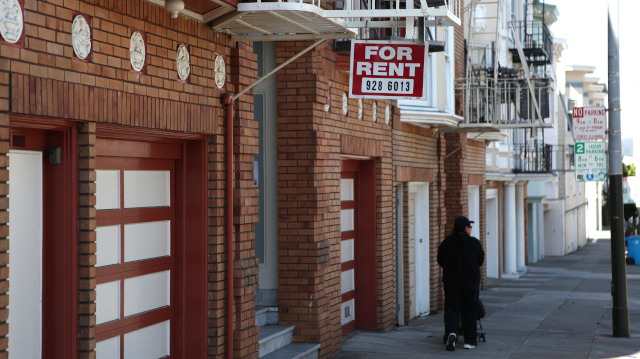
"caption": "File photo of San Francisco. (Justin Sullivan/Getty Images)",
"description": "A for rent sign July 8, 2009 in San Francisco, California.",
"title": "Vacancy Rate For U.S. Apartments Reaches Highest Rate In 20 Years",
"credit": null,
"status": "inherit",
"isLoading": false,
"fetchFailed": false
},
"news_116342": {
"type": "attachments",
"id": "news_116342",
"meta": {
"index": "attachments_1716263798",
"site": "news",
"id": "116342",
"found": true
},
"parent": 116176,
"imgSizes": {
"kqedFullSize": {
"file": "https://ww2.kqed.org/app/uploads/sites/10/2013/10/9005304095_91e554a443_z.jpg",
"width": 640,
"height": 427
}
},
"publishDate": 1383081004,
"modified": 1383081004,
"caption": "San Francisco's waterfront (Nouhailler / Flickr)",
"description": "San Francisco's waterfront (Nouhailler / Flickr)",
"title": "9005304095_91e554a443_z",
"credit": null,
"status": "inherit",
"isLoading": false,
"fetchFailed": false
},
"news_112695": {
"type": "attachments",
"id": "news_112695",
"meta": {
"index": "attachments_1716263798",
"site": "news",
"id": "112695",
"found": true
},
"parent": 112684,
"imgSizes": {
"kqedFullSize": {
"file": "https://ww2.kqed.org/app/uploads/sites/10/2013/09/6787_transform.jpg",
"width": 640,
"height": 359
}
},
"publishDate": 1380071904,
"modified": 1380071904,
"caption": "Highway 101 by Marinwood. (Greenbelt Alliance/Flickr)",
"description": null,
"title": "6787_transform",
"credit": null,
"status": "inherit",
"isLoading": false,
"fetchFailed": false
},
"news_112193": {
"type": "attachments",
"id": "news_112193",
"meta": {
"index": "attachments_1716263798",
"site": "news",
"id": "112193",
"found": true
},
"parent": 111655,
"imgSizes": {
"kqedFullSize": {
"file": "https://ww2.kqed.org/app/uploads/sites/10/2013/09/albanybulb-11sept2013-640.jpg",
"width": 640,
"height": 410
}
},
"publishDate": 1379880316,
"modified": 1379880316,
"caption": "Recycled metal sculpture by Osha Neumann, an advocate for the residents living on the Albany Bulb, can be found on the north shore of the small peninsula. (Sara Bloomberg/KQED)",
"description": "Recycled metal sculpture by Osha Neumann, an advocate for the residents living on the Albany Bulb, can be found on the north shore of the small peninsula. (Sara Bloomberg/KQED)",
"title": "Albany Bulb ",
"credit": null,
"status": "inherit",
"isLoading": false,
"fetchFailed": false
},
"news_110845": {
"type": "attachments",
"id": "news_110845",
"meta": {
"index": "attachments_1716263798",
"site": "news",
"id": "110845",
"found": true
},
"parent": 110844,
"imgSizes": {
"kqedFullSize": {
"file": "https://ww2.kqed.org/app/uploads/sites/10/2013/09/RS378_Google_082411-scr-e1378918079421.jpg",
"width": 640,
"height": 404
}
},
"publishDate": 1378915127,
"modified": 1378915127,
"caption": "Google's headquarters, and many of its office buildings, are in Mountain View.",
"description": "Google's headquarters, and many of its office buildings, are in Mountain View.",
"title": "Google ",
"credit": null,
"status": "inherit",
"isLoading": false,
"fetchFailed": false
},
"news_112300": {
"type": "attachments",
"id": "news_112300",
"meta": {
"index": "attachments_1716263798",
"site": "news",
"id": "112300",
"found": true
},
"parent": 112293,
"imgSizes": {
"kqedFullSize": {
"file": "https://ww2.kqed.org/app/uploads/sites/10/2013/09/Oakland-Community-Land-Trust-038-e1379966916848.jpg",
"width": 640,
"height": 480
}
},
"publishDate": 1379966897,
"modified": 1379966897,
"caption": "Courtesy Oakland Local",
"description": "Courtesy Oakland Local",
"title": "Oakland Community Land Trust 038",
"credit": null,
"status": "inherit",
"isLoading": false,
"fetchFailed": false
},
"news_111225": {
"type": "attachments",
"id": "news_111225",
"meta": {
"index": "attachments_1716263798",
"site": "news",
"id": "111225",
"found": true
},
"parent": 111224,
"imgSizes": {
"kqedFullSize": {
"file": "https://ww2.kqed.org/app/uploads/sites/10/2013/09/LeGrande640x360.jpg",
"width": 640,
"height": 360
}
},
"publishDate": 1379107057,
"modified": 1379107057,
"caption": "Richmond resident Morris LeGrande, a supporter of the city's eminent domain scheme, stands in front of his home (Mark Andrew Boyer?Richmond Confidential)",
"description": null,
"title": "LeGrande640x360",
"credit": null,
"status": "inherit",
"isLoading": false,
"fetchFailed": false
},
"news_68418": {
"type": "attachments",
"id": "news_68418",
"meta": {
"index": "attachments_1716263798",
"site": "news",
"id": "68418",
"found": true
},
"parent": 68409,
"imgSizes": {
"kqedFullSize": {
"file": "https://ww2.kqed.org/app/uploads/sites/10/2012/06/san-francisco-apartments3-e1379102011926.jpg",
"width": 640,
"height": 427
}
},
"publishDate": 1340216407,
"modified": 1340216407,
"caption": "This neighborhood east of 2nd Street and north of King Street in San Francisco. (Adithya Sambamurthy/The Bay Citizen)",
"description": "KQED's news series, \"Priced Out,\" will examine the impacts of the high cost of housing in the Bay Area. Adithya Sambamurthy/The Bay Citizen",
"title": "san francisco apartments",
"credit": null,
"status": "inherit",
"isLoading": false,
"fetchFailed": false
},
"news_110878": {
"type": "attachments",
"id": "news_110878",
"meta": {
"index": "attachments_1716263798",
"site": "news",
"id": "110878",
"found": true
},
"parent": 110466,
"imgSizes": {
"kqedFullSize": {
"file": "https://ww2.kqed.org/app/uploads/sites/10/2013/09/RS718_homeless-20120221-scr-e1378934844298.jpg",
"width": 640,
"height": 480
}
},
"publishDate": 1378934530,
"modified": 1378934530,
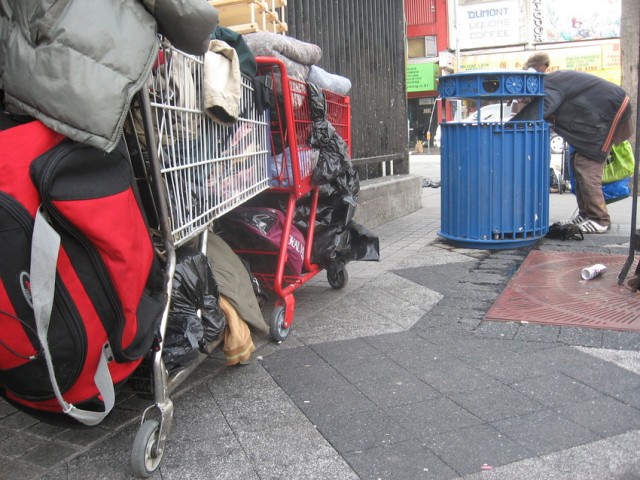
"caption": "A homeless man outside the 16th Street Mission BART station in San Francisco. LavaMae.com's initiative to create mobile showering facilities aims to serve people who have no place to bathe. (Keith Menconi/KQED)",
"description": null,
"title": "Homeless in San Francisco ",
"credit": null,
"status": "inherit",
"isLoading": false,
"fetchFailed": false
}
},
"audioPlayerReducer": {
"postId": "stream_live",
"isPaused": true,
"isPlaying": false,
"pfsActive": false,
"pledgeModalIsOpen": true,
"playerDrawerIsOpen": false,
"liveAudioPlayStartedAt": 0,
"liveAudioPlayContext": ""
},
"authorsReducer": {
"astupi": {
"type": "authors",
"id": "70",
"meta": {
"index": "authors_1716337520",
"id": "70",
"found": true
},
"name": "Amanda Stupi",
"firstName": "Amanda",
"lastName": "Stupi",
"slug": "astupi",
"email": "astupi@kqed.org",
"display_author_email": false,
"staff_mastheads": [],
"title": "Senior Engagement Producer",
"bio": "Amanda joined KQED Science’s engagement team as a Senior Audience Engagement Strategist in the spring of 2019. She has helped craft messaging around wildfires, the coronavirus pandemic, climate change and many other stories. She has also brought KQED Science to new platforms such as Reddit’s Ask Me Anything series. Prior to joining KQED Science, Amanda spent seven years as an engagement producer with Forum, KQED’s daily live call-in show. She got her start in radio at KALW's weekly call in show, City Visions, before going on to an internship and stint at NPR's Talk of the Nation.\r\n\r\nPrior to journalism, Amanda taught English at Lowell High School. She's a native of Petaluma and currently lives under the \"South San Francisco the Industrial City\" sign in South City. She believes that engagement is vital to news’s future and that good journalism listens as much as it asks questions.",
"avatar": "https://secure.gravatar.com/avatar/e981c503e5c162da701dcaccfbf87e35?s=600&d=blank&r=g",
"twitter": null,
"facebook": null,
"instagram": null,
"linkedin": null,
"sites": [
{
"site": "arts",
"roles": [
"Contributor"
]
},
{
"site": "news",
"roles": [
"editor"
]
},
{
"site": "pop",
"roles": [
"contributor"
]
},
{
"site": "stateofhealth",
"roles": [
"editor"
]
},
{
"site": "science",
"roles": []
},
{
"site": "perspectives",
"roles": [
"editor"
]
}
],
"headData": {
"title": "Amanda Stupi | KQED",
"description": "Senior Engagement Producer",
"ogImgSrc": "https://secure.gravatar.com/avatar/e981c503e5c162da701dcaccfbf87e35?s=600&d=blank&r=g",
"twImgSrc": "https://secure.gravatar.com/avatar/e981c503e5c162da701dcaccfbf87e35?s=600&d=blank&r=g"
},
"isLoading": false,
"link": "/author/astupi"
},
"bgoebel": {
"type": "authors",
"id": "214",
"meta": {
"index": "authors_1716337520",
"id": "214",
"found": true
},
"name": "Bryan Goebel",
"firstName": "Bryan",
"lastName": "Goebel",
"slug": "bgoebel",
"email": "bgoebel@kqed.org",
"display_author_email": false,
"staff_mastheads": [],
"title": null,
"bio": "Bryan Goebel is a reporter focused on transportation and housing issues. He was previously the editor of Streetsblog San Francisco, and an anchor/editor at KCBS Radio. He's a lifelong Californian and has also worked at radio stations in Barstow, Redding and Sacramento.",
"avatar": "https://secure.gravatar.com/avatar/7fdd6b065bfe9a23a71bcfa80848df88?s=600&d=blank&r=g",
"twitter": "velobry",
"facebook": null,
"instagram": null,
"linkedin": null,
"sites": [
{
"site": "news",
"roles": [
"subscriber"
]
},
{
"site": "stateofhealth",
"roles": [
"subscriber"
]
}
],
"headData": {
"title": "Bryan Goebel | KQED",
"description": null,
"ogImgSrc": "https://secure.gravatar.com/avatar/7fdd6b065bfe9a23a71bcfa80848df88?s=600&d=blank&r=g",
"twImgSrc": "https://secure.gravatar.com/avatar/7fdd6b065bfe9a23a71bcfa80848df88?s=600&d=blank&r=g"
},
"isLoading": false,
"link": "/author/bgoebel"
},
"joshuajohnson": {
"type": "authors",
"id": "233",
"meta": {
"index": "authors_1716337520",
"id": "233",
"found": true
},
"name": "Joshua Johnson",
"firstName": "Joshua",
"lastName": "Johnson",
"slug": "joshuajohnson",
"email": "jejohnson@kqed.org",
"display_author_email": false,
"staff_mastheads": [],
"title": null,
"bio": "Joshua Johnson is the creator and host of \u003cem>\u003ca href=\"http://www.truthbetoldshow.org\">Truth Be Told\u003c/a>,\u003c/em> a special series on race from KQED and PRI. Prior to creating the show, he served as the station's morning news anchor for five-and-half years.\r\n\r\nPrior to joining KQED, Joshua spent six years as an anchor/reporter for WLRN Miami Herald News. He's a native of South Florida, with degrees from the University of Miami. His reporting and newscasting have won awards from the Radio Television Digital News Association and from the National Association of Black Journalists. Joshua is also active in his union, SAG-AFTRA. He lives in San Francisco.",
"avatar": "https://secure.gravatar.com/avatar/2abea375594cdd54e4837846e3561fa4?s=600&d=blank&r=g",
"twitter": "@JEJohnson322",
"facebook": null,
"instagram": null,
"linkedin": null,
"sites": [
{
"site": "news",
"roles": [
"subscriber"
]
}
],
"headData": {
"title": "Joshua Johnson | KQED",
"description": null,
"ogImgSrc": "https://secure.gravatar.com/avatar/2abea375594cdd54e4837846e3561fa4?s=600&d=blank&r=g",
"twImgSrc": "https://secure.gravatar.com/avatar/2abea375594cdd54e4837846e3561fa4?s=600&d=blank&r=g"
},
"isLoading": false,
"link": "/author/joshuajohnson"
},
"katrinaschwartz": {
"type": "authors",
"id": "234",
"meta": {
"index": "authors_1716337520",
"id": "234",
"found": true
},
"name": "Katrina Schwartz",
"firstName": "Katrina",
"lastName": "Schwartz",
"slug": "katrinaschwartz",
"email": "kschwartz@kqed.org",
"display_author_email": false,
"staff_mastheads": [
"news"
],
"title": "Producer",
"bio": "Katrina Schwartz is a journalist based in San Francisco. She's worked at KPCC public radio in LA and has reported on air and online for KQED since 2010. She covered how teaching and learning is changing for MindShift between 2012 and 2020. She is the co-host of the MindShift podcast and now produces KQED's Bay Curious podcast.",
"avatar": "https://secure.gravatar.com/avatar/edb4ee79070447a018538c9aae6eeecf28786515b8a0c30e43b6b7dce5aa44c8?s=600&d=blank&r=g",
"twitter": "kschwart",
"bluesky": null,
"facebook": null,
"instagram": null,
"linkedin": null,
"sites": [
{
"site": "",
"roles": [
"editor"
]
},
{
"site": "news",
"roles": [
"editor"
]
},
{
"site": "mindshift",
"roles": [
"administrator"
]
},
{
"site": "stateofhealth",
"roles": [
"author"
]
},
{
"site": "science",
"roles": [
"editor"
]
}
],
"headData": {
"title": "Katrina Schwartz | KQED",
"description": "Producer",
"ogImgSrc": "https://secure.gravatar.com/avatar/edb4ee79070447a018538c9aae6eeecf28786515b8a0c30e43b6b7dce5aa44c8?s=600&d=blank&r=g",
"twImgSrc": "https://secure.gravatar.com/avatar/edb4ee79070447a018538c9aae6eeecf28786515b8a0c30e43b6b7dce5aa44c8?s=600&d=blank&r=g"
},
"isLoading": false,
"link": "/author/katrinaschwartz"
},
"kqed": {
"type": "authors",
"id": "236",
"meta": {
"index": "authors_1716337520",
"id": "236",
"found": true
},
"name": "KQED News Staff",
"firstName": "KQED News Staff",
"lastName": null,
"slug": "kqed",
"email": "faq@kqed.org",
"display_author_email": false,
"staff_mastheads": [],
"title": null,
"bio": null,
"avatar": "https://secure.gravatar.com/avatar/ef0e801a68c4c54afa9180db14084167?s=600&d=blank&r=g",
"twitter": null,
"facebook": null,
"instagram": null,
"linkedin": null,
"sites": [
{
"site": "arts",
"roles": [
"contributor"
]
},
{
"site": "news",
"roles": [
"editor"
]
},
{
"site": "futureofyou",
"roles": [
"author"
]
}
],
"headData": {
"title": "KQED News Staff | KQED",
"description": null,
"ogImgSrc": "https://secure.gravatar.com/avatar/ef0e801a68c4c54afa9180db14084167?s=600&d=blank&r=g",
"twImgSrc": "https://secure.gravatar.com/avatar/ef0e801a68c4c54afa9180db14084167?s=600&d=blank&r=g"
},
"isLoading": false,
"link": "/author/kqed"
},
"kqednewsstaffandwires": {
"type": "authors",
"id": "237",
"meta": {
"index": "authors_1716337520",
"id": "237",
"found": true
},
"name": "KQED News Staff and Wires",
"firstName": "KQED News Staff and Wires",
"lastName": null,
"slug": "kqednewsstaffandwires",
"email": "onlinenewsstaff@kqed.org",
"display_author_email": false,
"staff_mastheads": [],
"title": null,
"bio": null,
"avatar": "https://secure.gravatar.com/avatar/72295af8ebbfbd19a4948f5271285664?s=600&d=blank&r=g",
"twitter": null,
"facebook": null,
"instagram": null,
"linkedin": null,
"sites": [
{
"site": "arts",
"roles": [
"contributor"
]
},
{
"site": "news",
"roles": [
"contributor"
]
},
{
"site": "lowdown",
"roles": [
"author"
]
},
{
"site": "stateofhealth",
"roles": [
"contributor"
]
},
{
"site": "food",
"roles": [
"author"
]
}
],
"headData": {
"title": "KQED News Staff and Wires | KQED",
"description": null,
"ogImgSrc": "https://secure.gravatar.com/avatar/72295af8ebbfbd19a4948f5271285664?s=600&d=blank&r=g",
"twImgSrc": "https://secure.gravatar.com/avatar/72295af8ebbfbd19a4948f5271285664?s=600&d=blank&r=g"
},
"isLoading": false,
"link": "/author/kqednewsstaffandwires"
},
"katharinefong": {
"type": "authors",
"id": "1479",
"meta": {
"index": "authors_1716337520",
"id": "1479",
"found": true
},
"name": "Katharine Fong",
"firstName": "Katharine",
"lastName": "Fong",
"slug": "katharinefong",
"email": "katharinefong@gmail.com",
"display_author_email": false,
"staff_mastheads": [],
"title": null,
"bio": null,
"avatar": "https://secure.gravatar.com/avatar/7ee290207889c71d9adcaf3591853a92?s=600&d=blank&r=g",
"twitter": null,
"facebook": null,
"instagram": null,
"linkedin": null,
"sites": [
{
"site": "news",
"roles": [
"subscriber"
]
},
{
"site": "lowdown",
"roles": [
"editor"
]
},
{
"site": "stateofhealth",
"roles": [
"subscriber"
]
}
],
"headData": {
"title": "Katharine Fong | KQED",
"description": null,
"ogImgSrc": "https://secure.gravatar.com/avatar/7ee290207889c71d9adcaf3591853a92?s=600&d=blank&r=g",
"twImgSrc": "https://secure.gravatar.com/avatar/7ee290207889c71d9adcaf3591853a92?s=600&d=blank&r=g"
},
"isLoading": false,
"link": "/author/katharinefong"
},
"aemslie": {
"type": "authors",
"id": "3206",
"meta": {
"index": "authors_1716337520",
"id": "3206",
"found": true
},
"name": "Alex Emslie",
"firstName": "Alex",
"lastName": "Emslie",
"slug": "aemslie",
"email": "aemslie@kqed.org",
"display_author_email": true,
"staff_mastheads": [
"news"
],
"title": "KQED Senior Editor",
"bio": "Alex Emslie is senior editor of talent and development at KQED, where he manages dozens of early career journalists and oversees news department internships.\r\n\r\nHe is a former carpenter and proud graduate of City College of San Francisco and San Francisco State University, where he studied journalism and criminal justice before joining KQED in 2013.\r\n\r\nAlex produced investigative journalism focused on \u003ca href=\"https://www.kqed.org/news/11667594/the-trials-of-marvin-mutch-video\">criminal justice\u003c/a> and policing for most of a decade. He has broken major stories about \u003ca href=\"https://www.kqed.org/news/135682/amid-a-series-of-vallejo-police-shootings-one-officers-name-stands-out\">police use of deadly force\u003c/a>, \u003ca href=\"https://www.kqed.org/news/10454955/racist-texts-prompt-sfpd-internal-investigation\">officer misconduct\u003c/a> and \u003ca href=\"https://www.kqed.org/news/11712239/terrorist-or-troll-judge-to-weigh-whether-oakland-man-really-intended-to-attack-bay-area\">other\u003c/a> \u003ca href=\"https://www.kqed.org/news/11221414/hayward-paid-159000-to-husband-of-retired-police-chief-documents-show\">high\u003c/a>-\u003ca href=\"https://www.kqed.org/news/10622762/the-forgotten-tracking-two-homicides-in-san-francisco-public-housing\">profile\u003c/a> \u003ca href=\"https://www.kqed.org/news/11624516/federal-agency-promoted-ranger-just-months-after-his-gun-was-stolen-and-used-in-steinle-killing\">cases\u003c/a>. He co-founded the \u003ca href=\"https://projects.scpr.org/california-reporting-project/\">California Reporting Project\u003c/a> in 2019 to obtain and report on previously confidential police internal investigations. The effort produced well over 100 original stories and changed the course of multiple criminal cases.\r\n\r\nHis work has been recognized with numerous journalism awards, including a national Edward R. Murrow award for several years of \u003ca href=\"https://www.kqed.org/news/11688481/sfpd-officers-in-mario-woods-case-recount-shooting-in-newly-filed-depositions\">reporting\u003c/a> on the San Francisco Police shooting of Mario Woods. His \u003ca href=\"https://www.kqed.org/news/147854/half-of-those-killed-by-san-francisco-police-are-mentally-ill\">reporting\u003c/a> on police killings of people in psychiatric crisis was cited in amicus briefs before the U.S. Supreme Court.\r\n\r\nAlex now enjoys mentoring the next generation of journalists at KQED.",
"avatar": "https://secure.gravatar.com/avatar/e691e65209f20e9da202bd730ead5663?s=600&d=blank&r=g",
"twitter": "SFNewsReporter",
"facebook": null,
"instagram": null,
"linkedin": null,
"sites": [
{
"site": "arts",
"roles": [
"editor"
]
},
{
"site": "news",
"roles": [
"editor"
]
},
{
"site": "mindshift",
"roles": [
"editor"
]
},
{
"site": "stateofhealth",
"roles": [
"editor"
]
},
{
"site": "science",
"roles": [
"administrator"
]
}
],
"headData": {
"title": "Alex Emslie | KQED",
"description": "KQED Senior Editor",
"ogImgSrc": "https://secure.gravatar.com/avatar/e691e65209f20e9da202bd730ead5663?s=600&d=blank&r=g",
"twImgSrc": "https://secure.gravatar.com/avatar/e691e65209f20e9da202bd730ead5663?s=600&d=blank&r=g"
},
"isLoading": false,
"link": "/author/aemslie"
}
},
"pagesReducer": {
"news_category_housing": {
"type": "terms",
"id": "news_6266",
"meta": {
"index": "terms_1716263798",
"site": "news",
"id": "6266",
"score": 11.04063
},
"featImg": null,
"name": "Housing",
"description": null,
"taxonomy": "category",
"headData": {
"twImgId": null,
"twTitle": null,
"ogTitle": null,
"ogImgId": null,
"twDescription": null,
"description": null,
"title": "Housing Archives | KQED News",
"ogDescription": null
},
"ttid": 6290,
"slug": "housing",
"isLoading": false,
"title": "Housing",
"pageMeta": {
"site": "news",
"WpPageTemplate": "page-topic-editorial",
"currentPage": 187
},
"blocks": [
{
"blockName": "kqed/post-list",
"attrs": {
"layout": "cardArticle2",
"query": "posts/news?category=housing",
"seeMore": false,
"paginated": true,
"page": 187
}
},
{
"blockName": "kqed/ad"
}
]
}
},
"pfsSessionReducer": {},
"postsReducer": {
"stream_live": {
"type": "live",
"id": "stream_live",
"audioUrl": "https://streams.kqed.org/kqedradio",
"title": "Live Stream",
"excerpt": "Live Stream information currently unavailable.",
"link": "/radio",
"featImg": "",
"label": {
"name": "KQED Live",
"link": "/"
}
},
"stream_kqedNewscast": {
"type": "posts",
"id": "stream_kqedNewscast",
"audioUrl": "https://www.kqed.org/.stream/anon/radio/RDnews/newscast.mp3?_=1",
"title": "KQED Newscast",
"featImg": "",
"label": {
"name": "88.5 FM",
"link": "/"
}
},
"news_116814": {
"type": "posts",
"id": "news_116814",
"meta": {
"index": "posts_1716263798",
"site": "news",
"id": "116814",
"score": null,
"sort": [
1383340532000
]
},
"parent": 0,
"labelTerm": {
"site": "news",
"term": 6944
},
"blocks": [],
"publishDate": 1383340532,
"format": "aside",
"disqusTitle": "News Pix: Andy Lopez Funeral, Google Barge and San Francisco's Waterfront Debate",
"title": "News Pix: Andy Lopez Funeral, Google Barge and San Francisco's Waterfront Debate",
"headTitle": "News Fix | KQED News",
"content": "\u003cp>\u003cimg class=\"aligncenter size-full wp-image-116816\" src=\"http://ww2.kqed.org/news/wp-content/uploads/sites/10/2013/11/Lopez-Funeral.jpg\" alt=\"Lopez Funeral\" width=\"640\" height=\"449\">\u003cbr>\nHundreds of mourners filled the Resurrection Parish Church in west Santa Rosa at a \u003ca href=\"http://ww2.kqed.org/news/2013/10/29/andy-lopez/\">mass in Spanish on October 29 for 13-year-old Andy Lopez\u003c/a>, who died a week ago when he was shot by a Sonoma County sheriff's deputy. Here, pallbearers, including many of Lopez' classmates, carry his casket into the church. The shooting has outraged many in Santa Rosa, leading some Latino residents to speak out about discrimination in the community. (Rachel Dornhelm / KQED)\u003c/p>\n\u003cp> \u003c/p>\n\u003cp>\u003cimg class=\"aligncenter size-full wp-image-116817\" src=\"http://ww2.kqed.org/news/wp-content/uploads/sites/10/2013/11/8-Washington.jpg\" alt=\"8 Washington\" width=\"639\" height=\"450\">\u003cbr>\nThe proposed \u003ca href=\"http://ww2.kqed.org/news/2013/10/30/san-francisco-props-b-and-c-reignite-past-waterfront-battles/\">\"8 Washington\" development on San Francisco's Embarcadero\u003c/a> has become a hot-button election issue. Voters are being asked to approve the project in the 2013 election by voting on Prop. B and Prop. C. The ballot measures have polarized San Francisco voters struggling with rising housing costs and concerns over gentrification. As of election time, a private swim and tennis club occupies the site. (Monica Lam / KQED)\u003c/p>\n\u003cp> \u003c/p>\n\u003cp>\u003cimg class=\"aligncenter size-full wp-image-116820\" src=\"http://ww2.kqed.org/news/wp-content/uploads/sites/10/2013/11/closing-parks.jpg\" alt=\"closing parks\" width=\"640\" height=\"450\">\u003cbr>\nOpponents of Supervisor Scott Wiener's legislation to close San Francisco's parks rallied outside City Hall on October 29. Many \u003ca href=\"http://ww2.kqed.org/news/2013/10/29/san-francisco-park-curfew-homeless-advocates-oppose/\">protesters feel the law unfairly targets the homeless\u003c/a>, many of whom sleep in the city's parks. Tommi Mecca, director of counseling programs at the Housing Rights Committee of San Francisco, is incredulous that someone would propose closing all city parks at night. “How do you close Golden Gate Park? Put a wall around it?” he said. “We need housing, not park closures.” (Sara Bloomberg / KQED)\u003c/p>\n\u003cp>[ad fullwidth]\u003c/p>\n\u003cp>\u003c!--more-->\u003c/p>\n\u003cp>\u003cimg class=\"aligncenter size-full wp-image-116847\" src=\"http://ww2.kqed.org/news/wp-content/uploads/sites/10/2013/11/google-barge.jpg\" alt=\"google barge\" width=\"639\" height=\"450\">\u003cbr>\nThe purpose of Google's \u003ca href=\"http://ww2.kqed.org/news/2013/10/31/google-barge/\">mysterious structure\u003c/a> sitting on the water off of Treasure Island, across from the Bay Bridge, may have finally be solved. \u003ca href=\"http://sanfrancisco.cbslocal.com/2013/10/31/googles-secret-revealed-barge-to-offer-high-end-showrooms-party-deck/\">News reports\u003c/a> now say the barge \"will feature luxury showrooms and a party deck ... to market Google Glass and other gadgets to invitation-only clients.\" Earlier speculation had centered on the barge as a floating data center, or floating classrooms to teach tech. (Sara Bloomberg / KQED)\u003c/p>\n\u003cp> \u003c/p>\n\u003cp>\u003cimg class=\"aligncenter size-full wp-image-116867\" src=\"http://ww2.kqed.org/news/wp-content/uploads/sites/10/2013/11/CCSF-students.jpg\" alt=\"CCSF students\" width=\"640\" height=\"450\">\u003cbr>\nMore than 200 people rallied at City College of San Francisco's Civic Center location before marching to City Hall on October 31. Protesters delivered 5,000 postcards to Mayor Ed Lee asking him to be more vocal about his efforts to help save the school from closure. (Sara Bloomberg / KQED)\u003c/p>\n\u003cp> \u003c/p>\n\u003cp>\u003cimg class=\"aligncenter size-full wp-image-116822\" src=\"http://ww2.kqed.org/news/wp-content/uploads/sites/10/2013/11/PhotoWeek131101AppleProtest.jpg\" alt=\"PhotoWeek131101AppleProtest\" width=\"640\" height=\"450\">\u003cbr>\nMembers of Stand for Security banged drums and chanted slogans outside of the Apple store in Palo Alto. They allege that by subcontracting its security services to Security Industry Specialists, thousands of Silicon Valley security workers are kept as part-time employees — leaving them without benefits. (Hayley Goldbach / \u003ca href=\"http://peninsulapress.com/\">Peninsula Press\u003c/a>)\u003c/p>\n\u003cp> \u003c/p>\n\u003cp>\u003c/p>\n\u003cp>\u003cimg class=\"aligncenter size-full wp-image-116823\" src=\"http://ww2.kqed.org/news/wp-content/uploads/sites/10/2013/11/PhotoWeek131101PoliceCamera.jpg\" alt=\"PhotoWeek131101PoliceCamera\" width=\"640\" height=\"450\">\u003cbr>\nRichmond Police Officer Anthony Diaz, left, looks at fellow officer Phillip Sanchez's body camera. Sanchez, right, is one of four officers selected to \u003ca href=\"http://richmondconfidential.org/2013/10/25/richmond-police-testing-use-of-body-cameras/\">test various types of body cameras for the department\u003c/a> before they issue them to all patrol officers. (Kevin N. Hume / \u003ca href=\"http://richmondconfidential.org/\">Richmond Confidential\u003c/a>)\u003c/p>\n\n",
"disqusIdentifier": "116814 http://ww2.kqed.org/news/?p=116814",
"disqusUrl": "https://ww2.kqed.org/news/2013/11/01/news-pix-andy-lopez-funeral-google-barge-and-san-francisco-debates-8-washington-project/",
"stats": {
"hasVideo": false,
"hasChartOrMap": false,
"hasAudio": false,
"hasPolis": false,
"wordCount": 469,
"hasGoogleForm": false,
"hasGallery": false,
"hasHearkenModule": false,
"iframeSrcs": [],
"paragraphCount": 10
},
"modified": 1398475381,
"excerpt": "News photos from events all around the Bay Area this past week.",
"headData": {
"twImgId": "",
"twTitle": "",
"ogTitle": "",
"ogImgId": "",
"twDescription": "",
"description": "News photos from events all around the Bay Area this past week.",
"title": "News Pix: Andy Lopez Funeral, Google Barge and San Francisco's Waterfront Debate | KQED",
"ogDescription": "",
"schema": {
"@context": "https://schema.org",
"@type": "NewsArticle",
"headline": "News Pix: Andy Lopez Funeral, Google Barge and San Francisco's Waterfront Debate",
"datePublished": "2013-11-01T14:15:32-07:00",
"dateModified": "2014-04-25T18:23:01-07:00",
"image": "https://cdn.kqed.org/wp-content/uploads/2020/02/KQED-OG-Image@1x.png",
"isAccessibleForFree": "True",
"publisher": {
"@type": "NewsMediaOrganization",
"@id": "https://www.kqed.org/#organization",
"name": "KQED",
"logo": "https://cdn.kqed.org/wp-content/uploads/2020/02/KQED-OG-Image@1x.png",
"url": "https://www.kqed.org",
"sameAs": [
"https://www.facebook.com/KQED",
"https://twitter.com/KQED",
"https://www.instagram.com/kqed/",
"https://www.tiktok.com/@kqedofficial",
"https://www.linkedin.com/company/kqed",
"https://www.youtube.com/channel/UCeC0IOo7i1P_61zVUWbJ4nw"
]
}
}
},
"guestAuthors": [],
"slug": "news-pix-andy-lopez-funeral-google-barge-and-san-francisco-debates-8-washington-project",
"status": "publish",
"customPermalink": "2013/11/01/news-pix-andy-lopez-funderal-san-francisco-gets-ready-to-vote-on-8-washington-and/",
"path": "/news/116814/news-pix-andy-lopez-funeral-google-barge-and-san-francisco-debates-8-washington-project",
"audioTrackLength": null,
"parsedContent": [
{
"type": "contentString",
"content": "\u003cdiv class=\"post-body\">\u003cp>\u003cp>\u003cimg class=\"aligncenter size-full wp-image-116816\" src=\"http://ww2.kqed.org/news/wp-content/uploads/sites/10/2013/11/Lopez-Funeral.jpg\" alt=\"Lopez Funeral\" width=\"640\" height=\"449\">\u003cbr>\nHundreds of mourners filled the Resurrection Parish Church in west Santa Rosa at a \u003ca href=\"http://ww2.kqed.org/news/2013/10/29/andy-lopez/\">mass in Spanish on October 29 for 13-year-old Andy Lopez\u003c/a>, who died a week ago when he was shot by a Sonoma County sheriff's deputy. Here, pallbearers, including many of Lopez' classmates, carry his casket into the church. The shooting has outraged many in Santa Rosa, leading some Latino residents to speak out about discrimination in the community. (Rachel Dornhelm / KQED)\u003c/p>\n\u003cp> \u003c/p>\n\u003cp>\u003cimg class=\"aligncenter size-full wp-image-116817\" src=\"http://ww2.kqed.org/news/wp-content/uploads/sites/10/2013/11/8-Washington.jpg\" alt=\"8 Washington\" width=\"639\" height=\"450\">\u003cbr>\nThe proposed \u003ca href=\"http://ww2.kqed.org/news/2013/10/30/san-francisco-props-b-and-c-reignite-past-waterfront-battles/\">\"8 Washington\" development on San Francisco's Embarcadero\u003c/a> has become a hot-button election issue. Voters are being asked to approve the project in the 2013 election by voting on Prop. B and Prop. C. The ballot measures have polarized San Francisco voters struggling with rising housing costs and concerns over gentrification. As of election time, a private swim and tennis club occupies the site. (Monica Lam / KQED)\u003c/p>\n\u003cp> \u003c/p>\n\u003cp>\u003cimg class=\"aligncenter size-full wp-image-116820\" src=\"http://ww2.kqed.org/news/wp-content/uploads/sites/10/2013/11/closing-parks.jpg\" alt=\"closing parks\" width=\"640\" height=\"450\">\u003cbr>\nOpponents of Supervisor Scott Wiener's legislation to close San Francisco's parks rallied outside City Hall on October 29. Many \u003ca href=\"http://ww2.kqed.org/news/2013/10/29/san-francisco-park-curfew-homeless-advocates-oppose/\">protesters feel the law unfairly targets the homeless\u003c/a>, many of whom sleep in the city's parks. Tommi Mecca, director of counseling programs at the Housing Rights Committee of San Francisco, is incredulous that someone would propose closing all city parks at night. “How do you close Golden Gate Park? Put a wall around it?” he said. “We need housing, not park closures.” (Sara Bloomberg / KQED)\u003c/p>\n\u003cp>\u003c/p>\u003c/div>",
"attributes": {
"named": {},
"numeric": []
}
},
{
"type": "component",
"content": "",
"name": "ad",
"attributes": {
"named": {
"label": "fullwidth"
},
"numeric": [
"fullwidth"
]
}
},
{
"type": "contentString",
"content": "\u003cdiv class=\"post-body\">\u003cp>\u003c/p>\n\u003cp>\u003c!--more-->\u003c/p>\n\u003cp>\u003cimg class=\"aligncenter size-full wp-image-116847\" src=\"http://ww2.kqed.org/news/wp-content/uploads/sites/10/2013/11/google-barge.jpg\" alt=\"google barge\" width=\"639\" height=\"450\">\u003cbr>\nThe purpose of Google's \u003ca href=\"http://ww2.kqed.org/news/2013/10/31/google-barge/\">mysterious structure\u003c/a> sitting on the water off of Treasure Island, across from the Bay Bridge, may have finally be solved. \u003ca href=\"http://sanfrancisco.cbslocal.com/2013/10/31/googles-secret-revealed-barge-to-offer-high-end-showrooms-party-deck/\">News reports\u003c/a> now say the barge \"will feature luxury showrooms and a party deck ... to market Google Glass and other gadgets to invitation-only clients.\" Earlier speculation had centered on the barge as a floating data center, or floating classrooms to teach tech. (Sara Bloomberg / KQED)\u003c/p>\n\u003cp> \u003c/p>\n\u003cp>\u003cimg class=\"aligncenter size-full wp-image-116867\" src=\"http://ww2.kqed.org/news/wp-content/uploads/sites/10/2013/11/CCSF-students.jpg\" alt=\"CCSF students\" width=\"640\" height=\"450\">\u003cbr>\nMore than 200 people rallied at City College of San Francisco's Civic Center location before marching to City Hall on October 31. Protesters delivered 5,000 postcards to Mayor Ed Lee asking him to be more vocal about his efforts to help save the school from closure. (Sara Bloomberg / KQED)\u003c/p>\n\u003cp> \u003c/p>\n\u003cp>\u003cimg class=\"aligncenter size-full wp-image-116822\" src=\"http://ww2.kqed.org/news/wp-content/uploads/sites/10/2013/11/PhotoWeek131101AppleProtest.jpg\" alt=\"PhotoWeek131101AppleProtest\" width=\"640\" height=\"450\">\u003cbr>\nMembers of Stand for Security banged drums and chanted slogans outside of the Apple store in Palo Alto. They allege that by subcontracting its security services to Security Industry Specialists, thousands of Silicon Valley security workers are kept as part-time employees — leaving them without benefits. (Hayley Goldbach / \u003ca href=\"http://peninsulapress.com/\">Peninsula Press\u003c/a>)\u003c/p>\n\u003cp> \u003c/p>\n\u003cp>\u003c/p>\n\u003cp>\u003cimg class=\"aligncenter size-full wp-image-116823\" src=\"http://ww2.kqed.org/news/wp-content/uploads/sites/10/2013/11/PhotoWeek131101PoliceCamera.jpg\" alt=\"PhotoWeek131101PoliceCamera\" width=\"640\" height=\"450\">\u003cbr>\nRichmond Police Officer Anthony Diaz, left, looks at fellow officer Phillip Sanchez's body camera. Sanchez, right, is one of four officers selected to \u003ca href=\"http://richmondconfidential.org/2013/10/25/richmond-police-testing-use-of-body-cameras/\">test various types of body cameras for the department\u003c/a> before they issue them to all patrol officers. (Kevin N. Hume / \u003ca href=\"http://richmondconfidential.org/\">Richmond Confidential\u003c/a>)\u003c/p>\n\n\u003c/div>\u003c/p>",
"attributes": {
"named": {},
"numeric": []
}
}
],
"link": "/news/116814/news-pix-andy-lopez-funeral-google-barge-and-san-francisco-debates-8-washington-project",
"authors": [
"234"
],
"programs": [
"news_6944"
],
"categories": [
"news_6266",
"news_6188",
"news_13",
"news_248"
],
"tags": [
"news_19904",
"news_3094",
"news_579",
"news_38",
"news_18541"
],
"label": "news_6944"
},
"news_116475": {
"type": "posts",
"id": "news_116475",
"meta": {
"index": "posts_1716263798",
"site": "news",
"id": "116475",
"score": null,
"sort": [
1383170011000
]
},
"parent": 0,
"labelTerm": {
"site": "news",
"term": 6944
},
"blocks": [],
"publishDate": 1383170011,
"format": "aside",
"disqusTitle": "KQED Launches 'Priced Out: The Bay Area's High Cost of Living'",
"title": "KQED Launches 'Priced Out: The Bay Area's High Cost of Living'",
"headTitle": "Priced Out | News Fix | KQED News",
"content": "\u003cfigure id=\"attachment_116520\" class=\"wp-caption aligncenter\" style=\"max-width: 640px\">\u003ca href=\"http://ww2.kqed.org/news/wp-content/uploads/sites/10/2013/10/7291_transform.jpg\">\u003cimg class=\"size-full wp-image-116520\" src=\"http://ww2.kqed.org/news/wp-content/uploads/sites/10/2013/10/7291_transform.jpg\" alt=\"File photo of San Francisco. (Justin Sullivan/Getty Images)\" width=\"640\" height=\"359\">\u003c/a>\u003cfigcaption class=\"wp-caption-text\">File photo of San Francisco. (Justin Sullivan/Getty Images)\u003c/figcaption>\u003c/figure>\n\u003cp>Detroit would love to be in the Bay Area's shoes. According to the \u003ca href=\"http://www.mercurynews.com/business/ci_24317543/bay-area-job-market-at-five-year-high\" target=\"_blank\">San Jose Mercury News\u003c/a>, Bay Area job growth has reached a five-year high, recovering almost all of the jobs lost in the Great Recession. But all those jobs come with a need for workers... and a place to put them. Enter the region's housing crisis.\u003c/p>\n\u003cp>It seems that almost everyone in the Bay Area has a housing horror story to tell. Anecdotes abound of renters spending months looking for a new place, and the pound of flesh extracted when they do find one. Equally scary are the stories from aspiring, seemingly qualified homeowners who are turned away by banks. And I'm betting most of us know someone who has thrown in the towel and left the region entirely for less expensive pastures.\u003c/p>\n\u003cp>Over the coming months KQED will bring you the facts and stories of the Bay Area housing crisis as part of a new series we're calling 'Priced Out.' We'll tell the stories of people struggling and surviving amidst the increasing cost of living. We'll take you into changing neighborhoods and cities, look at who is getting evicted and why, as well as show you what possible solutions look like.\u003c/p>\n\u003cp>And, of course, we want to hear from you: Why do you stay in the Bay Area? What makes it worth the high cost? At what point will you say 'uncle' and leave? We'll ask you to take photos of your home, to tell us the moment you realized your neighborhood was changing, and how you are, or aren't, managing to stay afloat.\u003c/p>\n\u003cp>The series launches \u003ca href=\"http://www.kqed.org/a/forum/R201310311000\" target=\"_blank\">Thursday at 10 a.m.\u003c/a>, when Forum sets the stage with an update on the housing market: Where are we actually at and where are we going? KQED's Newsroom will host a roundtable on Friday at 8 p.m. Next, Forum and KQED's education blog, The Lowdown, will look at the Ellis Act — what it is and whether evictions are on the rise. From there, coverage will continue across KQED: on the recently re-launched Newsroom on KQED 9, The California Report and KQED's news blog, News Fix.\u003c/p>\n\u003cp>[ad fullwidth]\u003c/p>\n\u003cp>You can follow along with the series at kqed.org/pricedout and follow the hashtag #pricedout on social media.\u003c/p>\n\u003cp>If you have suggestions for what you would like to see included in this series, please feel free to post it below or email forum@kqed.org.\u003c/p>\n\u003cp>\u003c/p>\n\u003cp>[contextly_sidebar id=\"d73f6f5d09054c67d15eabc6f0397b14\"]\u003c/p>\n\n",
"disqusIdentifier": "116475 http://ww2.kqed.org/news/?p=116475",
"disqusUrl": "https://ww2.kqed.org/news/2013/10/30/kqed-launches-priced-out-the-high-cost-of-housing-in-the-bay-area/",
"stats": {
"hasVideo": false,
"hasChartOrMap": false,
"hasAudio": false,
"hasPolis": false,
"wordCount": 432,
"hasGoogleForm": false,
"hasGallery": false,
"hasHearkenModule": false,
"iframeSrcs": [],
"paragraphCount": 10
},
"modified": 1384469368,
"excerpt": "Over the coming months KQED will bring you the facts and stories of the Bay Area housing crisis as part of a new series we're calling 'Priced Out.'",
"headData": {
"twImgId": "",
"twTitle": "",
"ogTitle": "",
"ogImgId": "",
"twDescription": "",
"description": "Over the coming months KQED will bring you the facts and stories of the Bay Area housing crisis as part of a new series we're calling 'Priced Out.'",
"title": "KQED Launches 'Priced Out: The Bay Area's High Cost of Living' | KQED",
"ogDescription": "",
"schema": {
"@context": "https://schema.org",
"@type": "NewsArticle",
"headline": "KQED Launches 'Priced Out: The Bay Area's High Cost of Living'",
"datePublished": "2013-10-30T14:53:31-07:00",
"dateModified": "2013-11-14T14:49:28-08:00",
"image": "https://cdn.kqed.org/wp-content/uploads/2020/02/KQED-OG-Image@1x.png",
"isAccessibleForFree": "True",
"publisher": {
"@type": "NewsMediaOrganization",
"@id": "https://www.kqed.org/#organization",
"name": "KQED",
"logo": "https://cdn.kqed.org/wp-content/uploads/2020/02/KQED-OG-Image@1x.png",
"url": "https://www.kqed.org",
"sameAs": [
"https://www.facebook.com/KQED",
"https://twitter.com/KQED",
"https://www.instagram.com/kqed/",
"https://www.tiktok.com/@kqedofficial",
"https://www.linkedin.com/company/kqed",
"https://www.youtube.com/channel/UCeC0IOo7i1P_61zVUWbJ4nw"
]
}
}
},
"guestAuthors": [],
"slug": "kqed-launches-priced-out-the-high-cost-of-housing-in-the-bay-area",
"status": "publish",
"path": "/news/116475/kqed-launches-priced-out-the-high-cost-of-housing-in-the-bay-area",
"audioTrackLength": null,
"parsedContent": [
{
"type": "contentString",
"content": "\u003cdiv class=\"post-body\">\u003cp>\u003cfigure id=\"attachment_116520\" class=\"wp-caption aligncenter\" style=\"max-width: 640px\">\u003ca href=\"http://ww2.kqed.org/news/wp-content/uploads/sites/10/2013/10/7291_transform.jpg\">\u003cimg class=\"size-full wp-image-116520\" src=\"http://ww2.kqed.org/news/wp-content/uploads/sites/10/2013/10/7291_transform.jpg\" alt=\"File photo of San Francisco. (Justin Sullivan/Getty Images)\" width=\"640\" height=\"359\">\u003c/a>\u003cfigcaption class=\"wp-caption-text\">File photo of San Francisco. (Justin Sullivan/Getty Images)\u003c/figcaption>\u003c/figure>\n\u003cp>Detroit would love to be in the Bay Area's shoes. According to the \u003ca href=\"http://www.mercurynews.com/business/ci_24317543/bay-area-job-market-at-five-year-high\" target=\"_blank\">San Jose Mercury News\u003c/a>, Bay Area job growth has reached a five-year high, recovering almost all of the jobs lost in the Great Recession. But all those jobs come with a need for workers... and a place to put them. Enter the region's housing crisis.\u003c/p>\n\u003cp>It seems that almost everyone in the Bay Area has a housing horror story to tell. Anecdotes abound of renters spending months looking for a new place, and the pound of flesh extracted when they do find one. Equally scary are the stories from aspiring, seemingly qualified homeowners who are turned away by banks. And I'm betting most of us know someone who has thrown in the towel and left the region entirely for less expensive pastures.\u003c/p>\n\u003cp>Over the coming months KQED will bring you the facts and stories of the Bay Area housing crisis as part of a new series we're calling 'Priced Out.' We'll tell the stories of people struggling and surviving amidst the increasing cost of living. We'll take you into changing neighborhoods and cities, look at who is getting evicted and why, as well as show you what possible solutions look like.\u003c/p>\n\u003cp>And, of course, we want to hear from you: Why do you stay in the Bay Area? What makes it worth the high cost? At what point will you say 'uncle' and leave? We'll ask you to take photos of your home, to tell us the moment you realized your neighborhood was changing, and how you are, or aren't, managing to stay afloat.\u003c/p>\n\u003cp>The series launches \u003ca href=\"http://www.kqed.org/a/forum/R201310311000\" target=\"_blank\">Thursday at 10 a.m.\u003c/a>, when Forum sets the stage with an update on the housing market: Where are we actually at and where are we going? KQED's Newsroom will host a roundtable on Friday at 8 p.m. Next, Forum and KQED's education blog, The Lowdown, will look at the Ellis Act — what it is and whether evictions are on the rise. From there, coverage will continue across KQED: on the recently re-launched Newsroom on KQED 9, The California Report and KQED's news blog, News Fix.\u003c/p>\n\u003cp>\u003c/p>\u003c/div>",
"attributes": {
"named": {},
"numeric": []
}
},
{
"type": "component",
"content": "",
"name": "ad",
"attributes": {
"named": {
"label": "fullwidth"
},
"numeric": [
"fullwidth"
]
}
},
{
"type": "contentString",
"content": "\u003cdiv class=\"post-body\">\u003cp>\u003c/p>\n\u003cp>You can follow along with the series at kqed.org/pricedout and follow the hashtag #pricedout on social media.\u003c/p>\n\u003cp>If you have suggestions for what you would like to see included in this series, please feel free to post it below or email forum@kqed.org.\u003c/p>\n\u003cp>\u003c/p>\n\u003cp>\u003c/p>\u003cp>\u003c/p>\u003cp>\u003c/p>\n\n\u003c/div>\u003c/p>",
"attributes": {
"named": {},
"numeric": []
}
}
],
"link": "/news/116475/kqed-launches-priced-out-the-high-cost-of-housing-in-the-bay-area",
"authors": [
"70"
],
"programs": [
"news_6944"
],
"series": [
"news_18549"
],
"categories": [
"news_1758",
"news_6266"
],
"tags": [
"news_1775",
"news_854",
"news_5008"
],
"featImg": "news_116520",
"label": "news_6944"
},
"news_116176": {
"type": "posts",
"id": "news_116176",
"meta": {
"index": "posts_1716263798",
"site": "news",
"id": "116176",
"score": null,
"sort": [
1383081396000
]
},
"parent": 0,
"labelTerm": {
"site": "news",
"term": 6944
},
"blocks": [],
"publishDate": 1383081396,
"format": "aside",
"disqusTitle": "Is Trickle-Down Economics the Real Issue in SF Props. B and C? ",
"title": "Is Trickle-Down Economics the Real Issue in SF Props. B and C? ",
"headTitle": "News Fix | KQED News",
"content": "\u003cfigure id=\"attachment_116342\" class=\"wp-caption alignnone\" style=\"max-width: 640px\">\u003ca href=\"http://ww2.kqed.org/news/2013/10/28/what-you-should-know-about-san-franciscos-prop-b-and-c-and-what-nobody-can-agree-on/9005304095_91e554a443_z/\" rel=\"attachment wp-att-116342\">\u003cimg class=\"size-full wp-image-116342\" src=\"http://ww2.kqed.org/news/wp-content/uploads/sites/10/2013/10/9005304095_91e554a443_z.jpg\" alt=\"San Francisco's waterfront (Nouhailler / Flickr)\" width=\"640\" height=\"427\">\u003c/a>\u003cfigcaption class=\"wp-caption-text\">San Francisco's waterfront (Nouhailler / Flickr)\u003c/figcaption>\u003c/figure>\n\u003cp>It might be about as off an election year as they get come, but \u003ca href=\"http://www.sfgov2.org/index.aspx?page=2969\" target=\"_blank\">San Francisco Props. B and C\u003c/a> are generating plenty of heat. Or at least they did when \u003ca href=\"http://www.kqed.org/a/forum/R201310251000\" target=\"_blank\">Forum\u003c/a> hosted representatives from both sides of the measures. Let's just say host Dave Iverson earned his money that morning, reining in guests and keeping the conversation from devolving into a sophomoric episode of \"he said, he said.\"\u003c/p>\n\u003cp>At the heart of the propositions is a proposed luxury condominium development along the Embarcadero titled \u003ca href=\"http://8washington.com/\" target=\"_blank\">8 Washington\u003c/a>. Lots of issues related to the physical project were covered during the hour-long conversation: height restrictions, the amount of public open space that the \u003ca href=\"http://www.openupthewaterfront.org/about.php\" target=\"_blank\"> development\u003c/a> will create, dissatisfaction with the private health club and parking lot that occupy the site now.\u003c/p>\n\u003cp>But several ideological questions around affordable housing — the issue dominating mastheads and coffee shops across the region — came up during the conversation as well: Who should live in the Bay Area — those who can afford its rising costs or those who are already here? How much should housing cost? What shape should new housing take? Should affordable and low-income housing be built in prime locations, like the waterfront? \u003cspan style=\"color: #ff6600\">\u003cbr>\n\u003c/span>\u003c/p>\n\u003cp>That question led Jon Golinger, campaign director for No Wall on the Waterfront, to accuse his opponents of practicing trickle-down economics. Here is the full exchange:\u003c/p>\n\u003cp>\u003cstrong>Tim Colen, executive director of the San Francisco Housing Action Coalition, which supports Prop. B:\u003c/strong>\u003c/p>\n\u003cp>[ad fullwidth]\u003c/p>\n\u003cp>\"The irony here is when people say 'Let's build affordable housing on-site, we going to build less affordable housing in San Francisco than if we built it elsewhere in our city. With redevelopment having gone away, we are in a crisis here in San Francisco about affordable housing and we have less public funds than ever. And if we can take some of the most expensive real estate in Northern California and in San Francisco and extract the maximum amount of money to buy housing elsewhere... \"\u003c/p>\n\u003cp>\u003cstrong>Host Dave Iverson:\u003c/strong>\u003c/p>\n\u003cp>\"Let me ask the question this way, to go with Mayor Agnos’ 1 percent versus the 99. Is your argument, Tim Colen, that ‘Yeah, you bet, we’re going to have this be for the 1 percent because actually that’s what would benefit the 99, because it would raise more money to support those 99’?”\u003c/p>\n\u003cp>\u003cstrong>\u003c!--more-->Tim Colen:\u003c/strong>\u003c/p>\n\u003cp>“In simple terms, yes. And the idea that this is some working-class waterfront is sort of alien because 50 yards from the project site you’ve got some very, very fancy condos, a couple of plutocrats who are protecting their views, chip in what, half a million dollars to protect their view? So the idea that there are no people of means, or we’ve got to keep these people out — this is the waterfront, some very valuable land.”\u003c/p>\n\u003cp>\u003cstrong>Jon Golinger, campaign director for No Wall on the Waterfront:\u003c/strong>\u003c/p>\n\u003cp>“There’s another word for what Tim Colen just agreed is his philosophy here: It’s called trickle-down. And it hasn’t worked in other places and it doesn’t work in San Francisco either. Their plan and what they’re doing, what the Board of Supervisors and the Lee administration is doing now is approving, almost exclusively, luxury, high-end housing with this idea that they’ll build affordable housing someday.”\u003c/p>\n\u003cp>\u003cstrong>Iverson:\u003c/strong>\u003c/p>\n\u003cp>“Jon, let me press you on that because it’s not exactly trickle-down because it’s creating x amount of money that would be used to create affordable housing. It’s not just saying, ‘We’re going to toss you a few crumbs.’”\u003c/p>\n\u003cp>\u003cstrong>Golinger:\u003c/strong>\u003c/p>\n\u003cp>“Oh, that is what it’s saying. Let’s talk about this project: $500 to $600 million is what these condos are going to sell for. The developer who before the Board last year said they’d be the most expensive condos in the history of San Francisco: $2 million for a studio, $10 million at the top. They’re planning on putting $11 million in [to affordable housing]. That’s a fraction – if this is their argument that they’re going to put money into a fund, especially on public land, they should put in $100 million if they’re going to claim it’s neighborhood housing.”\u003c/p>\n\u003cp>Whether you care at all about what goes up along the Embarcadero or whether you hate the current tennis court/parking lot at the site , it's hard to ignore that Props. B and C embody, at least partially, the topic on everyone's minds: housing.\u003c/p>\n\u003cp>You can listen to the full discussion by \u003ca href=\"http://www.kqed.org/a/forum/R201310251000\" target=\"_blank\">clicking here\u003c/a>.\u003c/p>\n\u003cp>\u003c/p>\n\u003cp> \u003c/p>\n\n",
"disqusIdentifier": "116176 http://ww2.kqed.org/news/?p=116176",
"disqusUrl": "https://ww2.kqed.org/news/2013/10/29/is-trickle-down-economics-the-real-issue-in-sf-props-b-and-c/",
"stats": {
"hasVideo": false,
"hasChartOrMap": false,
"hasAudio": false,
"hasPolis": false,
"wordCount": 816,
"hasGoogleForm": false,
"hasGallery": false,
"hasHearkenModule": false,
"iframeSrcs": [],
"paragraphCount": 20
},
"modified": 1383081431,
"excerpt": "Both sides argue whether the luxe condo development will ensure more affordable housing in the future.",
"headData": {
"twImgId": "",
"twTitle": "",
"ogTitle": "",
"ogImgId": "",
"twDescription": "",
"description": "Both sides argue whether the luxe condo development will ensure more affordable housing in the future.",
"title": "Is Trickle-Down Economics the Real Issue in SF Props. B and C? | KQED",
"ogDescription": "",
"schema": {
"@context": "https://schema.org",
"@type": "NewsArticle",
"headline": "Is Trickle-Down Economics the Real Issue in SF Props. B and C? ",
"datePublished": "2013-10-29T14:16:36-07:00",
"dateModified": "2013-10-29T14:17:11-07:00",
"image": "https://cdn.kqed.org/wp-content/uploads/2020/02/KQED-OG-Image@1x.png",
"isAccessibleForFree": "True",
"publisher": {
"@type": "NewsMediaOrganization",
"@id": "https://www.kqed.org/#organization",
"name": "KQED",
"logo": "https://cdn.kqed.org/wp-content/uploads/2020/02/KQED-OG-Image@1x.png",
"url": "https://www.kqed.org",
"sameAs": [
"https://www.facebook.com/KQED",
"https://twitter.com/KQED",
"https://www.instagram.com/kqed/",
"https://www.tiktok.com/@kqedofficial",
"https://www.linkedin.com/company/kqed",
"https://www.youtube.com/channel/UCeC0IOo7i1P_61zVUWbJ4nw"
]
}
}
},
"guestAuthors": [],
"slug": "is-trickle-down-economics-the-real-issue-in-sf-props-b-and-c",
"status": "publish",
"customPermalink": "2013/10/28/what-you-should-know-about-san-franciscos-prop-b-and-c-and-what-nobody-can-agree-on/",
"path": "/news/116176/is-trickle-down-economics-the-real-issue-in-sf-props-b-and-c",
"audioTrackLength": null,
"parsedContent": [
{
"type": "contentString",
"content": "\u003cdiv class=\"post-body\">\u003cp>\u003cfigure id=\"attachment_116342\" class=\"wp-caption alignnone\" style=\"max-width: 640px\">\u003ca href=\"http://ww2.kqed.org/news/2013/10/28/what-you-should-know-about-san-franciscos-prop-b-and-c-and-what-nobody-can-agree-on/9005304095_91e554a443_z/\" rel=\"attachment wp-att-116342\">\u003cimg class=\"size-full wp-image-116342\" src=\"http://ww2.kqed.org/news/wp-content/uploads/sites/10/2013/10/9005304095_91e554a443_z.jpg\" alt=\"San Francisco's waterfront (Nouhailler / Flickr)\" width=\"640\" height=\"427\">\u003c/a>\u003cfigcaption class=\"wp-caption-text\">San Francisco's waterfront (Nouhailler / Flickr)\u003c/figcaption>\u003c/figure>\n\u003cp>It might be about as off an election year as they get come, but \u003ca href=\"http://www.sfgov2.org/index.aspx?page=2969\" target=\"_blank\">San Francisco Props. B and C\u003c/a> are generating plenty of heat. Or at least they did when \u003ca href=\"http://www.kqed.org/a/forum/R201310251000\" target=\"_blank\">Forum\u003c/a> hosted representatives from both sides of the measures. Let's just say host Dave Iverson earned his money that morning, reining in guests and keeping the conversation from devolving into a sophomoric episode of \"he said, he said.\"\u003c/p>\n\u003cp>At the heart of the propositions is a proposed luxury condominium development along the Embarcadero titled \u003ca href=\"http://8washington.com/\" target=\"_blank\">8 Washington\u003c/a>. Lots of issues related to the physical project were covered during the hour-long conversation: height restrictions, the amount of public open space that the \u003ca href=\"http://www.openupthewaterfront.org/about.php\" target=\"_blank\"> development\u003c/a> will create, dissatisfaction with the private health club and parking lot that occupy the site now.\u003c/p>\n\u003cp>But several ideological questions around affordable housing — the issue dominating mastheads and coffee shops across the region — came up during the conversation as well: Who should live in the Bay Area — those who can afford its rising costs or those who are already here? How much should housing cost? What shape should new housing take? Should affordable and low-income housing be built in prime locations, like the waterfront? \u003cspan style=\"color: #ff6600\">\u003cbr>\n\u003c/span>\u003c/p>\n\u003cp>That question led Jon Golinger, campaign director for No Wall on the Waterfront, to accuse his opponents of practicing trickle-down economics. Here is the full exchange:\u003c/p>\n\u003cp>\u003cstrong>Tim Colen, executive director of the San Francisco Housing Action Coalition, which supports Prop. B:\u003c/strong>\u003c/p>\n\u003cp>\u003c/p>\u003c/div>",
"attributes": {
"named": {},
"numeric": []
}
},
{
"type": "component",
"content": "",
"name": "ad",
"attributes": {
"named": {
"label": "fullwidth"
},
"numeric": [
"fullwidth"
]
}
},
{
"type": "contentString",
"content": "\u003cdiv class=\"post-body\">\u003cp>\u003c/p>\n\u003cp>\"The irony here is when people say 'Let's build affordable housing on-site, we going to build less affordable housing in San Francisco than if we built it elsewhere in our city. With redevelopment having gone away, we are in a crisis here in San Francisco about affordable housing and we have less public funds than ever. And if we can take some of the most expensive real estate in Northern California and in San Francisco and extract the maximum amount of money to buy housing elsewhere... \"\u003c/p>\n\u003cp>\u003cstrong>Host Dave Iverson:\u003c/strong>\u003c/p>\n\u003cp>\"Let me ask the question this way, to go with Mayor Agnos’ 1 percent versus the 99. Is your argument, Tim Colen, that ‘Yeah, you bet, we’re going to have this be for the 1 percent because actually that’s what would benefit the 99, because it would raise more money to support those 99’?”\u003c/p>\n\u003cp>\u003cstrong>\u003c!--more-->Tim Colen:\u003c/strong>\u003c/p>\n\u003cp>“In simple terms, yes. And the idea that this is some working-class waterfront is sort of alien because 50 yards from the project site you’ve got some very, very fancy condos, a couple of plutocrats who are protecting their views, chip in what, half a million dollars to protect their view? So the idea that there are no people of means, or we’ve got to keep these people out — this is the waterfront, some very valuable land.”\u003c/p>\n\u003cp>\u003cstrong>Jon Golinger, campaign director for No Wall on the Waterfront:\u003c/strong>\u003c/p>\n\u003cp>“There’s another word for what Tim Colen just agreed is his philosophy here: It’s called trickle-down. And it hasn’t worked in other places and it doesn’t work in San Francisco either. Their plan and what they’re doing, what the Board of Supervisors and the Lee administration is doing now is approving, almost exclusively, luxury, high-end housing with this idea that they’ll build affordable housing someday.”\u003c/p>\n\u003cp>\u003cstrong>Iverson:\u003c/strong>\u003c/p>\n\u003cp>“Jon, let me press you on that because it’s not exactly trickle-down because it’s creating x amount of money that would be used to create affordable housing. It’s not just saying, ‘We’re going to toss you a few crumbs.’”\u003c/p>\n\u003cp>\u003cstrong>Golinger:\u003c/strong>\u003c/p>\n\u003cp>“Oh, that is what it’s saying. Let’s talk about this project: $500 to $600 million is what these condos are going to sell for. The developer who before the Board last year said they’d be the most expensive condos in the history of San Francisco: $2 million for a studio, $10 million at the top. They’re planning on putting $11 million in [to affordable housing]. That’s a fraction – if this is their argument that they’re going to put money into a fund, especially on public land, they should put in $100 million if they’re going to claim it’s neighborhood housing.”\u003c/p>\n\u003cp>Whether you care at all about what goes up along the Embarcadero or whether you hate the current tennis court/parking lot at the site , it's hard to ignore that Props. B and C embody, at least partially, the topic on everyone's minds: housing.\u003c/p>\n\u003cp>You can listen to the full discussion by \u003ca href=\"http://www.kqed.org/a/forum/R201310251000\" target=\"_blank\">clicking here\u003c/a>.\u003c/p>\n\u003cp>\u003c/p>\n\u003cp> \u003c/p>\n\n\u003c/div>\u003c/p>",
"attributes": {
"named": {},
"numeric": []
}
}
],
"link": "/news/116176/is-trickle-down-economics-the-real-issue-in-sf-props-b-and-c",
"authors": [
"70"
],
"programs": [
"news_6944"
],
"categories": [
"news_1758",
"news_6266",
"news_13"
],
"tags": [
"news_3921",
"news_5000",
"news_2674",
"news_1775",
"news_74",
"news_38"
],
"featImg": "news_116342",
"label": "news_6944"
},
"news_113651": {
"type": "posts",
"id": "news_113651",
"meta": {
"index": "posts_1716263798",
"site": "news",
"id": "113651",
"score": null,
"sort": [
1380910583000
]
},
"guestAuthors": [],
"slug": "wave-of-evictions-in-san-francisco-displaces-gay-men-living-with-aids",
"title": "Wave of Evictions in San Francisco Displaces Gay Men Living With AIDS",
"publishDate": 1380910583,
"format": "aside",
"headTitle": "Wave of Evictions in San Francisco Displaces Gay Men Living With AIDS | KQED",
"labelTerm": {
"term": 6944,
"site": "news"
},
"content": "\u003cfigure id=\"attachment_113667\" class=\"wp-caption alignnone\" style=\"max-width: 640px\">\u003ca href=\"http://ww2.kqed.org/news/2013/10/02/113651/_mg_1258/\" rel=\"attachment wp-att-113667\">\u003cimg loading=\"lazy\" decoding=\"async\" class=\"size-full wp-image-113667\" src=\"http://ww2.kqed.org/news/wp-content/uploads/sites/10/2013/10/MG_1258-e1380834965940.jpg\" alt=\"Tim Oviatt was forced to live in his car for more than eight months. (Myleen Hollero/KQED) \" width=\"640\" height=\"427\">\u003c/a>\u003cfigcaption class=\"wp-caption-text\">Tim Oviatt was forced to live in his car for more than eight months. (Myleen Hollero/KQED)\u003c/figcaption>\u003c/figure>\n\u003cp>For 28 years, Peter Greene lived in a rent-controlled Victorian flat above a travel agency he co-founded in San Francisco’s Castro District. Originally from New York City, he hitchhiked here in the mid-’70s from Colorado, where he went to school.\u003c/p>\n\u003cp>“I couldn’t believe when I walked down Castro Street there was just freedom,” Greene recalled. “I just never felt like I could be harmed again in any way. It was a sanctuary.”\u003c/p>\n\u003cp>But in the 1980s the AIDS crisis hit “and the Castro became a sad place for many years.” Greene helped run\u003cstrong> \u003ca href=\"http://www.nowvoyager.com/\">Now, Voyager\u003c/a>\u003c/strong>, the gay and lesbian travel service, for a decade until he found out he had AIDS.\u003c/p>\n\u003caside class=\"pullquote alignleft\"> The thing with these buyouts is where to do you go? You’re just essentially being told to get out of town. \u003c/aside>\n\u003cp>Most of his life since then, he said, has been spent fighting illness. One thing he didn’t have to worry about, until recently, was his apartment.\u003c/p>\n\u003cp>“I’ve been under rent control, which has made so much possible for me to live in the city and I just never really considered what it would be like without this apartment,” said Greene.\u003c/p>\n\u003cp>[ad fullwidth]\u003c/p>\n\u003cp>Last December, the owner decided to sell and the new owner opted to move in. After months of what Greene calls “lawyering,” he agreed to a buyout and left.\u003c/p>\n\u003cp>“The thing with these buyouts is where to do you go? People say well, you got ‘blah, blah, blah amount of dollars,’ but it doesn’t create a new life here in San Francisco. You’re just essentially just being told to get out of town, and here’s a few bucks to try and figure it out.”\u003c!--more-->\u003c/p>\n\u003cfigure id=\"attachment_113671\" class=\"wp-caption alignnone\" style=\"max-width: 640px\">\u003ca href=\"http://ww2.kqed.org/news/2013/10/02/113651/evictions-displace-gay-men-with-aids/img_0112/\" rel=\"attachment wp-att-113671\">\u003cimg loading=\"lazy\" decoding=\"async\" class=\"size-full wp-image-113671\" src=\"http://ww2.kqed.org/news/wp-content/uploads/sites/10/2013/10/IMG_0112-e1380906845136.jpg\" alt=\"Peter Greene was evicted from his home in the Castro. (Bryan Goebel/KQED)\" width=\"640\" height=\"480\">\u003c/a>\u003cfigcaption class=\"wp-caption-text\">Peter Greene was forced to leave his home above the travel shop earlier this year. (Bryan Goebel/KQED)\u003c/figcaption>\u003c/figure>\n\u003cp>\u003cstrong>No place like San Francisco for those with AIDS\u003c/strong>\u003c/p>\n\u003cp>Greene said for people living with HIV and AIDS, leaving San Francisco is a daunting prospect, because it has been at the forefront of research and care. Greene has participated in more than 20 clinical trials. He has been rooted in his beloved Castro neighborhood, even though it’s changing.\u003c/p>\n\u003cp>“You’re scared because you feel like you’ve been kept alive by this thing that you’ve set in place that has taken many, many years,” said Greene. “By destroying one life, by displacing one person, you displace so much of the good that they’ve done, the people they’re connected to.”\u003c/p>\n\u003cp>Things have been especially hard since April when Jonathan Klein, the longtime owner of Now, Voyager, \u003cstrong>\u003ca href=\"http://www.ebar.com/news/article.php?sec=news&article=68685\">committed suicide\u003c/a>\u003c/strong> six months after he took a buyout and was forced to leave his apartment. Klein had been staying with Greene, and when the building’s owner decided to sell, Klein’s travel shop was in limbo.\u003c/p>\n\u003cp>“When we were told to leave, it was another blow. It was just a trifecta when one day he got up and went out to the Golden Gate Bridge and jumped,” said Greene. “I’ve lived through the AIDS crisis and lost a lot of friends, but there’s something about suicide. Shoulda, woulda, coulda.”\u003c/p>\n\u003cp style=\"text-align: left\">Greene, who’s almost 60, said he’s been lucky because he’s been able to couch-surf with friends. He plans to move to Palm Springs to help care for a friend with cancer. “I still have the opportunity to make something of myself. It just gets harder as you get older and wake up with more of this and that.”\u003c/p>\n\u003cp style=\"text-align: left\">\n\u003caside class=\"pullquote alignleft\"> By destroying one life, by displacing one person, you displace so much of the good that they’ve done, the people they’re connected to. \u003c/aside>\n\u003c/p>\n\u003cp style=\"text-align: left\">\u003cstrong>LGBT seniors at risk\u003c/strong>\u003c/p>\n\u003cp>Housing and tenant rights advocates say evictions are happening all over the city at an alarming rate, and driving some LGBT people into homelessness. The city’s most recent homeless count found that 29 percent are LGBT, and 9.2 percent said they were homeless because of an eviction.\u003c/p>\n\u003cp>“We are at a 12-year high for evictions in San Francisco, fueled by real estate speculation,” said Brian Basinger, the executive director of the \u003cstrong>\u003ca href=\"http://www.ahasf.org/\">AIDS Housing Alliance\u003c/a>\u003c/strong>.\u003c/p>\n\u003cp>A recent report by the city’s budget analyst found that the highest rates of no-fault evictions in the city were in the Castro and Bernal Heights.\u003c/p>\n\u003cp>“These are the historically gay male and lesbian women communities,” he said. “We are the most disproportionate community targeted for displacement.”\u003c/p>\n\u003cp>Basinger said disabled LGBT seniors are among the most vulnerable. A recent \u003cstrong>\u003ca href=\"http://www.sf-hrc.org/modules/showdocument.aspx?documentid=2363\">report\u003c/a> \u003c/strong>by the city’s LGBT Aging Policy Task Force found that 40 percent of LGBT seniors surveyed did not have the minimum income to meet their basic needs. Fifteen percent have contemplated suicide in the past year.\u003c/p>\n\u003cfigure id=\"attachment_113672\" class=\"wp-caption alignnone\" style=\"max-width: 640px\">\u003ca href=\"http://ww2.kqed.org/news/2013/10/02/113651/evictions-displace-gay-men-with-aids/now-voyager-window/\" rel=\"attachment wp-att-113672\">\u003cimg loading=\"lazy\" decoding=\"async\" class=\"size-full wp-image-113672\" src=\"http://ww2.kqed.org/news/wp-content/uploads/sites/10/2013/10/Now-Voyager-Window--e1380907671564.jpg\" alt=\"A tribute to Jonathan Klein, the late owner of Now Voyager. It opened as the first gay travel agency in the Castro in 1984. (Bryan Goebel/KQED)\" width=\"640\" height=\"480\">\u003c/a>\u003cfigcaption class=\"wp-caption-text\">A tribute to Jonathan Klein, the late owner of Now Voyager. It opened as the first gay travel agency in the Castro in 1984. (Bryan Goebel/KQED)\u003c/figcaption>\u003c/figure>\n\u003cp>\u003ciframe loading=\"lazy\" width=\"100%\" height=\"166\" scrolling=\"no\" frameborder=\"no\" src=\"https://w.soundcloud.com/player/?url=http%3A%2F%2Fapi.soundcloud.com%2Ftracks%2F113878216\">\u003c/iframe>\u003c/p>\n\u003cp style=\"text-align: left\" align=\"center\">\u003cstrong>All-American boy\u003c/strong>\u003cstrong>\u003c/strong>\u003c/p>\n\u003cp>Tim Oviatt, 64, had a tough time getting into low-income housing after he was kicked out of his apartment. He has a job at a local retail store. When I interviewed him, he took me to the store’s parking lot, where he was living in his Chrysler convertible.\u003c/p>\n\u003cp>“I have blankets and pillows in the trunk and just put the seat down as low as it’ll go and just cocoon up in there. It doesn’t make for a great night’s sleep.”\u003c/p>\n\u003cp>For 26 years, Oviatt, who moved to San Francisco in the 1970s from Detroit, owned a boutique store in the heart of the Castro known as All American Boy. When the recession hit, a string of calamitous events began. He lost his shop, made some bad business decisions, couldn’t pay his mortgage and his partner died from AIDS.\u003c/p>\n\u003caside class=\"pullquote alignleft\"> I’m pretty strong, but this takes the hell out of you and it’s expensive, believe it or not, living on the street because you have no place to cook. \u003c/aside>\n\u003cp>Oviatt, also living with AIDS, said his feet swell up when he sleeps in the car, and it’s been broken into.\u003c/p>\n\u003cp>“It truly has worn me down. I mean, I’m pretty strong, but this takes the hell out of you and it’s expensive, believe it or not, living on the street, because you have no place to cook.”\u003c/p>\n\u003cp>Oviatt said his co-workers were supportive for the eight months he was forced to live in his car. Since our interview in July, he’s found housing, thanks to the AIDS Housing Alliance, which in recent years has helped more than 1,000 LGBT people avoid becoming homeless.\u003c/p>\n\u003cp>“We just don’t have a good safety net in this society,” said Oviatt. “I don’t know what the solution is but there has to be a better way then there is now.”\u003c/p>\n\u003cp>More elected officials are paying attention to the problem, according to Basinger, and he’s urging the city to direct more money into preventing and getting LGBT people out of homelessness. \u003cstrong>\u003c/strong>\u003c/p>\n\u003cp>Bevan Dufty, the former Castro District supervisor who is Mayor Ed Lee’s point person on homelessness, said he was alarmed to find out that 29 percent of homeless are LGBT, and he would like to see the number reduced by 50 percent within three or four years.\u003c/p>\n\u003cp>“We’re in discussions with some of the key city departments such as the Human Services Agency and our public health department to really look at strategies we can collaborate on that really focus in on LGBT homelessness,” he said.\u003c/p>\n\u003caside class=\"pullquote alignleft\"> We’ve been going out to a lot of different locations recognizing that LGBT homeless individuals are in our shelter system, they are sleeping in Golden Gate Park, they are on Castro Street. \u003c/aside>\n\u003cp>Those strategies would include addressing “the insecurity and the lack of housing stability that people can feel in this very changing and heated rental market in San Francisco.”\u003c/p>\n\u003cp>\u003cstrong>LGBTQ Connect \u003c/strong>\u003c/p>\n\u003cp>One way city officials and housing and tenant advocates are collaborating to address LGBT homelessness is bringing together organizations that serve the LGBT community with organizations that have typically served the general homeless population.\u003c/p>\n\u003cp>Next week, the LGBT Community Center will host a first-of-its-kind event for those LGBT people who are homeless or at risk. Called LGBTQ Connect, it’s modeled after \u003ca href=\"http://www.projecthomelessconnect.com/\">Project Homeless Connect\u003c/a>. Dufty said that program has helped more than 2,000 homeless individuals get access to services, such as dental care, over the past 10 years.\u003c/p>\n\u003cp>“We’ve been going out to a lot of different locations recognizing that LGBT homeless individuals are in our shelter system, they are sleeping in Golden Gate Park, they are on Castro Street, and we’re reaching far and wide to bring people in,” said Dufty.\u003c/p>\n\u003cp>[ad floatright]\u003c/p>\n\u003cp>The event will take place Monday from 10 a.m. to 3 p.m. at the San Francisco \u003ca href=\"http://www.sfcenter.org/\">LGBT Community Center\u003c/a>.\u003c/p>\n\n",
"blocks": [],
"excerpt": "Housing and tenant rights advocates say evictions are happening all over the city.",
"status": "publish",
"parent": 0,
"modified": 1726009697,
"stats": {
"hasAudio": true,
"hasVideo": false,
"hasChartOrMap": false,
"iframeSrcs": [],
"hasGoogleForm": false,
"hasGallery": false,
"hasHearkenModule": false,
"hasPolis": false,
"paragraphCount": 36,
"wordCount": 1607
},
"headData": {
"title": "Wave of Evictions in San Francisco Displaces Gay Men Living With AIDS | KQED",
"description": "Housing and tenant rights advocates say evictions are happening all over the city.",
"ogTitle": "",
"ogDescription": "",
"ogImgId": "",
"twTitle": "",
"twDescription": "",
"twImgId": "",
"schema": {
"@context": "https://schema.org",
"@type": "NewsArticle",
"headline": "Wave of Evictions in San Francisco Displaces Gay Men Living With AIDS",
"datePublished": "2013-10-04T11:16:23-07:00",
"dateModified": "2024-09-10T16:08:17-07:00",
"image": "https://cdn.kqed.org/wp-content/uploads/2020/02/KQED-OG-Image@1x.png",
"isAccessibleForFree": "True",
"publisher": {
"@type": "NewsMediaOrganization",
"@id": "https://www.kqed.org/#organization",
"name": "KQED",
"logo": "https://cdn.kqed.org/wp-content/uploads/2020/02/KQED-OG-Image@1x.png",
"url": "https://www.kqed.org",
"sameAs": [
"https://www.facebook.com/KQED",
"https://twitter.com/KQED",
"https://www.instagram.com/kqed/",
"https://www.tiktok.com/@kqedofficial",
"https://www.linkedin.com/company/kqed",
"https://www.youtube.com/channel/UCeC0IOo7i1P_61zVUWbJ4nw"
]
}
}
},
"sticky": false,
"customPermalink": "2013/10/02/113651/evictions-displace-gay-men-with-aids/",
"path": "/news/113651/wave-of-evictions-in-san-francisco-displaces-gay-men-living-with-aids",
"audioTrackLength": null,
"parsedContent": [
{
"type": "contentString",
"content": "\u003cdiv class=\"post-body\">\u003cp>\u003cfigure id=\"attachment_113667\" class=\"wp-caption alignnone\" style=\"max-width: 640px\">\u003ca href=\"http://ww2.kqed.org/news/2013/10/02/113651/_mg_1258/\" rel=\"attachment wp-att-113667\">\u003cimg loading=\"lazy\" decoding=\"async\" class=\"size-full wp-image-113667\" src=\"http://ww2.kqed.org/news/wp-content/uploads/sites/10/2013/10/MG_1258-e1380834965940.jpg\" alt=\"Tim Oviatt was forced to live in his car for more than eight months. (Myleen Hollero/KQED) \" width=\"640\" height=\"427\">\u003c/a>\u003cfigcaption class=\"wp-caption-text\">Tim Oviatt was forced to live in his car for more than eight months. (Myleen Hollero/KQED)\u003c/figcaption>\u003c/figure>\n\u003cp>For 28 years, Peter Greene lived in a rent-controlled Victorian flat above a travel agency he co-founded in San Francisco’s Castro District. Originally from New York City, he hitchhiked here in the mid-’70s from Colorado, where he went to school.\u003c/p>\n\u003cp>“I couldn’t believe when I walked down Castro Street there was just freedom,” Greene recalled. “I just never felt like I could be harmed again in any way. It was a sanctuary.”\u003c/p>\n\u003cp>But in the 1980s the AIDS crisis hit “and the Castro became a sad place for many years.” Greene helped run\u003cstrong> \u003ca href=\"http://www.nowvoyager.com/\">Now, Voyager\u003c/a>\u003c/strong>, the gay and lesbian travel service, for a decade until he found out he had AIDS.\u003c/p>\n\u003caside class=\"pullquote alignleft\"> The thing with these buyouts is where to do you go? You’re just essentially being told to get out of town. \u003c/aside>\n\u003cp>Most of his life since then, he said, has been spent fighting illness. One thing he didn’t have to worry about, until recently, was his apartment.\u003c/p>\n\u003cp>“I’ve been under rent control, which has made so much possible for me to live in the city and I just never really considered what it would be like without this apartment,” said Greene.\u003c/p>\n\u003cp>\u003c/p>\u003c/div>",
"attributes": {
"named": {},
"numeric": []
}
},
{
"type": "component",
"content": "",
"name": "ad",
"attributes": {
"named": {
"label": "fullwidth"
},
"numeric": [
"fullwidth"
]
}
},
{
"type": "contentString",
"content": "\u003cdiv class=\"post-body\">\u003cp>\u003c/p>\n\u003cp>Last December, the owner decided to sell and the new owner opted to move in. After months of what Greene calls “lawyering,” he agreed to a buyout and left.\u003c/p>\n\u003cp>“The thing with these buyouts is where to do you go? People say well, you got ‘blah, blah, blah amount of dollars,’ but it doesn’t create a new life here in San Francisco. You’re just essentially just being told to get out of town, and here’s a few bucks to try and figure it out.”\u003c!--more-->\u003c/p>\n\u003cfigure id=\"attachment_113671\" class=\"wp-caption alignnone\" style=\"max-width: 640px\">\u003ca href=\"http://ww2.kqed.org/news/2013/10/02/113651/evictions-displace-gay-men-with-aids/img_0112/\" rel=\"attachment wp-att-113671\">\u003cimg loading=\"lazy\" decoding=\"async\" class=\"size-full wp-image-113671\" src=\"http://ww2.kqed.org/news/wp-content/uploads/sites/10/2013/10/IMG_0112-e1380906845136.jpg\" alt=\"Peter Greene was evicted from his home in the Castro. (Bryan Goebel/KQED)\" width=\"640\" height=\"480\">\u003c/a>\u003cfigcaption class=\"wp-caption-text\">Peter Greene was forced to leave his home above the travel shop earlier this year. (Bryan Goebel/KQED)\u003c/figcaption>\u003c/figure>\n\u003cp>\u003cstrong>No place like San Francisco for those with AIDS\u003c/strong>\u003c/p>\n\u003cp>Greene said for people living with HIV and AIDS, leaving San Francisco is a daunting prospect, because it has been at the forefront of research and care. Greene has participated in more than 20 clinical trials. He has been rooted in his beloved Castro neighborhood, even though it’s changing.\u003c/p>\n\u003cp>“You’re scared because you feel like you’ve been kept alive by this thing that you’ve set in place that has taken many, many years,” said Greene. “By destroying one life, by displacing one person, you displace so much of the good that they’ve done, the people they’re connected to.”\u003c/p>\n\u003cp>Things have been especially hard since April when Jonathan Klein, the longtime owner of Now, Voyager, \u003cstrong>\u003ca href=\"http://www.ebar.com/news/article.php?sec=news&article=68685\">committed suicide\u003c/a>\u003c/strong> six months after he took a buyout and was forced to leave his apartment. Klein had been staying with Greene, and when the building’s owner decided to sell, Klein’s travel shop was in limbo.\u003c/p>\n\u003cp>“When we were told to leave, it was another blow. It was just a trifecta when one day he got up and went out to the Golden Gate Bridge and jumped,” said Greene. “I’ve lived through the AIDS crisis and lost a lot of friends, but there’s something about suicide. Shoulda, woulda, coulda.”\u003c/p>\n\u003cp style=\"text-align: left\">Greene, who’s almost 60, said he’s been lucky because he’s been able to couch-surf with friends. He plans to move to Palm Springs to help care for a friend with cancer. “I still have the opportunity to make something of myself. It just gets harder as you get older and wake up with more of this and that.”\u003c/p>\n\u003cp style=\"text-align: left\">\n\u003caside class=\"pullquote alignleft\"> By destroying one life, by displacing one person, you displace so much of the good that they’ve done, the people they’re connected to. \u003c/aside>\n\u003c/p>\n\u003cp style=\"text-align: left\">\u003cstrong>LGBT seniors at risk\u003c/strong>\u003c/p>\n\u003cp>Housing and tenant rights advocates say evictions are happening all over the city at an alarming rate, and driving some LGBT people into homelessness. The city’s most recent homeless count found that 29 percent are LGBT, and 9.2 percent said they were homeless because of an eviction.\u003c/p>\n\u003cp>“We are at a 12-year high for evictions in San Francisco, fueled by real estate speculation,” said Brian Basinger, the executive director of the \u003cstrong>\u003ca href=\"http://www.ahasf.org/\">AIDS Housing Alliance\u003c/a>\u003c/strong>.\u003c/p>\n\u003cp>A recent report by the city’s budget analyst found that the highest rates of no-fault evictions in the city were in the Castro and Bernal Heights.\u003c/p>\n\u003cp>“These are the historically gay male and lesbian women communities,” he said. “We are the most disproportionate community targeted for displacement.”\u003c/p>\n\u003cp>Basinger said disabled LGBT seniors are among the most vulnerable. A recent \u003cstrong>\u003ca href=\"http://www.sf-hrc.org/modules/showdocument.aspx?documentid=2363\">report\u003c/a> \u003c/strong>by the city’s LGBT Aging Policy Task Force found that 40 percent of LGBT seniors surveyed did not have the minimum income to meet their basic needs. Fifteen percent have contemplated suicide in the past year.\u003c/p>\n\u003cfigure id=\"attachment_113672\" class=\"wp-caption alignnone\" style=\"max-width: 640px\">\u003ca href=\"http://ww2.kqed.org/news/2013/10/02/113651/evictions-displace-gay-men-with-aids/now-voyager-window/\" rel=\"attachment wp-att-113672\">\u003cimg loading=\"lazy\" decoding=\"async\" class=\"size-full wp-image-113672\" src=\"http://ww2.kqed.org/news/wp-content/uploads/sites/10/2013/10/Now-Voyager-Window--e1380907671564.jpg\" alt=\"A tribute to Jonathan Klein, the late owner of Now Voyager. It opened as the first gay travel agency in the Castro in 1984. (Bryan Goebel/KQED)\" width=\"640\" height=\"480\">\u003c/a>\u003cfigcaption class=\"wp-caption-text\">A tribute to Jonathan Klein, the late owner of Now Voyager. It opened as the first gay travel agency in the Castro in 1984. (Bryan Goebel/KQED)\u003c/figcaption>\u003c/figure>\n\u003cp>\u003ciframe loading=\"lazy\" width=\"100%\" height=\"166\" scrolling=\"no\" frameborder=\"no\" src=\"https://w.soundcloud.com/player/?url=http%3A%2F%2Fapi.soundcloud.com%2Ftracks%2F113878216\">\u003c/iframe>\u003c/p>\n\u003cp style=\"text-align: left\" align=\"center\">\u003cstrong>All-American boy\u003c/strong>\u003cstrong>\u003c/strong>\u003c/p>\n\u003cp>Tim Oviatt, 64, had a tough time getting into low-income housing after he was kicked out of his apartment. He has a job at a local retail store. When I interviewed him, he took me to the store’s parking lot, where he was living in his Chrysler convertible.\u003c/p>\n\u003cp>“I have blankets and pillows in the trunk and just put the seat down as low as it’ll go and just cocoon up in there. It doesn’t make for a great night’s sleep.”\u003c/p>\n\u003cp>For 26 years, Oviatt, who moved to San Francisco in the 1970s from Detroit, owned a boutique store in the heart of the Castro known as All American Boy. When the recession hit, a string of calamitous events began. He lost his shop, made some bad business decisions, couldn’t pay his mortgage and his partner died from AIDS.\u003c/p>\n\u003caside class=\"pullquote alignleft\"> I’m pretty strong, but this takes the hell out of you and it’s expensive, believe it or not, living on the street because you have no place to cook. \u003c/aside>\n\u003cp>Oviatt, also living with AIDS, said his feet swell up when he sleeps in the car, and it’s been broken into.\u003c/p>\n\u003cp>“It truly has worn me down. I mean, I’m pretty strong, but this takes the hell out of you and it’s expensive, believe it or not, living on the street, because you have no place to cook.”\u003c/p>\n\u003cp>Oviatt said his co-workers were supportive for the eight months he was forced to live in his car. Since our interview in July, he’s found housing, thanks to the AIDS Housing Alliance, which in recent years has helped more than 1,000 LGBT people avoid becoming homeless.\u003c/p>\n\u003cp>“We just don’t have a good safety net in this society,” said Oviatt. “I don’t know what the solution is but there has to be a better way then there is now.”\u003c/p>\n\u003cp>More elected officials are paying attention to the problem, according to Basinger, and he’s urging the city to direct more money into preventing and getting LGBT people out of homelessness. \u003cstrong>\u003c/strong>\u003c/p>\n\u003cp>Bevan Dufty, the former Castro District supervisor who is Mayor Ed Lee’s point person on homelessness, said he was alarmed to find out that 29 percent of homeless are LGBT, and he would like to see the number reduced by 50 percent within three or four years.\u003c/p>\n\u003cp>“We’re in discussions with some of the key city departments such as the Human Services Agency and our public health department to really look at strategies we can collaborate on that really focus in on LGBT homelessness,” he said.\u003c/p>\n\u003caside class=\"pullquote alignleft\"> We’ve been going out to a lot of different locations recognizing that LGBT homeless individuals are in our shelter system, they are sleeping in Golden Gate Park, they are on Castro Street. \u003c/aside>\n\u003cp>Those strategies would include addressing “the insecurity and the lack of housing stability that people can feel in this very changing and heated rental market in San Francisco.”\u003c/p>\n\u003cp>\u003cstrong>LGBTQ Connect \u003c/strong>\u003c/p>\n\u003cp>One way city officials and housing and tenant advocates are collaborating to address LGBT homelessness is bringing together organizations that serve the LGBT community with organizations that have typically served the general homeless population.\u003c/p>\n\u003cp>Next week, the LGBT Community Center will host a first-of-its-kind event for those LGBT people who are homeless or at risk. Called LGBTQ Connect, it’s modeled after \u003ca href=\"http://www.projecthomelessconnect.com/\">Project Homeless Connect\u003c/a>. Dufty said that program has helped more than 2,000 homeless individuals get access to services, such as dental care, over the past 10 years.\u003c/p>\n\u003cp>“We’ve been going out to a lot of different locations recognizing that LGBT homeless individuals are in our shelter system, they are sleeping in Golden Gate Park, they are on Castro Street, and we’re reaching far and wide to bring people in,” said Dufty.\u003c/p>\n\u003cp>\u003c/p>\u003c/div>",
"attributes": {
"named": {},
"numeric": []
}
},
{
"type": "component",
"content": "",
"name": "ad",
"attributes": {
"named": {
"label": "floatright"
},
"numeric": [
"floatright"
]
}
},
{
"type": "contentString",
"content": "\u003cdiv class=\"post-body\">\u003cp>\u003c/p>\n\u003cp>The event will take place Monday from 10 a.m. to 3 p.m. at the San Francisco \u003ca href=\"http://www.sfcenter.org/\">LGBT Community Center\u003c/a>.\u003c/p>\n\n\u003c/div>\u003c/p>",
"attributes": {
"named": {},
"numeric": []
}
}
],
"link": "/news/113651/wave-of-evictions-in-san-francisco-displaces-gay-men-living-with-aids",
"authors": [
"214"
],
"programs": [
"news_6944"
],
"categories": [
"news_457",
"news_6266",
"news_8"
],
"tags": [
"news_1510",
"news_18543",
"news_82"
],
"label": "news_6944"
},
"news_112684": {
"type": "posts",
"id": "news_112684",
"meta": {
"index": "posts_1716263798",
"site": "news",
"id": "112684",
"score": null,
"sort": [
1380072536000
]
},
"parent": 0,
"labelTerm": {
"site": "news",
"term": 6944
},
"blocks": [],
"publishDate": 1380072536,
"format": "aside",
"disqusTitle": "Marin Supervisors Approve Contested Affordable Housing Plan",
"title": "Marin Supervisors Approve Contested Affordable Housing Plan",
"headTitle": "News Fix | KQED News",
"content": "\u003cp>\u003cstrong>By Rachel Dornhelm, Mina Kim and Lisa Pickoff-White\u003cbr>\n\u003c/strong>\u003c/p>\n\u003cfigure id=\"attachment_112695\" class=\"wp-caption aligncenter\" style=\"max-width: 640px\">\u003ca href=\"http://ww2.kqed.org/news/wp-content/uploads/sites/10/2013/09/6787_transform.jpg\">\u003cimg class=\"size-full wp-image-112695\" src=\"http://ww2.kqed.org/news/wp-content/uploads/sites/10/2013/09/6787_transform.jpg\" alt=\"Highway 101 by Marinwood. (Greenbelt Alliance/Flickr)\" width=\"640\" height=\"359\">\u003c/a>\u003cfigcaption class=\"wp-caption-text\">Highway 101 by Marinwood. (\u003ca href=\"http://www.flickr.com/photos/greenbeltalliance/\">Greenbelt Alliance/Flickr\u003c/a>)\u003c/figcaption>\u003c/figure>\n\u003cp>Marin County supervisors approved a plan on Tuesday that allows affordable housing developments along Highway 101. The plan itself does not guarantee that any new housing will be built. Rather it creates the conditions that would enable affordable housing developments.\u003c/p>\n\u003cp>“The only requirement is that we identify sites and have zoning for sites to accommodate our share of the housing growth. It doesn't mean bulldozers show up the next day and plow over sites,\" said Supervisor Susan Adams, who represents the San Rafael area.\u003c/p>\n\u003cp>\u003cstrong>Local reaction\u003c/strong>\u003c/p>\n\u003cp>Protesters on both sides of the plan packed the chambers during the public comment period. The majority of people at Tuesday's meeting spoke against the housing plan, particularly a development in Strawberry that would add an additional 45 units to that area.\u003c/p>\n\u003cp>[ad fullwidth]\u003c/p>\n\u003cp>“If they continue with these policies and the housing is built, there will be over(flowing) public schools, the services will start to decline and we’re going to have serious chaos in our school district,\" said resident Julie Brown.\u003c!--more-->\u003c/p>\n\u003cp>Other people were concerned that higher population density means increased traffic.\u003c/p>\n\u003cp>\"We're not anti-anybody, but we want an intelligent development,\" said resident Linda Dunlap.\u003c/p>\n\u003cp>Some spoke in favor of the plan. Barbara Rowe, who has lived in Strawberry since 1976, said she's seen the wage gap growing and sees the need for more affordable dense housing.\u003c/p>\n\u003cp>“We need to allow for more housing of all kinds, all levels of income of people in Marin County, because we need their services here,\" Rowe said. \"Plus, that makes a more humane county. We’re not all the same.\"\u003c/p>\n\u003cp>A family of four earning less than $65,000 qualifies as low income in Marin.\u003c/p>\n\u003cp>\u003cstrong>Next steps\u003c/strong>\u003c/p>\n\u003cp>The state has 90 days to approve the plan. If the county misses a January deadline, it could lose more than $1 million in state transportation funds. Board President Judy Arnold said that the state could also have stepped in and rezoned on their own.\u003c/p>\n\u003cp>Housing staff repeatedly said at the meeting that they will be in close touch, and the plan should go through with no problems.\u003c/p>\n\u003cp>This cycle, California required unincorporated Marin to make room for more than 750 new units that include 320 units of affordable housing.\u003c/p>\n\u003cp>If the new units aren't built, they don't go away, though. During the next cycle, Marin would just have to submit a plan for building the old units, plus new ones.\u003c/p>\n\u003cp>And that isn't too far away. Marin has to start on its next housing plan in January 2015.\u003c/p>\n\u003cp>\u003c/p>\n\u003cp>\u003cem>KQED's Mina Kim spoke with reporter Rachel Dornhelm about the meeting.\u003c/em>\u003c/p>\n\u003cdiv>\n\u003cdiv class=\"embedly\">\u003ciframe src=\"https://w.soundcloud.com/player/?url=http%3A%2F%2Fapi.soundcloud.com%2Ftracks%2F112318829&show_artwork=true&maxwidth=900\" frameborder=\"no\" scrolling=\"no\" width=\"640\" height=\"166\">\u003c/iframe>\n\u003cdiv class=\"embedly-clear\">\u003c/div>\n\u003cp>\u003cspan class=\"embedly-powered\" style=\"float: right\">\u003ca title=\"Powered by Embedly\" href=\"http://embed.ly?src=anywhere\" target=\"_blank\">\u003cimg src=\"//static.embed.ly/images/logos/embedly-powered-small-light.png\" alt=\"Embedly Powered\">\u003c/a>\u003c/span>\u003c/p>\n\u003cdiv class=\"media-attribution\">\u003cspan>via \u003c/span>\u003ca class=\"media-attribution-link\" href=\"http://soundcloud.com\" target=\"_blank\">SoundCloud\u003c/a>\u003c/div>\n\u003cdiv class=\"embedly-clear\">\u003c/div>\n\u003c/div>\n\u003c/div>\n\n",
"disqusIdentifier": "112684 http://ww2.kqed.org/news/?p=112684",
"disqusUrl": "https://ww2.kqed.org/news/2013/09/24/years-in-the-making-marin-supervisors-approve-contested-housing-plan/",
"stats": {
"hasVideo": false,
"hasChartOrMap": false,
"hasAudio": true,
"hasPolis": false,
"wordCount": 465,
"hasGoogleForm": false,
"hasGallery": false,
"hasHearkenModule": false,
"iframeSrcs": [],
"paragraphCount": 21
},
"modified": 1380147070,
"excerpt": "Marin County supervisors approved a plan on Tuesday that allows affordable housing developments along Highway 101 to be built.",
"headData": {
"twImgId": "",
"twTitle": "",
"ogTitle": "",
"ogImgId": "",
"twDescription": "",
"description": "Marin County supervisors approved a plan on Tuesday that allows affordable housing developments along Highway 101 to be built.",
"title": "Marin Supervisors Approve Contested Affordable Housing Plan | KQED",
"ogDescription": "",
"schema": {
"@context": "https://schema.org",
"@type": "NewsArticle",
"headline": "Marin Supervisors Approve Contested Affordable Housing Plan",
"datePublished": "2013-09-24T18:28:56-07:00",
"dateModified": "2013-09-25T15:11:10-07:00",
"image": "https://cdn.kqed.org/wp-content/uploads/2020/02/KQED-OG-Image@1x.png",
"isAccessibleForFree": "True",
"publisher": {
"@type": "NewsMediaOrganization",
"@id": "https://www.kqed.org/#organization",
"name": "KQED",
"logo": "https://cdn.kqed.org/wp-content/uploads/2020/02/KQED-OG-Image@1x.png",
"url": "https://www.kqed.org",
"sameAs": [
"https://www.facebook.com/KQED",
"https://twitter.com/KQED",
"https://www.instagram.com/kqed/",
"https://www.tiktok.com/@kqedofficial",
"https://www.linkedin.com/company/kqed",
"https://www.youtube.com/channel/UCeC0IOo7i1P_61zVUWbJ4nw"
]
}
}
},
"guestAuthors": [],
"slug": "years-in-the-making-marin-supervisors-approve-contested-housing-plan",
"status": "publish",
"customPermalink": "2013/09/24/112684/marin-approves-housing-plan/",
"path": "/news/112684/years-in-the-making-marin-supervisors-approve-contested-housing-plan",
"audioTrackLength": null,
"parsedContent": [
{
"type": "contentString",
"content": "\u003cdiv class=\"post-body\">\u003cp>\u003cp>\u003cstrong>By Rachel Dornhelm, Mina Kim and Lisa Pickoff-White\u003cbr>\n\u003c/strong>\u003c/p>\n\u003cfigure id=\"attachment_112695\" class=\"wp-caption aligncenter\" style=\"max-width: 640px\">\u003ca href=\"http://ww2.kqed.org/news/wp-content/uploads/sites/10/2013/09/6787_transform.jpg\">\u003cimg class=\"size-full wp-image-112695\" src=\"http://ww2.kqed.org/news/wp-content/uploads/sites/10/2013/09/6787_transform.jpg\" alt=\"Highway 101 by Marinwood. (Greenbelt Alliance/Flickr)\" width=\"640\" height=\"359\">\u003c/a>\u003cfigcaption class=\"wp-caption-text\">Highway 101 by Marinwood. (\u003ca href=\"http://www.flickr.com/photos/greenbeltalliance/\">Greenbelt Alliance/Flickr\u003c/a>)\u003c/figcaption>\u003c/figure>\n\u003cp>Marin County supervisors approved a plan on Tuesday that allows affordable housing developments along Highway 101. The plan itself does not guarantee that any new housing will be built. Rather it creates the conditions that would enable affordable housing developments.\u003c/p>\n\u003cp>“The only requirement is that we identify sites and have zoning for sites to accommodate our share of the housing growth. It doesn't mean bulldozers show up the next day and plow over sites,\" said Supervisor Susan Adams, who represents the San Rafael area.\u003c/p>\n\u003cp>\u003cstrong>Local reaction\u003c/strong>\u003c/p>\n\u003cp>Protesters on both sides of the plan packed the chambers during the public comment period. The majority of people at Tuesday's meeting spoke against the housing plan, particularly a development in Strawberry that would add an additional 45 units to that area.\u003c/p>\n\u003cp>\u003c/p>\u003c/div>",
"attributes": {
"named": {},
"numeric": []
}
},
{
"type": "component",
"content": "",
"name": "ad",
"attributes": {
"named": {
"label": "fullwidth"
},
"numeric": [
"fullwidth"
]
}
},
{
"type": "contentString",
"content": "\u003cdiv class=\"post-body\">\u003cp>\u003c/p>\n\u003cp>“If they continue with these policies and the housing is built, there will be over(flowing) public schools, the services will start to decline and we’re going to have serious chaos in our school district,\" said resident Julie Brown.\u003c!--more-->\u003c/p>\n\u003cp>Other people were concerned that higher population density means increased traffic.\u003c/p>\n\u003cp>\"We're not anti-anybody, but we want an intelligent development,\" said resident Linda Dunlap.\u003c/p>\n\u003cp>Some spoke in favor of the plan. Barbara Rowe, who has lived in Strawberry since 1976, said she's seen the wage gap growing and sees the need for more affordable dense housing.\u003c/p>\n\u003cp>“We need to allow for more housing of all kinds, all levels of income of people in Marin County, because we need their services here,\" Rowe said. \"Plus, that makes a more humane county. We’re not all the same.\"\u003c/p>\n\u003cp>A family of four earning less than $65,000 qualifies as low income in Marin.\u003c/p>\n\u003cp>\u003cstrong>Next steps\u003c/strong>\u003c/p>\n\u003cp>The state has 90 days to approve the plan. If the county misses a January deadline, it could lose more than $1 million in state transportation funds. Board President Judy Arnold said that the state could also have stepped in and rezoned on their own.\u003c/p>\n\u003cp>Housing staff repeatedly said at the meeting that they will be in close touch, and the plan should go through with no problems.\u003c/p>\n\u003cp>This cycle, California required unincorporated Marin to make room for more than 750 new units that include 320 units of affordable housing.\u003c/p>\n\u003cp>If the new units aren't built, they don't go away, though. During the next cycle, Marin would just have to submit a plan for building the old units, plus new ones.\u003c/p>\n\u003cp>And that isn't too far away. Marin has to start on its next housing plan in January 2015.\u003c/p>\n\u003cp>\u003c/p>\n\u003cp>\u003cem>KQED's Mina Kim spoke with reporter Rachel Dornhelm about the meeting.\u003c/em>\u003c/p>\n\u003cdiv>\n\u003cdiv class=\"embedly\">\u003ciframe src=\"https://w.soundcloud.com/player/?url=http%3A%2F%2Fapi.soundcloud.com%2Ftracks%2F112318829&show_artwork=true&maxwidth=900\" frameborder=\"no\" scrolling=\"no\" width=\"640\" height=\"166\">\u003c/iframe>\n\u003cdiv class=\"embedly-clear\">\u003c/div>\n\u003cp>\u003cspan class=\"embedly-powered\" style=\"float: right\">\u003ca title=\"Powered by Embedly\" href=\"http://embed.ly?src=anywhere\" target=\"_blank\">\u003cimg src=\"//static.embed.ly/images/logos/embedly-powered-small-light.png\" alt=\"Embedly Powered\">\u003c/a>\u003c/span>\u003c/p>\n\u003cdiv class=\"media-attribution\">\u003cspan>via \u003c/span>\u003ca class=\"media-attribution-link\" href=\"http://soundcloud.com\" target=\"_blank\">SoundCloud\u003c/a>\u003c/div>\n\u003cdiv class=\"embedly-clear\">\u003c/div>\n\u003c/div>\n\u003c/div>\n\n\u003c/div>\u003c/p>",
"attributes": {
"named": {},
"numeric": []
}
}
],
"link": "/news/112684/years-in-the-making-marin-supervisors-approve-contested-housing-plan",
"authors": [
"236"
],
"programs": [
"news_6944"
],
"categories": [
"news_6266"
],
"tags": [
"news_3921",
"news_152",
"news_3729"
],
"featImg": "news_112695",
"label": "news_6944"
},
"news_111655": {
"type": "posts",
"id": "news_111655",
"meta": {
"index": "posts_1716263798",
"site": "news",
"id": "111655",
"score": null,
"sort": [
1380029446000
]
},
"parent": 0,
"labelTerm": {
"site": "news",
"term": 6944
},
"blocks": [],
"publishDate": 1380029446,
"format": "aside",
"disqusTitle": "If Albany Bulb Becomes a State Park, What Happens to Its Homeless?",
"title": "If Albany Bulb Becomes a State Park, What Happens to Its Homeless?",
"headTitle": "News Fix | KQED News",
"content": "\u003cfigure id=\"attachment_112193\" class=\"wp-caption aligncenter\" style=\"max-width: 640px\">\u003ca href=\"http://ww2.kqed.org/news/wp-content/uploads/sites/10/2013/09/albanybulb-11sept2013-640.jpg\">\u003cimg class=\"size-full wp-image-112193\" src=\"http://ww2.kqed.org/news/wp-content/uploads/sites/10/2013/09/albanybulb-11sept2013-640.jpg\" alt=\"Recylced metal sculptures by Osha Neumann, an advocate for the residents living on the Albany Bulb, can be found on the north shore of the small peninsula. (Sara Bloomberg/KQED)\" width=\"640\" height=\"410\">\u003c/a>\u003cfigcaption class=\"wp-caption-text\">Recycled metal sculptures by Osha Neumann, an advocate for the residents living on the Albany Bulb, can be found on the north shore of the small peninsula. (Sara Bloomberg/KQED)\u003c/figcaption>\u003c/figure>\n\u003cp>An encampment of about 60 people at the Albany Bulb could be evicted in October as the city of Albany moves to turn it into part of the surrounding state park.\u003c/p>\n\u003cp>The Albany Bulb, an old landfill that juts out into the bay, has been called one of the Bay Area's \u003ca href=\"http://science.kqed.org/quest/2007/02/21/albany-bulb-a-different-kind-of-wilderness/\" target=\"_blank\">quirkiest destinations\u003c/a> because of the artwork dotting its landscape of rebar and concrete. After the city stopped using the Bulb as a dump in the mid-1980s, homeless people moved onto the bulging peninsula, which features spectacular panoramic views.\u003c/p>\n\u003cp>Park advocates say incorporating the Albany Bulb into \u003ca href=\"http://www.ebparks.org/parks/eastshore\" target=\"_blank\">McLaughlin Eastshore State Park\u003c/a> has been a nearly 30-year effort with wide public support.\u003c/p>\n\u003cp>\"Hundreds of thousands of people have voted for it,\" said Robert Cheasty, a former Albany mayor and president of \u003ca href=\"http://www.eastshorepark.org/index.php\">Citizens for East Shore Parks --\u003c/a> an umbrella organization pushing for the eviction and state park stewardship of the Bulb. \"And millions have supported it.\"\u003c/p>\n\u003cp>Earlier this month, the Albany City Council reaffirmed its May 6 decision to enforce the no-camping ordinance, starting in October. The city plans to transfer the land to the oversight of the East Bay Regional Park District, where it will become the centerpiece of the park.\u003c/p>\n\u003cp>[ad fullwidth]\u003c/p>\n\u003cp>Advocates for the encampment on the Bulb argue it is part of the local community, and that there should be better plans in place for the homeless after they are evicted.\u003c!--more-->\u003c/p>\n\u003cp>\"Apart from the incredible loss to the people who are living there and the threat to them and the fact that they're going to lose their home, what all of us are going to lose is that model of coexistence, of an ecology that includes humanity in it,\" said Osha Neumann, an East Bay attorney who has represented some Bulb residents. He doesn't want the city to clear the camp without making sure the homeless have somewhere else to go.\u003c/p>\n\u003cp>The camp's population has ebbed and flowed over the years. It reached a high point of around 60 in the late 1990s, when Albany enacted a no-camping ordinance and evicted Bulb residents in 1999.\u003c/p>\n\u003cp>Meanwhile, concerns about landfill-tainted drainage, or leachate, stalled the transfer to the park district. At some point, Albany stopped enforcing the no-camping ordinance, and tents and shacks again sprouted in the bushes.\u003c/p>\n\u003cp>\u003c!-- iframe plugin v.4.3 wordpress.org/plugins/iframe/ -->\u003cbr>\n\u003ciframe src=\"//storify.com/kqednews/albany-bulb/embed?border=false\" width=\"100%\" height=\"750\" frameborder=\"no\" scrolling=\"yes\" class=\"iframe-class\">\u003c/iframe>\u003c/p>\n\u003cp>The people who live on the Bulb don't consider themselves homeless. Some claim to have resided there for more than 10 years, and the ones who say they've lived there for years consider it their home. Many say police found them sleeping on the street in Albany or Berkeley and encouraged them to move to the camp, but the cities dispute that would ever happen.\u003c/p>\n\u003cp>In May, Albany contracted nonprofit Berkeley Food and Housing Project for $60,000 -- or about $1,000 per camp resident -- to connect the people on the Bulb with services and, hopefully, new housing. The campers say they've talked to the outreach workers, but those with a little income from Social Security or other sources worry they won't be able to afford a place to live that is as safe as the camp.\u003c/p>\n\u003cp>That's Steve Courie's situation. The 63-year-old blues musician says he's getting too old to camp, and he's too tired for a political fight. But he marched to the \u003ca href=\"http://www.contracostatimes.com/breaking-news/ci_24008859/eviction-imminent-albanys-shoreline-shantytown-residents-plead-be\" target=\"_blank\">Albany City Council meeting\u003c/a> on Sept. 3 with about 20 other Bulb residents anyway, hoping to convince council members to reverse their eviction plan.\u003c/p>\n\u003cp>\"If we lose this, the ones that don't make it into a house or whatever are going to end up sleeping in business doorways and stuff like that,\" Courie said. \"It's not a pretty picture.\"\u003c/p>\n\u003cp>The council voted 4-1 to have police begin enforcement of the no-camping ordinance sometime in October. Council members say letting the camp continue will only make the problem worse.\u003c/p>\n\u003cp>\"This situation is not going to get better -- it's only going to get worse,\" said Cheasty. \"We can't require that we solve all problems in our society before we have a park. It just doesn't work that way. We have a shoreline park. No one's allowed to privatize it.\"\u003c/p>\n\u003cp>Some Albany residents say they're afraid to go to the Bulb as long as the camp is there.\u003c/p>\n\u003cp>\"I'm actually one of those people who used to go down there,\" said Patricia Jones, executive director of Citizens for East Shore Parks, \"but I wouldn't go down there alone right now. We're really looking for this to be a positive change -- that these people will be helped and that the park will be returned to the rest of the people.\"\u003c/p>\n\u003cp>Neumann doesn't think Albany's $60,000 effort will actually result in housing anybody and said the Bulb campers likely will be kicked to the streets in October.\u003c/p>\n\u003cp>\"They don't have a shelter, they don't have a transitional house, they don't have a single unit of low-income subsidized housing,\" he said. \"It's taken years to create this situation. You can't unravel it in three or six months at the beginning of winter, and they know that. And they don't care.\"\u003c/p>\n\u003cp>Housing in Albany is an additional layer to the controversy. The city is \u003ca href=\"http://www.hcd.ca.gov/hpd/hrc/plan/he/status.pdf\" target=\"_blank\">overdue\u003c/a> in submitting an acceptable housing element of its general plan to the California Department of Housing and Community Development. State law now requires jurisdictions to have at least one zone allowing \u003ca href=\"http://www.hcd.ca.gov/hpd/sb2_memo050708.pdf\" target=\"_blank\">emergency shelters without a conditional use permit\u003c/a>, and Albany's current zoning only allows for conditional use. Conditional use means a prospective emergency shelter would have to go through an additional approval process, which is forbidden by state law.\u003c/p>\n\u003cp>Albany could contract with a neighboring city to fulfill its obligation. City officials say they are working on the plan. The city's planning and zoning commission has scheduled a work session for the housing element of its general plan for Sept. 25 at 6:30 p.m.\u003c/p>\n\u003cp>Listen to the audio report:\u003c/p>\n\u003cp>[ad floatright]\u003c/p>\n\u003cp>[soundcloud url=\"https://api.soundcloud.com/tracks/112239673\" params=\"color=ff5500&auto_play=false&hide_related=false&show_comments=true&show_user=true&show_reposts=false\" width=\"100%\" height=\"166\" iframe=\"true\" /]\u003c/p>\n\n",
"disqusIdentifier": "111655 http://ww2.kqed.org/news/?p=111655",
"disqusUrl": "https://ww2.kqed.org/news/2013/09/24/if-albany-bulb-becomes-a-state-park-what-happens-to-its-homeless/",
"stats": {
"hasVideo": false,
"hasChartOrMap": false,
"hasAudio": false,
"hasPolis": false,
"wordCount": 1086,
"hasGoogleForm": false,
"hasGallery": false,
"hasHearkenModule": false,
"iframeSrcs": [],
"paragraphCount": 26
},
"modified": 1444188414,
"excerpt": "An encampment of about 60 people at one of the Bay's quirkiest destinations could be evicted next month.",
"headData": {
"twImgId": "",
"twTitle": "",
"ogTitle": "",
"ogImgId": "",
"twDescription": "",
"description": "An encampment of about 60 people at one of the Bay's quirkiest destinations could be evicted next month.",
"title": "If Albany Bulb Becomes a State Park, What Happens to Its Homeless? | KQED",
"ogDescription": "",
"schema": {
"@context": "https://schema.org",
"@type": "NewsArticle",
"headline": "If Albany Bulb Becomes a State Park, What Happens to Its Homeless?",
"datePublished": "2013-09-24T06:30:46-07:00",
"dateModified": "2015-10-06T20:26:54-07:00",
"image": "https://cdn.kqed.org/wp-content/uploads/2020/02/KQED-OG-Image@1x.png",
"isAccessibleForFree": "True",
"publisher": {
"@type": "NewsMediaOrganization",
"@id": "https://www.kqed.org/#organization",
"name": "KQED",
"logo": "https://cdn.kqed.org/wp-content/uploads/2020/02/KQED-OG-Image@1x.png",
"url": "https://www.kqed.org",
"sameAs": [
"https://www.facebook.com/KQED",
"https://twitter.com/KQED",
"https://www.instagram.com/kqed/",
"https://www.tiktok.com/@kqedofficial",
"https://www.linkedin.com/company/kqed",
"https://www.youtube.com/channel/UCeC0IOo7i1P_61zVUWbJ4nw"
]
}
}
},
"guestAuthors": [],
"slug": "if-albany-bulb-becomes-a-state-park-what-happens-to-its-homeless",
"status": "publish",
"customPermalink": "2013/09/18/albany-bulb-homeless/",
"path": "/news/111655/if-albany-bulb-becomes-a-state-park-what-happens-to-its-homeless",
"audioTrackLength": null,
"parsedContent": [
{
"type": "contentString",
"content": "\u003cdiv class=\"post-body\">\u003cp>\u003cfigure id=\"attachment_112193\" class=\"wp-caption aligncenter\" style=\"max-width: 640px\">\u003ca href=\"http://ww2.kqed.org/news/wp-content/uploads/sites/10/2013/09/albanybulb-11sept2013-640.jpg\">\u003cimg class=\"size-full wp-image-112193\" src=\"http://ww2.kqed.org/news/wp-content/uploads/sites/10/2013/09/albanybulb-11sept2013-640.jpg\" alt=\"Recylced metal sculptures by Osha Neumann, an advocate for the residents living on the Albany Bulb, can be found on the north shore of the small peninsula. (Sara Bloomberg/KQED)\" width=\"640\" height=\"410\">\u003c/a>\u003cfigcaption class=\"wp-caption-text\">Recycled metal sculptures by Osha Neumann, an advocate for the residents living on the Albany Bulb, can be found on the north shore of the small peninsula. (Sara Bloomberg/KQED)\u003c/figcaption>\u003c/figure>\n\u003cp>An encampment of about 60 people at the Albany Bulb could be evicted in October as the city of Albany moves to turn it into part of the surrounding state park.\u003c/p>\n\u003cp>The Albany Bulb, an old landfill that juts out into the bay, has been called one of the Bay Area's \u003ca href=\"http://science.kqed.org/quest/2007/02/21/albany-bulb-a-different-kind-of-wilderness/\" target=\"_blank\">quirkiest destinations\u003c/a> because of the artwork dotting its landscape of rebar and concrete. After the city stopped using the Bulb as a dump in the mid-1980s, homeless people moved onto the bulging peninsula, which features spectacular panoramic views.\u003c/p>\n\u003cp>Park advocates say incorporating the Albany Bulb into \u003ca href=\"http://www.ebparks.org/parks/eastshore\" target=\"_blank\">McLaughlin Eastshore State Park\u003c/a> has been a nearly 30-year effort with wide public support.\u003c/p>\n\u003cp>\"Hundreds of thousands of people have voted for it,\" said Robert Cheasty, a former Albany mayor and president of \u003ca href=\"http://www.eastshorepark.org/index.php\">Citizens for East Shore Parks --\u003c/a> an umbrella organization pushing for the eviction and state park stewardship of the Bulb. \"And millions have supported it.\"\u003c/p>\n\u003cp>Earlier this month, the Albany City Council reaffirmed its May 6 decision to enforce the no-camping ordinance, starting in October. The city plans to transfer the land to the oversight of the East Bay Regional Park District, where it will become the centerpiece of the park.\u003c/p>\n\u003cp>\u003c/p>\u003c/div>",
"attributes": {
"named": {},
"numeric": []
}
},
{
"type": "component",
"content": "",
"name": "ad",
"attributes": {
"named": {
"label": "fullwidth"
},
"numeric": [
"fullwidth"
]
}
},
{
"type": "contentString",
"content": "\u003cdiv class=\"post-body\">\u003cp>\u003c/p>\n\u003cp>Advocates for the encampment on the Bulb argue it is part of the local community, and that there should be better plans in place for the homeless after they are evicted.\u003c!--more-->\u003c/p>\n\u003cp>\"Apart from the incredible loss to the people who are living there and the threat to them and the fact that they're going to lose their home, what all of us are going to lose is that model of coexistence, of an ecology that includes humanity in it,\" said Osha Neumann, an East Bay attorney who has represented some Bulb residents. He doesn't want the city to clear the camp without making sure the homeless have somewhere else to go.\u003c/p>\n\u003cp>The camp's population has ebbed and flowed over the years. It reached a high point of around 60 in the late 1990s, when Albany enacted a no-camping ordinance and evicted Bulb residents in 1999.\u003c/p>\n\u003cp>Meanwhile, concerns about landfill-tainted drainage, or leachate, stalled the transfer to the park district. At some point, Albany stopped enforcing the no-camping ordinance, and tents and shacks again sprouted in the bushes.\u003c/p>\n\u003cp>\u003c!-- iframe plugin v.4.3 wordpress.org/plugins/iframe/ -->\u003cbr>\n\u003ciframe src=\"//storify.com/kqednews/albany-bulb/embed?border=false\" width=\"100%\" height=\"750\" frameborder=\"no\" scrolling=\"yes\" class=\"iframe-class\">\u003c/iframe>\u003c/p>\n\u003cp>The people who live on the Bulb don't consider themselves homeless. Some claim to have resided there for more than 10 years, and the ones who say they've lived there for years consider it their home. Many say police found them sleeping on the street in Albany or Berkeley and encouraged them to move to the camp, but the cities dispute that would ever happen.\u003c/p>\n\u003cp>In May, Albany contracted nonprofit Berkeley Food and Housing Project for $60,000 -- or about $1,000 per camp resident -- to connect the people on the Bulb with services and, hopefully, new housing. The campers say they've talked to the outreach workers, but those with a little income from Social Security or other sources worry they won't be able to afford a place to live that is as safe as the camp.\u003c/p>\n\u003cp>That's Steve Courie's situation. The 63-year-old blues musician says he's getting too old to camp, and he's too tired for a political fight. But he marched to the \u003ca href=\"http://www.contracostatimes.com/breaking-news/ci_24008859/eviction-imminent-albanys-shoreline-shantytown-residents-plead-be\" target=\"_blank\">Albany City Council meeting\u003c/a> on Sept. 3 with about 20 other Bulb residents anyway, hoping to convince council members to reverse their eviction plan.\u003c/p>\n\u003cp>\"If we lose this, the ones that don't make it into a house or whatever are going to end up sleeping in business doorways and stuff like that,\" Courie said. \"It's not a pretty picture.\"\u003c/p>\n\u003cp>The council voted 4-1 to have police begin enforcement of the no-camping ordinance sometime in October. Council members say letting the camp continue will only make the problem worse.\u003c/p>\n\u003cp>\"This situation is not going to get better -- it's only going to get worse,\" said Cheasty. \"We can't require that we solve all problems in our society before we have a park. It just doesn't work that way. We have a shoreline park. No one's allowed to privatize it.\"\u003c/p>\n\u003cp>Some Albany residents say they're afraid to go to the Bulb as long as the camp is there.\u003c/p>\n\u003cp>\"I'm actually one of those people who used to go down there,\" said Patricia Jones, executive director of Citizens for East Shore Parks, \"but I wouldn't go down there alone right now. We're really looking for this to be a positive change -- that these people will be helped and that the park will be returned to the rest of the people.\"\u003c/p>\n\u003cp>Neumann doesn't think Albany's $60,000 effort will actually result in housing anybody and said the Bulb campers likely will be kicked to the streets in October.\u003c/p>\n\u003cp>\"They don't have a shelter, they don't have a transitional house, they don't have a single unit of low-income subsidized housing,\" he said. \"It's taken years to create this situation. You can't unravel it in three or six months at the beginning of winter, and they know that. And they don't care.\"\u003c/p>\n\u003cp>Housing in Albany is an additional layer to the controversy. The city is \u003ca href=\"http://www.hcd.ca.gov/hpd/hrc/plan/he/status.pdf\" target=\"_blank\">overdue\u003c/a> in submitting an acceptable housing element of its general plan to the California Department of Housing and Community Development. State law now requires jurisdictions to have at least one zone allowing \u003ca href=\"http://www.hcd.ca.gov/hpd/sb2_memo050708.pdf\" target=\"_blank\">emergency shelters without a conditional use permit\u003c/a>, and Albany's current zoning only allows for conditional use. Conditional use means a prospective emergency shelter would have to go through an additional approval process, which is forbidden by state law.\u003c/p>\n\u003cp>Albany could contract with a neighboring city to fulfill its obligation. City officials say they are working on the plan. The city's planning and zoning commission has scheduled a work session for the housing element of its general plan for Sept. 25 at 6:30 p.m.\u003c/p>\n\u003cp>Listen to the audio report:\u003c/p>\n\u003cp>\u003c/p>\u003c/div>",
"attributes": {
"named": {},
"numeric": []
}
},
{
"type": "component",
"content": "",
"name": "ad",
"attributes": {
"named": {
"label": "floatright"
},
"numeric": [
"floatright"
]
}
},
{
"type": "contentString",
"content": "\u003cdiv class=\"post-body\">\u003cp>\u003c/p>\n\u003cp>\u003c/p>\u003cp>\u003cdiv class='utils-parseShortcode-shortcodes-__shortcodes__shortcodeWrapper'>\n \u003ciframe width='100%' height='166'\n scrolling='no' frameborder='no'\n src='https://w.soundcloud.com/player/?url=https://api.soundcloud.com/tracks/112239673&visual=true&color=ff5500&auto_play=false&hide_related=false&show_comments=true&show_user=true&show_reposts=false'\n title='https://api.soundcloud.com/tracks/112239673'>\n \u003c/iframe>\n \u003c/div>\u003c/p>\u003cp>\u003c/p>\n\n\u003c/div>\u003c/p>",
"attributes": {
"named": {},
"numeric": []
}
}
],
"link": "/news/111655/if-albany-bulb-becomes-a-state-park-what-happens-to-its-homeless",
"authors": [
"3206"
],
"programs": [
"news_6944"
],
"categories": [
"news_6266",
"news_6188",
"news_8"
],
"tags": [
"news_4860",
"news_4020",
"news_2905",
"news_854"
],
"featImg": "news_112193",
"label": "news_6944"
},
"news_112318": {
"type": "posts",
"id": "news_112318",
"meta": {
"index": "posts_1716263798",
"site": "news",
"id": "112318",
"score": null,
"sort": [
1379969313000
]
},
"parent": 0,
"labelTerm": {
"site": "news",
"term": 6944
},
"blocks": [],
"publishDate": 1379969313,
"format": "aside",
"disqusTitle": "Google Continues Its Real Estate Buying Binge ",
"title": "Google Continues Its Real Estate Buying Binge ",
"headTitle": "News Fix | KQED News",
"content": "\u003cfigure id=\"attachment_110845\" class=\"wp-caption aligncenter\" style=\"max-width: 640px\">\u003ca href=\"http://ww2.kqed.org/news/2013/09/11/google-street-view-wiretapping-appeals-court-ruling/rs378_google_082411-scr/\" rel=\"attachment wp-att-110845\">\u003cimg class=\"size-full wp-image-110845 \" src=\"http://ww2.kqed.org/news/wp-content/uploads/sites/10/2013/09/RS378_Google_082411-scr-e1378918079421.jpg\" alt=\"Google's headquarters, and many of its office buildings, are in Mountain View.\" width=\"640\" height=\"404\">\u003c/a>\u003cfigcaption class=\"wp-caption-text\">Google's headquarters, and many of its office buildings, are in Mountain View.\u003c/figcaption>\u003c/figure>\n\u003cp>Judging by recent acquisitions, \u003ca href=\"http://www.google.com/about/company/\">Google\u003c/a> loves Mountain View.\u003c/p>\n\u003cp>The \u003ca href=\"http://www.bizjournals.com/sanjose/news/2013/09/20/google-drops-235m-on-equity-office.html\">Silicon Valley Business Journal\u003c/a> reports that the search giant, in its largest property purchase of the year, just paid $235.5 million to acquire a six-building portfolio in Mountain View. This includes two buildings currently leased to another blue-chip corporate tenant, Symantec.\u003c/p>\n\u003cblockquote>\u003cp>The transaction, which totaled just over 400,000 square feet of office space, is the latest in a string of major leases and acquisitions for Google. Many of those deals have closed in the third quarter as the search giant continues a breathtaking expansion and hiring binge.\u003c/p>\u003c/blockquote>\n\u003cp>The Journal goes on to detail the properties:\u003c/p>\n\u003cul>\n\u003cli>\u003cstrong>Mountain View Technology Center,\u003c/strong> a 131,500-square-foot, two-building project at 313 and 323 Fairchild Drive, for which Google paid $82.2 million, or $625 per square foot.\u003c/li>\n\u003cli>\u003cstrong>Gateway Center,\u003c/strong> a 236,400-square-foot project at 401 Ellis St. and 500 E. Middlefield Drive. Google paid $138.8 million, or $587 per square foot.\u003c/li>\n\u003cli>\u003cstrong>485 and 495 Clyde Ave.\u003c/strong>, a pair of R&D buildings totaling 64,800 square feet. Google paid $15 million, or $230 per square foot.\u003c/li>\n\u003c/ul>\n\u003cp>Google has leased the Fairchild Research Center since June 2011. Symantec currently occupies Gateway Center, and OpenTV, a television-tech company, is the main tenant in the Clyde Avenue buildings.\u003c/p>\n\u003cp>[ad fullwidth]\u003c/p>\u003cp>\u003c/p>\n",
"disqusIdentifier": "112318 http://ww2.kqed.org/news/?p=112318",
"disqusUrl": "https://ww2.kqed.org/news/2013/09/23/google-continues-its-real-estate-buying-binge/",
"stats": {
"hasVideo": false,
"hasChartOrMap": false,
"hasAudio": false,
"hasPolis": false,
"wordCount": 240,
"hasGoogleForm": false,
"hasGallery": false,
"hasHearkenModule": false,
"iframeSrcs": [],
"paragraphCount": 7
},
"modified": 1399488752,
"excerpt": "Search giant expands its footprint in Mountain View with a six-building, $235.5 million purchase.",
"headData": {
"twImgId": "",
"twTitle": "",
"ogTitle": "",
"ogImgId": "",
"twDescription": "",
"description": "Search giant expands its footprint in Mountain View with a six-building, $235.5 million purchase.",
"title": "Google Continues Its Real Estate Buying Binge | KQED",
"ogDescription": "",
"schema": {
"@context": "https://schema.org",
"@type": "NewsArticle",
"headline": "Google Continues Its Real Estate Buying Binge ",
"datePublished": "2013-09-23T13:48:33-07:00",
"dateModified": "2014-05-07T11:52:32-07:00",
"image": "https://cdn.kqed.org/wp-content/uploads/2020/02/KQED-OG-Image@1x.png",
"isAccessibleForFree": "True",
"publisher": {
"@type": "NewsMediaOrganization",
"@id": "https://www.kqed.org/#organization",
"name": "KQED",
"logo": "https://cdn.kqed.org/wp-content/uploads/2020/02/KQED-OG-Image@1x.png",
"url": "https://www.kqed.org",
"sameAs": [
"https://www.facebook.com/KQED",
"https://twitter.com/KQED",
"https://www.instagram.com/kqed/",
"https://www.tiktok.com/@kqedofficial",
"https://www.linkedin.com/company/kqed",
"https://www.youtube.com/channel/UCeC0IOo7i1P_61zVUWbJ4nw"
]
}
}
},
"guestAuthors": [],
"slug": "google-continues-its-real-estate-buying-binge",
"status": "publish",
"customPermalink": "2013/09/23/112318/Google-Mountain-View-real-estate/",
"path": "/news/112318/google-continues-its-real-estate-buying-binge",
"audioTrackLength": null,
"parsedContent": [
{
"type": "contentString",
"content": "\u003cdiv class=\"post-body\">\u003cp>\u003cfigure id=\"attachment_110845\" class=\"wp-caption aligncenter\" style=\"max-width: 640px\">\u003ca href=\"http://ww2.kqed.org/news/2013/09/11/google-street-view-wiretapping-appeals-court-ruling/rs378_google_082411-scr/\" rel=\"attachment wp-att-110845\">\u003cimg class=\"size-full wp-image-110845 \" src=\"http://ww2.kqed.org/news/wp-content/uploads/sites/10/2013/09/RS378_Google_082411-scr-e1378918079421.jpg\" alt=\"Google's headquarters, and many of its office buildings, are in Mountain View.\" width=\"640\" height=\"404\">\u003c/a>\u003cfigcaption class=\"wp-caption-text\">Google's headquarters, and many of its office buildings, are in Mountain View.\u003c/figcaption>\u003c/figure>\n\u003cp>Judging by recent acquisitions, \u003ca href=\"http://www.google.com/about/company/\">Google\u003c/a> loves Mountain View.\u003c/p>\n\u003cp>The \u003ca href=\"http://www.bizjournals.com/sanjose/news/2013/09/20/google-drops-235m-on-equity-office.html\">Silicon Valley Business Journal\u003c/a> reports that the search giant, in its largest property purchase of the year, just paid $235.5 million to acquire a six-building portfolio in Mountain View. This includes two buildings currently leased to another blue-chip corporate tenant, Symantec.\u003c/p>\n\u003cblockquote>\u003cp>The transaction, which totaled just over 400,000 square feet of office space, is the latest in a string of major leases and acquisitions for Google. Many of those deals have closed in the third quarter as the search giant continues a breathtaking expansion and hiring binge.\u003c/p>\u003c/blockquote>\n\u003cp>The Journal goes on to detail the properties:\u003c/p>\n\u003cul>\n\u003cli>\u003cstrong>Mountain View Technology Center,\u003c/strong> a 131,500-square-foot, two-building project at 313 and 323 Fairchild Drive, for which Google paid $82.2 million, or $625 per square foot.\u003c/li>\n\u003cli>\u003cstrong>Gateway Center,\u003c/strong> a 236,400-square-foot project at 401 Ellis St. and 500 E. Middlefield Drive. Google paid $138.8 million, or $587 per square foot.\u003c/li>\n\u003cli>\u003cstrong>485 and 495 Clyde Ave.\u003c/strong>, a pair of R&D buildings totaling 64,800 square feet. Google paid $15 million, or $230 per square foot.\u003c/li>\n\u003c/ul>\n\u003cp>Google has leased the Fairchild Research Center since June 2011. Symantec currently occupies Gateway Center, and OpenTV, a television-tech company, is the main tenant in the Clyde Avenue buildings.\u003c/p>\n\u003cp>\u003c/p>\u003c/div>",
"attributes": {
"named": {},
"numeric": []
}
},
{
"type": "component",
"content": "",
"name": "ad",
"attributes": {
"named": {
"label": "fullwidth"
},
"numeric": [
"fullwidth"
]
}
},
{
"type": "contentString",
"content": "\u003cdiv class=\"post-body\">\u003cp>\u003c/p>\u003cp>\u003c/p>\n\u003c/div>\u003c/p>",
"attributes": {
"named": {},
"numeric": []
}
}
],
"link": "/news/112318/google-continues-its-real-estate-buying-binge",
"authors": [
"1479"
],
"programs": [
"news_6944"
],
"categories": [
"news_1758",
"news_6266"
],
"tags": [
"news_93",
"news_638"
],
"featImg": "news_110845",
"label": "news_6944"
},
"news_112293": {
"type": "posts",
"id": "news_112293",
"meta": {
"index": "posts_1716263798",
"site": "news",
"id": "112293",
"score": null,
"sort": [
1379967605000
]
},
"guestAuthors": [],
"slug": "effort-to-revive-oaklands-stalled-project-to-sell-affordable-homes",
"title": "Effort to Revive Oakland's Stalled Project to Sell Affordable Homes",
"publishDate": 1379967605,
"format": "aside",
"headTitle": "Effort to Revive Oakland’s Stalled Project to Sell Affordable Homes | KQED",
"labelTerm": {
"term": 6944,
"site": "news"
},
"content": "\u003cfigure id=\"attachment_112300\" class=\"wp-caption aligncenter\" style=\"max-width: 640px\">\u003cimg loading=\"lazy\" decoding=\"async\" class=\"size-full wp-image-112300 \" src=\"http://ww2.kqed.org/news/wp-content/uploads/sites/10/2013/09/Oakland-Community-Land-Trust-038-e1379966916848.jpg\" alt=\"Courtesy Oakland Local\" width=\"640\" height=\"480\">\u003cfigcaption class=\"wp-caption-text\">Oakland Community Land Trust acquired this foreclosed home on Olive Street in 2010, officially launching its Neighborhood Stabilization Program. (Courtesy Oakland Local)\u003c/figcaption>\u003c/figure>\n\u003cp>\u003cstrong>By Tanya Dennis, The Oakland Post\u003c/strong> (cross-posted with\u003cstrong> \u003ca href=\"http://oaklandlocal.com/2013/09/effort-to-revive-oaklands-stalled-project-to-sell-affordable-homes-analysis/\">Oakland Local\u003c/a>\u003c/strong>)\u003c/p>\n\u003cp>Concerned housing activists are meeting with the city about how to revive a stalled community land trust designed to create hundreds of affordable houses in Oakland.\u003c/p>\n\u003cdiv>\n\u003cp>Created with great fanfare in 2009, the \u003ca href=\"http://www.oakclt.org/\" target=\"_blank\" rel=\"noopener\">Oakland Community Land Trust (OakCLT)\u003c/a> was formed by the \u003ca href=\"http://www.urbanstrategies.org/\">Urban Strategies Council\u003c/a> and other Oakland community-based organizations to provide affordable housing in Oakland.\u003c/p>\n\u003cp>OakCLT was awarded $5.025 million in Neighborhood Stabilization Program (NSP) funding from Oakland. By acquiring and rehabilitating vacant foreclosed homes, the program was designed help stabilize struggling Oakland neighborhoods and provide affordable homes.\u003c/p>\n\u003cp>OakCLT acquired its first bank-owned foreclosure on Olive Street in 2010 and officially launched its Neighborhood Stabilization Program Homeownership Project.\u003c/p>\n\u003cp>\u003ca href=\"http://ww2.kqed.org/news/2013/04/26/peralta-board/oaklandlocallogo/\" rel=\"attachment wp-att-95476\">\u003cimg loading=\"lazy\" decoding=\"async\" class=\"size-full wp-image-95476 alignright\" src=\"http://ww2.kqed.org/news/wp-content/uploads/sites/10/2013/04/oaklandlocallogo.jpg\" alt=\"oaklandlocallogo\" width=\"177\" height=\"99\">\u003c/a>\u003c/p>\n\u003cp>Of the 17 foreclosed homes that OakCLT purchased, five have already been sold and another five have been rehabilitated, and the process of finding qualified buyers is underway.\u003c/p>\n\u003cp>However, analysts estimate that the program must expand to 200 homes to reach the break-even point to be self-sustaining.\u003c/p>\n\u003cp>\u003c!--more-->But the program has stalled since interim Executive Director Anne Griffith resigned and the defunded Oakland Redevelopment no longer exists to serve as a platform for first-time homebuyers.\u003c/p>\n\u003cp>These problems have resulted HUD reviewing the city’s administration of the trust.\u003c/p>\n\u003cp>Concerned that speculators continue to dominate Oakland’s housing market, members of \u003ca href=\"http://www.calorganize.org/\">Alliance of Californians for Community Empowerment \u003c/a>(ACCE) met recently with Assistant City Administrator Fred Blackwell and Housing Director Michele Byrd to discuss how OakCLT can be revived.\u003c/p>\n\u003cp>ACCE wants to know why the revolving account was not being utilized to purchase more homes and how the Oakland Housing Counseling “ROOTS” program can be better utilized to find qualified buyers.\u003c/p>\n\u003cp>Byrd acknowledged that the project had stalled with the loss of the board director and the failure to sell homes to qualified buyers, which has resulted in blight issues.\u003c/p>\n\u003cp>“After four years the program is working more smoothly. We’re getting more banks on board, and HUD is off our backs,” said Byrd.\u003c/p>\n\u003cp>“With the market coming back, we anticipate more qualified buyers. However, we still need an administrator for the program. Until that happens, we can’t move effectively move forward.”\u003c/p>\n\u003cp>Faced with the difficulty in reaching OakCLT’s goal of acquiring 200 homes in order to make the program self-sustaining, Byrd said that there would need to be more tours, perhaps by joining with Operation Hope to do more financial counseling.\u003c/p>\n\u003cp>Acknowledging that the initial $5 million grant was not enough to acquire 200 homes, she said, “We are reaching out to banks to donate properties to us….Also with improvement in the economy, we’re hopeful that we’ll find more qualified buyers.”\u003c/p>\n\u003cp>OakCLT has two additional homes in the process of entering the land trust through a partnership with \u003ca href=\"http://www.yep.org/\">Youth Employment Partnership\u003c/a> (YEP), which is rehabilitating the houses as training opportunities for at-risk youth.\u003c/p>\n\u003cp>OakCLT hopes to expand this strategy to bring more permanently affordable homes to Oakland residents while creating career pathways for young adults.\u003c/p>\n\u003cp>“At a time when Oakland’s flatland neighborhoods are being bought up by investment firms and hedge funds, the land trust is a countervailing tool supporting community ownership and stewardship of homes and land for the benefit of Oakland’s low- and moderate-income residents,” said Steve King of the Urban Strategies Council.\u003c/p>\n\u003cp>OakCLT anticipates selling all of its existing homes by the end of 2013.\u003c/p>\n\u003cp>\u003cstrong>Note:\u003c/strong> The original story has been corrected to reflect OakCLT’s founding in 2009, HUD’s review of Oakland’s administration of OakCLT, and a misquote about the Bank of America.\u003c/p>\n\u003c/div>\n\u003cp>[ad fullwidth]\u003c/p>\u003cp>\u003c/p>\n",
"blocks": [],
"excerpt": "Activists, city discuss how community land trust can fulfill mission to create affordable housing.",
"status": "publish",
"parent": 0,
"modified": 1725927789,
"stats": {
"hasAudio": false,
"hasVideo": false,
"hasChartOrMap": false,
"iframeSrcs": [],
"hasGoogleForm": false,
"hasGallery": false,
"hasHearkenModule": false,
"hasPolis": false,
"paragraphCount": 24,
"wordCount": 654
},
"headData": {
"title": "Effort to Revive Oakland's Stalled Project to Sell Affordable Homes | KQED",
"description": "Activists, city discuss how community land trust can fulfill mission to create affordable housing.",
"ogTitle": "",
"ogDescription": "",
"ogImgId": "",
"twTitle": "",
"twDescription": "",
"twImgId": "",
"schema": {
"@context": "https://schema.org",
"@type": "NewsArticle",
"headline": "Effort to Revive Oakland's Stalled Project to Sell Affordable Homes",
"datePublished": "2013-09-23T13:20:05-07:00",
"dateModified": "2024-09-09T17:23:09-07:00",
"image": "https://cdn.kqed.org/wp-content/uploads/2020/02/KQED-OG-Image@1x.png",
"isAccessibleForFree": "True",
"publisher": {
"@type": "NewsMediaOrganization",
"@id": "https://www.kqed.org/#organization",
"name": "KQED",
"logo": "https://cdn.kqed.org/wp-content/uploads/2020/02/KQED-OG-Image@1x.png",
"url": "https://www.kqed.org",
"sameAs": [
"https://www.facebook.com/KQED",
"https://twitter.com/KQED",
"https://www.instagram.com/kqed/",
"https://www.tiktok.com/@kqedofficial",
"https://www.linkedin.com/company/kqed",
"https://www.youtube.com/channel/UCeC0IOo7i1P_61zVUWbJ4nw"
]
}
}
},
"sticky": false,
"customPermalink": "2013/09/23/112293/Oakland-Community-Land-Trust/",
"path": "/news/112293/effort-to-revive-oaklands-stalled-project-to-sell-affordable-homes",
"audioTrackLength": null,
"parsedContent": [
{
"type": "contentString",
"content": "\u003cdiv class=\"post-body\">\u003cp>\u003cfigure id=\"attachment_112300\" class=\"wp-caption aligncenter\" style=\"max-width: 640px\">\u003cimg loading=\"lazy\" decoding=\"async\" class=\"size-full wp-image-112300 \" src=\"http://ww2.kqed.org/news/wp-content/uploads/sites/10/2013/09/Oakland-Community-Land-Trust-038-e1379966916848.jpg\" alt=\"Courtesy Oakland Local\" width=\"640\" height=\"480\">\u003cfigcaption class=\"wp-caption-text\">Oakland Community Land Trust acquired this foreclosed home on Olive Street in 2010, officially launching its Neighborhood Stabilization Program. (Courtesy Oakland Local)\u003c/figcaption>\u003c/figure>\n\u003cp>\u003cstrong>By Tanya Dennis, The Oakland Post\u003c/strong> (cross-posted with\u003cstrong> \u003ca href=\"http://oaklandlocal.com/2013/09/effort-to-revive-oaklands-stalled-project-to-sell-affordable-homes-analysis/\">Oakland Local\u003c/a>\u003c/strong>)\u003c/p>\n\u003cp>Concerned housing activists are meeting with the city about how to revive a stalled community land trust designed to create hundreds of affordable houses in Oakland.\u003c/p>\n\u003cdiv>\n\u003cp>Created with great fanfare in 2009, the \u003ca href=\"http://www.oakclt.org/\" target=\"_blank\" rel=\"noopener\">Oakland Community Land Trust (OakCLT)\u003c/a> was formed by the \u003ca href=\"http://www.urbanstrategies.org/\">Urban Strategies Council\u003c/a> and other Oakland community-based organizations to provide affordable housing in Oakland.\u003c/p>\n\u003cp>OakCLT was awarded $5.025 million in Neighborhood Stabilization Program (NSP) funding from Oakland. By acquiring and rehabilitating vacant foreclosed homes, the program was designed help stabilize struggling Oakland neighborhoods and provide affordable homes.\u003c/p>\n\u003cp>OakCLT acquired its first bank-owned foreclosure on Olive Street in 2010 and officially launched its Neighborhood Stabilization Program Homeownership Project.\u003c/p>\n\u003cp>\u003ca href=\"http://ww2.kqed.org/news/2013/04/26/peralta-board/oaklandlocallogo/\" rel=\"attachment wp-att-95476\">\u003cimg loading=\"lazy\" decoding=\"async\" class=\"size-full wp-image-95476 alignright\" src=\"http://ww2.kqed.org/news/wp-content/uploads/sites/10/2013/04/oaklandlocallogo.jpg\" alt=\"oaklandlocallogo\" width=\"177\" height=\"99\">\u003c/a>\u003c/p>\n\u003cp>Of the 17 foreclosed homes that OakCLT purchased, five have already been sold and another five have been rehabilitated, and the process of finding qualified buyers is underway.\u003c/p>\n\u003cp>However, analysts estimate that the program must expand to 200 homes to reach the break-even point to be self-sustaining.\u003c/p>\n\u003cp>\u003c!--more-->But the program has stalled since interim Executive Director Anne Griffith resigned and the defunded Oakland Redevelopment no longer exists to serve as a platform for first-time homebuyers.\u003c/p>\n\u003cp>These problems have resulted HUD reviewing the city’s administration of the trust.\u003c/p>\n\u003cp>Concerned that speculators continue to dominate Oakland’s housing market, members of \u003ca href=\"http://www.calorganize.org/\">Alliance of Californians for Community Empowerment \u003c/a>(ACCE) met recently with Assistant City Administrator Fred Blackwell and Housing Director Michele Byrd to discuss how OakCLT can be revived.\u003c/p>\n\u003cp>ACCE wants to know why the revolving account was not being utilized to purchase more homes and how the Oakland Housing Counseling “ROOTS” program can be better utilized to find qualified buyers.\u003c/p>\n\u003cp>Byrd acknowledged that the project had stalled with the loss of the board director and the failure to sell homes to qualified buyers, which has resulted in blight issues.\u003c/p>\n\u003cp>“After four years the program is working more smoothly. We’re getting more banks on board, and HUD is off our backs,” said Byrd.\u003c/p>\n\u003cp>“With the market coming back, we anticipate more qualified buyers. However, we still need an administrator for the program. Until that happens, we can’t move effectively move forward.”\u003c/p>\n\u003cp>Faced with the difficulty in reaching OakCLT’s goal of acquiring 200 homes in order to make the program self-sustaining, Byrd said that there would need to be more tours, perhaps by joining with Operation Hope to do more financial counseling.\u003c/p>\n\u003cp>Acknowledging that the initial $5 million grant was not enough to acquire 200 homes, she said, “We are reaching out to banks to donate properties to us….Also with improvement in the economy, we’re hopeful that we’ll find more qualified buyers.”\u003c/p>\n\u003cp>OakCLT has two additional homes in the process of entering the land trust through a partnership with \u003ca href=\"http://www.yep.org/\">Youth Employment Partnership\u003c/a> (YEP), which is rehabilitating the houses as training opportunities for at-risk youth.\u003c/p>\n\u003cp>OakCLT hopes to expand this strategy to bring more permanently affordable homes to Oakland residents while creating career pathways for young adults.\u003c/p>\n\u003cp>“At a time when Oakland’s flatland neighborhoods are being bought up by investment firms and hedge funds, the land trust is a countervailing tool supporting community ownership and stewardship of homes and land for the benefit of Oakland’s low- and moderate-income residents,” said Steve King of the Urban Strategies Council.\u003c/p>\n\u003cp>OakCLT anticipates selling all of its existing homes by the end of 2013.\u003c/p>\n\u003cp>\u003cstrong>Note:\u003c/strong> The original story has been corrected to reflect OakCLT’s founding in 2009, HUD’s review of Oakland’s administration of OakCLT, and a misquote about the Bank of America.\u003c/p>\n\u003c/div>\n\u003cp>\u003c/p>\u003c/div>",
"attributes": {
"named": {},
"numeric": []
}
},
{
"type": "component",
"content": "",
"name": "ad",
"attributes": {
"named": {
"label": "fullwidth"
},
"numeric": [
"fullwidth"
]
}
},
{
"type": "contentString",
"content": "\u003cdiv class=\"post-body\">\u003cp>\u003c/p>\u003cp>\u003c/p>\n\u003c/div>\u003c/p>",
"attributes": {
"named": {},
"numeric": []
}
}
],
"link": "/news/112293/effort-to-revive-oaklands-stalled-project-to-sell-affordable-homes",
"authors": [
"1479"
],
"programs": [
"news_6944"
],
"categories": [
"news_6266",
"news_8"
],
"tags": [
"news_3921",
"news_20013",
"news_854"
],
"featImg": "news_112300",
"label": "news_6944"
},
"news_111695": {
"type": "posts",
"id": "news_111695",
"meta": {
"index": "posts_1716263798",
"site": "news",
"id": "111695",
"score": null,
"sort": [
1379544388000
]
},
"parent": 0,
"labelTerm": {
"site": "news",
"term": 6944
},
"blocks": [],
"publishDate": 1379544388,
"format": "aside",
"disqusTitle": "San Francisco Artistic Community Wants a Piece of Mid-Market",
"title": "San Francisco Artistic Community Wants a Piece of Mid-Market",
"headTitle": "News Fix | KQED News",
"content": "\u003cp>\u003cstrong>By Cy Musiker\u003c/strong>\u003c/p>\n\u003cp>The American Conservatory Theater plans to break ground Oct. 2 on the restoration of San Francisco's Strand Theatre.\u003c/p>\n\u003cfigure id=\"attachment_111716\" class=\"wp-caption alignright\" style=\"max-width: 300px\">\u003cimg class=\"size-medium wp-image-111716\" src=\"http://ww2.kqed.org/news/wp-content/uploads/sites/10/2013/09/strand.jpg-300x200.jpg\" alt=\"strand.jpg\" width=\"300\" height=\"200\">\u003cfigcaption class=\"wp-caption-text\">The American Conservatory Theater is set to break ground Oct. 2 at the site of the old Strand Theatre between Seventh and Eighth streets in San Francisco. (Sara Bloomberg/KQED)\u003c/figcaption>\u003c/figure>\n\u003cp>The $30 million project will be a dramatic moment for arts companies that have been trying to remake Mid-Market – one of the city’s funkiest neighborhoods – into a theater and arts district.\u003c/p>\n\u003cp>Market Street at night was once ablaze with the marquees of vaudeville houses, movie theaters and dancehalls like the Gaiety, the Hub, the Odeon and the Paris.\u003c/p>\n\u003cp>\"This street used to be like the Great White Way in the '50s, lit up with theaters up and down Market Street,\" says Carey Perloff, artistic director of American Conservatory Theater in San Francisco.\u003c/p>\n\u003cp>[ad fullwidth]\u003c/p>\n\u003cp>The abandoned Strand Theatre, at 1127 Market between Seventh and Eighth streets, was built under the name The Jewel in 1917.\u003c/p>\n\u003cp>\"This was a single-screen movie theater, and then it did repertory, and then it did bingo, then it did 'Rocky Horror Show,' then it did a lot of porn,\" Perloff said. \"And then it was sealed up in 2003 by the police. And when we first walked in, it was just covered by dead birds and other things.\" \u003c!--more-->\u003c/p>\n\u003cp>Inside, the theater is filled with rubble. The air is thick with plaster dust, and you can smell the mold from the groaty, old green seats.\u003c/p>\n\u003cp>Perloff points out graffiti of a hypodermic needle and the words “junkies for life” painted on the wall.\u003c/p>\n\u003cfigure id=\"attachment_111740\" class=\"wp-caption alignright\" style=\"max-width: 300px\">\u003cimg class=\"size-medium wp-image-111740\" src=\"http://ww2.kqed.org/news/wp-content/uploads/sites/10/2013/09/midmarket.jpg-300x200.jpg\" alt=\"A future retail space at 950 market street is under construction. (Sara Bloomberg/KQED)\" width=\"300\" height=\"200\">\u003cfigcaption class=\"wp-caption-text\">A future retail space at 950 Market Street under construction. (Sara Bloomberg/KQED)\u003c/figcaption>\u003c/figure>\n\u003cp>A.C.T. is the one of the Bay Area’s biggest repertory companies, known for its thousand-seat Geary Theater near Union Square. But the company has long sought a smaller space for more experimental projects and plays by its conservatory students. So Perloff wants to carve the Strand into two small theaters, plus an all-day café and bar in the lobby.\u003c/p>\n\u003cp>\"So there will be a huge gathering space,\" she said. \"And what we really felt is the most important thing is to have life on the street level.\u003c/p>\n\u003cp>It's still a gritty street with panhandlers, hustlers and drug users. But Mid-Market is also caught in a tug of war between arts companies looking for cheap rents and high-tech firms like Twitter and Zendesk who have moved to Market Street to cash in on a tax break from the city.\u003c/p>\n\u003cp>Despite that challenge, there’s another arts success story in the making, a few blocks from the Strand. Lorraine Hansberry Theatre lost its stage a few years ago, and now its artistic director, Steven Anthony Jones, looks to share in plans by a developer and a number of foundations to convert a pair of rundown properties at 950 Market Street into an arts and education center. The center, where Mid-Market meets the Tenderloin, would include four small theaters.\u003c/p>\n\u003cp>Jones thinks the tech companies and arts producers can make good neighbors. \"Those people have to do something in the evening and on the weekends. This has to be more than just a place where people come to work.\"\u003c/p>\n\u003cp>The literacy group Youth Speaks and others arts groups are looking to move in, seeking shelter from rising rents – afraid they'll be priced right out of San Francisco. A.C.T.'s Executive Director Ellen Richard says that's even true for her company, which wants to move its offices to 950 Market.\u003c/p>\n\u003cp>\"We just lost 12,000 square feet because the rental prices went up 50 percent. The market in San Francisco has just kind of gone berserk the last couple of years.\"\u003c/p>\n\u003cp>Elvin Padilla has helped make 950 Market and the Strand projects happen, as the former executive director, and now consultant, for the Tenderloin Economic Development Project. One goal is to avoid a polarized landscape of haves and have-nots: well-paid techies versus the immigrant families that populate the Tenderloin.\u003c/p>\n\u003cp>\"The arts are a way for us to all have a place where we can meet,\" Padilla said. \"And where we can share human experiences like music and dance and literacy. And we think that is vital for a healthy neighborhood and a healthy city.\"\u003c/p>\n\u003cp>Padilla applauds efforts by Mayor Ed Lee and other city leaders to lobby for the arts in Mid-Market. But he notes A.C.T. is raising the $30 million it needs for the Strand on its own, and that even the 950 Market project could fail without city support.\u003c/p>\n\u003cp>\"If we want to see something different, a diversity of uses beyond a generic office mall that the free market will be most happy to supply, we have to intervene. All cities either provide land or provide funding, or in some instances both. There’s been no funding and there’s been no land.\"\u003c/p>\n\u003cp>The new owners of 950 Market, for instance, are facing millions of dollars in city fees. A few officials are listening, though. Supervisor Jane Kim represents Mid-Market, and she’s working on a measure to create an arts special-use district that would reduce developer fees on space reserved for nonprofits arts. It's the kind of break that could help a Mid-Market arts company like Alonzo King's LINES Ballet, which rehearses in a building without heat or hot water.\u003c/p>\n\u003cp>\u003c/p>\n\u003cp>As LINES director Janette Gitler told me, it would be very sad if the city’s success in bringing companies to Mid-Market means arts groups like hers have to move out.\u003c/p>\n\u003cdiv class=\"mceItemEmbedly\">\n\u003cdiv class=\"embedly\">\u003ciframe width=\"640\" height=\"166\" scrolling=\"no\" frameborder=\"no\" src=\"https://w.soundcloud.com/player/?url=http%3A%2F%2Fapi.soundcloud.com%2Ftracks%2F111268972&show_artwork=true&maxwidth=900\">\u003c/iframe>\n\u003cdiv class=\"embedly-clear\">\u003c/div>\n\u003cp>\u003cspan class=\"embedly-powered\" style=\"float:right\">\u003ca target=\"_blank\" href=\"http://embed.ly?src=anywhere\" title=\"Powered by Embedly\">\u003cimg src=\"//static.embed.ly/images/logos/embedly-powered-small-light.png\" alt=\"Embedly Powered\">\u003c/a>\u003c/span>\u003c/p>\n\u003cdiv class=\"media-attribution\">\u003cspan>via \u003c/span>\u003ca href=\"http://soundcloud.com\" class=\"media-attribution-link\" target=\"_blank\">SoundCloud\u003c/a>\u003c/div>\n\u003cdiv class=\"embedly-clear\">\u003c/div>\n\u003c/div>\n\u003c/div>\n\n",
"disqusIdentifier": "111695 http://ww2.kqed.org/news/?p=111695",
"disqusUrl": "https://ww2.kqed.org/news/2013/09/18/san-francisco-artistic-community-wants-a-piece-of-mid-market-too/",
"stats": {
"hasVideo": false,
"hasChartOrMap": false,
"hasAudio": true,
"hasPolis": false,
"wordCount": 963,
"hasGoogleForm": false,
"hasGallery": false,
"hasHearkenModule": false,
"iframeSrcs": [],
"paragraphCount": 25
},
"modified": 1379613609,
"excerpt": "City's funkiest neighborhood draws arts groups interested in new and renovated properties, less expensive rents.",
"headData": {
"twImgId": "",
"twTitle": "",
"ogTitle": "",
"ogImgId": "",
"twDescription": "",
"description": "City's funkiest neighborhood draws arts groups interested in new and renovated properties, less expensive rents.",
"title": "San Francisco Artistic Community Wants a Piece of Mid-Market | KQED",
"ogDescription": "",
"schema": {
"@context": "https://schema.org",
"@type": "NewsArticle",
"headline": "San Francisco Artistic Community Wants a Piece of Mid-Market",
"datePublished": "2013-09-18T15:46:28-07:00",
"dateModified": "2013-09-19T11:00:09-07:00",
"image": "https://cdn.kqed.org/wp-content/uploads/2020/02/KQED-OG-Image@1x.png",
"isAccessibleForFree": "True",
"publisher": {
"@type": "NewsMediaOrganization",
"@id": "https://www.kqed.org/#organization",
"name": "KQED",
"logo": "https://cdn.kqed.org/wp-content/uploads/2020/02/KQED-OG-Image@1x.png",
"url": "https://www.kqed.org",
"sameAs": [
"https://www.facebook.com/KQED",
"https://twitter.com/KQED",
"https://www.instagram.com/kqed/",
"https://www.tiktok.com/@kqedofficial",
"https://www.linkedin.com/company/kqed",
"https://www.youtube.com/channel/UCeC0IOo7i1P_61zVUWbJ4nw"
]
}
}
},
"guestAuthors": [],
"slug": "san-francisco-artistic-community-wants-a-piece-of-mid-market-too",
"status": "publish",
"customPermalink": "2013/ACT_Strand_Renovation/",
"path": "/news/111695/san-francisco-artistic-community-wants-a-piece-of-mid-market-too",
"audioTrackLength": null,
"parsedContent": [
{
"type": "contentString",
"content": "\u003cdiv class=\"post-body\">\u003cp>\u003cp>\u003cstrong>By Cy Musiker\u003c/strong>\u003c/p>\n\u003cp>The American Conservatory Theater plans to break ground Oct. 2 on the restoration of San Francisco's Strand Theatre.\u003c/p>\n\u003cfigure id=\"attachment_111716\" class=\"wp-caption alignright\" style=\"max-width: 300px\">\u003cimg class=\"size-medium wp-image-111716\" src=\"http://ww2.kqed.org/news/wp-content/uploads/sites/10/2013/09/strand.jpg-300x200.jpg\" alt=\"strand.jpg\" width=\"300\" height=\"200\">\u003cfigcaption class=\"wp-caption-text\">The American Conservatory Theater is set to break ground Oct. 2 at the site of the old Strand Theatre between Seventh and Eighth streets in San Francisco. (Sara Bloomberg/KQED)\u003c/figcaption>\u003c/figure>\n\u003cp>The $30 million project will be a dramatic moment for arts companies that have been trying to remake Mid-Market – one of the city’s funkiest neighborhoods – into a theater and arts district.\u003c/p>\n\u003cp>Market Street at night was once ablaze with the marquees of vaudeville houses, movie theaters and dancehalls like the Gaiety, the Hub, the Odeon and the Paris.\u003c/p>\n\u003cp>\"This street used to be like the Great White Way in the '50s, lit up with theaters up and down Market Street,\" says Carey Perloff, artistic director of American Conservatory Theater in San Francisco.\u003c/p>\n\u003cp>\u003c/p>\u003c/div>",
"attributes": {
"named": {},
"numeric": []
}
},
{
"type": "component",
"content": "",
"name": "ad",
"attributes": {
"named": {
"label": "fullwidth"
},
"numeric": [
"fullwidth"
]
}
},
{
"type": "contentString",
"content": "\u003cdiv class=\"post-body\">\u003cp>\u003c/p>\n\u003cp>The abandoned Strand Theatre, at 1127 Market between Seventh and Eighth streets, was built under the name The Jewel in 1917.\u003c/p>\n\u003cp>\"This was a single-screen movie theater, and then it did repertory, and then it did bingo, then it did 'Rocky Horror Show,' then it did a lot of porn,\" Perloff said. \"And then it was sealed up in 2003 by the police. And when we first walked in, it was just covered by dead birds and other things.\" \u003c!--more-->\u003c/p>\n\u003cp>Inside, the theater is filled with rubble. The air is thick with plaster dust, and you can smell the mold from the groaty, old green seats.\u003c/p>\n\u003cp>Perloff points out graffiti of a hypodermic needle and the words “junkies for life” painted on the wall.\u003c/p>\n\u003cfigure id=\"attachment_111740\" class=\"wp-caption alignright\" style=\"max-width: 300px\">\u003cimg class=\"size-medium wp-image-111740\" src=\"http://ww2.kqed.org/news/wp-content/uploads/sites/10/2013/09/midmarket.jpg-300x200.jpg\" alt=\"A future retail space at 950 market street is under construction. (Sara Bloomberg/KQED)\" width=\"300\" height=\"200\">\u003cfigcaption class=\"wp-caption-text\">A future retail space at 950 Market Street under construction. (Sara Bloomberg/KQED)\u003c/figcaption>\u003c/figure>\n\u003cp>A.C.T. is the one of the Bay Area’s biggest repertory companies, known for its thousand-seat Geary Theater near Union Square. But the company has long sought a smaller space for more experimental projects and plays by its conservatory students. So Perloff wants to carve the Strand into two small theaters, plus an all-day café and bar in the lobby.\u003c/p>\n\u003cp>\"So there will be a huge gathering space,\" she said. \"And what we really felt is the most important thing is to have life on the street level.\u003c/p>\n\u003cp>It's still a gritty street with panhandlers, hustlers and drug users. But Mid-Market is also caught in a tug of war between arts companies looking for cheap rents and high-tech firms like Twitter and Zendesk who have moved to Market Street to cash in on a tax break from the city.\u003c/p>\n\u003cp>Despite that challenge, there’s another arts success story in the making, a few blocks from the Strand. Lorraine Hansberry Theatre lost its stage a few years ago, and now its artistic director, Steven Anthony Jones, looks to share in plans by a developer and a number of foundations to convert a pair of rundown properties at 950 Market Street into an arts and education center. The center, where Mid-Market meets the Tenderloin, would include four small theaters.\u003c/p>\n\u003cp>Jones thinks the tech companies and arts producers can make good neighbors. \"Those people have to do something in the evening and on the weekends. This has to be more than just a place where people come to work.\"\u003c/p>\n\u003cp>The literacy group Youth Speaks and others arts groups are looking to move in, seeking shelter from rising rents – afraid they'll be priced right out of San Francisco. A.C.T.'s Executive Director Ellen Richard says that's even true for her company, which wants to move its offices to 950 Market.\u003c/p>\n\u003cp>\"We just lost 12,000 square feet because the rental prices went up 50 percent. The market in San Francisco has just kind of gone berserk the last couple of years.\"\u003c/p>\n\u003cp>Elvin Padilla has helped make 950 Market and the Strand projects happen, as the former executive director, and now consultant, for the Tenderloin Economic Development Project. One goal is to avoid a polarized landscape of haves and have-nots: well-paid techies versus the immigrant families that populate the Tenderloin.\u003c/p>\n\u003cp>\"The arts are a way for us to all have a place where we can meet,\" Padilla said. \"And where we can share human experiences like music and dance and literacy. And we think that is vital for a healthy neighborhood and a healthy city.\"\u003c/p>\n\u003cp>Padilla applauds efforts by Mayor Ed Lee and other city leaders to lobby for the arts in Mid-Market. But he notes A.C.T. is raising the $30 million it needs for the Strand on its own, and that even the 950 Market project could fail without city support.\u003c/p>\n\u003cp>\"If we want to see something different, a diversity of uses beyond a generic office mall that the free market will be most happy to supply, we have to intervene. All cities either provide land or provide funding, or in some instances both. There’s been no funding and there’s been no land.\"\u003c/p>\n\u003cp>The new owners of 950 Market, for instance, are facing millions of dollars in city fees. A few officials are listening, though. Supervisor Jane Kim represents Mid-Market, and she’s working on a measure to create an arts special-use district that would reduce developer fees on space reserved for nonprofits arts. It's the kind of break that could help a Mid-Market arts company like Alonzo King's LINES Ballet, which rehearses in a building without heat or hot water.\u003c/p>\n\u003cp>\u003c/p>\n\u003cp>As LINES director Janette Gitler told me, it would be very sad if the city’s success in bringing companies to Mid-Market means arts groups like hers have to move out.\u003c/p>\n\u003cdiv class=\"mceItemEmbedly\">\n\u003cdiv class=\"embedly\">\u003ciframe width=\"640\" height=\"166\" scrolling=\"no\" frameborder=\"no\" src=\"https://w.soundcloud.com/player/?url=http%3A%2F%2Fapi.soundcloud.com%2Ftracks%2F111268972&show_artwork=true&maxwidth=900\">\u003c/iframe>\n\u003cdiv class=\"embedly-clear\">\u003c/div>\n\u003cp>\u003cspan class=\"embedly-powered\" style=\"float:right\">\u003ca target=\"_blank\" href=\"http://embed.ly?src=anywhere\" title=\"Powered by Embedly\">\u003cimg src=\"//static.embed.ly/images/logos/embedly-powered-small-light.png\" alt=\"Embedly Powered\">\u003c/a>\u003c/span>\u003c/p>\n\u003cdiv class=\"media-attribution\">\u003cspan>via \u003c/span>\u003ca href=\"http://soundcloud.com\" class=\"media-attribution-link\" target=\"_blank\">SoundCloud\u003c/a>\u003c/div>\n\u003cdiv class=\"embedly-clear\">\u003c/div>\n\u003c/div>\n\u003c/div>\n\n\u003c/div>\u003c/p>",
"attributes": {
"named": {},
"numeric": []
}
}
],
"link": "/news/111695/san-francisco-artistic-community-wants-a-piece-of-mid-market-too",
"authors": [
"236"
],
"programs": [
"news_6944"
],
"categories": [
"news_223",
"news_6266"
],
"tags": [
"news_1505",
"news_38",
"news_4861"
],
"label": "news_6944"
},
"news_111224": {
"type": "posts",
"id": "news_111224",
"meta": {
"index": "posts_1716263798",
"site": "news",
"id": "111224",
"score": null,
"sort": [
1379202863000
]
},
"parent": 0,
"labelTerm": {
"site": "news",
"term": 6944
},
"blocks": [],
"publishDate": 1379202863,
"format": "aside",
"disqusTitle": "How Mortgages Were Picked for Richmond’s Eminent Domain List",
"title": "How Mortgages Were Picked for Richmond’s Eminent Domain List",
"headTitle": "News Fix | KQED News",
"content": "\u003cfigure id=\"attachment_111225\" class=\"wp-caption aligncenter\" style=\"max-width: 640px\">\u003cimg class=\"size-full wp-image-111225\" src=\"http://ww2.kqed.org/news/wp-content/uploads/sites/10/2013/09/LeGrande640x360.jpg\" alt=\"Richmond resident Morris LeGrande, a supporter of the city's eminent domain scheme, stands in front of his home (Mark Andrew Boyer?Richmond Confidential)\" width=\"640\" height=\"360\">\u003cfigcaption class=\"wp-caption-text\">Richmond resident Morris LeGrande, a supporter of the city's eminent domain scheme, stands in front of his home. (Mark Andrew Boyer/Richmond Confidential)\u003c/figcaption>\u003c/figure>\n\u003cp>By Mark Andrew Boyer, \u003ca href=\"http://richmondconfidential.org/2013/09/12/details-emerge-about-mortgages-chosen-for-richmonds-eminent-domain-scheme/\">Richmond Confidential\u003c/a>\u003c/p>\n\u003cp>When smooth jazz recording artist Morris LeGrande heard about Richmond’s unprecedented plan to help homeowners refinance their mortgages, it was music to his ears. “Sign me up,” he says. “I’m 100 percent on board.”\u003c/p>\n\u003cp>Even though he was eager to be a part of the program, LeGrande never had an opportunity to sign up. Others also wondered why they were not included. Now Richmond officials have revealed the criteria they used to pick the underwater mortgages they’ve targeted for assistance.\u003c/p>\n\u003cp>Almost half of all mortgages in Richmond are underwater, according to Zillow, including LeGrande’s. Although the balance on his mortgage is more than $400,000, LeGrande’s home was recently assessed at just $131,000, and in 22 years he will have to make a balloon payment of about $194,000.\u003c/p>\n\u003cp>“It’s a real treadmill type of position,” he says.\u003cimg class=\"size-medium wp-image-111228 alignleft\" src=\"http://ww2.kqed.org/news/wp-content/uploads/sites/10/2013/09/Richmond-Confidential-logo-300x43.jpg\" alt=\"Richmond-Confidential-logo\" width=\"300\" height=\"43\">\u003c/p>\n\u003cp>[ad fullwidth]\u003c/p>\n\u003cp>In July, Richmond officials sent letters to 32 banks and mortgage companies offering to buy 624 underwater mortgages at steep discounts. If the banks refuse to sell, the city is threatening to use the power of eminent domain to acquire the mortgages and refinance them at more manageable rates.\u003c!--more-->\u003c/p>\n\u003cp>The scheme has sparked a national debate about the use of eminent domain, but until now Richmond officials haven’t shed much light on how they selected the list of 624 mortgages.\u003c/p>\n\u003cp>The process of selecting which mortgages to include in the program was far from arbitrary, says Steven Gluckstern, chairman of San Francisco-based investment firm Mortgage Resolution Partners, which is partnering with Richmond on the project.\u003c/p>\n\u003cp>The underwater properties the city targeted had to meet three criteria: First, they had to be owner-occupied homes – not rental properties; second, they had to have mortgages that were worth less than the assessed value of the home; and third, the mortgages had to be owned by private-label securities. A private-label security is a type of financial instrument that cannot be sold or modified, which means it’s almost impossible for homeowners to get a loan adjustment.\u003c/p>\n\u003caside class=\"pullquote alignleft\">\"If this completely fails, I’m no worse off than I was. It's the first time in my adult life that I've actually seen a government official go to bat for the people.\"\u003c/aside>\n\u003cp>Richmond went after properties that met these criteria because they were the most vulnerable and because they are eligible for refinancing through state and federal programs.\u003c/p>\n\u003cp>“If you try to boil the ocean you inevitably fail,” says Gluckstern, explaining why Richmond used that set of criteria to create the list of mortgages. “So you start with a small body of water, and you get that boiling, and then you think about what else.”\u003c/p>\n\u003cp>The proposal has come under scrutiny in recent weeks because the list of mortgages the city made offers on includes several pricey homes located in tony neighborhoods. A list of the mortgages, obtained from the city of Richmond through a public records request by financial analyst Marc Joffe, reveals that at least two of the mortgages were purchased for over $1 million, and 121 loans were purchased for more than $500,000. If the city is truly concerned with alleviating blight, it should focus exclusively on low-income neighborhoods, argues Joffe, an outspoken critic of the program.\u003c/p>\n\u003cp>Although some expensive homes were included in the initial list of mortgages the city offered to purchase, Mayor Gayle McLaughlin says the Richmond City Council will make the final decision before making any transactions. So far, the only thing Richmond officials have done is send offer letters to loan servicers. If the city succeeds in acquiring the loans, McLaughlin says the city will then contact each individual homeowner to present them with the option to refinance.\u003c/p>\n\u003cp>“The largest amount of risk from underwater homes is that they default and cause neighborhoods to become more and more troubled,” says McLaughlin. “This isn’t just one home, whether it’s an expensive home or not.”\u003c/p>\n\u003cp>Homeowners weren’t initially notified of the city’s plan to obtain their mortgages, and McLaughlin says the city hasn’t done any outreach about the program yet. But the city has launched a website, richmondcares.com, where Richmond residents can enter their name and address to find out if their mortgage was included in the initial batch of 624 offers.\u003c/p>\n\u003cp>LeGrande, for one, is hoping the plan succeeds.\u003c/p>\n\u003cp>\u003c/p>\n\u003cp>“If this completely fails, I’m no worse off than I was,” he says. “It’s the first time in my adult life that I’ve actually seen a government official go to bat for the people.”\u003c/p>\n\n",
"disqusIdentifier": "111224 http://ww2.kqed.org/news/?p=111224",
"disqusUrl": "https://ww2.kqed.org/news/2013/09/14/how-mortgages-were-chosen-for-richmonds-eminent-domain-scheme/",
"stats": {
"hasVideo": false,
"hasChartOrMap": false,
"hasAudio": false,
"hasPolis": false,
"wordCount": 834,
"hasGoogleForm": false,
"hasGallery": false,
"hasHearkenModule": false,
"iframeSrcs": [],
"paragraphCount": 19
},
"modified": 1379284960,
"excerpt": "The city targeted the owner-occupied properties of its most vulnerable residents. ",
"headData": {
"twImgId": "",
"twTitle": "",
"ogTitle": "",
"ogImgId": "",
"twDescription": "",
"description": "The city targeted the owner-occupied properties of its most vulnerable residents. ",
"title": "How Mortgages Were Picked for Richmond’s Eminent Domain List | KQED",
"ogDescription": "",
"schema": {
"@context": "https://schema.org",
"@type": "NewsArticle",
"headline": "How Mortgages Were Picked for Richmond’s Eminent Domain List",
"datePublished": "2013-09-14T16:54:23-07:00",
"dateModified": "2013-09-15T15:42:40-07:00",
"image": "https://cdn.kqed.org/wp-content/uploads/2020/02/KQED-OG-Image@1x.png",
"isAccessibleForFree": "True",
"publisher": {
"@type": "NewsMediaOrganization",
"@id": "https://www.kqed.org/#organization",
"name": "KQED",
"logo": "https://cdn.kqed.org/wp-content/uploads/2020/02/KQED-OG-Image@1x.png",
"url": "https://www.kqed.org",
"sameAs": [
"https://www.facebook.com/KQED",
"https://twitter.com/KQED",
"https://www.instagram.com/kqed/",
"https://www.tiktok.com/@kqedofficial",
"https://www.linkedin.com/company/kqed",
"https://www.youtube.com/channel/UCeC0IOo7i1P_61zVUWbJ4nw"
]
}
}
},
"guestAuthors": [],
"slug": "how-mortgages-were-chosen-for-richmonds-eminent-domain-scheme",
"status": "publish",
"customPermalink": "2013/09/13/how-mortgages-were-chosen-for-richmonds-eminent-domain-scheme/",
"path": "/news/111224/how-mortgages-were-chosen-for-richmonds-eminent-domain-scheme",
"audioTrackLength": null,
"parsedContent": [
{
"type": "contentString",
"content": "\u003cdiv class=\"post-body\">\u003cp>\u003cfigure id=\"attachment_111225\" class=\"wp-caption aligncenter\" style=\"max-width: 640px\">\u003cimg class=\"size-full wp-image-111225\" src=\"http://ww2.kqed.org/news/wp-content/uploads/sites/10/2013/09/LeGrande640x360.jpg\" alt=\"Richmond resident Morris LeGrande, a supporter of the city's eminent domain scheme, stands in front of his home (Mark Andrew Boyer?Richmond Confidential)\" width=\"640\" height=\"360\">\u003cfigcaption class=\"wp-caption-text\">Richmond resident Morris LeGrande, a supporter of the city's eminent domain scheme, stands in front of his home. (Mark Andrew Boyer/Richmond Confidential)\u003c/figcaption>\u003c/figure>\n\u003cp>By Mark Andrew Boyer, \u003ca href=\"http://richmondconfidential.org/2013/09/12/details-emerge-about-mortgages-chosen-for-richmonds-eminent-domain-scheme/\">Richmond Confidential\u003c/a>\u003c/p>\n\u003cp>When smooth jazz recording artist Morris LeGrande heard about Richmond’s unprecedented plan to help homeowners refinance their mortgages, it was music to his ears. “Sign me up,” he says. “I’m 100 percent on board.”\u003c/p>\n\u003cp>Even though he was eager to be a part of the program, LeGrande never had an opportunity to sign up. Others also wondered why they were not included. Now Richmond officials have revealed the criteria they used to pick the underwater mortgages they’ve targeted for assistance.\u003c/p>\n\u003cp>Almost half of all mortgages in Richmond are underwater, according to Zillow, including LeGrande’s. Although the balance on his mortgage is more than $400,000, LeGrande’s home was recently assessed at just $131,000, and in 22 years he will have to make a balloon payment of about $194,000.\u003c/p>\n\u003cp>“It’s a real treadmill type of position,” he says.\u003cimg class=\"size-medium wp-image-111228 alignleft\" src=\"http://ww2.kqed.org/news/wp-content/uploads/sites/10/2013/09/Richmond-Confidential-logo-300x43.jpg\" alt=\"Richmond-Confidential-logo\" width=\"300\" height=\"43\">\u003c/p>\n\u003cp>\u003c/p>\u003c/div>",
"attributes": {
"named": {},
"numeric": []
}
},
{
"type": "component",
"content": "",
"name": "ad",
"attributes": {
"named": {
"label": "fullwidth"
},
"numeric": [
"fullwidth"
]
}
},
{
"type": "contentString",
"content": "\u003cdiv class=\"post-body\">\u003cp>\u003c/p>\n\u003cp>In July, Richmond officials sent letters to 32 banks and mortgage companies offering to buy 624 underwater mortgages at steep discounts. If the banks refuse to sell, the city is threatening to use the power of eminent domain to acquire the mortgages and refinance them at more manageable rates.\u003c!--more-->\u003c/p>\n\u003cp>The scheme has sparked a national debate about the use of eminent domain, but until now Richmond officials haven’t shed much light on how they selected the list of 624 mortgages.\u003c/p>\n\u003cp>The process of selecting which mortgages to include in the program was far from arbitrary, says Steven Gluckstern, chairman of San Francisco-based investment firm Mortgage Resolution Partners, which is partnering with Richmond on the project.\u003c/p>\n\u003cp>The underwater properties the city targeted had to meet three criteria: First, they had to be owner-occupied homes – not rental properties; second, they had to have mortgages that were worth less than the assessed value of the home; and third, the mortgages had to be owned by private-label securities. A private-label security is a type of financial instrument that cannot be sold or modified, which means it’s almost impossible for homeowners to get a loan adjustment.\u003c/p>\n\u003caside class=\"pullquote alignleft\">\"If this completely fails, I’m no worse off than I was. It's the first time in my adult life that I've actually seen a government official go to bat for the people.\"\u003c/aside>\n\u003cp>Richmond went after properties that met these criteria because they were the most vulnerable and because they are eligible for refinancing through state and federal programs.\u003c/p>\n\u003cp>“If you try to boil the ocean you inevitably fail,” says Gluckstern, explaining why Richmond used that set of criteria to create the list of mortgages. “So you start with a small body of water, and you get that boiling, and then you think about what else.”\u003c/p>\n\u003cp>The proposal has come under scrutiny in recent weeks because the list of mortgages the city made offers on includes several pricey homes located in tony neighborhoods. A list of the mortgages, obtained from the city of Richmond through a public records request by financial analyst Marc Joffe, reveals that at least two of the mortgages were purchased for over $1 million, and 121 loans were purchased for more than $500,000. If the city is truly concerned with alleviating blight, it should focus exclusively on low-income neighborhoods, argues Joffe, an outspoken critic of the program.\u003c/p>\n\u003cp>Although some expensive homes were included in the initial list of mortgages the city offered to purchase, Mayor Gayle McLaughlin says the Richmond City Council will make the final decision before making any transactions. So far, the only thing Richmond officials have done is send offer letters to loan servicers. If the city succeeds in acquiring the loans, McLaughlin says the city will then contact each individual homeowner to present them with the option to refinance.\u003c/p>\n\u003cp>“The largest amount of risk from underwater homes is that they default and cause neighborhoods to become more and more troubled,” says McLaughlin. “This isn’t just one home, whether it’s an expensive home or not.”\u003c/p>\n\u003cp>Homeowners weren’t initially notified of the city’s plan to obtain their mortgages, and McLaughlin says the city hasn’t done any outreach about the program yet. But the city has launched a website, richmondcares.com, where Richmond residents can enter their name and address to find out if their mortgage was included in the initial batch of 624 offers.\u003c/p>\n\u003cp>LeGrande, for one, is hoping the plan succeeds.\u003c/p>\n\u003cp>\u003c/p>\n\u003cp>“If this completely fails, I’m no worse off than I was,” he says. “It’s the first time in my adult life that I’ve actually seen a government official go to bat for the people.”\u003c/p>\n\n\u003c/div>\u003c/p>",
"attributes": {
"named": {},
"numeric": []
}
}
],
"link": "/news/111224/how-mortgages-were-chosen-for-richmonds-eminent-domain-scheme",
"authors": [
"236"
],
"programs": [
"news_6944"
],
"categories": [
"news_6266"
],
"tags": [
"news_579"
],
"featImg": "news_111225",
"label": "news_6944"
},
"news_111185": {
"type": "posts",
"id": "news_111185",
"meta": {
"index": "posts_1716263798",
"site": "news",
"id": "111185",
"score": null,
"sort": [
1379102200000
]
},
"parent": 0,
"labelTerm": {
"site": "news",
"term": 6944
},
"blocks": [],
"publishDate": 1379102200,
"format": "aside",
"disqusTitle": "Bay Area Home Prices Fell Almost 4 Percent in August",
"title": "Bay Area Home Prices Fell Almost 4 Percent in August",
"headTitle": "News Fix | KQED News",
"content": "\u003cfigure id=\"attachment_68416\" class=\"wp-caption alignleft\" style=\"max-width: 300px\">\u003ca href=\"http://ww2.kqed.org/news/2012/06/20/despite-demand-for-apartments-new-construction-slows/san-francisco-apartments-3/\" rel=\"attachment wp-att-68416\">\u003cimg class=\"size-medium wp-image-68416 \" src=\"http://ww2.kqed.org/news/wp-content/uploads/sites/10/2012/06/san-francisco-apartments2-300x200.jpg\" alt=\"This neighborhood east of 2nd Street and north of King Street in San Francisco has 46 vacation homes, but only 7 available rental units (Adithya Sambamurthy/The Bay Citizen)\" width=\"300\" height=\"200\">\u003c/a>\u003cfigcaption class=\"wp-caption-text\">This neighborhood east of Second Street and north of King Street in San Francisco. (Adithya Sambamurthy/The Bay Citizen)\u003c/figcaption>\u003c/figure>\n\u003cp>SAN DIEGO (AP) -- A research firm says home prices in the San Francisco Bay Area began to cool off last month after a torrid run.\u003c/p>\n\u003cp>\u003ca href=\"http://www.dqnews.com/Articles/2013/News/California/Bay-Area/RRBay130913.aspx\">DataQuick\u003c/a> said Friday that the median sales price for new and existing houses and condominiums in August was $540,000, down by $22,000 from the previous month, a drop of almost 4 percent. The median price was still up a whopping 32 percent from August 2012.\u003c/p>\n\u003cp>Due to seasonal shifts in sales patterns, the Bay Area median almost always declines from July to August.\u003c!--more-->\u003c/p>\n\u003cp>The Bay Area median peaked at $665,000 in June/July 2007, then dropped as low as $290,000 in March 2009. Last month’s median was 18.8 percent below the peak.\u003c/p>\n\u003cp>Sales were sluggish in the nine-county region, especially for lower-priced homes. DataQuick says slightly more than 8,600 homes sold during the month, down nearly 1 percent from the same period last year.\u003c/p>\n\u003cp>[ad fullwidth]\u003c/p>\n\u003cp>Foreclosure resales – homes that had been foreclosed on in the prior 12 months – accounted for 4.6 percent of resales in August, the same as July’s revised percentage, and down from 14.5 percent a year ago. The July and August level is the lowest since 4.4 percent in August 2007. Foreclosure resales peaked at 52.0 percent in February 2009. The monthly average for foreclosure resales over the past 17 years is about 10 percent.\u003c/p>\n\u003cp>Short sales – transactions where the sale price fell short of what was owed on the property – made up an estimated 10 percent of Bay Area resales last month. That was down from an estimated 10.6 percent in July and down from 23.3 percent a year earlier.\u003c/p>\n\u003cp>\u003c/p>\n\u003cp>Read the entire report \u003ca href=\"http://www.dqnews.com/Articles/2013/News/California/Bay-Area/RRBay130913.aspx\">here\u003c/a>.\u003c/p>\n\n",
"disqusIdentifier": "111185 http://ww2.kqed.org/news/?p=111185",
"disqusUrl": "https://ww2.kqed.org/news/2013/09/13/bay-area-home-prices-fell-almost-four-percent-in-august/",
"stats": {
"hasVideo": false,
"hasChartOrMap": false,
"hasAudio": false,
"hasPolis": false,
"wordCount": 316,
"hasGoogleForm": false,
"hasGallery": false,
"hasHearkenModule": false,
"iframeSrcs": [],
"paragraphCount": 10
},
"modified": 1379110463,
"excerpt": "The median price for houses and condos fell by $22,000 to $540,000 last month.",
"headData": {
"twImgId": "",
"twTitle": "",
"ogTitle": "",
"ogImgId": "",
"twDescription": "",
"description": "The median price for houses and condos fell by $22,000 to $540,000 last month.",
"title": "Bay Area Home Prices Fell Almost 4 Percent in August | KQED",
"ogDescription": "",
"schema": {
"@context": "https://schema.org",
"@type": "NewsArticle",
"headline": "Bay Area Home Prices Fell Almost 4 Percent in August",
"datePublished": "2013-09-13T12:56:40-07:00",
"dateModified": "2013-09-13T15:14:23-07:00",
"image": "https://cdn.kqed.org/wp-content/uploads/2020/02/KQED-OG-Image@1x.png",
"isAccessibleForFree": "True",
"publisher": {
"@type": "NewsMediaOrganization",
"@id": "https://www.kqed.org/#organization",
"name": "KQED",
"logo": "https://cdn.kqed.org/wp-content/uploads/2020/02/KQED-OG-Image@1x.png",
"url": "https://www.kqed.org",
"sameAs": [
"https://www.facebook.com/KQED",
"https://twitter.com/KQED",
"https://www.instagram.com/kqed/",
"https://www.tiktok.com/@kqedofficial",
"https://www.linkedin.com/company/kqed",
"https://www.youtube.com/channel/UCeC0IOo7i1P_61zVUWbJ4nw"
]
}
}
},
"guestAuthors": [],
"slug": "bay-area-home-prices-fell-almost-four-percent-in-august",
"status": "publish",
"customPermalink": "2013/09/13/bay-area-home-prices/",
"path": "/news/111185/bay-area-home-prices-fell-almost-four-percent-in-august",
"audioTrackLength": null,
"parsedContent": [
{
"type": "contentString",
"content": "\u003cdiv class=\"post-body\">\u003cp>\u003cfigure id=\"attachment_68416\" class=\"wp-caption alignleft\" style=\"max-width: 300px\">\u003ca href=\"http://ww2.kqed.org/news/2012/06/20/despite-demand-for-apartments-new-construction-slows/san-francisco-apartments-3/\" rel=\"attachment wp-att-68416\">\u003cimg class=\"size-medium wp-image-68416 \" src=\"http://ww2.kqed.org/news/wp-content/uploads/sites/10/2012/06/san-francisco-apartments2-300x200.jpg\" alt=\"This neighborhood east of 2nd Street and north of King Street in San Francisco has 46 vacation homes, but only 7 available rental units (Adithya Sambamurthy/The Bay Citizen)\" width=\"300\" height=\"200\">\u003c/a>\u003cfigcaption class=\"wp-caption-text\">This neighborhood east of Second Street and north of King Street in San Francisco. (Adithya Sambamurthy/The Bay Citizen)\u003c/figcaption>\u003c/figure>\n\u003cp>SAN DIEGO (AP) -- A research firm says home prices in the San Francisco Bay Area began to cool off last month after a torrid run.\u003c/p>\n\u003cp>\u003ca href=\"http://www.dqnews.com/Articles/2013/News/California/Bay-Area/RRBay130913.aspx\">DataQuick\u003c/a> said Friday that the median sales price for new and existing houses and condominiums in August was $540,000, down by $22,000 from the previous month, a drop of almost 4 percent. The median price was still up a whopping 32 percent from August 2012.\u003c/p>\n\u003cp>Due to seasonal shifts in sales patterns, the Bay Area median almost always declines from July to August.\u003c!--more-->\u003c/p>\n\u003cp>The Bay Area median peaked at $665,000 in June/July 2007, then dropped as low as $290,000 in March 2009. Last month’s median was 18.8 percent below the peak.\u003c/p>\n\u003cp>Sales were sluggish in the nine-county region, especially for lower-priced homes. DataQuick says slightly more than 8,600 homes sold during the month, down nearly 1 percent from the same period last year.\u003c/p>\n\u003cp>\u003c/p>\u003c/div>",
"attributes": {
"named": {},
"numeric": []
}
},
{
"type": "component",
"content": "",
"name": "ad",
"attributes": {
"named": {
"label": "fullwidth"
},
"numeric": [
"fullwidth"
]
}
},
{
"type": "contentString",
"content": "\u003cdiv class=\"post-body\">\u003cp>\u003c/p>\n\u003cp>Foreclosure resales – homes that had been foreclosed on in the prior 12 months – accounted for 4.6 percent of resales in August, the same as July’s revised percentage, and down from 14.5 percent a year ago. The July and August level is the lowest since 4.4 percent in August 2007. Foreclosure resales peaked at 52.0 percent in February 2009. The monthly average for foreclosure resales over the past 17 years is about 10 percent.\u003c/p>\n\u003cp>Short sales – transactions where the sale price fell short of what was owed on the property – made up an estimated 10 percent of Bay Area resales last month. That was down from an estimated 10.6 percent in July and down from 23.3 percent a year earlier.\u003c/p>\n\u003cp>\u003c/p>\n\u003cp>Read the entire report \u003ca href=\"http://www.dqnews.com/Articles/2013/News/California/Bay-Area/RRBay130913.aspx\">here\u003c/a>.\u003c/p>\n\n\u003c/div>\u003c/p>",
"attributes": {
"named": {},
"numeric": []
}
}
],
"link": "/news/111185/bay-area-home-prices-fell-almost-four-percent-in-august",
"authors": [
"237"
],
"programs": [
"news_6944"
],
"categories": [
"news_6266",
"news_8"
],
"tags": [
"news_1775"
],
"featImg": "news_68418",
"label": "news_6944"
},
"news_110466": {
"type": "posts",
"id": "news_110466",
"meta": {
"index": "posts_1716263798",
"site": "news",
"id": "110466",
"score": null,
"sort": [
1378935605000
]
},
"guestAuthors": [],
"slug": "a-crowdsourced-campaign-to-create-mobile-showers-for-san-franciscos-homeless",
"title": "Turning Buses Into Showers for San Francisco's Homeless",
"publishDate": 1378935605,
"format": "aside",
"headTitle": "Turning Buses Into Showers for San Francisco’s Homeless | KQED",
"labelTerm": {
"term": 6944,
"site": "news"
},
"content": "\u003cfigure id=\"attachment_110878\" class=\"wp-caption alignright\" style=\"max-width: 300px\">\u003ca href=\"http://ww2.kqed.org/news/2013/09/09/san-francisco-homeless-showers/rs718_homeless-20120221-scr/\" rel=\"attachment wp-att-110878\">\u003cimg loading=\"lazy\" decoding=\"async\" class=\"size-medium wp-image-110878\" src=\"http://ww2.kqed.org/news/wp-content/uploads/sites/10/2013/09/RS718_homeless-20120221-scr-300x225.jpg\" alt=\"A homeless man outside the 16th Street Mission BART station in San Francisco. LavaMae.org is trying to create mobile showering facilities for people who have nowhere to bathe. (Keith Menconi/KQED)\" width=\"300\" height=\"225\">\u003c/a>\u003cfigcaption class=\"wp-caption-text\">A homeless man outside the 16th Street Mission BART station in San Francisco. LavaMae.org is trying to create mobile showering facilities for people who have nowhere to bathe.(Keith Menconi/KQED)\u003c/figcaption>\u003c/figure>\n\u003cp>Chances are you took a shower this morning, or could have if you had wanted to. For most of us, leaving the house for work or school without cleaning up would be pretty much unthinkable. That simple notion — the quiet dignity of feeling clean — is behind a new effort to help the homeless in San Francisco. It’s called \u003ca href=\"http://www.lavamae.org\">Lava Mae\u003c/a>, a play on the Spanish word for “wash me”.\u003c/p>\n\u003cp>The idea is to convert donated city buses into portable bathrooms, with showers, toilets and changing areas. I met Lava Mae’s founder, Doniece Sandoval, inside an old Muni bus like the ones that will soon deliver dignity, one shower at a time. Sandoval is about a third of the way to her fundraising goal of $75,000 through the crowdfunding site Indiegogo. The Lava Mae \u003ca href=\"http://www.indiegogo.com/projects/lava-mae-mobile-showers-for-the-homeless\">campaign \u003c/a>has less than a month to go.\u003c/p>\n\u003cp>Here’s part of my conversation with Doniece Sandoval:\u003c/p>\n\u003cp>[soundcloud url=”http://api.soundcloud.com/tracks/109942832″ params=”” width=”100%” height=”166″ iframe=”true” /]\u003c/p>\n\u003cp>[ad fullwidth]\u003c/p>\u003cp>\u003c/p>\n",
"blocks": [],
"excerpt": "LavaMae.org aims to restore a measure of dignity by filling the simple need for a place to bathe. ",
"status": "publish",
"parent": 0,
"modified": 1726009716,
"stats": {
"hasAudio": false,
"hasVideo": false,
"hasChartOrMap": false,
"iframeSrcs": [],
"hasGoogleForm": false,
"hasGallery": false,
"hasHearkenModule": false,
"hasPolis": false,
"paragraphCount": 6,
"wordCount": 219
},
"headData": {
"title": "Turning Buses Into Showers for San Francisco's Homeless | KQED",
"description": "LavaMae.org aims to restore a measure of dignity by filling the simple need for a place to bathe. ",
"ogTitle": "",
"ogDescription": "",
"ogImgId": "",
"twTitle": "",
"twDescription": "",
"twImgId": "",
"schema": {
"@context": "https://schema.org",
"@type": "NewsArticle",
"headline": "Turning Buses Into Showers for San Francisco's Homeless",
"datePublished": "2013-09-11T14:40:05-07:00",
"dateModified": "2024-09-10T16:08:36-07:00",
"image": "https://cdn.kqed.org/wp-content/uploads/2020/02/KQED-OG-Image@1x.png",
"isAccessibleForFree": "True",
"publisher": {
"@type": "NewsMediaOrganization",
"@id": "https://www.kqed.org/#organization",
"name": "KQED",
"logo": "https://cdn.kqed.org/wp-content/uploads/2020/02/KQED-OG-Image@1x.png",
"url": "https://www.kqed.org",
"sameAs": [
"https://www.facebook.com/KQED",
"https://twitter.com/KQED",
"https://www.instagram.com/kqed/",
"https://www.tiktok.com/@kqedofficial",
"https://www.linkedin.com/company/kqed",
"https://www.youtube.com/channel/UCeC0IOo7i1P_61zVUWbJ4nw"
]
}
}
},
"sticky": false,
"customPermalink": "2013/09/09/san-francisco-homeless-showers/",
"path": "/news/110466/a-crowdsourced-campaign-to-create-mobile-showers-for-san-franciscos-homeless",
"audioTrackLength": null,
"parsedContent": [
{
"type": "contentString",
"content": "\u003cdiv class=\"post-body\">\u003cp>\u003cfigure id=\"attachment_110878\" class=\"wp-caption alignright\" style=\"max-width: 300px\">\u003ca href=\"http://ww2.kqed.org/news/2013/09/09/san-francisco-homeless-showers/rs718_homeless-20120221-scr/\" rel=\"attachment wp-att-110878\">\u003cimg loading=\"lazy\" decoding=\"async\" class=\"size-medium wp-image-110878\" src=\"http://ww2.kqed.org/news/wp-content/uploads/sites/10/2013/09/RS718_homeless-20120221-scr-300x225.jpg\" alt=\"A homeless man outside the 16th Street Mission BART station in San Francisco. LavaMae.org is trying to create mobile showering facilities for people who have nowhere to bathe. (Keith Menconi/KQED)\" width=\"300\" height=\"225\">\u003c/a>\u003cfigcaption class=\"wp-caption-text\">A homeless man outside the 16th Street Mission BART station in San Francisco. LavaMae.org is trying to create mobile showering facilities for people who have nowhere to bathe.(Keith Menconi/KQED)\u003c/figcaption>\u003c/figure>\n\u003cp>Chances are you took a shower this morning, or could have if you had wanted to. For most of us, leaving the house for work or school without cleaning up would be pretty much unthinkable. That simple notion — the quiet dignity of feeling clean — is behind a new effort to help the homeless in San Francisco. It’s called \u003ca href=\"http://www.lavamae.org\">Lava Mae\u003c/a>, a play on the Spanish word for “wash me”.\u003c/p>\n\u003cp>The idea is to convert donated city buses into portable bathrooms, with showers, toilets and changing areas. I met Lava Mae’s founder, Doniece Sandoval, inside an old Muni bus like the ones that will soon deliver dignity, one shower at a time. Sandoval is about a third of the way to her fundraising goal of $75,000 through the crowdfunding site Indiegogo. The Lava Mae \u003ca href=\"http://www.indiegogo.com/projects/lava-mae-mobile-showers-for-the-homeless\">campaign \u003c/a>has less than a month to go.\u003c/p>\n\u003cp>Here’s part of my conversation with Doniece Sandoval:\u003c/p>\n\u003cp>\u003c/p>\u003cp>\u003cdiv class='utils-parseShortcode-shortcodes-__shortcodes__shortcodeWrapper'>\n \u003ciframe width='”100%”' height='”166″'\n scrolling='no' frameborder='no'\n src='https://w.soundcloud.com/player/?url=”http://api.soundcloud.com/tracks/109942832″&visual=true&””'\n title='”http://api.soundcloud.com/tracks/109942832″'>\n \u003c/iframe>\n \u003c/div>\u003c/p>\u003cp>\u003c/p>\n\u003cp>\u003c/p>\u003c/div>",
"attributes": {
"named": {},
"numeric": []
}
},
{
"type": "component",
"content": "",
"name": "ad",
"attributes": {
"named": {
"label": "fullwidth"
},
"numeric": [
"fullwidth"
]
}
},
{
"type": "contentString",
"content": "\u003cdiv class=\"post-body\">\u003cp>\u003c/p>\u003cp>\u003c/p>\n\u003c/div>\u003c/p>",
"attributes": {
"named": {},
"numeric": []
}
}
],
"link": "/news/110466/a-crowdsourced-campaign-to-create-mobile-showers-for-san-franciscos-homeless",
"authors": [
"233"
],
"programs": [
"news_6944"
],
"series": [
"news_19491"
],
"categories": [
"news_457",
"news_6266",
"news_8"
],
"tags": [
"news_18543",
"news_4020",
"news_686",
"news_854",
"news_38"
],
"featImg": "news_110878",
"label": "news_6944"
}
},
"podcastsReducer": {
"isFetching": false,
"fetchFailed": false,
"hasFetched": false,
"podcasts": {}
},
"radioProgramsReducer": {
"isFetching": false,
"fetchFailed": false,
"hasFetched": false,
"radioPrograms": {}
},
"radioSearchSegmentsReducer": {},
"programsReducer": {
"all-things-considered": {
"id": "all-things-considered",
"title": "All Things Considered",
"info": "Every weekday, \u003cem>All Things Considered\u003c/em> hosts Robert Siegel, Audie Cornish, Ari Shapiro, and Kelly McEvers present the program's trademark mix of news, interviews, commentaries, reviews, and offbeat features. Michel Martin hosts on the weekends.",
"airtime": "MON-FRI 1pm-2pm, 4:30pm-6:30pm\u003cbr />SAT-SUN 5pm-6pm",
"imageSrc": "https://cdn.kqed.org/wp-content/uploads/2024/04/All-Things-Considered-Podcast-Tile-360x360-1.jpg",
"officialWebsiteLink": "https://www.npr.org/programs/all-things-considered/",
"meta": {
"site": "news",
"source": "npr"
},
"link": "/radio/program/all-things-considered"
},
"american-suburb-podcast": {
"id": "american-suburb-podcast",
"title": "American Suburb: The Podcast",
"tagline": "The flip side of gentrification, told through one town",
"info": "Gentrification is changing cities across America, forcing people from neighborhoods they have long called home. Call them the displaced. Now those priced out of the Bay Area are looking for a better life in an unlikely place. American Suburb follows this migration to one California town along the Delta, 45 miles from San Francisco. But is this once sleepy suburb ready for them?",
"imageSrc": "https://cdn.kqed.org/wp-content/uploads/2024/04/American-Suburb-Podcast-Tile-703x703-1.jpg",
"officialWebsiteLink": "/news/series/american-suburb-podcast",
"meta": {
"site": "news",
"source": "kqed",
"order": 19
},
"link": "/news/series/american-suburb-podcast/",
"subscribe": {
"npr": "https://rpb3r.app.goo.gl/RBrW",
"apple": "https://itunes.apple.com/WebObjects/MZStore.woa/wa/viewPodcast?mt=2&id=1287748328",
"tuneIn": "https://tunein.com/radio/American-Suburb-p1086805/",
"rss": "https://ww2.kqed.org/news/series/american-suburb-podcast/feed/podcast",
"google": "https://podcasts.google.com/feed/aHR0cHM6Ly9mZWVkcy5tZWdhcGhvbmUuZm0vS1FJTkMzMDExODgxNjA5"
}
},
"baycurious": {
"id": "baycurious",
"title": "Bay Curious",
"tagline": "Exploring the Bay Area, one question at a time",
"info": "KQED’s new podcast, Bay Curious, gets to the bottom of the mysteries — both profound and peculiar — that give the Bay Area its unique identity. And we’ll do it with your help! You ask the questions. You decide what Bay Curious investigates. And you join us on the journey to find the answers.",
"imageSrc": "https://cdn.kqed.org/wp-content/uploads/2024/04/Bay-Curious-Podcast-Tile-703x703-1.jpg",
"imageAlt": "KQED Bay Curious",
"officialWebsiteLink": "/news/series/baycurious",
"meta": {
"site": "news",
"source": "kqed",
"order": 3
},
"link": "/podcasts/baycurious",
"subscribe": {
"apple": "https://podcasts.apple.com/us/podcast/bay-curious/id1172473406",
"npr": "https://www.npr.org/podcasts/500557090/bay-curious",
"rss": "https://ww2.kqed.org/news/category/bay-curious-podcast/feed/podcast",
"amazon": "https://music.amazon.com/podcasts/9a90d476-aa04-455d-9a4c-0871ed6216d4/bay-curious",
"stitcher": "https://www.stitcher.com/podcast/kqed/bay-curious",
"spotify": "https://open.spotify.com/show/6O76IdmhixfijmhTZLIJ8k"
}
},
"bbc-world-service": {
"id": "bbc-world-service",
"title": "BBC World Service",
"info": "The day's top stories from BBC News compiled twice daily in the week, once at weekends.",
"airtime": "MON-FRI 9pm-10pm, TUE-FRI 1am-2am",
"imageSrc": "https://cdn.kqed.org/wp-content/uploads/2024/04/BBC-World-Service-Podcast-Tile-360x360-1.jpg",
"officialWebsiteLink": "https://www.bbc.co.uk/sounds/play/live:bbc_world_service",
"meta": {
"site": "news",
"source": "BBC World Service"
},
"link": "/radio/program/bbc-world-service",
"subscribe": {
"apple": "https://itunes.apple.com/us/podcast/global-news-podcast/id135067274?mt=2",
"tuneIn": "https://tunein.com/radio/BBC-World-Service-p455581/",
"rss": "https://podcasts.files.bbci.co.uk/p02nq0gn.rss"
}
},
"californiareport": {
"id": "californiareport",
"title": "The California Report",
"tagline": "California, day by day",
"info": "KQED’s statewide radio news program providing daily coverage of issues, trends and public policy decisions.",
"imageSrc": "https://cdn.kqed.org/wp-content/uploads/2024/04/The-California-Report-Podcast-Tile-703x703-1.jpg",
"imageAlt": "KQED The California Report",
"officialWebsiteLink": "/californiareport",
"meta": {
"site": "news",
"source": "kqed",
"order": 8
},
"link": "/californiareport",
"subscribe": {
"apple": "https://podcasts.apple.com/us/podcast/kqeds-the-california-report/id79681292",
"amazon": "https://music.amazon.com/podcasts/26099305-72af-4542-9dde-ac1807fe36d5/kqed-s-the-california-report",
"npr": "https://www.npr.org/podcasts/432285393/the-california-report",
"stitcher": "https://www.stitcher.com/podcast/kqedfm-kqeds-the-california-report-podcast-8838",
"rss": "https://ww2.kqed.org/news/tag/tcram/feed/podcast"
}
},
"californiareportmagazine": {
"id": "californiareportmagazine",
"title": "The California Report Magazine",
"tagline": "Your state, your stories",
"info": "Every week, The California Report Magazine takes you on a road trip for the ears: to visit the places and meet the people who make California unique. The in-depth storytelling podcast from the California Report.",
"airtime": "FRI 4:30pm-5pm, 6:30pm-7pm, 11pm-11:30pm",
"imageSrc": "https://cdn.kqed.org/wp-content/uploads/2024/04/The-California-Report-Magazine-Podcast-Tile-703x703-1.jpg",
"imageAlt": "KQED The California Report Magazine",
"officialWebsiteLink": "/californiareportmagazine",
"meta": {
"site": "news",
"source": "kqed",
"order": 10
},
"link": "/californiareportmagazine",
"subscribe": {
"apple": "https://podcasts.apple.com/us/podcast/the-california-report-magazine/id1314750545",
"google": "https://podcasts.google.com/feed/aHR0cHM6Ly9mZWVkcy5tZWdhcGhvbmUuZm0vS1FJTkM3NjkwNjk1OTAz",
"npr": "https://www.npr.org/podcasts/564733126/the-california-report-magazine",
"stitcher": "https://www.stitcher.com/podcast/kqed/the-california-report-magazine",
"rss": "https://ww2.kqed.org/news/tag/tcrmag/feed/podcast"
}
},
"city-arts": {
"id": "city-arts",
"title": "City Arts & Lectures",
"info": "A one-hour radio program to hear celebrated writers, artists and thinkers address contemporary ideas and values, often discussing the creative process. Please note: tapes or transcripts are not available",
"imageSrc": "https://ww2.kqed.org/radio/wp-content/uploads/sites/50/2018/05/cityartsandlecture-300x300.jpg",
"officialWebsiteLink": "https://www.cityarts.net/",
"airtime": "SUN 1pm-2pm, TUE 10pm, WED 1am",
"meta": {
"site": "news",
"source": "City Arts & Lectures"
},
"link": "https://www.cityarts.net",
"subscribe": {
"tuneIn": "https://tunein.com/radio/City-Arts-and-Lectures-p692/",
"rss": "https://www.cityarts.net/feed/"
}
},
"closealltabs": {
"id": "closealltabs",
"title": "Close All Tabs",
"tagline": "Your irreverent guide to the trends redefining our world",
"info": "Close All Tabs breaks down how digital culture shapes our world through thoughtful insights and irreverent humor.",
"imageSrc": "https://cdn.kqed.org/wp-content/uploads/2025/02/CAT_2_Tile-scaled.jpg",
"imageAlt": "KQED Close All Tabs",
"officialWebsiteLink": "/podcasts/closealltabs",
"meta": {
"site": "news",
"source": "kqed",
"order": 1
},
"link": "/podcasts/closealltabs",
"subscribe": {
"apple": "https://podcasts.apple.com/us/podcast/close-all-tabs/id214663465",
"rss": "https://feeds.megaphone.fm/KQINC6993880386",
"amazon": "https://music.amazon.com/podcasts/92d9d4ac-67a3-4eed-b10a-fb45d45b1ef2/close-all-tabs",
"spotify": "https://open.spotify.com/show/6LAJFHnGK1pYXYzv6SIol6?si=deb0cae19813417c"
}
},
"code-switch-life-kit": {
"id": "code-switch-life-kit",
"title": "Code Switch / Life Kit",
"info": "\u003cem>Code Switch\u003c/em>, which listeners will hear in the first part of the hour, has fearless and much-needed conversations about race. Hosted by journalists of color, the show tackles the subject of race head-on, exploring how it impacts every part of society — from politics and pop culture to history, sports and more.\u003cbr />\u003cbr />\u003cem>Life Kit\u003c/em>, which will be in the second part of the hour, guides you through spaces and feelings no one prepares you for — from finances to mental health, from workplace microaggressions to imposter syndrome, from relationships to parenting. The show features experts with real world experience and shares their knowledge. Because everyone needs a little help being human.\u003cbr />\u003cbr />\u003ca href=\"https://www.npr.org/podcasts/510312/codeswitch\">\u003cem>Code Switch\u003c/em> offical site and podcast\u003c/a>\u003cbr />\u003ca href=\"https://www.npr.org/lifekit\">\u003cem>Life Kit\u003c/em> offical site and podcast\u003c/a>\u003cbr />",
"airtime": "SUN 9pm-10pm",
"imageSrc": "https://cdn.kqed.org/wp-content/uploads/2024/04/Code-Switch-Life-Kit-Podcast-Tile-360x360-1.jpg",
"meta": {
"site": "radio",
"source": "npr"
},
"link": "/radio/program/code-switch-life-kit",
"subscribe": {
"apple": "https://podcasts.apple.com/podcast/1112190608?mt=2&at=11l79Y&ct=nprdirectory",
"google": "https://podcasts.google.com/feed/aHR0cHM6Ly93d3cubnByLm9yZy9yc3MvcG9kY2FzdC5waHA_aWQ9NTEwMzEy",
"spotify": "https://open.spotify.com/show/3bExJ9JQpkwNhoHvaIIuyV",
"rss": "https://feeds.npr.org/510312/podcast.xml"
}
},
"commonwealth-club": {
"id": "commonwealth-club",
"title": "Commonwealth Club of California Podcast",
"info": "The Commonwealth Club of California is the nation's oldest and largest public affairs forum. As a non-partisan forum, The Club brings to the public airwaves diverse viewpoints on important topics. The Club's weekly radio broadcast - the oldest in the U.S., dating back to 1924 - is carried across the nation on public radio stations and is now podcasting. Our website archive features audio of our recent programs, as well as selected speeches from our long and distinguished history. This podcast feed is usually updated twice a week and is always un-edited.",
"airtime": "THU 10pm, FRI 1am",
"imageSrc": "https://cdn.kqed.org/wp-content/uploads/2024/04/Commonwealth-Club-Podcast-Tile-360x360-1.jpg",
"officialWebsiteLink": "https://www.commonwealthclub.org/podcasts",
"meta": {
"site": "news",
"source": "Commonwealth Club of California"
},
"link": "/radio/program/commonwealth-club",
"subscribe": {
"apple": "https://itunes.apple.com/us/podcast/commonwealth-club-of-california-podcast/id976334034?mt=2",
"google": "https://podcasts.google.com/feed/aHR0cDovL3d3dy5jb21tb253ZWFsdGhjbHViLm9yZy9hdWRpby9wb2RjYXN0L3dlZWtseS54bWw",
"tuneIn": "https://tunein.com/radio/Commonwealth-Club-of-California-p1060/"
}
},
"forum": {
"id": "forum",
"title": "Forum",
"tagline": "The conversation starts here",
"info": "KQED’s live call-in program discussing local, state, national and international issues, as well as in-depth interviews.",
"airtime": "MON-FRI 9am-11am, 10pm-11pm",
"imageSrc": "https://cdn.kqed.org/wp-content/uploads/2024/04/Forum-Podcast-Tile-703x703-1.jpg",
"imageAlt": "KQED Forum with Mina Kim and Alexis Madrigal",
"officialWebsiteLink": "/forum",
"meta": {
"site": "news",
"source": "kqed",
"order": 9
},
"link": "/forum",
"subscribe": {
"apple": "https://podcasts.apple.com/us/podcast/kqeds-forum/id73329719",
"google": "https://podcasts.google.com/feed/aHR0cHM6Ly9mZWVkcy5tZWdhcGhvbmUuZm0vS1FJTkM5NTU3MzgxNjMz",
"npr": "https://www.npr.org/podcasts/432307980/forum",
"stitcher": "https://www.stitcher.com/podcast/kqedfm-kqeds-forum-podcast",
"rss": "https://feeds.megaphone.fm/KQINC9557381633"
}
},
"freakonomics-radio": {
"id": "freakonomics-radio",
"title": "Freakonomics Radio",
"info": "Freakonomics Radio is a one-hour award-winning podcast and public-radio project hosted by Stephen Dubner, with co-author Steve Levitt as a regular guest. It is produced in partnership with WNYC.",
"imageSrc": "https://ww2.kqed.org/news/wp-content/uploads/sites/10/2018/05/freakonomicsRadio.png",
"officialWebsiteLink": "http://freakonomics.com/",
"airtime": "SUN 1am-2am, SAT 3pm-4pm",
"meta": {
"site": "radio",
"source": "WNYC"
},
"link": "/radio/program/freakonomics-radio",
"subscribe": {
"npr": "https://rpb3r.app.goo.gl/4s8b",
"apple": "https://itunes.apple.com/us/podcast/freakonomics-radio/id354668519",
"tuneIn": "https://tunein.com/podcasts/WNYC-Podcasts/Freakonomics-Radio-p272293/",
"rss": "https://feeds.feedburner.com/freakonomicsradio"
}
},
"fresh-air": {
"id": "fresh-air",
"title": "Fresh Air",
"info": "Hosted by Terry Gross, \u003cem>Fresh Air from WHYY\u003c/em> is the Peabody Award-winning weekday magazine of contemporary arts and issues. One of public radio's most popular programs, Fresh Air features intimate conversations with today's biggest luminaries.",
"airtime": "MON-FRI 7pm-8pm",
"imageSrc": "https://cdn.kqed.org/wp-content/uploads/2024/04/Fresh-Air-Podcast-Tile-360x360-1.jpg",
"officialWebsiteLink": "https://www.npr.org/programs/fresh-air/",
"meta": {
"site": "radio",
"source": "npr"
},
"link": "/radio/program/fresh-air",
"subscribe": {
"npr": "https://rpb3r.app.goo.gl/4s8b",
"apple": "https://itunes.apple.com/WebObjects/MZStore.woa/wa/viewPodcast?s=143441&mt=2&id=214089682&at=11l79Y&ct=nprdirectory",
"tuneIn": "https://tunein.com/radio/Fresh-Air-p17/",
"rss": "https://feeds.npr.org/381444908/podcast.xml"
}
},
"here-and-now": {
"id": "here-and-now",
"title": "Here & Now",
"info": "A live production of NPR and WBUR Boston, in collaboration with stations across the country, Here & Now reflects the fluid world of news as it's happening in the middle of the day, with timely, in-depth news, interviews and conversation. Hosted by Robin Young, Jeremy Hobson and Tonya Mosley.",
"airtime": "MON-THU 11am-12pm",
"imageSrc": "https://cdn.kqed.org/wp-content/uploads/2024/04/Here-And-Now-Podcast-Tile-360x360-1.jpg",
"officialWebsiteLink": "http://www.wbur.org/hereandnow",
"meta": {
"site": "news",
"source": "npr"
},
"link": "/radio/program/here-and-now",
"subsdcribe": {
"apple": "https://itunes.apple.com/WebObjects/MZStore.woa/wa/viewPodcast?mt=2&id=426698661",
"tuneIn": "https://tunein.com/radio/Here--Now-p211/",
"rss": "https://feeds.npr.org/510051/podcast.xml"
}
},
"hidden-brain": {
"id": "hidden-brain",
"title": "Hidden Brain",
"info": "Shankar Vedantam uses science and storytelling to reveal the unconscious patterns that drive human behavior, shape our choices and direct our relationships.",
"imageSrc": "https://ww2.kqed.org/radio/wp-content/uploads/sites/50/2018/05/hiddenbrain.jpg",
"officialWebsiteLink": "https://www.npr.org/series/423302056/hidden-brain",
"airtime": "SUN 7pm-8pm",
"meta": {
"site": "news",
"source": "NPR"
},
"link": "/radio/program/hidden-brain",
"subscribe": {
"apple": "https://itunes.apple.com/us/podcast/hidden-brain/id1028908750?mt=2",
"tuneIn": "https://tunein.com/podcasts/Science-Podcasts/Hidden-Brain-p787503/",
"rss": "https://feeds.npr.org/510308/podcast.xml"
}
},
"how-i-built-this": {
"id": "how-i-built-this",
"title": "How I Built This with Guy Raz",
"info": "Guy Raz dives into the stories behind some of the world's best known companies. How I Built This weaves a narrative journey about innovators, entrepreneurs and idealists—and the movements they built.",
"imageSrc": "https://ww2.kqed.org/news/wp-content/uploads/sites/10/2018/05/howIBuiltThis.png",
"officialWebsiteLink": "https://www.npr.org/podcasts/510313/how-i-built-this",
"airtime": "SUN 7:30pm-8pm",
"meta": {
"site": "news",
"source": "npr"
},
"link": "/radio/program/how-i-built-this",
"subscribe": {
"npr": "https://rpb3r.app.goo.gl/3zxy",
"apple": "https://itunes.apple.com/us/podcast/how-i-built-this-with-guy-raz/id1150510297?mt=2",
"tuneIn": "https://tunein.com/podcasts/Arts--Culture-Podcasts/How-I-Built-This-p910896/",
"rss": "https://feeds.npr.org/510313/podcast.xml"
}
},
"hyphenacion": {
"id": "hyphenacion",
"title": "Hyphenación",
"tagline": "Where conversation and cultura meet",
"info": "What kind of no sabo word is Hyphenación? For us, it’s about living within a hyphenation. Like being a third-gen Mexican-American from the Texas border now living that Bay Area Chicano life. Like Xorje! Each week we bring together a couple of hyphenated Latinos to talk all about personal life choices: family, careers, relationships, belonging … everything is on the table. ",
"imageSrc": "https://cdn.kqed.org/wp-content/uploads/2025/03/Hyphenacion_FinalAssets_PodcastTile.png",
"imageAlt": "KQED Hyphenación",
"officialWebsiteLink": "/podcasts/hyphenacion",
"meta": {
"site": "news",
"source": "kqed",
"order": 15
},
"link": "/podcasts/hyphenacion",
"subscribe": {
"apple": "https://podcasts.apple.com/us/podcast/hyphenaci%C3%B3n/id1191591838",
"spotify": "https://open.spotify.com/show/2p3Fifq96nw9BPcmFdIq0o?si=39209f7b25774f38",
"youtube": "https://www.youtube.com/c/kqedarts",
"amazon": "https://music.amazon.com/podcasts/6c3dd23c-93fb-4aab-97ba-1725fa6315f1/hyphenaci%C3%B3n",
"rss": "https://feeds.megaphone.fm/KQINC2275451163"
}
},
"jerrybrown": {
"id": "jerrybrown",
"title": "The Political Mind of Jerry Brown",
"tagline": "Lessons from a lifetime in politics",
"info": "The Political Mind of Jerry Brown brings listeners the wisdom of the former Governor, Mayor, and presidential candidate. Scott Shafer interviewed Brown for more than 40 hours, covering the former governor's life and half-century in the political game – and Brown has some lessons he'd like to share. ",
"imageSrc": "https://cdn.kqed.org/wp-content/uploads/2024/04/The-Political-Mind-of-Jerry-Brown-Podcast-Tile-703x703-1.jpg",
"imageAlt": "KQED The Political Mind of Jerry Brown",
"officialWebsiteLink": "/podcasts/jerrybrown",
"meta": {
"site": "news",
"source": "kqed",
"order": 18
},
"link": "/podcasts/jerrybrown",
"subscribe": {
"npr": "https://www.npr.org/podcasts/790253322/the-political-mind-of-jerry-brown",
"apple": "https://itunes.apple.com/us/podcast/id1492194549",
"rss": "https://ww2.kqed.org/news/series/jerrybrown/feed/podcast/",
"tuneIn": "http://tun.in/pjGcK",
"stitcher": "https://www.stitcher.com/podcast/kqed/the-political-mind-of-jerry-brown",
"spotify": "https://open.spotify.com/show/54C1dmuyFyKMFttY6X2j6r?si=K8SgRCoISNK6ZbjpXrX5-w",
"amazon": "https://music.amazon.com/podcasts/44420f75-3b0e-4301-ab3b-16da6b09e543/the-political-mind-of-jerry-brown"
}
},
"latino-usa": {
"id": "latino-usa",
"title": "Latino USA",
"airtime": "MON 1am-2am, SUN 6pm-7pm",
"info": "Latino USA, the radio journal of news and culture, is the only national, English-language radio program produced from a Latino perspective.",
"imageSrc": "https://ww2.kqed.org/radio/wp-content/uploads/sites/50/2018/04/latinoUsa.jpg",
"officialWebsiteLink": "http://latinousa.org/",
"meta": {
"site": "news",
"source": "npr"
},
"link": "/radio/program/latino-usa",
"subscribe": {
"npr": "https://rpb3r.app.goo.gl/xtTd",
"apple": "https://itunes.apple.com/WebObjects/MZStore.woa/wa/viewPodcast?s=143441&mt=2&id=79681317&at=11l79Y&ct=nprdirectory",
"tuneIn": "https://tunein.com/radio/Latino-USA-p621/",
"rss": "https://feeds.npr.org/510016/podcast.xml"
}
},
"marketplace": {
"id": "marketplace",
"title": "Marketplace",
"info": "Our flagship program, helmed by Kai Ryssdal, examines what the day in money delivered, through stories, conversations, newsworthy numbers and more. Updated Monday through Friday at about 3:30 p.m. PT.",
"airtime": "MON-FRI 4pm-4:30pm, MON-WED 6:30pm-7pm",
"imageSrc": "https://cdn.kqed.org/wp-content/uploads/2024/04/Marketplace-Podcast-Tile-360x360-1.jpg",
"officialWebsiteLink": "https://www.marketplace.org/",
"meta": {
"site": "news",
"source": "American Public Media"
},
"link": "/radio/program/marketplace",
"subscribe": {
"apple": "https://itunes.apple.com/WebObjects/MZStore.woa/wa/viewPodcast?s=143441&mt=2&id=201853034&at=11l79Y&ct=nprdirectory",
"tuneIn": "https://tunein.com/radio/APM-Marketplace-p88/",
"rss": "https://feeds.publicradio.org/public_feeds/marketplace-pm/rss/rss"
}
},
"masters-of-scale": {
"id": "masters-of-scale",
"title": "Masters of Scale",
"info": "Masters of Scale is an original podcast in which LinkedIn co-founder and Greylock Partner Reid Hoffman sets out to describe and prove theories that explain how great entrepreneurs take their companies from zero to a gazillion in ingenious fashion.",
"airtime": "Every other Wednesday June 12 through October 16 at 8pm (repeats Thursdays at 2am)",
"imageSrc": "https://cdn.kqed.org/wp-content/uploads/2024/04/Masters-of-Scale-Podcast-Tile-360x360-1.jpg",
"officialWebsiteLink": "https://mastersofscale.com/",
"meta": {
"site": "radio",
"source": "WaitWhat"
},
"link": "/radio/program/masters-of-scale",
"subscribe": {
"apple": "http://mastersofscale.app.link/",
"rss": "https://rss.art19.com/masters-of-scale"
}
},
"mindshift": {
"id": "mindshift",
"title": "MindShift",
"tagline": "A podcast about the future of learning and how we raise our kids",
"info": "The MindShift podcast explores the innovations in education that are shaping how kids learn. Hosts Ki Sung and Katrina Schwartz introduce listeners to educators, researchers, parents and students who are developing effective ways to improve how kids learn. We cover topics like how fed-up administrators are developing surprising tactics to deal with classroom disruptions; how listening to podcasts are helping kids develop reading skills; the consequences of overparenting; and why interdisciplinary learning can engage students on all ends of the traditional achievement spectrum. This podcast is part of the MindShift education site, a division of KQED News. KQED is an NPR/PBS member station based in San Francisco. You can also visit the MindShift website for episodes and supplemental blog posts or tweet us \u003ca href=\"https://twitter.com/MindShiftKQED\">@MindShiftKQED\u003c/a> or visit us at \u003ca href=\"/mindshift\">MindShift.KQED.org\u003c/a>",
"imageSrc": "https://cdn.kqed.org/wp-content/uploads/2024/04/Mindshift-Podcast-Tile-703x703-1.jpg",
"imageAlt": "KQED MindShift: How We Will Learn",
"officialWebsiteLink": "/mindshift/",
"meta": {
"site": "news",
"source": "kqed",
"order": 12
},
"link": "/podcasts/mindshift",
"subscribe": {
"apple": "https://podcasts.apple.com/us/podcast/mindshift-podcast/id1078765985",
"google": "https://podcasts.google.com/feed/aHR0cHM6Ly9mZWVkcy5tZWdhcGhvbmUuZm0vS1FJTkM1NzY0NjAwNDI5",
"npr": "https://www.npr.org/podcasts/464615685/mind-shift-podcast",
"stitcher": "https://www.stitcher.com/podcast/kqed/stories-teachers-share",
"spotify": "https://open.spotify.com/show/0MxSpNYZKNprFLCl7eEtyx"
}
},
"morning-edition": {
"id": "morning-edition",
"title": "Morning Edition",
"info": "\u003cem>Morning Edition\u003c/em> takes listeners around the country and the world with multi-faceted stories and commentaries every weekday. Hosts Steve Inskeep, David Greene and Rachel Martin bring you the latest breaking news and features to prepare you for the day.",
"airtime": "MON-FRI 3am-9am",
"imageSrc": "https://cdn.kqed.org/wp-content/uploads/2024/04/Morning-Edition-Podcast-Tile-360x360-1.jpg",
"officialWebsiteLink": "https://www.npr.org/programs/morning-edition/",
"meta": {
"site": "news",
"source": "npr"
},
"link": "/radio/program/morning-edition"
},
"onourwatch": {
"id": "onourwatch",
"title": "On Our Watch",
"tagline": "Deeply-reported investigative journalism",
"info": "For decades, the process for how police police themselves has been inconsistent – if not opaque. In some states, like California, these proceedings were completely hidden. After a new police transparency law unsealed scores of internal affairs files, our reporters set out to examine these cases and the shadow world of police discipline. On Our Watch brings listeners into the rooms where officers are questioned and witnesses are interrogated to find out who this system is really protecting. Is it the officers, or the public they've sworn to serve?",
"imageSrc": "https://cdn.kqed.org/wp-content/uploads/2024/04/On-Our-Watch-Podcast-Tile-703x703-1.jpg",
"imageAlt": "On Our Watch from NPR and KQED",
"officialWebsiteLink": "/podcasts/onourwatch",
"meta": {
"site": "news",
"source": "kqed",
"order": 11
},
"link": "/podcasts/onourwatch",
"subscribe": {
"apple": "https://podcasts.apple.com/podcast/id1567098962",
"google": "https://podcasts.google.com/feed/aHR0cHM6Ly9mZWVkcy5ucHIub3JnLzUxMDM2MC9wb2RjYXN0LnhtbD9zYz1nb29nbGVwb2RjYXN0cw",
"npr": "https://rpb3r.app.goo.gl/onourwatch",
"spotify": "https://open.spotify.com/show/0OLWoyizopu6tY1XiuX70x",
"tuneIn": "https://tunein.com/radio/On-Our-Watch-p1436229/",
"stitcher": "https://www.stitcher.com/show/on-our-watch",
"rss": "https://feeds.npr.org/510360/podcast.xml"
}
},
"on-the-media": {
"id": "on-the-media",
"title": "On The Media",
"info": "Our weekly podcast explores how the media 'sausage' is made, casts an incisive eye on fluctuations in the marketplace of ideas, and examines threats to the freedom of information and expression in America and abroad. For one hour a week, the show tries to lift the veil from the process of \"making media,\" especially news media, because it's through that lens that we see the world and the world sees us",
"airtime": "SUN 2pm-3pm, MON 12am-1am",
"imageSrc": "https://ww2.kqed.org/radio/wp-content/uploads/sites/50/2018/04/onTheMedia.png",
"officialWebsiteLink": "https://www.wnycstudios.org/shows/otm",
"meta": {
"site": "news",
"source": "wnyc"
},
"link": "/radio/program/on-the-media",
"subscribe": {
"apple": "https://itunes.apple.com/us/podcast/on-the-media/id73330715?mt=2",
"tuneIn": "https://tunein.com/radio/On-the-Media-p69/",
"rss": "http://feeds.wnyc.org/onthemedia"
}
},
"pbs-newshour": {
"id": "pbs-newshour",
"title": "PBS NewsHour",
"info": "Analysis, background reports and updates from the PBS NewsHour putting today's news in context.",
"airtime": "MON-FRI 3pm-4pm",
"imageSrc": "https://cdn.kqed.org/wp-content/uploads/2024/04/PBS-News-Hour-Podcast-Tile-360x360-1.jpg",
"officialWebsiteLink": "https://www.pbs.org/newshour/",
"meta": {
"site": "news",
"source": "pbs"
},
"link": "/radio/program/pbs-newshour",
"subscribe": {
"apple": "https://itunes.apple.com/us/podcast/pbs-newshour-full-show/id394432287?mt=2",
"tuneIn": "https://tunein.com/radio/PBS-NewsHour---Full-Show-p425698/",
"rss": "https://www.pbs.org/newshour/feeds/rss/podcasts/show"
}
},
"perspectives": {
"id": "perspectives",
"title": "Perspectives",
"tagline": "KQED's series of daily listener commentaries since 1991",
"info": "KQED's series of daily listener commentaries since 1991.",
"imageSrc": "https://cdn.kqed.org/wp-content/uploads/2025/01/Perspectives_Tile_Final.jpg",
"imageAlt": "KQED Perspectives",
"officialWebsiteLink": "/perspectives/",
"meta": {
"site": "radio",
"source": "kqed",
"order": 14
},
"link": "/perspectives",
"subscribe": {
"apple": "https://podcasts.apple.com/us/podcast/id73801135",
"npr": "https://www.npr.org/podcasts/432309616/perspectives",
"rss": "https://ww2.kqed.org/perspectives/category/perspectives/feed/",
"google": "https://podcasts.google.com/feed/aHR0cHM6Ly93dzIua3FlZC5vcmcvcGVyc3BlY3RpdmVzL2NhdGVnb3J5L3BlcnNwZWN0aXZlcy9mZWVkLw"
}
},
"planet-money": {
"id": "planet-money",
"title": "Planet Money",
"info": "The economy explained. Imagine you could call up a friend and say, Meet me at the bar and tell me what's going on with the economy. Now imagine that's actually a fun evening.",
"airtime": "SUN 3pm-4pm",
"imageSrc": "https://ww2.kqed.org/radio/wp-content/uploads/sites/50/2018/04/planetmoney.jpg",
"officialWebsiteLink": "https://www.npr.org/sections/money/",
"meta": {
"site": "news",
"source": "npr"
},
"link": "/radio/program/planet-money",
"subscribe": {
"npr": "https://rpb3r.app.goo.gl/M4f5",
"apple": "https://itunes.apple.com/us/podcast/planet-money/id290783428?mt=2",
"tuneIn": "https://tunein.com/podcasts/Business--Economics-Podcasts/Planet-Money-p164680/",
"rss": "https://feeds.npr.org/510289/podcast.xml"
}
},
"politicalbreakdown": {
"id": "politicalbreakdown",
"title": "Political Breakdown",
"tagline": "Politics from a personal perspective",
"info": "Political Breakdown is a new series that explores the political intersection of California and the nation. Each week hosts Scott Shafer and Marisa Lagos are joined with a new special guest to unpack politics -- with personality — and offer an insider’s glimpse at how politics happens.",
"airtime": "THU 6:30pm-7pm",
"imageSrc": "https://cdn.kqed.org/wp-content/uploads/2024/04/Political-Breakdown-2024-Podcast-Tile-703x703-1.jpg",
"imageAlt": "KQED Political Breakdown",
"officialWebsiteLink": "/podcasts/politicalbreakdown",
"meta": {
"site": "radio",
"source": "kqed",
"order": 5
},
"link": "/podcasts/politicalbreakdown",
"subscribe": {
"apple": "https://podcasts.apple.com/us/podcast/political-breakdown/id1327641087",
"amazon": "https://music.amazon.com/podcasts/e0c2d153-ad36-4c8d-901d-f1da6a724824/political-breakdown",
"npr": "https://www.npr.org/podcasts/572155894/political-breakdown",
"stitcher": "https://www.stitcher.com/podcast/kqed/political-breakdown",
"spotify": "https://open.spotify.com/show/07RVyIjIdk2WDuVehvBMoN",
"rss": "https://ww2.kqed.org/news/tag/political-breakdown/feed/podcast"
}
},
"possible": {
"id": "possible",
"title": "Possible",
"info": "Possible is hosted by entrepreneur Reid Hoffman and writer Aria Finger. Together in Possible, Hoffman and Finger lead enlightening discussions about building a brighter collective future. The show features interviews with visionary guests like Trevor Noah, Sam Altman and Janette Sadik-Khan. Possible paints an optimistic portrait of the world we can create through science, policy, business, art and our shared humanity. It asks: What if everything goes right for once? How can we get there? Each episode also includes a short fiction story generated by advanced AI GPT-4, serving as a thought-provoking springboard to speculate how humanity could leverage technology for good.",
"airtime": "SUN 2pm",
"imageSrc": "https://cdn.kqed.org/wp-content/uploads/2024/04/Possible-Podcast-Tile-360x360-1.jpg",
"officialWebsiteLink": "https://www.possible.fm/",
"meta": {
"site": "news",
"source": "Possible"
},
"link": "/radio/program/possible",
"subscribe": {
"apple": "https://podcasts.apple.com/us/podcast/possible/id1677184070",
"spotify": "https://open.spotify.com/show/730YpdUSNlMyPQwNnyjp4k"
}
},
"pri-the-world": {
"id": "pri-the-world",
"title": "PRI's The World: Latest Edition",
"info": "Each weekday, host Marco Werman and his team of producers bring you the world's most interesting stories in an hour of radio that reminds us just how small our planet really is.",
"airtime": "MON-FRI 2pm-3pm",
"imageSrc": "https://cdn.kqed.org/wp-content/uploads/2024/04/The-World-Podcast-Tile-360x360-1.jpg",
"officialWebsiteLink": "https://www.pri.org/programs/the-world",
"meta": {
"site": "news",
"source": "PRI"
},
"link": "/radio/program/pri-the-world",
"subscribe": {
"apple": "https://itunes.apple.com/us/podcast/pris-the-world-latest-edition/id278196007?mt=2",
"tuneIn": "https://tunein.com/podcasts/News--Politics-Podcasts/PRIs-The-World-p24/",
"rss": "http://feeds.feedburner.com/pri/theworld"
}
},
"radiolab": {
"id": "radiolab",
"title": "Radiolab",
"info": "A two-time Peabody Award-winner, Radiolab is an investigation told through sounds and stories, and centered around one big idea. In the Radiolab world, information sounds like music and science and culture collide. Hosted by Jad Abumrad and Robert Krulwich, the show is designed for listeners who demand skepticism, but appreciate wonder. WNYC Studios is the producer of other leading podcasts including Freakonomics Radio, Death, Sex & Money, On the Media and many more.",
"airtime": "SUN 12am-1am, SAT 2pm-3pm",
"imageSrc": "https://ww2.kqed.org/radio/wp-content/uploads/sites/50/2018/04/radiolab1400.png",
"officialWebsiteLink": "https://www.wnycstudios.org/shows/radiolab/",
"meta": {
"site": "science",
"source": "WNYC"
},
"link": "/radio/program/radiolab",
"subscribe": {
"apple": "https://itunes.apple.com/us/podcast/radiolab/id152249110?mt=2",
"tuneIn": "https://tunein.com/radio/RadioLab-p68032/",
"rss": "https://feeds.wnyc.org/radiolab"
}
},
"reveal": {
"id": "reveal",
"title": "Reveal",
"info": "Created by The Center for Investigative Reporting and PRX, Reveal is public radios first one-hour weekly radio show and podcast dedicated to investigative reporting. Credible, fact based and without a partisan agenda, Reveal combines the power and artistry of driveway moment storytelling with data-rich reporting on critically important issues. The result is stories that inform and inspire, arming our listeners with information to right injustices, hold the powerful accountable and improve lives.Reveal is hosted by Al Letson and showcases the award-winning work of CIR and newsrooms large and small across the nation. In a radio and podcast market crowded with choices, Reveal focuses on important and often surprising stories that illuminate the world for our listeners.",
"airtime": "SAT 4pm-5pm",
"imageSrc": "https://ww2.kqed.org/radio/wp-content/uploads/sites/50/2018/04/reveal300px.png",
"officialWebsiteLink": "https://www.revealnews.org/episodes/",
"meta": {
"site": "news",
"source": "npr"
},
"link": "/radio/program/reveal",
"subscribe": {
"apple": "https://itunes.apple.com/us/podcast/reveal/id886009669",
"tuneIn": "https://tunein.com/radio/Reveal-p679597/",
"rss": "http://feeds.revealradio.org/revealpodcast"
}
},
"rightnowish": {
"id": "rightnowish",
"title": "Rightnowish",
"tagline": "Art is where you find it",
"info": "Rightnowish digs into life in the Bay Area right now… ish. Journalist Pendarvis Harshaw takes us to galleries painted on the sides of liquor stores in West Oakland. We'll dance in warehouses in the Bayview, make smoothies with kids in South Berkeley, and listen to classical music in a 1984 Cutlass Supreme in Richmond. Every week, Pen talks to movers and shakers about how the Bay Area shapes what they create, and how they shape the place we call home.",
"imageSrc": "https://cdn.kqed.org/wp-content/uploads/2024/04/Rightnowish-Podcast-Tile-500x500-1.jpg",
"imageAlt": "KQED Rightnowish with Pendarvis Harshaw",
"officialWebsiteLink": "/podcasts/rightnowish",
"meta": {
"site": "arts",
"source": "kqed",
"order": 16
},
"link": "/podcasts/rightnowish",
"subscribe": {
"npr": "https://www.npr.org/podcasts/721590300/rightnowish",
"rss": "https://ww2.kqed.org/arts/programs/rightnowish/feed/podcast",
"apple": "https://podcasts.apple.com/us/podcast/rightnowish/id1482187648",
"stitcher": "https://www.stitcher.com/podcast/kqed/rightnowish",
"google": "https://podcasts.google.com/feed/aHR0cHM6Ly9mZWVkcy5tZWdhcGhvbmUuZm0vS1FJTkMxMjU5MTY3NDc4",
"spotify": "https://open.spotify.com/show/7kEJuafTzTVan7B78ttz1I"
}
},
"science-friday": {
"id": "science-friday",
"title": "Science Friday",
"info": "Science Friday is a weekly science talk show, broadcast live over public radio stations nationwide. Each week, the show focuses on science topics that are in the news and tries to bring an educated, balanced discussion to bear on the scientific issues at hand. Panels of expert guests join host Ira Flatow, a veteran science journalist, to discuss science and to take questions from listeners during the call-in portion of the program.",
"airtime": "FRI 11am-1pm",
"imageSrc": "https://cdn.kqed.org/wp-content/uploads/2024/04/Science-Friday-Podcast-Tile-360x360-1.jpg",
"officialWebsiteLink": "https://www.wnycstudios.org/shows/science-friday",
"meta": {
"site": "news",
"source": "npr"
},
"link": "/radio/program/science-friday",
"subscribe": {
"apple": "https://itunes.apple.com/WebObjects/MZStore.woa/wa/viewPodcast?s=143441&mt=2&id=73329284&at=11l79Y&ct=nprdirectory",
"tuneIn": "https://tunein.com/radio/Science-Friday-p394/",
"rss": "http://feeds.wnyc.org/science-friday"
}
},
"snap-judgment": {
"id": "snap-judgment",
"title": "Snap Judgment",
"tagline": "Real stories with killer beats",
"info": "The Snap Judgment radio show and podcast mixes real stories with killer beats to produce cinematic, dramatic radio. Snap's musical brand of storytelling dares listeners to see the world through the eyes of another. This is storytelling... with a BEAT!! Snap first aired on public radio stations nationwide in July 2010. Today, Snap Judgment airs on over 450 public radio stations and is brought to the airwaves by KQED & PRX.",
"airtime": "SAT 1pm-2pm, 9pm-10pm",
"imageSrc": "https://cdn.kqed.org/wp-content/uploads/2024/05/Snap-Judgment-Podcast-Tile-703x703-1.jpg",
"imageAlt": "KQED Snap Judgment",
"officialWebsiteLink": "https://snapjudgment.org",
"meta": {
"site": "arts",
"source": "kqed",
"order": 4
},
"link": "https://snapjudgment.org",
"subscribe": {
"apple": "https://podcasts.apple.com/us/podcast/snap-judgment/id283657561",
"npr": "https://www.npr.org/podcasts/449018144/snap-judgment",
"stitcher": "https://www.pandora.com/podcast/snap-judgment/PC:241?source=stitcher-sunset",
"spotify": "https://open.spotify.com/show/3Cct7ZWmxHNAtLgBTqjC5v",
"rss": "https://snap.feed.snapjudgment.org/"
}
},
"soldout": {
"id": "soldout",
"title": "SOLD OUT: Rethinking Housing in America",
"tagline": "A new future for housing",
"info": "Sold Out: Rethinking Housing in America",
"imageSrc": "https://cdn.kqed.org/wp-content/uploads/2024/04/Sold-Out-Podcast-Tile-703x703-1.jpg",
"imageAlt": "KQED Sold Out: Rethinking Housing in America",
"officialWebsiteLink": "/podcasts/soldout",
"meta": {
"site": "news",
"source": "kqed",
"order": 13
},
"link": "/podcasts/soldout",
"subscribe": {
"npr": "https://www.npr.org/podcasts/911586047/s-o-l-d-o-u-t-a-new-future-for-housing",
"apple": "https://podcasts.apple.com/us/podcast/introducing-sold-out-rethinking-housing-in-america/id1531354937",
"rss": "https://feeds.megaphone.fm/soldout",
"spotify": "https://open.spotify.com/show/38dTBSk2ISFoPiyYNoKn1X",
"stitcher": "https://www.stitcher.com/podcast/kqed/sold-out-rethinking-housing-in-america",
"tunein": "https://tunein.com/radio/SOLD-OUT-Rethinking-Housing-in-America-p1365871/"
}
},
"spooked": {
"id": "spooked",
"title": "Spooked",
"tagline": "True-life supernatural stories",
"info": "",
"imageSrc": "https://cdn.kqed.org/wp-content/uploads/2024/10/Spooked-Podcast-Tile-703x703-1.jpg",
"imageAlt": "KQED Spooked",
"officialWebsiteLink": "https://spookedpodcast.org/",
"meta": {
"site": "news",
"source": "kqed",
"order": 7
},
"link": "https://spookedpodcast.org/",
"subscribe": {
"apple": "https://podcasts.apple.com/us/podcast/spooked/id1279361017",
"npr": "https://www.npr.org/podcasts/549547848/snap-judgment-presents-spooked",
"spotify": "https://open.spotify.com/show/76571Rfl3m7PLJQZKQIGCT",
"rss": "https://feeds.simplecast.com/TBotaapn"
}
},
"tech-nation": {
"id": "tech-nation",
"title": "Tech Nation Radio Podcast",
"info": "Tech Nation is a weekly public radio program, hosted by Dr. Moira Gunn. Founded in 1993, it has grown from a simple interview show to a multi-faceted production, featuring conversations with noted technology and science leaders, and a weekly science and technology-related commentary.",
"airtime": "FRI 10pm",
"imageSrc": "https://cdn.kqed.org/wp-content/uploads/2024/04/Tech-Nation-Radio-Podcast-Tile-360x360-1.jpg",
"officialWebsiteLink": "http://technation.podomatic.com/",
"meta": {
"site": "science",
"source": "Tech Nation Media"
},
"link": "/radio/program/tech-nation",
"subscribe": {
"rss": "https://technation.podomatic.com/rss2.xml"
}
},
"ted-radio-hour": {
"id": "ted-radio-hour",
"title": "TED Radio Hour",
"info": "The TED Radio Hour is a journey through fascinating ideas, astonishing inventions, fresh approaches to old problems, and new ways to think and create.",
"airtime": "SUN 3pm-4pm, SAT 10pm-11pm",
"imageSrc": "https://ww2.kqed.org/radio/wp-content/uploads/sites/50/2018/04/tedRadioHour.jpg",
"officialWebsiteLink": "https://www.npr.org/programs/ted-radio-hour/?showDate=2018-06-22",
"meta": {
"site": "news",
"source": "npr"
},
"link": "/radio/program/ted-radio-hour",
"subscribe": {
"npr": "https://rpb3r.app.goo.gl/8vsS",
"apple": "https://itunes.apple.com/WebObjects/MZStore.woa/wa/viewPodcast?s=143441&mt=2&id=523121474&at=11l79Y&ct=nprdirectory",
"tuneIn": "https://tunein.com/radio/TED-Radio-Hour-p418021/",
"rss": "https://feeds.npr.org/510298/podcast.xml"
}
},
"thebay": {
"id": "thebay",
"title": "The Bay",
"tagline": "Local news to keep you rooted",
"info": "Host Devin Katayama walks you through the biggest story of the day with reporters and newsmakers.",
"imageSrc": "https://cdn.kqed.org/wp-content/uploads/2024/04/The-Bay-Podcast-Tile-703x703-1.jpg",
"imageAlt": "KQED The Bay",
"officialWebsiteLink": "/podcasts/thebay",
"meta": {
"site": "radio",
"source": "kqed",
"order": 2
},
"link": "/podcasts/thebay",
"subscribe": {
"apple": "https://podcasts.apple.com/us/podcast/the-bay/id1350043452",
"amazon": "https://music.amazon.com/podcasts/d800ea4c-7a2c-42f2-b861-edaf78a5db0b/the-bay",
"npr": "https://www.npr.org/podcasts/586725995/the-bay",
"stitcher": "https://www.stitcher.com/podcast/kqed/the-bay",
"spotify": "https://open.spotify.com/show/4BIKBKIujizLHlIlBNaAqQ",
"rss": "https://feeds.megaphone.fm/KQINC8259786327"
}
},
"thelatest": {
"id": "thelatest",
"title": "The Latest",
"tagline": "Trusted local news in real time",
"info": "",
"imageSrc": "https://cdn.kqed.org/wp-content/uploads/2025/05/The-Latest-2025-Podcast-Tile-703x703-1.jpg",
"imageAlt": "KQED The Latest",
"officialWebsiteLink": "/thelatest",
"meta": {
"site": "news",
"source": "kqed",
"order": 6
},
"link": "/thelatest",
"subscribe": {
"apple": "https://podcasts.apple.com/us/podcast/the-latest-from-kqed/id1197721799",
"npr": "https://www.npr.org/podcasts/1257949365/the-latest-from-k-q-e-d",
"spotify": "https://open.spotify.com/show/5KIIXMgM9GTi5AepwOYvIZ?si=bd3053fec7244dba",
"rss": "https://feeds.megaphone.fm/KQINC9137121918"
}
},
"theleap": {
"id": "theleap",
"title": "The Leap",
"tagline": "What if you closed your eyes, and jumped?",
"info": "Stories about people making dramatic, risky changes, told by award-winning public radio reporter Judy Campbell.",
"imageSrc": "https://cdn.kqed.org/wp-content/uploads/2024/04/The-Leap-Podcast-Tile-703x703-1.jpg",
"imageAlt": "KQED The Leap",
"officialWebsiteLink": "/podcasts/theleap",
"meta": {
"site": "news",
"source": "kqed",
"order": 17
},
"link": "/podcasts/theleap",
"subscribe": {
"apple": "https://podcasts.apple.com/us/podcast/the-leap/id1046668171",
"npr": "https://www.npr.org/podcasts/447248267/the-leap",
"stitcher": "https://www.stitcher.com/podcast/kqed/the-leap",
"spotify": "https://open.spotify.com/show/3sSlVHHzU0ytLwuGs1SD1U",
"rss": "https://ww2.kqed.org/news/programs/the-leap/feed/podcast"
}
},
"the-moth-radio-hour": {
"id": "the-moth-radio-hour",
"title": "The Moth Radio Hour",
"info": "Since its launch in 1997, The Moth has presented thousands of true stories, told live and without notes, to standing-room-only crowds worldwide. Moth storytellers stand alone, under a spotlight, with only a microphone and a roomful of strangers. The storyteller and the audience embark on a high-wire act of shared experience which is both terrifying and exhilarating. Since 2008, The Moth podcast has featured many of our favorite stories told live on Moth stages around the country. For information on all of our programs and live events, visit themoth.org.",
"airtime": "SAT 8pm-9pm and SUN 11am-12pm",
"imageSrc": "https://ww2.kqed.org/radio/wp-content/uploads/sites/50/2018/04/theMoth.jpg",
"officialWebsiteLink": "https://themoth.org/",
"meta": {
"site": "arts",
"source": "prx"
},
"link": "/radio/program/the-moth-radio-hour",
"subscribe": {
"apple": "https://itunes.apple.com/us/podcast/the-moth-podcast/id275699983?mt=2",
"tuneIn": "https://tunein.com/radio/The-Moth-p273888/",
"rss": "http://feeds.themoth.org/themothpodcast"
}
},
"the-new-yorker-radio-hour": {
"id": "the-new-yorker-radio-hour",
"title": "The New Yorker Radio Hour",
"info": "The New Yorker Radio Hour is a weekly program presented by the magazine's editor, David Remnick, and produced by WNYC Studios and The New Yorker. Each episode features a diverse mix of interviews, profiles, storytelling, and an occasional burst of humor inspired by the magazine, and shaped by its writers, artists, and editors. This isn't a radio version of a magazine, but something all its own, reflecting the rich possibilities of audio storytelling and conversation. Theme music for the show was composed and performed by Merrill Garbus of tUnE-YArDs.",
"airtime": "SAT 10am-11am",
"imageSrc": "https://cdn.kqed.org/wp-content/uploads/2024/04/The-New-Yorker-Podcast-Tile-360x360-1.jpg",
"officialWebsiteLink": "https://www.wnycstudios.org/shows/tnyradiohour",
"meta": {
"site": "arts",
"source": "WNYC"
},
"link": "/radio/program/the-new-yorker-radio-hour",
"subscribe": {
"apple": "https://itunes.apple.com/us/podcast/id1050430296",
"tuneIn": "https://tunein.com/podcasts/WNYC-Podcasts/New-Yorker-Radio-Hour-p803804/",
"rss": "https://feeds.feedburner.com/newyorkerradiohour"
}
},
"the-sam-sanders-show": {
"id": "the-sam-sanders-show",
"title": "The Sam Sanders Show",
"info": "One of public radio's most dynamic voices, Sam Sanders helped launch The NPR Politics Podcast and hosted NPR's hit show It's Been A Minute. Now, the award-winning host returns with something brand new, The Sam Sanders Show. Every week, Sam Sanders and friends dig into the culture that shapes our lives: what's driving the biggest trends, how artists really think, and even the memes you can't stop scrolling past. Sam is beloved for his way of unpacking the world and bringing you up close to fresh currents and engaging conversations. The Sam Sanders Show is smart, funny and always a good time.",
"airtime": "FRI 12-1pm AND SAT 11am-12pm",
"imageSrc": "https://cdn.kqed.org/wp-content/uploads/2025/11/The-Sam-Sanders-Show-Podcast-Tile-400x400-1.jpg",
"officialWebsiteLink": "https://www.kcrw.com/shows/the-sam-sanders-show/latest",
"meta": {
"site": "arts",
"source": "KCRW"
},
"link": "https://www.kcrw.com/shows/the-sam-sanders-show/latest",
"subscribe": {
"rss": "https://feed.cdnstream1.com/zjb/feed/download/ac/28/59/ac28594c-e1d0-4231-8728-61865cdc80e8.xml"
}
},
"the-splendid-table": {
"id": "the-splendid-table",
"title": "The Splendid Table",
"info": "\u003cem>The Splendid Table\u003c/em> hosts our nation's conversations about cooking, sustainability and food culture.",
"imageSrc": "https://cdn.kqed.org/wp-content/uploads/2024/04/The-Splendid-Table-Podcast-Tile-360x360-1.jpg",
"officialWebsiteLink": "https://www.splendidtable.org/",
"airtime": "SUN 10-11 pm",
"meta": {
"site": "radio",
"source": "npr"
},
"link": "/radio/program/the-splendid-table"
},
"this-american-life": {
"id": "this-american-life",
"title": "This American Life",
"info": "This American Life is a weekly public radio show, heard by 2.2 million people on more than 500 stations. Another 2.5 million people download the weekly podcast. It is hosted by Ira Glass, produced in collaboration with Chicago Public Media, delivered to stations by PRX The Public Radio Exchange, and has won all of the major broadcasting awards.",
"airtime": "SAT 12pm-1pm, 7pm-8pm",
"imageSrc": "https://ww2.kqed.org/radio/wp-content/uploads/sites/50/2018/04/thisAmericanLife.png",
"officialWebsiteLink": "https://www.thisamericanlife.org/",
"meta": {
"site": "news",
"source": "wbez"
},
"link": "/radio/program/this-american-life",
"subscribe": {
"apple": "https://itunes.apple.com/WebObjects/MZStore.woa/wa/viewPodcast?s=143441&mt=2&id=201671138&at=11l79Y&ct=nprdirectory",
"rss": "https://www.thisamericanlife.org/podcast/rss.xml"
}
},
"tinydeskradio": {
"id": "tinydeskradio",
"title": "Tiny Desk Radio",
"info": "We're bringing the best of Tiny Desk to the airwaves, only on public radio.",
"airtime": "SUN 8pm and SAT 9pm",
"imageSrc": "https://cdn.kqed.org/wp-content/uploads/2025/04/300x300-For-Member-Station-Logo-Tiny-Desk-Radio-@2x.png",
"officialWebsiteLink": "https://www.npr.org/series/g-s1-52030/tiny-desk-radio",
"meta": {
"site": "news",
"source": "npr"
},
"link": "/radio/program/tinydeskradio",
"subscribe": {
"rss": "https://feeds.npr.org/g-s1-52030/rss.xml"
}
},
"wait-wait-dont-tell-me": {
"id": "wait-wait-dont-tell-me",
"title": "Wait Wait... Don't Tell Me!",
"info": "Peter Sagal and Bill Kurtis host the weekly NPR News quiz show alongside some of the best and brightest news and entertainment personalities.",
"airtime": "SUN 10am-11am, SAT 11am-12pm, SAT 6pm-7pm",
"imageSrc": "https://cdn.kqed.org/wp-content/uploads/2024/04/Wait-Wait-Podcast-Tile-300x300-1.jpg",
"officialWebsiteLink": "https://www.npr.org/programs/wait-wait-dont-tell-me/",
"meta": {
"site": "news",
"source": "npr"
},
"link": "/radio/program/wait-wait-dont-tell-me",
"subscribe": {
"npr": "https://rpb3r.app.goo.gl/Xogv",
"apple": "https://itunes.apple.com/WebObjects/MZStore.woa/wa/viewPodcast?s=143441&mt=2&id=121493804&at=11l79Y&ct=nprdirectory",
"tuneIn": "https://tunein.com/radio/Wait-Wait-Dont-Tell-Me-p46/",
"rss": "https://feeds.npr.org/344098539/podcast.xml"
}
},
"weekend-edition-saturday": {
"id": "weekend-edition-saturday",
"title": "Weekend Edition Saturday",
"info": "Weekend Edition Saturday wraps up the week's news and offers a mix of analysis and features on a wide range of topics, including arts, sports, entertainment, and human interest stories. The two-hour program is hosted by NPR's Peabody Award-winning Scott Simon.",
"airtime": "SAT 5am-10am",
"imageSrc": "https://cdn.kqed.org/wp-content/uploads/2024/04/Weekend-Edition-Podcast-Tile-360x360-1.jpg",
"officialWebsiteLink": "https://www.npr.org/programs/weekend-edition-saturday/",
"meta": {
"site": "news",
"source": "npr"
},
"link": "/radio/program/weekend-edition-saturday"
},
"weekend-edition-sunday": {
"id": "weekend-edition-sunday",
"title": "Weekend Edition Sunday",
"info": "Weekend Edition Sunday features interviews with newsmakers, artists, scientists, politicians, musicians, writers, theologians and historians. The program has covered news events from Nelson Mandela's 1990 release from a South African prison to the capture of Saddam Hussein.",
"airtime": "SUN 5am-10am",
"imageSrc": "https://cdn.kqed.org/wp-content/uploads/2024/04/Weekend-Edition-Podcast-Tile-360x360-1.jpg",
"officialWebsiteLink": "https://www.npr.org/programs/weekend-edition-sunday/",
"meta": {
"site": "news",
"source": "npr"
},
"link": "/radio/program/weekend-edition-sunday"
}
},
"racesReducer": {},
"racesGenElectionReducer": {},
"racesGenElection2026Reducer": {},
"racesGenElection2026PresidentialReducer": {},
"radioSchedulesReducer": {},
"listsReducer": {
"posts/news?category=housing": {
"isFetching": false,
"latestQuery": {
"from": 2232,
"size": 12
},
"vitalsOnly": false,
"totalRequested": 12,
"isLoading": false,
"isLoadingMore": true,
"total": {
"value": 2341,
"relation": "eq"
},
"items": [
"news_116814",
"news_116475",
"news_116176",
"news_113651",
"news_112684",
"news_111655",
"news_112318",
"news_112293",
"news_111695",
"news_111224",
"news_111185",
"news_110466"
],
"complete": true
}
},
"recallGuideReducer": {
"intros": {},
"policy": {},
"candidates": {}
},
"savedArticleReducer": {
"articles": [],
"status": {}
},
"newslettersReducer": {
"isFetching": false,
"fetchFailed": false,
"hasFetched": false,
"newsletters": {},
"isSubscribing": false,
"isUnsubscribing": false,
"subscribedNewsletters": {}
},
"termsReducer": {
"about": {
"name": "About",
"type": "terms",
"id": "about",
"slug": "about",
"link": "/about",
"taxonomy": "site"
},
"arts": {
"name": "Arts & Culture",
"grouping": [
"arts",
"pop",
"trulyca"
],
"description": "KQED Arts provides daily in-depth coverage of the Bay Area's music, art, film, performing arts, literature and arts news, as well as cultural commentary and criticism.",
"type": "terms",
"id": "arts",
"slug": "arts",
"link": "/arts",
"taxonomy": "site"
},
"artschool": {
"name": "Art School",
"parent": "arts",
"type": "terms",
"id": "artschool",
"slug": "artschool",
"link": "/artschool",
"taxonomy": "site"
},
"bayareabites": {
"name": "KQED food",
"grouping": [
"food",
"bayareabites",
"checkplease"
],
"parent": "food",
"type": "terms",
"id": "bayareabites",
"slug": "bayareabites",
"link": "/food",
"taxonomy": "site"
},
"bayareahiphop": {
"name": "Bay Area Hiphop",
"type": "terms",
"id": "bayareahiphop",
"slug": "bayareahiphop",
"link": "/bayareahiphop",
"taxonomy": "site"
},
"campaign21": {
"name": "Campaign 21",
"type": "terms",
"id": "campaign21",
"slug": "campaign21",
"link": "/campaign21",
"taxonomy": "site"
},
"careers": {
"name": "Careers",
"type": "terms",
"id": "careers",
"slug": "careers",
"link": "/careers",
"taxonomy": "site"
},
"checkplease": {
"name": "KQED food",
"grouping": [
"food",
"bayareabites",
"checkplease"
],
"parent": "food",
"type": "terms",
"id": "checkplease",
"slug": "checkplease",
"link": "/food",
"taxonomy": "site"
},
"education": {
"name": "Education",
"grouping": [
"education"
],
"type": "terms",
"id": "education",
"slug": "education",
"link": "/education",
"taxonomy": "site"
},
"elections": {
"name": "Elections",
"type": "terms",
"id": "elections",
"slug": "elections",
"link": "/elections",
"taxonomy": "site"
},
"events": {
"name": "Events",
"type": "terms",
"id": "events",
"slug": "events",
"link": "/events",
"taxonomy": "site"
},
"event": {
"name": "Event",
"alias": "events",
"type": "terms",
"id": "event",
"slug": "event",
"link": "/event",
"taxonomy": "site"
},
"filmschoolshorts": {
"name": "Film School Shorts",
"type": "terms",
"id": "filmschoolshorts",
"slug": "filmschoolshorts",
"link": "/filmschoolshorts",
"taxonomy": "site"
},
"food": {
"name": "KQED food",
"grouping": [
"food",
"bayareabites",
"checkplease"
],
"type": "terms",
"id": "food",
"slug": "food",
"link": "/food",
"taxonomy": "site"
},
"forum": {
"name": "Forum",
"relatedContentQuery": "posts/forum?",
"parent": "news",
"type": "terms",
"id": "forum",
"slug": "forum",
"link": "/forum",
"taxonomy": "site"
},
"futureofyou": {
"name": "Future of You",
"grouping": [
"science",
"futureofyou"
],
"parent": "science",
"type": "terms",
"id": "futureofyou",
"slug": "futureofyou",
"link": "/futureofyou",
"taxonomy": "site"
},
"jpepinheart": {
"name": "KQED food",
"relatedContentQuery": "posts/food,bayareabites,checkplease",
"parent": "food",
"type": "terms",
"id": "jpepinheart",
"slug": "jpepinheart",
"link": "/food",
"taxonomy": "site"
},
"liveblog": {
"name": "Live Blog",
"type": "terms",
"id": "liveblog",
"slug": "liveblog",
"link": "/liveblog",
"taxonomy": "site"
},
"livetv": {
"name": "Live TV",
"parent": "tv",
"type": "terms",
"id": "livetv",
"slug": "livetv",
"link": "/livetv",
"taxonomy": "site"
},
"lowdown": {
"name": "The Lowdown",
"relatedContentQuery": "posts/lowdown?",
"parent": "news",
"type": "terms",
"id": "lowdown",
"slug": "lowdown",
"link": "/lowdown",
"taxonomy": "site"
},
"mindshift": {
"name": "Mindshift",
"parent": "news",
"description": "MindShift explores the future of education by highlighting the innovative – and sometimes counterintuitive – ways educators and parents are helping all children succeed.",
"type": "terms",
"id": "mindshift",
"slug": "mindshift",
"link": "/mindshift",
"taxonomy": "site"
},
"news": {
"name": "News",
"grouping": [
"news",
"forum"
],
"type": "terms",
"id": "news",
"slug": "news",
"link": "/news",
"taxonomy": "site"
},
"newsletters": {
"name": "newsletters",
"type": "terms",
"id": "newsletters",
"slug": "newsletters",
"link": "/newsletters",
"taxonomy": "site"
},
"perspectives": {
"name": "Perspectives",
"parent": "radio",
"type": "terms",
"id": "perspectives",
"slug": "perspectives",
"link": "/perspectives",
"taxonomy": "site"
},
"podcasts": {
"name": "Podcasts",
"type": "terms",
"id": "podcasts",
"slug": "podcasts",
"link": "/podcasts",
"taxonomy": "site"
},
"pop": {
"name": "Pop",
"parent": "arts",
"type": "terms",
"id": "pop",
"slug": "pop",
"link": "/pop",
"taxonomy": "site"
},
"pressroom": {
"name": "Pressroom",
"type": "terms",
"id": "pressroom",
"slug": "pressroom",
"link": "/pressroom",
"taxonomy": "site"
},
"quest": {
"name": "Quest",
"parent": "science",
"type": "terms",
"id": "quest",
"slug": "quest",
"link": "/quest",
"taxonomy": "site"
},
"radio": {
"name": "Radio",
"grouping": [
"forum",
"perspectives"
],
"description": "Listen to KQED Public Radio – home of Forum and The California Report – on 88.5 FM in San Francisco, 89.3 FM in Sacramento, 88.3 FM in Santa Rosa and 88.1 FM in Martinez.",
"type": "terms",
"id": "radio",
"slug": "radio",
"link": "/radio",
"taxonomy": "site"
},
"root": {
"name": "KQED",
"image": "https://ww2.kqed.org/app/uploads/2020/02/KQED-OG-Image@1x.png",
"imageWidth": 1200,
"imageHeight": 630,
"headData": {
"title": "KQED | News, Radio, Podcasts, TV | Public Media for Northern California",
"description": "KQED provides public radio, television, and independent reporting on issues that matter to the Bay Area. We’re the NPR and PBS member station for Northern California."
},
"type": "terms",
"id": "root",
"slug": "root",
"link": "/root",
"taxonomy": "site"
},
"science": {
"name": "Science",
"grouping": [
"science",
"futureofyou"
],
"description": "KQED Science brings you award-winning science and environment coverage from the Bay Area and beyond.",
"type": "terms",
"id": "science",
"slug": "science",
"link": "/science",
"taxonomy": "site"
},
"stateofhealth": {
"name": "State of Health",
"parent": "science",
"type": "terms",
"id": "stateofhealth",
"slug": "stateofhealth",
"link": "/stateofhealth",
"taxonomy": "site"
},
"support": {
"name": "Support",
"type": "terms",
"id": "support",
"slug": "support",
"link": "/support",
"taxonomy": "site"
},
"thedolist": {
"name": "The Do List",
"parent": "arts",
"type": "terms",
"id": "thedolist",
"slug": "thedolist",
"link": "/thedolist",
"taxonomy": "site"
},
"trulyca": {
"name": "Truly CA",
"grouping": [
"arts",
"pop",
"trulyca"
],
"parent": "arts",
"type": "terms",
"id": "trulyca",
"slug": "trulyca",
"link": "/trulyca",
"taxonomy": "site"
},
"tv": {
"name": "TV",
"type": "terms",
"id": "tv",
"slug": "tv",
"link": "/tv",
"taxonomy": "site"
},
"voterguide": {
"name": "Voter Guide",
"parent": "elections",
"alias": "elections",
"type": "terms",
"id": "voterguide",
"slug": "voterguide",
"link": "/voterguide",
"taxonomy": "site"
},
"guiaelectoral": {
"name": "Guia Electoral",
"parent": "elections",
"alias": "elections",
"type": "terms",
"id": "guiaelectoral",
"slug": "guiaelectoral",
"link": "/guiaelectoral",
"taxonomy": "site"
},
"news_category_housing": {
"isLoading": true
},
"news_6266": {
"type": "terms",
"id": "news_6266",
"meta": {
"index": "terms_1716263798",
"site": "news",
"id": "6266",
"found": true
},
"relationships": {},
"featImg": null,
"name": "Housing",
"description": null,
"taxonomy": "category",
"headData": {
"twImgId": null,
"twTitle": null,
"ogTitle": null,
"ogImgId": null,
"twDescription": null,
"description": null,
"title": "Housing Archives | KQED News",
"ogDescription": null
},
"ttid": 6290,
"slug": "housing",
"isLoading": false,
"link": "/news/category/housing"
},
"news_6944": {
"type": "terms",
"id": "news_6944",
"meta": {
"index": "terms_1716263798",
"site": "news",
"id": "6944",
"found": true
},
"relationships": {},
"featImg": "https://ww2.kqed.org/app/uploads/sites/10/2014/10/News-Fix-Logo-Web-Banners-04.png",
"name": "News Fix",
"description": null,
"taxonomy": "program",
"headData": {
"twImgId": null,
"twTitle": null,
"ogTitle": null,
"ogImgId": null,
"twDescription": null,
"description": "The News Fix is a daily news podcast from KQED that breaks down the latest headlines and provides in-depth analysis of the stories that matter to the Bay Area.",
"title": "News Fix - Daily Dose of Bay Area News | KQED",
"ogDescription": null
},
"ttid": 6968,
"slug": "news-fix",
"isLoading": false,
"link": "/news/program/news-fix"
},
"news_6188": {
"type": "terms",
"id": "news_6188",
"meta": {
"index": "terms_1716263798",
"site": "news",
"id": "6188",
"found": true
},
"relationships": {},
"featImg": null,
"name": "Law and Justice",
"description": null,
"taxonomy": "category",
"headData": {
"twImgId": null,
"twTitle": null,
"ogTitle": null,
"ogImgId": null,
"twDescription": null,
"description": null,
"title": "Law and Justice Archives | KQED News",
"ogDescription": null
},
"ttid": 6212,
"slug": "law-and-justice",
"isLoading": false,
"link": "/news/category/law-and-justice"
},
"news_13": {
"type": "terms",
"id": "news_13",
"meta": {
"index": "terms_1716263798",
"site": "news",
"id": "13",
"found": true
},
"relationships": {},
"name": "Politics",
"slug": "politics",
"taxonomy": "category",
"description": null,
"featImg": null,
"headData": {
"title": "Politics | KQED News",
"description": null,
"ogTitle": null,
"ogDescription": null,
"ogImgId": null,
"twTitle": null,
"twDescription": null,
"twImgId": null
},
"ttid": 13,
"isLoading": false,
"link": "/news/category/politics"
},
"news_248": {
"type": "terms",
"id": "news_248",
"meta": {
"index": "terms_1716263798",
"site": "news",
"id": "248",
"found": true
},
"relationships": {},
"featImg": null,
"name": "Technology",
"description": null,
"taxonomy": "category",
"headData": {
"twImgId": null,
"twTitle": null,
"ogTitle": null,
"ogImgId": null,
"twDescription": null,
"description": null,
"title": "Technology Archives | KQED News",
"ogDescription": null
},
"ttid": 256,
"slug": "technology",
"isLoading": false,
"link": "/news/category/technology"
},
"news_19904": {
"type": "terms",
"id": "news_19904",
"meta": {
"index": "terms_1716263798",
"site": "news",
"id": "19904",
"found": true
},
"relationships": {},
"name": "Labor",
"slug": "labor",
"taxonomy": "tag",
"description": null,
"featImg": null,
"headData": {
"title": "Labor | KQED News",
"description": null,
"ogTitle": null,
"ogDescription": null,
"ogImgId": null,
"twTitle": null,
"twDescription": null,
"twImgId": null
},
"ttid": 19921,
"isLoading": false,
"link": "/news/tag/labor"
},
"news_3094": {
"type": "terms",
"id": "news_3094",
"meta": {
"index": "terms_1716263798",
"site": "news",
"id": "3094",
"found": true
},
"relationships": {},
"featImg": null,
"name": "News Pix",
"description": null,
"taxonomy": "tag",
"headData": {
"twImgId": null,
"twTitle": null,
"ogTitle": null,
"ogImgId": null,
"twDescription": null,
"description": null,
"title": "News Pix Archives | KQED News",
"ogDescription": null
},
"ttid": 3112,
"slug": "news-pix",
"isLoading": false,
"link": "/news/tag/news-pix"
},
"news_579": {
"type": "terms",
"id": "news_579",
"meta": {
"index": "terms_1716263798",
"site": "news",
"id": "579",
"found": true
},
"relationships": {},
"featImg": null,
"name": "Richmond",
"description": null,
"taxonomy": "tag",
"headData": {
"twImgId": null,
"twTitle": null,
"ogTitle": null,
"ogImgId": null,
"twDescription": null,
"description": null,
"title": "Richmond Archives | KQED News",
"ogDescription": null
},
"ttid": 2717,
"slug": "richmond",
"isLoading": false,
"link": "/news/tag/richmond"
},
"news_38": {
"type": "terms",
"id": "news_38",
"meta": {
"index": "terms_1716263798",
"site": "news",
"id": "38",
"found": true
},
"relationships": {},
"featImg": null,
"name": "San Francisco",
"description": null,
"taxonomy": "tag",
"headData": {
"twImgId": null,
"twTitle": null,
"ogTitle": null,
"ogImgId": null,
"twDescription": null,
"description": null,
"title": "San Francisco Archives | KQED News",
"ogDescription": null
},
"ttid": 58,
"slug": "san-francisco",
"isLoading": false,
"link": "/news/tag/san-francisco"
},
"news_18541": {
"type": "terms",
"id": "news_18541",
"meta": {
"index": "terms_1716263798",
"site": "news",
"id": "18541",
"found": true
},
"relationships": {},
"featImg": null,
"name": "San Jose",
"description": null,
"taxonomy": "tag",
"headData": {
"twImgId": null,
"twTitle": null,
"ogTitle": null,
"ogImgId": null,
"twDescription": null,
"description": null,
"title": "San Jose Archives | KQED News",
"ogDescription": null
},
"ttid": 91,
"slug": "san-jose",
"isLoading": false,
"link": "/news/tag/san-jose"
},
"news_18549": {
"type": "terms",
"id": "news_18549",
"meta": {
"index": "terms_1716263798",
"site": "news",
"id": "18549",
"found": true
},
"relationships": {},
"featImg": null,
"name": "Priced Out",
"description": "It seems that almost everyone in the Bay Area has a housing horror story to tell. Anecdotes abound of renters spending months looking for a new place, and the pound of flesh extracted when they do find one. Equally scary are the stories from aspiring, seemingly qualified homeowners who are turned away by banks. \r\n \r\nThroughout 2014, KQED brought out the facts and stories behind the Bay Area housing crisis as part of our series called ‘Priced Out.’ We told the stories of people struggling and surviving amidst the increasing cost of living. We examined the changing neighborhoods and cities in the Bay Area, looked at who is getting evicted and why, as well as the potential solutions that have emerged.",
"taxonomy": "series",
"headData": {
"twImgId": null,
"twTitle": null,
"ogTitle": null,
"ogImgId": null,
"twDescription": null,
"description": "It seems that almost everyone in the Bay Area has a housing horror story to tell. Anecdotes abound of renters spending months looking for a new place, and the pound of flesh extracted when they do find one. Equally scary are the stories from aspiring, seemingly qualified homeowners who are turned away by banks. Throughout 2014, KQED brought out the facts and stories behind the Bay Area housing crisis as part of our series called ‘Priced Out.’ We told the stories of people struggling and surviving amidst the increasing cost of living. We examined the changing neighborhoods and cities in the Bay Area, looked at who is getting evicted and why, as well as the potential solutions that have emerged.",
"title": "Priced Out Archives | KQED News",
"ogDescription": null
},
"ttid": 5066,
"slug": "priced-out",
"isLoading": false,
"link": "/news/series/priced-out"
},
"news_1758": {
"type": "terms",
"id": "news_1758",
"meta": {
"index": "terms_1716263798",
"site": "news",
"id": "1758",
"found": true
},
"relationships": {},
"featImg": null,
"name": "Economy",
"description": null,
"taxonomy": "category",
"headData": {
"twImgId": null,
"twTitle": null,
"ogTitle": null,
"ogImgId": null,
"twDescription": null,
"description": "Full coverage of the economy",
"title": "Economy Archives | KQED News",
"ogDescription": null
},
"ttid": 2648,
"slug": "economy",
"isLoading": false,
"link": "/news/category/economy"
},
"news_1775": {
"type": "terms",
"id": "news_1775",
"meta": {
"index": "terms_1716263798",
"site": "news",
"id": "1775",
"found": true
},
"relationships": {},
"featImg": null,
"name": "housing",
"description": null,
"taxonomy": "tag",
"headData": {
"twImgId": null,
"twTitle": null,
"ogTitle": null,
"ogImgId": null,
"twDescription": null,
"description": null,
"title": "housing Archives | KQED News",
"ogDescription": null
},
"ttid": 1790,
"slug": "housing",
"isLoading": false,
"link": "/news/tag/housing"
},
"news_854": {
"type": "terms",
"id": "news_854",
"meta": {
"index": "terms_1716263798",
"site": "news",
"id": "854",
"found": true
},
"relationships": {},
"featImg": null,
"name": "Poverty Issues",
"description": null,
"taxonomy": "tag",
"headData": {
"twImgId": null,
"twTitle": null,
"ogTitle": null,
"ogImgId": null,
"twDescription": null,
"description": null,
"title": "Poverty Issues Archives | KQED News",
"ogDescription": null
},
"ttid": 864,
"slug": "poverty-issues",
"isLoading": false,
"link": "/news/tag/poverty-issues"
},
"news_5008": {
"type": "terms",
"id": "news_5008",
"meta": {
"index": "terms_1716263798",
"site": "news",
"id": "5008",
"found": true
},
"relationships": {},
"featImg": null,
"name": "Priced Out",
"description": "\u003cimg src=\"http://u.s.kqed.net/2013/10/30/pricedoutlogo.jpg\" width=\"640\" height=\"200\" alt=\" Priced Out logo\" border=\"0\">\r\n\r\n\u003cp>It seems that almost everyone in the Bay Area has a housing horror story to tell. Anecdotes abound of renters spending months looking for a new place, and the pound of flesh extracted when they do find one. Equally scary are the stories from aspiring, seemingly qualified homeowners who are turned away by banks.\u003c/p>\r\n\r\n\u003cp>Over the coming months KQED will bring you the facts and stories of the Bay Area housing crisis. We'll tell the stories of people struggling and surviving amidst the increasing cost of living. We'll take you into changing neighborhoods and cities, look at who is getting evicted and why, as well as show you what possible solutions look like.\u003c/p>",
"taxonomy": "tag",
"headData": {
"twImgId": null,
"twTitle": null,
"ogTitle": null,
"ogImgId": null,
"twDescription": null,
"description": "It seems that almost everyone in the Bay Area has a housing horror story to tell. Anecdotes abound of renters spending months looking for a new place, and the pound of flesh extracted when they do find one. Equally scary are the stories from aspiring, seemingly qualified homeowners who are turned away by banks. Over the coming months KQED will bring you the facts and stories of the Bay Area housing crisis. We'll tell the stories of people struggling and surviving amidst the increasing cost of living. We'll take you into changing neighborhoods and cities, look at who is getting evicted and why, as well as show you what possible solutions look like.",
"title": "Priced Out Archives | KQED News",
"ogDescription": null
},
"ttid": 5027,
"slug": "priced-out",
"isLoading": false,
"link": "/news/tag/priced-out"
},
"news_3921": {
"type": "terms",
"id": "news_3921",
"meta": {
"index": "terms_1716263798",
"site": "news",
"id": "3921",
"found": true
},
"relationships": {},
"featImg": null,
"name": "affordable housing",
"description": null,
"taxonomy": "tag",
"headData": {
"twImgId": null,
"twTitle": null,
"ogTitle": null,
"ogImgId": null,
"twDescription": null,
"description": null,
"title": "affordable housing Archives | KQED News",
"ogDescription": null
},
"ttid": 3940,
"slug": "affordable-housing",
"isLoading": false,
"link": "/news/tag/affordable-housing"
},
"news_2674": {
"type": "terms",
"id": "news_2674",
"meta": {
"index": "terms_1716263798",
"site": "news",
"id": "2674",
"found": true
},
"relationships": {},
"featImg": null,
"name": "Embarcadero",
"description": null,
"taxonomy": "tag",
"headData": {
"twImgId": null,
"twTitle": null,
"ogTitle": null,
"ogImgId": null,
"twDescription": null,
"description": null,
"title": "Embarcadero Archives | KQED News",
"ogDescription": null
},
"ttid": 2691,
"slug": "embarcadero",
"isLoading": false,
"link": "/news/tag/embarcadero"
},
"news_74": {
"type": "terms",
"id": "news_74",
"meta": {
"index": "terms_1716263798",
"site": "news",
"id": "74",
"found": true
},
"relationships": {},
"featImg": null,
"name": "Proposition B",
"description": null,
"taxonomy": "tag",
"headData": {
"twImgId": null,
"twTitle": null,
"ogTitle": null,
"ogImgId": null,
"twDescription": null,
"description": null,
"title": "Proposition B Archives | KQED News",
"ogDescription": null
},
"ttid": 75,
"slug": "proposition-b",
"isLoading": false,
"link": "/news/tag/proposition-b"
},
"news_457": {
"type": "terms",
"id": "news_457",
"meta": {
"index": "terms_1716263798",
"site": "news",
"id": "457",
"found": true
},
"relationships": {},
"featImg": null,
"name": "Health",
"description": null,
"taxonomy": "category",
"headData": {
"twImgId": null,
"twTitle": null,
"ogTitle": null,
"ogImgId": null,
"twDescription": null,
"description": null,
"title": "Health Archives | KQED News",
"ogDescription": null
},
"ttid": 16998,
"slug": "health",
"isLoading": false,
"link": "/news/category/health"
},
"news_8": {
"type": "terms",
"id": "news_8",
"meta": {
"index": "terms_1716263798",
"site": "news",
"id": "8",
"found": true
},
"relationships": {},
"featImg": null,
"name": "News",
"description": null,
"taxonomy": "category",
"headData": {
"twImgId": null,
"twTitle": null,
"ogTitle": null,
"ogImgId": null,
"twDescription": null,
"description": null,
"title": "News Archives | KQED News",
"ogDescription": null
},
"ttid": 8,
"slug": "news",
"isLoading": false,
"link": "/news/category/news"
},
"news_1510": {
"type": "terms",
"id": "news_1510",
"meta": {
"index": "terms_1716263798",
"site": "news",
"id": "1510",
"found": true
},
"relationships": {},
"featImg": null,
"name": "AIDS",
"description": null,
"taxonomy": "tag",
"headData": {
"twImgId": null,
"twTitle": null,
"ogTitle": null,
"ogImgId": null,
"twDescription": null,
"description": null,
"title": "AIDS Archives | KQED News",
"ogDescription": null
},
"ttid": 1522,
"slug": "aids",
"isLoading": false,
"link": "/news/tag/aids"
},
"news_18543": {
"type": "terms",
"id": "news_18543",
"meta": {
"index": "terms_1716263798",
"site": "news",
"id": "18543",
"found": true
},
"relationships": {},
"featImg": null,
"name": "Health",
"description": null,
"taxonomy": "tag",
"headData": {
"twImgId": null,
"twTitle": null,
"ogTitle": null,
"ogImgId": null,
"twDescription": null,
"description": null,
"title": "Health Archives | KQED News",
"ogDescription": null
},
"ttid": 466,
"slug": "health",
"isLoading": false,
"link": "/news/tag/health"
},
"news_82": {
"type": "terms",
"id": "news_82",
"meta": {
"index": "terms_1716263798",
"site": "news",
"id": "82",
"found": true
},
"relationships": {},
"featImg": null,
"name": "LGBT",
"description": null,
"taxonomy": "tag",
"headData": {
"twImgId": null,
"twTitle": null,
"ogTitle": null,
"ogImgId": null,
"twDescription": null,
"description": null,
"title": "LGBT Archives | KQED News",
"ogDescription": null
},
"ttid": 83,
"slug": "lgbt",
"isLoading": false,
"link": "/news/tag/lgbt"
},
"news_152": {
"type": "terms",
"id": "news_152",
"meta": {
"index": "terms_1716263798",
"site": "news",
"id": "152",
"found": true
},
"relationships": {},
"featImg": null,
"name": "Government",
"description": null,
"taxonomy": "tag",
"headData": {
"twImgId": null,
"twTitle": null,
"ogTitle": null,
"ogImgId": null,
"twDescription": null,
"description": null,
"title": "Government Archives | KQED News",
"ogDescription": null
},
"ttid": 159,
"slug": "government",
"isLoading": false,
"link": "/news/tag/government"
},
"news_3729": {
"type": "terms",
"id": "news_3729",
"meta": {
"index": "terms_1716263798",
"site": "news",
"id": "3729",
"found": true
},
"relationships": {},
"featImg": null,
"name": "Marin County",
"description": null,
"taxonomy": "tag",
"headData": {
"twImgId": null,
"twTitle": null,
"ogTitle": null,
"ogImgId": null,
"twDescription": null,
"description": null,
"title": "Marin County Archives | KQED News",
"ogDescription": null
},
"ttid": 3747,
"slug": "marin-county",
"isLoading": false,
"link": "/news/tag/marin-county"
},
"news_4860": {
"type": "terms",
"id": "news_4860",
"meta": {
"index": "terms_1716263798",
"site": "news",
"id": "4860",
"found": true
},
"relationships": {},
"featImg": null,
"name": "Albany Bulb",
"description": null,
"taxonomy": "tag",
"headData": {
"twImgId": null,
"twTitle": null,
"ogTitle": null,
"ogImgId": null,
"twDescription": null,
"description": null,
"title": "Albany Bulb Archives | KQED News",
"ogDescription": null
},
"ttid": 4879,
"slug": "albany-bulb",
"isLoading": false,
"link": "/news/tag/albany-bulb"
},
"news_4020": {
"type": "terms",
"id": "news_4020",
"meta": {
"index": "terms_1716263798",
"site": "news",
"id": "4020",
"found": true
},
"relationships": {},
"name": "Homelessness",
"slug": "homelessness",
"taxonomy": "tag",
"description": null,
"featImg": null,
"headData": {
"title": "Homelessness | KQED News",
"description": null,
"ogTitle": null,
"ogDescription": null,
"ogImgId": null,
"twTitle": null,
"twDescription": null,
"twImgId": null,
"metaRobotsNoIndex": "index"
},
"ttid": 4039,
"isLoading": false,
"link": "/news/tag/homelessness"
},
"news_2905": {
"type": "terms",
"id": "news_2905",
"meta": {
"index": "terms_1716263798",
"site": "news",
"id": "2905",
"found": true
},
"relationships": {},
"featImg": null,
"name": "parks",
"description": null,
"taxonomy": "tag",
"headData": {
"twImgId": null,
"twTitle": null,
"ogTitle": null,
"ogImgId": null,
"twDescription": null,
"description": null,
"title": "parks Archives | KQED News",
"ogDescription": null
},
"ttid": 2923,
"slug": "parks",
"isLoading": false,
"link": "/news/tag/parks"
},
"news_93": {
"type": "terms",
"id": "news_93",
"meta": {
"index": "terms_1716263798",
"site": "news",
"id": "93",
"found": true
},
"relationships": {},
"featImg": null,
"name": "Google",
"description": null,
"taxonomy": "tag",
"headData": {
"twImgId": null,
"twTitle": null,
"ogTitle": null,
"ogImgId": null,
"twDescription": null,
"description": null,
"title": "Google Archives | KQED News",
"ogDescription": null
},
"ttid": 96,
"slug": "google",
"isLoading": false,
"link": "/news/tag/google"
},
"news_638": {
"type": "terms",
"id": "news_638",
"meta": {
"index": "terms_1716263798",
"site": "news",
"id": "638",
"found": true
},
"relationships": {},
"featImg": null,
"name": "Mountain View",
"description": null,
"taxonomy": "tag",
"headData": {
"twImgId": null,
"twTitle": null,
"ogTitle": null,
"ogImgId": null,
"twDescription": null,
"description": null,
"title": "Mountain View Archives | KQED News",
"ogDescription": null
},
"ttid": 647,
"slug": "mountain-view",
"isLoading": false,
"link": "/news/tag/mountain-view"
},
"news_20013": {
"type": "terms",
"id": "news_20013",
"meta": {
"index": "terms_1716263798",
"site": "news",
"id": "20013",
"found": true
},
"relationships": {},
"featImg": null,
"name": "education",
"description": null,
"taxonomy": "tag",
"headData": {
"twImgId": null,
"twTitle": null,
"ogTitle": null,
"ogImgId": null,
"twDescription": null,
"description": null,
"title": "education Archives | KQED News",
"ogDescription": null
},
"ttid": 20030,
"slug": "education",
"isLoading": false,
"link": "/news/tag/education"
},
"news_223": {
"type": "terms",
"id": "news_223",
"meta": {
"index": "terms_1716263798",
"site": "news",
"id": "223",
"found": true
},
"relationships": {},
"featImg": null,
"name": "Arts and Culture",
"description": null,
"taxonomy": "category",
"headData": {
"twImgId": null,
"twTitle": null,
"ogTitle": null,
"ogImgId": null,
"twDescription": null,
"description": null,
"title": "Arts and Culture Archives | KQED News",
"ogDescription": null
},
"ttid": 231,
"slug": "arts-and-culture",
"isLoading": false,
"link": "/news/category/arts-and-culture"
},
"news_1505": {
"type": "terms",
"id": "news_1505",
"meta": {
"index": "terms_1716263798",
"site": "news",
"id": "1505",
"found": true
},
"relationships": {},
"featImg": null,
"name": "ACT",
"description": null,
"taxonomy": "tag",
"headData": {
"twImgId": null,
"twTitle": null,
"ogTitle": null,
"ogImgId": null,
"twDescription": null,
"description": null,
"title": "ACT Archives | KQED News",
"ogDescription": null
},
"ttid": 1517,
"slug": "act",
"isLoading": false,
"link": "/news/tag/act"
},
"news_4861": {
"type": "terms",
"id": "news_4861",
"meta": {
"index": "terms_1716263798",
"site": "news",
"id": "4861",
"found": true
},
"relationships": {},
"featImg": null,
"name": "Strand Theatre",
"description": null,
"taxonomy": "tag",
"headData": {
"twImgId": null,
"twTitle": null,
"ogTitle": null,
"ogImgId": null,
"twDescription": null,
"description": null,
"title": "Strand Theatre Archives | KQED News",
"ogDescription": null
},
"ttid": 4880,
"slug": "strand-theatre",
"isLoading": false,
"link": "/news/tag/strand-theatre"
},
"news_19491": {
"type": "terms",
"id": "news_19491",
"meta": {
"index": "terms_1716263798",
"site": "news",
"id": "19491",
"found": true
},
"relationships": {},
"featImg": "https://ww2.kqed.org/app/uploads/sites/10/2016/06/SFHomeless_long_Horizontal-02-e1467163328567.png",
"name": "SF Homeless Project",
"description": "Thousands of people are homeless in San Francisco, and even more throughout the Bay Area. Despite years of concern and millions of dollars of investment, the problem persists.\r\n\r\nWho are the people who live on the streets and on the edge of homelessness? Why have we failed to create lasting change? And are there solutions that offer hope for the future? \u003cstrong>As part of a collaboration with dozens of Bay Area news organizations, KQED is exploring these questions, and more.\u003c/strong>",
"taxonomy": "series",
"headData": {
"twImgId": null,
"twTitle": null,
"ogTitle": null,
"ogImgId": null,
"twDescription": null,
"description": "KQED's SF Homeless Project is an in-depth look at homelessness in SF. We explore the causes, the challenges, and the efforts being made to address this crisis.",
"title": "SF Homeless Project: Diving into Homelessness in SF | KQED",
"ogDescription": null
},
"ttid": 19508,
"slug": "sf-homeless-project",
"isLoading": false,
"link": "/news/series/sf-homeless-project"
},
"news_686": {
"type": "terms",
"id": "news_686",
"meta": {
"index": "terms_1716263798",
"site": "news",
"id": "686",
"found": true
},
"relationships": {},
"featImg": null,
"name": "Human Rights",
"description": null,
"taxonomy": "tag",
"headData": {
"twImgId": null,
"twTitle": null,
"ogTitle": null,
"ogImgId": null,
"twDescription": null,
"description": null,
"title": "Human Rights Archives | KQED News",
"ogDescription": null
},
"ttid": 695,
"slug": "human-rights",
"isLoading": false,
"link": "/news/tag/human-rights"
}
},
"userPermissionsReducer": {
"wpLoggedIn": false
},
"eventsReducer": {},
"fssReducer": {},
"tvDailyScheduleReducer": {},
"tvWeeklyScheduleReducer": {},
"tvPrimetimeScheduleReducer": {},
"tvMonthlyScheduleReducer": {},
"userAccountReducer": {
"user": {
"email": null,
"emailStatus": "EMAIL_UNVALIDATED",
"loggedStatus": "LOGGED_OUT",
"loggingChecked": false,
"articles": [],
"firstName": null,
"lastName": null,
"phoneNumber": null,
"fetchingMembership": false,
"membershipError": false,
"memberships": [
{
"id": null,
"startDate": null,
"firstName": null,
"lastName": null,
"familyNumber": null,
"memberNumber": null,
"memberSince": null,
"expirationDate": null,
"pfsEligible": false,
"isSustaining": false,
"membershipLevel": "Prospect",
"membershipStatus": "Non Member",
"lastGiftDate": null,
"renewalDate": null,
"lastDonationAmount": null
}
]
},
"authModal": {
"isOpen": false,
"view": "LANDING_VIEW"
},
"error": null
},
"youthMediaReducer": {},
"checkPleaseReducer": {
"filterData": {
"region": {
"key": "Restaurant Region",
"filters": [
"Any Region"
]
},
"cuisine": {
"key": "Restaurant Cuisine",
"filters": [
"Any Cuisine"
]
}
},
"restaurantDataById": {},
"restaurantIdsSorted": [],
"error": null
},
"userAgentReducer": {
"userAgent": "Mozilla/5.0 AppleWebKit/537.36 (KHTML, like Gecko; compatible; ClaudeBot/1.0; +claudebot@anthropic.com)",
"isBot": true
},
"requestOutcomesReducer": {
"notFound": []
}
}