window.__IS_SSR__=true
window.__INITIAL_STATE__={
"attachmentsReducer": {
"audio_0": {
"type": "attachments",
"id": "audio_0",
"imgSizes": {
"kqedFullSize": {
"file": "https://ww2.kqed.org/news/wp-content/themes/KQED-unified/img/audio_bgs/background0.jpg"
}
}
},
"audio_1": {
"type": "attachments",
"id": "audio_1",
"imgSizes": {
"kqedFullSize": {
"file": "https://ww2.kqed.org/news/wp-content/themes/KQED-unified/img/audio_bgs/background1.jpg"
}
}
},
"audio_2": {
"type": "attachments",
"id": "audio_2",
"imgSizes": {
"kqedFullSize": {
"file": "https://ww2.kqed.org/news/wp-content/themes/KQED-unified/img/audio_bgs/background2.jpg"
}
}
},
"audio_3": {
"type": "attachments",
"id": "audio_3",
"imgSizes": {
"kqedFullSize": {
"file": "https://ww2.kqed.org/news/wp-content/themes/KQED-unified/img/audio_bgs/background3.jpg"
}
}
},
"audio_4": {
"type": "attachments",
"id": "audio_4",
"imgSizes": {
"kqedFullSize": {
"file": "https://ww2.kqed.org/news/wp-content/themes/KQED-unified/img/audio_bgs/background4.jpg"
}
}
},
"placeholder": {
"type": "attachments",
"id": "placeholder",
"imgSizes": {
"thumbnail": {
"file": "https://cdn.kqed.org/wp-content/uploads/2024/12/KQED-Default-Image-816638274-2000x1333-1-160x107.jpg",
"width": 160,
"height": 107,
"mimeType": "image/jpeg"
},
"medium": {
"file": "https://cdn.kqed.org/wp-content/uploads/2024/12/KQED-Default-Image-816638274-2000x1333-1-800x533.jpg",
"width": 800,
"height": 533,
"mimeType": "image/jpeg"
},
"medium_large": {
"file": "https://cdn.kqed.org/wp-content/uploads/2024/12/KQED-Default-Image-816638274-2000x1333-1-768x512.jpg",
"width": 768,
"height": 512,
"mimeType": "image/jpeg"
},
"large": {
"file": "https://cdn.kqed.org/wp-content/uploads/2024/12/KQED-Default-Image-816638274-2000x1333-1-1020x680.jpg",
"width": 1020,
"height": 680,
"mimeType": "image/jpeg"
},
"1536x1536": {
"file": "https://cdn.kqed.org/wp-content/uploads/2024/12/KQED-Default-Image-816638274-2000x1333-1-1536x1024.jpg",
"width": 1536,
"height": 1024,
"mimeType": "image/jpeg"
},
"fd-lrg": {
"file": "https://cdn.kqed.org/wp-content/uploads/2024/12/KQED-Default-Image-816638274-2000x1333-1-1536x1024.jpg",
"width": 1536,
"height": 1024,
"mimeType": "image/jpeg"
},
"fd-med": {
"file": "https://cdn.kqed.org/wp-content/uploads/2024/12/KQED-Default-Image-816638274-2000x1333-1-1020x680.jpg",
"width": 1020,
"height": 680,
"mimeType": "image/jpeg"
},
"fd-sm": {
"file": "https://cdn.kqed.org/wp-content/uploads/2024/12/KQED-Default-Image-816638274-2000x1333-1-800x533.jpg",
"width": 800,
"height": 533,
"mimeType": "image/jpeg"
},
"post-thumbnail": {
"file": "https://cdn.kqed.org/wp-content/uploads/2024/12/KQED-Default-Image-816638274-2000x1333-1-672x372.jpg",
"width": 672,
"height": 372,
"mimeType": "image/jpeg"
},
"twentyfourteen-full-width": {
"file": "https://cdn.kqed.org/wp-content/uploads/2024/12/KQED-Default-Image-816638274-2000x1333-1-1038x576.jpg",
"width": 1038,
"height": 576,
"mimeType": "image/jpeg"
},
"xxsmall": {
"file": "https://cdn.kqed.org/wp-content/uploads/2024/12/KQED-Default-Image-816638274-2000x1333-1-160x107.jpg",
"width": 160,
"height": 107,
"mimeType": "image/jpeg"
},
"xsmall": {
"file": "https://cdn.kqed.org/wp-content/uploads/2024/12/KQED-Default-Image-816638274-2000x1333-1-672x372.jpg",
"width": 672,
"height": 372,
"mimeType": "image/jpeg"
},
"small": {
"file": "https://cdn.kqed.org/wp-content/uploads/2024/12/KQED-Default-Image-816638274-2000x1333-1-672x372.jpg",
"width": 672,
"height": 372,
"mimeType": "image/jpeg"
},
"xlarge": {
"file": "https://cdn.kqed.org/wp-content/uploads/2024/12/KQED-Default-Image-816638274-2000x1333-1-1020x680.jpg",
"width": 1020,
"height": 680,
"mimeType": "image/jpeg"
},
"full-width": {
"file": "https://cdn.kqed.org/wp-content/uploads/2024/12/KQED-Default-Image-816638274-2000x1333-1-1920x1280.jpg",
"width": 1920,
"height": 1280,
"mimeType": "image/jpeg"
},
"guest-author-32": {
"file": "https://cdn.kqed.org/wp-content/uploads/2025/01/KQED-Default-Image-816638274-1333x1333-1-160x160.jpg",
"width": 32,
"height": 32,
"mimeType": "image/jpeg"
},
"guest-author-50": {
"file": "https://cdn.kqed.org/wp-content/uploads/2025/01/KQED-Default-Image-816638274-1333x1333-1-160x160.jpg",
"width": 50,
"height": 50,
"mimeType": "image/jpeg"
},
"guest-author-64": {
"file": "https://cdn.kqed.org/wp-content/uploads/2025/01/KQED-Default-Image-816638274-1333x1333-1-160x160.jpg",
"width": 64,
"height": 64,
"mimeType": "image/jpeg"
},
"guest-author-96": {
"file": "https://cdn.kqed.org/wp-content/uploads/2025/01/KQED-Default-Image-816638274-1333x1333-1-160x160.jpg",
"width": 96,
"height": 96,
"mimeType": "image/jpeg"
},
"guest-author-128": {
"file": "https://cdn.kqed.org/wp-content/uploads/2025/01/KQED-Default-Image-816638274-1333x1333-1-160x160.jpg",
"width": 128,
"height": 128,
"mimeType": "image/jpeg"
},
"detail": {
"file": "https://cdn.kqed.org/wp-content/uploads/2025/01/KQED-Default-Image-816638274-1333x1333-1-160x160.jpg",
"width": 160,
"height": 160,
"mimeType": "image/jpeg"
},
"kqedFullSize": {
"file": "https://cdn.kqed.org/wp-content/uploads/2024/12/KQED-Default-Image-816638274-2000x1333-1.jpg",
"width": 2000,
"height": 1333
}
}
},
"news_106283": {
"type": "attachments",
"id": "news_106283",
"meta": {
"index": "attachments_1716263798",
"site": "news",
"id": "106283",
"found": true
},
"parent": 106270,
"imgSizes": {
"kqedFullSize": {
"file": "https://ww2.kqed.org/app/uploads/sites/10/2013/08/RS612_foreclosure20120511-scr-e1376067103153.jpg",
"width": 640,
"height": 418
}
},
"publishDate": 1376066320,
"modified": 1513207884,
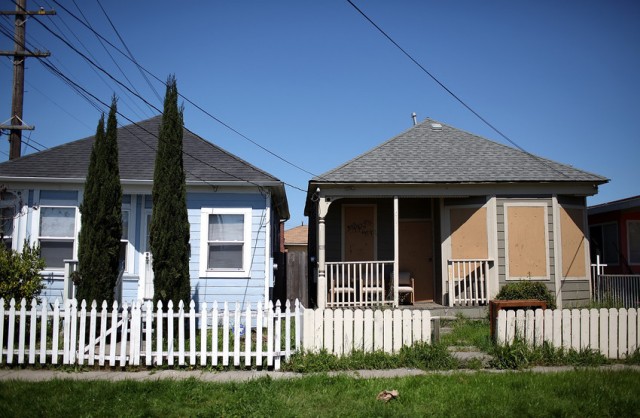
"caption": "Richmond could be the first city to use eminent domain to address its housing crisis. ",
"description": "Richmond could be the first city to use eminent domain to address its housing crisis. (Justin Sullivan/Getty Images)",
"title": "Richmond Eminent domain",
"credit": "Justin Sullivan/Getty Images",
"status": "inherit",
"isLoading": false,
"fetchFailed": false
},
"news_89938": {
"type": "attachments",
"id": "news_89938",
"meta": {
"index": "attachments_1716263798",
"site": "news",
"id": "89938",
"found": true
},
"parent": 89927,
"imgSizes": {
"kqedFullSize": {
"file": "https://ww2.kqed.org/app/uploads/sites/10/2013/02/apartmentnow.jpg",
"width": 640,
"height": 386
}
},
"publishDate": 1361559550,
"modified": 1361559550,
"caption": "\" ... from outside 900 Lombard we see the same view today plus an unsightly apartment building blocking the distant twin spires of Sts. Peter and Paul church on Washington Square.\" (Courtesy Reel SF)",
"description": "\" ... from outside 900 Lombard we see the same view today plus an unsightly apartment building blocking the distant twin spires of Sts. Peter and Paul church on Washington Square.\" (Courtesy Reel SF)",
"title": "apartmentnow",
"credit": null,
"status": "inherit",
"isLoading": false,
"fetchFailed": false
},
"news_106210": {
"type": "attachments",
"id": "news_106210",
"meta": {
"index": "attachments_1716263798",
"site": "news",
"id": "106210",
"found": true
},
"parent": 106204,
"imgSizes": {
"kqedFullSize": {
"file": "https://ww2.kqed.org/app/uploads/sites/10/2013/08/solar.jpg-e1375996453513.jpg",
"width": 640,
"height": 480
}
},
"publishDate": 1375996430,
"modified": 1375996430,
"caption": "Solar panels on tile roof in Bay Area. (Craig Miller/KQED)",
"description": null,
"title": "solar.jpg",
"credit": null,
"status": "inherit",
"isLoading": false,
"fetchFailed": false
},
"news_106171": {
"type": "attachments",
"id": "news_106171",
"meta": {
"index": "attachments_1716263798",
"site": "news",
"id": "106171",
"found": true
},
"parent": 106104,
"imgSizes": {
"kqedFullSize": {
"file": "https://ww2.kqed.org/app/uploads/sites/10/2013/08/RS4967_forsale20130529-e1375978585531.jpg",
"width": 640,
"height": 436
}
},
"publishDate": 1375978543,
"modified": 1375978543,
"caption": null,
"description": null,
"title": "RS4967_forsale20130529",
"credit": null,
"status": "inherit",
"isLoading": false,
"fetchFailed": false
},
"news_105443": {
"type": "attachments",
"id": "news_105443",
"meta": {
"index": "attachments_1716263798",
"site": "news",
"id": "105443",
"found": true
},
"parent": 105437,
"imgSizes": {
"kqedFullSize": {
"file": "https://ww2.kqed.org/app/uploads/sites/10/2013/08/SFC-bldg.jpg",
"width": 640,
"height": 383
}
},
"publishDate": 1375464293,
"modified": 1375464293,
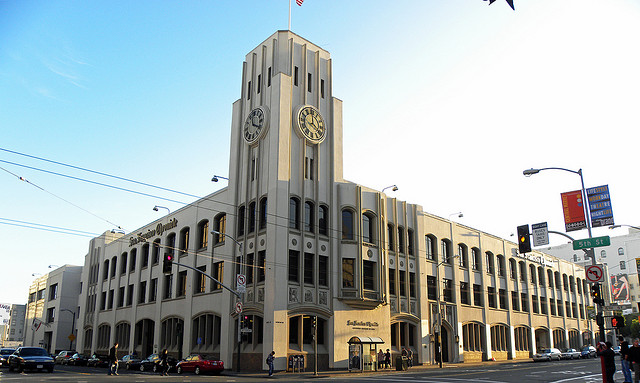
"caption": "The San Francisco Chronicle building, where Yahoo is planning to move in this October. (jeremy80/Flickr)",
"description": null,
"title": "SFC bldg",
"credit": null,
"status": "inherit",
"isLoading": false,
"fetchFailed": false
},
"news_104935": {
"type": "attachments",
"id": "news_104935",
"meta": {
"index": "attachments_1716263798",
"site": "news",
"id": "104935",
"found": true
},
"parent": 104915,
"imgSizes": {
"kqedFullSize": {
"file": "https://ww2.kqed.org/app/uploads/sites/10/2013/07/mobilehome1.jpg",
"width": 640,
"height": 500
}
},
"publishDate": 1375146215,
"modified": 1375146215,
"caption": "Erika Escalante, Saul Bracamontes and their son Andre live at the Buena Vista Mobile home park in Palo Alto. Andre's parents don't want to give up his enrollment in Palo Alto's top-rated public schools if the park is redeveloped into market-rate apartments. Photo: Francesa Segre/KQED",
"description": null,
"title": "mobilehome1",
"credit": null,
"status": "inherit",
"isLoading": false,
"fetchFailed": false
}
},
"audioPlayerReducer": {
"postId": "stream_live",
"isPaused": true,
"isPlaying": false,
"pfsActive": false,
"pledgeModalIsOpen": true,
"playerDrawerIsOpen": false,
"liveAudioPlayStartedAt": 0,
"liveAudioPlayContext": ""
},
"authorsReducer": {
"ohubertallen": {
"type": "authors",
"id": "102",
"meta": {
"index": "authors_1716337520",
"id": "102",
"found": true
},
"name": "Olivia Allen-Price",
"firstName": "Olivia",
"lastName": "Allen-Price",
"slug": "ohubertallen",
"email": "oallenprice@kqed.org",
"display_author_email": false,
"staff_mastheads": [
"news"
],
"title": "Senior Editor",
"bio": "Olivia Allen-Price is senior editor and host of the award-winning Bay Curious podcast. Prior to joining KQED in 2013, Olivia worked at The Baltimore Sun and The Virginian-Pilot in Norfolk, Va. She holds degrees in journalism and political science from Elon University. Her work has earned awards from the Society of Professional Journalists, the Hearst Foundation and Hearken. She loves to talk about running and curly hair.\r\n\r\nFollow: \u003ca href=\"https://twitter.com/oallenprice\">@oallenprice\u003c/a>\r\nEmail: \u003ca href=\"mailto:oallenprice@kqed.org\">oallenprice@kqed.org\u003c/a>",
"avatar": "https://secure.gravatar.com/avatar/07f7803c1f6be56f3be58ef276dfa64dce898502e0554408ef4858451a8294f7?s=600&d=blank&r=g",
"twitter": "oallenprice",
"bluesky": null,
"facebook": null,
"instagram": null,
"linkedin": null,
"sites": [
{
"site": "",
"roles": [
"editor"
]
},
{
"site": "arts",
"roles": [
"subscriber"
]
},
{
"site": "news",
"roles": [
"administrator"
]
},
{
"site": "pop",
"roles": [
"administrator"
]
},
{
"site": "bayareabites",
"roles": [
"contributor"
]
},
{
"site": "stateofhealth",
"roles": [
"administrator"
]
},
{
"site": "science",
"roles": [
"editor"
]
}
],
"headData": {
"title": "Olivia Allen-Price | KQED",
"description": "Senior Editor",
"ogImgSrc": "https://secure.gravatar.com/avatar/07f7803c1f6be56f3be58ef276dfa64dce898502e0554408ef4858451a8294f7?s=600&d=blank&r=g",
"twImgSrc": "https://secure.gravatar.com/avatar/07f7803c1f6be56f3be58ef276dfa64dce898502e0554408ef4858451a8294f7?s=600&d=blank&r=g"
},
"isLoading": false,
"link": "/author/ohubertallen"
},
"davidweir": {
"type": "authors",
"id": "223",
"meta": {
"index": "authors_1716337520",
"id": "223",
"found": true
},
"name": "David Weir",
"firstName": "David",
"lastName": "Weir",
"slug": "davidweir",
"email": "dweir@kqed.org",
"display_author_email": false,
"staff_mastheads": [],
"title": "KQED Contributor",
"bio": "David Weir is KQED's senior editor for digital news. He previously worked at \u003cem>Rolling Stone,\u003c/em> Salon, Wired Digital, Excite@Home,\u003cem> Mother Jones,\u003c/em> and as a co-founder and executive director of the Center for Investigative Reporting.\r\n\r\nOver the past 40 years, he and his teams have won dozens of awards, including a National Magazine Award, an IRE Award and a Webby. He has authored or co-authored four books, including (with Mark Schapiro) \u003cem>Circle of Poison.\u003c/em>\r\n\r\nHe has a ba\u003cspan class=\"example\">chelor's degree\u003c/span> in journalism from the University of Michigan, and has taught journalism at the University of California at Berkeley, Stanford and San Francisco State.",
"avatar": "https://secure.gravatar.com/avatar/c6642c16c4d2d2de5e6f067edf92b9c8?s=600&d=blank&r=g",
"twitter": null,
"facebook": null,
"instagram": null,
"linkedin": null,
"sites": [
{
"site": "arts",
"roles": [
"editor"
]
},
{
"site": "news",
"roles": [
"subscriber"
]
},
{
"site": "lowdown",
"roles": [
"editor"
]
},
{
"site": "stateofhealth",
"roles": [
"administrator"
]
},
{
"site": "science",
"roles": [
"editor"
]
}
],
"headData": {
"title": "David Weir | KQED",
"description": "KQED Contributor",
"ogImgSrc": "https://secure.gravatar.com/avatar/c6642c16c4d2d2de5e6f067edf92b9c8?s=600&d=blank&r=g",
"twImgSrc": "https://secure.gravatar.com/avatar/c6642c16c4d2d2de5e6f067edf92b9c8?s=600&d=blank&r=g"
},
"isLoading": false,
"link": "/author/davidweir"
},
"kqed": {
"type": "authors",
"id": "236",
"meta": {
"index": "authors_1716337520",
"id": "236",
"found": true
},
"name": "KQED News Staff",
"firstName": "KQED News Staff",
"lastName": null,
"slug": "kqed",
"email": "faq@kqed.org",
"display_author_email": false,
"staff_mastheads": [],
"title": null,
"bio": null,
"avatar": "https://secure.gravatar.com/avatar/ef0e801a68c4c54afa9180db14084167?s=600&d=blank&r=g",
"twitter": null,
"facebook": null,
"instagram": null,
"linkedin": null,
"sites": [
{
"site": "arts",
"roles": [
"contributor"
]
},
{
"site": "news",
"roles": [
"editor"
]
},
{
"site": "futureofyou",
"roles": [
"author"
]
}
],
"headData": {
"title": "KQED News Staff | KQED",
"description": null,
"ogImgSrc": "https://secure.gravatar.com/avatar/ef0e801a68c4c54afa9180db14084167?s=600&d=blank&r=g",
"twImgSrc": "https://secure.gravatar.com/avatar/ef0e801a68c4c54afa9180db14084167?s=600&d=blank&r=g"
},
"isLoading": false,
"link": "/author/kqed"
},
"kqednewsstaffandwires": {
"type": "authors",
"id": "237",
"meta": {
"index": "authors_1716337520",
"id": "237",
"found": true
},
"name": "KQED News Staff and Wires",
"firstName": "KQED News Staff and Wires",
"lastName": null,
"slug": "kqednewsstaffandwires",
"email": "onlinenewsstaff@kqed.org",
"display_author_email": false,
"staff_mastheads": [],
"title": null,
"bio": null,
"avatar": "https://secure.gravatar.com/avatar/72295af8ebbfbd19a4948f5271285664?s=600&d=blank&r=g",
"twitter": null,
"facebook": null,
"instagram": null,
"linkedin": null,
"sites": [
{
"site": "arts",
"roles": [
"contributor"
]
},
{
"site": "news",
"roles": [
"contributor"
]
},
{
"site": "lowdown",
"roles": [
"author"
]
},
{
"site": "stateofhealth",
"roles": [
"contributor"
]
},
{
"site": "food",
"roles": [
"author"
]
}
],
"headData": {
"title": "KQED News Staff and Wires | KQED",
"description": null,
"ogImgSrc": "https://secure.gravatar.com/avatar/72295af8ebbfbd19a4948f5271285664?s=600&d=blank&r=g",
"twImgSrc": "https://secure.gravatar.com/avatar/72295af8ebbfbd19a4948f5271285664?s=600&d=blank&r=g"
},
"isLoading": false,
"link": "/author/kqednewsstaffandwires"
}
},
"pagesReducer": {
"news_category_housing": {
"type": "terms",
"id": "news_6266",
"meta": {
"index": "terms_1716263798",
"site": "news",
"id": "6266",
"score": 11.040377
},
"featImg": null,
"name": "Housing",
"description": null,
"taxonomy": "category",
"headData": {
"twImgId": null,
"twTitle": null,
"ogTitle": null,
"ogImgId": null,
"twDescription": null,
"description": null,
"title": "Housing Archives | KQED News",
"ogDescription": null
},
"ttid": 6290,
"slug": "housing",
"isLoading": false,
"title": "Housing",
"pageMeta": {
"site": "news",
"WpPageTemplate": "page-topic-editorial",
"currentPage": 188
},
"blocks": [
{
"blockName": "kqed/post-list",
"attrs": {
"layout": "cardArticle2",
"query": "posts/news?category=housing",
"seeMore": false,
"paginated": true,
"page": 188
}
},
{
"blockName": "kqed/ad"
}
]
}
},
"pfsSessionReducer": {},
"postsReducer": {
"stream_live": {
"type": "live",
"id": "stream_live",
"audioUrl": "https://streams.kqed.org/kqedradio",
"title": "Live Stream",
"excerpt": "Live Stream information currently unavailable.",
"link": "/radio",
"featImg": "",
"label": {
"name": "KQED Live",
"link": "/"
}
},
"stream_kqedNewscast": {
"type": "posts",
"id": "stream_kqedNewscast",
"audioUrl": "https://www.kqed.org/.stream/anon/radio/RDnews/newscast.mp3?_=1",
"title": "KQED Newscast",
"featImg": "",
"label": {
"name": "88.5 FM",
"link": "/"
}
},
"news_110853": {
"type": "posts",
"id": "news_110853",
"meta": {
"index": "posts_1716263798",
"site": "news",
"id": "110853",
"score": null,
"sort": [
1378917657000
]
},
"guestAuthors": [],
"slug": "richmond-takes-next-step-in-eminent-domain-mortgage-plan",
"title": "Richmond Takes Next Step in Eminent Domain Mortgage Plan",
"publishDate": 1378917657,
"format": "aside",
"headTitle": "Richmond Takes Next Step in Eminent Domain Mortgage Plan | KQED",
"labelTerm": {
"term": 6944,
"site": "news"
},
"content": "\u003cfigure id=\"attachment_106283\" class=\"wp-caption alignright\" style=\"max-width: 300px\">\u003ca href=\"http://ww2.kqed.org/news/2013/08/09/106270/Richmond-eminent-domain-underwater-mortgages/rs612_foreclosure20120511-scr/\" rel=\"attachment wp-att-106283\">\u003cimg loading=\"lazy\" decoding=\"async\" class=\"size-medium wp-image-106283\" src=\"http://ww2.kqed.org/news/wp-content/uploads/sites/10/2013/08/RS612_foreclosure20120511-scr-300x195.jpg\" alt=\"The Richmond is the first city to try to use eminent domain to address its housing crisis. (Justin Sullivan/Getty Images)\" width=\"300\" height=\"195\">\u003c/a>\u003cfigcaption class=\"wp-caption-text\">Richmond is the first city to try to use eminent domain to address its housing crisis. (Justin Sullivan/Getty Images) \u003ccite>(Justin Sullivan/Getty Images)\u003c/cite>\u003c/figcaption>\u003c/figure>\n\u003cp>\u003cstrong>By The Associated Press\u003c/strong>\u003c/p>\n\u003cp>Richmond is moving ahead with its first-in-the-nation plan to use the government’s constitutional power of eminent domain to seize hundreds of underwater mortgages.\u003c/p>\n\u003cp>The Richmond City Council voted 4-3 early this morning to set up a Joint Powers Authority to bring more cities into the plan. Mayor Gayle McLaughlin said the city of El Monte (Los Angeles County) has expressed interest, and she believes other cities will follow.\u003c/p>\n\u003cp>Under the plan, Richmond would use eminent domain to seize the underwater mortgage. It would then offer the bank fair market value for it and give the homeowner a new loan that would lower monthly payments and improve the owner’s chances of staying.\u003c/p>\n\u003cp>Banks have filed lawsuits to stop Richmond from going ahead. Recently, city officials have \u003ca href=\"http://www.contracostatimes.com/news/ci_23985826/richmond-mounting-concerns-threaten-support-plan-seize-underwater\" target=\"_blank\" rel=\"noopener\">expressed concern\u003c/a> that Wall Street financial institutions have declined to participate in the city’s recent attempts to refinance some of its bond debt.\u003c/p>\n\u003cp>[ad fullwidth]\u003c/p>\u003cp>\u003c/p>\n",
"blocks": [],
"excerpt": "A split City Council moves ahead with plan to seize underwater mortgages to force better loan terms.",
"status": "publish",
"parent": 0,
"modified": 1721105239,
"stats": {
"hasAudio": false,
"hasVideo": false,
"hasChartOrMap": false,
"iframeSrcs": [],
"hasGoogleForm": false,
"hasGallery": false,
"hasHearkenModule": false,
"hasPolis": false,
"paragraphCount": 7,
"wordCount": 188
},
"headData": {
"title": "Richmond Takes Next Step in Eminent Domain Mortgage Plan | KQED",
"description": "A split City Council moves ahead with plan to seize underwater mortgages to force better loan terms.",
"ogTitle": "",
"ogDescription": "",
"ogImgId": "",
"twTitle": "",
"twDescription": "",
"twImgId": "",
"schema": {
"@context": "https://schema.org",
"@type": "NewsArticle",
"headline": "Richmond Takes Next Step in Eminent Domain Mortgage Plan",
"datePublished": "2013-09-11T09:40:57-07:00",
"dateModified": "2024-07-15T21:47:19-07:00",
"image": "https://cdn.kqed.org/wp-content/uploads/2020/02/KQED-OG-Image@1x.png",
"isAccessibleForFree": "True",
"publisher": {
"@type": "NewsMediaOrganization",
"@id": "https://www.kqed.org/#organization",
"name": "KQED",
"logo": "https://cdn.kqed.org/wp-content/uploads/2020/02/KQED-OG-Image@1x.png",
"url": "https://www.kqed.org",
"sameAs": [
"https://www.facebook.com/KQED",
"https://twitter.com/KQED",
"https://www.instagram.com/kqed/",
"https://www.tiktok.com/@kqedofficial",
"https://www.linkedin.com/company/kqed",
"https://www.youtube.com/channel/UCeC0IOo7i1P_61zVUWbJ4nw"
]
}
}
},
"sticky": false,
"customPermalink": "2013/09/11/draft-richmond-eminent-domain-underwater-mortgages/",
"path": "/news/110853/richmond-takes-next-step-in-eminent-domain-mortgage-plan",
"audioTrackLength": null,
"parsedContent": [
{
"type": "contentString",
"content": "\u003cdiv class=\"post-body\">\u003cp>\u003cfigure id=\"attachment_106283\" class=\"wp-caption alignright\" style=\"max-width: 300px\">\u003ca href=\"http://ww2.kqed.org/news/2013/08/09/106270/Richmond-eminent-domain-underwater-mortgages/rs612_foreclosure20120511-scr/\" rel=\"attachment wp-att-106283\">\u003cimg loading=\"lazy\" decoding=\"async\" class=\"size-medium wp-image-106283\" src=\"http://ww2.kqed.org/news/wp-content/uploads/sites/10/2013/08/RS612_foreclosure20120511-scr-300x195.jpg\" alt=\"The Richmond is the first city to try to use eminent domain to address its housing crisis. (Justin Sullivan/Getty Images)\" width=\"300\" height=\"195\">\u003c/a>\u003cfigcaption class=\"wp-caption-text\">Richmond is the first city to try to use eminent domain to address its housing crisis. (Justin Sullivan/Getty Images) \u003ccite>(Justin Sullivan/Getty Images)\u003c/cite>\u003c/figcaption>\u003c/figure>\n\u003cp>\u003cstrong>By The Associated Press\u003c/strong>\u003c/p>\n\u003cp>Richmond is moving ahead with its first-in-the-nation plan to use the government’s constitutional power of eminent domain to seize hundreds of underwater mortgages.\u003c/p>\n\u003cp>The Richmond City Council voted 4-3 early this morning to set up a Joint Powers Authority to bring more cities into the plan. Mayor Gayle McLaughlin said the city of El Monte (Los Angeles County) has expressed interest, and she believes other cities will follow.\u003c/p>\n\u003cp>Under the plan, Richmond would use eminent domain to seize the underwater mortgage. It would then offer the bank fair market value for it and give the homeowner a new loan that would lower monthly payments and improve the owner’s chances of staying.\u003c/p>\n\u003cp>Banks have filed lawsuits to stop Richmond from going ahead. Recently, city officials have \u003ca href=\"http://www.contracostatimes.com/news/ci_23985826/richmond-mounting-concerns-threaten-support-plan-seize-underwater\" target=\"_blank\" rel=\"noopener\">expressed concern\u003c/a> that Wall Street financial institutions have declined to participate in the city’s recent attempts to refinance some of its bond debt.\u003c/p>\n\u003cp>\u003c/p>\u003c/div>",
"attributes": {
"named": {},
"numeric": []
}
},
{
"type": "component",
"content": "",
"name": "ad",
"attributes": {
"named": {
"label": "fullwidth"
},
"numeric": [
"fullwidth"
]
}
},
{
"type": "contentString",
"content": "\u003cdiv class=\"post-body\">\u003cp>\u003c/p>\u003cp>\u003c/p>\n\u003c/div>\u003c/p>",
"attributes": {
"named": {},
"numeric": []
}
}
],
"link": "/news/110853/richmond-takes-next-step-in-eminent-domain-mortgage-plan",
"authors": [
"237"
],
"programs": [
"news_6944"
],
"categories": [
"news_1758",
"news_6266"
],
"tags": [
"news_1775",
"news_137",
"news_579"
],
"featImg": "news_106283",
"label": "news_6944"
},
"news_107740": {
"type": "posts",
"id": "news_107740",
"meta": {
"index": "posts_1716263798",
"site": "news",
"id": "107740",
"score": null,
"sort": [
1377115942000
]
},
"parent": 0,
"labelTerm": {
"site": "news",
"term": 6944
},
"blocks": [],
"publishDate": 1377115942,
"format": "aside",
"disqusTitle": "Berkeley Neighbors Fight Micro-Unit Proposal on Shattuck Avenue",
"title": "Berkeley Neighbors Fight Micro-Unit Proposal on Shattuck Avenue",
"headTitle": "News Fix | KQED News",
"content": "\u003cp>By Emilie Raguso, \u003ca href=\"http://www.berkeleyside.com/\">Berkeleyside\u003c/a>\u003c/p>\n\u003cp>A \u003ca href=\"http://www.berkeleyside.com/wp-content/uploads/2013/08/2013-08-15_DRC_ATT1_2701-Shattuck_Plans.pdf\">70-unit five-story building\u003c/a> proposed at Shattuck Avenue and Derby Street faced steep neighborhood opposition at a recent zoning board meeting in Berkeley.\u003c/p>\n\u003cfigure id=\"attachment_107742\" class=\"wp-caption alignleft\" style=\"max-width: 300px\">\u003ca href=\"http://ww2.kqed.org/news/wp-content/uploads/sites/10/2013/08/microunits.jpg\">\u003cimg class=\"size-medium wp-image-107742\" src=\"http://ww2.kqed.org/news/wp-content/uploads/sites/10/2013/08/microunits-300x142.jpg\" alt=\"The proposed 30,079-square-foot micro-unit development at 2701 Shattuck Ave., at Derby Street, in Berkeley. Image: Lowney Architecture\" width=\"300\" height=\"142\">\u003c/a>\u003cfigcaption class=\"wp-caption-text\">The proposed 30,079-square-foot micro-unit development at 2701 Shattuck Ave., at Derby Street, in Berkeley. Image: Lowney Architecture\u003c/figcaption>\u003c/figure>\n\u003cp>The 60-foot-tall proposal, set to include \u003ca href=\"http://www.berkeleyside.com/wp-content/uploads/2013/08/2013-08-15_DRC_ATT1_2701-Shattuck_Plans.pdf\">35 garage parking spaces, 81 bike spots and a 2,000-square-foot restaurant\u003c/a>, has been designed by Lowney Architecture, and comes to the city from Axis Development Group in San Francisco. The project has been scheduled before the city’s Design Review Committee six times since December. Units as currently designed range from 307 to 344 square feet. The project would result in a payment of $1.4 million into the city’s \u003ca title=\"Council sets fee for affordable housing mitigation\" href=\"http://www.berkeleyside.com/2012/10/18/berkeley-council-sets-fee-for-affordable-housing-mitigation/\">affordable housing fund\u003c/a>.\u003c/p>\n\u003cp>Proponents say these “micro-units” — which have \u003ca href=\"http://www.nytimes.com/2012/09/27/us/micro-unit-apartment-proposal-divides-san-francisco.html?_r=0\">sparked fierce debate in San Francisco\u003c/a> — are the way of the future, offering a more viable financial alternative to renters who otherwise would not be able to afford their own apartments. An attorney for the project, Rena Rickles, said at the Aug. 8 Zoning Adjustments Board meeting that micro-units “have been lauded in every design review magazine,” adding that the Berkeley proposal would offer even more amenities than a similarly high-end project, \u003ca href=\"http://www.panoramic.com/smartspace/soma-san-francisco/\">38 Harriet\u003c/a>, in San Francisco (\u003ca href=\"http://www.berkeleyside.com/2012/03/08/berkeley-developer-sees-future-in-small-smart-apartments/\">built by Berkeley-based developer Panoramic Interests\u003c/a>): “It meets the highest standards for this kind of housing in this area.” Rickles also noted that it would bring some much-needed vibrancy to the area.\u003c!--more-->\u003c/p>\n\u003cp>Fifteen neighbors who live near the proposal, and spoke before the zoning board, were unconvinced. One woman called the development “a resident hall stuck at the end of a very residential neighborhood.” Another, Marianne Sluis, said the developers had been “very bad neighbors” who “came to our neighborhood and didn’t listen to what we had to say. They never understood the neighborhood at all. … In terms of precedent, I think we’re looking at something very freakish here.”\u003c/p>\n\u003cfigure id=\"attachment_107743\" class=\"wp-caption alignright\" style=\"max-width: 300px\">\u003ca href=\"http://ww2.kqed.org/news/wp-content/uploads/sites/10/2013/08/microunit-layout-640.jpg\">\u003cimg class=\"size-medium wp-image-107743 \" src=\"http://ww2.kqed.org/news/wp-content/uploads/sites/10/2013/08/microunit-layout-640-300x188.jpg\" alt=\"The 2701 Shattuck building would be taller than all of its neighbors, and sits close to a number of single-family homes, said neighbors who oppose the project. Image: Lowney Architecture\" width=\"300\" height=\"188\">\u003c/a>\u003cfigcaption class=\"wp-caption-text\">The 2701 Shattuck building would be taller than all of its neighbors, and sits close to a number of single-family homes, said neighbors who oppose the project. Image: Lowney Architecture\u003c/figcaption>\u003c/figure>\n\u003cp>Neighbors took issue specifically with the height of the proposal, asking that it be dropped one or two stories; the size of the units; and the lack of space between the project and nearby residential homes. Neighbors also said that, while micro-units might work in the heart of downtown where there are other community resources, students would be unlikely to find many activities near that particular stretch of Shattuck. Noise, parking and shadowing were also among the concerns expressed.\u003c/p>\n\u003cp>[ad fullwidth]\u003c/p>\n\u003cp>“This is a terrible model to propose,” said Ellen Langer. “It’s a new standard of tenement houses for the people of Berkeley.”\u003c/p>\n\u003cp>One Berkeley resident, who said he lives about five blocks away, said he supports the project, although he added that his firm is under consideration to serve as the project’s structural engineer. He noted that the modular design of the building would halve construction time and minimize disruption to neighbors, and said a proposed community room would give residents a place to come together to socialize. He was the only member of the public who spoke in favor of the plans.\u003c/p>\n\u003cp>Zoning commissioners said they’d like to see the possibility of more family-size units and a lower building that would be more harmonious with the neighborhood.\u003c/p>\n\u003cp>Commissioner Igor Tregub said he wasn’t sure the size of the proposed units would work in Berkeley, though he said he’d like to see more revitalization in that part of the city: “Just about anything is better than a vacant building there.” Still, he continued, a three- or four-story building might accomplish that goal as well. “It’s a very sensitive neighborhood. It’s in a buffer zone: It’s along a transit corridor, but it also abuts a residential area.”\u003c/p>\n\u003cp>Commissioner John Selawsky, who was sitting in for that night’s meeting, said he found many of the neighborhood’s concerns to be “very, very legitimate.” He said he wanted to see more space — setbacks — around the property, and that the height should come down 10 or 12 feet: “I don’t think 60 feet is compatible with that neighborhood.” He said adding two- and three-bedroom units would be more in line with what Berkeley needs.\u003c/p>\n\u003cp>Commissioner Sophie Hahn said she was sympathetic to the “very real concerns about parking and massing” from neighbors, and said she, too, was unconvinced about the lack of proposed setbacks. She also took issue with the concept of micro-units, saying she didn’t see them offering a healthy lifestyle to students or other tenants. She criticized the designs, calling them “penitentiary housing,” and said there wasn’t enough room for exercise, cooking, intimacy or other types of enriching activities.\u003c/p>\n\u003cfigure id=\"attachment_107744\" class=\"wp-caption alignleft\" style=\"max-width: 300px\">\u003ca href=\"http://ww2.kqed.org/news/wp-content/uploads/sites/10/2013/08/microunit-interior-640.jpg\">\u003cimg class=\"size-medium wp-image-107744\" src=\"http://ww2.kqed.org/news/wp-content/uploads/sites/10/2013/08/microunit-interior-640-300x241.jpg\" alt=\"A sectional perspective into one of the two proposed unit types. Image: Lowney Architecture\" width=\"300\" height=\"241\">\u003c/a>\u003cfigcaption class=\"wp-caption-text\">A sectional perspective into one of the two proposed unit types. Image: Lowney Architecture\u003c/figcaption>\u003c/figure>\n\u003cp>“The only vision that I see in this project is profit,” she said. “It’s a bleak, lonely, unhealthy life that I would have a lot of trouble endorsing.”\u003c/p>\n\u003cp>Commissioner Bob Allen said there’s still work to be done, but that he thinks a solution that will work will ultimately be forthcoming.\u003c/p>\n\u003cp>“There are a lot of issues here,” he said. “We shouldn’t go jumping off the roof saying, ‘You can’t do this, this is nasty.’ …We’ve gotta really work at this. And I think the developer … made a big step when they brought in the current architect. ... It’s a vast improvement as far as the units, and I think we should be open to this stuff.”\u003c/p>\n\u003cp>After the meeting ended, Rickles said a height reduction would be unlikely, in that it would lead to a project that was not financially viable. She said \u003ca href=\"http://www.berkeleyside.com/wp-content/uploads/2013/08/2013-08-08_ZAB_Staff-Report_2701-Shattuck.pdf\">several previous plans\u003c/a> on the site ultimately fell through in part because of that limitation.\u003c/p>\n\u003cp>“None of them got built,” she said. “For the cost of land and the utility of the land, it just isn’t feasible to do it much smaller.”\u003c/p>\n\u003cp>\u003cem>[Editor's Note: A quotation from Sophie Hahn inadvertently misstated a word she used that night; the quotation has been corrected.]\u003c/em>\u003c/p>\n\u003cp>More on micro-unit housing:\u003c/p>\n\u003cp>\u003ca href=\"http://www.kqed.org/news/story/2012/10/24/109998/as_apartment_rents_climb_skyward_san_francisco_considers?category=economy\">As Apartment Rents Climb Skyward, San Francisco Considers Downsizing Apartments\u003c/a>\u003c/p>\n\u003cp>[ad floatright]\u003c/p>\n\u003cp>\u003ca href=\"http://www.kqed.org/news/story/2012/11/20/111409/micro_apartments_win_approval_in_san_francisco?category=bay+area\">'Micro Apartments' Win Approval in San Francisco\u003c/a>\u003c/p>\n\n",
"disqusIdentifier": "107740 http://ww2.kqed.org/news/?p=107740",
"disqusUrl": "https://ww2.kqed.org/news/2013/08/21/berkeley-neighbors-fight-micro-unit-proposal-on-shattuck-avenue/",
"stats": {
"hasVideo": false,
"hasChartOrMap": false,
"hasAudio": false,
"hasPolis": false,
"wordCount": 1152,
"hasGoogleForm": false,
"hasGallery": false,
"hasHearkenModule": false,
"iframeSrcs": [],
"paragraphCount": 23
},
"modified": 1377127303,
"excerpt": null,
"headData": {
"twImgId": "",
"twTitle": "",
"ogTitle": "",
"ogImgId": "",
"twDescription": "",
"description": "By Emilie Raguso, Berkeleyside A 70-unit five-story building proposed at Shattuck Avenue and Derby Street faced steep neighborhood opposition at a recent zoning board meeting in Berkeley. The 60-foot-tall proposal, set to include 35 garage parking spaces, 81 bike spots and a 2,000-square-foot restaurant, has been designed by Lowney Architecture, and comes to the city",
"title": "Berkeley Neighbors Fight Micro-Unit Proposal on Shattuck Avenue | KQED",
"ogDescription": "",
"schema": {
"@context": "https://schema.org",
"@type": "NewsArticle",
"headline": "Berkeley Neighbors Fight Micro-Unit Proposal on Shattuck Avenue",
"datePublished": "2013-08-21T13:12:22-07:00",
"dateModified": "2013-08-21T16:21:43-07:00",
"image": "https://cdn.kqed.org/wp-content/uploads/2020/02/KQED-OG-Image@1x.png",
"isAccessibleForFree": "True",
"publisher": {
"@type": "NewsMediaOrganization",
"@id": "https://www.kqed.org/#organization",
"name": "KQED",
"logo": "https://cdn.kqed.org/wp-content/uploads/2020/02/KQED-OG-Image@1x.png",
"url": "https://www.kqed.org",
"sameAs": [
"https://www.facebook.com/KQED",
"https://twitter.com/KQED",
"https://www.instagram.com/kqed/",
"https://www.tiktok.com/@kqedofficial",
"https://www.linkedin.com/company/kqed",
"https://www.youtube.com/channel/UCeC0IOo7i1P_61zVUWbJ4nw"
]
}
}
},
"guestAuthors": [],
"slug": "berkeley-neighbors-fight-micro-unit-proposal-on-shattuck-avenue",
"status": "publish",
"customPermalink": "2013/08/21/berkeley-neighbors-fight-downtown-micro-unit-proposal/",
"path": "/news/107740/berkeley-neighbors-fight-micro-unit-proposal-on-shattuck-avenue",
"audioTrackLength": null,
"parsedContent": [
{
"type": "contentString",
"content": "\u003cdiv class=\"post-body\">\u003cp>\u003cp>By Emilie Raguso, \u003ca href=\"http://www.berkeleyside.com/\">Berkeleyside\u003c/a>\u003c/p>\n\u003cp>A \u003ca href=\"http://www.berkeleyside.com/wp-content/uploads/2013/08/2013-08-15_DRC_ATT1_2701-Shattuck_Plans.pdf\">70-unit five-story building\u003c/a> proposed at Shattuck Avenue and Derby Street faced steep neighborhood opposition at a recent zoning board meeting in Berkeley.\u003c/p>\n\u003cfigure id=\"attachment_107742\" class=\"wp-caption alignleft\" style=\"max-width: 300px\">\u003ca href=\"http://ww2.kqed.org/news/wp-content/uploads/sites/10/2013/08/microunits.jpg\">\u003cimg class=\"size-medium wp-image-107742\" src=\"http://ww2.kqed.org/news/wp-content/uploads/sites/10/2013/08/microunits-300x142.jpg\" alt=\"The proposed 30,079-square-foot micro-unit development at 2701 Shattuck Ave., at Derby Street, in Berkeley. Image: Lowney Architecture\" width=\"300\" height=\"142\">\u003c/a>\u003cfigcaption class=\"wp-caption-text\">The proposed 30,079-square-foot micro-unit development at 2701 Shattuck Ave., at Derby Street, in Berkeley. Image: Lowney Architecture\u003c/figcaption>\u003c/figure>\n\u003cp>The 60-foot-tall proposal, set to include \u003ca href=\"http://www.berkeleyside.com/wp-content/uploads/2013/08/2013-08-15_DRC_ATT1_2701-Shattuck_Plans.pdf\">35 garage parking spaces, 81 bike spots and a 2,000-square-foot restaurant\u003c/a>, has been designed by Lowney Architecture, and comes to the city from Axis Development Group in San Francisco. The project has been scheduled before the city’s Design Review Committee six times since December. Units as currently designed range from 307 to 344 square feet. The project would result in a payment of $1.4 million into the city’s \u003ca title=\"Council sets fee for affordable housing mitigation\" href=\"http://www.berkeleyside.com/2012/10/18/berkeley-council-sets-fee-for-affordable-housing-mitigation/\">affordable housing fund\u003c/a>.\u003c/p>\n\u003cp>Proponents say these “micro-units” — which have \u003ca href=\"http://www.nytimes.com/2012/09/27/us/micro-unit-apartment-proposal-divides-san-francisco.html?_r=0\">sparked fierce debate in San Francisco\u003c/a> — are the way of the future, offering a more viable financial alternative to renters who otherwise would not be able to afford their own apartments. An attorney for the project, Rena Rickles, said at the Aug. 8 Zoning Adjustments Board meeting that micro-units “have been lauded in every design review magazine,” adding that the Berkeley proposal would offer even more amenities than a similarly high-end project, \u003ca href=\"http://www.panoramic.com/smartspace/soma-san-francisco/\">38 Harriet\u003c/a>, in San Francisco (\u003ca href=\"http://www.berkeleyside.com/2012/03/08/berkeley-developer-sees-future-in-small-smart-apartments/\">built by Berkeley-based developer Panoramic Interests\u003c/a>): “It meets the highest standards for this kind of housing in this area.” Rickles also noted that it would bring some much-needed vibrancy to the area.\u003c!--more-->\u003c/p>\n\u003cp>Fifteen neighbors who live near the proposal, and spoke before the zoning board, were unconvinced. One woman called the development “a resident hall stuck at the end of a very residential neighborhood.” Another, Marianne Sluis, said the developers had been “very bad neighbors” who “came to our neighborhood and didn’t listen to what we had to say. They never understood the neighborhood at all. … In terms of precedent, I think we’re looking at something very freakish here.”\u003c/p>\n\u003cfigure id=\"attachment_107743\" class=\"wp-caption alignright\" style=\"max-width: 300px\">\u003ca href=\"http://ww2.kqed.org/news/wp-content/uploads/sites/10/2013/08/microunit-layout-640.jpg\">\u003cimg class=\"size-medium wp-image-107743 \" src=\"http://ww2.kqed.org/news/wp-content/uploads/sites/10/2013/08/microunit-layout-640-300x188.jpg\" alt=\"The 2701 Shattuck building would be taller than all of its neighbors, and sits close to a number of single-family homes, said neighbors who oppose the project. Image: Lowney Architecture\" width=\"300\" height=\"188\">\u003c/a>\u003cfigcaption class=\"wp-caption-text\">The 2701 Shattuck building would be taller than all of its neighbors, and sits close to a number of single-family homes, said neighbors who oppose the project. Image: Lowney Architecture\u003c/figcaption>\u003c/figure>\n\u003cp>Neighbors took issue specifically with the height of the proposal, asking that it be dropped one or two stories; the size of the units; and the lack of space between the project and nearby residential homes. Neighbors also said that, while micro-units might work in the heart of downtown where there are other community resources, students would be unlikely to find many activities near that particular stretch of Shattuck. Noise, parking and shadowing were also among the concerns expressed.\u003c/p>\n\u003cp>\u003c/p>\u003c/div>",
"attributes": {
"named": {},
"numeric": []
}
},
{
"type": "component",
"content": "",
"name": "ad",
"attributes": {
"named": {
"label": "fullwidth"
},
"numeric": [
"fullwidth"
]
}
},
{
"type": "contentString",
"content": "\u003cdiv class=\"post-body\">\u003cp>\u003c/p>\n\u003cp>“This is a terrible model to propose,” said Ellen Langer. “It’s a new standard of tenement houses for the people of Berkeley.”\u003c/p>\n\u003cp>One Berkeley resident, who said he lives about five blocks away, said he supports the project, although he added that his firm is under consideration to serve as the project’s structural engineer. He noted that the modular design of the building would halve construction time and minimize disruption to neighbors, and said a proposed community room would give residents a place to come together to socialize. He was the only member of the public who spoke in favor of the plans.\u003c/p>\n\u003cp>Zoning commissioners said they’d like to see the possibility of more family-size units and a lower building that would be more harmonious with the neighborhood.\u003c/p>\n\u003cp>Commissioner Igor Tregub said he wasn’t sure the size of the proposed units would work in Berkeley, though he said he’d like to see more revitalization in that part of the city: “Just about anything is better than a vacant building there.” Still, he continued, a three- or four-story building might accomplish that goal as well. “It’s a very sensitive neighborhood. It’s in a buffer zone: It’s along a transit corridor, but it also abuts a residential area.”\u003c/p>\n\u003cp>Commissioner John Selawsky, who was sitting in for that night’s meeting, said he found many of the neighborhood’s concerns to be “very, very legitimate.” He said he wanted to see more space — setbacks — around the property, and that the height should come down 10 or 12 feet: “I don’t think 60 feet is compatible with that neighborhood.” He said adding two- and three-bedroom units would be more in line with what Berkeley needs.\u003c/p>\n\u003cp>Commissioner Sophie Hahn said she was sympathetic to the “very real concerns about parking and massing” from neighbors, and said she, too, was unconvinced about the lack of proposed setbacks. She also took issue with the concept of micro-units, saying she didn’t see them offering a healthy lifestyle to students or other tenants. She criticized the designs, calling them “penitentiary housing,” and said there wasn’t enough room for exercise, cooking, intimacy or other types of enriching activities.\u003c/p>\n\u003cfigure id=\"attachment_107744\" class=\"wp-caption alignleft\" style=\"max-width: 300px\">\u003ca href=\"http://ww2.kqed.org/news/wp-content/uploads/sites/10/2013/08/microunit-interior-640.jpg\">\u003cimg class=\"size-medium wp-image-107744\" src=\"http://ww2.kqed.org/news/wp-content/uploads/sites/10/2013/08/microunit-interior-640-300x241.jpg\" alt=\"A sectional perspective into one of the two proposed unit types. Image: Lowney Architecture\" width=\"300\" height=\"241\">\u003c/a>\u003cfigcaption class=\"wp-caption-text\">A sectional perspective into one of the two proposed unit types. Image: Lowney Architecture\u003c/figcaption>\u003c/figure>\n\u003cp>“The only vision that I see in this project is profit,” she said. “It’s a bleak, lonely, unhealthy life that I would have a lot of trouble endorsing.”\u003c/p>\n\u003cp>Commissioner Bob Allen said there’s still work to be done, but that he thinks a solution that will work will ultimately be forthcoming.\u003c/p>\n\u003cp>“There are a lot of issues here,” he said. “We shouldn’t go jumping off the roof saying, ‘You can’t do this, this is nasty.’ …We’ve gotta really work at this. And I think the developer … made a big step when they brought in the current architect. ... It’s a vast improvement as far as the units, and I think we should be open to this stuff.”\u003c/p>\n\u003cp>After the meeting ended, Rickles said a height reduction would be unlikely, in that it would lead to a project that was not financially viable. She said \u003ca href=\"http://www.berkeleyside.com/wp-content/uploads/2013/08/2013-08-08_ZAB_Staff-Report_2701-Shattuck.pdf\">several previous plans\u003c/a> on the site ultimately fell through in part because of that limitation.\u003c/p>\n\u003cp>“None of them got built,” she said. “For the cost of land and the utility of the land, it just isn’t feasible to do it much smaller.”\u003c/p>\n\u003cp>\u003cem>[Editor's Note: A quotation from Sophie Hahn inadvertently misstated a word she used that night; the quotation has been corrected.]\u003c/em>\u003c/p>\n\u003cp>More on micro-unit housing:\u003c/p>\n\u003cp>\u003ca href=\"http://www.kqed.org/news/story/2012/10/24/109998/as_apartment_rents_climb_skyward_san_francisco_considers?category=economy\">As Apartment Rents Climb Skyward, San Francisco Considers Downsizing Apartments\u003c/a>\u003c/p>\n\u003cp>\u003c/p>\u003c/div>",
"attributes": {
"named": {},
"numeric": []
}
},
{
"type": "component",
"content": "",
"name": "ad",
"attributes": {
"named": {
"label": "floatright"
},
"numeric": [
"floatright"
]
}
},
{
"type": "contentString",
"content": "\u003cdiv class=\"post-body\">\u003cp>\u003c/p>\n\u003cp>\u003ca href=\"http://www.kqed.org/news/story/2012/11/20/111409/micro_apartments_win_approval_in_san_francisco?category=bay+area\">'Micro Apartments' Win Approval in San Francisco\u003c/a>\u003c/p>\n\n\u003c/div>\u003c/p>",
"attributes": {
"named": {},
"numeric": []
}
}
],
"link": "/news/107740/berkeley-neighbors-fight-micro-unit-proposal-on-shattuck-avenue",
"authors": [
"236"
],
"programs": [
"news_6944"
],
"categories": [
"news_6266",
"news_8"
],
"tags": [
"news_1775",
"news_3506",
"news_3476"
],
"label": "news_6944"
},
"news_107059": {
"type": "posts",
"id": "news_107059",
"meta": {
"index": "posts_1716263798",
"site": "news",
"id": "107059",
"score": null,
"sort": [
1376612497000
]
},
"parent": 0,
"labelTerm": {
"site": "news",
"term": 6944
},
"blocks": [],
"publishDate": 1376612497,
"format": "aside",
"disqusTitle": "Bay Area Home Sales Reach Highest Level Since 2005",
"title": "Bay Area Home Sales Reach Highest Level Since 2005",
"headTitle": "News Fix | KQED News",
"content": "\u003cfigure id=\"attachment_98198\" class=\"wp-caption alignleft\" style=\"max-width: 300px\">\u003ca href=\"http://ww2.kqed.org/news/2013/05/28/98195/housing-planned-in-downtown-berkeley/\" rel=\"attachment wp-att-98198\">\u003cimg class=\"size-medium wp-image-98198 \" src=\"http://ww2.kqed.org/news/wp-content/uploads/sites/10/2013/05/housing-planned-in-downtown-Berkeley-300x199.jpg\" alt=\"The median price paid for Bay Area housing hit an 8-year high in July. (Tracey Taylor)\" width=\"300\" height=\"199\">\u003c/a>\u003cfigcaption class=\"wp-caption-text\">The median price paid for Bay Area housing hit an eight-year high in July. (Tracey Taylor/Berkeleyside)\u003c/figcaption>\u003c/figure>\n\u003cp>Trying to buy a house? So is everyone else. According to real estate data company DataQuick, July house and condo sales throughout the Bay Area were the highest since 2005.\u003c/p>\n\u003cp>A total of 9,339 new and resale houses and condos were purchased last month in the nine-county Bay Area, the highest for a July in eight years, according to DataQuick. An expanding supply of homes on the market, along with pent-up demand, pushed sales up 13.3 percent from July 2012.\u003c/p>\n\u003cp>The sales were at their highest since 12,538 homes were sold in July 2005.\u003c/p>\n\u003cp>Santa Clara County saw the biggest spike: 2,244 homes were sold, 26.1 percent more than the 1,779 from July 2012. In San Francisco, 718 homes sold last month, up 31.3 percent from last July's 547 sales. Solano County was the only Bay Area county that recorded fewer sales this July than last, totaling a 0.8 percent decrease.\u003c/p>\n\u003cp>Buyers paid a median price of $562,000 for a home last month, 1.3 percent more than in June and a a whopping 33.5 percent more than last year.\u003c/p>\n\u003cp>[ad fullwidth]\u003c/p>\n\u003cp>Along with the rise in sales, the median price of homes in the Bay Area also has increased, reaching its highest level in more than 5½ years.\u003c/p>\n\u003cp>In July, the median price was $562,000, the highest since December 2007 when homes were averaging a price tag of roughly $587,500, according to DataQuick.\u003c/p>\n\u003cp>Twelve months ago, the median price of homes in the nine-county region was 33.5 percent lower, averaging roughly $421,000 per sale.\u003c/p>\n\u003cp>\u003c/p>\n\u003cp>All counties throughout the Bay Area recorded an increase in median sale prices, but none more than in Contra Costa County, which saw its median sale price rise nearly 43 percent from $308,000 to $440,000, according to DataQuick.\u003c/p>\n\n",
"disqusIdentifier": "107059 http://ww2.kqed.org/news/?p=107059",
"disqusUrl": "https://ww2.kqed.org/news/2013/08/15/bay-area-home-sales-reach-highest-level-since-2005/",
"stats": {
"hasVideo": false,
"hasChartOrMap": false,
"hasAudio": false,
"hasPolis": false,
"wordCount": 334,
"hasGoogleForm": false,
"hasGallery": false,
"hasHearkenModule": false,
"iframeSrcs": [],
"paragraphCount": 11
},
"modified": 1376618088,
"excerpt": null,
"headData": {
"twImgId": "",
"twTitle": "",
"ogTitle": "",
"ogImgId": "",
"twDescription": "",
"description": "Trying to buy a house? So is everyone else. According to real estate data company DataQuick, July house and condo sales throughout the Bay Area were the highest since 2005. A total of 9,339 new and resale houses and condos were purchased last month in the nine-county Bay Area, the highest for a July in",
"title": "Bay Area Home Sales Reach Highest Level Since 2005 | KQED",
"ogDescription": "",
"schema": {
"@context": "https://schema.org",
"@type": "NewsArticle",
"headline": "Bay Area Home Sales Reach Highest Level Since 2005",
"datePublished": "2013-08-15T17:21:37-07:00",
"dateModified": "2013-08-15T18:54:48-07:00",
"image": "https://cdn.kqed.org/wp-content/uploads/2020/02/KQED-OG-Image@1x.png",
"isAccessibleForFree": "True",
"publisher": {
"@type": "NewsMediaOrganization",
"@id": "https://www.kqed.org/#organization",
"name": "KQED",
"logo": "https://cdn.kqed.org/wp-content/uploads/2020/02/KQED-OG-Image@1x.png",
"url": "https://www.kqed.org",
"sameAs": [
"https://www.facebook.com/KQED",
"https://twitter.com/KQED",
"https://www.instagram.com/kqed/",
"https://www.tiktok.com/@kqedofficial",
"https://www.linkedin.com/company/kqed",
"https://www.youtube.com/channel/UCeC0IOo7i1P_61zVUWbJ4nw"
]
}
}
},
"guestAuthors": [],
"slug": "bay-area-home-sales-reach-highest-level-since-2005",
"status": "publish",
"customPermalink": "2013/08/15/107059/-home-sales-highest-since-2005/",
"path": "/news/107059/bay-area-home-sales-reach-highest-level-since-2005",
"audioTrackLength": null,
"parsedContent": [
{
"type": "contentString",
"content": "\u003cdiv class=\"post-body\">\u003cp>\u003cfigure id=\"attachment_98198\" class=\"wp-caption alignleft\" style=\"max-width: 300px\">\u003ca href=\"http://ww2.kqed.org/news/2013/05/28/98195/housing-planned-in-downtown-berkeley/\" rel=\"attachment wp-att-98198\">\u003cimg class=\"size-medium wp-image-98198 \" src=\"http://ww2.kqed.org/news/wp-content/uploads/sites/10/2013/05/housing-planned-in-downtown-Berkeley-300x199.jpg\" alt=\"The median price paid for Bay Area housing hit an 8-year high in July. (Tracey Taylor)\" width=\"300\" height=\"199\">\u003c/a>\u003cfigcaption class=\"wp-caption-text\">The median price paid for Bay Area housing hit an eight-year high in July. (Tracey Taylor/Berkeleyside)\u003c/figcaption>\u003c/figure>\n\u003cp>Trying to buy a house? So is everyone else. According to real estate data company DataQuick, July house and condo sales throughout the Bay Area were the highest since 2005.\u003c/p>\n\u003cp>A total of 9,339 new and resale houses and condos were purchased last month in the nine-county Bay Area, the highest for a July in eight years, according to DataQuick. An expanding supply of homes on the market, along with pent-up demand, pushed sales up 13.3 percent from July 2012.\u003c/p>\n\u003cp>The sales were at their highest since 12,538 homes were sold in July 2005.\u003c/p>\n\u003cp>Santa Clara County saw the biggest spike: 2,244 homes were sold, 26.1 percent more than the 1,779 from July 2012. In San Francisco, 718 homes sold last month, up 31.3 percent from last July's 547 sales. Solano County was the only Bay Area county that recorded fewer sales this July than last, totaling a 0.8 percent decrease.\u003c/p>\n\u003cp>Buyers paid a median price of $562,000 for a home last month, 1.3 percent more than in June and a a whopping 33.5 percent more than last year.\u003c/p>\n\u003cp>\u003c/p>\u003c/div>",
"attributes": {
"named": {},
"numeric": []
}
},
{
"type": "component",
"content": "",
"name": "ad",
"attributes": {
"named": {
"label": "fullwidth"
},
"numeric": [
"fullwidth"
]
}
},
{
"type": "contentString",
"content": "\u003cdiv class=\"post-body\">\u003cp>\u003c/p>\n\u003cp>Along with the rise in sales, the median price of homes in the Bay Area also has increased, reaching its highest level in more than 5½ years.\u003c/p>\n\u003cp>In July, the median price was $562,000, the highest since December 2007 when homes were averaging a price tag of roughly $587,500, according to DataQuick.\u003c/p>\n\u003cp>Twelve months ago, the median price of homes in the nine-county region was 33.5 percent lower, averaging roughly $421,000 per sale.\u003c/p>\n\u003cp>\u003c/p>\n\u003cp>All counties throughout the Bay Area recorded an increase in median sale prices, but none more than in Contra Costa County, which saw its median sale price rise nearly 43 percent from $308,000 to $440,000, according to DataQuick.\u003c/p>\n\n\u003c/div>\u003c/p>",
"attributes": {
"named": {},
"numeric": []
}
}
],
"link": "/news/107059/bay-area-home-sales-reach-highest-level-since-2005",
"authors": [
"237"
],
"programs": [
"news_6944"
],
"categories": [
"news_6266",
"news_8"
],
"tags": [
"news_1775"
],
"featImg": "news_89938",
"label": "news_6944"
},
"news_106321": {
"type": "posts",
"id": "news_106321",
"meta": {
"index": "posts_1716263798",
"site": "news",
"id": "106321",
"score": null,
"sort": [
1376076459000
]
},
"parent": 0,
"labelTerm": {
"site": "news",
"term": 6944
},
"blocks": [],
"publishDate": 1376076459,
"format": "aside",
"disqusTitle": "Most Expensive Cities for Baby's First Year Are, Yes, Right Here",
"title": "Most Expensive Cities for Baby's First Year Are, Yes, Right Here",
"headTitle": "News Fix | KQED News",
"content": "\u003cfigure id=\"attachment_106337\" class=\"wp-caption alignright\" style=\"max-width: 300px\">\u003ca href=\"http://ww2.kqed.org/news/2013/08/09/most-expensive-cities-for-babies-first-year/rs5767_174290723-scr/\" rel=\"attachment wp-att-106337\">\u003cimg class=\"size-medium wp-image-106337 \" src=\"http://ww2.kqed.org/news/wp-content/uploads/sites/10/2013/08/RS5767_174290723-scr-300x210.jpg\" alt=\"Prince William, Duke of Cambridge, and Catherine, Duchess of Cambridge, won't have to worry about expense with their baby, Prince George. (Oli Scarff/Getty Images)\" width=\"300\" height=\"210\">\u003c/a>\u003cfigcaption class=\"wp-caption-text\">Prince William, Duke of Cambridge, and Catherine, Duchess of Cambridge, with new baby Prince George. (Oli Scarff/Getty Images)\u003c/figcaption>\u003c/figure>\n\u003cp>We're not surprised, but still. With a nod to England's new royal infant, real estate listing service \u003ca href=\"http://blog.redfin.com/blog/2013/08/baby-youre-expensive.html#.UgUjF2Sgkcd\">Redfin \u003c/a>came out with the most expensive American cities for baby's first year this week. San Jose ranked No.1, with a total cost of $41,600. Santa Cruz (2), San Francisco (4) and Santa Rosa (7) were close behind.\u003c/p>\n\u003cp>In fact, California cities accounted for seven out of the top 10: San Diego (6), Oxnard (8), Los Angeles (9).\u003c/p>\n\u003cp>The study focused on housing (single-family homes only), child care, baby gear, health care and energy. Specifically, it zeroed in on: the cost of adding an additional bedroom to the house; nine months of child care; out-of-pocket expenses for prenatal, childbirth and first year; diapers, food, toys, strollers and other supplies; and cost for more laundry, a warmer home, etc.\u003c/p>\n\u003cp>Of course, what drove our fair cities high up on the list was the cost of housing. In San Jose, where the median sold price in June 2013 for single-family homes was $690,000, you'll pay $19,900 to add that extra bedroom. Adding a room in San Francisco (the median list price for a single-family home in June 2013 was $875,000) costs less -- just $15,300.\u003c/p>\n\u003cp>[ad fullwidth]\u003c/p>\u003cp>\u003c/p>\n",
"disqusIdentifier": "106321 http://ww2.kqed.org/news/?p=106321",
"disqusUrl": "https://ww2.kqed.org/news/2013/08/09/most-expensive-cities-for-babys-first-year-are-yes-right-here/",
"stats": {
"hasVideo": false,
"hasChartOrMap": false,
"hasAudio": false,
"hasPolis": false,
"wordCount": 236,
"hasGoogleForm": false,
"hasGallery": false,
"hasHearkenModule": false,
"iframeSrcs": [],
"paragraphCount": 6
},
"modified": 1376320143,
"excerpt": null,
"headData": {
"twImgId": "",
"twTitle": "",
"ogTitle": "",
"ogImgId": "",
"twDescription": "",
"description": "We're not surprised, but still. With a nod to England's new royal infant, real estate listing service Redfin came out with the most expensive American cities for baby's first year this week. San Jose ranked No.1, with a total cost of $41,600. Santa Cruz (2), San Francisco (4) and Santa Rosa (7) were close behind.",
"title": "Most Expensive Cities for Baby's First Year Are, Yes, Right Here | KQED",
"ogDescription": "",
"schema": {
"@context": "https://schema.org",
"@type": "NewsArticle",
"headline": "Most Expensive Cities for Baby's First Year Are, Yes, Right Here",
"datePublished": "2013-08-09T12:27:39-07:00",
"dateModified": "2013-08-12T08:09:03-07:00",
"image": "https://cdn.kqed.org/wp-content/uploads/2020/02/KQED-OG-Image@1x.png",
"isAccessibleForFree": "True",
"publisher": {
"@type": "NewsMediaOrganization",
"@id": "https://www.kqed.org/#organization",
"name": "KQED",
"logo": "https://cdn.kqed.org/wp-content/uploads/2020/02/KQED-OG-Image@1x.png",
"url": "https://www.kqed.org",
"sameAs": [
"https://www.facebook.com/KQED",
"https://twitter.com/KQED",
"https://www.instagram.com/kqed/",
"https://www.tiktok.com/@kqedofficial",
"https://www.linkedin.com/company/kqed",
"https://www.youtube.com/channel/UCeC0IOo7i1P_61zVUWbJ4nw"
]
}
}
},
"guestAuthors": [],
"slug": "most-expensive-cities-for-babys-first-year-are-yes-right-here",
"status": "publish",
"customPermalink": "2013/08/09/most-expensive-cities-for-babies-first-year/",
"path": "/news/106321/most-expensive-cities-for-babys-first-year-are-yes-right-here",
"audioTrackLength": null,
"parsedContent": [
{
"type": "contentString",
"content": "\u003cdiv class=\"post-body\">\u003cp>\u003cfigure id=\"attachment_106337\" class=\"wp-caption alignright\" style=\"max-width: 300px\">\u003ca href=\"http://ww2.kqed.org/news/2013/08/09/most-expensive-cities-for-babies-first-year/rs5767_174290723-scr/\" rel=\"attachment wp-att-106337\">\u003cimg class=\"size-medium wp-image-106337 \" src=\"http://ww2.kqed.org/news/wp-content/uploads/sites/10/2013/08/RS5767_174290723-scr-300x210.jpg\" alt=\"Prince William, Duke of Cambridge, and Catherine, Duchess of Cambridge, won't have to worry about expense with their baby, Prince George. (Oli Scarff/Getty Images)\" width=\"300\" height=\"210\">\u003c/a>\u003cfigcaption class=\"wp-caption-text\">Prince William, Duke of Cambridge, and Catherine, Duchess of Cambridge, with new baby Prince George. (Oli Scarff/Getty Images)\u003c/figcaption>\u003c/figure>\n\u003cp>We're not surprised, but still. With a nod to England's new royal infant, real estate listing service \u003ca href=\"http://blog.redfin.com/blog/2013/08/baby-youre-expensive.html#.UgUjF2Sgkcd\">Redfin \u003c/a>came out with the most expensive American cities for baby's first year this week. San Jose ranked No.1, with a total cost of $41,600. Santa Cruz (2), San Francisco (4) and Santa Rosa (7) were close behind.\u003c/p>\n\u003cp>In fact, California cities accounted for seven out of the top 10: San Diego (6), Oxnard (8), Los Angeles (9).\u003c/p>\n\u003cp>The study focused on housing (single-family homes only), child care, baby gear, health care and energy. Specifically, it zeroed in on: the cost of adding an additional bedroom to the house; nine months of child care; out-of-pocket expenses for prenatal, childbirth and first year; diapers, food, toys, strollers and other supplies; and cost for more laundry, a warmer home, etc.\u003c/p>\n\u003cp>Of course, what drove our fair cities high up on the list was the cost of housing. In San Jose, where the median sold price in June 2013 for single-family homes was $690,000, you'll pay $19,900 to add that extra bedroom. Adding a room in San Francisco (the median list price for a single-family home in June 2013 was $875,000) costs less -- just $15,300.\u003c/p>\n\u003cp>\u003c/p>\u003c/div>",
"attributes": {
"named": {},
"numeric": []
}
},
{
"type": "component",
"content": "",
"name": "ad",
"attributes": {
"named": {
"label": "fullwidth"
},
"numeric": [
"fullwidth"
]
}
},
{
"type": "contentString",
"content": "\u003cdiv class=\"post-body\">\u003cp>\u003c/p>\u003cp>\u003c/p>\n\u003c/div>\u003c/p>",
"attributes": {
"named": {},
"numeric": []
}
}
],
"link": "/news/106321/most-expensive-cities-for-babys-first-year-are-yes-right-here",
"authors": [
"237"
],
"programs": [
"news_6944"
],
"categories": [
"news_1758",
"news_6266"
],
"tags": [
"news_1775",
"news_4611",
"news_38",
"news_18541",
"news_721"
],
"label": "news_6944"
},
"news_106270": {
"type": "posts",
"id": "news_106270",
"meta": {
"index": "posts_1716263798",
"site": "news",
"id": "106270",
"score": null,
"sort": [
1376067179000
]
},
"guestAuthors": [],
"slug": "city-of-richmond-to-fight-lawsuit-over-eminent-domain-plans",
"title": "City of Richmond to Fight Lawsuit Over Eminent Domain Plans",
"publishDate": 1376067179,
"format": "aside",
"headTitle": "City of Richmond to Fight Lawsuit Over Eminent Domain Plans | KQED",
"labelTerm": {
"term": 6944,
"site": "news"
},
"content": "\u003cfigure id=\"attachment_106283\" class=\"wp-caption alignright\" style=\"max-width: 300px\">\u003ca href=\"http://ww2.kqed.org/news/2013/08/09/106270/Richmond-eminent-domain-underwater-mortgages/rs612_foreclosure20120511-scr/\" rel=\"attachment wp-att-106283\">\u003cimg loading=\"lazy\" decoding=\"async\" class=\"size-medium wp-image-106283 \" src=\"http://ww2.kqed.org/news/wp-content/uploads/sites/10/2013/08/RS612_foreclosure20120511-scr-300x195.jpg\" alt=\"Richmond could be the first city to use eminent domain to address its housing crisis. (Justin Sullivan/Getty Images)\" width=\"300\" height=\"195\">\u003c/a>\u003cfigcaption class=\"wp-caption-text\">Richmond could be the first city to use eminent domain to address its housing crisis. (Justin Sullivan/Getty Images) \u003ccite>(Justin Sullivan/Getty Images)\u003c/cite>\u003c/figcaption>\u003c/figure>\n\u003cp>The City of Richmond is preparing to fight a lawsuit over its plans to save more than 600 homes with troubled mortgages by taking them through eminent domain.\u003c/p>\n\u003cp>The law firm Ropes & Gray filed the suit in federal court in San Francisco Wednesday on behalf of Wells Fargo and Deutsche Bank, calling the city’s move unprecedented and unconstitutional. The banks represent the bond investors, including government-backed mortgage agencies Fannie Mae and Freddie Mac, holding the mortgages.\u003c!--more-->\u003c/p>\n\u003cp>Richmond wants to refinance the loans under terms that the homeowners can afford. Mayor Gail McLaughlin says the city is acting on behalf of its struggling residents.\u003c/p>\n\u003cp>“We think that what the banks are doing is without merit,” McLaughlin says. “We do not fear the public courtroom, and we believe our legal reasoning will prevail outside the courtroom and inside the courtroom.”\u003c/p>\n\u003cp>The plantiffs say the move will benefit only a small group of Richmond locals and the San Francisco investment firm that’s helping the city.\u003c/p>\n\u003cp>[ad fullwidth]\u003c/p>\n\u003cp>If Richmond is successful, it will be the first city to use eminent domain to address its housing crisis. Eminent domain is a municipal power usually reserved for purchasing land for public use, such as sidewalks or parks.\u003c/p>\n\u003cp>About half of homeowners with mortgages in Richmond are underwater, some owing three to four times as much as they paid for their homes. City officials already have sent letters to homeowners offering to buy loans at a portion of their market value.\u003c/p>\n\u003cp>\u003c/p>\n\u003cp>For example, a home purchased for $400,000 but valued at $200,000 would have its loan bought for $160,000 by the city. Other cities, including Seattle and San Bernardino, also have considered the strategy, which is opposed by bankers and realtor associations.\u003c/p>\n\n",
"blocks": [],
"excerpt": null,
"status": "publish",
"parent": 0,
"modified": 1721105244,
"stats": {
"hasAudio": false,
"hasVideo": false,
"hasChartOrMap": false,
"iframeSrcs": [],
"hasGoogleForm": false,
"hasGallery": false,
"hasHearkenModule": false,
"hasPolis": false,
"paragraphCount": 10,
"wordCount": 327
},
"headData": {
"title": "City of Richmond to Fight Lawsuit Over Eminent Domain Plans | KQED",
"description": "The City of Richmond is preparing to fight a lawsuit over its plans to save more than 600 homes with troubled mortgages by taking them through eminent domain. The law firm Ropes & Gray filed the suit in federal court in San Francisco Wednesday on behalf of Wells Fargo and Deutsche Bank, calling the city’s",
"ogTitle": "",
"ogDescription": "",
"ogImgId": "",
"twTitle": "",
"twDescription": "",
"twImgId": "",
"schema": {
"@context": "https://schema.org",
"@type": "NewsArticle",
"headline": "City of Richmond to Fight Lawsuit Over Eminent Domain Plans",
"datePublished": "2013-08-09T09:52:59-07:00",
"dateModified": "2024-07-15T21:47:24-07:00",
"image": "https://cdn.kqed.org/wp-content/uploads/2020/02/KQED-OG-Image@1x.png",
"isAccessibleForFree": "True",
"publisher": {
"@type": "NewsMediaOrganization",
"@id": "https://www.kqed.org/#organization",
"name": "KQED",
"logo": "https://cdn.kqed.org/wp-content/uploads/2020/02/KQED-OG-Image@1x.png",
"url": "https://www.kqed.org",
"sameAs": [
"https://www.facebook.com/KQED",
"https://twitter.com/KQED",
"https://www.instagram.com/kqed/",
"https://www.tiktok.com/@kqedofficial",
"https://www.linkedin.com/company/kqed",
"https://www.youtube.com/channel/UCeC0IOo7i1P_61zVUWbJ4nw"
]
}
}
},
"sticky": false,
"customPermalink": "2013/08/09/106270/Richmond-eminent-domain-underwater-mortgages/",
"path": "/news/106270/city-of-richmond-to-fight-lawsuit-over-eminent-domain-plans",
"audioTrackLength": null,
"parsedContent": [
{
"type": "contentString",
"content": "\u003cdiv class=\"post-body\">\u003cp>\u003cfigure id=\"attachment_106283\" class=\"wp-caption alignright\" style=\"max-width: 300px\">\u003ca href=\"http://ww2.kqed.org/news/2013/08/09/106270/Richmond-eminent-domain-underwater-mortgages/rs612_foreclosure20120511-scr/\" rel=\"attachment wp-att-106283\">\u003cimg loading=\"lazy\" decoding=\"async\" class=\"size-medium wp-image-106283 \" src=\"http://ww2.kqed.org/news/wp-content/uploads/sites/10/2013/08/RS612_foreclosure20120511-scr-300x195.jpg\" alt=\"Richmond could be the first city to use eminent domain to address its housing crisis. (Justin Sullivan/Getty Images)\" width=\"300\" height=\"195\">\u003c/a>\u003cfigcaption class=\"wp-caption-text\">Richmond could be the first city to use eminent domain to address its housing crisis. (Justin Sullivan/Getty Images) \u003ccite>(Justin Sullivan/Getty Images)\u003c/cite>\u003c/figcaption>\u003c/figure>\n\u003cp>The City of Richmond is preparing to fight a lawsuit over its plans to save more than 600 homes with troubled mortgages by taking them through eminent domain.\u003c/p>\n\u003cp>The law firm Ropes & Gray filed the suit in federal court in San Francisco Wednesday on behalf of Wells Fargo and Deutsche Bank, calling the city’s move unprecedented and unconstitutional. The banks represent the bond investors, including government-backed mortgage agencies Fannie Mae and Freddie Mac, holding the mortgages.\u003c!--more-->\u003c/p>\n\u003cp>Richmond wants to refinance the loans under terms that the homeowners can afford. Mayor Gail McLaughlin says the city is acting on behalf of its struggling residents.\u003c/p>\n\u003cp>“We think that what the banks are doing is without merit,” McLaughlin says. “We do not fear the public courtroom, and we believe our legal reasoning will prevail outside the courtroom and inside the courtroom.”\u003c/p>\n\u003cp>The plantiffs say the move will benefit only a small group of Richmond locals and the San Francisco investment firm that’s helping the city.\u003c/p>\n\u003cp>\u003c/p>\u003c/div>",
"attributes": {
"named": {},
"numeric": []
}
},
{
"type": "component",
"content": "",
"name": "ad",
"attributes": {
"named": {
"label": "fullwidth"
},
"numeric": [
"fullwidth"
]
}
},
{
"type": "contentString",
"content": "\u003cdiv class=\"post-body\">\u003cp>\u003c/p>\n\u003cp>If Richmond is successful, it will be the first city to use eminent domain to address its housing crisis. Eminent domain is a municipal power usually reserved for purchasing land for public use, such as sidewalks or parks.\u003c/p>\n\u003cp>About half of homeowners with mortgages in Richmond are underwater, some owing three to four times as much as they paid for their homes. City officials already have sent letters to homeowners offering to buy loans at a portion of their market value.\u003c/p>\n\u003cp>\u003c/p>\n\u003cp>For example, a home purchased for $400,000 but valued at $200,000 would have its loan bought for $160,000 by the city. Other cities, including Seattle and San Bernardino, also have considered the strategy, which is opposed by bankers and realtor associations.\u003c/p>\n\n\u003c/div>\u003c/p>",
"attributes": {
"named": {},
"numeric": []
}
}
],
"link": "/news/106270/city-of-richmond-to-fight-lawsuit-over-eminent-domain-plans",
"authors": [
"237"
],
"programs": [
"news_6944"
],
"categories": [
"news_1758",
"news_6266"
],
"tags": [
"news_152",
"news_1775",
"news_579"
],
"featImg": "news_106283",
"label": "news_6944"
},
"news_106204": {
"type": "posts",
"id": "news_106204",
"meta": {
"index": "posts_1716263798",
"site": "news",
"id": "106204",
"score": null,
"sort": [
1375996666000
]
},
"parent": 0,
"labelTerm": {
"site": "news",
"term": 6944
},
"blocks": [],
"publishDate": 1375996666,
"format": "aside",
"disqusTitle": "Looking to Go Solar? Oakland, Berkeley Among E. Bay Cities Reducing Cost of Permits",
"title": "Looking to Go Solar? Oakland, Berkeley Among E. Bay Cities Reducing Cost of Permits",
"headTitle": "News Fix | KQED News",
"content": "\u003cp>\u003cstrong>by Julia Hannafin, \u003ca href=\"http://www.berkeleyside.com/\" target=\"_blank\">Berkeleyside\u003c/a>\u003c/strong>\u003c/p>\n\u003cp>Members of the East Bay Green Corridor, \u003ca href=\"http://www.sungevity.com/\">Sungevity Inc\u003c/a>., and the state Office of Economic Development met at Sungevity’s Oakland offices to announce a new set of permitting guidelines that will be used in all the cities in the corridor: Berkeley, Oakland, Richmond, Emeryville, Alameda, Albany, El Cerrito, Hayward and San Leandro. The new streamlined permits, scheduled to take effect by Sept. 22, will also eliminate the need to hire an expensive structural engineer, which will save time and money and boost the solar industry, advocates said.\u003c/p>\n\u003cfigure id=\"attachment_106210\" class=\"wp-caption alignright\" style=\"max-width: 300px\">\u003cimg class=\"size-medium wp-image-106210 \" src=\"http://ww2.kqed.org/news/wp-content/uploads/sites/10/2013/08/solar.jpg-300x225.jpg\" alt=\"solar.jpg\" width=\"300\" height=\"225\">\u003cfigcaption class=\"wp-caption-text\">Bay Area rooftop solar array (Craig Miller/KQED)\u003c/figcaption>\u003c/figure>\n\u003cp>“What these guidelines do is allow homeowners to bypass the expensive structural engineering process,” said Carla Din, director of the \u003ca href=\"http://ebgreencorridor.org/\">East Bay Green Corridor\u003c/a>. “When you put a system on your roof, there’s sometimes uncertainty about whether or not your rafters can support the modules, and so you bring in an outside structural solar engineer. What we did is come up with a prescriptive process that would apply to 80-95 percent of the homes in the Green Corridor and could save up to $3,500.”\u003c/p>\n\u003cp>\u003ca href=\"http://ebgreencorridor.org/corridor_profile.php\">The East Bay Green Corridor\u003c/a> was established in 2007 by the nine cities and UC Berkeley, the Lawrence Berkeley National Laboratory, California State University East Bay and Peralta Community College District.\u003c/p>\n\u003cp>While the Bay Area has been a leader in the creation and accessibility of green technology, the soft costs of getting a solar panel system have made the process unattainable for many Berkeley homeowners. For many years, to get a residential solar system, homeowners had to go through the expensive process of hiring a structural engineer to assess their home.\u003c!--more-->\u003c/p>\n\u003cp>[ad fullwidth]\u003c/p>\n\u003cp>Different cities also had different requirements, and the burdensome paperwork contributed to the cost of installation.\u003c/p>\n\u003cp>Three issues made the previous process of getting a solar system installed expensive and lengthy. Code officials weren’t able to to determine whether the proposed system would be structurally sound, so contractors and homeowners had to turn to a structural engineer. Solar support components manufacturers are only responsible for the array on the roof, not for the ability of the roof to support it.\u003c/p>\n\u003cp>\u003ca href=\"http://www.berkeleyside.com/\">\u003cimg class=\"alignright size-full wp-image-103197\" src=\"http://ww2.kqed.org/news/wp-content/uploads/sites/10/2013/07/Berkeleyside-logo-small.jpg\" alt=\"Berkeleyside-logo-small\" width=\"225\" height=\"51\">\u003c/a>In late 2010, under the leadership of Berkeley Mayor Tom Bates, mayors of the nine cities got together with the director of Lawrence Berkeley Lab and the chancellors of UC Berkeley and Cal State East Bay, and identified standardized solar permitting as their No.1 policy priority.\u003c/p>\n\u003cp>The effort to create the streamlined solar permitting process was highly collaborative, requiring participation from both those on the structural side and those on the bureaucratic side of the process. The permitting process was standardized and a set of innovative structural guidelines for the PV systems was created.\u003c/p>\n\u003cp>Going forward, there will be over-the-counter permitting in six of the cities, and quick turnaround application and approval processes for the remaining three. Hanging in the future is a promise to put the process online.\u003c/p>\n\u003cp>The new guidelines include three main elements: the solar checklist, the standard electrical plan and the structural guidelines, accompanied by the technical analysis. Each city will have its own application page as part of the packet, in part because the cities all have slightly different fees for the permit application; the average fee is $236. Some of the cities are choosing to subsidize the fees.\u003c/p>\n\u003cp>Andrew Birch, chief executive of Sungevity, spoke of how the initiative is already translating overseas, calling it an important innovation for the entire country’s solar economy, “Sungevity has taken some of the innovations we’ve created here in this Oakland office across a few new markets already, namely in Europe and Australia. The cost of a solar system in Europe and Australia today is about 50 percent of the cost of a U.S. solar system. Same technology.”\u003c/p>\n\u003cp>“This is the beginning of a system of streamlining for these nine cities that we believe could be replicated and spread across the country to make solar more accessible and affordable,” he said.\u003c/p>\n\u003cp>Low-cost solar power could supply more than a third of all energy needs in the western United States if the nation can hit its targets for reducing the cost of solar energy, \u003ca href=\"http://newscenter.berkeley.edu/2013/08/01/solar-energy-could-supply-one-third-of-power-in-u-s-west/\">claimed a new study by researchers at UC Berkeley.\u003c/a>\u003c/p>\n\u003cp>Many of the speakers Tuesday morning described the initiative’s potential to be expanded on a statewide and eventually national scale.\u003c/p>\n\u003cp>\u003c/p>\n\u003cp>\u003cem>Julia Hannafin is a summer intern at Berkeleyside and a student at Columbia University studying creative writing and American studies. She writes for the music blog \u003ca href=\"http://metrojolt.com/\">The Metropolitan Jolt\u003c/a>.\u003c/em>\u003c/p>\n\n",
"disqusIdentifier": "106204 http://ww2.kqed.org/news/?p=106204",
"disqusUrl": "https://ww2.kqed.org/news/2013/08/08/looking-to-go-solar-oakland-berkeley-e-bay-cities-reducing-cost-of-permits/",
"stats": {
"hasVideo": false,
"hasChartOrMap": false,
"hasAudio": false,
"hasPolis": false,
"wordCount": 782,
"hasGoogleForm": false,
"hasGallery": false,
"hasHearkenModule": false,
"iframeSrcs": [],
"paragraphCount": 18
},
"modified": 1376001259,
"excerpt": null,
"headData": {
"twImgId": "",
"twTitle": "",
"ogTitle": "",
"ogImgId": "",
"twDescription": "",
"description": "by Julia Hannafin, Berkeleyside Members of the East Bay Green Corridor, Sungevity Inc., and the state Office of Economic Development met at Sungevity’s Oakland offices to announce a new set of permitting guidelines that will be used in all the cities in the corridor: Berkeley, Oakland, Richmond, Emeryville, Alameda, Albany, El Cerrito, Hayward and San Leandro.",
"title": "Looking to Go Solar? Oakland, Berkeley Among E. Bay Cities Reducing Cost of Permits | KQED",
"ogDescription": "",
"schema": {
"@context": "https://schema.org",
"@type": "NewsArticle",
"headline": "Looking to Go Solar? Oakland, Berkeley Among E. Bay Cities Reducing Cost of Permits",
"datePublished": "2013-08-08T14:17:46-07:00",
"dateModified": "2013-08-08T15:34:19-07:00",
"image": "https://cdn.kqed.org/wp-content/uploads/2020/02/KQED-OG-Image@1x.png",
"isAccessibleForFree": "True",
"publisher": {
"@type": "NewsMediaOrganization",
"@id": "https://www.kqed.org/#organization",
"name": "KQED",
"logo": "https://cdn.kqed.org/wp-content/uploads/2020/02/KQED-OG-Image@1x.png",
"url": "https://www.kqed.org",
"sameAs": [
"https://www.facebook.com/KQED",
"https://twitter.com/KQED",
"https://www.instagram.com/kqed/",
"https://www.tiktok.com/@kqedofficial",
"https://www.linkedin.com/company/kqed",
"https://www.youtube.com/channel/UCeC0IOo7i1P_61zVUWbJ4nw"
]
}
}
},
"guestAuthors": [],
"slug": "looking-to-go-solar-oakland-berkeley-e-bay-cities-reducing-cost-of-permits",
"status": "publish",
"customPermalink": "2013/08/08/solar_East_Bay/",
"path": "/news/106204/looking-to-go-solar-oakland-berkeley-e-bay-cities-reducing-cost-of-permits",
"audioTrackLength": null,
"parsedContent": [
{
"type": "contentString",
"content": "\u003cdiv class=\"post-body\">\u003cp>\u003cp>\u003cstrong>by Julia Hannafin, \u003ca href=\"http://www.berkeleyside.com/\" target=\"_blank\">Berkeleyside\u003c/a>\u003c/strong>\u003c/p>\n\u003cp>Members of the East Bay Green Corridor, \u003ca href=\"http://www.sungevity.com/\">Sungevity Inc\u003c/a>., and the state Office of Economic Development met at Sungevity’s Oakland offices to announce a new set of permitting guidelines that will be used in all the cities in the corridor: Berkeley, Oakland, Richmond, Emeryville, Alameda, Albany, El Cerrito, Hayward and San Leandro. The new streamlined permits, scheduled to take effect by Sept. 22, will also eliminate the need to hire an expensive structural engineer, which will save time and money and boost the solar industry, advocates said.\u003c/p>\n\u003cfigure id=\"attachment_106210\" class=\"wp-caption alignright\" style=\"max-width: 300px\">\u003cimg class=\"size-medium wp-image-106210 \" src=\"http://ww2.kqed.org/news/wp-content/uploads/sites/10/2013/08/solar.jpg-300x225.jpg\" alt=\"solar.jpg\" width=\"300\" height=\"225\">\u003cfigcaption class=\"wp-caption-text\">Bay Area rooftop solar array (Craig Miller/KQED)\u003c/figcaption>\u003c/figure>\n\u003cp>“What these guidelines do is allow homeowners to bypass the expensive structural engineering process,” said Carla Din, director of the \u003ca href=\"http://ebgreencorridor.org/\">East Bay Green Corridor\u003c/a>. “When you put a system on your roof, there’s sometimes uncertainty about whether or not your rafters can support the modules, and so you bring in an outside structural solar engineer. What we did is come up with a prescriptive process that would apply to 80-95 percent of the homes in the Green Corridor and could save up to $3,500.”\u003c/p>\n\u003cp>\u003ca href=\"http://ebgreencorridor.org/corridor_profile.php\">The East Bay Green Corridor\u003c/a> was established in 2007 by the nine cities and UC Berkeley, the Lawrence Berkeley National Laboratory, California State University East Bay and Peralta Community College District.\u003c/p>\n\u003cp>While the Bay Area has been a leader in the creation and accessibility of green technology, the soft costs of getting a solar panel system have made the process unattainable for many Berkeley homeowners. For many years, to get a residential solar system, homeowners had to go through the expensive process of hiring a structural engineer to assess their home.\u003c!--more-->\u003c/p>\n\u003cp>\u003c/p>\u003c/div>",
"attributes": {
"named": {},
"numeric": []
}
},
{
"type": "component",
"content": "",
"name": "ad",
"attributes": {
"named": {
"label": "fullwidth"
},
"numeric": [
"fullwidth"
]
}
},
{
"type": "contentString",
"content": "\u003cdiv class=\"post-body\">\u003cp>\u003c/p>\n\u003cp>Different cities also had different requirements, and the burdensome paperwork contributed to the cost of installation.\u003c/p>\n\u003cp>Three issues made the previous process of getting a solar system installed expensive and lengthy. Code officials weren’t able to to determine whether the proposed system would be structurally sound, so contractors and homeowners had to turn to a structural engineer. Solar support components manufacturers are only responsible for the array on the roof, not for the ability of the roof to support it.\u003c/p>\n\u003cp>\u003ca href=\"http://www.berkeleyside.com/\">\u003cimg class=\"alignright size-full wp-image-103197\" src=\"http://ww2.kqed.org/news/wp-content/uploads/sites/10/2013/07/Berkeleyside-logo-small.jpg\" alt=\"Berkeleyside-logo-small\" width=\"225\" height=\"51\">\u003c/a>In late 2010, under the leadership of Berkeley Mayor Tom Bates, mayors of the nine cities got together with the director of Lawrence Berkeley Lab and the chancellors of UC Berkeley and Cal State East Bay, and identified standardized solar permitting as their No.1 policy priority.\u003c/p>\n\u003cp>The effort to create the streamlined solar permitting process was highly collaborative, requiring participation from both those on the structural side and those on the bureaucratic side of the process. The permitting process was standardized and a set of innovative structural guidelines for the PV systems was created.\u003c/p>\n\u003cp>Going forward, there will be over-the-counter permitting in six of the cities, and quick turnaround application and approval processes for the remaining three. Hanging in the future is a promise to put the process online.\u003c/p>\n\u003cp>The new guidelines include three main elements: the solar checklist, the standard electrical plan and the structural guidelines, accompanied by the technical analysis. Each city will have its own application page as part of the packet, in part because the cities all have slightly different fees for the permit application; the average fee is $236. Some of the cities are choosing to subsidize the fees.\u003c/p>\n\u003cp>Andrew Birch, chief executive of Sungevity, spoke of how the initiative is already translating overseas, calling it an important innovation for the entire country’s solar economy, “Sungevity has taken some of the innovations we’ve created here in this Oakland office across a few new markets already, namely in Europe and Australia. The cost of a solar system in Europe and Australia today is about 50 percent of the cost of a U.S. solar system. Same technology.”\u003c/p>\n\u003cp>“This is the beginning of a system of streamlining for these nine cities that we believe could be replicated and spread across the country to make solar more accessible and affordable,” he said.\u003c/p>\n\u003cp>Low-cost solar power could supply more than a third of all energy needs in the western United States if the nation can hit its targets for reducing the cost of solar energy, \u003ca href=\"http://newscenter.berkeley.edu/2013/08/01/solar-energy-could-supply-one-third-of-power-in-u-s-west/\">claimed a new study by researchers at UC Berkeley.\u003c/a>\u003c/p>\n\u003cp>Many of the speakers Tuesday morning described the initiative’s potential to be expanded on a statewide and eventually national scale.\u003c/p>\n\u003cp>\u003c/p>\n\u003cp>\u003cem>Julia Hannafin is a summer intern at Berkeleyside and a student at Columbia University studying creative writing and American studies. She writes for the music blog \u003ca href=\"http://metrojolt.com/\">The Metropolitan Jolt\u003c/a>.\u003c/em>\u003c/p>\n\n\u003c/div>\u003c/p>",
"attributes": {
"named": {},
"numeric": []
}
}
],
"link": "/news/106204/looking-to-go-solar-oakland-berkeley-e-bay-cities-reducing-cost-of-permits",
"authors": [
"236"
],
"programs": [
"news_6944"
],
"categories": [
"news_19906",
"news_6266",
"news_356"
],
"tags": [
"news_18",
"news_4695"
],
"featImg": "news_106210",
"label": "news_6944"
},
"news_106104": {
"type": "posts",
"id": "news_106104",
"meta": {
"index": "posts_1716263798",
"site": "news",
"id": "106104",
"score": null,
"sort": [
1375977547000
]
},
"guestAuthors": [],
"slug": "san-francisco-oakland-rents-and-home-prices-still-climbing",
"title": "San Francisco, Oakland Rents and Home Prices Still Climbing",
"publishDate": 1375977547,
"format": "aside",
"headTitle": "San Francisco, Oakland Rents and Home Prices Still Climbing | KQED",
"labelTerm": {
"term": 6944,
"site": "news"
},
"content": "\u003cp>Apartment hunters are well aware that prices in the city are at budget-busting levels. In San Francisco rents in July were up 8 percent over last year, according to a report out from real estate website Trulia.\u003c/p>\n\u003cp>Things aren’t much better in Oakland, which has seen a 5.6 percent hike.\u003c/p>\n\u003cp>That puts both cities in the top 10 hottest markets nationwide.\u003c/p>\n\u003cdiv>\n\u003ctable>\n\u003ccol>\n\u003ccol>\n\u003ccol>\n\u003ccol>\n\u003ctbody>\n\u003ctr>\n\u003ctd>\n\u003cdiv>\n\u003cdiv>\n\u003cp>\u003cstrong>#\u003c/strong>\u003c/p>\n\u003c/div>\n\u003c/div>\n\u003c/td>\n\u003ctd>\n\u003cdiv>\n\u003cdiv>\n\u003cp>\u003cstrong>U.S. Metro Area\u003c/strong>\u003c/p>\n\u003c/div>\n\u003c/div>\n\u003c/td>\n\u003ctd>\n\u003cdiv>\n\u003cdiv>\n\u003cp>\u003cstrong>Year-over-Year % change in rents\u003c/strong>\u003c/p>\n\u003c/div>\n\u003c/div>\n\u003c/td>\n\u003ctd>\n\u003cdiv>\n\u003cdiv>\n\u003cp>\u003cstrong>Year-over-Year % change in\u003c/strong>\u003c/p>\n\u003cp>\u003cstrong>home prices\u003c/strong>\u003c/p>\n\u003c/div>\n\u003c/div>\n\u003c/td>\n\u003c/tr>\n\u003ctr>\n\u003ctd>\n\u003cdiv>\n\u003cdiv>\n\u003cp>1\u003c/p>\n\u003c/div>\n\u003c/div>\n\u003c/td>\n\u003ctd>\n\u003cdiv>\n\u003cdiv>\n\u003cp>Seattle, WA\u003c/p>\n\u003c/div>\n\u003c/div>\n\u003c/td>\n\u003ctd>\n\u003cdiv>\n\u003cdiv>\n\u003cp>11.1%\u003c/p>\n\u003c/div>\n\u003c/div>\n\u003c/td>\n\u003ctd>\n\u003cdiv>\n\u003cdiv>\n\u003cp>16.0%\u003c/p>\n\u003c/div>\n\u003c/div>\n\u003c/td>\n\u003c/tr>\n\u003ctr>\n\u003ctd>\n\u003cdiv>\n\u003cdiv>\n\u003cp>2\u003c/p>\n\u003c/div>\n\u003c/div>\n\u003c/td>\n\u003ctd>\n\u003cdiv>\n\u003cdiv>\n\u003cp>Houston, TX\u003c/p>\n\u003c/div>\n\u003c/div>\n\u003c/td>\n\u003ctd>\n\u003cdiv>\n\u003cdiv>\n\u003cp>8.5%\u003c/p>\n\u003c/div>\n\u003c/div>\n\u003c/td>\n\u003ctd>\n\u003cdiv>\n\u003cdiv>\n\u003cp>10.2%\u003c/p>\n\u003c/div>\n\u003c/div>\n\u003c/td>\n\u003c/tr>\n\u003ctr>\n\u003ctd>\n\u003cdiv>\n\u003cdiv>\n\u003cp>3\u003c/p>\n\u003c/div>\n\u003c/div>\n\u003c/td>\n\u003ctd>\n\u003cdiv>\n\u003cdiv>\n\u003cp>San Francisco, CA\u003c/p>\n\u003c/div>\n\u003c/div>\n\u003c/td>\n\u003ctd>\n\u003cdiv>\n\u003cdiv>\n\u003cp>8.1%\u003c/p>\n\u003c/div>\n\u003c/div>\n\u003c/td>\n\u003ctd>\n\u003cdiv>\n\u003cdiv>\n\u003cp>17.2%\u003c/p>\n\u003c/div>\n\u003c/div>\n\u003c/td>\n\u003c/tr>\n\u003ctr>\n\u003ctd>\n\u003cdiv>\n\u003cdiv>\n\u003cp>4\u003c/p>\n\u003c/div>\n\u003c/div>\n\u003c/td>\n\u003ctd>\n\u003cdiv>\n\u003cdiv>\n\u003cp>Portland, OR-WA\u003c/p>\n\u003c/div>\n\u003c/div>\n\u003c/td>\n\u003ctd>\n\u003cdiv>\n\u003cdiv>\n\u003cp>7.7%\u003c/p>\n\u003c/div>\n\u003c/div>\n\u003c/td>\n\u003ctd>\n\u003cdiv>\n\u003cdiv>\n\u003cp>18.1%\u003c/p>\n\u003c/div>\n\u003c/div>\n\u003c/td>\n\u003c/tr>\n\u003ctr>\n\u003ctd>\n\u003cdiv>\n\u003cdiv>\n\u003cp>5\u003c/p>\n\u003c/div>\n\u003c/div>\n\u003c/td>\n\u003ctd>\n\u003cdiv>\n\u003cdiv>\n\u003cp>Denver, CO\u003c/p>\n\u003c/div>\n\u003c/div>\n\u003c/td>\n\u003ctd>\n\u003cdiv>\n\u003cdiv>\n\u003cp>7.1%\u003c/p>\n\u003c/div>\n\u003c/div>\n\u003c/td>\n\u003ctd>\n\u003cdiv>\n\u003cdiv>\n\u003cp>11.7%\u003c/p>\n\u003c/div>\n\u003c/div>\n\u003c/td>\n\u003c/tr>\n\u003ctr>\n\u003ctd>\n\u003cdiv>\n\u003cdiv>\n\u003cp>6\u003c/p>\n\u003c/div>\n\u003c/div>\n\u003c/td>\n\u003ctd>\n\u003cdiv>\n\u003cdiv>\n\u003cp>Miami, FL\u003c/p>\n\u003c/div>\n\u003c/div>\n\u003c/td>\n\u003ctd>\n\u003cdiv>\n\u003cdiv>\n\u003cp>5.8%\u003c/p>\n\u003c/div>\n\u003c/div>\n\u003c/td>\n\u003ctd>\n\u003cdiv>\n\u003cdiv>\n\u003cp>12.2%\u003c/p>\n\u003c/div>\n\u003c/div>\n\u003c/td>\n\u003c/tr>\n\u003ctr>\n\u003ctd>\n\u003cdiv>\n\u003cdiv>\n\u003cp>7\u003c/p>\n\u003c/div>\n\u003c/div>\n\u003c/td>\n\u003ctd>\n\u003cdiv>\n\u003cdiv>\n\u003cp>Oakland, CA\u003c/p>\n\u003c/div>\n\u003c/div>\n\u003c/td>\n\u003ctd>\n\u003cdiv>\n\u003cdiv>\n\u003cp>5.6%\u003c/p>\n\u003c/div>\n\u003c/div>\n\u003c/td>\n\u003ctd>\n\u003cdiv>\n\u003cdiv>\n\u003cp>31.0%\u003c/p>\n\u003c/div>\n\u003c/div>\n\u003c/td>\n\u003c/tr>\n\u003ctr>\n\u003ctd>\n\u003cdiv>\n\u003cdiv>\n\u003cp>8\u003c/p>\n\u003c/div>\n\u003c/div>\n\u003c/td>\n\u003ctd>\n\u003cdiv>\n\u003cdiv>\n\u003cp>Tampa-St. Petersburg, FL\u003c/p>\n\u003c/div>\n\u003c/div>\n\u003c/td>\n\u003ctd>\n\u003cdiv>\n\u003cdiv>\n\u003cp>5.0%\u003c/p>\n\u003c/div>\n\u003c/div>\n\u003c/td>\n\u003ctd>\n\u003cdiv>\n\u003cdiv>\n\u003cp>11.9%\u003c/p>\n\u003c/div>\n\u003c/div>\n\u003c/td>\n\u003c/tr>\n\u003ctr>\n\u003ctd>\n\u003cdiv>\n\u003cdiv>\n\u003cp>9\u003c/p>\n\u003c/div>\n\u003c/div>\n\u003c/td>\n\u003ctd>\n\u003cdiv>\n\u003cdiv>\n\u003cp>Dallas, TX\u003c/p>\n\u003c/div>\n\u003c/div>\n\u003c/td>\n\u003ctd>\n\u003cdiv>\n\u003cdiv>\n\u003cp>4.9%\u003c/p>\n\u003c/div>\n\u003c/div>\n\u003c/td>\n\u003ctd>\n\u003cdiv>\n\u003cdiv>\n\u003cp>12.6%\u003c/p>\n\u003c/div>\n\u003c/div>\n\u003c/td>\n\u003c/tr>\n\u003ctr>\n\u003ctd>\n\u003cdiv>\n\u003cdiv>\n\u003cp>10\u003c/p>\n\u003c/div>\n\u003c/div>\n\u003c/td>\n\u003ctd>\n\u003cdiv>\n\u003cdiv>\n\u003cp>Riverside-San Bernardino, CA\u003c/p>\n\u003c/div>\n\u003c/div>\n\u003c/td>\n\u003ctd>\n\u003cdiv>\n\u003cdiv>\n\u003cp>4.7%\u003c/p>\n\u003c/div>\n\u003c/div>\n\u003c/td>\n\u003ctd>\n\u003cdiv>\n\u003cdiv>\n\u003cp>24.7%\u003c/p>\n\u003c/div>\n\u003c/div>\n\u003c/td>\n\u003c/tr>\n\u003ctr>\n\u003ctd>\n\u003cdiv>\n\u003cdiv>\n\u003cp>11\u003c/p>\n\u003c/div>\n\u003c/div>\n\u003c/td>\n\u003ctd>\n\u003cdiv>\n\u003cdiv>\n\u003cp>Los Angeles, CA\u003c/p>\n\u003c/div>\n\u003c/div>\n\u003c/td>\n\u003ctd>\n\u003cdiv>\n\u003cdiv>\n\u003cp>4.3%\u003c/p>\n\u003c/div>\n\u003c/div>\n\u003c/td>\n\u003ctd>\n\u003cdiv>\n\u003cdiv>\n\u003cp>20.9%\u003c/p>\n\u003c/div>\n\u003c/div>\n\u003c/td>\n\u003c/tr>\n\u003ctr>\n\u003ctd>\n\u003cdiv>\n\u003cdiv>\n\u003cp>12\u003c/p>\n\u003c/div>\n\u003c/div>\n\u003c/td>\n\u003ctd>\n\u003cdiv>\n\u003cdiv>\n\u003cp>Orange County, CA\u003c/p>\n\u003c/div>\n\u003c/div>\n\u003c/td>\n\u003ctd>\n\u003cdiv>\n\u003cdiv>\n\u003cp>4.3%\u003c/p>\n\u003c/div>\n\u003c/div>\n\u003c/td>\n\u003ctd>\n\u003cdiv>\n\u003cdiv>\n\u003cp>23.3%\u003c/p>\n\u003c/div>\n\u003c/div>\n\u003c/td>\n\u003c/tr>\n\u003c/tbody>\n\u003c/table>\n\u003c/div>\n\u003cp>The news isn’t all bad for renters in the Bay Area. There is hope that a construction boom could give soaring prices some relief.\u003c/p>\n\u003cp>“As new multifamily buildings come onto the market and add to the rental supply, we might see rents cool down because renters will have more units to choose from,” said Jed Kolko, the chief economist at Trulia. \u003c!--more-->\u003cstrong>\u003c/strong>\u003c/p>\n\u003cp>[ad fullwidth]\u003c/p>\n\u003cp>\u003cstrong>Avoiding another bubble?\u003cbr>\n\u003c/strong>\u003c/p>\n\u003cp>In the for-sale market, home prices have left some concerned that we’re headed into another housing bubble. Home prices have jumped 31 percent in Oakland and 17.2 percent in San Francisco since July 2012.\u003c/p>\n\u003cp>But the latest data show that things may be cooling. Though asking prices were still increasing in the second quarter, they’ve slowed since earlier this year, said Kolko.\u003c/p>\n\u003cp>“That means prices aren’t yet going into reverse, but we’re taking the foot off the gas,” he said. “That’s good news if you were worried that we would be going into the next bubble.”\u003c/p>\n\u003cfigure id=\"attachment_106171\" class=\"wp-caption alignleft\" style=\"max-width: 300px\">\u003ca href=\"http://ww2.kqed.org/news/2013/08/07/106104/rs4967_forsale20130529/\" rel=\"attachment wp-att-106171\">\u003cimg loading=\"lazy\" decoding=\"async\" class=\"size-medium wp-image-106171 \" src=\"http://ww2.kqed.org/news/wp-content/uploads/sites/10/2013/08/RS4967_forsale20130529-300x204.jpg\" alt=\"A sign is posted in front of a home for sale during an open house. Increasing inventory could slowdown rising asking prices. (Justin Sullivan/Getty Images)\" width=\"300\" height=\"204\">\u003c/a>\u003cfigcaption class=\"wp-caption-text\">A sign is posted in front of a home for sale during an open house. Increasing inventory could slow down rising asking prices. (Justin Sullivan/Getty Images)\u003c/figcaption>\u003c/figure>\n\u003cp>\u003c/p>\n\u003cp>A number of factors may be contributing to the home price slowdown.\u003c/p>\n\u003cul>\n\u003cli>\u003cstrong>Rising mortgage rates.\u003c/strong> Rates are up more than 1 percentage point in the last two months, making it more expensive to buy. Though still low, they aren’t as low as they have been.\u003c/li>\n\u003cli>\u003cstrong>Increased inventory.\u003c/strong> Increasing home prices are encouraging more homeowners to sell. When buyers have more to choose from, they are less likely to get caught up in a bidding war.\u003c/li>\n\u003cli>\u003cstrong>Less demand from investors. \u003c/strong>Home prices are higher than they were a year ago, so investing in real estate is less of a bargain than it was this time last year.\u003c/li>\n\u003c/ul>\n\n",
"blocks": [],
"excerpt": null,
"status": "publish",
"parent": 0,
"modified": 1738785285,
"stats": {
"hasAudio": false,
"hasVideo": false,
"hasChartOrMap": false,
"iframeSrcs": [],
"hasGoogleForm": false,
"hasGallery": false,
"hasHearkenModule": false,
"hasPolis": false,
"paragraphCount": 65,
"wordCount": 491
},
"headData": {
"title": "San Francisco, Oakland Rents and Home Prices Still Climbing | KQED",
"description": "Apartment hunters are well aware that prices in the city are at budget-busting levels. In San Francisco rents in July were up 8 percent over last year, according to a report out from real estate website Trulia. Things aren't much better in Oakland, which has seen a 5.6 percent hike. That puts both cities in the top 10 hottest markets nationwide. # U.S. Metro Area Year-over-Year % change in rents Year-over-Year % change in home prices 1 Seattle, WA 11.1% 16.0% 2 Houston, TX 8.5% 10.2% 3 San Francisco, CA 8.1% 17.2% 4 Portland, OR-WA 7.7% 18.1% 5 Denver, CO",
"ogTitle": "",
"ogDescription": "",
"ogImgId": "",
"twTitle": "",
"twDescription": "",
"twImgId": "",
"schema": {
"@context": "https://schema.org",
"@type": "NewsArticle",
"headline": "San Francisco, Oakland Rents and Home Prices Still Climbing",
"datePublished": "2013-08-08T08:59:07-07:00",
"dateModified": "2025-02-05T11:54:45-08:00",
"image": "https://cdn.kqed.org/wp-content/uploads/2020/02/KQED-OG-Image@1x.png",
"isAccessibleForFree": "True",
"publisher": {
"@type": "NewsMediaOrganization",
"@id": "https://www.kqed.org/#organization",
"name": "KQED",
"logo": "https://cdn.kqed.org/wp-content/uploads/2020/02/KQED-OG-Image@1x.png",
"url": "https://www.kqed.org",
"sameAs": [
"https://www.facebook.com/KQED",
"https://twitter.com/KQED",
"https://www.instagram.com/kqed/",
"https://www.tiktok.com/@kqedofficial",
"https://www.linkedin.com/company/kqed",
"https://www.youtube.com/channel/UCeC0IOo7i1P_61zVUWbJ4nw"
]
}
}
},
"sticky": false,
"customPermalink": "2013/08/07/106104/san-francisco-rents-home-prices-still-climbing/",
"path": "/news/106104/san-francisco-oakland-rents-and-home-prices-still-climbing",
"audioTrackLength": null,
"parsedContent": [
{
"type": "contentString",
"content": "\u003cdiv class=\"post-body\">\u003cp>\u003cp>Apartment hunters are well aware that prices in the city are at budget-busting levels. In San Francisco rents in July were up 8 percent over last year, according to a report out from real estate website Trulia.\u003c/p>\n\u003cp>Things aren’t much better in Oakland, which has seen a 5.6 percent hike.\u003c/p>\n\u003cp>That puts both cities in the top 10 hottest markets nationwide.\u003c/p>\n\u003cdiv>\n\u003ctable>\n\u003ccol>\n\u003ccol>\n\u003ccol>\n\u003ccol>\n\u003ctbody>\n\u003ctr>\n\u003ctd>\n\u003cdiv>\n\u003cdiv>\n\u003cp>\u003cstrong>#\u003c/strong>\u003c/p>\n\u003c/div>\n\u003c/div>\n\u003c/td>\n\u003ctd>\n\u003cdiv>\n\u003cdiv>\n\u003cp>\u003cstrong>U.S. Metro Area\u003c/strong>\u003c/p>\n\u003c/div>\n\u003c/div>\n\u003c/td>\n\u003ctd>\n\u003cdiv>\n\u003cdiv>\n\u003cp>\u003cstrong>Year-over-Year % change in rents\u003c/strong>\u003c/p>\n\u003c/div>\n\u003c/div>\n\u003c/td>\n\u003ctd>\n\u003cdiv>\n\u003cdiv>\n\u003cp>\u003cstrong>Year-over-Year % change in\u003c/strong>\u003c/p>\n\u003cp>\u003cstrong>home prices\u003c/strong>\u003c/p>\n\u003c/div>\n\u003c/div>\n\u003c/td>\n\u003c/tr>\n\u003ctr>\n\u003ctd>\n\u003cdiv>\n\u003cdiv>\n\u003cp>1\u003c/p>\n\u003c/div>\n\u003c/div>\n\u003c/td>\n\u003ctd>\n\u003cdiv>\n\u003cdiv>\n\u003cp>Seattle, WA\u003c/p>\n\u003c/div>\n\u003c/div>\n\u003c/td>\n\u003ctd>\n\u003cdiv>\n\u003cdiv>\n\u003cp>11.1%\u003c/p>\n\u003c/div>\n\u003c/div>\n\u003c/td>\n\u003ctd>\n\u003cdiv>\n\u003cdiv>\n\u003cp>16.0%\u003c/p>\n\u003c/div>\n\u003c/div>\n\u003c/td>\n\u003c/tr>\n\u003ctr>\n\u003ctd>\n\u003cdiv>\n\u003cdiv>\n\u003cp>2\u003c/p>\n\u003c/div>\n\u003c/div>\n\u003c/td>\n\u003ctd>\n\u003cdiv>\n\u003cdiv>\n\u003cp>Houston, TX\u003c/p>\n\u003c/div>\n\u003c/div>\n\u003c/td>\n\u003ctd>\n\u003cdiv>\n\u003cdiv>\n\u003cp>8.5%\u003c/p>\n\u003c/div>\n\u003c/div>\n\u003c/td>\n\u003ctd>\n\u003cdiv>\n\u003cdiv>\n\u003cp>10.2%\u003c/p>\n\u003c/div>\n\u003c/div>\n\u003c/td>\n\u003c/tr>\n\u003ctr>\n\u003ctd>\n\u003cdiv>\n\u003cdiv>\n\u003cp>3\u003c/p>\n\u003c/div>\n\u003c/div>\n\u003c/td>\n\u003ctd>\n\u003cdiv>\n\u003cdiv>\n\u003cp>San Francisco, CA\u003c/p>\n\u003c/div>\n\u003c/div>\n\u003c/td>\n\u003ctd>\n\u003cdiv>\n\u003cdiv>\n\u003cp>8.1%\u003c/p>\n\u003c/div>\n\u003c/div>\n\u003c/td>\n\u003ctd>\n\u003cdiv>\n\u003cdiv>\n\u003cp>17.2%\u003c/p>\n\u003c/div>\n\u003c/div>\n\u003c/td>\n\u003c/tr>\n\u003ctr>\n\u003ctd>\n\u003cdiv>\n\u003cdiv>\n\u003cp>4\u003c/p>\n\u003c/div>\n\u003c/div>\n\u003c/td>\n\u003ctd>\n\u003cdiv>\n\u003cdiv>\n\u003cp>Portland, OR-WA\u003c/p>\n\u003c/div>\n\u003c/div>\n\u003c/td>\n\u003ctd>\n\u003cdiv>\n\u003cdiv>\n\u003cp>7.7%\u003c/p>\n\u003c/div>\n\u003c/div>\n\u003c/td>\n\u003ctd>\n\u003cdiv>\n\u003cdiv>\n\u003cp>18.1%\u003c/p>\n\u003c/div>\n\u003c/div>\n\u003c/td>\n\u003c/tr>\n\u003ctr>\n\u003ctd>\n\u003cdiv>\n\u003cdiv>\n\u003cp>5\u003c/p>\n\u003c/div>\n\u003c/div>\n\u003c/td>\n\u003ctd>\n\u003cdiv>\n\u003cdiv>\n\u003cp>Denver, CO\u003c/p>\n\u003c/div>\n\u003c/div>\n\u003c/td>\n\u003ctd>\n\u003cdiv>\n\u003cdiv>\n\u003cp>7.1%\u003c/p>\n\u003c/div>\n\u003c/div>\n\u003c/td>\n\u003ctd>\n\u003cdiv>\n\u003cdiv>\n\u003cp>11.7%\u003c/p>\n\u003c/div>\n\u003c/div>\n\u003c/td>\n\u003c/tr>\n\u003ctr>\n\u003ctd>\n\u003cdiv>\n\u003cdiv>\n\u003cp>6\u003c/p>\n\u003c/div>\n\u003c/div>\n\u003c/td>\n\u003ctd>\n\u003cdiv>\n\u003cdiv>\n\u003cp>Miami, FL\u003c/p>\n\u003c/div>\n\u003c/div>\n\u003c/td>\n\u003ctd>\n\u003cdiv>\n\u003cdiv>\n\u003cp>5.8%\u003c/p>\n\u003c/div>\n\u003c/div>\n\u003c/td>\n\u003ctd>\n\u003cdiv>\n\u003cdiv>\n\u003cp>12.2%\u003c/p>\n\u003c/div>\n\u003c/div>\n\u003c/td>\n\u003c/tr>\n\u003ctr>\n\u003ctd>\n\u003cdiv>\n\u003cdiv>\n\u003cp>7\u003c/p>\n\u003c/div>\n\u003c/div>\n\u003c/td>\n\u003ctd>\n\u003cdiv>\n\u003cdiv>\n\u003cp>Oakland, CA\u003c/p>\n\u003c/div>\n\u003c/div>\n\u003c/td>\n\u003ctd>\n\u003cdiv>\n\u003cdiv>\n\u003cp>5.6%\u003c/p>\n\u003c/div>\n\u003c/div>\n\u003c/td>\n\u003ctd>\n\u003cdiv>\n\u003cdiv>\n\u003cp>31.0%\u003c/p>\n\u003c/div>\n\u003c/div>\n\u003c/td>\n\u003c/tr>\n\u003ctr>\n\u003ctd>\n\u003cdiv>\n\u003cdiv>\n\u003cp>8\u003c/p>\n\u003c/div>\n\u003c/div>\n\u003c/td>\n\u003ctd>\n\u003cdiv>\n\u003cdiv>\n\u003cp>Tampa-St. Petersburg, FL\u003c/p>\n\u003c/div>\n\u003c/div>\n\u003c/td>\n\u003ctd>\n\u003cdiv>\n\u003cdiv>\n\u003cp>5.0%\u003c/p>\n\u003c/div>\n\u003c/div>\n\u003c/td>\n\u003ctd>\n\u003cdiv>\n\u003cdiv>\n\u003cp>11.9%\u003c/p>\n\u003c/div>\n\u003c/div>\n\u003c/td>\n\u003c/tr>\n\u003ctr>\n\u003ctd>\n\u003cdiv>\n\u003cdiv>\n\u003cp>9\u003c/p>\n\u003c/div>\n\u003c/div>\n\u003c/td>\n\u003ctd>\n\u003cdiv>\n\u003cdiv>\n\u003cp>Dallas, TX\u003c/p>\n\u003c/div>\n\u003c/div>\n\u003c/td>\n\u003ctd>\n\u003cdiv>\n\u003cdiv>\n\u003cp>4.9%\u003c/p>\n\u003c/div>\n\u003c/div>\n\u003c/td>\n\u003ctd>\n\u003cdiv>\n\u003cdiv>\n\u003cp>12.6%\u003c/p>\n\u003c/div>\n\u003c/div>\n\u003c/td>\n\u003c/tr>\n\u003ctr>\n\u003ctd>\n\u003cdiv>\n\u003cdiv>\n\u003cp>10\u003c/p>\n\u003c/div>\n\u003c/div>\n\u003c/td>\n\u003ctd>\n\u003cdiv>\n\u003cdiv>\n\u003cp>Riverside-San Bernardino, CA\u003c/p>\n\u003c/div>\n\u003c/div>\n\u003c/td>\n\u003ctd>\n\u003cdiv>\n\u003cdiv>\n\u003cp>4.7%\u003c/p>\n\u003c/div>\n\u003c/div>\n\u003c/td>\n\u003ctd>\n\u003cdiv>\n\u003cdiv>\n\u003cp>24.7%\u003c/p>\n\u003c/div>\n\u003c/div>\n\u003c/td>\n\u003c/tr>\n\u003ctr>\n\u003ctd>\n\u003cdiv>\n\u003cdiv>\n\u003cp>11\u003c/p>\n\u003c/div>\n\u003c/div>\n\u003c/td>\n\u003ctd>\n\u003cdiv>\n\u003cdiv>\n\u003cp>Los Angeles, CA\u003c/p>\n\u003c/div>\n\u003c/div>\n\u003c/td>\n\u003ctd>\n\u003cdiv>\n\u003cdiv>\n\u003cp>4.3%\u003c/p>\n\u003c/div>\n\u003c/div>\n\u003c/td>\n\u003ctd>\n\u003cdiv>\n\u003cdiv>\n\u003cp>20.9%\u003c/p>\n\u003c/div>\n\u003c/div>\n\u003c/td>\n\u003c/tr>\n\u003ctr>\n\u003ctd>\n\u003cdiv>\n\u003cdiv>\n\u003cp>12\u003c/p>\n\u003c/div>\n\u003c/div>\n\u003c/td>\n\u003ctd>\n\u003cdiv>\n\u003cdiv>\n\u003cp>Orange County, CA\u003c/p>\n\u003c/div>\n\u003c/div>\n\u003c/td>\n\u003ctd>\n\u003cdiv>\n\u003cdiv>\n\u003cp>4.3%\u003c/p>\n\u003c/div>\n\u003c/div>\n\u003c/td>\n\u003ctd>\n\u003cdiv>\n\u003cdiv>\n\u003cp>23.3%\u003c/p>\n\u003c/div>\n\u003c/div>\n\u003c/td>\n\u003c/tr>\n\u003c/tbody>\n\u003c/table>\n\u003c/div>\n\u003cp>The news isn’t all bad for renters in the Bay Area. There is hope that a construction boom could give soaring prices some relief.\u003c/p>\n\u003cp>“As new multifamily buildings come onto the market and add to the rental supply, we might see rents cool down because renters will have more units to choose from,” said Jed Kolko, the chief economist at Trulia. \u003c!--more-->\u003cstrong>\u003c/strong>\u003c/p>\n\u003cp>\u003c/p>\u003c/div>",
"attributes": {
"named": {},
"numeric": []
}
},
{
"type": "component",
"content": "",
"name": "ad",
"attributes": {
"named": {
"label": "fullwidth"
},
"numeric": [
"fullwidth"
]
}
},
{
"type": "contentString",
"content": "\u003cdiv class=\"post-body\">\u003cp>\u003c/p>\n\u003cp>\u003cstrong>Avoiding another bubble?\u003cbr>\n\u003c/strong>\u003c/p>\n\u003cp>In the for-sale market, home prices have left some concerned that we’re headed into another housing bubble. Home prices have jumped 31 percent in Oakland and 17.2 percent in San Francisco since July 2012.\u003c/p>\n\u003cp>But the latest data show that things may be cooling. Though asking prices were still increasing in the second quarter, they’ve slowed since earlier this year, said Kolko.\u003c/p>\n\u003cp>“That means prices aren’t yet going into reverse, but we’re taking the foot off the gas,” he said. “That’s good news if you were worried that we would be going into the next bubble.”\u003c/p>\n\u003cfigure id=\"attachment_106171\" class=\"wp-caption alignleft\" style=\"max-width: 300px\">\u003ca href=\"http://ww2.kqed.org/news/2013/08/07/106104/rs4967_forsale20130529/\" rel=\"attachment wp-att-106171\">\u003cimg loading=\"lazy\" decoding=\"async\" class=\"size-medium wp-image-106171 \" src=\"http://ww2.kqed.org/news/wp-content/uploads/sites/10/2013/08/RS4967_forsale20130529-300x204.jpg\" alt=\"A sign is posted in front of a home for sale during an open house. Increasing inventory could slowdown rising asking prices. (Justin Sullivan/Getty Images)\" width=\"300\" height=\"204\">\u003c/a>\u003cfigcaption class=\"wp-caption-text\">A sign is posted in front of a home for sale during an open house. Increasing inventory could slow down rising asking prices. (Justin Sullivan/Getty Images)\u003c/figcaption>\u003c/figure>\n\u003cp>\u003c/p>\n\u003cp>A number of factors may be contributing to the home price slowdown.\u003c/p>\n\u003cul>\n\u003cli>\u003cstrong>Rising mortgage rates.\u003c/strong> Rates are up more than 1 percentage point in the last two months, making it more expensive to buy. Though still low, they aren’t as low as they have been.\u003c/li>\n\u003cli>\u003cstrong>Increased inventory.\u003c/strong> Increasing home prices are encouraging more homeowners to sell. When buyers have more to choose from, they are less likely to get caught up in a bidding war.\u003c/li>\n\u003cli>\u003cstrong>Less demand from investors. \u003c/strong>Home prices are higher than they were a year ago, so investing in real estate is less of a bargain than it was this time last year.\u003c/li>\n\u003c/ul>\n\n\u003c/div>\u003c/p>",
"attributes": {
"named": {},
"numeric": []
}
}
],
"link": "/news/106104/san-francisco-oakland-rents-and-home-prices-still-climbing",
"authors": [
"102"
],
"programs": [
"news_6944"
],
"categories": [
"news_18540",
"news_6266"
],
"tags": [
"news_20013",
"news_3567",
"news_20967",
"news_38"
],
"featImg": "news_106171",
"label": "news_6944"
},
"news_105437": {
"type": "posts",
"id": "news_105437",
"meta": {
"index": "posts_1716263798",
"site": "news",
"id": "105437",
"score": null,
"sort": [
1375465185000
]
},
"parent": 0,
"labelTerm": {
"site": "news",
"term": 6944
},
"blocks": [],
"publishDate": 1375465185,
"format": "aside",
"disqusTitle": "Yahoo to Move into Chronicle Building as Tech Office Grab in S.F. Intensifies",
"title": "Yahoo to Move into Chronicle Building as Tech Office Grab in S.F. Intensifies",
"headTitle": "News Fix | KQED News",
"content": "\u003cfigure id=\"attachment_105443\" class=\"wp-caption alignleft\" style=\"max-width: 300px\">\u003ca href=\"http://ww2.kqed.org/news/2013/08/02/105437/yahoo-chronicle-building-tech-boom/sfc-bldg/\" rel=\"attachment wp-att-105443\">\u003cimg class=\"size-medium wp-image-105443 \" src=\"http://ww2.kqed.org/news/wp-content/uploads/sites/10/2013/08/SFC-bldg-300x179.jpg\" alt=\"The San Francisco Chronicle building, where Yahoo is planning to move in this October. (jeremy80/Flickr)\" width=\"300\" height=\"179\">\u003c/a>\u003cfigcaption class=\"wp-caption-text\">The San Francisco Chronicle building, where Yahoo is planning to relocate from the Financial District (jeremy80/Flickr)\u003c/figcaption>\u003c/figure>\n\u003cp>Yahoo is moving its San Francisco offices from the Financial District to the iconic San Francisco Chronicle building at Fifth and Mission, according to a \u003ca href=\"http://yahoo.tumblr.com/post/57067083208/innovation-station-soma-here-we-come\">post \u003c/a>on Yahoo's Tumblr blog.\u003c/p>\n\u003cp>\"We’re designing a cool, fun and beautiful space to inspire collaboration and innovation,\" writes Jacqueline Reses, Yahoo's chief development officer\u003cem>. \"\u003c/em>We love the symbolism of moving into the Chronicle building, as it personifies the digital revolution in how people around the world consume media.\"\u003c/p>\n\u003cp>The three-story building at 901 Mission St., which is still home to the Chronicle, used to feature two full floors of newspaper employees before the daily newspaper laid off large numbers of staffers due to a steep decline in advertising revenue, which in turn was largely thanks to Internet sites like Yahoo and classified ad sites like Craigslist.\u003c!--more-->\u003c/p>\n\u003cp>Bloomberg's Dan Levy is\u003ca href=\"http://www.bloomberg.com/news/2013-08-01/yahoo-to-take-space-at-san-francisco-chronicle-building.html\"> reporting\u003c/a>: \"The Yahoo deal is for five years and 70,000 square feet (6,500 square meters), said a person with knowledge of the agreement who asked not to be identified because the information is private. Asking rents in the area averaged $44 a square foot in the second quarter, according to CBRE Group Inc.\"\u003c/p>\n\u003cp>Meanwhile, James Temple \u003ca href=\"http://blog.sfgate.com/techchron/2013/07/29/yahoo-zeroes-in-on-chronicle-lease-as-big-tech-deals-flood-the-market/\">reported\u003c/a> on The Tech Chronicles blog earlier this week that Yahoo is only one of many big tech companies searching for additional office space in the city, as a boom in the technology sector continues to drive the local economy.\u003c/p>\n\u003cp>[ad fullwidth]\u003c/p>\n\u003cp>\"According to real estate sources, Zendesk is eyeing the market for about 125,000 square feet, just two years after \u003ca href=\"http://www.bizjournals.com/sanfrancisco/blog/2011/08/zendesk-doubles-new-market-street.html\">doubling its headquarters on Market Street\u003c/a>,\" wrote Temple. \"Likewise, \u003ca href=\"http://www.practicefusion.com/\">Practice Fusion\u003c/a> is looking around for the same amount of space, Intuit is on the hunt for around 100,000 square feet and Microsoft is scouting for about 60,000 square feet.\"\u003c/p>\n\u003cp>Bloomberg's Levy had earlier reported that Google is also deep into serious expansion mode in the city: \"Google agreed to expand its San Francisco \u003ca href=\"http://topics.bloomberg.com/office-space/\">office space\u003c/a> at Morgan Stanley’s Hills Plaza building in what would be the city’s biggest lease transaction of 2013, according to a person with direct knowledge of the deal.\u003c/p>\n\u003cp>\u003c/p>\n\u003cp>\"The planned 10-year lease for 350,000 square feet (32,500 square meters) will increase Google’s space at the waterfront location by 25 percent, said the person, who asked not to be named because the process is private. The \u003ca href=\"http://topics.bloomberg.com/mountain-view/\">Mountain View\u003c/a>, California-based company will pay average rent of $65 a square foot, little changed from the rate in its current agreement, which expires in 2015, the person said. \"\u003c/p>\n\n",
"disqusIdentifier": "105437 http://ww2.kqed.org/news/?p=105437",
"disqusUrl": "https://ww2.kqed.org/news/2013/08/02/yahoo-to-move-into-chronicle-building-as-tech-office-grab-in-s-f-intensifies/",
"stats": {
"hasVideo": false,
"hasChartOrMap": false,
"hasAudio": false,
"hasPolis": false,
"wordCount": 451,
"hasGoogleForm": false,
"hasGallery": false,
"hasHearkenModule": false,
"iframeSrcs": [],
"paragraphCount": 10
},
"modified": 1375482621,
"excerpt": null,
"headData": {
"twImgId": "",
"twTitle": "",
"ogTitle": "",
"ogImgId": "",
"twDescription": "",
"description": "Yahoo is moving its San Francisco offices from the Financial District to the iconic San Francisco Chronicle building at Fifth and Mission, according to a post on Yahoo's Tumblr blog. "We’re designing a cool, fun and beautiful space to inspire collaboration and innovation," writes Jacqueline Reses, Yahoo's chief development officer. "We love the symbolism of",
"title": "Yahoo to Move into Chronicle Building as Tech Office Grab in S.F. Intensifies | KQED",
"ogDescription": "",
"schema": {
"@context": "https://schema.org",
"@type": "NewsArticle",
"headline": "Yahoo to Move into Chronicle Building as Tech Office Grab in S.F. Intensifies",
"datePublished": "2013-08-02T10:39:45-07:00",
"dateModified": "2013-08-02T15:30:21-07:00",
"image": "https://cdn.kqed.org/wp-content/uploads/2020/02/KQED-OG-Image@1x.png",
"isAccessibleForFree": "True",
"publisher": {
"@type": "NewsMediaOrganization",
"@id": "https://www.kqed.org/#organization",
"name": "KQED",
"logo": "https://cdn.kqed.org/wp-content/uploads/2020/02/KQED-OG-Image@1x.png",
"url": "https://www.kqed.org",
"sameAs": [
"https://www.facebook.com/KQED",
"https://twitter.com/KQED",
"https://www.instagram.com/kqed/",
"https://www.tiktok.com/@kqedofficial",
"https://www.linkedin.com/company/kqed",
"https://www.youtube.com/channel/UCeC0IOo7i1P_61zVUWbJ4nw"
]
}
}
},
"guestAuthors": [],
"slug": "yahoo-to-move-into-chronicle-building-as-tech-office-grab-in-s-f-intensifies",
"status": "publish",
"customPermalink": "2013/08/02/105437/yahoo-chronicle-building-tech-boom/",
"path": "/news/105437/yahoo-to-move-into-chronicle-building-as-tech-office-grab-in-s-f-intensifies",
"audioTrackLength": null,
"parsedContent": [
{
"type": "contentString",
"content": "\u003cdiv class=\"post-body\">\u003cp>\u003cfigure id=\"attachment_105443\" class=\"wp-caption alignleft\" style=\"max-width: 300px\">\u003ca href=\"http://ww2.kqed.org/news/2013/08/02/105437/yahoo-chronicle-building-tech-boom/sfc-bldg/\" rel=\"attachment wp-att-105443\">\u003cimg class=\"size-medium wp-image-105443 \" src=\"http://ww2.kqed.org/news/wp-content/uploads/sites/10/2013/08/SFC-bldg-300x179.jpg\" alt=\"The San Francisco Chronicle building, where Yahoo is planning to move in this October. (jeremy80/Flickr)\" width=\"300\" height=\"179\">\u003c/a>\u003cfigcaption class=\"wp-caption-text\">The San Francisco Chronicle building, where Yahoo is planning to relocate from the Financial District (jeremy80/Flickr)\u003c/figcaption>\u003c/figure>\n\u003cp>Yahoo is moving its San Francisco offices from the Financial District to the iconic San Francisco Chronicle building at Fifth and Mission, according to a \u003ca href=\"http://yahoo.tumblr.com/post/57067083208/innovation-station-soma-here-we-come\">post \u003c/a>on Yahoo's Tumblr blog.\u003c/p>\n\u003cp>\"We’re designing a cool, fun and beautiful space to inspire collaboration and innovation,\" writes Jacqueline Reses, Yahoo's chief development officer\u003cem>. \"\u003c/em>We love the symbolism of moving into the Chronicle building, as it personifies the digital revolution in how people around the world consume media.\"\u003c/p>\n\u003cp>The three-story building at 901 Mission St., which is still home to the Chronicle, used to feature two full floors of newspaper employees before the daily newspaper laid off large numbers of staffers due to a steep decline in advertising revenue, which in turn was largely thanks to Internet sites like Yahoo and classified ad sites like Craigslist.\u003c!--more-->\u003c/p>\n\u003cp>Bloomberg's Dan Levy is\u003ca href=\"http://www.bloomberg.com/news/2013-08-01/yahoo-to-take-space-at-san-francisco-chronicle-building.html\"> reporting\u003c/a>: \"The Yahoo deal is for five years and 70,000 square feet (6,500 square meters), said a person with knowledge of the agreement who asked not to be identified because the information is private. Asking rents in the area averaged $44 a square foot in the second quarter, according to CBRE Group Inc.\"\u003c/p>\n\u003cp>Meanwhile, James Temple \u003ca href=\"http://blog.sfgate.com/techchron/2013/07/29/yahoo-zeroes-in-on-chronicle-lease-as-big-tech-deals-flood-the-market/\">reported\u003c/a> on The Tech Chronicles blog earlier this week that Yahoo is only one of many big tech companies searching for additional office space in the city, as a boom in the technology sector continues to drive the local economy.\u003c/p>\n\u003cp>\u003c/p>\u003c/div>",
"attributes": {
"named": {},
"numeric": []
}
},
{
"type": "component",
"content": "",
"name": "ad",
"attributes": {
"named": {
"label": "fullwidth"
},
"numeric": [
"fullwidth"
]
}
},
{
"type": "contentString",
"content": "\u003cdiv class=\"post-body\">\u003cp>\u003c/p>\n\u003cp>\"According to real estate sources, Zendesk is eyeing the market for about 125,000 square feet, just two years after \u003ca href=\"http://www.bizjournals.com/sanfrancisco/blog/2011/08/zendesk-doubles-new-market-street.html\">doubling its headquarters on Market Street\u003c/a>,\" wrote Temple. \"Likewise, \u003ca href=\"http://www.practicefusion.com/\">Practice Fusion\u003c/a> is looking around for the same amount of space, Intuit is on the hunt for around 100,000 square feet and Microsoft is scouting for about 60,000 square feet.\"\u003c/p>\n\u003cp>Bloomberg's Levy had earlier reported that Google is also deep into serious expansion mode in the city: \"Google agreed to expand its San Francisco \u003ca href=\"http://topics.bloomberg.com/office-space/\">office space\u003c/a> at Morgan Stanley’s Hills Plaza building in what would be the city’s biggest lease transaction of 2013, according to a person with direct knowledge of the deal.\u003c/p>\n\u003cp>\u003c/p>\n\u003cp>\"The planned 10-year lease for 350,000 square feet (32,500 square meters) will increase Google’s space at the waterfront location by 25 percent, said the person, who asked not to be named because the process is private. The \u003ca href=\"http://topics.bloomberg.com/mountain-view/\">Mountain View\u003c/a>, California-based company will pay average rent of $65 a square foot, little changed from the rate in its current agreement, which expires in 2015, the person said. \"\u003c/p>\n\n\u003c/div>\u003c/p>",
"attributes": {
"named": {},
"numeric": []
}
}
],
"link": "/news/105437/yahoo-to-move-into-chronicle-building-as-tech-office-grab-in-s-f-intensifies",
"authors": [
"237"
],
"programs": [
"news_6944"
],
"categories": [
"news_6266",
"news_248"
],
"tags": [
"news_93",
"news_4674",
"news_38",
"news_1258",
"news_351",
"news_4673"
],
"featImg": "news_105443",
"label": "news_6944"
},
"news_104915": {
"type": "posts",
"id": "news_104915",
"meta": {
"index": "posts_1716263798",
"site": "news",
"id": "104915",
"score": null,
"sort": [
1375189734000
]
},
"parent": 0,
"labelTerm": {
"site": "news",
"term": 6944
},
"blocks": [],
"publishDate": 1375189734,
"format": "aside",
"disqusTitle": "Palo Alto's Last Mobile Home Park Faces Shutdown: Where Will Residents Go?",
"title": "Palo Alto's Last Mobile Home Park Faces Shutdown: Where Will Residents Go?",
"headTitle": "News Fix | KQED News",
"content": "\u003cfigure id=\"attachment_104935\" class=\"wp-caption alignleft\" style=\"max-width: 300px\">\u003cimg class=\"size-medium wp-image-104935 \" src=\"http://ww2.kqed.org/news/wp-content/uploads/sites/10/2013/07/mobilehome1-300x234.jpg\" alt=\"Erika Escalante, Saul Bracamontes and their son Andre live at the Buena Vista Mobile home park in Palo Alto. Andre's parents don't want to give up his enrollment in Palo Alto's top-rated public schools if the park is redeveloped into market-rate apartments. Photo: Francesa Segre/KQED\" width=\"300\" height=\"234\">\u003cfigcaption class=\"wp-caption-text\">Erika Escalante, Saul Bracamontes and their son, Andre, live at the Buena Vista Mobile Home Park in Palo Alto. Andre's parents don't want to give up his enrollment in Palo Alto's top-rated public schools if the park is redeveloped into market-rate apartments. Photo: Francesa Segre/KQED\u003c/figcaption>\u003c/figure>\n\u003cp>\u003cstrong>By Francesca Segrè\u003c/strong>\u003c/p>\n\u003cp>Saul Bracamontes and his wife, Erika Escalante, know the parking spot they rent at the \u003ca href=\"http://www.cityofpaloalto.org/gov/depts/pln/current/buena_vista_mobile_home_park.asp\">Buena Vista Mobile Home Park\u003c/a> in Palo Alto is extraordinary.\u003c/p>\n\u003cp>“Right here — it’s the most affordable place in the Bay Area, I think,” says Escalante, who has lived in the park 14 years.\u003c/p>\n\u003cp>They pay $700 a month to park at Buena Vista, in a city where the median home price is around $2 million.\u003c/p>\n\u003cp>As long as they keep their spot, André, their 6-year-old son, will go to Palo Alto’s top-ranked schools and be surrounded by high-achieving professional families.\u003c/p>\n\u003cp>[ad fullwidth]\u003c/p>\n\u003cp>It's an advantage not lost on Bracamontes, who works as an assistant manager at Whole Foods. “If you stay here, you have a chance to work for Google, go to Stanford, get a good job there,” says Bracamontes. “Anywhere in Palo Alto, you’re going to have a way better chance.”\u003c/p>\n\u003cp>But Escalante, Bracamontes and the 400 other mostly low-income families at Buena Vista may not get to hold onto their premium spots in Palo Alto for long. The Jisser family, which has owned the Buena Vista Mobile Home Park since 1986,\u003cstrong> \u003c/strong>wants to sell it. \u003c!--more-->\u003c/p>\n\u003cp>“It is their right under the law to go out of business, and they have chosen to do so,” says Margaret Nanda, attorney for the owners of the mobile home park.\u003c/p>\n\u003cp>Developer Prometheus has expressed interest in buying the prime real estate and turning it into market-rate apartments.\u003c/p>\n\u003cp>Nanda, who has represented multiple mobile home conversions throughout California, says when property values rise, as they are now, more park owners want to sell.\u003c/p>\n\u003cp>It’s a transition that worsens the Bay Area’s shortage of affordable housing.\u003c/p>\n\u003cfigure id=\"attachment_104936\" class=\"wp-caption alignright\" style=\"max-width: 300px\">\u003ca href=\"http://ww2.kqed.org/news/2013/07/29/palo-alto-mobile-homes/mobilehome2/\" rel=\"attachment wp-att-104936\">\u003cimg class=\"size-medium wp-image-104936\" src=\"http://ww2.kqed.org/news/wp-content/uploads/sites/10/2013/07/mobilehome2-300x225.jpg\" alt=\"Residents of the Buena Vista Mobile home park in Palo Alto don't know where they'll go if the property is redeveloped into market rate apartments. Photo: Francesca Segre/KQED\" width=\"300\" height=\"225\">\u003c/a>\u003cfigcaption class=\"wp-caption-text\">Residents of the Buena Vista Mobile Home Park in Palo Alto don't know where they'll go if the property is sold. Photo: Francesca Segre/KQED\u003c/figcaption>\u003c/figure>\n\u003cp>Melissa Morris, an affordable housing lawyer with the Law Foundation of Silicon Valley, represents the Buena Vista residents. She says closing this park may violate multiple laws, including the federal Fair Housing Act. “Palo Alto is predominately white and wealthy, whereas this park is predominately Latino and most of the residents are lower income,” explains Morris. “So if the park closes and the residents aren’t provided with a way to stay in this community, it means the closure of this park has a disparate impact on Latinos, a protected category under fair housing laws.”\u003c/p>\n\u003cp>On a state level, Morris points out that Palo Alto is already woefully behind on its obligation to zone for affordable housing. According to its Regional Housing Needs Assessment, Palo Also is obligated to zone for 1,200 affordable housing units by 2014. The city reports it has zoned for 200 units so far.\u003c/p>\n\u003cp>And there’s another significant sticking point in converting the park.\u003c/p>\n\u003cp>A local Palo Alto ordinance requires the seller to compensate residents for the cost of their home and the cost of moving to a comparable home in a comparable neighborhood. But what is comparable?\u003c/p>\n\u003cp>Morris says since schools in surrounding cities are less desirable than those in Palo Alto, the housing must be in Palo Alto. Further complicating matters? There are no other mobile home parks in Palo Alto.\u003c/p>\n\u003cp>“They are homeowners. They’re not just tenants. To us that means a comparable home ownership opportunity in Palo Alto; that might mean a condo, a townhouse, a single-family home,” says Morris.\u003c/p>\n\u003cp>In Palo Alto, the median price for a condo is around $900,000, according to the real estate information firm DataQuick.\u003c/p>\n\u003cp>Nanda, though, says according to state law, “mitigation assistance cannot exceed the reasonable cost of relocation.” She says, “To suggest that a home which is 475 feet and in some cases 62 years old … to suggest that comparable housing is an $850,000 condo is not reasonable and not required by the laws.”\u003c/p>\n\u003cp>Ultimately, it will be up to the city of Palo Alto to decide whether to allow for the rezoning and conversion of the 4.5-acre property on El Camino Real. A hearing officer will consider the conversion after a residential impact report has been completed by the seller.\u003c/p>\n\u003cp>Palo Alto city planner Jason Nortz says the local ordinance does not specifically speak to schooling. “It speaks to other amenities like medical facilities, shopping centers,” says Nortz. “It doesn’t specifically speak to schools, but we are aware that schools are an important issue and we’re working with the school district to identify how that issue can be met.”\u003c/p>\n\u003cp>For now, the city is reviewing the seller’s report on how they propose to compensate residents for the closure.\u003c/p>\n\u003cp>But Erika Escalante, whose son, André, is entering second grade, doesn’t think she can be convinced to move.\u003c/p>\n\u003cp>“For the kids they’re losing their homes, they’re losing their teachers, their friends, their whole community,” Escalante says. “You can’t put a price to that.”\u003c/p>\n\u003cp>But the sellers have. They are currently offering Escalante and the mobile home owners a starting amount of $31,000 to move out.\u003c/p>\n\u003cfigure id=\"attachment_104938\" class=\"wp-caption aligncenter\" style=\"max-width: 500px\">\u003ca href=\"http://ww2.kqed.org/news/2013/07/29/palo-alto-mobile-homes/mobilehome3/\" rel=\"attachment wp-att-104938\">\u003cimg class=\"size-full wp-image-104938\" src=\"http://ww2.kqed.org/news/wp-content/uploads/sites/10/2013/07/mobilehome3.jpg\" alt=\"The Buena Vista Mobile Home Park is the last mobile home park in Palo Alto. Photo: Francesca Segre/KQED\" width=\"500\" height=\"375\">\u003c/a>\u003cfigcaption class=\"wp-caption-text\">The Buena Vista Mobile Home Park is the last mobile home park in Palo Alto. Photo: Francesca Segre/KQED\u003c/figcaption>\u003c/figure>\n\u003cp>\u003c/p>\n\u003cp>\u003ciframe width=\"100%\" height=\"166\" scrolling=\"no\" frameborder=\"no\" src=\"https://w.soundcloud.com/player/?url=http%3A%2F%2Fapi.soundcloud.com%2Ftracks%2F103322880\">\u003c/iframe>\u003c/p>\n\n",
"disqusIdentifier": "104915 http://ww2.kqed.org/news/?p=104915",
"disqusUrl": "https://ww2.kqed.org/news/2013/07/30/palo-altos-last-mobile-home-park-faces-shut-down-where-will-residents-go/",
"stats": {
"hasVideo": false,
"hasChartOrMap": false,
"hasAudio": true,
"hasPolis": false,
"wordCount": 975,
"hasGoogleForm": false,
"hasGallery": false,
"hasHearkenModule": false,
"iframeSrcs": [],
"paragraphCount": 28
},
"modified": 1375227402,
"excerpt": null,
"headData": {
"twImgId": "",
"twTitle": "",
"ogTitle": "",
"ogImgId": "",
"twDescription": "",
"description": "By Francesca Segrè Saul Bracamontes and his wife, Erika Escalante, know the parking spot they rent at the Buena Vista Mobile Home Park in Palo Alto is extraordinary. “Right here — it’s the most affordable place in the Bay Area, I think,” says Escalante, who has lived in the park 14 years. They pay $700",
"title": "Palo Alto's Last Mobile Home Park Faces Shutdown: Where Will Residents Go? | KQED",
"ogDescription": "",
"schema": {
"@context": "https://schema.org",
"@type": "NewsArticle",
"headline": "Palo Alto's Last Mobile Home Park Faces Shutdown: Where Will Residents Go?",
"datePublished": "2013-07-30T06:08:54-07:00",
"dateModified": "2013-07-30T16:36:42-07:00",
"image": "https://cdn.kqed.org/wp-content/uploads/2020/02/KQED-OG-Image@1x.png",
"isAccessibleForFree": "True",
"publisher": {
"@type": "NewsMediaOrganization",
"@id": "https://www.kqed.org/#organization",
"name": "KQED",
"logo": "https://cdn.kqed.org/wp-content/uploads/2020/02/KQED-OG-Image@1x.png",
"url": "https://www.kqed.org",
"sameAs": [
"https://www.facebook.com/KQED",
"https://twitter.com/KQED",
"https://www.instagram.com/kqed/",
"https://www.tiktok.com/@kqedofficial",
"https://www.linkedin.com/company/kqed",
"https://www.youtube.com/channel/UCeC0IOo7i1P_61zVUWbJ4nw"
]
}
}
},
"guestAuthors": [],
"slug": "palo-altos-last-mobile-home-park-faces-shut-down-where-will-residents-go",
"status": "publish",
"customPermalink": "2013/07/29/palo-alto-mobile-homes/",
"path": "/news/104915/palo-altos-last-mobile-home-park-faces-shut-down-where-will-residents-go",
"audioTrackLength": null,
"parsedContent": [
{
"type": "contentString",
"content": "\u003cdiv class=\"post-body\">\u003cp>\u003cfigure id=\"attachment_104935\" class=\"wp-caption alignleft\" style=\"max-width: 300px\">\u003cimg class=\"size-medium wp-image-104935 \" src=\"http://ww2.kqed.org/news/wp-content/uploads/sites/10/2013/07/mobilehome1-300x234.jpg\" alt=\"Erika Escalante, Saul Bracamontes and their son Andre live at the Buena Vista Mobile home park in Palo Alto. Andre's parents don't want to give up his enrollment in Palo Alto's top-rated public schools if the park is redeveloped into market-rate apartments. Photo: Francesa Segre/KQED\" width=\"300\" height=\"234\">\u003cfigcaption class=\"wp-caption-text\">Erika Escalante, Saul Bracamontes and their son, Andre, live at the Buena Vista Mobile Home Park in Palo Alto. Andre's parents don't want to give up his enrollment in Palo Alto's top-rated public schools if the park is redeveloped into market-rate apartments. Photo: Francesa Segre/KQED\u003c/figcaption>\u003c/figure>\n\u003cp>\u003cstrong>By Francesca Segrè\u003c/strong>\u003c/p>\n\u003cp>Saul Bracamontes and his wife, Erika Escalante, know the parking spot they rent at the \u003ca href=\"http://www.cityofpaloalto.org/gov/depts/pln/current/buena_vista_mobile_home_park.asp\">Buena Vista Mobile Home Park\u003c/a> in Palo Alto is extraordinary.\u003c/p>\n\u003cp>“Right here — it’s the most affordable place in the Bay Area, I think,” says Escalante, who has lived in the park 14 years.\u003c/p>\n\u003cp>They pay $700 a month to park at Buena Vista, in a city where the median home price is around $2 million.\u003c/p>\n\u003cp>As long as they keep their spot, André, their 6-year-old son, will go to Palo Alto’s top-ranked schools and be surrounded by high-achieving professional families.\u003c/p>\n\u003cp>\u003c/p>\u003c/div>",
"attributes": {
"named": {},
"numeric": []
}
},
{
"type": "component",
"content": "",
"name": "ad",
"attributes": {
"named": {
"label": "fullwidth"
},
"numeric": [
"fullwidth"
]
}
},
{
"type": "contentString",
"content": "\u003cdiv class=\"post-body\">\u003cp>\u003c/p>\n\u003cp>It's an advantage not lost on Bracamontes, who works as an assistant manager at Whole Foods. “If you stay here, you have a chance to work for Google, go to Stanford, get a good job there,” says Bracamontes. “Anywhere in Palo Alto, you’re going to have a way better chance.”\u003c/p>\n\u003cp>But Escalante, Bracamontes and the 400 other mostly low-income families at Buena Vista may not get to hold onto their premium spots in Palo Alto for long. The Jisser family, which has owned the Buena Vista Mobile Home Park since 1986,\u003cstrong> \u003c/strong>wants to sell it. \u003c!--more-->\u003c/p>\n\u003cp>“It is their right under the law to go out of business, and they have chosen to do so,” says Margaret Nanda, attorney for the owners of the mobile home park.\u003c/p>\n\u003cp>Developer Prometheus has expressed interest in buying the prime real estate and turning it into market-rate apartments.\u003c/p>\n\u003cp>Nanda, who has represented multiple mobile home conversions throughout California, says when property values rise, as they are now, more park owners want to sell.\u003c/p>\n\u003cp>It’s a transition that worsens the Bay Area’s shortage of affordable housing.\u003c/p>\n\u003cfigure id=\"attachment_104936\" class=\"wp-caption alignright\" style=\"max-width: 300px\">\u003ca href=\"http://ww2.kqed.org/news/2013/07/29/palo-alto-mobile-homes/mobilehome2/\" rel=\"attachment wp-att-104936\">\u003cimg class=\"size-medium wp-image-104936\" src=\"http://ww2.kqed.org/news/wp-content/uploads/sites/10/2013/07/mobilehome2-300x225.jpg\" alt=\"Residents of the Buena Vista Mobile home park in Palo Alto don't know where they'll go if the property is redeveloped into market rate apartments. Photo: Francesca Segre/KQED\" width=\"300\" height=\"225\">\u003c/a>\u003cfigcaption class=\"wp-caption-text\">Residents of the Buena Vista Mobile Home Park in Palo Alto don't know where they'll go if the property is sold. Photo: Francesca Segre/KQED\u003c/figcaption>\u003c/figure>\n\u003cp>Melissa Morris, an affordable housing lawyer with the Law Foundation of Silicon Valley, represents the Buena Vista residents. She says closing this park may violate multiple laws, including the federal Fair Housing Act. “Palo Alto is predominately white and wealthy, whereas this park is predominately Latino and most of the residents are lower income,” explains Morris. “So if the park closes and the residents aren’t provided with a way to stay in this community, it means the closure of this park has a disparate impact on Latinos, a protected category under fair housing laws.”\u003c/p>\n\u003cp>On a state level, Morris points out that Palo Alto is already woefully behind on its obligation to zone for affordable housing. According to its Regional Housing Needs Assessment, Palo Also is obligated to zone for 1,200 affordable housing units by 2014. The city reports it has zoned for 200 units so far.\u003c/p>\n\u003cp>And there’s another significant sticking point in converting the park.\u003c/p>\n\u003cp>A local Palo Alto ordinance requires the seller to compensate residents for the cost of their home and the cost of moving to a comparable home in a comparable neighborhood. But what is comparable?\u003c/p>\n\u003cp>Morris says since schools in surrounding cities are less desirable than those in Palo Alto, the housing must be in Palo Alto. Further complicating matters? There are no other mobile home parks in Palo Alto.\u003c/p>\n\u003cp>“They are homeowners. They’re not just tenants. To us that means a comparable home ownership opportunity in Palo Alto; that might mean a condo, a townhouse, a single-family home,” says Morris.\u003c/p>\n\u003cp>In Palo Alto, the median price for a condo is around $900,000, according to the real estate information firm DataQuick.\u003c/p>\n\u003cp>Nanda, though, says according to state law, “mitigation assistance cannot exceed the reasonable cost of relocation.” She says, “To suggest that a home which is 475 feet and in some cases 62 years old … to suggest that comparable housing is an $850,000 condo is not reasonable and not required by the laws.”\u003c/p>\n\u003cp>Ultimately, it will be up to the city of Palo Alto to decide whether to allow for the rezoning and conversion of the 4.5-acre property on El Camino Real. A hearing officer will consider the conversion after a residential impact report has been completed by the seller.\u003c/p>\n\u003cp>Palo Alto city planner Jason Nortz says the local ordinance does not specifically speak to schooling. “It speaks to other amenities like medical facilities, shopping centers,” says Nortz. “It doesn’t specifically speak to schools, but we are aware that schools are an important issue and we’re working with the school district to identify how that issue can be met.”\u003c/p>\n\u003cp>For now, the city is reviewing the seller’s report on how they propose to compensate residents for the closure.\u003c/p>\n\u003cp>But Erika Escalante, whose son, André, is entering second grade, doesn’t think she can be convinced to move.\u003c/p>\n\u003cp>“For the kids they’re losing their homes, they’re losing their teachers, their friends, their whole community,” Escalante says. “You can’t put a price to that.”\u003c/p>\n\u003cp>But the sellers have. They are currently offering Escalante and the mobile home owners a starting amount of $31,000 to move out.\u003c/p>\n\u003cfigure id=\"attachment_104938\" class=\"wp-caption aligncenter\" style=\"max-width: 500px\">\u003ca href=\"http://ww2.kqed.org/news/2013/07/29/palo-alto-mobile-homes/mobilehome3/\" rel=\"attachment wp-att-104938\">\u003cimg class=\"size-full wp-image-104938\" src=\"http://ww2.kqed.org/news/wp-content/uploads/sites/10/2013/07/mobilehome3.jpg\" alt=\"The Buena Vista Mobile Home Park is the last mobile home park in Palo Alto. Photo: Francesca Segre/KQED\" width=\"500\" height=\"375\">\u003c/a>\u003cfigcaption class=\"wp-caption-text\">The Buena Vista Mobile Home Park is the last mobile home park in Palo Alto. Photo: Francesca Segre/KQED\u003c/figcaption>\u003c/figure>\n\u003cp>\u003c/p>\n\u003cp>\u003ciframe width=\"100%\" height=\"166\" scrolling=\"no\" frameborder=\"no\" src=\"https://w.soundcloud.com/player/?url=http%3A%2F%2Fapi.soundcloud.com%2Ftracks%2F103322880\">\u003c/iframe>\u003c/p>\n\n\u003c/div>\u003c/p>",
"attributes": {
"named": {},
"numeric": []
}
}
],
"link": "/news/104915/palo-altos-last-mobile-home-park-faces-shut-down-where-will-residents-go",
"authors": [
"236"
],
"programs": [
"news_6944"
],
"categories": [
"news_1758",
"news_6266"
],
"tags": [
"news_3921",
"news_4652",
"news_803"
],
"featImg": "news_104935",
"label": "news_6944"
},
"news_104513": {
"type": "posts",
"id": "news_104513",
"meta": {
"index": "posts_1716263798",
"site": "news",
"id": "104513",
"score": null,
"sort": [
1374695543000
]
},
"parent": 0,
"labelTerm": {
"site": "news",
"term": 6944
},
"blocks": [],
"publishDate": 1374695543,
"format": "aside",
"disqusTitle": "Berkeley Looks to Crack Down on ‘Mini-Dorms’",
"title": "Berkeley Looks to Crack Down on ‘Mini-Dorms’",
"headTitle": "News Fix | KQED News",
"content": "\u003cfigure id=\"attachment_104514\" class=\"wp-caption alignleft\" style=\"max-width: 300px\">\u003cimg class=\"size-medium wp-image-104514 \" src=\"http://ww2.kqed.org/news/wp-content/uploads/sites/10/2013/07/minidorms-300x240.png\" alt=\"Berkeley has, in the past, identified this house on Parker Street. as a mini-dorm property south of the Cal campus. Image: Google Maps\" width=\"300\" height=\"240\">\u003cfigcaption class=\"wp-caption-text\">A Berkeley \"mini-dorm,\" as identified by the city. (Image: Google Maps)\u003c/figcaption>\u003c/figure>\n\u003cp>\u003cstrong>by Emilie Raguso, \u003ca href=\"http://www.berkeleyside.com/\" target=\"_blank\">Berkeleyside\u003c/a>\u003c/strong>\u003c/p>\n\u003cp>After at least eight meetings dating back to late 2011, the \u003ca href=\"http://www.berkeleyside.com/tag/berkeley-city-council/\">Berkeley City Council\u003c/a> voted last week to begin to try to curb the proliferation of “mini-dorms” in residential areas around town.\u003c/p>\n\u003cp>Residents, particularly in the campus area, have been speaking out to the city about the problems that can be posed by these set-ups, which the city defines as group living households where renters have individual leases with landlords. Residents have said certain landlords pack as many people into these properties as possible, which leads to problems with noise, parking and traffic.\u003c/p>\n\u003cp>Currently, landlords can divide their properties into any number of bedrooms allowed by the building code, and the city has no authority to review or deny the plans. This has led to “numerous bad examples of excessive bedrooms in structures,” \u003ca href=\"http://www.berkeleyside.com/tag/eric-angstadt/\">Eric Angstadt\u003c/a>, city planning director, told the council last week. “We all agree that some degree of discretionary review is needed in order to allow us to begin to curb the construction of these types of situations.”\u003c/p>\n\u003cp>Most mini-dorms have at least six bedrooms, and often have eight or more, according to a city staff report from January. One challenge in controlling their proliferation, say city staff, is to find a way to regulate mini-dorms without putting an undue burden on other residents who wish to add bedrooms to their property. \u003c!--more-->\u003c/p>\n\u003cp>[ad fullwidth]\u003c/p>\n\u003cp>\u003cstrong>South side bears brunt of the problem\u003c/strong>\u003c/p>\n\u003cp>According to a city staff report from July 2012, the south side area near the Cal campus bears much of the brunt of this problem, due to landlords catering to students who want to live close to campus. The \u003ca href=\"http://www.berkeleyside.com/tag/southside-neighborhood-consortium/\">Southside Neighborhood Consortium\u003c/a> — the umbrella organization for six neighborhood groups in the area — wrote a memo asking the city to deal with mini-dorms in January 2012. According to the group, there are “at least a couple of dozen properties that have become mini-dorms over the last few years.”\u003c/p>\n\u003cp>In a typical situation, according to the group, an investor purchases an existing unit with, say, three bedrooms. The owner then adds bedrooms to the property without adding any additional common space or parking, then markets the property to students. One resident who spoke last week said an estimated 12-14 students may live in one of these homes at any given time.\u003c/p>\n\u003cp>\u003cimg class=\"alignright size-full wp-image-97018\" src=\"http://ww2.kqed.org/news/wp-content/uploads/sites/10/2013/05/BerkeleysideLOGOfinal.gif\" alt=\"BerkeleysideLOGOfinal\" width=\"160\" height=\"44\">“The typical outcome of these conversions is, effectively, a ‘party house’ that generates unacceptable levels of noise, trash, poorly maintained yards and structures, greater numbers of cars requiring parking, and late-night traffic,” according to the memo. “Owners of mini-dorms generally are unresponsive to requests to manage their properties in a manner that would reduce negative impacts because of the revenue that would be lost by lowering density or by enforcing ‘no party’ clauses in leases, etc.”\u003c/p>\n\u003cp>\u003cstrong>‘Cycle of neighborhood degradation’\u003c/strong>\u003c/p>\n\u003cp>These mini-dorms, according to the memo, lead to “a vicious cycle of neighborhood degradation” as residents move out due to the problems posed by mini-dorms, and investors then snatch up the properties to convert them into more mini-dorms: “In this way, long-term homeowners and tenants are displaced with a transient population that tends to view the Berkeley community as a place to ‘party’ in an irresponsible manner.”\u003c/p>\n\u003cp>Last \u003ca href=\"http://www.cityofberkeley.info/Clerk/City_Council/City_Council__Agenda_Index.aspx\">Tuesday night, July 16\u003c/a>, the council voted to ask the city’s \u003ca href=\"http://www.berkeleyside.com/tag/planning-commission/\">Planning Commission\u003c/a> to develop an ordinance designed to regulate mini-dorms. The ordinance would control the addition of bedrooms in some residential zones, and may be modeled on a \u003ca href=\"http://www.codepublishing.com/CA/SanLuisObispo/sanluisobispo17/SanLuisObispo1793.html\">related ordinance in San Luis Obispo\u003c/a>. Council also asked the commission to consider creating an “overlay district,” which could limit the regulations to a certain area, such as south of campus, rather than having it apply city-wide.\u003c/p>\n\u003cp>The ordinance would apply only to new construction, and would require a use permit with a public hearing for the addition of a sixth bedroom or more. It would not apply to other types of group housing — such as fraternities and sororities, dorms or rooming houses — which are defined differently under the city code.\u003c/p>\n\u003cp>\u003cstrong>Council has several policies in contention\u003c/strong>\u003c/p>\n\u003cp>\u003ca href=\"http://www.berkeleyside.com/tag/susan-wengraf/\">Councilwoman Susan Wengraf\u003c/a> noted that the new limitation seemed to be somewhat in opposition to a recent council decision to allow property owners to build additional in-law type units on their property with fewer administrative hurdles. That would ultimately mean, once the mini-dorm ordinance is final, that adding a sixth bedroom would require more review — including fees of an estimated $5,000 — than construction of a detached in-law unit.\u003c/p>\n\u003cp>Replied city attorney \u003ca href=\"http://www.berkeleyside.com/tag/zach-cowan/\">Zach Cowan\u003c/a>: “The council has various policies that are in contention with each other, and that’s just another one. ”\u003c/p>\n\u003cp>\u003ca href=\"http://www.berkeleyside.com/tag/jesse-arreguin/\">Councilman Jesse Arreguín\u003c/a> said ultimately the city needs to improve enforcement of its ordinances to ensure that problems associated with mini-dorms are kept to a minimum: “What it really comes down to is enforcing the existing law and whatever new policy we adopt.”\u003c/p>\n\u003cp>In response to concerns expressed by \u003ca href=\"http://www.berkeleyside.com/tag/laurie-capitelli/\">Councilman Laurie Capitelli\u003c/a> that the new ordinance wouldn’t solve all the problems noted by residents, \u003ca href=\"http://www.berkeleyside.com/tag/kriss-worthington/\">Councilman Kriss Worthington\u003c/a> said that, at least, it’s a start.\u003c/p>\n\u003cp>\u003c/p>\n\u003cp>“I do agree it won’t work for all of the people all of the time,” said Worthington. “We’re not proposing this as a panacea to solve all the problems. This is just one tool that’s proposed for us to move forward.”\u003c/p>\n\n",
"disqusIdentifier": "104513 http://ww2.kqed.org/news/?p=104513",
"disqusUrl": "https://ww2.kqed.org/news/2013/07/24/berkeley-looks-to-crack-down-on-mini-dorms/",
"stats": {
"hasVideo": false,
"hasChartOrMap": false,
"hasAudio": false,
"hasPolis": false,
"wordCount": 965,
"hasGoogleForm": false,
"hasGallery": false,
"hasHearkenModule": false,
"iframeSrcs": [],
"paragraphCount": 21
},
"modified": 1374695924,
"excerpt": null,
"headData": {
"twImgId": "",
"twTitle": "",
"ogTitle": "",
"ogImgId": "",
"twDescription": "",
"description": "by Emilie Raguso, Berkeleyside After at least eight meetings dating back to late 2011, the Berkeley City Council voted last week to begin to try to curb the proliferation of “mini-dorms” in residential areas around town. Residents, particularly in the campus area, have been speaking out to the city about the problems that can be",
"title": "Berkeley Looks to Crack Down on ‘Mini-Dorms’ | KQED",
"ogDescription": "",
"schema": {
"@context": "https://schema.org",
"@type": "NewsArticle",
"headline": "Berkeley Looks to Crack Down on ‘Mini-Dorms’",
"datePublished": "2013-07-24T12:52:23-07:00",
"dateModified": "2013-07-24T12:58:44-07:00",
"image": "https://cdn.kqed.org/wp-content/uploads/2020/02/KQED-OG-Image@1x.png",
"isAccessibleForFree": "True",
"publisher": {
"@type": "NewsMediaOrganization",
"@id": "https://www.kqed.org/#organization",
"name": "KQED",
"logo": "https://cdn.kqed.org/wp-content/uploads/2020/02/KQED-OG-Image@1x.png",
"url": "https://www.kqed.org",
"sameAs": [
"https://www.facebook.com/KQED",
"https://twitter.com/KQED",
"https://www.instagram.com/kqed/",
"https://www.tiktok.com/@kqedofficial",
"https://www.linkedin.com/company/kqed",
"https://www.youtube.com/channel/UCeC0IOo7i1P_61zVUWbJ4nw"
]
}
}
},
"guestAuthors": [],
"slug": "berkeley-looks-to-crack-down-on-mini-dorms",
"status": "publish",
"customPermalink": "2013/07/24/berkeley-officials-crack-down-on-mini-dorms/",
"path": "/news/104513/berkeley-looks-to-crack-down-on-mini-dorms",
"audioTrackLength": null,
"parsedContent": [
{
"type": "contentString",
"content": "\u003cdiv class=\"post-body\">\u003cp>\u003cfigure id=\"attachment_104514\" class=\"wp-caption alignleft\" style=\"max-width: 300px\">\u003cimg class=\"size-medium wp-image-104514 \" src=\"http://ww2.kqed.org/news/wp-content/uploads/sites/10/2013/07/minidorms-300x240.png\" alt=\"Berkeley has, in the past, identified this house on Parker Street. as a mini-dorm property south of the Cal campus. Image: Google Maps\" width=\"300\" height=\"240\">\u003cfigcaption class=\"wp-caption-text\">A Berkeley \"mini-dorm,\" as identified by the city. (Image: Google Maps)\u003c/figcaption>\u003c/figure>\n\u003cp>\u003cstrong>by Emilie Raguso, \u003ca href=\"http://www.berkeleyside.com/\" target=\"_blank\">Berkeleyside\u003c/a>\u003c/strong>\u003c/p>\n\u003cp>After at least eight meetings dating back to late 2011, the \u003ca href=\"http://www.berkeleyside.com/tag/berkeley-city-council/\">Berkeley City Council\u003c/a> voted last week to begin to try to curb the proliferation of “mini-dorms” in residential areas around town.\u003c/p>\n\u003cp>Residents, particularly in the campus area, have been speaking out to the city about the problems that can be posed by these set-ups, which the city defines as group living households where renters have individual leases with landlords. Residents have said certain landlords pack as many people into these properties as possible, which leads to problems with noise, parking and traffic.\u003c/p>\n\u003cp>Currently, landlords can divide their properties into any number of bedrooms allowed by the building code, and the city has no authority to review or deny the plans. This has led to “numerous bad examples of excessive bedrooms in structures,” \u003ca href=\"http://www.berkeleyside.com/tag/eric-angstadt/\">Eric Angstadt\u003c/a>, city planning director, told the council last week. “We all agree that some degree of discretionary review is needed in order to allow us to begin to curb the construction of these types of situations.”\u003c/p>\n\u003cp>Most mini-dorms have at least six bedrooms, and often have eight or more, according to a city staff report from January. One challenge in controlling their proliferation, say city staff, is to find a way to regulate mini-dorms without putting an undue burden on other residents who wish to add bedrooms to their property. \u003c!--more-->\u003c/p>\n\u003cp>\u003c/p>\u003c/div>",
"attributes": {
"named": {},
"numeric": []
}
},
{
"type": "component",
"content": "",
"name": "ad",
"attributes": {
"named": {
"label": "fullwidth"
},
"numeric": [
"fullwidth"
]
}
},
{
"type": "contentString",
"content": "\u003cdiv class=\"post-body\">\u003cp>\u003c/p>\n\u003cp>\u003cstrong>South side bears brunt of the problem\u003c/strong>\u003c/p>\n\u003cp>According to a city staff report from July 2012, the south side area near the Cal campus bears much of the brunt of this problem, due to landlords catering to students who want to live close to campus. The \u003ca href=\"http://www.berkeleyside.com/tag/southside-neighborhood-consortium/\">Southside Neighborhood Consortium\u003c/a> — the umbrella organization for six neighborhood groups in the area — wrote a memo asking the city to deal with mini-dorms in January 2012. According to the group, there are “at least a couple of dozen properties that have become mini-dorms over the last few years.”\u003c/p>\n\u003cp>In a typical situation, according to the group, an investor purchases an existing unit with, say, three bedrooms. The owner then adds bedrooms to the property without adding any additional common space or parking, then markets the property to students. One resident who spoke last week said an estimated 12-14 students may live in one of these homes at any given time.\u003c/p>\n\u003cp>\u003cimg class=\"alignright size-full wp-image-97018\" src=\"http://ww2.kqed.org/news/wp-content/uploads/sites/10/2013/05/BerkeleysideLOGOfinal.gif\" alt=\"BerkeleysideLOGOfinal\" width=\"160\" height=\"44\">“The typical outcome of these conversions is, effectively, a ‘party house’ that generates unacceptable levels of noise, trash, poorly maintained yards and structures, greater numbers of cars requiring parking, and late-night traffic,” according to the memo. “Owners of mini-dorms generally are unresponsive to requests to manage their properties in a manner that would reduce negative impacts because of the revenue that would be lost by lowering density or by enforcing ‘no party’ clauses in leases, etc.”\u003c/p>\n\u003cp>\u003cstrong>‘Cycle of neighborhood degradation’\u003c/strong>\u003c/p>\n\u003cp>These mini-dorms, according to the memo, lead to “a vicious cycle of neighborhood degradation” as residents move out due to the problems posed by mini-dorms, and investors then snatch up the properties to convert them into more mini-dorms: “In this way, long-term homeowners and tenants are displaced with a transient population that tends to view the Berkeley community as a place to ‘party’ in an irresponsible manner.”\u003c/p>\n\u003cp>Last \u003ca href=\"http://www.cityofberkeley.info/Clerk/City_Council/City_Council__Agenda_Index.aspx\">Tuesday night, July 16\u003c/a>, the council voted to ask the city’s \u003ca href=\"http://www.berkeleyside.com/tag/planning-commission/\">Planning Commission\u003c/a> to develop an ordinance designed to regulate mini-dorms. The ordinance would control the addition of bedrooms in some residential zones, and may be modeled on a \u003ca href=\"http://www.codepublishing.com/CA/SanLuisObispo/sanluisobispo17/SanLuisObispo1793.html\">related ordinance in San Luis Obispo\u003c/a>. Council also asked the commission to consider creating an “overlay district,” which could limit the regulations to a certain area, such as south of campus, rather than having it apply city-wide.\u003c/p>\n\u003cp>The ordinance would apply only to new construction, and would require a use permit with a public hearing for the addition of a sixth bedroom or more. It would not apply to other types of group housing — such as fraternities and sororities, dorms or rooming houses — which are defined differently under the city code.\u003c/p>\n\u003cp>\u003cstrong>Council has several policies in contention\u003c/strong>\u003c/p>\n\u003cp>\u003ca href=\"http://www.berkeleyside.com/tag/susan-wengraf/\">Councilwoman Susan Wengraf\u003c/a> noted that the new limitation seemed to be somewhat in opposition to a recent council decision to allow property owners to build additional in-law type units on their property with fewer administrative hurdles. That would ultimately mean, once the mini-dorm ordinance is final, that adding a sixth bedroom would require more review — including fees of an estimated $5,000 — than construction of a detached in-law unit.\u003c/p>\n\u003cp>Replied city attorney \u003ca href=\"http://www.berkeleyside.com/tag/zach-cowan/\">Zach Cowan\u003c/a>: “The council has various policies that are in contention with each other, and that’s just another one. ”\u003c/p>\n\u003cp>\u003ca href=\"http://www.berkeleyside.com/tag/jesse-arreguin/\">Councilman Jesse Arreguín\u003c/a> said ultimately the city needs to improve enforcement of its ordinances to ensure that problems associated with mini-dorms are kept to a minimum: “What it really comes down to is enforcing the existing law and whatever new policy we adopt.”\u003c/p>\n\u003cp>In response to concerns expressed by \u003ca href=\"http://www.berkeleyside.com/tag/laurie-capitelli/\">Councilman Laurie Capitelli\u003c/a> that the new ordinance wouldn’t solve all the problems noted by residents, \u003ca href=\"http://www.berkeleyside.com/tag/kriss-worthington/\">Councilman Kriss Worthington\u003c/a> said that, at least, it’s a start.\u003c/p>\n\u003cp>\u003c/p>\n\u003cp>“I do agree it won’t work for all of the people all of the time,” said Worthington. “We’re not proposing this as a panacea to solve all the problems. This is just one tool that’s proposed for us to move forward.”\u003c/p>\n\n\u003c/div>\u003c/p>",
"attributes": {
"named": {},
"numeric": []
}
}
],
"link": "/news/104513/berkeley-looks-to-crack-down-on-mini-dorms",
"authors": [
"236"
],
"programs": [
"news_6944"
],
"categories": [
"news_18540",
"news_6266"
],
"tags": [
"news_757"
],
"label": "news_6944"
},
"news_104106": {
"type": "posts",
"id": "news_104106",
"meta": {
"index": "posts_1716263798",
"site": "news",
"id": "104106",
"score": null,
"sort": [
1374257904000
]
},
"guestAuthors": [],
"slug": "data-indicate-apartment-rents-falling-slightly-in-san-francisco",
"title": "Data Indicate Apartment Rents Falling (Slightly) in San Francisco",
"publishDate": 1374257904,
"format": "aside",
"headTitle": "Data Indicate Apartment Rents Falling (Slightly) in San Francisco | KQED",
"labelTerm": {
"term": 6944,
"site": "news"
},
"content": "\u003cfigure id=\"attachment_104107\" class=\"wp-caption alignnone\" style=\"max-width: 640px\">\u003ca href=\"http://ww2.kqed.org/news/2013/07/19/104106/-rents-falling-in-san-francisco/attachment/104107/\" rel=\"attachment wp-att-104107\">\u003cimg loading=\"lazy\" decoding=\"async\" class=\"size-large wp-image-104107\" src=\"http://ww2.kqed.org/news/wp-content/uploads/sites/10/2013/07/png-1024x731.\" alt=\"According to new data from the rental startup Zumper, median rents in San Francisco fell slightly. (Zumper)\" width=\"640\" height=\"456\">\u003c/a>\u003cfigcaption class=\"wp-caption-text\">According to new data from the rental startup Zumper, median rents in San Francisco fell slightly over the past two months. (Zumper)\u003c/figcaption>\u003c/figure>\n\u003cp>There is some early evidence that rents in San Francisco, which have generated widespread concern in recent years, might finally be leveling off.\u003c/p>\n\u003cp>According to data gathered by the rental startup \u003ca href=\"https://www.zumper.com\">Zumper,\u003c/a> median rents for one- and two-bedroom apartments actually fell slightly between May and July.\u003c/p>\n\u003cp>The company, which says it carries the “vast majority” of listings in the city, calculates the median one-bedroom rent at $2,695 in July (down from $2,764 in May). The median rent for a two-bedroom also dipped slightly, from $4,000 to $3,950 over that two-month period.\u003c!--more-->\u003c/p>\n\u003cp>The median is the numerical value separating the higher half of a data set from the lower half.\u003c/p>\n\u003cp>For the first time this year, according to the data, Russian Hill has edged out South Beach as the most expensive neighborhood in San Francisco for a one-bedroom apartment.\u003c/p>\n\u003cp>[ad fullwidth]\u003c/p>\n\u003cp>As of July, the median price for a one-bedroom in Russian Hill is $3,500, which is $50 more than a similar unit costs in South Beach.\u003c/p>\n\u003cp>While rents fell slightly for the city overall, Zumper co-founder and COO Taylor Glass-Moore says rents in northern parts of the city like Pacific Heights and Russian Hill are “likely due to people paying premiums for summer rentals during America’s Cup. I’d expect the prices in those areas to drop a bit once the race is over.”\u003c/p>\n\u003cp>“Zumper has the vast majority of (rental) data in San Francisco,” says co-founder & CEO Anthemos Georgiades, “and it’s all \u003ca href=\"http://www.zumper.com/pro\">posted to us directly\u003c/a> by landlords and brokers so we’re confident in the data.”\u003c/p>\n\u003cp>Georgiades cautions that when studying its data, people should know that ”these are for available units listed onto market this month, and not a reflection of what some people may be historically paying in these neighborhoods.”\u003c/p>\n\u003cp>He says the company uses median rents ”to discount outlier listings and so as to not over/understate the real prices.”\u003c/p>\n\u003cp>At the other end of the spectrum from Russian Hill and South Beach, according to Zumper, the most affordable neighborhoods to find a one-bedroom in the city include the Outer Richmond ($1,835), the Outer Sunset ($1,950), the Outer Mission/ Excelsior ($1,975) and the Bayview ($1,995).\u003c/p>\n\u003cp> \u003c/p>\n\u003cp>\u003c/p>\n\u003cp> \u003c/p>\n\n",
"blocks": [],
"excerpt": null,
"status": "publish",
"parent": 0,
"modified": 1738785291,
"stats": {
"hasAudio": false,
"hasVideo": false,
"hasChartOrMap": false,
"iframeSrcs": [],
"hasGoogleForm": false,
"hasGallery": false,
"hasHearkenModule": false,
"hasPolis": false,
"paragraphCount": 13,
"wordCount": 425
},
"headData": {
"title": "Data Indicate Apartment Rents Falling (Slightly) in San Francisco | KQED",
"description": "There is some early evidence that rents in San Francisco, which have generated widespread concern in recent years, might finally be leveling off. According to data gathered by the rental startup Zumper, median rents for one- and two-bedroom apartments actually fell slightly between May and July. The company, which says it carries the “vast majority” of listings in the city, calculates the median one-bedroom rent at $2,695 in July (down from $2,764 in May). The median rent for a two-bedroom also dipped slightly, from $4,000 to $3,950 over that two-month period.",
"ogTitle": "",
"ogDescription": "",
"ogImgId": "",
"twTitle": "",
"twDescription": "",
"twImgId": "",
"schema": {
"@context": "https://schema.org",
"@type": "NewsArticle",
"headline": "Data Indicate Apartment Rents Falling (Slightly) in San Francisco",
"datePublished": "2013-07-19T11:18:24-07:00",
"dateModified": "2025-02-05T11:54:51-08:00",
"image": "https://cdn.kqed.org/wp-content/uploads/2020/02/KQED-OG-Image@1x.png",
"isAccessibleForFree": "True",
"publisher": {
"@type": "NewsMediaOrganization",
"@id": "https://www.kqed.org/#organization",
"name": "KQED",
"logo": "https://cdn.kqed.org/wp-content/uploads/2020/02/KQED-OG-Image@1x.png",
"url": "https://www.kqed.org",
"sameAs": [
"https://www.facebook.com/KQED",
"https://twitter.com/KQED",
"https://www.instagram.com/kqed/",
"https://www.tiktok.com/@kqedofficial",
"https://www.linkedin.com/company/kqed",
"https://www.youtube.com/channel/UCeC0IOo7i1P_61zVUWbJ4nw"
]
}
}
},
"sticky": false,
"customPermalink": "2013/07/19/104106/-rents-falling-in-san-francisco/",
"path": "/news/104106/data-indicate-apartment-rents-falling-slightly-in-san-francisco",
"audioTrackLength": null,
"parsedContent": [
{
"type": "contentString",
"content": "\u003cdiv class=\"post-body\">\u003cp>\u003cfigure id=\"attachment_104107\" class=\"wp-caption alignnone\" style=\"max-width: 640px\">\u003ca href=\"http://ww2.kqed.org/news/2013/07/19/104106/-rents-falling-in-san-francisco/attachment/104107/\" rel=\"attachment wp-att-104107\">\u003cimg loading=\"lazy\" decoding=\"async\" class=\"size-large wp-image-104107\" src=\"http://ww2.kqed.org/news/wp-content/uploads/sites/10/2013/07/png-1024x731.\" alt=\"According to new data from the rental startup Zumper, median rents in San Francisco fell slightly. (Zumper)\" width=\"640\" height=\"456\">\u003c/a>\u003cfigcaption class=\"wp-caption-text\">According to new data from the rental startup Zumper, median rents in San Francisco fell slightly over the past two months. (Zumper)\u003c/figcaption>\u003c/figure>\n\u003cp>There is some early evidence that rents in San Francisco, which have generated widespread concern in recent years, might finally be leveling off.\u003c/p>\n\u003cp>According to data gathered by the rental startup \u003ca href=\"https://www.zumper.com\">Zumper,\u003c/a> median rents for one- and two-bedroom apartments actually fell slightly between May and July.\u003c/p>\n\u003cp>The company, which says it carries the “vast majority” of listings in the city, calculates the median one-bedroom rent at $2,695 in July (down from $2,764 in May). The median rent for a two-bedroom also dipped slightly, from $4,000 to $3,950 over that two-month period.\u003c!--more-->\u003c/p>\n\u003cp>The median is the numerical value separating the higher half of a data set from the lower half.\u003c/p>\n\u003cp>For the first time this year, according to the data, Russian Hill has edged out South Beach as the most expensive neighborhood in San Francisco for a one-bedroom apartment.\u003c/p>\n\u003cp>\u003c/p>\u003c/div>",
"attributes": {
"named": {},
"numeric": []
}
},
{
"type": "component",
"content": "",
"name": "ad",
"attributes": {
"named": {
"label": "fullwidth"
},
"numeric": [
"fullwidth"
]
}
},
{
"type": "contentString",
"content": "\u003cdiv class=\"post-body\">\u003cp>\u003c/p>\n\u003cp>As of July, the median price for a one-bedroom in Russian Hill is $3,500, which is $50 more than a similar unit costs in South Beach.\u003c/p>\n\u003cp>While rents fell slightly for the city overall, Zumper co-founder and COO Taylor Glass-Moore says rents in northern parts of the city like Pacific Heights and Russian Hill are “likely due to people paying premiums for summer rentals during America’s Cup. I’d expect the prices in those areas to drop a bit once the race is over.”\u003c/p>\n\u003cp>“Zumper has the vast majority of (rental) data in San Francisco,” says co-founder & CEO Anthemos Georgiades, “and it’s all \u003ca href=\"http://www.zumper.com/pro\">posted to us directly\u003c/a> by landlords and brokers so we’re confident in the data.”\u003c/p>\n\u003cp>Georgiades cautions that when studying its data, people should know that ”these are for available units listed onto market this month, and not a reflection of what some people may be historically paying in these neighborhoods.”\u003c/p>\n\u003cp>He says the company uses median rents ”to discount outlier listings and so as to not over/understate the real prices.”\u003c/p>\n\u003cp>At the other end of the spectrum from Russian Hill and South Beach, according to Zumper, the most affordable neighborhoods to find a one-bedroom in the city include the Outer Richmond ($1,835), the Outer Sunset ($1,950), the Outer Mission/ Excelsior ($1,975) and the Bayview ($1,995).\u003c/p>\n\u003cp> \u003c/p>\n\u003cp>\u003c/p>\n\u003cp> \u003c/p>\n\n\u003c/div>\u003c/p>",
"attributes": {
"named": {},
"numeric": []
}
}
],
"link": "/news/104106/data-indicate-apartment-rents-falling-slightly-in-san-francisco",
"authors": [
"223"
],
"programs": [
"news_6944"
],
"categories": [
"news_6266"
],
"tags": [
"news_4619",
"news_20967",
"news_38",
"news_4621",
"news_4441"
],
"label": "news_6944"
},
"news_104008": {
"type": "posts",
"id": "news_104008",
"meta": {
"index": "posts_1716263798",
"site": "news",
"id": "104008",
"score": null,
"sort": [
1374189909000
]
},
"parent": 0,
"labelTerm": {
"site": "news",
"term": 6944
},
"blocks": [],
"publishDate": 1374189909,
"format": "aside",
"disqusTitle": "Can East Palo Alto Weather the Tech Boom and Increasing Gentrification?",
"title": "Can East Palo Alto Weather the Tech Boom and Increasing Gentrification?",
"headTitle": "News Fix | KQED News",
"content": "\u003cfigure id=\"attachment_104039\" class=\"wp-caption alignleft\" style=\"max-width: 300px\">\u003ca href=\"http://ww2.kqed.org/news/2013/07/18/104008/img_2123-300x200/\" rel=\"attachment wp-att-104039\">\u003cimg class=\"size-full wp-image-104039 \" src=\"http://ww2.kqed.org/news/wp-content/uploads/sites/10/2013/07/IMG_2123-300x200.jpg\" alt=\"La Tiendita Market on East Palo Alto’s west side sits in the shadow of the swanky Four Seasons Hotel, developed by the city in the early 2000s to increase its tax base. (Alexei Koseff/Peninsula Press)\" width=\"300\" height=\"200\">\u003c/a>\u003cfigcaption class=\"wp-caption-text\">La Tiendita Market on East Palo Alto’s west side sits in the shadow of the swanky Four Seasons Hotel, developed by the city in the early 2000s to increase its tax base. (Alexei Koseff/Peninsula Press)\u003c/figcaption>\u003c/figure>\n\u003cp>\u003cstrong>By Alexei Koseff, \u003ca href=\"http://peninsulapress.com/2013/07/16/squeezed-by-the-foreclosure-crisis-and-booming-silicon-valley-real-estate-east-palo-alto-confronts-gentrification/\">Peninsula Press\u003c/a>\u003c/strong>\u003c/p>\n\u003cp>In a region proudly defined by its tech industry and a network of millionaire entrepreneurs, East Palo Alto has always been outside the loop.\u003c/p>\n\u003cp>A few miles from the new Facebook campus and Stanford University, it’s a place where homes can still be bought for low-six-figure sums, and you’re as likely to hear Spanish as English while wandering the sunny suburban streets.\u003c/p>\n\u003cp>The city is a bastion of relative affordability for those in the trenches of Silicon Valley’s economy. Median household income is $50,137, according to Census Bureau estimates — less than half of neighboring Palo Alto and Menlo Park, and well below the San Mateo County median of $87,633.\u003c!--more-->\u003c/p>\n\u003cp>“We’re a bedroom community for people providing services for all the cities around us,” said the Rev. Lawrence C. Goode of \u003ca href=\"http://www.sfarchdiocese.org/parishes/san-mateo-county/east-palo-alto---st-francis-of-assisi/\">St. Francis of Assisi,\u003c/a> East Palo Alto’s largest church.\u003c/p>\n\u003cp>[ad fullwidth]\u003c/p>\n\u003cp>But the city’s unique position on the Peninsula is threatened by creeping gentrification. The signs have become increasingly obvious in recent years, as East Palo Alto is pushed at both ends by the devastating effects of the economic crisis and Silicon Valley’s strong recovery.\u003c/p>\n\u003cp>Widespread subprime lending ravaged the community, where more than a third of single-family homes have gone into foreclosure since 2008. Investors began scooping up the available properties at rock-bottom prices, and the city now has a growing number of absentee landlords, many of them buyers from China. Half of the homes sold at foreclosure auctions in the past two years, for instance, are owned by people with primary addresses outside the city.\u003c/p>\n\u003cp>This comes at a time when Facebook has appeared in East Palo Alto’s backyard and nearby communities are beginning to see record real estate prices once again. Despite increased rental housing stock, rents in East Palo Alto are up sharply, perhaps an attempt to capitalize on the potential business of young tech workers.\u003c/p>\n\u003caside class=\"pullquote alignleft\">“Diversity is key to the health of the region. East Palo Alto has a vital role to play in the context of Silicon Valley.”\u003c/aside>\n\u003cp>“Anticipation of gentrification has been going on for a long, long time,” said William Webster, a self-described “hard-core community activist” for 25 years. “But it seems that people’s fears are being realized.”\u003c/p>\n\u003cp>Many longtime residents and housing advocates worry that East Palo Alto will become inaccessible to the people it has traditionally served since its incorporation 30 years ago. Through nonprofits and city policy, including the only rent-control law in San Mateo County, they are trying to preserve affordable housing and what many regard as the community’s greatest asset: access to jobs.\u003c/p>\n\u003cp>“Diversity is key to the health of the region,” said John Liotti, CEO of \u003ca href=\"http://able.is/\">AbleWorks\u003c/a>, a financial education organization. “East Palo Alto has a vital role to play in the context of Silicon Valley.”\u003c/p>\n\u003cp>That is especially true as wealth disparity increases in the area. In a study released earlier this year, the civic organization \u003ca href=\"http://www.jointventure.org/\">Joint Venture Silicon Valley\u003c/a> found a widening gap in per capita income between high-earning Asians and non-Hispanic whites and low-earning African-Americans and Latinos.\u003c/p>\n\u003cp>But is the preservation of affordable housing an unwinnable fight against the inevitability of market forces? According to Jennifer Martinez, executive director of \u003ca href=\"http://www.piapico.org/\">Peninsula Interfaith Action\u003c/a>, the shifts in East Palo Alto are indicative of broader trends.\u003c/p>\n\u003cp>“From San Francisco down to San Jose and across the Bay, we’re seeing more low-income people of color being displaced,” she said. “East Palo Alto is the most obvious of the subtle changes that are happening throughout the region.”\u003c/p>\n\u003cp>\u003cstrong>Dot-com boom had huge impact\u003c/strong>\u003c/p>\n\u003cp>In many ways, the current situation recalls the dot-com boom of the late 1990s, when the soaring potential of the new Internet economy sent Silicon Valley’s prospects surging. Real estate in cities like Palo Alto, Menlo Park and Atherton quickly became among the most expensive in the country, creating a ripple effect on the region’s poorer communities.\u003c/p>\n\u003cp>According to Webster, this period marked the beginning of East Palo Alto’s last major demographic shift, as Latino families priced out of nearby areas flowed into the predominantly African-American city.\u003c/p>\n\u003cp>But it also spurred a newfound interest from developers, who saw in East Palo Alto some of the most affordable land remaining on the Peninsula. Opportunity forced investors and potential homeowners to finally look past East Palo Alto’s largely negative reputation, defined by a violent period in the early 1990s when it had the highest murder rate in the country.\u003c/p>\n\u003cp>The pressing demand and soaring prices, with houses selling for more than half a million dollars, were only halted when the dot-com bubble finally burst in 2000.\u003c/p>\n\u003cp>It seems unlikely that such a twist could change the course of East Palo Alto’s fate once again. Indeed, it is another financial crisis that is driving radical changes in the structure of the community.\u003c/p>\n\u003cp>According to Robert Jones, executive director of affordable housing development organization \u003ca href=\"http://www.epacando.org/\">EPA CAN DO\u003c/a>, risky loans for uneducated and unqualified buyers led to a severe impact in East Palo Alto when the real estate market began to unravel in 2007.\u003c/p>\n\u003cp>At its peak, East Palo Alto was experiencing foreclosures at a higher rate than anywhere else in San Mateo County. Since the beginning of 2008, 1,422 of the city’s approximately 4,200 single-family homes and condominium units have entered the foreclosure process, according to \u003ca href=\"http://www.propertyradar.com/\">PropertyRadar.com\u003c/a>. Prices plummeted more than 50 percent.\u003c/p>\n\u003cp>The “bloodbath,” as Liotti called it, eventually attracted the attention of investors, who began acquiring dozens of properties for cash at trustee’s auctions held daily on a bench outside the county courthouse in Redwood City. Many were sold for less than $200,000.\u003c/p>\n\u003cp>These investors have subsequently become some of the largest property owners in the city.\u003c/p>\n\u003cp>\u003cstrong>'A changing of the guard'\u003c/strong>\u003c/p>\n\u003cp>The absentee landlord phenomenon is becoming increasingly common in East Palo Alto.\u003c/p>\n\u003cp>Ken Harris, who has worked as a real estate agent in East Palo Alto for 40 years, said the market is currently dominated by Chinese investors. Most intend to rent out the homes they purchase in East Palo Alto, he said, but some have moved in.\u003c/p>\n\u003cp>“There has been a changing of the guard,” Harris said. “You’re going to see a melting pot.”\u003c/p>\n\u003cp>The trend worries affordable housing advocates like Webster and Liotti. With a large portion of the housing stock in East Palo Alto owned by people who do not live there, they said, the city is especially vulnerable to gentrification.\u003c/p>\n\u003cp>Their primary fear is that the Bay Area’s expensive housing market will push affluent tech workers to look for more affordable options in East Palo Alto, ultimately displacing the low-income population that has traditionally lived there.\u003c/p>\n\u003cp>These concerns were amplified with the arrival of Facebook. The social media giant moved its headquarters in late 2011 to a campus on Willow Road in Menlo Park, a mile from the border with East Palo Alto.\u003c/p>\n\u003cp>Harris, the real estate agent, said he has not yet seen Facebook employees buying homes in East Palo Alto. While he has rented to some, he expects any resulting gentrification will be a slow process.\u003c/p>\n\u003cfigure id=\"attachment_104070\" class=\"wp-caption alignleft\" style=\"max-width: 300px\">\u003cimg class=\"size-medium wp-image-104070\" src=\"http://ww2.kqed.org/news/wp-content/uploads/sites/10/2013/07/EastPalo-housing-300x168.jpg\" alt=\"EastPalo-housing\" width=\"300\" height=\"168\">\u003cfigcaption class=\"wp-caption-text\">The upscale University Square development brought a wave of wealthy Silicon Valley workers to East Palo Alto in the late 1990s. (Alexei Koseff/Peninsula Press)\u003c/figcaption>\u003c/figure>\n\u003cp>But Webster is positive that the economic realities of living in Silicon Valley make that transition inevitable.\u003c/p>\n\u003cp>He points to the environmental impact report for Facebook’s new campus, which emphasized cutting down on the number of daily car trips, as a sign that the pressure on East Palo Alto’s real estate will only increase as Facebook continues to expand and workers look to live nearby.\u003c/p>\n\u003cp>According to reports, Facebook’s Menlo Park headquarters currently has space for up to 6,600 employees, far more than the 3,600 that previous tenant Sun Microsystems was allowed. Plans are underway for another new campus across the street that could house 2,800 more.\u003c/p>\n\u003cp>Facebook did not return requests for comment. In 2012, the company pledged $150,000 toward East Palo Alto’s efforts to preserve affordable housing.\u003c/p>\n\u003cp>“With gentrification, you can either embrace it or run away from it,” said Court Skinner, a member of the \u003ca href=\"http://www.ci.east-palo-alto.ca.us/index.aspx?NID=122\">East Palo Alto Planning Commission\u003c/a>. “But if you run away from it, you won’t run as fast as Facebook.”\u003c/p>\n\u003cp>That anticipation is now motivating many affordable housing advocates and nonprofits in the city.\u003c/p>\n\u003cp>Liotti’s AbleWorks set up a community land trust in 2011 to promote home ownership among low-income buyers. The goal of the program is to acquire and repair distressed properties, and then make them available for working-class families to purchase.\u003c/p>\n\u003cp>Success has been limited so far. AbleWorks has turned around three homes and is working on a fourth, but Liotti says it will take 10 times that to make a significant impact, and the housing stock is simply not available.\u003c/p>\n\u003caside class=\"pullquote alignleft\">“If we can’t support our entire ecosystem of workers, they’ll have a tough time competing.”\u003c/aside>\n\u003cp>Foreclosures in East Palo Alto have slowed and few homeowners are selling. High demand for this low supply has pushed home prices over $350,000 again, making it difficult for AbleWorks to buy even those properties that make it past the courthouse bench. Liotti concedes that their program came “probably a year late.”\u003c/p>\n\u003cp>The same barriers have recently put a halt to Habitat for Humanity Greater San Francisco’s work in the city.\u003c/p>\n\u003cp>The affordable homeownership organization launched its \u003ca href=\"http://www.habitatgsf.org/NRP#.Uehz8Y21F8E\">Neighborhood Revitalization Program\u003c/a> in early 2009 to rehabilitate blighted homes and stabilize communities in the midst of the foreclosure crisis. Executive director Phillip Kilbridge says they placed new “committed, local” owners into 15 houses in East Palo Alto and nearby east Menlo Park.\u003c/p>\n\u003cp>But in April, Habitat for Humanity was outbid for a property by a cash offer of $470,000, an amount far beyond the nonprofit’s means. “We are for all intents and purposes out of that business,” Kilbridge said.\u003c/p>\n\u003cp>He sees the increasingly competitive East Palo Alto market as an ominous sign for low-income families in the region.\u003c/p>\n\u003cp>“When you have a housing shortage, you have an affordable housing shortage,” Kilbridge said. “If we can’t support our entire ecosystem of workers, they’ll have a tough time competing.”\u003c/p>\n\u003cp style=\"text-align: center\">\u003cstrong>East Palo Alto residents reflect on life in the city\u003c/strong>\u003c/p>\n\u003cp style=\"text-align: center\">\u003ciframe src=\"https://maps.google.com/maps/ms?msa=0&msid=214835145875248506342.0004de4198e120981bf20&ie=UTF8&t=m&ll=37.464163,-122.138615&spn=0.023844,0.047207&z=14&output=embed\" frameborder=\"0\" marginwidth=\"0\" marginheight=\"0\" scrolling=\"no\" width=\"550\" height=\"350\">\u003c/iframe> View \u003ca href=\"https://maps.google.com/maps/ms?msa=0&msid=214835145875248506342.0004de4198e120981bf20&ie=UTF8&t=m&ll=37.464163,-122.138615&spn=0.023844,0.047207&z=14&source=embed\">East Palo Alto residents reflect on life in the city\u003c/a> in a larger map\u003c/p>\n\u003cp>\u003cstrong>Rentals have skyrocketed\u003c/strong>\u003c/p>\n\u003cp>The rental market, always a crucial part of East Palo Alto’s housing equation, has been strongly impacted by recent changes in the community.\u003c/p>\n\u003cp>Since 2007, when the foreclosure crisis hit, the population of renters in the city has increased from 48.6 percent to 54.2 percent, or more than 3,000 people, according to 2011 estimates from the Census Bureau’s American Community Survey.\u003c/p>\n\u003cp>Despite a concurrent rise in rental units, median rents in East Palo Alto have surged $200 and the average number of residents per household is up slightly.\u003c/p>\n\u003cp>Of particular concern to affordable housing advocates is East Palo Alto’s west side. Separated from the rest of the city by Highway 101 and bounded by the San Francisquito Creek, this small area between Willow and Embarcadero roads encompasses the majority of multifamily units in the community.\u003c/p>\n\u003cp>The housing stock is owned almost entirely by \u003ca href=\"http://www.equityapartments.com/corporate/\">Equity Residential\u003c/a>, a publicly traded real estate investment trust based in Chicago. The multibillion-dollar company acquired 1,800 units from Wells Fargo in 2011 after previous owner Page Mill Properties defaulted on its loan two years earlier.\u003c/p>\n\u003cp>Rumors abound that Equity plans to convert the Woodland Park complex—a sprawl of low-rise apartment buildings inhabited primarily by families—into high-end rentals, and eventually condominiums, for Silicon Valley’s more affluent clientele.\u003c/p>\n\u003cp>According to Martinez of Peninsula Interfaith Action, eviction notices skyrocketed last year when Equity took control. She suspects that the company is targeting the Facebook crowd to replace its current low-income residents.\u003c/p>\n\u003cp>The Palo Alto-based \u003ca href=\"http://www.pagemill.com/\">Page Mill Properties\u003c/a> began acquiring buildings on the west side in 2006 and quickly became the largest landlord in East Palo Alto. Despite the city’s rent control ordinance, Page Mill raised rents and evicted residents, displacing about 1,200 families, according to Tameeka Bennett, who works on housing issues with Youth United for Community Action.\u003c/p>\n\u003cfigure id=\"attachment_104081\" class=\"wp-caption alignleft\" style=\"max-width: 300px\">\u003cimg class=\"size-medium wp-image-104081\" src=\"http://ww2.kqed.org/news/wp-content/uploads/sites/10/2013/07/Ableworks-300x168.jpg\" alt=\"AbleWorks acquired its fourth property in April, a foreclosed home on Poplar Street that it plans to turn into housing for college students. (Alexei Koseff/Peninsula Press)\" width=\"300\" height=\"168\">\u003cfigcaption class=\"wp-caption-text\">AbleWorks acquired its fourth property in April, a foreclosed home on Poplar Street that it plans to turn into housing for college students. (Alexei Koseff/Peninsula Press)\u003c/figcaption>\u003c/figure>\n\u003cp>After a protracted battle and numerous lawsuits with the city, the situation peaked in 2009 when Page Mill Properties asked San Mateo County to unincorporate the west side from East Palo Alto’s “sphere of influence.” Later that year, the investment company defaulted on its loan and lost the properties.\u003c/p>\n\u003cp>Page Mill Properties could not be reached for comment.\u003c/p>\n\u003cp>Youth United, an environmental and social justice organization, was one of many local groups to get involved with the Page Mill battle. It petitioned Wells Fargo to break up the foreclosed portfolio and sell the smaller parcels separately, an effort eventually joined by East Palo Alto’s city council.\u003c/p>\n\u003cp>Bennett said residents feared a repeat of Page Mill Properties if another investor assumed complete control of Woodland Park. Many are still worried about Equity’s intentions.\u003c/p>\n\u003cp>The distrust is palpable. In January, the city halted development on the west side for 22 months as it updates its general plan, which will include a specific area plan for the west side.\u003c/p>\n\u003cp>Meanwhile, Christopher Peter, managing director for the Woodland Park complex, is working hard to change the cynical perceptions of Equity Residential.\u003c/p>\n\u003cp>Peter came to East Palo Alto in 2010 to manage the properties for Wells Fargo and was retained by Equity. He said he chose to live in Woodland Park so he could better understand the neighborhood and address its needs.\u003c/p>\n\u003cp>He points to recent community improvement efforts, such as a playground that Equity built because the west side has no parks.\u003c/p>\n\u003cp>“We’ve brought it up to a standard that is more desirable for people to live here,” which is reflected in a rising occupancy rate, Peter said. “Actions speak far louder than words.\"\u003c/p>\n\u003cp>\u003cstrong>City trying to increase housing supply\u003c/strong>\u003c/p>\n\u003cp>Although East Palo Alto has made affordable housing a priority in the wake of the foreclosure crisis, revamping the rent stabilization ordinance in 2010 and passing a new law controlling condo conversions last year, some policymakers want to make responsible development part of East Palo Alto’s plan as well.\u003c/p>\n\u003cp>“There are a lot of misguided efforts to retain a lot of the old housing” that is inadequate, said Skinner of the Planning Commission. “The state of the city encourages people who have any success at all to leave.”\u003c/p>\n\u003cp>Skinner believes East Palo Alto has an opportunity to benefit from its location in the midst of affluent Silicon Valley. Many residents struggle to find employment in the city, he said, and bringing more jobs could elevate overall conditions so that cheap housing is no longer so desperately needed.\u003c/p>\n\u003cp>Last September, the city approved plans for a new “downtown” along Bay Road with commercial, industrial and office space, as well as residential units and parks. Development is underway.\u003c/p>\n\u003cp>East Palo Alto Planning Manager Brent Butler said the city is also working to keep housing affordable by increasing supply. Lot size requirements for second units have been reduced and his department has incentivized nonprofit housing providers to get involved in the community.\u003c/p>\n\u003cp>These new policies build on a longstanding requirement that 20 percent of any new housing development be offered below market rate. Several nearby communities are years behind on state requirements for providing affordable housing.\u003c/p>\n\u003cp>But Menlo Park was ordered last year by regional authorities to build at least 1,000 units of low-income housing, Butler said, which should help reduce pressure on East Palo Alto’s market.\u003c/p>\n\u003cp>In turn, he would like to see East Palo Alto grow as a diverse, mixed-income community, which Butler says has been shown to improve overall achievement and prosperity in a city.\u003c/p>\n\u003cp>If that sounds like the flip side of the same gentrification coin, it just might be. But maybe that’s the workable solution that East Palo Alto has been searching for.\u003c/p>\n\u003cp>[ad floatright]\u003c/p>\n\u003cp> \u003c/p>\n\n",
"disqusIdentifier": "104008 http://ww2.kqed.org/news/?p=104008",
"disqusUrl": "https://ww2.kqed.org/news/2013/07/18/can-east-palo-alto-weather-the-tech-boom-and-increasing-gentrification/",
"stats": {
"hasVideo": false,
"hasChartOrMap": false,
"hasAudio": false,
"hasPolis": false,
"wordCount": 2884,
"hasGoogleForm": false,
"hasGallery": false,
"hasHearkenModule": false,
"iframeSrcs": [],
"paragraphCount": 76
},
"modified": 1374189909,
"excerpt": null,
"headData": {
"twImgId": "",
"twTitle": "",
"ogTitle": "",
"ogImgId": "",
"twDescription": "",
"description": "By Alexei Koseff, Peninsula Press In a region proudly defined by its tech industry and a network of millionaire entrepreneurs, East Palo Alto has always been outside the loop. A few miles from the new Facebook campus and Stanford University, it’s a place where homes can still be bought for low-six-figure sums, and you’re as",
"title": "Can East Palo Alto Weather the Tech Boom and Increasing Gentrification? | KQED",
"ogDescription": "",
"schema": {
"@context": "https://schema.org",
"@type": "NewsArticle",
"headline": "Can East Palo Alto Weather the Tech Boom and Increasing Gentrification?",
"datePublished": "2013-07-18T16:25:09-07:00",
"dateModified": "2013-07-18T16:25:09-07:00",
"image": "https://cdn.kqed.org/wp-content/uploads/2020/02/KQED-OG-Image@1x.png",
"isAccessibleForFree": "True",
"publisher": {
"@type": "NewsMediaOrganization",
"@id": "https://www.kqed.org/#organization",
"name": "KQED",
"logo": "https://cdn.kqed.org/wp-content/uploads/2020/02/KQED-OG-Image@1x.png",
"url": "https://www.kqed.org",
"sameAs": [
"https://www.facebook.com/KQED",
"https://twitter.com/KQED",
"https://www.instagram.com/kqed/",
"https://www.tiktok.com/@kqedofficial",
"https://www.linkedin.com/company/kqed",
"https://www.youtube.com/channel/UCeC0IOo7i1P_61zVUWbJ4nw"
]
}
}
},
"guestAuthors": [],
"slug": "can-east-palo-alto-weather-the-tech-boom-and-increasing-gentrification",
"status": "publish",
"customPermalink": "2013/07/18/104008/",
"path": "/news/104008/can-east-palo-alto-weather-the-tech-boom-and-increasing-gentrification",
"audioTrackLength": null,
"parsedContent": [
{
"type": "contentString",
"content": "\u003cdiv class=\"post-body\">\u003cp>\u003cfigure id=\"attachment_104039\" class=\"wp-caption alignleft\" style=\"max-width: 300px\">\u003ca href=\"http://ww2.kqed.org/news/2013/07/18/104008/img_2123-300x200/\" rel=\"attachment wp-att-104039\">\u003cimg class=\"size-full wp-image-104039 \" src=\"http://ww2.kqed.org/news/wp-content/uploads/sites/10/2013/07/IMG_2123-300x200.jpg\" alt=\"La Tiendita Market on East Palo Alto’s west side sits in the shadow of the swanky Four Seasons Hotel, developed by the city in the early 2000s to increase its tax base. (Alexei Koseff/Peninsula Press)\" width=\"300\" height=\"200\">\u003c/a>\u003cfigcaption class=\"wp-caption-text\">La Tiendita Market on East Palo Alto’s west side sits in the shadow of the swanky Four Seasons Hotel, developed by the city in the early 2000s to increase its tax base. (Alexei Koseff/Peninsula Press)\u003c/figcaption>\u003c/figure>\n\u003cp>\u003cstrong>By Alexei Koseff, \u003ca href=\"http://peninsulapress.com/2013/07/16/squeezed-by-the-foreclosure-crisis-and-booming-silicon-valley-real-estate-east-palo-alto-confronts-gentrification/\">Peninsula Press\u003c/a>\u003c/strong>\u003c/p>\n\u003cp>In a region proudly defined by its tech industry and a network of millionaire entrepreneurs, East Palo Alto has always been outside the loop.\u003c/p>\n\u003cp>A few miles from the new Facebook campus and Stanford University, it’s a place where homes can still be bought for low-six-figure sums, and you’re as likely to hear Spanish as English while wandering the sunny suburban streets.\u003c/p>\n\u003cp>The city is a bastion of relative affordability for those in the trenches of Silicon Valley’s economy. Median household income is $50,137, according to Census Bureau estimates — less than half of neighboring Palo Alto and Menlo Park, and well below the San Mateo County median of $87,633.\u003c!--more-->\u003c/p>\n\u003cp>“We’re a bedroom community for people providing services for all the cities around us,” said the Rev. Lawrence C. Goode of \u003ca href=\"http://www.sfarchdiocese.org/parishes/san-mateo-county/east-palo-alto---st-francis-of-assisi/\">St. Francis of Assisi,\u003c/a> East Palo Alto’s largest church.\u003c/p>\n\u003cp>\u003c/p>\u003c/div>",
"attributes": {
"named": {},
"numeric": []
}
},
{
"type": "component",
"content": "",
"name": "ad",
"attributes": {
"named": {
"label": "fullwidth"
},
"numeric": [
"fullwidth"
]
}
},
{
"type": "contentString",
"content": "\u003cdiv class=\"post-body\">\u003cp>\u003c/p>\n\u003cp>But the city’s unique position on the Peninsula is threatened by creeping gentrification. The signs have become increasingly obvious in recent years, as East Palo Alto is pushed at both ends by the devastating effects of the economic crisis and Silicon Valley’s strong recovery.\u003c/p>\n\u003cp>Widespread subprime lending ravaged the community, where more than a third of single-family homes have gone into foreclosure since 2008. Investors began scooping up the available properties at rock-bottom prices, and the city now has a growing number of absentee landlords, many of them buyers from China. Half of the homes sold at foreclosure auctions in the past two years, for instance, are owned by people with primary addresses outside the city.\u003c/p>\n\u003cp>This comes at a time when Facebook has appeared in East Palo Alto’s backyard and nearby communities are beginning to see record real estate prices once again. Despite increased rental housing stock, rents in East Palo Alto are up sharply, perhaps an attempt to capitalize on the potential business of young tech workers.\u003c/p>\n\u003caside class=\"pullquote alignleft\">“Diversity is key to the health of the region. East Palo Alto has a vital role to play in the context of Silicon Valley.”\u003c/aside>\n\u003cp>“Anticipation of gentrification has been going on for a long, long time,” said William Webster, a self-described “hard-core community activist” for 25 years. “But it seems that people’s fears are being realized.”\u003c/p>\n\u003cp>Many longtime residents and housing advocates worry that East Palo Alto will become inaccessible to the people it has traditionally served since its incorporation 30 years ago. Through nonprofits and city policy, including the only rent-control law in San Mateo County, they are trying to preserve affordable housing and what many regard as the community’s greatest asset: access to jobs.\u003c/p>\n\u003cp>“Diversity is key to the health of the region,” said John Liotti, CEO of \u003ca href=\"http://able.is/\">AbleWorks\u003c/a>, a financial education organization. “East Palo Alto has a vital role to play in the context of Silicon Valley.”\u003c/p>\n\u003cp>That is especially true as wealth disparity increases in the area. In a study released earlier this year, the civic organization \u003ca href=\"http://www.jointventure.org/\">Joint Venture Silicon Valley\u003c/a> found a widening gap in per capita income between high-earning Asians and non-Hispanic whites and low-earning African-Americans and Latinos.\u003c/p>\n\u003cp>But is the preservation of affordable housing an unwinnable fight against the inevitability of market forces? According to Jennifer Martinez, executive director of \u003ca href=\"http://www.piapico.org/\">Peninsula Interfaith Action\u003c/a>, the shifts in East Palo Alto are indicative of broader trends.\u003c/p>\n\u003cp>“From San Francisco down to San Jose and across the Bay, we’re seeing more low-income people of color being displaced,” she said. “East Palo Alto is the most obvious of the subtle changes that are happening throughout the region.”\u003c/p>\n\u003cp>\u003cstrong>Dot-com boom had huge impact\u003c/strong>\u003c/p>\n\u003cp>In many ways, the current situation recalls the dot-com boom of the late 1990s, when the soaring potential of the new Internet economy sent Silicon Valley’s prospects surging. Real estate in cities like Palo Alto, Menlo Park and Atherton quickly became among the most expensive in the country, creating a ripple effect on the region’s poorer communities.\u003c/p>\n\u003cp>According to Webster, this period marked the beginning of East Palo Alto’s last major demographic shift, as Latino families priced out of nearby areas flowed into the predominantly African-American city.\u003c/p>\n\u003cp>But it also spurred a newfound interest from developers, who saw in East Palo Alto some of the most affordable land remaining on the Peninsula. Opportunity forced investors and potential homeowners to finally look past East Palo Alto’s largely negative reputation, defined by a violent period in the early 1990s when it had the highest murder rate in the country.\u003c/p>\n\u003cp>The pressing demand and soaring prices, with houses selling for more than half a million dollars, were only halted when the dot-com bubble finally burst in 2000.\u003c/p>\n\u003cp>It seems unlikely that such a twist could change the course of East Palo Alto’s fate once again. Indeed, it is another financial crisis that is driving radical changes in the structure of the community.\u003c/p>\n\u003cp>According to Robert Jones, executive director of affordable housing development organization \u003ca href=\"http://www.epacando.org/\">EPA CAN DO\u003c/a>, risky loans for uneducated and unqualified buyers led to a severe impact in East Palo Alto when the real estate market began to unravel in 2007.\u003c/p>\n\u003cp>At its peak, East Palo Alto was experiencing foreclosures at a higher rate than anywhere else in San Mateo County. Since the beginning of 2008, 1,422 of the city’s approximately 4,200 single-family homes and condominium units have entered the foreclosure process, according to \u003ca href=\"http://www.propertyradar.com/\">PropertyRadar.com\u003c/a>. Prices plummeted more than 50 percent.\u003c/p>\n\u003cp>The “bloodbath,” as Liotti called it, eventually attracted the attention of investors, who began acquiring dozens of properties for cash at trustee’s auctions held daily on a bench outside the county courthouse in Redwood City. Many were sold for less than $200,000.\u003c/p>\n\u003cp>These investors have subsequently become some of the largest property owners in the city.\u003c/p>\n\u003cp>\u003cstrong>'A changing of the guard'\u003c/strong>\u003c/p>\n\u003cp>The absentee landlord phenomenon is becoming increasingly common in East Palo Alto.\u003c/p>\n\u003cp>Ken Harris, who has worked as a real estate agent in East Palo Alto for 40 years, said the market is currently dominated by Chinese investors. Most intend to rent out the homes they purchase in East Palo Alto, he said, but some have moved in.\u003c/p>\n\u003cp>“There has been a changing of the guard,” Harris said. “You’re going to see a melting pot.”\u003c/p>\n\u003cp>The trend worries affordable housing advocates like Webster and Liotti. With a large portion of the housing stock in East Palo Alto owned by people who do not live there, they said, the city is especially vulnerable to gentrification.\u003c/p>\n\u003cp>Their primary fear is that the Bay Area’s expensive housing market will push affluent tech workers to look for more affordable options in East Palo Alto, ultimately displacing the low-income population that has traditionally lived there.\u003c/p>\n\u003cp>These concerns were amplified with the arrival of Facebook. The social media giant moved its headquarters in late 2011 to a campus on Willow Road in Menlo Park, a mile from the border with East Palo Alto.\u003c/p>\n\u003cp>Harris, the real estate agent, said he has not yet seen Facebook employees buying homes in East Palo Alto. While he has rented to some, he expects any resulting gentrification will be a slow process.\u003c/p>\n\u003cfigure id=\"attachment_104070\" class=\"wp-caption alignleft\" style=\"max-width: 300px\">\u003cimg class=\"size-medium wp-image-104070\" src=\"http://ww2.kqed.org/news/wp-content/uploads/sites/10/2013/07/EastPalo-housing-300x168.jpg\" alt=\"EastPalo-housing\" width=\"300\" height=\"168\">\u003cfigcaption class=\"wp-caption-text\">The upscale University Square development brought a wave of wealthy Silicon Valley workers to East Palo Alto in the late 1990s. (Alexei Koseff/Peninsula Press)\u003c/figcaption>\u003c/figure>\n\u003cp>But Webster is positive that the economic realities of living in Silicon Valley make that transition inevitable.\u003c/p>\n\u003cp>He points to the environmental impact report for Facebook’s new campus, which emphasized cutting down on the number of daily car trips, as a sign that the pressure on East Palo Alto’s real estate will only increase as Facebook continues to expand and workers look to live nearby.\u003c/p>\n\u003cp>According to reports, Facebook’s Menlo Park headquarters currently has space for up to 6,600 employees, far more than the 3,600 that previous tenant Sun Microsystems was allowed. Plans are underway for another new campus across the street that could house 2,800 more.\u003c/p>\n\u003cp>Facebook did not return requests for comment. In 2012, the company pledged $150,000 toward East Palo Alto’s efforts to preserve affordable housing.\u003c/p>\n\u003cp>“With gentrification, you can either embrace it or run away from it,” said Court Skinner, a member of the \u003ca href=\"http://www.ci.east-palo-alto.ca.us/index.aspx?NID=122\">East Palo Alto Planning Commission\u003c/a>. “But if you run away from it, you won’t run as fast as Facebook.”\u003c/p>\n\u003cp>That anticipation is now motivating many affordable housing advocates and nonprofits in the city.\u003c/p>\n\u003cp>Liotti’s AbleWorks set up a community land trust in 2011 to promote home ownership among low-income buyers. The goal of the program is to acquire and repair distressed properties, and then make them available for working-class families to purchase.\u003c/p>\n\u003cp>Success has been limited so far. AbleWorks has turned around three homes and is working on a fourth, but Liotti says it will take 10 times that to make a significant impact, and the housing stock is simply not available.\u003c/p>\n\u003caside class=\"pullquote alignleft\">“If we can’t support our entire ecosystem of workers, they’ll have a tough time competing.”\u003c/aside>\n\u003cp>Foreclosures in East Palo Alto have slowed and few homeowners are selling. High demand for this low supply has pushed home prices over $350,000 again, making it difficult for AbleWorks to buy even those properties that make it past the courthouse bench. Liotti concedes that their program came “probably a year late.”\u003c/p>\n\u003cp>The same barriers have recently put a halt to Habitat for Humanity Greater San Francisco’s work in the city.\u003c/p>\n\u003cp>The affordable homeownership organization launched its \u003ca href=\"http://www.habitatgsf.org/NRP#.Uehz8Y21F8E\">Neighborhood Revitalization Program\u003c/a> in early 2009 to rehabilitate blighted homes and stabilize communities in the midst of the foreclosure crisis. Executive director Phillip Kilbridge says they placed new “committed, local” owners into 15 houses in East Palo Alto and nearby east Menlo Park.\u003c/p>\n\u003cp>But in April, Habitat for Humanity was outbid for a property by a cash offer of $470,000, an amount far beyond the nonprofit’s means. “We are for all intents and purposes out of that business,” Kilbridge said.\u003c/p>\n\u003cp>He sees the increasingly competitive East Palo Alto market as an ominous sign for low-income families in the region.\u003c/p>\n\u003cp>“When you have a housing shortage, you have an affordable housing shortage,” Kilbridge said. “If we can’t support our entire ecosystem of workers, they’ll have a tough time competing.”\u003c/p>\n\u003cp style=\"text-align: center\">\u003cstrong>East Palo Alto residents reflect on life in the city\u003c/strong>\u003c/p>\n\u003cp style=\"text-align: center\">\u003ciframe src=\"https://maps.google.com/maps/ms?msa=0&msid=214835145875248506342.0004de4198e120981bf20&ie=UTF8&t=m&ll=37.464163,-122.138615&spn=0.023844,0.047207&z=14&output=embed\" frameborder=\"0\" marginwidth=\"0\" marginheight=\"0\" scrolling=\"no\" width=\"550\" height=\"350\">\u003c/iframe> View \u003ca href=\"https://maps.google.com/maps/ms?msa=0&msid=214835145875248506342.0004de4198e120981bf20&ie=UTF8&t=m&ll=37.464163,-122.138615&spn=0.023844,0.047207&z=14&source=embed\">East Palo Alto residents reflect on life in the city\u003c/a> in a larger map\u003c/p>\n\u003cp>\u003cstrong>Rentals have skyrocketed\u003c/strong>\u003c/p>\n\u003cp>The rental market, always a crucial part of East Palo Alto’s housing equation, has been strongly impacted by recent changes in the community.\u003c/p>\n\u003cp>Since 2007, when the foreclosure crisis hit, the population of renters in the city has increased from 48.6 percent to 54.2 percent, or more than 3,000 people, according to 2011 estimates from the Census Bureau’s American Community Survey.\u003c/p>\n\u003cp>Despite a concurrent rise in rental units, median rents in East Palo Alto have surged $200 and the average number of residents per household is up slightly.\u003c/p>\n\u003cp>Of particular concern to affordable housing advocates is East Palo Alto’s west side. Separated from the rest of the city by Highway 101 and bounded by the San Francisquito Creek, this small area between Willow and Embarcadero roads encompasses the majority of multifamily units in the community.\u003c/p>\n\u003cp>The housing stock is owned almost entirely by \u003ca href=\"http://www.equityapartments.com/corporate/\">Equity Residential\u003c/a>, a publicly traded real estate investment trust based in Chicago. The multibillion-dollar company acquired 1,800 units from Wells Fargo in 2011 after previous owner Page Mill Properties defaulted on its loan two years earlier.\u003c/p>\n\u003cp>Rumors abound that Equity plans to convert the Woodland Park complex—a sprawl of low-rise apartment buildings inhabited primarily by families—into high-end rentals, and eventually condominiums, for Silicon Valley’s more affluent clientele.\u003c/p>\n\u003cp>According to Martinez of Peninsula Interfaith Action, eviction notices skyrocketed last year when Equity took control. She suspects that the company is targeting the Facebook crowd to replace its current low-income residents.\u003c/p>\n\u003cp>The Palo Alto-based \u003ca href=\"http://www.pagemill.com/\">Page Mill Properties\u003c/a> began acquiring buildings on the west side in 2006 and quickly became the largest landlord in East Palo Alto. Despite the city’s rent control ordinance, Page Mill raised rents and evicted residents, displacing about 1,200 families, according to Tameeka Bennett, who works on housing issues with Youth United for Community Action.\u003c/p>\n\u003cfigure id=\"attachment_104081\" class=\"wp-caption alignleft\" style=\"max-width: 300px\">\u003cimg class=\"size-medium wp-image-104081\" src=\"http://ww2.kqed.org/news/wp-content/uploads/sites/10/2013/07/Ableworks-300x168.jpg\" alt=\"AbleWorks acquired its fourth property in April, a foreclosed home on Poplar Street that it plans to turn into housing for college students. (Alexei Koseff/Peninsula Press)\" width=\"300\" height=\"168\">\u003cfigcaption class=\"wp-caption-text\">AbleWorks acquired its fourth property in April, a foreclosed home on Poplar Street that it plans to turn into housing for college students. (Alexei Koseff/Peninsula Press)\u003c/figcaption>\u003c/figure>\n\u003cp>After a protracted battle and numerous lawsuits with the city, the situation peaked in 2009 when Page Mill Properties asked San Mateo County to unincorporate the west side from East Palo Alto’s “sphere of influence.” Later that year, the investment company defaulted on its loan and lost the properties.\u003c/p>\n\u003cp>Page Mill Properties could not be reached for comment.\u003c/p>\n\u003cp>Youth United, an environmental and social justice organization, was one of many local groups to get involved with the Page Mill battle. It petitioned Wells Fargo to break up the foreclosed portfolio and sell the smaller parcels separately, an effort eventually joined by East Palo Alto’s city council.\u003c/p>\n\u003cp>Bennett said residents feared a repeat of Page Mill Properties if another investor assumed complete control of Woodland Park. Many are still worried about Equity’s intentions.\u003c/p>\n\u003cp>The distrust is palpable. In January, the city halted development on the west side for 22 months as it updates its general plan, which will include a specific area plan for the west side.\u003c/p>\n\u003cp>Meanwhile, Christopher Peter, managing director for the Woodland Park complex, is working hard to change the cynical perceptions of Equity Residential.\u003c/p>\n\u003cp>Peter came to East Palo Alto in 2010 to manage the properties for Wells Fargo and was retained by Equity. He said he chose to live in Woodland Park so he could better understand the neighborhood and address its needs.\u003c/p>\n\u003cp>He points to recent community improvement efforts, such as a playground that Equity built because the west side has no parks.\u003c/p>\n\u003cp>“We’ve brought it up to a standard that is more desirable for people to live here,” which is reflected in a rising occupancy rate, Peter said. “Actions speak far louder than words.\"\u003c/p>\n\u003cp>\u003cstrong>City trying to increase housing supply\u003c/strong>\u003c/p>\n\u003cp>Although East Palo Alto has made affordable housing a priority in the wake of the foreclosure crisis, revamping the rent stabilization ordinance in 2010 and passing a new law controlling condo conversions last year, some policymakers want to make responsible development part of East Palo Alto’s plan as well.\u003c/p>\n\u003cp>“There are a lot of misguided efforts to retain a lot of the old housing” that is inadequate, said Skinner of the Planning Commission. “The state of the city encourages people who have any success at all to leave.”\u003c/p>\n\u003cp>Skinner believes East Palo Alto has an opportunity to benefit from its location in the midst of affluent Silicon Valley. Many residents struggle to find employment in the city, he said, and bringing more jobs could elevate overall conditions so that cheap housing is no longer so desperately needed.\u003c/p>\n\u003cp>Last September, the city approved plans for a new “downtown” along Bay Road with commercial, industrial and office space, as well as residential units and parks. Development is underway.\u003c/p>\n\u003cp>East Palo Alto Planning Manager Brent Butler said the city is also working to keep housing affordable by increasing supply. Lot size requirements for second units have been reduced and his department has incentivized nonprofit housing providers to get involved in the community.\u003c/p>\n\u003cp>These new policies build on a longstanding requirement that 20 percent of any new housing development be offered below market rate. Several nearby communities are years behind on state requirements for providing affordable housing.\u003c/p>\n\u003cp>But Menlo Park was ordered last year by regional authorities to build at least 1,000 units of low-income housing, Butler said, which should help reduce pressure on East Palo Alto’s market.\u003c/p>\n\u003cp>In turn, he would like to see East Palo Alto grow as a diverse, mixed-income community, which Butler says has been shown to improve overall achievement and prosperity in a city.\u003c/p>\n\u003cp>If that sounds like the flip side of the same gentrification coin, it just might be. But maybe that’s the workable solution that East Palo Alto has been searching for.\u003c/p>\n\u003cp>\u003c/p>\u003c/div>",
"attributes": {
"named": {},
"numeric": []
}
},
{
"type": "component",
"content": "",
"name": "ad",
"attributes": {
"named": {
"label": "floatright"
},
"numeric": [
"floatright"
]
}
},
{
"type": "contentString",
"content": "\u003cdiv class=\"post-body\">\u003cp>\u003c/p>\n\u003cp> \u003c/p>\n\n\u003c/div>\u003c/p>",
"attributes": {
"named": {},
"numeric": []
}
}
],
"link": "/news/104008/can-east-palo-alto-weather-the-tech-boom-and-increasing-gentrification",
"authors": [
"236"
],
"programs": [
"news_6944"
],
"categories": [
"news_1758",
"news_6266"
],
"tags": [
"news_4612",
"news_4613",
"news_854"
],
"label": "news_6944"
}
},
"podcastsReducer": {
"isFetching": false,
"fetchFailed": false,
"hasFetched": false,
"podcasts": {}
},
"radioProgramsReducer": {
"isFetching": false,
"fetchFailed": false,
"hasFetched": false,
"radioPrograms": {}
},
"radioSearchSegmentsReducer": {},
"programsReducer": {
"all-things-considered": {
"id": "all-things-considered",
"title": "All Things Considered",
"info": "Every weekday, \u003cem>All Things Considered\u003c/em> hosts Robert Siegel, Audie Cornish, Ari Shapiro, and Kelly McEvers present the program's trademark mix of news, interviews, commentaries, reviews, and offbeat features. Michel Martin hosts on the weekends.",
"airtime": "MON-FRI 1pm-2pm, 4:30pm-6:30pm\u003cbr />SAT-SUN 5pm-6pm",
"imageSrc": "https://cdn.kqed.org/wp-content/uploads/2024/04/All-Things-Considered-Podcast-Tile-360x360-1.jpg",
"officialWebsiteLink": "https://www.npr.org/programs/all-things-considered/",
"meta": {
"site": "news",
"source": "npr"
},
"link": "/radio/program/all-things-considered"
},
"american-suburb-podcast": {
"id": "american-suburb-podcast",
"title": "American Suburb: The Podcast",
"tagline": "The flip side of gentrification, told through one town",
"info": "Gentrification is changing cities across America, forcing people from neighborhoods they have long called home. Call them the displaced. Now those priced out of the Bay Area are looking for a better life in an unlikely place. American Suburb follows this migration to one California town along the Delta, 45 miles from San Francisco. But is this once sleepy suburb ready for them?",
"imageSrc": "https://cdn.kqed.org/wp-content/uploads/2024/04/American-Suburb-Podcast-Tile-703x703-1.jpg",
"officialWebsiteLink": "/news/series/american-suburb-podcast",
"meta": {
"site": "news",
"source": "kqed",
"order": 19
},
"link": "/news/series/american-suburb-podcast/",
"subscribe": {
"npr": "https://rpb3r.app.goo.gl/RBrW",
"apple": "https://itunes.apple.com/WebObjects/MZStore.woa/wa/viewPodcast?mt=2&id=1287748328",
"tuneIn": "https://tunein.com/radio/American-Suburb-p1086805/",
"rss": "https://ww2.kqed.org/news/series/american-suburb-podcast/feed/podcast",
"google": "https://podcasts.google.com/feed/aHR0cHM6Ly9mZWVkcy5tZWdhcGhvbmUuZm0vS1FJTkMzMDExODgxNjA5"
}
},
"baycurious": {
"id": "baycurious",
"title": "Bay Curious",
"tagline": "Exploring the Bay Area, one question at a time",
"info": "KQED’s new podcast, Bay Curious, gets to the bottom of the mysteries — both profound and peculiar — that give the Bay Area its unique identity. And we’ll do it with your help! You ask the questions. You decide what Bay Curious investigates. And you join us on the journey to find the answers.",
"imageSrc": "https://cdn.kqed.org/wp-content/uploads/2024/04/Bay-Curious-Podcast-Tile-703x703-1.jpg",
"imageAlt": "KQED Bay Curious",
"officialWebsiteLink": "/news/series/baycurious",
"meta": {
"site": "news",
"source": "kqed",
"order": 3
},
"link": "/podcasts/baycurious",
"subscribe": {
"apple": "https://podcasts.apple.com/us/podcast/bay-curious/id1172473406",
"npr": "https://www.npr.org/podcasts/500557090/bay-curious",
"rss": "https://ww2.kqed.org/news/category/bay-curious-podcast/feed/podcast",
"amazon": "https://music.amazon.com/podcasts/9a90d476-aa04-455d-9a4c-0871ed6216d4/bay-curious",
"stitcher": "https://www.stitcher.com/podcast/kqed/bay-curious",
"spotify": "https://open.spotify.com/show/6O76IdmhixfijmhTZLIJ8k"
}
},
"bbc-world-service": {
"id": "bbc-world-service",
"title": "BBC World Service",
"info": "The day's top stories from BBC News compiled twice daily in the week, once at weekends.",
"airtime": "MON-FRI 9pm-10pm, TUE-FRI 1am-2am",
"imageSrc": "https://cdn.kqed.org/wp-content/uploads/2024/04/BBC-World-Service-Podcast-Tile-360x360-1.jpg",
"officialWebsiteLink": "https://www.bbc.co.uk/sounds/play/live:bbc_world_service",
"meta": {
"site": "news",
"source": "BBC World Service"
},
"link": "/radio/program/bbc-world-service",
"subscribe": {
"apple": "https://itunes.apple.com/us/podcast/global-news-podcast/id135067274?mt=2",
"tuneIn": "https://tunein.com/radio/BBC-World-Service-p455581/",
"rss": "https://podcasts.files.bbci.co.uk/p02nq0gn.rss"
}
},
"californiareport": {
"id": "californiareport",
"title": "The California Report",
"tagline": "California, day by day",
"info": "KQED’s statewide radio news program providing daily coverage of issues, trends and public policy decisions.",
"imageSrc": "https://cdn.kqed.org/wp-content/uploads/2024/04/The-California-Report-Podcast-Tile-703x703-1.jpg",
"imageAlt": "KQED The California Report",
"officialWebsiteLink": "/californiareport",
"meta": {
"site": "news",
"source": "kqed",
"order": 8
},
"link": "/californiareport",
"subscribe": {
"apple": "https://podcasts.apple.com/us/podcast/kqeds-the-california-report/id79681292",
"amazon": "https://music.amazon.com/podcasts/26099305-72af-4542-9dde-ac1807fe36d5/kqed-s-the-california-report",
"npr": "https://www.npr.org/podcasts/432285393/the-california-report",
"stitcher": "https://www.stitcher.com/podcast/kqedfm-kqeds-the-california-report-podcast-8838",
"rss": "https://ww2.kqed.org/news/tag/tcram/feed/podcast"
}
},
"californiareportmagazine": {
"id": "californiareportmagazine",
"title": "The California Report Magazine",
"tagline": "Your state, your stories",
"info": "Every week, The California Report Magazine takes you on a road trip for the ears: to visit the places and meet the people who make California unique. The in-depth storytelling podcast from the California Report.",
"airtime": "FRI 4:30pm-5pm, 6:30pm-7pm, 11pm-11:30pm",
"imageSrc": "https://cdn.kqed.org/wp-content/uploads/2024/04/The-California-Report-Magazine-Podcast-Tile-703x703-1.jpg",
"imageAlt": "KQED The California Report Magazine",
"officialWebsiteLink": "/californiareportmagazine",
"meta": {
"site": "news",
"source": "kqed",
"order": 10
},
"link": "/californiareportmagazine",
"subscribe": {
"apple": "https://podcasts.apple.com/us/podcast/the-california-report-magazine/id1314750545",
"google": "https://podcasts.google.com/feed/aHR0cHM6Ly9mZWVkcy5tZWdhcGhvbmUuZm0vS1FJTkM3NjkwNjk1OTAz",
"npr": "https://www.npr.org/podcasts/564733126/the-california-report-magazine",
"stitcher": "https://www.stitcher.com/podcast/kqed/the-california-report-magazine",
"rss": "https://ww2.kqed.org/news/tag/tcrmag/feed/podcast"
}
},
"city-arts": {
"id": "city-arts",
"title": "City Arts & Lectures",
"info": "A one-hour radio program to hear celebrated writers, artists and thinkers address contemporary ideas and values, often discussing the creative process. Please note: tapes or transcripts are not available",
"imageSrc": "https://ww2.kqed.org/radio/wp-content/uploads/sites/50/2018/05/cityartsandlecture-300x300.jpg",
"officialWebsiteLink": "https://www.cityarts.net/",
"airtime": "SUN 1pm-2pm, TUE 10pm, WED 1am",
"meta": {
"site": "news",
"source": "City Arts & Lectures"
},
"link": "https://www.cityarts.net",
"subscribe": {
"tuneIn": "https://tunein.com/radio/City-Arts-and-Lectures-p692/",
"rss": "https://www.cityarts.net/feed/"
}
},
"closealltabs": {
"id": "closealltabs",
"title": "Close All Tabs",
"tagline": "Your irreverent guide to the trends redefining our world",
"info": "Close All Tabs breaks down how digital culture shapes our world through thoughtful insights and irreverent humor.",
"imageSrc": "https://cdn.kqed.org/wp-content/uploads/2025/02/CAT_2_Tile-scaled.jpg",
"imageAlt": "KQED Close All Tabs",
"officialWebsiteLink": "/podcasts/closealltabs",
"meta": {
"site": "news",
"source": "kqed",
"order": 1
},
"link": "/podcasts/closealltabs",
"subscribe": {
"apple": "https://podcasts.apple.com/us/podcast/close-all-tabs/id214663465",
"rss": "https://feeds.megaphone.fm/KQINC6993880386",
"amazon": "https://music.amazon.com/podcasts/92d9d4ac-67a3-4eed-b10a-fb45d45b1ef2/close-all-tabs",
"spotify": "https://open.spotify.com/show/6LAJFHnGK1pYXYzv6SIol6?si=deb0cae19813417c"
}
},
"code-switch-life-kit": {
"id": "code-switch-life-kit",
"title": "Code Switch / Life Kit",
"info": "\u003cem>Code Switch\u003c/em>, which listeners will hear in the first part of the hour, has fearless and much-needed conversations about race. Hosted by journalists of color, the show tackles the subject of race head-on, exploring how it impacts every part of society — from politics and pop culture to history, sports and more.\u003cbr />\u003cbr />\u003cem>Life Kit\u003c/em>, which will be in the second part of the hour, guides you through spaces and feelings no one prepares you for — from finances to mental health, from workplace microaggressions to imposter syndrome, from relationships to parenting. The show features experts with real world experience and shares their knowledge. Because everyone needs a little help being human.\u003cbr />\u003cbr />\u003ca href=\"https://www.npr.org/podcasts/510312/codeswitch\">\u003cem>Code Switch\u003c/em> offical site and podcast\u003c/a>\u003cbr />\u003ca href=\"https://www.npr.org/lifekit\">\u003cem>Life Kit\u003c/em> offical site and podcast\u003c/a>\u003cbr />",
"airtime": "SUN 9pm-10pm",
"imageSrc": "https://cdn.kqed.org/wp-content/uploads/2024/04/Code-Switch-Life-Kit-Podcast-Tile-360x360-1.jpg",
"meta": {
"site": "radio",
"source": "npr"
},
"link": "/radio/program/code-switch-life-kit",
"subscribe": {
"apple": "https://podcasts.apple.com/podcast/1112190608?mt=2&at=11l79Y&ct=nprdirectory",
"google": "https://podcasts.google.com/feed/aHR0cHM6Ly93d3cubnByLm9yZy9yc3MvcG9kY2FzdC5waHA_aWQ9NTEwMzEy",
"spotify": "https://open.spotify.com/show/3bExJ9JQpkwNhoHvaIIuyV",
"rss": "https://feeds.npr.org/510312/podcast.xml"
}
},
"commonwealth-club": {
"id": "commonwealth-club",
"title": "Commonwealth Club of California Podcast",
"info": "The Commonwealth Club of California is the nation's oldest and largest public affairs forum. As a non-partisan forum, The Club brings to the public airwaves diverse viewpoints on important topics. The Club's weekly radio broadcast - the oldest in the U.S., dating back to 1924 - is carried across the nation on public radio stations and is now podcasting. Our website archive features audio of our recent programs, as well as selected speeches from our long and distinguished history. This podcast feed is usually updated twice a week and is always un-edited.",
"airtime": "THU 10pm, FRI 1am",
"imageSrc": "https://cdn.kqed.org/wp-content/uploads/2024/04/Commonwealth-Club-Podcast-Tile-360x360-1.jpg",
"officialWebsiteLink": "https://www.commonwealthclub.org/podcasts",
"meta": {
"site": "news",
"source": "Commonwealth Club of California"
},
"link": "/radio/program/commonwealth-club",
"subscribe": {
"apple": "https://itunes.apple.com/us/podcast/commonwealth-club-of-california-podcast/id976334034?mt=2",
"google": "https://podcasts.google.com/feed/aHR0cDovL3d3dy5jb21tb253ZWFsdGhjbHViLm9yZy9hdWRpby9wb2RjYXN0L3dlZWtseS54bWw",
"tuneIn": "https://tunein.com/radio/Commonwealth-Club-of-California-p1060/"
}
},
"forum": {
"id": "forum",
"title": "Forum",
"tagline": "The conversation starts here",
"info": "KQED’s live call-in program discussing local, state, national and international issues, as well as in-depth interviews.",
"airtime": "MON-FRI 9am-11am, 10pm-11pm",
"imageSrc": "https://cdn.kqed.org/wp-content/uploads/2024/04/Forum-Podcast-Tile-703x703-1.jpg",
"imageAlt": "KQED Forum with Mina Kim and Alexis Madrigal",
"officialWebsiteLink": "/forum",
"meta": {
"site": "news",
"source": "kqed",
"order": 9
},
"link": "/forum",
"subscribe": {
"apple": "https://podcasts.apple.com/us/podcast/kqeds-forum/id73329719",
"google": "https://podcasts.google.com/feed/aHR0cHM6Ly9mZWVkcy5tZWdhcGhvbmUuZm0vS1FJTkM5NTU3MzgxNjMz",
"npr": "https://www.npr.org/podcasts/432307980/forum",
"stitcher": "https://www.stitcher.com/podcast/kqedfm-kqeds-forum-podcast",
"rss": "https://feeds.megaphone.fm/KQINC9557381633"
}
},
"freakonomics-radio": {
"id": "freakonomics-radio",
"title": "Freakonomics Radio",
"info": "Freakonomics Radio is a one-hour award-winning podcast and public-radio project hosted by Stephen Dubner, with co-author Steve Levitt as a regular guest. It is produced in partnership with WNYC.",
"imageSrc": "https://ww2.kqed.org/news/wp-content/uploads/sites/10/2018/05/freakonomicsRadio.png",
"officialWebsiteLink": "http://freakonomics.com/",
"airtime": "SUN 1am-2am, SAT 3pm-4pm",
"meta": {
"site": "radio",
"source": "WNYC"
},
"link": "/radio/program/freakonomics-radio",
"subscribe": {
"npr": "https://rpb3r.app.goo.gl/4s8b",
"apple": "https://itunes.apple.com/us/podcast/freakonomics-radio/id354668519",
"tuneIn": "https://tunein.com/podcasts/WNYC-Podcasts/Freakonomics-Radio-p272293/",
"rss": "https://feeds.feedburner.com/freakonomicsradio"
}
},
"fresh-air": {
"id": "fresh-air",
"title": "Fresh Air",
"info": "Hosted by Terry Gross, \u003cem>Fresh Air from WHYY\u003c/em> is the Peabody Award-winning weekday magazine of contemporary arts and issues. One of public radio's most popular programs, Fresh Air features intimate conversations with today's biggest luminaries.",
"airtime": "MON-FRI 7pm-8pm",
"imageSrc": "https://cdn.kqed.org/wp-content/uploads/2024/04/Fresh-Air-Podcast-Tile-360x360-1.jpg",
"officialWebsiteLink": "https://www.npr.org/programs/fresh-air/",
"meta": {
"site": "radio",
"source": "npr"
},
"link": "/radio/program/fresh-air",
"subscribe": {
"npr": "https://rpb3r.app.goo.gl/4s8b",
"apple": "https://itunes.apple.com/WebObjects/MZStore.woa/wa/viewPodcast?s=143441&mt=2&id=214089682&at=11l79Y&ct=nprdirectory",
"tuneIn": "https://tunein.com/radio/Fresh-Air-p17/",
"rss": "https://feeds.npr.org/381444908/podcast.xml"
}
},
"here-and-now": {
"id": "here-and-now",
"title": "Here & Now",
"info": "A live production of NPR and WBUR Boston, in collaboration with stations across the country, Here & Now reflects the fluid world of news as it's happening in the middle of the day, with timely, in-depth news, interviews and conversation. Hosted by Robin Young, Jeremy Hobson and Tonya Mosley.",
"airtime": "MON-THU 11am-12pm",
"imageSrc": "https://cdn.kqed.org/wp-content/uploads/2024/04/Here-And-Now-Podcast-Tile-360x360-1.jpg",
"officialWebsiteLink": "http://www.wbur.org/hereandnow",
"meta": {
"site": "news",
"source": "npr"
},
"link": "/radio/program/here-and-now",
"subsdcribe": {
"apple": "https://itunes.apple.com/WebObjects/MZStore.woa/wa/viewPodcast?mt=2&id=426698661",
"tuneIn": "https://tunein.com/radio/Here--Now-p211/",
"rss": "https://feeds.npr.org/510051/podcast.xml"
}
},
"hidden-brain": {
"id": "hidden-brain",
"title": "Hidden Brain",
"info": "Shankar Vedantam uses science and storytelling to reveal the unconscious patterns that drive human behavior, shape our choices and direct our relationships.",
"imageSrc": "https://ww2.kqed.org/radio/wp-content/uploads/sites/50/2018/05/hiddenbrain.jpg",
"officialWebsiteLink": "https://www.npr.org/series/423302056/hidden-brain",
"airtime": "SUN 7pm-8pm",
"meta": {
"site": "news",
"source": "NPR"
},
"link": "/radio/program/hidden-brain",
"subscribe": {
"apple": "https://itunes.apple.com/us/podcast/hidden-brain/id1028908750?mt=2",
"tuneIn": "https://tunein.com/podcasts/Science-Podcasts/Hidden-Brain-p787503/",
"rss": "https://feeds.npr.org/510308/podcast.xml"
}
},
"how-i-built-this": {
"id": "how-i-built-this",
"title": "How I Built This with Guy Raz",
"info": "Guy Raz dives into the stories behind some of the world's best known companies. How I Built This weaves a narrative journey about innovators, entrepreneurs and idealists—and the movements they built.",
"imageSrc": "https://ww2.kqed.org/news/wp-content/uploads/sites/10/2018/05/howIBuiltThis.png",
"officialWebsiteLink": "https://www.npr.org/podcasts/510313/how-i-built-this",
"airtime": "SUN 7:30pm-8pm",
"meta": {
"site": "news",
"source": "npr"
},
"link": "/radio/program/how-i-built-this",
"subscribe": {
"npr": "https://rpb3r.app.goo.gl/3zxy",
"apple": "https://itunes.apple.com/us/podcast/how-i-built-this-with-guy-raz/id1150510297?mt=2",
"tuneIn": "https://tunein.com/podcasts/Arts--Culture-Podcasts/How-I-Built-This-p910896/",
"rss": "https://feeds.npr.org/510313/podcast.xml"
}
},
"hyphenacion": {
"id": "hyphenacion",
"title": "Hyphenación",
"tagline": "Where conversation and cultura meet",
"info": "What kind of no sabo word is Hyphenación? For us, it’s about living within a hyphenation. Like being a third-gen Mexican-American from the Texas border now living that Bay Area Chicano life. Like Xorje! Each week we bring together a couple of hyphenated Latinos to talk all about personal life choices: family, careers, relationships, belonging … everything is on the table. ",
"imageSrc": "https://cdn.kqed.org/wp-content/uploads/2025/03/Hyphenacion_FinalAssets_PodcastTile.png",
"imageAlt": "KQED Hyphenación",
"officialWebsiteLink": "/podcasts/hyphenacion",
"meta": {
"site": "news",
"source": "kqed",
"order": 15
},
"link": "/podcasts/hyphenacion",
"subscribe": {
"apple": "https://podcasts.apple.com/us/podcast/hyphenaci%C3%B3n/id1191591838",
"spotify": "https://open.spotify.com/show/2p3Fifq96nw9BPcmFdIq0o?si=39209f7b25774f38",
"youtube": "https://www.youtube.com/c/kqedarts",
"amazon": "https://music.amazon.com/podcasts/6c3dd23c-93fb-4aab-97ba-1725fa6315f1/hyphenaci%C3%B3n",
"rss": "https://feeds.megaphone.fm/KQINC2275451163"
}
},
"jerrybrown": {
"id": "jerrybrown",
"title": "The Political Mind of Jerry Brown",
"tagline": "Lessons from a lifetime in politics",
"info": "The Political Mind of Jerry Brown brings listeners the wisdom of the former Governor, Mayor, and presidential candidate. Scott Shafer interviewed Brown for more than 40 hours, covering the former governor's life and half-century in the political game – and Brown has some lessons he'd like to share. ",
"imageSrc": "https://cdn.kqed.org/wp-content/uploads/2024/04/The-Political-Mind-of-Jerry-Brown-Podcast-Tile-703x703-1.jpg",
"imageAlt": "KQED The Political Mind of Jerry Brown",
"officialWebsiteLink": "/podcasts/jerrybrown",
"meta": {
"site": "news",
"source": "kqed",
"order": 18
},
"link": "/podcasts/jerrybrown",
"subscribe": {
"npr": "https://www.npr.org/podcasts/790253322/the-political-mind-of-jerry-brown",
"apple": "https://itunes.apple.com/us/podcast/id1492194549",
"rss": "https://ww2.kqed.org/news/series/jerrybrown/feed/podcast/",
"tuneIn": "http://tun.in/pjGcK",
"stitcher": "https://www.stitcher.com/podcast/kqed/the-political-mind-of-jerry-brown",
"spotify": "https://open.spotify.com/show/54C1dmuyFyKMFttY6X2j6r?si=K8SgRCoISNK6ZbjpXrX5-w",
"amazon": "https://music.amazon.com/podcasts/44420f75-3b0e-4301-ab3b-16da6b09e543/the-political-mind-of-jerry-brown"
}
},
"latino-usa": {
"id": "latino-usa",
"title": "Latino USA",
"airtime": "MON 1am-2am, SUN 6pm-7pm",
"info": "Latino USA, the radio journal of news and culture, is the only national, English-language radio program produced from a Latino perspective.",
"imageSrc": "https://ww2.kqed.org/radio/wp-content/uploads/sites/50/2018/04/latinoUsa.jpg",
"officialWebsiteLink": "http://latinousa.org/",
"meta": {
"site": "news",
"source": "npr"
},
"link": "/radio/program/latino-usa",
"subscribe": {
"npr": "https://rpb3r.app.goo.gl/xtTd",
"apple": "https://itunes.apple.com/WebObjects/MZStore.woa/wa/viewPodcast?s=143441&mt=2&id=79681317&at=11l79Y&ct=nprdirectory",
"tuneIn": "https://tunein.com/radio/Latino-USA-p621/",
"rss": "https://feeds.npr.org/510016/podcast.xml"
}
},
"marketplace": {
"id": "marketplace",
"title": "Marketplace",
"info": "Our flagship program, helmed by Kai Ryssdal, examines what the day in money delivered, through stories, conversations, newsworthy numbers and more. Updated Monday through Friday at about 3:30 p.m. PT.",
"airtime": "MON-FRI 4pm-4:30pm, MON-WED 6:30pm-7pm",
"imageSrc": "https://cdn.kqed.org/wp-content/uploads/2024/04/Marketplace-Podcast-Tile-360x360-1.jpg",
"officialWebsiteLink": "https://www.marketplace.org/",
"meta": {
"site": "news",
"source": "American Public Media"
},
"link": "/radio/program/marketplace",
"subscribe": {
"apple": "https://itunes.apple.com/WebObjects/MZStore.woa/wa/viewPodcast?s=143441&mt=2&id=201853034&at=11l79Y&ct=nprdirectory",
"tuneIn": "https://tunein.com/radio/APM-Marketplace-p88/",
"rss": "https://feeds.publicradio.org/public_feeds/marketplace-pm/rss/rss"
}
},
"masters-of-scale": {
"id": "masters-of-scale",
"title": "Masters of Scale",
"info": "Masters of Scale is an original podcast in which LinkedIn co-founder and Greylock Partner Reid Hoffman sets out to describe and prove theories that explain how great entrepreneurs take their companies from zero to a gazillion in ingenious fashion.",
"airtime": "Every other Wednesday June 12 through October 16 at 8pm (repeats Thursdays at 2am)",
"imageSrc": "https://cdn.kqed.org/wp-content/uploads/2024/04/Masters-of-Scale-Podcast-Tile-360x360-1.jpg",
"officialWebsiteLink": "https://mastersofscale.com/",
"meta": {
"site": "radio",
"source": "WaitWhat"
},
"link": "/radio/program/masters-of-scale",
"subscribe": {
"apple": "http://mastersofscale.app.link/",
"rss": "https://rss.art19.com/masters-of-scale"
}
},
"mindshift": {
"id": "mindshift",
"title": "MindShift",
"tagline": "A podcast about the future of learning and how we raise our kids",
"info": "The MindShift podcast explores the innovations in education that are shaping how kids learn. Hosts Ki Sung and Katrina Schwartz introduce listeners to educators, researchers, parents and students who are developing effective ways to improve how kids learn. We cover topics like how fed-up administrators are developing surprising tactics to deal with classroom disruptions; how listening to podcasts are helping kids develop reading skills; the consequences of overparenting; and why interdisciplinary learning can engage students on all ends of the traditional achievement spectrum. This podcast is part of the MindShift education site, a division of KQED News. KQED is an NPR/PBS member station based in San Francisco. You can also visit the MindShift website for episodes and supplemental blog posts or tweet us \u003ca href=\"https://twitter.com/MindShiftKQED\">@MindShiftKQED\u003c/a> or visit us at \u003ca href=\"/mindshift\">MindShift.KQED.org\u003c/a>",
"imageSrc": "https://cdn.kqed.org/wp-content/uploads/2024/04/Mindshift-Podcast-Tile-703x703-1.jpg",
"imageAlt": "KQED MindShift: How We Will Learn",
"officialWebsiteLink": "/mindshift/",
"meta": {
"site": "news",
"source": "kqed",
"order": 12
},
"link": "/podcasts/mindshift",
"subscribe": {
"apple": "https://podcasts.apple.com/us/podcast/mindshift-podcast/id1078765985",
"google": "https://podcasts.google.com/feed/aHR0cHM6Ly9mZWVkcy5tZWdhcGhvbmUuZm0vS1FJTkM1NzY0NjAwNDI5",
"npr": "https://www.npr.org/podcasts/464615685/mind-shift-podcast",
"stitcher": "https://www.stitcher.com/podcast/kqed/stories-teachers-share",
"spotify": "https://open.spotify.com/show/0MxSpNYZKNprFLCl7eEtyx"
}
},
"morning-edition": {
"id": "morning-edition",
"title": "Morning Edition",
"info": "\u003cem>Morning Edition\u003c/em> takes listeners around the country and the world with multi-faceted stories and commentaries every weekday. Hosts Steve Inskeep, David Greene and Rachel Martin bring you the latest breaking news and features to prepare you for the day.",
"airtime": "MON-FRI 3am-9am",
"imageSrc": "https://cdn.kqed.org/wp-content/uploads/2024/04/Morning-Edition-Podcast-Tile-360x360-1.jpg",
"officialWebsiteLink": "https://www.npr.org/programs/morning-edition/",
"meta": {
"site": "news",
"source": "npr"
},
"link": "/radio/program/morning-edition"
},
"onourwatch": {
"id": "onourwatch",
"title": "On Our Watch",
"tagline": "Deeply-reported investigative journalism",
"info": "For decades, the process for how police police themselves has been inconsistent – if not opaque. In some states, like California, these proceedings were completely hidden. After a new police transparency law unsealed scores of internal affairs files, our reporters set out to examine these cases and the shadow world of police discipline. On Our Watch brings listeners into the rooms where officers are questioned and witnesses are interrogated to find out who this system is really protecting. Is it the officers, or the public they've sworn to serve?",
"imageSrc": "https://cdn.kqed.org/wp-content/uploads/2024/04/On-Our-Watch-Podcast-Tile-703x703-1.jpg",
"imageAlt": "On Our Watch from NPR and KQED",
"officialWebsiteLink": "/podcasts/onourwatch",
"meta": {
"site": "news",
"source": "kqed",
"order": 11
},
"link": "/podcasts/onourwatch",
"subscribe": {
"apple": "https://podcasts.apple.com/podcast/id1567098962",
"google": "https://podcasts.google.com/feed/aHR0cHM6Ly9mZWVkcy5ucHIub3JnLzUxMDM2MC9wb2RjYXN0LnhtbD9zYz1nb29nbGVwb2RjYXN0cw",
"npr": "https://rpb3r.app.goo.gl/onourwatch",
"spotify": "https://open.spotify.com/show/0OLWoyizopu6tY1XiuX70x",
"tuneIn": "https://tunein.com/radio/On-Our-Watch-p1436229/",
"stitcher": "https://www.stitcher.com/show/on-our-watch",
"rss": "https://feeds.npr.org/510360/podcast.xml"
}
},
"on-the-media": {
"id": "on-the-media",
"title": "On The Media",
"info": "Our weekly podcast explores how the media 'sausage' is made, casts an incisive eye on fluctuations in the marketplace of ideas, and examines threats to the freedom of information and expression in America and abroad. For one hour a week, the show tries to lift the veil from the process of \"making media,\" especially news media, because it's through that lens that we see the world and the world sees us",
"airtime": "SUN 2pm-3pm, MON 12am-1am",
"imageSrc": "https://ww2.kqed.org/radio/wp-content/uploads/sites/50/2018/04/onTheMedia.png",
"officialWebsiteLink": "https://www.wnycstudios.org/shows/otm",
"meta": {
"site": "news",
"source": "wnyc"
},
"link": "/radio/program/on-the-media",
"subscribe": {
"apple": "https://itunes.apple.com/us/podcast/on-the-media/id73330715?mt=2",
"tuneIn": "https://tunein.com/radio/On-the-Media-p69/",
"rss": "http://feeds.wnyc.org/onthemedia"
}
},
"pbs-newshour": {
"id": "pbs-newshour",
"title": "PBS NewsHour",
"info": "Analysis, background reports and updates from the PBS NewsHour putting today's news in context.",
"airtime": "MON-FRI 3pm-4pm",
"imageSrc": "https://cdn.kqed.org/wp-content/uploads/2024/04/PBS-News-Hour-Podcast-Tile-360x360-1.jpg",
"officialWebsiteLink": "https://www.pbs.org/newshour/",
"meta": {
"site": "news",
"source": "pbs"
},
"link": "/radio/program/pbs-newshour",
"subscribe": {
"apple": "https://itunes.apple.com/us/podcast/pbs-newshour-full-show/id394432287?mt=2",
"tuneIn": "https://tunein.com/radio/PBS-NewsHour---Full-Show-p425698/",
"rss": "https://www.pbs.org/newshour/feeds/rss/podcasts/show"
}
},
"perspectives": {
"id": "perspectives",
"title": "Perspectives",
"tagline": "KQED's series of daily listener commentaries since 1991",
"info": "KQED's series of daily listener commentaries since 1991.",
"imageSrc": "https://cdn.kqed.org/wp-content/uploads/2025/01/Perspectives_Tile_Final.jpg",
"imageAlt": "KQED Perspectives",
"officialWebsiteLink": "/perspectives/",
"meta": {
"site": "radio",
"source": "kqed",
"order": 14
},
"link": "/perspectives",
"subscribe": {
"apple": "https://podcasts.apple.com/us/podcast/id73801135",
"npr": "https://www.npr.org/podcasts/432309616/perspectives",
"rss": "https://ww2.kqed.org/perspectives/category/perspectives/feed/",
"google": "https://podcasts.google.com/feed/aHR0cHM6Ly93dzIua3FlZC5vcmcvcGVyc3BlY3RpdmVzL2NhdGVnb3J5L3BlcnNwZWN0aXZlcy9mZWVkLw"
}
},
"planet-money": {
"id": "planet-money",
"title": "Planet Money",
"info": "The economy explained. Imagine you could call up a friend and say, Meet me at the bar and tell me what's going on with the economy. Now imagine that's actually a fun evening.",
"airtime": "SUN 3pm-4pm",
"imageSrc": "https://ww2.kqed.org/radio/wp-content/uploads/sites/50/2018/04/planetmoney.jpg",
"officialWebsiteLink": "https://www.npr.org/sections/money/",
"meta": {
"site": "news",
"source": "npr"
},
"link": "/radio/program/planet-money",
"subscribe": {
"npr": "https://rpb3r.app.goo.gl/M4f5",
"apple": "https://itunes.apple.com/us/podcast/planet-money/id290783428?mt=2",
"tuneIn": "https://tunein.com/podcasts/Business--Economics-Podcasts/Planet-Money-p164680/",
"rss": "https://feeds.npr.org/510289/podcast.xml"
}
},
"politicalbreakdown": {
"id": "politicalbreakdown",
"title": "Political Breakdown",
"tagline": "Politics from a personal perspective",
"info": "Political Breakdown is a new series that explores the political intersection of California and the nation. Each week hosts Scott Shafer and Marisa Lagos are joined with a new special guest to unpack politics -- with personality — and offer an insider’s glimpse at how politics happens.",
"airtime": "THU 6:30pm-7pm",
"imageSrc": "https://cdn.kqed.org/wp-content/uploads/2024/04/Political-Breakdown-2024-Podcast-Tile-703x703-1.jpg",
"imageAlt": "KQED Political Breakdown",
"officialWebsiteLink": "/podcasts/politicalbreakdown",
"meta": {
"site": "radio",
"source": "kqed",
"order": 5
},
"link": "/podcasts/politicalbreakdown",
"subscribe": {
"apple": "https://podcasts.apple.com/us/podcast/political-breakdown/id1327641087",
"amazon": "https://music.amazon.com/podcasts/e0c2d153-ad36-4c8d-901d-f1da6a724824/political-breakdown",
"npr": "https://www.npr.org/podcasts/572155894/political-breakdown",
"stitcher": "https://www.stitcher.com/podcast/kqed/political-breakdown",
"spotify": "https://open.spotify.com/show/07RVyIjIdk2WDuVehvBMoN",
"rss": "https://ww2.kqed.org/news/tag/political-breakdown/feed/podcast"
}
},
"possible": {
"id": "possible",
"title": "Possible",
"info": "Possible is hosted by entrepreneur Reid Hoffman and writer Aria Finger. Together in Possible, Hoffman and Finger lead enlightening discussions about building a brighter collective future. The show features interviews with visionary guests like Trevor Noah, Sam Altman and Janette Sadik-Khan. Possible paints an optimistic portrait of the world we can create through science, policy, business, art and our shared humanity. It asks: What if everything goes right for once? How can we get there? Each episode also includes a short fiction story generated by advanced AI GPT-4, serving as a thought-provoking springboard to speculate how humanity could leverage technology for good.",
"airtime": "SUN 2pm",
"imageSrc": "https://cdn.kqed.org/wp-content/uploads/2024/04/Possible-Podcast-Tile-360x360-1.jpg",
"officialWebsiteLink": "https://www.possible.fm/",
"meta": {
"site": "news",
"source": "Possible"
},
"link": "/radio/program/possible",
"subscribe": {
"apple": "https://podcasts.apple.com/us/podcast/possible/id1677184070",
"spotify": "https://open.spotify.com/show/730YpdUSNlMyPQwNnyjp4k"
}
},
"pri-the-world": {
"id": "pri-the-world",
"title": "PRI's The World: Latest Edition",
"info": "Each weekday, host Marco Werman and his team of producers bring you the world's most interesting stories in an hour of radio that reminds us just how small our planet really is.",
"airtime": "MON-FRI 2pm-3pm",
"imageSrc": "https://cdn.kqed.org/wp-content/uploads/2024/04/The-World-Podcast-Tile-360x360-1.jpg",
"officialWebsiteLink": "https://www.pri.org/programs/the-world",
"meta": {
"site": "news",
"source": "PRI"
},
"link": "/radio/program/pri-the-world",
"subscribe": {
"apple": "https://itunes.apple.com/us/podcast/pris-the-world-latest-edition/id278196007?mt=2",
"tuneIn": "https://tunein.com/podcasts/News--Politics-Podcasts/PRIs-The-World-p24/",
"rss": "http://feeds.feedburner.com/pri/theworld"
}
},
"radiolab": {
"id": "radiolab",
"title": "Radiolab",
"info": "A two-time Peabody Award-winner, Radiolab is an investigation told through sounds and stories, and centered around one big idea. In the Radiolab world, information sounds like music and science and culture collide. Hosted by Jad Abumrad and Robert Krulwich, the show is designed for listeners who demand skepticism, but appreciate wonder. WNYC Studios is the producer of other leading podcasts including Freakonomics Radio, Death, Sex & Money, On the Media and many more.",
"airtime": "SUN 12am-1am, SAT 2pm-3pm",
"imageSrc": "https://ww2.kqed.org/radio/wp-content/uploads/sites/50/2018/04/radiolab1400.png",
"officialWebsiteLink": "https://www.wnycstudios.org/shows/radiolab/",
"meta": {
"site": "science",
"source": "WNYC"
},
"link": "/radio/program/radiolab",
"subscribe": {
"apple": "https://itunes.apple.com/us/podcast/radiolab/id152249110?mt=2",
"tuneIn": "https://tunein.com/radio/RadioLab-p68032/",
"rss": "https://feeds.wnyc.org/radiolab"
}
},
"reveal": {
"id": "reveal",
"title": "Reveal",
"info": "Created by The Center for Investigative Reporting and PRX, Reveal is public radios first one-hour weekly radio show and podcast dedicated to investigative reporting. Credible, fact based and without a partisan agenda, Reveal combines the power and artistry of driveway moment storytelling with data-rich reporting on critically important issues. The result is stories that inform and inspire, arming our listeners with information to right injustices, hold the powerful accountable and improve lives.Reveal is hosted by Al Letson and showcases the award-winning work of CIR and newsrooms large and small across the nation. In a radio and podcast market crowded with choices, Reveal focuses on important and often surprising stories that illuminate the world for our listeners.",
"airtime": "SAT 4pm-5pm",
"imageSrc": "https://ww2.kqed.org/radio/wp-content/uploads/sites/50/2018/04/reveal300px.png",
"officialWebsiteLink": "https://www.revealnews.org/episodes/",
"meta": {
"site": "news",
"source": "npr"
},
"link": "/radio/program/reveal",
"subscribe": {
"apple": "https://itunes.apple.com/us/podcast/reveal/id886009669",
"tuneIn": "https://tunein.com/radio/Reveal-p679597/",
"rss": "http://feeds.revealradio.org/revealpodcast"
}
},
"rightnowish": {
"id": "rightnowish",
"title": "Rightnowish",
"tagline": "Art is where you find it",
"info": "Rightnowish digs into life in the Bay Area right now… ish. Journalist Pendarvis Harshaw takes us to galleries painted on the sides of liquor stores in West Oakland. We'll dance in warehouses in the Bayview, make smoothies with kids in South Berkeley, and listen to classical music in a 1984 Cutlass Supreme in Richmond. Every week, Pen talks to movers and shakers about how the Bay Area shapes what they create, and how they shape the place we call home.",
"imageSrc": "https://cdn.kqed.org/wp-content/uploads/2024/04/Rightnowish-Podcast-Tile-500x500-1.jpg",
"imageAlt": "KQED Rightnowish with Pendarvis Harshaw",
"officialWebsiteLink": "/podcasts/rightnowish",
"meta": {
"site": "arts",
"source": "kqed",
"order": 16
},
"link": "/podcasts/rightnowish",
"subscribe": {
"npr": "https://www.npr.org/podcasts/721590300/rightnowish",
"rss": "https://ww2.kqed.org/arts/programs/rightnowish/feed/podcast",
"apple": "https://podcasts.apple.com/us/podcast/rightnowish/id1482187648",
"stitcher": "https://www.stitcher.com/podcast/kqed/rightnowish",
"google": "https://podcasts.google.com/feed/aHR0cHM6Ly9mZWVkcy5tZWdhcGhvbmUuZm0vS1FJTkMxMjU5MTY3NDc4",
"spotify": "https://open.spotify.com/show/7kEJuafTzTVan7B78ttz1I"
}
},
"science-friday": {
"id": "science-friday",
"title": "Science Friday",
"info": "Science Friday is a weekly science talk show, broadcast live over public radio stations nationwide. Each week, the show focuses on science topics that are in the news and tries to bring an educated, balanced discussion to bear on the scientific issues at hand. Panels of expert guests join host Ira Flatow, a veteran science journalist, to discuss science and to take questions from listeners during the call-in portion of the program.",
"airtime": "FRI 11am-1pm",
"imageSrc": "https://cdn.kqed.org/wp-content/uploads/2024/04/Science-Friday-Podcast-Tile-360x360-1.jpg",
"officialWebsiteLink": "https://www.wnycstudios.org/shows/science-friday",
"meta": {
"site": "news",
"source": "npr"
},
"link": "/radio/program/science-friday",
"subscribe": {
"apple": "https://itunes.apple.com/WebObjects/MZStore.woa/wa/viewPodcast?s=143441&mt=2&id=73329284&at=11l79Y&ct=nprdirectory",
"tuneIn": "https://tunein.com/radio/Science-Friday-p394/",
"rss": "http://feeds.wnyc.org/science-friday"
}
},
"snap-judgment": {
"id": "snap-judgment",
"title": "Snap Judgment",
"tagline": "Real stories with killer beats",
"info": "The Snap Judgment radio show and podcast mixes real stories with killer beats to produce cinematic, dramatic radio. Snap's musical brand of storytelling dares listeners to see the world through the eyes of another. This is storytelling... with a BEAT!! Snap first aired on public radio stations nationwide in July 2010. Today, Snap Judgment airs on over 450 public radio stations and is brought to the airwaves by KQED & PRX.",
"airtime": "SAT 1pm-2pm, 9pm-10pm",
"imageSrc": "https://cdn.kqed.org/wp-content/uploads/2024/05/Snap-Judgment-Podcast-Tile-703x703-1.jpg",
"imageAlt": "KQED Snap Judgment",
"officialWebsiteLink": "https://snapjudgment.org",
"meta": {
"site": "arts",
"source": "kqed",
"order": 4
},
"link": "https://snapjudgment.org",
"subscribe": {
"apple": "https://podcasts.apple.com/us/podcast/snap-judgment/id283657561",
"npr": "https://www.npr.org/podcasts/449018144/snap-judgment",
"stitcher": "https://www.pandora.com/podcast/snap-judgment/PC:241?source=stitcher-sunset",
"spotify": "https://open.spotify.com/show/3Cct7ZWmxHNAtLgBTqjC5v",
"rss": "https://snap.feed.snapjudgment.org/"
}
},
"soldout": {
"id": "soldout",
"title": "SOLD OUT: Rethinking Housing in America",
"tagline": "A new future for housing",
"info": "Sold Out: Rethinking Housing in America",
"imageSrc": "https://cdn.kqed.org/wp-content/uploads/2024/04/Sold-Out-Podcast-Tile-703x703-1.jpg",
"imageAlt": "KQED Sold Out: Rethinking Housing in America",
"officialWebsiteLink": "/podcasts/soldout",
"meta": {
"site": "news",
"source": "kqed",
"order": 13
},
"link": "/podcasts/soldout",
"subscribe": {
"npr": "https://www.npr.org/podcasts/911586047/s-o-l-d-o-u-t-a-new-future-for-housing",
"apple": "https://podcasts.apple.com/us/podcast/introducing-sold-out-rethinking-housing-in-america/id1531354937",
"rss": "https://feeds.megaphone.fm/soldout",
"spotify": "https://open.spotify.com/show/38dTBSk2ISFoPiyYNoKn1X",
"stitcher": "https://www.stitcher.com/podcast/kqed/sold-out-rethinking-housing-in-america",
"tunein": "https://tunein.com/radio/SOLD-OUT-Rethinking-Housing-in-America-p1365871/"
}
},
"spooked": {
"id": "spooked",
"title": "Spooked",
"tagline": "True-life supernatural stories",
"info": "",
"imageSrc": "https://cdn.kqed.org/wp-content/uploads/2024/10/Spooked-Podcast-Tile-703x703-1.jpg",
"imageAlt": "KQED Spooked",
"officialWebsiteLink": "https://spookedpodcast.org/",
"meta": {
"site": "news",
"source": "kqed",
"order": 7
},
"link": "https://spookedpodcast.org/",
"subscribe": {
"apple": "https://podcasts.apple.com/us/podcast/spooked/id1279361017",
"npr": "https://www.npr.org/podcasts/549547848/snap-judgment-presents-spooked",
"spotify": "https://open.spotify.com/show/76571Rfl3m7PLJQZKQIGCT",
"rss": "https://feeds.simplecast.com/TBotaapn"
}
},
"tech-nation": {
"id": "tech-nation",
"title": "Tech Nation Radio Podcast",
"info": "Tech Nation is a weekly public radio program, hosted by Dr. Moira Gunn. Founded in 1993, it has grown from a simple interview show to a multi-faceted production, featuring conversations with noted technology and science leaders, and a weekly science and technology-related commentary.",
"airtime": "FRI 10pm",
"imageSrc": "https://cdn.kqed.org/wp-content/uploads/2024/04/Tech-Nation-Radio-Podcast-Tile-360x360-1.jpg",
"officialWebsiteLink": "http://technation.podomatic.com/",
"meta": {
"site": "science",
"source": "Tech Nation Media"
},
"link": "/radio/program/tech-nation",
"subscribe": {
"rss": "https://technation.podomatic.com/rss2.xml"
}
},
"ted-radio-hour": {
"id": "ted-radio-hour",
"title": "TED Radio Hour",
"info": "The TED Radio Hour is a journey through fascinating ideas, astonishing inventions, fresh approaches to old problems, and new ways to think and create.",
"airtime": "SUN 3pm-4pm, SAT 10pm-11pm",
"imageSrc": "https://ww2.kqed.org/radio/wp-content/uploads/sites/50/2018/04/tedRadioHour.jpg",
"officialWebsiteLink": "https://www.npr.org/programs/ted-radio-hour/?showDate=2018-06-22",
"meta": {
"site": "news",
"source": "npr"
},
"link": "/radio/program/ted-radio-hour",
"subscribe": {
"npr": "https://rpb3r.app.goo.gl/8vsS",
"apple": "https://itunes.apple.com/WebObjects/MZStore.woa/wa/viewPodcast?s=143441&mt=2&id=523121474&at=11l79Y&ct=nprdirectory",
"tuneIn": "https://tunein.com/radio/TED-Radio-Hour-p418021/",
"rss": "https://feeds.npr.org/510298/podcast.xml"
}
},
"thebay": {
"id": "thebay",
"title": "The Bay",
"tagline": "Local news to keep you rooted",
"info": "Host Devin Katayama walks you through the biggest story of the day with reporters and newsmakers.",
"imageSrc": "https://cdn.kqed.org/wp-content/uploads/2024/04/The-Bay-Podcast-Tile-703x703-1.jpg",
"imageAlt": "KQED The Bay",
"officialWebsiteLink": "/podcasts/thebay",
"meta": {
"site": "radio",
"source": "kqed",
"order": 2
},
"link": "/podcasts/thebay",
"subscribe": {
"apple": "https://podcasts.apple.com/us/podcast/the-bay/id1350043452",
"amazon": "https://music.amazon.com/podcasts/d800ea4c-7a2c-42f2-b861-edaf78a5db0b/the-bay",
"npr": "https://www.npr.org/podcasts/586725995/the-bay",
"stitcher": "https://www.stitcher.com/podcast/kqed/the-bay",
"spotify": "https://open.spotify.com/show/4BIKBKIujizLHlIlBNaAqQ",
"rss": "https://feeds.megaphone.fm/KQINC8259786327"
}
},
"thelatest": {
"id": "thelatest",
"title": "The Latest",
"tagline": "Trusted local news in real time",
"info": "",
"imageSrc": "https://cdn.kqed.org/wp-content/uploads/2025/05/The-Latest-2025-Podcast-Tile-703x703-1.jpg",
"imageAlt": "KQED The Latest",
"officialWebsiteLink": "/thelatest",
"meta": {
"site": "news",
"source": "kqed",
"order": 6
},
"link": "/thelatest",
"subscribe": {
"apple": "https://podcasts.apple.com/us/podcast/the-latest-from-kqed/id1197721799",
"npr": "https://www.npr.org/podcasts/1257949365/the-latest-from-k-q-e-d",
"spotify": "https://open.spotify.com/show/5KIIXMgM9GTi5AepwOYvIZ?si=bd3053fec7244dba",
"rss": "https://feeds.megaphone.fm/KQINC9137121918"
}
},
"theleap": {
"id": "theleap",
"title": "The Leap",
"tagline": "What if you closed your eyes, and jumped?",
"info": "Stories about people making dramatic, risky changes, told by award-winning public radio reporter Judy Campbell.",
"imageSrc": "https://cdn.kqed.org/wp-content/uploads/2024/04/The-Leap-Podcast-Tile-703x703-1.jpg",
"imageAlt": "KQED The Leap",
"officialWebsiteLink": "/podcasts/theleap",
"meta": {
"site": "news",
"source": "kqed",
"order": 17
},
"link": "/podcasts/theleap",
"subscribe": {
"apple": "https://podcasts.apple.com/us/podcast/the-leap/id1046668171",
"npr": "https://www.npr.org/podcasts/447248267/the-leap",
"stitcher": "https://www.stitcher.com/podcast/kqed/the-leap",
"spotify": "https://open.spotify.com/show/3sSlVHHzU0ytLwuGs1SD1U",
"rss": "https://ww2.kqed.org/news/programs/the-leap/feed/podcast"
}
},
"the-moth-radio-hour": {
"id": "the-moth-radio-hour",
"title": "The Moth Radio Hour",
"info": "Since its launch in 1997, The Moth has presented thousands of true stories, told live and without notes, to standing-room-only crowds worldwide. Moth storytellers stand alone, under a spotlight, with only a microphone and a roomful of strangers. The storyteller and the audience embark on a high-wire act of shared experience which is both terrifying and exhilarating. Since 2008, The Moth podcast has featured many of our favorite stories told live on Moth stages around the country. For information on all of our programs and live events, visit themoth.org.",
"airtime": "SAT 8pm-9pm and SUN 11am-12pm",
"imageSrc": "https://ww2.kqed.org/radio/wp-content/uploads/sites/50/2018/04/theMoth.jpg",
"officialWebsiteLink": "https://themoth.org/",
"meta": {
"site": "arts",
"source": "prx"
},
"link": "/radio/program/the-moth-radio-hour",
"subscribe": {
"apple": "https://itunes.apple.com/us/podcast/the-moth-podcast/id275699983?mt=2",
"tuneIn": "https://tunein.com/radio/The-Moth-p273888/",
"rss": "http://feeds.themoth.org/themothpodcast"
}
},
"the-new-yorker-radio-hour": {
"id": "the-new-yorker-radio-hour",
"title": "The New Yorker Radio Hour",
"info": "The New Yorker Radio Hour is a weekly program presented by the magazine's editor, David Remnick, and produced by WNYC Studios and The New Yorker. Each episode features a diverse mix of interviews, profiles, storytelling, and an occasional burst of humor inspired by the magazine, and shaped by its writers, artists, and editors. This isn't a radio version of a magazine, but something all its own, reflecting the rich possibilities of audio storytelling and conversation. Theme music for the show was composed and performed by Merrill Garbus of tUnE-YArDs.",
"airtime": "SAT 10am-11am",
"imageSrc": "https://cdn.kqed.org/wp-content/uploads/2024/04/The-New-Yorker-Podcast-Tile-360x360-1.jpg",
"officialWebsiteLink": "https://www.wnycstudios.org/shows/tnyradiohour",
"meta": {
"site": "arts",
"source": "WNYC"
},
"link": "/radio/program/the-new-yorker-radio-hour",
"subscribe": {
"apple": "https://itunes.apple.com/us/podcast/id1050430296",
"tuneIn": "https://tunein.com/podcasts/WNYC-Podcasts/New-Yorker-Radio-Hour-p803804/",
"rss": "https://feeds.feedburner.com/newyorkerradiohour"
}
},
"the-sam-sanders-show": {
"id": "the-sam-sanders-show",
"title": "The Sam Sanders Show",
"info": "One of public radio's most dynamic voices, Sam Sanders helped launch The NPR Politics Podcast and hosted NPR's hit show It's Been A Minute. Now, the award-winning host returns with something brand new, The Sam Sanders Show. Every week, Sam Sanders and friends dig into the culture that shapes our lives: what's driving the biggest trends, how artists really think, and even the memes you can't stop scrolling past. Sam is beloved for his way of unpacking the world and bringing you up close to fresh currents and engaging conversations. The Sam Sanders Show is smart, funny and always a good time.",
"airtime": "FRI 12-1pm AND SAT 11am-12pm",
"imageSrc": "https://cdn.kqed.org/wp-content/uploads/2025/11/The-Sam-Sanders-Show-Podcast-Tile-400x400-1.jpg",
"officialWebsiteLink": "https://www.kcrw.com/shows/the-sam-sanders-show/latest",
"meta": {
"site": "arts",
"source": "KCRW"
},
"link": "https://www.kcrw.com/shows/the-sam-sanders-show/latest",
"subscribe": {
"rss": "https://feed.cdnstream1.com/zjb/feed/download/ac/28/59/ac28594c-e1d0-4231-8728-61865cdc80e8.xml"
}
},
"the-splendid-table": {
"id": "the-splendid-table",
"title": "The Splendid Table",
"info": "\u003cem>The Splendid Table\u003c/em> hosts our nation's conversations about cooking, sustainability and food culture.",
"imageSrc": "https://cdn.kqed.org/wp-content/uploads/2024/04/The-Splendid-Table-Podcast-Tile-360x360-1.jpg",
"officialWebsiteLink": "https://www.splendidtable.org/",
"airtime": "SUN 10-11 pm",
"meta": {
"site": "radio",
"source": "npr"
},
"link": "/radio/program/the-splendid-table"
},
"this-american-life": {
"id": "this-american-life",
"title": "This American Life",
"info": "This American Life is a weekly public radio show, heard by 2.2 million people on more than 500 stations. Another 2.5 million people download the weekly podcast. It is hosted by Ira Glass, produced in collaboration with Chicago Public Media, delivered to stations by PRX The Public Radio Exchange, and has won all of the major broadcasting awards.",
"airtime": "SAT 12pm-1pm, 7pm-8pm",
"imageSrc": "https://ww2.kqed.org/radio/wp-content/uploads/sites/50/2018/04/thisAmericanLife.png",
"officialWebsiteLink": "https://www.thisamericanlife.org/",
"meta": {
"site": "news",
"source": "wbez"
},
"link": "/radio/program/this-american-life",
"subscribe": {
"apple": "https://itunes.apple.com/WebObjects/MZStore.woa/wa/viewPodcast?s=143441&mt=2&id=201671138&at=11l79Y&ct=nprdirectory",
"rss": "https://www.thisamericanlife.org/podcast/rss.xml"
}
},
"tinydeskradio": {
"id": "tinydeskradio",
"title": "Tiny Desk Radio",
"info": "We're bringing the best of Tiny Desk to the airwaves, only on public radio.",
"airtime": "SUN 8pm and SAT 9pm",
"imageSrc": "https://cdn.kqed.org/wp-content/uploads/2025/04/300x300-For-Member-Station-Logo-Tiny-Desk-Radio-@2x.png",
"officialWebsiteLink": "https://www.npr.org/series/g-s1-52030/tiny-desk-radio",
"meta": {
"site": "news",
"source": "npr"
},
"link": "/radio/program/tinydeskradio",
"subscribe": {
"rss": "https://feeds.npr.org/g-s1-52030/rss.xml"
}
},
"wait-wait-dont-tell-me": {
"id": "wait-wait-dont-tell-me",
"title": "Wait Wait... Don't Tell Me!",
"info": "Peter Sagal and Bill Kurtis host the weekly NPR News quiz show alongside some of the best and brightest news and entertainment personalities.",
"airtime": "SUN 10am-11am, SAT 11am-12pm, SAT 6pm-7pm",
"imageSrc": "https://cdn.kqed.org/wp-content/uploads/2024/04/Wait-Wait-Podcast-Tile-300x300-1.jpg",
"officialWebsiteLink": "https://www.npr.org/programs/wait-wait-dont-tell-me/",
"meta": {
"site": "news",
"source": "npr"
},
"link": "/radio/program/wait-wait-dont-tell-me",
"subscribe": {
"npr": "https://rpb3r.app.goo.gl/Xogv",
"apple": "https://itunes.apple.com/WebObjects/MZStore.woa/wa/viewPodcast?s=143441&mt=2&id=121493804&at=11l79Y&ct=nprdirectory",
"tuneIn": "https://tunein.com/radio/Wait-Wait-Dont-Tell-Me-p46/",
"rss": "https://feeds.npr.org/344098539/podcast.xml"
}
},
"weekend-edition-saturday": {
"id": "weekend-edition-saturday",
"title": "Weekend Edition Saturday",
"info": "Weekend Edition Saturday wraps up the week's news and offers a mix of analysis and features on a wide range of topics, including arts, sports, entertainment, and human interest stories. The two-hour program is hosted by NPR's Peabody Award-winning Scott Simon.",
"airtime": "SAT 5am-10am",
"imageSrc": "https://cdn.kqed.org/wp-content/uploads/2024/04/Weekend-Edition-Podcast-Tile-360x360-1.jpg",
"officialWebsiteLink": "https://www.npr.org/programs/weekend-edition-saturday/",
"meta": {
"site": "news",
"source": "npr"
},
"link": "/radio/program/weekend-edition-saturday"
},
"weekend-edition-sunday": {
"id": "weekend-edition-sunday",
"title": "Weekend Edition Sunday",
"info": "Weekend Edition Sunday features interviews with newsmakers, artists, scientists, politicians, musicians, writers, theologians and historians. The program has covered news events from Nelson Mandela's 1990 release from a South African prison to the capture of Saddam Hussein.",
"airtime": "SUN 5am-10am",
"imageSrc": "https://cdn.kqed.org/wp-content/uploads/2024/04/Weekend-Edition-Podcast-Tile-360x360-1.jpg",
"officialWebsiteLink": "https://www.npr.org/programs/weekend-edition-sunday/",
"meta": {
"site": "news",
"source": "npr"
},
"link": "/radio/program/weekend-edition-sunday"
}
},
"racesReducer": {},
"racesGenElectionReducer": {},
"racesGenElection2026Reducer": {},
"racesGenElection2026PresidentialReducer": {},
"radioSchedulesReducer": {},
"listsReducer": {
"posts/news?category=housing": {
"isFetching": false,
"latestQuery": {
"from": 2244,
"size": 12
},
"vitalsOnly": false,
"totalRequested": 12,
"isLoading": false,
"isLoadingMore": true,
"total": {
"value": 2341,
"relation": "eq"
},
"items": [
"news_110853",
"news_107740",
"news_107059",
"news_106321",
"news_106270",
"news_106204",
"news_106104",
"news_105437",
"news_104915",
"news_104513",
"news_104106",
"news_104008"
],
"complete": true
}
},
"recallGuideReducer": {
"intros": {},
"policy": {},
"candidates": {}
},
"savedArticleReducer": {
"articles": [],
"status": {}
},
"newslettersReducer": {
"isFetching": false,
"fetchFailed": false,
"hasFetched": false,
"newsletters": {},
"isSubscribing": false,
"isUnsubscribing": false,
"subscribedNewsletters": {}
},
"termsReducer": {
"about": {
"name": "About",
"type": "terms",
"id": "about",
"slug": "about",
"link": "/about",
"taxonomy": "site"
},
"arts": {
"name": "Arts & Culture",
"grouping": [
"arts",
"pop",
"trulyca"
],
"description": "KQED Arts provides daily in-depth coverage of the Bay Area's music, art, film, performing arts, literature and arts news, as well as cultural commentary and criticism.",
"type": "terms",
"id": "arts",
"slug": "arts",
"link": "/arts",
"taxonomy": "site"
},
"artschool": {
"name": "Art School",
"parent": "arts",
"type": "terms",
"id": "artschool",
"slug": "artschool",
"link": "/artschool",
"taxonomy": "site"
},
"bayareabites": {
"name": "KQED food",
"grouping": [
"food",
"bayareabites",
"checkplease"
],
"parent": "food",
"type": "terms",
"id": "bayareabites",
"slug": "bayareabites",
"link": "/food",
"taxonomy": "site"
},
"bayareahiphop": {
"name": "Bay Area Hiphop",
"type": "terms",
"id": "bayareahiphop",
"slug": "bayareahiphop",
"link": "/bayareahiphop",
"taxonomy": "site"
},
"campaign21": {
"name": "Campaign 21",
"type": "terms",
"id": "campaign21",
"slug": "campaign21",
"link": "/campaign21",
"taxonomy": "site"
},
"careers": {
"name": "Careers",
"type": "terms",
"id": "careers",
"slug": "careers",
"link": "/careers",
"taxonomy": "site"
},
"checkplease": {
"name": "KQED food",
"grouping": [
"food",
"bayareabites",
"checkplease"
],
"parent": "food",
"type": "terms",
"id": "checkplease",
"slug": "checkplease",
"link": "/food",
"taxonomy": "site"
},
"education": {
"name": "Education",
"grouping": [
"education"
],
"type": "terms",
"id": "education",
"slug": "education",
"link": "/education",
"taxonomy": "site"
},
"elections": {
"name": "Elections",
"type": "terms",
"id": "elections",
"slug": "elections",
"link": "/elections",
"taxonomy": "site"
},
"events": {
"name": "Events",
"type": "terms",
"id": "events",
"slug": "events",
"link": "/events",
"taxonomy": "site"
},
"event": {
"name": "Event",
"alias": "events",
"type": "terms",
"id": "event",
"slug": "event",
"link": "/event",
"taxonomy": "site"
},
"filmschoolshorts": {
"name": "Film School Shorts",
"type": "terms",
"id": "filmschoolshorts",
"slug": "filmschoolshorts",
"link": "/filmschoolshorts",
"taxonomy": "site"
},
"food": {
"name": "KQED food",
"grouping": [
"food",
"bayareabites",
"checkplease"
],
"type": "terms",
"id": "food",
"slug": "food",
"link": "/food",
"taxonomy": "site"
},
"forum": {
"name": "Forum",
"relatedContentQuery": "posts/forum?",
"parent": "news",
"type": "terms",
"id": "forum",
"slug": "forum",
"link": "/forum",
"taxonomy": "site"
},
"futureofyou": {
"name": "Future of You",
"grouping": [
"science",
"futureofyou"
],
"parent": "science",
"type": "terms",
"id": "futureofyou",
"slug": "futureofyou",
"link": "/futureofyou",
"taxonomy": "site"
},
"jpepinheart": {
"name": "KQED food",
"relatedContentQuery": "posts/food,bayareabites,checkplease",
"parent": "food",
"type": "terms",
"id": "jpepinheart",
"slug": "jpepinheart",
"link": "/food",
"taxonomy": "site"
},
"liveblog": {
"name": "Live Blog",
"type": "terms",
"id": "liveblog",
"slug": "liveblog",
"link": "/liveblog",
"taxonomy": "site"
},
"livetv": {
"name": "Live TV",
"parent": "tv",
"type": "terms",
"id": "livetv",
"slug": "livetv",
"link": "/livetv",
"taxonomy": "site"
},
"lowdown": {
"name": "The Lowdown",
"relatedContentQuery": "posts/lowdown?",
"parent": "news",
"type": "terms",
"id": "lowdown",
"slug": "lowdown",
"link": "/lowdown",
"taxonomy": "site"
},
"mindshift": {
"name": "Mindshift",
"parent": "news",
"description": "MindShift explores the future of education by highlighting the innovative – and sometimes counterintuitive – ways educators and parents are helping all children succeed.",
"type": "terms",
"id": "mindshift",
"slug": "mindshift",
"link": "/mindshift",
"taxonomy": "site"
},
"news": {
"name": "News",
"grouping": [
"news",
"forum"
],
"type": "terms",
"id": "news",
"slug": "news",
"link": "/news",
"taxonomy": "site"
},
"newsletters": {
"name": "newsletters",
"type": "terms",
"id": "newsletters",
"slug": "newsletters",
"link": "/newsletters",
"taxonomy": "site"
},
"perspectives": {
"name": "Perspectives",
"parent": "radio",
"type": "terms",
"id": "perspectives",
"slug": "perspectives",
"link": "/perspectives",
"taxonomy": "site"
},
"podcasts": {
"name": "Podcasts",
"type": "terms",
"id": "podcasts",
"slug": "podcasts",
"link": "/podcasts",
"taxonomy": "site"
},
"pop": {
"name": "Pop",
"parent": "arts",
"type": "terms",
"id": "pop",
"slug": "pop",
"link": "/pop",
"taxonomy": "site"
},
"pressroom": {
"name": "Pressroom",
"type": "terms",
"id": "pressroom",
"slug": "pressroom",
"link": "/pressroom",
"taxonomy": "site"
},
"quest": {
"name": "Quest",
"parent": "science",
"type": "terms",
"id": "quest",
"slug": "quest",
"link": "/quest",
"taxonomy": "site"
},
"radio": {
"name": "Radio",
"grouping": [
"forum",
"perspectives"
],
"description": "Listen to KQED Public Radio – home of Forum and The California Report – on 88.5 FM in San Francisco, 89.3 FM in Sacramento, 88.3 FM in Santa Rosa and 88.1 FM in Martinez.",
"type": "terms",
"id": "radio",
"slug": "radio",
"link": "/radio",
"taxonomy": "site"
},
"root": {
"name": "KQED",
"image": "https://ww2.kqed.org/app/uploads/2020/02/KQED-OG-Image@1x.png",
"imageWidth": 1200,
"imageHeight": 630,
"headData": {
"title": "KQED | News, Radio, Podcasts, TV | Public Media for Northern California",
"description": "KQED provides public radio, television, and independent reporting on issues that matter to the Bay Area. We’re the NPR and PBS member station for Northern California."
},
"type": "terms",
"id": "root",
"slug": "root",
"link": "/root",
"taxonomy": "site"
},
"science": {
"name": "Science",
"grouping": [
"science",
"futureofyou"
],
"description": "KQED Science brings you award-winning science and environment coverage from the Bay Area and beyond.",
"type": "terms",
"id": "science",
"slug": "science",
"link": "/science",
"taxonomy": "site"
},
"stateofhealth": {
"name": "State of Health",
"parent": "science",
"type": "terms",
"id": "stateofhealth",
"slug": "stateofhealth",
"link": "/stateofhealth",
"taxonomy": "site"
},
"support": {
"name": "Support",
"type": "terms",
"id": "support",
"slug": "support",
"link": "/support",
"taxonomy": "site"
},
"thedolist": {
"name": "The Do List",
"parent": "arts",
"type": "terms",
"id": "thedolist",
"slug": "thedolist",
"link": "/thedolist",
"taxonomy": "site"
},
"trulyca": {
"name": "Truly CA",
"grouping": [
"arts",
"pop",
"trulyca"
],
"parent": "arts",
"type": "terms",
"id": "trulyca",
"slug": "trulyca",
"link": "/trulyca",
"taxonomy": "site"
},
"tv": {
"name": "TV",
"type": "terms",
"id": "tv",
"slug": "tv",
"link": "/tv",
"taxonomy": "site"
},
"voterguide": {
"name": "Voter Guide",
"parent": "elections",
"alias": "elections",
"type": "terms",
"id": "voterguide",
"slug": "voterguide",
"link": "/voterguide",
"taxonomy": "site"
},
"guiaelectoral": {
"name": "Guia Electoral",
"parent": "elections",
"alias": "elections",
"type": "terms",
"id": "guiaelectoral",
"slug": "guiaelectoral",
"link": "/guiaelectoral",
"taxonomy": "site"
},
"news_category_housing": {
"isLoading": true
},
"news_6266": {
"type": "terms",
"id": "news_6266",
"meta": {
"index": "terms_1716263798",
"site": "news",
"id": "6266",
"found": true
},
"relationships": {},
"featImg": null,
"name": "Housing",
"description": null,
"taxonomy": "category",
"headData": {
"twImgId": null,
"twTitle": null,
"ogTitle": null,
"ogImgId": null,
"twDescription": null,
"description": null,
"title": "Housing Archives | KQED News",
"ogDescription": null
},
"ttid": 6290,
"slug": "housing",
"isLoading": false,
"link": "/news/category/housing"
},
"news_6944": {
"type": "terms",
"id": "news_6944",
"meta": {
"index": "terms_1716263798",
"site": "news",
"id": "6944",
"found": true
},
"relationships": {},
"featImg": "https://ww2.kqed.org/app/uploads/sites/10/2014/10/News-Fix-Logo-Web-Banners-04.png",
"name": "News Fix",
"description": null,
"taxonomy": "program",
"headData": {
"twImgId": null,
"twTitle": null,
"ogTitle": null,
"ogImgId": null,
"twDescription": null,
"description": "The News Fix is a daily news podcast from KQED that breaks down the latest headlines and provides in-depth analysis of the stories that matter to the Bay Area.",
"title": "News Fix - Daily Dose of Bay Area News | KQED",
"ogDescription": null
},
"ttid": 6968,
"slug": "news-fix",
"isLoading": false,
"link": "/news/program/news-fix"
},
"news_1758": {
"type": "terms",
"id": "news_1758",
"meta": {
"index": "terms_1716263798",
"site": "news",
"id": "1758",
"found": true
},
"relationships": {},
"featImg": null,
"name": "Economy",
"description": null,
"taxonomy": "category",
"headData": {
"twImgId": null,
"twTitle": null,
"ogTitle": null,
"ogImgId": null,
"twDescription": null,
"description": "Full coverage of the economy",
"title": "Economy Archives | KQED News",
"ogDescription": null
},
"ttid": 2648,
"slug": "economy",
"isLoading": false,
"link": "/news/category/economy"
},
"news_1775": {
"type": "terms",
"id": "news_1775",
"meta": {
"index": "terms_1716263798",
"site": "news",
"id": "1775",
"found": true
},
"relationships": {},
"featImg": null,
"name": "housing",
"description": null,
"taxonomy": "tag",
"headData": {
"twImgId": null,
"twTitle": null,
"ogTitle": null,
"ogImgId": null,
"twDescription": null,
"description": null,
"title": "housing Archives | KQED News",
"ogDescription": null
},
"ttid": 1790,
"slug": "housing",
"isLoading": false,
"link": "/news/tag/housing"
},
"news_137": {
"type": "terms",
"id": "news_137",
"meta": {
"index": "terms_1716263798",
"site": "news",
"id": "137",
"found": true
},
"relationships": {},
"featImg": null,
"name": "real estate",
"description": null,
"taxonomy": "tag",
"headData": {
"twImgId": null,
"twTitle": null,
"ogTitle": null,
"ogImgId": null,
"twDescription": null,
"description": null,
"title": "real estate Archives | KQED News",
"ogDescription": null
},
"ttid": 141,
"slug": "real-estate",
"isLoading": false,
"link": "/news/tag/real-estate"
},
"news_579": {
"type": "terms",
"id": "news_579",
"meta": {
"index": "terms_1716263798",
"site": "news",
"id": "579",
"found": true
},
"relationships": {},
"featImg": null,
"name": "Richmond",
"description": null,
"taxonomy": "tag",
"headData": {
"twImgId": null,
"twTitle": null,
"ogTitle": null,
"ogImgId": null,
"twDescription": null,
"description": null,
"title": "Richmond Archives | KQED News",
"ogDescription": null
},
"ttid": 2717,
"slug": "richmond",
"isLoading": false,
"link": "/news/tag/richmond"
},
"news_8": {
"type": "terms",
"id": "news_8",
"meta": {
"index": "terms_1716263798",
"site": "news",
"id": "8",
"found": true
},
"relationships": {},
"featImg": null,
"name": "News",
"description": null,
"taxonomy": "category",
"headData": {
"twImgId": null,
"twTitle": null,
"ogTitle": null,
"ogImgId": null,
"twDescription": null,
"description": null,
"title": "News Archives | KQED News",
"ogDescription": null
},
"ttid": 8,
"slug": "news",
"isLoading": false,
"link": "/news/category/news"
},
"news_3506": {
"type": "terms",
"id": "news_3506",
"meta": {
"index": "terms_1716263798",
"site": "news",
"id": "3506",
"found": true
},
"relationships": {},
"name": "micro units",
"slug": "micro-units",
"taxonomy": "tag",
"description": null,
"featImg": null,
"headData": {
"title": "micro units | KQED News",
"description": null,
"ogTitle": null,
"ogDescription": null,
"ogImgId": null,
"twTitle": null,
"twDescription": null,
"twImgId": null,
"metaRobotsNoIndex": "noindex"
},
"ttid": 3524,
"isLoading": false,
"link": "/news/tag/micro-units"
},
"news_3476": {
"type": "terms",
"id": "news_3476",
"meta": {
"index": "terms_1716263798",
"site": "news",
"id": "3476",
"found": true
},
"relationships": {},
"featImg": null,
"name": "micro-apartments",
"description": null,
"taxonomy": "tag",
"headData": {
"twImgId": null,
"twTitle": null,
"ogTitle": null,
"ogImgId": null,
"twDescription": null,
"description": null,
"title": "micro-apartments Archives | KQED News",
"ogDescription": null
},
"ttid": 3494,
"slug": "micro-apartments",
"isLoading": false,
"link": "/news/tag/micro-apartments"
},
"news_4611": {
"type": "terms",
"id": "news_4611",
"meta": {
"index": "terms_1716263798",
"site": "news",
"id": "4611",
"found": true
},
"relationships": {},
"featImg": null,
"name": "housing prices",
"description": null,
"taxonomy": "tag",
"headData": {
"twImgId": null,
"twTitle": null,
"ogTitle": null,
"ogImgId": null,
"twDescription": null,
"description": null,
"title": "housing prices Archives | KQED News",
"ogDescription": null
},
"ttid": 4630,
"slug": "housing-prices",
"isLoading": false,
"link": "/news/tag/housing-prices"
},
"news_38": {
"type": "terms",
"id": "news_38",
"meta": {
"index": "terms_1716263798",
"site": "news",
"id": "38",
"found": true
},
"relationships": {},
"featImg": null,
"name": "San Francisco",
"description": null,
"taxonomy": "tag",
"headData": {
"twImgId": null,
"twTitle": null,
"ogTitle": null,
"ogImgId": null,
"twDescription": null,
"description": null,
"title": "San Francisco Archives | KQED News",
"ogDescription": null
},
"ttid": 58,
"slug": "san-francisco",
"isLoading": false,
"link": "/news/tag/san-francisco"
},
"news_18541": {
"type": "terms",
"id": "news_18541",
"meta": {
"index": "terms_1716263798",
"site": "news",
"id": "18541",
"found": true
},
"relationships": {},
"featImg": null,
"name": "San Jose",
"description": null,
"taxonomy": "tag",
"headData": {
"twImgId": null,
"twTitle": null,
"ogTitle": null,
"ogImgId": null,
"twDescription": null,
"description": null,
"title": "San Jose Archives | KQED News",
"ogDescription": null
},
"ttid": 91,
"slug": "san-jose",
"isLoading": false,
"link": "/news/tag/san-jose"
},
"news_721": {
"type": "terms",
"id": "news_721",
"meta": {
"index": "terms_1716263798",
"site": "news",
"id": "721",
"found": true
},
"relationships": {},
"featImg": null,
"name": "Santa Cruz",
"description": null,
"taxonomy": "tag",
"headData": {
"twImgId": null,
"twTitle": null,
"ogTitle": null,
"ogImgId": null,
"twDescription": null,
"description": null,
"title": "Santa Cruz Archives | KQED News",
"ogDescription": null
},
"ttid": 730,
"slug": "santa-cruz",
"isLoading": false,
"link": "/news/tag/santa-cruz"
},
"news_152": {
"type": "terms",
"id": "news_152",
"meta": {
"index": "terms_1716263798",
"site": "news",
"id": "152",
"found": true
},
"relationships": {},
"featImg": null,
"name": "Government",
"description": null,
"taxonomy": "tag",
"headData": {
"twImgId": null,
"twTitle": null,
"ogTitle": null,
"ogImgId": null,
"twDescription": null,
"description": null,
"title": "Government Archives | KQED News",
"ogDescription": null
},
"ttid": 159,
"slug": "government",
"isLoading": false,
"link": "/news/tag/government"
},
"news_19906": {
"type": "terms",
"id": "news_19906",
"meta": {
"index": "terms_1716263798",
"site": "news",
"id": "19906",
"found": true
},
"relationships": {},
"featImg": null,
"name": "Environment",
"description": null,
"taxonomy": "category",
"headData": {
"twImgId": null,
"twTitle": null,
"ogTitle": null,
"ogImgId": null,
"twDescription": null,
"description": null,
"title": "Environment Archives | KQED News",
"ogDescription": null
},
"ttid": 19923,
"slug": "environment",
"isLoading": false,
"link": "/news/category/environment"
},
"news_356": {
"type": "terms",
"id": "news_356",
"meta": {
"index": "terms_1716263798",
"site": "news",
"id": "356",
"found": true
},
"relationships": {},
"featImg": null,
"name": "Science",
"description": null,
"taxonomy": "category",
"headData": {
"twImgId": null,
"twTitle": null,
"ogTitle": null,
"ogImgId": null,
"twDescription": null,
"description": null,
"title": "Science Archives | KQED News",
"ogDescription": null
},
"ttid": 364,
"slug": "science",
"isLoading": false,
"link": "/news/category/science"
},
"news_4695": {
"type": "terms",
"id": "news_4695",
"meta": {
"index": "terms_1716263798",
"site": "news",
"id": "4695",
"found": true
},
"relationships": {},
"featImg": null,
"name": "solar energy",
"description": null,
"taxonomy": "tag",
"headData": {
"twImgId": null,
"twTitle": null,
"ogTitle": null,
"ogImgId": null,
"twDescription": null,
"description": null,
"title": "solar energy Archives | KQED News",
"ogDescription": null
},
"ttid": 4714,
"slug": "solar-energy",
"isLoading": false,
"link": "/news/tag/solar-energy"
},
"news_18540": {
"type": "terms",
"id": "news_18540",
"meta": {
"index": "terms_1716263798",
"site": "news",
"id": "18540",
"found": true
},
"relationships": {},
"featImg": null,
"name": "Education",
"description": null,
"taxonomy": "category",
"headData": {
"twImgId": null,
"twTitle": null,
"ogTitle": null,
"ogImgId": null,
"twDescription": null,
"description": null,
"title": "Education Archives | KQED News",
"ogDescription": null
},
"ttid": 2595,
"slug": "education",
"isLoading": false,
"link": "/news/category/education"
},
"news_20013": {
"type": "terms",
"id": "news_20013",
"meta": {
"index": "terms_1716263798",
"site": "news",
"id": "20013",
"found": true
},
"relationships": {},
"featImg": null,
"name": "education",
"description": null,
"taxonomy": "tag",
"headData": {
"twImgId": null,
"twTitle": null,
"ogTitle": null,
"ogImgId": null,
"twDescription": null,
"description": null,
"title": "education Archives | KQED News",
"ogDescription": null
},
"ttid": 20030,
"slug": "education",
"isLoading": false,
"link": "/news/tag/education"
},
"news_3567": {
"type": "terms",
"id": "news_3567",
"meta": {
"index": "terms_1716263798",
"site": "news",
"id": "3567",
"found": true
},
"relationships": {},
"featImg": null,
"name": "home prices",
"description": null,
"taxonomy": "tag",
"headData": {
"twImgId": null,
"twTitle": null,
"ogTitle": null,
"ogImgId": null,
"twDescription": null,
"description": null,
"title": "home prices Archives | KQED News",
"ogDescription": null
},
"ttid": 3585,
"slug": "home-prices",
"isLoading": false,
"link": "/news/tag/home-prices"
},
"news_20967": {
"type": "terms",
"id": "news_20967",
"meta": {
"index": "terms_1716263798",
"site": "news",
"id": "20967",
"found": true
},
"relationships": {},
"featImg": null,
"name": "Rent",
"description": null,
"taxonomy": "tag",
"headData": {
"twImgId": null,
"twTitle": null,
"ogTitle": null,
"ogImgId": null,
"twDescription": null,
"description": null,
"title": "Rent Archives | KQED News",
"ogDescription": null
},
"ttid": 20984,
"slug": "rent",
"isLoading": false,
"link": "/news/tag/rent"
},
"news_248": {
"type": "terms",
"id": "news_248",
"meta": {
"index": "terms_1716263798",
"site": "news",
"id": "248",
"found": true
},
"relationships": {},
"featImg": null,
"name": "Technology",
"description": null,
"taxonomy": "category",
"headData": {
"twImgId": null,
"twTitle": null,
"ogTitle": null,
"ogImgId": null,
"twDescription": null,
"description": null,
"title": "Technology Archives | KQED News",
"ogDescription": null
},
"ttid": 256,
"slug": "technology",
"isLoading": false,
"link": "/news/category/technology"
},
"news_93": {
"type": "terms",
"id": "news_93",
"meta": {
"index": "terms_1716263798",
"site": "news",
"id": "93",
"found": true
},
"relationships": {},
"featImg": null,
"name": "Google",
"description": null,
"taxonomy": "tag",
"headData": {
"twImgId": null,
"twTitle": null,
"ogTitle": null,
"ogImgId": null,
"twDescription": null,
"description": null,
"title": "Google Archives | KQED News",
"ogDescription": null
},
"ttid": 96,
"slug": "google",
"isLoading": false,
"link": "/news/tag/google"
},
"news_4674": {
"type": "terms",
"id": "news_4674",
"meta": {
"index": "terms_1716263798",
"site": "news",
"id": "4674",
"found": true
},
"relationships": {},
"featImg": null,
"name": "practice fusion",
"description": null,
"taxonomy": "tag",
"headData": {
"twImgId": null,
"twTitle": null,
"ogTitle": null,
"ogImgId": null,
"twDescription": null,
"description": null,
"title": "practice fusion Archives | KQED News",
"ogDescription": null
},
"ttid": 4693,
"slug": "practice-fusion",
"isLoading": false,
"link": "/news/tag/practice-fusion"
},
"news_1258": {
"type": "terms",
"id": "news_1258",
"meta": {
"index": "terms_1716263798",
"site": "news",
"id": "1258",
"found": true
},
"relationships": {},
"featImg": null,
"name": "San Francisco Chronicle",
"description": null,
"taxonomy": "tag",
"headData": {
"twImgId": null,
"twTitle": null,
"ogTitle": null,
"ogImgId": null,
"twDescription": null,
"description": null,
"title": "San Francisco Chronicle Archives | KQED News",
"ogDescription": null
},
"ttid": 1270,
"slug": "san-francisco-chronicle",
"isLoading": false,
"link": "/news/tag/san-francisco-chronicle"
},
"news_351": {
"type": "terms",
"id": "news_351",
"meta": {
"index": "terms_1716263798",
"site": "news",
"id": "351",
"found": true
},
"relationships": {},
"featImg": null,
"name": "Yahoo!",
"description": null,
"taxonomy": "tag",
"headData": {
"twImgId": null,
"twTitle": null,
"ogTitle": null,
"ogImgId": null,
"twDescription": null,
"description": null,
"title": "Yahoo! Archives | KQED News",
"ogDescription": null
},
"ttid": 359,
"slug": "yahoo",
"isLoading": false,
"link": "/news/tag/yahoo"
},
"news_4673": {
"type": "terms",
"id": "news_4673",
"meta": {
"index": "terms_1716263798",
"site": "news",
"id": "4673",
"found": true
},
"relationships": {},
"featImg": null,
"name": "zendesk",
"description": null,
"taxonomy": "tag",
"headData": {
"twImgId": null,
"twTitle": null,
"ogTitle": null,
"ogImgId": null,
"twDescription": null,
"description": null,
"title": "zendesk Archives | KQED News",
"ogDescription": null
},
"ttid": 4692,
"slug": "zendesk",
"isLoading": false,
"link": "/news/tag/zendesk"
},
"news_3921": {
"type": "terms",
"id": "news_3921",
"meta": {
"index": "terms_1716263798",
"site": "news",
"id": "3921",
"found": true
},
"relationships": {},
"featImg": null,
"name": "affordable housing",
"description": null,
"taxonomy": "tag",
"headData": {
"twImgId": null,
"twTitle": null,
"ogTitle": null,
"ogImgId": null,
"twDescription": null,
"description": null,
"title": "affordable housing Archives | KQED News",
"ogDescription": null
},
"ttid": 3940,
"slug": "affordable-housing",
"isLoading": false,
"link": "/news/tag/affordable-housing"
},
"news_4652": {
"type": "terms",
"id": "news_4652",
"meta": {
"index": "terms_1716263798",
"site": "news",
"id": "4652",
"found": true
},
"relationships": {},
"featImg": null,
"name": "mobile homes",
"description": null,
"taxonomy": "tag",
"headData": {
"twImgId": null,
"twTitle": null,
"ogTitle": null,
"ogImgId": null,
"twDescription": null,
"description": null,
"title": "mobile homes Archives | KQED News",
"ogDescription": null
},
"ttid": 4671,
"slug": "mobile-homes",
"isLoading": false,
"link": "/news/tag/mobile-homes"
},
"news_803": {
"type": "terms",
"id": "news_803",
"meta": {
"index": "terms_1716263798",
"site": "news",
"id": "803",
"found": true
},
"relationships": {},
"featImg": null,
"name": "Palo Alto",
"description": null,
"taxonomy": "tag",
"headData": {
"twImgId": null,
"twTitle": null,
"ogTitle": null,
"ogImgId": null,
"twDescription": null,
"description": null,
"title": "Palo Alto Archives | KQED News",
"ogDescription": null
},
"ttid": 813,
"slug": "palo-alto",
"isLoading": false,
"link": "/news/tag/palo-alto"
},
"news_757": {
"type": "terms",
"id": "news_757",
"meta": {
"index": "terms_1716263798",
"site": "news",
"id": "757",
"found": true
},
"relationships": {},
"featImg": null,
"name": "University of California at Berkeley",
"description": null,
"taxonomy": "tag",
"headData": {
"twImgId": null,
"twTitle": null,
"ogTitle": null,
"ogImgId": null,
"twDescription": null,
"description": null,
"title": "University of California at Berkeley Archives | KQED News",
"ogDescription": null
},
"ttid": 766,
"slug": "university-of-california-at-berkeley",
"isLoading": false,
"link": "/news/tag/university-of-california-at-berkeley"
},
"news_4619": {
"type": "terms",
"id": "news_4619",
"meta": {
"index": "terms_1716263798",
"site": "news",
"id": "4619",
"found": true
},
"relationships": {},
"name": "neighborbhoods",
"slug": "neighborbhoods",
"taxonomy": "tag",
"description": null,
"featImg": null,
"headData": {
"title": "neighborbhoods | KQED News",
"description": null,
"ogTitle": null,
"ogDescription": null,
"ogImgId": null,
"twTitle": null,
"twDescription": null,
"twImgId": null,
"metaRobotsNoIndex": "noindex"
},
"ttid": 4638,
"isLoading": false,
"link": "/news/tag/neighborbhoods"
},
"news_4621": {
"type": "terms",
"id": "news_4621",
"meta": {
"index": "terms_1716263798",
"site": "news",
"id": "4621",
"found": true
},
"relationships": {},
"name": "south beach",
"slug": "south-beach",
"taxonomy": "tag",
"description": null,
"featImg": null,
"headData": {
"title": "south beach | KQED News",
"description": null,
"ogTitle": null,
"ogDescription": null,
"ogImgId": null,
"twTitle": null,
"twDescription": null,
"twImgId": null,
"metaRobotsNoIndex": "noindex"
},
"ttid": 4640,
"isLoading": false,
"link": "/news/tag/south-beach"
},
"news_4441": {
"type": "terms",
"id": "news_4441",
"meta": {
"index": "terms_1716263798",
"site": "news",
"id": "4441",
"found": true
},
"relationships": {},
"name": "Zumper",
"slug": "zumper",
"taxonomy": "tag",
"description": null,
"featImg": null,
"headData": {
"title": "Zumper | KQED News",
"description": null,
"ogTitle": null,
"ogDescription": null,
"ogImgId": null,
"twTitle": null,
"twDescription": null,
"twImgId": null,
"metaRobotsNoIndex": "noindex"
},
"ttid": 4460,
"isLoading": false,
"link": "/news/tag/zumper"
},
"news_4612": {
"type": "terms",
"id": "news_4612",
"meta": {
"index": "terms_1716263798",
"site": "news",
"id": "4612",
"found": true
},
"relationships": {},
"featImg": null,
"name": "East Palo Alto",
"description": null,
"taxonomy": "tag",
"headData": {
"twImgId": null,
"twTitle": null,
"ogTitle": null,
"ogImgId": null,
"twDescription": null,
"description": null,
"title": "East Palo Alto Archives | KQED News",
"ogDescription": null
},
"ttid": 4631,
"slug": "east-palo-alto",
"isLoading": false,
"link": "/news/tag/east-palo-alto"
},
"news_4613": {
"type": "terms",
"id": "news_4613",
"meta": {
"index": "terms_1716263798",
"site": "news",
"id": "4613",
"found": true
},
"relationships": {},
"featImg": null,
"name": "gentrification",
"description": null,
"taxonomy": "tag",
"headData": {
"twImgId": null,
"twTitle": null,
"ogTitle": null,
"ogImgId": null,
"twDescription": null,
"description": null,
"title": "gentrification Archives | KQED News",
"ogDescription": null
},
"ttid": 4632,
"slug": "gentrification",
"isLoading": false,
"link": "/news/tag/gentrification"
},
"news_854": {
"type": "terms",
"id": "news_854",
"meta": {
"index": "terms_1716263798",
"site": "news",
"id": "854",
"found": true
},
"relationships": {},
"featImg": null,
"name": "Poverty Issues",
"description": null,
"taxonomy": "tag",
"headData": {
"twImgId": null,
"twTitle": null,
"ogTitle": null,
"ogImgId": null,
"twDescription": null,
"description": null,
"title": "Poverty Issues Archives | KQED News",
"ogDescription": null
},
"ttid": 864,
"slug": "poverty-issues",
"isLoading": false,
"link": "/news/tag/poverty-issues"
}
},
"userPermissionsReducer": {
"wpLoggedIn": false
},
"eventsReducer": {},
"fssReducer": {},
"tvDailyScheduleReducer": {},
"tvWeeklyScheduleReducer": {},
"tvPrimetimeScheduleReducer": {},
"tvMonthlyScheduleReducer": {},
"userAccountReducer": {
"user": {
"email": null,
"emailStatus": "EMAIL_UNVALIDATED",
"loggedStatus": "LOGGED_OUT",
"loggingChecked": false,
"articles": [],
"firstName": null,
"lastName": null,
"phoneNumber": null,
"fetchingMembership": false,
"membershipError": false,
"memberships": [
{
"id": null,
"startDate": null,
"firstName": null,
"lastName": null,
"familyNumber": null,
"memberNumber": null,
"memberSince": null,
"expirationDate": null,
"pfsEligible": false,
"isSustaining": false,
"membershipLevel": "Prospect",
"membershipStatus": "Non Member",
"lastGiftDate": null,
"renewalDate": null,
"lastDonationAmount": null
}
]
},
"authModal": {
"isOpen": false,
"view": "LANDING_VIEW"
},
"error": null
},
"youthMediaReducer": {},
"checkPleaseReducer": {
"filterData": {
"region": {
"key": "Restaurant Region",
"filters": [
"Any Region"
]
},
"cuisine": {
"key": "Restaurant Cuisine",
"filters": [
"Any Cuisine"
]
}
},
"restaurantDataById": {},
"restaurantIdsSorted": [],
"error": null
},
"userAgentReducer": {
"userAgent": "Mozilla/5.0 AppleWebKit/537.36 (KHTML, like Gecko; compatible; ClaudeBot/1.0; +claudebot@anthropic.com)",
"isBot": true
},
"requestOutcomesReducer": {
"notFound": []
}
}