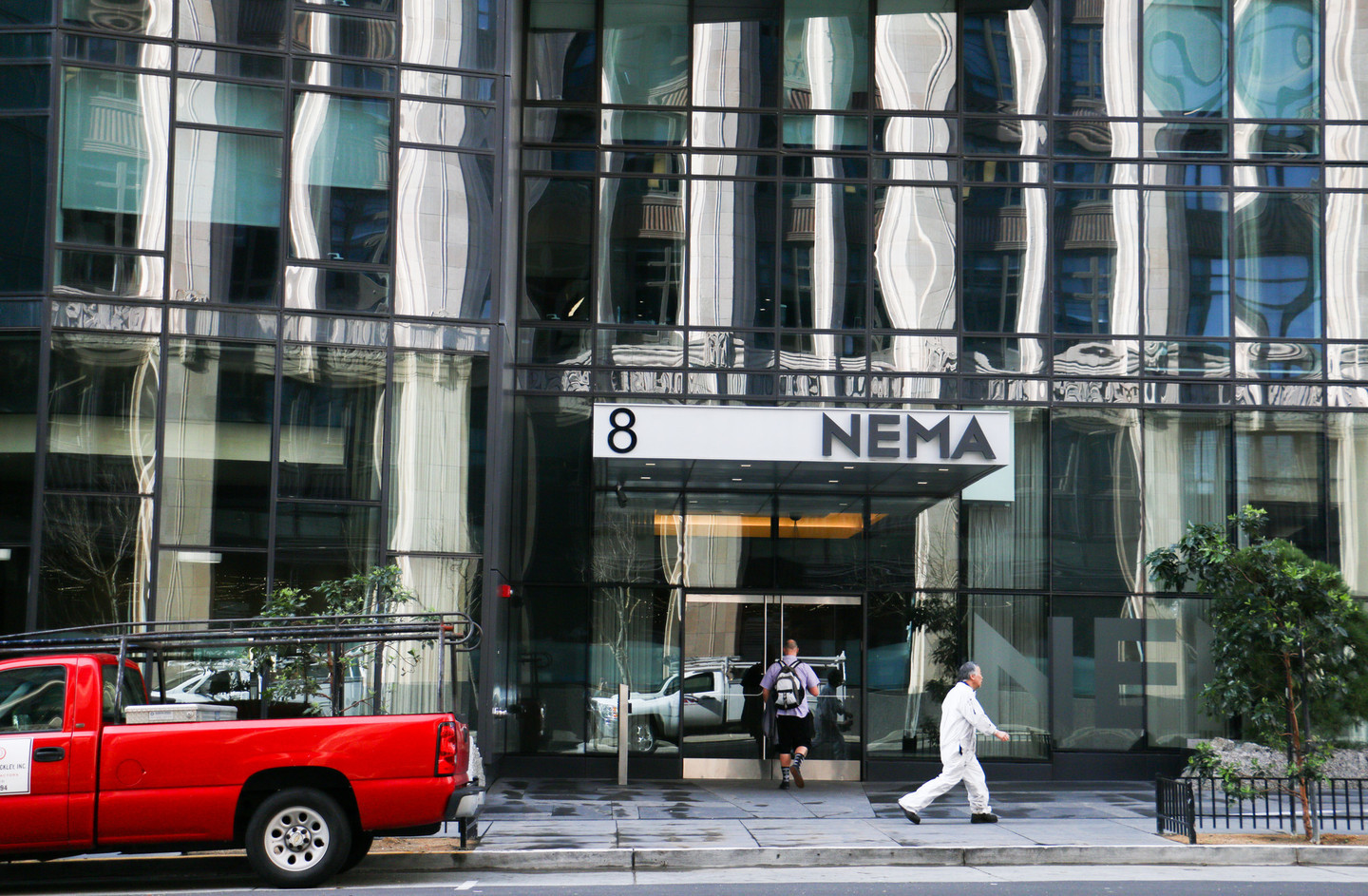
window.__IS_SSR__=true
window.__INITIAL_STATE__={
"attachmentsReducer": {
"audio_0": {
"type": "attachments",
"id": "audio_0",
"imgSizes": {
"kqedFullSize": {
"file": "https://ww2.kqed.org/news/wp-content/themes/KQED-unified/img/audio_bgs/background0.jpg"
}
}
},
"audio_1": {
"type": "attachments",
"id": "audio_1",
"imgSizes": {
"kqedFullSize": {
"file": "https://ww2.kqed.org/news/wp-content/themes/KQED-unified/img/audio_bgs/background1.jpg"
}
}
},
"audio_2": {
"type": "attachments",
"id": "audio_2",
"imgSizes": {
"kqedFullSize": {
"file": "https://ww2.kqed.org/news/wp-content/themes/KQED-unified/img/audio_bgs/background2.jpg"
}
}
},
"audio_3": {
"type": "attachments",
"id": "audio_3",
"imgSizes": {
"kqedFullSize": {
"file": "https://ww2.kqed.org/news/wp-content/themes/KQED-unified/img/audio_bgs/background3.jpg"
}
}
},
"audio_4": {
"type": "attachments",
"id": "audio_4",
"imgSizes": {
"kqedFullSize": {
"file": "https://ww2.kqed.org/news/wp-content/themes/KQED-unified/img/audio_bgs/background4.jpg"
}
}
},
"placeholder": {
"type": "attachments",
"id": "placeholder",
"imgSizes": {
"thumbnail": {
"file": "https://cdn.kqed.org/wp-content/uploads/2024/12/KQED-Default-Image-816638274-2000x1333-1-160x107.jpg",
"width": 160,
"height": 107,
"mimeType": "image/jpeg"
},
"medium": {
"file": "https://cdn.kqed.org/wp-content/uploads/2024/12/KQED-Default-Image-816638274-2000x1333-1-800x533.jpg",
"width": 800,
"height": 533,
"mimeType": "image/jpeg"
},
"medium_large": {
"file": "https://cdn.kqed.org/wp-content/uploads/2024/12/KQED-Default-Image-816638274-2000x1333-1-768x512.jpg",
"width": 768,
"height": 512,
"mimeType": "image/jpeg"
},
"large": {
"file": "https://cdn.kqed.org/wp-content/uploads/2024/12/KQED-Default-Image-816638274-2000x1333-1-1020x680.jpg",
"width": 1020,
"height": 680,
"mimeType": "image/jpeg"
},
"1536x1536": {
"file": "https://cdn.kqed.org/wp-content/uploads/2024/12/KQED-Default-Image-816638274-2000x1333-1-1536x1024.jpg",
"width": 1536,
"height": 1024,
"mimeType": "image/jpeg"
},
"fd-lrg": {
"file": "https://cdn.kqed.org/wp-content/uploads/2024/12/KQED-Default-Image-816638274-2000x1333-1-1536x1024.jpg",
"width": 1536,
"height": 1024,
"mimeType": "image/jpeg"
},
"fd-med": {
"file": "https://cdn.kqed.org/wp-content/uploads/2024/12/KQED-Default-Image-816638274-2000x1333-1-1020x680.jpg",
"width": 1020,
"height": 680,
"mimeType": "image/jpeg"
},
"fd-sm": {
"file": "https://cdn.kqed.org/wp-content/uploads/2024/12/KQED-Default-Image-816638274-2000x1333-1-800x533.jpg",
"width": 800,
"height": 533,
"mimeType": "image/jpeg"
},
"post-thumbnail": {
"file": "https://cdn.kqed.org/wp-content/uploads/2024/12/KQED-Default-Image-816638274-2000x1333-1-672x372.jpg",
"width": 672,
"height": 372,
"mimeType": "image/jpeg"
},
"twentyfourteen-full-width": {
"file": "https://cdn.kqed.org/wp-content/uploads/2024/12/KQED-Default-Image-816638274-2000x1333-1-1038x576.jpg",
"width": 1038,
"height": 576,
"mimeType": "image/jpeg"
},
"xxsmall": {
"file": "https://cdn.kqed.org/wp-content/uploads/2024/12/KQED-Default-Image-816638274-2000x1333-1-160x107.jpg",
"width": 160,
"height": 107,
"mimeType": "image/jpeg"
},
"xsmall": {
"file": "https://cdn.kqed.org/wp-content/uploads/2024/12/KQED-Default-Image-816638274-2000x1333-1-672x372.jpg",
"width": 672,
"height": 372,
"mimeType": "image/jpeg"
},
"small": {
"file": "https://cdn.kqed.org/wp-content/uploads/2024/12/KQED-Default-Image-816638274-2000x1333-1-672x372.jpg",
"width": 672,
"height": 372,
"mimeType": "image/jpeg"
},
"xlarge": {
"file": "https://cdn.kqed.org/wp-content/uploads/2024/12/KQED-Default-Image-816638274-2000x1333-1-1020x680.jpg",
"width": 1020,
"height": 680,
"mimeType": "image/jpeg"
},
"full-width": {
"file": "https://cdn.kqed.org/wp-content/uploads/2024/12/KQED-Default-Image-816638274-2000x1333-1-1920x1280.jpg",
"width": 1920,
"height": 1280,
"mimeType": "image/jpeg"
},
"guest-author-32": {
"file": "https://cdn.kqed.org/wp-content/uploads/2025/01/KQED-Default-Image-816638274-1333x1333-1-160x160.jpg",
"width": 32,
"height": 32,
"mimeType": "image/jpeg"
},
"guest-author-50": {
"file": "https://cdn.kqed.org/wp-content/uploads/2025/01/KQED-Default-Image-816638274-1333x1333-1-160x160.jpg",
"width": 50,
"height": 50,
"mimeType": "image/jpeg"
},
"guest-author-64": {
"file": "https://cdn.kqed.org/wp-content/uploads/2025/01/KQED-Default-Image-816638274-1333x1333-1-160x160.jpg",
"width": 64,
"height": 64,
"mimeType": "image/jpeg"
},
"guest-author-96": {
"file": "https://cdn.kqed.org/wp-content/uploads/2025/01/KQED-Default-Image-816638274-1333x1333-1-160x160.jpg",
"width": 96,
"height": 96,
"mimeType": "image/jpeg"
},
"guest-author-128": {
"file": "https://cdn.kqed.org/wp-content/uploads/2025/01/KQED-Default-Image-816638274-1333x1333-1-160x160.jpg",
"width": 128,
"height": 128,
"mimeType": "image/jpeg"
},
"detail": {
"file": "https://cdn.kqed.org/wp-content/uploads/2025/01/KQED-Default-Image-816638274-1333x1333-1-160x160.jpg",
"width": 160,
"height": 160,
"mimeType": "image/jpeg"
},
"kqedFullSize": {
"file": "https://cdn.kqed.org/wp-content/uploads/2024/12/KQED-Default-Image-816638274-2000x1333-1.jpg",
"width": 2000,
"height": 1333
}
}
},
"news_10444970": {
"type": "attachments",
"id": "news_10444970",
"meta": {
"index": "attachments_1716263798",
"site": "news",
"id": "10444970",
"found": true
},
"parent": 10444749,
"imgSizes": {
"twentyfourteen-full-width": {
"file": "https://ww2.kqed.org/app/uploads/sites/10/2015/02/pray2-1024x576.jpg",
"width": 1024,
"mimeType": "image/jpeg",
"height": 576
},
"thumbnail": {
"file": "https://ww2.kqed.org/app/uploads/sites/10/2015/02/pray2-400x248.jpg",
"width": 400,
"mimeType": "image/jpeg",
"height": 248
},
"fd-sm": {
"file": "https://ww2.kqed.org/app/uploads/sites/10/2015/02/pray2-320x199.jpg",
"width": 320,
"mimeType": "image/jpeg",
"height": 199
},
"post-thumbnail": {
"file": "https://ww2.kqed.org/app/uploads/sites/10/2015/02/pray2-672x372.jpg",
"width": 672,
"mimeType": "image/jpeg",
"height": 372
},
"kqedFullSize": {
"file": "https://ww2.kqed.org/app/uploads/sites/10/2015/02/pray2.jpg",
"width": 1024,
"height": 636
},
"fd-med": {
"file": "https://ww2.kqed.org/app/uploads/sites/10/2015/02/pray2-768x477.jpg",
"width": 768,
"mimeType": "image/jpeg",
"height": 477
},
"guest-author-96": {
"file": "https://ww2.kqed.org/app/uploads/sites/10/2015/02/pray2-96x96.jpg",
"width": 96,
"mimeType": "image/jpeg",
"height": 96
},
"medium": {
"file": "https://ww2.kqed.org/app/uploads/sites/10/2015/02/pray2-800x497.jpg",
"width": 800,
"mimeType": "image/jpeg",
"height": 497
},
"guest-author-64": {
"file": "https://ww2.kqed.org/app/uploads/sites/10/2015/02/pray2-64x64.jpg",
"width": 64,
"mimeType": "image/jpeg",
"height": 64
},
"detail": {
"file": "https://ww2.kqed.org/app/uploads/sites/10/2015/02/pray2-75x75.jpg",
"width": 75,
"mimeType": "image/jpeg",
"height": 75
},
"guest-author-32": {
"file": "https://ww2.kqed.org/app/uploads/sites/10/2015/02/pray2-32x32.jpg",
"width": 32,
"mimeType": "image/jpeg",
"height": 32
},
"guest-author-128": {
"file": "https://ww2.kqed.org/app/uploads/sites/10/2015/02/pray2-128x128.jpg",
"width": 128,
"mimeType": "image/jpeg",
"height": 128
}
},
"publishDate": 1425082894,
"modified": 1425082941,
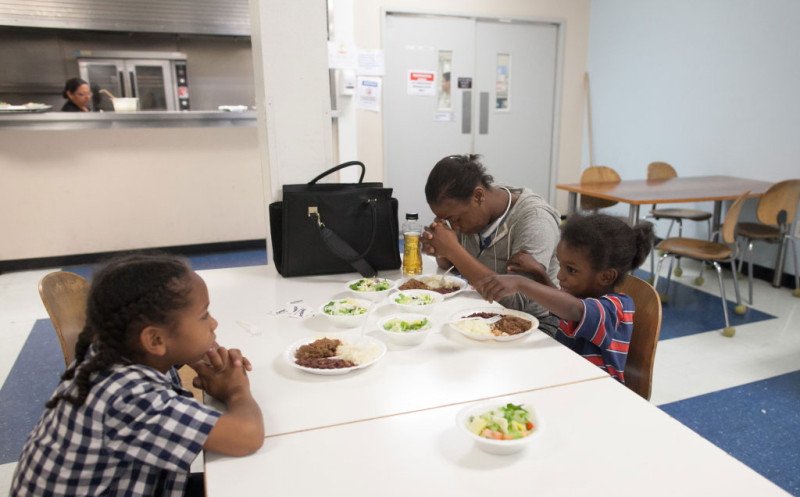
"caption": "Mayah McCoy and her family take a moment to pray before dinner on Feb. 2, 2015.\n",
"description": null,
"title": "pray2",
"credit": "Susanica Tam/KPCC",
"status": "inherit",
"isLoading": false,
"fetchFailed": false
},
"news_10443121": {
"type": "attachments",
"id": "news_10443121",
"meta": {
"index": "attachments_1716263798",
"site": "news",
"id": "10443121",
"found": true
},
"parent": 10443064,
"imgSizes": {
"twentyfourteen-full-width": {
"file": "https://ww2.kqed.org/app/uploads/sites/10/2015/02/RS7721_housing_0002_web-1038x576.jpg",
"width": 1038,
"mimeType": "image/jpeg",
"height": 576
},
"thumbnail": {
"file": "https://ww2.kqed.org/app/uploads/sites/10/2015/02/RS7721_housing_0002_web-400x267.jpg",
"width": 400,
"mimeType": "image/jpeg",
"height": 267
},
"post-thumbnail": {
"file": "https://ww2.kqed.org/app/uploads/sites/10/2015/02/RS7721_housing_0002_web-672x372.jpg",
"width": 672,
"mimeType": "image/jpeg",
"height": 372
},
"kqedFullSize": {
"file": "https://ww2.kqed.org/app/uploads/sites/10/2015/02/RS7721_housing_0002_web.jpg",
"width": 1500,
"height": 1000
},
"large": {
"file": "https://ww2.kqed.org/app/uploads/sites/10/2015/02/RS7721_housing_0002_web-1440x960.jpg",
"width": 1440,
"mimeType": "image/jpeg",
"height": 960
},
"guest-author-96": {
"file": "https://ww2.kqed.org/app/uploads/sites/10/2015/02/RS7721_housing_0002_web-96x96.jpg",
"width": 96,
"mimeType": "image/jpeg",
"height": 96
},
"medium": {
"file": "https://ww2.kqed.org/app/uploads/sites/10/2015/02/RS7721_housing_0002_web-800x533.jpg",
"width": 800,
"mimeType": "image/jpeg",
"height": 533
},
"guest-author-64": {
"file": "https://ww2.kqed.org/app/uploads/sites/10/2015/02/RS7721_housing_0002_web-64x64.jpg",
"width": 64,
"mimeType": "image/jpeg",
"height": 64
},
"detail": {
"file": "https://ww2.kqed.org/app/uploads/sites/10/2015/02/RS7721_housing_0002_web-75x75.jpg",
"width": 75,
"mimeType": "image/jpeg",
"height": 75
},
"guest-author-32": {
"file": "https://ww2.kqed.org/app/uploads/sites/10/2015/02/RS7721_housing_0002_web-32x32.jpg",
"width": 32,
"mimeType": "image/jpeg",
"height": 32
},
"guest-author-128": {
"file": "https://ww2.kqed.org/app/uploads/sites/10/2015/02/RS7721_housing_0002_web-128x128.jpg",
"width": 128,
"mimeType": "image/jpeg",
"height": 128
}
},
"publishDate": 1424898360,
"modified": 1424898371,
"caption": null,
"description": null,
"title": "An empty storefront near Noe and 14th streets has been leased.",
"credit": "Sara Bloomberg/KQED",
"status": "inherit",
"isLoading": false,
"fetchFailed": false
},
"news_10438938": {
"type": "attachments",
"id": "news_10438938",
"meta": {
"index": "attachments_1716263798",
"site": "news",
"id": "10438938",
"found": true
},
"parent": 10437941,
"imgSizes": {
"twentyfourteen-full-width": {
"file": "https://ww2.kqed.org/app/uploads/sites/10/2015/02/Jane_Jones-1038x576.jpg",
"width": 1038,
"mimeType": "image/jpeg",
"height": 576
},
"thumbnail": {
"file": "https://ww2.kqed.org/app/uploads/sites/10/2015/02/Jane_Jones-400x300.jpg",
"width": 400,
"mimeType": "image/jpeg",
"height": 300
},
"post-thumbnail": {
"file": "https://ww2.kqed.org/app/uploads/sites/10/2015/02/Jane_Jones-672x372.jpg",
"width": 672,
"mimeType": "image/jpeg",
"height": 372
},
"kqedFullSize": {
"file": "https://ww2.kqed.org/app/uploads/sites/10/2015/02/Jane_Jones.jpg",
"width": 1440,
"height": 1080
},
"large": {
"file": "https://ww2.kqed.org/app/uploads/sites/10/2015/02/Jane_Jones-1440x1080.jpg",
"width": 1440,
"mimeType": "image/jpeg",
"height": 1080
},
"guest-author-96": {
"file": "https://ww2.kqed.org/app/uploads/sites/10/2015/02/Jane_Jones-96x96.jpg",
"width": 96,
"mimeType": "image/jpeg",
"height": 96
},
"medium": {
"file": "https://ww2.kqed.org/app/uploads/sites/10/2015/02/Jane_Jones-800x600.jpg",
"width": 800,
"mimeType": "image/jpeg",
"height": 600
},
"guest-author-64": {
"file": "https://ww2.kqed.org/app/uploads/sites/10/2015/02/Jane_Jones-64x64.jpg",
"width": 64,
"mimeType": "image/jpeg",
"height": 64
},
"detail": {
"file": "https://ww2.kqed.org/app/uploads/sites/10/2015/02/Jane_Jones-75x75.jpg",
"width": 75,
"mimeType": "image/jpeg",
"height": 75
},
"guest-author-32": {
"file": "https://ww2.kqed.org/app/uploads/sites/10/2015/02/Jane_Jones-32x32.jpg",
"width": 32,
"mimeType": "image/jpeg",
"height": 32
},
"guest-author-128": {
"file": "https://ww2.kqed.org/app/uploads/sites/10/2015/02/Jane_Jones-128x128.jpg",
"width": 128,
"mimeType": "image/jpeg",
"height": 128
}
},
"publishDate": 1424479468,
"modified": 1424479653,
"caption": "Realtor Jane Jones stands by her newest listing in East Palo Alto on Feb. 3, 2015. It's a 1,200 square foot, 3 bedroom house with a huge lot. The asking price? $985,000.",
"description": null,
"title": "Jane_Jones",
"credit": "Scott Shafer/KQED",
"status": "inherit",
"isLoading": false,
"fetchFailed": false
},
"news_10436487": {
"type": "attachments",
"id": "news_10436487",
"meta": {
"index": "attachments_1716263798",
"site": "news",
"id": "10436487",
"found": true
},
"parent": 10436483,
"imgSizes": {
"thumbnail": {
"file": "https://ww2.kqed.org/app/uploads/sites/10/2015/02/andy.chou_.5b-400x266.jpg",
"width": 400,
"mimeType": "image/jpeg",
"height": 266
},
"post-thumbnail": {
"file": "https://ww2.kqed.org/app/uploads/sites/10/2015/02/andy.chou_.5b-600x372.jpg",
"width": 600,
"mimeType": "image/jpeg",
"height": 372
},
"kqedFullSize": {
"file": "https://ww2.kqed.org/app/uploads/sites/10/2015/02/andy.chou_.5b.jpg",
"width": 600,
"height": 399
},
"guest-author-96": {
"file": "https://ww2.kqed.org/app/uploads/sites/10/2015/02/andy.chou_.5b-96x96.jpg",
"width": 96,
"mimeType": "image/jpeg",
"height": 96
},
"guest-author-64": {
"file": "https://ww2.kqed.org/app/uploads/sites/10/2015/02/andy.chou_.5b-64x64.jpg",
"width": 64,
"mimeType": "image/jpeg",
"height": 64
},
"detail": {
"file": "https://ww2.kqed.org/app/uploads/sites/10/2015/02/andy.chou_.5b-75x75.jpg",
"width": 75,
"mimeType": "image/jpeg",
"height": 75
},
"guest-author-32": {
"file": "https://ww2.kqed.org/app/uploads/sites/10/2015/02/andy.chou_.5b-32x32.jpg",
"width": 32,
"mimeType": "image/jpeg",
"height": 32
},
"guest-author-128": {
"file": "https://ww2.kqed.org/app/uploads/sites/10/2015/02/andy.chou_.5b-128x128.jpg",
"width": 128,
"mimeType": "image/jpeg",
"height": 128
}
},
"publishDate": 1424282878,
"modified": 1424282921,
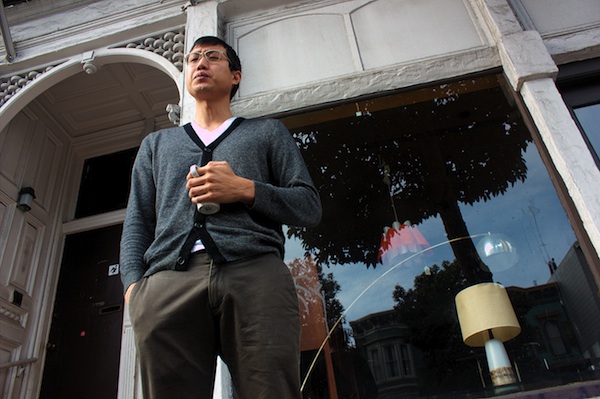
"caption": "Andy Chou, a freelance illustrator, moved into his Mission District apartment unaware his building was on a list of potentially dangerous soft-story structures. ",
"description": "Andy Chou, a freelance illustrator, moved into his Mission District apartment unaware his building was on a list of potentially dangerous soft-story structures. ",
"title": "andy.chou_.5b",
"credit": "Noah Arroyo/San Francisco Public Press",
"status": "inherit",
"isLoading": false,
"fetchFailed": false
},
"news_10436498": {
"type": "attachments",
"id": "news_10436498",
"meta": {
"index": "attachments_1716263798",
"site": "news",
"id": "10436498",
"found": true
},
"parent": 10436495,
"imgSizes": {
"thumbnail": {
"file": "https://ww2.kqed.org/app/uploads/sites/10/2015/02/residents-400x267.jpg",
"width": 400,
"mimeType": "image/jpeg",
"height": 267
},
"post-thumbnail": {
"file": "https://ww2.kqed.org/app/uploads/sites/10/2015/02/residents-620x372.jpg",
"width": 620,
"mimeType": "image/jpeg",
"height": 372
},
"kqedFullSize": {
"file": "https://ww2.kqed.org/app/uploads/sites/10/2015/02/residents.jpg",
"width": 620,
"height": 414
},
"guest-author-96": {
"file": "https://ww2.kqed.org/app/uploads/sites/10/2015/02/residents-96x96.jpg",
"width": 96,
"mimeType": "image/jpeg",
"height": 96
},
"guest-author-64": {
"file": "https://ww2.kqed.org/app/uploads/sites/10/2015/02/residents-64x64.jpg",
"width": 64,
"mimeType": "image/jpeg",
"height": 64
},
"detail": {
"file": "https://ww2.kqed.org/app/uploads/sites/10/2015/02/residents-75x75.jpg",
"width": 75,
"mimeType": "image/jpeg",
"height": 75
},
"guest-author-32": {
"file": "https://ww2.kqed.org/app/uploads/sites/10/2015/02/residents-32x32.jpg",
"width": 32,
"mimeType": "image/jpeg",
"height": 32
},
"guest-author-128": {
"file": "https://ww2.kqed.org/app/uploads/sites/10/2015/02/residents-128x128.jpg",
"width": 128,
"mimeType": "image/jpeg",
"height": 128
}
},
"publishDate": 1424283436,
"modified": 1424301193,
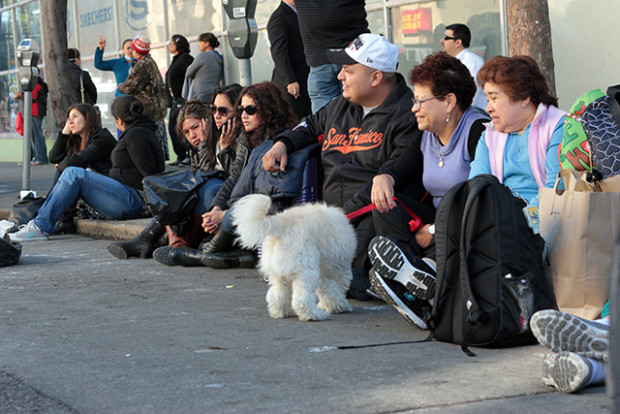
"caption": "Residents congregate across the street from the building they once called home.",
"description": "Residents congregate across the street from the building they once called home.",
"title": "residents",
"credit": "Daniel Mondragón/Mission Local",
"status": "inherit",
"isLoading": false,
"fetchFailed": false
},
"news_10435794": {
"type": "attachments",
"id": "news_10435794",
"meta": {
"index": "attachments_1716263798",
"site": "news",
"id": "10435794",
"found": true
},
"parent": 10375692,
"imgSizes": {
"twentyfourteen-full-width": {
"file": "https://ww2.kqed.org/app/uploads/sites/10/2015/02/RS14291_Mission-Coop_JRaff-7-of-7-qut-1038x576.jpg",
"width": 1038,
"mimeType": "image/jpeg",
"height": 576
},
"thumbnail": {
"file": "https://ww2.kqed.org/app/uploads/sites/10/2015/02/RS14291_Mission-Coop_JRaff-7-of-7-qut-400x267.jpg",
"width": 400,
"mimeType": "image/jpeg",
"height": 267
},
"post-thumbnail": {
"file": "https://ww2.kqed.org/app/uploads/sites/10/2015/02/RS14291_Mission-Coop_JRaff-7-of-7-qut-672x372.jpg",
"width": 672,
"mimeType": "image/jpeg",
"height": 372
},
"kqedFullSize": {
"file": "https://ww2.kqed.org/app/uploads/sites/10/2015/02/RS14291_Mission-Coop_JRaff-7-of-7-qut.jpg",
"width": 1440,
"height": 960
},
"large": {
"file": "https://ww2.kqed.org/app/uploads/sites/10/2015/02/RS14291_Mission-Coop_JRaff-7-of-7-qut-1440x960.jpg",
"width": 1440,
"mimeType": "image/jpeg",
"height": 960
},
"guest-author-96": {
"file": "https://ww2.kqed.org/app/uploads/sites/10/2015/02/RS14291_Mission-Coop_JRaff-7-of-7-qut-96x96.jpg",
"width": 96,
"mimeType": "image/jpeg",
"height": 96
},
"medium": {
"file": "https://ww2.kqed.org/app/uploads/sites/10/2015/02/RS14291_Mission-Coop_JRaff-7-of-7-qut-800x533.jpg",
"width": 800,
"mimeType": "image/jpeg",
"height": 533
},
"guest-author-64": {
"file": "https://ww2.kqed.org/app/uploads/sites/10/2015/02/RS14291_Mission-Coop_JRaff-7-of-7-qut-64x64.jpg",
"width": 64,
"mimeType": "image/jpeg",
"height": 64
},
"detail": {
"file": "https://ww2.kqed.org/app/uploads/sites/10/2015/02/RS14291_Mission-Coop_JRaff-7-of-7-qut-75x75.jpg",
"width": 75,
"mimeType": "image/jpeg",
"height": 75
},
"guest-author-32": {
"file": "https://ww2.kqed.org/app/uploads/sites/10/2015/02/RS14291_Mission-Coop_JRaff-7-of-7-qut-32x32.jpg",
"width": 32,
"mimeType": "image/jpeg",
"height": 32
},
"guest-author-128": {
"file": "https://ww2.kqed.org/app/uploads/sites/10/2015/02/RS14291_Mission-Coop_JRaff-7-of-7-qut-128x128.jpg",
"width": 128,
"mimeType": "image/jpeg",
"height": 128
}
},
"publishDate": 1424219561,
"modified": 1424286706,
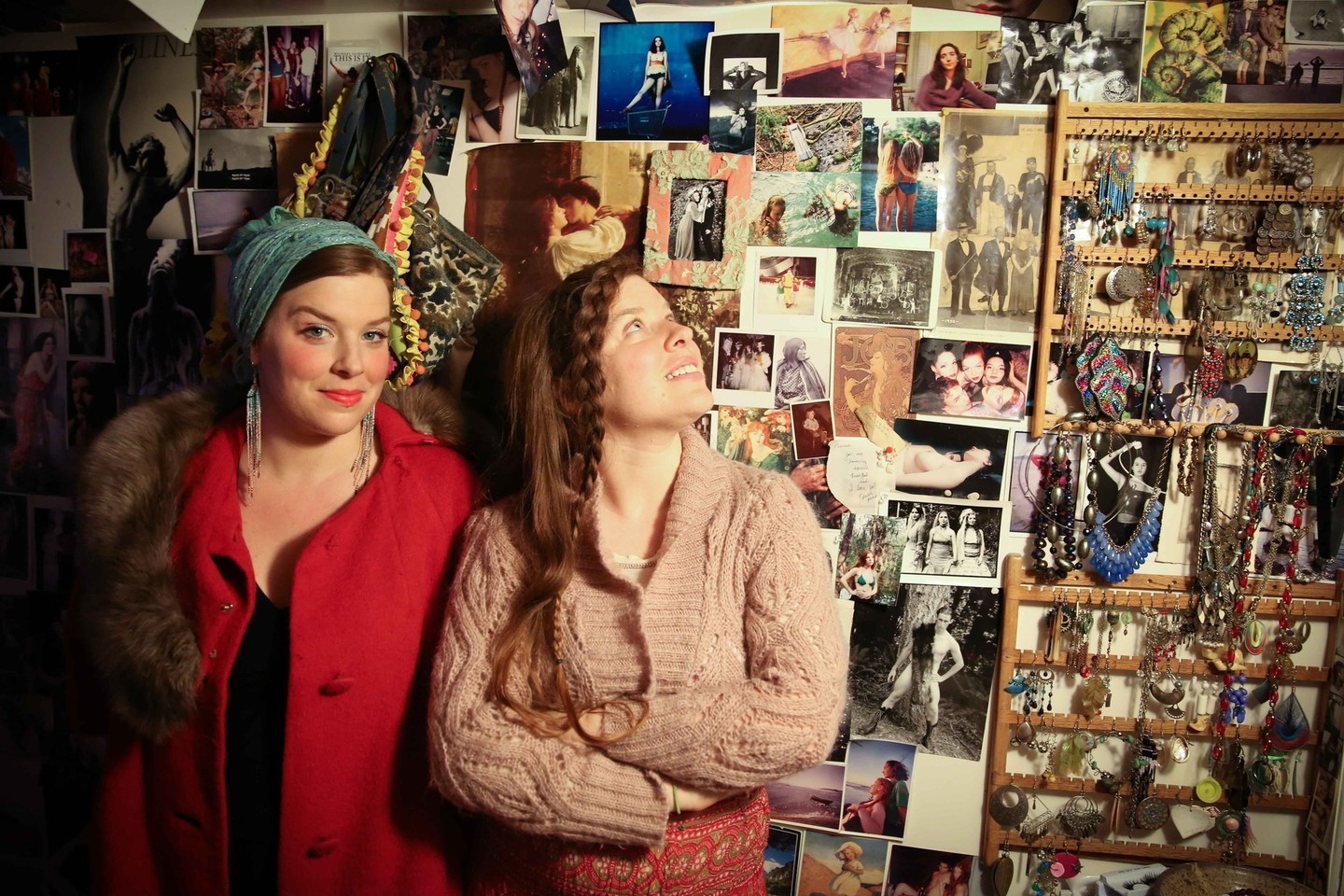
"caption": "Twins Elizabeth and Melissa Castaneda, professional dancers, have lived at the Merry-Go-Round House since 2005, when it was still a hostel. After the purchase of the house last May, the twins no longer need to worry about getting evicted. ",
"description": "Twins Elizabeth and Melissa Castaneda, professional dancers, have lived at the \"Merry-Go-Round House\" since 2005, when it was still a hostel. After the purchase of the house in May 2014, the twins no longer need to worry about getting evicted. ",
"title": "Mission Co-op Housing",
"credit": "Jeremy Raff/KQED",
"status": "inherit",
"isLoading": false,
"fetchFailed": false
},
"news_10435649": {
"type": "attachments",
"id": "news_10435649",
"meta": {
"index": "attachments_1716263798",
"site": "news",
"id": "10435649",
"found": true
},
"parent": 10435597,
"imgSizes": {
"twentyfourteen-full-width": {
"file": "https://ww2.kqed.org/app/uploads/sites/10/2015/02/RS9378_IMG_1112-copy-lpr-1038x576.jpg",
"width": 1038,
"mimeType": "image/jpeg",
"height": 576
},
"thumbnail": {
"file": "https://ww2.kqed.org/app/uploads/sites/10/2015/02/RS9378_IMG_1112-copy-lpr-400x267.jpg",
"width": 400,
"mimeType": "image/jpeg",
"height": 267
},
"post-thumbnail": {
"file": "https://ww2.kqed.org/app/uploads/sites/10/2015/02/RS9378_IMG_1112-copy-lpr-672x372.jpg",
"width": 672,
"mimeType": "image/jpeg",
"height": 372
},
"kqedFullSize": {
"file": "https://ww2.kqed.org/app/uploads/sites/10/2015/02/RS9378_IMG_1112-copy-lpr.jpg",
"width": 2000,
"height": 1333
},
"large": {
"file": "https://ww2.kqed.org/app/uploads/sites/10/2015/02/RS9378_IMG_1112-copy-lpr-1440x960.jpg",
"width": 1440,
"mimeType": "image/jpeg",
"height": 960
},
"guest-author-96": {
"file": "https://ww2.kqed.org/app/uploads/sites/10/2015/02/RS9378_IMG_1112-copy-lpr-96x96.jpg",
"width": 96,
"mimeType": "image/jpeg",
"height": 96
},
"medium": {
"file": "https://ww2.kqed.org/app/uploads/sites/10/2015/02/RS9378_IMG_1112-copy-lpr-800x533.jpg",
"width": 800,
"mimeType": "image/jpeg",
"height": 533
},
"guest-author-64": {
"file": "https://ww2.kqed.org/app/uploads/sites/10/2015/02/RS9378_IMG_1112-copy-lpr-64x64.jpg",
"width": 64,
"mimeType": "image/jpeg",
"height": 64
},
"detail": {
"file": "https://ww2.kqed.org/app/uploads/sites/10/2015/02/RS9378_IMG_1112-copy-lpr-75x75.jpg",
"width": 75,
"mimeType": "image/jpeg",
"height": 75
},
"guest-author-32": {
"file": "https://ww2.kqed.org/app/uploads/sites/10/2015/02/RS9378_IMG_1112-copy-lpr-32x32.jpg",
"width": 32,
"mimeType": "image/jpeg",
"height": 32
},
"guest-author-128": {
"file": "https://ww2.kqed.org/app/uploads/sites/10/2015/02/RS9378_IMG_1112-copy-lpr-128x128.jpg",
"width": 128,
"mimeType": "image/jpeg",
"height": 128
}
},
"publishDate": 1424212055,
"modified": 1424212160,
"caption": "Will building more be enough to alleviate housing pressures? (Mark Andrew Boyer/KQED)",
"description": "Will building more be enough to alleviate housing pressures? (Mark Andrew Boyer/KQED)",
"title": "RS9378_IMG_1112 copy-lpr",
"credit": null,
"status": "inherit",
"isLoading": false,
"fetchFailed": false
},
"news_10429790": {
"type": "attachments",
"id": "news_10429790",
"meta": {
"index": "attachments_1716263798",
"site": "news",
"id": "10429790",
"found": true
},
"parent": 10429722,
"imgSizes": {
"twentyfourteen-full-width": {
"file": "https://ww2.kqed.org/app/uploads/sites/10/2015/02/RS14220_NEMA-1-scr-1038x576.jpg",
"width": 1038,
"mimeType": "image/jpeg",
"height": 576
},
"thumbnail": {
"file": "https://ww2.kqed.org/app/uploads/sites/10/2015/02/RS14220_NEMA-1-scr-400x262.jpg",
"width": 400,
"mimeType": "image/jpeg",
"height": 262
},
"post-thumbnail": {
"file": "https://ww2.kqed.org/app/uploads/sites/10/2015/02/RS14220_NEMA-1-scr-672x372.jpg",
"width": 672,
"mimeType": "image/jpeg",
"height": 372
},
"kqedFullSize": {
"file": "https://ww2.kqed.org/app/uploads/sites/10/2015/02/RS14220_NEMA-1-scr.jpg",
"width": 1440,
"height": 943
},
"large": {
"file": "https://ww2.kqed.org/app/uploads/sites/10/2015/02/RS14220_NEMA-1-scr-1440x943.jpg",
"width": 1440,
"mimeType": "image/jpeg",
"height": 943
},
"guest-author-96": {
"file": "https://ww2.kqed.org/app/uploads/sites/10/2015/02/RS14220_NEMA-1-scr-96x96.jpg",
"width": 96,
"mimeType": "image/jpeg",
"height": 96
},
"medium": {
"file": "https://ww2.kqed.org/app/uploads/sites/10/2015/02/RS14220_NEMA-1-scr-800x524.jpg",
"width": 800,
"mimeType": "image/jpeg",
"height": 524
},
"guest-author-64": {
"file": "https://ww2.kqed.org/app/uploads/sites/10/2015/02/RS14220_NEMA-1-scr-64x64.jpg",
"width": 64,
"mimeType": "image/jpeg",
"height": 64
},
"detail": {
"file": "https://ww2.kqed.org/app/uploads/sites/10/2015/02/RS14220_NEMA-1-scr-75x75.jpg",
"width": 75,
"mimeType": "image/jpeg",
"height": 75
},
"guest-author-32": {
"file": "https://ww2.kqed.org/app/uploads/sites/10/2015/02/RS14220_NEMA-1-scr-32x32.jpg",
"width": 32,
"mimeType": "image/jpeg",
"height": 32
},
"guest-author-128": {
"file": "https://ww2.kqed.org/app/uploads/sites/10/2015/02/RS14220_NEMA-1-scr-128x128.jpg",
"width": 128,
"mimeType": "image/jpeg",
"height": 128
}
},
"publishDate": 1423617366,
"modified": 1423620087,
"caption": "The NEMA Apartments are not a favorite of KQED listener Dave Taylor. (Katie Brigham/KQED)",
"description": "The NEMA Apartments at 8 10th St. are not a favorite of KQED listener Dave Taylor. (Katie Brigham/KQED)",
"title": "RS14220_NEMA 1-scr",
"credit": null,
"status": "inherit",
"isLoading": false,
"fetchFailed": false
},
"news_10429457": {
"type": "attachments",
"id": "news_10429457",
"meta": {
"index": "attachments_1716263798",
"site": "news",
"id": "10429457",
"found": true
},
"parent": 10429456,
"imgSizes": {
"thumbnail": {
"file": "https://ww2.kqed.org/app/uploads/sites/10/2015/02/Inside-Hacienda.-Photo-by-Larry-Zhou-620x413-400x266.jpg",
"width": 400,
"mimeType": "image/jpeg",
"height": 266
},
"post-thumbnail": {
"file": "https://ww2.kqed.org/app/uploads/sites/10/2015/02/Inside-Hacienda.-Photo-by-Larry-Zhou-620x413-620x372.jpg",
"width": 620,
"mimeType": "image/jpeg",
"height": 372
},
"kqedFullSize": {
"file": "https://ww2.kqed.org/app/uploads/sites/10/2015/02/Inside-Hacienda.-Photo-by-Larry-Zhou-620x413.jpg",
"width": 620,
"height": 413
},
"guest-author-96": {
"file": "https://ww2.kqed.org/app/uploads/sites/10/2015/02/Inside-Hacienda.-Photo-by-Larry-Zhou-620x413-96x96.jpg",
"width": 96,
"mimeType": "image/jpeg",
"height": 96
},
"guest-author-64": {
"file": "https://ww2.kqed.org/app/uploads/sites/10/2015/02/Inside-Hacienda.-Photo-by-Larry-Zhou-620x413-64x64.jpg",
"width": 64,
"mimeType": "image/jpeg",
"height": 64
},
"detail": {
"file": "https://ww2.kqed.org/app/uploads/sites/10/2015/02/Inside-Hacienda.-Photo-by-Larry-Zhou-620x413-75x75.jpg",
"width": 75,
"mimeType": "image/jpeg",
"height": 75
},
"guest-author-32": {
"file": "https://ww2.kqed.org/app/uploads/sites/10/2015/02/Inside-Hacienda.-Photo-by-Larry-Zhou-620x413-32x32.jpg",
"width": 32,
"mimeType": "image/jpeg",
"height": 32
},
"guest-author-128": {
"file": "https://ww2.kqed.org/app/uploads/sites/10/2015/02/Inside-Hacienda.-Photo-by-Larry-Zhou-620x413-128x128.jpg",
"width": 128,
"mimeType": "image/jpeg",
"height": 128
}
},
"publishDate": 1423594870,
"modified": 1544145266,
"caption": "Inside Richmond's Hacienda low income housing complex. Conditions there were so bad, the building was vacated in 2015.",
"description": "Inside Richmond's Hacienda low income housing complex. Conditions there were so bad, the building was vacated in 2015.",
"title": "Inside-Hacienda.-Photo-by-Larry-Zhou-620x413",
"credit": "Larry Zhou/Richmond Confidential",
"status": "inherit",
"isLoading": false,
"fetchFailed": false
},
"news_10441396": {
"type": "attachments",
"id": "news_10441396",
"meta": {
"index": "attachments_1716263798",
"site": "news",
"id": "10441396",
"found": true
},
"parent": 10426272,
"imgSizes": {
"twentyfourteen-full-width": {
"file": "https://ww2.kqed.org/app/uploads/sites/10/2015/02/14191_transform-1038x576.jpg",
"width": 1038,
"mimeType": "image/jpeg",
"height": 576
},
"thumbnail": {
"file": "https://ww2.kqed.org/app/uploads/sites/10/2015/02/14191_transform-400x250.jpg",
"width": 400,
"mimeType": "image/jpeg",
"height": 250
},
"post-thumbnail": {
"file": "https://ww2.kqed.org/app/uploads/sites/10/2015/02/14191_transform-672x372.jpg",
"width": 672,
"mimeType": "image/jpeg",
"height": 372
},
"kqedFullSize": {
"file": "https://ww2.kqed.org/app/uploads/sites/10/2015/02/14191_transform.jpg",
"width": 1725,
"height": 1080
},
"large": {
"file": "https://ww2.kqed.org/app/uploads/sites/10/2015/02/14191_transform-1440x902.jpg",
"width": 1440,
"mimeType": "image/jpeg",
"height": 902
},
"guest-author-96": {
"file": "https://ww2.kqed.org/app/uploads/sites/10/2015/02/14191_transform-96x96.jpg",
"width": 96,
"mimeType": "image/jpeg",
"height": 96
},
"medium": {
"file": "https://ww2.kqed.org/app/uploads/sites/10/2015/02/14191_transform-800x501.jpg",
"width": 800,
"mimeType": "image/jpeg",
"height": 501
},
"guest-author-64": {
"file": "https://ww2.kqed.org/app/uploads/sites/10/2015/02/14191_transform-64x64.jpg",
"width": 64,
"mimeType": "image/jpeg",
"height": 64
},
"detail": {
"file": "https://ww2.kqed.org/app/uploads/sites/10/2015/02/14191_transform-75x75.jpg",
"width": 75,
"mimeType": "image/jpeg",
"height": 75
},
"guest-author-32": {
"file": "https://ww2.kqed.org/app/uploads/sites/10/2015/02/14191_transform-32x32.jpg",
"width": 32,
"mimeType": "image/jpeg",
"height": 32
},
"guest-author-128": {
"file": "https://ww2.kqed.org/app/uploads/sites/10/2015/02/14191_transform-128x128.jpg",
"width": 128,
"mimeType": "image/jpeg",
"height": 128
}
},
"publishDate": 1424730931,
"modified": 1424730957,
"caption": "Mayors of San Francisco, Oakland and San Jose join KQED Newsroom.",
"description": null,
"title": "14191_transform",
"credit": " Christina Z. White/KQED",
"status": "inherit",
"isLoading": false,
"fetchFailed": false
},
"news_10392152": {
"type": "attachments",
"id": "news_10392152",
"meta": {
"index": "attachments_1716263798",
"site": "news",
"id": "10392152",
"found": true
},
"parent": 10392127,
"imgSizes": {
"twentyfourteen-full-width": {
"file": "https://ww2.kqed.org/app/uploads/sites/10/2014/12/airbnb-1038x576.jpg",
"width": 1038,
"mimeType": "image/jpeg",
"height": 576
},
"thumbnail": {
"file": "https://ww2.kqed.org/app/uploads/sites/10/2014/12/airbnb-400x252.jpg",
"width": 400,
"mimeType": "image/jpeg",
"height": 252
},
"post-thumbnail": {
"file": "https://ww2.kqed.org/app/uploads/sites/10/2014/12/airbnb-672x372.jpg",
"width": 672,
"mimeType": "image/jpeg",
"height": 372
},
"kqedFullSize": {
"file": "https://ww2.kqed.org/app/uploads/sites/10/2014/12/airbnb.jpg",
"width": 1440,
"height": 910
},
"guest-author-96": {
"file": "https://ww2.kqed.org/app/uploads/sites/10/2014/12/airbnb-96x96.jpg",
"width": 96,
"mimeType": "image/jpeg",
"height": 96
},
"medium": {
"file": "https://ww2.kqed.org/app/uploads/sites/10/2014/12/airbnb-800x505.jpg",
"width": 800,
"mimeType": "image/jpeg",
"height": 505
},
"guest-author-64": {
"file": "https://ww2.kqed.org/app/uploads/sites/10/2014/12/airbnb-64x64.jpg",
"width": 64,
"mimeType": "image/jpeg",
"height": 64
},
"detail": {
"file": "https://ww2.kqed.org/app/uploads/sites/10/2014/12/airbnb-75x75.jpg",
"width": 75,
"mimeType": "image/jpeg",
"height": 75
},
"guest-author-32": {
"file": "https://ww2.kqed.org/app/uploads/sites/10/2014/12/airbnb-32x32.jpg",
"width": 32,
"mimeType": "image/jpeg",
"height": 32
},
"guest-author-128": {
"file": "https://ww2.kqed.org/app/uploads/sites/10/2014/12/airbnb-128x128.jpg",
"width": 128,
"mimeType": "image/jpeg",
"height": 128
}
},
"publishDate": 1419880215,
"modified": 1422920056,
"caption": "Protesters display signs supporting Airbnb at a rally for short-term rentals in front of San Francisco City Hall in December. ",
"description": "Protesters display signs supporting Airbnb at a rally for short-term rentals in front of San Francisco City Hall in December. ",
"title": null,
"credit": "Mark Andrew Boyer/KQED",
"status": "inherit",
"isLoading": false,
"fetchFailed": false
},
"news_10399311": {
"type": "attachments",
"id": "news_10399311",
"meta": {
"index": "attachments_1716263798",
"site": "news",
"id": "10399311",
"found": true
},
"parent": 10395830,
"imgSizes": {
"twentyfourteen-full-width": {
"file": "https://ww2.kqed.org/app/uploads/sites/10/2015/01/RS13909_20150105_boomtown_rwc_jt-8-qut-1038x576.jpg",
"width": 1038,
"mimeType": "image/jpeg",
"height": 576
},
"thumbnail": {
"file": "https://ww2.kqed.org/app/uploads/sites/10/2015/01/RS13909_20150105_boomtown_rwc_jt-8-qut-400x266.jpg",
"width": 400,
"mimeType": "image/jpeg",
"height": 266
},
"post-thumbnail": {
"file": "https://ww2.kqed.org/app/uploads/sites/10/2015/01/RS13909_20150105_boomtown_rwc_jt-8-qut-672x372.jpg",
"width": 672,
"mimeType": "image/jpeg",
"height": 372
},
"kqedFullSize": {
"file": "https://ww2.kqed.org/app/uploads/sites/10/2015/01/RS13909_20150105_boomtown_rwc_jt-8-qut.jpg",
"width": 1440,
"height": 961
},
"guest-author-96": {
"file": "https://ww2.kqed.org/app/uploads/sites/10/2015/01/RS13909_20150105_boomtown_rwc_jt-8-qut-96x96.jpg",
"width": 96,
"mimeType": "image/jpeg",
"height": 96
},
"medium": {
"file": "https://ww2.kqed.org/app/uploads/sites/10/2015/01/RS13909_20150105_boomtown_rwc_jt-8-qut-800x533.jpg",
"width": 800,
"mimeType": "image/jpeg",
"height": 533
},
"guest-author-64": {
"file": "https://ww2.kqed.org/app/uploads/sites/10/2015/01/RS13909_20150105_boomtown_rwc_jt-8-qut-64x64.jpg",
"width": 64,
"mimeType": "image/jpeg",
"height": 64
},
"detail": {
"file": "https://ww2.kqed.org/app/uploads/sites/10/2015/01/RS13909_20150105_boomtown_rwc_jt-8-qut-75x75.jpg",
"width": 75,
"mimeType": "image/jpeg",
"height": 75
},
"guest-author-32": {
"file": "https://ww2.kqed.org/app/uploads/sites/10/2015/01/RS13909_20150105_boomtown_rwc_jt-8-qut-32x32.jpg",
"width": 32,
"mimeType": "image/jpeg",
"height": 32
},
"guest-author-128": {
"file": "https://ww2.kqed.org/app/uploads/sites/10/2015/01/RS13909_20150105_boomtown_rwc_jt-8-qut-128x128.jpg",
"width": 128,
"mimeType": "image/jpeg",
"height": 128
}
},
"publishDate": 1420553973,
"modified": 1420554070,
"caption": "The latest tech boom is remaking downtown Redwood City. (James Tenusan/KQED)",
"description": "The latest tech boom is remaking downtown Redwood City. (James Tenusan/KQED)",
"title": "RS13909_20150105_boomtown_rwc_jt-8-qut",
"credit": null,
"status": "inherit",
"isLoading": false,
"fetchFailed": false
}
},
"audioPlayerReducer": {
"postId": "stream_live",
"isPaused": true,
"isPlaying": false,
"pfsActive": false,
"pledgeModalIsOpen": true,
"playerDrawerIsOpen": false,
"liveAudioPlayStartedAt": 0,
"liveAudioPlayContext": ""
},
"authorsReducer": {
"byline_news_10444749": {
"type": "authors",
"id": "byline_news_10444749",
"meta": {
"override": true
},
"slug": "byline_news_10444749",
"name": "Deepa Fernandes",
"isLoading": false
},
"byline_news_10436483": {
"type": "authors",
"id": "byline_news_10436483",
"meta": {
"override": true
},
"slug": "byline_news_10436483",
"name": "\u003ca href=\"http://sfpublicpress.org/news/2015-02/retrofit-law-has-nearly-100-compliance-rate-so-far\">Noah Arroyo\u003c/a>\u003cbr>San Francisco Public Press",
"isLoading": false
},
"byline_news_10436495": {
"type": "authors",
"id": "byline_news_10436495",
"meta": {
"override": true
},
"slug": "byline_news_10436495",
"name": "\u003ca href=\"http://missionlocal.org/author/andreav/\">Andrea Valencia\u003c/a>\u003cbr>Mission Local",
"isLoading": false
},
"byline_news_10435597": {
"type": "authors",
"id": "byline_news_10435597",
"meta": {
"override": true
},
"slug": "byline_news_10435597",
"name": "\u003cstrong>Lisa Morehouse and Casey Miner\u003c/strong>\u003cbr />KQED News",
"isLoading": false
},
"byline_news_10429722": {
"type": "authors",
"id": "byline_news_10429722",
"meta": {
"override": true
},
"slug": "byline_news_10429722",
"name": "\u003cstrong>Lisa Morehouse and Casey Miner\u003c/strong>\u003cbr />KQED News",
"isLoading": false
},
"byline_news_10429456": {
"type": "authors",
"id": "byline_news_10429456",
"meta": {
"override": true
},
"slug": "byline_news_10429456",
"name": "\u003ca href=\"http://richmondconfidential.org/author/tailai_zhou/\">Larry Zhou\u003c/br>\u003cbr>Richmond Confidential",
"isLoading": false
},
"agrossberg": {
"type": "authors",
"id": "188",
"meta": {
"index": "authors_1716337520",
"id": "188",
"found": true
},
"name": "Adam Grossberg",
"firstName": "Adam",
"lastName": "Grossberg",
"slug": "agrossberg",
"email": "agrossberg@KQED.org",
"display_author_email": false,
"staff_mastheads": [],
"title": "KQED Contributor",
"bio": "Adam Grossberg is a former video producer at KQED News. Prior to coming to KQED, he produced videos for PBS, The New York Times, Current TV and The Center for Investigative Reporting. His work has received an Excellence in Journalism award from the Society of Professional Journalists, a regional Murrow award and two Northern California Emmy awards. He is a graduate of the UC Berkeley Graduate School of Journalism.",
"avatar": "https://secure.gravatar.com/avatar/8e96dbdaaf98f5959a2c778289e0f9b5?s=600&d=blank&r=g",
"twitter": null,
"facebook": null,
"instagram": null,
"linkedin": null,
"sites": [
{
"site": "arts",
"roles": [
"contributor"
]
},
{
"site": "news",
"roles": [
"subscriber"
]
},
{
"site": "stateofhealth",
"roles": [
"editor"
]
},
{
"site": "science",
"roles": [
"editor"
]
}
],
"headData": {
"title": "Adam Grossberg | KQED",
"description": "KQED Contributor",
"ogImgSrc": "https://secure.gravatar.com/avatar/8e96dbdaaf98f5959a2c778289e0f9b5?s=600&d=blank&r=g",
"twImgSrc": "https://secure.gravatar.com/avatar/8e96dbdaaf98f5959a2c778289e0f9b5?s=600&d=blank&r=g"
},
"isLoading": false,
"link": "/author/agrossberg"
},
"aeghan": {
"type": "authors",
"id": "195",
"meta": {
"index": "authors_1716337520",
"id": "195",
"found": true
},
"name": "Adizah Eghan",
"firstName": "Adizah",
"lastName": "Eghan",
"slug": "aeghan",
"email": "adizah.e@gmail.com",
"display_author_email": false,
"staff_mastheads": [],
"title": "KQED Contributor",
"bio": "Adizah Eghan is a former reporter at KQED News and writer for KQED Arts. She caught the radio bug as an intern for PRI's The World and landed in KQED's newsroom after a stint teaching English in India. She covers culture, the arts, and global music in the Bay Area. This is where she tweets: \u003ca class=\"ProfileHeaderCard-screennameLink u-linkComplex js-nav\" style=\"color: #8899a6;\" href=\"https://twitter.com/Adizah_E\">@\u003cspan class=\"u-linkComplex-target\">Adizah_E\u003c/span>\u003c/a>",
"avatar": "https://secure.gravatar.com/avatar/d6e30ed9ca504243b4d8ee5d7ca32324?s=600&d=blank&r=g",
"twitter": "Adizah_E",
"facebook": null,
"instagram": null,
"linkedin": null,
"sites": [
{
"site": "arts",
"roles": [
"contributor"
]
},
{
"site": "news",
"roles": [
"subscriber"
]
},
{
"site": "stateofhealth",
"roles": [
"author"
]
}
],
"headData": {
"title": "Adizah Eghan | KQED",
"description": "KQED Contributor",
"ogImgSrc": "https://secure.gravatar.com/avatar/d6e30ed9ca504243b4d8ee5d7ca32324?s=600&d=blank&r=g",
"twImgSrc": "https://secure.gravatar.com/avatar/d6e30ed9ca504243b4d8ee5d7ca32324?s=600&d=blank&r=g"
},
"isLoading": false,
"link": "/author/aeghan"
},
"davidweir": {
"type": "authors",
"id": "223",
"meta": {
"index": "authors_1716337520",
"id": "223",
"found": true
},
"name": "David Weir",
"firstName": "David",
"lastName": "Weir",
"slug": "davidweir",
"email": "dweir@kqed.org",
"display_author_email": false,
"staff_mastheads": [],
"title": "KQED Contributor",
"bio": "David Weir is KQED's senior editor for digital news. He previously worked at \u003cem>Rolling Stone,\u003c/em> Salon, Wired Digital, Excite@Home,\u003cem> Mother Jones,\u003c/em> and as a co-founder and executive director of the Center for Investigative Reporting.\r\n\r\nOver the past 40 years, he and his teams have won dozens of awards, including a National Magazine Award, an IRE Award and a Webby. He has authored or co-authored four books, including (with Mark Schapiro) \u003cem>Circle of Poison.\u003c/em>\r\n\r\nHe has a ba\u003cspan class=\"example\">chelor's degree\u003c/span> in journalism from the University of Michigan, and has taught journalism at the University of California at Berkeley, Stanford and San Francisco State.",
"avatar": "https://secure.gravatar.com/avatar/c6642c16c4d2d2de5e6f067edf92b9c8?s=600&d=blank&r=g",
"twitter": null,
"facebook": null,
"instagram": null,
"linkedin": null,
"sites": [
{
"site": "arts",
"roles": [
"editor"
]
},
{
"site": "news",
"roles": [
"subscriber"
]
},
{
"site": "lowdown",
"roles": [
"editor"
]
},
{
"site": "stateofhealth",
"roles": [
"administrator"
]
},
{
"site": "science",
"roles": [
"editor"
]
}
],
"headData": {
"title": "David Weir | KQED",
"description": "KQED Contributor",
"ogImgSrc": "https://secure.gravatar.com/avatar/c6642c16c4d2d2de5e6f067edf92b9c8?s=600&d=blank&r=g",
"twImgSrc": "https://secure.gravatar.com/avatar/c6642c16c4d2d2de5e6f067edf92b9c8?s=600&d=blank&r=g"
},
"isLoading": false,
"link": "/author/davidweir"
},
"gmarzorati": {
"type": "authors",
"id": "227",
"meta": {
"index": "authors_1716337520",
"id": "227",
"found": true
},
"name": "Guy Marzorati",
"firstName": "Guy",
"lastName": "Marzorati",
"slug": "gmarzorati",
"email": "gmarzorati@KQED.org",
"display_author_email": true,
"staff_mastheads": [
"news"
],
"title": "Correspondent",
"bio": "Guy Marzorati is a correspondent on KQED's California Politics and Government Desk, based in San Jose. A graduate of Santa Clara University, Guy joined KQED in 2013. He reports on state and local politics and produces KQED's digital voter guide.",
"avatar": "https://secure.gravatar.com/avatar/e7038b8dbfd55b104369b76b1cd0b9de?s=600&d=blank&r=g",
"twitter": "guymarzorati",
"facebook": null,
"instagram": null,
"linkedin": null,
"sites": [
{
"site": "",
"roles": [
"editor"
]
},
{
"site": "news",
"roles": [
"editor"
]
},
{
"site": "science",
"roles": [
"editor"
]
},
{
"site": "forum",
"roles": [
"editor"
]
},
{
"site": "elections",
"roles": [
"editor"
]
},
{
"site": "liveblog",
"roles": [
"editor"
]
}
],
"headData": {
"title": "Guy Marzorati | KQED",
"description": "Correspondent",
"ogImgSrc": "https://secure.gravatar.com/avatar/e7038b8dbfd55b104369b76b1cd0b9de?s=600&d=blank&r=g",
"twImgSrc": "https://secure.gravatar.com/avatar/e7038b8dbfd55b104369b76b1cd0b9de?s=600&d=blank&r=g"
},
"isLoading": false,
"link": "/author/gmarzorati"
},
"rachael-myrow": {
"type": "authors",
"id": "251",
"meta": {
"index": "authors_1716337520",
"id": "251",
"found": true
},
"name": "Rachael Myrow",
"firstName": "Rachael",
"lastName": "Myrow",
"slug": "rachael-myrow",
"email": "rmyrow@kqed.org",
"display_author_email": true,
"staff_mastheads": [
"news"
],
"title": "Senior Editor of KQED's Silicon Valley News Desk",
"bio": "• I write and edit stories about how Silicon Valley power and policies shape everyday life in California. I’m also passionate about making Bay Area history and culture more accessible to a broad public. • I’ve been a journalist for most of my life, starting in high school with The Franklin Press in Los Angeles, where I grew up. While earning my first degree in English at UC Berkeley, I got my start in public radio at KALX-FM. After completing a second degree in journalism at Cal, I landed my first professional job at Marketplace, then moved on to KPCC (now LAist), and then KQED, where I hosted The California Report for more than seven years. • My reporting has appeared on NPR, The World, WBUR’s \u003ci>Here & Now\u003c/i>, and the BBC. I also guest host for KQED’s \u003ci>Forum\u003c/i>, as well as the Commonwealth Club in San Francisco. • I speak periodically on media, democracy and technology issues, and do voiceover work for documentaries and educational video projects. • Outside of the studio, you'll find me hiking Bay Area trails and whipping up Insta-ready meals in my kitchen. • I do not accept gifts, money, or favors from anyone connected to my reporting, I don't pay people for information, and I do not support or donate to political causes. • I strive to treat the people I report on with fairness, honesty, and respect. I also recognize there are often multiple sides to a story and work to verify information through multiple sources and documentation. If I get something wrong, I correct it.",
"avatar": "https://secure.gravatar.com/avatar/3ed8a3c5f26025e4a805ba634cda8cd764906b97438a6d9ce216b044e340da4e?s=600&d=blank&r=g",
"twitter": "rachaelmyrow",
"bluesky": null,
"facebook": null,
"instagram": null,
"linkedin": "https://www.linkedin.com/in/rachaelmyrow/",
"sites": [
{
"site": "arts",
"roles": [
"administrator"
]
},
{
"site": "news",
"roles": [
"edit_others_posts",
"editor"
]
},
{
"site": "futureofyou",
"roles": [
"editor"
]
},
{
"site": "bayareabites",
"roles": [
"editor"
]
},
{
"site": "stateofhealth",
"roles": [
"editor"
]
},
{
"site": "science",
"roles": [
"editor"
]
},
{
"site": "food",
"roles": [
"editor"
]
},
{
"site": "forum",
"roles": [
"editor"
]
},
{
"site": "liveblog",
"roles": [
"author"
]
}
],
"headData": {
"title": "Rachael Myrow | KQED",
"description": "Senior Editor of KQED's Silicon Valley News Desk",
"ogImgSrc": "https://secure.gravatar.com/avatar/3ed8a3c5f26025e4a805ba634cda8cd764906b97438a6d9ce216b044e340da4e?s=600&d=blank&r=g",
"twImgSrc": "https://secure.gravatar.com/avatar/3ed8a3c5f26025e4a805ba634cda8cd764906b97438a6d9ce216b044e340da4e?s=600&d=blank&r=g"
},
"isLoading": false,
"link": "/author/rachael-myrow"
},
"scottshafer": {
"type": "authors",
"id": "255",
"meta": {
"index": "authors_1716337520",
"id": "255",
"found": true
},
"name": "Scott Shafer",
"firstName": "Scott",
"lastName": "Shafer",
"slug": "scottshafer",
"email": "sshafer@kqed.org",
"display_author_email": false,
"staff_mastheads": [
"news"
],
"title": "KQED Contributor",
"bio": "Scott Shafer is a senior editor with the KQED Politics and Government desk. He is co-host of Political Breakdown, the award-winning radio show and podcast with a personal take on the world of politics. Scott came to KQED in 1998 to host the statewide\u003cem> California Report\u003c/em>. Prior to that he had extended stints in politics and government\u003cem>.\u003c/em> He uses that inside experience at KQED in his, reporting, hosting and analysis for the politics desk. Scott collaborated \u003cem>Political Breakdown a\u003c/em>nd on \u003cem>The Political Mind of Jerry Brown, \u003c/em>an eight-part series about the life and extraordinary political career of the former governor. For fun, he plays water polo with the San Francisco Tsunami.",
"avatar": "https://secure.gravatar.com/avatar/a62ebae45b79d7aed1a39a0e3bf68104?s=600&d=blank&r=g",
"twitter": "scottshafer",
"bluesky": null,
"facebook": null,
"instagram": null,
"linkedin": null,
"sites": [
{
"site": "news",
"roles": [
"editor"
]
},
{
"site": "stateofhealth",
"roles": [
"author"
]
},
{
"site": "science",
"roles": [
"author"
]
},
{
"site": "forum",
"roles": [
"subscriber"
]
},
{
"site": "liveblog",
"roles": [
"author"
]
}
],
"headData": {
"title": "Scott Shafer | KQED",
"description": "KQED Contributor",
"ogImgSrc": "https://secure.gravatar.com/avatar/a62ebae45b79d7aed1a39a0e3bf68104?s=600&d=blank&r=g",
"twImgSrc": "https://secure.gravatar.com/avatar/a62ebae45b79d7aed1a39a0e3bf68104?s=600&d=blank&r=g"
},
"isLoading": false,
"link": "/author/scottshafer"
},
"mlagos": {
"type": "authors",
"id": "3239",
"meta": {
"index": "authors_1716337520",
"id": "3239",
"found": true
},
"name": "Marisa Lagos",
"firstName": "Marisa",
"lastName": "Lagos",
"slug": "mlagos",
"email": "mlagos@kqed.org",
"display_author_email": false,
"staff_mastheads": [
"news"
],
"title": "KQED Contributor",
"bio": "Marisa Lagos is a correspondent for KQED’s California Politics and Government Desk and co-hosts the award-winning show and podcast, Political Breakdown. At KQED, Lagos also conducts reporting, analysis and investigations into state, local and national politics for radio, TV, online and onstage. In 2022, she and co-host, Scott Shafer, moderated the only gubernatorial debate in California. In 2020, the \u003ci>Washington Post\u003c/i> named her one of the top political journalists in California; she was nominated for a Peabody and won several other awards for her work investigating the 2017 California wildfires. She has worked at the \u003ci>San Francisco Chronicle\u003c/i>, \u003ci>San Francisco Examiner\u003c/i> and \u003ci>Los Angeles Times\u003c/i>. A UC Santa Barbara graduate, she lives in San Francisco with her two sons and husband.",
"avatar": "https://secure.gravatar.com/avatar/a261a0d3696fc066871ef96b85b5e7d2?s=600&d=blank&r=g",
"twitter": "@mlagos",
"facebook": null,
"instagram": null,
"linkedin": null,
"sites": [
{
"site": "arts",
"roles": [
"author"
]
},
{
"site": "news",
"roles": [
"editor"
]
},
{
"site": "science",
"roles": [
"editor"
]
},
{
"site": "forum",
"roles": [
"author"
]
},
{
"site": "liveblog",
"roles": [
"author"
]
}
],
"headData": {
"title": "Marisa Lagos | KQED",
"description": "KQED Contributor",
"ogImgSrc": "https://secure.gravatar.com/avatar/a261a0d3696fc066871ef96b85b5e7d2?s=600&d=blank&r=g",
"twImgSrc": "https://secure.gravatar.com/avatar/a261a0d3696fc066871ef96b85b5e7d2?s=600&d=blank&r=g"
},
"isLoading": false,
"link": "/author/mlagos"
}
},
"pagesReducer": {
"news_category_housing": {
"type": "terms",
"id": "news_6266",
"meta": {
"index": "terms_1716263798",
"site": "news",
"id": "6266",
"score": 11.040672
},
"featImg": null,
"name": "Housing",
"description": null,
"taxonomy": "category",
"headData": {
"twImgId": null,
"twTitle": null,
"ogTitle": null,
"ogImgId": null,
"twDescription": null,
"description": null,
"title": "Housing Archives | KQED News",
"ogDescription": null
},
"ttid": 6290,
"slug": "housing",
"isLoading": false,
"title": "Housing",
"pageMeta": {
"site": "news",
"WpPageTemplate": "page-topic-editorial",
"currentPage": 174
},
"blocks": [
{
"blockName": "kqed/post-list",
"attrs": {
"layout": "cardArticle2",
"query": "posts/news?category=housing",
"seeMore": false,
"paginated": true,
"page": 174
}
},
{
"blockName": "kqed/ad"
}
]
}
},
"pfsSessionReducer": {},
"postsReducer": {
"stream_live": {
"type": "live",
"id": "stream_live",
"audioUrl": "https://streams.kqed.org/kqedradio",
"title": "Live Stream",
"excerpt": "Live Stream information currently unavailable.",
"link": "/radio",
"featImg": "",
"label": {
"name": "KQED Live",
"link": "/"
}
},
"stream_kqedNewscast": {
"type": "posts",
"id": "stream_kqedNewscast",
"audioUrl": "https://www.kqed.org/.stream/anon/radio/RDnews/newscast.mp3?_=1",
"title": "KQED Newscast",
"featImg": "",
"label": {
"name": "88.5 FM",
"link": "/"
}
},
"news_10444749": {
"type": "posts",
"id": "news_10444749",
"meta": {
"index": "posts_1716263798",
"site": "news",
"id": "10444749",
"score": null,
"sort": [
1425312015000
]
},
"guestAuthors": [],
"slug": "homeless-kids-face-health-and-learning-difficulties",
"title": "California's Homeless Kids Face Health, Learning Difficulties",
"publishDate": 1425312015,
"format": "standard",
"headTitle": "California’s Homeless Kids Face Health, Learning Difficulties | KQED",
"labelTerm": {},
"content": "\u003cp>Young kids are not often the face of homelessness. Yet, in California more than half a million children don’t have a stable home. Instead of using the shelter system, parents with kids often shuttle between the homes of friends and relatives.\u003c/p>\n\u003cp>That’s called “doubling up,” says Melissa Schoonmaker, homeless education consultant at the Los Angeles County Office of Education. And she says it has a big impact on the development and health of small children. They face poor nutrition, lack of health care and immunizations.\u003c/p>\n\u003cp>[soundcloud url=”https://api.soundcloud.com/tracks/193883257″ params=”color=ff5500&auto_play=false&hide_related=false&show_comments=true&show_user=true&show_reposts=false” width=”100%” height=”166″ iframe=”true” /]\u003c/p>\n\u003cp>It’s the lack of stability that really affects the kids, says Yanira Rodriguez, a preschool teacher in the Pomona Unified School District who has taught many homeless children.\u003c/p>\n\u003cp>“Anytime a child is moved, it can feel to that child like a death because it’s so traumatic,” says Rodriguez.\u003c/p>\n\u003cp>[ad fullwidth]\u003c/p>\n\u003cp>She says young children can’t articulate how they’re feeling, so they either withdraw or act out. “It makes it hard for those children to make connections with other children, because we’re not worried about, ‘Are you going to play with me?’ They’re worried about, ‘Where am I going to sleep?’ ” Rodriguez says.\u003c/p>\n\u003cp>\u003c/p>\n\u003cp>\u003ca href=\"http://www.scpr.org/blogs/education/2015/02/04/17865/how-homelessness-impacts-very-youngest-in-shelters/\">\u003cstrong>\u003cem>Read the full story via KPCC\u003c/em>\u003c/strong>\u003c/a>\u003c/p>\n\n",
"blocks": [],
"excerpt": "Instability follows kids without shelter as parents shuttle between the family and friends' homes.",
"status": "publish",
"parent": 0,
"modified": 1725926805,
"stats": {
"hasAudio": false,
"hasVideo": false,
"hasChartOrMap": false,
"iframeSrcs": [],
"hasGoogleForm": false,
"hasGallery": false,
"hasHearkenModule": false,
"hasPolis": false,
"paragraphCount": 9,
"wordCount": 261
},
"headData": {
"title": "California's Homeless Kids Face Health, Learning Difficulties | KQED",
"description": "Instability follows kids without shelter as parents shuttle between the family and friends' homes.",
"ogTitle": "",
"ogDescription": "",
"ogImgId": "",
"twTitle": "",
"twDescription": "",
"twImgId": "",
"schema": {
"@context": "https://schema.org",
"@type": "NewsArticle",
"headline": "California's Homeless Kids Face Health, Learning Difficulties",
"datePublished": "2015-03-02T08:00:15-08:00",
"dateModified": "2024-09-09T17:06:45-07:00",
"image": "https://cdn.kqed.org/wp-content/uploads/2020/02/KQED-OG-Image@1x.png",
"isAccessibleForFree": "True",
"publisher": {
"@type": "NewsMediaOrganization",
"@id": "https://www.kqed.org/#organization",
"name": "KQED",
"logo": "https://cdn.kqed.org/wp-content/uploads/2020/02/KQED-OG-Image@1x.png",
"url": "https://www.kqed.org",
"sameAs": [
"https://www.facebook.com/KQED",
"https://twitter.com/KQED",
"https://www.instagram.com/kqed/",
"https://www.tiktok.com/@kqedofficial",
"https://www.linkedin.com/company/kqed",
"https://www.youtube.com/channel/UCeC0IOo7i1P_61zVUWbJ4nw"
]
}
}
},
"source": "KPCC",
"sourceUrl": "http://www.scpr.org/blogs/education/2015/02/04/17865/how-homelessness-impacts-very-youngest-in-shelters/",
"sticky": false,
"nprByline": "Deepa Fernandes",
"path": "/news/10444749/homeless-kids-face-health-and-learning-difficulties",
"audioTrackLength": null,
"parsedContent": [
{
"type": "contentString",
"content": "\u003cdiv class=\"post-body\">\u003cp>\u003cp>Young kids are not often the face of homelessness. Yet, in California more than half a million children don’t have a stable home. Instead of using the shelter system, parents with kids often shuttle between the homes of friends and relatives.\u003c/p>\n\u003cp>That’s called “doubling up,” says Melissa Schoonmaker, homeless education consultant at the Los Angeles County Office of Education. And she says it has a big impact on the development and health of small children. They face poor nutrition, lack of health care and immunizations.\u003c/p>\n\u003cp>\u003c/p>\u003cp>\u003cdiv class='utils-parseShortcode-shortcodes-__shortcodes__shortcodeWrapper'>\n \u003ciframe width='”100%”' height='”166″'\n scrolling='no' frameborder='no'\n src='https://w.soundcloud.com/player/?url=”https://api.soundcloud.com/tracks/193883257″&visual=true&”color=ff5500&auto_play=false&hide_related=false&show_comments=true&show_user=true&show_reposts=false”'\n title='”https://api.soundcloud.com/tracks/193883257″'>\n \u003c/iframe>\n \u003c/div>\u003c/p>\u003cp>\u003c/p>\n\u003cp>It’s the lack of stability that really affects the kids, says Yanira Rodriguez, a preschool teacher in the Pomona Unified School District who has taught many homeless children.\u003c/p>\n\u003cp>“Anytime a child is moved, it can feel to that child like a death because it’s so traumatic,” says Rodriguez.\u003c/p>\n\u003cp>\u003c/p>\u003c/div>",
"attributes": {
"named": {},
"numeric": []
}
},
{
"type": "component",
"content": "",
"name": "ad",
"attributes": {
"named": {
"label": "fullwidth"
},
"numeric": [
"fullwidth"
]
}
},
{
"type": "contentString",
"content": "\u003cdiv class=\"post-body\">\u003cp>\u003c/p>\n\u003cp>She says young children can’t articulate how they’re feeling, so they either withdraw or act out. “It makes it hard for those children to make connections with other children, because we’re not worried about, ‘Are you going to play with me?’ They’re worried about, ‘Where am I going to sleep?’ ” Rodriguez says.\u003c/p>\n\u003cp>\u003c/p>\n\u003cp>\u003ca href=\"http://www.scpr.org/blogs/education/2015/02/04/17865/how-homelessness-impacts-very-youngest-in-shelters/\">\u003cstrong>\u003cem>Read the full story via KPCC\u003c/em>\u003c/strong>\u003c/a>\u003c/p>\n\n\u003c/div>\u003c/p>",
"attributes": {
"named": {},
"numeric": []
}
}
],
"link": "/news/10444749/homeless-kids-face-health-and-learning-difficulties",
"authors": [
"byline_news_10444749"
],
"programs": [
"news_72"
],
"series": [
"news_19491"
],
"categories": [
"news_18540",
"news_6266",
"news_8"
],
"tags": [
"news_4020",
"news_4",
"news_17763",
"news_17286",
"news_17041"
],
"affiliates": [
"news_7055"
],
"featImg": "news_10444970",
"label": "source_news_10444749"
},
"news_10443064": {
"type": "posts",
"id": "news_10443064",
"meta": {
"index": "posts_1716263798",
"site": "news",
"id": "10443064",
"score": null,
"sort": [
1424898044000
]
},
"parent": 0,
"labelTerm": {
"site": "news",
"term": 7051
},
"blocks": [],
"publishDate": 1424898044,
"format": "standard",
"disqusTitle": "Assembly Democrats Want Real Estate Fees, Tax Credits for Affordable Housing",
"title": "Assembly Democrats Want Real Estate Fees, Tax Credits for Affordable Housing",
"headTitle": "FaultLines | KQED News",
"content": "\u003cp>The leader of the state Assembly is unveiling an ambitious affordable housing proposal, one that could pump more than $600 million a year into development at the local level.\u003c/p>\n\u003cp>Assembly Speaker Toni Atkins (D-San Diego) was joined Wednesday afternoon by a wide range of prominent Democrats in Los Angeles, including state Treasurer John Chiang and Los Angeles Mayor Eric Garcetti, to announce her plan. At its center: A proposal to institute a new transfer fee on real estate transactions, one Atkins' staff characterizes as small; and expanding legislation \u003ca href=\"http://asmdc.org/members/a17/pdf/AB-35-factsheet.pdf\" target=\"_blank\">proposed by Assemblyman David Chiu\u003c/a> (D-San Francisco) to increase the tax credit that real estate developers can claim when they build affordable housing.\u003c/p>\n\u003cp>\"The bottom line is that every Californian deserves a stable, safe place to live,\" Atkins said.\u003c/p>\n\u003cp>As we reported this morning, local officials have been scrambling to plug the $1 billion annual hole left by Gov. Jerry Brown's dissolution of redevelopment agencies four years ago.\u003c/p>\n\u003cp>[soundcloud url=\"https://api.soundcloud.com/tracks/193012985\" params=\"color=ff5500&auto_play=false&hide_related=false&show_comments=true&show_user=true&show_reposts=false\" width=\"100%\" height=\"166\" iframe=\"true\" /]\u003c/p>\n\u003cp>They aren't new ideas. In 2013, former Bay Area state Sen. \u003ca href=\"https://desaulnier.house.gov/\" target=\"_blank\">Mark DeSaulnier\u003c/a>, now a member of Congress, first floated the idea of a $75 transfer tax to fund affordable housing. \u003ca href=\"http://leginfo.legislature.ca.gov/faces/billNavClient.xhtml?bill_id=201320140SB391\" target=\"_blank\">SB391 died in the Assembly\u003c/a>, but early estimates projected it could raise $300 million to $700 million a year at the $75 rate. Many business groups backed the proposal.\u003c/p>\n\u003cp>[ad fullwidth]\u003c/p>\n\u003cp>Assemblyman Chiu \u003ca href=\"http://asmdc.org/members/a17/news-room/press-releases/david-chiu-takes-oath-as-new-assemblymember-introduces-first-bill\" target=\"_blank\">proposed a $40 million tax credit for affordable housing development\u003c/a> in December. Atkins' package, which Chiu supports, would expand the size of that tax credit program to $300 million a year.\u003c/p>\n\u003cp>She argued that the proposals make economic sense, saying that on average, counties spend $2,900 a month on medical care and criminal justice resources on each homeless Californian. Kids who live in unstable homes also have higher rates of depression, behavioral problems and issues at school, she said.\u003c/p>\n\u003cp>\"Increasing affordable housing is good for the economy and it's good for the budget,\" Atkins said. \"It makes sense across the board as a way to boost the economy, shore up infrastructure as a source of middle-class jobs and as a way to lift Californians out of poverty.\"\u003c/p>\n\u003cp>She's also proposing using some of the cash \u003ca href=\"http://ballotpedia.org/California_Proposition_47,_Reduced_Penalties_for_Some_Crimes_Initiative_%282014%29\" target=\"_blank\">expected to be generated by prison savings through Proposition 47\u003c/a> -- the law approved by voters last fall to shift some petty crimes from felonies to misdemeanors -- to subsidize housing for formerly incarcerated citizens.\u003c/p>\n\u003cp>Chiu, who has seen San Francisco be hit hard by rising housing prices, said the proposals could \"help families stay in the communities they have called home for decades\"\u003c/p>\n\u003cp>\u003c/p>\n\u003cp>“Having a roof over your head should not be a luxury,” he said, adding that the funding plan \"will build more affordable housing, create jobs all over the state, and .... help us fix California’s future.”\u003c/p>\n\n",
"disqusIdentifier": "10443064 http://ww2.kqed.org/news/?p=10443064",
"disqusUrl": "https://ww2.kqed.org/news/2015/02/25/assembly-democrats-want-real-estate-fees-tax-credits-for-affordable-housing/",
"stats": {
"hasVideo": false,
"hasChartOrMap": false,
"hasAudio": false,
"hasPolis": false,
"wordCount": 516,
"hasGoogleForm": false,
"hasGallery": false,
"hasHearkenModule": false,
"iframeSrcs": [],
"paragraphCount": 14
},
"modified": 1432324248,
"excerpt": "Assembly speaker pushes for more than $600 million in new funding for affordable housing. ",
"headData": {
"twImgId": "",
"twTitle": "",
"ogTitle": "",
"ogImgId": "",
"twDescription": "",
"description": "Assembly speaker pushes for more than $600 million in new funding for affordable housing. ",
"title": "Assembly Democrats Want Real Estate Fees, Tax Credits for Affordable Housing | KQED",
"ogDescription": "",
"schema": {
"@context": "https://schema.org",
"@type": "NewsArticle",
"headline": "Assembly Democrats Want Real Estate Fees, Tax Credits for Affordable Housing",
"datePublished": "2015-02-25T13:00:44-08:00",
"dateModified": "2015-05-22T12:50:48-07:00",
"image": "https://cdn.kqed.org/wp-content/uploads/2020/02/KQED-OG-Image@1x.png",
"isAccessibleForFree": "True",
"publisher": {
"@type": "NewsMediaOrganization",
"@id": "https://www.kqed.org/#organization",
"name": "KQED",
"logo": "https://cdn.kqed.org/wp-content/uploads/2020/02/KQED-OG-Image@1x.png",
"url": "https://www.kqed.org",
"sameAs": [
"https://www.facebook.com/KQED",
"https://twitter.com/KQED",
"https://www.instagram.com/kqed/",
"https://www.tiktok.com/@kqedofficial",
"https://www.linkedin.com/company/kqed",
"https://www.youtube.com/channel/UCeC0IOo7i1P_61zVUWbJ4nw"
]
}
}
},
"guestAuthors": [],
"slug": "assembly-democrats-want-real-estate-fees-tax-credits-for-affordable-housing",
"status": "publish",
"customPermalink": "2015/02/25/assembly-democrats-want-real-estate-fees-and-tax-credits-to-fund-affordable-housing/",
"path": "/news/10443064/assembly-democrats-want-real-estate-fees-tax-credits-for-affordable-housing",
"audioTrackLength": null,
"parsedContent": [
{
"type": "contentString",
"content": "\u003cdiv class=\"post-body\">\u003cp>\u003cp>The leader of the state Assembly is unveiling an ambitious affordable housing proposal, one that could pump more than $600 million a year into development at the local level.\u003c/p>\n\u003cp>Assembly Speaker Toni Atkins (D-San Diego) was joined Wednesday afternoon by a wide range of prominent Democrats in Los Angeles, including state Treasurer John Chiang and Los Angeles Mayor Eric Garcetti, to announce her plan. At its center: A proposal to institute a new transfer fee on real estate transactions, one Atkins' staff characterizes as small; and expanding legislation \u003ca href=\"http://asmdc.org/members/a17/pdf/AB-35-factsheet.pdf\" target=\"_blank\">proposed by Assemblyman David Chiu\u003c/a> (D-San Francisco) to increase the tax credit that real estate developers can claim when they build affordable housing.\u003c/p>\n\u003cp>\"The bottom line is that every Californian deserves a stable, safe place to live,\" Atkins said.\u003c/p>\n\u003cp>As we reported this morning, local officials have been scrambling to plug the $1 billion annual hole left by Gov. Jerry Brown's dissolution of redevelopment agencies four years ago.\u003c/p>\n\u003cp>\u003c/p>\u003cp>\u003cdiv class='utils-parseShortcode-shortcodes-__shortcodes__shortcodeWrapper'>\n \u003ciframe width='100%' height='166'\n scrolling='no' frameborder='no'\n src='https://w.soundcloud.com/player/?url=https://api.soundcloud.com/tracks/193012985&visual=true&color=ff5500&auto_play=false&hide_related=false&show_comments=true&show_user=true&show_reposts=false'\n title='https://api.soundcloud.com/tracks/193012985'>\n \u003c/iframe>\n \u003c/div>\u003c/p>\u003cp>\u003c/p>\n\u003cp>They aren't new ideas. In 2013, former Bay Area state Sen. \u003ca href=\"https://desaulnier.house.gov/\" target=\"_blank\">Mark DeSaulnier\u003c/a>, now a member of Congress, first floated the idea of a $75 transfer tax to fund affordable housing. \u003ca href=\"http://leginfo.legislature.ca.gov/faces/billNavClient.xhtml?bill_id=201320140SB391\" target=\"_blank\">SB391 died in the Assembly\u003c/a>, but early estimates projected it could raise $300 million to $700 million a year at the $75 rate. Many business groups backed the proposal.\u003c/p>\n\u003cp>\u003c/p>\u003c/div>",
"attributes": {
"named": {},
"numeric": []
}
},
{
"type": "component",
"content": "",
"name": "ad",
"attributes": {
"named": {
"label": "fullwidth"
},
"numeric": [
"fullwidth"
]
}
},
{
"type": "contentString",
"content": "\u003cdiv class=\"post-body\">\u003cp>\u003c/p>\n\u003cp>Assemblyman Chiu \u003ca href=\"http://asmdc.org/members/a17/news-room/press-releases/david-chiu-takes-oath-as-new-assemblymember-introduces-first-bill\" target=\"_blank\">proposed a $40 million tax credit for affordable housing development\u003c/a> in December. Atkins' package, which Chiu supports, would expand the size of that tax credit program to $300 million a year.\u003c/p>\n\u003cp>She argued that the proposals make economic sense, saying that on average, counties spend $2,900 a month on medical care and criminal justice resources on each homeless Californian. Kids who live in unstable homes also have higher rates of depression, behavioral problems and issues at school, she said.\u003c/p>\n\u003cp>\"Increasing affordable housing is good for the economy and it's good for the budget,\" Atkins said. \"It makes sense across the board as a way to boost the economy, shore up infrastructure as a source of middle-class jobs and as a way to lift Californians out of poverty.\"\u003c/p>\n\u003cp>She's also proposing using some of the cash \u003ca href=\"http://ballotpedia.org/California_Proposition_47,_Reduced_Penalties_for_Some_Crimes_Initiative_%282014%29\" target=\"_blank\">expected to be generated by prison savings through Proposition 47\u003c/a> -- the law approved by voters last fall to shift some petty crimes from felonies to misdemeanors -- to subsidize housing for formerly incarcerated citizens.\u003c/p>\n\u003cp>Chiu, who has seen San Francisco be hit hard by rising housing prices, said the proposals could \"help families stay in the communities they have called home for decades\"\u003c/p>\n\u003cp>\u003c/p>\n\u003cp>“Having a roof over your head should not be a luxury,” he said, adding that the funding plan \"will build more affordable housing, create jobs all over the state, and .... help us fix California’s future.”\u003c/p>\n\n\u003c/div>\u003c/p>",
"attributes": {
"named": {},
"numeric": []
}
}
],
"link": "/news/10443064/assembly-democrats-want-real-estate-fees-tax-credits-for-affordable-housing",
"authors": [
"3239"
],
"programs": [
"news_7051"
],
"categories": [
"news_6266",
"news_8",
"news_13"
],
"tags": [
"news_3921",
"news_167",
"news_17286",
"news_17041",
"news_5986"
],
"featImg": "news_10443121",
"label": "news_7051"
},
"news_10437941": {
"type": "posts",
"id": "news_10437941",
"meta": {
"index": "posts_1716263798",
"site": "news",
"id": "10437941",
"score": null,
"sort": [
1424617235000
]
},
"parent": 0,
"labelTerm": {
"site": "news",
"term": 72
},
"blocks": [],
"publishDate": 1424617235,
"format": "standard",
"disqusTitle": "Silicon Valley’s Last Affordable City?",
"title": "Silicon Valley’s Last Affordable City?",
"headTitle": "Boomtown | The California Report | KQED News",
"content": "\u003cp>For years the tech boom largely bypassed one part of Silicon Valley: \u003ca href=\"http://www.ci.east-palo-alto.ca.us/\" target=\"_blank\">East Palo Alto\u003c/a>. It's just across Highway 101 from Stanford University and all the venture capital firms on Sand Hill Road. But until recently, East Palo Alto was a relatively affordable enclave for working-class Latinos and African-Americans. But that's quickly changing.\u003c/p>\n\u003cp>[soundcloud url=\"https://api.soundcloud.com/tracks/192651222\" params=\"color=ff5500&auto_play=false&hide_related=false&show_comments=true&show_user=true&show_reposts=false\" width=\"100%\" height=\"166\" iframe=\"true\" /]\u003c/p>\n\u003cp>Jane Jones knows all about it. She was born and raised in East Palo Alto and now works as a Coldwell Banker real estate agent. After a freshly painted \"For Sale\" sign was pounded into the front lawn of her latest offering, Jones walked me around.\u003c/p>\n\u003cp>2881 Drew Court in East Palo Alto is a modest, three-bedroom house on a quiet little cul de-sac. At 1,200 square feet, it's certainly not big for Silicon Valley. But it comes with a 12,700-square-foot lot where a larger home could be built. Asking price: $985,000.\u003c/p>\n\u003cp>As they say in real estate -- location, location, location.\u003c/p>\n\u003cp>[ad fullwidth]\u003c/p>\n\u003cp>\"You can get all the way to Google if you want,\" Jones says while standing in the backyard. \"Or you can bike all the way up to Stanford if you need to. And definitely you can just jog up to Facebook if that's what you need to do. So yeah, this is a great location.\"\u003c/p>\n\u003cp>Jones says these days houses listed in EPA don't stay on the market too long and they attract multiple offers, often from out-of-town or even international investors.\u003c/p>\n\u003cp>\"The Silicon Valley, the economy, I think, of Silicon Valley is going to swallow this place,\" Robert Hoover tells me. \"And you can see the changes taking place.\"\u003c/p>\n\u003cfigure id=\"attachment_10438942\" class=\"wp-caption alignright\" style=\"max-width: 400px\">\u003ca href=\"http://ww2.kqed.org/news/wp-content/uploads/sites/10/2015/02/Bob_Hoover.jpg\">\u003cimg src=\"http://ww2.kqed.org/news/wp-content/uploads/sites/10/2015/02/Bob_Hoover-400x300.jpg\" alt=\"Bob Hoover, standing in front of the East Palo Alto house he bought in 1962 for $13,500. He sold it a year ago for $368,000 -- 27 times what he paid for it.\" width=\"400\" height=\"300\" class=\"size-thumbnail wp-image-10438942\" srcset=\"https://ww2.kqed.org/app/uploads/sites/10/2015/02/Bob_Hoover-400x300.jpg 400w, https://ww2.kqed.org/app/uploads/sites/10/2015/02/Bob_Hoover-800x600.jpg 800w, https://ww2.kqed.org/app/uploads/sites/10/2015/02/Bob_Hoover.jpg 1440w\" sizes=\"(max-width: 400px) 100vw, 400px\">\u003c/a>\u003cfigcaption class=\"wp-caption-text\">Bob Hoover, standing in front of the East Palo Alto house he bought in 1962 for $13,500. He sold it a year ago for $368,000 -- 27 times what he paid for it. \u003ccite>(Scott Shafer/KQED)\u003c/cite>\u003c/figcaption>\u003c/figure>\n\u003cp>Hoover moved here as a young man to attend Stanford, one of the very few African-Americans studying there then. He graduated in 1961.\u003c/p>\n\u003cp>\"My wife and I got married and we tried to buy a house in Palo Alto,\" Hoover remembers. \"We couldn't buy a house. They wouldn't sell us one. And so we ended up buying here.\"\u003c/p>\n\u003cp>Standing in front of the house he owned until a year ago, I asked him what he paid for it back then.\u003c/p>\n\u003cp>\"$13,500,\" he says, laughing. \"And it seemed like a lot of money then.\" Hoover sold it recently for $368,000.\u003c/p>\n\u003cp>Hoover was born in North Carolina 83 years ago, but to meet him you'd swear he was no more than 65 or 70.\u003c/p>\n\u003cp>When he arrived in East Palo Alto, it was about half African-American. It wasn't officially a city then. And Hoover got involved in a two-year political battle that led to it finally becoming a chartered city in 1982.\u003c/p>\n\u003cp>Over the years, East Palo Alto went through some very tough times. Failing schools. Crime and drugs. In 1992 it was called the \"murder capital of the United States.\" Hoover helped organize neighbors to confront the drug dealers and take back their streets.\u003c/p>\n\u003cp>Through it all, says Hoover, East Palo Alto was a tight-knit kind of place.\u003c/p>\n\u003cp>\"We knew every kid, every family on this block. And all the kids played together, and our house was one of the gathering places where the kids came and played.\"\u003c/p>\n\u003cp>As we're standing in the driveway of his old house, a woman living there comes out to say hi. \"How are you?\" she asks.\u003c/p>\n\u003caside class=\"pullquote alignleft\">'My wife and I got married and we tried to buy a house in Palo Alto. We couldn't buy a house. They wouldn't sell us one. And so we ended up buying here.'\u003ccite>Bob Hoover\u003c/cite>\u003c/aside>\n\u003cp>\"She was my tenant until I sold my house last year,\" Hoover says.\u003c/p>\n\u003cp>Angela Brown says that if it weren't for Hoover, she couldn't afford to still rent this place.\u003c/p>\n\u003cp>\"That was one of the things he made sure about,\" Brown says. \"He made sure that I was able to stay in the house, whoever bought the house. And I've been able to stay here.\"\u003c/p>\n\u003cp>\"That was one of the conditions of sale,\" Hoover confirms.\u003c/p>\n\u003cp>Today, East Palo Alto is about 65 percent Latino. Hoover still lives here. But he says a lot of his black friends cashed out years ago and moved to places like Tracy, Stockton and Fresno. Many of them, he says, wish they had never left. But they can't afford to come back now.\u003c/p>\n\u003cp>\"Most of this population that lives here does not have the kind of income that will allow them to stay here,\" Hoover says. \"Almost every house that's been on the market in the last 2½ years has been bought by someone outside the community.\"\u003c/p>\n\u003cp>In many ways, East Palo Alto has left behind its troubled past. Like any city, it has crime -- but nothing like it used to. Big-box stores like Ikea moved in. There's even an upscale Four Seasons Hotel here now.\u003c/p>\n\u003cp>\"You can see a lot more white people in the community now,\" Hoover says. \"And for the first time in -- God, I don't know, 15 years -- we had a white who ran for the City Council. They didn't win, but they were close. They were close.\"\u003c/p>\n\u003cp>In this his ninth decade of life, Bob Hoover is still \u003cem>really\u003c/em> active. He teaches golf to underprivileged kids. And he helps former prisoners get work. He seems to identify with the underdog.\u003c/p>\n\u003cp>\"People who are not in the mainstream of the American economy, they need to have a place to live.\"\u003c/p>\n\u003cp>And he wants that place to be East Palo Alto. Bob Hoover is not the kind of guy who thinks all change is bad. He sees the upside of it every day. He did, after all, sell his house for more than 27 times what he paid for it. But he worries about what will become of the folks who live here now.\u003c/p>\n\u003cp>\"Unfortunately, the people who are going to probably occupy East Palo Alto could live other places. They don't have to live here,\" Hoover reasons.\u003c/p>\n\u003cp>\"And since this is really the only place people who are living here (now) can live, it's just a disruption of people's lives and their families. It's like so many other things in this country: If you're not part of the economically well-to-do, you just get the short end of everything.\"\u003c/p>\n\u003cp>[ad floatright]\u003c/p>\n\u003cp>\u003cem>Curious about the boom/bust cycle that is reshaping the Bay Area? Check out our \u003ca href=\"http://ww2.kqed.org/news/series/boomtown\" target=\"_blank\">Boomtown series\u003c/a>.\u003c/em>\u003c/p>\n\n",
"disqusIdentifier": "10437941 http://ww2.kqed.org/news/?p=10437941",
"disqusUrl": "https://ww2.kqed.org/news/2015/02/22/silicon-valleys-last-affordable-city/",
"stats": {
"hasVideo": false,
"hasChartOrMap": false,
"hasAudio": false,
"hasPolis": false,
"wordCount": 1163,
"hasGoogleForm": false,
"hasGallery": false,
"hasHearkenModule": false,
"iframeSrcs": [],
"paragraphCount": 34
},
"modified": 1424721878,
"excerpt": "Until recently, East Palo Alto was relatively affordable for working-class Latinos and African-Americans.",
"headData": {
"twImgId": "",
"twTitle": "",
"ogTitle": "",
"ogImgId": "",
"twDescription": "",
"description": "Until recently, East Palo Alto was relatively affordable for working-class Latinos and African-Americans.",
"title": "Silicon Valley’s Last Affordable City? | KQED",
"ogDescription": "",
"schema": {
"@context": "https://schema.org",
"@type": "NewsArticle",
"headline": "Silicon Valley’s Last Affordable City?",
"datePublished": "2015-02-22T07:00:35-08:00",
"dateModified": "2015-02-23T12:04:38-08:00",
"image": "https://cdn.kqed.org/wp-content/uploads/2020/02/KQED-OG-Image@1x.png",
"isAccessibleForFree": "True",
"publisher": {
"@type": "NewsMediaOrganization",
"@id": "https://www.kqed.org/#organization",
"name": "KQED",
"logo": "https://cdn.kqed.org/wp-content/uploads/2020/02/KQED-OG-Image@1x.png",
"url": "https://www.kqed.org",
"sameAs": [
"https://www.facebook.com/KQED",
"https://twitter.com/KQED",
"https://www.instagram.com/kqed/",
"https://www.tiktok.com/@kqedofficial",
"https://www.linkedin.com/company/kqed",
"https://www.youtube.com/channel/UCeC0IOo7i1P_61zVUWbJ4nw"
]
}
}
},
"guestAuthors": [],
"slug": "silicon-valleys-last-affordable-city",
"status": "publish",
"path": "/news/10437941/silicon-valleys-last-affordable-city",
"audioTrackLength": null,
"parsedContent": [
{
"type": "contentString",
"content": "\u003cdiv class=\"post-body\">\u003cp>\u003cp>For years the tech boom largely bypassed one part of Silicon Valley: \u003ca href=\"http://www.ci.east-palo-alto.ca.us/\" target=\"_blank\">East Palo Alto\u003c/a>. It's just across Highway 101 from Stanford University and all the venture capital firms on Sand Hill Road. But until recently, East Palo Alto was a relatively affordable enclave for working-class Latinos and African-Americans. But that's quickly changing.\u003c/p>\n\u003cp>\u003c/p>\u003cp>\u003cdiv class='utils-parseShortcode-shortcodes-__shortcodes__shortcodeWrapper'>\n \u003ciframe width='100%' height='166'\n scrolling='no' frameborder='no'\n src='https://w.soundcloud.com/player/?url=https://api.soundcloud.com/tracks/192651222&visual=true&color=ff5500&auto_play=false&hide_related=false&show_comments=true&show_user=true&show_reposts=false'\n title='https://api.soundcloud.com/tracks/192651222'>\n \u003c/iframe>\n \u003c/div>\u003c/p>\u003cp>\u003c/p>\n\u003cp>Jane Jones knows all about it. She was born and raised in East Palo Alto and now works as a Coldwell Banker real estate agent. After a freshly painted \"For Sale\" sign was pounded into the front lawn of her latest offering, Jones walked me around.\u003c/p>\n\u003cp>2881 Drew Court in East Palo Alto is a modest, three-bedroom house on a quiet little cul de-sac. At 1,200 square feet, it's certainly not big for Silicon Valley. But it comes with a 12,700-square-foot lot where a larger home could be built. Asking price: $985,000.\u003c/p>\n\u003cp>As they say in real estate -- location, location, location.\u003c/p>\n\u003cp>\u003c/p>\u003c/div>",
"attributes": {
"named": {},
"numeric": []
}
},
{
"type": "component",
"content": "",
"name": "ad",
"attributes": {
"named": {
"label": "fullwidth"
},
"numeric": [
"fullwidth"
]
}
},
{
"type": "contentString",
"content": "\u003cdiv class=\"post-body\">\u003cp>\u003c/p>\n\u003cp>\"You can get all the way to Google if you want,\" Jones says while standing in the backyard. \"Or you can bike all the way up to Stanford if you need to. And definitely you can just jog up to Facebook if that's what you need to do. So yeah, this is a great location.\"\u003c/p>\n\u003cp>Jones says these days houses listed in EPA don't stay on the market too long and they attract multiple offers, often from out-of-town or even international investors.\u003c/p>\n\u003cp>\"The Silicon Valley, the economy, I think, of Silicon Valley is going to swallow this place,\" Robert Hoover tells me. \"And you can see the changes taking place.\"\u003c/p>\n\u003cfigure id=\"attachment_10438942\" class=\"wp-caption alignright\" style=\"max-width: 400px\">\u003ca href=\"http://ww2.kqed.org/news/wp-content/uploads/sites/10/2015/02/Bob_Hoover.jpg\">\u003cimg src=\"http://ww2.kqed.org/news/wp-content/uploads/sites/10/2015/02/Bob_Hoover-400x300.jpg\" alt=\"Bob Hoover, standing in front of the East Palo Alto house he bought in 1962 for $13,500. He sold it a year ago for $368,000 -- 27 times what he paid for it.\" width=\"400\" height=\"300\" class=\"size-thumbnail wp-image-10438942\" srcset=\"https://ww2.kqed.org/app/uploads/sites/10/2015/02/Bob_Hoover-400x300.jpg 400w, https://ww2.kqed.org/app/uploads/sites/10/2015/02/Bob_Hoover-800x600.jpg 800w, https://ww2.kqed.org/app/uploads/sites/10/2015/02/Bob_Hoover.jpg 1440w\" sizes=\"(max-width: 400px) 100vw, 400px\">\u003c/a>\u003cfigcaption class=\"wp-caption-text\">Bob Hoover, standing in front of the East Palo Alto house he bought in 1962 for $13,500. He sold it a year ago for $368,000 -- 27 times what he paid for it. \u003ccite>(Scott Shafer/KQED)\u003c/cite>\u003c/figcaption>\u003c/figure>\n\u003cp>Hoover moved here as a young man to attend Stanford, one of the very few African-Americans studying there then. He graduated in 1961.\u003c/p>\n\u003cp>\"My wife and I got married and we tried to buy a house in Palo Alto,\" Hoover remembers. \"We couldn't buy a house. They wouldn't sell us one. And so we ended up buying here.\"\u003c/p>\n\u003cp>Standing in front of the house he owned until a year ago, I asked him what he paid for it back then.\u003c/p>\n\u003cp>\"$13,500,\" he says, laughing. \"And it seemed like a lot of money then.\" Hoover sold it recently for $368,000.\u003c/p>\n\u003cp>Hoover was born in North Carolina 83 years ago, but to meet him you'd swear he was no more than 65 or 70.\u003c/p>\n\u003cp>When he arrived in East Palo Alto, it was about half African-American. It wasn't officially a city then. And Hoover got involved in a two-year political battle that led to it finally becoming a chartered city in 1982.\u003c/p>\n\u003cp>Over the years, East Palo Alto went through some very tough times. Failing schools. Crime and drugs. In 1992 it was called the \"murder capital of the United States.\" Hoover helped organize neighbors to confront the drug dealers and take back their streets.\u003c/p>\n\u003cp>Through it all, says Hoover, East Palo Alto was a tight-knit kind of place.\u003c/p>\n\u003cp>\"We knew every kid, every family on this block. And all the kids played together, and our house was one of the gathering places where the kids came and played.\"\u003c/p>\n\u003cp>As we're standing in the driveway of his old house, a woman living there comes out to say hi. \"How are you?\" she asks.\u003c/p>\n\u003caside class=\"pullquote alignleft\">'My wife and I got married and we tried to buy a house in Palo Alto. We couldn't buy a house. They wouldn't sell us one. And so we ended up buying here.'\u003ccite>Bob Hoover\u003c/cite>\u003c/aside>\n\u003cp>\"She was my tenant until I sold my house last year,\" Hoover says.\u003c/p>\n\u003cp>Angela Brown says that if it weren't for Hoover, she couldn't afford to still rent this place.\u003c/p>\n\u003cp>\"That was one of the things he made sure about,\" Brown says. \"He made sure that I was able to stay in the house, whoever bought the house. And I've been able to stay here.\"\u003c/p>\n\u003cp>\"That was one of the conditions of sale,\" Hoover confirms.\u003c/p>\n\u003cp>Today, East Palo Alto is about 65 percent Latino. Hoover still lives here. But he says a lot of his black friends cashed out years ago and moved to places like Tracy, Stockton and Fresno. Many of them, he says, wish they had never left. But they can't afford to come back now.\u003c/p>\n\u003cp>\"Most of this population that lives here does not have the kind of income that will allow them to stay here,\" Hoover says. \"Almost every house that's been on the market in the last 2½ years has been bought by someone outside the community.\"\u003c/p>\n\u003cp>In many ways, East Palo Alto has left behind its troubled past. Like any city, it has crime -- but nothing like it used to. Big-box stores like Ikea moved in. There's even an upscale Four Seasons Hotel here now.\u003c/p>\n\u003cp>\"You can see a lot more white people in the community now,\" Hoover says. \"And for the first time in -- God, I don't know, 15 years -- we had a white who ran for the City Council. They didn't win, but they were close. They were close.\"\u003c/p>\n\u003cp>In this his ninth decade of life, Bob Hoover is still \u003cem>really\u003c/em> active. He teaches golf to underprivileged kids. And he helps former prisoners get work. He seems to identify with the underdog.\u003c/p>\n\u003cp>\"People who are not in the mainstream of the American economy, they need to have a place to live.\"\u003c/p>\n\u003cp>And he wants that place to be East Palo Alto. Bob Hoover is not the kind of guy who thinks all change is bad. He sees the upside of it every day. He did, after all, sell his house for more than 27 times what he paid for it. But he worries about what will become of the folks who live here now.\u003c/p>\n\u003cp>\"Unfortunately, the people who are going to probably occupy East Palo Alto could live other places. They don't have to live here,\" Hoover reasons.\u003c/p>\n\u003cp>\"And since this is really the only place people who are living here (now) can live, it's just a disruption of people's lives and their families. It's like so many other things in this country: If you're not part of the economically well-to-do, you just get the short end of everything.\"\u003c/p>\n\u003cp>\u003c/p>\u003c/div>",
"attributes": {
"named": {},
"numeric": []
}
},
{
"type": "component",
"content": "",
"name": "ad",
"attributes": {
"named": {
"label": "floatright"
},
"numeric": [
"floatright"
]
}
},
{
"type": "contentString",
"content": "\u003cdiv class=\"post-body\">\u003cp>\u003c/p>\n\u003cp>\u003cem>Curious about the boom/bust cycle that is reshaping the Bay Area? Check out our \u003ca href=\"http://ww2.kqed.org/news/series/boomtown\" target=\"_blank\">Boomtown series\u003c/a>.\u003c/em>\u003c/p>\n\n\u003c/div>\u003c/p>",
"attributes": {
"named": {},
"numeric": []
}
}
],
"link": "/news/10437941/silicon-valleys-last-affordable-city",
"authors": [
"255"
],
"programs": [
"news_6944",
"news_72"
],
"series": [
"news_17411"
],
"categories": [
"news_1758",
"news_6266",
"news_8"
],
"tags": [
"news_4612"
],
"featImg": "news_10438938",
"label": "news_72"
},
"news_10436483": {
"type": "posts",
"id": "news_10436483",
"meta": {
"index": "posts_1716263798",
"site": "news",
"id": "10436483",
"score": null,
"sort": [
1424293876000
]
},
"parent": 0,
"labelTerm": {
"site": "news",
"term": 6944
},
"blocks": [],
"publishDate": 1424293876,
"format": "standard",
"disqusTitle": "San Francisco's Seismic Retrofit Program Finds Some Success",
"title": "San Francisco's Seismic Retrofit Program Finds Some Success",
"headTitle": "News Fix | KQED News",
"content": "\u003cp>Two years into operation, the city’s \u003ca href=\"http://sfdbi.org/mandatory-soft-story-program\" target=\"_blank\">seismic retrofit program\u003c/a> is finding some success: Almost all of the targeted buildings’ owners have had them inspected. Only 18 scofflaws remain.\u003c/p>\n\u003cp>But even for most of the compliant owners, the hard part is yet to come: They will need to retrofit their “soft-story” wood-frame buildings.\u003c/p>\n\u003cp>[contextly_sidebar id=\"A5w93XIjNkcmrb7sJK3NRszcqbkoRvIW\"]\u003c/p>\n\u003cp>These buildings, sometimes a century old, have first floors that are weak because they contain a garage, a business or large window gaps in the load-bearing walls. The upper floors are almost entirely apartments. The city hasn’t targeted one- and two-family buildings or those framed with materials other than wood.\u003c/p>\n\u003cp>As of Wednesday, the owners of 6,666 buildings had followed the law, and most have been assigned a retrofit deadline.\u003c/p>\n\u003cfigure id=\"attachment_10436488\" class=\"wp-caption alignright\" style=\"max-width: 832px\">\u003ca href=\"http://sfpublicpress.org/news/2013-1/potentially-earthquake-unsafe-residential-buildings-a-very-rough-list\">\u003cimg class=\"size-full wp-image-10436488\" src=\"http://ww2.kqed.org/news/wp-content/uploads/sites/10/2015/02/seismic-safety-map.jpg\" alt=\"Map of potentially dangerous residental buildings in San Francisco. \" width=\"832\" height=\"1135\" srcset=\"https://ww2.kqed.org/app/uploads/sites/10/2015/02/seismic-safety-map.jpg 832w, https://ww2.kqed.org/app/uploads/sites/10/2015/02/seismic-safety-map-400x546.jpg 400w, https://ww2.kqed.org/app/uploads/sites/10/2015/02/seismic-safety-map-800x1091.jpg 800w\" sizes=\"(max-width: 832px) 100vw, 832px\">\u003c/a>\u003cfigcaption class=\"wp-caption-text\">Map of potentially dangerous residental buildings in San Francisco. \u003ccite>(Cartography by Darin Jensen and Mike Jones, U.C. Berkeley CAGE Lab.)\u003c/cite>\u003c/figcaption>\u003c/figure>\n\u003cp>At a public hearing Tuesday at the Department of Building Inspection, one of the lagging building managers, who refused to give his name to the San Francisco Public Press, said he had not submitted his screening form because he’d been able to find only “questionable” retrofit companies. “Many of them couldn’t even spell ‘soft-story’; they’d think it had an ‘e’ in it.”\u003c/p>\n\u003cp>[ad fullwidth]\u003c/p>\n\u003cp>The man, who said he was inheriting the building, said his finances were “on the fringe” and asked for an extension. A permitting official, Ed Sweeney, rejected the request, saying that the man had had more than a year to file his paperwork. “I have no choice then, but to give you an order of abatement.”\u003c/p>\n\u003cp>If the building manager does not send the paperwork within 30 days, the abatement order will weaken his credit score and could lead to fines, said William Strawn, manager of legislative and public affairs at the Department of Building Inspection.\u003c/p>\n\u003cp>Building owners must pay for retrofitting and are allowed to recoup those expenses by gradually raising their tenants’ rents over a period of 20 years. The city estimates that retrofits will cost $50,000 to $130,000 apiece.\u003c/p>\n\u003cp>\u003c/p>\n\u003cp>\u003cem>This story originally appeared on KQED News Associate site the \u003ca href=\"http://sfpublicpress.org/\" target=\"_blank\">San Francisco Public Press\u003c/a>.\u003c/em>\u003c/p>\n\n",
"disqusIdentifier": "10436483 http://ww2.kqed.org/news/?p=10436483",
"disqusUrl": "https://ww2.kqed.org/news/2015/02/18/san-franciscos-seismic-retrofit-program-finds-some-success/",
"stats": {
"hasVideo": false,
"hasChartOrMap": false,
"hasAudio": false,
"hasPolis": false,
"wordCount": 390,
"hasGoogleForm": false,
"hasGallery": false,
"hasHearkenModule": false,
"iframeSrcs": [],
"paragraphCount": 12
},
"modified": 1424297612,
"excerpt": "Almost 100 percent of building owners with \"soft story\" structures have complied with the new law.",
"headData": {
"twImgId": "",
"twTitle": "",
"ogTitle": "",
"ogImgId": "",
"twDescription": "",
"description": "Almost 100 percent of building owners with "soft story" structures have complied with the new law.",
"title": "San Francisco's Seismic Retrofit Program Finds Some Success | KQED",
"ogDescription": "",
"schema": {
"@context": "https://schema.org",
"@type": "NewsArticle",
"headline": "San Francisco's Seismic Retrofit Program Finds Some Success",
"datePublished": "2015-02-18T13:11:16-08:00",
"dateModified": "2015-02-18T14:13:32-08:00",
"image": "https://cdn.kqed.org/wp-content/uploads/2020/02/KQED-OG-Image@1x.png",
"isAccessibleForFree": "True",
"publisher": {
"@type": "NewsMediaOrganization",
"@id": "https://www.kqed.org/#organization",
"name": "KQED",
"logo": "https://cdn.kqed.org/wp-content/uploads/2020/02/KQED-OG-Image@1x.png",
"url": "https://www.kqed.org",
"sameAs": [
"https://www.facebook.com/KQED",
"https://twitter.com/KQED",
"https://www.instagram.com/kqed/",
"https://www.tiktok.com/@kqedofficial",
"https://www.linkedin.com/company/kqed",
"https://www.youtube.com/channel/UCeC0IOo7i1P_61zVUWbJ4nw"
]
}
}
},
"guestAuthors": [],
"slug": "san-franciscos-seismic-retrofit-program-finds-some-success",
"status": "publish",
"nprByline": "\u003ca href=\"http://sfpublicpress.org/news/2015-02/retrofit-law-has-nearly-100-compliance-rate-so-far\">Noah Arroyo\u003c/a>\u003cbr>San Francisco Public Press",
"path": "/news/10436483/san-franciscos-seismic-retrofit-program-finds-some-success",
"audioTrackLength": null,
"parsedContent": [
{
"type": "contentString",
"content": "\u003cdiv class=\"post-body\">\u003cp>\u003cp>Two years into operation, the city’s \u003ca href=\"http://sfdbi.org/mandatory-soft-story-program\" target=\"_blank\">seismic retrofit program\u003c/a> is finding some success: Almost all of the targeted buildings’ owners have had them inspected. Only 18 scofflaws remain.\u003c/p>\n\u003cp>But even for most of the compliant owners, the hard part is yet to come: They will need to retrofit their “soft-story” wood-frame buildings.\u003c/p>\n\u003cp>\u003c/p>\u003cp>\u003c/p>\u003cp>\u003c/p>\n\u003cp>These buildings, sometimes a century old, have first floors that are weak because they contain a garage, a business or large window gaps in the load-bearing walls. The upper floors are almost entirely apartments. The city hasn’t targeted one- and two-family buildings or those framed with materials other than wood.\u003c/p>\n\u003cp>As of Wednesday, the owners of 6,666 buildings had followed the law, and most have been assigned a retrofit deadline.\u003c/p>\n\u003cfigure id=\"attachment_10436488\" class=\"wp-caption alignright\" style=\"max-width: 832px\">\u003ca href=\"http://sfpublicpress.org/news/2013-1/potentially-earthquake-unsafe-residential-buildings-a-very-rough-list\">\u003cimg class=\"size-full wp-image-10436488\" src=\"http://ww2.kqed.org/news/wp-content/uploads/sites/10/2015/02/seismic-safety-map.jpg\" alt=\"Map of potentially dangerous residental buildings in San Francisco. \" width=\"832\" height=\"1135\" srcset=\"https://ww2.kqed.org/app/uploads/sites/10/2015/02/seismic-safety-map.jpg 832w, https://ww2.kqed.org/app/uploads/sites/10/2015/02/seismic-safety-map-400x546.jpg 400w, https://ww2.kqed.org/app/uploads/sites/10/2015/02/seismic-safety-map-800x1091.jpg 800w\" sizes=\"(max-width: 832px) 100vw, 832px\">\u003c/a>\u003cfigcaption class=\"wp-caption-text\">Map of potentially dangerous residental buildings in San Francisco. \u003ccite>(Cartography by Darin Jensen and Mike Jones, U.C. Berkeley CAGE Lab.)\u003c/cite>\u003c/figcaption>\u003c/figure>\n\u003cp>At a public hearing Tuesday at the Department of Building Inspection, one of the lagging building managers, who refused to give his name to the San Francisco Public Press, said he had not submitted his screening form because he’d been able to find only “questionable” retrofit companies. “Many of them couldn’t even spell ‘soft-story’; they’d think it had an ‘e’ in it.”\u003c/p>\n\u003cp>\u003c/p>\u003c/div>",
"attributes": {
"named": {},
"numeric": []
}
},
{
"type": "component",
"content": "",
"name": "ad",
"attributes": {
"named": {
"label": "fullwidth"
},
"numeric": [
"fullwidth"
]
}
},
{
"type": "contentString",
"content": "\u003cdiv class=\"post-body\">\u003cp>\u003c/p>\n\u003cp>The man, who said he was inheriting the building, said his finances were “on the fringe” and asked for an extension. A permitting official, Ed Sweeney, rejected the request, saying that the man had had more than a year to file his paperwork. “I have no choice then, but to give you an order of abatement.”\u003c/p>\n\u003cp>If the building manager does not send the paperwork within 30 days, the abatement order will weaken his credit score and could lead to fines, said William Strawn, manager of legislative and public affairs at the Department of Building Inspection.\u003c/p>\n\u003cp>Building owners must pay for retrofitting and are allowed to recoup those expenses by gradually raising their tenants’ rents over a period of 20 years. The city estimates that retrofits will cost $50,000 to $130,000 apiece.\u003c/p>\n\u003cp>\u003c/p>\n\u003cp>\u003cem>This story originally appeared on KQED News Associate site the \u003ca href=\"http://sfpublicpress.org/\" target=\"_blank\">San Francisco Public Press\u003c/a>.\u003c/em>\u003c/p>\n\n\u003c/div>\u003c/p>",
"attributes": {
"named": {},
"numeric": []
}
}
],
"link": "/news/10436483/san-franciscos-seismic-retrofit-program-finds-some-success",
"authors": [
"byline_news_10436483"
],
"programs": [
"news_6944"
],
"categories": [
"news_6266"
],
"tags": [
"news_3091"
],
"affiliates": [
"news_1832"
],
"featImg": "news_10436487",
"label": "news_6944"
},
"news_10436495": {
"type": "posts",
"id": "news_10436495",
"meta": {
"index": "posts_1716263798",
"site": "news",
"id": "10436495",
"score": null,
"sort": [
1424293336000
]
},
"parent": 0,
"labelTerm": {
"site": "news",
"term": 6944
},
"blocks": [],
"publishDate": 1424293336,
"format": "standard",
"disqusTitle": "A Few Tenants Displaced By Mission Fire Will Relocate to Treasure Island",
"title": "A Few Tenants Displaced By Mission Fire Will Relocate to Treasure Island",
"headTitle": "News Fix | KQED News",
"content": "\u003cp>At least four families of the 65 adults and children displaced in last month's four-alarm Mission District fire will be moving this weekend to duplexes on Treasure Island – a destination met with gratitude and ambivalence.\u003c/p>\n\u003cp>\"It's out of the way ... in Treasure Island. We have lived in the city the whole time,” said José Gonzalez, who used to live in Unit 312 and will be moving with his wife and two children.\u003c/p>\n\u003cp>Although the house is nice, he added, “We don’t have another option, so we have to take it. We need to rest for the meantime.”\u003c/p>\n\u003cp>Since being displaced from their apartments at 22nd and Mission streets on Jan. 28, residents have been staying at the Salvation Army on Valencia, where they have received assistance from the Red Cross and an outpouring of support from the community, which has donated clothes, meals and money . Others have found shelter with friends or extended family.\u003c/p>\n\u003cp>With the uncertainty of whether and when the building will be renovated – some tenants have been told it would take at least two years for the building to be repaired – officials are helping residents to move into duplexes on Treasure Island.\u003c/p>\n\u003cp>[ad fullwidth]\u003c/p>\n\u003cp>\u003c/p>\n\u003cp>\u003ca href=\"http://missionlocal.org/2015/02/displaced-tenants-relocate-to-treasure-island/\" target=\"_blank\">Read the rest of this story on Mission Local.\u003c/a>\u003c/p>\n\n",
"disqusIdentifier": "10436495 http://ww2.kqed.org/news/?p=10436495",
"disqusUrl": "https://ww2.kqed.org/news/2015/02/18/a-few-tenants-displaced-by-mission-fire-relocate-to-treasure-island/",
"stats": {
"hasVideo": false,
"hasChartOrMap": false,
"hasAudio": false,
"hasPolis": false,
"wordCount": 218,
"hasGoogleForm": false,
"hasGallery": false,
"hasHearkenModule": false,
"iframeSrcs": [],
"paragraphCount": 8
},
"modified": 1424301201,
"excerpt": "While grateful to have a roof over their heads, some residents say the new location is inconvenient.",
"headData": {
"twImgId": "",
"twTitle": "",
"ogTitle": "",
"ogImgId": "",
"twDescription": "",
"description": "While grateful to have a roof over their heads, some residents say the new location is inconvenient.",
"title": "A Few Tenants Displaced By Mission Fire Will Relocate to Treasure Island | KQED",
"ogDescription": "",
"schema": {
"@context": "https://schema.org",
"@type": "NewsArticle",
"headline": "A Few Tenants Displaced By Mission Fire Will Relocate to Treasure Island",
"datePublished": "2015-02-18T13:02:16-08:00",
"dateModified": "2015-02-18T15:13:21-08:00",
"image": "https://cdn.kqed.org/wp-content/uploads/2020/02/KQED-OG-Image@1x.png",
"isAccessibleForFree": "True",
"publisher": {
"@type": "NewsMediaOrganization",
"@id": "https://www.kqed.org/#organization",
"name": "KQED",
"logo": "https://cdn.kqed.org/wp-content/uploads/2020/02/KQED-OG-Image@1x.png",
"url": "https://www.kqed.org",
"sameAs": [
"https://www.facebook.com/KQED",
"https://twitter.com/KQED",
"https://www.instagram.com/kqed/",
"https://www.tiktok.com/@kqedofficial",
"https://www.linkedin.com/company/kqed",
"https://www.youtube.com/channel/UCeC0IOo7i1P_61zVUWbJ4nw"
]
}
}
},
"guestAuthors": [],
"slug": "a-few-tenants-displaced-by-mission-fire-relocate-to-treasure-island",
"status": "publish",
"nprByline": "\u003ca href=\"http://missionlocal.org/author/andreav/\">Andrea Valencia\u003c/a>\u003cbr>Mission Local",
"path": "/news/10436495/a-few-tenants-displaced-by-mission-fire-relocate-to-treasure-island",
"audioTrackLength": null,
"parsedContent": [
{
"type": "contentString",
"content": "\u003cdiv class=\"post-body\">\u003cp>\u003cp>At least four families of the 65 adults and children displaced in last month's four-alarm Mission District fire will be moving this weekend to duplexes on Treasure Island – a destination met with gratitude and ambivalence.\u003c/p>\n\u003cp>\"It's out of the way ... in Treasure Island. We have lived in the city the whole time,” said José Gonzalez, who used to live in Unit 312 and will be moving with his wife and two children.\u003c/p>\n\u003cp>Although the house is nice, he added, “We don’t have another option, so we have to take it. We need to rest for the meantime.”\u003c/p>\n\u003cp>Since being displaced from their apartments at 22nd and Mission streets on Jan. 28, residents have been staying at the Salvation Army on Valencia, where they have received assistance from the Red Cross and an outpouring of support from the community, which has donated clothes, meals and money . Others have found shelter with friends or extended family.\u003c/p>\n\u003cp>With the uncertainty of whether and when the building will be renovated – some tenants have been told it would take at least two years for the building to be repaired – officials are helping residents to move into duplexes on Treasure Island.\u003c/p>\n\u003cp>\u003c/p>\u003c/div>",
"attributes": {
"named": {},
"numeric": []
}
},
{
"type": "component",
"content": "",
"name": "ad",
"attributes": {
"named": {
"label": "fullwidth"
},
"numeric": [
"fullwidth"
]
}
},
{
"type": "contentString",
"content": "\u003cdiv class=\"post-body\">\u003cp>\u003c/p>\n\u003cp>\u003c/p>\n\u003cp>\u003ca href=\"http://missionlocal.org/2015/02/displaced-tenants-relocate-to-treasure-island/\" target=\"_blank\">Read the rest of this story on Mission Local.\u003c/a>\u003c/p>\n\n\u003c/div>\u003c/p>",
"attributes": {
"named": {},
"numeric": []
}
}
],
"link": "/news/10436495/a-few-tenants-displaced-by-mission-fire-relocate-to-treasure-island",
"authors": [
"byline_news_10436495"
],
"programs": [
"news_6944"
],
"categories": [
"news_6266"
],
"tags": [
"news_5270",
"news_1513"
],
"affiliates": [
"news_6439"
],
"featImg": "news_10436498",
"label": "news_6944"
},
"news_10375692": {
"type": "posts",
"id": "news_10375692",
"meta": {
"index": "posts_1716263798",
"site": "news",
"id": "10375692",
"score": null,
"sort": [
1424286708000
]
},
"parent": 0,
"labelTerm": {
"site": "news",
"term": 6944
},
"blocks": [],
"publishDate": 1424286708,
"format": "standard",
"disqusTitle": "Mission Tenants Avoid Eviction and Gain a Long-Term Home",
"title": "Mission Tenants Avoid Eviction and Gain a Long-Term Home",
"headTitle": "Boomtown | News Fix | KQED News",
"content": "\u003cp>Early last year, the 15 tenants of a two-story Victorian in San Francisco's Mission District thought they would face an Ellis Act eviction. The real estate market was hot, and their landlord wanted to sell.\u003c/p>\n\u003cp>But with the help of the \u003ca href=\"http://www.sfclt.org/\">San Francisco Community Land Trust\u003c/a> and their landlord, they were able to purchase the building. Now the land trust is helping the residents convert the property into a cooperative.\u003c/p>\n\u003cp>[soundcloud url=\"https://api.soundcloud.com/tracks/191775272\" params=\"color=ff5500&auto_play=false&hide_related=false&show_comments=true&show_user=true&show_reposts=false\" width=\"100%\" height=\"166\" iframe=\"true\" /]\u003c/p>\n\u003cp>The 14-bedroom blue-and-white house on 23rd Street is affectionately known as the \"Merry-Go-Round House.\" The 114-year-old building was an international travel hostel for almost 30 years before BSGS Guesthouse purchased it in 2006, at the height of the housing bubble.\u003c/p>\n\u003cp>“When we bought it, we immediately changed the purpose from a travelers' hostel into renting rooms, one by one, hoping that [a] community would develop.” says Brian Streiffer, former managing member of the BSGS Guesthouse and the primary owner of the house before he sold it in May.\u003c/p>\n\u003cfigure id=\"attachment_10435889\" class=\"wp-caption alignleft\" style=\"max-width: 400px\">\u003ca href=\"http://ww2.kqed.org/news/wp-content/uploads/sites/10/2015/02/RS14287_Mission-Coop_JRaff-3-of-7-scr.jpg\">\u003cimg class=\"size-thumbnail wp-image-10435889\" src=\"http://ww2.kqed.org/news/wp-content/uploads/sites/10/2015/02/RS14287_Mission-Coop_JRaff-3-of-7-scr-400x267.jpg\" alt=\"Shalaco Shing, a photographer, has lived at the Merry-Go-Round House; since 2009. (Jeremy Raff/KQED)\" width=\"400\" height=\"267\" srcset=\"https://ww2.kqed.org/app/uploads/sites/10/2015/02/RS14287_Mission-Coop_JRaff-3-of-7-scr-400x267.jpg 400w, https://ww2.kqed.org/app/uploads/sites/10/2015/02/RS14287_Mission-Coop_JRaff-3-of-7-scr-800x533.jpg 800w, https://ww2.kqed.org/app/uploads/sites/10/2015/02/RS14287_Mission-Coop_JRaff-3-of-7-scr.jpg 1440w\" sizes=\"(max-width: 400px) 100vw, 400px\">\u003c/a>\u003cfigcaption class=\"wp-caption-text\">Shalaco Shing, a photographer, has lived at the Merry-Go-Round House since 2009. (Jeremy Raff/KQED)\u003c/figcaption>\u003c/figure>\n\u003cp>A community of artists and creative types did develop. Praveen Sinha is the only tech worker in the house, and he loves his living situation.\u003c/p>\n\u003cp>[ad fullwidth]\u003c/p>\n\u003cp>“We just all felt that this house has had such a long history, first this international youth hostel and then this artists’ house, that we want to just preserve it,” Sinha says.\u003c/p>\n\u003cp>Streiffer's company hit a financial rough patch in 2012 and 2013. When he expressed interest in selling the house, the tenants worried an investor would purchase it, evict all the residents and flip the property.\u003c/p>\n\u003cp>Juan Hernandez has been living in the house for 12 years. He was the hostel's last manager and is now a math and English tutor.\u003c/p>\n\u003cp>“I think it would have been hard. I live on a low income, so it would have been really hard for me to find a place,” he says.\u003c/p>\n\u003cp>Sinha and Hernandez learned about the the San Francisco Community Land Trust through a friend who put them in touch with Tracy Parent, the organization's director.\u003c/p>\n\u003caside class=\"pullquote alignleft\">'It feels nice to just be able to live here and not worry about getting bought out or buying or selling. We can live here as artists and still afford a bedroom and afford to do our work.'\u003ccite>Ben Turner,\u003cbr>\nMerry-Go-Round House resident\u003c/cite>\u003c/aside>\n\u003cp>The land trust is a small nonprofit that buys property to ensure permanently affordable, resident-controlled housing -- especially for immigrants, artists and low- to moderate-income workers.\u003c/p>\n\u003cp>“It really comes down to money. And we need money from private lenders, the city and other private individuals to help make this happen,” says Parent.\u003c/p>\n\u003cp>Sinha and Hernandez decided they would try emailing Streiffer to ask if they could work out a deal.\u003c/p>\n\u003cp>\"As soon as I saw it, I thought, 'OK, let's do it. This is something worth my time,' \" says Streiffer, “There were some bumps in the road in the negotiations and financing and everything, as typical with real estate, but I always felt like it was a slam-dunk.\"\u003c/p>\n\u003cp>The land trust purchased the Merry-Go-Round House last May for $1.7 million. Streiffer provided a short-term loan of $390,000, and the rest of the financing came from the Boston Private Bank & Trust Company, a community development lender in the Bay Area.\u003c/p>\n\u003cfigure id=\"attachment_10435883\" class=\"wp-caption aligncenter\" style=\"max-width: 800px\">\u003ca href=\"http://ww2.kqed.org/news/wp-content/uploads/sites/10/2015/02/RS14285_Mission-Coop_JRaff-1-of-7-scr.jpg\">\u003cimg class=\"size-medium wp-image-10435883\" src=\"http://ww2.kqed.org/news/wp-content/uploads/sites/10/2015/02/RS14285_Mission-Coop_JRaff-1-of-7-scr-800x533.jpg\" alt=\"The San Francisco Community Land Trust will help the Merry-Go-Round House residents function as a co-op . (Jeremy Raff/KQED)\" width=\"800\" height=\"533\" srcset=\"https://ww2.kqed.org/app/uploads/sites/10/2015/02/RS14285_Mission-Coop_JRaff-1-of-7-scr-800x533.jpg 800w, https://ww2.kqed.org/app/uploads/sites/10/2015/02/RS14285_Mission-Coop_JRaff-1-of-7-scr-400x267.jpg 400w, https://ww2.kqed.org/app/uploads/sites/10/2015/02/RS14285_Mission-Coop_JRaff-1-of-7-scr.jpg 1440w\" sizes=\"(max-width: 800px) 100vw, 800px\">\u003c/a>\u003cfigcaption class=\"wp-caption-text\">The San Francisco Community Land Trust will help the Merry-Go-Round House residents function as a co-op. (Jeremy Raff/KQED)\u003c/figcaption>\u003c/figure>\n\u003cp>So, how does ownership of the the Merry-Go-Round House actually work?\u003c/p>\n\u003cp>The land trust owns the building and will grant a 99-year lease to a nonprofit cooperative formed by house residents. Residents pay rent, an average of $800 a month per room, to the land trust. The land trust, in turn, is helping the residents get set up to manage the co-op's budget and take care of all the details that a property management company might typically handle, such as bookkeeping, landscaping and repairs.\u003c/p>\n\u003cp>Land trust stewardship coordinator Val Zekas says that because of the land trust's success with the Merry-Go-Round House, \"We’re getting a lot of phone calls from people that are getting Ellis Act-evicted, probably three or four a week. So, we’re trying to see how many properties we can help purchase -- or at least help the residents figure out what their options are.\"\u003c/p>\n\u003cp>She says it's really helpful when tenants come to them after doing some of their own research.\u003c/p>\n\u003cfigure id=\"attachment_10435877\" class=\"wp-caption alignright\" style=\"max-width: 400px\">\u003ca href=\"http://ww2.kqed.org/news/wp-content/uploads/sites/10/2015/02/RS13951_20141117_housing_jt-4-scr.jpg\">\u003cimg class=\"wp-image-10435877 size-thumbnail\" src=\"http://ww2.kqed.org/news/wp-content/uploads/sites/10/2015/02/RS13951_20141117_housing_jt-4-scr-400x267.jpg\" alt=\"Ben Turner, a performer and set designer, says he moved into the house about a year after it changed from a hostel to apartments. (James Tensuan/KQED News) \" width=\"400\" height=\"267\" srcset=\"https://ww2.kqed.org/app/uploads/sites/10/2015/02/RS13951_20141117_housing_jt-4-scr-400x267.jpg 400w, https://ww2.kqed.org/app/uploads/sites/10/2015/02/RS13951_20141117_housing_jt-4-scr-800x533.jpg 800w, https://ww2.kqed.org/app/uploads/sites/10/2015/02/RS13951_20141117_housing_jt-4-scr.jpg 1440w\" sizes=\"(max-width: 400px) 100vw, 400px\">\u003c/a>\u003cfigcaption class=\"wp-caption-text\">Ben Turner attends a monthly house meeting. Turner has lived in the house for the last eight years. (James Tensuan/KQED News)\u003c/figcaption>\u003c/figure>\n\u003cp>“We’re seeing a lot of residents that, when they get their evictions now, or think they might get evicted, they’re doing a lot of the education themselves,\" Zekas says.\u003c/p>\n\u003cp>\"They’re going to and talking to the [San Francisco] Tenants Union and talking to the tenants rights groups, so they can be knowledgeable about their situation. And a lot of them are hiring lawyers, too, so they kind of know how they can either work with their current owner or find out how to purchase the building.”\u003c/p>\n\u003cp>Merry-Go-Round House resident Ben Turner says he's grateful for the skills he’s learned from the land trust.\u003c/p>\n\u003cp>“It feels nice to just be able to live here and not worry about getting bought out or buying or selling,\" he says. \"We can live here as artists and still afford a bedroom and afford to do our work.”\u003c/p>\n\u003cp>\u003c/p>\n\u003cp>Turner says he’s been watching the Mission District change, and now his house feels to him like a small island of community in a sea of tech money. He just hopes others can do what the Merry-Go-Round House did.\u003c/p>\n\n",
"disqusIdentifier": "10375692 http://ww2.kqed.org/news/?p=10375692",
"disqusUrl": "https://ww2.kqed.org/news/2015/02/18/mission-tenants-avoid-eviction-and-gain-a-long-term-home/",
"stats": {
"hasVideo": false,
"hasChartOrMap": false,
"hasAudio": false,
"hasPolis": false,
"wordCount": 1038,
"hasGoogleForm": false,
"hasGallery": false,
"hasHearkenModule": false,
"iframeSrcs": [],
"paragraphCount": 27
},
"modified": 1424307812,
"excerpt": "An affordable-housing land trust acquires 23rd Street building and helps residents turn it into a co-op.",
"headData": {
"twImgId": "",
"twTitle": "",
"ogTitle": "",
"ogImgId": "",
"twDescription": "",
"description": "An affordable-housing land trust acquires 23rd Street building and helps residents turn it into a co-op.",
"title": "Mission Tenants Avoid Eviction and Gain a Long-Term Home | KQED",
"ogDescription": "",
"schema": {
"@context": "https://schema.org",
"@type": "NewsArticle",
"headline": "Mission Tenants Avoid Eviction and Gain a Long-Term Home",
"datePublished": "2015-02-18T11:11:48-08:00",
"dateModified": "2015-02-18T17:03:32-08:00",
"image": "https://cdn.kqed.org/wp-content/uploads/2020/02/KQED-OG-Image@1x.png",
"isAccessibleForFree": "True",
"publisher": {
"@type": "NewsMediaOrganization",
"@id": "https://www.kqed.org/#organization",
"name": "KQED",
"logo": "https://cdn.kqed.org/wp-content/uploads/2020/02/KQED-OG-Image@1x.png",
"url": "https://www.kqed.org",
"sameAs": [
"https://www.facebook.com/KQED",
"https://twitter.com/KQED",
"https://www.instagram.com/kqed/",
"https://www.tiktok.com/@kqedofficial",
"https://www.linkedin.com/company/kqed",
"https://www.youtube.com/channel/UCeC0IOo7i1P_61zVUWbJ4nw"
]
}
}
},
"guestAuthors": [],
"slug": "mission-tenants-avoid-eviction-and-gain-a-long-term-home",
"status": "publish",
"path": "/news/10375692/mission-tenants-avoid-eviction-and-gain-a-long-term-home",
"audioTrackLength": null,
"parsedContent": [
{
"type": "contentString",
"content": "\u003cdiv class=\"post-body\">\u003cp>\u003cp>Early last year, the 15 tenants of a two-story Victorian in San Francisco's Mission District thought they would face an Ellis Act eviction. The real estate market was hot, and their landlord wanted to sell.\u003c/p>\n\u003cp>But with the help of the \u003ca href=\"http://www.sfclt.org/\">San Francisco Community Land Trust\u003c/a> and their landlord, they were able to purchase the building. Now the land trust is helping the residents convert the property into a cooperative.\u003c/p>\n\u003cp>\u003c/p>\u003cp>\u003cdiv class='utils-parseShortcode-shortcodes-__shortcodes__shortcodeWrapper'>\n \u003ciframe width='100%' height='166'\n scrolling='no' frameborder='no'\n src='https://w.soundcloud.com/player/?url=https://api.soundcloud.com/tracks/191775272&visual=true&color=ff5500&auto_play=false&hide_related=false&show_comments=true&show_user=true&show_reposts=false'\n title='https://api.soundcloud.com/tracks/191775272'>\n \u003c/iframe>\n \u003c/div>\u003c/p>\u003cp>\u003c/p>\n\u003cp>The 14-bedroom blue-and-white house on 23rd Street is affectionately known as the \"Merry-Go-Round House.\" The 114-year-old building was an international travel hostel for almost 30 years before BSGS Guesthouse purchased it in 2006, at the height of the housing bubble.\u003c/p>\n\u003cp>“When we bought it, we immediately changed the purpose from a travelers' hostel into renting rooms, one by one, hoping that [a] community would develop.” says Brian Streiffer, former managing member of the BSGS Guesthouse and the primary owner of the house before he sold it in May.\u003c/p>\n\u003cfigure id=\"attachment_10435889\" class=\"wp-caption alignleft\" style=\"max-width: 400px\">\u003ca href=\"http://ww2.kqed.org/news/wp-content/uploads/sites/10/2015/02/RS14287_Mission-Coop_JRaff-3-of-7-scr.jpg\">\u003cimg class=\"size-thumbnail wp-image-10435889\" src=\"http://ww2.kqed.org/news/wp-content/uploads/sites/10/2015/02/RS14287_Mission-Coop_JRaff-3-of-7-scr-400x267.jpg\" alt=\"Shalaco Shing, a photographer, has lived at the Merry-Go-Round House; since 2009. (Jeremy Raff/KQED)\" width=\"400\" height=\"267\" srcset=\"https://ww2.kqed.org/app/uploads/sites/10/2015/02/RS14287_Mission-Coop_JRaff-3-of-7-scr-400x267.jpg 400w, https://ww2.kqed.org/app/uploads/sites/10/2015/02/RS14287_Mission-Coop_JRaff-3-of-7-scr-800x533.jpg 800w, https://ww2.kqed.org/app/uploads/sites/10/2015/02/RS14287_Mission-Coop_JRaff-3-of-7-scr.jpg 1440w\" sizes=\"(max-width: 400px) 100vw, 400px\">\u003c/a>\u003cfigcaption class=\"wp-caption-text\">Shalaco Shing, a photographer, has lived at the Merry-Go-Round House since 2009. (Jeremy Raff/KQED)\u003c/figcaption>\u003c/figure>\n\u003cp>A community of artists and creative types did develop. Praveen Sinha is the only tech worker in the house, and he loves his living situation.\u003c/p>\n\u003cp>\u003c/p>\u003c/div>",
"attributes": {
"named": {},
"numeric": []
}
},
{
"type": "component",
"content": "",
"name": "ad",
"attributes": {
"named": {
"label": "fullwidth"
},
"numeric": [
"fullwidth"
]
}
},
{
"type": "contentString",
"content": "\u003cdiv class=\"post-body\">\u003cp>\u003c/p>\n\u003cp>“We just all felt that this house has had such a long history, first this international youth hostel and then this artists’ house, that we want to just preserve it,” Sinha says.\u003c/p>\n\u003cp>Streiffer's company hit a financial rough patch in 2012 and 2013. When he expressed interest in selling the house, the tenants worried an investor would purchase it, evict all the residents and flip the property.\u003c/p>\n\u003cp>Juan Hernandez has been living in the house for 12 years. He was the hostel's last manager and is now a math and English tutor.\u003c/p>\n\u003cp>“I think it would have been hard. I live on a low income, so it would have been really hard for me to find a place,” he says.\u003c/p>\n\u003cp>Sinha and Hernandez learned about the the San Francisco Community Land Trust through a friend who put them in touch with Tracy Parent, the organization's director.\u003c/p>\n\u003caside class=\"pullquote alignleft\">'It feels nice to just be able to live here and not worry about getting bought out or buying or selling. We can live here as artists and still afford a bedroom and afford to do our work.'\u003ccite>Ben Turner,\u003cbr>\nMerry-Go-Round House resident\u003c/cite>\u003c/aside>\n\u003cp>The land trust is a small nonprofit that buys property to ensure permanently affordable, resident-controlled housing -- especially for immigrants, artists and low- to moderate-income workers.\u003c/p>\n\u003cp>“It really comes down to money. And we need money from private lenders, the city and other private individuals to help make this happen,” says Parent.\u003c/p>\n\u003cp>Sinha and Hernandez decided they would try emailing Streiffer to ask if they could work out a deal.\u003c/p>\n\u003cp>\"As soon as I saw it, I thought, 'OK, let's do it. This is something worth my time,' \" says Streiffer, “There were some bumps in the road in the negotiations and financing and everything, as typical with real estate, but I always felt like it was a slam-dunk.\"\u003c/p>\n\u003cp>The land trust purchased the Merry-Go-Round House last May for $1.7 million. Streiffer provided a short-term loan of $390,000, and the rest of the financing came from the Boston Private Bank & Trust Company, a community development lender in the Bay Area.\u003c/p>\n\u003cfigure id=\"attachment_10435883\" class=\"wp-caption aligncenter\" style=\"max-width: 800px\">\u003ca href=\"http://ww2.kqed.org/news/wp-content/uploads/sites/10/2015/02/RS14285_Mission-Coop_JRaff-1-of-7-scr.jpg\">\u003cimg class=\"size-medium wp-image-10435883\" src=\"http://ww2.kqed.org/news/wp-content/uploads/sites/10/2015/02/RS14285_Mission-Coop_JRaff-1-of-7-scr-800x533.jpg\" alt=\"The San Francisco Community Land Trust will help the Merry-Go-Round House residents function as a co-op . (Jeremy Raff/KQED)\" width=\"800\" height=\"533\" srcset=\"https://ww2.kqed.org/app/uploads/sites/10/2015/02/RS14285_Mission-Coop_JRaff-1-of-7-scr-800x533.jpg 800w, https://ww2.kqed.org/app/uploads/sites/10/2015/02/RS14285_Mission-Coop_JRaff-1-of-7-scr-400x267.jpg 400w, https://ww2.kqed.org/app/uploads/sites/10/2015/02/RS14285_Mission-Coop_JRaff-1-of-7-scr.jpg 1440w\" sizes=\"(max-width: 800px) 100vw, 800px\">\u003c/a>\u003cfigcaption class=\"wp-caption-text\">The San Francisco Community Land Trust will help the Merry-Go-Round House residents function as a co-op. (Jeremy Raff/KQED)\u003c/figcaption>\u003c/figure>\n\u003cp>So, how does ownership of the the Merry-Go-Round House actually work?\u003c/p>\n\u003cp>The land trust owns the building and will grant a 99-year lease to a nonprofit cooperative formed by house residents. Residents pay rent, an average of $800 a month per room, to the land trust. The land trust, in turn, is helping the residents get set up to manage the co-op's budget and take care of all the details that a property management company might typically handle, such as bookkeeping, landscaping and repairs.\u003c/p>\n\u003cp>Land trust stewardship coordinator Val Zekas says that because of the land trust's success with the Merry-Go-Round House, \"We’re getting a lot of phone calls from people that are getting Ellis Act-evicted, probably three or four a week. So, we’re trying to see how many properties we can help purchase -- or at least help the residents figure out what their options are.\"\u003c/p>\n\u003cp>She says it's really helpful when tenants come to them after doing some of their own research.\u003c/p>\n\u003cfigure id=\"attachment_10435877\" class=\"wp-caption alignright\" style=\"max-width: 400px\">\u003ca href=\"http://ww2.kqed.org/news/wp-content/uploads/sites/10/2015/02/RS13951_20141117_housing_jt-4-scr.jpg\">\u003cimg class=\"wp-image-10435877 size-thumbnail\" src=\"http://ww2.kqed.org/news/wp-content/uploads/sites/10/2015/02/RS13951_20141117_housing_jt-4-scr-400x267.jpg\" alt=\"Ben Turner, a performer and set designer, says he moved into the house about a year after it changed from a hostel to apartments. (James Tensuan/KQED News) \" width=\"400\" height=\"267\" srcset=\"https://ww2.kqed.org/app/uploads/sites/10/2015/02/RS13951_20141117_housing_jt-4-scr-400x267.jpg 400w, https://ww2.kqed.org/app/uploads/sites/10/2015/02/RS13951_20141117_housing_jt-4-scr-800x533.jpg 800w, https://ww2.kqed.org/app/uploads/sites/10/2015/02/RS13951_20141117_housing_jt-4-scr.jpg 1440w\" sizes=\"(max-width: 400px) 100vw, 400px\">\u003c/a>\u003cfigcaption class=\"wp-caption-text\">Ben Turner attends a monthly house meeting. Turner has lived in the house for the last eight years. (James Tensuan/KQED News)\u003c/figcaption>\u003c/figure>\n\u003cp>“We’re seeing a lot of residents that, when they get their evictions now, or think they might get evicted, they’re doing a lot of the education themselves,\" Zekas says.\u003c/p>\n\u003cp>\"They’re going to and talking to the [San Francisco] Tenants Union and talking to the tenants rights groups, so they can be knowledgeable about their situation. And a lot of them are hiring lawyers, too, so they kind of know how they can either work with their current owner or find out how to purchase the building.”\u003c/p>\n\u003cp>Merry-Go-Round House resident Ben Turner says he's grateful for the skills he’s learned from the land trust.\u003c/p>\n\u003cp>“It feels nice to just be able to live here and not worry about getting bought out or buying or selling,\" he says. \"We can live here as artists and still afford a bedroom and afford to do our work.”\u003c/p>\n\u003cp>\u003c/p>\n\u003cp>Turner says he’s been watching the Mission District change, and now his house feels to him like a small island of community in a sea of tech money. He just hopes others can do what the Merry-Go-Round House did.\u003c/p>\n\n\u003c/div>\u003c/p>",
"attributes": {
"named": {},
"numeric": []
}
}
],
"link": "/news/10375692/mission-tenants-avoid-eviction-and-gain-a-long-term-home",
"authors": [
"195"
],
"programs": [
"news_6944"
],
"series": [
"news_17411"
],
"categories": [
"news_6266"
],
"tags": [
"news_5046",
"news_519"
],
"featImg": "news_10435794",
"label": "news_6944"
},
"news_10435597": {
"type": "posts",
"id": "news_10435597",
"meta": {
"index": "posts_1716263798",
"site": "news",
"id": "10435597",
"score": null,
"sort": [
1424275224000
]
},
"parent": 0,
"labelTerm": {
"site": "news",
"term": 6944
},
"blocks": [],
"publishDate": 1424275224,
"format": "standard",
"disqusTitle": "Is the Bay Area in a Bubble and Will it Burst?",
"title": "Is the Bay Area in a Bubble and Will it Burst?",
"headTitle": "What Should KQED Investigate? | News Fix | KQED News",
"content": "\u003cp>\u003cem>As part of our series, \u003ca href=\"http://ww2.kqed.org/news/series/boomtown\" target=\"_blank\">Boomtown\u003c/a>, we’re \u003ca href=\"http://ww2.kqed.org/news/series/questions\" target=\"_blank\">answering questions\u003c/a> from KQED listeners and readers. Our third one comes from N’Jeri Eaton, a documentary filmmaker based in Oakland, who asks\u003c/em>:\u003c/p>\n\u003cfigure id=\"attachment_10435669\" class=\"wp-caption alignleft\" style=\"max-width: 200px\">\u003ca href=\"http://ww2.kqed.org/news/wp-content/uploads/sites/10/2015/02/NJeri-Portrait.jpg\">\u003cimg class=\"size-full wp-image-10435669\" src=\"http://ww2.kqed.org/news/wp-content/uploads/sites/10/2015/02/NJeri-Portrait.jpg\" alt=\"N'Jeri Eaton (Courtesy of Kaleb Welch)\" width=\"200\" height=\"275\">\u003c/a>\u003cfigcaption class=\"wp-caption-text\">N'Jeri Eaton (Courtesy of Kaleb Welch)\u003c/figcaption>\u003c/figure>\n\u003cp>\u003cstrong>Are we in a bubble? Is it going to burst? And if not, what do I do?\u003c/strong>\u003c/p>\n\u003cp>N’Jeri Eaton lives in Oakland’s Eastlake neighborhood. “Funktown,” she told us. “It’s amazing.”\u003c/p>\n\u003cp>It’s part of what she loves most about Oakland, where she has lived for 10 years. She remembers her first visit to the Grand Lake Farmers Market near Lake Merritt -- she couldn’t believe how diverse it was.\u003c/p>\n\u003cp>“Seeing white Rastafarians and Ethiopians and Vietnamese musicians playing for the crowd … it was just everyone. Oakland felt like a real-life version of United Colors of Benetton,” she said. “This is the first place that has felt like home ever in my entire life.”\u003c/p>\n\u003caside class=\"pullquote alignright\">'I want to have kids someday soon, and I can’t have a kid in this apartment.'\u003ccite>N’Jeri Eaton, documentary filmmaker\u003c/cite>\u003c/aside>\n\u003cp>Eaton loves her cozy apartment and would like to stay here forever, but she’s worried that she won’t be able to. She’s in her 30s, with a full-time job in documentary film. Her life can stay the way it is only if absolutely nothing changes -- not her job, not her rent, not the number of people living in her apartment. And, of course, that’s not realistic.\u003c/p>\n\u003cp>[ad fullwidth]\u003c/p>\n\u003cp>“I just feel vulnerable,” says Eaton, who grew up outside Chicago and has lived many places in the Midwest and on the East Coast. “And I want control of my own space. I want to have kids someday soon, and I can’t have a kid in this apartment and have a healthy semblance of a life.\"\u003c/p>\n\u003ch3>So Is It a Bubble?\u003c/h3>\n\u003cp>“This is \u003cem>not\u003c/em> a bubble,” says \u003ca href=\"https://beaconecon.com/people/bio/christopher_thornberg\" target=\"_blank\">Chris Thornberg\u003c/a>, an economist in Los Angeles.\u003c/p>\n\u003cp>Though he’s just one guy, we called him because he has the dubious distinction of having predicted the 2008 market crash. His colleagues used to call him “\u003cem>Dr. Doom\u003c/em>.”\u003c/p>\n\u003cp>He says that the money flooding the Bay Area isn’t built on speculation like the last boom.\u003c/p>\n\u003cp>“These are people with real money, with real incomes,” he says. \"They have enough money to live in whatever cities and neighborhoods they want, so if there’s not enough high-end housing, they’ll just gentrify lower-income neighborhoods.\"\u003c/p>\n\u003cp>[soundcloud url=\"https://api.soundcloud.com/tracks/191622601\" params=\"color=ff5500&auto_play=false&hide_related=false&show_comments=true&show_user=true&show_reposts=false\" width=\"100%\" height=\"166\" iframe=\"true\" /]\u003c/p>\n\u003cp>And while the growth may slow, it won’t stop, Thornberg predicts. He believes the solution is a matter of adding to the housing supply. As more units come on the market, prices become more reasonable for everybody, he says.\u003c/p>\n\u003cp>But others argue that without policies making sure some of the housing is affordable, it’s not going to make any difference for middle-class and poor people.\u003c/p>\n\u003cp>“That’s completely wrong,” Thornberg says. “The evidence tends to suggest that for the most part, when you start layering rule after rule after rule on real estate developers, ultimately you end up simply hurting the supply worse.\"\u003c/p>\n\u003cp>So what should Eaton do?\u003c/p>\n\u003cp>Thornberg's answer? Buy now. Anything you can get.\u003c/p>\n\u003ch3>The Bigger Problem\u003c/h3>\n\u003cp>“Did you tell him what I do for a living?” Eaton said, laughing, when we told her Thornberg’s advice. “I can’t just plop down $200K for a condo in deep East Oakland. That’s great advice for someone who has a lot of equity and doesn’t work in nonprofits.”\u003c/p>\n\u003cp>Eaton reached a troubling conclusion: “It’s time for me to leave.\"\u003c/p>\n\u003cp>But is that really her only hope?\u003c/p>\n\u003cp>\u003ca href=\"http://www.saffo.com/\" target=\"_blank\">Paul Saffo\u003c/a> is a technology forecaster who thinks about the future of the Bay Area for a living. He said he’d understand if someone like Eaton chose to leave, but he thinks we should try really, really hard to keep her here.\u003c/p>\n\u003cp>“I’m less concerned about your caller’s problem than the region’s problem,” he says.\u003c/p>\n\u003cp>[contextly_sidebar id=\"ouN5IsBQmUqEimpNI7mwjC181P36H1iz\"]\u003c/p>\n\u003cp>More and denser housing alone isn’t going to keep people like Eaton here, says Saffo. We also have to build better transit, bend outdated rules and think creatively about how the region works.\u003c/p>\n\u003cp>Some work on this front is already underway. People have proposed new rules for in-law apartments, and some are banding together to buy buildings cooperatively through structures like co-ops and land trusts.\u003c/p>\n\u003cp>Saffo says we all need to start thinking cooperatively -- to see the Bay Area as a city-state. Even if this isn’t a bubble, the reality is that single-industry booms don’t last forever, he says.\u003c/p>\n\u003cp>“I think the danger today is becoming a monoculture,” said Saffo. “So we need to keep thinking about diversity in the ecological sense of lots of different kinds of people, lots of different kinds of industries, lots of different kinds of housing. That’s what protects us when booms go bust.”\u003c/p>\n\u003cp>\u003ca href=\"http://ww2.kqed.org/news/series/questions\" target=\"_blank\">Submit a question\u003c/a> you’d like us to answer as part of our \u003ca href=\"http://ww2.kqed.org/news/series/boomtown\" target=\"_blank\">Boomtown series.\u003c/a>\u003c/p>\n\u003cp>\u003c/p>\n\u003cp>\u003cem>Disclaimer: N’Jeri Eaton is a friend of Casey Miner. She asked KQED her question before Miner received the assignment to answer it.\u003c/em>\u003c/p>\n\n",
"disqusIdentifier": "10435597 http://ww2.kqed.org/news/?p=10435597",
"disqusUrl": "https://ww2.kqed.org/news/2015/02/18/is-the-bay-area-in-a-bubble-and-will-it-burst/",
"stats": {
"hasVideo": false,
"hasChartOrMap": false,
"hasAudio": false,
"hasPolis": false,
"wordCount": 989,
"hasGoogleForm": false,
"hasGallery": false,
"hasHearkenModule": false,
"iframeSrcs": [],
"paragraphCount": 31
},
"modified": 1428954703,
"excerpt": "A KQED reader who lives in Oakland and makes films is considering whether she can stay in the Bay Area.",
"headData": {
"twImgId": "",
"twTitle": "",
"ogTitle": "",
"ogImgId": "",
"twDescription": "",
"description": "A KQED reader who lives in Oakland and makes films is considering whether she can stay in the Bay Area.",
"title": "Is the Bay Area in a Bubble and Will it Burst? | KQED",
"ogDescription": "",
"schema": {
"@context": "https://schema.org",
"@type": "NewsArticle",
"headline": "Is the Bay Area in a Bubble and Will it Burst?",
"datePublished": "2015-02-18T08:00:24-08:00",
"dateModified": "2015-04-13T12:51:43-07:00",
"image": "https://cdn.kqed.org/wp-content/uploads/2020/02/KQED-OG-Image@1x.png",
"isAccessibleForFree": "True",
"publisher": {
"@type": "NewsMediaOrganization",
"@id": "https://www.kqed.org/#organization",
"name": "KQED",
"logo": "https://cdn.kqed.org/wp-content/uploads/2020/02/KQED-OG-Image@1x.png",
"url": "https://www.kqed.org",
"sameAs": [
"https://www.facebook.com/KQED",
"https://twitter.com/KQED",
"https://www.instagram.com/kqed/",
"https://www.tiktok.com/@kqedofficial",
"https://www.linkedin.com/company/kqed",
"https://www.youtube.com/channel/UCeC0IOo7i1P_61zVUWbJ4nw"
]
}
}
},
"guestAuthors": [],
"slug": "is-the-bay-area-in-a-bubble-and-will-it-burst",
"status": "publish",
"nprByline": "\u003cstrong>Lisa Morehouse and Casey Miner\u003c/strong>\u003cbr />KQED News",
"path": "/news/10435597/is-the-bay-area-in-a-bubble-and-will-it-burst",
"audioTrackLength": null,
"parsedContent": [
{
"type": "contentString",
"content": "\u003cdiv class=\"post-body\">\u003cp>\u003cp>\u003cem>As part of our series, \u003ca href=\"http://ww2.kqed.org/news/series/boomtown\" target=\"_blank\">Boomtown\u003c/a>, we’re \u003ca href=\"http://ww2.kqed.org/news/series/questions\" target=\"_blank\">answering questions\u003c/a> from KQED listeners and readers. Our third one comes from N’Jeri Eaton, a documentary filmmaker based in Oakland, who asks\u003c/em>:\u003c/p>\n\u003cfigure id=\"attachment_10435669\" class=\"wp-caption alignleft\" style=\"max-width: 200px\">\u003ca href=\"http://ww2.kqed.org/news/wp-content/uploads/sites/10/2015/02/NJeri-Portrait.jpg\">\u003cimg class=\"size-full wp-image-10435669\" src=\"http://ww2.kqed.org/news/wp-content/uploads/sites/10/2015/02/NJeri-Portrait.jpg\" alt=\"N'Jeri Eaton (Courtesy of Kaleb Welch)\" width=\"200\" height=\"275\">\u003c/a>\u003cfigcaption class=\"wp-caption-text\">N'Jeri Eaton (Courtesy of Kaleb Welch)\u003c/figcaption>\u003c/figure>\n\u003cp>\u003cstrong>Are we in a bubble? Is it going to burst? And if not, what do I do?\u003c/strong>\u003c/p>\n\u003cp>N’Jeri Eaton lives in Oakland’s Eastlake neighborhood. “Funktown,” she told us. “It’s amazing.”\u003c/p>\n\u003cp>It’s part of what she loves most about Oakland, where she has lived for 10 years. She remembers her first visit to the Grand Lake Farmers Market near Lake Merritt -- she couldn’t believe how diverse it was.\u003c/p>\n\u003cp>“Seeing white Rastafarians and Ethiopians and Vietnamese musicians playing for the crowd … it was just everyone. Oakland felt like a real-life version of United Colors of Benetton,” she said. “This is the first place that has felt like home ever in my entire life.”\u003c/p>\n\u003caside class=\"pullquote alignright\">'I want to have kids someday soon, and I can’t have a kid in this apartment.'\u003ccite>N’Jeri Eaton, documentary filmmaker\u003c/cite>\u003c/aside>\n\u003cp>Eaton loves her cozy apartment and would like to stay here forever, but she’s worried that she won’t be able to. She’s in her 30s, with a full-time job in documentary film. Her life can stay the way it is only if absolutely nothing changes -- not her job, not her rent, not the number of people living in her apartment. And, of course, that’s not realistic.\u003c/p>\n\u003cp>\u003c/p>\u003c/div>",
"attributes": {
"named": {},
"numeric": []
}
},
{
"type": "component",
"content": "",
"name": "ad",
"attributes": {
"named": {
"label": "fullwidth"
},
"numeric": [
"fullwidth"
]
}
},
{
"type": "contentString",
"content": "\u003cdiv class=\"post-body\">\u003cp>\u003c/p>\n\u003cp>“I just feel vulnerable,” says Eaton, who grew up outside Chicago and has lived many places in the Midwest and on the East Coast. “And I want control of my own space. I want to have kids someday soon, and I can’t have a kid in this apartment and have a healthy semblance of a life.\"\u003c/p>\n\u003ch3>So Is It a Bubble?\u003c/h3>\n\u003cp>“This is \u003cem>not\u003c/em> a bubble,” says \u003ca href=\"https://beaconecon.com/people/bio/christopher_thornberg\" target=\"_blank\">Chris Thornberg\u003c/a>, an economist in Los Angeles.\u003c/p>\n\u003cp>Though he’s just one guy, we called him because he has the dubious distinction of having predicted the 2008 market crash. His colleagues used to call him “\u003cem>Dr. Doom\u003c/em>.”\u003c/p>\n\u003cp>He says that the money flooding the Bay Area isn’t built on speculation like the last boom.\u003c/p>\n\u003cp>“These are people with real money, with real incomes,” he says. \"They have enough money to live in whatever cities and neighborhoods they want, so if there’s not enough high-end housing, they’ll just gentrify lower-income neighborhoods.\"\u003c/p>\n\u003cp>\u003c/p>\u003cp>\u003cdiv class='utils-parseShortcode-shortcodes-__shortcodes__shortcodeWrapper'>\n \u003ciframe width='100%' height='166'\n scrolling='no' frameborder='no'\n src='https://w.soundcloud.com/player/?url=https://api.soundcloud.com/tracks/191622601&visual=true&color=ff5500&auto_play=false&hide_related=false&show_comments=true&show_user=true&show_reposts=false'\n title='https://api.soundcloud.com/tracks/191622601'>\n \u003c/iframe>\n \u003c/div>\u003c/p>\u003cp>\u003c/p>\n\u003cp>And while the growth may slow, it won’t stop, Thornberg predicts. He believes the solution is a matter of adding to the housing supply. As more units come on the market, prices become more reasonable for everybody, he says.\u003c/p>\n\u003cp>But others argue that without policies making sure some of the housing is affordable, it’s not going to make any difference for middle-class and poor people.\u003c/p>\n\u003cp>“That’s completely wrong,” Thornberg says. “The evidence tends to suggest that for the most part, when you start layering rule after rule after rule on real estate developers, ultimately you end up simply hurting the supply worse.\"\u003c/p>\n\u003cp>So what should Eaton do?\u003c/p>\n\u003cp>Thornberg's answer? Buy now. Anything you can get.\u003c/p>\n\u003ch3>The Bigger Problem\u003c/h3>\n\u003cp>“Did you tell him what I do for a living?” Eaton said, laughing, when we told her Thornberg’s advice. “I can’t just plop down $200K for a condo in deep East Oakland. That’s great advice for someone who has a lot of equity and doesn’t work in nonprofits.”\u003c/p>\n\u003cp>Eaton reached a troubling conclusion: “It’s time for me to leave.\"\u003c/p>\n\u003cp>But is that really her only hope?\u003c/p>\n\u003cp>\u003ca href=\"http://www.saffo.com/\" target=\"_blank\">Paul Saffo\u003c/a> is a technology forecaster who thinks about the future of the Bay Area for a living. He said he’d understand if someone like Eaton chose to leave, but he thinks we should try really, really hard to keep her here.\u003c/p>\n\u003cp>“I’m less concerned about your caller’s problem than the region’s problem,” he says.\u003c/p>\n\u003cp>\u003c/p>\u003cp>\u003c/p>\u003cp>\u003c/p>\n\u003cp>More and denser housing alone isn’t going to keep people like Eaton here, says Saffo. We also have to build better transit, bend outdated rules and think creatively about how the region works.\u003c/p>\n\u003cp>Some work on this front is already underway. People have proposed new rules for in-law apartments, and some are banding together to buy buildings cooperatively through structures like co-ops and land trusts.\u003c/p>\n\u003cp>Saffo says we all need to start thinking cooperatively -- to see the Bay Area as a city-state. Even if this isn’t a bubble, the reality is that single-industry booms don’t last forever, he says.\u003c/p>\n\u003cp>“I think the danger today is becoming a monoculture,” said Saffo. “So we need to keep thinking about diversity in the ecological sense of lots of different kinds of people, lots of different kinds of industries, lots of different kinds of housing. That’s what protects us when booms go bust.”\u003c/p>\n\u003cp>\u003ca href=\"http://ww2.kqed.org/news/series/questions\" target=\"_blank\">Submit a question\u003c/a> you’d like us to answer as part of our \u003ca href=\"http://ww2.kqed.org/news/series/boomtown\" target=\"_blank\">Boomtown series.\u003c/a>\u003c/p>\n\u003cp>\u003c/p>\n\u003cp>\u003cem>Disclaimer: N’Jeri Eaton is a friend of Casey Miner. She asked KQED her question before Miner received the assignment to answer it.\u003c/em>\u003c/p>\n\n\u003c/div>\u003c/p>",
"attributes": {
"named": {},
"numeric": []
}
}
],
"link": "/news/10435597/is-the-bay-area-in-a-bubble-and-will-it-burst",
"authors": [
"byline_news_10435597"
],
"programs": [
"news_6944"
],
"series": [
"news_17986",
"news_17411",
"news_17539"
],
"categories": [
"news_1758",
"news_6266",
"news_8"
],
"tags": [
"news_3921",
"news_137"
],
"featImg": "news_10435649",
"label": "news_6944"
},
"news_10429722": {
"type": "posts",
"id": "news_10429722",
"meta": {
"index": "posts_1716263798",
"site": "news",
"id": "10429722",
"score": null,
"sort": [
1423681231000
]
},
"parent": 0,
"labelTerm": {
"site": "news",
"term": 6944
},
"blocks": [],
"publishDate": 1423681231,
"format": "standard",
"disqusTitle": "What's Up With S.F.'s Bad Architecture?",
"title": "What's Up With S.F.'s Bad Architecture?",
"headTitle": "What Should KQED Investigate? | News Fix | KQED News",
"content": "\u003cp>\u003cem>As part of our series, \u003ca href=\"http://ww2.kqed.org/news/series/boomtown\" target=\"_blank\">Boomtown\u003c/a>, we’re \u003ca href=\"http://ww2.kqed.org/news/series/questions\" target=\"_blank\">answering questions\u003c/a> from KQED listeners and readers. Our second one comes from Dave Taylor, who is not impressed by the new buildings going up in San Francisco. He asks:\u003c/em>\u003c/p>\n\u003cfigure id=\"attachment_10430396\" class=\"wp-caption alignleft\" style=\"max-width: 150px\">\u003ca href=\"http://ww2.kqed.org/news/wp-content/uploads/sites/10/2015/02/P1040405.jpg\">\u003cimg class=\"wp-image-10430396\" src=\"http://ww2.kqed.org/news/wp-content/uploads/sites/10/2015/02/P1040405-400x590.jpg\" alt=\"Dave Taylor. (Lisa Morehouse/KQED)\" width=\"150\" height=\"222\" srcset=\"https://ww2.kqed.org/app/uploads/sites/10/2015/02/P1040405-400x590.jpg 400w, https://ww2.kqed.org/app/uploads/sites/10/2015/02/P1040405.jpg 616w\" sizes=\"(max-width: 150px) 100vw, 150px\">\u003c/a>\u003cfigcaption class=\"wp-caption-text\">Dave Taylor.\u003c/figcaption>\u003c/figure>\n\u003cp>\u003cstrong>\"Why are the new buildings so ugly?\"\u003c/strong>\u003c/p>\n\u003cp>The economic boom has brought a surge in construction projects to San Francisco -- particularly in the city's emerging Mid-Market neighborhood.\u003c/p>\n\u003cp>But not everyone is pleased with what they're seeing built.\u003c/p>\n\u003cp>“We are at the corner of what I consider the most atrocious buildings in the entire city,\" says Dave Taylor, who has lived in the city for more than 20 years. \"This corridor of shame that I call Van Ness and Market is just a spectacular example of failed urban planning.”\u003c/p>\n\u003cp>[ad fullwidth]\u003c/p>\n\u003cp>Taylor works as a media services technician -- \"I play with toys that gather light and sound\" -- and describes himself as \"a very opinionated closet architect.\" \u003c/p>\n\u003cp>He did not hold back as we walked down Market Street from 11th to Eighth, pointing out the buildings that most offended him.\u003c/p>\n\u003cp>[soundcloud url=\"https://api.soundcloud.com/tracks/190627247\" params=\"color=ff5500&auto_play=false&hide_related=false&show_comments=true&show_user=true&show_reposts=false\" width=\"100%\" height=\"166\" iframe=\"true\" /]\u003c/p>\n\u003cp>There’s 1455 Market: “A glorified parking structure with windows.”\u003c/p>\n\u003cp>Across the street: “We won’t even talk about Fox Plaza. We won’t even go there.”\u003c/p>\n\u003cp>And then, the brand-new NEMA apartments: “This gigantic black prison complex.”\u003c/p>\n\u003cp>Everyone has an opinion, so we asked someone who has looked at the city’s buildings for a while: San Francisco Chronicle urban design critic John King.\u003c/p>\n\u003cp>“I share the listener’s dismay,” he says. “A lot of what’s being built in S.F. right now really feels like product.”\u003c/p>\n\u003cp>He says many of the buildings going up have one particular consumer: The 29-year-old who just got the IPO and can afford a $4,500 rent payment or mortgage.\u003c/p>\n\u003ch3>Market’s Come a Long Way\u003c/h3>\n\u003cp>For a long time, this area was the dumpy end of Market Street that nobody cared about, King says.\u003c/p>\n\u003cfigure id=\"attachment_10429825\" class=\"wp-caption alignright\" style=\"max-width: 400px\">\u003ca href=\"http://ww2.kqed.org/news/wp-content/uploads/sites/10/2015/02/RS14218_1455-Market-St.-2-scr.jpg\">\u003cimg class=\"size-thumbnail wp-image-10429825\" src=\"http://ww2.kqed.org/news/wp-content/uploads/sites/10/2015/02/RS14218_1455-Market-St.-2-scr-400x600.jpg\" alt='Taylor calls 1455 Market St. a \"glorified parking structure.\" (Katie Brigham/KQED) ' width=\"400\" height=\"600\" srcset=\"https://ww2.kqed.org/app/uploads/sites/10/2015/02/RS14218_1455-Market-St.-2-scr-400x600.jpg 400w, https://ww2.kqed.org/app/uploads/sites/10/2015/02/RS14218_1455-Market-St.-2-scr-800x1200.jpg 800w, https://ww2.kqed.org/app/uploads/sites/10/2015/02/RS14218_1455-Market-St.-2-scr.jpg 1333w\" sizes=\"(max-width: 400px) 100vw, 400px\">\u003c/a>\u003cfigcaption class=\"wp-caption-text\">Taylor calls 1455 Market St. a \"glorified parking structure.\" (Katie Brigham/KQED)\u003c/figcaption>\u003c/figure>\n\u003cp>Back in the '70s, it was essentially storage space for a lot of Financial District firms -- the place they parked their giant computers.\u003c/p>\n\u003cp>But now those dumpy buildings have flashy neighbors: tech companies and luxury apartments.\u003c/p>\n\u003cp>People are paying attention -- and griping. King says that part at least isn’t new.\u003c/p>\n\u003cp>“The whole point of being a San Franciscan is never to like what’s happening right now,” he says. \"… to resent the fact that the city’s not exactly like it was when you moved there, and you discovered Utopia.”\u003c/p>\n\u003ch3>Who’s in Charge?\u003c/h3>\n\u003cp>But Dave Taylor says his issue isn’t about nostalgia. It’s about taste -- and pride.\u003c/p>\n\u003cp>“You have to feel a little despair when these monoliths go up, because these things are going to be there for 50 years,” he says. “It makes you wonder who’s in charge. Does anybody care anymore?”\u003c/p>\n\u003cp>[contextly_sidebar id=\"jxwC2Yrmpyj3ZLmXCFKDbzHr9QnXzzCp\"]\u003c/p>\n\u003cp>There are a few answers to this question. First: Yes, someone is in charge. Actually, a lot of people.\u003c/p>\n\u003cp>“There are plans aplenty,” says King. “The list of who’s responsible is endless, and it gets a little different with each building.”\u003c/p>\n\u003cp>Permits and approvals can be costly and time-consuming. And behind every construction project is a complicated marriage of planners, neighborhood groups, developers and architects -- some who want to make their mark and others who just want to make a profit.\u003c/p>\n\u003cp>Taylor says these people don’t have San Francisco’s best interests at heart.\u003c/p>\n\u003cp>“When you see people walk by City Hall, they take pictures, they stop, they smile,” he says. “From here all the way to Powell, they look down, they don’t stop.”\u003c/p>\n\u003ch3>A City’s Autobiography\u003c/h3>\n\u003cp>“In the built environment, as one writer puts it, all our warts and our glories are there,” says Paul Groth, an architectural historian at UC Berkeley. “You can tell how we're treating our fellow humans in the built environment. It really is an autobiography.”\u003c/p>\n\u003cp>So, what does Groth think our current architecture says?\u003c/p>\n\u003cp>“Greed.”\u003c/p>\n\u003cfigure id=\"attachment_10429827\" class=\"wp-caption alignleft\" style=\"max-width: 400px\">\u003ca href=\"http://ww2.kqed.org/news/wp-content/uploads/sites/10/2015/02/RS14216_1390-Market-St.-2-lpr.jpg\">\u003cimg class=\"size-thumbnail wp-image-10429827\" src=\"http://ww2.kqed.org/news/wp-content/uploads/sites/10/2015/02/RS14216_1390-Market-St.-2-lpr-400x600.jpg\" alt='Fox Plaza is another offender to Taylor in his so-called \"corridor of shame.\" (Katie Brigham/KQED)' width=\"400\" height=\"600\" srcset=\"https://ww2.kqed.org/app/uploads/sites/10/2015/02/RS14216_1390-Market-St.-2-lpr-400x600.jpg 400w, https://ww2.kqed.org/app/uploads/sites/10/2015/02/RS14216_1390-Market-St.-2-lpr-800x1200.jpg 800w, https://ww2.kqed.org/app/uploads/sites/10/2015/02/RS14216_1390-Market-St.-2-lpr.jpg 1333w\" sizes=\"(max-width: 400px) 100vw, 400px\">\u003c/a>\u003cfigcaption class=\"wp-caption-text\">Fox Plaza is another offender to Taylor in his so-called corridor of shame. (Katie Brigham/KQED)\u003c/figcaption>\u003c/figure>\n\u003cp>Big buildings, glass boxes, dark materials, pools and plazas on the inside -- all those elements are just today’s trend in luxury living, Groth says. You can see it the most in New York, Miami and San Francisco. It speaks deliberately to a kind of \u003cem>exclusivity\u003c/em>.\u003c/p>\n\u003cp>And it’s that -- as well as the design -- that makes Dave Taylor want to get away from the corner of 11th and Market as soon as he can.\u003c/p>\n\u003cp>“I’ve got an artistic soul. That’s why people used to move here. It was a place, not a sanctuary, but a place where we could be and belong,” he says. “As an artist, beautiful things speak back to me.”\u003c/p>\n\u003cp>Unlike other art, say, a dance performance or a painting, you can’t avoid the buildings where you live or where you work. Taylor says that when he’s walking by Western Addition Victorians or the Transamerica Pyramid, buildings he loves, he feels like he’s having an experience -- like he’s part of the city’s story.\u003c/p>\n\u003cp>“It allows you to go deep places and start to think and start to grow,” he says. “This isn’t a commodity, this is a way of living, that you should be surrounded by beautiful things.”\u003c/p>\n\u003cp>There are new construction projects all over the city right now. And he’s hoping some of those buildings will be the kind that speak back to him.\u003c/p>\n\u003cp>\u003c/p>\n\u003cp>\u003cem>\u003ca href=\"http://ww2.kqed.org/news/series/questions\" target=\"_blank\">Submit a question\u003c/a> you'd like us to answer as part of our \u003ca href=\"http://ww2.kqed.org/news/series/boomtown\" target=\"_blank\">Boomtown series\u003c/a>.\u003c/em>\u003c/p>\n\n",
"disqusIdentifier": "10429722 http://ww2.kqed.org/news/?p=10429722",
"disqusUrl": "https://ww2.kqed.org/news/2015/02/11/whats-up-with-s-f-s-bad-architecture/",
"stats": {
"hasVideo": false,
"hasChartOrMap": false,
"hasAudio": false,
"hasPolis": false,
"wordCount": 1053,
"hasGoogleForm": false,
"hasGallery": false,
"hasHearkenModule": false,
"iframeSrcs": [],
"paragraphCount": 39
},
"modified": 1428954637,
"excerpt": "A KQED listener is not happy about some buildings going up in S.F. and wonders why design isn't better.",
"headData": {
"twImgId": "",
"twTitle": "",
"ogTitle": "",
"ogImgId": "",
"twDescription": "",
"description": "A KQED listener is not happy about some buildings going up in S.F. and wonders why design isn't better.",
"title": "What's Up With S.F.'s Bad Architecture? | KQED",
"ogDescription": "",
"schema": {
"@context": "https://schema.org",
"@type": "NewsArticle",
"headline": "What's Up With S.F.'s Bad Architecture?",
"datePublished": "2015-02-11T11:00:31-08:00",
"dateModified": "2015-04-13T12:50:37-07:00",
"image": "https://cdn.kqed.org/wp-content/uploads/2020/02/KQED-OG-Image@1x.png",
"isAccessibleForFree": "True",
"publisher": {
"@type": "NewsMediaOrganization",
"@id": "https://www.kqed.org/#organization",
"name": "KQED",
"logo": "https://cdn.kqed.org/wp-content/uploads/2020/02/KQED-OG-Image@1x.png",
"url": "https://www.kqed.org",
"sameAs": [
"https://www.facebook.com/KQED",
"https://twitter.com/KQED",
"https://www.instagram.com/kqed/",
"https://www.tiktok.com/@kqedofficial",
"https://www.linkedin.com/company/kqed",
"https://www.youtube.com/channel/UCeC0IOo7i1P_61zVUWbJ4nw"
]
}
}
},
"guestAuthors": [],
"slug": "whats-up-with-s-f-s-bad-architecture",
"status": "publish",
"customPermalink": "2015/02/11/-whats-up-with-sf-bad-architecture/",
"nprByline": "\u003cstrong>Lisa Morehouse and Casey Miner\u003c/strong>\u003cbr />KQED News",
"path": "/news/10429722/whats-up-with-s-f-s-bad-architecture",
"audioTrackLength": null,
"parsedContent": [
{
"type": "contentString",
"content": "\u003cdiv class=\"post-body\">\u003cp>\u003cp>\u003cem>As part of our series, \u003ca href=\"http://ww2.kqed.org/news/series/boomtown\" target=\"_blank\">Boomtown\u003c/a>, we’re \u003ca href=\"http://ww2.kqed.org/news/series/questions\" target=\"_blank\">answering questions\u003c/a> from KQED listeners and readers. Our second one comes from Dave Taylor, who is not impressed by the new buildings going up in San Francisco. He asks:\u003c/em>\u003c/p>\n\u003cfigure id=\"attachment_10430396\" class=\"wp-caption alignleft\" style=\"max-width: 150px\">\u003ca href=\"http://ww2.kqed.org/news/wp-content/uploads/sites/10/2015/02/P1040405.jpg\">\u003cimg class=\"wp-image-10430396\" src=\"http://ww2.kqed.org/news/wp-content/uploads/sites/10/2015/02/P1040405-400x590.jpg\" alt=\"Dave Taylor. (Lisa Morehouse/KQED)\" width=\"150\" height=\"222\" srcset=\"https://ww2.kqed.org/app/uploads/sites/10/2015/02/P1040405-400x590.jpg 400w, https://ww2.kqed.org/app/uploads/sites/10/2015/02/P1040405.jpg 616w\" sizes=\"(max-width: 150px) 100vw, 150px\">\u003c/a>\u003cfigcaption class=\"wp-caption-text\">Dave Taylor.\u003c/figcaption>\u003c/figure>\n\u003cp>\u003cstrong>\"Why are the new buildings so ugly?\"\u003c/strong>\u003c/p>\n\u003cp>The economic boom has brought a surge in construction projects to San Francisco -- particularly in the city's emerging Mid-Market neighborhood.\u003c/p>\n\u003cp>But not everyone is pleased with what they're seeing built.\u003c/p>\n\u003cp>“We are at the corner of what I consider the most atrocious buildings in the entire city,\" says Dave Taylor, who has lived in the city for more than 20 years. \"This corridor of shame that I call Van Ness and Market is just a spectacular example of failed urban planning.”\u003c/p>\n\u003cp>\u003c/p>\u003c/div>",
"attributes": {
"named": {},
"numeric": []
}
},
{
"type": "component",
"content": "",
"name": "ad",
"attributes": {
"named": {
"label": "fullwidth"
},
"numeric": [
"fullwidth"
]
}
},
{
"type": "contentString",
"content": "\u003cdiv class=\"post-body\">\u003cp>\u003c/p>\n\u003cp>Taylor works as a media services technician -- \"I play with toys that gather light and sound\" -- and describes himself as \"a very opinionated closet architect.\" \u003c/p>\n\u003cp>He did not hold back as we walked down Market Street from 11th to Eighth, pointing out the buildings that most offended him.\u003c/p>\n\u003cp>\u003c/p>\u003cp>\u003cdiv class='utils-parseShortcode-shortcodes-__shortcodes__shortcodeWrapper'>\n \u003ciframe width='100%' height='166'\n scrolling='no' frameborder='no'\n src='https://w.soundcloud.com/player/?url=https://api.soundcloud.com/tracks/190627247&visual=true&color=ff5500&auto_play=false&hide_related=false&show_comments=true&show_user=true&show_reposts=false'\n title='https://api.soundcloud.com/tracks/190627247'>\n \u003c/iframe>\n \u003c/div>\u003c/p>\u003cp>\u003c/p>\n\u003cp>There’s 1455 Market: “A glorified parking structure with windows.”\u003c/p>\n\u003cp>Across the street: “We won’t even talk about Fox Plaza. We won’t even go there.”\u003c/p>\n\u003cp>And then, the brand-new NEMA apartments: “This gigantic black prison complex.”\u003c/p>\n\u003cp>Everyone has an opinion, so we asked someone who has looked at the city’s buildings for a while: San Francisco Chronicle urban design critic John King.\u003c/p>\n\u003cp>“I share the listener’s dismay,” he says. “A lot of what’s being built in S.F. right now really feels like product.”\u003c/p>\n\u003cp>He says many of the buildings going up have one particular consumer: The 29-year-old who just got the IPO and can afford a $4,500 rent payment or mortgage.\u003c/p>\n\u003ch3>Market’s Come a Long Way\u003c/h3>\n\u003cp>For a long time, this area was the dumpy end of Market Street that nobody cared about, King says.\u003c/p>\n\u003cfigure id=\"attachment_10429825\" class=\"wp-caption alignright\" style=\"max-width: 400px\">\u003ca href=\"http://ww2.kqed.org/news/wp-content/uploads/sites/10/2015/02/RS14218_1455-Market-St.-2-scr.jpg\">\u003cimg class=\"size-thumbnail wp-image-10429825\" src=\"http://ww2.kqed.org/news/wp-content/uploads/sites/10/2015/02/RS14218_1455-Market-St.-2-scr-400x600.jpg\" alt='Taylor calls 1455 Market St. a \"glorified parking structure.\" (Katie Brigham/KQED) ' width=\"400\" height=\"600\" srcset=\"https://ww2.kqed.org/app/uploads/sites/10/2015/02/RS14218_1455-Market-St.-2-scr-400x600.jpg 400w, https://ww2.kqed.org/app/uploads/sites/10/2015/02/RS14218_1455-Market-St.-2-scr-800x1200.jpg 800w, https://ww2.kqed.org/app/uploads/sites/10/2015/02/RS14218_1455-Market-St.-2-scr.jpg 1333w\" sizes=\"(max-width: 400px) 100vw, 400px\">\u003c/a>\u003cfigcaption class=\"wp-caption-text\">Taylor calls 1455 Market St. a \"glorified parking structure.\" (Katie Brigham/KQED)\u003c/figcaption>\u003c/figure>\n\u003cp>Back in the '70s, it was essentially storage space for a lot of Financial District firms -- the place they parked their giant computers.\u003c/p>\n\u003cp>But now those dumpy buildings have flashy neighbors: tech companies and luxury apartments.\u003c/p>\n\u003cp>People are paying attention -- and griping. King says that part at least isn’t new.\u003c/p>\n\u003cp>“The whole point of being a San Franciscan is never to like what’s happening right now,” he says. \"… to resent the fact that the city’s not exactly like it was when you moved there, and you discovered Utopia.”\u003c/p>\n\u003ch3>Who’s in Charge?\u003c/h3>\n\u003cp>But Dave Taylor says his issue isn’t about nostalgia. It’s about taste -- and pride.\u003c/p>\n\u003cp>“You have to feel a little despair when these monoliths go up, because these things are going to be there for 50 years,” he says. “It makes you wonder who’s in charge. Does anybody care anymore?”\u003c/p>\n\u003cp>\u003c/p>\u003cp>\u003c/p>\u003cp>\u003c/p>\n\u003cp>There are a few answers to this question. First: Yes, someone is in charge. Actually, a lot of people.\u003c/p>\n\u003cp>“There are plans aplenty,” says King. “The list of who’s responsible is endless, and it gets a little different with each building.”\u003c/p>\n\u003cp>Permits and approvals can be costly and time-consuming. And behind every construction project is a complicated marriage of planners, neighborhood groups, developers and architects -- some who want to make their mark and others who just want to make a profit.\u003c/p>\n\u003cp>Taylor says these people don’t have San Francisco’s best interests at heart.\u003c/p>\n\u003cp>“When you see people walk by City Hall, they take pictures, they stop, they smile,” he says. “From here all the way to Powell, they look down, they don’t stop.”\u003c/p>\n\u003ch3>A City’s Autobiography\u003c/h3>\n\u003cp>“In the built environment, as one writer puts it, all our warts and our glories are there,” says Paul Groth, an architectural historian at UC Berkeley. “You can tell how we're treating our fellow humans in the built environment. It really is an autobiography.”\u003c/p>\n\u003cp>So, what does Groth think our current architecture says?\u003c/p>\n\u003cp>“Greed.”\u003c/p>\n\u003cfigure id=\"attachment_10429827\" class=\"wp-caption alignleft\" style=\"max-width: 400px\">\u003ca href=\"http://ww2.kqed.org/news/wp-content/uploads/sites/10/2015/02/RS14216_1390-Market-St.-2-lpr.jpg\">\u003cimg class=\"size-thumbnail wp-image-10429827\" src=\"http://ww2.kqed.org/news/wp-content/uploads/sites/10/2015/02/RS14216_1390-Market-St.-2-lpr-400x600.jpg\" alt='Fox Plaza is another offender to Taylor in his so-called \"corridor of shame.\" (Katie Brigham/KQED)' width=\"400\" height=\"600\" srcset=\"https://ww2.kqed.org/app/uploads/sites/10/2015/02/RS14216_1390-Market-St.-2-lpr-400x600.jpg 400w, https://ww2.kqed.org/app/uploads/sites/10/2015/02/RS14216_1390-Market-St.-2-lpr-800x1200.jpg 800w, https://ww2.kqed.org/app/uploads/sites/10/2015/02/RS14216_1390-Market-St.-2-lpr.jpg 1333w\" sizes=\"(max-width: 400px) 100vw, 400px\">\u003c/a>\u003cfigcaption class=\"wp-caption-text\">Fox Plaza is another offender to Taylor in his so-called corridor of shame. (Katie Brigham/KQED)\u003c/figcaption>\u003c/figure>\n\u003cp>Big buildings, glass boxes, dark materials, pools and plazas on the inside -- all those elements are just today’s trend in luxury living, Groth says. You can see it the most in New York, Miami and San Francisco. It speaks deliberately to a kind of \u003cem>exclusivity\u003c/em>.\u003c/p>\n\u003cp>And it’s that -- as well as the design -- that makes Dave Taylor want to get away from the corner of 11th and Market as soon as he can.\u003c/p>\n\u003cp>“I’ve got an artistic soul. That’s why people used to move here. It was a place, not a sanctuary, but a place where we could be and belong,” he says. “As an artist, beautiful things speak back to me.”\u003c/p>\n\u003cp>Unlike other art, say, a dance performance or a painting, you can’t avoid the buildings where you live or where you work. Taylor says that when he’s walking by Western Addition Victorians or the Transamerica Pyramid, buildings he loves, he feels like he’s having an experience -- like he’s part of the city’s story.\u003c/p>\n\u003cp>“It allows you to go deep places and start to think and start to grow,” he says. “This isn’t a commodity, this is a way of living, that you should be surrounded by beautiful things.”\u003c/p>\n\u003cp>There are new construction projects all over the city right now. And he’s hoping some of those buildings will be the kind that speak back to him.\u003c/p>\n\u003cp>\u003c/p>\n\u003cp>\u003cem>\u003ca href=\"http://ww2.kqed.org/news/series/questions\" target=\"_blank\">Submit a question\u003c/a> you'd like us to answer as part of our \u003ca href=\"http://ww2.kqed.org/news/series/boomtown\" target=\"_blank\">Boomtown series\u003c/a>.\u003c/em>\u003c/p>\n\n\u003c/div>\u003c/p>",
"attributes": {
"named": {},
"numeric": []
}
}
],
"link": "/news/10429722/whats-up-with-s-f-s-bad-architecture",
"authors": [
"byline_news_10429722"
],
"programs": [
"news_6944"
],
"series": [
"news_17986",
"news_17411",
"news_17539"
],
"categories": [
"news_223",
"news_6266"
],
"tags": [
"news_17657",
"news_17660",
"news_38"
],
"featImg": "news_10429790",
"label": "news_6944"
},
"news_10429456": {
"type": "posts",
"id": "news_10429456",
"meta": {
"index": "posts_1716263798",
"site": "news",
"id": "10429456",
"score": null,
"sort": [
1423608314000
]
},
"guestAuthors": [],
"slug": "residents-of-run-down-public-housing-complex-in-richmond-finally-get-help",
"title": "Residents of Run-Down Public Housing Complex in Richmond Finally Get Help",
"publishDate": 1423608314,
"format": "standard",
"headTitle": "Residents of Run-Down Public Housing Complex in Richmond Finally Get Help | KQED",
"labelTerm": {
"term": 6944,
"site": "news"
},
"content": "\u003cp>Nearly a year has passed since stories broke in February 2014 about disturbing living conditions in the Hacienda public housing complex. Now residents will finally see the beginning of the end of their days at Hacienda.\u003c/p>\n\u003cp>Hacienda became infamous thanks to a series of stories by the Center for Investigative Reporting, a nonprofit investigative news organization based in the East Bay. According to their report, the housing complex is infested with bugs, mice and mold. At resident meetings, people have complained about others urinating and spitting on the elevator buttons. Strangers and drug dealers walk in and out freely.\u003c/p>\n\u003cp>Now the building complex will be renovated completely, a process that is estimated to take 18 to 24 months, and the current residents will have to move out. Many of the 101 remaining households consist of disabled or elderly people. Almost \u003ca href=\"http://richmondconfidential.org/2014/10/05/the-hacienda-housing-project-was-declared-uninhabitable-why-are-tenants-still-living-there/\" target=\"_blank\" rel=\"noopener\">90 percent\u003c/a> of the residents pay between $200 and $500 a month in rent. They can’t afford to move out on their own.\u003c/p>\n\u003caside class=\"pullquote alignright\">‘I went to Kaiser across the street eight times in one month. It’s something coming through the vents and the heater.’\u003ccite>Yolanda Millard, Hacienda resident\u003c/cite>\u003c/aside>\n\u003cp>On Friday afternoon, Richmond’s newly elected mayor, Tom Butt, along with Rep. Mark DeSaulnier and Richmond Housing Authority (RHA) executive director Tim Jones, announced at a press conference that Section 8 vouchers for Hacienda residents have been approved by the Department of Housing and Urban Development (HUD). A voucher is a federal subsidy that holders can use to help pay rent at their next apartment. Residents are expected to relocate in the next six months.\u003c/p>\n\u003cp>Assisted by a voucher, “the family will pay 30 percent of their adjusted monthly income towards their share of the rent,” Jones said in an earlier phone interview, “and the housing authority through the voucher program will pay the balance of the contract to the landlord.”\u003c/p>\n\u003cfigure id=\"attachment_10429459\" class=\"wp-caption alignleft\" style=\"max-width: 300px\">\u003ca href=\"http://ww2.kqed.org/news/wp-content/uploads/sites/10/2015/02/hacienda-heater.jpg\">\u003cimg loading=\"lazy\" decoding=\"async\" class=\"size-full wp-image-10429459\" src=\"http://ww2.kqed.org/news/wp-content/uploads/sites/10/2015/02/hacienda-heater.jpg\" alt=\"Inside Hacienda resident Jacoby Williams’ apartment, the heater cannot be turned off and he believes there’s a mouse population in the heater system that runs through the entire Hacienda complex.\" width=\"300\" height=\"200\">\u003c/a>\u003cfigcaption class=\"wp-caption-text\">Inside Hacienda resident Jacoby Williams’ apartment, the heater cannot be turned off and he believes there’s a mouse population in the heater system that runs through the entire Hacienda complex. \u003ccite>(Larry Zhou/Richmond Confidential)\u003c/cite>\u003c/figcaption>\u003c/figure>\n\u003cp>HUD provides funding for the vouchers as well as a $1 million grant to cover moving costs. The voucher money is already in the bank and the city could begin cashing out the money on Friday afternoon if necessary, according to Butt.\u003c/p>\n\u003cp>[ad fullwidth]\u003c/p>\n\u003cp>According to Jones, they had thought the vouchers would arrive in mid- to late February. “I did not anticipate we are going to receive these vouchers so fast,” he said. Jones said he expects to finish the relocation within six months, moving 40 percent of the units out in the first three months.\u003c/p>\n\u003cp>Hacienda resident Yolanda (Yoyo) Millard said she’s thankful that she can finally move out. Since she moved into Hacienda, she said, she’s been to the hospital back and forth because of asthma. “I went to Kaiser across the street eight times in one month,” Millard said. She believes something about the apartment complex is irritating her respiratory system. “It’s something coming through the vents and the heater,” she said.\u003c/p>\n\u003cp>[contextly_sidebar id=”IWAxsNsArNmkHiuIiR9fN7HyMcbNNAAA”]\u003c/p>\n\u003cp>Millard already has housing in place, but she is not sure if she wants to use a Section 8 voucher. She worries that private landlords can kick tenants out on a whim. “If the landlord says he doesn’t want to take Section 8 no more, then we’re left in the cold,” Millard said. “We’ve got to find a place. It may be hard for us to find a place. And then you get so much time to find a place, then it expires.”\u003c/p>\n\u003cp>Constancy Gary, president of the Hacienda Tenants Association, said that there are so many disabled people in Hacienda that new apartments need to be wheelchair accessible. A hospital needs to be within reach for her as well, she said, because she has some serious conditions. If she cannot find a good fit in Richmond, she wants to move to Pittsburg or Antioch, because that’s where her family and friends are. “Tim [Jones] said that they’ve got already secured properties in San Francisco, Berkeley, here in Richmond, Pittsburg and Antioch,” where Hacienda residents can move in, Gary said.\u003c/p>\n\u003cp>But some people will miss Hacienda. LaRita Hall and Vincent Hall live on the third floor. The couple were married in their apartment at Hacienda. They don’t really want to move because the place has memories for them. For the relocation, the Halls are looking for another senior apartment building, because they like to be around the elderly and they want to live in Richmond, where their church is.\u003c/p>\n\u003cfigure id=\"attachment_10429460\" class=\"wp-caption alignleft\" style=\"max-width: 300px\">\u003ca href=\"http://ww2.kqed.org/news/wp-content/uploads/sites/10/2015/02/hacienda-corner.jpg\">\u003cimg loading=\"lazy\" decoding=\"async\" class=\"size-full wp-image-10429460\" src=\"http://ww2.kqed.org/news/wp-content/uploads/sites/10/2015/02/hacienda-corner.jpg\" alt=\"A ceiling corner in Hacienda.\" width=\"300\" height=\"200\">\u003c/a>\u003cfigcaption class=\"wp-caption-text\">A ceiling corner in Hacienda. \u003ccite>(Larry Zhou/Richmond Confidential)\u003c/cite>\u003c/figcaption>\u003c/figure>\n\u003cp>City officials expect that residents will be successful in finding a new home that will accept the HUD voucher. “The voucher is good in all 50 states of United States of America, including Puerto Rico, Guam and Virgin Islands,” Jones said in an earlier phone interview. He also said that he has never had a problem with getting landlords to accept vouchers because “a voucher holder can run into financial adversity, and the landlords know they will still get the lion’s share of rent from the voucher program.”\u003c/p>\n\u003cp>When all the residents are relocated, the housing complex will be renovated by Mercy Housing, a nonprofit private sector developer. The renovated housing complex will be owned by the private developer, but be used for affordable housing.\u003c/p>\n\u003cp>It has taken nearly a year to start relocating Hacienda residents. “The process itself is very, very long,” Jones said. “Just to get the federal officials to agree with our position that this building is ready for renovation is a step-by-step process that you have to undergo.”\u003c/p>\n\u003cp>The major holdup has been the RHA’s demolition/disposition application to HUD for Hacienda. Only when the application was approved could the RHA start applying for vouchers. The application was submitted in May 2014. Then it went back and forth between the two agencies. HUD approved the final application in January 2015.\u003c/p>\n\u003cp>It could have taken another four months to review the voucher application, according to mayor office’s media release, but the mayor and DeSaulnier worked together to expedite the issuance.\u003c/p>\n\u003cp>DeSaulnier won the election in November 2014, to represent California’s 11th congressional district, which includes Richmond, Concord, Pittsburg and other cities. He has been in Congress for only 30 days. “As soon as he hit the hill there on Washington, we were all talking to each other, communicating on a daily basis,” Butt said.\u003c/p>\n\u003cp>DeSaulnier said he contacted HUD about how important it was to get the vouchers as quickly as possible, and the local officials in Richmond were very assertive about fixing the issue. “When federal or state officials hear their electives working with locals, usually that’s much more effective in getting bureaucracies to move quickly,” DeSaulnier said.\u003c/p>\n\u003cp>Butt doesn’t think the city of Richmond should take all the blame for what happened at Hacienda. “It’s not a city project, it’s a housing authority project, and all the money comes from HUD,” Butt said. “They have not provided the resources needed to maintain a building like this in a good condition. So year after year, it just keeps going further downhill.”\u003c/p>\n\u003cp>Butt doesn’t think RHA mismanaged Hacienda either, but rather that the agency is understaffed. “I don’t think it is mismanagement,” Butt said. “Just three years ago or so, [Jones] had staff of something like 40 people, and they were able to do a fair job of maintaining these buildings. Now its staff is down to like 10, something like that. There are just not enough resources to maintain these buildings any more.”\u003c/p>\n\u003cp>[ad floatright]\u003c/p>\n\u003cp>Now Butt says the RHA will take responsibility for the transition. “My office is pretty much done with this,” Butt said. “Now Tim is going to take over. You heard him say he’s already brought in a relocation expert. They are going to have an office here in the building, and they will start working with people to do the relocations.”\u003c/p>\n\n",
"blocks": [],
"excerpt": "It has been over a year since public hearings on Hacienda's health and safety issues.",
"status": "publish",
"parent": 0,
"modified": 1721107489,
"stats": {
"hasAudio": false,
"hasVideo": false,
"hasChartOrMap": false,
"iframeSrcs": [],
"hasGoogleForm": false,
"hasGallery": false,
"hasHearkenModule": false,
"hasPolis": false,
"paragraphCount": 24,
"wordCount": 1425
},
"headData": {
"title": "Residents of Run-Down Public Housing Complex in Richmond Finally Get Help | KQED",
"description": "It has been over a year since public hearings on Hacienda's health and safety issues.",
"ogTitle": "",
"ogDescription": "",
"ogImgId": "",
"twTitle": "",
"twDescription": "",
"twImgId": "",
"schema": {
"@context": "https://schema.org",
"@type": "NewsArticle",
"headline": "Residents of Run-Down Public Housing Complex in Richmond Finally Get Help",
"datePublished": "2015-02-10T14:45:14-08:00",
"dateModified": "2024-07-15T22:24:49-07:00",
"image": "https://cdn.kqed.org/wp-content/uploads/2020/02/KQED-OG-Image@1x.png",
"isAccessibleForFree": "True",
"publisher": {
"@type": "NewsMediaOrganization",
"@id": "https://www.kqed.org/#organization",
"name": "KQED",
"logo": "https://cdn.kqed.org/wp-content/uploads/2020/02/KQED-OG-Image@1x.png",
"url": "https://www.kqed.org",
"sameAs": [
"https://www.facebook.com/KQED",
"https://twitter.com/KQED",
"https://www.instagram.com/kqed/",
"https://www.tiktok.com/@kqedofficial",
"https://www.linkedin.com/company/kqed",
"https://www.youtube.com/channel/UCeC0IOo7i1P_61zVUWbJ4nw"
]
}
}
},
"sticky": false,
"nprByline": "\u003ca href=\"http://richmondconfidential.org/author/tailai_zhou/\">Larry Zhou\u003c/br>\u003cbr>Richmond Confidential",
"path": "/news/10429456/residents-of-run-down-public-housing-complex-in-richmond-finally-get-help",
"audioTrackLength": null,
"parsedContent": [
{
"type": "contentString",
"content": "\u003cdiv class=\"post-body\">\u003cp>\u003cp>Nearly a year has passed since stories broke in February 2014 about disturbing living conditions in the Hacienda public housing complex. Now residents will finally see the beginning of the end of their days at Hacienda.\u003c/p>\n\u003cp>Hacienda became infamous thanks to a series of stories by the Center for Investigative Reporting, a nonprofit investigative news organization based in the East Bay. According to their report, the housing complex is infested with bugs, mice and mold. At resident meetings, people have complained about others urinating and spitting on the elevator buttons. Strangers and drug dealers walk in and out freely.\u003c/p>\n\u003cp>Now the building complex will be renovated completely, a process that is estimated to take 18 to 24 months, and the current residents will have to move out. Many of the 101 remaining households consist of disabled or elderly people. Almost \u003ca href=\"http://richmondconfidential.org/2014/10/05/the-hacienda-housing-project-was-declared-uninhabitable-why-are-tenants-still-living-there/\" target=\"_blank\" rel=\"noopener\">90 percent\u003c/a> of the residents pay between $200 and $500 a month in rent. They can’t afford to move out on their own.\u003c/p>\n\u003caside class=\"pullquote alignright\">‘I went to Kaiser across the street eight times in one month. It’s something coming through the vents and the heater.’\u003ccite>Yolanda Millard, Hacienda resident\u003c/cite>\u003c/aside>\n\u003cp>On Friday afternoon, Richmond’s newly elected mayor, Tom Butt, along with Rep. Mark DeSaulnier and Richmond Housing Authority (RHA) executive director Tim Jones, announced at a press conference that Section 8 vouchers for Hacienda residents have been approved by the Department of Housing and Urban Development (HUD). A voucher is a federal subsidy that holders can use to help pay rent at their next apartment. Residents are expected to relocate in the next six months.\u003c/p>\n\u003cp>Assisted by a voucher, “the family will pay 30 percent of their adjusted monthly income towards their share of the rent,” Jones said in an earlier phone interview, “and the housing authority through the voucher program will pay the balance of the contract to the landlord.”\u003c/p>\n\u003cfigure id=\"attachment_10429459\" class=\"wp-caption alignleft\" style=\"max-width: 300px\">\u003ca href=\"http://ww2.kqed.org/news/wp-content/uploads/sites/10/2015/02/hacienda-heater.jpg\">\u003cimg loading=\"lazy\" decoding=\"async\" class=\"size-full wp-image-10429459\" src=\"http://ww2.kqed.org/news/wp-content/uploads/sites/10/2015/02/hacienda-heater.jpg\" alt=\"Inside Hacienda resident Jacoby Williams’ apartment, the heater cannot be turned off and he believes there’s a mouse population in the heater system that runs through the entire Hacienda complex.\" width=\"300\" height=\"200\">\u003c/a>\u003cfigcaption class=\"wp-caption-text\">Inside Hacienda resident Jacoby Williams’ apartment, the heater cannot be turned off and he believes there’s a mouse population in the heater system that runs through the entire Hacienda complex. \u003ccite>(Larry Zhou/Richmond Confidential)\u003c/cite>\u003c/figcaption>\u003c/figure>\n\u003cp>HUD provides funding for the vouchers as well as a $1 million grant to cover moving costs. The voucher money is already in the bank and the city could begin cashing out the money on Friday afternoon if necessary, according to Butt.\u003c/p>\n\u003cp>\u003c/p>\u003c/div>",
"attributes": {
"named": {},
"numeric": []
}
},
{
"type": "component",
"content": "",
"name": "ad",
"attributes": {
"named": {
"label": "fullwidth"
},
"numeric": [
"fullwidth"
]
}
},
{
"type": "contentString",
"content": "\u003cdiv class=\"post-body\">\u003cp>\u003c/p>\n\u003cp>According to Jones, they had thought the vouchers would arrive in mid- to late February. “I did not anticipate we are going to receive these vouchers so fast,” he said. Jones said he expects to finish the relocation within six months, moving 40 percent of the units out in the first three months.\u003c/p>\n\u003cp>Hacienda resident Yolanda (Yoyo) Millard said she’s thankful that she can finally move out. Since she moved into Hacienda, she said, she’s been to the hospital back and forth because of asthma. “I went to Kaiser across the street eight times in one month,” Millard said. She believes something about the apartment complex is irritating her respiratory system. “It’s something coming through the vents and the heater,” she said.\u003c/p>\n\u003cp>\u003c/p>\u003cp>\u003c/p>\u003cp>\u003c/p>\n\u003cp>Millard already has housing in place, but she is not sure if she wants to use a Section 8 voucher. She worries that private landlords can kick tenants out on a whim. “If the landlord says he doesn’t want to take Section 8 no more, then we’re left in the cold,” Millard said. “We’ve got to find a place. It may be hard for us to find a place. And then you get so much time to find a place, then it expires.”\u003c/p>\n\u003cp>Constancy Gary, president of the Hacienda Tenants Association, said that there are so many disabled people in Hacienda that new apartments need to be wheelchair accessible. A hospital needs to be within reach for her as well, she said, because she has some serious conditions. If she cannot find a good fit in Richmond, she wants to move to Pittsburg or Antioch, because that’s where her family and friends are. “Tim [Jones] said that they’ve got already secured properties in San Francisco, Berkeley, here in Richmond, Pittsburg and Antioch,” where Hacienda residents can move in, Gary said.\u003c/p>\n\u003cp>But some people will miss Hacienda. LaRita Hall and Vincent Hall live on the third floor. The couple were married in their apartment at Hacienda. They don’t really want to move because the place has memories for them. For the relocation, the Halls are looking for another senior apartment building, because they like to be around the elderly and they want to live in Richmond, where their church is.\u003c/p>\n\u003cfigure id=\"attachment_10429460\" class=\"wp-caption alignleft\" style=\"max-width: 300px\">\u003ca href=\"http://ww2.kqed.org/news/wp-content/uploads/sites/10/2015/02/hacienda-corner.jpg\">\u003cimg loading=\"lazy\" decoding=\"async\" class=\"size-full wp-image-10429460\" src=\"http://ww2.kqed.org/news/wp-content/uploads/sites/10/2015/02/hacienda-corner.jpg\" alt=\"A ceiling corner in Hacienda.\" width=\"300\" height=\"200\">\u003c/a>\u003cfigcaption class=\"wp-caption-text\">A ceiling corner in Hacienda. \u003ccite>(Larry Zhou/Richmond Confidential)\u003c/cite>\u003c/figcaption>\u003c/figure>\n\u003cp>City officials expect that residents will be successful in finding a new home that will accept the HUD voucher. “The voucher is good in all 50 states of United States of America, including Puerto Rico, Guam and Virgin Islands,” Jones said in an earlier phone interview. He also said that he has never had a problem with getting landlords to accept vouchers because “a voucher holder can run into financial adversity, and the landlords know they will still get the lion’s share of rent from the voucher program.”\u003c/p>\n\u003cp>When all the residents are relocated, the housing complex will be renovated by Mercy Housing, a nonprofit private sector developer. The renovated housing complex will be owned by the private developer, but be used for affordable housing.\u003c/p>\n\u003cp>It has taken nearly a year to start relocating Hacienda residents. “The process itself is very, very long,” Jones said. “Just to get the federal officials to agree with our position that this building is ready for renovation is a step-by-step process that you have to undergo.”\u003c/p>\n\u003cp>The major holdup has been the RHA’s demolition/disposition application to HUD for Hacienda. Only when the application was approved could the RHA start applying for vouchers. The application was submitted in May 2014. Then it went back and forth between the two agencies. HUD approved the final application in January 2015.\u003c/p>\n\u003cp>It could have taken another four months to review the voucher application, according to mayor office’s media release, but the mayor and DeSaulnier worked together to expedite the issuance.\u003c/p>\n\u003cp>DeSaulnier won the election in November 2014, to represent California’s 11th congressional district, which includes Richmond, Concord, Pittsburg and other cities. He has been in Congress for only 30 days. “As soon as he hit the hill there on Washington, we were all talking to each other, communicating on a daily basis,” Butt said.\u003c/p>\n\u003cp>DeSaulnier said he contacted HUD about how important it was to get the vouchers as quickly as possible, and the local officials in Richmond were very assertive about fixing the issue. “When federal or state officials hear their electives working with locals, usually that’s much more effective in getting bureaucracies to move quickly,” DeSaulnier said.\u003c/p>\n\u003cp>Butt doesn’t think the city of Richmond should take all the blame for what happened at Hacienda. “It’s not a city project, it’s a housing authority project, and all the money comes from HUD,” Butt said. “They have not provided the resources needed to maintain a building like this in a good condition. So year after year, it just keeps going further downhill.”\u003c/p>\n\u003cp>Butt doesn’t think RHA mismanaged Hacienda either, but rather that the agency is understaffed. “I don’t think it is mismanagement,” Butt said. “Just three years ago or so, [Jones] had staff of something like 40 people, and they were able to do a fair job of maintaining these buildings. Now its staff is down to like 10, something like that. There are just not enough resources to maintain these buildings any more.”\u003c/p>\n\u003cp>\u003c/p>\u003c/div>",
"attributes": {
"named": {},
"numeric": []
}
},
{
"type": "component",
"content": "",
"name": "ad",
"attributes": {
"named": {
"label": "floatright"
},
"numeric": [
"floatright"
]
}
},
{
"type": "contentString",
"content": "\u003cdiv class=\"post-body\">\u003cp>\u003c/p>\n\u003cp>Now Butt says the RHA will take responsibility for the transition. “My office is pretty much done with this,” Butt said. “Now Tim is going to take over. You heard him say he’s already brought in a relocation expert. They are going to have an office here in the building, and they will start working with people to do the relocations.”\u003c/p>\n\n\u003c/div>\u003c/p>",
"attributes": {
"named": {},
"numeric": []
}
}
],
"link": "/news/10429456/residents-of-run-down-public-housing-complex-in-richmond-finally-get-help",
"authors": [
"byline_news_10429456"
],
"programs": [
"news_6944"
],
"categories": [
"news_6266"
],
"affiliates": [
"news_4912"
],
"featImg": "news_10429457",
"label": "news_6944"
},
"news_10426272": {
"type": "posts",
"id": "news_10426272",
"meta": {
"index": "posts_1716263798",
"site": "news",
"id": "10426272",
"score": null,
"sort": [
1423266851000
]
},
"parent": 0,
"labelTerm": {
"site": "news",
"term": 6944
},
"blocks": [],
"publishDate": 1423266851,
"format": "video",
"disqusTitle": "Mayors Lee, Schaaf and Liccardo Form Regional 'Coalition'",
"title": "Mayors Lee, Schaaf and Liccardo Form Regional 'Coalition'",
"headTitle": "Boomtown | News Fix | KQED News",
"content": "\u003cp>In a first, the mayors of the Bay Area's three largest cities are appearing together tonight on \u003ca href=\"http://www.kqed.org/tv/programs/newsroom/\" target=\"_blank\" rel=\"noopener\">KQED NEWSROOM\u003c/a> to discuss major issues they face, including housing, wealth disparity, the technology boom, transportation infrastructure -- and the changing venues for professional sports teams.\u003c/p>\n\u003cp>In a show taped Friday afternoon, Mayor Ed Lee of San Francisco announced that he, Mayor Libby Schaaf of Oakland and Mayor Sam Liccardo have formed a \"coalition\" to present a united front in Sacramento on the affordable housing crisis.\u003c/p>\n\u003cp>http://youtu.be/Pk10nbvmZNM\u003c/p>\n\u003cp>Schaaf said she was \"disappointed\" that the tech industry is not doing more to help the cities solve their problems. And she got in a dig about the lack of diversity in the tech sector.\u003c/p>\n\u003cp>\"Their workforces do not look like our cities,\" she said.\u003c/p>\n\u003cp>[ad fullwidth]\u003c/p>\n\u003cp>http://youtu.be/LGONcOS1rfg\u003c/p>\n\u003cp>Perhaps the highlight of the show came when the show's co-hosts, Thuy Vu and Scott Shafer, asked the mayors about battles over where to locate the Oakland A's and the Golden State Warriors.\u003c/p>\n\u003cp>\"He's stealing my basketball team,\" she said, pointing at Lee, \"and he's trying to steal my baseball team,\" she added, pointing at Liccardo.\u003c/p>\n\u003cp>Liccardo noted that San Jose is the largest city in the nation not to have a professional baseball team. He also said it wasn't up to the cities where the sports teams would go, because \"it's about a bunch of billionaires\" who decide where they want to put their teams.\u003c/p>\n\u003cp>\"We're saying, 'We want a fair chance to compete,' \" he added.\u003c/p>\n\u003cp>Schaaf said that \"the one thing we do need to learn from each other is that the days of government subsidizing sports teams is over. And that we cannot afford to have a race to the bottom in these kind of ill-conceived stadium deals.\"\u003c/p>\n\u003cp>http://youtu.be/eoopSPqHs1o\u003c/p>\n\u003cp>Lee stated that the mayors will work together on another Olympics bid, and that a new kind of regionalism is in order.\u003c/p>\n\u003cp>\"Our Bay Area is now having to compete with the likes of cities like London, Paris, Shanghai, other places,\" Lee said, implying that the three mayors will have to be a lot better at collaboration on regional issues than has been the case in the past.\u003c/p>\n\u003cp>Lee and Schaaf are jointly working together on a new transbay tube for BART, and Lee voiced support for extending BART into San Jose.\u003c/p>\n\u003cp>All three dodged a question about whether they would like the funds that Gov. Jerry Brown has committed to high-speed rail to be redirected to these regional transportation projects.\u003c/p>\n\u003cp>\u003c/p>\n\u003cp>\u003cem>The entire interview with the three mayors can be seen on \u003ca href=\"http://www.kqed.org/tv/programs/newsroom/\" target=\"_blank\" rel=\"noopener\">KQED NEWSROOM\u003c/a>, a weekly news magazine program that airs on television, radio and online. Watch Fridays at 8 p.m. on KQED Public Television 9, listen on Sundays at 6 p.m. on KQED Public Radio 88.5 FM, or watch online \u003ca href=\"http://www.kqed.org/tv/programs/newsroom/watch/archive/288198\" target=\"_blank\" rel=\"noopener\">here\u003c/a>.\u003c/em>\u003c/p>\n\n",
"disqusIdentifier": "10426272 http://ww2.kqed.org/news/?p=10426272",
"disqusUrl": "https://ww2.kqed.org/news/2015/02/06/mayors-lee-schaaf-and-liccardo-form-regional-coalition/",
"stats": {
"hasVideo": false,
"hasChartOrMap": false,
"hasAudio": false,
"hasPolis": false,
"wordCount": 490,
"hasGoogleForm": false,
"hasGallery": false,
"hasHearkenModule": false,
"iframeSrcs": [],
"paragraphCount": 16
},
"modified": 1513190925,
"excerpt": "Mayors of Bay Area's 3 largest cities gather to discuss issues such as tech, sports teams and housing.",
"headData": {
"twImgId": "",
"twTitle": "",
"ogTitle": "",
"ogImgId": "",
"twDescription": "",
"description": "Mayors of Bay Area's 3 largest cities gather to discuss issues such as tech, sports teams and housing.",
"title": "Mayors Lee, Schaaf and Liccardo Form Regional 'Coalition' | KQED",
"ogDescription": "",
"schema": {
"@context": "https://schema.org",
"@type": "NewsArticle",
"headline": "Mayors Lee, Schaaf and Liccardo Form Regional 'Coalition'",
"datePublished": "2015-02-06T15:54:11-08:00",
"dateModified": "2017-12-13T10:48:45-08:00",
"image": "https://cdn.kqed.org/wp-content/uploads/2020/02/KQED-OG-Image@1x.png",
"isAccessibleForFree": "True",
"publisher": {
"@type": "NewsMediaOrganization",
"@id": "https://www.kqed.org/#organization",
"name": "KQED",
"logo": "https://cdn.kqed.org/wp-content/uploads/2020/02/KQED-OG-Image@1x.png",
"url": "https://www.kqed.org",
"sameAs": [
"https://www.facebook.com/KQED",
"https://twitter.com/KQED",
"https://www.instagram.com/kqed/",
"https://www.tiktok.com/@kqedofficial",
"https://www.linkedin.com/company/kqed",
"https://www.youtube.com/channel/UCeC0IOo7i1P_61zVUWbJ4nw"
]
}
}
},
"guestAuthors": [],
"slug": "mayors-lee-schaaf-and-liccardo-form-regional-coalition",
"status": "publish",
"videoEmbed": "http://youtu.be/7VHwLl7CCTg",
"path": "/news/10426272/mayors-lee-schaaf-and-liccardo-form-regional-coalition",
"audioTrackLength": null,
"parsedContent": [
{
"type": "contentString",
"content": "\u003cdiv class=\"post-body\">\u003cp>\u003cp>In a first, the mayors of the Bay Area's three largest cities are appearing together tonight on \u003ca href=\"http://www.kqed.org/tv/programs/newsroom/\" target=\"_blank\" rel=\"noopener\">KQED NEWSROOM\u003c/a> to discuss major issues they face, including housing, wealth disparity, the technology boom, transportation infrastructure -- and the changing venues for professional sports teams.\u003c/p>\n\u003cp>In a show taped Friday afternoon, Mayor Ed Lee of San Francisco announced that he, Mayor Libby Schaaf of Oakland and Mayor Sam Liccardo have formed a \"coalition\" to present a united front in Sacramento on the affordable housing crisis.\u003c/p>\u003c/p>\u003cp>\u003cspan class='utils-parseShortcode-shortcodes-__youtubeShortcode__embedYoutube'>\n \u003cspan class='utils-parseShortcode-shortcodes-__youtubeShortcode__embedYoutubeInside'>\n \u003ciframe\n loading='lazy'\n class='utils-parseShortcode-shortcodes-__youtubeShortcode__youtubePlayer'\n type='text/html'\n src='//www.youtube.com/embed/Pk10nbvmZNM'\n title='//www.youtube.com/embed/Pk10nbvmZNM'\n allowfullscreen='true'\n style='border:0;'>\u003c/iframe>\n \u003c/span>\n \u003c/span>\u003c/p>\u003cp>\u003cp>Schaaf said she was \"disappointed\" that the tech industry is not doing more to help the cities solve their problems. And she got in a dig about the lack of diversity in the tech sector.\u003c/p>\n\u003cp>\"Their workforces do not look like our cities,\" she said.\u003c/p>\n\u003cp>\u003c/p>\u003c/div>",
"attributes": {
"named": {},
"numeric": []
}
},
{
"type": "component",
"content": "",
"name": "ad",
"attributes": {
"named": {
"label": "fullwidth"
},
"numeric": [
"fullwidth"
]
}
},
{
"type": "contentString",
"content": "\u003cdiv class=\"post-body\">\u003cp>\u003c/p>\u003c/p>\u003cp>\u003cspan class='utils-parseShortcode-shortcodes-__youtubeShortcode__embedYoutube'>\n \u003cspan class='utils-parseShortcode-shortcodes-__youtubeShortcode__embedYoutubeInside'>\n \u003ciframe\n loading='lazy'\n class='utils-parseShortcode-shortcodes-__youtubeShortcode__youtubePlayer'\n type='text/html'\n src='//www.youtube.com/embed/LGONcOS1rfg'\n title='//www.youtube.com/embed/LGONcOS1rfg'\n allowfullscreen='true'\n style='border:0;'>\u003c/iframe>\n \u003c/span>\n \u003c/span>\u003c/p>\u003cp>\u003cp>Perhaps the highlight of the show came when the show's co-hosts, Thuy Vu and Scott Shafer, asked the mayors about battles over where to locate the Oakland A's and the Golden State Warriors.\u003c/p>\n\u003cp>\"He's stealing my basketball team,\" she said, pointing at Lee, \"and he's trying to steal my baseball team,\" she added, pointing at Liccardo.\u003c/p>\n\u003cp>Liccardo noted that San Jose is the largest city in the nation not to have a professional baseball team. He also said it wasn't up to the cities where the sports teams would go, because \"it's about a bunch of billionaires\" who decide where they want to put their teams.\u003c/p>\n\u003cp>\"We're saying, 'We want a fair chance to compete,' \" he added.\u003c/p>\n\u003cp>Schaaf said that \"the one thing we do need to learn from each other is that the days of government subsidizing sports teams is over. And that we cannot afford to have a race to the bottom in these kind of ill-conceived stadium deals.\"\u003c/p>\u003c/p>\u003cp>\u003cspan class='utils-parseShortcode-shortcodes-__youtubeShortcode__embedYoutube'>\n \u003cspan class='utils-parseShortcode-shortcodes-__youtubeShortcode__embedYoutubeInside'>\n \u003ciframe\n loading='lazy'\n class='utils-parseShortcode-shortcodes-__youtubeShortcode__youtubePlayer'\n type='text/html'\n src='//www.youtube.com/embed/eoopSPqHs1o'\n title='//www.youtube.com/embed/eoopSPqHs1o'\n allowfullscreen='true'\n style='border:0;'>\u003c/iframe>\n \u003c/span>\n \u003c/span>\u003c/p>\u003cp>\u003cp>Lee stated that the mayors will work together on another Olympics bid, and that a new kind of regionalism is in order.\u003c/p>\n\u003cp>\"Our Bay Area is now having to compete with the likes of cities like London, Paris, Shanghai, other places,\" Lee said, implying that the three mayors will have to be a lot better at collaboration on regional issues than has been the case in the past.\u003c/p>\n\u003cp>Lee and Schaaf are jointly working together on a new transbay tube for BART, and Lee voiced support for extending BART into San Jose.\u003c/p>\n\u003cp>All three dodged a question about whether they would like the funds that Gov. Jerry Brown has committed to high-speed rail to be redirected to these regional transportation projects.\u003c/p>\n\u003cp>\u003c/p>\n\u003cp>\u003cem>The entire interview with the three mayors can be seen on \u003ca href=\"http://www.kqed.org/tv/programs/newsroom/\" target=\"_blank\" rel=\"noopener\">KQED NEWSROOM\u003c/a>, a weekly news magazine program that airs on television, radio and online. Watch Fridays at 8 p.m. on KQED Public Television 9, listen on Sundays at 6 p.m. on KQED Public Radio 88.5 FM, or watch online \u003ca href=\"http://www.kqed.org/tv/programs/newsroom/watch/archive/288198\" target=\"_blank\" rel=\"noopener\">here\u003c/a>.\u003c/em>\u003c/p>\n\n\u003c/div>\u003c/p>",
"attributes": {
"named": {},
"numeric": []
}
}
],
"link": "/news/10426272/mayors-lee-schaaf-and-liccardo-form-regional-coalition",
"authors": [
"223",
"188"
],
"programs": [
"news_7052",
"news_6944"
],
"series": [
"news_17411"
],
"categories": [
"news_1758",
"news_6266",
"news_8",
"news_13",
"news_10",
"news_248",
"news_1397"
],
"tags": [
"news_543",
"news_19177",
"news_6905",
"news_6413"
],
"featImg": "news_10441396",
"label": "news_6944"
},
"news_10421814": {
"type": "posts",
"id": "news_10421814",
"meta": {
"index": "posts_1716263798",
"site": "news",
"id": "10421814",
"score": null,
"sort": [
1422901716000
]
},
"parent": 0,
"labelTerm": {
"site": "news",
"term": 6944
},
"blocks": [],
"publishDate": 1422901716,
"format": "standard",
"disqusTitle": "Enforcement Issues Remain as San Francisco's Airbnb Law Takes Effect",
"title": "Enforcement Issues Remain as San Francisco's Airbnb Law Takes Effect",
"headTitle": "Boomtown | News Fix | KQED News",
"content": "\u003cp>As San Francisco begins formal regulation of the burgeoning short-term rental industry, questions remain over how the city can regulate the thousands of listings available on sites like Airbnb.\u003c/p>\n\u003cp>Starting today (Monday, Feb. 2), San Franciscans \u003ca href=\"http://www.sf-planning.org/index.aspx?page=2719&recordid=290&returnURL=%2findex.aspx\" target=\"_blank\">will be allowed\u003c/a> to put their homes on vacation rental platforms for up to 90 days a year. There will be no limit on \"hosted\" rentals -- that is, when the host stays in the house or apartment while guests are visiting.\u003c/p>\n\u003cp>The legislation that led to the new law was debated in months of \u003ca href=\"http://ww2.kqed.org/news/2014/08/08/home-rental-airbnb-san-francisco-law/\" target=\"_blank\">city hearings\u003c/a> and a \u003ca href=\"http://ww2.kqed.org/news/chiu-leads-campos-in-s.f.-assembly-race\" target=\"_blank\">hotly contested state Assembly race\u003c/a> that sent the bill's author, David Chiu, to Sacramento.\u003c/p>\n\u003cp>Chiu and other proponents argued that the city had to get ahead of the unregulated industry and fill city coffers with taxes and fees from the thousands of listings posted in San Francisco.\u003c/p>\n\u003caside class=\"pullquote alignright\">'If they want to [rent out a room] for 90 days, 180 days, then you’re talking about somebody who really needs to be in the business of running a bed and breakfast. And they should have a permit for that.'\u003ccite>Dale Carlson,\u003cbr>\nShare Better San Francisco\u003c/cite>\u003c/aside>\n\u003cp>Opponents countered that the city should focus on stopping, not legalizing, the illegal short-term rentals at a time when permanent rental stock in the city is so scarce.\u003c/p>\n\u003cp>[ad fullwidth]\u003c/p>\n\u003cp>The legislation that Mayor Ed Lee signed in October establishes a process for residents to become legal hosts. They must apply every two years through the city's Planning Department, the agency now charged with implementing and enforcing the new law. The application includes proof of residency, liability insurance and a $50 fee.\u003c/p>\n\u003cp>That biennial fee could be going up in the future because there are already concerns that the Planning Department won't have enough resources to be the city's Airbnb detective force, investigating complaints against hosts and cracking down on those who break the law.\u003c/p>\n\u003cp>\"I think we’ve always known that the $50 fee would not cover all of the costs,\" says Scott Sanchez, who is overseeing enforcement for the department. \"The idea was to have a fee that would be low to encourage people to come in and then register. \"\u003c/p>\n\u003cp>In six months, if the Planning Department finds that the cost of the program requires more funding, the city controller can raise the application fee without further debate at the Board of Supervisors.\u003c/p>\n\u003cp>In the meantime, Sanchez says the department will also rely on other sources of funding, including the thousands of dollars in penalties that hosts could face for breaking the law, by either not registering or turning a full unit into a permanent rental.\u003c/p>\n\u003cp>\u003cstrong>Enforcement Help on the Way? \u003c/strong>\u003c/p>\n\u003cp>The Planning Department could soon have assistance in bringing penalties against law-breaking hosts.\u003c/p>\n\u003cp>District Six Supervisor Jane Kim, who voted for the ordinance, is sponsoring an amendment that would allow affordable housing nonprofits to directly sue hosts who break the law. That measure could get a final vote at the Board of Supervisors in March. She says her concern is that the ordinance lacks \"enough teeth\" to ensure effective enforcement.\u003c/p>\n\u003cp>\"The city has too many cases, and nonprofits have been really helpful in helping us to assist and making sure laws are being followed,\" Kim says.\u003c/p>\n\u003cp>\u003cstrong>Fight at the Ballot Box Looming \u003c/strong>\u003c/p>\n\u003cp>Efforts to amend the ordinance could be upended by a measure that could make its way onto the November ballot. The initiative, from the group \u003ca href=\"http://www.sharebettersf.com/\" target=\"_blank\">Share Better San Francisco\u003c/a>, is expected to be completed in March and circulated for signature-gathering in April and May.\u003c/p>\n\u003cp>Share Better SF co-founder Dale Carlson says the existing legislation still leaves too much of the city's scarce housing stock at risk of permanently being pulled off the rental market.\u003c/p>\n\u003cp>\"If they want to [rent out a room] for 90 days, 180 days, then you’re talking about somebody who really needs to be in the business of running a bed and breakfast,\" Carlson says, \"And they should have a permit for that.\"\u003c/p>\n\u003cp>The measure would include many proposals that failed to gain passage at the Board of Supervisors during the debate over the bill last fall.\u003c/p>\n\u003cp>One would require hosting platforms to pay back taxes before any of the short-term rentals are legalized. Estimates for Airbnb's back taxes run as high as $25 million, but the company says it's already \u003ca href=\"http://abc7news.com/travel/airbnb-hosts-will-need-to-register-with-city-of-san-francisco/493848/\" target=\"_blank\">working with the city treasurer's office\u003c/a> to resolve the matter.\u003c/p>\n\u003cp>Another piece would cap all rentals at 90 days a year, regardless of whether the host remains in the home during the guest's stay.\u003c/p>\n\u003cp>Of course, enforcement is also on the mind of Carlson and the measure's proponents.\u003c/p>\n\u003cp>The nonprofit \"private right-of-action\" provision would be included in the ballot item, and the city attorney will be given the power to go after hosts who violate the ordinance.\u003c/p>\n\u003cp>Despite her shared concerns over enforcement, Kim hopes a ballot battle can be avoided.\u003c/p>\n\u003cp>\u003c/p>\n\u003cp>\"While the legislation probably went 60 to 70 percent of the way to ensure [enforcement] is going to happen,\" she says, \"it's not going to be able to enforce against all of the bad behavior that’s being spurred by this lucrative market. I’m looking forward to seeing if there are legislative opportunities that we can put in place.\"\u003c/p>\n\n",
"disqusIdentifier": "10421814 http://ww2.kqed.org/news/?p=10421814",
"disqusUrl": "https://ww2.kqed.org/news/2015/02/02/enforcement-issues-remain-as-san-franciscos-airbnb-law-takes-effect/",
"stats": {
"hasVideo": false,
"hasChartOrMap": false,
"hasAudio": false,
"hasPolis": false,
"wordCount": 918,
"hasGoogleForm": false,
"hasGallery": false,
"hasHearkenModule": false,
"iframeSrcs": [],
"paragraphCount": 27
},
"modified": 1423171207,
"excerpt": "Proposed amendment would allow nonprofits to sue hosts who break city's short-term rental ordinance. ",
"headData": {
"twImgId": "",
"twTitle": "",
"ogTitle": "",
"ogImgId": "",
"twDescription": "",
"description": "Proposed amendment would allow nonprofits to sue hosts who break city's short-term rental ordinance. ",
"title": "Enforcement Issues Remain as San Francisco's Airbnb Law Takes Effect | KQED",
"ogDescription": "",
"schema": {
"@context": "https://schema.org",
"@type": "NewsArticle",
"headline": "Enforcement Issues Remain as San Francisco's Airbnb Law Takes Effect",
"datePublished": "2015-02-02T10:28:36-08:00",
"dateModified": "2015-02-05T13:20:07-08:00",
"image": "https://cdn.kqed.org/wp-content/uploads/2020/02/KQED-OG-Image@1x.png",
"isAccessibleForFree": "True",
"publisher": {
"@type": "NewsMediaOrganization",
"@id": "https://www.kqed.org/#organization",
"name": "KQED",
"logo": "https://cdn.kqed.org/wp-content/uploads/2020/02/KQED-OG-Image@1x.png",
"url": "https://www.kqed.org",
"sameAs": [
"https://www.facebook.com/KQED",
"https://twitter.com/KQED",
"https://www.instagram.com/kqed/",
"https://www.tiktok.com/@kqedofficial",
"https://www.linkedin.com/company/kqed",
"https://www.youtube.com/channel/UCeC0IOo7i1P_61zVUWbJ4nw"
]
}
}
},
"guestAuthors": [],
"slug": "enforcement-issues-remain-as-san-franciscos-airbnb-law-takes-effect",
"status": "publish",
"customPermalink": "2015/02/02/Enforcement-Issues-San-Francisco-Legalize-Airbnb-Rentals/",
"path": "/news/10421814/enforcement-issues-remain-as-san-franciscos-airbnb-law-takes-effect",
"audioTrackLength": null,
"parsedContent": [
{
"type": "contentString",
"content": "\u003cdiv class=\"post-body\">\u003cp>\u003cp>As San Francisco begins formal regulation of the burgeoning short-term rental industry, questions remain over how the city can regulate the thousands of listings available on sites like Airbnb.\u003c/p>\n\u003cp>Starting today (Monday, Feb. 2), San Franciscans \u003ca href=\"http://www.sf-planning.org/index.aspx?page=2719&recordid=290&returnURL=%2findex.aspx\" target=\"_blank\">will be allowed\u003c/a> to put their homes on vacation rental platforms for up to 90 days a year. There will be no limit on \"hosted\" rentals -- that is, when the host stays in the house or apartment while guests are visiting.\u003c/p>\n\u003cp>The legislation that led to the new law was debated in months of \u003ca href=\"http://ww2.kqed.org/news/2014/08/08/home-rental-airbnb-san-francisco-law/\" target=\"_blank\">city hearings\u003c/a> and a \u003ca href=\"http://ww2.kqed.org/news/chiu-leads-campos-in-s.f.-assembly-race\" target=\"_blank\">hotly contested state Assembly race\u003c/a> that sent the bill's author, David Chiu, to Sacramento.\u003c/p>\n\u003cp>Chiu and other proponents argued that the city had to get ahead of the unregulated industry and fill city coffers with taxes and fees from the thousands of listings posted in San Francisco.\u003c/p>\n\u003caside class=\"pullquote alignright\">'If they want to [rent out a room] for 90 days, 180 days, then you’re talking about somebody who really needs to be in the business of running a bed and breakfast. And they should have a permit for that.'\u003ccite>Dale Carlson,\u003cbr>\nShare Better San Francisco\u003c/cite>\u003c/aside>\n\u003cp>Opponents countered that the city should focus on stopping, not legalizing, the illegal short-term rentals at a time when permanent rental stock in the city is so scarce.\u003c/p>\n\u003cp>\u003c/p>\u003c/div>",
"attributes": {
"named": {},
"numeric": []
}
},
{
"type": "component",
"content": "",
"name": "ad",
"attributes": {
"named": {
"label": "fullwidth"
},
"numeric": [
"fullwidth"
]
}
},
{
"type": "contentString",
"content": "\u003cdiv class=\"post-body\">\u003cp>\u003c/p>\n\u003cp>The legislation that Mayor Ed Lee signed in October establishes a process for residents to become legal hosts. They must apply every two years through the city's Planning Department, the agency now charged with implementing and enforcing the new law. The application includes proof of residency, liability insurance and a $50 fee.\u003c/p>\n\u003cp>That biennial fee could be going up in the future because there are already concerns that the Planning Department won't have enough resources to be the city's Airbnb detective force, investigating complaints against hosts and cracking down on those who break the law.\u003c/p>\n\u003cp>\"I think we’ve always known that the $50 fee would not cover all of the costs,\" says Scott Sanchez, who is overseeing enforcement for the department. \"The idea was to have a fee that would be low to encourage people to come in and then register. \"\u003c/p>\n\u003cp>In six months, if the Planning Department finds that the cost of the program requires more funding, the city controller can raise the application fee without further debate at the Board of Supervisors.\u003c/p>\n\u003cp>In the meantime, Sanchez says the department will also rely on other sources of funding, including the thousands of dollars in penalties that hosts could face for breaking the law, by either not registering or turning a full unit into a permanent rental.\u003c/p>\n\u003cp>\u003cstrong>Enforcement Help on the Way? \u003c/strong>\u003c/p>\n\u003cp>The Planning Department could soon have assistance in bringing penalties against law-breaking hosts.\u003c/p>\n\u003cp>District Six Supervisor Jane Kim, who voted for the ordinance, is sponsoring an amendment that would allow affordable housing nonprofits to directly sue hosts who break the law. That measure could get a final vote at the Board of Supervisors in March. She says her concern is that the ordinance lacks \"enough teeth\" to ensure effective enforcement.\u003c/p>\n\u003cp>\"The city has too many cases, and nonprofits have been really helpful in helping us to assist and making sure laws are being followed,\" Kim says.\u003c/p>\n\u003cp>\u003cstrong>Fight at the Ballot Box Looming \u003c/strong>\u003c/p>\n\u003cp>Efforts to amend the ordinance could be upended by a measure that could make its way onto the November ballot. The initiative, from the group \u003ca href=\"http://www.sharebettersf.com/\" target=\"_blank\">Share Better San Francisco\u003c/a>, is expected to be completed in March and circulated for signature-gathering in April and May.\u003c/p>\n\u003cp>Share Better SF co-founder Dale Carlson says the existing legislation still leaves too much of the city's scarce housing stock at risk of permanently being pulled off the rental market.\u003c/p>\n\u003cp>\"If they want to [rent out a room] for 90 days, 180 days, then you’re talking about somebody who really needs to be in the business of running a bed and breakfast,\" Carlson says, \"And they should have a permit for that.\"\u003c/p>\n\u003cp>The measure would include many proposals that failed to gain passage at the Board of Supervisors during the debate over the bill last fall.\u003c/p>\n\u003cp>One would require hosting platforms to pay back taxes before any of the short-term rentals are legalized. Estimates for Airbnb's back taxes run as high as $25 million, but the company says it's already \u003ca href=\"http://abc7news.com/travel/airbnb-hosts-will-need-to-register-with-city-of-san-francisco/493848/\" target=\"_blank\">working with the city treasurer's office\u003c/a> to resolve the matter.\u003c/p>\n\u003cp>Another piece would cap all rentals at 90 days a year, regardless of whether the host remains in the home during the guest's stay.\u003c/p>\n\u003cp>Of course, enforcement is also on the mind of Carlson and the measure's proponents.\u003c/p>\n\u003cp>The nonprofit \"private right-of-action\" provision would be included in the ballot item, and the city attorney will be given the power to go after hosts who violate the ordinance.\u003c/p>\n\u003cp>Despite her shared concerns over enforcement, Kim hopes a ballot battle can be avoided.\u003c/p>\n\u003cp>\u003c/p>\n\u003cp>\"While the legislation probably went 60 to 70 percent of the way to ensure [enforcement] is going to happen,\" she says, \"it's not going to be able to enforce against all of the bad behavior that’s being spurred by this lucrative market. I’m looking forward to seeing if there are legislative opportunities that we can put in place.\"\u003c/p>\n\n\u003c/div>\u003c/p>",
"attributes": {
"named": {},
"numeric": []
}
}
],
"link": "/news/10421814/enforcement-issues-remain-as-san-franciscos-airbnb-law-takes-effect",
"authors": [
"227"
],
"programs": [
"news_6944"
],
"series": [
"news_17411"
],
"categories": [
"news_6266",
"news_13"
],
"tags": [
"news_1735",
"news_38"
],
"featImg": "news_10392152",
"label": "news_6944"
},
"news_10395830": {
"type": "posts",
"id": "news_10395830",
"meta": {
"index": "posts_1716263798",
"site": "news",
"id": "10395830",
"score": null,
"sort": [
1422664238000
]
},
"guestAuthors": [],
"slug": "big-tech-changes-character-of-downtown-redwood-city",
"title": "Big Tech Changing Character of Downtown Redwood City",
"publishDate": 1422664238,
"format": "standard",
"headTitle": "Big Tech Changing Character of Downtown Redwood City | KQED",
"labelTerm": {
"term": 72,
"site": "news"
},
"content": "\u003cp>Redwood City has long been home to tech companies such as \u003ca href=\"http://www.oracle.com/us/corporate/index.html\" target=\"_blank\" rel=\"noopener noreferrer\">Oracle\u003c/a> and \u003ca href=\"http://www.ea.com/about\" target=\"_blank\" rel=\"noopener noreferrer\">Electronic Arts\u003c/a>, but until recently it wasn’t really considered part of Silicon Valley. That’s changed.\u003c/p>\n\u003cp>If you’ve been to downtown Redwood City recently, there’s no escaping the construction. Construction cranes crowd the sky as office buildings and condo complexes rise up to meet tech company demand. As Big Tech grows its employment base, Redwood City is proving an attractive place to expand because it sits right at the midpoint of the Peninsula, between San Francisco and San Jose.\u003c/p>\n\u003cp>[soundcloud url=”https://api.soundcloud.com/tracks/184932205″ params=”color=ff5500&auto_play=false&hide_related=false&show_comments=true&show_user=true&show_reposts=false” width=”100%” height=”166″ iframe=”true” /]\u003c/p>\n\u003cp>Without a doubt, the biggest new commercial tenant downtown is \u003ca href=\"https://www.box.com/about-us/\" target=\"_blank\" rel=\"noopener noreferrer\">Box Inc.\u003c/a>, the cloud storage giant. The site Box is leasing for its new headquarters is \u003ca href=\"http://www.businesswire.com/news/home/20140916006332/en/Box-Leases-100-Kilroy-Realty%E2%80%99s-Redwood-City#.VKL4rP8Ass%20http://redwoodcity-ca.granicus.com/MediaPlayer.php?view_id=3&clip_id=1783\" target=\"_blank\" rel=\"noopener noreferrer\">334,000 square feet\u003c/a>. That’s bigger than three average Wal-Mart stores.\u003c/p>\n\u003cfigure id=\"attachment_10399278\" class=\"wp-caption aligncenter\" style=\"max-width: 800px\">\u003ca href=\"http://ww2.kqed.org/news/wp-content/uploads/sites/10/2015/01/RS13908_20150105_boomtown_rwc_jt-7-qut.jpg\">\u003cimg loading=\"lazy\" decoding=\"async\" class=\"size-medium wp-image-10399278\" src=\"http://ww2.kqed.org/news/wp-content/uploads/sites/10/2015/01/RS13908_20150105_boomtown_rwc_jt-7-qut-800x533.jpg\" alt=\"At 334,000 square feet, Box Inc.’s new headquarters (in the background) is the biggest commercial office addition yet to downtown Redwood City, in the vicinity of City Hall. (James Tenusan/KQED)\" width=\"800\" height=\"533\" srcset=\"https://cdn.kqed.org/wp-content/uploads/sites/10/2015/01/RS13908_20150105_boomtown_rwc_jt-7-qut-800x533.jpg 800w, https://cdn.kqed.org/wp-content/uploads/sites/10/2015/01/RS13908_20150105_boomtown_rwc_jt-7-qut-400x266.jpg 400w, https://cdn.kqed.org/wp-content/uploads/sites/10/2015/01/RS13908_20150105_boomtown_rwc_jt-7-qut.jpg 1440w\" sizes=\"auto, (max-width: 800px) 100vw, 800px\">\u003c/a>\u003cfigcaption class=\"wp-caption-text\">At 334,000 square feet, Box Inc.’s new red-brick headquarters (back left) is the biggest commercial addition yet to downtown Redwood City. (James Tenusan/KQED)\u003c/figcaption>\u003c/figure>\n\u003cp>Why here? Well, to start, there’s a \u003ca href=\"http://www.caltrain.com/stations/redwoodcitystation.html\" target=\"_blank\" rel=\"noopener noreferrer\">Caltrain\u003c/a> stop just steps away. That means tech talent is an easy draw, whether they’re coming from San Francisco to the north or any number of cities to the south.\u003c/p>\n\u003cp>[ad fullwidth]\u003c/p>\n\u003cp>[contextly_sidebar id=”FxneX50LRxZTF4LMF4Mu3ZaqNztK5jG4″]\u003c/p>\n\u003cp>Up and down the Peninsula, tech companies are looking for this combination of a large commercial footprint and easy transit. And it doesn’t hurt that Redwood City has also begun offering the kinds of cultural amenities tech workers have come to expect.\u003c/p>\n\u003cp>\u003ca href=\"http://www.beanhunter.com/united-states/california/redwood-city/redwood-city\" target=\"_blank\" rel=\"noopener noreferrer\">Bliss Coffee\u003c/a> opened a few months ago, serving high-end roasts such as Verve and Four Barrel within eyeshot of the Caltrain station and the new Box site. Tyler Hooper admires the view as he sips on a mocha.\u003c/p>\n\u003cp>Hooper’s a VP for the commercial real estate company \u003ca href=\"http://www.kiddermathews.com/professionals/hooper-tyler.php\" target=\"_blank\" rel=\"noopener noreferrer\">Kidder Mathews\u003c/a>, and he specializes in representing tech companies. “The companies that are looking at Redwood City,” Hooper says, “are also looking at all the other downtowns, pretty much from Sunnyvale probably to San Francisco, along Caltrain.”\u003c/p>\n\u003cfigure id=\"attachment_10397524\" class=\"wp-caption aligncenter\" style=\"max-width: 800px\">\u003ca href=\"http://ww2.kqed.org/news/wp-content/uploads/sites/10/2015/01/RS13892_RWC-Caltrain-Station-qut.jpg\">\u003cimg loading=\"lazy\" decoding=\"async\" class=\"wp-image-10397524 size-medium\" src=\"http://ww2.kqed.org/news/wp-content/uploads/sites/10/2015/01/RS13892_RWC-Caltrain-Station-qut-800x600.jpg\" alt='From the Redwood City Caltrain station, you can see the iconic sign that says \"Redwood City: Climate Best by Government.\"' width=\"800\" height=\"600\" srcset=\"https://cdn.kqed.org/wp-content/uploads/sites/10/2015/01/RS13892_RWC-Caltrain-Station-qut-800x600.jpg 800w, https://cdn.kqed.org/wp-content/uploads/sites/10/2015/01/RS13892_RWC-Caltrain-Station-qut-400x300.jpg 400w, https://cdn.kqed.org/wp-content/uploads/sites/10/2015/01/RS13892_RWC-Caltrain-Station-qut.jpg 1440w\" sizes=\"auto, (max-width: 800px) 100vw, 800px\">\u003c/a>\u003cfigcaption class=\"wp-caption-text\">The Redwood City Caltrain station boasts the city’s motto on an iconic sign, “Redwood City: Climate Best by Government Test.” And yes, there was a test — an early 20th century climatological survey by the U.S. and Germany. (Rachael Myrow/KQED)\u003c/figcaption>\u003c/figure>\n\u003cp>But not every town with a Caltrain station is sprouting construction cranes the way Redwood City is. Besides Box, Google just \u003ca href=\"http://www.bizjournals.com/sanjose/news/2014/10/03/google-to-buy-big-chunk-of-pacific-shores-iconic.html\" target=\"_blank\" rel=\"noopener noreferrer\">bought close to a million square feet\u003c/a> by the waterfront. That’s going to send local commercial real estate prices up. Even so, Hooper says land values in Redwood City are still far cheaper than in more developed mid-Peninsula markets like Palo Alto, Mountain View and Menlo Park.\u003c/p>\n\u003cp>“They’ve kind of reached capacity in those markets,” Hooper says, “so they’ve spilled over into the adjacent markets.”\u003c/p>\n\u003cp>Another reason to choose Redwood City: its downtown \u003ca href=\"http://www.redwoodcity.org/phed/planning/precise/FINAL-DTPP/NewDTPPDownload.htm\" target=\"_blank\" rel=\"noopener noreferrer\">development plan\u003c/a>. Nearly every city has one, but Redwood City did something unusual for the Bay Area. It created an umbrella environmental review, so companies like Box could sidestep the usual lengthy approval process. Mayor Jeff Gee says this plan was 20 years in the making, with lots of community meetings along the way.\u003c/p>\n\u003cp>“I understand that it’s difficult right now because of all the construction, but that will pass,” he says. “And what will evolve and emerge is a new neighborhood [that] will be an addition to our city. Not everyone will probably see the benefits right away. We can’t just stand still and let time pass. We need to evolve and change.”\u003c/p>\n\u003cp>Critics challenge the particular shape of this evolution — and its scale: originally, 2,500 new residential units, 100,000 square feet of new retail and 500,000 square feet of new office space. While that seems like a lot of room to grow, the Box deal alone ate up more than half the allowance for office space, and other companies waiting in line to get their projects approved were disappointed.\u003c/p>\n\u003cp>So the City Council recently\u003ca href=\"http://www.smdailyjournal.com/articles/lnews/2014-12-11/downtown-redwood-city-plan-tweaked-in-favor-of-office-space/1776425134820.html\" target=\"_blank\" rel=\"noopener noreferrer\"> raised its office space expansion limit\u003c/a> downtown from 500,000 to 670,000 square feet. To offset that, the council also reduced the limits for residential and retail space. That kept the totals roughly the same, but it also adjusted the balance to tilt even more heavily in favor of office space.\u003c/p>\n\u003cfigure id=\"attachment_10399313\" class=\"wp-caption aligncenter\" style=\"max-width: 800px\">\u003ca href=\"http://ww2.kqed.org/news/wp-content/uploads/sites/10/2015/01/RS13911_IMG_5066.JPG-qut.jpg\">\u003cimg loading=\"lazy\" decoding=\"async\" class=\"size-medium wp-image-10399313\" src=\"http://ww2.kqed.org/news/wp-content/uploads/sites/10/2015/01/RS13911_IMG_5066.JPG-qut-800x600.jpg\" alt=\"Some of the change downtown is widely welcomed by locals. Case in point: the Courthouse Square, what Major Jeff Gee likes to call "Redwood City's living room." (Rachael Myrow/KQED)\" width=\"800\" height=\"600\" srcset=\"https://cdn.kqed.org/wp-content/uploads/sites/10/2015/01/RS13911_IMG_5066.JPG-qut-800x600.jpg 800w, https://cdn.kqed.org/wp-content/uploads/sites/10/2015/01/RS13911_IMG_5066.JPG-qut-400x300.jpg 400w, https://cdn.kqed.org/wp-content/uploads/sites/10/2015/01/RS13911_IMG_5066.JPG-qut.jpg 1440w\" sizes=\"auto, (max-width: 800px) 100vw, 800px\">\u003c/a>\u003cfigcaption class=\"wp-caption-text\">Many residents are enthusiastic about some of the changes downtown. Case in point: the Courthouse Square, what Major Jeff Gee likes to call “Redwood City’s living room.” (Rachael Myrow/KQED)\u003c/figcaption>\u003c/figure>\n\u003cp>“Did we get it right?” Gee asks. “I don’t know that yet. If we didn’t, we’ll make adjustments.” As if anticipating blowback, \u003ca href=\"http://www.jeffgee.org/\" target=\"_blank\" rel=\"noopener noreferrer\">Gee\u003c/a> promises that this expansion is just about done. After Box, he says, there are three other deals in the pipeline, and that’s it.\u003c/p>\n\u003cp>The redevelopment of downtown started with revamping entertainment venues, and those changes have inspired a lot of praise from locals: the outdoor concerts at Courthouse Square, for instance, and the renovated \u003ca href=\"https://www.foxrwc.com/about/\" target=\"_blank\" rel=\"noopener noreferrer\">Fox Theatre\u003c/a>. The new restaurants are packed on the weekends. But the scale and crush of the new office buildings and condo complexes has people grumbling about the \u003ca href=\"http://www.newyorker.com/business/currency/how-to-manhattanize-a-city\" target=\"_blank\" rel=\"noopener noreferrer\">Manhattanization\u003c/a> of Redwood City.\u003c/p>\n\u003cp>The skyline is filled with taller buildings. The streets are crammed with traffic. It may not necessarily cost more to shop and dine downtown, but many of the glossy new buildings make some old-timers feel the welcome mat is not rolled out for them so much as it is for well-heeled newcomers.\u003c/p>\n\u003cp>At a recent meeting of the Planning Commission at City Hall, a number of people decried the lack of parks and public art — attributes that offset density.\u003c/p>\n\u003cp>“I don’t want to say that all this is really bad, because it’s not all bad,” says former mayor Brent Britschgi. “I mean, we’re seeing change. We’re seeing the future. Most of the developments are fair. But we have to have other things that come along with them. And I think we’re not seeing those things.”\u003c/p>\n\u003cp>The city’s plan does have rules meant to soften the impacts of development. So Box, for example, must have underground parking, retail on the ground floor and landscaping around the building. But Britschgi’s concern about parks remains unaddressed. The city is getting money from downtown developers to buy park land, but it’s using that money to expand parks elsewhere in the city, where the land isn’t selling for $400 to $500 a square foot.\u003c/p>\n\u003cfigure class=\"wp-caption alignright\" style=\"max-width: 800px\">\u003ca href=\"http://ww2.kqed.org/news/wp-content/uploads/sites/10/2015/01/RS13886_20150101_boomtown_rwc_jt_002-qut.jpg\">\u003cimg loading=\"lazy\" decoding=\"async\" src=\"http://ww2.kqed.org/news/wp-content/uploads/sites/10/2015/01/RS13886_20150101_boomtown_rwc_jt_002-qut-800x533.jpg\" alt=\"Julie Pardini runs a Facebook group called Redwood City Residents Say: 'What?'. "You know, it feels like something swooped into our city, and we have lost all control." (James Tensuan/KQED)\" width=\"800\" height=\"533\">\u003c/a>\u003cfigcaption class=\"wp-caption-text\">Julie Pardini runs a Facebook group called Redwood City Residents Say: ‘What?’. “You know, it feels like something swooped into our city, and we have lost all control.” (James Tensuan/KQED)\u003c/figcaption>\u003c/figure>\n\u003cp>“You know, it feels like something swooped into our city, and we have lost all control,” says Julie Pardini, who runs a Facebook group called \u003ca href=\"https://www.facebook.com/groups/709200909129615/\" target=\"_blank\" rel=\"noopener noreferrer\">Redwood City Residents Say: ‘What?’\u003c/a>\u003c/p>\n\u003cp>She’s retired now, but Pardini used to work in construction and real estate. As Redwood City prices rise to San Francisco levels, Pardini worries about the lack of affordable housing.\u003c/p>\n\u003cp>“When we have [affordable housing], we don’t need to talk about it. But you begin to talk about something when it’s gone,” she says.\u003c/p>\n\u003cp>There’s something else Pardini misses about Redwood City as it was just three years ago.\u003c/p>\n\u003cp>“I think people are missing the feeling of space around things and between things and above things,” she says. “Everything has a feeling of being cramped — moving traffic, parked cars, buildings stacked one right next to the other.”\u003c/p>\n\u003cp>That said, downtown Redwood City used to be so sleepy, locals nicknamed the town “Deadwood City.” Nobody would call it that now.\u003c/p>\n\u003cp>A few weeks ago, people crowded into four venues for the \u003ca href=\"http://foxrwc.showare.com/eventperformances.asp?evt=29\" target=\"_blank\" rel=\"noopener noreferrer\">2nd Annual Silicon Valley Ball\u003c/a> — the kind of fancy event that’s new for Redwood City’s downtown. It was a party to dress up for, and Jennifer Williams dressed up, wearing a faux fur wrap into which she hot-glued LED lights. When she’s not lighting up downtown, Williams does sales training for Genentech in South San Francisco. She’s lived in Redwood City for about 30 years.\u003c/p>\n\u003cp>“Well, it’s so funny,” Williams muses. “When Redwood City started to become developed, one of my neighbors said, ‘I’m so against that development, because it will be crowded.’ And I thought, ‘Right, because people are going to want to go there! You know?’ And I remember the day when there was nothing down here. So, I’m just so excited with everything that’s happening.”\u003c/p>\n\u003cfigure id=\"attachment_10397523\" class=\"wp-caption alignleft\" style=\"max-width: 400px\">\u003ca href=\"http://ww2.kqed.org/news/wp-content/uploads/sites/10/2015/01/RS13891_IMG_0777-qut.jpg\">\u003cimg loading=\"lazy\" decoding=\"async\" class=\"wp-image-10397523 size-thumbnail\" src=\"http://ww2.kqed.org/news/wp-content/uploads/sites/10/2015/01/RS13891_IMG_0777-qut-e1420387560438-400x533.jpg\" alt='Jennifer Williams of Redwood City is thrilled with the vibrancy of the new downtown. \"I’m just so excited with everything that’s happening.” (Rachael Myrow/KQED)' width=\"400\" height=\"533\" srcset=\"https://cdn.kqed.org/wp-content/uploads/sites/10/2015/01/RS13891_IMG_0777-qut-e1420387560438-400x533.jpg 400w, https://cdn.kqed.org/wp-content/uploads/sites/10/2015/01/RS13891_IMG_0777-qut-e1420387560438-800x1066.jpg 800w, https://cdn.kqed.org/wp-content/uploads/sites/10/2015/01/RS13891_IMG_0777-qut-e1420387560438.jpg 1080w\" sizes=\"auto, (max-width: 400px) 100vw, 400px\">\u003c/a>\u003cfigcaption class=\"wp-caption-text\">Jennifer Williams of Redwood City is thrilled with the vibrancy of the new downtown. (Rachael Myrow/KQED)\u003c/figcaption>\u003c/figure>\n\u003cp>There’s something else most development boosters here tonight will tell you. The tech boom is much bigger than Redwood City. The markets for housing and jobs are regional — even international.\u003c/p>\n\u003cp>Assistant City Manager Bill Ekern says Redwood City can’t fully control its destiny.\u003c/p>\n\u003cp>“You won’t know how all the pieces fit together till you get enough of the pieces in place,” he says. “That’s where we are now, is, we’re building the first of the pieces. We’ll get to the next phase and we’ll say, ‘OK.’ Cause the economy’s going to slow enough that we all get to take a breath. We’ll go, ‘OK, we’ll built this. Now what happens? We like this. We don’t like that. Now we can fix it going forward.’ ”\u003c/p>\n\u003cp>This boom will end, Ekern says, and Redwood City will have the chance to assess whether it took the best advantage of tech money while it was available.\u003c/p>\n\u003cp>[ad floatright]\u003c/p>\n\u003cp>\u003cem>Curious about the boom/bust cycle that is reshaping the Bay Area? Check out our Boomtown series: \u003ca href=\"http://www.kqed.org/boomtown\" target=\"_blank\" rel=\"noopener noreferrer\">http://www.kqed.org/boomtown\u003c/a>.\u003c/em>\u003c/p>\n\n",
"blocks": [],
"excerpt": "Some are thrilled by the construction boom. Others rue the loss of the city's small-town feel. ",
"status": "publish",
"parent": 0,
"modified": 1740180265,
"stats": {
"hasAudio": false,
"hasVideo": false,
"hasChartOrMap": false,
"iframeSrcs": [],
"hasGoogleForm": false,
"hasGallery": false,
"hasHearkenModule": false,
"hasPolis": false,
"paragraphCount": 36,
"wordCount": 1792
},
"headData": {
"title": "Big Tech Changing Character of Downtown Redwood City | KQED",
"description": "Some are thrilled by the construction boom. Others rue the loss of the city's small-town feel. ",
"ogTitle": "",
"ogDescription": "",
"ogImgId": "",
"twTitle": "",
"twDescription": "",
"twImgId": "",
"schema": {
"@context": "https://schema.org",
"@type": "NewsArticle",
"headline": "Big Tech Changing Character of Downtown Redwood City",
"datePublished": "2015-01-30T16:30:38-08:00",
"dateModified": "2025-02-21T15:24:25-08:00",
"image": "https://cdn.kqed.org/wp-content/uploads/2020/02/KQED-OG-Image@1x.png",
"isAccessibleForFree": "True",
"publisher": {
"@type": "NewsMediaOrganization",
"@id": "https://www.kqed.org/#organization",
"name": "KQED",
"logo": "https://cdn.kqed.org/wp-content/uploads/2020/02/KQED-OG-Image@1x.png",
"url": "https://www.kqed.org",
"sameAs": [
"https://www.facebook.com/KQED",
"https://twitter.com/KQED",
"https://www.instagram.com/kqed/",
"https://www.tiktok.com/@kqedofficial",
"https://www.linkedin.com/company/kqed",
"https://www.youtube.com/channel/UCeC0IOo7i1P_61zVUWbJ4nw"
]
}
}
},
"sticky": false,
"customPermalink": "2015/01/07/big-tech-changes-character-of-downtown-redwood-city/",
"path": "/news/10395830/big-tech-changes-character-of-downtown-redwood-city",
"audioTrackLength": null,
"parsedContent": [
{
"type": "contentString",
"content": "\u003cdiv class=\"post-body\">\u003cp>\u003cp>Redwood City has long been home to tech companies such as \u003ca href=\"http://www.oracle.com/us/corporate/index.html\" target=\"_blank\" rel=\"noopener noreferrer\">Oracle\u003c/a> and \u003ca href=\"http://www.ea.com/about\" target=\"_blank\" rel=\"noopener noreferrer\">Electronic Arts\u003c/a>, but until recently it wasn’t really considered part of Silicon Valley. That’s changed.\u003c/p>\n\u003cp>If you’ve been to downtown Redwood City recently, there’s no escaping the construction. Construction cranes crowd the sky as office buildings and condo complexes rise up to meet tech company demand. As Big Tech grows its employment base, Redwood City is proving an attractive place to expand because it sits right at the midpoint of the Peninsula, between San Francisco and San Jose.\u003c/p>\n\u003cp>\u003c/p>\u003cp>\u003cdiv class='utils-parseShortcode-shortcodes-__shortcodes__shortcodeWrapper'>\n \u003ciframe width='”100%”' height='”166″'\n scrolling='no' frameborder='no'\n src='https://w.soundcloud.com/player/?url=”https://api.soundcloud.com/tracks/184932205″&visual=true&”color=ff5500&auto_play=false&hide_related=false&show_comments=true&show_user=true&show_reposts=false”'\n title='”https://api.soundcloud.com/tracks/184932205″'>\n \u003c/iframe>\n \u003c/div>\u003c/p>\u003cp>\u003c/p>\n\u003cp>Without a doubt, the biggest new commercial tenant downtown is \u003ca href=\"https://www.box.com/about-us/\" target=\"_blank\" rel=\"noopener noreferrer\">Box Inc.\u003c/a>, the cloud storage giant. The site Box is leasing for its new headquarters is \u003ca href=\"http://www.businesswire.com/news/home/20140916006332/en/Box-Leases-100-Kilroy-Realty%E2%80%99s-Redwood-City#.VKL4rP8Ass%20http://redwoodcity-ca.granicus.com/MediaPlayer.php?view_id=3&clip_id=1783\" target=\"_blank\" rel=\"noopener noreferrer\">334,000 square feet\u003c/a>. That’s bigger than three average Wal-Mart stores.\u003c/p>\n\u003cfigure id=\"attachment_10399278\" class=\"wp-caption aligncenter\" style=\"max-width: 800px\">\u003ca href=\"http://ww2.kqed.org/news/wp-content/uploads/sites/10/2015/01/RS13908_20150105_boomtown_rwc_jt-7-qut.jpg\">\u003cimg loading=\"lazy\" decoding=\"async\" class=\"size-medium wp-image-10399278\" src=\"http://ww2.kqed.org/news/wp-content/uploads/sites/10/2015/01/RS13908_20150105_boomtown_rwc_jt-7-qut-800x533.jpg\" alt=\"At 334,000 square feet, Box Inc.’s new headquarters (in the background) is the biggest commercial office addition yet to downtown Redwood City, in the vicinity of City Hall. (James Tenusan/KQED)\" width=\"800\" height=\"533\" srcset=\"https://cdn.kqed.org/wp-content/uploads/sites/10/2015/01/RS13908_20150105_boomtown_rwc_jt-7-qut-800x533.jpg 800w, https://cdn.kqed.org/wp-content/uploads/sites/10/2015/01/RS13908_20150105_boomtown_rwc_jt-7-qut-400x266.jpg 400w, https://cdn.kqed.org/wp-content/uploads/sites/10/2015/01/RS13908_20150105_boomtown_rwc_jt-7-qut.jpg 1440w\" sizes=\"auto, (max-width: 800px) 100vw, 800px\">\u003c/a>\u003cfigcaption class=\"wp-caption-text\">At 334,000 square feet, Box Inc.’s new red-brick headquarters (back left) is the biggest commercial addition yet to downtown Redwood City. (James Tenusan/KQED)\u003c/figcaption>\u003c/figure>\n\u003cp>Why here? Well, to start, there’s a \u003ca href=\"http://www.caltrain.com/stations/redwoodcitystation.html\" target=\"_blank\" rel=\"noopener noreferrer\">Caltrain\u003c/a> stop just steps away. That means tech talent is an easy draw, whether they’re coming from San Francisco to the north or any number of cities to the south.\u003c/p>\n\u003cp>\u003c/p>\u003c/div>",
"attributes": {
"named": {},
"numeric": []
}
},
{
"type": "component",
"content": "",
"name": "ad",
"attributes": {
"named": {
"label": "fullwidth"
},
"numeric": [
"fullwidth"
]
}
},
{
"type": "contentString",
"content": "\u003cdiv class=\"post-body\">\u003cp>\u003c/p>\n\u003cp>\u003c/p>\u003cp>\u003c/p>\u003cp>\u003c/p>\n\u003cp>Up and down the Peninsula, tech companies are looking for this combination of a large commercial footprint and easy transit. And it doesn’t hurt that Redwood City has also begun offering the kinds of cultural amenities tech workers have come to expect.\u003c/p>\n\u003cp>\u003ca href=\"http://www.beanhunter.com/united-states/california/redwood-city/redwood-city\" target=\"_blank\" rel=\"noopener noreferrer\">Bliss Coffee\u003c/a> opened a few months ago, serving high-end roasts such as Verve and Four Barrel within eyeshot of the Caltrain station and the new Box site. Tyler Hooper admires the view as he sips on a mocha.\u003c/p>\n\u003cp>Hooper’s a VP for the commercial real estate company \u003ca href=\"http://www.kiddermathews.com/professionals/hooper-tyler.php\" target=\"_blank\" rel=\"noopener noreferrer\">Kidder Mathews\u003c/a>, and he specializes in representing tech companies. “The companies that are looking at Redwood City,” Hooper says, “are also looking at all the other downtowns, pretty much from Sunnyvale probably to San Francisco, along Caltrain.”\u003c/p>\n\u003cfigure id=\"attachment_10397524\" class=\"wp-caption aligncenter\" style=\"max-width: 800px\">\u003ca href=\"http://ww2.kqed.org/news/wp-content/uploads/sites/10/2015/01/RS13892_RWC-Caltrain-Station-qut.jpg\">\u003cimg loading=\"lazy\" decoding=\"async\" class=\"wp-image-10397524 size-medium\" src=\"http://ww2.kqed.org/news/wp-content/uploads/sites/10/2015/01/RS13892_RWC-Caltrain-Station-qut-800x600.jpg\" alt='From the Redwood City Caltrain station, you can see the iconic sign that says \"Redwood City: Climate Best by Government.\"' width=\"800\" height=\"600\" srcset=\"https://cdn.kqed.org/wp-content/uploads/sites/10/2015/01/RS13892_RWC-Caltrain-Station-qut-800x600.jpg 800w, https://cdn.kqed.org/wp-content/uploads/sites/10/2015/01/RS13892_RWC-Caltrain-Station-qut-400x300.jpg 400w, https://cdn.kqed.org/wp-content/uploads/sites/10/2015/01/RS13892_RWC-Caltrain-Station-qut.jpg 1440w\" sizes=\"auto, (max-width: 800px) 100vw, 800px\">\u003c/a>\u003cfigcaption class=\"wp-caption-text\">The Redwood City Caltrain station boasts the city’s motto on an iconic sign, “Redwood City: Climate Best by Government Test.” And yes, there was a test — an early 20th century climatological survey by the U.S. and Germany. (Rachael Myrow/KQED)\u003c/figcaption>\u003c/figure>\n\u003cp>But not every town with a Caltrain station is sprouting construction cranes the way Redwood City is. Besides Box, Google just \u003ca href=\"http://www.bizjournals.com/sanjose/news/2014/10/03/google-to-buy-big-chunk-of-pacific-shores-iconic.html\" target=\"_blank\" rel=\"noopener noreferrer\">bought close to a million square feet\u003c/a> by the waterfront. That’s going to send local commercial real estate prices up. Even so, Hooper says land values in Redwood City are still far cheaper than in more developed mid-Peninsula markets like Palo Alto, Mountain View and Menlo Park.\u003c/p>\n\u003cp>“They’ve kind of reached capacity in those markets,” Hooper says, “so they’ve spilled over into the adjacent markets.”\u003c/p>\n\u003cp>Another reason to choose Redwood City: its downtown \u003ca href=\"http://www.redwoodcity.org/phed/planning/precise/FINAL-DTPP/NewDTPPDownload.htm\" target=\"_blank\" rel=\"noopener noreferrer\">development plan\u003c/a>. Nearly every city has one, but Redwood City did something unusual for the Bay Area. It created an umbrella environmental review, so companies like Box could sidestep the usual lengthy approval process. Mayor Jeff Gee says this plan was 20 years in the making, with lots of community meetings along the way.\u003c/p>\n\u003cp>“I understand that it’s difficult right now because of all the construction, but that will pass,” he says. “And what will evolve and emerge is a new neighborhood [that] will be an addition to our city. Not everyone will probably see the benefits right away. We can’t just stand still and let time pass. We need to evolve and change.”\u003c/p>\n\u003cp>Critics challenge the particular shape of this evolution — and its scale: originally, 2,500 new residential units, 100,000 square feet of new retail and 500,000 square feet of new office space. While that seems like a lot of room to grow, the Box deal alone ate up more than half the allowance for office space, and other companies waiting in line to get their projects approved were disappointed.\u003c/p>\n\u003cp>So the City Council recently\u003ca href=\"http://www.smdailyjournal.com/articles/lnews/2014-12-11/downtown-redwood-city-plan-tweaked-in-favor-of-office-space/1776425134820.html\" target=\"_blank\" rel=\"noopener noreferrer\"> raised its office space expansion limit\u003c/a> downtown from 500,000 to 670,000 square feet. To offset that, the council also reduced the limits for residential and retail space. That kept the totals roughly the same, but it also adjusted the balance to tilt even more heavily in favor of office space.\u003c/p>\n\u003cfigure id=\"attachment_10399313\" class=\"wp-caption aligncenter\" style=\"max-width: 800px\">\u003ca href=\"http://ww2.kqed.org/news/wp-content/uploads/sites/10/2015/01/RS13911_IMG_5066.JPG-qut.jpg\">\u003cimg loading=\"lazy\" decoding=\"async\" class=\"size-medium wp-image-10399313\" src=\"http://ww2.kqed.org/news/wp-content/uploads/sites/10/2015/01/RS13911_IMG_5066.JPG-qut-800x600.jpg\" alt=\"Some of the change downtown is widely welcomed by locals. Case in point: the Courthouse Square, what Major Jeff Gee likes to call "Redwood City's living room." (Rachael Myrow/KQED)\" width=\"800\" height=\"600\" srcset=\"https://cdn.kqed.org/wp-content/uploads/sites/10/2015/01/RS13911_IMG_5066.JPG-qut-800x600.jpg 800w, https://cdn.kqed.org/wp-content/uploads/sites/10/2015/01/RS13911_IMG_5066.JPG-qut-400x300.jpg 400w, https://cdn.kqed.org/wp-content/uploads/sites/10/2015/01/RS13911_IMG_5066.JPG-qut.jpg 1440w\" sizes=\"auto, (max-width: 800px) 100vw, 800px\">\u003c/a>\u003cfigcaption class=\"wp-caption-text\">Many residents are enthusiastic about some of the changes downtown. Case in point: the Courthouse Square, what Major Jeff Gee likes to call “Redwood City’s living room.” (Rachael Myrow/KQED)\u003c/figcaption>\u003c/figure>\n\u003cp>“Did we get it right?” Gee asks. “I don’t know that yet. If we didn’t, we’ll make adjustments.” As if anticipating blowback, \u003ca href=\"http://www.jeffgee.org/\" target=\"_blank\" rel=\"noopener noreferrer\">Gee\u003c/a> promises that this expansion is just about done. After Box, he says, there are three other deals in the pipeline, and that’s it.\u003c/p>\n\u003cp>The redevelopment of downtown started with revamping entertainment venues, and those changes have inspired a lot of praise from locals: the outdoor concerts at Courthouse Square, for instance, and the renovated \u003ca href=\"https://www.foxrwc.com/about/\" target=\"_blank\" rel=\"noopener noreferrer\">Fox Theatre\u003c/a>. The new restaurants are packed on the weekends. But the scale and crush of the new office buildings and condo complexes has people grumbling about the \u003ca href=\"http://www.newyorker.com/business/currency/how-to-manhattanize-a-city\" target=\"_blank\" rel=\"noopener noreferrer\">Manhattanization\u003c/a> of Redwood City.\u003c/p>\n\u003cp>The skyline is filled with taller buildings. The streets are crammed with traffic. It may not necessarily cost more to shop and dine downtown, but many of the glossy new buildings make some old-timers feel the welcome mat is not rolled out for them so much as it is for well-heeled newcomers.\u003c/p>\n\u003cp>At a recent meeting of the Planning Commission at City Hall, a number of people decried the lack of parks and public art — attributes that offset density.\u003c/p>\n\u003cp>“I don’t want to say that all this is really bad, because it’s not all bad,” says former mayor Brent Britschgi. “I mean, we’re seeing change. We’re seeing the future. Most of the developments are fair. But we have to have other things that come along with them. And I think we’re not seeing those things.”\u003c/p>\n\u003cp>The city’s plan does have rules meant to soften the impacts of development. So Box, for example, must have underground parking, retail on the ground floor and landscaping around the building. But Britschgi’s concern about parks remains unaddressed. The city is getting money from downtown developers to buy park land, but it’s using that money to expand parks elsewhere in the city, where the land isn’t selling for $400 to $500 a square foot.\u003c/p>\n\u003cfigure class=\"wp-caption alignright\" style=\"max-width: 800px\">\u003ca href=\"http://ww2.kqed.org/news/wp-content/uploads/sites/10/2015/01/RS13886_20150101_boomtown_rwc_jt_002-qut.jpg\">\u003cimg loading=\"lazy\" decoding=\"async\" src=\"http://ww2.kqed.org/news/wp-content/uploads/sites/10/2015/01/RS13886_20150101_boomtown_rwc_jt_002-qut-800x533.jpg\" alt=\"Julie Pardini runs a Facebook group called Redwood City Residents Say: 'What?'. "You know, it feels like something swooped into our city, and we have lost all control." (James Tensuan/KQED)\" width=\"800\" height=\"533\">\u003c/a>\u003cfigcaption class=\"wp-caption-text\">Julie Pardini runs a Facebook group called Redwood City Residents Say: ‘What?’. “You know, it feels like something swooped into our city, and we have lost all control.” (James Tensuan/KQED)\u003c/figcaption>\u003c/figure>\n\u003cp>“You know, it feels like something swooped into our city, and we have lost all control,” says Julie Pardini, who runs a Facebook group called \u003ca href=\"https://www.facebook.com/groups/709200909129615/\" target=\"_blank\" rel=\"noopener noreferrer\">Redwood City Residents Say: ‘What?’\u003c/a>\u003c/p>\n\u003cp>She’s retired now, but Pardini used to work in construction and real estate. As Redwood City prices rise to San Francisco levels, Pardini worries about the lack of affordable housing.\u003c/p>\n\u003cp>“When we have [affordable housing], we don’t need to talk about it. But you begin to talk about something when it’s gone,” she says.\u003c/p>\n\u003cp>There’s something else Pardini misses about Redwood City as it was just three years ago.\u003c/p>\n\u003cp>“I think people are missing the feeling of space around things and between things and above things,” she says. “Everything has a feeling of being cramped — moving traffic, parked cars, buildings stacked one right next to the other.”\u003c/p>\n\u003cp>That said, downtown Redwood City used to be so sleepy, locals nicknamed the town “Deadwood City.” Nobody would call it that now.\u003c/p>\n\u003cp>A few weeks ago, people crowded into four venues for the \u003ca href=\"http://foxrwc.showare.com/eventperformances.asp?evt=29\" target=\"_blank\" rel=\"noopener noreferrer\">2nd Annual Silicon Valley Ball\u003c/a> — the kind of fancy event that’s new for Redwood City’s downtown. It was a party to dress up for, and Jennifer Williams dressed up, wearing a faux fur wrap into which she hot-glued LED lights. When she’s not lighting up downtown, Williams does sales training for Genentech in South San Francisco. She’s lived in Redwood City for about 30 years.\u003c/p>\n\u003cp>“Well, it’s so funny,” Williams muses. “When Redwood City started to become developed, one of my neighbors said, ‘I’m so against that development, because it will be crowded.’ And I thought, ‘Right, because people are going to want to go there! You know?’ And I remember the day when there was nothing down here. So, I’m just so excited with everything that’s happening.”\u003c/p>\n\u003cfigure id=\"attachment_10397523\" class=\"wp-caption alignleft\" style=\"max-width: 400px\">\u003ca href=\"http://ww2.kqed.org/news/wp-content/uploads/sites/10/2015/01/RS13891_IMG_0777-qut.jpg\">\u003cimg loading=\"lazy\" decoding=\"async\" class=\"wp-image-10397523 size-thumbnail\" src=\"http://ww2.kqed.org/news/wp-content/uploads/sites/10/2015/01/RS13891_IMG_0777-qut-e1420387560438-400x533.jpg\" alt='Jennifer Williams of Redwood City is thrilled with the vibrancy of the new downtown. \"I’m just so excited with everything that’s happening.” (Rachael Myrow/KQED)' width=\"400\" height=\"533\" srcset=\"https://cdn.kqed.org/wp-content/uploads/sites/10/2015/01/RS13891_IMG_0777-qut-e1420387560438-400x533.jpg 400w, https://cdn.kqed.org/wp-content/uploads/sites/10/2015/01/RS13891_IMG_0777-qut-e1420387560438-800x1066.jpg 800w, https://cdn.kqed.org/wp-content/uploads/sites/10/2015/01/RS13891_IMG_0777-qut-e1420387560438.jpg 1080w\" sizes=\"auto, (max-width: 400px) 100vw, 400px\">\u003c/a>\u003cfigcaption class=\"wp-caption-text\">Jennifer Williams of Redwood City is thrilled with the vibrancy of the new downtown. (Rachael Myrow/KQED)\u003c/figcaption>\u003c/figure>\n\u003cp>There’s something else most development boosters here tonight will tell you. The tech boom is much bigger than Redwood City. The markets for housing and jobs are regional — even international.\u003c/p>\n\u003cp>Assistant City Manager Bill Ekern says Redwood City can’t fully control its destiny.\u003c/p>\n\u003cp>“You won’t know how all the pieces fit together till you get enough of the pieces in place,” he says. “That’s where we are now, is, we’re building the first of the pieces. We’ll get to the next phase and we’ll say, ‘OK.’ Cause the economy’s going to slow enough that we all get to take a breath. We’ll go, ‘OK, we’ll built this. Now what happens? We like this. We don’t like that. Now we can fix it going forward.’ ”\u003c/p>\n\u003cp>This boom will end, Ekern says, and Redwood City will have the chance to assess whether it took the best advantage of tech money while it was available.\u003c/p>\n\u003cp>\u003c/p>\u003c/div>",
"attributes": {
"named": {},
"numeric": []
}
},
{
"type": "component",
"content": "",
"name": "ad",
"attributes": {
"named": {
"label": "floatright"
},
"numeric": [
"floatright"
]
}
},
{
"type": "contentString",
"content": "\u003cdiv class=\"post-body\">\u003cp>\u003c/p>\n\u003cp>\u003cem>Curious about the boom/bust cycle that is reshaping the Bay Area? Check out our Boomtown series: \u003ca href=\"http://www.kqed.org/boomtown\" target=\"_blank\" rel=\"noopener noreferrer\">http://www.kqed.org/boomtown\u003c/a>.\u003c/em>\u003c/p>\n\n\u003c/div>\u003c/p>",
"attributes": {
"named": {},
"numeric": []
}
}
],
"link": "/news/10395830/big-tech-changes-character-of-downtown-redwood-city",
"authors": [
"251"
],
"programs": [
"news_6944",
"news_72"
],
"series": [
"news_17411"
],
"categories": [
"news_1758",
"news_6266",
"news_8",
"news_33520",
"news_13",
"news_248"
],
"tags": [
"news_93",
"news_285",
"news_2011",
"news_17867",
"news_1631"
],
"featImg": "news_10399311",
"label": "news_72"
}
},
"podcastsReducer": {
"isFetching": false,
"fetchFailed": false,
"hasFetched": false,
"podcasts": {}
},
"radioProgramsReducer": {
"isFetching": false,
"fetchFailed": false,
"hasFetched": false,
"radioPrograms": {}
},
"radioSearchSegmentsReducer": {},
"programsReducer": {
"all-things-considered": {
"id": "all-things-considered",
"title": "All Things Considered",
"info": "Every weekday, \u003cem>All Things Considered\u003c/em> hosts Robert Siegel, Audie Cornish, Ari Shapiro, and Kelly McEvers present the program's trademark mix of news, interviews, commentaries, reviews, and offbeat features. Michel Martin hosts on the weekends.",
"airtime": "MON-FRI 1pm-2pm, 4:30pm-6:30pm\u003cbr />SAT-SUN 5pm-6pm",
"imageSrc": "https://cdn.kqed.org/wp-content/uploads/2024/04/All-Things-Considered-Podcast-Tile-360x360-1.jpg",
"officialWebsiteLink": "https://www.npr.org/programs/all-things-considered/",
"meta": {
"site": "news",
"source": "npr"
},
"link": "/radio/program/all-things-considered"
},
"american-suburb-podcast": {
"id": "american-suburb-podcast",
"title": "American Suburb: The Podcast",
"tagline": "The flip side of gentrification, told through one town",
"info": "Gentrification is changing cities across America, forcing people from neighborhoods they have long called home. Call them the displaced. Now those priced out of the Bay Area are looking for a better life in an unlikely place. American Suburb follows this migration to one California town along the Delta, 45 miles from San Francisco. But is this once sleepy suburb ready for them?",
"imageSrc": "https://cdn.kqed.org/wp-content/uploads/2024/04/American-Suburb-Podcast-Tile-703x703-1.jpg",
"officialWebsiteLink": "/news/series/american-suburb-podcast",
"meta": {
"site": "news",
"source": "kqed",
"order": 19
},
"link": "/news/series/american-suburb-podcast/",
"subscribe": {
"npr": "https://rpb3r.app.goo.gl/RBrW",
"apple": "https://itunes.apple.com/WebObjects/MZStore.woa/wa/viewPodcast?mt=2&id=1287748328",
"tuneIn": "https://tunein.com/radio/American-Suburb-p1086805/",
"rss": "https://ww2.kqed.org/news/series/american-suburb-podcast/feed/podcast",
"google": "https://podcasts.google.com/feed/aHR0cHM6Ly9mZWVkcy5tZWdhcGhvbmUuZm0vS1FJTkMzMDExODgxNjA5"
}
},
"baycurious": {
"id": "baycurious",
"title": "Bay Curious",
"tagline": "Exploring the Bay Area, one question at a time",
"info": "KQED’s new podcast, Bay Curious, gets to the bottom of the mysteries — both profound and peculiar — that give the Bay Area its unique identity. And we’ll do it with your help! You ask the questions. You decide what Bay Curious investigates. And you join us on the journey to find the answers.",
"imageSrc": "https://cdn.kqed.org/wp-content/uploads/2024/04/Bay-Curious-Podcast-Tile-703x703-1.jpg",
"imageAlt": "KQED Bay Curious",
"officialWebsiteLink": "/news/series/baycurious",
"meta": {
"site": "news",
"source": "kqed",
"order": 3
},
"link": "/podcasts/baycurious",
"subscribe": {
"apple": "https://podcasts.apple.com/us/podcast/bay-curious/id1172473406",
"npr": "https://www.npr.org/podcasts/500557090/bay-curious",
"rss": "https://ww2.kqed.org/news/category/bay-curious-podcast/feed/podcast",
"amazon": "https://music.amazon.com/podcasts/9a90d476-aa04-455d-9a4c-0871ed6216d4/bay-curious",
"stitcher": "https://www.stitcher.com/podcast/kqed/bay-curious",
"spotify": "https://open.spotify.com/show/6O76IdmhixfijmhTZLIJ8k"
}
},
"bbc-world-service": {
"id": "bbc-world-service",
"title": "BBC World Service",
"info": "The day's top stories from BBC News compiled twice daily in the week, once at weekends.",
"airtime": "MON-FRI 9pm-10pm, TUE-FRI 1am-2am",
"imageSrc": "https://cdn.kqed.org/wp-content/uploads/2024/04/BBC-World-Service-Podcast-Tile-360x360-1.jpg",
"officialWebsiteLink": "https://www.bbc.co.uk/sounds/play/live:bbc_world_service",
"meta": {
"site": "news",
"source": "BBC World Service"
},
"link": "/radio/program/bbc-world-service",
"subscribe": {
"apple": "https://itunes.apple.com/us/podcast/global-news-podcast/id135067274?mt=2",
"tuneIn": "https://tunein.com/radio/BBC-World-Service-p455581/",
"rss": "https://podcasts.files.bbci.co.uk/p02nq0gn.rss"
}
},
"californiareport": {
"id": "californiareport",
"title": "The California Report",
"tagline": "California, day by day",
"info": "KQED’s statewide radio news program providing daily coverage of issues, trends and public policy decisions.",
"imageSrc": "https://cdn.kqed.org/wp-content/uploads/2024/04/The-California-Report-Podcast-Tile-703x703-1.jpg",
"imageAlt": "KQED The California Report",
"officialWebsiteLink": "/californiareport",
"meta": {
"site": "news",
"source": "kqed",
"order": 8
},
"link": "/californiareport",
"subscribe": {
"apple": "https://podcasts.apple.com/us/podcast/kqeds-the-california-report/id79681292",
"amazon": "https://music.amazon.com/podcasts/26099305-72af-4542-9dde-ac1807fe36d5/kqed-s-the-california-report",
"npr": "https://www.npr.org/podcasts/432285393/the-california-report",
"stitcher": "https://www.stitcher.com/podcast/kqedfm-kqeds-the-california-report-podcast-8838",
"rss": "https://ww2.kqed.org/news/tag/tcram/feed/podcast"
}
},
"californiareportmagazine": {
"id": "californiareportmagazine",
"title": "The California Report Magazine",
"tagline": "Your state, your stories",
"info": "Every week, The California Report Magazine takes you on a road trip for the ears: to visit the places and meet the people who make California unique. The in-depth storytelling podcast from the California Report.",
"airtime": "FRI 4:30pm-5pm, 6:30pm-7pm, 11pm-11:30pm",
"imageSrc": "https://cdn.kqed.org/wp-content/uploads/2024/04/The-California-Report-Magazine-Podcast-Tile-703x703-1.jpg",
"imageAlt": "KQED The California Report Magazine",
"officialWebsiteLink": "/californiareportmagazine",
"meta": {
"site": "news",
"source": "kqed",
"order": 10
},
"link": "/californiareportmagazine",
"subscribe": {
"apple": "https://podcasts.apple.com/us/podcast/the-california-report-magazine/id1314750545",
"google": "https://podcasts.google.com/feed/aHR0cHM6Ly9mZWVkcy5tZWdhcGhvbmUuZm0vS1FJTkM3NjkwNjk1OTAz",
"npr": "https://www.npr.org/podcasts/564733126/the-california-report-magazine",
"stitcher": "https://www.stitcher.com/podcast/kqed/the-california-report-magazine",
"rss": "https://ww2.kqed.org/news/tag/tcrmag/feed/podcast"
}
},
"city-arts": {
"id": "city-arts",
"title": "City Arts & Lectures",
"info": "A one-hour radio program to hear celebrated writers, artists and thinkers address contemporary ideas and values, often discussing the creative process. Please note: tapes or transcripts are not available",
"imageSrc": "https://ww2.kqed.org/radio/wp-content/uploads/sites/50/2018/05/cityartsandlecture-300x300.jpg",
"officialWebsiteLink": "https://www.cityarts.net/",
"airtime": "SUN 1pm-2pm, TUE 10pm, WED 1am",
"meta": {
"site": "news",
"source": "City Arts & Lectures"
},
"link": "https://www.cityarts.net",
"subscribe": {
"tuneIn": "https://tunein.com/radio/City-Arts-and-Lectures-p692/",
"rss": "https://www.cityarts.net/feed/"
}
},
"closealltabs": {
"id": "closealltabs",
"title": "Close All Tabs",
"tagline": "Your irreverent guide to the trends redefining our world",
"info": "Close All Tabs breaks down how digital culture shapes our world through thoughtful insights and irreverent humor.",
"imageSrc": "https://cdn.kqed.org/wp-content/uploads/2025/02/CAT_2_Tile-scaled.jpg",
"imageAlt": "KQED Close All Tabs",
"officialWebsiteLink": "/podcasts/closealltabs",
"meta": {
"site": "news",
"source": "kqed",
"order": 1
},
"link": "/podcasts/closealltabs",
"subscribe": {
"apple": "https://podcasts.apple.com/us/podcast/close-all-tabs/id214663465",
"rss": "https://feeds.megaphone.fm/KQINC6993880386",
"amazon": "https://music.amazon.com/podcasts/92d9d4ac-67a3-4eed-b10a-fb45d45b1ef2/close-all-tabs",
"spotify": "https://open.spotify.com/show/6LAJFHnGK1pYXYzv6SIol6?si=deb0cae19813417c"
}
},
"code-switch-life-kit": {
"id": "code-switch-life-kit",
"title": "Code Switch / Life Kit",
"info": "\u003cem>Code Switch\u003c/em>, which listeners will hear in the first part of the hour, has fearless and much-needed conversations about race. Hosted by journalists of color, the show tackles the subject of race head-on, exploring how it impacts every part of society — from politics and pop culture to history, sports and more.\u003cbr />\u003cbr />\u003cem>Life Kit\u003c/em>, which will be in the second part of the hour, guides you through spaces and feelings no one prepares you for — from finances to mental health, from workplace microaggressions to imposter syndrome, from relationships to parenting. The show features experts with real world experience and shares their knowledge. Because everyone needs a little help being human.\u003cbr />\u003cbr />\u003ca href=\"https://www.npr.org/podcasts/510312/codeswitch\">\u003cem>Code Switch\u003c/em> offical site and podcast\u003c/a>\u003cbr />\u003ca href=\"https://www.npr.org/lifekit\">\u003cem>Life Kit\u003c/em> offical site and podcast\u003c/a>\u003cbr />",
"airtime": "SUN 9pm-10pm",
"imageSrc": "https://cdn.kqed.org/wp-content/uploads/2024/04/Code-Switch-Life-Kit-Podcast-Tile-360x360-1.jpg",
"meta": {
"site": "radio",
"source": "npr"
},
"link": "/radio/program/code-switch-life-kit",
"subscribe": {
"apple": "https://podcasts.apple.com/podcast/1112190608?mt=2&at=11l79Y&ct=nprdirectory",
"google": "https://podcasts.google.com/feed/aHR0cHM6Ly93d3cubnByLm9yZy9yc3MvcG9kY2FzdC5waHA_aWQ9NTEwMzEy",
"spotify": "https://open.spotify.com/show/3bExJ9JQpkwNhoHvaIIuyV",
"rss": "https://feeds.npr.org/510312/podcast.xml"
}
},
"commonwealth-club": {
"id": "commonwealth-club",
"title": "Commonwealth Club of California Podcast",
"info": "The Commonwealth Club of California is the nation's oldest and largest public affairs forum. As a non-partisan forum, The Club brings to the public airwaves diverse viewpoints on important topics. The Club's weekly radio broadcast - the oldest in the U.S., dating back to 1924 - is carried across the nation on public radio stations and is now podcasting. Our website archive features audio of our recent programs, as well as selected speeches from our long and distinguished history. This podcast feed is usually updated twice a week and is always un-edited.",
"airtime": "THU 10pm, FRI 1am",
"imageSrc": "https://cdn.kqed.org/wp-content/uploads/2024/04/Commonwealth-Club-Podcast-Tile-360x360-1.jpg",
"officialWebsiteLink": "https://www.commonwealthclub.org/podcasts",
"meta": {
"site": "news",
"source": "Commonwealth Club of California"
},
"link": "/radio/program/commonwealth-club",
"subscribe": {
"apple": "https://itunes.apple.com/us/podcast/commonwealth-club-of-california-podcast/id976334034?mt=2",
"google": "https://podcasts.google.com/feed/aHR0cDovL3d3dy5jb21tb253ZWFsdGhjbHViLm9yZy9hdWRpby9wb2RjYXN0L3dlZWtseS54bWw",
"tuneIn": "https://tunein.com/radio/Commonwealth-Club-of-California-p1060/"
}
},
"forum": {
"id": "forum",
"title": "Forum",
"tagline": "The conversation starts here",
"info": "KQED’s live call-in program discussing local, state, national and international issues, as well as in-depth interviews.",
"airtime": "MON-FRI 9am-11am, 10pm-11pm",
"imageSrc": "https://cdn.kqed.org/wp-content/uploads/2024/04/Forum-Podcast-Tile-703x703-1.jpg",
"imageAlt": "KQED Forum with Mina Kim and Alexis Madrigal",
"officialWebsiteLink": "/forum",
"meta": {
"site": "news",
"source": "kqed",
"order": 9
},
"link": "/forum",
"subscribe": {
"apple": "https://podcasts.apple.com/us/podcast/kqeds-forum/id73329719",
"google": "https://podcasts.google.com/feed/aHR0cHM6Ly9mZWVkcy5tZWdhcGhvbmUuZm0vS1FJTkM5NTU3MzgxNjMz",
"npr": "https://www.npr.org/podcasts/432307980/forum",
"stitcher": "https://www.stitcher.com/podcast/kqedfm-kqeds-forum-podcast",
"rss": "https://feeds.megaphone.fm/KQINC9557381633"
}
},
"freakonomics-radio": {
"id": "freakonomics-radio",
"title": "Freakonomics Radio",
"info": "Freakonomics Radio is a one-hour award-winning podcast and public-radio project hosted by Stephen Dubner, with co-author Steve Levitt as a regular guest. It is produced in partnership with WNYC.",
"imageSrc": "https://ww2.kqed.org/news/wp-content/uploads/sites/10/2018/05/freakonomicsRadio.png",
"officialWebsiteLink": "http://freakonomics.com/",
"airtime": "SUN 1am-2am, SAT 3pm-4pm",
"meta": {
"site": "radio",
"source": "WNYC"
},
"link": "/radio/program/freakonomics-radio",
"subscribe": {
"npr": "https://rpb3r.app.goo.gl/4s8b",
"apple": "https://itunes.apple.com/us/podcast/freakonomics-radio/id354668519",
"tuneIn": "https://tunein.com/podcasts/WNYC-Podcasts/Freakonomics-Radio-p272293/",
"rss": "https://feeds.feedburner.com/freakonomicsradio"
}
},
"fresh-air": {
"id": "fresh-air",
"title": "Fresh Air",
"info": "Hosted by Terry Gross, \u003cem>Fresh Air from WHYY\u003c/em> is the Peabody Award-winning weekday magazine of contemporary arts and issues. One of public radio's most popular programs, Fresh Air features intimate conversations with today's biggest luminaries.",
"airtime": "MON-FRI 7pm-8pm",
"imageSrc": "https://cdn.kqed.org/wp-content/uploads/2024/04/Fresh-Air-Podcast-Tile-360x360-1.jpg",
"officialWebsiteLink": "https://www.npr.org/programs/fresh-air/",
"meta": {
"site": "radio",
"source": "npr"
},
"link": "/radio/program/fresh-air",
"subscribe": {
"npr": "https://rpb3r.app.goo.gl/4s8b",
"apple": "https://itunes.apple.com/WebObjects/MZStore.woa/wa/viewPodcast?s=143441&mt=2&id=214089682&at=11l79Y&ct=nprdirectory",
"tuneIn": "https://tunein.com/radio/Fresh-Air-p17/",
"rss": "https://feeds.npr.org/381444908/podcast.xml"
}
},
"here-and-now": {
"id": "here-and-now",
"title": "Here & Now",
"info": "A live production of NPR and WBUR Boston, in collaboration with stations across the country, Here & Now reflects the fluid world of news as it's happening in the middle of the day, with timely, in-depth news, interviews and conversation. Hosted by Robin Young, Jeremy Hobson and Tonya Mosley.",
"airtime": "MON-THU 11am-12pm",
"imageSrc": "https://cdn.kqed.org/wp-content/uploads/2024/04/Here-And-Now-Podcast-Tile-360x360-1.jpg",
"officialWebsiteLink": "http://www.wbur.org/hereandnow",
"meta": {
"site": "news",
"source": "npr"
},
"link": "/radio/program/here-and-now",
"subsdcribe": {
"apple": "https://itunes.apple.com/WebObjects/MZStore.woa/wa/viewPodcast?mt=2&id=426698661",
"tuneIn": "https://tunein.com/radio/Here--Now-p211/",
"rss": "https://feeds.npr.org/510051/podcast.xml"
}
},
"hidden-brain": {
"id": "hidden-brain",
"title": "Hidden Brain",
"info": "Shankar Vedantam uses science and storytelling to reveal the unconscious patterns that drive human behavior, shape our choices and direct our relationships.",
"imageSrc": "https://ww2.kqed.org/radio/wp-content/uploads/sites/50/2018/05/hiddenbrain.jpg",
"officialWebsiteLink": "https://www.npr.org/series/423302056/hidden-brain",
"airtime": "SUN 7pm-8pm",
"meta": {
"site": "news",
"source": "NPR"
},
"link": "/radio/program/hidden-brain",
"subscribe": {
"apple": "https://itunes.apple.com/us/podcast/hidden-brain/id1028908750?mt=2",
"tuneIn": "https://tunein.com/podcasts/Science-Podcasts/Hidden-Brain-p787503/",
"rss": "https://feeds.npr.org/510308/podcast.xml"
}
},
"how-i-built-this": {
"id": "how-i-built-this",
"title": "How I Built This with Guy Raz",
"info": "Guy Raz dives into the stories behind some of the world's best known companies. How I Built This weaves a narrative journey about innovators, entrepreneurs and idealists—and the movements they built.",
"imageSrc": "https://ww2.kqed.org/news/wp-content/uploads/sites/10/2018/05/howIBuiltThis.png",
"officialWebsiteLink": "https://www.npr.org/podcasts/510313/how-i-built-this",
"airtime": "SUN 7:30pm-8pm",
"meta": {
"site": "news",
"source": "npr"
},
"link": "/radio/program/how-i-built-this",
"subscribe": {
"npr": "https://rpb3r.app.goo.gl/3zxy",
"apple": "https://itunes.apple.com/us/podcast/how-i-built-this-with-guy-raz/id1150510297?mt=2",
"tuneIn": "https://tunein.com/podcasts/Arts--Culture-Podcasts/How-I-Built-This-p910896/",
"rss": "https://feeds.npr.org/510313/podcast.xml"
}
},
"hyphenacion": {
"id": "hyphenacion",
"title": "Hyphenación",
"tagline": "Where conversation and cultura meet",
"info": "What kind of no sabo word is Hyphenación? For us, it’s about living within a hyphenation. Like being a third-gen Mexican-American from the Texas border now living that Bay Area Chicano life. Like Xorje! Each week we bring together a couple of hyphenated Latinos to talk all about personal life choices: family, careers, relationships, belonging … everything is on the table. ",
"imageSrc": "https://cdn.kqed.org/wp-content/uploads/2025/03/Hyphenacion_FinalAssets_PodcastTile.png",
"imageAlt": "KQED Hyphenación",
"officialWebsiteLink": "/podcasts/hyphenacion",
"meta": {
"site": "news",
"source": "kqed",
"order": 15
},
"link": "/podcasts/hyphenacion",
"subscribe": {
"apple": "https://podcasts.apple.com/us/podcast/hyphenaci%C3%B3n/id1191591838",
"spotify": "https://open.spotify.com/show/2p3Fifq96nw9BPcmFdIq0o?si=39209f7b25774f38",
"youtube": "https://www.youtube.com/c/kqedarts",
"amazon": "https://music.amazon.com/podcasts/6c3dd23c-93fb-4aab-97ba-1725fa6315f1/hyphenaci%C3%B3n",
"rss": "https://feeds.megaphone.fm/KQINC2275451163"
}
},
"jerrybrown": {
"id": "jerrybrown",
"title": "The Political Mind of Jerry Brown",
"tagline": "Lessons from a lifetime in politics",
"info": "The Political Mind of Jerry Brown brings listeners the wisdom of the former Governor, Mayor, and presidential candidate. Scott Shafer interviewed Brown for more than 40 hours, covering the former governor's life and half-century in the political game – and Brown has some lessons he'd like to share. ",
"imageSrc": "https://cdn.kqed.org/wp-content/uploads/2024/04/The-Political-Mind-of-Jerry-Brown-Podcast-Tile-703x703-1.jpg",
"imageAlt": "KQED The Political Mind of Jerry Brown",
"officialWebsiteLink": "/podcasts/jerrybrown",
"meta": {
"site": "news",
"source": "kqed",
"order": 18
},
"link": "/podcasts/jerrybrown",
"subscribe": {
"npr": "https://www.npr.org/podcasts/790253322/the-political-mind-of-jerry-brown",
"apple": "https://itunes.apple.com/us/podcast/id1492194549",
"rss": "https://ww2.kqed.org/news/series/jerrybrown/feed/podcast/",
"tuneIn": "http://tun.in/pjGcK",
"stitcher": "https://www.stitcher.com/podcast/kqed/the-political-mind-of-jerry-brown",
"spotify": "https://open.spotify.com/show/54C1dmuyFyKMFttY6X2j6r?si=K8SgRCoISNK6ZbjpXrX5-w",
"amazon": "https://music.amazon.com/podcasts/44420f75-3b0e-4301-ab3b-16da6b09e543/the-political-mind-of-jerry-brown"
}
},
"latino-usa": {
"id": "latino-usa",
"title": "Latino USA",
"airtime": "MON 1am-2am, SUN 6pm-7pm",
"info": "Latino USA, the radio journal of news and culture, is the only national, English-language radio program produced from a Latino perspective.",
"imageSrc": "https://ww2.kqed.org/radio/wp-content/uploads/sites/50/2018/04/latinoUsa.jpg",
"officialWebsiteLink": "http://latinousa.org/",
"meta": {
"site": "news",
"source": "npr"
},
"link": "/radio/program/latino-usa",
"subscribe": {
"npr": "https://rpb3r.app.goo.gl/xtTd",
"apple": "https://itunes.apple.com/WebObjects/MZStore.woa/wa/viewPodcast?s=143441&mt=2&id=79681317&at=11l79Y&ct=nprdirectory",
"tuneIn": "https://tunein.com/radio/Latino-USA-p621/",
"rss": "https://feeds.npr.org/510016/podcast.xml"
}
},
"marketplace": {
"id": "marketplace",
"title": "Marketplace",
"info": "Our flagship program, helmed by Kai Ryssdal, examines what the day in money delivered, through stories, conversations, newsworthy numbers and more. Updated Monday through Friday at about 3:30 p.m. PT.",
"airtime": "MON-FRI 4pm-4:30pm, MON-WED 6:30pm-7pm",
"imageSrc": "https://cdn.kqed.org/wp-content/uploads/2024/04/Marketplace-Podcast-Tile-360x360-1.jpg",
"officialWebsiteLink": "https://www.marketplace.org/",
"meta": {
"site": "news",
"source": "American Public Media"
},
"link": "/radio/program/marketplace",
"subscribe": {
"apple": "https://itunes.apple.com/WebObjects/MZStore.woa/wa/viewPodcast?s=143441&mt=2&id=201853034&at=11l79Y&ct=nprdirectory",
"tuneIn": "https://tunein.com/radio/APM-Marketplace-p88/",
"rss": "https://feeds.publicradio.org/public_feeds/marketplace-pm/rss/rss"
}
},
"masters-of-scale": {
"id": "masters-of-scale",
"title": "Masters of Scale",
"info": "Masters of Scale is an original podcast in which LinkedIn co-founder and Greylock Partner Reid Hoffman sets out to describe and prove theories that explain how great entrepreneurs take their companies from zero to a gazillion in ingenious fashion.",
"airtime": "Every other Wednesday June 12 through October 16 at 8pm (repeats Thursdays at 2am)",
"imageSrc": "https://cdn.kqed.org/wp-content/uploads/2024/04/Masters-of-Scale-Podcast-Tile-360x360-1.jpg",
"officialWebsiteLink": "https://mastersofscale.com/",
"meta": {
"site": "radio",
"source": "WaitWhat"
},
"link": "/radio/program/masters-of-scale",
"subscribe": {
"apple": "http://mastersofscale.app.link/",
"rss": "https://rss.art19.com/masters-of-scale"
}
},
"mindshift": {
"id": "mindshift",
"title": "MindShift",
"tagline": "A podcast about the future of learning and how we raise our kids",
"info": "The MindShift podcast explores the innovations in education that are shaping how kids learn. Hosts Ki Sung and Katrina Schwartz introduce listeners to educators, researchers, parents and students who are developing effective ways to improve how kids learn. We cover topics like how fed-up administrators are developing surprising tactics to deal with classroom disruptions; how listening to podcasts are helping kids develop reading skills; the consequences of overparenting; and why interdisciplinary learning can engage students on all ends of the traditional achievement spectrum. This podcast is part of the MindShift education site, a division of KQED News. KQED is an NPR/PBS member station based in San Francisco. You can also visit the MindShift website for episodes and supplemental blog posts or tweet us \u003ca href=\"https://twitter.com/MindShiftKQED\">@MindShiftKQED\u003c/a> or visit us at \u003ca href=\"/mindshift\">MindShift.KQED.org\u003c/a>",
"imageSrc": "https://cdn.kqed.org/wp-content/uploads/2024/04/Mindshift-Podcast-Tile-703x703-1.jpg",
"imageAlt": "KQED MindShift: How We Will Learn",
"officialWebsiteLink": "/mindshift/",
"meta": {
"site": "news",
"source": "kqed",
"order": 12
},
"link": "/podcasts/mindshift",
"subscribe": {
"apple": "https://podcasts.apple.com/us/podcast/mindshift-podcast/id1078765985",
"google": "https://podcasts.google.com/feed/aHR0cHM6Ly9mZWVkcy5tZWdhcGhvbmUuZm0vS1FJTkM1NzY0NjAwNDI5",
"npr": "https://www.npr.org/podcasts/464615685/mind-shift-podcast",
"stitcher": "https://www.stitcher.com/podcast/kqed/stories-teachers-share",
"spotify": "https://open.spotify.com/show/0MxSpNYZKNprFLCl7eEtyx"
}
},
"morning-edition": {
"id": "morning-edition",
"title": "Morning Edition",
"info": "\u003cem>Morning Edition\u003c/em> takes listeners around the country and the world with multi-faceted stories and commentaries every weekday. Hosts Steve Inskeep, David Greene and Rachel Martin bring you the latest breaking news and features to prepare you for the day.",
"airtime": "MON-FRI 3am-9am",
"imageSrc": "https://cdn.kqed.org/wp-content/uploads/2024/04/Morning-Edition-Podcast-Tile-360x360-1.jpg",
"officialWebsiteLink": "https://www.npr.org/programs/morning-edition/",
"meta": {
"site": "news",
"source": "npr"
},
"link": "/radio/program/morning-edition"
},
"onourwatch": {
"id": "onourwatch",
"title": "On Our Watch",
"tagline": "Deeply-reported investigative journalism",
"info": "For decades, the process for how police police themselves has been inconsistent – if not opaque. In some states, like California, these proceedings were completely hidden. After a new police transparency law unsealed scores of internal affairs files, our reporters set out to examine these cases and the shadow world of police discipline. On Our Watch brings listeners into the rooms where officers are questioned and witnesses are interrogated to find out who this system is really protecting. Is it the officers, or the public they've sworn to serve?",
"imageSrc": "https://cdn.kqed.org/wp-content/uploads/2024/04/On-Our-Watch-Podcast-Tile-703x703-1.jpg",
"imageAlt": "On Our Watch from NPR and KQED",
"officialWebsiteLink": "/podcasts/onourwatch",
"meta": {
"site": "news",
"source": "kqed",
"order": 11
},
"link": "/podcasts/onourwatch",
"subscribe": {
"apple": "https://podcasts.apple.com/podcast/id1567098962",
"google": "https://podcasts.google.com/feed/aHR0cHM6Ly9mZWVkcy5ucHIub3JnLzUxMDM2MC9wb2RjYXN0LnhtbD9zYz1nb29nbGVwb2RjYXN0cw",
"npr": "https://rpb3r.app.goo.gl/onourwatch",
"spotify": "https://open.spotify.com/show/0OLWoyizopu6tY1XiuX70x",
"tuneIn": "https://tunein.com/radio/On-Our-Watch-p1436229/",
"stitcher": "https://www.stitcher.com/show/on-our-watch",
"rss": "https://feeds.npr.org/510360/podcast.xml"
}
},
"on-the-media": {
"id": "on-the-media",
"title": "On The Media",
"info": "Our weekly podcast explores how the media 'sausage' is made, casts an incisive eye on fluctuations in the marketplace of ideas, and examines threats to the freedom of information and expression in America and abroad. For one hour a week, the show tries to lift the veil from the process of \"making media,\" especially news media, because it's through that lens that we see the world and the world sees us",
"airtime": "SUN 2pm-3pm, MON 12am-1am",
"imageSrc": "https://ww2.kqed.org/radio/wp-content/uploads/sites/50/2018/04/onTheMedia.png",
"officialWebsiteLink": "https://www.wnycstudios.org/shows/otm",
"meta": {
"site": "news",
"source": "wnyc"
},
"link": "/radio/program/on-the-media",
"subscribe": {
"apple": "https://itunes.apple.com/us/podcast/on-the-media/id73330715?mt=2",
"tuneIn": "https://tunein.com/radio/On-the-Media-p69/",
"rss": "http://feeds.wnyc.org/onthemedia"
}
},
"pbs-newshour": {
"id": "pbs-newshour",
"title": "PBS NewsHour",
"info": "Analysis, background reports and updates from the PBS NewsHour putting today's news in context.",
"airtime": "MON-FRI 3pm-4pm",
"imageSrc": "https://cdn.kqed.org/wp-content/uploads/2024/04/PBS-News-Hour-Podcast-Tile-360x360-1.jpg",
"officialWebsiteLink": "https://www.pbs.org/newshour/",
"meta": {
"site": "news",
"source": "pbs"
},
"link": "/radio/program/pbs-newshour",
"subscribe": {
"apple": "https://itunes.apple.com/us/podcast/pbs-newshour-full-show/id394432287?mt=2",
"tuneIn": "https://tunein.com/radio/PBS-NewsHour---Full-Show-p425698/",
"rss": "https://www.pbs.org/newshour/feeds/rss/podcasts/show"
}
},
"perspectives": {
"id": "perspectives",
"title": "Perspectives",
"tagline": "KQED's series of daily listener commentaries since 1991",
"info": "KQED's series of daily listener commentaries since 1991.",
"imageSrc": "https://cdn.kqed.org/wp-content/uploads/2025/01/Perspectives_Tile_Final.jpg",
"imageAlt": "KQED Perspectives",
"officialWebsiteLink": "/perspectives/",
"meta": {
"site": "radio",
"source": "kqed",
"order": 14
},
"link": "/perspectives",
"subscribe": {
"apple": "https://podcasts.apple.com/us/podcast/id73801135",
"npr": "https://www.npr.org/podcasts/432309616/perspectives",
"rss": "https://ww2.kqed.org/perspectives/category/perspectives/feed/",
"google": "https://podcasts.google.com/feed/aHR0cHM6Ly93dzIua3FlZC5vcmcvcGVyc3BlY3RpdmVzL2NhdGVnb3J5L3BlcnNwZWN0aXZlcy9mZWVkLw"
}
},
"planet-money": {
"id": "planet-money",
"title": "Planet Money",
"info": "The economy explained. Imagine you could call up a friend and say, Meet me at the bar and tell me what's going on with the economy. Now imagine that's actually a fun evening.",
"airtime": "SUN 3pm-4pm",
"imageSrc": "https://ww2.kqed.org/radio/wp-content/uploads/sites/50/2018/04/planetmoney.jpg",
"officialWebsiteLink": "https://www.npr.org/sections/money/",
"meta": {
"site": "news",
"source": "npr"
},
"link": "/radio/program/planet-money",
"subscribe": {
"npr": "https://rpb3r.app.goo.gl/M4f5",
"apple": "https://itunes.apple.com/us/podcast/planet-money/id290783428?mt=2",
"tuneIn": "https://tunein.com/podcasts/Business--Economics-Podcasts/Planet-Money-p164680/",
"rss": "https://feeds.npr.org/510289/podcast.xml"
}
},
"politicalbreakdown": {
"id": "politicalbreakdown",
"title": "Political Breakdown",
"tagline": "Politics from a personal perspective",
"info": "Political Breakdown is a new series that explores the political intersection of California and the nation. Each week hosts Scott Shafer and Marisa Lagos are joined with a new special guest to unpack politics -- with personality — and offer an insider’s glimpse at how politics happens.",
"airtime": "THU 6:30pm-7pm",
"imageSrc": "https://cdn.kqed.org/wp-content/uploads/2024/04/Political-Breakdown-2024-Podcast-Tile-703x703-1.jpg",
"imageAlt": "KQED Political Breakdown",
"officialWebsiteLink": "/podcasts/politicalbreakdown",
"meta": {
"site": "radio",
"source": "kqed",
"order": 5
},
"link": "/podcasts/politicalbreakdown",
"subscribe": {
"apple": "https://podcasts.apple.com/us/podcast/political-breakdown/id1327641087",
"amazon": "https://music.amazon.com/podcasts/e0c2d153-ad36-4c8d-901d-f1da6a724824/political-breakdown",
"npr": "https://www.npr.org/podcasts/572155894/political-breakdown",
"stitcher": "https://www.stitcher.com/podcast/kqed/political-breakdown",
"spotify": "https://open.spotify.com/show/07RVyIjIdk2WDuVehvBMoN",
"rss": "https://ww2.kqed.org/news/tag/political-breakdown/feed/podcast"
}
},
"possible": {
"id": "possible",
"title": "Possible",
"info": "Possible is hosted by entrepreneur Reid Hoffman and writer Aria Finger. Together in Possible, Hoffman and Finger lead enlightening discussions about building a brighter collective future. The show features interviews with visionary guests like Trevor Noah, Sam Altman and Janette Sadik-Khan. Possible paints an optimistic portrait of the world we can create through science, policy, business, art and our shared humanity. It asks: What if everything goes right for once? How can we get there? Each episode also includes a short fiction story generated by advanced AI GPT-4, serving as a thought-provoking springboard to speculate how humanity could leverage technology for good.",
"airtime": "SUN 2pm",
"imageSrc": "https://cdn.kqed.org/wp-content/uploads/2024/04/Possible-Podcast-Tile-360x360-1.jpg",
"officialWebsiteLink": "https://www.possible.fm/",
"meta": {
"site": "news",
"source": "Possible"
},
"link": "/radio/program/possible",
"subscribe": {
"apple": "https://podcasts.apple.com/us/podcast/possible/id1677184070",
"spotify": "https://open.spotify.com/show/730YpdUSNlMyPQwNnyjp4k"
}
},
"pri-the-world": {
"id": "pri-the-world",
"title": "PRI's The World: Latest Edition",
"info": "Each weekday, host Marco Werman and his team of producers bring you the world's most interesting stories in an hour of radio that reminds us just how small our planet really is.",
"airtime": "MON-FRI 2pm-3pm",
"imageSrc": "https://cdn.kqed.org/wp-content/uploads/2024/04/The-World-Podcast-Tile-360x360-1.jpg",
"officialWebsiteLink": "https://www.pri.org/programs/the-world",
"meta": {
"site": "news",
"source": "PRI"
},
"link": "/radio/program/pri-the-world",
"subscribe": {
"apple": "https://itunes.apple.com/us/podcast/pris-the-world-latest-edition/id278196007?mt=2",
"tuneIn": "https://tunein.com/podcasts/News--Politics-Podcasts/PRIs-The-World-p24/",
"rss": "http://feeds.feedburner.com/pri/theworld"
}
},
"radiolab": {
"id": "radiolab",
"title": "Radiolab",
"info": "A two-time Peabody Award-winner, Radiolab is an investigation told through sounds and stories, and centered around one big idea. In the Radiolab world, information sounds like music and science and culture collide. Hosted by Jad Abumrad and Robert Krulwich, the show is designed for listeners who demand skepticism, but appreciate wonder. WNYC Studios is the producer of other leading podcasts including Freakonomics Radio, Death, Sex & Money, On the Media and many more.",
"airtime": "SUN 12am-1am, SAT 2pm-3pm",
"imageSrc": "https://ww2.kqed.org/radio/wp-content/uploads/sites/50/2018/04/radiolab1400.png",
"officialWebsiteLink": "https://www.wnycstudios.org/shows/radiolab/",
"meta": {
"site": "science",
"source": "WNYC"
},
"link": "/radio/program/radiolab",
"subscribe": {
"apple": "https://itunes.apple.com/us/podcast/radiolab/id152249110?mt=2",
"tuneIn": "https://tunein.com/radio/RadioLab-p68032/",
"rss": "https://feeds.wnyc.org/radiolab"
}
},
"reveal": {
"id": "reveal",
"title": "Reveal",
"info": "Created by The Center for Investigative Reporting and PRX, Reveal is public radios first one-hour weekly radio show and podcast dedicated to investigative reporting. Credible, fact based and without a partisan agenda, Reveal combines the power and artistry of driveway moment storytelling with data-rich reporting on critically important issues. The result is stories that inform and inspire, arming our listeners with information to right injustices, hold the powerful accountable and improve lives.Reveal is hosted by Al Letson and showcases the award-winning work of CIR and newsrooms large and small across the nation. In a radio and podcast market crowded with choices, Reveal focuses on important and often surprising stories that illuminate the world for our listeners.",
"airtime": "SAT 4pm-5pm",
"imageSrc": "https://ww2.kqed.org/radio/wp-content/uploads/sites/50/2018/04/reveal300px.png",
"officialWebsiteLink": "https://www.revealnews.org/episodes/",
"meta": {
"site": "news",
"source": "npr"
},
"link": "/radio/program/reveal",
"subscribe": {
"apple": "https://itunes.apple.com/us/podcast/reveal/id886009669",
"tuneIn": "https://tunein.com/radio/Reveal-p679597/",
"rss": "http://feeds.revealradio.org/revealpodcast"
}
},
"rightnowish": {
"id": "rightnowish",
"title": "Rightnowish",
"tagline": "Art is where you find it",
"info": "Rightnowish digs into life in the Bay Area right now… ish. Journalist Pendarvis Harshaw takes us to galleries painted on the sides of liquor stores in West Oakland. We'll dance in warehouses in the Bayview, make smoothies with kids in South Berkeley, and listen to classical music in a 1984 Cutlass Supreme in Richmond. Every week, Pen talks to movers and shakers about how the Bay Area shapes what they create, and how they shape the place we call home.",
"imageSrc": "https://cdn.kqed.org/wp-content/uploads/2024/04/Rightnowish-Podcast-Tile-500x500-1.jpg",
"imageAlt": "KQED Rightnowish with Pendarvis Harshaw",
"officialWebsiteLink": "/podcasts/rightnowish",
"meta": {
"site": "arts",
"source": "kqed",
"order": 16
},
"link": "/podcasts/rightnowish",
"subscribe": {
"npr": "https://www.npr.org/podcasts/721590300/rightnowish",
"rss": "https://ww2.kqed.org/arts/programs/rightnowish/feed/podcast",
"apple": "https://podcasts.apple.com/us/podcast/rightnowish/id1482187648",
"stitcher": "https://www.stitcher.com/podcast/kqed/rightnowish",
"google": "https://podcasts.google.com/feed/aHR0cHM6Ly9mZWVkcy5tZWdhcGhvbmUuZm0vS1FJTkMxMjU5MTY3NDc4",
"spotify": "https://open.spotify.com/show/7kEJuafTzTVan7B78ttz1I"
}
},
"science-friday": {
"id": "science-friday",
"title": "Science Friday",
"info": "Science Friday is a weekly science talk show, broadcast live over public radio stations nationwide. Each week, the show focuses on science topics that are in the news and tries to bring an educated, balanced discussion to bear on the scientific issues at hand. Panels of expert guests join host Ira Flatow, a veteran science journalist, to discuss science and to take questions from listeners during the call-in portion of the program.",
"airtime": "FRI 11am-1pm",
"imageSrc": "https://cdn.kqed.org/wp-content/uploads/2024/04/Science-Friday-Podcast-Tile-360x360-1.jpg",
"officialWebsiteLink": "https://www.wnycstudios.org/shows/science-friday",
"meta": {
"site": "news",
"source": "npr"
},
"link": "/radio/program/science-friday",
"subscribe": {
"apple": "https://itunes.apple.com/WebObjects/MZStore.woa/wa/viewPodcast?s=143441&mt=2&id=73329284&at=11l79Y&ct=nprdirectory",
"tuneIn": "https://tunein.com/radio/Science-Friday-p394/",
"rss": "http://feeds.wnyc.org/science-friday"
}
},
"snap-judgment": {
"id": "snap-judgment",
"title": "Snap Judgment",
"tagline": "Real stories with killer beats",
"info": "The Snap Judgment radio show and podcast mixes real stories with killer beats to produce cinematic, dramatic radio. Snap's musical brand of storytelling dares listeners to see the world through the eyes of another. This is storytelling... with a BEAT!! Snap first aired on public radio stations nationwide in July 2010. Today, Snap Judgment airs on over 450 public radio stations and is brought to the airwaves by KQED & PRX.",
"airtime": "SAT 1pm-2pm, 9pm-10pm",
"imageSrc": "https://cdn.kqed.org/wp-content/uploads/2024/05/Snap-Judgment-Podcast-Tile-703x703-1.jpg",
"imageAlt": "KQED Snap Judgment",
"officialWebsiteLink": "https://snapjudgment.org",
"meta": {
"site": "arts",
"source": "kqed",
"order": 4
},
"link": "https://snapjudgment.org",
"subscribe": {
"apple": "https://podcasts.apple.com/us/podcast/snap-judgment/id283657561",
"npr": "https://www.npr.org/podcasts/449018144/snap-judgment",
"stitcher": "https://www.pandora.com/podcast/snap-judgment/PC:241?source=stitcher-sunset",
"spotify": "https://open.spotify.com/show/3Cct7ZWmxHNAtLgBTqjC5v",
"rss": "https://snap.feed.snapjudgment.org/"
}
},
"soldout": {
"id": "soldout",
"title": "SOLD OUT: Rethinking Housing in America",
"tagline": "A new future for housing",
"info": "Sold Out: Rethinking Housing in America",
"imageSrc": "https://cdn.kqed.org/wp-content/uploads/2024/04/Sold-Out-Podcast-Tile-703x703-1.jpg",
"imageAlt": "KQED Sold Out: Rethinking Housing in America",
"officialWebsiteLink": "/podcasts/soldout",
"meta": {
"site": "news",
"source": "kqed",
"order": 13
},
"link": "/podcasts/soldout",
"subscribe": {
"npr": "https://www.npr.org/podcasts/911586047/s-o-l-d-o-u-t-a-new-future-for-housing",
"apple": "https://podcasts.apple.com/us/podcast/introducing-sold-out-rethinking-housing-in-america/id1531354937",
"rss": "https://feeds.megaphone.fm/soldout",
"spotify": "https://open.spotify.com/show/38dTBSk2ISFoPiyYNoKn1X",
"stitcher": "https://www.stitcher.com/podcast/kqed/sold-out-rethinking-housing-in-america",
"tunein": "https://tunein.com/radio/SOLD-OUT-Rethinking-Housing-in-America-p1365871/"
}
},
"spooked": {
"id": "spooked",
"title": "Spooked",
"tagline": "True-life supernatural stories",
"info": "",
"imageSrc": "https://cdn.kqed.org/wp-content/uploads/2024/10/Spooked-Podcast-Tile-703x703-1.jpg",
"imageAlt": "KQED Spooked",
"officialWebsiteLink": "https://spookedpodcast.org/",
"meta": {
"site": "news",
"source": "kqed",
"order": 7
},
"link": "https://spookedpodcast.org/",
"subscribe": {
"apple": "https://podcasts.apple.com/us/podcast/spooked/id1279361017",
"npr": "https://www.npr.org/podcasts/549547848/snap-judgment-presents-spooked",
"spotify": "https://open.spotify.com/show/76571Rfl3m7PLJQZKQIGCT",
"rss": "https://feeds.simplecast.com/TBotaapn"
}
},
"tech-nation": {
"id": "tech-nation",
"title": "Tech Nation Radio Podcast",
"info": "Tech Nation is a weekly public radio program, hosted by Dr. Moira Gunn. Founded in 1993, it has grown from a simple interview show to a multi-faceted production, featuring conversations with noted technology and science leaders, and a weekly science and technology-related commentary.",
"airtime": "FRI 10pm",
"imageSrc": "https://cdn.kqed.org/wp-content/uploads/2024/04/Tech-Nation-Radio-Podcast-Tile-360x360-1.jpg",
"officialWebsiteLink": "http://technation.podomatic.com/",
"meta": {
"site": "science",
"source": "Tech Nation Media"
},
"link": "/radio/program/tech-nation",
"subscribe": {
"rss": "https://technation.podomatic.com/rss2.xml"
}
},
"ted-radio-hour": {
"id": "ted-radio-hour",
"title": "TED Radio Hour",
"info": "The TED Radio Hour is a journey through fascinating ideas, astonishing inventions, fresh approaches to old problems, and new ways to think and create.",
"airtime": "SUN 3pm-4pm, SAT 10pm-11pm",
"imageSrc": "https://ww2.kqed.org/radio/wp-content/uploads/sites/50/2018/04/tedRadioHour.jpg",
"officialWebsiteLink": "https://www.npr.org/programs/ted-radio-hour/?showDate=2018-06-22",
"meta": {
"site": "news",
"source": "npr"
},
"link": "/radio/program/ted-radio-hour",
"subscribe": {
"npr": "https://rpb3r.app.goo.gl/8vsS",
"apple": "https://itunes.apple.com/WebObjects/MZStore.woa/wa/viewPodcast?s=143441&mt=2&id=523121474&at=11l79Y&ct=nprdirectory",
"tuneIn": "https://tunein.com/radio/TED-Radio-Hour-p418021/",
"rss": "https://feeds.npr.org/510298/podcast.xml"
}
},
"thebay": {
"id": "thebay",
"title": "The Bay",
"tagline": "Local news to keep you rooted",
"info": "Host Devin Katayama walks you through the biggest story of the day with reporters and newsmakers.",
"imageSrc": "https://cdn.kqed.org/wp-content/uploads/2024/04/The-Bay-Podcast-Tile-703x703-1.jpg",
"imageAlt": "KQED The Bay",
"officialWebsiteLink": "/podcasts/thebay",
"meta": {
"site": "radio",
"source": "kqed",
"order": 2
},
"link": "/podcasts/thebay",
"subscribe": {
"apple": "https://podcasts.apple.com/us/podcast/the-bay/id1350043452",
"amazon": "https://music.amazon.com/podcasts/d800ea4c-7a2c-42f2-b861-edaf78a5db0b/the-bay",
"npr": "https://www.npr.org/podcasts/586725995/the-bay",
"stitcher": "https://www.stitcher.com/podcast/kqed/the-bay",
"spotify": "https://open.spotify.com/show/4BIKBKIujizLHlIlBNaAqQ",
"rss": "https://feeds.megaphone.fm/KQINC8259786327"
}
},
"thelatest": {
"id": "thelatest",
"title": "The Latest",
"tagline": "Trusted local news in real time",
"info": "",
"imageSrc": "https://cdn.kqed.org/wp-content/uploads/2025/05/The-Latest-2025-Podcast-Tile-703x703-1.jpg",
"imageAlt": "KQED The Latest",
"officialWebsiteLink": "/thelatest",
"meta": {
"site": "news",
"source": "kqed",
"order": 6
},
"link": "/thelatest",
"subscribe": {
"apple": "https://podcasts.apple.com/us/podcast/the-latest-from-kqed/id1197721799",
"npr": "https://www.npr.org/podcasts/1257949365/the-latest-from-k-q-e-d",
"spotify": "https://open.spotify.com/show/5KIIXMgM9GTi5AepwOYvIZ?si=bd3053fec7244dba",
"rss": "https://feeds.megaphone.fm/KQINC9137121918"
}
},
"theleap": {
"id": "theleap",
"title": "The Leap",
"tagline": "What if you closed your eyes, and jumped?",
"info": "Stories about people making dramatic, risky changes, told by award-winning public radio reporter Judy Campbell.",
"imageSrc": "https://cdn.kqed.org/wp-content/uploads/2024/04/The-Leap-Podcast-Tile-703x703-1.jpg",
"imageAlt": "KQED The Leap",
"officialWebsiteLink": "/podcasts/theleap",
"meta": {
"site": "news",
"source": "kqed",
"order": 17
},
"link": "/podcasts/theleap",
"subscribe": {
"apple": "https://podcasts.apple.com/us/podcast/the-leap/id1046668171",
"npr": "https://www.npr.org/podcasts/447248267/the-leap",
"stitcher": "https://www.stitcher.com/podcast/kqed/the-leap",
"spotify": "https://open.spotify.com/show/3sSlVHHzU0ytLwuGs1SD1U",
"rss": "https://ww2.kqed.org/news/programs/the-leap/feed/podcast"
}
},
"the-moth-radio-hour": {
"id": "the-moth-radio-hour",
"title": "The Moth Radio Hour",
"info": "Since its launch in 1997, The Moth has presented thousands of true stories, told live and without notes, to standing-room-only crowds worldwide. Moth storytellers stand alone, under a spotlight, with only a microphone and a roomful of strangers. The storyteller and the audience embark on a high-wire act of shared experience which is both terrifying and exhilarating. Since 2008, The Moth podcast has featured many of our favorite stories told live on Moth stages around the country. For information on all of our programs and live events, visit themoth.org.",
"airtime": "SAT 8pm-9pm and SUN 11am-12pm",
"imageSrc": "https://ww2.kqed.org/radio/wp-content/uploads/sites/50/2018/04/theMoth.jpg",
"officialWebsiteLink": "https://themoth.org/",
"meta": {
"site": "arts",
"source": "prx"
},
"link": "/radio/program/the-moth-radio-hour",
"subscribe": {
"apple": "https://itunes.apple.com/us/podcast/the-moth-podcast/id275699983?mt=2",
"tuneIn": "https://tunein.com/radio/The-Moth-p273888/",
"rss": "http://feeds.themoth.org/themothpodcast"
}
},
"the-new-yorker-radio-hour": {
"id": "the-new-yorker-radio-hour",
"title": "The New Yorker Radio Hour",
"info": "The New Yorker Radio Hour is a weekly program presented by the magazine's editor, David Remnick, and produced by WNYC Studios and The New Yorker. Each episode features a diverse mix of interviews, profiles, storytelling, and an occasional burst of humor inspired by the magazine, and shaped by its writers, artists, and editors. This isn't a radio version of a magazine, but something all its own, reflecting the rich possibilities of audio storytelling and conversation. Theme music for the show was composed and performed by Merrill Garbus of tUnE-YArDs.",
"airtime": "SAT 10am-11am",
"imageSrc": "https://cdn.kqed.org/wp-content/uploads/2024/04/The-New-Yorker-Podcast-Tile-360x360-1.jpg",
"officialWebsiteLink": "https://www.wnycstudios.org/shows/tnyradiohour",
"meta": {
"site": "arts",
"source": "WNYC"
},
"link": "/radio/program/the-new-yorker-radio-hour",
"subscribe": {
"apple": "https://itunes.apple.com/us/podcast/id1050430296",
"tuneIn": "https://tunein.com/podcasts/WNYC-Podcasts/New-Yorker-Radio-Hour-p803804/",
"rss": "https://feeds.feedburner.com/newyorkerradiohour"
}
},
"the-sam-sanders-show": {
"id": "the-sam-sanders-show",
"title": "The Sam Sanders Show",
"info": "One of public radio's most dynamic voices, Sam Sanders helped launch The NPR Politics Podcast and hosted NPR's hit show It's Been A Minute. Now, the award-winning host returns with something brand new, The Sam Sanders Show. Every week, Sam Sanders and friends dig into the culture that shapes our lives: what's driving the biggest trends, how artists really think, and even the memes you can't stop scrolling past. Sam is beloved for his way of unpacking the world and bringing you up close to fresh currents and engaging conversations. The Sam Sanders Show is smart, funny and always a good time.",
"airtime": "FRI 12-1pm AND SAT 11am-12pm",
"imageSrc": "https://cdn.kqed.org/wp-content/uploads/2025/11/The-Sam-Sanders-Show-Podcast-Tile-400x400-1.jpg",
"officialWebsiteLink": "https://www.kcrw.com/shows/the-sam-sanders-show/latest",
"meta": {
"site": "arts",
"source": "KCRW"
},
"link": "https://www.kcrw.com/shows/the-sam-sanders-show/latest",
"subscribe": {
"rss": "https://feed.cdnstream1.com/zjb/feed/download/ac/28/59/ac28594c-e1d0-4231-8728-61865cdc80e8.xml"
}
},
"the-splendid-table": {
"id": "the-splendid-table",
"title": "The Splendid Table",
"info": "\u003cem>The Splendid Table\u003c/em> hosts our nation's conversations about cooking, sustainability and food culture.",
"imageSrc": "https://cdn.kqed.org/wp-content/uploads/2024/04/The-Splendid-Table-Podcast-Tile-360x360-1.jpg",
"officialWebsiteLink": "https://www.splendidtable.org/",
"airtime": "SUN 10-11 pm",
"meta": {
"site": "radio",
"source": "npr"
},
"link": "/radio/program/the-splendid-table"
},
"this-american-life": {
"id": "this-american-life",
"title": "This American Life",
"info": "This American Life is a weekly public radio show, heard by 2.2 million people on more than 500 stations. Another 2.5 million people download the weekly podcast. It is hosted by Ira Glass, produced in collaboration with Chicago Public Media, delivered to stations by PRX The Public Radio Exchange, and has won all of the major broadcasting awards.",
"airtime": "SAT 12pm-1pm, 7pm-8pm",
"imageSrc": "https://ww2.kqed.org/radio/wp-content/uploads/sites/50/2018/04/thisAmericanLife.png",
"officialWebsiteLink": "https://www.thisamericanlife.org/",
"meta": {
"site": "news",
"source": "wbez"
},
"link": "/radio/program/this-american-life",
"subscribe": {
"apple": "https://itunes.apple.com/WebObjects/MZStore.woa/wa/viewPodcast?s=143441&mt=2&id=201671138&at=11l79Y&ct=nprdirectory",
"rss": "https://www.thisamericanlife.org/podcast/rss.xml"
}
},
"tinydeskradio": {
"id": "tinydeskradio",
"title": "Tiny Desk Radio",
"info": "We're bringing the best of Tiny Desk to the airwaves, only on public radio.",
"airtime": "SUN 8pm and SAT 9pm",
"imageSrc": "https://cdn.kqed.org/wp-content/uploads/2025/04/300x300-For-Member-Station-Logo-Tiny-Desk-Radio-@2x.png",
"officialWebsiteLink": "https://www.npr.org/series/g-s1-52030/tiny-desk-radio",
"meta": {
"site": "news",
"source": "npr"
},
"link": "/radio/program/tinydeskradio",
"subscribe": {
"rss": "https://feeds.npr.org/g-s1-52030/rss.xml"
}
},
"wait-wait-dont-tell-me": {
"id": "wait-wait-dont-tell-me",
"title": "Wait Wait... Don't Tell Me!",
"info": "Peter Sagal and Bill Kurtis host the weekly NPR News quiz show alongside some of the best and brightest news and entertainment personalities.",
"airtime": "SUN 10am-11am, SAT 11am-12pm, SAT 6pm-7pm",
"imageSrc": "https://cdn.kqed.org/wp-content/uploads/2024/04/Wait-Wait-Podcast-Tile-300x300-1.jpg",
"officialWebsiteLink": "https://www.npr.org/programs/wait-wait-dont-tell-me/",
"meta": {
"site": "news",
"source": "npr"
},
"link": "/radio/program/wait-wait-dont-tell-me",
"subscribe": {
"npr": "https://rpb3r.app.goo.gl/Xogv",
"apple": "https://itunes.apple.com/WebObjects/MZStore.woa/wa/viewPodcast?s=143441&mt=2&id=121493804&at=11l79Y&ct=nprdirectory",
"tuneIn": "https://tunein.com/radio/Wait-Wait-Dont-Tell-Me-p46/",
"rss": "https://feeds.npr.org/344098539/podcast.xml"
}
},
"weekend-edition-saturday": {
"id": "weekend-edition-saturday",
"title": "Weekend Edition Saturday",
"info": "Weekend Edition Saturday wraps up the week's news and offers a mix of analysis and features on a wide range of topics, including arts, sports, entertainment, and human interest stories. The two-hour program is hosted by NPR's Peabody Award-winning Scott Simon.",
"airtime": "SAT 5am-10am",
"imageSrc": "https://cdn.kqed.org/wp-content/uploads/2024/04/Weekend-Edition-Podcast-Tile-360x360-1.jpg",
"officialWebsiteLink": "https://www.npr.org/programs/weekend-edition-saturday/",
"meta": {
"site": "news",
"source": "npr"
},
"link": "/radio/program/weekend-edition-saturday"
},
"weekend-edition-sunday": {
"id": "weekend-edition-sunday",
"title": "Weekend Edition Sunday",
"info": "Weekend Edition Sunday features interviews with newsmakers, artists, scientists, politicians, musicians, writers, theologians and historians. The program has covered news events from Nelson Mandela's 1990 release from a South African prison to the capture of Saddam Hussein.",
"airtime": "SUN 5am-10am",
"imageSrc": "https://cdn.kqed.org/wp-content/uploads/2024/04/Weekend-Edition-Podcast-Tile-360x360-1.jpg",
"officialWebsiteLink": "https://www.npr.org/programs/weekend-edition-sunday/",
"meta": {
"site": "news",
"source": "npr"
},
"link": "/radio/program/weekend-edition-sunday"
}
},
"racesReducer": {},
"racesGenElectionReducer": {},
"racesGenElection2026Reducer": {},
"racesGenElection2026PresidentialReducer": {},
"radioSchedulesReducer": {},
"listsReducer": {
"posts/news?category=housing": {
"isFetching": false,
"latestQuery": {
"from": 2076,
"size": 12
},
"vitalsOnly": false,
"totalRequested": 12,
"isLoading": false,
"isLoadingMore": true,
"total": {
"value": 2342,
"relation": "eq"
},
"items": [
"news_10444749",
"news_10443064",
"news_10437941",
"news_10436483",
"news_10436495",
"news_10375692",
"news_10435597",
"news_10429722",
"news_10429456",
"news_10426272",
"news_10421814",
"news_10395830"
],
"complete": true
}
},
"recallGuideReducer": {
"intros": {},
"policy": {},
"candidates": {}
},
"savedArticleReducer": {
"articles": [],
"status": {}
},
"newslettersReducer": {
"isFetching": false,
"fetchFailed": false,
"hasFetched": false,
"newsletters": {},
"isSubscribing": false,
"isUnsubscribing": false,
"subscribedNewsletters": {}
},
"termsReducer": {
"about": {
"name": "About",
"type": "terms",
"id": "about",
"slug": "about",
"link": "/about",
"taxonomy": "site"
},
"arts": {
"name": "Arts & Culture",
"grouping": [
"arts",
"pop",
"trulyca"
],
"description": "KQED Arts provides daily in-depth coverage of the Bay Area's music, art, film, performing arts, literature and arts news, as well as cultural commentary and criticism.",
"type": "terms",
"id": "arts",
"slug": "arts",
"link": "/arts",
"taxonomy": "site"
},
"artschool": {
"name": "Art School",
"parent": "arts",
"type": "terms",
"id": "artschool",
"slug": "artschool",
"link": "/artschool",
"taxonomy": "site"
},
"bayareabites": {
"name": "KQED food",
"grouping": [
"food",
"bayareabites",
"checkplease"
],
"parent": "food",
"type": "terms",
"id": "bayareabites",
"slug": "bayareabites",
"link": "/food",
"taxonomy": "site"
},
"bayareahiphop": {
"name": "Bay Area Hiphop",
"type": "terms",
"id": "bayareahiphop",
"slug": "bayareahiphop",
"link": "/bayareahiphop",
"taxonomy": "site"
},
"campaign21": {
"name": "Campaign 21",
"type": "terms",
"id": "campaign21",
"slug": "campaign21",
"link": "/campaign21",
"taxonomy": "site"
},
"careers": {
"name": "Careers",
"type": "terms",
"id": "careers",
"slug": "careers",
"link": "/careers",
"taxonomy": "site"
},
"checkplease": {
"name": "KQED food",
"grouping": [
"food",
"bayareabites",
"checkplease"
],
"parent": "food",
"type": "terms",
"id": "checkplease",
"slug": "checkplease",
"link": "/food",
"taxonomy": "site"
},
"education": {
"name": "Education",
"grouping": [
"education"
],
"type": "terms",
"id": "education",
"slug": "education",
"link": "/education",
"taxonomy": "site"
},
"elections": {
"name": "Elections",
"type": "terms",
"id": "elections",
"slug": "elections",
"link": "/elections",
"taxonomy": "site"
},
"events": {
"name": "Events",
"type": "terms",
"id": "events",
"slug": "events",
"link": "/events",
"taxonomy": "site"
},
"event": {
"name": "Event",
"alias": "events",
"type": "terms",
"id": "event",
"slug": "event",
"link": "/event",
"taxonomy": "site"
},
"filmschoolshorts": {
"name": "Film School Shorts",
"type": "terms",
"id": "filmschoolshorts",
"slug": "filmschoolshorts",
"link": "/filmschoolshorts",
"taxonomy": "site"
},
"food": {
"name": "KQED food",
"grouping": [
"food",
"bayareabites",
"checkplease"
],
"type": "terms",
"id": "food",
"slug": "food",
"link": "/food",
"taxonomy": "site"
},
"forum": {
"name": "Forum",
"relatedContentQuery": "posts/forum?",
"parent": "news",
"type": "terms",
"id": "forum",
"slug": "forum",
"link": "/forum",
"taxonomy": "site"
},
"futureofyou": {
"name": "Future of You",
"grouping": [
"science",
"futureofyou"
],
"parent": "science",
"type": "terms",
"id": "futureofyou",
"slug": "futureofyou",
"link": "/futureofyou",
"taxonomy": "site"
},
"jpepinheart": {
"name": "KQED food",
"relatedContentQuery": "posts/food,bayareabites,checkplease",
"parent": "food",
"type": "terms",
"id": "jpepinheart",
"slug": "jpepinheart",
"link": "/food",
"taxonomy": "site"
},
"liveblog": {
"name": "Live Blog",
"type": "terms",
"id": "liveblog",
"slug": "liveblog",
"link": "/liveblog",
"taxonomy": "site"
},
"livetv": {
"name": "Live TV",
"parent": "tv",
"type": "terms",
"id": "livetv",
"slug": "livetv",
"link": "/livetv",
"taxonomy": "site"
},
"lowdown": {
"name": "The Lowdown",
"relatedContentQuery": "posts/lowdown?",
"parent": "news",
"type": "terms",
"id": "lowdown",
"slug": "lowdown",
"link": "/lowdown",
"taxonomy": "site"
},
"mindshift": {
"name": "Mindshift",
"parent": "news",
"description": "MindShift explores the future of education by highlighting the innovative – and sometimes counterintuitive – ways educators and parents are helping all children succeed.",
"type": "terms",
"id": "mindshift",
"slug": "mindshift",
"link": "/mindshift",
"taxonomy": "site"
},
"news": {
"name": "News",
"grouping": [
"news",
"forum"
],
"type": "terms",
"id": "news",
"slug": "news",
"link": "/news",
"taxonomy": "site"
},
"newsletters": {
"name": "newsletters",
"type": "terms",
"id": "newsletters",
"slug": "newsletters",
"link": "/newsletters",
"taxonomy": "site"
},
"perspectives": {
"name": "Perspectives",
"parent": "radio",
"type": "terms",
"id": "perspectives",
"slug": "perspectives",
"link": "/perspectives",
"taxonomy": "site"
},
"podcasts": {
"name": "Podcasts",
"type": "terms",
"id": "podcasts",
"slug": "podcasts",
"link": "/podcasts",
"taxonomy": "site"
},
"pop": {
"name": "Pop",
"parent": "arts",
"type": "terms",
"id": "pop",
"slug": "pop",
"link": "/pop",
"taxonomy": "site"
},
"pressroom": {
"name": "Pressroom",
"type": "terms",
"id": "pressroom",
"slug": "pressroom",
"link": "/pressroom",
"taxonomy": "site"
},
"quest": {
"name": "Quest",
"parent": "science",
"type": "terms",
"id": "quest",
"slug": "quest",
"link": "/quest",
"taxonomy": "site"
},
"radio": {
"name": "Radio",
"grouping": [
"forum",
"perspectives"
],
"description": "Listen to KQED Public Radio – home of Forum and The California Report – on 88.5 FM in San Francisco, 89.3 FM in Sacramento, 88.3 FM in Santa Rosa and 88.1 FM in Martinez.",
"type": "terms",
"id": "radio",
"slug": "radio",
"link": "/radio",
"taxonomy": "site"
},
"root": {
"name": "KQED",
"image": "https://ww2.kqed.org/app/uploads/2020/02/KQED-OG-Image@1x.png",
"imageWidth": 1200,
"imageHeight": 630,
"headData": {
"title": "KQED | News, Radio, Podcasts, TV | Public Media for Northern California",
"description": "KQED provides public radio, television, and independent reporting on issues that matter to the Bay Area. We’re the NPR and PBS member station for Northern California."
},
"type": "terms",
"id": "root",
"slug": "root",
"link": "/root",
"taxonomy": "site"
},
"science": {
"name": "Science",
"grouping": [
"science",
"futureofyou"
],
"description": "KQED Science brings you award-winning science and environment coverage from the Bay Area and beyond.",
"type": "terms",
"id": "science",
"slug": "science",
"link": "/science",
"taxonomy": "site"
},
"stateofhealth": {
"name": "State of Health",
"parent": "science",
"type": "terms",
"id": "stateofhealth",
"slug": "stateofhealth",
"link": "/stateofhealth",
"taxonomy": "site"
},
"support": {
"name": "Support",
"type": "terms",
"id": "support",
"slug": "support",
"link": "/support",
"taxonomy": "site"
},
"thedolist": {
"name": "The Do List",
"parent": "arts",
"type": "terms",
"id": "thedolist",
"slug": "thedolist",
"link": "/thedolist",
"taxonomy": "site"
},
"trulyca": {
"name": "Truly CA",
"grouping": [
"arts",
"pop",
"trulyca"
],
"parent": "arts",
"type": "terms",
"id": "trulyca",
"slug": "trulyca",
"link": "/trulyca",
"taxonomy": "site"
},
"tv": {
"name": "TV",
"type": "terms",
"id": "tv",
"slug": "tv",
"link": "/tv",
"taxonomy": "site"
},
"voterguide": {
"name": "Voter Guide",
"parent": "elections",
"alias": "elections",
"type": "terms",
"id": "voterguide",
"slug": "voterguide",
"link": "/voterguide",
"taxonomy": "site"
},
"guiaelectoral": {
"name": "Guia Electoral",
"parent": "elections",
"alias": "elections",
"type": "terms",
"id": "guiaelectoral",
"slug": "guiaelectoral",
"link": "/guiaelectoral",
"taxonomy": "site"
},
"news_category_housing": {
"isLoading": true
},
"news_6266": {
"type": "terms",
"id": "news_6266",
"meta": {
"index": "terms_1716263798",
"site": "news",
"id": "6266",
"found": true
},
"relationships": {},
"featImg": null,
"name": "Housing",
"description": null,
"taxonomy": "category",
"headData": {
"twImgId": null,
"twTitle": null,
"ogTitle": null,
"ogImgId": null,
"twDescription": null,
"description": null,
"title": "Housing Archives | KQED News",
"ogDescription": null
},
"ttid": 6290,
"slug": "housing",
"isLoading": false,
"link": "/news/category/housing"
},
"source_news_10444749": {
"type": "terms",
"id": "source_news_10444749",
"meta": {
"override": true
},
"name": "KPCC",
"link": "http://www.scpr.org/blogs/education/2015/02/04/17865/how-homelessness-impacts-very-youngest-in-shelters/",
"isLoading": false
},
"news_72": {
"type": "terms",
"id": "news_72",
"meta": {
"index": "terms_1716263798",
"site": "news",
"id": "72",
"found": true
},
"relationships": {},
"featImg": "https://ww2.kqed.org/app/uploads/sites/10/2014/10/TCR-2-Logo-Web-Banners-03.png",
"name": "The California Report",
"description": null,
"taxonomy": "program",
"headData": {
"twImgId": null,
"twTitle": null,
"ogTitle": null,
"ogImgId": null,
"twDescription": null,
"description": null,
"title": "The California Report Archives | KQED News",
"ogDescription": null
},
"ttid": 6969,
"slug": "the-california-report",
"isLoading": false,
"link": "/news/program/the-california-report"
},
"news_19491": {
"type": "terms",
"id": "news_19491",
"meta": {
"index": "terms_1716263798",
"site": "news",
"id": "19491",
"found": true
},
"relationships": {},
"featImg": "https://ww2.kqed.org/app/uploads/sites/10/2016/06/SFHomeless_long_Horizontal-02-e1467163328567.png",
"name": "SF Homeless Project",
"description": "Thousands of people are homeless in San Francisco, and even more throughout the Bay Area. Despite years of concern and millions of dollars of investment, the problem persists.\r\n\r\nWho are the people who live on the streets and on the edge of homelessness? Why have we failed to create lasting change? And are there solutions that offer hope for the future? \u003cstrong>As part of a collaboration with dozens of Bay Area news organizations, KQED is exploring these questions, and more.\u003c/strong>",
"taxonomy": "series",
"headData": {
"twImgId": null,
"twTitle": null,
"ogTitle": null,
"ogImgId": null,
"twDescription": null,
"description": "KQED's SF Homeless Project is an in-depth look at homelessness in SF. We explore the causes, the challenges, and the efforts being made to address this crisis.",
"title": "SF Homeless Project: Diving into Homelessness in SF | KQED",
"ogDescription": null
},
"ttid": 19508,
"slug": "sf-homeless-project",
"isLoading": false,
"link": "/news/series/sf-homeless-project"
},
"news_18540": {
"type": "terms",
"id": "news_18540",
"meta": {
"index": "terms_1716263798",
"site": "news",
"id": "18540",
"found": true
},
"relationships": {},
"featImg": null,
"name": "Education",
"description": null,
"taxonomy": "category",
"headData": {
"twImgId": null,
"twTitle": null,
"ogTitle": null,
"ogImgId": null,
"twDescription": null,
"description": null,
"title": "Education Archives | KQED News",
"ogDescription": null
},
"ttid": 2595,
"slug": "education",
"isLoading": false,
"link": "/news/category/education"
},
"news_8": {
"type": "terms",
"id": "news_8",
"meta": {
"index": "terms_1716263798",
"site": "news",
"id": "8",
"found": true
},
"relationships": {},
"featImg": null,
"name": "News",
"description": null,
"taxonomy": "category",
"headData": {
"twImgId": null,
"twTitle": null,
"ogTitle": null,
"ogImgId": null,
"twDescription": null,
"description": null,
"title": "News Archives | KQED News",
"ogDescription": null
},
"ttid": 8,
"slug": "news",
"isLoading": false,
"link": "/news/category/news"
},
"news_4020": {
"type": "terms",
"id": "news_4020",
"meta": {
"index": "terms_1716263798",
"site": "news",
"id": "4020",
"found": true
},
"relationships": {},
"name": "Homelessness",
"slug": "homelessness",
"taxonomy": "tag",
"description": null,
"featImg": null,
"headData": {
"title": "Homelessness | KQED News",
"description": null,
"ogTitle": null,
"ogDescription": null,
"ogImgId": null,
"twTitle": null,
"twDescription": null,
"twImgId": null,
"metaRobotsNoIndex": "index"
},
"ttid": 4039,
"isLoading": false,
"link": "/news/tag/homelessness"
},
"news_4": {
"type": "terms",
"id": "news_4",
"meta": {
"index": "terms_1716263798",
"site": "news",
"id": "4",
"found": true
},
"relationships": {},
"featImg": null,
"name": "los angeles",
"description": null,
"taxonomy": "tag",
"headData": {
"twImgId": null,
"twTitle": null,
"ogTitle": null,
"ogImgId": null,
"twDescription": null,
"description": null,
"title": "los angeles Archives | KQED News",
"ogDescription": null
},
"ttid": 4,
"slug": "los-angeles",
"isLoading": false,
"link": "/news/tag/los-angeles"
},
"news_17763": {
"type": "terms",
"id": "news_17763",
"meta": {
"index": "terms_1716263798",
"site": "news",
"id": "17763",
"found": true
},
"relationships": {},
"featImg": null,
"name": "preschool",
"description": null,
"taxonomy": "tag",
"headData": {
"twImgId": null,
"twTitle": null,
"ogTitle": null,
"ogImgId": null,
"twDescription": null,
"description": null,
"title": "preschool Archives | KQED News",
"ogDescription": null
},
"ttid": 17797,
"slug": "preschool",
"isLoading": false,
"link": "/news/tag/preschool"
},
"news_17286": {
"type": "terms",
"id": "news_17286",
"meta": {
"index": "terms_1716263798",
"site": "news",
"id": "17286",
"found": true
},
"relationships": {},
"featImg": null,
"name": "tcr",
"description": null,
"taxonomy": "tag",
"headData": {
"twImgId": null,
"twTitle": null,
"ogTitle": null,
"ogImgId": null,
"twDescription": null,
"description": null,
"title": "tcr Archives | KQED News",
"ogDescription": null
},
"ttid": 17318,
"slug": "tcr",
"isLoading": false,
"link": "/news/tag/tcr"
},
"news_17041": {
"type": "terms",
"id": "news_17041",
"meta": {
"index": "terms_1716263798",
"site": "news",
"id": "17041",
"found": true
},
"relationships": {},
"featImg": null,
"name": "the-california-report-featured",
"description": null,
"taxonomy": "tag",
"headData": {
"twImgId": null,
"twTitle": null,
"ogTitle": null,
"ogImgId": null,
"twDescription": null,
"description": null,
"title": "the-california-report-featured Archives | KQED News",
"ogDescription": null
},
"ttid": 17067,
"slug": "the-california-report-featured",
"isLoading": false,
"link": "/news/tag/the-california-report-featured"
},
"news_7055": {
"type": "terms",
"id": "news_7055",
"meta": {
"index": "terms_1716263798",
"site": "news",
"id": "7055",
"found": true
},
"relationships": {},
"featImg": null,
"name": "KPCC",
"description": null,
"taxonomy": "affiliate",
"headData": {
"twImgId": null,
"twTitle": null,
"ogTitle": null,
"ogImgId": null,
"twDescription": null,
"description": null,
"title": "KPCC Archives | KQED Arts",
"ogDescription": null
},
"ttid": 7082,
"slug": "kpcc",
"isLoading": false,
"link": "/news/affiliate/kpcc"
},
"news_7051": {
"type": "terms",
"id": "news_7051",
"meta": {
"index": "terms_1716263798",
"site": "news",
"id": "7051",
"found": true
},
"relationships": {},
"featImg": "https://ww2.kqed.org/app/uploads/sites/10/2014/10/Faultlines-2.png",
"name": "FaultLines",
"description": null,
"taxonomy": "program",
"headData": {
"twImgId": null,
"twTitle": null,
"ogTitle": null,
"ogImgId": null,
"twDescription": null,
"description": null,
"title": "FaultLines Archives | KQED News",
"ogDescription": null
},
"ttid": 7077,
"slug": "faultlines",
"isLoading": false,
"link": "/news/program/faultlines"
},
"news_13": {
"type": "terms",
"id": "news_13",
"meta": {
"index": "terms_1716263798",
"site": "news",
"id": "13",
"found": true
},
"relationships": {},
"name": "Politics",
"slug": "politics",
"taxonomy": "category",
"description": null,
"featImg": null,
"headData": {
"title": "Politics | KQED News",
"description": null,
"ogTitle": null,
"ogDescription": null,
"ogImgId": null,
"twTitle": null,
"twDescription": null,
"twImgId": null
},
"ttid": 13,
"isLoading": false,
"link": "/news/category/politics"
},
"news_3921": {
"type": "terms",
"id": "news_3921",
"meta": {
"index": "terms_1716263798",
"site": "news",
"id": "3921",
"found": true
},
"relationships": {},
"featImg": null,
"name": "affordable housing",
"description": null,
"taxonomy": "tag",
"headData": {
"twImgId": null,
"twTitle": null,
"ogTitle": null,
"ogImgId": null,
"twDescription": null,
"description": null,
"title": "affordable housing Archives | KQED News",
"ogDescription": null
},
"ttid": 3940,
"slug": "affordable-housing",
"isLoading": false,
"link": "/news/tag/affordable-housing"
},
"news_167": {
"type": "terms",
"id": "news_167",
"meta": {
"index": "terms_1716263798",
"site": "news",
"id": "167",
"found": true
},
"relationships": {},
"featImg": null,
"name": "David Chiu",
"description": null,
"taxonomy": "tag",
"headData": {
"twImgId": null,
"twTitle": null,
"ogTitle": null,
"ogImgId": null,
"twDescription": null,
"description": null,
"title": "David Chiu Archives | KQED News",
"ogDescription": null
},
"ttid": 174,
"slug": "david-chiu",
"isLoading": false,
"link": "/news/tag/david-chiu"
},
"news_5986": {
"type": "terms",
"id": "news_5986",
"meta": {
"index": "terms_1716263798",
"site": "news",
"id": "5986",
"found": true
},
"relationships": {},
"featImg": null,
"name": "Toni Atkins",
"description": null,
"taxonomy": "tag",
"headData": {
"twImgId": null,
"twTitle": null,
"ogTitle": null,
"ogImgId": null,
"twDescription": null,
"description": null,
"title": "Toni Atkins Archives | KQED News",
"ogDescription": null
},
"ttid": 6010,
"slug": "toni-atkins",
"isLoading": false,
"link": "/news/tag/toni-atkins"
},
"news_6944": {
"type": "terms",
"id": "news_6944",
"meta": {
"index": "terms_1716263798",
"site": "news",
"id": "6944",
"found": true
},
"relationships": {},
"featImg": "https://ww2.kqed.org/app/uploads/sites/10/2014/10/News-Fix-Logo-Web-Banners-04.png",
"name": "News Fix",
"description": null,
"taxonomy": "program",
"headData": {
"twImgId": null,
"twTitle": null,
"ogTitle": null,
"ogImgId": null,
"twDescription": null,
"description": "The News Fix is a daily news podcast from KQED that breaks down the latest headlines and provides in-depth analysis of the stories that matter to the Bay Area.",
"title": "News Fix - Daily Dose of Bay Area News | KQED",
"ogDescription": null
},
"ttid": 6968,
"slug": "news-fix",
"isLoading": false,
"link": "/news/program/news-fix"
},
"news_17411": {
"type": "terms",
"id": "news_17411",
"meta": {
"index": "terms_1716263798",
"site": "news",
"id": "17411",
"found": true
},
"relationships": {},
"featImg": "https://ww2.kqed.org/app/uploads/sites/10/2014/12/boomtown-logo-series.jpg",
"name": "Boomtown",
"description": "Boom-bust. Starting with the Gold Rush in 1849, the Bay Area has experienced dramatic up-and-down cycles that generate tremendous new wealth for some and trouble for others. Exhibit A is the current tech boom.\r\n\r\nKQED’s “Boomtown” series seeks to identify not only what is happening in real time in this boom but drawing out the causes and possible solutions to the conflicts and pressures between the old and the new.",
"taxonomy": "series",
"headData": {
"twImgId": null,
"twTitle": null,
"ogTitle": null,
"ogImgId": null,
"twDescription": null,
"description": "Boom-bust. Starting with the Gold Rush in 1849, the Bay Area has experienced dramatic up-and-down cycles that generate tremendous new wealth for some and trouble for others. Exhibit A is the current tech boom. KQED’s “Boomtown” series seeks to identify not only what is happening in real time in this boom but drawing out the causes and possible solutions to the conflicts and pressures between the old and the new.",
"title": "Boomtown Archives | KQED News",
"ogDescription": null
},
"ttid": 17444,
"slug": "boomtown",
"isLoading": false,
"link": "/news/series/boomtown"
},
"news_1758": {
"type": "terms",
"id": "news_1758",
"meta": {
"index": "terms_1716263798",
"site": "news",
"id": "1758",
"found": true
},
"relationships": {},
"featImg": null,
"name": "Economy",
"description": null,
"taxonomy": "category",
"headData": {
"twImgId": null,
"twTitle": null,
"ogTitle": null,
"ogImgId": null,
"twDescription": null,
"description": "Full coverage of the economy",
"title": "Economy Archives | KQED News",
"ogDescription": null
},
"ttid": 2648,
"slug": "economy",
"isLoading": false,
"link": "/news/category/economy"
},
"news_4612": {
"type": "terms",
"id": "news_4612",
"meta": {
"index": "terms_1716263798",
"site": "news",
"id": "4612",
"found": true
},
"relationships": {},
"featImg": null,
"name": "East Palo Alto",
"description": null,
"taxonomy": "tag",
"headData": {
"twImgId": null,
"twTitle": null,
"ogTitle": null,
"ogImgId": null,
"twDescription": null,
"description": null,
"title": "East Palo Alto Archives | KQED News",
"ogDescription": null
},
"ttid": 4631,
"slug": "east-palo-alto",
"isLoading": false,
"link": "/news/tag/east-palo-alto"
},
"news_3091": {
"type": "terms",
"id": "news_3091",
"meta": {
"index": "terms_1716263798",
"site": "news",
"id": "3091",
"found": true
},
"relationships": {},
"featImg": null,
"name": "seismic safety",
"description": null,
"taxonomy": "tag",
"headData": {
"twImgId": null,
"twTitle": null,
"ogTitle": null,
"ogImgId": null,
"twDescription": null,
"description": null,
"title": "seismic safety Archives | KQED News",
"ogDescription": null
},
"ttid": 3109,
"slug": "seismic-safety",
"isLoading": false,
"link": "/news/tag/seismic-safety"
},
"news_1832": {
"type": "terms",
"id": "news_1832",
"meta": {
"index": "terms_1716263798",
"site": "news",
"id": "1832",
"found": true
},
"relationships": {},
"featImg": "https://ww2.kqed.org/app/uploads/sites/10/2014/09/SF-Public-Press-Big-Logo.jpg",
"name": "SF Public Press",
"description": null,
"taxonomy": "affiliate",
"headData": {
"twImgId": null,
"twTitle": null,
"ogTitle": null,
"ogImgId": null,
"twDescription": null,
"description": null,
"title": "SF Public Press Archives | KQED Arts",
"ogDescription": null
},
"ttid": 7085,
"slug": "sf-public-press",
"isLoading": false,
"link": "/news/affiliate/sf-public-press"
},
"news_5270": {
"type": "terms",
"id": "news_5270",
"meta": {
"index": "terms_1716263798",
"site": "news",
"id": "5270",
"found": true
},
"relationships": {},
"featImg": null,
"name": "Mission District",
"description": null,
"taxonomy": "tag",
"headData": {
"twImgId": null,
"twTitle": null,
"ogTitle": null,
"ogImgId": null,
"twDescription": null,
"description": null,
"title": "Mission District Archives | KQED News",
"ogDescription": null
},
"ttid": 5292,
"slug": "mission-district",
"isLoading": false,
"link": "/news/tag/mission-district"
},
"news_1513": {
"type": "terms",
"id": "news_1513",
"meta": {
"index": "terms_1716263798",
"site": "news",
"id": "1513",
"found": true
},
"relationships": {},
"featImg": null,
"name": "San Francisco Fire Department",
"description": null,
"taxonomy": "tag",
"headData": {
"twImgId": null,
"twTitle": null,
"ogTitle": null,
"ogImgId": null,
"twDescription": null,
"description": null,
"title": "San Francisco Fire Department Archives | KQED News",
"ogDescription": null
},
"ttid": 1525,
"slug": "san-francisco-fire-department",
"isLoading": false,
"link": "/news/tag/san-francisco-fire-department"
},
"news_6439": {
"type": "terms",
"id": "news_6439",
"meta": {
"index": "terms_1716263798",
"site": "news",
"id": "6439",
"found": true
},
"relationships": {},
"featImg": null,
"name": "Mission Local",
"description": null,
"taxonomy": "affiliate",
"headData": {
"twImgId": null,
"twTitle": null,
"ogTitle": null,
"ogImgId": null,
"twDescription": null,
"description": null,
"title": "Mission Local Archives | KQED Arts",
"ogDescription": null
},
"ttid": 7087,
"slug": "mission-local",
"isLoading": false,
"link": "/news/affiliate/mission-local"
},
"news_5046": {
"type": "terms",
"id": "news_5046",
"meta": {
"index": "terms_1716263798",
"site": "news",
"id": "5046",
"found": true
},
"relationships": {},
"featImg": null,
"name": "Ellis Act",
"description": null,
"taxonomy": "tag",
"headData": {
"twImgId": null,
"twTitle": null,
"ogTitle": null,
"ogImgId": null,
"twDescription": null,
"description": null,
"title": "Ellis Act Archives | KQED News",
"ogDescription": null
},
"ttid": 5067,
"slug": "ellis-act",
"isLoading": false,
"link": "/news/tag/ellis-act"
},
"news_519": {
"type": "terms",
"id": "news_519",
"meta": {
"index": "terms_1716263798",
"site": "news",
"id": "519",
"found": true
},
"relationships": {},
"featImg": null,
"name": "the Mission",
"description": null,
"taxonomy": "tag",
"headData": {
"twImgId": null,
"twTitle": null,
"ogTitle": null,
"ogImgId": null,
"twDescription": null,
"description": null,
"title": "the Mission Archives | KQED News",
"ogDescription": null
},
"ttid": 528,
"slug": "the-mission",
"isLoading": false,
"link": "/news/tag/the-mission"
},
"news_17986": {
"type": "terms",
"id": "news_17986",
"meta": {
"index": "terms_1716263798",
"site": "news",
"id": "17986",
"found": true
},
"relationships": {},
"featImg": "https://ww2.kqed.org/app/uploads/sites/10/2016/11/BayCuriousLogoFinal01-e1493662037229.png",
"name": "Bay Curious",
"description": "\u003ch2>A podcast exploring the Bay Area one question at a time\u003c/h2>\r\n\r\n\u003caside>\r\n\u003cdiv style=\"width: 100%; padding-right: 20px;\">\r\n\r\nKQED’s \u003cstrong>Bay Curious\u003c/strong> gets to the bottom of the mysteries — both profound and peculiar — that give the Bay Area its unique identity. And we’ll do it with your help! You ask the questions. You decide what Bay Curious investigates. And you join us on the journey to find the answers.\r\n\u003cbr />\r\n\u003cspan class=\"alignleft\">\u003ca href=\"https://itunes.apple.com/us/podcast/id1172473406\">\u003cimg width=\"75px\" src=\"https://ww2.kqed.org/news/wp-content/uploads/sites/10/2016/11/DownloadOniTunes_100x100.png\">\u003c/a> \u003ca href=\"https://goo.gl/app/playmusic?ibi=com.google.PlayMusic&isi=691797987&ius=googleplaymusic&link=https://play.google.com/music/m/Ipi2mc5aqfen4nr2daayiziiyuy?t%3DBay_Curious\">\u003cimg width=\"75px\" src=\"https://ww2.kqed.org/news/wp-content/uploads/sites/10/2016/11/Google_Play_100x100.png\">\u003c/a>\u003c/span>\u003c/div>\r\n\u003c/aside> \r\n\u003ch2>What's your question?\u003c/h2>\r\n\u003cdiv id=\"huxq6\" class=\"curiosity-module\" data-pym-src=\"//modules.wearehearken.com/kqed/curiosity_modules/133\">\u003c/div>\r\n\u003cscript src=\"//assets.wearehearken.com/production/thirdparty/p.m.js\">\u003c/script>\r\n\u003ch2>Bay Curious monthly newsletter\u003c/h2>\r\nWe're launching it soon! \u003ca href=\"https://docs.google.com/forms/d/e/1FAIpQLSdEtzbyNbSQkRHCCAkKhoGiAl3Bd0zWxhk0ZseJ1KH_o_ZDjQ/viewform\" target=\"_blank\">Sign up\u003c/a> so you don't miss it when it drops.\r\n",
"taxonomy": "series",
"headData": {
"twImgId": null,
"twTitle": null,
"ogTitle": null,
"ogImgId": null,
"twDescription": null,
"description": "A podcast exploring the Bay Area one question at a time KQED’s Bay Curious gets to the bottom of the mysteries — both profound and peculiar — that give the Bay Area its unique identity. And we’ll do it with your help! You ask the questions. You decide what Bay Curious investigates. And you join us on the journey to find the answers. What's your question? Bay Curious monthly newsletter We're launching it soon! Sign up so you don't miss it when it drops.",
"title": "Bay Curious Archives | KQED News",
"ogDescription": null
},
"ttid": 18020,
"slug": "baycurious",
"isLoading": false,
"link": "/news/series/baycurious"
},
"news_17539": {
"type": "terms",
"id": "news_17539",
"meta": {
"index": "terms_1716263798",
"site": "news",
"id": "17539",
"found": true
},
"relationships": {},
"featImg": "https://ww2.kqed.org/app/uploads/sites/10/2015/01/questions3.jpg",
"name": "What Should KQED Investigate?",
"description": "\u003ca href=\"http://ww2.kqed.org/news/series/boomtown\" target=\"_blank\">Boom-bust\u003c/a>. Starting with the Gold Rush in 1849, the Bay Area has experienced dramatic up-and-down cycles that generate tremendous new wealth for some and trouble for others. KQED wants to investigate your questions about our changing region.\r\n\r\n[iframe src=\"https://docs.google.com/forms/d/1ViRhsrJIythN0WMOJByhB7a9PpZI5c0YLz2ldvdg0YY/viewform?embedded=true\" width=\"700\" height=\"550\" frameborder=\"0\" marginheight=\"0\" marginwidth=\"0\" scrolling=\"yes\"]\r\n",
"taxonomy": "series",
"headData": {
"twImgId": null,
"twTitle": null,
"ogTitle": null,
"ogImgId": null,
"twDescription": null,
"description": "Boom-bust. Starting with the Gold Rush in 1849, the Bay Area has experienced dramatic up-and-down cycles that generate tremendous new wealth for some and trouble for others. KQED wants to investigate your questions about our changing region. [iframe src=\"https://docs.google.com/forms/d/1ViRhsrJIythN0WMOJByhB7a9PpZI5c0YLz2ldvdg0YY/viewform?embedded=true\" width=\"700\" height=\"550\" frameborder=\"0\" marginheight=\"0\" marginwidth=\"0\" scrolling=\"yes\"]",
"title": "What Should KQED Investigate? Archives | KQED News",
"ogDescription": null
},
"ttid": 17573,
"slug": "questions",
"isLoading": false,
"link": "/news/series/questions"
},
"news_137": {
"type": "terms",
"id": "news_137",
"meta": {
"index": "terms_1716263798",
"site": "news",
"id": "137",
"found": true
},
"relationships": {},
"featImg": null,
"name": "real estate",
"description": null,
"taxonomy": "tag",
"headData": {
"twImgId": null,
"twTitle": null,
"ogTitle": null,
"ogImgId": null,
"twDescription": null,
"description": null,
"title": "real estate Archives | KQED News",
"ogDescription": null
},
"ttid": 141,
"slug": "real-estate",
"isLoading": false,
"link": "/news/tag/real-estate"
},
"news_223": {
"type": "terms",
"id": "news_223",
"meta": {
"index": "terms_1716263798",
"site": "news",
"id": "223",
"found": true
},
"relationships": {},
"featImg": null,
"name": "Arts and Culture",
"description": null,
"taxonomy": "category",
"headData": {
"twImgId": null,
"twTitle": null,
"ogTitle": null,
"ogImgId": null,
"twDescription": null,
"description": null,
"title": "Arts and Culture Archives | KQED News",
"ogDescription": null
},
"ttid": 231,
"slug": "arts-and-culture",
"isLoading": false,
"link": "/news/category/arts-and-culture"
},
"news_17657": {
"type": "terms",
"id": "news_17657",
"meta": {
"index": "terms_1716263798",
"site": "news",
"id": "17657",
"found": true
},
"relationships": {},
"featImg": null,
"name": "architecture",
"description": null,
"taxonomy": "tag",
"headData": {
"twImgId": null,
"twTitle": null,
"ogTitle": null,
"ogImgId": null,
"twDescription": null,
"description": null,
"title": "architecture Archives | KQED News",
"ogDescription": null
},
"ttid": 17691,
"slug": "architecture",
"isLoading": false,
"link": "/news/tag/architecture"
},
"news_17660": {
"type": "terms",
"id": "news_17660",
"meta": {
"index": "terms_1716263798",
"site": "news",
"id": "17660",
"found": true
},
"relationships": {},
"featImg": null,
"name": "Market Street",
"description": null,
"taxonomy": "tag",
"headData": {
"twImgId": null,
"twTitle": null,
"ogTitle": null,
"ogImgId": null,
"twDescription": null,
"description": null,
"title": "Market Street Archives | KQED News",
"ogDescription": null
},
"ttid": 17694,
"slug": "market-street",
"isLoading": false,
"link": "/news/tag/market-street"
},
"news_38": {
"type": "terms",
"id": "news_38",
"meta": {
"index": "terms_1716263798",
"site": "news",
"id": "38",
"found": true
},
"relationships": {},
"featImg": null,
"name": "San Francisco",
"description": null,
"taxonomy": "tag",
"headData": {
"twImgId": null,
"twTitle": null,
"ogTitle": null,
"ogImgId": null,
"twDescription": null,
"description": null,
"title": "San Francisco Archives | KQED News",
"ogDescription": null
},
"ttid": 58,
"slug": "san-francisco",
"isLoading": false,
"link": "/news/tag/san-francisco"
},
"news_4912": {
"type": "terms",
"id": "news_4912",
"meta": {
"index": "terms_1716263798",
"site": "news",
"id": "4912",
"found": true
},
"relationships": {},
"featImg": null,
"name": "Richmond Confidential",
"description": null,
"taxonomy": "affiliate",
"headData": {
"twImgId": null,
"twTitle": null,
"ogTitle": null,
"ogImgId": null,
"twDescription": null,
"description": null,
"title": "Richmond Confidential Archives | KQED Arts",
"ogDescription": null
},
"ttid": 7086,
"slug": "richmond-confidential",
"isLoading": false,
"link": "/news/affiliate/richmond-confidential"
},
"news_7052": {
"type": "terms",
"id": "news_7052",
"meta": {
"index": "terms_1716263798",
"site": "news",
"id": "7052",
"found": true
},
"relationships": {
"ogImgId": {
"data": {
"type": "attachments",
"id": "news_117396"
}
}
},
"featImg": "https://ww2.kqed.org/app/uploads/sites/10/2014/10/KQED-Newsroom-Logo-Web-Banners-051.png",
"name": "KQED Newsroom",
"description": null,
"taxonomy": "program",
"headData": {
"twImgId": null,
"twTitle": null,
"ogTitle": "KQED Newsroom",
"ogImgId": "news_117396",
"twDescription": null,
"description": "KQED Newsroom airs every Friday on KQED-9",
"title": "KQED Newsroom | KQED Arts",
"ogDescription": "KQED Newsroom is our weekly show highlighting the issues that matter most to the people of Northern California."
},
"ttid": 7078,
"slug": "kqed-newsroom",
"isLoading": false,
"link": "/news/program/kqed-newsroom"
},
"news_10": {
"type": "terms",
"id": "news_10",
"meta": {
"index": "terms_1716263798",
"site": "news",
"id": "10",
"found": true
},
"relationships": {},
"featImg": null,
"name": "Sports",
"description": null,
"taxonomy": "category",
"headData": {
"twImgId": null,
"twTitle": null,
"ogTitle": null,
"ogImgId": null,
"twDescription": null,
"description": null,
"title": "Sports Archives | KQED News",
"ogDescription": null
},
"ttid": 10,
"slug": "sports",
"isLoading": false,
"link": "/news/category/sports"
},
"news_248": {
"type": "terms",
"id": "news_248",
"meta": {
"index": "terms_1716263798",
"site": "news",
"id": "248",
"found": true
},
"relationships": {},
"featImg": null,
"name": "Technology",
"description": null,
"taxonomy": "category",
"headData": {
"twImgId": null,
"twTitle": null,
"ogTitle": null,
"ogImgId": null,
"twDescription": null,
"description": null,
"title": "Technology Archives | KQED News",
"ogDescription": null
},
"ttid": 256,
"slug": "technology",
"isLoading": false,
"link": "/news/category/technology"
},
"news_1397": {
"type": "terms",
"id": "news_1397",
"meta": {
"index": "terms_1716263798",
"site": "news",
"id": "1397",
"found": true
},
"relationships": {},
"featImg": null,
"name": "Transportation",
"description": null,
"taxonomy": "category",
"headData": {
"twImgId": null,
"twTitle": null,
"ogTitle": null,
"ogImgId": null,
"twDescription": null,
"description": null,
"title": "Transportation Archives | KQED News",
"ogDescription": null
},
"ttid": 1409,
"slug": "transportation",
"isLoading": false,
"link": "/news/category/transportation"
},
"news_543": {
"type": "terms",
"id": "news_543",
"meta": {
"index": "terms_1716263798",
"site": "news",
"id": "543",
"found": true
},
"relationships": {},
"featImg": null,
"name": "Ed Lee",
"description": null,
"taxonomy": "tag",
"headData": {
"twImgId": null,
"twTitle": null,
"ogTitle": null,
"ogImgId": null,
"twDescription": null,
"description": null,
"title": "Ed Lee Archives | KQED News",
"ogDescription": null
},
"ttid": 552,
"slug": "ed-lee",
"isLoading": false,
"link": "/news/tag/ed-lee"
},
"news_19177": {
"type": "terms",
"id": "news_19177",
"meta": {
"index": "terms_1716263798",
"site": "news",
"id": "19177",
"found": true
},
"relationships": {},
"featImg": null,
"name": "kqed-newsroom-featured",
"description": null,
"taxonomy": "tag",
"headData": {
"twImgId": null,
"twTitle": null,
"ogTitle": null,
"ogImgId": null,
"twDescription": null,
"description": null,
"title": "kqed-newsroom-featured Archives | KQED News",
"ogDescription": null
},
"ttid": 19194,
"slug": "kqed-newsroom-featured",
"isLoading": false,
"link": "/news/tag/kqed-newsroom-featured"
},
"news_6905": {
"type": "terms",
"id": "news_6905",
"meta": {
"index": "terms_1716263798",
"site": "news",
"id": "6905",
"found": true
},
"relationships": {},
"featImg": null,
"name": "Libby Schaaf",
"description": null,
"taxonomy": "tag",
"headData": {
"twImgId": null,
"twTitle": null,
"ogTitle": null,
"ogImgId": null,
"twDescription": null,
"description": null,
"title": "Libby Schaaf Archives | KQED News",
"ogDescription": null
},
"ttid": 6929,
"slug": "libby-schaaf",
"isLoading": false,
"link": "/news/tag/libby-schaaf"
},
"news_6413": {
"type": "terms",
"id": "news_6413",
"meta": {
"index": "terms_1716263798",
"site": "news",
"id": "6413",
"found": true
},
"relationships": {},
"featImg": null,
"name": "Sam Liccardo",
"description": null,
"taxonomy": "tag",
"headData": {
"twImgId": null,
"twTitle": null,
"ogTitle": null,
"ogImgId": null,
"twDescription": null,
"description": null,
"title": "Sam Liccardo Archives | KQED News",
"ogDescription": null
},
"ttid": 6437,
"slug": "sam-liccardo",
"isLoading": false,
"link": "/news/tag/sam-liccardo"
},
"news_1735": {
"type": "terms",
"id": "news_1735",
"meta": {
"index": "terms_1716263798",
"site": "news",
"id": "1735",
"found": true
},
"relationships": {},
"featImg": null,
"name": "Airbnb",
"description": null,
"taxonomy": "tag",
"headData": {
"twImgId": null,
"twTitle": null,
"ogTitle": null,
"ogImgId": null,
"twDescription": null,
"description": null,
"title": "Airbnb Archives | KQED News",
"ogDescription": null
},
"ttid": 1747,
"slug": "airbnb",
"isLoading": false,
"link": "/news/tag/airbnb"
},
"news_33520": {
"type": "terms",
"id": "news_33520",
"meta": {
"index": "terms_1716263798",
"site": "news",
"id": "33520",
"found": true
},
"relationships": {},
"featImg": null,
"name": "Podcast",
"description": null,
"taxonomy": "category",
"headData": {
"twImgId": null,
"twTitle": null,
"ogTitle": null,
"ogImgId": null,
"twDescription": null,
"description": null,
"title": "Podcast Archives | KQED News",
"ogDescription": null
},
"ttid": 33537,
"slug": "podcast",
"isLoading": false,
"link": "/news/category/podcast"
},
"news_93": {
"type": "terms",
"id": "news_93",
"meta": {
"index": "terms_1716263798",
"site": "news",
"id": "93",
"found": true
},
"relationships": {},
"featImg": null,
"name": "Google",
"description": null,
"taxonomy": "tag",
"headData": {
"twImgId": null,
"twTitle": null,
"ogTitle": null,
"ogImgId": null,
"twDescription": null,
"description": null,
"title": "Google Archives | KQED News",
"ogDescription": null
},
"ttid": 96,
"slug": "google",
"isLoading": false,
"link": "/news/tag/google"
},
"news_285": {
"type": "terms",
"id": "news_285",
"meta": {
"index": "terms_1716263798",
"site": "news",
"id": "285",
"found": true
},
"relationships": {},
"featImg": null,
"name": "Oracle",
"description": null,
"taxonomy": "tag",
"headData": {
"twImgId": null,
"twTitle": null,
"ogTitle": null,
"ogImgId": null,
"twDescription": null,
"description": null,
"title": "Oracle Archives | KQED News",
"ogDescription": null
},
"ttid": 293,
"slug": "oracle",
"isLoading": false,
"link": "/news/tag/oracle"
},
"news_2011": {
"type": "terms",
"id": "news_2011",
"meta": {
"index": "terms_1716263798",
"site": "news",
"id": "2011",
"found": true
},
"relationships": {},
"featImg": null,
"name": "Rachael Myrow",
"description": null,
"taxonomy": "tag",
"headData": {
"twImgId": null,
"twTitle": null,
"ogTitle": null,
"ogImgId": null,
"twDescription": null,
"description": null,
"title": "Rachael Myrow Archives | KQED News",
"ogDescription": null
},
"ttid": 2026,
"slug": "rachael-myrow-2",
"isLoading": false,
"link": "/news/tag/rachael-myrow-2"
},
"news_17867": {
"type": "terms",
"id": "news_17867",
"meta": {
"index": "terms_1716263798",
"site": "news",
"id": "17867",
"found": true
},
"relationships": {},
"featImg": null,
"name": "Redwood City",
"description": null,
"taxonomy": "tag",
"headData": {
"twImgId": null,
"twTitle": null,
"ogTitle": null,
"ogImgId": null,
"twDescription": null,
"description": null,
"title": "Redwood City Archives | KQED News",
"ogDescription": null
},
"ttid": 17901,
"slug": "redwood-city",
"isLoading": false,
"link": "/news/tag/redwood-city"
},
"news_1631": {
"type": "terms",
"id": "news_1631",
"meta": {
"index": "terms_1716263798",
"site": "news",
"id": "1631",
"found": true
},
"relationships": {},
"name": "Technology",
"slug": "technology",
"taxonomy": "tag",
"description": null,
"featImg": null,
"headData": {
"title": "Technology | KQED News",
"description": null,
"ogTitle": null,
"ogDescription": null,
"ogImgId": null,
"twTitle": null,
"twDescription": null,
"twImgId": null
},
"ttid": 1643,
"isLoading": false,
"link": "/news/tag/technology"
}
},
"userPermissionsReducer": {
"wpLoggedIn": false
},
"eventsReducer": {},
"fssReducer": {},
"tvDailyScheduleReducer": {},
"tvWeeklyScheduleReducer": {},
"tvPrimetimeScheduleReducer": {},
"tvMonthlyScheduleReducer": {},
"userAccountReducer": {
"user": {
"email": null,
"emailStatus": "EMAIL_UNVALIDATED",
"loggedStatus": "LOGGED_OUT",
"loggingChecked": false,
"articles": [],
"firstName": null,
"lastName": null,
"phoneNumber": null,
"fetchingMembership": false,
"membershipError": false,
"memberships": [
{
"id": null,
"startDate": null,
"firstName": null,
"lastName": null,
"familyNumber": null,
"memberNumber": null,
"memberSince": null,
"expirationDate": null,
"pfsEligible": false,
"isSustaining": false,
"membershipLevel": "Prospect",
"membershipStatus": "Non Member",
"lastGiftDate": null,
"renewalDate": null,
"lastDonationAmount": null
}
]
},
"authModal": {
"isOpen": false,
"view": "LANDING_VIEW"
},
"error": null
},
"youthMediaReducer": {},
"checkPleaseReducer": {
"filterData": {
"region": {
"key": "Restaurant Region",
"filters": [
"Any Region"
]
},
"cuisine": {
"key": "Restaurant Cuisine",
"filters": [
"Any Cuisine"
]
}
},
"restaurantDataById": {},
"restaurantIdsSorted": [],
"error": null
},
"userAgentReducer": {
"userAgent": "Mozilla/5.0 AppleWebKit/537.36 (KHTML, like Gecko; compatible; ClaudeBot/1.0; +claudebot@anthropic.com)",
"isBot": true
},
"requestOutcomesReducer": {
"notFound": []
}
}