window.__IS_SSR__=true
window.__INITIAL_STATE__={
"attachmentsReducer": {
"audio_0": {
"type": "attachments",
"id": "audio_0",
"imgSizes": {
"kqedFullSize": {
"file": "https://ww2.kqed.org/news/wp-content/themes/KQED-unified/img/audio_bgs/background0.jpg"
}
}
},
"audio_1": {
"type": "attachments",
"id": "audio_1",
"imgSizes": {
"kqedFullSize": {
"file": "https://ww2.kqed.org/news/wp-content/themes/KQED-unified/img/audio_bgs/background1.jpg"
}
}
},
"audio_2": {
"type": "attachments",
"id": "audio_2",
"imgSizes": {
"kqedFullSize": {
"file": "https://ww2.kqed.org/news/wp-content/themes/KQED-unified/img/audio_bgs/background2.jpg"
}
}
},
"audio_3": {
"type": "attachments",
"id": "audio_3",
"imgSizes": {
"kqedFullSize": {
"file": "https://ww2.kqed.org/news/wp-content/themes/KQED-unified/img/audio_bgs/background3.jpg"
}
}
},
"audio_4": {
"type": "attachments",
"id": "audio_4",
"imgSizes": {
"kqedFullSize": {
"file": "https://ww2.kqed.org/news/wp-content/themes/KQED-unified/img/audio_bgs/background4.jpg"
}
}
},
"placeholder": {
"type": "attachments",
"id": "placeholder",
"imgSizes": {
"thumbnail": {
"file": "https://cdn.kqed.org/wp-content/uploads/2024/12/KQED-Default-Image-816638274-2000x1333-1-160x107.jpg",
"width": 160,
"height": 107,
"mimeType": "image/jpeg"
},
"medium": {
"file": "https://cdn.kqed.org/wp-content/uploads/2024/12/KQED-Default-Image-816638274-2000x1333-1-800x533.jpg",
"width": 800,
"height": 533,
"mimeType": "image/jpeg"
},
"medium_large": {
"file": "https://cdn.kqed.org/wp-content/uploads/2024/12/KQED-Default-Image-816638274-2000x1333-1-768x512.jpg",
"width": 768,
"height": 512,
"mimeType": "image/jpeg"
},
"large": {
"file": "https://cdn.kqed.org/wp-content/uploads/2024/12/KQED-Default-Image-816638274-2000x1333-1-1020x680.jpg",
"width": 1020,
"height": 680,
"mimeType": "image/jpeg"
},
"1536x1536": {
"file": "https://cdn.kqed.org/wp-content/uploads/2024/12/KQED-Default-Image-816638274-2000x1333-1-1536x1024.jpg",
"width": 1536,
"height": 1024,
"mimeType": "image/jpeg"
},
"fd-lrg": {
"file": "https://cdn.kqed.org/wp-content/uploads/2024/12/KQED-Default-Image-816638274-2000x1333-1-1536x1024.jpg",
"width": 1536,
"height": 1024,
"mimeType": "image/jpeg"
},
"fd-med": {
"file": "https://cdn.kqed.org/wp-content/uploads/2024/12/KQED-Default-Image-816638274-2000x1333-1-1020x680.jpg",
"width": 1020,
"height": 680,
"mimeType": "image/jpeg"
},
"fd-sm": {
"file": "https://cdn.kqed.org/wp-content/uploads/2024/12/KQED-Default-Image-816638274-2000x1333-1-800x533.jpg",
"width": 800,
"height": 533,
"mimeType": "image/jpeg"
},
"post-thumbnail": {
"file": "https://cdn.kqed.org/wp-content/uploads/2024/12/KQED-Default-Image-816638274-2000x1333-1-672x372.jpg",
"width": 672,
"height": 372,
"mimeType": "image/jpeg"
},
"twentyfourteen-full-width": {
"file": "https://cdn.kqed.org/wp-content/uploads/2024/12/KQED-Default-Image-816638274-2000x1333-1-1038x576.jpg",
"width": 1038,
"height": 576,
"mimeType": "image/jpeg"
},
"xxsmall": {
"file": "https://cdn.kqed.org/wp-content/uploads/2024/12/KQED-Default-Image-816638274-2000x1333-1-160x107.jpg",
"width": 160,
"height": 107,
"mimeType": "image/jpeg"
},
"xsmall": {
"file": "https://cdn.kqed.org/wp-content/uploads/2024/12/KQED-Default-Image-816638274-2000x1333-1-672x372.jpg",
"width": 672,
"height": 372,
"mimeType": "image/jpeg"
},
"small": {
"file": "https://cdn.kqed.org/wp-content/uploads/2024/12/KQED-Default-Image-816638274-2000x1333-1-672x372.jpg",
"width": 672,
"height": 372,
"mimeType": "image/jpeg"
},
"xlarge": {
"file": "https://cdn.kqed.org/wp-content/uploads/2024/12/KQED-Default-Image-816638274-2000x1333-1-1020x680.jpg",
"width": 1020,
"height": 680,
"mimeType": "image/jpeg"
},
"full-width": {
"file": "https://cdn.kqed.org/wp-content/uploads/2024/12/KQED-Default-Image-816638274-2000x1333-1-1920x1280.jpg",
"width": 1920,
"height": 1280,
"mimeType": "image/jpeg"
},
"guest-author-32": {
"file": "https://cdn.kqed.org/wp-content/uploads/2025/01/KQED-Default-Image-816638274-1333x1333-1-160x160.jpg",
"width": 32,
"height": 32,
"mimeType": "image/jpeg"
},
"guest-author-50": {
"file": "https://cdn.kqed.org/wp-content/uploads/2025/01/KQED-Default-Image-816638274-1333x1333-1-160x160.jpg",
"width": 50,
"height": 50,
"mimeType": "image/jpeg"
},
"guest-author-64": {
"file": "https://cdn.kqed.org/wp-content/uploads/2025/01/KQED-Default-Image-816638274-1333x1333-1-160x160.jpg",
"width": 64,
"height": 64,
"mimeType": "image/jpeg"
},
"guest-author-96": {
"file": "https://cdn.kqed.org/wp-content/uploads/2025/01/KQED-Default-Image-816638274-1333x1333-1-160x160.jpg",
"width": 96,
"height": 96,
"mimeType": "image/jpeg"
},
"guest-author-128": {
"file": "https://cdn.kqed.org/wp-content/uploads/2025/01/KQED-Default-Image-816638274-1333x1333-1-160x160.jpg",
"width": 128,
"height": 128,
"mimeType": "image/jpeg"
},
"detail": {
"file": "https://cdn.kqed.org/wp-content/uploads/2025/01/KQED-Default-Image-816638274-1333x1333-1-160x160.jpg",
"width": 160,
"height": 160,
"mimeType": "image/jpeg"
},
"kqedFullSize": {
"file": "https://cdn.kqed.org/wp-content/uploads/2024/12/KQED-Default-Image-816638274-2000x1333-1.jpg",
"width": 2000,
"height": 1333
}
}
},
"news_11656896": {
"type": "attachments",
"id": "news_11656896",
"meta": {
"index": "attachments_1716263798",
"site": "news",
"id": "11656896",
"found": true
},
"parent": 11656882,
"imgSizes": {
"small": {
"file": "https://ww2.kqed.org/app/uploads/sites/10/2018/03/HomelessRiverbedBikes-520x333.jpg",
"width": 520,
"mimeType": "image/jpeg",
"height": 333
},
"twentyfourteen-full-width": {
"file": "https://ww2.kqed.org/app/uploads/sites/10/2018/03/HomelessRiverbedBikes-1038x576.jpg",
"width": 1038,
"mimeType": "image/jpeg",
"height": 576
},
"thumbnail": {
"file": "https://ww2.kqed.org/app/uploads/sites/10/2018/03/HomelessRiverbedBikes-160x102.jpg",
"width": 160,
"mimeType": "image/jpeg",
"height": 102
},
"fd-sm": {
"file": "https://ww2.kqed.org/app/uploads/sites/10/2018/03/HomelessRiverbedBikes-960x614.jpg",
"width": 960,
"mimeType": "image/jpeg",
"height": 614
},
"post-thumbnail": {
"file": "https://ww2.kqed.org/app/uploads/sites/10/2018/03/HomelessRiverbedBikes-672x372.jpg",
"width": 672,
"mimeType": "image/jpeg",
"height": 372
},
"xsmall": {
"file": "https://ww2.kqed.org/app/uploads/sites/10/2018/03/HomelessRiverbedBikes-375x240.jpg",
"width": 375,
"mimeType": "image/jpeg",
"height": 240
},
"kqedFullSize": {
"file": "https://ww2.kqed.org/app/uploads/sites/10/2018/03/HomelessRiverbedBikes.jpg",
"width": 1920,
"height": 1228
},
"large": {
"file": "https://ww2.kqed.org/app/uploads/sites/10/2018/03/HomelessRiverbedBikes-1020x652.jpg",
"width": 1020,
"mimeType": "image/jpeg",
"height": 652
},
"xlarge": {
"file": "https://ww2.kqed.org/app/uploads/sites/10/2018/03/HomelessRiverbedBikes-1180x755.jpg",
"width": 1180,
"mimeType": "image/jpeg",
"height": 755
},
"guest-author-50": {
"file": "https://ww2.kqed.org/app/uploads/sites/10/2018/03/HomelessRiverbedBikes-50x50.jpg",
"width": 50,
"mimeType": "image/jpeg",
"height": 50
},
"guest-author-96": {
"file": "https://ww2.kqed.org/app/uploads/sites/10/2018/03/HomelessRiverbedBikes-96x96.jpg",
"width": 96,
"mimeType": "image/jpeg",
"height": 96
},
"medium": {
"file": "https://ww2.kqed.org/app/uploads/sites/10/2018/03/HomelessRiverbedBikes-800x512.jpg",
"width": 800,
"mimeType": "image/jpeg",
"height": 512
},
"guest-author-64": {
"file": "https://ww2.kqed.org/app/uploads/sites/10/2018/03/HomelessRiverbedBikes-64x64.jpg",
"width": 64,
"mimeType": "image/jpeg",
"height": 64
},
"guest-author-32": {
"file": "https://ww2.kqed.org/app/uploads/sites/10/2018/03/HomelessRiverbedBikes-32x32.jpg",
"width": 32,
"mimeType": "image/jpeg",
"height": 32
},
"fd-lrg": {
"file": "https://ww2.kqed.org/app/uploads/sites/10/2018/03/HomelessRiverbedBikes-1920x1228.jpg",
"width": 1920,
"mimeType": "image/jpeg",
"height": 1228
},
"fd-med": {
"file": "https://ww2.kqed.org/app/uploads/sites/10/2018/03/HomelessRiverbedBikes-1180x755.jpg",
"width": 1180,
"mimeType": "image/jpeg",
"height": 755
},
"full-width": {
"file": "https://ww2.kqed.org/app/uploads/sites/10/2018/03/HomelessRiverbedBikes-1920x1228.jpg",
"width": 1920,
"mimeType": "image/jpeg",
"height": 1228
},
"detail": {
"file": "https://ww2.kqed.org/app/uploads/sites/10/2018/03/HomelessRiverbedBikes-150x150.jpg",
"width": 150,
"mimeType": "image/jpeg",
"height": 150
},
"guest-author-128": {
"file": "https://ww2.kqed.org/app/uploads/sites/10/2018/03/HomelessRiverbedBikes-128x128.jpg",
"width": 128,
"mimeType": "image/jpeg",
"height": 128
},
"xxsmall": {
"file": "https://ww2.kqed.org/app/uploads/sites/10/2018/03/HomelessRiverbedBikes-240x154.jpg",
"width": 240,
"mimeType": "image/jpeg",
"height": 154
}
},
"publishDate": 1521582556,
"modified": 1521582673,
"caption": "People ride bicycles past tents and tarps of a homeless encampment along the Santa Ana River bicycle path near Angel Stadium in Anaheim on Jan. 25, 2018. Over 700 homeless people were evicted in February from encampments along the riverbed.",
"description": "People ride bicycles past tents and tarps of a homeless encampment along the Santa Ana River bicycle path near Angel Stadium in Anaheim on Jan. 25, 2018. Over 700 homeless people were evicted in February from encampments along the riverbed.",
"title": "HomelessRiverbedBikes",
"credit": "ROBYN BECK/AFP/Getty Images",
"status": "inherit",
"isLoading": false,
"fetchFailed": false
},
"news_11656722": {
"type": "attachments",
"id": "news_11656722",
"meta": {
"index": "attachments_1716263798",
"site": "news",
"id": "11656722",
"found": true
},
"parent": 11656710,
"imgSizes": {
"small": {
"file": "https://ww2.kqed.org/app/uploads/sites/10/2018/03/RS29997_untitled-6-qut-520x347.jpg",
"width": 520,
"mimeType": "image/jpeg",
"height": 347
},
"twentyfourteen-full-width": {
"file": "https://ww2.kqed.org/app/uploads/sites/10/2018/03/RS29997_untitled-6-qut-1038x576.jpg",
"width": 1038,
"mimeType": "image/jpeg",
"height": 576
},
"thumbnail": {
"file": "https://ww2.kqed.org/app/uploads/sites/10/2018/03/RS29997_untitled-6-qut-160x107.jpg",
"width": 160,
"mimeType": "image/jpeg",
"height": 107
},
"fd-sm": {
"file": "https://ww2.kqed.org/app/uploads/sites/10/2018/03/RS29997_untitled-6-qut-960x640.jpg",
"width": 960,
"mimeType": "image/jpeg",
"height": 640
},
"post-thumbnail": {
"file": "https://ww2.kqed.org/app/uploads/sites/10/2018/03/RS29997_untitled-6-qut-672x372.jpg",
"width": 672,
"mimeType": "image/jpeg",
"height": 372
},
"xsmall": {
"file": "https://ww2.kqed.org/app/uploads/sites/10/2018/03/RS29997_untitled-6-qut-375x250.jpg",
"width": 375,
"mimeType": "image/jpeg",
"height": 250
},
"kqedFullSize": {
"file": "https://ww2.kqed.org/app/uploads/sites/10/2018/03/RS29997_untitled-6-qut.jpg",
"width": 1920,
"height": 1280
},
"large": {
"file": "https://ww2.kqed.org/app/uploads/sites/10/2018/03/RS29997_untitled-6-qut-1020x680.jpg",
"width": 1020,
"mimeType": "image/jpeg",
"height": 680
},
"xlarge": {
"file": "https://ww2.kqed.org/app/uploads/sites/10/2018/03/RS29997_untitled-6-qut-1180x787.jpg",
"width": 1180,
"mimeType": "image/jpeg",
"height": 787
},
"guest-author-50": {
"file": "https://ww2.kqed.org/app/uploads/sites/10/2018/03/RS29997_untitled-6-qut-50x50.jpg",
"width": 50,
"mimeType": "image/jpeg",
"height": 50
},
"guest-author-96": {
"file": "https://ww2.kqed.org/app/uploads/sites/10/2018/03/RS29997_untitled-6-qut-96x96.jpg",
"width": 96,
"mimeType": "image/jpeg",
"height": 96
},
"medium": {
"file": "https://ww2.kqed.org/app/uploads/sites/10/2018/03/RS29997_untitled-6-qut-800x533.jpg",
"width": 800,
"mimeType": "image/jpeg",
"height": 533
},
"guest-author-64": {
"file": "https://ww2.kqed.org/app/uploads/sites/10/2018/03/RS29997_untitled-6-qut-64x64.jpg",
"width": 64,
"mimeType": "image/jpeg",
"height": 64
},
"guest-author-32": {
"file": "https://ww2.kqed.org/app/uploads/sites/10/2018/03/RS29997_untitled-6-qut-32x32.jpg",
"width": 32,
"mimeType": "image/jpeg",
"height": 32
},
"fd-lrg": {
"file": "https://ww2.kqed.org/app/uploads/sites/10/2018/03/RS29997_untitled-6-qut-1920x1280.jpg",
"width": 1920,
"mimeType": "image/jpeg",
"height": 1280
},
"fd-med": {
"file": "https://ww2.kqed.org/app/uploads/sites/10/2018/03/RS29997_untitled-6-qut-1180x787.jpg",
"width": 1180,
"mimeType": "image/jpeg",
"height": 787
},
"full-width": {
"file": "https://ww2.kqed.org/app/uploads/sites/10/2018/03/RS29997_untitled-6-qut-1920x1280.jpg",
"width": 1920,
"mimeType": "image/jpeg",
"height": 1280
},
"detail": {
"file": "https://ww2.kqed.org/app/uploads/sites/10/2018/03/RS29997_untitled-6-qut-150x150.jpg",
"width": 150,
"mimeType": "image/jpeg",
"height": 150
},
"guest-author-128": {
"file": "https://ww2.kqed.org/app/uploads/sites/10/2018/03/RS29997_untitled-6-qut-128x128.jpg",
"width": 128,
"mimeType": "image/jpeg",
"height": 128
},
"xxsmall": {
"file": "https://ww2.kqed.org/app/uploads/sites/10/2018/03/RS29997_untitled-6-qut-240x160.jpg",
"width": 240,
"mimeType": "image/jpeg",
"height": 160
}
},
"publishDate": 1521526977,
"modified": 1521940785,
"caption": "San Francisco mayoral candidates Angela Alioto, London Breed, Richie Greenberg, Jane Kim and Amy Farah Weiss at a debate in the Castro Theater in San Francisco on March 19, 2018.",
"description": "San Francisco mayoral candidates Angela Alioto, London Breed, Richie Greenberg, Jane Kim and Amy Farah Weiss at a debate in the Castro Theater in San Francisco on March 19, 2018.",
"title": "RS29997_untitled-6-qut",
"credit": "Samantha Shanahan/KQED",
"status": "inherit",
"isLoading": false,
"fetchFailed": false
},
"news_11656589": {
"type": "attachments",
"id": "news_11656589",
"meta": {
"index": "attachments_1716263798",
"site": "news",
"id": "11656589",
"found": true
},
"parent": 11656586,
"imgSizes": {
"small": {
"file": "https://ww2.kqed.org/app/uploads/sites/10/2018/03/homeless-520x347.jpg",
"width": 520,
"mimeType": "image/jpeg",
"height": 347
},
"twentyfourteen-full-width": {
"file": "https://ww2.kqed.org/app/uploads/sites/10/2018/03/homeless-1024x576.jpg",
"width": 1024,
"mimeType": "image/jpeg",
"height": 576
},
"thumbnail": {
"file": "https://ww2.kqed.org/app/uploads/sites/10/2018/03/homeless-160x107.jpg",
"width": 160,
"mimeType": "image/jpeg",
"height": 107
},
"fd-sm": {
"file": "https://ww2.kqed.org/app/uploads/sites/10/2018/03/homeless-960x640.jpg",
"width": 960,
"mimeType": "image/jpeg",
"height": 640
},
"post-thumbnail": {
"file": "https://ww2.kqed.org/app/uploads/sites/10/2018/03/homeless-672x372.jpg",
"width": 672,
"mimeType": "image/jpeg",
"height": 372
},
"xsmall": {
"file": "https://ww2.kqed.org/app/uploads/sites/10/2018/03/homeless-375x250.jpg",
"width": 375,
"mimeType": "image/jpeg",
"height": 250
},
"kqedFullSize": {
"file": "https://ww2.kqed.org/app/uploads/sites/10/2018/03/homeless.jpg",
"width": 1024,
"height": 683
},
"large": {
"file": "https://ww2.kqed.org/app/uploads/sites/10/2018/03/homeless-1020x680.jpg",
"width": 1020,
"mimeType": "image/jpeg",
"height": 680
},
"guest-author-50": {
"file": "https://ww2.kqed.org/app/uploads/sites/10/2018/03/homeless-50x50.jpg",
"width": 50,
"mimeType": "image/jpeg",
"height": 50
},
"guest-author-96": {
"file": "https://ww2.kqed.org/app/uploads/sites/10/2018/03/homeless-96x96.jpg",
"width": 96,
"mimeType": "image/jpeg",
"height": 96
},
"medium": {
"file": "https://ww2.kqed.org/app/uploads/sites/10/2018/03/homeless-800x534.jpg",
"width": 800,
"mimeType": "image/jpeg",
"height": 534
},
"guest-author-64": {
"file": "https://ww2.kqed.org/app/uploads/sites/10/2018/03/homeless-64x64.jpg",
"width": 64,
"mimeType": "image/jpeg",
"height": 64
},
"guest-author-32": {
"file": "https://ww2.kqed.org/app/uploads/sites/10/2018/03/homeless-32x32.jpg",
"width": 32,
"mimeType": "image/jpeg",
"height": 32
},
"detail": {
"file": "https://ww2.kqed.org/app/uploads/sites/10/2018/03/homeless-150x150.jpg",
"width": 150,
"mimeType": "image/jpeg",
"height": 150
},
"guest-author-128": {
"file": "https://ww2.kqed.org/app/uploads/sites/10/2018/03/homeless-128x128.jpg",
"width": 128,
"mimeType": "image/jpeg",
"height": 128
},
"xxsmall": {
"file": "https://ww2.kqed.org/app/uploads/sites/10/2018/03/homeless-240x160.jpg",
"width": 240,
"mimeType": "image/jpeg",
"height": 160
}
},
"publishDate": 1521486844,
"modified": 1521487480,
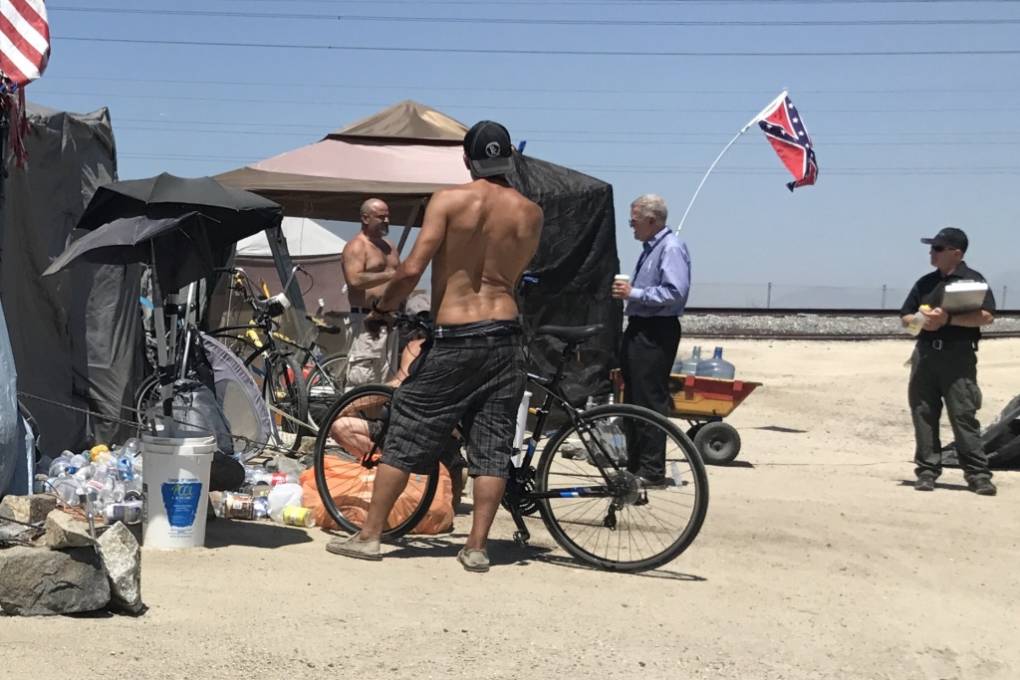
"caption": "Judge David O. Carter, lawyers and county officials stop to talk to a group of homeless men camped along the Santa Ana River in March 2017. Judge Carter is now presiding over a case that allowed for the riverbed homeless encampment to be cleared with the promise of finding appropriate shelter for the some 700 people still living there in February 2018.",
"description": "Judge David O. Carter, lawyers and county officials stop to talk to a group of homeless men camped along the Santa Ana River in March 2017. Judge Carter is now presiding over a case that allowed for the riverbed homeless encampment to be cleared with the promise of finding appropriate shelter for the some 700 people still living there in February 2018.",
"title": "homeless",
"credit": "Jill Replogle/KPCC",
"status": "inherit",
"isLoading": false,
"fetchFailed": false
},
"news_11656811": {
"type": "attachments",
"id": "news_11656811",
"meta": {
"index": "attachments_1716263798",
"site": "news",
"id": "11656811",
"found": true
},
"parent": 11656541,
"imgSizes": {
"small": {
"file": "https://ww2.kqed.org/app/uploads/sites/10/2018/03/news__01-520x344.jpg",
"width": 520,
"mimeType": "image/jpeg",
"height": 344
},
"twentyfourteen-full-width": {
"file": "https://ww2.kqed.org/app/uploads/sites/10/2018/03/news__01-1038x576.jpg",
"width": 1038,
"mimeType": "image/jpeg",
"height": 576
},
"thumbnail": {
"file": "https://ww2.kqed.org/app/uploads/sites/10/2018/03/news__01-160x106.jpg",
"width": 160,
"mimeType": "image/jpeg",
"height": 106
},
"fd-sm": {
"file": "https://ww2.kqed.org/app/uploads/sites/10/2018/03/news__01-960x636.jpg",
"width": 960,
"mimeType": "image/jpeg",
"height": 636
},
"post-thumbnail": {
"file": "https://ww2.kqed.org/app/uploads/sites/10/2018/03/news__01-672x372.jpg",
"width": 672,
"mimeType": "image/jpeg",
"height": 372
},
"xsmall": {
"file": "https://ww2.kqed.org/app/uploads/sites/10/2018/03/news__01-375x248.jpg",
"width": 375,
"mimeType": "image/jpeg",
"height": 248
},
"kqedFullSize": {
"file": "https://ww2.kqed.org/app/uploads/sites/10/2018/03/news__01.jpg",
"width": 1920,
"height": 1271
},
"large": {
"file": "https://ww2.kqed.org/app/uploads/sites/10/2018/03/news__01-1020x675.jpg",
"width": 1020,
"mimeType": "image/jpeg",
"height": 675
},
"xlarge": {
"file": "https://ww2.kqed.org/app/uploads/sites/10/2018/03/news__01-1180x781.jpg",
"width": 1180,
"mimeType": "image/jpeg",
"height": 781
},
"guest-author-50": {
"file": "https://ww2.kqed.org/app/uploads/sites/10/2018/03/news__01-50x50.jpg",
"width": 50,
"mimeType": "image/jpeg",
"height": 50
},
"guest-author-96": {
"file": "https://ww2.kqed.org/app/uploads/sites/10/2018/03/news__01-96x96.jpg",
"width": 96,
"mimeType": "image/jpeg",
"height": 96
},
"medium": {
"file": "https://ww2.kqed.org/app/uploads/sites/10/2018/03/news__01-800x530.jpg",
"width": 800,
"mimeType": "image/jpeg",
"height": 530
},
"guest-author-64": {
"file": "https://ww2.kqed.org/app/uploads/sites/10/2018/03/news__01-64x64.jpg",
"width": 64,
"mimeType": "image/jpeg",
"height": 64
},
"guest-author-32": {
"file": "https://ww2.kqed.org/app/uploads/sites/10/2018/03/news__01-32x32.jpg",
"width": 32,
"mimeType": "image/jpeg",
"height": 32
},
"fd-lrg": {
"file": "https://ww2.kqed.org/app/uploads/sites/10/2018/03/news__01-1920x1271.jpg",
"width": 1920,
"mimeType": "image/jpeg",
"height": 1271
},
"fd-med": {
"file": "https://ww2.kqed.org/app/uploads/sites/10/2018/03/news__01-1180x781.jpg",
"width": 1180,
"mimeType": "image/jpeg",
"height": 781
},
"full-width": {
"file": "https://ww2.kqed.org/app/uploads/sites/10/2018/03/news__01-1920x1271.jpg",
"width": 1920,
"mimeType": "image/jpeg",
"height": 1271
},
"detail": {
"file": "https://ww2.kqed.org/app/uploads/sites/10/2018/03/news__01-150x150.jpg",
"width": 150,
"mimeType": "image/jpeg",
"height": 150
},
"guest-author-128": {
"file": "https://ww2.kqed.org/app/uploads/sites/10/2018/03/news__01-128x128.jpg",
"width": 128,
"mimeType": "image/jpeg",
"height": 128
},
"xxsmall": {
"file": "https://ww2.kqed.org/app/uploads/sites/10/2018/03/news__01-240x159.jpg",
"width": 240,
"mimeType": "image/jpeg",
"height": 159
}
},
"publishDate": 1521570169,
"modified": 1521570169,
"caption": null,
"description": null,
"title": "news__01",
"credit": null,
"status": "inherit",
"isLoading": false,
"fetchFailed": false
},
"news_11655974": {
"type": "attachments",
"id": "news_11655974",
"meta": {
"index": "attachments_1716263798",
"site": "news",
"id": "11655974",
"found": true
},
"parent": 11655911,
"imgSizes": {
"small": {
"file": "https://ww2.kqed.org/app/uploads/sites/10/2018/03/PaloAltoVentureCapitalists-520x347.jpg",
"width": 520,
"mimeType": "image/jpeg",
"height": 347
},
"thumbnail": {
"file": "https://ww2.kqed.org/app/uploads/sites/10/2018/03/PaloAltoVentureCapitalists-160x107.jpg",
"width": 160,
"mimeType": "image/jpeg",
"height": 107
},
"post-thumbnail": {
"file": "https://ww2.kqed.org/app/uploads/sites/10/2018/03/PaloAltoVentureCapitalists-594x372.jpg",
"width": 594,
"mimeType": "image/jpeg",
"height": 372
},
"xsmall": {
"file": "https://ww2.kqed.org/app/uploads/sites/10/2018/03/PaloAltoVentureCapitalists-375x250.jpg",
"width": 375,
"mimeType": "image/jpeg",
"height": 250
},
"kqedFullSize": {
"file": "https://ww2.kqed.org/app/uploads/sites/10/2018/03/PaloAltoVentureCapitalists.jpg",
"width": 594,
"height": 396
},
"guest-author-50": {
"file": "https://ww2.kqed.org/app/uploads/sites/10/2018/03/PaloAltoVentureCapitalists-50x50.jpg",
"width": 50,
"mimeType": "image/jpeg",
"height": 50
},
"guest-author-96": {
"file": "https://ww2.kqed.org/app/uploads/sites/10/2018/03/PaloAltoVentureCapitalists-96x96.jpg",
"width": 96,
"mimeType": "image/jpeg",
"height": 96
},
"guest-author-64": {
"file": "https://ww2.kqed.org/app/uploads/sites/10/2018/03/PaloAltoVentureCapitalists-64x64.jpg",
"width": 64,
"mimeType": "image/jpeg",
"height": 64
},
"detail": {
"file": "https://ww2.kqed.org/app/uploads/sites/10/2018/03/PaloAltoVentureCapitalists-150x150.jpg",
"width": 150,
"mimeType": "image/jpeg",
"height": 150
},
"guest-author-32": {
"file": "https://ww2.kqed.org/app/uploads/sites/10/2018/03/PaloAltoVentureCapitalists-32x32.jpg",
"width": 32,
"mimeType": "image/jpeg",
"height": 32
},
"guest-author-128": {
"file": "https://ww2.kqed.org/app/uploads/sites/10/2018/03/PaloAltoVentureCapitalists-128x128.jpg",
"width": 128,
"mimeType": "image/jpeg",
"height": 128
},
"xxsmall": {
"file": "https://ww2.kqed.org/app/uploads/sites/10/2018/03/PaloAltoVentureCapitalists-240x160.jpg",
"width": 240,
"mimeType": "image/jpeg",
"height": 160
}
},
"publishDate": 1521138787,
"modified": 1521337116,
"caption": "Two men eat lunch and converse at Local Union 271, a farm-to-table restaurant on University Avenue in Palo Alto, on Aug. 25, 2016. ",
"description": "Two men eat lunch and converse at Local Union 271, a farm-to-table restaurant on University Avenue in Palo Alto, on Aug. 25, 2016. ",
"title": "University Avenue Dining",
"credit": "Photo via Smith Collection/Gado/Getty Images",
"status": "inherit",
"isLoading": false,
"fetchFailed": false
},
"news_11655500": {
"type": "attachments",
"id": "news_11655500",
"meta": {
"index": "attachments_1716263798",
"site": "news",
"id": "11655500",
"found": true
},
"parent": 11655496,
"imgSizes": {
"small": {
"file": "https://ww2.kqed.org/app/uploads/sites/10/2018/03/AnaheimHillsFire-520x318.jpg",
"width": 520,
"mimeType": "image/jpeg",
"height": 318
},
"twentyfourteen-full-width": {
"file": "https://ww2.kqed.org/app/uploads/sites/10/2018/03/AnaheimHillsFire-1038x576.jpg",
"width": 1038,
"mimeType": "image/jpeg",
"height": 576
},
"thumbnail": {
"file": "https://ww2.kqed.org/app/uploads/sites/10/2018/03/AnaheimHillsFire-160x98.jpg",
"width": 160,
"mimeType": "image/jpeg",
"height": 98
},
"fd-sm": {
"file": "https://ww2.kqed.org/app/uploads/sites/10/2018/03/AnaheimHillsFire-960x587.jpg",
"width": 960,
"mimeType": "image/jpeg",
"height": 587
},
"post-thumbnail": {
"file": "https://ww2.kqed.org/app/uploads/sites/10/2018/03/AnaheimHillsFire-672x372.jpg",
"width": 672,
"mimeType": "image/jpeg",
"height": 372
},
"xsmall": {
"file": "https://ww2.kqed.org/app/uploads/sites/10/2018/03/AnaheimHillsFire-375x229.jpg",
"width": 375,
"mimeType": "image/jpeg",
"height": 229
},
"kqedFullSize": {
"file": "https://ww2.kqed.org/app/uploads/sites/10/2018/03/AnaheimHillsFire.jpg",
"width": 1920,
"height": 1173
},
"large": {
"file": "https://ww2.kqed.org/app/uploads/sites/10/2018/03/AnaheimHillsFire-1020x623.jpg",
"width": 1020,
"mimeType": "image/jpeg",
"height": 623
},
"xlarge": {
"file": "https://ww2.kqed.org/app/uploads/sites/10/2018/03/AnaheimHillsFire-1180x721.jpg",
"width": 1180,
"mimeType": "image/jpeg",
"height": 721
},
"guest-author-50": {
"file": "https://ww2.kqed.org/app/uploads/sites/10/2018/03/AnaheimHillsFire-50x50.jpg",
"width": 50,
"mimeType": "image/jpeg",
"height": 50
},
"guest-author-96": {
"file": "https://ww2.kqed.org/app/uploads/sites/10/2018/03/AnaheimHillsFire-96x96.jpg",
"width": 96,
"mimeType": "image/jpeg",
"height": 96
},
"medium": {
"file": "https://ww2.kqed.org/app/uploads/sites/10/2018/03/AnaheimHillsFire-800x489.jpg",
"width": 800,
"mimeType": "image/jpeg",
"height": 489
},
"guest-author-64": {
"file": "https://ww2.kqed.org/app/uploads/sites/10/2018/03/AnaheimHillsFire-64x64.jpg",
"width": 64,
"mimeType": "image/jpeg",
"height": 64
},
"guest-author-32": {
"file": "https://ww2.kqed.org/app/uploads/sites/10/2018/03/AnaheimHillsFire-32x32.jpg",
"width": 32,
"mimeType": "image/jpeg",
"height": 32
},
"fd-lrg": {
"file": "https://ww2.kqed.org/app/uploads/sites/10/2018/03/AnaheimHillsFire-1920x1173.jpg",
"width": 1920,
"mimeType": "image/jpeg",
"height": 1173
},
"fd-med": {
"file": "https://ww2.kqed.org/app/uploads/sites/10/2018/03/AnaheimHillsFire-1180x721.jpg",
"width": 1180,
"mimeType": "image/jpeg",
"height": 721
},
"full-width": {
"file": "https://ww2.kqed.org/app/uploads/sites/10/2018/03/AnaheimHillsFire-1920x1173.jpg",
"width": 1920,
"mimeType": "image/jpeg",
"height": 1173
},
"detail": {
"file": "https://ww2.kqed.org/app/uploads/sites/10/2018/03/AnaheimHillsFire-150x150.jpg",
"width": 150,
"mimeType": "image/jpeg",
"height": 150
},
"guest-author-128": {
"file": "https://ww2.kqed.org/app/uploads/sites/10/2018/03/AnaheimHillsFire-128x128.jpg",
"width": 128,
"mimeType": "image/jpeg",
"height": 128
},
"xxsmall": {
"file": "https://ww2.kqed.org/app/uploads/sites/10/2018/03/AnaheimHillsFire-240x147.jpg",
"width": 240,
"mimeType": "image/jpeg",
"height": 147
}
},
"publishDate": 1520979871,
"modified": 1520979951,
"caption": "A helicopter drops water near homes in the Anaheim Hills neighborhood on Oct. 9, 2017. Orange County experienced rapid growth in housing construction in fire-prone areas between 1990 and 2010.",
"description": "A helicopter drops water near homes in the Anaheim Hills neighborhood on Oct. 9, 2017. Orange County experienced rapid growth in housing construction in fire-prone areas between 1990 and 2010.",
"title": "AnaheimHillsFire",
"credit": "FREDERIC J. BROWN/AFP/Getty Images",
"status": "inherit",
"isLoading": false,
"fetchFailed": false
},
"news_11655247": {
"type": "attachments",
"id": "news_11655247",
"meta": {
"index": "attachments_1716263798",
"site": "news",
"id": "11655247",
"found": true
},
"parent": 11655241,
"imgSizes": {
"small": {
"file": "https://ww2.kqed.org/app/uploads/sites/10/2018/03/RealEstateDataMain-520x293.jpg",
"width": 520,
"mimeType": "image/jpeg",
"height": 293
},
"twentyfourteen-full-width": {
"file": "https://ww2.kqed.org/app/uploads/sites/10/2018/03/RealEstateDataMain-1038x576.jpg",
"width": 1038,
"mimeType": "image/jpeg",
"height": 576
},
"thumbnail": {
"file": "https://ww2.kqed.org/app/uploads/sites/10/2018/03/RealEstateDataMain-160x90.jpg",
"width": 160,
"mimeType": "image/jpeg",
"height": 90
},
"fd-sm": {
"file": "https://ww2.kqed.org/app/uploads/sites/10/2018/03/RealEstateDataMain-960x540.jpg",
"width": 960,
"mimeType": "image/jpeg",
"height": 540
},
"post-thumbnail": {
"file": "https://ww2.kqed.org/app/uploads/sites/10/2018/03/RealEstateDataMain-672x372.jpg",
"width": 672,
"mimeType": "image/jpeg",
"height": 372
},
"xsmall": {
"file": "https://ww2.kqed.org/app/uploads/sites/10/2018/03/RealEstateDataMain-375x211.jpg",
"width": 375,
"mimeType": "image/jpeg",
"height": 211
},
"kqedFullSize": {
"file": "https://ww2.kqed.org/app/uploads/sites/10/2018/03/RealEstateDataMain.jpg",
"width": 1920,
"height": 1080
},
"large": {
"file": "https://ww2.kqed.org/app/uploads/sites/10/2018/03/RealEstateDataMain-1020x574.jpg",
"width": 1020,
"mimeType": "image/jpeg",
"height": 574
},
"xlarge": {
"file": "https://ww2.kqed.org/app/uploads/sites/10/2018/03/RealEstateDataMain-1180x664.jpg",
"width": 1180,
"mimeType": "image/jpeg",
"height": 664
},
"guest-author-50": {
"file": "https://ww2.kqed.org/app/uploads/sites/10/2018/03/RealEstateDataMain-50x50.jpg",
"width": 50,
"mimeType": "image/jpeg",
"height": 50
},
"guest-author-96": {
"file": "https://ww2.kqed.org/app/uploads/sites/10/2018/03/RealEstateDataMain-96x96.jpg",
"width": 96,
"mimeType": "image/jpeg",
"height": 96
},
"medium": {
"file": "https://ww2.kqed.org/app/uploads/sites/10/2018/03/RealEstateDataMain-800x450.jpg",
"width": 800,
"mimeType": "image/jpeg",
"height": 450
},
"guest-author-64": {
"file": "https://ww2.kqed.org/app/uploads/sites/10/2018/03/RealEstateDataMain-64x64.jpg",
"width": 64,
"mimeType": "image/jpeg",
"height": 64
},
"guest-author-32": {
"file": "https://ww2.kqed.org/app/uploads/sites/10/2018/03/RealEstateDataMain-32x32.jpg",
"width": 32,
"mimeType": "image/jpeg",
"height": 32
},
"fd-lrg": {
"file": "https://ww2.kqed.org/app/uploads/sites/10/2018/03/RealEstateDataMain-1920x1080.jpg",
"width": 1920,
"mimeType": "image/jpeg",
"height": 1080
},
"fd-med": {
"file": "https://ww2.kqed.org/app/uploads/sites/10/2018/03/RealEstateDataMain-1180x664.jpg",
"width": 1180,
"mimeType": "image/jpeg",
"height": 664
},
"full-width": {
"file": "https://ww2.kqed.org/app/uploads/sites/10/2018/03/RealEstateDataMain-1920x1080.jpg",
"width": 1920,
"mimeType": "image/jpeg",
"height": 1080
},
"detail": {
"file": "https://ww2.kqed.org/app/uploads/sites/10/2018/03/RealEstateDataMain-150x150.jpg",
"width": 150,
"mimeType": "image/jpeg",
"height": 150
},
"guest-author-128": {
"file": "https://ww2.kqed.org/app/uploads/sites/10/2018/03/RealEstateDataMain-128x128.jpg",
"width": 128,
"mimeType": "image/jpeg",
"height": 128
},
"xxsmall": {
"file": "https://ww2.kqed.org/app/uploads/sites/10/2018/03/RealEstateDataMain-240x135.jpg",
"width": 240,
"mimeType": "image/jpeg",
"height": 135
}
},
"publishDate": 1520883702,
"modified": 1520883731,
"caption": null,
"description": null,
"title": "RealEstateDataMain",
"credit": "Nazneen Rydhan-Foster/CALmatters",
"status": "inherit",
"isLoading": false,
"fetchFailed": false
},
"news_11654784": {
"type": "attachments",
"id": "news_11654784",
"meta": {
"index": "attachments_1716263798",
"site": "news",
"id": "11654784",
"found": true
},
"parent": 11654778,
"imgSizes": {
"small": {
"file": "https://ww2.kqed.org/app/uploads/sites/10/2018/03/StoltzeKillBrothers-520x374.jpg",
"width": 520,
"mimeType": "image/jpeg",
"height": 374
},
"twentyfourteen-full-width": {
"file": "https://ww2.kqed.org/app/uploads/sites/10/2018/03/StoltzeKillBrothers-1038x576.jpg",
"width": 1038,
"mimeType": "image/jpeg",
"height": 576
},
"thumbnail": {
"file": "https://ww2.kqed.org/app/uploads/sites/10/2018/03/StoltzeKillBrothers-160x115.jpg",
"width": 160,
"mimeType": "image/jpeg",
"height": 115
},
"fd-sm": {
"file": "https://ww2.kqed.org/app/uploads/sites/10/2018/03/StoltzeKillBrothers-960x690.jpg",
"width": 960,
"mimeType": "image/jpeg",
"height": 690
},
"post-thumbnail": {
"file": "https://ww2.kqed.org/app/uploads/sites/10/2018/03/StoltzeKillBrothers-672x372.jpg",
"width": 672,
"mimeType": "image/jpeg",
"height": 372
},
"xsmall": {
"file": "https://ww2.kqed.org/app/uploads/sites/10/2018/03/StoltzeKillBrothers-375x270.jpg",
"width": 375,
"mimeType": "image/jpeg",
"height": 270
},
"kqedFullSize": {
"file": "https://ww2.kqed.org/app/uploads/sites/10/2018/03/StoltzeKillBrothers.jpg",
"width": 1200,
"height": 863
},
"large": {
"file": "https://ww2.kqed.org/app/uploads/sites/10/2018/03/StoltzeKillBrothers-1020x734.jpg",
"width": 1020,
"mimeType": "image/jpeg",
"height": 734
},
"xlarge": {
"file": "https://ww2.kqed.org/app/uploads/sites/10/2018/03/StoltzeKillBrothers-1180x849.jpg",
"width": 1180,
"mimeType": "image/jpeg",
"height": 849
},
"guest-author-50": {
"file": "https://ww2.kqed.org/app/uploads/sites/10/2018/03/StoltzeKillBrothers-50x50.jpg",
"width": 50,
"mimeType": "image/jpeg",
"height": 50
},
"guest-author-96": {
"file": "https://ww2.kqed.org/app/uploads/sites/10/2018/03/StoltzeKillBrothers-96x96.jpg",
"width": 96,
"mimeType": "image/jpeg",
"height": 96
},
"medium": {
"file": "https://ww2.kqed.org/app/uploads/sites/10/2018/03/StoltzeKillBrothers-800x575.jpg",
"width": 800,
"mimeType": "image/jpeg",
"height": 575
},
"guest-author-64": {
"file": "https://ww2.kqed.org/app/uploads/sites/10/2018/03/StoltzeKillBrothers-64x64.jpg",
"width": 64,
"mimeType": "image/jpeg",
"height": 64
},
"guest-author-32": {
"file": "https://ww2.kqed.org/app/uploads/sites/10/2018/03/StoltzeKillBrothers-32x32.jpg",
"width": 32,
"mimeType": "image/jpeg",
"height": 32
},
"fd-med": {
"file": "https://ww2.kqed.org/app/uploads/sites/10/2018/03/StoltzeKillBrothers-1180x849.jpg",
"width": 1180,
"mimeType": "image/jpeg",
"height": 849
},
"detail": {
"file": "https://ww2.kqed.org/app/uploads/sites/10/2018/03/StoltzeKillBrothers-150x150.jpg",
"width": 150,
"mimeType": "image/jpeg",
"height": 150
},
"guest-author-128": {
"file": "https://ww2.kqed.org/app/uploads/sites/10/2018/03/StoltzeKillBrothers-128x128.jpg",
"width": 128,
"mimeType": "image/jpeg",
"height": 128
},
"xxsmall": {
"file": "https://ww2.kqed.org/app/uploads/sites/10/2018/03/StoltzeKillBrothers-240x173.jpg",
"width": 240,
"mimeType": "image/jpeg",
"height": 173
}
},
"publishDate": 1520627380,
"modified": 1520627416,
"caption": "A memorial for Brendon Glenn, fatally shot by an LAPD officer in Venice on May 5, 2015.",
"description": "A memorial for Brendon Glenn, fatally shot by an LAPD officer in Venice on May 5, 2015.",
"title": "StoltzeKillBrothers",
"credit": "Frank Stoltze/KPCC",
"status": "inherit",
"isLoading": false,
"fetchFailed": false
},
"news_11654640": {
"type": "attachments",
"id": "news_11654640",
"meta": {
"index": "attachments_1716263798",
"site": "news",
"id": "11654640",
"found": true
},
"parent": 11654616,
"imgSizes": {
"small": {
"file": "https://ww2.kqed.org/app/uploads/sites/10/2018/03/MiddleClassDream-520x381.jpg",
"width": 520,
"mimeType": "image/jpeg",
"height": 381
},
"twentyfourteen-full-width": {
"file": "https://ww2.kqed.org/app/uploads/sites/10/2018/03/MiddleClassDream-1038x576.jpg",
"width": 1038,
"mimeType": "image/jpeg",
"height": 576
},
"thumbnail": {
"file": "https://ww2.kqed.org/app/uploads/sites/10/2018/03/MiddleClassDream-160x117.jpg",
"width": 160,
"mimeType": "image/jpeg",
"height": 117
},
"fd-sm": {
"file": "https://ww2.kqed.org/app/uploads/sites/10/2018/03/MiddleClassDream-960x703.jpg",
"width": 960,
"mimeType": "image/jpeg",
"height": 703
},
"post-thumbnail": {
"file": "https://ww2.kqed.org/app/uploads/sites/10/2018/03/MiddleClassDream-672x372.jpg",
"width": 672,
"mimeType": "image/jpeg",
"height": 372
},
"xsmall": {
"file": "https://ww2.kqed.org/app/uploads/sites/10/2018/03/MiddleClassDream-375x275.jpg",
"width": 375,
"mimeType": "image/jpeg",
"height": 275
},
"kqedFullSize": {
"file": "https://ww2.kqed.org/app/uploads/sites/10/2018/03/MiddleClassDream.jpg",
"width": 1111,
"height": 814
},
"large": {
"file": "https://ww2.kqed.org/app/uploads/sites/10/2018/03/MiddleClassDream-1020x747.jpg",
"width": 1020,
"mimeType": "image/jpeg",
"height": 747
},
"guest-author-50": {
"file": "https://ww2.kqed.org/app/uploads/sites/10/2018/03/MiddleClassDream-50x50.jpg",
"width": 50,
"mimeType": "image/jpeg",
"height": 50
},
"guest-author-96": {
"file": "https://ww2.kqed.org/app/uploads/sites/10/2018/03/MiddleClassDream-96x96.jpg",
"width": 96,
"mimeType": "image/jpeg",
"height": 96
},
"medium": {
"file": "https://ww2.kqed.org/app/uploads/sites/10/2018/03/MiddleClassDream-800x586.jpg",
"width": 800,
"mimeType": "image/jpeg",
"height": 586
},
"guest-author-64": {
"file": "https://ww2.kqed.org/app/uploads/sites/10/2018/03/MiddleClassDream-64x64.jpg",
"width": 64,
"mimeType": "image/jpeg",
"height": 64
},
"guest-author-32": {
"file": "https://ww2.kqed.org/app/uploads/sites/10/2018/03/MiddleClassDream-32x32.jpg",
"width": 32,
"mimeType": "image/jpeg",
"height": 32
},
"detail": {
"file": "https://ww2.kqed.org/app/uploads/sites/10/2018/03/MiddleClassDream-150x150.jpg",
"width": 150,
"mimeType": "image/jpeg",
"height": 150
},
"guest-author-128": {
"file": "https://ww2.kqed.org/app/uploads/sites/10/2018/03/MiddleClassDream-128x128.jpg",
"width": 128,
"mimeType": "image/jpeg",
"height": 128
},
"xxsmall": {
"file": "https://ww2.kqed.org/app/uploads/sites/10/2018/03/MiddleClassDream-240x176.jpg",
"width": 240,
"mimeType": "image/jpeg",
"height": 176
}
},
"publishDate": 1520547775,
"modified": 1520551802,
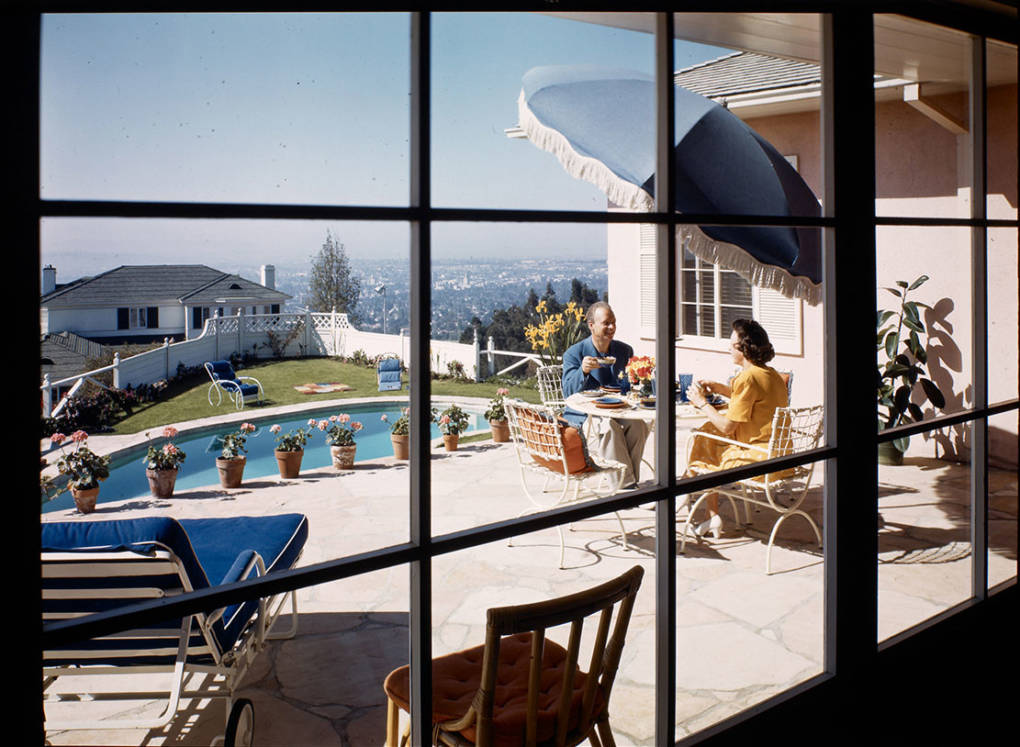
"caption": "The same beautiful weather remains as it did in the 1950s. But access to the California Dream is being choked off.",
"description": "The same beautiful weather remains as it did in the 1950s. But access to the California dream is being choked off.",
"title": "MiddleClassDream",
"credit": "Maynard L. Parker/Courtesy of The Huntington Library, San Marino, California",
"status": "inherit",
"isLoading": false,
"fetchFailed": false
},
"news_11654408": {
"type": "attachments",
"id": "news_11654408",
"meta": {
"index": "attachments_1716263798",
"site": "news",
"id": "11654408",
"found": true
},
"parent": 11654405,
"imgSizes": {
"small": {
"file": "https://ww2.kqed.org/app/uploads/sites/10/2018/03/HomelessLAStreet-520x347.jpg",
"width": 520,
"mimeType": "image/jpeg",
"height": 347
},
"twentyfourteen-full-width": {
"file": "https://ww2.kqed.org/app/uploads/sites/10/2018/03/HomelessLAStreet-1038x576.jpg",
"width": 1038,
"mimeType": "image/jpeg",
"height": 576
},
"thumbnail": {
"file": "https://ww2.kqed.org/app/uploads/sites/10/2018/03/HomelessLAStreet-160x107.jpg",
"width": 160,
"mimeType": "image/jpeg",
"height": 107
},
"fd-sm": {
"file": "https://ww2.kqed.org/app/uploads/sites/10/2018/03/HomelessLAStreet-960x640.jpg",
"width": 960,
"mimeType": "image/jpeg",
"height": 640
},
"post-thumbnail": {
"file": "https://ww2.kqed.org/app/uploads/sites/10/2018/03/HomelessLAStreet-672x372.jpg",
"width": 672,
"mimeType": "image/jpeg",
"height": 372
},
"xsmall": {
"file": "https://ww2.kqed.org/app/uploads/sites/10/2018/03/HomelessLAStreet-375x250.jpg",
"width": 375,
"mimeType": "image/jpeg",
"height": 250
},
"kqedFullSize": {
"file": "https://ww2.kqed.org/app/uploads/sites/10/2018/03/HomelessLAStreet.jpg",
"width": 1920,
"height": 1280
},
"large": {
"file": "https://ww2.kqed.org/app/uploads/sites/10/2018/03/HomelessLAStreet-1020x680.jpg",
"width": 1020,
"mimeType": "image/jpeg",
"height": 680
},
"xlarge": {
"file": "https://ww2.kqed.org/app/uploads/sites/10/2018/03/HomelessLAStreet-1180x787.jpg",
"width": 1180,
"mimeType": "image/jpeg",
"height": 787
},
"guest-author-50": {
"file": "https://ww2.kqed.org/app/uploads/sites/10/2018/03/HomelessLAStreet-50x50.jpg",
"width": 50,
"mimeType": "image/jpeg",
"height": 50
},
"guest-author-96": {
"file": "https://ww2.kqed.org/app/uploads/sites/10/2018/03/HomelessLAStreet-96x96.jpg",
"width": 96,
"mimeType": "image/jpeg",
"height": 96
},
"medium": {
"file": "https://ww2.kqed.org/app/uploads/sites/10/2018/03/HomelessLAStreet-800x533.jpg",
"width": 800,
"mimeType": "image/jpeg",
"height": 533
},
"guest-author-64": {
"file": "https://ww2.kqed.org/app/uploads/sites/10/2018/03/HomelessLAStreet-64x64.jpg",
"width": 64,
"mimeType": "image/jpeg",
"height": 64
},
"guest-author-32": {
"file": "https://ww2.kqed.org/app/uploads/sites/10/2018/03/HomelessLAStreet-32x32.jpg",
"width": 32,
"mimeType": "image/jpeg",
"height": 32
},
"fd-lrg": {
"file": "https://ww2.kqed.org/app/uploads/sites/10/2018/03/HomelessLAStreet-1920x1280.jpg",
"width": 1920,
"mimeType": "image/jpeg",
"height": 1280
},
"fd-med": {
"file": "https://ww2.kqed.org/app/uploads/sites/10/2018/03/HomelessLAStreet-1180x787.jpg",
"width": 1180,
"mimeType": "image/jpeg",
"height": 787
},
"full-width": {
"file": "https://ww2.kqed.org/app/uploads/sites/10/2018/03/HomelessLAStreet-1920x1280.jpg",
"width": 1920,
"mimeType": "image/jpeg",
"height": 1280
},
"detail": {
"file": "https://ww2.kqed.org/app/uploads/sites/10/2018/03/HomelessLAStreet-150x150.jpg",
"width": 150,
"mimeType": "image/jpeg",
"height": 150
},
"guest-author-128": {
"file": "https://ww2.kqed.org/app/uploads/sites/10/2018/03/HomelessLAStreet-128x128.jpg",
"width": 128,
"mimeType": "image/jpeg",
"height": 128
},
"xxsmall": {
"file": "https://ww2.kqed.org/app/uploads/sites/10/2018/03/HomelessLAStreet-240x160.jpg",
"width": 240,
"mimeType": "image/jpeg",
"height": 160
}
},
"publishDate": 1520453865,
"modified": 1520474316,
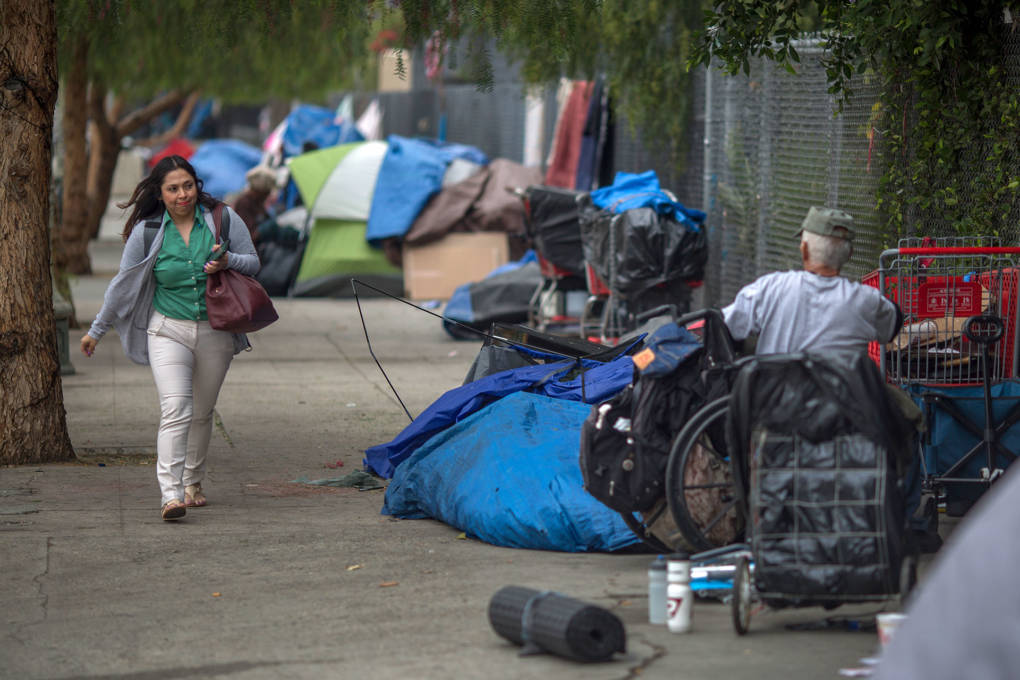
"caption": "A woman passes a wheelchair-bound homeless man on Spring Street on May 1, 2017, in Los Angeles.",
"description": "A woman passes a wheelchair-bound homeless man on Spring Street on May 1, 2017 in Los Angeles.",
"title": "HomelessLAStreet",
"credit": "David McNew/Getty Images",
"status": "inherit",
"isLoading": false,
"fetchFailed": false
},
"news_11654272": {
"type": "attachments",
"id": "news_11654272",
"meta": {
"index": "attachments_1716263798",
"site": "news",
"id": "11654272",
"found": true
},
"parent": 11654270,
"imgSizes": {
"small": {
"file": "https://ww2.kqed.org/app/uploads/sites/10/2018/03/seconds_030618_final-520x1403.jpg",
"width": 520,
"mimeType": "image/jpeg",
"height": 1403
},
"twentyfourteen-full-width": {
"file": "https://ww2.kqed.org/app/uploads/sites/10/2018/03/seconds_030618_final-1038x576.jpg",
"width": 1038,
"mimeType": "image/jpeg",
"height": 576
},
"thumbnail": {
"file": "https://ww2.kqed.org/app/uploads/sites/10/2018/03/seconds_030618_final-160x432.jpg",
"width": 160,
"mimeType": "image/jpeg",
"height": 432
},
"fd-sm": {
"file": "https://ww2.kqed.org/app/uploads/sites/10/2018/03/seconds_030618_final-960x2591.jpg",
"width": 960,
"mimeType": "image/jpeg",
"height": 2591
},
"post-thumbnail": {
"file": "https://ww2.kqed.org/app/uploads/sites/10/2018/03/seconds_030618_final-672x372.jpg",
"width": 672,
"mimeType": "image/jpeg",
"height": 372
},
"xsmall": {
"file": "https://ww2.kqed.org/app/uploads/sites/10/2018/03/seconds_030618_final-375x1012.jpg",
"width": 375,
"mimeType": "image/jpeg",
"height": 1012
},
"kqedFullSize": {
"file": "https://ww2.kqed.org/app/uploads/sites/10/2018/03/seconds_030618_final.jpg",
"width": 1920,
"height": 5181
},
"large": {
"file": "https://ww2.kqed.org/app/uploads/sites/10/2018/03/seconds_030618_final-1020x2752.jpg",
"width": 1020,
"mimeType": "image/jpeg",
"height": 2752
},
"xlarge": {
"file": "https://ww2.kqed.org/app/uploads/sites/10/2018/03/seconds_030618_final-1180x3184.jpg",
"width": 1180,
"mimeType": "image/jpeg",
"height": 3184
},
"guest-author-50": {
"file": "https://ww2.kqed.org/app/uploads/sites/10/2018/03/seconds_030618_final-50x50.jpg",
"width": 50,
"mimeType": "image/jpeg",
"height": 50
},
"guest-author-96": {
"file": "https://ww2.kqed.org/app/uploads/sites/10/2018/03/seconds_030618_final-96x96.jpg",
"width": 96,
"mimeType": "image/jpeg",
"height": 96
},
"medium": {
"file": "https://ww2.kqed.org/app/uploads/sites/10/2018/03/seconds_030618_final-800x2159.jpg",
"width": 800,
"mimeType": "image/jpeg",
"height": 2159
},
"guest-author-64": {
"file": "https://ww2.kqed.org/app/uploads/sites/10/2018/03/seconds_030618_final-64x64.jpg",
"width": 64,
"mimeType": "image/jpeg",
"height": 64
},
"guest-author-32": {
"file": "https://ww2.kqed.org/app/uploads/sites/10/2018/03/seconds_030618_final-32x32.jpg",
"width": 32,
"mimeType": "image/jpeg",
"height": 32
},
"fd-lrg": {
"file": "https://ww2.kqed.org/app/uploads/sites/10/2018/03/seconds_030618_final-1920x5181.jpg",
"width": 1920,
"mimeType": "image/jpeg",
"height": 5181
},
"fd-med": {
"file": "https://ww2.kqed.org/app/uploads/sites/10/2018/03/seconds_030618_final-1180x3184.jpg",
"width": 1180,
"mimeType": "image/jpeg",
"height": 3184
},
"full-width": {
"file": "https://ww2.kqed.org/app/uploads/sites/10/2018/03/seconds_030618_final-1920x5181.jpg",
"width": 1920,
"mimeType": "image/jpeg",
"height": 5181
},
"detail": {
"file": "https://ww2.kqed.org/app/uploads/sites/10/2018/03/seconds_030618_final-150x150.jpg",
"width": 150,
"mimeType": "image/jpeg",
"height": 150
},
"guest-author-128": {
"file": "https://ww2.kqed.org/app/uploads/sites/10/2018/03/seconds_030618_final-128x128.jpg",
"width": 128,
"mimeType": "image/jpeg",
"height": 128
},
"xxsmall": {
"file": "https://ww2.kqed.org/app/uploads/sites/10/2018/03/seconds_030618_final-240x648.jpg",
"width": 240,
"mimeType": "image/jpeg",
"height": 648
}
},
"publishDate": 1520382060,
"modified": 1520382083,
"caption": null,
"description": null,
"title": "seconds_030618_final",
"credit": null,
"status": "inherit",
"isLoading": false,
"fetchFailed": false
},
"news_11654226": {
"type": "attachments",
"id": "news_11654226",
"meta": {
"index": "attachments_1716263798",
"site": "news",
"id": "11654226",
"found": true
},
"parent": 11654223,
"imgSizes": {
"small": {
"file": "https://ww2.kqed.org/app/uploads/sites/10/2018/03/ElCajon-520x252.jpg",
"width": 520,
"mimeType": "image/jpeg",
"height": 252
},
"thumbnail": {
"file": "https://ww2.kqed.org/app/uploads/sites/10/2018/03/ElCajon-160x78.jpg",
"width": 160,
"mimeType": "image/jpeg",
"height": 78
},
"post-thumbnail": {
"file": "https://ww2.kqed.org/app/uploads/sites/10/2018/03/ElCajon-672x372.jpg",
"width": 672,
"mimeType": "image/jpeg",
"height": 372
},
"xsmall": {
"file": "https://ww2.kqed.org/app/uploads/sites/10/2018/03/ElCajon-375x182.jpg",
"width": 375,
"mimeType": "image/jpeg",
"height": 182
},
"kqedFullSize": {
"file": "https://ww2.kqed.org/app/uploads/sites/10/2018/03/ElCajon.jpg",
"width": 791,
"height": 384
},
"guest-author-50": {
"file": "https://ww2.kqed.org/app/uploads/sites/10/2018/03/ElCajon-50x50.jpg",
"width": 50,
"mimeType": "image/jpeg",
"height": 50
},
"guest-author-96": {
"file": "https://ww2.kqed.org/app/uploads/sites/10/2018/03/ElCajon-96x96.jpg",
"width": 96,
"mimeType": "image/jpeg",
"height": 96
},
"guest-author-64": {
"file": "https://ww2.kqed.org/app/uploads/sites/10/2018/03/ElCajon-64x64.jpg",
"width": 64,
"mimeType": "image/jpeg",
"height": 64
},
"detail": {
"file": "https://ww2.kqed.org/app/uploads/sites/10/2018/03/ElCajon-150x150.jpg",
"width": 150,
"mimeType": "image/jpeg",
"height": 150
},
"guest-author-32": {
"file": "https://ww2.kqed.org/app/uploads/sites/10/2018/03/ElCajon-32x32.jpg",
"width": 32,
"mimeType": "image/jpeg",
"height": 32
},
"guest-author-128": {
"file": "https://ww2.kqed.org/app/uploads/sites/10/2018/03/ElCajon-128x128.jpg",
"width": 128,
"mimeType": "image/jpeg",
"height": 128
},
"xxsmall": {
"file": "https://ww2.kqed.org/app/uploads/sites/10/2018/03/ElCajon-240x117.jpg",
"width": 240,
"mimeType": "image/jpeg",
"height": 117
}
},
"publishDate": 1520369274,
"modified": 1520369326,
"caption": "Demonstrators protest El Cajon's city ordinance banning people from feeding the homeless in public spaces, Nov. 24, 2017.",
"description": "Demonstrators protest El Cajon's city ordinance banning people from feeding the homeless in public spaces, Nov. 24, 2017.",
"title": "ElCajon",
"credit": "\u003ca href=\"http://www.kpbs.org/staff/matthew-bowler/\">Matthew Bowler\u003c/a>/KPBS",
"status": "inherit",
"isLoading": false,
"fetchFailed": false
}
},
"audioPlayerReducer": {
"postId": "stream_live",
"isPaused": true,
"isPlaying": false,
"pfsActive": false,
"pledgeModalIsOpen": true,
"playerDrawerIsOpen": false,
"liveAudioPlayStartedAt": 0,
"liveAudioPlayContext": ""
},
"authorsReducer": {
"byline_news_11656882": {
"type": "authors",
"id": "byline_news_11656882",
"meta": {
"override": true
},
"slug": "byline_news_11656882",
"name": "\u003cstrong>\u003ca href=\"https://www.scpr.org/about/people/staff/jill-replogle\">Jill Replogle\u003c/a>\u003c/strong>",
"isLoading": false
},
"byline_news_11656586": {
"type": "authors",
"id": "byline_news_11656586",
"meta": {
"override": true
},
"slug": "byline_news_11656586",
"name": "\u003cstrong>\u003ca href=\"https://www.scpr.org/about/people/staff/jill-replogle\">Jill Replogle\u003c/a>\u003c/strong>",
"isLoading": false
},
"byline_news_11655496": {
"type": "authors",
"id": "byline_news_11655496",
"meta": {
"override": true
},
"slug": "byline_news_11655496",
"name": "\u003cstrong>\u003ca href=\"http://www.scpr.org/about/people/staff/emily-guerin\">Emily Guerin\u003c/a>\u003c/strong>",
"isLoading": false
},
"byline_news_11655241": {
"type": "authors",
"id": "byline_news_11655241",
"meta": {
"override": true
},
"slug": "byline_news_11655241",
"name": "\u003cstrong>\u003ca href=\"https://calmatters.org/articles/author/matt-levin/\">Matt Levin\u003c/a>\u003c/strong>",
"isLoading": false
},
"byline_news_11654778": {
"type": "authors",
"id": "byline_news_11654778",
"meta": {
"override": true
},
"slug": "byline_news_11654778",
"name": "\u003cstrong>\u003ca href=\"http://www.scpr.org/about/people/staff/frank-stoltze\">Frank Stoltze\u003c/a>\u003c/strong>",
"isLoading": false
},
"byline_news_11654616": {
"type": "authors",
"id": "byline_news_11654616",
"meta": {
"override": true
},
"slug": "byline_news_11654616",
"name": "\u003cstrong>\u003ca href=\"http://www.kpbs.org/staff/amita-sharma/\">Amita Sharma\u003c/a>\u003c/strong>",
"isLoading": false
},
"byline_news_11654405": {
"type": "authors",
"id": "byline_news_11654405",
"meta": {
"override": true
},
"slug": "byline_news_11654405",
"name": "\u003cstrong>\u003ca href=\"https://www.scpr.org/about/people/staff/frank-stoltze\">Frank Stoltze\u003c/a>\u003c/strong>",
"isLoading": false
},
"byline_news_11654223": {
"type": "authors",
"id": "byline_news_11654223",
"meta": {
"override": true
},
"slug": "byline_news_11654223",
"name": "\u003cstrong>\u003ca href=\"http://www.kpbs.org/staff/matt-hoffman/\">Matt Hoffman\u003c/a>\u003c/strong>",
"isLoading": false
},
"danbrekke": {
"type": "authors",
"id": "222",
"meta": {
"index": "authors_1716337520",
"id": "222",
"found": true
},
"name": "Dan Brekke",
"firstName": "Dan",
"lastName": "Brekke",
"slug": "danbrekke",
"email": "dbrekke@kqed.org",
"display_author_email": true,
"staff_mastheads": [
"news",
"science"
],
"title": "KQED Editor and Reporter",
"bio": "Dan Brekke is a reporter and editor for KQED News, responsible for coverage of topics ranging from California water issues to the Bay Area's transportation challenges. In a newsroom career that began in Chicago in 1972, Dan has worked for \u003cem>The San Francisco Examiner,\u003c/em> Wired and TechTV and has been published in The New York Times, The New York Times Magazine, Business 2.0, Salon and elsewhere.\r\n\r\nSince joining KQED in 2007, Dan has reported, edited and produced both radio and online features and breaking news pieces. He has shared as both editor and reporter in four Society of Professional Journalists Norcal Excellence in Journalism awards and one Edward R. Murrow regional award. He was chosen for a spring 2017 residency at the Mesa Refuge to advance his research on California salmon.\r\n\r\nEmail Dan at: \u003ca href=\"mailto:dbrekke@kqed.org\">dbrekke@kqed.org\u003c/a>\r\n\r\n\u003cstrong>Twitter:\u003c/strong> \u003ca href=\"https://twitter.com/danbrekke\" rel=\"noopener noreferrer\">twitter.com/danbrekke\u003c/a>\r\n\u003cstrong>Facebook:\u003c/strong> \u003ca href=\"https://www.facebook.com/danbrekke\" rel=\"noopener noreferrer\">www.facebook.com/danbrekke\u003c/a>\r\n\u003cstrong>LinkedIn:\u003c/strong> \u003ca href=\"https://www.linkedin.com/in/danbrekke\" rel=\"noopener noreferrer\">www.linkedin.com/in/danbrekke\u003c/a>",
"avatar": "https://secure.gravatar.com/avatar/8f1f0d2a978fb3b23426c922c7e2af558fa36905b49c4ce76a97dc3c72d27226?s=600&d=mm&r=g",
"twitter": "danbrekke",
"bluesky": null,
"facebook": null,
"instagram": "https://www.instagram.com/dan.brekke/",
"linkedin": "https://www.linkedin.com/in/danbrekke/",
"sites": [
{
"site": "news",
"roles": [
"administrator",
"create_posts"
]
},
{
"site": "stateofhealth",
"roles": [
"editor"
]
},
{
"site": "science",
"roles": [
"editor"
]
},
{
"site": "quest",
"roles": [
"contributor"
]
},
{
"site": "food",
"roles": [
"contributor"
]
},
{
"site": "forum",
"roles": [
"contributor"
]
},
{
"site": "elections",
"roles": [
"editor"
]
},
{
"site": "liveblog",
"roles": [
"editor"
]
}
],
"headData": {
"title": "Dan Brekke | KQED",
"description": "KQED Editor and Reporter",
"ogImgSrc": "https://secure.gravatar.com/avatar/8f1f0d2a978fb3b23426c922c7e2af558fa36905b49c4ce76a97dc3c72d27226?s=600&d=mm&r=g",
"twImgSrc": "https://secure.gravatar.com/avatar/8f1f0d2a978fb3b23426c922c7e2af558fa36905b49c4ce76a97dc3c72d27226?s=600&d=mm&r=g"
},
"isLoading": false,
"link": "/author/danbrekke"
},
"markfiore": {
"type": "authors",
"id": "3236",
"meta": {
"index": "authors_1716337520",
"id": "3236",
"found": true
},
"name": "Mark Fiore",
"firstName": "Mark",
"lastName": "Fiore",
"slug": "markfiore",
"email": "mark@markfiore.com",
"display_author_email": false,
"staff_mastheads": [
"news"
],
"title": "KQED News Cartoonist",
"bio": "\u003ca href=\"http://www.MarkFiore.com\">MarkFiore.com\u003c/a> | \u003ca href=\"https://twitter.com/markfiore\">Follow on Twitter\u003c/a> | \u003ca href=\"https://www.facebook.com/pages/Mark-Fiore-Animated-Political-Cartoons/94451707396?ref=bookmarks\">Facebook\u003c/a> | \u003ca href=\"mailto:mark@markfiore.com\">email\u003c/a>\r\n\r\nPulitzer Prize-winner, Mark Fiore, who the Wall Street Journal has called “the undisputed guru of the form,” creates animated political cartoons in San Francisco, where his work has been featured regularly on the San Francisco Chronicle’s web site, SFGate.com. His work has appeared on Newsweek.com, Slate.com, CBSNews.com, MotherJones.com, DailyKos.com and NPR’s web site. Fiore’s political animation has appeared on CNN, Frontline, Bill Moyers Journal, Salon.com and cable and broadcast outlets across the globe.\r\n\r\nBeginning his professional life by drawing traditional political cartoons for newspapers, Fiore’s work appeared in publications ranging from the Washington Post to the Los Angeles Times. In the late 1990s, he began to experiment with animating political cartoons and, after a short stint at the San Jose Mercury News as their staff cartoonist, Fiore devoted all his energies to animation.\r\nGrowing up in California, Fiore also spent a good portion of his life in the backwoods of Idaho. It was this combination that shaped him politically. Mark majored in political science at Colorado College, where, in a perfect send-off for a cartoonist, he received his diploma in 1991 as commencement speaker Dick Cheney smiled approvingly.\r\nMark Fiore was awarded the Pulitzer Prize for political cartooning in 2010, a Robert F. Kennedy Journalism Award in 2004 and has twice received an Online Journalism Award for commentary from the Online News Association (2002, 2008). Fiore has received two awards for his work in new media from the National Cartoonists Society (2001, 2002), and in 2006 received The James Madison Freedom of Information Award from The Society of Professional Journalists.",
"avatar": "https://secure.gravatar.com/avatar/fc4e2a612b15b67bad0c6f0e1db4ca9b?s=600&d=blank&r=g",
"twitter": "MarkFiore",
"facebook": null,
"instagram": "https://www.instagram.com/markfiore/?hl=en",
"linkedin": null,
"sites": [
{
"site": "arts",
"roles": [
"contributor"
]
},
{
"site": "news",
"roles": [
"editor"
]
},
{
"site": "futureofyou",
"roles": [
"editor"
]
},
{
"site": "science",
"roles": [
"editor"
]
}
],
"headData": {
"title": "Mark Fiore | KQED",
"description": "KQED News Cartoonist",
"ogImgSrc": "https://secure.gravatar.com/avatar/fc4e2a612b15b67bad0c6f0e1db4ca9b?s=600&d=blank&r=g",
"twImgSrc": "https://secure.gravatar.com/avatar/fc4e2a612b15b67bad0c6f0e1db4ca9b?s=600&d=blank&r=g"
},
"isLoading": false,
"link": "/author/markfiore"
},
"mlagos": {
"type": "authors",
"id": "3239",
"meta": {
"index": "authors_1716337520",
"id": "3239",
"found": true
},
"name": "Marisa Lagos",
"firstName": "Marisa",
"lastName": "Lagos",
"slug": "mlagos",
"email": "mlagos@kqed.org",
"display_author_email": false,
"staff_mastheads": [
"news"
],
"title": "KQED Contributor",
"bio": "Marisa Lagos is a correspondent for KQED’s California Politics and Government Desk and co-hosts the award-winning show and podcast, Political Breakdown. At KQED, Lagos also conducts reporting, analysis and investigations into state, local and national politics for radio, TV, online and onstage. In 2022, she and co-host, Scott Shafer, moderated the only gubernatorial debate in California. In 2020, the \u003ci>Washington Post\u003c/i> named her one of the top political journalists in California; she was nominated for a Peabody and won several other awards for her work investigating the 2017 California wildfires. She has worked at the \u003ci>San Francisco Chronicle\u003c/i>, \u003ci>San Francisco Examiner\u003c/i> and \u003ci>Los Angeles Times\u003c/i>. A UC Santa Barbara graduate, she lives in San Francisco with her two sons and husband.",
"avatar": "https://secure.gravatar.com/avatar/a261a0d3696fc066871ef96b85b5e7d2?s=600&d=blank&r=g",
"twitter": "@mlagos",
"facebook": null,
"instagram": null,
"linkedin": null,
"sites": [
{
"site": "arts",
"roles": [
"author"
]
},
{
"site": "news",
"roles": [
"editor"
]
},
{
"site": "science",
"roles": [
"editor"
]
},
{
"site": "forum",
"roles": [
"author"
]
},
{
"site": "liveblog",
"roles": [
"author"
]
}
],
"headData": {
"title": "Marisa Lagos | KQED",
"description": "KQED Contributor",
"ogImgSrc": "https://secure.gravatar.com/avatar/a261a0d3696fc066871ef96b85b5e7d2?s=600&d=blank&r=g",
"twImgSrc": "https://secure.gravatar.com/avatar/a261a0d3696fc066871ef96b85b5e7d2?s=600&d=blank&r=g"
},
"isLoading": false,
"link": "/author/mlagos"
},
"tmosley": {
"type": "authors",
"id": "11373",
"meta": {
"index": "authors_1716337520",
"id": "11373",
"found": true
},
"name": "Tonya Mosley",
"firstName": "Tonya",
"lastName": "Mosley",
"slug": "tmosley",
"email": "tmosley@kqed.org",
"display_author_email": false,
"staff_mastheads": [],
"title": "KQED Contributor",
"bio": "Tonya Mosley is a former Silicon Valley bureau chief for KQED. She served as the senior editor, leading a team of journalists covering the impacts of technology companies on the South Bay and society. Tonya is also a former host and reporter for KQED.\r\n\r\nPrior to KQED, Tonya served as a television reporter & anchor for several media outlets, including Al Jazeera America.\r\n\r\nIn 2015, Tonya was awarded a John S. Knight Journalism Fellowship at Stanford University where she co-created a workshop for journalists on the impacts of implicit bias, and co-wrote a Belgian/American experimental study on the effects of protest coverage.\r\n\r\nTonya has won several national awards for her work, most recently an Emmy Award in 2016 for her televised piece \"Beyond Ferguson,\" and a national Edward R. Murrow award for her public radio series \"Black in Seattle.\"\r\n\r\nYou can reach Tonya at: tmosley@kqed.org.",
"avatar": "https://secure.gravatar.com/avatar/0b2ea2bbfed6bafaacd21e9398c68e5e?s=600&d=blank&r=g",
"twitter": "tonyamosley",
"facebook": null,
"instagram": null,
"linkedin": null,
"sites": [
{
"site": "arts",
"roles": [
"editor"
]
},
{
"site": "news",
"roles": [
"subscriber"
]
},
{
"site": "about",
"roles": [
"author"
]
},
{
"site": "forum",
"roles": [
"author"
]
}
],
"headData": {
"title": "Tonya Mosley | KQED",
"description": "KQED Contributor",
"ogImgSrc": "https://secure.gravatar.com/avatar/0b2ea2bbfed6bafaacd21e9398c68e5e?s=600&d=blank&r=g",
"twImgSrc": "https://secure.gravatar.com/avatar/0b2ea2bbfed6bafaacd21e9398c68e5e?s=600&d=blank&r=g"
},
"isLoading": false,
"link": "/author/tmosley"
}
},
"pagesReducer": {
"news_category_housing": {
"type": "terms",
"id": "news_6266",
"meta": {
"index": "terms_1716263798",
"site": "news",
"id": "6266",
"score": 11.04063
},
"featImg": null,
"name": "Housing",
"description": null,
"taxonomy": "category",
"headData": {
"twImgId": null,
"twTitle": null,
"ogTitle": null,
"ogImgId": null,
"twDescription": null,
"description": null,
"title": "Housing Archives | KQED News",
"ogDescription": null
},
"ttid": 6290,
"slug": "housing",
"isLoading": false,
"title": "Housing",
"pageMeta": {
"site": "news",
"WpPageTemplate": "page-topic-editorial",
"currentPage": 132
},
"blocks": [
{
"blockName": "kqed/post-list",
"attrs": {
"layout": "cardArticle2",
"query": "posts/news?category=housing",
"seeMore": false,
"paginated": true,
"page": 132
}
},
{
"blockName": "kqed/ad"
}
]
}
},
"pfsSessionReducer": {},
"postsReducer": {
"stream_live": {
"type": "live",
"id": "stream_live",
"audioUrl": "https://streams.kqed.org/kqedradio",
"title": "Live Stream",
"excerpt": "Live Stream information currently unavailable.",
"link": "/radio",
"featImg": "",
"label": {
"name": "KQED Live",
"link": "/"
}
},
"stream_kqedNewscast": {
"type": "posts",
"id": "stream_kqedNewscast",
"audioUrl": "https://www.kqed.org/.stream/anon/radio/RDnews/newscast.mp3?_=1",
"title": "KQED Newscast",
"featImg": "",
"label": {
"name": "88.5 FM",
"link": "/"
}
},
"news_11656882": {
"type": "posts",
"id": "news_11656882",
"meta": {
"index": "posts_1716263798",
"site": "news",
"id": "11656882",
"score": null,
"sort": [
1521583802000
]
},
"parent": 0,
"labelTerm": {},
"blocks": [],
"publishDate": 1521583802,
"format": "audio",
"disqusTitle": "In Reversal, Orange County Supervisors Vote for More Homeless Shelters",
"title": "In Reversal, Orange County Supervisors Vote for More Homeless Shelters",
"headTitle": "The California Report | KQED News",
"content": "\u003cp>After months of denying the need, the Orange County Board of Supervisors voted Monday to set up as many as three new temporary homeless shelters in Irvine, Huntington Beach and Laguna Niguel. The board also voted to allocate $70.5 million to renovate or acquire buildings to provide housing and services for homeless people with mental illness.\u003c/p>\n\u003cp>\"It’s fantastic,” said Supervisor Andrew Do, who spearheaded the effort.\u003c/p>\n\u003cp>\"I feel bad that we have to select sites, but that’s the way it is,” he said, hinting at a potential backlash from city leaders and neighbors.\u003c/p>\n\u003cp>He said the first planned shelter, on 100 acres of county land in Irvine, could be up and running under a tent within two weeks.\u003c/p>\n\u003cp>Supervisors had floated the idea last year of siting temporary shelters in Irvine and Huntington Beach, only to be met with swift resistance from city leaders and neighbors.\u003c/p>\n\u003cp>[ad fullwidth]\u003c/p>\n\u003cp>Monday’s vote was in response to a lawsuit that alleged the county didn’t have enough shelter and rehab beds to house the more than 700 homeless people who were evicted in February from an encampment along the Santa Ana riverbed.\u003c/p>\n\u003cp>Under a preliminary settlement, officials \u003ca href=\"https://www.kqed.org/news/11651602/orange-county-struggles-to-find-motels-to-house-riverbed-homeless\" rel=\"noopener\" target=\"_blank\">placed most of those evicted in motels\u003c/a> for a month while they worked to find longer-term solutions. The 30-day deadline to vacate the motels ends this week for most people, and lawyers for the homeless have objected to the lack of detail regarding next steps.\u003c/p>\n\u003cfigure id=\"attachment_11651605\" class=\"wp-caption aligncenter\" style=\"max-width: 800px\">\u003cimg src=\"https://ww2.kqed.org/news/wp-content/uploads/sites/10/2018/02/OCHomeless-800x600.jpg\" alt=\"Fritz Reichenbach waited along the Santa Ana River in February to board a van for a motel in Buena Park.\" width=\"800\" height=\"600\" class=\"size-medium wp-image-11651605\" srcset=\"https://ww2.kqed.org/app/uploads/sites/10/2018/02/OCHomeless-800x600.jpg 800w, https://ww2.kqed.org/app/uploads/sites/10/2018/02/OCHomeless-160x120.jpg 160w, https://ww2.kqed.org/app/uploads/sites/10/2018/02/OCHomeless-1020x765.jpg 1020w, https://ww2.kqed.org/app/uploads/sites/10/2018/02/OCHomeless.jpg 1920w, https://ww2.kqed.org/app/uploads/sites/10/2018/02/OCHomeless-1180x885.jpg 1180w, https://ww2.kqed.org/app/uploads/sites/10/2018/02/OCHomeless-960x720.jpg 960w, https://ww2.kqed.org/app/uploads/sites/10/2018/02/OCHomeless-240x180.jpg 240w, https://ww2.kqed.org/app/uploads/sites/10/2018/02/OCHomeless-375x281.jpg 375w, https://ww2.kqed.org/app/uploads/sites/10/2018/02/OCHomeless-520x390.jpg 520w\" sizes=\"(max-width: 800px) 100vw, 800px\">\u003cfigcaption class=\"wp-caption-text\">Fritz Reichenbach waited along the Santa Ana River in February to board a van for a motel in Buena Park. \u003ccite>(Josie Huang/KPCC)\u003c/cite>\u003c/figcaption>\u003c/figure>\n\u003cp>They’ve also raised concerns about what they say are inadequate referrals to shelters or treatment centers for some homeless people with mental illnesses or other special needs.\u003c/p>\n\u003cp>Supervisor Todd Spitzer was the only one of the five board members to vote against the temporary shelter plan.\u003c/p>\n\u003cp>\"To think that we have to create a bed for every single person we moved off the riverbed is ludicrous to me,\" he said. Spitzer cited reports from the sheriff's department and the county health care agency that at least 250 people removed rom the riverbed didn't want the county's help. He said existing shelters and treatment centers could accommodate the remaining who want assistance getting off the street.\u003c/p>\n\u003cp>Supervisor Shawn Nelson accused Spitzer of trying to score political points. Spitzer is running for district attorney; Nelson is running for Congress.\u003c/p>\n\u003cp>“The reality is the judge had to order because we wouldn’t do stuff that we should’ve done a year ago, but it’s just not popular,” Nelson said.\u003c/p>\n\u003cp>Irvine Mayor Donald Wagner said he was disappointed with the temporary shelter plan and wasn’t informed about it until Monday morning. He questioned whether the land, which he said has no running water or electricity and is far from public transportation, is an appropriate site.\u003c/p>\n\u003cp>“I’m not real sure how recreating the situation in Irvine that we had at the riverbed is in anyone’s best interest,” he said.\u003c/p>\n\u003cfigure id=\"attachment_11656917\" class=\"wp-caption aligncenter\" style=\"max-width: 800px\">\u003cimg src=\"https://ww2.kqed.org/news/wp-content/uploads/sites/10/2018/03/HomelessRiverbedWomanBike-800x528.jpg\" alt=\"An officer from the Sheriff's Department and a social worker speak with a woman at the homeless encampment beside the Santa Ana River in Anaheim on February 20, 2018.\" width=\"800\" height=\"528\" class=\"size-medium wp-image-11656917\" srcset=\"https://ww2.kqed.org/app/uploads/sites/10/2018/03/HomelessRiverbedWomanBike-800x528.jpg 800w, https://ww2.kqed.org/app/uploads/sites/10/2018/03/HomelessRiverbedWomanBike-160x106.jpg 160w, https://ww2.kqed.org/app/uploads/sites/10/2018/03/HomelessRiverbedWomanBike-1020x673.jpg 1020w, https://ww2.kqed.org/app/uploads/sites/10/2018/03/HomelessRiverbedWomanBike.jpg 1920w, https://ww2.kqed.org/app/uploads/sites/10/2018/03/HomelessRiverbedWomanBike-1180x779.jpg 1180w, https://ww2.kqed.org/app/uploads/sites/10/2018/03/HomelessRiverbedWomanBike-960x634.jpg 960w, https://ww2.kqed.org/app/uploads/sites/10/2018/03/HomelessRiverbedWomanBike-240x158.jpg 240w, https://ww2.kqed.org/app/uploads/sites/10/2018/03/HomelessRiverbedWomanBike-375x247.jpg 375w, https://ww2.kqed.org/app/uploads/sites/10/2018/03/HomelessRiverbedWomanBike-520x343.jpg 520w\" sizes=\"(max-width: 800px) 100vw, 800px\">\u003cfigcaption class=\"wp-caption-text\">An officer from the Sheriff's Department and a social worker speak with a woman at the homeless encampment beside the Santa Ana River in Anaheim on February 20, 2018. \u003ccite>(FREDERIC J. BROWN/AFP/Getty Images)\u003c/cite>\u003c/figcaption>\u003c/figure>\n\u003cp>Brooke Weitzman, one of the lawyers representing homeless clients, called the county's plan “a step in the right direction.”\u003c/p>\n\u003cp>\"Of course, we want to see those things come to fruition,” she said.\u003c/p>\n\u003cp>She highlighted the need for more shelter space and recuperative beds for homeless couples, especially when mental illness is a factor.\u003c/p>\n\u003cp>“We all know, and I think all the parties agree, that it’s in the best interest of the person with a mental health condition to keep them with their caretaker and their family member,” she said.\u003c/p>\n\u003cp>The county did vote Monday to enter into a contract with a private organization to provide 12 housing units that accommodate couples, which Weitzman supported but questioned whether it would be enough.\u003c/p>\n\u003ch2>Supervisors Embarrassed by Stashed Mental Health Funds\u003c/h2>\n\u003cp>Several supervisors said they only recently discovered that the county had several hundred million dollars in unspent funds earmarked for mental health services, including housing.\u003c/p>\n\u003cp>The unanimous vote to spend $70.5 million to house homeless people with mental illnesses would be funded with tax money collected through the Mental Health Services Act. U.S. District Judge David Carter, who is overseeing the homeless case, has accused the county of “chipmunking” funds that could be used to address homelessness.\u003c/p>\n\u003cp>Supervisor Spitzer said Monday that the county had accumulated $380 million over the last two years that could be directed toward housing and services for mentally ill homeless people.\u003c/p>\n\u003cp>“We did not know that those dollars were potentially available to build housing,” he said. “I’m embarrassed. Because I was led to believe until today that we were doing everything in our power to put money on the street to help people who need our help.”\u003c/p>\n\u003cp>Spitzer seemed to blame staff members for not informing the board of the funds.\u003c/p>\n\u003cp>Supervisor Do said the board would look into who’s responsible for the miscommunication.\u003c/p>\n\u003cp>\u003c/p>\n\u003cp>“We will look into that in the future, today is not the day,” Do said.\u003c/p>\n\n",
"disqusIdentifier": "11656882 https://ww2.kqed.org/news/?p=11656882",
"disqusUrl": "https://ww2.kqed.org/news/2018/03/20/in-reversal-orange-county-supervisors-vote-for-more-homeless-shelters/",
"stats": {
"hasVideo": false,
"hasChartOrMap": false,
"hasAudio": false,
"hasPolis": false,
"wordCount": 907,
"hasGoogleForm": false,
"hasGallery": false,
"hasHearkenModule": false,
"iframeSrcs": [],
"paragraphCount": 28
},
"modified": 1521587247,
"excerpt": "After months of denying the need, supervisors voted to set up as many as three new temporary shelters in Irvine, Huntington Beach and Laguna Niguel.",
"headData": {
"twImgId": "",
"twTitle": "",
"ogTitle": "",
"ogImgId": "",
"twDescription": "",
"description": "After months of denying the need, supervisors voted to set up as many as three new temporary shelters in Irvine, Huntington Beach and Laguna Niguel.",
"title": "In Reversal, Orange County Supervisors Vote for More Homeless Shelters | KQED",
"ogDescription": "",
"schema": {
"@context": "https://schema.org",
"@type": "NewsArticle",
"headline": "In Reversal, Orange County Supervisors Vote for More Homeless Shelters",
"datePublished": "2018-03-20T15:10:02-07:00",
"dateModified": "2018-03-20T16:07:27-07:00",
"image": "https://cdn.kqed.org/wp-content/uploads/2020/02/KQED-OG-Image@1x.png",
"isAccessibleForFree": "True",
"publisher": {
"@type": "NewsMediaOrganization",
"@id": "https://www.kqed.org/#organization",
"name": "KQED",
"logo": "https://cdn.kqed.org/wp-content/uploads/2020/02/KQED-OG-Image@1x.png",
"url": "https://www.kqed.org",
"sameAs": [
"https://www.facebook.com/KQED",
"https://twitter.com/KQED",
"https://www.instagram.com/kqed/",
"https://www.tiktok.com/@kqedofficial",
"https://www.linkedin.com/company/kqed",
"https://www.youtube.com/channel/UCeC0IOo7i1P_61zVUWbJ4nw"
]
}
}
},
"guestAuthors": [],
"slug": "in-reversal-orange-county-supervisors-vote-for-more-homeless-shelters",
"status": "publish",
"sourceUrl": "https://www.scpr.org/",
"audioUrl": "https://www.kqed.org/.stream/anon/radio/tcr/2018/03/OCHomelessReplogle.mp3",
"nprByline": "\u003cstrong>\u003ca href=\"https://www.scpr.org/about/people/staff/jill-replogle\">Jill Replogle\u003c/a>\u003c/strong>",
"source": "KPCC",
"path": "/news/11656882/in-reversal-orange-county-supervisors-vote-for-more-homeless-shelters",
"audioDuration": 114000,
"audioTrackLength": null,
"parsedContent": [
{
"type": "contentString",
"content": "\u003cdiv class=\"post-body\">\u003cp>\u003cp>After months of denying the need, the Orange County Board of Supervisors voted Monday to set up as many as three new temporary homeless shelters in Irvine, Huntington Beach and Laguna Niguel. The board also voted to allocate $70.5 million to renovate or acquire buildings to provide housing and services for homeless people with mental illness.\u003c/p>\n\u003cp>\"It’s fantastic,” said Supervisor Andrew Do, who spearheaded the effort.\u003c/p>\n\u003cp>\"I feel bad that we have to select sites, but that’s the way it is,” he said, hinting at a potential backlash from city leaders and neighbors.\u003c/p>\n\u003cp>He said the first planned shelter, on 100 acres of county land in Irvine, could be up and running under a tent within two weeks.\u003c/p>\n\u003cp>Supervisors had floated the idea last year of siting temporary shelters in Irvine and Huntington Beach, only to be met with swift resistance from city leaders and neighbors.\u003c/p>\n\u003cp>\u003c/p>\u003c/div>",
"attributes": {
"named": {},
"numeric": []
}
},
{
"type": "component",
"content": "",
"name": "ad",
"attributes": {
"named": {
"label": "fullwidth"
},
"numeric": [
"fullwidth"
]
}
},
{
"type": "contentString",
"content": "\u003cdiv class=\"post-body\">\u003cp>\u003c/p>\n\u003cp>Monday’s vote was in response to a lawsuit that alleged the county didn’t have enough shelter and rehab beds to house the more than 700 homeless people who were evicted in February from an encampment along the Santa Ana riverbed.\u003c/p>\n\u003cp>Under a preliminary settlement, officials \u003ca href=\"https://www.kqed.org/news/11651602/orange-county-struggles-to-find-motels-to-house-riverbed-homeless\" rel=\"noopener\" target=\"_blank\">placed most of those evicted in motels\u003c/a> for a month while they worked to find longer-term solutions. The 30-day deadline to vacate the motels ends this week for most people, and lawyers for the homeless have objected to the lack of detail regarding next steps.\u003c/p>\n\u003cfigure id=\"attachment_11651605\" class=\"wp-caption aligncenter\" style=\"max-width: 800px\">\u003cimg src=\"https://ww2.kqed.org/news/wp-content/uploads/sites/10/2018/02/OCHomeless-800x600.jpg\" alt=\"Fritz Reichenbach waited along the Santa Ana River in February to board a van for a motel in Buena Park.\" width=\"800\" height=\"600\" class=\"size-medium wp-image-11651605\" srcset=\"https://ww2.kqed.org/app/uploads/sites/10/2018/02/OCHomeless-800x600.jpg 800w, https://ww2.kqed.org/app/uploads/sites/10/2018/02/OCHomeless-160x120.jpg 160w, https://ww2.kqed.org/app/uploads/sites/10/2018/02/OCHomeless-1020x765.jpg 1020w, https://ww2.kqed.org/app/uploads/sites/10/2018/02/OCHomeless.jpg 1920w, https://ww2.kqed.org/app/uploads/sites/10/2018/02/OCHomeless-1180x885.jpg 1180w, https://ww2.kqed.org/app/uploads/sites/10/2018/02/OCHomeless-960x720.jpg 960w, https://ww2.kqed.org/app/uploads/sites/10/2018/02/OCHomeless-240x180.jpg 240w, https://ww2.kqed.org/app/uploads/sites/10/2018/02/OCHomeless-375x281.jpg 375w, https://ww2.kqed.org/app/uploads/sites/10/2018/02/OCHomeless-520x390.jpg 520w\" sizes=\"(max-width: 800px) 100vw, 800px\">\u003cfigcaption class=\"wp-caption-text\">Fritz Reichenbach waited along the Santa Ana River in February to board a van for a motel in Buena Park. \u003ccite>(Josie Huang/KPCC)\u003c/cite>\u003c/figcaption>\u003c/figure>\n\u003cp>They’ve also raised concerns about what they say are inadequate referrals to shelters or treatment centers for some homeless people with mental illnesses or other special needs.\u003c/p>\n\u003cp>Supervisor Todd Spitzer was the only one of the five board members to vote against the temporary shelter plan.\u003c/p>\n\u003cp>\"To think that we have to create a bed for every single person we moved off the riverbed is ludicrous to me,\" he said. Spitzer cited reports from the sheriff's department and the county health care agency that at least 250 people removed rom the riverbed didn't want the county's help. He said existing shelters and treatment centers could accommodate the remaining who want assistance getting off the street.\u003c/p>\n\u003cp>Supervisor Shawn Nelson accused Spitzer of trying to score political points. Spitzer is running for district attorney; Nelson is running for Congress.\u003c/p>\n\u003cp>“The reality is the judge had to order because we wouldn’t do stuff that we should’ve done a year ago, but it’s just not popular,” Nelson said.\u003c/p>\n\u003cp>Irvine Mayor Donald Wagner said he was disappointed with the temporary shelter plan and wasn’t informed about it until Monday morning. He questioned whether the land, which he said has no running water or electricity and is far from public transportation, is an appropriate site.\u003c/p>\n\u003cp>“I’m not real sure how recreating the situation in Irvine that we had at the riverbed is in anyone’s best interest,” he said.\u003c/p>\n\u003cfigure id=\"attachment_11656917\" class=\"wp-caption aligncenter\" style=\"max-width: 800px\">\u003cimg src=\"https://ww2.kqed.org/news/wp-content/uploads/sites/10/2018/03/HomelessRiverbedWomanBike-800x528.jpg\" alt=\"An officer from the Sheriff's Department and a social worker speak with a woman at the homeless encampment beside the Santa Ana River in Anaheim on February 20, 2018.\" width=\"800\" height=\"528\" class=\"size-medium wp-image-11656917\" srcset=\"https://ww2.kqed.org/app/uploads/sites/10/2018/03/HomelessRiverbedWomanBike-800x528.jpg 800w, https://ww2.kqed.org/app/uploads/sites/10/2018/03/HomelessRiverbedWomanBike-160x106.jpg 160w, https://ww2.kqed.org/app/uploads/sites/10/2018/03/HomelessRiverbedWomanBike-1020x673.jpg 1020w, https://ww2.kqed.org/app/uploads/sites/10/2018/03/HomelessRiverbedWomanBike.jpg 1920w, https://ww2.kqed.org/app/uploads/sites/10/2018/03/HomelessRiverbedWomanBike-1180x779.jpg 1180w, https://ww2.kqed.org/app/uploads/sites/10/2018/03/HomelessRiverbedWomanBike-960x634.jpg 960w, https://ww2.kqed.org/app/uploads/sites/10/2018/03/HomelessRiverbedWomanBike-240x158.jpg 240w, https://ww2.kqed.org/app/uploads/sites/10/2018/03/HomelessRiverbedWomanBike-375x247.jpg 375w, https://ww2.kqed.org/app/uploads/sites/10/2018/03/HomelessRiverbedWomanBike-520x343.jpg 520w\" sizes=\"(max-width: 800px) 100vw, 800px\">\u003cfigcaption class=\"wp-caption-text\">An officer from the Sheriff's Department and a social worker speak with a woman at the homeless encampment beside the Santa Ana River in Anaheim on February 20, 2018. \u003ccite>(FREDERIC J. BROWN/AFP/Getty Images)\u003c/cite>\u003c/figcaption>\u003c/figure>\n\u003cp>Brooke Weitzman, one of the lawyers representing homeless clients, called the county's plan “a step in the right direction.”\u003c/p>\n\u003cp>\"Of course, we want to see those things come to fruition,” she said.\u003c/p>\n\u003cp>She highlighted the need for more shelter space and recuperative beds for homeless couples, especially when mental illness is a factor.\u003c/p>\n\u003cp>“We all know, and I think all the parties agree, that it’s in the best interest of the person with a mental health condition to keep them with their caretaker and their family member,” she said.\u003c/p>\n\u003cp>The county did vote Monday to enter into a contract with a private organization to provide 12 housing units that accommodate couples, which Weitzman supported but questioned whether it would be enough.\u003c/p>\n\u003ch2>Supervisors Embarrassed by Stashed Mental Health Funds\u003c/h2>\n\u003cp>Several supervisors said they only recently discovered that the county had several hundred million dollars in unspent funds earmarked for mental health services, including housing.\u003c/p>\n\u003cp>The unanimous vote to spend $70.5 million to house homeless people with mental illnesses would be funded with tax money collected through the Mental Health Services Act. U.S. District Judge David Carter, who is overseeing the homeless case, has accused the county of “chipmunking” funds that could be used to address homelessness.\u003c/p>\n\u003cp>Supervisor Spitzer said Monday that the county had accumulated $380 million over the last two years that could be directed toward housing and services for mentally ill homeless people.\u003c/p>\n\u003cp>“We did not know that those dollars were potentially available to build housing,” he said. “I’m embarrassed. Because I was led to believe until today that we were doing everything in our power to put money on the street to help people who need our help.”\u003c/p>\n\u003cp>Spitzer seemed to blame staff members for not informing the board of the funds.\u003c/p>\n\u003cp>Supervisor Do said the board would look into who’s responsible for the miscommunication.\u003c/p>\n\u003cp>\u003c/p>\n\u003cp>“We will look into that in the future, today is not the day,” Do said.\u003c/p>\n\n\u003c/div>\u003c/p>",
"attributes": {
"named": {},
"numeric": []
}
}
],
"link": "/news/11656882/in-reversal-orange-county-supervisors-vote-for-more-homeless-shelters",
"authors": [
"byline_news_11656882"
],
"programs": [
"news_72"
],
"categories": [
"news_457",
"news_6266",
"news_8"
],
"tags": [
"news_18778",
"news_4020",
"news_18371",
"news_17286"
],
"affiliates": [
"news_7055"
],
"featImg": "news_11656896",
"label": "source_news_11656882"
},
"news_11656710": {
"type": "posts",
"id": "news_11656710",
"meta": {
"index": "posts_1716263798",
"site": "news",
"id": "11656710",
"score": null,
"sort": [
1521527090000
]
},
"guestAuthors": [],
"slug": "san-francisco-mayoral-candidates-spar-at-lively-castro-debate",
"title": "San Francisco Mayoral Candidates Spar at Lively Castro Debate",
"publishDate": 1521527090,
"format": "audio",
"headTitle": "San Francisco Mayoral Candidates Spar at Lively Castro Debate | KQED",
"labelTerm": {
"term": 72,
"site": "news"
},
"content": "\u003cp>Housing and homelessness dominated a spirited debate among five mayoral hopefuls Monday night at the Castro Theatre, where the audience was more aggressive at times than the candidates.\u003c/p>\n\u003cp>The event, sponsored by KQED, Horizons Foundation and the Bay Area Reporter, was billed as an LGBT-themed discussion among the top five mayoral candidates, as decided by recent polls. But there was a last-minute shakeup when former state Sen. Mark Leno bowed out, citing a health issue, about 90 minutes before the debate was scheduled to start.\u003c/p>\n\u003cp>That left former Supervisor Angela Alioto, Board of Supervisors President London Breed, businessman and lone Republican Richie Greenberg and Supervisor Jane Kim on stage with KQED politics editor Scott Shafer as moderator.\u003c/p>\n\u003cp>But as the event got underway, candidate Amy Farah Weiss fought her way onto stage and demanded she be allowed to participate. After security tried — and failed — to stop her, Weiss was ultimately allowed to stay.\u003c/p>\n\u003cp>The drama stayed high from then on. The audience heckled, booed and drowned out nearly every candidate at some point as they worked their way through four rounds of questions. There were few surprises — but a lot of drama and some laughs — as most of the candidates stuck to their long-standing positions on issues.\u003c/p>\n\u003cfigure id=\"attachment_11656725\" class=\"wp-caption aligncenter\" style=\"max-width: 1273px\">\u003cimg loading=\"lazy\" decoding=\"async\" class=\"size-full wp-image-11656725\" src=\"https://ww2.kqed.org/news/wp-content/uploads/sites/10/2018/03/mayor-debate-20180319.png\" alt=\"\" width=\"1273\" height=\"712\" srcset=\"https://cdn.kqed.org/wp-content/uploads/sites/10/2018/03/mayor-debate-20180319.png 1273w, https://cdn.kqed.org/wp-content/uploads/sites/10/2018/03/mayor-debate-20180319-160x89.png 160w, https://cdn.kqed.org/wp-content/uploads/sites/10/2018/03/mayor-debate-20180319-800x447.png 800w, https://cdn.kqed.org/wp-content/uploads/sites/10/2018/03/mayor-debate-20180319-1020x570.png 1020w, https://cdn.kqed.org/wp-content/uploads/sites/10/2018/03/mayor-debate-20180319-1180x660.png 1180w, https://cdn.kqed.org/wp-content/uploads/sites/10/2018/03/mayor-debate-20180319-960x537.png 960w, https://cdn.kqed.org/wp-content/uploads/sites/10/2018/03/mayor-debate-20180319-240x134.png 240w, https://cdn.kqed.org/wp-content/uploads/sites/10/2018/03/mayor-debate-20180319-375x210.png 375w, https://cdn.kqed.org/wp-content/uploads/sites/10/2018/03/mayor-debate-20180319-520x291.png 520w\" sizes=\"(max-width: 1273px) 100vw, 1273px\">\u003cfigcaption class=\"wp-caption-text\">Security attempts to remove San Francisco mayoral candidate Amy Farah Weiss from the stage at the Castro Theatre on March 19, 2018 after she demanded to be allowed to participate in the debate. Farah Weiss was allowed to partake in the debate. \u003ccite>(KQED News)\u003c/cite>\u003c/figcaption>\u003c/figure>\n\u003cp>Angela Alioto won cheers for her one-liners and insistence that the city needs to compassionately house homeless people and clean the streets. She was light on policy details for accomplishing those goals, repeatedly insisting that the plan she worked on with former Mayor Gavin Newsom, known as Care Not Cash, was working, but was defunded when Newsom left the mayor’s office.\u003c/p>\n\u003cp>[ad fullwidth]\u003c/p>\n\u003cp>Breed, a San Francisco native who grew up in public housing, pushed back when asked about criticism that she is too close to tech executives and former Mayor Willie Brown — and whether they have too much power.\u003c/p>\n\u003cfigure id=\"attachment_11656795\" class=\"wp-caption alignright\" style=\"max-width: 1920px\">\u003cimg loading=\"lazy\" decoding=\"async\" class=\"size-full wp-image-11656795\" src=\"https://ww2.kqed.org/news/wp-content/uploads/sites/10/2018/03/alioto-20180319.jpg\" alt=\"\" width=\"1920\" height=\"1280\" srcset=\"https://cdn.kqed.org/wp-content/uploads/sites/10/2018/03/alioto-20180319.jpg 1920w, https://cdn.kqed.org/wp-content/uploads/sites/10/2018/03/alioto-20180319-160x107.jpg 160w, https://cdn.kqed.org/wp-content/uploads/sites/10/2018/03/alioto-20180319-800x533.jpg 800w, https://cdn.kqed.org/wp-content/uploads/sites/10/2018/03/alioto-20180319-1020x680.jpg 1020w, https://cdn.kqed.org/wp-content/uploads/sites/10/2018/03/alioto-20180319-1180x787.jpg 1180w, https://cdn.kqed.org/wp-content/uploads/sites/10/2018/03/alioto-20180319-960x640.jpg 960w, https://cdn.kqed.org/wp-content/uploads/sites/10/2018/03/alioto-20180319-240x160.jpg 240w, https://cdn.kqed.org/wp-content/uploads/sites/10/2018/03/alioto-20180319-375x250.jpg 375w, https://cdn.kqed.org/wp-content/uploads/sites/10/2018/03/alioto-20180319-520x347.jpg 520w\" sizes=\"(max-width: 1920px) 100vw, 1920px\">\u003cfigcaption class=\"wp-caption-text\">Former San Francisco Supervisor Angela Alioto speaks at a mayoral debate on March 19, 2018 in San Francisco. \u003ccite>(Samantha Shanahan/KQED)\u003c/cite>\u003c/figcaption>\u003c/figure>\n\u003cp>“Every time I get this kind of question I think about everything I experienced in my life. I find it really offensive when every single time someone like me ends up succeeding in a position it’s attributed to someone else,” Breed said.\u003c/p>\n\u003cp>Asked whether the tech community is too powerful, Breed struck a moderate tone, saying there needs to be a better relationship between the industry and San Franciscans.\u003c/p>\n\u003cp>Greenberg, in a clearly hostile room, attempted to paint his right-of-San Francisco viewpoints as at least more moderate than the national GOP.\u003c/p>\n\u003cfigure id=\"attachment_11656796\" class=\"wp-caption alignright\" style=\"max-width: 1920px\">\u003cimg loading=\"lazy\" decoding=\"async\" class=\"size-full wp-image-11656796\" src=\"https://ww2.kqed.org/news/wp-content/uploads/sites/10/2018/03/breed-20180319.jpg\" alt=\"\" width=\"1920\" height=\"1280\" srcset=\"https://cdn.kqed.org/wp-content/uploads/sites/10/2018/03/breed-20180319.jpg 1920w, https://cdn.kqed.org/wp-content/uploads/sites/10/2018/03/breed-20180319-160x107.jpg 160w, https://cdn.kqed.org/wp-content/uploads/sites/10/2018/03/breed-20180319-800x533.jpg 800w, https://cdn.kqed.org/wp-content/uploads/sites/10/2018/03/breed-20180319-1020x680.jpg 1020w, https://cdn.kqed.org/wp-content/uploads/sites/10/2018/03/breed-20180319-1180x787.jpg 1180w, https://cdn.kqed.org/wp-content/uploads/sites/10/2018/03/breed-20180319-960x640.jpg 960w, https://cdn.kqed.org/wp-content/uploads/sites/10/2018/03/breed-20180319-240x160.jpg 240w, https://cdn.kqed.org/wp-content/uploads/sites/10/2018/03/breed-20180319-375x250.jpg 375w, https://cdn.kqed.org/wp-content/uploads/sites/10/2018/03/breed-20180319-520x347.jpg 520w\" sizes=\"(max-width: 1920px) 100vw, 1920px\">\u003cfigcaption class=\"wp-caption-text\">San Francisco Board of Supervisors President London Breed speaks at a mayoral debate on March 19, 2018. \u003ccite>(Samantha Shanahan/KQED)\u003c/cite>\u003c/figcaption>\u003c/figure>\n\u003cp>But he stumbled — and garnered boos — several times, including when he said he would greet President Trump at the airport if he was mayor, and when he insisted that the San Francisco Republican party is a “cross section of San Francisco” and includes gay, African-American and Asian members along with “several Jews.”\u003c/p>\n\u003cp>Greenberg also drew fire from the other candidates, including when he suggested that the city’s homeless problem is the result of liberal policies that are drawing people here from other cities.\u003c/p>\n\u003cp>Weiss pushed back, noting that 70 percent of the people on the streets of San Francisco became homeless in the city and endorsing a measure on the June ballot that would guarantee legal representation to people facing eviction. She also expressed support for a change to state law limiting rent control.\u003c/p>\n\u003cfigure id=\"attachment_11656797\" class=\"wp-caption alignright\" style=\"max-width: 1920px\">\u003cimg loading=\"lazy\" decoding=\"async\" class=\"size-full wp-image-11656797\" src=\"https://ww2.kqed.org/news/wp-content/uploads/sites/10/2018/03/Greenberg-20180319.jpg\" alt=\"\" width=\"1920\" height=\"1280\" srcset=\"https://cdn.kqed.org/wp-content/uploads/sites/10/2018/03/Greenberg-20180319.jpg 1920w, https://cdn.kqed.org/wp-content/uploads/sites/10/2018/03/Greenberg-20180319-160x107.jpg 160w, https://cdn.kqed.org/wp-content/uploads/sites/10/2018/03/Greenberg-20180319-800x533.jpg 800w, https://cdn.kqed.org/wp-content/uploads/sites/10/2018/03/Greenberg-20180319-1020x680.jpg 1020w, https://cdn.kqed.org/wp-content/uploads/sites/10/2018/03/Greenberg-20180319-1180x787.jpg 1180w, https://cdn.kqed.org/wp-content/uploads/sites/10/2018/03/Greenberg-20180319-960x640.jpg 960w, https://cdn.kqed.org/wp-content/uploads/sites/10/2018/03/Greenberg-20180319-240x160.jpg 240w, https://cdn.kqed.org/wp-content/uploads/sites/10/2018/03/Greenberg-20180319-375x250.jpg 375w, https://cdn.kqed.org/wp-content/uploads/sites/10/2018/03/Greenberg-20180319-520x347.jpg 520w\" sizes=\"(max-width: 1920px) 100vw, 1920px\">\u003cfigcaption class=\"wp-caption-text\">Businessman and lone Republican Richie Greenberg at a San Francisco mayoral debate on March 19, 2018. \u003ccite>(Samantha Shanahan/KQED)\u003c/cite>\u003c/figcaption>\u003c/figure>\n\u003cp>“This is a manageable crisis. I want everybody in the room to believe that,” Weiss said.\u003c/p>\n\u003cp>Kim spent much of her time recounting her legislative wins around affordable housing and stressing the need for regional and statewide solutions to the city’s homeless crisis.\u003c/p>\n\u003cp>“When counties like Marin refuse to have a 365-day shelter system, that’s a problem,” she said.\u003c/p>\n\u003cp>Kim also got into a memorable back-and-forth with Greenberg when he interrupted her to note that the free City College of San Francisco program Kim helped create isn’t free for home sellers paying a higher transfer tax, which funds the initiative.\u003c/p>\n\u003cfigure id=\"attachment_11656798\" class=\"wp-caption alignright\" style=\"max-width: 1920px\">\u003cimg loading=\"lazy\" decoding=\"async\" class=\"size-full wp-image-11656798\" src=\"https://ww2.kqed.org/news/wp-content/uploads/sites/10/2018/03/kim-20180319.jpg\" alt=\"\" width=\"1920\" height=\"1280\" srcset=\"https://cdn.kqed.org/wp-content/uploads/sites/10/2018/03/kim-20180319.jpg 1920w, https://cdn.kqed.org/wp-content/uploads/sites/10/2018/03/kim-20180319-160x107.jpg 160w, https://cdn.kqed.org/wp-content/uploads/sites/10/2018/03/kim-20180319-800x533.jpg 800w, https://cdn.kqed.org/wp-content/uploads/sites/10/2018/03/kim-20180319-1020x680.jpg 1020w, https://cdn.kqed.org/wp-content/uploads/sites/10/2018/03/kim-20180319-1180x787.jpg 1180w, https://cdn.kqed.org/wp-content/uploads/sites/10/2018/03/kim-20180319-960x640.jpg 960w, https://cdn.kqed.org/wp-content/uploads/sites/10/2018/03/kim-20180319-240x160.jpg 240w, https://cdn.kqed.org/wp-content/uploads/sites/10/2018/03/kim-20180319-375x250.jpg 375w, https://cdn.kqed.org/wp-content/uploads/sites/10/2018/03/kim-20180319-520x347.jpg 520w\" sizes=\"(max-width: 1920px) 100vw, 1920px\">\u003cfigcaption class=\"wp-caption-text\">San Francisco Supervisor Jane Kim at a mayoral debate on March 19, 2018. \u003ccite>(Samantha Shanahan/KQED)\u003c/cite>\u003c/figcaption>\u003c/figure>\n\u003cp>“I know Richie, it was a tax on the ultra-luxury property owners in the city,” Kim said to applause.\u003c/p>\n\u003cp>The issues of homelessness and affordable housing dominated the conversation throughout.\u003c/p>\n\u003cp>Breed said the city needs to get more creative providing support services for people before they lose their homes and aggressively helping people on the streets with substance abuse and mental health issues. She’s endorsed a plan to change state law so that counties have more leverage to force people into conservatorship programs.\u003c/p>\n\u003cp>“We have to treat this like a crisis,” she said.\u003c/p>\n\u003cp>\u003cem>An edited version of the debate will run Wednesday at 8 p.m. on KQED Public Radio 88.5 FM.\u003c/em>\u003c/p>\n\u003cp>\u003c/p>\n\u003cp>https://youtu.be/4zuQTfnVXh0\u003c/p>\n\n",
"blocks": [],
"excerpt": "Five San Francisco mayoral hopefuls clashed at a Castro Theatre debate hosted by KQED.",
"status": "publish",
"parent": 0,
"modified": 1723499600,
"stats": {
"hasAudio": false,
"hasVideo": false,
"hasChartOrMap": false,
"iframeSrcs": [],
"hasGoogleForm": false,
"hasGallery": false,
"hasHearkenModule": false,
"hasPolis": false,
"paragraphCount": 24,
"wordCount": 919
},
"headData": {
"title": "San Francisco Mayoral Candidates Spar at Lively Castro Debate | KQED",
"description": "Five San Francisco mayoral hopefuls clashed at a Castro Theatre debate hosted by KQED.",
"ogTitle": "",
"ogDescription": "",
"ogImgId": "",
"twTitle": "",
"twDescription": "",
"twImgId": "",
"schema": {
"@context": "https://schema.org",
"@type": "NewsArticle",
"headline": "San Francisco Mayoral Candidates Spar at Lively Castro Debate",
"datePublished": "2018-03-19T23:24:50-07:00",
"dateModified": "2024-08-12T14:53:20-07:00",
"image": "https://cdn.kqed.org/wp-content/uploads/2020/02/KQED-OG-Image@1x.png",
"isAccessibleForFree": "True",
"publisher": {
"@type": "NewsMediaOrganization",
"@id": "https://www.kqed.org/#organization",
"name": "KQED",
"logo": "https://cdn.kqed.org/wp-content/uploads/2020/02/KQED-OG-Image@1x.png",
"url": "https://www.kqed.org",
"sameAs": [
"https://www.facebook.com/KQED",
"https://twitter.com/KQED",
"https://www.instagram.com/kqed/",
"https://www.tiktok.com/@kqedofficial",
"https://www.linkedin.com/company/kqed",
"https://www.youtube.com/channel/UCeC0IOo7i1P_61zVUWbJ4nw"
]
}
}
},
"videoEmbed": "https://youtu.be/4zuQTfnVXh0",
"audioUrl": "https://www.kqed.org/.stream/anon/radio/RDnews/2018/03/MarzoratiHomelessMayorForum.mp3",
"sticky": false,
"path": "/news/11656710/san-francisco-mayoral-candidates-spar-at-lively-castro-debate",
"audioTrackLength": null,
"parsedContent": [
{
"type": "contentString",
"content": "\u003cdiv class=\"post-body\">\u003cp>\u003cp>Housing and homelessness dominated a spirited debate among five mayoral hopefuls Monday night at the Castro Theatre, where the audience was more aggressive at times than the candidates.\u003c/p>\n\u003cp>The event, sponsored by KQED, Horizons Foundation and the Bay Area Reporter, was billed as an LGBT-themed discussion among the top five mayoral candidates, as decided by recent polls. But there was a last-minute shakeup when former state Sen. Mark Leno bowed out, citing a health issue, about 90 minutes before the debate was scheduled to start.\u003c/p>\n\u003cp>That left former Supervisor Angela Alioto, Board of Supervisors President London Breed, businessman and lone Republican Richie Greenberg and Supervisor Jane Kim on stage with KQED politics editor Scott Shafer as moderator.\u003c/p>\n\u003cp>But as the event got underway, candidate Amy Farah Weiss fought her way onto stage and demanded she be allowed to participate. After security tried — and failed — to stop her, Weiss was ultimately allowed to stay.\u003c/p>\n\u003cp>The drama stayed high from then on. The audience heckled, booed and drowned out nearly every candidate at some point as they worked their way through four rounds of questions. There were few surprises — but a lot of drama and some laughs — as most of the candidates stuck to their long-standing positions on issues.\u003c/p>\n\u003cfigure id=\"attachment_11656725\" class=\"wp-caption aligncenter\" style=\"max-width: 1273px\">\u003cimg loading=\"lazy\" decoding=\"async\" class=\"size-full wp-image-11656725\" src=\"https://ww2.kqed.org/news/wp-content/uploads/sites/10/2018/03/mayor-debate-20180319.png\" alt=\"\" width=\"1273\" height=\"712\" srcset=\"https://cdn.kqed.org/wp-content/uploads/sites/10/2018/03/mayor-debate-20180319.png 1273w, https://cdn.kqed.org/wp-content/uploads/sites/10/2018/03/mayor-debate-20180319-160x89.png 160w, https://cdn.kqed.org/wp-content/uploads/sites/10/2018/03/mayor-debate-20180319-800x447.png 800w, https://cdn.kqed.org/wp-content/uploads/sites/10/2018/03/mayor-debate-20180319-1020x570.png 1020w, https://cdn.kqed.org/wp-content/uploads/sites/10/2018/03/mayor-debate-20180319-1180x660.png 1180w, https://cdn.kqed.org/wp-content/uploads/sites/10/2018/03/mayor-debate-20180319-960x537.png 960w, https://cdn.kqed.org/wp-content/uploads/sites/10/2018/03/mayor-debate-20180319-240x134.png 240w, https://cdn.kqed.org/wp-content/uploads/sites/10/2018/03/mayor-debate-20180319-375x210.png 375w, https://cdn.kqed.org/wp-content/uploads/sites/10/2018/03/mayor-debate-20180319-520x291.png 520w\" sizes=\"(max-width: 1273px) 100vw, 1273px\">\u003cfigcaption class=\"wp-caption-text\">Security attempts to remove San Francisco mayoral candidate Amy Farah Weiss from the stage at the Castro Theatre on March 19, 2018 after she demanded to be allowed to participate in the debate. Farah Weiss was allowed to partake in the debate. \u003ccite>(KQED News)\u003c/cite>\u003c/figcaption>\u003c/figure>\n\u003cp>Angela Alioto won cheers for her one-liners and insistence that the city needs to compassionately house homeless people and clean the streets. She was light on policy details for accomplishing those goals, repeatedly insisting that the plan she worked on with former Mayor Gavin Newsom, known as Care Not Cash, was working, but was defunded when Newsom left the mayor’s office.\u003c/p>\n\u003cp>\u003c/p>\u003c/div>",
"attributes": {
"named": {},
"numeric": []
}
},
{
"type": "component",
"content": "",
"name": "ad",
"attributes": {
"named": {
"label": "fullwidth"
},
"numeric": [
"fullwidth"
]
}
},
{
"type": "contentString",
"content": "\u003cdiv class=\"post-body\">\u003cp>\u003c/p>\n\u003cp>Breed, a San Francisco native who grew up in public housing, pushed back when asked about criticism that she is too close to tech executives and former Mayor Willie Brown — and whether they have too much power.\u003c/p>\n\u003cfigure id=\"attachment_11656795\" class=\"wp-caption alignright\" style=\"max-width: 1920px\">\u003cimg loading=\"lazy\" decoding=\"async\" class=\"size-full wp-image-11656795\" src=\"https://ww2.kqed.org/news/wp-content/uploads/sites/10/2018/03/alioto-20180319.jpg\" alt=\"\" width=\"1920\" height=\"1280\" srcset=\"https://cdn.kqed.org/wp-content/uploads/sites/10/2018/03/alioto-20180319.jpg 1920w, https://cdn.kqed.org/wp-content/uploads/sites/10/2018/03/alioto-20180319-160x107.jpg 160w, https://cdn.kqed.org/wp-content/uploads/sites/10/2018/03/alioto-20180319-800x533.jpg 800w, https://cdn.kqed.org/wp-content/uploads/sites/10/2018/03/alioto-20180319-1020x680.jpg 1020w, https://cdn.kqed.org/wp-content/uploads/sites/10/2018/03/alioto-20180319-1180x787.jpg 1180w, https://cdn.kqed.org/wp-content/uploads/sites/10/2018/03/alioto-20180319-960x640.jpg 960w, https://cdn.kqed.org/wp-content/uploads/sites/10/2018/03/alioto-20180319-240x160.jpg 240w, https://cdn.kqed.org/wp-content/uploads/sites/10/2018/03/alioto-20180319-375x250.jpg 375w, https://cdn.kqed.org/wp-content/uploads/sites/10/2018/03/alioto-20180319-520x347.jpg 520w\" sizes=\"(max-width: 1920px) 100vw, 1920px\">\u003cfigcaption class=\"wp-caption-text\">Former San Francisco Supervisor Angela Alioto speaks at a mayoral debate on March 19, 2018 in San Francisco. \u003ccite>(Samantha Shanahan/KQED)\u003c/cite>\u003c/figcaption>\u003c/figure>\n\u003cp>“Every time I get this kind of question I think about everything I experienced in my life. I find it really offensive when every single time someone like me ends up succeeding in a position it’s attributed to someone else,” Breed said.\u003c/p>\n\u003cp>Asked whether the tech community is too powerful, Breed struck a moderate tone, saying there needs to be a better relationship between the industry and San Franciscans.\u003c/p>\n\u003cp>Greenberg, in a clearly hostile room, attempted to paint his right-of-San Francisco viewpoints as at least more moderate than the national GOP.\u003c/p>\n\u003cfigure id=\"attachment_11656796\" class=\"wp-caption alignright\" style=\"max-width: 1920px\">\u003cimg loading=\"lazy\" decoding=\"async\" class=\"size-full wp-image-11656796\" src=\"https://ww2.kqed.org/news/wp-content/uploads/sites/10/2018/03/breed-20180319.jpg\" alt=\"\" width=\"1920\" height=\"1280\" srcset=\"https://cdn.kqed.org/wp-content/uploads/sites/10/2018/03/breed-20180319.jpg 1920w, https://cdn.kqed.org/wp-content/uploads/sites/10/2018/03/breed-20180319-160x107.jpg 160w, https://cdn.kqed.org/wp-content/uploads/sites/10/2018/03/breed-20180319-800x533.jpg 800w, https://cdn.kqed.org/wp-content/uploads/sites/10/2018/03/breed-20180319-1020x680.jpg 1020w, https://cdn.kqed.org/wp-content/uploads/sites/10/2018/03/breed-20180319-1180x787.jpg 1180w, https://cdn.kqed.org/wp-content/uploads/sites/10/2018/03/breed-20180319-960x640.jpg 960w, https://cdn.kqed.org/wp-content/uploads/sites/10/2018/03/breed-20180319-240x160.jpg 240w, https://cdn.kqed.org/wp-content/uploads/sites/10/2018/03/breed-20180319-375x250.jpg 375w, https://cdn.kqed.org/wp-content/uploads/sites/10/2018/03/breed-20180319-520x347.jpg 520w\" sizes=\"(max-width: 1920px) 100vw, 1920px\">\u003cfigcaption class=\"wp-caption-text\">San Francisco Board of Supervisors President London Breed speaks at a mayoral debate on March 19, 2018. \u003ccite>(Samantha Shanahan/KQED)\u003c/cite>\u003c/figcaption>\u003c/figure>\n\u003cp>But he stumbled — and garnered boos — several times, including when he said he would greet President Trump at the airport if he was mayor, and when he insisted that the San Francisco Republican party is a “cross section of San Francisco” and includes gay, African-American and Asian members along with “several Jews.”\u003c/p>\n\u003cp>Greenberg also drew fire from the other candidates, including when he suggested that the city’s homeless problem is the result of liberal policies that are drawing people here from other cities.\u003c/p>\n\u003cp>Weiss pushed back, noting that 70 percent of the people on the streets of San Francisco became homeless in the city and endorsing a measure on the June ballot that would guarantee legal representation to people facing eviction. She also expressed support for a change to state law limiting rent control.\u003c/p>\n\u003cfigure id=\"attachment_11656797\" class=\"wp-caption alignright\" style=\"max-width: 1920px\">\u003cimg loading=\"lazy\" decoding=\"async\" class=\"size-full wp-image-11656797\" src=\"https://ww2.kqed.org/news/wp-content/uploads/sites/10/2018/03/Greenberg-20180319.jpg\" alt=\"\" width=\"1920\" height=\"1280\" srcset=\"https://cdn.kqed.org/wp-content/uploads/sites/10/2018/03/Greenberg-20180319.jpg 1920w, https://cdn.kqed.org/wp-content/uploads/sites/10/2018/03/Greenberg-20180319-160x107.jpg 160w, https://cdn.kqed.org/wp-content/uploads/sites/10/2018/03/Greenberg-20180319-800x533.jpg 800w, https://cdn.kqed.org/wp-content/uploads/sites/10/2018/03/Greenberg-20180319-1020x680.jpg 1020w, https://cdn.kqed.org/wp-content/uploads/sites/10/2018/03/Greenberg-20180319-1180x787.jpg 1180w, https://cdn.kqed.org/wp-content/uploads/sites/10/2018/03/Greenberg-20180319-960x640.jpg 960w, https://cdn.kqed.org/wp-content/uploads/sites/10/2018/03/Greenberg-20180319-240x160.jpg 240w, https://cdn.kqed.org/wp-content/uploads/sites/10/2018/03/Greenberg-20180319-375x250.jpg 375w, https://cdn.kqed.org/wp-content/uploads/sites/10/2018/03/Greenberg-20180319-520x347.jpg 520w\" sizes=\"(max-width: 1920px) 100vw, 1920px\">\u003cfigcaption class=\"wp-caption-text\">Businessman and lone Republican Richie Greenberg at a San Francisco mayoral debate on March 19, 2018. \u003ccite>(Samantha Shanahan/KQED)\u003c/cite>\u003c/figcaption>\u003c/figure>\n\u003cp>“This is a manageable crisis. I want everybody in the room to believe that,” Weiss said.\u003c/p>\n\u003cp>Kim spent much of her time recounting her legislative wins around affordable housing and stressing the need for regional and statewide solutions to the city’s homeless crisis.\u003c/p>\n\u003cp>“When counties like Marin refuse to have a 365-day shelter system, that’s a problem,” she said.\u003c/p>\n\u003cp>Kim also got into a memorable back-and-forth with Greenberg when he interrupted her to note that the free City College of San Francisco program Kim helped create isn’t free for home sellers paying a higher transfer tax, which funds the initiative.\u003c/p>\n\u003cfigure id=\"attachment_11656798\" class=\"wp-caption alignright\" style=\"max-width: 1920px\">\u003cimg loading=\"lazy\" decoding=\"async\" class=\"size-full wp-image-11656798\" src=\"https://ww2.kqed.org/news/wp-content/uploads/sites/10/2018/03/kim-20180319.jpg\" alt=\"\" width=\"1920\" height=\"1280\" srcset=\"https://cdn.kqed.org/wp-content/uploads/sites/10/2018/03/kim-20180319.jpg 1920w, https://cdn.kqed.org/wp-content/uploads/sites/10/2018/03/kim-20180319-160x107.jpg 160w, https://cdn.kqed.org/wp-content/uploads/sites/10/2018/03/kim-20180319-800x533.jpg 800w, https://cdn.kqed.org/wp-content/uploads/sites/10/2018/03/kim-20180319-1020x680.jpg 1020w, https://cdn.kqed.org/wp-content/uploads/sites/10/2018/03/kim-20180319-1180x787.jpg 1180w, https://cdn.kqed.org/wp-content/uploads/sites/10/2018/03/kim-20180319-960x640.jpg 960w, https://cdn.kqed.org/wp-content/uploads/sites/10/2018/03/kim-20180319-240x160.jpg 240w, https://cdn.kqed.org/wp-content/uploads/sites/10/2018/03/kim-20180319-375x250.jpg 375w, https://cdn.kqed.org/wp-content/uploads/sites/10/2018/03/kim-20180319-520x347.jpg 520w\" sizes=\"(max-width: 1920px) 100vw, 1920px\">\u003cfigcaption class=\"wp-caption-text\">San Francisco Supervisor Jane Kim at a mayoral debate on March 19, 2018. \u003ccite>(Samantha Shanahan/KQED)\u003c/cite>\u003c/figcaption>\u003c/figure>\n\u003cp>“I know Richie, it was a tax on the ultra-luxury property owners in the city,” Kim said to applause.\u003c/p>\n\u003cp>The issues of homelessness and affordable housing dominated the conversation throughout.\u003c/p>\n\u003cp>Breed said the city needs to get more creative providing support services for people before they lose their homes and aggressively helping people on the streets with substance abuse and mental health issues. She’s endorsed a plan to change state law so that counties have more leverage to force people into conservatorship programs.\u003c/p>\n\u003cp>“We have to treat this like a crisis,” she said.\u003c/p>\n\u003cp>\u003cem>An edited version of the debate will run Wednesday at 8 p.m. on KQED Public Radio 88.5 FM.\u003c/em>\u003c/p>\n\u003cp>\u003c/p>\u003c/p>\u003cp>\u003cspan class='utils-parseShortcode-shortcodes-__youtubeShortcode__embedYoutube'>\n \u003cspan class='utils-parseShortcode-shortcodes-__youtubeShortcode__embedYoutubeInside'>\n \u003ciframe\n loading='lazy'\n class='utils-parseShortcode-shortcodes-__youtubeShortcode__youtubePlayer'\n type='text/html'\n src='//www.youtube.com/embed/4zuQTfnVXh0'\n title='//www.youtube.com/embed/4zuQTfnVXh0'\n allowfullscreen='true'\n style='border:0;'>\u003c/iframe>\n \u003c/span>\n \u003c/span>\u003c/p>\u003cp>\n\u003c/div>\u003c/p>",
"attributes": {
"named": {},
"numeric": []
}
}
],
"link": "/news/11656710/san-francisco-mayoral-candidates-spar-at-lively-castro-debate",
"authors": [
"3239"
],
"programs": [
"news_72"
],
"categories": [
"news_6266",
"news_8",
"news_13"
],
"tags": [
"news_20191",
"news_19542",
"news_38",
"news_34371",
"news_17286",
"news_150"
],
"featImg": "news_11656722",
"label": "news_72"
},
"news_11656586": {
"type": "posts",
"id": "news_11656586",
"meta": {
"index": "posts_1716263798",
"site": "news",
"id": "11656586",
"score": null,
"sort": [
1521489677000
]
},
"guestAuthors": [],
"slug": "some-orange-county-homeless-could-get-extended-motel-stays",
"title": "Some Orange County Homeless Could Get Extended Motel Stays",
"publishDate": 1521489677,
"format": "standard",
"headTitle": "Some Orange County Homeless Could Get Extended Motel Stays | KQED",
"labelTerm": {},
"content": "\u003cp>Orange County officials agreed Saturday to consider extending motel stays for some homeless people who have been in motels since their eviction from an encampment along the Santa Ana River last month. They also plan to start clearing another homeless encampment, in the Santa Ana Civic Center, on April 2.\u003c/p>\n\u003cp>The agreement came after a day-long court hearing, held by U.S. District Court Judge David Carter at Santa Ana City Hall. The hearing was attended by county officials, city leaders, homeless people and their advocates.\u003c/p>\n\u003cp>Lawyers for the county and for homeless plaintiffs negotiated for nearly six hours behind closed doors before Orange County Supervisor Andrew Do announced the county would consider paying for some homeless people to stay in motels longer than their allotted 30 days, if outreach workers determine that there’s no appropriate shelter option for them.\u003c/p>\n\u003cp>Do told Take Two on Monday that the extended motel stays will be determined on a case-by-case basis.\u003c/p>\n\u003cdiv class=\"mceTemp\">\u003c/div>\n\u003cfigure id=\"attachment_11656588\" class=\"wp-caption aligncenter\" style=\"max-width: 1024px\">\u003cimg loading=\"lazy\" decoding=\"async\" class=\"size-full wp-image-11656588\" src=\"https://ww2.kqed.org/news/wp-content/uploads/sites/10/2018/03/homeless1.jpg\" alt=\"People line up on Saturday, March 17, 2017 to get into an Orange County courtroom for a hearing, presided over by Judge David O. Carter, addressing what to do about 700 homeless people who were recently removed from their encampments along the Santa Ana riverbed.\" width=\"1024\" height=\"768\" srcset=\"https://cdn.kqed.org/wp-content/uploads/sites/10/2018/03/homeless1.jpg 1024w, https://cdn.kqed.org/wp-content/uploads/sites/10/2018/03/homeless1-160x120.jpg 160w, https://cdn.kqed.org/wp-content/uploads/sites/10/2018/03/homeless1-800x600.jpg 800w, https://cdn.kqed.org/wp-content/uploads/sites/10/2018/03/homeless1-1020x765.jpg 1020w, https://cdn.kqed.org/wp-content/uploads/sites/10/2018/03/homeless1-960x720.jpg 960w, https://cdn.kqed.org/wp-content/uploads/sites/10/2018/03/homeless1-240x180.jpg 240w, https://cdn.kqed.org/wp-content/uploads/sites/10/2018/03/homeless1-375x281.jpg 375w, https://cdn.kqed.org/wp-content/uploads/sites/10/2018/03/homeless1-520x390.jpg 520w\" sizes=\"auto, (max-width: 1024px) 100vw, 1024px\">\u003cfigcaption class=\"wp-caption-text\">People line up on Saturday, March 17, 2017 to get into an Orange County courtroom for a hearing, presided over by Judge David Carter, addressing what to do about 700 homeless people who were recently removed from their encampments along the Santa Ana riverbed. \u003ccite>(Jill Replogle/KPCC)\u003c/cite>\u003c/figcaption>\u003c/figure>\n\u003cp>“In those few cases where we feel like people are making good progress, for instance, and just a few days in a motel would allow them to transition more successfully, or those cases where the placement may be a little bit challenging because of the multiple factors that we have to deal with, then on those cases, the county will exercise the option to keep them in motels longer,” Do said.\u003c/p>\n\u003caside class=\"alignright\">\n\u003ch3>Read More of KQED’s Coverage\u003c/h3>\n\u003cul>\n\u003cli>\u003ca href=\"https://www.kqed.org/news/11651602/orange-county-struggles-to-find-motels-to-house-riverbed-homeless\" target=\"_blank\" rel=\"noopener\">Orange County Struggles to Find Motels to House Riverbed Homeless\u003c/a>\u003c/li>\n\u003cli>\u003ca href=\"https://www.kqed.org/news/11651208/orange-county-starts-clearing-river-encampments-issuing-motel-vouchers-to-homeless\" target=\"_blank\" rel=\"noopener\">Orange County Starts Clearing River Encampments, Issuing Motel Vouchers to Homeless\u003c/a>\u003c/li>\n\u003cli>\u003ca href=\"https://www.kqed.org/news/11650308/homeless-at-orange-county-riverbed-camp-prepare-to-move\" target=\"_blank\" rel=\"noopener\">Homeless at Orange County Riverbed Camp Prepare to Move\u003c/a>\u003c/li>\n\u003c/ul>\n\u003c/aside>\n\u003cp>The county agreed to give lawyers for the homeless 48-hours notice before relocating them from the motels. That’s intended to give them time to object if they feel a placement for an individual is inappropriate.\u003c/p>\n\u003cp>[ad fullwidth]\u003c/p>\n\u003cp>Amy Cheema, who’s been staying at a motel in Buena Park since she was evicted from the riverbed in February, got a letter on March 15 from county health care workers informing her she would be referred to an emergency shelter.\u003c/p>\n\u003cp>“I don’t want to go to a shelter,” she said. “At least at the riverbed there was freedom. I feel like I’m being punished for something; I don’t know what I did.”\u003c/p>\n\u003cfigure id=\"attachment_11656593\" class=\"wp-caption aligncenter\" style=\"max-width: 1024px\">\u003cimg loading=\"lazy\" decoding=\"async\" class=\"size-full wp-image-11656593\" src=\"https://ww2.kqed.org/news/wp-content/uploads/sites/10/2018/03/homeless2.jpg\" alt=\"A line of homeless people at the Santa Ana riverbed wait to get connected with a motel room or shelter on Tuesday, Feb. 20, 2018.\" width=\"1024\" height=\"768\" srcset=\"https://cdn.kqed.org/wp-content/uploads/sites/10/2018/03/homeless2.jpg 1024w, https://cdn.kqed.org/wp-content/uploads/sites/10/2018/03/homeless2-160x120.jpg 160w, https://cdn.kqed.org/wp-content/uploads/sites/10/2018/03/homeless2-800x600.jpg 800w, https://cdn.kqed.org/wp-content/uploads/sites/10/2018/03/homeless2-1020x765.jpg 1020w, https://cdn.kqed.org/wp-content/uploads/sites/10/2018/03/homeless2-960x720.jpg 960w, https://cdn.kqed.org/wp-content/uploads/sites/10/2018/03/homeless2-240x180.jpg 240w, https://cdn.kqed.org/wp-content/uploads/sites/10/2018/03/homeless2-375x281.jpg 375w, https://cdn.kqed.org/wp-content/uploads/sites/10/2018/03/homeless2-520x390.jpg 520w\" sizes=\"auto, (max-width: 1024px) 100vw, 1024px\">\u003cfigcaption class=\"wp-caption-text\">A line of homeless people at the Santa Ana riverbed wait to get connected with a motel room or shelter on Tuesday, Feb. 20, 2018. \u003ccite>(Jill Replogle/KPCC)\u003c/cite>\u003c/figcaption>\u003c/figure>\n\u003cp>She said she would fight for something better.\u003c/p>\n\u003cp>Rebecca Kovacs, a volunteer who’s been visiting the homeless in motels, worries that many people will end up back on the streets.\u003c/p>\n\u003cp>“They’re broken. And shelter isn’t going to work. They’d rather go back to the riverbed.”\u003c/p>\n\u003cp>Anyone who does decide to return to the riverside encampments will be subject to citation or arrest, though, Do warned.\u003c/p>\n\u003cp>“Judge Carter was very clear on Saturday. He said look: All he can do is hold the county to its responsibility to create a system of care. Ultimately, he’s not going to protect people who do not take advantage of those services,” he said.\u003c/p>\n\u003cp>Some homeless people and their advocates say the county is providing few options for homeless couples. Shelters often separate men and women, and partners are not allowed to stay at the recuperative care facilities offered by the county, which take people recovering from acute physical problems.\u003c/p>\n\u003cfigure id=\"attachment_11656591\" class=\"wp-caption aligncenter\" style=\"max-width: 1024px\">\u003cimg loading=\"lazy\" decoding=\"async\" class=\"size-full wp-image-11656591\" src=\"https://ww2.kqed.org/news/wp-content/uploads/sites/10/2018/03/homeless3.jpg\" alt=\"Fritz Reichenbach waits along the Santa Ana River to board a van for a motel in Buena Park where he'll stay for 30 days.\" width=\"1024\" height=\"768\" srcset=\"https://cdn.kqed.org/wp-content/uploads/sites/10/2018/03/homeless3.jpg 1024w, https://cdn.kqed.org/wp-content/uploads/sites/10/2018/03/homeless3-160x120.jpg 160w, https://cdn.kqed.org/wp-content/uploads/sites/10/2018/03/homeless3-800x600.jpg 800w, https://cdn.kqed.org/wp-content/uploads/sites/10/2018/03/homeless3-1020x765.jpg 1020w, https://cdn.kqed.org/wp-content/uploads/sites/10/2018/03/homeless3-960x720.jpg 960w, https://cdn.kqed.org/wp-content/uploads/sites/10/2018/03/homeless3-240x180.jpg 240w, https://cdn.kqed.org/wp-content/uploads/sites/10/2018/03/homeless3-375x281.jpg 375w, https://cdn.kqed.org/wp-content/uploads/sites/10/2018/03/homeless3-520x390.jpg 520w\" sizes=\"auto, (max-width: 1024px) 100vw, 1024px\">\u003cfigcaption class=\"wp-caption-text\">Fritz Reichenbach waits along the Santa Ana River to board a van for a motel in Buena Park where he’ll stay for 30 days. \u003ccite>(Josie Huang/KPCC)\u003c/cite>\u003c/figcaption>\u003c/figure>\n\u003cp>“You either accommodate the disability or you put someone in the impossible choice of having to leave their partner,” Carol Sobel, one of the lawyers for the homeless, said. “It’s not a choice.”\u003c/p>\n\u003cp>Sobel also said she was doubtful the county could locate enough beds in shelters, substance abuse programs and mental and physical rehab facilities to accommodate the more than 600 homeless people still in motels.\u003c/p>\n\u003cp>“Frankly, I think they’re going to run out,” she said. The Orange County Board of Supervisors is holding an emergency meeting Monday to discuss possibilities for expanding beds and services for the homeless.\u003c/p>\n\u003cp>After the settlement was announced at the hearing, lawyers went back to negotiating next steps for the dozen or so homeless people whose motel stays have already run out.\u003c/p>\n\u003cfigure id=\"attachment_11656590\" class=\"wp-caption aligncenter\" style=\"max-width: 1024px\">\u003cimg loading=\"lazy\" decoding=\"async\" class=\"size-full wp-image-11656590\" src=\"https://ww2.kqed.org/news/wp-content/uploads/sites/10/2018/03/homeless4.jpg\" alt=\"Orange County sheriff's deputies on Monday began going tent to tent along the Santa Ana River telling people the area will be closed and they need to move.\" width=\"1024\" height=\"768\" srcset=\"https://cdn.kqed.org/wp-content/uploads/sites/10/2018/03/homeless4.jpg 1024w, https://cdn.kqed.org/wp-content/uploads/sites/10/2018/03/homeless4-160x120.jpg 160w, https://cdn.kqed.org/wp-content/uploads/sites/10/2018/03/homeless4-800x600.jpg 800w, https://cdn.kqed.org/wp-content/uploads/sites/10/2018/03/homeless4-1020x765.jpg 1020w, https://cdn.kqed.org/wp-content/uploads/sites/10/2018/03/homeless4-960x720.jpg 960w, https://cdn.kqed.org/wp-content/uploads/sites/10/2018/03/homeless4-240x180.jpg 240w, https://cdn.kqed.org/wp-content/uploads/sites/10/2018/03/homeless4-375x281.jpg 375w, https://cdn.kqed.org/wp-content/uploads/sites/10/2018/03/homeless4-520x390.jpg 520w\" sizes=\"auto, (max-width: 1024px) 100vw, 1024px\">\u003cfigcaption class=\"wp-caption-text\">Orange County sheriff’s deputies on Monday began going tent to tent along the Santa Ana River telling people the area will be closed and they need to move. \u003ccite>(Jill Replogle/KPCC)\u003c/cite>\u003c/figcaption>\u003c/figure>\n\u003cp>The hearing was requested by lawyers for homeless plaintiffs, who are facing the end of their county-guaranteed motel stays in the coming days. The lawyers said the county had failed to come up with an adequate plan for providing shelter for their clients beyond the motel stays.\u003c/p>\n\u003cp>During the first few hours of the hearing, Judge David Carter congratulated county leaders and plaintiffs’ lawyers for humanely clearing the Santa Ana riverbed homeless encampment, where he said an estimated 1,500 people had lived.\u003c/p>\n\u003cp>He also accused Orange County cities, without mentioning names, of dumping homeless people at the riverbed and in central cities like Anaheim and Santa Ana and threatened to order a federal investigation.\u003c/p>\n\u003cp>“It stops now,” he said.\u003c/p>\n\u003cp>\u003c/p>\n\u003cp>Judge Carter also said he wants the homeless encampment at the Santa Ana Civic Center, where some 150 sleep nightly, cleared within the next few weeks.\u003c/p>\n\n",
"blocks": [],
"excerpt": "Orange County officials agreed to consider extending motel stays for some homeless people who have been in motels since their eviction last month.",
"status": "publish",
"parent": 0,
"modified": 1740517699,
"stats": {
"hasAudio": false,
"hasVideo": false,
"hasChartOrMap": false,
"iframeSrcs": [],
"hasGoogleForm": false,
"hasGallery": false,
"hasHearkenModule": false,
"hasPolis": false,
"paragraphCount": 25,
"wordCount": 993
},
"headData": {
"title": "Some Orange County Homeless Could Get Extended Motel Stays | KQED",
"description": "Orange County officials agreed to consider extending motel stays for some homeless people who have been in motels since their eviction last month.",
"ogTitle": "",
"ogDescription": "",
"ogImgId": "",
"twTitle": "",
"twDescription": "",
"twImgId": "",
"schema": {
"@context": "https://schema.org",
"@type": "NewsArticle",
"headline": "Some Orange County Homeless Could Get Extended Motel Stays",
"datePublished": "2018-03-19T13:01:17-07:00",
"dateModified": "2025-02-25T13:08:19-08:00",
"image": "https://cdn.kqed.org/wp-content/uploads/2020/02/KQED-OG-Image@1x.png",
"isAccessibleForFree": "True",
"publisher": {
"@type": "NewsMediaOrganization",
"@id": "https://www.kqed.org/#organization",
"name": "KQED",
"logo": "https://cdn.kqed.org/wp-content/uploads/2020/02/KQED-OG-Image@1x.png",
"url": "https://www.kqed.org",
"sameAs": [
"https://www.facebook.com/KQED",
"https://twitter.com/KQED",
"https://www.instagram.com/kqed/",
"https://www.tiktok.com/@kqedofficial",
"https://www.linkedin.com/company/kqed",
"https://www.youtube.com/channel/UCeC0IOo7i1P_61zVUWbJ4nw"
]
}
}
},
"source": "KPCC",
"sourceUrl": "http://www.scpr.org/",
"sticky": false,
"nprByline": "\u003cstrong>\u003ca href=\"https://www.scpr.org/about/people/staff/jill-replogle\">Jill Replogle\u003c/a>\u003c/strong>",
"path": "/news/11656586/some-orange-county-homeless-could-get-extended-motel-stays",
"audioTrackLength": null,
"parsedContent": [
{
"type": "contentString",
"content": "\u003cdiv class=\"post-body\">\u003cp>\u003cp>Orange County officials agreed Saturday to consider extending motel stays for some homeless people who have been in motels since their eviction from an encampment along the Santa Ana River last month. They also plan to start clearing another homeless encampment, in the Santa Ana Civic Center, on April 2.\u003c/p>\n\u003cp>The agreement came after a day-long court hearing, held by U.S. District Court Judge David Carter at Santa Ana City Hall. The hearing was attended by county officials, city leaders, homeless people and their advocates.\u003c/p>\n\u003cp>Lawyers for the county and for homeless plaintiffs negotiated for nearly six hours behind closed doors before Orange County Supervisor Andrew Do announced the county would consider paying for some homeless people to stay in motels longer than their allotted 30 days, if outreach workers determine that there’s no appropriate shelter option for them.\u003c/p>\n\u003cp>Do told Take Two on Monday that the extended motel stays will be determined on a case-by-case basis.\u003c/p>\n\u003cdiv class=\"mceTemp\">\u003c/div>\n\u003cfigure id=\"attachment_11656588\" class=\"wp-caption aligncenter\" style=\"max-width: 1024px\">\u003cimg loading=\"lazy\" decoding=\"async\" class=\"size-full wp-image-11656588\" src=\"https://ww2.kqed.org/news/wp-content/uploads/sites/10/2018/03/homeless1.jpg\" alt=\"People line up on Saturday, March 17, 2017 to get into an Orange County courtroom for a hearing, presided over by Judge David O. Carter, addressing what to do about 700 homeless people who were recently removed from their encampments along the Santa Ana riverbed.\" width=\"1024\" height=\"768\" srcset=\"https://cdn.kqed.org/wp-content/uploads/sites/10/2018/03/homeless1.jpg 1024w, https://cdn.kqed.org/wp-content/uploads/sites/10/2018/03/homeless1-160x120.jpg 160w, https://cdn.kqed.org/wp-content/uploads/sites/10/2018/03/homeless1-800x600.jpg 800w, https://cdn.kqed.org/wp-content/uploads/sites/10/2018/03/homeless1-1020x765.jpg 1020w, https://cdn.kqed.org/wp-content/uploads/sites/10/2018/03/homeless1-960x720.jpg 960w, https://cdn.kqed.org/wp-content/uploads/sites/10/2018/03/homeless1-240x180.jpg 240w, https://cdn.kqed.org/wp-content/uploads/sites/10/2018/03/homeless1-375x281.jpg 375w, https://cdn.kqed.org/wp-content/uploads/sites/10/2018/03/homeless1-520x390.jpg 520w\" sizes=\"auto, (max-width: 1024px) 100vw, 1024px\">\u003cfigcaption class=\"wp-caption-text\">People line up on Saturday, March 17, 2017 to get into an Orange County courtroom for a hearing, presided over by Judge David Carter, addressing what to do about 700 homeless people who were recently removed from their encampments along the Santa Ana riverbed. \u003ccite>(Jill Replogle/KPCC)\u003c/cite>\u003c/figcaption>\u003c/figure>\n\u003cp>“In those few cases where we feel like people are making good progress, for instance, and just a few days in a motel would allow them to transition more successfully, or those cases where the placement may be a little bit challenging because of the multiple factors that we have to deal with, then on those cases, the county will exercise the option to keep them in motels longer,” Do said.\u003c/p>\n\u003caside class=\"alignright\">\n\u003ch3>Read More of KQED’s Coverage\u003c/h3>\n\u003cul>\n\u003cli>\u003ca href=\"https://www.kqed.org/news/11651602/orange-county-struggles-to-find-motels-to-house-riverbed-homeless\" target=\"_blank\" rel=\"noopener\">Orange County Struggles to Find Motels to House Riverbed Homeless\u003c/a>\u003c/li>\n\u003cli>\u003ca href=\"https://www.kqed.org/news/11651208/orange-county-starts-clearing-river-encampments-issuing-motel-vouchers-to-homeless\" target=\"_blank\" rel=\"noopener\">Orange County Starts Clearing River Encampments, Issuing Motel Vouchers to Homeless\u003c/a>\u003c/li>\n\u003cli>\u003ca href=\"https://www.kqed.org/news/11650308/homeless-at-orange-county-riverbed-camp-prepare-to-move\" target=\"_blank\" rel=\"noopener\">Homeless at Orange County Riverbed Camp Prepare to Move\u003c/a>\u003c/li>\n\u003c/ul>\n\u003c/aside>\n\u003cp>The county agreed to give lawyers for the homeless 48-hours notice before relocating them from the motels. That’s intended to give them time to object if they feel a placement for an individual is inappropriate.\u003c/p>\n\u003cp>\u003c/p>\u003c/div>",
"attributes": {
"named": {},
"numeric": []
}
},
{
"type": "component",
"content": "",
"name": "ad",
"attributes": {
"named": {
"label": "fullwidth"
},
"numeric": [
"fullwidth"
]
}
},
{
"type": "contentString",
"content": "\u003cdiv class=\"post-body\">\u003cp>\u003c/p>\n\u003cp>Amy Cheema, who’s been staying at a motel in Buena Park since she was evicted from the riverbed in February, got a letter on March 15 from county health care workers informing her she would be referred to an emergency shelter.\u003c/p>\n\u003cp>“I don’t want to go to a shelter,” she said. “At least at the riverbed there was freedom. I feel like I’m being punished for something; I don’t know what I did.”\u003c/p>\n\u003cfigure id=\"attachment_11656593\" class=\"wp-caption aligncenter\" style=\"max-width: 1024px\">\u003cimg loading=\"lazy\" decoding=\"async\" class=\"size-full wp-image-11656593\" src=\"https://ww2.kqed.org/news/wp-content/uploads/sites/10/2018/03/homeless2.jpg\" alt=\"A line of homeless people at the Santa Ana riverbed wait to get connected with a motel room or shelter on Tuesday, Feb. 20, 2018.\" width=\"1024\" height=\"768\" srcset=\"https://cdn.kqed.org/wp-content/uploads/sites/10/2018/03/homeless2.jpg 1024w, https://cdn.kqed.org/wp-content/uploads/sites/10/2018/03/homeless2-160x120.jpg 160w, https://cdn.kqed.org/wp-content/uploads/sites/10/2018/03/homeless2-800x600.jpg 800w, https://cdn.kqed.org/wp-content/uploads/sites/10/2018/03/homeless2-1020x765.jpg 1020w, https://cdn.kqed.org/wp-content/uploads/sites/10/2018/03/homeless2-960x720.jpg 960w, https://cdn.kqed.org/wp-content/uploads/sites/10/2018/03/homeless2-240x180.jpg 240w, https://cdn.kqed.org/wp-content/uploads/sites/10/2018/03/homeless2-375x281.jpg 375w, https://cdn.kqed.org/wp-content/uploads/sites/10/2018/03/homeless2-520x390.jpg 520w\" sizes=\"auto, (max-width: 1024px) 100vw, 1024px\">\u003cfigcaption class=\"wp-caption-text\">A line of homeless people at the Santa Ana riverbed wait to get connected with a motel room or shelter on Tuesday, Feb. 20, 2018. \u003ccite>(Jill Replogle/KPCC)\u003c/cite>\u003c/figcaption>\u003c/figure>\n\u003cp>She said she would fight for something better.\u003c/p>\n\u003cp>Rebecca Kovacs, a volunteer who’s been visiting the homeless in motels, worries that many people will end up back on the streets.\u003c/p>\n\u003cp>“They’re broken. And shelter isn’t going to work. They’d rather go back to the riverbed.”\u003c/p>\n\u003cp>Anyone who does decide to return to the riverside encampments will be subject to citation or arrest, though, Do warned.\u003c/p>\n\u003cp>“Judge Carter was very clear on Saturday. He said look: All he can do is hold the county to its responsibility to create a system of care. Ultimately, he’s not going to protect people who do not take advantage of those services,” he said.\u003c/p>\n\u003cp>Some homeless people and their advocates say the county is providing few options for homeless couples. Shelters often separate men and women, and partners are not allowed to stay at the recuperative care facilities offered by the county, which take people recovering from acute physical problems.\u003c/p>\n\u003cfigure id=\"attachment_11656591\" class=\"wp-caption aligncenter\" style=\"max-width: 1024px\">\u003cimg loading=\"lazy\" decoding=\"async\" class=\"size-full wp-image-11656591\" src=\"https://ww2.kqed.org/news/wp-content/uploads/sites/10/2018/03/homeless3.jpg\" alt=\"Fritz Reichenbach waits along the Santa Ana River to board a van for a motel in Buena Park where he'll stay for 30 days.\" width=\"1024\" height=\"768\" srcset=\"https://cdn.kqed.org/wp-content/uploads/sites/10/2018/03/homeless3.jpg 1024w, https://cdn.kqed.org/wp-content/uploads/sites/10/2018/03/homeless3-160x120.jpg 160w, https://cdn.kqed.org/wp-content/uploads/sites/10/2018/03/homeless3-800x600.jpg 800w, https://cdn.kqed.org/wp-content/uploads/sites/10/2018/03/homeless3-1020x765.jpg 1020w, https://cdn.kqed.org/wp-content/uploads/sites/10/2018/03/homeless3-960x720.jpg 960w, https://cdn.kqed.org/wp-content/uploads/sites/10/2018/03/homeless3-240x180.jpg 240w, https://cdn.kqed.org/wp-content/uploads/sites/10/2018/03/homeless3-375x281.jpg 375w, https://cdn.kqed.org/wp-content/uploads/sites/10/2018/03/homeless3-520x390.jpg 520w\" sizes=\"auto, (max-width: 1024px) 100vw, 1024px\">\u003cfigcaption class=\"wp-caption-text\">Fritz Reichenbach waits along the Santa Ana River to board a van for a motel in Buena Park where he’ll stay for 30 days. \u003ccite>(Josie Huang/KPCC)\u003c/cite>\u003c/figcaption>\u003c/figure>\n\u003cp>“You either accommodate the disability or you put someone in the impossible choice of having to leave their partner,” Carol Sobel, one of the lawyers for the homeless, said. “It’s not a choice.”\u003c/p>\n\u003cp>Sobel also said she was doubtful the county could locate enough beds in shelters, substance abuse programs and mental and physical rehab facilities to accommodate the more than 600 homeless people still in motels.\u003c/p>\n\u003cp>“Frankly, I think they’re going to run out,” she said. The Orange County Board of Supervisors is holding an emergency meeting Monday to discuss possibilities for expanding beds and services for the homeless.\u003c/p>\n\u003cp>After the settlement was announced at the hearing, lawyers went back to negotiating next steps for the dozen or so homeless people whose motel stays have already run out.\u003c/p>\n\u003cfigure id=\"attachment_11656590\" class=\"wp-caption aligncenter\" style=\"max-width: 1024px\">\u003cimg loading=\"lazy\" decoding=\"async\" class=\"size-full wp-image-11656590\" src=\"https://ww2.kqed.org/news/wp-content/uploads/sites/10/2018/03/homeless4.jpg\" alt=\"Orange County sheriff's deputies on Monday began going tent to tent along the Santa Ana River telling people the area will be closed and they need to move.\" width=\"1024\" height=\"768\" srcset=\"https://cdn.kqed.org/wp-content/uploads/sites/10/2018/03/homeless4.jpg 1024w, https://cdn.kqed.org/wp-content/uploads/sites/10/2018/03/homeless4-160x120.jpg 160w, https://cdn.kqed.org/wp-content/uploads/sites/10/2018/03/homeless4-800x600.jpg 800w, https://cdn.kqed.org/wp-content/uploads/sites/10/2018/03/homeless4-1020x765.jpg 1020w, https://cdn.kqed.org/wp-content/uploads/sites/10/2018/03/homeless4-960x720.jpg 960w, https://cdn.kqed.org/wp-content/uploads/sites/10/2018/03/homeless4-240x180.jpg 240w, https://cdn.kqed.org/wp-content/uploads/sites/10/2018/03/homeless4-375x281.jpg 375w, https://cdn.kqed.org/wp-content/uploads/sites/10/2018/03/homeless4-520x390.jpg 520w\" sizes=\"auto, (max-width: 1024px) 100vw, 1024px\">\u003cfigcaption class=\"wp-caption-text\">Orange County sheriff’s deputies on Monday began going tent to tent along the Santa Ana River telling people the area will be closed and they need to move. \u003ccite>(Jill Replogle/KPCC)\u003c/cite>\u003c/figcaption>\u003c/figure>\n\u003cp>The hearing was requested by lawyers for homeless plaintiffs, who are facing the end of their county-guaranteed motel stays in the coming days. The lawyers said the county had failed to come up with an adequate plan for providing shelter for their clients beyond the motel stays.\u003c/p>\n\u003cp>During the first few hours of the hearing, Judge David Carter congratulated county leaders and plaintiffs’ lawyers for humanely clearing the Santa Ana riverbed homeless encampment, where he said an estimated 1,500 people had lived.\u003c/p>\n\u003cp>He also accused Orange County cities, without mentioning names, of dumping homeless people at the riverbed and in central cities like Anaheim and Santa Ana and threatened to order a federal investigation.\u003c/p>\n\u003cp>“It stops now,” he said.\u003c/p>\n\u003cp>\u003c/p>\n\u003cp>Judge Carter also said he wants the homeless encampment at the Santa Ana Civic Center, where some 150 sleep nightly, cleared within the next few weeks.\u003c/p>\n\n\u003c/div>\u003c/p>",
"attributes": {
"named": {},
"numeric": []
}
}
],
"link": "/news/11656586/some-orange-county-homeless-could-get-extended-motel-stays",
"authors": [
"byline_news_11656586"
],
"programs": [
"news_72"
],
"categories": [
"news_6266",
"news_8",
"news_33520",
"news_13"
],
"tags": [
"news_4020",
"news_18371",
"news_20583",
"news_17286"
],
"affiliates": [
"news_7055"
],
"featImg": "news_11656589",
"label": "source_news_11656586"
},
"news_11656541": {
"type": "posts",
"id": "news_11656541",
"meta": {
"index": "posts_1716263798",
"site": "news",
"id": "11656541",
"score": null,
"sort": [
1521478155000
]
},
"parent": 0,
"labelTerm": {
"site": "news",
"term": 6944
},
"blocks": [],
"publishDate": 1521478155,
"format": "audio",
"disqusTitle": "After a Half-Century of Nearly No Development, North Berkeley Talks Housing",
"title": "After a Half-Century of Nearly No Development, North Berkeley Talks Housing",
"headTitle": "News Fix | KQED News",
"content": "\u003cp>Victoria Eisen, a transportation planner who lives near the North Berkeley BART station, said she was grateful.\u003c/p>\n\u003cp>Hundreds of her neighbors had come together to talk about the possibility of housing development on the station's huge parking lot. And for the most part, the conversation had proceeded without rancor -- or not much of it, anyway. \u003c/p>\n\u003cp>\"I want to thank everyone for being so nice,\" Eisen said to applause and laughter. \"This is unprecedented that people have been so civil.\" \u003c/p>\n\u003cp>But after the laughter died down at last Thursday’s packed meeting at the Berkeley Adult School, Eisen rapidly summed up a situation that involves both her neighbors but people throughout the city and the entire Bay Area as housing prices soar due to the rapid growth of jobs in the region and the slow pace of new construction. \u003c/p>\n\u003cp>\"My husband and I are part of the problem,\" she said. \"We bought our house 25 years ago. We raised our family. It’s now too big for us, but we want to stay in the neighborhood, and there’s really no choices for where we go. And our kids don’t have a prayer of ever being able to afford to live here. And there’s this parking lot in the middle of everything.\"\u003c/p>\n\u003cp>[ad fullwidth]\u003c/p>\n\u003cp>The scores of people who addressed the meeting, organized by Berkeley Councilmember Linda Maio along with Mayor Jesse Arreguin and BART board member Rebecca Saltzman, brought up related concerns. The two issues voiced most often were that high housing prices have forced out many people of color and low-income residents and that failing to build housing has been a major factor in suburban sprawl, which in turn forces many in the region to drive long distances to work and worsens greenhouse gas emissions.\u003c/p>\n\u003cp>Most of the dozens who spoke told city and BART officials they’d support residential development. But opinions diverged on how much housing and how quickly it should be built. The two primary concerns that emerged were that any development be in scale with the rest of the neighborhood, which is almost all single-family homes, and that BART take steps to replace parking spaces removed as a result of any housing development at the station site. \u003c/p>\n\u003cp>Arreguin made a presentation early in the meeting on \u003ca href=\"https://leginfo.legislature.ca.gov/faces/billNavClient.xhtml?bill_id=201720180SB827\" rel=\"noopener noreferrer\" target=\"_blank\">SB 827\u003c/a>, the \"transit-rich\" housing development bill by state Sen. Scott Wiener and cosponsored Berkeley state Sen. Nancy Skinner, that would require the city to permit construction of 55- to 85-foot buildings within half a mile of the station.\u003c/p>\n\u003cp>And BART officials briefed the audience on its guidelines for transit-oriented development, including graphics that showed four- and five-story buildings the agency says are representative of current and planned projects near district stations.\u003c/p>\n\u003cp>\"Some of the examples you showed in the BART presentation were stations alongside freeways and major boulevards,\" station neighbor David Finn said. \"North Berkeley is one of the only stations in the entire system that’s in an R1-R2 residential neighborhood. Right? Zoning has to do with density. And whatever goes there -- housing is fine, but it needs to be appropriate. A 55- or 85-(foot) building in that area, where you've cleared single-family houses, is absurd.\"\u003c/p>\n\u003cp>Finn got loud applause. And so did West Berkeley resident and BART commuter Mike Pavone when he pushed back.\u003c/p>\n\u003cp>\"Someone said earlier that they thought an 85-foot building on this site would be ridiculous,\" Pavone said. \"What I think is ridiculous is a giant service-level parking lot surrounded by single-family homes at a station that’s 26 minutes from the core job centers in San Francisco.\"\u003c/p>\n\u003cp>Alan Tobey, a \"smart growth\" activist who has lived near the station for more than 40 years said before the meeting he’s seen this debate before. Late 1960s plans for large-scale development at and near the North Berkeley station helped spark a neighborhood movement that stopped denser residential construction in most of the city. \u003c/p>\n\u003cp>\"The buildings on Hearst (Avenue) would have been 10 stories in a solid row down the street,\" Tobey said. A proposal for the station site also featured high-rise buildings. \u003c/p>\n\u003cp>\"It was so out of scale for a neighborhood that had not been consulted that the people rose up and in two or three years produced what's called the Neighborhood Preservation Ordinance,\" Tobey said. \"That stopped that development and also the parallel practice of converting single-family homes into eight-plexes anywhere you wanted in the flatlands.\" \u003c/p>\n\u003cp>He said that Thursday's discussion may be a sign that the area's long-time resistance to development may be changing. \u003c/p>\n\u003cp>\"The loss of the first proposal cost us 45 years until BART had the nerve to come back,\" Tobey said. \"I hope we’ve all learned something since then and can all be cooperative about what seems to be much more possible than it was then.\"\u003c/p>\n\u003cp>There's currently no timeline for BART and the city to decide whether they'll proceed with housing at the site. \u003c/p>\n\u003cp>Mayor Arreguin said that if SB 827 does not pass and Berkeley retains the power to set the zoning in the area, the city would work with the community to develop a plan. \u003c/p>\n\u003cp>\u003c/p>\n\u003cp>\"I want to assure everyone that this is the beginning of a conversation where we will definitely engage the immediate neighborhood in a process if we do decide to move ahead with exploring housing on that site,\" Arreguin said. \u003c/p>\n\n",
"disqusIdentifier": "11656541 https://ww2.kqed.org/news/?p=11656541",
"disqusUrl": "https://ww2.kqed.org/news/2018/03/19/after-a-half-century-of-nearly-no-development-north-berkeley-talks-housing/",
"stats": {
"hasVideo": false,
"hasChartOrMap": false,
"hasAudio": false,
"hasPolis": false,
"wordCount": 926,
"hasGoogleForm": false,
"hasGallery": false,
"hasHearkenModule": false,
"iframeSrcs": [],
"paragraphCount": 22
},
"modified": 1574797509,
"excerpt": "BART and city officials convene discussion about the possibility of development at North Berkeley station. ",
"headData": {
"twImgId": "",
"twTitle": "",
"ogTitle": "",
"ogImgId": "",
"twDescription": "",
"description": "BART and city officials convene discussion about the possibility of development at North Berkeley station. ",
"title": "After a Half-Century of Nearly No Development, North Berkeley Talks Housing | KQED",
"ogDescription": "",
"schema": {
"@context": "https://schema.org",
"@type": "NewsArticle",
"headline": "After a Half-Century of Nearly No Development, North Berkeley Talks Housing",
"datePublished": "2018-03-19T09:49:15-07:00",
"dateModified": "2019-11-26T11:45:09-08:00",
"image": "https://cdn.kqed.org/wp-content/uploads/2020/02/KQED-OG-Image@1x.png",
"isAccessibleForFree": "True",
"publisher": {
"@type": "NewsMediaOrganization",
"@id": "https://www.kqed.org/#organization",
"name": "KQED",
"logo": "https://cdn.kqed.org/wp-content/uploads/2020/02/KQED-OG-Image@1x.png",
"url": "https://www.kqed.org",
"sameAs": [
"https://www.facebook.com/KQED",
"https://twitter.com/KQED",
"https://www.instagram.com/kqed/",
"https://www.tiktok.com/@kqedofficial",
"https://www.linkedin.com/company/kqed",
"https://www.youtube.com/channel/UCeC0IOo7i1P_61zVUWbJ4nw"
]
}
}
},
"guestAuthors": [],
"slug": "after-a-half-century-of-nearly-no-development-north-berkeley-talks-housing",
"status": "publish",
"audioUrl": "https://www.kqed.org/.stream/anon/radio/RDnews/2018/03/BrekkeNorthBerkeleyHousing1.mp3",
"audioTrackLength": 159,
"path": "/news/11656541/after-a-half-century-of-nearly-no-development-north-berkeley-talks-housing",
"parsedContent": [
{
"type": "contentString",
"content": "\u003cdiv class=\"post-body\">\u003cp>\u003cp>Victoria Eisen, a transportation planner who lives near the North Berkeley BART station, said she was grateful.\u003c/p>\n\u003cp>Hundreds of her neighbors had come together to talk about the possibility of housing development on the station's huge parking lot. And for the most part, the conversation had proceeded without rancor -- or not much of it, anyway. \u003c/p>\n\u003cp>\"I want to thank everyone for being so nice,\" Eisen said to applause and laughter. \"This is unprecedented that people have been so civil.\" \u003c/p>\n\u003cp>But after the laughter died down at last Thursday’s packed meeting at the Berkeley Adult School, Eisen rapidly summed up a situation that involves both her neighbors but people throughout the city and the entire Bay Area as housing prices soar due to the rapid growth of jobs in the region and the slow pace of new construction. \u003c/p>\n\u003cp>\"My husband and I are part of the problem,\" she said. \"We bought our house 25 years ago. We raised our family. It’s now too big for us, but we want to stay in the neighborhood, and there’s really no choices for where we go. And our kids don’t have a prayer of ever being able to afford to live here. And there’s this parking lot in the middle of everything.\"\u003c/p>\n\u003cp>\u003c/p>\u003c/div>",
"attributes": {
"named": {},
"numeric": []
}
},
{
"type": "component",
"content": "",
"name": "ad",
"attributes": {
"named": {
"label": "fullwidth"
},
"numeric": [
"fullwidth"
]
}
},
{
"type": "contentString",
"content": "\u003cdiv class=\"post-body\">\u003cp>\u003c/p>\n\u003cp>The scores of people who addressed the meeting, organized by Berkeley Councilmember Linda Maio along with Mayor Jesse Arreguin and BART board member Rebecca Saltzman, brought up related concerns. The two issues voiced most often were that high housing prices have forced out many people of color and low-income residents and that failing to build housing has been a major factor in suburban sprawl, which in turn forces many in the region to drive long distances to work and worsens greenhouse gas emissions.\u003c/p>\n\u003cp>Most of the dozens who spoke told city and BART officials they’d support residential development. But opinions diverged on how much housing and how quickly it should be built. The two primary concerns that emerged were that any development be in scale with the rest of the neighborhood, which is almost all single-family homes, and that BART take steps to replace parking spaces removed as a result of any housing development at the station site. \u003c/p>\n\u003cp>Arreguin made a presentation early in the meeting on \u003ca href=\"https://leginfo.legislature.ca.gov/faces/billNavClient.xhtml?bill_id=201720180SB827\" rel=\"noopener noreferrer\" target=\"_blank\">SB 827\u003c/a>, the \"transit-rich\" housing development bill by state Sen. Scott Wiener and cosponsored Berkeley state Sen. Nancy Skinner, that would require the city to permit construction of 55- to 85-foot buildings within half a mile of the station.\u003c/p>\n\u003cp>And BART officials briefed the audience on its guidelines for transit-oriented development, including graphics that showed four- and five-story buildings the agency says are representative of current and planned projects near district stations.\u003c/p>\n\u003cp>\"Some of the examples you showed in the BART presentation were stations alongside freeways and major boulevards,\" station neighbor David Finn said. \"North Berkeley is one of the only stations in the entire system that’s in an R1-R2 residential neighborhood. Right? Zoning has to do with density. And whatever goes there -- housing is fine, but it needs to be appropriate. A 55- or 85-(foot) building in that area, where you've cleared single-family houses, is absurd.\"\u003c/p>\n\u003cp>Finn got loud applause. And so did West Berkeley resident and BART commuter Mike Pavone when he pushed back.\u003c/p>\n\u003cp>\"Someone said earlier that they thought an 85-foot building on this site would be ridiculous,\" Pavone said. \"What I think is ridiculous is a giant service-level parking lot surrounded by single-family homes at a station that’s 26 minutes from the core job centers in San Francisco.\"\u003c/p>\n\u003cp>Alan Tobey, a \"smart growth\" activist who has lived near the station for more than 40 years said before the meeting he’s seen this debate before. Late 1960s plans for large-scale development at and near the North Berkeley station helped spark a neighborhood movement that stopped denser residential construction in most of the city. \u003c/p>\n\u003cp>\"The buildings on Hearst (Avenue) would have been 10 stories in a solid row down the street,\" Tobey said. A proposal for the station site also featured high-rise buildings. \u003c/p>\n\u003cp>\"It was so out of scale for a neighborhood that had not been consulted that the people rose up and in two or three years produced what's called the Neighborhood Preservation Ordinance,\" Tobey said. \"That stopped that development and also the parallel practice of converting single-family homes into eight-plexes anywhere you wanted in the flatlands.\" \u003c/p>\n\u003cp>He said that Thursday's discussion may be a sign that the area's long-time resistance to development may be changing. \u003c/p>\n\u003cp>\"The loss of the first proposal cost us 45 years until BART had the nerve to come back,\" Tobey said. \"I hope we’ve all learned something since then and can all be cooperative about what seems to be much more possible than it was then.\"\u003c/p>\n\u003cp>There's currently no timeline for BART and the city to decide whether they'll proceed with housing at the site. \u003c/p>\n\u003cp>Mayor Arreguin said that if SB 827 does not pass and Berkeley retains the power to set the zoning in the area, the city would work with the community to develop a plan. \u003c/p>\n\u003cp>\u003c/p>\n\u003cp>\"I want to assure everyone that this is the beginning of a conversation where we will definitely engage the immediate neighborhood in a process if we do decide to move ahead with exploring housing on that site,\" Arreguin said. \u003c/p>\n\n\u003c/div>\u003c/p>",
"attributes": {
"named": {},
"numeric": []
}
}
],
"link": "/news/11656541/after-a-half-century-of-nearly-no-development-north-berkeley-talks-housing",
"authors": [
"222"
],
"programs": [
"news_6944"
],
"categories": [
"news_6266",
"news_1397"
],
"tags": [
"news_269",
"news_129"
],
"featImg": "news_11656811",
"label": "news_6944"
},
"news_11655911": {
"type": "posts",
"id": "news_11655911",
"meta": {
"index": "posts_1716263798",
"site": "news",
"id": "11655911",
"score": null,
"sort": [
1521236689000
]
},
"guestAuthors": [],
"slug": "how-is-middle-class-defined-in-palo-alto",
"title": "How Is Middle Class Defined in Palo Alto?",
"publishDate": 1521236689,
"format": "audio",
"headTitle": "How Is Middle Class Defined in Palo Alto? | KQED",
"labelTerm": {
"term": 72,
"site": "news"
},
"content": "\u003cp>How do you define “middle class?” According to a recent survey in the \u003ca href=\"https://paloaltoonline.atavist.com/the-meaning-of-middle-class\" target=\"_blank\" rel=\"noopener\">Palo Alto Weekly\u003c/a>, 81 percent of residents consider themselves middle class, even though they’d be considered wealthy by national standards.\u003c/p>\n\u003cp>I met with Stanford University senior and freelance writer Fiona Kelliher in downtown Palo Alto to talk about her piece and what her findings reveal about the people who call Palo Alto home.\u003c/p>\n\u003cp>“The biggest surprise for me was the sheer number of people who describe themselves as middle class,” Kelliher says.\u003c/p>\n\u003cp>Kelliher’s \u003ca href=\"https://www.paloaltoonline.com/news/reports/1518137219.pdf\" target=\"_blank\" rel=\"noopener\">survey\u003c/a>, which was conducted in December and early January, received 250 responses. Most identified as middle class, their salaries ranging from $30,000 to $400,000. Part of this label, according to Kelliher, might be about optics. She found that for many people she interviewed, calling themselves wealthy is kind of a bad thing.\u003c/p>\n\u003cp>“That’s fascinating to me,” Kelliher says. “One sociologist puts it as a moral stigma around wealth. And I think that really does hold true here. I will say, though, I think the key caveat of a lot of these elements that we’re parsing out is that the cost of living really is astronomical, too. Looking at it from the outside, a lot of people would agree that people here are wealthy, but from the way they feel day to day and the kinds of spending choices that they make, they feel differently.”\u003c/p>\n\u003cp>[ad fullwidth]\u003c/p>\n\u003cp>\u003cimg loading=\"lazy\" decoding=\"async\" class=\"alignnone size-medium wp-image-11655955\" src=\"https://ww2.kqed.org/news/wp-content/uploads/sites/10/2018/03/Screen-Shot-2018-03-15-at-11.10.41-AM-800x531.png\" alt=\"\" width=\"800\" height=\"531\" srcset=\"https://cdn.kqed.org/wp-content/uploads/sites/10/2018/03/Screen-Shot-2018-03-15-at-11.10.41-AM-800x531.png 800w, https://cdn.kqed.org/wp-content/uploads/sites/10/2018/03/Screen-Shot-2018-03-15-at-11.10.41-AM-160x106.png 160w, https://cdn.kqed.org/wp-content/uploads/sites/10/2018/03/Screen-Shot-2018-03-15-at-11.10.41-AM-240x159.png 240w, https://cdn.kqed.org/wp-content/uploads/sites/10/2018/03/Screen-Shot-2018-03-15-at-11.10.41-AM-375x249.png 375w, https://cdn.kqed.org/wp-content/uploads/sites/10/2018/03/Screen-Shot-2018-03-15-at-11.10.41-AM-520x345.png 520w, https://cdn.kqed.org/wp-content/uploads/sites/10/2018/03/Screen-Shot-2018-03-15-at-11.10.41-AM.png 810w\" sizes=\"(max-width: 800px) 100vw, 800px\">\u003c/p>\n\u003ch3>The Cultural Divide\u003c/h3>\n\u003cp>The median income in Palo Alto is about $137,000, which is more than twice the U.S. median of \u003ca href=\"http://www.pewresearch.org/fact-tank/2016/05/11/are-you-in-the-american-middle-class/\" target=\"_blank\" rel=\"noopener\">$57,000 a year.\u003c/a> But Kelliher found that calling yourself “middle class” in Palo Alto doesn’t always refer to how much money you make. Educational level, culture and spending choices also factor into the self-identification.\u003c/p>\n\u003cp>Kelliher says almost everyone she talked to had a shared experience of feeling that the high cost of living impacts the culture of the city.\u003c/p>\n\u003cp>“I think they are to the extent that people feel somewhat united in this,” she says. “The difficulty of living in Palo Alto, and that means different things for different people for sure. But it’s a very common conversation to complain about housing costs or to talk about just the general craziness of living in the area.”\u003c/p>\n\u003cfigure id=\"attachment_11655957\" class=\"wp-caption alignnone\" style=\"max-width: 800px\">\u003cimg loading=\"lazy\" decoding=\"async\" class=\"size-medium wp-image-11655957\" src=\"https://ww2.kqed.org/news/wp-content/uploads/sites/10/2018/03/FionaKelliher-800x600.jpg\" alt=\"\" width=\"800\" height=\"600\" srcset=\"https://cdn.kqed.org/wp-content/uploads/sites/10/2018/03/FionaKelliher-800x600.jpg 800w, https://cdn.kqed.org/wp-content/uploads/sites/10/2018/03/FionaKelliher-160x120.jpg 160w, https://cdn.kqed.org/wp-content/uploads/sites/10/2018/03/FionaKelliher-1020x765.jpg 1020w, https://cdn.kqed.org/wp-content/uploads/sites/10/2018/03/FionaKelliher-1920x1440.jpg 1920w, https://cdn.kqed.org/wp-content/uploads/sites/10/2018/03/FionaKelliher-1180x885.jpg 1180w, https://cdn.kqed.org/wp-content/uploads/sites/10/2018/03/FionaKelliher-960x720.jpg 960w, https://cdn.kqed.org/wp-content/uploads/sites/10/2018/03/FionaKelliher-240x180.jpg 240w, https://cdn.kqed.org/wp-content/uploads/sites/10/2018/03/FionaKelliher-375x281.jpg 375w, https://cdn.kqed.org/wp-content/uploads/sites/10/2018/03/FionaKelliher-520x390.jpg 520w\" sizes=\"(max-width: 800px) 100vw, 800px\">\u003cfigcaption class=\"wp-caption-text\">Freelance writer Fiona Kelliher at Heritage Park in downtown Palo Alto. Kelliher says she was surprised that more than 80 percent of residents who responded to her survey classified themselves as middle class. \u003ccite>(Tonya Mosley)\u003c/cite>\u003c/figcaption>\u003c/figure>\n\u003cp>Kelliher also found there is a growing cultural divide between the people who have lived in the city a while and the newcomers.\u003c/p>\n\u003cp>“One respondent described this driving wedge between residents as there’s the old group and there’s the rich group,” she says.\u003c/p>\n\u003cp>It’s a broad generalization, says Kelliher, but the basic idea is that some of the longtime residents who own their homes likely could not afford them if they tried to buy today.\u003c/p>\n\u003cp>“And then you have a younger group who are renting or who are homeowners, and they’re just at a different point in life. They have young families, both parents are working and have generally high mortgages, and that’s just a lot of stress in that environment. We heard from various people who described just the difficulty of really connecting with your neighbors in these cases.”\u003c/p>\n\u003cp>Ultimately, Kelliher says she wants her reporting to illuminate the realities and complexities of living in Palo Alto.\u003c/p>\n\u003cp>“I think each individual experience that one has makes them think that it is the most real version of the area. But the fact is, in a place that has all of these conflicting elements and groups, it begs the question: Why are we all so tightly in our bubbles, and how can we start to break out of that a little bit?”\u003c/p>\n\u003cp>\u003c/p>\n\u003cp>\u003cimg loading=\"lazy\" decoding=\"async\" class=\"alignnone size-medium wp-image-11655962\" src=\"https://ww2.kqed.org/news/wp-content/uploads/sites/10/2018/03/Screen-Shot-2018-03-15-at-11.11.39-AM-800x488.png\" alt=\"\" width=\"800\" height=\"488\" srcset=\"https://cdn.kqed.org/wp-content/uploads/sites/10/2018/03/Screen-Shot-2018-03-15-at-11.11.39-AM-800x488.png 800w, https://cdn.kqed.org/wp-content/uploads/sites/10/2018/03/Screen-Shot-2018-03-15-at-11.11.39-AM-160x98.png 160w, https://cdn.kqed.org/wp-content/uploads/sites/10/2018/03/Screen-Shot-2018-03-15-at-11.11.39-AM-240x146.png 240w, https://cdn.kqed.org/wp-content/uploads/sites/10/2018/03/Screen-Shot-2018-03-15-at-11.11.39-AM-375x229.png 375w, https://cdn.kqed.org/wp-content/uploads/sites/10/2018/03/Screen-Shot-2018-03-15-at-11.11.39-AM-520x317.png 520w, https://cdn.kqed.org/wp-content/uploads/sites/10/2018/03/Screen-Shot-2018-03-15-at-11.11.39-AM.png 812w\" sizes=\"(max-width: 800px) 100vw, 800px\">\u003c/p>\n\n",
"blocks": [],
"excerpt": "This university town in Silicon Valley is known for its extreme wealth. So why do so many residents see themselves as middle class?",
"status": "publish",
"parent": 0,
"modified": 1729029292,
"stats": {
"hasAudio": false,
"hasVideo": false,
"hasChartOrMap": false,
"iframeSrcs": [],
"hasGoogleForm": false,
"hasGallery": false,
"hasHearkenModule": false,
"hasPolis": false,
"paragraphCount": 18,
"wordCount": 676
},
"headData": {
"title": "How Is Middle Class Defined in Palo Alto? | KQED",
"description": "This university town in Silicon Valley is known for its extreme wealth. So why do so many residents see themselves as middle class?",
"ogTitle": "",
"ogDescription": "",
"ogImgId": "",
"twTitle": "",
"twDescription": "",
"twImgId": "",
"schema": {
"@context": "https://schema.org",
"@type": "NewsArticle",
"headline": "How Is Middle Class Defined in Palo Alto?",
"datePublished": "2018-03-16T14:44:49-07:00",
"dateModified": "2024-10-15T14:54:52-07:00",
"image": "https://cdn.kqed.org/wp-content/uploads/2020/02/KQED-OG-Image@1x.png",
"isAccessibleForFree": "True",
"publisher": {
"@type": "NewsMediaOrganization",
"@id": "https://www.kqed.org/#organization",
"name": "KQED",
"logo": "https://cdn.kqed.org/wp-content/uploads/2020/02/KQED-OG-Image@1x.png",
"url": "https://www.kqed.org",
"sameAs": [
"https://www.facebook.com/KQED",
"https://twitter.com/KQED",
"https://www.instagram.com/kqed/",
"https://www.tiktok.com/@kqedofficial",
"https://www.linkedin.com/company/kqed",
"https://www.youtube.com/channel/UCeC0IOo7i1P_61zVUWbJ4nw"
]
}
}
},
"audioUrl": "https://www.kqed.org/.stream/anon/radio/RDnews/2018/03/MosleyPaloAltoMiddleClass.mp3",
"sticky": false,
"path": "/news/11655911/how-is-middle-class-defined-in-palo-alto",
"audioTrackLength": null,
"parsedContent": [
{
"type": "contentString",
"content": "\u003cdiv class=\"post-body\">\u003cp>\u003cp>How do you define “middle class?” According to a recent survey in the \u003ca href=\"https://paloaltoonline.atavist.com/the-meaning-of-middle-class\" target=\"_blank\" rel=\"noopener\">Palo Alto Weekly\u003c/a>, 81 percent of residents consider themselves middle class, even though they’d be considered wealthy by national standards.\u003c/p>\n\u003cp>I met with Stanford University senior and freelance writer Fiona Kelliher in downtown Palo Alto to talk about her piece and what her findings reveal about the people who call Palo Alto home.\u003c/p>\n\u003cp>“The biggest surprise for me was the sheer number of people who describe themselves as middle class,” Kelliher says.\u003c/p>\n\u003cp>Kelliher’s \u003ca href=\"https://www.paloaltoonline.com/news/reports/1518137219.pdf\" target=\"_blank\" rel=\"noopener\">survey\u003c/a>, which was conducted in December and early January, received 250 responses. Most identified as middle class, their salaries ranging from $30,000 to $400,000. Part of this label, according to Kelliher, might be about optics. She found that for many people she interviewed, calling themselves wealthy is kind of a bad thing.\u003c/p>\n\u003cp>“That’s fascinating to me,” Kelliher says. “One sociologist puts it as a moral stigma around wealth. And I think that really does hold true here. I will say, though, I think the key caveat of a lot of these elements that we’re parsing out is that the cost of living really is astronomical, too. Looking at it from the outside, a lot of people would agree that people here are wealthy, but from the way they feel day to day and the kinds of spending choices that they make, they feel differently.”\u003c/p>\n\u003cp>\u003c/p>\u003c/div>",
"attributes": {
"named": {},
"numeric": []
}
},
{
"type": "component",
"content": "",
"name": "ad",
"attributes": {
"named": {
"label": "fullwidth"
},
"numeric": [
"fullwidth"
]
}
},
{
"type": "contentString",
"content": "\u003cdiv class=\"post-body\">\u003cp>\u003c/p>\n\u003cp>\u003cimg loading=\"lazy\" decoding=\"async\" class=\"alignnone size-medium wp-image-11655955\" src=\"https://ww2.kqed.org/news/wp-content/uploads/sites/10/2018/03/Screen-Shot-2018-03-15-at-11.10.41-AM-800x531.png\" alt=\"\" width=\"800\" height=\"531\" srcset=\"https://cdn.kqed.org/wp-content/uploads/sites/10/2018/03/Screen-Shot-2018-03-15-at-11.10.41-AM-800x531.png 800w, https://cdn.kqed.org/wp-content/uploads/sites/10/2018/03/Screen-Shot-2018-03-15-at-11.10.41-AM-160x106.png 160w, https://cdn.kqed.org/wp-content/uploads/sites/10/2018/03/Screen-Shot-2018-03-15-at-11.10.41-AM-240x159.png 240w, https://cdn.kqed.org/wp-content/uploads/sites/10/2018/03/Screen-Shot-2018-03-15-at-11.10.41-AM-375x249.png 375w, https://cdn.kqed.org/wp-content/uploads/sites/10/2018/03/Screen-Shot-2018-03-15-at-11.10.41-AM-520x345.png 520w, https://cdn.kqed.org/wp-content/uploads/sites/10/2018/03/Screen-Shot-2018-03-15-at-11.10.41-AM.png 810w\" sizes=\"(max-width: 800px) 100vw, 800px\">\u003c/p>\n\u003ch3>The Cultural Divide\u003c/h3>\n\u003cp>The median income in Palo Alto is about $137,000, which is more than twice the U.S. median of \u003ca href=\"http://www.pewresearch.org/fact-tank/2016/05/11/are-you-in-the-american-middle-class/\" target=\"_blank\" rel=\"noopener\">$57,000 a year.\u003c/a> But Kelliher found that calling yourself “middle class” in Palo Alto doesn’t always refer to how much money you make. Educational level, culture and spending choices also factor into the self-identification.\u003c/p>\n\u003cp>Kelliher says almost everyone she talked to had a shared experience of feeling that the high cost of living impacts the culture of the city.\u003c/p>\n\u003cp>“I think they are to the extent that people feel somewhat united in this,” she says. “The difficulty of living in Palo Alto, and that means different things for different people for sure. But it’s a very common conversation to complain about housing costs or to talk about just the general craziness of living in the area.”\u003c/p>\n\u003cfigure id=\"attachment_11655957\" class=\"wp-caption alignnone\" style=\"max-width: 800px\">\u003cimg loading=\"lazy\" decoding=\"async\" class=\"size-medium wp-image-11655957\" src=\"https://ww2.kqed.org/news/wp-content/uploads/sites/10/2018/03/FionaKelliher-800x600.jpg\" alt=\"\" width=\"800\" height=\"600\" srcset=\"https://cdn.kqed.org/wp-content/uploads/sites/10/2018/03/FionaKelliher-800x600.jpg 800w, https://cdn.kqed.org/wp-content/uploads/sites/10/2018/03/FionaKelliher-160x120.jpg 160w, https://cdn.kqed.org/wp-content/uploads/sites/10/2018/03/FionaKelliher-1020x765.jpg 1020w, https://cdn.kqed.org/wp-content/uploads/sites/10/2018/03/FionaKelliher-1920x1440.jpg 1920w, https://cdn.kqed.org/wp-content/uploads/sites/10/2018/03/FionaKelliher-1180x885.jpg 1180w, https://cdn.kqed.org/wp-content/uploads/sites/10/2018/03/FionaKelliher-960x720.jpg 960w, https://cdn.kqed.org/wp-content/uploads/sites/10/2018/03/FionaKelliher-240x180.jpg 240w, https://cdn.kqed.org/wp-content/uploads/sites/10/2018/03/FionaKelliher-375x281.jpg 375w, https://cdn.kqed.org/wp-content/uploads/sites/10/2018/03/FionaKelliher-520x390.jpg 520w\" sizes=\"(max-width: 800px) 100vw, 800px\">\u003cfigcaption class=\"wp-caption-text\">Freelance writer Fiona Kelliher at Heritage Park in downtown Palo Alto. Kelliher says she was surprised that more than 80 percent of residents who responded to her survey classified themselves as middle class. \u003ccite>(Tonya Mosley)\u003c/cite>\u003c/figcaption>\u003c/figure>\n\u003cp>Kelliher also found there is a growing cultural divide between the people who have lived in the city a while and the newcomers.\u003c/p>\n\u003cp>“One respondent described this driving wedge between residents as there’s the old group and there’s the rich group,” she says.\u003c/p>\n\u003cp>It’s a broad generalization, says Kelliher, but the basic idea is that some of the longtime residents who own their homes likely could not afford them if they tried to buy today.\u003c/p>\n\u003cp>“And then you have a younger group who are renting or who are homeowners, and they’re just at a different point in life. They have young families, both parents are working and have generally high mortgages, and that’s just a lot of stress in that environment. We heard from various people who described just the difficulty of really connecting with your neighbors in these cases.”\u003c/p>\n\u003cp>Ultimately, Kelliher says she wants her reporting to illuminate the realities and complexities of living in Palo Alto.\u003c/p>\n\u003cp>“I think each individual experience that one has makes them think that it is the most real version of the area. But the fact is, in a place that has all of these conflicting elements and groups, it begs the question: Why are we all so tightly in our bubbles, and how can we start to break out of that a little bit?”\u003c/p>\n\u003cp>\u003c/p>\n\u003cp>\u003cimg loading=\"lazy\" decoding=\"async\" class=\"alignnone size-medium wp-image-11655962\" src=\"https://ww2.kqed.org/news/wp-content/uploads/sites/10/2018/03/Screen-Shot-2018-03-15-at-11.11.39-AM-800x488.png\" alt=\"\" width=\"800\" height=\"488\" srcset=\"https://cdn.kqed.org/wp-content/uploads/sites/10/2018/03/Screen-Shot-2018-03-15-at-11.11.39-AM-800x488.png 800w, https://cdn.kqed.org/wp-content/uploads/sites/10/2018/03/Screen-Shot-2018-03-15-at-11.11.39-AM-160x98.png 160w, https://cdn.kqed.org/wp-content/uploads/sites/10/2018/03/Screen-Shot-2018-03-15-at-11.11.39-AM-240x146.png 240w, https://cdn.kqed.org/wp-content/uploads/sites/10/2018/03/Screen-Shot-2018-03-15-at-11.11.39-AM-375x229.png 375w, https://cdn.kqed.org/wp-content/uploads/sites/10/2018/03/Screen-Shot-2018-03-15-at-11.11.39-AM-520x317.png 520w, https://cdn.kqed.org/wp-content/uploads/sites/10/2018/03/Screen-Shot-2018-03-15-at-11.11.39-AM.png 812w\" sizes=\"(max-width: 800px) 100vw, 800px\">\u003c/p>\n\n\u003c/div>\u003c/p>",
"attributes": {
"named": {},
"numeric": []
}
}
],
"link": "/news/11655911/how-is-middle-class-defined-in-palo-alto",
"authors": [
"11373"
],
"programs": [
"news_6944",
"news_72"
],
"categories": [
"news_1758",
"news_6266",
"news_8",
"news_33520",
"news_248"
],
"tags": [
"news_803",
"news_17968",
"news_23370",
"news_1631",
"news_22396"
],
"featImg": "news_11655974",
"label": "news_72"
},
"news_11655496": {
"type": "posts",
"id": "news_11655496",
"meta": {
"index": "posts_1716263798",
"site": "news",
"id": "11655496",
"score": null,
"sort": [
1520981612000
]
},
"parent": 0,
"labelTerm": {},
"blocks": [],
"publishDate": 1520981612,
"format": "image",
"disqusTitle": "New Housing Grows Fastest in Southern California's Most Fire-Prone Areas",
"title": "New Housing Grows Fastest in Southern California's Most Fire-Prone Areas",
"headTitle": "The California Report | KQED News",
"content": "\u003cp>New houses are being built fastest in the places where they are most likely to burn: the wild fringe of urban areas, where neighborhoods are surrounded by canyons, hills or other open land covered in flammable vegetation.\u003c/p>\n\u003cp>That’s the finding of a \u003ca href=\"http://www.pnas.org/content/early/2018/03/06/1718850115\">new study published Monday in Proceedings of the National Academy of Sciences\u003c/a>.\u003c/p>\n\u003cp>The problem is particularly bad in Southern California.\u003c/p>\n\u003cp>Between 1990 and 2010, new houses went up twice as fast on the edge of developed lands than in the region as a whole. Riverside County leads the area with over 190,000 more houses built in high-risk areas during that time period, an increase of about 75 percent.\u003c/p>\n\u003cp>“Southern California is ground zero for fires in the wildland-urban interface,” said lead author Volker Radeloff, a forest ecologist at University of Wisconsin-Madison, using the technical term for the area where homes meet nature on the city’s edge.\u003c/p>\n\u003cp>[ad fullwidth]\u003c/p>\n\u003cp>\"With these numbers of homes increasing, the problem is going to get worse.\"\u003c/p>\n\u003cp>\u003cimg class=\"aligncenter size-medium wp-image-11655503\" src=\"https://ww2.kqed.org/news/wp-content/uploads/sites/10/2018/03/HighRiskFire-800x328.jpg\" alt=\"\" width=\"800\" height=\"328\" srcset=\"https://ww2.kqed.org/app/uploads/sites/10/2018/03/HighRiskFire-800x328.jpg 800w, https://ww2.kqed.org/app/uploads/sites/10/2018/03/HighRiskFire-160x66.jpg 160w, https://ww2.kqed.org/app/uploads/sites/10/2018/03/HighRiskFire-1020x418.jpg 1020w, https://ww2.kqed.org/app/uploads/sites/10/2018/03/HighRiskFire-960x394.jpg 960w, https://ww2.kqed.org/app/uploads/sites/10/2018/03/HighRiskFire-240x98.jpg 240w, https://ww2.kqed.org/app/uploads/sites/10/2018/03/HighRiskFire-375x154.jpg 375w, https://ww2.kqed.org/app/uploads/sites/10/2018/03/HighRiskFire-520x213.jpg 520w, https://ww2.kqed.org/app/uploads/sites/10/2018/03/HighRiskFire.jpg 1024w\" sizes=\"(max-width: 800px) 100vw, 800px\">\u003c/p>\n\u003cp>The reason it is so dangerous for people to live in the wildland-urban interface is the same reason people want to be there in the first place.\u003c/p>\n\u003cp>“People want to live close to nature,” said Ray Rasker, the head of Headwaters Economics, a nonpartisan research group in Montana that has studied wildfire and land use policy. “It’s also, no one is telling them not to.”\u003c/p>\n\u003cp>But people living in homes buried deep within canyons, perched on hillsides or abutting national forests are more likely to start fires. Sparks thrown from roads, power lines, unattended barbecues or cigarettes have more fuel to burn in these areas. In California, it is people who are responsible for nearly every single wildfire: 95 percent, \u003ca href=\"http://journals.plos.org/plosone/article?id=10.1371/journal.pone.0153589\">according to a recent study\u003c/a>.\u003c/p>\n\u003cp>And after houses burn, people generally want to rebuild. Radeloff found that between 1990 and 2010, the number of new houses constructed in the footprint of old wildfires increased 62 percent, outpacing the average U.S. housing growth rate of 29 percent.\u003c/p>\n\u003cp>“That’s a stunning growth rate,” he said.\u003c/p>\n\u003caside class=\"alignright\">\n\u003ch3>\u003ca href=\"https://www.kqed.org/news/11654027/my-world-was-burning-the-north-bay-fires-and-what-went-wrong\">'My World Was Burning': The North Bay Fires and What Went Wrong\u003c/a>\u003c/h3>\n\u003cfigure>\u003ca href=\"https://www.kqed.org/news/11654027/my-world-was-burning-the-north-bay-fires-and-what-went-wrong\">\u003cimg src=\"https://ww2.kqed.org/wp-content/uploads/sites/10/2018/03/RS29606_GettyImages-859290826-qut-1180x792.jpg\" alt=\"\">\u003c/a>\u003c/figure>\n\u003c/aside>\n\u003cp>Indeed, people are already beginning to rebuild in the footprint of last year’s destructive Thomas and Wine Country fires. Some are in areas designated “high fire hazard severity zone.\" Those are places the California Department of Forestry and Fire Protection has determined most likely to burn. But new structures there have to be built according to modern building codes designed to make houses more resistant to embers and flames. If the homes that burned are outside those zones, \u003ca href=\"https://www.bloomberg.com/news/features/2018-03-01/why-is-california-rebuilding-in-fire-country-because-you-re-paying-for-it\">as many houses in the footprint of the Wine County fires are\u003c/a>, they don’t have to comply with state codes.\u003c/p>\n\u003cp>But if people are exacerbating wildfires by building in places prone to them, then people can fix the problem, said Jon Keeley, a scientist with the U.S. Geological Survey who researches wildfires and is not affiliated with the paper.\u003c/p>\n\u003cp>“Climate change is something the average person feels they can have no control over,” he said. “Population growth and planning issues, these are things people can have impact on.”\u003c/p>\n\u003cp>\u003c/p>\n\u003cp>Some Southern California counties, like Ventura and San Diego, have \u003ca href=\"https://www.scpr.org/news/2017/12/19/79035/defensible-space-couldn-t-keep-thomas-fire-from-bu/\">strict enforcement of vegetation clearing rules\u003c/a>, and will fine homeowners who do not comply. Rasker said more policies like these are needed to reduce the risk of living in the wildland-urban interface. Ultimately, he believes the crux of the problem is that decisions about where to build houses are made at the local level, while the consequences of those decisions are largely borne by state and federal agencies who foot the bill for firefighting costs.\u003c/p>\n\n",
"disqusIdentifier": "11655496 https://ww2.kqed.org/news/?p=11655496",
"disqusUrl": "https://ww2.kqed.org/news/2018/03/13/new-housing-grows-fastest-in-southern-californias-most-fire-prone-areas/",
"stats": {
"hasVideo": false,
"hasChartOrMap": false,
"hasAudio": false,
"hasPolis": false,
"wordCount": 640,
"hasGoogleForm": false,
"hasGallery": false,
"hasHearkenModule": false,
"iframeSrcs": [],
"paragraphCount": 18
},
"modified": 1520984212,
"excerpt": "'Southern California is ground zero for fires in the wildland-urban interface. With these numbers of homes increasing, the problem is going to get worse.'",
"headData": {
"twImgId": "",
"twTitle": "",
"ogTitle": "",
"ogImgId": "",
"twDescription": "",
"description": "'Southern California is ground zero for fires in the wildland-urban interface. With these numbers of homes increasing, the problem is going to get worse.'",
"title": "New Housing Grows Fastest in Southern California's Most Fire-Prone Areas | KQED",
"ogDescription": "",
"schema": {
"@context": "https://schema.org",
"@type": "NewsArticle",
"headline": "New Housing Grows Fastest in Southern California's Most Fire-Prone Areas",
"datePublished": "2018-03-13T15:53:32-07:00",
"dateModified": "2018-03-13T16:36:52-07:00",
"image": "https://cdn.kqed.org/wp-content/uploads/2020/02/KQED-OG-Image@1x.png",
"isAccessibleForFree": "True",
"publisher": {
"@type": "NewsMediaOrganization",
"@id": "https://www.kqed.org/#organization",
"name": "KQED",
"logo": "https://cdn.kqed.org/wp-content/uploads/2020/02/KQED-OG-Image@1x.png",
"url": "https://www.kqed.org",
"sameAs": [
"https://www.facebook.com/KQED",
"https://twitter.com/KQED",
"https://www.instagram.com/kqed/",
"https://www.tiktok.com/@kqedofficial",
"https://www.linkedin.com/company/kqed",
"https://www.youtube.com/channel/UCeC0IOo7i1P_61zVUWbJ4nw"
]
}
}
},
"guestAuthors": [],
"slug": "new-housing-grows-fastest-in-southern-californias-most-fire-prone-areas",
"status": "publish",
"sourceUrl": "http://www.scpr.org/",
"nprByline": "\u003cstrong>\u003ca href=\"http://www.scpr.org/about/people/staff/emily-guerin\">Emily Guerin\u003c/a>\u003c/strong>",
"source": "KPCC",
"path": "/news/11655496/new-housing-grows-fastest-in-southern-californias-most-fire-prone-areas",
"audioTrackLength": null,
"parsedContent": [
{
"type": "contentString",
"content": "\u003cdiv class=\"post-body\">\u003cp>\u003cp>New houses are being built fastest in the places where they are most likely to burn: the wild fringe of urban areas, where neighborhoods are surrounded by canyons, hills or other open land covered in flammable vegetation.\u003c/p>\n\u003cp>That’s the finding of a \u003ca href=\"http://www.pnas.org/content/early/2018/03/06/1718850115\">new study published Monday in Proceedings of the National Academy of Sciences\u003c/a>.\u003c/p>\n\u003cp>The problem is particularly bad in Southern California.\u003c/p>\n\u003cp>Between 1990 and 2010, new houses went up twice as fast on the edge of developed lands than in the region as a whole. Riverside County leads the area with over 190,000 more houses built in high-risk areas during that time period, an increase of about 75 percent.\u003c/p>\n\u003cp>“Southern California is ground zero for fires in the wildland-urban interface,” said lead author Volker Radeloff, a forest ecologist at University of Wisconsin-Madison, using the technical term for the area where homes meet nature on the city’s edge.\u003c/p>\n\u003cp>\u003c/p>\u003c/div>",
"attributes": {
"named": {},
"numeric": []
}
},
{
"type": "component",
"content": "",
"name": "ad",
"attributes": {
"named": {
"label": "fullwidth"
},
"numeric": [
"fullwidth"
]
}
},
{
"type": "contentString",
"content": "\u003cdiv class=\"post-body\">\u003cp>\u003c/p>\n\u003cp>\"With these numbers of homes increasing, the problem is going to get worse.\"\u003c/p>\n\u003cp>\u003cimg class=\"aligncenter size-medium wp-image-11655503\" src=\"https://ww2.kqed.org/news/wp-content/uploads/sites/10/2018/03/HighRiskFire-800x328.jpg\" alt=\"\" width=\"800\" height=\"328\" srcset=\"https://ww2.kqed.org/app/uploads/sites/10/2018/03/HighRiskFire-800x328.jpg 800w, https://ww2.kqed.org/app/uploads/sites/10/2018/03/HighRiskFire-160x66.jpg 160w, https://ww2.kqed.org/app/uploads/sites/10/2018/03/HighRiskFire-1020x418.jpg 1020w, https://ww2.kqed.org/app/uploads/sites/10/2018/03/HighRiskFire-960x394.jpg 960w, https://ww2.kqed.org/app/uploads/sites/10/2018/03/HighRiskFire-240x98.jpg 240w, https://ww2.kqed.org/app/uploads/sites/10/2018/03/HighRiskFire-375x154.jpg 375w, https://ww2.kqed.org/app/uploads/sites/10/2018/03/HighRiskFire-520x213.jpg 520w, https://ww2.kqed.org/app/uploads/sites/10/2018/03/HighRiskFire.jpg 1024w\" sizes=\"(max-width: 800px) 100vw, 800px\">\u003c/p>\n\u003cp>The reason it is so dangerous for people to live in the wildland-urban interface is the same reason people want to be there in the first place.\u003c/p>\n\u003cp>“People want to live close to nature,” said Ray Rasker, the head of Headwaters Economics, a nonpartisan research group in Montana that has studied wildfire and land use policy. “It’s also, no one is telling them not to.”\u003c/p>\n\u003cp>But people living in homes buried deep within canyons, perched on hillsides or abutting national forests are more likely to start fires. Sparks thrown from roads, power lines, unattended barbecues or cigarettes have more fuel to burn in these areas. In California, it is people who are responsible for nearly every single wildfire: 95 percent, \u003ca href=\"http://journals.plos.org/plosone/article?id=10.1371/journal.pone.0153589\">according to a recent study\u003c/a>.\u003c/p>\n\u003cp>And after houses burn, people generally want to rebuild. Radeloff found that between 1990 and 2010, the number of new houses constructed in the footprint of old wildfires increased 62 percent, outpacing the average U.S. housing growth rate of 29 percent.\u003c/p>\n\u003cp>“That’s a stunning growth rate,” he said.\u003c/p>\n\u003caside class=\"alignright\">\n\u003ch3>\u003ca href=\"https://www.kqed.org/news/11654027/my-world-was-burning-the-north-bay-fires-and-what-went-wrong\">'My World Was Burning': The North Bay Fires and What Went Wrong\u003c/a>\u003c/h3>\n\u003cfigure>\u003ca href=\"https://www.kqed.org/news/11654027/my-world-was-burning-the-north-bay-fires-and-what-went-wrong\">\u003cimg src=\"https://ww2.kqed.org/wp-content/uploads/sites/10/2018/03/RS29606_GettyImages-859290826-qut-1180x792.jpg\" alt=\"\">\u003c/a>\u003c/figure>\n\u003c/aside>\n\u003cp>Indeed, people are already beginning to rebuild in the footprint of last year’s destructive Thomas and Wine Country fires. Some are in areas designated “high fire hazard severity zone.\" Those are places the California Department of Forestry and Fire Protection has determined most likely to burn. But new structures there have to be built according to modern building codes designed to make houses more resistant to embers and flames. If the homes that burned are outside those zones, \u003ca href=\"https://www.bloomberg.com/news/features/2018-03-01/why-is-california-rebuilding-in-fire-country-because-you-re-paying-for-it\">as many houses in the footprint of the Wine County fires are\u003c/a>, they don’t have to comply with state codes.\u003c/p>\n\u003cp>But if people are exacerbating wildfires by building in places prone to them, then people can fix the problem, said Jon Keeley, a scientist with the U.S. Geological Survey who researches wildfires and is not affiliated with the paper.\u003c/p>\n\u003cp>“Climate change is something the average person feels they can have no control over,” he said. “Population growth and planning issues, these are things people can have impact on.”\u003c/p>\n\u003cp>\u003c/p>\n\u003cp>Some Southern California counties, like Ventura and San Diego, have \u003ca href=\"https://www.scpr.org/news/2017/12/19/79035/defensible-space-couldn-t-keep-thomas-fire-from-bu/\">strict enforcement of vegetation clearing rules\u003c/a>, and will fine homeowners who do not comply. Rasker said more policies like these are needed to reduce the risk of living in the wildland-urban interface. Ultimately, he believes the crux of the problem is that decisions about where to build houses are made at the local level, while the consequences of those decisions are largely borne by state and federal agencies who foot the bill for firefighting costs.\u003c/p>\n\n\u003c/div>\u003c/p>",
"attributes": {
"named": {},
"numeric": []
}
}
],
"link": "/news/11655496/new-housing-grows-fastest-in-southern-californias-most-fire-prone-areas",
"authors": [
"byline_news_11655496"
],
"programs": [
"news_6944",
"news_72"
],
"categories": [
"news_19906",
"news_6266",
"news_8",
"news_356"
],
"tags": [
"news_18355",
"news_17286",
"news_4463"
],
"affiliates": [
"news_7055"
],
"featImg": "news_11655500",
"label": "source_news_11655496"
},
"news_11655241": {
"type": "posts",
"id": "news_11655241",
"meta": {
"index": "posts_1716263798",
"site": "news",
"id": "11655241",
"score": null,
"sort": [
1520889822000
]
},
"parent": 0,
"labelTerm": {},
"blocks": [],
"publishDate": 1520889822,
"format": "image",
"disqusTitle": "Data Dig: Are Foreign Investors Driving Up Real Estate in Your California Neighborhood?",
"title": "Data Dig: Are Foreign Investors Driving Up Real Estate in Your California Neighborhood?",
"headTitle": "The California Report | KQED News",
"content": "\u003cp>\u003cem>Scott and Erica Rothenberg thought the years of scrimping and saving had finally paid off. \u003c/em>\u003c/p>\n\u003cp>\u003cem>The three-bedroom house outside of Elk Grove—an upper-middle-class suburb of Sacramento—checked all of the boxes: quiet neighborhood, quality school district, ample space to start a family.\u003c/em>\u003c/p>\n\u003cp>\u003cem>But the couple knew competition for the house—like most houses in desirable California neighborhoods—would be cut-throat. Their agent warned they’d be bidding against not only a glut of young Sacramento-area families vying for a starter home, but also wealthier Bay Area residents fleeing astronomical prices. Even wealthy foreign investors from China, sensing an opportunity to park their cash and make steady returns, were getting in on the action. \u003c/em>\u003c/p>\n\u003cp>\u003cem>“I was like, ‘Are you serious?’ In Elk Grove?,’” said Scott. “It’s really hard to deal with because it’s like, how do I compete with this? How do I compete with all this money? It really kind of blew me away.” \u003c/em>\u003c/p>\n\u003cp>\u003cem>The Rothenbergs offered $10,000 above asking price, in the low $300,000s, and wrote the owners to explain who they were and how they loved the house. Days went by. Then their agent broke the news. The bid wasn’t too low—it was actually the highest offer the seller received, the realtor told them. But another buyer offered cash—meaning a cleaner, quicker sale.\u003c/em>\u003c/p>\n\u003cp>[ad fullwidth]\u003c/p>\n\u003cp>\u003cem>“We were pretty upset, we figured it was just some investor who was going to rent it out,” said Scott. “If we would have lost out to a person who was going to occupy, we wouldn’t have been as upset.” \u003c/em>\u003c/p>\n\u003cp>\u003cem>Their hunch was right. The property ended up being rented out, to another California family hoping to own a house someday, maybe when the market cools a little. \u003c/em>\u003c/p>\n\u003cp>\u003cem>Which made Scott wonder: How much are foreign buyers and investment firms—two of the most common sources of all-cash transactions—impacting the average California family’s ability to buy a home? He \u003c/em>\u003ca href=\"https://calmatters.org/articles/housing-costs-high-california/#You-asked-Were-answering\">\u003cem>reached out\u003c/em>\u003c/a>\u003cem> to CALmatters to help answer that question. So we tried—starting with foreign buyers. Here’s what we learned. \u003c/em>\u003c/p>\n\u003ch2>How many all-cash home sales happened in your neighborhood?\u003c/h2>\n\u003cp>\u003cem>With the help of real estate data firm ATTOM Data Solutions, we’ve mapped all-cash home sales for each zip code in California from 2005 to 2017. Zip codes with less than 100 total sales over that time period were omitted from the map. Enter your zip code or city name to find your neighborhood on the map.\u003c/em> \u003c/p>\n\u003cp>\u003c!-- iframe plugin v.4.3 wordpress.org/plugins/iframe/ -->\u003cbr>\n\u003ciframe width=\"100%\" height=\"520\" frameborder=\"0\" src=\"https://mlevin.carto.com/viz/c75e47a5-7e3c-4611-96b4-d35d93114ef1/embed_map\" scrolling=\"yes\" class=\"iframe-class\">\u003c/iframe>\u003c/p>\n\u003ch2>Data on foreign buyers is weak. And likely underplays their influence.\u003c/h2>\n\u003cp>Back in 2006, about 10 percent of California single-family homes were purchased in all-cash transactions, according to the real estate data firm ATTOM Data Solutions. A decade later, it’s nearly 25 percent. That means a quarter of California’s extremely tight housing inventory is unlikely to go to households like the Rothenbergs—moderate-income families who need a mortgage to buy a home.\u003c/p>\n\u003cp>While all-cash buyers are often treated as a rough proxy for international buyers—the California Association of Realtors estimates they are more than twice as likely to pay in cash as domestic buyers—in reality they are more varied. Some are rich enough to not need to finance a first (or second or third) home, or simply prefer California real estate to the stock market. Private investment firms snapped up a ton of cheap homes during the foreclosure crisis—at one point more than one in three California homes was being purchased with all-cash. And increasingly older people, or their children, are liquidating assets to make all-cash offers.\u003c/p>\n\u003cdiv class=\"infogram-embed\" data-id=\"767b7237-e7f3-4523-92a1-babee85f7f92\" data-type=\"interactive\" data-title=\"Cash sales in California \">\u003c/div>\n\u003cp>\u003cscript>!function(e,t,s,i){var n=\"InfogramEmbeds\",o=e.getElementsByTagName(\"script\")[0],d=/^http:/.test(e.location)?\"http:\":\"https:\";if(/^\\/{2}/.test(i)&&(i=d+i),window[n]&&window[n].initialized)window[n].process&&window[n].process();else if(!e.getElementById(s)){var r=e.createElement(\"script\");r.async=1,r.id=s,r.src=i,o.parentNode.insertBefore(r,o)}}(document,0,\"infogram-async\",\"https://e.infogram.com/js/dist/embed-loader-min.js\");\u003c/script>\u003c/p>\n\u003cp>But experts came to see foreign buyers as a bigger force in the market, and a contributor to the rise in single-family rentals California has seen the past 10 years.\u003c/p>\n\u003cp>“My guess would be that it’s flipped and that foreign buyers are now having a bigger impact than institutional investors,” said Daren Blomquist, senior vice president at ATTOM. “They aren’t a huge percentage of buyers, but certainly they are one of the reasons that the California market has bounced back so strongly from the recession.”\u003c/p>\n\u003cp>So what percentage of California’s housing stock is owned by foreign investors?\u003c/p>\n\u003cp>Let’s start with this major caveat: Foreign buyer real estate data is not good. California sales deeds don’t require a buyer or seller to disclose citizenship or residency status. So analysts rely on rough proxies for foreign ownership.\u003c/p>\n\u003cp>The house the Rothenbergs tried to buy is a good example. You can verify that the transaction was all cash, which is a good flag for a foreign buyer. You can verify that the tax address for the buyer is outside California, which is also a good flag. You can see the buyer's surname, but given California's demographic diversity, that's hardly evidence foreign ownership.\u003c/p>\n\u003cp>But that’s all you can really say. Judging by the records, the owner of the Rothenbergs’ dream house could be a foreign-based investment buyer—or he might just be a wealthy Chinese-American who lives outside California and wants to invest in Sacramento real estate. (Attempts to contact the owners and the management company of the property were unsuccessful).\u003c/p>\n\u003caside class=\"alignright\">\n\u003ch3>\u003ca href=\"https://www.kqed.org/news/11628537/the-withering-california-dream-by-the-numbers\">The Withering California Dream, by the Numbers\u003c/a>\u003c/h3>\n\u003cfigure>\u003ca href=\"https://www.kqed.org/news/11628537/the-withering-california-dream-by-the-numbers\">\u003cimg src=\"https://ww2.kqed.org/wp-content/uploads/sites/10/2017/11/SFHomes-1920x1236.jpg\" alt=\"\">\u003c/a>\u003c/figure>\n\u003c/aside>\n\u003cp>The California Association of Realtors estimates that 3 percent of last year’s purchases went to international buyers. Their data even suggests the share of international buyers has been on a downward trajectory since 2008—but that data relies on a survey of realtors, and could be undercounting.\u003c/p>\n\u003cp>“For one thing, the survey is conducted in English,” said Oscar Wei, senior economist for the California Association of Realtors. “So if you have Chinese buyers and Chinese agents, they may not necessarily want to participate in a survey written in English.”\u003c/p>\n\u003cp>Wei also acknowledges that Realtors may not always know the citizenship status of their clients, and that the timing of the survey could bias the overall results towards domestic buyers.\u003c/p>\n\u003cp>His rough estimate: 5 to 10 percent of the state’s single-family housing stock could be owned by international buyers.\u003c/p>\n\u003ch2>So can we conclude anything reliable about foreign buyers?\u003c/h2>\n\u003cp>We do have a decent grasp on where they’re coming from.\u003c/p>\n\u003cp>The fear of Chinese millionaires gobbling up American homes as just another piece in their global investment portfolio can veer into the cartoonish and xenophobic very quickly. As recently as 2014, Canadians purchased more U.S. homes than Chinese buyers, according to the National Realtors Association. And while Canadians are actually more likely to make all-cash offers, they receive nowhere near the scrutiny as the Chinese.\u003c/p>\n\u003cp>In California, however, Asian buyers do dominate: Last year they accounted for 71 percent of California homes sold to foreign buyers. That dwarfs the next closest group of international buyers, Latin Americans at 14 percent.\u003c/p>\n\u003cdiv class=\"infogram-embed\" data-id=\"befaaa1a-3373-48ec-a5cb-63deee597d14\" data-type=\"interactive\" data-title=\"Foreign Buyer Origins in California\">\u003c/div>\n\u003cp>\u003cscript>!function(e,t,s,i){var n=\"InfogramEmbeds\",o=e.getElementsByTagName(\"script\")[0],d=/^http:/.test(e.location)?\"http:\":\"https:\";if(/^\\/{2}/.test(i)&&(i=d+i),window[n]&&window[n].initialized)window[n].process&&window[n].process();else if(!e.getElementById(s)){var r=e.createElement(\"script\");r.async=1,r.id=s,r.src=i,o.parentNode.insertBefore(r,o)}}(document,0,\"infogram-async\",\"https://e.infogram.com/js/dist/embed-loader-min.js\");\u003c/script>\u003c/p>\n\u003cp>No state in the country has attracted nearly as much attention from Chinese buyers as California, site of nearly 40 percent of all Chinese home purchases in the U.S.\u003c/p>\n\u003cp>Why are the Chinese so enamored with California real estate? First, it’s important to understand what we mean by “foreign.” Those statistics include recently arrived immigrants, of which California has quite a few. There’s legitimate debate over whether those immigrants should be counted as “foreign.”\u003c/p>\n\u003cp>Many of the recently arrived Chinese snapping up California properties are holders of EB-5 visas—a U.S. program granting green cards to foreigners who invest $500,000 in U.S. business.\u003c/p>\n\u003cp>“The wife and kids are in the U.S., some of the husbands are here some of the time and some are not, they have a portion of their money here and they have a portion of their money in China,” says Lin He, a real estate investor and developer who courts Chinese property speculators in places like Newport Beach and Irvine.\u003c/p>\n\u003cp>The number of Chinese diaspora already settled in areas such as Orange County and the San Gabriel Valley attract a great deal of foreign investment because cultural and language similarities make the purchase process easier.\u003c/p>\n\u003cp>Much of that money goes towards primary residences—Chinese visa holders living with their family in a U.S. home. But after getting a foothold in California, many recently arrived Chinese view residential real estate as an attractive investment strategy—one that was not readily available to them in China, either because of government policy or exorbitant cost.\u003c/p>\n\u003cp>“The real estate in Beijing and some other places is really expensive,” says He. “They spend a year here, they buy a house, they say, “You won’t believe it, it’s so cheap here.”\u003c/p>\n\u003cp>The National Realtors’ survey found only 40 percent of Chinese foreign buyers intend to use their U.S. home as a primary residence for their recently immigrated family. The remainder eyed it as an investment vehicle, vacation home, or for use by a student.\u003c/p>\n\u003cp>The Chinese government is not fond of letting its citizens’ burgeoning wealth wind up in American housing tracts. For years they’ve tried to clamp down on private investment leaving the country. A rule that limited Chinese citizens from taking more than $50,000 outside the country was more rigorously enforced last year, reducing Chinese home buying here according to \u003ca href=\"http://www.businessinsider.com/capital-controls-stop-mainland-chinese-real-estate-buyers-2017-05\">some reports\u003c/a>.\u003c/p>\n\u003cp>But He cautions that people “will figure out ways to get money out of China. The appetite is always there, it’s just a matter of how they get the money out.”\u003c/p>\n\u003ch2>What can California learn from Vancouver’s Foreign Buyer Tax?\u003c/h2>\n\u003cp>The housing market in Vancouver, Canada resembles many California cities. Costs for single-family homes and condos have skyrocketed, making the city and its surrounding suburbs among the priciest places to live in North America.\u003c/p>\n\u003cp>Vancouver homes have also been a favored destination of overseas investment, primarily from China. Many residents fretted about the influence of foreign dollars on the city’s limited housing stock, but although good data was scarce, experts figured foreign buyers accounted for about 5 percent of home purchases.\u003c/p>\n\u003cp>Two years ago, under intense pressure from Vancouver residents, the British Columbia provincial government began mandating that homebuyers disclose citizenship on sales documents. The data revealed that in fact, 10 to 15 percent of houses were going to neither Canadian citizens nor permanent residents.\u003c/p>\n\u003cp>So the provincial government slapped a 15 percent tax on all sales to foreign home buyers. The immediate response was stunning: Within a few months, the price of a single-family property in the greater Vancouver area dropped 20 percent. In contrast, prices in Toronto and other major Canadian cities kept rising—buoyed in part by foreign capital searching for a new market outside Vancouver.\u003c/p>\n\u003cp>But the impact of the foreign buyer tax on Vancouver’s housing market appears to have waned somewhat. While foreign ownership is down, the price of single family home is about back to where it was before the tax enacted—well beyond reach for many Vancouver families.\u003c/p>\n\u003cp>That doesn’t mean the tax isn’t making Vancouver home prices slightly more affordable than they otherwise would be, proponents say. It means the tax isn’t singlehandedly making Vancouver home prices affordable.\u003c/p>\n\u003cdiv class=\"infogram-embed\" data-id=\"18789e7f-af4a-4224-adee-b56ce9b0e6f9\" data-type=\"interactive\" data-title=\"Vancouver Home Prices Before and After Tax\">\u003c/div>\n\u003cp>\u003cscript>!function(e,t,s,i){var n=\"InfogramEmbeds\",o=e.getElementsByTagName(\"script\")[0],d=/^http:/.test(e.location)?\"http:\":\"https:\";if(/^\\/{2}/.test(i)&&(i=d+i),window[n]&&window[n].initialized)window[n].process&&window[n].process();else if(!e.getElementById(s)){var r=e.createElement(\"script\");r.async=1,r.id=s,r.src=i,o.parentNode.insertBefore(r,o)}}(document,0,\"infogram-async\",\"https://e.infogram.com/js/dist/embed-loader-min.js\");\u003c/script>\u003c/p>\n\u003cp>“The foreign buyer tax will have helped, and there is zero doubt about that,” says Joshua Gordon, public policy professor at Simon Fraser University and a tax supporter. “Whether it’s a panacea, and it is quite clear that is not a panacea, is a different question.”\u003c/p>\n\u003cp>Gordon cautions that taxing foreign buyers is not the same thing as taxing foreign money going into local real estate. Foreign investors can use local friends and families to purchase property for them. Or they can channel their money through investment funds or other instruments.\u003c/p>\n\u003ch2>Are foreign buyers driving up prices by keeping homes off the market?\u003c/h2>\n\u003cp>The idea of a foreign buyer tax has been floated in \u003ca href=\"https://www.bizjournals.com/sanjose/news/2017/07/24/y-combinator-altman-politics-california-housing.html\">some quarters of California\u003c/a>, including Silicon Valley, but has never received significant legislative attention at the state or local level.\u003c/p>\n\u003cp>That’s partly because without solid data on foreign buyers, it’s tough to gauge how much they might be driving up California prices.\u003c/p>\n\u003cp>Most economists agree that locales attracting lots of foreign investment—Irvine and the San Gabriel Valley, for example—are seeing prices rise because of an influx of foreign capital. It’s difficult to extrapolate that effect statewide.\u003c/p>\n\u003cp>Those who argue the effect of foreign buyers on California home prices is overstated often cite the type of homes offshore investors are often interested in: newly constructed houses and higher-priced houses at the top of the market. They also point to ever-rising prices in California neighborhoods that have little appeal to foreign buyers.\u003c/p>\n\u003cp>“It’s a very limited number of homes,” says He, the Orange County real estate investor. “They may sell faster, but I don’t think it has much impact on price.”\u003c/p>\n\u003cp>But while the most intense competition from abroad might be for more expensive properties, that demand can still have an impact down-market. Blunt that demand, says Wei, the Realtors’ economist, and “you’d probably see some softening in the higher-priced properties. And that would lead of course to some softening in home prices not just in those areas, but it would trigger down to the statewide median price.” But he stresses that average home prices wouldn’t see a major dip.\u003c/p>\n\u003cp>Despite the focus on foreign buyers demand for listed houses, their effect on the inventory of current houses for sale could be just as important. If foreign buyers are more inclined to buy property as a long-term investment vehicle, they may be less inclined to sell.\u003c/p>\n\u003cp>“The typical homeowner now stays in their house seven to 10 years,” says Rosanna Garcia, a Sacramento-area agent who specializes in investment properties for foreign buyers. “If you’re looking at a foreign investor, they’ve got the money to wait. The longer you can hold on to it, the more money you can make in the end.”\u003c/p>\n\u003cp>That means fewer properties on the market, and more to rent.\u003c/p>\n\u003cp>Garcia stresses that it’s easy to blame foreign buyers for California’s housing market woes, rather than focusing on the lack of new construction or other distortions to the state’s dysfunctional housing market.\u003c/p>\n\u003cp>And it’s not only foreign buyers who are making all-cash offers like the one that beat out the Rothenbergs. Next we’ll examine the role of private investment firms in our continuing coverage of California’s \u003ca href=\"https://calmatters.org/articles/housing-costs-high-california/\">housing crisis\u003c/a>.\u003c/p>\n\u003cp>[ad floatright]\u003c/p>\n\u003cp>\u003ca href=\"calmatters.org\">\u003cem>CALmatters.org\u003c/em>\u003c/a>\u003cem> is a nonprofit, nonpartisan media venture explaining California’s policies and politics.\u003c/em>\u003c/p>\n\n",
"disqusIdentifier": "11655241 https://ww2.kqed.org/news/?p=11655241",
"disqusUrl": "https://ww2.kqed.org/news/2018/03/12/data-dig-are-foreign-investors-driving-up-real-estate-in-your-california-neighborhood/",
"stats": {
"hasVideo": false,
"hasChartOrMap": false,
"hasAudio": false,
"hasPolis": false,
"wordCount": 2790,
"hasGoogleForm": false,
"hasGallery": false,
"hasHearkenModule": false,
"iframeSrcs": [],
"paragraphCount": 60
},
"modified": 1520889822,
"excerpt": "Nearly 25 percent of California’s single-family homes were purchased in all-cash transactions in 2016. Cash buyers tend to correlate with foreign buyers, but it’s complicated.",
"headData": {
"twImgId": "",
"twTitle": "",
"ogTitle": "",
"ogImgId": "",
"twDescription": "",
"description": "Nearly 25 percent of California’s single-family homes were purchased in all-cash transactions in 2016. Cash buyers tend to correlate with foreign buyers, but it’s complicated.",
"title": "Data Dig: Are Foreign Investors Driving Up Real Estate in Your California Neighborhood? | KQED",
"ogDescription": "",
"schema": {
"@context": "https://schema.org",
"@type": "NewsArticle",
"headline": "Data Dig: Are Foreign Investors Driving Up Real Estate in Your California Neighborhood?",
"datePublished": "2018-03-12T14:23:42-07:00",
"dateModified": "2018-03-12T14:23:42-07:00",
"image": "https://cdn.kqed.org/wp-content/uploads/2020/02/KQED-OG-Image@1x.png",
"isAccessibleForFree": "True",
"publisher": {
"@type": "NewsMediaOrganization",
"@id": "https://www.kqed.org/#organization",
"name": "KQED",
"logo": "https://cdn.kqed.org/wp-content/uploads/2020/02/KQED-OG-Image@1x.png",
"url": "https://www.kqed.org",
"sameAs": [
"https://www.facebook.com/KQED",
"https://twitter.com/KQED",
"https://www.instagram.com/kqed/",
"https://www.tiktok.com/@kqedofficial",
"https://www.linkedin.com/company/kqed",
"https://www.youtube.com/channel/UCeC0IOo7i1P_61zVUWbJ4nw"
]
}
}
},
"guestAuthors": [],
"slug": "data-dig-are-foreign-investors-driving-up-real-estate-in-your-california-neighborhood",
"status": "publish",
"sourceUrl": "https://calmatters.org/",
"nprByline": "\u003cstrong>\u003ca href=\"https://calmatters.org/articles/author/matt-levin/\">Matt Levin\u003c/a>\u003c/strong>",
"source": "CALmatters",
"path": "/news/11655241/data-dig-are-foreign-investors-driving-up-real-estate-in-your-california-neighborhood",
"audioTrackLength": null,
"parsedContent": [
{
"type": "contentString",
"content": "\u003cdiv class=\"post-body\">\u003cp>\u003cp>\u003cem>Scott and Erica Rothenberg thought the years of scrimping and saving had finally paid off. \u003c/em>\u003c/p>\n\u003cp>\u003cem>The three-bedroom house outside of Elk Grove—an upper-middle-class suburb of Sacramento—checked all of the boxes: quiet neighborhood, quality school district, ample space to start a family.\u003c/em>\u003c/p>\n\u003cp>\u003cem>But the couple knew competition for the house—like most houses in desirable California neighborhoods—would be cut-throat. Their agent warned they’d be bidding against not only a glut of young Sacramento-area families vying for a starter home, but also wealthier Bay Area residents fleeing astronomical prices. Even wealthy foreign investors from China, sensing an opportunity to park their cash and make steady returns, were getting in on the action. \u003c/em>\u003c/p>\n\u003cp>\u003cem>“I was like, ‘Are you serious?’ In Elk Grove?,’” said Scott. “It’s really hard to deal with because it’s like, how do I compete with this? How do I compete with all this money? It really kind of blew me away.” \u003c/em>\u003c/p>\n\u003cp>\u003cem>The Rothenbergs offered $10,000 above asking price, in the low $300,000s, and wrote the owners to explain who they were and how they loved the house. Days went by. Then their agent broke the news. The bid wasn’t too low—it was actually the highest offer the seller received, the realtor told them. But another buyer offered cash—meaning a cleaner, quicker sale.\u003c/em>\u003c/p>\n\u003cp>\u003c/p>\u003c/div>",
"attributes": {
"named": {},
"numeric": []
}
},
{
"type": "component",
"content": "",
"name": "ad",
"attributes": {
"named": {
"label": "fullwidth"
},
"numeric": [
"fullwidth"
]
}
},
{
"type": "contentString",
"content": "\u003cdiv class=\"post-body\">\u003cp>\u003c/p>\n\u003cp>\u003cem>“We were pretty upset, we figured it was just some investor who was going to rent it out,” said Scott. “If we would have lost out to a person who was going to occupy, we wouldn’t have been as upset.” \u003c/em>\u003c/p>\n\u003cp>\u003cem>Their hunch was right. The property ended up being rented out, to another California family hoping to own a house someday, maybe when the market cools a little. \u003c/em>\u003c/p>\n\u003cp>\u003cem>Which made Scott wonder: How much are foreign buyers and investment firms—two of the most common sources of all-cash transactions—impacting the average California family’s ability to buy a home? He \u003c/em>\u003ca href=\"https://calmatters.org/articles/housing-costs-high-california/#You-asked-Were-answering\">\u003cem>reached out\u003c/em>\u003c/a>\u003cem> to CALmatters to help answer that question. So we tried—starting with foreign buyers. Here’s what we learned. \u003c/em>\u003c/p>\n\u003ch2>How many all-cash home sales happened in your neighborhood?\u003c/h2>\n\u003cp>\u003cem>With the help of real estate data firm ATTOM Data Solutions, we’ve mapped all-cash home sales for each zip code in California from 2005 to 2017. Zip codes with less than 100 total sales over that time period were omitted from the map. Enter your zip code or city name to find your neighborhood on the map.\u003c/em> \u003c/p>\n\u003cp>\u003c!-- iframe plugin v.4.3 wordpress.org/plugins/iframe/ -->\u003cbr>\n\u003ciframe width=\"100%\" height=\"520\" frameborder=\"0\" src=\"https://mlevin.carto.com/viz/c75e47a5-7e3c-4611-96b4-d35d93114ef1/embed_map\" scrolling=\"yes\" class=\"iframe-class\">\u003c/iframe>\u003c/p>\n\u003ch2>Data on foreign buyers is weak. And likely underplays their influence.\u003c/h2>\n\u003cp>Back in 2006, about 10 percent of California single-family homes were purchased in all-cash transactions, according to the real estate data firm ATTOM Data Solutions. A decade later, it’s nearly 25 percent. That means a quarter of California’s extremely tight housing inventory is unlikely to go to households like the Rothenbergs—moderate-income families who need a mortgage to buy a home.\u003c/p>\n\u003cp>While all-cash buyers are often treated as a rough proxy for international buyers—the California Association of Realtors estimates they are more than twice as likely to pay in cash as domestic buyers—in reality they are more varied. Some are rich enough to not need to finance a first (or second or third) home, or simply prefer California real estate to the stock market. Private investment firms snapped up a ton of cheap homes during the foreclosure crisis—at one point more than one in three California homes was being purchased with all-cash. And increasingly older people, or their children, are liquidating assets to make all-cash offers.\u003c/p>\n\u003cdiv class=\"infogram-embed\" data-id=\"767b7237-e7f3-4523-92a1-babee85f7f92\" data-type=\"interactive\" data-title=\"Cash sales in California \">\u003c/div>\n\u003cp>\u003cscript>!function(e,t,s,i){var n=\"InfogramEmbeds\",o=e.getElementsByTagName(\"script\")[0],d=/^http:/.test(e.location)?\"http:\":\"https:\";if(/^\\/{2}/.test(i)&&(i=d+i),window[n]&&window[n].initialized)window[n].process&&window[n].process();else if(!e.getElementById(s)){var r=e.createElement(\"script\");r.async=1,r.id=s,r.src=i,o.parentNode.insertBefore(r,o)}}(document,0,\"infogram-async\",\"https://e.infogram.com/js/dist/embed-loader-min.js\");\u003c/script>\u003c/p>\n\u003cp>But experts came to see foreign buyers as a bigger force in the market, and a contributor to the rise in single-family rentals California has seen the past 10 years.\u003c/p>\n\u003cp>“My guess would be that it’s flipped and that foreign buyers are now having a bigger impact than institutional investors,” said Daren Blomquist, senior vice president at ATTOM. “They aren’t a huge percentage of buyers, but certainly they are one of the reasons that the California market has bounced back so strongly from the recession.”\u003c/p>\n\u003cp>So what percentage of California’s housing stock is owned by foreign investors?\u003c/p>\n\u003cp>Let’s start with this major caveat: Foreign buyer real estate data is not good. California sales deeds don’t require a buyer or seller to disclose citizenship or residency status. So analysts rely on rough proxies for foreign ownership.\u003c/p>\n\u003cp>The house the Rothenbergs tried to buy is a good example. You can verify that the transaction was all cash, which is a good flag for a foreign buyer. You can verify that the tax address for the buyer is outside California, which is also a good flag. You can see the buyer's surname, but given California's demographic diversity, that's hardly evidence foreign ownership.\u003c/p>\n\u003cp>But that’s all you can really say. Judging by the records, the owner of the Rothenbergs’ dream house could be a foreign-based investment buyer—or he might just be a wealthy Chinese-American who lives outside California and wants to invest in Sacramento real estate. (Attempts to contact the owners and the management company of the property were unsuccessful).\u003c/p>\n\u003caside class=\"alignright\">\n\u003ch3>\u003ca href=\"https://www.kqed.org/news/11628537/the-withering-california-dream-by-the-numbers\">The Withering California Dream, by the Numbers\u003c/a>\u003c/h3>\n\u003cfigure>\u003ca href=\"https://www.kqed.org/news/11628537/the-withering-california-dream-by-the-numbers\">\u003cimg src=\"https://ww2.kqed.org/wp-content/uploads/sites/10/2017/11/SFHomes-1920x1236.jpg\" alt=\"\">\u003c/a>\u003c/figure>\n\u003c/aside>\n\u003cp>The California Association of Realtors estimates that 3 percent of last year’s purchases went to international buyers. Their data even suggests the share of international buyers has been on a downward trajectory since 2008—but that data relies on a survey of realtors, and could be undercounting.\u003c/p>\n\u003cp>“For one thing, the survey is conducted in English,” said Oscar Wei, senior economist for the California Association of Realtors. “So if you have Chinese buyers and Chinese agents, they may not necessarily want to participate in a survey written in English.”\u003c/p>\n\u003cp>Wei also acknowledges that Realtors may not always know the citizenship status of their clients, and that the timing of the survey could bias the overall results towards domestic buyers.\u003c/p>\n\u003cp>His rough estimate: 5 to 10 percent of the state’s single-family housing stock could be owned by international buyers.\u003c/p>\n\u003ch2>So can we conclude anything reliable about foreign buyers?\u003c/h2>\n\u003cp>We do have a decent grasp on where they’re coming from.\u003c/p>\n\u003cp>The fear of Chinese millionaires gobbling up American homes as just another piece in their global investment portfolio can veer into the cartoonish and xenophobic very quickly. As recently as 2014, Canadians purchased more U.S. homes than Chinese buyers, according to the National Realtors Association. And while Canadians are actually more likely to make all-cash offers, they receive nowhere near the scrutiny as the Chinese.\u003c/p>\n\u003cp>In California, however, Asian buyers do dominate: Last year they accounted for 71 percent of California homes sold to foreign buyers. That dwarfs the next closest group of international buyers, Latin Americans at 14 percent.\u003c/p>\n\u003cdiv class=\"infogram-embed\" data-id=\"befaaa1a-3373-48ec-a5cb-63deee597d14\" data-type=\"interactive\" data-title=\"Foreign Buyer Origins in California\">\u003c/div>\n\u003cp>\u003cscript>!function(e,t,s,i){var n=\"InfogramEmbeds\",o=e.getElementsByTagName(\"script\")[0],d=/^http:/.test(e.location)?\"http:\":\"https:\";if(/^\\/{2}/.test(i)&&(i=d+i),window[n]&&window[n].initialized)window[n].process&&window[n].process();else if(!e.getElementById(s)){var r=e.createElement(\"script\");r.async=1,r.id=s,r.src=i,o.parentNode.insertBefore(r,o)}}(document,0,\"infogram-async\",\"https://e.infogram.com/js/dist/embed-loader-min.js\");\u003c/script>\u003c/p>\n\u003cp>No state in the country has attracted nearly as much attention from Chinese buyers as California, site of nearly 40 percent of all Chinese home purchases in the U.S.\u003c/p>\n\u003cp>Why are the Chinese so enamored with California real estate? First, it’s important to understand what we mean by “foreign.” Those statistics include recently arrived immigrants, of which California has quite a few. There’s legitimate debate over whether those immigrants should be counted as “foreign.”\u003c/p>\n\u003cp>Many of the recently arrived Chinese snapping up California properties are holders of EB-5 visas—a U.S. program granting green cards to foreigners who invest $500,000 in U.S. business.\u003c/p>\n\u003cp>“The wife and kids are in the U.S., some of the husbands are here some of the time and some are not, they have a portion of their money here and they have a portion of their money in China,” says Lin He, a real estate investor and developer who courts Chinese property speculators in places like Newport Beach and Irvine.\u003c/p>\n\u003cp>The number of Chinese diaspora already settled in areas such as Orange County and the San Gabriel Valley attract a great deal of foreign investment because cultural and language similarities make the purchase process easier.\u003c/p>\n\u003cp>Much of that money goes towards primary residences—Chinese visa holders living with their family in a U.S. home. But after getting a foothold in California, many recently arrived Chinese view residential real estate as an attractive investment strategy—one that was not readily available to them in China, either because of government policy or exorbitant cost.\u003c/p>\n\u003cp>“The real estate in Beijing and some other places is really expensive,” says He. “They spend a year here, they buy a house, they say, “You won’t believe it, it’s so cheap here.”\u003c/p>\n\u003cp>The National Realtors’ survey found only 40 percent of Chinese foreign buyers intend to use their U.S. home as a primary residence for their recently immigrated family. The remainder eyed it as an investment vehicle, vacation home, or for use by a student.\u003c/p>\n\u003cp>The Chinese government is not fond of letting its citizens’ burgeoning wealth wind up in American housing tracts. For years they’ve tried to clamp down on private investment leaving the country. A rule that limited Chinese citizens from taking more than $50,000 outside the country was more rigorously enforced last year, reducing Chinese home buying here according to \u003ca href=\"http://www.businessinsider.com/capital-controls-stop-mainland-chinese-real-estate-buyers-2017-05\">some reports\u003c/a>.\u003c/p>\n\u003cp>But He cautions that people “will figure out ways to get money out of China. The appetite is always there, it’s just a matter of how they get the money out.”\u003c/p>\n\u003ch2>What can California learn from Vancouver’s Foreign Buyer Tax?\u003c/h2>\n\u003cp>The housing market in Vancouver, Canada resembles many California cities. Costs for single-family homes and condos have skyrocketed, making the city and its surrounding suburbs among the priciest places to live in North America.\u003c/p>\n\u003cp>Vancouver homes have also been a favored destination of overseas investment, primarily from China. Many residents fretted about the influence of foreign dollars on the city’s limited housing stock, but although good data was scarce, experts figured foreign buyers accounted for about 5 percent of home purchases.\u003c/p>\n\u003cp>Two years ago, under intense pressure from Vancouver residents, the British Columbia provincial government began mandating that homebuyers disclose citizenship on sales documents. The data revealed that in fact, 10 to 15 percent of houses were going to neither Canadian citizens nor permanent residents.\u003c/p>\n\u003cp>So the provincial government slapped a 15 percent tax on all sales to foreign home buyers. The immediate response was stunning: Within a few months, the price of a single-family property in the greater Vancouver area dropped 20 percent. In contrast, prices in Toronto and other major Canadian cities kept rising—buoyed in part by foreign capital searching for a new market outside Vancouver.\u003c/p>\n\u003cp>But the impact of the foreign buyer tax on Vancouver’s housing market appears to have waned somewhat. While foreign ownership is down, the price of single family home is about back to where it was before the tax enacted—well beyond reach for many Vancouver families.\u003c/p>\n\u003cp>That doesn’t mean the tax isn’t making Vancouver home prices slightly more affordable than they otherwise would be, proponents say. It means the tax isn’t singlehandedly making Vancouver home prices affordable.\u003c/p>\n\u003cdiv class=\"infogram-embed\" data-id=\"18789e7f-af4a-4224-adee-b56ce9b0e6f9\" data-type=\"interactive\" data-title=\"Vancouver Home Prices Before and After Tax\">\u003c/div>\n\u003cp>\u003cscript>!function(e,t,s,i){var n=\"InfogramEmbeds\",o=e.getElementsByTagName(\"script\")[0],d=/^http:/.test(e.location)?\"http:\":\"https:\";if(/^\\/{2}/.test(i)&&(i=d+i),window[n]&&window[n].initialized)window[n].process&&window[n].process();else if(!e.getElementById(s)){var r=e.createElement(\"script\");r.async=1,r.id=s,r.src=i,o.parentNode.insertBefore(r,o)}}(document,0,\"infogram-async\",\"https://e.infogram.com/js/dist/embed-loader-min.js\");\u003c/script>\u003c/p>\n\u003cp>“The foreign buyer tax will have helped, and there is zero doubt about that,” says Joshua Gordon, public policy professor at Simon Fraser University and a tax supporter. “Whether it’s a panacea, and it is quite clear that is not a panacea, is a different question.”\u003c/p>\n\u003cp>Gordon cautions that taxing foreign buyers is not the same thing as taxing foreign money going into local real estate. Foreign investors can use local friends and families to purchase property for them. Or they can channel their money through investment funds or other instruments.\u003c/p>\n\u003ch2>Are foreign buyers driving up prices by keeping homes off the market?\u003c/h2>\n\u003cp>The idea of a foreign buyer tax has been floated in \u003ca href=\"https://www.bizjournals.com/sanjose/news/2017/07/24/y-combinator-altman-politics-california-housing.html\">some quarters of California\u003c/a>, including Silicon Valley, but has never received significant legislative attention at the state or local level.\u003c/p>\n\u003cp>That’s partly because without solid data on foreign buyers, it’s tough to gauge how much they might be driving up California prices.\u003c/p>\n\u003cp>Most economists agree that locales attracting lots of foreign investment—Irvine and the San Gabriel Valley, for example—are seeing prices rise because of an influx of foreign capital. It’s difficult to extrapolate that effect statewide.\u003c/p>\n\u003cp>Those who argue the effect of foreign buyers on California home prices is overstated often cite the type of homes offshore investors are often interested in: newly constructed houses and higher-priced houses at the top of the market. They also point to ever-rising prices in California neighborhoods that have little appeal to foreign buyers.\u003c/p>\n\u003cp>“It’s a very limited number of homes,” says He, the Orange County real estate investor. “They may sell faster, but I don’t think it has much impact on price.”\u003c/p>\n\u003cp>But while the most intense competition from abroad might be for more expensive properties, that demand can still have an impact down-market. Blunt that demand, says Wei, the Realtors’ economist, and “you’d probably see some softening in the higher-priced properties. And that would lead of course to some softening in home prices not just in those areas, but it would trigger down to the statewide median price.” But he stresses that average home prices wouldn’t see a major dip.\u003c/p>\n\u003cp>Despite the focus on foreign buyers demand for listed houses, their effect on the inventory of current houses for sale could be just as important. If foreign buyers are more inclined to buy property as a long-term investment vehicle, they may be less inclined to sell.\u003c/p>\n\u003cp>“The typical homeowner now stays in their house seven to 10 years,” says Rosanna Garcia, a Sacramento-area agent who specializes in investment properties for foreign buyers. “If you’re looking at a foreign investor, they’ve got the money to wait. The longer you can hold on to it, the more money you can make in the end.”\u003c/p>\n\u003cp>That means fewer properties on the market, and more to rent.\u003c/p>\n\u003cp>Garcia stresses that it’s easy to blame foreign buyers for California’s housing market woes, rather than focusing on the lack of new construction or other distortions to the state’s dysfunctional housing market.\u003c/p>\n\u003cp>And it’s not only foreign buyers who are making all-cash offers like the one that beat out the Rothenbergs. Next we’ll examine the role of private investment firms in our continuing coverage of California’s \u003ca href=\"https://calmatters.org/articles/housing-costs-high-california/\">housing crisis\u003c/a>.\u003c/p>\n\u003cp>\u003c/p>\u003c/div>",
"attributes": {
"named": {},
"numeric": []
}
},
{
"type": "component",
"content": "",
"name": "ad",
"attributes": {
"named": {
"label": "floatright"
},
"numeric": [
"floatright"
]
}
},
{
"type": "contentString",
"content": "\u003cdiv class=\"post-body\">\u003cp>\u003c/p>\n\u003cp>\u003ca href=\"calmatters.org\">\u003cem>CALmatters.org\u003c/em>\u003c/a>\u003cem> is a nonprofit, nonpartisan media venture explaining California’s policies and politics.\u003c/em>\u003c/p>\n\n\u003c/div>\u003c/p>",
"attributes": {
"named": {},
"numeric": []
}
}
],
"link": "/news/11655241/data-dig-are-foreign-investors-driving-up-real-estate-in-your-california-neighborhood",
"authors": [
"byline_news_11655241"
],
"programs": [
"news_6944",
"news_72"
],
"categories": [
"news_1758",
"news_6266",
"news_8"
],
"tags": [
"news_3921",
"news_3567",
"news_137",
"news_17286"
],
"affiliates": [
"news_18481"
],
"featImg": "news_11655247",
"label": "source_news_11655241"
},
"news_11654778": {
"type": "posts",
"id": "news_11654778",
"meta": {
"index": "posts_1716263798",
"site": "news",
"id": "11654778",
"score": null,
"sort": [
1520630620000
]
},
"guestAuthors": [],
"slug": "no-charges-against-ex-lapd-officer-for-fatally-shooting-homeless-man",
"title": "No Charges Against Ex-LAPD Officer for Fatally Shooting Homeless Man",
"publishDate": 1520630620,
"format": "audio",
"headTitle": "No Charges Against Ex-LAPD Officer for Fatally Shooting Homeless Man | KQED",
"labelTerm": {},
"content": "\u003cp>Los Angeles County District Attorney Jackie Lacey on Thursday declined to file criminal charges against a former LAPD officer who fatally shot a homeless man in Venice in 2015 — \u003ca href=\"https://www.scpr.org/news/2016/01/11/56778/beck-recommends-criminal-charges-in-fatal-venice-p/\">despite a recommendation from Chief Charlie Beck\u003c/a> that she do so.\u003c/p>\n\u003cp>Brendon Glenn, 29, was shot by Officer Clifford Proctor, who has since resigned from the department. Proctor said he shot Glenn because he was going for his partner’s gun during a struggle just off the Venice boardwalk.\u003c/p>\n\u003cp>Beck said investigators found no evidence to support his claim. Footage from a nearby bar’s surveillance camera did not show Glenn’s hands near the officers’ guns. And Proctor’s own partner said he never felt any jerking movements or saw Glenn’s hand near his gun, according to the chief.\u003c/p>\n\u003cp>Lacey disagreed: “Proctor may have reasonably believed that Glenn was reaching for his partner’s weapon,” according to a statement from the DA’s office.\u003c/p>\n\u003cp>“After an independent and thorough review of all the evidence in this case, we cannot prove beyond a reasonable doubt that Officer Proctor did not act within the law,” Lacey said.\u003c/p>\n\u003cp>[ad fullwidth]\u003c/p>\n\u003cp>In an interview with KPCC, Lacey said “there’s no video taken from the angle where Officer Proctor was during the struggle. And so we don’t know, or we could not disprove, that Officer Proctor didn’t see what we think he saw, which is that there was some sort of danger that was occurring.”\u003c/p>\n\u003cp>At 83 pages, the \u003ca href=\"http://da.lacounty.gov/media/media-resources/report-officer-involved-shooting-brendon-glenn\" target=\"_blank\" rel=\"noopener\">DA’s report\u003c/a> on the case is unusually long. Such reports on officer-involved shootings typically run less than 10 pages.\u003c/p>\n\u003cp>And unlike many police shootings, which often occur late at night with few witnesses, there was a substantial amount of evidence in this one. In addition to the video from the bar’s surveillance camera, there was an officer’s body-cam video, 10 civilian eyewitnesses and DNA, according to the report.\u003c/p>\n\u003cp>Lacey also took the unusual step of obtaining the opinion of a nationally recognized use-of-force expert.\u003c/p>\n\u003cfigure id=\"attachment_11654787\" class=\"wp-caption aligncenter\" style=\"max-width: 800px\">\u003cimg loading=\"lazy\" decoding=\"async\" class=\"size-medium wp-image-11654787\" src=\"https://ww2.kqed.org/news/wp-content/uploads/sites/10/2018/03/Glenn-800x600.jpg\" alt=\"A friend of Brendon Glenn wears a t-shirt with his photo. Glenn was fatally shot by LAPD officers May 5, 2015.\" width=\"800\" height=\"600\" srcset=\"https://cdn.kqed.org/wp-content/uploads/sites/10/2018/03/Glenn-800x600.jpg 800w, https://cdn.kqed.org/wp-content/uploads/sites/10/2018/03/Glenn-160x120.jpg 160w, https://cdn.kqed.org/wp-content/uploads/sites/10/2018/03/Glenn-1020x765.jpg 1020w, https://cdn.kqed.org/wp-content/uploads/sites/10/2018/03/Glenn-960x720.jpg 960w, https://cdn.kqed.org/wp-content/uploads/sites/10/2018/03/Glenn-240x180.jpg 240w, https://cdn.kqed.org/wp-content/uploads/sites/10/2018/03/Glenn-375x281.jpg 375w, https://cdn.kqed.org/wp-content/uploads/sites/10/2018/03/Glenn-520x390.jpg 520w, https://cdn.kqed.org/wp-content/uploads/sites/10/2018/03/Glenn.jpg 1024w\" sizes=\"(max-width: 800px) 100vw, 800px\">\u003cfigcaption class=\"wp-caption-text\">A friend of Brendon Glenn wears a T-shirt with his photo. Glenn was fatally shot by LAPD officers May 5, 2015. \u003ccite>(Frank Stoltze/KPCC)\u003c/cite>\u003c/figcaption>\u003c/figure>\n\u003cp>Beck stood by his earlier calls on Lacey to pursue criminal charges against Proctor.\u003c/p>\n\u003cp>“It is my belief that former Los Angeles police officer Proctor committed manslaughter by what is called imperfect self-defense,” Beck said Thursday. “In other words, he unreasonably believed that his life was in danger and therefore he took a life.”\u003c/p>\n\u003cp>Glenn family attorney Kaveh Navab criticized Lacey’s decision, as well as the fact that the DA’s office reviews officer-involved shootings.\u003c/p>\n\u003cp>“The DA’s office has a conflict of interest, in that they’re spineless when it comes to decisions like this,” he said. “We need an independent prosecutor that can really look at these cases independently and make a judgment.”\u003c/p>\n\u003cp>Navab said the encounter with Glenn did not need to end with him getting shot.\u003c/p>\n\u003cp>“From the get-go they approached this in the wrong way,” he said. “They escalated the situation. Office Proctor acted in an aggressive and violent fashion toward Mr. Glenn, and you can see that in the video that leads up to the shooting.”\u003c/p>\n\u003cp>While saying, “I understand the criticism,” Lacey said, “I think it’s misplaced.” She felt the decision was not a close call.\u003c/p>\n\u003cp>“Once I got a chance to really look for myself at everything that we had, I came to the conclusion that we would not win this case, that we could not ethically file this case,” said Lacey.\u003c/p>\n\u003cp>The Glenn shooting came amid a national uproar over police shootings and sparked angry protests in Venice and outside LAPD’s downtown headquarters.\u003c/p>\n\u003cp>Beck’s call for Lacey to file charges against Proctor, a seven-year veteran of the force, marked the first time in the chief’s career that he had publicly called on prosecutors to pursue a criminal case against an officer.\u003c/p>\n\u003cfigure id=\"attachment_11654797\" class=\"wp-caption alignright\" style=\"max-width: 800px\">\u003cimg loading=\"lazy\" decoding=\"async\" class=\"size-medium wp-image-11654797\" src=\"https://ww2.kqed.org/news/wp-content/uploads/sites/10/2018/03/CharlieBeck-800x696.jpg\" alt=\"LAPD Chief Charlie Beck stood by his earlier calls on L.A. County District Attorney Jackie Lacey to pursue criminal charges against the officer who shot Brendon Glenn.\" width=\"800\" height=\"696\" srcset=\"https://cdn.kqed.org/wp-content/uploads/sites/10/2018/03/CharlieBeck-800x696.jpg 800w, https://cdn.kqed.org/wp-content/uploads/sites/10/2018/03/CharlieBeck-160x139.jpg 160w, https://cdn.kqed.org/wp-content/uploads/sites/10/2018/03/CharlieBeck-1020x887.jpg 1020w, https://cdn.kqed.org/wp-content/uploads/sites/10/2018/03/CharlieBeck-1180x1027.jpg 1180w, https://cdn.kqed.org/wp-content/uploads/sites/10/2018/03/CharlieBeck-960x835.jpg 960w, https://cdn.kqed.org/wp-content/uploads/sites/10/2018/03/CharlieBeck-240x209.jpg 240w, https://cdn.kqed.org/wp-content/uploads/sites/10/2018/03/CharlieBeck-375x326.jpg 375w, https://cdn.kqed.org/wp-content/uploads/sites/10/2018/03/CharlieBeck-520x452.jpg 520w, https://cdn.kqed.org/wp-content/uploads/sites/10/2018/03/CharlieBeck.jpg 1500w\" sizes=\"(max-width: 800px) 100vw, 800px\">\u003cfigcaption class=\"wp-caption-text\">LAPD Chief Charlie Beck stood by his earlier calls on L.A. County District Attorney Jackie Lacey to pursue criminal charges against the officer who shot Brendon Glenn. \u003ccite>(FREDERIC J. BROWN/AFP/Getty Images)\u003c/cite>\u003c/figcaption>\u003c/figure>\n\u003cp>“Anytime an unarmed person is shot by a Los Angeles police officer, it takes extraordinary circumstances to justify that,” Beck said in the aftermath of the shooting. “I have not seen those circumstances here.”\u003c/p>\n\u003cp>The Board of Police Commissioners, the civilian panel that oversees the LAPD, also found the shooting unjustified.\u003c/p>\n\u003cp>“The evidence did not independently support Officer A’s perception that a deadly threat was present,” the commission found in an April 2016 report. Proctor is identified as Officer A in the commission’s final report.\u003c/p>\n\u003cp>In December 2016, the city agreed to pay Glenn’s family $4 million to settle a federal wrongful death lawsuit.\u003c/p>\n\u003cp>Glenn was from upstate New York and at the time of his death had only recently arrived in Los Angeles after working on a sustainable farm in Northern California, according to his family’s attorney, Jim DeSimone.\u003c/p>\n\u003cp>“My brother had a heart of gold and the courage of a lion,” his sister, Brittany, said in a statement after the shooting. “Brendon was not a homeless man but rather a family man who simply went on a trip to explore a new work opportunity.”\u003c/p>\n\u003cp>Glenn had a 3-year-old son at the time of his death, according to DeSimone.\u003c/p>\n\u003cfigure id=\"attachment_11654793\" class=\"wp-caption aligncenter\" style=\"max-width: 800px\">\u003cimg loading=\"lazy\" decoding=\"async\" class=\"size-medium wp-image-11654793\" src=\"https://ww2.kqed.org/news/wp-content/uploads/sites/10/2018/03/GlennSidewalkChallk-800x600.jpg\" alt=\"Friends of Brendon Glenn wrote in chalk on the pavement where he died after being fatally shot by an LAPD officer May 5, 2015.\" width=\"800\" height=\"600\" srcset=\"https://cdn.kqed.org/wp-content/uploads/sites/10/2018/03/GlennSidewalkChallk-800x600.jpg 800w, https://cdn.kqed.org/wp-content/uploads/sites/10/2018/03/GlennSidewalkChallk-160x120.jpg 160w, https://cdn.kqed.org/wp-content/uploads/sites/10/2018/03/GlennSidewalkChallk-1020x765.jpg 1020w, https://cdn.kqed.org/wp-content/uploads/sites/10/2018/03/GlennSidewalkChallk-960x720.jpg 960w, https://cdn.kqed.org/wp-content/uploads/sites/10/2018/03/GlennSidewalkChallk-240x180.jpg 240w, https://cdn.kqed.org/wp-content/uploads/sites/10/2018/03/GlennSidewalkChallk-375x281.jpg 375w, https://cdn.kqed.org/wp-content/uploads/sites/10/2018/03/GlennSidewalkChallk-520x390.jpg 520w, https://cdn.kqed.org/wp-content/uploads/sites/10/2018/03/GlennSidewalkChallk.jpg 1024w\" sizes=\"(max-width: 800px) 100vw, 800px\">\u003cfigcaption class=\"wp-caption-text\">Friends of Brendon Glenn wrote in chalk on the pavement where he died after being fatally shot by an LAPD officer May 5, 2015. \u003ccite>(Frank Stoltze/KPCC)\u003c/cite>\u003c/figcaption>\u003c/figure>\n\u003ch2>Prosecutions Rare\u003c/h2>\n\u003cp>Like Glenn, people shot by police officers in Los Angeles County often are unarmed. A 2015 KPCC investigation found one in four people shot by law enforcement have no weapon.\u003c/p>\n\u003cp>Prosecutions, however, are rare.\u003c/p>\n\u003cp>KPCC’s analysis found the DA’s office hasn’t charged a law enforcement officer in L.A. County with criminal charges related to an on-duty shooting since 2000. In that case, former LAPD officer Ron Orosco was charged with assault and sentenced to five years in prison.\u003c/p>\n\u003cp>The head of the district attorney’s division that reviews police shootings has told KPCC the law gives officers wide leeway, based on their perception of a threat to themselves or others.\u003c/p>\n\u003cp>“Police officers are allowed to use deadly force,” said Deputy District Attorney James Garrison. “We make the decision based on the law.”\u003c/p>\n\u003cp>Prosecutors have been criticized for their reluctance to file charges. Some have suggested their close relationship with police shades their judgment.\u003c/p>\n\u003cp>[ad floatright]\u003c/p>\n\u003cp>“Prosecutors have to rely on police officers in their daily work in order to keep cases moving through the criminal courts … so it interferes with that relationship,” said Phil Stinson, associate professor of criminology at Bowling Green State University in Ohio.\u003c/p>\n\n",
"blocks": [],
"excerpt": "L.A. County’s district attorney declined to file charges against the former officer, despite an unusual recommendation from LAPD’s chief that she do so.",
"status": "publish",
"parent": 0,
"modified": 1725926350,
"stats": {
"hasAudio": false,
"hasVideo": false,
"hasChartOrMap": false,
"iframeSrcs": [],
"hasGoogleForm": false,
"hasGallery": false,
"hasHearkenModule": false,
"hasPolis": false,
"paragraphCount": 35,
"wordCount": 1207
},
"headData": {
"title": "No Charges Against Ex-LAPD Officer for Fatally Shooting Homeless Man | KQED",
"description": "L.A. County’s district attorney declined to file charges against the former officer, despite an unusual recommendation from LAPD’s chief that she do so.",
"ogTitle": "",
"ogDescription": "",
"ogImgId": "",
"twTitle": "",
"twDescription": "",
"twImgId": "",
"schema": {
"@context": "https://schema.org",
"@type": "NewsArticle",
"headline": "No Charges Against Ex-LAPD Officer for Fatally Shooting Homeless Man",
"datePublished": "2018-03-09T13:23:40-08:00",
"dateModified": "2024-09-09T16:59:10-07:00",
"image": "https://cdn.kqed.org/wp-content/uploads/2020/02/KQED-OG-Image@1x.png",
"isAccessibleForFree": "True",
"publisher": {
"@type": "NewsMediaOrganization",
"@id": "https://www.kqed.org/#organization",
"name": "KQED",
"logo": "https://cdn.kqed.org/wp-content/uploads/2020/02/KQED-OG-Image@1x.png",
"url": "https://www.kqed.org",
"sameAs": [
"https://www.facebook.com/KQED",
"https://twitter.com/KQED",
"https://www.instagram.com/kqed/",
"https://www.tiktok.com/@kqedofficial",
"https://www.linkedin.com/company/kqed",
"https://www.youtube.com/channel/UCeC0IOo7i1P_61zVUWbJ4nw"
]
}
}
},
"source": "KPCC",
"sourceUrl": "http://www.scpr.org/",
"audioUrl": "https://www.kqed.org/.stream/anon/radio/tcr/2018/03/LAPDShootingGottlieb180309.mp3",
"sticky": false,
"nprByline": "\u003cstrong>\u003ca href=\"http://www.scpr.org/about/people/staff/frank-stoltze\">Frank Stoltze\u003c/a>\u003c/strong>",
"path": "/news/11654778/no-charges-against-ex-lapd-officer-for-fatally-shooting-homeless-man",
"audioTrackLength": null,
"parsedContent": [
{
"type": "contentString",
"content": "\u003cdiv class=\"post-body\">\u003cp>\u003cp>Los Angeles County District Attorney Jackie Lacey on Thursday declined to file criminal charges against a former LAPD officer who fatally shot a homeless man in Venice in 2015 — \u003ca href=\"https://www.scpr.org/news/2016/01/11/56778/beck-recommends-criminal-charges-in-fatal-venice-p/\">despite a recommendation from Chief Charlie Beck\u003c/a> that she do so.\u003c/p>\n\u003cp>Brendon Glenn, 29, was shot by Officer Clifford Proctor, who has since resigned from the department. Proctor said he shot Glenn because he was going for his partner’s gun during a struggle just off the Venice boardwalk.\u003c/p>\n\u003cp>Beck said investigators found no evidence to support his claim. Footage from a nearby bar’s surveillance camera did not show Glenn’s hands near the officers’ guns. And Proctor’s own partner said he never felt any jerking movements or saw Glenn’s hand near his gun, according to the chief.\u003c/p>\n\u003cp>Lacey disagreed: “Proctor may have reasonably believed that Glenn was reaching for his partner’s weapon,” according to a statement from the DA’s office.\u003c/p>\n\u003cp>“After an independent and thorough review of all the evidence in this case, we cannot prove beyond a reasonable doubt that Officer Proctor did not act within the law,” Lacey said.\u003c/p>\n\u003cp>\u003c/p>\u003c/div>",
"attributes": {
"named": {},
"numeric": []
}
},
{
"type": "component",
"content": "",
"name": "ad",
"attributes": {
"named": {
"label": "fullwidth"
},
"numeric": [
"fullwidth"
]
}
},
{
"type": "contentString",
"content": "\u003cdiv class=\"post-body\">\u003cp>\u003c/p>\n\u003cp>In an interview with KPCC, Lacey said “there’s no video taken from the angle where Officer Proctor was during the struggle. And so we don’t know, or we could not disprove, that Officer Proctor didn’t see what we think he saw, which is that there was some sort of danger that was occurring.”\u003c/p>\n\u003cp>At 83 pages, the \u003ca href=\"http://da.lacounty.gov/media/media-resources/report-officer-involved-shooting-brendon-glenn\" target=\"_blank\" rel=\"noopener\">DA’s report\u003c/a> on the case is unusually long. Such reports on officer-involved shootings typically run less than 10 pages.\u003c/p>\n\u003cp>And unlike many police shootings, which often occur late at night with few witnesses, there was a substantial amount of evidence in this one. In addition to the video from the bar’s surveillance camera, there was an officer’s body-cam video, 10 civilian eyewitnesses and DNA, according to the report.\u003c/p>\n\u003cp>Lacey also took the unusual step of obtaining the opinion of a nationally recognized use-of-force expert.\u003c/p>\n\u003cfigure id=\"attachment_11654787\" class=\"wp-caption aligncenter\" style=\"max-width: 800px\">\u003cimg loading=\"lazy\" decoding=\"async\" class=\"size-medium wp-image-11654787\" src=\"https://ww2.kqed.org/news/wp-content/uploads/sites/10/2018/03/Glenn-800x600.jpg\" alt=\"A friend of Brendon Glenn wears a t-shirt with his photo. Glenn was fatally shot by LAPD officers May 5, 2015.\" width=\"800\" height=\"600\" srcset=\"https://cdn.kqed.org/wp-content/uploads/sites/10/2018/03/Glenn-800x600.jpg 800w, https://cdn.kqed.org/wp-content/uploads/sites/10/2018/03/Glenn-160x120.jpg 160w, https://cdn.kqed.org/wp-content/uploads/sites/10/2018/03/Glenn-1020x765.jpg 1020w, https://cdn.kqed.org/wp-content/uploads/sites/10/2018/03/Glenn-960x720.jpg 960w, https://cdn.kqed.org/wp-content/uploads/sites/10/2018/03/Glenn-240x180.jpg 240w, https://cdn.kqed.org/wp-content/uploads/sites/10/2018/03/Glenn-375x281.jpg 375w, https://cdn.kqed.org/wp-content/uploads/sites/10/2018/03/Glenn-520x390.jpg 520w, https://cdn.kqed.org/wp-content/uploads/sites/10/2018/03/Glenn.jpg 1024w\" sizes=\"(max-width: 800px) 100vw, 800px\">\u003cfigcaption class=\"wp-caption-text\">A friend of Brendon Glenn wears a T-shirt with his photo. Glenn was fatally shot by LAPD officers May 5, 2015. \u003ccite>(Frank Stoltze/KPCC)\u003c/cite>\u003c/figcaption>\u003c/figure>\n\u003cp>Beck stood by his earlier calls on Lacey to pursue criminal charges against Proctor.\u003c/p>\n\u003cp>“It is my belief that former Los Angeles police officer Proctor committed manslaughter by what is called imperfect self-defense,” Beck said Thursday. “In other words, he unreasonably believed that his life was in danger and therefore he took a life.”\u003c/p>\n\u003cp>Glenn family attorney Kaveh Navab criticized Lacey’s decision, as well as the fact that the DA’s office reviews officer-involved shootings.\u003c/p>\n\u003cp>“The DA’s office has a conflict of interest, in that they’re spineless when it comes to decisions like this,” he said. “We need an independent prosecutor that can really look at these cases independently and make a judgment.”\u003c/p>\n\u003cp>Navab said the encounter with Glenn did not need to end with him getting shot.\u003c/p>\n\u003cp>“From the get-go they approached this in the wrong way,” he said. “They escalated the situation. Office Proctor acted in an aggressive and violent fashion toward Mr. Glenn, and you can see that in the video that leads up to the shooting.”\u003c/p>\n\u003cp>While saying, “I understand the criticism,” Lacey said, “I think it’s misplaced.” She felt the decision was not a close call.\u003c/p>\n\u003cp>“Once I got a chance to really look for myself at everything that we had, I came to the conclusion that we would not win this case, that we could not ethically file this case,” said Lacey.\u003c/p>\n\u003cp>The Glenn shooting came amid a national uproar over police shootings and sparked angry protests in Venice and outside LAPD’s downtown headquarters.\u003c/p>\n\u003cp>Beck’s call for Lacey to file charges against Proctor, a seven-year veteran of the force, marked the first time in the chief’s career that he had publicly called on prosecutors to pursue a criminal case against an officer.\u003c/p>\n\u003cfigure id=\"attachment_11654797\" class=\"wp-caption alignright\" style=\"max-width: 800px\">\u003cimg loading=\"lazy\" decoding=\"async\" class=\"size-medium wp-image-11654797\" src=\"https://ww2.kqed.org/news/wp-content/uploads/sites/10/2018/03/CharlieBeck-800x696.jpg\" alt=\"LAPD Chief Charlie Beck stood by his earlier calls on L.A. County District Attorney Jackie Lacey to pursue criminal charges against the officer who shot Brendon Glenn.\" width=\"800\" height=\"696\" srcset=\"https://cdn.kqed.org/wp-content/uploads/sites/10/2018/03/CharlieBeck-800x696.jpg 800w, https://cdn.kqed.org/wp-content/uploads/sites/10/2018/03/CharlieBeck-160x139.jpg 160w, https://cdn.kqed.org/wp-content/uploads/sites/10/2018/03/CharlieBeck-1020x887.jpg 1020w, https://cdn.kqed.org/wp-content/uploads/sites/10/2018/03/CharlieBeck-1180x1027.jpg 1180w, https://cdn.kqed.org/wp-content/uploads/sites/10/2018/03/CharlieBeck-960x835.jpg 960w, https://cdn.kqed.org/wp-content/uploads/sites/10/2018/03/CharlieBeck-240x209.jpg 240w, https://cdn.kqed.org/wp-content/uploads/sites/10/2018/03/CharlieBeck-375x326.jpg 375w, https://cdn.kqed.org/wp-content/uploads/sites/10/2018/03/CharlieBeck-520x452.jpg 520w, https://cdn.kqed.org/wp-content/uploads/sites/10/2018/03/CharlieBeck.jpg 1500w\" sizes=\"(max-width: 800px) 100vw, 800px\">\u003cfigcaption class=\"wp-caption-text\">LAPD Chief Charlie Beck stood by his earlier calls on L.A. County District Attorney Jackie Lacey to pursue criminal charges against the officer who shot Brendon Glenn. \u003ccite>(FREDERIC J. BROWN/AFP/Getty Images)\u003c/cite>\u003c/figcaption>\u003c/figure>\n\u003cp>“Anytime an unarmed person is shot by a Los Angeles police officer, it takes extraordinary circumstances to justify that,” Beck said in the aftermath of the shooting. “I have not seen those circumstances here.”\u003c/p>\n\u003cp>The Board of Police Commissioners, the civilian panel that oversees the LAPD, also found the shooting unjustified.\u003c/p>\n\u003cp>“The evidence did not independently support Officer A’s perception that a deadly threat was present,” the commission found in an April 2016 report. Proctor is identified as Officer A in the commission’s final report.\u003c/p>\n\u003cp>In December 2016, the city agreed to pay Glenn’s family $4 million to settle a federal wrongful death lawsuit.\u003c/p>\n\u003cp>Glenn was from upstate New York and at the time of his death had only recently arrived in Los Angeles after working on a sustainable farm in Northern California, according to his family’s attorney, Jim DeSimone.\u003c/p>\n\u003cp>“My brother had a heart of gold and the courage of a lion,” his sister, Brittany, said in a statement after the shooting. “Brendon was not a homeless man but rather a family man who simply went on a trip to explore a new work opportunity.”\u003c/p>\n\u003cp>Glenn had a 3-year-old son at the time of his death, according to DeSimone.\u003c/p>\n\u003cfigure id=\"attachment_11654793\" class=\"wp-caption aligncenter\" style=\"max-width: 800px\">\u003cimg loading=\"lazy\" decoding=\"async\" class=\"size-medium wp-image-11654793\" src=\"https://ww2.kqed.org/news/wp-content/uploads/sites/10/2018/03/GlennSidewalkChallk-800x600.jpg\" alt=\"Friends of Brendon Glenn wrote in chalk on the pavement where he died after being fatally shot by an LAPD officer May 5, 2015.\" width=\"800\" height=\"600\" srcset=\"https://cdn.kqed.org/wp-content/uploads/sites/10/2018/03/GlennSidewalkChallk-800x600.jpg 800w, https://cdn.kqed.org/wp-content/uploads/sites/10/2018/03/GlennSidewalkChallk-160x120.jpg 160w, https://cdn.kqed.org/wp-content/uploads/sites/10/2018/03/GlennSidewalkChallk-1020x765.jpg 1020w, https://cdn.kqed.org/wp-content/uploads/sites/10/2018/03/GlennSidewalkChallk-960x720.jpg 960w, https://cdn.kqed.org/wp-content/uploads/sites/10/2018/03/GlennSidewalkChallk-240x180.jpg 240w, https://cdn.kqed.org/wp-content/uploads/sites/10/2018/03/GlennSidewalkChallk-375x281.jpg 375w, https://cdn.kqed.org/wp-content/uploads/sites/10/2018/03/GlennSidewalkChallk-520x390.jpg 520w, https://cdn.kqed.org/wp-content/uploads/sites/10/2018/03/GlennSidewalkChallk.jpg 1024w\" sizes=\"(max-width: 800px) 100vw, 800px\">\u003cfigcaption class=\"wp-caption-text\">Friends of Brendon Glenn wrote in chalk on the pavement where he died after being fatally shot by an LAPD officer May 5, 2015. \u003ccite>(Frank Stoltze/KPCC)\u003c/cite>\u003c/figcaption>\u003c/figure>\n\u003ch2>Prosecutions Rare\u003c/h2>\n\u003cp>Like Glenn, people shot by police officers in Los Angeles County often are unarmed. A 2015 KPCC investigation found one in four people shot by law enforcement have no weapon.\u003c/p>\n\u003cp>Prosecutions, however, are rare.\u003c/p>\n\u003cp>KPCC’s analysis found the DA’s office hasn’t charged a law enforcement officer in L.A. County with criminal charges related to an on-duty shooting since 2000. In that case, former LAPD officer Ron Orosco was charged with assault and sentenced to five years in prison.\u003c/p>\n\u003cp>The head of the district attorney’s division that reviews police shootings has told KPCC the law gives officers wide leeway, based on their perception of a threat to themselves or others.\u003c/p>\n\u003cp>“Police officers are allowed to use deadly force,” said Deputy District Attorney James Garrison. “We make the decision based on the law.”\u003c/p>\n\u003cp>Prosecutors have been criticized for their reluctance to file charges. Some have suggested their close relationship with police shades their judgment.\u003c/p>\n\u003cp>\u003c/p>\u003c/div>",
"attributes": {
"named": {},
"numeric": []
}
},
{
"type": "component",
"content": "",
"name": "ad",
"attributes": {
"named": {
"label": "floatright"
},
"numeric": [
"floatright"
]
}
},
{
"type": "contentString",
"content": "\u003cdiv class=\"post-body\">\u003cp>\u003c/p>\n\u003cp>“Prosecutors have to rely on police officers in their daily work in order to keep cases moving through the criminal courts … so it interferes with that relationship,” said Phil Stinson, associate professor of criminology at Bowling Green State University in Ohio.\u003c/p>\n\n\u003c/div>\u003c/p>",
"attributes": {
"named": {},
"numeric": []
}
}
],
"link": "/news/11654778/no-charges-against-ex-lapd-officer-for-fatally-shooting-homeless-man",
"authors": [
"byline_news_11654778"
],
"programs": [
"news_72"
],
"categories": [
"news_6266",
"news_6188",
"news_8"
],
"tags": [
"news_4020",
"news_1470",
"news_4",
"news_116",
"news_4379",
"news_17968",
"news_17286"
],
"affiliates": [
"news_7055"
],
"featImg": "news_11654784",
"label": "source_news_11654778"
},
"news_11654616": {
"type": "posts",
"id": "news_11654616",
"meta": {
"index": "posts_1716263798",
"site": "news",
"id": "11654616",
"score": null,
"sort": [
1520550261000
]
},
"guestAuthors": [],
"slug": "for-the-middle-class-the-california-dream-has-become-a-california-joke",
"title": "For the Middle Class, the California Dream Has Become a California Joke",
"publishDate": 1520550261,
"format": "image",
"headTitle": "For the Middle Class, the California Dream Has Become a California Joke | KQED",
"labelTerm": {},
"content": "\u003cp>California’s lush coastline, balmy climate and post-World War II economic promise made it an easy sell as America’s middle-class paradise in the 1950s.\u003c/p>\n\u003cp>“The California Dream of two or three generations ago was, ‘I’m going to move from a place that’s cold and flat to a place where there’s lots of opportunity,’” said Joel Kotkin, a presidential fellow in Urban Futures at Chapman University in Orange. “’I’ll get a job in an aerospace factory, in an oil company. I’ll buy a house with a pool. I’ll die and go to heaven. And I’ll do it all in good weather.’”\u003c/p>\n\u003cp>Today the weather remains. But access to the California Dream is being choked off.\u003c/p>\n\u003cp>Stratospheric housing costs, the exit of key companies and the failure to replace the jobs that left with them have downsized the state’s middle class.\u003c/p>\n\u003ch2>‘We could keep up, but we could never get ahead’\u003c/h2>\n\u003cp>Since 1970, California’s share of the middle class fell from 60 percent to just over half the population. That trend almost mirrors patterns across the country. The number of middle-income Americans slipped from 61 percent in 1971 to 50 percent in 2015, according to the Pew Research Center.\u003c/p>\n\u003cp>[ad fullwidth]\u003c/p>\n\u003cp>In California, some have risen to the upper class and others have slid down. And some have \u003ca href=\"https://www.dailynews.com/2017/07/07/is-california-anti-family-joel-kotkin-and-wendell-cox/\">left the state\u003c/a>.\u003c/p>\n\u003cp>“The key group leaving is basically in their 30s, 40s and 50s tending to be making about $100,000 to $200,000 a year,” Kotkin said, citing Internal Revenue Service data.\u003c/p>\n\u003cp>Between 2007 and 2016, \u003ca href=\"http://lao.ca.gov/LAOEconTax/Article/Detail/265\">California lost 1 million more domestic residents than have come into the state,\u003c/a> according to the IRS. Many are moving to Texas, Arizona, Nevada and Oregon.\u003c/p>\n\u003cp>“California opened their doors and basically kicked us out,” Kelly Rudiger said. “We couldn’t afford to live there with almost half of our income paying for our housing, our property taxes, our utilities. So my husband and I, both being full-time employees, we could keep up but we could never get ahead.”\u003c/p>\n\u003cp>Rudiger and her husband, Tony, moved their two children to Texas last year.\u003c/p>\n\u003cp>“We sold an 1,800-square-foot home in San Diego and now live in a 4,000-square-foot home and are still paying less on our mortgage,” Rudiger said.\u003c/p>\n\u003cp>She said her middle-class income goes a lot further in Texas than in California.\u003c/p>\n\u003cfigure id=\"attachment_11654647\" class=\"wp-caption alignright\" style=\"max-width: 800px\">\u003cimg loading=\"lazy\" decoding=\"async\" class=\"size-medium wp-image-11654647\" src=\"https://ww2.kqed.org/news/wp-content/uploads/sites/10/2018/03/Rudiger800-800x1177.jpg\" alt=\"The Rudiger family: Tony, back left; Kelly, back right; and their children Renae and Branden Bingham -- moved to Texas in 2017 because San Diego was no longer affordable for their middle-income family.\" width=\"800\" height=\"1177\" srcset=\"https://cdn.kqed.org/wp-content/uploads/sites/10/2018/03/Rudiger800.jpg 800w, https://cdn.kqed.org/wp-content/uploads/sites/10/2018/03/Rudiger800-160x235.jpg 160w, https://cdn.kqed.org/wp-content/uploads/sites/10/2018/03/Rudiger800-240x353.jpg 240w, https://cdn.kqed.org/wp-content/uploads/sites/10/2018/03/Rudiger800-375x552.jpg 375w, https://cdn.kqed.org/wp-content/uploads/sites/10/2018/03/Rudiger800-520x765.jpg 520w\" sizes=\"(max-width: 800px) 100vw, 800px\">\u003cfigcaption class=\"wp-caption-text\">The Rudiger family: Tony, back left; Kelly, back right; and their children — Renae and Branden Bingham — moved to Texas in 2017 because San Diego was no longer affordable for their middle-income family. \u003ccite>(Courtesy Kelly Rudiger)\u003c/cite>\u003c/figcaption>\u003c/figure>\n\u003cp>The Public Policy Institute of California classifies middle-income earners as those making between $49,716 and $174,006, based on 2017 calculations.\u003c/p>\n\u003cp>Kotkin said California families used to pay three times their income for a home in 1970. Sometime over the next decade it changed, and now that figure has jumped to as high as 10 times.\u003c/p>\n\u003cp>“Who has got that kind of money?” asked Kotkin. “Where I live, all the older people keep complaining, `My kids keep visiting me just waiting for me to drop dead so they can have the house.’ ”\u003c/p>\n\u003cp>Peter Brownell, research director at San Diego’s Center on Policy Initiatives, said the inability of California’s middle class to afford homes exposes a vulnerability in the state’s economy.\u003c/p>\n\u003cp>“Even though as a whole, our economy is successful in terms of what it’s producing and the amount of wealth it’s producing, we’re not seeing that translate into incomes that will support families here in San Diego and across California,” he said.\u003c/p>\n\u003cp>And he believes that is not economically sustainable.\u003c/p>\n\u003cp>“When people have stable, middle-class incomes, it means they have money in their pocket to consume all kinds of goods, whether that’s purchasing housing, buying new clothes, buying cars, buying refrigerators,” Brownell said. “Our economy is driven by consumer spending.”\u003c/p>\n\u003cp>Kotkin said California’s middle class started to dwindle when the Cold War ended in the 1990s, devastating the state’s aerospace industry. California has lost 280,000 aerospace jobs over the last 30 years, according to the book “Blue Sky Metropolis: The Aerospace Century in Southern California.”\u003c/p>\n\u003cp>Kotkin said real estate and construction jobs also went away. More recently, jobs in the business sector have taken a hit.\u003c/p>\n\u003cp>“Toyota, Occidental Petroleum, Nissan, companies that employed a large number of middle-class people, are going,” Kotkin said. “These were companies that had a lot of good paying jobs — $80,000, $100,000, $120,000 — enough to support a middle-class lifestyle.”\u003c/p>\n\u003cp>And he said many companies that remain are not expanding because of California’s land, energy, housing and regulatory costs.\u003c/p>\n\u003cp>The Center on Policy Initiative’s Brownell said the companies that are expanding are contributing to the state’s income inequality.\u003c/p>\n\u003caside class=\"alignright\">\n\u003ch3>\u003ca href=\"https://www.kqed.org/news/series/californiadream\">Explore the California Dream Series\u003c/a>\u003c/h3>\n\u003cfigure>\u003ca href=\"https://www.kqed.org/news/series/californiadream\">\u003cimg decoding=\"async\" src=\"https://ww2.kqed.org/news/wp-content/uploads/sites/10/2017/10/interstate-1920x1080-tight-crop.jpg\" alt=\"\">\u003c/a>\u003c/figure>\n\u003c/aside>\n\u003cp>“Here in California, we’ve had great success in creating highly skilled, high-paying jobs — in the tech industry in Silicon Valley and in San Diego the biotech industry,” Brownell said. “A lot of those really successful and well-paying industries have built into them a structural demand for low-wage work as well, the nannies, the restaurant workers and the dry cleaners.”\u003c/p>\n\u003cp>Brownell said it is important to note that even people earning more than workers in low-wage jobs\u003ca href=\"https://www.cpisandiego.org/lack-of-hours-hits-minimum-wage-increase/\"> are struggling to survive.\u003c/a>\u003c/p>\n\u003cp>Sharon Mintz runs a floral arrangement business in San Diego. She said she offers free meals to her employees and has increased their pay from $15 to $20 an hour over the past few years but still cannot hold onto them.\u003c/p>\n\u003cp>“It works and then the rent goes up,” Mintz said. “And then we offer a little bit more and then groceries go up. It feels like we’re always trying to catch up.”\u003c/p>\n\u003cp>Brownell said a middle-class revival lies in the hands of government, strong unions and companies.\u003c/p>\n\u003cp>He said policymakers need to encourage the creation of quality jobs in the state. Unions set standards for wage and working conditions. And Brownell said companies with healthy profits should pay their employees more.\u003c/p>\n\u003cp>“The more prosperous a company becomes, the more of an obligation it has to share its success across the company,” Brownell said.\u003c/p>\n\u003cp>Without any fixes, Kotkin said California is headed away from the enchantment of the 1950s toward a more primitive time.\u003c/p>\n\u003cp>“Today, we have a society which over time is becoming more and more feudal with the very rich, very successful — some of the richest people in the history of the world — at the very top, and then a diminishing middle class,” Kotkin said. “And what’s more frightening is you have young people, some of them with college educations, working at Uber, working at Starbucks, essentially barely making it.”\u003c/p>\n\u003cp>\u003cem>\u003ca href=\"https://www.kqed.org/news/series/californiadream/\" target=\"_blank\" rel=\"noopener\">The California Dream series\u003c/a> is a statewide media collaboration of CALmatters, KPBS, KPCC, KQED and Capital Public Radio with support from the Corporation for Public Broadcasting, the James Irvine Foundation and the College Futures Foundation.\u003c/em>\u003c/p>\n\u003cp>[ad floatright]\u003c/p>\n\u003cp>\u003cimg loading=\"lazy\" decoding=\"async\" class=\"aligncenter size-medium wp-image-11660142\" src=\"https://ww2.kqed.org/news/wp-content/uploads/sites/10/2018/04/CADreamBanner-800x219.jpg\" alt=\"\" width=\"800\" height=\"219\" srcset=\"https://cdn.kqed.org/wp-content/uploads/sites/10/2018/04/CADreamBanner-800x219.jpg 800w, https://cdn.kqed.org/wp-content/uploads/sites/10/2018/04/CADreamBanner-160x44.jpg 160w, https://cdn.kqed.org/wp-content/uploads/sites/10/2018/04/CADreamBanner-1020x280.jpg 1020w, https://cdn.kqed.org/wp-content/uploads/sites/10/2018/04/CADreamBanner-1180x324.jpg 1180w, https://cdn.kqed.org/wp-content/uploads/sites/10/2018/04/CADreamBanner-960x263.jpg 960w, https://cdn.kqed.org/wp-content/uploads/sites/10/2018/04/CADreamBanner-240x66.jpg 240w, https://cdn.kqed.org/wp-content/uploads/sites/10/2018/04/CADreamBanner-375x103.jpg 375w, https://cdn.kqed.org/wp-content/uploads/sites/10/2018/04/CADreamBanner-520x143.jpg 520w, https://cdn.kqed.org/wp-content/uploads/sites/10/2018/04/CADreamBanner.jpg 1867w\" sizes=\"(max-width: 800px) 100vw, 800px\">\u003c/p>\n\n",
"blocks": [],
"excerpt": "California’s $2.75 trillion economy makes it the world’s sixth largest. But that impressive ranking disguises an economic fault line: The decline of the middle class.",
"status": "publish",
"parent": 0,
"modified": 1721113560,
"stats": {
"hasAudio": false,
"hasVideo": false,
"hasChartOrMap": false,
"iframeSrcs": [],
"hasGoogleForm": false,
"hasGallery": false,
"hasHearkenModule": false,
"hasPolis": false,
"paragraphCount": 37,
"wordCount": 1261
},
"headData": {
"title": "For the Middle Class, the California Dream Has Become a California Joke | KQED",
"description": "California’s $2.75 trillion economy makes it the world’s sixth largest. But that impressive ranking disguises an economic fault line: The decline of the middle class.",
"ogTitle": "",
"ogDescription": "",
"ogImgId": "",
"twTitle": "",
"twDescription": "",
"twImgId": "",
"schema": {
"@context": "https://schema.org",
"@type": "NewsArticle",
"headline": "For the Middle Class, the California Dream Has Become a California Joke",
"datePublished": "2018-03-08T15:04:21-08:00",
"dateModified": "2024-07-16T00:06:00-07:00",
"image": "https://cdn.kqed.org/wp-content/uploads/2020/02/KQED-OG-Image@1x.png",
"isAccessibleForFree": "True",
"publisher": {
"@type": "NewsMediaOrganization",
"@id": "https://www.kqed.org/#organization",
"name": "KQED",
"logo": "https://cdn.kqed.org/wp-content/uploads/2020/02/KQED-OG-Image@1x.png",
"url": "https://www.kqed.org",
"sameAs": [
"https://www.facebook.com/KQED",
"https://twitter.com/KQED",
"https://www.instagram.com/kqed/",
"https://www.tiktok.com/@kqedofficial",
"https://www.linkedin.com/company/kqed",
"https://www.youtube.com/channel/UCeC0IOo7i1P_61zVUWbJ4nw"
]
}
}
},
"source": "KPBS",
"sourceUrl": "http://www.kpbs.org/",
"sticky": false,
"nprByline": "\u003cstrong>\u003ca href=\"http://www.kpbs.org/staff/amita-sharma/\">Amita Sharma\u003c/a>\u003c/strong>",
"path": "/news/11654616/for-the-middle-class-the-california-dream-has-become-a-california-joke",
"audioTrackLength": null,
"parsedContent": [
{
"type": "contentString",
"content": "\u003cdiv class=\"post-body\">\u003cp>\u003cp>California’s lush coastline, balmy climate and post-World War II economic promise made it an easy sell as America’s middle-class paradise in the 1950s.\u003c/p>\n\u003cp>“The California Dream of two or three generations ago was, ‘I’m going to move from a place that’s cold and flat to a place where there’s lots of opportunity,’” said Joel Kotkin, a presidential fellow in Urban Futures at Chapman University in Orange. “’I’ll get a job in an aerospace factory, in an oil company. I’ll buy a house with a pool. I’ll die and go to heaven. And I’ll do it all in good weather.’”\u003c/p>\n\u003cp>Today the weather remains. But access to the California Dream is being choked off.\u003c/p>\n\u003cp>Stratospheric housing costs, the exit of key companies and the failure to replace the jobs that left with them have downsized the state’s middle class.\u003c/p>\n\u003ch2>‘We could keep up, but we could never get ahead’\u003c/h2>\n\u003cp>Since 1970, California’s share of the middle class fell from 60 percent to just over half the population. That trend almost mirrors patterns across the country. The number of middle-income Americans slipped from 61 percent in 1971 to 50 percent in 2015, according to the Pew Research Center.\u003c/p>\n\u003cp>\u003c/p>\u003c/div>",
"attributes": {
"named": {},
"numeric": []
}
},
{
"type": "component",
"content": "",
"name": "ad",
"attributes": {
"named": {
"label": "fullwidth"
},
"numeric": [
"fullwidth"
]
}
},
{
"type": "contentString",
"content": "\u003cdiv class=\"post-body\">\u003cp>\u003c/p>\n\u003cp>In California, some have risen to the upper class and others have slid down. And some have \u003ca href=\"https://www.dailynews.com/2017/07/07/is-california-anti-family-joel-kotkin-and-wendell-cox/\">left the state\u003c/a>.\u003c/p>\n\u003cp>“The key group leaving is basically in their 30s, 40s and 50s tending to be making about $100,000 to $200,000 a year,” Kotkin said, citing Internal Revenue Service data.\u003c/p>\n\u003cp>Between 2007 and 2016, \u003ca href=\"http://lao.ca.gov/LAOEconTax/Article/Detail/265\">California lost 1 million more domestic residents than have come into the state,\u003c/a> according to the IRS. Many are moving to Texas, Arizona, Nevada and Oregon.\u003c/p>\n\u003cp>“California opened their doors and basically kicked us out,” Kelly Rudiger said. “We couldn’t afford to live there with almost half of our income paying for our housing, our property taxes, our utilities. So my husband and I, both being full-time employees, we could keep up but we could never get ahead.”\u003c/p>\n\u003cp>Rudiger and her husband, Tony, moved their two children to Texas last year.\u003c/p>\n\u003cp>“We sold an 1,800-square-foot home in San Diego and now live in a 4,000-square-foot home and are still paying less on our mortgage,” Rudiger said.\u003c/p>\n\u003cp>She said her middle-class income goes a lot further in Texas than in California.\u003c/p>\n\u003cfigure id=\"attachment_11654647\" class=\"wp-caption alignright\" style=\"max-width: 800px\">\u003cimg loading=\"lazy\" decoding=\"async\" class=\"size-medium wp-image-11654647\" src=\"https://ww2.kqed.org/news/wp-content/uploads/sites/10/2018/03/Rudiger800-800x1177.jpg\" alt=\"The Rudiger family: Tony, back left; Kelly, back right; and their children Renae and Branden Bingham -- moved to Texas in 2017 because San Diego was no longer affordable for their middle-income family.\" width=\"800\" height=\"1177\" srcset=\"https://cdn.kqed.org/wp-content/uploads/sites/10/2018/03/Rudiger800.jpg 800w, https://cdn.kqed.org/wp-content/uploads/sites/10/2018/03/Rudiger800-160x235.jpg 160w, https://cdn.kqed.org/wp-content/uploads/sites/10/2018/03/Rudiger800-240x353.jpg 240w, https://cdn.kqed.org/wp-content/uploads/sites/10/2018/03/Rudiger800-375x552.jpg 375w, https://cdn.kqed.org/wp-content/uploads/sites/10/2018/03/Rudiger800-520x765.jpg 520w\" sizes=\"(max-width: 800px) 100vw, 800px\">\u003cfigcaption class=\"wp-caption-text\">The Rudiger family: Tony, back left; Kelly, back right; and their children — Renae and Branden Bingham — moved to Texas in 2017 because San Diego was no longer affordable for their middle-income family. \u003ccite>(Courtesy Kelly Rudiger)\u003c/cite>\u003c/figcaption>\u003c/figure>\n\u003cp>The Public Policy Institute of California classifies middle-income earners as those making between $49,716 and $174,006, based on 2017 calculations.\u003c/p>\n\u003cp>Kotkin said California families used to pay three times their income for a home in 1970. Sometime over the next decade it changed, and now that figure has jumped to as high as 10 times.\u003c/p>\n\u003cp>“Who has got that kind of money?” asked Kotkin. “Where I live, all the older people keep complaining, `My kids keep visiting me just waiting for me to drop dead so they can have the house.’ ”\u003c/p>\n\u003cp>Peter Brownell, research director at San Diego’s Center on Policy Initiatives, said the inability of California’s middle class to afford homes exposes a vulnerability in the state’s economy.\u003c/p>\n\u003cp>“Even though as a whole, our economy is successful in terms of what it’s producing and the amount of wealth it’s producing, we’re not seeing that translate into incomes that will support families here in San Diego and across California,” he said.\u003c/p>\n\u003cp>And he believes that is not economically sustainable.\u003c/p>\n\u003cp>“When people have stable, middle-class incomes, it means they have money in their pocket to consume all kinds of goods, whether that’s purchasing housing, buying new clothes, buying cars, buying refrigerators,” Brownell said. “Our economy is driven by consumer spending.”\u003c/p>\n\u003cp>Kotkin said California’s middle class started to dwindle when the Cold War ended in the 1990s, devastating the state’s aerospace industry. California has lost 280,000 aerospace jobs over the last 30 years, according to the book “Blue Sky Metropolis: The Aerospace Century in Southern California.”\u003c/p>\n\u003cp>Kotkin said real estate and construction jobs also went away. More recently, jobs in the business sector have taken a hit.\u003c/p>\n\u003cp>“Toyota, Occidental Petroleum, Nissan, companies that employed a large number of middle-class people, are going,” Kotkin said. “These were companies that had a lot of good paying jobs — $80,000, $100,000, $120,000 — enough to support a middle-class lifestyle.”\u003c/p>\n\u003cp>And he said many companies that remain are not expanding because of California’s land, energy, housing and regulatory costs.\u003c/p>\n\u003cp>The Center on Policy Initiative’s Brownell said the companies that are expanding are contributing to the state’s income inequality.\u003c/p>\n\u003caside class=\"alignright\">\n\u003ch3>\u003ca href=\"https://www.kqed.org/news/series/californiadream\">Explore the California Dream Series\u003c/a>\u003c/h3>\n\u003cfigure>\u003ca href=\"https://www.kqed.org/news/series/californiadream\">\u003cimg decoding=\"async\" src=\"https://ww2.kqed.org/news/wp-content/uploads/sites/10/2017/10/interstate-1920x1080-tight-crop.jpg\" alt=\"\">\u003c/a>\u003c/figure>\n\u003c/aside>\n\u003cp>“Here in California, we’ve had great success in creating highly skilled, high-paying jobs — in the tech industry in Silicon Valley and in San Diego the biotech industry,” Brownell said. “A lot of those really successful and well-paying industries have built into them a structural demand for low-wage work as well, the nannies, the restaurant workers and the dry cleaners.”\u003c/p>\n\u003cp>Brownell said it is important to note that even people earning more than workers in low-wage jobs\u003ca href=\"https://www.cpisandiego.org/lack-of-hours-hits-minimum-wage-increase/\"> are struggling to survive.\u003c/a>\u003c/p>\n\u003cp>Sharon Mintz runs a floral arrangement business in San Diego. She said she offers free meals to her employees and has increased their pay from $15 to $20 an hour over the past few years but still cannot hold onto them.\u003c/p>\n\u003cp>“It works and then the rent goes up,” Mintz said. “And then we offer a little bit more and then groceries go up. It feels like we’re always trying to catch up.”\u003c/p>\n\u003cp>Brownell said a middle-class revival lies in the hands of government, strong unions and companies.\u003c/p>\n\u003cp>He said policymakers need to encourage the creation of quality jobs in the state. Unions set standards for wage and working conditions. And Brownell said companies with healthy profits should pay their employees more.\u003c/p>\n\u003cp>“The more prosperous a company becomes, the more of an obligation it has to share its success across the company,” Brownell said.\u003c/p>\n\u003cp>Without any fixes, Kotkin said California is headed away from the enchantment of the 1950s toward a more primitive time.\u003c/p>\n\u003cp>“Today, we have a society which over time is becoming more and more feudal with the very rich, very successful — some of the richest people in the history of the world — at the very top, and then a diminishing middle class,” Kotkin said. “And what’s more frightening is you have young people, some of them with college educations, working at Uber, working at Starbucks, essentially barely making it.”\u003c/p>\n\u003cp>\u003cem>\u003ca href=\"https://www.kqed.org/news/series/californiadream/\" target=\"_blank\" rel=\"noopener\">The California Dream series\u003c/a> is a statewide media collaboration of CALmatters, KPBS, KPCC, KQED and Capital Public Radio with support from the Corporation for Public Broadcasting, the James Irvine Foundation and the College Futures Foundation.\u003c/em>\u003c/p>\n\u003cp>\u003c/p>\u003c/div>",
"attributes": {
"named": {},
"numeric": []
}
},
{
"type": "component",
"content": "",
"name": "ad",
"attributes": {
"named": {
"label": "floatright"
},
"numeric": [
"floatright"
]
}
},
{
"type": "contentString",
"content": "\u003cdiv class=\"post-body\">\u003cp>\u003c/p>\n\u003cp>\u003cimg loading=\"lazy\" decoding=\"async\" class=\"aligncenter size-medium wp-image-11660142\" src=\"https://ww2.kqed.org/news/wp-content/uploads/sites/10/2018/04/CADreamBanner-800x219.jpg\" alt=\"\" width=\"800\" height=\"219\" srcset=\"https://cdn.kqed.org/wp-content/uploads/sites/10/2018/04/CADreamBanner-800x219.jpg 800w, https://cdn.kqed.org/wp-content/uploads/sites/10/2018/04/CADreamBanner-160x44.jpg 160w, https://cdn.kqed.org/wp-content/uploads/sites/10/2018/04/CADreamBanner-1020x280.jpg 1020w, https://cdn.kqed.org/wp-content/uploads/sites/10/2018/04/CADreamBanner-1180x324.jpg 1180w, https://cdn.kqed.org/wp-content/uploads/sites/10/2018/04/CADreamBanner-960x263.jpg 960w, https://cdn.kqed.org/wp-content/uploads/sites/10/2018/04/CADreamBanner-240x66.jpg 240w, https://cdn.kqed.org/wp-content/uploads/sites/10/2018/04/CADreamBanner-375x103.jpg 375w, https://cdn.kqed.org/wp-content/uploads/sites/10/2018/04/CADreamBanner-520x143.jpg 520w, https://cdn.kqed.org/wp-content/uploads/sites/10/2018/04/CADreamBanner.jpg 1867w\" sizes=\"(max-width: 800px) 100vw, 800px\">\u003c/p>\n\n\u003c/div>\u003c/p>",
"attributes": {
"named": {},
"numeric": []
}
}
],
"link": "/news/11654616/for-the-middle-class-the-california-dream-has-become-a-california-joke",
"authors": [
"byline_news_11654616"
],
"programs": [
"news_6944",
"news_72"
],
"series": [
"news_21879"
],
"categories": [
"news_1758",
"news_6266",
"news_8",
"news_13",
"news_248"
],
"tags": [
"news_19904",
"news_17968",
"news_17286",
"news_3733"
],
"affiliates": [
"news_7054"
],
"featImg": "news_11654640",
"label": "source_news_11654616"
},
"news_11654405": {
"type": "posts",
"id": "news_11654405",
"meta": {
"index": "posts_1716263798",
"site": "news",
"id": "11654405",
"score": null,
"sort": [
1520460675000
]
},
"parent": 0,
"labelTerm": {},
"blocks": [],
"publishDate": 1520460675,
"format": "audio",
"disqusTitle": "L.A. Police Commission Wants Fewer Homeless Arrests",
"title": "L.A. Police Commission Wants Fewer Homeless Arrests",
"headTitle": "The California Report | KQED News",
"content": "\u003cp>Members of the Los Angeles Police Commission signaled Tuesday that they want the LAPD to find ways to reduce the number of homeless people it cites and arrests for minor offenses.\u003c/p>\n\u003cp>Officers arrested more than 6,000 homeless people last year for misdemeanors like trespassing, drug offenses and failing to appear in court, according to a department report.\u003c/p>\n\u003cp>\"I want to see fewer arrests, fewer citations,\" said Commissioner Shane Murphy Goldsmith.\u003c/p>\n\u003cp>LAPD brass defended the arrest numbers.\u003c/p>\n\u003cp>\"We use it as a last resort,\" said Chief Charlie Beck, adding he believes officers will become more skilled over time at finding ways to avoid arresting homeless people.\u003c/p>\n\u003cp>[ad fullwidth]\u003c/p>\n\u003cp>Beck also foresaw a growing role for the department in Los Angeles' effort to tackle the homelessness crisis. He said as soon as the city is ready to provide more homeless services, he’ll be ready to assign more officers to help people get those services.\u003c/p>\n\u003cp>Cmdr. Dominic Choi -- who leads the LAPD’s efforts to combat homelessness -- said officers arrest people only after repeated warnings.\u003c/p>\n\u003cp>\"How can we reduce the number? The way to do that is to house those individuals,\" he said.\u003c/p>\n\u003cp>But homelessness has been growing faster than the amount of housing, according to the Los Angeles Homeless Services Authority.\u003c/p>\n\u003cp>Providing shelter for the chronically homeless in L.A. County would require over 20,000 new units, it said. That’s 5,000 more than was projected two years ago when voters approved a $1.2 billion bond measure to build housing for the chronically homeless.\u003c/p>\n\u003cp>Public comment during Tuesday’s police commission meeting reflected the debate over the LAPD’s role: Is it to enforce laws homeless people are breaking or to focus more on helping social workers get people into housing?\u003c/p>\n\u003cp>While LAPD officials stressed their primary role is public safety, most speakers said the department needs to look more compassionately toward the homeless population, which includes many people dealing with mental health problems and drug addiction.\u003c/p>\n\u003cp>Civil rights attorney Carol Sobel said it makes no sense to arrest someone who refuses to move their belongings off a sidewalk -- even after repeated warnings.\u003c/p>\n\u003cp>\"What is gained by that?\" she asked.\u003c/p>\n\u003cp>Commissioner Murphy Goldsmith said she believes the LAPD is committed to alternative approaches.\u003c/p>\n\u003cp>\"That’s the purpose of HOPE teams and all the other programs to reach out to homeless people,\" said Murphy Goldsmith. HOPE, which stands for Homeless Outreach and Pro-Active Engagement, is a program involving 38 officers who work with sanitation crews and social workers to clean up camps and refer people to homeless services and housing.\u003c/p>\n\u003cp>The department also has a team of officers who concentrate on Skid Row and another that can be called upon by patrol cops when they encounter someone with mental health problems.\u003c/p>\n\u003cp>\u003c/p>\n\u003cp>But just 23 people were placed into permanent housing through the HOPE program in 2017, and another 48 are using vouchers for temporary rooms right now.\u003c/p>\n\n",
"disqusIdentifier": "11654405 https://ww2.kqed.org/news/?p=11654405",
"disqusUrl": "https://ww2.kqed.org/news/2018/03/07/l-a-police-commission-wants-fewer-homeless-arrests/",
"stats": {
"hasVideo": false,
"hasChartOrMap": false,
"hasAudio": false,
"hasPolis": false,
"wordCount": 496,
"hasGoogleForm": false,
"hasGallery": false,
"hasHearkenModule": false,
"iframeSrcs": [],
"paragraphCount": 20
},
"modified": 1520474353,
"excerpt": "\"I want to see fewer arrests, fewer citations,\" said Commissioner Shane Murphy Goldsmith. But LAPD brass defended its arrest numbers.",
"headData": {
"twImgId": "",
"twTitle": "",
"ogTitle": "",
"ogImgId": "",
"twDescription": "",
"description": ""I want to see fewer arrests, fewer citations," said Commissioner Shane Murphy Goldsmith. But LAPD brass defended its arrest numbers.",
"title": "L.A. Police Commission Wants Fewer Homeless Arrests | KQED",
"ogDescription": "",
"schema": {
"@context": "https://schema.org",
"@type": "NewsArticle",
"headline": "L.A. Police Commission Wants Fewer Homeless Arrests",
"datePublished": "2018-03-07T14:11:15-08:00",
"dateModified": "2018-03-07T17:59:13-08:00",
"image": "https://cdn.kqed.org/wp-content/uploads/2020/02/KQED-OG-Image@1x.png",
"isAccessibleForFree": "True",
"publisher": {
"@type": "NewsMediaOrganization",
"@id": "https://www.kqed.org/#organization",
"name": "KQED",
"logo": "https://cdn.kqed.org/wp-content/uploads/2020/02/KQED-OG-Image@1x.png",
"url": "https://www.kqed.org",
"sameAs": [
"https://www.facebook.com/KQED",
"https://twitter.com/KQED",
"https://www.instagram.com/kqed/",
"https://www.tiktok.com/@kqedofficial",
"https://www.linkedin.com/company/kqed",
"https://www.youtube.com/channel/UCeC0IOo7i1P_61zVUWbJ4nw"
]
}
}
},
"guestAuthors": [],
"slug": "l-a-police-commission-wants-fewer-homeless-arrests",
"status": "publish",
"sourceUrl": "https://www.scpr.org/",
"audioUrl": "https://www.kqed.org/.stream/anon/radio/tcr/2018/03/LAPDHomelessReportStoltze.mp3",
"nprByline": "\u003cstrong>\u003ca href=\"https://www.scpr.org/about/people/staff/frank-stoltze\">Frank Stoltze\u003c/a>\u003c/strong>",
"source": "KPCC",
"path": "/news/11654405/l-a-police-commission-wants-fewer-homeless-arrests",
"audioDuration": 66000,
"audioTrackLength": null,
"parsedContent": [
{
"type": "contentString",
"content": "\u003cdiv class=\"post-body\">\u003cp>\u003cp>Members of the Los Angeles Police Commission signaled Tuesday that they want the LAPD to find ways to reduce the number of homeless people it cites and arrests for minor offenses.\u003c/p>\n\u003cp>Officers arrested more than 6,000 homeless people last year for misdemeanors like trespassing, drug offenses and failing to appear in court, according to a department report.\u003c/p>\n\u003cp>\"I want to see fewer arrests, fewer citations,\" said Commissioner Shane Murphy Goldsmith.\u003c/p>\n\u003cp>LAPD brass defended the arrest numbers.\u003c/p>\n\u003cp>\"We use it as a last resort,\" said Chief Charlie Beck, adding he believes officers will become more skilled over time at finding ways to avoid arresting homeless people.\u003c/p>\n\u003cp>\u003c/p>\u003c/div>",
"attributes": {
"named": {},
"numeric": []
}
},
{
"type": "component",
"content": "",
"name": "ad",
"attributes": {
"named": {
"label": "fullwidth"
},
"numeric": [
"fullwidth"
]
}
},
{
"type": "contentString",
"content": "\u003cdiv class=\"post-body\">\u003cp>\u003c/p>\n\u003cp>Beck also foresaw a growing role for the department in Los Angeles' effort to tackle the homelessness crisis. He said as soon as the city is ready to provide more homeless services, he’ll be ready to assign more officers to help people get those services.\u003c/p>\n\u003cp>Cmdr. Dominic Choi -- who leads the LAPD’s efforts to combat homelessness -- said officers arrest people only after repeated warnings.\u003c/p>\n\u003cp>\"How can we reduce the number? The way to do that is to house those individuals,\" he said.\u003c/p>\n\u003cp>But homelessness has been growing faster than the amount of housing, according to the Los Angeles Homeless Services Authority.\u003c/p>\n\u003cp>Providing shelter for the chronically homeless in L.A. County would require over 20,000 new units, it said. That’s 5,000 more than was projected two years ago when voters approved a $1.2 billion bond measure to build housing for the chronically homeless.\u003c/p>\n\u003cp>Public comment during Tuesday’s police commission meeting reflected the debate over the LAPD’s role: Is it to enforce laws homeless people are breaking or to focus more on helping social workers get people into housing?\u003c/p>\n\u003cp>While LAPD officials stressed their primary role is public safety, most speakers said the department needs to look more compassionately toward the homeless population, which includes many people dealing with mental health problems and drug addiction.\u003c/p>\n\u003cp>Civil rights attorney Carol Sobel said it makes no sense to arrest someone who refuses to move their belongings off a sidewalk -- even after repeated warnings.\u003c/p>\n\u003cp>\"What is gained by that?\" she asked.\u003c/p>\n\u003cp>Commissioner Murphy Goldsmith said she believes the LAPD is committed to alternative approaches.\u003c/p>\n\u003cp>\"That’s the purpose of HOPE teams and all the other programs to reach out to homeless people,\" said Murphy Goldsmith. HOPE, which stands for Homeless Outreach and Pro-Active Engagement, is a program involving 38 officers who work with sanitation crews and social workers to clean up camps and refer people to homeless services and housing.\u003c/p>\n\u003cp>The department also has a team of officers who concentrate on Skid Row and another that can be called upon by patrol cops when they encounter someone with mental health problems.\u003c/p>\n\u003cp>\u003c/p>\n\u003cp>But just 23 people were placed into permanent housing through the HOPE program in 2017, and another 48 are using vouchers for temporary rooms right now.\u003c/p>\n\n\u003c/div>\u003c/p>",
"attributes": {
"named": {},
"numeric": []
}
}
],
"link": "/news/11654405/l-a-police-commission-wants-fewer-homeless-arrests",
"authors": [
"byline_news_11654405"
],
"programs": [
"news_72"
],
"categories": [
"news_6266",
"news_6188",
"news_8"
],
"tags": [
"news_4020",
"news_1470",
"news_4",
"news_17286"
],
"affiliates": [
"news_7055"
],
"featImg": "news_11654408",
"label": "source_news_11654405"
},
"news_11654270": {
"type": "posts",
"id": "news_11654270",
"meta": {
"index": "posts_1716263798",
"site": "news",
"id": "11654270",
"score": null,
"sort": [
1520382970000
]
},
"guestAuthors": [],
"slug": "the-north-bay-fires-frantic-game-of-telephone",
"title": "The North Bay Fires' Frantic Game of Telephone",
"publishDate": 1520382970,
"format": "standard",
"headTitle": "The North Bay Fires’ Frantic Game of Telephone | KQED",
"labelTerm": {
"term": 18515,
"site": "news"
},
"content": "\u003cp>In California, firefighters can’t tell people to leave their homes, they can only recommend that law enforcement order an evacuation.\u003c/p>\n\u003cp>On \u003ca href=\"http://bit.ly/fireinvestigationstory\">the night of Oct. 8\u003c/a>, that turned into a game of telephone.\u003c/p>\n\u003cp>A “patchwork quilt of technologies” and procedures for ordering evacuations contributed to communication failures during the North Bay fires.\u003c/p>\n\u003cp>[ad fullwidth]\u003c/p>\u003cp>\u003c/p>\n",
"blocks": [],
"excerpt": "In California, firefighters can’t tell people to leave their homes; they can only recommend that law enforcement order an evacuation.",
"status": "publish",
"parent": 0,
"modified": 1722635723,
"stats": {
"hasAudio": false,
"hasVideo": false,
"hasChartOrMap": false,
"iframeSrcs": [],
"hasGoogleForm": false,
"hasGallery": false,
"hasHearkenModule": false,
"hasPolis": false,
"paragraphCount": 5,
"wordCount": 58
},
"headData": {
"title": "The North Bay Fires' Frantic Game of Telephone | KQED",
"description": "In California, firefighters can’t tell people to leave their homes; they can only recommend that law enforcement order an evacuation.",
"ogTitle": "",
"ogDescription": "",
"ogImgId": "",
"twTitle": "",
"twDescription": "",
"twImgId": "",
"schema": {
"@context": "https://schema.org",
"@type": "NewsArticle",
"headline": "The North Bay Fires' Frantic Game of Telephone",
"datePublished": "2018-03-06T16:36:10-08:00",
"dateModified": "2024-08-02T14:55:23-07:00",
"image": "https://cdn.kqed.org/wp-content/uploads/2020/02/KQED-OG-Image@1x.png",
"isAccessibleForFree": "True",
"publisher": {
"@type": "NewsMediaOrganization",
"@id": "https://www.kqed.org/#organization",
"name": "KQED",
"logo": "https://cdn.kqed.org/wp-content/uploads/2020/02/KQED-OG-Image@1x.png",
"url": "https://www.kqed.org",
"sameAs": [
"https://www.facebook.com/KQED",
"https://twitter.com/KQED",
"https://www.instagram.com/kqed/",
"https://www.tiktok.com/@kqedofficial",
"https://www.linkedin.com/company/kqed",
"https://www.youtube.com/channel/UCeC0IOo7i1P_61zVUWbJ4nw"
]
}
}
},
"sticky": false,
"path": "/news/11654270/the-north-bay-fires-frantic-game-of-telephone",
"audioTrackLength": null,
"parsedContent": [
{
"type": "contentString",
"content": "\u003cdiv class=\"post-body\">\u003cp>\u003cp>In California, firefighters can’t tell people to leave their homes, they can only recommend that law enforcement order an evacuation.\u003c/p>\n\u003cp>On \u003ca href=\"http://bit.ly/fireinvestigationstory\">the night of Oct. 8\u003c/a>, that turned into a game of telephone.\u003c/p>\n\u003cp>A “patchwork quilt of technologies” and procedures for ordering evacuations contributed to communication failures during the North Bay fires.\u003c/p>\n\u003cp>\u003c/p>\u003c/div>",
"attributes": {
"named": {},
"numeric": []
}
},
{
"type": "component",
"content": "",
"name": "ad",
"attributes": {
"named": {
"label": "fullwidth"
},
"numeric": [
"fullwidth"
]
}
},
{
"type": "contentString",
"content": "\u003cdiv class=\"post-body\">\u003cp>\u003c/p>\u003cp>\u003c/p>\n\u003c/div>\u003c/p>",
"attributes": {
"named": {},
"numeric": []
}
}
],
"link": "/news/11654270/the-north-bay-fires-frantic-game-of-telephone",
"authors": [
"3236"
],
"series": [
"news_18515"
],
"categories": [
"news_19906",
"news_6266",
"news_8"
],
"tags": [
"news_20023",
"news_20150",
"news_20949",
"news_21763",
"news_22673",
"news_474",
"news_4463"
],
"featImg": "news_11654272",
"label": "news_18515"
},
"news_11654223": {
"type": "posts",
"id": "news_11654223",
"meta": {
"index": "posts_1716263798",
"site": "news",
"id": "11654223",
"score": null,
"sort": [
1520370444000
]
},
"guestAuthors": [],
"slug": "el-cajon-drops-charges-against-a-dozen-people-arrested-for-feeding-homeless",
"title": "El Cajon Drops Charges Against a Dozen People Arrested for Feeding Homeless",
"publishDate": 1520370444,
"format": "audio",
"headTitle": "El Cajon Drops Charges Against a Dozen People Arrested for Feeding Homeless | KQED",
"labelTerm": {},
"content": "\u003cp>Officials for the city of \u003ca href=\"http://www.ci.el-cajon.ca.us/\">El Cajon\u003c/a> said they will not be pursuing any charges against a dozen people arrested at Wells Park on Jan. 14 for feeding people who were homeless.\u003c/p>\n\u003cp>In a statement to KPBS, a spokesman for the San Diego County city said, “In light of the lifting of the declaration of the public health emergency by the County of San Diego which occurred shortly after the citations were issued, the City Attorney’s Office has determined that dismissing the charges is appropriate since there is no longer any need to obtain compliance with the City’s Urgency Ordinance.”\u003c/p>\n\u003cp>Those arrested were part of a homeless advocacy group called Break the Ban.\u003c/p>\n\u003cp>After the incident, they promised legal action against El Cajon. But a city spokesman said they are not currently involved in any pending lawsuits. Break the Ban organizer Mark Lane was one of those arrested, and he said he was afraid El Cajon could set a precedent.\u003c/p>\n\u003cp>“If you let one city do that with no push back, other cities are watching and other cities are paying attention,” Lane said.\u003c/p>\n\u003cp>[ad fullwidth]\u003c/p>\n\u003cp>\u003ca href=\"http://www.ci.el-cajon.ca.us/Home/ShowDocument?id=14354\">The Urgency Ordinance\u003c/a> was enacted last October in the middle of a countywide \u003ca href=\"https://www.kqed.org/news/11619820/san-diego-increases-homeless-citations-in-hepatitis-outbreak\" target=\"_blank\" rel=\"noopener\">hepatitis A health emergency\u003c/a>. The ordinance specifically banned feeding homeless people at Wells Park. After the hepatitis A health emergency was lifted, so was the food-sharing ban.\u003c/p>\n\u003cp>\u003c/p>\n\u003cp>https://www.youtube.com/watch?v=LjcZcNtgU8o\u003c/p>\n\n",
"blocks": [],
"excerpt": "The San Diego County city’s ban on feeding homeless people in a city park was enacted in the wake of a hepatitis A outbreak, and is no longer in effect.",
"status": "publish",
"parent": 0,
"modified": 1721151407,
"stats": {
"hasAudio": false,
"hasVideo": true,
"hasChartOrMap": false,
"iframeSrcs": [],
"hasGoogleForm": false,
"hasGallery": false,
"hasHearkenModule": false,
"hasPolis": false,
"paragraphCount": 8,
"wordCount": 244
},
"headData": {
"title": "El Cajon Drops Charges Against a Dozen People Arrested for Feeding Homeless | KQED",
"description": "The San Diego County city’s ban on feeding homeless people in a city park was enacted in the wake of a hepatitis A outbreak, and is no longer in effect.",
"ogTitle": "",
"ogDescription": "",
"ogImgId": "",
"twTitle": "",
"twDescription": "",
"twImgId": "",
"schema": {
"@context": "https://schema.org",
"@type": "NewsArticle",
"headline": "El Cajon Drops Charges Against a Dozen People Arrested for Feeding Homeless",
"datePublished": "2018-03-06T13:07:24-08:00",
"dateModified": "2024-07-16T10:36:47-07:00",
"image": "https://cdn.kqed.org/wp-content/uploads/2020/02/KQED-OG-Image@1x.png",
"isAccessibleForFree": "True",
"publisher": {
"@type": "NewsMediaOrganization",
"@id": "https://www.kqed.org/#organization",
"name": "KQED",
"logo": "https://cdn.kqed.org/wp-content/uploads/2020/02/KQED-OG-Image@1x.png",
"url": "https://www.kqed.org",
"sameAs": [
"https://www.facebook.com/KQED",
"https://twitter.com/KQED",
"https://www.instagram.com/kqed/",
"https://www.tiktok.com/@kqedofficial",
"https://www.linkedin.com/company/kqed",
"https://www.youtube.com/channel/UCeC0IOo7i1P_61zVUWbJ4nw"
]
}
}
},
"source": "KPBS",
"sourceUrl": "http://www.kpbs.org/",
"audioUrl": "https://www.kqed.org/.stream/anon/radio/tcr/2018/03/HomelessFeedingHoffman.mp3",
"sticky": false,
"nprByline": "\u003cstrong>\u003ca href=\"http://www.kpbs.org/staff/matt-hoffman/\">Matt Hoffman\u003c/a>\u003c/strong>",
"path": "/news/11654223/el-cajon-drops-charges-against-a-dozen-people-arrested-for-feeding-homeless",
"audioDuration": 74000,
"audioTrackLength": null,
"parsedContent": [
{
"type": "contentString",
"content": "\u003cdiv class=\"post-body\">\u003cp>\u003cp>Officials for the city of \u003ca href=\"http://www.ci.el-cajon.ca.us/\">El Cajon\u003c/a> said they will not be pursuing any charges against a dozen people arrested at Wells Park on Jan. 14 for feeding people who were homeless.\u003c/p>\n\u003cp>In a statement to KPBS, a spokesman for the San Diego County city said, “In light of the lifting of the declaration of the public health emergency by the County of San Diego which occurred shortly after the citations were issued, the City Attorney’s Office has determined that dismissing the charges is appropriate since there is no longer any need to obtain compliance with the City’s Urgency Ordinance.”\u003c/p>\n\u003cp>Those arrested were part of a homeless advocacy group called Break the Ban.\u003c/p>\n\u003cp>After the incident, they promised legal action against El Cajon. But a city spokesman said they are not currently involved in any pending lawsuits. Break the Ban organizer Mark Lane was one of those arrested, and he said he was afraid El Cajon could set a precedent.\u003c/p>\n\u003cp>“If you let one city do that with no push back, other cities are watching and other cities are paying attention,” Lane said.\u003c/p>\n\u003cp>\u003c/p>\u003c/div>",
"attributes": {
"named": {},
"numeric": []
}
},
{
"type": "component",
"content": "",
"name": "ad",
"attributes": {
"named": {
"label": "fullwidth"
},
"numeric": [
"fullwidth"
]
}
},
{
"type": "contentString",
"content": "\u003cdiv class=\"post-body\">\u003cp>\u003c/p>\n\u003cp>\u003ca href=\"http://www.ci.el-cajon.ca.us/Home/ShowDocument?id=14354\">The Urgency Ordinance\u003c/a> was enacted last October in the middle of a countywide \u003ca href=\"https://www.kqed.org/news/11619820/san-diego-increases-homeless-citations-in-hepatitis-outbreak\" target=\"_blank\" rel=\"noopener\">hepatitis A health emergency\u003c/a>. The ordinance specifically banned feeding homeless people at Wells Park. After the hepatitis A health emergency was lifted, so was the food-sharing ban.\u003c/p>\n\u003cp>\u003c/p>\u003c/p>\u003cp>\u003cspan class='utils-parseShortcode-shortcodes-__youtubeShortcode__embedYoutube'>\n \u003cspan class='utils-parseShortcode-shortcodes-__youtubeShortcode__embedYoutubeInside'>\n \u003ciframe\n loading='lazy'\n class='utils-parseShortcode-shortcodes-__youtubeShortcode__youtubePlayer'\n type='text/html'\n src='//www.youtube.com/embed/LjcZcNtgU8o'\n title='//www.youtube.com/embed/LjcZcNtgU8o'\n allowfullscreen='true'\n style='border:0;'>\u003c/iframe>\n \u003c/span>\n \u003c/span>\u003c/p>\u003cp>\n\u003c/div>\u003c/p>",
"attributes": {
"named": {},
"numeric": []
}
}
],
"link": "/news/11654223/el-cajon-drops-charges-against-a-dozen-people-arrested-for-feeding-homeless",
"authors": [
"byline_news_11654223"
],
"programs": [
"news_72"
],
"categories": [
"news_6266",
"news_6188",
"news_8",
"news_13"
],
"tags": [
"news_4020",
"news_4486",
"news_17286"
],
"affiliates": [
"news_7054"
],
"featImg": "news_11654226",
"label": "source_news_11654223"
}
},
"podcastsReducer": {
"isFetching": false,
"fetchFailed": false,
"hasFetched": false,
"podcasts": {}
},
"radioProgramsReducer": {
"isFetching": false,
"fetchFailed": false,
"hasFetched": false,
"radioPrograms": {}
},
"radioSearchSegmentsReducer": {},
"programsReducer": {
"all-things-considered": {
"id": "all-things-considered",
"title": "All Things Considered",
"info": "Every weekday, \u003cem>All Things Considered\u003c/em> hosts Robert Siegel, Audie Cornish, Ari Shapiro, and Kelly McEvers present the program's trademark mix of news, interviews, commentaries, reviews, and offbeat features. Michel Martin hosts on the weekends.",
"airtime": "MON-FRI 1pm-2pm, 4:30pm-6:30pm\u003cbr />SAT-SUN 5pm-6pm",
"imageSrc": "https://cdn.kqed.org/wp-content/uploads/2024/04/All-Things-Considered-Podcast-Tile-360x360-1.jpg",
"officialWebsiteLink": "https://www.npr.org/programs/all-things-considered/",
"meta": {
"site": "news",
"source": "npr"
},
"link": "/radio/program/all-things-considered"
},
"american-suburb-podcast": {
"id": "american-suburb-podcast",
"title": "American Suburb: The Podcast",
"tagline": "The flip side of gentrification, told through one town",
"info": "Gentrification is changing cities across America, forcing people from neighborhoods they have long called home. Call them the displaced. Now those priced out of the Bay Area are looking for a better life in an unlikely place. American Suburb follows this migration to one California town along the Delta, 45 miles from San Francisco. But is this once sleepy suburb ready for them?",
"imageSrc": "https://cdn.kqed.org/wp-content/uploads/2024/04/American-Suburb-Podcast-Tile-703x703-1.jpg",
"officialWebsiteLink": "/news/series/american-suburb-podcast",
"meta": {
"site": "news",
"source": "kqed",
"order": 19
},
"link": "/news/series/american-suburb-podcast/",
"subscribe": {
"npr": "https://rpb3r.app.goo.gl/RBrW",
"apple": "https://itunes.apple.com/WebObjects/MZStore.woa/wa/viewPodcast?mt=2&id=1287748328",
"tuneIn": "https://tunein.com/radio/American-Suburb-p1086805/",
"rss": "https://ww2.kqed.org/news/series/american-suburb-podcast/feed/podcast",
"google": "https://podcasts.google.com/feed/aHR0cHM6Ly9mZWVkcy5tZWdhcGhvbmUuZm0vS1FJTkMzMDExODgxNjA5"
}
},
"baycurious": {
"id": "baycurious",
"title": "Bay Curious",
"tagline": "Exploring the Bay Area, one question at a time",
"info": "KQED’s new podcast, Bay Curious, gets to the bottom of the mysteries — both profound and peculiar — that give the Bay Area its unique identity. And we’ll do it with your help! You ask the questions. You decide what Bay Curious investigates. And you join us on the journey to find the answers.",
"imageSrc": "https://cdn.kqed.org/wp-content/uploads/2024/04/Bay-Curious-Podcast-Tile-703x703-1.jpg",
"imageAlt": "KQED Bay Curious",
"officialWebsiteLink": "/news/series/baycurious",
"meta": {
"site": "news",
"source": "kqed",
"order": 3
},
"link": "/podcasts/baycurious",
"subscribe": {
"apple": "https://podcasts.apple.com/us/podcast/bay-curious/id1172473406",
"npr": "https://www.npr.org/podcasts/500557090/bay-curious",
"rss": "https://ww2.kqed.org/news/category/bay-curious-podcast/feed/podcast",
"amazon": "https://music.amazon.com/podcasts/9a90d476-aa04-455d-9a4c-0871ed6216d4/bay-curious",
"stitcher": "https://www.stitcher.com/podcast/kqed/bay-curious",
"spotify": "https://open.spotify.com/show/6O76IdmhixfijmhTZLIJ8k"
}
},
"bbc-world-service": {
"id": "bbc-world-service",
"title": "BBC World Service",
"info": "The day's top stories from BBC News compiled twice daily in the week, once at weekends.",
"airtime": "MON-FRI 9pm-10pm, TUE-FRI 1am-2am",
"imageSrc": "https://cdn.kqed.org/wp-content/uploads/2024/04/BBC-World-Service-Podcast-Tile-360x360-1.jpg",
"officialWebsiteLink": "https://www.bbc.co.uk/sounds/play/live:bbc_world_service",
"meta": {
"site": "news",
"source": "BBC World Service"
},
"link": "/radio/program/bbc-world-service",
"subscribe": {
"apple": "https://itunes.apple.com/us/podcast/global-news-podcast/id135067274?mt=2",
"tuneIn": "https://tunein.com/radio/BBC-World-Service-p455581/",
"rss": "https://podcasts.files.bbci.co.uk/p02nq0gn.rss"
}
},
"californiareport": {
"id": "californiareport",
"title": "The California Report",
"tagline": "California, day by day",
"info": "KQED’s statewide radio news program providing daily coverage of issues, trends and public policy decisions.",
"imageSrc": "https://cdn.kqed.org/wp-content/uploads/2024/04/The-California-Report-Podcast-Tile-703x703-1.jpg",
"imageAlt": "KQED The California Report",
"officialWebsiteLink": "/californiareport",
"meta": {
"site": "news",
"source": "kqed",
"order": 8
},
"link": "/californiareport",
"subscribe": {
"apple": "https://podcasts.apple.com/us/podcast/kqeds-the-california-report/id79681292",
"amazon": "https://music.amazon.com/podcasts/26099305-72af-4542-9dde-ac1807fe36d5/kqed-s-the-california-report",
"npr": "https://www.npr.org/podcasts/432285393/the-california-report",
"stitcher": "https://www.stitcher.com/podcast/kqedfm-kqeds-the-california-report-podcast-8838",
"rss": "https://ww2.kqed.org/news/tag/tcram/feed/podcast"
}
},
"californiareportmagazine": {
"id": "californiareportmagazine",
"title": "The California Report Magazine",
"tagline": "Your state, your stories",
"info": "Every week, The California Report Magazine takes you on a road trip for the ears: to visit the places and meet the people who make California unique. The in-depth storytelling podcast from the California Report.",
"airtime": "FRI 4:30pm-5pm, 6:30pm-7pm, 11pm-11:30pm",
"imageSrc": "https://cdn.kqed.org/wp-content/uploads/2024/04/The-California-Report-Magazine-Podcast-Tile-703x703-1.jpg",
"imageAlt": "KQED The California Report Magazine",
"officialWebsiteLink": "/californiareportmagazine",
"meta": {
"site": "news",
"source": "kqed",
"order": 10
},
"link": "/californiareportmagazine",
"subscribe": {
"apple": "https://podcasts.apple.com/us/podcast/the-california-report-magazine/id1314750545",
"google": "https://podcasts.google.com/feed/aHR0cHM6Ly9mZWVkcy5tZWdhcGhvbmUuZm0vS1FJTkM3NjkwNjk1OTAz",
"npr": "https://www.npr.org/podcasts/564733126/the-california-report-magazine",
"stitcher": "https://www.stitcher.com/podcast/kqed/the-california-report-magazine",
"rss": "https://ww2.kqed.org/news/tag/tcrmag/feed/podcast"
}
},
"city-arts": {
"id": "city-arts",
"title": "City Arts & Lectures",
"info": "A one-hour radio program to hear celebrated writers, artists and thinkers address contemporary ideas and values, often discussing the creative process. Please note: tapes or transcripts are not available",
"imageSrc": "https://ww2.kqed.org/radio/wp-content/uploads/sites/50/2018/05/cityartsandlecture-300x300.jpg",
"officialWebsiteLink": "https://www.cityarts.net/",
"airtime": "SUN 1pm-2pm, TUE 10pm, WED 1am",
"meta": {
"site": "news",
"source": "City Arts & Lectures"
},
"link": "https://www.cityarts.net",
"subscribe": {
"tuneIn": "https://tunein.com/radio/City-Arts-and-Lectures-p692/",
"rss": "https://www.cityarts.net/feed/"
}
},
"closealltabs": {
"id": "closealltabs",
"title": "Close All Tabs",
"tagline": "Your irreverent guide to the trends redefining our world",
"info": "Close All Tabs breaks down how digital culture shapes our world through thoughtful insights and irreverent humor.",
"imageSrc": "https://cdn.kqed.org/wp-content/uploads/2025/02/CAT_2_Tile-scaled.jpg",
"imageAlt": "KQED Close All Tabs",
"officialWebsiteLink": "/podcasts/closealltabs",
"meta": {
"site": "news",
"source": "kqed",
"order": 1
},
"link": "/podcasts/closealltabs",
"subscribe": {
"apple": "https://podcasts.apple.com/us/podcast/close-all-tabs/id214663465",
"rss": "https://feeds.megaphone.fm/KQINC6993880386",
"amazon": "https://music.amazon.com/podcasts/92d9d4ac-67a3-4eed-b10a-fb45d45b1ef2/close-all-tabs",
"spotify": "https://open.spotify.com/show/6LAJFHnGK1pYXYzv6SIol6?si=deb0cae19813417c"
}
},
"code-switch-life-kit": {
"id": "code-switch-life-kit",
"title": "Code Switch / Life Kit",
"info": "\u003cem>Code Switch\u003c/em>, which listeners will hear in the first part of the hour, has fearless and much-needed conversations about race. Hosted by journalists of color, the show tackles the subject of race head-on, exploring how it impacts every part of society — from politics and pop culture to history, sports and more.\u003cbr />\u003cbr />\u003cem>Life Kit\u003c/em>, which will be in the second part of the hour, guides you through spaces and feelings no one prepares you for — from finances to mental health, from workplace microaggressions to imposter syndrome, from relationships to parenting. The show features experts with real world experience and shares their knowledge. Because everyone needs a little help being human.\u003cbr />\u003cbr />\u003ca href=\"https://www.npr.org/podcasts/510312/codeswitch\">\u003cem>Code Switch\u003c/em> offical site and podcast\u003c/a>\u003cbr />\u003ca href=\"https://www.npr.org/lifekit\">\u003cem>Life Kit\u003c/em> offical site and podcast\u003c/a>\u003cbr />",
"airtime": "SUN 9pm-10pm",
"imageSrc": "https://cdn.kqed.org/wp-content/uploads/2024/04/Code-Switch-Life-Kit-Podcast-Tile-360x360-1.jpg",
"meta": {
"site": "radio",
"source": "npr"
},
"link": "/radio/program/code-switch-life-kit",
"subscribe": {
"apple": "https://podcasts.apple.com/podcast/1112190608?mt=2&at=11l79Y&ct=nprdirectory",
"google": "https://podcasts.google.com/feed/aHR0cHM6Ly93d3cubnByLm9yZy9yc3MvcG9kY2FzdC5waHA_aWQ9NTEwMzEy",
"spotify": "https://open.spotify.com/show/3bExJ9JQpkwNhoHvaIIuyV",
"rss": "https://feeds.npr.org/510312/podcast.xml"
}
},
"commonwealth-club": {
"id": "commonwealth-club",
"title": "Commonwealth Club of California Podcast",
"info": "The Commonwealth Club of California is the nation's oldest and largest public affairs forum. As a non-partisan forum, The Club brings to the public airwaves diverse viewpoints on important topics. The Club's weekly radio broadcast - the oldest in the U.S., dating back to 1924 - is carried across the nation on public radio stations and is now podcasting. Our website archive features audio of our recent programs, as well as selected speeches from our long and distinguished history. This podcast feed is usually updated twice a week and is always un-edited.",
"airtime": "THU 10pm, FRI 1am",
"imageSrc": "https://cdn.kqed.org/wp-content/uploads/2024/04/Commonwealth-Club-Podcast-Tile-360x360-1.jpg",
"officialWebsiteLink": "https://www.commonwealthclub.org/podcasts",
"meta": {
"site": "news",
"source": "Commonwealth Club of California"
},
"link": "/radio/program/commonwealth-club",
"subscribe": {
"apple": "https://itunes.apple.com/us/podcast/commonwealth-club-of-california-podcast/id976334034?mt=2",
"google": "https://podcasts.google.com/feed/aHR0cDovL3d3dy5jb21tb253ZWFsdGhjbHViLm9yZy9hdWRpby9wb2RjYXN0L3dlZWtseS54bWw",
"tuneIn": "https://tunein.com/radio/Commonwealth-Club-of-California-p1060/"
}
},
"forum": {
"id": "forum",
"title": "Forum",
"tagline": "The conversation starts here",
"info": "KQED’s live call-in program discussing local, state, national and international issues, as well as in-depth interviews.",
"airtime": "MON-FRI 9am-11am, 10pm-11pm",
"imageSrc": "https://cdn.kqed.org/wp-content/uploads/2024/04/Forum-Podcast-Tile-703x703-1.jpg",
"imageAlt": "KQED Forum with Mina Kim and Alexis Madrigal",
"officialWebsiteLink": "/forum",
"meta": {
"site": "news",
"source": "kqed",
"order": 9
},
"link": "/forum",
"subscribe": {
"apple": "https://podcasts.apple.com/us/podcast/kqeds-forum/id73329719",
"google": "https://podcasts.google.com/feed/aHR0cHM6Ly9mZWVkcy5tZWdhcGhvbmUuZm0vS1FJTkM5NTU3MzgxNjMz",
"npr": "https://www.npr.org/podcasts/432307980/forum",
"stitcher": "https://www.stitcher.com/podcast/kqedfm-kqeds-forum-podcast",
"rss": "https://feeds.megaphone.fm/KQINC9557381633"
}
},
"freakonomics-radio": {
"id": "freakonomics-radio",
"title": "Freakonomics Radio",
"info": "Freakonomics Radio is a one-hour award-winning podcast and public-radio project hosted by Stephen Dubner, with co-author Steve Levitt as a regular guest. It is produced in partnership with WNYC.",
"imageSrc": "https://ww2.kqed.org/news/wp-content/uploads/sites/10/2018/05/freakonomicsRadio.png",
"officialWebsiteLink": "http://freakonomics.com/",
"airtime": "SUN 1am-2am, SAT 3pm-4pm",
"meta": {
"site": "radio",
"source": "WNYC"
},
"link": "/radio/program/freakonomics-radio",
"subscribe": {
"npr": "https://rpb3r.app.goo.gl/4s8b",
"apple": "https://itunes.apple.com/us/podcast/freakonomics-radio/id354668519",
"tuneIn": "https://tunein.com/podcasts/WNYC-Podcasts/Freakonomics-Radio-p272293/",
"rss": "https://feeds.feedburner.com/freakonomicsradio"
}
},
"fresh-air": {
"id": "fresh-air",
"title": "Fresh Air",
"info": "Hosted by Terry Gross, \u003cem>Fresh Air from WHYY\u003c/em> is the Peabody Award-winning weekday magazine of contemporary arts and issues. One of public radio's most popular programs, Fresh Air features intimate conversations with today's biggest luminaries.",
"airtime": "MON-FRI 7pm-8pm",
"imageSrc": "https://cdn.kqed.org/wp-content/uploads/2024/04/Fresh-Air-Podcast-Tile-360x360-1.jpg",
"officialWebsiteLink": "https://www.npr.org/programs/fresh-air/",
"meta": {
"site": "radio",
"source": "npr"
},
"link": "/radio/program/fresh-air",
"subscribe": {
"npr": "https://rpb3r.app.goo.gl/4s8b",
"apple": "https://itunes.apple.com/WebObjects/MZStore.woa/wa/viewPodcast?s=143441&mt=2&id=214089682&at=11l79Y&ct=nprdirectory",
"tuneIn": "https://tunein.com/radio/Fresh-Air-p17/",
"rss": "https://feeds.npr.org/381444908/podcast.xml"
}
},
"here-and-now": {
"id": "here-and-now",
"title": "Here & Now",
"info": "A live production of NPR and WBUR Boston, in collaboration with stations across the country, Here & Now reflects the fluid world of news as it's happening in the middle of the day, with timely, in-depth news, interviews and conversation. Hosted by Robin Young, Jeremy Hobson and Tonya Mosley.",
"airtime": "MON-THU 11am-12pm",
"imageSrc": "https://cdn.kqed.org/wp-content/uploads/2024/04/Here-And-Now-Podcast-Tile-360x360-1.jpg",
"officialWebsiteLink": "http://www.wbur.org/hereandnow",
"meta": {
"site": "news",
"source": "npr"
},
"link": "/radio/program/here-and-now",
"subsdcribe": {
"apple": "https://itunes.apple.com/WebObjects/MZStore.woa/wa/viewPodcast?mt=2&id=426698661",
"tuneIn": "https://tunein.com/radio/Here--Now-p211/",
"rss": "https://feeds.npr.org/510051/podcast.xml"
}
},
"hidden-brain": {
"id": "hidden-brain",
"title": "Hidden Brain",
"info": "Shankar Vedantam uses science and storytelling to reveal the unconscious patterns that drive human behavior, shape our choices and direct our relationships.",
"imageSrc": "https://ww2.kqed.org/radio/wp-content/uploads/sites/50/2018/05/hiddenbrain.jpg",
"officialWebsiteLink": "https://www.npr.org/series/423302056/hidden-brain",
"airtime": "SUN 7pm-8pm",
"meta": {
"site": "news",
"source": "NPR"
},
"link": "/radio/program/hidden-brain",
"subscribe": {
"apple": "https://itunes.apple.com/us/podcast/hidden-brain/id1028908750?mt=2",
"tuneIn": "https://tunein.com/podcasts/Science-Podcasts/Hidden-Brain-p787503/",
"rss": "https://feeds.npr.org/510308/podcast.xml"
}
},
"how-i-built-this": {
"id": "how-i-built-this",
"title": "How I Built This with Guy Raz",
"info": "Guy Raz dives into the stories behind some of the world's best known companies. How I Built This weaves a narrative journey about innovators, entrepreneurs and idealists—and the movements they built.",
"imageSrc": "https://ww2.kqed.org/news/wp-content/uploads/sites/10/2018/05/howIBuiltThis.png",
"officialWebsiteLink": "https://www.npr.org/podcasts/510313/how-i-built-this",
"airtime": "SUN 7:30pm-8pm",
"meta": {
"site": "news",
"source": "npr"
},
"link": "/radio/program/how-i-built-this",
"subscribe": {
"npr": "https://rpb3r.app.goo.gl/3zxy",
"apple": "https://itunes.apple.com/us/podcast/how-i-built-this-with-guy-raz/id1150510297?mt=2",
"tuneIn": "https://tunein.com/podcasts/Arts--Culture-Podcasts/How-I-Built-This-p910896/",
"rss": "https://feeds.npr.org/510313/podcast.xml"
}
},
"hyphenacion": {
"id": "hyphenacion",
"title": "Hyphenación",
"tagline": "Where conversation and cultura meet",
"info": "What kind of no sabo word is Hyphenación? For us, it’s about living within a hyphenation. Like being a third-gen Mexican-American from the Texas border now living that Bay Area Chicano life. Like Xorje! Each week we bring together a couple of hyphenated Latinos to talk all about personal life choices: family, careers, relationships, belonging … everything is on the table. ",
"imageSrc": "https://cdn.kqed.org/wp-content/uploads/2025/03/Hyphenacion_FinalAssets_PodcastTile.png",
"imageAlt": "KQED Hyphenación",
"officialWebsiteLink": "/podcasts/hyphenacion",
"meta": {
"site": "news",
"source": "kqed",
"order": 15
},
"link": "/podcasts/hyphenacion",
"subscribe": {
"apple": "https://podcasts.apple.com/us/podcast/hyphenaci%C3%B3n/id1191591838",
"spotify": "https://open.spotify.com/show/2p3Fifq96nw9BPcmFdIq0o?si=39209f7b25774f38",
"youtube": "https://www.youtube.com/c/kqedarts",
"amazon": "https://music.amazon.com/podcasts/6c3dd23c-93fb-4aab-97ba-1725fa6315f1/hyphenaci%C3%B3n",
"rss": "https://feeds.megaphone.fm/KQINC2275451163"
}
},
"jerrybrown": {
"id": "jerrybrown",
"title": "The Political Mind of Jerry Brown",
"tagline": "Lessons from a lifetime in politics",
"info": "The Political Mind of Jerry Brown brings listeners the wisdom of the former Governor, Mayor, and presidential candidate. Scott Shafer interviewed Brown for more than 40 hours, covering the former governor's life and half-century in the political game – and Brown has some lessons he'd like to share. ",
"imageSrc": "https://cdn.kqed.org/wp-content/uploads/2024/04/The-Political-Mind-of-Jerry-Brown-Podcast-Tile-703x703-1.jpg",
"imageAlt": "KQED The Political Mind of Jerry Brown",
"officialWebsiteLink": "/podcasts/jerrybrown",
"meta": {
"site": "news",
"source": "kqed",
"order": 18
},
"link": "/podcasts/jerrybrown",
"subscribe": {
"npr": "https://www.npr.org/podcasts/790253322/the-political-mind-of-jerry-brown",
"apple": "https://itunes.apple.com/us/podcast/id1492194549",
"rss": "https://ww2.kqed.org/news/series/jerrybrown/feed/podcast/",
"tuneIn": "http://tun.in/pjGcK",
"stitcher": "https://www.stitcher.com/podcast/kqed/the-political-mind-of-jerry-brown",
"spotify": "https://open.spotify.com/show/54C1dmuyFyKMFttY6X2j6r?si=K8SgRCoISNK6ZbjpXrX5-w",
"amazon": "https://music.amazon.com/podcasts/44420f75-3b0e-4301-ab3b-16da6b09e543/the-political-mind-of-jerry-brown"
}
},
"latino-usa": {
"id": "latino-usa",
"title": "Latino USA",
"airtime": "MON 1am-2am, SUN 6pm-7pm",
"info": "Latino USA, the radio journal of news and culture, is the only national, English-language radio program produced from a Latino perspective.",
"imageSrc": "https://ww2.kqed.org/radio/wp-content/uploads/sites/50/2018/04/latinoUsa.jpg",
"officialWebsiteLink": "http://latinousa.org/",
"meta": {
"site": "news",
"source": "npr"
},
"link": "/radio/program/latino-usa",
"subscribe": {
"npr": "https://rpb3r.app.goo.gl/xtTd",
"apple": "https://itunes.apple.com/WebObjects/MZStore.woa/wa/viewPodcast?s=143441&mt=2&id=79681317&at=11l79Y&ct=nprdirectory",
"tuneIn": "https://tunein.com/radio/Latino-USA-p621/",
"rss": "https://feeds.npr.org/510016/podcast.xml"
}
},
"marketplace": {
"id": "marketplace",
"title": "Marketplace",
"info": "Our flagship program, helmed by Kai Ryssdal, examines what the day in money delivered, through stories, conversations, newsworthy numbers and more. Updated Monday through Friday at about 3:30 p.m. PT.",
"airtime": "MON-FRI 4pm-4:30pm, MON-WED 6:30pm-7pm",
"imageSrc": "https://cdn.kqed.org/wp-content/uploads/2024/04/Marketplace-Podcast-Tile-360x360-1.jpg",
"officialWebsiteLink": "https://www.marketplace.org/",
"meta": {
"site": "news",
"source": "American Public Media"
},
"link": "/radio/program/marketplace",
"subscribe": {
"apple": "https://itunes.apple.com/WebObjects/MZStore.woa/wa/viewPodcast?s=143441&mt=2&id=201853034&at=11l79Y&ct=nprdirectory",
"tuneIn": "https://tunein.com/radio/APM-Marketplace-p88/",
"rss": "https://feeds.publicradio.org/public_feeds/marketplace-pm/rss/rss"
}
},
"masters-of-scale": {
"id": "masters-of-scale",
"title": "Masters of Scale",
"info": "Masters of Scale is an original podcast in which LinkedIn co-founder and Greylock Partner Reid Hoffman sets out to describe and prove theories that explain how great entrepreneurs take their companies from zero to a gazillion in ingenious fashion.",
"airtime": "Every other Wednesday June 12 through October 16 at 8pm (repeats Thursdays at 2am)",
"imageSrc": "https://cdn.kqed.org/wp-content/uploads/2024/04/Masters-of-Scale-Podcast-Tile-360x360-1.jpg",
"officialWebsiteLink": "https://mastersofscale.com/",
"meta": {
"site": "radio",
"source": "WaitWhat"
},
"link": "/radio/program/masters-of-scale",
"subscribe": {
"apple": "http://mastersofscale.app.link/",
"rss": "https://rss.art19.com/masters-of-scale"
}
},
"mindshift": {
"id": "mindshift",
"title": "MindShift",
"tagline": "A podcast about the future of learning and how we raise our kids",
"info": "The MindShift podcast explores the innovations in education that are shaping how kids learn. Hosts Ki Sung and Katrina Schwartz introduce listeners to educators, researchers, parents and students who are developing effective ways to improve how kids learn. We cover topics like how fed-up administrators are developing surprising tactics to deal with classroom disruptions; how listening to podcasts are helping kids develop reading skills; the consequences of overparenting; and why interdisciplinary learning can engage students on all ends of the traditional achievement spectrum. This podcast is part of the MindShift education site, a division of KQED News. KQED is an NPR/PBS member station based in San Francisco. You can also visit the MindShift website for episodes and supplemental blog posts or tweet us \u003ca href=\"https://twitter.com/MindShiftKQED\">@MindShiftKQED\u003c/a> or visit us at \u003ca href=\"/mindshift\">MindShift.KQED.org\u003c/a>",
"imageSrc": "https://cdn.kqed.org/wp-content/uploads/2024/04/Mindshift-Podcast-Tile-703x703-1.jpg",
"imageAlt": "KQED MindShift: How We Will Learn",
"officialWebsiteLink": "/mindshift/",
"meta": {
"site": "news",
"source": "kqed",
"order": 12
},
"link": "/podcasts/mindshift",
"subscribe": {
"apple": "https://podcasts.apple.com/us/podcast/mindshift-podcast/id1078765985",
"google": "https://podcasts.google.com/feed/aHR0cHM6Ly9mZWVkcy5tZWdhcGhvbmUuZm0vS1FJTkM1NzY0NjAwNDI5",
"npr": "https://www.npr.org/podcasts/464615685/mind-shift-podcast",
"stitcher": "https://www.stitcher.com/podcast/kqed/stories-teachers-share",
"spotify": "https://open.spotify.com/show/0MxSpNYZKNprFLCl7eEtyx"
}
},
"morning-edition": {
"id": "morning-edition",
"title": "Morning Edition",
"info": "\u003cem>Morning Edition\u003c/em> takes listeners around the country and the world with multi-faceted stories and commentaries every weekday. Hosts Steve Inskeep, David Greene and Rachel Martin bring you the latest breaking news and features to prepare you for the day.",
"airtime": "MON-FRI 3am-9am",
"imageSrc": "https://cdn.kqed.org/wp-content/uploads/2024/04/Morning-Edition-Podcast-Tile-360x360-1.jpg",
"officialWebsiteLink": "https://www.npr.org/programs/morning-edition/",
"meta": {
"site": "news",
"source": "npr"
},
"link": "/radio/program/morning-edition"
},
"onourwatch": {
"id": "onourwatch",
"title": "On Our Watch",
"tagline": "Deeply-reported investigative journalism",
"info": "For decades, the process for how police police themselves has been inconsistent – if not opaque. In some states, like California, these proceedings were completely hidden. After a new police transparency law unsealed scores of internal affairs files, our reporters set out to examine these cases and the shadow world of police discipline. On Our Watch brings listeners into the rooms where officers are questioned and witnesses are interrogated to find out who this system is really protecting. Is it the officers, or the public they've sworn to serve?",
"imageSrc": "https://cdn.kqed.org/wp-content/uploads/2024/04/On-Our-Watch-Podcast-Tile-703x703-1.jpg",
"imageAlt": "On Our Watch from NPR and KQED",
"officialWebsiteLink": "/podcasts/onourwatch",
"meta": {
"site": "news",
"source": "kqed",
"order": 11
},
"link": "/podcasts/onourwatch",
"subscribe": {
"apple": "https://podcasts.apple.com/podcast/id1567098962",
"google": "https://podcasts.google.com/feed/aHR0cHM6Ly9mZWVkcy5ucHIub3JnLzUxMDM2MC9wb2RjYXN0LnhtbD9zYz1nb29nbGVwb2RjYXN0cw",
"npr": "https://rpb3r.app.goo.gl/onourwatch",
"spotify": "https://open.spotify.com/show/0OLWoyizopu6tY1XiuX70x",
"tuneIn": "https://tunein.com/radio/On-Our-Watch-p1436229/",
"stitcher": "https://www.stitcher.com/show/on-our-watch",
"rss": "https://feeds.npr.org/510360/podcast.xml"
}
},
"on-the-media": {
"id": "on-the-media",
"title": "On The Media",
"info": "Our weekly podcast explores how the media 'sausage' is made, casts an incisive eye on fluctuations in the marketplace of ideas, and examines threats to the freedom of information and expression in America and abroad. For one hour a week, the show tries to lift the veil from the process of \"making media,\" especially news media, because it's through that lens that we see the world and the world sees us",
"airtime": "SUN 2pm-3pm, MON 12am-1am",
"imageSrc": "https://ww2.kqed.org/radio/wp-content/uploads/sites/50/2018/04/onTheMedia.png",
"officialWebsiteLink": "https://www.wnycstudios.org/shows/otm",
"meta": {
"site": "news",
"source": "wnyc"
},
"link": "/radio/program/on-the-media",
"subscribe": {
"apple": "https://itunes.apple.com/us/podcast/on-the-media/id73330715?mt=2",
"tuneIn": "https://tunein.com/radio/On-the-Media-p69/",
"rss": "http://feeds.wnyc.org/onthemedia"
}
},
"pbs-newshour": {
"id": "pbs-newshour",
"title": "PBS NewsHour",
"info": "Analysis, background reports and updates from the PBS NewsHour putting today's news in context.",
"airtime": "MON-FRI 3pm-4pm",
"imageSrc": "https://cdn.kqed.org/wp-content/uploads/2024/04/PBS-News-Hour-Podcast-Tile-360x360-1.jpg",
"officialWebsiteLink": "https://www.pbs.org/newshour/",
"meta": {
"site": "news",
"source": "pbs"
},
"link": "/radio/program/pbs-newshour",
"subscribe": {
"apple": "https://itunes.apple.com/us/podcast/pbs-newshour-full-show/id394432287?mt=2",
"tuneIn": "https://tunein.com/radio/PBS-NewsHour---Full-Show-p425698/",
"rss": "https://www.pbs.org/newshour/feeds/rss/podcasts/show"
}
},
"perspectives": {
"id": "perspectives",
"title": "Perspectives",
"tagline": "KQED's series of daily listener commentaries since 1991",
"info": "KQED's series of daily listener commentaries since 1991.",
"imageSrc": "https://cdn.kqed.org/wp-content/uploads/2025/01/Perspectives_Tile_Final.jpg",
"imageAlt": "KQED Perspectives",
"officialWebsiteLink": "/perspectives/",
"meta": {
"site": "radio",
"source": "kqed",
"order": 14
},
"link": "/perspectives",
"subscribe": {
"apple": "https://podcasts.apple.com/us/podcast/id73801135",
"npr": "https://www.npr.org/podcasts/432309616/perspectives",
"rss": "https://ww2.kqed.org/perspectives/category/perspectives/feed/",
"google": "https://podcasts.google.com/feed/aHR0cHM6Ly93dzIua3FlZC5vcmcvcGVyc3BlY3RpdmVzL2NhdGVnb3J5L3BlcnNwZWN0aXZlcy9mZWVkLw"
}
},
"planet-money": {
"id": "planet-money",
"title": "Planet Money",
"info": "The economy explained. Imagine you could call up a friend and say, Meet me at the bar and tell me what's going on with the economy. Now imagine that's actually a fun evening.",
"airtime": "SUN 3pm-4pm",
"imageSrc": "https://ww2.kqed.org/radio/wp-content/uploads/sites/50/2018/04/planetmoney.jpg",
"officialWebsiteLink": "https://www.npr.org/sections/money/",
"meta": {
"site": "news",
"source": "npr"
},
"link": "/radio/program/planet-money",
"subscribe": {
"npr": "https://rpb3r.app.goo.gl/M4f5",
"apple": "https://itunes.apple.com/us/podcast/planet-money/id290783428?mt=2",
"tuneIn": "https://tunein.com/podcasts/Business--Economics-Podcasts/Planet-Money-p164680/",
"rss": "https://feeds.npr.org/510289/podcast.xml"
}
},
"politicalbreakdown": {
"id": "politicalbreakdown",
"title": "Political Breakdown",
"tagline": "Politics from a personal perspective",
"info": "Political Breakdown is a new series that explores the political intersection of California and the nation. Each week hosts Scott Shafer and Marisa Lagos are joined with a new special guest to unpack politics -- with personality — and offer an insider’s glimpse at how politics happens.",
"airtime": "THU 6:30pm-7pm",
"imageSrc": "https://cdn.kqed.org/wp-content/uploads/2024/04/Political-Breakdown-2024-Podcast-Tile-703x703-1.jpg",
"imageAlt": "KQED Political Breakdown",
"officialWebsiteLink": "/podcasts/politicalbreakdown",
"meta": {
"site": "radio",
"source": "kqed",
"order": 5
},
"link": "/podcasts/politicalbreakdown",
"subscribe": {
"apple": "https://podcasts.apple.com/us/podcast/political-breakdown/id1327641087",
"amazon": "https://music.amazon.com/podcasts/e0c2d153-ad36-4c8d-901d-f1da6a724824/political-breakdown",
"npr": "https://www.npr.org/podcasts/572155894/political-breakdown",
"stitcher": "https://www.stitcher.com/podcast/kqed/political-breakdown",
"spotify": "https://open.spotify.com/show/07RVyIjIdk2WDuVehvBMoN",
"rss": "https://ww2.kqed.org/news/tag/political-breakdown/feed/podcast"
}
},
"possible": {
"id": "possible",
"title": "Possible",
"info": "Possible is hosted by entrepreneur Reid Hoffman and writer Aria Finger. Together in Possible, Hoffman and Finger lead enlightening discussions about building a brighter collective future. The show features interviews with visionary guests like Trevor Noah, Sam Altman and Janette Sadik-Khan. Possible paints an optimistic portrait of the world we can create through science, policy, business, art and our shared humanity. It asks: What if everything goes right for once? How can we get there? Each episode also includes a short fiction story generated by advanced AI GPT-4, serving as a thought-provoking springboard to speculate how humanity could leverage technology for good.",
"airtime": "SUN 2pm",
"imageSrc": "https://cdn.kqed.org/wp-content/uploads/2024/04/Possible-Podcast-Tile-360x360-1.jpg",
"officialWebsiteLink": "https://www.possible.fm/",
"meta": {
"site": "news",
"source": "Possible"
},
"link": "/radio/program/possible",
"subscribe": {
"apple": "https://podcasts.apple.com/us/podcast/possible/id1677184070",
"spotify": "https://open.spotify.com/show/730YpdUSNlMyPQwNnyjp4k"
}
},
"pri-the-world": {
"id": "pri-the-world",
"title": "PRI's The World: Latest Edition",
"info": "Each weekday, host Marco Werman and his team of producers bring you the world's most interesting stories in an hour of radio that reminds us just how small our planet really is.",
"airtime": "MON-FRI 2pm-3pm",
"imageSrc": "https://cdn.kqed.org/wp-content/uploads/2024/04/The-World-Podcast-Tile-360x360-1.jpg",
"officialWebsiteLink": "https://www.pri.org/programs/the-world",
"meta": {
"site": "news",
"source": "PRI"
},
"link": "/radio/program/pri-the-world",
"subscribe": {
"apple": "https://itunes.apple.com/us/podcast/pris-the-world-latest-edition/id278196007?mt=2",
"tuneIn": "https://tunein.com/podcasts/News--Politics-Podcasts/PRIs-The-World-p24/",
"rss": "http://feeds.feedburner.com/pri/theworld"
}
},
"radiolab": {
"id": "radiolab",
"title": "Radiolab",
"info": "A two-time Peabody Award-winner, Radiolab is an investigation told through sounds and stories, and centered around one big idea. In the Radiolab world, information sounds like music and science and culture collide. Hosted by Jad Abumrad and Robert Krulwich, the show is designed for listeners who demand skepticism, but appreciate wonder. WNYC Studios is the producer of other leading podcasts including Freakonomics Radio, Death, Sex & Money, On the Media and many more.",
"airtime": "SUN 12am-1am, SAT 2pm-3pm",
"imageSrc": "https://ww2.kqed.org/radio/wp-content/uploads/sites/50/2018/04/radiolab1400.png",
"officialWebsiteLink": "https://www.wnycstudios.org/shows/radiolab/",
"meta": {
"site": "science",
"source": "WNYC"
},
"link": "/radio/program/radiolab",
"subscribe": {
"apple": "https://itunes.apple.com/us/podcast/radiolab/id152249110?mt=2",
"tuneIn": "https://tunein.com/radio/RadioLab-p68032/",
"rss": "https://feeds.wnyc.org/radiolab"
}
},
"reveal": {
"id": "reveal",
"title": "Reveal",
"info": "Created by The Center for Investigative Reporting and PRX, Reveal is public radios first one-hour weekly radio show and podcast dedicated to investigative reporting. Credible, fact based and without a partisan agenda, Reveal combines the power and artistry of driveway moment storytelling with data-rich reporting on critically important issues. The result is stories that inform and inspire, arming our listeners with information to right injustices, hold the powerful accountable and improve lives.Reveal is hosted by Al Letson and showcases the award-winning work of CIR and newsrooms large and small across the nation. In a radio and podcast market crowded with choices, Reveal focuses on important and often surprising stories that illuminate the world for our listeners.",
"airtime": "SAT 4pm-5pm",
"imageSrc": "https://ww2.kqed.org/radio/wp-content/uploads/sites/50/2018/04/reveal300px.png",
"officialWebsiteLink": "https://www.revealnews.org/episodes/",
"meta": {
"site": "news",
"source": "npr"
},
"link": "/radio/program/reveal",
"subscribe": {
"apple": "https://itunes.apple.com/us/podcast/reveal/id886009669",
"tuneIn": "https://tunein.com/radio/Reveal-p679597/",
"rss": "http://feeds.revealradio.org/revealpodcast"
}
},
"rightnowish": {
"id": "rightnowish",
"title": "Rightnowish",
"tagline": "Art is where you find it",
"info": "Rightnowish digs into life in the Bay Area right now… ish. Journalist Pendarvis Harshaw takes us to galleries painted on the sides of liquor stores in West Oakland. We'll dance in warehouses in the Bayview, make smoothies with kids in South Berkeley, and listen to classical music in a 1984 Cutlass Supreme in Richmond. Every week, Pen talks to movers and shakers about how the Bay Area shapes what they create, and how they shape the place we call home.",
"imageSrc": "https://cdn.kqed.org/wp-content/uploads/2024/04/Rightnowish-Podcast-Tile-500x500-1.jpg",
"imageAlt": "KQED Rightnowish with Pendarvis Harshaw",
"officialWebsiteLink": "/podcasts/rightnowish",
"meta": {
"site": "arts",
"source": "kqed",
"order": 16
},
"link": "/podcasts/rightnowish",
"subscribe": {
"npr": "https://www.npr.org/podcasts/721590300/rightnowish",
"rss": "https://ww2.kqed.org/arts/programs/rightnowish/feed/podcast",
"apple": "https://podcasts.apple.com/us/podcast/rightnowish/id1482187648",
"stitcher": "https://www.stitcher.com/podcast/kqed/rightnowish",
"google": "https://podcasts.google.com/feed/aHR0cHM6Ly9mZWVkcy5tZWdhcGhvbmUuZm0vS1FJTkMxMjU5MTY3NDc4",
"spotify": "https://open.spotify.com/show/7kEJuafTzTVan7B78ttz1I"
}
},
"science-friday": {
"id": "science-friday",
"title": "Science Friday",
"info": "Science Friday is a weekly science talk show, broadcast live over public radio stations nationwide. Each week, the show focuses on science topics that are in the news and tries to bring an educated, balanced discussion to bear on the scientific issues at hand. Panels of expert guests join host Ira Flatow, a veteran science journalist, to discuss science and to take questions from listeners during the call-in portion of the program.",
"airtime": "FRI 11am-1pm",
"imageSrc": "https://cdn.kqed.org/wp-content/uploads/2024/04/Science-Friday-Podcast-Tile-360x360-1.jpg",
"officialWebsiteLink": "https://www.wnycstudios.org/shows/science-friday",
"meta": {
"site": "news",
"source": "npr"
},
"link": "/radio/program/science-friday",
"subscribe": {
"apple": "https://itunes.apple.com/WebObjects/MZStore.woa/wa/viewPodcast?s=143441&mt=2&id=73329284&at=11l79Y&ct=nprdirectory",
"tuneIn": "https://tunein.com/radio/Science-Friday-p394/",
"rss": "http://feeds.wnyc.org/science-friday"
}
},
"snap-judgment": {
"id": "snap-judgment",
"title": "Snap Judgment",
"tagline": "Real stories with killer beats",
"info": "The Snap Judgment radio show and podcast mixes real stories with killer beats to produce cinematic, dramatic radio. Snap's musical brand of storytelling dares listeners to see the world through the eyes of another. This is storytelling... with a BEAT!! Snap first aired on public radio stations nationwide in July 2010. Today, Snap Judgment airs on over 450 public radio stations and is brought to the airwaves by KQED & PRX.",
"airtime": "SAT 1pm-2pm, 9pm-10pm",
"imageSrc": "https://cdn.kqed.org/wp-content/uploads/2024/05/Snap-Judgment-Podcast-Tile-703x703-1.jpg",
"imageAlt": "KQED Snap Judgment",
"officialWebsiteLink": "https://snapjudgment.org",
"meta": {
"site": "arts",
"source": "kqed",
"order": 4
},
"link": "https://snapjudgment.org",
"subscribe": {
"apple": "https://podcasts.apple.com/us/podcast/snap-judgment/id283657561",
"npr": "https://www.npr.org/podcasts/449018144/snap-judgment",
"stitcher": "https://www.pandora.com/podcast/snap-judgment/PC:241?source=stitcher-sunset",
"spotify": "https://open.spotify.com/show/3Cct7ZWmxHNAtLgBTqjC5v",
"rss": "https://snap.feed.snapjudgment.org/"
}
},
"soldout": {
"id": "soldout",
"title": "SOLD OUT: Rethinking Housing in America",
"tagline": "A new future for housing",
"info": "Sold Out: Rethinking Housing in America",
"imageSrc": "https://cdn.kqed.org/wp-content/uploads/2024/04/Sold-Out-Podcast-Tile-703x703-1.jpg",
"imageAlt": "KQED Sold Out: Rethinking Housing in America",
"officialWebsiteLink": "/podcasts/soldout",
"meta": {
"site": "news",
"source": "kqed",
"order": 13
},
"link": "/podcasts/soldout",
"subscribe": {
"npr": "https://www.npr.org/podcasts/911586047/s-o-l-d-o-u-t-a-new-future-for-housing",
"apple": "https://podcasts.apple.com/us/podcast/introducing-sold-out-rethinking-housing-in-america/id1531354937",
"rss": "https://feeds.megaphone.fm/soldout",
"spotify": "https://open.spotify.com/show/38dTBSk2ISFoPiyYNoKn1X",
"stitcher": "https://www.stitcher.com/podcast/kqed/sold-out-rethinking-housing-in-america",
"tunein": "https://tunein.com/radio/SOLD-OUT-Rethinking-Housing-in-America-p1365871/"
}
},
"spooked": {
"id": "spooked",
"title": "Spooked",
"tagline": "True-life supernatural stories",
"info": "",
"imageSrc": "https://cdn.kqed.org/wp-content/uploads/2024/10/Spooked-Podcast-Tile-703x703-1.jpg",
"imageAlt": "KQED Spooked",
"officialWebsiteLink": "https://spookedpodcast.org/",
"meta": {
"site": "news",
"source": "kqed",
"order": 7
},
"link": "https://spookedpodcast.org/",
"subscribe": {
"apple": "https://podcasts.apple.com/us/podcast/spooked/id1279361017",
"npr": "https://www.npr.org/podcasts/549547848/snap-judgment-presents-spooked",
"spotify": "https://open.spotify.com/show/76571Rfl3m7PLJQZKQIGCT",
"rss": "https://feeds.simplecast.com/TBotaapn"
}
},
"tech-nation": {
"id": "tech-nation",
"title": "Tech Nation Radio Podcast",
"info": "Tech Nation is a weekly public radio program, hosted by Dr. Moira Gunn. Founded in 1993, it has grown from a simple interview show to a multi-faceted production, featuring conversations with noted technology and science leaders, and a weekly science and technology-related commentary.",
"airtime": "FRI 10pm",
"imageSrc": "https://cdn.kqed.org/wp-content/uploads/2024/04/Tech-Nation-Radio-Podcast-Tile-360x360-1.jpg",
"officialWebsiteLink": "http://technation.podomatic.com/",
"meta": {
"site": "science",
"source": "Tech Nation Media"
},
"link": "/radio/program/tech-nation",
"subscribe": {
"rss": "https://technation.podomatic.com/rss2.xml"
}
},
"ted-radio-hour": {
"id": "ted-radio-hour",
"title": "TED Radio Hour",
"info": "The TED Radio Hour is a journey through fascinating ideas, astonishing inventions, fresh approaches to old problems, and new ways to think and create.",
"airtime": "SUN 3pm-4pm, SAT 10pm-11pm",
"imageSrc": "https://ww2.kqed.org/radio/wp-content/uploads/sites/50/2018/04/tedRadioHour.jpg",
"officialWebsiteLink": "https://www.npr.org/programs/ted-radio-hour/?showDate=2018-06-22",
"meta": {
"site": "news",
"source": "npr"
},
"link": "/radio/program/ted-radio-hour",
"subscribe": {
"npr": "https://rpb3r.app.goo.gl/8vsS",
"apple": "https://itunes.apple.com/WebObjects/MZStore.woa/wa/viewPodcast?s=143441&mt=2&id=523121474&at=11l79Y&ct=nprdirectory",
"tuneIn": "https://tunein.com/radio/TED-Radio-Hour-p418021/",
"rss": "https://feeds.npr.org/510298/podcast.xml"
}
},
"thebay": {
"id": "thebay",
"title": "The Bay",
"tagline": "Local news to keep you rooted",
"info": "Host Devin Katayama walks you through the biggest story of the day with reporters and newsmakers.",
"imageSrc": "https://cdn.kqed.org/wp-content/uploads/2024/04/The-Bay-Podcast-Tile-703x703-1.jpg",
"imageAlt": "KQED The Bay",
"officialWebsiteLink": "/podcasts/thebay",
"meta": {
"site": "radio",
"source": "kqed",
"order": 2
},
"link": "/podcasts/thebay",
"subscribe": {
"apple": "https://podcasts.apple.com/us/podcast/the-bay/id1350043452",
"amazon": "https://music.amazon.com/podcasts/d800ea4c-7a2c-42f2-b861-edaf78a5db0b/the-bay",
"npr": "https://www.npr.org/podcasts/586725995/the-bay",
"stitcher": "https://www.stitcher.com/podcast/kqed/the-bay",
"spotify": "https://open.spotify.com/show/4BIKBKIujizLHlIlBNaAqQ",
"rss": "https://feeds.megaphone.fm/KQINC8259786327"
}
},
"thelatest": {
"id": "thelatest",
"title": "The Latest",
"tagline": "Trusted local news in real time",
"info": "",
"imageSrc": "https://cdn.kqed.org/wp-content/uploads/2025/05/The-Latest-2025-Podcast-Tile-703x703-1.jpg",
"imageAlt": "KQED The Latest",
"officialWebsiteLink": "/thelatest",
"meta": {
"site": "news",
"source": "kqed",
"order": 6
},
"link": "/thelatest",
"subscribe": {
"apple": "https://podcasts.apple.com/us/podcast/the-latest-from-kqed/id1197721799",
"npr": "https://www.npr.org/podcasts/1257949365/the-latest-from-k-q-e-d",
"spotify": "https://open.spotify.com/show/5KIIXMgM9GTi5AepwOYvIZ?si=bd3053fec7244dba",
"rss": "https://feeds.megaphone.fm/KQINC9137121918"
}
},
"theleap": {
"id": "theleap",
"title": "The Leap",
"tagline": "What if you closed your eyes, and jumped?",
"info": "Stories about people making dramatic, risky changes, told by award-winning public radio reporter Judy Campbell.",
"imageSrc": "https://cdn.kqed.org/wp-content/uploads/2024/04/The-Leap-Podcast-Tile-703x703-1.jpg",
"imageAlt": "KQED The Leap",
"officialWebsiteLink": "/podcasts/theleap",
"meta": {
"site": "news",
"source": "kqed",
"order": 17
},
"link": "/podcasts/theleap",
"subscribe": {
"apple": "https://podcasts.apple.com/us/podcast/the-leap/id1046668171",
"npr": "https://www.npr.org/podcasts/447248267/the-leap",
"stitcher": "https://www.stitcher.com/podcast/kqed/the-leap",
"spotify": "https://open.spotify.com/show/3sSlVHHzU0ytLwuGs1SD1U",
"rss": "https://ww2.kqed.org/news/programs/the-leap/feed/podcast"
}
},
"the-moth-radio-hour": {
"id": "the-moth-radio-hour",
"title": "The Moth Radio Hour",
"info": "Since its launch in 1997, The Moth has presented thousands of true stories, told live and without notes, to standing-room-only crowds worldwide. Moth storytellers stand alone, under a spotlight, with only a microphone and a roomful of strangers. The storyteller and the audience embark on a high-wire act of shared experience which is both terrifying and exhilarating. Since 2008, The Moth podcast has featured many of our favorite stories told live on Moth stages around the country. For information on all of our programs and live events, visit themoth.org.",
"airtime": "SAT 8pm-9pm and SUN 11am-12pm",
"imageSrc": "https://ww2.kqed.org/radio/wp-content/uploads/sites/50/2018/04/theMoth.jpg",
"officialWebsiteLink": "https://themoth.org/",
"meta": {
"site": "arts",
"source": "prx"
},
"link": "/radio/program/the-moth-radio-hour",
"subscribe": {
"apple": "https://itunes.apple.com/us/podcast/the-moth-podcast/id275699983?mt=2",
"tuneIn": "https://tunein.com/radio/The-Moth-p273888/",
"rss": "http://feeds.themoth.org/themothpodcast"
}
},
"the-new-yorker-radio-hour": {
"id": "the-new-yorker-radio-hour",
"title": "The New Yorker Radio Hour",
"info": "The New Yorker Radio Hour is a weekly program presented by the magazine's editor, David Remnick, and produced by WNYC Studios and The New Yorker. Each episode features a diverse mix of interviews, profiles, storytelling, and an occasional burst of humor inspired by the magazine, and shaped by its writers, artists, and editors. This isn't a radio version of a magazine, but something all its own, reflecting the rich possibilities of audio storytelling and conversation. Theme music for the show was composed and performed by Merrill Garbus of tUnE-YArDs.",
"airtime": "SAT 10am-11am",
"imageSrc": "https://cdn.kqed.org/wp-content/uploads/2024/04/The-New-Yorker-Podcast-Tile-360x360-1.jpg",
"officialWebsiteLink": "https://www.wnycstudios.org/shows/tnyradiohour",
"meta": {
"site": "arts",
"source": "WNYC"
},
"link": "/radio/program/the-new-yorker-radio-hour",
"subscribe": {
"apple": "https://itunes.apple.com/us/podcast/id1050430296",
"tuneIn": "https://tunein.com/podcasts/WNYC-Podcasts/New-Yorker-Radio-Hour-p803804/",
"rss": "https://feeds.feedburner.com/newyorkerradiohour"
}
},
"the-sam-sanders-show": {
"id": "the-sam-sanders-show",
"title": "The Sam Sanders Show",
"info": "One of public radio's most dynamic voices, Sam Sanders helped launch The NPR Politics Podcast and hosted NPR's hit show It's Been A Minute. Now, the award-winning host returns with something brand new, The Sam Sanders Show. Every week, Sam Sanders and friends dig into the culture that shapes our lives: what's driving the biggest trends, how artists really think, and even the memes you can't stop scrolling past. Sam is beloved for his way of unpacking the world and bringing you up close to fresh currents and engaging conversations. The Sam Sanders Show is smart, funny and always a good time.",
"airtime": "FRI 12-1pm AND SAT 11am-12pm",
"imageSrc": "https://cdn.kqed.org/wp-content/uploads/2025/11/The-Sam-Sanders-Show-Podcast-Tile-400x400-1.jpg",
"officialWebsiteLink": "https://www.kcrw.com/shows/the-sam-sanders-show/latest",
"meta": {
"site": "arts",
"source": "KCRW"
},
"link": "https://www.kcrw.com/shows/the-sam-sanders-show/latest",
"subscribe": {
"rss": "https://feed.cdnstream1.com/zjb/feed/download/ac/28/59/ac28594c-e1d0-4231-8728-61865cdc80e8.xml"
}
},
"the-splendid-table": {
"id": "the-splendid-table",
"title": "The Splendid Table",
"info": "\u003cem>The Splendid Table\u003c/em> hosts our nation's conversations about cooking, sustainability and food culture.",
"imageSrc": "https://cdn.kqed.org/wp-content/uploads/2024/04/The-Splendid-Table-Podcast-Tile-360x360-1.jpg",
"officialWebsiteLink": "https://www.splendidtable.org/",
"airtime": "SUN 10-11 pm",
"meta": {
"site": "radio",
"source": "npr"
},
"link": "/radio/program/the-splendid-table"
},
"this-american-life": {
"id": "this-american-life",
"title": "This American Life",
"info": "This American Life is a weekly public radio show, heard by 2.2 million people on more than 500 stations. Another 2.5 million people download the weekly podcast. It is hosted by Ira Glass, produced in collaboration with Chicago Public Media, delivered to stations by PRX The Public Radio Exchange, and has won all of the major broadcasting awards.",
"airtime": "SAT 12pm-1pm, 7pm-8pm",
"imageSrc": "https://ww2.kqed.org/radio/wp-content/uploads/sites/50/2018/04/thisAmericanLife.png",
"officialWebsiteLink": "https://www.thisamericanlife.org/",
"meta": {
"site": "news",
"source": "wbez"
},
"link": "/radio/program/this-american-life",
"subscribe": {
"apple": "https://itunes.apple.com/WebObjects/MZStore.woa/wa/viewPodcast?s=143441&mt=2&id=201671138&at=11l79Y&ct=nprdirectory",
"rss": "https://www.thisamericanlife.org/podcast/rss.xml"
}
},
"tinydeskradio": {
"id": "tinydeskradio",
"title": "Tiny Desk Radio",
"info": "We're bringing the best of Tiny Desk to the airwaves, only on public radio.",
"airtime": "SUN 8pm and SAT 9pm",
"imageSrc": "https://cdn.kqed.org/wp-content/uploads/2025/04/300x300-For-Member-Station-Logo-Tiny-Desk-Radio-@2x.png",
"officialWebsiteLink": "https://www.npr.org/series/g-s1-52030/tiny-desk-radio",
"meta": {
"site": "news",
"source": "npr"
},
"link": "/radio/program/tinydeskradio",
"subscribe": {
"rss": "https://feeds.npr.org/g-s1-52030/rss.xml"
}
},
"wait-wait-dont-tell-me": {
"id": "wait-wait-dont-tell-me",
"title": "Wait Wait... Don't Tell Me!",
"info": "Peter Sagal and Bill Kurtis host the weekly NPR News quiz show alongside some of the best and brightest news and entertainment personalities.",
"airtime": "SUN 10am-11am, SAT 11am-12pm, SAT 6pm-7pm",
"imageSrc": "https://cdn.kqed.org/wp-content/uploads/2024/04/Wait-Wait-Podcast-Tile-300x300-1.jpg",
"officialWebsiteLink": "https://www.npr.org/programs/wait-wait-dont-tell-me/",
"meta": {
"site": "news",
"source": "npr"
},
"link": "/radio/program/wait-wait-dont-tell-me",
"subscribe": {
"npr": "https://rpb3r.app.goo.gl/Xogv",
"apple": "https://itunes.apple.com/WebObjects/MZStore.woa/wa/viewPodcast?s=143441&mt=2&id=121493804&at=11l79Y&ct=nprdirectory",
"tuneIn": "https://tunein.com/radio/Wait-Wait-Dont-Tell-Me-p46/",
"rss": "https://feeds.npr.org/344098539/podcast.xml"
}
},
"weekend-edition-saturday": {
"id": "weekend-edition-saturday",
"title": "Weekend Edition Saturday",
"info": "Weekend Edition Saturday wraps up the week's news and offers a mix of analysis and features on a wide range of topics, including arts, sports, entertainment, and human interest stories. The two-hour program is hosted by NPR's Peabody Award-winning Scott Simon.",
"airtime": "SAT 5am-10am",
"imageSrc": "https://cdn.kqed.org/wp-content/uploads/2024/04/Weekend-Edition-Podcast-Tile-360x360-1.jpg",
"officialWebsiteLink": "https://www.npr.org/programs/weekend-edition-saturday/",
"meta": {
"site": "news",
"source": "npr"
},
"link": "/radio/program/weekend-edition-saturday"
},
"weekend-edition-sunday": {
"id": "weekend-edition-sunday",
"title": "Weekend Edition Sunday",
"info": "Weekend Edition Sunday features interviews with newsmakers, artists, scientists, politicians, musicians, writers, theologians and historians. The program has covered news events from Nelson Mandela's 1990 release from a South African prison to the capture of Saddam Hussein.",
"airtime": "SUN 5am-10am",
"imageSrc": "https://cdn.kqed.org/wp-content/uploads/2024/04/Weekend-Edition-Podcast-Tile-360x360-1.jpg",
"officialWebsiteLink": "https://www.npr.org/programs/weekend-edition-sunday/",
"meta": {
"site": "news",
"source": "npr"
},
"link": "/radio/program/weekend-edition-sunday"
}
},
"racesReducer": {},
"racesGenElectionReducer": {},
"racesGenElection2026Reducer": {},
"racesGenElection2026PresidentialReducer": {},
"radioSchedulesReducer": {},
"listsReducer": {
"posts/news?category=housing": {
"isFetching": false,
"latestQuery": {
"from": 1572,
"size": 12
},
"vitalsOnly": false,
"totalRequested": 12,
"isLoading": false,
"isLoadingMore": true,
"total": {
"value": 2342,
"relation": "eq"
},
"items": [
"news_11656882",
"news_11656710",
"news_11656586",
"news_11656541",
"news_11655911",
"news_11655496",
"news_11655241",
"news_11654778",
"news_11654616",
"news_11654405",
"news_11654270",
"news_11654223"
],
"complete": true
}
},
"recallGuideReducer": {
"intros": {},
"policy": {},
"candidates": {}
},
"savedArticleReducer": {
"articles": [],
"status": {}
},
"newslettersReducer": {
"isFetching": false,
"fetchFailed": false,
"hasFetched": false,
"newsletters": {},
"isSubscribing": false,
"isUnsubscribing": false,
"subscribedNewsletters": {}
},
"termsReducer": {
"about": {
"name": "About",
"type": "terms",
"id": "about",
"slug": "about",
"link": "/about",
"taxonomy": "site"
},
"arts": {
"name": "Arts & Culture",
"grouping": [
"arts",
"pop",
"trulyca"
],
"description": "KQED Arts provides daily in-depth coverage of the Bay Area's music, art, film, performing arts, literature and arts news, as well as cultural commentary and criticism.",
"type": "terms",
"id": "arts",
"slug": "arts",
"link": "/arts",
"taxonomy": "site"
},
"artschool": {
"name": "Art School",
"parent": "arts",
"type": "terms",
"id": "artschool",
"slug": "artschool",
"link": "/artschool",
"taxonomy": "site"
},
"bayareabites": {
"name": "KQED food",
"grouping": [
"food",
"bayareabites",
"checkplease"
],
"parent": "food",
"type": "terms",
"id": "bayareabites",
"slug": "bayareabites",
"link": "/food",
"taxonomy": "site"
},
"bayareahiphop": {
"name": "Bay Area Hiphop",
"type": "terms",
"id": "bayareahiphop",
"slug": "bayareahiphop",
"link": "/bayareahiphop",
"taxonomy": "site"
},
"campaign21": {
"name": "Campaign 21",
"type": "terms",
"id": "campaign21",
"slug": "campaign21",
"link": "/campaign21",
"taxonomy": "site"
},
"careers": {
"name": "Careers",
"type": "terms",
"id": "careers",
"slug": "careers",
"link": "/careers",
"taxonomy": "site"
},
"checkplease": {
"name": "KQED food",
"grouping": [
"food",
"bayareabites",
"checkplease"
],
"parent": "food",
"type": "terms",
"id": "checkplease",
"slug": "checkplease",
"link": "/food",
"taxonomy": "site"
},
"education": {
"name": "Education",
"grouping": [
"education"
],
"type": "terms",
"id": "education",
"slug": "education",
"link": "/education",
"taxonomy": "site"
},
"elections": {
"name": "Elections",
"type": "terms",
"id": "elections",
"slug": "elections",
"link": "/elections",
"taxonomy": "site"
},
"events": {
"name": "Events",
"type": "terms",
"id": "events",
"slug": "events",
"link": "/events",
"taxonomy": "site"
},
"event": {
"name": "Event",
"alias": "events",
"type": "terms",
"id": "event",
"slug": "event",
"link": "/event",
"taxonomy": "site"
},
"filmschoolshorts": {
"name": "Film School Shorts",
"type": "terms",
"id": "filmschoolshorts",
"slug": "filmschoolshorts",
"link": "/filmschoolshorts",
"taxonomy": "site"
},
"food": {
"name": "KQED food",
"grouping": [
"food",
"bayareabites",
"checkplease"
],
"type": "terms",
"id": "food",
"slug": "food",
"link": "/food",
"taxonomy": "site"
},
"forum": {
"name": "Forum",
"relatedContentQuery": "posts/forum?",
"parent": "news",
"type": "terms",
"id": "forum",
"slug": "forum",
"link": "/forum",
"taxonomy": "site"
},
"futureofyou": {
"name": "Future of You",
"grouping": [
"science",
"futureofyou"
],
"parent": "science",
"type": "terms",
"id": "futureofyou",
"slug": "futureofyou",
"link": "/futureofyou",
"taxonomy": "site"
},
"jpepinheart": {
"name": "KQED food",
"relatedContentQuery": "posts/food,bayareabites,checkplease",
"parent": "food",
"type": "terms",
"id": "jpepinheart",
"slug": "jpepinheart",
"link": "/food",
"taxonomy": "site"
},
"liveblog": {
"name": "Live Blog",
"type": "terms",
"id": "liveblog",
"slug": "liveblog",
"link": "/liveblog",
"taxonomy": "site"
},
"livetv": {
"name": "Live TV",
"parent": "tv",
"type": "terms",
"id": "livetv",
"slug": "livetv",
"link": "/livetv",
"taxonomy": "site"
},
"lowdown": {
"name": "The Lowdown",
"relatedContentQuery": "posts/lowdown?",
"parent": "news",
"type": "terms",
"id": "lowdown",
"slug": "lowdown",
"link": "/lowdown",
"taxonomy": "site"
},
"mindshift": {
"name": "Mindshift",
"parent": "news",
"description": "MindShift explores the future of education by highlighting the innovative – and sometimes counterintuitive – ways educators and parents are helping all children succeed.",
"type": "terms",
"id": "mindshift",
"slug": "mindshift",
"link": "/mindshift",
"taxonomy": "site"
},
"news": {
"name": "News",
"grouping": [
"news",
"forum"
],
"type": "terms",
"id": "news",
"slug": "news",
"link": "/news",
"taxonomy": "site"
},
"newsletters": {
"name": "newsletters",
"type": "terms",
"id": "newsletters",
"slug": "newsletters",
"link": "/newsletters",
"taxonomy": "site"
},
"perspectives": {
"name": "Perspectives",
"parent": "radio",
"type": "terms",
"id": "perspectives",
"slug": "perspectives",
"link": "/perspectives",
"taxonomy": "site"
},
"podcasts": {
"name": "Podcasts",
"type": "terms",
"id": "podcasts",
"slug": "podcasts",
"link": "/podcasts",
"taxonomy": "site"
},
"pop": {
"name": "Pop",
"parent": "arts",
"type": "terms",
"id": "pop",
"slug": "pop",
"link": "/pop",
"taxonomy": "site"
},
"pressroom": {
"name": "Pressroom",
"type": "terms",
"id": "pressroom",
"slug": "pressroom",
"link": "/pressroom",
"taxonomy": "site"
},
"quest": {
"name": "Quest",
"parent": "science",
"type": "terms",
"id": "quest",
"slug": "quest",
"link": "/quest",
"taxonomy": "site"
},
"radio": {
"name": "Radio",
"grouping": [
"forum",
"perspectives"
],
"description": "Listen to KQED Public Radio – home of Forum and The California Report – on 88.5 FM in San Francisco, 89.3 FM in Sacramento, 88.3 FM in Santa Rosa and 88.1 FM in Martinez.",
"type": "terms",
"id": "radio",
"slug": "radio",
"link": "/radio",
"taxonomy": "site"
},
"root": {
"name": "KQED",
"image": "https://ww2.kqed.org/app/uploads/2020/02/KQED-OG-Image@1x.png",
"imageWidth": 1200,
"imageHeight": 630,
"headData": {
"title": "KQED | News, Radio, Podcasts, TV | Public Media for Northern California",
"description": "KQED provides public radio, television, and independent reporting on issues that matter to the Bay Area. We’re the NPR and PBS member station for Northern California."
},
"type": "terms",
"id": "root",
"slug": "root",
"link": "/root",
"taxonomy": "site"
},
"science": {
"name": "Science",
"grouping": [
"science",
"futureofyou"
],
"description": "KQED Science brings you award-winning science and environment coverage from the Bay Area and beyond.",
"type": "terms",
"id": "science",
"slug": "science",
"link": "/science",
"taxonomy": "site"
},
"stateofhealth": {
"name": "State of Health",
"parent": "science",
"type": "terms",
"id": "stateofhealth",
"slug": "stateofhealth",
"link": "/stateofhealth",
"taxonomy": "site"
},
"support": {
"name": "Support",
"type": "terms",
"id": "support",
"slug": "support",
"link": "/support",
"taxonomy": "site"
},
"thedolist": {
"name": "The Do List",
"parent": "arts",
"type": "terms",
"id": "thedolist",
"slug": "thedolist",
"link": "/thedolist",
"taxonomy": "site"
},
"trulyca": {
"name": "Truly CA",
"grouping": [
"arts",
"pop",
"trulyca"
],
"parent": "arts",
"type": "terms",
"id": "trulyca",
"slug": "trulyca",
"link": "/trulyca",
"taxonomy": "site"
},
"tv": {
"name": "TV",
"type": "terms",
"id": "tv",
"slug": "tv",
"link": "/tv",
"taxonomy": "site"
},
"voterguide": {
"name": "Voter Guide",
"parent": "elections",
"alias": "elections",
"type": "terms",
"id": "voterguide",
"slug": "voterguide",
"link": "/voterguide",
"taxonomy": "site"
},
"guiaelectoral": {
"name": "Guia Electoral",
"parent": "elections",
"alias": "elections",
"type": "terms",
"id": "guiaelectoral",
"slug": "guiaelectoral",
"link": "/guiaelectoral",
"taxonomy": "site"
},
"news_category_housing": {
"isLoading": true
},
"news_6266": {
"type": "terms",
"id": "news_6266",
"meta": {
"index": "terms_1716263798",
"site": "news",
"id": "6266",
"found": true
},
"relationships": {},
"featImg": null,
"name": "Housing",
"description": null,
"taxonomy": "category",
"headData": {
"twImgId": null,
"twTitle": null,
"ogTitle": null,
"ogImgId": null,
"twDescription": null,
"description": null,
"title": "Housing Archives | KQED News",
"ogDescription": null
},
"ttid": 6290,
"slug": "housing",
"isLoading": false,
"link": "/news/category/housing"
},
"source_news_11656882": {
"type": "terms",
"id": "source_news_11656882",
"meta": {
"override": true
},
"name": "KPCC",
"link": "https://www.scpr.org/",
"isLoading": false
},
"source_news_11656586": {
"type": "terms",
"id": "source_news_11656586",
"meta": {
"override": true
},
"name": "KPCC",
"link": "http://www.scpr.org/",
"isLoading": false
},
"source_news_11655496": {
"type": "terms",
"id": "source_news_11655496",
"meta": {
"override": true
},
"name": "KPCC",
"link": "http://www.scpr.org/",
"isLoading": false
},
"source_news_11655241": {
"type": "terms",
"id": "source_news_11655241",
"meta": {
"override": true
},
"name": "CALmatters",
"link": "https://calmatters.org/",
"isLoading": false
},
"source_news_11654778": {
"type": "terms",
"id": "source_news_11654778",
"meta": {
"override": true
},
"name": "KPCC",
"link": "http://www.scpr.org/",
"isLoading": false
},
"source_news_11654616": {
"type": "terms",
"id": "source_news_11654616",
"meta": {
"override": true
},
"name": "KPBS",
"link": "http://www.kpbs.org/",
"isLoading": false
},
"source_news_11654405": {
"type": "terms",
"id": "source_news_11654405",
"meta": {
"override": true
},
"name": "KPCC",
"link": "https://www.scpr.org/",
"isLoading": false
},
"source_news_11654223": {
"type": "terms",
"id": "source_news_11654223",
"meta": {
"override": true
},
"name": "KPBS",
"link": "http://www.kpbs.org/",
"isLoading": false
},
"news_72": {
"type": "terms",
"id": "news_72",
"meta": {
"index": "terms_1716263798",
"site": "news",
"id": "72",
"found": true
},
"relationships": {},
"featImg": "https://ww2.kqed.org/app/uploads/sites/10/2014/10/TCR-2-Logo-Web-Banners-03.png",
"name": "The California Report",
"description": null,
"taxonomy": "program",
"headData": {
"twImgId": null,
"twTitle": null,
"ogTitle": null,
"ogImgId": null,
"twDescription": null,
"description": null,
"title": "The California Report Archives | KQED News",
"ogDescription": null
},
"ttid": 6969,
"slug": "the-california-report",
"isLoading": false,
"link": "/news/program/the-california-report"
},
"news_457": {
"type": "terms",
"id": "news_457",
"meta": {
"index": "terms_1716263798",
"site": "news",
"id": "457",
"found": true
},
"relationships": {},
"featImg": null,
"name": "Health",
"description": null,
"taxonomy": "category",
"headData": {
"twImgId": null,
"twTitle": null,
"ogTitle": null,
"ogImgId": null,
"twDescription": null,
"description": null,
"title": "Health Archives | KQED News",
"ogDescription": null
},
"ttid": 16998,
"slug": "health",
"isLoading": false,
"link": "/news/category/health"
},
"news_8": {
"type": "terms",
"id": "news_8",
"meta": {
"index": "terms_1716263798",
"site": "news",
"id": "8",
"found": true
},
"relationships": {},
"featImg": null,
"name": "News",
"description": null,
"taxonomy": "category",
"headData": {
"twImgId": null,
"twTitle": null,
"ogTitle": null,
"ogImgId": null,
"twDescription": null,
"description": null,
"title": "News Archives | KQED News",
"ogDescription": null
},
"ttid": 8,
"slug": "news",
"isLoading": false,
"link": "/news/category/news"
},
"news_18778": {
"type": "terms",
"id": "news_18778",
"meta": {
"index": "terms_1716263798",
"site": "news",
"id": "18778",
"found": true
},
"relationships": {},
"featImg": null,
"name": "Anaheim",
"description": null,
"taxonomy": "tag",
"headData": {
"twImgId": null,
"twTitle": null,
"ogTitle": null,
"ogImgId": null,
"twDescription": null,
"description": null,
"title": "Anaheim Archives | KQED News",
"ogDescription": null
},
"ttid": 18795,
"slug": "anaheim",
"isLoading": false,
"link": "/news/tag/anaheim"
},
"news_4020": {
"type": "terms",
"id": "news_4020",
"meta": {
"index": "terms_1716263798",
"site": "news",
"id": "4020",
"found": true
},
"relationships": {},
"name": "Homelessness",
"slug": "homelessness",
"taxonomy": "tag",
"description": null,
"featImg": null,
"headData": {
"title": "Homelessness | KQED News",
"description": null,
"ogTitle": null,
"ogDescription": null,
"ogImgId": null,
"twTitle": null,
"twDescription": null,
"twImgId": null,
"metaRobotsNoIndex": "index"
},
"ttid": 4039,
"isLoading": false,
"link": "/news/tag/homelessness"
},
"news_18371": {
"type": "terms",
"id": "news_18371",
"meta": {
"index": "terms_1716263798",
"site": "news",
"id": "18371",
"found": true
},
"relationships": {},
"featImg": null,
"name": "orange county",
"description": null,
"taxonomy": "tag",
"headData": {
"twImgId": null,
"twTitle": null,
"ogTitle": null,
"ogImgId": null,
"twDescription": null,
"description": null,
"title": "orange county Archives | KQED News",
"ogDescription": null
},
"ttid": 18405,
"slug": "orange-county",
"isLoading": false,
"link": "/news/tag/orange-county"
},
"news_17286": {
"type": "terms",
"id": "news_17286",
"meta": {
"index": "terms_1716263798",
"site": "news",
"id": "17286",
"found": true
},
"relationships": {},
"featImg": null,
"name": "tcr",
"description": null,
"taxonomy": "tag",
"headData": {
"twImgId": null,
"twTitle": null,
"ogTitle": null,
"ogImgId": null,
"twDescription": null,
"description": null,
"title": "tcr Archives | KQED News",
"ogDescription": null
},
"ttid": 17318,
"slug": "tcr",
"isLoading": false,
"link": "/news/tag/tcr"
},
"news_7055": {
"type": "terms",
"id": "news_7055",
"meta": {
"index": "terms_1716263798",
"site": "news",
"id": "7055",
"found": true
},
"relationships": {},
"featImg": null,
"name": "KPCC",
"description": null,
"taxonomy": "affiliate",
"headData": {
"twImgId": null,
"twTitle": null,
"ogTitle": null,
"ogImgId": null,
"twDescription": null,
"description": null,
"title": "KPCC Archives | KQED Arts",
"ogDescription": null
},
"ttid": 7082,
"slug": "kpcc",
"isLoading": false,
"link": "/news/affiliate/kpcc"
},
"news_13": {
"type": "terms",
"id": "news_13",
"meta": {
"index": "terms_1716263798",
"site": "news",
"id": "13",
"found": true
},
"relationships": {},
"name": "Politics",
"slug": "politics",
"taxonomy": "category",
"description": null,
"featImg": null,
"headData": {
"title": "Politics | KQED News",
"description": null,
"ogTitle": null,
"ogDescription": null,
"ogImgId": null,
"twTitle": null,
"twDescription": null,
"twImgId": null
},
"ttid": 13,
"isLoading": false,
"link": "/news/category/politics"
},
"news_20191": {
"type": "terms",
"id": "news_20191",
"meta": {
"index": "terms_1716263798",
"site": "news",
"id": "20191",
"found": true
},
"relationships": {},
"featImg": null,
"name": "election 2018",
"description": null,
"taxonomy": "tag",
"headData": {
"twImgId": null,
"twTitle": null,
"ogTitle": null,
"ogImgId": null,
"twDescription": null,
"description": null,
"title": "election 2018 Archives | KQED News",
"ogDescription": null
},
"ttid": 20208,
"slug": "election-2018",
"isLoading": false,
"link": "/news/tag/election-2018"
},
"news_19542": {
"type": "terms",
"id": "news_19542",
"meta": {
"index": "terms_1716263798",
"site": "news",
"id": "19542",
"found": true
},
"relationships": {},
"featImg": null,
"name": "featured",
"description": null,
"taxonomy": "tag",
"headData": {
"twImgId": null,
"twTitle": null,
"ogTitle": null,
"ogImgId": null,
"twDescription": null,
"description": null,
"title": "featured Archives | KQED News",
"ogDescription": null
},
"ttid": 19559,
"slug": "featured",
"isLoading": false,
"link": "/news/tag/featured"
},
"news_38": {
"type": "terms",
"id": "news_38",
"meta": {
"index": "terms_1716263798",
"site": "news",
"id": "38",
"found": true
},
"relationships": {},
"featImg": null,
"name": "San Francisco",
"description": null,
"taxonomy": "tag",
"headData": {
"twImgId": null,
"twTitle": null,
"ogTitle": null,
"ogImgId": null,
"twDescription": null,
"description": null,
"title": "San Francisco Archives | KQED News",
"ogDescription": null
},
"ttid": 58,
"slug": "san-francisco",
"isLoading": false,
"link": "/news/tag/san-francisco"
},
"news_34371": {
"type": "terms",
"id": "news_34371",
"meta": {
"index": "terms_1716263798",
"site": "news",
"id": "34371",
"found": true
},
"relationships": {},
"name": "San Francisco Mayor Election",
"slug": "san-francisco-mayor-election",
"taxonomy": "tag",
"description": null,
"featImg": null,
"headData": {
"title": "San Francisco Mayor Election Archives | KQED News",
"description": null,
"ogTitle": null,
"ogDescription": null,
"ogImgId": null,
"twTitle": null,
"twDescription": null,
"twImgId": null
},
"ttid": 34388,
"isLoading": false,
"link": "/news/tag/san-francisco-mayor-election"
},
"news_150": {
"type": "terms",
"id": "news_150",
"meta": {
"index": "terms_1716263798",
"site": "news",
"id": "150",
"found": true
},
"relationships": {},
"featImg": null,
"name": "video",
"description": null,
"taxonomy": "tag",
"headData": {
"twImgId": null,
"twTitle": null,
"ogTitle": null,
"ogImgId": null,
"twDescription": null,
"description": null,
"title": "video Archives | KQED News",
"ogDescription": null
},
"ttid": 157,
"slug": "video",
"isLoading": false,
"link": "/news/tag/video"
},
"news_33520": {
"type": "terms",
"id": "news_33520",
"meta": {
"index": "terms_1716263798",
"site": "news",
"id": "33520",
"found": true
},
"relationships": {},
"featImg": null,
"name": "Podcast",
"description": null,
"taxonomy": "category",
"headData": {
"twImgId": null,
"twTitle": null,
"ogTitle": null,
"ogImgId": null,
"twDescription": null,
"description": null,
"title": "Podcast Archives | KQED News",
"ogDescription": null
},
"ttid": 33537,
"slug": "podcast",
"isLoading": false,
"link": "/news/category/podcast"
},
"news_20583": {
"type": "terms",
"id": "news_20583",
"meta": {
"index": "terms_1716263798",
"site": "news",
"id": "20583",
"found": true
},
"relationships": {},
"featImg": null,
"name": "Santa Ana",
"description": null,
"taxonomy": "tag",
"headData": {
"twImgId": null,
"twTitle": null,
"ogTitle": null,
"ogImgId": null,
"twDescription": null,
"description": null,
"title": "Santa Ana Archives | KQED News",
"ogDescription": null
},
"ttid": 20600,
"slug": "santa-ana",
"isLoading": false,
"link": "/news/tag/santa-ana"
},
"news_6944": {
"type": "terms",
"id": "news_6944",
"meta": {
"index": "terms_1716263798",
"site": "news",
"id": "6944",
"found": true
},
"relationships": {},
"featImg": "https://ww2.kqed.org/app/uploads/sites/10/2014/10/News-Fix-Logo-Web-Banners-04.png",
"name": "News Fix",
"description": null,
"taxonomy": "program",
"headData": {
"twImgId": null,
"twTitle": null,
"ogTitle": null,
"ogImgId": null,
"twDescription": null,
"description": "The News Fix is a daily news podcast from KQED that breaks down the latest headlines and provides in-depth analysis of the stories that matter to the Bay Area.",
"title": "News Fix - Daily Dose of Bay Area News | KQED",
"ogDescription": null
},
"ttid": 6968,
"slug": "news-fix",
"isLoading": false,
"link": "/news/program/news-fix"
},
"news_1397": {
"type": "terms",
"id": "news_1397",
"meta": {
"index": "terms_1716263798",
"site": "news",
"id": "1397",
"found": true
},
"relationships": {},
"featImg": null,
"name": "Transportation",
"description": null,
"taxonomy": "category",
"headData": {
"twImgId": null,
"twTitle": null,
"ogTitle": null,
"ogImgId": null,
"twDescription": null,
"description": null,
"title": "Transportation Archives | KQED News",
"ogDescription": null
},
"ttid": 1409,
"slug": "transportation",
"isLoading": false,
"link": "/news/category/transportation"
},
"news_269": {
"type": "terms",
"id": "news_269",
"meta": {
"index": "terms_1716263798",
"site": "news",
"id": "269",
"found": true
},
"relationships": {},
"featImg": null,
"name": "BART",
"description": null,
"taxonomy": "tag",
"headData": {
"twImgId": null,
"twTitle": null,
"ogTitle": null,
"ogImgId": null,
"twDescription": null,
"description": null,
"title": "BART Archives | KQED News",
"ogDescription": null
},
"ttid": 277,
"slug": "bart",
"isLoading": false,
"link": "/news/tag/bart"
},
"news_129": {
"type": "terms",
"id": "news_129",
"meta": {
"index": "terms_1716263798",
"site": "news",
"id": "129",
"found": true
},
"relationships": {},
"featImg": null,
"name": "Berkeley",
"description": null,
"taxonomy": "tag",
"headData": {
"twImgId": null,
"twTitle": null,
"ogTitle": null,
"ogImgId": null,
"twDescription": null,
"description": null,
"title": "Berkeley Archives | KQED News",
"ogDescription": null
},
"ttid": 133,
"slug": "berkeley",
"isLoading": false,
"link": "/news/tag/berkeley"
},
"news_1758": {
"type": "terms",
"id": "news_1758",
"meta": {
"index": "terms_1716263798",
"site": "news",
"id": "1758",
"found": true
},
"relationships": {},
"featImg": null,
"name": "Economy",
"description": null,
"taxonomy": "category",
"headData": {
"twImgId": null,
"twTitle": null,
"ogTitle": null,
"ogImgId": null,
"twDescription": null,
"description": "Full coverage of the economy",
"title": "Economy Archives | KQED News",
"ogDescription": null
},
"ttid": 2648,
"slug": "economy",
"isLoading": false,
"link": "/news/category/economy"
},
"news_248": {
"type": "terms",
"id": "news_248",
"meta": {
"index": "terms_1716263798",
"site": "news",
"id": "248",
"found": true
},
"relationships": {},
"featImg": null,
"name": "Technology",
"description": null,
"taxonomy": "category",
"headData": {
"twImgId": null,
"twTitle": null,
"ogTitle": null,
"ogImgId": null,
"twDescription": null,
"description": null,
"title": "Technology Archives | KQED News",
"ogDescription": null
},
"ttid": 256,
"slug": "technology",
"isLoading": false,
"link": "/news/category/technology"
},
"news_803": {
"type": "terms",
"id": "news_803",
"meta": {
"index": "terms_1716263798",
"site": "news",
"id": "803",
"found": true
},
"relationships": {},
"featImg": null,
"name": "Palo Alto",
"description": null,
"taxonomy": "tag",
"headData": {
"twImgId": null,
"twTitle": null,
"ogTitle": null,
"ogImgId": null,
"twDescription": null,
"description": null,
"title": "Palo Alto Archives | KQED News",
"ogDescription": null
},
"ttid": 813,
"slug": "palo-alto",
"isLoading": false,
"link": "/news/tag/palo-alto"
},
"news_17968": {
"type": "terms",
"id": "news_17968",
"meta": {
"index": "terms_1716263798",
"site": "news",
"id": "17968",
"found": true
},
"relationships": {},
"name": "Politics",
"slug": "politics",
"taxonomy": "tag",
"description": null,
"featImg": null,
"headData": {
"title": "Politics | KQED News",
"description": null,
"ogTitle": null,
"ogDescription": null,
"ogImgId": null,
"twTitle": null,
"twDescription": null,
"twImgId": null
},
"ttid": 18002,
"isLoading": false,
"link": "/news/tag/politics"
},
"news_23370": {
"type": "terms",
"id": "news_23370",
"meta": {
"index": "terms_1716263798",
"site": "news",
"id": "23370",
"found": true
},
"relationships": {},
"featImg": null,
"name": "SVidentity",
"description": null,
"taxonomy": "tag",
"headData": {
"twImgId": null,
"twTitle": null,
"ogTitle": null,
"ogImgId": null,
"twDescription": null,
"description": null,
"title": "SVidentity Archives | KQED News",
"ogDescription": null
},
"ttid": 23387,
"slug": "svidentity",
"isLoading": false,
"link": "/news/tag/svidentity"
},
"news_1631": {
"type": "terms",
"id": "news_1631",
"meta": {
"index": "terms_1716263798",
"site": "news",
"id": "1631",
"found": true
},
"relationships": {},
"name": "Technology",
"slug": "technology",
"taxonomy": "tag",
"description": null,
"featImg": null,
"headData": {
"title": "Technology | KQED News",
"description": null,
"ogTitle": null,
"ogDescription": null,
"ogImgId": null,
"twTitle": null,
"twDescription": null,
"twImgId": null
},
"ttid": 1643,
"isLoading": false,
"link": "/news/tag/technology"
},
"news_22396": {
"type": "terms",
"id": "news_22396",
"meta": {
"index": "terms_1716263798",
"site": "news",
"id": "22396",
"found": true
},
"relationships": {},
"featImg": null,
"name": "Tonya Mosley",
"description": null,
"taxonomy": "tag",
"headData": {
"twImgId": null,
"twTitle": null,
"ogTitle": null,
"ogImgId": null,
"twDescription": null,
"description": null,
"title": "Tonya Mosley Archives | KQED News",
"ogDescription": null
},
"ttid": 22413,
"slug": "tonya-mosley",
"isLoading": false,
"link": "/news/tag/tonya-mosley"
},
"news_19906": {
"type": "terms",
"id": "news_19906",
"meta": {
"index": "terms_1716263798",
"site": "news",
"id": "19906",
"found": true
},
"relationships": {},
"featImg": null,
"name": "Environment",
"description": null,
"taxonomy": "category",
"headData": {
"twImgId": null,
"twTitle": null,
"ogTitle": null,
"ogImgId": null,
"twDescription": null,
"description": null,
"title": "Environment Archives | KQED News",
"ogDescription": null
},
"ttid": 19923,
"slug": "environment",
"isLoading": false,
"link": "/news/category/environment"
},
"news_356": {
"type": "terms",
"id": "news_356",
"meta": {
"index": "terms_1716263798",
"site": "news",
"id": "356",
"found": true
},
"relationships": {},
"featImg": null,
"name": "Science",
"description": null,
"taxonomy": "category",
"headData": {
"twImgId": null,
"twTitle": null,
"ogTitle": null,
"ogImgId": null,
"twDescription": null,
"description": null,
"title": "Science Archives | KQED News",
"ogDescription": null
},
"ttid": 364,
"slug": "science",
"isLoading": false,
"link": "/news/category/science"
},
"news_18355": {
"type": "terms",
"id": "news_18355",
"meta": {
"index": "terms_1716263798",
"site": "news",
"id": "18355",
"found": true
},
"relationships": {},
"featImg": null,
"name": "Southern California",
"description": null,
"taxonomy": "tag",
"headData": {
"twImgId": null,
"twTitle": null,
"ogTitle": null,
"ogImgId": null,
"twDescription": null,
"description": null,
"title": "Southern California Archives | KQED News",
"ogDescription": null
},
"ttid": 18389,
"slug": "southern-california",
"isLoading": false,
"link": "/news/tag/southern-california"
},
"news_4463": {
"type": "terms",
"id": "news_4463",
"meta": {
"index": "terms_1716263798",
"site": "news",
"id": "4463",
"found": true
},
"relationships": {},
"featImg": null,
"name": "wildfires",
"description": null,
"taxonomy": "tag",
"headData": {
"twImgId": null,
"twTitle": null,
"ogTitle": null,
"ogImgId": null,
"twDescription": null,
"description": null,
"title": "wildfires Archives | KQED News",
"ogDescription": null
},
"ttid": 4482,
"slug": "wildfires",
"isLoading": false,
"link": "/news/tag/wildfires"
},
"news_3921": {
"type": "terms",
"id": "news_3921",
"meta": {
"index": "terms_1716263798",
"site": "news",
"id": "3921",
"found": true
},
"relationships": {},
"featImg": null,
"name": "affordable housing",
"description": null,
"taxonomy": "tag",
"headData": {
"twImgId": null,
"twTitle": null,
"ogTitle": null,
"ogImgId": null,
"twDescription": null,
"description": null,
"title": "affordable housing Archives | KQED News",
"ogDescription": null
},
"ttid": 3940,
"slug": "affordable-housing",
"isLoading": false,
"link": "/news/tag/affordable-housing"
},
"news_3567": {
"type": "terms",
"id": "news_3567",
"meta": {
"index": "terms_1716263798",
"site": "news",
"id": "3567",
"found": true
},
"relationships": {},
"featImg": null,
"name": "home prices",
"description": null,
"taxonomy": "tag",
"headData": {
"twImgId": null,
"twTitle": null,
"ogTitle": null,
"ogImgId": null,
"twDescription": null,
"description": null,
"title": "home prices Archives | KQED News",
"ogDescription": null
},
"ttid": 3585,
"slug": "home-prices",
"isLoading": false,
"link": "/news/tag/home-prices"
},
"news_137": {
"type": "terms",
"id": "news_137",
"meta": {
"index": "terms_1716263798",
"site": "news",
"id": "137",
"found": true
},
"relationships": {},
"featImg": null,
"name": "real estate",
"description": null,
"taxonomy": "tag",
"headData": {
"twImgId": null,
"twTitle": null,
"ogTitle": null,
"ogImgId": null,
"twDescription": null,
"description": null,
"title": "real estate Archives | KQED News",
"ogDescription": null
},
"ttid": 141,
"slug": "real-estate",
"isLoading": false,
"link": "/news/tag/real-estate"
},
"news_18481": {
"type": "terms",
"id": "news_18481",
"meta": {
"index": "terms_1716263798",
"site": "news",
"id": "18481",
"found": true
},
"relationships": {},
"featImg": null,
"name": "CALmatters",
"description": null,
"taxonomy": "affiliate",
"headData": {
"twImgId": null,
"twTitle": null,
"ogTitle": null,
"ogImgId": null,
"twDescription": null,
"description": null,
"title": "CALmatters Archives | KQED Arts",
"ogDescription": null
},
"ttid": 18515,
"slug": "calmatters",
"isLoading": false,
"link": "/news/affiliate/calmatters"
},
"news_6188": {
"type": "terms",
"id": "news_6188",
"meta": {
"index": "terms_1716263798",
"site": "news",
"id": "6188",
"found": true
},
"relationships": {},
"featImg": null,
"name": "Law and Justice",
"description": null,
"taxonomy": "category",
"headData": {
"twImgId": null,
"twTitle": null,
"ogTitle": null,
"ogImgId": null,
"twDescription": null,
"description": null,
"title": "Law and Justice Archives | KQED News",
"ogDescription": null
},
"ttid": 6212,
"slug": "law-and-justice",
"isLoading": false,
"link": "/news/category/law-and-justice"
},
"news_1470": {
"type": "terms",
"id": "news_1470",
"meta": {
"index": "terms_1716263798",
"site": "news",
"id": "1470",
"found": true
},
"relationships": {},
"featImg": null,
"name": "LAPD",
"description": null,
"taxonomy": "tag",
"headData": {
"twImgId": null,
"twTitle": null,
"ogTitle": null,
"ogImgId": null,
"twDescription": null,
"description": null,
"title": "LAPD Archives | KQED News",
"ogDescription": null
},
"ttid": 1482,
"slug": "lapd",
"isLoading": false,
"link": "/news/tag/lapd"
},
"news_4": {
"type": "terms",
"id": "news_4",
"meta": {
"index": "terms_1716263798",
"site": "news",
"id": "4",
"found": true
},
"relationships": {},
"featImg": null,
"name": "los angeles",
"description": null,
"taxonomy": "tag",
"headData": {
"twImgId": null,
"twTitle": null,
"ogTitle": null,
"ogImgId": null,
"twDescription": null,
"description": null,
"title": "los angeles Archives | KQED News",
"ogDescription": null
},
"ttid": 4,
"slug": "los-angeles",
"isLoading": false,
"link": "/news/tag/los-angeles"
},
"news_116": {
"type": "terms",
"id": "news_116",
"meta": {
"index": "terms_1716263798",
"site": "news",
"id": "116",
"found": true
},
"relationships": {},
"featImg": null,
"name": "police",
"description": null,
"taxonomy": "tag",
"headData": {
"twImgId": null,
"twTitle": null,
"ogTitle": null,
"ogImgId": null,
"twDescription": null,
"description": null,
"title": "police Archives | KQED News",
"ogDescription": null
},
"ttid": 120,
"slug": "police",
"isLoading": false,
"link": "/news/tag/police"
},
"news_4379": {
"type": "terms",
"id": "news_4379",
"meta": {
"index": "terms_1716263798",
"site": "news",
"id": "4379",
"found": true
},
"relationships": {},
"featImg": null,
"name": "police shootings",
"description": null,
"taxonomy": "tag",
"headData": {
"twImgId": null,
"twTitle": null,
"ogTitle": null,
"ogImgId": null,
"twDescription": null,
"description": null,
"title": "police shootings Archives | KQED News",
"ogDescription": null
},
"ttid": 4398,
"slug": "police-shootings",
"isLoading": false,
"link": "/news/tag/police-shootings"
},
"news_21879": {
"type": "terms",
"id": "news_21879",
"meta": {
"index": "terms_1716263798",
"site": "news",
"id": "21879",
"found": true
},
"relationships": {},
"featImg": "https://ww2.kqed.org/app/uploads/sites/10/2017/10/interstate-1920x1080-tight-crop.jpg",
"name": "The California Dream",
"description": "\u003ch1>The California Dream\u003c/h1>\r\nYou became a Californian because someone in your family believed in a dream. A strong public education. The promise of a job. The weather. (Ahhh, the weather.) In its long history, the California Dream has meant different things to different people. Today, the state’s identity is in marked contrast to the rest of the country. The dream may still be alive, but it’s challenged at every corner.\r\n\r\nWhat does it mean today?\r\n\r\nKQED and mission-driven media organizations around the state will explore the California Dream starting this year. Reporters and producers will tell the personal stories and discuss the ideas that make up the history, future and current state of the California Dream.\r\n\r\nIs the dream still attainable for most people who live here? \u003ca href=\"https://www.kqed.org/news/11671006/what-was-your-familys-california-dream\">\u003cstrong>Tell us your California Dream story\u003c/strong>\u003c/a>.\r\n\r\n\u003ca href=\"https://www.kqed.org/news/11671006/what-was-your-familys-california-dream\">\u003cimg class=\"aligncenter size-medium wp-image-11660152\" src=\"https://ww2.kqed.org/news/wp-content/uploads/sites/10/2018/04/CADreamBanner-1-800x219.jpg\" alt=\"\" width=\"800\" height=\"219\" />\u003c/a>",
"taxonomy": "series",
"headData": {
"twImgId": null,
"twTitle": null,
"ogTitle": null,
"ogImgId": null,
"twDescription": null,
"description": "The California Dream You became a Californian because someone in your family believed in a dream. A strong public education. The promise of a job. The weather. (Ahhh, the weather.) In its long history, the California Dream has meant different things to different people. Today, the state’s identity is in marked contrast to the rest of the country. The dream may still be alive, but it’s challenged at every corner. What does it mean today? KQED and mission-driven media organizations around the state will explore the California Dream starting this year. Reporters and producers will tell the personal stories and discuss the ideas that make up the history, future and current state of the California Dream. Is the dream still attainable for most people who live here? Tell us your California Dream story.",
"title": "The California Dream Archives | KQED News",
"ogDescription": null
},
"ttid": 21896,
"slug": "californiadream",
"isLoading": false,
"link": "/news/series/californiadream"
},
"news_19904": {
"type": "terms",
"id": "news_19904",
"meta": {
"index": "terms_1716263798",
"site": "news",
"id": "19904",
"found": true
},
"relationships": {},
"name": "Labor",
"slug": "labor",
"taxonomy": "tag",
"description": null,
"featImg": null,
"headData": {
"title": "Labor | KQED News",
"description": null,
"ogTitle": null,
"ogDescription": null,
"ogImgId": null,
"twTitle": null,
"twDescription": null,
"twImgId": null
},
"ttid": 19921,
"isLoading": false,
"link": "/news/tag/labor"
},
"news_3733": {
"type": "terms",
"id": "news_3733",
"meta": {
"index": "terms_1716263798",
"site": "news",
"id": "3733",
"found": true
},
"relationships": {},
"featImg": null,
"name": "wages",
"description": null,
"taxonomy": "tag",
"headData": {
"twImgId": null,
"twTitle": null,
"ogTitle": null,
"ogImgId": null,
"twDescription": null,
"description": null,
"title": "wages Archives | KQED News",
"ogDescription": null
},
"ttid": 3751,
"slug": "wages",
"isLoading": false,
"link": "/news/tag/wages"
},
"news_7054": {
"type": "terms",
"id": "news_7054",
"meta": {
"index": "terms_1716263798",
"site": "news",
"id": "7054",
"found": true
},
"relationships": {},
"featImg": null,
"name": "KPBS",
"description": null,
"taxonomy": "affiliate",
"headData": {
"twImgId": null,
"twTitle": null,
"ogTitle": null,
"ogImgId": null,
"twDescription": null,
"description": null,
"title": "KPBS Archives | KQED Arts",
"ogDescription": null
},
"ttid": 7081,
"slug": "kpbs",
"isLoading": false,
"link": "/news/affiliate/kpbs"
},
"news_18515": {
"type": "terms",
"id": "news_18515",
"meta": {
"index": "terms_1716263798",
"site": "news",
"id": "18515",
"found": true
},
"relationships": {},
"featImg": "https://ww2.kqed.org/app/uploads/sites/10/2015/09/DrawnBayHeader.jpg",
"name": "Mark Fiore: Drawn to the Bay",
"description": "\"Mark Fiore: Drawn to the Bay\" is a look at the Bay Area through the eyes of a longtime local cartoonist. Sometimes current, sometimes quirky, always interesting and engaging, you can find Drawn to the Bay here and on KQED’s Facebook, Twitter and Instagram feeds Monday through Friday. Mark Fiore is a Pulitzer Prize-winning political animator and cartoonist who hatched in California before the Intertubes were even invented.\r\n",
"taxonomy": "series",
"headData": {
"twImgId": null,
"twTitle": null,
"ogTitle": null,
"ogImgId": null,
"twDescription": null,
"description": "\"Mark Fiore: Drawn to the Bay\" is a look at the Bay Area through the eyes of a longtime local cartoonist. Sometimes current, sometimes quirky, always interesting and engaging, you can find Drawn to the Bay here and on KQED’s Facebook, Twitter and Instagram feeds Monday through Friday. Mark Fiore is a Pulitzer Prize-winning political animator and cartoonist who hatched in California before the Intertubes were even invented.",
"title": "Mark Fiore: Drawn to the Bay Archives | KQED News",
"ogDescription": null
},
"ttid": 18549,
"slug": "mark-fiore-drawn-to-the-bay",
"isLoading": false,
"link": "/news/series/mark-fiore-drawn-to-the-bay"
},
"news_20023": {
"type": "terms",
"id": "news_20023",
"meta": {
"index": "terms_1716263798",
"site": "news",
"id": "20023",
"found": true
},
"relationships": {},
"featImg": null,
"name": "environment",
"description": null,
"taxonomy": "tag",
"headData": {
"twImgId": null,
"twTitle": null,
"ogTitle": null,
"ogImgId": null,
"twDescription": null,
"description": null,
"title": "environment Archives | KQED News",
"ogDescription": null
},
"ttid": 20040,
"slug": "environment",
"isLoading": false,
"link": "/news/tag/environment"
},
"news_20150": {
"type": "terms",
"id": "news_20150",
"meta": {
"index": "terms_1716263798",
"site": "news",
"id": "20150",
"found": true
},
"relationships": {},
"featImg": null,
"name": "exclude",
"description": null,
"taxonomy": "tag",
"headData": {
"twImgId": null,
"twTitle": null,
"ogTitle": null,
"ogImgId": null,
"twDescription": null,
"description": null,
"title": "exclude Archives | KQED News",
"ogDescription": null
},
"ttid": 20167,
"slug": "exclude",
"isLoading": false,
"link": "/news/tag/exclude"
},
"news_20949": {
"type": "terms",
"id": "news_20949",
"meta": {
"index": "terms_1716263798",
"site": "news",
"id": "20949",
"found": true
},
"relationships": {},
"featImg": null,
"name": "mark-fiore-drawn-to-the-bay-featured",
"description": null,
"taxonomy": "tag",
"headData": {
"twImgId": null,
"twTitle": null,
"ogTitle": null,
"ogImgId": null,
"twDescription": null,
"description": null,
"title": "mark-fiore-drawn-to-the-bay-featured Archives | KQED News",
"ogDescription": null
},
"ttid": 20966,
"slug": "mark-fiore-drawn-to-the-bay-featured",
"isLoading": false,
"link": "/news/tag/mark-fiore-drawn-to-the-bay-featured"
},
"news_21763": {
"type": "terms",
"id": "news_21763",
"meta": {
"index": "terms_1716263798",
"site": "news",
"id": "21763",
"found": true
},
"relationships": {},
"featImg": null,
"name": "Napa fire",
"description": null,
"taxonomy": "tag",
"headData": {
"twImgId": null,
"twTitle": null,
"ogTitle": null,
"ogImgId": null,
"twDescription": null,
"description": null,
"title": "Napa fire Archives | KQED News",
"ogDescription": null
},
"ttid": 21780,
"slug": "napa-fire",
"isLoading": false,
"link": "/news/tag/napa-fire"
},
"news_22673": {
"type": "terms",
"id": "news_22673",
"meta": {
"index": "terms_1716263798",
"site": "news",
"id": "22673",
"found": true
},
"relationships": {},
"featImg": null,
"name": "North Bay Fire Investigation",
"description": "A five-month KQED investigation into what happened that first night of the fires in October reveals communication failures, system breakdowns and delays in evacuation orders.",
"taxonomy": "tag",
"headData": {
"twImgId": null,
"twTitle": null,
"ogTitle": null,
"ogImgId": null,
"twDescription": null,
"description": "A five-month KQED investigation into what happened that first night of the fires in October reveals communication failures, system breakdowns and delays in evacuation orders.",
"title": "North Bay Fire Investigation Archives | KQED News",
"ogDescription": null
},
"ttid": 22690,
"slug": "fire-investigation",
"isLoading": false,
"link": "/news/tag/fire-investigation"
},
"news_474": {
"type": "terms",
"id": "news_474",
"meta": {
"index": "terms_1716263798",
"site": "news",
"id": "474",
"found": true
},
"relationships": {},
"featImg": null,
"name": "Santa Rosa",
"description": null,
"taxonomy": "tag",
"headData": {
"twImgId": null,
"twTitle": null,
"ogTitle": null,
"ogImgId": null,
"twDescription": null,
"description": null,
"title": "Santa Rosa Archives | KQED News",
"ogDescription": null
},
"ttid": 483,
"slug": "santa-rosa",
"isLoading": false,
"link": "/news/tag/santa-rosa"
},
"news_4486": {
"type": "terms",
"id": "news_4486",
"meta": {
"index": "terms_1716263798",
"site": "news",
"id": "4486",
"found": true
},
"relationships": {},
"featImg": null,
"name": "San Diego",
"description": null,
"taxonomy": "tag",
"headData": {
"twImgId": null,
"twTitle": null,
"ogTitle": null,
"ogImgId": null,
"twDescription": null,
"description": null,
"title": "San Diego Archives | KQED News",
"ogDescription": null
},
"ttid": 4505,
"slug": "san-diego",
"isLoading": false,
"link": "/news/tag/san-diego"
}
},
"userPermissionsReducer": {
"wpLoggedIn": false
},
"eventsReducer": {},
"fssReducer": {},
"tvDailyScheduleReducer": {},
"tvWeeklyScheduleReducer": {},
"tvPrimetimeScheduleReducer": {},
"tvMonthlyScheduleReducer": {},
"userAccountReducer": {
"user": {
"email": null,
"emailStatus": "EMAIL_UNVALIDATED",
"loggedStatus": "LOGGED_OUT",
"loggingChecked": false,
"articles": [],
"firstName": null,
"lastName": null,
"phoneNumber": null,
"fetchingMembership": false,
"membershipError": false,
"memberships": [
{
"id": null,
"startDate": null,
"firstName": null,
"lastName": null,
"familyNumber": null,
"memberNumber": null,
"memberSince": null,
"expirationDate": null,
"pfsEligible": false,
"isSustaining": false,
"membershipLevel": "Prospect",
"membershipStatus": "Non Member",
"lastGiftDate": null,
"renewalDate": null,
"lastDonationAmount": null
}
]
},
"authModal": {
"isOpen": false,
"view": "LANDING_VIEW"
},
"error": null
},
"youthMediaReducer": {},
"checkPleaseReducer": {
"filterData": {
"region": {
"key": "Restaurant Region",
"filters": [
"Any Region"
]
},
"cuisine": {
"key": "Restaurant Cuisine",
"filters": [
"Any Cuisine"
]
}
},
"restaurantDataById": {},
"restaurantIdsSorted": [],
"error": null
},
"userAgentReducer": {
"userAgent": "Mozilla/5.0 AppleWebKit/537.36 (KHTML, like Gecko; compatible; ClaudeBot/1.0; +claudebot@anthropic.com)",
"isBot": true
},
"requestOutcomesReducer": {
"notFound": []
}
}