window.__IS_SSR__=true
window.__INITIAL_STATE__={
"attachmentsReducer": {
"audio_0": {
"type": "attachments",
"id": "audio_0",
"imgSizes": {
"kqedFullSize": {
"file": "https://ww2.kqed.org/news/wp-content/themes/KQED-unified/img/audio_bgs/background0.jpg"
}
}
},
"audio_1": {
"type": "attachments",
"id": "audio_1",
"imgSizes": {
"kqedFullSize": {
"file": "https://ww2.kqed.org/news/wp-content/themes/KQED-unified/img/audio_bgs/background1.jpg"
}
}
},
"audio_2": {
"type": "attachments",
"id": "audio_2",
"imgSizes": {
"kqedFullSize": {
"file": "https://ww2.kqed.org/news/wp-content/themes/KQED-unified/img/audio_bgs/background2.jpg"
}
}
},
"audio_3": {
"type": "attachments",
"id": "audio_3",
"imgSizes": {
"kqedFullSize": {
"file": "https://ww2.kqed.org/news/wp-content/themes/KQED-unified/img/audio_bgs/background3.jpg"
}
}
},
"audio_4": {
"type": "attachments",
"id": "audio_4",
"imgSizes": {
"kqedFullSize": {
"file": "https://ww2.kqed.org/news/wp-content/themes/KQED-unified/img/audio_bgs/background4.jpg"
}
}
},
"placeholder": {
"type": "attachments",
"id": "placeholder",
"imgSizes": {
"thumbnail": {
"file": "https://cdn.kqed.org/wp-content/uploads/2024/12/KQED-Default-Image-816638274-2000x1333-1-160x107.jpg",
"width": 160,
"height": 107,
"mimeType": "image/jpeg"
},
"medium": {
"file": "https://cdn.kqed.org/wp-content/uploads/2024/12/KQED-Default-Image-816638274-2000x1333-1-800x533.jpg",
"width": 800,
"height": 533,
"mimeType": "image/jpeg"
},
"medium_large": {
"file": "https://cdn.kqed.org/wp-content/uploads/2024/12/KQED-Default-Image-816638274-2000x1333-1-768x512.jpg",
"width": 768,
"height": 512,
"mimeType": "image/jpeg"
},
"large": {
"file": "https://cdn.kqed.org/wp-content/uploads/2024/12/KQED-Default-Image-816638274-2000x1333-1-1020x680.jpg",
"width": 1020,
"height": 680,
"mimeType": "image/jpeg"
},
"1536x1536": {
"file": "https://cdn.kqed.org/wp-content/uploads/2024/12/KQED-Default-Image-816638274-2000x1333-1-1536x1024.jpg",
"width": 1536,
"height": 1024,
"mimeType": "image/jpeg"
},
"fd-lrg": {
"file": "https://cdn.kqed.org/wp-content/uploads/2024/12/KQED-Default-Image-816638274-2000x1333-1-1536x1024.jpg",
"width": 1536,
"height": 1024,
"mimeType": "image/jpeg"
},
"fd-med": {
"file": "https://cdn.kqed.org/wp-content/uploads/2024/12/KQED-Default-Image-816638274-2000x1333-1-1020x680.jpg",
"width": 1020,
"height": 680,
"mimeType": "image/jpeg"
},
"fd-sm": {
"file": "https://cdn.kqed.org/wp-content/uploads/2024/12/KQED-Default-Image-816638274-2000x1333-1-800x533.jpg",
"width": 800,
"height": 533,
"mimeType": "image/jpeg"
},
"post-thumbnail": {
"file": "https://cdn.kqed.org/wp-content/uploads/2024/12/KQED-Default-Image-816638274-2000x1333-1-672x372.jpg",
"width": 672,
"height": 372,
"mimeType": "image/jpeg"
},
"twentyfourteen-full-width": {
"file": "https://cdn.kqed.org/wp-content/uploads/2024/12/KQED-Default-Image-816638274-2000x1333-1-1038x576.jpg",
"width": 1038,
"height": 576,
"mimeType": "image/jpeg"
},
"xxsmall": {
"file": "https://cdn.kqed.org/wp-content/uploads/2024/12/KQED-Default-Image-816638274-2000x1333-1-160x107.jpg",
"width": 160,
"height": 107,
"mimeType": "image/jpeg"
},
"xsmall": {
"file": "https://cdn.kqed.org/wp-content/uploads/2024/12/KQED-Default-Image-816638274-2000x1333-1-672x372.jpg",
"width": 672,
"height": 372,
"mimeType": "image/jpeg"
},
"small": {
"file": "https://cdn.kqed.org/wp-content/uploads/2024/12/KQED-Default-Image-816638274-2000x1333-1-672x372.jpg",
"width": 672,
"height": 372,
"mimeType": "image/jpeg"
},
"xlarge": {
"file": "https://cdn.kqed.org/wp-content/uploads/2024/12/KQED-Default-Image-816638274-2000x1333-1-1020x680.jpg",
"width": 1020,
"height": 680,
"mimeType": "image/jpeg"
},
"full-width": {
"file": "https://cdn.kqed.org/wp-content/uploads/2024/12/KQED-Default-Image-816638274-2000x1333-1-1920x1280.jpg",
"width": 1920,
"height": 1280,
"mimeType": "image/jpeg"
},
"guest-author-32": {
"file": "https://cdn.kqed.org/wp-content/uploads/2025/01/KQED-Default-Image-816638274-1333x1333-1-160x160.jpg",
"width": 32,
"height": 32,
"mimeType": "image/jpeg"
},
"guest-author-50": {
"file": "https://cdn.kqed.org/wp-content/uploads/2025/01/KQED-Default-Image-816638274-1333x1333-1-160x160.jpg",
"width": 50,
"height": 50,
"mimeType": "image/jpeg"
},
"guest-author-64": {
"file": "https://cdn.kqed.org/wp-content/uploads/2025/01/KQED-Default-Image-816638274-1333x1333-1-160x160.jpg",
"width": 64,
"height": 64,
"mimeType": "image/jpeg"
},
"guest-author-96": {
"file": "https://cdn.kqed.org/wp-content/uploads/2025/01/KQED-Default-Image-816638274-1333x1333-1-160x160.jpg",
"width": 96,
"height": 96,
"mimeType": "image/jpeg"
},
"guest-author-128": {
"file": "https://cdn.kqed.org/wp-content/uploads/2025/01/KQED-Default-Image-816638274-1333x1333-1-160x160.jpg",
"width": 128,
"height": 128,
"mimeType": "image/jpeg"
},
"detail": {
"file": "https://cdn.kqed.org/wp-content/uploads/2025/01/KQED-Default-Image-816638274-1333x1333-1-160x160.jpg",
"width": 160,
"height": 160,
"mimeType": "image/jpeg"
},
"kqedFullSize": {
"file": "https://cdn.kqed.org/wp-content/uploads/2024/12/KQED-Default-Image-816638274-2000x1333-1.jpg",
"width": 2000,
"height": 1333
}
}
},
"news_11672075": {
"type": "attachments",
"id": "news_11672075",
"meta": {
"index": "attachments_1716263798",
"site": "news",
"id": "11672075",
"found": true
},
"parent": 11672063,
"imgSizes": {
"small": {
"file": "https://ww2.kqed.org/app/uploads/sites/10/2018/06/moving_060118_final-520x335.jpg",
"width": 520,
"mimeType": "image/jpeg",
"height": 335
},
"twentyfourteen-full-width": {
"file": "https://ww2.kqed.org/app/uploads/sites/10/2018/06/moving_060118_final-1038x576.jpg",
"width": 1038,
"mimeType": "image/jpeg",
"height": 576
},
"thumbnail": {
"file": "https://ww2.kqed.org/app/uploads/sites/10/2018/06/moving_060118_final-160x103.jpg",
"width": 160,
"mimeType": "image/jpeg",
"height": 103
},
"fd-sm": {
"file": "https://ww2.kqed.org/app/uploads/sites/10/2018/06/moving_060118_final-960x619.jpg",
"width": 960,
"mimeType": "image/jpeg",
"height": 619
},
"post-thumbnail": {
"file": "https://ww2.kqed.org/app/uploads/sites/10/2018/06/moving_060118_final-672x372.jpg",
"width": 672,
"mimeType": "image/jpeg",
"height": 372
},
"xsmall": {
"file": "https://ww2.kqed.org/app/uploads/sites/10/2018/06/moving_060118_final-375x242.jpg",
"width": 375,
"mimeType": "image/jpeg",
"height": 242
},
"kqedFullSize": {
"file": "https://ww2.kqed.org/app/uploads/sites/10/2018/06/moving_060118_final.jpg",
"width": 1920,
"height": 1237
},
"large": {
"file": "https://ww2.kqed.org/app/uploads/sites/10/2018/06/moving_060118_final-1020x657.jpg",
"width": 1020,
"mimeType": "image/jpeg",
"height": 657
},
"xlarge": {
"file": "https://ww2.kqed.org/app/uploads/sites/10/2018/06/moving_060118_final-1180x760.jpg",
"width": 1180,
"mimeType": "image/jpeg",
"height": 760
},
"complete_open_graph": {
"file": "https://ww2.kqed.org/app/uploads/sites/10/2018/06/moving_060118_final-1200x773.jpg",
"width": 1200,
"mimeType": "image/jpeg",
"height": 773
},
"guest-author-50": {
"file": "https://ww2.kqed.org/app/uploads/sites/10/2018/06/moving_060118_final-50x50.jpg",
"width": 50,
"mimeType": "image/jpeg",
"height": 50
},
"guest-author-96": {
"file": "https://ww2.kqed.org/app/uploads/sites/10/2018/06/moving_060118_final-96x96.jpg",
"width": 96,
"mimeType": "image/jpeg",
"height": 96
},
"medium": {
"file": "https://ww2.kqed.org/app/uploads/sites/10/2018/06/moving_060118_final-800x515.jpg",
"width": 800,
"mimeType": "image/jpeg",
"height": 515
},
"guest-author-64": {
"file": "https://ww2.kqed.org/app/uploads/sites/10/2018/06/moving_060118_final-64x64.jpg",
"width": 64,
"mimeType": "image/jpeg",
"height": 64
},
"guest-author-32": {
"file": "https://ww2.kqed.org/app/uploads/sites/10/2018/06/moving_060118_final-32x32.jpg",
"width": 32,
"mimeType": "image/jpeg",
"height": 32
},
"fd-lrg": {
"file": "https://ww2.kqed.org/app/uploads/sites/10/2018/06/moving_060118_final-1920x1237.jpg",
"width": 1920,
"mimeType": "image/jpeg",
"height": 1237
},
"fd-med": {
"file": "https://ww2.kqed.org/app/uploads/sites/10/2018/06/moving_060118_final-1180x760.jpg",
"width": 1180,
"mimeType": "image/jpeg",
"height": 760
},
"full-width": {
"file": "https://ww2.kqed.org/app/uploads/sites/10/2018/06/moving_060118_final-1920x1237.jpg",
"width": 1920,
"mimeType": "image/jpeg",
"height": 1237
},
"detail": {
"file": "https://ww2.kqed.org/app/uploads/sites/10/2018/06/moving_060118_final-150x150.jpg",
"width": 150,
"mimeType": "image/jpeg",
"height": 150
},
"guest-author-128": {
"file": "https://ww2.kqed.org/app/uploads/sites/10/2018/06/moving_060118_final-128x128.jpg",
"width": 128,
"mimeType": "image/jpeg",
"height": 128
},
"xxsmall": {
"file": "https://ww2.kqed.org/app/uploads/sites/10/2018/06/moving_060118_final-240x155.jpg",
"width": 240,
"mimeType": "image/jpeg",
"height": 155
}
},
"publishDate": 1527890845,
"modified": 1527890877,
"caption": null,
"description": null,
"title": "moving_060118_final",
"credit": null,
"status": "inherit",
"isLoading": false,
"fetchFailed": false
},
"news_11626889": {
"type": "attachments",
"id": "news_11626889",
"meta": {
"index": "attachments_1716263798",
"site": "news",
"id": "11626889",
"found": true
},
"parent": 11626877,
"imgSizes": {
"small": {
"file": "https://ww2.kqed.org/app/uploads/sites/10/2017/10/YosemiteRangers-1-520x344.jpg",
"width": 520,
"mimeType": "image/jpeg",
"height": 344
},
"twentyfourteen-full-width": {
"file": "https://ww2.kqed.org/app/uploads/sites/10/2017/10/YosemiteRangers-1-1038x576.jpg",
"width": 1038,
"mimeType": "image/jpeg",
"height": 576
},
"thumbnail": {
"file": "https://ww2.kqed.org/app/uploads/sites/10/2017/10/YosemiteRangers-1-160x106.jpg",
"width": 160,
"mimeType": "image/jpeg",
"height": 106
},
"fd-sm": {
"file": "https://ww2.kqed.org/app/uploads/sites/10/2017/10/YosemiteRangers-1-960x635.jpg",
"width": 960,
"mimeType": "image/jpeg",
"height": 635
},
"post-thumbnail": {
"file": "https://ww2.kqed.org/app/uploads/sites/10/2017/10/YosemiteRangers-1-672x372.jpg",
"width": 672,
"mimeType": "image/jpeg",
"height": 372
},
"xsmall": {
"file": "https://ww2.kqed.org/app/uploads/sites/10/2017/10/YosemiteRangers-1-375x248.jpg",
"width": 375,
"mimeType": "image/jpeg",
"height": 248
},
"kqedFullSize": {
"file": "https://ww2.kqed.org/app/uploads/sites/10/2017/10/YosemiteRangers-1.jpg",
"width": 1920,
"height": 1269
},
"large": {
"file": "https://ww2.kqed.org/app/uploads/sites/10/2017/10/YosemiteRangers-1-1020x674.jpg",
"width": 1020,
"mimeType": "image/jpeg",
"height": 674
},
"xlarge": {
"file": "https://ww2.kqed.org/app/uploads/sites/10/2017/10/YosemiteRangers-1-1180x780.jpg",
"width": 1180,
"mimeType": "image/jpeg",
"height": 780
},
"guest-author-50": {
"file": "https://ww2.kqed.org/app/uploads/sites/10/2017/10/YosemiteRangers-1-50x50.jpg",
"width": 50,
"mimeType": "image/jpeg",
"height": 50
},
"guest-author-96": {
"file": "https://ww2.kqed.org/app/uploads/sites/10/2017/10/YosemiteRangers-1-96x96.jpg",
"width": 96,
"mimeType": "image/jpeg",
"height": 96
},
"medium": {
"file": "https://ww2.kqed.org/app/uploads/sites/10/2017/10/YosemiteRangers-1-800x529.jpg",
"width": 800,
"mimeType": "image/jpeg",
"height": 529
},
"guest-author-64": {
"file": "https://ww2.kqed.org/app/uploads/sites/10/2017/10/YosemiteRangers-1-64x64.jpg",
"width": 64,
"mimeType": "image/jpeg",
"height": 64
},
"guest-author-32": {
"file": "https://ww2.kqed.org/app/uploads/sites/10/2017/10/YosemiteRangers-1-32x32.jpg",
"width": 32,
"mimeType": "image/jpeg",
"height": 32
},
"fd-lrg": {
"file": "https://ww2.kqed.org/app/uploads/sites/10/2017/10/YosemiteRangers-1-1920x1269.jpg",
"width": 1920,
"mimeType": "image/jpeg",
"height": 1269
},
"fd-med": {
"file": "https://ww2.kqed.org/app/uploads/sites/10/2017/10/YosemiteRangers-1-1180x780.jpg",
"width": 1180,
"mimeType": "image/jpeg",
"height": 780
},
"full-width": {
"file": "https://ww2.kqed.org/app/uploads/sites/10/2017/10/YosemiteRangers-1-1920x1269.jpg",
"width": 1920,
"mimeType": "image/jpeg",
"height": 1269
},
"detail": {
"file": "https://ww2.kqed.org/app/uploads/sites/10/2017/10/YosemiteRangers-1-150x150.jpg",
"width": 150,
"mimeType": "image/jpeg",
"height": 150
},
"guest-author-128": {
"file": "https://ww2.kqed.org/app/uploads/sites/10/2017/10/YosemiteRangers-1-128x128.jpg",
"width": 128,
"mimeType": "image/jpeg",
"height": 128
},
"xxsmall": {
"file": "https://ww2.kqed.org/app/uploads/sites/10/2017/10/YosemiteRangers-1-240x159.jpg",
"width": 240,
"mimeType": "image/jpeg",
"height": 159
}
},
"publishDate": 1509398235,
"modified": 1509398264,
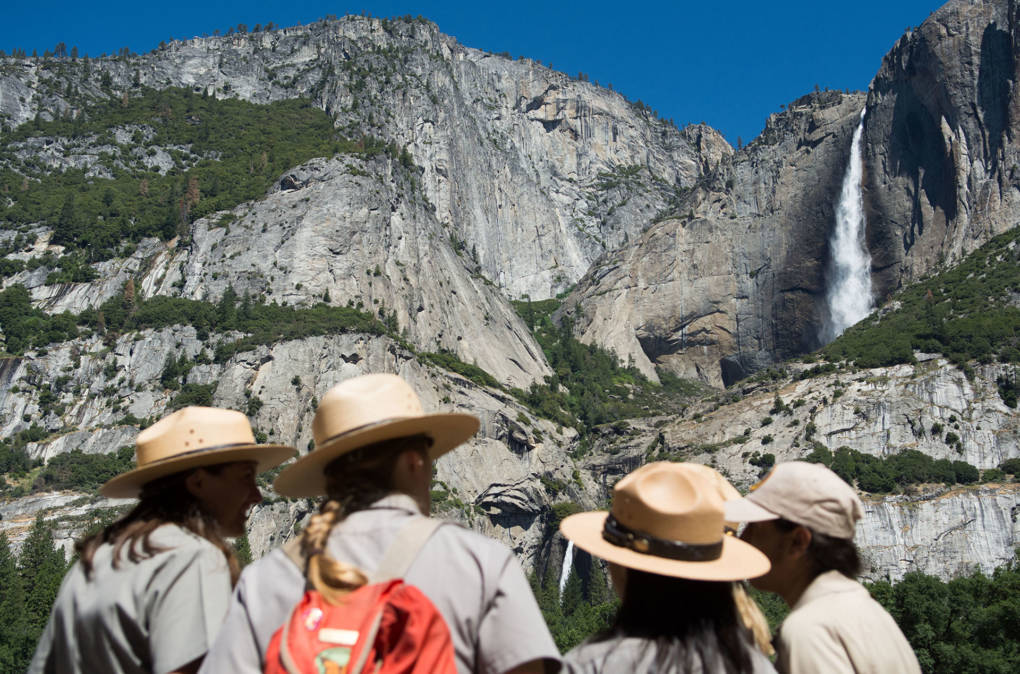
"caption": "Park rangers meet in front of Yosemite Falls.",
"description": "Park rangers meet in front of Yosemite Falls.",
"title": "YosemiteRangers",
"credit": "David Calvert/Getty Images",
"status": "inherit",
"isLoading": false,
"fetchFailed": false
},
"news_11572756": {
"type": "attachments",
"id": "news_11572756",
"meta": {
"index": "attachments_1716263798",
"site": "news",
"id": "11572756",
"found": true
},
"parent": 0,
"imgSizes": {
"small": {
"file": "https://ww2.kqed.org/app/uploads/sites/10/2017/07/tcr_archive_background-520x195.jpg",
"width": 520,
"mimeType": "image/jpeg",
"height": 195
},
"twentyfourteen-full-width": {
"file": "https://ww2.kqed.org/app/uploads/sites/10/2017/07/tcr_archive_background-1038x450.jpg",
"width": 1038,
"mimeType": "image/jpeg",
"height": 450
},
"thumbnail": {
"file": "https://ww2.kqed.org/app/uploads/sites/10/2017/07/tcr_archive_background-160x60.jpg",
"width": 160,
"mimeType": "image/jpeg",
"height": 60
},
"fd-sm": {
"file": "https://ww2.kqed.org/app/uploads/sites/10/2017/07/tcr_archive_background-960x360.jpg",
"width": 960,
"mimeType": "image/jpeg",
"height": 360
},
"post-thumbnail": {
"file": "https://ww2.kqed.org/app/uploads/sites/10/2017/07/tcr_archive_background-672x372.jpg",
"width": 672,
"mimeType": "image/jpeg",
"height": 372
},
"xsmall": {
"file": "https://ww2.kqed.org/app/uploads/sites/10/2017/07/tcr_archive_background-375x141.jpg",
"width": 375,
"mimeType": "image/jpeg",
"height": 141
},
"kqedFullSize": {
"file": "https://ww2.kqed.org/app/uploads/sites/10/2017/07/tcr_archive_background.jpg",
"width": 1200,
"height": 450
},
"large": {
"file": "https://ww2.kqed.org/app/uploads/sites/10/2017/07/tcr_archive_background-1020x383.jpg",
"width": 1020,
"mimeType": "image/jpeg",
"height": 383
},
"xlarge": {
"file": "https://ww2.kqed.org/app/uploads/sites/10/2017/07/tcr_archive_background-1180x443.jpg",
"width": 1180,
"mimeType": "image/jpeg",
"height": 443
},
"guest-author-50": {
"file": "https://ww2.kqed.org/app/uploads/sites/10/2017/07/tcr_archive_background-50x50.jpg",
"width": 50,
"mimeType": "image/jpeg",
"height": 50
},
"guest-author-96": {
"file": "https://ww2.kqed.org/app/uploads/sites/10/2017/07/tcr_archive_background-96x96.jpg",
"width": 96,
"mimeType": "image/jpeg",
"height": 96
},
"medium": {
"file": "https://ww2.kqed.org/app/uploads/sites/10/2017/07/tcr_archive_background-800x300.jpg",
"width": 800,
"mimeType": "image/jpeg",
"height": 300
},
"guest-author-64": {
"file": "https://ww2.kqed.org/app/uploads/sites/10/2017/07/tcr_archive_background-64x64.jpg",
"width": 64,
"mimeType": "image/jpeg",
"height": 64
},
"guest-author-32": {
"file": "https://ww2.kqed.org/app/uploads/sites/10/2017/07/tcr_archive_background-32x32.jpg",
"width": 32,
"mimeType": "image/jpeg",
"height": 32
},
"fd-med": {
"file": "https://ww2.kqed.org/app/uploads/sites/10/2017/07/tcr_archive_background-1180x443.jpg",
"width": 1180,
"mimeType": "image/jpeg",
"height": 443
},
"detail": {
"file": "https://ww2.kqed.org/app/uploads/sites/10/2017/07/tcr_archive_background-150x150.jpg",
"width": 150,
"mimeType": "image/jpeg",
"height": 150
},
"guest-author-128": {
"file": "https://ww2.kqed.org/app/uploads/sites/10/2017/07/tcr_archive_background-128x128.jpg",
"width": 128,
"mimeType": "image/jpeg",
"height": 128
},
"xxsmall": {
"file": "https://ww2.kqed.org/app/uploads/sites/10/2017/07/tcr_archive_background-240x90.jpg",
"width": 240,
"mimeType": "image/jpeg",
"height": 90
}
},
"publishDate": 1500316142,
"modified": 1500316142,
"caption": null,
"description": null,
"title": "tcr_archive_background",
"credit": null,
"status": "inherit",
"isLoading": false,
"fetchFailed": false
},
"news_11671804": {
"type": "attachments",
"id": "news_11671804",
"meta": {
"index": "attachments_1716263798",
"site": "news",
"id": "11671804",
"found": true
},
"parent": 11671742,
"imgSizes": {
"small": {
"file": "https://ww2.kqed.org/app/uploads/sites/10/2018/05/RS29410_GettyImages-543499308-qut-520x347.jpg",
"width": 520,
"mimeType": "image/jpeg",
"height": 347
},
"twentyfourteen-full-width": {
"file": "https://ww2.kqed.org/app/uploads/sites/10/2018/05/RS29410_GettyImages-543499308-qut-1038x576.jpg",
"width": 1038,
"mimeType": "image/jpeg",
"height": 576
},
"thumbnail": {
"file": "https://ww2.kqed.org/app/uploads/sites/10/2018/05/RS29410_GettyImages-543499308-qut-160x107.jpg",
"width": 160,
"mimeType": "image/jpeg",
"height": 107
},
"fd-sm": {
"file": "https://ww2.kqed.org/app/uploads/sites/10/2018/05/RS29410_GettyImages-543499308-qut-960x640.jpg",
"width": 960,
"mimeType": "image/jpeg",
"height": 640
},
"post-thumbnail": {
"file": "https://ww2.kqed.org/app/uploads/sites/10/2018/05/RS29410_GettyImages-543499308-qut-672x372.jpg",
"width": 672,
"mimeType": "image/jpeg",
"height": 372
},
"xsmall": {
"file": "https://ww2.kqed.org/app/uploads/sites/10/2018/05/RS29410_GettyImages-543499308-qut-375x250.jpg",
"width": 375,
"mimeType": "image/jpeg",
"height": 250
},
"kqedFullSize": {
"file": "https://ww2.kqed.org/app/uploads/sites/10/2018/05/RS29410_GettyImages-543499308-qut.jpg",
"width": 1920,
"height": 1280
},
"large": {
"file": "https://ww2.kqed.org/app/uploads/sites/10/2018/05/RS29410_GettyImages-543499308-qut-1020x680.jpg",
"width": 1020,
"mimeType": "image/jpeg",
"height": 680
},
"xlarge": {
"file": "https://ww2.kqed.org/app/uploads/sites/10/2018/05/RS29410_GettyImages-543499308-qut-1180x787.jpg",
"width": 1180,
"mimeType": "image/jpeg",
"height": 787
},
"complete_open_graph": {
"file": "https://ww2.kqed.org/app/uploads/sites/10/2018/05/RS29410_GettyImages-543499308-qut-1200x800.jpg",
"width": 1200,
"mimeType": "image/jpeg",
"height": 800
},
"guest-author-50": {
"file": "https://ww2.kqed.org/app/uploads/sites/10/2018/05/RS29410_GettyImages-543499308-qut-50x50.jpg",
"width": 50,
"mimeType": "image/jpeg",
"height": 50
},
"guest-author-96": {
"file": "https://ww2.kqed.org/app/uploads/sites/10/2018/05/RS29410_GettyImages-543499308-qut-96x96.jpg",
"width": 96,
"mimeType": "image/jpeg",
"height": 96
},
"medium": {
"file": "https://ww2.kqed.org/app/uploads/sites/10/2018/05/RS29410_GettyImages-543499308-qut-800x533.jpg",
"width": 800,
"mimeType": "image/jpeg",
"height": 533
},
"guest-author-64": {
"file": "https://ww2.kqed.org/app/uploads/sites/10/2018/05/RS29410_GettyImages-543499308-qut-64x64.jpg",
"width": 64,
"mimeType": "image/jpeg",
"height": 64
},
"guest-author-32": {
"file": "https://ww2.kqed.org/app/uploads/sites/10/2018/05/RS29410_GettyImages-543499308-qut-32x32.jpg",
"width": 32,
"mimeType": "image/jpeg",
"height": 32
},
"fd-lrg": {
"file": "https://ww2.kqed.org/app/uploads/sites/10/2018/05/RS29410_GettyImages-543499308-qut-1920x1280.jpg",
"width": 1920,
"mimeType": "image/jpeg",
"height": 1280
},
"fd-med": {
"file": "https://ww2.kqed.org/app/uploads/sites/10/2018/05/RS29410_GettyImages-543499308-qut-1180x787.jpg",
"width": 1180,
"mimeType": "image/jpeg",
"height": 787
},
"full-width": {
"file": "https://ww2.kqed.org/app/uploads/sites/10/2018/05/RS29410_GettyImages-543499308-qut-1920x1280.jpg",
"width": 1920,
"mimeType": "image/jpeg",
"height": 1280
},
"detail": {
"file": "https://ww2.kqed.org/app/uploads/sites/10/2018/05/RS29410_GettyImages-543499308-qut-150x150.jpg",
"width": 150,
"mimeType": "image/jpeg",
"height": 150
},
"guest-author-128": {
"file": "https://ww2.kqed.org/app/uploads/sites/10/2018/05/RS29410_GettyImages-543499308-qut-128x128.jpg",
"width": 128,
"mimeType": "image/jpeg",
"height": 128
},
"xxsmall": {
"file": "https://ww2.kqed.org/app/uploads/sites/10/2018/05/RS29410_GettyImages-543499308-qut-240x160.jpg",
"width": 240,
"mimeType": "image/jpeg",
"height": 160
}
},
"publishDate": 1527808578,
"modified": 1527808638,
"caption": "A homeless man sleeps in front of his tent along Van Ness Avenue in downtown San Francisco on June, 27, 2016.",
"description": null,
"title": "US-HOMELESS-SAN-FRANCISCO",
"credit": "Josh Edelson/AFP/Getty Images",
"status": "inherit",
"isLoading": false,
"fetchFailed": false
},
"news_11671745": {
"type": "attachments",
"id": "news_11671745",
"meta": {
"index": "attachments_1716263798",
"site": "news",
"id": "11671745",
"found": true
},
"parent": 11671736,
"imgSizes": {
"small": {
"file": "https://ww2.kqed.org/app/uploads/sites/10/2018/05/TenderloinKidsMain-520x351.jpg",
"width": 520,
"mimeType": "image/jpeg",
"height": 351
},
"twentyfourteen-full-width": {
"file": "https://ww2.kqed.org/app/uploads/sites/10/2018/05/TenderloinKidsMain-1038x576.jpg",
"width": 1038,
"mimeType": "image/jpeg",
"height": 576
},
"thumbnail": {
"file": "https://ww2.kqed.org/app/uploads/sites/10/2018/05/TenderloinKidsMain-160x108.jpg",
"width": 160,
"mimeType": "image/jpeg",
"height": 108
},
"fd-sm": {
"file": "https://ww2.kqed.org/app/uploads/sites/10/2018/05/TenderloinKidsMain-960x648.jpg",
"width": 960,
"mimeType": "image/jpeg",
"height": 648
},
"post-thumbnail": {
"file": "https://ww2.kqed.org/app/uploads/sites/10/2018/05/TenderloinKidsMain-672x372.jpg",
"width": 672,
"mimeType": "image/jpeg",
"height": 372
},
"xsmall": {
"file": "https://ww2.kqed.org/app/uploads/sites/10/2018/05/TenderloinKidsMain-375x253.jpg",
"width": 375,
"mimeType": "image/jpeg",
"height": 253
},
"kqedFullSize": {
"file": "https://ww2.kqed.org/app/uploads/sites/10/2018/05/TenderloinKidsMain.jpg",
"width": 1920,
"height": 1296
},
"large": {
"file": "https://ww2.kqed.org/app/uploads/sites/10/2018/05/TenderloinKidsMain-1020x689.jpg",
"width": 1020,
"mimeType": "image/jpeg",
"height": 689
},
"xlarge": {
"file": "https://ww2.kqed.org/app/uploads/sites/10/2018/05/TenderloinKidsMain-1180x797.jpg",
"width": 1180,
"mimeType": "image/jpeg",
"height": 797
},
"complete_open_graph": {
"file": "https://ww2.kqed.org/app/uploads/sites/10/2018/05/TenderloinKidsMain-1200x810.jpg",
"width": 1200,
"mimeType": "image/jpeg",
"height": 810
},
"guest-author-50": {
"file": "https://ww2.kqed.org/app/uploads/sites/10/2018/05/TenderloinKidsMain-50x50.jpg",
"width": 50,
"mimeType": "image/jpeg",
"height": 50
},
"guest-author-96": {
"file": "https://ww2.kqed.org/app/uploads/sites/10/2018/05/TenderloinKidsMain-96x96.jpg",
"width": 96,
"mimeType": "image/jpeg",
"height": 96
},
"medium": {
"file": "https://ww2.kqed.org/app/uploads/sites/10/2018/05/TenderloinKidsMain-800x540.jpg",
"width": 800,
"mimeType": "image/jpeg",
"height": 540
},
"guest-author-64": {
"file": "https://ww2.kqed.org/app/uploads/sites/10/2018/05/TenderloinKidsMain-64x64.jpg",
"width": 64,
"mimeType": "image/jpeg",
"height": 64
},
"guest-author-32": {
"file": "https://ww2.kqed.org/app/uploads/sites/10/2018/05/TenderloinKidsMain-32x32.jpg",
"width": 32,
"mimeType": "image/jpeg",
"height": 32
},
"fd-lrg": {
"file": "https://ww2.kqed.org/app/uploads/sites/10/2018/05/TenderloinKidsMain-1920x1296.jpg",
"width": 1920,
"mimeType": "image/jpeg",
"height": 1296
},
"fd-med": {
"file": "https://ww2.kqed.org/app/uploads/sites/10/2018/05/TenderloinKidsMain-1180x797.jpg",
"width": 1180,
"mimeType": "image/jpeg",
"height": 797
},
"full-width": {
"file": "https://ww2.kqed.org/app/uploads/sites/10/2018/05/TenderloinKidsMain-1920x1296.jpg",
"width": 1920,
"mimeType": "image/jpeg",
"height": 1296
},
"detail": {
"file": "https://ww2.kqed.org/app/uploads/sites/10/2018/05/TenderloinKidsMain-150x150.jpg",
"width": 150,
"mimeType": "image/jpeg",
"height": 150
},
"guest-author-128": {
"file": "https://ww2.kqed.org/app/uploads/sites/10/2018/05/TenderloinKidsMain-128x128.jpg",
"width": 128,
"mimeType": "image/jpeg",
"height": 128
},
"xxsmall": {
"file": "https://ww2.kqed.org/app/uploads/sites/10/2018/05/TenderloinKidsMain-240x162.jpg",
"width": 240,
"mimeType": "image/jpeg",
"height": 162
}
},
"publishDate": 1527800343,
"modified": 1554155976,
"caption": "Elementary school students cross Turk Street in San Francisco as Safe Passage volunteer Tatiana Alabsi observes them on April 24, 2018. ",
"description": "Elementary school students cross Turk Street in San Francisco as Safe Passage volunteer Tatiana Alabsi observes them on April 24, 2018. ",
"title": "TenderloinKidsMain",
"credit": "Farida Jhabvala Romero/KQED",
"status": "inherit",
"isLoading": false,
"fetchFailed": false
},
"news_11671344": {
"type": "attachments",
"id": "news_11671344",
"meta": {
"index": "attachments_1716263798",
"site": "news",
"id": "11671344",
"found": true
},
"parent": 11671330,
"imgSizes": {
"small": {
"file": "https://ww2.kqed.org/app/uploads/sites/10/2018/05/sidewalks_052918_final-520x350.jpg",
"width": 520,
"mimeType": "image/jpeg",
"height": 350
},
"twentyfourteen-full-width": {
"file": "https://ww2.kqed.org/app/uploads/sites/10/2018/05/sidewalks_052918_final-1038x576.jpg",
"width": 1038,
"mimeType": "image/jpeg",
"height": 576
},
"thumbnail": {
"file": "https://ww2.kqed.org/app/uploads/sites/10/2018/05/sidewalks_052918_final-160x108.jpg",
"width": 160,
"mimeType": "image/jpeg",
"height": 108
},
"fd-sm": {
"file": "https://ww2.kqed.org/app/uploads/sites/10/2018/05/sidewalks_052918_final-960x646.jpg",
"width": 960,
"mimeType": "image/jpeg",
"height": 646
},
"post-thumbnail": {
"file": "https://ww2.kqed.org/app/uploads/sites/10/2018/05/sidewalks_052918_final-672x372.jpg",
"width": 672,
"mimeType": "image/jpeg",
"height": 372
},
"xsmall": {
"file": "https://ww2.kqed.org/app/uploads/sites/10/2018/05/sidewalks_052918_final-375x252.jpg",
"width": 375,
"mimeType": "image/jpeg",
"height": 252
},
"kqedFullSize": {
"file": "https://ww2.kqed.org/app/uploads/sites/10/2018/05/sidewalks_052918_final.jpg",
"width": 1920,
"height": 1292
},
"large": {
"file": "https://ww2.kqed.org/app/uploads/sites/10/2018/05/sidewalks_052918_final-1020x686.jpg",
"width": 1020,
"mimeType": "image/jpeg",
"height": 686
},
"xlarge": {
"file": "https://ww2.kqed.org/app/uploads/sites/10/2018/05/sidewalks_052918_final-1180x794.jpg",
"width": 1180,
"mimeType": "image/jpeg",
"height": 794
},
"complete_open_graph": {
"file": "https://ww2.kqed.org/app/uploads/sites/10/2018/05/sidewalks_052918_final-1200x808.jpg",
"width": 1200,
"mimeType": "image/jpeg",
"height": 808
},
"guest-author-50": {
"file": "https://ww2.kqed.org/app/uploads/sites/10/2018/05/sidewalks_052918_final-50x50.jpg",
"width": 50,
"mimeType": "image/jpeg",
"height": 50
},
"guest-author-96": {
"file": "https://ww2.kqed.org/app/uploads/sites/10/2018/05/sidewalks_052918_final-96x96.jpg",
"width": 96,
"mimeType": "image/jpeg",
"height": 96
},
"medium": {
"file": "https://ww2.kqed.org/app/uploads/sites/10/2018/05/sidewalks_052918_final-800x538.jpg",
"width": 800,
"mimeType": "image/jpeg",
"height": 538
},
"guest-author-64": {
"file": "https://ww2.kqed.org/app/uploads/sites/10/2018/05/sidewalks_052918_final-64x64.jpg",
"width": 64,
"mimeType": "image/jpeg",
"height": 64
},
"guest-author-32": {
"file": "https://ww2.kqed.org/app/uploads/sites/10/2018/05/sidewalks_052918_final-32x32.jpg",
"width": 32,
"mimeType": "image/jpeg",
"height": 32
},
"fd-lrg": {
"file": "https://ww2.kqed.org/app/uploads/sites/10/2018/05/sidewalks_052918_final-1920x1292.jpg",
"width": 1920,
"mimeType": "image/jpeg",
"height": 1292
},
"fd-med": {
"file": "https://ww2.kqed.org/app/uploads/sites/10/2018/05/sidewalks_052918_final-1180x794.jpg",
"width": 1180,
"mimeType": "image/jpeg",
"height": 794
},
"full-width": {
"file": "https://ww2.kqed.org/app/uploads/sites/10/2018/05/sidewalks_052918_final-1920x1292.jpg",
"width": 1920,
"mimeType": "image/jpeg",
"height": 1292
},
"detail": {
"file": "https://ww2.kqed.org/app/uploads/sites/10/2018/05/sidewalks_052918_final-150x150.jpg",
"width": 150,
"mimeType": "image/jpeg",
"height": 150
},
"guest-author-128": {
"file": "https://ww2.kqed.org/app/uploads/sites/10/2018/05/sidewalks_052918_final-128x128.jpg",
"width": 128,
"mimeType": "image/jpeg",
"height": 128
},
"xxsmall": {
"file": "https://ww2.kqed.org/app/uploads/sites/10/2018/05/sidewalks_052918_final-240x162.jpg",
"width": 240,
"mimeType": "image/jpeg",
"height": 162
}
},
"publishDate": 1527631580,
"modified": 1527631628,
"caption": null,
"description": null,
"title": "sidewalks_052918_final",
"credit": null,
"status": "inherit",
"isLoading": false,
"fetchFailed": false
},
"news_11670330": {
"type": "attachments",
"id": "news_11670330",
"meta": {
"index": "attachments_1716263798",
"site": "news",
"id": "11670330",
"found": true
},
"parent": 11669987,
"imgSizes": {
"small": {
"file": "https://ww2.kqed.org/app/uploads/sites/10/2018/05/EvictionDemonstratorsSF-520x339.jpg",
"width": 520,
"mimeType": "image/jpeg",
"height": 339
},
"twentyfourteen-full-width": {
"file": "https://ww2.kqed.org/app/uploads/sites/10/2018/05/EvictionDemonstratorsSF-1038x576.jpg",
"width": 1038,
"mimeType": "image/jpeg",
"height": 576
},
"thumbnail": {
"file": "https://ww2.kqed.org/app/uploads/sites/10/2018/05/EvictionDemonstratorsSF-160x104.jpg",
"width": 160,
"mimeType": "image/jpeg",
"height": 104
},
"fd-sm": {
"file": "https://ww2.kqed.org/app/uploads/sites/10/2018/05/EvictionDemonstratorsSF-960x625.jpg",
"width": 960,
"mimeType": "image/jpeg",
"height": 625
},
"post-thumbnail": {
"file": "https://ww2.kqed.org/app/uploads/sites/10/2018/05/EvictionDemonstratorsSF-672x372.jpg",
"width": 672,
"mimeType": "image/jpeg",
"height": 372
},
"xsmall": {
"file": "https://ww2.kqed.org/app/uploads/sites/10/2018/05/EvictionDemonstratorsSF-375x244.jpg",
"width": 375,
"mimeType": "image/jpeg",
"height": 244
},
"kqedFullSize": {
"file": "https://ww2.kqed.org/app/uploads/sites/10/2018/05/EvictionDemonstratorsSF.jpg",
"width": 1920,
"height": 1250
},
"large": {
"file": "https://ww2.kqed.org/app/uploads/sites/10/2018/05/EvictionDemonstratorsSF-1020x664.jpg",
"width": 1020,
"mimeType": "image/jpeg",
"height": 664
},
"xlarge": {
"file": "https://ww2.kqed.org/app/uploads/sites/10/2018/05/EvictionDemonstratorsSF-1180x768.jpg",
"width": 1180,
"mimeType": "image/jpeg",
"height": 768
},
"complete_open_graph": {
"file": "https://ww2.kqed.org/app/uploads/sites/10/2018/05/EvictionDemonstratorsSF-1200x781.jpg",
"width": 1200,
"mimeType": "image/jpeg",
"height": 781
},
"guest-author-50": {
"file": "https://ww2.kqed.org/app/uploads/sites/10/2018/05/EvictionDemonstratorsSF-50x50.jpg",
"width": 50,
"mimeType": "image/jpeg",
"height": 50
},
"guest-author-96": {
"file": "https://ww2.kqed.org/app/uploads/sites/10/2018/05/EvictionDemonstratorsSF-96x96.jpg",
"width": 96,
"mimeType": "image/jpeg",
"height": 96
},
"medium": {
"file": "https://ww2.kqed.org/app/uploads/sites/10/2018/05/EvictionDemonstratorsSF-800x521.jpg",
"width": 800,
"mimeType": "image/jpeg",
"height": 521
},
"guest-author-64": {
"file": "https://ww2.kqed.org/app/uploads/sites/10/2018/05/EvictionDemonstratorsSF-64x64.jpg",
"width": 64,
"mimeType": "image/jpeg",
"height": 64
},
"guest-author-32": {
"file": "https://ww2.kqed.org/app/uploads/sites/10/2018/05/EvictionDemonstratorsSF-32x32.jpg",
"width": 32,
"mimeType": "image/jpeg",
"height": 32
},
"fd-lrg": {
"file": "https://ww2.kqed.org/app/uploads/sites/10/2018/05/EvictionDemonstratorsSF-1920x1250.jpg",
"width": 1920,
"mimeType": "image/jpeg",
"height": 1250
},
"fd-med": {
"file": "https://ww2.kqed.org/app/uploads/sites/10/2018/05/EvictionDemonstratorsSF-1180x768.jpg",
"width": 1180,
"mimeType": "image/jpeg",
"height": 768
},
"full-width": {
"file": "https://ww2.kqed.org/app/uploads/sites/10/2018/05/EvictionDemonstratorsSF-1920x1250.jpg",
"width": 1920,
"mimeType": "image/jpeg",
"height": 1250
},
"detail": {
"file": "https://ww2.kqed.org/app/uploads/sites/10/2018/05/EvictionDemonstratorsSF-150x150.jpg",
"width": 150,
"mimeType": "image/jpeg",
"height": 150
},
"guest-author-128": {
"file": "https://ww2.kqed.org/app/uploads/sites/10/2018/05/EvictionDemonstratorsSF-128x128.jpg",
"width": 128,
"mimeType": "image/jpeg",
"height": 128
},
"xxsmall": {
"file": "https://ww2.kqed.org/app/uploads/sites/10/2018/05/EvictionDemonstratorsSF-240x156.jpg",
"width": 240,
"mimeType": "image/jpeg",
"height": 156
}
},
"publishDate": 1527125883,
"modified": 1527125935,
"caption": "Activists and tenants of 1049 Market Street hold signs as they stage a protest against the landlord's attempts to evict them from the building on March 8, 2016 in San Francisco.",
"description": "Activists and tenants of 1049 Market Street hold signs as they stage a protest against the landlord's attempts to evict them from the building on March 8, 2016 in San Francisco.",
"title": "EvictionDemonstratorsSF",
"credit": "Justin Sullivan/Getty Images",
"status": "inherit",
"isLoading": false,
"fetchFailed": false
},
"news_11637256": {
"type": "attachments",
"id": "news_11637256",
"meta": {
"index": "attachments_1716263798",
"site": "news",
"id": "11637256",
"found": true
},
"title": "ScottWiener",
"publishDate": 1513305232,
"status": "inherit",
"parent": 11637200,
"modified": 1721158462,
"caption": "Senate Bill 145, signed into law by Gov. Gavin Newsom in early September, is intended to reform the state’s sex offender registry to be fairer to young LGBT adults. The bill's author, state Sen. Scott Wiener, has received hundreds of death threats from people who believe the bill legalizes pedophilia in California.",
"credit": "Michelle Gachet/KQED",
"altTag": "Senate Bill 145, signed into law by Gov. Gavin Newsom in early September, is intended to reform the state’s sex offender registry to be fairer to young LGBT adults. The bill's author, state Sen. Scott Wiener, has received hundreds of death threats from people who believe the bill legalizes pedophilia in California.",
"description": "Senate Bill 145, signed into law by Gov. Gavin Newsom in early September, is intended to reform the state’s sex offender registry to be fairer to young LGBTQ adults. The bill's author, state Sen. Scott Wiener, has received hundreds of death threats from people who believe the bill legalizes pedophilia in California.",
"imgSizes": {
"thumbnail": {
"file": "https://cdn.kqed.org/wp-content/uploads/sites/10/2017/12/ScottWiener-160x107.jpg",
"width": 160,
"height": 107,
"mimeType": "image/jpeg"
},
"medium": {
"file": "https://cdn.kqed.org/wp-content/uploads/sites/10/2017/12/ScottWiener-800x533.jpg",
"width": 800,
"height": 533,
"mimeType": "image/jpeg"
},
"large": {
"file": "https://cdn.kqed.org/wp-content/uploads/sites/10/2017/12/ScottWiener-1020x680.jpg",
"width": 1020,
"height": 680,
"mimeType": "image/jpeg"
},
"fd-lrg": {
"file": "https://cdn.kqed.org/wp-content/uploads/sites/10/2017/12/ScottWiener-1920x1280.jpg",
"width": 1920,
"height": 1280,
"mimeType": "image/jpeg"
},
"fd-med": {
"file": "https://cdn.kqed.org/wp-content/uploads/sites/10/2017/12/ScottWiener-1180x787.jpg",
"width": 1180,
"height": 787,
"mimeType": "image/jpeg"
},
"fd-sm": {
"file": "https://cdn.kqed.org/wp-content/uploads/sites/10/2017/12/ScottWiener-960x640.jpg",
"width": 960,
"height": 640,
"mimeType": "image/jpeg"
},
"post-thumbnail": {
"file": "https://cdn.kqed.org/wp-content/uploads/sites/10/2017/12/ScottWiener-672x372.jpg",
"width": 672,
"height": 372,
"mimeType": "image/jpeg"
},
"twentyfourteen-full-width": {
"file": "https://cdn.kqed.org/wp-content/uploads/sites/10/2017/12/ScottWiener-1038x576.jpg",
"width": 1038,
"height": 576,
"mimeType": "image/jpeg"
},
"xxsmall": {
"file": "https://cdn.kqed.org/wp-content/uploads/sites/10/2017/12/ScottWiener-240x160.jpg",
"width": 240,
"height": 160,
"mimeType": "image/jpeg"
},
"xsmall": {
"file": "https://cdn.kqed.org/wp-content/uploads/sites/10/2017/12/ScottWiener-375x250.jpg",
"width": 375,
"height": 250,
"mimeType": "image/jpeg"
},
"small": {
"file": "https://cdn.kqed.org/wp-content/uploads/sites/10/2017/12/ScottWiener-520x347.jpg",
"width": 520,
"height": 347,
"mimeType": "image/jpeg"
},
"xlarge": {
"file": "https://cdn.kqed.org/wp-content/uploads/sites/10/2017/12/ScottWiener-1180x787.jpg",
"width": 1180,
"height": 787,
"mimeType": "image/jpeg"
},
"full-width": {
"file": "https://cdn.kqed.org/wp-content/uploads/sites/10/2017/12/ScottWiener-1920x1280.jpg",
"width": 1920,
"height": 1280,
"mimeType": "image/jpeg"
},
"guest-author-32": {
"file": "https://cdn.kqed.org/wp-content/uploads/sites/10/2017/12/ScottWiener-32x32.jpg",
"width": 32,
"height": 32,
"mimeType": "image/jpeg"
},
"guest-author-50": {
"file": "https://cdn.kqed.org/wp-content/uploads/sites/10/2017/12/ScottWiener-50x50.jpg",
"width": 50,
"height": 50,
"mimeType": "image/jpeg"
},
"guest-author-64": {
"file": "https://cdn.kqed.org/wp-content/uploads/sites/10/2017/12/ScottWiener-64x64.jpg",
"width": 64,
"height": 64,
"mimeType": "image/jpeg"
},
"guest-author-96": {
"file": "https://cdn.kqed.org/wp-content/uploads/sites/10/2017/12/ScottWiener-96x96.jpg",
"width": 96,
"height": 96,
"mimeType": "image/jpeg"
},
"guest-author-128": {
"file": "https://cdn.kqed.org/wp-content/uploads/sites/10/2017/12/ScottWiener-128x128.jpg",
"width": 128,
"height": 128,
"mimeType": "image/jpeg"
},
"detail": {
"file": "https://cdn.kqed.org/wp-content/uploads/sites/10/2017/12/ScottWiener-150x150.jpg",
"width": 150,
"height": 150,
"mimeType": "image/jpeg"
},
"kqedFullSize": {
"file": "https://cdn.kqed.org/wp-content/uploads/sites/10/2017/12/ScottWiener.jpg",
"width": 1920,
"height": 1280
}
},
"isLoading": false,
"fetchFailed": false
},
"news_11668685": {
"type": "attachments",
"id": "news_11668685",
"meta": {
"index": "attachments_1716263798",
"site": "news",
"id": "11668685",
"found": true
},
"parent": 11668677,
"imgSizes": {
"small": {
"file": "https://ww2.kqed.org/app/uploads/sites/10/2018/05/RS30979_Photo1-qut-520x390.jpg",
"width": 520,
"mimeType": "image/jpeg",
"height": 390
},
"twentyfourteen-full-width": {
"file": "https://ww2.kqed.org/app/uploads/sites/10/2018/05/RS30979_Photo1-qut-1038x576.jpg",
"width": 1038,
"mimeType": "image/jpeg",
"height": 576
},
"thumbnail": {
"file": "https://ww2.kqed.org/app/uploads/sites/10/2018/05/RS30979_Photo1-qut-160x120.jpg",
"width": 160,
"mimeType": "image/jpeg",
"height": 120
},
"fd-sm": {
"file": "https://ww2.kqed.org/app/uploads/sites/10/2018/05/RS30979_Photo1-qut-960x720.jpg",
"width": 960,
"mimeType": "image/jpeg",
"height": 720
},
"post-thumbnail": {
"file": "https://ww2.kqed.org/app/uploads/sites/10/2018/05/RS30979_Photo1-qut-672x372.jpg",
"width": 672,
"mimeType": "image/jpeg",
"height": 372
},
"xsmall": {
"file": "https://ww2.kqed.org/app/uploads/sites/10/2018/05/RS30979_Photo1-qut-375x281.jpg",
"width": 375,
"mimeType": "image/jpeg",
"height": 281
},
"kqedFullSize": {
"file": "https://ww2.kqed.org/app/uploads/sites/10/2018/05/RS30979_Photo1-qut.jpg",
"width": 1920,
"height": 1440
},
"large": {
"file": "https://ww2.kqed.org/app/uploads/sites/10/2018/05/RS30979_Photo1-qut-1020x765.jpg",
"width": 1020,
"mimeType": "image/jpeg",
"height": 765
},
"xlarge": {
"file": "https://ww2.kqed.org/app/uploads/sites/10/2018/05/RS30979_Photo1-qut-1180x885.jpg",
"width": 1180,
"mimeType": "image/jpeg",
"height": 885
},
"complete_open_graph": {
"file": "https://ww2.kqed.org/app/uploads/sites/10/2018/05/RS30979_Photo1-qut-1200x900.jpg",
"width": 1200,
"mimeType": "image/jpeg",
"height": 900
},
"guest-author-50": {
"file": "https://ww2.kqed.org/app/uploads/sites/10/2018/05/RS30979_Photo1-qut-50x50.jpg",
"width": 50,
"mimeType": "image/jpeg",
"height": 50
},
"guest-author-96": {
"file": "https://ww2.kqed.org/app/uploads/sites/10/2018/05/RS30979_Photo1-qut-96x96.jpg",
"width": 96,
"mimeType": "image/jpeg",
"height": 96
},
"medium": {
"file": "https://ww2.kqed.org/app/uploads/sites/10/2018/05/RS30979_Photo1-qut-800x600.jpg",
"width": 800,
"mimeType": "image/jpeg",
"height": 600
},
"guest-author-64": {
"file": "https://ww2.kqed.org/app/uploads/sites/10/2018/05/RS30979_Photo1-qut-64x64.jpg",
"width": 64,
"mimeType": "image/jpeg",
"height": 64
},
"guest-author-32": {
"file": "https://ww2.kqed.org/app/uploads/sites/10/2018/05/RS30979_Photo1-qut-32x32.jpg",
"width": 32,
"mimeType": "image/jpeg",
"height": 32
},
"fd-lrg": {
"file": "https://ww2.kqed.org/app/uploads/sites/10/2018/05/RS30979_Photo1-qut-1920x1440.jpg",
"width": 1920,
"mimeType": "image/jpeg",
"height": 1440
},
"fd-med": {
"file": "https://ww2.kqed.org/app/uploads/sites/10/2018/05/RS30979_Photo1-qut-1180x885.jpg",
"width": 1180,
"mimeType": "image/jpeg",
"height": 885
},
"full-width": {
"file": "https://ww2.kqed.org/app/uploads/sites/10/2018/05/RS30979_Photo1-qut-1920x1440.jpg",
"width": 1920,
"mimeType": "image/jpeg",
"height": 1440
},
"detail": {
"file": "https://ww2.kqed.org/app/uploads/sites/10/2018/05/RS30979_Photo1-qut-150x150.jpg",
"width": 150,
"mimeType": "image/jpeg",
"height": 150
},
"guest-author-128": {
"file": "https://ww2.kqed.org/app/uploads/sites/10/2018/05/RS30979_Photo1-qut-128x128.jpg",
"width": 128,
"mimeType": "image/jpeg",
"height": 128
},
"xxsmall": {
"file": "https://ww2.kqed.org/app/uploads/sites/10/2018/05/RS30979_Photo1-qut-240x180.jpg",
"width": 240,
"mimeType": "image/jpeg",
"height": 180
}
},
"publishDate": 1526502583,
"modified": 1526680232,
"caption": "Anna and Evan Colby sharing a moment while packing their apartment. Downtown Los Angeles is visible through the window.",
"description": null,
"title": "RS30979_Photo1-qut",
"credit": "John Corley",
"status": "inherit",
"isLoading": false,
"fetchFailed": false
},
"news_11631267": {
"type": "attachments",
"id": "news_11631267",
"meta": {
"index": "attachments_1716263798",
"site": "news",
"id": "11631267",
"found": true
},
"parent": 0,
"imgSizes": {
"small": {
"file": "https://ww2.kqed.org/app/uploads/sites/10/2017/11/TCRMag_iTunes_3000x3000-520x520.jpg",
"width": 520,
"mimeType": "image/jpeg",
"height": 520
},
"twentyfourteen-full-width": {
"file": "https://ww2.kqed.org/app/uploads/sites/10/2017/11/TCRMag_iTunes_3000x3000-1038x576.jpg",
"width": 1038,
"mimeType": "image/jpeg",
"height": 576
},
"thumbnail": {
"file": "https://ww2.kqed.org/app/uploads/sites/10/2017/11/TCRMag_iTunes_3000x3000-160x160.jpg",
"width": 160,
"mimeType": "image/jpeg",
"height": 160
},
"fd-sm": {
"file": "https://ww2.kqed.org/app/uploads/sites/10/2017/11/TCRMag_iTunes_3000x3000-960x960.jpg",
"width": 960,
"mimeType": "image/jpeg",
"height": 960
},
"post-thumbnail": {
"file": "https://ww2.kqed.org/app/uploads/sites/10/2017/11/TCRMag_iTunes_3000x3000-672x372.jpg",
"width": 672,
"mimeType": "image/jpeg",
"height": 372
},
"xsmall": {
"file": "https://ww2.kqed.org/app/uploads/sites/10/2017/11/TCRMag_iTunes_3000x3000-375x375.jpg",
"width": 375,
"mimeType": "image/jpeg",
"height": 375
},
"kqedFullSize": {
"file": "https://ww2.kqed.org/app/uploads/sites/10/2017/11/TCRMag_iTunes_3000x3000-e1511383661821.jpg",
"width": 1920,
"height": 1920
},
"large": {
"file": "https://ww2.kqed.org/app/uploads/sites/10/2017/11/TCRMag_iTunes_3000x3000-1020x1020.jpg",
"width": 1020,
"mimeType": "image/jpeg",
"height": 1020
},
"xlarge": {
"file": "https://ww2.kqed.org/app/uploads/sites/10/2017/11/TCRMag_iTunes_3000x3000-1180x1180.jpg",
"width": 1180,
"mimeType": "image/jpeg",
"height": 1180
},
"guest-author-50": {
"file": "https://ww2.kqed.org/app/uploads/sites/10/2017/11/TCRMag_iTunes_3000x3000-50x50.jpg",
"width": 50,
"mimeType": "image/jpeg",
"height": 50
},
"guest-author-96": {
"file": "https://ww2.kqed.org/app/uploads/sites/10/2017/11/TCRMag_iTunes_3000x3000-96x96.jpg",
"width": 96,
"mimeType": "image/jpeg",
"height": 96
},
"medium": {
"file": "https://ww2.kqed.org/app/uploads/sites/10/2017/11/TCRMag_iTunes_3000x3000-800x800.jpg",
"width": 800,
"mimeType": "image/jpeg",
"height": 800
},
"guest-author-64": {
"file": "https://ww2.kqed.org/app/uploads/sites/10/2017/11/TCRMag_iTunes_3000x3000-64x64.jpg",
"width": 64,
"mimeType": "image/jpeg",
"height": 64
},
"guest-author-32": {
"file": "https://ww2.kqed.org/app/uploads/sites/10/2017/11/TCRMag_iTunes_3000x3000-32x32.jpg",
"width": 32,
"mimeType": "image/jpeg",
"height": 32
},
"fd-lrg": {
"file": "https://ww2.kqed.org/app/uploads/sites/10/2017/11/TCRMag_iTunes_3000x3000-1920x1920.jpg",
"width": 1920,
"mimeType": "image/jpeg",
"height": 1920
},
"fd-med": {
"file": "https://ww2.kqed.org/app/uploads/sites/10/2017/11/TCRMag_iTunes_3000x3000-1180x1180.jpg",
"width": 1180,
"mimeType": "image/jpeg",
"height": 1180
},
"full-width": {
"file": "https://ww2.kqed.org/app/uploads/sites/10/2017/11/TCRMag_iTunes_3000x3000-1920x1920.jpg",
"width": 1920,
"mimeType": "image/jpeg",
"height": 1920
},
"detail": {
"file": "https://ww2.kqed.org/app/uploads/sites/10/2017/11/TCRMag_iTunes_3000x3000-150x150.jpg",
"width": 150,
"mimeType": "image/jpeg",
"height": 150
},
"guest-author-128": {
"file": "https://ww2.kqed.org/app/uploads/sites/10/2017/11/TCRMag_iTunes_3000x3000-128x128.jpg",
"width": 128,
"mimeType": "image/jpeg",
"height": 128
},
"xxsmall": {
"file": "https://ww2.kqed.org/app/uploads/sites/10/2017/11/TCRMag_iTunes_3000x3000-240x240.jpg",
"width": 240,
"mimeType": "image/jpeg",
"height": 240
}
},
"publishDate": 1510798019,
"modified": 1510965669,
"caption": null,
"description": null,
"title": "TCRMag_iTunes_3000x3000",
"credit": null,
"status": "inherit",
"isLoading": false,
"fetchFailed": false
},
"news_11669014": {
"type": "attachments",
"id": "news_11669014",
"meta": {
"index": "attachments_1716263798",
"site": "news",
"id": "11669014",
"found": true
},
"parent": 11669001,
"imgSizes": {
"small": {
"file": "https://ww2.kqed.org/app/uploads/sites/10/2018/05/SanJoseHomeMain-520x339.jpg",
"width": 520,
"mimeType": "image/jpeg",
"height": 339
},
"twentyfourteen-full-width": {
"file": "https://ww2.kqed.org/app/uploads/sites/10/2018/05/SanJoseHomeMain-1038x576.jpg",
"width": 1038,
"mimeType": "image/jpeg",
"height": 576
},
"thumbnail": {
"file": "https://ww2.kqed.org/app/uploads/sites/10/2018/05/SanJoseHomeMain-160x104.jpg",
"width": 160,
"mimeType": "image/jpeg",
"height": 104
},
"fd-sm": {
"file": "https://ww2.kqed.org/app/uploads/sites/10/2018/05/SanJoseHomeMain-960x626.jpg",
"width": 960,
"mimeType": "image/jpeg",
"height": 626
},
"post-thumbnail": {
"file": "https://ww2.kqed.org/app/uploads/sites/10/2018/05/SanJoseHomeMain-672x372.jpg",
"width": 672,
"mimeType": "image/jpeg",
"height": 372
},
"xsmall": {
"file": "https://ww2.kqed.org/app/uploads/sites/10/2018/05/SanJoseHomeMain-375x244.jpg",
"width": 375,
"mimeType": "image/jpeg",
"height": 244
},
"kqedFullSize": {
"file": "https://ww2.kqed.org/app/uploads/sites/10/2018/05/SanJoseHomeMain.jpg",
"width": 1920,
"height": 1251
},
"large": {
"file": "https://ww2.kqed.org/app/uploads/sites/10/2018/05/SanJoseHomeMain-1020x665.jpg",
"width": 1020,
"mimeType": "image/jpeg",
"height": 665
},
"xlarge": {
"file": "https://ww2.kqed.org/app/uploads/sites/10/2018/05/SanJoseHomeMain-1180x769.jpg",
"width": 1180,
"mimeType": "image/jpeg",
"height": 769
},
"complete_open_graph": {
"file": "https://ww2.kqed.org/app/uploads/sites/10/2018/05/SanJoseHomeMain-1200x782.jpg",
"width": 1200,
"mimeType": "image/jpeg",
"height": 782
},
"guest-author-50": {
"file": "https://ww2.kqed.org/app/uploads/sites/10/2018/05/SanJoseHomeMain-50x50.jpg",
"width": 50,
"mimeType": "image/jpeg",
"height": 50
},
"guest-author-96": {
"file": "https://ww2.kqed.org/app/uploads/sites/10/2018/05/SanJoseHomeMain-96x96.jpg",
"width": 96,
"mimeType": "image/jpeg",
"height": 96
},
"medium": {
"file": "https://ww2.kqed.org/app/uploads/sites/10/2018/05/SanJoseHomeMain-800x521.jpg",
"width": 800,
"mimeType": "image/jpeg",
"height": 521
},
"guest-author-64": {
"file": "https://ww2.kqed.org/app/uploads/sites/10/2018/05/SanJoseHomeMain-64x64.jpg",
"width": 64,
"mimeType": "image/jpeg",
"height": 64
},
"guest-author-32": {
"file": "https://ww2.kqed.org/app/uploads/sites/10/2018/05/SanJoseHomeMain-32x32.jpg",
"width": 32,
"mimeType": "image/jpeg",
"height": 32
},
"fd-lrg": {
"file": "https://ww2.kqed.org/app/uploads/sites/10/2018/05/SanJoseHomeMain-1920x1251.jpg",
"width": 1920,
"mimeType": "image/jpeg",
"height": 1251
},
"fd-med": {
"file": "https://ww2.kqed.org/app/uploads/sites/10/2018/05/SanJoseHomeMain-1180x769.jpg",
"width": 1180,
"mimeType": "image/jpeg",
"height": 769
},
"full-width": {
"file": "https://ww2.kqed.org/app/uploads/sites/10/2018/05/SanJoseHomeMain-1920x1251.jpg",
"width": 1920,
"mimeType": "image/jpeg",
"height": 1251
},
"detail": {
"file": "https://ww2.kqed.org/app/uploads/sites/10/2018/05/SanJoseHomeMain-150x150.jpg",
"width": 150,
"mimeType": "image/jpeg",
"height": 150
},
"guest-author-128": {
"file": "https://ww2.kqed.org/app/uploads/sites/10/2018/05/SanJoseHomeMain-128x128.jpg",
"width": 128,
"mimeType": "image/jpeg",
"height": 128
},
"xxsmall": {
"file": "https://ww2.kqed.org/app/uploads/sites/10/2018/05/SanJoseHomeMain-240x156.jpg",
"width": 240,
"mimeType": "image/jpeg",
"height": 156
}
},
"publishDate": 1526597321,
"modified": 1526597379,
"caption": "San Jose Realtor Holly Barr stands outside the burned-out house she sold for more than $900,000.",
"description": "San Jose Realtor Holly Barr stands outside the burned-out house she sold for more than $900,000.",
"title": "SanJoseHomeMain",
"credit": "Matt Levin/CALmatters",
"status": "inherit",
"isLoading": false,
"fetchFailed": false
}
},
"audioPlayerReducer": {
"postId": "stream_live",
"isPaused": true,
"isPlaying": false,
"pfsActive": false,
"pledgeModalIsOpen": true,
"playerDrawerIsOpen": false,
"liveAudioPlayStartedAt": 0,
"liveAudioPlayContext": ""
},
"authorsReducer": {
"byline_news_11668677": {
"type": "authors",
"id": "byline_news_11668677",
"meta": {
"override": true
},
"slug": "byline_news_11668677",
"name": "\u003cstrong>John Corley\u003c/strong>",
"isLoading": false
},
"byline_news_11669001": {
"type": "authors",
"id": "byline_news_11669001",
"meta": {
"override": true
},
"slug": "byline_news_11669001",
"name": "\u003cstrong>\u003ca href=\"https://calmatters.org/articles/author/matt-levin/\">Matt Levin\u003c/a>\u003c/strong>",
"isLoading": false
},
"andrewstelzer": {
"type": "authors",
"id": "213",
"meta": {
"index": "authors_1716337520",
"id": "213",
"found": true
},
"name": "Andrew Stelzer",
"firstName": "Andrew",
"lastName": "Stelzer",
"slug": "andrewstelzer",
"email": "andrewstelzer@gmail.com",
"display_author_email": false,
"staff_mastheads": [],
"title": null,
"bio": "Andrew Stelzer has been reporting for KQED since 2010, and is a producer at \u003ca href=\"http://www.radioproject.org\" target=\"_blank\">Making Contact\u003c/a> in Oakland.. His work has been featured on programs including \u003ca href=\"http://www.npr.org/templates/story/story.php?storyId=5010\" target=\"_blank\">NPR’s Weekend Edition\u003c/a>, \u003ca href=\"http://www.theworld.org/\" target=\"_blank\">PRI’s The World\u003c/a>, \u003ca href=\"http://www.studio360.org/\" target=\"_blank\">Studio 360\u003c/a>, \u003ca href=\"http://marketplace.publicradio.org/\" target=\"_blank\">Marketplace\u003c/a>,\u003ca href=\"http://www.loe.org/\" target=\"_blank\">Living on Earth\u003c/a>, \u003ca href=\"http://www.onthemedia.org/\" target=\"_blank\">On the Media\u003c/a>, \u003ca href=\"http://www.latinousa.org/index.html\" target=\"_blank\">Latino USA,\u003c/a> \u003ca href=\"http://www.onlyagame.org/\" rel=\"tag\">Only a Game,\u003c/a> \u003ca href=\"http://www.tswi.org/\" target=\"_blank\">Radio Netherlands,\u003c/a> \u003ca href=\"http://worldradio.ch/index.shtml\" target=\"_blank\">World Radio Switzerland,\u003c/a> and \u003ca href=\"http://www.rfi.fr/langues/statiques/rfi_anglais.asp\" target=\"_blank\">Radio France International\u003c/a>. Andrew has written for publications including \u003ca href=\"http://www.inthesetimes.com/site/about/author/2369\" target=\"_blank\">In These Times\u003c/a>, \u003ca href=\"http://www.progressive.org/\" target=\"_blank\">The Progressive\u003c/a>, \u003ca href=\"http://ipsnews.net/\" target=\"_blank\">Interpress Service\u003c/a>, \u003ca href=\"http://www.tampabay.com/\" target=\"_blank\">The St. Petersburg Times\u003c/a>, and \u003ca href=\"http://www.eastbayexpress.com/ebx/Home\" target=\"_blank\">The East Bay Express\u003c/a>.\r\n\r\nAndrew’s work has received numerous awards from the Society of Professional Journalists, the National Lesbian and Gay Journalists Association, and the National Council on Crime and Delinquency.\r\n\r\nHe previously was a reporter at \u003ca href=\"http://www.wmnf.org/\" target=\"_blank\">WMNF\u003c/a> radio in Tampa, FL, and reporter and youth advocate st \u003ca href=\"http://www.kboo.org/\" target=\"_blank\">KBOO \u003c/a> in Portland, Oregon. Andrew has conducted radio production trainings around the world, from Algeria, to New Orleans, to the desert of Southern Jordan.",
"avatar": "https://secure.gravatar.com/avatar/14c7e75469395cb2468d45c9f6896ca9?s=600&d=blank&r=g",
"twitter": null,
"facebook": null,
"instagram": null,
"linkedin": null,
"sites": [
{
"site": "arts",
"roles": [
"contributor"
]
},
{
"site": "news",
"roles": [
"author"
]
},
{
"site": "stateofhealth",
"roles": [
"author"
]
}
],
"headData": {
"title": "Andrew Stelzer | KQED",
"description": null,
"ogImgSrc": "https://secure.gravatar.com/avatar/14c7e75469395cb2468d45c9f6896ca9?s=600&d=blank&r=g",
"twImgSrc": "https://secure.gravatar.com/avatar/14c7e75469395cb2468d45c9f6896ca9?s=600&d=blank&r=g"
},
"isLoading": false,
"link": "/author/andrewstelzer"
},
"kqed": {
"type": "authors",
"id": "236",
"meta": {
"index": "authors_1716337520",
"id": "236",
"found": true
},
"name": "KQED News Staff",
"firstName": "KQED News Staff",
"lastName": null,
"slug": "kqed",
"email": "faq@kqed.org",
"display_author_email": false,
"staff_mastheads": [],
"title": null,
"bio": null,
"avatar": "https://secure.gravatar.com/avatar/ef0e801a68c4c54afa9180db14084167?s=600&d=blank&r=g",
"twitter": null,
"facebook": null,
"instagram": null,
"linkedin": null,
"sites": [
{
"site": "arts",
"roles": [
"contributor"
]
},
{
"site": "news",
"roles": [
"editor"
]
},
{
"site": "futureofyou",
"roles": [
"author"
]
}
],
"headData": {
"title": "KQED News Staff | KQED",
"description": null,
"ogImgSrc": "https://secure.gravatar.com/avatar/ef0e801a68c4c54afa9180db14084167?s=600&d=blank&r=g",
"twImgSrc": "https://secure.gravatar.com/avatar/ef0e801a68c4c54afa9180db14084167?s=600&d=blank&r=g"
},
"isLoading": false,
"link": "/author/kqed"
},
"scottshafer": {
"type": "authors",
"id": "255",
"meta": {
"index": "authors_1716337520",
"id": "255",
"found": true
},
"name": "Scott Shafer",
"firstName": "Scott",
"lastName": "Shafer",
"slug": "scottshafer",
"email": "sshafer@kqed.org",
"display_author_email": false,
"staff_mastheads": [
"news"
],
"title": "KQED Contributor",
"bio": "Scott Shafer is the senior politics correspondent with the KQED Politics and Government desk. He is co-host of \u003cem>Political Breakdown\u003c/em>, the award-winning radio show and podcast with a personal take on the world of politics. Scott came to KQED in 1998 to host the statewide \u003cem>California Report\u003c/em>. Prior to that he had extended stints in politics and government. He uses that inside experience at KQED in his, reporting, hosting and analysis for the politics desk. Scott recently completed a 5-part podcast titled \u003cem>The Speaker\u003c/em>, examining Rep. Nancy Pelosi's life and legacy. Previously he collaborated on \u003cem>Political Breakdown\u003c/em> and on \u003cem>The Political Mind of Jerry Brown\u003c/em>, an eight-part series about the life and extraordinary political career of the former governor. For fun, he plays water polo and swims with the San Francisco Tsunami.",
"avatar": "https://secure.gravatar.com/avatar/a269f2db8e99b39bacd3dfb517e1aea56c8d9706cde1d375abfd9fba57eede2c?s=600&d=blank&r=g",
"twitter": "scottshafer",
"bluesky": null,
"facebook": null,
"instagram": null,
"linkedin": null,
"sites": [
{
"site": "news",
"roles": [
"editor"
]
},
{
"site": "stateofhealth",
"roles": [
"author"
]
},
{
"site": "science",
"roles": [
"author"
]
},
{
"site": "forum",
"roles": [
"subscriber"
]
},
{
"site": "liveblog",
"roles": [
"author"
]
}
],
"headData": {
"title": "Scott Shafer | KQED",
"description": "KQED Contributor",
"ogImgSrc": "https://secure.gravatar.com/avatar/a269f2db8e99b39bacd3dfb517e1aea56c8d9706cde1d375abfd9fba57eede2c?s=600&d=blank&r=g",
"twImgSrc": "https://secure.gravatar.com/avatar/a269f2db8e99b39bacd3dfb517e1aea56c8d9706cde1d375abfd9fba57eede2c?s=600&d=blank&r=g"
},
"isLoading": false,
"link": "/author/scottshafer"
},
"tgoldberg": {
"type": "authors",
"id": "258",
"meta": {
"index": "authors_1716337520",
"id": "258",
"found": true
},
"name": "Ted Goldberg",
"firstName": "Ted",
"lastName": "Goldberg",
"slug": "tgoldberg",
"email": "tgoldberg@kqed.org",
"display_author_email": true,
"staff_mastheads": [
"news"
],
"title": "KQED Managing Editor, News and Newscasts",
"bio": "Ted Goldberg is Managing Editor of News and Newscasts at KQED. His main reporting beat is the Bay Area's oil refining industry.\r\n\r\nPrior to joining KQED in 2014, Ted worked at CBS News and WCBS AM in New York and Bay City News and KCBS Radio in San Francisco. He graduated from Oberlin College in Ohio in 1998.",
"avatar": "https://secure.gravatar.com/avatar/30ce2e4fe89135e104f89be2394d16225b9d36c121b5b3cb7651ce642978b96f?s=600&d=blank&r=g",
"twitter": "TedrickG",
"bluesky": null,
"facebook": null,
"instagram": null,
"linkedin": null,
"sites": [
{
"site": "news",
"roles": [
"editor"
]
},
{
"site": "science",
"roles": [
"editor"
]
}
],
"headData": {
"title": "Ted Goldberg | KQED",
"description": "KQED Managing Editor, News and Newscasts",
"ogImgSrc": "https://secure.gravatar.com/avatar/30ce2e4fe89135e104f89be2394d16225b9d36c121b5b3cb7651ce642978b96f?s=600&d=blank&r=g",
"twImgSrc": "https://secure.gravatar.com/avatar/30ce2e4fe89135e104f89be2394d16225b9d36c121b5b3cb7651ce642978b96f?s=600&d=blank&r=g"
},
"isLoading": false,
"link": "/author/tgoldberg"
},
"markfiore": {
"type": "authors",
"id": "3236",
"meta": {
"index": "authors_1716337520",
"id": "3236",
"found": true
},
"name": "Mark Fiore",
"firstName": "Mark",
"lastName": "Fiore",
"slug": "markfiore",
"email": "mark@markfiore.com",
"display_author_email": false,
"staff_mastheads": [
"news"
],
"title": "KQED News Cartoonist",
"bio": "\u003ca href=\"http://www.MarkFiore.com\">MarkFiore.com\u003c/a> | \u003ca href=\"https://twitter.com/markfiore\">Follow on Twitter\u003c/a> | \u003ca href=\"https://www.facebook.com/pages/Mark-Fiore-Animated-Political-Cartoons/94451707396?ref=bookmarks\">Facebook\u003c/a> | \u003ca href=\"mailto:mark@markfiore.com\">email\u003c/a>\r\n\r\nPulitzer Prize-winner, Mark Fiore, who the Wall Street Journal has called “the undisputed guru of the form,” creates animated political cartoons in San Francisco, where his work has been featured regularly on the San Francisco Chronicle’s web site, SFGate.com. His work has appeared on Newsweek.com, Slate.com, CBSNews.com, MotherJones.com, DailyKos.com and NPR’s web site. Fiore’s political animation has appeared on CNN, Frontline, Bill Moyers Journal, Salon.com and cable and broadcast outlets across the globe.\r\n\r\nBeginning his professional life by drawing traditional political cartoons for newspapers, Fiore’s work appeared in publications ranging from the Washington Post to the Los Angeles Times. In the late 1990s, he began to experiment with animating political cartoons and, after a short stint at the San Jose Mercury News as their staff cartoonist, Fiore devoted all his energies to animation.\r\nGrowing up in California, Fiore also spent a good portion of his life in the backwoods of Idaho. It was this combination that shaped him politically. Mark majored in political science at Colorado College, where, in a perfect send-off for a cartoonist, he received his diploma in 1991 as commencement speaker Dick Cheney smiled approvingly.\r\nMark Fiore was awarded the Pulitzer Prize for political cartooning in 2010, a Robert F. Kennedy Journalism Award in 2004 and has twice received an Online Journalism Award for commentary from the Online News Association (2002, 2008). Fiore has received two awards for his work in new media from the National Cartoonists Society (2001, 2002), and in 2006 received The James Madison Freedom of Information Award from The Society of Professional Journalists.",
"avatar": "https://secure.gravatar.com/avatar/fc4e2a612b15b67bad0c6f0e1db4ca9b?s=600&d=blank&r=g",
"twitter": "MarkFiore",
"facebook": null,
"instagram": "https://www.instagram.com/markfiore/?hl=en",
"linkedin": null,
"sites": [
{
"site": "arts",
"roles": [
"contributor"
]
},
{
"site": "news",
"roles": [
"editor"
]
},
{
"site": "futureofyou",
"roles": [
"editor"
]
},
{
"site": "science",
"roles": [
"editor"
]
}
],
"headData": {
"title": "Mark Fiore | KQED",
"description": "KQED News Cartoonist",
"ogImgSrc": "https://secure.gravatar.com/avatar/fc4e2a612b15b67bad0c6f0e1db4ca9b?s=600&d=blank&r=g",
"twImgSrc": "https://secure.gravatar.com/avatar/fc4e2a612b15b67bad0c6f0e1db4ca9b?s=600&d=blank&r=g"
},
"isLoading": false,
"link": "/author/markfiore"
},
"fjhabvala": {
"type": "authors",
"id": "8659",
"meta": {
"index": "authors_1716337520",
"id": "8659",
"found": true
},
"name": "Farida Jhabvala Romero",
"firstName": "Farida",
"lastName": "Jhabvala Romero",
"slug": "fjhabvala",
"email": "fjhabvala@kqed.org",
"display_author_email": true,
"staff_mastheads": [
"news"
],
"title": "KQED Contributor",
"bio": "Farida Jhabvala Romero is a Labor Correspondent for KQED. She previously covered immigration. Farida was \u003ca href=\"https://www.ccnma.org/2022-most-influential-latina-journalists\">named\u003c/a> one of the 10 Most Influential Latina Journalists in California in 2022 by the California Chicano News Media Association. Her work has won awards from the Society of Professional Journalists (Northern California), as well as a national and regional Edward M. Murrow Award for the collaborative reporting projects “Dangerous Air” and “Graying California.” Before joining KQED, Farida worked as a producer at Radio Bilingüe, a national public radio network. Farida earned her master’s degree in journalism from Stanford University.",
"avatar": "https://secure.gravatar.com/avatar/f9f022d4e2609741874222a1e9d41f48fea74011aa7c615eef91d9a50c944ebe?s=600&d=blank&r=g",
"twitter": "FaridaJhabvala",
"bluesky": null,
"facebook": null,
"instagram": null,
"linkedin": "https://www.linkedin.com/in/faridajhabvala/",
"sites": [
{
"site": "news",
"roles": [
"editor"
]
},
{
"site": "stateofhealth",
"roles": [
"author"
]
},
{
"site": "liveblog",
"roles": [
"author"
]
}
],
"headData": {
"title": "Farida Jhabvala Romero | KQED",
"description": "KQED Contributor",
"ogImgSrc": "https://secure.gravatar.com/avatar/f9f022d4e2609741874222a1e9d41f48fea74011aa7c615eef91d9a50c944ebe?s=600&d=blank&r=g",
"twImgSrc": "https://secure.gravatar.com/avatar/f9f022d4e2609741874222a1e9d41f48fea74011aa7c615eef91d9a50c944ebe?s=600&d=blank&r=g"
},
"isLoading": false,
"link": "/author/fjhabvala"
},
"korr": {
"type": "authors",
"id": "11200",
"meta": {
"index": "authors_1716337520",
"id": "11200",
"found": true
},
"name": "Katie Orr",
"firstName": "Katie",
"lastName": "Orr",
"slug": "korr",
"email": "korr@kqed.org",
"display_author_email": false,
"staff_mastheads": [],
"title": "KQED Contributor",
"bio": "Katie Orr was a Sacramento-based reporter for KQED's Politics and Government Desk, covering the state Capitol and a variety of issues including women in politics, voting and elections and legislation. Prior to joining KQED in 2016, Katie was state government reporter for Capital Public Radio in Sacramento. She's also worked for KPBS in San Diego, where she covered City Hall.\r\n\r\nKatie received her masters degree in political science from San Diego State University and holds a Bachelors degree in broadcast journalism from Arizona State University.\r\n\r\nIn 2015 Katie won a national Clarion Award for a series of stories she did on women in California politics. She's been honored by the Society for Professional Journalists and, in 2013, was named by \u003cem>The Washington Post\u003c/em> as one of the country's top state Capitol reporters. She's also reported for the award-winning documentary series \u003cem>The View from Here \u003c/em>and was part of the team that won national PRNDI and Gabriel Awards in 2015. She lives in Sacramento with her husband. Twitter: @1KatieOrr",
"avatar": "https://secure.gravatar.com/avatar/41a40b25845adc78f50808670860449e?s=600&d=blank&r=g",
"twitter": "1katieorr",
"facebook": null,
"instagram": null,
"linkedin": null,
"sites": [
{
"site": "news",
"roles": [
"subscriber"
]
},
{
"site": "stateofhealth",
"roles": [
"author"
]
},
{
"site": "forum",
"roles": [
"author"
]
}
],
"headData": {
"title": "Katie Orr | KQED",
"description": "KQED Contributor",
"ogImgSrc": "https://secure.gravatar.com/avatar/41a40b25845adc78f50808670860449e?s=600&d=blank&r=g",
"twImgSrc": "https://secure.gravatar.com/avatar/41a40b25845adc78f50808670860449e?s=600&d=blank&r=g"
},
"isLoading": false,
"link": "/author/korr"
}
},
"pagesReducer": {
"news_category_housing": {
"type": "terms",
"id": "news_6266",
"meta": {
"index": "terms_1716263798",
"site": "news",
"id": "6266",
"score": 11.036666
},
"featImg": null,
"name": "Housing",
"description": null,
"taxonomy": "category",
"headData": {
"twImgId": null,
"twTitle": null,
"ogTitle": null,
"ogImgId": null,
"twDescription": null,
"description": null,
"title": "Housing Archives | KQED News",
"ogDescription": null
},
"ttid": 6290,
"slug": "housing",
"isLoading": false,
"title": "Housing",
"pageMeta": {
"site": "news",
"WpPageTemplate": "page-topic-editorial",
"currentPage": 129
},
"blocks": [
{
"blockName": "kqed/post-list",
"attrs": {
"layout": "cardArticle2",
"query": "posts/news?category=housing",
"seeMore": false,
"paginated": true,
"page": 129
}
},
{
"blockName": "kqed/ad"
}
]
}
},
"pfsSessionReducer": {},
"postsReducer": {
"stream_live": {
"type": "live",
"id": "stream_live",
"audioUrl": "https://hls.kqed.org/hls/kqed_app/playlist.m3u8",
"title": "Live Stream",
"excerpt": "Live Stream information currently unavailable.",
"link": "/radio",
"featImg": "",
"label": {
"name": "KQED Live",
"link": "/"
}
},
"stream_kqedNewscast": {
"type": "posts",
"id": "stream_kqedNewscast",
"audioUrl": "https://www.kqed.org/.stream/anon/radio/RDnews/newscast.mp3?_=1",
"title": "KQED Newscast",
"featImg": "",
"label": {
"name": "88.5 FM",
"link": "/"
}
},
"news_11672063": {
"type": "posts",
"id": "news_11672063",
"meta": {
"index": "posts_1716263798",
"site": "news",
"id": "11672063",
"score": null,
"sort": [
1527892638000
]
},
"guestAuthors": [],
"slug": "national-park-service-squeezed-out-of-the-city",
"title": "National Park Service Squeezed Out of the City",
"publishDate": 1527892638,
"format": "standard",
"headTitle": "National Park Service Squeezed Out of the City | KQED",
"labelTerm": {
"term": 18515,
"site": "news"
},
"content": "\u003cp>The high cost of living in the Bay Area is sending the National Park Service \u003ca href=\"http://bit.ly/2LRRDUb\">regional office packing\u003c/a>.\u003c/p>\n\u003cp>Federal officials cited the “high cost of living” and other cost-saving factors in their decision to move the National Park Service Pacific West Regional Office from San Francisco to Vancouver, Washington.\u003c/p>\n\u003cp>The regional office \u003ca href=\"https://www.nps.gov/orgs/1180/index.htm\">oversees 60 national parks\u003c/a> located in states and territories ranging from Montana to American Samoa.\u003c/p>\n\u003cp>[ad fullwidth]\u003c/p>\u003cp>\u003c/p>\n",
"blocks": [],
"excerpt": "The high cost of living in the Bay Area is sending the National Park Service regional office packing.",
"status": "publish",
"parent": 0,
"modified": 1740180254,
"stats": {
"hasAudio": false,
"hasVideo": false,
"hasChartOrMap": false,
"iframeSrcs": [],
"hasGoogleForm": false,
"hasGallery": false,
"hasHearkenModule": false,
"hasPolis": false,
"paragraphCount": 5,
"wordCount": 74
},
"headData": {
"title": "National Park Service Squeezed Out of the City | KQED",
"description": "The high cost of living in the Bay Area is sending the National Park Service regional office packing.",
"ogTitle": "",
"ogDescription": "",
"ogImgId": "",
"twTitle": "",
"twDescription": "",
"twImgId": "",
"schema": {
"@context": "https://schema.org",
"@type": "NewsArticle",
"headline": "National Park Service Squeezed Out of the City",
"datePublished": "2018-06-01T15:37:18-07:00",
"dateModified": "2025-02-21T15:24:14-08:00",
"image": "https://cdn.kqed.org/wp-content/uploads/2020/02/KQED-OG-Image@1x.png",
"isAccessibleForFree": "True",
"publisher": {
"@type": "NewsMediaOrganization",
"@id": "https://www.kqed.org/#organization",
"name": "KQED",
"logo": "https://cdn.kqed.org/wp-content/uploads/2020/02/KQED-OG-Image@1x.png",
"url": "https://www.kqed.org",
"sameAs": [
"https://www.facebook.com/KQED",
"https://twitter.com/KQED",
"https://www.instagram.com/kqed/",
"https://www.tiktok.com/@kqedofficial",
"https://www.linkedin.com/company/kqed",
"https://www.youtube.com/channel/UCeC0IOo7i1P_61zVUWbJ4nw"
]
}
}
},
"sticky": false,
"path": "/news/11672063/national-park-service-squeezed-out-of-the-city",
"audioTrackLength": null,
"parsedContent": [
{
"type": "contentString",
"content": "\u003cdiv class=\"post-body\">\u003cp>\u003cp>The high cost of living in the Bay Area is sending the National Park Service \u003ca href=\"http://bit.ly/2LRRDUb\">regional office packing\u003c/a>.\u003c/p>\n\u003cp>Federal officials cited the “high cost of living” and other cost-saving factors in their decision to move the National Park Service Pacific West Regional Office from San Francisco to Vancouver, Washington.\u003c/p>\n\u003cp>The regional office \u003ca href=\"https://www.nps.gov/orgs/1180/index.htm\">oversees 60 national parks\u003c/a> located in states and territories ranging from Montana to American Samoa.\u003c/p>\n\u003cp>\u003c/p>\u003c/div>",
"attributes": {
"named": {},
"numeric": []
}
},
{
"type": "component",
"content": "",
"name": "ad",
"attributes": {
"named": {
"label": "fullwidth"
},
"numeric": [
"fullwidth"
]
}
},
{
"type": "contentString",
"content": "\u003cdiv class=\"post-body\">\u003cp>\u003c/p>\u003cp>\u003c/p>\n\u003c/div>\u003c/p>",
"attributes": {
"named": {},
"numeric": []
}
}
],
"link": "/news/11672063/national-park-service-squeezed-out-of-the-city",
"authors": [
"3236"
],
"series": [
"news_18515"
],
"categories": [
"news_1758",
"news_19906",
"news_6266",
"news_8",
"news_13"
],
"tags": [
"news_3921",
"news_20150",
"news_21358",
"news_20949",
"news_17898",
"news_1631"
],
"featImg": "news_11672075",
"label": "news_18515"
},
"news_11671892": {
"type": "posts",
"id": "news_11671892",
"meta": {
"index": "posts_1716263798",
"site": "news",
"id": "11671892",
"score": null,
"sort": [
1527885167000
]
},
"parent": 0,
"labelTerm": {
"site": "news",
"term": 72
},
"blocks": [],
"publishDate": 1527885167,
"format": "standard",
"disqusTitle": "Affordability Crisis Prices National Park Service Office Out of San Francisco",
"title": "Affordability Crisis Prices National Park Service Office Out of San Francisco",
"headTitle": "The California Report | KQED News",
"content": "\u003cp>Federal officials plan to relocate an office that helps oversee 60 national parks throughout the western United States from downtown San Francisco to Vancouver, Washington, in a move they say could save millions of dollars.\u003c/p>\n\u003cp>Staff at the National Park Service Pacific West Regional Office were told this week that the local unit is expected to move out of the Financial District building it has been stationed at since 2011.\u003c/p>\n\u003cp>Agency leaders say relocating will mean they can stop paying rent and pay their staff less.\u003c/p>\n\u003cp>\"We have struggled with recruitment in San Francisco for years due to the high cost of living,\" said Stan Austin, the region's director, in a staff memo obtained by KQED.\u003c/p>\n\u003cp>The Pacific West Regional Office manages parks in eight states and several U.S. territories, spanning close to 13 million acres and visited by more than 66 million people annually.\u003c/p>\n\u003cp>[ad fullwidth]\u003c/p>\n\u003cp>The region includes popular parks in California, like the Golden Gate National Recreation Area, Muir Woods National Monument and Yosemite National Park, as well as the Grand Canyon-Parashant National Monument in Arizona and Crater Lake National Park in Oregon.\u003c/p>\n\u003cp>About 150 people work in the regional office's current space at 333 Bush St., where the rent is $2 million a year, according to the park service. The 10-year lease on the space ends in 2021.\u003c/p>\n\u003cp>The park service plans to move the Pacific West Region staff to a vacant building it owns at Fort Vancouver National Historic Site.\u003c/p>\n\u003cp>Federal officials believe they will save money, not only by not having to pay rent, but by paying reduced salary and benefits to its workers after the move takes place.\u003c/p>\n\u003cp>The agency says it will save $1.8 million a year by paying their staff less.\u003c/p>\n\u003cp>\"The NPS considered various factors in making this decision, including the more favorable cost of living, the expected long-term taxpayer savings from using an NPS-owned building rather than leasing, and the preservation benefits of adapting a historic building for modern use,\" said Park Service spokesman Andrew Munoz in an email.\u003c/p>\n\u003cp>The Interior Department approved the relocation plan, which is now awaiting approval from Congress.\u003c/p>\n\u003cp>It is unclear how many current employees will make the move to Washington state.\u003c/p>\n\u003cp>\u003c/p>\n\u003cp>\"We recognize that many of you are thinking about what this move means personally, as well as what this means in terms of the service we provide and the relationships we have,\" Austin wrote in his memo.\u003c/p>\n\n",
"disqusIdentifier": "11671892 https://ww2.kqed.org/news/?p=11671892",
"disqusUrl": "https://ww2.kqed.org/news/2018/06/01/affordability-crisis-prices-national-park-service-office-out-of-san-francisco/",
"stats": {
"hasVideo": false,
"hasChartOrMap": false,
"hasAudio": false,
"hasPolis": false,
"wordCount": 417,
"hasGoogleForm": false,
"hasGallery": false,
"hasHearkenModule": false,
"iframeSrcs": [],
"paragraphCount": 16
},
"modified": 1527885167,
"excerpt": "'We have struggled with recruitment in San Francisco for years due to the high cost of living,' says regional director of the NPS.",
"headData": {
"twImgId": "",
"twTitle": "",
"ogTitle": "",
"ogImgId": "",
"twDescription": "",
"description": "'We have struggled with recruitment in San Francisco for years due to the high cost of living,' says regional director of the NPS.",
"title": "Affordability Crisis Prices National Park Service Office Out of San Francisco | KQED",
"ogDescription": "",
"schema": {
"@context": "https://schema.org",
"@type": "NewsArticle",
"headline": "Affordability Crisis Prices National Park Service Office Out of San Francisco",
"datePublished": "2018-06-01T13:32:47-07:00",
"dateModified": "2018-06-01T13:32:47-07:00",
"image": "https://cdn.kqed.org/wp-content/uploads/2020/02/KQED-OG-Image@1x.png",
"isAccessibleForFree": "True",
"publisher": {
"@type": "NewsMediaOrganization",
"@id": "https://www.kqed.org/#organization",
"name": "KQED",
"logo": "https://cdn.kqed.org/wp-content/uploads/2020/02/KQED-OG-Image@1x.png",
"url": "https://www.kqed.org",
"sameAs": [
"https://www.facebook.com/KQED",
"https://twitter.com/KQED",
"https://www.instagram.com/kqed/",
"https://www.tiktok.com/@kqedofficial",
"https://www.linkedin.com/company/kqed",
"https://www.youtube.com/channel/UCeC0IOo7i1P_61zVUWbJ4nw"
]
}
}
},
"guestAuthors": [],
"slug": "affordability-crisis-prices-national-park-service-office-out-of-san-francisco",
"status": "publish",
"path": "/news/11671892/affordability-crisis-prices-national-park-service-office-out-of-san-francisco",
"audioTrackLength": null,
"parsedContent": [
{
"type": "contentString",
"content": "\u003cdiv class=\"post-body\">\u003cp>\u003cp>Federal officials plan to relocate an office that helps oversee 60 national parks throughout the western United States from downtown San Francisco to Vancouver, Washington, in a move they say could save millions of dollars.\u003c/p>\n\u003cp>Staff at the National Park Service Pacific West Regional Office were told this week that the local unit is expected to move out of the Financial District building it has been stationed at since 2011.\u003c/p>\n\u003cp>Agency leaders say relocating will mean they can stop paying rent and pay their staff less.\u003c/p>\n\u003cp>\"We have struggled with recruitment in San Francisco for years due to the high cost of living,\" said Stan Austin, the region's director, in a staff memo obtained by KQED.\u003c/p>\n\u003cp>The Pacific West Regional Office manages parks in eight states and several U.S. territories, spanning close to 13 million acres and visited by more than 66 million people annually.\u003c/p>\n\u003cp>\u003c/p>\u003c/div>",
"attributes": {
"named": {},
"numeric": []
}
},
{
"type": "component",
"content": "",
"name": "ad",
"attributes": {
"named": {
"label": "fullwidth"
},
"numeric": [
"fullwidth"
]
}
},
{
"type": "contentString",
"content": "\u003cdiv class=\"post-body\">\u003cp>\u003c/p>\n\u003cp>The region includes popular parks in California, like the Golden Gate National Recreation Area, Muir Woods National Monument and Yosemite National Park, as well as the Grand Canyon-Parashant National Monument in Arizona and Crater Lake National Park in Oregon.\u003c/p>\n\u003cp>About 150 people work in the regional office's current space at 333 Bush St., where the rent is $2 million a year, according to the park service. The 10-year lease on the space ends in 2021.\u003c/p>\n\u003cp>The park service plans to move the Pacific West Region staff to a vacant building it owns at Fort Vancouver National Historic Site.\u003c/p>\n\u003cp>Federal officials believe they will save money, not only by not having to pay rent, but by paying reduced salary and benefits to its workers after the move takes place.\u003c/p>\n\u003cp>The agency says it will save $1.8 million a year by paying their staff less.\u003c/p>\n\u003cp>\"The NPS considered various factors in making this decision, including the more favorable cost of living, the expected long-term taxpayer savings from using an NPS-owned building rather than leasing, and the preservation benefits of adapting a historic building for modern use,\" said Park Service spokesman Andrew Munoz in an email.\u003c/p>\n\u003cp>The Interior Department approved the relocation plan, which is now awaiting approval from Congress.\u003c/p>\n\u003cp>It is unclear how many current employees will make the move to Washington state.\u003c/p>\n\u003cp>\u003c/p>\n\u003cp>\"We recognize that many of you are thinking about what this move means personally, as well as what this means in terms of the service we provide and the relationships we have,\" Austin wrote in his memo.\u003c/p>\n\n\u003c/div>\u003c/p>",
"attributes": {
"named": {},
"numeric": []
}
}
],
"link": "/news/11671892/affordability-crisis-prices-national-park-service-office-out-of-san-francisco",
"authors": [
"258"
],
"programs": [
"news_72"
],
"categories": [
"news_6266",
"news_8",
"news_13",
"news_356"
],
"tags": [
"news_17898"
],
"featImg": "news_11626889",
"label": "news_72"
},
"news_11671894": {
"type": "posts",
"id": "news_11671894",
"meta": {
"index": "posts_1716263798",
"site": "news",
"id": "11671894",
"score": null,
"sort": [
1527860497000
]
},
"parent": 0,
"labelTerm": {},
"blocks": [],
"publishDate": 1527860497,
"format": "audio",
"disqusTitle": "L.A. Homeless Numbers Drop, Slightly",
"title": "L.A. Homeless Numbers Drop, Slightly",
"headTitle": "KQED News",
"content": "\u003ch2>L.A. Homeless Numbers Drop, Slightly\u003c/h2>\n\u003cp>Every winter, the Los Angeles Homeless Services Authority conducts a street survey to determine the scale of the city's homeless crisis. In recent years, the results have been grim, like last year when the county saw a 23 percent jump. But this year's numbers, which came out Thursday, are a bit different.\u003cbr>\n\u003cem>Reporter: Saul Gonzalez\u003c/em>\u003c/p>\n\u003ch2>Trans Woman Held in ICE Detention Dies\u003c/h2>\n\u003cp>Advocates are raising questions about the death of a transgender woman in immigration custody Friday. The Honduran woman was part of a caravan of people who traveled to the U.S.-Mexico border earlier this month seeking refuge.\u003cbr>\n\u003cem>Reporter: Julie Small\u003c/em>\u003c/p>\n\u003ch2>Who’s Running for State Schools Chief and What’s with All That Money?\u003c/h2>\n\u003cp>Here’s a quick politics quiz: Name California’s superintendent of public instruction. If you said “Tom Torlakson,” you’re right. If you don’t have a clue, you’re not alone. With the current chief termed out, an ideological battle is shaping up between the top two candidates hoping to replace him.\u003cbr>\n\u003cem>Reporter: Vanessa Rancano\u003c/em>\u003c/p>\n\u003ch2>\u003ca href=\"https://www.kqed.org/news/11671806/gavin-newsom-john-cox-grow-leads-in-new-poll\">Gavin Newsom, John Cox Grow Their Leads in New Poll\u003c/a>\u003c/h2>\n\u003cp>Less than a week before the June primary election, a new statewide poll finds Lieutenant Governor Gavin Newsom solidifying his lead in the race for governor. There's also more clarity for second place.\u003cbr>\n\u003cem>Reporter: Scott Shafer\u003c/em>\u003c/p>\n\u003ch2>District Attorney Races in California Intensify\u003c/h2>\n\u003cp>In more than a dozen California counties, voters will be asked to choose between candidates for district attorney. That may sound like any contest in the ballot, but these races have not historically been competitive in California. Now, thanks to national money from criminal justice reform groups, a number of them are getting pretty heated.\u003cbr>\n\u003cem>Guest: Marisa Lagos\u003c/em>\u003c/p>\n\u003cp>[ad fullwidth]\u003c/p>\u003cp>\u003c/p>\n",
"disqusIdentifier": "11671894 https://ww2.kqed.org/news/?p=11671894",
"disqusUrl": "https://ww2.kqed.org/news/2018/06/01/l-a-homeless-numbers-drop-slightly/",
"stats": {
"hasVideo": false,
"hasChartOrMap": false,
"hasAudio": false,
"hasPolis": false,
"wordCount": 304,
"hasGoogleForm": false,
"hasGallery": false,
"hasHearkenModule": false,
"iframeSrcs": [],
"paragraphCount": 7
},
"modified": 1527879996,
"excerpt": null,
"headData": {
"twImgId": "",
"twTitle": "",
"ogTitle": "",
"ogImgId": "",
"twDescription": "",
"description": "L.A. Homeless Numbers Drop, Slightly Every winter, the Los Angeles Homeless Services Authority conducts a street survey to determine the scale of the city's homeless crisis. In recent years, the results have been grim, like last year when the county saw a 23 percent jump. But this year's numbers, which came out Thursday, are a",
"title": "L.A. Homeless Numbers Drop, Slightly | KQED",
"ogDescription": "",
"schema": {
"@context": "https://schema.org",
"@type": "NewsArticle",
"headline": "L.A. Homeless Numbers Drop, Slightly",
"datePublished": "2018-06-01T06:41:37-07:00",
"dateModified": "2018-06-01T12:06:36-07:00",
"image": "https://cdn.kqed.org/wp-content/uploads/2020/02/KQED-OG-Image@1x.png",
"isAccessibleForFree": "True",
"publisher": {
"@type": "NewsMediaOrganization",
"@id": "https://www.kqed.org/#organization",
"name": "KQED",
"logo": "https://cdn.kqed.org/wp-content/uploads/2020/02/KQED-OG-Image@1x.png",
"url": "https://www.kqed.org",
"sameAs": [
"https://www.facebook.com/KQED",
"https://twitter.com/KQED",
"https://www.instagram.com/kqed/",
"https://www.tiktok.com/@kqedofficial",
"https://www.linkedin.com/company/kqed",
"https://www.youtube.com/channel/UCeC0IOo7i1P_61zVUWbJ4nw"
]
}
}
},
"guestAuthors": [],
"slug": "l-a-homeless-numbers-drop-slightly",
"status": "publish",
"sourceUrl": "https://www.kqed.org/news/tag/tcrarchive",
"audioUrl": "https://www.kqed.org/.stream/anon/radio/tcr/2018/06/TCRAM20180601Podcast.mp3",
"source": "Morning Report",
"path": "/news/11671894/l-a-homeless-numbers-drop-slightly",
"audioDuration": 792000,
"audioTrackLength": null,
"parsedContent": [
{
"type": "contentString",
"content": "\u003cdiv class=\"post-body\">\u003cp>\u003ch2>L.A. Homeless Numbers Drop, Slightly\u003c/h2>\n\u003cp>Every winter, the Los Angeles Homeless Services Authority conducts a street survey to determine the scale of the city's homeless crisis. In recent years, the results have been grim, like last year when the county saw a 23 percent jump. But this year's numbers, which came out Thursday, are a bit different.\u003cbr>\n\u003cem>Reporter: Saul Gonzalez\u003c/em>\u003c/p>\n\u003ch2>Trans Woman Held in ICE Detention Dies\u003c/h2>\n\u003cp>Advocates are raising questions about the death of a transgender woman in immigration custody Friday. The Honduran woman was part of a caravan of people who traveled to the U.S.-Mexico border earlier this month seeking refuge.\u003cbr>\n\u003cem>Reporter: Julie Small\u003c/em>\u003c/p>\n\u003ch2>Who’s Running for State Schools Chief and What’s with All That Money?\u003c/h2>\n\u003cp>Here’s a quick politics quiz: Name California’s superintendent of public instruction. If you said “Tom Torlakson,” you’re right. If you don’t have a clue, you’re not alone. With the current chief termed out, an ideological battle is shaping up between the top two candidates hoping to replace him.\u003cbr>\n\u003cem>Reporter: Vanessa Rancano\u003c/em>\u003c/p>\n\u003ch2>\u003ca href=\"https://www.kqed.org/news/11671806/gavin-newsom-john-cox-grow-leads-in-new-poll\">Gavin Newsom, John Cox Grow Their Leads in New Poll\u003c/a>\u003c/h2>\n\u003cp>Less than a week before the June primary election, a new statewide poll finds Lieutenant Governor Gavin Newsom solidifying his lead in the race for governor. There's also more clarity for second place.\u003cbr>\n\u003cem>Reporter: Scott Shafer\u003c/em>\u003c/p>\n\u003ch2>District Attorney Races in California Intensify\u003c/h2>\n\u003cp>In more than a dozen California counties, voters will be asked to choose between candidates for district attorney. That may sound like any contest in the ballot, but these races have not historically been competitive in California. Now, thanks to national money from criminal justice reform groups, a number of them are getting pretty heated.\u003cbr>\n\u003cem>Guest: Marisa Lagos\u003c/em>\u003c/p>\n\u003cp>\u003c/p>\u003c/div>",
"attributes": {
"named": {},
"numeric": []
}
},
{
"type": "component",
"content": "",
"name": "ad",
"attributes": {
"named": {
"label": "fullwidth"
},
"numeric": [
"fullwidth"
]
}
},
{
"type": "contentString",
"content": "\u003cdiv class=\"post-body\">\u003cp>\u003c/p>\u003cp>\u003c/p>\n\u003c/div>\u003c/p>",
"attributes": {
"named": {},
"numeric": []
}
}
],
"link": "/news/11671894/l-a-homeless-numbers-drop-slightly",
"authors": [
"236"
],
"categories": [
"news_18540",
"news_6266",
"news_6188"
],
"tags": [
"news_21998",
"news_21268"
],
"featImg": "news_11572756",
"label": "source_news_11671894"
},
"news_11671742": {
"type": "posts",
"id": "news_11671742",
"meta": {
"index": "posts_1716263798",
"site": "news",
"id": "11671742",
"score": null,
"sort": [
1527813129000
]
},
"guestAuthors": [],
"slug": "voters-plea-to-s-f-mayoral-candidates-fix-homelessness",
"title": "Voters' Plea to S.F. Mayoral Candidates: 'Fix Homelessness'",
"publishDate": 1527813129,
"format": "audio",
"headTitle": "Voters’ Plea to S.F. Mayoral Candidates: ‘Fix Homelessness’ | KQED",
"labelTerm": {
"term": 72,
"site": "news"
},
"content": "\u003cp>Before the sun comes up on a recent weekday morning, a crew from San Francisco Public Works is cleaning up one of the city’s many homeless encampments.\u003c/p>\n\u003cp>The workers are picking up trash and syringes and pressure washing the sidewalk. Crew leader Guillermo Perez has pretty much seen it all.\u003c/p>\n\u003cp>“A lot of needles, urine, a lot of feces, rotten food,” Perez says. “Sex trafficking, there’s drug selling, all kinds of illegal things at these encampments. Bike chop shops, mouse droppings, rat droppings.”\u003c/p>\n\u003cp>There was even a makeshift methamphetamine lab in one tent they found.\u003c/p>\n\u003cp>In between cleaning up, the crew also offers the campers shelter and city services. “We’re part sanitation worker, part social worker, mental health physician — a little bit of everything,” Perez says.\u003c/p>\n\u003cp>[ad fullwidth]\u003c/p>\n\u003cp>Over the past few decades, San Francisco has spent billions of dollars to address homelessness. And yet many residents say the situation on the streets is worse than ever, with tents on sidewalks and people with serious mental illness roaming the streets.\u003c/p>\n\u003cfigure id=\"attachment_11671744\" class=\"wp-caption alignright\" style=\"max-width: 1920px\">\u003cimg loading=\"lazy\" decoding=\"async\" class=\"size-full wp-image-11671744\" src=\"https://ww2.kqed.org/news/wp-content/uploads/sites/10/2018/05/syringes-e1527807395444.jpg\" alt=\"\" width=\"1920\" height=\"2560\">\u003cfigcaption class=\"wp-caption-text\">A San Francisco Public Works worker shows a box of syringes he has collected from homeless encampments in San Francisco on May 23, 2018. \u003ccite>(Scott Shafer/KQED)\u003c/cite>\u003c/figcaption>\u003c/figure>\n\u003cp>And, with a mayoral election underway, it seems many in this famously tolerant City of St. Francis have finally have run out of patience.\u003c/p>\n\u003cp>On a recent weekday morning, literally every single voter I talked to said the same thing when asked what was the top issue facing the city: homelessness.\u003c/p>\n\u003cp>“Walking each day in this neighborhood and seeing everybody sleeping in doorways,” says Castro neighborhood resident Linda Zaretsky. “It’s just intolerable, painful and morally wrong.”\u003c/p>\n\u003cp>She has lived in San Francisco for about 30 years and she sees poverty as the fundamental problem. And she says she’d pay more taxes to address it.\u003c/p>\n\u003cp>Voter Paul Miller also feels compassion, but he’s weary of confronting the issue everywhere he goes.\u003c/p>\n\u003cp>“No one should live in a city where they walk past people on the street who may or may not be shooting up or dead or needing help,” Miller says. “There’s no easy solution to homelessness. There’s a thousand different problems which create a thousand different stories.”\u003c/p>\n\u003cp>Duboce Triangle resident Abraham Ali is less circumspect, and says he has run out of patience.\u003c/p>\n\u003cp>“I wanna see results. I wanna see action,” Ali says. “Like when you go to the Muni or BART, they’re all over — laying down, doing drugs in front of you, trash everywhere. And if I was a tourist coming to San Francisco, I’d think the whole city is like that. And it’s not — it’s a beautiful city.”\u003c/p>\n\u003cp>Joe D’Alessandro, CEO of the San Francisco Convention & Visitors Bureau, has been hearing so many complaints from tourists and convention-goers that he decided to speak out.\u003c/p>\n\u003cp>“This is the wealthiest major city in the wealthiest state in the wealthiest major country in the world,” D’Alessandro says. “And we can’t live with the situation on the streets we find ourselves with right now.”\u003c/p>\n\u003cp>Standing near the Powell Street cable car turnaround, D’Alessandro is careful not to blame anyone, including the homeless themselves. “We’ve just become oblivious to what’s happening in the streets.”\u003c/p>\n\u003cp>He notes that tourism is a $10 billion industry in San Francisco, generating $700 million in tax revenue each year. It can’t be ignored any longer, he says, and he’s pleased that at least all the mayoral candidates are talking about the issue.\u003c/p>\n\u003cp>“We just want to be sure that there’s some action and it’s not just talk — that’s there’s really steps being taken,” he says.\u003c/p>\n\u003cp>D’Alessandro admits conditions on the streets are looking better. In recent weeks, Mayor Mark Farrell has moved aggressively to clean up encampments — raising the bar for whatever the next mayor decides to do. But his actions have riled up homeless activists, who plastered street poles with posters condemning him.\u003c/p>\n\u003cfigure id=\"attachment_11671757\" class=\"wp-caption alignright\" style=\"max-width: 800px\">\u003cimg loading=\"lazy\" decoding=\"async\" class=\"size-medium wp-image-11671757\" src=\"https://ww2.kqed.org/news/wp-content/uploads/sites/10/2018/05/Farrell-e1527801805920-800x1067.jpg\" alt=\"\" width=\"800\" height=\"1067\" srcset=\"https://cdn.kqed.org/wp-content/uploads/sites/10/2018/05/Farrell-e1527801805920-800x1067.jpg 800w, https://cdn.kqed.org/wp-content/uploads/sites/10/2018/05/Farrell-e1527801805920-160x213.jpg 160w, https://cdn.kqed.org/wp-content/uploads/sites/10/2018/05/Farrell-e1527801805920-1020x1360.jpg 1020w, https://cdn.kqed.org/wp-content/uploads/sites/10/2018/05/Farrell-e1527801805920-900x1200.jpg 900w, https://cdn.kqed.org/wp-content/uploads/sites/10/2018/05/Farrell-e1527801805920-1920x2560.jpg 1920w, https://cdn.kqed.org/wp-content/uploads/sites/10/2018/05/Farrell-e1527801805920-1180x1573.jpg 1180w, https://cdn.kqed.org/wp-content/uploads/sites/10/2018/05/Farrell-e1527801805920-960x1280.jpg 960w, https://cdn.kqed.org/wp-content/uploads/sites/10/2018/05/Farrell-e1527801805920-240x320.jpg 240w, https://cdn.kqed.org/wp-content/uploads/sites/10/2018/05/Farrell-e1527801805920-375x500.jpg 375w, https://cdn.kqed.org/wp-content/uploads/sites/10/2018/05/Farrell-e1527801805920-520x693.jpg 520w\" sizes=\"(max-width: 800px) 100vw, 800px\">\u003cfigcaption class=\"wp-caption-text\">San Francisco Mayor Mark Farrell is being criticized by homeless activists for cleaning up encampments. \u003ccite>(Scott Shafer/KQED)\u003c/cite>\u003c/figcaption>\u003c/figure>\n\u003cp>The three leading candidates for mayor are all offering similar plans to deal with homelessness — and clean up the streets and sidewalks.\u003c/p>\n\u003cp>Board of Supervisors President London Breed supports so-called safe injection sites so that addicts aren’t shooting up out in the open. At a candidates forum, Breed stressed prevention.\u003c/p>\n\u003cp>“Many of the folks who are out there on our streets homeless had a house here in San Francisco before they became homeless,” Breed said. “We have to make sure that we do everything we can to keep people housed.”\u003c/p>\n\u003cp>To Supervisor Jane Kim, considered by many to be the most liberal candidate, the priority should be more services.\u003c/p>\n\u003cp>“So we have to invest greatly in supportive housing, more shelters, if we’re really going to address this crisis,” Kim said at a candidates forum co-sponsored by KQED.\u003c/p>\n\u003cp>Former state Sen. Mark Leno released an 11-page plan that calls for ending homelessness by 2020. One of his campaign slogans is “Shake Up City Hall.”\u003c/p>\n\u003cp>“I think the city is out of control in terms of homelessness, housing affordability, condition of our streets — and I think City Hall has failed us,” Leno told KQED.\u003c/p>\n\u003cp>Before he suddenly died in December, Mayor Ed Lee created a new Department of Homelessness and Supportive Services to coordinate the city’s response to homelessness.\u003c/p>\n\u003cp>The man in charge of that department, Jeff Kositsky, says things are going in the right direction now — with many encampments cleaned up and more people connected to shelters and services. He just hopes the next mayor — whoever it is — doesn’t disrupt that momentum with too many new initiatives.\u003c/p>\n\u003cp>“Because if we keep pivoting from shiny object to shiny object, or if we keep panicking and just grasping at these … we’re not going to get the job done,” Kositsky said recently at one of the city’s \u003ca href=\"http://hsh.sfgov.org/services/emergencyshelter/navigation-centers/\" target=\"_blank\" rel=\"noopener\">Navigation Centers\u003c/a>.\u003c/p>\n\u003cp>[ad floatright]\u003c/p>\n\u003cp>And getting the job done is exactly what voters will expect from the new mayor — whoever it is.\u003c/p>\n\n",
"blocks": [],
"excerpt": "Over the past few decades, San Francisco has spent billions of dollars to address the issue. And yet many residents say the situation on the streets is worse than ever.",
"status": "publish",
"parent": 0,
"modified": 1723499557,
"stats": {
"hasAudio": false,
"hasVideo": false,
"hasChartOrMap": false,
"iframeSrcs": [],
"hasGoogleForm": false,
"hasGallery": false,
"hasHearkenModule": false,
"hasPolis": false,
"paragraphCount": 33,
"wordCount": 1107
},
"headData": {
"title": "Voters' Plea to S.F. Mayoral Candidates: 'Fix Homelessness' | KQED",
"description": "Over the past few decades, San Francisco has spent billions of dollars to address the issue. And yet many residents say the situation on the streets is worse than ever.",
"ogTitle": "",
"ogDescription": "",
"ogImgId": "",
"twTitle": "",
"twDescription": "",
"twImgId": "",
"schema": {
"@context": "https://schema.org",
"@type": "NewsArticle",
"headline": "Voters' Plea to S.F. Mayoral Candidates: 'Fix Homelessness'",
"datePublished": "2018-05-31T17:32:09-07:00",
"dateModified": "2024-08-12T14:52:37-07:00",
"image": "https://cdn.kqed.org/wp-content/uploads/2020/02/KQED-OG-Image@1x.png",
"isAccessibleForFree": "True",
"publisher": {
"@type": "NewsMediaOrganization",
"@id": "https://www.kqed.org/#organization",
"name": "KQED",
"logo": "https://cdn.kqed.org/wp-content/uploads/2020/02/KQED-OG-Image@1x.png",
"url": "https://www.kqed.org",
"sameAs": [
"https://www.facebook.com/KQED",
"https://twitter.com/KQED",
"https://www.instagram.com/kqed/",
"https://www.tiktok.com/@kqedofficial",
"https://www.linkedin.com/company/kqed",
"https://www.youtube.com/channel/UCeC0IOo7i1P_61zVUWbJ4nw"
]
}
}
},
"audioUrl": "https://www.kqed.org/.stream/anon/radio/RDnews/2018/05/ShaferSFHomelessness.mp3",
"sticky": false,
"path": "/news/11671742/voters-plea-to-s-f-mayoral-candidates-fix-homelessness",
"audioDuration": 229000,
"audioTrackLength": null,
"parsedContent": [
{
"type": "contentString",
"content": "\u003cdiv class=\"post-body\">\u003cp>\u003cp>Before the sun comes up on a recent weekday morning, a crew from San Francisco Public Works is cleaning up one of the city’s many homeless encampments.\u003c/p>\n\u003cp>The workers are picking up trash and syringes and pressure washing the sidewalk. Crew leader Guillermo Perez has pretty much seen it all.\u003c/p>\n\u003cp>“A lot of needles, urine, a lot of feces, rotten food,” Perez says. “Sex trafficking, there’s drug selling, all kinds of illegal things at these encampments. Bike chop shops, mouse droppings, rat droppings.”\u003c/p>\n\u003cp>There was even a makeshift methamphetamine lab in one tent they found.\u003c/p>\n\u003cp>In between cleaning up, the crew also offers the campers shelter and city services. “We’re part sanitation worker, part social worker, mental health physician — a little bit of everything,” Perez says.\u003c/p>\n\u003cp>\u003c/p>\u003c/div>",
"attributes": {
"named": {},
"numeric": []
}
},
{
"type": "component",
"content": "",
"name": "ad",
"attributes": {
"named": {
"label": "fullwidth"
},
"numeric": [
"fullwidth"
]
}
},
{
"type": "contentString",
"content": "\u003cdiv class=\"post-body\">\u003cp>\u003c/p>\n\u003cp>Over the past few decades, San Francisco has spent billions of dollars to address homelessness. And yet many residents say the situation on the streets is worse than ever, with tents on sidewalks and people with serious mental illness roaming the streets.\u003c/p>\n\u003cfigure id=\"attachment_11671744\" class=\"wp-caption alignright\" style=\"max-width: 1920px\">\u003cimg loading=\"lazy\" decoding=\"async\" class=\"size-full wp-image-11671744\" src=\"https://ww2.kqed.org/news/wp-content/uploads/sites/10/2018/05/syringes-e1527807395444.jpg\" alt=\"\" width=\"1920\" height=\"2560\">\u003cfigcaption class=\"wp-caption-text\">A San Francisco Public Works worker shows a box of syringes he has collected from homeless encampments in San Francisco on May 23, 2018. \u003ccite>(Scott Shafer/KQED)\u003c/cite>\u003c/figcaption>\u003c/figure>\n\u003cp>And, with a mayoral election underway, it seems many in this famously tolerant City of St. Francis have finally have run out of patience.\u003c/p>\n\u003cp>On a recent weekday morning, literally every single voter I talked to said the same thing when asked what was the top issue facing the city: homelessness.\u003c/p>\n\u003cp>“Walking each day in this neighborhood and seeing everybody sleeping in doorways,” says Castro neighborhood resident Linda Zaretsky. “It’s just intolerable, painful and morally wrong.”\u003c/p>\n\u003cp>She has lived in San Francisco for about 30 years and she sees poverty as the fundamental problem. And she says she’d pay more taxes to address it.\u003c/p>\n\u003cp>Voter Paul Miller also feels compassion, but he’s weary of confronting the issue everywhere he goes.\u003c/p>\n\u003cp>“No one should live in a city where they walk past people on the street who may or may not be shooting up or dead or needing help,” Miller says. “There’s no easy solution to homelessness. There’s a thousand different problems which create a thousand different stories.”\u003c/p>\n\u003cp>Duboce Triangle resident Abraham Ali is less circumspect, and says he has run out of patience.\u003c/p>\n\u003cp>“I wanna see results. I wanna see action,” Ali says. “Like when you go to the Muni or BART, they’re all over — laying down, doing drugs in front of you, trash everywhere. And if I was a tourist coming to San Francisco, I’d think the whole city is like that. And it’s not — it’s a beautiful city.”\u003c/p>\n\u003cp>Joe D’Alessandro, CEO of the San Francisco Convention & Visitors Bureau, has been hearing so many complaints from tourists and convention-goers that he decided to speak out.\u003c/p>\n\u003cp>“This is the wealthiest major city in the wealthiest state in the wealthiest major country in the world,” D’Alessandro says. “And we can’t live with the situation on the streets we find ourselves with right now.”\u003c/p>\n\u003cp>Standing near the Powell Street cable car turnaround, D’Alessandro is careful not to blame anyone, including the homeless themselves. “We’ve just become oblivious to what’s happening in the streets.”\u003c/p>\n\u003cp>He notes that tourism is a $10 billion industry in San Francisco, generating $700 million in tax revenue each year. It can’t be ignored any longer, he says, and he’s pleased that at least all the mayoral candidates are talking about the issue.\u003c/p>\n\u003cp>“We just want to be sure that there’s some action and it’s not just talk — that’s there’s really steps being taken,” he says.\u003c/p>\n\u003cp>D’Alessandro admits conditions on the streets are looking better. In recent weeks, Mayor Mark Farrell has moved aggressively to clean up encampments — raising the bar for whatever the next mayor decides to do. But his actions have riled up homeless activists, who plastered street poles with posters condemning him.\u003c/p>\n\u003cfigure id=\"attachment_11671757\" class=\"wp-caption alignright\" style=\"max-width: 800px\">\u003cimg loading=\"lazy\" decoding=\"async\" class=\"size-medium wp-image-11671757\" src=\"https://ww2.kqed.org/news/wp-content/uploads/sites/10/2018/05/Farrell-e1527801805920-800x1067.jpg\" alt=\"\" width=\"800\" height=\"1067\" srcset=\"https://cdn.kqed.org/wp-content/uploads/sites/10/2018/05/Farrell-e1527801805920-800x1067.jpg 800w, https://cdn.kqed.org/wp-content/uploads/sites/10/2018/05/Farrell-e1527801805920-160x213.jpg 160w, https://cdn.kqed.org/wp-content/uploads/sites/10/2018/05/Farrell-e1527801805920-1020x1360.jpg 1020w, https://cdn.kqed.org/wp-content/uploads/sites/10/2018/05/Farrell-e1527801805920-900x1200.jpg 900w, https://cdn.kqed.org/wp-content/uploads/sites/10/2018/05/Farrell-e1527801805920-1920x2560.jpg 1920w, https://cdn.kqed.org/wp-content/uploads/sites/10/2018/05/Farrell-e1527801805920-1180x1573.jpg 1180w, https://cdn.kqed.org/wp-content/uploads/sites/10/2018/05/Farrell-e1527801805920-960x1280.jpg 960w, https://cdn.kqed.org/wp-content/uploads/sites/10/2018/05/Farrell-e1527801805920-240x320.jpg 240w, https://cdn.kqed.org/wp-content/uploads/sites/10/2018/05/Farrell-e1527801805920-375x500.jpg 375w, https://cdn.kqed.org/wp-content/uploads/sites/10/2018/05/Farrell-e1527801805920-520x693.jpg 520w\" sizes=\"(max-width: 800px) 100vw, 800px\">\u003cfigcaption class=\"wp-caption-text\">San Francisco Mayor Mark Farrell is being criticized by homeless activists for cleaning up encampments. \u003ccite>(Scott Shafer/KQED)\u003c/cite>\u003c/figcaption>\u003c/figure>\n\u003cp>The three leading candidates for mayor are all offering similar plans to deal with homelessness — and clean up the streets and sidewalks.\u003c/p>\n\u003cp>Board of Supervisors President London Breed supports so-called safe injection sites so that addicts aren’t shooting up out in the open. At a candidates forum, Breed stressed prevention.\u003c/p>\n\u003cp>“Many of the folks who are out there on our streets homeless had a house here in San Francisco before they became homeless,” Breed said. “We have to make sure that we do everything we can to keep people housed.”\u003c/p>\n\u003cp>To Supervisor Jane Kim, considered by many to be the most liberal candidate, the priority should be more services.\u003c/p>\n\u003cp>“So we have to invest greatly in supportive housing, more shelters, if we’re really going to address this crisis,” Kim said at a candidates forum co-sponsored by KQED.\u003c/p>\n\u003cp>Former state Sen. Mark Leno released an 11-page plan that calls for ending homelessness by 2020. One of his campaign slogans is “Shake Up City Hall.”\u003c/p>\n\u003cp>“I think the city is out of control in terms of homelessness, housing affordability, condition of our streets — and I think City Hall has failed us,” Leno told KQED.\u003c/p>\n\u003cp>Before he suddenly died in December, Mayor Ed Lee created a new Department of Homelessness and Supportive Services to coordinate the city’s response to homelessness.\u003c/p>\n\u003cp>The man in charge of that department, Jeff Kositsky, says things are going in the right direction now — with many encampments cleaned up and more people connected to shelters and services. He just hopes the next mayor — whoever it is — doesn’t disrupt that momentum with too many new initiatives.\u003c/p>\n\u003cp>“Because if we keep pivoting from shiny object to shiny object, or if we keep panicking and just grasping at these … we’re not going to get the job done,” Kositsky said recently at one of the city’s \u003ca href=\"http://hsh.sfgov.org/services/emergencyshelter/navigation-centers/\" target=\"_blank\" rel=\"noopener\">Navigation Centers\u003c/a>.\u003c/p>\n\u003cp>\u003c/p>\u003c/div>",
"attributes": {
"named": {},
"numeric": []
}
},
{
"type": "component",
"content": "",
"name": "ad",
"attributes": {
"named": {
"label": "floatright"
},
"numeric": [
"floatright"
]
}
},
{
"type": "contentString",
"content": "\u003cdiv class=\"post-body\">\u003cp>\u003c/p>\n\u003cp>And getting the job done is exactly what voters will expect from the new mayor — whoever it is.\u003c/p>\n\n\u003c/div>\u003c/p>",
"attributes": {
"named": {},
"numeric": []
}
}
],
"link": "/news/11671742/voters-plea-to-s-f-mayoral-candidates-fix-homelessness",
"authors": [
"255"
],
"programs": [
"news_72"
],
"categories": [
"news_6266",
"news_6188",
"news_8",
"news_13"
],
"tags": [
"news_20191",
"news_19542",
"news_4020",
"news_38",
"news_34371",
"news_17041"
],
"featImg": "news_11671804",
"label": "news_72"
},
"news_11671736": {
"type": "posts",
"id": "news_11671736",
"meta": {
"index": "posts_1716263798",
"site": "news",
"id": "11671736",
"score": null,
"sort": [
1527808424000
]
},
"parent": 0,
"labelTerm": {
"site": "news",
"term": 72
},
"blocks": [],
"publishDate": 1527808424,
"format": "video",
"disqusTitle": "Creating a Safe Passage for Kids in San Francisco's Gritty Tenderloin",
"title": "Creating a Safe Passage for Kids in San Francisco's Gritty Tenderloin",
"headTitle": "The California Dream | The California Report | KQED News",
"content": "\u003cp>On a wet sidewalk in San Francisco’s Tenderloin, Michael Cameron approached a middle-aged man snorting a white powder cupped in his hands. Cameron, a 65-year-old volunteer in the neighborhood, asked the drug user to move across the street. He knew hundreds of schoolchildren soon would be walking by.\u003c/p>\n\u003cp>“Guys were sitting there snorting coke and smoking dope and didn't want to move,” said Cameron, who grew up in the Tenderloin. “You know, they want time. But we got these babies coming by!”\u003c/p>\n\u003cp>Cameron is one of about two dozen volunteers with Safe Passage, a citizens’ effort that transforms the Tenderloin’s sidewalks into a more kid-friendly environment a couple of hours every schoolday.\u003c/p>\n\u003cp>[audio src=\"https://www.kqed.org/.stream/anon/radio/RDnews/2018/06/RomeroSafePassageTenderloin.mp3\" Image=\"https://ww2.kqed.org/news/wp-content/uploads/sites/10/2018/05/MenaTL-800x528.jpg\" Title=\"Creating a Safe Passage for Kids in San Francisco's Gritty Tenderloin\" program=\"The California Report\"] \u003c/p>\n\u003cp>The Tenderloin is notorious for the homelessness on its streets and open drug use and sales. But it is also one of the few affordable neighborhoods left in one of the most expensive cities in the nation, and is home to hundreds of low-income and immigrant families.\u003c/p>\n\u003cp>[ad fullwidth]\u003c/p>\n\u003cp>U.S. census figures report 2,200 children live in the Tenderloin, but local nonprofits estimate there are \u003ca href=\"https://www.bawcc.org/pdf/Survey_of_TL_Family_and_Children's_Issues_2016.pdf\">more than 3,000 \u003c/a>\u003ca href=\"https://www.bawcc.org/pdf/Survey_of_TL_Family_and_Children's_Issues_2016.pdf\">kids\u003c/a> in that neighborhood, between Union Square and the Civic Center.\u003c/p>\n\u003cp>For decades, the Tenderloin has attracted immigrant families and workers because of its high density of affordable housing. In a city where median rents have skyrocketed to \u003ca href=\"https://www.zillow.com/san-francisco-ca/home-values/\">nearly $4,200\u003c/a> a month, the Tenderloin represents an island of affordable studios, one-bedroom apartments and residential hotels.\u003c/p>\n\u003cp>“It’s a whole different world than the rest of San Francisco,” said Randy Shaw, who directs the nonprofit Tenderloin Housing Clinic and has worked in the neighborhood for about 40 years.\u003c/p>\n\u003cp>About 80 percent of the housing units in the neighborhood are under rent control or permanently affordable, according to \u003ca href=\"http://www.tndc.org/wp-content/uploads/TLDWDI-Action-Plan-June-2017.pdf\">a report\u003c/a> by the Tenderloin Neighborhood Development Corp.\u003c/p>\n\u003cfigure id=\"attachment_11671750\" class=\"wp-caption aligncenter\" style=\"max-width: 800px\">\u003cimg class=\"size-medium wp-image-11671750\" src=\"https://ww2.kqed.org/news/wp-content/uploads/sites/10/2018/05/MenaTL-800x528.jpg\" alt=\"Margarita Mena, 60, stops traffic for pedestrians in San Francisco’s Tenderloin neighborhood on April 24, 2018. Mena, a Tenderloin resident, helped start the Safe Passage program.\" width=\"800\" height=\"528\" srcset=\"https://ww2.kqed.org/app/uploads/sites/10/2018/05/MenaTL-800x528.jpg 800w, https://ww2.kqed.org/app/uploads/sites/10/2018/05/MenaTL-160x106.jpg 160w, https://ww2.kqed.org/app/uploads/sites/10/2018/05/MenaTL-1020x673.jpg 1020w, https://ww2.kqed.org/app/uploads/sites/10/2018/05/MenaTL-1200x791.jpg 1200w, https://ww2.kqed.org/app/uploads/sites/10/2018/05/MenaTL.jpg 1920w, https://ww2.kqed.org/app/uploads/sites/10/2018/05/MenaTL-1180x778.jpg 1180w, https://ww2.kqed.org/app/uploads/sites/10/2018/05/MenaTL-960x633.jpg 960w, https://ww2.kqed.org/app/uploads/sites/10/2018/05/MenaTL-240x158.jpg 240w, https://ww2.kqed.org/app/uploads/sites/10/2018/05/MenaTL-375x247.jpg 375w, https://ww2.kqed.org/app/uploads/sites/10/2018/05/MenaTL-520x343.jpg 520w\" sizes=\"(max-width: 800px) 100vw, 800px\">\u003cfigcaption class=\"wp-caption-text\">Margarita Mena, 60, stops traffic for pedestrians in San Francisco’s Tenderloin neighborhood on April 24, 2018. Mena, a Tenderloin resident, helped start the Safe Passage program. \u003ccite>(Farida Jhabvala Romero/KQED)\u003c/cite>\u003c/figcaption>\u003c/figure>\n\u003cp>Working-class families worried about safety in the Tenderloin have few options to move to other parts of the city where rents are higher.\u003c/p>\n\u003cp>“It’s hard for an adult to live here, and I don’t recommend it for kids,” said Margarita Mena, 60, who lives with three grandchildren in an apartment building for low-income families. “Children see people shooting up, people lying on the street, and syringes thrown out.”\u003c/p>\n\u003cp>Over 10 years ago, Mena and other moms in the Tenderloin began meeting with the goal of making streets safer for kids walking to and from three schools in the neighborhood. That push became Safe Passage.\u003c/p>\n\u003caside class=\"pullquote alignright\">'It's been fantastic. I've seen improvement in the cleanliness of the street. I've noticed that there's less crime and calls for service.'\u003ccite>Eric Robinson, SFPD\u003c/cite>\u003c/aside>\n\u003cp>“We said, ‘We need to do something!’ ” said Mena, who has lived in the Tenderloin since she immigrated to the United States from Mexico. “We need for somebody to be on the corners when kids are off school, helping them cross the street.”\u003c/p>\n\u003cp>During morning and afternoon shifts, Mena, Cameron and other volunteers head out in pairs to their assigned corners. The walkie-talkies they carry frequently crackle with short messages about what’s happening on their route -- if human waste litters sidewalks, or if people hanging out on the corners need medical attention.\u003c/p>\n\u003cp>The “corner captains” are easily recognizable because of the neon-green vests they wear as they hold up stop signs and help kids cross the busy intersections.\u003c/p>\n\u003cp>Safe Passage volunteers, most of whom are Tenderloin residents and parents, are now familiar faces to 8-year old Diana Eusebio.\u003c/p>\n\u003cp>“We always say hi because they are nice and because they're helping us not to be crushed by a car,” said Diana, a student at Tenderloin Community Elementary School. “They actually really make the streets nicer.”\u003c/p>\n\u003cfigure id=\"attachment_11671789\" class=\"wp-caption aligncenter\" style=\"max-width: 800px\">\u003cimg class=\"size-medium wp-image-11671789\" src=\"https://ww2.kqed.org/news/wp-content/uploads/sites/10/2018/05/Tenderloin4-800x566.jpg\" alt=\"Kate Robinson (R) greets school children after Safe Passage volunteers cleared the Tenderloin sidewalk of people openly using drugs on April 24, 2018.\" width=\"800\" height=\"566\" srcset=\"https://ww2.kqed.org/app/uploads/sites/10/2018/05/Tenderloin4-800x566.jpg 800w, https://ww2.kqed.org/app/uploads/sites/10/2018/05/Tenderloin4-160x113.jpg 160w, https://ww2.kqed.org/app/uploads/sites/10/2018/05/Tenderloin4-1020x721.jpg 1020w, https://ww2.kqed.org/app/uploads/sites/10/2018/05/Tenderloin4-1200x849.jpg 1200w, https://ww2.kqed.org/app/uploads/sites/10/2018/05/Tenderloin4.jpg 1920w, https://ww2.kqed.org/app/uploads/sites/10/2018/05/Tenderloin4-1180x835.jpg 1180w, https://ww2.kqed.org/app/uploads/sites/10/2018/05/Tenderloin4-960x679.jpg 960w, https://ww2.kqed.org/app/uploads/sites/10/2018/05/Tenderloin4-240x170.jpg 240w, https://ww2.kqed.org/app/uploads/sites/10/2018/05/Tenderloin4-375x265.jpg 375w, https://ww2.kqed.org/app/uploads/sites/10/2018/05/Tenderloin4-520x368.jpg 520w\" sizes=\"(max-width: 800px) 100vw, 800px\">\u003cfigcaption class=\"wp-caption-text\">Kate Robinson (R) greets schoolchildren after Safe Passage volunteers cleared the Tenderloin sidewalk of people openly using drugs on April 24, 2018. \u003ccite>(Farida Jhabvala Romero/KQED)\u003c/cite>\u003c/figcaption>\u003c/figure>\n\u003cp>Some of the Tenderloin streets that Diana and her classmates walk on are considered some of San Francisco’s biggest \u003ca href=\"https://www.documentcloud.org/documents/4489309-LEAD-BaselineCrimeAnalysis-PolicyCommittee-5-22-17.html\">“drug hotspots”\u003c/a> by city agencies. But when Safe Passage volunteers are out there, the community sees improved safety, said San Francisco police Officer Eric Robinson.\u003c/p>\n\u003cp>“I think it's been fantastic. I've seen improvement in the cleanliness of the street. I've noticed that there's less crime and calls for service,” said Robinson, who walks the Tenderloin beat.\u003c/p>\n\u003cp>Often, a couple of SFPD officers are visible along the Safe Passage route to help keep “a positive atmosphere,” said Kate Robinson, who directs Safe Passage and has no relation to Officer Robinson. It’s an example of the many collaborations people in the program have built over the years to be effective in the neighborhood.\u003c/p>\n\u003caside class=\"alignright\">\n\u003ch3>\u003ca href=\"https://www.kqed.org/news/11665527/why-hasnt-the-tenderloin-gentrified-like-the-rest-of-san-francisco\">Why Hasn't the Tenderloin Gentrified Like the Rest of San Francisco?\u003c/a>\u003c/h3>\n\u003cfigure>\u003ca href=\"https://www.kqed.org/news/11665527/why-hasnt-the-tenderloin-gentrified-like-the-rest-of-san-francisco\">\u003cimg src=\"https://ww2.kqed.org/news/wp-content/uploads/sites/10/2018/04/20171217_113056-e1525128581450-1180x885.jpg\" alt=\"\">\u003c/a>\u003c/figure>\n\u003c/aside>\n\u003cp>“A lot of people who don't spend time in the Tenderloin, they only see trash on the ground or people openly shooting up. And yes, we do grapple with that,” said Kate Robinson, who has worked in the area for over a decade. “But it has amazed me, you know, just how much community is here and how amazing the people who live here are.”\u003c/p>\n\u003cp>The experience of standing at the same corner for about six years has shown her a different side of the Tenderloin. She points to the time she witnessed a child falling out of a fourth-floor window.\u003c/p>\n\u003cp>“A group of drug dealers caught her and saved her life and nobody would know that story. We were standing there and we saw this happen,” she said.\u003c/p>\n\u003cp>Throughout its history, the Tenderloin has welcomed working people and, since the 1970s, many immigrant families. The neighborhood has also been an area for vice, said Katie Conry, executive director of the nonprofit Tenderloin Museum.\u003c/p>\n\u003cp>“That looked really different in the ’20s, ’30s and ’40s. It was more glitzy. The primary underground economy was gambling, but it’s still a vice area in a lot of ways,” said Conry.\u003c/p>\n\u003cfigure id=\"attachment_11671791\" class=\"wp-caption aligncenter\" style=\"max-width: 800px\">\u003cimg class=\"size-medium wp-image-11671791\" src=\"https://ww2.kqed.org/news/wp-content/uploads/sites/10/2018/05/Tenderloin5-800x485.jpg\" alt=\"\" width=\"800\" height=\"485\" srcset=\"https://ww2.kqed.org/app/uploads/sites/10/2018/05/Tenderloin5-800x485.jpg 800w, https://ww2.kqed.org/app/uploads/sites/10/2018/05/Tenderloin5-160x97.jpg 160w, https://ww2.kqed.org/app/uploads/sites/10/2018/05/Tenderloin5-1020x619.jpg 1020w, https://ww2.kqed.org/app/uploads/sites/10/2018/05/Tenderloin5-1200x728.jpg 1200w, https://ww2.kqed.org/app/uploads/sites/10/2018/05/Tenderloin5-1180x716.jpg 1180w, https://ww2.kqed.org/app/uploads/sites/10/2018/05/Tenderloin5-960x583.jpg 960w, https://ww2.kqed.org/app/uploads/sites/10/2018/05/Tenderloin5-240x146.jpg 240w, https://ww2.kqed.org/app/uploads/sites/10/2018/05/Tenderloin5-375x228.jpg 375w, https://ww2.kqed.org/app/uploads/sites/10/2018/05/Tenderloin5-520x316.jpg 520w, https://ww2.kqed.org/app/uploads/sites/10/2018/05/Tenderloin5.jpg 1648w\" sizes=\"(max-width: 800px) 100vw, 800px\">\u003cfigcaption class=\"wp-caption-text\">Safe Passage volunteer Michael Cameron takes pride in helping children navigate the Tenderloin. “I love what I do, and I really feel like I make a difference,” said Cameron, 65. \u003ccite>(Adam Grossberg/KQED)\u003c/cite>\u003c/figcaption>\u003c/figure>\n\u003cp>An often misunderstood or ignored neighborhood, the Tenderloin is an area where larger issues collide, such as income inequality and the housing crisis, said Conry.\u003c/p>\n\u003cp>About half of the \u003ca href=\"http://hsh.sfgov.org/research-reports/san-francisco-homeless-point-in-time-count-reports/\">city’s homeless population\u003c/a> -- and services for them -- are concentrated in the Tenderloin and a neighboring area.\u003c/p>\n\u003cp>“The Tenderloin is this place that’s really empathetic and supportive that didn’t cause all these issues to happen,” said Conry.\u003c/p>\n\u003cp>As San Francisco and the state wrestle with those huge problems, Margarita Mena said she’s proud of what she and other residents have accomplished with Safe Passage, which is now part of the nonprofit Tenderloin Community Benefit District. She will continue volunteering for the program as long as she lives in the Tenderloin.\u003c/p>\n\u003cp>“It makes you feel good, because you are doing something good for children and for your community,” she said.\u003c/p>\n\u003cp>\u003cem>Farida Jhabvala Romero reports on immigration, economic opportunity, and race and ethnicity for KQED.\u003c/em>\u003c/p>\n\u003cp>\u003cem>\u003ca href=\"https://www.kqed.org/news/series/californiadream/\" target=\"_blank\" rel=\"noopener\">The California Dream series\u003c/a> is a statewide media collaboration of CALmatters, KPBS, KPCC, KQED and Capital Public Radio with support from the Corporation for Public Broadcasting, the James Irvine Foundation and the College Futures Foundation.\u003c/em>\u003c/p>\n\u003cp>[ad floatright]\u003c/p>\n\u003cp>\u003cimg class=\"aligncenter size-full wp-image-11660142\" src=\"https://ww2.kqed.org/news/wp-content/uploads/sites/10/2018/04/CADreamBanner.jpg\" alt=\"\" width=\"1867\" height=\"512\" srcset=\"https://ww2.kqed.org/app/uploads/sites/10/2018/04/CADreamBanner.jpg 1867w, https://ww2.kqed.org/app/uploads/sites/10/2018/04/CADreamBanner-160x44.jpg 160w, https://ww2.kqed.org/app/uploads/sites/10/2018/04/CADreamBanner-800x219.jpg 800w, https://ww2.kqed.org/app/uploads/sites/10/2018/04/CADreamBanner-1020x280.jpg 1020w, https://ww2.kqed.org/app/uploads/sites/10/2018/04/CADreamBanner-1180x324.jpg 1180w, https://ww2.kqed.org/app/uploads/sites/10/2018/04/CADreamBanner-960x263.jpg 960w, https://ww2.kqed.org/app/uploads/sites/10/2018/04/CADreamBanner-240x66.jpg 240w, https://ww2.kqed.org/app/uploads/sites/10/2018/04/CADreamBanner-375x103.jpg 375w, https://ww2.kqed.org/app/uploads/sites/10/2018/04/CADreamBanner-520x143.jpg 520w\" sizes=\"(max-width: 1867px) 100vw, 1867px\">\u003c/p>\n\n",
"disqusIdentifier": "11671736 https://ww2.kqed.org/news/?p=11671736",
"disqusUrl": "https://ww2.kqed.org/news/2018/05/31/creating-a-safe-passage-for-kids-in-san-franciscos-gritty-tenderloin/",
"stats": {
"hasVideo": false,
"hasChartOrMap": false,
"hasAudio": true,
"hasPolis": false,
"wordCount": 1361,
"hasGoogleForm": false,
"hasGallery": false,
"hasHearkenModule": false,
"iframeSrcs": [],
"paragraphCount": 34
},
"modified": 1528475499,
"excerpt": "The Tenderloin is notorious for drug use and sales on its streets. But it's also one of the few affordable neighborhoods left in one of the nation’s most expensive cities.",
"headData": {
"twImgId": "",
"twTitle": "",
"ogTitle": "",
"ogImgId": "",
"twDescription": "",
"description": "The Tenderloin is notorious for drug use and sales on its streets. But it's also one of the few affordable neighborhoods left in one of the nation’s most expensive cities.",
"title": "Creating a Safe Passage for Kids in San Francisco's Gritty Tenderloin | KQED",
"ogDescription": "",
"schema": {
"@context": "https://schema.org",
"@type": "NewsArticle",
"headline": "Creating a Safe Passage for Kids in San Francisco's Gritty Tenderloin",
"datePublished": "2018-05-31T16:13:44-07:00",
"dateModified": "2018-06-08T09:31:39-07:00",
"image": "https://cdn.kqed.org/wp-content/uploads/2020/02/KQED-OG-Image@1x.png",
"isAccessibleForFree": "True",
"publisher": {
"@type": "NewsMediaOrganization",
"@id": "https://www.kqed.org/#organization",
"name": "KQED",
"logo": "https://cdn.kqed.org/wp-content/uploads/2020/02/KQED-OG-Image@1x.png",
"url": "https://www.kqed.org",
"sameAs": [
"https://www.facebook.com/KQED",
"https://twitter.com/KQED",
"https://www.instagram.com/kqed/",
"https://www.tiktok.com/@kqedofficial",
"https://www.linkedin.com/company/kqed",
"https://www.youtube.com/channel/UCeC0IOo7i1P_61zVUWbJ4nw"
]
}
}
},
"guestAuthors": [],
"slug": "creating-a-safe-passage-for-kids-in-san-franciscos-gritty-tenderloin",
"status": "publish",
"videoEmbed": "https://www.youtube.com/watch?v=Bse6fppF3e4",
"path": "/news/11671736/creating-a-safe-passage-for-kids-in-san-franciscos-gritty-tenderloin",
"audioTrackLength": null,
"parsedContent": [
{
"type": "contentString",
"content": "\u003cdiv class=\"post-body\">\u003cp>\u003cp>On a wet sidewalk in San Francisco’s Tenderloin, Michael Cameron approached a middle-aged man snorting a white powder cupped in his hands. Cameron, a 65-year-old volunteer in the neighborhood, asked the drug user to move across the street. He knew hundreds of schoolchildren soon would be walking by.\u003c/p>\n\u003cp>“Guys were sitting there snorting coke and smoking dope and didn't want to move,” said Cameron, who grew up in the Tenderloin. “You know, they want time. But we got these babies coming by!”\u003c/p>\n\u003cp>Cameron is one of about two dozen volunteers with Safe Passage, a citizens’ effort that transforms the Tenderloin’s sidewalks into a more kid-friendly environment a couple of hours every schoolday.\u003c/p>\n\u003cp>\u003c/p>\u003c/div>",
"attributes": {
"named": {},
"numeric": []
}
},
{
"type": "component",
"content": "",
"name": "audio",
"attributes": {
"named": {
"src": "https://www.kqed.org/.stream/anon/radio/RDnews/2018/06/RomeroSafePassageTenderloin.mp3",
"image": "https://ww2.kqed.org/news/wp-content/uploads/sites/10/2018/05/MenaTL-800x528.jpg",
"title": "Creating a Safe Passage for Kids in San Francisco's Gritty Tenderloin",
"program": "The California Report",
"label": ""
},
"numeric": []
}
},
{
"type": "contentString",
"content": "\u003cdiv class=\"post-body\">\u003cp> \u003c/p>\n\u003cp>The Tenderloin is notorious for the homelessness on its streets and open drug use and sales. But it is also one of the few affordable neighborhoods left in one of the most expensive cities in the nation, and is home to hundreds of low-income and immigrant families.\u003c/p>\n\u003cp>\u003c/p>\u003c/div>",
"attributes": {
"named": {},
"numeric": []
}
},
{
"type": "component",
"content": "",
"name": "ad",
"attributes": {
"named": {
"label": "fullwidth"
},
"numeric": [
"fullwidth"
]
}
},
{
"type": "contentString",
"content": "\u003cdiv class=\"post-body\">\u003cp>\u003c/p>\n\u003cp>U.S. census figures report 2,200 children live in the Tenderloin, but local nonprofits estimate there are \u003ca href=\"https://www.bawcc.org/pdf/Survey_of_TL_Family_and_Children's_Issues_2016.pdf\">more than 3,000 \u003c/a>\u003ca href=\"https://www.bawcc.org/pdf/Survey_of_TL_Family_and_Children's_Issues_2016.pdf\">kids\u003c/a> in that neighborhood, between Union Square and the Civic Center.\u003c/p>\n\u003cp>For decades, the Tenderloin has attracted immigrant families and workers because of its high density of affordable housing. In a city where median rents have skyrocketed to \u003ca href=\"https://www.zillow.com/san-francisco-ca/home-values/\">nearly $4,200\u003c/a> a month, the Tenderloin represents an island of affordable studios, one-bedroom apartments and residential hotels.\u003c/p>\n\u003cp>“It’s a whole different world than the rest of San Francisco,” said Randy Shaw, who directs the nonprofit Tenderloin Housing Clinic and has worked in the neighborhood for about 40 years.\u003c/p>\n\u003cp>About 80 percent of the housing units in the neighborhood are under rent control or permanently affordable, according to \u003ca href=\"http://www.tndc.org/wp-content/uploads/TLDWDI-Action-Plan-June-2017.pdf\">a report\u003c/a> by the Tenderloin Neighborhood Development Corp.\u003c/p>\n\u003cfigure id=\"attachment_11671750\" class=\"wp-caption aligncenter\" style=\"max-width: 800px\">\u003cimg class=\"size-medium wp-image-11671750\" src=\"https://ww2.kqed.org/news/wp-content/uploads/sites/10/2018/05/MenaTL-800x528.jpg\" alt=\"Margarita Mena, 60, stops traffic for pedestrians in San Francisco’s Tenderloin neighborhood on April 24, 2018. Mena, a Tenderloin resident, helped start the Safe Passage program.\" width=\"800\" height=\"528\" srcset=\"https://ww2.kqed.org/app/uploads/sites/10/2018/05/MenaTL-800x528.jpg 800w, https://ww2.kqed.org/app/uploads/sites/10/2018/05/MenaTL-160x106.jpg 160w, https://ww2.kqed.org/app/uploads/sites/10/2018/05/MenaTL-1020x673.jpg 1020w, https://ww2.kqed.org/app/uploads/sites/10/2018/05/MenaTL-1200x791.jpg 1200w, https://ww2.kqed.org/app/uploads/sites/10/2018/05/MenaTL.jpg 1920w, https://ww2.kqed.org/app/uploads/sites/10/2018/05/MenaTL-1180x778.jpg 1180w, https://ww2.kqed.org/app/uploads/sites/10/2018/05/MenaTL-960x633.jpg 960w, https://ww2.kqed.org/app/uploads/sites/10/2018/05/MenaTL-240x158.jpg 240w, https://ww2.kqed.org/app/uploads/sites/10/2018/05/MenaTL-375x247.jpg 375w, https://ww2.kqed.org/app/uploads/sites/10/2018/05/MenaTL-520x343.jpg 520w\" sizes=\"(max-width: 800px) 100vw, 800px\">\u003cfigcaption class=\"wp-caption-text\">Margarita Mena, 60, stops traffic for pedestrians in San Francisco’s Tenderloin neighborhood on April 24, 2018. Mena, a Tenderloin resident, helped start the Safe Passage program. \u003ccite>(Farida Jhabvala Romero/KQED)\u003c/cite>\u003c/figcaption>\u003c/figure>\n\u003cp>Working-class families worried about safety in the Tenderloin have few options to move to other parts of the city where rents are higher.\u003c/p>\n\u003cp>“It’s hard for an adult to live here, and I don’t recommend it for kids,” said Margarita Mena, 60, who lives with three grandchildren in an apartment building for low-income families. “Children see people shooting up, people lying on the street, and syringes thrown out.”\u003c/p>\n\u003cp>Over 10 years ago, Mena and other moms in the Tenderloin began meeting with the goal of making streets safer for kids walking to and from three schools in the neighborhood. That push became Safe Passage.\u003c/p>\n\u003caside class=\"pullquote alignright\">'It's been fantastic. I've seen improvement in the cleanliness of the street. I've noticed that there's less crime and calls for service.'\u003ccite>Eric Robinson, SFPD\u003c/cite>\u003c/aside>\n\u003cp>“We said, ‘We need to do something!’ ” said Mena, who has lived in the Tenderloin since she immigrated to the United States from Mexico. “We need for somebody to be on the corners when kids are off school, helping them cross the street.”\u003c/p>\n\u003cp>During morning and afternoon shifts, Mena, Cameron and other volunteers head out in pairs to their assigned corners. The walkie-talkies they carry frequently crackle with short messages about what’s happening on their route -- if human waste litters sidewalks, or if people hanging out on the corners need medical attention.\u003c/p>\n\u003cp>The “corner captains” are easily recognizable because of the neon-green vests they wear as they hold up stop signs and help kids cross the busy intersections.\u003c/p>\n\u003cp>Safe Passage volunteers, most of whom are Tenderloin residents and parents, are now familiar faces to 8-year old Diana Eusebio.\u003c/p>\n\u003cp>“We always say hi because they are nice and because they're helping us not to be crushed by a car,” said Diana, a student at Tenderloin Community Elementary School. “They actually really make the streets nicer.”\u003c/p>\n\u003cfigure id=\"attachment_11671789\" class=\"wp-caption aligncenter\" style=\"max-width: 800px\">\u003cimg class=\"size-medium wp-image-11671789\" src=\"https://ww2.kqed.org/news/wp-content/uploads/sites/10/2018/05/Tenderloin4-800x566.jpg\" alt=\"Kate Robinson (R) greets school children after Safe Passage volunteers cleared the Tenderloin sidewalk of people openly using drugs on April 24, 2018.\" width=\"800\" height=\"566\" srcset=\"https://ww2.kqed.org/app/uploads/sites/10/2018/05/Tenderloin4-800x566.jpg 800w, https://ww2.kqed.org/app/uploads/sites/10/2018/05/Tenderloin4-160x113.jpg 160w, https://ww2.kqed.org/app/uploads/sites/10/2018/05/Tenderloin4-1020x721.jpg 1020w, https://ww2.kqed.org/app/uploads/sites/10/2018/05/Tenderloin4-1200x849.jpg 1200w, https://ww2.kqed.org/app/uploads/sites/10/2018/05/Tenderloin4.jpg 1920w, https://ww2.kqed.org/app/uploads/sites/10/2018/05/Tenderloin4-1180x835.jpg 1180w, https://ww2.kqed.org/app/uploads/sites/10/2018/05/Tenderloin4-960x679.jpg 960w, https://ww2.kqed.org/app/uploads/sites/10/2018/05/Tenderloin4-240x170.jpg 240w, https://ww2.kqed.org/app/uploads/sites/10/2018/05/Tenderloin4-375x265.jpg 375w, https://ww2.kqed.org/app/uploads/sites/10/2018/05/Tenderloin4-520x368.jpg 520w\" sizes=\"(max-width: 800px) 100vw, 800px\">\u003cfigcaption class=\"wp-caption-text\">Kate Robinson (R) greets schoolchildren after Safe Passage volunteers cleared the Tenderloin sidewalk of people openly using drugs on April 24, 2018. \u003ccite>(Farida Jhabvala Romero/KQED)\u003c/cite>\u003c/figcaption>\u003c/figure>\n\u003cp>Some of the Tenderloin streets that Diana and her classmates walk on are considered some of San Francisco’s biggest \u003ca href=\"https://www.documentcloud.org/documents/4489309-LEAD-BaselineCrimeAnalysis-PolicyCommittee-5-22-17.html\">“drug hotspots”\u003c/a> by city agencies. But when Safe Passage volunteers are out there, the community sees improved safety, said San Francisco police Officer Eric Robinson.\u003c/p>\n\u003cp>“I think it's been fantastic. I've seen improvement in the cleanliness of the street. I've noticed that there's less crime and calls for service,” said Robinson, who walks the Tenderloin beat.\u003c/p>\n\u003cp>Often, a couple of SFPD officers are visible along the Safe Passage route to help keep “a positive atmosphere,” said Kate Robinson, who directs Safe Passage and has no relation to Officer Robinson. It’s an example of the many collaborations people in the program have built over the years to be effective in the neighborhood.\u003c/p>\n\u003caside class=\"alignright\">\n\u003ch3>\u003ca href=\"https://www.kqed.org/news/11665527/why-hasnt-the-tenderloin-gentrified-like-the-rest-of-san-francisco\">Why Hasn't the Tenderloin Gentrified Like the Rest of San Francisco?\u003c/a>\u003c/h3>\n\u003cfigure>\u003ca href=\"https://www.kqed.org/news/11665527/why-hasnt-the-tenderloin-gentrified-like-the-rest-of-san-francisco\">\u003cimg src=\"https://ww2.kqed.org/news/wp-content/uploads/sites/10/2018/04/20171217_113056-e1525128581450-1180x885.jpg\" alt=\"\">\u003c/a>\u003c/figure>\n\u003c/aside>\n\u003cp>“A lot of people who don't spend time in the Tenderloin, they only see trash on the ground or people openly shooting up. And yes, we do grapple with that,” said Kate Robinson, who has worked in the area for over a decade. “But it has amazed me, you know, just how much community is here and how amazing the people who live here are.”\u003c/p>\n\u003cp>The experience of standing at the same corner for about six years has shown her a different side of the Tenderloin. She points to the time she witnessed a child falling out of a fourth-floor window.\u003c/p>\n\u003cp>“A group of drug dealers caught her and saved her life and nobody would know that story. We were standing there and we saw this happen,” she said.\u003c/p>\n\u003cp>Throughout its history, the Tenderloin has welcomed working people and, since the 1970s, many immigrant families. The neighborhood has also been an area for vice, said Katie Conry, executive director of the nonprofit Tenderloin Museum.\u003c/p>\n\u003cp>“That looked really different in the ’20s, ’30s and ’40s. It was more glitzy. The primary underground economy was gambling, but it’s still a vice area in a lot of ways,” said Conry.\u003c/p>\n\u003cfigure id=\"attachment_11671791\" class=\"wp-caption aligncenter\" style=\"max-width: 800px\">\u003cimg class=\"size-medium wp-image-11671791\" src=\"https://ww2.kqed.org/news/wp-content/uploads/sites/10/2018/05/Tenderloin5-800x485.jpg\" alt=\"\" width=\"800\" height=\"485\" srcset=\"https://ww2.kqed.org/app/uploads/sites/10/2018/05/Tenderloin5-800x485.jpg 800w, https://ww2.kqed.org/app/uploads/sites/10/2018/05/Tenderloin5-160x97.jpg 160w, https://ww2.kqed.org/app/uploads/sites/10/2018/05/Tenderloin5-1020x619.jpg 1020w, https://ww2.kqed.org/app/uploads/sites/10/2018/05/Tenderloin5-1200x728.jpg 1200w, https://ww2.kqed.org/app/uploads/sites/10/2018/05/Tenderloin5-1180x716.jpg 1180w, https://ww2.kqed.org/app/uploads/sites/10/2018/05/Tenderloin5-960x583.jpg 960w, https://ww2.kqed.org/app/uploads/sites/10/2018/05/Tenderloin5-240x146.jpg 240w, https://ww2.kqed.org/app/uploads/sites/10/2018/05/Tenderloin5-375x228.jpg 375w, https://ww2.kqed.org/app/uploads/sites/10/2018/05/Tenderloin5-520x316.jpg 520w, https://ww2.kqed.org/app/uploads/sites/10/2018/05/Tenderloin5.jpg 1648w\" sizes=\"(max-width: 800px) 100vw, 800px\">\u003cfigcaption class=\"wp-caption-text\">Safe Passage volunteer Michael Cameron takes pride in helping children navigate the Tenderloin. “I love what I do, and I really feel like I make a difference,” said Cameron, 65. \u003ccite>(Adam Grossberg/KQED)\u003c/cite>\u003c/figcaption>\u003c/figure>\n\u003cp>An often misunderstood or ignored neighborhood, the Tenderloin is an area where larger issues collide, such as income inequality and the housing crisis, said Conry.\u003c/p>\n\u003cp>About half of the \u003ca href=\"http://hsh.sfgov.org/research-reports/san-francisco-homeless-point-in-time-count-reports/\">city’s homeless population\u003c/a> -- and services for them -- are concentrated in the Tenderloin and a neighboring area.\u003c/p>\n\u003cp>“The Tenderloin is this place that’s really empathetic and supportive that didn’t cause all these issues to happen,” said Conry.\u003c/p>\n\u003cp>As San Francisco and the state wrestle with those huge problems, Margarita Mena said she’s proud of what she and other residents have accomplished with Safe Passage, which is now part of the nonprofit Tenderloin Community Benefit District. She will continue volunteering for the program as long as she lives in the Tenderloin.\u003c/p>\n\u003cp>“It makes you feel good, because you are doing something good for children and for your community,” she said.\u003c/p>\n\u003cp>\u003cem>Farida Jhabvala Romero reports on immigration, economic opportunity, and race and ethnicity for KQED.\u003c/em>\u003c/p>\n\u003cp>\u003cem>\u003ca href=\"https://www.kqed.org/news/series/californiadream/\" target=\"_blank\" rel=\"noopener\">The California Dream series\u003c/a> is a statewide media collaboration of CALmatters, KPBS, KPCC, KQED and Capital Public Radio with support from the Corporation for Public Broadcasting, the James Irvine Foundation and the College Futures Foundation.\u003c/em>\u003c/p>\n\u003cp>\u003c/p>\u003c/div>",
"attributes": {
"named": {},
"numeric": []
}
},
{
"type": "component",
"content": "",
"name": "ad",
"attributes": {
"named": {
"label": "floatright"
},
"numeric": [
"floatright"
]
}
},
{
"type": "contentString",
"content": "\u003cdiv class=\"post-body\">\u003cp>\u003c/p>\n\u003cp>\u003cimg class=\"aligncenter size-full wp-image-11660142\" src=\"https://ww2.kqed.org/news/wp-content/uploads/sites/10/2018/04/CADreamBanner.jpg\" alt=\"\" width=\"1867\" height=\"512\" srcset=\"https://ww2.kqed.org/app/uploads/sites/10/2018/04/CADreamBanner.jpg 1867w, https://ww2.kqed.org/app/uploads/sites/10/2018/04/CADreamBanner-160x44.jpg 160w, https://ww2.kqed.org/app/uploads/sites/10/2018/04/CADreamBanner-800x219.jpg 800w, https://ww2.kqed.org/app/uploads/sites/10/2018/04/CADreamBanner-1020x280.jpg 1020w, https://ww2.kqed.org/app/uploads/sites/10/2018/04/CADreamBanner-1180x324.jpg 1180w, https://ww2.kqed.org/app/uploads/sites/10/2018/04/CADreamBanner-960x263.jpg 960w, https://ww2.kqed.org/app/uploads/sites/10/2018/04/CADreamBanner-240x66.jpg 240w, https://ww2.kqed.org/app/uploads/sites/10/2018/04/CADreamBanner-375x103.jpg 375w, https://ww2.kqed.org/app/uploads/sites/10/2018/04/CADreamBanner-520x143.jpg 520w\" sizes=\"(max-width: 1867px) 100vw, 1867px\">\u003c/p>\n\n\u003c/div>\u003c/p>",
"attributes": {
"named": {},
"numeric": []
}
}
],
"link": "/news/11671736/creating-a-safe-passage-for-kids-in-san-franciscos-gritty-tenderloin",
"authors": [
"8659"
],
"programs": [
"news_72"
],
"series": [
"news_21879"
],
"categories": [
"news_1758",
"news_457",
"news_6266",
"news_1169",
"news_8"
],
"tags": [
"news_21434",
"news_2043",
"news_2587",
"news_4020",
"news_1585",
"news_22456",
"news_38",
"news_3181",
"news_150"
],
"featImg": "news_11671745",
"label": "news_72"
},
"news_11671330": {
"type": "posts",
"id": "news_11671330",
"meta": {
"index": "posts_1716263798",
"site": "news",
"id": "11671330",
"score": null,
"sort": [
1527633339000
]
},
"guestAuthors": [],
"slug": "s-f-bay-waters-rising-faster",
"title": "S.F. Bay Waters Rising Faster",
"publishDate": 1527633339,
"format": "standard",
"headTitle": "S.F. Bay Waters Rising Faster | KQED",
"labelTerm": {
"term": 18515,
"site": "news"
},
"content": "\u003cp>Scientists say climate change could cause San Francisco Bay to \u003ca href=\"http://bit.ly/bayareasealevelrise\">rise 5 feet by 2100\u003c/a>, putting airports, power plants and homes at risk.\u003c/p>\n\u003cp>Over the past 118 years, the level of the bay — as measured at San Francisco’s Presidio — has risen 8 inches.\u003c/p>\n\u003cp>A 5-foot sea level rise over the next 82 years would severely impact low-lying areas all around the region.\u003c/p>\n\u003cp>[ad fullwidth]\u003c/p>\u003cp>\u003c/p>\n",
"blocks": [],
"excerpt": "Scientists say climate change could cause San Francisco Bay to rise 5 feet by 2100, putting airports, power plants and homes at risk.",
"status": "publish",
"parent": 0,
"modified": 1726004136,
"stats": {
"hasAudio": false,
"hasVideo": false,
"hasChartOrMap": false,
"iframeSrcs": [],
"hasGoogleForm": false,
"hasGallery": false,
"hasHearkenModule": false,
"hasPolis": false,
"paragraphCount": 5,
"wordCount": 70
},
"headData": {
"title": "S.F. Bay Waters Rising Faster | KQED",
"description": "Scientists say climate change could cause San Francisco Bay to rise 5 feet by 2100, putting airports, power plants and homes at risk.",
"ogTitle": "",
"ogDescription": "",
"ogImgId": "",
"twTitle": "",
"twDescription": "",
"twImgId": "",
"schema": {
"@context": "https://schema.org",
"@type": "NewsArticle",
"headline": "S.F. Bay Waters Rising Faster",
"datePublished": "2018-05-29T15:35:39-07:00",
"dateModified": "2024-09-10T14:35:36-07:00",
"image": "https://cdn.kqed.org/wp-content/uploads/2020/02/KQED-OG-Image@1x.png",
"isAccessibleForFree": "True",
"publisher": {
"@type": "NewsMediaOrganization",
"@id": "https://www.kqed.org/#organization",
"name": "KQED",
"logo": "https://cdn.kqed.org/wp-content/uploads/2020/02/KQED-OG-Image@1x.png",
"url": "https://www.kqed.org",
"sameAs": [
"https://www.facebook.com/KQED",
"https://twitter.com/KQED",
"https://www.instagram.com/kqed/",
"https://www.tiktok.com/@kqedofficial",
"https://www.linkedin.com/company/kqed",
"https://www.youtube.com/channel/UCeC0IOo7i1P_61zVUWbJ4nw"
]
}
}
},
"sticky": false,
"path": "/news/11671330/s-f-bay-waters-rising-faster",
"audioTrackLength": null,
"parsedContent": [
{
"type": "contentString",
"content": "\u003cdiv class=\"post-body\">\u003cp>\u003cp>Scientists say climate change could cause San Francisco Bay to \u003ca href=\"http://bit.ly/bayareasealevelrise\">rise 5 feet by 2100\u003c/a>, putting airports, power plants and homes at risk.\u003c/p>\n\u003cp>Over the past 118 years, the level of the bay — as measured at San Francisco’s Presidio — has risen 8 inches.\u003c/p>\n\u003cp>A 5-foot sea level rise over the next 82 years would severely impact low-lying areas all around the region.\u003c/p>\n\u003cp>\u003c/p>\u003c/div>",
"attributes": {
"named": {},
"numeric": []
}
},
{
"type": "component",
"content": "",
"name": "ad",
"attributes": {
"named": {
"label": "fullwidth"
},
"numeric": [
"fullwidth"
]
}
},
{
"type": "contentString",
"content": "\u003cdiv class=\"post-body\">\u003cp>\u003c/p>\u003cp>\u003c/p>\n\u003c/div>\u003c/p>",
"attributes": {
"named": {},
"numeric": []
}
}
],
"link": "/news/11671330/s-f-bay-waters-rising-faster",
"authors": [
"3236"
],
"series": [
"news_18515"
],
"categories": [
"news_34165",
"news_1758",
"news_19906",
"news_6266",
"news_8",
"news_13",
"news_356"
],
"tags": [
"news_255",
"news_20150",
"news_328",
"news_20949",
"news_1861",
"news_2630",
"news_3430",
"news_3553"
],
"featImg": "news_11671344",
"label": "news_18515"
},
"news_11669987": {
"type": "posts",
"id": "news_11669987",
"meta": {
"index": "posts_1716263798",
"site": "news",
"id": "11669987",
"score": null,
"sort": [
1527166851000
]
},
"guestAuthors": [],
"slug": "could-free-eviction-attorneys-help-stem-san-franciscos-housing-crisis",
"title": "Could Free Eviction Attorneys Help Stem San Francisco's Housing Crisis?",
"publishDate": 1527166851,
"format": "image",
"headTitle": "Could Free Eviction Attorneys Help Stem San Francisco’s Housing Crisis? | KQED",
"labelTerm": {
"term": 72,
"site": "news"
},
"content": "\u003cp>You know how on TV, when someone gets arrested, the police tell them: “You have the right to an attorney, and if you can’t afford one, one will be provided for you.”\u003c/p>\n\u003cp>Well, that right to an attorney applies only if the person is facing criminal changes. If you’re in eviction court — which is civil — there’s no free lawyer.\u003c/p>\n\u003cp>The San Francisco Bar Association’s Gloria Chun says that’s not fair, because civil court cases can be just as life-altering as jail or prison time.\u003c/p>\n\u003cp>“When basic human needs like housing and child custody are at issue, it should not be an issue of whether or not you have the money to pay a private lawyer for one,” says Chun, who directs the Bar’s pro-bono legal services.\u003c/p>\n\u003cp>Chun’s organization — the \u003ca href=\"http://www.sfbar.org/jdc/\" rel=\"noopener\" target=\"_blank\">Bar Association’s Justice and Diversity Center\u003c/a> — helped more than 600 San Franciscans facing eviction last year. But that’s less than half of the 1,355 who received eviction notices. Typically, only about 10 percent of tenants have lawyers, and more than half of landlords do. \u003c/p>\n\u003cp>[ad fullwidth]\u003c/p>\n\u003cp>A \u003ca href=\"https://papers.ssrn.com/sol3/papers.cfm?abstract_id=1948286\" target=\"_blank\" rel=\"noopener\">2011 Harvard study\u003c/a> found tenants who had lawyers throughout the entire eviction process did much better that those who only got limited legal advice.\u003c/p>\n\u003cp>If Proposition F passes on June 5, San Francisco would become the first city in the nation to guarantee the right to a lawyer for anyone in eviction court. \u003c/p>\n\u003cp>It would also be the first so-called “right to counsel” law approved by voters.\u003c/p>\n\u003cp>Proposition F would also continue a trend of support for eviction defense programs in Los Angeles and San Mateo counties, among other jurisdictions across the country.\u003c/p>\n\u003cp>“Everyone is keeping a close eye on San Francisco,” says Chun.\u003c/p>\n\u003cp>New York City \u003ca href=\"https://www.citylab.com/equity/2017/08/nyc-ensures-eviction-lawyer-for-every-tenant/536508/\" target=\"_blank\" rel=\"noopener\">passed a similar law last year\u003c/a>, but it has income limits. San Francisco’s law would cover everyone, regardless of income. The city’s finance office estimates it could cost \u003ca href=\"http://sfgov.org/elections/sites/default/files/Documents/Prop_F-Controller_Analysis.pdf\" target=\"_blank\" rel=\"noopener\">up to $5.5 million a year\u003c/a>.\u003c/p>\n\u003cp>The cost of that universal coverage is one of the primary criticisms of the measure. \u003c/p>\n\u003cp>The \u003ca href=\"https://www.sfaa.org/\" target=\"_blank\" rel=\"noopener\">San Francisco Apartment Association\u003c/a>, which represents about 4,000 landlords, is Proposition F’s main opponent. Spokesman Charley Goss says taxpayers shouldn’t be paying for lawyers to represent wealthy people, or those tenants who deserve to be evicted.\u003c/p>\n\u003cp>“People are being evicted for damaging the building… being a nuisance for other residents in the building,” says Goss. “We don’t believe that the city and taxpayers should fund eviction defense for those instances.”\u003c/p>\n\u003cp>\u003c/p>\n\u003cp>Proposition F’s advocates point out that having a lawyer doesn’t guarantee the tenant will win, only that they’ll have a fighting chance. And that could make a big difference in a rapidly gentrifying city.\u003c/p>\n\n",
"blocks": [],
"excerpt": "Proposition F would make the city the first in the nation to guarantee the right to a free attorney to anyone facing eviction. ",
"status": "publish",
"parent": 0,
"modified": 1721108408,
"stats": {
"hasAudio": false,
"hasVideo": false,
"hasChartOrMap": false,
"iframeSrcs": [],
"hasGoogleForm": false,
"hasGallery": false,
"hasHearkenModule": false,
"hasPolis": false,
"paragraphCount": 17,
"wordCount": 499
},
"headData": {
"title": "Could Free Eviction Attorneys Help Stem San Francisco's Housing Crisis? | KQED",
"description": "Proposition F would make the city the first in the nation to guarantee the right to a free attorney to anyone facing eviction. ",
"ogTitle": "",
"ogDescription": "",
"ogImgId": "",
"twTitle": "",
"twDescription": "",
"twImgId": "",
"schema": {
"@context": "https://schema.org",
"@type": "NewsArticle",
"headline": "Could Free Eviction Attorneys Help Stem San Francisco's Housing Crisis?",
"datePublished": "2018-05-24T06:00:51-07:00",
"dateModified": "2024-07-15T22:40:08-07:00",
"image": "https://cdn.kqed.org/wp-content/uploads/2020/02/KQED-OG-Image@1x.png",
"isAccessibleForFree": "True",
"publisher": {
"@type": "NewsMediaOrganization",
"@id": "https://www.kqed.org/#organization",
"name": "KQED",
"logo": "https://cdn.kqed.org/wp-content/uploads/2020/02/KQED-OG-Image@1x.png",
"url": "https://www.kqed.org",
"sameAs": [
"https://www.facebook.com/KQED",
"https://twitter.com/KQED",
"https://www.instagram.com/kqed/",
"https://www.tiktok.com/@kqedofficial",
"https://www.linkedin.com/company/kqed",
"https://www.youtube.com/channel/UCeC0IOo7i1P_61zVUWbJ4nw"
]
}
}
},
"sticky": false,
"path": "/news/11669987/could-free-eviction-attorneys-help-stem-san-franciscos-housing-crisis",
"audioUrl": "https://www.kqed.org/.stream/anon/radio/tcr/2018/05/MeasureFStelzer180524.mp3",
"audioDuration": 206000,
"audioTrackLength": null,
"parsedContent": [
{
"type": "contentString",
"content": "\u003cdiv class=\"post-body\">\u003cp>\u003cp>You know how on TV, when someone gets arrested, the police tell them: “You have the right to an attorney, and if you can’t afford one, one will be provided for you.”\u003c/p>\n\u003cp>Well, that right to an attorney applies only if the person is facing criminal changes. If you’re in eviction court — which is civil — there’s no free lawyer.\u003c/p>\n\u003cp>The San Francisco Bar Association’s Gloria Chun says that’s not fair, because civil court cases can be just as life-altering as jail or prison time.\u003c/p>\n\u003cp>“When basic human needs like housing and child custody are at issue, it should not be an issue of whether or not you have the money to pay a private lawyer for one,” says Chun, who directs the Bar’s pro-bono legal services.\u003c/p>\n\u003cp>Chun’s organization — the \u003ca href=\"http://www.sfbar.org/jdc/\" rel=\"noopener\" target=\"_blank\">Bar Association’s Justice and Diversity Center\u003c/a> — helped more than 600 San Franciscans facing eviction last year. But that’s less than half of the 1,355 who received eviction notices. Typically, only about 10 percent of tenants have lawyers, and more than half of landlords do. \u003c/p>\n\u003cp>\u003c/p>\u003c/div>",
"attributes": {
"named": {},
"numeric": []
}
},
{
"type": "component",
"content": "",
"name": "ad",
"attributes": {
"named": {
"label": "fullwidth"
},
"numeric": [
"fullwidth"
]
}
},
{
"type": "contentString",
"content": "\u003cdiv class=\"post-body\">\u003cp>\u003c/p>\n\u003cp>A \u003ca href=\"https://papers.ssrn.com/sol3/papers.cfm?abstract_id=1948286\" target=\"_blank\" rel=\"noopener\">2011 Harvard study\u003c/a> found tenants who had lawyers throughout the entire eviction process did much better that those who only got limited legal advice.\u003c/p>\n\u003cp>If Proposition F passes on June 5, San Francisco would become the first city in the nation to guarantee the right to a lawyer for anyone in eviction court. \u003c/p>\n\u003cp>It would also be the first so-called “right to counsel” law approved by voters.\u003c/p>\n\u003cp>Proposition F would also continue a trend of support for eviction defense programs in Los Angeles and San Mateo counties, among other jurisdictions across the country.\u003c/p>\n\u003cp>“Everyone is keeping a close eye on San Francisco,” says Chun.\u003c/p>\n\u003cp>New York City \u003ca href=\"https://www.citylab.com/equity/2017/08/nyc-ensures-eviction-lawyer-for-every-tenant/536508/\" target=\"_blank\" rel=\"noopener\">passed a similar law last year\u003c/a>, but it has income limits. San Francisco’s law would cover everyone, regardless of income. The city’s finance office estimates it could cost \u003ca href=\"http://sfgov.org/elections/sites/default/files/Documents/Prop_F-Controller_Analysis.pdf\" target=\"_blank\" rel=\"noopener\">up to $5.5 million a year\u003c/a>.\u003c/p>\n\u003cp>The cost of that universal coverage is one of the primary criticisms of the measure. \u003c/p>\n\u003cp>The \u003ca href=\"https://www.sfaa.org/\" target=\"_blank\" rel=\"noopener\">San Francisco Apartment Association\u003c/a>, which represents about 4,000 landlords, is Proposition F’s main opponent. Spokesman Charley Goss says taxpayers shouldn’t be paying for lawyers to represent wealthy people, or those tenants who deserve to be evicted.\u003c/p>\n\u003cp>“People are being evicted for damaging the building… being a nuisance for other residents in the building,” says Goss. “We don’t believe that the city and taxpayers should fund eviction defense for those instances.”\u003c/p>\n\u003cp>\u003c/p>\n\u003cp>Proposition F’s advocates point out that having a lawyer doesn’t guarantee the tenant will win, only that they’ll have a fighting chance. And that could make a big difference in a rapidly gentrifying city.\u003c/p>\n\n\u003c/div>\u003c/p>",
"attributes": {
"named": {},
"numeric": []
}
}
],
"link": "/news/11669987/could-free-eviction-attorneys-help-stem-san-franciscos-housing-crisis",
"authors": [
"213"
],
"programs": [
"news_72"
],
"categories": [
"news_1758",
"news_6266",
"news_6188",
"news_8",
"news_13"
],
"tags": [
"news_3921",
"news_20191",
"news_21883",
"news_21358",
"news_17968",
"news_38"
],
"featImg": "news_11670330",
"label": "news_72"
},
"news_11670122": {
"type": "posts",
"id": "news_11670122",
"meta": {
"index": "posts_1716263798",
"site": "news",
"id": "11670122",
"score": null,
"sort": [
1527084075000
]
},
"parent": 0,
"labelTerm": {},
"blocks": [],
"publishDate": 1527084075,
"format": "audio",
"disqusTitle": "Hiker Falls to His Death From Yosemite's Half Dome Trail",
"title": "Hiker Falls to His Death From Yosemite's Half Dome Trail",
"headTitle": "KQED News",
"content": "\u003ch2>\u003ca href=\"https://www.kqed.org/news/11670106/hiker-dies-after-falling-from-yosemites-half-dome-trail\">Hiker Falls to His Death From Yosemite's Half Dome Trail\u003c/a>\u003c/h2>\n\u003cp>A hiker has died after falling from the Half Dome trail at Yosemite National Park. Park rangers were called to respond on Monday after reports of a man falling while ascending the dome's cables.\u003c/p>\n\u003ch2>California Lawmakers Call for Increased Census Funding\u003c/h2>\n\u003cp>State lawmakers and community groups are calling for more state funding to avoid an undercount in the upcoming 2020 U.S. Census. A joint legislative committee Tuesday focused on the impact on California if the Trump administration’s plan to include a question about citizenship discourages people from participating.\u003c/p>\n\u003ch2>\u003ca href=\"https://www.kqed.org/news/11669971/governor-jerry-brown-criminal-justice-initiative-poorly-drafted\">Gov. Jerry Brown: Criminal Justice Initiative Is 'Poorly Drafted'\u003c/a>\u003c/h2>\n\u003cp>In an exclusive interview with KQED, Gov. Jerry Brown spoke out against a proposed ballot measure that would roll back many of the criminal justice reforms he has championed over his time in office.\u003cbr>\n\u003cem>Reporter: Marisa Lagos\u003c/em>\u003c/p>\n\u003ch2>Preterm Births Drop After Power Plants Close, Study Finds\u003c/h2>\n\u003cp>After eight power plants closed across California, women who lived nearby had an easier time getting pregnant and fewer preterm babies. The rate of preterm births dropped 27 percent in the year after the closures.\u003cbr>\n\u003cem>Reporter: Raquel Maria Dillon\u003c/em>\u003c/p>\n\u003ch2>Report: Rising Housing Costs Are to Blame for L.A. Homelessness\u003c/h2>\n\u003cp>The estimated homeless population in Los Angeles County is over 57,000 people — the largest number in the state. A recent report shows that rising housing costs, more than mental health or drug issues, are driving these numbers.\u003cbr>\n\u003cem>Reporter: Michelle Wiley\u003c/em>\u003c/p>\n\u003ch2>Coalition of Advocacy Groups Call for Breaking Up Facebook Subsidiaries\u003c/h2>\n\u003cp>A team of progressive advocacy groups, calling themselves “Freedom From Facebook,” have launched a petition. They're asking the Federal Trade Commission to do several things. The biggest ask is to break off Instagram, WhatsApp and Messenger, turning them into their own companies.\u003cbr>\n\u003cem>Reporter: Tonya Mosley\u003c/em>\u003c/p>\n\u003ch2>\u003ca href=\"https://www.kqed.org/news/11669643/sheep-shearing-101-why-aspiring-shavers-flock-to-this-california-school\" target=\"_blank\" rel=\"noopener\">Training the Next Generation of Sheep Shearers\u003c/a>\u003c/h2>\n\u003cp>Around this time every year, hundreds of thousands of sheep in California need to shed a few pounds. Well, in wool, at least. But there aren't enough sheep shearers to do it. We go to a sheep shearing school in Hopland that’s looking to keep this trade alive and well.\u003cbr>\n\u003cem>Reporter: Tiffany Camhi\u003c/em>\u003c/p>\n\u003cp>[ad fullwidth]\u003c/p>\u003cp>\u003c/p>\n",
"disqusIdentifier": "11670122 https://ww2.kqed.org/news/?p=11670122",
"disqusUrl": "https://ww2.kqed.org/news/2018/05/23/hiker-falls-to-his-death-from-yosemites-half-dome-trail/",
"stats": {
"hasVideo": false,
"hasChartOrMap": false,
"hasAudio": false,
"hasPolis": false,
"wordCount": 373,
"hasGoogleForm": false,
"hasGallery": false,
"hasHearkenModule": false,
"iframeSrcs": [],
"paragraphCount": 9
},
"modified": 1527119984,
"excerpt": null,
"headData": {
"twImgId": "",
"twTitle": "",
"ogTitle": "",
"ogImgId": "",
"twDescription": "",
"description": "Hiker Falls to His Death From Yosemite's Half Dome Trail A hiker has died after falling from the Half Dome trail at Yosemite National Park. Park rangers were called to respond on Monday after reports of a man falling while ascending the dome's cables. California Lawmakers Call for Increased Census Funding State lawmakers and community",
"title": "Hiker Falls to His Death From Yosemite's Half Dome Trail | KQED",
"ogDescription": "",
"schema": {
"@context": "https://schema.org",
"@type": "NewsArticle",
"headline": "Hiker Falls to His Death From Yosemite's Half Dome Trail",
"datePublished": "2018-05-23T07:01:15-07:00",
"dateModified": "2018-05-23T16:59:44-07:00",
"image": "https://cdn.kqed.org/wp-content/uploads/2020/02/KQED-OG-Image@1x.png",
"isAccessibleForFree": "True",
"publisher": {
"@type": "NewsMediaOrganization",
"@id": "https://www.kqed.org/#organization",
"name": "KQED",
"logo": "https://cdn.kqed.org/wp-content/uploads/2020/02/KQED-OG-Image@1x.png",
"url": "https://www.kqed.org",
"sameAs": [
"https://www.facebook.com/KQED",
"https://twitter.com/KQED",
"https://www.instagram.com/kqed/",
"https://www.tiktok.com/@kqedofficial",
"https://www.linkedin.com/company/kqed",
"https://www.youtube.com/channel/UCeC0IOo7i1P_61zVUWbJ4nw"
]
}
}
},
"guestAuthors": [],
"slug": "hiker-falls-to-his-death-from-yosemites-half-dome-trail",
"status": "publish",
"sourceUrl": "https://www.kqed.org/news/tag/tcrarchive",
"audioUrl": "https://www.kqed.org/.stream/anon/radio/tcr/2018/05/TCRPodcast523.mp3",
"source": "Morning Report",
"path": "/news/11670122/hiker-falls-to-his-death-from-yosemites-half-dome-trail",
"audioDuration": 863000,
"audioTrackLength": null,
"parsedContent": [
{
"type": "contentString",
"content": "\u003cdiv class=\"post-body\">\u003cp>\u003ch2>\u003ca href=\"https://www.kqed.org/news/11670106/hiker-dies-after-falling-from-yosemites-half-dome-trail\">Hiker Falls to His Death From Yosemite's Half Dome Trail\u003c/a>\u003c/h2>\n\u003cp>A hiker has died after falling from the Half Dome trail at Yosemite National Park. Park rangers were called to respond on Monday after reports of a man falling while ascending the dome's cables.\u003c/p>\n\u003ch2>California Lawmakers Call for Increased Census Funding\u003c/h2>\n\u003cp>State lawmakers and community groups are calling for more state funding to avoid an undercount in the upcoming 2020 U.S. Census. A joint legislative committee Tuesday focused on the impact on California if the Trump administration’s plan to include a question about citizenship discourages people from participating.\u003c/p>\n\u003ch2>\u003ca href=\"https://www.kqed.org/news/11669971/governor-jerry-brown-criminal-justice-initiative-poorly-drafted\">Gov. Jerry Brown: Criminal Justice Initiative Is 'Poorly Drafted'\u003c/a>\u003c/h2>\n\u003cp>In an exclusive interview with KQED, Gov. Jerry Brown spoke out against a proposed ballot measure that would roll back many of the criminal justice reforms he has championed over his time in office.\u003cbr>\n\u003cem>Reporter: Marisa Lagos\u003c/em>\u003c/p>\n\u003ch2>Preterm Births Drop After Power Plants Close, Study Finds\u003c/h2>\n\u003cp>After eight power plants closed across California, women who lived nearby had an easier time getting pregnant and fewer preterm babies. The rate of preterm births dropped 27 percent in the year after the closures.\u003cbr>\n\u003cem>Reporter: Raquel Maria Dillon\u003c/em>\u003c/p>\n\u003ch2>Report: Rising Housing Costs Are to Blame for L.A. Homelessness\u003c/h2>\n\u003cp>The estimated homeless population in Los Angeles County is over 57,000 people — the largest number in the state. A recent report shows that rising housing costs, more than mental health or drug issues, are driving these numbers.\u003cbr>\n\u003cem>Reporter: Michelle Wiley\u003c/em>\u003c/p>\n\u003ch2>Coalition of Advocacy Groups Call for Breaking Up Facebook Subsidiaries\u003c/h2>\n\u003cp>A team of progressive advocacy groups, calling themselves “Freedom From Facebook,” have launched a petition. They're asking the Federal Trade Commission to do several things. The biggest ask is to break off Instagram, WhatsApp and Messenger, turning them into their own companies.\u003cbr>\n\u003cem>Reporter: Tonya Mosley\u003c/em>\u003c/p>\n\u003ch2>\u003ca href=\"https://www.kqed.org/news/11669643/sheep-shearing-101-why-aspiring-shavers-flock-to-this-california-school\" target=\"_blank\" rel=\"noopener\">Training the Next Generation of Sheep Shearers\u003c/a>\u003c/h2>\n\u003cp>Around this time every year, hundreds of thousands of sheep in California need to shed a few pounds. Well, in wool, at least. But there aren't enough sheep shearers to do it. We go to a sheep shearing school in Hopland that’s looking to keep this trade alive and well.\u003cbr>\n\u003cem>Reporter: Tiffany Camhi\u003c/em>\u003c/p>\n\u003cp>\u003c/p>\u003c/div>",
"attributes": {
"named": {},
"numeric": []
}
},
{
"type": "component",
"content": "",
"name": "ad",
"attributes": {
"named": {
"label": "fullwidth"
},
"numeric": [
"fullwidth"
]
}
},
{
"type": "contentString",
"content": "\u003cdiv class=\"post-body\">\u003cp>\u003c/p>\u003cp>\u003c/p>\n\u003c/div>\u003c/p>",
"attributes": {
"named": {},
"numeric": []
}
}
],
"link": "/news/11670122/hiker-falls-to-his-death-from-yosemites-half-dome-trail",
"authors": [
"236"
],
"categories": [
"news_6266",
"news_13"
],
"tags": [
"news_21998",
"news_21268"
],
"featImg": "news_11572756",
"label": "source_news_11670122"
},
"news_11669205": {
"type": "posts",
"id": "news_11669205",
"meta": {
"index": "posts_1716263798",
"site": "news",
"id": "11669205",
"score": null,
"sort": [
1526994054000
]
},
"guestAuthors": [],
"slug": "scott-wiener-vows-to-keep-pushing-on-housing-policy",
"title": "After Housing Bill's Defeat, Scott Wiener Vows to Keep Pushing",
"publishDate": 1526994054,
"format": "audio",
"headTitle": "After Housing Bill’s Defeat, Scott Wiener Vows to Keep Pushing | KQED",
"labelTerm": {
"term": 72,
"site": "news"
},
"content": "\u003cp>At 6-foot-7, first-term state Sen. Scott Wiener (D-San Francisco) certainly stands out in a crowd, though he often comes off as reserved and soft-spoken. But he’s the first to say people shouldn’t be fooled by his quiet disposition.\u003c/p>\n\u003cp>“I think at times people underestimate my passion because I am mellow in my demeanor,” he said. “I don’t raise my voice, I don’t yell at people, I don’t bounce off the walls. ”\u003c/p>\n\u003cp>Still, the former San Francisco supervisor has been making a name for himself in the state Capitol, taking on high-profile issues and sparking fierce policy debates.\u003c/p>\n\u003cp>For instance, Wiener started a statewide conversation this year when he introduced \u003ca href=\"http://leginfo.legislature.ca.gov/faces/billNavClient.xhtml?bill_id=201720180SB827\">Senate Bill 827\u003c/a>. It would have pushed more high-density housing developments near transit stops. The bill generated fierce opposition from local governments and even some housing advocates.\u003c/p>\n\u003cp>Dean Preston, with the group \u003ca href=\"http://www.tenantstogether.org/\">Tenants Together,\u003c/a> said Wiener failed to consult with communities that would have been affected by the bill.\u003c/p>\n\u003cp>[ad fullwidth]\u003c/p>\n\u003cp>“Sen. Wiener has some strong ideas about what the housing landscape would look like,” Preston said. “But he appears to be completely unconcerned with displacement and gentrification in our urban areas in California.”\u003c/p>\n\u003cp>Other critics have said Wiener moved too fast on a proposal that would have radically altered California’s housing landscape.\u003c/p>\n\u003cp>The measure was \u003ca href=\"https://www.kqed.org/news/11663113/californias-most-controversial-housing-bill-in-years-just-died-heres-what-to-take-away-from-that\" target=\"_blank\" rel=\"noopener\">ultimately defeated\u003c/a> in its first committee hearing, with several Democrats voting against it. But Wiener makes no apologies for coming out aggressively on housing.\u003c/p>\n\u003cp>“You have to be willing to challenge the status quo,” Wiener said, “and the status quo in California is badly damaging our state.”\u003c/p>\n\u003cp>He points to the \u003ca href=\"http://www.sfexaminer.com/mission-district-school-plans-open-gym-homeless-students-families-overnight/\">more than 2,000 homeless San Francisco Unified school students\u003c/a> and an estimated \u003ca href=\"https://k-12daily.org/politics-education/homeless-youth-bill-may-improve-rural-school-services\">15,000 unaccompanied kids who live on California’s streets\u003c/a>.\u003c/p>\n\u003cp>“That really makes me mad,” he said. “It makes me mad that California has decided that views and parking are more important than children having a home to live in.”\u003c/p>\n\u003cp>In the race for governor, Wiener has endorsed Lt. Gov. Gavin Newsom. But he gives credit to both Newsom and former Los Angeles Mayor Antonio Villaraigosa for their plans to build 3.5 million homes if they are elected. Still, Wiener says those should be in high-density developments, not just single-family lots.\u003c/p>\n\u003cp>“We have to get at low-density zoning in our job centers near transit,” Wiener said. “That’s a hard conversation because for those of us who are lucky enough to live in these areas, it’s tempting to say I don’t want more people here.”\u003c/p>\n\u003cp>Wiener plans to try putting his bill forward again. But he knows there will always be people who oppose it.\u003c/p>\n\u003cp>Friend and fellow San Francisco representative, Assemblyman David Chiu (D-San Francisco), said Wiener will likely be ready for the battle.\u003c/p>\n\u003cp>“The Scott Wiener I know is a fighter,” Chiu said. “He’s willing to push the envelope, but also knows how to negotiate and mediate and figure out how to strike the deal when it needs to be struck.”\u003c/p>\n\u003cp>Wiener said he needs to act fast on his priorities. He points out he’s limited to 12 years in the Senate, and he has a lot he wants to take on.\u003c/p>\n\u003cp>“We really do have a poverty problem, which is driven in part by our housing crisis,” he said. “These things are all real. And if you’re not willing to break glass and sometimes shake people to say we need to do something about this, then you’re not going to get it done.”\u003c/p>\n\u003cp>\u003c/p>\n\u003cp>He said there’s a lot of pressure to nibble around the edges with housing. But he said now is the time for California to fundamentally change how it approaches the issue.\u003c/p>\n\n",
"blocks": [],
"excerpt": "Democratic state senator has been making a name for himself in the Capitol, taking on high-profile issues and sparking fierce policy debates.",
"status": "publish",
"parent": 0,
"modified": 1721114877,
"stats": {
"hasAudio": false,
"hasVideo": false,
"hasChartOrMap": false,
"iframeSrcs": [],
"hasGoogleForm": false,
"hasGallery": false,
"hasHearkenModule": false,
"hasPolis": false,
"paragraphCount": 21,
"wordCount": 676
},
"headData": {
"title": "After Housing Bill's Defeat, Scott Wiener Vows to Keep Pushing | KQED",
"description": "Democratic state senator has been making a name for himself in the Capitol, taking on high-profile issues and sparking fierce policy debates.",
"ogTitle": "",
"ogDescription": "",
"ogImgId": "",
"twTitle": "",
"twDescription": "",
"twImgId": "",
"schema": {
"@context": "https://schema.org",
"@type": "NewsArticle",
"headline": "After Housing Bill's Defeat, Scott Wiener Vows to Keep Pushing",
"datePublished": "2018-05-22T06:00:54-07:00",
"dateModified": "2024-07-16T00:27:57-07:00",
"image": "https://cdn.kqed.org/wp-content/uploads/2020/02/KQED-OG-Image@1x.png",
"isAccessibleForFree": "True",
"publisher": {
"@type": "NewsMediaOrganization",
"@id": "https://www.kqed.org/#organization",
"name": "KQED",
"logo": "https://cdn.kqed.org/wp-content/uploads/2020/02/KQED-OG-Image@1x.png",
"url": "https://www.kqed.org",
"sameAs": [
"https://www.facebook.com/KQED",
"https://twitter.com/KQED",
"https://www.instagram.com/kqed/",
"https://www.tiktok.com/@kqedofficial",
"https://www.linkedin.com/company/kqed",
"https://www.youtube.com/channel/UCeC0IOo7i1P_61zVUWbJ4nw"
]
}
}
},
"audioUrl": "https://www.kqed.org/.stream/anon/radio/RDnews/2018/05/OrrScottWienerProfile.mp3",
"sticky": false,
"path": "/news/11669205/scott-wiener-vows-to-keep-pushing-on-housing-policy",
"audioDuration": 225000,
"audioTrackLength": null,
"parsedContent": [
{
"type": "contentString",
"content": "\u003cdiv class=\"post-body\">\u003cp>\u003cp>At 6-foot-7, first-term state Sen. Scott Wiener (D-San Francisco) certainly stands out in a crowd, though he often comes off as reserved and soft-spoken. But he’s the first to say people shouldn’t be fooled by his quiet disposition.\u003c/p>\n\u003cp>“I think at times people underestimate my passion because I am mellow in my demeanor,” he said. “I don’t raise my voice, I don’t yell at people, I don’t bounce off the walls. ”\u003c/p>\n\u003cp>Still, the former San Francisco supervisor has been making a name for himself in the state Capitol, taking on high-profile issues and sparking fierce policy debates.\u003c/p>\n\u003cp>For instance, Wiener started a statewide conversation this year when he introduced \u003ca href=\"http://leginfo.legislature.ca.gov/faces/billNavClient.xhtml?bill_id=201720180SB827\">Senate Bill 827\u003c/a>. It would have pushed more high-density housing developments near transit stops. The bill generated fierce opposition from local governments and even some housing advocates.\u003c/p>\n\u003cp>Dean Preston, with the group \u003ca href=\"http://www.tenantstogether.org/\">Tenants Together,\u003c/a> said Wiener failed to consult with communities that would have been affected by the bill.\u003c/p>\n\u003cp>\u003c/p>\u003c/div>",
"attributes": {
"named": {},
"numeric": []
}
},
{
"type": "component",
"content": "",
"name": "ad",
"attributes": {
"named": {
"label": "fullwidth"
},
"numeric": [
"fullwidth"
]
}
},
{
"type": "contentString",
"content": "\u003cdiv class=\"post-body\">\u003cp>\u003c/p>\n\u003cp>“Sen. Wiener has some strong ideas about what the housing landscape would look like,” Preston said. “But he appears to be completely unconcerned with displacement and gentrification in our urban areas in California.”\u003c/p>\n\u003cp>Other critics have said Wiener moved too fast on a proposal that would have radically altered California’s housing landscape.\u003c/p>\n\u003cp>The measure was \u003ca href=\"https://www.kqed.org/news/11663113/californias-most-controversial-housing-bill-in-years-just-died-heres-what-to-take-away-from-that\" target=\"_blank\" rel=\"noopener\">ultimately defeated\u003c/a> in its first committee hearing, with several Democrats voting against it. But Wiener makes no apologies for coming out aggressively on housing.\u003c/p>\n\u003cp>“You have to be willing to challenge the status quo,” Wiener said, “and the status quo in California is badly damaging our state.”\u003c/p>\n\u003cp>He points to the \u003ca href=\"http://www.sfexaminer.com/mission-district-school-plans-open-gym-homeless-students-families-overnight/\">more than 2,000 homeless San Francisco Unified school students\u003c/a> and an estimated \u003ca href=\"https://k-12daily.org/politics-education/homeless-youth-bill-may-improve-rural-school-services\">15,000 unaccompanied kids who live on California’s streets\u003c/a>.\u003c/p>\n\u003cp>“That really makes me mad,” he said. “It makes me mad that California has decided that views and parking are more important than children having a home to live in.”\u003c/p>\n\u003cp>In the race for governor, Wiener has endorsed Lt. Gov. Gavin Newsom. But he gives credit to both Newsom and former Los Angeles Mayor Antonio Villaraigosa for their plans to build 3.5 million homes if they are elected. Still, Wiener says those should be in high-density developments, not just single-family lots.\u003c/p>\n\u003cp>“We have to get at low-density zoning in our job centers near transit,” Wiener said. “That’s a hard conversation because for those of us who are lucky enough to live in these areas, it’s tempting to say I don’t want more people here.”\u003c/p>\n\u003cp>Wiener plans to try putting his bill forward again. But he knows there will always be people who oppose it.\u003c/p>\n\u003cp>Friend and fellow San Francisco representative, Assemblyman David Chiu (D-San Francisco), said Wiener will likely be ready for the battle.\u003c/p>\n\u003cp>“The Scott Wiener I know is a fighter,” Chiu said. “He’s willing to push the envelope, but also knows how to negotiate and mediate and figure out how to strike the deal when it needs to be struck.”\u003c/p>\n\u003cp>Wiener said he needs to act fast on his priorities. He points out he’s limited to 12 years in the Senate, and he has a lot he wants to take on.\u003c/p>\n\u003cp>“We really do have a poverty problem, which is driven in part by our housing crisis,” he said. “These things are all real. And if you’re not willing to break glass and sometimes shake people to say we need to do something about this, then you’re not going to get it done.”\u003c/p>\n\u003cp>\u003c/p>\n\u003cp>He said there’s a lot of pressure to nibble around the edges with housing. But he said now is the time for California to fundamentally change how it approaches the issue.\u003c/p>\n\n\u003c/div>\u003c/p>",
"attributes": {
"named": {},
"numeric": []
}
}
],
"link": "/news/11669205/scott-wiener-vows-to-keep-pushing-on-housing-policy",
"authors": [
"11200"
],
"programs": [
"news_72"
],
"categories": [
"news_1758",
"news_6266",
"news_8",
"news_13",
"news_1397"
],
"tags": [
"news_3921",
"news_17968",
"news_1217",
"news_3883",
"news_2684"
],
"featImg": "news_11637256",
"label": "news_72"
},
"news_11668677": {
"type": "posts",
"id": "news_11668677",
"meta": {
"index": "posts_1716263798",
"site": "news",
"id": "11668677",
"score": null,
"sort": [
1526821760000
]
},
"guestAuthors": [],
"slug": "is-the-california-dream-dying-another-family-calls-it-quits-on-the-golden-state",
"title": "Is The California Dream Dying? Another Family Calls it Quits on the Golden State",
"publishDate": 1526821760,
"format": "audio",
"headTitle": "Is The California Dream Dying? Another Family Calls it Quits on the Golden State | KQED",
"labelTerm": {
"term": 72,
"site": "news"
},
"content": "\u003cp>\u003cem>\u003ca href=\"http://itunes.apple.com/us/podcast/the-california-report-magazine/id1314750545?mt=2\" rel=\"noopener\" target=\"_blank\">Listen to this and more in-depth storytelling by subscribing to The California Report Magazine podcast.\u003c/a>\u003c/em>\u003c/p>\n\u003cp>It’s 65 degrees and sunny on a Saturday afternoon in the trendy Los Feliz neighborhood of Los Angeles. Many families are enjoying walks in Griffith Park, or eating lunch at outdoor cafés. But not Anna and Evan Colby. They’re packing up their apartment in a mad dash to move to Lansing, Michigan.\u003c/p>\n\u003cp>They’re among many Californians fleeing soaring housing prices, smog and increasingly-frequent wildfires and mudslides. \u003ca href=\"http://lao.ca.gov/LAOEconTax/Article/Detail/265\">Demographers have been noting a trend in out-migration: more people are leaving California than moving here from other states. \u003c/a>\u003c/p>\n\u003cp>The Colbys will miss walks up to Griffith Park and adventures to places like Yosemite and Joshua Tree. But most of all, they will miss L.A.’s culinary scene. Los Feliz is one of the city’s hip food corridors.\u003c/p>\n\u003cp>“There are probably a dozen restaurants in our neighborhood that are walkable, better than anything we’ll find [in Michigan],” Evan says.\u003c/p>\n\u003cp>[ad fullwidth]\u003c/p>\n\u003cp>They’ll also miss their Los Feliz apartment, with its view of downtown L.A. But having a new baby has shifted their priorities. They just can’t squeeze into a one-bedroom anymore.\u003c/p>\n\u003cp>“Really once we decided to have a family, at that point it was like, ‘Alright, we’ve had our fun, now it’s time to find a place we can actually afford to live,’ ” Evan adds.\u003c/p>\n\u003cfigure id=\"attachment_11668684\" class=\"wp-caption alignnone\" style=\"max-width: 800px\">\u003cimg loading=\"lazy\" decoding=\"async\" class=\"size-medium wp-image-11668684\" src=\"https://ww2.kqed.org/news/wp-content/uploads/sites/10/2018/05/RS30980_Photo2-qut-800x600.jpg\" alt=\"\" width=\"800\" height=\"600\" srcset=\"https://cdn.kqed.org/wp-content/uploads/sites/10/2018/05/RS30980_Photo2-qut-800x600.jpg 800w, https://cdn.kqed.org/wp-content/uploads/sites/10/2018/05/RS30980_Photo2-qut-160x120.jpg 160w, https://cdn.kqed.org/wp-content/uploads/sites/10/2018/05/RS30980_Photo2-qut-1020x765.jpg 1020w, https://cdn.kqed.org/wp-content/uploads/sites/10/2018/05/RS30980_Photo2-qut-1200x900.jpg 1200w, https://cdn.kqed.org/wp-content/uploads/sites/10/2018/05/RS30980_Photo2-qut.jpg 1920w, https://cdn.kqed.org/wp-content/uploads/sites/10/2018/05/RS30980_Photo2-qut-1180x885.jpg 1180w, https://cdn.kqed.org/wp-content/uploads/sites/10/2018/05/RS30980_Photo2-qut-960x720.jpg 960w, https://cdn.kqed.org/wp-content/uploads/sites/10/2018/05/RS30980_Photo2-qut-240x180.jpg 240w, https://cdn.kqed.org/wp-content/uploads/sites/10/2018/05/RS30980_Photo2-qut-375x281.jpg 375w, https://cdn.kqed.org/wp-content/uploads/sites/10/2018/05/RS30980_Photo2-qut-520x390.jpg 520w\" sizes=\"(max-width: 800px) 100vw, 800px\">\u003cfigcaption class=\"wp-caption-text\">Anna and Evan Colby’s apartment in Los Feliz occupied the upper-left half of the building. \u003ccite>(John Corley)\u003c/cite>\u003c/figcaption>\u003c/figure>\n\u003cp>According to Zillow, the average price for a house in Los Feliz is $1.6 million.\u003c/p>\n\u003cp>That puts the dream of home ownership out of reach for the Colbys, even though they are both college graduates with full-time jobs: \u003ca href=\"https://www.linkedin.com/in/annajfischer/\" target=\"_blank\" rel=\"noopener\">Anna is a public policy advocate and research associate with two master’s degrees from the University of Southern California,\u003c/a> and \u003ca href=\"https://www.linkedin.com/in/evan-colby-23414036/\" target=\"_blank\" rel=\"noopener\">Evan is a director at a healthcare data firm, with a bachelor’s degree from Central Michigan University.\u003c/a>\u003c/p>\n\u003cp>Like so many people living in Los Angeles, Evan and Anna are from somewhere else. They grew up in the Midwest, but moved so Anna could attend graduate school at USC seven years ago.\u003c/p>\n\u003cp>Evan says buying a house in L.A. is “ridiculous,” and “a waste of money.” They also have concerns about L.A.’s notorious smog, especially for their baby. They’ve always had one indoor air purifier, but were forced to get a second one when fires hit the area last December.\u003c/p>\n\u003cp>“We actually could see ash coming down one day, and we thought we better get a more powerful [purifier],” Anna recalls.\u003c/p>\n\u003cfigure id=\"attachment_11668688\" class=\"wp-caption alignnone\" style=\"max-width: 800px\">\u003cimg loading=\"lazy\" decoding=\"async\" class=\"size-medium wp-image-11668688\" src=\"https://ww2.kqed.org/news/wp-content/uploads/sites/10/2018/05/RS30983_Photo5-qut-800x600.jpg\" alt=\"\" width=\"800\" height=\"600\" srcset=\"https://cdn.kqed.org/wp-content/uploads/sites/10/2018/05/RS30983_Photo5-qut-800x600.jpg 800w, https://cdn.kqed.org/wp-content/uploads/sites/10/2018/05/RS30983_Photo5-qut-160x120.jpg 160w, https://cdn.kqed.org/wp-content/uploads/sites/10/2018/05/RS30983_Photo5-qut-1020x765.jpg 1020w, https://cdn.kqed.org/wp-content/uploads/sites/10/2018/05/RS30983_Photo5-qut-1200x900.jpg 1200w, https://cdn.kqed.org/wp-content/uploads/sites/10/2018/05/RS30983_Photo5-qut.jpg 1920w, https://cdn.kqed.org/wp-content/uploads/sites/10/2018/05/RS30983_Photo5-qut-1180x885.jpg 1180w, https://cdn.kqed.org/wp-content/uploads/sites/10/2018/05/RS30983_Photo5-qut-960x720.jpg 960w, https://cdn.kqed.org/wp-content/uploads/sites/10/2018/05/RS30983_Photo5-qut-240x180.jpg 240w, https://cdn.kqed.org/wp-content/uploads/sites/10/2018/05/RS30983_Photo5-qut-375x281.jpg 375w, https://cdn.kqed.org/wp-content/uploads/sites/10/2018/05/RS30983_Photo5-qut-520x390.jpg 520w\" sizes=\"(max-width: 800px) 100vw, 800px\">\u003cfigcaption class=\"wp-caption-text\">Evan filled his Prius to the brim for his cross-country journey to Michigan. \u003ccite>(John Corley)\u003c/cite>\u003c/figcaption>\u003c/figure>\n\u003cp>On moving day, Evan stuffs his Prius to the brim with all the belongings that couldn’t fit in the moving truck. Before heading off, he has to fuel up on coffee one last time. He orders an Americano from a café just two blocks from his apartment, one of those hipster shops where they finish off their lattes with artistic designs. Sipping his coffee, he starts getting nostalgic for L.A.\u003c/p>\n\u003cfigure id=\"attachment_11668686\" class=\"wp-caption alignnone\" style=\"max-width: 800px\">\u003cimg loading=\"lazy\" decoding=\"async\" class=\"size-medium wp-image-11668686\" src=\"https://ww2.kqed.org/news/wp-content/uploads/sites/10/2018/05/RS30981_Photo3-qut-800x600.jpg\" alt=\"\" width=\"800\" height=\"600\" srcset=\"https://cdn.kqed.org/wp-content/uploads/sites/10/2018/05/RS30981_Photo3-qut-800x600.jpg 800w, https://cdn.kqed.org/wp-content/uploads/sites/10/2018/05/RS30981_Photo3-qut-160x120.jpg 160w, https://cdn.kqed.org/wp-content/uploads/sites/10/2018/05/RS30981_Photo3-qut-1020x765.jpg 1020w, https://cdn.kqed.org/wp-content/uploads/sites/10/2018/05/RS30981_Photo3-qut-1200x900.jpg 1200w, https://cdn.kqed.org/wp-content/uploads/sites/10/2018/05/RS30981_Photo3-qut.jpg 1920w, https://cdn.kqed.org/wp-content/uploads/sites/10/2018/05/RS30981_Photo3-qut-1180x885.jpg 1180w, https://cdn.kqed.org/wp-content/uploads/sites/10/2018/05/RS30981_Photo3-qut-960x720.jpg 960w, https://cdn.kqed.org/wp-content/uploads/sites/10/2018/05/RS30981_Photo3-qut-240x180.jpg 240w, https://cdn.kqed.org/wp-content/uploads/sites/10/2018/05/RS30981_Photo3-qut-375x281.jpg 375w, https://cdn.kqed.org/wp-content/uploads/sites/10/2018/05/RS30981_Photo3-qut-520x390.jpg 520w\" sizes=\"(max-width: 800px) 100vw, 800px\">\u003cfigcaption class=\"wp-caption-text\">Evan getting caffeinated with an Americano at Bru Coffeebar, one of many cafés and restaurants he and Anna enjoyed during their time in Los Angeles. \u003ccite>(John Corley)\u003c/cite>\u003c/figcaption>\u003c/figure>\n\u003cp>“Just the food in this city is so amazing. The San Gabriel [Mountains] are right there,” Evan says. “Those hikes we used to do every other weekend before the baby. Those are some of the best memories I have of being in California.”\u003c/p>\n\u003cp>“It’s been a good run,” he says. “I’m going to miss it for sure. But, I’m going to go buy a house.”\u003c/p>\n\u003cp>The sound of Evan driving off in his Prius is hardly noticeable as his “California Dream” ends. The Colbys are simply one more California family lost to a land of cheaper living.\u003c/p>\n\u003cfigure id=\"attachment_11668687\" class=\"wp-caption alignnone\" style=\"max-width: 800px\">\u003cimg loading=\"lazy\" decoding=\"async\" class=\"size-medium wp-image-11668687\" src=\"https://ww2.kqed.org/news/wp-content/uploads/sites/10/2018/05/RS30982_Photo4-qut-800x600.jpg\" alt=\"\" width=\"800\" height=\"600\" srcset=\"https://cdn.kqed.org/wp-content/uploads/sites/10/2018/05/RS30982_Photo4-qut-800x600.jpg 800w, https://cdn.kqed.org/wp-content/uploads/sites/10/2018/05/RS30982_Photo4-qut-160x120.jpg 160w, https://cdn.kqed.org/wp-content/uploads/sites/10/2018/05/RS30982_Photo4-qut-1020x765.jpg 1020w, https://cdn.kqed.org/wp-content/uploads/sites/10/2018/05/RS30982_Photo4-qut-1200x900.jpg 1200w, https://cdn.kqed.org/wp-content/uploads/sites/10/2018/05/RS30982_Photo4-qut.jpg 1920w, https://cdn.kqed.org/wp-content/uploads/sites/10/2018/05/RS30982_Photo4-qut-1180x885.jpg 1180w, https://cdn.kqed.org/wp-content/uploads/sites/10/2018/05/RS30982_Photo4-qut-960x720.jpg 960w, https://cdn.kqed.org/wp-content/uploads/sites/10/2018/05/RS30982_Photo4-qut-240x180.jpg 240w, https://cdn.kqed.org/wp-content/uploads/sites/10/2018/05/RS30982_Photo4-qut-375x281.jpg 375w, https://cdn.kqed.org/wp-content/uploads/sites/10/2018/05/RS30982_Photo4-qut-520x390.jpg 520w\" sizes=\"(max-width: 800px) 100vw, 800px\">\u003cfigcaption class=\"wp-caption-text\">Evan during his final moments living in Los Angeles in an almost empty apartment. \u003ccite>(John Corley)\u003c/cite>\u003c/figcaption>\u003c/figure>\n\u003cp>I check back in with Anna and Evan a few weeks later as they’re getting settled into their new life in Lansing, Michigan.\u003c/p>\n\u003cp>“It’s kind of weird,” Evan says. “It’s obviously saving us a lot of money, but it’s also like we’re already missing a lot of things from California or from L.A. Access to everything, food, that kind of stuff. Pretty much everything other than the expense.”\u003c/p>\n\u003cp>Meanwhile Anna says that there have been positive things: in L.A. they paid more than $2,000 for a one-bedroom apartment, in Lansing they are now in a three-bedroom townhouse for around $1,300. Plus she says she is sleeping better because they have another room for the baby.\u003c/p>\n\u003cp>The Colbys are among many families who’ve thought about giving up on the California Dream. And now that they have done it, they are having lingering doubts.\u003c/p>\n\u003cp>“We’ve looked at each other a couple of times and said, ‘Where are we?’ ” Evan says.\u003c/p>\n\u003cp>“I don’t know if we’ll ever know if it’s the right decision,” Anna says.\u003c/p>\n\u003cp>\u003c/p>\n\u003cp>\u003cem>This story was produced in collaboration with an advanced reporting class at the USC Annenberg School for Communication and Journalism. Students spent a semester examining what the California Dream means to Angelenos from different walks of life. \u003c/em>\u003c/p>\n\n",
"blocks": [],
"excerpt": "Frustrated by housing prices and smog, the Colbys pack up their Prius and say goodbye to the Golden State. ",
"status": "publish",
"parent": 0,
"modified": 1721151875,
"stats": {
"hasAudio": false,
"hasVideo": false,
"hasChartOrMap": false,
"iframeSrcs": [],
"hasGoogleForm": false,
"hasGallery": false,
"hasHearkenModule": false,
"hasPolis": false,
"paragraphCount": 25,
"wordCount": 972
},
"headData": {
"title": "Is The California Dream Dying? Another Family Calls it Quits on the Golden State | KQED",
"description": "Frustrated by housing prices and smog, the Colbys pack up their Prius and say goodbye to the Golden State. ",
"ogTitle": "",
"ogDescription": "",
"ogImgId": "",
"twTitle": "",
"twDescription": "",
"twImgId": "",
"schema": {
"@context": "https://schema.org",
"@type": "NewsArticle",
"headline": "Is The California Dream Dying? Another Family Calls it Quits on the Golden State",
"datePublished": "2018-05-20T06:09:20-07:00",
"dateModified": "2024-07-16T10:44:35-07:00",
"image": "https://cdn.kqed.org/wp-content/uploads/2020/02/KQED-OG-Image@1x.png",
"isAccessibleForFree": "True",
"publisher": {
"@type": "NewsMediaOrganization",
"@id": "https://www.kqed.org/#organization",
"name": "KQED",
"logo": "https://cdn.kqed.org/wp-content/uploads/2020/02/KQED-OG-Image@1x.png",
"url": "https://www.kqed.org",
"sameAs": [
"https://www.facebook.com/KQED",
"https://twitter.com/KQED",
"https://www.instagram.com/kqed/",
"https://www.tiktok.com/@kqedofficial",
"https://www.linkedin.com/company/kqed",
"https://www.youtube.com/channel/UCeC0IOo7i1P_61zVUWbJ4nw"
]
}
}
},
"audioUrl": "https://www.kqed.org/.stream/anon/radio/tcrmag/2018/05/CADreamDying.mp3",
"sticky": false,
"nprByline": "\u003cstrong>John Corley\u003c/strong>",
"path": "/news/11668677/is-the-california-dream-dying-another-family-calls-it-quits-on-the-golden-state",
"audioDuration": 356000,
"audioTrackLength": null,
"parsedContent": [
{
"type": "contentString",
"content": "\u003cdiv class=\"post-body\">\u003cp>\u003cp>\u003cem>\u003ca href=\"http://itunes.apple.com/us/podcast/the-california-report-magazine/id1314750545?mt=2\" rel=\"noopener\" target=\"_blank\">Listen to this and more in-depth storytelling by subscribing to The California Report Magazine podcast.\u003c/a>\u003c/em>\u003c/p>\n\u003cp>It’s 65 degrees and sunny on a Saturday afternoon in the trendy Los Feliz neighborhood of Los Angeles. Many families are enjoying walks in Griffith Park, or eating lunch at outdoor cafés. But not Anna and Evan Colby. They’re packing up their apartment in a mad dash to move to Lansing, Michigan.\u003c/p>\n\u003cp>They’re among many Californians fleeing soaring housing prices, smog and increasingly-frequent wildfires and mudslides. \u003ca href=\"http://lao.ca.gov/LAOEconTax/Article/Detail/265\">Demographers have been noting a trend in out-migration: more people are leaving California than moving here from other states. \u003c/a>\u003c/p>\n\u003cp>The Colbys will miss walks up to Griffith Park and adventures to places like Yosemite and Joshua Tree. But most of all, they will miss L.A.’s culinary scene. Los Feliz is one of the city’s hip food corridors.\u003c/p>\n\u003cp>“There are probably a dozen restaurants in our neighborhood that are walkable, better than anything we’ll find [in Michigan],” Evan says.\u003c/p>\n\u003cp>\u003c/p>\u003c/div>",
"attributes": {
"named": {},
"numeric": []
}
},
{
"type": "component",
"content": "",
"name": "ad",
"attributes": {
"named": {
"label": "fullwidth"
},
"numeric": [
"fullwidth"
]
}
},
{
"type": "contentString",
"content": "\u003cdiv class=\"post-body\">\u003cp>\u003c/p>\n\u003cp>They’ll also miss their Los Feliz apartment, with its view of downtown L.A. But having a new baby has shifted their priorities. They just can’t squeeze into a one-bedroom anymore.\u003c/p>\n\u003cp>“Really once we decided to have a family, at that point it was like, ‘Alright, we’ve had our fun, now it’s time to find a place we can actually afford to live,’ ” Evan adds.\u003c/p>\n\u003cfigure id=\"attachment_11668684\" class=\"wp-caption alignnone\" style=\"max-width: 800px\">\u003cimg loading=\"lazy\" decoding=\"async\" class=\"size-medium wp-image-11668684\" src=\"https://ww2.kqed.org/news/wp-content/uploads/sites/10/2018/05/RS30980_Photo2-qut-800x600.jpg\" alt=\"\" width=\"800\" height=\"600\" srcset=\"https://cdn.kqed.org/wp-content/uploads/sites/10/2018/05/RS30980_Photo2-qut-800x600.jpg 800w, https://cdn.kqed.org/wp-content/uploads/sites/10/2018/05/RS30980_Photo2-qut-160x120.jpg 160w, https://cdn.kqed.org/wp-content/uploads/sites/10/2018/05/RS30980_Photo2-qut-1020x765.jpg 1020w, https://cdn.kqed.org/wp-content/uploads/sites/10/2018/05/RS30980_Photo2-qut-1200x900.jpg 1200w, https://cdn.kqed.org/wp-content/uploads/sites/10/2018/05/RS30980_Photo2-qut.jpg 1920w, https://cdn.kqed.org/wp-content/uploads/sites/10/2018/05/RS30980_Photo2-qut-1180x885.jpg 1180w, https://cdn.kqed.org/wp-content/uploads/sites/10/2018/05/RS30980_Photo2-qut-960x720.jpg 960w, https://cdn.kqed.org/wp-content/uploads/sites/10/2018/05/RS30980_Photo2-qut-240x180.jpg 240w, https://cdn.kqed.org/wp-content/uploads/sites/10/2018/05/RS30980_Photo2-qut-375x281.jpg 375w, https://cdn.kqed.org/wp-content/uploads/sites/10/2018/05/RS30980_Photo2-qut-520x390.jpg 520w\" sizes=\"(max-width: 800px) 100vw, 800px\">\u003cfigcaption class=\"wp-caption-text\">Anna and Evan Colby’s apartment in Los Feliz occupied the upper-left half of the building. \u003ccite>(John Corley)\u003c/cite>\u003c/figcaption>\u003c/figure>\n\u003cp>According to Zillow, the average price for a house in Los Feliz is $1.6 million.\u003c/p>\n\u003cp>That puts the dream of home ownership out of reach for the Colbys, even though they are both college graduates with full-time jobs: \u003ca href=\"https://www.linkedin.com/in/annajfischer/\" target=\"_blank\" rel=\"noopener\">Anna is a public policy advocate and research associate with two master’s degrees from the University of Southern California,\u003c/a> and \u003ca href=\"https://www.linkedin.com/in/evan-colby-23414036/\" target=\"_blank\" rel=\"noopener\">Evan is a director at a healthcare data firm, with a bachelor’s degree from Central Michigan University.\u003c/a>\u003c/p>\n\u003cp>Like so many people living in Los Angeles, Evan and Anna are from somewhere else. They grew up in the Midwest, but moved so Anna could attend graduate school at USC seven years ago.\u003c/p>\n\u003cp>Evan says buying a house in L.A. is “ridiculous,” and “a waste of money.” They also have concerns about L.A.’s notorious smog, especially for their baby. They’ve always had one indoor air purifier, but were forced to get a second one when fires hit the area last December.\u003c/p>\n\u003cp>“We actually could see ash coming down one day, and we thought we better get a more powerful [purifier],” Anna recalls.\u003c/p>\n\u003cfigure id=\"attachment_11668688\" class=\"wp-caption alignnone\" style=\"max-width: 800px\">\u003cimg loading=\"lazy\" decoding=\"async\" class=\"size-medium wp-image-11668688\" src=\"https://ww2.kqed.org/news/wp-content/uploads/sites/10/2018/05/RS30983_Photo5-qut-800x600.jpg\" alt=\"\" width=\"800\" height=\"600\" srcset=\"https://cdn.kqed.org/wp-content/uploads/sites/10/2018/05/RS30983_Photo5-qut-800x600.jpg 800w, https://cdn.kqed.org/wp-content/uploads/sites/10/2018/05/RS30983_Photo5-qut-160x120.jpg 160w, https://cdn.kqed.org/wp-content/uploads/sites/10/2018/05/RS30983_Photo5-qut-1020x765.jpg 1020w, https://cdn.kqed.org/wp-content/uploads/sites/10/2018/05/RS30983_Photo5-qut-1200x900.jpg 1200w, https://cdn.kqed.org/wp-content/uploads/sites/10/2018/05/RS30983_Photo5-qut.jpg 1920w, https://cdn.kqed.org/wp-content/uploads/sites/10/2018/05/RS30983_Photo5-qut-1180x885.jpg 1180w, https://cdn.kqed.org/wp-content/uploads/sites/10/2018/05/RS30983_Photo5-qut-960x720.jpg 960w, https://cdn.kqed.org/wp-content/uploads/sites/10/2018/05/RS30983_Photo5-qut-240x180.jpg 240w, https://cdn.kqed.org/wp-content/uploads/sites/10/2018/05/RS30983_Photo5-qut-375x281.jpg 375w, https://cdn.kqed.org/wp-content/uploads/sites/10/2018/05/RS30983_Photo5-qut-520x390.jpg 520w\" sizes=\"(max-width: 800px) 100vw, 800px\">\u003cfigcaption class=\"wp-caption-text\">Evan filled his Prius to the brim for his cross-country journey to Michigan. \u003ccite>(John Corley)\u003c/cite>\u003c/figcaption>\u003c/figure>\n\u003cp>On moving day, Evan stuffs his Prius to the brim with all the belongings that couldn’t fit in the moving truck. Before heading off, he has to fuel up on coffee one last time. He orders an Americano from a café just two blocks from his apartment, one of those hipster shops where they finish off their lattes with artistic designs. Sipping his coffee, he starts getting nostalgic for L.A.\u003c/p>\n\u003cfigure id=\"attachment_11668686\" class=\"wp-caption alignnone\" style=\"max-width: 800px\">\u003cimg loading=\"lazy\" decoding=\"async\" class=\"size-medium wp-image-11668686\" src=\"https://ww2.kqed.org/news/wp-content/uploads/sites/10/2018/05/RS30981_Photo3-qut-800x600.jpg\" alt=\"\" width=\"800\" height=\"600\" srcset=\"https://cdn.kqed.org/wp-content/uploads/sites/10/2018/05/RS30981_Photo3-qut-800x600.jpg 800w, https://cdn.kqed.org/wp-content/uploads/sites/10/2018/05/RS30981_Photo3-qut-160x120.jpg 160w, https://cdn.kqed.org/wp-content/uploads/sites/10/2018/05/RS30981_Photo3-qut-1020x765.jpg 1020w, https://cdn.kqed.org/wp-content/uploads/sites/10/2018/05/RS30981_Photo3-qut-1200x900.jpg 1200w, https://cdn.kqed.org/wp-content/uploads/sites/10/2018/05/RS30981_Photo3-qut.jpg 1920w, https://cdn.kqed.org/wp-content/uploads/sites/10/2018/05/RS30981_Photo3-qut-1180x885.jpg 1180w, https://cdn.kqed.org/wp-content/uploads/sites/10/2018/05/RS30981_Photo3-qut-960x720.jpg 960w, https://cdn.kqed.org/wp-content/uploads/sites/10/2018/05/RS30981_Photo3-qut-240x180.jpg 240w, https://cdn.kqed.org/wp-content/uploads/sites/10/2018/05/RS30981_Photo3-qut-375x281.jpg 375w, https://cdn.kqed.org/wp-content/uploads/sites/10/2018/05/RS30981_Photo3-qut-520x390.jpg 520w\" sizes=\"(max-width: 800px) 100vw, 800px\">\u003cfigcaption class=\"wp-caption-text\">Evan getting caffeinated with an Americano at Bru Coffeebar, one of many cafés and restaurants he and Anna enjoyed during their time in Los Angeles. \u003ccite>(John Corley)\u003c/cite>\u003c/figcaption>\u003c/figure>\n\u003cp>“Just the food in this city is so amazing. The San Gabriel [Mountains] are right there,” Evan says. “Those hikes we used to do every other weekend before the baby. Those are some of the best memories I have of being in California.”\u003c/p>\n\u003cp>“It’s been a good run,” he says. “I’m going to miss it for sure. But, I’m going to go buy a house.”\u003c/p>\n\u003cp>The sound of Evan driving off in his Prius is hardly noticeable as his “California Dream” ends. The Colbys are simply one more California family lost to a land of cheaper living.\u003c/p>\n\u003cfigure id=\"attachment_11668687\" class=\"wp-caption alignnone\" style=\"max-width: 800px\">\u003cimg loading=\"lazy\" decoding=\"async\" class=\"size-medium wp-image-11668687\" src=\"https://ww2.kqed.org/news/wp-content/uploads/sites/10/2018/05/RS30982_Photo4-qut-800x600.jpg\" alt=\"\" width=\"800\" height=\"600\" srcset=\"https://cdn.kqed.org/wp-content/uploads/sites/10/2018/05/RS30982_Photo4-qut-800x600.jpg 800w, https://cdn.kqed.org/wp-content/uploads/sites/10/2018/05/RS30982_Photo4-qut-160x120.jpg 160w, https://cdn.kqed.org/wp-content/uploads/sites/10/2018/05/RS30982_Photo4-qut-1020x765.jpg 1020w, https://cdn.kqed.org/wp-content/uploads/sites/10/2018/05/RS30982_Photo4-qut-1200x900.jpg 1200w, https://cdn.kqed.org/wp-content/uploads/sites/10/2018/05/RS30982_Photo4-qut.jpg 1920w, https://cdn.kqed.org/wp-content/uploads/sites/10/2018/05/RS30982_Photo4-qut-1180x885.jpg 1180w, https://cdn.kqed.org/wp-content/uploads/sites/10/2018/05/RS30982_Photo4-qut-960x720.jpg 960w, https://cdn.kqed.org/wp-content/uploads/sites/10/2018/05/RS30982_Photo4-qut-240x180.jpg 240w, https://cdn.kqed.org/wp-content/uploads/sites/10/2018/05/RS30982_Photo4-qut-375x281.jpg 375w, https://cdn.kqed.org/wp-content/uploads/sites/10/2018/05/RS30982_Photo4-qut-520x390.jpg 520w\" sizes=\"(max-width: 800px) 100vw, 800px\">\u003cfigcaption class=\"wp-caption-text\">Evan during his final moments living in Los Angeles in an almost empty apartment. \u003ccite>(John Corley)\u003c/cite>\u003c/figcaption>\u003c/figure>\n\u003cp>I check back in with Anna and Evan a few weeks later as they’re getting settled into their new life in Lansing, Michigan.\u003c/p>\n\u003cp>“It’s kind of weird,” Evan says. “It’s obviously saving us a lot of money, but it’s also like we’re already missing a lot of things from California or from L.A. Access to everything, food, that kind of stuff. Pretty much everything other than the expense.”\u003c/p>\n\u003cp>Meanwhile Anna says that there have been positive things: in L.A. they paid more than $2,000 for a one-bedroom apartment, in Lansing they are now in a three-bedroom townhouse for around $1,300. Plus she says she is sleeping better because they have another room for the baby.\u003c/p>\n\u003cp>The Colbys are among many families who’ve thought about giving up on the California Dream. And now that they have done it, they are having lingering doubts.\u003c/p>\n\u003cp>“We’ve looked at each other a couple of times and said, ‘Where are we?’ ” Evan says.\u003c/p>\n\u003cp>“I don’t know if we’ll ever know if it’s the right decision,” Anna says.\u003c/p>\n\u003cp>\u003c/p>\n\u003cp>\u003cem>This story was produced in collaboration with an advanced reporting class at the USC Annenberg School for Communication and Journalism. Students spent a semester examining what the California Dream means to Angelenos from different walks of life. \u003c/em>\u003c/p>\n\n\u003c/div>\u003c/p>",
"attributes": {
"named": {},
"numeric": []
}
}
],
"link": "/news/11668677/is-the-california-dream-dying-another-family-calls-it-quits-on-the-golden-state",
"authors": [
"byline_news_11668677"
],
"programs": [
"news_72"
],
"series": [
"news_21879"
],
"categories": [
"news_1758",
"news_6266",
"news_8",
"news_13"
],
"tags": [
"news_3921",
"news_4611",
"news_4",
"news_17041"
],
"featImg": "news_11668685",
"label": "news_72"
},
"news_11669280": {
"type": "posts",
"id": "news_11669280",
"meta": {
"index": "posts_1716263798",
"site": "news",
"id": "11669280",
"score": null,
"sort": [
1526688273000
]
},
"parent": 0,
"labelTerm": {},
"blocks": [],
"publishDate": 1526688273,
"format": "audio",
"disqusTitle": "Grappling with the Idea of Home",
"title": "Grappling with the Idea of Home",
"headTitle": "KQED News",
"content": "\u003ch2>\u003ca href=\"https://www.kqed.org/news/11669155/it-controls-you-9-months-with-a-fresno-mother-battling-addiction-and-homelessness\" rel=\"noopener noreferrer\" target=\"_blank\">‘It Controls You’: 9 Months With a Fresno Mother Battling Addiction and Homelessness\u003c/a>\u003c/h2>\n\u003cp>This week, we meet a mom in Fresno who’s homeless. Her name is Amanda, and we’re not using her last name because she doesn’t want people to know she’s a sex worker addicted to heroin and methamphetamine. Reporter Rachel Cassandra spent nine months interviewing her and documenting her life. These interviews candidly discuss addiction and sexual themes.\u003c/p>\n\u003ch2>Persistent Poison: Skyrocketing Rents Trap Families in Homes with Lead Paint\u003c/h2>\n\u003cp>Dozens of neighborhoods in California have higher rates of lead poisoning than Flint, Michigan. But in California, the main problem isn't drinking water, it's lead paint. And in the Bay Area, the lead problem goes hand in hand with high rents. KALW reporters Angela Johnston and Marissa Ortega-Welch introduce us to a family whose lives were upended when their kid got sick.\u003c/p>\n\u003ch2>Is The California Dream Dying? Another Family Calls it Quits on the Golden State\u003c/h2>\n\u003cp>For so many of us Californians, the idea of home is tangled up with the idea of paying high rent or an exorbitant mortgage. The skyrocketing cost of housing means more people are leaving than moving here from other states. Reporter John Corley caught up with one family calling it quits on the Golden State.\u003c/p>\n\u003ch2>\u003ca href=\"https://www.kqed.org/news/11668589/rancho-cucamonga-from-wine-region-to-birthplace-of-flamin-hot-cheetos\" rel=\"noopener noreferrer\" target=\"_blank\">Rancho Cucamonga: From Wine Region to Birthplace of ... Flamin' Hot Cheetos?\u003c/a>\u003c/h2>\n\u003cp>For our series \"A Place Called What?!\" we've been asking you for your ideas about California places with unusual names. Monica Barin sent us a note about Rancho Cucamonga in San Bernardino County, a place she called home for many years. But how did this town get its name? We reached out to Jennifer Dickerson at the San Bernardino County Museum.\u003c/p>\n\u003cp>[ad fullwidth]\u003c/p>\u003cp>\u003c/p>\n",
"disqusIdentifier": "11669280 https://ww2.kqed.org/news/?p=11669280",
"disqusUrl": "https://ww2.kqed.org/news/2018/05/18/grappling-with-the-idea-of-home/",
"stats": {
"hasVideo": false,
"hasChartOrMap": false,
"hasAudio": false,
"hasPolis": false,
"wordCount": 300,
"hasGoogleForm": false,
"hasGallery": false,
"hasHearkenModule": false,
"iframeSrcs": [],
"paragraphCount": 6
},
"modified": 1594422779,
"excerpt": "Addicted to Heroin and Living in a Motel with a Baby on the Way, Persistent Poison, Calling it Quits on the Golden State, Birthplace of Flamin' Hot Cheetos",
"headData": {
"twImgId": "",
"twTitle": "",
"ogTitle": "",
"ogImgId": "",
"twDescription": "",
"description": "Addicted to Heroin and Living in a Motel with a Baby on the Way, Persistent Poison, Calling it Quits on the Golden State, Birthplace of Flamin' Hot Cheetos",
"title": "Grappling with the Idea of Home | KQED",
"ogDescription": "",
"schema": {
"@context": "https://schema.org",
"@type": "NewsArticle",
"headline": "Grappling with the Idea of Home",
"datePublished": "2018-05-18T17:04:33-07:00",
"dateModified": "2020-07-10T16:12:59-07:00",
"image": "https://cdn.kqed.org/wp-content/uploads/2020/02/KQED-OG-Image@1x.png",
"isAccessibleForFree": "True",
"publisher": {
"@type": "NewsMediaOrganization",
"@id": "https://www.kqed.org/#organization",
"name": "KQED",
"logo": "https://cdn.kqed.org/wp-content/uploads/2020/02/KQED-OG-Image@1x.png",
"url": "https://www.kqed.org",
"sameAs": [
"https://www.facebook.com/KQED",
"https://twitter.com/KQED",
"https://www.instagram.com/kqed/",
"https://www.tiktok.com/@kqedofficial",
"https://www.linkedin.com/company/kqed",
"https://www.youtube.com/channel/UCeC0IOo7i1P_61zVUWbJ4nw"
]
}
}
},
"guestAuthors": [],
"slug": "grappling-with-the-idea-of-home",
"status": "publish",
"sourceUrl": "https://www.kqed.org/news/tag/tcrarchive",
"audioUrl": "https://www.kqed.org/.stream/anon/radio/tcrmag/2018/05/TCRMAG20180518.mp3",
"source": "The California Report Magazine",
"path": "/news/11669280/grappling-with-the-idea-of-home",
"audioDuration": 1748000,
"audioTrackLength": null,
"parsedContent": [
{
"type": "contentString",
"content": "\u003cdiv class=\"post-body\">\u003cp>\u003ch2>\u003ca href=\"https://www.kqed.org/news/11669155/it-controls-you-9-months-with-a-fresno-mother-battling-addiction-and-homelessness\" rel=\"noopener noreferrer\" target=\"_blank\">‘It Controls You’: 9 Months With a Fresno Mother Battling Addiction and Homelessness\u003c/a>\u003c/h2>\n\u003cp>This week, we meet a mom in Fresno who’s homeless. Her name is Amanda, and we’re not using her last name because she doesn’t want people to know she’s a sex worker addicted to heroin and methamphetamine. Reporter Rachel Cassandra spent nine months interviewing her and documenting her life. These interviews candidly discuss addiction and sexual themes.\u003c/p>\n\u003ch2>Persistent Poison: Skyrocketing Rents Trap Families in Homes with Lead Paint\u003c/h2>\n\u003cp>Dozens of neighborhoods in California have higher rates of lead poisoning than Flint, Michigan. But in California, the main problem isn't drinking water, it's lead paint. And in the Bay Area, the lead problem goes hand in hand with high rents. KALW reporters Angela Johnston and Marissa Ortega-Welch introduce us to a family whose lives were upended when their kid got sick.\u003c/p>\n\u003ch2>Is The California Dream Dying? Another Family Calls it Quits on the Golden State\u003c/h2>\n\u003cp>For so many of us Californians, the idea of home is tangled up with the idea of paying high rent or an exorbitant mortgage. The skyrocketing cost of housing means more people are leaving than moving here from other states. Reporter John Corley caught up with one family calling it quits on the Golden State.\u003c/p>\n\u003ch2>\u003ca href=\"https://www.kqed.org/news/11668589/rancho-cucamonga-from-wine-region-to-birthplace-of-flamin-hot-cheetos\" rel=\"noopener noreferrer\" target=\"_blank\">Rancho Cucamonga: From Wine Region to Birthplace of ... Flamin' Hot Cheetos?\u003c/a>\u003c/h2>\n\u003cp>For our series \"A Place Called What?!\" we've been asking you for your ideas about California places with unusual names. Monica Barin sent us a note about Rancho Cucamonga in San Bernardino County, a place she called home for many years. But how did this town get its name? We reached out to Jennifer Dickerson at the San Bernardino County Museum.\u003c/p>\n\u003cp>\u003c/p>\u003c/div>",
"attributes": {
"named": {},
"numeric": []
}
},
{
"type": "component",
"content": "",
"name": "ad",
"attributes": {
"named": {
"label": "fullwidth"
},
"numeric": [
"fullwidth"
]
}
},
{
"type": "contentString",
"content": "\u003cdiv class=\"post-body\">\u003cp>\u003c/p>\u003cp>\u003c/p>\n\u003c/div>\u003c/p>",
"attributes": {
"named": {},
"numeric": []
}
}
],
"link": "/news/11669280/grappling-with-the-idea-of-home",
"authors": [
"236"
],
"categories": [
"news_1758",
"news_457",
"news_6266"
],
"tags": [
"news_21268",
"news_22018",
"news_28235"
],
"featImg": "news_11631267",
"label": "source_news_11669280"
},
"news_11669001": {
"type": "posts",
"id": "news_11669001",
"meta": {
"index": "posts_1716263798",
"site": "news",
"id": "11669001",
"score": null,
"sort": [
1526644806000
]
},
"parent": 0,
"labelTerm": {},
"blocks": [],
"publishDate": 1526644806,
"format": "image",
"disqusTitle": "What $500,000 Buys You Around California - and How It Shapes Where We Move",
"title": "What $500,000 Buys You Around California - and How It Shapes Where We Move",
"headTitle": "The California Dream | The California Report | KQED News",
"content": "\u003cp>The median price of a California single family home is now well over \u003ca href=\"https://www.car.org/marketdata/data/countysalesactivity\">half a million dollars\u003c/a>. That’s more than double what the average house costs in the rest of the United States.\u003c/p>\n\u003cp>Put a more nauseating way, you could buy two “average” non-California houses for the price of one California house. Can’t decide between the Cape Cod or the mid-century Craftsmen? Move to the Midwest and buy both!\u003c/p>\n\u003cp>You’d forgive Californians, though, for shrugging off words like “average” and “median” to describe the state’s housing situation. \u003c/p>\n\u003cp>Our state is nearly 164,000 square miles, with housing markets as distinctly different as Redding and La Jolla. That means $500,000 may sound pricey to those in Barstow, but it’s a bargain for anyone in Silicon Valley.\u003c/p>\n\u003cp>Here’s a tour of what $500,000 gets you around our state -- and how cost has shaped where we’re moving.\u003c/p>\n\u003ch2>Silicon Valley: Half a Burned-Out Home\u003c/h2>\n\u003cfigure id=\"attachment_11669015\" class=\"wp-caption aligncenter\" style=\"max-width: 800px\">\u003cimg src=\"https://ww2.kqed.org/news/wp-content/uploads/sites/10/2018/05/BurnedOutHome-800x522.jpg\" alt=\"San Jose Realtor Holly Barr sold this burned-out home for more than $900,000.\" width=\"800\" height=\"522\" class=\"size-medium wp-image-11669015\" srcset=\"https://ww2.kqed.org/app/uploads/sites/10/2018/05/BurnedOutHome-800x522.jpg 800w, https://ww2.kqed.org/app/uploads/sites/10/2018/05/BurnedOutHome-160x104.jpg 160w, https://ww2.kqed.org/app/uploads/sites/10/2018/05/BurnedOutHome-1020x666.jpg 1020w, https://ww2.kqed.org/app/uploads/sites/10/2018/05/BurnedOutHome-1200x783.jpg 1200w, https://ww2.kqed.org/app/uploads/sites/10/2018/05/BurnedOutHome.jpg 1920w, https://ww2.kqed.org/app/uploads/sites/10/2018/05/BurnedOutHome-1180x770.jpg 1180w, https://ww2.kqed.org/app/uploads/sites/10/2018/05/BurnedOutHome-960x627.jpg 960w, https://ww2.kqed.org/app/uploads/sites/10/2018/05/BurnedOutHome-240x157.jpg 240w, https://ww2.kqed.org/app/uploads/sites/10/2018/05/BurnedOutHome-375x245.jpg 375w, https://ww2.kqed.org/app/uploads/sites/10/2018/05/BurnedOutHome-520x339.jpg 520w\" sizes=\"(max-width: 800px) 100vw, 800px\">\u003cfigcaption class=\"wp-caption-text\">San Jose Realtor Holly Barr sold this burned-out home for more than $900,000. \u003ccite>(Matt Levin/CALmatters)\u003c/cite>\u003c/figcaption>\u003c/figure>\n\u003cp>Technically, California has seen higher prices before. During the housing boom of the mid 2000s, the median statewide price \u003ca href=\"https://www.car.org/en/marketdata/data/housingdata\">nearly broke the $600,000 barrier\u003c/a> (and that’s without adjusting for inflation). Many parts of California are still cheaper now than they were a decade ago.\u003c/p>\n\u003cp>[ad fullwidth]\u003c/p>\n\u003cp>But Silicon Valley is not one of those places.\u003c/p>\n\u003cp>The median price of a single family home in Santa Clara County -- home of Apple and Google -- hit $1.4 million in March of this year, according to \u003ca href=\"https://www.car.org/marketdata/data/countysalesactivity\">data\u003c/a> from the California Association of Realtors. That’s an all-time high.\u003c/p>\n\u003cp>The region’s housing market has transformed any piece of available land into a veritable gold mine. No matter what sits on top of it.\u003c/p>\n\u003cp>Real estate agent Holly Barr says she’s never had a listing generate as much attention as the one on Bird Avenue in the San Jose neighborhood of Willow Glen. The house caught fire two years ago during a remodeling job. What was left was a burned-out husk of a California bungalow sitting on 5,800 square feet of land.\u003c/p>\n\u003cp>When Barr put the property on the market in April for $800,000, the listing made international headlines. It sold for over $900,000 -- in less than a week. The burned down house will be razed and a new property will be built there that will likely sell for far more.\u003c/p>\n\u003cp>“I wasn’t surprised,” said Barr. “It’s not about the house, it’s about the land and location.”\u003c/p>\n\u003cp>It’s also not a surprise that with unliveable wrecks selling for that much, residents are starting to look for other places to live. \u003c/p>\n\u003cp>According to data from the California Department of Finance, Santa Clara County lost 17,000 more residents to other parts of the state or country than they gained last year. That’s the second biggest net domestic migration loss of any county in the state.\u003c/p>\n\u003ch2>Los Angeles: A Fixer-Upper, or a House Smaller Than Your Expectations\u003c/h2>\n\u003cfigure id=\"attachment_11669018\" class=\"wp-caption aligncenter\" style=\"max-width: 800px\">\u003cimg src=\"https://ww2.kqed.org/news/wp-content/uploads/sites/10/2018/05/LAHouse-800x521.jpg\" alt=\"A fixer-upper east of downtown Los Angeles is on the market for more than $500,000.\" width=\"800\" height=\"521\" class=\"size-medium wp-image-11669018\" srcset=\"https://ww2.kqed.org/app/uploads/sites/10/2018/05/LAHouse.jpg 800w, https://ww2.kqed.org/app/uploads/sites/10/2018/05/LAHouse-160x104.jpg 160w, https://ww2.kqed.org/app/uploads/sites/10/2018/05/LAHouse-240x156.jpg 240w, https://ww2.kqed.org/app/uploads/sites/10/2018/05/LAHouse-375x244.jpg 375w, https://ww2.kqed.org/app/uploads/sites/10/2018/05/LAHouse-520x339.jpg 520w\" sizes=\"(max-width: 800px) 100vw, 800px\">\u003cfigcaption class=\"wp-caption-text\">A fixer-upper east of downtown Los Angeles is on the market for more than $500,000. \u003ccite>(Courtesy of Jenn Cahill)\u003c/cite>\u003c/figcaption>\u003c/figure>\n\u003cp>Los Angeles County saw the largest drop in net domestic migration, losing 58,000 more residents than it brought in. The region tops the list partly because it’s simply so huge. More than 10 million people call it home, which means any population shift in L.A. County is likely to dwarf other parts of California.\u003c/p>\n\u003cp>But the rising cost of housing is also playing a role. The county’s median home price broke the $600,000 barrier late last year. In a region famous for sprawl, prices are getting prohibitively expensive in and around L.A.’s downtown core.\u003c/p>\n\u003cp>Los Angeles real estate agent Jenn Cahill specializes in neighborhoods east of downtown Los Angeles like Boyle Heights. She says she gets approached by young families with budgets of $500,000 all the time. Which means a lot of her role is adjusting expectations.\u003c/p>\n\u003cp>“You walk into a bedroom, and they immediately think it’s a closet,” says Cahill. “And you’re like, no, no ,no, it’s a bedroom, with a little shoebox closet in the corner.”\u003c/p>\n\u003cp>Cahill says options are limited if you want to stay relatively close to downtown -- you could find a fixer-upper closer to your job, or you could choose to go farther out and commute. \u003c/p>\n\u003cp>A recent \u003ca href=\"https://www.ocregister.com/2017/11/06/southern-california-commuting-ranked-as-nations-most-stressful/\">study\u003c/a> found that Southern California commutes were the most stressful in the country.\u003c/p>\n\u003ch2>Sacramento: A Large Suburban Home That's Luring More and More Californians\u003c/h2>\n\u003cfigure id=\"attachment_11669022\" class=\"wp-caption aligncenter\" style=\"max-width: 800px\">\u003cimg src=\"https://ww2.kqed.org/news/wp-content/uploads/sites/10/2018/05/SacHome-800x534.jpg\" alt=\"A house in the Elk Grove suburb of Sacramento priced at nearly $500,000.\" width=\"800\" height=\"534\" class=\"size-medium wp-image-11669022\" srcset=\"https://ww2.kqed.org/app/uploads/sites/10/2018/05/SacHome-800x534.jpg 800w, https://ww2.kqed.org/app/uploads/sites/10/2018/05/SacHome-160x107.jpg 160w, https://ww2.kqed.org/app/uploads/sites/10/2018/05/SacHome-960x641.jpg 960w, https://ww2.kqed.org/app/uploads/sites/10/2018/05/SacHome-240x160.jpg 240w, https://ww2.kqed.org/app/uploads/sites/10/2018/05/SacHome-375x251.jpg 375w, https://ww2.kqed.org/app/uploads/sites/10/2018/05/SacHome-520x347.jpg 520w, https://ww2.kqed.org/app/uploads/sites/10/2018/05/SacHome.jpg 964w\" sizes=\"(max-width: 800px) 100vw, 800px\">\u003cfigcaption class=\"wp-caption-text\">A house in the Elk Grove suburb of Sacramento priced at nearly $500,000. \u003ccite>(Courtesy Veronica Nelson)\u003c/cite>\u003c/figcaption>\u003c/figure>\n\u003cp>Where are housing refugees from the Bay Area and Los Angeles going? Many are heading to the Sacramento area, where $500,000 still gets you pretty nice digs.\u003c/p>\n\u003cp>Sacramento saw the largest population growth of any major city in California last year, breaking 500,000 residents for the first time. Where did they come from? Topping the list were L.A. and Santa Clara counties.\u003c/p>\n\u003cp>Why? A five-bed, three-bath home in Elk Grove, an affluent Sacramento suburb, goes for $490,000. Realtor Veronica Nelson specializes in showing what middle class Bay Area families can get 90 miles East.\u003c/p>\n\u003cp>“I’ve had teachers, Kaiser employees. They commute [to the Bay],” says Nelson. “Spend a night or two with a relative in the Bay Area, and make the best of it.”\u003c/p>\n\u003cp>Nelson says she often talks with other Sacramento real estate agents about the influx of residents from costlier parts of the state. She worries that Sacramento is becoming unaffordable to Sacramentans -- and knows some clients that are pushing even farther East.\u003c/p>\n\u003ch2>Reno, Nevada: A Big Home, But Maybe Not as Big as You Think\u003c/h2>\n\u003cfigure id=\"attachment_11669026\" class=\"wp-caption aligncenter\" style=\"max-width: 800px\">\u003cimg src=\"https://ww2.kqed.org/news/wp-content/uploads/sites/10/2018/05/RenoHome-800x524.jpg\" alt=\"A five bed, three bath house in Reno is listed at $498,000.\" width=\"800\" height=\"524\" class=\"size-medium wp-image-11669026\" srcset=\"https://ww2.kqed.org/app/uploads/sites/10/2018/05/RenoHome-800x524.jpg 800w, https://ww2.kqed.org/app/uploads/sites/10/2018/05/RenoHome-160x105.jpg 160w, https://ww2.kqed.org/app/uploads/sites/10/2018/05/RenoHome-960x628.jpg 960w, https://ww2.kqed.org/app/uploads/sites/10/2018/05/RenoHome-240x157.jpg 240w, https://ww2.kqed.org/app/uploads/sites/10/2018/05/RenoHome-375x246.jpg 375w, https://ww2.kqed.org/app/uploads/sites/10/2018/05/RenoHome-520x340.jpg 520w, https://ww2.kqed.org/app/uploads/sites/10/2018/05/RenoHome.jpg 973w\" sizes=\"(max-width: 800px) 100vw, 800px\">\u003cfigcaption class=\"wp-caption-text\">A five bed, three bath house in Reno is listed at $498,000. \u003ccite>(Courtesy Caren Christen)\u003c/cite>\u003c/figcaption>\u003c/figure>\n\u003cp>Five years ago, Mike Wood said he’d probably get one Californian a week seriously considering buying in Nevada. Now the real estate agent gets one a day, from places like the Bay Area and Los Angeles and Sacramento.\u003c/p>\n\u003cp>“The reasons are almost always financial,” says Wood. “Their dollar does go further. And our prices have definitely come up over the past five years in large part because of the influx.”\u003c/p>\n\u003cp>According to the real estate data firm Zillow, the median list price of a single-family home in Reno has jumped from about $300,000 in 2015 to nearly $420,000 today. Part of that run-up has been fueled by the arrival of electric car manufacturer Tesla.\u003c/p>\n\u003cp>That means some of Wood’s California clients who expect half a million dollars to get them a mansion in Reno are disappointed.\u003c/p>\n\u003cp>“We get people that come up and say, ‘that’s ridiculous,’” says Wood. “‘I should be able to buy that home for $400,000, it’s ridiculous how much your prices have gone up.’”\u003c/p>\n\u003cp>\u003cscript type=\"text/javascript\" src=\"https://pym.nprapps.org/pym.v1.min.js\">\u003c/script>\u003c/p>\n\u003cdiv id=\"quiz-half-million-homes\">\u003c/div>\n\u003cp>\u003cscript type=\"text/javascript\">\n\tvar pymParent = new pym.Parent('quiz-half-million-homes', 'https://calmatters.org/wp-content/products/interactives/quiz/quiz_half-million-homes.html', {});\n\u003c/script>\u003c/p>\n\u003cp>\u003cem>\u003ca href=\"https://www.kqed.org/news/series/californiadream/\" target=\"_blank\" rel=\"noopener\">The California Dream series\u003c/a> is a statewide media collaboration of CALmatters, KPBS, KPCC, KQED and Capital Public Radio with support from the Corporation for Public Broadcasting, the James Irvine Foundation and the College Futures Foundation.\u003c/em>\u003c/p>\n\u003cp>[ad floatright]\u003c/p>\n\u003cp>\u003cimg class=\"aligncenter size-full wp-image-11660142\" src=\"https://ww2.kqed.org/news/wp-content/uploads/sites/10/2018/04/CADreamBanner.jpg\" alt=\"\" width=\"1867\" height=\"512\" srcset=\"https://ww2.kqed.org/app/uploads/sites/10/2018/04/CADreamBanner.jpg 1867w, https://ww2.kqed.org/app/uploads/sites/10/2018/04/CADreamBanner-160x44.jpg 160w, https://ww2.kqed.org/app/uploads/sites/10/2018/04/CADreamBanner-800x219.jpg 800w, https://ww2.kqed.org/app/uploads/sites/10/2018/04/CADreamBanner-1020x280.jpg 1020w, https://ww2.kqed.org/app/uploads/sites/10/2018/04/CADreamBanner-1180x324.jpg 1180w, https://ww2.kqed.org/app/uploads/sites/10/2018/04/CADreamBanner-960x263.jpg 960w, https://ww2.kqed.org/app/uploads/sites/10/2018/04/CADreamBanner-240x66.jpg 240w, https://ww2.kqed.org/app/uploads/sites/10/2018/04/CADreamBanner-375x103.jpg 375w, https://ww2.kqed.org/app/uploads/sites/10/2018/04/CADreamBanner-520x143.jpg 520w\" sizes=\"(max-width: 1867px) 100vw, 1867px\">\u003c/p>\n\n",
"disqusIdentifier": "11669001 https://ww2.kqed.org/news/?p=11669001",
"disqusUrl": "https://ww2.kqed.org/news/2018/05/18/what-500000-buys-you-around-california-and-how-it-shapes-where-we-move/",
"stats": {
"hasVideo": false,
"hasChartOrMap": false,
"hasAudio": false,
"hasPolis": false,
"wordCount": 1285,
"hasGoogleForm": false,
"hasGallery": false,
"hasHearkenModule": false,
"iframeSrcs": [],
"paragraphCount": 36
},
"modified": 1526930209,
"excerpt": "The median price of a California single family home is now well over half a million dollars. That’s more than double what the average house costs in the rest of the U.S.",
"headData": {
"twImgId": "",
"twTitle": "",
"ogTitle": "",
"ogImgId": "",
"twDescription": "",
"description": "The median price of a California single family home is now well over half a million dollars. That’s more than double what the average house costs in the rest of the U.S.",
"title": "What $500,000 Buys You Around California - and How It Shapes Where We Move | KQED",
"ogDescription": "",
"schema": {
"@context": "https://schema.org",
"@type": "NewsArticle",
"headline": "What $500,000 Buys You Around California - and How It Shapes Where We Move",
"datePublished": "2018-05-18T05:00:06-07:00",
"dateModified": "2018-05-21T12:16:49-07:00",
"image": "https://cdn.kqed.org/wp-content/uploads/2020/02/KQED-OG-Image@1x.png",
"isAccessibleForFree": "True",
"publisher": {
"@type": "NewsMediaOrganization",
"@id": "https://www.kqed.org/#organization",
"name": "KQED",
"logo": "https://cdn.kqed.org/wp-content/uploads/2020/02/KQED-OG-Image@1x.png",
"url": "https://www.kqed.org",
"sameAs": [
"https://www.facebook.com/KQED",
"https://twitter.com/KQED",
"https://www.instagram.com/kqed/",
"https://www.tiktok.com/@kqedofficial",
"https://www.linkedin.com/company/kqed",
"https://www.youtube.com/channel/UCeC0IOo7i1P_61zVUWbJ4nw"
]
}
}
},
"guestAuthors": [],
"slug": "what-500000-buys-you-around-california-and-how-it-shapes-where-we-move",
"status": "publish",
"sourceUrl": "https://calmatters.org/",
"nprByline": "\u003cstrong>\u003ca href=\"https://calmatters.org/articles/author/matt-levin/\">Matt Levin\u003c/a>\u003c/strong>",
"source": "CALmatters",
"path": "/news/11669001/what-500000-buys-you-around-california-and-how-it-shapes-where-we-move",
"audioUrl": "https://www.kqed.org/.stream/anon/radio/tcr/2018/05/HousingCostLevin180521.mp3",
"audioDuration": 310000,
"audioTrackLength": null,
"parsedContent": [
{
"type": "contentString",
"content": "\u003cdiv class=\"post-body\">\u003cp>\u003cp>The median price of a California single family home is now well over \u003ca href=\"https://www.car.org/marketdata/data/countysalesactivity\">half a million dollars\u003c/a>. That’s more than double what the average house costs in the rest of the United States.\u003c/p>\n\u003cp>Put a more nauseating way, you could buy two “average” non-California houses for the price of one California house. Can’t decide between the Cape Cod or the mid-century Craftsmen? Move to the Midwest and buy both!\u003c/p>\n\u003cp>You’d forgive Californians, though, for shrugging off words like “average” and “median” to describe the state’s housing situation. \u003c/p>\n\u003cp>Our state is nearly 164,000 square miles, with housing markets as distinctly different as Redding and La Jolla. That means $500,000 may sound pricey to those in Barstow, but it’s a bargain for anyone in Silicon Valley.\u003c/p>\n\u003cp>Here’s a tour of what $500,000 gets you around our state -- and how cost has shaped where we’re moving.\u003c/p>\n\u003ch2>Silicon Valley: Half a Burned-Out Home\u003c/h2>\n\u003cfigure id=\"attachment_11669015\" class=\"wp-caption aligncenter\" style=\"max-width: 800px\">\u003cimg src=\"https://ww2.kqed.org/news/wp-content/uploads/sites/10/2018/05/BurnedOutHome-800x522.jpg\" alt=\"San Jose Realtor Holly Barr sold this burned-out home for more than $900,000.\" width=\"800\" height=\"522\" class=\"size-medium wp-image-11669015\" srcset=\"https://ww2.kqed.org/app/uploads/sites/10/2018/05/BurnedOutHome-800x522.jpg 800w, https://ww2.kqed.org/app/uploads/sites/10/2018/05/BurnedOutHome-160x104.jpg 160w, https://ww2.kqed.org/app/uploads/sites/10/2018/05/BurnedOutHome-1020x666.jpg 1020w, https://ww2.kqed.org/app/uploads/sites/10/2018/05/BurnedOutHome-1200x783.jpg 1200w, https://ww2.kqed.org/app/uploads/sites/10/2018/05/BurnedOutHome.jpg 1920w, https://ww2.kqed.org/app/uploads/sites/10/2018/05/BurnedOutHome-1180x770.jpg 1180w, https://ww2.kqed.org/app/uploads/sites/10/2018/05/BurnedOutHome-960x627.jpg 960w, https://ww2.kqed.org/app/uploads/sites/10/2018/05/BurnedOutHome-240x157.jpg 240w, https://ww2.kqed.org/app/uploads/sites/10/2018/05/BurnedOutHome-375x245.jpg 375w, https://ww2.kqed.org/app/uploads/sites/10/2018/05/BurnedOutHome-520x339.jpg 520w\" sizes=\"(max-width: 800px) 100vw, 800px\">\u003cfigcaption class=\"wp-caption-text\">San Jose Realtor Holly Barr sold this burned-out home for more than $900,000. \u003ccite>(Matt Levin/CALmatters)\u003c/cite>\u003c/figcaption>\u003c/figure>\n\u003cp>Technically, California has seen higher prices before. During the housing boom of the mid 2000s, the median statewide price \u003ca href=\"https://www.car.org/en/marketdata/data/housingdata\">nearly broke the $600,000 barrier\u003c/a> (and that’s without adjusting for inflation). Many parts of California are still cheaper now than they were a decade ago.\u003c/p>\n\u003cp>\u003c/p>\u003c/div>",
"attributes": {
"named": {},
"numeric": []
}
},
{
"type": "component",
"content": "",
"name": "ad",
"attributes": {
"named": {
"label": "fullwidth"
},
"numeric": [
"fullwidth"
]
}
},
{
"type": "contentString",
"content": "\u003cdiv class=\"post-body\">\u003cp>\u003c/p>\n\u003cp>But Silicon Valley is not one of those places.\u003c/p>\n\u003cp>The median price of a single family home in Santa Clara County -- home of Apple and Google -- hit $1.4 million in March of this year, according to \u003ca href=\"https://www.car.org/marketdata/data/countysalesactivity\">data\u003c/a> from the California Association of Realtors. That’s an all-time high.\u003c/p>\n\u003cp>The region’s housing market has transformed any piece of available land into a veritable gold mine. No matter what sits on top of it.\u003c/p>\n\u003cp>Real estate agent Holly Barr says she’s never had a listing generate as much attention as the one on Bird Avenue in the San Jose neighborhood of Willow Glen. The house caught fire two years ago during a remodeling job. What was left was a burned-out husk of a California bungalow sitting on 5,800 square feet of land.\u003c/p>\n\u003cp>When Barr put the property on the market in April for $800,000, the listing made international headlines. It sold for over $900,000 -- in less than a week. The burned down house will be razed and a new property will be built there that will likely sell for far more.\u003c/p>\n\u003cp>“I wasn’t surprised,” said Barr. “It’s not about the house, it’s about the land and location.”\u003c/p>\n\u003cp>It’s also not a surprise that with unliveable wrecks selling for that much, residents are starting to look for other places to live. \u003c/p>\n\u003cp>According to data from the California Department of Finance, Santa Clara County lost 17,000 more residents to other parts of the state or country than they gained last year. That’s the second biggest net domestic migration loss of any county in the state.\u003c/p>\n\u003ch2>Los Angeles: A Fixer-Upper, or a House Smaller Than Your Expectations\u003c/h2>\n\u003cfigure id=\"attachment_11669018\" class=\"wp-caption aligncenter\" style=\"max-width: 800px\">\u003cimg src=\"https://ww2.kqed.org/news/wp-content/uploads/sites/10/2018/05/LAHouse-800x521.jpg\" alt=\"A fixer-upper east of downtown Los Angeles is on the market for more than $500,000.\" width=\"800\" height=\"521\" class=\"size-medium wp-image-11669018\" srcset=\"https://ww2.kqed.org/app/uploads/sites/10/2018/05/LAHouse.jpg 800w, https://ww2.kqed.org/app/uploads/sites/10/2018/05/LAHouse-160x104.jpg 160w, https://ww2.kqed.org/app/uploads/sites/10/2018/05/LAHouse-240x156.jpg 240w, https://ww2.kqed.org/app/uploads/sites/10/2018/05/LAHouse-375x244.jpg 375w, https://ww2.kqed.org/app/uploads/sites/10/2018/05/LAHouse-520x339.jpg 520w\" sizes=\"(max-width: 800px) 100vw, 800px\">\u003cfigcaption class=\"wp-caption-text\">A fixer-upper east of downtown Los Angeles is on the market for more than $500,000. \u003ccite>(Courtesy of Jenn Cahill)\u003c/cite>\u003c/figcaption>\u003c/figure>\n\u003cp>Los Angeles County saw the largest drop in net domestic migration, losing 58,000 more residents than it brought in. The region tops the list partly because it’s simply so huge. More than 10 million people call it home, which means any population shift in L.A. County is likely to dwarf other parts of California.\u003c/p>\n\u003cp>But the rising cost of housing is also playing a role. The county’s median home price broke the $600,000 barrier late last year. In a region famous for sprawl, prices are getting prohibitively expensive in and around L.A.’s downtown core.\u003c/p>\n\u003cp>Los Angeles real estate agent Jenn Cahill specializes in neighborhoods east of downtown Los Angeles like Boyle Heights. She says she gets approached by young families with budgets of $500,000 all the time. Which means a lot of her role is adjusting expectations.\u003c/p>\n\u003cp>“You walk into a bedroom, and they immediately think it’s a closet,” says Cahill. “And you’re like, no, no ,no, it’s a bedroom, with a little shoebox closet in the corner.”\u003c/p>\n\u003cp>Cahill says options are limited if you want to stay relatively close to downtown -- you could find a fixer-upper closer to your job, or you could choose to go farther out and commute. \u003c/p>\n\u003cp>A recent \u003ca href=\"https://www.ocregister.com/2017/11/06/southern-california-commuting-ranked-as-nations-most-stressful/\">study\u003c/a> found that Southern California commutes were the most stressful in the country.\u003c/p>\n\u003ch2>Sacramento: A Large Suburban Home That's Luring More and More Californians\u003c/h2>\n\u003cfigure id=\"attachment_11669022\" class=\"wp-caption aligncenter\" style=\"max-width: 800px\">\u003cimg src=\"https://ww2.kqed.org/news/wp-content/uploads/sites/10/2018/05/SacHome-800x534.jpg\" alt=\"A house in the Elk Grove suburb of Sacramento priced at nearly $500,000.\" width=\"800\" height=\"534\" class=\"size-medium wp-image-11669022\" srcset=\"https://ww2.kqed.org/app/uploads/sites/10/2018/05/SacHome-800x534.jpg 800w, https://ww2.kqed.org/app/uploads/sites/10/2018/05/SacHome-160x107.jpg 160w, https://ww2.kqed.org/app/uploads/sites/10/2018/05/SacHome-960x641.jpg 960w, https://ww2.kqed.org/app/uploads/sites/10/2018/05/SacHome-240x160.jpg 240w, https://ww2.kqed.org/app/uploads/sites/10/2018/05/SacHome-375x251.jpg 375w, https://ww2.kqed.org/app/uploads/sites/10/2018/05/SacHome-520x347.jpg 520w, https://ww2.kqed.org/app/uploads/sites/10/2018/05/SacHome.jpg 964w\" sizes=\"(max-width: 800px) 100vw, 800px\">\u003cfigcaption class=\"wp-caption-text\">A house in the Elk Grove suburb of Sacramento priced at nearly $500,000. \u003ccite>(Courtesy Veronica Nelson)\u003c/cite>\u003c/figcaption>\u003c/figure>\n\u003cp>Where are housing refugees from the Bay Area and Los Angeles going? Many are heading to the Sacramento area, where $500,000 still gets you pretty nice digs.\u003c/p>\n\u003cp>Sacramento saw the largest population growth of any major city in California last year, breaking 500,000 residents for the first time. Where did they come from? Topping the list were L.A. and Santa Clara counties.\u003c/p>\n\u003cp>Why? A five-bed, three-bath home in Elk Grove, an affluent Sacramento suburb, goes for $490,000. Realtor Veronica Nelson specializes in showing what middle class Bay Area families can get 90 miles East.\u003c/p>\n\u003cp>“I’ve had teachers, Kaiser employees. They commute [to the Bay],” says Nelson. “Spend a night or two with a relative in the Bay Area, and make the best of it.”\u003c/p>\n\u003cp>Nelson says she often talks with other Sacramento real estate agents about the influx of residents from costlier parts of the state. She worries that Sacramento is becoming unaffordable to Sacramentans -- and knows some clients that are pushing even farther East.\u003c/p>\n\u003ch2>Reno, Nevada: A Big Home, But Maybe Not as Big as You Think\u003c/h2>\n\u003cfigure id=\"attachment_11669026\" class=\"wp-caption aligncenter\" style=\"max-width: 800px\">\u003cimg src=\"https://ww2.kqed.org/news/wp-content/uploads/sites/10/2018/05/RenoHome-800x524.jpg\" alt=\"A five bed, three bath house in Reno is listed at $498,000.\" width=\"800\" height=\"524\" class=\"size-medium wp-image-11669026\" srcset=\"https://ww2.kqed.org/app/uploads/sites/10/2018/05/RenoHome-800x524.jpg 800w, https://ww2.kqed.org/app/uploads/sites/10/2018/05/RenoHome-160x105.jpg 160w, https://ww2.kqed.org/app/uploads/sites/10/2018/05/RenoHome-960x628.jpg 960w, https://ww2.kqed.org/app/uploads/sites/10/2018/05/RenoHome-240x157.jpg 240w, https://ww2.kqed.org/app/uploads/sites/10/2018/05/RenoHome-375x246.jpg 375w, https://ww2.kqed.org/app/uploads/sites/10/2018/05/RenoHome-520x340.jpg 520w, https://ww2.kqed.org/app/uploads/sites/10/2018/05/RenoHome.jpg 973w\" sizes=\"(max-width: 800px) 100vw, 800px\">\u003cfigcaption class=\"wp-caption-text\">A five bed, three bath house in Reno is listed at $498,000. \u003ccite>(Courtesy Caren Christen)\u003c/cite>\u003c/figcaption>\u003c/figure>\n\u003cp>Five years ago, Mike Wood said he’d probably get one Californian a week seriously considering buying in Nevada. Now the real estate agent gets one a day, from places like the Bay Area and Los Angeles and Sacramento.\u003c/p>\n\u003cp>“The reasons are almost always financial,” says Wood. “Their dollar does go further. And our prices have definitely come up over the past five years in large part because of the influx.”\u003c/p>\n\u003cp>According to the real estate data firm Zillow, the median list price of a single-family home in Reno has jumped from about $300,000 in 2015 to nearly $420,000 today. Part of that run-up has been fueled by the arrival of electric car manufacturer Tesla.\u003c/p>\n\u003cp>That means some of Wood’s California clients who expect half a million dollars to get them a mansion in Reno are disappointed.\u003c/p>\n\u003cp>“We get people that come up and say, ‘that’s ridiculous,’” says Wood. “‘I should be able to buy that home for $400,000, it’s ridiculous how much your prices have gone up.’”\u003c/p>\n\u003cp>\u003cscript type=\"text/javascript\" src=\"https://pym.nprapps.org/pym.v1.min.js\">\u003c/script>\u003c/p>\n\u003cdiv id=\"quiz-half-million-homes\">\u003c/div>\n\u003cp>\u003cscript type=\"text/javascript\">\n\tvar pymParent = new pym.Parent('quiz-half-million-homes', 'https://calmatters.org/wp-content/products/interactives/quiz/quiz_half-million-homes.html', {});\n\u003c/script>\u003c/p>\n\u003cp>\u003cem>\u003ca href=\"https://www.kqed.org/news/series/californiadream/\" target=\"_blank\" rel=\"noopener\">The California Dream series\u003c/a> is a statewide media collaboration of CALmatters, KPBS, KPCC, KQED and Capital Public Radio with support from the Corporation for Public Broadcasting, the James Irvine Foundation and the College Futures Foundation.\u003c/em>\u003c/p>\n\u003cp>\u003c/p>\u003c/div>",
"attributes": {
"named": {},
"numeric": []
}
},
{
"type": "component",
"content": "",
"name": "ad",
"attributes": {
"named": {
"label": "floatright"
},
"numeric": [
"floatright"
]
}
},
{
"type": "contentString",
"content": "\u003cdiv class=\"post-body\">\u003cp>\u003c/p>\n\u003cp>\u003cimg class=\"aligncenter size-full wp-image-11660142\" src=\"https://ww2.kqed.org/news/wp-content/uploads/sites/10/2018/04/CADreamBanner.jpg\" alt=\"\" width=\"1867\" height=\"512\" srcset=\"https://ww2.kqed.org/app/uploads/sites/10/2018/04/CADreamBanner.jpg 1867w, https://ww2.kqed.org/app/uploads/sites/10/2018/04/CADreamBanner-160x44.jpg 160w, https://ww2.kqed.org/app/uploads/sites/10/2018/04/CADreamBanner-800x219.jpg 800w, https://ww2.kqed.org/app/uploads/sites/10/2018/04/CADreamBanner-1020x280.jpg 1020w, https://ww2.kqed.org/app/uploads/sites/10/2018/04/CADreamBanner-1180x324.jpg 1180w, https://ww2.kqed.org/app/uploads/sites/10/2018/04/CADreamBanner-960x263.jpg 960w, https://ww2.kqed.org/app/uploads/sites/10/2018/04/CADreamBanner-240x66.jpg 240w, https://ww2.kqed.org/app/uploads/sites/10/2018/04/CADreamBanner-375x103.jpg 375w, https://ww2.kqed.org/app/uploads/sites/10/2018/04/CADreamBanner-520x143.jpg 520w\" sizes=\"(max-width: 1867px) 100vw, 1867px\">\u003c/p>\n\n\u003c/div>\u003c/p>",
"attributes": {
"named": {},
"numeric": []
}
}
],
"link": "/news/11669001/what-500000-buys-you-around-california-and-how-it-shapes-where-we-move",
"authors": [
"byline_news_11669001"
],
"programs": [
"news_72"
],
"series": [
"news_21879"
],
"categories": [
"news_1758",
"news_6266",
"news_8"
],
"tags": [
"news_3921",
"news_19542",
"news_21358",
"news_17041"
],
"affiliates": [
"news_18481"
],
"featImg": "news_11669014",
"label": "source_news_11669001"
}
},
"podcastsReducer": {
"isFetching": false,
"fetchFailed": false,
"hasFetched": false,
"podcasts": {}
},
"radioProgramsReducer": {
"isFetching": false,
"fetchFailed": false,
"hasFetched": false,
"radioPrograms": {}
},
"radioSearchSegmentsReducer": {},
"programsReducer": {
"all-things-considered": {
"id": "all-things-considered",
"title": "All Things Considered",
"info": "Every weekday, \u003cem>All Things Considered\u003c/em> hosts Robert Siegel, Audie Cornish, Ari Shapiro, and Kelly McEvers present the program's trademark mix of news, interviews, commentaries, reviews, and offbeat features. Michel Martin hosts on the weekends.",
"airtime": "MON-FRI 1pm-2pm, 4:30pm-6:30pm\u003cbr />SAT-SUN 5pm-6pm",
"imageSrc": "https://cdn.kqed.org/wp-content/uploads/2024/04/All-Things-Considered-Podcast-Tile-360x360-1.jpg",
"officialWebsiteLink": "https://www.npr.org/programs/all-things-considered/",
"meta": {
"site": "news",
"source": "npr"
},
"link": "/radio/program/all-things-considered"
},
"american-suburb-podcast": {
"id": "american-suburb-podcast",
"title": "American Suburb: The Podcast",
"tagline": "The flip side of gentrification, told through one town",
"info": "Gentrification is changing cities across America, forcing people from neighborhoods they have long called home. Call them the displaced. Now those priced out of the Bay Area are looking for a better life in an unlikely place. American Suburb follows this migration to one California town along the Delta, 45 miles from San Francisco. But is this once sleepy suburb ready for them?",
"imageSrc": "https://cdn.kqed.org/wp-content/uploads/2024/04/American-Suburb-Podcast-Tile-703x703-1.jpg",
"officialWebsiteLink": "/news/series/american-suburb-podcast",
"meta": {
"site": "news",
"source": "kqed",
"order": 19
},
"link": "/news/series/american-suburb-podcast/",
"subscribe": {
"npr": "https://rpb3r.app.goo.gl/RBrW",
"apple": "https://itunes.apple.com/WebObjects/MZStore.woa/wa/viewPodcast?mt=2&id=1287748328",
"tuneIn": "https://tunein.com/radio/American-Suburb-p1086805/",
"rss": "https://ww2.kqed.org/news/series/american-suburb-podcast/feed/podcast",
"google": "https://podcasts.google.com/feed/aHR0cHM6Ly9mZWVkcy5tZWdhcGhvbmUuZm0vS1FJTkMzMDExODgxNjA5"
}
},
"baycurious": {
"id": "baycurious",
"title": "Bay Curious",
"tagline": "Exploring the Bay Area, one question at a time",
"info": "KQED’s new podcast, Bay Curious, gets to the bottom of the mysteries — both profound and peculiar — that give the Bay Area its unique identity. And we’ll do it with your help! You ask the questions. You decide what Bay Curious investigates. And you join us on the journey to find the answers.",
"imageSrc": "https://cdn.kqed.org/wp-content/uploads/2024/04/Bay-Curious-Podcast-Tile-703x703-1.jpg",
"imageAlt": "KQED Bay Curious",
"officialWebsiteLink": "/news/series/baycurious",
"meta": {
"site": "news",
"source": "kqed",
"order": 3
},
"link": "/podcasts/baycurious",
"subscribe": {
"apple": "https://podcasts.apple.com/us/podcast/bay-curious/id1172473406",
"npr": "https://www.npr.org/podcasts/500557090/bay-curious",
"rss": "https://ww2.kqed.org/news/category/bay-curious-podcast/feed/podcast",
"amazon": "https://music.amazon.com/podcasts/9a90d476-aa04-455d-9a4c-0871ed6216d4/bay-curious",
"stitcher": "https://www.stitcher.com/podcast/kqed/bay-curious",
"spotify": "https://open.spotify.com/show/6O76IdmhixfijmhTZLIJ8k"
}
},
"bbc-world-service": {
"id": "bbc-world-service",
"title": "BBC World Service",
"info": "The day's top stories from BBC News compiled twice daily in the week, once at weekends.",
"airtime": "MON-FRI 9pm-10pm, TUE-FRI 1am-2am",
"imageSrc": "https://cdn.kqed.org/wp-content/uploads/2024/04/BBC-World-Service-Podcast-Tile-360x360-1.jpg",
"officialWebsiteLink": "https://www.bbc.co.uk/sounds/play/live:bbc_world_service",
"meta": {
"site": "news",
"source": "BBC World Service"
},
"link": "/radio/program/bbc-world-service",
"subscribe": {
"apple": "https://itunes.apple.com/us/podcast/global-news-podcast/id135067274?mt=2",
"tuneIn": "https://tunein.com/radio/BBC-World-Service-p455581/",
"rss": "https://podcasts.files.bbci.co.uk/p02nq0gn.rss"
}
},
"californiareport": {
"id": "californiareport",
"title": "The California Report",
"tagline": "California, day by day",
"info": "KQED’s statewide radio news program providing daily coverage of issues, trends and public policy decisions.",
"imageSrc": "https://cdn.kqed.org/wp-content/uploads/2024/04/The-California-Report-Podcast-Tile-703x703-1.jpg",
"imageAlt": "KQED The California Report",
"officialWebsiteLink": "/californiareport",
"meta": {
"site": "news",
"source": "kqed",
"order": 8
},
"link": "/californiareport",
"subscribe": {
"apple": "https://podcasts.apple.com/us/podcast/kqeds-the-california-report/id79681292",
"amazon": "https://music.amazon.com/podcasts/26099305-72af-4542-9dde-ac1807fe36d5/kqed-s-the-california-report",
"npr": "https://www.npr.org/podcasts/432285393/the-california-report",
"stitcher": "https://www.stitcher.com/podcast/kqedfm-kqeds-the-california-report-podcast-8838",
"rss": "https://ww2.kqed.org/news/tag/tcram/feed/podcast"
}
},
"californiareportmagazine": {
"id": "californiareportmagazine",
"title": "The California Report Magazine",
"tagline": "Your state, your stories",
"info": "Every week, The California Report Magazine takes you on a road trip for the ears: to visit the places and meet the people who make California unique. The in-depth storytelling podcast from the California Report.",
"airtime": "FRI 4:30pm-5pm, 6:30pm-7pm, 11pm-11:30pm",
"imageSrc": "https://cdn.kqed.org/wp-content/uploads/2024/04/The-California-Report-Magazine-Podcast-Tile-703x703-1.jpg",
"imageAlt": "KQED The California Report Magazine",
"officialWebsiteLink": "/californiareportmagazine",
"meta": {
"site": "news",
"source": "kqed",
"order": 10
},
"link": "/californiareportmagazine",
"subscribe": {
"apple": "https://podcasts.apple.com/us/podcast/the-california-report-magazine/id1314750545",
"google": "https://podcasts.google.com/feed/aHR0cHM6Ly9mZWVkcy5tZWdhcGhvbmUuZm0vS1FJTkM3NjkwNjk1OTAz",
"npr": "https://www.npr.org/podcasts/564733126/the-california-report-magazine",
"stitcher": "https://www.stitcher.com/podcast/kqed/the-california-report-magazine",
"rss": "https://ww2.kqed.org/news/tag/tcrmag/feed/podcast"
}
},
"city-arts": {
"id": "city-arts",
"title": "City Arts & Lectures",
"info": "A one-hour radio program to hear celebrated writers, artists and thinkers address contemporary ideas and values, often discussing the creative process. Please note: tapes or transcripts are not available",
"imageSrc": "https://ww2.kqed.org/radio/wp-content/uploads/sites/50/2018/05/cityartsandlecture-300x300.jpg",
"officialWebsiteLink": "https://www.cityarts.net/",
"airtime": "SUN 1pm-2pm, TUE 10pm, WED 1am",
"meta": {
"site": "news",
"source": "City Arts & Lectures"
},
"link": "https://www.cityarts.net",
"subscribe": {
"tuneIn": "https://tunein.com/radio/City-Arts-and-Lectures-p692/",
"rss": "https://www.cityarts.net/feed/"
}
},
"closealltabs": {
"id": "closealltabs",
"title": "Close All Tabs",
"tagline": "Your irreverent guide to the trends redefining our world",
"info": "Close All Tabs breaks down how digital culture shapes our world through thoughtful insights and irreverent humor.",
"imageSrc": "https://cdn.kqed.org/wp-content/uploads/2025/02/CAT_2_Tile-scaled.jpg",
"imageAlt": "KQED Close All Tabs",
"officialWebsiteLink": "/podcasts/closealltabs",
"meta": {
"site": "news",
"source": "kqed",
"order": 1
},
"link": "/podcasts/closealltabs",
"subscribe": {
"apple": "https://podcasts.apple.com/us/podcast/close-all-tabs/id214663465",
"rss": "https://feeds.megaphone.fm/KQINC6993880386",
"amazon": "https://music.amazon.com/podcasts/92d9d4ac-67a3-4eed-b10a-fb45d45b1ef2/close-all-tabs",
"spotify": "https://open.spotify.com/show/6LAJFHnGK1pYXYzv6SIol6?si=deb0cae19813417c"
}
},
"code-switch-life-kit": {
"id": "code-switch-life-kit",
"title": "Code Switch / Life Kit",
"info": "\u003cem>Code Switch\u003c/em>, which listeners will hear in the first part of the hour, has fearless and much-needed conversations about race. Hosted by journalists of color, the show tackles the subject of race head-on, exploring how it impacts every part of society — from politics and pop culture to history, sports and more.\u003cbr />\u003cbr />\u003cem>Life Kit\u003c/em>, which will be in the second part of the hour, guides you through spaces and feelings no one prepares you for — from finances to mental health, from workplace microaggressions to imposter syndrome, from relationships to parenting. The show features experts with real world experience and shares their knowledge. Because everyone needs a little help being human.\u003cbr />\u003cbr />\u003ca href=\"https://www.npr.org/podcasts/510312/codeswitch\">\u003cem>Code Switch\u003c/em> offical site and podcast\u003c/a>\u003cbr />\u003ca href=\"https://www.npr.org/lifekit\">\u003cem>Life Kit\u003c/em> offical site and podcast\u003c/a>\u003cbr />",
"airtime": "SUN 9pm-10pm",
"imageSrc": "https://cdn.kqed.org/wp-content/uploads/2024/04/Code-Switch-Life-Kit-Podcast-Tile-360x360-1.jpg",
"meta": {
"site": "radio",
"source": "npr"
},
"link": "/radio/program/code-switch-life-kit",
"subscribe": {
"apple": "https://podcasts.apple.com/podcast/1112190608?mt=2&at=11l79Y&ct=nprdirectory",
"google": "https://podcasts.google.com/feed/aHR0cHM6Ly93d3cubnByLm9yZy9yc3MvcG9kY2FzdC5waHA_aWQ9NTEwMzEy",
"spotify": "https://open.spotify.com/show/3bExJ9JQpkwNhoHvaIIuyV",
"rss": "https://feeds.npr.org/510312/podcast.xml"
}
},
"commonwealth-club": {
"id": "commonwealth-club",
"title": "Commonwealth Club of California Podcast",
"info": "The Commonwealth Club of California is the nation's oldest and largest public affairs forum. As a non-partisan forum, The Club brings to the public airwaves diverse viewpoints on important topics. The Club's weekly radio broadcast - the oldest in the U.S., dating back to 1924 - is carried across the nation on public radio stations and is now podcasting. Our website archive features audio of our recent programs, as well as selected speeches from our long and distinguished history. This podcast feed is usually updated twice a week and is always un-edited.",
"airtime": "THU 10pm, FRI 1am",
"imageSrc": "https://cdn.kqed.org/wp-content/uploads/2024/04/Commonwealth-Club-Podcast-Tile-360x360-1.jpg",
"officialWebsiteLink": "https://www.commonwealthclub.org/podcasts",
"meta": {
"site": "news",
"source": "Commonwealth Club of California"
},
"link": "/radio/program/commonwealth-club",
"subscribe": {
"apple": "https://itunes.apple.com/us/podcast/commonwealth-club-of-california-podcast/id976334034?mt=2",
"google": "https://podcasts.google.com/feed/aHR0cDovL3d3dy5jb21tb253ZWFsdGhjbHViLm9yZy9hdWRpby9wb2RjYXN0L3dlZWtseS54bWw",
"tuneIn": "https://tunein.com/radio/Commonwealth-Club-of-California-p1060/"
}
},
"forum": {
"id": "forum",
"title": "Forum",
"tagline": "The conversation starts here",
"info": "KQED’s live call-in program discussing local, state, national and international issues, as well as in-depth interviews.",
"airtime": "MON-FRI 9am-11am, 10pm-11pm",
"imageSrc": "https://cdn.kqed.org/wp-content/uploads/2024/04/Forum-Podcast-Tile-703x703-1.jpg",
"imageAlt": "KQED Forum with Mina Kim and Alexis Madrigal",
"officialWebsiteLink": "/forum",
"meta": {
"site": "news",
"source": "kqed",
"order": 9
},
"link": "/forum",
"subscribe": {
"apple": "https://podcasts.apple.com/us/podcast/kqeds-forum/id73329719",
"google": "https://podcasts.google.com/feed/aHR0cHM6Ly9mZWVkcy5tZWdhcGhvbmUuZm0vS1FJTkM5NTU3MzgxNjMz",
"npr": "https://www.npr.org/podcasts/432307980/forum",
"stitcher": "https://www.stitcher.com/podcast/kqedfm-kqeds-forum-podcast",
"rss": "https://feeds.megaphone.fm/KQINC9557381633"
}
},
"freakonomics-radio": {
"id": "freakonomics-radio",
"title": "Freakonomics Radio",
"info": "Freakonomics Radio is a one-hour award-winning podcast and public-radio project hosted by Stephen Dubner, with co-author Steve Levitt as a regular guest. It is produced in partnership with WNYC.",
"imageSrc": "https://ww2.kqed.org/news/wp-content/uploads/sites/10/2018/05/freakonomicsRadio.png",
"officialWebsiteLink": "http://freakonomics.com/",
"airtime": "SUN 1am-2am, SAT 3pm-4pm",
"meta": {
"site": "radio",
"source": "WNYC"
},
"link": "/radio/program/freakonomics-radio",
"subscribe": {
"npr": "https://rpb3r.app.goo.gl/4s8b",
"apple": "https://itunes.apple.com/us/podcast/freakonomics-radio/id354668519",
"tuneIn": "https://tunein.com/podcasts/WNYC-Podcasts/Freakonomics-Radio-p272293/",
"rss": "https://feeds.feedburner.com/freakonomicsradio"
}
},
"fresh-air": {
"id": "fresh-air",
"title": "Fresh Air",
"info": "Hosted by Terry Gross, \u003cem>Fresh Air from WHYY\u003c/em> is the Peabody Award-winning weekday magazine of contemporary arts and issues. One of public radio's most popular programs, Fresh Air features intimate conversations with today's biggest luminaries.",
"airtime": "MON-FRI 7pm-8pm",
"imageSrc": "https://cdn.kqed.org/wp-content/uploads/2024/04/Fresh-Air-Podcast-Tile-360x360-1.jpg",
"officialWebsiteLink": "https://www.npr.org/programs/fresh-air/",
"meta": {
"site": "radio",
"source": "npr"
},
"link": "/radio/program/fresh-air",
"subscribe": {
"npr": "https://rpb3r.app.goo.gl/4s8b",
"apple": "https://itunes.apple.com/WebObjects/MZStore.woa/wa/viewPodcast?s=143441&mt=2&id=214089682&at=11l79Y&ct=nprdirectory",
"tuneIn": "https://tunein.com/radio/Fresh-Air-p17/",
"rss": "https://feeds.npr.org/381444908/podcast.xml"
}
},
"here-and-now": {
"id": "here-and-now",
"title": "Here & Now",
"info": "A live production of NPR and WBUR Boston, in collaboration with stations across the country, Here & Now reflects the fluid world of news as it's happening in the middle of the day, with timely, in-depth news, interviews and conversation. Hosted by Robin Young, Jeremy Hobson and Tonya Mosley.",
"airtime": "MON-THU 11am-12pm",
"imageSrc": "https://cdn.kqed.org/wp-content/uploads/2024/04/Here-And-Now-Podcast-Tile-360x360-1.jpg",
"officialWebsiteLink": "http://www.wbur.org/hereandnow",
"meta": {
"site": "news",
"source": "npr"
},
"link": "/radio/program/here-and-now",
"subsdcribe": {
"apple": "https://itunes.apple.com/WebObjects/MZStore.woa/wa/viewPodcast?mt=2&id=426698661",
"tuneIn": "https://tunein.com/radio/Here--Now-p211/",
"rss": "https://feeds.npr.org/510051/podcast.xml"
}
},
"hidden-brain": {
"id": "hidden-brain",
"title": "Hidden Brain",
"info": "Shankar Vedantam uses science and storytelling to reveal the unconscious patterns that drive human behavior, shape our choices and direct our relationships.",
"imageSrc": "https://ww2.kqed.org/radio/wp-content/uploads/sites/50/2018/05/hiddenbrain.jpg",
"officialWebsiteLink": "https://www.npr.org/series/423302056/hidden-brain",
"airtime": "SUN 7pm-8pm",
"meta": {
"site": "news",
"source": "NPR"
},
"link": "/radio/program/hidden-brain",
"subscribe": {
"apple": "https://itunes.apple.com/us/podcast/hidden-brain/id1028908750?mt=2",
"tuneIn": "https://tunein.com/podcasts/Science-Podcasts/Hidden-Brain-p787503/",
"rss": "https://feeds.npr.org/510308/podcast.xml"
}
},
"how-i-built-this": {
"id": "how-i-built-this",
"title": "How I Built This with Guy Raz",
"info": "Guy Raz dives into the stories behind some of the world's best known companies. How I Built This weaves a narrative journey about innovators, entrepreneurs and idealists—and the movements they built.",
"imageSrc": "https://ww2.kqed.org/news/wp-content/uploads/sites/10/2018/05/howIBuiltThis.png",
"officialWebsiteLink": "https://www.npr.org/podcasts/510313/how-i-built-this",
"airtime": "SUN 7:30pm-8pm",
"meta": {
"site": "news",
"source": "npr"
},
"link": "/radio/program/how-i-built-this",
"subscribe": {
"npr": "https://rpb3r.app.goo.gl/3zxy",
"apple": "https://itunes.apple.com/us/podcast/how-i-built-this-with-guy-raz/id1150510297?mt=2",
"tuneIn": "https://tunein.com/podcasts/Arts--Culture-Podcasts/How-I-Built-This-p910896/",
"rss": "https://feeds.npr.org/510313/podcast.xml"
}
},
"hyphenacion": {
"id": "hyphenacion",
"title": "Hyphenación",
"tagline": "Where conversation and cultura meet",
"info": "What kind of no sabo word is Hyphenación? For us, it’s about living within a hyphenation. Like being a third-gen Mexican-American from the Texas border now living that Bay Area Chicano life. Like Xorje! Each week we bring together a couple of hyphenated Latinos to talk all about personal life choices: family, careers, relationships, belonging … everything is on the table. ",
"imageSrc": "https://cdn.kqed.org/wp-content/uploads/2025/03/Hyphenacion_FinalAssets_PodcastTile.png",
"imageAlt": "KQED Hyphenación",
"officialWebsiteLink": "/podcasts/hyphenacion",
"meta": {
"site": "news",
"source": "kqed",
"order": 15
},
"link": "/podcasts/hyphenacion",
"subscribe": {
"apple": "https://podcasts.apple.com/us/podcast/hyphenaci%C3%B3n/id1191591838",
"spotify": "https://open.spotify.com/show/2p3Fifq96nw9BPcmFdIq0o?si=39209f7b25774f38",
"youtube": "https://www.youtube.com/c/kqedarts",
"amazon": "https://music.amazon.com/podcasts/6c3dd23c-93fb-4aab-97ba-1725fa6315f1/hyphenaci%C3%B3n",
"rss": "https://feeds.megaphone.fm/KQINC2275451163"
}
},
"jerrybrown": {
"id": "jerrybrown",
"title": "The Political Mind of Jerry Brown",
"tagline": "Lessons from a lifetime in politics",
"info": "The Political Mind of Jerry Brown brings listeners the wisdom of the former Governor, Mayor, and presidential candidate. Scott Shafer interviewed Brown for more than 40 hours, covering the former governor's life and half-century in the political game – and Brown has some lessons he'd like to share. ",
"imageSrc": "https://cdn.kqed.org/wp-content/uploads/2024/04/The-Political-Mind-of-Jerry-Brown-Podcast-Tile-703x703-1.jpg",
"imageAlt": "KQED The Political Mind of Jerry Brown",
"officialWebsiteLink": "/podcasts/jerrybrown",
"meta": {
"site": "news",
"source": "kqed",
"order": 18
},
"link": "/podcasts/jerrybrown",
"subscribe": {
"npr": "https://www.npr.org/podcasts/790253322/the-political-mind-of-jerry-brown",
"apple": "https://itunes.apple.com/us/podcast/id1492194549",
"rss": "https://ww2.kqed.org/news/series/jerrybrown/feed/podcast/",
"tuneIn": "http://tun.in/pjGcK",
"stitcher": "https://www.stitcher.com/podcast/kqed/the-political-mind-of-jerry-brown",
"spotify": "https://open.spotify.com/show/54C1dmuyFyKMFttY6X2j6r?si=K8SgRCoISNK6ZbjpXrX5-w",
"amazon": "https://music.amazon.com/podcasts/44420f75-3b0e-4301-ab3b-16da6b09e543/the-political-mind-of-jerry-brown"
}
},
"latino-usa": {
"id": "latino-usa",
"title": "Latino USA",
"airtime": "MON 1am-2am, SUN 6pm-7pm",
"info": "Latino USA, the radio journal of news and culture, is the only national, English-language radio program produced from a Latino perspective.",
"imageSrc": "https://ww2.kqed.org/radio/wp-content/uploads/sites/50/2018/04/latinoUsa.jpg",
"officialWebsiteLink": "http://latinousa.org/",
"meta": {
"site": "news",
"source": "npr"
},
"link": "/radio/program/latino-usa",
"subscribe": {
"npr": "https://rpb3r.app.goo.gl/xtTd",
"apple": "https://itunes.apple.com/WebObjects/MZStore.woa/wa/viewPodcast?s=143441&mt=2&id=79681317&at=11l79Y&ct=nprdirectory",
"tuneIn": "https://tunein.com/radio/Latino-USA-p621/",
"rss": "https://feeds.npr.org/510016/podcast.xml"
}
},
"marketplace": {
"id": "marketplace",
"title": "Marketplace",
"info": "Our flagship program, helmed by Kai Ryssdal, examines what the day in money delivered, through stories, conversations, newsworthy numbers and more. Updated Monday through Friday at about 3:30 p.m. PT.",
"airtime": "MON-FRI 4pm-4:30pm, MON-WED 6:30pm-7pm",
"imageSrc": "https://cdn.kqed.org/wp-content/uploads/2024/04/Marketplace-Podcast-Tile-360x360-1.jpg",
"officialWebsiteLink": "https://www.marketplace.org/",
"meta": {
"site": "news",
"source": "American Public Media"
},
"link": "/radio/program/marketplace",
"subscribe": {
"apple": "https://itunes.apple.com/WebObjects/MZStore.woa/wa/viewPodcast?s=143441&mt=2&id=201853034&at=11l79Y&ct=nprdirectory",
"tuneIn": "https://tunein.com/radio/APM-Marketplace-p88/",
"rss": "https://feeds.publicradio.org/public_feeds/marketplace-pm/rss/rss"
}
},
"masters-of-scale": {
"id": "masters-of-scale",
"title": "Masters of Scale",
"info": "Masters of Scale is an original podcast in which LinkedIn co-founder and Greylock Partner Reid Hoffman sets out to describe and prove theories that explain how great entrepreneurs take their companies from zero to a gazillion in ingenious fashion.",
"airtime": "Every other Wednesday June 12 through October 16 at 8pm (repeats Thursdays at 2am)",
"imageSrc": "https://cdn.kqed.org/wp-content/uploads/2024/04/Masters-of-Scale-Podcast-Tile-360x360-1.jpg",
"officialWebsiteLink": "https://mastersofscale.com/",
"meta": {
"site": "radio",
"source": "WaitWhat"
},
"link": "/radio/program/masters-of-scale",
"subscribe": {
"apple": "http://mastersofscale.app.link/",
"rss": "https://rss.art19.com/masters-of-scale"
}
},
"mindshift": {
"id": "mindshift",
"title": "MindShift",
"tagline": "A podcast about the future of learning and how we raise our kids",
"info": "The MindShift podcast explores the innovations in education that are shaping how kids learn. Hosts Ki Sung and Katrina Schwartz introduce listeners to educators, researchers, parents and students who are developing effective ways to improve how kids learn. We cover topics like how fed-up administrators are developing surprising tactics to deal with classroom disruptions; how listening to podcasts are helping kids develop reading skills; the consequences of overparenting; and why interdisciplinary learning can engage students on all ends of the traditional achievement spectrum. This podcast is part of the MindShift education site, a division of KQED News. KQED is an NPR/PBS member station based in San Francisco. You can also visit the MindShift website for episodes and supplemental blog posts or tweet us \u003ca href=\"https://twitter.com/MindShiftKQED\">@MindShiftKQED\u003c/a> or visit us at \u003ca href=\"/mindshift\">MindShift.KQED.org\u003c/a>",
"imageSrc": "https://cdn.kqed.org/wp-content/uploads/2024/04/Mindshift-Podcast-Tile-703x703-1.jpg",
"imageAlt": "KQED MindShift: How We Will Learn",
"officialWebsiteLink": "/mindshift/",
"meta": {
"site": "news",
"source": "kqed",
"order": 12
},
"link": "/podcasts/mindshift",
"subscribe": {
"apple": "https://podcasts.apple.com/us/podcast/mindshift-podcast/id1078765985",
"google": "https://podcasts.google.com/feed/aHR0cHM6Ly9mZWVkcy5tZWdhcGhvbmUuZm0vS1FJTkM1NzY0NjAwNDI5",
"npr": "https://www.npr.org/podcasts/464615685/mind-shift-podcast",
"stitcher": "https://www.stitcher.com/podcast/kqed/stories-teachers-share",
"spotify": "https://open.spotify.com/show/0MxSpNYZKNprFLCl7eEtyx"
}
},
"morning-edition": {
"id": "morning-edition",
"title": "Morning Edition",
"info": "\u003cem>Morning Edition\u003c/em> takes listeners around the country and the world with multi-faceted stories and commentaries every weekday. Hosts Steve Inskeep, David Greene and Rachel Martin bring you the latest breaking news and features to prepare you for the day.",
"airtime": "MON-FRI 3am-9am",
"imageSrc": "https://cdn.kqed.org/wp-content/uploads/2024/04/Morning-Edition-Podcast-Tile-360x360-1.jpg",
"officialWebsiteLink": "https://www.npr.org/programs/morning-edition/",
"meta": {
"site": "news",
"source": "npr"
},
"link": "/radio/program/morning-edition"
},
"onourwatch": {
"id": "onourwatch",
"title": "On Our Watch",
"tagline": "Deeply-reported investigative journalism",
"info": "For decades, the process for how police police themselves has been inconsistent – if not opaque. In some states, like California, these proceedings were completely hidden. After a new police transparency law unsealed scores of internal affairs files, our reporters set out to examine these cases and the shadow world of police discipline. On Our Watch brings listeners into the rooms where officers are questioned and witnesses are interrogated to find out who this system is really protecting. Is it the officers, or the public they've sworn to serve?",
"imageSrc": "https://cdn.kqed.org/wp-content/uploads/2024/04/On-Our-Watch-Podcast-Tile-703x703-1.jpg",
"imageAlt": "On Our Watch from NPR and KQED",
"officialWebsiteLink": "/podcasts/onourwatch",
"meta": {
"site": "news",
"source": "kqed",
"order": 11
},
"link": "/podcasts/onourwatch",
"subscribe": {
"apple": "https://podcasts.apple.com/podcast/id1567098962",
"google": "https://podcasts.google.com/feed/aHR0cHM6Ly9mZWVkcy5ucHIub3JnLzUxMDM2MC9wb2RjYXN0LnhtbD9zYz1nb29nbGVwb2RjYXN0cw",
"npr": "https://rpb3r.app.goo.gl/onourwatch",
"spotify": "https://open.spotify.com/show/0OLWoyizopu6tY1XiuX70x",
"tuneIn": "https://tunein.com/radio/On-Our-Watch-p1436229/",
"stitcher": "https://www.stitcher.com/show/on-our-watch",
"rss": "https://feeds.npr.org/510360/podcast.xml"
}
},
"on-the-media": {
"id": "on-the-media",
"title": "On The Media",
"info": "Our weekly podcast explores how the media 'sausage' is made, casts an incisive eye on fluctuations in the marketplace of ideas, and examines threats to the freedom of information and expression in America and abroad. For one hour a week, the show tries to lift the veil from the process of \"making media,\" especially news media, because it's through that lens that we see the world and the world sees us",
"airtime": "SUN 2pm-3pm, MON 12am-1am",
"imageSrc": "https://ww2.kqed.org/radio/wp-content/uploads/sites/50/2018/04/onTheMedia.png",
"officialWebsiteLink": "https://www.wnycstudios.org/shows/otm",
"meta": {
"site": "news",
"source": "wnyc"
},
"link": "/radio/program/on-the-media",
"subscribe": {
"apple": "https://itunes.apple.com/us/podcast/on-the-media/id73330715?mt=2",
"tuneIn": "https://tunein.com/radio/On-the-Media-p69/",
"rss": "http://feeds.wnyc.org/onthemedia"
}
},
"pbs-newshour": {
"id": "pbs-newshour",
"title": "PBS NewsHour",
"info": "Analysis, background reports and updates from the PBS NewsHour putting today's news in context.",
"airtime": "MON-FRI 3pm-4pm",
"imageSrc": "https://cdn.kqed.org/wp-content/uploads/2024/04/PBS-News-Hour-Podcast-Tile-360x360-1.jpg",
"officialWebsiteLink": "https://www.pbs.org/newshour/",
"meta": {
"site": "news",
"source": "pbs"
},
"link": "/radio/program/pbs-newshour",
"subscribe": {
"apple": "https://itunes.apple.com/us/podcast/pbs-newshour-full-show/id394432287?mt=2",
"tuneIn": "https://tunein.com/radio/PBS-NewsHour---Full-Show-p425698/",
"rss": "https://www.pbs.org/newshour/feeds/rss/podcasts/show"
}
},
"perspectives": {
"id": "perspectives",
"title": "Perspectives",
"tagline": "KQED's series of daily listener commentaries since 1991",
"info": "KQED's series of daily listener commentaries since 1991.",
"imageSrc": "https://cdn.kqed.org/wp-content/uploads/2025/01/Perspectives_Tile_Final.jpg",
"imageAlt": "KQED Perspectives",
"officialWebsiteLink": "/perspectives/",
"meta": {
"site": "radio",
"source": "kqed",
"order": 14
},
"link": "/perspectives",
"subscribe": {
"apple": "https://podcasts.apple.com/us/podcast/id73801135",
"npr": "https://www.npr.org/podcasts/432309616/perspectives",
"rss": "https://ww2.kqed.org/perspectives/category/perspectives/feed/",
"google": "https://podcasts.google.com/feed/aHR0cHM6Ly93dzIua3FlZC5vcmcvcGVyc3BlY3RpdmVzL2NhdGVnb3J5L3BlcnNwZWN0aXZlcy9mZWVkLw"
}
},
"planet-money": {
"id": "planet-money",
"title": "Planet Money",
"info": "The economy explained. Imagine you could call up a friend and say, Meet me at the bar and tell me what's going on with the economy. Now imagine that's actually a fun evening.",
"airtime": "SUN 3pm-4pm",
"imageSrc": "https://ww2.kqed.org/radio/wp-content/uploads/sites/50/2018/04/planetmoney.jpg",
"officialWebsiteLink": "https://www.npr.org/sections/money/",
"meta": {
"site": "news",
"source": "npr"
},
"link": "/radio/program/planet-money",
"subscribe": {
"npr": "https://rpb3r.app.goo.gl/M4f5",
"apple": "https://itunes.apple.com/us/podcast/planet-money/id290783428?mt=2",
"tuneIn": "https://tunein.com/podcasts/Business--Economics-Podcasts/Planet-Money-p164680/",
"rss": "https://feeds.npr.org/510289/podcast.xml"
}
},
"politicalbreakdown": {
"id": "politicalbreakdown",
"title": "Political Breakdown",
"tagline": "Politics from a personal perspective",
"info": "Political Breakdown is a new series that explores the political intersection of California and the nation. Each week hosts Scott Shafer and Marisa Lagos are joined with a new special guest to unpack politics -- with personality — and offer an insider’s glimpse at how politics happens.",
"airtime": "THU 6:30pm-7pm",
"imageSrc": "https://cdn.kqed.org/wp-content/uploads/2024/04/Political-Breakdown-2024-Podcast-Tile-703x703-1.jpg",
"imageAlt": "KQED Political Breakdown",
"officialWebsiteLink": "/podcasts/politicalbreakdown",
"meta": {
"site": "radio",
"source": "kqed",
"order": 5
},
"link": "/podcasts/politicalbreakdown",
"subscribe": {
"apple": "https://podcasts.apple.com/us/podcast/political-breakdown/id1327641087",
"amazon": "https://music.amazon.com/podcasts/e0c2d153-ad36-4c8d-901d-f1da6a724824/political-breakdown",
"npr": "https://www.npr.org/podcasts/572155894/political-breakdown",
"stitcher": "https://www.stitcher.com/podcast/kqed/political-breakdown",
"spotify": "https://open.spotify.com/show/07RVyIjIdk2WDuVehvBMoN",
"rss": "https://ww2.kqed.org/news/tag/political-breakdown/feed/podcast"
}
},
"possible": {
"id": "possible",
"title": "Possible",
"info": "Possible is hosted by entrepreneur Reid Hoffman and writer Aria Finger. Together in Possible, Hoffman and Finger lead enlightening discussions about building a brighter collective future. The show features interviews with visionary guests like Trevor Noah, Sam Altman and Janette Sadik-Khan. Possible paints an optimistic portrait of the world we can create through science, policy, business, art and our shared humanity. It asks: What if everything goes right for once? How can we get there? Each episode also includes a short fiction story generated by advanced AI GPT-4, serving as a thought-provoking springboard to speculate how humanity could leverage technology for good.",
"airtime": "SUN 2pm",
"imageSrc": "https://cdn.kqed.org/wp-content/uploads/2024/04/Possible-Podcast-Tile-360x360-1.jpg",
"officialWebsiteLink": "https://www.possible.fm/",
"meta": {
"site": "news",
"source": "Possible"
},
"link": "/radio/program/possible",
"subscribe": {
"apple": "https://podcasts.apple.com/us/podcast/possible/id1677184070",
"spotify": "https://open.spotify.com/show/730YpdUSNlMyPQwNnyjp4k"
}
},
"pri-the-world": {
"id": "pri-the-world",
"title": "PRI's The World: Latest Edition",
"info": "Each weekday, host Marco Werman and his team of producers bring you the world's most interesting stories in an hour of radio that reminds us just how small our planet really is.",
"airtime": "MON-FRI 2pm-3pm",
"imageSrc": "https://cdn.kqed.org/wp-content/uploads/2024/04/The-World-Podcast-Tile-360x360-1.jpg",
"officialWebsiteLink": "https://www.pri.org/programs/the-world",
"meta": {
"site": "news",
"source": "PRI"
},
"link": "/radio/program/pri-the-world",
"subscribe": {
"apple": "https://itunes.apple.com/us/podcast/pris-the-world-latest-edition/id278196007?mt=2",
"tuneIn": "https://tunein.com/podcasts/News--Politics-Podcasts/PRIs-The-World-p24/",
"rss": "http://feeds.feedburner.com/pri/theworld"
}
},
"radiolab": {
"id": "radiolab",
"title": "Radiolab",
"info": "A two-time Peabody Award-winner, Radiolab is an investigation told through sounds and stories, and centered around one big idea. In the Radiolab world, information sounds like music and science and culture collide. Hosted by Jad Abumrad and Robert Krulwich, the show is designed for listeners who demand skepticism, but appreciate wonder. WNYC Studios is the producer of other leading podcasts including Freakonomics Radio, Death, Sex & Money, On the Media and many more.",
"airtime": "SUN 12am-1am, SAT 2pm-3pm",
"imageSrc": "https://ww2.kqed.org/radio/wp-content/uploads/sites/50/2018/04/radiolab1400.png",
"officialWebsiteLink": "https://www.wnycstudios.org/shows/radiolab/",
"meta": {
"site": "science",
"source": "WNYC"
},
"link": "/radio/program/radiolab",
"subscribe": {
"apple": "https://itunes.apple.com/us/podcast/radiolab/id152249110?mt=2",
"tuneIn": "https://tunein.com/radio/RadioLab-p68032/",
"rss": "https://feeds.wnyc.org/radiolab"
}
},
"reveal": {
"id": "reveal",
"title": "Reveal",
"info": "Created by The Center for Investigative Reporting and PRX, Reveal is public radios first one-hour weekly radio show and podcast dedicated to investigative reporting. Credible, fact based and without a partisan agenda, Reveal combines the power and artistry of driveway moment storytelling with data-rich reporting on critically important issues. The result is stories that inform and inspire, arming our listeners with information to right injustices, hold the powerful accountable and improve lives.Reveal is hosted by Al Letson and showcases the award-winning work of CIR and newsrooms large and small across the nation. In a radio and podcast market crowded with choices, Reveal focuses on important and often surprising stories that illuminate the world for our listeners.",
"airtime": "SAT 4pm-5pm",
"imageSrc": "https://ww2.kqed.org/radio/wp-content/uploads/sites/50/2018/04/reveal300px.png",
"officialWebsiteLink": "https://www.revealnews.org/episodes/",
"meta": {
"site": "news",
"source": "npr"
},
"link": "/radio/program/reveal",
"subscribe": {
"apple": "https://itunes.apple.com/us/podcast/reveal/id886009669",
"tuneIn": "https://tunein.com/radio/Reveal-p679597/",
"rss": "http://feeds.revealradio.org/revealpodcast"
}
},
"rightnowish": {
"id": "rightnowish",
"title": "Rightnowish",
"tagline": "Art is where you find it",
"info": "Rightnowish digs into life in the Bay Area right now… ish. Journalist Pendarvis Harshaw takes us to galleries painted on the sides of liquor stores in West Oakland. We'll dance in warehouses in the Bayview, make smoothies with kids in South Berkeley, and listen to classical music in a 1984 Cutlass Supreme in Richmond. Every week, Pen talks to movers and shakers about how the Bay Area shapes what they create, and how they shape the place we call home.",
"imageSrc": "https://cdn.kqed.org/wp-content/uploads/2024/04/Rightnowish-Podcast-Tile-500x500-1.jpg",
"imageAlt": "KQED Rightnowish with Pendarvis Harshaw",
"officialWebsiteLink": "/podcasts/rightnowish",
"meta": {
"site": "arts",
"source": "kqed",
"order": 16
},
"link": "/podcasts/rightnowish",
"subscribe": {
"npr": "https://www.npr.org/podcasts/721590300/rightnowish",
"rss": "https://ww2.kqed.org/arts/programs/rightnowish/feed/podcast",
"apple": "https://podcasts.apple.com/us/podcast/rightnowish/id1482187648",
"stitcher": "https://www.stitcher.com/podcast/kqed/rightnowish",
"google": "https://podcasts.google.com/feed/aHR0cHM6Ly9mZWVkcy5tZWdhcGhvbmUuZm0vS1FJTkMxMjU5MTY3NDc4",
"spotify": "https://open.spotify.com/show/7kEJuafTzTVan7B78ttz1I"
}
},
"science-friday": {
"id": "science-friday",
"title": "Science Friday",
"info": "Science Friday is a weekly science talk show, broadcast live over public radio stations nationwide. Each week, the show focuses on science topics that are in the news and tries to bring an educated, balanced discussion to bear on the scientific issues at hand. Panels of expert guests join host Ira Flatow, a veteran science journalist, to discuss science and to take questions from listeners during the call-in portion of the program.",
"airtime": "FRI 11am-1pm",
"imageSrc": "https://cdn.kqed.org/wp-content/uploads/2024/04/Science-Friday-Podcast-Tile-360x360-1.jpg",
"officialWebsiteLink": "https://www.wnycstudios.org/shows/science-friday",
"meta": {
"site": "news",
"source": "npr"
},
"link": "/radio/program/science-friday",
"subscribe": {
"apple": "https://itunes.apple.com/WebObjects/MZStore.woa/wa/viewPodcast?s=143441&mt=2&id=73329284&at=11l79Y&ct=nprdirectory",
"tuneIn": "https://tunein.com/radio/Science-Friday-p394/",
"rss": "http://feeds.wnyc.org/science-friday"
}
},
"snap-judgment": {
"id": "snap-judgment",
"title": "Snap Judgment",
"tagline": "Real stories with killer beats",
"info": "The Snap Judgment radio show and podcast mixes real stories with killer beats to produce cinematic, dramatic radio. Snap's musical brand of storytelling dares listeners to see the world through the eyes of another. This is storytelling... with a BEAT!! Snap first aired on public radio stations nationwide in July 2010. Today, Snap Judgment airs on over 450 public radio stations and is brought to the airwaves by KQED & PRX.",
"airtime": "SAT 1pm-2pm, 9pm-10pm",
"imageSrc": "https://cdn.kqed.org/wp-content/uploads/2024/05/Snap-Judgment-Podcast-Tile-703x703-1.jpg",
"imageAlt": "KQED Snap Judgment",
"officialWebsiteLink": "https://snapjudgment.org",
"meta": {
"site": "arts",
"source": "kqed",
"order": 4
},
"link": "https://snapjudgment.org",
"subscribe": {
"apple": "https://podcasts.apple.com/us/podcast/snap-judgment/id283657561",
"npr": "https://www.npr.org/podcasts/449018144/snap-judgment",
"stitcher": "https://www.pandora.com/podcast/snap-judgment/PC:241?source=stitcher-sunset",
"spotify": "https://open.spotify.com/show/3Cct7ZWmxHNAtLgBTqjC5v",
"rss": "https://snap.feed.snapjudgment.org/"
}
},
"soldout": {
"id": "soldout",
"title": "SOLD OUT: Rethinking Housing in America",
"tagline": "A new future for housing",
"info": "Sold Out: Rethinking Housing in America",
"imageSrc": "https://cdn.kqed.org/wp-content/uploads/2024/04/Sold-Out-Podcast-Tile-703x703-1.jpg",
"imageAlt": "KQED Sold Out: Rethinking Housing in America",
"officialWebsiteLink": "/podcasts/soldout",
"meta": {
"site": "news",
"source": "kqed",
"order": 13
},
"link": "/podcasts/soldout",
"subscribe": {
"npr": "https://www.npr.org/podcasts/911586047/s-o-l-d-o-u-t-a-new-future-for-housing",
"apple": "https://podcasts.apple.com/us/podcast/introducing-sold-out-rethinking-housing-in-america/id1531354937",
"rss": "https://feeds.megaphone.fm/soldout",
"spotify": "https://open.spotify.com/show/38dTBSk2ISFoPiyYNoKn1X",
"stitcher": "https://www.stitcher.com/podcast/kqed/sold-out-rethinking-housing-in-america",
"tunein": "https://tunein.com/radio/SOLD-OUT-Rethinking-Housing-in-America-p1365871/"
}
},
"spooked": {
"id": "spooked",
"title": "Spooked",
"tagline": "True-life supernatural stories",
"info": "",
"imageSrc": "https://cdn.kqed.org/wp-content/uploads/2024/10/Spooked-Podcast-Tile-703x703-1.jpg",
"imageAlt": "KQED Spooked",
"officialWebsiteLink": "https://spookedpodcast.org/",
"meta": {
"site": "news",
"source": "kqed",
"order": 7
},
"link": "https://spookedpodcast.org/",
"subscribe": {
"apple": "https://podcasts.apple.com/us/podcast/spooked/id1279361017",
"npr": "https://www.npr.org/podcasts/549547848/snap-judgment-presents-spooked",
"spotify": "https://open.spotify.com/show/76571Rfl3m7PLJQZKQIGCT",
"rss": "https://feeds.simplecast.com/TBotaapn"
}
},
"tech-nation": {
"id": "tech-nation",
"title": "Tech Nation Radio Podcast",
"info": "Tech Nation is a weekly public radio program, hosted by Dr. Moira Gunn. Founded in 1993, it has grown from a simple interview show to a multi-faceted production, featuring conversations with noted technology and science leaders, and a weekly science and technology-related commentary.",
"airtime": "FRI 10pm",
"imageSrc": "https://cdn.kqed.org/wp-content/uploads/2024/04/Tech-Nation-Radio-Podcast-Tile-360x360-1.jpg",
"officialWebsiteLink": "http://technation.podomatic.com/",
"meta": {
"site": "science",
"source": "Tech Nation Media"
},
"link": "/radio/program/tech-nation",
"subscribe": {
"rss": "https://technation.podomatic.com/rss2.xml"
}
},
"ted-radio-hour": {
"id": "ted-radio-hour",
"title": "TED Radio Hour",
"info": "The TED Radio Hour is a journey through fascinating ideas, astonishing inventions, fresh approaches to old problems, and new ways to think and create.",
"airtime": "SUN 3pm-4pm, SAT 10pm-11pm",
"imageSrc": "https://ww2.kqed.org/radio/wp-content/uploads/sites/50/2018/04/tedRadioHour.jpg",
"officialWebsiteLink": "https://www.npr.org/programs/ted-radio-hour/?showDate=2018-06-22",
"meta": {
"site": "news",
"source": "npr"
},
"link": "/radio/program/ted-radio-hour",
"subscribe": {
"npr": "https://rpb3r.app.goo.gl/8vsS",
"apple": "https://itunes.apple.com/WebObjects/MZStore.woa/wa/viewPodcast?s=143441&mt=2&id=523121474&at=11l79Y&ct=nprdirectory",
"tuneIn": "https://tunein.com/radio/TED-Radio-Hour-p418021/",
"rss": "https://feeds.npr.org/510298/podcast.xml"
}
},
"thebay": {
"id": "thebay",
"title": "The Bay",
"tagline": "Local news to keep you rooted",
"info": "Host Devin Katayama walks you through the biggest story of the day with reporters and newsmakers.",
"imageSrc": "https://cdn.kqed.org/wp-content/uploads/2024/04/The-Bay-Podcast-Tile-703x703-1.jpg",
"imageAlt": "KQED The Bay",
"officialWebsiteLink": "/podcasts/thebay",
"meta": {
"site": "radio",
"source": "kqed",
"order": 2
},
"link": "/podcasts/thebay",
"subscribe": {
"apple": "https://podcasts.apple.com/us/podcast/the-bay/id1350043452",
"amazon": "https://music.amazon.com/podcasts/d800ea4c-7a2c-42f2-b861-edaf78a5db0b/the-bay",
"npr": "https://www.npr.org/podcasts/586725995/the-bay",
"stitcher": "https://www.stitcher.com/podcast/kqed/the-bay",
"spotify": "https://open.spotify.com/show/4BIKBKIujizLHlIlBNaAqQ",
"rss": "https://feeds.megaphone.fm/KQINC8259786327"
}
},
"thelatest": {
"id": "thelatest",
"title": "The Latest",
"tagline": "Trusted local news in real time",
"info": "",
"imageSrc": "https://cdn.kqed.org/wp-content/uploads/2025/05/The-Latest-2025-Podcast-Tile-703x703-1.jpg",
"imageAlt": "KQED The Latest",
"officialWebsiteLink": "/thelatest",
"meta": {
"site": "news",
"source": "kqed",
"order": 6
},
"link": "/thelatest",
"subscribe": {
"apple": "https://podcasts.apple.com/us/podcast/the-latest-from-kqed/id1197721799",
"npr": "https://www.npr.org/podcasts/1257949365/the-latest-from-k-q-e-d",
"spotify": "https://open.spotify.com/show/5KIIXMgM9GTi5AepwOYvIZ?si=bd3053fec7244dba",
"rss": "https://feeds.megaphone.fm/KQINC9137121918"
}
},
"theleap": {
"id": "theleap",
"title": "The Leap",
"tagline": "What if you closed your eyes, and jumped?",
"info": "Stories about people making dramatic, risky changes, told by award-winning public radio reporter Judy Campbell.",
"imageSrc": "https://cdn.kqed.org/wp-content/uploads/2024/04/The-Leap-Podcast-Tile-703x703-1.jpg",
"imageAlt": "KQED The Leap",
"officialWebsiteLink": "/podcasts/theleap",
"meta": {
"site": "news",
"source": "kqed",
"order": 17
},
"link": "/podcasts/theleap",
"subscribe": {
"apple": "https://podcasts.apple.com/us/podcast/the-leap/id1046668171",
"npr": "https://www.npr.org/podcasts/447248267/the-leap",
"stitcher": "https://www.stitcher.com/podcast/kqed/the-leap",
"spotify": "https://open.spotify.com/show/3sSlVHHzU0ytLwuGs1SD1U",
"rss": "https://ww2.kqed.org/news/programs/the-leap/feed/podcast"
}
},
"the-moth-radio-hour": {
"id": "the-moth-radio-hour",
"title": "The Moth Radio Hour",
"info": "Since its launch in 1997, The Moth has presented thousands of true stories, told live and without notes, to standing-room-only crowds worldwide. Moth storytellers stand alone, under a spotlight, with only a microphone and a roomful of strangers. The storyteller and the audience embark on a high-wire act of shared experience which is both terrifying and exhilarating. Since 2008, The Moth podcast has featured many of our favorite stories told live on Moth stages around the country. For information on all of our programs and live events, visit themoth.org.",
"airtime": "SAT 8pm-9pm and SUN 11am-12pm",
"imageSrc": "https://ww2.kqed.org/radio/wp-content/uploads/sites/50/2018/04/theMoth.jpg",
"officialWebsiteLink": "https://themoth.org/",
"meta": {
"site": "arts",
"source": "prx"
},
"link": "/radio/program/the-moth-radio-hour",
"subscribe": {
"apple": "https://itunes.apple.com/us/podcast/the-moth-podcast/id275699983?mt=2",
"tuneIn": "https://tunein.com/radio/The-Moth-p273888/",
"rss": "http://feeds.themoth.org/themothpodcast"
}
},
"the-new-yorker-radio-hour": {
"id": "the-new-yorker-radio-hour",
"title": "The New Yorker Radio Hour",
"info": "The New Yorker Radio Hour is a weekly program presented by the magazine's editor, David Remnick, and produced by WNYC Studios and The New Yorker. Each episode features a diverse mix of interviews, profiles, storytelling, and an occasional burst of humor inspired by the magazine, and shaped by its writers, artists, and editors. This isn't a radio version of a magazine, but something all its own, reflecting the rich possibilities of audio storytelling and conversation. Theme music for the show was composed and performed by Merrill Garbus of tUnE-YArDs.",
"airtime": "SAT 10am-11am",
"imageSrc": "https://cdn.kqed.org/wp-content/uploads/2024/04/The-New-Yorker-Podcast-Tile-360x360-1.jpg",
"officialWebsiteLink": "https://www.wnycstudios.org/shows/tnyradiohour",
"meta": {
"site": "arts",
"source": "WNYC"
},
"link": "/radio/program/the-new-yorker-radio-hour",
"subscribe": {
"apple": "https://itunes.apple.com/us/podcast/id1050430296",
"tuneIn": "https://tunein.com/podcasts/WNYC-Podcasts/New-Yorker-Radio-Hour-p803804/",
"rss": "https://feeds.feedburner.com/newyorkerradiohour"
}
},
"the-sam-sanders-show": {
"id": "the-sam-sanders-show",
"title": "The Sam Sanders Show",
"info": "One of public radio's most dynamic voices, Sam Sanders helped launch The NPR Politics Podcast and hosted NPR's hit show It's Been A Minute. Now, the award-winning host returns with something brand new, The Sam Sanders Show. Every week, Sam Sanders and friends dig into the culture that shapes our lives: what's driving the biggest trends, how artists really think, and even the memes you can't stop scrolling past. Sam is beloved for his way of unpacking the world and bringing you up close to fresh currents and engaging conversations. The Sam Sanders Show is smart, funny and always a good time.",
"airtime": "FRI 12-1pm AND SAT 11am-12pm",
"imageSrc": "https://cdn.kqed.org/wp-content/uploads/2025/11/The-Sam-Sanders-Show-Podcast-Tile-400x400-1.jpg",
"officialWebsiteLink": "https://www.kcrw.com/shows/the-sam-sanders-show/latest",
"meta": {
"site": "arts",
"source": "KCRW"
},
"link": "https://www.kcrw.com/shows/the-sam-sanders-show/latest",
"subscribe": {
"rss": "https://feed.cdnstream1.com/zjb/feed/download/ac/28/59/ac28594c-e1d0-4231-8728-61865cdc80e8.xml"
}
},
"the-splendid-table": {
"id": "the-splendid-table",
"title": "The Splendid Table",
"info": "\u003cem>The Splendid Table\u003c/em> hosts our nation's conversations about cooking, sustainability and food culture.",
"imageSrc": "https://cdn.kqed.org/wp-content/uploads/2024/04/The-Splendid-Table-Podcast-Tile-360x360-1.jpg",
"officialWebsiteLink": "https://www.splendidtable.org/",
"airtime": "SUN 10-11 pm",
"meta": {
"site": "radio",
"source": "npr"
},
"link": "/radio/program/the-splendid-table"
},
"this-american-life": {
"id": "this-american-life",
"title": "This American Life",
"info": "This American Life is a weekly public radio show, heard by 2.2 million people on more than 500 stations. Another 2.5 million people download the weekly podcast. It is hosted by Ira Glass, produced in collaboration with Chicago Public Media, delivered to stations by PRX The Public Radio Exchange, and has won all of the major broadcasting awards.",
"airtime": "SAT 12pm-1pm, 7pm-8pm",
"imageSrc": "https://ww2.kqed.org/radio/wp-content/uploads/sites/50/2018/04/thisAmericanLife.png",
"officialWebsiteLink": "https://www.thisamericanlife.org/",
"meta": {
"site": "news",
"source": "wbez"
},
"link": "/radio/program/this-american-life",
"subscribe": {
"apple": "https://itunes.apple.com/WebObjects/MZStore.woa/wa/viewPodcast?s=143441&mt=2&id=201671138&at=11l79Y&ct=nprdirectory",
"rss": "https://www.thisamericanlife.org/podcast/rss.xml"
}
},
"tinydeskradio": {
"id": "tinydeskradio",
"title": "Tiny Desk Radio",
"info": "We're bringing the best of Tiny Desk to the airwaves, only on public radio.",
"airtime": "SUN 8pm and SAT 9pm",
"imageSrc": "https://cdn.kqed.org/wp-content/uploads/2025/04/300x300-For-Member-Station-Logo-Tiny-Desk-Radio-@2x.png",
"officialWebsiteLink": "https://www.npr.org/series/g-s1-52030/tiny-desk-radio",
"meta": {
"site": "news",
"source": "npr"
},
"link": "/radio/program/tinydeskradio",
"subscribe": {
"rss": "https://feeds.npr.org/g-s1-52030/rss.xml"
}
},
"wait-wait-dont-tell-me": {
"id": "wait-wait-dont-tell-me",
"title": "Wait Wait... Don't Tell Me!",
"info": "Peter Sagal and Bill Kurtis host the weekly NPR News quiz show alongside some of the best and brightest news and entertainment personalities.",
"airtime": "SUN 10am-11am, SAT 11am-12pm, SAT 6pm-7pm",
"imageSrc": "https://cdn.kqed.org/wp-content/uploads/2024/04/Wait-Wait-Podcast-Tile-300x300-1.jpg",
"officialWebsiteLink": "https://www.npr.org/programs/wait-wait-dont-tell-me/",
"meta": {
"site": "news",
"source": "npr"
},
"link": "/radio/program/wait-wait-dont-tell-me",
"subscribe": {
"npr": "https://rpb3r.app.goo.gl/Xogv",
"apple": "https://itunes.apple.com/WebObjects/MZStore.woa/wa/viewPodcast?s=143441&mt=2&id=121493804&at=11l79Y&ct=nprdirectory",
"tuneIn": "https://tunein.com/radio/Wait-Wait-Dont-Tell-Me-p46/",
"rss": "https://feeds.npr.org/344098539/podcast.xml"
}
},
"weekend-edition-saturday": {
"id": "weekend-edition-saturday",
"title": "Weekend Edition Saturday",
"info": "Weekend Edition Saturday wraps up the week's news and offers a mix of analysis and features on a wide range of topics, including arts, sports, entertainment, and human interest stories. The two-hour program is hosted by NPR's Peabody Award-winning Scott Simon.",
"airtime": "SAT 5am-10am",
"imageSrc": "https://cdn.kqed.org/wp-content/uploads/2024/04/Weekend-Edition-Podcast-Tile-360x360-1.jpg",
"officialWebsiteLink": "https://www.npr.org/programs/weekend-edition-saturday/",
"meta": {
"site": "news",
"source": "npr"
},
"link": "/radio/program/weekend-edition-saturday"
},
"weekend-edition-sunday": {
"id": "weekend-edition-sunday",
"title": "Weekend Edition Sunday",
"info": "Weekend Edition Sunday features interviews with newsmakers, artists, scientists, politicians, musicians, writers, theologians and historians. The program has covered news events from Nelson Mandela's 1990 release from a South African prison to the capture of Saddam Hussein.",
"airtime": "SUN 5am-10am",
"imageSrc": "https://cdn.kqed.org/wp-content/uploads/2024/04/Weekend-Edition-Podcast-Tile-360x360-1.jpg",
"officialWebsiteLink": "https://www.npr.org/programs/weekend-edition-sunday/",
"meta": {
"site": "news",
"source": "npr"
},
"link": "/radio/program/weekend-edition-sunday"
}
},
"racesReducer": {},
"racesGenElectionReducer": {},
"racesGenElection2026Reducer": {},
"racesGeneralEl2026Reducer": {},
"radioSchedulesReducer": {},
"listsReducer": {
"posts/news?category=housing": {
"isFetching": false,
"latestQuery": {
"from": 1536,
"size": 12
},
"vitalsOnly": false,
"totalRequested": 12,
"isLoading": false,
"isLoadingMore": true,
"total": {
"value": 2359,
"relation": "eq"
},
"items": [
"news_11672063",
"news_11671892",
"news_11671894",
"news_11671742",
"news_11671736",
"news_11671330",
"news_11669987",
"news_11670122",
"news_11669205",
"news_11668677",
"news_11669280",
"news_11669001"
],
"complete": true
}
},
"recallGuideReducer": {
"intros": {},
"policy": {},
"candidates": {}
},
"savedArticleReducer": {
"articles": [],
"status": {}
},
"newslettersReducer": {
"isFetching": false,
"fetchFailed": false,
"hasFetched": false,
"newsletters": {},
"isSubscribing": false,
"isUnsubscribing": false,
"subscribedNewsletters": {}
},
"termsReducer": {
"about": {
"name": "About",
"type": "terms",
"id": "about",
"slug": "about",
"link": "/about",
"taxonomy": "site"
},
"arts": {
"name": "Arts & Culture",
"grouping": [
"arts",
"pop",
"trulyca"
],
"description": "KQED Arts provides daily in-depth coverage of the Bay Area's music, art, film, performing arts, literature and arts news, as well as cultural commentary and criticism.",
"type": "terms",
"id": "arts",
"slug": "arts",
"link": "/arts",
"taxonomy": "site"
},
"artschool": {
"name": "Art School",
"parent": "arts",
"type": "terms",
"id": "artschool",
"slug": "artschool",
"link": "/artschool",
"taxonomy": "site"
},
"bayareabites": {
"name": "KQED food",
"grouping": [
"food",
"bayareabites",
"checkplease"
],
"parent": "food",
"type": "terms",
"id": "bayareabites",
"slug": "bayareabites",
"link": "/food",
"taxonomy": "site"
},
"bayareahiphop": {
"name": "Bay Area Hiphop",
"type": "terms",
"id": "bayareahiphop",
"slug": "bayareahiphop",
"link": "/bayareahiphop",
"taxonomy": "site"
},
"campaign21": {
"name": "Campaign 21",
"type": "terms",
"id": "campaign21",
"slug": "campaign21",
"link": "/campaign21",
"taxonomy": "site"
},
"careers": {
"name": "Careers",
"type": "terms",
"id": "careers",
"slug": "careers",
"link": "/careers",
"taxonomy": "site"
},
"checkplease": {
"name": "KQED food",
"grouping": [
"food",
"bayareabites",
"checkplease"
],
"parent": "food",
"type": "terms",
"id": "checkplease",
"slug": "checkplease",
"link": "/food",
"taxonomy": "site"
},
"education": {
"name": "Education",
"grouping": [
"education"
],
"type": "terms",
"id": "education",
"slug": "education",
"link": "/education",
"taxonomy": "site"
},
"elections": {
"name": "Elections",
"type": "terms",
"id": "elections",
"slug": "elections",
"link": "/elections",
"taxonomy": "site"
},
"events": {
"name": "Events",
"type": "terms",
"id": "events",
"slug": "events",
"link": "/events",
"taxonomy": "site"
},
"event": {
"name": "Event",
"alias": "events",
"type": "terms",
"id": "event",
"slug": "event",
"link": "/event",
"taxonomy": "site"
},
"filmschoolshorts": {
"name": "Film School Shorts",
"type": "terms",
"id": "filmschoolshorts",
"slug": "filmschoolshorts",
"link": "/filmschoolshorts",
"taxonomy": "site"
},
"food": {
"name": "KQED food",
"grouping": [
"food",
"bayareabites",
"checkplease"
],
"type": "terms",
"id": "food",
"slug": "food",
"link": "/food",
"taxonomy": "site"
},
"forum": {
"name": "Forum",
"relatedContentQuery": "posts/forum?",
"parent": "news",
"type": "terms",
"id": "forum",
"slug": "forum",
"link": "/forum",
"taxonomy": "site"
},
"futureofyou": {
"name": "Future of You",
"grouping": [
"science",
"futureofyou"
],
"parent": "science",
"type": "terms",
"id": "futureofyou",
"slug": "futureofyou",
"link": "/futureofyou",
"taxonomy": "site"
},
"jpepinheart": {
"name": "KQED food",
"relatedContentQuery": "posts/food,bayareabites,checkplease",
"parent": "food",
"type": "terms",
"id": "jpepinheart",
"slug": "jpepinheart",
"link": "/food",
"taxonomy": "site"
},
"liveblog": {
"name": "Live Blog",
"type": "terms",
"id": "liveblog",
"slug": "liveblog",
"link": "/liveblog",
"taxonomy": "site"
},
"livetv": {
"name": "Live TV",
"parent": "tv",
"type": "terms",
"id": "livetv",
"slug": "livetv",
"link": "/livetv",
"taxonomy": "site"
},
"lowdown": {
"name": "The Lowdown",
"relatedContentQuery": "posts/lowdown?",
"parent": "news",
"type": "terms",
"id": "lowdown",
"slug": "lowdown",
"link": "/lowdown",
"taxonomy": "site"
},
"mindshift": {
"name": "Mindshift",
"parent": "news",
"description": "MindShift explores the future of education by highlighting the innovative – and sometimes counterintuitive – ways educators and parents are helping all children succeed.",
"type": "terms",
"id": "mindshift",
"slug": "mindshift",
"link": "/mindshift",
"taxonomy": "site"
},
"news": {
"name": "News",
"grouping": [
"news",
"forum"
],
"type": "terms",
"id": "news",
"slug": "news",
"link": "/news",
"taxonomy": "site"
},
"newsletters": {
"name": "newsletters",
"type": "terms",
"id": "newsletters",
"slug": "newsletters",
"link": "/newsletters",
"taxonomy": "site"
},
"perspectives": {
"name": "Perspectives",
"parent": "radio",
"type": "terms",
"id": "perspectives",
"slug": "perspectives",
"link": "/perspectives",
"taxonomy": "site"
},
"podcasts": {
"name": "Podcasts",
"type": "terms",
"id": "podcasts",
"slug": "podcasts",
"link": "/podcasts",
"taxonomy": "site"
},
"pop": {
"name": "Pop",
"parent": "arts",
"type": "terms",
"id": "pop",
"slug": "pop",
"link": "/pop",
"taxonomy": "site"
},
"pressroom": {
"name": "Pressroom",
"type": "terms",
"id": "pressroom",
"slug": "pressroom",
"link": "/pressroom",
"taxonomy": "site"
},
"quest": {
"name": "Quest",
"parent": "science",
"type": "terms",
"id": "quest",
"slug": "quest",
"link": "/quest",
"taxonomy": "site"
},
"radio": {
"name": "Radio",
"grouping": [
"forum",
"perspectives"
],
"description": "Listen to KQED Public Radio – home of Forum and The California Report – on 88.5 FM in San Francisco, 89.3 FM in Sacramento, 88.3 FM in Santa Rosa and 88.1 FM in Martinez.",
"type": "terms",
"id": "radio",
"slug": "radio",
"link": "/radio",
"taxonomy": "site"
},
"root": {
"name": "KQED",
"image": "https://ww2.kqed.org/app/uploads/2020/02/KQED-OG-Image@1x.png",
"imageWidth": 1200,
"imageHeight": 630,
"headData": {
"title": "KQED | News, Radio, Podcasts, TV | Public Media for Northern California",
"description": "KQED provides public radio, television, and independent reporting on issues that matter to the Bay Area. We’re the NPR and PBS member station for Northern California."
},
"type": "terms",
"id": "root",
"slug": "root",
"link": "/root",
"taxonomy": "site"
},
"science": {
"name": "Science",
"grouping": [
"science",
"futureofyou"
],
"description": "KQED Science brings you award-winning science and environment coverage from the Bay Area and beyond.",
"type": "terms",
"id": "science",
"slug": "science",
"link": "/science",
"taxonomy": "site"
},
"stateofhealth": {
"name": "State of Health",
"parent": "science",
"type": "terms",
"id": "stateofhealth",
"slug": "stateofhealth",
"link": "/stateofhealth",
"taxonomy": "site"
},
"support": {
"name": "Support",
"type": "terms",
"id": "support",
"slug": "support",
"link": "/support",
"taxonomy": "site"
},
"thedolist": {
"name": "The Do List",
"parent": "arts",
"type": "terms",
"id": "thedolist",
"slug": "thedolist",
"link": "/thedolist",
"taxonomy": "site"
},
"trulyca": {
"name": "Truly CA",
"grouping": [
"arts",
"pop",
"trulyca"
],
"parent": "arts",
"type": "terms",
"id": "trulyca",
"slug": "trulyca",
"link": "/trulyca",
"taxonomy": "site"
},
"tv": {
"name": "TV",
"type": "terms",
"id": "tv",
"slug": "tv",
"link": "/tv",
"taxonomy": "site"
},
"voterguide": {
"name": "Voter Guide",
"parent": "elections",
"alias": "elections",
"type": "terms",
"id": "voterguide",
"slug": "voterguide",
"link": "/voterguide",
"taxonomy": "site"
},
"guiaelectoral": {
"name": "Guia Electoral",
"parent": "elections",
"alias": "elections",
"type": "terms",
"id": "guiaelectoral",
"slug": "guiaelectoral",
"link": "/guiaelectoral",
"taxonomy": "site"
},
"news_category_housing": {
"isLoading": true
},
"news_6266": {
"type": "terms",
"id": "news_6266",
"meta": {
"index": "terms_1716263798",
"site": "news",
"id": "6266",
"found": true
},
"relationships": {},
"featImg": null,
"name": "Housing",
"description": null,
"taxonomy": "category",
"headData": {
"twImgId": null,
"twTitle": null,
"ogTitle": null,
"ogImgId": null,
"twDescription": null,
"description": null,
"title": "Housing Archives | KQED News",
"ogDescription": null
},
"ttid": 6290,
"slug": "housing",
"isLoading": false,
"link": "/news/category/housing"
},
"source_news_11671894": {
"type": "terms",
"id": "source_news_11671894",
"meta": {
"override": true
},
"name": "Morning Report",
"link": "https://www.kqed.org/news/tag/tcrarchive",
"isLoading": false
},
"source_news_11670122": {
"type": "terms",
"id": "source_news_11670122",
"meta": {
"override": true
},
"name": "Morning Report",
"link": "https://www.kqed.org/news/tag/tcrarchive",
"isLoading": false
},
"source_news_11669280": {
"type": "terms",
"id": "source_news_11669280",
"meta": {
"override": true
},
"name": "The California Report Magazine",
"link": "https://www.kqed.org/news/tag/tcrarchive",
"isLoading": false
},
"source_news_11669001": {
"type": "terms",
"id": "source_news_11669001",
"meta": {
"override": true
},
"name": "CALmatters",
"link": "https://calmatters.org/",
"isLoading": false
},
"news_18515": {
"type": "terms",
"id": "news_18515",
"meta": {
"index": "terms_1716263798",
"site": "news",
"id": "18515",
"found": true
},
"relationships": {},
"featImg": "https://ww2.kqed.org/app/uploads/sites/10/2015/09/DrawnBayHeader.jpg",
"name": "Mark Fiore: Drawn to the Bay",
"description": "\"Mark Fiore: Drawn to the Bay\" is a look at the Bay Area through the eyes of a longtime local cartoonist. Sometimes current, sometimes quirky, always interesting and engaging, you can find Drawn to the Bay here and on KQED’s Facebook, Twitter and Instagram feeds Monday through Friday. Mark Fiore is a Pulitzer Prize-winning political animator and cartoonist who hatched in California before the Intertubes were even invented.\r\n",
"taxonomy": "series",
"headData": {
"twImgId": null,
"twTitle": null,
"ogTitle": null,
"ogImgId": null,
"twDescription": null,
"description": "\"Mark Fiore: Drawn to the Bay\" is a look at the Bay Area through the eyes of a longtime local cartoonist. Sometimes current, sometimes quirky, always interesting and engaging, you can find Drawn to the Bay here and on KQED’s Facebook, Twitter and Instagram feeds Monday through Friday. Mark Fiore is a Pulitzer Prize-winning political animator and cartoonist who hatched in California before the Intertubes were even invented.",
"title": "Mark Fiore: Drawn to the Bay Archives | KQED News",
"ogDescription": null
},
"ttid": 18549,
"slug": "mark-fiore-drawn-to-the-bay",
"isLoading": false,
"link": "/news/series/mark-fiore-drawn-to-the-bay"
},
"news_1758": {
"type": "terms",
"id": "news_1758",
"meta": {
"index": "terms_1716263798",
"site": "news",
"id": "1758",
"found": true
},
"relationships": {},
"featImg": null,
"name": "Economy",
"description": null,
"taxonomy": "category",
"headData": {
"twImgId": null,
"twTitle": null,
"ogTitle": null,
"ogImgId": null,
"twDescription": null,
"description": "Full coverage of the economy",
"title": "Economy Archives | KQED News",
"ogDescription": null
},
"ttid": 2648,
"slug": "economy",
"isLoading": false,
"link": "/news/category/economy"
},
"news_19906": {
"type": "terms",
"id": "news_19906",
"meta": {
"index": "terms_1716263798",
"site": "news",
"id": "19906",
"found": true
},
"relationships": {},
"featImg": null,
"name": "Environment",
"description": null,
"taxonomy": "category",
"headData": {
"twImgId": null,
"twTitle": null,
"ogTitle": null,
"ogImgId": null,
"twDescription": null,
"description": null,
"title": "Environment Archives | KQED News",
"ogDescription": null
},
"ttid": 19923,
"slug": "environment",
"isLoading": false,
"link": "/news/category/environment"
},
"news_8": {
"type": "terms",
"id": "news_8",
"meta": {
"index": "terms_1716263798",
"site": "news",
"id": "8",
"found": true
},
"relationships": {},
"featImg": null,
"name": "News",
"description": null,
"taxonomy": "category",
"headData": {
"twImgId": null,
"twTitle": null,
"ogTitle": null,
"ogImgId": null,
"twDescription": null,
"description": null,
"title": "News Archives | KQED News",
"ogDescription": null
},
"ttid": 8,
"slug": "news",
"isLoading": false,
"link": "/news/category/news"
},
"news_13": {
"type": "terms",
"id": "news_13",
"meta": {
"index": "terms_1716263798",
"site": "news",
"id": "13",
"found": true
},
"relationships": {},
"name": "Politics",
"slug": "politics",
"taxonomy": "category",
"description": null,
"featImg": null,
"headData": {
"title": "Politics | KQED News",
"description": null,
"ogTitle": null,
"ogDescription": null,
"ogImgId": null,
"twTitle": null,
"twDescription": null,
"twImgId": null
},
"ttid": 13,
"isLoading": false,
"link": "/news/category/politics"
},
"news_3921": {
"type": "terms",
"id": "news_3921",
"meta": {
"index": "terms_1716263798",
"site": "news",
"id": "3921",
"found": true
},
"relationships": {},
"featImg": null,
"name": "affordable housing",
"description": null,
"taxonomy": "tag",
"headData": {
"twImgId": null,
"twTitle": null,
"ogTitle": null,
"ogImgId": null,
"twDescription": null,
"description": null,
"title": "affordable housing Archives | KQED News",
"ogDescription": null
},
"ttid": 3940,
"slug": "affordable-housing",
"isLoading": false,
"link": "/news/tag/affordable-housing"
},
"news_20150": {
"type": "terms",
"id": "news_20150",
"meta": {
"index": "terms_1716263798",
"site": "news",
"id": "20150",
"found": true
},
"relationships": {},
"featImg": null,
"name": "exclude",
"description": null,
"taxonomy": "tag",
"headData": {
"twImgId": null,
"twTitle": null,
"ogTitle": null,
"ogImgId": null,
"twDescription": null,
"description": null,
"title": "exclude Archives | KQED News",
"ogDescription": null
},
"ttid": 20167,
"slug": "exclude",
"isLoading": false,
"link": "/news/tag/exclude"
},
"news_21358": {
"type": "terms",
"id": "news_21358",
"meta": {
"index": "terms_1716263798",
"site": "news",
"id": "21358",
"found": true
},
"relationships": {},
"featImg": null,
"name": "housing crisis",
"description": null,
"taxonomy": "tag",
"headData": {
"twImgId": null,
"twTitle": null,
"ogTitle": null,
"ogImgId": null,
"twDescription": null,
"description": null,
"title": "housing crisis Archives | KQED News",
"ogDescription": null
},
"ttid": 21375,
"slug": "housing-crisis",
"isLoading": false,
"link": "/news/tag/housing-crisis"
},
"news_20949": {
"type": "terms",
"id": "news_20949",
"meta": {
"index": "terms_1716263798",
"site": "news",
"id": "20949",
"found": true
},
"relationships": {},
"featImg": null,
"name": "mark-fiore-drawn-to-the-bay-featured",
"description": null,
"taxonomy": "tag",
"headData": {
"twImgId": null,
"twTitle": null,
"ogTitle": null,
"ogImgId": null,
"twDescription": null,
"description": null,
"title": "mark-fiore-drawn-to-the-bay-featured Archives | KQED News",
"ogDescription": null
},
"ttid": 20966,
"slug": "mark-fiore-drawn-to-the-bay-featured",
"isLoading": false,
"link": "/news/tag/mark-fiore-drawn-to-the-bay-featured"
},
"news_17898": {
"type": "terms",
"id": "news_17898",
"meta": {
"index": "terms_1716263798",
"site": "news",
"id": "17898",
"found": true
},
"relationships": {},
"featImg": null,
"name": "National Park Service",
"description": null,
"taxonomy": "tag",
"headData": {
"twImgId": null,
"twTitle": null,
"ogTitle": null,
"ogImgId": null,
"twDescription": null,
"description": null,
"title": "National Park Service Archives | KQED News",
"ogDescription": null
},
"ttid": 17932,
"slug": "national-park-service",
"isLoading": false,
"link": "/news/tag/national-park-service"
},
"news_1631": {
"type": "terms",
"id": "news_1631",
"meta": {
"index": "terms_1716263798",
"site": "news",
"id": "1631",
"found": true
},
"relationships": {},
"name": "Technology",
"slug": "technology",
"taxonomy": "tag",
"description": null,
"featImg": null,
"headData": {
"title": "Technology | KQED News",
"description": null,
"ogTitle": null,
"ogDescription": null,
"ogImgId": null,
"twTitle": null,
"twDescription": null,
"twImgId": null
},
"ttid": 1643,
"isLoading": false,
"link": "/news/tag/technology"
},
"news_72": {
"type": "terms",
"id": "news_72",
"meta": {
"index": "terms_1716263798",
"site": "news",
"id": "72",
"found": true
},
"relationships": {},
"featImg": "https://ww2.kqed.org/app/uploads/sites/10/2014/10/TCR-2-Logo-Web-Banners-03.png",
"name": "The California Report",
"description": null,
"taxonomy": "program",
"headData": {
"twImgId": null,
"twTitle": null,
"ogTitle": null,
"ogImgId": null,
"twDescription": null,
"description": null,
"title": "The California Report Archives | KQED News",
"ogDescription": null
},
"ttid": 6969,
"slug": "the-california-report",
"isLoading": false,
"link": "/news/program/the-california-report"
},
"news_356": {
"type": "terms",
"id": "news_356",
"meta": {
"index": "terms_1716263798",
"site": "news",
"id": "356",
"found": true
},
"relationships": {},
"featImg": null,
"name": "Science",
"description": null,
"taxonomy": "category",
"headData": {
"twImgId": null,
"twTitle": null,
"ogTitle": null,
"ogImgId": null,
"twDescription": null,
"description": null,
"title": "Science Archives | KQED News",
"ogDescription": null
},
"ttid": 364,
"slug": "science",
"isLoading": false,
"link": "/news/category/science"
},
"news_18540": {
"type": "terms",
"id": "news_18540",
"meta": {
"index": "terms_1716263798",
"site": "news",
"id": "18540",
"found": true
},
"relationships": {},
"featImg": null,
"name": "Education",
"description": null,
"taxonomy": "category",
"headData": {
"twImgId": null,
"twTitle": null,
"ogTitle": null,
"ogImgId": null,
"twDescription": null,
"description": null,
"title": "Education Archives | KQED News",
"ogDescription": null
},
"ttid": 2595,
"slug": "education",
"isLoading": false,
"link": "/news/category/education"
},
"news_6188": {
"type": "terms",
"id": "news_6188",
"meta": {
"index": "terms_1716263798",
"site": "news",
"id": "6188",
"found": true
},
"relationships": {},
"featImg": null,
"name": "Law and Justice",
"description": null,
"taxonomy": "category",
"headData": {
"twImgId": null,
"twTitle": null,
"ogTitle": null,
"ogImgId": null,
"twDescription": null,
"description": null,
"title": "Law and Justice Archives | KQED News",
"ogDescription": null
},
"ttid": 6212,
"slug": "law-and-justice",
"isLoading": false,
"link": "/news/category/law-and-justice"
},
"news_21998": {
"type": "terms",
"id": "news_21998",
"meta": {
"index": "terms_1716263798",
"site": "news",
"id": "21998",
"found": true
},
"relationships": {},
"featImg": null,
"name": "TCRAM",
"description": null,
"taxonomy": "tag",
"headData": {
"twImgId": null,
"twTitle": null,
"ogTitle": null,
"ogImgId": null,
"twDescription": null,
"description": null,
"title": "TCRAM Archives | KQED News",
"ogDescription": null
},
"ttid": 22015,
"slug": "tcram",
"isLoading": false,
"link": "/news/tag/tcram"
},
"news_21268": {
"type": "terms",
"id": "news_21268",
"meta": {
"index": "terms_1716263798",
"site": "news",
"id": "21268",
"found": true
},
"relationships": {},
"featImg": null,
"name": "tcrarchive",
"description": null,
"taxonomy": "tag",
"headData": {
"twImgId": null,
"twTitle": null,
"ogTitle": null,
"ogImgId": null,
"twDescription": null,
"description": null,
"title": "tcrarchive Archives | KQED News",
"ogDescription": null
},
"ttid": 21285,
"slug": "tcrarchive",
"isLoading": false,
"link": "/news/tag/tcrarchive"
},
"news_20191": {
"type": "terms",
"id": "news_20191",
"meta": {
"index": "terms_1716263798",
"site": "news",
"id": "20191",
"found": true
},
"relationships": {},
"featImg": null,
"name": "election 2018",
"description": null,
"taxonomy": "tag",
"headData": {
"twImgId": null,
"twTitle": null,
"ogTitle": null,
"ogImgId": null,
"twDescription": null,
"description": null,
"title": "election 2018 Archives | KQED News",
"ogDescription": null
},
"ttid": 20208,
"slug": "election-2018",
"isLoading": false,
"link": "/news/tag/election-2018"
},
"news_19542": {
"type": "terms",
"id": "news_19542",
"meta": {
"index": "terms_1716263798",
"site": "news",
"id": "19542",
"found": true
},
"relationships": {},
"featImg": null,
"name": "featured",
"description": null,
"taxonomy": "tag",
"headData": {
"twImgId": null,
"twTitle": null,
"ogTitle": null,
"ogImgId": null,
"twDescription": null,
"description": null,
"title": "featured Archives | KQED News",
"ogDescription": null
},
"ttid": 19559,
"slug": "featured",
"isLoading": false,
"link": "/news/tag/featured"
},
"news_4020": {
"type": "terms",
"id": "news_4020",
"meta": {
"index": "terms_1716263798",
"site": "news",
"id": "4020",
"found": true
},
"relationships": {},
"name": "Homelessness",
"slug": "homelessness",
"taxonomy": "tag",
"description": null,
"featImg": null,
"headData": {
"title": "Homelessness | KQED News",
"description": null,
"ogTitle": null,
"ogDescription": null,
"ogImgId": null,
"twTitle": null,
"twDescription": null,
"twImgId": null,
"metaRobotsNoIndex": "index"
},
"ttid": 4039,
"isLoading": false,
"link": "/news/tag/homelessness"
},
"news_38": {
"type": "terms",
"id": "news_38",
"meta": {
"index": "terms_1716263798",
"site": "news",
"id": "38",
"found": true
},
"relationships": {},
"featImg": null,
"name": "San Francisco",
"description": null,
"taxonomy": "tag",
"headData": {
"twImgId": null,
"twTitle": null,
"ogTitle": null,
"ogImgId": null,
"twDescription": null,
"description": null,
"title": "San Francisco Archives | KQED News",
"ogDescription": null
},
"ttid": 58,
"slug": "san-francisco",
"isLoading": false,
"link": "/news/tag/san-francisco"
},
"news_34371": {
"type": "terms",
"id": "news_34371",
"meta": {
"index": "terms_1716263798",
"site": "news",
"id": "34371",
"found": true
},
"relationships": {},
"name": "San Francisco Mayor Election",
"slug": "san-francisco-mayor-election",
"taxonomy": "tag",
"description": null,
"featImg": null,
"headData": {
"title": "San Francisco Mayor Election Archives | KQED News",
"description": null,
"ogTitle": null,
"ogDescription": null,
"ogImgId": null,
"twTitle": null,
"twDescription": null,
"twImgId": null
},
"ttid": 34388,
"isLoading": false,
"link": "/news/tag/san-francisco-mayor-election"
},
"news_17041": {
"type": "terms",
"id": "news_17041",
"meta": {
"index": "terms_1716263798",
"site": "news",
"id": "17041",
"found": true
},
"relationships": {},
"featImg": null,
"name": "the-california-report-featured",
"description": null,
"taxonomy": "tag",
"headData": {
"twImgId": null,
"twTitle": null,
"ogTitle": null,
"ogImgId": null,
"twDescription": null,
"description": null,
"title": "the-california-report-featured Archives | KQED News",
"ogDescription": null
},
"ttid": 17067,
"slug": "the-california-report-featured",
"isLoading": false,
"link": "/news/tag/the-california-report-featured"
},
"news_21879": {
"type": "terms",
"id": "news_21879",
"meta": {
"index": "terms_1716263798",
"site": "news",
"id": "21879",
"found": true
},
"relationships": {},
"featImg": "https://ww2.kqed.org/app/uploads/sites/10/2017/10/interstate-1920x1080-tight-crop.jpg",
"name": "The California Dream",
"description": "\u003ch1>The California Dream\u003c/h1>\r\nYou became a Californian because someone in your family believed in a dream. A strong public education. The promise of a job. The weather. (Ahhh, the weather.) In its long history, the California Dream has meant different things to different people. Today, the state’s identity is in marked contrast to the rest of the country. The dream may still be alive, but it’s challenged at every corner.\r\n\r\nWhat does it mean today?\r\n\r\nKQED and mission-driven media organizations around the state will explore the California Dream starting this year. Reporters and producers will tell the personal stories and discuss the ideas that make up the history, future and current state of the California Dream.\r\n\r\nIs the dream still attainable for most people who live here? \u003ca href=\"https://www.kqed.org/news/11671006/what-was-your-familys-california-dream\">\u003cstrong>Tell us your California Dream story\u003c/strong>\u003c/a>.\r\n\r\n\u003ca href=\"https://www.kqed.org/news/11671006/what-was-your-familys-california-dream\">\u003cimg class=\"aligncenter size-medium wp-image-11660152\" src=\"https://ww2.kqed.org/news/wp-content/uploads/sites/10/2018/04/CADreamBanner-1-800x219.jpg\" alt=\"\" width=\"800\" height=\"219\" />\u003c/a>",
"taxonomy": "series",
"headData": {
"twImgId": null,
"twTitle": null,
"ogTitle": null,
"ogImgId": null,
"twDescription": null,
"description": "The California Dream You became a Californian because someone in your family believed in a dream. A strong public education. The promise of a job. The weather. (Ahhh, the weather.) In its long history, the California Dream has meant different things to different people. Today, the state’s identity is in marked contrast to the rest of the country. The dream may still be alive, but it’s challenged at every corner. What does it mean today? KQED and mission-driven media organizations around the state will explore the California Dream starting this year. Reporters and producers will tell the personal stories and discuss the ideas that make up the history, future and current state of the California Dream. Is the dream still attainable for most people who live here? Tell us your California Dream story.",
"title": "The California Dream Archives | KQED News",
"ogDescription": null
},
"ttid": 21896,
"slug": "californiadream",
"isLoading": false,
"link": "/news/series/californiadream"
},
"news_457": {
"type": "terms",
"id": "news_457",
"meta": {
"index": "terms_1716263798",
"site": "news",
"id": "457",
"found": true
},
"relationships": {},
"featImg": null,
"name": "Health",
"description": null,
"taxonomy": "category",
"headData": {
"twImgId": null,
"twTitle": null,
"ogTitle": null,
"ogImgId": null,
"twDescription": null,
"description": null,
"title": "Health Archives | KQED News",
"ogDescription": null
},
"ttid": 16998,
"slug": "health",
"isLoading": false,
"link": "/news/category/health"
},
"news_1169": {
"type": "terms",
"id": "news_1169",
"meta": {
"index": "terms_1716263798",
"site": "news",
"id": "1169",
"found": true
},
"relationships": {},
"featImg": null,
"name": "Immigration",
"description": null,
"taxonomy": "category",
"headData": {
"twImgId": null,
"twTitle": null,
"ogTitle": null,
"ogImgId": null,
"twDescription": null,
"description": null,
"title": "Immigration Archives | KQED News",
"ogDescription": null
},
"ttid": 1180,
"slug": "immigration",
"isLoading": false,
"link": "/news/category/immigration"
},
"news_21434": {
"type": "terms",
"id": "news_21434",
"meta": {
"index": "terms_1716263798",
"site": "news",
"id": "21434",
"found": true
},
"relationships": {},
"featImg": null,
"name": "addiction",
"description": null,
"taxonomy": "tag",
"headData": {
"twImgId": null,
"twTitle": null,
"ogTitle": null,
"ogImgId": null,
"twDescription": null,
"description": null,
"title": "addiction Archives | KQED News",
"ogDescription": null
},
"ttid": 21451,
"slug": "addiction",
"isLoading": false,
"link": "/news/tag/addiction"
},
"news_2043": {
"type": "terms",
"id": "news_2043",
"meta": {
"index": "terms_1716263798",
"site": "news",
"id": "2043",
"found": true
},
"relationships": {},
"featImg": null,
"name": "children",
"description": null,
"taxonomy": "tag",
"headData": {
"twImgId": null,
"twTitle": null,
"ogTitle": null,
"ogImgId": null,
"twDescription": null,
"description": null,
"title": "children Archives | KQED News",
"ogDescription": null
},
"ttid": 2058,
"slug": "children",
"isLoading": false,
"link": "/news/tag/children"
},
"news_2587": {
"type": "terms",
"id": "news_2587",
"meta": {
"index": "terms_1716263798",
"site": "news",
"id": "2587",
"found": true
},
"relationships": {},
"featImg": null,
"name": "drugs",
"description": null,
"taxonomy": "tag",
"headData": {
"twImgId": null,
"twTitle": null,
"ogTitle": null,
"ogImgId": null,
"twDescription": null,
"description": null,
"title": "drugs Archives | KQED News",
"ogDescription": null
},
"ttid": 2603,
"slug": "drugs",
"isLoading": false,
"link": "/news/tag/drugs"
},
"news_1585": {
"type": "terms",
"id": "news_1585",
"meta": {
"index": "terms_1716263798",
"site": "news",
"id": "1585",
"found": true
},
"relationships": {},
"featImg": null,
"name": "poverty",
"description": null,
"taxonomy": "tag",
"headData": {
"twImgId": null,
"twTitle": null,
"ogTitle": null,
"ogImgId": null,
"twDescription": null,
"description": null,
"title": "poverty Archives | KQED News",
"ogDescription": null
},
"ttid": 1597,
"slug": "poverty",
"isLoading": false,
"link": "/news/tag/poverty"
},
"news_22456": {
"type": "terms",
"id": "news_22456",
"meta": {
"index": "terms_1716263798",
"site": "news",
"id": "22456",
"found": true
},
"relationships": {},
"featImg": null,
"name": "public safety",
"description": null,
"taxonomy": "tag",
"headData": {
"twImgId": null,
"twTitle": null,
"ogTitle": null,
"ogImgId": null,
"twDescription": null,
"description": null,
"title": "public safety Archives | KQED News",
"ogDescription": null
},
"ttid": 22473,
"slug": "public-safety",
"isLoading": false,
"link": "/news/tag/public-safety"
},
"news_3181": {
"type": "terms",
"id": "news_3181",
"meta": {
"index": "terms_1716263798",
"site": "news",
"id": "3181",
"found": true
},
"relationships": {},
"featImg": null,
"name": "Tenderloin",
"description": null,
"taxonomy": "tag",
"headData": {
"twImgId": null,
"twTitle": null,
"ogTitle": null,
"ogImgId": null,
"twDescription": null,
"description": null,
"title": "Tenderloin Archives | KQED News",
"ogDescription": null
},
"ttid": 3199,
"slug": "tenderloin",
"isLoading": false,
"link": "/news/tag/tenderloin"
},
"news_150": {
"type": "terms",
"id": "news_150",
"meta": {
"index": "terms_1716263798",
"site": "news",
"id": "150",
"found": true
},
"relationships": {},
"featImg": null,
"name": "video",
"description": null,
"taxonomy": "tag",
"headData": {
"twImgId": null,
"twTitle": null,
"ogTitle": null,
"ogImgId": null,
"twDescription": null,
"description": null,
"title": "video Archives | KQED News",
"ogDescription": null
},
"ttid": 157,
"slug": "video",
"isLoading": false,
"link": "/news/tag/video"
},
"news_34165": {
"type": "terms",
"id": "news_34165",
"meta": {
"index": "terms_1716263798",
"site": "news",
"id": "34165",
"found": true
},
"relationships": {},
"name": "Climate",
"slug": "climate",
"taxonomy": "category",
"description": null,
"featImg": null,
"headData": {
"title": "Climate Archives | KQED News",
"description": null,
"ogTitle": null,
"ogDescription": null,
"ogImgId": null,
"twTitle": null,
"twDescription": null,
"twImgId": null
},
"ttid": 34182,
"isLoading": false,
"link": "/news/category/climate"
},
"news_255": {
"type": "terms",
"id": "news_255",
"meta": {
"index": "terms_1716263798",
"site": "news",
"id": "255",
"found": true
},
"relationships": {},
"featImg": null,
"name": "climate change",
"description": null,
"taxonomy": "tag",
"headData": {
"twImgId": null,
"twTitle": null,
"ogTitle": null,
"ogImgId": null,
"twDescription": null,
"description": null,
"title": "climate change Archives | KQED News",
"ogDescription": null
},
"ttid": 263,
"slug": "climate-change",
"isLoading": false,
"link": "/news/tag/climate-change"
},
"news_328": {
"type": "terms",
"id": "news_328",
"meta": {
"index": "terms_1716263798",
"site": "news",
"id": "328",
"found": true
},
"relationships": {},
"featImg": null,
"name": "global warming",
"description": null,
"taxonomy": "tag",
"headData": {
"twImgId": null,
"twTitle": null,
"ogTitle": null,
"ogImgId": null,
"twDescription": null,
"description": null,
"title": "global warming Archives | KQED News",
"ogDescription": null
},
"ttid": 336,
"slug": "global-warming",
"isLoading": false,
"link": "/news/tag/global-warming"
},
"news_1861": {
"type": "terms",
"id": "news_1861",
"meta": {
"index": "terms_1716263798",
"site": "news",
"id": "1861",
"found": true
},
"relationships": {},
"featImg": null,
"name": "San Francisco Bay",
"description": null,
"taxonomy": "tag",
"headData": {
"twImgId": null,
"twTitle": null,
"ogTitle": null,
"ogImgId": null,
"twDescription": null,
"description": null,
"title": "San Francisco Bay Archives | KQED News",
"ogDescription": null
},
"ttid": 1876,
"slug": "san-francisco-bay",
"isLoading": false,
"link": "/news/tag/san-francisco-bay"
},
"news_2630": {
"type": "terms",
"id": "news_2630",
"meta": {
"index": "terms_1716263798",
"site": "news",
"id": "2630",
"found": true
},
"relationships": {},
"featImg": null,
"name": "sea level",
"description": null,
"taxonomy": "tag",
"headData": {
"twImgId": null,
"twTitle": null,
"ogTitle": null,
"ogImgId": null,
"twDescription": null,
"description": null,
"title": "sea level Archives | KQED News",
"ogDescription": null
},
"ttid": 2646,
"slug": "sea-level",
"isLoading": false,
"link": "/news/tag/sea-level"
},
"news_3430": {
"type": "terms",
"id": "news_3430",
"meta": {
"index": "terms_1716263798",
"site": "news",
"id": "3430",
"found": true
},
"relationships": {},
"featImg": null,
"name": "sea levels",
"description": null,
"taxonomy": "tag",
"headData": {
"twImgId": null,
"twTitle": null,
"ogTitle": null,
"ogImgId": null,
"twDescription": null,
"description": null,
"title": "sea levels Archives | KQED News",
"ogDescription": null
},
"ttid": 3448,
"slug": "sea-levels",
"isLoading": false,
"link": "/news/tag/sea-levels"
},
"news_3553": {
"type": "terms",
"id": "news_3553",
"meta": {
"index": "terms_1716263798",
"site": "news",
"id": "3553",
"found": true
},
"relationships": {},
"featImg": null,
"name": "wetlands",
"description": null,
"taxonomy": "tag",
"headData": {
"twImgId": null,
"twTitle": null,
"ogTitle": null,
"ogImgId": null,
"twDescription": null,
"description": null,
"title": "wetlands Archives | KQED News",
"ogDescription": null
},
"ttid": 3571,
"slug": "wetlands",
"isLoading": false,
"link": "/news/tag/wetlands"
},
"news_21883": {
"type": "terms",
"id": "news_21883",
"meta": {
"index": "terms_1716263798",
"site": "news",
"id": "21883",
"found": true
},
"relationships": {},
"featImg": null,
"name": "eviction",
"description": null,
"taxonomy": "tag",
"headData": {
"twImgId": null,
"twTitle": null,
"ogTitle": null,
"ogImgId": null,
"twDescription": null,
"description": null,
"title": "eviction Archives | KQED News",
"ogDescription": null
},
"ttid": 21900,
"slug": "eviction",
"isLoading": false,
"link": "/news/tag/eviction"
},
"news_17968": {
"type": "terms",
"id": "news_17968",
"meta": {
"index": "terms_1716263798",
"site": "news",
"id": "17968",
"found": true
},
"relationships": {},
"name": "Politics",
"slug": "politics",
"taxonomy": "tag",
"description": null,
"featImg": null,
"headData": {
"title": "Politics | KQED News",
"description": null,
"ogTitle": null,
"ogDescription": null,
"ogImgId": null,
"twTitle": null,
"twDescription": null,
"twImgId": null
},
"ttid": 18002,
"isLoading": false,
"link": "/news/tag/politics"
},
"news_1397": {
"type": "terms",
"id": "news_1397",
"meta": {
"index": "terms_1716263798",
"site": "news",
"id": "1397",
"found": true
},
"relationships": {},
"featImg": null,
"name": "Transportation",
"description": null,
"taxonomy": "category",
"headData": {
"twImgId": null,
"twTitle": null,
"ogTitle": null,
"ogImgId": null,
"twDescription": null,
"description": null,
"title": "Transportation Archives | KQED News",
"ogDescription": null
},
"ttid": 1409,
"slug": "transportation",
"isLoading": false,
"link": "/news/category/transportation"
},
"news_1217": {
"type": "terms",
"id": "news_1217",
"meta": {
"index": "terms_1716263798",
"site": "news",
"id": "1217",
"found": true
},
"relationships": {},
"featImg": null,
"name": "Scott Wiener",
"description": null,
"taxonomy": "tag",
"headData": {
"twImgId": null,
"twTitle": null,
"ogTitle": null,
"ogImgId": null,
"twDescription": null,
"description": null,
"title": "Scott Wiener Archives | KQED News",
"ogDescription": null
},
"ttid": 1229,
"slug": "scott-wiener",
"isLoading": false,
"link": "/news/tag/scott-wiener"
},
"news_3883": {
"type": "terms",
"id": "news_3883",
"meta": {
"index": "terms_1716263798",
"site": "news",
"id": "3883",
"found": true
},
"relationships": {},
"featImg": null,
"name": "State Senate",
"description": null,
"taxonomy": "tag",
"headData": {
"twImgId": null,
"twTitle": null,
"ogTitle": null,
"ogImgId": null,
"twDescription": null,
"description": null,
"title": "State Senate Archives | KQED News",
"ogDescription": null
},
"ttid": 3902,
"slug": "state-senate",
"isLoading": false,
"link": "/news/tag/state-senate"
},
"news_2684": {
"type": "terms",
"id": "news_2684",
"meta": {
"index": "terms_1716263798",
"site": "news",
"id": "2684",
"found": true
},
"relationships": {},
"featImg": null,
"name": "transit",
"description": null,
"taxonomy": "tag",
"headData": {
"twImgId": null,
"twTitle": null,
"ogTitle": null,
"ogImgId": null,
"twDescription": null,
"description": null,
"title": "transit Archives | KQED News",
"ogDescription": null
},
"ttid": 2701,
"slug": "transit",
"isLoading": false,
"link": "/news/tag/transit"
},
"news_4611": {
"type": "terms",
"id": "news_4611",
"meta": {
"index": "terms_1716263798",
"site": "news",
"id": "4611",
"found": true
},
"relationships": {},
"featImg": null,
"name": "housing prices",
"description": null,
"taxonomy": "tag",
"headData": {
"twImgId": null,
"twTitle": null,
"ogTitle": null,
"ogImgId": null,
"twDescription": null,
"description": null,
"title": "housing prices Archives | KQED News",
"ogDescription": null
},
"ttid": 4630,
"slug": "housing-prices",
"isLoading": false,
"link": "/news/tag/housing-prices"
},
"news_4": {
"type": "terms",
"id": "news_4",
"meta": {
"index": "terms_1716263798",
"site": "news",
"id": "4",
"found": true
},
"relationships": {},
"featImg": null,
"name": "los angeles",
"description": null,
"taxonomy": "tag",
"headData": {
"twImgId": null,
"twTitle": null,
"ogTitle": null,
"ogImgId": null,
"twDescription": null,
"description": null,
"title": "los angeles Archives | KQED News",
"ogDescription": null
},
"ttid": 4,
"slug": "los-angeles",
"isLoading": false,
"link": "/news/tag/los-angeles"
},
"news_22018": {
"type": "terms",
"id": "news_22018",
"meta": {
"index": "terms_1716263798",
"site": "news",
"id": "22018",
"found": true
},
"relationships": {},
"featImg": null,
"name": "TCRMag",
"description": null,
"taxonomy": "tag",
"headData": {
"twImgId": null,
"twTitle": null,
"ogTitle": null,
"ogImgId": null,
"twDescription": null,
"description": null,
"title": "TCRMag Archives | KQED News",
"ogDescription": null
},
"ttid": 22035,
"slug": "tcrmag",
"isLoading": false,
"link": "/news/tag/tcrmag"
},
"news_28235": {
"type": "terms",
"id": "news_28235",
"meta": {
"index": "terms_1716263798",
"site": "news",
"id": "28235",
"found": true
},
"relationships": {},
"featImg": null,
"name": "tcrmag4",
"description": null,
"taxonomy": "tag",
"headData": {
"twImgId": null,
"twTitle": null,
"ogTitle": null,
"ogImgId": null,
"twDescription": null,
"description": null,
"title": "tcrmag4 Archives | KQED News",
"ogDescription": null
},
"ttid": 28252,
"slug": "tcrmag4",
"isLoading": false,
"link": "/news/tag/tcrmag4"
},
"news_18481": {
"type": "terms",
"id": "news_18481",
"meta": {
"index": "terms_1716263798",
"site": "news",
"id": "18481",
"found": true
},
"relationships": {},
"featImg": null,
"name": "CALmatters",
"description": null,
"taxonomy": "affiliate",
"headData": {
"twImgId": null,
"twTitle": null,
"ogTitle": null,
"ogImgId": null,
"twDescription": null,
"description": null,
"title": "CALmatters Archives | KQED Arts",
"ogDescription": null
},
"ttid": 18515,
"slug": "calmatters",
"isLoading": false,
"link": "/news/affiliate/calmatters"
}
},
"userPermissionsReducer": {
"wpLoggedIn": false
},
"eventsReducer": {},
"fssReducer": {},
"tvDailyScheduleReducer": {},
"tvWeeklyScheduleReducer": {},
"tvPrimetimeScheduleReducer": {},
"tvMonthlyScheduleReducer": {},
"userAccountReducer": {
"user": {
"email": null,
"emailStatus": "EMAIL_UNVALIDATED",
"loggedStatus": "LOGGED_OUT",
"loggingChecked": false,
"articles": [],
"firstName": null,
"lastName": null,
"phoneNumber": null,
"fetchingMembership": false,
"membershipError": false,
"memberships": [
{
"id": null,
"startDate": null,
"firstName": null,
"lastName": null,
"familyNumber": null,
"memberNumber": null,
"memberSince": null,
"expirationDate": null,
"pfsEligible": false,
"isSustaining": false,
"membershipLevel": "Prospect",
"membershipStatus": "Non Member",
"lastGiftDate": null,
"renewalDate": null,
"lastDonationAmount": null
}
]
},
"authModal": {
"isOpen": false,
"view": "LANDING_VIEW"
},
"error": null
},
"youthMediaReducer": {},
"checkPleaseReducer": {
"filterData": {
"region": {
"key": "Restaurant Region",
"filters": [
"Any Region"
]
},
"cuisine": {
"key": "Restaurant Cuisine",
"filters": [
"Any Cuisine"
]
}
},
"restaurantDataById": {},
"restaurantIdsSorted": [],
"error": null
},
"userAgentReducer": {
"userAgent": "Mozilla/5.0 AppleWebKit/537.36 (KHTML, like Gecko; compatible; ClaudeBot/1.0; +claudebot@anthropic.com)",
"isBot": true
},
"requestOutcomesReducer": {
"notFound": []
},
"navPromosReducer": {
"isFetching": false,
"fetchFailed": false,
"hasFetched": true,
"promos": {
"news": {},
"podcasts-radio": {},
"video-tv": {},
"events": {},
"support": {
"name": "Shop exclusive Bay Area offers",
"link": "https://shop.kqed.org/",
"imageURL": "https://cdn.kqed.org/wp-content/uploads/2026/11/Nav-Support-KQED-Marketplace@2x-e29b8111.png",
"description": "100% of net proceeds go to support KQED’s mission."
}
}
}
}