window.__IS_SSR__=true
window.__INITIAL_STATE__={
"attachmentsReducer": {
"audio_0": {
"type": "attachments",
"id": "audio_0",
"imgSizes": {
"kqedFullSize": {
"file": "https://ww2.kqed.org/news/wp-content/themes/KQED-unified/img/audio_bgs/background0.jpg"
}
}
},
"audio_1": {
"type": "attachments",
"id": "audio_1",
"imgSizes": {
"kqedFullSize": {
"file": "https://ww2.kqed.org/news/wp-content/themes/KQED-unified/img/audio_bgs/background1.jpg"
}
}
},
"audio_2": {
"type": "attachments",
"id": "audio_2",
"imgSizes": {
"kqedFullSize": {
"file": "https://ww2.kqed.org/news/wp-content/themes/KQED-unified/img/audio_bgs/background2.jpg"
}
}
},
"audio_3": {
"type": "attachments",
"id": "audio_3",
"imgSizes": {
"kqedFullSize": {
"file": "https://ww2.kqed.org/news/wp-content/themes/KQED-unified/img/audio_bgs/background3.jpg"
}
}
},
"audio_4": {
"type": "attachments",
"id": "audio_4",
"imgSizes": {
"kqedFullSize": {
"file": "https://ww2.kqed.org/news/wp-content/themes/KQED-unified/img/audio_bgs/background4.jpg"
}
}
},
"placeholder": {
"type": "attachments",
"id": "placeholder",
"imgSizes": {
"thumbnail": {
"file": "https://cdn.kqed.org/wp-content/uploads/2024/12/KQED-Default-Image-816638274-2000x1333-1-160x107.jpg",
"width": 160,
"height": 107,
"mimeType": "image/jpeg"
},
"medium": {
"file": "https://cdn.kqed.org/wp-content/uploads/2024/12/KQED-Default-Image-816638274-2000x1333-1-800x533.jpg",
"width": 800,
"height": 533,
"mimeType": "image/jpeg"
},
"medium_large": {
"file": "https://cdn.kqed.org/wp-content/uploads/2024/12/KQED-Default-Image-816638274-2000x1333-1-768x512.jpg",
"width": 768,
"height": 512,
"mimeType": "image/jpeg"
},
"large": {
"file": "https://cdn.kqed.org/wp-content/uploads/2024/12/KQED-Default-Image-816638274-2000x1333-1-1020x680.jpg",
"width": 1020,
"height": 680,
"mimeType": "image/jpeg"
},
"1536x1536": {
"file": "https://cdn.kqed.org/wp-content/uploads/2024/12/KQED-Default-Image-816638274-2000x1333-1-1536x1024.jpg",
"width": 1536,
"height": 1024,
"mimeType": "image/jpeg"
},
"fd-lrg": {
"file": "https://cdn.kqed.org/wp-content/uploads/2024/12/KQED-Default-Image-816638274-2000x1333-1-1536x1024.jpg",
"width": 1536,
"height": 1024,
"mimeType": "image/jpeg"
},
"fd-med": {
"file": "https://cdn.kqed.org/wp-content/uploads/2024/12/KQED-Default-Image-816638274-2000x1333-1-1020x680.jpg",
"width": 1020,
"height": 680,
"mimeType": "image/jpeg"
},
"fd-sm": {
"file": "https://cdn.kqed.org/wp-content/uploads/2024/12/KQED-Default-Image-816638274-2000x1333-1-800x533.jpg",
"width": 800,
"height": 533,
"mimeType": "image/jpeg"
},
"post-thumbnail": {
"file": "https://cdn.kqed.org/wp-content/uploads/2024/12/KQED-Default-Image-816638274-2000x1333-1-672x372.jpg",
"width": 672,
"height": 372,
"mimeType": "image/jpeg"
},
"twentyfourteen-full-width": {
"file": "https://cdn.kqed.org/wp-content/uploads/2024/12/KQED-Default-Image-816638274-2000x1333-1-1038x576.jpg",
"width": 1038,
"height": 576,
"mimeType": "image/jpeg"
},
"xxsmall": {
"file": "https://cdn.kqed.org/wp-content/uploads/2024/12/KQED-Default-Image-816638274-2000x1333-1-160x107.jpg",
"width": 160,
"height": 107,
"mimeType": "image/jpeg"
},
"xsmall": {
"file": "https://cdn.kqed.org/wp-content/uploads/2024/12/KQED-Default-Image-816638274-2000x1333-1-672x372.jpg",
"width": 672,
"height": 372,
"mimeType": "image/jpeg"
},
"small": {
"file": "https://cdn.kqed.org/wp-content/uploads/2024/12/KQED-Default-Image-816638274-2000x1333-1-672x372.jpg",
"width": 672,
"height": 372,
"mimeType": "image/jpeg"
},
"xlarge": {
"file": "https://cdn.kqed.org/wp-content/uploads/2024/12/KQED-Default-Image-816638274-2000x1333-1-1020x680.jpg",
"width": 1020,
"height": 680,
"mimeType": "image/jpeg"
},
"full-width": {
"file": "https://cdn.kqed.org/wp-content/uploads/2024/12/KQED-Default-Image-816638274-2000x1333-1-1920x1280.jpg",
"width": 1920,
"height": 1280,
"mimeType": "image/jpeg"
},
"guest-author-32": {
"file": "https://cdn.kqed.org/wp-content/uploads/2025/01/KQED-Default-Image-816638274-1333x1333-1-160x160.jpg",
"width": 32,
"height": 32,
"mimeType": "image/jpeg"
},
"guest-author-50": {
"file": "https://cdn.kqed.org/wp-content/uploads/2025/01/KQED-Default-Image-816638274-1333x1333-1-160x160.jpg",
"width": 50,
"height": 50,
"mimeType": "image/jpeg"
},
"guest-author-64": {
"file": "https://cdn.kqed.org/wp-content/uploads/2025/01/KQED-Default-Image-816638274-1333x1333-1-160x160.jpg",
"width": 64,
"height": 64,
"mimeType": "image/jpeg"
},
"guest-author-96": {
"file": "https://cdn.kqed.org/wp-content/uploads/2025/01/KQED-Default-Image-816638274-1333x1333-1-160x160.jpg",
"width": 96,
"height": 96,
"mimeType": "image/jpeg"
},
"guest-author-128": {
"file": "https://cdn.kqed.org/wp-content/uploads/2025/01/KQED-Default-Image-816638274-1333x1333-1-160x160.jpg",
"width": 128,
"height": 128,
"mimeType": "image/jpeg"
},
"detail": {
"file": "https://cdn.kqed.org/wp-content/uploads/2025/01/KQED-Default-Image-816638274-1333x1333-1-160x160.jpg",
"width": 160,
"height": 160,
"mimeType": "image/jpeg"
},
"kqedFullSize": {
"file": "https://cdn.kqed.org/wp-content/uploads/2024/12/KQED-Default-Image-816638274-2000x1333-1.jpg",
"width": 2000,
"height": 1333
}
}
},
"news_11752341": {
"type": "attachments",
"id": "news_11752341",
"meta": {
"index": "attachments_1716263798",
"site": "news",
"id": "11752341",
"found": true
},
"parent": 11752329,
"imgSizes": {
"apple_news_ca_landscape_5_5": {
"file": "https://ww2.kqed.org/app/uploads/sites/10/2019/06/RS32917_GettyImages-983853390-qut-1044x783.jpg",
"width": 1044,
"mimeType": "image/jpeg",
"height": 783
},
"apple_news_ca_square_4_0": {
"file": "https://ww2.kqed.org/app/uploads/sites/10/2019/06/RS32917_GettyImages-983853390-qut-470x470.jpg",
"width": 470,
"mimeType": "image/jpeg",
"height": 470
},
"twentyfourteen-full-width": {
"file": "https://ww2.kqed.org/app/uploads/sites/10/2019/06/RS32917_GettyImages-983853390-qut-1038x576.jpg",
"width": 1038,
"mimeType": "image/jpeg",
"height": 576
},
"thumbnail": {
"file": "https://ww2.kqed.org/app/uploads/sites/10/2019/06/RS32917_GettyImages-983853390-qut-160x99.jpg",
"width": 160,
"mimeType": "image/jpeg",
"height": 99
},
"post-thumbnail": {
"file": "https://ww2.kqed.org/app/uploads/sites/10/2019/06/RS32917_GettyImages-983853390-qut-672x372.jpg",
"width": 672,
"mimeType": "image/jpeg",
"height": 372
},
"kqedFullSize": {
"file": "https://ww2.kqed.org/app/uploads/sites/10/2019/06/RS32917_GettyImages-983853390-qut.jpg",
"width": 1920,
"height": 1185
},
"apple_news_ca_landscape_4_7": {
"file": "https://ww2.kqed.org/app/uploads/sites/10/2019/06/RS32917_GettyImages-983853390-qut-632x474.jpg",
"width": 632,
"mimeType": "image/jpeg",
"height": 474
},
"large": {
"file": "https://ww2.kqed.org/app/uploads/sites/10/2019/06/RS32917_GettyImages-983853390-qut-1020x630.jpg",
"width": 1020,
"mimeType": "image/jpeg",
"height": 630
},
"complete_open_graph": {
"file": "https://ww2.kqed.org/app/uploads/sites/10/2019/06/RS32917_GettyImages-983853390-qut-1200x741.jpg",
"width": 1200,
"mimeType": "image/jpeg",
"height": 741
},
"apple_news_ca_landscape_4_0": {
"file": "https://ww2.kqed.org/app/uploads/sites/10/2019/06/RS32917_GettyImages-983853390-qut-536x402.jpg",
"width": 536,
"mimeType": "image/jpeg",
"height": 402
},
"apple_news_ca_portrait_12_9": {
"file": "https://ww2.kqed.org/app/uploads/sites/10/2019/06/RS32917_GettyImages-983853390-qut-1122x1185.jpg",
"width": 1122,
"mimeType": "image/jpeg",
"height": 1185
},
"medium": {
"file": "https://ww2.kqed.org/app/uploads/sites/10/2019/06/RS32917_GettyImages-983853390-qut-800x494.jpg",
"width": 800,
"mimeType": "image/jpeg",
"height": 494
},
"apple_news_ca_portrait_4_0": {
"file": "https://ww2.kqed.org/app/uploads/sites/10/2019/06/RS32917_GettyImages-983853390-qut-354x472.jpg",
"width": 354,
"mimeType": "image/jpeg",
"height": 472
},
"apple_news_ca_portrait_9_7": {
"file": "https://ww2.kqed.org/app/uploads/sites/10/2019/06/RS32917_GettyImages-983853390-qut-840x1120.jpg",
"width": 840,
"mimeType": "image/jpeg",
"height": 1120
},
"apple_news_ca_landscape_12_9": {
"file": "https://ww2.kqed.org/app/uploads/sites/10/2019/06/RS32917_GettyImages-983853390-qut-1832x1185.jpg",
"width": 1832,
"mimeType": "image/jpeg",
"height": 1185
},
"apple_news_ca_square_9_7": {
"file": "https://ww2.kqed.org/app/uploads/sites/10/2019/06/RS32917_GettyImages-983853390-qut-1104x1104.jpg",
"width": 1104,
"mimeType": "image/jpeg",
"height": 1104
},
"apple_news_ca_portrait_4_7": {
"file": "https://ww2.kqed.org/app/uploads/sites/10/2019/06/RS32917_GettyImages-983853390-qut-414x552.jpg",
"width": 414,
"mimeType": "image/jpeg",
"height": 552
},
"apple_news_ca_square_12_9": {
"file": "https://ww2.kqed.org/app/uploads/sites/10/2019/06/RS32917_GettyImages-983853390-qut-1472x1185.jpg",
"width": 1472,
"mimeType": "image/jpeg",
"height": 1185
},
"apple_news_ca_portrait_5_5": {
"file": "https://ww2.kqed.org/app/uploads/sites/10/2019/06/RS32917_GettyImages-983853390-qut-687x916.jpg",
"width": 687,
"mimeType": "image/jpeg",
"height": 916
},
"full-width": {
"file": "https://ww2.kqed.org/app/uploads/sites/10/2019/06/RS32917_GettyImages-983853390-qut-1920x1185.jpg",
"width": 1920,
"mimeType": "image/jpeg",
"height": 1185
},
"apple_news_ca_square_4_7": {
"file": "https://ww2.kqed.org/app/uploads/sites/10/2019/06/RS32917_GettyImages-983853390-qut-550x550.jpg",
"width": 550,
"mimeType": "image/jpeg",
"height": 550
},
"apple_news_ca_landscape_9_7": {
"file": "https://ww2.kqed.org/app/uploads/sites/10/2019/06/RS32917_GettyImages-983853390-qut-1376x1032.jpg",
"width": 1376,
"mimeType": "image/jpeg",
"height": 1032
},
"apple_news_ca_square_5_5": {
"file": "https://ww2.kqed.org/app/uploads/sites/10/2019/06/RS32917_GettyImages-983853390-qut-912x912.jpg",
"width": 912,
"mimeType": "image/jpeg",
"height": 912
}
},
"publishDate": 1559681040,
"modified": 1687355151,
"caption": "A homeless man sleeps beside his makeshift temporary shelter in downtown Los Angeles.",
"description": null,
"title": "US-SOCIAL-HOMELESS",
"credit": "FREDERIC J. BROWN/AFP/Getty Images",
"status": "inherit",
"altTag": "Homeless",
"isLoading": false,
"fetchFailed": false
},
"news_11751192": {
"type": "attachments",
"id": "news_11751192",
"meta": {
"index": "attachments_1716263798",
"site": "news",
"id": "11751192",
"found": true
},
"parent": 11751183,
"imgSizes": {
"apple_news_ca_landscape_5_5": {
"file": "https://ww2.kqed.org/app/uploads/sites/10/2019/05/RV-Living-Silicon-Valley-Palo-Alto-Fresno-Campervans-qut-1044x783.jpg",
"width": 1044,
"mimeType": "image/jpeg",
"height": 783
},
"apple_news_ca_square_4_0": {
"file": "https://ww2.kqed.org/app/uploads/sites/10/2019/05/RV-Living-Silicon-Valley-Palo-Alto-Fresno-Campervans-qut-470x470.jpg",
"width": 470,
"mimeType": "image/jpeg",
"height": 470
},
"twentyfourteen-full-width": {
"file": "https://ww2.kqed.org/app/uploads/sites/10/2019/05/RV-Living-Silicon-Valley-Palo-Alto-Fresno-Campervans-qut-1038x576.jpg",
"width": 1038,
"mimeType": "image/jpeg",
"height": 576
},
"thumbnail": {
"file": "https://ww2.kqed.org/app/uploads/sites/10/2019/05/RV-Living-Silicon-Valley-Palo-Alto-Fresno-Campervans-qut-160x120.jpg",
"width": 160,
"mimeType": "image/jpeg",
"height": 120
},
"post-thumbnail": {
"file": "https://ww2.kqed.org/app/uploads/sites/10/2019/05/RV-Living-Silicon-Valley-Palo-Alto-Fresno-Campervans-qut-672x372.jpg",
"width": 672,
"mimeType": "image/jpeg",
"height": 372
},
"kqedFullSize": {
"file": "https://ww2.kqed.org/app/uploads/sites/10/2019/05/RV-Living-Silicon-Valley-Palo-Alto-Fresno-Campervans-qut.jpg",
"width": 1920,
"height": 1440
},
"apple_news_ca_landscape_4_7": {
"file": "https://ww2.kqed.org/app/uploads/sites/10/2019/05/RV-Living-Silicon-Valley-Palo-Alto-Fresno-Campervans-qut-632x474.jpg",
"width": 632,
"mimeType": "image/jpeg",
"height": 474
},
"large": {
"file": "https://ww2.kqed.org/app/uploads/sites/10/2019/05/RV-Living-Silicon-Valley-Palo-Alto-Fresno-Campervans-qut-1020x765.jpg",
"width": 1020,
"mimeType": "image/jpeg",
"height": 765
},
"complete_open_graph": {
"file": "https://ww2.kqed.org/app/uploads/sites/10/2019/05/RV-Living-Silicon-Valley-Palo-Alto-Fresno-Campervans-qut-1200x900.jpg",
"width": 1200,
"mimeType": "image/jpeg",
"height": 900
},
"apple_news_ca_landscape_4_0": {
"file": "https://ww2.kqed.org/app/uploads/sites/10/2019/05/RV-Living-Silicon-Valley-Palo-Alto-Fresno-Campervans-qut-536x402.jpg",
"width": 536,
"mimeType": "image/jpeg",
"height": 402
},
"apple_news_ca_portrait_12_9": {
"file": "https://ww2.kqed.org/app/uploads/sites/10/2019/05/RV-Living-Silicon-Valley-Palo-Alto-Fresno-Campervans-qut-1122x1440.jpg",
"width": 1122,
"mimeType": "image/jpeg",
"height": 1440
},
"medium": {
"file": "https://ww2.kqed.org/app/uploads/sites/10/2019/05/RV-Living-Silicon-Valley-Palo-Alto-Fresno-Campervans-qut-800x600.jpg",
"width": 800,
"mimeType": "image/jpeg",
"height": 600
},
"apple_news_ca_portrait_4_0": {
"file": "https://ww2.kqed.org/app/uploads/sites/10/2019/05/RV-Living-Silicon-Valley-Palo-Alto-Fresno-Campervans-qut-354x472.jpg",
"width": 354,
"mimeType": "image/jpeg",
"height": 472
},
"apple_news_ca_portrait_9_7": {
"file": "https://ww2.kqed.org/app/uploads/sites/10/2019/05/RV-Living-Silicon-Valley-Palo-Alto-Fresno-Campervans-qut-840x1120.jpg",
"width": 840,
"mimeType": "image/jpeg",
"height": 1120
},
"apple_news_ca_landscape_12_9": {
"file": "https://ww2.kqed.org/app/uploads/sites/10/2019/05/RV-Living-Silicon-Valley-Palo-Alto-Fresno-Campervans-qut-1832x1374.jpg",
"width": 1832,
"mimeType": "image/jpeg",
"height": 1374
},
"apple_news_ca_square_9_7": {
"file": "https://ww2.kqed.org/app/uploads/sites/10/2019/05/RV-Living-Silicon-Valley-Palo-Alto-Fresno-Campervans-qut-1104x1104.jpg",
"width": 1104,
"mimeType": "image/jpeg",
"height": 1104
},
"apple_news_ca_portrait_4_7": {
"file": "https://ww2.kqed.org/app/uploads/sites/10/2019/05/RV-Living-Silicon-Valley-Palo-Alto-Fresno-Campervans-qut-414x552.jpg",
"width": 414,
"mimeType": "image/jpeg",
"height": 552
},
"apple_news_ca_square_12_9": {
"file": "https://ww2.kqed.org/app/uploads/sites/10/2019/05/RV-Living-Silicon-Valley-Palo-Alto-Fresno-Campervans-qut-1472x1440.jpg",
"width": 1472,
"mimeType": "image/jpeg",
"height": 1440
},
"apple_news_ca_portrait_5_5": {
"file": "https://ww2.kqed.org/app/uploads/sites/10/2019/05/RV-Living-Silicon-Valley-Palo-Alto-Fresno-Campervans-qut-687x916.jpg",
"width": 687,
"mimeType": "image/jpeg",
"height": 916
},
"full-width": {
"file": "https://ww2.kqed.org/app/uploads/sites/10/2019/05/RV-Living-Silicon-Valley-Palo-Alto-Fresno-Campervans-qut-1920x1440.jpg",
"width": 1920,
"mimeType": "image/jpeg",
"height": 1440
},
"apple_news_ca_square_4_7": {
"file": "https://ww2.kqed.org/app/uploads/sites/10/2019/05/RV-Living-Silicon-Valley-Palo-Alto-Fresno-Campervans-qut-550x550.jpg",
"width": 550,
"mimeType": "image/jpeg",
"height": 550
},
"apple_news_ca_landscape_9_7": {
"file": "https://ww2.kqed.org/app/uploads/sites/10/2019/05/RV-Living-Silicon-Valley-Palo-Alto-Fresno-Campervans-qut-1376x1032.jpg",
"width": 1376,
"mimeType": "image/jpeg",
"height": 1032
},
"apple_news_ca_square_5_5": {
"file": "https://ww2.kqed.org/app/uploads/sites/10/2019/05/RV-Living-Silicon-Valley-Palo-Alto-Fresno-Campervans-qut-912x912.jpg",
"width": 912,
"mimeType": "image/jpeg",
"height": 912
}
},
"publishDate": 1559254309,
"modified": 1559254388,
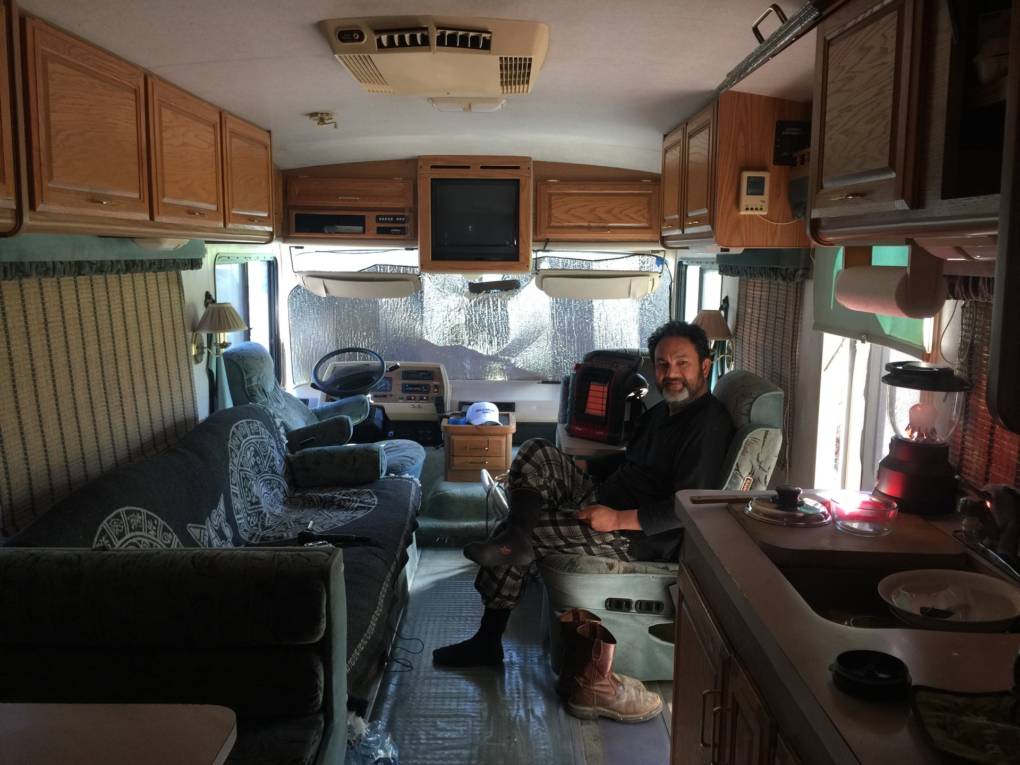
"caption": "Arturo Torres sits in his RV in Palo Alto. His family and home are in Fresno, but he lives and works during the week in Palo Alto, where the pay is better.",
"description": "Arturo Torres sits in his RV in Palo Alto. His family and home are in Fresno, but he lives and works during the week in Palo Alto, where the pay is better.",
"title": "RV LIVING",
"credit": "Penny Nelson/KQED",
"status": "inherit",
"isLoading": false,
"fetchFailed": false
},
"news_11751068": {
"type": "attachments",
"id": "news_11751068",
"meta": {
"index": "attachments_1716263798",
"site": "news",
"id": "11751068",
"found": true
},
"parent": 11751060,
"imgSizes": {
"apple_news_ca_square_4_0": {
"file": "https://ww2.kqed.org/app/uploads/sites/10/2019/05/iStock-1132235083-1000x667-470x470.jpg",
"width": 470,
"mimeType": "image/jpeg",
"height": 470
},
"twentyfourteen-full-width": {
"file": "https://ww2.kqed.org/app/uploads/sites/10/2019/05/iStock-1132235083-1000x667-1000x576.jpg",
"width": 1000,
"mimeType": "image/jpeg",
"height": 576
},
"thumbnail": {
"file": "https://ww2.kqed.org/app/uploads/sites/10/2019/05/iStock-1132235083-1000x667-160x107.jpg",
"width": 160,
"mimeType": "image/jpeg",
"height": 107
},
"post-thumbnail": {
"file": "https://ww2.kqed.org/app/uploads/sites/10/2019/05/iStock-1132235083-1000x667-672x372.jpg",
"width": 672,
"mimeType": "image/jpeg",
"height": 372
},
"kqedFullSize": {
"file": "https://ww2.kqed.org/app/uploads/sites/10/2019/05/iStock-1132235083-1000x667.jpg",
"width": 1000,
"height": 667
},
"apple_news_ca_landscape_4_7": {
"file": "https://ww2.kqed.org/app/uploads/sites/10/2019/05/iStock-1132235083-1000x667-632x474.jpg",
"width": 632,
"mimeType": "image/jpeg",
"height": 474
},
"apple_news_ca_landscape_4_0": {
"file": "https://ww2.kqed.org/app/uploads/sites/10/2019/05/iStock-1132235083-1000x667-536x402.jpg",
"width": 536,
"mimeType": "image/jpeg",
"height": 402
},
"medium": {
"file": "https://ww2.kqed.org/app/uploads/sites/10/2019/05/iStock-1132235083-1000x667-800x534.jpg",
"width": 800,
"mimeType": "image/jpeg",
"height": 534
},
"apple_news_ca_portrait_4_0": {
"file": "https://ww2.kqed.org/app/uploads/sites/10/2019/05/iStock-1132235083-1000x667-354x472.jpg",
"width": 354,
"mimeType": "image/jpeg",
"height": 472
},
"apple_news_ca_portrait_9_7": {
"file": "https://ww2.kqed.org/app/uploads/sites/10/2019/05/iStock-1132235083-1000x667-840x667.jpg",
"width": 840,
"mimeType": "image/jpeg",
"height": 667
},
"apple_news_ca_portrait_4_7": {
"file": "https://ww2.kqed.org/app/uploads/sites/10/2019/05/iStock-1132235083-1000x667-414x552.jpg",
"width": 414,
"mimeType": "image/jpeg",
"height": 552
},
"apple_news_ca_portrait_5_5": {
"file": "https://ww2.kqed.org/app/uploads/sites/10/2019/05/iStock-1132235083-1000x667-687x667.jpg",
"width": 687,
"mimeType": "image/jpeg",
"height": 667
},
"apple_news_ca_square_4_7": {
"file": "https://ww2.kqed.org/app/uploads/sites/10/2019/05/iStock-1132235083-1000x667-550x550.jpg",
"width": 550,
"mimeType": "image/jpeg",
"height": 550
},
"apple_news_ca_square_5_5": {
"file": "https://ww2.kqed.org/app/uploads/sites/10/2019/05/iStock-1132235083-1000x667-912x667.jpg",
"width": 912,
"mimeType": "image/jpeg",
"height": 667
}
},
"publishDate": 1559232186,
"modified": 1559232205,
"caption": "Residential rents could rise only up to 7% plus inflation per year under a bill approved by the California Assembly—an unusual victory in the Capitol for renters.",
"description": "Residential rents could rise only up to 7% plus inflation per year under a bill approved by the California Assembly—an unusual victory in the Capitol for renters.",
"title": "iStock-1132235083-1000x667",
"credit": "iStock",
"status": "inherit",
"isLoading": false,
"fetchFailed": false
},
"news_11748106": {
"type": "attachments",
"id": "news_11748106",
"meta": {
"index": "attachments_1716263798",
"site": "news",
"id": "11748106",
"found": true
},
"parent": 11748088,
"imgSizes": {
"apple_news_ca_landscape_5_5": {
"file": "https://ww2.kqed.org/app/uploads/sites/10/2019/05/IMG_1743-e1467396983840-1044x783.jpg",
"width": 1044,
"mimeType": "image/jpeg",
"height": 783
},
"apple_news_ca_square_4_0": {
"file": "https://ww2.kqed.org/app/uploads/sites/10/2019/05/IMG_1743-e1467396983840-470x470.jpg",
"width": 470,
"mimeType": "image/jpeg",
"height": 470
},
"twentyfourteen-full-width": {
"file": "https://ww2.kqed.org/app/uploads/sites/10/2019/05/IMG_1743-e1467396983840-1038x576.jpg",
"width": 1038,
"mimeType": "image/jpeg",
"height": 576
},
"thumbnail": {
"file": "https://ww2.kqed.org/app/uploads/sites/10/2019/05/IMG_1743-e1467396983840-160x105.jpg",
"width": 160,
"mimeType": "image/jpeg",
"height": 105
},
"post-thumbnail": {
"file": "https://ww2.kqed.org/app/uploads/sites/10/2019/05/IMG_1743-e1467396983840-672x372.jpg",
"width": 672,
"mimeType": "image/jpeg",
"height": 372
},
"kqedFullSize": {
"file": "https://ww2.kqed.org/app/uploads/sites/10/2019/05/IMG_1743-e1558131654962.jpg",
"width": 1920,
"height": 1263
},
"apple_news_ca_landscape_4_7": {
"file": "https://ww2.kqed.org/app/uploads/sites/10/2019/05/IMG_1743-e1467396983840-632x474.jpg",
"width": 632,
"mimeType": "image/jpeg",
"height": 474
},
"large": {
"file": "https://ww2.kqed.org/app/uploads/sites/10/2019/05/IMG_1743-e1467396983840-1020x671.jpg",
"width": 1020,
"mimeType": "image/jpeg",
"height": 671
},
"complete_open_graph": {
"file": "https://ww2.kqed.org/app/uploads/sites/10/2019/05/IMG_1743-e1467396983840-1200x789.jpg",
"width": 1200,
"mimeType": "image/jpeg",
"height": 789
},
"apple_news_ca_landscape_4_0": {
"file": "https://ww2.kqed.org/app/uploads/sites/10/2019/05/IMG_1743-e1467396983840-536x402.jpg",
"width": 536,
"mimeType": "image/jpeg",
"height": 402
},
"apple_news_ca_portrait_12_9": {
"file": "https://ww2.kqed.org/app/uploads/sites/10/2019/05/IMG_1743-e1467396983840-1122x1496.jpg",
"width": 1122,
"mimeType": "image/jpeg",
"height": 1496
},
"medium": {
"file": "https://ww2.kqed.org/app/uploads/sites/10/2019/05/IMG_1743-e1467396983840-800x526.jpg",
"width": 800,
"mimeType": "image/jpeg",
"height": 526
},
"apple_news_ca_portrait_4_0": {
"file": "https://ww2.kqed.org/app/uploads/sites/10/2019/05/IMG_1743-e1467396983840-354x472.jpg",
"width": 354,
"mimeType": "image/jpeg",
"height": 472
},
"apple_news_ca_portrait_9_7": {
"file": "https://ww2.kqed.org/app/uploads/sites/10/2019/05/IMG_1743-e1467396983840-840x1120.jpg",
"width": 840,
"mimeType": "image/jpeg",
"height": 1120
},
"apple_news_ca_landscape_12_9": {
"file": "https://ww2.kqed.org/app/uploads/sites/10/2019/05/IMG_1743-e1467396983840-1832x1374.jpg",
"width": 1832,
"mimeType": "image/jpeg",
"height": 1374
},
"apple_news_ca_square_9_7": {
"file": "https://ww2.kqed.org/app/uploads/sites/10/2019/05/IMG_1743-e1467396983840-1104x1104.jpg",
"width": 1104,
"mimeType": "image/jpeg",
"height": 1104
},
"apple_news_ca_portrait_4_7": {
"file": "https://ww2.kqed.org/app/uploads/sites/10/2019/05/IMG_1743-e1467396983840-414x552.jpg",
"width": 414,
"mimeType": "image/jpeg",
"height": 552
},
"apple_news_ca_square_12_9": {
"file": "https://ww2.kqed.org/app/uploads/sites/10/2019/05/IMG_1743-e1467396983840-1472x1472.jpg",
"width": 1472,
"mimeType": "image/jpeg",
"height": 1472
},
"apple_news_ca_portrait_5_5": {
"file": "https://ww2.kqed.org/app/uploads/sites/10/2019/05/IMG_1743-e1467396983840-687x916.jpg",
"width": 687,
"mimeType": "image/jpeg",
"height": 916
},
"full-width": {
"file": "https://ww2.kqed.org/app/uploads/sites/10/2019/05/IMG_1743-e1467396983840-1920x1263.jpg",
"width": 1920,
"mimeType": "image/jpeg",
"height": 1263
},
"apple_news_ca_square_4_7": {
"file": "https://ww2.kqed.org/app/uploads/sites/10/2019/05/IMG_1743-e1467396983840-550x550.jpg",
"width": 550,
"mimeType": "image/jpeg",
"height": 550
},
"apple_news_ca_landscape_9_7": {
"file": "https://ww2.kqed.org/app/uploads/sites/10/2019/05/IMG_1743-e1467396983840-1376x1032.jpg",
"width": 1376,
"mimeType": "image/jpeg",
"height": 1032
},
"apple_news_ca_square_5_5": {
"file": "https://ww2.kqed.org/app/uploads/sites/10/2019/05/IMG_1743-e1467396983840-912x912.jpg",
"width": 912,
"mimeType": "image/jpeg",
"height": 912
}
},
"publishDate": 1558131620,
"modified": 1558131850,
"caption": "A small homeless encampment in San Francisco's Mission District.",
"description": null,
"title": "IMG_1743-e1467396983840",
"credit": "Matthew Green/KQED",
"status": "inherit",
"isLoading": false,
"fetchFailed": false
},
"news_11750497": {
"type": "attachments",
"id": "news_11750497",
"meta": {
"index": "attachments_1716263798",
"site": "news",
"id": "11750497",
"found": true
},
"parent": 11750394,
"imgSizes": {
"apple_news_ca_landscape_5_5": {
"file": "https://ww2.kqed.org/app/uploads/sites/10/2019/05/Paradise-1044x783.png",
"width": 1044,
"mimeType": "image/png",
"height": 783
},
"apple_news_ca_square_4_0": {
"file": "https://ww2.kqed.org/app/uploads/sites/10/2019/05/Paradise-470x470.png",
"width": 470,
"mimeType": "image/png",
"height": 470
},
"twentyfourteen-full-width": {
"file": "https://ww2.kqed.org/app/uploads/sites/10/2019/05/Paradise-1038x576.png",
"width": 1038,
"mimeType": "image/png",
"height": 576
},
"thumbnail": {
"file": "https://ww2.kqed.org/app/uploads/sites/10/2019/05/Paradise-160x93.png",
"width": 160,
"mimeType": "image/png",
"height": 93
},
"post-thumbnail": {
"file": "https://ww2.kqed.org/app/uploads/sites/10/2019/05/Paradise-672x372.png",
"width": 672,
"mimeType": "image/png",
"height": 372
},
"kqedFullSize": {
"file": "https://ww2.kqed.org/app/uploads/sites/10/2019/05/Paradise.png",
"width": 1920,
"height": 1115
},
"apple_news_ca_landscape_4_7": {
"file": "https://ww2.kqed.org/app/uploads/sites/10/2019/05/Paradise-632x474.png",
"width": 632,
"mimeType": "image/png",
"height": 474
},
"large": {
"file": "https://ww2.kqed.org/app/uploads/sites/10/2019/05/Paradise-1020x592.png",
"width": 1020,
"mimeType": "image/png",
"height": 592
},
"complete_open_graph": {
"file": "https://ww2.kqed.org/app/uploads/sites/10/2019/05/Paradise-1200x697.png",
"width": 1200,
"mimeType": "image/png",
"height": 697
},
"apple_news_ca_landscape_4_0": {
"file": "https://ww2.kqed.org/app/uploads/sites/10/2019/05/Paradise-536x402.png",
"width": 536,
"mimeType": "image/png",
"height": 402
},
"apple_news_ca_portrait_12_9": {
"file": "https://ww2.kqed.org/app/uploads/sites/10/2019/05/Paradise-1122x1115.png",
"width": 1122,
"mimeType": "image/png",
"height": 1115
},
"medium": {
"file": "https://ww2.kqed.org/app/uploads/sites/10/2019/05/Paradise-800x465.png",
"width": 800,
"mimeType": "image/png",
"height": 465
},
"apple_news_ca_portrait_4_0": {
"file": "https://ww2.kqed.org/app/uploads/sites/10/2019/05/Paradise-354x472.png",
"width": 354,
"mimeType": "image/png",
"height": 472
},
"apple_news_ca_portrait_9_7": {
"file": "https://ww2.kqed.org/app/uploads/sites/10/2019/05/Paradise-840x1115.png",
"width": 840,
"mimeType": "image/png",
"height": 1115
},
"apple_news_ca_landscape_12_9": {
"file": "https://ww2.kqed.org/app/uploads/sites/10/2019/05/Paradise-1832x1115.png",
"width": 1832,
"mimeType": "image/png",
"height": 1115
},
"apple_news_ca_square_9_7": {
"file": "https://ww2.kqed.org/app/uploads/sites/10/2019/05/Paradise-1104x1104.png",
"width": 1104,
"mimeType": "image/png",
"height": 1104
},
"apple_news_ca_portrait_4_7": {
"file": "https://ww2.kqed.org/app/uploads/sites/10/2019/05/Paradise-414x552.png",
"width": 414,
"mimeType": "image/png",
"height": 552
},
"apple_news_ca_square_12_9": {
"file": "https://ww2.kqed.org/app/uploads/sites/10/2019/05/Paradise-1472x1115.png",
"width": 1472,
"mimeType": "image/png",
"height": 1115
},
"apple_news_ca_portrait_5_5": {
"file": "https://ww2.kqed.org/app/uploads/sites/10/2019/05/Paradise-687x916.png",
"width": 687,
"mimeType": "image/png",
"height": 916
},
"full-width": {
"file": "https://ww2.kqed.org/app/uploads/sites/10/2019/05/Paradise-1920x1115.png",
"width": 1920,
"mimeType": "image/png",
"height": 1115
},
"apple_news_ca_square_4_7": {
"file": "https://ww2.kqed.org/app/uploads/sites/10/2019/05/Paradise-550x550.png",
"width": 550,
"mimeType": "image/png",
"height": 550
},
"apple_news_ca_landscape_9_7": {
"file": "https://ww2.kqed.org/app/uploads/sites/10/2019/05/Paradise-1376x1032.png",
"width": 1376,
"mimeType": "image/png",
"height": 1032
},
"apple_news_ca_square_5_5": {
"file": "https://ww2.kqed.org/app/uploads/sites/10/2019/05/Paradise-912x912.png",
"width": 912,
"mimeType": "image/png",
"height": 912
}
},
"publishDate": 1559082008,
"modified": 1559085329,
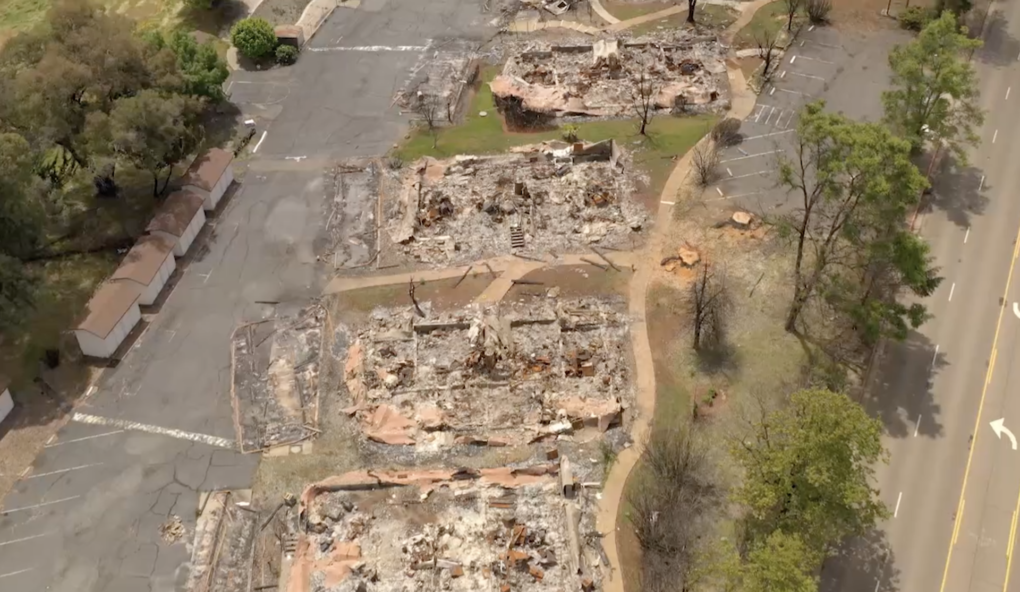
"caption": "Buildings near a Safeway supermarket were destroyed in Paradise on Nov. 8, as seen in footage taken on May 22. The Camp Fire destroyed nearly 19,000 structures and claimed 85 lives.",
"description": null,
"title": "Paradise",
"credit": "Ellie McCutcheon for NPR",
"status": "inherit",
"isLoading": false,
"fetchFailed": false
},
"news_11710765": {
"type": "attachments",
"id": "news_11710765",
"meta": {
"index": "attachments_1716263798",
"site": "news",
"id": "11710765",
"found": true
},
"parent": 11710655,
"imgSizes": {
"twentyfourteen-full-width": {
"file": "https://ww2.kqed.org/app/uploads/sites/10/2018/12/Richmond-Triangle-Court-e1544208502790-1038x576.jpg",
"width": 1038,
"mimeType": "image/jpeg",
"height": 576
},
"thumbnail": {
"file": "https://ww2.kqed.org/app/uploads/sites/10/2018/12/Richmond-Triangle-Court-e1544208502790-160x90.jpg",
"width": 160,
"mimeType": "image/jpeg",
"height": 90
},
"post-thumbnail": {
"file": "https://ww2.kqed.org/app/uploads/sites/10/2018/12/Richmond-Triangle-Court-e1544208502790-672x372.jpg",
"width": 672,
"mimeType": "image/jpeg",
"height": 372
},
"kqedFullSize": {
"file": "https://ww2.kqed.org/app/uploads/sites/10/2018/12/Richmond-Triangle-Court-e1544208502790.jpg",
"width": 1920,
"height": 1084
},
"large": {
"file": "https://ww2.kqed.org/app/uploads/sites/10/2018/12/Richmond-Triangle-Court-e1544208502790-1020x576.jpg",
"width": 1020,
"mimeType": "image/jpeg",
"height": 576
},
"complete_open_graph": {
"file": "https://ww2.kqed.org/app/uploads/sites/10/2018/12/Richmond-Triangle-Court-e1544208502790-1200x678.jpg",
"width": 1200,
"mimeType": "image/jpeg",
"height": 678
},
"guest-author-50": {
"file": "https://ww2.kqed.org/app/uploads/sites/10/2018/12/Richmond-Triangle-Court-e1544208502790-50x50.jpg",
"width": 50,
"mimeType": "image/jpeg",
"height": 50
},
"guest-author-96": {
"file": "https://ww2.kqed.org/app/uploads/sites/10/2018/12/Richmond-Triangle-Court-e1544208502790-96x96.jpg",
"width": 96,
"mimeType": "image/jpeg",
"height": 96
},
"medium": {
"file": "https://ww2.kqed.org/app/uploads/sites/10/2018/12/Richmond-Triangle-Court-e1544208502790-800x452.jpg",
"width": 800,
"mimeType": "image/jpeg",
"height": 452
},
"guest-author-64": {
"file": "https://ww2.kqed.org/app/uploads/sites/10/2018/12/Richmond-Triangle-Court-e1544208502790-64x64.jpg",
"width": 64,
"mimeType": "image/jpeg",
"height": 64
},
"guest-author-32": {
"file": "https://ww2.kqed.org/app/uploads/sites/10/2018/12/Richmond-Triangle-Court-e1544208502790-32x32.jpg",
"width": 32,
"mimeType": "image/jpeg",
"height": 32
},
"full-width": {
"file": "https://ww2.kqed.org/app/uploads/sites/10/2018/12/Richmond-Triangle-Court-e1544208502790-1920x1084.jpg",
"width": 1920,
"mimeType": "image/jpeg",
"height": 1084
},
"detail": {
"file": "https://ww2.kqed.org/app/uploads/sites/10/2018/12/Richmond-Triangle-Court-e1544208502790-150x150.jpg",
"width": 150,
"mimeType": "image/jpeg",
"height": 150
},
"guest-author-128": {
"file": "https://ww2.kqed.org/app/uploads/sites/10/2018/12/Richmond-Triangle-Court-e1544208502790-128x128.jpg",
"width": 128,
"mimeType": "image/jpeg",
"height": 128
}
},
"publishDate": 1544203927,
"modified": 1559072817,
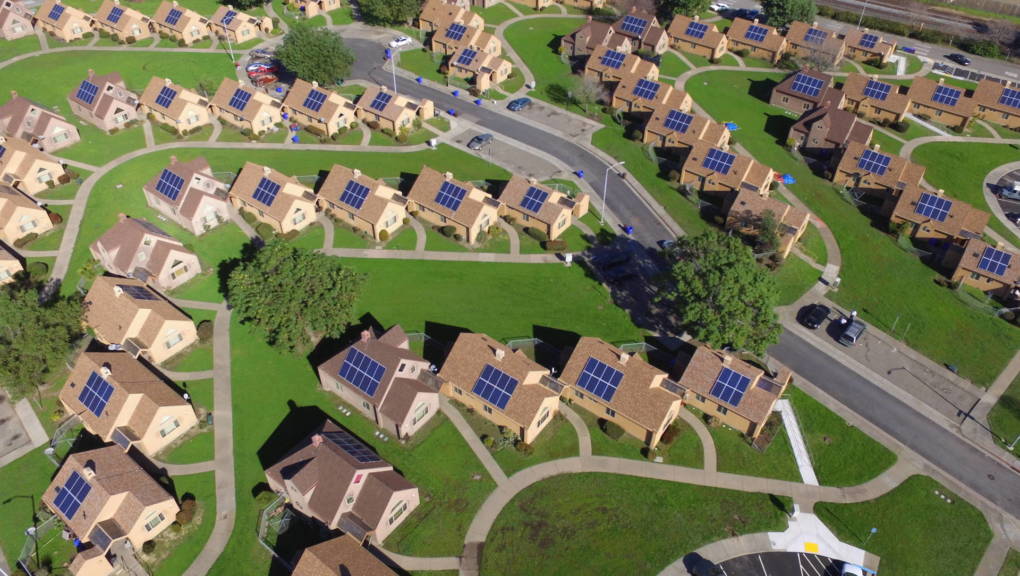
"caption": "SB 50 would have forced much of California to accommodate a lot more housing construction by reducing local zoning control.",
"description": "Triangle Court housing development, a public housing site in Richmond that was converted to Section 8 and is managed by a third party.",
"title": "Triangle Court housing development which is a public housing site that was converted to Section 8 and is managed by a third party.",
"credit": "City of Richmond ",
"status": "inherit",
"isLoading": false,
"fetchFailed": false
},
"news_11750327": {
"type": "attachments",
"id": "news_11750327",
"meta": {
"index": "attachments_1716263798",
"site": "news",
"id": "11750327",
"found": true
},
"parent": 11750281,
"imgSizes": {
"apple_news_ca_landscape_5_5": {
"file": "https://ww2.kqed.org/app/uploads/sites/10/2019/05/Encampment-1044x783.jpg",
"width": 1044,
"mimeType": "image/jpeg",
"height": 783
},
"apple_news_ca_square_4_0": {
"file": "https://ww2.kqed.org/app/uploads/sites/10/2019/05/Encampment-470x470.jpg",
"width": 470,
"mimeType": "image/jpeg",
"height": 470
},
"twentyfourteen-full-width": {
"file": "https://ww2.kqed.org/app/uploads/sites/10/2019/05/Encampment-1038x576.jpg",
"width": 1038,
"mimeType": "image/jpeg",
"height": 576
},
"thumbnail": {
"file": "https://ww2.kqed.org/app/uploads/sites/10/2019/05/Encampment-160x107.jpg",
"width": 160,
"mimeType": "image/jpeg",
"height": 107
},
"post-thumbnail": {
"file": "https://ww2.kqed.org/app/uploads/sites/10/2019/05/Encampment-672x372.jpg",
"width": 672,
"mimeType": "image/jpeg",
"height": 372
},
"kqedFullSize": {
"file": "https://ww2.kqed.org/app/uploads/sites/10/2019/05/Encampment.jpg",
"width": 1920,
"height": 1280
},
"apple_news_ca_landscape_4_7": {
"file": "https://ww2.kqed.org/app/uploads/sites/10/2019/05/Encampment-632x474.jpg",
"width": 632,
"mimeType": "image/jpeg",
"height": 474
},
"large": {
"file": "https://ww2.kqed.org/app/uploads/sites/10/2019/05/Encampment-1020x680.jpg",
"width": 1020,
"mimeType": "image/jpeg",
"height": 680
},
"complete_open_graph": {
"file": "https://ww2.kqed.org/app/uploads/sites/10/2019/05/Encampment-1200x800.jpg",
"width": 1200,
"mimeType": "image/jpeg",
"height": 800
},
"apple_news_ca_landscape_4_0": {
"file": "https://ww2.kqed.org/app/uploads/sites/10/2019/05/Encampment-536x402.jpg",
"width": 536,
"mimeType": "image/jpeg",
"height": 402
},
"apple_news_ca_portrait_12_9": {
"file": "https://ww2.kqed.org/app/uploads/sites/10/2019/05/Encampment-1122x1280.jpg",
"width": 1122,
"mimeType": "image/jpeg",
"height": 1280
},
"medium": {
"file": "https://ww2.kqed.org/app/uploads/sites/10/2019/05/Encampment-800x533.jpg",
"width": 800,
"mimeType": "image/jpeg",
"height": 533
},
"apple_news_ca_portrait_4_0": {
"file": "https://ww2.kqed.org/app/uploads/sites/10/2019/05/Encampment-354x472.jpg",
"width": 354,
"mimeType": "image/jpeg",
"height": 472
},
"apple_news_ca_portrait_9_7": {
"file": "https://ww2.kqed.org/app/uploads/sites/10/2019/05/Encampment-840x1120.jpg",
"width": 840,
"mimeType": "image/jpeg",
"height": 1120
},
"apple_news_ca_landscape_12_9": {
"file": "https://ww2.kqed.org/app/uploads/sites/10/2019/05/Encampment-1832x1280.jpg",
"width": 1832,
"mimeType": "image/jpeg",
"height": 1280
},
"apple_news_ca_square_9_7": {
"file": "https://ww2.kqed.org/app/uploads/sites/10/2019/05/Encampment-1104x1104.jpg",
"width": 1104,
"mimeType": "image/jpeg",
"height": 1104
},
"apple_news_ca_portrait_4_7": {
"file": "https://ww2.kqed.org/app/uploads/sites/10/2019/05/Encampment-414x552.jpg",
"width": 414,
"mimeType": "image/jpeg",
"height": 552
},
"apple_news_ca_square_12_9": {
"file": "https://ww2.kqed.org/app/uploads/sites/10/2019/05/Encampment-1472x1280.jpg",
"width": 1472,
"mimeType": "image/jpeg",
"height": 1280
},
"apple_news_ca_portrait_5_5": {
"file": "https://ww2.kqed.org/app/uploads/sites/10/2019/05/Encampment-687x916.jpg",
"width": 687,
"mimeType": "image/jpeg",
"height": 916
},
"full-width": {
"file": "https://ww2.kqed.org/app/uploads/sites/10/2019/05/Encampment-1920x1280.jpg",
"width": 1920,
"mimeType": "image/jpeg",
"height": 1280
},
"apple_news_ca_square_4_7": {
"file": "https://ww2.kqed.org/app/uploads/sites/10/2019/05/Encampment-550x550.jpg",
"width": 550,
"mimeType": "image/jpeg",
"height": 550
},
"apple_news_ca_landscape_9_7": {
"file": "https://ww2.kqed.org/app/uploads/sites/10/2019/05/Encampment-1376x1032.jpg",
"width": 1376,
"mimeType": "image/jpeg",
"height": 1032
},
"apple_news_ca_square_5_5": {
"file": "https://ww2.kqed.org/app/uploads/sites/10/2019/05/Encampment-912x912.jpg",
"width": 912,
"mimeType": "image/jpeg",
"height": 912
}
},
"publishDate": 1559066273,
"modified": 1559066433,
"caption": "A homeless encampment in San Francisco's Mission District. \"Mental health and substance use programs in San Francisco right now are completely uncoordinated and a mess. We all see it ... when we walk on the street and see people in misery,\" said Supervisor Hillary Ronen.",
"description": "A homeless encampment in San Francisco's Mission District. \"Mental health and substance use programs in San Francisco right now are completely uncoordinated and a mess. We all see it ... when we walk on the street and see people in misery,\" said Supervisor Hillary Ronen.",
"title": "Encampment",
"credit": "Brittany Hosea-Small/KQED",
"status": "inherit",
"isLoading": false,
"fetchFailed": false
},
"news_11750298": {
"type": "attachments",
"id": "news_11750298",
"meta": {
"index": "attachments_1716263798",
"site": "news",
"id": "11750298",
"found": true
},
"parent": 11750179,
"imgSizes": {
"apple_news_ca_landscape_5_5": {
"file": "https://ww2.kqed.org/app/uploads/sites/10/2019/05/Trans-Youth-Shelter-SF-1044x783.jpg",
"width": 1044,
"mimeType": "image/jpeg",
"height": 783
},
"apple_news_ca_square_4_0": {
"file": "https://ww2.kqed.org/app/uploads/sites/10/2019/05/Trans-Youth-Shelter-SF-470x470.jpg",
"width": 470,
"mimeType": "image/jpeg",
"height": 470
},
"twentyfourteen-full-width": {
"file": "https://ww2.kqed.org/app/uploads/sites/10/2019/05/Trans-Youth-Shelter-SF-1038x576.jpg",
"width": 1038,
"mimeType": "image/jpeg",
"height": 576
},
"thumbnail": {
"file": "https://ww2.kqed.org/app/uploads/sites/10/2019/05/Trans-Youth-Shelter-SF-160x120.jpg",
"width": 160,
"mimeType": "image/jpeg",
"height": 120
},
"post-thumbnail": {
"file": "https://ww2.kqed.org/app/uploads/sites/10/2019/05/Trans-Youth-Shelter-SF-672x372.jpg",
"width": 672,
"mimeType": "image/jpeg",
"height": 372
},
"kqedFullSize": {
"file": "https://ww2.kqed.org/app/uploads/sites/10/2019/05/Trans-Youth-Shelter-SF.jpg",
"width": 1920,
"height": 1440
},
"apple_news_ca_landscape_4_7": {
"file": "https://ww2.kqed.org/app/uploads/sites/10/2019/05/Trans-Youth-Shelter-SF-632x474.jpg",
"width": 632,
"mimeType": "image/jpeg",
"height": 474
},
"large": {
"file": "https://ww2.kqed.org/app/uploads/sites/10/2019/05/Trans-Youth-Shelter-SF-1020x765.jpg",
"width": 1020,
"mimeType": "image/jpeg",
"height": 765
},
"complete_open_graph": {
"file": "https://ww2.kqed.org/app/uploads/sites/10/2019/05/Trans-Youth-Shelter-SF-1200x900.jpg",
"width": 1200,
"mimeType": "image/jpeg",
"height": 900
},
"apple_news_ca_landscape_4_0": {
"file": "https://ww2.kqed.org/app/uploads/sites/10/2019/05/Trans-Youth-Shelter-SF-536x402.jpg",
"width": 536,
"mimeType": "image/jpeg",
"height": 402
},
"apple_news_ca_portrait_12_9": {
"file": "https://ww2.kqed.org/app/uploads/sites/10/2019/05/Trans-Youth-Shelter-SF-1122x1440.jpg",
"width": 1122,
"mimeType": "image/jpeg",
"height": 1440
},
"medium": {
"file": "https://ww2.kqed.org/app/uploads/sites/10/2019/05/Trans-Youth-Shelter-SF-800x600.jpg",
"width": 800,
"mimeType": "image/jpeg",
"height": 600
},
"apple_news_ca_portrait_4_0": {
"file": "https://ww2.kqed.org/app/uploads/sites/10/2019/05/Trans-Youth-Shelter-SF-354x472.jpg",
"width": 354,
"mimeType": "image/jpeg",
"height": 472
},
"apple_news_ca_portrait_9_7": {
"file": "https://ww2.kqed.org/app/uploads/sites/10/2019/05/Trans-Youth-Shelter-SF-840x1120.jpg",
"width": 840,
"mimeType": "image/jpeg",
"height": 1120
},
"apple_news_ca_landscape_12_9": {
"file": "https://ww2.kqed.org/app/uploads/sites/10/2019/05/Trans-Youth-Shelter-SF-1832x1374.jpg",
"width": 1832,
"mimeType": "image/jpeg",
"height": 1374
},
"apple_news_ca_square_9_7": {
"file": "https://ww2.kqed.org/app/uploads/sites/10/2019/05/Trans-Youth-Shelter-SF-1104x1104.jpg",
"width": 1104,
"mimeType": "image/jpeg",
"height": 1104
},
"apple_news_ca_portrait_4_7": {
"file": "https://ww2.kqed.org/app/uploads/sites/10/2019/05/Trans-Youth-Shelter-SF-414x552.jpg",
"width": 414,
"mimeType": "image/jpeg",
"height": 552
},
"apple_news_ca_square_12_9": {
"file": "https://ww2.kqed.org/app/uploads/sites/10/2019/05/Trans-Youth-Shelter-SF-1472x1440.jpg",
"width": 1472,
"mimeType": "image/jpeg",
"height": 1440
},
"apple_news_ca_portrait_5_5": {
"file": "https://ww2.kqed.org/app/uploads/sites/10/2019/05/Trans-Youth-Shelter-SF-687x916.jpg",
"width": 687,
"mimeType": "image/jpeg",
"height": 916
},
"full-width": {
"file": "https://ww2.kqed.org/app/uploads/sites/10/2019/05/Trans-Youth-Shelter-SF-1920x1440.jpg",
"width": 1920,
"mimeType": "image/jpeg",
"height": 1440
},
"apple_news_ca_square_4_7": {
"file": "https://ww2.kqed.org/app/uploads/sites/10/2019/05/Trans-Youth-Shelter-SF-550x550.jpg",
"width": 550,
"mimeType": "image/jpeg",
"height": 550
},
"apple_news_ca_landscape_9_7": {
"file": "https://ww2.kqed.org/app/uploads/sites/10/2019/05/Trans-Youth-Shelter-SF-1376x1032.jpg",
"width": 1376,
"mimeType": "image/jpeg",
"height": 1032
},
"apple_news_ca_square_5_5": {
"file": "https://ww2.kqed.org/app/uploads/sites/10/2019/05/Trans-Youth-Shelter-SF-912x912.jpg",
"width": 912,
"mimeType": "image/jpeg",
"height": 912
}
},
"publishDate": 1559060955,
"modified": 1559085343,
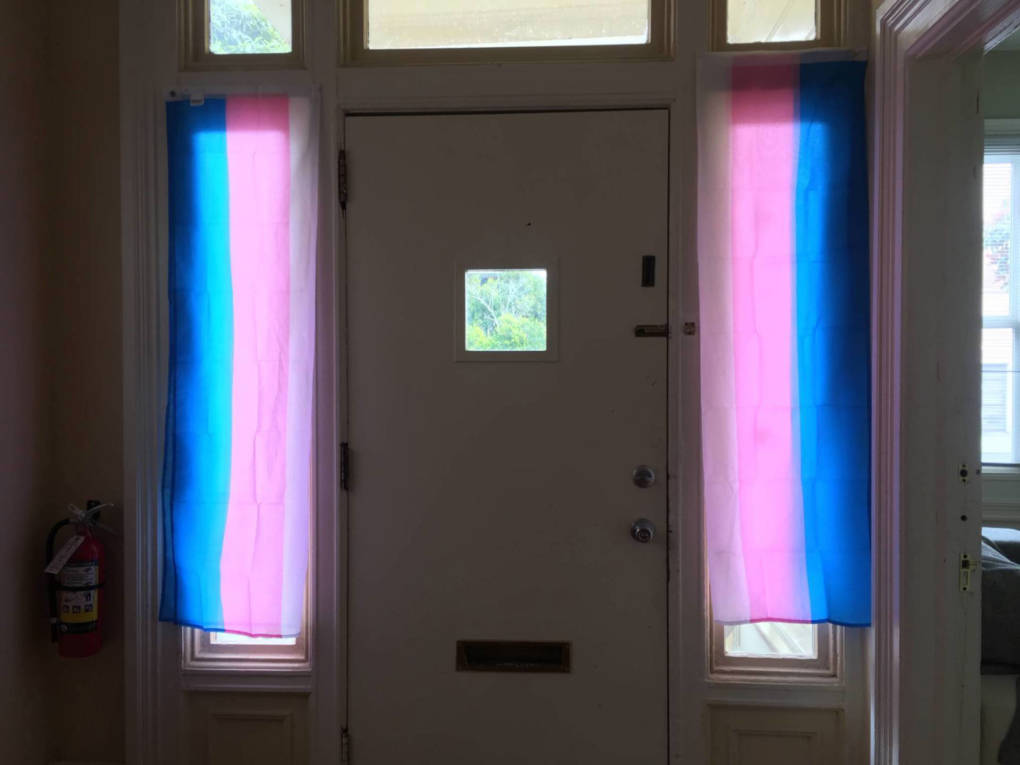
"caption": "The program, located in San Francisco's Haight-Ashbury district, is a first-of- its-kind trans shelter.",
"description": "The program, located in San Francisco's historic Haight District, is a first of its kind trans shelter.",
"title": "Trans-Youth-Shelter-SF",
"credit": "Michelle Wiley/KQED",
"status": "inherit",
"isLoading": false,
"fetchFailed": false
},
"news_11750277": {
"type": "attachments",
"id": "news_11750277",
"meta": {
"index": "attachments_1716263798",
"site": "news",
"id": "11750277",
"found": true
},
"parent": 11750275,
"imgSizes": {
"apple_news_ca_landscape_5_5": {
"file": "https://ww2.kqed.org/app/uploads/sites/10/2019/05/RS16351_LindaMar-qut-1044x783.jpg",
"width": 1044,
"mimeType": "image/jpeg",
"height": 783
},
"apple_news_ca_square_4_0": {
"file": "https://ww2.kqed.org/app/uploads/sites/10/2019/05/RS16351_LindaMar-qut-470x470.jpg",
"width": 470,
"mimeType": "image/jpeg",
"height": 470
},
"twentyfourteen-full-width": {
"file": "https://ww2.kqed.org/app/uploads/sites/10/2019/05/RS16351_LindaMar-qut-1038x576.jpg",
"width": 1038,
"mimeType": "image/jpeg",
"height": 576
},
"thumbnail": {
"file": "https://ww2.kqed.org/app/uploads/sites/10/2019/05/RS16351_LindaMar-qut-160x120.jpg",
"width": 160,
"mimeType": "image/jpeg",
"height": 120
},
"post-thumbnail": {
"file": "https://ww2.kqed.org/app/uploads/sites/10/2019/05/RS16351_LindaMar-qut-672x372.jpg",
"width": 672,
"mimeType": "image/jpeg",
"height": 372
},
"kqedFullSize": {
"file": "https://ww2.kqed.org/app/uploads/sites/10/2019/05/RS16351_LindaMar-qut.jpg",
"width": 1920,
"height": 1440
},
"apple_news_ca_landscape_4_7": {
"file": "https://ww2.kqed.org/app/uploads/sites/10/2019/05/RS16351_LindaMar-qut-632x474.jpg",
"width": 632,
"mimeType": "image/jpeg",
"height": 474
},
"large": {
"file": "https://ww2.kqed.org/app/uploads/sites/10/2019/05/RS16351_LindaMar-qut-1020x765.jpg",
"width": 1020,
"mimeType": "image/jpeg",
"height": 765
},
"complete_open_graph": {
"file": "https://ww2.kqed.org/app/uploads/sites/10/2019/05/RS16351_LindaMar-qut-1200x900.jpg",
"width": 1200,
"mimeType": "image/jpeg",
"height": 900
},
"apple_news_ca_landscape_4_0": {
"file": "https://ww2.kqed.org/app/uploads/sites/10/2019/05/RS16351_LindaMar-qut-536x402.jpg",
"width": 536,
"mimeType": "image/jpeg",
"height": 402
},
"apple_news_ca_portrait_12_9": {
"file": "https://ww2.kqed.org/app/uploads/sites/10/2019/05/RS16351_LindaMar-qut-1122x1440.jpg",
"width": 1122,
"mimeType": "image/jpeg",
"height": 1440
},
"medium": {
"file": "https://ww2.kqed.org/app/uploads/sites/10/2019/05/RS16351_LindaMar-qut-800x600.jpg",
"width": 800,
"mimeType": "image/jpeg",
"height": 600
},
"apple_news_ca_portrait_4_0": {
"file": "https://ww2.kqed.org/app/uploads/sites/10/2019/05/RS16351_LindaMar-qut-354x472.jpg",
"width": 354,
"mimeType": "image/jpeg",
"height": 472
},
"apple_news_ca_portrait_9_7": {
"file": "https://ww2.kqed.org/app/uploads/sites/10/2019/05/RS16351_LindaMar-qut-840x1120.jpg",
"width": 840,
"mimeType": "image/jpeg",
"height": 1120
},
"apple_news_ca_landscape_12_9": {
"file": "https://ww2.kqed.org/app/uploads/sites/10/2019/05/RS16351_LindaMar-qut-1832x1374.jpg",
"width": 1832,
"mimeType": "image/jpeg",
"height": 1374
},
"apple_news_ca_square_9_7": {
"file": "https://ww2.kqed.org/app/uploads/sites/10/2019/05/RS16351_LindaMar-qut-1104x1104.jpg",
"width": 1104,
"mimeType": "image/jpeg",
"height": 1104
},
"apple_news_ca_portrait_4_7": {
"file": "https://ww2.kqed.org/app/uploads/sites/10/2019/05/RS16351_LindaMar-qut-414x552.jpg",
"width": 414,
"mimeType": "image/jpeg",
"height": 552
},
"apple_news_ca_square_12_9": {
"file": "https://ww2.kqed.org/app/uploads/sites/10/2019/05/RS16351_LindaMar-qut-1472x1440.jpg",
"width": 1472,
"mimeType": "image/jpeg",
"height": 1440
},
"apple_news_ca_portrait_5_5": {
"file": "https://ww2.kqed.org/app/uploads/sites/10/2019/05/RS16351_LindaMar-qut-687x916.jpg",
"width": 687,
"mimeType": "image/jpeg",
"height": 916
},
"full-width": {
"file": "https://ww2.kqed.org/app/uploads/sites/10/2019/05/RS16351_LindaMar-qut-1920x1440.jpg",
"width": 1920,
"mimeType": "image/jpeg",
"height": 1440
},
"apple_news_ca_square_4_7": {
"file": "https://ww2.kqed.org/app/uploads/sites/10/2019/05/RS16351_LindaMar-qut-550x550.jpg",
"width": 550,
"mimeType": "image/jpeg",
"height": 550
},
"apple_news_ca_landscape_9_7": {
"file": "https://ww2.kqed.org/app/uploads/sites/10/2019/05/RS16351_LindaMar-qut-1376x1032.jpg",
"width": 1376,
"mimeType": "image/jpeg",
"height": 1032
},
"apple_news_ca_square_5_5": {
"file": "https://ww2.kqed.org/app/uploads/sites/10/2019/05/RS16351_LindaMar-qut-912x912.jpg",
"width": 912,
"mimeType": "image/jpeg",
"height": 912
}
},
"publishDate": 1559048796,
"modified": 1559048882,
"caption": null,
"description": null,
"title": "RS16351_LindaMar-qut",
"credit": "Courtesy of Bill Zeller",
"status": "inherit",
"isLoading": false,
"fetchFailed": false
},
"news_11750020": {
"type": "attachments",
"id": "news_11750020",
"meta": {
"index": "attachments_1716263798",
"site": "news",
"id": "11750020",
"found": true
},
"parent": 11750009,
"imgSizes": {
"apple_news_ca_landscape_5_5": {
"file": "https://ww2.kqed.org/app/uploads/sites/10/2019/05/california-lawmakers-Justin-Sullivan-1180x664-1044x664.jpg",
"width": 1044,
"mimeType": "image/jpeg",
"height": 664
},
"apple_news_ca_square_4_0": {
"file": "https://ww2.kqed.org/app/uploads/sites/10/2019/05/california-lawmakers-Justin-Sullivan-1180x664-470x470.jpg",
"width": 470,
"mimeType": "image/jpeg",
"height": 470
},
"twentyfourteen-full-width": {
"file": "https://ww2.kqed.org/app/uploads/sites/10/2019/05/california-lawmakers-Justin-Sullivan-1180x664-1038x576.jpg",
"width": 1038,
"mimeType": "image/jpeg",
"height": 576
},
"thumbnail": {
"file": "https://ww2.kqed.org/app/uploads/sites/10/2019/05/california-lawmakers-Justin-Sullivan-1180x664-160x90.jpg",
"width": 160,
"mimeType": "image/jpeg",
"height": 90
},
"post-thumbnail": {
"file": "https://ww2.kqed.org/app/uploads/sites/10/2019/05/california-lawmakers-Justin-Sullivan-1180x664-672x372.jpg",
"width": 672,
"mimeType": "image/jpeg",
"height": 372
},
"kqedFullSize": {
"file": "https://ww2.kqed.org/app/uploads/sites/10/2019/05/california-lawmakers-Justin-Sullivan-1180x664.jpg",
"width": 1180,
"height": 664
},
"apple_news_ca_landscape_4_7": {
"file": "https://ww2.kqed.org/app/uploads/sites/10/2019/05/california-lawmakers-Justin-Sullivan-1180x664-632x474.jpg",
"width": 632,
"mimeType": "image/jpeg",
"height": 474
},
"large": {
"file": "https://ww2.kqed.org/app/uploads/sites/10/2019/05/california-lawmakers-Justin-Sullivan-1180x664-1020x574.jpg",
"width": 1020,
"mimeType": "image/jpeg",
"height": 574
},
"apple_news_ca_landscape_4_0": {
"file": "https://ww2.kqed.org/app/uploads/sites/10/2019/05/california-lawmakers-Justin-Sullivan-1180x664-536x402.jpg",
"width": 536,
"mimeType": "image/jpeg",
"height": 402
},
"apple_news_ca_portrait_12_9": {
"file": "https://ww2.kqed.org/app/uploads/sites/10/2019/05/california-lawmakers-Justin-Sullivan-1180x664-1122x664.jpg",
"width": 1122,
"mimeType": "image/jpeg",
"height": 664
},
"medium": {
"file": "https://ww2.kqed.org/app/uploads/sites/10/2019/05/california-lawmakers-Justin-Sullivan-1180x664-800x450.jpg",
"width": 800,
"mimeType": "image/jpeg",
"height": 450
},
"apple_news_ca_portrait_4_0": {
"file": "https://ww2.kqed.org/app/uploads/sites/10/2019/05/california-lawmakers-Justin-Sullivan-1180x664-354x472.jpg",
"width": 354,
"mimeType": "image/jpeg",
"height": 472
},
"apple_news_ca_portrait_9_7": {
"file": "https://ww2.kqed.org/app/uploads/sites/10/2019/05/california-lawmakers-Justin-Sullivan-1180x664-840x664.jpg",
"width": 840,
"mimeType": "image/jpeg",
"height": 664
},
"apple_news_ca_square_9_7": {
"file": "https://ww2.kqed.org/app/uploads/sites/10/2019/05/california-lawmakers-Justin-Sullivan-1180x664-1104x664.jpg",
"width": 1104,
"mimeType": "image/jpeg",
"height": 664
},
"apple_news_ca_portrait_4_7": {
"file": "https://ww2.kqed.org/app/uploads/sites/10/2019/05/california-lawmakers-Justin-Sullivan-1180x664-414x552.jpg",
"width": 414,
"mimeType": "image/jpeg",
"height": 552
},
"apple_news_ca_portrait_5_5": {
"file": "https://ww2.kqed.org/app/uploads/sites/10/2019/05/california-lawmakers-Justin-Sullivan-1180x664-687x664.jpg",
"width": 687,
"mimeType": "image/jpeg",
"height": 664
},
"apple_news_ca_square_4_7": {
"file": "https://ww2.kqed.org/app/uploads/sites/10/2019/05/california-lawmakers-Justin-Sullivan-1180x664-550x550.jpg",
"width": 550,
"mimeType": "image/jpeg",
"height": 550
},
"apple_news_ca_square_5_5": {
"file": "https://ww2.kqed.org/app/uploads/sites/10/2019/05/california-lawmakers-Justin-Sullivan-1180x664-912x664.jpg",
"width": 912,
"mimeType": "image/jpeg",
"height": 664
}
},
"publishDate": 1558894961,
"modified": 1568661775,
"caption": "The California State Capitol ",
"description": null,
"title": "california-lawmakers-Justin-Sullivan-1180x664",
"credit": "Justin Sullivan/Getty Images",
"status": "inherit",
"isLoading": false,
"fetchFailed": false
},
"news_11750922": {
"type": "attachments",
"id": "news_11750922",
"meta": {
"index": "attachments_1716263798",
"site": "news",
"id": "11750922",
"found": true
},
"parent": 11749728,
"imgSizes": {
"apple_news_ca_landscape_5_5": {
"file": "https://ww2.kqed.org/app/uploads/sites/10/2019/05/RedliningRevised-1044x783.jpg",
"width": 1044,
"mimeType": "image/jpeg",
"height": 783
},
"apple_news_ca_square_4_0": {
"file": "https://ww2.kqed.org/app/uploads/sites/10/2019/05/RedliningRevised-470x470.jpg",
"width": 470,
"mimeType": "image/jpeg",
"height": 470
},
"twentyfourteen-full-width": {
"file": "https://ww2.kqed.org/app/uploads/sites/10/2019/05/RedliningRevised-1038x576.jpg",
"width": 1038,
"mimeType": "image/jpeg",
"height": 576
},
"thumbnail": {
"file": "https://ww2.kqed.org/app/uploads/sites/10/2019/05/RedliningRevised-160x120.jpg",
"width": 160,
"mimeType": "image/jpeg",
"height": 120
},
"post-thumbnail": {
"file": "https://ww2.kqed.org/app/uploads/sites/10/2019/05/RedliningRevised-672x372.jpg",
"width": 672,
"mimeType": "image/jpeg",
"height": 372
},
"kqedFullSize": {
"file": "https://ww2.kqed.org/app/uploads/sites/10/2019/05/RedliningRevised.jpg",
"width": 1920,
"height": 1435
},
"apple_news_ca_landscape_4_7": {
"file": "https://ww2.kqed.org/app/uploads/sites/10/2019/05/RedliningRevised-632x474.jpg",
"width": 632,
"mimeType": "image/jpeg",
"height": 474
},
"large": {
"file": "https://ww2.kqed.org/app/uploads/sites/10/2019/05/RedliningRevised-1020x762.jpg",
"width": 1020,
"mimeType": "image/jpeg",
"height": 762
},
"complete_open_graph": {
"file": "https://ww2.kqed.org/app/uploads/sites/10/2019/05/RedliningRevised-1200x897.jpg",
"width": 1200,
"mimeType": "image/jpeg",
"height": 897
},
"apple_news_ca_landscape_4_0": {
"file": "https://ww2.kqed.org/app/uploads/sites/10/2019/05/RedliningRevised-536x402.jpg",
"width": 536,
"mimeType": "image/jpeg",
"height": 402
},
"apple_news_ca_portrait_12_9": {
"file": "https://ww2.kqed.org/app/uploads/sites/10/2019/05/RedliningRevised-1122x1435.jpg",
"width": 1122,
"mimeType": "image/jpeg",
"height": 1435
},
"medium": {
"file": "https://ww2.kqed.org/app/uploads/sites/10/2019/05/RedliningRevised-800x598.jpg",
"width": 800,
"mimeType": "image/jpeg",
"height": 598
},
"apple_news_ca_portrait_4_0": {
"file": "https://ww2.kqed.org/app/uploads/sites/10/2019/05/RedliningRevised-354x472.jpg",
"width": 354,
"mimeType": "image/jpeg",
"height": 472
},
"apple_news_ca_portrait_9_7": {
"file": "https://ww2.kqed.org/app/uploads/sites/10/2019/05/RedliningRevised-840x1120.jpg",
"width": 840,
"mimeType": "image/jpeg",
"height": 1120
},
"apple_news_ca_landscape_12_9": {
"file": "https://ww2.kqed.org/app/uploads/sites/10/2019/05/RedliningRevised-1832x1374.jpg",
"width": 1832,
"mimeType": "image/jpeg",
"height": 1374
},
"apple_news_ca_square_9_7": {
"file": "https://ww2.kqed.org/app/uploads/sites/10/2019/05/RedliningRevised-1104x1104.jpg",
"width": 1104,
"mimeType": "image/jpeg",
"height": 1104
},
"apple_news_ca_portrait_4_7": {
"file": "https://ww2.kqed.org/app/uploads/sites/10/2019/05/RedliningRevised-414x552.jpg",
"width": 414,
"mimeType": "image/jpeg",
"height": 552
},
"apple_news_ca_square_12_9": {
"file": "https://ww2.kqed.org/app/uploads/sites/10/2019/05/RedliningRevised-1472x1435.jpg",
"width": 1472,
"mimeType": "image/jpeg",
"height": 1435
},
"apple_news_ca_portrait_5_5": {
"file": "https://ww2.kqed.org/app/uploads/sites/10/2019/05/RedliningRevised-687x916.jpg",
"width": 687,
"mimeType": "image/jpeg",
"height": 916
},
"full-width": {
"file": "https://ww2.kqed.org/app/uploads/sites/10/2019/05/RedliningRevised-1920x1435.jpg",
"width": 1920,
"mimeType": "image/jpeg",
"height": 1435
},
"apple_news_ca_square_4_7": {
"file": "https://ww2.kqed.org/app/uploads/sites/10/2019/05/RedliningRevised-550x550.jpg",
"width": 550,
"mimeType": "image/jpeg",
"height": 550
},
"apple_news_ca_landscape_9_7": {
"file": "https://ww2.kqed.org/app/uploads/sites/10/2019/05/RedliningRevised-1376x1032.jpg",
"width": 1376,
"mimeType": "image/jpeg",
"height": 1032
},
"apple_news_ca_square_5_5": {
"file": "https://ww2.kqed.org/app/uploads/sites/10/2019/05/RedliningRevised-912x912.jpg",
"width": 912,
"mimeType": "image/jpeg",
"height": 912
}
},
"publishDate": 1559163529,
"modified": 1559163529,
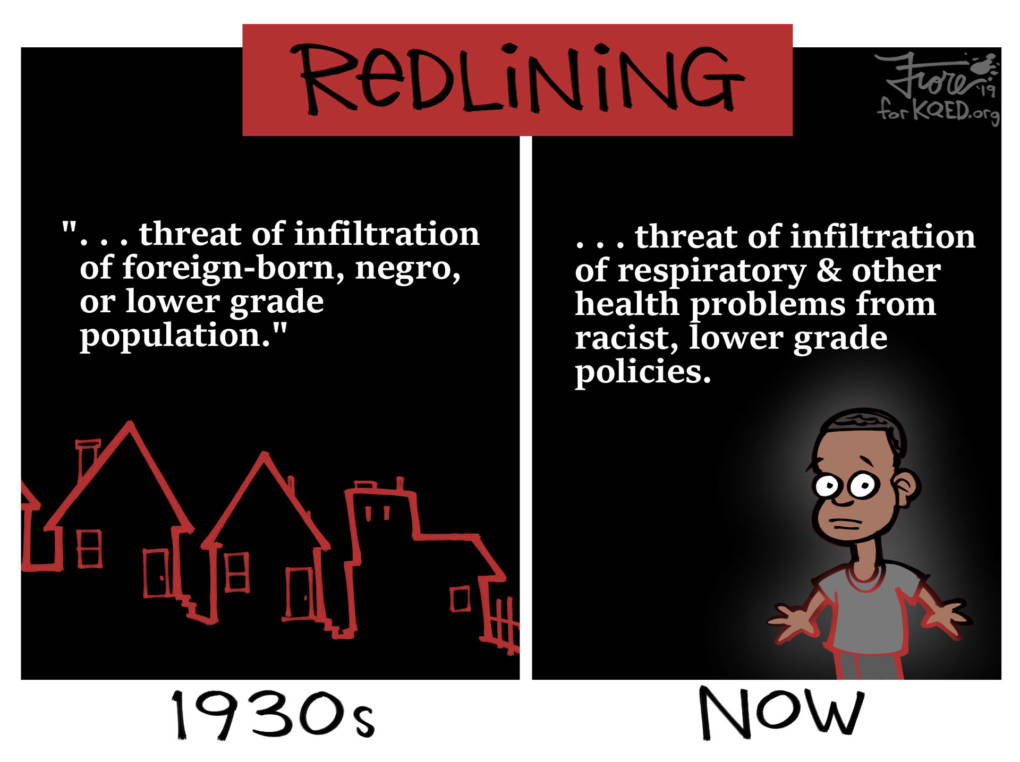
"caption": null,
"description": null,
"title": "RedliningRevised",
"credit": null,
"status": "inherit",
"isLoading": false,
"fetchFailed": false
},
"news_11749460": {
"type": "attachments",
"id": "news_11749460",
"meta": {
"index": "attachments_1716263798",
"site": "news",
"id": "11749460",
"found": true
},
"parent": 11749299,
"imgSizes": {
"apple_news_ca_landscape_5_5": {
"file": "https://ww2.kqed.org/app/uploads/sites/10/2019/05/OaklandBerkeleyHOLCmap-MED-1-1044x783.jpg",
"width": 1044,
"mimeType": "image/jpeg",
"height": 783
},
"apple_news_ca_square_4_0": {
"file": "https://ww2.kqed.org/app/uploads/sites/10/2019/05/OaklandBerkeleyHOLCmap-MED-1-470x470.jpg",
"width": 470,
"mimeType": "image/jpeg",
"height": 470
},
"twentyfourteen-full-width": {
"file": "https://ww2.kqed.org/app/uploads/sites/10/2019/05/OaklandBerkeleyHOLCmap-MED-1-1038x576.jpg",
"width": 1038,
"mimeType": "image/jpeg",
"height": 576
},
"thumbnail": {
"file": "https://ww2.kqed.org/app/uploads/sites/10/2019/05/OaklandBerkeleyHOLCmap-MED-1-160x118.jpg",
"width": 160,
"mimeType": "image/jpeg",
"height": 118
},
"post-thumbnail": {
"file": "https://ww2.kqed.org/app/uploads/sites/10/2019/05/OaklandBerkeleyHOLCmap-MED-1-672x372.jpg",
"width": 672,
"mimeType": "image/jpeg",
"height": 372
},
"kqedFullSize": {
"file": "https://ww2.kqed.org/app/uploads/sites/10/2019/05/OaklandBerkeleyHOLCmap-MED-1.jpg",
"width": 1920,
"height": 1417
},
"apple_news_ca_landscape_4_7": {
"file": "https://ww2.kqed.org/app/uploads/sites/10/2019/05/OaklandBerkeleyHOLCmap-MED-1-632x474.jpg",
"width": 632,
"mimeType": "image/jpeg",
"height": 474
},
"large": {
"file": "https://ww2.kqed.org/app/uploads/sites/10/2019/05/OaklandBerkeleyHOLCmap-MED-1-1020x753.jpg",
"width": 1020,
"mimeType": "image/jpeg",
"height": 753
},
"complete_open_graph": {
"file": "https://ww2.kqed.org/app/uploads/sites/10/2019/05/OaklandBerkeleyHOLCmap-MED-1-1200x886.jpg",
"width": 1200,
"mimeType": "image/jpeg",
"height": 886
},
"apple_news_ca_landscape_4_0": {
"file": "https://ww2.kqed.org/app/uploads/sites/10/2019/05/OaklandBerkeleyHOLCmap-MED-1-536x402.jpg",
"width": 536,
"mimeType": "image/jpeg",
"height": 402
},
"apple_news_ca_portrait_12_9": {
"file": "https://ww2.kqed.org/app/uploads/sites/10/2019/05/OaklandBerkeleyHOLCmap-MED-1-1122x1417.jpg",
"width": 1122,
"mimeType": "image/jpeg",
"height": 1417
},
"medium": {
"file": "https://ww2.kqed.org/app/uploads/sites/10/2019/05/OaklandBerkeleyHOLCmap-MED-1-800x590.jpg",
"width": 800,
"mimeType": "image/jpeg",
"height": 590
},
"apple_news_ca_portrait_4_0": {
"file": "https://ww2.kqed.org/app/uploads/sites/10/2019/05/OaklandBerkeleyHOLCmap-MED-1-354x472.jpg",
"width": 354,
"mimeType": "image/jpeg",
"height": 472
},
"apple_news_ca_portrait_9_7": {
"file": "https://ww2.kqed.org/app/uploads/sites/10/2019/05/OaklandBerkeleyHOLCmap-MED-1-840x1120.jpg",
"width": 840,
"mimeType": "image/jpeg",
"height": 1120
},
"apple_news_ca_landscape_12_9": {
"file": "https://ww2.kqed.org/app/uploads/sites/10/2019/05/OaklandBerkeleyHOLCmap-MED-1-1832x1374.jpg",
"width": 1832,
"mimeType": "image/jpeg",
"height": 1374
},
"apple_news_ca_square_9_7": {
"file": "https://ww2.kqed.org/app/uploads/sites/10/2019/05/OaklandBerkeleyHOLCmap-MED-1-1104x1104.jpg",
"width": 1104,
"mimeType": "image/jpeg",
"height": 1104
},
"apple_news_ca_portrait_4_7": {
"file": "https://ww2.kqed.org/app/uploads/sites/10/2019/05/OaklandBerkeleyHOLCmap-MED-1-414x552.jpg",
"width": 414,
"mimeType": "image/jpeg",
"height": 552
},
"apple_news_ca_square_12_9": {
"file": "https://ww2.kqed.org/app/uploads/sites/10/2019/05/OaklandBerkeleyHOLCmap-MED-1-1472x1417.jpg",
"width": 1472,
"mimeType": "image/jpeg",
"height": 1417
},
"apple_news_ca_portrait_5_5": {
"file": "https://ww2.kqed.org/app/uploads/sites/10/2019/05/OaklandBerkeleyHOLCmap-MED-1-687x916.jpg",
"width": 687,
"mimeType": "image/jpeg",
"height": 916
},
"full-width": {
"file": "https://ww2.kqed.org/app/uploads/sites/10/2019/05/OaklandBerkeleyHOLCmap-MED-1-1920x1417.jpg",
"width": 1920,
"mimeType": "image/jpeg",
"height": 1417
},
"apple_news_ca_square_4_7": {
"file": "https://ww2.kqed.org/app/uploads/sites/10/2019/05/OaklandBerkeleyHOLCmap-MED-1-550x550.jpg",
"width": 550,
"mimeType": "image/jpeg",
"height": 550
},
"apple_news_ca_landscape_9_7": {
"file": "https://ww2.kqed.org/app/uploads/sites/10/2019/05/OaklandBerkeleyHOLCmap-MED-1-1376x1032.jpg",
"width": 1376,
"mimeType": "image/jpeg",
"height": 1032
},
"apple_news_ca_square_5_5": {
"file": "https://ww2.kqed.org/app/uploads/sites/10/2019/05/OaklandBerkeleyHOLCmap-MED-1-912x912.jpg",
"width": 912,
"mimeType": "image/jpeg",
"height": 912
}
},
"publishDate": 1558644162,
"modified": 1558647474,
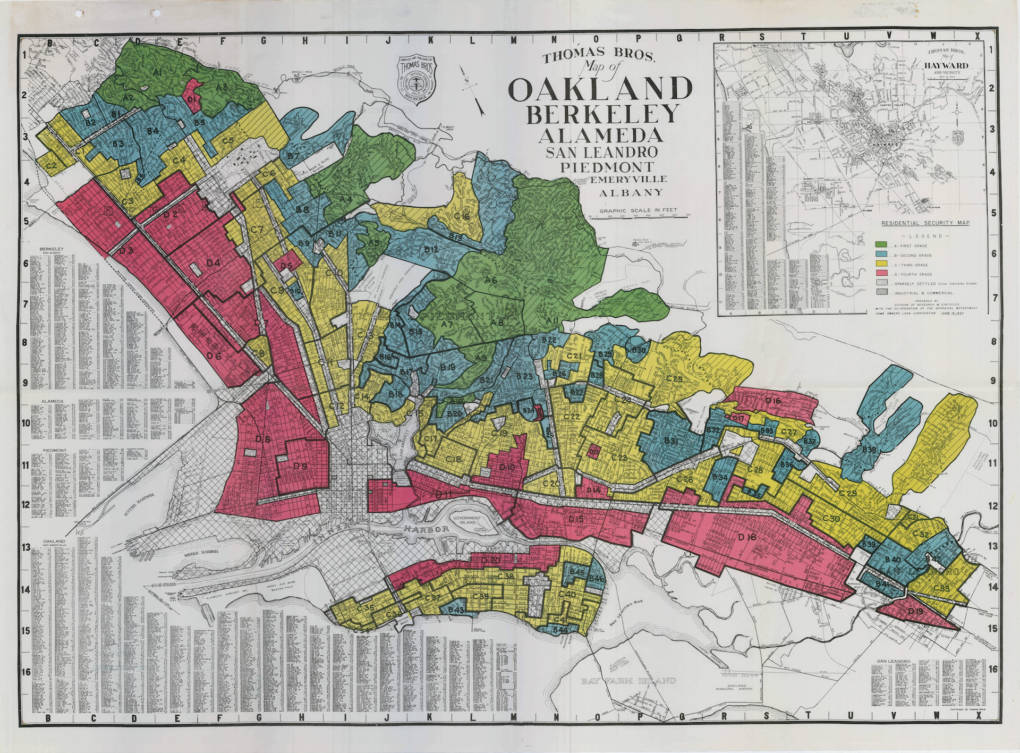
"caption": "Home Owners' Loan Corp. (HOLC) ratings of Oakland, Berkeley and Alameda neighborhoods, with green indicating “best,” blue indicating “still desirable,” yellow indicating “definitely declining” and red indicating “hazardous.”",
"description": null,
"title": "OaklandBerkeleyHOLCmap-MED",
"credit": "Courtesy of the \u003ca hef=\"https://dsl.richmond.edu/panorama/redlining/#loc=4/36.71/-96.93&opacity=0.8\">University of Richmond Mapping Inequality project\u003c/a>",
"status": "inherit",
"isLoading": false,
"fetchFailed": false
}
},
"audioPlayerReducer": {
"postId": "stream_live",
"isPaused": true,
"isPlaying": false,
"pfsActive": false,
"pledgeModalIsOpen": true,
"playerDrawerIsOpen": false,
"liveAudioPlayStartedAt": 0,
"liveAudioPlayContext": ""
},
"authorsReducer": {
"byline_news_11752329": {
"type": "authors",
"id": "byline_news_11752329",
"meta": {
"override": true
},
"slug": "byline_news_11752329",
"name": "Christopher Weber\u003cbr>Associated Press",
"isLoading": false
},
"byline_news_11751060": {
"type": "authors",
"id": "byline_news_11751060",
"meta": {
"override": true
},
"slug": "byline_news_11751060",
"name": "\u003ca href=\"https://calmatters.org/articles/author/matt-levin/\">Matt Levin\u003c/a>\u003cbr>\u003ca href=\"https://calmatters.org/articles/california-renters-lack-power-despite-rare-tenant-win/\">CALmatters\u003c/a>",
"isLoading": false
},
"byline_news_11750394": {
"type": "authors",
"id": "byline_news_11750394",
"meta": {
"override": true
},
"slug": "byline_news_11750394",
"name": "Kirk Siegler",
"isLoading": false
},
"byline_news_11750009": {
"type": "authors",
"id": "byline_news_11750009",
"meta": {
"override": true
},
"slug": "byline_news_11750009",
"name": "Andrew Oxford \u003cbr> Associated Press",
"isLoading": false
},
"kqed": {
"type": "authors",
"id": "236",
"meta": {
"index": "authors_1716337520",
"id": "236",
"found": true
},
"name": "KQED News Staff",
"firstName": "KQED News Staff",
"lastName": null,
"slug": "kqed",
"email": "faq@kqed.org",
"display_author_email": false,
"staff_mastheads": [],
"title": null,
"bio": null,
"avatar": "https://secure.gravatar.com/avatar/ef0e801a68c4c54afa9180db14084167?s=600&d=blank&r=g",
"twitter": null,
"facebook": null,
"instagram": null,
"linkedin": null,
"sites": [
{
"site": "arts",
"roles": [
"contributor"
]
},
{
"site": "news",
"roles": [
"editor"
]
},
{
"site": "futureofyou",
"roles": [
"author"
]
}
],
"headData": {
"title": "KQED News Staff | KQED",
"description": null,
"ogImgSrc": "https://secure.gravatar.com/avatar/ef0e801a68c4c54afa9180db14084167?s=600&d=blank&r=g",
"twImgSrc": "https://secure.gravatar.com/avatar/ef0e801a68c4c54afa9180db14084167?s=600&d=blank&r=g"
},
"isLoading": false,
"link": "/author/kqed"
},
"rachael-myrow": {
"type": "authors",
"id": "251",
"meta": {
"index": "authors_1716337520",
"id": "251",
"found": true
},
"name": "Rachael Myrow",
"firstName": "Rachael",
"lastName": "Myrow",
"slug": "rachael-myrow",
"email": "rmyrow@kqed.org",
"display_author_email": true,
"staff_mastheads": [
"news"
],
"title": "Senior Editor of KQED's Silicon Valley News Desk",
"bio": "• I write and edit stories about how Silicon Valley power and policies shape everyday life in California. I’m also passionate about making Bay Area history and culture more accessible to a broad public. • I’ve been a journalist for most of my life, starting in high school with The Franklin Press in Los Angeles, where I grew up. While earning my first degree in English at UC Berkeley, I got my start in public radio at KALX-FM. After completing a second degree in journalism at Cal, I landed my first professional job at Marketplace, then moved on to KPCC (now LAist), and then KQED, where I hosted The California Report for more than seven years. • My reporting has appeared on NPR, The World, WBUR’s \u003ci>Here & Now\u003c/i>, and the BBC. I also guest host for KQED’s \u003ci>Forum\u003c/i>, as well as the Commonwealth Club in San Francisco. • I speak periodically on media, democracy and technology issues, and do voiceover work for documentaries and educational video projects. • Outside of the studio, you'll find me hiking Bay Area trails and whipping up Insta-ready meals in my kitchen. • I do not accept gifts, money, or favors from anyone connected to my reporting, I don't pay people for information, and I do not support or donate to political causes. • I strive to treat the people I report on with fairness, honesty, and respect. I also recognize there are often multiple sides to a story and work to verify information through multiple sources and documentation. If I get something wrong, I correct it.",
"avatar": "https://secure.gravatar.com/avatar/3ed8a3c5f26025e4a805ba634cda8cd764906b97438a6d9ce216b044e340da4e?s=600&d=blank&r=g",
"twitter": "rachaelmyrow",
"bluesky": null,
"facebook": null,
"instagram": null,
"linkedin": "https://www.linkedin.com/in/rachaelmyrow/",
"sites": [
{
"site": "arts",
"roles": [
"administrator"
]
},
{
"site": "news",
"roles": [
"edit_others_posts",
"editor"
]
},
{
"site": "futureofyou",
"roles": [
"editor"
]
},
{
"site": "bayareabites",
"roles": [
"editor"
]
},
{
"site": "stateofhealth",
"roles": [
"editor"
]
},
{
"site": "science",
"roles": [
"editor"
]
},
{
"site": "food",
"roles": [
"editor"
]
},
{
"site": "forum",
"roles": [
"editor"
]
},
{
"site": "liveblog",
"roles": [
"author"
]
}
],
"headData": {
"title": "Rachael Myrow | KQED",
"description": "Senior Editor of KQED's Silicon Valley News Desk",
"ogImgSrc": "https://secure.gravatar.com/avatar/3ed8a3c5f26025e4a805ba634cda8cd764906b97438a6d9ce216b044e340da4e?s=600&d=blank&r=g",
"twImgSrc": "https://secure.gravatar.com/avatar/3ed8a3c5f26025e4a805ba634cda8cd764906b97438a6d9ce216b044e340da4e?s=600&d=blank&r=g"
},
"isLoading": false,
"link": "/author/rachael-myrow"
},
"tgoldberg": {
"type": "authors",
"id": "258",
"meta": {
"index": "authors_1716337520",
"id": "258",
"found": true
},
"name": "Ted Goldberg",
"firstName": "Ted",
"lastName": "Goldberg",
"slug": "tgoldberg",
"email": "tgoldberg@kqed.org",
"display_author_email": true,
"staff_mastheads": [
"news"
],
"title": "KQED Managing Editor, News and Newscasts",
"bio": "Ted Goldberg is Managing Editor of News and Newscasts at KQED. His main reporting beat is the Bay Area's oil refining industry.\r\n\r\nPrior to joining KQED in 2014, Ted worked at CBS News and WCBS AM in New York and Bay City News and KCBS Radio in San Francisco. He graduated from Oberlin College in Ohio in 1998.",
"avatar": "https://secure.gravatar.com/avatar/30ce2e4fe89135e104f89be2394d16225b9d36c121b5b3cb7651ce642978b96f?s=600&d=blank&r=g",
"twitter": "TedrickG",
"bluesky": null,
"facebook": null,
"instagram": null,
"linkedin": null,
"sites": [
{
"site": "news",
"roles": [
"editor"
]
},
{
"site": "science",
"roles": [
"editor"
]
}
],
"headData": {
"title": "Ted Goldberg | KQED",
"description": "KQED Managing Editor, News and Newscasts",
"ogImgSrc": "https://secure.gravatar.com/avatar/30ce2e4fe89135e104f89be2394d16225b9d36c121b5b3cb7651ce642978b96f?s=600&d=blank&r=g",
"twImgSrc": "https://secure.gravatar.com/avatar/30ce2e4fe89135e104f89be2394d16225b9d36c121b5b3cb7651ce642978b96f?s=600&d=blank&r=g"
},
"isLoading": false,
"link": "/author/tgoldberg"
},
"matthewgreen": {
"type": "authors",
"id": "1263",
"meta": {
"index": "authors_1716337520",
"id": "1263",
"found": true
},
"name": "Matthew Green",
"firstName": "Matthew",
"lastName": "Green",
"slug": "matthewgreen",
"email": "mgreen@kqed.org",
"display_author_email": false,
"staff_mastheads": [],
"title": "KQED Editor/Reporter",
"bio": "Matthew Green is a digital media producer for KQED News. He previously produced \u003ca href=\"http://www.kqed.org/lowdown\">The Lowdown\u003c/a>, KQED’s multimedia news education blog. Matthew's written for numerous Bay Area publications, including the Oakland Tribune and San Francisco Chronicle. He also taught journalism classes at Fremont High School in East Oakland.\r\n\r\nEmail: mgreen@kqed.org; Twitter: @MGreenKQED",
"avatar": "https://secure.gravatar.com/avatar/3bf498d1267ca02c8494f33d8cfc575e?s=600&d=blank&r=g",
"twitter": "MGreenKQED",
"facebook": null,
"instagram": null,
"linkedin": null,
"sites": [
{
"site": "news",
"roles": []
},
{
"site": "lowdown",
"roles": []
},
{
"site": "science",
"roles": []
},
{
"site": "education",
"roles": []
},
{
"site": "quest",
"roles": []
},
{
"site": "liveblog",
"roles": []
}
],
"headData": {
"title": "Matthew Green | KQED",
"description": "KQED Editor/Reporter",
"ogImgSrc": "https://secure.gravatar.com/avatar/3bf498d1267ca02c8494f33d8cfc575e?s=600&d=blank&r=g",
"twImgSrc": "https://secure.gravatar.com/avatar/3bf498d1267ca02c8494f33d8cfc575e?s=600&d=blank&r=g"
},
"isLoading": false,
"link": "/author/matthewgreen"
},
"adembosky": {
"type": "authors",
"id": "3205",
"meta": {
"index": "authors_1716337520",
"id": "3205",
"found": true
},
"name": "April Dembosky",
"firstName": "April",
"lastName": "Dembosky",
"slug": "adembosky",
"email": "adembosky@kqed.org",
"display_author_email": false,
"staff_mastheads": [
"news",
"science"
],
"title": "KQED Health Correspondent",
"bio": "April Dembosky is the health correspondent for KQED News and a regular contributor to NPR. She specializes in covering altered states of mind, from postpartum depression to methamphetamine-induced psychosis to the insanity defense. Her investigative series on insurance companies sidestepping mental health laws won multiple awards, including first place in beat reporting from the national Association of Health Care Journalists. She is the recipient of numerous other prizes and fellowships, including a national Edward R. Murrow award for investigative reporting, a Society of Professional Journalists award for long-form storytelling, and a Carter Center Fellowship for Mental Health Journalism.\r\n\r\nDembosky reported and produced \u003cem>Soundtrack of Silence\u003c/em>, an audio documentary about music and memory that is currently being made into a feature film by Paramount Pictures.\r\n\r\nBefore joining KQED in 2013, Dembosky covered technology and Silicon Valley for \u003cem>The Financial Times of London,\u003c/em> and contributed business and arts stories to \u003cem>Marketplace \u003c/em>and \u003cem>The New York Times.\u003c/em> She got her undergraduate degree in philosophy from Smith College and her master's in journalism from the University of California, Berkeley. She is a classically trained violinist and proud alum of the first symphony orchestra at Burning Man.",
"avatar": "https://secure.gravatar.com/avatar/d6593cd737b732102fe0b6250b5351c2d3bc9b2987566514aa3c9a106494d684?s=600&d=blank&r=g",
"twitter": "adembosky",
"bluesky": null,
"facebook": null,
"instagram": null,
"linkedin": null,
"sites": [
{
"site": "arts",
"roles": [
"author"
]
},
{
"site": "news",
"roles": [
"editor"
]
},
{
"site": "futureofyou",
"roles": [
"author"
]
},
{
"site": "stateofhealth",
"roles": [
"editor"
]
},
{
"site": "science",
"roles": [
"editor"
]
},
{
"site": "forum",
"roles": [
"editor"
]
}
],
"headData": {
"title": "April Dembosky | KQED",
"description": "KQED Health Correspondent",
"ogImgSrc": "https://secure.gravatar.com/avatar/d6593cd737b732102fe0b6250b5351c2d3bc9b2987566514aa3c9a106494d684?s=600&d=blank&r=g",
"twImgSrc": "https://secure.gravatar.com/avatar/d6593cd737b732102fe0b6250b5351c2d3bc9b2987566514aa3c9a106494d684?s=600&d=blank&r=g"
},
"isLoading": false,
"link": "/author/adembosky"
},
"markfiore": {
"type": "authors",
"id": "3236",
"meta": {
"index": "authors_1716337520",
"id": "3236",
"found": true
},
"name": "Mark Fiore",
"firstName": "Mark",
"lastName": "Fiore",
"slug": "markfiore",
"email": "mark@markfiore.com",
"display_author_email": false,
"staff_mastheads": [
"news"
],
"title": "KQED News Cartoonist",
"bio": "\u003ca href=\"http://www.MarkFiore.com\">MarkFiore.com\u003c/a> | \u003ca href=\"https://twitter.com/markfiore\">Follow on Twitter\u003c/a> | \u003ca href=\"https://www.facebook.com/pages/Mark-Fiore-Animated-Political-Cartoons/94451707396?ref=bookmarks\">Facebook\u003c/a> | \u003ca href=\"mailto:mark@markfiore.com\">email\u003c/a>\r\n\r\nPulitzer Prize-winner, Mark Fiore, who the Wall Street Journal has called “the undisputed guru of the form,” creates animated political cartoons in San Francisco, where his work has been featured regularly on the San Francisco Chronicle’s web site, SFGate.com. His work has appeared on Newsweek.com, Slate.com, CBSNews.com, MotherJones.com, DailyKos.com and NPR’s web site. Fiore’s political animation has appeared on CNN, Frontline, Bill Moyers Journal, Salon.com and cable and broadcast outlets across the globe.\r\n\r\nBeginning his professional life by drawing traditional political cartoons for newspapers, Fiore’s work appeared in publications ranging from the Washington Post to the Los Angeles Times. In the late 1990s, he began to experiment with animating political cartoons and, after a short stint at the San Jose Mercury News as their staff cartoonist, Fiore devoted all his energies to animation.\r\nGrowing up in California, Fiore also spent a good portion of his life in the backwoods of Idaho. It was this combination that shaped him politically. Mark majored in political science at Colorado College, where, in a perfect send-off for a cartoonist, he received his diploma in 1991 as commencement speaker Dick Cheney smiled approvingly.\r\nMark Fiore was awarded the Pulitzer Prize for political cartooning in 2010, a Robert F. Kennedy Journalism Award in 2004 and has twice received an Online Journalism Award for commentary from the Online News Association (2002, 2008). Fiore has received two awards for his work in new media from the National Cartoonists Society (2001, 2002), and in 2006 received The James Madison Freedom of Information Award from The Society of Professional Journalists.",
"avatar": "https://secure.gravatar.com/avatar/fc4e2a612b15b67bad0c6f0e1db4ca9b?s=600&d=blank&r=g",
"twitter": "MarkFiore",
"facebook": null,
"instagram": "https://www.instagram.com/markfiore/?hl=en",
"linkedin": null,
"sites": [
{
"site": "arts",
"roles": [
"contributor"
]
},
{
"site": "news",
"roles": [
"editor"
]
},
{
"site": "futureofyou",
"roles": [
"editor"
]
},
{
"site": "science",
"roles": [
"editor"
]
}
],
"headData": {
"title": "Mark Fiore | KQED",
"description": "KQED News Cartoonist",
"ogImgSrc": "https://secure.gravatar.com/avatar/fc4e2a612b15b67bad0c6f0e1db4ca9b?s=600&d=blank&r=g",
"twImgSrc": "https://secure.gravatar.com/avatar/fc4e2a612b15b67bad0c6f0e1db4ca9b?s=600&d=blank&r=g"
},
"isLoading": false,
"link": "/author/markfiore"
},
"dkatayama": {
"type": "authors",
"id": "7240",
"meta": {
"index": "authors_1716337520",
"id": "7240",
"found": true
},
"name": "Devin Katayama",
"firstName": "Devin",
"lastName": "Katayama",
"slug": "dkatayama",
"email": "dkatayama@kqed.org",
"display_author_email": true,
"staff_mastheads": [
"news"
],
"title": "Editor of Talent and Development",
"bio": "Devin Katayama is former Editor of Talent and Development for KQED. He supported our internship program and on-call staff by looking for equitable opportunities to improve the newsroom.\r\n\r\nHe previously hosted The Bay and American Suburb podcasts from KQED News. Prior to returning to the Bay Area in 2015, Devin was the education reporter for WFPL in Louisville and worked as a producer with radio stations in Chicago and Portland, OR. His work has appeared on NPR’s \u003cem>Morning Edition, All Things Considered, The Takeaway\u003c/em> and \u003cem>Here and Now.\u003c/em>\r\n\r\nDevin earned his MA in Journalism from Columbia College Chicago, where he was a Follett Fellow and the recipient of the 2011 Studs Terkel Community Media Workshop Scholarship for his story on Chicago's homeless youth. He won WBUR's 2014 Daniel Schorr award and a regional RTNDA Edward R. Murrow Award for his documentary \"At Risk\" that looked at issues facing some of Louisville's students. Devin has also received numerous local awards from the Associated Press and the Society of Professional Journalists.",
"avatar": "https://secure.gravatar.com/avatar/d0d2978a31002fb2de107921a8e18405?s=600&d=blank&r=g",
"twitter": "RadioDevin",
"facebook": null,
"instagram": null,
"linkedin": null,
"sites": [
{
"site": "arts",
"roles": []
},
{
"site": "news",
"roles": [
"author"
]
},
{
"site": "stateofhealth",
"roles": [
"author"
]
},
{
"site": "forum",
"roles": [
"editor"
]
},
{
"site": "perspectives",
"roles": [
"editor"
]
}
],
"headData": {
"title": "Devin Katayama | KQED",
"description": "Editor of Talent and Development",
"ogImgSrc": "https://secure.gravatar.com/avatar/d0d2978a31002fb2de107921a8e18405?s=600&d=blank&r=g",
"twImgSrc": "https://secure.gravatar.com/avatar/d0d2978a31002fb2de107921a8e18405?s=600&d=blank&r=g"
},
"isLoading": false,
"link": "/author/dkatayama"
},
"lklivans": {
"type": "authors",
"id": "8648",
"meta": {
"index": "authors_1716337520",
"id": "8648",
"found": true
},
"name": "Laura Klivans",
"firstName": "Laura",
"lastName": "Klivans",
"slug": "lklivans",
"email": "lklivans@kqed.org",
"display_author_email": true,
"staff_mastheads": [
"news",
"science"
],
"title": "Reporter",
"bio": "Laura Klivans is an award-winning science reporter for KQED News, where she covers climate change with an eye on both groundbreaking progress and gaps in action. She is the former host of KQED's blockbuster video series about tiny, amazing animals, \u003cem>Deep Look\u003c/em>. Her work reaches national audiences through NPR, \u003cem>Here & Now, \u003c/em>PRI, and other major outlets. \r\n\r\nLaura’s won five Northern California Area Emmy Awards for Deep Look and First Place in the Greater Bay Area Journalism Awards for a podcast exploring how one Oakland neighborhood teamed up to reduce planet-heating pollution.\r\n\r\nBeyond her reporting, she hosts and moderates events. In the past, she taught audio storytelling at the UC Berkeley Graduate School of Journalism, led international education programs, worked with immigrants and refugees along the Thai-Burmese border, taught high schoolers sex ed, and was an actress. \r\n\r\nShe's a former UC Berkeley Human Rights Fellow, USC Center for Health Journalism's California Fellow and Coro Fellow in Public Affairs. Laura has a master’s in journalism from UC Berkeley, a master’s in education from Harvard, and an undergraduate degree from Northwestern University.\r\n\r\nShe loves trying to riddle the meaning out of vanity license plates.",
"avatar": "https://secure.gravatar.com/avatar/2d2ecd1550a494cc10ad4a503406965585902124739e775a9b3817eebf1d88be?s=600&d=blank&r=g",
"twitter": "lauraklivans",
"bluesky": null,
"facebook": null,
"instagram": null,
"linkedin": null,
"sites": [
{
"site": "news",
"roles": [
"editor"
]
},
{
"site": "stateofhealth",
"roles": [
"contributor",
"editor"
]
},
{
"site": "science",
"roles": [
"editor"
]
},
{
"site": "forum",
"roles": [
"editor"
]
}
],
"headData": {
"title": "Laura Klivans | KQED",
"description": "Reporter",
"ogImgSrc": "https://secure.gravatar.com/avatar/2d2ecd1550a494cc10ad4a503406965585902124739e775a9b3817eebf1d88be?s=600&d=blank&r=g",
"twImgSrc": "https://secure.gravatar.com/avatar/2d2ecd1550a494cc10ad4a503406965585902124739e775a9b3817eebf1d88be?s=600&d=blank&r=g"
},
"isLoading": false,
"link": "/author/lklivans"
},
"ecruzguevarra": {
"type": "authors",
"id": "8654",
"meta": {
"index": "authors_1716337520",
"id": "8654",
"found": true
},
"name": "Ericka Cruz Guevarra",
"firstName": "Ericka",
"lastName": "Cruz Guevarra",
"slug": "ecruzguevarra",
"email": "ecruzguevarra@kqed.org",
"display_author_email": true,
"staff_mastheads": [
"news"
],
"title": "Producer, The Bay Podcast",
"bio": "Ericka Cruz Guevarra is host of \u003ca href=\"https://www.kqed.org/podcasts/thebay\">\u003cem>The Bay\u003c/em>\u003c/a> podcast at KQED. Before host, she was the show’s producer. Her work in that capacity includes a three-part reported series on policing in Vallejo, which won a 2020 excellence in journalism award from the Society of Professional Journalists. Ericka has worked as a breaking news reporter at Oregon Public Broadcasting, helped produce the Code Switch podcast, and was KQED’s inaugural Raul Ramirez Diversity Fund intern. She’s also an alumna of NPR’s Next Generation Radio program. Send her an email if you have strong feelings about whether Fairfield and Suisun City are the Bay. Ericka is represented by SAG-AFTRA.",
"avatar": "https://secure.gravatar.com/avatar/accefc1de4bafc7e234b69bcb9b6f6536c130fd84709bc3069ef11a78787e1bb?s=600&d=blank&r=g",
"twitter": "NotoriousECG",
"bluesky": null,
"facebook": null,
"instagram": null,
"linkedin": null,
"sites": [
{
"site": "arts",
"roles": [
"subscriber"
]
},
{
"site": "news",
"roles": [
"editor",
"manage_categories"
]
},
{
"site": "futureofyou",
"roles": [
"subscriber"
]
},
{
"site": "stateofhealth",
"roles": [
"subscriber"
]
},
{
"site": "science",
"roles": [
"editor"
]
},
{
"site": "forum",
"roles": [
"subscriber"
]
}
],
"headData": {
"title": "Ericka Cruz Guevarra | KQED",
"description": "Producer, The Bay Podcast",
"ogImgSrc": "https://secure.gravatar.com/avatar/accefc1de4bafc7e234b69bcb9b6f6536c130fd84709bc3069ef11a78787e1bb?s=600&d=blank&r=g",
"twImgSrc": "https://secure.gravatar.com/avatar/accefc1de4bafc7e234b69bcb9b6f6536c130fd84709bc3069ef11a78787e1bb?s=600&d=blank&r=g"
},
"isLoading": false,
"link": "/author/ecruzguevarra"
},
"pnelson": {
"type": "authors",
"id": "11293",
"meta": {
"index": "authors_1716337520",
"id": "11293",
"found": true
},
"name": "Penny Nelson",
"firstName": "Penny",
"lastName": "Nelson",
"slug": "pnelson",
"email": "PNelson@KQED.org",
"display_author_email": false,
"staff_mastheads": [],
"title": "KQED Contributor",
"bio": "Penny Nelson was based in the Bay Area and worked at KQED in many capacities since 1996. Prior to working in San Francisco, she worked at WHYY. At KQED, Penny was an anchor, host, producer and editor.",
"avatar": "https://secure.gravatar.com/avatar/986e19a6d0bd017e82bf77481175c4ad?s=600&d=blank&r=g",
"twitter": null,
"facebook": null,
"instagram": null,
"linkedin": null,
"sites": [
{
"site": "arts",
"roles": [
"author"
]
},
{
"site": "news",
"roles": [
"subscriber"
]
}
],
"headData": {
"title": "Penny Nelson | KQED",
"description": "KQED Contributor",
"ogImgSrc": "https://secure.gravatar.com/avatar/986e19a6d0bd017e82bf77481175c4ad?s=600&d=blank&r=g",
"twImgSrc": "https://secure.gravatar.com/avatar/986e19a6d0bd017e82bf77481175c4ad?s=600&d=blank&r=g"
},
"isLoading": false,
"link": "/author/pnelson"
},
"eaguilar": {
"type": "authors",
"id": "11382",
"meta": {
"index": "authors_1716337520",
"id": "11382",
"found": true
},
"name": "Erika Aguilar",
"firstName": "Erika",
"lastName": "Aguilar",
"slug": "eaguilar",
"email": "eaa712@gmail.com",
"display_author_email": false,
"staff_mastheads": [],
"title": "KQED Contributor",
"bio": "Erika Aguilar was the director of podcasts at KQED. She was in charge of KQED's portfolio of original podcasts and teams, and sets strategic plans for production and engagement.\r\n\r\nErika helped establish KQED's new housing affordability desk as senior editor. She was also a producer and editor for KQED's local news podcast called \u003cem>The Bay, \u003c/em>and wrote stories about housing in the Bay Area as a reporter for KQED News.\r\n\r\nErika joined KQED in 2017 after producing independent audio projects and podcasts in Southern California. She spent more than a dozen years reporting stories about law enforcement, breaking news, homelessness, government and the environment for KPCC in Los Angeles and KUT in Austin. She also volunteers as an editor and mentor for various journalism training programs.\r\n\r\nErika Aguilar is a proud Tejana from San Antonio. She believes in compromise, optimism and Selena.",
"avatar": "https://secure.gravatar.com/avatar/85bf7bb8dd9af4136525d94cef00f026?s=600&d=blank&r=g",
"twitter": "erikaaaguilar",
"facebook": null,
"instagram": null,
"linkedin": null,
"sites": [
{
"site": "",
"roles": [
"editor"
]
},
{
"site": "news",
"roles": [
"subscriber"
]
},
{
"site": "podcasts",
"roles": [
"editor"
]
}
],
"headData": {
"title": "Erika Aguilar | KQED",
"description": "KQED Contributor",
"ogImgSrc": "https://secure.gravatar.com/avatar/85bf7bb8dd9af4136525d94cef00f026?s=600&d=blank&r=g",
"twImgSrc": "https://secure.gravatar.com/avatar/85bf7bb8dd9af4136525d94cef00f026?s=600&d=blank&r=g"
},
"isLoading": false,
"link": "/author/eaguilar"
},
"mwiley": {
"type": "authors",
"id": "11526",
"meta": {
"index": "authors_1716337520",
"id": "11526",
"found": true
},
"name": "Michelle Wiley",
"firstName": "Michelle",
"lastName": "Wiley",
"slug": "mwiley",
"email": "mwiley@KQED.org",
"display_author_email": true,
"staff_mastheads": [],
"title": null,
"bio": "Michelle Wiley was the senior editor of weekends.",
"avatar": "https://secure.gravatar.com/avatar/3b897d82a09e8587e8e73fa69fbcc635?s=600&d=blank&r=g",
"twitter": "michelleewiley",
"facebook": null,
"instagram": null,
"linkedin": null,
"sites": [
{
"site": "",
"roles": [
"editor"
]
},
{
"site": "arts",
"roles": [
"editor"
]
},
{
"site": "news",
"roles": [
"subscriber"
]
},
{
"site": "lowdown",
"roles": [
"editor"
]
},
{
"site": "science",
"roles": [
"editor"
]
},
{
"site": "podcasts",
"roles": [
"editor"
]
}
],
"headData": {
"title": "Michelle Wiley | KQED",
"description": null,
"ogImgSrc": "https://secure.gravatar.com/avatar/3b897d82a09e8587e8e73fa69fbcc635?s=600&d=blank&r=g",
"twImgSrc": "https://secure.gravatar.com/avatar/3b897d82a09e8587e8e73fa69fbcc635?s=600&d=blank&r=g"
},
"isLoading": false,
"link": "/author/mwiley"
}
},
"pagesReducer": {
"news_category_housing": {
"type": "terms",
"id": "news_6266",
"meta": {
"index": "terms_1716263798",
"site": "news",
"id": "6266",
"score": 11.039955
},
"featImg": null,
"name": "Housing",
"description": null,
"taxonomy": "category",
"headData": {
"twImgId": null,
"twTitle": null,
"ogTitle": null,
"ogImgId": null,
"twDescription": null,
"description": null,
"title": "Housing Archives | KQED News",
"ogDescription": null
},
"ttid": 6290,
"slug": "housing",
"isLoading": false,
"title": "Housing",
"pageMeta": {
"site": "news",
"WpPageTemplate": "page-topic-editorial",
"currentPage": 100
},
"blocks": [
{
"blockName": "kqed/post-list",
"attrs": {
"layout": "cardArticle2",
"query": "posts/news?category=housing",
"seeMore": false,
"paginated": true,
"page": 100
}
},
{
"blockName": "kqed/ad"
}
]
}
},
"pfsSessionReducer": {},
"postsReducer": {
"stream_live": {
"type": "live",
"id": "stream_live",
"audioUrl": "https://streams.kqed.org/kqedradio",
"title": "Live Stream",
"excerpt": "Live Stream information currently unavailable.",
"link": "/radio",
"featImg": "",
"label": {
"name": "KQED Live",
"link": "/"
}
},
"stream_kqedNewscast": {
"type": "posts",
"id": "stream_kqedNewscast",
"audioUrl": "https://www.kqed.org/.stream/anon/radio/RDnews/newscast.mp3?_=1",
"title": "KQED Newscast",
"featImg": "",
"label": {
"name": "88.5 FM",
"link": "/"
}
},
"news_11752329": {
"type": "posts",
"id": "news_11752329",
"meta": {
"index": "posts_1716263798",
"site": "news",
"id": "11752329",
"score": null,
"sort": [
1559681269000
]
},
"guestAuthors": [],
"slug": "homelessness-jumps-16-in-los-angeles-12-across-the-county",
"title": "Homelessness Jumps 16% in Los Angeles, 12% Across the County",
"publishDate": 1559681269,
"format": "audio",
"headTitle": "Homelessness Jumps 16% in Los Angeles, 12% Across the County | KQED",
"labelTerm": {
"term": 72,
"site": "news"
},
"content": "\u003cp>\u003cstrong>Updated: 4:42 p.m.\u003c/strong>\u003c/p>\n\u003cp>The number of homeless people across Los Angeles County jumped 12% over the past year to nearly 59,000, with more young and old people and more families on the streets, according to the official annual count presented Tuesday to the Board of Supervisors.\u003c/p>\n\u003cp>The majority of the homeless people were found within the city of Los Angeles, which saw a 16% increase to 36,300. \u003ca href=\"https://www.lahsa.org/homeless-count/\" target=\"_blank\" rel=\"noopener\">The Point-in-Time Count\u003c/a> was done in January, and the report was presented to county supervisors Tuesday by the Los Angeles Homeless Services Authority.\u003c/p>\n\u003cp>[aside postID=\"news_11678178\"]The increase comes after last year’s tally found a slight decrease in the homeless population.\u003c/p>\n\u003cp>Three years ago, L.A. voters approved a tax hike and $1.2 billion housing bond to make a decade’s worth of massive investments to help solve the homeless crisis. That money has been committed to build more than half of the 10,000 new housing units planned countywide over the next decade.\u003c/p>\n\u003cp>[ad fullwidth]\u003c/p>\n\u003cp>Officials from the Los Angeles Homeless Services Authority, a county agency, said the same people have not remained on the streets. The agency helped 21,631 people move into permanent housing during 2018 — a pace that could rapidly end homelessness if economic pressures had not pushed thousands more into the streets.\u003c/p>\n\u003cp>But while some people who had been homeless managed to get permanent places to live, others who had homes were forced onto the streets of metro Los Angeles.\u003c/p>\n\u003cp>“People are being housed out of homelessness and falling into homelessness on a continuous basis,” said Peter Lynn, the authority’s executive director.\u003c/p>\n\u003cp>About a quarter of the people in the L.A. count became homeless for the first time in the past year, and about half of those cited economic hardship as the primary cause, the report said.\u003c/p>\n\u003cp>To catch up, cities need to overcome resistance to the placement of housing and shelters, officials said.\u003c/p>\n\u003cp>Supervisor Janice Hahn called the numbers “disheartening.”\u003c/p>\n\u003cp>[aside postID=\"news_11721460,news_11668623\" label=\"Homelessness\"]“Even though our data shows we are housing more people than ever, it is hard to be optimistic when that progress is overwhelmed by the number of people falling into homelessness,” Hahn said.\u003c/p>\n\u003cp>The Los Angeles County numbers mirror tallies across California, as state officials struggle to address a lack of affordable housing. In addition, officials said, wages among lower-income residents have not kept up with the rising cost of living.\u003c/p>\n\u003cp>Some state lawmakers on Tuesday called for legislation capping rent increases on some tenants and encouraging the construction of more affordable housing.\u003c/p>\n\u003cp>“We’re seeing folks who are working, have jobs and are homeless. They can’t afford the rent. They can’t afford to live in the communities in which they’ve grown up their entire life. And they’re being displaced,” said Assemblywoman Buffy Wicks, a Democrat from Oakland, where a countywide survey this year found a 43% increase in the homeless population over the last several years.\u003c/p>\n\u003cp>But California \u003ca href=\"https://www.kqed.org/news/11751060/a-rare-tenant-win-in-the-capitol-but-why-dont-californias-renters-have-more-political-punch\" target=\"_blank\" rel=\"noopener\">tenant legislation faces persistent opposition\u003c/a> from landlords, and other major housing bills have already sputtered this legislative session.\u003c/p>\n\u003cp>The Los Angeles count found a 24% increase in homeless youth, defined as people under 25, and a 7% jump in people 62 or older.\u003c/p>\n\u003cp>Officials estimate about 29% of people experiencing homelessness in L.A. County are mentally ill or coping with substance abuse problems.\u003c/p>\n\u003cp>\u003c/p>\n\u003cp>About two-thirds of all people on the streets are male, just under one-third are female, and about 2% identify as transgender or gender nonconforming.\u003c/p>\n\n",
"blocks": [],
"excerpt": "The Point-in-Time Count found an increase in youth and senior homelessness.",
"status": "publish",
"parent": 0,
"modified": 1740517476,
"stats": {
"hasAudio": false,
"hasVideo": false,
"hasChartOrMap": false,
"iframeSrcs": [],
"hasGoogleForm": false,
"hasGallery": false,
"hasHearkenModule": false,
"hasPolis": false,
"paragraphCount": 21,
"wordCount": 610
},
"headData": {
"title": "Homelessness Jumps 16% in Los Angeles, 12% Across the County | KQED",
"description": "The Point-in-Time Count found an increase in youth and senior homelessness.",
"ogTitle": "",
"ogDescription": "",
"ogImgId": "",
"twTitle": "",
"twDescription": "",
"twImgId": "",
"schema": {
"@context": "https://schema.org",
"@type": "NewsArticle",
"headline": "Homelessness Jumps 16% in Los Angeles, 12% Across the County",
"datePublished": "2019-06-04T13:47:49-07:00",
"dateModified": "2025-02-25T13:04:36-08:00",
"image": "https://cdn.kqed.org/wp-content/uploads/2020/02/KQED-OG-Image@1x.png",
"isAccessibleForFree": "True",
"publisher": {
"@type": "NewsMediaOrganization",
"@id": "https://www.kqed.org/#organization",
"name": "KQED",
"logo": "https://cdn.kqed.org/wp-content/uploads/2020/02/KQED-OG-Image@1x.png",
"url": "https://www.kqed.org",
"sameAs": [
"https://www.facebook.com/KQED",
"https://twitter.com/KQED",
"https://www.instagram.com/kqed/",
"https://www.tiktok.com/@kqedofficial",
"https://www.linkedin.com/company/kqed",
"https://www.youtube.com/channel/UCeC0IOo7i1P_61zVUWbJ4nw"
]
}
}
},
"audioUrl": "https://www.kqed.org/.stream/anon/radio/tcr/2019/06/ScottLAHomelessCount.mp3",
"sticky": false,
"nprByline": "Christopher Weber\u003cbr>Associated Press",
"audioTrackLength": 85,
"path": "/news/11752329/homelessness-jumps-16-in-los-angeles-12-across-the-county",
"parsedContent": [
{
"type": "contentString",
"content": "\u003cdiv class=\"post-body\">\u003cp>\u003cp>\u003cstrong>Updated: 4:42 p.m.\u003c/strong>\u003c/p>\n\u003cp>The number of homeless people across Los Angeles County jumped 12% over the past year to nearly 59,000, with more young and old people and more families on the streets, according to the official annual count presented Tuesday to the Board of Supervisors.\u003c/p>\n\u003cp>The majority of the homeless people were found within the city of Los Angeles, which saw a 16% increase to 36,300. \u003ca href=\"https://www.lahsa.org/homeless-count/\" target=\"_blank\" rel=\"noopener\">The Point-in-Time Count\u003c/a> was done in January, and the report was presented to county supervisors Tuesday by the Los Angeles Homeless Services Authority.\u003c/p>\n\u003cp>\u003c/p>\u003c/div>",
"attributes": {
"named": {},
"numeric": []
}
},
{
"type": "component",
"content": "",
"name": "aside",
"attributes": {
"named": {
"postid": "news_11678178",
"label": ""
},
"numeric": []
}
},
{
"type": "contentString",
"content": "\u003cdiv class=\"post-body\">\u003cp>The increase comes after last year’s tally found a slight decrease in the homeless population.\u003c/p>\n\u003cp>Three years ago, L.A. voters approved a tax hike and $1.2 billion housing bond to make a decade’s worth of massive investments to help solve the homeless crisis. That money has been committed to build more than half of the 10,000 new housing units planned countywide over the next decade.\u003c/p>\n\u003cp>\u003c/p>\u003c/div>",
"attributes": {
"named": {},
"numeric": []
}
},
{
"type": "component",
"content": "",
"name": "ad",
"attributes": {
"named": {
"label": "fullwidth"
},
"numeric": [
"fullwidth"
]
}
},
{
"type": "contentString",
"content": "\u003cdiv class=\"post-body\">\u003cp>\u003c/p>\n\u003cp>Officials from the Los Angeles Homeless Services Authority, a county agency, said the same people have not remained on the streets. The agency helped 21,631 people move into permanent housing during 2018 — a pace that could rapidly end homelessness if economic pressures had not pushed thousands more into the streets.\u003c/p>\n\u003cp>But while some people who had been homeless managed to get permanent places to live, others who had homes were forced onto the streets of metro Los Angeles.\u003c/p>\n\u003cp>“People are being housed out of homelessness and falling into homelessness on a continuous basis,” said Peter Lynn, the authority’s executive director.\u003c/p>\n\u003cp>About a quarter of the people in the L.A. count became homeless for the first time in the past year, and about half of those cited economic hardship as the primary cause, the report said.\u003c/p>\n\u003cp>To catch up, cities need to overcome resistance to the placement of housing and shelters, officials said.\u003c/p>\n\u003cp>Supervisor Janice Hahn called the numbers “disheartening.”\u003c/p>\n\u003cp>\u003c/p>\u003c/div>",
"attributes": {
"named": {},
"numeric": []
}
},
{
"type": "component",
"content": "",
"name": "aside",
"attributes": {
"named": {
"postid": "news_11721460,news_11668623",
"label": "Homelessness "
},
"numeric": []
}
},
{
"type": "contentString",
"content": "\u003cdiv class=\"post-body\">\u003cp>“Even though our data shows we are housing more people than ever, it is hard to be optimistic when that progress is overwhelmed by the number of people falling into homelessness,” Hahn said.\u003c/p>\n\u003cp>The Los Angeles County numbers mirror tallies across California, as state officials struggle to address a lack of affordable housing. In addition, officials said, wages among lower-income residents have not kept up with the rising cost of living.\u003c/p>\n\u003cp>Some state lawmakers on Tuesday called for legislation capping rent increases on some tenants and encouraging the construction of more affordable housing.\u003c/p>\n\u003cp>“We’re seeing folks who are working, have jobs and are homeless. They can’t afford the rent. They can’t afford to live in the communities in which they’ve grown up their entire life. And they’re being displaced,” said Assemblywoman Buffy Wicks, a Democrat from Oakland, where a countywide survey this year found a 43% increase in the homeless population over the last several years.\u003c/p>\n\u003cp>But California \u003ca href=\"https://www.kqed.org/news/11751060/a-rare-tenant-win-in-the-capitol-but-why-dont-californias-renters-have-more-political-punch\" target=\"_blank\" rel=\"noopener\">tenant legislation faces persistent opposition\u003c/a> from landlords, and other major housing bills have already sputtered this legislative session.\u003c/p>\n\u003cp>The Los Angeles count found a 24% increase in homeless youth, defined as people under 25, and a 7% jump in people 62 or older.\u003c/p>\n\u003cp>Officials estimate about 29% of people experiencing homelessness in L.A. County are mentally ill or coping with substance abuse problems.\u003c/p>\n\u003cp>\u003c/p>\n\u003cp>About two-thirds of all people on the streets are male, just under one-third are female, and about 2% identify as transgender or gender nonconforming.\u003c/p>\n\n\u003c/div>\u003c/p>",
"attributes": {
"named": {},
"numeric": []
}
}
],
"link": "/news/11752329/homelessness-jumps-16-in-los-angeles-12-across-the-county",
"authors": [
"byline_news_11752329"
],
"programs": [
"news_72"
],
"categories": [
"news_1758",
"news_457",
"news_6266",
"news_8",
"news_33520"
],
"tags": [
"news_4020",
"news_4",
"news_21238",
"news_17041"
],
"featImg": "news_11752341",
"label": "news_72"
},
"news_11751183": {
"type": "posts",
"id": "news_11751183",
"meta": {
"index": "posts_1716263798",
"site": "news",
"id": "11751183",
"score": null,
"sort": [
1559342780000
]
},
"guestAuthors": [],
"slug": "what-its-like-to-live-in-an-rv-and-work-in-silicon-valley-but-call-fresno-home",
"title": "What It's Like to Live in an RV and Work in Silicon Valley, But Call Fresno Home",
"publishDate": 1559342780,
"format": "audio",
"headTitle": "What It’s Like to Live in an RV and Work in Silicon Valley, But Call Fresno Home | KQED",
"labelTerm": {
"term": 72,
"site": "news"
},
"content": "\u003cp>\u003cem>KQED’s Penny Nelson recently dove into the story of one RV dweller who commutes from Fresno to Silicon Valley for work, setting up residence each week on the streets of Palo Alto (you can listen to all three stories by clicking the play button above).\u003c/em>\u003c/p>\n\u003cp>Throughout the Bay Area, you can find RVs and campervans regularly parked along the road in many communities, as sky-high housing costs push some people into creative living situations.\u003c/p>\n\u003cp>Over the past couple of years, this phenomenon has taken off. In the course of my own daily living on the Bay Area’s Peninsula, I’ve watched the number of those living in RVs ebb and flow.\u003c/p>\n\u003cp>In Mountain View, where some Google staff live right off the campus in campervans, the Silicon Valley city has banned RVs from parking overnight on public streets (the ban has yet to take effect), \u003ca href=\"https://www.bloomberg.com/news/features/2019-05-21/silicon-valley-s-shame-living-in-a-van-in-google-s-backyard\" target=\"_blank\" rel=\"noopener\">Bloomberg reported\u003c/a>, as has the city of \u003ca href=\"https://www.kqed.org/news/11735832/berkeley-affirms-ban-on-overnight-rv-parking-once-permit-system-is-in-place\">Berkeley\u003c/a>.\u003c/p>\n\u003cp>[ad fullwidth]\u003c/p>\n\u003cp>In Palo Alto, where campervans and RVs line El Camino Real next to Stanford University, a city rule mandates that people move vehicles on public roads every three days — and at least a half-mile away.\u003c/p>\n\u003cp>Sometimes my curiosity gets the best of me, and I start knocking on doors. That’s what happened when I spotted a campervan near the KQED building in San Francisco’s Mission District. The door creaked open and a middle-aged man’s face peaked out. I asked if we could chat about living in his campervan in the city.\u003c/p>\n\u003cp>[aside tag='affordable-housing' label='KQED coverage of affordable housing']Happy to oblige, he shared his story of being a cook in a nearby restaurant, using the bicycle locked to a tree near the RV to get to and from work, and carrying his work clothes in a backpack. He said he was doing fine in his home on wheels. He said other restaurant workers he knew were doing the same thing: living in motor homes while working in the service industry’s relatively low-wage jobs that put the region’s high rents out of reach.\u003c/p>\n\u003cp>That was the spark for me to check in with those living in a line of vehicles consistently parked curbside on El Camino in Palo Alto, where many RVs are parked right next to Stanford University. I started knocking on those doors, assuming the residents of the RVs were graduate students or university staff unable to afford expensive Palo Alto rents.\u003c/p>\n\u003cp>And that’s how I met Arturo Torres.\u003c/p>\n\u003cp>He opened his door for me with a broad smile, and invited me into his RV. Sitting on his couch, he said he was happy to talk about his situation. It soon became clear that Torres, who has a townhome in Fresno where his wife and kids live (and whom he sees on the weekends), does not see himself as a car dweller or homeless. He sees himself as a commuter, who comes to work in the Bay Area as a painter because the pay is better.\u003c/p>\n\u003cp>\u003cem>Listen to his story via the big red play button at the top.\u003c/em>\u003c/p>\n\u003cfigure id=\"attachment_11751193\" class=\"wp-caption alignnone\" style=\"max-width: 800px\">\u003cimg loading=\"lazy\" decoding=\"async\" class=\"size-medium wp-image-11751193\" src=\"https://ww2.kqed.org/news/wp-content/uploads/sites/10/2019/05/RV-Living-Silicon-Valley-Palo-Alto-Fresno-Campervans-Boots-qut-800x732.jpg\" alt=\"Arturo Torres sits in his RV in Palo Alto. His family and home are in Fresno, but he lives and works during the week in Palo Alto, where the pay is better.\" width=\"800\" height=\"732\" srcset=\"https://cdn.kqed.org/wp-content/uploads/sites/10/2019/05/RV-Living-Silicon-Valley-Palo-Alto-Fresno-Campervans-Boots-qut-800x732.jpg 800w, https://cdn.kqed.org/wp-content/uploads/sites/10/2019/05/RV-Living-Silicon-Valley-Palo-Alto-Fresno-Campervans-Boots-qut-160x146.jpg 160w, https://cdn.kqed.org/wp-content/uploads/sites/10/2019/05/RV-Living-Silicon-Valley-Palo-Alto-Fresno-Campervans-Boots-qut-1020x933.jpg 1020w, https://cdn.kqed.org/wp-content/uploads/sites/10/2019/05/RV-Living-Silicon-Valley-Palo-Alto-Fresno-Campervans-Boots-qut.jpg 1181w\" sizes=\"(max-width: 800px) 100vw, 800px\">\u003cfigcaption class=\"wp-caption-text\">Arturo Torres’ boots sit by the door in his RV in Palo Alto. Torres’ family and home are in Fresno, but he lives and works during the week in Palo Alto, where the pay is better. \u003ccite>(Penny Nelson/KQED)\u003c/cite>\u003c/figcaption>\u003c/figure>\n\u003cp>\u003c/p>\n",
"blocks": [],
"excerpt": "Arturo Torres, who has a townhome in Fresno where his wife and kids live, does not see himself as a car dweller or homeless but as a commuter.",
"status": "publish",
"parent": 0,
"modified": 1729028852,
"stats": {
"hasAudio": false,
"hasVideo": false,
"hasChartOrMap": false,
"iframeSrcs": [],
"hasGoogleForm": false,
"hasGallery": false,
"hasHearkenModule": false,
"hasPolis": false,
"paragraphCount": 13,
"wordCount": 571
},
"headData": {
"title": "What It's Like to Live in an RV and Work in Silicon Valley, But Call Fresno Home | KQED",
"description": "Arturo Torres, who has a townhome in Fresno where his wife and kids live, does not see himself as a car dweller or homeless but as a commuter.",
"ogTitle": "",
"ogDescription": "",
"ogImgId": "",
"twTitle": "",
"twDescription": "",
"twImgId": "",
"schema": {
"@context": "https://schema.org",
"@type": "NewsArticle",
"headline": "What It's Like to Live in an RV and Work in Silicon Valley, But Call Fresno Home",
"datePublished": "2019-05-31T15:46:20-07:00",
"dateModified": "2024-10-15T14:47:32-07:00",
"image": "https://cdn.kqed.org/wp-content/uploads/2020/02/KQED-OG-Image@1x.png",
"isAccessibleForFree": "True",
"publisher": {
"@type": "NewsMediaOrganization",
"@id": "https://www.kqed.org/#organization",
"name": "KQED",
"logo": "https://cdn.kqed.org/wp-content/uploads/2020/02/KQED-OG-Image@1x.png",
"url": "https://www.kqed.org",
"sameAs": [
"https://www.facebook.com/KQED",
"https://twitter.com/KQED",
"https://www.instagram.com/kqed/",
"https://www.tiktok.com/@kqedofficial",
"https://www.linkedin.com/company/kqed",
"https://www.youtube.com/channel/UCeC0IOo7i1P_61zVUWbJ4nw"
]
}
}
},
"audioUrl": "https://www.kqed.org/.stream/anon/radio/tcrmag/2019/05/RVLivingNelsonFinal.mp3",
"sticky": false,
"audioTrackLength": 405,
"path": "/news/11751183/what-its-like-to-live-in-an-rv-and-work-in-silicon-valley-but-call-fresno-home",
"parsedContent": [
{
"type": "contentString",
"content": "\u003cdiv class=\"post-body\">\u003cp>\u003cp>\u003cem>KQED’s Penny Nelson recently dove into the story of one RV dweller who commutes from Fresno to Silicon Valley for work, setting up residence each week on the streets of Palo Alto (you can listen to all three stories by clicking the play button above).\u003c/em>\u003c/p>\n\u003cp>Throughout the Bay Area, you can find RVs and campervans regularly parked along the road in many communities, as sky-high housing costs push some people into creative living situations.\u003c/p>\n\u003cp>Over the past couple of years, this phenomenon has taken off. In the course of my own daily living on the Bay Area’s Peninsula, I’ve watched the number of those living in RVs ebb and flow.\u003c/p>\n\u003cp>In Mountain View, where some Google staff live right off the campus in campervans, the Silicon Valley city has banned RVs from parking overnight on public streets (the ban has yet to take effect), \u003ca href=\"https://www.bloomberg.com/news/features/2019-05-21/silicon-valley-s-shame-living-in-a-van-in-google-s-backyard\" target=\"_blank\" rel=\"noopener\">Bloomberg reported\u003c/a>, as has the city of \u003ca href=\"https://www.kqed.org/news/11735832/berkeley-affirms-ban-on-overnight-rv-parking-once-permit-system-is-in-place\">Berkeley\u003c/a>.\u003c/p>\n\u003cp>\u003c/p>\u003c/div>",
"attributes": {
"named": {},
"numeric": []
}
},
{
"type": "component",
"content": "",
"name": "ad",
"attributes": {
"named": {
"label": "fullwidth"
},
"numeric": [
"fullwidth"
]
}
},
{
"type": "contentString",
"content": "\u003cdiv class=\"post-body\">\u003cp>\u003c/p>\n\u003cp>In Palo Alto, where campervans and RVs line El Camino Real next to Stanford University, a city rule mandates that people move vehicles on public roads every three days — and at least a half-mile away.\u003c/p>\n\u003cp>Sometimes my curiosity gets the best of me, and I start knocking on doors. That’s what happened when I spotted a campervan near the KQED building in San Francisco’s Mission District. The door creaked open and a middle-aged man’s face peaked out. I asked if we could chat about living in his campervan in the city.\u003c/p>\n\u003cp>\u003c/p>\u003c/div>",
"attributes": {
"named": {},
"numeric": []
}
},
{
"type": "component",
"content": "",
"name": "aside",
"attributes": {
"named": {
"tag": "affordable-housing",
"label": "KQED coverage of affordable housing "
},
"numeric": []
}
},
{
"type": "contentString",
"content": "\u003cdiv class=\"post-body\">\u003cp>Happy to oblige, he shared his story of being a cook in a nearby restaurant, using the bicycle locked to a tree near the RV to get to and from work, and carrying his work clothes in a backpack. He said he was doing fine in his home on wheels. He said other restaurant workers he knew were doing the same thing: living in motor homes while working in the service industry’s relatively low-wage jobs that put the region’s high rents out of reach.\u003c/p>\n\u003cp>That was the spark for me to check in with those living in a line of vehicles consistently parked curbside on El Camino in Palo Alto, where many RVs are parked right next to Stanford University. I started knocking on those doors, assuming the residents of the RVs were graduate students or university staff unable to afford expensive Palo Alto rents.\u003c/p>\n\u003cp>And that’s how I met Arturo Torres.\u003c/p>\n\u003cp>He opened his door for me with a broad smile, and invited me into his RV. Sitting on his couch, he said he was happy to talk about his situation. It soon became clear that Torres, who has a townhome in Fresno where his wife and kids live (and whom he sees on the weekends), does not see himself as a car dweller or homeless. He sees himself as a commuter, who comes to work in the Bay Area as a painter because the pay is better.\u003c/p>\n\u003cp>\u003cem>Listen to his story via the big red play button at the top.\u003c/em>\u003c/p>\n\u003cfigure id=\"attachment_11751193\" class=\"wp-caption alignnone\" style=\"max-width: 800px\">\u003cimg loading=\"lazy\" decoding=\"async\" class=\"size-medium wp-image-11751193\" src=\"https://ww2.kqed.org/news/wp-content/uploads/sites/10/2019/05/RV-Living-Silicon-Valley-Palo-Alto-Fresno-Campervans-Boots-qut-800x732.jpg\" alt=\"Arturo Torres sits in his RV in Palo Alto. His family and home are in Fresno, but he lives and works during the week in Palo Alto, where the pay is better.\" width=\"800\" height=\"732\" srcset=\"https://cdn.kqed.org/wp-content/uploads/sites/10/2019/05/RV-Living-Silicon-Valley-Palo-Alto-Fresno-Campervans-Boots-qut-800x732.jpg 800w, https://cdn.kqed.org/wp-content/uploads/sites/10/2019/05/RV-Living-Silicon-Valley-Palo-Alto-Fresno-Campervans-Boots-qut-160x146.jpg 160w, https://cdn.kqed.org/wp-content/uploads/sites/10/2019/05/RV-Living-Silicon-Valley-Palo-Alto-Fresno-Campervans-Boots-qut-1020x933.jpg 1020w, https://cdn.kqed.org/wp-content/uploads/sites/10/2019/05/RV-Living-Silicon-Valley-Palo-Alto-Fresno-Campervans-Boots-qut.jpg 1181w\" sizes=\"(max-width: 800px) 100vw, 800px\">\u003cfigcaption class=\"wp-caption-text\">Arturo Torres’ boots sit by the door in his RV in Palo Alto. Torres’ family and home are in Fresno, but he lives and works during the week in Palo Alto, where the pay is better. \u003ccite>(Penny Nelson/KQED)\u003c/cite>\u003c/figcaption>\u003c/figure>\n\u003cp>\u003c/p>\n\u003c/div>\u003c/p>",
"attributes": {
"named": {},
"numeric": []
}
}
],
"link": "/news/11751183/what-its-like-to-live-in-an-rv-and-work-in-silicon-valley-but-call-fresno-home",
"authors": [
"11293"
],
"programs": [
"news_72"
],
"categories": [
"news_1758",
"news_6266",
"news_8",
"news_33520",
"news_248"
],
"tags": [
"news_3921",
"news_37",
"news_93",
"news_638",
"news_803",
"news_24635",
"news_1631"
],
"featImg": "news_11751192",
"label": "news_72"
},
"news_11751060": {
"type": "posts",
"id": "news_11751060",
"meta": {
"index": "posts_1716263798",
"site": "news",
"id": "11751060",
"score": null,
"sort": [
1559232621000
]
},
"guestAuthors": [],
"slug": "a-rare-tenant-win-in-the-capitol-but-why-dont-californias-renters-have-more-political-punch",
"title": "A Rare Tenant Win in the Capitol, But Why Don’t California’s Renters Have More Political Punch?",
"publishDate": 1559232621,
"format": "standard",
"headTitle": "A Rare Tenant Win in the Capitol, But Why Don’t California’s Renters Have More Political Punch? | KQED",
"labelTerm": {},
"content": "\u003cp>California tenants just scored a rare victory in the state Capitol—emphasis on the rare.\u003c/p>\n\u003cp>A high-profile bill passed Wednesday night by the state Assembly would impose \u003ca href=\"https://calmatters.org/articles/rent-control-cap-california-housing-gouging/\" target=\"_blank\" rel=\"noopener\">a “rent-gouging cap” on annual rent increases\u003c/a> for the vast majority of renters. If approved by the state Senate and signed by Gov. Gavin Newsom, it would make California the second state to provide such protections.\u003c/p>\n\u003cp>[aside postID=\"news_11677380,news_11732880,news_11728558\" label=\"More on Renter Protections\"]“I’m thrilled that the Assembly has taken one step forward to providing some relief to millions of tenants one rent increase away from losing their homes,” said Assemblyman David Chiu, Democrat from San Francisco and author of the bill.\u003c/p>\n\u003cp>Tenant rights group can rightfully celebrate today’s vote as an achievement—mostly because of the near-herculean effort it took to get a renter bill this far.\u003c/p>\n\u003cp>\u003ca href=\"http://leginfo.legislature.ca.gov/faces/billNavClient.xhtml?bill_id=201920200AB1482&firstNav=tracking\">AB 1482\u003c/a> was significantly watered down to accommodate reluctant lawmakers and appease opposing interest groups: The proposed rent cap was raised from 5% to 7% plus inflation; it exempts landlords who own less than 10 single family homes; and it would expire in 2023. And it still just squeaked by the Assembly. The fate of a \u003ca href=\"http://leginfo.legislature.ca.gov/faces/billNavClient.xhtml?bill_id=201920200AB1481&firstNav=tracking\">twin bill\u003c/a> that would have mandated landlords evict tenants only for “just cause”—which many argue is necessary for Chiu’s bill to be effective—remains uncertain.\u003c/p>\n\u003cp>You’d expect California’s 17 million renters to have more juice.\u003c/p>\n\u003cp>More than 40% of Californians are tenants, including 12 million of voting age—a major swath of the potential electorate. Rents have soared to alarming highs, causing more than half the state’s tenants to meet the federal definition of “housing-cost burdened.” In one of his first addresses in office, the state’s new progressive governor called on a Democratic supermajority of state lawmakers to send him a package of tenant protection bill as soon as possible. This weekend a recently formed Democratic \u003ca href=\"https://www.eventbrite.com/e/renters-caucus-california-democratic-state-convention-2019-tickets-62122943396\" target=\"_blank\" rel=\"noopener\">“renters caucus”\u003c/a> will host an event at the state party convention.\u003c/p>\n\u003cp>And yet, legislation aimed at helping California’s renters almost always has struggled to get through the state Capitol.\u003c/p>\n\u003cp>[ad fullwidth]\u003c/p>\n\u003cp>Earlier this month, \u003ca href=\"https://www.kqed.org/news/11742791/bill-to-expand-rent-control-in-california-stalls-in-legislature\" target=\"_blank\" rel=\"noopener\">a bill that would have allowed California cities to expand rent control\u003c/a> to more residences was withdrawn by its author when it became clear the bill couldn’t even muster enough support to pass its first committee hearing. A proposal that would have created a \u003ca href=\"https://a15.asmdc.org/press-releases/20190318-california-lawmakers-announce-measures-protect-renters-and-combat-housing\">statewide rental database\u003c/a> to reliably track evictions and prices—data that’s hard to come by for anyone but landlords—was quietly buried before it could advance to a full floor vote.\u003c/p>\n\u003cp>[pullquote align=\"left\" citation=\"Paul Mitchell, Political Data Inc\"]“When you think about renters, you’re looking at a lower socioeconomic status, younger people, people who move more often. That’s all negatively correlated to turnout.”[/pullquote]“We have in California in both houses a supermajority of Democrats, many of whom will tell you that they’re concerned about the housing crisis,” said Brian Augusta, legislative advocate for the California Rural Legal Assistance Foundation and a lobbyist for tenant interests who has watched a handful of tenant protection bills die or get watered down in recent years. “And yet when we go to try to secure their vote for what seem like very reasonable policies, they’re not going up [to vote].”\u003c/p>\n\u003cp>So why can’t tenant groups wield the political muscle you’d think their numbers would warrant?\u003c/p>\n\u003cp>Money is the easy answer: Landlords have it, renters don’t.\u003c/p>\n\u003cp>“We still have to have plausible arguments, and our arguments still have to resonate,” said Deb Carlton, lobbyist for the California Apartment Association.”A lot of these bills are extreme and they’re not willing to compromise on these issues.”\u003c/p>\n\u003cp>But there’s more to it than that.\u003c/p>\n\u003ch3>\u003cstrong>California renters are more likely to be lower income, younger and immigrants—all demographic blocs less likely to vote\u003c/strong>\u003c/h3>\n\u003cp>Who’s your typical California renter?\u003c/p>\n\u003cp>Picture a Latina woman in her early 40s, making around $26,000 a year. There’s about a 1 in 3 chance that’s she’s foreign-born.\u003c/p>\n\u003cp>Contrast that to your typical California homeowner—white, ten years older, making about $12,000 more a year. There’s about a 25% chance she was born in another country.\u003c/p>\n\u003cp>Almost all of the demographic characteristics associated with homeownership—nativity, race and ethnicity, income level, age—make homeowners much more likely to vote than renters. And lawmakers are acutely aware of who votes and who doesn’t.\u003c/p>\n\u003cp>\u003c!-- iframe plugin v.4.3 wordpress.org/plugins/iframe/ -->\u003cbr>\n\u003ciframe loading=\"lazy\" src=\"https://e.infogram.com/17564e7a-9f02-4e29-86e6-a30ac2d19a73?src=embed\" title=\"Renter v homeowner\" width=\"600\" height=\"860\" scrolling=\"no\" frameborder=\"0\" style=\"border:none;\" allowfullscreen=\"allowfullscreen\" class=\"iframe-class\">\u003c/iframe>\u003c/p>\n\u003cp>“When you think about renters, you’re looking at a lower socioeconomic status, younger people, people who move more often. That’s all negatively correlated to turnout,” said Paul Mitchell, a political consultant with Political Data Inc, which provides voter roll services to state political campaigns.\u003c/p>\n\u003cp>Despite comprising more than 40% of the population, renters make up only about 20% of registered California voters, according to data analyzed by the nonpartisan Public Policy Institute of California.\u003c/p>\n\u003cp>Last November, tenant advocates hoped that a rent control initiative put on the ballot would gin up turnout from renters who finally had a clear and compelling economic interest to show up to the polls. Although precise data on the rental status of voters is hard to obtain, an analysis of voters identified as renters by Political Data Inc. shows that registered homeowners were still about 25 percent more likely to vote than registered renters. The \u003ca href=\"https://www.kqed.org/news/11702293/early-results-show-rent-control-measure-trailing-at-polls\">rent control initiative lost\u003c/a> by an overwhelming margin.\u003c/p>\n\u003ch3>\u003cb>It’s not just what’s associated with being a renter that depresses turnout. Just being a renter, itself, makes you less likely to vote.\u003c/b>\u003c/h3>\n\u003cp>In 2016, simply owning a home in California meant you were nearly 6% more likely to be a registered voter than if you rented, even controlling for factors like ethnicity and level of education, according to an analysis by the nonpartisan Public Policy Institute of California.\u003c/p>\n\u003cp>Renting had roughly as strong an impact on your likelihood to register as being unemployed or being single. That disparity in renter-versus-homeowner registration and turnout has persisted election after election, in California and elsewhere.\u003c/p>\n\u003cp>“Once you buy a house, you become settled in a community,” said Eric McGhee, research fellow at the institute. “When you’re settled in a community, you’re more likely to sign up and register to vote, and when you’re registered, you’re more likely to vote.”\u003c/p>\n\u003cp>\u003ca href=\"https://ww2.kqed.org/news/wp-content/uploads/sites/10/2019/05/Screen-Shot-2019-05-30-at-9.07.42-AM.png\">\u003cimg loading=\"lazy\" decoding=\"async\" class=\"alignright wp-image-11751072\" src=\"https://ww2.kqed.org/news/wp-content/uploads/sites/10/2019/05/Screen-Shot-2019-05-30-at-9.07.42-AM-1020x1029.png\" alt=\"\" width=\"450\" height=\"454\" srcset=\"https://cdn.kqed.org/wp-content/uploads/sites/10/2019/05/Screen-Shot-2019-05-30-at-9.07.42-AM-1020x1029.png 1020w, https://cdn.kqed.org/wp-content/uploads/sites/10/2019/05/Screen-Shot-2019-05-30-at-9.07.42-AM-160x161.png 160w, https://cdn.kqed.org/wp-content/uploads/sites/10/2019/05/Screen-Shot-2019-05-30-at-9.07.42-AM-800x807.png 800w, https://cdn.kqed.org/wp-content/uploads/sites/10/2019/05/Screen-Shot-2019-05-30-at-9.07.42-AM.png 1102w\" sizes=\"auto, (max-width: 450px) 100vw, 450px\">\u003c/a>There are some very practical reasons renting keeps Californians from the ballot box. Renters tend to move more, meaning they need to re-register to vote at each new address. Political mailers and turn-out-the-vote campaigns can have a tough time infiltrating apartment complexes and keeping track of who moved where.\u003c/p>\n\u003cp>But beyond these structural barriers, there’s the thorny question of why more renters aren’t more politically organized and active, especially compared to homeowners.\u003c/p>\n\u003cp>Part of the answer–many renters consider their identity as a tenant temporary, and aspire to be homeowners some day. Why spend time on something like campaigning for rent control if you won’t benefit from it in a few years?\u003c/p>\n\u003cp>“Everyone in America and certainly everyone in California, from when you’re born, the expectation is you rent until you have enough money to buy a house,” said Shanti Singh, communications director for Tenants Together, a statewide coalition of local tenants groups.\u003c/p>\n\u003cp>Singh likens the difficulty tenants unions have mobilizing renters to the difficulty labor unions have mobilizing workers who aspire to one day rise to management.\u003c/p>\n\u003cp>[pullquote align=\"left\" citation=\"Brian Augusta, lobbyist for tenant interests\"]“That’s the question we’re always asking ourselves.”[/pullquote]“We’re like 20 to 30 years behind the labor movement, and even the labor movement is always trying to get people to understand their identity as workers,” said Singh. “We’re trying to do the same thing and kind of trying to follow that path.”\u003c/p>\n\u003cp>That dynamic may be changing as the cost of homeownership becomes less and less feasible for younger Californians, who may consider renting less a temporary station and more the only viable means of remaining in the state. In 1970, the average California home \u003ca href=\"https://calmatters.org/articles/digging-data-attainable-california-dream-today/\">cost about three times\u003c/a> the median income for a 25 to 34-year-old family. Today the average home costs about seven times a young family’s earnings.\u003c/p>\n\u003ch3>The money imbalance is important, but it doesn’t explain everything\u003c/h3>\n\u003cp>To many in the tenants rights movement, the answer to why pro-renter bills die in the Capitol is simple: Landlords and their allies have lots of money for campaign contributions, lobbying and independent political expenditures. Tenants don’t.\u003c/p>\n\u003cp>The California Apartment Association, the primary interest group representing large landlords on statewide issues, poured $280,000 into general lobbying in the first three months of this year. The California Association of Realtors, a longtime political ally of the landlords and a staunch opponent of rent control, spent $418,000. In the last election cycle, those interest groups lavished nearly $1 million on campaign contributions to candidates.\u003c/p>\n\u003cp>“When you’re doing your rounds on lobbying, it’s just sort of a black box when you have groups like the realtors and (landlords) on the other side,” said Augusta, the pro-tenant lobbyist.\u003c/p>\n\u003cp>But while certainly important, money doesn’t explain everything about why Democratic lawmakers shy away from tenant bills.\u003c/p>\n\u003cp>[aside postID=\"news_11741220\"]Many legislators who have not supported tenant legislation represent solidly blue legislative districts, and have little fear of losing to a Republican challenger funded by a punitive real estate lobby or a Democratic challenger in a primary.\u003c/p>\n\u003cp>“That’s the question we’re always asking ourselves,” said Augusta. “I don’t know the answer as to why they would run scared in a safe district from a bill that benefits their constituents even though it might upset groups from the industry.”\u003c/p>\n\u003cp>Lawmakers could obviously be worried about rubbing the industry the wrong way if they seek higher office, or have other legislative priorities in need of industry support.\u003c/p>\n\u003cp>But there’s another underlying reason tenant groups believe they have trouble resonating with lawmakers: Almost all the legislators are homeowners, and many are landlords \u003ca href=\"https://www.kqed.org/news/11741220/lawmakers-and-landlords-more-than-a-quarter-of-california-legislators-are-both\">themselves.\u003c/a>\u003c/p>\n\u003cp>CALmatters could only identify one state lawmaker who was not a homeowner—Assemblyman Todd Gloria, Democrat from San Diego.\u003c/p>\n\u003cp>[ad floatright]\u003c/p>\n",
"blocks": [],
"excerpt": "More than 40% of Californians are tenants, including 12 million of voting age. And yet, legislation aimed at helping renters almost always struggles to get through the state Capitol.",
"status": "publish",
"parent": 0,
"modified": 1738786058,
"stats": {
"hasAudio": false,
"hasVideo": false,
"hasChartOrMap": true,
"iframeSrcs": [
"https://e.infogram.com/17564e7a-9f02-4e29-86e6-a30ac2d19a73"
],
"hasGoogleForm": false,
"hasGallery": false,
"hasHearkenModule": false,
"hasPolis": false,
"paragraphCount": 43,
"wordCount": 1840
},
"headData": {
"title": "A Rare Tenant Win in the Capitol, But Why Don’t California’s Renters Have More Political Punch? | KQED",
"description": "More than 40% of Californians are tenants, including 12 million of voting age. And yet, legislation aimed at helping renters almost always struggles to get through the state Capitol.",
"ogTitle": "",
"ogDescription": "",
"ogImgId": "",
"twTitle": "",
"twDescription": "",
"twImgId": "",
"schema": {
"@context": "https://schema.org",
"@type": "NewsArticle",
"headline": "A Rare Tenant Win in the Capitol, But Why Don’t California’s Renters Have More Political Punch?",
"datePublished": "2019-05-30T09:10:21-07:00",
"dateModified": "2025-02-05T12:07:38-08:00",
"image": "https://cdn.kqed.org/wp-content/uploads/2020/02/KQED-OG-Image@1x.png",
"isAccessibleForFree": "True",
"publisher": {
"@type": "NewsMediaOrganization",
"@id": "https://www.kqed.org/#organization",
"name": "KQED",
"logo": "https://cdn.kqed.org/wp-content/uploads/2020/02/KQED-OG-Image@1x.png",
"url": "https://www.kqed.org",
"sameAs": [
"https://www.facebook.com/KQED",
"https://twitter.com/KQED",
"https://www.instagram.com/kqed/",
"https://www.tiktok.com/@kqedofficial",
"https://www.linkedin.com/company/kqed",
"https://www.youtube.com/channel/UCeC0IOo7i1P_61zVUWbJ4nw"
]
}
}
},
"source": "CALmatters",
"sourceUrl": "https://calmatters.org/articles/california-renters-lack-power-despite-rare-tenant-win/",
"sticky": false,
"nprByline": "\u003ca href=\"https://calmatters.org/articles/author/matt-levin/\">Matt Levin\u003c/a>\u003cbr>\u003ca href=\"https://calmatters.org/articles/california-renters-lack-power-despite-rare-tenant-win/\">CALmatters\u003c/a>",
"path": "/news/11751060/a-rare-tenant-win-in-the-capitol-but-why-dont-californias-renters-have-more-political-punch",
"audioTrackLength": null,
"parsedContent": [
{
"type": "contentString",
"content": "\u003cdiv class=\"post-body\">\u003cp>\u003cp>California tenants just scored a rare victory in the state Capitol—emphasis on the rare.\u003c/p>\n\u003cp>A high-profile bill passed Wednesday night by the state Assembly would impose \u003ca href=\"https://calmatters.org/articles/rent-control-cap-california-housing-gouging/\" target=\"_blank\" rel=\"noopener\">a “rent-gouging cap” on annual rent increases\u003c/a> for the vast majority of renters. If approved by the state Senate and signed by Gov. Gavin Newsom, it would make California the second state to provide such protections.\u003c/p>\n\u003cp>\u003c/p>\u003c/div>",
"attributes": {
"named": {},
"numeric": []
}
},
{
"type": "component",
"content": "",
"name": "aside",
"attributes": {
"named": {
"postid": "news_11677380,news_11732880,news_11728558",
"label": "More on Renter Protections "
},
"numeric": []
}
},
{
"type": "contentString",
"content": "\u003cdiv class=\"post-body\">\u003cp>“I’m thrilled that the Assembly has taken one step forward to providing some relief to millions of tenants one rent increase away from losing their homes,” said Assemblyman David Chiu, Democrat from San Francisco and author of the bill.\u003c/p>\n\u003cp>Tenant rights group can rightfully celebrate today’s vote as an achievement—mostly because of the near-herculean effort it took to get a renter bill this far.\u003c/p>\n\u003cp>\u003ca href=\"http://leginfo.legislature.ca.gov/faces/billNavClient.xhtml?bill_id=201920200AB1482&firstNav=tracking\">AB 1482\u003c/a> was significantly watered down to accommodate reluctant lawmakers and appease opposing interest groups: The proposed rent cap was raised from 5% to 7% plus inflation; it exempts landlords who own less than 10 single family homes; and it would expire in 2023. And it still just squeaked by the Assembly. The fate of a \u003ca href=\"http://leginfo.legislature.ca.gov/faces/billNavClient.xhtml?bill_id=201920200AB1481&firstNav=tracking\">twin bill\u003c/a> that would have mandated landlords evict tenants only for “just cause”—which many argue is necessary for Chiu’s bill to be effective—remains uncertain.\u003c/p>\n\u003cp>You’d expect California’s 17 million renters to have more juice.\u003c/p>\n\u003cp>More than 40% of Californians are tenants, including 12 million of voting age—a major swath of the potential electorate. Rents have soared to alarming highs, causing more than half the state’s tenants to meet the federal definition of “housing-cost burdened.” In one of his first addresses in office, the state’s new progressive governor called on a Democratic supermajority of state lawmakers to send him a package of tenant protection bill as soon as possible. This weekend a recently formed Democratic \u003ca href=\"https://www.eventbrite.com/e/renters-caucus-california-democratic-state-convention-2019-tickets-62122943396\" target=\"_blank\" rel=\"noopener\">“renters caucus”\u003c/a> will host an event at the state party convention.\u003c/p>\n\u003cp>And yet, legislation aimed at helping California’s renters almost always has struggled to get through the state Capitol.\u003c/p>\n\u003cp>\u003c/p>\u003c/div>",
"attributes": {
"named": {},
"numeric": []
}
},
{
"type": "component",
"content": "",
"name": "ad",
"attributes": {
"named": {
"label": "fullwidth"
},
"numeric": [
"fullwidth"
]
}
},
{
"type": "contentString",
"content": "\u003cdiv class=\"post-body\">\u003cp>\u003c/p>\n\u003cp>Earlier this month, \u003ca href=\"https://www.kqed.org/news/11742791/bill-to-expand-rent-control-in-california-stalls-in-legislature\" target=\"_blank\" rel=\"noopener\">a bill that would have allowed California cities to expand rent control\u003c/a> to more residences was withdrawn by its author when it became clear the bill couldn’t even muster enough support to pass its first committee hearing. A proposal that would have created a \u003ca href=\"https://a15.asmdc.org/press-releases/20190318-california-lawmakers-announce-measures-protect-renters-and-combat-housing\">statewide rental database\u003c/a> to reliably track evictions and prices—data that’s hard to come by for anyone but landlords—was quietly buried before it could advance to a full floor vote.\u003c/p>\n\u003cp>\u003c/p>\u003c/div>",
"attributes": {
"named": {},
"numeric": []
}
},
{
"type": "component",
"content": "“When you think about renters, you’re looking at a lower socioeconomic status, younger people, people who move more often. That’s all negatively correlated to turnout.”",
"name": "pullquote",
"attributes": {
"named": {
"align": "left",
"citation": "Paul Mitchell, Political Data Inc",
"label": ""
},
"numeric": []
}
},
{
"type": "contentString",
"content": "\u003cdiv class=\"post-body\">\u003cp>“We have in California in both houses a supermajority of Democrats, many of whom will tell you that they’re concerned about the housing crisis,” said Brian Augusta, legislative advocate for the California Rural Legal Assistance Foundation and a lobbyist for tenant interests who has watched a handful of tenant protection bills die or get watered down in recent years. “And yet when we go to try to secure their vote for what seem like very reasonable policies, they’re not going up [to vote].”\u003c/p>\n\u003cp>So why can’t tenant groups wield the political muscle you’d think their numbers would warrant?\u003c/p>\n\u003cp>Money is the easy answer: Landlords have it, renters don’t.\u003c/p>\n\u003cp>“We still have to have plausible arguments, and our arguments still have to resonate,” said Deb Carlton, lobbyist for the California Apartment Association.”A lot of these bills are extreme and they’re not willing to compromise on these issues.”\u003c/p>\n\u003cp>But there’s more to it than that.\u003c/p>\n\u003ch3>\u003cstrong>California renters are more likely to be lower income, younger and immigrants—all demographic blocs less likely to vote\u003c/strong>\u003c/h3>\n\u003cp>Who’s your typical California renter?\u003c/p>\n\u003cp>Picture a Latina woman in her early 40s, making around $26,000 a year. There’s about a 1 in 3 chance that’s she’s foreign-born.\u003c/p>\n\u003cp>Contrast that to your typical California homeowner—white, ten years older, making about $12,000 more a year. There’s about a 25% chance she was born in another country.\u003c/p>\n\u003cp>Almost all of the demographic characteristics associated with homeownership—nativity, race and ethnicity, income level, age—make homeowners much more likely to vote than renters. And lawmakers are acutely aware of who votes and who doesn’t.\u003c/p>\n\u003cp>\u003c!-- iframe plugin v.4.3 wordpress.org/plugins/iframe/ -->\u003cbr>\n\u003ciframe loading=\"lazy\" src=\"https://e.infogram.com/17564e7a-9f02-4e29-86e6-a30ac2d19a73?src=embed\" title=\"Renter v homeowner\" width=\"600\" height=\"860\" scrolling=\"no\" frameborder=\"0\" style=\"border:none;\" allowfullscreen=\"allowfullscreen\" class=\"iframe-class\">\u003c/iframe>\u003c/p>\n\u003cp>“When you think about renters, you’re looking at a lower socioeconomic status, younger people, people who move more often. That’s all negatively correlated to turnout,” said Paul Mitchell, a political consultant with Political Data Inc, which provides voter roll services to state political campaigns.\u003c/p>\n\u003cp>Despite comprising more than 40% of the population, renters make up only about 20% of registered California voters, according to data analyzed by the nonpartisan Public Policy Institute of California.\u003c/p>\n\u003cp>Last November, tenant advocates hoped that a rent control initiative put on the ballot would gin up turnout from renters who finally had a clear and compelling economic interest to show up to the polls. Although precise data on the rental status of voters is hard to obtain, an analysis of voters identified as renters by Political Data Inc. shows that registered homeowners were still about 25 percent more likely to vote than registered renters. The \u003ca href=\"https://www.kqed.org/news/11702293/early-results-show-rent-control-measure-trailing-at-polls\">rent control initiative lost\u003c/a> by an overwhelming margin.\u003c/p>\n\u003ch3>\u003cb>It’s not just what’s associated with being a renter that depresses turnout. Just being a renter, itself, makes you less likely to vote.\u003c/b>\u003c/h3>\n\u003cp>In 2016, simply owning a home in California meant you were nearly 6% more likely to be a registered voter than if you rented, even controlling for factors like ethnicity and level of education, according to an analysis by the nonpartisan Public Policy Institute of California.\u003c/p>\n\u003cp>Renting had roughly as strong an impact on your likelihood to register as being unemployed or being single. That disparity in renter-versus-homeowner registration and turnout has persisted election after election, in California and elsewhere.\u003c/p>\n\u003cp>“Once you buy a house, you become settled in a community,” said Eric McGhee, research fellow at the institute. “When you’re settled in a community, you’re more likely to sign up and register to vote, and when you’re registered, you’re more likely to vote.”\u003c/p>\n\u003cp>\u003ca href=\"https://ww2.kqed.org/news/wp-content/uploads/sites/10/2019/05/Screen-Shot-2019-05-30-at-9.07.42-AM.png\">\u003cimg loading=\"lazy\" decoding=\"async\" class=\"alignright wp-image-11751072\" src=\"https://ww2.kqed.org/news/wp-content/uploads/sites/10/2019/05/Screen-Shot-2019-05-30-at-9.07.42-AM-1020x1029.png\" alt=\"\" width=\"450\" height=\"454\" srcset=\"https://cdn.kqed.org/wp-content/uploads/sites/10/2019/05/Screen-Shot-2019-05-30-at-9.07.42-AM-1020x1029.png 1020w, https://cdn.kqed.org/wp-content/uploads/sites/10/2019/05/Screen-Shot-2019-05-30-at-9.07.42-AM-160x161.png 160w, https://cdn.kqed.org/wp-content/uploads/sites/10/2019/05/Screen-Shot-2019-05-30-at-9.07.42-AM-800x807.png 800w, https://cdn.kqed.org/wp-content/uploads/sites/10/2019/05/Screen-Shot-2019-05-30-at-9.07.42-AM.png 1102w\" sizes=\"auto, (max-width: 450px) 100vw, 450px\">\u003c/a>There are some very practical reasons renting keeps Californians from the ballot box. Renters tend to move more, meaning they need to re-register to vote at each new address. Political mailers and turn-out-the-vote campaigns can have a tough time infiltrating apartment complexes and keeping track of who moved where.\u003c/p>\n\u003cp>But beyond these structural barriers, there’s the thorny question of why more renters aren’t more politically organized and active, especially compared to homeowners.\u003c/p>\n\u003cp>Part of the answer–many renters consider their identity as a tenant temporary, and aspire to be homeowners some day. Why spend time on something like campaigning for rent control if you won’t benefit from it in a few years?\u003c/p>\n\u003cp>“Everyone in America and certainly everyone in California, from when you’re born, the expectation is you rent until you have enough money to buy a house,” said Shanti Singh, communications director for Tenants Together, a statewide coalition of local tenants groups.\u003c/p>\n\u003cp>Singh likens the difficulty tenants unions have mobilizing renters to the difficulty labor unions have mobilizing workers who aspire to one day rise to management.\u003c/p>\n\u003cp>\u003c/p>\u003c/div>",
"attributes": {
"named": {},
"numeric": []
}
},
{
"type": "component",
"content": "“That’s the question we’re always asking ourselves.”",
"name": "pullquote",
"attributes": {
"named": {
"align": "left",
"citation": "Brian Augusta, lobbyist for tenant interests",
"label": ""
},
"numeric": []
}
},
{
"type": "contentString",
"content": "\u003cdiv class=\"post-body\">\u003cp>“We’re like 20 to 30 years behind the labor movement, and even the labor movement is always trying to get people to understand their identity as workers,” said Singh. “We’re trying to do the same thing and kind of trying to follow that path.”\u003c/p>\n\u003cp>That dynamic may be changing as the cost of homeownership becomes less and less feasible for younger Californians, who may consider renting less a temporary station and more the only viable means of remaining in the state. In 1970, the average California home \u003ca href=\"https://calmatters.org/articles/digging-data-attainable-california-dream-today/\">cost about three times\u003c/a> the median income for a 25 to 34-year-old family. Today the average home costs about seven times a young family’s earnings.\u003c/p>\n\u003ch3>The money imbalance is important, but it doesn’t explain everything\u003c/h3>\n\u003cp>To many in the tenants rights movement, the answer to why pro-renter bills die in the Capitol is simple: Landlords and their allies have lots of money for campaign contributions, lobbying and independent political expenditures. Tenants don’t.\u003c/p>\n\u003cp>The California Apartment Association, the primary interest group representing large landlords on statewide issues, poured $280,000 into general lobbying in the first three months of this year. The California Association of Realtors, a longtime political ally of the landlords and a staunch opponent of rent control, spent $418,000. In the last election cycle, those interest groups lavished nearly $1 million on campaign contributions to candidates.\u003c/p>\n\u003cp>“When you’re doing your rounds on lobbying, it’s just sort of a black box when you have groups like the realtors and (landlords) on the other side,” said Augusta, the pro-tenant lobbyist.\u003c/p>\n\u003cp>But while certainly important, money doesn’t explain everything about why Democratic lawmakers shy away from tenant bills.\u003c/p>\n\u003cp>\u003c/p>\u003c/div>",
"attributes": {
"named": {},
"numeric": []
}
},
{
"type": "component",
"content": "",
"name": "aside",
"attributes": {
"named": {
"postid": "news_11741220",
"label": ""
},
"numeric": []
}
},
{
"type": "contentString",
"content": "\u003cdiv class=\"post-body\">\u003cp>Many legislators who have not supported tenant legislation represent solidly blue legislative districts, and have little fear of losing to a Republican challenger funded by a punitive real estate lobby or a Democratic challenger in a primary.\u003c/p>\n\u003cp>“That’s the question we’re always asking ourselves,” said Augusta. “I don’t know the answer as to why they would run scared in a safe district from a bill that benefits their constituents even though it might upset groups from the industry.”\u003c/p>\n\u003cp>Lawmakers could obviously be worried about rubbing the industry the wrong way if they seek higher office, or have other legislative priorities in need of industry support.\u003c/p>\n\u003cp>But there’s another underlying reason tenant groups believe they have trouble resonating with lawmakers: Almost all the legislators are homeowners, and many are landlords \u003ca href=\"https://www.kqed.org/news/11741220/lawmakers-and-landlords-more-than-a-quarter-of-california-legislators-are-both\">themselves.\u003c/a>\u003c/p>\n\u003cp>CALmatters could only identify one state lawmaker who was not a homeowner—Assemblyman Todd Gloria, Democrat from San Diego.\u003c/p>\n\u003cp>\u003c/p>\u003c/div>",
"attributes": {
"named": {},
"numeric": []
}
},
{
"type": "component",
"content": "",
"name": "ad",
"attributes": {
"named": {
"label": "floatright"
},
"numeric": [
"floatright"
]
}
},
{
"type": "contentString",
"content": "\u003cdiv class=\"post-body\">\u003cp>\u003c/p>\n\u003c/div>\u003c/p>",
"attributes": {
"named": {},
"numeric": []
}
}
],
"link": "/news/11751060/a-rare-tenant-win-in-the-capitol-but-why-dont-californias-renters-have-more-political-punch",
"authors": [
"byline_news_11751060"
],
"programs": [
"news_72"
],
"categories": [
"news_6266",
"news_8",
"news_33520",
"news_13"
],
"tags": [
"news_913",
"news_2704",
"news_20967",
"news_3924"
],
"affiliates": [
"news_18481"
],
"featImg": "news_11751068",
"label": "source_news_11751060"
},
"news_11750637": {
"type": "posts",
"id": "news_11750637",
"meta": {
"index": "posts_1716263798",
"site": "news",
"id": "11750637",
"score": null,
"sort": [
1559124055000
]
},
"guestAuthors": [],
"slug": "a-prescription-your-doctor-cant-write-housing-as-healthcare",
"title": "A Prescription Your Doctor Can't Write: Housing as Health Care",
"publishDate": 1559124055,
"format": "audio",
"headTitle": "A Prescription Your Doctor Can’t Write: Housing as Health Care | KQED",
"labelTerm": {},
"content": "\u003cp>When Bay Area cities clear homeless encampments, proponents of such plans often say they’re trying to fix a public health issue, or that encampments have become unsafe and unhealthy.\u003c/p>\n\u003cp>On Tuesday, the Berkeley City Council doubled-down by taking no action on a proposal that would have temporarily stopped enforcement of an ordinance to clear sidewalks of homeless people’s things.\u003c/p>\n\u003cp>But some are making the case that treating housing as an issue of public health is more effective.\u003c/p>\n\u003cp>In this podcast episode of \u003cem>The Bay\u003c/em>, you’ll listen to a conversation with Dr. Bamberger about the how aging while homeless can lead to more severe health problems, and why he thinks Medicaid and other healthcare funding should be used to pay to house sick, homeless people.\u003c/p>\n\u003cp>“We have used public health as the reason to clear a lot of these encampments,” says Dr. Joshua Bamberger, a family medicine physician and associate clinical professor at the University of California San Francisco.\u003c/p>\n\u003cp>[ad fullwidth]\u003c/p>\n\u003cp>Bamberger says it doesn’t matter what medicines he prescribes — they won’t help if his patients don’t have a home.\u003c/p>\n\u003cp>“Nothing I have in my black bag improves the health of a homeless person … other than housing,” he says.\u003c/p>\n\u003cp>Click the “listen” button above to hear the 17-minute interview, or find the episode on one of the various podcast apps on your smartphone.\u003c/p>\n\u003cp>\u003cstrong>Guest:\u003c/strong> Dr. Joshua Bamberger, associate clinical professor of family and community medicine and UC San Francisco\u003c/p>\n\u003cp>\u003c/p>\n\u003cp>\u003cem>Subscribe to \u003ca href=\"https://www.kqed.org/news/tag/the-bay\">The Bay\u003c/a> on any of your favorite podcast apps to hear more local, Bay Area stories like this one. New episodes are released Monday, Wednesday and Friday at 3 a.m. Find The Bay on \u003ca href=\"https://podcasts.apple.com/us/podcast/the-bay/id1350043452?mt=2\">Apple Podcasts\u003c/a>, \u003ca href=\"https://open.spotify.com/show/4BIKBKIujizLHlIlBNaAqQ\">Spotify\u003c/a>, \u003ca href=\"https://www.stitcher.com/podcast/kqed/the-bay\">Stitcher\u003c/a>, NPR One, or via \u003ca href=\"https://www.amazon.com/KQED-The-Bay-Flash-Briefing/dp/B07H6YYV23\">Alexa\u003c/a>. \u003c/em>\u003c/p>\n\n",
"blocks": [],
"excerpt": "When Bay Area cities clear homeless encampments, proponents of such plans often say they're trying to fix a public health issue. But some are making the case that treating housing as an issue of public health is more effective.\r\n",
"status": "publish",
"parent": 0,
"modified": 1740612109,
"stats": {
"hasAudio": false,
"hasVideo": false,
"hasChartOrMap": false,
"iframeSrcs": [],
"hasGoogleForm": false,
"hasGallery": false,
"hasHearkenModule": false,
"hasPolis": false,
"paragraphCount": 12,
"wordCount": 308
},
"headData": {
"title": "A Prescription Your Doctor Can't Write: Housing as Health Care | KQED",
"description": "When Bay Area cities clear homeless encampments, proponents of such plans often say they're trying to fix a public health issue. But some are making the case that treating housing as an issue of public health is more effective.\r\n",
"ogTitle": "",
"ogDescription": "",
"ogImgId": "",
"twTitle": "",
"twDescription": "",
"twImgId": "",
"schema": {
"@context": "https://schema.org",
"@type": "NewsArticle",
"headline": "A Prescription Your Doctor Can't Write: Housing as Health Care",
"datePublished": "2019-05-29T03:00:55-07:00",
"dateModified": "2025-02-26T15:21:49-08:00",
"image": "https://cdn.kqed.org/wp-content/uploads/2020/02/KQED-OG-Image@1x.png",
"isAccessibleForFree": "True",
"publisher": {
"@type": "NewsMediaOrganization",
"@id": "https://www.kqed.org/#organization",
"name": "KQED",
"logo": "https://cdn.kqed.org/wp-content/uploads/2020/02/KQED-OG-Image@1x.png",
"url": "https://www.kqed.org",
"sameAs": [
"https://www.facebook.com/KQED",
"https://twitter.com/KQED",
"https://www.instagram.com/kqed/",
"https://www.tiktok.com/@kqedofficial",
"https://www.linkedin.com/company/kqed",
"https://www.youtube.com/channel/UCeC0IOo7i1P_61zVUWbJ4nw"
]
}
}
},
"source": "The Bay",
"sourceUrl": "/thebay",
"audioUrl": "https://www.kqed.org/.stream/anon/radio/thebay/2019/05/HousingHealthcareMIX2MASTER2.mp3",
"sticky": false,
"audioTrackLength": 1005,
"templateType": "standard",
"featuredImageType": "standard",
"excludeFromSiteSearch": "Include",
"articleAge": "0",
"path": "/news/11750637/a-prescription-your-doctor-cant-write-housing-as-healthcare",
"audioDuration": 1005000,
"parsedContent": [
{
"type": "contentString",
"content": "\u003cdiv class=\"post-body\">\u003cp>\u003cp>When Bay Area cities clear homeless encampments, proponents of such plans often say they’re trying to fix a public health issue, or that encampments have become unsafe and unhealthy.\u003c/p>\n\u003cp>On Tuesday, the Berkeley City Council doubled-down by taking no action on a proposal that would have temporarily stopped enforcement of an ordinance to clear sidewalks of homeless people’s things.\u003c/p>\n\u003cp>But some are making the case that treating housing as an issue of public health is more effective.\u003c/p>\n\u003cp>In this podcast episode of \u003cem>The Bay\u003c/em>, you’ll listen to a conversation with Dr. Bamberger about the how aging while homeless can lead to more severe health problems, and why he thinks Medicaid and other healthcare funding should be used to pay to house sick, homeless people.\u003c/p>\n\u003cp>“We have used public health as the reason to clear a lot of these encampments,” says Dr. Joshua Bamberger, a family medicine physician and associate clinical professor at the University of California San Francisco.\u003c/p>\n\u003cp>\u003c/p>\u003c/div>",
"attributes": {
"named": {},
"numeric": []
}
},
{
"type": "component",
"content": "",
"name": "ad",
"attributes": {
"named": {
"label": "fullwidth"
},
"numeric": [
"fullwidth"
]
}
},
{
"type": "contentString",
"content": "\u003cdiv class=\"post-body\">\u003cp>\u003c/p>\n\u003cp>Bamberger says it doesn’t matter what medicines he prescribes — they won’t help if his patients don’t have a home.\u003c/p>\n\u003cp>“Nothing I have in my black bag improves the health of a homeless person … other than housing,” he says.\u003c/p>\n\u003cp>Click the “listen” button above to hear the 17-minute interview, or find the episode on one of the various podcast apps on your smartphone.\u003c/p>\n\u003cp>\u003cstrong>Guest:\u003c/strong> Dr. Joshua Bamberger, associate clinical professor of family and community medicine and UC San Francisco\u003c/p>\n\u003cp>\u003c/p>\n\u003cp>\u003cem>Subscribe to \u003ca href=\"https://www.kqed.org/news/tag/the-bay\">The Bay\u003c/a> on any of your favorite podcast apps to hear more local, Bay Area stories like this one. New episodes are released Monday, Wednesday and Friday at 3 a.m. Find The Bay on \u003ca href=\"https://podcasts.apple.com/us/podcast/the-bay/id1350043452?mt=2\">Apple Podcasts\u003c/a>, \u003ca href=\"https://open.spotify.com/show/4BIKBKIujizLHlIlBNaAqQ\">Spotify\u003c/a>, \u003ca href=\"https://www.stitcher.com/podcast/kqed/the-bay\">Stitcher\u003c/a>, NPR One, or via \u003ca href=\"https://www.amazon.com/KQED-The-Bay-Flash-Briefing/dp/B07H6YYV23\">Alexa\u003c/a>. \u003c/em>\u003c/p>\n\n\u003c/div>\u003c/p>",
"attributes": {
"named": {},
"numeric": []
}
}
],
"link": "/news/11750637/a-prescription-your-doctor-cant-write-housing-as-healthcare",
"authors": [
"7240",
"8654",
"11382"
],
"programs": [
"news_28779"
],
"categories": [
"news_1758",
"news_457",
"news_6266",
"news_8",
"news_33520"
],
"tags": [
"news_4020",
"news_22598"
],
"featImg": "news_11748106",
"label": "source_news_11750637"
},
"news_11750394": {
"type": "posts",
"id": "news_11750394",
"meta": {
"index": "posts_1716263798",
"site": "news",
"id": "11750394",
"score": null,
"sort": [
1559085916000
]
},
"guestAuthors": [],
"slug": "rethinking-disaster-recovery-after-a-california-town-is-leveled-by-wildfire",
"title": "Rethinking Disaster Recovery After A California Town Is Leveled By Wildfire",
"publishDate": 1559085916,
"format": "aside",
"headTitle": "Rethinking Disaster Recovery After A California Town Is Leveled By Wildfire | KQED",
"labelTerm": {
"term": 72,
"site": "news"
},
"content": "\u003cp>\u003c!-- iframe plugin v.4.3 wordpress.org/plugins/iframe/ -->\u003cbr>\n\u003ciframe loading=\"lazy\" src=\"https://apps.npr.org/dailygraphics/graphics/paradise-drone-20190524/child.html\" width=\"100%\" height=\"550\" scrolling=\"yes\" class=\"iframe-class\" frameborder=\"0\">\u003c/iframe>\u003c/p>\n\u003cp>[aside label=\"related stories\" tag=\"camp-fire\"]\u003c/p>\n\u003cp>When the Camp Fire raced into the Northern California town of Paradise on Nov. 8, destroying nearly 19,000 structures and claiming 85 lives, Chris Beaudis narrowly escaped. He drove out of the Sierra foothills in his Ford Bronco with only his pit bull. He lost everything and has no insurance.\u003c/p>\n\u003cp>“It’s been really stressful at times,” he says. “You think that it’s the end of the world, especially when everything you have is gone.”\u003c/p>\n\u003cp>All Beaudis has for now is a 300-square-foot FEMA camper trailer. It is wedged into a corner of the fairgrounds in Yuba City, in the valley about 50 miles south of what’s left of Paradise. His is one of about 7,200 Camp Fire survivor households relying on direct federal aid, according to FEMA.\u003c/p>\n\u003cp>“Thank God that I was finally able to get on the help list and receive help,” Beaudis says. “Since then it’s just been the biggest stress reliever of my life.”\u003c/p>\n\u003cp>With nowhere else to go, Beaudis is likely to stay in this trailer for another year before he can rebuild.\u003c/p>\n\u003cfigure id=\"attachment_11750512\" class=\"wp-caption alignnone\" style=\"max-width: 1920px\">\u003ca href=\"https://ww2.kqed.org/news/wp-content/uploads/sites/10/2019/05/paradise-rebuilding-1_custom-2365c91b47c19485d8e6ab6ddd68be42da3dcb1d-s2500-c85-e1559082969314.jpg\">\u003cimg loading=\"lazy\" decoding=\"async\" class=\"wp-image-11750512 size-full\" src=\"https://ww2.kqed.org/news/wp-content/uploads/sites/10/2019/05/paradise-rebuilding-1_custom-2365c91b47c19485d8e6ab6ddd68be42da3dcb1d-s2500-c85-e1559082969314.jpg\" alt=\"\" width=\"1920\" height=\"1280\">\u003c/a>\u003cfigcaption class=\"wp-caption-text\">Chris Beaudis had been living in his Ford Bronco with his pit bull, Wall-E, after the Camp Fire destroyed his home last November. At the end of March, he moved into a FEMA trailer (right) camped in Yuba City. \u003ccite>(Meredith Rizzo/NPR)\u003c/cite>\u003c/figcaption>\u003c/figure>\n\u003cp>But that help list that Beaudis was able to get on is emblematic of a bigger problem in the way we respond to natural disasters: Disaster strikes, emergency help is deployed, checks are cut, communities are rebuilt — even in high-risk places. Many say that reactive response has to change.\u003c/p>\n\u003cfigure id=\"attachment_11750523\" class=\"wp-caption alignnone\" style=\"max-width: 1920px\">\u003ca href=\"https://ww2.kqed.org/news/wp-content/uploads/sites/10/2019/05/paradise-rebuilding-grid_custom-915ede61ab5eb41d93a285eeff233a10fed2b806-s2500-c85-e1559083196554.jpg\">\u003cimg loading=\"lazy\" decoding=\"async\" class=\"size-full wp-image-11750523\" src=\"https://ww2.kqed.org/news/wp-content/uploads/sites/10/2019/05/paradise-rebuilding-grid_custom-915ede61ab5eb41d93a285eeff233a10fed2b806-s2500-c85-e1559083196554.jpg\" alt=\"\" width=\"1920\" height=\"1975\">\u003c/a>\u003cfigcaption class=\"wp-caption-text\">The Camp Fire was the most destructive wildfire in California’s history. The fire leveled homes in the Ridgewood Mobile Home Park, (top and bottom right), leaving behind debris as seen in these photos taken six months later. The Safeway at Old Town Plaza in Paradise (bottom left) was destroyed. \u003ccite>(Meredith Rizzo/NPR)\u003c/cite>\u003c/figcaption>\u003c/figure>\n\u003cp>Thus far, the federal government — through FEMA — has paid out more than $85 million in emergency aid for survivors. An additional $370 million in loans has been distributed by the Small Business Administration.\u003c/p>\n\u003cp>One estimate put the Camp Fire as \u003ca href=\"https://www.nbcnews.com/news/us-news/california-wildfire-was-world-s-costliest-natural-disaster-2018-insurer-n956376\" target=\"_blank\" rel=\"noopener\">the most expensive disaster in the world \u003c/a>in 2018, racking up more than $16 billion in losses.\u003c/p>\n\u003cp>\u003ca href=\"https://ww2.kqed.org/news/wp-content/uploads/sites/10/2019/05/Screen-Shot-2019-05-28-at-3.45.25-PM.png\">\u003cimg loading=\"lazy\" decoding=\"async\" class=\"alignnone size-full wp-image-11750527\" src=\"https://ww2.kqed.org/news/wp-content/uploads/sites/10/2019/05/Screen-Shot-2019-05-28-at-3.45.25-PM.png\" alt=\"\" width=\"1398\" height=\"1158\" srcset=\"https://cdn.kqed.org/wp-content/uploads/sites/10/2019/05/Screen-Shot-2019-05-28-at-3.45.25-PM.png 1398w, https://cdn.kqed.org/wp-content/uploads/sites/10/2019/05/Screen-Shot-2019-05-28-at-3.45.25-PM-160x133.png 160w, https://cdn.kqed.org/wp-content/uploads/sites/10/2019/05/Screen-Shot-2019-05-28-at-3.45.25-PM-800x663.png 800w, https://cdn.kqed.org/wp-content/uploads/sites/10/2019/05/Screen-Shot-2019-05-28-at-3.45.25-PM-1020x845.png 1020w, https://cdn.kqed.org/wp-content/uploads/sites/10/2019/05/Screen-Shot-2019-05-28-at-3.45.25-PM-1200x994.png 1200w\" sizes=\"(max-width: 1398px) 100vw, 1398px\">\u003c/a>\u003c/p>\n\u003cp>\u003cstrong>Reactionary mode\u003c/strong>\u003c/p>\n\u003cp>As disasters like wildfires, floods and hurricanes increase in size, severity and frequency, experts who study our response to them are warning that events like the Camp Fire should be a wake-up call. One of the early lessons from Paradise is that we need to radically overhaul how to prepare for and respond to disasters in the era of climate change, they say.\u003c/p>\n\u003cp>“We have been very reactionary,” says Josh Sawislak, a climate resiliency adviser in the Obama administration. “The problem is that we’ve kind of gotten away with it for a while.”\u003c/p>\n\u003cfigure id=\"attachment_11750522\" class=\"wp-caption alignnone\" style=\"max-width: 1300px\">\u003ca href=\"https://ww2.kqed.org/news/wp-content/uploads/sites/10/2019/05/paradise-rebuilding-16_custom-27724ff361faf07f5eaeea6caad149858c99961d-s1300-c85.jpg\">\u003cimg loading=\"lazy\" decoding=\"async\" class=\"size-full wp-image-11750522\" src=\"https://ww2.kqed.org/news/wp-content/uploads/sites/10/2019/05/paradise-rebuilding-16_custom-27724ff361faf07f5eaeea6caad149858c99961d-s1300-c85.jpg\" alt=\"\" width=\"1300\" height=\"862\" srcset=\"https://cdn.kqed.org/wp-content/uploads/sites/10/2019/05/paradise-rebuilding-16_custom-27724ff361faf07f5eaeea6caad149858c99961d-s1300-c85.jpg 1300w, https://cdn.kqed.org/wp-content/uploads/sites/10/2019/05/paradise-rebuilding-16_custom-27724ff361faf07f5eaeea6caad149858c99961d-s1300-c85-160x106.jpg 160w, https://cdn.kqed.org/wp-content/uploads/sites/10/2019/05/paradise-rebuilding-16_custom-27724ff361faf07f5eaeea6caad149858c99961d-s1300-c85-800x530.jpg 800w, https://cdn.kqed.org/wp-content/uploads/sites/10/2019/05/paradise-rebuilding-16_custom-27724ff361faf07f5eaeea6caad149858c99961d-s1300-c85-1020x676.jpg 1020w, https://cdn.kqed.org/wp-content/uploads/sites/10/2019/05/paradise-rebuilding-16_custom-27724ff361faf07f5eaeea6caad149858c99961d-s1300-c85-1200x796.jpg 1200w\" sizes=\"(max-width: 1300px) 100vw, 1300px\">\u003c/a>\u003cfigcaption class=\"wp-caption-text\">A crew clears hazardous material from a property that burned in the fire. Household products like cleaning solutions, paint or batteries must be specially handled and disposed of following a fire, according to the EPA. \u003ccite>(Meredith Rizzo/NPR)\u003c/cite>\u003c/figcaption>\u003c/figure>\n\u003cp>FEMA will typically respond to a disaster, arriving immediately on the ground, and then spend the next 18 months or so cleaning up, aiding communities and making the recovery process as easy as possible for disaster victims who want to rebuild.\u003c/p>\n\u003cp>In Paradise, that mission started with cleaning up the rubble from destroyed homes, strip malls, gas stations, and the torched frames of cars being scooped up and hauled away.\u003c/p>\n\u003cp>\u003c!-- iframe plugin v.4.3 wordpress.org/plugins/iframe/ -->\u003cbr>\n\u003ciframe loading=\"lazy\" src=\"https://apps.npr.org/dailygraphics/graphics/paradise-drone-03-20190524/child.html?initialWidth=1114&childId=responsive-embed-paradise-drone-03-20190524&parentTitle=Rethinking%20Disaster%20Recovery%20After%20A%20California%20Town%20Is%20Leveled%20By%20Wildfire%20%3A%20NPR&parentUrl=https%3A%2F%2Fwww.npr.org%2F2019%2F05%2F28%2F724404528%2Frethinking-disaster-recovery-after-a-california-town-is-leveled-by-wildfire\" width=\"100%\" scrolling=\"no\" marginheight=\"0\" frameborder=\"0\" height=\"550px\" class=\"iframe-class\">\u003c/iframe>\u003c/p>\n\u003cp>Debris removal alone is estimated to cost upwards of $1.7 billion, again mostly paid for by federal taxpayers.\u003c/p>\n\u003cp>“The quicker we remove the debris, the faster reconstruction can start,” says Bob Fenton, FEMA’s Region 9 administrator, overseeing the California wildfire recovery.\u003c/p>\n\u003cp>Clean up the debris and rebuild — this has been the mindset for disaster recovery in the U.S. for decades, according to experts like Sawislak, who has worked in disaster relief and now studies the industry. We wait until something happens and then come in and fix it. This model is outdated and broken, Sawislak says.\u003c/p>\n\u003cfigure id=\"attachment_11750515\" class=\"wp-caption alignnone\" style=\"max-width: 1920px\">\u003ca href=\"https://ww2.kqed.org/news/wp-content/uploads/sites/10/2019/05/paradise-rebuilding-7_custom-d231ab013d8adb4b106bf98f856bd58889efb136-s2500-c85-e1559084100573.jpg\">\u003cimg loading=\"lazy\" decoding=\"async\" class=\"size-full wp-image-11750515\" src=\"https://ww2.kqed.org/news/wp-content/uploads/sites/10/2019/05/paradise-rebuilding-7_custom-d231ab013d8adb4b106bf98f856bd58889efb136-s2500-c85-e1559084100573.jpg\" alt=\"\" width=\"1920\" height=\"1280\">\u003c/a>\u003cfigcaption class=\"wp-caption-text\">Crews cut down burned trees off Clark Road in Paradise. \u003ccite>(Meredith Rizzo/NPR)\u003c/cite>\u003c/figcaption>\u003c/figure>\n\u003cp>“We’re spending more and more money and it’s going to get even worse,” he says. “Climate change is going to force our hand to be smarter about how we do this.”\u003c/p>\n\u003cp>Sawislak says it is standard operating procedure to cut checks after a disaster declaration. Just last week the \u003ca href=\"https://www.npr.org/2019/05/23/726237046/senate-reaches-deal-on-disaster-aid-package-as-trump-pivots-to-support-it\" target=\"_blank\" rel=\"noopener\">Senate passed a $19.1 billion dollar disaster relief package\u003c/a> to aid farmers and communities as they recover from floods, hurricanes and wildfires. But every year the U.S. seems to be experiencing the biggest hurricane, the deadliest flood and the most catastrophic wildfires — like the Camp Fire — burning into whole cities that are built in and around overgrown, dry forests.\u003c/p>\n\u003cp>\u003ca href=\"https://ww2.kqed.org/news/wp-content/uploads/sites/10/2019/05/Screen-Shot-2019-05-28-at-3.43.52-PM.png\">\u003cimg loading=\"lazy\" decoding=\"async\" class=\"alignnone size-full wp-image-11750526\" src=\"https://ww2.kqed.org/news/wp-content/uploads/sites/10/2019/05/Screen-Shot-2019-05-28-at-3.43.52-PM.png\" alt=\"\" width=\"1368\" height=\"1054\" srcset=\"https://cdn.kqed.org/wp-content/uploads/sites/10/2019/05/Screen-Shot-2019-05-28-at-3.43.52-PM.png 1368w, https://cdn.kqed.org/wp-content/uploads/sites/10/2019/05/Screen-Shot-2019-05-28-at-3.43.52-PM-160x123.png 160w, https://cdn.kqed.org/wp-content/uploads/sites/10/2019/05/Screen-Shot-2019-05-28-at-3.43.52-PM-800x616.png 800w, https://cdn.kqed.org/wp-content/uploads/sites/10/2019/05/Screen-Shot-2019-05-28-at-3.43.52-PM-1020x786.png 1020w, https://cdn.kqed.org/wp-content/uploads/sites/10/2019/05/Screen-Shot-2019-05-28-at-3.43.52-PM-1200x925.png 1200w\" sizes=\"(max-width: 1368px) 100vw, 1368px\">\u003c/a>\u003c/p>\n\u003cp>Behavioral scientist Kathleen Tierney says a lesson from Paradise is that staying the current course will bankrupt the federal Treasury.\u003c/p>\n\u003cp>“We may be able to slow down the losses, but we can’t stop them,” she says. “This is the legacy; this is the bill that has come due.”\u003c/p>\n\u003cp>\u003cstrong>Optimism bias\u003c/strong>\u003c/p>\n\u003cp>\u003c!-- iframe plugin v.4.3 wordpress.org/plugins/iframe/ -->\u003cbr>\n\u003ciframe loading=\"lazy\" src=\"https://apps.npr.org/dailygraphics/graphics/paradise-drone-02-20190524/child.html?initialWidth=1114&childId=responsive-embed-paradise-drone-02-20190524&parentTitle=Rethinking%20Disaster%20Recovery%20After%20A%20California%20Town%20Is%20Leveled%20By%20Wildfire%20%3A%20NPR&parentUrl=https%3A%2F%2Fwww.npr.org%2F2019%2F05%2F28%2F724404528%2Frethinking-disaster-recovery-after-a-california-town-is-leveled-by-wildfire\" width=\"100%\" scrolling=\"no\" marginheight=\"0\" frameborder=\"0\" height=\"550px\" class=\"iframe-class\">\u003c/iframe>\u003c/p>\n\u003cp>Tierney spent her career advising communities after disasters as the former director of the Disaster Research Center at the University of Delaware and the Natural Hazards Center at the University of Colorado. She says it’s a basic human instinct to want to rebuild, to return to normal after a traumatic event, even if it’s going home to an area we know is risky.\u003c/p>\n\u003cp>“The tendency that a lot of people have is to say, ‘We’ve had our disaster. We’re not going to have another one; all we have to do is go back,’ ” she says.\u003c/p>\n\u003cp>Fenton, the FEMA administrator, has been thinking a lot about this, especially after Paradise. During the Obama administration, he led a committee to overhaul the way communities plan for catastrophes. He has been trying to move the needle toward persuading communities and states to do more before the inevitable disasters strike.\u003c/p>\n\u003cp>“We’ve done a lot of work over the years to help people respond or rebuild,” Fenton says. “But how do we get them to plan better, prepare better and mitigate against future disasters?”\u003c/p>\n\u003cfigure id=\"attachment_11750517\" class=\"wp-caption alignnone\" style=\"max-width: 1300px\">\u003ca href=\"https://ww2.kqed.org/news/wp-content/uploads/sites/10/2019/05/paradise-rebuilding-10x_custom-271f6bebb9e7cfe5ba5f7071f8db464f1fe2f819-s1300-c85.jpg\">\u003cimg loading=\"lazy\" decoding=\"async\" class=\"size-full wp-image-11750517\" src=\"https://ww2.kqed.org/news/wp-content/uploads/sites/10/2019/05/paradise-rebuilding-10x_custom-271f6bebb9e7cfe5ba5f7071f8db464f1fe2f819-s1300-c85.jpg\" alt=\"\" width=\"1300\" height=\"967\" srcset=\"https://cdn.kqed.org/wp-content/uploads/sites/10/2019/05/paradise-rebuilding-10x_custom-271f6bebb9e7cfe5ba5f7071f8db464f1fe2f819-s1300-c85.jpg 1300w, https://cdn.kqed.org/wp-content/uploads/sites/10/2019/05/paradise-rebuilding-10x_custom-271f6bebb9e7cfe5ba5f7071f8db464f1fe2f819-s1300-c85-160x119.jpg 160w, https://cdn.kqed.org/wp-content/uploads/sites/10/2019/05/paradise-rebuilding-10x_custom-271f6bebb9e7cfe5ba5f7071f8db464f1fe2f819-s1300-c85-800x595.jpg 800w, https://cdn.kqed.org/wp-content/uploads/sites/10/2019/05/paradise-rebuilding-10x_custom-271f6bebb9e7cfe5ba5f7071f8db464f1fe2f819-s1300-c85-1020x759.jpg 1020w, https://cdn.kqed.org/wp-content/uploads/sites/10/2019/05/paradise-rebuilding-10x_custom-271f6bebb9e7cfe5ba5f7071f8db464f1fe2f819-s1300-c85-1200x893.jpg 1200w\" sizes=\"(max-width: 1300px) 100vw, 1300px\">\u003c/a>\u003cfigcaption class=\"wp-caption-text\">Left: One home that survived the fire and one home (right) at the Ridgewood Mobile Home Park in Paradise that did not. \u003ccite>(Meredith Rizzo/NPR)\u003c/cite>\u003c/figcaption>\u003c/figure>\n\u003cp>It is not an easy task to turn this system around; there’s the ungainly federal budgeting process, political divisiveness and human nature, among other things.\u003c/p>\n\u003cp>\u003cstrong>Disaster recovery reforms\u003c/strong>\u003c/p>\n\u003cp>Still, last fall, amid a record wildfire season in California, Congress passed the \u003ca href=\"https://www.fema.gov/news-release/2018/10/05/disaster-recovery-reform-act-2018-transforms-field-emergency-management\" target=\"_blank\" rel=\"noopener\">Disaster Recovery Reform Act\u003c/a>. It’s part of a sprawling set of disaster spending reforms that will, among other things, allow FEMA to send a portion of its disaster relief budget to states to use for pre-disaster mitigation.\u003c/p>\n\u003cp>Sawislak, who also served on the Hurricane Sandy recovery task force, says it’s a start toward avoiding massive rebuilding costs in the future.\u003c/p>\n\u003cp>“But I don’t think it goes far enough,” he says. “We should be spending billions on protecting our infrastructure and communities, not millions or even hundreds of millions.”\u003c/p>\n\u003cfigure id=\"attachment_11750519\" class=\"wp-caption alignnone\" style=\"max-width: 1300px\">\u003ca href=\"https://ww2.kqed.org/news/wp-content/uploads/sites/10/2019/05/paradise-rebuilding-13_custom-ce06cebef953b634e4768ae6fdfd2cb27a49c40f-s1300-c85.jpg\">\u003cimg loading=\"lazy\" decoding=\"async\" class=\"size-full wp-image-11750519\" src=\"https://ww2.kqed.org/news/wp-content/uploads/sites/10/2019/05/paradise-rebuilding-13_custom-ce06cebef953b634e4768ae6fdfd2cb27a49c40f-s1300-c85.jpg\" alt=\"\" width=\"1300\" height=\"869\" srcset=\"https://cdn.kqed.org/wp-content/uploads/sites/10/2019/05/paradise-rebuilding-13_custom-ce06cebef953b634e4768ae6fdfd2cb27a49c40f-s1300-c85.jpg 1300w, https://cdn.kqed.org/wp-content/uploads/sites/10/2019/05/paradise-rebuilding-13_custom-ce06cebef953b634e4768ae6fdfd2cb27a49c40f-s1300-c85-160x107.jpg 160w, https://cdn.kqed.org/wp-content/uploads/sites/10/2019/05/paradise-rebuilding-13_custom-ce06cebef953b634e4768ae6fdfd2cb27a49c40f-s1300-c85-800x535.jpg 800w, https://cdn.kqed.org/wp-content/uploads/sites/10/2019/05/paradise-rebuilding-13_custom-ce06cebef953b634e4768ae6fdfd2cb27a49c40f-s1300-c85-1020x682.jpg 1020w, https://cdn.kqed.org/wp-content/uploads/sites/10/2019/05/paradise-rebuilding-13_custom-ce06cebef953b634e4768ae6fdfd2cb27a49c40f-s1300-c85-1200x802.jpg 1200w\" sizes=\"(max-width: 1300px) 100vw, 1300px\">\u003c/a>\u003cfigcaption class=\"wp-caption-text\">Vickie Brock (left) and Peggy Hunnings (center) serve lunch to people at the Magalia Pines Baptist Church just outside Paradise. Since the fire, the church has been helping distribute free food and water. \u003ccite>(Meredith Rizzo/NPR)\u003c/cite>\u003c/figcaption>\u003c/figure>\n\u003cfigure id=\"attachment_11750518\" class=\"wp-caption alignnone\" style=\"max-width: 1996px\">\u003ca href=\"https://ww2.kqed.org/news/wp-content/uploads/sites/10/2019/05/paradise-rebuilding-12_custom-8e9941af49e9ec39b2c119e220a4c489c531acf7-s2500-c85.jpg\">\u003cimg loading=\"lazy\" decoding=\"async\" class=\"size-full wp-image-11750518\" src=\"https://ww2.kqed.org/news/wp-content/uploads/sites/10/2019/05/paradise-rebuilding-12_custom-8e9941af49e9ec39b2c119e220a4c489c531acf7-s2500-c85.jpg\" alt=\"\" width=\"1996\" height=\"1333\" srcset=\"https://cdn.kqed.org/wp-content/uploads/sites/10/2019/05/paradise-rebuilding-12_custom-8e9941af49e9ec39b2c119e220a4c489c531acf7-s2500-c85.jpg 1996w, https://cdn.kqed.org/wp-content/uploads/sites/10/2019/05/paradise-rebuilding-12_custom-8e9941af49e9ec39b2c119e220a4c489c531acf7-s2500-c85-160x107.jpg 160w, https://cdn.kqed.org/wp-content/uploads/sites/10/2019/05/paradise-rebuilding-12_custom-8e9941af49e9ec39b2c119e220a4c489c531acf7-s2500-c85-800x534.jpg 800w, https://cdn.kqed.org/wp-content/uploads/sites/10/2019/05/paradise-rebuilding-12_custom-8e9941af49e9ec39b2c119e220a4c489c531acf7-s2500-c85-1020x681.jpg 1020w, https://cdn.kqed.org/wp-content/uploads/sites/10/2019/05/paradise-rebuilding-12_custom-8e9941af49e9ec39b2c119e220a4c489c531acf7-s2500-c85-1200x801.jpg 1200w, https://cdn.kqed.org/wp-content/uploads/sites/10/2019/05/paradise-rebuilding-12_custom-8e9941af49e9ec39b2c119e220a4c489c531acf7-s2500-c85-1920x1282.jpg 1920w\" sizes=\"(max-width: 1996px) 100vw, 1996px\">\u003c/a>\u003cfigcaption class=\"wp-caption-text\">Damian Cuypers hands out free water to residents at the Magalia Pines Baptist Church just outside Paradise. Private citizens and groups have been volunteering and providing food and water since the fire. \u003ccite>(Meredith Rizzo/NPR)\u003c/cite>\u003c/figcaption>\u003c/figure>\n\u003cp>Indeed, it is a small portion — about 6% — netting an estimated $300 million a year for pre-disaster mitigation programs. And it is unlikely any of those funds will be allocated in time for this year’s fire season.\u003c/p>\n\u003cp>Nevertheless, federal officials like Fenton say the conversation is finally beginning in earnest around the West, where he says communities need to build — and rebuild — smarter.\u003c/p>\n\u003cp>“Communities need to be aware of those risks when doing community planning and not build in very high hazard areas,” he says.\u003c/p>\n\u003cp>\u003c!-- iframe plugin v.4.3 wordpress.org/plugins/iframe/ -->\u003cbr>\n\u003ciframe loading=\"lazy\" src=\"https://apps.npr.org/dailygraphics/graphics/paradise-drone-04-20190524/child.html?initialWidth=1114&childId=responsive-embed-paradise-drone-04-20190524&parentTitle=Rethinking%20Disaster%20Recovery%20After%20A%20California%20Town%20Is%20Leveled%20By%20Wildfire%20%3A%20NPR&parentUrl=https%3A%2F%2Fwww.npr.org%2F2019%2F05%2F28%2F724404528%2Frethinking-disaster-recovery-after-a-california-town-is-leveled-by-wildfire\" width=\"100%\" scrolling=\"no\" marginheight=\"0\" frameborder=\"0\" height=\"550px\" class=\"iframe-class\">\u003c/iframe>\u003c/p>\n\u003cp>Even after Paradise, local governments in the West are continuing to \u003ca href=\"https://www.latimes.com/local/lanow/la-me-ln-tejon-ranch-decision-20181211-story.html\" target=\"_blank\" rel=\"noopener\">approve development \u003c/a>in high-fire-risk places.\u003c/p>\n\u003cp>Paradise’s town council has pledged it will rebuild, while also insisting its new town will have a redesigned street grid and homes built with more fire-resistant materials.\u003c/p>\n\u003cp>“We all want to rebuild and our constituents all want to rebuild,” says Jody Jones, the mayor. “But we want to rebuild a more resilient, safe community.”\u003c/p>\n\u003cfigure id=\"attachment_11750513\" class=\"wp-caption alignnone\" style=\"max-width: 1989px\">\u003ca href=\"https://ww2.kqed.org/news/wp-content/uploads/sites/10/2019/05/paradise-rebuilding-6_custom-e3ae9375dc7a048f6cb5459abd2254ff91d6aa82-s2500-c85.jpg\">\u003cimg loading=\"lazy\" decoding=\"async\" class=\"size-full wp-image-11750513\" src=\"https://ww2.kqed.org/news/wp-content/uploads/sites/10/2019/05/paradise-rebuilding-6_custom-e3ae9375dc7a048f6cb5459abd2254ff91d6aa82-s2500-c85.jpg\" alt=\"\" width=\"1989\" height=\"1333\" srcset=\"https://cdn.kqed.org/wp-content/uploads/sites/10/2019/05/paradise-rebuilding-6_custom-e3ae9375dc7a048f6cb5459abd2254ff91d6aa82-s2500-c85.jpg 1989w, https://cdn.kqed.org/wp-content/uploads/sites/10/2019/05/paradise-rebuilding-6_custom-e3ae9375dc7a048f6cb5459abd2254ff91d6aa82-s2500-c85-160x107.jpg 160w, https://cdn.kqed.org/wp-content/uploads/sites/10/2019/05/paradise-rebuilding-6_custom-e3ae9375dc7a048f6cb5459abd2254ff91d6aa82-s2500-c85-800x536.jpg 800w, https://cdn.kqed.org/wp-content/uploads/sites/10/2019/05/paradise-rebuilding-6_custom-e3ae9375dc7a048f6cb5459abd2254ff91d6aa82-s2500-c85-1020x684.jpg 1020w, https://cdn.kqed.org/wp-content/uploads/sites/10/2019/05/paradise-rebuilding-6_custom-e3ae9375dc7a048f6cb5459abd2254ff91d6aa82-s2500-c85-1200x804.jpg 1200w, https://cdn.kqed.org/wp-content/uploads/sites/10/2019/05/paradise-rebuilding-6_custom-e3ae9375dc7a048f6cb5459abd2254ff91d6aa82-s2500-c85-1920x1287.jpg 1920w\" sizes=\"(max-width: 1989px) 100vw, 1989px\">\u003c/a>\u003cfigcaption class=\"wp-caption-text\">In April, trucks carry tree debris down Clark Road in Paradise, which was heavily forested before the fire. \u003ccite>(Meredith Rizzo/NPR)\u003c/cite>\u003c/figcaption>\u003c/figure>\n\u003cp>For now, federal money is continuing to keep the recovery here going. The cleanup and debris removal alone is a monumental task, a fraction of which had been completed even six months after the fire.\u003c/p>\n\u003cp>So there’s time to rethink what the new Paradise will be.\u003c/p>\n\u003cp>\u003cstrong>Living with fire\u003c/strong>\u003c/p>\n\u003cfigure id=\"attachment_11750516\" class=\"wp-caption alignnone\" style=\"max-width: 1300px\">\u003ca href=\"https://ww2.kqed.org/news/wp-content/uploads/sites/10/2019/05/paradise-rebuilding-8_custom-9c340f77b77cf7532554c0b5bc5b2fdf0d0a9460-s1300-c85.jpg\">\u003cimg loading=\"lazy\" decoding=\"async\" class=\"size-full wp-image-11750516\" src=\"https://ww2.kqed.org/news/wp-content/uploads/sites/10/2019/05/paradise-rebuilding-8_custom-9c340f77b77cf7532554c0b5bc5b2fdf0d0a9460-s1300-c85.jpg\" alt=\"\" width=\"1300\" height=\"862\" srcset=\"https://cdn.kqed.org/wp-content/uploads/sites/10/2019/05/paradise-rebuilding-8_custom-9c340f77b77cf7532554c0b5bc5b2fdf0d0a9460-s1300-c85.jpg 1300w, https://cdn.kqed.org/wp-content/uploads/sites/10/2019/05/paradise-rebuilding-8_custom-9c340f77b77cf7532554c0b5bc5b2fdf0d0a9460-s1300-c85-160x106.jpg 160w, https://cdn.kqed.org/wp-content/uploads/sites/10/2019/05/paradise-rebuilding-8_custom-9c340f77b77cf7532554c0b5bc5b2fdf0d0a9460-s1300-c85-800x530.jpg 800w, https://cdn.kqed.org/wp-content/uploads/sites/10/2019/05/paradise-rebuilding-8_custom-9c340f77b77cf7532554c0b5bc5b2fdf0d0a9460-s1300-c85-1020x676.jpg 1020w, https://cdn.kqed.org/wp-content/uploads/sites/10/2019/05/paradise-rebuilding-8_custom-9c340f77b77cf7532554c0b5bc5b2fdf0d0a9460-s1300-c85-1200x796.jpg 1200w\" sizes=\"(max-width: 1300px) 100vw, 1300px\">\u003c/a>\u003cfigcaption class=\"wp-caption-text\">Dan Efseaff of the Paradise Recreation and Park District points to where the fire came over the ridge and into Paradise. Cal Fire determined that the fire started near the rural community of Pulga, east of Paradise. \u003ccite>(Meredith Rizzo/NPR)\u003c/cite>\u003c/figcaption>\u003c/figure>\n\u003cp>One morning at dawn, Paradise Recreation and Parks Director Dan Efseaff walks along a ridge on the eastern edge of town. To his right, a steep drop into the Little Feather River Canyon. To his left is a narrow road, full of houses, all leveled by the fire, built right up along the ridge.\u003c/p>\n\u003cp>Efseaff is floating an idea to buy out these properties and turn the land into open space. The land could be a park but also managed as a firebreak, a place where crews could safely park engines and take a stand.\u003c/p>\n\u003cfigure id=\"attachment_11750520\" class=\"wp-caption alignnone\" style=\"max-width: 1664px\">\u003ca href=\"https://ww2.kqed.org/news/wp-content/uploads/sites/10/2019/05/paradise-rebuilding-14_slide-005e307e643dbdf07a8d3b0cce8c0606da181419-s2500-c85.jpg\">\u003cimg loading=\"lazy\" decoding=\"async\" class=\"size-full wp-image-11750520\" src=\"https://ww2.kqed.org/news/wp-content/uploads/sites/10/2019/05/paradise-rebuilding-14_slide-005e307e643dbdf07a8d3b0cce8c0606da181419-s2500-c85.jpg\" alt=\"\" width=\"1664\" height=\"1109\" srcset=\"https://cdn.kqed.org/wp-content/uploads/sites/10/2019/05/paradise-rebuilding-14_slide-005e307e643dbdf07a8d3b0cce8c0606da181419-s2500-c85.jpg 1664w, https://cdn.kqed.org/wp-content/uploads/sites/10/2019/05/paradise-rebuilding-14_slide-005e307e643dbdf07a8d3b0cce8c0606da181419-s2500-c85-160x107.jpg 160w, https://cdn.kqed.org/wp-content/uploads/sites/10/2019/05/paradise-rebuilding-14_slide-005e307e643dbdf07a8d3b0cce8c0606da181419-s2500-c85-800x533.jpg 800w, https://cdn.kqed.org/wp-content/uploads/sites/10/2019/05/paradise-rebuilding-14_slide-005e307e643dbdf07a8d3b0cce8c0606da181419-s2500-c85-1020x680.jpg 1020w, https://cdn.kqed.org/wp-content/uploads/sites/10/2019/05/paradise-rebuilding-14_slide-005e307e643dbdf07a8d3b0cce8c0606da181419-s2500-c85-1200x800.jpg 1200w\" sizes=\"(max-width: 1664px) 100vw, 1664px\">\u003c/a>\u003cfigcaption class=\"wp-caption-text\">Efseaff stands at the edge of the Drendel Circle neighborhood, which burned in the fire. Vegetation has begun to grow back in the area (right) that he wants to turn into defensible space. \u003ccite>(Meredith Rizzo/NPR)\u003c/cite>\u003c/figcaption>\u003c/figure>\n\u003cp>“The amount of resources that we spend during a disaster — it’s a million dollars a day, or it’s $10 million a day,” Efseaff says. “Yet I wish I had a million dollars for this next year to do vegetation work in here.”\u003c/p>\n\u003cp>There is a provision — and money — in that new disaster reform bill for states to buy out private property in high-risk zones and turn it into green space. This has never been done before in high-fire-risk areas in the United States. But it could be the future.\u003c/p>\n\u003cp>“California needs to figure out, how do we live with fire, how do we adapt to fire,” Efseaff says. “What we do in Paradise has huge implications for not only the state but the country.”\u003c/p>\n\u003cfigure id=\"attachment_11750521\" class=\"wp-caption alignnone\" style=\"max-width: 1920px\">\u003ca href=\"https://ww2.kqed.org/news/wp-content/uploads/sites/10/2019/05/paradise-rebuilding-15_custom-35ff1865b3bedc8ca8d1734aaf9b3aa091b5b7ab-s2500-c85-e1559085203255.jpg\">\u003cimg loading=\"lazy\" decoding=\"async\" class=\"size-full wp-image-11750521\" src=\"https://ww2.kqed.org/news/wp-content/uploads/sites/10/2019/05/paradise-rebuilding-15_custom-35ff1865b3bedc8ca8d1734aaf9b3aa091b5b7ab-s2500-c85-e1559085203255.jpg\" alt=\"\" width=\"1920\" height=\"1277\">\u003c/a>\u003cfigcaption class=\"wp-caption-text\">Efseaff says this area of land could serve the community in the future as a park and a firebreak. \u003ccite>(Meredith Rizzo/NPR)\u003c/cite>\u003c/figcaption>\u003c/figure>\n\u003cdiv class=\"fullattribution\">Copyright 2019 NPR. To see more, visit https://www.npr.org.\u003cimg decoding=\"async\" src=\"https://www.google-analytics.com/__utm.gif?utmac=UA-5828686-4&utmdt=Rethinking+Disaster+Recovery+After+A+California+Town+Is+Leveled+By+Wildfire+&utme=8(APIKey)9(MDAxOTAwOTE4MDEyMTkxMDAzNjczZDljZA004)\">\u003c/div>\n\u003cp>[ad fullwidth]\u003c/p>\n\u003cp>[ad floatright]\u003c/p>\n",
"blocks": [],
"excerpt": "The 2018 Camp Fire destroyed 90% of the town of Paradise, and killed 85 people. Should the federal government jump in to rebuild communities at high risk of future disasters?",
"status": "publish",
"parent": 0,
"modified": 1722632622,
"stats": {
"hasAudio": false,
"hasVideo": false,
"hasChartOrMap": true,
"iframeSrcs": [
"https://apps.npr.org/dailygraphics/graphics/paradise-drone-20190524/child.html",
"https://apps.npr.org/dailygraphics/graphics/paradise-drone-03-20190524/child.html",
"https://apps.npr.org/dailygraphics/graphics/paradise-drone-02-20190524/child.html",
"https://apps.npr.org/dailygraphics/graphics/paradise-drone-04-20190524/child.html"
],
"hasGoogleForm": false,
"hasGallery": false,
"hasHearkenModule": false,
"hasPolis": false,
"paragraphCount": 53,
"wordCount": 1943
},
"headData": {
"title": "Rethinking Disaster Recovery After A California Town Is Leveled By Wildfire | KQED",
"description": "The 2018 Camp Fire destroyed 90% of the town of Paradise, and killed 85 people. Should the federal government jump in to rebuild communities at high risk of future disasters?",
"ogTitle": "",
"ogDescription": "",
"ogImgId": "",
"twTitle": "",
"twDescription": "",
"twImgId": "",
"schema": {
"@context": "https://schema.org",
"@type": "NewsArticle",
"headline": "Rethinking Disaster Recovery After A California Town Is Leveled By Wildfire",
"datePublished": "2019-05-28T16:25:16-07:00",
"dateModified": "2024-08-02T14:03:42-07:00",
"image": "https://cdn.kqed.org/wp-content/uploads/2020/02/KQED-OG-Image@1x.png",
"isAccessibleForFree": "True",
"publisher": {
"@type": "NewsMediaOrganization",
"@id": "https://www.kqed.org/#organization",
"name": "KQED",
"logo": "https://cdn.kqed.org/wp-content/uploads/2020/02/KQED-OG-Image@1x.png",
"url": "https://www.kqed.org",
"sameAs": [
"https://www.facebook.com/KQED",
"https://twitter.com/KQED",
"https://www.instagram.com/kqed/",
"https://www.tiktok.com/@kqedofficial",
"https://www.linkedin.com/company/kqed",
"https://www.youtube.com/channel/UCeC0IOo7i1P_61zVUWbJ4nw"
]
}
}
},
"sticky": false,
"nprByline": "Kirk Siegler",
"nprStoryId": "724404528",
"nprApiLink": "http://api.npr.org/query?id=724404528&apiKey=MDAxOTAwOTE4MDEyMTkxMDAzNjczZDljZA004",
"nprHtmlLink": "https://www.npr.org/2019/05/28/724404528/rethinking-disaster-recovery-after-a-california-town-is-leveled-by-wildfire?ft=nprml&f=724404528",
"nprRetrievedStory": "1",
"nprPubDate": "Tue, 28 May 2019 08:25:00 -0400",
"nprStoryDate": "Tue, 28 May 2019 05:00:00 -0400",
"nprLastModifiedDate": "Tue, 28 May 2019 07:24:12 -0400",
"nprAudio": "https://ondemand.npr.org/anon.npr-mp3/npr/me/2019/05/20190528_me_rethinking_disaster_recovery_after_a_california_town_is_leveled_by_wildfire.mp3?orgId=1&topicId=1003&d=411&p=3&story=724404528&ft=nprml&f=724404528",
"nprAudioM3u": "http://api.npr.org/m3u/1727478851-c3c7a0.m3u?orgId=1&topicId=1003&d=411&p=3&story=724404528&ft=nprml&f=724404528",
"audioTrackLength": 412,
"path": "/news/11750394/rethinking-disaster-recovery-after-a-california-town-is-leveled-by-wildfire",
"audioUrl": "https://ondemand.npr.org/anon.npr-mp3/npr/me/2019/05/20190528_me_rethinking_disaster_recovery_after_a_california_town_is_leveled_by_wildfire.mp3?orgId=1&topicId=1003&d=411&p=3&story=724404528&ft=nprml&f=724404528",
"parsedContent": [
{
"type": "contentString",
"content": "\u003cdiv class=\"post-body\">\u003cp>\u003cp>\u003c!-- iframe plugin v.4.3 wordpress.org/plugins/iframe/ -->\u003cbr>\n\u003ciframe loading=\"lazy\" src=\"https://apps.npr.org/dailygraphics/graphics/paradise-drone-20190524/child.html\" width=\"100%\" height=\"550\" scrolling=\"yes\" class=\"iframe-class\" frameborder=\"0\">\u003c/iframe>\u003c/p>\n\u003cp>\u003c/p>\u003c/div>",
"attributes": {
"named": {},
"numeric": []
}
},
{
"type": "component",
"content": "",
"name": "aside",
"attributes": {
"named": {
"label": "related stories ",
"tag": "camp-fire"
},
"numeric": []
}
},
{
"type": "contentString",
"content": "\u003cdiv class=\"post-body\">\u003cp>\u003c/p>\n\u003cp>When the Camp Fire raced into the Northern California town of Paradise on Nov. 8, destroying nearly 19,000 structures and claiming 85 lives, Chris Beaudis narrowly escaped. He drove out of the Sierra foothills in his Ford Bronco with only his pit bull. He lost everything and has no insurance.\u003c/p>\n\u003cp>“It’s been really stressful at times,” he says. “You think that it’s the end of the world, especially when everything you have is gone.”\u003c/p>\n\u003cp>All Beaudis has for now is a 300-square-foot FEMA camper trailer. It is wedged into a corner of the fairgrounds in Yuba City, in the valley about 50 miles south of what’s left of Paradise. His is one of about 7,200 Camp Fire survivor households relying on direct federal aid, according to FEMA.\u003c/p>\n\u003cp>“Thank God that I was finally able to get on the help list and receive help,” Beaudis says. “Since then it’s just been the biggest stress reliever of my life.”\u003c/p>\n\u003cp>With nowhere else to go, Beaudis is likely to stay in this trailer for another year before he can rebuild.\u003c/p>\n\u003cfigure id=\"attachment_11750512\" class=\"wp-caption alignnone\" style=\"max-width: 1920px\">\u003ca href=\"https://ww2.kqed.org/news/wp-content/uploads/sites/10/2019/05/paradise-rebuilding-1_custom-2365c91b47c19485d8e6ab6ddd68be42da3dcb1d-s2500-c85-e1559082969314.jpg\">\u003cimg loading=\"lazy\" decoding=\"async\" class=\"wp-image-11750512 size-full\" src=\"https://ww2.kqed.org/news/wp-content/uploads/sites/10/2019/05/paradise-rebuilding-1_custom-2365c91b47c19485d8e6ab6ddd68be42da3dcb1d-s2500-c85-e1559082969314.jpg\" alt=\"\" width=\"1920\" height=\"1280\">\u003c/a>\u003cfigcaption class=\"wp-caption-text\">Chris Beaudis had been living in his Ford Bronco with his pit bull, Wall-E, after the Camp Fire destroyed his home last November. At the end of March, he moved into a FEMA trailer (right) camped in Yuba City. \u003ccite>(Meredith Rizzo/NPR)\u003c/cite>\u003c/figcaption>\u003c/figure>\n\u003cp>But that help list that Beaudis was able to get on is emblematic of a bigger problem in the way we respond to natural disasters: Disaster strikes, emergency help is deployed, checks are cut, communities are rebuilt — even in high-risk places. Many say that reactive response has to change.\u003c/p>\n\u003cfigure id=\"attachment_11750523\" class=\"wp-caption alignnone\" style=\"max-width: 1920px\">\u003ca href=\"https://ww2.kqed.org/news/wp-content/uploads/sites/10/2019/05/paradise-rebuilding-grid_custom-915ede61ab5eb41d93a285eeff233a10fed2b806-s2500-c85-e1559083196554.jpg\">\u003cimg loading=\"lazy\" decoding=\"async\" class=\"size-full wp-image-11750523\" src=\"https://ww2.kqed.org/news/wp-content/uploads/sites/10/2019/05/paradise-rebuilding-grid_custom-915ede61ab5eb41d93a285eeff233a10fed2b806-s2500-c85-e1559083196554.jpg\" alt=\"\" width=\"1920\" height=\"1975\">\u003c/a>\u003cfigcaption class=\"wp-caption-text\">The Camp Fire was the most destructive wildfire in California’s history. The fire leveled homes in the Ridgewood Mobile Home Park, (top and bottom right), leaving behind debris as seen in these photos taken six months later. The Safeway at Old Town Plaza in Paradise (bottom left) was destroyed. \u003ccite>(Meredith Rizzo/NPR)\u003c/cite>\u003c/figcaption>\u003c/figure>\n\u003cp>Thus far, the federal government — through FEMA — has paid out more than $85 million in emergency aid for survivors. An additional $370 million in loans has been distributed by the Small Business Administration.\u003c/p>\n\u003cp>One estimate put the Camp Fire as \u003ca href=\"https://www.nbcnews.com/news/us-news/california-wildfire-was-world-s-costliest-natural-disaster-2018-insurer-n956376\" target=\"_blank\" rel=\"noopener\">the most expensive disaster in the world \u003c/a>in 2018, racking up more than $16 billion in losses.\u003c/p>\n\u003cp>\u003ca href=\"https://ww2.kqed.org/news/wp-content/uploads/sites/10/2019/05/Screen-Shot-2019-05-28-at-3.45.25-PM.png\">\u003cimg loading=\"lazy\" decoding=\"async\" class=\"alignnone size-full wp-image-11750527\" src=\"https://ww2.kqed.org/news/wp-content/uploads/sites/10/2019/05/Screen-Shot-2019-05-28-at-3.45.25-PM.png\" alt=\"\" width=\"1398\" height=\"1158\" srcset=\"https://cdn.kqed.org/wp-content/uploads/sites/10/2019/05/Screen-Shot-2019-05-28-at-3.45.25-PM.png 1398w, https://cdn.kqed.org/wp-content/uploads/sites/10/2019/05/Screen-Shot-2019-05-28-at-3.45.25-PM-160x133.png 160w, https://cdn.kqed.org/wp-content/uploads/sites/10/2019/05/Screen-Shot-2019-05-28-at-3.45.25-PM-800x663.png 800w, https://cdn.kqed.org/wp-content/uploads/sites/10/2019/05/Screen-Shot-2019-05-28-at-3.45.25-PM-1020x845.png 1020w, https://cdn.kqed.org/wp-content/uploads/sites/10/2019/05/Screen-Shot-2019-05-28-at-3.45.25-PM-1200x994.png 1200w\" sizes=\"(max-width: 1398px) 100vw, 1398px\">\u003c/a>\u003c/p>\n\u003cp>\u003cstrong>Reactionary mode\u003c/strong>\u003c/p>\n\u003cp>As disasters like wildfires, floods and hurricanes increase in size, severity and frequency, experts who study our response to them are warning that events like the Camp Fire should be a wake-up call. One of the early lessons from Paradise is that we need to radically overhaul how to prepare for and respond to disasters in the era of climate change, they say.\u003c/p>\n\u003cp>“We have been very reactionary,” says Josh Sawislak, a climate resiliency adviser in the Obama administration. “The problem is that we’ve kind of gotten away with it for a while.”\u003c/p>\n\u003cfigure id=\"attachment_11750522\" class=\"wp-caption alignnone\" style=\"max-width: 1300px\">\u003ca href=\"https://ww2.kqed.org/news/wp-content/uploads/sites/10/2019/05/paradise-rebuilding-16_custom-27724ff361faf07f5eaeea6caad149858c99961d-s1300-c85.jpg\">\u003cimg loading=\"lazy\" decoding=\"async\" class=\"size-full wp-image-11750522\" src=\"https://ww2.kqed.org/news/wp-content/uploads/sites/10/2019/05/paradise-rebuilding-16_custom-27724ff361faf07f5eaeea6caad149858c99961d-s1300-c85.jpg\" alt=\"\" width=\"1300\" height=\"862\" srcset=\"https://cdn.kqed.org/wp-content/uploads/sites/10/2019/05/paradise-rebuilding-16_custom-27724ff361faf07f5eaeea6caad149858c99961d-s1300-c85.jpg 1300w, https://cdn.kqed.org/wp-content/uploads/sites/10/2019/05/paradise-rebuilding-16_custom-27724ff361faf07f5eaeea6caad149858c99961d-s1300-c85-160x106.jpg 160w, https://cdn.kqed.org/wp-content/uploads/sites/10/2019/05/paradise-rebuilding-16_custom-27724ff361faf07f5eaeea6caad149858c99961d-s1300-c85-800x530.jpg 800w, https://cdn.kqed.org/wp-content/uploads/sites/10/2019/05/paradise-rebuilding-16_custom-27724ff361faf07f5eaeea6caad149858c99961d-s1300-c85-1020x676.jpg 1020w, https://cdn.kqed.org/wp-content/uploads/sites/10/2019/05/paradise-rebuilding-16_custom-27724ff361faf07f5eaeea6caad149858c99961d-s1300-c85-1200x796.jpg 1200w\" sizes=\"(max-width: 1300px) 100vw, 1300px\">\u003c/a>\u003cfigcaption class=\"wp-caption-text\">A crew clears hazardous material from a property that burned in the fire. Household products like cleaning solutions, paint or batteries must be specially handled and disposed of following a fire, according to the EPA. \u003ccite>(Meredith Rizzo/NPR)\u003c/cite>\u003c/figcaption>\u003c/figure>\n\u003cp>FEMA will typically respond to a disaster, arriving immediately on the ground, and then spend the next 18 months or so cleaning up, aiding communities and making the recovery process as easy as possible for disaster victims who want to rebuild.\u003c/p>\n\u003cp>In Paradise, that mission started with cleaning up the rubble from destroyed homes, strip malls, gas stations, and the torched frames of cars being scooped up and hauled away.\u003c/p>\n\u003cp>\u003c!-- iframe plugin v.4.3 wordpress.org/plugins/iframe/ -->\u003cbr>\n\u003ciframe loading=\"lazy\" src=\"https://apps.npr.org/dailygraphics/graphics/paradise-drone-03-20190524/child.html?initialWidth=1114&childId=responsive-embed-paradise-drone-03-20190524&parentTitle=Rethinking%20Disaster%20Recovery%20After%20A%20California%20Town%20Is%20Leveled%20By%20Wildfire%20%3A%20NPR&parentUrl=https%3A%2F%2Fwww.npr.org%2F2019%2F05%2F28%2F724404528%2Frethinking-disaster-recovery-after-a-california-town-is-leveled-by-wildfire\" width=\"100%\" scrolling=\"no\" marginheight=\"0\" frameborder=\"0\" height=\"550px\" class=\"iframe-class\">\u003c/iframe>\u003c/p>\n\u003cp>Debris removal alone is estimated to cost upwards of $1.7 billion, again mostly paid for by federal taxpayers.\u003c/p>\n\u003cp>“The quicker we remove the debris, the faster reconstruction can start,” says Bob Fenton, FEMA’s Region 9 administrator, overseeing the California wildfire recovery.\u003c/p>\n\u003cp>Clean up the debris and rebuild — this has been the mindset for disaster recovery in the U.S. for decades, according to experts like Sawislak, who has worked in disaster relief and now studies the industry. We wait until something happens and then come in and fix it. This model is outdated and broken, Sawislak says.\u003c/p>\n\u003cfigure id=\"attachment_11750515\" class=\"wp-caption alignnone\" style=\"max-width: 1920px\">\u003ca href=\"https://ww2.kqed.org/news/wp-content/uploads/sites/10/2019/05/paradise-rebuilding-7_custom-d231ab013d8adb4b106bf98f856bd58889efb136-s2500-c85-e1559084100573.jpg\">\u003cimg loading=\"lazy\" decoding=\"async\" class=\"size-full wp-image-11750515\" src=\"https://ww2.kqed.org/news/wp-content/uploads/sites/10/2019/05/paradise-rebuilding-7_custom-d231ab013d8adb4b106bf98f856bd58889efb136-s2500-c85-e1559084100573.jpg\" alt=\"\" width=\"1920\" height=\"1280\">\u003c/a>\u003cfigcaption class=\"wp-caption-text\">Crews cut down burned trees off Clark Road in Paradise. \u003ccite>(Meredith Rizzo/NPR)\u003c/cite>\u003c/figcaption>\u003c/figure>\n\u003cp>“We’re spending more and more money and it’s going to get even worse,” he says. “Climate change is going to force our hand to be smarter about how we do this.”\u003c/p>\n\u003cp>Sawislak says it is standard operating procedure to cut checks after a disaster declaration. Just last week the \u003ca href=\"https://www.npr.org/2019/05/23/726237046/senate-reaches-deal-on-disaster-aid-package-as-trump-pivots-to-support-it\" target=\"_blank\" rel=\"noopener\">Senate passed a $19.1 billion dollar disaster relief package\u003c/a> to aid farmers and communities as they recover from floods, hurricanes and wildfires. But every year the U.S. seems to be experiencing the biggest hurricane, the deadliest flood and the most catastrophic wildfires — like the Camp Fire — burning into whole cities that are built in and around overgrown, dry forests.\u003c/p>\n\u003cp>\u003ca href=\"https://ww2.kqed.org/news/wp-content/uploads/sites/10/2019/05/Screen-Shot-2019-05-28-at-3.43.52-PM.png\">\u003cimg loading=\"lazy\" decoding=\"async\" class=\"alignnone size-full wp-image-11750526\" src=\"https://ww2.kqed.org/news/wp-content/uploads/sites/10/2019/05/Screen-Shot-2019-05-28-at-3.43.52-PM.png\" alt=\"\" width=\"1368\" height=\"1054\" srcset=\"https://cdn.kqed.org/wp-content/uploads/sites/10/2019/05/Screen-Shot-2019-05-28-at-3.43.52-PM.png 1368w, https://cdn.kqed.org/wp-content/uploads/sites/10/2019/05/Screen-Shot-2019-05-28-at-3.43.52-PM-160x123.png 160w, https://cdn.kqed.org/wp-content/uploads/sites/10/2019/05/Screen-Shot-2019-05-28-at-3.43.52-PM-800x616.png 800w, https://cdn.kqed.org/wp-content/uploads/sites/10/2019/05/Screen-Shot-2019-05-28-at-3.43.52-PM-1020x786.png 1020w, https://cdn.kqed.org/wp-content/uploads/sites/10/2019/05/Screen-Shot-2019-05-28-at-3.43.52-PM-1200x925.png 1200w\" sizes=\"(max-width: 1368px) 100vw, 1368px\">\u003c/a>\u003c/p>\n\u003cp>Behavioral scientist Kathleen Tierney says a lesson from Paradise is that staying the current course will bankrupt the federal Treasury.\u003c/p>\n\u003cp>“We may be able to slow down the losses, but we can’t stop them,” she says. “This is the legacy; this is the bill that has come due.”\u003c/p>\n\u003cp>\u003cstrong>Optimism bias\u003c/strong>\u003c/p>\n\u003cp>\u003c!-- iframe plugin v.4.3 wordpress.org/plugins/iframe/ -->\u003cbr>\n\u003ciframe loading=\"lazy\" src=\"https://apps.npr.org/dailygraphics/graphics/paradise-drone-02-20190524/child.html?initialWidth=1114&childId=responsive-embed-paradise-drone-02-20190524&parentTitle=Rethinking%20Disaster%20Recovery%20After%20A%20California%20Town%20Is%20Leveled%20By%20Wildfire%20%3A%20NPR&parentUrl=https%3A%2F%2Fwww.npr.org%2F2019%2F05%2F28%2F724404528%2Frethinking-disaster-recovery-after-a-california-town-is-leveled-by-wildfire\" width=\"100%\" scrolling=\"no\" marginheight=\"0\" frameborder=\"0\" height=\"550px\" class=\"iframe-class\">\u003c/iframe>\u003c/p>\n\u003cp>Tierney spent her career advising communities after disasters as the former director of the Disaster Research Center at the University of Delaware and the Natural Hazards Center at the University of Colorado. She says it’s a basic human instinct to want to rebuild, to return to normal after a traumatic event, even if it’s going home to an area we know is risky.\u003c/p>\n\u003cp>“The tendency that a lot of people have is to say, ‘We’ve had our disaster. We’re not going to have another one; all we have to do is go back,’ ” she says.\u003c/p>\n\u003cp>Fenton, the FEMA administrator, has been thinking a lot about this, especially after Paradise. During the Obama administration, he led a committee to overhaul the way communities plan for catastrophes. He has been trying to move the needle toward persuading communities and states to do more before the inevitable disasters strike.\u003c/p>\n\u003cp>“We’ve done a lot of work over the years to help people respond or rebuild,” Fenton says. “But how do we get them to plan better, prepare better and mitigate against future disasters?”\u003c/p>\n\u003cfigure id=\"attachment_11750517\" class=\"wp-caption alignnone\" style=\"max-width: 1300px\">\u003ca href=\"https://ww2.kqed.org/news/wp-content/uploads/sites/10/2019/05/paradise-rebuilding-10x_custom-271f6bebb9e7cfe5ba5f7071f8db464f1fe2f819-s1300-c85.jpg\">\u003cimg loading=\"lazy\" decoding=\"async\" class=\"size-full wp-image-11750517\" src=\"https://ww2.kqed.org/news/wp-content/uploads/sites/10/2019/05/paradise-rebuilding-10x_custom-271f6bebb9e7cfe5ba5f7071f8db464f1fe2f819-s1300-c85.jpg\" alt=\"\" width=\"1300\" height=\"967\" srcset=\"https://cdn.kqed.org/wp-content/uploads/sites/10/2019/05/paradise-rebuilding-10x_custom-271f6bebb9e7cfe5ba5f7071f8db464f1fe2f819-s1300-c85.jpg 1300w, https://cdn.kqed.org/wp-content/uploads/sites/10/2019/05/paradise-rebuilding-10x_custom-271f6bebb9e7cfe5ba5f7071f8db464f1fe2f819-s1300-c85-160x119.jpg 160w, https://cdn.kqed.org/wp-content/uploads/sites/10/2019/05/paradise-rebuilding-10x_custom-271f6bebb9e7cfe5ba5f7071f8db464f1fe2f819-s1300-c85-800x595.jpg 800w, https://cdn.kqed.org/wp-content/uploads/sites/10/2019/05/paradise-rebuilding-10x_custom-271f6bebb9e7cfe5ba5f7071f8db464f1fe2f819-s1300-c85-1020x759.jpg 1020w, https://cdn.kqed.org/wp-content/uploads/sites/10/2019/05/paradise-rebuilding-10x_custom-271f6bebb9e7cfe5ba5f7071f8db464f1fe2f819-s1300-c85-1200x893.jpg 1200w\" sizes=\"(max-width: 1300px) 100vw, 1300px\">\u003c/a>\u003cfigcaption class=\"wp-caption-text\">Left: One home that survived the fire and one home (right) at the Ridgewood Mobile Home Park in Paradise that did not. \u003ccite>(Meredith Rizzo/NPR)\u003c/cite>\u003c/figcaption>\u003c/figure>\n\u003cp>It is not an easy task to turn this system around; there’s the ungainly federal budgeting process, political divisiveness and human nature, among other things.\u003c/p>\n\u003cp>\u003cstrong>Disaster recovery reforms\u003c/strong>\u003c/p>\n\u003cp>Still, last fall, amid a record wildfire season in California, Congress passed the \u003ca href=\"https://www.fema.gov/news-release/2018/10/05/disaster-recovery-reform-act-2018-transforms-field-emergency-management\" target=\"_blank\" rel=\"noopener\">Disaster Recovery Reform Act\u003c/a>. It’s part of a sprawling set of disaster spending reforms that will, among other things, allow FEMA to send a portion of its disaster relief budget to states to use for pre-disaster mitigation.\u003c/p>\n\u003cp>Sawislak, who also served on the Hurricane Sandy recovery task force, says it’s a start toward avoiding massive rebuilding costs in the future.\u003c/p>\n\u003cp>“But I don’t think it goes far enough,” he says. “We should be spending billions on protecting our infrastructure and communities, not millions or even hundreds of millions.”\u003c/p>\n\u003cfigure id=\"attachment_11750519\" class=\"wp-caption alignnone\" style=\"max-width: 1300px\">\u003ca href=\"https://ww2.kqed.org/news/wp-content/uploads/sites/10/2019/05/paradise-rebuilding-13_custom-ce06cebef953b634e4768ae6fdfd2cb27a49c40f-s1300-c85.jpg\">\u003cimg loading=\"lazy\" decoding=\"async\" class=\"size-full wp-image-11750519\" src=\"https://ww2.kqed.org/news/wp-content/uploads/sites/10/2019/05/paradise-rebuilding-13_custom-ce06cebef953b634e4768ae6fdfd2cb27a49c40f-s1300-c85.jpg\" alt=\"\" width=\"1300\" height=\"869\" srcset=\"https://cdn.kqed.org/wp-content/uploads/sites/10/2019/05/paradise-rebuilding-13_custom-ce06cebef953b634e4768ae6fdfd2cb27a49c40f-s1300-c85.jpg 1300w, https://cdn.kqed.org/wp-content/uploads/sites/10/2019/05/paradise-rebuilding-13_custom-ce06cebef953b634e4768ae6fdfd2cb27a49c40f-s1300-c85-160x107.jpg 160w, https://cdn.kqed.org/wp-content/uploads/sites/10/2019/05/paradise-rebuilding-13_custom-ce06cebef953b634e4768ae6fdfd2cb27a49c40f-s1300-c85-800x535.jpg 800w, https://cdn.kqed.org/wp-content/uploads/sites/10/2019/05/paradise-rebuilding-13_custom-ce06cebef953b634e4768ae6fdfd2cb27a49c40f-s1300-c85-1020x682.jpg 1020w, https://cdn.kqed.org/wp-content/uploads/sites/10/2019/05/paradise-rebuilding-13_custom-ce06cebef953b634e4768ae6fdfd2cb27a49c40f-s1300-c85-1200x802.jpg 1200w\" sizes=\"(max-width: 1300px) 100vw, 1300px\">\u003c/a>\u003cfigcaption class=\"wp-caption-text\">Vickie Brock (left) and Peggy Hunnings (center) serve lunch to people at the Magalia Pines Baptist Church just outside Paradise. Since the fire, the church has been helping distribute free food and water. \u003ccite>(Meredith Rizzo/NPR)\u003c/cite>\u003c/figcaption>\u003c/figure>\n\u003cfigure id=\"attachment_11750518\" class=\"wp-caption alignnone\" style=\"max-width: 1996px\">\u003ca href=\"https://ww2.kqed.org/news/wp-content/uploads/sites/10/2019/05/paradise-rebuilding-12_custom-8e9941af49e9ec39b2c119e220a4c489c531acf7-s2500-c85.jpg\">\u003cimg loading=\"lazy\" decoding=\"async\" class=\"size-full wp-image-11750518\" src=\"https://ww2.kqed.org/news/wp-content/uploads/sites/10/2019/05/paradise-rebuilding-12_custom-8e9941af49e9ec39b2c119e220a4c489c531acf7-s2500-c85.jpg\" alt=\"\" width=\"1996\" height=\"1333\" srcset=\"https://cdn.kqed.org/wp-content/uploads/sites/10/2019/05/paradise-rebuilding-12_custom-8e9941af49e9ec39b2c119e220a4c489c531acf7-s2500-c85.jpg 1996w, https://cdn.kqed.org/wp-content/uploads/sites/10/2019/05/paradise-rebuilding-12_custom-8e9941af49e9ec39b2c119e220a4c489c531acf7-s2500-c85-160x107.jpg 160w, https://cdn.kqed.org/wp-content/uploads/sites/10/2019/05/paradise-rebuilding-12_custom-8e9941af49e9ec39b2c119e220a4c489c531acf7-s2500-c85-800x534.jpg 800w, https://cdn.kqed.org/wp-content/uploads/sites/10/2019/05/paradise-rebuilding-12_custom-8e9941af49e9ec39b2c119e220a4c489c531acf7-s2500-c85-1020x681.jpg 1020w, https://cdn.kqed.org/wp-content/uploads/sites/10/2019/05/paradise-rebuilding-12_custom-8e9941af49e9ec39b2c119e220a4c489c531acf7-s2500-c85-1200x801.jpg 1200w, https://cdn.kqed.org/wp-content/uploads/sites/10/2019/05/paradise-rebuilding-12_custom-8e9941af49e9ec39b2c119e220a4c489c531acf7-s2500-c85-1920x1282.jpg 1920w\" sizes=\"(max-width: 1996px) 100vw, 1996px\">\u003c/a>\u003cfigcaption class=\"wp-caption-text\">Damian Cuypers hands out free water to residents at the Magalia Pines Baptist Church just outside Paradise. Private citizens and groups have been volunteering and providing food and water since the fire. \u003ccite>(Meredith Rizzo/NPR)\u003c/cite>\u003c/figcaption>\u003c/figure>\n\u003cp>Indeed, it is a small portion — about 6% — netting an estimated $300 million a year for pre-disaster mitigation programs. And it is unlikely any of those funds will be allocated in time for this year’s fire season.\u003c/p>\n\u003cp>Nevertheless, federal officials like Fenton say the conversation is finally beginning in earnest around the West, where he says communities need to build — and rebuild — smarter.\u003c/p>\n\u003cp>“Communities need to be aware of those risks when doing community planning and not build in very high hazard areas,” he says.\u003c/p>\n\u003cp>\u003c!-- iframe plugin v.4.3 wordpress.org/plugins/iframe/ -->\u003cbr>\n\u003ciframe loading=\"lazy\" src=\"https://apps.npr.org/dailygraphics/graphics/paradise-drone-04-20190524/child.html?initialWidth=1114&childId=responsive-embed-paradise-drone-04-20190524&parentTitle=Rethinking%20Disaster%20Recovery%20After%20A%20California%20Town%20Is%20Leveled%20By%20Wildfire%20%3A%20NPR&parentUrl=https%3A%2F%2Fwww.npr.org%2F2019%2F05%2F28%2F724404528%2Frethinking-disaster-recovery-after-a-california-town-is-leveled-by-wildfire\" width=\"100%\" scrolling=\"no\" marginheight=\"0\" frameborder=\"0\" height=\"550px\" class=\"iframe-class\">\u003c/iframe>\u003c/p>\n\u003cp>Even after Paradise, local governments in the West are continuing to \u003ca href=\"https://www.latimes.com/local/lanow/la-me-ln-tejon-ranch-decision-20181211-story.html\" target=\"_blank\" rel=\"noopener\">approve development \u003c/a>in high-fire-risk places.\u003c/p>\n\u003cp>Paradise’s town council has pledged it will rebuild, while also insisting its new town will have a redesigned street grid and homes built with more fire-resistant materials.\u003c/p>\n\u003cp>“We all want to rebuild and our constituents all want to rebuild,” says Jody Jones, the mayor. “But we want to rebuild a more resilient, safe community.”\u003c/p>\n\u003cfigure id=\"attachment_11750513\" class=\"wp-caption alignnone\" style=\"max-width: 1989px\">\u003ca href=\"https://ww2.kqed.org/news/wp-content/uploads/sites/10/2019/05/paradise-rebuilding-6_custom-e3ae9375dc7a048f6cb5459abd2254ff91d6aa82-s2500-c85.jpg\">\u003cimg loading=\"lazy\" decoding=\"async\" class=\"size-full wp-image-11750513\" src=\"https://ww2.kqed.org/news/wp-content/uploads/sites/10/2019/05/paradise-rebuilding-6_custom-e3ae9375dc7a048f6cb5459abd2254ff91d6aa82-s2500-c85.jpg\" alt=\"\" width=\"1989\" height=\"1333\" srcset=\"https://cdn.kqed.org/wp-content/uploads/sites/10/2019/05/paradise-rebuilding-6_custom-e3ae9375dc7a048f6cb5459abd2254ff91d6aa82-s2500-c85.jpg 1989w, https://cdn.kqed.org/wp-content/uploads/sites/10/2019/05/paradise-rebuilding-6_custom-e3ae9375dc7a048f6cb5459abd2254ff91d6aa82-s2500-c85-160x107.jpg 160w, https://cdn.kqed.org/wp-content/uploads/sites/10/2019/05/paradise-rebuilding-6_custom-e3ae9375dc7a048f6cb5459abd2254ff91d6aa82-s2500-c85-800x536.jpg 800w, https://cdn.kqed.org/wp-content/uploads/sites/10/2019/05/paradise-rebuilding-6_custom-e3ae9375dc7a048f6cb5459abd2254ff91d6aa82-s2500-c85-1020x684.jpg 1020w, https://cdn.kqed.org/wp-content/uploads/sites/10/2019/05/paradise-rebuilding-6_custom-e3ae9375dc7a048f6cb5459abd2254ff91d6aa82-s2500-c85-1200x804.jpg 1200w, https://cdn.kqed.org/wp-content/uploads/sites/10/2019/05/paradise-rebuilding-6_custom-e3ae9375dc7a048f6cb5459abd2254ff91d6aa82-s2500-c85-1920x1287.jpg 1920w\" sizes=\"(max-width: 1989px) 100vw, 1989px\">\u003c/a>\u003cfigcaption class=\"wp-caption-text\">In April, trucks carry tree debris down Clark Road in Paradise, which was heavily forested before the fire. \u003ccite>(Meredith Rizzo/NPR)\u003c/cite>\u003c/figcaption>\u003c/figure>\n\u003cp>For now, federal money is continuing to keep the recovery here going. The cleanup and debris removal alone is a monumental task, a fraction of which had been completed even six months after the fire.\u003c/p>\n\u003cp>So there’s time to rethink what the new Paradise will be.\u003c/p>\n\u003cp>\u003cstrong>Living with fire\u003c/strong>\u003c/p>\n\u003cfigure id=\"attachment_11750516\" class=\"wp-caption alignnone\" style=\"max-width: 1300px\">\u003ca href=\"https://ww2.kqed.org/news/wp-content/uploads/sites/10/2019/05/paradise-rebuilding-8_custom-9c340f77b77cf7532554c0b5bc5b2fdf0d0a9460-s1300-c85.jpg\">\u003cimg loading=\"lazy\" decoding=\"async\" class=\"size-full wp-image-11750516\" src=\"https://ww2.kqed.org/news/wp-content/uploads/sites/10/2019/05/paradise-rebuilding-8_custom-9c340f77b77cf7532554c0b5bc5b2fdf0d0a9460-s1300-c85.jpg\" alt=\"\" width=\"1300\" height=\"862\" srcset=\"https://cdn.kqed.org/wp-content/uploads/sites/10/2019/05/paradise-rebuilding-8_custom-9c340f77b77cf7532554c0b5bc5b2fdf0d0a9460-s1300-c85.jpg 1300w, https://cdn.kqed.org/wp-content/uploads/sites/10/2019/05/paradise-rebuilding-8_custom-9c340f77b77cf7532554c0b5bc5b2fdf0d0a9460-s1300-c85-160x106.jpg 160w, https://cdn.kqed.org/wp-content/uploads/sites/10/2019/05/paradise-rebuilding-8_custom-9c340f77b77cf7532554c0b5bc5b2fdf0d0a9460-s1300-c85-800x530.jpg 800w, https://cdn.kqed.org/wp-content/uploads/sites/10/2019/05/paradise-rebuilding-8_custom-9c340f77b77cf7532554c0b5bc5b2fdf0d0a9460-s1300-c85-1020x676.jpg 1020w, https://cdn.kqed.org/wp-content/uploads/sites/10/2019/05/paradise-rebuilding-8_custom-9c340f77b77cf7532554c0b5bc5b2fdf0d0a9460-s1300-c85-1200x796.jpg 1200w\" sizes=\"(max-width: 1300px) 100vw, 1300px\">\u003c/a>\u003cfigcaption class=\"wp-caption-text\">Dan Efseaff of the Paradise Recreation and Park District points to where the fire came over the ridge and into Paradise. Cal Fire determined that the fire started near the rural community of Pulga, east of Paradise. \u003ccite>(Meredith Rizzo/NPR)\u003c/cite>\u003c/figcaption>\u003c/figure>\n\u003cp>One morning at dawn, Paradise Recreation and Parks Director Dan Efseaff walks along a ridge on the eastern edge of town. To his right, a steep drop into the Little Feather River Canyon. To his left is a narrow road, full of houses, all leveled by the fire, built right up along the ridge.\u003c/p>\n\u003cp>Efseaff is floating an idea to buy out these properties and turn the land into open space. The land could be a park but also managed as a firebreak, a place where crews could safely park engines and take a stand.\u003c/p>\n\u003cfigure id=\"attachment_11750520\" class=\"wp-caption alignnone\" style=\"max-width: 1664px\">\u003ca href=\"https://ww2.kqed.org/news/wp-content/uploads/sites/10/2019/05/paradise-rebuilding-14_slide-005e307e643dbdf07a8d3b0cce8c0606da181419-s2500-c85.jpg\">\u003cimg loading=\"lazy\" decoding=\"async\" class=\"size-full wp-image-11750520\" src=\"https://ww2.kqed.org/news/wp-content/uploads/sites/10/2019/05/paradise-rebuilding-14_slide-005e307e643dbdf07a8d3b0cce8c0606da181419-s2500-c85.jpg\" alt=\"\" width=\"1664\" height=\"1109\" srcset=\"https://cdn.kqed.org/wp-content/uploads/sites/10/2019/05/paradise-rebuilding-14_slide-005e307e643dbdf07a8d3b0cce8c0606da181419-s2500-c85.jpg 1664w, https://cdn.kqed.org/wp-content/uploads/sites/10/2019/05/paradise-rebuilding-14_slide-005e307e643dbdf07a8d3b0cce8c0606da181419-s2500-c85-160x107.jpg 160w, https://cdn.kqed.org/wp-content/uploads/sites/10/2019/05/paradise-rebuilding-14_slide-005e307e643dbdf07a8d3b0cce8c0606da181419-s2500-c85-800x533.jpg 800w, https://cdn.kqed.org/wp-content/uploads/sites/10/2019/05/paradise-rebuilding-14_slide-005e307e643dbdf07a8d3b0cce8c0606da181419-s2500-c85-1020x680.jpg 1020w, https://cdn.kqed.org/wp-content/uploads/sites/10/2019/05/paradise-rebuilding-14_slide-005e307e643dbdf07a8d3b0cce8c0606da181419-s2500-c85-1200x800.jpg 1200w\" sizes=\"(max-width: 1664px) 100vw, 1664px\">\u003c/a>\u003cfigcaption class=\"wp-caption-text\">Efseaff stands at the edge of the Drendel Circle neighborhood, which burned in the fire. Vegetation has begun to grow back in the area (right) that he wants to turn into defensible space. \u003ccite>(Meredith Rizzo/NPR)\u003c/cite>\u003c/figcaption>\u003c/figure>\n\u003cp>“The amount of resources that we spend during a disaster — it’s a million dollars a day, or it’s $10 million a day,” Efseaff says. “Yet I wish I had a million dollars for this next year to do vegetation work in here.”\u003c/p>\n\u003cp>There is a provision — and money — in that new disaster reform bill for states to buy out private property in high-risk zones and turn it into green space. This has never been done before in high-fire-risk areas in the United States. But it could be the future.\u003c/p>\n\u003cp>“California needs to figure out, how do we live with fire, how do we adapt to fire,” Efseaff says. “What we do in Paradise has huge implications for not only the state but the country.”\u003c/p>\n\u003cfigure id=\"attachment_11750521\" class=\"wp-caption alignnone\" style=\"max-width: 1920px\">\u003ca href=\"https://ww2.kqed.org/news/wp-content/uploads/sites/10/2019/05/paradise-rebuilding-15_custom-35ff1865b3bedc8ca8d1734aaf9b3aa091b5b7ab-s2500-c85-e1559085203255.jpg\">\u003cimg loading=\"lazy\" decoding=\"async\" class=\"size-full wp-image-11750521\" src=\"https://ww2.kqed.org/news/wp-content/uploads/sites/10/2019/05/paradise-rebuilding-15_custom-35ff1865b3bedc8ca8d1734aaf9b3aa091b5b7ab-s2500-c85-e1559085203255.jpg\" alt=\"\" width=\"1920\" height=\"1277\">\u003c/a>\u003cfigcaption class=\"wp-caption-text\">Efseaff says this area of land could serve the community in the future as a park and a firebreak. \u003ccite>(Meredith Rizzo/NPR)\u003c/cite>\u003c/figcaption>\u003c/figure>\n\u003cdiv class=\"fullattribution\">Copyright 2019 NPR. To see more, visit https://www.npr.org.\u003cimg decoding=\"async\" src=\"https://www.google-analytics.com/__utm.gif?utmac=UA-5828686-4&utmdt=Rethinking+Disaster+Recovery+After+A+California+Town+Is+Leveled+By+Wildfire+&utme=8(APIKey)9(MDAxOTAwOTE4MDEyMTkxMDAzNjczZDljZA004)\">\u003c/div>\n\u003cp>\u003c/p>\u003c/div>",
"attributes": {
"named": {},
"numeric": []
}
},
{
"type": "component",
"content": "",
"name": "ad",
"attributes": {
"named": {
"label": "fullwidth"
},
"numeric": [
"fullwidth"
]
}
},
{
"type": "contentString",
"content": "\u003cdiv class=\"post-body\">\u003cp>\u003c/p>\n\u003cp>\u003c/p>\u003c/div>",
"attributes": {
"named": {},
"numeric": []
}
},
{
"type": "component",
"content": "",
"name": "ad",
"attributes": {
"named": {
"label": "floatright"
},
"numeric": [
"floatright"
]
}
},
{
"type": "contentString",
"content": "\u003cdiv class=\"post-body\">\u003cp>\u003c/p>\n\u003c/div>\u003c/p>",
"attributes": {
"named": {},
"numeric": []
}
}
],
"link": "/news/11750394/rethinking-disaster-recovery-after-a-california-town-is-leveled-by-wildfire",
"authors": [
"byline_news_11750394"
],
"programs": [
"news_72"
],
"categories": [
"news_19906",
"news_6266",
"news_8"
],
"tags": [
"news_24483",
"news_21917",
"news_881",
"news_4463"
],
"featImg": "news_11750497",
"label": "news_72"
},
"news_11750382": {
"type": "posts",
"id": "news_11750382",
"meta": {
"index": "posts_1716263798",
"site": "news",
"id": "11750382",
"score": null,
"sort": [
1559072979000
]
},
"parent": 0,
"labelTerm": {
"site": "news"
},
"blocks": [],
"publishDate": 1559072979,
"format": "standard",
"disqusTitle": "Big City Mayors Question How to Move Forward After SB 50 is Shelved",
"title": "Big City Mayors Question How to Move Forward After SB 50 is Shelved",
"headTitle": "KQED News",
"content": "\u003cp>Of all the bills shelved this month in Sacramento, none generated more controversy than SB 50. The measure would have forced much of California to accommodate a lot more housing construction by reducing local zoning control. Now that appears to be off the table till next year.\u003c/p>\n\u003cp>[ad fullwidth]\u003c/p>\u003cp>\u003c/p>\n",
"disqusIdentifier": "11750382 https://ww2.kqed.org/news/?p=11750382",
"disqusUrl": "https://ww2.kqed.org/news/2019/05/28/big-city-mayors-question-how-to-move-forward-after-sb-50-is-shelved/",
"stats": {
"hasVideo": false,
"hasChartOrMap": false,
"hasAudio": false,
"hasPolis": false,
"wordCount": 49,
"hasGoogleForm": false,
"hasGallery": false,
"hasHearkenModule": false,
"iframeSrcs": [],
"paragraphCount": 3
},
"modified": 1559072979,
"excerpt": "Of all the bills shelved this month in Sacramento, none generated more controversy than SB 50. ",
"headData": {
"twImgId": "",
"twTitle": "",
"ogTitle": "",
"ogImgId": "",
"twDescription": "",
"description": "Of all the bills shelved this month in Sacramento, none generated more controversy than SB 50. ",
"title": "Big City Mayors Question How to Move Forward After SB 50 is Shelved | KQED",
"ogDescription": "",
"schema": {
"@context": "https://schema.org",
"@type": "NewsArticle",
"headline": "Big City Mayors Question How to Move Forward After SB 50 is Shelved",
"datePublished": "2019-05-28T12:49:39-07:00",
"dateModified": "2019-05-28T12:49:39-07:00",
"image": "https://cdn.kqed.org/wp-content/uploads/2020/02/KQED-OG-Image@1x.png",
"isAccessibleForFree": "True",
"publisher": {
"@type": "NewsMediaOrganization",
"@id": "https://www.kqed.org/#organization",
"name": "KQED",
"logo": "https://cdn.kqed.org/wp-content/uploads/2020/02/KQED-OG-Image@1x.png",
"url": "https://www.kqed.org",
"sameAs": [
"https://www.facebook.com/KQED",
"https://twitter.com/KQED",
"https://www.instagram.com/kqed/",
"https://www.tiktok.com/@kqedofficial",
"https://www.linkedin.com/company/kqed",
"https://www.youtube.com/channel/UCeC0IOo7i1P_61zVUWbJ4nw"
]
}
}
},
"guestAuthors": [],
"slug": "big-city-mayors-question-how-to-move-forward-after-sb-50-is-shelved",
"status": "publish",
"audioUrl": "https://www.kqed.org/.stream/anon/radio/tcr/2019/05/MyrowSB50.mp3",
"path": "/news/11750382/big-city-mayors-question-how-to-move-forward-after-sb-50-is-shelved",
"audioDuration": 138000,
"audioTrackLength": null,
"parsedContent": [
{
"type": "contentString",
"content": "\u003cdiv class=\"post-body\">\u003cp>\u003cp>Of all the bills shelved this month in Sacramento, none generated more controversy than SB 50. The measure would have forced much of California to accommodate a lot more housing construction by reducing local zoning control. Now that appears to be off the table till next year.\u003c/p>\n\u003cp>\u003c/p>\u003c/div>",
"attributes": {
"named": {},
"numeric": []
}
},
{
"type": "component",
"content": "",
"name": "ad",
"attributes": {
"named": {
"label": "fullwidth"
},
"numeric": [
"fullwidth"
]
}
},
{
"type": "contentString",
"content": "\u003cdiv class=\"post-body\">\u003cp>\u003c/p>\u003cp>\u003c/p>\n\u003c/div>\u003c/p>",
"attributes": {
"named": {},
"numeric": []
}
}
],
"link": "/news/11750382/big-city-mayors-question-how-to-move-forward-after-sb-50-is-shelved",
"authors": [
"251"
],
"categories": [
"news_6266"
],
"featImg": "news_11710765",
"label": "news"
},
"news_11750281": {
"type": "posts",
"id": "news_11750281",
"meta": {
"index": "posts_1716263798",
"site": "news",
"id": "11750281",
"score": null,
"sort": [
1559070051000
]
},
"guestAuthors": [],
"slug": "supervisors-propose-universal-mental-health-care-in-san-francisco",
"title": "Supervisors Propose Universal Mental Health Care in San Francisco",
"publishDate": 1559070051,
"format": "audio",
"headTitle": "Supervisors Propose Universal Mental Health Care in San Francisco | KQED",
"labelTerm": {},
"content": "\u003cp>San Francisco Supervisors Hillary Ronen and Matt Haney want the city to offer free mental health care and substance abuse treatment to any city resident in need.\u003c/p>\n\u003cp>The supervisors, along with state Assemblyman Phil Ting (D-San Francisco), on Tuesday are announcing a push for a November ballot measure to create what they say would be the first universal mental health care system in the nation.\u003c/p>\n\u003cp>[pullquote size=“small” align=”right” citation=\"San Francisco Supervisor Hillary Ronen\"]‘Mental health and substance use programs in San Francisco right now are completely uncoordinated and a mess. We all see it … when we walk on the street and see people in misery.’[/pullquote]\u003c/p>\n\u003cp>“We have a crisis of people who are severely addicted to drugs and that have severe mental health illnesses that are wandering the street and that desperately need help,” Ronen said in an interview Tuesday morning.\u003c/p>\n\u003cp>“San Franciscans are ready for a bold and big change. They’re sick of little measures around the edges. They want a fix to this crisis. The status quo is dangerous,” she said. “We can’t keep failing.”\u003c/p>\n\u003cp>The plan, which would be called Mental Health SF, would be similar to the city’s \u003ca href=\"https://healthysanfrancisco.org/\" target=\"_blank\" rel=\"noopener\">Healthy San Francisco\u003c/a> program that offers health care services to uninsured city residents. It would provide treatment to anyone who has a mental health illness or substance addiction and asks for help — even if they have health insurance.\u003c/p>\n\u003cp>The proposal, first reported on by the \u003ca href=\"https://www.sfchronicle.com/bayarea/heatherknight/article/Bold-plan-to-tackle-SF-s-crisis-on-the-streets-13899585.php?psid=34ve\" target=\"_blank\" rel=\"noopener\">San Francisco Chronicle\u003c/a>, would be paid for by state funding and a proposed tax increase on companies that pay their chief executive officers 100 times more than the median compensation paid to their employees.\u003c/p>\n\u003cp>“We have become one of the most unequal cities in the country, with CEOs making hundreds and hundreds times more than their average worker,” Haney said.\u003c/p>\n\u003cp>[aside postID=news_11742865,news_11741821 label='Homelessness and Mental Health']\u003c/p>\n\u003cp>The plan calls for a 24-hour, seven-days-a-week service center that accepts anyone no matter how severe their needs and an office that would coordinate care.\u003c/p>\n\u003cp>“Mental health and substance use programs in San Francisco right now are completely uncoordinated and a mess. We all see it … when we walk on the street and see people in misery,” Ronen said. “Every single day we see people being released onto the street with their hospital bands on who are still clearly in crisis and don’t know what to do and where to go,” she said.\u003c/p>\n\u003cp>The program would also expand residential treatment and housing services already operating in San Francisco for people with severe mental illness and substance abuse.\u003c/p>\n\u003cp>Ronen and Haney plan to put a separate measure on the fall ballot, dubbed the Excessive CEO Salary Tax, that would place an extra surcharge on businesses that have chief executives who make at least 100 times more than the firms’ typical workers. They believe the tax would generate about $80 million a year, adding to the city’s $370 million annual budget for mental health and substance abuse treatment.\u003c/p>\n\u003cp>Mental Health SF would rely on some state money as well. The state Medi-Cal program covers half the cost of services to low-income Californians enrolled in the program. Ronen said San Francisco should draw down more funding from Proposition 63, a tax approved by voters in 2004 to fund services for Californians with serious mental illnesses.\u003c/p>\n\u003cp>[ad fullwidth]\u003c/p>\n\u003cp>The program would also use some funding from an IPO tax recently proposed by Supervisor Gordon Mar to raise the employer payroll tax on stock-based compensation.\u003c/p>\n\u003cp>A representative for a leading business lobbying group raised concerns about the idea.\u003c/p>\n\u003cp>“There’s little question that we need to do a far better job of providing mental health care services. It’s not just a San Francisco issue, it’s an issue across the entire Bay Area and California,” said Rufus Jeffris, a spokesman for the Bay Area Council.\u003c/p>\n\u003cp>“A big danger in this proposal is relying on highly volatile jobs and wealth taxes to fund an ongoing expansion of services. And given criticism about a lack of coordination and coherence in a system that some have described as ‘devastatingly broken,’ voters will need to decide whether spending more money is the right approach,” Jeffris said in an email.\u003c/p>\n\u003cp>Notably absent from the press conference announcing the plan were San Francisco’s mayor, London Breed, and anyone from the city’s department of public health.\u003c/p>\n\u003cp>Both offices said they couldn’t comment on the proposal yet because they both hadn’t seen it until Tuesday, when it was announced to the public.\u003c/p>\n\u003cp>Those offices have been trying to address shortfalls in mental health care. The mayor recently hired the city’s first ever director of mental health reform, Dr. Anton Nigusse Bland, who previously directed psychiatric emergency services at San Francisco General Hospital.\u003c/p>\n\u003cp>He is now tasked with evaluating the city’s mental health and substance abuse treatment services, particularly for homeless people, and making recommendations for changes.\u003c/p>\n\u003cp>The city is also participating in a pilot project overhauling the delivery of drug treatment services through Medi-Cal – a project that includes some features proposed in the Mental Health SF program.\u003c/p>\n\u003cp>But Ronen says it’s not nearly enough.\u003c/p>\n\u003cp>“We haven’t seen a single plan that comes out of the mayor’s office to deal with this crisis at the scale that we’re dealing with,” Ronen said. “We need a massive overhaul.”\u003c/p>\n\u003cp>To staff the program, Ronen believes the city can accomplish what the private health care industry can’t. Kaiser Permanente has been the target of numerous complaints about long wait times for mental health appointments, which clinicians there say is due to under staffing. Their union recently authorized a strike over the issue, following a five-day strike in December. Patients with Blue Shield coverage say when they call therapists listed on the insurer’s network, most are not taking new patients.\u003c/p>\n\u003cp>Both companies routinely explain this by saying there is a shortage of clinicians. But Ronen says this is an excuse.\u003c/p>\n\u003cp>“Part of Mental Health SF is we’re going to pay people what we need to pay them to attract them, and we’re going to have the revenue to do so,” she said.\u003c/p>\n\u003cp>The program will also rely heavily on peer counselors, who don’t carry the same high-level degree that demands such high salaries.\u003c/p>\n\u003cp>“Sometimes the best care, and the best coaching, it comes from people who’ve experienced the illness themselves,” she said.\u003c/p>\n\u003cp>The two supervisors plan to officially introduce the measure at next Tuesday’s board meeting. They need six supervisors to support the proposal, and currently five are backing it. Along with Ronen and Haney, Supervisors Mar, Shamann Walton and Norman Yee are on board. Ronen expects Supervisor Aaron Peskin to back it as well.\u003c/p>\n\u003cp>[ad floatright]\u003c/p>\n",
"blocks": [],
"excerpt": "The plan would be paid for through state funding and a proposed tax increase on companies that pay their chief executive officers 100 times more than the median employee compensation.",
"status": "publish",
"parent": 0,
"modified": 1726008618,
"stats": {
"hasAudio": false,
"hasVideo": false,
"hasChartOrMap": false,
"iframeSrcs": [],
"hasGoogleForm": false,
"hasGallery": false,
"hasHearkenModule": false,
"hasPolis": false,
"paragraphCount": 33,
"wordCount": 1209
},
"headData": {
"title": "Supervisors Propose Universal Mental Health Care in San Francisco | KQED",
"description": "The plan would be paid for through state funding and a proposed tax increase on companies that pay their chief executive officers 100 times more than the median employee compensation.",
"ogTitle": "",
"ogDescription": "",
"ogImgId": "",
"twTitle": "",
"twDescription": "",
"twImgId": "",
"schema": {
"@context": "https://schema.org",
"@type": "NewsArticle",
"headline": "Supervisors Propose Universal Mental Health Care in San Francisco",
"datePublished": "2019-05-28T12:00:51-07:00",
"dateModified": "2024-09-10T15:50:18-07:00",
"image": "https://cdn.kqed.org/wp-content/uploads/2020/02/KQED-OG-Image@1x.png",
"isAccessibleForFree": "True",
"publisher": {
"@type": "NewsMediaOrganization",
"@id": "https://www.kqed.org/#organization",
"name": "KQED",
"logo": "https://cdn.kqed.org/wp-content/uploads/2020/02/KQED-OG-Image@1x.png",
"url": "https://www.kqed.org",
"sameAs": [
"https://www.facebook.com/KQED",
"https://twitter.com/KQED",
"https://www.instagram.com/kqed/",
"https://www.tiktok.com/@kqedofficial",
"https://www.linkedin.com/company/kqed",
"https://www.youtube.com/channel/UCeC0IOo7i1P_61zVUWbJ4nw"
]
}
}
},
"source": "News",
"sourceUrl": "https://www.kqed.org/news/",
"audioUrl": "https://www.kqed.org/.stream/anon/radio/tcr/2019/05/DemboskySFHealthCare.mp3",
"sticky": false,
"audioTrackLength": 71,
"path": "/news/11750281/supervisors-propose-universal-mental-health-care-in-san-francisco",
"parsedContent": [
{
"type": "contentString",
"content": "\u003cdiv class=\"post-body\">\u003cp>\u003cp>San Francisco Supervisors Hillary Ronen and Matt Haney want the city to offer free mental health care and substance abuse treatment to any city resident in need.\u003c/p>\n\u003cp>The supervisors, along with state Assemblyman Phil Ting (D-San Francisco), on Tuesday are announcing a push for a November ballot measure to create what they say would be the first universal mental health care system in the nation.\u003c/p>\n\u003cp>\u003c/p>\u003c/div>",
"attributes": {
"named": {},
"numeric": []
}
},
{
"type": "component",
"content": "‘Mental health and substance use programs in San Francisco right now are completely uncoordinated and a mess. We all see it … when we walk on the street and see people in misery.’",
"name": "pullquote",
"attributes": {
"named": {
"size": "“small”",
"align": "”right”",
"citation": "San Francisco Supervisor Hillary Ronen",
"label": ""
},
"numeric": []
}
},
{
"type": "contentString",
"content": "\u003cdiv class=\"post-body\">\u003cp>\u003c/p>\n\u003cp>“We have a crisis of people who are severely addicted to drugs and that have severe mental health illnesses that are wandering the street and that desperately need help,” Ronen said in an interview Tuesday morning.\u003c/p>\n\u003cp>“San Franciscans are ready for a bold and big change. They’re sick of little measures around the edges. They want a fix to this crisis. The status quo is dangerous,” she said. “We can’t keep failing.”\u003c/p>\n\u003cp>The plan, which would be called Mental Health SF, would be similar to the city’s \u003ca href=\"https://healthysanfrancisco.org/\" target=\"_blank\" rel=\"noopener\">Healthy San Francisco\u003c/a> program that offers health care services to uninsured city residents. It would provide treatment to anyone who has a mental health illness or substance addiction and asks for help — even if they have health insurance.\u003c/p>\n\u003cp>The proposal, first reported on by the \u003ca href=\"https://www.sfchronicle.com/bayarea/heatherknight/article/Bold-plan-to-tackle-SF-s-crisis-on-the-streets-13899585.php?psid=34ve\" target=\"_blank\" rel=\"noopener\">San Francisco Chronicle\u003c/a>, would be paid for by state funding and a proposed tax increase on companies that pay their chief executive officers 100 times more than the median compensation paid to their employees.\u003c/p>\n\u003cp>“We have become one of the most unequal cities in the country, with CEOs making hundreds and hundreds times more than their average worker,” Haney said.\u003c/p>\n\u003cp>\u003c/p>\u003c/div>",
"attributes": {
"named": {},
"numeric": []
}
},
{
"type": "component",
"content": "",
"name": "aside",
"attributes": {
"named": {
"postid": "news_11742865,news_11741821",
"label": "Homelessness and Mental Health "
},
"numeric": []
}
},
{
"type": "contentString",
"content": "\u003cdiv class=\"post-body\">\u003cp>\u003c/p>\n\u003cp>The plan calls for a 24-hour, seven-days-a-week service center that accepts anyone no matter how severe their needs and an office that would coordinate care.\u003c/p>\n\u003cp>“Mental health and substance use programs in San Francisco right now are completely uncoordinated and a mess. We all see it … when we walk on the street and see people in misery,” Ronen said. “Every single day we see people being released onto the street with their hospital bands on who are still clearly in crisis and don’t know what to do and where to go,” she said.\u003c/p>\n\u003cp>The program would also expand residential treatment and housing services already operating in San Francisco for people with severe mental illness and substance abuse.\u003c/p>\n\u003cp>Ronen and Haney plan to put a separate measure on the fall ballot, dubbed the Excessive CEO Salary Tax, that would place an extra surcharge on businesses that have chief executives who make at least 100 times more than the firms’ typical workers. They believe the tax would generate about $80 million a year, adding to the city’s $370 million annual budget for mental health and substance abuse treatment.\u003c/p>\n\u003cp>Mental Health SF would rely on some state money as well. The state Medi-Cal program covers half the cost of services to low-income Californians enrolled in the program. Ronen said San Francisco should draw down more funding from Proposition 63, a tax approved by voters in 2004 to fund services for Californians with serious mental illnesses.\u003c/p>\n\u003cp>\u003c/p>\u003c/div>",
"attributes": {
"named": {},
"numeric": []
}
},
{
"type": "component",
"content": "",
"name": "ad",
"attributes": {
"named": {
"label": "fullwidth"
},
"numeric": [
"fullwidth"
]
}
},
{
"type": "contentString",
"content": "\u003cdiv class=\"post-body\">\u003cp>\u003c/p>\n\u003cp>The program would also use some funding from an IPO tax recently proposed by Supervisor Gordon Mar to raise the employer payroll tax on stock-based compensation.\u003c/p>\n\u003cp>A representative for a leading business lobbying group raised concerns about the idea.\u003c/p>\n\u003cp>“There’s little question that we need to do a far better job of providing mental health care services. It’s not just a San Francisco issue, it’s an issue across the entire Bay Area and California,” said Rufus Jeffris, a spokesman for the Bay Area Council.\u003c/p>\n\u003cp>“A big danger in this proposal is relying on highly volatile jobs and wealth taxes to fund an ongoing expansion of services. And given criticism about a lack of coordination and coherence in a system that some have described as ‘devastatingly broken,’ voters will need to decide whether spending more money is the right approach,” Jeffris said in an email.\u003c/p>\n\u003cp>Notably absent from the press conference announcing the plan were San Francisco’s mayor, London Breed, and anyone from the city’s department of public health.\u003c/p>\n\u003cp>Both offices said they couldn’t comment on the proposal yet because they both hadn’t seen it until Tuesday, when it was announced to the public.\u003c/p>\n\u003cp>Those offices have been trying to address shortfalls in mental health care. The mayor recently hired the city’s first ever director of mental health reform, Dr. Anton Nigusse Bland, who previously directed psychiatric emergency services at San Francisco General Hospital.\u003c/p>\n\u003cp>He is now tasked with evaluating the city’s mental health and substance abuse treatment services, particularly for homeless people, and making recommendations for changes.\u003c/p>\n\u003cp>The city is also participating in a pilot project overhauling the delivery of drug treatment services through Medi-Cal – a project that includes some features proposed in the Mental Health SF program.\u003c/p>\n\u003cp>But Ronen says it’s not nearly enough.\u003c/p>\n\u003cp>“We haven’t seen a single plan that comes out of the mayor’s office to deal with this crisis at the scale that we’re dealing with,” Ronen said. “We need a massive overhaul.”\u003c/p>\n\u003cp>To staff the program, Ronen believes the city can accomplish what the private health care industry can’t. Kaiser Permanente has been the target of numerous complaints about long wait times for mental health appointments, which clinicians there say is due to under staffing. Their union recently authorized a strike over the issue, following a five-day strike in December. Patients with Blue Shield coverage say when they call therapists listed on the insurer’s network, most are not taking new patients.\u003c/p>\n\u003cp>Both companies routinely explain this by saying there is a shortage of clinicians. But Ronen says this is an excuse.\u003c/p>\n\u003cp>“Part of Mental Health SF is we’re going to pay people what we need to pay them to attract them, and we’re going to have the revenue to do so,” she said.\u003c/p>\n\u003cp>The program will also rely heavily on peer counselors, who don’t carry the same high-level degree that demands such high salaries.\u003c/p>\n\u003cp>“Sometimes the best care, and the best coaching, it comes from people who’ve experienced the illness themselves,” she said.\u003c/p>\n\u003cp>The two supervisors plan to officially introduce the measure at next Tuesday’s board meeting. They need six supervisors to support the proposal, and currently five are backing it. Along with Ronen and Haney, Supervisors Mar, Shamann Walton and Norman Yee are on board. Ronen expects Supervisor Aaron Peskin to back it as well.\u003c/p>\n\u003cp>\u003c/p>\u003c/div>",
"attributes": {
"named": {},
"numeric": []
}
},
{
"type": "component",
"content": "",
"name": "ad",
"attributes": {
"named": {
"label": "floatright"
},
"numeric": [
"floatright"
]
}
},
{
"type": "contentString",
"content": "\u003cdiv class=\"post-body\">\u003cp>\u003c/p>\n\u003c/div>\u003c/p>",
"attributes": {
"named": {},
"numeric": []
}
}
],
"link": "/news/11750281/supervisors-propose-universal-mental-health-care-in-san-francisco",
"authors": [
"258",
"3205"
],
"programs": [
"news_72"
],
"categories": [
"news_1758",
"news_457",
"news_6266",
"news_6188",
"news_8",
"news_13"
],
"tags": [
"news_19542",
"news_18543",
"news_25468",
"news_2109",
"news_20720"
],
"featImg": "news_11750327",
"label": "source_news_11750281"
},
"news_11750179": {
"type": "posts",
"id": "news_11750179",
"meta": {
"index": "posts_1716263798",
"site": "news",
"id": "11750179",
"score": null,
"sort": [
1559051441000
]
},
"guestAuthors": [],
"slug": "inside-san-franciscos-first-of-its-kind-shelter-for-transgender-youth",
"title": "Inside San Francisco's First-of-Its-Kind Shelter for Transgender Youth",
"publishDate": 1559051441,
"format": "standard",
"headTitle": "Inside San Francisco’s First-of-Its-Kind Shelter for Transgender Youth | KQED",
"labelTerm": {
"term": 72,
"site": "news"
},
"content": "\u003cp>Among the dozens of Victorian homes in San Francisco’s Haight-Ashbury district sits the only long-term transitional living program in the state specifically designed for transgender youth.\u003c/p>\n\u003cp>The program, which is run by Larkin Street Youth Services, opened quietly back in February.\u003c/p>\n\u003cp>[aside postID='news_11749672,news_11744484,news_11736415,news_11713470' label='Related Coverage']\u003c/p>\n\u003cp>“We did that fairly intentionally to slowly move the young people in,” said program director Matthew Verscheure. “We’re learning from them, because this hasn’t been done anywhere else in the country that we’re aware of. So we’re learning with them as to what support in that community should look like.”\u003c/p>\n\u003cp>The results of San Francisco’s 2017 count of homeless youth found that \u003ca href=\"http://hsh.sfgov.org/wp-content/uploads/2017/06/2017-Youth-PIT-Final-Report-6.21.17.pdf\" target=\"_blank\" rel=\"noopener\">10 percent of respondents\u003c/a> identified as transgender.\u003c/p>\n\u003cp>According to \u003ca href=\"https://transequality.org/issues/housing-homelessness\">the National Center for Transgender Equality\u003c/a>, one in five transgender individuals has experienced homelessness in their lifetime. It also found that “social services and homeless shelters that work with this population often fail to culturally and appropriately serve transgender homeless people,” denying shelter based on gender identity, housing them in a gendered space they do not identify with or failing to address issues they’re facing.\u003c/p>\n\u003cp>A recently \u003ca href=\"https://www.washingtonpost.com/business/2019/05/22/proposed-hud-rule-would-strip-transgender-protections-homeless-shelters/?utm_term=.6dc79f846234\" target=\"_blank\" rel=\"noopener\">proposed policy\u003c/a> from the Department of Housing and Urban Development would allow federally funded shelters to more easily discriminate against transgender people.\u003c/p>\n\u003cp>Verscheure said the organization identified a need for the shelter after speaking with transgender youth about situations they face.\u003c/p>\n\u003cp>“For example, the restrooms may not be gender-neutral. So they’re forced to choose. And oftentimes, if they’re identifying as trans female, they may be forced to use the men’s restroom,” explained Verscheure. “So, in this environment, it creates a gender-neutral space with peers like themselves who are going through the same exploration that they are.”\u003c/p>\n\u003cp>The shelter currently houses five transgender youth, ages 18-24, and officials are working on bringing in a sixth, which would put it at capacity. The program requires them to have 30 hours of productivity during the week.\u003cbr>\n[ad fullwidth]\u003c/p>\n\u003cp>“We don’t want them languishing in their rooms. We want them doing work, school, maybe both. And if there are barriers to work or school, we want them to volunteer or participate in some form of productivity so they’re out of the house,” said Christopher Rodriguez, who’s the director at the house.\u003c/p>\n\u003cp>If they do have income, the program reserves 30 percent of it — mirroring rental costs — and places it into a savings account.\u003c/p>\n\u003cp>“Our program is a two-year program,” explained Rodriguez. “So hopefully, over two years, they save up enough money to get a [rental] deposit for their successful independent living.”\u003c/p>\n\u003ch3>‘What If I’m Trans?’\u003c/h3>\n\u003cp>Bobby, who’s been living at the shelter since it opened, said she’s pretty fearless, social and never had trouble fitting in.\u003c/p>\n\u003cp>“And then one day I remember thinking, ‘What if I’m trans?’ My chest felt so heavy.”\u003c/p>\n\u003cp>Growing up in a family of 12, Bobby said her parents were mostly absent, and when they were around they were under the influence.\u003c/p>\n\u003cp>“There was so much shit going on in my household,” said Bobby. “Who I was sleeping with was everyone’s last concern.”\u003c/p>\n\u003cp>Bobby was a troubled kid. She dropped out of high school, started selling drugs and eventually ended up in jail. That’s where she came out publicly for the first time.\u003c/p>\n\u003cp>“I remember getting beaten up for it. And then, after that, it was like, ‘Well… I just dealt with this in jail. Who cares now?’ ” said Bobby. “I feel like there’s no harsher experience for coming out.”\u003c/p>\n\u003cp>After getting out, Bobby eventually moved to San Francisco. And then, after a night out with friends, Bobby got into a fight and ended up back in jail.\u003c/p>\n\u003cp>During intake, she told the guards she was trans. But this time something different happened. She was put into a pod with other trans women.\u003c/p>\n\u003cp>“I was thinking, ‘I’m here. I’m with them, and this is my family.'”\u003c/p>\n\u003ch3>From NZ to CA\u003c/h3>\n\u003cp>For Jesse, her issues with housing began in part after getting evicted while attending college in New Zealand. She was about to graduate, meaning her student loan funding was about to end, so she bought a plane ticket to Los Angeles.\u003c/p>\n\u003cp>“It was really lonely and really expensive and I really didn’t like it,” said Jesse, so she caught a bus to San Francisco. “I was sleeping on the streets for a while, sleeping in hostels, staying at a couple of shelters.”\u003c/p>\n\u003cfigure id=\"attachment_11750240\" class=\"wp-caption alignright\" style=\"max-width: 800px\">\u003cimg loading=\"lazy\" decoding=\"async\" class=\"size-medium wp-image-11750240\" src=\"https://ww2.kqed.org/news/wp-content/uploads/sites/10/2019/05/IMG_4580-e1558998167374-800x600.jpg\" alt=\""It's nice being surrounded by other queer people that aren't involved in taking advantage of your identity," explained Jesse. "And it's nice to be hanging out with people that are in are similar in some way. I think it's a good experience, and I think it's really heart-warming."\" width=\"800\" height=\"600\">\u003cfigcaption class=\"wp-caption-text\">“It’s nice being surrounded by other queer people that aren’t involved in taking advantage of your identity,” explained Jesse. “And it’s nice to be hanging out with people that are similar in some way. I think it’s a good experience, and I think it’s really heartwarming.” \u003ccite>(Michelle Wiley/KQED)\u003c/cite>\u003c/figcaption>\u003c/figure>\n\u003cp>She got into organizing and started trying to find a more permanent living situation in the Bay Area\u003c/p>\n\u003cp>“I was experiencing a lot of transphobia and anti-Semitism,” said Jesse. “So I was like, ‘This fucking sucks. I don’t know what to do.’ Then I heard about a trans housing opportunity that was opening.”\u003c/p>\n\u003cp>While Jesse is critical of some of the organizational and structural operations of the Larkin Street shelter — including the relatively low pay for caseworkers — she said she’s happy to be there.\u003c/p>\n\u003cp>“It’s nice being surrounded by other queer people that aren’t involved in taking advantage of your identity,” explained Jesse. “And it’s nice to be hanging out with people that are similar in some way. I think it’s a good experience, and I think it’s really heartwarming.”\u003c/p>\n\u003cp>That’s the idea of the shelter. To give transgender youth a place where they can relax, create community and start building a new life for themselves.\u003c/p>\n\u003cp>\u003c/p>\n",
"blocks": [],
"excerpt": "The Haight-Ashbury program can house six residents and requires them to have 30 'productivity' hours per week.",
"status": "publish",
"parent": 0,
"modified": 1740530056,
"stats": {
"hasAudio": false,
"hasVideo": false,
"hasChartOrMap": false,
"iframeSrcs": [],
"hasGoogleForm": false,
"hasGallery": false,
"hasHearkenModule": false,
"hasPolis": false,
"paragraphCount": 30,
"wordCount": 1073
},
"headData": {
"title": "Inside San Francisco's First-of-Its-Kind Shelter for Transgender Youth | KQED",
"description": "The Haight-Ashbury program can house six residents and requires them to have 30 'productivity' hours per week.",
"ogTitle": "",
"ogDescription": "",
"ogImgId": "",
"twTitle": "",
"twDescription": "",
"twImgId": "",
"schema": {
"@context": "https://schema.org",
"@type": "NewsArticle",
"headline": "Inside San Francisco's First-of-Its-Kind Shelter for Transgender Youth",
"datePublished": "2019-05-28T06:50:41-07:00",
"dateModified": "2025-02-25T16:34:16-08:00",
"image": "https://cdn.kqed.org/wp-content/uploads/2020/02/KQED-OG-Image@1x.png",
"isAccessibleForFree": "True",
"publisher": {
"@type": "NewsMediaOrganization",
"@id": "https://www.kqed.org/#organization",
"name": "KQED",
"logo": "https://cdn.kqed.org/wp-content/uploads/2020/02/KQED-OG-Image@1x.png",
"url": "https://www.kqed.org",
"sameAs": [
"https://www.facebook.com/KQED",
"https://twitter.com/KQED",
"https://www.instagram.com/kqed/",
"https://www.tiktok.com/@kqedofficial",
"https://www.linkedin.com/company/kqed",
"https://www.youtube.com/channel/UCeC0IOo7i1P_61zVUWbJ4nw"
]
}
}
},
"audioUrl": "https://www.kqed.org/.stream/anon/radio/tcr/2019/05/WileyTransYouthShelter.mp3",
"sticky": false,
"audioTrackLength": 194,
"path": "/news/11750179/inside-san-franciscos-first-of-its-kind-shelter-for-transgender-youth",
"parsedContent": [
{
"type": "contentString",
"content": "\u003cdiv class=\"post-body\">\u003cp>\u003cp>Among the dozens of Victorian homes in San Francisco’s Haight-Ashbury district sits the only long-term transitional living program in the state specifically designed for transgender youth.\u003c/p>\n\u003cp>The program, which is run by Larkin Street Youth Services, opened quietly back in February.\u003c/p>\n\u003cp>\u003c/p>\u003c/div>",
"attributes": {
"named": {},
"numeric": []
}
},
{
"type": "component",
"content": "",
"name": "aside",
"attributes": {
"named": {
"postid": "news_11749672,news_11744484,news_11736415,news_11713470",
"label": "Related Coverage "
},
"numeric": []
}
},
{
"type": "contentString",
"content": "\u003cdiv class=\"post-body\">\u003cp>\u003c/p>\n\u003cp>“We did that fairly intentionally to slowly move the young people in,” said program director Matthew Verscheure. “We’re learning from them, because this hasn’t been done anywhere else in the country that we’re aware of. So we’re learning with them as to what support in that community should look like.”\u003c/p>\n\u003cp>The results of San Francisco’s 2017 count of homeless youth found that \u003ca href=\"http://hsh.sfgov.org/wp-content/uploads/2017/06/2017-Youth-PIT-Final-Report-6.21.17.pdf\" target=\"_blank\" rel=\"noopener\">10 percent of respondents\u003c/a> identified as transgender.\u003c/p>\n\u003cp>According to \u003ca href=\"https://transequality.org/issues/housing-homelessness\">the National Center for Transgender Equality\u003c/a>, one in five transgender individuals has experienced homelessness in their lifetime. It also found that “social services and homeless shelters that work with this population often fail to culturally and appropriately serve transgender homeless people,” denying shelter based on gender identity, housing them in a gendered space they do not identify with or failing to address issues they’re facing.\u003c/p>\n\u003cp>A recently \u003ca href=\"https://www.washingtonpost.com/business/2019/05/22/proposed-hud-rule-would-strip-transgender-protections-homeless-shelters/?utm_term=.6dc79f846234\" target=\"_blank\" rel=\"noopener\">proposed policy\u003c/a> from the Department of Housing and Urban Development would allow federally funded shelters to more easily discriminate against transgender people.\u003c/p>\n\u003cp>Verscheure said the organization identified a need for the shelter after speaking with transgender youth about situations they face.\u003c/p>\n\u003cp>“For example, the restrooms may not be gender-neutral. So they’re forced to choose. And oftentimes, if they’re identifying as trans female, they may be forced to use the men’s restroom,” explained Verscheure. “So, in this environment, it creates a gender-neutral space with peers like themselves who are going through the same exploration that they are.”\u003c/p>\n\u003cp>The shelter currently houses five transgender youth, ages 18-24, and officials are working on bringing in a sixth, which would put it at capacity. The program requires them to have 30 hours of productivity during the week.\u003cbr>\n\u003c/p>\u003c/div>",
"attributes": {
"named": {},
"numeric": []
}
},
{
"type": "component",
"content": "",
"name": "ad",
"attributes": {
"named": {
"label": "fullwidth"
},
"numeric": [
"fullwidth"
]
}
},
{
"type": "contentString",
"content": "\u003cdiv class=\"post-body\">\u003cp>\u003c/p>\n\u003cp>“We don’t want them languishing in their rooms. We want them doing work, school, maybe both. And if there are barriers to work or school, we want them to volunteer or participate in some form of productivity so they’re out of the house,” said Christopher Rodriguez, who’s the director at the house.\u003c/p>\n\u003cp>If they do have income, the program reserves 30 percent of it — mirroring rental costs — and places it into a savings account.\u003c/p>\n\u003cp>“Our program is a two-year program,” explained Rodriguez. “So hopefully, over two years, they save up enough money to get a [rental] deposit for their successful independent living.”\u003c/p>\n\u003ch3>‘What If I’m Trans?’\u003c/h3>\n\u003cp>Bobby, who’s been living at the shelter since it opened, said she’s pretty fearless, social and never had trouble fitting in.\u003c/p>\n\u003cp>“And then one day I remember thinking, ‘What if I’m trans?’ My chest felt so heavy.”\u003c/p>\n\u003cp>Growing up in a family of 12, Bobby said her parents were mostly absent, and when they were around they were under the influence.\u003c/p>\n\u003cp>“There was so much shit going on in my household,” said Bobby. “Who I was sleeping with was everyone’s last concern.”\u003c/p>\n\u003cp>Bobby was a troubled kid. She dropped out of high school, started selling drugs and eventually ended up in jail. That’s where she came out publicly for the first time.\u003c/p>\n\u003cp>“I remember getting beaten up for it. And then, after that, it was like, ‘Well… I just dealt with this in jail. Who cares now?’ ” said Bobby. “I feel like there’s no harsher experience for coming out.”\u003c/p>\n\u003cp>After getting out, Bobby eventually moved to San Francisco. And then, after a night out with friends, Bobby got into a fight and ended up back in jail.\u003c/p>\n\u003cp>During intake, she told the guards she was trans. But this time something different happened. She was put into a pod with other trans women.\u003c/p>\n\u003cp>“I was thinking, ‘I’m here. I’m with them, and this is my family.'”\u003c/p>\n\u003ch3>From NZ to CA\u003c/h3>\n\u003cp>For Jesse, her issues with housing began in part after getting evicted while attending college in New Zealand. She was about to graduate, meaning her student loan funding was about to end, so she bought a plane ticket to Los Angeles.\u003c/p>\n\u003cp>“It was really lonely and really expensive and I really didn’t like it,” said Jesse, so she caught a bus to San Francisco. “I was sleeping on the streets for a while, sleeping in hostels, staying at a couple of shelters.”\u003c/p>\n\u003cfigure id=\"attachment_11750240\" class=\"wp-caption alignright\" style=\"max-width: 800px\">\u003cimg loading=\"lazy\" decoding=\"async\" class=\"size-medium wp-image-11750240\" src=\"https://ww2.kqed.org/news/wp-content/uploads/sites/10/2019/05/IMG_4580-e1558998167374-800x600.jpg\" alt=\""It's nice being surrounded by other queer people that aren't involved in taking advantage of your identity," explained Jesse. "And it's nice to be hanging out with people that are in are similar in some way. I think it's a good experience, and I think it's really heart-warming."\" width=\"800\" height=\"600\">\u003cfigcaption class=\"wp-caption-text\">“It’s nice being surrounded by other queer people that aren’t involved in taking advantage of your identity,” explained Jesse. “And it’s nice to be hanging out with people that are similar in some way. I think it’s a good experience, and I think it’s really heartwarming.” \u003ccite>(Michelle Wiley/KQED)\u003c/cite>\u003c/figcaption>\u003c/figure>\n\u003cp>She got into organizing and started trying to find a more permanent living situation in the Bay Area\u003c/p>\n\u003cp>“I was experiencing a lot of transphobia and anti-Semitism,” said Jesse. “So I was like, ‘This fucking sucks. I don’t know what to do.’ Then I heard about a trans housing opportunity that was opening.”\u003c/p>\n\u003cp>While Jesse is critical of some of the organizational and structural operations of the Larkin Street shelter — including the relatively low pay for caseworkers — she said she’s happy to be there.\u003c/p>\n\u003cp>“It’s nice being surrounded by other queer people that aren’t involved in taking advantage of your identity,” explained Jesse. “And it’s nice to be hanging out with people that are similar in some way. I think it’s a good experience, and I think it’s really heartwarming.”\u003c/p>\n\u003cp>That’s the idea of the shelter. To give transgender youth a place where they can relax, create community and start building a new life for themselves.\u003c/p>\n\u003cp>\u003c/p>\n\u003c/div>\u003c/p>",
"attributes": {
"named": {},
"numeric": []
}
}
],
"link": "/news/11750179/inside-san-franciscos-first-of-its-kind-shelter-for-transgender-youth",
"authors": [
"11526"
],
"programs": [
"news_72"
],
"categories": [
"news_457",
"news_6266",
"news_8",
"news_33520"
],
"tags": [
"news_4020",
"news_2486"
],
"featImg": "news_11750298",
"label": "news_72"
},
"news_11750275": {
"type": "posts",
"id": "news_11750275",
"meta": {
"index": "posts_1716263798",
"site": "news",
"id": "11750275",
"score": null,
"sort": [
1559048995000
]
},
"parent": 0,
"labelTerm": {},
"blocks": [],
"publishDate": 1559048995,
"format": "audio",
"disqusTitle": "Imperial Beach's Entire Shoreline Closes Due to Sewage Flow",
"title": "Imperial Beach's Entire Shoreline Closes Due to Sewage Flow",
"headTitle": "KQED News",
"content": "\u003ch2>Imperial Beach's Entire Shoreline Closes Due to Sewage Flow\u003c/h2>\n\u003cp>The entire shoreline of the city of Imperial Beach near Tijuana is closed to swimming, because more than a 110 million gallons of toxic storm water have swept over the border from Mexico during the past two months.\u003c/p>\n\u003ch2>Stan Lee's Caregiver Faces Elder Abuse Charges\u003c/h2>\n\u003cp>A former manager and caretaker for the man credited with co-creating of dozens of iconic superheroes will be in court today. Keya Morgan is charged with elder abuse of Marvel Comics legend Stan Lee. Morgan was arrested in Arizona over the weekend and faces extradition to California.\u003c/p>\n\u003ch2>\u003ca href=\"https://www.kqed.org/news/11750374/state-bill-deadline-looms-this-week\" target=\"_blank\" rel=\"noopener\">State Bill Deadline Looms This Week\u003c/a>\u003c/h2>\n\u003cp>Several high profile bills in the California Legislature face a major deadline this week. Any legislation that hopes to pass this year has to get out of its house of origin by Friday.\u003cbr>\n\u003cem>Guest: KQED Politics Reporter Katie Orr\u003c/em>\u003c/p>\n\u003ch2>\u003ca href=\"https://www.kqed.org/news/11750339/fire-weather-stations-could-get-expanded-under-state-bill\" target=\"_blank\" rel=\"noopener\">Fire Weather Stations Could Get Expanded Under State Bill\u003c/a>\u003c/h2>\n\u003cp>Napa State Senator Bill Dodd's legislation to create a state wildfire warning center cleared the senate this past week. It would inform officials about fires using data from a massive network of new weather stations. They're supposed to help PG&E predict when forest fires could happen, but with only around 350 of them right now, there aren't enough to get the kind of information fire fighters need, especially with California's many microclimates.\u003c/p>\n\u003cdiv class=\"routes-Site-routes-Post-components-Post-components-PostMinisite-___PostMinisite__mpost_Title\">\n\u003cdiv>\n\u003ch2 class=\"routes-Site-routes-Post-components-Post-components-PostTitle-___PostTitle__title\">\u003ca href=\"https://www.kqed.org/news/11750179/inside-san-franciscos-first-of-its-kind-shelter-for-transgender-youth\" target=\"_blank\" rel=\"noopener\">Inside San Francisco's First-of-Its-Kind Shelter for Transgender Youth\u003c/a>\u003c/h2>\n\u003c/div>\n\u003c/div>\n\u003cp>Advocates across the United States are decrying a proposed policy from the Trump Administration that would make it easier for homeless shelters to discriminate against trans individuals. Meanwhile, San Francisco is leading the nation by opening the only transitional housing shelter program specifically designed for trans youth.\u003cbr>\n\u003cem>Reporter: Michelle Wiley\u003c/em>\u003c/p>\n\u003ch2>\u003ca href=\"https://www.kqed.org/news/11750382/big-city-mayors-question-how-to-move-forward-after-sb-50-is-shelved\" target=\"_blank\" rel=\"noopener\">Big City Mayors Question How to Move Forward After SB 50 is Shelved\u003c/a>\u003c/h2>\n\u003cp>Of all the bills shelved this month in Sacramento, none generated more controversy than SB 50. The measure would have forced much of California to accommodate a lot more housing construction by reducing local zoning control. Now that appears to be off the table till next year.\u003cbr>\n\u003cem>Reporter: Rachael Myrow\u003c/em>\u003c/p>\n\u003cp>[ad fullwidth]\u003c/p>\u003cp>\u003c/p>\n",
"disqusIdentifier": "11750275 https://ww2.kqed.org/news/?p=11750275",
"disqusUrl": "https://ww2.kqed.org/news/2019/05/28/imperial-beachs-entire-shoreline-closes-due-to-sewage-flow/",
"stats": {
"hasVideo": false,
"hasChartOrMap": false,
"hasAudio": false,
"hasPolis": false,
"wordCount": 363,
"hasGoogleForm": false,
"hasGallery": false,
"hasHearkenModule": false,
"iframeSrcs": [],
"paragraphCount": 8
},
"modified": 1559073202,
"excerpt": null,
"headData": {
"twImgId": "",
"twTitle": "",
"ogTitle": "",
"ogImgId": "",
"twDescription": "",
"description": "Imperial Beach's Entire Shoreline Closes Due to Sewage Flow The entire shoreline of the city of Imperial Beach near Tijuana is closed to swimming, because more than a 110 million gallons of toxic storm water have swept over the border from Mexico during the past two months. Stan Lee's Caregiver Faces Elder Abuse Charges A",
"title": "Imperial Beach's Entire Shoreline Closes Due to Sewage Flow | KQED",
"ogDescription": "",
"schema": {
"@context": "https://schema.org",
"@type": "NewsArticle",
"headline": "Imperial Beach's Entire Shoreline Closes Due to Sewage Flow",
"datePublished": "2019-05-28T06:09:55-07:00",
"dateModified": "2019-05-28T12:53:22-07:00",
"image": "https://cdn.kqed.org/wp-content/uploads/2020/02/KQED-OG-Image@1x.png",
"isAccessibleForFree": "True",
"publisher": {
"@type": "NewsMediaOrganization",
"@id": "https://www.kqed.org/#organization",
"name": "KQED",
"logo": "https://cdn.kqed.org/wp-content/uploads/2020/02/KQED-OG-Image@1x.png",
"url": "https://www.kqed.org",
"sameAs": [
"https://www.facebook.com/KQED",
"https://twitter.com/KQED",
"https://www.instagram.com/kqed/",
"https://www.tiktok.com/@kqedofficial",
"https://www.linkedin.com/company/kqed",
"https://www.youtube.com/channel/UCeC0IOo7i1P_61zVUWbJ4nw"
]
}
}
},
"guestAuthors": [],
"slug": "imperial-beachs-entire-shoreline-closes-due-to-sewage-flow",
"status": "publish",
"sourceUrl": "https://www.kqed.org/news/tag/tcrarchive/",
"audioUrl": "https://www.kqed.org/.stream/anon/radio/tcr/2019/05/TCRPodcast528LoudnessCorrection.mp3",
"audioTrackLength": 463,
"source": "Morning Report",
"path": "/news/11750275/imperial-beachs-entire-shoreline-closes-due-to-sewage-flow",
"audioDuration": 580000,
"parsedContent": [
{
"type": "contentString",
"content": "\u003cdiv class=\"post-body\">\u003cp>\u003ch2>Imperial Beach's Entire Shoreline Closes Due to Sewage Flow\u003c/h2>\n\u003cp>The entire shoreline of the city of Imperial Beach near Tijuana is closed to swimming, because more than a 110 million gallons of toxic storm water have swept over the border from Mexico during the past two months.\u003c/p>\n\u003ch2>Stan Lee's Caregiver Faces Elder Abuse Charges\u003c/h2>\n\u003cp>A former manager and caretaker for the man credited with co-creating of dozens of iconic superheroes will be in court today. Keya Morgan is charged with elder abuse of Marvel Comics legend Stan Lee. Morgan was arrested in Arizona over the weekend and faces extradition to California.\u003c/p>\n\u003ch2>\u003ca href=\"https://www.kqed.org/news/11750374/state-bill-deadline-looms-this-week\" target=\"_blank\" rel=\"noopener\">State Bill Deadline Looms This Week\u003c/a>\u003c/h2>\n\u003cp>Several high profile bills in the California Legislature face a major deadline this week. Any legislation that hopes to pass this year has to get out of its house of origin by Friday.\u003cbr>\n\u003cem>Guest: KQED Politics Reporter Katie Orr\u003c/em>\u003c/p>\n\u003ch2>\u003ca href=\"https://www.kqed.org/news/11750339/fire-weather-stations-could-get-expanded-under-state-bill\" target=\"_blank\" rel=\"noopener\">Fire Weather Stations Could Get Expanded Under State Bill\u003c/a>\u003c/h2>\n\u003cp>Napa State Senator Bill Dodd's legislation to create a state wildfire warning center cleared the senate this past week. It would inform officials about fires using data from a massive network of new weather stations. They're supposed to help PG&E predict when forest fires could happen, but with only around 350 of them right now, there aren't enough to get the kind of information fire fighters need, especially with California's many microclimates.\u003c/p>\n\u003cdiv class=\"routes-Site-routes-Post-components-Post-components-PostMinisite-___PostMinisite__mpost_Title\">\n\u003cdiv>\n\u003ch2 class=\"routes-Site-routes-Post-components-Post-components-PostTitle-___PostTitle__title\">\u003ca href=\"https://www.kqed.org/news/11750179/inside-san-franciscos-first-of-its-kind-shelter-for-transgender-youth\" target=\"_blank\" rel=\"noopener\">Inside San Francisco's First-of-Its-Kind Shelter for Transgender Youth\u003c/a>\u003c/h2>\n\u003c/div>\n\u003c/div>\n\u003cp>Advocates across the United States are decrying a proposed policy from the Trump Administration that would make it easier for homeless shelters to discriminate against trans individuals. Meanwhile, San Francisco is leading the nation by opening the only transitional housing shelter program specifically designed for trans youth.\u003cbr>\n\u003cem>Reporter: Michelle Wiley\u003c/em>\u003c/p>\n\u003ch2>\u003ca href=\"https://www.kqed.org/news/11750382/big-city-mayors-question-how-to-move-forward-after-sb-50-is-shelved\" target=\"_blank\" rel=\"noopener\">Big City Mayors Question How to Move Forward After SB 50 is Shelved\u003c/a>\u003c/h2>\n\u003cp>Of all the bills shelved this month in Sacramento, none generated more controversy than SB 50. The measure would have forced much of California to accommodate a lot more housing construction by reducing local zoning control. Now that appears to be off the table till next year.\u003cbr>\n\u003cem>Reporter: Rachael Myrow\u003c/em>\u003c/p>\n\u003cp>\u003c/p>\u003c/div>",
"attributes": {
"named": {},
"numeric": []
}
},
{
"type": "component",
"content": "",
"name": "ad",
"attributes": {
"named": {
"label": "fullwidth"
},
"numeric": [
"fullwidth"
]
}
},
{
"type": "contentString",
"content": "\u003cdiv class=\"post-body\">\u003cp>\u003c/p>\u003cp>\u003c/p>\n\u003c/div>\u003c/p>",
"attributes": {
"named": {},
"numeric": []
}
}
],
"link": "/news/11750275/imperial-beachs-entire-shoreline-closes-due-to-sewage-flow",
"authors": [
"236"
],
"categories": [
"news_19906",
"news_6266",
"news_6188"
],
"tags": [
"news_21998",
"news_21268"
],
"featImg": "news_11750277",
"label": "source_news_11750275"
},
"news_11750009": {
"type": "posts",
"id": "news_11750009",
"meta": {
"index": "posts_1716263798",
"site": "news",
"id": "11750009",
"score": null,
"sort": [
1558904466000
]
},
"guestAuthors": [],
"slug": "state-legislators-could-pass-or-kill-these-bills-by-friday",
"title": "State Legislators Will Pass or Kill These Bills This Week",
"publishDate": 1558904466,
"format": "audio",
"headTitle": "State Legislators Will Pass or Kill These Bills This Week | KQED",
"labelTerm": {},
"content": "\u003cp>The California Legislature faces key decisions this week, including trying to reign in police use of force, prevent rent spikes, and alter labor laws affecting workers in the gig economy.\u003c/p>\n\u003cp>Friday is the deadline for the Assembly and Senate to pass or reject bills that originated in each chamber. If they survive, they will be considered by the opposing chamber before lawmakers adjourn in September.\u003c/p>\n\u003cp>Some of the measures facing key votes:\u003c/p>\n\u003ch3>Gig Economy\u003c/h3>\n\u003cfigure id=\"attachment_11750036\" class=\"wp-caption aligncenter\" style=\"max-width: 800px\">\u003cimg loading=\"lazy\" decoding=\"async\" class=\"wp-image-11750036 size-medium\" src=\"https://ww2.kqed.org/news/wp-content/uploads/sites/10/2019/05/RS16556_IMG_0695-qut-800x453.jpg\" alt=\"\" width=\"800\" height=\"453\" srcset=\"https://cdn.kqed.org/wp-content/uploads/sites/10/2019/05/RS16556_IMG_0695-qut-800x453.jpg 800w, https://cdn.kqed.org/wp-content/uploads/sites/10/2019/05/RS16556_IMG_0695-qut-160x91.jpg 160w, https://cdn.kqed.org/wp-content/uploads/sites/10/2019/05/RS16556_IMG_0695-qut-1020x577.jpg 1020w, https://cdn.kqed.org/wp-content/uploads/sites/10/2019/05/RS16556_IMG_0695-qut-1200x679.jpg 1200w, https://cdn.kqed.org/wp-content/uploads/sites/10/2019/05/RS16556_IMG_0695-qut.jpg 1920w\" sizes=\"(max-width: 800px) 100vw, 800px\">\u003cfigcaption class=\"wp-caption-text\">Uber and Lyft But drivers complain that they are not getting their fair share of the money, with many citing pay cuts and what they say are unlivable wages. \u003ccite>(Ericka Cruz Guevarra/KQED)\u003c/cite>\u003c/figcaption>\u003c/figure>\n\u003cp>Companies like Uber and Lyft helped create the so-called gig economy. Legislation pending in the Assembly could set a clearer standard for who, exactly, is an independent contractor with a “gig” and who has the rights of a full-fledged employee.\u003c/p>\n\u003cp>Backed by labor unions, the bill, \u003ca href=\"https://leginfo.legislature.ca.gov/faces/billTextClient.xhtml?bill_id=201920200AB5\" target=\"_blank\" rel=\"noopener\">AB 5\u003c/a>, could expand rights and benefits to workers now labeled independent contractors, in turn upending some industries.\u003c/p>\n\u003cp>It comes amid a state Supreme Court ruling and a wave of protests that are pressing policy makers to look at the fine print of workers’ rights as the nature of work changes.\u003c/p>\n\u003cp>The details, though, are bound to be subject to plenty more political wrangling this session.\u003c/p>\n\u003cp> \u003c/p>\n\u003ch3>Housing\u003c/h3>\n\u003cdiv class=\"mceTemp\">\u003c/div>\n\u003cfigure id=\"attachment_11750051\" class=\"wp-caption aligncenter\" style=\"max-width: 800px\">\u003cimg loading=\"lazy\" decoding=\"async\" class=\"size-medium wp-image-11750051\" src=\"https://ww2.kqed.org/news/wp-content/uploads/sites/10/2019/05/RS7291_88900824-800x522.jpg\" alt=\"\" width=\"800\" height=\"522\">\u003cfigcaption class=\"wp-caption-text\">A sign advertising an apartment for rent hangs from a fire escape in front of an apartment building July 8, 2009 in San Francisco, California. As the economy continues to falter, vacancy rates for U.S. apartments have spiked to a twenty two year high of 7.5 percent, just short of the record high of 7.8 percent set in 1986. \u003ccite>(Justin Sullivan/Getty Images)\u003c/cite>\u003c/figcaption>\u003c/figure>\n\u003cp>Legislators have said repeatedly the state is in the midst of a housing crisis.\u003c/p>\n\u003cp>But the biggest housing bill of the session, which would have overridden local zoning rules in some areas to allow for the construction of more homes, appears to be dead for the year but could be considered next year.\u003c/p>\n\u003cp>The Assembly has voted to reduce some of the red tape around building accessory dwelling units, or granny flats and casitas.\u003c/p>\n\u003cp>Two other measures are awaiting Assembly votes this week: \u003ca href=\"https://leginfo.legislature.ca.gov/faces/billTextClient.xhtml?bill_id=201920200AB1482\" target=\"_blank\" rel=\"noopener\">AB 1482\u003c/a> would cap the size of rent increases for some tenants, while \u003ca href=\"https://leginfo.legislature.ca.gov/faces/billTextClient.xhtml?bill_id=201920200AB1481\" target=\"_blank\" rel=\"noopener\">AB 1481\u003c/a> would require landlords to provide a reason for evicting tenants.\u003c/p>\n\u003cp> \u003c/p>\n\u003ch3>Shootings by Police\u003c/h3>\n\u003cdiv class=\"mceTemp\">\u003c/div>\n\u003cfigure id=\"attachment_11750049\" class=\"wp-caption aligncenter\" style=\"max-width: 800px\">\u003cimg loading=\"lazy\" decoding=\"async\" class=\"size-medium wp-image-11750049\" src=\"https://ww2.kqed.org/news/wp-content/uploads/sites/10/2019/05/RS13664_IMG_8124-800x533.jpg\" alt=\"\" width=\"800\" height=\"533\">\u003cfigcaption class=\"wp-caption-text\">A poster seen at a march during the Millions March against police brutality in downtown Oakland in 2014. \u003ccite>(Mark Andrew Boyer/KQED)\u003c/cite>\u003c/figcaption>\u003c/figure>\n\u003cp>Police would be \u003ca href=\"https://www.kqed.org/news/11749681/law-enforcement-advocates-agree-on-new-rules-for-police-deadly-force\" target=\"_blank\" rel=\"noopener\">empowered\u003c/a> to use lethal force only if it’s necessary to prevent death or serious harm to themselves or others under a pending Assembly bill.\u003c/p>\n\u003cp>That’s a change from the current standard that lets officers kill if they reasonably fear they are in danger.\u003c/p>\n\u003cp>The bill, \u003ca href=\"https://leginfo.legislature.ca.gov/faces/billNavClient.xhtml?bill_id=201920200AB392\" target=\"_blank\" rel=\"noopener\">AB 392\u003c/a>, once was vehemently opposed by police. But it is now supported by key law enforcement groups after it was amended last week.\u003c/p>\n\u003cp>The organizations are also backing another bill, \u003ca href=\"https://leginfo.legislature.ca.gov/faces/billNavClient.xhtml?bill_id=201920200SB230\" target=\"_blank\" rel=\"noopener\">SB 230\u003c/a>, which requires that every officer be trained in ways to avoid using deadly force.\u003c/p>\n\u003cp>The police groups say the two bills “will go further than any other state legislation to minimize the use of force in our communities.”\u003c/p>\n\u003cp> \u003c/p>\n\u003ch3>Privacy\u003c/h3>\n\u003cdiv class=\"mceTemp\">\u003c/div>\n\u003cfigure id=\"attachment_11750052\" class=\"wp-caption aligncenter\" style=\"max-width: 800px\">\u003cimg loading=\"lazy\" decoding=\"async\" class=\"size-medium wp-image-11750052\" src=\"https://ww2.kqed.org/news/wp-content/uploads/sites/10/2019/05/RS8886_facebook-whatsapp-1-800x532.jpg\" alt=\"\" width=\"800\" height=\"532\">\u003cfigcaption class=\"wp-caption-text\">Big data collectors like Google and Facebook record not only what you do on their sites, but also elsewhere on the Internet through tracking devices like browser cookies. \u003ccite>(AFP Photo / Gabriel Bouys)\u003c/cite>\u003c/figcaption>\u003c/figure>\n\u003cp>The state adopted a sweeping \u003ca href=\"https://www.kqed.org/news/11730244/how-possible-changes-to-californias-data-privacy-laws-could-change-the-game-for-tech-companies-and-individuals\" target=\"_blank\" rel=\"noopener\">privacy\u003c/a> bill last year. Now, lawmakers and lobbyists are ironing out the details.\u003c/p>\n\u003cp>The Senate has already stalled a bill that was a priority for privacy advocates, which would have allowed consumers to take companies to court for a range of violations of the state’s new law.\u003c/p>\n\u003cp>Several bills are awaiting a vote in the Assembly that would create exemptions to the privacy law, such as AB 846 for customer loyalty programs and — more broadly — for security purposes, such as in \u003ca href=\"https://leginfo.legislature.ca.gov/faces/billTextClient.xhtml?bill_id=201920200AB1416\" target=\"_blank\" rel=\"noopener\">AB 1416\u003c/a>.\u003c/p>\n\u003cp>As Alexa and Echo devices pop up in more homes, another measure, \u003ca href=\"https://leginfo.legislature.ca.gov/faces/billTextClient.xhtml?bill_id=201920200AB1395\" target=\"_blank\" rel=\"noopener\">AB 1395\u003c/a>, would put limits on how companies can use data collected through smart speakers.\u003c/p>\n\u003cp> \u003c/p>\n\u003ch3>Surprise Medical Billings\u003c/h3>\n\u003cfigure id=\"attachment_11750042\" class=\"wp-caption aligncenter\" style=\"max-width: 800px\">\u003cimg loading=\"lazy\" decoding=\"async\" class=\"size-medium wp-image-11750042\" src=\"https://ww2.kqed.org/news/wp-content/uploads/sites/10/2019/05/RS33061_GettyImages-83205846-qut-800x533.jpg\" alt=\"\" width=\"800\" height=\"533\" srcset=\"https://cdn.kqed.org/wp-content/uploads/sites/10/2019/05/RS33061_GettyImages-83205846-qut-800x533.jpg 800w, https://cdn.kqed.org/wp-content/uploads/sites/10/2019/05/RS33061_GettyImages-83205846-qut-160x107.jpg 160w, https://cdn.kqed.org/wp-content/uploads/sites/10/2019/05/RS33061_GettyImages-83205846-qut-1020x680.jpg 1020w, https://cdn.kqed.org/wp-content/uploads/sites/10/2019/05/RS33061_GettyImages-83205846-qut-1200x800.jpg 1200w, https://cdn.kqed.org/wp-content/uploads/sites/10/2019/05/RS33061_GettyImages-83205846-qut.jpg 1920w\" sizes=\"(max-width: 800px) 100vw, 800px\">\u003cfigcaption class=\"wp-caption-text\">AB1611 would ban hospitals from charging out-of-network prices to people who have health insurance. \u003ccite>(David McNew/Getty Images)\u003c/cite>\u003c/figcaption>\u003c/figure>\n\u003cp>What you pay for health care varies by your insurance carrier, giving people incentives to only seek treatment at hospitals that are “in-network.”\u003c/p>\n\u003cp>The result can be some surprisingly high bills for people unaware a hospital is outside of their network. \u003ca href=\"https://leginfo.legislature.ca.gov/faces/billNavClient.xhtml?bill_id=201920200AB1611\" target=\"_blank\" rel=\"noopener\">AB 1611\u003c/a> seeks to change this situation.\u003c/p>\n\u003cp>It would ban hospitals from charging out-of-network prices to people who have health insurance.\u003c/p>\n\u003cp>The California Hospital Association opposes the plan, arguing hospitals and health insurance companies should have the freedom to negotiate their own rates.\u003c/p>\n\u003cp> \u003c/p>\n\u003ch3>Health Insurance Rates\u003c/h3>\n\u003cfigure id=\"attachment_11750043\" class=\"wp-caption aligncenter\" style=\"max-width: 800px\">\u003cimg loading=\"lazy\" decoding=\"async\" class=\"size-medium wp-image-11750043\" src=\"https://ww2.kqed.org/news/wp-content/uploads/sites/10/2019/05/RS7730_450630139-800x533.jpg\" alt=\"\" width=\"800\" height=\"533\">\u003cfigcaption class=\"wp-caption-text\">AB 731. would require some large-group insurance plans to be regulated similar to small-group plans. \u003ccite>(David McNew/Getty Images)\u003c/cite>\u003c/figcaption>\u003c/figure>\n\u003cp>Premiums for small businesses and people who buy health insurance on the individual market are regulated by the state. But premiums for people who get insurance in some larger groups through their employers are not. That could change under \u003ca href=\"https://leginfo.legislature.ca.gov/faces/billNavClient.xhtml?bill_id=201920200AB731\" target=\"_blank\" rel=\"noopener\">AB 731\u003c/a>.\u003c/p>\n\u003cp>It would require some large-group insurance plans to be regulated similar to small-group plans. Supporters say the bill would protect more people from exorbitant premium increases.\u003c/p>\n\u003cp>America’s Health Insurance Plans and the California Association of Health Plans say the bill would drive up premiums and encourage employers to move to self-insurance, which is not regulated by the state.\u003c/p>\n\u003cp>[ad fullwidth]\u003c/p>\n\u003cp>\u003c/p>\n",
"blocks": [],
"excerpt": "Measures on gig economy, housing, police brutality, data privacy, pre-Trump federal rules, medical bills and health insurance rates are at stake this week. ",
"status": "publish",
"parent": 0,
"modified": 1725923102,
"stats": {
"hasAudio": false,
"hasVideo": false,
"hasChartOrMap": false,
"iframeSrcs": [],
"hasGoogleForm": false,
"hasGallery": false,
"hasHearkenModule": false,
"hasPolis": false,
"paragraphCount": 29,
"wordCount": 948
},
"headData": {
"title": "State Legislators Will Pass or Kill These Bills This Week | KQED",
"description": "Measures on gig economy, housing, police brutality, data privacy, pre-Trump federal rules, medical bills and health insurance rates are at stake this week. ",
"ogTitle": "",
"ogDescription": "",
"ogImgId": "",
"twTitle": "",
"twDescription": "",
"twImgId": "",
"schema": {
"@context": "https://schema.org",
"@type": "NewsArticle",
"headline": "State Legislators Will Pass or Kill These Bills This Week",
"datePublished": "2019-05-26T14:01:06-07:00",
"dateModified": "2024-09-09T16:05:02-07:00",
"image": "https://cdn.kqed.org/wp-content/uploads/2020/02/KQED-OG-Image@1x.png",
"isAccessibleForFree": "True",
"publisher": {
"@type": "NewsMediaOrganization",
"@id": "https://www.kqed.org/#organization",
"name": "KQED",
"logo": "https://cdn.kqed.org/wp-content/uploads/2020/02/KQED-OG-Image@1x.png",
"url": "https://www.kqed.org",
"sameAs": [
"https://www.facebook.com/KQED",
"https://twitter.com/KQED",
"https://www.instagram.com/kqed/",
"https://www.tiktok.com/@kqedofficial",
"https://www.linkedin.com/company/kqed",
"https://www.youtube.com/channel/UCeC0IOo7i1P_61zVUWbJ4nw"
]
}
}
},
"source": "Associated Press",
"audioUrl": "https://www.kqed.org/.stream/anon/radio/RDnews/2019/05/OrrBills2way.mp3",
"sticky": false,
"nprByline": "Andrew Oxford \u003cbr> Associated Press",
"audioTrackLength": 239,
"path": "/news/11750009/state-legislators-could-pass-or-kill-these-bills-by-friday",
"parsedContent": [
{
"type": "contentString",
"content": "\u003cdiv class=\"post-body\">\u003cp>\u003cp>The California Legislature faces key decisions this week, including trying to reign in police use of force, prevent rent spikes, and alter labor laws affecting workers in the gig economy.\u003c/p>\n\u003cp>Friday is the deadline for the Assembly and Senate to pass or reject bills that originated in each chamber. If they survive, they will be considered by the opposing chamber before lawmakers adjourn in September.\u003c/p>\n\u003cp>Some of the measures facing key votes:\u003c/p>\n\u003ch3>Gig Economy\u003c/h3>\n\u003cfigure id=\"attachment_11750036\" class=\"wp-caption aligncenter\" style=\"max-width: 800px\">\u003cimg loading=\"lazy\" decoding=\"async\" class=\"wp-image-11750036 size-medium\" src=\"https://ww2.kqed.org/news/wp-content/uploads/sites/10/2019/05/RS16556_IMG_0695-qut-800x453.jpg\" alt=\"\" width=\"800\" height=\"453\" srcset=\"https://cdn.kqed.org/wp-content/uploads/sites/10/2019/05/RS16556_IMG_0695-qut-800x453.jpg 800w, https://cdn.kqed.org/wp-content/uploads/sites/10/2019/05/RS16556_IMG_0695-qut-160x91.jpg 160w, https://cdn.kqed.org/wp-content/uploads/sites/10/2019/05/RS16556_IMG_0695-qut-1020x577.jpg 1020w, https://cdn.kqed.org/wp-content/uploads/sites/10/2019/05/RS16556_IMG_0695-qut-1200x679.jpg 1200w, https://cdn.kqed.org/wp-content/uploads/sites/10/2019/05/RS16556_IMG_0695-qut.jpg 1920w\" sizes=\"(max-width: 800px) 100vw, 800px\">\u003cfigcaption class=\"wp-caption-text\">Uber and Lyft But drivers complain that they are not getting their fair share of the money, with many citing pay cuts and what they say are unlivable wages. \u003ccite>(Ericka Cruz Guevarra/KQED)\u003c/cite>\u003c/figcaption>\u003c/figure>\n\u003cp>Companies like Uber and Lyft helped create the so-called gig economy. Legislation pending in the Assembly could set a clearer standard for who, exactly, is an independent contractor with a “gig” and who has the rights of a full-fledged employee.\u003c/p>\n\u003cp>Backed by labor unions, the bill, \u003ca href=\"https://leginfo.legislature.ca.gov/faces/billTextClient.xhtml?bill_id=201920200AB5\" target=\"_blank\" rel=\"noopener\">AB 5\u003c/a>, could expand rights and benefits to workers now labeled independent contractors, in turn upending some industries.\u003c/p>\n\u003cp>It comes amid a state Supreme Court ruling and a wave of protests that are pressing policy makers to look at the fine print of workers’ rights as the nature of work changes.\u003c/p>\n\u003cp>The details, though, are bound to be subject to plenty more political wrangling this session.\u003c/p>\n\u003cp> \u003c/p>\n\u003ch3>Housing\u003c/h3>\n\u003cdiv class=\"mceTemp\">\u003c/div>\n\u003cfigure id=\"attachment_11750051\" class=\"wp-caption aligncenter\" style=\"max-width: 800px\">\u003cimg loading=\"lazy\" decoding=\"async\" class=\"size-medium wp-image-11750051\" src=\"https://ww2.kqed.org/news/wp-content/uploads/sites/10/2019/05/RS7291_88900824-800x522.jpg\" alt=\"\" width=\"800\" height=\"522\">\u003cfigcaption class=\"wp-caption-text\">A sign advertising an apartment for rent hangs from a fire escape in front of an apartment building July 8, 2009 in San Francisco, California. As the economy continues to falter, vacancy rates for U.S. apartments have spiked to a twenty two year high of 7.5 percent, just short of the record high of 7.8 percent set in 1986. \u003ccite>(Justin Sullivan/Getty Images)\u003c/cite>\u003c/figcaption>\u003c/figure>\n\u003cp>Legislators have said repeatedly the state is in the midst of a housing crisis.\u003c/p>\n\u003cp>But the biggest housing bill of the session, which would have overridden local zoning rules in some areas to allow for the construction of more homes, appears to be dead for the year but could be considered next year.\u003c/p>\n\u003cp>The Assembly has voted to reduce some of the red tape around building accessory dwelling units, or granny flats and casitas.\u003c/p>\n\u003cp>Two other measures are awaiting Assembly votes this week: \u003ca href=\"https://leginfo.legislature.ca.gov/faces/billTextClient.xhtml?bill_id=201920200AB1482\" target=\"_blank\" rel=\"noopener\">AB 1482\u003c/a> would cap the size of rent increases for some tenants, while \u003ca href=\"https://leginfo.legislature.ca.gov/faces/billTextClient.xhtml?bill_id=201920200AB1481\" target=\"_blank\" rel=\"noopener\">AB 1481\u003c/a> would require landlords to provide a reason for evicting tenants.\u003c/p>\n\u003cp> \u003c/p>\n\u003ch3>Shootings by Police\u003c/h3>\n\u003cdiv class=\"mceTemp\">\u003c/div>\n\u003cfigure id=\"attachment_11750049\" class=\"wp-caption aligncenter\" style=\"max-width: 800px\">\u003cimg loading=\"lazy\" decoding=\"async\" class=\"size-medium wp-image-11750049\" src=\"https://ww2.kqed.org/news/wp-content/uploads/sites/10/2019/05/RS13664_IMG_8124-800x533.jpg\" alt=\"\" width=\"800\" height=\"533\">\u003cfigcaption class=\"wp-caption-text\">A poster seen at a march during the Millions March against police brutality in downtown Oakland in 2014. \u003ccite>(Mark Andrew Boyer/KQED)\u003c/cite>\u003c/figcaption>\u003c/figure>\n\u003cp>Police would be \u003ca href=\"https://www.kqed.org/news/11749681/law-enforcement-advocates-agree-on-new-rules-for-police-deadly-force\" target=\"_blank\" rel=\"noopener\">empowered\u003c/a> to use lethal force only if it’s necessary to prevent death or serious harm to themselves or others under a pending Assembly bill.\u003c/p>\n\u003cp>That’s a change from the current standard that lets officers kill if they reasonably fear they are in danger.\u003c/p>\n\u003cp>The bill, \u003ca href=\"https://leginfo.legislature.ca.gov/faces/billNavClient.xhtml?bill_id=201920200AB392\" target=\"_blank\" rel=\"noopener\">AB 392\u003c/a>, once was vehemently opposed by police. But it is now supported by key law enforcement groups after it was amended last week.\u003c/p>\n\u003cp>The organizations are also backing another bill, \u003ca href=\"https://leginfo.legislature.ca.gov/faces/billNavClient.xhtml?bill_id=201920200SB230\" target=\"_blank\" rel=\"noopener\">SB 230\u003c/a>, which requires that every officer be trained in ways to avoid using deadly force.\u003c/p>\n\u003cp>The police groups say the two bills “will go further than any other state legislation to minimize the use of force in our communities.”\u003c/p>\n\u003cp> \u003c/p>\n\u003ch3>Privacy\u003c/h3>\n\u003cdiv class=\"mceTemp\">\u003c/div>\n\u003cfigure id=\"attachment_11750052\" class=\"wp-caption aligncenter\" style=\"max-width: 800px\">\u003cimg loading=\"lazy\" decoding=\"async\" class=\"size-medium wp-image-11750052\" src=\"https://ww2.kqed.org/news/wp-content/uploads/sites/10/2019/05/RS8886_facebook-whatsapp-1-800x532.jpg\" alt=\"\" width=\"800\" height=\"532\">\u003cfigcaption class=\"wp-caption-text\">Big data collectors like Google and Facebook record not only what you do on their sites, but also elsewhere on the Internet through tracking devices like browser cookies. \u003ccite>(AFP Photo / Gabriel Bouys)\u003c/cite>\u003c/figcaption>\u003c/figure>\n\u003cp>The state adopted a sweeping \u003ca href=\"https://www.kqed.org/news/11730244/how-possible-changes-to-californias-data-privacy-laws-could-change-the-game-for-tech-companies-and-individuals\" target=\"_blank\" rel=\"noopener\">privacy\u003c/a> bill last year. Now, lawmakers and lobbyists are ironing out the details.\u003c/p>\n\u003cp>The Senate has already stalled a bill that was a priority for privacy advocates, which would have allowed consumers to take companies to court for a range of violations of the state’s new law.\u003c/p>\n\u003cp>Several bills are awaiting a vote in the Assembly that would create exemptions to the privacy law, such as AB 846 for customer loyalty programs and — more broadly — for security purposes, such as in \u003ca href=\"https://leginfo.legislature.ca.gov/faces/billTextClient.xhtml?bill_id=201920200AB1416\" target=\"_blank\" rel=\"noopener\">AB 1416\u003c/a>.\u003c/p>\n\u003cp>As Alexa and Echo devices pop up in more homes, another measure, \u003ca href=\"https://leginfo.legislature.ca.gov/faces/billTextClient.xhtml?bill_id=201920200AB1395\" target=\"_blank\" rel=\"noopener\">AB 1395\u003c/a>, would put limits on how companies can use data collected through smart speakers.\u003c/p>\n\u003cp> \u003c/p>\n\u003ch3>Surprise Medical Billings\u003c/h3>\n\u003cfigure id=\"attachment_11750042\" class=\"wp-caption aligncenter\" style=\"max-width: 800px\">\u003cimg loading=\"lazy\" decoding=\"async\" class=\"size-medium wp-image-11750042\" src=\"https://ww2.kqed.org/news/wp-content/uploads/sites/10/2019/05/RS33061_GettyImages-83205846-qut-800x533.jpg\" alt=\"\" width=\"800\" height=\"533\" srcset=\"https://cdn.kqed.org/wp-content/uploads/sites/10/2019/05/RS33061_GettyImages-83205846-qut-800x533.jpg 800w, https://cdn.kqed.org/wp-content/uploads/sites/10/2019/05/RS33061_GettyImages-83205846-qut-160x107.jpg 160w, https://cdn.kqed.org/wp-content/uploads/sites/10/2019/05/RS33061_GettyImages-83205846-qut-1020x680.jpg 1020w, https://cdn.kqed.org/wp-content/uploads/sites/10/2019/05/RS33061_GettyImages-83205846-qut-1200x800.jpg 1200w, https://cdn.kqed.org/wp-content/uploads/sites/10/2019/05/RS33061_GettyImages-83205846-qut.jpg 1920w\" sizes=\"(max-width: 800px) 100vw, 800px\">\u003cfigcaption class=\"wp-caption-text\">AB1611 would ban hospitals from charging out-of-network prices to people who have health insurance. \u003ccite>(David McNew/Getty Images)\u003c/cite>\u003c/figcaption>\u003c/figure>\n\u003cp>What you pay for health care varies by your insurance carrier, giving people incentives to only seek treatment at hospitals that are “in-network.”\u003c/p>\n\u003cp>The result can be some surprisingly high bills for people unaware a hospital is outside of their network. \u003ca href=\"https://leginfo.legislature.ca.gov/faces/billNavClient.xhtml?bill_id=201920200AB1611\" target=\"_blank\" rel=\"noopener\">AB 1611\u003c/a> seeks to change this situation.\u003c/p>\n\u003cp>It would ban hospitals from charging out-of-network prices to people who have health insurance.\u003c/p>\n\u003cp>The California Hospital Association opposes the plan, arguing hospitals and health insurance companies should have the freedom to negotiate their own rates.\u003c/p>\n\u003cp> \u003c/p>\n\u003ch3>Health Insurance Rates\u003c/h3>\n\u003cfigure id=\"attachment_11750043\" class=\"wp-caption aligncenter\" style=\"max-width: 800px\">\u003cimg loading=\"lazy\" decoding=\"async\" class=\"size-medium wp-image-11750043\" src=\"https://ww2.kqed.org/news/wp-content/uploads/sites/10/2019/05/RS7730_450630139-800x533.jpg\" alt=\"\" width=\"800\" height=\"533\">\u003cfigcaption class=\"wp-caption-text\">AB 731. would require some large-group insurance plans to be regulated similar to small-group plans. \u003ccite>(David McNew/Getty Images)\u003c/cite>\u003c/figcaption>\u003c/figure>\n\u003cp>Premiums for small businesses and people who buy health insurance on the individual market are regulated by the state. But premiums for people who get insurance in some larger groups through their employers are not. That could change under \u003ca href=\"https://leginfo.legislature.ca.gov/faces/billNavClient.xhtml?bill_id=201920200AB731\" target=\"_blank\" rel=\"noopener\">AB 731\u003c/a>.\u003c/p>\n\u003cp>It would require some large-group insurance plans to be regulated similar to small-group plans. Supporters say the bill would protect more people from exorbitant premium increases.\u003c/p>\n\u003cp>America’s Health Insurance Plans and the California Association of Health Plans say the bill would drive up premiums and encourage employers to move to self-insurance, which is not regulated by the state.\u003c/p>\n\u003cp>\u003c/p>\u003c/div>",
"attributes": {
"named": {},
"numeric": []
}
},
{
"type": "component",
"content": "",
"name": "ad",
"attributes": {
"named": {
"label": "fullwidth"
},
"numeric": [
"fullwidth"
]
}
},
{
"type": "contentString",
"content": "\u003cdiv class=\"post-body\">\u003cp>\u003c/p>\n\u003cp>\u003c/p>\n\u003c/div>\u003c/p>",
"attributes": {
"named": {},
"numeric": []
}
}
],
"link": "/news/11750009/state-legislators-could-pass-or-kill-these-bills-by-friday",
"authors": [
"byline_news_11750009"
],
"categories": [
"news_6266",
"news_8"
],
"tags": [
"news_2704",
"news_22844",
"news_1775",
"news_22850"
],
"featImg": "news_11750020",
"label": "source_news_11750009"
},
"news_11749728": {
"type": "posts",
"id": "news_11749728",
"meta": {
"index": "posts_1716263798",
"site": "news",
"id": "11749728",
"score": null,
"sort": [
1558726144000
]
},
"guestAuthors": [],
"slug": "impact-of-racist-housing-policies-still-being-felt",
"title": "Impact of Racist Housing Policies Still Being Felt",
"publishDate": 1558726144,
"format": "standard",
"headTitle": "Impact of Racist Housing Policies Still Being Felt | KQED",
"labelTerm": {
"term": 18515,
"site": "news"
},
"content": "\u003cp>Old racist redlining policies \u003ca href=\"http://bit.ly/fioreredlining\" target=\"_blank\" rel=\"noopener\">may still be impacting the health\u003c/a> of people in many Bay Area communities, according to a new study.\u003c/p>\n\u003cp>The study, by researchers from UC Berkeley and UCSF, found a very close correlation between Home Owners’ Loan Corp. redlining maps and current air and health data.\u003c/p>\n\u003cp>This looks to me like yet another example of our nation’s racist past sticking around far too long in the present.\u003c/p>\n\u003cp>[ad fullwidth]\u003c/p>\u003cp>\u003c/p>\n",
"blocks": [],
"excerpt": "Old racist redlining policies may still be impacting the health of people in many Bay Area communities, according to a new study. ",
"status": "publish",
"parent": 0,
"modified": 1721121290,
"stats": {
"hasAudio": false,
"hasVideo": false,
"hasChartOrMap": false,
"iframeSrcs": [],
"hasGoogleForm": false,
"hasGallery": false,
"hasHearkenModule": false,
"hasPolis": false,
"paragraphCount": 5,
"wordCount": 75
},
"headData": {
"title": "Impact of Racist Housing Policies Still Being Felt | KQED",
"description": "Old racist redlining policies may still be impacting the health of people in many Bay Area communities, according to a new study. ",
"ogTitle": "",
"ogDescription": "",
"ogImgId": "",
"twTitle": "",
"twDescription": "",
"twImgId": "",
"schema": {
"@context": "https://schema.org",
"@type": "NewsArticle",
"headline": "Impact of Racist Housing Policies Still Being Felt",
"datePublished": "2019-05-24T12:29:04-07:00",
"dateModified": "2024-07-16T02:14:50-07:00",
"image": "https://cdn.kqed.org/wp-content/uploads/2020/02/KQED-OG-Image@1x.png",
"isAccessibleForFree": "True",
"publisher": {
"@type": "NewsMediaOrganization",
"@id": "https://www.kqed.org/#organization",
"name": "KQED",
"logo": "https://cdn.kqed.org/wp-content/uploads/2020/02/KQED-OG-Image@1x.png",
"url": "https://www.kqed.org",
"sameAs": [
"https://www.facebook.com/KQED",
"https://twitter.com/KQED",
"https://www.instagram.com/kqed/",
"https://www.tiktok.com/@kqedofficial",
"https://www.linkedin.com/company/kqed",
"https://www.youtube.com/channel/UCeC0IOo7i1P_61zVUWbJ4nw"
]
}
}
},
"sticky": false,
"path": "/news/11749728/impact-of-racist-housing-policies-still-being-felt",
"audioTrackLength": null,
"parsedContent": [
{
"type": "contentString",
"content": "\u003cdiv class=\"post-body\">\u003cp>\u003cp>Old racist redlining policies \u003ca href=\"http://bit.ly/fioreredlining\" target=\"_blank\" rel=\"noopener\">may still be impacting the health\u003c/a> of people in many Bay Area communities, according to a new study.\u003c/p>\n\u003cp>The study, by researchers from UC Berkeley and UCSF, found a very close correlation between Home Owners’ Loan Corp. redlining maps and current air and health data.\u003c/p>\n\u003cp>This looks to me like yet another example of our nation’s racist past sticking around far too long in the present.\u003c/p>\n\u003cp>\u003c/p>\u003c/div>",
"attributes": {
"named": {},
"numeric": []
}
},
{
"type": "component",
"content": "",
"name": "ad",
"attributes": {
"named": {
"label": "fullwidth"
},
"numeric": [
"fullwidth"
]
}
},
{
"type": "contentString",
"content": "\u003cdiv class=\"post-body\">\u003cp>\u003c/p>\u003cp>\u003c/p>\n\u003c/div>\u003c/p>",
"attributes": {
"named": {},
"numeric": []
}
}
],
"link": "/news/11749728/impact-of-racist-housing-policies-still-being-felt",
"authors": [
"3236"
],
"series": [
"news_18515"
],
"categories": [
"news_1758",
"news_19906",
"news_457",
"news_6266",
"news_6188",
"news_13"
],
"tags": [
"news_1775",
"news_25329",
"news_20949",
"news_19216",
"news_21028"
],
"featImg": "news_11750922",
"label": "news_18515"
},
"news_11749299": {
"type": "posts",
"id": "news_11749299",
"meta": {
"index": "posts_1716263798",
"site": "news",
"id": "11749299",
"score": null,
"sort": [
1558648138000
]
},
"guestAuthors": [],
"slug": "asthma-rates-higher-in-californias-historically-redlined-communities-new-study-finds",
"title": "Asthma Rates Higher in California's Historically Redlined Communities, New Study Finds",
"publishDate": 1558648138,
"format": "standard",
"headTitle": "Asthma Rates Higher in California’s Historically Redlined Communities, New Study Finds | KQED",
"labelTerm": {
"term": 72,
"site": "news"
},
"content": "\u003cp>A Great Depression federal home-loan policy that ranked the desirability of neighborhoods based on their racial makeup may still be affecting the health of the residents who live there today, \u003ca href=\"https://eurekalert.org/pub_releases/2019-05/uoc--hrc052019.php\" target=\"_blank\" rel=\"noopener\">a new study\u003c/a> suggests.\u003c/p>\n\u003cp>[aside label=\"Related stories\" tag=\"asthma\"]\u003c/p>\n\u003cp>Researchers at UC Berkeley and UCSF examined health statistics in eight California cities that were heavily impacted by redlining — a tactic used by government officials to justify discriminatory mortgage-lending policies in predominantly minority neighborhoods. The study found that current residents of those neighborhoods are more than twice as likely as their peers to visit emergency rooms for asthma.\u003c/p>\n\u003cp>“What it suggests is that real estate policy that was enacted over 80 years ago, enforced in part on the basis of race, both shaped our neighborhoods and may still be impacting respiratory health outcomes today,” said Anthony Nardone, a medical student in the UC Berkeley-UCSF Joint Medical Program, who led the analysis. “It’s the first study, to our knowledge, that actually assesses the relationship between historic residential redlining and current health outcomes.”\u003c/p>\n\u003cp>Nardone used \u003ca href=\"https://dsl.richmond.edu/panorama/redlining/#loc=3/38.07/-97.29&opacity=0.8&text=about\" target=\"_blank\" rel=\"noopener\">historic redlining maps\u003c/a> to identify census tracts in San Francisco, San Jose, Oakland, Sacramento, Stockton, Fresno, Los Angeles and San Diego that government officials had once identified as “high risk” (red) and “low risk” (green) neighborhoods in terms of loan security. He then compared current air quality and health outcome data from each of those tracts, using the \u003ca href=\"https://oehha.ca.gov/calenviroscreen/report/calenviroscreen-30\" target=\"_blank\" rel=\"noopener\">CalEnviroScreen 3.0\u003c/a> database, and found that current residents in the redlined communities — those considered “high risk” — visited the emergency room for asthma-related complaints 2.4 times more often than those in nearby “low risk” neighborhoods.\u003c/p>\n\u003cfigure id=\"attachment_11749449\" class=\"wp-caption alignnone\" style=\"max-width: 1200px\">\u003ca href=\"https://ww2.kqed.org/news/wp-content/uploads/sites/10/2019/05/CensusTractGradesAndAsthma.jpg\">\u003cimg loading=\"lazy\" decoding=\"async\" class=\"wp-image-11749449 size-full\" src=\"https://ww2.kqed.org/news/wp-content/uploads/sites/10/2019/05/CensusTractGradesAndAsthma.jpg\" alt=\"\" width=\"1200\" height=\"600\" srcset=\"https://cdn.kqed.org/wp-content/uploads/sites/10/2019/05/CensusTractGradesAndAsthma.jpg 1200w, https://cdn.kqed.org/wp-content/uploads/sites/10/2019/05/CensusTractGradesAndAsthma-160x80.jpg 160w, https://cdn.kqed.org/wp-content/uploads/sites/10/2019/05/CensusTractGradesAndAsthma-800x400.jpg 800w, https://cdn.kqed.org/wp-content/uploads/sites/10/2019/05/CensusTractGradesAndAsthma-1020x510.jpg 1020w\" sizes=\"(max-width: 1200px) 100vw, 1200px\">\u003c/a>\u003cfigcaption class=\"wp-caption-text\">The map on the right shows census tracts in the cities of San Francisco and Oakland categorized according to their Home Owners’ Loan Corp. rating, with green indicating ‘best,’ blue indicating ‘still desirable,’ yellow indicating ‘definitely declining,’ and red indicating ‘hazardous.’ The map on the right shows the rate of asthma-related emergency room visits per 10,000 residents for those same census tracts. \u003ccite>(Anthony Nardone/UC Berkeley)\u003c/cite>\u003c/figcaption>\u003c/figure>\n\u003cp>That asthma-health disparity is driven in part by excessive exposure to ambient air pollution, said Nardone, noting that historically redlined neighborhoods often have significantly higher levels of diesel particulate matter in the air. But that’s not the only factor at play, he added, citing generational poverty and elevated levels of “psychosocial stress” caused by everything from living in environments with higher crime rates to a lack of access to decent, affordable health care.\u003c/p>\n\u003cp>Redlining started as official government policy during the Great Depression. The Home Owners’ Loan Corp. (HOLC), established by Congress in 1933 as part of President Franklin Roosevelt’s New Deal, was intended to help stem the urban foreclosure crisis sweeping the country. The government-sponsored agency refinanced more than a million homes, issuing low-interest, long-term loans to scores of new homeowners across the nation and spurring a dramatic increase in home ownership in the following decades.\u003c/p>\n\u003cp>But only for some.\u003c/p>\n\u003cp>To identify neighborhoods deemed safe investments, HOLC gathered reams of local data to draw up “residential safety maps” in some 240 cities across the country. Neighborhoods were classified into one of four categories based on “favorable” and “detrimental” influences, including “threat of infiltration of foreign-born, negro, or lower grade population.”\u003c/p>\n\u003cp>These designations were for decades used to deny home loans and other forms of investment to these communities, stunting generational wealth and furthering racial segregation.\u003c/p>\n\u003cp>“Though these discriminatory lending practices are now illegal, and gentrification has affected the demographics of some redlined neighborhoods, they remain largely low income and have a higher proportion of black and Hispanic populations than non-redlined communities,” Nardone said.\u003c/p>\n\u003cp>\u003ca href=\"https://ww2.kqed.org/news/wp-content/uploads/sites/10/2019/05/palette-400x273.png\">\u003cimg loading=\"lazy\" decoding=\"async\" class=\"alignright wp-image-11749441\" src=\"https://ww2.kqed.org/news/wp-content/uploads/sites/10/2019/05/palette-400x273.png\" alt=\"\" width=\"278\" height=\"190\" srcset=\"https://cdn.kqed.org/wp-content/uploads/sites/10/2019/05/palette-400x273.png 400w, https://cdn.kqed.org/wp-content/uploads/sites/10/2019/05/palette-400x273-160x109.png 160w\" sizes=\"(max-width: 278px) 100vw, 278px\">\u003c/a>\u003c/p>\n\u003cp>Private banks quickly adopted the government’s identification system, commonly denying home loans to residents in neighborhoods considered risky. The color coding of maps became a verb: to redline a community was to mark it as undesirable and not worthy of investment.\u003c/p>\n\u003cp>Although officially prohibited by the \u003ca href=\"http://portal.hud.gov/hudportal/HUD?src=/program_offices/fair_housing_equal_opp/progdesc/title8\" target=\"_blank\" rel=\"noopener\">Fair Housing Act\u003c/a> of 1968, the practice of neighborhood delineation based on race and class had a lasting impact, depriving certain neighborhoods of essential resources.\u003c/p>\n\u003cp>“Our study shows that, even though a policy gets eliminated or is recognized to be a poor choice, its effect can have impacts even many decades later,” said Neeta Thakur, an assistant professor of medicine at UCSF and Nardone’s adviser. “We need to use that information to help us inform our current policies and thinking about what potential ramifications are down the road.”\u003c/p>\n\u003cp>More subtle forms of redlining continue, however, as evidenced by recent discriminatory loan practice \u003ca href=\"http://portal.hud.gov/hudportal/HUD?src=/press/press_releases_media_advisories/2015/HUDNo_15-064b\" target=\"_blank\" rel=\"noopener\">settlements\u003c/a> and issues of \u003ca href=\"http://www.ncbi.nlm.nih.gov/pubmed/22777683\" target=\"_blank\" rel=\"noopener\">“retail redlining,”\u003c/a> in which businesses avoid setting up shop in neighborhoods deemed undesirable.\u003c/p>\n\u003cp>Below are some of the original HOLC maps and recreated interactive versions, which use data collected by the \u003ca href=\"http://salt.umd.edu/T-RACES/demo/demo.html\" target=\"_blank\" rel=\"noopener\">University of Maryland’s T-Races project\u003c/a> (click on individual tracts to read original assessments for each neighborhood).\u003c/p>\n\u003cp>\u003ca href=\"https://ww2.kqed.org/news/wp-content/uploads/sites/10/2019/05/OaklandBerkeleyHOLCmap-MED-1.jpg\">\u003cimg loading=\"lazy\" decoding=\"async\" class=\"size-full wp-image-11749460\" src=\"https://ww2.kqed.org/news/wp-content/uploads/sites/10/2019/05/OaklandBerkeleyHOLCmap-MED-1.jpg\" alt=\"\" width=\"1920\" height=\"1417\" srcset=\"https://cdn.kqed.org/wp-content/uploads/sites/10/2019/05/OaklandBerkeleyHOLCmap-MED-1.jpg 1920w, https://cdn.kqed.org/wp-content/uploads/sites/10/2019/05/OaklandBerkeleyHOLCmap-MED-1-160x118.jpg 160w, https://cdn.kqed.org/wp-content/uploads/sites/10/2019/05/OaklandBerkeleyHOLCmap-MED-1-800x590.jpg 800w, https://cdn.kqed.org/wp-content/uploads/sites/10/2019/05/OaklandBerkeleyHOLCmap-MED-1-1020x753.jpg 1020w, https://cdn.kqed.org/wp-content/uploads/sites/10/2019/05/OaklandBerkeleyHOLCmap-MED-1-1200x886.jpg 1200w\" sizes=\"(max-width: 1920px) 100vw, 1920px\">\u003c/a>\u003c/p>\n\u003cp>\u003c!-- iframe plugin v.4.3 wordpress.org/plugins/iframe/ -->\u003cbr>\n\u003ciframe loading=\"lazy\" src=\"https://www.google.com/maps/d/embed?mid=zUghhWyBYBW4.knkdNhx04PDQ\" width=\"800\" height=\"600\" scrolling=\"yes\" class=\"iframe-class\" frameborder=\"0\">\u003c/iframe>\u003c/p>\n\u003cp> \u003c/p>\n\u003cp>\u003ca href=\"http://ww2.kqed.org/lowdown/wp-content/uploads/sites/26/2015/07/SF.jpg\">\u003cimg loading=\"lazy\" decoding=\"async\" class=\"alignnone size-full wp-image-18880\" src=\"http://ww2.kqed.org/lowdown/wp-content/uploads/sites/26/2015/07/SF.jpg\" alt=\"SF\" width=\"800\" height=\"572\">\u003c/a>\u003c/p>\n\u003cp>\u003c!-- iframe plugin v.4.3 wordpress.org/plugins/iframe/ -->\u003cbr>\n\u003ciframe loading=\"lazy\" src=\"https://www.google.com/maps/d/embed?mid=zUghhWyBYBW4.kt6v-_88BBJo\" width=\"800\" height=\"600\" scrolling=\"yes\" class=\"iframe-class\" frameborder=\"0\">\u003c/iframe>\u003c/p>\n\u003cp> \u003c/p>\n\u003cp>\u003ca href=\"https://ww2.kqed.org/news/wp-content/uploads/sites/10/2019/05/SJ.png\">\u003cimg loading=\"lazy\" decoding=\"async\" class=\"alignnone wp-image-11749459 size-full\" src=\"https://ww2.kqed.org/news/wp-content/uploads/sites/10/2019/05/SJ.png\" alt=\"\" width=\"624\" height=\"562\" srcset=\"https://cdn.kqed.org/wp-content/uploads/sites/10/2019/05/SJ.png 624w, https://cdn.kqed.org/wp-content/uploads/sites/10/2019/05/SJ-160x144.png 160w\" sizes=\"(max-width: 624px) 100vw, 624px\">\u003c/a>\u003c/p>\n\u003cp>\u003c!-- iframe plugin v.4.3 wordpress.org/plugins/iframe/ -->\u003cbr>\n\u003ciframe loading=\"lazy\" src=\"https://www.google.com/maps/d/embed?mid=zUghhWyBYBW4.kiGRF4iVhw8g\" width=\"800\" height=\"600\" scrolling=\"yes\" class=\"iframe-class\" frameborder=\"0\">\u003c/iframe>\u003c/p>\n\u003cp> \u003c/p>\n\u003cp>\u003ca href=\"https://ww2.kqed.org/news/wp-content/uploads/sites/10/2019/05/LosAngelesHOLC-lg.jpg\">\u003cimg loading=\"lazy\" decoding=\"async\" class=\"alignnone size-full wp-image-11749457\" src=\"https://ww2.kqed.org/news/wp-content/uploads/sites/10/2019/05/LosAngelesHOLC-lg.jpg\" alt=\"\" width=\"2048\" height=\"1452\" srcset=\"https://cdn.kqed.org/wp-content/uploads/sites/10/2019/05/LosAngelesHOLC-lg.jpg 2048w, https://cdn.kqed.org/wp-content/uploads/sites/10/2019/05/LosAngelesHOLC-lg-160x113.jpg 160w, https://cdn.kqed.org/wp-content/uploads/sites/10/2019/05/LosAngelesHOLC-lg-800x567.jpg 800w, https://cdn.kqed.org/wp-content/uploads/sites/10/2019/05/LosAngelesHOLC-lg-1020x723.jpg 1020w, https://cdn.kqed.org/wp-content/uploads/sites/10/2019/05/LosAngelesHOLC-lg-1200x851.jpg 1200w, https://cdn.kqed.org/wp-content/uploads/sites/10/2019/05/LosAngelesHOLC-lg-1920x1361.jpg 1920w\" sizes=\"(max-width: 2048px) 100vw, 2048px\">\u003c/a>\u003c/p>\n\u003cp>\u003c!-- iframe plugin v.4.3 wordpress.org/plugins/iframe/ -->\u003cbr>\n\u003ciframe loading=\"lazy\" src=\"https://www.google.com/maps/d/u/0/embed?mid=1KNpLBhcXW5E12d3eAEB6xbKGLUc\" width=\"800\" height=\"600\" scrolling=\"yes\" class=\"iframe-class\" frameborder=\"0\">\u003c/iframe>\u003c/p>\n\u003cp>\u003c!-- iframe plugin v.4.3 wordpress.org/plugins/iframe/ -->\u003cbr>\n\u003ciframe loading=\"lazy\" src=\"https://www.google.com/maps/d/embed?mid=zUghhWyBYBW4.knWPOJ6VvdDo\" width=\"800\" height=\"600\" scrolling=\"yes\" class=\"iframe-class\" frameborder=\"0\">\u003c/iframe>\u003c/p>\n\u003cp>\u003c!-- iframe plugin v.4.3 wordpress.org/plugins/iframe/ -->\u003cbr>\n\u003ciframe loading=\"lazy\" src=\"https://www.google.com/maps/d/embed?mid=zUghhWyBYBW4.kdTG-ML2eOFU\" width=\"800\" height=\"600\" scrolling=\"yes\" class=\"iframe-class\" frameborder=\"0\">\u003c/iframe>\u003c/p>\n\u003cp>\u003c!-- iframe plugin v.4.3 wordpress.org/plugins/iframe/ -->\u003cbr>\n\u003ciframe loading=\"lazy\" src=\"https://www.google.com/maps/d/embed?mid=zUghhWyBYBW4.kwu99aJGMq3g\" width=\"800\" height=\"600\" scrolling=\"yes\" class=\"iframe-class\" frameborder=\"0\">\u003c/iframe>\u003c/p>\n\u003cp>[ad fullwidth]\u003c/p>\n\u003cp>\u003c/p>\n",
"blocks": [],
"excerpt": "Racist housing policies crafted 80 years ago are likely still influencing health outcomes today.",
"status": "publish",
"parent": 0,
"modified": 1721121310,
"stats": {
"hasAudio": false,
"hasVideo": false,
"hasChartOrMap": true,
"iframeSrcs": [
"https://www.google.com/maps/d/embed",
"https://www.google.com/maps/d/u/0/embed"
],
"hasGoogleForm": false,
"hasGallery": false,
"hasHearkenModule": false,
"hasPolis": false,
"paragraphCount": 30,
"wordCount": 876
},
"headData": {
"title": "Asthma Rates Higher in California's Historically Redlined Communities, New Study Finds | KQED",
"description": "Racist housing policies crafted 80 years ago are likely still influencing health outcomes today.",
"ogTitle": "",
"ogDescription": "",
"ogImgId": "",
"twTitle": "",
"twDescription": "",
"twImgId": "",
"schema": {
"@context": "https://schema.org",
"@type": "NewsArticle",
"headline": "Asthma Rates Higher in California's Historically Redlined Communities, New Study Finds",
"datePublished": "2019-05-23T14:48:58-07:00",
"dateModified": "2024-07-16T02:15:10-07:00",
"image": "https://cdn.kqed.org/wp-content/uploads/2020/02/KQED-OG-Image@1x.png",
"isAccessibleForFree": "True",
"publisher": {
"@type": "NewsMediaOrganization",
"@id": "https://www.kqed.org/#organization",
"name": "KQED",
"logo": "https://cdn.kqed.org/wp-content/uploads/2020/02/KQED-OG-Image@1x.png",
"url": "https://www.kqed.org",
"sameAs": [
"https://www.facebook.com/KQED",
"https://twitter.com/KQED",
"https://www.instagram.com/kqed/",
"https://www.tiktok.com/@kqedofficial",
"https://www.linkedin.com/company/kqed",
"https://www.youtube.com/channel/UCeC0IOo7i1P_61zVUWbJ4nw"
]
}
}
},
"audioUrl": "https://www.kqed.org/.stream/anon/radio/tcr/2019/05/RedliningKlivansTCRRAM.mp3",
"sticky": false,
"audioTrackLength": 100,
"path": "/news/11749299/asthma-rates-higher-in-californias-historically-redlined-communities-new-study-finds",
"parsedContent": [
{
"type": "contentString",
"content": "\u003cdiv class=\"post-body\">\u003cp>\u003cp>A Great Depression federal home-loan policy that ranked the desirability of neighborhoods based on their racial makeup may still be affecting the health of the residents who live there today, \u003ca href=\"https://eurekalert.org/pub_releases/2019-05/uoc--hrc052019.php\" target=\"_blank\" rel=\"noopener\">a new study\u003c/a> suggests.\u003c/p>\n\u003cp>\u003c/p>\u003c/div>",
"attributes": {
"named": {},
"numeric": []
}
},
{
"type": "component",
"content": "",
"name": "aside",
"attributes": {
"named": {
"label": "Related stories ",
"tag": "asthma"
},
"numeric": []
}
},
{
"type": "contentString",
"content": "\u003cdiv class=\"post-body\">\u003cp>\u003c/p>\n\u003cp>Researchers at UC Berkeley and UCSF examined health statistics in eight California cities that were heavily impacted by redlining — a tactic used by government officials to justify discriminatory mortgage-lending policies in predominantly minority neighborhoods. The study found that current residents of those neighborhoods are more than twice as likely as their peers to visit emergency rooms for asthma.\u003c/p>\n\u003cp>“What it suggests is that real estate policy that was enacted over 80 years ago, enforced in part on the basis of race, both shaped our neighborhoods and may still be impacting respiratory health outcomes today,” said Anthony Nardone, a medical student in the UC Berkeley-UCSF Joint Medical Program, who led the analysis. “It’s the first study, to our knowledge, that actually assesses the relationship between historic residential redlining and current health outcomes.”\u003c/p>\n\u003cp>Nardone used \u003ca href=\"https://dsl.richmond.edu/panorama/redlining/#loc=3/38.07/-97.29&opacity=0.8&text=about\" target=\"_blank\" rel=\"noopener\">historic redlining maps\u003c/a> to identify census tracts in San Francisco, San Jose, Oakland, Sacramento, Stockton, Fresno, Los Angeles and San Diego that government officials had once identified as “high risk” (red) and “low risk” (green) neighborhoods in terms of loan security. He then compared current air quality and health outcome data from each of those tracts, using the \u003ca href=\"https://oehha.ca.gov/calenviroscreen/report/calenviroscreen-30\" target=\"_blank\" rel=\"noopener\">CalEnviroScreen 3.0\u003c/a> database, and found that current residents in the redlined communities — those considered “high risk” — visited the emergency room for asthma-related complaints 2.4 times more often than those in nearby “low risk” neighborhoods.\u003c/p>\n\u003cfigure id=\"attachment_11749449\" class=\"wp-caption alignnone\" style=\"max-width: 1200px\">\u003ca href=\"https://ww2.kqed.org/news/wp-content/uploads/sites/10/2019/05/CensusTractGradesAndAsthma.jpg\">\u003cimg loading=\"lazy\" decoding=\"async\" class=\"wp-image-11749449 size-full\" src=\"https://ww2.kqed.org/news/wp-content/uploads/sites/10/2019/05/CensusTractGradesAndAsthma.jpg\" alt=\"\" width=\"1200\" height=\"600\" srcset=\"https://cdn.kqed.org/wp-content/uploads/sites/10/2019/05/CensusTractGradesAndAsthma.jpg 1200w, https://cdn.kqed.org/wp-content/uploads/sites/10/2019/05/CensusTractGradesAndAsthma-160x80.jpg 160w, https://cdn.kqed.org/wp-content/uploads/sites/10/2019/05/CensusTractGradesAndAsthma-800x400.jpg 800w, https://cdn.kqed.org/wp-content/uploads/sites/10/2019/05/CensusTractGradesAndAsthma-1020x510.jpg 1020w\" sizes=\"(max-width: 1200px) 100vw, 1200px\">\u003c/a>\u003cfigcaption class=\"wp-caption-text\">The map on the right shows census tracts in the cities of San Francisco and Oakland categorized according to their Home Owners’ Loan Corp. rating, with green indicating ‘best,’ blue indicating ‘still desirable,’ yellow indicating ‘definitely declining,’ and red indicating ‘hazardous.’ The map on the right shows the rate of asthma-related emergency room visits per 10,000 residents for those same census tracts. \u003ccite>(Anthony Nardone/UC Berkeley)\u003c/cite>\u003c/figcaption>\u003c/figure>\n\u003cp>That asthma-health disparity is driven in part by excessive exposure to ambient air pollution, said Nardone, noting that historically redlined neighborhoods often have significantly higher levels of diesel particulate matter in the air. But that’s not the only factor at play, he added, citing generational poverty and elevated levels of “psychosocial stress” caused by everything from living in environments with higher crime rates to a lack of access to decent, affordable health care.\u003c/p>\n\u003cp>Redlining started as official government policy during the Great Depression. The Home Owners’ Loan Corp. (HOLC), established by Congress in 1933 as part of President Franklin Roosevelt’s New Deal, was intended to help stem the urban foreclosure crisis sweeping the country. The government-sponsored agency refinanced more than a million homes, issuing low-interest, long-term loans to scores of new homeowners across the nation and spurring a dramatic increase in home ownership in the following decades.\u003c/p>\n\u003cp>But only for some.\u003c/p>\n\u003cp>To identify neighborhoods deemed safe investments, HOLC gathered reams of local data to draw up “residential safety maps” in some 240 cities across the country. Neighborhoods were classified into one of four categories based on “favorable” and “detrimental” influences, including “threat of infiltration of foreign-born, negro, or lower grade population.”\u003c/p>\n\u003cp>These designations were for decades used to deny home loans and other forms of investment to these communities, stunting generational wealth and furthering racial segregation.\u003c/p>\n\u003cp>“Though these discriminatory lending practices are now illegal, and gentrification has affected the demographics of some redlined neighborhoods, they remain largely low income and have a higher proportion of black and Hispanic populations than non-redlined communities,” Nardone said.\u003c/p>\n\u003cp>\u003ca href=\"https://ww2.kqed.org/news/wp-content/uploads/sites/10/2019/05/palette-400x273.png\">\u003cimg loading=\"lazy\" decoding=\"async\" class=\"alignright wp-image-11749441\" src=\"https://ww2.kqed.org/news/wp-content/uploads/sites/10/2019/05/palette-400x273.png\" alt=\"\" width=\"278\" height=\"190\" srcset=\"https://cdn.kqed.org/wp-content/uploads/sites/10/2019/05/palette-400x273.png 400w, https://cdn.kqed.org/wp-content/uploads/sites/10/2019/05/palette-400x273-160x109.png 160w\" sizes=\"(max-width: 278px) 100vw, 278px\">\u003c/a>\u003c/p>\n\u003cp>Private banks quickly adopted the government’s identification system, commonly denying home loans to residents in neighborhoods considered risky. The color coding of maps became a verb: to redline a community was to mark it as undesirable and not worthy of investment.\u003c/p>\n\u003cp>Although officially prohibited by the \u003ca href=\"http://portal.hud.gov/hudportal/HUD?src=/program_offices/fair_housing_equal_opp/progdesc/title8\" target=\"_blank\" rel=\"noopener\">Fair Housing Act\u003c/a> of 1968, the practice of neighborhood delineation based on race and class had a lasting impact, depriving certain neighborhoods of essential resources.\u003c/p>\n\u003cp>“Our study shows that, even though a policy gets eliminated or is recognized to be a poor choice, its effect can have impacts even many decades later,” said Neeta Thakur, an assistant professor of medicine at UCSF and Nardone’s adviser. “We need to use that information to help us inform our current policies and thinking about what potential ramifications are down the road.”\u003c/p>\n\u003cp>More subtle forms of redlining continue, however, as evidenced by recent discriminatory loan practice \u003ca href=\"http://portal.hud.gov/hudportal/HUD?src=/press/press_releases_media_advisories/2015/HUDNo_15-064b\" target=\"_blank\" rel=\"noopener\">settlements\u003c/a> and issues of \u003ca href=\"http://www.ncbi.nlm.nih.gov/pubmed/22777683\" target=\"_blank\" rel=\"noopener\">“retail redlining,”\u003c/a> in which businesses avoid setting up shop in neighborhoods deemed undesirable.\u003c/p>\n\u003cp>Below are some of the original HOLC maps and recreated interactive versions, which use data collected by the \u003ca href=\"http://salt.umd.edu/T-RACES/demo/demo.html\" target=\"_blank\" rel=\"noopener\">University of Maryland’s T-Races project\u003c/a> (click on individual tracts to read original assessments for each neighborhood).\u003c/p>\n\u003cp>\u003ca href=\"https://ww2.kqed.org/news/wp-content/uploads/sites/10/2019/05/OaklandBerkeleyHOLCmap-MED-1.jpg\">\u003cimg loading=\"lazy\" decoding=\"async\" class=\"size-full wp-image-11749460\" src=\"https://ww2.kqed.org/news/wp-content/uploads/sites/10/2019/05/OaklandBerkeleyHOLCmap-MED-1.jpg\" alt=\"\" width=\"1920\" height=\"1417\" srcset=\"https://cdn.kqed.org/wp-content/uploads/sites/10/2019/05/OaklandBerkeleyHOLCmap-MED-1.jpg 1920w, https://cdn.kqed.org/wp-content/uploads/sites/10/2019/05/OaklandBerkeleyHOLCmap-MED-1-160x118.jpg 160w, https://cdn.kqed.org/wp-content/uploads/sites/10/2019/05/OaklandBerkeleyHOLCmap-MED-1-800x590.jpg 800w, https://cdn.kqed.org/wp-content/uploads/sites/10/2019/05/OaklandBerkeleyHOLCmap-MED-1-1020x753.jpg 1020w, https://cdn.kqed.org/wp-content/uploads/sites/10/2019/05/OaklandBerkeleyHOLCmap-MED-1-1200x886.jpg 1200w\" sizes=\"(max-width: 1920px) 100vw, 1920px\">\u003c/a>\u003c/p>\n\u003cp>\u003c!-- iframe plugin v.4.3 wordpress.org/plugins/iframe/ -->\u003cbr>\n\u003ciframe loading=\"lazy\" src=\"https://www.google.com/maps/d/embed?mid=zUghhWyBYBW4.knkdNhx04PDQ\" width=\"800\" height=\"600\" scrolling=\"yes\" class=\"iframe-class\" frameborder=\"0\">\u003c/iframe>\u003c/p>\n\u003cp> \u003c/p>\n\u003cp>\u003ca href=\"http://ww2.kqed.org/lowdown/wp-content/uploads/sites/26/2015/07/SF.jpg\">\u003cimg loading=\"lazy\" decoding=\"async\" class=\"alignnone size-full wp-image-18880\" src=\"http://ww2.kqed.org/lowdown/wp-content/uploads/sites/26/2015/07/SF.jpg\" alt=\"SF\" width=\"800\" height=\"572\">\u003c/a>\u003c/p>\n\u003cp>\u003c!-- iframe plugin v.4.3 wordpress.org/plugins/iframe/ -->\u003cbr>\n\u003ciframe loading=\"lazy\" src=\"https://www.google.com/maps/d/embed?mid=zUghhWyBYBW4.kt6v-_88BBJo\" width=\"800\" height=\"600\" scrolling=\"yes\" class=\"iframe-class\" frameborder=\"0\">\u003c/iframe>\u003c/p>\n\u003cp> \u003c/p>\n\u003cp>\u003ca href=\"https://ww2.kqed.org/news/wp-content/uploads/sites/10/2019/05/SJ.png\">\u003cimg loading=\"lazy\" decoding=\"async\" class=\"alignnone wp-image-11749459 size-full\" src=\"https://ww2.kqed.org/news/wp-content/uploads/sites/10/2019/05/SJ.png\" alt=\"\" width=\"624\" height=\"562\" srcset=\"https://cdn.kqed.org/wp-content/uploads/sites/10/2019/05/SJ.png 624w, https://cdn.kqed.org/wp-content/uploads/sites/10/2019/05/SJ-160x144.png 160w\" sizes=\"(max-width: 624px) 100vw, 624px\">\u003c/a>\u003c/p>\n\u003cp>\u003c!-- iframe plugin v.4.3 wordpress.org/plugins/iframe/ -->\u003cbr>\n\u003ciframe loading=\"lazy\" src=\"https://www.google.com/maps/d/embed?mid=zUghhWyBYBW4.kiGRF4iVhw8g\" width=\"800\" height=\"600\" scrolling=\"yes\" class=\"iframe-class\" frameborder=\"0\">\u003c/iframe>\u003c/p>\n\u003cp> \u003c/p>\n\u003cp>\u003ca href=\"https://ww2.kqed.org/news/wp-content/uploads/sites/10/2019/05/LosAngelesHOLC-lg.jpg\">\u003cimg loading=\"lazy\" decoding=\"async\" class=\"alignnone size-full wp-image-11749457\" src=\"https://ww2.kqed.org/news/wp-content/uploads/sites/10/2019/05/LosAngelesHOLC-lg.jpg\" alt=\"\" width=\"2048\" height=\"1452\" srcset=\"https://cdn.kqed.org/wp-content/uploads/sites/10/2019/05/LosAngelesHOLC-lg.jpg 2048w, https://cdn.kqed.org/wp-content/uploads/sites/10/2019/05/LosAngelesHOLC-lg-160x113.jpg 160w, https://cdn.kqed.org/wp-content/uploads/sites/10/2019/05/LosAngelesHOLC-lg-800x567.jpg 800w, https://cdn.kqed.org/wp-content/uploads/sites/10/2019/05/LosAngelesHOLC-lg-1020x723.jpg 1020w, https://cdn.kqed.org/wp-content/uploads/sites/10/2019/05/LosAngelesHOLC-lg-1200x851.jpg 1200w, https://cdn.kqed.org/wp-content/uploads/sites/10/2019/05/LosAngelesHOLC-lg-1920x1361.jpg 1920w\" sizes=\"(max-width: 2048px) 100vw, 2048px\">\u003c/a>\u003c/p>\n\u003cp>\u003c!-- iframe plugin v.4.3 wordpress.org/plugins/iframe/ -->\u003cbr>\n\u003ciframe loading=\"lazy\" src=\"https://www.google.com/maps/d/u/0/embed?mid=1KNpLBhcXW5E12d3eAEB6xbKGLUc\" width=\"800\" height=\"600\" scrolling=\"yes\" class=\"iframe-class\" frameborder=\"0\">\u003c/iframe>\u003c/p>\n\u003cp>\u003c!-- iframe plugin v.4.3 wordpress.org/plugins/iframe/ -->\u003cbr>\n\u003ciframe loading=\"lazy\" src=\"https://www.google.com/maps/d/embed?mid=zUghhWyBYBW4.knWPOJ6VvdDo\" width=\"800\" height=\"600\" scrolling=\"yes\" class=\"iframe-class\" frameborder=\"0\">\u003c/iframe>\u003c/p>\n\u003cp>\u003c!-- iframe plugin v.4.3 wordpress.org/plugins/iframe/ -->\u003cbr>\n\u003ciframe loading=\"lazy\" src=\"https://www.google.com/maps/d/embed?mid=zUghhWyBYBW4.kdTG-ML2eOFU\" width=\"800\" height=\"600\" scrolling=\"yes\" class=\"iframe-class\" frameborder=\"0\">\u003c/iframe>\u003c/p>\n\u003cp>\u003c!-- iframe plugin v.4.3 wordpress.org/plugins/iframe/ -->\u003cbr>\n\u003ciframe loading=\"lazy\" src=\"https://www.google.com/maps/d/embed?mid=zUghhWyBYBW4.kwu99aJGMq3g\" width=\"800\" height=\"600\" scrolling=\"yes\" class=\"iframe-class\" frameborder=\"0\">\u003c/iframe>\u003c/p>\n\u003cp>\u003c/p>\u003c/div>",
"attributes": {
"named": {},
"numeric": []
}
},
{
"type": "component",
"content": "",
"name": "ad",
"attributes": {
"named": {
"label": "fullwidth"
},
"numeric": [
"fullwidth"
]
}
},
{
"type": "contentString",
"content": "\u003cdiv class=\"post-body\">\u003cp>\u003c/p>\n\u003cp>\u003c/p>\n\u003c/div>\u003c/p>",
"attributes": {
"named": {},
"numeric": []
}
}
],
"link": "/news/11749299/asthma-rates-higher-in-californias-historically-redlined-communities-new-study-finds",
"authors": [
"8648",
"1263"
],
"programs": [
"news_72"
],
"categories": [
"news_1758",
"news_457",
"news_6266",
"news_8"
],
"tags": [
"news_18145",
"news_19542",
"news_1775",
"news_21028",
"news_17041"
],
"featImg": "news_11749460",
"label": "news_72"
}
},
"podcastsReducer": {
"isFetching": false,
"fetchFailed": false,
"hasFetched": false,
"podcasts": {}
},
"radioProgramsReducer": {
"isFetching": false,
"fetchFailed": false,
"hasFetched": false,
"radioPrograms": {}
},
"radioSearchSegmentsReducer": {},
"programsReducer": {
"all-things-considered": {
"id": "all-things-considered",
"title": "All Things Considered",
"info": "Every weekday, \u003cem>All Things Considered\u003c/em> hosts Robert Siegel, Audie Cornish, Ari Shapiro, and Kelly McEvers present the program's trademark mix of news, interviews, commentaries, reviews, and offbeat features. Michel Martin hosts on the weekends.",
"airtime": "MON-FRI 1pm-2pm, 4:30pm-6:30pm\u003cbr />SAT-SUN 5pm-6pm",
"imageSrc": "https://cdn.kqed.org/wp-content/uploads/2024/04/All-Things-Considered-Podcast-Tile-360x360-1.jpg",
"officialWebsiteLink": "https://www.npr.org/programs/all-things-considered/",
"meta": {
"site": "news",
"source": "npr"
},
"link": "/radio/program/all-things-considered"
},
"american-suburb-podcast": {
"id": "american-suburb-podcast",
"title": "American Suburb: The Podcast",
"tagline": "The flip side of gentrification, told through one town",
"info": "Gentrification is changing cities across America, forcing people from neighborhoods they have long called home. Call them the displaced. Now those priced out of the Bay Area are looking for a better life in an unlikely place. American Suburb follows this migration to one California town along the Delta, 45 miles from San Francisco. But is this once sleepy suburb ready for them?",
"imageSrc": "https://cdn.kqed.org/wp-content/uploads/2024/04/American-Suburb-Podcast-Tile-703x703-1.jpg",
"officialWebsiteLink": "/news/series/american-suburb-podcast",
"meta": {
"site": "news",
"source": "kqed",
"order": 19
},
"link": "/news/series/american-suburb-podcast/",
"subscribe": {
"npr": "https://rpb3r.app.goo.gl/RBrW",
"apple": "https://itunes.apple.com/WebObjects/MZStore.woa/wa/viewPodcast?mt=2&id=1287748328",
"tuneIn": "https://tunein.com/radio/American-Suburb-p1086805/",
"rss": "https://ww2.kqed.org/news/series/american-suburb-podcast/feed/podcast",
"google": "https://podcasts.google.com/feed/aHR0cHM6Ly9mZWVkcy5tZWdhcGhvbmUuZm0vS1FJTkMzMDExODgxNjA5"
}
},
"baycurious": {
"id": "baycurious",
"title": "Bay Curious",
"tagline": "Exploring the Bay Area, one question at a time",
"info": "KQED’s new podcast, Bay Curious, gets to the bottom of the mysteries — both profound and peculiar — that give the Bay Area its unique identity. And we’ll do it with your help! You ask the questions. You decide what Bay Curious investigates. And you join us on the journey to find the answers.",
"imageSrc": "https://cdn.kqed.org/wp-content/uploads/2024/04/Bay-Curious-Podcast-Tile-703x703-1.jpg",
"imageAlt": "KQED Bay Curious",
"officialWebsiteLink": "/news/series/baycurious",
"meta": {
"site": "news",
"source": "kqed",
"order": 3
},
"link": "/podcasts/baycurious",
"subscribe": {
"apple": "https://podcasts.apple.com/us/podcast/bay-curious/id1172473406",
"npr": "https://www.npr.org/podcasts/500557090/bay-curious",
"rss": "https://ww2.kqed.org/news/category/bay-curious-podcast/feed/podcast",
"amazon": "https://music.amazon.com/podcasts/9a90d476-aa04-455d-9a4c-0871ed6216d4/bay-curious",
"stitcher": "https://www.stitcher.com/podcast/kqed/bay-curious",
"spotify": "https://open.spotify.com/show/6O76IdmhixfijmhTZLIJ8k"
}
},
"bbc-world-service": {
"id": "bbc-world-service",
"title": "BBC World Service",
"info": "The day's top stories from BBC News compiled twice daily in the week, once at weekends.",
"airtime": "MON-FRI 9pm-10pm, TUE-FRI 1am-2am",
"imageSrc": "https://cdn.kqed.org/wp-content/uploads/2024/04/BBC-World-Service-Podcast-Tile-360x360-1.jpg",
"officialWebsiteLink": "https://www.bbc.co.uk/sounds/play/live:bbc_world_service",
"meta": {
"site": "news",
"source": "BBC World Service"
},
"link": "/radio/program/bbc-world-service",
"subscribe": {
"apple": "https://itunes.apple.com/us/podcast/global-news-podcast/id135067274?mt=2",
"tuneIn": "https://tunein.com/radio/BBC-World-Service-p455581/",
"rss": "https://podcasts.files.bbci.co.uk/p02nq0gn.rss"
}
},
"californiareport": {
"id": "californiareport",
"title": "The California Report",
"tagline": "California, day by day",
"info": "KQED’s statewide radio news program providing daily coverage of issues, trends and public policy decisions.",
"imageSrc": "https://cdn.kqed.org/wp-content/uploads/2024/04/The-California-Report-Podcast-Tile-703x703-1.jpg",
"imageAlt": "KQED The California Report",
"officialWebsiteLink": "/californiareport",
"meta": {
"site": "news",
"source": "kqed",
"order": 8
},
"link": "/californiareport",
"subscribe": {
"apple": "https://podcasts.apple.com/us/podcast/kqeds-the-california-report/id79681292",
"amazon": "https://music.amazon.com/podcasts/26099305-72af-4542-9dde-ac1807fe36d5/kqed-s-the-california-report",
"npr": "https://www.npr.org/podcasts/432285393/the-california-report",
"stitcher": "https://www.stitcher.com/podcast/kqedfm-kqeds-the-california-report-podcast-8838",
"rss": "https://ww2.kqed.org/news/tag/tcram/feed/podcast"
}
},
"californiareportmagazine": {
"id": "californiareportmagazine",
"title": "The California Report Magazine",
"tagline": "Your state, your stories",
"info": "Every week, The California Report Magazine takes you on a road trip for the ears: to visit the places and meet the people who make California unique. The in-depth storytelling podcast from the California Report.",
"airtime": "FRI 4:30pm-5pm, 6:30pm-7pm, 11pm-11:30pm",
"imageSrc": "https://cdn.kqed.org/wp-content/uploads/2024/04/The-California-Report-Magazine-Podcast-Tile-703x703-1.jpg",
"imageAlt": "KQED The California Report Magazine",
"officialWebsiteLink": "/californiareportmagazine",
"meta": {
"site": "news",
"source": "kqed",
"order": 10
},
"link": "/californiareportmagazine",
"subscribe": {
"apple": "https://podcasts.apple.com/us/podcast/the-california-report-magazine/id1314750545",
"google": "https://podcasts.google.com/feed/aHR0cHM6Ly9mZWVkcy5tZWdhcGhvbmUuZm0vS1FJTkM3NjkwNjk1OTAz",
"npr": "https://www.npr.org/podcasts/564733126/the-california-report-magazine",
"stitcher": "https://www.stitcher.com/podcast/kqed/the-california-report-magazine",
"rss": "https://ww2.kqed.org/news/tag/tcrmag/feed/podcast"
}
},
"city-arts": {
"id": "city-arts",
"title": "City Arts & Lectures",
"info": "A one-hour radio program to hear celebrated writers, artists and thinkers address contemporary ideas and values, often discussing the creative process. Please note: tapes or transcripts are not available",
"imageSrc": "https://ww2.kqed.org/radio/wp-content/uploads/sites/50/2018/05/cityartsandlecture-300x300.jpg",
"officialWebsiteLink": "https://www.cityarts.net/",
"airtime": "SUN 1pm-2pm, TUE 10pm, WED 1am",
"meta": {
"site": "news",
"source": "City Arts & Lectures"
},
"link": "https://www.cityarts.net",
"subscribe": {
"tuneIn": "https://tunein.com/radio/City-Arts-and-Lectures-p692/",
"rss": "https://www.cityarts.net/feed/"
}
},
"closealltabs": {
"id": "closealltabs",
"title": "Close All Tabs",
"tagline": "Your irreverent guide to the trends redefining our world",
"info": "Close All Tabs breaks down how digital culture shapes our world through thoughtful insights and irreverent humor.",
"imageSrc": "https://cdn.kqed.org/wp-content/uploads/2025/02/CAT_2_Tile-scaled.jpg",
"imageAlt": "KQED Close All Tabs",
"officialWebsiteLink": "/podcasts/closealltabs",
"meta": {
"site": "news",
"source": "kqed",
"order": 1
},
"link": "/podcasts/closealltabs",
"subscribe": {
"apple": "https://podcasts.apple.com/us/podcast/close-all-tabs/id214663465",
"rss": "https://feeds.megaphone.fm/KQINC6993880386",
"amazon": "https://music.amazon.com/podcasts/92d9d4ac-67a3-4eed-b10a-fb45d45b1ef2/close-all-tabs",
"spotify": "https://open.spotify.com/show/6LAJFHnGK1pYXYzv6SIol6?si=deb0cae19813417c"
}
},
"code-switch-life-kit": {
"id": "code-switch-life-kit",
"title": "Code Switch / Life Kit",
"info": "\u003cem>Code Switch\u003c/em>, which listeners will hear in the first part of the hour, has fearless and much-needed conversations about race. Hosted by journalists of color, the show tackles the subject of race head-on, exploring how it impacts every part of society — from politics and pop culture to history, sports and more.\u003cbr />\u003cbr />\u003cem>Life Kit\u003c/em>, which will be in the second part of the hour, guides you through spaces and feelings no one prepares you for — from finances to mental health, from workplace microaggressions to imposter syndrome, from relationships to parenting. The show features experts with real world experience and shares their knowledge. Because everyone needs a little help being human.\u003cbr />\u003cbr />\u003ca href=\"https://www.npr.org/podcasts/510312/codeswitch\">\u003cem>Code Switch\u003c/em> offical site and podcast\u003c/a>\u003cbr />\u003ca href=\"https://www.npr.org/lifekit\">\u003cem>Life Kit\u003c/em> offical site and podcast\u003c/a>\u003cbr />",
"airtime": "SUN 9pm-10pm",
"imageSrc": "https://cdn.kqed.org/wp-content/uploads/2024/04/Code-Switch-Life-Kit-Podcast-Tile-360x360-1.jpg",
"meta": {
"site": "radio",
"source": "npr"
},
"link": "/radio/program/code-switch-life-kit",
"subscribe": {
"apple": "https://podcasts.apple.com/podcast/1112190608?mt=2&at=11l79Y&ct=nprdirectory",
"google": "https://podcasts.google.com/feed/aHR0cHM6Ly93d3cubnByLm9yZy9yc3MvcG9kY2FzdC5waHA_aWQ9NTEwMzEy",
"spotify": "https://open.spotify.com/show/3bExJ9JQpkwNhoHvaIIuyV",
"rss": "https://feeds.npr.org/510312/podcast.xml"
}
},
"commonwealth-club": {
"id": "commonwealth-club",
"title": "Commonwealth Club of California Podcast",
"info": "The Commonwealth Club of California is the nation's oldest and largest public affairs forum. As a non-partisan forum, The Club brings to the public airwaves diverse viewpoints on important topics. The Club's weekly radio broadcast - the oldest in the U.S., dating back to 1924 - is carried across the nation on public radio stations and is now podcasting. Our website archive features audio of our recent programs, as well as selected speeches from our long and distinguished history. This podcast feed is usually updated twice a week and is always un-edited.",
"airtime": "THU 10pm, FRI 1am",
"imageSrc": "https://cdn.kqed.org/wp-content/uploads/2024/04/Commonwealth-Club-Podcast-Tile-360x360-1.jpg",
"officialWebsiteLink": "https://www.commonwealthclub.org/podcasts",
"meta": {
"site": "news",
"source": "Commonwealth Club of California"
},
"link": "/radio/program/commonwealth-club",
"subscribe": {
"apple": "https://itunes.apple.com/us/podcast/commonwealth-club-of-california-podcast/id976334034?mt=2",
"google": "https://podcasts.google.com/feed/aHR0cDovL3d3dy5jb21tb253ZWFsdGhjbHViLm9yZy9hdWRpby9wb2RjYXN0L3dlZWtseS54bWw",
"tuneIn": "https://tunein.com/radio/Commonwealth-Club-of-California-p1060/"
}
},
"forum": {
"id": "forum",
"title": "Forum",
"tagline": "The conversation starts here",
"info": "KQED’s live call-in program discussing local, state, national and international issues, as well as in-depth interviews.",
"airtime": "MON-FRI 9am-11am, 10pm-11pm",
"imageSrc": "https://cdn.kqed.org/wp-content/uploads/2024/04/Forum-Podcast-Tile-703x703-1.jpg",
"imageAlt": "KQED Forum with Mina Kim and Alexis Madrigal",
"officialWebsiteLink": "/forum",
"meta": {
"site": "news",
"source": "kqed",
"order": 9
},
"link": "/forum",
"subscribe": {
"apple": "https://podcasts.apple.com/us/podcast/kqeds-forum/id73329719",
"google": "https://podcasts.google.com/feed/aHR0cHM6Ly9mZWVkcy5tZWdhcGhvbmUuZm0vS1FJTkM5NTU3MzgxNjMz",
"npr": "https://www.npr.org/podcasts/432307980/forum",
"stitcher": "https://www.stitcher.com/podcast/kqedfm-kqeds-forum-podcast",
"rss": "https://feeds.megaphone.fm/KQINC9557381633"
}
},
"freakonomics-radio": {
"id": "freakonomics-radio",
"title": "Freakonomics Radio",
"info": "Freakonomics Radio is a one-hour award-winning podcast and public-radio project hosted by Stephen Dubner, with co-author Steve Levitt as a regular guest. It is produced in partnership with WNYC.",
"imageSrc": "https://ww2.kqed.org/news/wp-content/uploads/sites/10/2018/05/freakonomicsRadio.png",
"officialWebsiteLink": "http://freakonomics.com/",
"airtime": "SUN 1am-2am, SAT 3pm-4pm",
"meta": {
"site": "radio",
"source": "WNYC"
},
"link": "/radio/program/freakonomics-radio",
"subscribe": {
"npr": "https://rpb3r.app.goo.gl/4s8b",
"apple": "https://itunes.apple.com/us/podcast/freakonomics-radio/id354668519",
"tuneIn": "https://tunein.com/podcasts/WNYC-Podcasts/Freakonomics-Radio-p272293/",
"rss": "https://feeds.feedburner.com/freakonomicsradio"
}
},
"fresh-air": {
"id": "fresh-air",
"title": "Fresh Air",
"info": "Hosted by Terry Gross, \u003cem>Fresh Air from WHYY\u003c/em> is the Peabody Award-winning weekday magazine of contemporary arts and issues. One of public radio's most popular programs, Fresh Air features intimate conversations with today's biggest luminaries.",
"airtime": "MON-FRI 7pm-8pm",
"imageSrc": "https://cdn.kqed.org/wp-content/uploads/2024/04/Fresh-Air-Podcast-Tile-360x360-1.jpg",
"officialWebsiteLink": "https://www.npr.org/programs/fresh-air/",
"meta": {
"site": "radio",
"source": "npr"
},
"link": "/radio/program/fresh-air",
"subscribe": {
"npr": "https://rpb3r.app.goo.gl/4s8b",
"apple": "https://itunes.apple.com/WebObjects/MZStore.woa/wa/viewPodcast?s=143441&mt=2&id=214089682&at=11l79Y&ct=nprdirectory",
"tuneIn": "https://tunein.com/radio/Fresh-Air-p17/",
"rss": "https://feeds.npr.org/381444908/podcast.xml"
}
},
"here-and-now": {
"id": "here-and-now",
"title": "Here & Now",
"info": "A live production of NPR and WBUR Boston, in collaboration with stations across the country, Here & Now reflects the fluid world of news as it's happening in the middle of the day, with timely, in-depth news, interviews and conversation. Hosted by Robin Young, Jeremy Hobson and Tonya Mosley.",
"airtime": "MON-THU 11am-12pm",
"imageSrc": "https://cdn.kqed.org/wp-content/uploads/2024/04/Here-And-Now-Podcast-Tile-360x360-1.jpg",
"officialWebsiteLink": "http://www.wbur.org/hereandnow",
"meta": {
"site": "news",
"source": "npr"
},
"link": "/radio/program/here-and-now",
"subsdcribe": {
"apple": "https://itunes.apple.com/WebObjects/MZStore.woa/wa/viewPodcast?mt=2&id=426698661",
"tuneIn": "https://tunein.com/radio/Here--Now-p211/",
"rss": "https://feeds.npr.org/510051/podcast.xml"
}
},
"hidden-brain": {
"id": "hidden-brain",
"title": "Hidden Brain",
"info": "Shankar Vedantam uses science and storytelling to reveal the unconscious patterns that drive human behavior, shape our choices and direct our relationships.",
"imageSrc": "https://ww2.kqed.org/radio/wp-content/uploads/sites/50/2018/05/hiddenbrain.jpg",
"officialWebsiteLink": "https://www.npr.org/series/423302056/hidden-brain",
"airtime": "SUN 7pm-8pm",
"meta": {
"site": "news",
"source": "NPR"
},
"link": "/radio/program/hidden-brain",
"subscribe": {
"apple": "https://itunes.apple.com/us/podcast/hidden-brain/id1028908750?mt=2",
"tuneIn": "https://tunein.com/podcasts/Science-Podcasts/Hidden-Brain-p787503/",
"rss": "https://feeds.npr.org/510308/podcast.xml"
}
},
"how-i-built-this": {
"id": "how-i-built-this",
"title": "How I Built This with Guy Raz",
"info": "Guy Raz dives into the stories behind some of the world's best known companies. How I Built This weaves a narrative journey about innovators, entrepreneurs and idealists—and the movements they built.",
"imageSrc": "https://ww2.kqed.org/news/wp-content/uploads/sites/10/2018/05/howIBuiltThis.png",
"officialWebsiteLink": "https://www.npr.org/podcasts/510313/how-i-built-this",
"airtime": "SUN 7:30pm-8pm",
"meta": {
"site": "news",
"source": "npr"
},
"link": "/radio/program/how-i-built-this",
"subscribe": {
"npr": "https://rpb3r.app.goo.gl/3zxy",
"apple": "https://itunes.apple.com/us/podcast/how-i-built-this-with-guy-raz/id1150510297?mt=2",
"tuneIn": "https://tunein.com/podcasts/Arts--Culture-Podcasts/How-I-Built-This-p910896/",
"rss": "https://feeds.npr.org/510313/podcast.xml"
}
},
"hyphenacion": {
"id": "hyphenacion",
"title": "Hyphenación",
"tagline": "Where conversation and cultura meet",
"info": "What kind of no sabo word is Hyphenación? For us, it’s about living within a hyphenation. Like being a third-gen Mexican-American from the Texas border now living that Bay Area Chicano life. Like Xorje! Each week we bring together a couple of hyphenated Latinos to talk all about personal life choices: family, careers, relationships, belonging … everything is on the table. ",
"imageSrc": "https://cdn.kqed.org/wp-content/uploads/2025/03/Hyphenacion_FinalAssets_PodcastTile.png",
"imageAlt": "KQED Hyphenación",
"officialWebsiteLink": "/podcasts/hyphenacion",
"meta": {
"site": "news",
"source": "kqed",
"order": 15
},
"link": "/podcasts/hyphenacion",
"subscribe": {
"apple": "https://podcasts.apple.com/us/podcast/hyphenaci%C3%B3n/id1191591838",
"spotify": "https://open.spotify.com/show/2p3Fifq96nw9BPcmFdIq0o?si=39209f7b25774f38",
"youtube": "https://www.youtube.com/c/kqedarts",
"amazon": "https://music.amazon.com/podcasts/6c3dd23c-93fb-4aab-97ba-1725fa6315f1/hyphenaci%C3%B3n",
"rss": "https://feeds.megaphone.fm/KQINC2275451163"
}
},
"jerrybrown": {
"id": "jerrybrown",
"title": "The Political Mind of Jerry Brown",
"tagline": "Lessons from a lifetime in politics",
"info": "The Political Mind of Jerry Brown brings listeners the wisdom of the former Governor, Mayor, and presidential candidate. Scott Shafer interviewed Brown for more than 40 hours, covering the former governor's life and half-century in the political game – and Brown has some lessons he'd like to share. ",
"imageSrc": "https://cdn.kqed.org/wp-content/uploads/2024/04/The-Political-Mind-of-Jerry-Brown-Podcast-Tile-703x703-1.jpg",
"imageAlt": "KQED The Political Mind of Jerry Brown",
"officialWebsiteLink": "/podcasts/jerrybrown",
"meta": {
"site": "news",
"source": "kqed",
"order": 18
},
"link": "/podcasts/jerrybrown",
"subscribe": {
"npr": "https://www.npr.org/podcasts/790253322/the-political-mind-of-jerry-brown",
"apple": "https://itunes.apple.com/us/podcast/id1492194549",
"rss": "https://ww2.kqed.org/news/series/jerrybrown/feed/podcast/",
"tuneIn": "http://tun.in/pjGcK",
"stitcher": "https://www.stitcher.com/podcast/kqed/the-political-mind-of-jerry-brown",
"spotify": "https://open.spotify.com/show/54C1dmuyFyKMFttY6X2j6r?si=K8SgRCoISNK6ZbjpXrX5-w",
"amazon": "https://music.amazon.com/podcasts/44420f75-3b0e-4301-ab3b-16da6b09e543/the-political-mind-of-jerry-brown"
}
},
"latino-usa": {
"id": "latino-usa",
"title": "Latino USA",
"airtime": "MON 1am-2am, SUN 6pm-7pm",
"info": "Latino USA, the radio journal of news and culture, is the only national, English-language radio program produced from a Latino perspective.",
"imageSrc": "https://ww2.kqed.org/radio/wp-content/uploads/sites/50/2018/04/latinoUsa.jpg",
"officialWebsiteLink": "http://latinousa.org/",
"meta": {
"site": "news",
"source": "npr"
},
"link": "/radio/program/latino-usa",
"subscribe": {
"npr": "https://rpb3r.app.goo.gl/xtTd",
"apple": "https://itunes.apple.com/WebObjects/MZStore.woa/wa/viewPodcast?s=143441&mt=2&id=79681317&at=11l79Y&ct=nprdirectory",
"tuneIn": "https://tunein.com/radio/Latino-USA-p621/",
"rss": "https://feeds.npr.org/510016/podcast.xml"
}
},
"marketplace": {
"id": "marketplace",
"title": "Marketplace",
"info": "Our flagship program, helmed by Kai Ryssdal, examines what the day in money delivered, through stories, conversations, newsworthy numbers and more. Updated Monday through Friday at about 3:30 p.m. PT.",
"airtime": "MON-FRI 4pm-4:30pm, MON-WED 6:30pm-7pm",
"imageSrc": "https://cdn.kqed.org/wp-content/uploads/2024/04/Marketplace-Podcast-Tile-360x360-1.jpg",
"officialWebsiteLink": "https://www.marketplace.org/",
"meta": {
"site": "news",
"source": "American Public Media"
},
"link": "/radio/program/marketplace",
"subscribe": {
"apple": "https://itunes.apple.com/WebObjects/MZStore.woa/wa/viewPodcast?s=143441&mt=2&id=201853034&at=11l79Y&ct=nprdirectory",
"tuneIn": "https://tunein.com/radio/APM-Marketplace-p88/",
"rss": "https://feeds.publicradio.org/public_feeds/marketplace-pm/rss/rss"
}
},
"masters-of-scale": {
"id": "masters-of-scale",
"title": "Masters of Scale",
"info": "Masters of Scale is an original podcast in which LinkedIn co-founder and Greylock Partner Reid Hoffman sets out to describe and prove theories that explain how great entrepreneurs take their companies from zero to a gazillion in ingenious fashion.",
"airtime": "Every other Wednesday June 12 through October 16 at 8pm (repeats Thursdays at 2am)",
"imageSrc": "https://cdn.kqed.org/wp-content/uploads/2024/04/Masters-of-Scale-Podcast-Tile-360x360-1.jpg",
"officialWebsiteLink": "https://mastersofscale.com/",
"meta": {
"site": "radio",
"source": "WaitWhat"
},
"link": "/radio/program/masters-of-scale",
"subscribe": {
"apple": "http://mastersofscale.app.link/",
"rss": "https://rss.art19.com/masters-of-scale"
}
},
"mindshift": {
"id": "mindshift",
"title": "MindShift",
"tagline": "A podcast about the future of learning and how we raise our kids",
"info": "The MindShift podcast explores the innovations in education that are shaping how kids learn. Hosts Ki Sung and Katrina Schwartz introduce listeners to educators, researchers, parents and students who are developing effective ways to improve how kids learn. We cover topics like how fed-up administrators are developing surprising tactics to deal with classroom disruptions; how listening to podcasts are helping kids develop reading skills; the consequences of overparenting; and why interdisciplinary learning can engage students on all ends of the traditional achievement spectrum. This podcast is part of the MindShift education site, a division of KQED News. KQED is an NPR/PBS member station based in San Francisco. You can also visit the MindShift website for episodes and supplemental blog posts or tweet us \u003ca href=\"https://twitter.com/MindShiftKQED\">@MindShiftKQED\u003c/a> or visit us at \u003ca href=\"/mindshift\">MindShift.KQED.org\u003c/a>",
"imageSrc": "https://cdn.kqed.org/wp-content/uploads/2024/04/Mindshift-Podcast-Tile-703x703-1.jpg",
"imageAlt": "KQED MindShift: How We Will Learn",
"officialWebsiteLink": "/mindshift/",
"meta": {
"site": "news",
"source": "kqed",
"order": 12
},
"link": "/podcasts/mindshift",
"subscribe": {
"apple": "https://podcasts.apple.com/us/podcast/mindshift-podcast/id1078765985",
"google": "https://podcasts.google.com/feed/aHR0cHM6Ly9mZWVkcy5tZWdhcGhvbmUuZm0vS1FJTkM1NzY0NjAwNDI5",
"npr": "https://www.npr.org/podcasts/464615685/mind-shift-podcast",
"stitcher": "https://www.stitcher.com/podcast/kqed/stories-teachers-share",
"spotify": "https://open.spotify.com/show/0MxSpNYZKNprFLCl7eEtyx"
}
},
"morning-edition": {
"id": "morning-edition",
"title": "Morning Edition",
"info": "\u003cem>Morning Edition\u003c/em> takes listeners around the country and the world with multi-faceted stories and commentaries every weekday. Hosts Steve Inskeep, David Greene and Rachel Martin bring you the latest breaking news and features to prepare you for the day.",
"airtime": "MON-FRI 3am-9am",
"imageSrc": "https://cdn.kqed.org/wp-content/uploads/2024/04/Morning-Edition-Podcast-Tile-360x360-1.jpg",
"officialWebsiteLink": "https://www.npr.org/programs/morning-edition/",
"meta": {
"site": "news",
"source": "npr"
},
"link": "/radio/program/morning-edition"
},
"onourwatch": {
"id": "onourwatch",
"title": "On Our Watch",
"tagline": "Deeply-reported investigative journalism",
"info": "For decades, the process for how police police themselves has been inconsistent – if not opaque. In some states, like California, these proceedings were completely hidden. After a new police transparency law unsealed scores of internal affairs files, our reporters set out to examine these cases and the shadow world of police discipline. On Our Watch brings listeners into the rooms where officers are questioned and witnesses are interrogated to find out who this system is really protecting. Is it the officers, or the public they've sworn to serve?",
"imageSrc": "https://cdn.kqed.org/wp-content/uploads/2024/04/On-Our-Watch-Podcast-Tile-703x703-1.jpg",
"imageAlt": "On Our Watch from NPR and KQED",
"officialWebsiteLink": "/podcasts/onourwatch",
"meta": {
"site": "news",
"source": "kqed",
"order": 11
},
"link": "/podcasts/onourwatch",
"subscribe": {
"apple": "https://podcasts.apple.com/podcast/id1567098962",
"google": "https://podcasts.google.com/feed/aHR0cHM6Ly9mZWVkcy5ucHIub3JnLzUxMDM2MC9wb2RjYXN0LnhtbD9zYz1nb29nbGVwb2RjYXN0cw",
"npr": "https://rpb3r.app.goo.gl/onourwatch",
"spotify": "https://open.spotify.com/show/0OLWoyizopu6tY1XiuX70x",
"tuneIn": "https://tunein.com/radio/On-Our-Watch-p1436229/",
"stitcher": "https://www.stitcher.com/show/on-our-watch",
"rss": "https://feeds.npr.org/510360/podcast.xml"
}
},
"on-the-media": {
"id": "on-the-media",
"title": "On The Media",
"info": "Our weekly podcast explores how the media 'sausage' is made, casts an incisive eye on fluctuations in the marketplace of ideas, and examines threats to the freedom of information and expression in America and abroad. For one hour a week, the show tries to lift the veil from the process of \"making media,\" especially news media, because it's through that lens that we see the world and the world sees us",
"airtime": "SUN 2pm-3pm, MON 12am-1am",
"imageSrc": "https://ww2.kqed.org/radio/wp-content/uploads/sites/50/2018/04/onTheMedia.png",
"officialWebsiteLink": "https://www.wnycstudios.org/shows/otm",
"meta": {
"site": "news",
"source": "wnyc"
},
"link": "/radio/program/on-the-media",
"subscribe": {
"apple": "https://itunes.apple.com/us/podcast/on-the-media/id73330715?mt=2",
"tuneIn": "https://tunein.com/radio/On-the-Media-p69/",
"rss": "http://feeds.wnyc.org/onthemedia"
}
},
"pbs-newshour": {
"id": "pbs-newshour",
"title": "PBS NewsHour",
"info": "Analysis, background reports and updates from the PBS NewsHour putting today's news in context.",
"airtime": "MON-FRI 3pm-4pm",
"imageSrc": "https://cdn.kqed.org/wp-content/uploads/2024/04/PBS-News-Hour-Podcast-Tile-360x360-1.jpg",
"officialWebsiteLink": "https://www.pbs.org/newshour/",
"meta": {
"site": "news",
"source": "pbs"
},
"link": "/radio/program/pbs-newshour",
"subscribe": {
"apple": "https://itunes.apple.com/us/podcast/pbs-newshour-full-show/id394432287?mt=2",
"tuneIn": "https://tunein.com/radio/PBS-NewsHour---Full-Show-p425698/",
"rss": "https://www.pbs.org/newshour/feeds/rss/podcasts/show"
}
},
"perspectives": {
"id": "perspectives",
"title": "Perspectives",
"tagline": "KQED's series of daily listener commentaries since 1991",
"info": "KQED's series of daily listener commentaries since 1991.",
"imageSrc": "https://cdn.kqed.org/wp-content/uploads/2025/01/Perspectives_Tile_Final.jpg",
"imageAlt": "KQED Perspectives",
"officialWebsiteLink": "/perspectives/",
"meta": {
"site": "radio",
"source": "kqed",
"order": 14
},
"link": "/perspectives",
"subscribe": {
"apple": "https://podcasts.apple.com/us/podcast/id73801135",
"npr": "https://www.npr.org/podcasts/432309616/perspectives",
"rss": "https://ww2.kqed.org/perspectives/category/perspectives/feed/",
"google": "https://podcasts.google.com/feed/aHR0cHM6Ly93dzIua3FlZC5vcmcvcGVyc3BlY3RpdmVzL2NhdGVnb3J5L3BlcnNwZWN0aXZlcy9mZWVkLw"
}
},
"planet-money": {
"id": "planet-money",
"title": "Planet Money",
"info": "The economy explained. Imagine you could call up a friend and say, Meet me at the bar and tell me what's going on with the economy. Now imagine that's actually a fun evening.",
"airtime": "SUN 3pm-4pm",
"imageSrc": "https://ww2.kqed.org/radio/wp-content/uploads/sites/50/2018/04/planetmoney.jpg",
"officialWebsiteLink": "https://www.npr.org/sections/money/",
"meta": {
"site": "news",
"source": "npr"
},
"link": "/radio/program/planet-money",
"subscribe": {
"npr": "https://rpb3r.app.goo.gl/M4f5",
"apple": "https://itunes.apple.com/us/podcast/planet-money/id290783428?mt=2",
"tuneIn": "https://tunein.com/podcasts/Business--Economics-Podcasts/Planet-Money-p164680/",
"rss": "https://feeds.npr.org/510289/podcast.xml"
}
},
"politicalbreakdown": {
"id": "politicalbreakdown",
"title": "Political Breakdown",
"tagline": "Politics from a personal perspective",
"info": "Political Breakdown is a new series that explores the political intersection of California and the nation. Each week hosts Scott Shafer and Marisa Lagos are joined with a new special guest to unpack politics -- with personality — and offer an insider’s glimpse at how politics happens.",
"airtime": "THU 6:30pm-7pm",
"imageSrc": "https://cdn.kqed.org/wp-content/uploads/2024/04/Political-Breakdown-2024-Podcast-Tile-703x703-1.jpg",
"imageAlt": "KQED Political Breakdown",
"officialWebsiteLink": "/podcasts/politicalbreakdown",
"meta": {
"site": "radio",
"source": "kqed",
"order": 5
},
"link": "/podcasts/politicalbreakdown",
"subscribe": {
"apple": "https://podcasts.apple.com/us/podcast/political-breakdown/id1327641087",
"amazon": "https://music.amazon.com/podcasts/e0c2d153-ad36-4c8d-901d-f1da6a724824/political-breakdown",
"npr": "https://www.npr.org/podcasts/572155894/political-breakdown",
"stitcher": "https://www.stitcher.com/podcast/kqed/political-breakdown",
"spotify": "https://open.spotify.com/show/07RVyIjIdk2WDuVehvBMoN",
"rss": "https://ww2.kqed.org/news/tag/political-breakdown/feed/podcast"
}
},
"possible": {
"id": "possible",
"title": "Possible",
"info": "Possible is hosted by entrepreneur Reid Hoffman and writer Aria Finger. Together in Possible, Hoffman and Finger lead enlightening discussions about building a brighter collective future. The show features interviews with visionary guests like Trevor Noah, Sam Altman and Janette Sadik-Khan. Possible paints an optimistic portrait of the world we can create through science, policy, business, art and our shared humanity. It asks: What if everything goes right for once? How can we get there? Each episode also includes a short fiction story generated by advanced AI GPT-4, serving as a thought-provoking springboard to speculate how humanity could leverage technology for good.",
"airtime": "SUN 2pm",
"imageSrc": "https://cdn.kqed.org/wp-content/uploads/2024/04/Possible-Podcast-Tile-360x360-1.jpg",
"officialWebsiteLink": "https://www.possible.fm/",
"meta": {
"site": "news",
"source": "Possible"
},
"link": "/radio/program/possible",
"subscribe": {
"apple": "https://podcasts.apple.com/us/podcast/possible/id1677184070",
"spotify": "https://open.spotify.com/show/730YpdUSNlMyPQwNnyjp4k"
}
},
"pri-the-world": {
"id": "pri-the-world",
"title": "PRI's The World: Latest Edition",
"info": "Each weekday, host Marco Werman and his team of producers bring you the world's most interesting stories in an hour of radio that reminds us just how small our planet really is.",
"airtime": "MON-FRI 2pm-3pm",
"imageSrc": "https://cdn.kqed.org/wp-content/uploads/2024/04/The-World-Podcast-Tile-360x360-1.jpg",
"officialWebsiteLink": "https://www.pri.org/programs/the-world",
"meta": {
"site": "news",
"source": "PRI"
},
"link": "/radio/program/pri-the-world",
"subscribe": {
"apple": "https://itunes.apple.com/us/podcast/pris-the-world-latest-edition/id278196007?mt=2",
"tuneIn": "https://tunein.com/podcasts/News--Politics-Podcasts/PRIs-The-World-p24/",
"rss": "http://feeds.feedburner.com/pri/theworld"
}
},
"radiolab": {
"id": "radiolab",
"title": "Radiolab",
"info": "A two-time Peabody Award-winner, Radiolab is an investigation told through sounds and stories, and centered around one big idea. In the Radiolab world, information sounds like music and science and culture collide. Hosted by Jad Abumrad and Robert Krulwich, the show is designed for listeners who demand skepticism, but appreciate wonder. WNYC Studios is the producer of other leading podcasts including Freakonomics Radio, Death, Sex & Money, On the Media and many more.",
"airtime": "SUN 12am-1am, SAT 2pm-3pm",
"imageSrc": "https://ww2.kqed.org/radio/wp-content/uploads/sites/50/2018/04/radiolab1400.png",
"officialWebsiteLink": "https://www.wnycstudios.org/shows/radiolab/",
"meta": {
"site": "science",
"source": "WNYC"
},
"link": "/radio/program/radiolab",
"subscribe": {
"apple": "https://itunes.apple.com/us/podcast/radiolab/id152249110?mt=2",
"tuneIn": "https://tunein.com/radio/RadioLab-p68032/",
"rss": "https://feeds.wnyc.org/radiolab"
}
},
"reveal": {
"id": "reveal",
"title": "Reveal",
"info": "Created by The Center for Investigative Reporting and PRX, Reveal is public radios first one-hour weekly radio show and podcast dedicated to investigative reporting. Credible, fact based and without a partisan agenda, Reveal combines the power and artistry of driveway moment storytelling with data-rich reporting on critically important issues. The result is stories that inform and inspire, arming our listeners with information to right injustices, hold the powerful accountable and improve lives.Reveal is hosted by Al Letson and showcases the award-winning work of CIR and newsrooms large and small across the nation. In a radio and podcast market crowded with choices, Reveal focuses on important and often surprising stories that illuminate the world for our listeners.",
"airtime": "SAT 4pm-5pm",
"imageSrc": "https://ww2.kqed.org/radio/wp-content/uploads/sites/50/2018/04/reveal300px.png",
"officialWebsiteLink": "https://www.revealnews.org/episodes/",
"meta": {
"site": "news",
"source": "npr"
},
"link": "/radio/program/reveal",
"subscribe": {
"apple": "https://itunes.apple.com/us/podcast/reveal/id886009669",
"tuneIn": "https://tunein.com/radio/Reveal-p679597/",
"rss": "http://feeds.revealradio.org/revealpodcast"
}
},
"rightnowish": {
"id": "rightnowish",
"title": "Rightnowish",
"tagline": "Art is where you find it",
"info": "Rightnowish digs into life in the Bay Area right now… ish. Journalist Pendarvis Harshaw takes us to galleries painted on the sides of liquor stores in West Oakland. We'll dance in warehouses in the Bayview, make smoothies with kids in South Berkeley, and listen to classical music in a 1984 Cutlass Supreme in Richmond. Every week, Pen talks to movers and shakers about how the Bay Area shapes what they create, and how they shape the place we call home.",
"imageSrc": "https://cdn.kqed.org/wp-content/uploads/2024/04/Rightnowish-Podcast-Tile-500x500-1.jpg",
"imageAlt": "KQED Rightnowish with Pendarvis Harshaw",
"officialWebsiteLink": "/podcasts/rightnowish",
"meta": {
"site": "arts",
"source": "kqed",
"order": 16
},
"link": "/podcasts/rightnowish",
"subscribe": {
"npr": "https://www.npr.org/podcasts/721590300/rightnowish",
"rss": "https://ww2.kqed.org/arts/programs/rightnowish/feed/podcast",
"apple": "https://podcasts.apple.com/us/podcast/rightnowish/id1482187648",
"stitcher": "https://www.stitcher.com/podcast/kqed/rightnowish",
"google": "https://podcasts.google.com/feed/aHR0cHM6Ly9mZWVkcy5tZWdhcGhvbmUuZm0vS1FJTkMxMjU5MTY3NDc4",
"spotify": "https://open.spotify.com/show/7kEJuafTzTVan7B78ttz1I"
}
},
"science-friday": {
"id": "science-friday",
"title": "Science Friday",
"info": "Science Friday is a weekly science talk show, broadcast live over public radio stations nationwide. Each week, the show focuses on science topics that are in the news and tries to bring an educated, balanced discussion to bear on the scientific issues at hand. Panels of expert guests join host Ira Flatow, a veteran science journalist, to discuss science and to take questions from listeners during the call-in portion of the program.",
"airtime": "FRI 11am-1pm",
"imageSrc": "https://cdn.kqed.org/wp-content/uploads/2024/04/Science-Friday-Podcast-Tile-360x360-1.jpg",
"officialWebsiteLink": "https://www.wnycstudios.org/shows/science-friday",
"meta": {
"site": "news",
"source": "npr"
},
"link": "/radio/program/science-friday",
"subscribe": {
"apple": "https://itunes.apple.com/WebObjects/MZStore.woa/wa/viewPodcast?s=143441&mt=2&id=73329284&at=11l79Y&ct=nprdirectory",
"tuneIn": "https://tunein.com/radio/Science-Friday-p394/",
"rss": "http://feeds.wnyc.org/science-friday"
}
},
"snap-judgment": {
"id": "snap-judgment",
"title": "Snap Judgment",
"tagline": "Real stories with killer beats",
"info": "The Snap Judgment radio show and podcast mixes real stories with killer beats to produce cinematic, dramatic radio. Snap's musical brand of storytelling dares listeners to see the world through the eyes of another. This is storytelling... with a BEAT!! Snap first aired on public radio stations nationwide in July 2010. Today, Snap Judgment airs on over 450 public radio stations and is brought to the airwaves by KQED & PRX.",
"airtime": "SAT 1pm-2pm, 9pm-10pm",
"imageSrc": "https://cdn.kqed.org/wp-content/uploads/2024/05/Snap-Judgment-Podcast-Tile-703x703-1.jpg",
"imageAlt": "KQED Snap Judgment",
"officialWebsiteLink": "https://snapjudgment.org",
"meta": {
"site": "arts",
"source": "kqed",
"order": 4
},
"link": "https://snapjudgment.org",
"subscribe": {
"apple": "https://podcasts.apple.com/us/podcast/snap-judgment/id283657561",
"npr": "https://www.npr.org/podcasts/449018144/snap-judgment",
"stitcher": "https://www.pandora.com/podcast/snap-judgment/PC:241?source=stitcher-sunset",
"spotify": "https://open.spotify.com/show/3Cct7ZWmxHNAtLgBTqjC5v",
"rss": "https://snap.feed.snapjudgment.org/"
}
},
"soldout": {
"id": "soldout",
"title": "SOLD OUT: Rethinking Housing in America",
"tagline": "A new future for housing",
"info": "Sold Out: Rethinking Housing in America",
"imageSrc": "https://cdn.kqed.org/wp-content/uploads/2024/04/Sold-Out-Podcast-Tile-703x703-1.jpg",
"imageAlt": "KQED Sold Out: Rethinking Housing in America",
"officialWebsiteLink": "/podcasts/soldout",
"meta": {
"site": "news",
"source": "kqed",
"order": 13
},
"link": "/podcasts/soldout",
"subscribe": {
"npr": "https://www.npr.org/podcasts/911586047/s-o-l-d-o-u-t-a-new-future-for-housing",
"apple": "https://podcasts.apple.com/us/podcast/introducing-sold-out-rethinking-housing-in-america/id1531354937",
"rss": "https://feeds.megaphone.fm/soldout",
"spotify": "https://open.spotify.com/show/38dTBSk2ISFoPiyYNoKn1X",
"stitcher": "https://www.stitcher.com/podcast/kqed/sold-out-rethinking-housing-in-america",
"tunein": "https://tunein.com/radio/SOLD-OUT-Rethinking-Housing-in-America-p1365871/"
}
},
"spooked": {
"id": "spooked",
"title": "Spooked",
"tagline": "True-life supernatural stories",
"info": "",
"imageSrc": "https://cdn.kqed.org/wp-content/uploads/2024/10/Spooked-Podcast-Tile-703x703-1.jpg",
"imageAlt": "KQED Spooked",
"officialWebsiteLink": "https://spookedpodcast.org/",
"meta": {
"site": "news",
"source": "kqed",
"order": 7
},
"link": "https://spookedpodcast.org/",
"subscribe": {
"apple": "https://podcasts.apple.com/us/podcast/spooked/id1279361017",
"npr": "https://www.npr.org/podcasts/549547848/snap-judgment-presents-spooked",
"spotify": "https://open.spotify.com/show/76571Rfl3m7PLJQZKQIGCT",
"rss": "https://feeds.simplecast.com/TBotaapn"
}
},
"tech-nation": {
"id": "tech-nation",
"title": "Tech Nation Radio Podcast",
"info": "Tech Nation is a weekly public radio program, hosted by Dr. Moira Gunn. Founded in 1993, it has grown from a simple interview show to a multi-faceted production, featuring conversations with noted technology and science leaders, and a weekly science and technology-related commentary.",
"airtime": "FRI 10pm",
"imageSrc": "https://cdn.kqed.org/wp-content/uploads/2024/04/Tech-Nation-Radio-Podcast-Tile-360x360-1.jpg",
"officialWebsiteLink": "http://technation.podomatic.com/",
"meta": {
"site": "science",
"source": "Tech Nation Media"
},
"link": "/radio/program/tech-nation",
"subscribe": {
"rss": "https://technation.podomatic.com/rss2.xml"
}
},
"ted-radio-hour": {
"id": "ted-radio-hour",
"title": "TED Radio Hour",
"info": "The TED Radio Hour is a journey through fascinating ideas, astonishing inventions, fresh approaches to old problems, and new ways to think and create.",
"airtime": "SUN 3pm-4pm, SAT 10pm-11pm",
"imageSrc": "https://ww2.kqed.org/radio/wp-content/uploads/sites/50/2018/04/tedRadioHour.jpg",
"officialWebsiteLink": "https://www.npr.org/programs/ted-radio-hour/?showDate=2018-06-22",
"meta": {
"site": "news",
"source": "npr"
},
"link": "/radio/program/ted-radio-hour",
"subscribe": {
"npr": "https://rpb3r.app.goo.gl/8vsS",
"apple": "https://itunes.apple.com/WebObjects/MZStore.woa/wa/viewPodcast?s=143441&mt=2&id=523121474&at=11l79Y&ct=nprdirectory",
"tuneIn": "https://tunein.com/radio/TED-Radio-Hour-p418021/",
"rss": "https://feeds.npr.org/510298/podcast.xml"
}
},
"thebay": {
"id": "thebay",
"title": "The Bay",
"tagline": "Local news to keep you rooted",
"info": "Host Devin Katayama walks you through the biggest story of the day with reporters and newsmakers.",
"imageSrc": "https://cdn.kqed.org/wp-content/uploads/2024/04/The-Bay-Podcast-Tile-703x703-1.jpg",
"imageAlt": "KQED The Bay",
"officialWebsiteLink": "/podcasts/thebay",
"meta": {
"site": "radio",
"source": "kqed",
"order": 2
},
"link": "/podcasts/thebay",
"subscribe": {
"apple": "https://podcasts.apple.com/us/podcast/the-bay/id1350043452",
"amazon": "https://music.amazon.com/podcasts/d800ea4c-7a2c-42f2-b861-edaf78a5db0b/the-bay",
"npr": "https://www.npr.org/podcasts/586725995/the-bay",
"stitcher": "https://www.stitcher.com/podcast/kqed/the-bay",
"spotify": "https://open.spotify.com/show/4BIKBKIujizLHlIlBNaAqQ",
"rss": "https://feeds.megaphone.fm/KQINC8259786327"
}
},
"thelatest": {
"id": "thelatest",
"title": "The Latest",
"tagline": "Trusted local news in real time",
"info": "",
"imageSrc": "https://cdn.kqed.org/wp-content/uploads/2025/05/The-Latest-2025-Podcast-Tile-703x703-1.jpg",
"imageAlt": "KQED The Latest",
"officialWebsiteLink": "/thelatest",
"meta": {
"site": "news",
"source": "kqed",
"order": 6
},
"link": "/thelatest",
"subscribe": {
"apple": "https://podcasts.apple.com/us/podcast/the-latest-from-kqed/id1197721799",
"npr": "https://www.npr.org/podcasts/1257949365/the-latest-from-k-q-e-d",
"spotify": "https://open.spotify.com/show/5KIIXMgM9GTi5AepwOYvIZ?si=bd3053fec7244dba",
"rss": "https://feeds.megaphone.fm/KQINC9137121918"
}
},
"theleap": {
"id": "theleap",
"title": "The Leap",
"tagline": "What if you closed your eyes, and jumped?",
"info": "Stories about people making dramatic, risky changes, told by award-winning public radio reporter Judy Campbell.",
"imageSrc": "https://cdn.kqed.org/wp-content/uploads/2024/04/The-Leap-Podcast-Tile-703x703-1.jpg",
"imageAlt": "KQED The Leap",
"officialWebsiteLink": "/podcasts/theleap",
"meta": {
"site": "news",
"source": "kqed",
"order": 17
},
"link": "/podcasts/theleap",
"subscribe": {
"apple": "https://podcasts.apple.com/us/podcast/the-leap/id1046668171",
"npr": "https://www.npr.org/podcasts/447248267/the-leap",
"stitcher": "https://www.stitcher.com/podcast/kqed/the-leap",
"spotify": "https://open.spotify.com/show/3sSlVHHzU0ytLwuGs1SD1U",
"rss": "https://ww2.kqed.org/news/programs/the-leap/feed/podcast"
}
},
"the-moth-radio-hour": {
"id": "the-moth-radio-hour",
"title": "The Moth Radio Hour",
"info": "Since its launch in 1997, The Moth has presented thousands of true stories, told live and without notes, to standing-room-only crowds worldwide. Moth storytellers stand alone, under a spotlight, with only a microphone and a roomful of strangers. The storyteller and the audience embark on a high-wire act of shared experience which is both terrifying and exhilarating. Since 2008, The Moth podcast has featured many of our favorite stories told live on Moth stages around the country. For information on all of our programs and live events, visit themoth.org.",
"airtime": "SAT 8pm-9pm and SUN 11am-12pm",
"imageSrc": "https://ww2.kqed.org/radio/wp-content/uploads/sites/50/2018/04/theMoth.jpg",
"officialWebsiteLink": "https://themoth.org/",
"meta": {
"site": "arts",
"source": "prx"
},
"link": "/radio/program/the-moth-radio-hour",
"subscribe": {
"apple": "https://itunes.apple.com/us/podcast/the-moth-podcast/id275699983?mt=2",
"tuneIn": "https://tunein.com/radio/The-Moth-p273888/",
"rss": "http://feeds.themoth.org/themothpodcast"
}
},
"the-new-yorker-radio-hour": {
"id": "the-new-yorker-radio-hour",
"title": "The New Yorker Radio Hour",
"info": "The New Yorker Radio Hour is a weekly program presented by the magazine's editor, David Remnick, and produced by WNYC Studios and The New Yorker. Each episode features a diverse mix of interviews, profiles, storytelling, and an occasional burst of humor inspired by the magazine, and shaped by its writers, artists, and editors. This isn't a radio version of a magazine, but something all its own, reflecting the rich possibilities of audio storytelling and conversation. Theme music for the show was composed and performed by Merrill Garbus of tUnE-YArDs.",
"airtime": "SAT 10am-11am",
"imageSrc": "https://cdn.kqed.org/wp-content/uploads/2024/04/The-New-Yorker-Podcast-Tile-360x360-1.jpg",
"officialWebsiteLink": "https://www.wnycstudios.org/shows/tnyradiohour",
"meta": {
"site": "arts",
"source": "WNYC"
},
"link": "/radio/program/the-new-yorker-radio-hour",
"subscribe": {
"apple": "https://itunes.apple.com/us/podcast/id1050430296",
"tuneIn": "https://tunein.com/podcasts/WNYC-Podcasts/New-Yorker-Radio-Hour-p803804/",
"rss": "https://feeds.feedburner.com/newyorkerradiohour"
}
},
"the-sam-sanders-show": {
"id": "the-sam-sanders-show",
"title": "The Sam Sanders Show",
"info": "One of public radio's most dynamic voices, Sam Sanders helped launch The NPR Politics Podcast and hosted NPR's hit show It's Been A Minute. Now, the award-winning host returns with something brand new, The Sam Sanders Show. Every week, Sam Sanders and friends dig into the culture that shapes our lives: what's driving the biggest trends, how artists really think, and even the memes you can't stop scrolling past. Sam is beloved for his way of unpacking the world and bringing you up close to fresh currents and engaging conversations. The Sam Sanders Show is smart, funny and always a good time.",
"airtime": "FRI 12-1pm AND SAT 11am-12pm",
"imageSrc": "https://cdn.kqed.org/wp-content/uploads/2025/11/The-Sam-Sanders-Show-Podcast-Tile-400x400-1.jpg",
"officialWebsiteLink": "https://www.kcrw.com/shows/the-sam-sanders-show/latest",
"meta": {
"site": "arts",
"source": "KCRW"
},
"link": "https://www.kcrw.com/shows/the-sam-sanders-show/latest",
"subscribe": {
"rss": "https://feed.cdnstream1.com/zjb/feed/download/ac/28/59/ac28594c-e1d0-4231-8728-61865cdc80e8.xml"
}
},
"the-splendid-table": {
"id": "the-splendid-table",
"title": "The Splendid Table",
"info": "\u003cem>The Splendid Table\u003c/em> hosts our nation's conversations about cooking, sustainability and food culture.",
"imageSrc": "https://cdn.kqed.org/wp-content/uploads/2024/04/The-Splendid-Table-Podcast-Tile-360x360-1.jpg",
"officialWebsiteLink": "https://www.splendidtable.org/",
"airtime": "SUN 10-11 pm",
"meta": {
"site": "radio",
"source": "npr"
},
"link": "/radio/program/the-splendid-table"
},
"this-american-life": {
"id": "this-american-life",
"title": "This American Life",
"info": "This American Life is a weekly public radio show, heard by 2.2 million people on more than 500 stations. Another 2.5 million people download the weekly podcast. It is hosted by Ira Glass, produced in collaboration with Chicago Public Media, delivered to stations by PRX The Public Radio Exchange, and has won all of the major broadcasting awards.",
"airtime": "SAT 12pm-1pm, 7pm-8pm",
"imageSrc": "https://ww2.kqed.org/radio/wp-content/uploads/sites/50/2018/04/thisAmericanLife.png",
"officialWebsiteLink": "https://www.thisamericanlife.org/",
"meta": {
"site": "news",
"source": "wbez"
},
"link": "/radio/program/this-american-life",
"subscribe": {
"apple": "https://itunes.apple.com/WebObjects/MZStore.woa/wa/viewPodcast?s=143441&mt=2&id=201671138&at=11l79Y&ct=nprdirectory",
"rss": "https://www.thisamericanlife.org/podcast/rss.xml"
}
},
"tinydeskradio": {
"id": "tinydeskradio",
"title": "Tiny Desk Radio",
"info": "We're bringing the best of Tiny Desk to the airwaves, only on public radio.",
"airtime": "SUN 8pm and SAT 9pm",
"imageSrc": "https://cdn.kqed.org/wp-content/uploads/2025/04/300x300-For-Member-Station-Logo-Tiny-Desk-Radio-@2x.png",
"officialWebsiteLink": "https://www.npr.org/series/g-s1-52030/tiny-desk-radio",
"meta": {
"site": "news",
"source": "npr"
},
"link": "/radio/program/tinydeskradio",
"subscribe": {
"rss": "https://feeds.npr.org/g-s1-52030/rss.xml"
}
},
"wait-wait-dont-tell-me": {
"id": "wait-wait-dont-tell-me",
"title": "Wait Wait... Don't Tell Me!",
"info": "Peter Sagal and Bill Kurtis host the weekly NPR News quiz show alongside some of the best and brightest news and entertainment personalities.",
"airtime": "SUN 10am-11am, SAT 11am-12pm, SAT 6pm-7pm",
"imageSrc": "https://cdn.kqed.org/wp-content/uploads/2024/04/Wait-Wait-Podcast-Tile-300x300-1.jpg",
"officialWebsiteLink": "https://www.npr.org/programs/wait-wait-dont-tell-me/",
"meta": {
"site": "news",
"source": "npr"
},
"link": "/radio/program/wait-wait-dont-tell-me",
"subscribe": {
"npr": "https://rpb3r.app.goo.gl/Xogv",
"apple": "https://itunes.apple.com/WebObjects/MZStore.woa/wa/viewPodcast?s=143441&mt=2&id=121493804&at=11l79Y&ct=nprdirectory",
"tuneIn": "https://tunein.com/radio/Wait-Wait-Dont-Tell-Me-p46/",
"rss": "https://feeds.npr.org/344098539/podcast.xml"
}
},
"weekend-edition-saturday": {
"id": "weekend-edition-saturday",
"title": "Weekend Edition Saturday",
"info": "Weekend Edition Saturday wraps up the week's news and offers a mix of analysis and features on a wide range of topics, including arts, sports, entertainment, and human interest stories. The two-hour program is hosted by NPR's Peabody Award-winning Scott Simon.",
"airtime": "SAT 5am-10am",
"imageSrc": "https://cdn.kqed.org/wp-content/uploads/2024/04/Weekend-Edition-Podcast-Tile-360x360-1.jpg",
"officialWebsiteLink": "https://www.npr.org/programs/weekend-edition-saturday/",
"meta": {
"site": "news",
"source": "npr"
},
"link": "/radio/program/weekend-edition-saturday"
},
"weekend-edition-sunday": {
"id": "weekend-edition-sunday",
"title": "Weekend Edition Sunday",
"info": "Weekend Edition Sunday features interviews with newsmakers, artists, scientists, politicians, musicians, writers, theologians and historians. The program has covered news events from Nelson Mandela's 1990 release from a South African prison to the capture of Saddam Hussein.",
"airtime": "SUN 5am-10am",
"imageSrc": "https://cdn.kqed.org/wp-content/uploads/2024/04/Weekend-Edition-Podcast-Tile-360x360-1.jpg",
"officialWebsiteLink": "https://www.npr.org/programs/weekend-edition-sunday/",
"meta": {
"site": "news",
"source": "npr"
},
"link": "/radio/program/weekend-edition-sunday"
}
},
"racesReducer": {},
"racesGenElectionReducer": {},
"racesGenElection2026Reducer": {},
"racesGenElection2026PresidentialReducer": {},
"radioSchedulesReducer": {},
"listsReducer": {
"posts/news?category=housing": {
"isFetching": false,
"latestQuery": {
"from": 1188,
"size": 12
},
"vitalsOnly": false,
"totalRequested": 12,
"isLoading": false,
"isLoadingMore": true,
"total": {
"value": 2340,
"relation": "eq"
},
"items": [
"news_11752329",
"news_11751183",
"news_11751060",
"news_11750637",
"news_11750394",
"news_11750382",
"news_11750281",
"news_11750179",
"news_11750275",
"news_11750009",
"news_11749728",
"news_11749299"
],
"complete": true
}
},
"recallGuideReducer": {
"intros": {},
"policy": {},
"candidates": {}
},
"savedArticleReducer": {
"articles": [],
"status": {}
},
"newslettersReducer": {
"isFetching": false,
"fetchFailed": false,
"hasFetched": false,
"newsletters": {},
"isSubscribing": false,
"isUnsubscribing": false,
"subscribedNewsletters": {}
},
"termsReducer": {
"about": {
"name": "About",
"type": "terms",
"id": "about",
"slug": "about",
"link": "/about",
"taxonomy": "site"
},
"arts": {
"name": "Arts & Culture",
"grouping": [
"arts",
"pop",
"trulyca"
],
"description": "KQED Arts provides daily in-depth coverage of the Bay Area's music, art, film, performing arts, literature and arts news, as well as cultural commentary and criticism.",
"type": "terms",
"id": "arts",
"slug": "arts",
"link": "/arts",
"taxonomy": "site"
},
"artschool": {
"name": "Art School",
"parent": "arts",
"type": "terms",
"id": "artschool",
"slug": "artschool",
"link": "/artschool",
"taxonomy": "site"
},
"bayareabites": {
"name": "KQED food",
"grouping": [
"food",
"bayareabites",
"checkplease"
],
"parent": "food",
"type": "terms",
"id": "bayareabites",
"slug": "bayareabites",
"link": "/food",
"taxonomy": "site"
},
"bayareahiphop": {
"name": "Bay Area Hiphop",
"type": "terms",
"id": "bayareahiphop",
"slug": "bayareahiphop",
"link": "/bayareahiphop",
"taxonomy": "site"
},
"campaign21": {
"name": "Campaign 21",
"type": "terms",
"id": "campaign21",
"slug": "campaign21",
"link": "/campaign21",
"taxonomy": "site"
},
"careers": {
"name": "Careers",
"type": "terms",
"id": "careers",
"slug": "careers",
"link": "/careers",
"taxonomy": "site"
},
"checkplease": {
"name": "KQED food",
"grouping": [
"food",
"bayareabites",
"checkplease"
],
"parent": "food",
"type": "terms",
"id": "checkplease",
"slug": "checkplease",
"link": "/food",
"taxonomy": "site"
},
"education": {
"name": "Education",
"grouping": [
"education"
],
"type": "terms",
"id": "education",
"slug": "education",
"link": "/education",
"taxonomy": "site"
},
"elections": {
"name": "Elections",
"type": "terms",
"id": "elections",
"slug": "elections",
"link": "/elections",
"taxonomy": "site"
},
"events": {
"name": "Events",
"type": "terms",
"id": "events",
"slug": "events",
"link": "/events",
"taxonomy": "site"
},
"event": {
"name": "Event",
"alias": "events",
"type": "terms",
"id": "event",
"slug": "event",
"link": "/event",
"taxonomy": "site"
},
"filmschoolshorts": {
"name": "Film School Shorts",
"type": "terms",
"id": "filmschoolshorts",
"slug": "filmschoolshorts",
"link": "/filmschoolshorts",
"taxonomy": "site"
},
"food": {
"name": "KQED food",
"grouping": [
"food",
"bayareabites",
"checkplease"
],
"type": "terms",
"id": "food",
"slug": "food",
"link": "/food",
"taxonomy": "site"
},
"forum": {
"name": "Forum",
"relatedContentQuery": "posts/forum?",
"parent": "news",
"type": "terms",
"id": "forum",
"slug": "forum",
"link": "/forum",
"taxonomy": "site"
},
"futureofyou": {
"name": "Future of You",
"grouping": [
"science",
"futureofyou"
],
"parent": "science",
"type": "terms",
"id": "futureofyou",
"slug": "futureofyou",
"link": "/futureofyou",
"taxonomy": "site"
},
"jpepinheart": {
"name": "KQED food",
"relatedContentQuery": "posts/food,bayareabites,checkplease",
"parent": "food",
"type": "terms",
"id": "jpepinheart",
"slug": "jpepinheart",
"link": "/food",
"taxonomy": "site"
},
"liveblog": {
"name": "Live Blog",
"type": "terms",
"id": "liveblog",
"slug": "liveblog",
"link": "/liveblog",
"taxonomy": "site"
},
"livetv": {
"name": "Live TV",
"parent": "tv",
"type": "terms",
"id": "livetv",
"slug": "livetv",
"link": "/livetv",
"taxonomy": "site"
},
"lowdown": {
"name": "The Lowdown",
"relatedContentQuery": "posts/lowdown?",
"parent": "news",
"type": "terms",
"id": "lowdown",
"slug": "lowdown",
"link": "/lowdown",
"taxonomy": "site"
},
"mindshift": {
"name": "Mindshift",
"parent": "news",
"description": "MindShift explores the future of education by highlighting the innovative – and sometimes counterintuitive – ways educators and parents are helping all children succeed.",
"type": "terms",
"id": "mindshift",
"slug": "mindshift",
"link": "/mindshift",
"taxonomy": "site"
},
"news": {
"name": "News",
"grouping": [
"news",
"forum"
],
"type": "terms",
"id": "news",
"slug": "news",
"link": "/news",
"taxonomy": "site"
},
"newsletters": {
"name": "newsletters",
"type": "terms",
"id": "newsletters",
"slug": "newsletters",
"link": "/newsletters",
"taxonomy": "site"
},
"perspectives": {
"name": "Perspectives",
"parent": "radio",
"type": "terms",
"id": "perspectives",
"slug": "perspectives",
"link": "/perspectives",
"taxonomy": "site"
},
"podcasts": {
"name": "Podcasts",
"type": "terms",
"id": "podcasts",
"slug": "podcasts",
"link": "/podcasts",
"taxonomy": "site"
},
"pop": {
"name": "Pop",
"parent": "arts",
"type": "terms",
"id": "pop",
"slug": "pop",
"link": "/pop",
"taxonomy": "site"
},
"pressroom": {
"name": "Pressroom",
"type": "terms",
"id": "pressroom",
"slug": "pressroom",
"link": "/pressroom",
"taxonomy": "site"
},
"quest": {
"name": "Quest",
"parent": "science",
"type": "terms",
"id": "quest",
"slug": "quest",
"link": "/quest",
"taxonomy": "site"
},
"radio": {
"name": "Radio",
"grouping": [
"forum",
"perspectives"
],
"description": "Listen to KQED Public Radio – home of Forum and The California Report – on 88.5 FM in San Francisco, 89.3 FM in Sacramento, 88.3 FM in Santa Rosa and 88.1 FM in Martinez.",
"type": "terms",
"id": "radio",
"slug": "radio",
"link": "/radio",
"taxonomy": "site"
},
"root": {
"name": "KQED",
"image": "https://ww2.kqed.org/app/uploads/2020/02/KQED-OG-Image@1x.png",
"imageWidth": 1200,
"imageHeight": 630,
"headData": {
"title": "KQED | News, Radio, Podcasts, TV | Public Media for Northern California",
"description": "KQED provides public radio, television, and independent reporting on issues that matter to the Bay Area. We’re the NPR and PBS member station for Northern California."
},
"type": "terms",
"id": "root",
"slug": "root",
"link": "/root",
"taxonomy": "site"
},
"science": {
"name": "Science",
"grouping": [
"science",
"futureofyou"
],
"description": "KQED Science brings you award-winning science and environment coverage from the Bay Area and beyond.",
"type": "terms",
"id": "science",
"slug": "science",
"link": "/science",
"taxonomy": "site"
},
"stateofhealth": {
"name": "State of Health",
"parent": "science",
"type": "terms",
"id": "stateofhealth",
"slug": "stateofhealth",
"link": "/stateofhealth",
"taxonomy": "site"
},
"support": {
"name": "Support",
"type": "terms",
"id": "support",
"slug": "support",
"link": "/support",
"taxonomy": "site"
},
"thedolist": {
"name": "The Do List",
"parent": "arts",
"type": "terms",
"id": "thedolist",
"slug": "thedolist",
"link": "/thedolist",
"taxonomy": "site"
},
"trulyca": {
"name": "Truly CA",
"grouping": [
"arts",
"pop",
"trulyca"
],
"parent": "arts",
"type": "terms",
"id": "trulyca",
"slug": "trulyca",
"link": "/trulyca",
"taxonomy": "site"
},
"tv": {
"name": "TV",
"type": "terms",
"id": "tv",
"slug": "tv",
"link": "/tv",
"taxonomy": "site"
},
"voterguide": {
"name": "Voter Guide",
"parent": "elections",
"alias": "elections",
"type": "terms",
"id": "voterguide",
"slug": "voterguide",
"link": "/voterguide",
"taxonomy": "site"
},
"guiaelectoral": {
"name": "Guia Electoral",
"parent": "elections",
"alias": "elections",
"type": "terms",
"id": "guiaelectoral",
"slug": "guiaelectoral",
"link": "/guiaelectoral",
"taxonomy": "site"
},
"news_category_housing": {
"isLoading": true
},
"news_6266": {
"type": "terms",
"id": "news_6266",
"meta": {
"index": "terms_1716263798",
"site": "news",
"id": "6266",
"found": true
},
"relationships": {},
"featImg": null,
"name": "Housing",
"description": null,
"taxonomy": "category",
"headData": {
"twImgId": null,
"twTitle": null,
"ogTitle": null,
"ogImgId": null,
"twDescription": null,
"description": null,
"title": "Housing Archives | KQED News",
"ogDescription": null
},
"ttid": 6290,
"slug": "housing",
"isLoading": false,
"link": "/news/category/housing"
},
"source_news_11751060": {
"type": "terms",
"id": "source_news_11751060",
"meta": {
"override": true
},
"name": "CALmatters",
"link": "https://calmatters.org/articles/california-renters-lack-power-despite-rare-tenant-win/",
"isLoading": false
},
"source_news_11750637": {
"type": "terms",
"id": "source_news_11750637",
"meta": {
"override": true
},
"name": "The Bay",
"link": "/thebay",
"isLoading": false
},
"source_news_11750281": {
"type": "terms",
"id": "source_news_11750281",
"meta": {
"override": true
},
"name": "News",
"link": "https://www.kqed.org/news/",
"isLoading": false
},
"source_news_11750275": {
"type": "terms",
"id": "source_news_11750275",
"meta": {
"override": true
},
"name": "Morning Report",
"link": "https://www.kqed.org/news/tag/tcrarchive/",
"isLoading": false
},
"source_news_11750009": {
"type": "terms",
"id": "source_news_11750009",
"meta": {
"override": true
},
"name": "Associated Press",
"isLoading": false
},
"news_72": {
"type": "terms",
"id": "news_72",
"meta": {
"index": "terms_1716263798",
"site": "news",
"id": "72",
"found": true
},
"relationships": {},
"featImg": "https://ww2.kqed.org/app/uploads/sites/10/2014/10/TCR-2-Logo-Web-Banners-03.png",
"name": "The California Report",
"description": null,
"taxonomy": "program",
"headData": {
"twImgId": null,
"twTitle": null,
"ogTitle": null,
"ogImgId": null,
"twDescription": null,
"description": null,
"title": "The California Report Archives | KQED News",
"ogDescription": null
},
"ttid": 6969,
"slug": "the-california-report",
"isLoading": false,
"link": "/news/program/the-california-report"
},
"news_1758": {
"type": "terms",
"id": "news_1758",
"meta": {
"index": "terms_1716263798",
"site": "news",
"id": "1758",
"found": true
},
"relationships": {},
"featImg": null,
"name": "Economy",
"description": null,
"taxonomy": "category",
"headData": {
"twImgId": null,
"twTitle": null,
"ogTitle": null,
"ogImgId": null,
"twDescription": null,
"description": "Full coverage of the economy",
"title": "Economy Archives | KQED News",
"ogDescription": null
},
"ttid": 2648,
"slug": "economy",
"isLoading": false,
"link": "/news/category/economy"
},
"news_457": {
"type": "terms",
"id": "news_457",
"meta": {
"index": "terms_1716263798",
"site": "news",
"id": "457",
"found": true
},
"relationships": {},
"featImg": null,
"name": "Health",
"description": null,
"taxonomy": "category",
"headData": {
"twImgId": null,
"twTitle": null,
"ogTitle": null,
"ogImgId": null,
"twDescription": null,
"description": null,
"title": "Health Archives | KQED News",
"ogDescription": null
},
"ttid": 16998,
"slug": "health",
"isLoading": false,
"link": "/news/category/health"
},
"news_8": {
"type": "terms",
"id": "news_8",
"meta": {
"index": "terms_1716263798",
"site": "news",
"id": "8",
"found": true
},
"relationships": {},
"featImg": null,
"name": "News",
"description": null,
"taxonomy": "category",
"headData": {
"twImgId": null,
"twTitle": null,
"ogTitle": null,
"ogImgId": null,
"twDescription": null,
"description": null,
"title": "News Archives | KQED News",
"ogDescription": null
},
"ttid": 8,
"slug": "news",
"isLoading": false,
"link": "/news/category/news"
},
"news_33520": {
"type": "terms",
"id": "news_33520",
"meta": {
"index": "terms_1716263798",
"site": "news",
"id": "33520",
"found": true
},
"relationships": {},
"featImg": null,
"name": "Podcast",
"description": null,
"taxonomy": "category",
"headData": {
"twImgId": null,
"twTitle": null,
"ogTitle": null,
"ogImgId": null,
"twDescription": null,
"description": null,
"title": "Podcast Archives | KQED News",
"ogDescription": null
},
"ttid": 33537,
"slug": "podcast",
"isLoading": false,
"link": "/news/category/podcast"
},
"news_4020": {
"type": "terms",
"id": "news_4020",
"meta": {
"index": "terms_1716263798",
"site": "news",
"id": "4020",
"found": true
},
"relationships": {},
"name": "Homelessness",
"slug": "homelessness",
"taxonomy": "tag",
"description": null,
"featImg": null,
"headData": {
"title": "Homelessness | KQED News",
"description": null,
"ogTitle": null,
"ogDescription": null,
"ogImgId": null,
"twTitle": null,
"twDescription": null,
"twImgId": null,
"metaRobotsNoIndex": "index"
},
"ttid": 4039,
"isLoading": false,
"link": "/news/tag/homelessness"
},
"news_4": {
"type": "terms",
"id": "news_4",
"meta": {
"index": "terms_1716263798",
"site": "news",
"id": "4",
"found": true
},
"relationships": {},
"featImg": null,
"name": "los angeles",
"description": null,
"taxonomy": "tag",
"headData": {
"twImgId": null,
"twTitle": null,
"ogTitle": null,
"ogImgId": null,
"twDescription": null,
"description": null,
"title": "los angeles Archives | KQED News",
"ogDescription": null
},
"ttid": 4,
"slug": "los-angeles",
"isLoading": false,
"link": "/news/tag/los-angeles"
},
"news_21238": {
"type": "terms",
"id": "news_21238",
"meta": {
"index": "terms_1716263798",
"site": "news",
"id": "21238",
"found": true
},
"relationships": {},
"featImg": null,
"name": "Los Angeles County",
"description": null,
"taxonomy": "tag",
"headData": {
"twImgId": null,
"twTitle": null,
"ogTitle": null,
"ogImgId": null,
"twDescription": null,
"description": null,
"title": "Los Angeles County Archives | KQED News",
"ogDescription": null
},
"ttid": 21255,
"slug": "los-angeles-county",
"isLoading": false,
"link": "/news/tag/los-angeles-county"
},
"news_17041": {
"type": "terms",
"id": "news_17041",
"meta": {
"index": "terms_1716263798",
"site": "news",
"id": "17041",
"found": true
},
"relationships": {},
"featImg": null,
"name": "the-california-report-featured",
"description": null,
"taxonomy": "tag",
"headData": {
"twImgId": null,
"twTitle": null,
"ogTitle": null,
"ogImgId": null,
"twDescription": null,
"description": null,
"title": "the-california-report-featured Archives | KQED News",
"ogDescription": null
},
"ttid": 17067,
"slug": "the-california-report-featured",
"isLoading": false,
"link": "/news/tag/the-california-report-featured"
},
"news_248": {
"type": "terms",
"id": "news_248",
"meta": {
"index": "terms_1716263798",
"site": "news",
"id": "248",
"found": true
},
"relationships": {},
"featImg": null,
"name": "Technology",
"description": null,
"taxonomy": "category",
"headData": {
"twImgId": null,
"twTitle": null,
"ogTitle": null,
"ogImgId": null,
"twDescription": null,
"description": null,
"title": "Technology Archives | KQED News",
"ogDescription": null
},
"ttid": 256,
"slug": "technology",
"isLoading": false,
"link": "/news/category/technology"
},
"news_3921": {
"type": "terms",
"id": "news_3921",
"meta": {
"index": "terms_1716263798",
"site": "news",
"id": "3921",
"found": true
},
"relationships": {},
"featImg": null,
"name": "affordable housing",
"description": null,
"taxonomy": "tag",
"headData": {
"twImgId": null,
"twTitle": null,
"ogTitle": null,
"ogImgId": null,
"twDescription": null,
"description": null,
"title": "affordable housing Archives | KQED News",
"ogDescription": null
},
"ttid": 3940,
"slug": "affordable-housing",
"isLoading": false,
"link": "/news/tag/affordable-housing"
},
"news_37": {
"type": "terms",
"id": "news_37",
"meta": {
"index": "terms_1716263798",
"site": "news",
"id": "37",
"found": true
},
"relationships": {},
"featImg": null,
"name": "Fresno",
"description": null,
"taxonomy": "tag",
"headData": {
"twImgId": null,
"twTitle": null,
"ogTitle": null,
"ogImgId": null,
"twDescription": null,
"description": null,
"title": "Fresno Archives | KQED News",
"ogDescription": null
},
"ttid": 37,
"slug": "fresno",
"isLoading": false,
"link": "/news/tag/fresno"
},
"news_93": {
"type": "terms",
"id": "news_93",
"meta": {
"index": "terms_1716263798",
"site": "news",
"id": "93",
"found": true
},
"relationships": {},
"featImg": null,
"name": "Google",
"description": null,
"taxonomy": "tag",
"headData": {
"twImgId": null,
"twTitle": null,
"ogTitle": null,
"ogImgId": null,
"twDescription": null,
"description": null,
"title": "Google Archives | KQED News",
"ogDescription": null
},
"ttid": 96,
"slug": "google",
"isLoading": false,
"link": "/news/tag/google"
},
"news_638": {
"type": "terms",
"id": "news_638",
"meta": {
"index": "terms_1716263798",
"site": "news",
"id": "638",
"found": true
},
"relationships": {},
"featImg": null,
"name": "Mountain View",
"description": null,
"taxonomy": "tag",
"headData": {
"twImgId": null,
"twTitle": null,
"ogTitle": null,
"ogImgId": null,
"twDescription": null,
"description": null,
"title": "Mountain View Archives | KQED News",
"ogDescription": null
},
"ttid": 647,
"slug": "mountain-view",
"isLoading": false,
"link": "/news/tag/mountain-view"
},
"news_803": {
"type": "terms",
"id": "news_803",
"meta": {
"index": "terms_1716263798",
"site": "news",
"id": "803",
"found": true
},
"relationships": {},
"featImg": null,
"name": "Palo Alto",
"description": null,
"taxonomy": "tag",
"headData": {
"twImgId": null,
"twTitle": null,
"ogTitle": null,
"ogImgId": null,
"twDescription": null,
"description": null,
"title": "Palo Alto Archives | KQED News",
"ogDescription": null
},
"ttid": 813,
"slug": "palo-alto",
"isLoading": false,
"link": "/news/tag/palo-alto"
},
"news_24635": {
"type": "terms",
"id": "news_24635",
"meta": {
"index": "terms_1716263798",
"site": "news",
"id": "24635",
"found": true
},
"relationships": {},
"featImg": null,
"name": "RVs",
"description": null,
"taxonomy": "tag",
"headData": {
"twImgId": null,
"twTitle": null,
"ogTitle": null,
"ogImgId": null,
"twDescription": null,
"description": null,
"title": "RVs Archives | KQED News",
"ogDescription": null
},
"ttid": 24652,
"slug": "rvs",
"isLoading": false,
"link": "/news/tag/rvs"
},
"news_1631": {
"type": "terms",
"id": "news_1631",
"meta": {
"index": "terms_1716263798",
"site": "news",
"id": "1631",
"found": true
},
"relationships": {},
"name": "Technology",
"slug": "technology",
"taxonomy": "tag",
"description": null,
"featImg": null,
"headData": {
"title": "Technology | KQED News",
"description": null,
"ogTitle": null,
"ogDescription": null,
"ogImgId": null,
"twTitle": null,
"twDescription": null,
"twImgId": null
},
"ttid": 1643,
"isLoading": false,
"link": "/news/tag/technology"
},
"news_13": {
"type": "terms",
"id": "news_13",
"meta": {
"index": "terms_1716263798",
"site": "news",
"id": "13",
"found": true
},
"relationships": {},
"name": "Politics",
"slug": "politics",
"taxonomy": "category",
"description": null,
"featImg": null,
"headData": {
"title": "Politics | KQED News",
"description": null,
"ogTitle": null,
"ogDescription": null,
"ogImgId": null,
"twTitle": null,
"twDescription": null,
"twImgId": null
},
"ttid": 13,
"isLoading": false,
"link": "/news/category/politics"
},
"news_913": {
"type": "terms",
"id": "news_913",
"meta": {
"index": "terms_1716263798",
"site": "news",
"id": "913",
"found": true
},
"relationships": {},
"featImg": null,
"name": "California Assembly",
"description": null,
"taxonomy": "tag",
"headData": {
"twImgId": null,
"twTitle": null,
"ogTitle": null,
"ogImgId": null,
"twDescription": null,
"description": null,
"title": "California Assembly Archives | KQED News",
"ogDescription": null
},
"ttid": 923,
"slug": "california-assembly",
"isLoading": false,
"link": "/news/tag/california-assembly"
},
"news_2704": {
"type": "terms",
"id": "news_2704",
"meta": {
"index": "terms_1716263798",
"site": "news",
"id": "2704",
"found": true
},
"relationships": {},
"featImg": null,
"name": "California Legislature",
"description": null,
"taxonomy": "tag",
"headData": {
"twImgId": null,
"twTitle": null,
"ogTitle": null,
"ogImgId": null,
"twDescription": null,
"description": null,
"title": "California Legislature Archives | KQED News",
"ogDescription": null
},
"ttid": 2722,
"slug": "california-legislature",
"isLoading": false,
"link": "/news/tag/california-legislature"
},
"news_20967": {
"type": "terms",
"id": "news_20967",
"meta": {
"index": "terms_1716263798",
"site": "news",
"id": "20967",
"found": true
},
"relationships": {},
"featImg": null,
"name": "Rent",
"description": null,
"taxonomy": "tag",
"headData": {
"twImgId": null,
"twTitle": null,
"ogTitle": null,
"ogImgId": null,
"twDescription": null,
"description": null,
"title": "Rent Archives | KQED News",
"ogDescription": null
},
"ttid": 20984,
"slug": "rent",
"isLoading": false,
"link": "/news/tag/rent"
},
"news_3924": {
"type": "terms",
"id": "news_3924",
"meta": {
"index": "terms_1716263798",
"site": "news",
"id": "3924",
"found": true
},
"relationships": {},
"name": "Rent Control",
"slug": "rent-control",
"taxonomy": "tag",
"description": null,
"featImg": null,
"headData": {
"title": "Rent Control | KQED News",
"description": null,
"ogTitle": null,
"ogDescription": null,
"ogImgId": null,
"twTitle": null,
"twDescription": null,
"twImgId": null
},
"ttid": 3943,
"isLoading": false,
"link": "/news/tag/rent-control"
},
"news_18481": {
"type": "terms",
"id": "news_18481",
"meta": {
"index": "terms_1716263798",
"site": "news",
"id": "18481",
"found": true
},
"relationships": {},
"featImg": null,
"name": "CALmatters",
"description": null,
"taxonomy": "affiliate",
"headData": {
"twImgId": null,
"twTitle": null,
"ogTitle": null,
"ogImgId": null,
"twDescription": null,
"description": null,
"title": "CALmatters Archives | KQED Arts",
"ogDescription": null
},
"ttid": 18515,
"slug": "calmatters",
"isLoading": false,
"link": "/news/affiliate/calmatters"
},
"news_28779": {
"type": "terms",
"id": "news_28779",
"meta": {
"index": "terms_1716263798",
"site": "news",
"id": "28779",
"found": true
},
"relationships": {},
"featImg": null,
"name": "The Bay",
"description": null,
"taxonomy": "program",
"headData": {
"twImgId": null,
"twTitle": null,
"ogTitle": null,
"ogImgId": null,
"twDescription": null,
"description": "The Bay is a daily news and culture program from KQED that covers the latest headlines, trends, and stories that matter to the Bay Area.",
"title": "The Bay Area Archives | KQED",
"ogDescription": null
},
"ttid": 28796,
"slug": "the-bay",
"isLoading": false,
"link": "/news/program/the-bay"
},
"news_22598": {
"type": "terms",
"id": "news_22598",
"meta": {
"index": "terms_1716263798",
"site": "news",
"id": "22598",
"found": true
},
"relationships": {},
"featImg": null,
"name": "The Bay",
"description": "\u003cimg class=\"alignnone size-medium wp-image-11638190\" src=\"https://ww2.kqed.org/news/wp-content/uploads/sites/10/2018/02/TheBay_1200x6301.png\" alt=\"\" />\r\n\u003cbr/>\r\n\r\nEvery good story starts local. So that’s where we start. \u003ci>The Bay\u003c/i> is storytelling for daily news. KQED host Devin Katayama talks with reporters to help us make sense of what’s happening in the Bay Area. One story. One conversation. One idea.\r\n\r\n\u003cstrong>Subscribe to The Bay:\u003c/strong>\r\n\r\n\u003ca href=\"https://itunes.apple.com/us/podcast/the-bay/id1350043452?mt=2\">\u003cimg src=\"https://ww2.kqed.org/news/wp-content/uploads/sites/10/2018/01/Listen_on_Apple_Podcasts_sRGB_US-e1515635079510.png\" />\u003c/a>",
"taxonomy": "tag",
"headData": {
"twImgId": null,
"twTitle": null,
"ogTitle": null,
"ogImgId": null,
"twDescription": null,
"description": "Every good story starts local. So that’s where we start. The Bay is storytelling for daily news. KQED host Devin Katayama talks with reporters to help us make sense of what’s happening in the Bay Area. One story. One conversation. One idea. Subscribe to The Bay:",
"title": "The Bay Archives | KQED News",
"ogDescription": null
},
"ttid": 22615,
"slug": "the-bay",
"isLoading": false,
"link": "/news/tag/the-bay"
},
"news_19906": {
"type": "terms",
"id": "news_19906",
"meta": {
"index": "terms_1716263798",
"site": "news",
"id": "19906",
"found": true
},
"relationships": {},
"featImg": null,
"name": "Environment",
"description": null,
"taxonomy": "category",
"headData": {
"twImgId": null,
"twTitle": null,
"ogTitle": null,
"ogImgId": null,
"twDescription": null,
"description": null,
"title": "Environment Archives | KQED News",
"ogDescription": null
},
"ttid": 19923,
"slug": "environment",
"isLoading": false,
"link": "/news/category/environment"
},
"news_24483": {
"type": "terms",
"id": "news_24483",
"meta": {
"index": "terms_1716263798",
"site": "news",
"id": "24483",
"found": true
},
"relationships": {},
"featImg": null,
"name": "Camp Fire",
"description": null,
"taxonomy": "tag",
"headData": {
"twImgId": null,
"twTitle": null,
"ogTitle": null,
"ogImgId": null,
"twDescription": null,
"description": null,
"title": "Camp Fire Archives | KQED News",
"ogDescription": null
},
"ttid": 24500,
"slug": "camp-fire",
"isLoading": false,
"link": "/news/tag/camp-fire"
},
"news_21917": {
"type": "terms",
"id": "news_21917",
"meta": {
"index": "terms_1716263798",
"site": "news",
"id": "21917",
"found": true
},
"relationships": {},
"featImg": null,
"name": "FEMA",
"description": null,
"taxonomy": "tag",
"headData": {
"twImgId": null,
"twTitle": null,
"ogTitle": null,
"ogImgId": null,
"twDescription": null,
"description": null,
"title": "FEMA Archives | KQED News",
"ogDescription": null
},
"ttid": 21934,
"slug": "fema",
"isLoading": false,
"link": "/news/tag/fema"
},
"news_881": {
"type": "terms",
"id": "news_881",
"meta": {
"index": "terms_1716263798",
"site": "news",
"id": "881",
"found": true
},
"relationships": {},
"featImg": null,
"name": "Natural Disasters",
"description": null,
"taxonomy": "tag",
"headData": {
"twImgId": null,
"twTitle": null,
"ogTitle": null,
"ogImgId": null,
"twDescription": null,
"description": null,
"title": "Natural Disasters Archives | KQED News",
"ogDescription": null
},
"ttid": 891,
"slug": "natural-disasters",
"isLoading": false,
"link": "/news/tag/natural-disasters"
},
"news_4463": {
"type": "terms",
"id": "news_4463",
"meta": {
"index": "terms_1716263798",
"site": "news",
"id": "4463",
"found": true
},
"relationships": {},
"featImg": null,
"name": "wildfires",
"description": null,
"taxonomy": "tag",
"headData": {
"twImgId": null,
"twTitle": null,
"ogTitle": null,
"ogImgId": null,
"twDescription": null,
"description": null,
"title": "wildfires Archives | KQED News",
"ogDescription": null
},
"ttid": 4482,
"slug": "wildfires",
"isLoading": false,
"link": "/news/tag/wildfires"
},
"news_6188": {
"type": "terms",
"id": "news_6188",
"meta": {
"index": "terms_1716263798",
"site": "news",
"id": "6188",
"found": true
},
"relationships": {},
"featImg": null,
"name": "Law and Justice",
"description": null,
"taxonomy": "category",
"headData": {
"twImgId": null,
"twTitle": null,
"ogTitle": null,
"ogImgId": null,
"twDescription": null,
"description": null,
"title": "Law and Justice Archives | KQED News",
"ogDescription": null
},
"ttid": 6212,
"slug": "law-and-justice",
"isLoading": false,
"link": "/news/category/law-and-justice"
},
"news_19542": {
"type": "terms",
"id": "news_19542",
"meta": {
"index": "terms_1716263798",
"site": "news",
"id": "19542",
"found": true
},
"relationships": {},
"featImg": null,
"name": "featured",
"description": null,
"taxonomy": "tag",
"headData": {
"twImgId": null,
"twTitle": null,
"ogTitle": null,
"ogImgId": null,
"twDescription": null,
"description": null,
"title": "featured Archives | KQED News",
"ogDescription": null
},
"ttid": 19559,
"slug": "featured",
"isLoading": false,
"link": "/news/tag/featured"
},
"news_18543": {
"type": "terms",
"id": "news_18543",
"meta": {
"index": "terms_1716263798",
"site": "news",
"id": "18543",
"found": true
},
"relationships": {},
"featImg": null,
"name": "Health",
"description": null,
"taxonomy": "tag",
"headData": {
"twImgId": null,
"twTitle": null,
"ogTitle": null,
"ogImgId": null,
"twDescription": null,
"description": null,
"title": "Health Archives | KQED News",
"ogDescription": null
},
"ttid": 466,
"slug": "health",
"isLoading": false,
"link": "/news/tag/health"
},
"news_25468": {
"type": "terms",
"id": "news_25468",
"meta": {
"index": "terms_1716263798",
"site": "news",
"id": "25468",
"found": true
},
"relationships": {},
"featImg": null,
"name": "Matt Haney",
"description": null,
"taxonomy": "tag",
"headData": {
"twImgId": null,
"twTitle": null,
"ogTitle": null,
"ogImgId": null,
"twDescription": null,
"description": null,
"title": "Matt Haney Archives | KQED News",
"ogDescription": null
},
"ttid": 25485,
"slug": "matt-haney",
"isLoading": false,
"link": "/news/tag/matt-haney"
},
"news_2109": {
"type": "terms",
"id": "news_2109",
"meta": {
"index": "terms_1716263798",
"site": "news",
"id": "2109",
"found": true
},
"relationships": {},
"featImg": null,
"name": "mental health",
"description": null,
"taxonomy": "tag",
"headData": {
"twImgId": null,
"twTitle": null,
"ogTitle": null,
"ogImgId": null,
"twDescription": null,
"description": null,
"title": "mental health Archives | KQED News",
"ogDescription": null
},
"ttid": 2124,
"slug": "mental-health",
"isLoading": false,
"link": "/news/tag/mental-health"
},
"news_20720": {
"type": "terms",
"id": "news_20720",
"meta": {
"index": "terms_1716263798",
"site": "news",
"id": "20720",
"found": true
},
"relationships": {},
"featImg": null,
"name": "Phil Ting",
"description": null,
"taxonomy": "tag",
"headData": {
"twImgId": null,
"twTitle": null,
"ogTitle": null,
"ogImgId": null,
"twDescription": null,
"description": null,
"title": "Phil Ting Archives | KQED News",
"ogDescription": null
},
"ttid": 20737,
"slug": "phil-ting",
"isLoading": false,
"link": "/news/tag/phil-ting"
},
"news_2486": {
"type": "terms",
"id": "news_2486",
"meta": {
"index": "terms_1716263798",
"site": "news",
"id": "2486",
"found": true
},
"relationships": {},
"featImg": null,
"name": "transgender",
"description": null,
"taxonomy": "tag",
"headData": {
"twImgId": null,
"twTitle": null,
"ogTitle": null,
"ogImgId": null,
"twDescription": null,
"description": null,
"title": "transgender Archives | KQED News",
"ogDescription": null
},
"ttid": 2501,
"slug": "transgender",
"isLoading": false,
"link": "/news/tag/transgender"
},
"news_21998": {
"type": "terms",
"id": "news_21998",
"meta": {
"index": "terms_1716263798",
"site": "news",
"id": "21998",
"found": true
},
"relationships": {},
"featImg": null,
"name": "TCRAM",
"description": null,
"taxonomy": "tag",
"headData": {
"twImgId": null,
"twTitle": null,
"ogTitle": null,
"ogImgId": null,
"twDescription": null,
"description": null,
"title": "TCRAM Archives | KQED News",
"ogDescription": null
},
"ttid": 22015,
"slug": "tcram",
"isLoading": false,
"link": "/news/tag/tcram"
},
"news_21268": {
"type": "terms",
"id": "news_21268",
"meta": {
"index": "terms_1716263798",
"site": "news",
"id": "21268",
"found": true
},
"relationships": {},
"featImg": null,
"name": "tcrarchive",
"description": null,
"taxonomy": "tag",
"headData": {
"twImgId": null,
"twTitle": null,
"ogTitle": null,
"ogImgId": null,
"twDescription": null,
"description": null,
"title": "tcrarchive Archives | KQED News",
"ogDescription": null
},
"ttid": 21285,
"slug": "tcrarchive",
"isLoading": false,
"link": "/news/tag/tcrarchive"
},
"news_22844": {
"type": "terms",
"id": "news_22844",
"meta": {
"index": "terms_1716263798",
"site": "news",
"id": "22844",
"found": true
},
"relationships": {},
"featImg": null,
"name": "Data Privacy",
"description": null,
"taxonomy": "tag",
"headData": {
"twImgId": null,
"twTitle": null,
"ogTitle": null,
"ogImgId": null,
"twDescription": null,
"description": null,
"title": "Data Privacy Archives | KQED News",
"ogDescription": null
},
"ttid": 22861,
"slug": "data-privacy",
"isLoading": false,
"link": "/news/tag/data-privacy"
},
"news_1775": {
"type": "terms",
"id": "news_1775",
"meta": {
"index": "terms_1716263798",
"site": "news",
"id": "1775",
"found": true
},
"relationships": {},
"featImg": null,
"name": "housing",
"description": null,
"taxonomy": "tag",
"headData": {
"twImgId": null,
"twTitle": null,
"ogTitle": null,
"ogImgId": null,
"twDescription": null,
"description": null,
"title": "housing Archives | KQED News",
"ogDescription": null
},
"ttid": 1790,
"slug": "housing",
"isLoading": false,
"link": "/news/tag/housing"
},
"news_22850": {
"type": "terms",
"id": "news_22850",
"meta": {
"index": "terms_1716263798",
"site": "news",
"id": "22850",
"found": true
},
"relationships": {},
"featImg": null,
"name": "Police shooting",
"description": null,
"taxonomy": "tag",
"headData": {
"twImgId": null,
"twTitle": null,
"ogTitle": null,
"ogImgId": null,
"twDescription": null,
"description": null,
"title": "Police shooting Archives | KQED News",
"ogDescription": null
},
"ttid": 22867,
"slug": "police-shooting",
"isLoading": false,
"link": "/news/tag/police-shooting"
},
"news_18515": {
"type": "terms",
"id": "news_18515",
"meta": {
"index": "terms_1716263798",
"site": "news",
"id": "18515",
"found": true
},
"relationships": {},
"featImg": "https://ww2.kqed.org/app/uploads/sites/10/2015/09/DrawnBayHeader.jpg",
"name": "Mark Fiore: Drawn to the Bay",
"description": "\"Mark Fiore: Drawn to the Bay\" is a look at the Bay Area through the eyes of a longtime local cartoonist. Sometimes current, sometimes quirky, always interesting and engaging, you can find Drawn to the Bay here and on KQED’s Facebook, Twitter and Instagram feeds Monday through Friday. Mark Fiore is a Pulitzer Prize-winning political animator and cartoonist who hatched in California before the Intertubes were even invented.\r\n",
"taxonomy": "series",
"headData": {
"twImgId": null,
"twTitle": null,
"ogTitle": null,
"ogImgId": null,
"twDescription": null,
"description": "\"Mark Fiore: Drawn to the Bay\" is a look at the Bay Area through the eyes of a longtime local cartoonist. Sometimes current, sometimes quirky, always interesting and engaging, you can find Drawn to the Bay here and on KQED’s Facebook, Twitter and Instagram feeds Monday through Friday. Mark Fiore is a Pulitzer Prize-winning political animator and cartoonist who hatched in California before the Intertubes were even invented.",
"title": "Mark Fiore: Drawn to the Bay Archives | KQED News",
"ogDescription": null
},
"ttid": 18549,
"slug": "mark-fiore-drawn-to-the-bay",
"isLoading": false,
"link": "/news/series/mark-fiore-drawn-to-the-bay"
},
"news_25329": {
"type": "terms",
"id": "news_25329",
"meta": {
"index": "terms_1716263798",
"site": "news",
"id": "25329",
"found": true
},
"relationships": {},
"featImg": null,
"name": "housing discrimination",
"description": null,
"taxonomy": "tag",
"headData": {
"twImgId": null,
"twTitle": null,
"ogTitle": null,
"ogImgId": null,
"twDescription": null,
"description": null,
"title": "housing discrimination Archives | KQED News",
"ogDescription": null
},
"ttid": 25346,
"slug": "housing-discrimination",
"isLoading": false,
"link": "/news/tag/housing-discrimination"
},
"news_20949": {
"type": "terms",
"id": "news_20949",
"meta": {
"index": "terms_1716263798",
"site": "news",
"id": "20949",
"found": true
},
"relationships": {},
"featImg": null,
"name": "mark-fiore-drawn-to-the-bay-featured",
"description": null,
"taxonomy": "tag",
"headData": {
"twImgId": null,
"twTitle": null,
"ogTitle": null,
"ogImgId": null,
"twDescription": null,
"description": null,
"title": "mark-fiore-drawn-to-the-bay-featured Archives | KQED News",
"ogDescription": null
},
"ttid": 20966,
"slug": "mark-fiore-drawn-to-the-bay-featured",
"isLoading": false,
"link": "/news/tag/mark-fiore-drawn-to-the-bay-featured"
},
"news_19216": {
"type": "terms",
"id": "news_19216",
"meta": {
"index": "terms_1716263798",
"site": "news",
"id": "19216",
"found": true
},
"relationships": {},
"featImg": null,
"name": "racism",
"description": null,
"taxonomy": "tag",
"headData": {
"twImgId": null,
"twTitle": null,
"ogTitle": null,
"ogImgId": null,
"twDescription": null,
"description": null,
"title": "racism Archives | KQED News",
"ogDescription": null
},
"ttid": 19233,
"slug": "racism",
"isLoading": false,
"link": "/news/tag/racism"
},
"news_21028": {
"type": "terms",
"id": "news_21028",
"meta": {
"index": "terms_1716263798",
"site": "news",
"id": "21028",
"found": true
},
"relationships": {},
"featImg": null,
"name": "redlining",
"description": null,
"taxonomy": "tag",
"headData": {
"twImgId": null,
"twTitle": null,
"ogTitle": null,
"ogImgId": null,
"twDescription": null,
"description": null,
"title": "redlining Archives | KQED News",
"ogDescription": null
},
"ttid": 21045,
"slug": "redlining",
"isLoading": false,
"link": "/news/tag/redlining"
},
"news_18145": {
"type": "terms",
"id": "news_18145",
"meta": {
"index": "terms_1716263798",
"site": "news",
"id": "18145",
"found": true
},
"relationships": {},
"featImg": null,
"name": "asthma",
"description": null,
"taxonomy": "tag",
"headData": {
"twImgId": null,
"twTitle": null,
"ogTitle": null,
"ogImgId": null,
"twDescription": null,
"description": null,
"title": "asthma Archives | KQED News",
"ogDescription": null
},
"ttid": 18179,
"slug": "asthma",
"isLoading": false,
"link": "/news/tag/asthma"
}
},
"userPermissionsReducer": {
"wpLoggedIn": false
},
"eventsReducer": {},
"fssReducer": {},
"tvDailyScheduleReducer": {},
"tvWeeklyScheduleReducer": {},
"tvPrimetimeScheduleReducer": {},
"tvMonthlyScheduleReducer": {},
"userAccountReducer": {
"user": {
"email": null,
"emailStatus": "EMAIL_UNVALIDATED",
"loggedStatus": "LOGGED_OUT",
"loggingChecked": false,
"articles": [],
"firstName": null,
"lastName": null,
"phoneNumber": null,
"fetchingMembership": false,
"membershipError": false,
"memberships": [
{
"id": null,
"startDate": null,
"firstName": null,
"lastName": null,
"familyNumber": null,
"memberNumber": null,
"memberSince": null,
"expirationDate": null,
"pfsEligible": false,
"isSustaining": false,
"membershipLevel": "Prospect",
"membershipStatus": "Non Member",
"lastGiftDate": null,
"renewalDate": null,
"lastDonationAmount": null
}
]
},
"authModal": {
"isOpen": false,
"view": "LANDING_VIEW"
},
"error": null
},
"youthMediaReducer": {},
"checkPleaseReducer": {
"filterData": {
"region": {
"key": "Restaurant Region",
"filters": [
"Any Region"
]
},
"cuisine": {
"key": "Restaurant Cuisine",
"filters": [
"Any Cuisine"
]
}
},
"restaurantDataById": {},
"restaurantIdsSorted": [],
"error": null
},
"userAgentReducer": {
"userAgent": "Mozilla/5.0 AppleWebKit/537.36 (KHTML, like Gecko; compatible; ClaudeBot/1.0; +claudebot@anthropic.com)",
"isBot": true
},
"requestOutcomesReducer": {
"notFound": []
}
}