window.__IS_SSR__=true
window.__INITIAL_STATE__={
"attachmentsReducer": {
"audio_0": {
"type": "attachments",
"id": "audio_0",
"imgSizes": {
"kqedFullSize": {
"file": "https://ww2.kqed.org/news/wp-content/themes/KQED-unified/img/audio_bgs/background0.jpg"
}
}
},
"audio_1": {
"type": "attachments",
"id": "audio_1",
"imgSizes": {
"kqedFullSize": {
"file": "https://ww2.kqed.org/news/wp-content/themes/KQED-unified/img/audio_bgs/background1.jpg"
}
}
},
"audio_2": {
"type": "attachments",
"id": "audio_2",
"imgSizes": {
"kqedFullSize": {
"file": "https://ww2.kqed.org/news/wp-content/themes/KQED-unified/img/audio_bgs/background2.jpg"
}
}
},
"audio_3": {
"type": "attachments",
"id": "audio_3",
"imgSizes": {
"kqedFullSize": {
"file": "https://ww2.kqed.org/news/wp-content/themes/KQED-unified/img/audio_bgs/background3.jpg"
}
}
},
"audio_4": {
"type": "attachments",
"id": "audio_4",
"imgSizes": {
"kqedFullSize": {
"file": "https://ww2.kqed.org/news/wp-content/themes/KQED-unified/img/audio_bgs/background4.jpg"
}
}
},
"placeholder": {
"type": "attachments",
"id": "placeholder",
"imgSizes": {
"thumbnail": {
"file": "https://cdn.kqed.org/wp-content/uploads/2024/12/KQED-Default-Image-816638274-2000x1333-1-160x107.jpg",
"width": 160,
"height": 107,
"mimeType": "image/jpeg"
},
"medium": {
"file": "https://cdn.kqed.org/wp-content/uploads/2024/12/KQED-Default-Image-816638274-2000x1333-1-800x533.jpg",
"width": 800,
"height": 533,
"mimeType": "image/jpeg"
},
"medium_large": {
"file": "https://cdn.kqed.org/wp-content/uploads/2024/12/KQED-Default-Image-816638274-2000x1333-1-768x512.jpg",
"width": 768,
"height": 512,
"mimeType": "image/jpeg"
},
"large": {
"file": "https://cdn.kqed.org/wp-content/uploads/2024/12/KQED-Default-Image-816638274-2000x1333-1-1020x680.jpg",
"width": 1020,
"height": 680,
"mimeType": "image/jpeg"
},
"1536x1536": {
"file": "https://cdn.kqed.org/wp-content/uploads/2024/12/KQED-Default-Image-816638274-2000x1333-1-1536x1024.jpg",
"width": 1536,
"height": 1024,
"mimeType": "image/jpeg"
},
"fd-lrg": {
"file": "https://cdn.kqed.org/wp-content/uploads/2024/12/KQED-Default-Image-816638274-2000x1333-1-1536x1024.jpg",
"width": 1536,
"height": 1024,
"mimeType": "image/jpeg"
},
"fd-med": {
"file": "https://cdn.kqed.org/wp-content/uploads/2024/12/KQED-Default-Image-816638274-2000x1333-1-1020x680.jpg",
"width": 1020,
"height": 680,
"mimeType": "image/jpeg"
},
"fd-sm": {
"file": "https://cdn.kqed.org/wp-content/uploads/2024/12/KQED-Default-Image-816638274-2000x1333-1-800x533.jpg",
"width": 800,
"height": 533,
"mimeType": "image/jpeg"
},
"post-thumbnail": {
"file": "https://cdn.kqed.org/wp-content/uploads/2024/12/KQED-Default-Image-816638274-2000x1333-1-672x372.jpg",
"width": 672,
"height": 372,
"mimeType": "image/jpeg"
},
"twentyfourteen-full-width": {
"file": "https://cdn.kqed.org/wp-content/uploads/2024/12/KQED-Default-Image-816638274-2000x1333-1-1038x576.jpg",
"width": 1038,
"height": 576,
"mimeType": "image/jpeg"
},
"xxsmall": {
"file": "https://cdn.kqed.org/wp-content/uploads/2024/12/KQED-Default-Image-816638274-2000x1333-1-160x107.jpg",
"width": 160,
"height": 107,
"mimeType": "image/jpeg"
},
"xsmall": {
"file": "https://cdn.kqed.org/wp-content/uploads/2024/12/KQED-Default-Image-816638274-2000x1333-1-672x372.jpg",
"width": 672,
"height": 372,
"mimeType": "image/jpeg"
},
"small": {
"file": "https://cdn.kqed.org/wp-content/uploads/2024/12/KQED-Default-Image-816638274-2000x1333-1-672x372.jpg",
"width": 672,
"height": 372,
"mimeType": "image/jpeg"
},
"xlarge": {
"file": "https://cdn.kqed.org/wp-content/uploads/2024/12/KQED-Default-Image-816638274-2000x1333-1-1020x680.jpg",
"width": 1020,
"height": 680,
"mimeType": "image/jpeg"
},
"full-width": {
"file": "https://cdn.kqed.org/wp-content/uploads/2024/12/KQED-Default-Image-816638274-2000x1333-1-1920x1280.jpg",
"width": 1920,
"height": 1280,
"mimeType": "image/jpeg"
},
"guest-author-32": {
"file": "https://cdn.kqed.org/wp-content/uploads/2025/01/KQED-Default-Image-816638274-1333x1333-1-160x160.jpg",
"width": 32,
"height": 32,
"mimeType": "image/jpeg"
},
"guest-author-50": {
"file": "https://cdn.kqed.org/wp-content/uploads/2025/01/KQED-Default-Image-816638274-1333x1333-1-160x160.jpg",
"width": 50,
"height": 50,
"mimeType": "image/jpeg"
},
"guest-author-64": {
"file": "https://cdn.kqed.org/wp-content/uploads/2025/01/KQED-Default-Image-816638274-1333x1333-1-160x160.jpg",
"width": 64,
"height": 64,
"mimeType": "image/jpeg"
},
"guest-author-96": {
"file": "https://cdn.kqed.org/wp-content/uploads/2025/01/KQED-Default-Image-816638274-1333x1333-1-160x160.jpg",
"width": 96,
"height": 96,
"mimeType": "image/jpeg"
},
"guest-author-128": {
"file": "https://cdn.kqed.org/wp-content/uploads/2025/01/KQED-Default-Image-816638274-1333x1333-1-160x160.jpg",
"width": 128,
"height": 128,
"mimeType": "image/jpeg"
},
"detail": {
"file": "https://cdn.kqed.org/wp-content/uploads/2025/01/KQED-Default-Image-816638274-1333x1333-1-160x160.jpg",
"width": 160,
"height": 160,
"mimeType": "image/jpeg"
},
"kqedFullSize": {
"file": "https://cdn.kqed.org/wp-content/uploads/2024/12/KQED-Default-Image-816638274-2000x1333-1.jpg",
"width": 2000,
"height": 1333
}
}
},
"science_16306": {
"type": "attachments",
"id": "science_16306",
"meta": {
"index": "attachments_1716263798",
"site": "science",
"id": "16306",
"found": true
},
"parent": 16289,
"imgSizes": {
"kqedFullSize": {
"file": "https://ww2.kqed.org/app/uploads/sites/35/2014/04/Terra-Bella-6.jpg",
"width": 640,
"height": 360
}
},
"publishDate": 1396915597,
"modified": 1396915597,
"caption": "Farmer Jeff Fisher and his wife invested their life savings in 40 acres of citrus in Terra Bella, only to be hit with a devastating freeze last winter, and the drought this year. His navel orange trees are blooming more than usual to try and recover from the frost, but are starting to wilt without any water. Many of his baby mandarin trees are brown and fried from the frost and probably won’t recover. (Sasha Khokha/KQED)",
"description": "Farmer Jeff Fisher and his wife invested their life savings in 40 acres of citrus in Terra Bella, only to be hit with a devastating freeze last winter, and the drought this year. His navel orange trees are blooming more than usual to try and recover from the frost, but are starting to wilt without any water. Many of his baby mandarin trees are brown and fried from the frost and probably won’t recover. (Sasha Khokha/KQED)",
"title": "Terra-Bella-6",
"credit": null,
"status": "inherit",
"isLoading": false,
"fetchFailed": false
},
"news_131794": {
"type": "attachments",
"id": "news_131794",
"meta": {
"index": "attachments_1716263798",
"site": "news",
"id": "131794",
"found": true
},
"parent": 131789,
"imgSizes": {
"kqedFullSize": {
"file": "https://ww2.kqed.org/app/uploads/sites/10/2014/04/IMGP9170.jpg",
"width": 640,
"height": 450
}
},
"publishDate": 1396891967,
"modified": 1396891967,
"caption": "Bill Niman has given up fight to save meat recalled even though it wasn't involved in alleged slaughterhouse scam. (Photo by Mina/Kim)",
"description": "Bill Niman is fighting to save his company BN Ranch. He stands to lose nearly $400,000 dollars from a massive beef recall at a Petaluma slaughterhouse. Niman and others have said his meat is safe. (Photo by Mina/Kim)",
"title": "Bill Niman-Rancho Feeding",
"credit": null,
"status": "inherit",
"isLoading": false,
"fetchFailed": false
},
"science_16174": {
"type": "attachments",
"id": "science_16174",
"meta": {
"index": "attachments_1716263798",
"site": "science",
"id": "16174",
"found": true
},
"parent": 16170,
"imgSizes": {
"kqedFullSize": {
"file": "https://ww2.kqed.org/app/uploads/sites/35/2014/04/Chevron1.jpg",
"width": 1280,
"height": 720
}
},
"publishDate": 1396646777,
"modified": 1396646777,
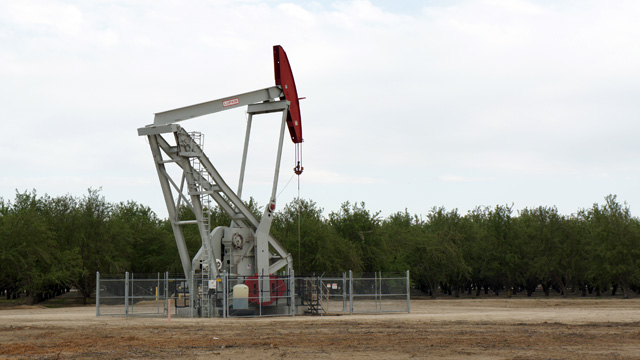
"caption": "Water from Chevron's Kern River oil field supplies orchards near Bakersfield. (Lauren Sommer/KQED)",
"description": null,
"title": "Chevron1",
"credit": null,
"status": "inherit",
"isLoading": false,
"fetchFailed": false
},
"news_131613": {
"type": "attachments",
"id": "news_131613",
"meta": {
"index": "attachments_1716263798",
"site": "news",
"id": "131613",
"found": true
},
"parent": 131590,
"imgSizes": {
"kqedFullSize": {
"file": "https://ww2.kqed.org/app/uploads/sites/10/2014/04/13567278745_520540aaf9_b.jpg",
"width": 1024,
"height": 683
}
},
"publishDate": 1396573998,
"modified": 1396573998,
"caption": null,
"description": null,
"title": "13567278745_520540aaf9_b",
"credit": null,
"status": "inherit",
"isLoading": false,
"fetchFailed": false
},
"news_10341121": {
"type": "attachments",
"id": "news_10341121",
"meta": {
"index": "attachments_1716263798",
"site": "news",
"id": "10341121",
"found": true
},
"parent": 10141120,
"imgSizes": {
"thumbnail": {
"file": "https://ww2.kqed.org/app/uploads/sites/10/2014/09/nicholascotanocrop-400x225.jpg",
"width": 400,
"mimeType": "image/jpeg",
"height": 225
},
"kqedFullSize": {
"file": "https://ww2.kqed.org/app/uploads/sites/10/2014/09/nicholascotanocrop.jpg",
"width": 640,
"height": 360
},
"guest-author-96": {
"file": "https://ww2.kqed.org/app/uploads/sites/10/2014/09/nicholascotanocrop-96x96.jpg",
"width": 96,
"mimeType": "image/jpeg",
"height": 96
},
"guest-author-64": {
"file": "https://ww2.kqed.org/app/uploads/sites/10/2014/09/nicholascotanocrop-64x64.jpg",
"width": 64,
"mimeType": "image/jpeg",
"height": 64
},
"detail": {
"file": "https://ww2.kqed.org/app/uploads/sites/10/2014/09/nicholascotanocrop-75x75.jpg",
"width": 75,
"mimeType": "image/jpeg",
"height": 75
},
"guest-author-32": {
"file": "https://ww2.kqed.org/app/uploads/sites/10/2014/09/nicholascotanocrop-32x32.jpg",
"width": 32,
"mimeType": "image/jpeg",
"height": 32
},
"guest-author-128": {
"file": "https://ww2.kqed.org/app/uploads/sites/10/2014/09/nicholascotanocrop-128x128.jpg",
"width": 128,
"mimeType": "image/jpeg",
"height": 128
}
},
"publishDate": 1410551185,
"modified": 1410551185,
"caption": "Nicholas Cotano walks through a former agricultural labor camp on Twitchell Island. (Lisa Morehouse/KQED)",
"description": null,
"title": "nicholascotanocrop",
"credit": null,
"status": "inherit",
"isLoading": false,
"fetchFailed": false
},
"science_16073": {
"type": "attachments",
"id": "science_16073",
"meta": {
"index": "attachments_1716263798",
"site": "science",
"id": "16073",
"found": true
},
"parent": 16064,
"imgSizes": {
"kqedFullSize": {
"file": "https://ww2.kqed.org/app/uploads/sites/35/2014/04/7017scr_d01835d281bde2b.jpg",
"width": 640,
"height": 360
}
},
"publishDate": 1396485763,
"modified": 1396485763,
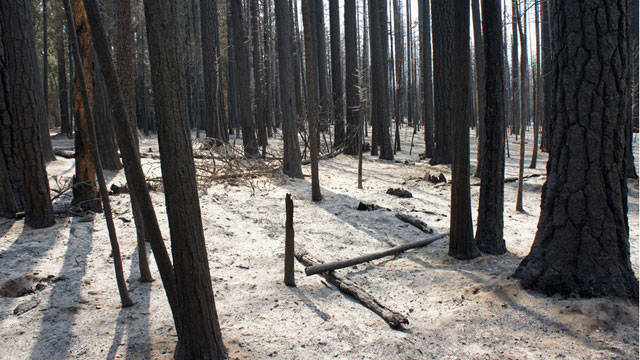
"caption": "The forest after the Rim Fire, just outside of Yosemite National Park. (Lauren Sommer/KQED)",
"description": "The forest after the Rim Fire, just outside of Yosemite National Park. (Lauren Sommer/KQED)",
"title": "7017scr_d01835d281bde2b",
"credit": null,
"status": "inherit",
"isLoading": false,
"fetchFailed": false
},
"news_131387": {
"type": "attachments",
"id": "news_131387",
"meta": {
"index": "attachments_1716263798",
"site": "news",
"id": "131387",
"found": true
},
"parent": 131357,
"imgSizes": {
"kqedFullSize": {
"file": "https://ww2.kqed.org/app/uploads/sites/10/2014/04/heatwavepower220120813.jpg",
"width": 1519,
"height": 1036
}
},
"publishDate": 1396469031,
"modified": 1396469031,
"caption": "The cap-and-trade market is aimed at decreasing carbon emissions. Photo: Justin Sullivan/Getty",
"description": null,
"title": "heatwavepower220120813",
"credit": null,
"status": "inherit",
"isLoading": false,
"fetchFailed": false
},
"science_16049": {
"type": "attachments",
"id": "science_16049",
"meta": {
"index": "attachments_1716263798",
"site": "science",
"id": "16049",
"found": true
},
"parent": 16024,
"imgSizes": {
"kqedFullSize": {
"file": "https://ww2.kqed.org/app/uploads/sites/35/2014/04/sierrasnowwater.jpg",
"width": 640,
"height": 360
}
},
"publishDate": 1396397547,
"modified": 1396397547,
"caption": "Abut a third of California's water comes from snow in the Sierra Nevada. (David McNew/Getty Images)",
"description": "Abut a third of California's water comes from snow in the Sierra Nevada. (David McNew/Getty Images)",
"title": "sierrasnowwater",
"credit": null,
"status": "inherit",
"isLoading": false,
"fetchFailed": false
},
"science_16025": {
"type": "attachments",
"id": "science_16025",
"meta": {
"index": "attachments_1716263798",
"site": "science",
"id": "16025",
"found": true
},
"parent": 16016,
"imgSizes": {
"kqedFullSize": {
"file": "https://ww2.kqed.org/app/uploads/sites/35/2014/04/stacks.jpg",
"width": 640,
"height": 360
}
},
"publishDate": 1396378875,
"modified": 1396378875,
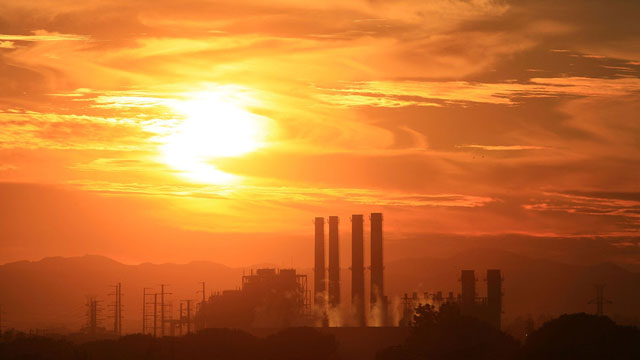
"caption": "The Department of Water and Power San Fernando Valley Generating Station is seen December 11, 2008 in Sun Valley, California. (David McNew/Getty Images)",
"description": "The Department of Water and Power San Fernando Valley Generating Station is seen December 11, 2008 in Sun Valley, California. (David McNew/Getty Images)",
"title": "stacks",
"credit": null,
"status": "inherit",
"isLoading": false,
"fetchFailed": false
},
"news_131183": {
"type": "attachments",
"id": "news_131183",
"meta": {
"index": "attachments_1716263798",
"site": "news",
"id": "131183",
"found": true
},
"parent": 131167,
"imgSizes": {
"kqedFullSize": {
"file": "https://ww2.kqed.org/app/uploads/sites/10/2014/04/treee1.jpg",
"width": 640,
"height": 427
}
},
"publishDate": 1396379730,
"modified": 1396379730,
"caption": null,
"description": null,
"title": "treee",
"credit": null,
"status": "inherit",
"isLoading": false,
"fetchFailed": false
},
"news_131119": {
"type": "attachments",
"id": "news_131119",
"meta": {
"index": "attachments_1716263798",
"site": "news",
"id": "131119",
"found": true
},
"parent": 131113,
"imgSizes": {
"kqedFullSize": {
"file": "https://ww2.kqed.org/app/uploads/sites/10/2014/04/storm-e1396368643516.jpg",
"width": 640,
"height": 431
}
},
"publishDate": 1396368594,
"modified": 1396368594,
"caption": "FILE PHOTO by Justin Sullivan/Getty Images",
"description": null,
"title": "storm",
"credit": null,
"status": "inherit",
"isLoading": false,
"fetchFailed": false
},
"science_15995": {
"type": "attachments",
"id": "science_15995",
"meta": {
"index": "attachments_1716263798",
"site": "science",
"id": "15995",
"found": true
},
"parent": 15905,
"imgSizes": {
"kqedFullSize": {
"file": "https://ww2.kqed.org/app/uploads/sites/35/2014/03/DSC01214.jpg",
"width": 640,
"height": 360
}
},
"publishDate": 1396054188,
"modified": 1396054188,
"caption": null,
"description": null,
"title": "DSC01214",
"credit": null,
"status": "inherit",
"isLoading": false,
"fetchFailed": false
}
},
"audioPlayerReducer": {
"postId": "stream_live",
"isPaused": true,
"isPlaying": false,
"pfsActive": false,
"pledgeModalIsOpen": true,
"playerDrawerIsOpen": false,
"liveAudioPlayStartedAt": 0,
"liveAudioPlayContext": ""
},
"authorsReducer": {
"byline_news_10341120": {
"type": "authors",
"id": "byline_news_10341120",
"meta": {
"override": true
},
"slug": "byline_news_10341120",
"name": "Lisa Morehouse",
"isLoading": false
},
"jbrooks": {
"type": "authors",
"id": "80",
"meta": {
"index": "authors_1716337520",
"id": "80",
"found": true
},
"name": "Jon Brooks",
"firstName": "Jon",
"lastName": "Brooks",
"slug": "jbrooks",
"email": "jbrooks@kqed.org",
"display_author_email": true,
"staff_mastheads": [
"science"
],
"title": "Digital Editor",
"bio": "Jon Brooks is a former Digital Editor for KQED Science. He is the former editor of KQED’s daily news blog, News Fix. In 2014, he won a California Journalism Award for his coverage of ride services like Uber and Lyft and the taxi industry. A veteran blogger, he previously worked for Yahoo! in various news writing and editing roles. Jon is also a playwright whose work has been produced in San Francisco, New York, Italy, and around the U.S. He has written about film for his own blog and studied film at Boston University.",
"avatar": "https://secure.gravatar.com/avatar/98887f7ed1c876ed414d4c915e969584?s=600&d=blank&r=g",
"twitter": "jbrooksfoy",
"facebook": null,
"instagram": null,
"linkedin": null,
"sites": [
{
"site": "arts",
"roles": [
"Contributor",
"editor"
]
},
{
"site": "news",
"roles": [
"author"
]
},
{
"site": "futureofyou",
"roles": [
"administrator"
]
},
{
"site": "mindshift",
"roles": [
"editor"
]
},
{
"site": "stateofhealth",
"roles": [
"editor"
]
},
{
"site": "science",
"roles": [
"administrator"
]
},
{
"site": "quest",
"roles": [
"editor"
]
}
],
"headData": {
"title": "Jon Brooks | KQED",
"description": "Digital Editor",
"ogImgSrc": "https://secure.gravatar.com/avatar/98887f7ed1c876ed414d4c915e969584?s=600&d=blank&r=g",
"twImgSrc": "https://secure.gravatar.com/avatar/98887f7ed1c876ed414d4c915e969584?s=600&d=blank&r=g"
},
"isLoading": false,
"link": "/author/jbrooks"
},
"mollysamuel": {
"type": "authors",
"id": "200",
"meta": {
"index": "authors_1716337520",
"id": "200",
"found": true
},
"name": "Molly Samuel",
"firstName": "Molly",
"lastName": "Samuel",
"slug": "mollysamuel",
"email": "msamuel@kqed.org",
"display_author_email": false,
"staff_mastheads": [],
"title": null,
"bio": "Molly Samuel joined KQED as an intern in 2007, and since then has worked here as a reporter, producer, director and blogger. Before becoming KQED Science’s Multimedia Producer, she was a producer for Climate Watch. Molly has also reported for NPR, KALW and High Country News, and has produced audio stories for The Encyclopedia of Life and the Oakland Museum of California. She was a fellow with the Middlebury Fellowships in Environmental Journalism and a journalist-in-residence at the National Evolutionary Synthesis Center. Molly has a degree in Ancient Greek from Oberlin College and is a co-founder of the record label True Panther Sounds.",
"avatar": "https://secure.gravatar.com/avatar/a6abd3b949a89fe5109fa9917631d0b6?s=600&d=blank&r=g",
"twitter": null,
"facebook": null,
"instagram": null,
"linkedin": null,
"sites": [
{
"site": "news",
"roles": [
"subscriber"
]
},
{
"site": "stateofhealth",
"roles": [
"subscriber"
]
},
{
"site": "science",
"roles": [
"subscriber"
]
},
{
"site": "quest",
"roles": [
"edit_users",
"subscriber"
]
}
],
"headData": {
"title": "Molly Samuel | KQED",
"description": null,
"ogImgSrc": "https://secure.gravatar.com/avatar/a6abd3b949a89fe5109fa9917631d0b6?s=600&d=blank&r=g",
"twImgSrc": "https://secure.gravatar.com/avatar/a6abd3b949a89fe5109fa9917631d0b6?s=600&d=blank&r=g"
},
"isLoading": false,
"link": "/author/mollysamuel"
},
"cmiller": {
"type": "authors",
"id": "221",
"meta": {
"index": "authors_1716337520",
"id": "221",
"found": true
},
"name": "Craig Miller",
"firstName": "Craig",
"lastName": "Miller",
"slug": "cmiller",
"email": "craig@voxterra.net",
"display_author_email": false,
"staff_mastheads": [
"science"
],
"title": "Editor Emeritus, Science",
"bio": "Craig is a former KQED Science editor, specializing in weather, climate, water & energy issues, with a little seismology thrown in just to shake things up. Prior to that, he launched and led the station's award-winning multimedia project, Climate Watch. Craig is also an accomplished writer/producer of television documentaries, with a focus on natural resource issues.",
"avatar": "https://secure.gravatar.com/avatar/b91661df645e001a9cafe0861fa685f9?s=600&d=blank&r=g",
"twitter": "voxterra",
"facebook": null,
"instagram": null,
"linkedin": null,
"sites": [
{
"site": "news",
"roles": [
"author"
]
},
{
"site": "futureofyou",
"roles": [
"editor"
]
},
{
"site": "stateofhealth",
"roles": [
"author"
]
},
{
"site": "science",
"roles": [
"editor"
]
},
{
"site": "quest",
"roles": [
"editor"
]
}
],
"headData": {
"title": "Craig Miller | KQED",
"description": "Editor Emeritus, Science",
"ogImgSrc": "https://secure.gravatar.com/avatar/b91661df645e001a9cafe0861fa685f9?s=600&d=blank&r=g",
"twImgSrc": "https://secure.gravatar.com/avatar/b91661df645e001a9cafe0861fa685f9?s=600&d=blank&r=g"
},
"isLoading": false,
"link": "/author/cmiller"
},
"katsnow": {
"type": "authors",
"id": "235",
"meta": {
"index": "authors_1716337520",
"id": "235",
"found": true
},
"name": "Katrin Snow",
"firstName": "Katrin",
"lastName": "Snow",
"slug": "katsnow",
"email": "ksnow@kqed.org",
"display_author_email": true,
"staff_mastheads": [
"science"
],
"title": "Senior Editor",
"bio": "Kat started in radio in 1985 at KMUN in Astoria, Oregon, where the Columbia River meets the sea. She worked several years protecting monarch butterfly habitat in California with the Xerces Society, an invertebrate conservation organization, before a love for radio news drew her back into journalism. Kat came to KQED in 2002, and before that was a reporter and news director at KUER in Salt Lake City, covering the state legislature, the environment and health. Kat coaches reporters and others in embodied narration and public speaking. She is a certified teacher of Soul Motion®, a conscious dance practice, and can sometimes be found in the Mojave desert or the Eastern Sierra.",
"avatar": "https://secure.gravatar.com/avatar/fa6bf8a74a2692973a5484e64ebd2b52?s=600&d=blank&r=g",
"twitter": "cosmologicalkat",
"facebook": null,
"instagram": null,
"linkedin": null,
"sites": [
{
"site": "arts",
"roles": [
"contributor"
]
},
{
"site": "news",
"roles": [
"editor"
]
},
{
"site": "futureofyou",
"roles": [
"editor"
]
},
{
"site": "science",
"roles": [
"editor"
]
}
],
"headData": {
"title": "Katrin Snow | KQED",
"description": "Senior Editor",
"ogImgSrc": "https://secure.gravatar.com/avatar/fa6bf8a74a2692973a5484e64ebd2b52?s=600&d=blank&r=g",
"twImgSrc": "https://secure.gravatar.com/avatar/fa6bf8a74a2692973a5484e64ebd2b52?s=600&d=blank&r=g"
},
"isLoading": false,
"link": "/author/katsnow"
},
"kqed": {
"type": "authors",
"id": "236",
"meta": {
"index": "authors_1716337520",
"id": "236",
"found": true
},
"name": "KQED News Staff",
"firstName": "KQED News Staff",
"lastName": null,
"slug": "kqed",
"email": "faq@kqed.org",
"display_author_email": false,
"staff_mastheads": [],
"title": null,
"bio": null,
"avatar": "https://secure.gravatar.com/avatar/ef0e801a68c4c54afa9180db14084167?s=600&d=blank&r=g",
"twitter": null,
"facebook": null,
"instagram": null,
"linkedin": null,
"sites": [
{
"site": "arts",
"roles": [
"contributor"
]
},
{
"site": "news",
"roles": [
"editor"
]
},
{
"site": "futureofyou",
"roles": [
"author"
]
}
],
"headData": {
"title": "KQED News Staff | KQED",
"description": null,
"ogImgSrc": "https://secure.gravatar.com/avatar/ef0e801a68c4c54afa9180db14084167?s=600&d=blank&r=g",
"twImgSrc": "https://secure.gravatar.com/avatar/ef0e801a68c4c54afa9180db14084167?s=600&d=blank&r=g"
},
"isLoading": false,
"link": "/author/kqed"
},
"laurensommer": {
"type": "authors",
"id": "239",
"meta": {
"index": "authors_1716337520",
"id": "239",
"found": true
},
"name": "Lauren Sommer",
"firstName": "Lauren",
"lastName": "Sommer",
"slug": "laurensommer",
"email": "lsommer@kqed.org",
"display_author_email": false,
"staff_mastheads": [],
"title": "KQED Contributor",
"bio": "Lauren is a radio reporter formerly covering environment, water, and energy for KQED Science. As part of her day job, she has scaled Sierra Nevada peaks, run from charging elephant seals, and desperately tried to get her sea legs - all in pursuit of good radio. Her work has appeared on Marketplace, Living on Earth, Science Friday and NPR's Morning Edition and All Things Considered. You can find her on Twitter at \u003ca href=\"https://twitter.com/lesommer\">@lesommer\u003c/a>.",
"avatar": "https://secure.gravatar.com/avatar/33aa3772bb86c6ad45b8aca6a238bbdf?s=600&d=blank&r=g",
"twitter": null,
"facebook": null,
"instagram": null,
"linkedin": null,
"sites": [
{
"site": "news",
"roles": [
"author"
]
},
{
"site": "science",
"roles": [
"editor",
"manage_content_types",
"manage_taxonomies"
]
},
{
"site": "quest",
"roles": [
"editor"
]
}
],
"headData": {
"title": "Lauren Sommer | KQED",
"description": "KQED Contributor",
"ogImgSrc": "https://secure.gravatar.com/avatar/33aa3772bb86c6ad45b8aca6a238bbdf?s=600&d=blank&r=g",
"twImgSrc": "https://secure.gravatar.com/avatar/33aa3772bb86c6ad45b8aca6a238bbdf?s=600&d=blank&r=g"
},
"isLoading": false,
"link": "/author/laurensommer"
},
"minakim": {
"type": "authors",
"id": "243",
"meta": {
"index": "authors_1716337520",
"id": "243",
"found": true
},
"name": "Mina Kim",
"firstName": "Mina",
"lastName": "Kim",
"slug": "minakim",
"email": "mkim@kqed.org",
"display_author_email": false,
"staff_mastheads": [
"news"
],
"title": "Host, Forum",
"bio": "Mina Kim is host of the 10 a.m. statewide hour of Forum; a live daily talk show for curious Californians on issues that matter to the state and nation, with a particular emphasis on race and equity.\r\n\r\nBefore joining the Forum team, Mina was KQED’s evening news anchor, and health reporter for The California Report. Her award-winning work has included natural disasters in Napa and gun violence in Oakland. Mina grew up in St. John’s, Newfoundland.",
"avatar": "https://secure.gravatar.com/avatar/145ce657a2d08cb86d93686beb958982?s=600&d=blank&r=g",
"twitter": "mkimreporter",
"facebook": null,
"instagram": null,
"linkedin": null,
"sites": [
{
"site": "news",
"roles": [
"contributor"
]
},
{
"site": "stateofhealth",
"roles": [
"author"
]
},
{
"site": "forum",
"roles": [
"editor"
]
}
],
"headData": {
"title": "Mina Kim | KQED",
"description": "Host, Forum",
"ogImgSrc": "https://secure.gravatar.com/avatar/145ce657a2d08cb86d93686beb958982?s=600&d=blank&r=g",
"twImgSrc": "https://secure.gravatar.com/avatar/145ce657a2d08cb86d93686beb958982?s=600&d=blank&r=g"
},
"isLoading": false,
"link": "/author/minakim"
},
"sasha-khokha": {
"type": "authors",
"id": "254",
"meta": {
"index": "authors_1716337520",
"id": "254",
"found": true
},
"name": "Sasha Khokha",
"firstName": "Sasha",
"lastName": "Khokha",
"slug": "sasha-khokha",
"email": "skhokha@kqed.org",
"display_author_email": true,
"staff_mastheads": [
"news"
],
"title": "Host, The California Report Magazine",
"bio": "Sasha Khokha is the host of \u003cem>The California Report's \u003c/em> weekly magazine program, which takes listeners on sound-rich excursions to meet the people that make the Golden State unique -- through audio documentaries and long-form stories. As \u003cem>The California Report's\u003c/em> Central Valley Bureau Chief based in Fresno for nearly a dozen years, Sasha brought the lives and concerns of rural Californians to listeners around the state. Her reporting helped expose the hidden price immigrant women janitors and farmworkers may pay to keep their jobs: sexual assault at work. It inspired two new California laws to protect them from sexual harassment. She was a key member of the reporting team for the Frontline film \u003cem>Rape on the Night Shift, \u003c/em>which was nominated for two national Emmys. Sasha has also won a national Edward R. Murrow and a national PRNDI award for investigative reporting, as well as multiple prizes from the Society for Professional Journalists. Sasha is a proud alum of the UC Berkeley Graduate School of Journalism and Brown University and a member of the South Asian Journalists Association.",
"avatar": "https://secure.gravatar.com/avatar/e4b5e1541aaeea2aa356aa1fb2a68950?s=600&d=blank&r=g",
"twitter": "KQEDSashaKhokha",
"facebook": null,
"instagram": null,
"linkedin": null,
"sites": [
{
"site": "news",
"roles": [
"editor"
]
},
{
"site": "stateofhealth",
"roles": [
"author"
]
},
{
"site": "science",
"roles": [
"author"
]
},
{
"site": "quest",
"roles": [
"subscriber"
]
}
],
"headData": {
"title": "Sasha Khokha | KQED",
"description": "Host, The California Report Magazine",
"ogImgSrc": "https://secure.gravatar.com/avatar/e4b5e1541aaeea2aa356aa1fb2a68950?s=600&d=blank&r=g",
"twImgSrc": "https://secure.gravatar.com/avatar/e4b5e1541aaeea2aa356aa1fb2a68950?s=600&d=blank&r=g"
},
"isLoading": false,
"link": "/author/sasha-khokha"
},
"kdomara": {
"type": "authors",
"id": "1459",
"meta": {
"index": "authors_1716337520",
"id": "1459",
"found": true
},
"name": "Kelly O'Mara",
"firstName": "Kelly",
"lastName": "O'Mara",
"slug": "kdomara",
"email": "komara@kqed.org",
"display_author_email": false,
"staff_mastheads": [
"news"
],
"title": "KQED Contributor",
"bio": "Kelly O'Mara is a writer and reporter in the San Francisco Bay Area. She writes about food, health, sports, travel, business and California news. Her work has appeared on KQED, online for Outside Magazine, epsnW, VICE and in Competitor Magazine, among others. Follow Kelly on Twitter \u003ca href=\"https://twitter.com/kellydomara\">@kellydomara\u003c/a>.",
"avatar": "https://secure.gravatar.com/avatar/768fec7412028b72f13bdd0f5f9d8186?s=600&d=blank&r=g",
"twitter": null,
"facebook": null,
"instagram": null,
"linkedin": null,
"sites": [
{
"site": "arts",
"roles": []
},
{
"site": "news",
"roles": []
},
{
"site": "bayareabites",
"roles": []
},
{
"site": "stateofhealth",
"roles": []
},
{
"site": "science",
"roles": []
},
{
"site": "checkplease",
"roles": [
"editor"
]
},
{
"site": "food",
"roles": []
},
{
"site": "forum",
"roles": [
"editor"
]
},
{
"site": "liveblog",
"roles": [
"editor"
]
}
],
"headData": {
"title": "Kelly O'Mara | KQED",
"description": "KQED Contributor",
"ogImgSrc": "https://secure.gravatar.com/avatar/768fec7412028b72f13bdd0f5f9d8186?s=600&d=blank&r=g",
"twImgSrc": "https://secure.gravatar.com/avatar/768fec7412028b72f13bdd0f5f9d8186?s=600&d=blank&r=g"
},
"isLoading": false,
"link": "/author/kdomara"
}
},
"pagesReducer": {
"news_category_environment": {
"type": "terms",
"id": "news_19906",
"meta": {
"index": "terms_1716263798",
"site": "news",
"id": "19906",
"score": 12.137385
},
"featImg": null,
"name": "Environment",
"description": null,
"taxonomy": "category",
"headData": {
"twImgId": null,
"twTitle": null,
"ogTitle": null,
"ogImgId": null,
"twDescription": null,
"description": null,
"title": "Environment Archives | KQED News",
"ogDescription": null
},
"ttid": 19923,
"slug": "environment",
"isLoading": false,
"title": "Environment",
"pageMeta": {
"site": "news",
"WpPageTemplate": "page-topic-editorial",
"currentPage": 268
},
"blocks": [
{
"blockName": "kqed/post-list",
"attrs": {
"layout": "cardArticle2",
"query": "posts/news?category=environment",
"seeMore": false,
"paginated": true,
"page": 268
}
},
{
"blockName": "kqed/ad"
}
]
}
},
"pfsSessionReducer": {},
"postsReducer": {
"stream_live": {
"type": "live",
"id": "stream_live",
"audioUrl": "https://streams.kqed.org/kqedradio",
"title": "Live Stream",
"excerpt": "Live Stream information currently unavailable.",
"link": "/radio",
"featImg": "",
"label": {
"name": "KQED Live",
"link": "/"
}
},
"stream_kqedNewscast": {
"type": "posts",
"id": "stream_kqedNewscast",
"audioUrl": "https://www.kqed.org/.stream/anon/radio/RDnews/newscast.mp3?_=1",
"title": "KQED Newscast",
"featImg": "",
"label": {
"name": "88.5 FM",
"link": "/"
}
},
"science_16289": {
"type": "posts",
"id": "science_16289",
"meta": {
"index": "posts_1716263798",
"site": "science",
"id": "16289",
"score": null,
"sort": [
1396958435000
]
},
"parent": 0,
"labelTerm": {},
"blocks": [],
"publishDate": 1396958435,
"format": "aside",
"title": "Cold, Then Dry: Dealing California Citrus Farmers a Double Punch",
"headTitle": "Cold, Then Dry: Dealing California Citrus Farmers a Double Punch | KQED",
"content": "\u003cp>These are magic weeks in the groves of the Central Valley citrus belt, a time when orchards are buzzing with honeybees and redolent with the heady, sweet smell of orange blossoms. But around the Tulare County town of Terra Bella, farmers like Matt Fisher smell doom.\u003c/p>\n\u003cp>“You don’t want all these flowers,” Fisher says, reaching into a tree and knocking off some blossoms. “The reason this tree is blooming so hard, is because the tree by nature wants to come out fighting from a freeze.”\u003c/p>\n\u003cfigure id=\"attachment_16309\" class=\"wp-caption aligncenter\" style=\"max-width: 1024px\">\u003cimg loading=\"lazy\" decoding=\"async\" class=\"size-large wp-image-16309\" src=\"http://ww2.kqed.org/science/wp-content/uploads/sites/35/2014/04/Terra-Bella-4-1024x682.jpg\" alt=\"Jeff Fisher and his wife invested their life savings in 40 acres of citrus in Terra Bella, only to be hit with a devastating freeze last winter, and the drought this year. (Sasha Khokha/KQED)\" width=\"1024\" height=\"682\">\u003cfigcaption class=\"wp-caption-text\">Matt Fisher and his wife invested their life savings in 40 acres of citrus in Terra Bella, only to be hit with a devastating freeze last winter, and the drought this year. (Sasha Khokha/KQED)\u003c/figcaption>\u003c/figure>\n\u003cp>A \u003ca href=\"http://www.californiareport.org/archive/R201401060850/b\">cold snap\u003c/a> last December \u003ca title=\"LAT - post\" href=\"http://articles.latimes.com/2014/feb/03/business/la-fi-mo-citrus-damage-20140203\">hit this area hard\u003c/a> and dried up lots of Fisher’s fruit. Many of his baby mandarin trees are still brown and fried. The surviving orange trees face a double-whammy: first the freeze, now no irrigation water whatsoever to keep them alive as they move into the spring and summer.\u003c/p>\n\u003cp>“The trees are already starting to go into a wilt,” says Fisher. “You see the leaves are curling. These trees are just running out of gas. It’s hard.”\u003c/p>\n\u003cp>Fisher farms in the \u003ca title=\"USBR - doc\" href=\"http://www.usbr.gov/mp/watershare/wcplans/2013/Terra_Bella%20.pdf\">Terra Bella Irrigation District\u003c/a>, which is in an especially tight spot. Farmers in other parts of the San Joaquin Valley may decide not to plant tomatoes or onions this year. But in Terra Bella, the main crops are citrus and pistachio trees. Not watering them could cripple the local farm economy for years to come.\u003c/p>\n\u003caside class=\"pullquote alignleft\">‘You’ve literally just got to watch your trees go into a dead wilt, turn brown, and that’s it.’\u003c/aside>\n\u003cp>Unlike other parts of California’s farm belt, Terra Bella has almost no groundwater. Now Terra Bella’s 600 farmers have gotten some shattering news. For the first time ever, they’re likely to get \u003ca title=\"USBR - release\" href=\"https://www.usbr.gov/newsroom/newsrelease/detail.cfm?RecordID=46045\">no water this year\u003c/a> from the federally-operated \u003ca title=\"Wiki - Friant-Kern Canal\" href=\"http://en.wikipedia.org/wiki/Friant-Kern_Canal\">Friant-Kern canal\u003c/a>.\u003c/p>\n\u003cp>[ad fullwidth]\u003c/p>\n\u003cp>“We don’t have any well water, so we’re waiting on rain, and that’s it,” says Fisher. “The noose is tightening around our necks, more and more every day. You’ve literally just got to watch your trees go into a dead wilt, turn brown, and that’s it.”\u003c/p>\n\u003cp>Farmers in this part of the valley have always enjoyed priority rights to the water that comes from the federal canals. But last month, authorities here sealed the water connections to all farms in the district.\u003c/p>\n\u003cp>Fisher opens up the lid to his water meter to show me a wire wrapped around the spigot, hooked to a green tag that reads, “No irrigation water is available this year. Illegal use of irrigation water is subject to penalties. Your meter has been sealed.”\u003c/p>\n\u003cfigure id=\"attachment_16313\" class=\"wp-caption aligncenter\" style=\"max-width: 1024px\">\u003cimg loading=\"lazy\" decoding=\"async\" class=\"size-large wp-image-16313\" src=\"http://ww2.kqed.org/science/wp-content/uploads/sites/35/2014/04/Terra-Bella-7-1024x682.jpg\" alt=\"The Terra Bella Irrigation District has put a physical seal on the spigots that deliver water to farmers. There is a $10,000 penalty for breaking the seal. (Sasha Khokha/KQED)\" width=\"1024\" height=\"682\">\u003cfigcaption class=\"wp-caption-text\">The Terra Bella Irrigation District has put a physical seal on the spigots that deliver water to farmers. There is a $10,000 penalty for breaking the seal. (Sasha Khokha/KQED)\u003c/figcaption>\u003c/figure>\n\u003cp>The irrigation district is levying some hefty fines, including a $10,000 penalty for cutting the seal. But with Terra Bella’s $100 million citrus crop at stake, irrigation district manager Sean Geivet knows a $10,000 fine may not be enough of a deterrent to keep farmers from breaking the seals.\u003c/p>\n\u003cp>“I’ve heard rumors that it may be worth paying the penalties to keep your trees alive, so we’ll see how it works,” says Geivet, standing in the pump house that usually sends canal water out to Terra Bella’s 7,000 acres of citrus. “I don’t want to be a water cop, but this year, that’s what we’re looking like.”\u003c/p>\n\u003cp>[contextly_sidebar id=”040792ff5c8448f89bab0ced86ac667c”]\u003c/p>\n\u003cp>Geivet’s also looking like a banker. Desperate farmers have dropped off $4 million in checks at Geivet’s office. He’s just holding them in his safe until he can find some water to buy on their behalf.\u003c/p>\n\u003cp>With a projected allocation of “zero” water from the federal \u003ca title=\"USBOR - CVP\" href=\"https://www.usbr.gov/projects/Project.jsp?proj_Name=Central+Valley+Project\">Central Valley Project\u003c/a>, Geivet spends nearly all his time on the phone, trying to drum up other sources of water.\u003c/p>\n\u003cp>“But at zero,” he says. “There’s not even enough water in the system to try and trade things around.”\u003c/p>\n\u003cp>That zero adds up to trouble for the town of Terra Bella, where about 6,000 people rely heavily on the citrus industry – and the same irrigation canal that feeds area farms.\u003c/p>\n\u003cp>The federal government does plan to continue supplying drinking water for residential customers here who rely on the Friant-Kern canal, but only half the usual amount.\u003c/p>\n\u003caside class=\"pullquote alignleft\">‘We don’t know what’s going to happen with our jobs if there’s no water.’\u003c/aside>\n\u003cp> At the irrigation district office, Patty Gutierrez tries to explain the importance of conservation to residential customers like farmworker Miguel Cortes, who comes to pay his bill in his cowboy hat.\u003c/p>\n\u003cp>“You have to conserve water,” Gutierrez reminds him in Spanish. “You can’t use more than 32,670 cubic feet per year.” (That’s about three-quarters of what a typical American household uses.) Customers who go beyond that in Terra Bella may face a $3,000 fine.\u003c/p>\n\u003cp>At this point, Cortes is more worried about losing his livelihood than whether or not there’s enough water to wash his car.\u003c/p>\n\u003cp>“We depend on the work in the fields,” he says in Spanish. “We don’t know what’s going to happen with our jobs if there’s no water. What can we do? All we can do is wait for what’s coming next,” he says.\u003c/p>\n\u003cp>Just down the road, Terra Bella resident Jose Melendez is carefully watering his plants with a coffee can. “There’s no water coming in. We’re out. I get it,” he says, pointing to the hose he once used to wash off his patio.\u003c/p>\n\u003cp>Like many residents here, Melendez has two meters: one for outdoor irrigation, and one that provides filtered canal water for indoor use. And like Terra Bella famers, his outdoor irrigation meter is sealed. So now he’s having to use the more expensive drinking water for his plants.\u003c/p>\n\u003cp>He’s willing to do that, and to stop watering his lawn. But he wants the irrigation district to do a better job of educating residents on conservation and helping them calculate a running total of how much they are using. There’s nothing on their monthly bill that shows how close they are getting to the limit set by the district.\u003c/p>\n\u003cp>“Because if we don’t know. How are we supposed to really conserve?” asks Melendez. “They shouldn’t be keeping us in the dark.”\u003c/p>\n\u003cp>The water district says it is sending out letters to residents about conservation, but its main concern is not household use. It’s agriculture. Farmers use more than 90 percent of the water here.\u003c/p>\n\u003cp>[ad floatright]\u003c/p>\n\u003cp>\u003c!-- iframe plugin v.4.3 wordpress.org/plugins/iframe/ -->\u003cbr>\n\u003ciframe loading=\"lazy\" width=\"100%\" height=\"166\" scrolling=\"no\" frameborder=\"no\" src=\"https://w.soundcloud.com/player/?url=https%3A//api.soundcloud.com/tracks/143726744&color=ff5500&auto_play=false&hide_related=false&show_artwork=true\" class=\"iframe-class\">\u003c/iframe>\u003c/p>\n\n",
"stats": {
"hasVideo": false,
"hasChartOrMap": false,
"hasAudio": true,
"hasPolis": false,
"wordCount": 1233,
"hasGoogleForm": false,
"hasGallery": false,
"hasHearkenModule": false,
"iframeSrcs": [],
"paragraphCount": 29
},
"modified": 1704933876,
"excerpt": "First the freeze, now a crippling water shortage confront citrus growers in the Central Valley.",
"headData": {
"twImgId": "",
"twTitle": "",
"ogTitle": "",
"ogImgId": "",
"twDescription": "",
"description": "First the freeze, now a crippling water shortage confront citrus growers in the Central Valley.",
"title": "Cold, Then Dry: Dealing California Citrus Farmers a Double Punch | KQED",
"ogDescription": "",
"schema": {
"@context": "https://schema.org",
"@type": "Article",
"headline": "Cold, Then Dry: Dealing California Citrus Farmers a Double Punch",
"datePublished": "2014-04-08T05:00:35-07:00",
"dateModified": "2024-01-10T16:44:36-08:00",
"image": "https://cdn.kqed.org/wp-content/uploads/2020/02/KQED-OG-Image@1x.png"
}
},
"guestAuthors": [],
"slug": "cold-then-dry-dealing-california-citrus-farmers-a-double-punch",
"status": "publish",
"sticky": false,
"path": "/science/16289/cold-then-dry-dealing-california-citrus-farmers-a-double-punch",
"audioTrackLength": null,
"parsedContent": [
{
"type": "contentString",
"content": "\u003cdiv class=\"post-body\">\u003cp>\u003cp>These are magic weeks in the groves of the Central Valley citrus belt, a time when orchards are buzzing with honeybees and redolent with the heady, sweet smell of orange blossoms. But around the Tulare County town of Terra Bella, farmers like Matt Fisher smell doom.\u003c/p>\n\u003cp>“You don’t want all these flowers,” Fisher says, reaching into a tree and knocking off some blossoms. “The reason this tree is blooming so hard, is because the tree by nature wants to come out fighting from a freeze.”\u003c/p>\n\u003cfigure id=\"attachment_16309\" class=\"wp-caption aligncenter\" style=\"max-width: 1024px\">\u003cimg loading=\"lazy\" decoding=\"async\" class=\"size-large wp-image-16309\" src=\"http://ww2.kqed.org/science/wp-content/uploads/sites/35/2014/04/Terra-Bella-4-1024x682.jpg\" alt=\"Jeff Fisher and his wife invested their life savings in 40 acres of citrus in Terra Bella, only to be hit with a devastating freeze last winter, and the drought this year. (Sasha Khokha/KQED)\" width=\"1024\" height=\"682\">\u003cfigcaption class=\"wp-caption-text\">Matt Fisher and his wife invested their life savings in 40 acres of citrus in Terra Bella, only to be hit with a devastating freeze last winter, and the drought this year. (Sasha Khokha/KQED)\u003c/figcaption>\u003c/figure>\n\u003cp>A \u003ca href=\"http://www.californiareport.org/archive/R201401060850/b\">cold snap\u003c/a> last December \u003ca title=\"LAT - post\" href=\"http://articles.latimes.com/2014/feb/03/business/la-fi-mo-citrus-damage-20140203\">hit this area hard\u003c/a> and dried up lots of Fisher’s fruit. Many of his baby mandarin trees are still brown and fried. The surviving orange trees face a double-whammy: first the freeze, now no irrigation water whatsoever to keep them alive as they move into the spring and summer.\u003c/p>\n\u003cp>“The trees are already starting to go into a wilt,” says Fisher. “You see the leaves are curling. These trees are just running out of gas. It’s hard.”\u003c/p>\n\u003cp>Fisher farms in the \u003ca title=\"USBR - doc\" href=\"http://www.usbr.gov/mp/watershare/wcplans/2013/Terra_Bella%20.pdf\">Terra Bella Irrigation District\u003c/a>, which is in an especially tight spot. Farmers in other parts of the San Joaquin Valley may decide not to plant tomatoes or onions this year. But in Terra Bella, the main crops are citrus and pistachio trees. Not watering them could cripple the local farm economy for years to come.\u003c/p>\n\u003caside class=\"pullquote alignleft\">‘You’ve literally just got to watch your trees go into a dead wilt, turn brown, and that’s it.’\u003c/aside>\n\u003cp>Unlike other parts of California’s farm belt, Terra Bella has almost no groundwater. Now Terra Bella’s 600 farmers have gotten some shattering news. For the first time ever, they’re likely to get \u003ca title=\"USBR - release\" href=\"https://www.usbr.gov/newsroom/newsrelease/detail.cfm?RecordID=46045\">no water this year\u003c/a> from the federally-operated \u003ca title=\"Wiki - Friant-Kern Canal\" href=\"http://en.wikipedia.org/wiki/Friant-Kern_Canal\">Friant-Kern canal\u003c/a>.\u003c/p>\n\u003cp>\u003c/p>\u003c/div>",
"attributes": {
"named": {},
"numeric": []
}
},
{
"type": "component",
"content": "",
"name": "ad",
"attributes": {
"named": {
"label": "fullwidth"
},
"numeric": [
"fullwidth"
]
}
},
{
"type": "contentString",
"content": "\u003cdiv class=\"post-body\">\u003cp>\u003c/p>\n\u003cp>“We don’t have any well water, so we’re waiting on rain, and that’s it,” says Fisher. “The noose is tightening around our necks, more and more every day. You’ve literally just got to watch your trees go into a dead wilt, turn brown, and that’s it.”\u003c/p>\n\u003cp>Farmers in this part of the valley have always enjoyed priority rights to the water that comes from the federal canals. But last month, authorities here sealed the water connections to all farms in the district.\u003c/p>\n\u003cp>Fisher opens up the lid to his water meter to show me a wire wrapped around the spigot, hooked to a green tag that reads, “No irrigation water is available this year. Illegal use of irrigation water is subject to penalties. Your meter has been sealed.”\u003c/p>\n\u003cfigure id=\"attachment_16313\" class=\"wp-caption aligncenter\" style=\"max-width: 1024px\">\u003cimg loading=\"lazy\" decoding=\"async\" class=\"size-large wp-image-16313\" src=\"http://ww2.kqed.org/science/wp-content/uploads/sites/35/2014/04/Terra-Bella-7-1024x682.jpg\" alt=\"The Terra Bella Irrigation District has put a physical seal on the spigots that deliver water to farmers. There is a $10,000 penalty for breaking the seal. (Sasha Khokha/KQED)\" width=\"1024\" height=\"682\">\u003cfigcaption class=\"wp-caption-text\">The Terra Bella Irrigation District has put a physical seal on the spigots that deliver water to farmers. There is a $10,000 penalty for breaking the seal. (Sasha Khokha/KQED)\u003c/figcaption>\u003c/figure>\n\u003cp>The irrigation district is levying some hefty fines, including a $10,000 penalty for cutting the seal. But with Terra Bella’s $100 million citrus crop at stake, irrigation district manager Sean Geivet knows a $10,000 fine may not be enough of a deterrent to keep farmers from breaking the seals.\u003c/p>\n\u003cp>“I’ve heard rumors that it may be worth paying the penalties to keep your trees alive, so we’ll see how it works,” says Geivet, standing in the pump house that usually sends canal water out to Terra Bella’s 7,000 acres of citrus. “I don’t want to be a water cop, but this year, that’s what we’re looking like.”\u003c/p>\n\u003cp>\u003c/p>\u003cp>\u003c/p>\u003cp>\u003c/p>\n\u003cp>Geivet’s also looking like a banker. Desperate farmers have dropped off $4 million in checks at Geivet’s office. He’s just holding them in his safe until he can find some water to buy on their behalf.\u003c/p>\n\u003cp>With a projected allocation of “zero” water from the federal \u003ca title=\"USBOR - CVP\" href=\"https://www.usbr.gov/projects/Project.jsp?proj_Name=Central+Valley+Project\">Central Valley Project\u003c/a>, Geivet spends nearly all his time on the phone, trying to drum up other sources of water.\u003c/p>\n\u003cp>“But at zero,” he says. “There’s not even enough water in the system to try and trade things around.”\u003c/p>\n\u003cp>That zero adds up to trouble for the town of Terra Bella, where about 6,000 people rely heavily on the citrus industry – and the same irrigation canal that feeds area farms.\u003c/p>\n\u003cp>The federal government does plan to continue supplying drinking water for residential customers here who rely on the Friant-Kern canal, but only half the usual amount.\u003c/p>\n\u003caside class=\"pullquote alignleft\">‘We don’t know what’s going to happen with our jobs if there’s no water.’\u003c/aside>\n\u003cp> At the irrigation district office, Patty Gutierrez tries to explain the importance of conservation to residential customers like farmworker Miguel Cortes, who comes to pay his bill in his cowboy hat.\u003c/p>\n\u003cp>“You have to conserve water,” Gutierrez reminds him in Spanish. “You can’t use more than 32,670 cubic feet per year.” (That’s about three-quarters of what a typical American household uses.) Customers who go beyond that in Terra Bella may face a $3,000 fine.\u003c/p>\n\u003cp>At this point, Cortes is more worried about losing his livelihood than whether or not there’s enough water to wash his car.\u003c/p>\n\u003cp>“We depend on the work in the fields,” he says in Spanish. “We don’t know what’s going to happen with our jobs if there’s no water. What can we do? All we can do is wait for what’s coming next,” he says.\u003c/p>\n\u003cp>Just down the road, Terra Bella resident Jose Melendez is carefully watering his plants with a coffee can. “There’s no water coming in. We’re out. I get it,” he says, pointing to the hose he once used to wash off his patio.\u003c/p>\n\u003cp>Like many residents here, Melendez has two meters: one for outdoor irrigation, and one that provides filtered canal water for indoor use. And like Terra Bella famers, his outdoor irrigation meter is sealed. So now he’s having to use the more expensive drinking water for his plants.\u003c/p>\n\u003cp>He’s willing to do that, and to stop watering his lawn. But he wants the irrigation district to do a better job of educating residents on conservation and helping them calculate a running total of how much they are using. There’s nothing on their monthly bill that shows how close they are getting to the limit set by the district.\u003c/p>\n\u003cp>“Because if we don’t know. How are we supposed to really conserve?” asks Melendez. “They shouldn’t be keeping us in the dark.”\u003c/p>\n\u003cp>The water district says it is sending out letters to residents about conservation, but its main concern is not household use. It’s agriculture. Farmers use more than 90 percent of the water here.\u003c/p>\n\u003cp>\u003c/p>\u003c/div>",
"attributes": {
"named": {},
"numeric": []
}
},
{
"type": "component",
"content": "",
"name": "ad",
"attributes": {
"named": {
"label": "floatright"
},
"numeric": [
"floatright"
]
}
},
{
"type": "contentString",
"content": "\u003cdiv class=\"post-body\">\u003cp>\u003c/p>\n\u003cp>\u003c!-- iframe plugin v.4.3 wordpress.org/plugins/iframe/ -->\u003cbr>\n\u003ciframe loading=\"lazy\" width=\"100%\" height=\"166\" scrolling=\"no\" frameborder=\"no\" src=\"https://w.soundcloud.com/player/?url=https%3A//api.soundcloud.com/tracks/143726744&color=ff5500&auto_play=false&hide_related=false&show_artwork=true\" class=\"iframe-class\">\u003c/iframe>\u003c/p>\n\n\u003c/div>\u003c/p>",
"attributes": {
"named": {},
"numeric": []
}
}
],
"link": "/science/16289/cold-then-dry-dealing-california-citrus-farmers-a-double-punch",
"authors": [
"254"
],
"series": [
"science_1151"
],
"categories": [
"science_31",
"science_36",
"science_40",
"science_98"
],
"tags": [
"science_392",
"science_572",
"science_1487"
],
"featImg": "science_16306",
"label": "science"
},
"news_131789": {
"type": "posts",
"id": "news_131789",
"meta": {
"index": "posts_1716263798",
"site": "news",
"id": "131789",
"score": null,
"sort": [
1396901428000
]
},
"guestAuthors": [],
"slug": "petaluma-slaughterhouse-upheaval-continues-despite-reopening",
"title": "Petaluma Slaughterhouse Upheaval Continues, Despite Reopening",
"publishDate": 1396901428,
"format": "aside",
"headTitle": "Petaluma Slaughterhouse Upheaval Continues, Despite Reopening | KQED",
"labelTerm": {
"term": 6944,
"site": "news"
},
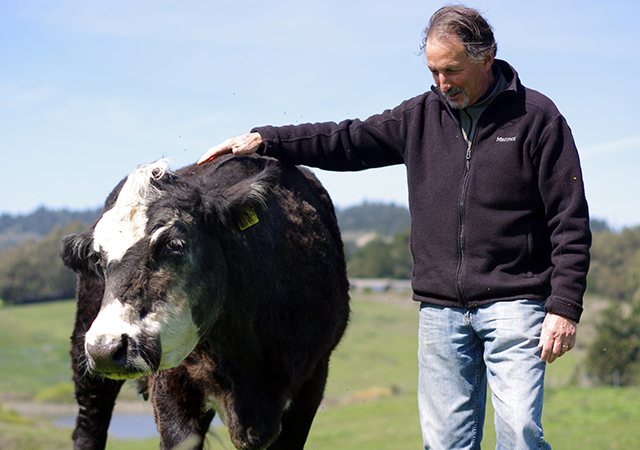
"content": "\u003cfigure id=\"attachment_131794\" class=\"wp-caption aligncenter\" style=\"max-width: 640px\">\u003ca href=\"http://ww2.kqed.org/news/wp-content/uploads/sites/10/2014/04/IMGP9170.jpg\">\u003cimg loading=\"lazy\" decoding=\"async\" class=\"size-full wp-image-131794\" src=\"http://ww2.kqed.org/news/wp-content/uploads/sites/10/2014/04/IMGP9170.jpg\" alt=\"Bill Niman is fighting to save his company, BN Ranch. He stands to lose nearly $400,000 from a massive beef recall at a Petaluma slaughterhouse. Niman and others have said his meat is safe. (Mina Kim/KQED)\" width=\"640\" height=\"450\">\u003c/a>\u003cfigcaption class=\"wp-caption-text\">Bill Niman is fighting to save his company, BN Ranch. He stands to lose nearly $400,000 from a massive beef recall at a Petaluma slaughterhouse. Niman and others have said his meat is safe. (Mina Kim/KQED)\u003c/figcaption>\u003c/figure>\n\u003cp>The next chapter in the saga of a troubled Petaluma slaughterhouse opens today as it begins operations under the aegis of \u003ca href=\"http://www.marinsunfarms.com/\" target=\"_blank\" rel=\"noopener\">Marin Sun Farms\u003c/a>, a San Francisco-based boutique meat producer.\u003c/p>\n\u003cp>Marin Sun is taking over the facility formerly run by Rancho Feeding Corp., which went out of business in February after federal food-safety inspectors ordered it to \u003ca href=\"http://ww2.kqed.org/news/2014/02/09/petaluma-firm-recalls-possibly-tainted-beef\" target=\"_blank\" rel=\"noopener\">recall 8.7 million pounds of beef products\u003c/a>. The Department of Agriculture said the plant processed diseased and unsound animals without inspectors’ approval.\u003c/p>\n\u003cp>Marin Sun CEO David Evans said during a press conference last week at the Petaluma plant that its operations have been completely overhauled. “Everything has been rewritten, reinspected, reinvested in, with a completely new mission and outlook on how to do business and how to bring product to the Bay Area consumers,” Evans said.\u003c/p>\n\u003cp>But the change in ownership doesn’t end the months of upheaval that have afflicted many Bay Area ranchers. They’ve had to send animals to slaughter to facilities in the Central Valley or on the North Coast. And one respected rancher is facing continuing losses linked to the recall.\u003c/p>\n\u003cfigure id=\"attachment_131791\" class=\"wp-caption alignright\" style=\"max-width: 400px\">\u003ca href=\"http://ww2.kqed.org/news/wp-content/uploads/sites/10/2014/04/IMG_3935.jpg\">\u003cimg loading=\"lazy\" decoding=\"async\" class=\"size-full wp-image-131791 \" src=\"http://ww2.kqed.org/news/wp-content/uploads/sites/10/2014/04/IMG_3935.jpg\" alt=\"Bill Niman holds up two New York Strip steaks. The recall of a year's worth of meat at Rancho Feeding Corp. has left him with 100,000 pounds of premium beef he can't sell. (Mina Kim/KQED)\" width=\"400\" height=\"281\">\u003c/a>\u003cfigcaption class=\"wp-caption-text\">Bill Niman holds up two New York Strip steaks. The recall of a year’s worth of meat at Rancho Feeding Corp. has left him with 100,000 pounds of premium beef he can’t sell. (Mina Kim/KQED)\u003c/figcaption>\u003c/figure>\n\u003cp>At a Bay Area refrigeration facility recently, Bill Niman opened cardboard boxes stacked shoulder-high. He held up premium cuts of meat individually wrapped with his BN Ranch label.\u003c/p>\n\u003cp>[ad fullwidth]\u003c/p>\n\u003cp>“Beautiful little chuck-eye pot roast that could feed 10 people a beautiful meal,” Niman said. “It’s going to the dump.”\u003c/p>\n\u003cp>The recall has left Niman with 100,000 pounds of grass-fed beef that he can’t sell. Niman was left with so much meat because he decided to put aside nearly a quarter of his 2013 inventory to sell at peak times later. That decision could now cost him up to $400,000. He said the saddest part is that his animals will have died for nothing.\u003c/p>\n\u003cp>“We have a huge amount of emotional attachment in these animals and to think that you could take them and go through the slaughtering process and then not be able to use that to feed people,” Niman said. “It’s almost too much to bear.”\u003c/p>\n\u003cp>Niman tried for weeks to get the recall lifted on his beef. He gave the Department of Agriculture documents showing all his meat processed at Rancho Feeding Corp. received the proper inspections. Niman said his company is unique in that he or a member of his staff observes the entire slaughter and butcher process. Still, late last month, federal officials told Niman he could not sell his meat. Niman said that means BN Ranch could fold.\u003c/p>\n\u003cfigure id=\"attachment_131793\" class=\"wp-caption alignleft\" style=\"max-width: 400px\">\u003ca href=\"http://ww2.kqed.org/news/wp-content/uploads/sites/10/2014/04/IMG_3938.jpg\">\u003cimg loading=\"lazy\" decoding=\"async\" class=\"size-full wp-image-131793\" src=\"http://ww2.kqed.org/news/wp-content/uploads/sites/10/2014/04/IMG_3938.jpg\" alt=\"Boxes of grass-fed beef sit in cold storage. The recall of a year's worth of meat at Rancho Feeding Corp. has left Bill Niman with 100,000 pounds of premium beef he can't sell.\" width=\"400\" height=\"281\">\u003c/a>\u003cfigcaption class=\"wp-caption-text\">Boxes of grass-fed beef sit in cold storage. The recall of a year’s worth of meat at Rancho Feeding Corp. has left Bill Niman with 100,000 pounds of premium beef he can’t sell. (Mina Kim/KQED)\u003c/figcaption>\u003c/figure>\n\u003cp>“Our total sales in 2013 were $1.7 million, so if you deduct $300,000 or $400,000 from that in a very slim-margin business, the impact of that is huge.”\u003c/p>\n\u003cp>Niman said most people don’t know that he cut ties with his namesake business Niman Ranch seven years ago, after an entity with a controlling stake in the company changed parts of the cattle-raising process in ways that he said went against his values.\u003c/p>\n\u003cp>“I’ve actually gotten some hate mail from people who think, ‘You guys make so much money, you made so much money at Niman Ranch,’ ” said Niman. “We walked away from that with nothing.”\u003c/p>\n\u003cp>Niman is considering a lawsuit against the former owners of the Petaluma slaughterhouse in hopes of recouping some of his losses. He said a lot will depend on what happens with the federal criminal investigation into practices at the plant.\u003c/p>\n\u003cp>\u003c/p>\n\u003cp>\u003ciframe loading=\"lazy\" src=\"https://w.soundcloud.com/player/?url=https%3A//api.soundcloud.com/tracks/143553724&color=ff5500&auto_play=false&hide_related=false&show_artwork=true\" frameborder=\"no\" scrolling=\"no\" width=\"100%\" height=\"166\">\u003c/iframe>\u003c/p>\n\n",
"blocks": [],
"excerpt": "Facility gets makeover under new owner. But one rancher says fallout from earlier recall could ruin him. ",
"status": "publish",
"parent": 0,
"modified": 1721149982,
"stats": {
"hasAudio": true,
"hasVideo": false,
"hasChartOrMap": false,
"iframeSrcs": [],
"hasGoogleForm": false,
"hasGallery": false,
"hasHearkenModule": false,
"hasPolis": false,
"paragraphCount": 16,
"wordCount": 727
},
"headData": {
"title": "Petaluma Slaughterhouse Upheaval Continues, Despite Reopening | KQED",
"description": "Facility gets makeover under new owner. But one rancher says fallout from earlier recall could ruin him. ",
"ogTitle": "",
"ogDescription": "",
"ogImgId": "",
"twTitle": "",
"twDescription": "",
"twImgId": "",
"schema": {
"@context": "https://schema.org",
"@type": "NewsArticle",
"headline": "Petaluma Slaughterhouse Upheaval Continues, Despite Reopening",
"datePublished": "2014-04-07T13:10:28-07:00",
"dateModified": "2024-07-16T10:13:02-07:00",
"image": "https://cdn.kqed.org/wp-content/uploads/2020/02/KQED-OG-Image@1x.png",
"isAccessibleForFree": "True",
"publisher": {
"@type": "NewsMediaOrganization",
"@id": "https://www.kqed.org/#organization",
"name": "KQED",
"logo": "https://cdn.kqed.org/wp-content/uploads/2020/02/KQED-OG-Image@1x.png",
"url": "https://www.kqed.org",
"sameAs": [
"https://www.facebook.com/KQED",
"https://twitter.com/KQED",
"https://www.instagram.com/kqed/",
"https://www.tiktok.com/@kqedofficial",
"https://www.linkedin.com/company/kqed",
"https://www.youtube.com/channel/UCeC0IOo7i1P_61zVUWbJ4nw"
]
}
}
},
"sticky": false,
"customPermalink": "2014/04/07/rancho-feeding-corp-reopens-under-new-management/",
"path": "/news/131789/petaluma-slaughterhouse-upheaval-continues-despite-reopening",
"audioTrackLength": null,
"parsedContent": [
{
"type": "contentString",
"content": "\u003cdiv class=\"post-body\">\u003cp>\u003cfigure id=\"attachment_131794\" class=\"wp-caption aligncenter\" style=\"max-width: 640px\">\u003ca href=\"http://ww2.kqed.org/news/wp-content/uploads/sites/10/2014/04/IMGP9170.jpg\">\u003cimg loading=\"lazy\" decoding=\"async\" class=\"size-full wp-image-131794\" src=\"http://ww2.kqed.org/news/wp-content/uploads/sites/10/2014/04/IMGP9170.jpg\" alt=\"Bill Niman is fighting to save his company, BN Ranch. He stands to lose nearly $400,000 from a massive beef recall at a Petaluma slaughterhouse. Niman and others have said his meat is safe. (Mina Kim/KQED)\" width=\"640\" height=\"450\">\u003c/a>\u003cfigcaption class=\"wp-caption-text\">Bill Niman is fighting to save his company, BN Ranch. He stands to lose nearly $400,000 from a massive beef recall at a Petaluma slaughterhouse. Niman and others have said his meat is safe. (Mina Kim/KQED)\u003c/figcaption>\u003c/figure>\n\u003cp>The next chapter in the saga of a troubled Petaluma slaughterhouse opens today as it begins operations under the aegis of \u003ca href=\"http://www.marinsunfarms.com/\" target=\"_blank\" rel=\"noopener\">Marin Sun Farms\u003c/a>, a San Francisco-based boutique meat producer.\u003c/p>\n\u003cp>Marin Sun is taking over the facility formerly run by Rancho Feeding Corp., which went out of business in February after federal food-safety inspectors ordered it to \u003ca href=\"http://ww2.kqed.org/news/2014/02/09/petaluma-firm-recalls-possibly-tainted-beef\" target=\"_blank\" rel=\"noopener\">recall 8.7 million pounds of beef products\u003c/a>. The Department of Agriculture said the plant processed diseased and unsound animals without inspectors’ approval.\u003c/p>\n\u003cp>Marin Sun CEO David Evans said during a press conference last week at the Petaluma plant that its operations have been completely overhauled. “Everything has been rewritten, reinspected, reinvested in, with a completely new mission and outlook on how to do business and how to bring product to the Bay Area consumers,” Evans said.\u003c/p>\n\u003cp>But the change in ownership doesn’t end the months of upheaval that have afflicted many Bay Area ranchers. They’ve had to send animals to slaughter to facilities in the Central Valley or on the North Coast. And one respected rancher is facing continuing losses linked to the recall.\u003c/p>\n\u003cfigure id=\"attachment_131791\" class=\"wp-caption alignright\" style=\"max-width: 400px\">\u003ca href=\"http://ww2.kqed.org/news/wp-content/uploads/sites/10/2014/04/IMG_3935.jpg\">\u003cimg loading=\"lazy\" decoding=\"async\" class=\"size-full wp-image-131791 \" src=\"http://ww2.kqed.org/news/wp-content/uploads/sites/10/2014/04/IMG_3935.jpg\" alt=\"Bill Niman holds up two New York Strip steaks. The recall of a year's worth of meat at Rancho Feeding Corp. has left him with 100,000 pounds of premium beef he can't sell. (Mina Kim/KQED)\" width=\"400\" height=\"281\">\u003c/a>\u003cfigcaption class=\"wp-caption-text\">Bill Niman holds up two New York Strip steaks. The recall of a year’s worth of meat at Rancho Feeding Corp. has left him with 100,000 pounds of premium beef he can’t sell. (Mina Kim/KQED)\u003c/figcaption>\u003c/figure>\n\u003cp>At a Bay Area refrigeration facility recently, Bill Niman opened cardboard boxes stacked shoulder-high. He held up premium cuts of meat individually wrapped with his BN Ranch label.\u003c/p>\n\u003cp>\u003c/p>\u003c/div>",
"attributes": {
"named": {},
"numeric": []
}
},
{
"type": "component",
"content": "",
"name": "ad",
"attributes": {
"named": {
"label": "fullwidth"
},
"numeric": [
"fullwidth"
]
}
},
{
"type": "contentString",
"content": "\u003cdiv class=\"post-body\">\u003cp>\u003c/p>\n\u003cp>“Beautiful little chuck-eye pot roast that could feed 10 people a beautiful meal,” Niman said. “It’s going to the dump.”\u003c/p>\n\u003cp>The recall has left Niman with 100,000 pounds of grass-fed beef that he can’t sell. Niman was left with so much meat because he decided to put aside nearly a quarter of his 2013 inventory to sell at peak times later. That decision could now cost him up to $400,000. He said the saddest part is that his animals will have died for nothing.\u003c/p>\n\u003cp>“We have a huge amount of emotional attachment in these animals and to think that you could take them and go through the slaughtering process and then not be able to use that to feed people,” Niman said. “It’s almost too much to bear.”\u003c/p>\n\u003cp>Niman tried for weeks to get the recall lifted on his beef. He gave the Department of Agriculture documents showing all his meat processed at Rancho Feeding Corp. received the proper inspections. Niman said his company is unique in that he or a member of his staff observes the entire slaughter and butcher process. Still, late last month, federal officials told Niman he could not sell his meat. Niman said that means BN Ranch could fold.\u003c/p>\n\u003cfigure id=\"attachment_131793\" class=\"wp-caption alignleft\" style=\"max-width: 400px\">\u003ca href=\"http://ww2.kqed.org/news/wp-content/uploads/sites/10/2014/04/IMG_3938.jpg\">\u003cimg loading=\"lazy\" decoding=\"async\" class=\"size-full wp-image-131793\" src=\"http://ww2.kqed.org/news/wp-content/uploads/sites/10/2014/04/IMG_3938.jpg\" alt=\"Boxes of grass-fed beef sit in cold storage. The recall of a year's worth of meat at Rancho Feeding Corp. has left Bill Niman with 100,000 pounds of premium beef he can't sell.\" width=\"400\" height=\"281\">\u003c/a>\u003cfigcaption class=\"wp-caption-text\">Boxes of grass-fed beef sit in cold storage. The recall of a year’s worth of meat at Rancho Feeding Corp. has left Bill Niman with 100,000 pounds of premium beef he can’t sell. (Mina Kim/KQED)\u003c/figcaption>\u003c/figure>\n\u003cp>“Our total sales in 2013 were $1.7 million, so if you deduct $300,000 or $400,000 from that in a very slim-margin business, the impact of that is huge.”\u003c/p>\n\u003cp>Niman said most people don’t know that he cut ties with his namesake business Niman Ranch seven years ago, after an entity with a controlling stake in the company changed parts of the cattle-raising process in ways that he said went against his values.\u003c/p>\n\u003cp>“I’ve actually gotten some hate mail from people who think, ‘You guys make so much money, you made so much money at Niman Ranch,’ ” said Niman. “We walked away from that with nothing.”\u003c/p>\n\u003cp>Niman is considering a lawsuit against the former owners of the Petaluma slaughterhouse in hopes of recouping some of his losses. He said a lot will depend on what happens with the federal criminal investigation into practices at the plant.\u003c/p>\n\u003cp>\u003c/p>\n\u003cp>\u003ciframe loading=\"lazy\" src=\"https://w.soundcloud.com/player/?url=https%3A//api.soundcloud.com/tracks/143553724&color=ff5500&auto_play=false&hide_related=false&show_artwork=true\" frameborder=\"no\" scrolling=\"no\" width=\"100%\" height=\"166\">\u003c/iframe>\u003c/p>\n\n\u003c/div>\u003c/p>",
"attributes": {
"named": {},
"numeric": []
}
}
],
"link": "/news/131789/petaluma-slaughterhouse-upheaval-continues-despite-reopening",
"authors": [
"243"
],
"programs": [
"news_6944"
],
"categories": [
"news_19906",
"news_8"
],
"tags": [
"news_6095",
"news_333",
"news_2640",
"news_6096"
],
"featImg": "news_131794",
"label": "news_6944"
},
"science_16170": {
"type": "posts",
"id": "science_16170",
"meta": {
"index": "posts_1716263798",
"site": "science",
"id": "16170",
"score": null,
"sort": [
1396877436000
]
},
"parent": 0,
"labelTerm": {
"site": "science",
"term": 1022
},
"blocks": [],
"publishDate": 1396877436,
"format": "aside",
"title": "California Farmers Look to Oil Industry for Water",
"headTitle": "California Farmers Look to Oil Industry for Water | KQED",
"content": "\u003cdiv class=\"audio-wrap\">\n\u003ch2>Listen:\u003c/h2>\n\u003cp>http://www.kqed.org/.stream/anon/radio/science/2014/04/20140407science.mp3\u003c/p>\n\u003c/div>\n\u003cfigure id=\"attachment_16174\" class=\"wp-caption alignleft\" style=\"max-width: 640px\">\u003ca href=\"http://ww2.kqed.org/science/wp-content/uploads/sites/35/2014/04/Chevron1-1024x576.jpg\">\u003cimg loading=\"lazy\" decoding=\"async\" class=\"size-large wp-image-16174\" src=\"http://ww2.kqed.org/science/wp-content/uploads/sites/35/2014/04/Chevron1-1024x576.jpg\" alt=\"Water from Chevron's Kern River oil field supplies orchards near Bakersfield. (Lauren Sommer/KQED)\" width=\"640\" height=\"360\">\u003c/a>\u003cfigcaption class=\"wp-caption-text\">Water from Chevron’s Kern River oil field supplies almond orchards near Bakersfield. (Lauren Sommer/KQED)\u003c/figcaption>\u003c/figure>\n\u003cp>With California’s reservoirs running low, many Central Valley farmers are struggling to keep their trees and crops alive this year.\u003c/p>\n\u003cp>In the southern San Joaquin Valley, some are getting extra water from an unlikely source: the oil industry.\u003c/p>\n\u003cp>California is the third largest oil-producing state in the country, extracting roughly 200 million barrels a year. But in the process of getting oil, companies also produce massive volumes of water, found naturally in the same underground formations.\u003c/p>\n\u003cp>“To produce one barrel of oil, we produce about nine barrels of water,” says Chevron’s Thep Smith, walking around the company’s \u003ca href=\"https://www.youtube.com/watch?v=209G4bJ7A9Y\">Kern River oil field\u003c/a>, east of Bakersfield. Almost 10,000 pump jacks cover the hills. The field is more than a century old, but is still the second-most productive in the state.\u003c/p>\n\u003cp>The rock formations that bear oil in California are also full of briny, brackish water, leading to an old saying about oil companies in California: they’re actually water companies that get oil as a byproduct. “This is really a water plant that skims oil,” Smith says.\u003c/p>\n\u003caside class=\"alignright\">\n\u003cstrong>How Water and Oil Mix in California\u003c/strong>\u003cbr>\n\u003ca href=\"http://ww2.kqed.org/science/2014/03/31/how-water-and-oil-mix-in-california/\" target=\"_blank\" rel=\"noopener\">See how water\u003c/a> is part of fracking and oil production in California.\n\u003cp>\u003ca href=\"http://ww2.kqed.org/science/2014/03/31/how-water-and-oil-mix-in-california/\">\u003cimg loading=\"lazy\" decoding=\"async\" class=\"aligncenter size-full wp-image-15920\" src=\"http://ww2.kqed.org/science/wp-content/uploads/sites/35/2014/03/KQED-Fraq-panel1-blank.jpg\" alt=\"KQED-Fraq-panel1-blank\" width=\"276\" height=\"276\">\u003c/a>\u003c/p>\u003c/aside>\n\u003cp>After the oil is separated, Chevron handles millions of gallons of water a day. The company uses about a quarter of it to enhance oil production, turning the water into steam and injecting it back into the rock formation to boost oil flow.\u003c/p>\n\u003cp>[ad fullwidth]\u003c/p>\n\u003cp>“The stuff here is really heavy oil,” Smith says, “kind of like molasses. At room temperature, it actually is almost solid.”\u003c/p>\n\u003cp>After using some for steam, there’s still plenty of water to get rid of. Many companies dispose of it long-term by pumping it back underground, where it’s trapped in rock layers.\u003c/p>\n\u003cp>\u003cstrong>From Pump Jacks to Produce\u003c/strong>\u003c/p>\n\u003cp>In the only project of its kind in the state, Chevron’s water travels several miles through a 40-inch pipe, until it arrives in a reservoir used by the Cawelo Water District. Chevron provides up to a quarter of the water district’s supply each year, around 26,000 acre-feet.\u003c/p>\n\u003cp>“The fact that we have this water coming in, it’s a tremendous bonus,” says David Ansolabehere, general manager of the irrigation district, near Bakersfield. “We deliver water to about 45,000 acres, about 95 percent permanent crops which are nut trees, citrus and vineyards,” he says.\u003c/p>\n\u003cp>The district mixes Chevron’s water with an equal amount of freshwater, until it reaches a quality that works for local orchards.\u003c/p>\n\u003cp>“We can’t deliver it straight,” Ansolabehere says. “It has too much salt, but we blend it down and then it’s irrigation quality.”\u003c/p>\n\u003cfigure id=\"attachment_16177\" class=\"wp-caption alignleft\" style=\"max-width: 640px\">\u003ca href=\"http://ww2.kqed.org/science/wp-content/uploads/sites/35/2014/04/Chevron2-1024x576.jpg\">\u003cimg loading=\"lazy\" decoding=\"async\" class=\"size-large wp-image-16177\" src=\"http://ww2.kqed.org/science/wp-content/uploads/sites/35/2014/04/Chevron2-1024x576.jpg\" alt=\"Water from Chevron arrives in a reservoir that serves the Cawelo Water District. (Lauren Sommer/KQED)\" width=\"640\" height=\"360\">\u003c/a>\u003cfigcaption class=\"wp-caption-text\">Water from Chevron gushes out of a pipeline in a reservoir that serves the Cawelo Water District. (Lauren Sommer/KQED)\u003c/figcaption>\u003c/figure>\n\u003cp>During this year’s drought, it’s the district’s only reliable supply, since water deliveries from state and federal water projects have been cut completely.\u003c/p>\n\u003cp>“It’s going to be very tough,” Ansolabehere says. “We’re looking at just making sure the landowners can keep their trees alive this year.”\u003c/p>\n\u003cp>Other Central Valley water districts are in the same boat right now, which is why Ansolabehere says there’s been a lot of interest in this recycling project.\u003c/p>\n\u003cp>“Lately, I’ve been getting a lot of phone calls,” he says, “meeting with people that want to do the same type of thing.”\u003c/p>\n\u003cp>\u003cstrong>Oil Industry as Water Source, Not Sink\u003c/strong>\u003c/p>\n\u003cp>Oil and agriculture have long been neighbors in Kern County. And it hasn’t been lost on farmers that while their water supplies are going dry this year, the industry next door is \u003ca href=\"http://ww2.kqed.org/science/2014/03/31/how-water-and-oil-mix-in-california/\">swimming in billions of gallons\u003c/a>. \u003c/p>\n\u003cp>It’s especially true on the west side of the San Joaquin Valley, where many water districts rely almost entirely on tenuous supplies imported from elsewhere in the state.\u003c/p>\n\u003cp>[contextly_sidebar id=”54626724379a9606d2f66d79412499c5″]\u003c/p>\n\u003cp>“You have tremendous water resources that are a byproduct of oil production,” says Tupper Hull of the Western States Petroleum Association, an oil industry group.\u003c/p>\n\u003cp>“It’s very conceivable that in the very near future,” Hull says, “oil production could be a net provider of water for California ag and other purposes, as opposed to a consumer.”\u003c/p>\n\u003cp>Opponents have criticized the \u003ca href=\"http://ww2.kqed.org/science/audio/with-drought-new-scrutiny-over-frackings-water-use/\">oil industry’s use of water\u003c/a>, largely because the controversial oil extraction technique known as hydraulic fracturing, or fracking, consumes freshwater. Recycling water would offset that use, but to duplicate Chevron’s project in other parts of the state, the industry would face significant hurdles.\u003c/p>\n\u003cp>\u003cstrong>High Water Treatment Costs\u003c/strong>\u003c/p>\n\u003cp>“One of the problems they’ve seen at that project is very high arsenic levels in the water,” says Kassie Siegel of the \u003ca href=\"http://www.biologicaldiversity.org/\">Center for Biological Diversity\u003c/a>, an environmental advocacy group.\u003c/p>\n\u003cp>Until a few years ago, Chevron released water from the Kern River field into a local creek during the winter, when demand from farmers was low. The water wasn’t diluted and the company was fined by the regional water quality control board for violating limits on arsenic.\u003c/p>\n\u003cp>“It just shows again that there’s no safe way to deal with the oil and gas wastewater,” Siegel says. “Every single method that has been proposed and used has real risks and health harms associated with it.”\u003c/p>\n\u003cfigure id=\"attachment_16179\" class=\"wp-caption alignleft\" style=\"max-width: 640px\">\u003ca href=\"http://ww2.kqed.org/science/wp-content/uploads/sites/35/2014/04/Chevron3-1024x576.jpg\">\u003cimg loading=\"lazy\" decoding=\"async\" class=\"size-large wp-image-16179\" src=\"http://ww2.kqed.org/science/wp-content/uploads/sites/35/2014/04/Chevron3-1024x576.jpg\" alt=\"Chevron's Kern River oil field produces millions of gallons of water a day. (Lauren Sommer/KQED)\" width=\"640\" height=\"360\">\u003c/a>\u003cfigcaption class=\"wp-caption-text\">Chevron’s Kern River field produces millions of gallons of brackish water a day as a byproduct of oil extraction. (Lauren Sommer/KQED)\u003c/figcaption>\u003c/figure>\n\u003cp>Dealing with contaminants could be even tougher in other oil fields. “The water that’s here at Kern River field is at an almost near freshwater quality,” says Chevron’s Abby Auffant, “and that is different from water elsewhere.”\u003c/p>\n\u003cp>Water produced in the company’s other fields is significantly saltier and would need to go through a treatment process like reverse osmosis, which adds cost.\u003c/p>\n\u003cp>“If we were able to identify a cost-effective manner in which to treat the water,” Auffant says, “it’s certainly something that we would be interested in.”\u003c/p>\n\u003caside class=\"pullquote alignleft\">“It’s very conceivable that in the very near future, oil production could be a net provider of water.”\u003c/aside>\n\u003cp>The economic case improves in drought years when water prices are sky-high, but drought economics only last so long.\u003c/p>\n\u003cp>“Normally the water’s going for $30-40 an acre-foot,” says Ansolabehere. “When it costs you $500 to treat it, there’s not really a market except for years like this and then you can’t get the treatment in place in time to really make any effect. So you have to think a couple years ahead.”\u003c/p>\n\u003cp>As technology advances and reduces those costs, he adds, it becomes more likely that water recycling projects would come together.\u003c/p>\n\u003cp>For many, the drought has added new urgency, as a reminder of the state’s limited water resources. “I think as the resource becomes more strained, people look to these other sources as a solution,” says Harry Starkey, general manager of the West Kern Water District, west of Bakersfield.\u003c/p>\n\u003cp>“That conversation is happening on the west side,” Starkey says. “It’ll be interesting to see if you can get oil companies, that tend to be very private, to engage. Getting those two to partner up in those regards – they’re different classmates. It’s a matter of building trust.”\u003c/p>\n\u003cp>[ad floatright]\u003c/p>\n\u003cp>It’s something many farmers are watching closely, as they face the long, dry summer ahead.\u003c/p>\n\n",
"stats": {
"hasVideo": false,
"hasChartOrMap": false,
"hasAudio": true,
"hasPolis": false,
"wordCount": 1357,
"hasGoogleForm": false,
"hasGallery": false,
"hasHearkenModule": false,
"iframeSrcs": [],
"paragraphCount": 40
},
"modified": 1704933884,
"excerpt": "As water supplies tighten for California farmers, some are looking to an unlikely new source: a water recycling project in one of the state's oldest oil fields.",
"headData": {
"twImgId": "",
"twTitle": "",
"ogTitle": "",
"ogImgId": "",
"twDescription": "",
"description": "As water supplies tighten for California farmers, some are looking to an unlikely new source: a water recycling project in one of the state's oldest oil fields.",
"title": "California Farmers Look to Oil Industry for Water | KQED",
"ogDescription": "",
"schema": {
"@context": "https://schema.org",
"@type": "Article",
"headline": "California Farmers Look to Oil Industry for Water",
"datePublished": "2014-04-07T06:30:36-07:00",
"dateModified": "2024-01-10T16:44:44-08:00",
"image": "https://cdn.kqed.org/wp-content/uploads/2020/02/KQED-OG-Image@1x.png"
}
},
"guestAuthors": [],
"slug": "california-farmers-look-to-oil-industry-for-water",
"status": "publish",
"audioUrl": "http://www.kqed.org/.stream/anon/radio/science/2014/04/20140407science.mp3",
"sticky": false,
"path": "/science/16170/california-farmers-look-to-oil-industry-for-water",
"audioTrackLength": null,
"parsedContent": [
{
"type": "contentString",
"content": "\u003cdiv class=\"post-body\">\u003cp>\u003cdiv class=\"audio-wrap\">\n\u003ch2>Listen:\u003c/h2>\u003c/p>\u003c/div>",
"attributes": {
"named": {},
"numeric": []
}
},
{
"type": "component",
"content": "",
"name": "audioLink",
"attributes": {
"named": {
"src": "http://www.kqed.org/.stream/anon/radio/science/2014/04/20140407science.mp3"
},
"numeric": []
}
},
{
"type": "contentString",
"content": "\u003cdiv class=\"post-body\">\u003cp>\u003c/div>\n\u003cfigure id=\"attachment_16174\" class=\"wp-caption alignleft\" style=\"max-width: 640px\">\u003ca href=\"http://ww2.kqed.org/science/wp-content/uploads/sites/35/2014/04/Chevron1-1024x576.jpg\">\u003cimg loading=\"lazy\" decoding=\"async\" class=\"size-large wp-image-16174\" src=\"http://ww2.kqed.org/science/wp-content/uploads/sites/35/2014/04/Chevron1-1024x576.jpg\" alt=\"Water from Chevron's Kern River oil field supplies orchards near Bakersfield. (Lauren Sommer/KQED)\" width=\"640\" height=\"360\">\u003c/a>\u003cfigcaption class=\"wp-caption-text\">Water from Chevron’s Kern River oil field supplies almond orchards near Bakersfield. (Lauren Sommer/KQED)\u003c/figcaption>\u003c/figure>\n\u003cp>With California’s reservoirs running low, many Central Valley farmers are struggling to keep their trees and crops alive this year.\u003c/p>\n\u003cp>In the southern San Joaquin Valley, some are getting extra water from an unlikely source: the oil industry.\u003c/p>\n\u003cp>California is the third largest oil-producing state in the country, extracting roughly 200 million barrels a year. But in the process of getting oil, companies also produce massive volumes of water, found naturally in the same underground formations.\u003c/p>\n\u003cp>“To produce one barrel of oil, we produce about nine barrels of water,” says Chevron’s Thep Smith, walking around the company’s \u003ca href=\"https://www.youtube.com/watch?v=209G4bJ7A9Y\">Kern River oil field\u003c/a>, east of Bakersfield. Almost 10,000 pump jacks cover the hills. The field is more than a century old, but is still the second-most productive in the state.\u003c/p>\n\u003cp>The rock formations that bear oil in California are also full of briny, brackish water, leading to an old saying about oil companies in California: they’re actually water companies that get oil as a byproduct. “This is really a water plant that skims oil,” Smith says.\u003c/p>\n\u003caside class=\"alignright\">\n\u003cstrong>How Water and Oil Mix in California\u003c/strong>\u003cbr>\n\u003ca href=\"http://ww2.kqed.org/science/2014/03/31/how-water-and-oil-mix-in-california/\" target=\"_blank\" rel=\"noopener\">See how water\u003c/a> is part of fracking and oil production in California.\n\u003cp>\u003ca href=\"http://ww2.kqed.org/science/2014/03/31/how-water-and-oil-mix-in-california/\">\u003cimg loading=\"lazy\" decoding=\"async\" class=\"aligncenter size-full wp-image-15920\" src=\"http://ww2.kqed.org/science/wp-content/uploads/sites/35/2014/03/KQED-Fraq-panel1-blank.jpg\" alt=\"KQED-Fraq-panel1-blank\" width=\"276\" height=\"276\">\u003c/a>\u003c/p>\u003c/aside>\n\u003cp>After the oil is separated, Chevron handles millions of gallons of water a day. The company uses about a quarter of it to enhance oil production, turning the water into steam and injecting it back into the rock formation to boost oil flow.\u003c/p>\n\u003cp>\u003c/p>\u003c/div>",
"attributes": {
"named": {},
"numeric": []
}
},
{
"type": "component",
"content": "",
"name": "ad",
"attributes": {
"named": {
"label": "fullwidth"
},
"numeric": [
"fullwidth"
]
}
},
{
"type": "contentString",
"content": "\u003cdiv class=\"post-body\">\u003cp>\u003c/p>\n\u003cp>“The stuff here is really heavy oil,” Smith says, “kind of like molasses. At room temperature, it actually is almost solid.”\u003c/p>\n\u003cp>After using some for steam, there’s still plenty of water to get rid of. Many companies dispose of it long-term by pumping it back underground, where it’s trapped in rock layers.\u003c/p>\n\u003cp>\u003cstrong>From Pump Jacks to Produce\u003c/strong>\u003c/p>\n\u003cp>In the only project of its kind in the state, Chevron’s water travels several miles through a 40-inch pipe, until it arrives in a reservoir used by the Cawelo Water District. Chevron provides up to a quarter of the water district’s supply each year, around 26,000 acre-feet.\u003c/p>\n\u003cp>“The fact that we have this water coming in, it’s a tremendous bonus,” says David Ansolabehere, general manager of the irrigation district, near Bakersfield. “We deliver water to about 45,000 acres, about 95 percent permanent crops which are nut trees, citrus and vineyards,” he says.\u003c/p>\n\u003cp>The district mixes Chevron’s water with an equal amount of freshwater, until it reaches a quality that works for local orchards.\u003c/p>\n\u003cp>“We can’t deliver it straight,” Ansolabehere says. “It has too much salt, but we blend it down and then it’s irrigation quality.”\u003c/p>\n\u003cfigure id=\"attachment_16177\" class=\"wp-caption alignleft\" style=\"max-width: 640px\">\u003ca href=\"http://ww2.kqed.org/science/wp-content/uploads/sites/35/2014/04/Chevron2-1024x576.jpg\">\u003cimg loading=\"lazy\" decoding=\"async\" class=\"size-large wp-image-16177\" src=\"http://ww2.kqed.org/science/wp-content/uploads/sites/35/2014/04/Chevron2-1024x576.jpg\" alt=\"Water from Chevron arrives in a reservoir that serves the Cawelo Water District. (Lauren Sommer/KQED)\" width=\"640\" height=\"360\">\u003c/a>\u003cfigcaption class=\"wp-caption-text\">Water from Chevron gushes out of a pipeline in a reservoir that serves the Cawelo Water District. (Lauren Sommer/KQED)\u003c/figcaption>\u003c/figure>\n\u003cp>During this year’s drought, it’s the district’s only reliable supply, since water deliveries from state and federal water projects have been cut completely.\u003c/p>\n\u003cp>“It’s going to be very tough,” Ansolabehere says. “We’re looking at just making sure the landowners can keep their trees alive this year.”\u003c/p>\n\u003cp>Other Central Valley water districts are in the same boat right now, which is why Ansolabehere says there’s been a lot of interest in this recycling project.\u003c/p>\n\u003cp>“Lately, I’ve been getting a lot of phone calls,” he says, “meeting with people that want to do the same type of thing.”\u003c/p>\n\u003cp>\u003cstrong>Oil Industry as Water Source, Not Sink\u003c/strong>\u003c/p>\n\u003cp>Oil and agriculture have long been neighbors in Kern County. And it hasn’t been lost on farmers that while their water supplies are going dry this year, the industry next door is \u003ca href=\"http://ww2.kqed.org/science/2014/03/31/how-water-and-oil-mix-in-california/\">swimming in billions of gallons\u003c/a>. \u003c/p>\n\u003cp>It’s especially true on the west side of the San Joaquin Valley, where many water districts rely almost entirely on tenuous supplies imported from elsewhere in the state.\u003c/p>\n\u003cp>\u003c/p>\u003cp>\u003c/p>\u003cp>\u003c/p>\n\u003cp>“You have tremendous water resources that are a byproduct of oil production,” says Tupper Hull of the Western States Petroleum Association, an oil industry group.\u003c/p>\n\u003cp>“It’s very conceivable that in the very near future,” Hull says, “oil production could be a net provider of water for California ag and other purposes, as opposed to a consumer.”\u003c/p>\n\u003cp>Opponents have criticized the \u003ca href=\"http://ww2.kqed.org/science/audio/with-drought-new-scrutiny-over-frackings-water-use/\">oil industry’s use of water\u003c/a>, largely because the controversial oil extraction technique known as hydraulic fracturing, or fracking, consumes freshwater. Recycling water would offset that use, but to duplicate Chevron’s project in other parts of the state, the industry would face significant hurdles.\u003c/p>\n\u003cp>\u003cstrong>High Water Treatment Costs\u003c/strong>\u003c/p>\n\u003cp>“One of the problems they’ve seen at that project is very high arsenic levels in the water,” says Kassie Siegel of the \u003ca href=\"http://www.biologicaldiversity.org/\">Center for Biological Diversity\u003c/a>, an environmental advocacy group.\u003c/p>\n\u003cp>Until a few years ago, Chevron released water from the Kern River field into a local creek during the winter, when demand from farmers was low. The water wasn’t diluted and the company was fined by the regional water quality control board for violating limits on arsenic.\u003c/p>\n\u003cp>“It just shows again that there’s no safe way to deal with the oil and gas wastewater,” Siegel says. “Every single method that has been proposed and used has real risks and health harms associated with it.”\u003c/p>\n\u003cfigure id=\"attachment_16179\" class=\"wp-caption alignleft\" style=\"max-width: 640px\">\u003ca href=\"http://ww2.kqed.org/science/wp-content/uploads/sites/35/2014/04/Chevron3-1024x576.jpg\">\u003cimg loading=\"lazy\" decoding=\"async\" class=\"size-large wp-image-16179\" src=\"http://ww2.kqed.org/science/wp-content/uploads/sites/35/2014/04/Chevron3-1024x576.jpg\" alt=\"Chevron's Kern River oil field produces millions of gallons of water a day. (Lauren Sommer/KQED)\" width=\"640\" height=\"360\">\u003c/a>\u003cfigcaption class=\"wp-caption-text\">Chevron’s Kern River field produces millions of gallons of brackish water a day as a byproduct of oil extraction. (Lauren Sommer/KQED)\u003c/figcaption>\u003c/figure>\n\u003cp>Dealing with contaminants could be even tougher in other oil fields. “The water that’s here at Kern River field is at an almost near freshwater quality,” says Chevron’s Abby Auffant, “and that is different from water elsewhere.”\u003c/p>\n\u003cp>Water produced in the company’s other fields is significantly saltier and would need to go through a treatment process like reverse osmosis, which adds cost.\u003c/p>\n\u003cp>“If we were able to identify a cost-effective manner in which to treat the water,” Auffant says, “it’s certainly something that we would be interested in.”\u003c/p>\n\u003caside class=\"pullquote alignleft\">“It’s very conceivable that in the very near future, oil production could be a net provider of water.”\u003c/aside>\n\u003cp>The economic case improves in drought years when water prices are sky-high, but drought economics only last so long.\u003c/p>\n\u003cp>“Normally the water’s going for $30-40 an acre-foot,” says Ansolabehere. “When it costs you $500 to treat it, there’s not really a market except for years like this and then you can’t get the treatment in place in time to really make any effect. So you have to think a couple years ahead.”\u003c/p>\n\u003cp>As technology advances and reduces those costs, he adds, it becomes more likely that water recycling projects would come together.\u003c/p>\n\u003cp>For many, the drought has added new urgency, as a reminder of the state’s limited water resources. “I think as the resource becomes more strained, people look to these other sources as a solution,” says Harry Starkey, general manager of the West Kern Water District, west of Bakersfield.\u003c/p>\n\u003cp>“That conversation is happening on the west side,” Starkey says. “It’ll be interesting to see if you can get oil companies, that tend to be very private, to engage. Getting those two to partner up in those regards – they’re different classmates. It’s a matter of building trust.”\u003c/p>\n\u003cp>\u003c/p>\u003c/div>",
"attributes": {
"named": {},
"numeric": []
}
},
{
"type": "component",
"content": "",
"name": "ad",
"attributes": {
"named": {
"label": "floatright"
},
"numeric": [
"floatright"
]
}
},
{
"type": "contentString",
"content": "\u003cdiv class=\"post-body\">\u003cp>\u003c/p>\n\u003cp>It’s something many farmers are watching closely, as they face the long, dry summer ahead.\u003c/p>\n\n\u003c/div>\u003c/p>",
"attributes": {
"named": {},
"numeric": []
}
}
],
"link": "/science/16170/california-farmers-look-to-oil-industry-for-water",
"authors": [
"239"
],
"series": [
"science_1151",
"science_1022"
],
"categories": [
"science_46",
"science_29",
"science_33",
"science_89",
"science_35",
"science_40",
"science_43",
"science_98"
],
"tags": [
"science_392",
"science_686",
"science_205",
"science_572",
"science_134",
"science_1452",
"science_429",
"science_64",
"science_952",
"science_201",
"science_1194"
],
"featImg": "science_16174",
"label": "science_1022"
},
"news_131590": {
"type": "posts",
"id": "news_131590",
"meta": {
"index": "posts_1716263798",
"site": "news",
"id": "131590",
"score": null,
"sort": [
1396645349000
]
},
"parent": 0,
"labelTerm": {
"site": "news",
"term": 6944
},
"blocks": [],
"publishDate": 1396645349,
"format": "aside",
"disqusTitle": "News Pix: Lightning Strikes Berkeley, Gay Cowboys, and the Aftermath of the Rim Fire",
"title": "News Pix: Lightning Strikes Berkeley, Gay Cowboys, and the Aftermath of the Rim Fire",
"headTitle": "News Fix | KQED News",
"content": "\u003cp>\u003ca href=\"http://ww2.kqed.org/news/wp-content/uploads/sites/10/2014/04/13567278745_520540aaf9_b.jpg\">\u003cimg class=\"aligncenter size-medium wp-image-131613\" src=\"http://ww2.kqed.org/news/wp-content/uploads/sites/10/2014/04/13567278745_520540aaf9_b-640x426.jpg\" alt=\"13567278745_520540aaf9_b\" width=\"640\" height=\"426\">\u003c/a>\u003cbr>\nOn Monday, \u003ca href=\"http://ww2.kqed.org/news/2014/04/01/lightning_bay_area\" target=\"_blank\">lightning struck\u003c/a> a redwood tree in Berkeley. Another bolt hit an Alaska Airlines flight operated by Horizon at Oakland International Airport. And in Sausalito, lightning hit another redwood tree, shattering windows at two homes. (Dan Brekke/KQED)\u003c/p>\n\u003cp>\u003ca href=\"http://ww2.kqed.org/news/wp-content/uploads/sites/10/2014/04/2014-03-29-13.29.07.jpg\">\u003cimg class=\"aligncenter size-medium wp-image-131609\" src=\"http://ww2.kqed.org/news/wp-content/uploads/sites/10/2014/04/2014-03-29-13.29.07-640x480.jpg\" alt=\"2014-03-29 13.29.07\" width=\"640\" height=\"480\">\u003c/a>\u003cbr>\nA fire ravaged the historic lodge at Wilbur Hot Springs on Saturday. No one was injured, but the fire did significant damage to the popular retreat in Colusa County. The fire appeared to have started in the kitchen and spread to the second floor of the wooden 1863 structure. Owners Richard and Jolee Wilbur said in \u003ca href=\"http://www.wilburhotsprings.com/index.htm\" target=\"_blank\">a note online\u003c/a> that they are hoping to reopen for day-use visits and camping soon. (Zan Rubin/KQED)\u003c/p>\n\u003cp>\u003ca href=\"http://ww2.kqed.org/news/wp-content/uploads/sites/10/2014/04/rodeo.jpg\">\u003cimg class=\"aligncenter size-medium wp-image-131591\" src=\"http://ww2.kqed.org/news/wp-content/uploads/sites/10/2014/04/rodeo-640x426.jpg\" alt=\"rodeo\" width=\"640\" height=\"426\">\u003c/a>\u003cbr>\nDeanna Trujillo-James is one of hundreds of competitors in \u003ca href=\"http://peninsulapress.com/2014/03/25/gay-competitors-rodeo/\" target=\"_blank\">gay rodeos \u003c/a>across the country. In the small towns in the Bay Area where they sometimes compete — like the mountain town of La Honda in San Mateo County — cowboys like Trujillo-James get a lot of attention. \"When we show up, people shout, 'Gay cowboys are here!' We bring in a lot of business to these small communities,\" she said. (Photo courtesy of Deanna Trujillo-James/\u003ca href=\"http://peninsulapress.com/\" target=\"_blank\">Peninsula Press\u003c/a>)\u003c/p>\n\u003cp>\u003ca href=\"http://ww2.kqed.org/news/wp-content/uploads/sites/10/2014/04/google2-e1396383999838.jpg\">\u003cimg class=\"aligncenter size-medium wp-image-131220\" src=\"http://ww2.kqed.org/news/wp-content/uploads/sites/10/2014/04/google2-640x480.jpg\" alt=\"google2\" width=\"640\" height=\"480\">\u003c/a>\u003cbr>\nOpponents of San Francisco’s tech shuttles \u003ca href=\"http://ww2.kqed.org/news/2014/04/01/google-bus-San-Francisco-Supervisors/\" target=\"_blank\">lost an environmental appeal\u003c/a> at the Board of Supervisors on Tuesday. Earlier that day, protesters delayed a Google bus in the Mission. (Zach Mack/KQED)\u003c/p>\n\u003cp>\u003ciframe src=\"http://projects1.kqed.org/rimfire/rimfiresliders.html\" frameborder=\"0\" width=\"640\" height=\"720\">\u003c/iframe>\u003cbr>\nThe \u003ca href=\"http://blogs.kqed.org/science/2014/04/02/yosemite-opens-areas-closed-after-last-summers-huge-rim-fire/\" target=\"_blank\">Rim Fire burned\u003c/a> more than a quarter-million acres last summer, including about 77,000 acres inside Yosemite National Park, leaving a stark and denuded landscape of dead trees.\u003c/p>\n\u003cp>[ad fullwidth]\u003c/p>\n\u003cp>\u003c/p>\n\u003cp>Park closures during and after the fire crippled businesses that cater to visitors from around the world. The photo above shows the same location in the Stanislaus National Forest before the fire, and about two weeks after it. Fire scientist Scott Stephens of the University of California, Berkeley, was measuring plots and taking a timber inventory with graduate students when the fire forced them to evacuate. Stephens said when he returned to the area in late September, he had to locate it using GPS, as it had changed so much he couldn’t recognize it.\u003c/p>\n\n",
"disqusIdentifier": "131590 http://ww2.kqed.org/news/?p=131590",
"disqusUrl": "https://ww2.kqed.org/news/2014/04/04/news-pix-lightning-strikes-berkeley-gay-cowboys-and-the-aftermath-of-the-rim-fire/",
"stats": {
"hasVideo": false,
"hasChartOrMap": false,
"hasAudio": false,
"hasPolis": false,
"wordCount": 355,
"hasGoogleForm": false,
"hasGallery": false,
"hasHearkenModule": false,
"iframeSrcs": [],
"paragraphCount": 8
},
"modified": 1398475531,
"excerpt": "Fires and lightning caused havoc statewide, and hundreds of cowboys turned out for a gay rodeo.",
"headData": {
"twImgId": "",
"twTitle": "",
"ogTitle": "",
"ogImgId": "",
"twDescription": "",
"description": "Fires and lightning caused havoc statewide, and hundreds of cowboys turned out for a gay rodeo.",
"title": "News Pix: Lightning Strikes Berkeley, Gay Cowboys, and the Aftermath of the Rim Fire | KQED",
"ogDescription": "",
"schema": {
"@context": "https://schema.org",
"@type": "NewsArticle",
"headline": "News Pix: Lightning Strikes Berkeley, Gay Cowboys, and the Aftermath of the Rim Fire",
"datePublished": "2014-04-04T14:02:29-07:00",
"dateModified": "2014-04-25T18:25:31-07:00",
"image": "https://cdn.kqed.org/wp-content/uploads/2020/02/KQED-OG-Image@1x.png",
"isAccessibleForFree": "True",
"publisher": {
"@type": "NewsMediaOrganization",
"@id": "https://www.kqed.org/#organization",
"name": "KQED",
"logo": "https://cdn.kqed.org/wp-content/uploads/2020/02/KQED-OG-Image@1x.png",
"url": "https://www.kqed.org",
"sameAs": [
"https://www.facebook.com/KQED",
"https://twitter.com/KQED",
"https://www.instagram.com/kqed/",
"https://www.tiktok.com/@kqedofficial",
"https://www.linkedin.com/company/kqed",
"https://www.youtube.com/channel/UCeC0IOo7i1P_61zVUWbJ4nw"
]
}
}
},
"guestAuthors": [],
"slug": "news-pix-lightning-strikes-berkeley-gay-cowboys-and-the-aftermath-of-the-rim-fire",
"status": "publish",
"customPermalink": "2014/04/03/news-pix-lightning-strikes-berkeley/",
"path": "/news/131590/news-pix-lightning-strikes-berkeley-gay-cowboys-and-the-aftermath-of-the-rim-fire",
"audioTrackLength": null,
"parsedContent": [
{
"type": "contentString",
"content": "\u003cdiv class=\"post-body\">\u003cp>\u003cp>\u003ca href=\"http://ww2.kqed.org/news/wp-content/uploads/sites/10/2014/04/13567278745_520540aaf9_b.jpg\">\u003cimg class=\"aligncenter size-medium wp-image-131613\" src=\"http://ww2.kqed.org/news/wp-content/uploads/sites/10/2014/04/13567278745_520540aaf9_b-640x426.jpg\" alt=\"13567278745_520540aaf9_b\" width=\"640\" height=\"426\">\u003c/a>\u003cbr>\nOn Monday, \u003ca href=\"http://ww2.kqed.org/news/2014/04/01/lightning_bay_area\" target=\"_blank\">lightning struck\u003c/a> a redwood tree in Berkeley. Another bolt hit an Alaska Airlines flight operated by Horizon at Oakland International Airport. And in Sausalito, lightning hit another redwood tree, shattering windows at two homes. (Dan Brekke/KQED)\u003c/p>\n\u003cp>\u003ca href=\"http://ww2.kqed.org/news/wp-content/uploads/sites/10/2014/04/2014-03-29-13.29.07.jpg\">\u003cimg class=\"aligncenter size-medium wp-image-131609\" src=\"http://ww2.kqed.org/news/wp-content/uploads/sites/10/2014/04/2014-03-29-13.29.07-640x480.jpg\" alt=\"2014-03-29 13.29.07\" width=\"640\" height=\"480\">\u003c/a>\u003cbr>\nA fire ravaged the historic lodge at Wilbur Hot Springs on Saturday. No one was injured, but the fire did significant damage to the popular retreat in Colusa County. The fire appeared to have started in the kitchen and spread to the second floor of the wooden 1863 structure. Owners Richard and Jolee Wilbur said in \u003ca href=\"http://www.wilburhotsprings.com/index.htm\" target=\"_blank\">a note online\u003c/a> that they are hoping to reopen for day-use visits and camping soon. (Zan Rubin/KQED)\u003c/p>\n\u003cp>\u003ca href=\"http://ww2.kqed.org/news/wp-content/uploads/sites/10/2014/04/rodeo.jpg\">\u003cimg class=\"aligncenter size-medium wp-image-131591\" src=\"http://ww2.kqed.org/news/wp-content/uploads/sites/10/2014/04/rodeo-640x426.jpg\" alt=\"rodeo\" width=\"640\" height=\"426\">\u003c/a>\u003cbr>\nDeanna Trujillo-James is one of hundreds of competitors in \u003ca href=\"http://peninsulapress.com/2014/03/25/gay-competitors-rodeo/\" target=\"_blank\">gay rodeos \u003c/a>across the country. In the small towns in the Bay Area where they sometimes compete — like the mountain town of La Honda in San Mateo County — cowboys like Trujillo-James get a lot of attention. \"When we show up, people shout, 'Gay cowboys are here!' We bring in a lot of business to these small communities,\" she said. (Photo courtesy of Deanna Trujillo-James/\u003ca href=\"http://peninsulapress.com/\" target=\"_blank\">Peninsula Press\u003c/a>)\u003c/p>\n\u003cp>\u003ca href=\"http://ww2.kqed.org/news/wp-content/uploads/sites/10/2014/04/google2-e1396383999838.jpg\">\u003cimg class=\"aligncenter size-medium wp-image-131220\" src=\"http://ww2.kqed.org/news/wp-content/uploads/sites/10/2014/04/google2-640x480.jpg\" alt=\"google2\" width=\"640\" height=\"480\">\u003c/a>\u003cbr>\nOpponents of San Francisco’s tech shuttles \u003ca href=\"http://ww2.kqed.org/news/2014/04/01/google-bus-San-Francisco-Supervisors/\" target=\"_blank\">lost an environmental appeal\u003c/a> at the Board of Supervisors on Tuesday. Earlier that day, protesters delayed a Google bus in the Mission. (Zach Mack/KQED)\u003c/p>\n\u003cp>\u003ciframe src=\"http://projects1.kqed.org/rimfire/rimfiresliders.html\" frameborder=\"0\" width=\"640\" height=\"720\">\u003c/iframe>\u003cbr>\nThe \u003ca href=\"http://blogs.kqed.org/science/2014/04/02/yosemite-opens-areas-closed-after-last-summers-huge-rim-fire/\" target=\"_blank\">Rim Fire burned\u003c/a> more than a quarter-million acres last summer, including about 77,000 acres inside Yosemite National Park, leaving a stark and denuded landscape of dead trees.\u003c/p>\n\u003cp>\u003c/p>\u003c/div>",
"attributes": {
"named": {},
"numeric": []
}
},
{
"type": "component",
"content": "",
"name": "ad",
"attributes": {
"named": {
"label": "fullwidth"
},
"numeric": [
"fullwidth"
]
}
},
{
"type": "contentString",
"content": "\u003cdiv class=\"post-body\">\u003cp>\u003c/p>\n\u003cp>\u003c/p>\n\u003cp>Park closures during and after the fire crippled businesses that cater to visitors from around the world. The photo above shows the same location in the Stanislaus National Forest before the fire, and about two weeks after it. Fire scientist Scott Stephens of the University of California, Berkeley, was measuring plots and taking a timber inventory with graduate students when the fire forced them to evacuate. Stephens said when he returned to the area in late September, he had to locate it using GPS, as it had changed so much he couldn’t recognize it.\u003c/p>\n\n\u003c/div>\u003c/p>",
"attributes": {
"named": {},
"numeric": []
}
}
],
"link": "/news/131590/news-pix-lightning-strikes-berkeley-gay-cowboys-and-the-aftermath-of-the-rim-fire",
"authors": [
"236"
],
"programs": [
"news_6944"
],
"categories": [
"news_19906",
"news_248",
"news_1397"
],
"tags": [
"news_212",
"news_787",
"news_6033",
"news_82",
"news_3729",
"news_881",
"news_3094",
"news_4745",
"news_38"
],
"featImg": "news_131613",
"label": "news_6944"
},
"news_10341120": {
"type": "posts",
"id": "news_10341120",
"meta": {
"index": "posts_1716263798",
"site": "news",
"id": "10341120",
"score": null,
"sort": [
1396598459000
]
},
"parent": 0,
"labelTerm": {
"site": "news",
"term": 72
},
"blocks": [],
"publishDate": 1396598459,
"format": "standard",
"disqusTitle": "Farmers in The Delta: Deep Connections to Rich Agricultural History",
"title": "Farmers in The Delta: Deep Connections to Rich Agricultural History",
"headTitle": "The California Report | KQED News",
"content": "\u003cp>http://www.kqed.org/.stream/anon/radio/tcrmag/2014/04/20140404ctcrmag.mp3\u003c/p>\n\u003cp>Draw an imaginary line from the San Francisco Bay Area east to Stockton. Pivot your pencil and draw another line north up I-5 to Sacramento, and then west back to the Bay Area again. That triangle -- filled with a puzzle of waterways and islands -- makes up the California Delta. \u003c/p>\n\u003cp>The Sacramento and San Joaquin rivers come together here. With a system of channels and gates and pumps built over multiple decades, it’s become the center of California’s water distribution system. Policymakers, interest groups and residents have been fighting for decades over how to manage the area, with the latest controversy surrounding Gov. Jerry Brown’s proposal to build two huge tunnels underneath the Delta. \u003c/p>\n\u003cp>While California’s record drought has refocused attention on the Delta, little media attention is paid to the people who actually live and work there, including people deeply connected to the region’s rich agricultural history. \u003c/p>\n\u003cp>Daniel Wilson runs a pear orchard minutes from the Sacramento River. His family has farmed here on Andrus Island for generations. \u003c/p>\n\u003cp>[ad fullwidth]\u003c/p>\n\u003cp>Wilson says that 30 years ago, this portion of the Delta was replete with Bartlett pear trees. Now he grafts a pear called “Stark Crimson” onto the trunks of old Bartlett trees because, he says, new varieties can bring in almost twice as much as Bartlett pears.\u003c/p>\n\u003cfigure id=\"attachment_10141122\" class=\"wp-caption alignright\" style=\"max-width: 400px\">\u003ca href=\"http://ww2.kqed.org/news/wp-content/uploads/sites/10/2014/09/deltaacrop.jpg\">\u003cimg src=\"http://ww2.kqed.org/news/wp-content/uploads/sites/10/2014/09/deltaacrop-400x225.jpg\" alt=\"The Sacramento-San Joaquin Delta. (Lisa Morehouse/KQED)\" width=\"400\" height=\"225\" class=\"size-thumbnail wp-image-10141122\">\u003c/a>\u003cfigcaption class=\"wp-caption-text\">The Sacramento-San Joaquin Delta. (Lisa Morehouse/KQED)\u003c/figcaption>\u003c/figure>\n\u003cp>“One could argue we’ve diversified away from these so much we’re starting to say ‘Oops, went too far’, but that’s farming -- change varieties and see what’s profitable,\" he says.\u003c/p>\n\u003cp>Wilson says people have grown pears and other crops here for so long because the soil’s always been rich and because of the Delta’s proximity to population centers in the days of the Gold Rush. At that time, many of the most successful migrants to California weren’t miners, but instead were the farmers and merchants who sold food and supplies to miners. \u003c/p>\n\u003cp>“You wanted to be the guy selling the shovel, not the guy digging with the shovel,” says Wilson. \u003c/p>\n\u003cp>While miners sought their fortunes in the hills, the state encouraged farmers to come to the Delta and turn part-time swampland into full-time farmland by building levees. Laborers from China built much of the levee system. Families originally from Europe and Asia started farms.\u003c/p>\n\u003cp>Ninety-three-year-old Nicholas Cotano walks through a former agricultural labor camp on Twitchell Island, where his Portuguese and Filipino family farmed and became labor contractors. \u003c/p>\n\u003cp>“We had a lot of men, they came from all over,” says Cotano. “The Philippines, the Hawaiian Islands. Wherever they were, they were urged to come here.” \u003c/p>\n\u003cp>Cotano says his father organized crews of Filipino workers to move around the state, harvesting different crops. In the Delta, asparagus dominated. \u003c/p>\n\u003cp>“They would cut more or less 4 acres each, 4 acres a day apiece, which is almost impossible to do. You’d have two to three knives at a time, stone in your hand always sharpening your knives.” \u003c/p>\n\u003cp>There’s still some asparagus grown in the Delta, but for the last couple decades, cheaper imports from Mexico have made many farmers here turn to other crops. \u003c/p>\n\u003cp>Wilson says his family stopped growing asparagus years ago. In addition to his pear orchard, Wilson owns a grain elevator that was converted from an old asparagus packing shed. Along with farming and grain storage, Wilson is in the trucking business, too. \u003c/p>\n\u003cp>“Any crop that you’re totally devoted to makes you vulnerable,” says Wilson. “If pears go bad — and they have, in the late '40s and '80s — you want to diversify into other things.” \u003c/p>\n\u003cp>Although he sees the number of farm owners getting smaller, and their operations growing, Wilson claims there’s not a log of “big ag” in the Delta. His children and nephews help run his business, and he sees his neighbors’ children still involved. \u003c/p>\n\u003cp>“I love to farm. I like this area. I like to grow things. If we can figure how to make money doing what we love to do, we have our questions answered.” \u003c/p>\n\u003cp>But in the Delta, there is always worry about change. Many Delta farmers oppose Brown’s Bay Delta Conservation Plan, which would rework the Delta’s complicated plumbing via the construction of massive tunnels. There are lots of questions about how much farmland would be lost to tunnel construction and wetland restoration, as well as how Delta water quality might be impacted. \u003c/p>\n\u003cp>Wilson shares those concerns, but in the meantime he’s sticking to what his family has done for over a century. \u003c/p>\n\u003cp>\u003cstrong>More:\u003c/strong> \u003ca href=\"http://www.californiareport.org/archive/R201404111630/f\" target=\"_blank\">Delta Livelihoods Take Hit as Recreation Declines\u003c/a>\u003c/p>\n\u003cp>\u003c/p>\n\u003cp>\u003cstrong>More:\u003c/strong> \u003ca href=\"http://www.californiareport.org/archive/R201404181630/e\" target=\"_blank\">Levee Upkeep a Crucial Job in the Delta\u003c/a>\u003c/p>\n\n",
"disqusIdentifier": "10341120 http://ww2.kqed.org/news/?p=10141120",
"disqusUrl": "https://ww2.kqed.org/news/2014/04/04/farmers-in-the-delta-deep-connections-to-rich-agricultural-history/",
"stats": {
"hasVideo": false,
"hasChartOrMap": false,
"hasAudio": true,
"hasPolis": false,
"wordCount": 840,
"hasGoogleForm": false,
"hasGallery": false,
"hasHearkenModule": false,
"iframeSrcs": [],
"paragraphCount": 24
},
"modified": 1411060968,
"excerpt": "Today, in the first of a four part series, an introduction to people who live and work in the Delta.",
"headData": {
"twImgId": "",
"twTitle": "",
"ogTitle": "",
"ogImgId": "",
"twDescription": "",
"description": "Today, in the first of a four part series, an introduction to people who live and work in the Delta.",
"title": "Farmers in The Delta: Deep Connections to Rich Agricultural History | KQED",
"ogDescription": "",
"schema": {
"@context": "https://schema.org",
"@type": "NewsArticle",
"headline": "Farmers in The Delta: Deep Connections to Rich Agricultural History",
"datePublished": "2014-04-04T01:00:59-07:00",
"dateModified": "2014-09-18T10:22:48-07:00",
"image": "https://cdn.kqed.org/wp-content/uploads/2020/02/KQED-OG-Image@1x.png",
"isAccessibleForFree": "True",
"publisher": {
"@type": "NewsMediaOrganization",
"@id": "https://www.kqed.org/#organization",
"name": "KQED",
"logo": "https://cdn.kqed.org/wp-content/uploads/2020/02/KQED-OG-Image@1x.png",
"url": "https://www.kqed.org",
"sameAs": [
"https://www.facebook.com/KQED",
"https://twitter.com/KQED",
"https://www.instagram.com/kqed/",
"https://www.tiktok.com/@kqedofficial",
"https://www.linkedin.com/company/kqed",
"https://www.youtube.com/channel/UCeC0IOo7i1P_61zVUWbJ4nw"
]
}
}
},
"guestAuthors": [],
"slug": "farmers-in-the-delta-deep-connections-to-rich-agricultural-history",
"status": "publish",
"nprByline": "Lisa Morehouse",
"path": "/news/10341120/farmers-in-the-delta-deep-connections-to-rich-agricultural-history",
"audioUrl": "http://www.kqed.org/.stream/anon/radio/tcrmag/2014/04/20140404ctcrmag.mp3",
"audioDuration": null,
"audioTrackLength": null,
"parsedContent": [
{
"type": "contentString",
"content": "\u003cdiv class=\"post-body\">\u003cp>\u003c/p>\u003c/div>",
"attributes": {
"named": {},
"numeric": []
}
},
{
"type": "component",
"content": "",
"name": "audioLink",
"attributes": {
"named": {
"src": "http://www.kqed.org/.stream/anon/radio/tcrmag/2014/04/20140404ctcrmag.mp3"
},
"numeric": []
}
},
{
"type": "contentString",
"content": "\u003cdiv class=\"post-body\">\u003cp>\u003cp>Draw an imaginary line from the San Francisco Bay Area east to Stockton. Pivot your pencil and draw another line north up I-5 to Sacramento, and then west back to the Bay Area again. That triangle -- filled with a puzzle of waterways and islands -- makes up the California Delta. \u003c/p>\n\u003cp>The Sacramento and San Joaquin rivers come together here. With a system of channels and gates and pumps built over multiple decades, it’s become the center of California’s water distribution system. Policymakers, interest groups and residents have been fighting for decades over how to manage the area, with the latest controversy surrounding Gov. Jerry Brown’s proposal to build two huge tunnels underneath the Delta. \u003c/p>\n\u003cp>While California’s record drought has refocused attention on the Delta, little media attention is paid to the people who actually live and work there, including people deeply connected to the region’s rich agricultural history. \u003c/p>\n\u003cp>Daniel Wilson runs a pear orchard minutes from the Sacramento River. His family has farmed here on Andrus Island for generations. \u003c/p>\n\u003cp>\u003c/p>\u003c/div>",
"attributes": {
"named": {},
"numeric": []
}
},
{
"type": "component",
"content": "",
"name": "ad",
"attributes": {
"named": {
"label": "fullwidth"
},
"numeric": [
"fullwidth"
]
}
},
{
"type": "contentString",
"content": "\u003cdiv class=\"post-body\">\u003cp>\u003c/p>\n\u003cp>Wilson says that 30 years ago, this portion of the Delta was replete with Bartlett pear trees. Now he grafts a pear called “Stark Crimson” onto the trunks of old Bartlett trees because, he says, new varieties can bring in almost twice as much as Bartlett pears.\u003c/p>\n\u003cfigure id=\"attachment_10141122\" class=\"wp-caption alignright\" style=\"max-width: 400px\">\u003ca href=\"http://ww2.kqed.org/news/wp-content/uploads/sites/10/2014/09/deltaacrop.jpg\">\u003cimg src=\"http://ww2.kqed.org/news/wp-content/uploads/sites/10/2014/09/deltaacrop-400x225.jpg\" alt=\"The Sacramento-San Joaquin Delta. (Lisa Morehouse/KQED)\" width=\"400\" height=\"225\" class=\"size-thumbnail wp-image-10141122\">\u003c/a>\u003cfigcaption class=\"wp-caption-text\">The Sacramento-San Joaquin Delta. (Lisa Morehouse/KQED)\u003c/figcaption>\u003c/figure>\n\u003cp>“One could argue we’ve diversified away from these so much we’re starting to say ‘Oops, went too far’, but that’s farming -- change varieties and see what’s profitable,\" he says.\u003c/p>\n\u003cp>Wilson says people have grown pears and other crops here for so long because the soil’s always been rich and because of the Delta’s proximity to population centers in the days of the Gold Rush. At that time, many of the most successful migrants to California weren’t miners, but instead were the farmers and merchants who sold food and supplies to miners. \u003c/p>\n\u003cp>“You wanted to be the guy selling the shovel, not the guy digging with the shovel,” says Wilson. \u003c/p>\n\u003cp>While miners sought their fortunes in the hills, the state encouraged farmers to come to the Delta and turn part-time swampland into full-time farmland by building levees. Laborers from China built much of the levee system. Families originally from Europe and Asia started farms.\u003c/p>\n\u003cp>Ninety-three-year-old Nicholas Cotano walks through a former agricultural labor camp on Twitchell Island, where his Portuguese and Filipino family farmed and became labor contractors. \u003c/p>\n\u003cp>“We had a lot of men, they came from all over,” says Cotano. “The Philippines, the Hawaiian Islands. Wherever they were, they were urged to come here.” \u003c/p>\n\u003cp>Cotano says his father organized crews of Filipino workers to move around the state, harvesting different crops. In the Delta, asparagus dominated. \u003c/p>\n\u003cp>“They would cut more or less 4 acres each, 4 acres a day apiece, which is almost impossible to do. You’d have two to three knives at a time, stone in your hand always sharpening your knives.” \u003c/p>\n\u003cp>There’s still some asparagus grown in the Delta, but for the last couple decades, cheaper imports from Mexico have made many farmers here turn to other crops. \u003c/p>\n\u003cp>Wilson says his family stopped growing asparagus years ago. In addition to his pear orchard, Wilson owns a grain elevator that was converted from an old asparagus packing shed. Along with farming and grain storage, Wilson is in the trucking business, too. \u003c/p>\n\u003cp>“Any crop that you’re totally devoted to makes you vulnerable,” says Wilson. “If pears go bad — and they have, in the late '40s and '80s — you want to diversify into other things.” \u003c/p>\n\u003cp>Although he sees the number of farm owners getting smaller, and their operations growing, Wilson claims there’s not a log of “big ag” in the Delta. His children and nephews help run his business, and he sees his neighbors’ children still involved. \u003c/p>\n\u003cp>“I love to farm. I like this area. I like to grow things. If we can figure how to make money doing what we love to do, we have our questions answered.” \u003c/p>\n\u003cp>But in the Delta, there is always worry about change. Many Delta farmers oppose Brown’s Bay Delta Conservation Plan, which would rework the Delta’s complicated plumbing via the construction of massive tunnels. There are lots of questions about how much farmland would be lost to tunnel construction and wetland restoration, as well as how Delta water quality might be impacted. \u003c/p>\n\u003cp>Wilson shares those concerns, but in the meantime he’s sticking to what his family has done for over a century. \u003c/p>\n\u003cp>\u003cstrong>More:\u003c/strong> \u003ca href=\"http://www.californiareport.org/archive/R201404111630/f\" target=\"_blank\">Delta Livelihoods Take Hit as Recreation Declines\u003c/a>\u003c/p>\n\u003cp>\u003c/p>\n\u003cp>\u003cstrong>More:\u003c/strong> \u003ca href=\"http://www.californiareport.org/archive/R201404181630/e\" target=\"_blank\">Levee Upkeep a Crucial Job in the Delta\u003c/a>\u003c/p>\n\n\u003c/div>\u003c/p>",
"attributes": {
"named": {},
"numeric": []
}
}
],
"link": "/news/10341120/farmers-in-the-delta-deep-connections-to-rich-agricultural-history",
"authors": [
"byline_news_10341120"
],
"programs": [
"news_72"
],
"categories": [
"news_19906",
"news_356"
],
"tags": [
"news_4092",
"news_6653"
],
"featImg": "news_10341121",
"label": "news_72"
},
"science_16064": {
"type": "posts",
"id": "science_16064",
"meta": {
"index": "posts_1716263798",
"site": "science",
"id": "16064",
"score": null,
"sort": [
1396485971000
]
},
"parent": 0,
"labelTerm": {
"site": "science"
},
"blocks": [],
"publishDate": 1396485971,
"format": "aside",
"title": "Yosemite Opens Areas Closed After Last Summer's Huge Rim Fire",
"headTitle": "Yosemite Opens Areas Closed After Last Summer’s Huge Rim Fire | KQED",
"content": "\u003cp>National Park Service officials have re-opened parts of Yosemite that have been closed ever since the Rim Fire tore through large swaths of the park last summer.\u003c/p>\n\u003cp>Visitors can now return to the Tuolumne Grove of Giant Sequoias and to hiking trails near Hetch Hetchy, among other areas. Park officials caution visitors to be careful in burned lands, however, as these areas can still be dangerous, with uneven ground, debris on trails, hazardous trees and the potential for falling rocks.\u003c/p>\n\u003cp>The Rim Fire burned more than a quarter of a million acres, including about 77,000 acres inside Yosemite National Park, \u003ca href=\"http://ww2.kqed.org/science/audio/can-renewable-energy-reduce-californias-fire-risk/\">leaving a stark and denuded landscape of dead trees\u003c/a>. Park closures during and after the fire crippled businesses that cater to visitors from around the world.\u003c/p>\n\u003cfigure id=\"attachment_16073\" class=\"wp-caption aligncenter\" style=\"max-width: 640px\">\u003cimg loading=\"lazy\" decoding=\"async\" src=\"http://ww2.kqed.org/science/wp-content/uploads/sites/35/2014/04/7017scr_d01835d281bde2b.jpg\" alt=\"The forest after the Rim Fire, just outside of Yosemite National Park. (Lauren Sommer/KQED)\" width=\"640\" height=\"360\" class=\"size-full wp-image-16073\">\u003cfigcaption class=\"wp-caption-text\">The forest after the Rim Fire, just outside of Yosemite National Park. (Lauren Sommer/KQED)\u003c/figcaption>\u003c/figure>\n\u003cp>“With the opening of these closed areas and looking at a good year,” said park ranger Scott Gediman, “we’re hopeful that a lot of those businesses can rebound and do well.”\u003c/p>\n\u003cp>\u003ca href=\"http://ww2.kqed.org/science/2013/10/03/drought-could-hamper-forest-recovery-after-rim-fire/\">Fire ecologists say it will take decades\u003c/a> for the forests to recover, both because of the extent of the burned area and because of California’s drought.\u003c/p>\n\u003cp>[ad fullwidth]\u003c/p>\n\u003cp>The Rim Fire started in the Stanislaus National Forest on August 17, 2013, when a hunter’s illegal fire got out of control and raged through \u003ca href=\"http://ww2.kqed.org/science/audio/can-california-burn-its-way-out-of-its-wildfire-problem/\">forests thick with dry trees and brush\u003c/a>. \u003c/p>\n\u003cp>The photos below show the same location in the Stanislaus National Forest before the fire, and about two weeks after it. Fire scientist Scott Stephens of the University of California, Berkeley, was measuring plots and taking a timber inventory with graduate students when the fire forced them to evacuate. Stephens said when he returned to the area in late September, he had to locate it using GPS, as it was so changed he couldn’t recognize it.\u003c/p>\n\u003cp>“There was 100 percent mortality,” Stephens said, “so all trees in this site were dead. And this is actually very sad, because one reason I was interested in this particular spot is there are remnant old trees here.”\u003c/p>\n\u003cp>\u003cem>Drag the slider back and forth to compare before and after shots.\u003c/em>\u003c/p>\n\u003cp>\u003c!-- iframe plugin v.4.3 wordpress.org/plugins/iframe/ -->\u003cbr>\n\u003ciframe loading=\"lazy\" src=\"http://projects1.kqed.org/rimfire/rimfiresliders.html\" height=\"2280px\" width=\"640px\" frameborder=\"0\" scrolling=\"yes\" class=\"iframe-class\">\u003c/iframe>\u003cbr>\nIn the first “before” photo, a lone California black oak pokes gnarled branches into the sky amid a stand of conifers. Stephens said the black oak is important for wildlife, both for its acorns and for the cavities it creates where birds and small mammals nest.\u003c/p>\n\u003cp>“This actually in some ways is a little victory for the oak,” Stephens said, “because the oak’s the only species that can re-sprout. So it’ll re-sprout from dormant buds under its bark and that tree’s going to grow like crazy.”\u003c/p>\n\u003cp>The next picture shows a downed sugar pine log, with a small dead tree laying across it. The “after” photo shows the shrunken, scarred remains of that small tree. \u003c/p>\n\u003cp>\u003c/p>\n\u003cp>The final picture shows how the fire cleared out the dead sapling in the foreground. \u003c/p>\n\n",
"stats": {
"hasVideo": false,
"hasChartOrMap": true,
"hasAudio": false,
"hasPolis": false,
"wordCount": 522,
"hasGoogleForm": false,
"hasGallery": false,
"hasHearkenModule": false,
"iframeSrcs": [
"http://projects1.kqed.org/rimfire/rimfiresliders.html"
],
"paragraphCount": 15
},
"modified": 1704933905,
"excerpt": "The fire burned more than a quarter of a million acres in Yosemite and the Stanislaus National Forest. See before-and-after photos from a plot in the national forest.",
"headData": {
"twImgId": "",
"twTitle": "",
"ogTitle": "",
"ogImgId": "",
"twDescription": "",
"description": "The fire burned more than a quarter of a million acres in Yosemite and the Stanislaus National Forest. See before-and-after photos from a plot in the national forest.",
"title": "Yosemite Opens Areas Closed After Last Summer's Huge Rim Fire | KQED",
"ogDescription": "",
"schema": {
"@context": "https://schema.org",
"@type": "Article",
"headline": "Yosemite Opens Areas Closed After Last Summer's Huge Rim Fire",
"datePublished": "2014-04-02T17:46:11-07:00",
"dateModified": "2024-01-10T16:45:05-08:00",
"image": "https://cdn.kqed.org/wp-content/uploads/2020/02/KQED-OG-Image@1x.png"
}
},
"guestAuthors": [],
"slug": "yosemite-opens-areas-closed-after-last-summers-huge-rim-fire",
"status": "publish",
"sticky": false,
"path": "/science/16064/yosemite-opens-areas-closed-after-last-summers-huge-rim-fire",
"audioTrackLength": null,
"parsedContent": [
{
"type": "contentString",
"content": "\u003cdiv class=\"post-body\">\u003cp>\u003cp>National Park Service officials have re-opened parts of Yosemite that have been closed ever since the Rim Fire tore through large swaths of the park last summer.\u003c/p>\n\u003cp>Visitors can now return to the Tuolumne Grove of Giant Sequoias and to hiking trails near Hetch Hetchy, among other areas. Park officials caution visitors to be careful in burned lands, however, as these areas can still be dangerous, with uneven ground, debris on trails, hazardous trees and the potential for falling rocks.\u003c/p>\n\u003cp>The Rim Fire burned more than a quarter of a million acres, including about 77,000 acres inside Yosemite National Park, \u003ca href=\"http://ww2.kqed.org/science/audio/can-renewable-energy-reduce-californias-fire-risk/\">leaving a stark and denuded landscape of dead trees\u003c/a>. Park closures during and after the fire crippled businesses that cater to visitors from around the world.\u003c/p>\n\u003cfigure id=\"attachment_16073\" class=\"wp-caption aligncenter\" style=\"max-width: 640px\">\u003cimg loading=\"lazy\" decoding=\"async\" src=\"http://ww2.kqed.org/science/wp-content/uploads/sites/35/2014/04/7017scr_d01835d281bde2b.jpg\" alt=\"The forest after the Rim Fire, just outside of Yosemite National Park. (Lauren Sommer/KQED)\" width=\"640\" height=\"360\" class=\"size-full wp-image-16073\">\u003cfigcaption class=\"wp-caption-text\">The forest after the Rim Fire, just outside of Yosemite National Park. (Lauren Sommer/KQED)\u003c/figcaption>\u003c/figure>\n\u003cp>“With the opening of these closed areas and looking at a good year,” said park ranger Scott Gediman, “we’re hopeful that a lot of those businesses can rebound and do well.”\u003c/p>\n\u003cp>\u003ca href=\"http://ww2.kqed.org/science/2013/10/03/drought-could-hamper-forest-recovery-after-rim-fire/\">Fire ecologists say it will take decades\u003c/a> for the forests to recover, both because of the extent of the burned area and because of California’s drought.\u003c/p>\n\u003cp>\u003c/p>\u003c/div>",
"attributes": {
"named": {},
"numeric": []
}
},
{
"type": "component",
"content": "",
"name": "ad",
"attributes": {
"named": {
"label": "fullwidth"
},
"numeric": [
"fullwidth"
]
}
},
{
"type": "contentString",
"content": "\u003cdiv class=\"post-body\">\u003cp>\u003c/p>\n\u003cp>The Rim Fire started in the Stanislaus National Forest on August 17, 2013, when a hunter’s illegal fire got out of control and raged through \u003ca href=\"http://ww2.kqed.org/science/audio/can-california-burn-its-way-out-of-its-wildfire-problem/\">forests thick with dry trees and brush\u003c/a>. \u003c/p>\n\u003cp>The photos below show the same location in the Stanislaus National Forest before the fire, and about two weeks after it. Fire scientist Scott Stephens of the University of California, Berkeley, was measuring plots and taking a timber inventory with graduate students when the fire forced them to evacuate. Stephens said when he returned to the area in late September, he had to locate it using GPS, as it was so changed he couldn’t recognize it.\u003c/p>\n\u003cp>“There was 100 percent mortality,” Stephens said, “so all trees in this site were dead. And this is actually very sad, because one reason I was interested in this particular spot is there are remnant old trees here.”\u003c/p>\n\u003cp>\u003cem>Drag the slider back and forth to compare before and after shots.\u003c/em>\u003c/p>\n\u003cp>\u003c!-- iframe plugin v.4.3 wordpress.org/plugins/iframe/ -->\u003cbr>\n\u003ciframe loading=\"lazy\" src=\"http://projects1.kqed.org/rimfire/rimfiresliders.html\" height=\"2280px\" width=\"640px\" frameborder=\"0\" scrolling=\"yes\" class=\"iframe-class\">\u003c/iframe>\u003cbr>\nIn the first “before” photo, a lone California black oak pokes gnarled branches into the sky amid a stand of conifers. Stephens said the black oak is important for wildlife, both for its acorns and for the cavities it creates where birds and small mammals nest.\u003c/p>\n\u003cp>“This actually in some ways is a little victory for the oak,” Stephens said, “because the oak’s the only species that can re-sprout. So it’ll re-sprout from dormant buds under its bark and that tree’s going to grow like crazy.”\u003c/p>\n\u003cp>The next picture shows a downed sugar pine log, with a small dead tree laying across it. The “after” photo shows the shrunken, scarred remains of that small tree. \u003c/p>\n\u003cp>\u003c/p>\n\u003cp>The final picture shows how the fire cleared out the dead sapling in the foreground. \u003c/p>\n\n\u003c/div>\u003c/p>",
"attributes": {
"named": {},
"numeric": []
}
}
],
"link": "/science/16064/yosemite-opens-areas-closed-after-last-summers-huge-rim-fire",
"authors": [
"235"
],
"categories": [
"science_30",
"science_35",
"science_40"
],
"tags": [
"science_64",
"science_607",
"science_113",
"science_159"
],
"featImg": "science_16073",
"label": "science"
},
"news_131357": {
"type": "posts",
"id": "news_131357",
"meta": {
"index": "posts_1716263798",
"site": "news",
"id": "131357",
"score": null,
"sort": [
1396472147000
]
},
"parent": 0,
"labelTerm": {
"site": "news",
"term": 6944
},
"blocks": [],
"publishDate": 1396472147,
"format": "aside",
"disqusTitle": "PG&E Ratepayers Will See $30-40 Climate Credit on April Bill",
"title": "PG&E Ratepayers Will See $30-40 Climate Credit on April Bill",
"headTitle": "News Fix | KQED News",
"content": "\u003cfigure id=\"attachment_131387\" class=\"wp-caption aligncenter\" style=\"max-width: 640px\">\u003ca href=\"http://ww2.kqed.org/news/wp-content/uploads/sites/10/2014/04/heatwavepower220120813.jpg\">\u003cimg class=\"size-medium wp-image-131387\" src=\"http://ww2.kqed.org/news/wp-content/uploads/sites/10/2014/04/heatwavepower220120813-640x436.jpg\" alt=\"The cap-and-trade market is aimed at decreasing carbon emissions. Photo: Justin Sullivan/Getty\" width=\"640\" height=\"436\">\u003c/a>\u003cfigcaption class=\"wp-caption-text\">The cap-and-trade market is aimed at decreasing carbon emissions. Photo: Justin Sullivan/Getty\u003c/figcaption>\u003c/figure>\n\u003cp>Next month you should see a $30-40 credit on your PG&E bill — thanks to California's new greenhouse gas regulations. Under the cap-and-trade program, the state's biggest power companies will be paying $750 million in credits on consumers' April and October bills.\u003c/p>\n\u003cp>The April rebate is the first \u003ca href=\"http://www.energyupgradeca.org/en/see-whats-new-and-fun/splash\" target=\"_blank\">climate credit\u003c/a> being handed down to users as part of the state's new cap-and-trade program. The rebate, which will average about $35 per bill, is aimed at offsetting increasing electricity prices from the cap-and-trade program. State officials are also urging people to use the money to buy energy-efficient products such as LED light bulbs and smart thermostats. But California Public Utilities Commission President Michael Peevey told KQED's Scott Detrow that, of course, people might not follow those recommendations.\u003c/p>\n\u003cp>\"Now obviously not everyone’s going to conclude that,\" Peevey said. \"Because, as was said earlier, some people are going to want to spend it on other things.\"\u003c/p>\n\u003cp>California's cap-and-trade program went into effect at the end of 2012 in an attempt to create an exchange for carbon emissions. KQED Science explained at the time \u003ca href=\"http://science.kqed.org/quest/audio/cap-and-trade-101-how-californias-carbon-market-works/\" target=\"_blank\">how the cap-and-trade program is supposed to work\u003c/a>.\u003c/p>\n\u003cp>The state first caps the amount of carbon that businesses are allowed to emit. If those companies don't lower their emissions, they have the option of buying additional permits. Each allowance grants the company the right to emit 1 ton of carbon dioxide. Those allowances can be bought and sold at auctions. Companies are also allowed to pay other organizations to reduce their greenhouse gases, which counts against their obligations.\u003c/p>\n\u003cp>[ad fullwidth]\u003c/p>\n\u003cp>The utility companies were given the number of allowances they need for free under the system, with the requirement that they sell them at one of the auctions and use the money to rebate consumers -- as they are doing now. In the future, the utilities will eventually have to buy their permits.\u003c/p>\n\u003cp>All of the money that investor-owned utilities like PG&E and Southern California Edison collected is either being refunded to consumers or used to buy down the costs of wholesale electricity, which should also benefit the consumer, said Stanley Young, spokesman for the state's \u003ca href=\"http://www.arb.ca.gov/homepage.htm\" target=\"_blank\">Air Resource Board\u003c/a>. PG&E and the other investor-owned utilities do not get to keep the profits made in the cap-and-trade market. \"Not a penny,\" said Young.\u003c/p>\n\u003cp>The non-investor-owned utilities, like Sacramento Municipal Utility District, are not required to rebate the funds, but most of those companies are using the money they made selling their allowances to help their ratepayers by buying more renewable energy or offsetting costs, said Young.\u003c/p>\n\u003cp>While the cap-and-trade market's goal is to reduce carbon emissions and move the state toward renewable resources, there are fears that it will also increase the costs of energy for consumers.\u003c/p>\n\u003cp>\"Wholesale electricity prices are going up because of the cost of the carbon embedded in them,\" said Young. But, he said, residential ratepayers should not see that cost on a bill, because the utility companies will use the money from the trade program to buy down wholesale electricity. Larger businesses, though, will see their bills go up. (There will likely be PG&E rate increases later this year for individual consumers, but they are not directly a result of the cap-and-trade program, said Young.)\u003c/p>\n\u003cp>To date, the utility companies have had to bring only their electricity production under the program, but in 2015 gas will also be regulated by cap-and-trade. However, there will be only partial rebates to consumers for gas. The details of that are still being worked out by the CPUC, and consumers could see their gas bills go up in the future.\u003c/p>\n\u003cp>\u003c/p>\n\u003cp>In the meantime, you do not need to do anything to get the credit. It will show up as a line on your April and October bills.\u003c/p>\n\n",
"disqusIdentifier": "131357 http://ww2.kqed.org/news/?p=131357",
"disqusUrl": "https://ww2.kqed.org/news/2014/04/02/pge-ratepayers-will-see-30-40-climate-credit-on-april-bill/",
"stats": {
"hasVideo": false,
"hasChartOrMap": false,
"hasAudio": false,
"hasPolis": false,
"wordCount": 684,
"hasGoogleForm": false,
"hasGallery": false,
"hasHearkenModule": false,
"iframeSrcs": [],
"paragraphCount": 14
},
"modified": 1396472147,
"excerpt": "Power companies will be paying $750 million in rebates to consumers under cap-and-trade program.",
"headData": {
"twImgId": "",
"twTitle": "",
"ogTitle": "",
"ogImgId": "",
"twDescription": "",
"description": "Power companies will be paying $750 million in rebates to consumers under cap-and-trade program.",
"title": "PG&E Ratepayers Will See $30-40 Climate Credit on April Bill | KQED",
"ogDescription": "",
"schema": {
"@context": "https://schema.org",
"@type": "NewsArticle",
"headline": "PG&E Ratepayers Will See $30-40 Climate Credit on April Bill",
"datePublished": "2014-04-02T13:55:47-07:00",
"dateModified": "2014-04-02T13:55:47-07:00",
"image": "https://cdn.kqed.org/wp-content/uploads/2020/02/KQED-OG-Image@1x.png",
"isAccessibleForFree": "True",
"publisher": {
"@type": "NewsMediaOrganization",
"@id": "https://www.kqed.org/#organization",
"name": "KQED",
"logo": "https://cdn.kqed.org/wp-content/uploads/2020/02/KQED-OG-Image@1x.png",
"url": "https://www.kqed.org",
"sameAs": [
"https://www.facebook.com/KQED",
"https://twitter.com/KQED",
"https://www.instagram.com/kqed/",
"https://www.tiktok.com/@kqedofficial",
"https://www.linkedin.com/company/kqed",
"https://www.youtube.com/channel/UCeC0IOo7i1P_61zVUWbJ4nw"
]
}
}
},
"guestAuthors": [],
"slug": "pge-ratepayers-will-see-30-40-climate-credit-on-april-bill",
"status": "publish",
"customPermalink": "2014/04/02/pge-climate-credit/",
"path": "/news/131357/pge-ratepayers-will-see-30-40-climate-credit-on-april-bill",
"audioTrackLength": null,
"parsedContent": [
{
"type": "contentString",
"content": "\u003cdiv class=\"post-body\">\u003cp>\u003cfigure id=\"attachment_131387\" class=\"wp-caption aligncenter\" style=\"max-width: 640px\">\u003ca href=\"http://ww2.kqed.org/news/wp-content/uploads/sites/10/2014/04/heatwavepower220120813.jpg\">\u003cimg class=\"size-medium wp-image-131387\" src=\"http://ww2.kqed.org/news/wp-content/uploads/sites/10/2014/04/heatwavepower220120813-640x436.jpg\" alt=\"The cap-and-trade market is aimed at decreasing carbon emissions. Photo: Justin Sullivan/Getty\" width=\"640\" height=\"436\">\u003c/a>\u003cfigcaption class=\"wp-caption-text\">The cap-and-trade market is aimed at decreasing carbon emissions. Photo: Justin Sullivan/Getty\u003c/figcaption>\u003c/figure>\n\u003cp>Next month you should see a $30-40 credit on your PG&E bill — thanks to California's new greenhouse gas regulations. Under the cap-and-trade program, the state's biggest power companies will be paying $750 million in credits on consumers' April and October bills.\u003c/p>\n\u003cp>The April rebate is the first \u003ca href=\"http://www.energyupgradeca.org/en/see-whats-new-and-fun/splash\" target=\"_blank\">climate credit\u003c/a> being handed down to users as part of the state's new cap-and-trade program. The rebate, which will average about $35 per bill, is aimed at offsetting increasing electricity prices from the cap-and-trade program. State officials are also urging people to use the money to buy energy-efficient products such as LED light bulbs and smart thermostats. But California Public Utilities Commission President Michael Peevey told KQED's Scott Detrow that, of course, people might not follow those recommendations.\u003c/p>\n\u003cp>\"Now obviously not everyone’s going to conclude that,\" Peevey said. \"Because, as was said earlier, some people are going to want to spend it on other things.\"\u003c/p>\n\u003cp>California's cap-and-trade program went into effect at the end of 2012 in an attempt to create an exchange for carbon emissions. KQED Science explained at the time \u003ca href=\"http://science.kqed.org/quest/audio/cap-and-trade-101-how-californias-carbon-market-works/\" target=\"_blank\">how the cap-and-trade program is supposed to work\u003c/a>.\u003c/p>\n\u003cp>The state first caps the amount of carbon that businesses are allowed to emit. If those companies don't lower their emissions, they have the option of buying additional permits. Each allowance grants the company the right to emit 1 ton of carbon dioxide. Those allowances can be bought and sold at auctions. Companies are also allowed to pay other organizations to reduce their greenhouse gases, which counts against their obligations.\u003c/p>\n\u003cp>\u003c/p>\u003c/div>",
"attributes": {
"named": {},
"numeric": []
}
},
{
"type": "component",
"content": "",
"name": "ad",
"attributes": {
"named": {
"label": "fullwidth"
},
"numeric": [
"fullwidth"
]
}
},
{
"type": "contentString",
"content": "\u003cdiv class=\"post-body\">\u003cp>\u003c/p>\n\u003cp>The utility companies were given the number of allowances they need for free under the system, with the requirement that they sell them at one of the auctions and use the money to rebate consumers -- as they are doing now. In the future, the utilities will eventually have to buy their permits.\u003c/p>\n\u003cp>All of the money that investor-owned utilities like PG&E and Southern California Edison collected is either being refunded to consumers or used to buy down the costs of wholesale electricity, which should also benefit the consumer, said Stanley Young, spokesman for the state's \u003ca href=\"http://www.arb.ca.gov/homepage.htm\" target=\"_blank\">Air Resource Board\u003c/a>. PG&E and the other investor-owned utilities do not get to keep the profits made in the cap-and-trade market. \"Not a penny,\" said Young.\u003c/p>\n\u003cp>The non-investor-owned utilities, like Sacramento Municipal Utility District, are not required to rebate the funds, but most of those companies are using the money they made selling their allowances to help their ratepayers by buying more renewable energy or offsetting costs, said Young.\u003c/p>\n\u003cp>While the cap-and-trade market's goal is to reduce carbon emissions and move the state toward renewable resources, there are fears that it will also increase the costs of energy for consumers.\u003c/p>\n\u003cp>\"Wholesale electricity prices are going up because of the cost of the carbon embedded in them,\" said Young. But, he said, residential ratepayers should not see that cost on a bill, because the utility companies will use the money from the trade program to buy down wholesale electricity. Larger businesses, though, will see their bills go up. (There will likely be PG&E rate increases later this year for individual consumers, but they are not directly a result of the cap-and-trade program, said Young.)\u003c/p>\n\u003cp>To date, the utility companies have had to bring only their electricity production under the program, but in 2015 gas will also be regulated by cap-and-trade. However, there will be only partial rebates to consumers for gas. The details of that are still being worked out by the CPUC, and consumers could see their gas bills go up in the future.\u003c/p>\n\u003cp>\u003c/p>\n\u003cp>In the meantime, you do not need to do anything to get the credit. It will show up as a line on your April and October bills.\u003c/p>\n\n\u003c/div>\u003c/p>",
"attributes": {
"named": {},
"numeric": []
}
}
],
"link": "/news/131357/pge-ratepayers-will-see-30-40-climate-credit-on-april-bill",
"authors": [
"1459"
],
"programs": [
"news_6944"
],
"categories": [
"news_19906",
"news_356"
],
"tags": [
"news_1066",
"news_782",
"news_140"
],
"featImg": "news_131387",
"label": "news_6944"
},
"science_16024": {
"type": "posts",
"id": "science_16024",
"meta": {
"index": "posts_1716263798",
"site": "science",
"id": "16024",
"score": null,
"sort": [
1396397882000
]
},
"parent": 0,
"labelTerm": {
"site": "science",
"term": 1151
},
"blocks": [],
"publishDate": 1396397882,
"format": "aside",
"title": "Sierra Snowpack: Better But Far From What's Needed for Drought",
"headTitle": "Sierra Snowpack: Better But Far From What’s Needed for Drought | KQED",
"content": "\u003cfigure id=\"attachment_16049\" class=\"wp-caption aligncenter\" style=\"max-width: 640px\">\u003cimg loading=\"lazy\" decoding=\"async\" class=\"size-full wp-image-16049\" src=\"http://ww2.kqed.org/science/wp-content/uploads/sites/35/2014/04/sierrasnowwater.jpg\" alt=\"Abut a third of California's water comes from snow in the Sierra Nevada. (David McNew/Getty Images)\" width=\"640\" height=\"360\">\u003cfigcaption class=\"wp-caption-text\">Abut a third of California’s water comes from snow in the Sierra Nevada. (David McNew/Getty Images)\u003c/figcaption>\u003c/figure>\n\u003cp>After months of nervous anticipation, the jury is back on the water potential from this winter’s Sierra snowfall. Make no mistake: the flurry of late-season precipitation has helped, but \u003ca title=\"Merc - post\" href=\"http://www.mercurynews.com/science/ci_25468885/droughts-not-over-yet-california-storms-improve-sierra\">has not rescued California\u003c/a> from its historic drought.\u003c/p>\n\u003cp>More than a week’s worth of \u003ca title=\"CoCo Times - post\" href=\"http://www.contracostatimes.com/news/ci_25458057/rain-thunderstorms-expected-monday-and-tuesday-bay\">rain and snow \u003c/a>that rounded out March and seemed to be shaping up as an “April miracle” gave the \u003ca title=\"DWR - snowpack\" href=\"http://cdec.water.ca.gov/cdecapp/snowapp/sweq.action\">meager snowpack\u003c/a> a significant boost, from about a quarter of the 30-year average to about a third. That’s the good news.\u003c/p>\n\u003cp>The bad news: it’s still only 32 percent of average. In the northern Sierra, it’s even worse: water content is still only 23 percent of normal. This is an ugly prospect for a state that counts on the “frozen reservoir” for about a third of its water.\u003c/p>\n\u003cp>[contextly_sidebar id=”e327cf882e2a712168b6bf40c866653e”]\u003c/p>\n\u003cp>Of the five monthly surveys officials do of the Sierra snowpack each winter, April is considered the most important benchmark. This is usually when the snowpack has peaked, the wet season is winding down, things are warming up and the runoff season begins.\u003c/p>\n\u003cp>[ad fullwidth]\u003c/p>\n\u003cp>“February and March storms have probably kept us from breaking records for historic drought this year,” Mark Cowin, the head of California’s Department of Water Resources told reporters, “but they certainly haven’t rescued us from that drought.”\u003c/p>\n\u003cp>Cowin said that state and federal water managers will try to harness some of the recent precipitation by temporarily increasing pumping of water to customers south of the Sacramento-San Joaquin Delta.\u003c/p>\n\u003cp>As water managers were weighing in the scant water content of Sierra snows, the Association of California Water Agencies \u003ca title=\"ACWA - release\" href=\"http://www.acwa.com/news/water-supply-challenges/acwa-calls-statewide-conservation-response-drought\">weighed in\u003c/a> with its 400-plus members, issuing an unusual plea for them to \u003ca title=\"ACWA - Drought map\" href=\"http://www.acwa.com/content/drought-map\">ask more sacrifices\u003c/a> of its urban customers. The Sacramento-based trade group is urging local water managers to “request heightened water conservation from their customers in response to drought conditions.”\u003c/p>\n\u003cp>It’s the first time that ACWA has made such a call to its member agencies. “Reducing water use has been standard practice in California for more than a decade,” noted ACWA President John Coleman in a written statement, “but given the severity of this drought and the impacts starting to be felt across the state’s economy, it is imperative that all residents step up their conservation efforts now.”\u003c/p>\n\u003cp>\u003c/p>\n\u003cp>\u003c!-- iframe plugin v.4.3 wordpress.org/plugins/iframe/ -->\u003cbr>\n\u003ciframe loading=\"lazy\" width=\"100%\" height=\"166\" scrolling=\"no\" frameborder=\"no\" src=\"https://w.soundcloud.com/player/?url=https%3A//api.soundcloud.com/tracks/142610983&color=ff5500&auto_play=false&hide_related=false&show_artwork=true\" class=\"iframe-class\">\u003c/iframe>\u003c/p>\n\n",
"stats": {
"hasVideo": false,
"hasChartOrMap": false,
"hasAudio": true,
"hasPolis": false,
"wordCount": 434,
"hasGoogleForm": false,
"hasGallery": false,
"hasHearkenModule": false,
"iframeSrcs": [],
"paragraphCount": 12
},
"modified": 1704933910,
"excerpt": "A key indicator of California's water prospects is likely to peak out at about one-third of normal.",
"headData": {
"twImgId": "",
"twTitle": "",
"ogTitle": "",
"ogImgId": "",
"twDescription": "",
"description": "A key indicator of California's water prospects is likely to peak out at about one-third of normal.",
"title": "Sierra Snowpack: Better But Far From What's Needed for Drought | KQED",
"ogDescription": "",
"schema": {
"@context": "https://schema.org",
"@type": "Article",
"headline": "Sierra Snowpack: Better But Far From What's Needed for Drought",
"datePublished": "2014-04-01T17:18:02-07:00",
"dateModified": "2024-01-10T16:45:10-08:00",
"image": "https://cdn.kqed.org/wp-content/uploads/2020/02/KQED-OG-Image@1x.png"
}
},
"guestAuthors": [],
"slug": "sierra-snowpack-better-but-far-from-whats-needed-for-drought",
"status": "publish",
"sticky": false,
"path": "/science/16024/sierra-snowpack-better-but-far-from-whats-needed-for-drought",
"audioTrackLength": null,
"parsedContent": [
{
"type": "contentString",
"content": "\u003cdiv class=\"post-body\">\u003cp>\u003cfigure id=\"attachment_16049\" class=\"wp-caption aligncenter\" style=\"max-width: 640px\">\u003cimg loading=\"lazy\" decoding=\"async\" class=\"size-full wp-image-16049\" src=\"http://ww2.kqed.org/science/wp-content/uploads/sites/35/2014/04/sierrasnowwater.jpg\" alt=\"Abut a third of California's water comes from snow in the Sierra Nevada. (David McNew/Getty Images)\" width=\"640\" height=\"360\">\u003cfigcaption class=\"wp-caption-text\">Abut a third of California’s water comes from snow in the Sierra Nevada. (David McNew/Getty Images)\u003c/figcaption>\u003c/figure>\n\u003cp>After months of nervous anticipation, the jury is back on the water potential from this winter’s Sierra snowfall. Make no mistake: the flurry of late-season precipitation has helped, but \u003ca title=\"Merc - post\" href=\"http://www.mercurynews.com/science/ci_25468885/droughts-not-over-yet-california-storms-improve-sierra\">has not rescued California\u003c/a> from its historic drought.\u003c/p>\n\u003cp>More than a week’s worth of \u003ca title=\"CoCo Times - post\" href=\"http://www.contracostatimes.com/news/ci_25458057/rain-thunderstorms-expected-monday-and-tuesday-bay\">rain and snow \u003c/a>that rounded out March and seemed to be shaping up as an “April miracle” gave the \u003ca title=\"DWR - snowpack\" href=\"http://cdec.water.ca.gov/cdecapp/snowapp/sweq.action\">meager snowpack\u003c/a> a significant boost, from about a quarter of the 30-year average to about a third. That’s the good news.\u003c/p>\n\u003cp>The bad news: it’s still only 32 percent of average. In the northern Sierra, it’s even worse: water content is still only 23 percent of normal. This is an ugly prospect for a state that counts on the “frozen reservoir” for about a third of its water.\u003c/p>\n\u003cp>\u003c/p>\u003cp>\u003c/p>\u003cp>\u003c/p>\n\u003cp>Of the five monthly surveys officials do of the Sierra snowpack each winter, April is considered the most important benchmark. This is usually when the snowpack has peaked, the wet season is winding down, things are warming up and the runoff season begins.\u003c/p>\n\u003cp>\u003c/p>\u003c/div>",
"attributes": {
"named": {},
"numeric": []
}
},
{
"type": "component",
"content": "",
"name": "ad",
"attributes": {
"named": {
"label": "fullwidth"
},
"numeric": [
"fullwidth"
]
}
},
{
"type": "contentString",
"content": "\u003cdiv class=\"post-body\">\u003cp>\u003c/p>\n\u003cp>“February and March storms have probably kept us from breaking records for historic drought this year,” Mark Cowin, the head of California’s Department of Water Resources told reporters, “but they certainly haven’t rescued us from that drought.”\u003c/p>\n\u003cp>Cowin said that state and federal water managers will try to harness some of the recent precipitation by temporarily increasing pumping of water to customers south of the Sacramento-San Joaquin Delta.\u003c/p>\n\u003cp>As water managers were weighing in the scant water content of Sierra snows, the Association of California Water Agencies \u003ca title=\"ACWA - release\" href=\"http://www.acwa.com/news/water-supply-challenges/acwa-calls-statewide-conservation-response-drought\">weighed in\u003c/a> with its 400-plus members, issuing an unusual plea for them to \u003ca title=\"ACWA - Drought map\" href=\"http://www.acwa.com/content/drought-map\">ask more sacrifices\u003c/a> of its urban customers. The Sacramento-based trade group is urging local water managers to “request heightened water conservation from their customers in response to drought conditions.”\u003c/p>\n\u003cp>It’s the first time that ACWA has made such a call to its member agencies. “Reducing water use has been standard practice in California for more than a decade,” noted ACWA President John Coleman in a written statement, “but given the severity of this drought and the impacts starting to be felt across the state’s economy, it is imperative that all residents step up their conservation efforts now.”\u003c/p>\n\u003cp>\u003c/p>\n\u003cp>\u003c!-- iframe plugin v.4.3 wordpress.org/plugins/iframe/ -->\u003cbr>\n\u003ciframe loading=\"lazy\" width=\"100%\" height=\"166\" scrolling=\"no\" frameborder=\"no\" src=\"https://w.soundcloud.com/player/?url=https%3A//api.soundcloud.com/tracks/142610983&color=ff5500&auto_play=false&hide_related=false&show_artwork=true\" class=\"iframe-class\">\u003c/iframe>\u003c/p>\n\n\u003c/div>\u003c/p>",
"attributes": {
"named": {},
"numeric": []
}
}
],
"link": "/science/16024/sierra-snowpack-better-but-far-from-whats-needed-for-drought",
"authors": [
"221"
],
"series": [
"science_1151"
],
"categories": [
"science_31",
"science_40",
"science_98"
],
"tags": [
"science_572",
"science_64",
"science_1004",
"science_1462",
"science_876"
],
"featImg": "science_16049",
"label": "science_1151"
},
"science_16016": {
"type": "posts",
"id": "science_16016",
"meta": {
"index": "posts_1716263798",
"site": "science",
"id": "16016",
"score": null,
"sort": [
1396379964000
]
},
"parent": 0,
"labelTerm": {
"site": "science"
},
"blocks": [],
"publishDate": 1396379964,
"format": "aside",
"title": "IPCC: Climate Change Is Taking a Toll in California and It's Going to Get Worse",
"headTitle": "IPCC: Climate Change Is Taking a Toll in California and It’s Going to Get Worse | KQED",
"content": "\u003cp>The latest \u003ca href=\"http://ipcc-wg2.gov/AR5/\">report from the United Nations’ Intergovernmental Panel on Climate Change\u003c/a> focuses on impacts from climate change, both current and looming, and recommendations for how to adapt. It also ratchets up considerably the confidence levels for those predicted impacts.\u003c/p>\n\u003cp>\u003ca href=\"http://www.kqed.org/a/forum/R201404010900\">KQED’s Forum\u003c/a> hosted a segment on the report Tuesday morning. And the \u003ca href=\"http://www.nytimes.com/2014/04/01/science/earth/climate.html\">New York Times has this story\u003c/a> on the scope of the IPCC’s work, the expected impacts from climate change — hunger, thirst, flooding, violent conflicts, mass migrations — and the political response (or lack thereof):\u003c/p>\n\u003cdiv class=\"mceItemEmbedly\">\n\u003cdiv class=\"embedly\">\u003cimg decoding=\"async\" src=\"http://static01.nyt.com/images/2014/03/31/science/earth/31climate/31climate-videoSixteenByNine1050.jpg\" class=\"thumb embedly-thumbnail-small\">\u003ca class=\"embedly-title\" target=\"_blank\" href=\"http://www.nytimes.com/2014/04/01/science/earth/climate.html\" rel=\"noopener\">Panel’s Warning on Climate Risk: Worst Is Yet to Come\u003c/a>YOKOHAMA, Japan – Climate change is already having sweeping effects on every continent and throughout the world’s oceans, scientists reported on Monday, and they warned that the problem was likely to grow substantially worse unless greenhouse emissions are brought under control.\n\u003cdiv class=\"embedly-clear\">\u003c/div>\n\u003cp>\u003cspan class=\"embedly-powered\" style=\"float:right\">\u003ca target=\"_blank\" href=\"http://embed.ly/code?url=http%3A%2F%2Fwww.nytimes.com%2F2014%2F04%2F01%2Fscience%2Fearth%2Fclimate.html\" title=\"Powered by Embedly\" rel=\"noopener\">\u003cimg decoding=\"async\" src=\"http://static.embed.ly/images/logos/embedly-powered-small-light.png\" alt=\"Embedly Powered\">\u003c/a>\u003c/span>\u003c/p>\n\u003cdiv class=\"media-attribution\">\u003cspan>via \u003c/span>\u003ca href=\"http://www.nytimes.com\" class=\"media-attribution-link\" target=\"_blank\" rel=\"noopener\">Nytimes\u003c/a>\u003c/div>\n\u003cdiv class=\"embedly-clear\">\u003c/div>\n\u003c/div>\n\u003c/div>\n\u003cp>The \u003ca href=\"http://ipcc-wg2.gov/AR5/images/uploads/WGIIAR5-Chap26_FGDall.pdf\">North America\u003c/a> section drills down into some local impacts. Here’s a taste of what the IPCC says we can expect in California. And yes, the report says that some of this is already happening.\u003c/p>\n\u003cul>\n\u003cli>Flooding in the \u003ca href=\"http://ww2.kqed.org/science/series/ca-delta/\">Sacramento-San Joaquin Delta\u003c/a>\u003c/li>\n\u003cli>Loss of suitable land for wine growing\u003c/li>\n\u003cli>\u003ca href=\"http://science.kqed.org/quest/video/heat-and-harvest/\">Declines in agricultural productivity\u003c/a> for other crops, though some of that may be softened by irrigation\u003c/li>\n\u003cli>A longer \u003ca href=\"http://ww2.kqed.org/science/audio/can-california-burn-its-way-out-of-its-wildfire-problem/\">wildfire season\u003c/a> and more acreage burned\u003c/li>\n\u003cli>Earlier spring runoff and declines in the amount of water stored by the mountain snowpack\u003c/li>\n\u003cli>\u003ca href=\"http://science.kqed.org/quest/audio/san-francisco-a-test-case-for-coping-with-rising-seas/\">Sea level rise\u003c/a>\u003c/li>\n\u003c/ul>\n\u003cp>[ad fullwidth]\u003c/p>\u003cp>\u003c/p>\n",
"stats": {
"hasVideo": false,
"hasChartOrMap": false,
"hasAudio": false,
"hasPolis": false,
"wordCount": 243,
"hasGoogleForm": false,
"hasGallery": false,
"hasHearkenModule": false,
"iframeSrcs": [],
"paragraphCount": 6
},
"modified": 1704933914,
"excerpt": "The latest report from the U.N.'s Intergovernmental Panel on Climate Change focuses on impacts from climate change, both current and looming, and recommendations for how to adapt.",
"headData": {
"twImgId": "",
"twTitle": "",
"ogTitle": "",
"ogImgId": "",
"twDescription": "",
"description": "The latest report from the U.N.'s Intergovernmental Panel on Climate Change focuses on impacts from climate change, both current and looming, and recommendations for how to adapt.",
"title": "IPCC: Climate Change Is Taking a Toll in California and It's Going to Get Worse | KQED",
"ogDescription": "",
"schema": {
"@context": "https://schema.org",
"@type": "Article",
"headline": "IPCC: Climate Change Is Taking a Toll in California and It's Going to Get Worse",
"datePublished": "2014-04-01T12:19:24-07:00",
"dateModified": "2024-01-10T16:45:14-08:00",
"image": "https://cdn.kqed.org/wp-content/uploads/2020/02/KQED-OG-Image@1x.png"
}
},
"guestAuthors": [],
"slug": "ipcc-climate-change-is-taking-a-toll-in-california-and-its-going-to-get-worse",
"status": "publish",
"sticky": false,
"path": "/science/16016/ipcc-climate-change-is-taking-a-toll-in-california-and-its-going-to-get-worse",
"audioTrackLength": null,
"parsedContent": [
{
"type": "contentString",
"content": "\u003cdiv class=\"post-body\">\u003cp>\u003cp>The latest \u003ca href=\"http://ipcc-wg2.gov/AR5/\">report from the United Nations’ Intergovernmental Panel on Climate Change\u003c/a> focuses on impacts from climate change, both current and looming, and recommendations for how to adapt. It also ratchets up considerably the confidence levels for those predicted impacts.\u003c/p>\n\u003cp>\u003ca href=\"http://www.kqed.org/a/forum/R201404010900\">KQED’s Forum\u003c/a> hosted a segment on the report Tuesday morning. And the \u003ca href=\"http://www.nytimes.com/2014/04/01/science/earth/climate.html\">New York Times has this story\u003c/a> on the scope of the IPCC’s work, the expected impacts from climate change — hunger, thirst, flooding, violent conflicts, mass migrations — and the political response (or lack thereof):\u003c/p>\n\u003cdiv class=\"mceItemEmbedly\">\n\u003cdiv class=\"embedly\">\u003cimg decoding=\"async\" src=\"http://static01.nyt.com/images/2014/03/31/science/earth/31climate/31climate-videoSixteenByNine1050.jpg\" class=\"thumb embedly-thumbnail-small\">\u003ca class=\"embedly-title\" target=\"_blank\" href=\"http://www.nytimes.com/2014/04/01/science/earth/climate.html\" rel=\"noopener\">Panel’s Warning on Climate Risk: Worst Is Yet to Come\u003c/a>YOKOHAMA, Japan – Climate change is already having sweeping effects on every continent and throughout the world’s oceans, scientists reported on Monday, and they warned that the problem was likely to grow substantially worse unless greenhouse emissions are brought under control.\n\u003cdiv class=\"embedly-clear\">\u003c/div>\n\u003cp>\u003cspan class=\"embedly-powered\" style=\"float:right\">\u003ca target=\"_blank\" href=\"http://embed.ly/code?url=http%3A%2F%2Fwww.nytimes.com%2F2014%2F04%2F01%2Fscience%2Fearth%2Fclimate.html\" title=\"Powered by Embedly\" rel=\"noopener\">\u003cimg decoding=\"async\" src=\"http://static.embed.ly/images/logos/embedly-powered-small-light.png\" alt=\"Embedly Powered\">\u003c/a>\u003c/span>\u003c/p>\n\u003cdiv class=\"media-attribution\">\u003cspan>via \u003c/span>\u003ca href=\"http://www.nytimes.com\" class=\"media-attribution-link\" target=\"_blank\" rel=\"noopener\">Nytimes\u003c/a>\u003c/div>\n\u003cdiv class=\"embedly-clear\">\u003c/div>\n\u003c/div>\n\u003c/div>\n\u003cp>The \u003ca href=\"http://ipcc-wg2.gov/AR5/images/uploads/WGIIAR5-Chap26_FGDall.pdf\">North America\u003c/a> section drills down into some local impacts. Here’s a taste of what the IPCC says we can expect in California. And yes, the report says that some of this is already happening.\u003c/p>\n\u003cul>\n\u003cli>Flooding in the \u003ca href=\"http://ww2.kqed.org/science/series/ca-delta/\">Sacramento-San Joaquin Delta\u003c/a>\u003c/li>\n\u003cli>Loss of suitable land for wine growing\u003c/li>\n\u003cli>\u003ca href=\"http://science.kqed.org/quest/video/heat-and-harvest/\">Declines in agricultural productivity\u003c/a> for other crops, though some of that may be softened by irrigation\u003c/li>\n\u003cli>A longer \u003ca href=\"http://ww2.kqed.org/science/audio/can-california-burn-its-way-out-of-its-wildfire-problem/\">wildfire season\u003c/a> and more acreage burned\u003c/li>\n\u003cli>Earlier spring runoff and declines in the amount of water stored by the mountain snowpack\u003c/li>\n\u003cli>\u003ca href=\"http://science.kqed.org/quest/audio/san-francisco-a-test-case-for-coping-with-rising-seas/\">Sea level rise\u003c/a>\u003c/li>\n\u003c/ul>\n\u003cp>\u003c/p>\u003c/div>",
"attributes": {
"named": {},
"numeric": []
}
},
{
"type": "component",
"content": "",
"name": "ad",
"attributes": {
"named": {
"label": "fullwidth"
},
"numeric": [
"fullwidth"
]
}
},
{
"type": "contentString",
"content": "\u003cdiv class=\"post-body\">\u003cp>\u003c/p>\u003cp>\u003c/p>\n\u003c/div>\u003c/p>",
"attributes": {
"named": {},
"numeric": []
}
}
],
"link": "/science/16016/ipcc-climate-change-is-taking-a-toll-in-california-and-its-going-to-get-worse",
"authors": [
"200"
],
"categories": [
"science_31",
"science_40"
],
"tags": [
"science_1461",
"science_603",
"science_1460",
"science_100",
"science_206",
"science_113"
],
"featImg": "science_16025",
"label": "science"
},
"news_131167": {
"type": "posts",
"id": "news_131167",
"meta": {
"index": "posts_1716263798",
"site": "news",
"id": "131167",
"score": null,
"sort": [
1396379833000
]
},
"parent": 0,
"labelTerm": {
"site": "news",
"term": 6944
},
"blocks": [],
"publishDate": 1396379833,
"format": "aside",
"title": "Bay Area Lightning Strikes Plane, Explodes Trees, Hits Woman",
"headTitle": "Bay Area Lightning Strikes Plane, Explodes Trees, Hits Woman | KQED",
"content": "\u003cfigure id=\"attachment_131182\" class=\"wp-caption aligncenter\" style=\"max-width: 640px\">\u003cimg decoding=\"async\" loading=\"lazy\" class=\"size-full wp-image-131182\" src=\"http://ww2.kqed.org/news/wp-content/uploads/sites/10/2014/04/treee.jpg\" alt=\"What remains of a Berkeley redwood after being struck by lightning Monday. (Photo: Dan Brekke/KQED)\" width=\"640\" height=\"427\">\u003cfigcaption class=\"wp-caption-text\">What remains of a Berkeley redwood after being struck by lightning Monday. (Photo: Dan Brekke/KQED)\u003c/figcaption>\u003c/figure>\n\u003cp> \u003c/p>\n\u003cp>The Bay Area got lit up yesterday: we’re talking lightning strikes. An Alaska Airlines flight operated by Horizon was \u003ca href=\"http://sanfrancisco.cbslocal.com/2014/03/31/plane-struck-by-lightning-on-approach-to-oakland-international-airport/\" target=\"_blank\" rel=\"noopener\">struck at Oakland International Airport\u003c/a>. In Sausalito, a redwood tree was struck and \u003ca href=\"http://www.marinij.com/marinnews/ci_25459877/lightning-strikes-sausalito-home-storm-rips-through-bay\" target=\"_blank\" rel=\"noopener\">shattered windows\u003c/a> at two homes.\u003c/p>\n\u003cp>“It sounded like a bomb went off,” Ellie Wilder, a neighbor, said.\u003c/p>\n\u003cp>\u003ciframe loading=\"lazy\" id=\"tout_embed\" src=\"//www.tout.com/embed/touts/zwx06f\" frameborder=\"0\" width=\"420\" height=\"388\">\u003c/iframe>\u003c/p>\n\u003cp>Our partner \u003ca href=\"http://www.berkeleyside.com/2014/03/31/lightning-splits-tree-sends-wood-chunks-flying-in-berkeley/#disqus_thread\">Berkeleyside\u003c/a> reports on local lightning damage:\u003c/p>\n\u003cblockquote>\u003cp>A giant redwood tree in North Berkeley was struck by lightning at around 1:15 p.m. today and “exploded,” sending chunks of wood flying in all directions, according to authorities.\u003c/p>\n\u003cp>Several windows and skylights in nearby homes were broken out, but there were no reported injuries, according to Berkeley Deputy Fire Chief Avery Webb, who estimated the redwood, which is at the intersection of Holly Street and Buena Avenue, had been reduced in size from 70 ft to about 25 ft….\u003c/p>\n\u003cp>Kat McGowan, who was in the area, said the tree “exploded” and shards of wood flew everywhere. She said the house next to the tree seemed to be “mostly OK” “It was scary/thrilling. Good thing everybody seems to be OK,” she posted on Twitter.\u003c/p>\u003c/blockquote>\n\u003cp>KQED News Fix editor and Berkeley resident Dan Brekke posted photos of the aftermath in a set he calls “\u003ca href=\"https://www.flickr.com/photos/infospigot/sets/72157643232653125\" target=\"_blank\" rel=\"noopener\">End of a Berkeley Redwood\u003c/a>.”\u003c/p>\n\u003cp>[ad fullwidth]\u003c/p>\n\u003cp>Dan \u003ca href=\"http://infospigot.typepad.com/infospigot_the_chronicles/2014/04/the-news-arrives-with-a-bang.html\" target=\"_blank\" rel=\"noopener\">describes the lightning\u003c/a> as “a brilliant streak … accompanied by a simultaneous ear-splitting crash.” As for what remains:\u003c/p>\n\u003cblockquote>\u003cp>(A) 25-foot-high snag that comes to a jagged point reaching up over the adjacent homes and foliage. Neighbors, gawkers and curiosity seekers have all been out picking up bits of the blown-up tree (the smithereens to which the redwood was blown); I saw a woman pull up, tour the site, and walk away with what looked like a 50-pound remnant. The red-tagged home and the remains of the tree have served as a set since last night for every Bay Area TV news show — until 11 p.m. last night and then again this morning before dawn.\u003c/p>\u003c/blockquote>\n\u003cp>And in South Berkeley, a woman reported actually being struck by a bolt. From \u003ca href=\"http://www.berkeleyside.com/2014/03/31/woman-31-struck-by-lightning-in-central-berkeley/\" target=\"_blank\" rel=\"noopener\">Berkeleyside\u003c/a>:\u003c/p>\n\u003cblockquote>\u003cp>Emily Davis was struck by lightning in Berkeley on Monday while crossing the road during a dramatic storm. Although she was shaken and suffered some after-effects, Davis was not seriously injured. However, the experience, she said, has left her feeling lucky to be alive.\u003c/p>\n\u003cp>Davis, 31, was standing on the median at the intersection of Adeline and Stuart streets at around 1 p.m. when she was struck. She was heading to Berkeley Bowl to buy lunch for her boyfriend, who works at the nearby Berkeley Honda.\u003c/p>\n\u003cp>She heard a first clap of thunder which, she said, sounded like a bomb exploding.\u003c/p>\n\u003cp>The first she knew of being struck was when she felt a “terrible” metallic taste in her mouth.\u003c/p>\n\u003cp>“Then I saw an orb of light travel down the umbrella handle I was holding in my right hand,” Davis said.\u003c/p>\n\u003cp>“Thankfully I was holding the plastic end of the umbrella, or else I would’ve been in big trouble,” she told Berkeleyside.\u003c/p>\n\u003cp>Davis’ heart began beating very fast. “I think out of both the literal and physical shock,” she said. And her left arm — not the one she was using to hold the umbrella — started shaking uncontrollably.\u003c/p>\n\u003cp>The coffee she was holding in her left hand was thrown to the ground.\u003c/p>\u003c/blockquote>\n\u003cp>KCBS has other accounts in this \u003ca href=\"http://sanfrancisco.cbslocal.com/video/10005186-lightning-strike-destroys-redwood-tree-in-berkeley/\" target=\"_blank\" rel=\"noopener\">video\u003c/a>. The station reports the tree stood 80 feet.\u003c/p>\n\u003cp>\u003c/p>\n\u003cp>Today, \u003ca href=\"http://ww2.kqed.org/news/2014/04/01/san-francisco-bay-area-rain/\" target=\"_blank\" rel=\"noopener\">we got hail\u003c/a> …\u003c/p>\n\n",
"stats": {
"hasVideo": false,
"hasChartOrMap": true,
"hasAudio": false,
"hasPolis": false,
"wordCount": 627,
"hasGoogleForm": false,
"hasGallery": false,
"hasHearkenModule": false,
"iframeSrcs": [
"//www.tout.com/embed/touts/zwx06f"
],
"paragraphCount": 23
},
"modified": 1685486599,
"excerpt": "The Bay Area got lit up yesterday: Lightning strikes caused minor damage around the region.",
"headData": {
"twImgId": "",
"twTitle": "",
"ogTitle": "",
"ogImgId": "",
"twDescription": "",
"description": "The Bay Area got lit up yesterday: Lightning strikes caused minor damage around the region.",
"title": "Bay Area Lightning Strikes Plane, Explodes Trees, Hits Woman | KQED",
"ogDescription": "",
"schema": {
"@context": "https://schema.org",
"@type": "NewsArticle",
"headline": "Bay Area Lightning Strikes Plane, Explodes Trees, Hits Woman",
"datePublished": "2014-04-01T12:17:13-07:00",
"dateModified": "2023-05-30T15:43:19-07:00",
"image": "https://cdn.kqed.org/wp-content/uploads/2020/02/KQED-OG-Image@1x.png",
"isAccessibleForFree": "True",
"publisher": {
"@type": "NewsMediaOrganization",
"@id": "https://www.kqed.org/#organization",
"name": "KQED",
"logo": "https://cdn.kqed.org/wp-content/uploads/2020/02/KQED-OG-Image@1x.png",
"url": "https://www.kqed.org",
"sameAs": [
"https://www.facebook.com/KQED",
"https://twitter.com/KQED",
"https://www.instagram.com/kqed/",
"https://www.tiktok.com/@kqedofficial",
"https://www.linkedin.com/company/kqed",
"https://www.youtube.com/channel/UCeC0IOo7i1P_61zVUWbJ4nw"
]
}
}
},
"guestAuthors": [],
"slug": "bay-area-lightning-strikes-plane-trees-woman",
"status": "publish",
"customPermalink": "2014/04/01/lightning_bay_area/",
"templateType": "standard",
"excludeFromSiteSearch": "Include",
"featuredImageType": "standard",
"articleAge": "0",
"path": "/news/131167/bay-area-lightning-strikes-plane-trees-woman",
"audioTrackLength": null,
"parsedContent": [
{
"type": "contentString",
"content": "\u003cdiv class=\"post-body\">\u003cp>\u003cfigure id=\"attachment_131182\" class=\"wp-caption aligncenter\" style=\"max-width: 640px\">\u003cimg decoding=\"async\" loading=\"lazy\" class=\"size-full wp-image-131182\" src=\"http://ww2.kqed.org/news/wp-content/uploads/sites/10/2014/04/treee.jpg\" alt=\"What remains of a Berkeley redwood after being struck by lightning Monday. (Photo: Dan Brekke/KQED)\" width=\"640\" height=\"427\">\u003cfigcaption class=\"wp-caption-text\">What remains of a Berkeley redwood after being struck by lightning Monday. (Photo: Dan Brekke/KQED)\u003c/figcaption>\u003c/figure>\n\u003cp> \u003c/p>\n\u003cp>The Bay Area got lit up yesterday: we’re talking lightning strikes. An Alaska Airlines flight operated by Horizon was \u003ca href=\"http://sanfrancisco.cbslocal.com/2014/03/31/plane-struck-by-lightning-on-approach-to-oakland-international-airport/\" target=\"_blank\" rel=\"noopener\">struck at Oakland International Airport\u003c/a>. In Sausalito, a redwood tree was struck and \u003ca href=\"http://www.marinij.com/marinnews/ci_25459877/lightning-strikes-sausalito-home-storm-rips-through-bay\" target=\"_blank\" rel=\"noopener\">shattered windows\u003c/a> at two homes.\u003c/p>\n\u003cp>“It sounded like a bomb went off,” Ellie Wilder, a neighbor, said.\u003c/p>\n\u003cp>\u003ciframe loading=\"lazy\" id=\"tout_embed\" src=\"//www.tout.com/embed/touts/zwx06f\" frameborder=\"0\" width=\"420\" height=\"388\">\u003c/iframe>\u003c/p>\n\u003cp>Our partner \u003ca href=\"http://www.berkeleyside.com/2014/03/31/lightning-splits-tree-sends-wood-chunks-flying-in-berkeley/#disqus_thread\">Berkeleyside\u003c/a> reports on local lightning damage:\u003c/p>\n\u003cblockquote>\u003cp>A giant redwood tree in North Berkeley was struck by lightning at around 1:15 p.m. today and “exploded,” sending chunks of wood flying in all directions, according to authorities.\u003c/p>\n\u003cp>Several windows and skylights in nearby homes were broken out, but there were no reported injuries, according to Berkeley Deputy Fire Chief Avery Webb, who estimated the redwood, which is at the intersection of Holly Street and Buena Avenue, had been reduced in size from 70 ft to about 25 ft….\u003c/p>\n\u003cp>Kat McGowan, who was in the area, said the tree “exploded” and shards of wood flew everywhere. She said the house next to the tree seemed to be “mostly OK” “It was scary/thrilling. Good thing everybody seems to be OK,” she posted on Twitter.\u003c/p>\u003c/blockquote>\n\u003cp>KQED News Fix editor and Berkeley resident Dan Brekke posted photos of the aftermath in a set he calls “\u003ca href=\"https://www.flickr.com/photos/infospigot/sets/72157643232653125\" target=\"_blank\" rel=\"noopener\">End of a Berkeley Redwood\u003c/a>.”\u003c/p>\n\u003cp>\u003c/p>\u003c/div>",
"attributes": {
"named": {},
"numeric": []
}
},
{
"type": "component",
"content": "",
"name": "ad",
"attributes": {
"named": {
"label": "fullwidth"
},
"numeric": [
"fullwidth"
]
}
},
{
"type": "contentString",
"content": "\u003cdiv class=\"post-body\">\u003cp>\u003c/p>\n\u003cp>Dan \u003ca href=\"http://infospigot.typepad.com/infospigot_the_chronicles/2014/04/the-news-arrives-with-a-bang.html\" target=\"_blank\" rel=\"noopener\">describes the lightning\u003c/a> as “a brilliant streak … accompanied by a simultaneous ear-splitting crash.” As for what remains:\u003c/p>\n\u003cblockquote>\u003cp>(A) 25-foot-high snag that comes to a jagged point reaching up over the adjacent homes and foliage. Neighbors, gawkers and curiosity seekers have all been out picking up bits of the blown-up tree (the smithereens to which the redwood was blown); I saw a woman pull up, tour the site, and walk away with what looked like a 50-pound remnant. The red-tagged home and the remains of the tree have served as a set since last night for every Bay Area TV news show — until 11 p.m. last night and then again this morning before dawn.\u003c/p>\u003c/blockquote>\n\u003cp>And in South Berkeley, a woman reported actually being struck by a bolt. From \u003ca href=\"http://www.berkeleyside.com/2014/03/31/woman-31-struck-by-lightning-in-central-berkeley/\" target=\"_blank\" rel=\"noopener\">Berkeleyside\u003c/a>:\u003c/p>\n\u003cblockquote>\u003cp>Emily Davis was struck by lightning in Berkeley on Monday while crossing the road during a dramatic storm. Although she was shaken and suffered some after-effects, Davis was not seriously injured. However, the experience, she said, has left her feeling lucky to be alive.\u003c/p>\n\u003cp>Davis, 31, was standing on the median at the intersection of Adeline and Stuart streets at around 1 p.m. when she was struck. She was heading to Berkeley Bowl to buy lunch for her boyfriend, who works at the nearby Berkeley Honda.\u003c/p>\n\u003cp>She heard a first clap of thunder which, she said, sounded like a bomb exploding.\u003c/p>\n\u003cp>The first she knew of being struck was when she felt a “terrible” metallic taste in her mouth.\u003c/p>\n\u003cp>“Then I saw an orb of light travel down the umbrella handle I was holding in my right hand,” Davis said.\u003c/p>\n\u003cp>“Thankfully I was holding the plastic end of the umbrella, or else I would’ve been in big trouble,” she told Berkeleyside.\u003c/p>\n\u003cp>Davis’ heart began beating very fast. “I think out of both the literal and physical shock,” she said. And her left arm — not the one she was using to hold the umbrella — started shaking uncontrollably.\u003c/p>\n\u003cp>The coffee she was holding in her left hand was thrown to the ground.\u003c/p>\u003c/blockquote>\n\u003cp>KCBS has other accounts in this \u003ca href=\"http://sanfrancisco.cbslocal.com/video/10005186-lightning-strike-destroys-redwood-tree-in-berkeley/\" target=\"_blank\" rel=\"noopener\">video\u003c/a>. The station reports the tree stood 80 feet.\u003c/p>\n\u003cp>\u003c/p>\n\u003cp>Today, \u003ca href=\"http://ww2.kqed.org/news/2014/04/01/san-francisco-bay-area-rain/\" target=\"_blank\" rel=\"noopener\">we got hail\u003c/a> …\u003c/p>\n\n\u003c/div>\u003c/p>",
"attributes": {
"named": {},
"numeric": []
}
}
],
"link": "/news/131167/bay-area-lightning-strikes-plane-trees-woman",
"authors": [
"80"
],
"programs": [
"news_6944"
],
"categories": [
"news_19906",
"news_8"
],
"tags": [
"news_6071"
],
"featImg": "news_131183",
"label": "news_6944"
},
"news_131113": {
"type": "posts",
"id": "news_131113",
"meta": {
"index": "posts_1716263798",
"site": "news",
"id": "131113",
"score": null,
"sort": [
1396368370000
]
},
"parent": 0,
"labelTerm": {
"site": "news",
"term": 6944
},
"blocks": [],
"publishDate": 1396368370,
"format": "aside",
"disqusTitle": "Rain, Hail Forecast For San Francisco Bay Area",
"title": "Rain, Hail Forecast For San Francisco Bay Area",
"headTitle": "News Fix | KQED News",
"content": "\u003cfigure id=\"attachment_131119\" class=\"wp-caption aligncenter\" style=\"max-width: 640px\">\u003cimg class=\"size-medium wp-image-131119\" src=\"http://ww2.kqed.org/news/wp-content/uploads/sites/10/2014/04/storm-640x430.jpg\" alt=\"FILE PHOTO by Justin Sullivan/Getty Images\" width=\"640\" height=\"430\">\u003cfigcaption class=\"wp-caption-text\">FILE PHOTO by Justin Sullivan/Getty Images\u003c/figcaption>\u003c/figure>\n\u003cp>The National Weather Service has issued a \u003ca href=\"http://alerts.weather.gov/cap/wwacapget.php?x=CA12514D74DAF0.SpecialWeatherStatement.12514D74FAF8CA.MTRSPSMTR.f1cb5270bd650a7945202e3e473d8441\" target=\"_blank\">storm warning\u003c/a> for San Francisco, Alameda and Contra Costa counties, forecasting heavy rain and hail, the latter of which has already come and gone, according to multiple sets of ears in our Potrero Hill office. And also according to the Bay Bridge ...\u003c/p>\n\u003cblockquote class=\"twitter-tweet\" lang=\"en\">\u003cp>Hail, did you pay a toll? No? I didn’t think so! So get off and stop stinging me!\u003c/p>\n\u003cp>— The Bay Bridge (@SFBayBridge) \u003ca href=\"https://twitter.com/SFBayBridge/statuses/451024221766828032\">April 1, 2014\u003c/a>\u003c/p>\u003c/blockquote>\n\u003cp>The NWS says the hail is expected to be up to a half-inch in diameter. How big is that? Well, check out this \u003ca href=\"http://www.crh.noaa.gov/images/iwx/publications/Hail_Chart.pdf\" target=\"_blank\">Hail Size Comparison Chart\u003c/a> from the NOAA. A half-inch doesn't sound or look so bad, compared with the baseball-size hail \u003ca href=\"http://newsok.com/baseball-size-hail-possible-this-week/article/3948783\" target=\"_blank\">forecast for Oklahoma and Texas\u003c/a> this afternoon.\u003c/p>\n\u003cp>The rain will last through Wednesday, the \u003ca href=\"http://www.wrh.noaa.gov/total_forecast/getprod.php?prod=XXXAFDMTR&wfo=MTR\" target=\"_blank\">NWS says\u003c/a>, and another storm system is due to move in Friday. But no rain this weekend, according to the forecast.\u003c/p>\n\u003cp>As always in these dry times, we must caution that just because you have to break out the umbrellas doesn't mean you can start flushing your toilets with abandon again. From the \u003ca href=\"http://www.mercurynews.com/crime-courts/ci_25466422/more-showers-coming-bay-area-possible-thunderstorms-even\" target=\"_blank\">San Jose Mercury News\u003c/a> this morning:\u003c/p>\n\u003cblockquote>\u003cp>As of 5 p.m. Monday, San Jose has received 5.60 inches of rain this rainfall season, 42 percent of normal. Oakland has received 5.49 inches of rain, 42 percent of normal, and San Francisco 10.91 inches, 51 percent of normal.\u003c/p>\u003c/blockquote>\n\u003cp>And in other drought news, according to the \u003ca href=\"http://www.mercurynews.com/breaking-news/ci_25464742/mountain-view-council-set-declare-water-shortage\">Palo Alto Daily News\u003c/a>, Mountain View is set to declare a \"Stage 1\" water emergency, which would involve further efforts to inform the public about conservation and nonessential water use. Under the city's plan, restrictions would be ramped up as the water shortage gets more severe:\u003c/p>\n\u003cblockquote>\u003cp>Under a Stage 2 emergency, or 25 percent shortage, yards could not be watered between 9 a.m. and 5 p.m., and the time to repair a broken water system would be reduced from 10 to five days. Unless done by bucket, at-home vehicle washing would also be banned.\u003c/p>\n\u003cp>A Stage 3 emergency, which would involve a shortage of up to 40 percent, would shut down commercial car washes that do not use re-circulating systems and prevent potable water from being used to fill pools.\u003c/p>\n\u003cp>Called when a shortage exceeds 40 percent, a Stage 4 emergency would provide just 24 hours to repair broken water systems and restrict irrigation of public parks, playing fields and school grounds to once per week.\u003c/p>\u003c/blockquote>\n\u003cp>\u003cstrong>Update 12:30 p.m.\u003c/strong> Video from KPIX: The \u003ca href=\"http://sanfrancisco.cbslocal.com/video?autoStart=true&topVideoCatNo=default&clipId=10006431\" target=\"_blank\">hail hits the streets of San Francisco\u003c/a>\u003c/p>\n\u003cp>[ad fullwidth]\u003c/p>\u003cp>\u003c/p>\n",
"disqusIdentifier": "131113 http://ww2.kqed.org/news/?p=131113",
"disqusUrl": "https://ww2.kqed.org/news/2014/04/01/san-francisco-bay-area-storm-warning-hail-edition/",
"stats": {
"hasVideo": false,
"hasChartOrMap": false,
"hasAudio": false,
"hasPolis": false,
"wordCount": 446,
"hasGoogleForm": false,
"hasGallery": false,
"hasHearkenModule": false,
"iframeSrcs": [],
"paragraphCount": 14
},
"modified": 1396394824,
"excerpt": "The storm warning covers San Francisco, Alameda and Contra Costa counties.",
"headData": {
"twImgId": "",
"twTitle": "",
"ogTitle": "",
"ogImgId": "",
"twDescription": "",
"description": "The storm warning covers San Francisco, Alameda and Contra Costa counties.",
"title": "Rain, Hail Forecast For San Francisco Bay Area | KQED",
"ogDescription": "",
"schema": {
"@context": "https://schema.org",
"@type": "NewsArticle",
"headline": "Rain, Hail Forecast For San Francisco Bay Area",
"datePublished": "2014-04-01T09:06:10-07:00",
"dateModified": "2014-04-01T16:27:04-07:00",
"image": "https://cdn.kqed.org/wp-content/uploads/2020/02/KQED-OG-Image@1x.png",
"isAccessibleForFree": "True",
"publisher": {
"@type": "NewsMediaOrganization",
"@id": "https://www.kqed.org/#organization",
"name": "KQED",
"logo": "https://cdn.kqed.org/wp-content/uploads/2020/02/KQED-OG-Image@1x.png",
"url": "https://www.kqed.org",
"sameAs": [
"https://www.facebook.com/KQED",
"https://twitter.com/KQED",
"https://www.instagram.com/kqed/",
"https://www.tiktok.com/@kqedofficial",
"https://www.linkedin.com/company/kqed",
"https://www.youtube.com/channel/UCeC0IOo7i1P_61zVUWbJ4nw"
]
}
}
},
"guestAuthors": [],
"slug": "san-francisco-bay-area-storm-warning-hail-edition",
"status": "publish",
"customPermalink": "2014/04/01/san-francisco-bay-area-rain/",
"path": "/news/131113/san-francisco-bay-area-storm-warning-hail-edition",
"audioTrackLength": null,
"parsedContent": [
{
"type": "contentString",
"content": "\u003cdiv class=\"post-body\">\u003cp>\u003cfigure id=\"attachment_131119\" class=\"wp-caption aligncenter\" style=\"max-width: 640px\">\u003cimg class=\"size-medium wp-image-131119\" src=\"http://ww2.kqed.org/news/wp-content/uploads/sites/10/2014/04/storm-640x430.jpg\" alt=\"FILE PHOTO by Justin Sullivan/Getty Images\" width=\"640\" height=\"430\">\u003cfigcaption class=\"wp-caption-text\">FILE PHOTO by Justin Sullivan/Getty Images\u003c/figcaption>\u003c/figure>\n\u003cp>The National Weather Service has issued a \u003ca href=\"http://alerts.weather.gov/cap/wwacapget.php?x=CA12514D74DAF0.SpecialWeatherStatement.12514D74FAF8CA.MTRSPSMTR.f1cb5270bd650a7945202e3e473d8441\" target=\"_blank\">storm warning\u003c/a> for San Francisco, Alameda and Contra Costa counties, forecasting heavy rain and hail, the latter of which has already come and gone, according to multiple sets of ears in our Potrero Hill office. And also according to the Bay Bridge ...\u003c/p>\n\u003cblockquote class=\"twitter-tweet\" lang=\"en\">\u003cp>Hail, did you pay a toll? No? I didn’t think so! So get off and stop stinging me!\u003c/p>\n\u003cp>— The Bay Bridge (@SFBayBridge) \u003ca href=\"https://twitter.com/SFBayBridge/statuses/451024221766828032\">April 1, 2014\u003c/a>\u003c/p>\u003c/blockquote>\n\u003cp>The NWS says the hail is expected to be up to a half-inch in diameter. How big is that? Well, check out this \u003ca href=\"http://www.crh.noaa.gov/images/iwx/publications/Hail_Chart.pdf\" target=\"_blank\">Hail Size Comparison Chart\u003c/a> from the NOAA. A half-inch doesn't sound or look so bad, compared with the baseball-size hail \u003ca href=\"http://newsok.com/baseball-size-hail-possible-this-week/article/3948783\" target=\"_blank\">forecast for Oklahoma and Texas\u003c/a> this afternoon.\u003c/p>\n\u003cp>The rain will last through Wednesday, the \u003ca href=\"http://www.wrh.noaa.gov/total_forecast/getprod.php?prod=XXXAFDMTR&wfo=MTR\" target=\"_blank\">NWS says\u003c/a>, and another storm system is due to move in Friday. But no rain this weekend, according to the forecast.\u003c/p>\n\u003cp>As always in these dry times, we must caution that just because you have to break out the umbrellas doesn't mean you can start flushing your toilets with abandon again. From the \u003ca href=\"http://www.mercurynews.com/crime-courts/ci_25466422/more-showers-coming-bay-area-possible-thunderstorms-even\" target=\"_blank\">San Jose Mercury News\u003c/a> this morning:\u003c/p>\n\u003cblockquote>\u003cp>As of 5 p.m. Monday, San Jose has received 5.60 inches of rain this rainfall season, 42 percent of normal. Oakland has received 5.49 inches of rain, 42 percent of normal, and San Francisco 10.91 inches, 51 percent of normal.\u003c/p>\u003c/blockquote>\n\u003cp>And in other drought news, according to the \u003ca href=\"http://www.mercurynews.com/breaking-news/ci_25464742/mountain-view-council-set-declare-water-shortage\">Palo Alto Daily News\u003c/a>, Mountain View is set to declare a \"Stage 1\" water emergency, which would involve further efforts to inform the public about conservation and nonessential water use. Under the city's plan, restrictions would be ramped up as the water shortage gets more severe:\u003c/p>\n\u003cblockquote>\u003cp>Under a Stage 2 emergency, or 25 percent shortage, yards could not be watered between 9 a.m. and 5 p.m., and the time to repair a broken water system would be reduced from 10 to five days. Unless done by bucket, at-home vehicle washing would also be banned.\u003c/p>\n\u003cp>A Stage 3 emergency, which would involve a shortage of up to 40 percent, would shut down commercial car washes that do not use re-circulating systems and prevent potable water from being used to fill pools.\u003c/p>\n\u003cp>Called when a shortage exceeds 40 percent, a Stage 4 emergency would provide just 24 hours to repair broken water systems and restrict irrigation of public parks, playing fields and school grounds to once per week.\u003c/p>\u003c/blockquote>\n\u003cp>\u003cstrong>Update 12:30 p.m.\u003c/strong> Video from KPIX: The \u003ca href=\"http://sanfrancisco.cbslocal.com/video?autoStart=true&topVideoCatNo=default&clipId=10006431\" target=\"_blank\">hail hits the streets of San Francisco\u003c/a>\u003c/p>\n\u003cp>\u003c/p>\u003c/div>",
"attributes": {
"named": {},
"numeric": []
}
},
{
"type": "component",
"content": "",
"name": "ad",
"attributes": {
"named": {
"label": "fullwidth"
},
"numeric": [
"fullwidth"
]
}
},
{
"type": "contentString",
"content": "\u003cdiv class=\"post-body\">\u003cp>\u003c/p>\u003cp>\u003c/p>\n\u003c/div>\u003c/p>",
"attributes": {
"named": {},
"numeric": []
}
}
],
"link": "/news/131113/san-francisco-bay-area-storm-warning-hail-edition",
"authors": [
"80"
],
"programs": [
"news_6944"
],
"categories": [
"news_19906",
"news_8"
],
"tags": [
"news_17601"
],
"featImg": "news_131119",
"label": "news_6944"
},
"science_15905": {
"type": "posts",
"id": "science_15905",
"meta": {
"index": "posts_1716263798",
"site": "science",
"id": "15905",
"score": null,
"sort": [
1412938209000
]
},
"parent": 0,
"labelTerm": {
"site": "science",
"term": 1022
},
"blocks": [],
"publishDate": 1412938209,
"format": "aside",
"title": "With Drought, New Scrutiny Over Fracking's Water Use",
"headTitle": "With Drought, New Scrutiny Over Fracking’s Water Use | KQED",
"content": "\u003cdiv class=\"audio-wrap\">\n\u003ch2>Listen:\u003c/h2>\n\u003cp>http://www.kqed.org/.stream/anon/radio/science/2014/03/20140331science.mp3\u003c/p>\n\u003c/div>\n\u003cfigure class=\"wp-caption alignnone\" style=\"max-width: 640px\">\u003cimg loading=\"lazy\" decoding=\"async\" src=\"http://i.imgur.com/ttmAyey.gif\" alt=\"\" width=\"640\" height=\"360\">\u003cfigcaption class=\"wp-caption-text\">An oil well next to almond orchards in Wasco, California, where fracking has led to an expansion of oil drilling. (Lauren Sommer/KQED)\u003c/figcaption>\u003c/figure>\n\u003cp>\u003cem>NOTE: Updated October 10th with updates in bold. Originally published March 31st, 2014.\u003c/em>\u003c/p>\n\u003cp>California’s historic drought and shrinking water supplies are putting a spotlight on hydraulic fracturing or “fracking” and its thirst for freshwater. In other states, the controversial technique is a heavy water consumer, using millions of gallons of freshwater to extract oil or gas from each well.\u003c/p>\n\u003cp>In California, fracking uses less water on average than in other states, according to industry data. But that trend is shifting, as oil companies make a play for the Monterey Shale, though to be the largest untapped oil resource in the country.\u003c/p>\n\u003cp>The southern San Joaquin Valley is the site of rising tensions between farming and fracking, as the two industries are increasingly coming into contact. While farmers fallow land and pull up orchards, they’re asking whether there’s enough water to go around.\u003c/p>\n\u003cp>\u003cstrong>Pump Jacks and Almond Orchards\u003c/strong>\u003c/p>\n\u003cp>[ad fullwidth]\u003c/p>\n\u003cp>“We’re just coming off the bloom period and the bees are leaving the orchard,” says farmer Keith Gardiner, walking through rows of almond trees near Wasco, a small town north of Bakersfield.\u003c/p>\n\u003cp>Bring up the state’s drought and Gardiner reacts the way a lot of farmers do – with a frown and a shake of the head.\u003c/p>\n\u003cp>“As you can see, we’ve got major investments in these trees and we can’t lay idle for a year,” he says. “They have to have water every year.”\u003c/p>\n\u003cp>It’s easy to spot what’s adding to Gardiner’s concerns: oil wells are sprinkled throughout the orchards here. Pump jacks slowly bob into sight above the treetops.\u003c/p>\n\u003cp>“Not only is it the best farm ground in the world but it also holds some of the best deposits of minerals called the Monterey Shale,” he says. “And the new technology has allowed the oil companies to be able to extract that through the fracking process.”\u003c/p>\n\u003cfigure id=\"attachment_15952\" class=\"wp-caption alignleft\" style=\"max-width: 639px\">\u003ca href=\"http://ww2.kqed.org/science/wp-content/uploads/sites/35/2014/03/gardiner.jpg\">\u003cimg loading=\"lazy\" decoding=\"async\" class=\"size-full wp-image-15952\" src=\"http://ww2.kqed.org/science/wp-content/uploads/sites/35/2014/03/gardiner.jpg\" alt=\"Farmer Keith Gardiner stands in his almond orchards near Wasco, California, just north of Bakersfield. (Lauren Sommer/KQED)\" width=\"639\" height=\"359\">\u003c/a>\u003cfigcaption class=\"wp-caption-text\">Farmer Keith Gardiner stands in his almond orchards near Wasco, just north of Bakersfield. (Lauren Sommer/KQED)\u003c/figcaption>\u003c/figure>\n\u003cp>Oil drilling has steadily grown around Wasco over the last decade, making it one of California’s newer developments. It’s known as the “Rose” oil field, so-named because Wasco was once the rose-growing capital of the state. Individual oil wells here are nicknamed after varieties of roses, like “Betty Boop” and “Purple Tiger.”\u003c/p>\n\u003cp>\u003cstrong>Unlocking the Monterey Shale\u003c/strong>\u003c/p>\n\u003cp>The new interest is due to the Monterey Shale, a layer of rock about two miles under the surface. Twenty-five oil wells have been fracked in this 10-square-mile area. Water is injected into the well at high pressure, along with sand and chemicals. The process creates tiny cracks in the rock, freeing up the oil. Fracking generally takes a few weeks, after which the oil well produces for several years.\u003c/p>\n\u003cp>This technology has fueled expansive oil and gas booms in other states. In Pennsylvania, it’s been for natural gas. In North Dakota and Texas, it’s been for oil. In those fields, fracking uses several million gallons of water for each oil well. California hasn’t seen the same boom – at least, not yet.\u003c/p>\n\u003cp>“This is the Monterey formation,” says Dave Miner, an exploration manager for \u003ca href=\"http://www.aeraenergy.com/\">Aera Energy\u003c/a>, one of California’s largest oil producers. He shows off a piece of smooth, gray rock at their Bakersfield headquarters. “There is oil in this particular rock,” he says. “You can touch it and it won’t come out.”\u003c/p>\n\u003cp>Depending on your point of view, the rock Miner is holding is either California’s biggest energy opportunity or its biggest environmental threat.\u003c/p>\n\u003caside class=\"alignright\">\u003cstrong>How Water and Oil Mix in California\u003c/strong>\u003cbr>\n\u003ca href=\"http://ww2.kqed.org/science/2014/03/31/how-water-and-oil-mix-in-california/\" target=\"_blank\" rel=\"noopener\">See how water\u003c/a> is part of fracking and oil production in California.\u003ca href=\"http://ww2.kqed.org/science/2014/03/31/how-water-and-oil-mix-in-california/\">\u003cimg loading=\"lazy\" decoding=\"async\" class=\"aligncenter size-full wp-image-15920\" src=\"http://ww2.kqed.org/science/wp-content/uploads/sites/35/2014/03/KQED-Fraq-panel1-blank.jpg\" alt=\"KQED-Fraq-panel1-blank\" width=\"276\" height=\"276\">\u003c/a>\u003c/aside>\n\u003cp>The Monterey Shale holds what could be the largest oil resource in the country: 13.7 billion barrels \u003ca href=\"http://www.eia.gov/todayinenergy/detail.cfm?id=7190\">according to one estimate\u003c/a>. (\u003cstrong>UPDATE\u003c/strong>: Federal officials changed their estimate in May to 600 million barrels \u003ca href=\"http://ww2.kqed.org/science/2014/05/21/californias-monterey-shale-bonanza-or-bust-nobody-really-knows/\">over uncertainties about how much oil could be recovered\u003c/a>.)\u003c/p>\n\u003cp>Miner says oil companies are experimenting with how to use fracking to access it, given California’s complex geology.\u003c/p>\n\u003cp>“It’s very hard to get this oil out,” he says. “We’re in very early days trying to figure out what might make this work and be economic. It may take several years. It may take longer.”\u003c/p>\n\u003cp>\u003cstrong>Water Use Relatively Low in California\u003c/strong>\u003c/p>\n\u003cp>Fracking is nothing new in California. It’s been used for decades in some of the oldest oil fields near Bakersfield. But as interest in the less-developed Monterey Shale has grown, so have concerns over water contamination and water use.\u003c/p>\n\u003cp>In March, protesters in Sacramento called for a moratorium on fracking. “Governor Brown, California doesn’t want our water depleted from fracking or any hydraulic drilling methods,” said Latrice Carter of Carson, California, speaking to the crowd. The city of Carson recently \u003ca href=\"http://articles.latimes.com/2014/mar/19/local/la-me-0320-carson-drilling-20140320\">approved a 45-day moratorium\u003c/a> on oil drilling, amid fears around fracking.\u003c/p>\n\u003cp>“In California today, hydraulic fracturing uses very small amounts of water,” says Tupper Hull of the Western States Petroleum Association, an oil industry group.\u003c/p>\n\u003cp>He points out that all together, fracking operations across the state used 105 million gallons of water last year. That’s the same amount of water that 650 homes use in a year.\u003c/p>\n\u003cp>While oil fields in Texas use an average of 1-to-4 million gallons per well, an average frack job in California uses 134,000 gallons of water, according to a \u003ca href=\"http://www.ceres.org/resources/reports/hydraulic-fracturing-water-stress-water-demand-by-the-numbers/view\">report from Ceres\u003c/a>, a sustainability think tank. One acre of almond trees uses six times that amount annually.\u003c/p>\n\u003cp>[contextly_sidebar id=”8zOgu9O1L5lTIhWWVEgBHTV49aaFbArt”]\u003c/p>\n\u003cp>“It is not a lot of water in the big picture,” says Hull. “Companies are looking very diligently at ways to reduce that number. It’s expensive to use freshwater.”\u003c/p>\n\u003cp>\u003cstrong>Water Use Higher in Monterey Shale\u003c/strong>\u003c/p>\n\u003cp>As the Monterey Shale is explored, fracking operations could require more water. In the Rose oil field near Wasco, fracking uses from half a million to a million gallons of water per well, substantially more than other oil fields.\u003c/p>\n\u003cp>The difference has to do with how the wells are drilled. In older fields, wells are drilled directly down. In parts of the Monterey Shale, the well makes a sharp horizontal turn, extending as far as a mile along the layer of rock. Horizontal drilling has become common in other oil and gas formations where fracking is used.\u003c/p>\n\u003cp>“I think it’s fair to say that if this technology that has proved so successful in other parts of the country can be as successful here, that we will see water consumption for hydraulic fracturing going up,” Hull says. “The longer-reach, horizontal wells will use higher volumes of water but you’ll need fewer wells to produce the same amount of oil.”\u003c/p>\n\u003cp>According to \u003ca href=\"http://maps.conservation.ca.gov/doggr/iwst_index.html\">permits filed for the first time\u003c/a> this year under new state regulations, oil companies are planning about 250 new fracking jobs as of March that would draw water mostly from local water districts.\u003cbr>\n\u003c!-- iframe plugin v.4.3 wordpress.org/plugins/iframe/ -->\u003cbr>\n\u003ciframe loading=\"lazy\" src=\"http://www.kqed.org/assets/graph/drought-fracking-0328014.jsp\" width=\"640\" height=\"400\" frameborder=\"0\" scrolling=\"yes\" class=\"iframe-class\">\u003c/iframe>\u003c/p>\n\u003cp style=\"padding-left: 60px;padding-right: 60px\">\u003cem>\u003cspan style=\"font-size: small\">Under new rules, California oil companies must alert the state prior to fracking, disclosing the water volume and water source. The data above represents about 250 fracking jobs planned as of March 2014. Overall, the water use is the same as the annual demand of 260 homes.\u003c/span>\u003c/em>\u003c/p>\n\u003cp>Most of the districts, like the Belridge Water Storage District and the West Kern Water District, rely on water from the State Water Project, which is fed through the \u003ca href=\"http://ww2.kqed.org/science/series/ca-delta/\">highly-stressed Sacramento-San Joaquin Delta\u003c/a>. With the lack of rainfall, state officials have warned districts that little to no water will come from the project this year.\u003c/p>\n\u003cp>A spokesperson for Aera Energy says the company has banked enough water to meet its needs this year. A representative for Chevron says one of their suppliers has imposed water restrictions, but it hasn’t significantly affected their operations.\u003c/p>\n\u003cp>\u003cstrong>Farmers Wary Over Water\u003c/strong>\u003c/p>\n\u003cp>The potential for higher water use doesn’t sit well with some San Joaquin Valley farmers. “They’re competing for the same water that we’re using for our farms,” says Keith Gardiner. “That’s taken away from the farm fields.”\u003c/p>\n\u003cp>“It is an added pressure,” says Greg Wegis of Wegis and Young, a farming operation near Bakersfield. “From what I’ve seen, in some of the fracking wells, they’re using 3-to-4 acre-feet per well. That’s not helping the situation.”\u003c/p>\n\u003cp>“I know there’s a big push to try to figure out how to use some less desirable water that we can’t really farm with,” he adds.\u003c/p>\n\u003cp>While tensions have been high around Wasco, other parts of the farming community want to see fracking and farming coexist.\u003c/p>\n\u003cp>“Oil and agriculture are the heartbeat of Kern County’s economy,” said Benjamin McFarland, director of the Kern County Farm Bureau. “In terms of the Monterey Shale development, that’s been a lot of new activity that we haven’t seen in the past on farmland. So there’s been more interaction that requires communication.”\u003c/p>\n\u003cp>Supporters say expanding fracking would bring jobs to parts of the state with serious unemployment. According to a \u003ca href=\"http://gen.usc.edu/news/monterey-shale.htm\">study from the University of Southern California\u003c/a>, developing the Monterey Shale could produce up to $24 billion in tax revenue and as many as 2.8 million jobs by the end of the decade, though some of those jobs would be temporary. It could also reverse California’s shrinking oil production, which has been on the decline since the mid-1980s.\u003c/p>\n\u003cfigure id=\"attachment_15957\" class=\"wp-caption alignleft\" style=\"max-width: 640px\">\u003ca href=\"http://ww2.kqed.org/science/wp-content/uploads/sites/35/2014/03/DSC01227.jpg\">\u003cimg loading=\"lazy\" decoding=\"async\" class=\"size-full wp-image-15957\" src=\"http://ww2.kqed.org/science/wp-content/uploads/sites/35/2014/03/DSC01227.jpg\" alt=\"Almond orchards north of Bakersfield, where fracking has lead to an expansion of oil drilling. (Lauren Sommer/KQED)\" width=\"640\" height=\"360\">\u003c/a>\u003cfigcaption class=\"wp-caption-text\">Almond orchards north of Bakersfield. The drought has lead local farmers to rely heavily on groundwater. (Lauren Sommer/KQED)\u003c/figcaption>\u003c/figure>\n\u003cp>\u003cstrong>Fracking in Water-Stressed Areas\u003c/strong>\u003c/p>\n\u003cp>The amounts of water used by the oil industry are still a tiny fraction of what’s used by California agriculture. But some fear there will be a localized impact from fracking, because it happens in some of the most water-stressed parts of the state.\u003c/p>\n\u003cp>“If we combine the fracking and the drought question together, it’s just making a bad situation worse,” says Jay Famiglietti, a hydrologist and professor at UC Irvine.\u003c/p>\n\u003cp>Groundwater in the southern San Joaquin Valley has been dramatically over-pumped in the last 50 years, a trend that gets worse during drought years like this one. That pressure comes largely from agriculture, says Famiglietti, but he believes fracking doesn’t help.\u003c/p>\n\u003cp>“We have to decide: is it in our best interest to use those water resources, especially when they’re under stress, for that purpose, even if it means depleting the resources of a small town?” says Famiglietti. “Or do we not want to do that?”\u003c/p>\n\u003cp>\u003cstrong>Using Recycled Water for Fracking\u003c/strong>\u003c/p>\n\u003cp>[contextly_sidebar id=”c75386035aa9ab592a7ad0d259e54872″]\u003c/p>\n\u003cp>Fracking traditionally uses freshwater instead of salty or briny water.\u003c/p>\n\u003cp>Oil companies generally have easy access to briny water, since it’s produced from the rock formation along with the oil. It generally hasn’t been used for fracking, because the salts could react with chemicals in the fracking fluids, which are added to suspend sand particles in the solution.\u003c/p>\n\u003cp>But increasingly in other parts of the country, oil and gas companies are using recycled water to reduce their freshwater demand.\u003c/p>\n\u003cp>“It’s that need for freshwater that had people asking: how do we do this without freshwater?” says Walter Dale, strategic business manager for water solutions for Halliburton. The company runs fracking operations for several oil and gas companies around the country.\u003c/p>\n\u003cp>“About two years ago, we started saying, ‘Look, we don’t need freshwater anymore,’” he says. “We can now make frack fluids out of impaired waters but we just have to change the formulas in the frack fluids.”\u003c/p>\n\u003cp>Halliburton has started offering its technology last year, known as \u003ca href=\"https://www.youtube.com/embed/Win5Mr52Aa0\">H20 Forward\u003c/a>. Some companies also treat water from their operations, so it’s fresh enough to use in fracking again.\u003c/p>\n\u003cfigure id=\"attachment_15955\" class=\"wp-caption alignleft\" style=\"max-width: 640px\">\u003ca href=\"http://ww2.kqed.org/science/wp-content/uploads/sites/35/2014/03/DSC01200.jpg\">\u003cimg loading=\"lazy\" decoding=\"async\" class=\"size-full wp-image-15955\" src=\"http://ww2.kqed.org/science/wp-content/uploads/sites/35/2014/03/DSC01200.jpg\" alt=\"Oil wells in the Rose oil field near Wasco, California. The Monterey Shale is two miles below the surface. (Lauren Sommer/KQED)\" width=\"640\" height=\"360\">\u003c/a>\u003cfigcaption class=\"wp-caption-text\">Oil wells in the Rose oil field. The Monterey Shale is two miles below the surface. (Lauren Sommer/KQED)\u003c/figcaption>\u003c/figure>\n\u003cp>“Our highest levels of interest are in the Permian and the Bakken,” Dale says, mentioning oil fields in Texas and North Dakota. The highest adoption of water recycling is found in Pennsylvania, where water disposal is more expensive. “The Marcellus is probably the leader when it comes to recycling. They do recycle roughly 80 percent of their waters.”\u003c/p>\n\u003cp>Dale says he’s had conversations with some California oil companies, though it’s in early stages.\u003c/p>\n\u003cp>“California actually has the opportunity to look at the lessons learned in the last 4-to-5 years in the industry and implement some of those technologies to begin their field development,” he says.\u003c/p>\n\u003cp>Some fracking operations in California are already using recycled water, though most use freshwater, according to permits filed with state regulators.\u003c/p>\n\u003cp>One oil company, Occidental, says it plans to use recycled water in a handful of fracking wells this year. Representatives from Chevron and Aera Energy say the companies are investigating ways to reduce their reliance on freshwater.\u003c/p>\n\u003cp>[ad floatright]\u003c/p>\n\u003cp>In the meantime, the state legislature is turning its attention to water use in all forms around California, including in the oil and gas industry. State Senator Fran Pavley introduced a bill, \u003ca href=\"http://leginfo.legislature.ca.gov/faces/billNavClient.xhtml?bill_id=201320140SB1281\">SB 1281\u003c/a>, that would require oil companies to disclose the amounts of water they use in all operations, not just fracking. (\u003cstrong>UPDATE\u003c/strong>: The bill was signed by Governor Brown in September.)\u003c/p>\n\n",
"stats": {
"hasVideo": true,
"hasChartOrMap": true,
"hasAudio": true,
"hasPolis": false,
"wordCount": 2377,
"hasGoogleForm": false,
"hasGallery": false,
"hasHearkenModule": false,
"iframeSrcs": [
"http://www.kqed.org/assets/graph/drought-fracking-0328014.jsp"
],
"paragraphCount": 62
},
"modified": 1704932786,
"excerpt": "The drought is putting a spotlight on water use around California, including for hydraulic fracturing. How much water does fracking use and will it increase as companies tap into the Monterey Shale, estimated to be the largest oil resource in country?",
"headData": {
"twImgId": "",
"twTitle": "",
"ogTitle": "",
"ogImgId": "",
"twDescription": "",
"description": "The drought is putting a spotlight on water use around California, including for hydraulic fracturing. How much water does fracking use and will it increase as companies tap into the Monterey Shale, estimated to be the largest oil resource in country?",
"title": "With Drought, New Scrutiny Over Fracking's Water Use | KQED",
"ogDescription": "",
"schema": {
"@context": "https://schema.org",
"@type": "Article",
"headline": "With Drought, New Scrutiny Over Fracking's Water Use",
"datePublished": "2014-10-10T03:50:09-07:00",
"dateModified": "2024-01-10T16:26:26-08:00",
"image": "https://cdn.kqed.org/wp-content/uploads/2020/02/KQED-OG-Image@1x.png"
}
},
"guestAuthors": [],
"slug": "with-drought-new-scrutiny-over-frackings-water-use",
"status": "publish",
"audioUrl": "http://www.kqed.org/.stream/anon/radio/science/2014/03/20140331science.mp3",
"sticky": false,
"path": "/science/15905/with-drought-new-scrutiny-over-frackings-water-use",
"audioTrackLength": null,
"parsedContent": [
{
"type": "contentString",
"content": "\u003cdiv class=\"post-body\">\u003cp>\u003cdiv class=\"audio-wrap\">\n\u003ch2>Listen:\u003c/h2>\u003c/p>\u003c/div>",
"attributes": {
"named": {},
"numeric": []
}
},
{
"type": "component",
"content": "",
"name": "audioLink",
"attributes": {
"named": {
"src": "http://www.kqed.org/.stream/anon/radio/science/2014/03/20140331science.mp3"
},
"numeric": []
}
},
{
"type": "contentString",
"content": "\u003cdiv class=\"post-body\">\u003cp>\u003c/div>\n\u003cfigure class=\"wp-caption alignnone\" style=\"max-width: 640px\">\u003cimg loading=\"lazy\" decoding=\"async\" src=\"http://i.imgur.com/ttmAyey.gif\" alt=\"\" width=\"640\" height=\"360\">\u003cfigcaption class=\"wp-caption-text\">An oil well next to almond orchards in Wasco, California, where fracking has led to an expansion of oil drilling. (Lauren Sommer/KQED)\u003c/figcaption>\u003c/figure>\n\u003cp>\u003cem>NOTE: Updated October 10th with updates in bold. Originally published March 31st, 2014.\u003c/em>\u003c/p>\n\u003cp>California’s historic drought and shrinking water supplies are putting a spotlight on hydraulic fracturing or “fracking” and its thirst for freshwater. In other states, the controversial technique is a heavy water consumer, using millions of gallons of freshwater to extract oil or gas from each well.\u003c/p>\n\u003cp>In California, fracking uses less water on average than in other states, according to industry data. But that trend is shifting, as oil companies make a play for the Monterey Shale, though to be the largest untapped oil resource in the country.\u003c/p>\n\u003cp>The southern San Joaquin Valley is the site of rising tensions between farming and fracking, as the two industries are increasingly coming into contact. While farmers fallow land and pull up orchards, they’re asking whether there’s enough water to go around.\u003c/p>\n\u003cp>\u003cstrong>Pump Jacks and Almond Orchards\u003c/strong>\u003c/p>\n\u003cp>\u003c/p>\u003c/div>",
"attributes": {
"named": {},
"numeric": []
}
},
{
"type": "component",
"content": "",
"name": "ad",
"attributes": {
"named": {
"label": "fullwidth"
},
"numeric": [
"fullwidth"
]
}
},
{
"type": "contentString",
"content": "\u003cdiv class=\"post-body\">\u003cp>\u003c/p>\n\u003cp>“We’re just coming off the bloom period and the bees are leaving the orchard,” says farmer Keith Gardiner, walking through rows of almond trees near Wasco, a small town north of Bakersfield.\u003c/p>\n\u003cp>Bring up the state’s drought and Gardiner reacts the way a lot of farmers do – with a frown and a shake of the head.\u003c/p>\n\u003cp>“As you can see, we’ve got major investments in these trees and we can’t lay idle for a year,” he says. “They have to have water every year.”\u003c/p>\n\u003cp>It’s easy to spot what’s adding to Gardiner’s concerns: oil wells are sprinkled throughout the orchards here. Pump jacks slowly bob into sight above the treetops.\u003c/p>\n\u003cp>“Not only is it the best farm ground in the world but it also holds some of the best deposits of minerals called the Monterey Shale,” he says. “And the new technology has allowed the oil companies to be able to extract that through the fracking process.”\u003c/p>\n\u003cfigure id=\"attachment_15952\" class=\"wp-caption alignleft\" style=\"max-width: 639px\">\u003ca href=\"http://ww2.kqed.org/science/wp-content/uploads/sites/35/2014/03/gardiner.jpg\">\u003cimg loading=\"lazy\" decoding=\"async\" class=\"size-full wp-image-15952\" src=\"http://ww2.kqed.org/science/wp-content/uploads/sites/35/2014/03/gardiner.jpg\" alt=\"Farmer Keith Gardiner stands in his almond orchards near Wasco, California, just north of Bakersfield. (Lauren Sommer/KQED)\" width=\"639\" height=\"359\">\u003c/a>\u003cfigcaption class=\"wp-caption-text\">Farmer Keith Gardiner stands in his almond orchards near Wasco, just north of Bakersfield. (Lauren Sommer/KQED)\u003c/figcaption>\u003c/figure>\n\u003cp>Oil drilling has steadily grown around Wasco over the last decade, making it one of California’s newer developments. It’s known as the “Rose” oil field, so-named because Wasco was once the rose-growing capital of the state. Individual oil wells here are nicknamed after varieties of roses, like “Betty Boop” and “Purple Tiger.”\u003c/p>\n\u003cp>\u003cstrong>Unlocking the Monterey Shale\u003c/strong>\u003c/p>\n\u003cp>The new interest is due to the Monterey Shale, a layer of rock about two miles under the surface. Twenty-five oil wells have been fracked in this 10-square-mile area. Water is injected into the well at high pressure, along with sand and chemicals. The process creates tiny cracks in the rock, freeing up the oil. Fracking generally takes a few weeks, after which the oil well produces for several years.\u003c/p>\n\u003cp>This technology has fueled expansive oil and gas booms in other states. In Pennsylvania, it’s been for natural gas. In North Dakota and Texas, it’s been for oil. In those fields, fracking uses several million gallons of water for each oil well. California hasn’t seen the same boom – at least, not yet.\u003c/p>\n\u003cp>“This is the Monterey formation,” says Dave Miner, an exploration manager for \u003ca href=\"http://www.aeraenergy.com/\">Aera Energy\u003c/a>, one of California’s largest oil producers. He shows off a piece of smooth, gray rock at their Bakersfield headquarters. “There is oil in this particular rock,” he says. “You can touch it and it won’t come out.”\u003c/p>\n\u003cp>Depending on your point of view, the rock Miner is holding is either California’s biggest energy opportunity or its biggest environmental threat.\u003c/p>\n\u003caside class=\"alignright\">\u003cstrong>How Water and Oil Mix in California\u003c/strong>\u003cbr>\n\u003ca href=\"http://ww2.kqed.org/science/2014/03/31/how-water-and-oil-mix-in-california/\" target=\"_blank\" rel=\"noopener\">See how water\u003c/a> is part of fracking and oil production in California.\u003ca href=\"http://ww2.kqed.org/science/2014/03/31/how-water-and-oil-mix-in-california/\">\u003cimg loading=\"lazy\" decoding=\"async\" class=\"aligncenter size-full wp-image-15920\" src=\"http://ww2.kqed.org/science/wp-content/uploads/sites/35/2014/03/KQED-Fraq-panel1-blank.jpg\" alt=\"KQED-Fraq-panel1-blank\" width=\"276\" height=\"276\">\u003c/a>\u003c/aside>\n\u003cp>The Monterey Shale holds what could be the largest oil resource in the country: 13.7 billion barrels \u003ca href=\"http://www.eia.gov/todayinenergy/detail.cfm?id=7190\">according to one estimate\u003c/a>. (\u003cstrong>UPDATE\u003c/strong>: Federal officials changed their estimate in May to 600 million barrels \u003ca href=\"http://ww2.kqed.org/science/2014/05/21/californias-monterey-shale-bonanza-or-bust-nobody-really-knows/\">over uncertainties about how much oil could be recovered\u003c/a>.)\u003c/p>\n\u003cp>Miner says oil companies are experimenting with how to use fracking to access it, given California’s complex geology.\u003c/p>\n\u003cp>“It’s very hard to get this oil out,” he says. “We’re in very early days trying to figure out what might make this work and be economic. It may take several years. It may take longer.”\u003c/p>\n\u003cp>\u003cstrong>Water Use Relatively Low in California\u003c/strong>\u003c/p>\n\u003cp>Fracking is nothing new in California. It’s been used for decades in some of the oldest oil fields near Bakersfield. But as interest in the less-developed Monterey Shale has grown, so have concerns over water contamination and water use.\u003c/p>\n\u003cp>In March, protesters in Sacramento called for a moratorium on fracking. “Governor Brown, California doesn’t want our water depleted from fracking or any hydraulic drilling methods,” said Latrice Carter of Carson, California, speaking to the crowd. The city of Carson recently \u003ca href=\"http://articles.latimes.com/2014/mar/19/local/la-me-0320-carson-drilling-20140320\">approved a 45-day moratorium\u003c/a> on oil drilling, amid fears around fracking.\u003c/p>\n\u003cp>“In California today, hydraulic fracturing uses very small amounts of water,” says Tupper Hull of the Western States Petroleum Association, an oil industry group.\u003c/p>\n\u003cp>He points out that all together, fracking operations across the state used 105 million gallons of water last year. That’s the same amount of water that 650 homes use in a year.\u003c/p>\n\u003cp>While oil fields in Texas use an average of 1-to-4 million gallons per well, an average frack job in California uses 134,000 gallons of water, according to a \u003ca href=\"http://www.ceres.org/resources/reports/hydraulic-fracturing-water-stress-water-demand-by-the-numbers/view\">report from Ceres\u003c/a>, a sustainability think tank. One acre of almond trees uses six times that amount annually.\u003c/p>\n\u003cp>\u003c/p>\u003cp>\u003c/p>\u003cp>\u003c/p>\n\u003cp>“It is not a lot of water in the big picture,” says Hull. “Companies are looking very diligently at ways to reduce that number. It’s expensive to use freshwater.”\u003c/p>\n\u003cp>\u003cstrong>Water Use Higher in Monterey Shale\u003c/strong>\u003c/p>\n\u003cp>As the Monterey Shale is explored, fracking operations could require more water. In the Rose oil field near Wasco, fracking uses from half a million to a million gallons of water per well, substantially more than other oil fields.\u003c/p>\n\u003cp>The difference has to do with how the wells are drilled. In older fields, wells are drilled directly down. In parts of the Monterey Shale, the well makes a sharp horizontal turn, extending as far as a mile along the layer of rock. Horizontal drilling has become common in other oil and gas formations where fracking is used.\u003c/p>\n\u003cp>“I think it’s fair to say that if this technology that has proved so successful in other parts of the country can be as successful here, that we will see water consumption for hydraulic fracturing going up,” Hull says. “The longer-reach, horizontal wells will use higher volumes of water but you’ll need fewer wells to produce the same amount of oil.”\u003c/p>\n\u003cp>According to \u003ca href=\"http://maps.conservation.ca.gov/doggr/iwst_index.html\">permits filed for the first time\u003c/a> this year under new state regulations, oil companies are planning about 250 new fracking jobs as of March that would draw water mostly from local water districts.\u003cbr>\n\u003c!-- iframe plugin v.4.3 wordpress.org/plugins/iframe/ -->\u003cbr>\n\u003ciframe loading=\"lazy\" src=\"http://www.kqed.org/assets/graph/drought-fracking-0328014.jsp\" width=\"640\" height=\"400\" frameborder=\"0\" scrolling=\"yes\" class=\"iframe-class\">\u003c/iframe>\u003c/p>\n\u003cp style=\"padding-left: 60px;padding-right: 60px\">\u003cem>\u003cspan style=\"font-size: small\">Under new rules, California oil companies must alert the state prior to fracking, disclosing the water volume and water source. The data above represents about 250 fracking jobs planned as of March 2014. Overall, the water use is the same as the annual demand of 260 homes.\u003c/span>\u003c/em>\u003c/p>\n\u003cp>Most of the districts, like the Belridge Water Storage District and the West Kern Water District, rely on water from the State Water Project, which is fed through the \u003ca href=\"http://ww2.kqed.org/science/series/ca-delta/\">highly-stressed Sacramento-San Joaquin Delta\u003c/a>. With the lack of rainfall, state officials have warned districts that little to no water will come from the project this year.\u003c/p>\n\u003cp>A spokesperson for Aera Energy says the company has banked enough water to meet its needs this year. A representative for Chevron says one of their suppliers has imposed water restrictions, but it hasn’t significantly affected their operations.\u003c/p>\n\u003cp>\u003cstrong>Farmers Wary Over Water\u003c/strong>\u003c/p>\n\u003cp>The potential for higher water use doesn’t sit well with some San Joaquin Valley farmers. “They’re competing for the same water that we’re using for our farms,” says Keith Gardiner. “That’s taken away from the farm fields.”\u003c/p>\n\u003cp>“It is an added pressure,” says Greg Wegis of Wegis and Young, a farming operation near Bakersfield. “From what I’ve seen, in some of the fracking wells, they’re using 3-to-4 acre-feet per well. That’s not helping the situation.”\u003c/p>\n\u003cp>“I know there’s a big push to try to figure out how to use some less desirable water that we can’t really farm with,” he adds.\u003c/p>\n\u003cp>While tensions have been high around Wasco, other parts of the farming community want to see fracking and farming coexist.\u003c/p>\n\u003cp>“Oil and agriculture are the heartbeat of Kern County’s economy,” said Benjamin McFarland, director of the Kern County Farm Bureau. “In terms of the Monterey Shale development, that’s been a lot of new activity that we haven’t seen in the past on farmland. So there’s been more interaction that requires communication.”\u003c/p>\n\u003cp>Supporters say expanding fracking would bring jobs to parts of the state with serious unemployment. According to a \u003ca href=\"http://gen.usc.edu/news/monterey-shale.htm\">study from the University of Southern California\u003c/a>, developing the Monterey Shale could produce up to $24 billion in tax revenue and as many as 2.8 million jobs by the end of the decade, though some of those jobs would be temporary. It could also reverse California’s shrinking oil production, which has been on the decline since the mid-1980s.\u003c/p>\n\u003cfigure id=\"attachment_15957\" class=\"wp-caption alignleft\" style=\"max-width: 640px\">\u003ca href=\"http://ww2.kqed.org/science/wp-content/uploads/sites/35/2014/03/DSC01227.jpg\">\u003cimg loading=\"lazy\" decoding=\"async\" class=\"size-full wp-image-15957\" src=\"http://ww2.kqed.org/science/wp-content/uploads/sites/35/2014/03/DSC01227.jpg\" alt=\"Almond orchards north of Bakersfield, where fracking has lead to an expansion of oil drilling. (Lauren Sommer/KQED)\" width=\"640\" height=\"360\">\u003c/a>\u003cfigcaption class=\"wp-caption-text\">Almond orchards north of Bakersfield. The drought has lead local farmers to rely heavily on groundwater. (Lauren Sommer/KQED)\u003c/figcaption>\u003c/figure>\n\u003cp>\u003cstrong>Fracking in Water-Stressed Areas\u003c/strong>\u003c/p>\n\u003cp>The amounts of water used by the oil industry are still a tiny fraction of what’s used by California agriculture. But some fear there will be a localized impact from fracking, because it happens in some of the most water-stressed parts of the state.\u003c/p>\n\u003cp>“If we combine the fracking and the drought question together, it’s just making a bad situation worse,” says Jay Famiglietti, a hydrologist and professor at UC Irvine.\u003c/p>\n\u003cp>Groundwater in the southern San Joaquin Valley has been dramatically over-pumped in the last 50 years, a trend that gets worse during drought years like this one. That pressure comes largely from agriculture, says Famiglietti, but he believes fracking doesn’t help.\u003c/p>\n\u003cp>“We have to decide: is it in our best interest to use those water resources, especially when they’re under stress, for that purpose, even if it means depleting the resources of a small town?” says Famiglietti. “Or do we not want to do that?”\u003c/p>\n\u003cp>\u003cstrong>Using Recycled Water for Fracking\u003c/strong>\u003c/p>\n\u003cp>\u003c/p>\u003cp>\u003c/p>\u003cp>\u003c/p>\n\u003cp>Fracking traditionally uses freshwater instead of salty or briny water.\u003c/p>\n\u003cp>Oil companies generally have easy access to briny water, since it’s produced from the rock formation along with the oil. It generally hasn’t been used for fracking, because the salts could react with chemicals in the fracking fluids, which are added to suspend sand particles in the solution.\u003c/p>\n\u003cp>But increasingly in other parts of the country, oil and gas companies are using recycled water to reduce their freshwater demand.\u003c/p>\n\u003cp>“It’s that need for freshwater that had people asking: how do we do this without freshwater?” says Walter Dale, strategic business manager for water solutions for Halliburton. The company runs fracking operations for several oil and gas companies around the country.\u003c/p>\n\u003cp>“About two years ago, we started saying, ‘Look, we don’t need freshwater anymore,’” he says. “We can now make frack fluids out of impaired waters but we just have to change the formulas in the frack fluids.”\u003c/p>\n\u003cp>Halliburton has started offering its technology last year, known as \u003ca href=\"https://www.youtube.com/embed/Win5Mr52Aa0\">H20 Forward\u003c/a>. Some companies also treat water from their operations, so it’s fresh enough to use in fracking again.\u003c/p>\n\u003cfigure id=\"attachment_15955\" class=\"wp-caption alignleft\" style=\"max-width: 640px\">\u003ca href=\"http://ww2.kqed.org/science/wp-content/uploads/sites/35/2014/03/DSC01200.jpg\">\u003cimg loading=\"lazy\" decoding=\"async\" class=\"size-full wp-image-15955\" src=\"http://ww2.kqed.org/science/wp-content/uploads/sites/35/2014/03/DSC01200.jpg\" alt=\"Oil wells in the Rose oil field near Wasco, California. The Monterey Shale is two miles below the surface. (Lauren Sommer/KQED)\" width=\"640\" height=\"360\">\u003c/a>\u003cfigcaption class=\"wp-caption-text\">Oil wells in the Rose oil field. The Monterey Shale is two miles below the surface. (Lauren Sommer/KQED)\u003c/figcaption>\u003c/figure>\n\u003cp>“Our highest levels of interest are in the Permian and the Bakken,” Dale says, mentioning oil fields in Texas and North Dakota. The highest adoption of water recycling is found in Pennsylvania, where water disposal is more expensive. “The Marcellus is probably the leader when it comes to recycling. They do recycle roughly 80 percent of their waters.”\u003c/p>\n\u003cp>Dale says he’s had conversations with some California oil companies, though it’s in early stages.\u003c/p>\n\u003cp>“California actually has the opportunity to look at the lessons learned in the last 4-to-5 years in the industry and implement some of those technologies to begin their field development,” he says.\u003c/p>\n\u003cp>Some fracking operations in California are already using recycled water, though most use freshwater, according to permits filed with state regulators.\u003c/p>\n\u003cp>One oil company, Occidental, says it plans to use recycled water in a handful of fracking wells this year. Representatives from Chevron and Aera Energy say the companies are investigating ways to reduce their reliance on freshwater.\u003c/p>\n\u003cp>\u003c/p>\u003c/div>",
"attributes": {
"named": {},
"numeric": []
}
},
{
"type": "component",
"content": "",
"name": "ad",
"attributes": {
"named": {
"label": "floatright"
},
"numeric": [
"floatright"
]
}
},
{
"type": "contentString",
"content": "\u003cdiv class=\"post-body\">\u003cp>\u003c/p>\n\u003cp>In the meantime, the state legislature is turning its attention to water use in all forms around California, including in the oil and gas industry. State Senator Fran Pavley introduced a bill, \u003ca href=\"http://leginfo.legislature.ca.gov/faces/billNavClient.xhtml?bill_id=201320140SB1281\">SB 1281\u003c/a>, that would require oil companies to disclose the amounts of water they use in all operations, not just fracking. (\u003cstrong>UPDATE\u003c/strong>: The bill was signed by Governor Brown in September.)\u003c/p>\n\n\u003c/div>\u003c/p>",
"attributes": {
"named": {},
"numeric": []
}
}
],
"link": "/science/15905/with-drought-new-scrutiny-over-frackings-water-use",
"authors": [
"239"
],
"series": [
"science_1151",
"science_1022"
],
"categories": [
"science_46",
"science_33",
"science_89",
"science_35",
"science_40",
"science_43",
"science_98"
],
"tags": [
"science_392",
"science_572",
"science_134",
"science_1452",
"science_429",
"science_955",
"science_813",
"science_952",
"science_876"
],
"featImg": "science_15995",
"label": "science_1022"
}
},
"podcastsReducer": {
"isFetching": false,
"fetchFailed": false,
"hasFetched": false,
"podcasts": {}
},
"radioProgramsReducer": {
"isFetching": false,
"fetchFailed": false,
"hasFetched": false,
"radioPrograms": {}
},
"radioSearchSegmentsReducer": {},
"programsReducer": {
"all-things-considered": {
"id": "all-things-considered",
"title": "All Things Considered",
"info": "Every weekday, \u003cem>All Things Considered\u003c/em> hosts Robert Siegel, Audie Cornish, Ari Shapiro, and Kelly McEvers present the program's trademark mix of news, interviews, commentaries, reviews, and offbeat features. Michel Martin hosts on the weekends.",
"airtime": "MON-FRI 1pm-2pm, 4:30pm-6:30pm\u003cbr />SAT-SUN 5pm-6pm",
"imageSrc": "https://cdn.kqed.org/wp-content/uploads/2024/04/All-Things-Considered-Podcast-Tile-360x360-1.jpg",
"officialWebsiteLink": "https://www.npr.org/programs/all-things-considered/",
"meta": {
"site": "news",
"source": "npr"
},
"link": "/radio/program/all-things-considered"
},
"american-suburb-podcast": {
"id": "american-suburb-podcast",
"title": "American Suburb: The Podcast",
"tagline": "The flip side of gentrification, told through one town",
"info": "Gentrification is changing cities across America, forcing people from neighborhoods they have long called home. Call them the displaced. Now those priced out of the Bay Area are looking for a better life in an unlikely place. American Suburb follows this migration to one California town along the Delta, 45 miles from San Francisco. But is this once sleepy suburb ready for them?",
"imageSrc": "https://cdn.kqed.org/wp-content/uploads/2024/04/American-Suburb-Podcast-Tile-703x703-1.jpg",
"officialWebsiteLink": "/news/series/american-suburb-podcast",
"meta": {
"site": "news",
"source": "kqed",
"order": 19
},
"link": "/news/series/american-suburb-podcast/",
"subscribe": {
"npr": "https://rpb3r.app.goo.gl/RBrW",
"apple": "https://itunes.apple.com/WebObjects/MZStore.woa/wa/viewPodcast?mt=2&id=1287748328",
"tuneIn": "https://tunein.com/radio/American-Suburb-p1086805/",
"rss": "https://ww2.kqed.org/news/series/american-suburb-podcast/feed/podcast",
"google": "https://podcasts.google.com/feed/aHR0cHM6Ly9mZWVkcy5tZWdhcGhvbmUuZm0vS1FJTkMzMDExODgxNjA5"
}
},
"baycurious": {
"id": "baycurious",
"title": "Bay Curious",
"tagline": "Exploring the Bay Area, one question at a time",
"info": "KQED’s new podcast, Bay Curious, gets to the bottom of the mysteries — both profound and peculiar — that give the Bay Area its unique identity. And we’ll do it with your help! You ask the questions. You decide what Bay Curious investigates. And you join us on the journey to find the answers.",
"imageSrc": "https://cdn.kqed.org/wp-content/uploads/2024/04/Bay-Curious-Podcast-Tile-703x703-1.jpg",
"imageAlt": "KQED Bay Curious",
"officialWebsiteLink": "/news/series/baycurious",
"meta": {
"site": "news",
"source": "kqed",
"order": 3
},
"link": "/podcasts/baycurious",
"subscribe": {
"apple": "https://podcasts.apple.com/us/podcast/bay-curious/id1172473406",
"npr": "https://www.npr.org/podcasts/500557090/bay-curious",
"rss": "https://ww2.kqed.org/news/category/bay-curious-podcast/feed/podcast",
"amazon": "https://music.amazon.com/podcasts/9a90d476-aa04-455d-9a4c-0871ed6216d4/bay-curious",
"stitcher": "https://www.stitcher.com/podcast/kqed/bay-curious",
"spotify": "https://open.spotify.com/show/6O76IdmhixfijmhTZLIJ8k"
}
},
"bbc-world-service": {
"id": "bbc-world-service",
"title": "BBC World Service",
"info": "The day's top stories from BBC News compiled twice daily in the week, once at weekends.",
"airtime": "MON-FRI 9pm-10pm, TUE-FRI 1am-2am",
"imageSrc": "https://cdn.kqed.org/wp-content/uploads/2024/04/BBC-World-Service-Podcast-Tile-360x360-1.jpg",
"officialWebsiteLink": "https://www.bbc.co.uk/sounds/play/live:bbc_world_service",
"meta": {
"site": "news",
"source": "BBC World Service"
},
"link": "/radio/program/bbc-world-service",
"subscribe": {
"apple": "https://itunes.apple.com/us/podcast/global-news-podcast/id135067274?mt=2",
"tuneIn": "https://tunein.com/radio/BBC-World-Service-p455581/",
"rss": "https://podcasts.files.bbci.co.uk/p02nq0gn.rss"
}
},
"californiareport": {
"id": "californiareport",
"title": "The California Report",
"tagline": "California, day by day",
"info": "KQED’s statewide radio news program providing daily coverage of issues, trends and public policy decisions.",
"imageSrc": "https://cdn.kqed.org/wp-content/uploads/2024/04/The-California-Report-Podcast-Tile-703x703-1.jpg",
"imageAlt": "KQED The California Report",
"officialWebsiteLink": "/californiareport",
"meta": {
"site": "news",
"source": "kqed",
"order": 8
},
"link": "/californiareport",
"subscribe": {
"apple": "https://podcasts.apple.com/us/podcast/kqeds-the-california-report/id79681292",
"amazon": "https://music.amazon.com/podcasts/26099305-72af-4542-9dde-ac1807fe36d5/kqed-s-the-california-report",
"npr": "https://www.npr.org/podcasts/432285393/the-california-report",
"stitcher": "https://www.stitcher.com/podcast/kqedfm-kqeds-the-california-report-podcast-8838",
"rss": "https://ww2.kqed.org/news/tag/tcram/feed/podcast"
}
},
"californiareportmagazine": {
"id": "californiareportmagazine",
"title": "The California Report Magazine",
"tagline": "Your state, your stories",
"info": "Every week, The California Report Magazine takes you on a road trip for the ears: to visit the places and meet the people who make California unique. The in-depth storytelling podcast from the California Report.",
"airtime": "FRI 4:30pm-5pm, 6:30pm-7pm, 11pm-11:30pm",
"imageSrc": "https://cdn.kqed.org/wp-content/uploads/2024/04/The-California-Report-Magazine-Podcast-Tile-703x703-1.jpg",
"imageAlt": "KQED The California Report Magazine",
"officialWebsiteLink": "/californiareportmagazine",
"meta": {
"site": "news",
"source": "kqed",
"order": 10
},
"link": "/californiareportmagazine",
"subscribe": {
"apple": "https://podcasts.apple.com/us/podcast/the-california-report-magazine/id1314750545",
"google": "https://podcasts.google.com/feed/aHR0cHM6Ly9mZWVkcy5tZWdhcGhvbmUuZm0vS1FJTkM3NjkwNjk1OTAz",
"npr": "https://www.npr.org/podcasts/564733126/the-california-report-magazine",
"stitcher": "https://www.stitcher.com/podcast/kqed/the-california-report-magazine",
"rss": "https://ww2.kqed.org/news/tag/tcrmag/feed/podcast"
}
},
"city-arts": {
"id": "city-arts",
"title": "City Arts & Lectures",
"info": "A one-hour radio program to hear celebrated writers, artists and thinkers address contemporary ideas and values, often discussing the creative process. Please note: tapes or transcripts are not available",
"imageSrc": "https://ww2.kqed.org/radio/wp-content/uploads/sites/50/2018/05/cityartsandlecture-300x300.jpg",
"officialWebsiteLink": "https://www.cityarts.net/",
"airtime": "SUN 1pm-2pm, TUE 10pm, WED 1am",
"meta": {
"site": "news",
"source": "City Arts & Lectures"
},
"link": "https://www.cityarts.net",
"subscribe": {
"tuneIn": "https://tunein.com/radio/City-Arts-and-Lectures-p692/",
"rss": "https://www.cityarts.net/feed/"
}
},
"closealltabs": {
"id": "closealltabs",
"title": "Close All Tabs",
"tagline": "Your irreverent guide to the trends redefining our world",
"info": "Close All Tabs breaks down how digital culture shapes our world through thoughtful insights and irreverent humor.",
"imageSrc": "https://cdn.kqed.org/wp-content/uploads/2025/02/CAT_2_Tile-scaled.jpg",
"imageAlt": "KQED Close All Tabs",
"officialWebsiteLink": "/podcasts/closealltabs",
"meta": {
"site": "news",
"source": "kqed",
"order": 1
},
"link": "/podcasts/closealltabs",
"subscribe": {
"apple": "https://podcasts.apple.com/us/podcast/close-all-tabs/id214663465",
"rss": "https://feeds.megaphone.fm/KQINC6993880386",
"amazon": "https://music.amazon.com/podcasts/92d9d4ac-67a3-4eed-b10a-fb45d45b1ef2/close-all-tabs",
"spotify": "https://open.spotify.com/show/6LAJFHnGK1pYXYzv6SIol6?si=deb0cae19813417c"
}
},
"code-switch-life-kit": {
"id": "code-switch-life-kit",
"title": "Code Switch / Life Kit",
"info": "\u003cem>Code Switch\u003c/em>, which listeners will hear in the first part of the hour, has fearless and much-needed conversations about race. Hosted by journalists of color, the show tackles the subject of race head-on, exploring how it impacts every part of society — from politics and pop culture to history, sports and more.\u003cbr />\u003cbr />\u003cem>Life Kit\u003c/em>, which will be in the second part of the hour, guides you through spaces and feelings no one prepares you for — from finances to mental health, from workplace microaggressions to imposter syndrome, from relationships to parenting. The show features experts with real world experience and shares their knowledge. Because everyone needs a little help being human.\u003cbr />\u003cbr />\u003ca href=\"https://www.npr.org/podcasts/510312/codeswitch\">\u003cem>Code Switch\u003c/em> offical site and podcast\u003c/a>\u003cbr />\u003ca href=\"https://www.npr.org/lifekit\">\u003cem>Life Kit\u003c/em> offical site and podcast\u003c/a>\u003cbr />",
"airtime": "SUN 9pm-10pm",
"imageSrc": "https://cdn.kqed.org/wp-content/uploads/2024/04/Code-Switch-Life-Kit-Podcast-Tile-360x360-1.jpg",
"meta": {
"site": "radio",
"source": "npr"
},
"link": "/radio/program/code-switch-life-kit",
"subscribe": {
"apple": "https://podcasts.apple.com/podcast/1112190608?mt=2&at=11l79Y&ct=nprdirectory",
"google": "https://podcasts.google.com/feed/aHR0cHM6Ly93d3cubnByLm9yZy9yc3MvcG9kY2FzdC5waHA_aWQ9NTEwMzEy",
"spotify": "https://open.spotify.com/show/3bExJ9JQpkwNhoHvaIIuyV",
"rss": "https://feeds.npr.org/510312/podcast.xml"
}
},
"commonwealth-club": {
"id": "commonwealth-club",
"title": "Commonwealth Club of California Podcast",
"info": "The Commonwealth Club of California is the nation's oldest and largest public affairs forum. As a non-partisan forum, The Club brings to the public airwaves diverse viewpoints on important topics. The Club's weekly radio broadcast - the oldest in the U.S., dating back to 1924 - is carried across the nation on public radio stations and is now podcasting. Our website archive features audio of our recent programs, as well as selected speeches from our long and distinguished history. This podcast feed is usually updated twice a week and is always un-edited.",
"airtime": "THU 10pm, FRI 1am",
"imageSrc": "https://cdn.kqed.org/wp-content/uploads/2024/04/Commonwealth-Club-Podcast-Tile-360x360-1.jpg",
"officialWebsiteLink": "https://www.commonwealthclub.org/podcasts",
"meta": {
"site": "news",
"source": "Commonwealth Club of California"
},
"link": "/radio/program/commonwealth-club",
"subscribe": {
"apple": "https://itunes.apple.com/us/podcast/commonwealth-club-of-california-podcast/id976334034?mt=2",
"google": "https://podcasts.google.com/feed/aHR0cDovL3d3dy5jb21tb253ZWFsdGhjbHViLm9yZy9hdWRpby9wb2RjYXN0L3dlZWtseS54bWw",
"tuneIn": "https://tunein.com/radio/Commonwealth-Club-of-California-p1060/"
}
},
"forum": {
"id": "forum",
"title": "Forum",
"tagline": "The conversation starts here",
"info": "KQED’s live call-in program discussing local, state, national and international issues, as well as in-depth interviews.",
"airtime": "MON-FRI 9am-11am, 10pm-11pm",
"imageSrc": "https://cdn.kqed.org/wp-content/uploads/2024/04/Forum-Podcast-Tile-703x703-1.jpg",
"imageAlt": "KQED Forum with Mina Kim and Alexis Madrigal",
"officialWebsiteLink": "/forum",
"meta": {
"site": "news",
"source": "kqed",
"order": 9
},
"link": "/forum",
"subscribe": {
"apple": "https://podcasts.apple.com/us/podcast/kqeds-forum/id73329719",
"google": "https://podcasts.google.com/feed/aHR0cHM6Ly9mZWVkcy5tZWdhcGhvbmUuZm0vS1FJTkM5NTU3MzgxNjMz",
"npr": "https://www.npr.org/podcasts/432307980/forum",
"stitcher": "https://www.stitcher.com/podcast/kqedfm-kqeds-forum-podcast",
"rss": "https://feeds.megaphone.fm/KQINC9557381633"
}
},
"freakonomics-radio": {
"id": "freakonomics-radio",
"title": "Freakonomics Radio",
"info": "Freakonomics Radio is a one-hour award-winning podcast and public-radio project hosted by Stephen Dubner, with co-author Steve Levitt as a regular guest. It is produced in partnership with WNYC.",
"imageSrc": "https://ww2.kqed.org/news/wp-content/uploads/sites/10/2018/05/freakonomicsRadio.png",
"officialWebsiteLink": "http://freakonomics.com/",
"airtime": "SUN 1am-2am, SAT 3pm-4pm",
"meta": {
"site": "radio",
"source": "WNYC"
},
"link": "/radio/program/freakonomics-radio",
"subscribe": {
"npr": "https://rpb3r.app.goo.gl/4s8b",
"apple": "https://itunes.apple.com/us/podcast/freakonomics-radio/id354668519",
"tuneIn": "https://tunein.com/podcasts/WNYC-Podcasts/Freakonomics-Radio-p272293/",
"rss": "https://feeds.feedburner.com/freakonomicsradio"
}
},
"fresh-air": {
"id": "fresh-air",
"title": "Fresh Air",
"info": "Hosted by Terry Gross, \u003cem>Fresh Air from WHYY\u003c/em> is the Peabody Award-winning weekday magazine of contemporary arts and issues. One of public radio's most popular programs, Fresh Air features intimate conversations with today's biggest luminaries.",
"airtime": "MON-FRI 7pm-8pm",
"imageSrc": "https://cdn.kqed.org/wp-content/uploads/2024/04/Fresh-Air-Podcast-Tile-360x360-1.jpg",
"officialWebsiteLink": "https://www.npr.org/programs/fresh-air/",
"meta": {
"site": "radio",
"source": "npr"
},
"link": "/radio/program/fresh-air",
"subscribe": {
"npr": "https://rpb3r.app.goo.gl/4s8b",
"apple": "https://itunes.apple.com/WebObjects/MZStore.woa/wa/viewPodcast?s=143441&mt=2&id=214089682&at=11l79Y&ct=nprdirectory",
"tuneIn": "https://tunein.com/radio/Fresh-Air-p17/",
"rss": "https://feeds.npr.org/381444908/podcast.xml"
}
},
"here-and-now": {
"id": "here-and-now",
"title": "Here & Now",
"info": "A live production of NPR and WBUR Boston, in collaboration with stations across the country, Here & Now reflects the fluid world of news as it's happening in the middle of the day, with timely, in-depth news, interviews and conversation. Hosted by Robin Young, Jeremy Hobson and Tonya Mosley.",
"airtime": "MON-THU 11am-12pm",
"imageSrc": "https://cdn.kqed.org/wp-content/uploads/2024/04/Here-And-Now-Podcast-Tile-360x360-1.jpg",
"officialWebsiteLink": "http://www.wbur.org/hereandnow",
"meta": {
"site": "news",
"source": "npr"
},
"link": "/radio/program/here-and-now",
"subsdcribe": {
"apple": "https://itunes.apple.com/WebObjects/MZStore.woa/wa/viewPodcast?mt=2&id=426698661",
"tuneIn": "https://tunein.com/radio/Here--Now-p211/",
"rss": "https://feeds.npr.org/510051/podcast.xml"
}
},
"hidden-brain": {
"id": "hidden-brain",
"title": "Hidden Brain",
"info": "Shankar Vedantam uses science and storytelling to reveal the unconscious patterns that drive human behavior, shape our choices and direct our relationships.",
"imageSrc": "https://ww2.kqed.org/radio/wp-content/uploads/sites/50/2018/05/hiddenbrain.jpg",
"officialWebsiteLink": "https://www.npr.org/series/423302056/hidden-brain",
"airtime": "SUN 7pm-8pm",
"meta": {
"site": "news",
"source": "NPR"
},
"link": "/radio/program/hidden-brain",
"subscribe": {
"apple": "https://itunes.apple.com/us/podcast/hidden-brain/id1028908750?mt=2",
"tuneIn": "https://tunein.com/podcasts/Science-Podcasts/Hidden-Brain-p787503/",
"rss": "https://feeds.npr.org/510308/podcast.xml"
}
},
"how-i-built-this": {
"id": "how-i-built-this",
"title": "How I Built This with Guy Raz",
"info": "Guy Raz dives into the stories behind some of the world's best known companies. How I Built This weaves a narrative journey about innovators, entrepreneurs and idealists—and the movements they built.",
"imageSrc": "https://ww2.kqed.org/news/wp-content/uploads/sites/10/2018/05/howIBuiltThis.png",
"officialWebsiteLink": "https://www.npr.org/podcasts/510313/how-i-built-this",
"airtime": "SUN 7:30pm-8pm",
"meta": {
"site": "news",
"source": "npr"
},
"link": "/radio/program/how-i-built-this",
"subscribe": {
"npr": "https://rpb3r.app.goo.gl/3zxy",
"apple": "https://itunes.apple.com/us/podcast/how-i-built-this-with-guy-raz/id1150510297?mt=2",
"tuneIn": "https://tunein.com/podcasts/Arts--Culture-Podcasts/How-I-Built-This-p910896/",
"rss": "https://feeds.npr.org/510313/podcast.xml"
}
},
"hyphenacion": {
"id": "hyphenacion",
"title": "Hyphenación",
"tagline": "Where conversation and cultura meet",
"info": "What kind of no sabo word is Hyphenación? For us, it’s about living within a hyphenation. Like being a third-gen Mexican-American from the Texas border now living that Bay Area Chicano life. Like Xorje! Each week we bring together a couple of hyphenated Latinos to talk all about personal life choices: family, careers, relationships, belonging … everything is on the table. ",
"imageSrc": "https://cdn.kqed.org/wp-content/uploads/2025/03/Hyphenacion_FinalAssets_PodcastTile.png",
"imageAlt": "KQED Hyphenación",
"officialWebsiteLink": "/podcasts/hyphenacion",
"meta": {
"site": "news",
"source": "kqed",
"order": 15
},
"link": "/podcasts/hyphenacion",
"subscribe": {
"apple": "https://podcasts.apple.com/us/podcast/hyphenaci%C3%B3n/id1191591838",
"spotify": "https://open.spotify.com/show/2p3Fifq96nw9BPcmFdIq0o?si=39209f7b25774f38",
"youtube": "https://www.youtube.com/c/kqedarts",
"amazon": "https://music.amazon.com/podcasts/6c3dd23c-93fb-4aab-97ba-1725fa6315f1/hyphenaci%C3%B3n",
"rss": "https://feeds.megaphone.fm/KQINC2275451163"
}
},
"jerrybrown": {
"id": "jerrybrown",
"title": "The Political Mind of Jerry Brown",
"tagline": "Lessons from a lifetime in politics",
"info": "The Political Mind of Jerry Brown brings listeners the wisdom of the former Governor, Mayor, and presidential candidate. Scott Shafer interviewed Brown for more than 40 hours, covering the former governor's life and half-century in the political game – and Brown has some lessons he'd like to share. ",
"imageSrc": "https://cdn.kqed.org/wp-content/uploads/2024/04/The-Political-Mind-of-Jerry-Brown-Podcast-Tile-703x703-1.jpg",
"imageAlt": "KQED The Political Mind of Jerry Brown",
"officialWebsiteLink": "/podcasts/jerrybrown",
"meta": {
"site": "news",
"source": "kqed",
"order": 18
},
"link": "/podcasts/jerrybrown",
"subscribe": {
"npr": "https://www.npr.org/podcasts/790253322/the-political-mind-of-jerry-brown",
"apple": "https://itunes.apple.com/us/podcast/id1492194549",
"rss": "https://ww2.kqed.org/news/series/jerrybrown/feed/podcast/",
"tuneIn": "http://tun.in/pjGcK",
"stitcher": "https://www.stitcher.com/podcast/kqed/the-political-mind-of-jerry-brown",
"spotify": "https://open.spotify.com/show/54C1dmuyFyKMFttY6X2j6r?si=K8SgRCoISNK6ZbjpXrX5-w",
"amazon": "https://music.amazon.com/podcasts/44420f75-3b0e-4301-ab3b-16da6b09e543/the-political-mind-of-jerry-brown"
}
},
"latino-usa": {
"id": "latino-usa",
"title": "Latino USA",
"airtime": "MON 1am-2am, SUN 6pm-7pm",
"info": "Latino USA, the radio journal of news and culture, is the only national, English-language radio program produced from a Latino perspective.",
"imageSrc": "https://ww2.kqed.org/radio/wp-content/uploads/sites/50/2018/04/latinoUsa.jpg",
"officialWebsiteLink": "http://latinousa.org/",
"meta": {
"site": "news",
"source": "npr"
},
"link": "/radio/program/latino-usa",
"subscribe": {
"npr": "https://rpb3r.app.goo.gl/xtTd",
"apple": "https://itunes.apple.com/WebObjects/MZStore.woa/wa/viewPodcast?s=143441&mt=2&id=79681317&at=11l79Y&ct=nprdirectory",
"tuneIn": "https://tunein.com/radio/Latino-USA-p621/",
"rss": "https://feeds.npr.org/510016/podcast.xml"
}
},
"marketplace": {
"id": "marketplace",
"title": "Marketplace",
"info": "Our flagship program, helmed by Kai Ryssdal, examines what the day in money delivered, through stories, conversations, newsworthy numbers and more. Updated Monday through Friday at about 3:30 p.m. PT.",
"airtime": "MON-FRI 4pm-4:30pm, MON-WED 6:30pm-7pm",
"imageSrc": "https://cdn.kqed.org/wp-content/uploads/2024/04/Marketplace-Podcast-Tile-360x360-1.jpg",
"officialWebsiteLink": "https://www.marketplace.org/",
"meta": {
"site": "news",
"source": "American Public Media"
},
"link": "/radio/program/marketplace",
"subscribe": {
"apple": "https://itunes.apple.com/WebObjects/MZStore.woa/wa/viewPodcast?s=143441&mt=2&id=201853034&at=11l79Y&ct=nprdirectory",
"tuneIn": "https://tunein.com/radio/APM-Marketplace-p88/",
"rss": "https://feeds.publicradio.org/public_feeds/marketplace-pm/rss/rss"
}
},
"masters-of-scale": {
"id": "masters-of-scale",
"title": "Masters of Scale",
"info": "Masters of Scale is an original podcast in which LinkedIn co-founder and Greylock Partner Reid Hoffman sets out to describe and prove theories that explain how great entrepreneurs take their companies from zero to a gazillion in ingenious fashion.",
"airtime": "Every other Wednesday June 12 through October 16 at 8pm (repeats Thursdays at 2am)",
"imageSrc": "https://cdn.kqed.org/wp-content/uploads/2024/04/Masters-of-Scale-Podcast-Tile-360x360-1.jpg",
"officialWebsiteLink": "https://mastersofscale.com/",
"meta": {
"site": "radio",
"source": "WaitWhat"
},
"link": "/radio/program/masters-of-scale",
"subscribe": {
"apple": "http://mastersofscale.app.link/",
"rss": "https://rss.art19.com/masters-of-scale"
}
},
"mindshift": {
"id": "mindshift",
"title": "MindShift",
"tagline": "A podcast about the future of learning and how we raise our kids",
"info": "The MindShift podcast explores the innovations in education that are shaping how kids learn. Hosts Ki Sung and Katrina Schwartz introduce listeners to educators, researchers, parents and students who are developing effective ways to improve how kids learn. We cover topics like how fed-up administrators are developing surprising tactics to deal with classroom disruptions; how listening to podcasts are helping kids develop reading skills; the consequences of overparenting; and why interdisciplinary learning can engage students on all ends of the traditional achievement spectrum. This podcast is part of the MindShift education site, a division of KQED News. KQED is an NPR/PBS member station based in San Francisco. You can also visit the MindShift website for episodes and supplemental blog posts or tweet us \u003ca href=\"https://twitter.com/MindShiftKQED\">@MindShiftKQED\u003c/a> or visit us at \u003ca href=\"/mindshift\">MindShift.KQED.org\u003c/a>",
"imageSrc": "https://cdn.kqed.org/wp-content/uploads/2024/04/Mindshift-Podcast-Tile-703x703-1.jpg",
"imageAlt": "KQED MindShift: How We Will Learn",
"officialWebsiteLink": "/mindshift/",
"meta": {
"site": "news",
"source": "kqed",
"order": 12
},
"link": "/podcasts/mindshift",
"subscribe": {
"apple": "https://podcasts.apple.com/us/podcast/mindshift-podcast/id1078765985",
"google": "https://podcasts.google.com/feed/aHR0cHM6Ly9mZWVkcy5tZWdhcGhvbmUuZm0vS1FJTkM1NzY0NjAwNDI5",
"npr": "https://www.npr.org/podcasts/464615685/mind-shift-podcast",
"stitcher": "https://www.stitcher.com/podcast/kqed/stories-teachers-share",
"spotify": "https://open.spotify.com/show/0MxSpNYZKNprFLCl7eEtyx"
}
},
"morning-edition": {
"id": "morning-edition",
"title": "Morning Edition",
"info": "\u003cem>Morning Edition\u003c/em> takes listeners around the country and the world with multi-faceted stories and commentaries every weekday. Hosts Steve Inskeep, David Greene and Rachel Martin bring you the latest breaking news and features to prepare you for the day.",
"airtime": "MON-FRI 3am-9am",
"imageSrc": "https://cdn.kqed.org/wp-content/uploads/2024/04/Morning-Edition-Podcast-Tile-360x360-1.jpg",
"officialWebsiteLink": "https://www.npr.org/programs/morning-edition/",
"meta": {
"site": "news",
"source": "npr"
},
"link": "/radio/program/morning-edition"
},
"onourwatch": {
"id": "onourwatch",
"title": "On Our Watch",
"tagline": "Deeply-reported investigative journalism",
"info": "For decades, the process for how police police themselves has been inconsistent – if not opaque. In some states, like California, these proceedings were completely hidden. After a new police transparency law unsealed scores of internal affairs files, our reporters set out to examine these cases and the shadow world of police discipline. On Our Watch brings listeners into the rooms where officers are questioned and witnesses are interrogated to find out who this system is really protecting. Is it the officers, or the public they've sworn to serve?",
"imageSrc": "https://cdn.kqed.org/wp-content/uploads/2024/04/On-Our-Watch-Podcast-Tile-703x703-1.jpg",
"imageAlt": "On Our Watch from NPR and KQED",
"officialWebsiteLink": "/podcasts/onourwatch",
"meta": {
"site": "news",
"source": "kqed",
"order": 11
},
"link": "/podcasts/onourwatch",
"subscribe": {
"apple": "https://podcasts.apple.com/podcast/id1567098962",
"google": "https://podcasts.google.com/feed/aHR0cHM6Ly9mZWVkcy5ucHIub3JnLzUxMDM2MC9wb2RjYXN0LnhtbD9zYz1nb29nbGVwb2RjYXN0cw",
"npr": "https://rpb3r.app.goo.gl/onourwatch",
"spotify": "https://open.spotify.com/show/0OLWoyizopu6tY1XiuX70x",
"tuneIn": "https://tunein.com/radio/On-Our-Watch-p1436229/",
"stitcher": "https://www.stitcher.com/show/on-our-watch",
"rss": "https://feeds.npr.org/510360/podcast.xml"
}
},
"on-the-media": {
"id": "on-the-media",
"title": "On The Media",
"info": "Our weekly podcast explores how the media 'sausage' is made, casts an incisive eye on fluctuations in the marketplace of ideas, and examines threats to the freedom of information and expression in America and abroad. For one hour a week, the show tries to lift the veil from the process of \"making media,\" especially news media, because it's through that lens that we see the world and the world sees us",
"airtime": "SUN 2pm-3pm, MON 12am-1am",
"imageSrc": "https://ww2.kqed.org/radio/wp-content/uploads/sites/50/2018/04/onTheMedia.png",
"officialWebsiteLink": "https://www.wnycstudios.org/shows/otm",
"meta": {
"site": "news",
"source": "wnyc"
},
"link": "/radio/program/on-the-media",
"subscribe": {
"apple": "https://itunes.apple.com/us/podcast/on-the-media/id73330715?mt=2",
"tuneIn": "https://tunein.com/radio/On-the-Media-p69/",
"rss": "http://feeds.wnyc.org/onthemedia"
}
},
"pbs-newshour": {
"id": "pbs-newshour",
"title": "PBS NewsHour",
"info": "Analysis, background reports and updates from the PBS NewsHour putting today's news in context.",
"airtime": "MON-FRI 3pm-4pm",
"imageSrc": "https://cdn.kqed.org/wp-content/uploads/2024/04/PBS-News-Hour-Podcast-Tile-360x360-1.jpg",
"officialWebsiteLink": "https://www.pbs.org/newshour/",
"meta": {
"site": "news",
"source": "pbs"
},
"link": "/radio/program/pbs-newshour",
"subscribe": {
"apple": "https://itunes.apple.com/us/podcast/pbs-newshour-full-show/id394432287?mt=2",
"tuneIn": "https://tunein.com/radio/PBS-NewsHour---Full-Show-p425698/",
"rss": "https://www.pbs.org/newshour/feeds/rss/podcasts/show"
}
},
"perspectives": {
"id": "perspectives",
"title": "Perspectives",
"tagline": "KQED's series of daily listener commentaries since 1991",
"info": "KQED's series of daily listener commentaries since 1991.",
"imageSrc": "https://cdn.kqed.org/wp-content/uploads/2025/01/Perspectives_Tile_Final.jpg",
"imageAlt": "KQED Perspectives",
"officialWebsiteLink": "/perspectives/",
"meta": {
"site": "radio",
"source": "kqed",
"order": 14
},
"link": "/perspectives",
"subscribe": {
"apple": "https://podcasts.apple.com/us/podcast/id73801135",
"npr": "https://www.npr.org/podcasts/432309616/perspectives",
"rss": "https://ww2.kqed.org/perspectives/category/perspectives/feed/",
"google": "https://podcasts.google.com/feed/aHR0cHM6Ly93dzIua3FlZC5vcmcvcGVyc3BlY3RpdmVzL2NhdGVnb3J5L3BlcnNwZWN0aXZlcy9mZWVkLw"
}
},
"planet-money": {
"id": "planet-money",
"title": "Planet Money",
"info": "The economy explained. Imagine you could call up a friend and say, Meet me at the bar and tell me what's going on with the economy. Now imagine that's actually a fun evening.",
"airtime": "SUN 3pm-4pm",
"imageSrc": "https://ww2.kqed.org/radio/wp-content/uploads/sites/50/2018/04/planetmoney.jpg",
"officialWebsiteLink": "https://www.npr.org/sections/money/",
"meta": {
"site": "news",
"source": "npr"
},
"link": "/radio/program/planet-money",
"subscribe": {
"npr": "https://rpb3r.app.goo.gl/M4f5",
"apple": "https://itunes.apple.com/us/podcast/planet-money/id290783428?mt=2",
"tuneIn": "https://tunein.com/podcasts/Business--Economics-Podcasts/Planet-Money-p164680/",
"rss": "https://feeds.npr.org/510289/podcast.xml"
}
},
"politicalbreakdown": {
"id": "politicalbreakdown",
"title": "Political Breakdown",
"tagline": "Politics from a personal perspective",
"info": "Political Breakdown is a new series that explores the political intersection of California and the nation. Each week hosts Scott Shafer and Marisa Lagos are joined with a new special guest to unpack politics -- with personality — and offer an insider’s glimpse at how politics happens.",
"airtime": "THU 6:30pm-7pm",
"imageSrc": "https://cdn.kqed.org/wp-content/uploads/2024/04/Political-Breakdown-2024-Podcast-Tile-703x703-1.jpg",
"imageAlt": "KQED Political Breakdown",
"officialWebsiteLink": "/podcasts/politicalbreakdown",
"meta": {
"site": "radio",
"source": "kqed",
"order": 5
},
"link": "/podcasts/politicalbreakdown",
"subscribe": {
"apple": "https://podcasts.apple.com/us/podcast/political-breakdown/id1327641087",
"amazon": "https://music.amazon.com/podcasts/e0c2d153-ad36-4c8d-901d-f1da6a724824/political-breakdown",
"npr": "https://www.npr.org/podcasts/572155894/political-breakdown",
"stitcher": "https://www.stitcher.com/podcast/kqed/political-breakdown",
"spotify": "https://open.spotify.com/show/07RVyIjIdk2WDuVehvBMoN",
"rss": "https://ww2.kqed.org/news/tag/political-breakdown/feed/podcast"
}
},
"possible": {
"id": "possible",
"title": "Possible",
"info": "Possible is hosted by entrepreneur Reid Hoffman and writer Aria Finger. Together in Possible, Hoffman and Finger lead enlightening discussions about building a brighter collective future. The show features interviews with visionary guests like Trevor Noah, Sam Altman and Janette Sadik-Khan. Possible paints an optimistic portrait of the world we can create through science, policy, business, art and our shared humanity. It asks: What if everything goes right for once? How can we get there? Each episode also includes a short fiction story generated by advanced AI GPT-4, serving as a thought-provoking springboard to speculate how humanity could leverage technology for good.",
"airtime": "SUN 2pm",
"imageSrc": "https://cdn.kqed.org/wp-content/uploads/2024/04/Possible-Podcast-Tile-360x360-1.jpg",
"officialWebsiteLink": "https://www.possible.fm/",
"meta": {
"site": "news",
"source": "Possible"
},
"link": "/radio/program/possible",
"subscribe": {
"apple": "https://podcasts.apple.com/us/podcast/possible/id1677184070",
"spotify": "https://open.spotify.com/show/730YpdUSNlMyPQwNnyjp4k"
}
},
"pri-the-world": {
"id": "pri-the-world",
"title": "PRI's The World: Latest Edition",
"info": "Each weekday, host Marco Werman and his team of producers bring you the world's most interesting stories in an hour of radio that reminds us just how small our planet really is.",
"airtime": "MON-FRI 2pm-3pm",
"imageSrc": "https://cdn.kqed.org/wp-content/uploads/2024/04/The-World-Podcast-Tile-360x360-1.jpg",
"officialWebsiteLink": "https://www.pri.org/programs/the-world",
"meta": {
"site": "news",
"source": "PRI"
},
"link": "/radio/program/pri-the-world",
"subscribe": {
"apple": "https://itunes.apple.com/us/podcast/pris-the-world-latest-edition/id278196007?mt=2",
"tuneIn": "https://tunein.com/podcasts/News--Politics-Podcasts/PRIs-The-World-p24/",
"rss": "http://feeds.feedburner.com/pri/theworld"
}
},
"radiolab": {
"id": "radiolab",
"title": "Radiolab",
"info": "A two-time Peabody Award-winner, Radiolab is an investigation told through sounds and stories, and centered around one big idea. In the Radiolab world, information sounds like music and science and culture collide. Hosted by Jad Abumrad and Robert Krulwich, the show is designed for listeners who demand skepticism, but appreciate wonder. WNYC Studios is the producer of other leading podcasts including Freakonomics Radio, Death, Sex & Money, On the Media and many more.",
"airtime": "SUN 12am-1am, SAT 2pm-3pm",
"imageSrc": "https://ww2.kqed.org/radio/wp-content/uploads/sites/50/2018/04/radiolab1400.png",
"officialWebsiteLink": "https://www.wnycstudios.org/shows/radiolab/",
"meta": {
"site": "science",
"source": "WNYC"
},
"link": "/radio/program/radiolab",
"subscribe": {
"apple": "https://itunes.apple.com/us/podcast/radiolab/id152249110?mt=2",
"tuneIn": "https://tunein.com/radio/RadioLab-p68032/",
"rss": "https://feeds.wnyc.org/radiolab"
}
},
"reveal": {
"id": "reveal",
"title": "Reveal",
"info": "Created by The Center for Investigative Reporting and PRX, Reveal is public radios first one-hour weekly radio show and podcast dedicated to investigative reporting. Credible, fact based and without a partisan agenda, Reveal combines the power and artistry of driveway moment storytelling with data-rich reporting on critically important issues. The result is stories that inform and inspire, arming our listeners with information to right injustices, hold the powerful accountable and improve lives.Reveal is hosted by Al Letson and showcases the award-winning work of CIR and newsrooms large and small across the nation. In a radio and podcast market crowded with choices, Reveal focuses on important and often surprising stories that illuminate the world for our listeners.",
"airtime": "SAT 4pm-5pm",
"imageSrc": "https://ww2.kqed.org/radio/wp-content/uploads/sites/50/2018/04/reveal300px.png",
"officialWebsiteLink": "https://www.revealnews.org/episodes/",
"meta": {
"site": "news",
"source": "npr"
},
"link": "/radio/program/reveal",
"subscribe": {
"apple": "https://itunes.apple.com/us/podcast/reveal/id886009669",
"tuneIn": "https://tunein.com/radio/Reveal-p679597/",
"rss": "http://feeds.revealradio.org/revealpodcast"
}
},
"rightnowish": {
"id": "rightnowish",
"title": "Rightnowish",
"tagline": "Art is where you find it",
"info": "Rightnowish digs into life in the Bay Area right now… ish. Journalist Pendarvis Harshaw takes us to galleries painted on the sides of liquor stores in West Oakland. We'll dance in warehouses in the Bayview, make smoothies with kids in South Berkeley, and listen to classical music in a 1984 Cutlass Supreme in Richmond. Every week, Pen talks to movers and shakers about how the Bay Area shapes what they create, and how they shape the place we call home.",
"imageSrc": "https://cdn.kqed.org/wp-content/uploads/2024/04/Rightnowish-Podcast-Tile-500x500-1.jpg",
"imageAlt": "KQED Rightnowish with Pendarvis Harshaw",
"officialWebsiteLink": "/podcasts/rightnowish",
"meta": {
"site": "arts",
"source": "kqed",
"order": 16
},
"link": "/podcasts/rightnowish",
"subscribe": {
"npr": "https://www.npr.org/podcasts/721590300/rightnowish",
"rss": "https://ww2.kqed.org/arts/programs/rightnowish/feed/podcast",
"apple": "https://podcasts.apple.com/us/podcast/rightnowish/id1482187648",
"stitcher": "https://www.stitcher.com/podcast/kqed/rightnowish",
"google": "https://podcasts.google.com/feed/aHR0cHM6Ly9mZWVkcy5tZWdhcGhvbmUuZm0vS1FJTkMxMjU5MTY3NDc4",
"spotify": "https://open.spotify.com/show/7kEJuafTzTVan7B78ttz1I"
}
},
"science-friday": {
"id": "science-friday",
"title": "Science Friday",
"info": "Science Friday is a weekly science talk show, broadcast live over public radio stations nationwide. Each week, the show focuses on science topics that are in the news and tries to bring an educated, balanced discussion to bear on the scientific issues at hand. Panels of expert guests join host Ira Flatow, a veteran science journalist, to discuss science and to take questions from listeners during the call-in portion of the program.",
"airtime": "FRI 11am-1pm",
"imageSrc": "https://cdn.kqed.org/wp-content/uploads/2024/04/Science-Friday-Podcast-Tile-360x360-1.jpg",
"officialWebsiteLink": "https://www.wnycstudios.org/shows/science-friday",
"meta": {
"site": "news",
"source": "npr"
},
"link": "/radio/program/science-friday",
"subscribe": {
"apple": "https://itunes.apple.com/WebObjects/MZStore.woa/wa/viewPodcast?s=143441&mt=2&id=73329284&at=11l79Y&ct=nprdirectory",
"tuneIn": "https://tunein.com/radio/Science-Friday-p394/",
"rss": "http://feeds.wnyc.org/science-friday"
}
},
"snap-judgment": {
"id": "snap-judgment",
"title": "Snap Judgment",
"tagline": "Real stories with killer beats",
"info": "The Snap Judgment radio show and podcast mixes real stories with killer beats to produce cinematic, dramatic radio. Snap's musical brand of storytelling dares listeners to see the world through the eyes of another. This is storytelling... with a BEAT!! Snap first aired on public radio stations nationwide in July 2010. Today, Snap Judgment airs on over 450 public radio stations and is brought to the airwaves by KQED & PRX.",
"airtime": "SAT 1pm-2pm, 9pm-10pm",
"imageSrc": "https://cdn.kqed.org/wp-content/uploads/2024/05/Snap-Judgment-Podcast-Tile-703x703-1.jpg",
"imageAlt": "KQED Snap Judgment",
"officialWebsiteLink": "https://snapjudgment.org",
"meta": {
"site": "arts",
"source": "kqed",
"order": 4
},
"link": "https://snapjudgment.org",
"subscribe": {
"apple": "https://podcasts.apple.com/us/podcast/snap-judgment/id283657561",
"npr": "https://www.npr.org/podcasts/449018144/snap-judgment",
"stitcher": "https://www.pandora.com/podcast/snap-judgment/PC:241?source=stitcher-sunset",
"spotify": "https://open.spotify.com/show/3Cct7ZWmxHNAtLgBTqjC5v",
"rss": "https://snap.feed.snapjudgment.org/"
}
},
"soldout": {
"id": "soldout",
"title": "SOLD OUT: Rethinking Housing in America",
"tagline": "A new future for housing",
"info": "Sold Out: Rethinking Housing in America",
"imageSrc": "https://cdn.kqed.org/wp-content/uploads/2024/04/Sold-Out-Podcast-Tile-703x703-1.jpg",
"imageAlt": "KQED Sold Out: Rethinking Housing in America",
"officialWebsiteLink": "/podcasts/soldout",
"meta": {
"site": "news",
"source": "kqed",
"order": 13
},
"link": "/podcasts/soldout",
"subscribe": {
"npr": "https://www.npr.org/podcasts/911586047/s-o-l-d-o-u-t-a-new-future-for-housing",
"apple": "https://podcasts.apple.com/us/podcast/introducing-sold-out-rethinking-housing-in-america/id1531354937",
"rss": "https://feeds.megaphone.fm/soldout",
"spotify": "https://open.spotify.com/show/38dTBSk2ISFoPiyYNoKn1X",
"stitcher": "https://www.stitcher.com/podcast/kqed/sold-out-rethinking-housing-in-america",
"tunein": "https://tunein.com/radio/SOLD-OUT-Rethinking-Housing-in-America-p1365871/"
}
},
"spooked": {
"id": "spooked",
"title": "Spooked",
"tagline": "True-life supernatural stories",
"info": "",
"imageSrc": "https://cdn.kqed.org/wp-content/uploads/2024/10/Spooked-Podcast-Tile-703x703-1.jpg",
"imageAlt": "KQED Spooked",
"officialWebsiteLink": "https://spookedpodcast.org/",
"meta": {
"site": "news",
"source": "kqed",
"order": 7
},
"link": "https://spookedpodcast.org/",
"subscribe": {
"apple": "https://podcasts.apple.com/us/podcast/spooked/id1279361017",
"npr": "https://www.npr.org/podcasts/549547848/snap-judgment-presents-spooked",
"spotify": "https://open.spotify.com/show/76571Rfl3m7PLJQZKQIGCT",
"rss": "https://feeds.simplecast.com/TBotaapn"
}
},
"tech-nation": {
"id": "tech-nation",
"title": "Tech Nation Radio Podcast",
"info": "Tech Nation is a weekly public radio program, hosted by Dr. Moira Gunn. Founded in 1993, it has grown from a simple interview show to a multi-faceted production, featuring conversations with noted technology and science leaders, and a weekly science and technology-related commentary.",
"airtime": "FRI 10pm",
"imageSrc": "https://cdn.kqed.org/wp-content/uploads/2024/04/Tech-Nation-Radio-Podcast-Tile-360x360-1.jpg",
"officialWebsiteLink": "http://technation.podomatic.com/",
"meta": {
"site": "science",
"source": "Tech Nation Media"
},
"link": "/radio/program/tech-nation",
"subscribe": {
"rss": "https://technation.podomatic.com/rss2.xml"
}
},
"ted-radio-hour": {
"id": "ted-radio-hour",
"title": "TED Radio Hour",
"info": "The TED Radio Hour is a journey through fascinating ideas, astonishing inventions, fresh approaches to old problems, and new ways to think and create.",
"airtime": "SUN 3pm-4pm, SAT 10pm-11pm",
"imageSrc": "https://ww2.kqed.org/radio/wp-content/uploads/sites/50/2018/04/tedRadioHour.jpg",
"officialWebsiteLink": "https://www.npr.org/programs/ted-radio-hour/?showDate=2018-06-22",
"meta": {
"site": "news",
"source": "npr"
},
"link": "/radio/program/ted-radio-hour",
"subscribe": {
"npr": "https://rpb3r.app.goo.gl/8vsS",
"apple": "https://itunes.apple.com/WebObjects/MZStore.woa/wa/viewPodcast?s=143441&mt=2&id=523121474&at=11l79Y&ct=nprdirectory",
"tuneIn": "https://tunein.com/radio/TED-Radio-Hour-p418021/",
"rss": "https://feeds.npr.org/510298/podcast.xml"
}
},
"thebay": {
"id": "thebay",
"title": "The Bay",
"tagline": "Local news to keep you rooted",
"info": "Host Devin Katayama walks you through the biggest story of the day with reporters and newsmakers.",
"imageSrc": "https://cdn.kqed.org/wp-content/uploads/2024/04/The-Bay-Podcast-Tile-703x703-1.jpg",
"imageAlt": "KQED The Bay",
"officialWebsiteLink": "/podcasts/thebay",
"meta": {
"site": "radio",
"source": "kqed",
"order": 2
},
"link": "/podcasts/thebay",
"subscribe": {
"apple": "https://podcasts.apple.com/us/podcast/the-bay/id1350043452",
"amazon": "https://music.amazon.com/podcasts/d800ea4c-7a2c-42f2-b861-edaf78a5db0b/the-bay",
"npr": "https://www.npr.org/podcasts/586725995/the-bay",
"stitcher": "https://www.stitcher.com/podcast/kqed/the-bay",
"spotify": "https://open.spotify.com/show/4BIKBKIujizLHlIlBNaAqQ",
"rss": "https://feeds.megaphone.fm/KQINC8259786327"
}
},
"thelatest": {
"id": "thelatest",
"title": "The Latest",
"tagline": "Trusted local news in real time",
"info": "",
"imageSrc": "https://cdn.kqed.org/wp-content/uploads/2025/05/The-Latest-2025-Podcast-Tile-703x703-1.jpg",
"imageAlt": "KQED The Latest",
"officialWebsiteLink": "/thelatest",
"meta": {
"site": "news",
"source": "kqed",
"order": 6
},
"link": "/thelatest",
"subscribe": {
"apple": "https://podcasts.apple.com/us/podcast/the-latest-from-kqed/id1197721799",
"npr": "https://www.npr.org/podcasts/1257949365/the-latest-from-k-q-e-d",
"spotify": "https://open.spotify.com/show/5KIIXMgM9GTi5AepwOYvIZ?si=bd3053fec7244dba",
"rss": "https://feeds.megaphone.fm/KQINC9137121918"
}
},
"theleap": {
"id": "theleap",
"title": "The Leap",
"tagline": "What if you closed your eyes, and jumped?",
"info": "Stories about people making dramatic, risky changes, told by award-winning public radio reporter Judy Campbell.",
"imageSrc": "https://cdn.kqed.org/wp-content/uploads/2024/04/The-Leap-Podcast-Tile-703x703-1.jpg",
"imageAlt": "KQED The Leap",
"officialWebsiteLink": "/podcasts/theleap",
"meta": {
"site": "news",
"source": "kqed",
"order": 17
},
"link": "/podcasts/theleap",
"subscribe": {
"apple": "https://podcasts.apple.com/us/podcast/the-leap/id1046668171",
"npr": "https://www.npr.org/podcasts/447248267/the-leap",
"stitcher": "https://www.stitcher.com/podcast/kqed/the-leap",
"spotify": "https://open.spotify.com/show/3sSlVHHzU0ytLwuGs1SD1U",
"rss": "https://ww2.kqed.org/news/programs/the-leap/feed/podcast"
}
},
"the-moth-radio-hour": {
"id": "the-moth-radio-hour",
"title": "The Moth Radio Hour",
"info": "Since its launch in 1997, The Moth has presented thousands of true stories, told live and without notes, to standing-room-only crowds worldwide. Moth storytellers stand alone, under a spotlight, with only a microphone and a roomful of strangers. The storyteller and the audience embark on a high-wire act of shared experience which is both terrifying and exhilarating. Since 2008, The Moth podcast has featured many of our favorite stories told live on Moth stages around the country. For information on all of our programs and live events, visit themoth.org.",
"airtime": "SAT 8pm-9pm and SUN 11am-12pm",
"imageSrc": "https://ww2.kqed.org/radio/wp-content/uploads/sites/50/2018/04/theMoth.jpg",
"officialWebsiteLink": "https://themoth.org/",
"meta": {
"site": "arts",
"source": "prx"
},
"link": "/radio/program/the-moth-radio-hour",
"subscribe": {
"apple": "https://itunes.apple.com/us/podcast/the-moth-podcast/id275699983?mt=2",
"tuneIn": "https://tunein.com/radio/The-Moth-p273888/",
"rss": "http://feeds.themoth.org/themothpodcast"
}
},
"the-new-yorker-radio-hour": {
"id": "the-new-yorker-radio-hour",
"title": "The New Yorker Radio Hour",
"info": "The New Yorker Radio Hour is a weekly program presented by the magazine's editor, David Remnick, and produced by WNYC Studios and The New Yorker. Each episode features a diverse mix of interviews, profiles, storytelling, and an occasional burst of humor inspired by the magazine, and shaped by its writers, artists, and editors. This isn't a radio version of a magazine, but something all its own, reflecting the rich possibilities of audio storytelling and conversation. Theme music for the show was composed and performed by Merrill Garbus of tUnE-YArDs.",
"airtime": "SAT 10am-11am",
"imageSrc": "https://cdn.kqed.org/wp-content/uploads/2024/04/The-New-Yorker-Podcast-Tile-360x360-1.jpg",
"officialWebsiteLink": "https://www.wnycstudios.org/shows/tnyradiohour",
"meta": {
"site": "arts",
"source": "WNYC"
},
"link": "/radio/program/the-new-yorker-radio-hour",
"subscribe": {
"apple": "https://itunes.apple.com/us/podcast/id1050430296",
"tuneIn": "https://tunein.com/podcasts/WNYC-Podcasts/New-Yorker-Radio-Hour-p803804/",
"rss": "https://feeds.feedburner.com/newyorkerradiohour"
}
},
"the-sam-sanders-show": {
"id": "the-sam-sanders-show",
"title": "The Sam Sanders Show",
"info": "One of public radio's most dynamic voices, Sam Sanders helped launch The NPR Politics Podcast and hosted NPR's hit show It's Been A Minute. Now, the award-winning host returns with something brand new, The Sam Sanders Show. Every week, Sam Sanders and friends dig into the culture that shapes our lives: what's driving the biggest trends, how artists really think, and even the memes you can't stop scrolling past. Sam is beloved for his way of unpacking the world and bringing you up close to fresh currents and engaging conversations. The Sam Sanders Show is smart, funny and always a good time.",
"airtime": "FRI 12-1pm AND SAT 11am-12pm",
"imageSrc": "https://cdn.kqed.org/wp-content/uploads/2025/11/The-Sam-Sanders-Show-Podcast-Tile-400x400-1.jpg",
"officialWebsiteLink": "https://www.kcrw.com/shows/the-sam-sanders-show/latest",
"meta": {
"site": "arts",
"source": "KCRW"
},
"link": "https://www.kcrw.com/shows/the-sam-sanders-show/latest",
"subscribe": {
"rss": "https://feed.cdnstream1.com/zjb/feed/download/ac/28/59/ac28594c-e1d0-4231-8728-61865cdc80e8.xml"
}
},
"the-splendid-table": {
"id": "the-splendid-table",
"title": "The Splendid Table",
"info": "\u003cem>The Splendid Table\u003c/em> hosts our nation's conversations about cooking, sustainability and food culture.",
"imageSrc": "https://cdn.kqed.org/wp-content/uploads/2024/04/The-Splendid-Table-Podcast-Tile-360x360-1.jpg",
"officialWebsiteLink": "https://www.splendidtable.org/",
"airtime": "SUN 10-11 pm",
"meta": {
"site": "radio",
"source": "npr"
},
"link": "/radio/program/the-splendid-table"
},
"this-american-life": {
"id": "this-american-life",
"title": "This American Life",
"info": "This American Life is a weekly public radio show, heard by 2.2 million people on more than 500 stations. Another 2.5 million people download the weekly podcast. It is hosted by Ira Glass, produced in collaboration with Chicago Public Media, delivered to stations by PRX The Public Radio Exchange, and has won all of the major broadcasting awards.",
"airtime": "SAT 12pm-1pm, 7pm-8pm",
"imageSrc": "https://ww2.kqed.org/radio/wp-content/uploads/sites/50/2018/04/thisAmericanLife.png",
"officialWebsiteLink": "https://www.thisamericanlife.org/",
"meta": {
"site": "news",
"source": "wbez"
},
"link": "/radio/program/this-american-life",
"subscribe": {
"apple": "https://itunes.apple.com/WebObjects/MZStore.woa/wa/viewPodcast?s=143441&mt=2&id=201671138&at=11l79Y&ct=nprdirectory",
"rss": "https://www.thisamericanlife.org/podcast/rss.xml"
}
},
"tinydeskradio": {
"id": "tinydeskradio",
"title": "Tiny Desk Radio",
"info": "We're bringing the best of Tiny Desk to the airwaves, only on public radio.",
"airtime": "SUN 8pm and SAT 9pm",
"imageSrc": "https://cdn.kqed.org/wp-content/uploads/2025/04/300x300-For-Member-Station-Logo-Tiny-Desk-Radio-@2x.png",
"officialWebsiteLink": "https://www.npr.org/series/g-s1-52030/tiny-desk-radio",
"meta": {
"site": "news",
"source": "npr"
},
"link": "/radio/program/tinydeskradio",
"subscribe": {
"rss": "https://feeds.npr.org/g-s1-52030/rss.xml"
}
},
"wait-wait-dont-tell-me": {
"id": "wait-wait-dont-tell-me",
"title": "Wait Wait... Don't Tell Me!",
"info": "Peter Sagal and Bill Kurtis host the weekly NPR News quiz show alongside some of the best and brightest news and entertainment personalities.",
"airtime": "SUN 10am-11am, SAT 11am-12pm, SAT 6pm-7pm",
"imageSrc": "https://cdn.kqed.org/wp-content/uploads/2024/04/Wait-Wait-Podcast-Tile-300x300-1.jpg",
"officialWebsiteLink": "https://www.npr.org/programs/wait-wait-dont-tell-me/",
"meta": {
"site": "news",
"source": "npr"
},
"link": "/radio/program/wait-wait-dont-tell-me",
"subscribe": {
"npr": "https://rpb3r.app.goo.gl/Xogv",
"apple": "https://itunes.apple.com/WebObjects/MZStore.woa/wa/viewPodcast?s=143441&mt=2&id=121493804&at=11l79Y&ct=nprdirectory",
"tuneIn": "https://tunein.com/radio/Wait-Wait-Dont-Tell-Me-p46/",
"rss": "https://feeds.npr.org/344098539/podcast.xml"
}
},
"weekend-edition-saturday": {
"id": "weekend-edition-saturday",
"title": "Weekend Edition Saturday",
"info": "Weekend Edition Saturday wraps up the week's news and offers a mix of analysis and features on a wide range of topics, including arts, sports, entertainment, and human interest stories. The two-hour program is hosted by NPR's Peabody Award-winning Scott Simon.",
"airtime": "SAT 5am-10am",
"imageSrc": "https://cdn.kqed.org/wp-content/uploads/2024/04/Weekend-Edition-Podcast-Tile-360x360-1.jpg",
"officialWebsiteLink": "https://www.npr.org/programs/weekend-edition-saturday/",
"meta": {
"site": "news",
"source": "npr"
},
"link": "/radio/program/weekend-edition-saturday"
},
"weekend-edition-sunday": {
"id": "weekend-edition-sunday",
"title": "Weekend Edition Sunday",
"info": "Weekend Edition Sunday features interviews with newsmakers, artists, scientists, politicians, musicians, writers, theologians and historians. The program has covered news events from Nelson Mandela's 1990 release from a South African prison to the capture of Saddam Hussein.",
"airtime": "SUN 5am-10am",
"imageSrc": "https://cdn.kqed.org/wp-content/uploads/2024/04/Weekend-Edition-Podcast-Tile-360x360-1.jpg",
"officialWebsiteLink": "https://www.npr.org/programs/weekend-edition-sunday/",
"meta": {
"site": "news",
"source": "npr"
},
"link": "/radio/program/weekend-edition-sunday"
}
},
"racesReducer": {},
"racesGenElectionReducer": {},
"racesGenElection2026Reducer": {},
"radioSchedulesReducer": {},
"listsReducer": {
"posts/news?category=environment": {
"isFetching": false,
"latestQuery": {
"from": 3204,
"size": 12
},
"vitalsOnly": false,
"totalRequested": 12,
"isLoading": false,
"isLoadingMore": true,
"total": {
"value": 3976,
"relation": "eq"
},
"items": [
"science_16289",
"news_131789",
"science_16170",
"news_131590",
"news_10341120",
"science_16064",
"news_131357",
"science_16024",
"science_16016",
"news_131167",
"news_131113",
"science_15905"
],
"complete": true
}
},
"recallGuideReducer": {
"intros": {},
"policy": {},
"candidates": {}
},
"savedArticleReducer": {
"articles": [],
"status": {}
},
"newslettersReducer": {
"isFetching": false,
"fetchFailed": false,
"hasFetched": false,
"newsletters": {},
"isSubscribing": false,
"isUnsubscribing": false,
"subscribedNewsletters": {}
},
"termsReducer": {
"about": {
"name": "About",
"type": "terms",
"id": "about",
"slug": "about",
"link": "/about",
"taxonomy": "site"
},
"arts": {
"name": "Arts & Culture",
"grouping": [
"arts",
"pop",
"trulyca"
],
"description": "KQED Arts provides daily in-depth coverage of the Bay Area's music, art, film, performing arts, literature and arts news, as well as cultural commentary and criticism.",
"type": "terms",
"id": "arts",
"slug": "arts",
"link": "/arts",
"taxonomy": "site"
},
"artschool": {
"name": "Art School",
"parent": "arts",
"type": "terms",
"id": "artschool",
"slug": "artschool",
"link": "/artschool",
"taxonomy": "site"
},
"bayareabites": {
"name": "KQED food",
"grouping": [
"food",
"bayareabites",
"checkplease"
],
"parent": "food",
"type": "terms",
"id": "bayareabites",
"slug": "bayareabites",
"link": "/food",
"taxonomy": "site"
},
"bayareahiphop": {
"name": "Bay Area Hiphop",
"type": "terms",
"id": "bayareahiphop",
"slug": "bayareahiphop",
"link": "/bayareahiphop",
"taxonomy": "site"
},
"campaign21": {
"name": "Campaign 21",
"type": "terms",
"id": "campaign21",
"slug": "campaign21",
"link": "/campaign21",
"taxonomy": "site"
},
"careers": {
"name": "Careers",
"type": "terms",
"id": "careers",
"slug": "careers",
"link": "/careers",
"taxonomy": "site"
},
"checkplease": {
"name": "KQED food",
"grouping": [
"food",
"bayareabites",
"checkplease"
],
"parent": "food",
"type": "terms",
"id": "checkplease",
"slug": "checkplease",
"link": "/food",
"taxonomy": "site"
},
"education": {
"name": "Education",
"grouping": [
"education"
],
"type": "terms",
"id": "education",
"slug": "education",
"link": "/education",
"taxonomy": "site"
},
"elections": {
"name": "Elections",
"type": "terms",
"id": "elections",
"slug": "elections",
"link": "/elections",
"taxonomy": "site"
},
"events": {
"name": "Events",
"type": "terms",
"id": "events",
"slug": "events",
"link": "/events",
"taxonomy": "site"
},
"event": {
"name": "Event",
"alias": "events",
"type": "terms",
"id": "event",
"slug": "event",
"link": "/event",
"taxonomy": "site"
},
"filmschoolshorts": {
"name": "Film School Shorts",
"type": "terms",
"id": "filmschoolshorts",
"slug": "filmschoolshorts",
"link": "/filmschoolshorts",
"taxonomy": "site"
},
"food": {
"name": "KQED food",
"grouping": [
"food",
"bayareabites",
"checkplease"
],
"type": "terms",
"id": "food",
"slug": "food",
"link": "/food",
"taxonomy": "site"
},
"forum": {
"name": "Forum",
"relatedContentQuery": "posts/forum?",
"parent": "news",
"type": "terms",
"id": "forum",
"slug": "forum",
"link": "/forum",
"taxonomy": "site"
},
"futureofyou": {
"name": "Future of You",
"grouping": [
"science",
"futureofyou"
],
"parent": "science",
"type": "terms",
"id": "futureofyou",
"slug": "futureofyou",
"link": "/futureofyou",
"taxonomy": "site"
},
"jpepinheart": {
"name": "KQED food",
"relatedContentQuery": "posts/food,bayareabites,checkplease",
"parent": "food",
"type": "terms",
"id": "jpepinheart",
"slug": "jpepinheart",
"link": "/food",
"taxonomy": "site"
},
"liveblog": {
"name": "Live Blog",
"type": "terms",
"id": "liveblog",
"slug": "liveblog",
"link": "/liveblog",
"taxonomy": "site"
},
"livetv": {
"name": "Live TV",
"parent": "tv",
"type": "terms",
"id": "livetv",
"slug": "livetv",
"link": "/livetv",
"taxonomy": "site"
},
"lowdown": {
"name": "The Lowdown",
"relatedContentQuery": "posts/lowdown?",
"parent": "news",
"type": "terms",
"id": "lowdown",
"slug": "lowdown",
"link": "/lowdown",
"taxonomy": "site"
},
"mindshift": {
"name": "Mindshift",
"parent": "news",
"description": "MindShift explores the future of education by highlighting the innovative – and sometimes counterintuitive – ways educators and parents are helping all children succeed.",
"type": "terms",
"id": "mindshift",
"slug": "mindshift",
"link": "/mindshift",
"taxonomy": "site"
},
"news": {
"name": "News",
"grouping": [
"news",
"forum"
],
"type": "terms",
"id": "news",
"slug": "news",
"link": "/news",
"taxonomy": "site"
},
"newsletters": {
"name": "newsletters",
"type": "terms",
"id": "newsletters",
"slug": "newsletters",
"link": "/newsletters",
"taxonomy": "site"
},
"perspectives": {
"name": "Perspectives",
"parent": "radio",
"type": "terms",
"id": "perspectives",
"slug": "perspectives",
"link": "/perspectives",
"taxonomy": "site"
},
"podcasts": {
"name": "Podcasts",
"type": "terms",
"id": "podcasts",
"slug": "podcasts",
"link": "/podcasts",
"taxonomy": "site"
},
"pop": {
"name": "Pop",
"parent": "arts",
"type": "terms",
"id": "pop",
"slug": "pop",
"link": "/pop",
"taxonomy": "site"
},
"pressroom": {
"name": "Pressroom",
"type": "terms",
"id": "pressroom",
"slug": "pressroom",
"link": "/pressroom",
"taxonomy": "site"
},
"quest": {
"name": "Quest",
"parent": "science",
"type": "terms",
"id": "quest",
"slug": "quest",
"link": "/quest",
"taxonomy": "site"
},
"radio": {
"name": "Radio",
"grouping": [
"forum",
"perspectives"
],
"description": "Listen to KQED Public Radio – home of Forum and The California Report – on 88.5 FM in San Francisco, 89.3 FM in Sacramento, 88.3 FM in Santa Rosa and 88.1 FM in Martinez.",
"type": "terms",
"id": "radio",
"slug": "radio",
"link": "/radio",
"taxonomy": "site"
},
"root": {
"name": "KQED",
"image": "https://ww2.kqed.org/app/uploads/2020/02/KQED-OG-Image@1x.png",
"imageWidth": 1200,
"imageHeight": 630,
"headData": {
"title": "KQED | News, Radio, Podcasts, TV | Public Media for Northern California",
"description": "KQED provides public radio, television, and independent reporting on issues that matter to the Bay Area. We’re the NPR and PBS member station for Northern California."
},
"type": "terms",
"id": "root",
"slug": "root",
"link": "/root",
"taxonomy": "site"
},
"science": {
"name": "Science",
"grouping": [
"science",
"futureofyou"
],
"description": "KQED Science brings you award-winning science and environment coverage from the Bay Area and beyond.",
"type": "terms",
"id": "science",
"slug": "science",
"link": "/science",
"taxonomy": "site"
},
"stateofhealth": {
"name": "State of Health",
"parent": "science",
"type": "terms",
"id": "stateofhealth",
"slug": "stateofhealth",
"link": "/stateofhealth",
"taxonomy": "site"
},
"support": {
"name": "Support",
"type": "terms",
"id": "support",
"slug": "support",
"link": "/support",
"taxonomy": "site"
},
"thedolist": {
"name": "The Do List",
"parent": "arts",
"type": "terms",
"id": "thedolist",
"slug": "thedolist",
"link": "/thedolist",
"taxonomy": "site"
},
"trulyca": {
"name": "Truly CA",
"grouping": [
"arts",
"pop",
"trulyca"
],
"parent": "arts",
"type": "terms",
"id": "trulyca",
"slug": "trulyca",
"link": "/trulyca",
"taxonomy": "site"
},
"tv": {
"name": "TV",
"type": "terms",
"id": "tv",
"slug": "tv",
"link": "/tv",
"taxonomy": "site"
},
"voterguide": {
"name": "Voter Guide",
"parent": "elections",
"alias": "elections",
"type": "terms",
"id": "voterguide",
"slug": "voterguide",
"link": "/voterguide",
"taxonomy": "site"
},
"guiaelectoral": {
"name": "Guia Electoral",
"parent": "elections",
"alias": "elections",
"type": "terms",
"id": "guiaelectoral",
"slug": "guiaelectoral",
"link": "/guiaelectoral",
"taxonomy": "site"
},
"news_category_environment": {
"isLoading": true
},
"news_19906": {
"type": "terms",
"id": "news_19906",
"meta": {
"index": "terms_1716263798",
"site": "news",
"id": "19906",
"found": true
},
"relationships": {},
"featImg": null,
"name": "Environment",
"description": null,
"taxonomy": "category",
"headData": {
"twImgId": null,
"twTitle": null,
"ogTitle": null,
"ogImgId": null,
"twDescription": null,
"description": null,
"title": "Environment Archives | KQED News",
"ogDescription": null
},
"ttid": 19923,
"slug": "environment",
"isLoading": false,
"link": "/news/category/environment"
},
"science_1151": {
"type": "terms",
"id": "science_1151",
"meta": {
"index": "terms_1716263798",
"site": "science",
"id": "1151",
"found": true
},
"relationships": {},
"featImg": null,
"name": "Drought Watch",
"description": "\u003cem>What California's reservoirs look like right now (From KQED's \u003ca href=\"http://ww2.kqed.org/lowdown/\">The Lowdown\u003c/a>)\u003c/em>\r\n\r\n[iframe src=\"http://kroodsma.com/KQED/water-supply-master/public/map.html\" width=\"640\" height=\"720\" frameborder=\"0\" scrolling=\"no\"]\r\n\r\n\u003cem>We’re collecting all of our California drought coverage here, starting with the current state of the drought, then providing the \u003ca href=\"#background\">background\u003c/a> and rounding up \u003ca href=\"#river\">all the stories\u003c/a> we’ve produced.\u003c/em>\r\n\r\n\u003cstrong>Relief at Last\r\n\u003c/strong>\r\n\r\nIn early April, after more than five years of the most withering drought on record, California Governor Jerry Brown finally lifted the emergency drought order he issued in January of 2014. By that time, the record-setting winter of 2016-17 had removed all doubt that the drought was over, though concerns over depleted groundwater levels still remain. According to the \u003ca href=\"http://droughtmonitor.unl.edu/\" target=\"_blank\">U.S. Drought Monitor\u003c/a>, less than 10 percent of California remains in “moderate drought” — compared to nearly 100 percent of the state a year ago.\r\n\r\n[http_redir]",
"taxonomy": "series",
"headData": {
"twImgId": null,
"twTitle": null,
"ogTitle": null,
"ogImgId": null,
"twDescription": null,
"description": "What California's reservoirs look like right now (From KQED's The Lowdown) [iframe src=\"http://kroodsma.com/KQED/water-supply-master/public/map.html\" width=\"640\" height=\"720\" frameborder=\"0\" scrolling=\"no\"] We’re collecting all of our California drought coverage here, starting with the current state of the drought, then providing the background and rounding up all the stories we’ve produced. Relief at Last In early April, after more than five years of the most withering drought on record, California Governor Jerry Brown finally lifted the emergency drought order he issued in January of 2014. By that time, the record-setting winter of 2016-17 had removed all doubt that the drought was over, though concerns over depleted groundwater levels still remain. According to the U.S. Drought Monitor, less than 10 percent of California remains in “moderate drought” — compared to nearly 100 percent of the state a year ago. [http_redir]",
"title": "Drought Watch Archives | KQED Science",
"ogDescription": null
},
"ttid": 1160,
"slug": "california-drought-watch",
"isLoading": false,
"link": "/science/series/california-drought-watch"
},
"science_31": {
"type": "terms",
"id": "science_31",
"meta": {
"index": "terms_1716263798",
"site": "science",
"id": "31",
"found": true
},
"relationships": {},
"featImg": null,
"name": "Climate",
"description": null,
"taxonomy": "category",
"headData": {
"twImgId": null,
"twTitle": null,
"ogTitle": null,
"ogImgId": null,
"twDescription": null,
"description": null,
"title": "Climate Archives | KQED Science",
"ogDescription": null
},
"ttid": 33,
"slug": "climate",
"isLoading": false,
"link": "/science/category/climate"
},
"science_36": {
"type": "terms",
"id": "science_36",
"meta": {
"index": "terms_1716263798",
"site": "science",
"id": "36",
"found": true
},
"relationships": {},
"featImg": null,
"name": "Food",
"description": null,
"taxonomy": "category",
"headData": {
"twImgId": null,
"twTitle": null,
"ogTitle": null,
"ogImgId": null,
"twDescription": null,
"description": null,
"title": "Food Archives | KQED Science",
"ogDescription": null
},
"ttid": 38,
"slug": "food",
"isLoading": false,
"link": "/science/category/food"
},
"science_40": {
"type": "terms",
"id": "science_40",
"meta": {
"index": "terms_1716263798",
"site": "science",
"id": "40",
"found": true
},
"relationships": {},
"featImg": null,
"name": "News",
"description": null,
"taxonomy": "category",
"headData": {
"twImgId": null,
"twTitle": null,
"ogTitle": null,
"ogImgId": null,
"twDescription": null,
"description": null,
"title": "News Archives | KQED Science",
"ogDescription": null
},
"ttid": 42,
"slug": "news",
"isLoading": false,
"link": "/science/category/news"
},
"science_98": {
"type": "terms",
"id": "science_98",
"meta": {
"index": "terms_1716263798",
"site": "science",
"id": "98",
"found": true
},
"relationships": {},
"featImg": null,
"name": "Water",
"description": null,
"taxonomy": "category",
"headData": {
"twImgId": null,
"twTitle": null,
"ogTitle": null,
"ogImgId": null,
"twDescription": null,
"description": null,
"title": "Water Archives | KQED Science",
"ogDescription": null
},
"ttid": 102,
"slug": "water",
"isLoading": false,
"link": "/science/category/water"
},
"science_392": {
"type": "terms",
"id": "science_392",
"meta": {
"index": "terms_1716263798",
"site": "science",
"id": "392",
"found": true
},
"relationships": {},
"featImg": null,
"name": "agriculture",
"description": null,
"taxonomy": "tag",
"headData": {
"twImgId": null,
"twTitle": null,
"ogTitle": null,
"ogImgId": null,
"twDescription": null,
"description": null,
"title": "agriculture Archives | KQED Science",
"ogDescription": null
},
"ttid": 398,
"slug": "agriculture",
"isLoading": false,
"link": "/science/tag/agriculture"
},
"science_572": {
"type": "terms",
"id": "science_572",
"meta": {
"index": "terms_1716263798",
"site": "science",
"id": "572",
"found": true
},
"relationships": {},
"featImg": null,
"name": "drought",
"description": null,
"taxonomy": "tag",
"headData": {
"twImgId": null,
"twTitle": null,
"ogTitle": null,
"ogImgId": null,
"twDescription": null,
"description": null,
"title": "drought Archives | KQED Science",
"ogDescription": null
},
"ttid": 578,
"slug": "drought",
"isLoading": false,
"link": "/science/tag/drought"
},
"science_1487": {
"type": "terms",
"id": "science_1487",
"meta": {
"index": "terms_1716263798",
"site": "science",
"id": "1487",
"found": true
},
"relationships": {},
"featImg": null,
"name": "San Joaquin Valley",
"description": null,
"taxonomy": "tag",
"headData": {
"twImgId": null,
"twTitle": null,
"ogTitle": null,
"ogImgId": null,
"twDescription": null,
"description": null,
"title": "San Joaquin Valley Archives | KQED Science",
"ogDescription": null
},
"ttid": 1496,
"slug": "san-joaquin-valley",
"isLoading": false,
"link": "/science/tag/san-joaquin-valley"
},
"news_6944": {
"type": "terms",
"id": "news_6944",
"meta": {
"index": "terms_1716263798",
"site": "news",
"id": "6944",
"found": true
},
"relationships": {},
"featImg": "https://ww2.kqed.org/app/uploads/sites/10/2014/10/News-Fix-Logo-Web-Banners-04.png",
"name": "News Fix",
"description": null,
"taxonomy": "program",
"headData": {
"twImgId": null,
"twTitle": null,
"ogTitle": null,
"ogImgId": null,
"twDescription": null,
"description": "The News Fix is a daily news podcast from KQED that breaks down the latest headlines and provides in-depth analysis of the stories that matter to the Bay Area.",
"title": "News Fix - Daily Dose of Bay Area News | KQED",
"ogDescription": null
},
"ttid": 6968,
"slug": "news-fix",
"isLoading": false,
"link": "/news/program/news-fix"
},
"news_8": {
"type": "terms",
"id": "news_8",
"meta": {
"index": "terms_1716263798",
"site": "news",
"id": "8",
"found": true
},
"relationships": {},
"featImg": null,
"name": "News",
"description": null,
"taxonomy": "category",
"headData": {
"twImgId": null,
"twTitle": null,
"ogTitle": null,
"ogImgId": null,
"twDescription": null,
"description": null,
"title": "News Archives | KQED News",
"ogDescription": null
},
"ttid": 8,
"slug": "news",
"isLoading": false,
"link": "/news/category/news"
},
"news_6095": {
"type": "terms",
"id": "news_6095",
"meta": {
"index": "terms_1716263798",
"site": "news",
"id": "6095",
"found": true
},
"relationships": {},
"name": "bill niman",
"slug": "bill-niman",
"taxonomy": "tag",
"description": null,
"featImg": null,
"headData": {
"title": "bill niman | KQED News",
"description": null,
"ogTitle": null,
"ogDescription": null,
"ogImgId": null,
"twTitle": null,
"twDescription": null,
"twImgId": null,
"metaRobotsNoIndex": "noindex"
},
"ttid": 6119,
"isLoading": false,
"link": "/news/tag/bill-niman"
},
"news_333": {
"type": "terms",
"id": "news_333",
"meta": {
"index": "terms_1716263798",
"site": "news",
"id": "333",
"found": true
},
"relationships": {},
"featImg": null,
"name": "Food",
"description": null,
"taxonomy": "tag",
"headData": {
"twImgId": null,
"twTitle": null,
"ogTitle": null,
"ogImgId": null,
"twDescription": null,
"description": null,
"title": "Food Archives | KQED News",
"ogDescription": null
},
"ttid": 341,
"slug": "food",
"isLoading": false,
"link": "/news/tag/food"
},
"news_2640": {
"type": "terms",
"id": "news_2640",
"meta": {
"index": "terms_1716263798",
"site": "news",
"id": "2640",
"found": true
},
"relationships": {},
"name": "food",
"slug": "food-2",
"taxonomy": "tag",
"description": null,
"featImg": null,
"headData": {
"title": "food | KQED News",
"description": null,
"ogTitle": null,
"ogDescription": null,
"ogImgId": null,
"twTitle": null,
"twDescription": null,
"twImgId": null,
"metaRobotsNoIndex": "noindex"
},
"ttid": 2657,
"isLoading": false,
"link": "/news/tag/food-2"
},
"news_6096": {
"type": "terms",
"id": "news_6096",
"meta": {
"index": "terms_1716263798",
"site": "news",
"id": "6096",
"found": true
},
"relationships": {},
"name": "meat processing",
"slug": "meat-processing",
"taxonomy": "tag",
"description": null,
"featImg": null,
"headData": {
"title": "meat processing | KQED News",
"description": null,
"ogTitle": null,
"ogDescription": null,
"ogImgId": null,
"twTitle": null,
"twDescription": null,
"twImgId": null,
"metaRobotsNoIndex": "noindex"
},
"ttid": 6120,
"isLoading": false,
"link": "/news/tag/meat-processing"
},
"science_1022": {
"type": "terms",
"id": "science_1022",
"meta": {
"index": "terms_1716263798",
"site": "science",
"id": "1022",
"found": true
},
"relationships": {},
"featImg": null,
"name": "Fracking in California",
"description": "[caption id=\"attachment_13657\" align=\"alignright\" width=\"351\"]\u003ca href=\"http://blogs.kqed.org/science/files/2014/01/Fracking-main.jpg\">\u003cimg class=\"size-full wp-image-13657\" src=\"https://ww2.kqed.org/science/files/2014/01/Fracking-main.jpg\" alt=\"Just over 2,000 wells have been fracked in California, according to industry data. (Craig Miller/KQED)\" width=\"351\" height=\"263\" />\u003c/a> Just over 2,000 wells have been fracked in California, according to industry data. (Craig Miller/KQED)[/caption]\r\n\r\nHydraulic fracturing, or fracking, has been used for more than 30 years in California, but it’s attracting attention and scrutiny because of renewed interest in the state’s large oil reserve, known as the \u003ca href=\"https://ww2.kqed.org/science/2014/05/21/californias-monterey-shale-bonanza-or-bust-nobody-really-knows/\">Monterey Shale\u003c/a>.\r\n\r\nIn California, fracking is done mainly for oil, while in other states with recent fracking booms, like Pennsylvania and Texas, it’s used largely for natural gas.\r\n\r\n\u003cstrong>What is it?\u003c/strong>\r\n\r\nFracking is just one phase of the process used to bring an oil or gas well into production. The technique is used to release oil from rocks deep underground. Water, mixed with sand and chemicals, is injected down the well bore at high pressure to create tiny fractures in the rock. \u003ca href=\"http://fracfocus.org/\">According to the oil industry\u003c/a>, more than 2,000 wells have been fracked in the state.\r\n\r\n\u003cstrong>Concerns\u003c/strong>\r\n\r\nEnvironmental groups have called for a moratorium on fracking until the state does a comprehensive review of potential impacts on both water and air quality. A chief concern is the chemicals used, some of which are carcinogens, and potential contamination of groundwater. Fracking also \u003ca href=\"http://blogs.kqed.org/science/audio/with-drought-new-scrutiny-over-frackings-water-use/\">uses large volumes of freshwater\u003c/a>. Industry sources say it uses less freshwater in California than is used in other states and no cases of groundwater contamination have been found.\r\n\r\n\u003cstrong>Where it Stands\r\n\u003c/strong>\r\n\r\nIn November 2013, state regulators \u003ca href=\"http://blogs.kqed.org/science/2013/11/15/what-californias-new-fracking-rules-would-do-and-not-do/\">released draft rules for fracking\u003c/a> that are now \u003ca href=\"http://blogs.kqed.org/science/2014/07/11/californias-new-fracking-regulations-delayed-half-a-year/\">expected to go into effect in July 2015\u003c/a>. They followed passage of \u003ca href=\"http://ww2.kqed.org/news/2013/09/11/110875/fracking-bill-caifornia-senate-vote\">SB 4\u003c/a>, a bill signed by Governor Jerry Brown, that spelled out what the regulations should cover.\r\n\r\nUnder the rules, oil and gas operators would be required to apply for a permit prior to fracking a well, and to provide written notice to nearby landowners. Operators would have to disclose what chemicals they use, but not the specific concentrations if they consider those a trade secret. State water regulators are also developing a groundwater monitoring program. The regulations are expected to be finalized by the end of 2014.",
"taxonomy": "series",
"headData": {
"twImgId": null,
"twTitle": null,
"ogTitle": null,
"ogImgId": null,
"twDescription": null,
"description": "[caption id=\"attachment_13657\" align=\"alignright\" width=\"351\"] Just over 2,000 wells have been fracked in California, according to industry data. (Craig Miller/KQED)[/caption] Hydraulic fracturing, or fracking, has been used for more than 30 years in California, but it’s attracting attention and scrutiny because of renewed interest in the state’s large oil reserve, known as the Monterey Shale. In California, fracking is done mainly for oil, while in other states with recent fracking booms, like Pennsylvania and Texas, it’s used largely for natural gas. What is it? Fracking is just one phase of the process used to bring an oil or gas well into production. The technique is used to release oil from rocks deep underground. Water, mixed with sand and chemicals, is injected down the well bore at high pressure to create tiny fractures in the rock. According to the oil industry, more than 2,000 wells have been fracked in the state. Concerns Environmental groups have called for a moratorium on fracking until the state does a comprehensive review of potential impacts on both water and air quality. A chief concern is the chemicals used, some of which are carcinogens, and potential contamination of groundwater. Fracking also uses large volumes of freshwater. Industry sources say it uses less freshwater in California than is used in other states and no cases of groundwater contamination have been found. Where it Stands In November 2013, state regulators released draft rules for fracking that are now expected to go into effect in July 2015. They followed passage of SB 4, a bill signed by Governor Jerry Brown, that spelled out what the regulations should cover. Under the rules, oil and gas operators would be required to apply for a permit prior to fracking a well, and to provide written notice to nearby landowners. Operators would have to disclose what chemicals they use, but not the specific concentrations if they consider those a trade secret. State water regulators are also developing a groundwater monitoring program. The regulations are expected to be finalized by the end of 2014.",
"title": "Fracking in California Archives | KQED Science",
"ogDescription": null
},
"ttid": 1030,
"slug": "fracking-california",
"isLoading": false,
"link": "/science/series/fracking-california"
},
"science_46": {
"type": "terms",
"id": "science_46",
"meta": {
"index": "terms_1716263798",
"site": "science",
"id": "46",
"found": true
},
"relationships": {},
"featImg": null,
"name": "Audio",
"description": null,
"taxonomy": "category",
"headData": {
"twImgId": null,
"twTitle": null,
"ogTitle": null,
"ogImgId": null,
"twDescription": null,
"description": null,
"title": "Audio Archives | KQED Science",
"ogDescription": null
},
"ttid": 48,
"slug": "audio",
"isLoading": false,
"link": "/science/category/audio"
},
"science_29": {
"type": "terms",
"id": "science_29",
"meta": {
"index": "terms_1716263798",
"site": "science",
"id": "29",
"found": true
},
"relationships": {},
"featImg": null,
"name": "Chemistry",
"description": null,
"taxonomy": "category",
"headData": {
"twImgId": null,
"twTitle": null,
"ogTitle": null,
"ogImgId": null,
"twDescription": null,
"description": null,
"title": "Chemistry Archives | KQED Science",
"ogDescription": null
},
"ttid": 31,
"slug": "chemistry",
"isLoading": false,
"link": "/science/category/chemistry"
},
"science_33": {
"type": "terms",
"id": "science_33",
"meta": {
"index": "terms_1716263798",
"site": "science",
"id": "33",
"found": true
},
"relationships": {},
"featImg": null,
"name": "Energy",
"description": null,
"taxonomy": "category",
"headData": {
"twImgId": null,
"twTitle": null,
"ogTitle": null,
"ogImgId": null,
"twDescription": null,
"description": null,
"title": "Energy Archives | KQED Science",
"ogDescription": null
},
"ttid": 35,
"slug": "energy",
"isLoading": false,
"link": "/science/category/energy"
},
"science_89": {
"type": "terms",
"id": "science_89",
"meta": {
"index": "terms_1716263798",
"site": "science",
"id": "89",
"found": true
},
"relationships": {},
"featImg": null,
"name": "Engineering",
"description": null,
"taxonomy": "category",
"headData": {
"twImgId": null,
"twTitle": null,
"ogTitle": null,
"ogImgId": null,
"twDescription": null,
"description": null,
"title": "Engineering Archives | KQED Science",
"ogDescription": null
},
"ttid": 92,
"slug": "engineering",
"isLoading": false,
"link": "/science/category/engineering"
},
"science_35": {
"type": "terms",
"id": "science_35",
"meta": {
"index": "terms_1716263798",
"site": "science",
"id": "35",
"found": true
},
"relationships": {},
"featImg": null,
"name": "Environment",
"description": null,
"taxonomy": "category",
"headData": {
"twImgId": null,
"twTitle": null,
"ogTitle": null,
"ogImgId": null,
"twDescription": null,
"description": null,
"title": "Environment Archives | KQED Science",
"ogDescription": null
},
"ttid": 37,
"slug": "environment",
"isLoading": false,
"link": "/science/category/environment"
},
"science_43": {
"type": "terms",
"id": "science_43",
"meta": {
"index": "terms_1716263798",
"site": "science",
"id": "43",
"found": true
},
"relationships": {},
"featImg": null,
"name": "Radio",
"description": null,
"taxonomy": "category",
"headData": {
"twImgId": null,
"twTitle": null,
"ogTitle": null,
"ogImgId": null,
"twDescription": null,
"description": null,
"title": "Radio Archives | KQED Science",
"ogDescription": null
},
"ttid": 45,
"slug": "radio",
"isLoading": false,
"link": "/science/category/radio"
},
"science_686": {
"type": "terms",
"id": "science_686",
"meta": {
"index": "terms_1716263798",
"site": "science",
"id": "686",
"found": true
},
"relationships": {},
"featImg": null,
"name": "central valley",
"description": null,
"taxonomy": "tag",
"headData": {
"twImgId": null,
"twTitle": null,
"ogTitle": null,
"ogImgId": null,
"twDescription": null,
"description": null,
"title": "central valley Archives | KQED Science",
"ogDescription": null
},
"ttid": 693,
"slug": "central-valley",
"isLoading": false,
"link": "/science/tag/central-valley"
},
"science_205": {
"type": "terms",
"id": "science_205",
"meta": {
"index": "terms_1716263798",
"site": "science",
"id": "205",
"found": true
},
"relationships": {},
"featImg": null,
"name": "conservation",
"description": null,
"taxonomy": "tag",
"headData": {
"twImgId": null,
"twTitle": null,
"ogTitle": null,
"ogImgId": null,
"twDescription": null,
"description": null,
"title": "conservation Archives | KQED Science",
"ogDescription": null
},
"ttid": 209,
"slug": "conservation",
"isLoading": false,
"link": "/science/tag/conservation"
},
"science_134": {
"type": "terms",
"id": "science_134",
"meta": {
"index": "terms_1716263798",
"site": "science",
"id": "134",
"found": true
},
"relationships": {},
"featImg": null,
"name": "energy",
"description": null,
"taxonomy": "tag",
"headData": {
"twImgId": null,
"twTitle": null,
"ogTitle": null,
"ogImgId": null,
"twDescription": null,
"description": null,
"title": "energy Archives | KQED Science",
"ogDescription": null
},
"ttid": 138,
"slug": "energy-2",
"isLoading": false,
"link": "/science/tag/energy-2"
},
"science_1452": {
"type": "terms",
"id": "science_1452",
"meta": {
"index": "terms_1716263798",
"site": "science",
"id": "1452",
"found": true
},
"relationships": {},
"featImg": null,
"name": "farming",
"description": null,
"taxonomy": "tag",
"headData": {
"twImgId": null,
"twTitle": null,
"ogTitle": null,
"ogImgId": null,
"twDescription": null,
"description": null,
"title": "farming Archives | KQED Science",
"ogDescription": null
},
"ttid": 1461,
"slug": "farming",
"isLoading": false,
"link": "/science/tag/farming"
},
"science_429": {
"type": "terms",
"id": "science_429",
"meta": {
"index": "terms_1716263798",
"site": "science",
"id": "429",
"found": true
},
"relationships": {},
"featImg": null,
"name": "fracking",
"description": null,
"taxonomy": "tag",
"headData": {
"twImgId": null,
"twTitle": null,
"ogTitle": null,
"ogImgId": null,
"twDescription": null,
"description": null,
"title": "fracking Archives | KQED Science",
"ogDescription": null
},
"ttid": 435,
"slug": "fracking",
"isLoading": false,
"link": "/science/tag/fracking"
},
"science_64": {
"type": "terms",
"id": "science_64",
"meta": {
"index": "terms_1716263798",
"site": "science",
"id": "64",
"found": true
},
"relationships": {},
"featImg": null,
"name": "full-image",
"description": null,
"taxonomy": "tag",
"headData": {
"twImgId": null,
"twTitle": null,
"ogTitle": null,
"ogImgId": null,
"twDescription": null,
"description": null,
"title": "full-image Archives | KQED Science",
"ogDescription": null
},
"ttid": 67,
"slug": "full-image",
"isLoading": false,
"link": "/science/tag/full-image"
},
"science_952": {
"type": "terms",
"id": "science_952",
"meta": {
"index": "terms_1716263798",
"site": "science",
"id": "952",
"found": true
},
"relationships": {},
"featImg": null,
"name": "oil",
"description": null,
"taxonomy": "tag",
"headData": {
"twImgId": null,
"twTitle": null,
"ogTitle": null,
"ogImgId": null,
"twDescription": null,
"description": null,
"title": "oil Archives | KQED Science",
"ogDescription": null
},
"ttid": 959,
"slug": "oil",
"isLoading": false,
"link": "/science/tag/oil"
},
"science_201": {
"type": "terms",
"id": "science_201",
"meta": {
"index": "terms_1716263798",
"site": "science",
"id": "201",
"found": true
},
"relationships": {},
"featImg": null,
"name": "water",
"description": null,
"taxonomy": "tag",
"headData": {
"twImgId": null,
"twTitle": null,
"ogTitle": null,
"ogImgId": null,
"twDescription": null,
"description": null,
"title": "water Archives | KQED Science",
"ogDescription": null
},
"ttid": 205,
"slug": "water-2",
"isLoading": false,
"link": "/science/tag/water-2"
},
"science_1194": {
"type": "terms",
"id": "science_1194",
"meta": {
"index": "terms_1716263798",
"site": "science",
"id": "1194",
"found": true
},
"relationships": {},
"featImg": null,
"name": "water recycling",
"description": null,
"taxonomy": "tag",
"headData": {
"twImgId": null,
"twTitle": null,
"ogTitle": null,
"ogImgId": null,
"twDescription": null,
"description": null,
"title": "water recycling Archives | KQED Science",
"ogDescription": null
},
"ttid": 1203,
"slug": "water-recycling",
"isLoading": false,
"link": "/science/tag/water-recycling"
},
"news_248": {
"type": "terms",
"id": "news_248",
"meta": {
"index": "terms_1716263798",
"site": "news",
"id": "248",
"found": true
},
"relationships": {},
"featImg": null,
"name": "Technology",
"description": null,
"taxonomy": "category",
"headData": {
"twImgId": null,
"twTitle": null,
"ogTitle": null,
"ogImgId": null,
"twDescription": null,
"description": null,
"title": "Technology Archives | KQED News",
"ogDescription": null
},
"ttid": 256,
"slug": "technology",
"isLoading": false,
"link": "/news/category/technology"
},
"news_1397": {
"type": "terms",
"id": "news_1397",
"meta": {
"index": "terms_1716263798",
"site": "news",
"id": "1397",
"found": true
},
"relationships": {},
"featImg": null,
"name": "Transportation",
"description": null,
"taxonomy": "category",
"headData": {
"twImgId": null,
"twTitle": null,
"ogTitle": null,
"ogImgId": null,
"twDescription": null,
"description": null,
"title": "Transportation Archives | KQED News",
"ogDescription": null
},
"ttid": 1409,
"slug": "transportation",
"isLoading": false,
"link": "/news/category/transportation"
},
"news_212": {
"type": "terms",
"id": "news_212",
"meta": {
"index": "terms_1716263798",
"site": "news",
"id": "212",
"found": true
},
"relationships": {},
"featImg": null,
"name": "Fire",
"description": null,
"taxonomy": "tag",
"headData": {
"twImgId": null,
"twTitle": null,
"ogTitle": null,
"ogImgId": null,
"twDescription": null,
"description": null,
"title": "Fire Archives | KQED News",
"ogDescription": null
},
"ttid": 220,
"slug": "fire",
"isLoading": false,
"link": "/news/tag/fire"
},
"news_787": {
"type": "terms",
"id": "news_787",
"meta": {
"index": "terms_1716263798",
"site": "news",
"id": "787",
"found": true
},
"relationships": {},
"featImg": null,
"name": "fire",
"description": null,
"taxonomy": "tag",
"headData": {
"twImgId": null,
"twTitle": null,
"ogTitle": null,
"ogImgId": null,
"twDescription": null,
"description": null,
"title": "fire Archives | KQED News",
"ogDescription": null
},
"ttid": 797,
"slug": "fire-2",
"isLoading": false,
"link": "/news/tag/fire-2"
},
"news_6033": {
"type": "terms",
"id": "news_6033",
"meta": {
"index": "terms_1716263798",
"site": "news",
"id": "6033",
"found": true
},
"relationships": {},
"name": "gay rodeo",
"slug": "gay-rodeo",
"taxonomy": "tag",
"description": null,
"featImg": null,
"headData": {
"title": "gay rodeo | KQED News",
"description": null,
"ogTitle": null,
"ogDescription": null,
"ogImgId": null,
"twTitle": null,
"twDescription": null,
"twImgId": null,
"metaRobotsNoIndex": "noindex"
},
"ttid": 6057,
"isLoading": false,
"link": "/news/tag/gay-rodeo"
},
"news_82": {
"type": "terms",
"id": "news_82",
"meta": {
"index": "terms_1716263798",
"site": "news",
"id": "82",
"found": true
},
"relationships": {},
"featImg": null,
"name": "LGBT",
"description": null,
"taxonomy": "tag",
"headData": {
"twImgId": null,
"twTitle": null,
"ogTitle": null,
"ogImgId": null,
"twDescription": null,
"description": null,
"title": "LGBT Archives | KQED News",
"ogDescription": null
},
"ttid": 83,
"slug": "lgbt",
"isLoading": false,
"link": "/news/tag/lgbt"
},
"news_3729": {
"type": "terms",
"id": "news_3729",
"meta": {
"index": "terms_1716263798",
"site": "news",
"id": "3729",
"found": true
},
"relationships": {},
"featImg": null,
"name": "Marin County",
"description": null,
"taxonomy": "tag",
"headData": {
"twImgId": null,
"twTitle": null,
"ogTitle": null,
"ogImgId": null,
"twDescription": null,
"description": null,
"title": "Marin County Archives | KQED News",
"ogDescription": null
},
"ttid": 3747,
"slug": "marin-county",
"isLoading": false,
"link": "/news/tag/marin-county"
},
"news_881": {
"type": "terms",
"id": "news_881",
"meta": {
"index": "terms_1716263798",
"site": "news",
"id": "881",
"found": true
},
"relationships": {},
"featImg": null,
"name": "Natural Disasters",
"description": null,
"taxonomy": "tag",
"headData": {
"twImgId": null,
"twTitle": null,
"ogTitle": null,
"ogImgId": null,
"twDescription": null,
"description": null,
"title": "Natural Disasters Archives | KQED News",
"ogDescription": null
},
"ttid": 891,
"slug": "natural-disasters",
"isLoading": false,
"link": "/news/tag/natural-disasters"
},
"news_3094": {
"type": "terms",
"id": "news_3094",
"meta": {
"index": "terms_1716263798",
"site": "news",
"id": "3094",
"found": true
},
"relationships": {},
"featImg": null,
"name": "News Pix",
"description": null,
"taxonomy": "tag",
"headData": {
"twImgId": null,
"twTitle": null,
"ogTitle": null,
"ogImgId": null,
"twDescription": null,
"description": null,
"title": "News Pix Archives | KQED News",
"ogDescription": null
},
"ttid": 3112,
"slug": "news-pix",
"isLoading": false,
"link": "/news/tag/news-pix"
},
"news_4745": {
"type": "terms",
"id": "news_4745",
"meta": {
"index": "terms_1716263798",
"site": "news",
"id": "4745",
"found": true
},
"relationships": {},
"featImg": null,
"name": "Rim Fire",
"description": null,
"taxonomy": "tag",
"headData": {
"twImgId": null,
"twTitle": null,
"ogTitle": null,
"ogImgId": null,
"twDescription": null,
"description": null,
"title": "Rim Fire Archives | KQED News",
"ogDescription": null
},
"ttid": 4764,
"slug": "rim-fire",
"isLoading": false,
"link": "/news/tag/rim-fire"
},
"news_38": {
"type": "terms",
"id": "news_38",
"meta": {
"index": "terms_1716263798",
"site": "news",
"id": "38",
"found": true
},
"relationships": {},
"featImg": null,
"name": "San Francisco",
"description": null,
"taxonomy": "tag",
"headData": {
"twImgId": null,
"twTitle": null,
"ogTitle": null,
"ogImgId": null,
"twDescription": null,
"description": null,
"title": "San Francisco Archives | KQED News",
"ogDescription": null
},
"ttid": 58,
"slug": "san-francisco",
"isLoading": false,
"link": "/news/tag/san-francisco"
},
"news_72": {
"type": "terms",
"id": "news_72",
"meta": {
"index": "terms_1716263798",
"site": "news",
"id": "72",
"found": true
},
"relationships": {},
"featImg": "https://ww2.kqed.org/app/uploads/sites/10/2014/10/TCR-2-Logo-Web-Banners-03.png",
"name": "The California Report",
"description": null,
"taxonomy": "program",
"headData": {
"twImgId": null,
"twTitle": null,
"ogTitle": null,
"ogImgId": null,
"twDescription": null,
"description": null,
"title": "The California Report Archives | KQED News",
"ogDescription": null
},
"ttid": 6969,
"slug": "the-california-report",
"isLoading": false,
"link": "/news/program/the-california-report"
},
"news_356": {
"type": "terms",
"id": "news_356",
"meta": {
"index": "terms_1716263798",
"site": "news",
"id": "356",
"found": true
},
"relationships": {},
"featImg": null,
"name": "Science",
"description": null,
"taxonomy": "category",
"headData": {
"twImgId": null,
"twTitle": null,
"ogTitle": null,
"ogImgId": null,
"twDescription": null,
"description": null,
"title": "Science Archives | KQED News",
"ogDescription": null
},
"ttid": 364,
"slug": "science",
"isLoading": false,
"link": "/news/category/science"
},
"news_4092": {
"type": "terms",
"id": "news_4092",
"meta": {
"index": "terms_1716263798",
"site": "news",
"id": "4092",
"found": true
},
"relationships": {},
"featImg": null,
"name": "agriculture",
"description": null,
"taxonomy": "tag",
"headData": {
"twImgId": null,
"twTitle": null,
"ogTitle": null,
"ogImgId": null,
"twDescription": null,
"description": null,
"title": "agriculture Archives | KQED News",
"ogDescription": null
},
"ttid": 4111,
"slug": "agriculture-2",
"isLoading": false,
"link": "/news/tag/agriculture-2"
},
"news_6653": {
"type": "terms",
"id": "news_6653",
"meta": {
"index": "terms_1716263798",
"site": "news",
"id": "6653",
"found": true
},
"relationships": {},
"featImg": null,
"name": "Sacramento-San Joaquin River Delta",
"description": null,
"taxonomy": "tag",
"headData": {
"twImgId": null,
"twTitle": null,
"ogTitle": null,
"ogImgId": null,
"twDescription": null,
"description": null,
"title": "Sacramento-San Joaquin River Delta Archives | KQED News",
"ogDescription": null
},
"ttid": 6677,
"slug": "sacramento-san-joaquin-river-delta",
"isLoading": false,
"link": "/news/tag/sacramento-san-joaquin-river-delta"
},
"science_30": {
"type": "terms",
"id": "science_30",
"meta": {
"index": "terms_1716263798",
"site": "science",
"id": "30",
"found": true
},
"relationships": {},
"featImg": null,
"name": "Biology",
"description": null,
"taxonomy": "category",
"headData": {
"twImgId": null,
"twTitle": null,
"ogTitle": null,
"ogImgId": null,
"twDescription": null,
"description": null,
"title": "Biology Archives | KQED Science",
"ogDescription": null
},
"ttid": 32,
"slug": "biology",
"isLoading": false,
"link": "/science/category/biology"
},
"science_607": {
"type": "terms",
"id": "science_607",
"meta": {
"index": "terms_1716263798",
"site": "science",
"id": "607",
"found": true
},
"relationships": {},
"featImg": null,
"name": "Rim Fire",
"description": null,
"taxonomy": "tag",
"headData": {
"twImgId": null,
"twTitle": null,
"ogTitle": null,
"ogImgId": null,
"twDescription": null,
"description": null,
"title": "Rim Fire Archives | KQED Science",
"ogDescription": null
},
"ttid": 613,
"slug": "rim-fire",
"isLoading": false,
"link": "/science/tag/rim-fire"
},
"science_113": {
"type": "terms",
"id": "science_113",
"meta": {
"index": "terms_1716263798",
"site": "science",
"id": "113",
"found": true
},
"relationships": {},
"featImg": null,
"name": "wildfire",
"description": null,
"taxonomy": "tag",
"headData": {
"twImgId": null,
"twTitle": null,
"ogTitle": null,
"ogImgId": null,
"twDescription": null,
"description": null,
"title": "wildfire Archives | KQED Science",
"ogDescription": null
},
"ttid": 117,
"slug": "wildfire",
"isLoading": false,
"link": "/science/tag/wildfire"
},
"science_159": {
"type": "terms",
"id": "science_159",
"meta": {
"index": "terms_1716263798",
"site": "science",
"id": "159",
"found": true
},
"relationships": {},
"featImg": null,
"name": "Yosemite",
"description": null,
"taxonomy": "tag",
"headData": {
"twImgId": null,
"twTitle": null,
"ogTitle": null,
"ogImgId": null,
"twDescription": null,
"description": null,
"title": "Yosemite Archives | KQED Science",
"ogDescription": null
},
"ttid": 163,
"slug": "yosemite",
"isLoading": false,
"link": "/science/tag/yosemite"
},
"news_1066": {
"type": "terms",
"id": "news_1066",
"meta": {
"index": "terms_1716263798",
"site": "news",
"id": "1066",
"found": true
},
"relationships": {},
"featImg": null,
"name": "California Public Utilities Commission",
"description": null,
"taxonomy": "tag",
"headData": {
"twImgId": null,
"twTitle": null,
"ogTitle": null,
"ogImgId": null,
"twDescription": null,
"description": null,
"title": "California Public Utilities Commission Archives | KQED News",
"ogDescription": null
},
"ttid": 1077,
"slug": "california-public-utilities-commission",
"isLoading": false,
"link": "/news/tag/california-public-utilities-commission"
},
"news_782": {
"type": "terms",
"id": "news_782",
"meta": {
"index": "terms_1716263798",
"site": "news",
"id": "782",
"found": true
},
"relationships": {},
"featImg": null,
"name": "cap and trade",
"description": null,
"taxonomy": "tag",
"headData": {
"twImgId": null,
"twTitle": null,
"ogTitle": null,
"ogImgId": null,
"twDescription": null,
"description": null,
"title": "cap and trade Archives | KQED News",
"ogDescription": null
},
"ttid": 791,
"slug": "cap-and-trade",
"isLoading": false,
"link": "/news/tag/cap-and-trade"
},
"news_140": {
"type": "terms",
"id": "news_140",
"meta": {
"index": "terms_1716263798",
"site": "news",
"id": "140",
"found": true
},
"relationships": {},
"featImg": null,
"name": "PG&E",
"description": null,
"taxonomy": "tag",
"headData": {
"twImgId": null,
"twTitle": null,
"ogTitle": null,
"ogImgId": null,
"twDescription": null,
"description": null,
"title": "PG&E Archives | KQED News",
"ogDescription": null
},
"ttid": 144,
"slug": "pge",
"isLoading": false,
"link": "/news/tag/pge"
},
"science_1004": {
"type": "terms",
"id": "science_1004",
"meta": {
"index": "terms_1716263798",
"site": "science",
"id": "1004",
"found": true
},
"relationships": {},
"featImg": null,
"name": "precipitation",
"description": null,
"taxonomy": "tag",
"headData": {
"twImgId": null,
"twTitle": null,
"ogTitle": null,
"ogImgId": null,
"twDescription": null,
"description": null,
"title": "precipitation Archives | KQED Science",
"ogDescription": null
},
"ttid": 1012,
"slug": "precipitation",
"isLoading": false,
"link": "/science/tag/precipitation"
},
"science_1462": {
"type": "terms",
"id": "science_1462",
"meta": {
"index": "terms_1716263798",
"site": "science",
"id": "1462",
"found": true
},
"relationships": {},
"featImg": null,
"name": "Sierra snowpack",
"description": null,
"taxonomy": "tag",
"headData": {
"twImgId": null,
"twTitle": null,
"ogTitle": null,
"ogImgId": null,
"twDescription": null,
"description": null,
"title": "Sierra snowpack Archives | KQED Science",
"ogDescription": null
},
"ttid": 1471,
"slug": "sierra-snowpack",
"isLoading": false,
"link": "/science/tag/sierra-snowpack"
},
"science_876": {
"type": "terms",
"id": "science_876",
"meta": {
"index": "terms_1716263798",
"site": "science",
"id": "876",
"found": true
},
"relationships": {},
"featImg": null,
"name": "water conservation",
"description": null,
"taxonomy": "tag",
"headData": {
"twImgId": null,
"twTitle": null,
"ogTitle": null,
"ogImgId": null,
"twDescription": null,
"description": null,
"title": "water conservation Archives | KQED Science",
"ogDescription": null
},
"ttid": 882,
"slug": "water-conservation",
"isLoading": false,
"link": "/science/tag/water-conservation"
},
"science_1461": {
"type": "terms",
"id": "science_1461",
"meta": {
"index": "terms_1716263798",
"site": "science",
"id": "1461",
"found": true
},
"relationships": {},
"featImg": null,
"name": "climate change adaptation",
"description": null,
"taxonomy": "tag",
"headData": {
"twImgId": null,
"twTitle": null,
"ogTitle": null,
"ogImgId": null,
"twDescription": null,
"description": null,
"title": "climate change adaptation Archives | KQED Science",
"ogDescription": null
},
"ttid": 1470,
"slug": "climate-change-adaptation",
"isLoading": false,
"link": "/science/tag/climate-change-adaptation"
},
"science_603": {
"type": "terms",
"id": "science_603",
"meta": {
"index": "terms_1716263798",
"site": "science",
"id": "603",
"found": true
},
"relationships": {},
"featImg": null,
"name": "climate change impacts",
"description": null,
"taxonomy": "tag",
"headData": {
"twImgId": null,
"twTitle": null,
"ogTitle": null,
"ogImgId": null,
"twDescription": null,
"description": null,
"title": "climate change impacts Archives | KQED Science",
"ogDescription": null
},
"ttid": 609,
"slug": "climate-change-impacts",
"isLoading": false,
"link": "/science/tag/climate-change-impacts"
},
"science_1460": {
"type": "terms",
"id": "science_1460",
"meta": {
"index": "terms_1716263798",
"site": "science",
"id": "1460",
"found": true
},
"relationships": {},
"featImg": null,
"name": "ipcc",
"description": null,
"taxonomy": "tag",
"headData": {
"twImgId": null,
"twTitle": null,
"ogTitle": null,
"ogImgId": null,
"twDescription": null,
"description": null,
"title": "ipcc Archives | KQED Science",
"ogDescription": null
},
"ttid": 1469,
"slug": "ipcc",
"isLoading": false,
"link": "/science/tag/ipcc"
},
"science_100": {
"type": "terms",
"id": "science_100",
"meta": {
"index": "terms_1716263798",
"site": "science",
"id": "100",
"found": true
},
"relationships": {},
"featImg": null,
"name": "Sacramento-San Joaquin Delta",
"description": null,
"taxonomy": "tag",
"headData": {
"twImgId": null,
"twTitle": null,
"ogTitle": null,
"ogImgId": null,
"twDescription": null,
"description": null,
"title": "Sacramento-San Joaquin Delta Archives | KQED Science",
"ogDescription": null
},
"ttid": 104,
"slug": "sacramento-san-joaquin-delta",
"isLoading": false,
"link": "/science/tag/sacramento-san-joaquin-delta"
},
"science_206": {
"type": "terms",
"id": "science_206",
"meta": {
"index": "terms_1716263798",
"site": "science",
"id": "206",
"found": true
},
"relationships": {},
"featImg": null,
"name": "sea level rise",
"description": null,
"taxonomy": "tag",
"headData": {
"twImgId": null,
"twTitle": null,
"ogTitle": null,
"ogImgId": null,
"twDescription": null,
"description": null,
"title": "sea level rise Archives | KQED Science",
"ogDescription": null
},
"ttid": 210,
"slug": "sea-level-rise",
"isLoading": false,
"link": "/science/tag/sea-level-rise"
},
"news_17601": {
"type": "terms",
"id": "news_17601",
"meta": {
"index": "terms_1716263798",
"site": "news",
"id": "17601",
"found": true
},
"relationships": {},
"featImg": null,
"name": "Drought",
"description": null,
"taxonomy": "tag",
"headData": {
"twImgId": null,
"twTitle": null,
"ogTitle": null,
"ogImgId": null,
"twDescription": null,
"description": null,
"title": "Drought Archives | KQED News",
"ogDescription": null
},
"ttid": 17635,
"slug": "drought",
"isLoading": false,
"link": "/news/tag/drought"
},
"science_955": {
"type": "terms",
"id": "science_955",
"meta": {
"index": "terms_1716263798",
"site": "science",
"id": "955",
"found": true
},
"relationships": {},
"featImg": null,
"name": "hydraulic fracturing",
"description": null,
"taxonomy": "tag",
"headData": {
"twImgId": null,
"twTitle": null,
"ogTitle": null,
"ogImgId": null,
"twDescription": null,
"description": null,
"title": "hydraulic fracturing Archives | KQED Science",
"ogDescription": null
},
"ttid": 962,
"slug": "hydraulic-fracturing",
"isLoading": false,
"link": "/science/tag/hydraulic-fracturing"
},
"science_813": {
"type": "terms",
"id": "science_813",
"meta": {
"index": "terms_1716263798",
"site": "science",
"id": "813",
"found": true
},
"relationships": {},
"featImg": null,
"name": "news",
"description": null,
"taxonomy": "tag",
"headData": {
"twImgId": null,
"twTitle": null,
"ogTitle": null,
"ogImgId": null,
"twDescription": null,
"description": null,
"title": "news Archives | KQED Science",
"ogDescription": null
},
"ttid": 820,
"slug": "news-2",
"isLoading": false,
"link": "/science/tag/news-2"
}
},
"userPermissionsReducer": {
"wpLoggedIn": false
},
"eventsReducer": {},
"fssReducer": {},
"tvDailyScheduleReducer": {},
"tvWeeklyScheduleReducer": {},
"tvPrimetimeScheduleReducer": {},
"tvMonthlyScheduleReducer": {},
"userAccountReducer": {
"user": {
"email": null,
"emailStatus": "EMAIL_UNVALIDATED",
"loggedStatus": "LOGGED_OUT",
"loggingChecked": false,
"articles": [],
"firstName": null,
"lastName": null,
"phoneNumber": null,
"fetchingMembership": false,
"membershipError": false,
"memberships": [
{
"id": null,
"startDate": null,
"firstName": null,
"lastName": null,
"familyNumber": null,
"memberNumber": null,
"memberSince": null,
"expirationDate": null,
"pfsEligible": false,
"isSustaining": false,
"membershipLevel": "Prospect",
"membershipStatus": "Non Member",
"lastGiftDate": null,
"renewalDate": null,
"lastDonationAmount": null
}
]
},
"authModal": {
"isOpen": false,
"view": "LANDING_VIEW"
},
"error": null
},
"youthMediaReducer": {},
"checkPleaseReducer": {
"filterData": {
"region": {
"key": "Restaurant Region",
"filters": [
"Any Region"
]
},
"cuisine": {
"key": "Restaurant Cuisine",
"filters": [
"Any Cuisine"
]
}
},
"restaurantDataById": {},
"restaurantIdsSorted": [],
"error": null
},
"userAgentReducer": {
"userAgent": "Mozilla/5.0 AppleWebKit/537.36 (KHTML, like Gecko; compatible; ClaudeBot/1.0; +claudebot@anthropic.com)",
"isBot": true
},
"requestOutcomesReducer": {
"notFound": []
}
}