window.__IS_SSR__=true
window.__INITIAL_STATE__={
"attachmentsReducer": {
"audio_0": {
"type": "attachments",
"id": "audio_0",
"imgSizes": {
"kqedFullSize": {
"file": "https://ww2.kqed.org/news/wp-content/themes/KQED-unified/img/audio_bgs/background0.jpg"
}
}
},
"audio_1": {
"type": "attachments",
"id": "audio_1",
"imgSizes": {
"kqedFullSize": {
"file": "https://ww2.kqed.org/news/wp-content/themes/KQED-unified/img/audio_bgs/background1.jpg"
}
}
},
"audio_2": {
"type": "attachments",
"id": "audio_2",
"imgSizes": {
"kqedFullSize": {
"file": "https://ww2.kqed.org/news/wp-content/themes/KQED-unified/img/audio_bgs/background2.jpg"
}
}
},
"audio_3": {
"type": "attachments",
"id": "audio_3",
"imgSizes": {
"kqedFullSize": {
"file": "https://ww2.kqed.org/news/wp-content/themes/KQED-unified/img/audio_bgs/background3.jpg"
}
}
},
"audio_4": {
"type": "attachments",
"id": "audio_4",
"imgSizes": {
"kqedFullSize": {
"file": "https://ww2.kqed.org/news/wp-content/themes/KQED-unified/img/audio_bgs/background4.jpg"
}
}
},
"placeholder": {
"type": "attachments",
"id": "placeholder",
"imgSizes": {
"thumbnail": {
"file": "https://cdn.kqed.org/wp-content/uploads/2024/12/KQED-Default-Image-816638274-2000x1333-1-160x107.jpg",
"width": 160,
"height": 107,
"mimeType": "image/jpeg"
},
"medium": {
"file": "https://cdn.kqed.org/wp-content/uploads/2024/12/KQED-Default-Image-816638274-2000x1333-1-800x533.jpg",
"width": 800,
"height": 533,
"mimeType": "image/jpeg"
},
"medium_large": {
"file": "https://cdn.kqed.org/wp-content/uploads/2024/12/KQED-Default-Image-816638274-2000x1333-1-768x512.jpg",
"width": 768,
"height": 512,
"mimeType": "image/jpeg"
},
"large": {
"file": "https://cdn.kqed.org/wp-content/uploads/2024/12/KQED-Default-Image-816638274-2000x1333-1-1020x680.jpg",
"width": 1020,
"height": 680,
"mimeType": "image/jpeg"
},
"1536x1536": {
"file": "https://cdn.kqed.org/wp-content/uploads/2024/12/KQED-Default-Image-816638274-2000x1333-1-1536x1024.jpg",
"width": 1536,
"height": 1024,
"mimeType": "image/jpeg"
},
"fd-lrg": {
"file": "https://cdn.kqed.org/wp-content/uploads/2024/12/KQED-Default-Image-816638274-2000x1333-1-1536x1024.jpg",
"width": 1536,
"height": 1024,
"mimeType": "image/jpeg"
},
"fd-med": {
"file": "https://cdn.kqed.org/wp-content/uploads/2024/12/KQED-Default-Image-816638274-2000x1333-1-1020x680.jpg",
"width": 1020,
"height": 680,
"mimeType": "image/jpeg"
},
"fd-sm": {
"file": "https://cdn.kqed.org/wp-content/uploads/2024/12/KQED-Default-Image-816638274-2000x1333-1-800x533.jpg",
"width": 800,
"height": 533,
"mimeType": "image/jpeg"
},
"post-thumbnail": {
"file": "https://cdn.kqed.org/wp-content/uploads/2024/12/KQED-Default-Image-816638274-2000x1333-1-672x372.jpg",
"width": 672,
"height": 372,
"mimeType": "image/jpeg"
},
"twentyfourteen-full-width": {
"file": "https://cdn.kqed.org/wp-content/uploads/2024/12/KQED-Default-Image-816638274-2000x1333-1-1038x576.jpg",
"width": 1038,
"height": 576,
"mimeType": "image/jpeg"
},
"xxsmall": {
"file": "https://cdn.kqed.org/wp-content/uploads/2024/12/KQED-Default-Image-816638274-2000x1333-1-160x107.jpg",
"width": 160,
"height": 107,
"mimeType": "image/jpeg"
},
"xsmall": {
"file": "https://cdn.kqed.org/wp-content/uploads/2024/12/KQED-Default-Image-816638274-2000x1333-1-672x372.jpg",
"width": 672,
"height": 372,
"mimeType": "image/jpeg"
},
"small": {
"file": "https://cdn.kqed.org/wp-content/uploads/2024/12/KQED-Default-Image-816638274-2000x1333-1-672x372.jpg",
"width": 672,
"height": 372,
"mimeType": "image/jpeg"
},
"xlarge": {
"file": "https://cdn.kqed.org/wp-content/uploads/2024/12/KQED-Default-Image-816638274-2000x1333-1-1020x680.jpg",
"width": 1020,
"height": 680,
"mimeType": "image/jpeg"
},
"full-width": {
"file": "https://cdn.kqed.org/wp-content/uploads/2024/12/KQED-Default-Image-816638274-2000x1333-1-1920x1280.jpg",
"width": 1920,
"height": 1280,
"mimeType": "image/jpeg"
},
"guest-author-32": {
"file": "https://cdn.kqed.org/wp-content/uploads/2025/01/KQED-Default-Image-816638274-1333x1333-1-160x160.jpg",
"width": 32,
"height": 32,
"mimeType": "image/jpeg"
},
"guest-author-50": {
"file": "https://cdn.kqed.org/wp-content/uploads/2025/01/KQED-Default-Image-816638274-1333x1333-1-160x160.jpg",
"width": 50,
"height": 50,
"mimeType": "image/jpeg"
},
"guest-author-64": {
"file": "https://cdn.kqed.org/wp-content/uploads/2025/01/KQED-Default-Image-816638274-1333x1333-1-160x160.jpg",
"width": 64,
"height": 64,
"mimeType": "image/jpeg"
},
"guest-author-96": {
"file": "https://cdn.kqed.org/wp-content/uploads/2025/01/KQED-Default-Image-816638274-1333x1333-1-160x160.jpg",
"width": 96,
"height": 96,
"mimeType": "image/jpeg"
},
"guest-author-128": {
"file": "https://cdn.kqed.org/wp-content/uploads/2025/01/KQED-Default-Image-816638274-1333x1333-1-160x160.jpg",
"width": 128,
"height": 128,
"mimeType": "image/jpeg"
},
"detail": {
"file": "https://cdn.kqed.org/wp-content/uploads/2025/01/KQED-Default-Image-816638274-1333x1333-1-160x160.jpg",
"width": 160,
"height": 160,
"mimeType": "image/jpeg"
},
"kqedFullSize": {
"file": "https://cdn.kqed.org/wp-content/uploads/2024/12/KQED-Default-Image-816638274-2000x1333-1.jpg",
"width": 2000,
"height": 1333
}
}
},
"news_103775": {
"type": "attachments",
"id": "news_103775",
"meta": {
"index": "attachments_1716263798",
"site": "news",
"id": "103775",
"found": true
},
"parent": 103764,
"imgSizes": {
"kqedFullSize": {
"file": "https://ww2.kqed.org/app/uploads/sites/10/2013/07/climate.jpg.jpg",
"width": 1448,
"height": 1086
}
},
"publishDate": 1374004981,
"modified": 1595186120,
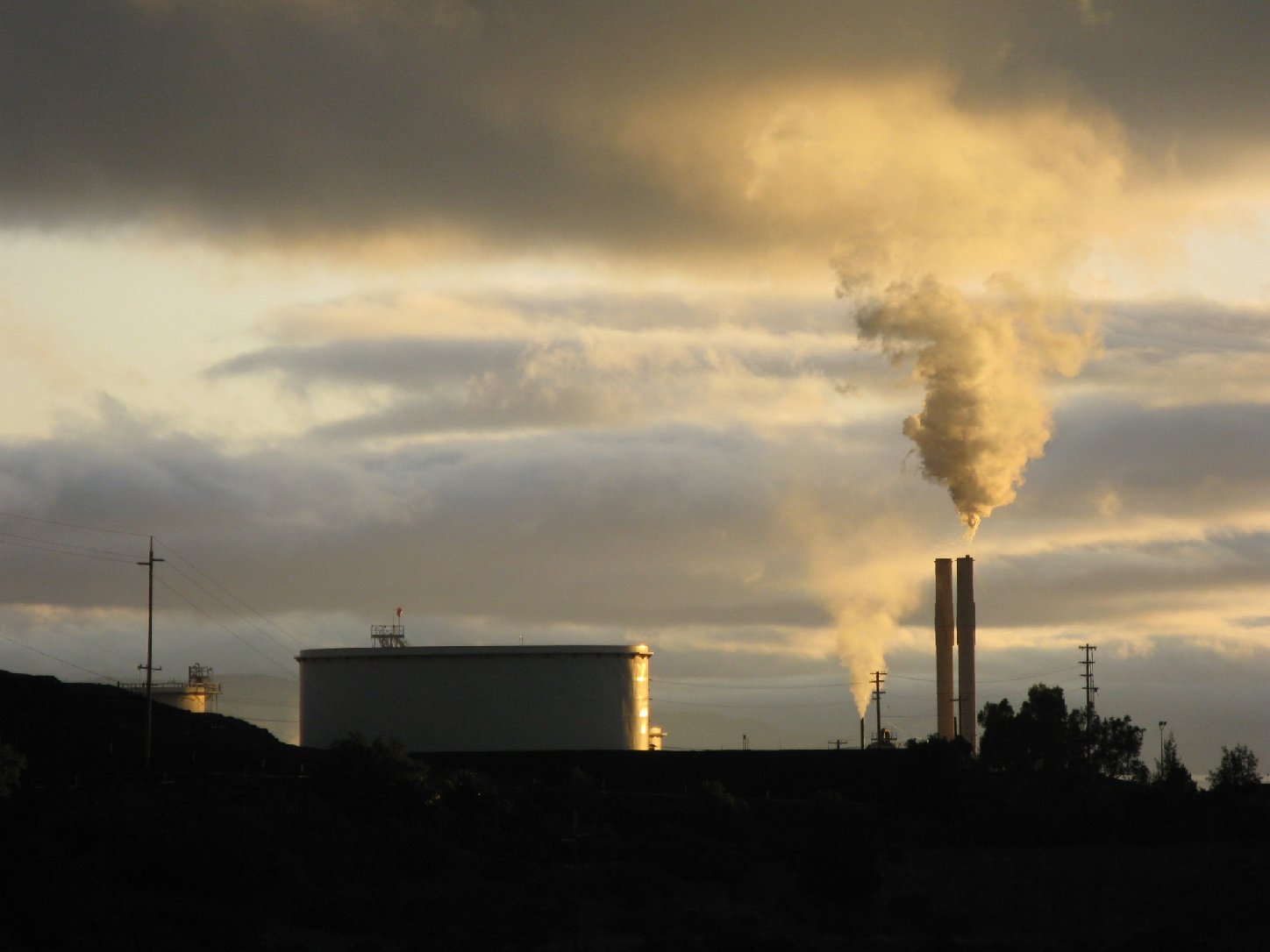
"caption": "The Phillips 66 oil refinery in the Contra Costa County town of Rodeo. ",
"description": null,
"title": "Phillips 66 Refinery-Rodeo",
"credit": "Craig Miller/KQED",
"status": "inherit",
"isLoading": false,
"fetchFailed": false
},
"news_147602": {
"type": "attachments",
"id": "news_147602",
"meta": {
"index": "attachments_1716263798",
"site": "news",
"id": "147602",
"found": true
},
"parent": 147601,
"imgSizes": {
"wide-featured-image": {
"file": "https://ww2.kqed.org/app/uploads/sites/10/2014/09/kingfire-600x300.jpg",
"width": 600,
"mimeType": "image/jpeg",
"height": 300
},
"featured-page": {
"file": "https://ww2.kqed.org/app/uploads/sites/10/2014/09/kingfire-315x145.jpg",
"width": 315,
"mimeType": "image/jpeg",
"height": 145
},
"thumbnail": {
"file": "https://ww2.kqed.org/app/uploads/sites/10/2014/09/kingfire-300x300.jpg",
"width": 300,
"mimeType": "image/jpeg",
"height": 300
},
"kqedFullSize": {
"file": "https://ww2.kqed.org/app/uploads/sites/10/2014/09/kingfire-e1411517254307.jpg",
"width": 800,
"height": 450
},
"wide-featured-image-full": {
"file": "https://ww2.kqed.org/app/uploads/sites/10/2014/09/kingfire-960x300.jpg",
"width": 960,
"mimeType": "image/jpeg",
"height": 300
},
"guest-author-96": {
"file": "https://ww2.kqed.org/app/uploads/sites/10/2014/09/kingfire-96x96.jpg",
"width": 96,
"mimeType": "image/jpeg",
"height": 96
},
"medium": {
"file": "https://ww2.kqed.org/app/uploads/sites/10/2014/09/kingfire-640x360.jpg",
"width": 640,
"mimeType": "image/jpeg",
"height": 360
},
"guest-author-64": {
"file": "https://ww2.kqed.org/app/uploads/sites/10/2014/09/kingfire-64x64.jpg",
"width": 64,
"mimeType": "image/jpeg",
"height": 64
},
"guest-author-32": {
"file": "https://ww2.kqed.org/app/uploads/sites/10/2014/09/kingfire-32x32.jpg",
"width": 32,
"mimeType": "image/jpeg",
"height": 32
},
"narrow-featured-image": {
"file": "https://ww2.kqed.org/app/uploads/sites/10/2014/09/kingfire-400x300.jpg",
"width": 400,
"mimeType": "image/jpeg",
"height": 300
},
"narrow-featured-image-full": {
"file": "https://ww2.kqed.org/app/uploads/sites/10/2014/09/kingfire-640x360.jpg",
"width": 640,
"mimeType": "image/jpeg",
"height": 360
},
"detail": {
"file": "https://ww2.kqed.org/app/uploads/sites/10/2014/09/kingfire-75x75.jpg",
"width": 75,
"mimeType": "image/jpeg",
"height": 75
},
"guest-author-128": {
"file": "https://ww2.kqed.org/app/uploads/sites/10/2014/09/kingfire-128x128.jpg",
"width": 128,
"mimeType": "image/jpeg",
"height": 128
}
},
"publishDate": 1410759992,
"modified": 1410759992,
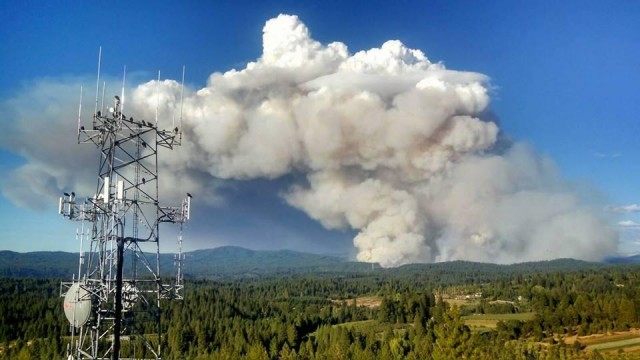
"caption": "A California Highway Patrol photo of the King Fire, which spread rapidly north of U.S. 50 near Pollock Pines earlier this month.",
"description": "A California Highway Patrol photo of the King Fire, which spread rapidly north of U.S. 50 near Pollock Pines on Sunday. ",
"title": "King Fire-Pollock Pines",
"credit": null,
"status": "inherit",
"isLoading": false,
"fetchFailed": false
},
"news_148319": {
"type": "attachments",
"id": "news_148319",
"meta": {
"index": "attachments_1716263798",
"site": "news",
"id": "148319",
"found": true
},
"parent": 148314,
"imgSizes": {
"wide-featured-image": {
"file": "https://ww2.kqed.org/app/uploads/sites/10/2014/09/RS12132_455871482-1-600x300.jpg",
"width": 600,
"mimeType": "image/jpeg",
"height": 300
},
"featured-page": {
"file": "https://ww2.kqed.org/app/uploads/sites/10/2014/09/RS12132_455871482-1-315x145.jpg",
"width": 315,
"mimeType": "image/jpeg",
"height": 145
},
"thumbnail": {
"file": "https://ww2.kqed.org/app/uploads/sites/10/2014/09/RS12132_455871482-1-300x300.jpg",
"width": 300,
"mimeType": "image/jpeg",
"height": 300
},
"kqedFullSize": {
"file": "https://ww2.kqed.org/app/uploads/sites/10/2014/09/RS12132_455871482-1.jpg",
"width": 3000,
"height": 2000
},
"large": {
"file": "https://ww2.kqed.org/app/uploads/sites/10/2014/09/RS12132_455871482-1-1028x685.jpg",
"width": 1028,
"mimeType": "image/jpeg",
"height": 685
},
"wide-featured-image-full": {
"file": "https://ww2.kqed.org/app/uploads/sites/10/2014/09/RS12132_455871482-1-960x300.jpg",
"width": 960,
"mimeType": "image/jpeg",
"height": 300
},
"guest-author-96": {
"file": "https://ww2.kqed.org/app/uploads/sites/10/2014/09/RS12132_455871482-1-96x96.jpg",
"width": 96,
"mimeType": "image/jpeg",
"height": 96
},
"medium": {
"file": "https://ww2.kqed.org/app/uploads/sites/10/2014/09/RS12132_455871482-1-640x426.jpg",
"width": 640,
"mimeType": "image/jpeg",
"height": 426
},
"guest-author-64": {
"file": "https://ww2.kqed.org/app/uploads/sites/10/2014/09/RS12132_455871482-1-64x64.jpg",
"width": 64,
"mimeType": "image/jpeg",
"height": 64
},
"guest-author-32": {
"file": "https://ww2.kqed.org/app/uploads/sites/10/2014/09/RS12132_455871482-1-32x32.jpg",
"width": 32,
"mimeType": "image/jpeg",
"height": 32
},
"narrow-featured-image": {
"file": "https://ww2.kqed.org/app/uploads/sites/10/2014/09/RS12132_455871482-1-400x300.jpg",
"width": 400,
"mimeType": "image/jpeg",
"height": 300
},
"narrow-featured-image-full": {
"file": "https://ww2.kqed.org/app/uploads/sites/10/2014/09/RS12132_455871482-1-640x360.jpg",
"width": 640,
"mimeType": "image/jpeg",
"height": 360
},
"detail": {
"file": "https://ww2.kqed.org/app/uploads/sites/10/2014/09/RS12132_455871482-1-75x75.jpg",
"width": 75,
"mimeType": "image/jpeg",
"height": 75
},
"guest-author-128": {
"file": "https://ww2.kqed.org/app/uploads/sites/10/2014/09/RS12132_455871482-1-128x128.jpg",
"width": 128,
"mimeType": "image/jpeg",
"height": 128
}
},
"publishDate": 1411430956,
"modified": 1411430956,
"caption": " People protest for greater action against climate change during the People's Climate March on September 21, 2014 in New York City. The march, which calls for drastic political and economic changes to slow global warming, has been organized by a coalition of unions, activists, politicians and scientists. (Andrew Burton/Getty Images)",
"description": "<> on September 21, 2014 in New York City.",
"title": "People's Climate March",
"credit": null,
"status": "inherit",
"isLoading": false,
"fetchFailed": false
},
"news_146673": {
"type": "attachments",
"id": "news_146673",
"meta": {
"index": "attachments_1716263798",
"site": "news",
"id": "146673",
"found": true
},
"parent": 146672,
"imgSizes": {
"twentyfourteen-full-width": {
"file": "https://ww2.kqed.org/app/uploads/sites/10/2014/09/RS11922_shasta3a-1038x576.jpg",
"width": 1038,
"mimeType": "image/jpeg",
"height": 576
},
"thumbnail": {
"file": "https://ww2.kqed.org/app/uploads/sites/10/2014/09/RS11922_shasta3a-400x290.jpg",
"width": 400,
"mimeType": "image/jpeg",
"height": 290
},
"post-thumbnail": {
"file": "https://ww2.kqed.org/app/uploads/sites/10/2014/09/RS11922_shasta3a-672x372.jpg",
"width": 672,
"mimeType": "image/jpeg",
"height": 372
},
"kqedFullSize": {
"file": "https://ww2.kqed.org/app/uploads/sites/10/2014/09/RS11922_shasta3a.jpg",
"width": 2000,
"height": 1452
},
"large": {
"file": "https://ww2.kqed.org/app/uploads/sites/10/2014/09/RS11922_shasta3a-1440x1045.jpg",
"width": 1440,
"mimeType": "image/jpeg",
"height": 1045
},
"medium": {
"file": "https://ww2.kqed.org/app/uploads/sites/10/2014/09/RS11922_shasta3a-800x580.jpg",
"width": 800,
"mimeType": "image/jpeg",
"height": 580
}
},
"publishDate": 1409761693,
"modified": 1409761693,
"caption": "Mount Shasta as it appeared on a hazy day in late August 2014. (Dan Brekke/KQED)",
"description": "Mount Shasta as it appeared on a hazy day in late August 2014. (Dan Brekke/KQED)",
"title": "Mount Shasta-Drought",
"credit": null,
"status": "inherit",
"isLoading": false,
"fetchFailed": false
},
"news_148045": {
"type": "attachments",
"id": "news_148045",
"meta": {
"index": "attachments_1716263798",
"site": "news",
"id": "148045",
"found": true
},
"parent": 148026,
"imgSizes": {
"wide-featured-image": {
"file": "https://ww2.kqed.org/app/uploads/sites/10/2014/09/VierrasLawn-600x300.jpg",
"width": 600,
"mimeType": "image/jpeg",
"height": 300
},
"featured-page": {
"file": "https://ww2.kqed.org/app/uploads/sites/10/2014/09/VierrasLawn-315x145.jpg",
"width": 315,
"mimeType": "image/jpeg",
"height": 145
},
"thumbnail": {
"file": "https://ww2.kqed.org/app/uploads/sites/10/2014/09/VierrasLawn-300x300.jpg",
"width": 300,
"mimeType": "image/jpeg",
"height": 300
},
"kqedFullSize": {
"file": "https://ww2.kqed.org/app/uploads/sites/10/2014/09/VierrasLawn.jpg",
"width": 800,
"height": 450
},
"wide-featured-image-full": {
"file": "https://ww2.kqed.org/app/uploads/sites/10/2014/09/VierrasLawn-800x300.jpg",
"width": 800,
"mimeType": "image/jpeg",
"height": 300
},
"guest-author-96": {
"file": "https://ww2.kqed.org/app/uploads/sites/10/2014/09/VierrasLawn-96x96.jpg",
"width": 96,
"mimeType": "image/jpeg",
"height": 96
},
"medium": {
"file": "https://ww2.kqed.org/app/uploads/sites/10/2014/09/VierrasLawn-640x360.jpg",
"width": 640,
"mimeType": "image/jpeg",
"height": 360
},
"guest-author-64": {
"file": "https://ww2.kqed.org/app/uploads/sites/10/2014/09/VierrasLawn-64x64.jpg",
"width": 64,
"mimeType": "image/jpeg",
"height": 64
},
"guest-author-32": {
"file": "https://ww2.kqed.org/app/uploads/sites/10/2014/09/VierrasLawn-32x32.jpg",
"width": 32,
"mimeType": "image/jpeg",
"height": 32
},
"narrow-featured-image": {
"file": "https://ww2.kqed.org/app/uploads/sites/10/2014/09/VierrasLawn-400x300.jpg",
"width": 400,
"mimeType": "image/jpeg",
"height": 300
},
"narrow-featured-image-full": {
"file": "https://ww2.kqed.org/app/uploads/sites/10/2014/09/VierrasLawn-640x360.jpg",
"width": 640,
"mimeType": "image/jpeg",
"height": 360
},
"detail": {
"file": "https://ww2.kqed.org/app/uploads/sites/10/2014/09/VierrasLawn-75x75.jpg",
"width": 75,
"mimeType": "image/jpeg",
"height": 75
},
"guest-author-128": {
"file": "https://ww2.kqed.org/app/uploads/sites/10/2014/09/VierrasLawn-128x128.jpg",
"width": 128,
"mimeType": "image/jpeg",
"height": 128
}
},
"publishDate": 1411078367,
"modified": 1411078367,
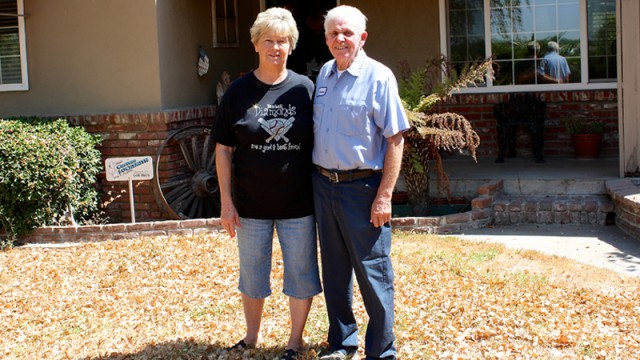
"caption": "The front lawn of Stanislaus County residents Pam and Lawrence Vieira is dead because their well is running dry. (Sasha Khokha/KQED)",
"description": null,
"title": "Dead lawn",
"credit": null,
"status": "inherit",
"isLoading": false,
"fetchFailed": false
},
"news_148020": {
"type": "attachments",
"id": "news_148020",
"meta": {
"index": "attachments_1716263798",
"site": "news",
"id": "148020",
"found": true
},
"parent": 148017,
"imgSizes": {
"wide-featured-image": {
"file": "https://ww2.kqed.org/app/uploads/sites/10/2014/09/15094355729_4e3a966a84_o-600x300.jpg",
"width": 600,
"mimeType": "image/jpeg",
"height": 300
},
"featured-page": {
"file": "https://ww2.kqed.org/app/uploads/sites/10/2014/09/15094355729_4e3a966a84_o-315x145.jpg",
"width": 315,
"mimeType": "image/jpeg",
"height": 145
},
"thumbnail": {
"file": "https://ww2.kqed.org/app/uploads/sites/10/2014/09/15094355729_4e3a966a84_o-300x300.jpg",
"width": 300,
"mimeType": "image/jpeg",
"height": 300
},
"kqedFullSize": {
"file": "https://ww2.kqed.org/app/uploads/sites/10/2014/09/15094355729_4e3a966a84_o.jpg",
"width": 5490,
"height": 3663
},
"large": {
"file": "https://ww2.kqed.org/app/uploads/sites/10/2014/09/15094355729_4e3a966a84_o-1028x685.jpg",
"width": 1028,
"mimeType": "image/jpeg",
"height": 685
},
"wide-featured-image-full": {
"file": "https://ww2.kqed.org/app/uploads/sites/10/2014/09/15094355729_4e3a966a84_o-960x300.jpg",
"width": 960,
"mimeType": "image/jpeg",
"height": 300
},
"guest-author-96": {
"file": "https://ww2.kqed.org/app/uploads/sites/10/2014/09/15094355729_4e3a966a84_o-96x96.jpg",
"width": 96,
"mimeType": "image/jpeg",
"height": 96
},
"medium": {
"file": "https://ww2.kqed.org/app/uploads/sites/10/2014/09/15094355729_4e3a966a84_o-640x427.jpg",
"width": 640,
"mimeType": "image/jpeg",
"height": 427
},
"guest-author-64": {
"file": "https://ww2.kqed.org/app/uploads/sites/10/2014/09/15094355729_4e3a966a84_o-64x64.jpg",
"width": 64,
"mimeType": "image/jpeg",
"height": 64
},
"guest-author-32": {
"file": "https://ww2.kqed.org/app/uploads/sites/10/2014/09/15094355729_4e3a966a84_o-32x32.jpg",
"width": 32,
"mimeType": "image/jpeg",
"height": 32
},
"narrow-featured-image": {
"file": "https://ww2.kqed.org/app/uploads/sites/10/2014/09/15094355729_4e3a966a84_o-400x300.jpg",
"width": 400,
"mimeType": "image/jpeg",
"height": 300
},
"narrow-featured-image-full": {
"file": "https://ww2.kqed.org/app/uploads/sites/10/2014/09/15094355729_4e3a966a84_o-640x360.jpg",
"width": 640,
"mimeType": "image/jpeg",
"height": 360
},
"detail": {
"file": "https://ww2.kqed.org/app/uploads/sites/10/2014/09/15094355729_4e3a966a84_o-75x75.jpg",
"width": 75,
"mimeType": "image/jpeg",
"height": 75
},
"guest-author-128": {
"file": "https://ww2.kqed.org/app/uploads/sites/10/2014/09/15094355729_4e3a966a84_o-128x128.jpg",
"width": 128,
"mimeType": "image/jpeg",
"height": 128
}
},
"publishDate": 1411072841,
"modified": 1411072841,
"caption": null,
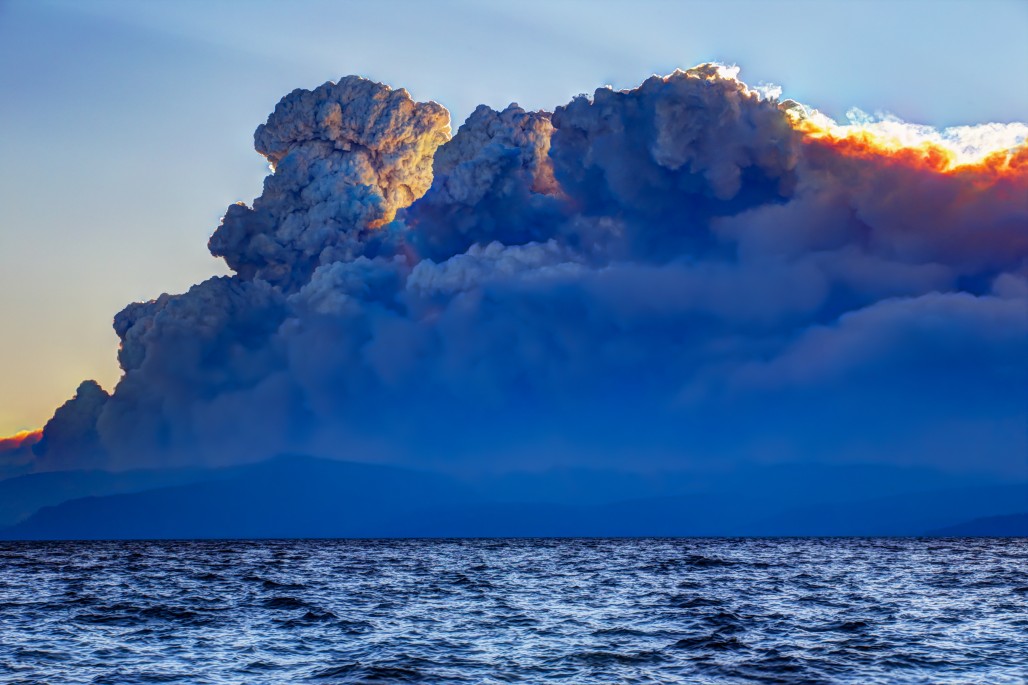
"description": "A Wednesday night image of the King Fire taken from Lake Tahoe. (Steve Ellsworth via Flickr)",
"title": "King Fire-Pyrocumulus",
"credit": null,
"status": "inherit",
"isLoading": false,
"fetchFailed": false
},
"science_21713": {
"type": "attachments",
"id": "science_21713",
"meta": {
"index": "attachments_1716263798",
"site": "science",
"id": "21713",
"found": true
},
"parent": 21706,
"imgSizes": {
"kqedFullSize": {
"file": "https://ww2.kqed.org/app/uploads/sites/35/2014/09/RS3637_million-dollar-well-.jpg",
"width": 800,
"height": 450
}
},
"publishDate": 1410988720,
"modified": 1410988720,
"caption": "A well in the Central Valley. (Sasha Khokha/KQED)",
"description": "A well in the Central Valley. (Sasha Khokha/KQED)",
"title": "RS3637_million-dollar-well-",
"credit": null,
"status": "inherit",
"isLoading": false,
"fetchFailed": false
},
"news_147932": {
"type": "attachments",
"id": "news_147932",
"meta": {
"index": "attachments_1716263798",
"site": "news",
"id": "147932",
"found": true
},
"parent": 147892,
"imgSizes": {
"wide-featured-image": {
"file": "https://ww2.kqed.org/app/uploads/sites/10/2014/09/scottriver-600x300.jpg",
"width": 600,
"mimeType": "image/jpeg",
"height": 300
},
"featured-page": {
"file": "https://ww2.kqed.org/app/uploads/sites/10/2014/09/scottriver-315x145.jpg",
"width": 315,
"mimeType": "image/jpeg",
"height": 145
},
"thumbnail": {
"file": "https://ww2.kqed.org/app/uploads/sites/10/2014/09/scottriver-300x300.jpg",
"width": 300,
"mimeType": "image/jpeg",
"height": 300
},
"kqedFullSize": {
"file": "https://ww2.kqed.org/app/uploads/sites/10/2014/09/scottriver.jpg",
"width": 1400,
"height": 788
},
"large": {
"file": "https://ww2.kqed.org/app/uploads/sites/10/2014/09/scottriver-1028x578.jpg",
"width": 1028,
"mimeType": "image/jpeg",
"height": 578
},
"wide-featured-image-full": {
"file": "https://ww2.kqed.org/app/uploads/sites/10/2014/09/scottriver-960x300.jpg",
"width": 960,
"mimeType": "image/jpeg",
"height": 300
},
"guest-author-96": {
"file": "https://ww2.kqed.org/app/uploads/sites/10/2014/09/scottriver-96x96.jpg",
"width": 96,
"mimeType": "image/jpeg",
"height": 96
},
"medium": {
"file": "https://ww2.kqed.org/app/uploads/sites/10/2014/09/scottriver-640x360.jpg",
"width": 640,
"mimeType": "image/jpeg",
"height": 360
},
"guest-author-64": {
"file": "https://ww2.kqed.org/app/uploads/sites/10/2014/09/scottriver-64x64.jpg",
"width": 64,
"mimeType": "image/jpeg",
"height": 64
},
"guest-author-32": {
"file": "https://ww2.kqed.org/app/uploads/sites/10/2014/09/scottriver-32x32.jpg",
"width": 32,
"mimeType": "image/jpeg",
"height": 32
},
"narrow-featured-image": {
"file": "https://ww2.kqed.org/app/uploads/sites/10/2014/09/scottriver-400x300.jpg",
"width": 400,
"mimeType": "image/jpeg",
"height": 300
},
"narrow-featured-image-full": {
"file": "https://ww2.kqed.org/app/uploads/sites/10/2014/09/scottriver-640x360.jpg",
"width": 640,
"mimeType": "image/jpeg",
"height": 360
},
"detail": {
"file": "https://ww2.kqed.org/app/uploads/sites/10/2014/09/scottriver-75x75.jpg",
"width": 75,
"mimeType": "image/jpeg",
"height": 75
},
"guest-author-128": {
"file": "https://ww2.kqed.org/app/uploads/sites/10/2014/09/scottriver-128x128.jpg",
"width": 128,
"mimeType": "image/jpeg",
"height": 128
}
},
"publishDate": 1410998430,
"modified": 1410998430,
"caption": "The Scott River’s flow depends on snow melting off the nearby mountains, but the last few winters haven’t delivered. In places, the river disappears underground. (Daniel Potter/KQED)",
"description": "The Scott River’s flow depends on snow melting off the nearby mountains, but the last few winters haven’t delivered. In places, the river disappears underground. (Daniel Potter/KQED)",
"title": "scottriver",
"credit": null,
"status": "inherit",
"isLoading": false,
"fetchFailed": false
},
"news_147864": {
"type": "attachments",
"id": "news_147864",
"meta": {
"index": "attachments_1716263798",
"site": "news",
"id": "147864",
"found": true
},
"parent": 147852,
"imgSizes": {
"wide-featured-image": {
"file": "https://ww2.kqed.org/app/uploads/sites/10/2014/09/RS12048_photo.JPG-alt_145-600x300.jpg",
"width": 600,
"mimeType": "image/jpeg",
"height": 300
},
"featured-page": {
"file": "https://ww2.kqed.org/app/uploads/sites/10/2014/09/RS12048_photo.JPG-alt_145-315x145.jpg",
"width": 315,
"mimeType": "image/jpeg",
"height": 145
},
"thumbnail": {
"file": "https://ww2.kqed.org/app/uploads/sites/10/2014/09/RS12048_photo.JPG-alt_145-300x300.jpg",
"width": 300,
"mimeType": "image/jpeg",
"height": 300
},
"kqedFullSize": {
"file": "https://ww2.kqed.org/app/uploads/sites/10/2014/09/RS12048_photo.JPG-alt_145.jpg",
"width": 3264,
"height": 2448
},
"large": {
"file": "https://ww2.kqed.org/app/uploads/sites/10/2014/09/RS12048_photo.JPG-alt_145-1028x771.jpg",
"width": 1028,
"mimeType": "image/jpeg",
"height": 771
},
"wide-featured-image-full": {
"file": "https://ww2.kqed.org/app/uploads/sites/10/2014/09/RS12048_photo.JPG-alt_145-960x300.jpg",
"width": 960,
"mimeType": "image/jpeg",
"height": 300
},
"guest-author-96": {
"file": "https://ww2.kqed.org/app/uploads/sites/10/2014/09/RS12048_photo.JPG-alt_145-96x96.jpg",
"width": 96,
"mimeType": "image/jpeg",
"height": 96
},
"medium": {
"file": "https://ww2.kqed.org/app/uploads/sites/10/2014/09/RS12048_photo.JPG-alt_145-640x480.jpg",
"width": 640,
"mimeType": "image/jpeg",
"height": 480
},
"guest-author-64": {
"file": "https://ww2.kqed.org/app/uploads/sites/10/2014/09/RS12048_photo.JPG-alt_145-64x64.jpg",
"width": 64,
"mimeType": "image/jpeg",
"height": 64
},
"guest-author-32": {
"file": "https://ww2.kqed.org/app/uploads/sites/10/2014/09/RS12048_photo.JPG-alt_145-32x32.jpg",
"width": 32,
"mimeType": "image/jpeg",
"height": 32
},
"narrow-featured-image": {
"file": "https://ww2.kqed.org/app/uploads/sites/10/2014/09/RS12048_photo.JPG-alt_145-400x300.jpg",
"width": 400,
"mimeType": "image/jpeg",
"height": 300
},
"narrow-featured-image-full": {
"file": "https://ww2.kqed.org/app/uploads/sites/10/2014/09/RS12048_photo.JPG-alt_145-640x360.jpg",
"width": 640,
"mimeType": "image/jpeg",
"height": 360
},
"detail": {
"file": "https://ww2.kqed.org/app/uploads/sites/10/2014/09/RS12048_photo.JPG-alt_145-75x75.jpg",
"width": 75,
"mimeType": "image/jpeg",
"height": 75
},
"guest-author-128": {
"file": "https://ww2.kqed.org/app/uploads/sites/10/2014/09/RS12048_photo.JPG-alt_145-128x128.jpg",
"width": 128,
"mimeType": "image/jpeg",
"height": 128
}
},
"publishDate": 1410981915,
"modified": 1410981915,
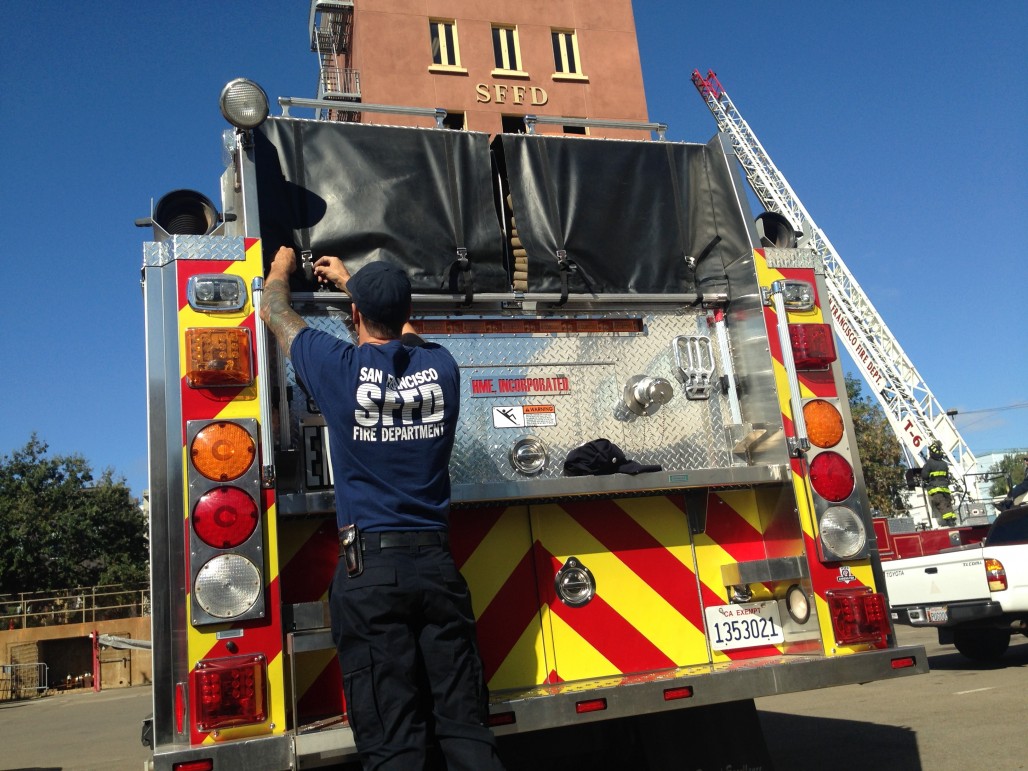
"caption": "A member of the strike team prepares an engine that's heading to the King Fire, northeast of Placerville. (Isabel Angell/KQED)",
"description": "A member of the strike team prepares an engine that's heading to the King Fire, northeast of Placerville. (Isabel Angell/KQED)",
"title": "RS12048_photo.JPG-alt_145",
"credit": null,
"status": "inherit",
"isLoading": false,
"fetchFailed": false
},
"news_147620": {
"type": "attachments",
"id": "news_147620",
"meta": {
"index": "attachments_1716263798",
"site": "news",
"id": "147620",
"found": true
},
"parent": 147601,
"imgSizes": {
"wide-featured-image": {
"file": "https://ww2.kqed.org/app/uploads/sites/10/2014/09/courtneyfire140915-600x300.png",
"width": 600,
"mimeType": "image/png",
"height": 300
},
"featured-page": {
"file": "https://ww2.kqed.org/app/uploads/sites/10/2014/09/courtneyfire140915-315x145.png",
"width": 315,
"mimeType": "image/png",
"height": 145
},
"thumbnail": {
"file": "https://ww2.kqed.org/app/uploads/sites/10/2014/09/courtneyfire140915-300x300.png",
"width": 300,
"mimeType": "image/png",
"height": 300
},
"kqedFullSize": {
"file": "https://ww2.kqed.org/app/uploads/sites/10/2014/09/courtneyfire140915.png",
"width": 1053,
"height": 558
},
"large": {
"file": "https://ww2.kqed.org/app/uploads/sites/10/2014/09/courtneyfire140915-1028x544.png",
"width": 1028,
"mimeType": "image/png",
"height": 544
},
"wide-featured-image-full": {
"file": "https://ww2.kqed.org/app/uploads/sites/10/2014/09/courtneyfire140915-960x300.png",
"width": 960,
"mimeType": "image/png",
"height": 300
},
"guest-author-96": {
"file": "https://ww2.kqed.org/app/uploads/sites/10/2014/09/courtneyfire140915-96x96.png",
"width": 96,
"mimeType": "image/png",
"height": 96
},
"medium": {
"file": "https://ww2.kqed.org/app/uploads/sites/10/2014/09/courtneyfire140915-640x339.png",
"width": 640,
"mimeType": "image/png",
"height": 339
},
"guest-author-64": {
"file": "https://ww2.kqed.org/app/uploads/sites/10/2014/09/courtneyfire140915-64x64.png",
"width": 64,
"mimeType": "image/png",
"height": 64
},
"guest-author-32": {
"file": "https://ww2.kqed.org/app/uploads/sites/10/2014/09/courtneyfire140915-32x32.png",
"width": 32,
"mimeType": "image/png",
"height": 32
},
"narrow-featured-image": {
"file": "https://ww2.kqed.org/app/uploads/sites/10/2014/09/courtneyfire140915-400x300.png",
"width": 400,
"mimeType": "image/png",
"height": 300
},
"narrow-featured-image-full": {
"file": "https://ww2.kqed.org/app/uploads/sites/10/2014/09/courtneyfire140915-640x360.png",
"width": 640,
"mimeType": "image/png",
"height": 360
},
"detail": {
"file": "https://ww2.kqed.org/app/uploads/sites/10/2014/09/courtneyfire140915-75x75.png",
"width": 75,
"mimeType": "image/png",
"height": 75
},
"guest-author-128": {
"file": "https://ww2.kqed.org/app/uploads/sites/10/2014/09/courtneyfire140915-128x128.png",
"width": 128,
"mimeType": "image/png",
"height": 128
}
},
"publishDate": 1410801512,
"modified": 1410801512,
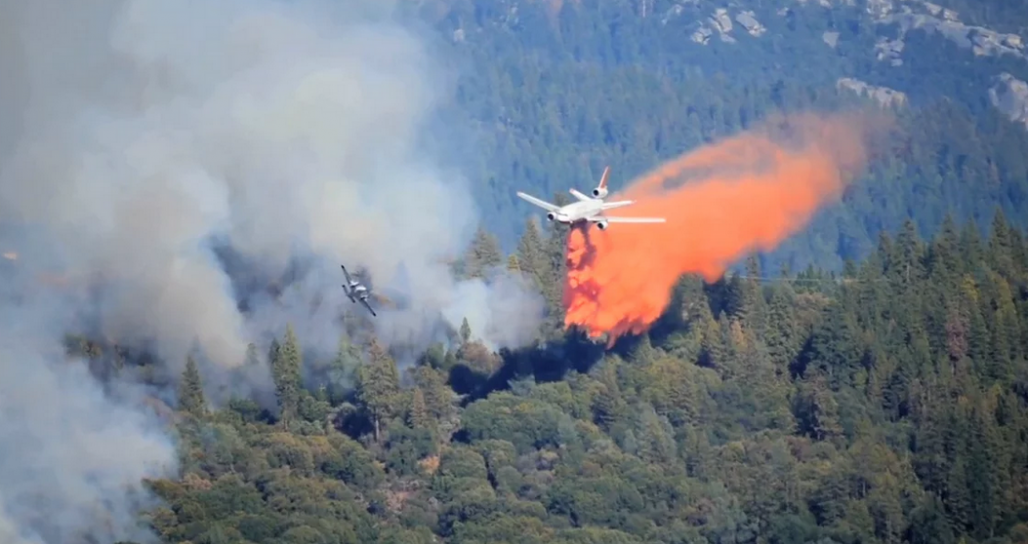
"caption": "Image of DC-10 air tanker dropping retardant on the Courtney Fire, near Oakhurst and Bass Lake south of Yosemite National Park. (Jeff Aiello via Vimeo)",
"description": "Image of DC-10 air tanker dropping retardant on the Courtney Fire, near Oakhurst and Bass Lake south of Yosemite National Park. (Jeff Aiello via Vimeo)",
"title": "Courtney Fire-Oakhurst",
"credit": null,
"status": "inherit",
"isLoading": false,
"fetchFailed": false
},
"news_147322": {
"type": "attachments",
"id": "news_147322",
"meta": {
"index": "attachments_1716263798",
"site": "news",
"id": "147322",
"found": true
},
"parent": 147121,
"imgSizes": {
"twentyfourteen-full-width": {
"file": "https://ww2.kqed.org/app/uploads/sites/10/2014/09/15004532959_c22b5646ae_o-1038x576.jpg",
"width": 1038,
"mimeType": "image/jpeg",
"height": 576
},
"post-thumbnail": {
"file": "https://ww2.kqed.org/app/uploads/sites/10/2014/09/15004532959_c22b5646ae_o-672x372.jpg",
"width": 672,
"mimeType": "image/jpeg",
"height": 372
},
"kqedFullSize": {
"file": "https://ww2.kqed.org/app/uploads/sites/10/2014/09/15004532959_c22b5646ae_o.jpg",
"width": 3648,
"height": 2736
},
"large": {
"file": "https://ww2.kqed.org/app/uploads/sites/10/2014/09/15004532959_c22b5646ae_o-1440x1080.jpg",
"width": 1440,
"mimeType": "image/jpeg",
"height": 1080
},
"medium": {
"file": "https://ww2.kqed.org/app/uploads/sites/10/2014/09/15004532959_c22b5646ae_o-800x600.jpg",
"width": 800,
"mimeType": "image/jpeg",
"height": 600
}
},
"publishDate": 1410384549,
"modified": 1410384549,
"caption": "The Happy Camp Complex fire burns in Siskiyou County earlier this week. (Kari Greer via Flickr and California Interagency Incident Management Team 1)",
"description": "The Happy Camp Complex fire burns in Siskiyou County on Sept. 8. (Kari Greer via Flickr and California Interagency Incident Management Team 1)",
"title": "Happy Camp Complex-Wildfire",
"credit": null,
"status": "inherit",
"isLoading": false,
"fetchFailed": false
},
"news_147356": {
"type": "attachments",
"id": "news_147356",
"meta": {
"index": "attachments_1716263798",
"site": "news",
"id": "147356",
"found": true
},
"parent": 147336,
"imgSizes": {
"twentyfourteen-full-width": {
"file": "https://ww2.kqed.org/app/uploads/sites/10/2014/09/cracked-1038x576.jpg",
"width": 1038,
"mimeType": "image/jpeg",
"height": 576
},
"thumbnail": {
"file": "https://ww2.kqed.org/app/uploads/sites/10/2014/09/cracked-400x533.jpg",
"width": 400,
"mimeType": "image/jpeg",
"height": 533
},
"post-thumbnail": {
"file": "https://ww2.kqed.org/app/uploads/sites/10/2014/09/cracked-672x372.jpg",
"width": 672,
"mimeType": "image/jpeg",
"height": 372
},
"kqedFullSize": {
"file": "https://ww2.kqed.org/app/uploads/sites/10/2014/09/cracked.jpg",
"width": 1500,
"height": 2000
},
"large": {
"file": "https://ww2.kqed.org/app/uploads/sites/10/2014/09/cracked-1440x1920.jpg",
"width": 1440,
"mimeType": "image/jpeg",
"height": 1920
},
"medium": {
"file": "https://ww2.kqed.org/app/uploads/sites/10/2014/09/cracked-800x1066.jpg",
"width": 800,
"mimeType": "image/jpeg",
"height": 1066
}
},
"publishDate": 1410395797,
"modified": 1410395797,
"caption": "The cracked, dry bed of the Arroyo del Valle at Shadow Cliffs Regional Recreation Area in Pleasanton. (Aaron Mendelson/KQED)",
"description": null,
"title": "Shadow Cliffs",
"credit": null,
"status": "inherit",
"isLoading": false,
"fetchFailed": false
}
},
"audioPlayerReducer": {
"postId": "stream_live",
"isPaused": true,
"isPlaying": false,
"pfsActive": false,
"pledgeModalIsOpen": true,
"playerDrawerIsOpen": false,
"liveAudioPlayStartedAt": 0,
"liveAudioPlayContext": ""
},
"authorsReducer": {
"jbrooks": {
"type": "authors",
"id": "80",
"meta": {
"index": "authors_1716337520",
"id": "80",
"found": true
},
"name": "Jon Brooks",
"firstName": "Jon",
"lastName": "Brooks",
"slug": "jbrooks",
"email": "jbrooks@kqed.org",
"display_author_email": true,
"staff_mastheads": [
"science"
],
"title": "Digital Editor",
"bio": "Jon Brooks is a former Digital Editor for KQED Science. He is the former editor of KQED’s daily news blog, News Fix. In 2014, he won a California Journalism Award for his coverage of ride services like Uber and Lyft and the taxi industry. A veteran blogger, he previously worked for Yahoo! in various news writing and editing roles. Jon is also a playwright whose work has been produced in San Francisco, New York, Italy, and around the U.S. He has written about film for his own blog and studied film at Boston University.",
"avatar": "https://secure.gravatar.com/avatar/98887f7ed1c876ed414d4c915e969584?s=600&d=blank&r=g",
"twitter": "jbrooksfoy",
"facebook": null,
"instagram": null,
"linkedin": null,
"sites": [
{
"site": "arts",
"roles": [
"Contributor",
"editor"
]
},
{
"site": "news",
"roles": [
"author"
]
},
{
"site": "futureofyou",
"roles": [
"administrator"
]
},
{
"site": "mindshift",
"roles": [
"editor"
]
},
{
"site": "stateofhealth",
"roles": [
"editor"
]
},
{
"site": "science",
"roles": [
"administrator"
]
},
{
"site": "quest",
"roles": [
"editor"
]
}
],
"headData": {
"title": "Jon Brooks | KQED",
"description": "Digital Editor",
"ogImgSrc": "https://secure.gravatar.com/avatar/98887f7ed1c876ed414d4c915e969584?s=600&d=blank&r=g",
"twImgSrc": "https://secure.gravatar.com/avatar/98887f7ed1c876ed414d4c915e969584?s=600&d=blank&r=g"
},
"isLoading": false,
"link": "/author/jbrooks"
},
"danbrekke": {
"type": "authors",
"id": "222",
"meta": {
"index": "authors_1716337520",
"id": "222",
"found": true
},
"name": "Dan Brekke",
"firstName": "Dan",
"lastName": "Brekke",
"slug": "danbrekke",
"email": "dbrekke@kqed.org",
"display_author_email": true,
"staff_mastheads": [
"news",
"science"
],
"title": "KQED Editor and Reporter",
"bio": "Dan Brekke is a reporter and editor for KQED News, responsible for coverage of topics ranging from California water issues to the Bay Area's transportation challenges. In a newsroom career that began in Chicago in 1972, Dan has worked for \u003cem>The San Francisco Examiner,\u003c/em> Wired and TechTV and has been published in The New York Times, The New York Times Magazine, Business 2.0, Salon and elsewhere.\r\n\r\nSince joining KQED in 2007, Dan has reported, edited and produced both radio and online features and breaking news pieces. He has shared as both editor and reporter in four Society of Professional Journalists Norcal Excellence in Journalism awards and one Edward R. Murrow regional award. He was chosen for a spring 2017 residency at the Mesa Refuge to advance his research on California salmon.\r\n\r\nEmail Dan at: \u003ca href=\"mailto:dbrekke@kqed.org\">dbrekke@kqed.org\u003c/a>\r\n\r\n\u003cstrong>Twitter:\u003c/strong> \u003ca href=\"https://twitter.com/danbrekke\" rel=\"noopener noreferrer\">twitter.com/danbrekke\u003c/a>\r\n\u003cstrong>Facebook:\u003c/strong> \u003ca href=\"https://www.facebook.com/danbrekke\" rel=\"noopener noreferrer\">www.facebook.com/danbrekke\u003c/a>\r\n\u003cstrong>LinkedIn:\u003c/strong> \u003ca href=\"https://www.linkedin.com/in/danbrekke\" rel=\"noopener noreferrer\">www.linkedin.com/in/danbrekke\u003c/a>",
"avatar": "https://secure.gravatar.com/avatar/8f1f0d2a978fb3b23426c922c7e2af558fa36905b49c4ce76a97dc3c72d27226?s=600&d=mm&r=g",
"twitter": "danbrekke",
"bluesky": null,
"facebook": null,
"instagram": "https://www.instagram.com/dan.brekke/",
"linkedin": "https://www.linkedin.com/in/danbrekke/",
"sites": [
{
"site": "news",
"roles": [
"administrator",
"create_posts"
]
},
{
"site": "stateofhealth",
"roles": [
"editor"
]
},
{
"site": "science",
"roles": [
"editor"
]
},
{
"site": "quest",
"roles": [
"contributor"
]
},
{
"site": "food",
"roles": [
"contributor"
]
},
{
"site": "forum",
"roles": [
"contributor"
]
},
{
"site": "elections",
"roles": [
"editor"
]
},
{
"site": "liveblog",
"roles": [
"editor"
]
}
],
"headData": {
"title": "Dan Brekke | KQED",
"description": "KQED Editor and Reporter",
"ogImgSrc": "https://secure.gravatar.com/avatar/8f1f0d2a978fb3b23426c922c7e2af558fa36905b49c4ce76a97dc3c72d27226?s=600&d=mm&r=g",
"twImgSrc": "https://secure.gravatar.com/avatar/8f1f0d2a978fb3b23426c922c7e2af558fa36905b49c4ce76a97dc3c72d27226?s=600&d=mm&r=g"
},
"isLoading": false,
"link": "/author/danbrekke"
},
"kqed": {
"type": "authors",
"id": "236",
"meta": {
"index": "authors_1716337520",
"id": "236",
"found": true
},
"name": "KQED News Staff",
"firstName": "KQED News Staff",
"lastName": null,
"slug": "kqed",
"email": "faq@kqed.org",
"display_author_email": false,
"staff_mastheads": [],
"title": null,
"bio": null,
"avatar": "https://secure.gravatar.com/avatar/ef0e801a68c4c54afa9180db14084167?s=600&d=blank&r=g",
"twitter": null,
"facebook": null,
"instagram": null,
"linkedin": null,
"sites": [
{
"site": "arts",
"roles": [
"contributor"
]
},
{
"site": "news",
"roles": [
"editor"
]
},
{
"site": "futureofyou",
"roles": [
"author"
]
}
],
"headData": {
"title": "KQED News Staff | KQED",
"description": null,
"ogImgSrc": "https://secure.gravatar.com/avatar/ef0e801a68c4c54afa9180db14084167?s=600&d=blank&r=g",
"twImgSrc": "https://secure.gravatar.com/avatar/ef0e801a68c4c54afa9180db14084167?s=600&d=blank&r=g"
},
"isLoading": false,
"link": "/author/kqed"
},
"kqednewsstaffandwires": {
"type": "authors",
"id": "237",
"meta": {
"index": "authors_1716337520",
"id": "237",
"found": true
},
"name": "KQED News Staff and Wires",
"firstName": "KQED News Staff and Wires",
"lastName": null,
"slug": "kqednewsstaffandwires",
"email": "onlinenewsstaff@kqed.org",
"display_author_email": false,
"staff_mastheads": [],
"title": null,
"bio": null,
"avatar": "https://secure.gravatar.com/avatar/72295af8ebbfbd19a4948f5271285664?s=600&d=blank&r=g",
"twitter": null,
"facebook": null,
"instagram": null,
"linkedin": null,
"sites": [
{
"site": "arts",
"roles": [
"contributor"
]
},
{
"site": "news",
"roles": [
"contributor"
]
},
{
"site": "lowdown",
"roles": [
"author"
]
},
{
"site": "stateofhealth",
"roles": [
"contributor"
]
},
{
"site": "food",
"roles": [
"author"
]
}
],
"headData": {
"title": "KQED News Staff and Wires | KQED",
"description": null,
"ogImgSrc": "https://secure.gravatar.com/avatar/72295af8ebbfbd19a4948f5271285664?s=600&d=blank&r=g",
"twImgSrc": "https://secure.gravatar.com/avatar/72295af8ebbfbd19a4948f5271285664?s=600&d=blank&r=g"
},
"isLoading": false,
"link": "/author/kqednewsstaffandwires"
},
"sasha-khokha": {
"type": "authors",
"id": "254",
"meta": {
"index": "authors_1716337520",
"id": "254",
"found": true
},
"name": "Sasha Khokha",
"firstName": "Sasha",
"lastName": "Khokha",
"slug": "sasha-khokha",
"email": "skhokha@kqed.org",
"display_author_email": true,
"staff_mastheads": [
"news"
],
"title": "Host, The California Report Magazine",
"bio": "Sasha Khokha is the host of \u003cem>The California Report's \u003c/em> weekly magazine program, which takes listeners on sound-rich excursions to meet the people that make the Golden State unique -- through audio documentaries and long-form stories. As \u003cem>The California Report's\u003c/em> Central Valley Bureau Chief based in Fresno for nearly a dozen years, Sasha brought the lives and concerns of rural Californians to listeners around the state. Her reporting helped expose the hidden price immigrant women janitors and farmworkers may pay to keep their jobs: sexual assault at work. It inspired two new California laws to protect them from sexual harassment. She was a key member of the reporting team for the Frontline film \u003cem>Rape on the Night Shift, \u003c/em>which was nominated for two national Emmys. Sasha has also won a national Edward R. Murrow and a national PRNDI award for investigative reporting, as well as multiple prizes from the Society for Professional Journalists. Sasha is a proud alum of the UC Berkeley Graduate School of Journalism and Brown University and a member of the South Asian Journalists Association.",
"avatar": "https://secure.gravatar.com/avatar/e4b5e1541aaeea2aa356aa1fb2a68950?s=600&d=blank&r=g",
"twitter": "KQEDSashaKhokha",
"facebook": null,
"instagram": null,
"linkedin": null,
"sites": [
{
"site": "news",
"roles": [
"editor"
]
},
{
"site": "stateofhealth",
"roles": [
"author"
]
},
{
"site": "science",
"roles": [
"author"
]
},
{
"site": "quest",
"roles": [
"subscriber"
]
}
],
"headData": {
"title": "Sasha Khokha | KQED",
"description": "Host, The California Report Magazine",
"ogImgSrc": "https://secure.gravatar.com/avatar/e4b5e1541aaeea2aa356aa1fb2a68950?s=600&d=blank&r=g",
"twImgSrc": "https://secure.gravatar.com/avatar/e4b5e1541aaeea2aa356aa1fb2a68950?s=600&d=blank&r=g"
},
"isLoading": false,
"link": "/author/sasha-khokha"
},
"sdetrow": {
"type": "authors",
"id": "256",
"meta": {
"index": "authors_1716337520",
"id": "256",
"found": true
},
"name": "Scott Detrow",
"firstName": "Scott",
"lastName": "Detrow",
"slug": "sdetrow",
"email": "sdetrow@kqed.org",
"display_author_email": false,
"staff_mastheads": [],
"title": null,
"bio": "Sacramento bureau chief Scott Detrow covers state government, politics and policy for KQED News and its statewide news program, The California Report.",
"avatar": "https://secure.gravatar.com/avatar/3271d0c151ba26452e3417f5ac251c30?s=600&d=blank&r=g",
"twitter": null,
"facebook": null,
"instagram": null,
"linkedin": null,
"sites": [
{
"site": "news",
"roles": [
"subscriber"
]
},
{
"site": "science",
"roles": [
"subscriber"
]
}
],
"headData": {
"title": "Scott Detrow | KQED",
"description": null,
"ogImgSrc": "https://secure.gravatar.com/avatar/3271d0c151ba26452e3417f5ac251c30?s=600&d=blank&r=g",
"twImgSrc": "https://secure.gravatar.com/avatar/3271d0c151ba26452e3417f5ac251c30?s=600&d=blank&r=g"
},
"isLoading": false,
"link": "/author/sdetrow"
},
"kqedscience": {
"type": "authors",
"id": "6387",
"meta": {
"index": "authors_1716337520",
"id": "6387",
"found": true
},
"name": "KQED Science",
"firstName": "KQED",
"lastName": "Science",
"slug": "kqedscience",
"email": "kqedscience@gmail.com",
"display_author_email": false,
"staff_mastheads": [],
"title": null,
"bio": "KQED Science brings you award-winning science and environment coverage from the Bay Area and beyond by the flagship Northern California PBS and NPR affiliate.",
"avatar": "https://secure.gravatar.com/avatar/5a295ff49cf82a8c0f30937d3f788b2f?s=600&d=blank&r=g",
"twitter": null,
"facebook": null,
"instagram": null,
"linkedin": null,
"sites": [
{
"site": "science",
"roles": [
"contributor"
]
},
{
"site": "quest",
"roles": [
"editor"
]
},
{
"site": "food",
"roles": [
"contributor"
]
}
],
"headData": {
"title": "KQED Science | KQED",
"description": null,
"ogImgSrc": "https://secure.gravatar.com/avatar/5a295ff49cf82a8c0f30937d3f788b2f?s=600&d=blank&r=g",
"twImgSrc": "https://secure.gravatar.com/avatar/5a295ff49cf82a8c0f30937d3f788b2f?s=600&d=blank&r=g"
},
"isLoading": false,
"link": "/author/kqedscience"
}
},
"pagesReducer": {
"news_category_environment": {
"type": "terms",
"id": "news_19906",
"meta": {
"index": "terms_1716263798",
"site": "news",
"id": "19906",
"score": 12.137343
},
"featImg": null,
"name": "Environment",
"description": null,
"taxonomy": "category",
"headData": {
"twImgId": null,
"twTitle": null,
"ogTitle": null,
"ogImgId": null,
"twDescription": null,
"description": null,
"title": "Environment Archives | KQED News",
"ogDescription": null
},
"ttid": 19923,
"slug": "environment",
"isLoading": false,
"title": "Environment",
"pageMeta": {
"site": "news",
"WpPageTemplate": "page-topic-editorial",
"currentPage": 256
},
"blocks": [
{
"blockName": "kqed/post-list",
"attrs": {
"layout": "cardArticle2",
"query": "posts/news?category=environment",
"seeMore": false,
"paginated": true,
"page": 256
}
},
{
"blockName": "kqed/ad"
}
]
}
},
"pfsSessionReducer": {},
"postsReducer": {
"stream_live": {
"type": "live",
"id": "stream_live",
"audioUrl": "https://streams.kqed.org/kqedradio",
"title": "Live Stream",
"excerpt": "Live Stream information currently unavailable.",
"link": "/radio",
"featImg": "",
"label": {
"name": "KQED Live",
"link": "/"
}
},
"stream_kqedNewscast": {
"type": "posts",
"id": "stream_kqedNewscast",
"audioUrl": "https://www.kqed.org/.stream/anon/radio/RDnews/newscast.mp3?_=1",
"title": "KQED Newscast",
"featImg": "",
"label": {
"name": "88.5 FM",
"link": "/"
}
},
"news_148464": {
"type": "posts",
"id": "news_148464",
"meta": {
"index": "posts_1716263798",
"site": "news",
"id": "148464",
"score": null,
"sort": [
1411577352000
]
},
"parent": 0,
"labelTerm": {
"site": "news",
"term": 6944
},
"blocks": [],
"publishDate": 1411577352,
"format": "aside",
"disqusTitle": "Jerry Brown on Carbon's 'Dark Shadow of Toxicity' at Climate Summit",
"title": "Jerry Brown on Carbon's 'Dark Shadow of Toxicity' at Climate Summit",
"headTitle": "News Fix | KQED News",
"content": "\u003cfigure id=\"attachment_121939\" class=\"wp-caption alignright\" style=\"max-width: 343px\">\u003cimg class=\" wp-image-121939\" src=\"http://ww2.kqed.org/news/wp-content/uploads/sites/10/2013/12/RS7953_185719392-scr-640x422.jpg\" alt=\"Gov. Jerry Brown (Jim Watson/AFP/Getty Images)\" width=\"343\" height=\"226\">\u003cfigcaption class=\"wp-caption-text\">Gov. Jerry Brown (Jim Watson/AFP/Getty Images)\u003c/figcaption>\u003c/figure>\n\u003cp>Speaking at the U.N. Climate Summit in New York Tuesday, Gov. Jerry Brown said California is ahead of the pack when it comes to lowering greenhouse gases.\u003c/p>\n\u003cp>At the U.N. Private Sector Forum, Brown cited laws requiring more alternative energy sources, more electric vehicles and better insulation in buildings. He also acknowledged that the centerpiece of California's climate change efforts -- a cap-and-trade market mandating permits for pollution -- has come under political fire. Energy companies are warning cap-and-trade will lead to higher gasoline costs next year. But Brown said so far so good when it comes to gas prices.\u003c/p>\n\u003cp>\"Luckily the price of oil has been coming down ever since those ads went on the air just a month or so ago,\" he said. \"So somebody’s watching over California.\"\u003c/p>\n\u003cp>Still, state officials have acknowledged gas prices will likely go up -- possibly by more than a dime a gallon -- when the cap-and-trade program expands to cover transportation fuels.\u003c/p>\n\u003cp>Brown also said that while carbon has led to \"progress and prosperity,\" that progress \"now has the dark shadow of the toxicity of carbon itself. The pollution, the smog, the health effects, the rising sea level -- in California, the forest fires which are now burning for more days than historically was ever imaginable -- it's real, it's here and we've got to put a price on carbon.\"\u003c/p>\n\u003cp>[ad fullwidth]\u003c/p>\n\u003cp>Bloomberg News today takes a \u003ca href=\"http://www.businessweek.com/news/2014-09-24/brown-says-global-lead-on-zero-emissions-beating-forecast\" target=\"_blank\">further look at California's leadership on climate change\u003c/a>, including the proliferation of electric vehicles, reporting that 40 percent of plug-in electric vehicle sales occur in California. For more, check out\u003ca href=\"http://blogs.kqed.org/science/category/climate/\" target=\"_blank\"> KQED Science's climate coverage\u003c/a>\u003cem>.\u003c/em>\u003c/p>\n\u003cp>Here are Brown's full remarks:\u003c/p>\n\u003cblockquote>\u003cp>The California story is a very hopeful one. It's a story of Republican and Democratic governors pioneering innovative climate strategies. It's not been easy, it's not without contest, but we're making real progress. In fact, the people themselves have been involved when those who oppose carbon pricing put the measure to a popular referendum. And in that vote just a few years ago, the people voted overwhelmingly to stay the course.\u003c/p>\n\u003cp>So, what do we have? Well, we've got a goal to have one-third of our electricity sector renewable by 2020. We're at 23 percent today and we will make it probably in the next three or four years, and then we'll go beyond that. We have a goal of a million electric cars - we have 100,000 on the roads today - and we have the toughest vehicle emission standards anywhere in the country. In fact, the country now has adopted the California standard. And I want to point out that that standard was developed under a special prerogative given to California when Ronald Reagan was governor and Richard Nixon was president. Our climate law was enacted by my Republican predecessor Arnold Schwarzenegger.\u003c/p>\n\u003cp>So, the efforts that we're making in California don't derive from one party or one politician - they're the work of activists, business people and elected representatives. We also, over the last 30 years, have developed the toughest building standards anywhere in the country, which have saved California literally tens of billions of dollars in avoided energy costs. Same thing with appliance standards.\u003c/p>\n\u003cp>So, now the great challenge is to stay the course. Even today, as we speak, there are advertisements being purchased on the airwaves of California in an attempt to persuade the people that cap-and-trade should somehow go away. That it's going to raise the price of oil. Luckily the price of oil has been coming down ever since those ads went on the air just a month or so ago. So, somebody's watching over California.\u003c/p>\n\u003cp>Carbon really has been at the basis of the incredible progress and prosperity and affluence that so many people enjoy. But that progress now has the dark shadow of the toxicity of carbon itself. The pollution, the smog, the health effects, the rising sea level - in California, the forest fires which are now burning for more days than historically was ever imaginable - it's real, it's here and we've got to put a price on carbon. Which we have, we have a $13 price on carbon and our cap-and-trade system covers 85 percent of greenhouse gases. And yet, California is expected to outproduce - in terms of GDP, California is looking forward to very solid growth, higher than the national level.\u003c/p>\n\u003cp>So you can do carbon pricing, you can do renewable energy, you can do building standards and you can get it done and you can still have a very vibrant economy. So that's what we have and I want to thank all of you here today because this is a heroic challenge that we have to face. And this is probably the greatest assemblage of committed people to get it done. So, I think we're on the right path. Thank you.\u003c/p>\u003c/blockquote>\n\u003cp> \u003c/p>\n\u003cp>\u003c/p>\n\u003cp>\u003cem> Jon Brooks contributed to this report.\u003c/em>\u003c/p>\n\n",
"disqusIdentifier": "148464 http://ww2.kqed.org/news/?p=148464",
"disqusUrl": "https://ww2.kqed.org/news/2014/09/24/jerry-brown-on-carbons-dark-shadow-of-toxicity-at-climate-summit/",
"stats": {
"hasVideo": false,
"hasChartOrMap": false,
"hasAudio": false,
"hasPolis": false,
"wordCount": 854,
"hasGoogleForm": false,
"hasGallery": false,
"hasHearkenModule": false,
"iframeSrcs": [],
"paragraphCount": 15
},
"modified": 1411606173,
"excerpt": "The governor trumpeted California's climate change policies while acknowledging they were under attack.",
"headData": {
"twImgId": "",
"twTitle": "",
"ogTitle": "",
"ogImgId": "",
"twDescription": "",
"description": "The governor trumpeted California's climate change policies while acknowledging they were under attack.",
"title": "Jerry Brown on Carbon's 'Dark Shadow of Toxicity' at Climate Summit | KQED",
"ogDescription": "",
"schema": {
"@context": "https://schema.org",
"@type": "NewsArticle",
"headline": "Jerry Brown on Carbon's 'Dark Shadow of Toxicity' at Climate Summit",
"datePublished": "2014-09-24T09:49:12-07:00",
"dateModified": "2014-09-24T17:49:33-07:00",
"image": "https://cdn.kqed.org/wp-content/uploads/2020/02/KQED-OG-Image@1x.png",
"isAccessibleForFree": "True",
"publisher": {
"@type": "NewsMediaOrganization",
"@id": "https://www.kqed.org/#organization",
"name": "KQED",
"logo": "https://cdn.kqed.org/wp-content/uploads/2020/02/KQED-OG-Image@1x.png",
"url": "https://www.kqed.org",
"sameAs": [
"https://www.facebook.com/KQED",
"https://twitter.com/KQED",
"https://www.instagram.com/kqed/",
"https://www.tiktok.com/@kqedofficial",
"https://www.linkedin.com/company/kqed",
"https://www.youtube.com/channel/UCeC0IOo7i1P_61zVUWbJ4nw"
]
}
}
},
"guestAuthors": [],
"slug": "jerry-brown-on-carbons-dark-shadow-of-toxicity-at-climate-summit",
"status": "publish",
"customPermalink": "09/24/2014/jerry_brown_climate_change_UN/",
"path": "/news/148464/jerry-brown-on-carbons-dark-shadow-of-toxicity-at-climate-summit",
"audioTrackLength": null,
"parsedContent": [
{
"type": "contentString",
"content": "\u003cdiv class=\"post-body\">\u003cp>\u003cfigure id=\"attachment_121939\" class=\"wp-caption alignright\" style=\"max-width: 343px\">\u003cimg class=\" wp-image-121939\" src=\"http://ww2.kqed.org/news/wp-content/uploads/sites/10/2013/12/RS7953_185719392-scr-640x422.jpg\" alt=\"Gov. Jerry Brown (Jim Watson/AFP/Getty Images)\" width=\"343\" height=\"226\">\u003cfigcaption class=\"wp-caption-text\">Gov. Jerry Brown (Jim Watson/AFP/Getty Images)\u003c/figcaption>\u003c/figure>\n\u003cp>Speaking at the U.N. Climate Summit in New York Tuesday, Gov. Jerry Brown said California is ahead of the pack when it comes to lowering greenhouse gases.\u003c/p>\n\u003cp>At the U.N. Private Sector Forum, Brown cited laws requiring more alternative energy sources, more electric vehicles and better insulation in buildings. He also acknowledged that the centerpiece of California's climate change efforts -- a cap-and-trade market mandating permits for pollution -- has come under political fire. Energy companies are warning cap-and-trade will lead to higher gasoline costs next year. But Brown said so far so good when it comes to gas prices.\u003c/p>\n\u003cp>\"Luckily the price of oil has been coming down ever since those ads went on the air just a month or so ago,\" he said. \"So somebody’s watching over California.\"\u003c/p>\n\u003cp>Still, state officials have acknowledged gas prices will likely go up -- possibly by more than a dime a gallon -- when the cap-and-trade program expands to cover transportation fuels.\u003c/p>\n\u003cp>Brown also said that while carbon has led to \"progress and prosperity,\" that progress \"now has the dark shadow of the toxicity of carbon itself. The pollution, the smog, the health effects, the rising sea level -- in California, the forest fires which are now burning for more days than historically was ever imaginable -- it's real, it's here and we've got to put a price on carbon.\"\u003c/p>\n\u003cp>\u003c/p>\u003c/div>",
"attributes": {
"named": {},
"numeric": []
}
},
{
"type": "component",
"content": "",
"name": "ad",
"attributes": {
"named": {
"label": "fullwidth"
},
"numeric": [
"fullwidth"
]
}
},
{
"type": "contentString",
"content": "\u003cdiv class=\"post-body\">\u003cp>\u003c/p>\n\u003cp>Bloomberg News today takes a \u003ca href=\"http://www.businessweek.com/news/2014-09-24/brown-says-global-lead-on-zero-emissions-beating-forecast\" target=\"_blank\">further look at California's leadership on climate change\u003c/a>, including the proliferation of electric vehicles, reporting that 40 percent of plug-in electric vehicle sales occur in California. For more, check out\u003ca href=\"http://blogs.kqed.org/science/category/climate/\" target=\"_blank\"> KQED Science's climate coverage\u003c/a>\u003cem>.\u003c/em>\u003c/p>\n\u003cp>Here are Brown's full remarks:\u003c/p>\n\u003cblockquote>\u003cp>The California story is a very hopeful one. It's a story of Republican and Democratic governors pioneering innovative climate strategies. It's not been easy, it's not without contest, but we're making real progress. In fact, the people themselves have been involved when those who oppose carbon pricing put the measure to a popular referendum. And in that vote just a few years ago, the people voted overwhelmingly to stay the course.\u003c/p>\n\u003cp>So, what do we have? Well, we've got a goal to have one-third of our electricity sector renewable by 2020. We're at 23 percent today and we will make it probably in the next three or four years, and then we'll go beyond that. We have a goal of a million electric cars - we have 100,000 on the roads today - and we have the toughest vehicle emission standards anywhere in the country. In fact, the country now has adopted the California standard. And I want to point out that that standard was developed under a special prerogative given to California when Ronald Reagan was governor and Richard Nixon was president. Our climate law was enacted by my Republican predecessor Arnold Schwarzenegger.\u003c/p>\n\u003cp>So, the efforts that we're making in California don't derive from one party or one politician - they're the work of activists, business people and elected representatives. We also, over the last 30 years, have developed the toughest building standards anywhere in the country, which have saved California literally tens of billions of dollars in avoided energy costs. Same thing with appliance standards.\u003c/p>\n\u003cp>So, now the great challenge is to stay the course. Even today, as we speak, there are advertisements being purchased on the airwaves of California in an attempt to persuade the people that cap-and-trade should somehow go away. That it's going to raise the price of oil. Luckily the price of oil has been coming down ever since those ads went on the air just a month or so ago. So, somebody's watching over California.\u003c/p>\n\u003cp>Carbon really has been at the basis of the incredible progress and prosperity and affluence that so many people enjoy. But that progress now has the dark shadow of the toxicity of carbon itself. The pollution, the smog, the health effects, the rising sea level - in California, the forest fires which are now burning for more days than historically was ever imaginable - it's real, it's here and we've got to put a price on carbon. Which we have, we have a $13 price on carbon and our cap-and-trade system covers 85 percent of greenhouse gases. And yet, California is expected to outproduce - in terms of GDP, California is looking forward to very solid growth, higher than the national level.\u003c/p>\n\u003cp>So you can do carbon pricing, you can do renewable energy, you can do building standards and you can get it done and you can still have a very vibrant economy. So that's what we have and I want to thank all of you here today because this is a heroic challenge that we have to face. And this is probably the greatest assemblage of committed people to get it done. So, I think we're on the right path. Thank you.\u003c/p>\u003c/blockquote>\n\u003cp> \u003c/p>\n\u003cp>\u003c/p>\n\u003cp>\u003cem> Jon Brooks contributed to this report.\u003c/em>\u003c/p>\n\n\u003c/div>\u003c/p>",
"attributes": {
"named": {},
"numeric": []
}
}
],
"link": "/news/148464/jerry-brown-on-carbons-dark-shadow-of-toxicity-at-climate-summit",
"authors": [
"256"
],
"programs": [
"news_6944"
],
"categories": [
"news_19906",
"news_8",
"news_356"
],
"tags": [
"news_255",
"news_30"
],
"featImg": "news_103775",
"label": "news_6944"
},
"news_148396": {
"type": "posts",
"id": "news_148396",
"meta": {
"index": "posts_1716263798",
"site": "news",
"id": "148396",
"score": null,
"sort": [
1411515854000
]
},
"parent": 0,
"labelTerm": {
"site": "news",
"term": 6944
},
"blocks": [],
"publishDate": 1411515854,
"format": "aside",
"disqusTitle": "How Do You Say How Big a Really Big Fire Is? ",
"title": "How Do You Say How Big a Really Big Fire Is? ",
"headTitle": "News Fix | KQED News",
"content": "\u003cfigure id=\"attachment_147602\" class=\"wp-caption aligncenter\" style=\"max-width: 640px\">\u003ca href=\"http://ww2.kqed.org/news/wp-content/uploads/sites/10/2014/09/kingfire.jpg\">\u003cimg class=\"size-medium wp-image-147602\" src=\"http://ww2.kqed.org/news/wp-content/uploads/sites/10/2014/09/kingfire-640x360.jpg\" alt=\"A California Highway Patrol photo of the King Fire, which spread rapidly north of U.S. 50 near Pollock Pines earlier this month.\" width=\"640\" height=\"360\">\u003c/a>\u003cfigcaption class=\"wp-caption-text\">A California Highway Patrol photo of the King Fire, which spread rapidly north of U.S. 50 near Pollock Pines earlier this month.\u003c/figcaption>\u003c/figure>\n\u003cp>Here's an ongoing debate in our newsroom as we move into autumn and what is often the climax to our fire season: What's the best way to describe the size of a wildfire? In acres? Square miles?\u003c/p>\n\u003cp>Hectares? (Just wanted to see if you're paying attention.)\u003c/p>\n\u003cp>An instructive comparison of some kind (\"the Rim Fire has burned an area nearly eight times the size of San Francisco\")?\u003c/p>\n\u003cfigure id=\"attachment_148243\" class=\"wp-caption alignright\" style=\"max-width: 306px\">\u003ca href=\"http://ww2.kqed.org/news/wp-content/uploads/sites/10/2014/09/kingfireoverlay2.jpg\">\u003cimg class=\"size-full wp-image-148243\" src=\"http://ww2.kqed.org/news/wp-content/uploads/sites/10/2014/09/kingfireoverlay2.jpg\" alt=\"The Sept. 20 footprint of the King Fire overlaid on a map of the Bay Area. (Dan Brekke/KQED)\" width=\"306\" height=\"271\">\u003c/a>\u003cfigcaption class=\"wp-caption-text\">The Sept. 20 footprint of the King Fire overlaid on a map of the Bay Area. (Dan Brekke/KQED)\u003c/figcaption>\u003c/figure>\n\u003cp>One reason the question comes up is because the Associated Press, the most widely used U.S. news agency, has switched from using acres to square miles. If the AP announced the rationale for the change, I've never seen it, and I've never gotten around to asking them.\u003c/p>\n\u003cp>At the same time, our main firefighting agencies -- Cal Fire for state jurisdictions and the U.S. Forest Service and National Park Service, among others, for federal lands -- stick religiously to acres.\u003c/p>\n\u003cp>[ad fullwidth]\u003c/p>\n\u003cp>Thus: Fire managers report the King Fire now burning in El Dorado and Placer counties is 89,574 acres. AP (and news outlets that just repeat what the agency reports) will say 140 square miles.\u003c/p>\n\u003cp>The result is some editorial disorder that may matter only to those handling news broadcasts and news-type blog posts.\u003c/p>\n\u003cp>At KQED, some anchors, reporters and editors use square miles. Some use acres, as I do. My rationale: I'll stick with the unit the fire agencies use. But there's more to it. Part of it might be blind traditionalism -- if acres were good enough for Mark Twain, they're good enough for me. And part of it might be that I can visualize an acre, which was about the size of the lot my parents had when I was growing up in south suburban Chicago. Of course, imagining 89,574 of those lots is a little bit of a stretch.\u003c/p>\n\u003cp>Others say they've got a better handle on what a square mile is than what an acre might be. I know what they mean. I've always thought that Midwest folk knowledge consists in part of the following truths, passed down from the Northwest Ordinance of 1787: that a square mile contains 640 acres; that a square mile is called a section, and that 36 sections in a 6-by-6 grid comprise a township.\u003c/p>\n\u003cp>The folk knowledge is borne out before your eyes if you fly across the country. When you come to the great Gridland that lies (mostly) east of the Missouri River, north of the Ohio and west of the Alleghenies, you see an endless expanse of land sectioned off into rectangles.\u003c/p>\n\u003cp>In northern Illinois, for instance, most of those rectangles are squares delineated by roads at 1-mile intervals. They thus outline square miles, and if you're in a plane going 540 mph, about 9 of those mile squares will slide by every minute. Check it out on your next fly-0ver journey.\u003c/p>\n\u003cp>All that gives you something to work with when you're trying to imagine 90,000 acres or 140 square miles or whatever. But face it: For most of us, a piece of territory that big sprawls beyond comprehension.\u003c/p>\n\u003cfigure id=\"attachment_148394\" class=\"wp-caption alignleft\" style=\"max-width: 252px\">\u003ca href=\"http://ww2.kqed.org/news/wp-content/uploads/sites/10/2014/09/kingfireoverlay.jpg\">\u003cimg class=\"size-full wp-image-148394\" src=\"http://ww2.kqed.org/news/wp-content/uploads/sites/10/2014/09/kingfireoverlay.jpg\" alt=\"The Sept. 22 footprint of the King Fire overlaid on a map of the Peninsula and South Bay. (Dan Brekke/KQED)\" width=\"252\" height=\"420\">\u003c/a>\u003cfigcaption class=\"wp-caption-text\">The Sept. 22 footprint of the King Fire overlaid on a map of the Peninsula and South Bay. (Dan Brekke/KQED)\u003c/figcaption>\u003c/figure>\n\u003cp>Which leads us to the homely comparison with the area of a city or county that we all know. Last week, after the King Fire expanded, I tried describing it this way: \"The fire has burned 73,000 acres and is 10 percent contained. That’s about 115 square miles, or the equivalent of the San Francisco Peninsula from the Golden Gate down to Pacifica and Millbrae.\"\u003c/p>\n\u003cp>Which is OK, especially if you live in one of those places. But it assumes that people can visualize that area. So my next effort was to try to show the fire's footprint, as determined by data files provided by federal agencies (provided daily), superimposed on a map of the central Bay Area.\u003c/p>\n\u003cp>My first effort (near the top of this post) used the fire's footprint from last Saturday in its original cartographic orientation (with the axis in a southwest-northeast direction). We got feedback: 1) Does anyone notice the fire outline is sort of phallic? 2) You should have aligned the axis of the fire with the axis of the San Francisco Peninsula.\u003c/p>\n\u003cp>\u003c/p>\n\u003cp>Well, we can't do much about 1). But as to the second observation, we rotated the axis of the footprint image. I'm not sure it makes the point any more strongly, but there it is.\u003c/p>\n\n",
"disqusIdentifier": "148396 http://ww2.kqed.org/news/?p=148396",
"disqusUrl": "https://ww2.kqed.org/news/2014/09/23/how-do-you-know-what-90000-acres-look-like/",
"stats": {
"hasVideo": false,
"hasChartOrMap": false,
"hasAudio": false,
"hasPolis": false,
"wordCount": 813,
"hasGoogleForm": false,
"hasGallery": false,
"hasHearkenModule": false,
"iframeSrcs": [],
"paragraphCount": 18
},
"modified": 1411518553,
"excerpt": "What's the best way to describe the size of a blaze? Acres? Square miles? Or a telling comparison?",
"headData": {
"twImgId": "",
"twTitle": "",
"ogTitle": "",
"ogImgId": "",
"twDescription": "",
"description": "What's the best way to describe the size of a blaze? Acres? Square miles? Or a telling comparison?",
"title": "How Do You Say How Big a Really Big Fire Is? | KQED",
"ogDescription": "",
"schema": {
"@context": "https://schema.org",
"@type": "NewsArticle",
"headline": "How Do You Say How Big a Really Big Fire Is? ",
"datePublished": "2014-09-23T16:44:14-07:00",
"dateModified": "2014-09-23T17:29:13-07:00",
"image": "https://cdn.kqed.org/wp-content/uploads/2020/02/KQED-OG-Image@1x.png",
"isAccessibleForFree": "True",
"publisher": {
"@type": "NewsMediaOrganization",
"@id": "https://www.kqed.org/#organization",
"name": "KQED",
"logo": "https://cdn.kqed.org/wp-content/uploads/2020/02/KQED-OG-Image@1x.png",
"url": "https://www.kqed.org",
"sameAs": [
"https://www.facebook.com/KQED",
"https://twitter.com/KQED",
"https://www.instagram.com/kqed/",
"https://www.tiktok.com/@kqedofficial",
"https://www.linkedin.com/company/kqed",
"https://www.youtube.com/channel/UCeC0IOo7i1P_61zVUWbJ4nw"
]
}
}
},
"guestAuthors": [],
"slug": "how-do-you-know-what-90000-acres-look-like",
"status": "publish",
"path": "/news/148396/how-do-you-know-what-90000-acres-look-like",
"audioTrackLength": null,
"parsedContent": [
{
"type": "contentString",
"content": "\u003cdiv class=\"post-body\">\u003cp>\u003cfigure id=\"attachment_147602\" class=\"wp-caption aligncenter\" style=\"max-width: 640px\">\u003ca href=\"http://ww2.kqed.org/news/wp-content/uploads/sites/10/2014/09/kingfire.jpg\">\u003cimg class=\"size-medium wp-image-147602\" src=\"http://ww2.kqed.org/news/wp-content/uploads/sites/10/2014/09/kingfire-640x360.jpg\" alt=\"A California Highway Patrol photo of the King Fire, which spread rapidly north of U.S. 50 near Pollock Pines earlier this month.\" width=\"640\" height=\"360\">\u003c/a>\u003cfigcaption class=\"wp-caption-text\">A California Highway Patrol photo of the King Fire, which spread rapidly north of U.S. 50 near Pollock Pines earlier this month.\u003c/figcaption>\u003c/figure>\n\u003cp>Here's an ongoing debate in our newsroom as we move into autumn and what is often the climax to our fire season: What's the best way to describe the size of a wildfire? In acres? Square miles?\u003c/p>\n\u003cp>Hectares? (Just wanted to see if you're paying attention.)\u003c/p>\n\u003cp>An instructive comparison of some kind (\"the Rim Fire has burned an area nearly eight times the size of San Francisco\")?\u003c/p>\n\u003cfigure id=\"attachment_148243\" class=\"wp-caption alignright\" style=\"max-width: 306px\">\u003ca href=\"http://ww2.kqed.org/news/wp-content/uploads/sites/10/2014/09/kingfireoverlay2.jpg\">\u003cimg class=\"size-full wp-image-148243\" src=\"http://ww2.kqed.org/news/wp-content/uploads/sites/10/2014/09/kingfireoverlay2.jpg\" alt=\"The Sept. 20 footprint of the King Fire overlaid on a map of the Bay Area. (Dan Brekke/KQED)\" width=\"306\" height=\"271\">\u003c/a>\u003cfigcaption class=\"wp-caption-text\">The Sept. 20 footprint of the King Fire overlaid on a map of the Bay Area. (Dan Brekke/KQED)\u003c/figcaption>\u003c/figure>\n\u003cp>One reason the question comes up is because the Associated Press, the most widely used U.S. news agency, has switched from using acres to square miles. If the AP announced the rationale for the change, I've never seen it, and I've never gotten around to asking them.\u003c/p>\n\u003cp>At the same time, our main firefighting agencies -- Cal Fire for state jurisdictions and the U.S. Forest Service and National Park Service, among others, for federal lands -- stick religiously to acres.\u003c/p>\n\u003cp>\u003c/p>\u003c/div>",
"attributes": {
"named": {},
"numeric": []
}
},
{
"type": "component",
"content": "",
"name": "ad",
"attributes": {
"named": {
"label": "fullwidth"
},
"numeric": [
"fullwidth"
]
}
},
{
"type": "contentString",
"content": "\u003cdiv class=\"post-body\">\u003cp>\u003c/p>\n\u003cp>Thus: Fire managers report the King Fire now burning in El Dorado and Placer counties is 89,574 acres. AP (and news outlets that just repeat what the agency reports) will say 140 square miles.\u003c/p>\n\u003cp>The result is some editorial disorder that may matter only to those handling news broadcasts and news-type blog posts.\u003c/p>\n\u003cp>At KQED, some anchors, reporters and editors use square miles. Some use acres, as I do. My rationale: I'll stick with the unit the fire agencies use. But there's more to it. Part of it might be blind traditionalism -- if acres were good enough for Mark Twain, they're good enough for me. And part of it might be that I can visualize an acre, which was about the size of the lot my parents had when I was growing up in south suburban Chicago. Of course, imagining 89,574 of those lots is a little bit of a stretch.\u003c/p>\n\u003cp>Others say they've got a better handle on what a square mile is than what an acre might be. I know what they mean. I've always thought that Midwest folk knowledge consists in part of the following truths, passed down from the Northwest Ordinance of 1787: that a square mile contains 640 acres; that a square mile is called a section, and that 36 sections in a 6-by-6 grid comprise a township.\u003c/p>\n\u003cp>The folk knowledge is borne out before your eyes if you fly across the country. When you come to the great Gridland that lies (mostly) east of the Missouri River, north of the Ohio and west of the Alleghenies, you see an endless expanse of land sectioned off into rectangles.\u003c/p>\n\u003cp>In northern Illinois, for instance, most of those rectangles are squares delineated by roads at 1-mile intervals. They thus outline square miles, and if you're in a plane going 540 mph, about 9 of those mile squares will slide by every minute. Check it out on your next fly-0ver journey.\u003c/p>\n\u003cp>All that gives you something to work with when you're trying to imagine 90,000 acres or 140 square miles or whatever. But face it: For most of us, a piece of territory that big sprawls beyond comprehension.\u003c/p>\n\u003cfigure id=\"attachment_148394\" class=\"wp-caption alignleft\" style=\"max-width: 252px\">\u003ca href=\"http://ww2.kqed.org/news/wp-content/uploads/sites/10/2014/09/kingfireoverlay.jpg\">\u003cimg class=\"size-full wp-image-148394\" src=\"http://ww2.kqed.org/news/wp-content/uploads/sites/10/2014/09/kingfireoverlay.jpg\" alt=\"The Sept. 22 footprint of the King Fire overlaid on a map of the Peninsula and South Bay. (Dan Brekke/KQED)\" width=\"252\" height=\"420\">\u003c/a>\u003cfigcaption class=\"wp-caption-text\">The Sept. 22 footprint of the King Fire overlaid on a map of the Peninsula and South Bay. (Dan Brekke/KQED)\u003c/figcaption>\u003c/figure>\n\u003cp>Which leads us to the homely comparison with the area of a city or county that we all know. Last week, after the King Fire expanded, I tried describing it this way: \"The fire has burned 73,000 acres and is 10 percent contained. That’s about 115 square miles, or the equivalent of the San Francisco Peninsula from the Golden Gate down to Pacifica and Millbrae.\"\u003c/p>\n\u003cp>Which is OK, especially if you live in one of those places. But it assumes that people can visualize that area. So my next effort was to try to show the fire's footprint, as determined by data files provided by federal agencies (provided daily), superimposed on a map of the central Bay Area.\u003c/p>\n\u003cp>My first effort (near the top of this post) used the fire's footprint from last Saturday in its original cartographic orientation (with the axis in a southwest-northeast direction). We got feedback: 1) Does anyone notice the fire outline is sort of phallic? 2) You should have aligned the axis of the fire with the axis of the San Francisco Peninsula.\u003c/p>\n\u003cp>\u003c/p>\n\u003cp>Well, we can't do much about 1). But as to the second observation, we rotated the axis of the footprint image. I'm not sure it makes the point any more strongly, but there it is.\u003c/p>\n\n\u003c/div>\u003c/p>",
"attributes": {
"named": {},
"numeric": []
}
}
],
"link": "/news/148396/how-do-you-know-what-90000-acres-look-like",
"authors": [
"222"
],
"programs": [
"news_6944"
],
"categories": [
"news_19906",
"news_356"
],
"tags": [
"news_6383",
"news_16999",
"news_16957",
"news_4463"
],
"featImg": "news_147602",
"label": "news_6944"
},
"news_148314": {
"type": "posts",
"id": "news_148314",
"meta": {
"index": "posts_1716263798",
"site": "news",
"id": "148314",
"score": null,
"sort": [
1411440189000
]
},
"parent": 0,
"labelTerm": {
"site": "news",
"term": 6944
},
"blocks": [],
"publishDate": 1411440189,
"format": "aside",
"disqusTitle": "Brown, Bay Area Activists in NYC for U.N. Climate Summit",
"title": "Brown, Bay Area Activists in NYC for U.N. Climate Summit",
"headTitle": "News Fix | KQED News",
"content": "\u003cp>\u003cstrong>By Isaac Silk\u003c/strong>\u003c/p>\n\u003cfigure id=\"attachment_148319\" class=\"wp-caption alignnone\" style=\"max-width: 640px\">\u003ca href=\"http://ww2.kqed.org/news/2014/09/22/-climate-change-summit-update/peoples-climate-march/\" rel=\"attachment wp-att-148319\">\u003cimg class=\"size-medium wp-image-148319\" src=\"http://ww2.kqed.org/news/wp-content/uploads/sites/10/2014/09/RS12132_455871482-1-640x426.jpg\" alt=\" People protest for greater action against climate change during the People's Climate March on September 21, 2014 in New York City. The march, which calls for drastic political and economic changes to slow global warming, has been organized by a coalition of unions, activists, politicians and scientists. (Andrew Burton/Getty Images)\" width=\"640\" height=\"426\" srcset=\"https://ww2.kqed.org/app/uploads/sites/10/2014/09/RS12132_455871482-1-640x426.jpg 640w, https://ww2.kqed.org/app/uploads/sites/10/2014/09/RS12132_455871482-1-1028x685.jpg 1028w\" sizes=\"(max-width: 640px) 100vw, 640px\">\u003c/a>\u003cfigcaption class=\"wp-caption-text\">People protest for greater action against climate change during the People's Climate March on Sept. 21, 2014 in New York City. (Andrew Burton/Getty Images)\u003c/figcaption>\u003c/figure>\n\u003cp>Hundreds of thousands of climate change protesters, including a large delegation of Californians, descended on New York this past weekend ahead of the United Nations Climate Summit.\u003c/p>\n\u003cp>Some arrived aboard the People’s Climate Train, which left from Emeryville on Sept. 15. One is Sister Ayya Santussika, a Buddhist nun who practices in Mountain View, who attended several interfaith gatherings while in New York:\u003c/p>\n\u003cp>“Of course climate is at the nucleus of [the gatherings] because it's affecting every one of us and everything. But the power of coming together as people of different faiths and speaking about this as a moral issue. ... I think this is powerful.\"\u003c/p>\n\u003cp>El Cerrito resident Zia Grossman-Vendrillo was also in attendance at the People's Climate March.\u003c/p>\n\u003cp>[ad fullwidth]\u003c/p>\n\u003cp>“I'm not sure the U.N. can have real power.” said Grossman-Vendrillo, “I want them to bring about dramatic change, but feel a lack of belief that they will be able to do anything. The corporations are too powerful.”\u003c/p>\n\u003cp>\u003cstrong>Jerry Brown Joins the Party\u003c/strong>\u003c/p>\n\u003cp>Gov. Jerry Brown is also in New York and is scheduled to speak before the Climate Summit on Tuesday. He is expected to tout California’s efforts to fight climate change and to urge the international community to use the state’s actions as a policy model.\u003c/p>\n\u003cp>In a \u003ca href=\"http://blogs.worldbank.org/climatechange/gov-brown-co2-emissions-already-carry-cost-public-health-economy-climate\">video message\u003c/a> recorded ahead of the U.N, summit, Brown spoke of climate change as an existential challenge that requires immediate action. “Carbon pollution kills,” said Brown. “It undermines our environment, and, [in the] long term, it’s an economic loser.”\u003c/p>\n\u003cp>California has long been a leader on climate change issues. In 2002, then-Gov. Gray Davis signed the first state bill to regulate greenhouse gas emissions from passenger vehicles.\u003c/p>\n\u003cp>Former Gov. Arnold Schwarzenegger signed AB32 in 2006, requiring California to reduce its greenhouse gas emissions to 1990 levels by 2020.\u003c/p>\n\u003cp>And on Sunday, Brown signed a batch of \u003ca href=\"http://www.latimes.com/local/politics/la-me-pol-brown-electric-cars-20140922-story.html\">bills\u003c/a> aimed at upping the number of zero-emission cars in California, speeding up the permitting process for rooftop solar panels and developing a strategy to deal with various climate pollutants.\u003c/p>\n\u003cp>Brown argued that regulating climate change has not hindered the growth of the Californian economy. However, business groups and the Republican candidate for governor, Neel Kashkari, are raising concerns about an increase in gasoline prices set to kick in this January.\u003c/p>\n\u003cp>The so-called \u003ca href=\"http://www.mercurynews.com/business/ci_26578978/hidden-gas-tax\">hidden gas tax\u003c/a> comes as part of the ongoing rollout of California’s cap-and-trade program.\u003c/p>\n\u003cp>\u003c/p>\n\u003cp>Despite the opposition, California continues to pass legislation to reduce carbon emissions. The protesters in New York are pressing the international community to do the same.\u003c/p>\n\n",
"disqusIdentifier": "148314 http://ww2.kqed.org/news/?p=148314",
"disqusUrl": "https://ww2.kqed.org/news/2014/09/22/brown-bay-area-activists-in-nyc-for-u-n-climate-summit/",
"stats": {
"hasVideo": false,
"hasChartOrMap": false,
"hasAudio": false,
"hasPolis": false,
"wordCount": 482,
"hasGoogleForm": false,
"hasGallery": false,
"hasHearkenModule": false,
"iframeSrcs": [],
"paragraphCount": 17
},
"modified": 1411499522,
"excerpt": "Some arrived aboard the People’s Climate Train, which left from Emeryville on Sept. 15. ",
"headData": {
"twImgId": "",
"twTitle": "",
"ogTitle": "",
"ogImgId": "",
"twDescription": "",
"description": "Some arrived aboard the People’s Climate Train, which left from Emeryville on Sept. 15. ",
"title": "Brown, Bay Area Activists in NYC for U.N. Climate Summit | KQED",
"ogDescription": "",
"schema": {
"@context": "https://schema.org",
"@type": "NewsArticle",
"headline": "Brown, Bay Area Activists in NYC for U.N. Climate Summit",
"datePublished": "2014-09-22T19:43:09-07:00",
"dateModified": "2014-09-23T12:12:02-07:00",
"image": "https://cdn.kqed.org/wp-content/uploads/2020/02/KQED-OG-Image@1x.png",
"isAccessibleForFree": "True",
"publisher": {
"@type": "NewsMediaOrganization",
"@id": "https://www.kqed.org/#organization",
"name": "KQED",
"logo": "https://cdn.kqed.org/wp-content/uploads/2020/02/KQED-OG-Image@1x.png",
"url": "https://www.kqed.org",
"sameAs": [
"https://www.facebook.com/KQED",
"https://twitter.com/KQED",
"https://www.instagram.com/kqed/",
"https://www.tiktok.com/@kqedofficial",
"https://www.linkedin.com/company/kqed",
"https://www.youtube.com/channel/UCeC0IOo7i1P_61zVUWbJ4nw"
]
}
}
},
"guestAuthors": [],
"slug": "brown-bay-area-activists-in-nyc-for-u-n-climate-summit",
"status": "publish",
"customPermalink": "2014/09/22/-climate-change-summit-update/",
"path": "/news/148314/brown-bay-area-activists-in-nyc-for-u-n-climate-summit",
"audioTrackLength": null,
"parsedContent": [
{
"type": "contentString",
"content": "\u003cdiv class=\"post-body\">\u003cp>\u003cp>\u003cstrong>By Isaac Silk\u003c/strong>\u003c/p>\n\u003cfigure id=\"attachment_148319\" class=\"wp-caption alignnone\" style=\"max-width: 640px\">\u003ca href=\"http://ww2.kqed.org/news/2014/09/22/-climate-change-summit-update/peoples-climate-march/\" rel=\"attachment wp-att-148319\">\u003cimg class=\"size-medium wp-image-148319\" src=\"http://ww2.kqed.org/news/wp-content/uploads/sites/10/2014/09/RS12132_455871482-1-640x426.jpg\" alt=\" People protest for greater action against climate change during the People's Climate March on September 21, 2014 in New York City. The march, which calls for drastic political and economic changes to slow global warming, has been organized by a coalition of unions, activists, politicians and scientists. (Andrew Burton/Getty Images)\" width=\"640\" height=\"426\" srcset=\"https://ww2.kqed.org/app/uploads/sites/10/2014/09/RS12132_455871482-1-640x426.jpg 640w, https://ww2.kqed.org/app/uploads/sites/10/2014/09/RS12132_455871482-1-1028x685.jpg 1028w\" sizes=\"(max-width: 640px) 100vw, 640px\">\u003c/a>\u003cfigcaption class=\"wp-caption-text\">People protest for greater action against climate change during the People's Climate March on Sept. 21, 2014 in New York City. (Andrew Burton/Getty Images)\u003c/figcaption>\u003c/figure>\n\u003cp>Hundreds of thousands of climate change protesters, including a large delegation of Californians, descended on New York this past weekend ahead of the United Nations Climate Summit.\u003c/p>\n\u003cp>Some arrived aboard the People’s Climate Train, which left from Emeryville on Sept. 15. One is Sister Ayya Santussika, a Buddhist nun who practices in Mountain View, who attended several interfaith gatherings while in New York:\u003c/p>\n\u003cp>“Of course climate is at the nucleus of [the gatherings] because it's affecting every one of us and everything. But the power of coming together as people of different faiths and speaking about this as a moral issue. ... I think this is powerful.\"\u003c/p>\n\u003cp>El Cerrito resident Zia Grossman-Vendrillo was also in attendance at the People's Climate March.\u003c/p>\n\u003cp>\u003c/p>\u003c/div>",
"attributes": {
"named": {},
"numeric": []
}
},
{
"type": "component",
"content": "",
"name": "ad",
"attributes": {
"named": {
"label": "fullwidth"
},
"numeric": [
"fullwidth"
]
}
},
{
"type": "contentString",
"content": "\u003cdiv class=\"post-body\">\u003cp>\u003c/p>\n\u003cp>“I'm not sure the U.N. can have real power.” said Grossman-Vendrillo, “I want them to bring about dramatic change, but feel a lack of belief that they will be able to do anything. The corporations are too powerful.”\u003c/p>\n\u003cp>\u003cstrong>Jerry Brown Joins the Party\u003c/strong>\u003c/p>\n\u003cp>Gov. Jerry Brown is also in New York and is scheduled to speak before the Climate Summit on Tuesday. He is expected to tout California’s efforts to fight climate change and to urge the international community to use the state’s actions as a policy model.\u003c/p>\n\u003cp>In a \u003ca href=\"http://blogs.worldbank.org/climatechange/gov-brown-co2-emissions-already-carry-cost-public-health-economy-climate\">video message\u003c/a> recorded ahead of the U.N, summit, Brown spoke of climate change as an existential challenge that requires immediate action. “Carbon pollution kills,” said Brown. “It undermines our environment, and, [in the] long term, it’s an economic loser.”\u003c/p>\n\u003cp>California has long been a leader on climate change issues. In 2002, then-Gov. Gray Davis signed the first state bill to regulate greenhouse gas emissions from passenger vehicles.\u003c/p>\n\u003cp>Former Gov. Arnold Schwarzenegger signed AB32 in 2006, requiring California to reduce its greenhouse gas emissions to 1990 levels by 2020.\u003c/p>\n\u003cp>And on Sunday, Brown signed a batch of \u003ca href=\"http://www.latimes.com/local/politics/la-me-pol-brown-electric-cars-20140922-story.html\">bills\u003c/a> aimed at upping the number of zero-emission cars in California, speeding up the permitting process for rooftop solar panels and developing a strategy to deal with various climate pollutants.\u003c/p>\n\u003cp>Brown argued that regulating climate change has not hindered the growth of the Californian economy. However, business groups and the Republican candidate for governor, Neel Kashkari, are raising concerns about an increase in gasoline prices set to kick in this January.\u003c/p>\n\u003cp>The so-called \u003ca href=\"http://www.mercurynews.com/business/ci_26578978/hidden-gas-tax\">hidden gas tax\u003c/a> comes as part of the ongoing rollout of California’s cap-and-trade program.\u003c/p>\n\u003cp>\u003c/p>\n\u003cp>Despite the opposition, California continues to pass legislation to reduce carbon emissions. The protesters in New York are pressing the international community to do the same.\u003c/p>\n\n\u003c/div>\u003c/p>",
"attributes": {
"named": {},
"numeric": []
}
}
],
"link": "/news/148314/brown-bay-area-activists-in-nyc-for-u-n-climate-summit",
"authors": [
"236"
],
"programs": [
"news_6944"
],
"categories": [
"news_19906",
"news_356"
],
"tags": [
"news_30",
"news_16995"
],
"featImg": "news_148319",
"label": "news_6944"
},
"news_148307": {
"type": "posts",
"id": "news_148307",
"meta": {
"index": "posts_1716263798",
"site": "news",
"id": "148307",
"score": null,
"sort": [
1411432250000
]
},
"parent": 0,
"labelTerm": {
"site": "news",
"term": 6944
},
"blocks": [],
"publishDate": 1411432250,
"format": "aside",
"disqusTitle": "Glacier Breaks, Sends Mudslide Down Mount Shasta",
"title": "Glacier Breaks, Sends Mudslide Down Mount Shasta",
"headTitle": "News Fix | KQED News",
"content": "\u003cfigure id=\"attachment_146673\" class=\"wp-caption alignnone\" style=\"max-width: 640px\">\u003ca href=\"http://ww2.kqed.org/news/2014/09/03/california-drought-snapshot-snowless-mount-shasta/rs11922_shasta3a/\" rel=\"attachment wp-att-146673\">\u003cimg class=\"size-medium wp-image-146673\" src=\"http://ww2.kqed.org/news/wp-content/uploads/sites/10/2014/09/RS11922_shasta3a-640x464.jpg\" alt=\"Mount Shasta as it appeared on a hazy day in late August 2014. (Dan Brekke/KQED)\" width=\"640\" height=\"464\">\u003c/a>\u003cfigcaption class=\"wp-caption-text\">Mount Shasta as it appeared on a hazy day in late August 2014. (Dan Brekke/KQED)\u003c/figcaption>\u003c/figure>\n\u003cp>MOUNT SHASTA, Siskiyou County -- U.S. Forest Service crews on Mount Shasta were dealing Monday with mud flowing from a melting glacier that covered two roads and a bridge in muck, logs and rocks and forced a mountain creek out of its banks.\u003c/p>\n\u003cp>Mount Shasta's Mud Creek -- pushed out of its channel by Saturday's mud flow-- was flowing instead Monday over one of two Forest Service roads that have been made impassable by the weekend surge of wet earth and debris, U.S. Forest Service spokeswoman Andrea Capps said.\u003c/p>\n\u003cp>Road crews worked Monday to clear the road of a thick layer of mud and unplug a bridge dammed by debris and mud, Capps said.\u003c/p>\n\u003cp>Saturday's mud flow happened when a tip broke off a glacier midway up Mount Shasta. Most of the mud, trees and rocks stayed within the channel of Mud Creek except when the mud flow hit bridges or other obstacles, Capp said.\u003c/p>\n\u003cp>\"It's not really wide but there's mud, rocks, trees,'' she said. None of the boulders were too big for bulldozers to move, she said.\u003c/p>\n\u003cp>[ad fullwidth]\u003c/p>\n\u003cp>No injuries or damage to homes were reported. Residents of the nearest community -- a small, off-the-grid subdivision on the mountains -- were able to use other roads to reach their neighborhood, authorities and local residents said.\u003c/p>\n\u003cp>A few miles down the mountain from the slide, some in the 1,400-resident town of McCloud used binoculars Monday to keep track of a pool of melting water visible on the surface of the glacier, said Darlene Mathis, who operates the McCloud River Mercantile Hotel. The weekend mudslide had come near to the pipe that supplies water for McCloud, Mathis said.\u003c/p>\n\u003cp>\u003c/p>\n\u003cp>Meteorologists say California's three-year drought contributed to the melting of the glacier. While the Mud Creek area and other parts of Mount Shasta have a history of mudslides, the weekend flow was the largest in decades, the U.S. Forest Service said.\u003c/p>\n\n",
"disqusIdentifier": "148307 http://ww2.kqed.org/news/?p=148307",
"disqusUrl": "https://ww2.kqed.org/news/2014/09/22/glacier-breaks-sends-mudslide-down-mount-shasta/",
"stats": {
"hasVideo": false,
"hasChartOrMap": false,
"hasAudio": false,
"hasPolis": false,
"wordCount": 346,
"hasGoogleForm": false,
"hasGallery": false,
"hasHearkenModule": false,
"iframeSrcs": [],
"paragraphCount": 10
},
"modified": 1629928984,
"excerpt": "Flowing mud, logs and rocks swell creek to bursting point, but no injuries or damage to homes reported.",
"headData": {
"twImgId": "",
"twTitle": "",
"ogTitle": "",
"ogImgId": "",
"twDescription": "",
"description": "Flowing mud, logs and rocks swell creek to bursting point, but no injuries or damage to homes reported.",
"title": "Glacier Breaks, Sends Mudslide Down Mount Shasta | KQED",
"ogDescription": "",
"schema": {
"@context": "https://schema.org",
"@type": "NewsArticle",
"headline": "Glacier Breaks, Sends Mudslide Down Mount Shasta",
"datePublished": "2014-09-22T17:30:50-07:00",
"dateModified": "2021-08-25T15:03:04-07:00",
"image": "https://cdn.kqed.org/wp-content/uploads/2020/02/KQED-OG-Image@1x.png",
"isAccessibleForFree": "True",
"publisher": {
"@type": "NewsMediaOrganization",
"@id": "https://www.kqed.org/#organization",
"name": "KQED",
"logo": "https://cdn.kqed.org/wp-content/uploads/2020/02/KQED-OG-Image@1x.png",
"url": "https://www.kqed.org",
"sameAs": [
"https://www.facebook.com/KQED",
"https://twitter.com/KQED",
"https://www.instagram.com/kqed/",
"https://www.tiktok.com/@kqedofficial",
"https://www.linkedin.com/company/kqed",
"https://www.youtube.com/channel/UCeC0IOo7i1P_61zVUWbJ4nw"
]
}
}
},
"guestAuthors": [],
"slug": "glacier-breaks-sends-mudslide-down-mount-shasta",
"status": "publish",
"customPermalink": "2014/09/22/mount-shasta-glacier-gives-way-causes-mudslide/",
"path": "/news/148307/glacier-breaks-sends-mudslide-down-mount-shasta",
"audioTrackLength": null,
"parsedContent": [
{
"type": "contentString",
"content": "\u003cdiv class=\"post-body\">\u003cp>\u003cfigure id=\"attachment_146673\" class=\"wp-caption alignnone\" style=\"max-width: 640px\">\u003ca href=\"http://ww2.kqed.org/news/2014/09/03/california-drought-snapshot-snowless-mount-shasta/rs11922_shasta3a/\" rel=\"attachment wp-att-146673\">\u003cimg class=\"size-medium wp-image-146673\" src=\"http://ww2.kqed.org/news/wp-content/uploads/sites/10/2014/09/RS11922_shasta3a-640x464.jpg\" alt=\"Mount Shasta as it appeared on a hazy day in late August 2014. (Dan Brekke/KQED)\" width=\"640\" height=\"464\">\u003c/a>\u003cfigcaption class=\"wp-caption-text\">Mount Shasta as it appeared on a hazy day in late August 2014. (Dan Brekke/KQED)\u003c/figcaption>\u003c/figure>\n\u003cp>MOUNT SHASTA, Siskiyou County -- U.S. Forest Service crews on Mount Shasta were dealing Monday with mud flowing from a melting glacier that covered two roads and a bridge in muck, logs and rocks and forced a mountain creek out of its banks.\u003c/p>\n\u003cp>Mount Shasta's Mud Creek -- pushed out of its channel by Saturday's mud flow-- was flowing instead Monday over one of two Forest Service roads that have been made impassable by the weekend surge of wet earth and debris, U.S. Forest Service spokeswoman Andrea Capps said.\u003c/p>\n\u003cp>Road crews worked Monday to clear the road of a thick layer of mud and unplug a bridge dammed by debris and mud, Capps said.\u003c/p>\n\u003cp>Saturday's mud flow happened when a tip broke off a glacier midway up Mount Shasta. Most of the mud, trees and rocks stayed within the channel of Mud Creek except when the mud flow hit bridges or other obstacles, Capp said.\u003c/p>\n\u003cp>\"It's not really wide but there's mud, rocks, trees,'' she said. None of the boulders were too big for bulldozers to move, she said.\u003c/p>\n\u003cp>\u003c/p>\u003c/div>",
"attributes": {
"named": {},
"numeric": []
}
},
{
"type": "component",
"content": "",
"name": "ad",
"attributes": {
"named": {
"label": "fullwidth"
},
"numeric": [
"fullwidth"
]
}
},
{
"type": "contentString",
"content": "\u003cdiv class=\"post-body\">\u003cp>\u003c/p>\n\u003cp>No injuries or damage to homes were reported. Residents of the nearest community -- a small, off-the-grid subdivision on the mountains -- were able to use other roads to reach their neighborhood, authorities and local residents said.\u003c/p>\n\u003cp>A few miles down the mountain from the slide, some in the 1,400-resident town of McCloud used binoculars Monday to keep track of a pool of melting water visible on the surface of the glacier, said Darlene Mathis, who operates the McCloud River Mercantile Hotel. The weekend mudslide had come near to the pipe that supplies water for McCloud, Mathis said.\u003c/p>\n\u003cp>\u003c/p>\n\u003cp>Meteorologists say California's three-year drought contributed to the melting of the glacier. While the Mud Creek area and other parts of Mount Shasta have a history of mudslides, the weekend flow was the largest in decades, the U.S. Forest Service said.\u003c/p>\n\n\u003c/div>\u003c/p>",
"attributes": {
"named": {},
"numeric": []
}
}
],
"link": "/news/148307/glacier-breaks-sends-mudslide-down-mount-shasta",
"authors": [
"237"
],
"programs": [
"news_6944"
],
"categories": [
"news_19906",
"news_356"
],
"featImg": "news_146673",
"label": "news_6944"
},
"news_148026": {
"type": "posts",
"id": "news_148026",
"meta": {
"index": "posts_1716263798",
"site": "news",
"id": "148026",
"score": null,
"sort": [
1411138849000
]
},
"guestAuthors": [],
"slug": "stanislaus-county-offers-safety-net-for-people-whose-wells-are-going-dry",
"title": "Stanislaus County Offers Safety Net for People Whose Wells Are Going Dry",
"publishDate": 1411138849,
"format": "aside",
"headTitle": "Stanislaus County Offers Safety Net for People Whose Wells Are Going Dry | KQED",
"labelTerm": {
"term": 6944,
"site": "news"
},
"content": "\u003cfigure id=\"attachment_148045\" class=\"wp-caption aligncenter\" style=\"max-width: 640px\">\u003ca href=\"http://ww2.kqed.org/news/wp-content/uploads/sites/10/2014/09/VierrasLawn.jpg\">\u003cimg loading=\"lazy\" decoding=\"async\" class=\"size-medium wp-image-148045\" src=\"http://ww2.kqed.org/news/wp-content/uploads/sites/10/2014/09/VierrasLawn-640x360.jpg\" alt=\"The front lawn of Stanislaus County residents Pam and Lawrence Vieira is dead because their well is running dry. (Sasha Khokha/KQED)\" width=\"640\" height=\"360\" srcset=\"https://cdn.kqed.org/wp-content/uploads/sites/10/2014/09/VierrasLawn-640x360.jpg 640w, https://cdn.kqed.org/wp-content/uploads/sites/10/2014/09/VierrasLawn.jpg 800w\" sizes=\"(max-width: 640px) 100vw, 640px\">\u003c/a>\u003cfigcaption class=\"wp-caption-text\">The front lawn of Stanislaus County residents Pam and Lawrence Vieira is dead because their well is running dry. (Sasha Khokha/KQED)\u003c/figcaption>\u003c/figure>\n\u003cp>Pam Vieira’s water well has slowed to a trickle and is mostly pulling up sand. You can see it in the tank of her toilet.\u003c/p>\n\u003cp>“See the sand?” she asks, opening up the lid to the tank in the bathroom of her ranch house. “Sometimes it’s full of sand. Sometimes we have brown water, sometimes we have no water. “\u003c/p>\n\u003cp>As many as 2 \u003ca href=\"https://cwc.ca.gov/Documents/2014/04_April/April2014_Agenda_Item_9_Attach_2_Californians_without_Safe_Water_Draft_4-4-14.pdf\">million Californians\u003c/a> like the Vieiras rely on private domestic wells for drinking water. Some of them are among those hardest hit by the drought, as wells across the state are starting to go dry.\u003c/p>\n\u003cp>The Vieiras are hoping to benefit from \u003ca href=\"http://www.stancounty.com/er/pdf/groundwater/loan-application.pdf\">a new Stanislaus County program for homeowners,\u003c/a> especially senior citizens, who need to drill expensive new wells — the first such county program in the state.\u003c/p>\n\u003cp>Vieira and her husband, Lawrence, have lived in this home, surrounded by almond and sweet potato farms, for about 40 years. Like many in the rural community of Denair, south of Modesto, they’re too far from town to hook into a municipal water system. Their household well has always worked fine, even through the 1977 drought.\u003c/p>\n\u003cp>[ad fullwidth]\u003c/p>\n\u003cp>“We’re very water-conscious. We have been all these years,” says Vieira.\u003c/p>\n\u003cp>But now, their kids and grandkids can’t even stay overnight because there’s not enough water. The Vieiras have let their lawn die, let their gardener go.\u003c/p>\n\u003cp>“I have artificial flowers by my front door. And I hate artificial flowers. But, for a little bit of color,” says Vieira, who takes me on a tour of her dead front lawn.\u003c/p>\n\u003cp>She’s trying to save her grandmother’s 100-year-old hydrangea — and her great-grandmother’s even older geranium — by collecting the water she uses to bathe and pouring it into the pots.\u003c/p>\n\u003cp>“This is my grandmother’s, and it’s just burned and dying,” she says, fingering the dry petals. “But I think it will make it through. What i’m concerned about is, are we going to make it through?”\u003c/p>\n\u003cp>The Vieiras ran an auto repair shop for many years. Now they’re retired and have nowhere near the $20,000 it would take to drill a new well.\u003c/p>\n\u003cp>“My husband’s 75 and I’m 70. We live on a fixed income,” says Vieira. “We’re not asking for a handout. We just need help.”\u003c/p>\n\u003cp>\u003cstrong> \u003c/strong>But the Vieiras have slipped through the safety net. The state provides \u003ca href=\"http://www.waterboards.ca.gov/drinking_water/certlic/drinkingwater/documents/drought/PWSDER%20Final%20Drought%20Fact%20Sheet%20SWRCB.pdf\">drought assistance\u003c/a> to \u003ca href=\"http://www.waterboards.ca.gov/drinking_water/certlic/drinkingwater/Smallwatersystems.shtml\">small, rural community water systems\u003c/a>, but not for private property owners who rely on their own wells.\u003c/p>\n\u003cp>“No one has thought about domestic well owners,” says Vieira. “Which is a real shame, because there’s thousands of us, and water is a necessity. You have to have it to live.”\u003c/p>\n\u003cp>The USDA offers some limited \u003ca href=\"http://www.usda.gov/wps/portal/usda/usdahome?contentid=2014/06/0118.xml&navid=NEWS_RELEASE&navtype=RT&parentnav=LATEST_RELEASES&edeployment_action=retrievecontent\">federal grants and loans\u003c/a> for extremely low-income individuals with water wells, but nothing for middle-class folks.\u003c/p>\n\u003cp>\u003cstrong> \u003c/strong>“ ’Cuz if you’re super rich, you got the money. If you’re super poor, you qualify for the grants. But we’re in between. We’re the middle class, and now we’re old!” Vieira laughs.\u003c/p>\n\u003cp>That’s exactly the population Stanislaus County is trying to help.\u003c/p>\n\u003cp>“Water is such a basic necessity of life,” says \u003ca href=\"http://www.stancounty.com/board/bosbios/district1.shtm\">Stanislaus County Supervisor Bill O’Brien\u003c/a>. “Someone doesn’t have water, can’t get a new well, you know, we feel there’s a moral obligation to step in and do something to help ‘em. “\u003c/p>\n\u003cp>O’Brien and his colleagues — who are all fiscal conservatives — unanimously decided to dig into county coffers to set up a program to help people whose wells are going dry.\u003c/p>\n\u003cp>O’Brien says this is \u003cem>not\u003c/em> a handout. It’s a \u003ca href=\"http://www.stancounty.com/er/pdf/groundwater/loan-application.pdf\">loan to be paid back with interes\u003c/a>t — at a very attractive 1 percent interest rate. Loan applicants have to put liens on their homes to qualify.\u003c/p>\n\u003cp>“The taxpayer is protected. And that’s why I think you saw a conservative Board of Supervisors approve this program,” says O’Brien.\u003c/p>\n\u003cp>The money comes from a county economic development bank fund. And O’Brien says this project fits that mission.\u003c/p>\n\u003cp>“It’s really to fund things to spur the economy. If someone doesn’t have water, that’s part of the economy as well. If they have to move out of county, they’re not spending money at the local businesses,” he explains.\u003c/p>\n\u003cp>The pilot phase allots only $200,000, which will pay for loans to dig only about 10 wells. No one knows for sure how many wells are going dry in the county, but O’Brien estimates about 100,000 people — a fifth of Stanislaus County’s population — rely on domestic wells.\u003c/p>\n\u003cp>Still, Noe Paramo of \u003ca href=\"http://www.crlaf.org/who-we-are/\">California Rural Legal Assistance Foundation\u003c/a> says he’s glad to see the supervisors stepping up to provide a local safety net.\u003c/p>\n\u003cp>“This critical issue of groundwater depletion has hit home. And it’s affecting their constituents, who vote with their feet,” says Paramo.\u003c/p>\n\u003cp>But he wants to make sure less vocal residents, such as Spanish speakers or those without Internet access, will also be able to apply for loans.\u003c/p>\n\u003cp>Paramo also notes that county supervisors delicately avoided the issue of whether all the new wells drilled on \u003ca href=\"http://www.mercedsunstar.com/2014/09/09/3839581_record-breaking-sales-stanislaus.html?rh=1\">profitable almond farms\u003c/a> in the county may be responsible for sucking down the groundwater.\u003c/p>\n\u003cp>\u003cstrong> \u003c/strong>“The crop has gone through the roof. You read it in the paper, how much money they’re making,” he said. “Even if they don’t acknowledge that they are responsible for depleting it, they should be good stewards and good neighbors and help neighbors out.”\u003c/p>\n\u003cp>\u003c/p>\n\u003cp>His idea: have farmers set up a fund to help their residential neighbors drill household wells, so the county isn’t the only one lending a hand. But that idea is pretty unlikely to fly with growers.\u003c/p>\n\n",
"blocks": [],
"excerpt": "New program will pay for loans to help homeowners who need to drill expensive new wells. ",
"status": "publish",
"parent": 0,
"modified": 1721150267,
"stats": {
"hasAudio": false,
"hasVideo": false,
"hasChartOrMap": false,
"iframeSrcs": [],
"hasGoogleForm": false,
"hasGallery": false,
"hasHearkenModule": false,
"hasPolis": false,
"paragraphCount": 29,
"wordCount": 1080
},
"headData": {
"title": "Stanislaus County Offers Safety Net for People Whose Wells Are Going Dry | KQED",
"description": "New program will pay for loans to help homeowners who need to drill expensive new wells. ",
"ogTitle": "",
"ogDescription": "",
"ogImgId": "",
"twTitle": "",
"twDescription": "",
"twImgId": "",
"schema": {
"@context": "https://schema.org",
"@type": "NewsArticle",
"headline": "Stanislaus County Offers Safety Net for People Whose Wells Are Going Dry",
"datePublished": "2014-09-19T08:00:49-07:00",
"dateModified": "2024-07-16T10:17:47-07:00",
"image": "https://cdn.kqed.org/wp-content/uploads/2020/02/KQED-OG-Image@1x.png",
"isAccessibleForFree": "True",
"publisher": {
"@type": "NewsMediaOrganization",
"@id": "https://www.kqed.org/#organization",
"name": "KQED",
"logo": "https://cdn.kqed.org/wp-content/uploads/2020/02/KQED-OG-Image@1x.png",
"url": "https://www.kqed.org",
"sameAs": [
"https://www.facebook.com/KQED",
"https://twitter.com/KQED",
"https://www.instagram.com/kqed/",
"https://www.tiktok.com/@kqedofficial",
"https://www.linkedin.com/company/kqed",
"https://www.youtube.com/channel/UCeC0IOo7i1P_61zVUWbJ4nw"
]
}
}
},
"sticky": false,
"path": "/news/148026/stanislaus-county-offers-safety-net-for-people-whose-wells-are-going-dry",
"audioTrackLength": null,
"parsedContent": [
{
"type": "contentString",
"content": "\u003cdiv class=\"post-body\">\u003cp>\u003cfigure id=\"attachment_148045\" class=\"wp-caption aligncenter\" style=\"max-width: 640px\">\u003ca href=\"http://ww2.kqed.org/news/wp-content/uploads/sites/10/2014/09/VierrasLawn.jpg\">\u003cimg loading=\"lazy\" decoding=\"async\" class=\"size-medium wp-image-148045\" src=\"http://ww2.kqed.org/news/wp-content/uploads/sites/10/2014/09/VierrasLawn-640x360.jpg\" alt=\"The front lawn of Stanislaus County residents Pam and Lawrence Vieira is dead because their well is running dry. (Sasha Khokha/KQED)\" width=\"640\" height=\"360\" srcset=\"https://cdn.kqed.org/wp-content/uploads/sites/10/2014/09/VierrasLawn-640x360.jpg 640w, https://cdn.kqed.org/wp-content/uploads/sites/10/2014/09/VierrasLawn.jpg 800w\" sizes=\"(max-width: 640px) 100vw, 640px\">\u003c/a>\u003cfigcaption class=\"wp-caption-text\">The front lawn of Stanislaus County residents Pam and Lawrence Vieira is dead because their well is running dry. (Sasha Khokha/KQED)\u003c/figcaption>\u003c/figure>\n\u003cp>Pam Vieira’s water well has slowed to a trickle and is mostly pulling up sand. You can see it in the tank of her toilet.\u003c/p>\n\u003cp>“See the sand?” she asks, opening up the lid to the tank in the bathroom of her ranch house. “Sometimes it’s full of sand. Sometimes we have brown water, sometimes we have no water. “\u003c/p>\n\u003cp>As many as 2 \u003ca href=\"https://cwc.ca.gov/Documents/2014/04_April/April2014_Agenda_Item_9_Attach_2_Californians_without_Safe_Water_Draft_4-4-14.pdf\">million Californians\u003c/a> like the Vieiras rely on private domestic wells for drinking water. Some of them are among those hardest hit by the drought, as wells across the state are starting to go dry.\u003c/p>\n\u003cp>The Vieiras are hoping to benefit from \u003ca href=\"http://www.stancounty.com/er/pdf/groundwater/loan-application.pdf\">a new Stanislaus County program for homeowners,\u003c/a> especially senior citizens, who need to drill expensive new wells — the first such county program in the state.\u003c/p>\n\u003cp>Vieira and her husband, Lawrence, have lived in this home, surrounded by almond and sweet potato farms, for about 40 years. Like many in the rural community of Denair, south of Modesto, they’re too far from town to hook into a municipal water system. Their household well has always worked fine, even through the 1977 drought.\u003c/p>\n\u003cp>\u003c/p>\u003c/div>",
"attributes": {
"named": {},
"numeric": []
}
},
{
"type": "component",
"content": "",
"name": "ad",
"attributes": {
"named": {
"label": "fullwidth"
},
"numeric": [
"fullwidth"
]
}
},
{
"type": "contentString",
"content": "\u003cdiv class=\"post-body\">\u003cp>\u003c/p>\n\u003cp>“We’re very water-conscious. We have been all these years,” says Vieira.\u003c/p>\n\u003cp>But now, their kids and grandkids can’t even stay overnight because there’s not enough water. The Vieiras have let their lawn die, let their gardener go.\u003c/p>\n\u003cp>“I have artificial flowers by my front door. And I hate artificial flowers. But, for a little bit of color,” says Vieira, who takes me on a tour of her dead front lawn.\u003c/p>\n\u003cp>She’s trying to save her grandmother’s 100-year-old hydrangea — and her great-grandmother’s even older geranium — by collecting the water she uses to bathe and pouring it into the pots.\u003c/p>\n\u003cp>“This is my grandmother’s, and it’s just burned and dying,” she says, fingering the dry petals. “But I think it will make it through. What i’m concerned about is, are we going to make it through?”\u003c/p>\n\u003cp>The Vieiras ran an auto repair shop for many years. Now they’re retired and have nowhere near the $20,000 it would take to drill a new well.\u003c/p>\n\u003cp>“My husband’s 75 and I’m 70. We live on a fixed income,” says Vieira. “We’re not asking for a handout. We just need help.”\u003c/p>\n\u003cp>\u003cstrong> \u003c/strong>But the Vieiras have slipped through the safety net. The state provides \u003ca href=\"http://www.waterboards.ca.gov/drinking_water/certlic/drinkingwater/documents/drought/PWSDER%20Final%20Drought%20Fact%20Sheet%20SWRCB.pdf\">drought assistance\u003c/a> to \u003ca href=\"http://www.waterboards.ca.gov/drinking_water/certlic/drinkingwater/Smallwatersystems.shtml\">small, rural community water systems\u003c/a>, but not for private property owners who rely on their own wells.\u003c/p>\n\u003cp>“No one has thought about domestic well owners,” says Vieira. “Which is a real shame, because there’s thousands of us, and water is a necessity. You have to have it to live.”\u003c/p>\n\u003cp>The USDA offers some limited \u003ca href=\"http://www.usda.gov/wps/portal/usda/usdahome?contentid=2014/06/0118.xml&navid=NEWS_RELEASE&navtype=RT&parentnav=LATEST_RELEASES&edeployment_action=retrievecontent\">federal grants and loans\u003c/a> for extremely low-income individuals with water wells, but nothing for middle-class folks.\u003c/p>\n\u003cp>\u003cstrong> \u003c/strong>“ ’Cuz if you’re super rich, you got the money. If you’re super poor, you qualify for the grants. But we’re in between. We’re the middle class, and now we’re old!” Vieira laughs.\u003c/p>\n\u003cp>That’s exactly the population Stanislaus County is trying to help.\u003c/p>\n\u003cp>“Water is such a basic necessity of life,” says \u003ca href=\"http://www.stancounty.com/board/bosbios/district1.shtm\">Stanislaus County Supervisor Bill O’Brien\u003c/a>. “Someone doesn’t have water, can’t get a new well, you know, we feel there’s a moral obligation to step in and do something to help ‘em. “\u003c/p>\n\u003cp>O’Brien and his colleagues — who are all fiscal conservatives — unanimously decided to dig into county coffers to set up a program to help people whose wells are going dry.\u003c/p>\n\u003cp>O’Brien says this is \u003cem>not\u003c/em> a handout. It’s a \u003ca href=\"http://www.stancounty.com/er/pdf/groundwater/loan-application.pdf\">loan to be paid back with interes\u003c/a>t — at a very attractive 1 percent interest rate. Loan applicants have to put liens on their homes to qualify.\u003c/p>\n\u003cp>“The taxpayer is protected. And that’s why I think you saw a conservative Board of Supervisors approve this program,” says O’Brien.\u003c/p>\n\u003cp>The money comes from a county economic development bank fund. And O’Brien says this project fits that mission.\u003c/p>\n\u003cp>“It’s really to fund things to spur the economy. If someone doesn’t have water, that’s part of the economy as well. If they have to move out of county, they’re not spending money at the local businesses,” he explains.\u003c/p>\n\u003cp>The pilot phase allots only $200,000, which will pay for loans to dig only about 10 wells. No one knows for sure how many wells are going dry in the county, but O’Brien estimates about 100,000 people — a fifth of Stanislaus County’s population — rely on domestic wells.\u003c/p>\n\u003cp>Still, Noe Paramo of \u003ca href=\"http://www.crlaf.org/who-we-are/\">California Rural Legal Assistance Foundation\u003c/a> says he’s glad to see the supervisors stepping up to provide a local safety net.\u003c/p>\n\u003cp>“This critical issue of groundwater depletion has hit home. And it’s affecting their constituents, who vote with their feet,” says Paramo.\u003c/p>\n\u003cp>But he wants to make sure less vocal residents, such as Spanish speakers or those without Internet access, will also be able to apply for loans.\u003c/p>\n\u003cp>Paramo also notes that county supervisors delicately avoided the issue of whether all the new wells drilled on \u003ca href=\"http://www.mercedsunstar.com/2014/09/09/3839581_record-breaking-sales-stanislaus.html?rh=1\">profitable almond farms\u003c/a> in the county may be responsible for sucking down the groundwater.\u003c/p>\n\u003cp>\u003cstrong> \u003c/strong>“The crop has gone through the roof. You read it in the paper, how much money they’re making,” he said. “Even if they don’t acknowledge that they are responsible for depleting it, they should be good stewards and good neighbors and help neighbors out.”\u003c/p>\n\u003cp>\u003c/p>\n\u003cp>His idea: have farmers set up a fund to help their residential neighbors drill household wells, so the county isn’t the only one lending a hand. But that idea is pretty unlikely to fly with growers.\u003c/p>\n\n\u003c/div>\u003c/p>",
"attributes": {
"named": {},
"numeric": []
}
}
],
"link": "/news/148026/stanislaus-county-offers-safety-net-for-people-whose-wells-are-going-dry",
"authors": [
"254"
],
"programs": [
"news_6944"
],
"categories": [
"news_19906",
"news_8"
],
"tags": [
"news_17601"
],
"featImg": "news_148045",
"label": "news_6944"
},
"news_148017": {
"type": "posts",
"id": "news_148017",
"meta": {
"index": "posts_1716263798",
"site": "news",
"id": "148017",
"score": null,
"sort": [
1411072680000
]
},
"parent": 0,
"labelTerm": {
"site": "news",
"term": 6944
},
"blocks": [],
"publishDate": 1411072680,
"format": "aside",
"disqusTitle": "Images of the King Fire: Beautiful -- at a Distance ",
"title": "Images of the King Fire: Beautiful -- at a Distance ",
"headTitle": "News Fix | KQED News",
"content": "\u003cdiv class=\"storify\">\n\u003c!-- iframe plugin v.4.3 wordpress.org/plugins/iframe/ -->\u003cbr>\n\u003ciframe src=\"//storify.com/kqednews/the-king-fire-in-pictures/embed?border=false\" width=\"100%\" height=\"750\" align=\"left\" frameborder=\"no\" allowtransparency=\"true\" scrolling=\"yes\" class=\"iframe-class\">\u003c/iframe>\n\u003cp>\u003ca href=\"//storify.com/kqednews/the-king-fire-in-pictures\" target=\"_blank\">View the story \"The King Fire in Pictures\" on Storify\u003c/a>\u003c/p>\u003c/div>\n\u003cp>[ad fullwidth]\u003c/p>\u003cp>\u003c/p>\n",
"disqusIdentifier": "148017 http://ww2.kqed.org/news/?p=148017",
"disqusUrl": "https://ww2.kqed.org/news/2014/09/18/king-fire-pictures-el-dorado-county-pollock-pines/",
"stats": {
"hasVideo": false,
"hasChartOrMap": false,
"hasAudio": false,
"hasPolis": false,
"wordCount": 12,
"hasGoogleForm": false,
"hasGallery": false,
"hasHearkenModule": false,
"iframeSrcs": [],
"paragraphCount": 3
},
"modified": 1412533556,
"excerpt": "Images of massive and rapidly growing wildfire burning near El Dorado County town of Pollock Pines. ",
"headData": {
"twImgId": "",
"twTitle": "",
"ogTitle": "",
"ogImgId": "",
"twDescription": "",
"description": "Images of massive and rapidly growing wildfire burning near El Dorado County town of Pollock Pines. ",
"title": "Images of the King Fire: Beautiful -- at a Distance | KQED",
"ogDescription": "",
"schema": {
"@context": "https://schema.org",
"@type": "NewsArticle",
"headline": "Images of the King Fire: Beautiful -- at a Distance ",
"datePublished": "2014-09-18T13:38:00-07:00",
"dateModified": "2014-10-05T11:25:56-07:00",
"image": "https://cdn.kqed.org/wp-content/uploads/2020/02/KQED-OG-Image@1x.png",
"isAccessibleForFree": "True",
"publisher": {
"@type": "NewsMediaOrganization",
"@id": "https://www.kqed.org/#organization",
"name": "KQED",
"logo": "https://cdn.kqed.org/wp-content/uploads/2020/02/KQED-OG-Image@1x.png",
"url": "https://www.kqed.org",
"sameAs": [
"https://www.facebook.com/KQED",
"https://twitter.com/KQED",
"https://www.instagram.com/kqed/",
"https://www.tiktok.com/@kqedofficial",
"https://www.linkedin.com/company/kqed",
"https://www.youtube.com/channel/UCeC0IOo7i1P_61zVUWbJ4nw"
]
}
}
},
"guestAuthors": [],
"slug": "king-fire-pictures-el-dorado-county-pollock-pines",
"status": "publish",
"customPermalink": "2014/09/18/king-fire-pictures-el-dorado-county-pollock-pines/",
"WpOldSlug": "images-of-the-king-fire-beautiful-at-a-distance",
"path": "/news/148017/king-fire-pictures-el-dorado-county-pollock-pines",
"audioTrackLength": null,
"parsedContent": [
{
"type": "contentString",
"content": "\u003cdiv class=\"post-body\">\u003cp>\u003cdiv class=\"storify\">\n\u003c!-- iframe plugin v.4.3 wordpress.org/plugins/iframe/ -->\u003cbr>\n\u003ciframe src=\"//storify.com/kqednews/the-king-fire-in-pictures/embed?border=false\" width=\"100%\" height=\"750\" align=\"left\" frameborder=\"no\" allowtransparency=\"true\" scrolling=\"yes\" class=\"iframe-class\">\u003c/iframe>\n\u003cp>\u003ca href=\"//storify.com/kqednews/the-king-fire-in-pictures\" target=\"_blank\">View the story \"The King Fire in Pictures\" on Storify\u003c/a>\u003c/p>\u003c/div>\n\u003cp>\u003c/p>\u003c/div>",
"attributes": {
"named": {},
"numeric": []
}
},
{
"type": "component",
"content": "",
"name": "ad",
"attributes": {
"named": {
"label": "fullwidth"
},
"numeric": [
"fullwidth"
]
}
},
{
"type": "contentString",
"content": "\u003cdiv class=\"post-body\">\u003cp>\u003c/p>\u003cp>\u003c/p>\n\u003c/div>\u003c/p>",
"attributes": {
"named": {},
"numeric": []
}
}
],
"link": "/news/148017/king-fire-pictures-el-dorado-county-pollock-pines",
"authors": [
"222"
],
"programs": [
"news_6944"
],
"categories": [
"news_19906",
"news_356"
],
"tags": [
"news_17601",
"news_16957",
"news_16958",
"news_4747",
"news_4463"
],
"featImg": "news_148020",
"label": "news_6944"
},
"science_21706": {
"type": "posts",
"id": "science_21706",
"meta": {
"index": "posts_1716263798",
"site": "science",
"id": "21706",
"score": null,
"sort": [
1410988866000
]
},
"parent": 0,
"labelTerm": {
"site": "science",
"term": 1151
},
"blocks": [],
"publishDate": 1410988866,
"format": "aside",
"title": "What to Know About California's New Groundwater Law",
"headTitle": "What to Know About California’s New Groundwater Law | KQED",
"content": "\u003cp>\u003cstrong>By Associated Press\u003c/strong>\u003c/p>\n\u003cp>Governor Jerry Brown signed legislation Tuesday that will require the first-ever rules for pumping groundwater in California. Why lawmakers and the governor acted, and what the new laws mean:\u003c/p>\n\u003cp>\u003cstrong>What Is Groundwater?\u003c/strong>\u003c/p>\n\u003cp>It’s the water that accumulates below the earth’s surface, filling empty spaces and cracks in the rock. Farmers and agencies can tap it by drilling wells. It’s an especially valuable source of water during times of drought, providing 60 percent of the state’s supply as reservoirs, rivers and other sources dry up. Some farmers even turn to dowsers, or water witches, to guide them to the underwater reserves. About 30 million Californians rely on groundwater for some portion of their drinking water supply, according to state figures.\u003c/p>\n\u003cfigure id=\"attachment_21708\" class=\"wp-caption alignright\" style=\"max-width: 320px\">\u003ca href=\"http://ww2.kqed.org/science/wp-content/uploads/sites/35/2014/09/Ground-water-levels-tall.jpg\">\u003cimg loading=\"lazy\" decoding=\"async\" class=\"wp-image-21708\" src=\"http://ww2.kqed.org/science/wp-content/uploads/sites/35/2014/09/Ground-water-levels-tall.jpg\" alt=\"(David Pierce/KQED)\" width=\"320\" height=\"473\">\u003c/a>\u003cfigcaption class=\"wp-caption-text\">(David Pierce/KQED)\u003c/figcaption>\u003c/figure>\n\u003cp>\u003cstrong>What’s the Problem?\u003c/strong>\u003c/p>\n\u003cp>[ad fullwidth]\u003c/p>\n\u003cp>Some areas are being pumped faster than they can be replenished with rain, snowmelt and irrigation runoff. And as California faces the third year of a serious drought, farmers have been in an expensive race to drill the deepest wells. Over-pumping can compress soil and rocks, making them more compact and permanently reducing the underground water storage capacity. That also leads to sinking land, or subsidence, which can damage roads, canals and other structures.\u003c/p>\n\u003cp>\u003cstrong>How Is Groundwater Managed Now?\u003c/strong>\u003c/p>\n\u003cp>Not very closely. Under California’s Gold Rush-era water rights system, many landowners are entitled to pump as much as they please on their property. Other states treat groundwater as a shared resource regulated and monitored by state agencies. Some local agencies in California have sustainable plans for managing groundwater, but no statewide standards currently exist.\u003c/p>\n\u003cp>\u003cstrong>What’s the Proposed Solution?\u003c/strong>\u003c/p>\n\u003cp>The legislation signed Tuesday maintains a local approach with state oversight. It requires agencies in fast-depleting basins to draw up sustainability plans and allows for water meters and fines for monitoring and enforcement. It does not go as far as other Western states by granting state agencies the power to authorize or prohibit groundwater withdrawals, but the California Water Resources Control Board can now intervene if locals fail to act or come up with inadequate solutions.\u003c/p>\n\u003cp>[contextly_sidebar id=”M0kLfnUrpzRlzTptl44knFqrmi33Oo2i”]\u003c/p>\n\u003cp>\u003cstrong>Who Is Affected by the Legislation?\u003c/strong>\u003c/p>\n\u003cp>The state water department identifies 127 groundwater basins and sub-basins that are high or medium priority for monitoring, mostly concentrated along the agriculture-heavy Central Valley and some areas surrounding Los Angeles. That’s only a quarter of all California groundwater basins, but they account for almost 96 percent of California’s groundwater pumping.\u003c/p>\n\u003cp>\u003cstrong>How Will the New Laws Roll Out?\u003c/strong>\u003cbr>\nFirst, local land planners have until 2017 to choose or establish a groundwater sustainability agency. Those agencies then have until 2020 or 2022, depending on how dire their situation is, to draw up sustainability plans. Those plans should put groundwater basins on a path to sustainability by 2040.\u003c/p>\n\u003cp>\u003cstrong>Who Supports and Who Opposes the Laws?\u003c/strong>\u003c/p>\n\u003cp>\u003c/p>\n\u003cp>Democratic lawmakers pushed the legislation, ultimately winning support from key groups that include the Association of California Water Agencies and Metropolitan Water District of Southern California. But Republicans and some Central Valley Democrats opposed the bills, saying they would infringe on property rights and hurt well-managed agencies. The legislation drew the ire of some agricultural interests that are increasingly dependent on groundwater, such as the California Farm Bureau.\u003c/p>\n\n",
"stats": {
"hasVideo": false,
"hasChartOrMap": false,
"hasAudio": false,
"hasPolis": false,
"wordCount": 561,
"hasGoogleForm": false,
"hasGallery": false,
"hasHearkenModule": false,
"iframeSrcs": [],
"paragraphCount": 18
},
"modified": 1704932938,
"excerpt": "Governor Jerry Brown signed legislation Tuesday that will require the first-ever rules for pumping groundwater in California. Here's why lawmakers and the governor acted, and what the new laws mean.",
"headData": {
"twImgId": "",
"twTitle": "",
"ogTitle": "",
"ogImgId": "",
"twDescription": "",
"description": "Governor Jerry Brown signed legislation Tuesday that will require the first-ever rules for pumping groundwater in California. Here's why lawmakers and the governor acted, and what the new laws mean.",
"title": "What to Know About California's New Groundwater Law | KQED",
"ogDescription": "",
"schema": {
"@context": "https://schema.org",
"@type": "Article",
"headline": "What to Know About California's New Groundwater Law",
"datePublished": "2014-09-17T14:21:06-07:00",
"dateModified": "2024-01-10T16:28:58-08:00",
"image": "https://cdn.kqed.org/wp-content/uploads/2020/02/KQED-OG-Image@1x.png"
}
},
"guestAuthors": [],
"slug": "what-to-know-about-californias-new-groundwater-law",
"status": "publish",
"sticky": false,
"path": "/science/21706/what-to-know-about-californias-new-groundwater-law",
"audioTrackLength": null,
"parsedContent": [
{
"type": "contentString",
"content": "\u003cdiv class=\"post-body\">\u003cp>\u003cp>\u003cstrong>By Associated Press\u003c/strong>\u003c/p>\n\u003cp>Governor Jerry Brown signed legislation Tuesday that will require the first-ever rules for pumping groundwater in California. Why lawmakers and the governor acted, and what the new laws mean:\u003c/p>\n\u003cp>\u003cstrong>What Is Groundwater?\u003c/strong>\u003c/p>\n\u003cp>It’s the water that accumulates below the earth’s surface, filling empty spaces and cracks in the rock. Farmers and agencies can tap it by drilling wells. It’s an especially valuable source of water during times of drought, providing 60 percent of the state’s supply as reservoirs, rivers and other sources dry up. Some farmers even turn to dowsers, or water witches, to guide them to the underwater reserves. About 30 million Californians rely on groundwater for some portion of their drinking water supply, according to state figures.\u003c/p>\n\u003cfigure id=\"attachment_21708\" class=\"wp-caption alignright\" style=\"max-width: 320px\">\u003ca href=\"http://ww2.kqed.org/science/wp-content/uploads/sites/35/2014/09/Ground-water-levels-tall.jpg\">\u003cimg loading=\"lazy\" decoding=\"async\" class=\"wp-image-21708\" src=\"http://ww2.kqed.org/science/wp-content/uploads/sites/35/2014/09/Ground-water-levels-tall.jpg\" alt=\"(David Pierce/KQED)\" width=\"320\" height=\"473\">\u003c/a>\u003cfigcaption class=\"wp-caption-text\">(David Pierce/KQED)\u003c/figcaption>\u003c/figure>\n\u003cp>\u003cstrong>What’s the Problem?\u003c/strong>\u003c/p>\n\u003cp>\u003c/p>\u003c/div>",
"attributes": {
"named": {},
"numeric": []
}
},
{
"type": "component",
"content": "",
"name": "ad",
"attributes": {
"named": {
"label": "fullwidth"
},
"numeric": [
"fullwidth"
]
}
},
{
"type": "contentString",
"content": "\u003cdiv class=\"post-body\">\u003cp>\u003c/p>\n\u003cp>Some areas are being pumped faster than they can be replenished with rain, snowmelt and irrigation runoff. And as California faces the third year of a serious drought, farmers have been in an expensive race to drill the deepest wells. Over-pumping can compress soil and rocks, making them more compact and permanently reducing the underground water storage capacity. That also leads to sinking land, or subsidence, which can damage roads, canals and other structures.\u003c/p>\n\u003cp>\u003cstrong>How Is Groundwater Managed Now?\u003c/strong>\u003c/p>\n\u003cp>Not very closely. Under California’s Gold Rush-era water rights system, many landowners are entitled to pump as much as they please on their property. Other states treat groundwater as a shared resource regulated and monitored by state agencies. Some local agencies in California have sustainable plans for managing groundwater, but no statewide standards currently exist.\u003c/p>\n\u003cp>\u003cstrong>What’s the Proposed Solution?\u003c/strong>\u003c/p>\n\u003cp>The legislation signed Tuesday maintains a local approach with state oversight. It requires agencies in fast-depleting basins to draw up sustainability plans and allows for water meters and fines for monitoring and enforcement. It does not go as far as other Western states by granting state agencies the power to authorize or prohibit groundwater withdrawals, but the California Water Resources Control Board can now intervene if locals fail to act or come up with inadequate solutions.\u003c/p>\n\u003cp>\u003c/p>\u003cp>\u003c/p>\u003cp>\u003c/p>\n\u003cp>\u003cstrong>Who Is Affected by the Legislation?\u003c/strong>\u003c/p>\n\u003cp>The state water department identifies 127 groundwater basins and sub-basins that are high or medium priority for monitoring, mostly concentrated along the agriculture-heavy Central Valley and some areas surrounding Los Angeles. That’s only a quarter of all California groundwater basins, but they account for almost 96 percent of California’s groundwater pumping.\u003c/p>\n\u003cp>\u003cstrong>How Will the New Laws Roll Out?\u003c/strong>\u003cbr>\nFirst, local land planners have until 2017 to choose or establish a groundwater sustainability agency. Those agencies then have until 2020 or 2022, depending on how dire their situation is, to draw up sustainability plans. Those plans should put groundwater basins on a path to sustainability by 2040.\u003c/p>\n\u003cp>\u003cstrong>Who Supports and Who Opposes the Laws?\u003c/strong>\u003c/p>\n\u003cp>\u003c/p>\n\u003cp>Democratic lawmakers pushed the legislation, ultimately winning support from key groups that include the Association of California Water Agencies and Metropolitan Water District of Southern California. But Republicans and some Central Valley Democrats opposed the bills, saying they would infringe on property rights and hurt well-managed agencies. The legislation drew the ire of some agricultural interests that are increasingly dependent on groundwater, such as the California Farm Bureau.\u003c/p>\n\n\u003c/div>\u003c/p>",
"attributes": {
"named": {},
"numeric": []
}
}
],
"link": "/science/21706/what-to-know-about-californias-new-groundwater-law",
"authors": [
"6387"
],
"series": [
"science_1151"
],
"categories": [
"science_40",
"science_98"
],
"tags": [
"science_572",
"science_64",
"science_490",
"science_101"
],
"featImg": "science_21713",
"label": "science_1151"
},
"news_147892": {
"type": "posts",
"id": "news_147892",
"meta": {
"index": "posts_1716263798",
"site": "news",
"id": "147892",
"score": null,
"sort": [
1411045216000
]
},
"parent": 0,
"labelTerm": {
"site": "news",
"term": 6944
},
"blocks": [],
"publishDate": 1411045216,
"format": "aside",
"disqusTitle": "California Groundwater: Court Case Could Speed Up Regulation",
"title": "California Groundwater: Court Case Could Speed Up Regulation",
"headTitle": "News Fix | KQED News",
"content": "\u003cp>\u003cstrong>By Daniel Potter\u003c/strong>\u003c/p>\n\u003cp>\u003ciframe width=\"100%\" height=\"20\" scrolling=\"no\" frameborder=\"no\" src=\"https://w.soundcloud.com/player/?url=https%3A//api.soundcloud.com/tracks/168321260&color=ff5500&inverse=false&auto_play=false&show_user=true\">\u003c/iframe>\u003c/p>\n\u003cfigure id=\"attachment_147932\" class=\"wp-caption aligncenter\" style=\"max-width: 1400px\">\u003ca href=\"http://ww2.kqed.org/news/wp-content/uploads/sites/10/2014/09/scottriver.jpg\">\u003cimg class=\"wp-image-147932 size-full\" src=\"http://ww2.kqed.org/news/wp-content/uploads/sites/10/2014/09/scottriver.jpg\" alt=\"The Scott River’s flow depends on snow melting off the nearby mountains, but the last few winters haven’t delivered. In places, the river disappears underground. (Daniel Potter/KQED)\" width=\"1400\" height=\"788\" srcset=\"https://ww2.kqed.org/app/uploads/sites/10/2014/09/scottriver.jpg 1400w, https://ww2.kqed.org/app/uploads/sites/10/2014/09/scottriver-640x360.jpg 640w, https://ww2.kqed.org/app/uploads/sites/10/2014/09/scottriver-1028x578.jpg 1028w\" sizes=\"(max-width: 1400px) 100vw, 1400px\">\u003c/a>\u003cfigcaption class=\"wp-caption-text\">The Scott River’s flow depends on snow melting off the nearby mountains, but the last few winters haven’t delivered. In places, the river disappears underground. (Daniel Potter/KQED)\u003c/figcaption>\u003c/figure>\n\u003cp>California’s Supreme Court is being pressed to take up a case that could dramatically alter oversight for groundwater, building on a landmark water rights ruling the court made a generation ago.\u003c/p>\n\u003cp>Earlier this summer, a Sacramento Superior Court judge ruled that rural Siskiyou County in Northern California must consider people downstream who depend on the Scott River before issuing permits to drill wells and pump groundwater nearby.\u003c/p>\n\u003cp>If the high court accepts the case and upholds that ruling, the result could be new controls on groundwater pumping -- in addition to those contained in legislation just signed by Gov. Jerry Brown.\u003c/p>\n\u003cp>[ad fullwidth]\u003c/p>\n\u003cp>Lawyers note the case is particularly timely given the drought, which has forced many farmers to depend on ever more water pumped from underground. In effect, both sides want to skip a few steps in the appeals process, thereby speeding up a definitive answer from the state’s highest court.\u003c/p>\n\u003cfigure id=\"attachment_147933\" class=\"wp-caption alignright\" style=\"max-width: 300px\">\u003cimg class=\"wp-image-147933 size-full\" src=\"http://ww2.kqed.org/news/wp-content/uploads/sites/10/2014/09/Scott-river-map.jpg\" alt=\"(David Pierce/KQED)\" width=\"300\" height=\"294\" srcset=\"https://ww2.kqed.org/app/uploads/sites/10/2014/09/Scott-river-map.jpg 300w, https://ww2.kqed.org/app/uploads/sites/10/2014/09/Scott-river-map-32x32.jpg 32w, https://ww2.kqed.org/app/uploads/sites/10/2014/09/Scott-river-map-64x64.jpg 64w, https://ww2.kqed.org/app/uploads/sites/10/2014/09/Scott-river-map-75x75.jpg 75w\" sizes=\"(max-width: 300px) 100vw, 300px\">\u003cfigcaption class=\"wp-caption-text\">(David Pierce/KQED)\u003c/figcaption>\u003c/figure>\n\u003cp>At the heart of the case is the Scott River, which runs through Siskiyou County and feeds into the Klamath not far from the Oregon border.\u003c/p>\n\u003cp>On a map, the Scott River runs through Tom Menne’s farm just west of the town of Fort Jones. In reality, the sad patch of rocks next to Menne’s alfalfa fields has scarcely resembled a river at all this summer.\u003c/p>\n\u003cp>“But the water’s still flowing here. It just goes underground through here,” Menne said, crunching over gravel where the bottom of the river would be. “In different areas you go, you’ll see it come back up. But there’s just little puddles now.”\u003c/p>\n\u003cp>Menne has lived on this farm most of his life, working the land like his father before him. He raised his kids to help out in turn. But they’re in college now, and Menne says he’s told them not to depend on the farm being there forever.\u003c/p>\n\u003cp>“Someday there’s not going to be a farm here,\" he said. \"Regulations will make it so hard to make a living that there just won’t be any reason to want to farm.”\u003c/p>\n\u003cp>Alfalfa is used mainly for cattle feed and is notoriously thirsty. To slake it, Menne pumps water from underground through giant sprinkler rigs. The energy cost runs to the tens of thousands of dollars a year, which he says is a powerful disincentive against waste. Even so, one of his shallower wells was running dry, slurping loudly like the industrial-grade equivalent of a straw at the bottom of a near-empty cup.\u003c/p>\n\u003cfigure id=\"attachment_147936\" class=\"wp-caption alignleft\" style=\"max-width: 320px\">\u003ca href=\"http://ww2.kqed.org/news/wp-content/uploads/sites/10/2014/09/menne.jpg\">\u003cimg class=\"wp-image-147936\" src=\"http://ww2.kqed.org/news/wp-content/uploads/sites/10/2014/09/menne.jpg\" alt=\"Tom Menne and his family have grown alfalfa in the Scott Valley for decades, but he’s warned his kids they might not be in the farm business forever. (Daniel Potter/KQED)\" width=\"320\" height=\"240\" srcset=\"https://ww2.kqed.org/app/uploads/sites/10/2014/09/menne.jpg 850w, https://ww2.kqed.org/app/uploads/sites/10/2014/09/menne-640x480.jpg 640w, https://ww2.kqed.org/app/uploads/sites/10/2014/09/menne-400x300.jpg 400w\" sizes=\"(max-width: 320px) 100vw, 320px\">\u003c/a>\u003cfigcaption class=\"wp-caption-text\">Tom Menne and his family have grown alfalfa in the Scott Valley for decades, but he’s warned his kids they might not be in the farm business forever. (Daniel Potter/KQED)\u003c/figcaption>\u003c/figure>\n\u003cp>The reason for that, Menne says, is a lot bigger than his farm.\u003c/p>\n\u003cp>The Scott River’s flow depends on snowmelt from nearby mountains, but the last few winters haven’t delivered much. “The river was going to go dry anyway. We had no winter. It’s a drought. I didn’t cause the drought, I’m part of the drought. It’s costing me money, too.”\u003c/p>\n\u003cp>Preston Harris, who alongside Menne has opposed calls for outside regulation, says, “It’s very easy for people to point at a dry riverbed and see sprinklers going in the background and just say, 'Oh geez, the farmers are completely dewatering the system.' ”\u003c/p>\n\u003cp>Harris heads the Scott River Water Trust and says the area makes for a convenient legal testing ground, in which farmers are scapegoated for problems that are much more complex. The endgame, Harris says with a degree of inevitability, would be new rules across the state.\u003c/p>\n\u003cp>That’s one potential outcome, if the California Supreme Court were to uphold the lower court’s July ruling dealing with safeguards for water in California.\u003c/p>\n\u003cp>In a landmark 1983 case, the state Supreme Court imposed limits on how much water Los Angeles could divert from streams feeding into Mono Lake, under what’s known as the Public Trust Doctrine. But that ruling dealt with surface water and left unclear to what extent groundwater is also protected.\u003c/p>\n\u003cp>Richard Frank, a law professor at UC Davis, argues the Public Trust Doctrine “can and does, in my opinion, limit the unfettered ability of landowners to extract groundwater for their personal consumption.” Frank is co-counsel alongside the Environmental Law Foundation in the 2010 suit targeting groundwater pumping in Siskiyou County.\u003c/p>\n\u003cp>[contextly_sidebar id=\"2W0bWIFQB99hUiWytknnyBpi1ct0Bam9\"]\u003c/p>\n\u003cp>The current drought, he says, has only exacerbated the need for a definitive ruling, and soon.\u003c/p>\n\u003cp>“We don’t have the luxury anymore of treating water as purely private property, a private resource. In my opinion, that’s never been the law -- that’s never been sound policy. But having courts underscore that, emphasize that and make that principle an abiding part of water policy and water law is critically important.”\u003c/p>\n\u003cp>And lawyers are careful to say that however the Supreme Court might rule if it takes up the Scott River case, the decision wouldn’t necessarily safeguard every drop of water beneath California -- only what’s tied to surface water.\u003c/p>\n\u003cp>“I think in the Scott River, there is a clear linkage -- a scientific linkage, an engineering linkage -- between surface water flows and subterranean flow. ... In some cases, that linkage is either uncertain or doesn’t exist as a matter of engineering fact,” Frank says.\u003c/p>\n\u003cfigure id=\"attachment_147939\" class=\"wp-caption alignright\" style=\"max-width: 300px\">\u003ca href=\"http://ww2.kqed.org/news/wp-content/uploads/sites/10/2014/09/Robinson.jpg\">\u003cimg class=\"wp-image-147939\" src=\"http://ww2.kqed.org/news/wp-content/uploads/sites/10/2014/09/Robinson.jpg\" alt=\"Crystal Robinson, a biologist Quartz Valley Indian Reservation, acknowledges the area’s farmers have been dealt a tough hand. (Daniel Potter/KQED)\" width=\"300\" height=\"400\" srcset=\"https://ww2.kqed.org/app/uploads/sites/10/2014/09/Robinson.jpg 638w, https://ww2.kqed.org/app/uploads/sites/10/2014/09/Robinson-480x640.jpg 480w\" sizes=\"(max-width: 300px) 100vw, 300px\">\u003c/a>\u003cfigcaption class=\"wp-caption-text\">Crystal Robinson, a biologist at the Quartz Valley Indian Reservation, acknowledges the area’s farmers have been dealt a tough hand. (Daniel Potter/KQED)\u003c/figcaption>\u003c/figure>\n\u003cp>While the state’s legal apparatus grinds forward, farmers along the Scott River have their fingers crossed for a wet winter.\u003c/p>\n\u003cp>And others are watching the river's condition, too.\u003c/p>\n\u003cp>Crystal Robinson is a biologist with the Quartz Valley Indian Reservation and has also worked for the Karuk Tribe downstream. She backs more oversight of groundwater pumping near the Scott.\u003c/p>\n\u003cp>Standing on a bridge near where the underground flow comes to the surface for a short stretch, she pointed toward a couple of lethargic fish, identifying them as steelhead. The water was shallow and not especially pristine, but seemed something of a respite from the summer heat.\u003c/p>\n\u003cp>For the fish, Robinson said, perhaps not:\u003c/p>\n\u003cp>“The river is coming out of the ground not too far upstream from here, and we’ve got this section of habitat, and it’s going to go subsurface a few miles from here. So this is their spot,” Robinson said: In effect, the fish were trapped. “They’re trying to just chill out and hope that the river comes back soon.”\u003c/p>\n\u003cp>[ad floatright]\u003c/p>\n\u003cp>Not unlike a few farmers nearby.\u003c/p>\n\n",
"disqusIdentifier": "147892 http://ww2.kqed.org/news/?p=147892",
"disqusUrl": "https://ww2.kqed.org/news/2014/09/18/california-groundwater-court-case-could-speed-up-regulation/",
"stats": {
"hasVideo": false,
"hasChartOrMap": false,
"hasAudio": true,
"hasPolis": false,
"wordCount": 1195,
"hasGoogleForm": false,
"hasGallery": false,
"hasHearkenModule": false,
"iframeSrcs": [],
"paragraphCount": 33
},
"modified": 1411064335,
"excerpt": "Result could be new controls on pumping if high court accepts case and upholds ruling. ",
"headData": {
"twImgId": "",
"twTitle": "",
"ogTitle": "",
"ogImgId": "",
"twDescription": "",
"description": "Result could be new controls on pumping if high court accepts case and upholds ruling. ",
"title": "California Groundwater: Court Case Could Speed Up Regulation | KQED",
"ogDescription": "",
"schema": {
"@context": "https://schema.org",
"@type": "NewsArticle",
"headline": "California Groundwater: Court Case Could Speed Up Regulation",
"datePublished": "2014-09-18T06:00:16-07:00",
"dateModified": "2014-09-18T11:18:55-07:00",
"image": "https://cdn.kqed.org/wp-content/uploads/2020/02/KQED-OG-Image@1x.png",
"isAccessibleForFree": "True",
"publisher": {
"@type": "NewsMediaOrganization",
"@id": "https://www.kqed.org/#organization",
"name": "KQED",
"logo": "https://cdn.kqed.org/wp-content/uploads/2020/02/KQED-OG-Image@1x.png",
"url": "https://www.kqed.org",
"sameAs": [
"https://www.facebook.com/KQED",
"https://twitter.com/KQED",
"https://www.instagram.com/kqed/",
"https://www.tiktok.com/@kqedofficial",
"https://www.linkedin.com/company/kqed",
"https://www.youtube.com/channel/UCeC0IOo7i1P_61zVUWbJ4nw"
]
}
}
},
"guestAuthors": [],
"slug": "california-groundwater-court-case-could-speed-up-regulation",
"status": "publish",
"path": "/news/147892/california-groundwater-court-case-could-speed-up-regulation",
"audioTrackLength": null,
"parsedContent": [
{
"type": "contentString",
"content": "\u003cdiv class=\"post-body\">\u003cp>\u003cp>\u003cstrong>By Daniel Potter\u003c/strong>\u003c/p>\n\u003cp>\u003ciframe width=\"100%\" height=\"20\" scrolling=\"no\" frameborder=\"no\" src=\"https://w.soundcloud.com/player/?url=https%3A//api.soundcloud.com/tracks/168321260&color=ff5500&inverse=false&auto_play=false&show_user=true\">\u003c/iframe>\u003c/p>\n\u003cfigure id=\"attachment_147932\" class=\"wp-caption aligncenter\" style=\"max-width: 1400px\">\u003ca href=\"http://ww2.kqed.org/news/wp-content/uploads/sites/10/2014/09/scottriver.jpg\">\u003cimg class=\"wp-image-147932 size-full\" src=\"http://ww2.kqed.org/news/wp-content/uploads/sites/10/2014/09/scottriver.jpg\" alt=\"The Scott River’s flow depends on snow melting off the nearby mountains, but the last few winters haven’t delivered. In places, the river disappears underground. (Daniel Potter/KQED)\" width=\"1400\" height=\"788\" srcset=\"https://ww2.kqed.org/app/uploads/sites/10/2014/09/scottriver.jpg 1400w, https://ww2.kqed.org/app/uploads/sites/10/2014/09/scottriver-640x360.jpg 640w, https://ww2.kqed.org/app/uploads/sites/10/2014/09/scottriver-1028x578.jpg 1028w\" sizes=\"(max-width: 1400px) 100vw, 1400px\">\u003c/a>\u003cfigcaption class=\"wp-caption-text\">The Scott River’s flow depends on snow melting off the nearby mountains, but the last few winters haven’t delivered. In places, the river disappears underground. (Daniel Potter/KQED)\u003c/figcaption>\u003c/figure>\n\u003cp>California’s Supreme Court is being pressed to take up a case that could dramatically alter oversight for groundwater, building on a landmark water rights ruling the court made a generation ago.\u003c/p>\n\u003cp>Earlier this summer, a Sacramento Superior Court judge ruled that rural Siskiyou County in Northern California must consider people downstream who depend on the Scott River before issuing permits to drill wells and pump groundwater nearby.\u003c/p>\n\u003cp>If the high court accepts the case and upholds that ruling, the result could be new controls on groundwater pumping -- in addition to those contained in legislation just signed by Gov. Jerry Brown.\u003c/p>\n\u003cp>\u003c/p>\u003c/div>",
"attributes": {
"named": {},
"numeric": []
}
},
{
"type": "component",
"content": "",
"name": "ad",
"attributes": {
"named": {
"label": "fullwidth"
},
"numeric": [
"fullwidth"
]
}
},
{
"type": "contentString",
"content": "\u003cdiv class=\"post-body\">\u003cp>\u003c/p>\n\u003cp>Lawyers note the case is particularly timely given the drought, which has forced many farmers to depend on ever more water pumped from underground. In effect, both sides want to skip a few steps in the appeals process, thereby speeding up a definitive answer from the state’s highest court.\u003c/p>\n\u003cfigure id=\"attachment_147933\" class=\"wp-caption alignright\" style=\"max-width: 300px\">\u003cimg class=\"wp-image-147933 size-full\" src=\"http://ww2.kqed.org/news/wp-content/uploads/sites/10/2014/09/Scott-river-map.jpg\" alt=\"(David Pierce/KQED)\" width=\"300\" height=\"294\" srcset=\"https://ww2.kqed.org/app/uploads/sites/10/2014/09/Scott-river-map.jpg 300w, https://ww2.kqed.org/app/uploads/sites/10/2014/09/Scott-river-map-32x32.jpg 32w, https://ww2.kqed.org/app/uploads/sites/10/2014/09/Scott-river-map-64x64.jpg 64w, https://ww2.kqed.org/app/uploads/sites/10/2014/09/Scott-river-map-75x75.jpg 75w\" sizes=\"(max-width: 300px) 100vw, 300px\">\u003cfigcaption class=\"wp-caption-text\">(David Pierce/KQED)\u003c/figcaption>\u003c/figure>\n\u003cp>At the heart of the case is the Scott River, which runs through Siskiyou County and feeds into the Klamath not far from the Oregon border.\u003c/p>\n\u003cp>On a map, the Scott River runs through Tom Menne’s farm just west of the town of Fort Jones. In reality, the sad patch of rocks next to Menne’s alfalfa fields has scarcely resembled a river at all this summer.\u003c/p>\n\u003cp>“But the water’s still flowing here. It just goes underground through here,” Menne said, crunching over gravel where the bottom of the river would be. “In different areas you go, you’ll see it come back up. But there’s just little puddles now.”\u003c/p>\n\u003cp>Menne has lived on this farm most of his life, working the land like his father before him. He raised his kids to help out in turn. But they’re in college now, and Menne says he’s told them not to depend on the farm being there forever.\u003c/p>\n\u003cp>“Someday there’s not going to be a farm here,\" he said. \"Regulations will make it so hard to make a living that there just won’t be any reason to want to farm.”\u003c/p>\n\u003cp>Alfalfa is used mainly for cattle feed and is notoriously thirsty. To slake it, Menne pumps water from underground through giant sprinkler rigs. The energy cost runs to the tens of thousands of dollars a year, which he says is a powerful disincentive against waste. Even so, one of his shallower wells was running dry, slurping loudly like the industrial-grade equivalent of a straw at the bottom of a near-empty cup.\u003c/p>\n\u003cfigure id=\"attachment_147936\" class=\"wp-caption alignleft\" style=\"max-width: 320px\">\u003ca href=\"http://ww2.kqed.org/news/wp-content/uploads/sites/10/2014/09/menne.jpg\">\u003cimg class=\"wp-image-147936\" src=\"http://ww2.kqed.org/news/wp-content/uploads/sites/10/2014/09/menne.jpg\" alt=\"Tom Menne and his family have grown alfalfa in the Scott Valley for decades, but he’s warned his kids they might not be in the farm business forever. (Daniel Potter/KQED)\" width=\"320\" height=\"240\" srcset=\"https://ww2.kqed.org/app/uploads/sites/10/2014/09/menne.jpg 850w, https://ww2.kqed.org/app/uploads/sites/10/2014/09/menne-640x480.jpg 640w, https://ww2.kqed.org/app/uploads/sites/10/2014/09/menne-400x300.jpg 400w\" sizes=\"(max-width: 320px) 100vw, 320px\">\u003c/a>\u003cfigcaption class=\"wp-caption-text\">Tom Menne and his family have grown alfalfa in the Scott Valley for decades, but he’s warned his kids they might not be in the farm business forever. (Daniel Potter/KQED)\u003c/figcaption>\u003c/figure>\n\u003cp>The reason for that, Menne says, is a lot bigger than his farm.\u003c/p>\n\u003cp>The Scott River’s flow depends on snowmelt from nearby mountains, but the last few winters haven’t delivered much. “The river was going to go dry anyway. We had no winter. It’s a drought. I didn’t cause the drought, I’m part of the drought. It’s costing me money, too.”\u003c/p>\n\u003cp>Preston Harris, who alongside Menne has opposed calls for outside regulation, says, “It’s very easy for people to point at a dry riverbed and see sprinklers going in the background and just say, 'Oh geez, the farmers are completely dewatering the system.' ”\u003c/p>\n\u003cp>Harris heads the Scott River Water Trust and says the area makes for a convenient legal testing ground, in which farmers are scapegoated for problems that are much more complex. The endgame, Harris says with a degree of inevitability, would be new rules across the state.\u003c/p>\n\u003cp>That’s one potential outcome, if the California Supreme Court were to uphold the lower court’s July ruling dealing with safeguards for water in California.\u003c/p>\n\u003cp>In a landmark 1983 case, the state Supreme Court imposed limits on how much water Los Angeles could divert from streams feeding into Mono Lake, under what’s known as the Public Trust Doctrine. But that ruling dealt with surface water and left unclear to what extent groundwater is also protected.\u003c/p>\n\u003cp>Richard Frank, a law professor at UC Davis, argues the Public Trust Doctrine “can and does, in my opinion, limit the unfettered ability of landowners to extract groundwater for their personal consumption.” Frank is co-counsel alongside the Environmental Law Foundation in the 2010 suit targeting groundwater pumping in Siskiyou County.\u003c/p>\n\u003cp>\u003c/p>\u003cp>\u003c/p>\u003cp>\u003c/p>\n\u003cp>The current drought, he says, has only exacerbated the need for a definitive ruling, and soon.\u003c/p>\n\u003cp>“We don’t have the luxury anymore of treating water as purely private property, a private resource. In my opinion, that’s never been the law -- that’s never been sound policy. But having courts underscore that, emphasize that and make that principle an abiding part of water policy and water law is critically important.”\u003c/p>\n\u003cp>And lawyers are careful to say that however the Supreme Court might rule if it takes up the Scott River case, the decision wouldn’t necessarily safeguard every drop of water beneath California -- only what’s tied to surface water.\u003c/p>\n\u003cp>“I think in the Scott River, there is a clear linkage -- a scientific linkage, an engineering linkage -- between surface water flows and subterranean flow. ... In some cases, that linkage is either uncertain or doesn’t exist as a matter of engineering fact,” Frank says.\u003c/p>\n\u003cfigure id=\"attachment_147939\" class=\"wp-caption alignright\" style=\"max-width: 300px\">\u003ca href=\"http://ww2.kqed.org/news/wp-content/uploads/sites/10/2014/09/Robinson.jpg\">\u003cimg class=\"wp-image-147939\" src=\"http://ww2.kqed.org/news/wp-content/uploads/sites/10/2014/09/Robinson.jpg\" alt=\"Crystal Robinson, a biologist Quartz Valley Indian Reservation, acknowledges the area’s farmers have been dealt a tough hand. (Daniel Potter/KQED)\" width=\"300\" height=\"400\" srcset=\"https://ww2.kqed.org/app/uploads/sites/10/2014/09/Robinson.jpg 638w, https://ww2.kqed.org/app/uploads/sites/10/2014/09/Robinson-480x640.jpg 480w\" sizes=\"(max-width: 300px) 100vw, 300px\">\u003c/a>\u003cfigcaption class=\"wp-caption-text\">Crystal Robinson, a biologist at the Quartz Valley Indian Reservation, acknowledges the area’s farmers have been dealt a tough hand. (Daniel Potter/KQED)\u003c/figcaption>\u003c/figure>\n\u003cp>While the state’s legal apparatus grinds forward, farmers along the Scott River have their fingers crossed for a wet winter.\u003c/p>\n\u003cp>And others are watching the river's condition, too.\u003c/p>\n\u003cp>Crystal Robinson is a biologist with the Quartz Valley Indian Reservation and has also worked for the Karuk Tribe downstream. She backs more oversight of groundwater pumping near the Scott.\u003c/p>\n\u003cp>Standing on a bridge near where the underground flow comes to the surface for a short stretch, she pointed toward a couple of lethargic fish, identifying them as steelhead. The water was shallow and not especially pristine, but seemed something of a respite from the summer heat.\u003c/p>\n\u003cp>For the fish, Robinson said, perhaps not:\u003c/p>\n\u003cp>“The river is coming out of the ground not too far upstream from here, and we’ve got this section of habitat, and it’s going to go subsurface a few miles from here. So this is their spot,” Robinson said: In effect, the fish were trapped. “They’re trying to just chill out and hope that the river comes back soon.”\u003c/p>\n\u003cp>\u003c/p>\u003c/div>",
"attributes": {
"named": {},
"numeric": []
}
},
{
"type": "component",
"content": "",
"name": "ad",
"attributes": {
"named": {
"label": "floatright"
},
"numeric": [
"floatright"
]
}
},
{
"type": "contentString",
"content": "\u003cdiv class=\"post-body\">\u003cp>\u003c/p>\n\u003cp>Not unlike a few farmers nearby.\u003c/p>\n\n\u003c/div>\u003c/p>",
"attributes": {
"named": {},
"numeric": []
}
}
],
"link": "/news/147892/california-groundwater-court-case-could-speed-up-regulation",
"authors": [
"236"
],
"programs": [
"news_6944"
],
"categories": [
"news_19906",
"news_8",
"news_356"
],
"featImg": "news_147932",
"label": "news_6944"
},
"news_147852": {
"type": "posts",
"id": "news_147852",
"meta": {
"index": "posts_1716263798",
"site": "news",
"id": "147852",
"score": null,
"sort": [
1410990277000
]
},
"parent": 0,
"labelTerm": {
"site": "news",
"term": 6944
},
"blocks": [],
"publishDate": 1410990277,
"format": "aside",
"disqusTitle": "Bay Area Firefighters Head East to Battle King Fire",
"title": "Bay Area Firefighters Head East to Battle King Fire",
"headTitle": "News Fix | KQED News",
"content": "\u003cp>\u003cstrong>By Isabel Angell and Olivia Allen-Price\u003c/strong>\u003c/p>\n\u003cfigure id=\"attachment_147864\" class=\"wp-caption aligncenter\" style=\"max-width: 640px\">\u003cimg class=\"size-medium wp-image-147864\" src=\"http://ww2.kqed.org/news/wp-content/uploads/sites/10/2014/09/RS12048_photo.JPG-alt_145-640x480.jpg\" alt=\"A member of the San Francisco Fire Department prepares an engine that's heading to the King Fire, northeast of Placerville. (Isabel Angell/KQED)\" width=\"640\" height=\"480\" srcset=\"https://ww2.kqed.org/app/uploads/sites/10/2014/09/RS12048_photo.JPG-alt_145-640x480.jpg 640w, https://ww2.kqed.org/app/uploads/sites/10/2014/09/RS12048_photo.JPG-alt_145-1028x771.jpg 1028w, https://ww2.kqed.org/app/uploads/sites/10/2014/09/RS12048_photo.JPG-alt_145-400x300.jpg 400w\" sizes=\"(max-width: 640px) 100vw, 640px\">\u003cfigcaption class=\"wp-caption-text\">A member of the San Francisco Fire Department prepares an engine that's heading to the King Fire near Placerville. (Isabel Angell/KQED)\u003c/figcaption>\u003c/figure>\n\u003cp class=\"p1\">A contingent of Bay Area firefighters is joining the massive force that's combating a huge, fast-moving blaze burning in the Sierra near the main road from the Bay Area to Lake Tahoe.\u003c/p>\n\u003cp class=\"p1\">The \u003ca href=\"http://cdfdata.fire.ca.gov/incidents/incidents_details_info?incident_id=1059\" target=\"_blank\">King Fire\u003c/a>, which started last Saturday night, has burned about 18,500 acres near U.S. 50 north and east of the community of Pollock Pines. The fire is 5 percent contained. Cal Fire reports that more than 1,632 residences in and around the town of 7,000 are threatened, with 800 other structures in harm's way.\u003c/p>\n\u003cp>The area the fire has covered in just four days, equivalent to 29 square miles, is a little more than half the area of San Francisco.\u003c/p>\n\u003cp class=\"p1\">More than 2,500 firefighters from around the state are battling the blaze. A strike team from the Bay Area headed east Wednesday afternoon and they expect to be fighting the fire by this evening.\u003c/p>\n\u003cp>[ad fullwidth]\u003c/p>\n\u003cp class=\"p1\">\"I think we all know that this is probably one of the most serious fire seasons we've had in over 30 years,\" said Tom Siragusa, assistant fire chief in the San Francisco Fire Department and a strike team leader. \"I worked for the Cal Fire in 1976 and '77, the two last years of this type of drought, and [there were] very similar conditions.\"\u003c/p>\n\u003caside class=\"right\">\u003cimg src=\"http://u.s.kqed.net/2014/09/17/fire.jpg\" alt=\"\">\n\u003ch3>'On one hand it's very exciting, but you don't realize how exhausted you can be at the end of these opportunities.'\u003c/h3>\n\u003cp>\u003ccite>-- Tom Siragusa,\u003cbr>\nSFFD strike team leader\u003c/cite>\u003c/p>\n\u003c/aside>\n\u003cp class=\"p1\">The Bay Area strike team consists of units from a number of different departments. The San Francisco Fire Department is sending a single four-person engine. Two engines from San Mateo County and two from Marin County will also join the strike team.\u003c/p>\n\u003cp class=\"p1\">\"It's an excursion, one I've done many times before,\" Siragusa said. \"I don't expect anything other than to go to work, and take care of the rest of the 21 members of the strike team.\"\u003c/p>\n\u003cp class=\"p1\">He says that working on a strike team is an adrenaline-producing experience, but by the end of a fire workers are thoroughly exhausted. The group from San Francisco has committed to 15 days, but they may do less.\u003c/p>\n\u003cp class=\"p1\">Firefighters who want to join the strike team have to undergo a lot of testing, Siragusa said.\u003c/p>\n\u003cp class=\"p1\">\"They have extra-special training to be able to go out on these strike teams, and it's not just anybody that's in the fire service that can do this -- or wants to do this,\" he said.\u003c/p>\n\u003cp>\u003c/p>\n\u003cp class=\"p1\">\u003cem>This post includes reporting from the Associated Press.\u003c/em>\u003c/p>\n\n",
"disqusIdentifier": "147852 http://ww2.kqed.org/news/?p=147852",
"disqusUrl": "https://ww2.kqed.org/news/2014/09/17/bay-area-firefighters-head-east-to-fight-blaze-near-pollock-pines/",
"stats": {
"hasVideo": false,
"hasChartOrMap": false,
"hasAudio": false,
"hasPolis": false,
"wordCount": 471,
"hasGoogleForm": false,
"hasGallery": false,
"hasHearkenModule": false,
"iframeSrcs": [],
"paragraphCount": 5
},
"modified": 1411059674,
"excerpt": "King Fire, burning close to Lake Tahoe and U.S. 50, has consumed about 18,500 acres so far.",
"headData": {
"twImgId": "",
"twTitle": "",
"ogTitle": "",
"ogImgId": "",
"twDescription": "",
"description": "King Fire, burning close to Lake Tahoe and U.S. 50, has consumed about 18,500 acres so far.",
"title": "Bay Area Firefighters Head East to Battle King Fire | KQED",
"ogDescription": "",
"schema": {
"@context": "https://schema.org",
"@type": "NewsArticle",
"headline": "Bay Area Firefighters Head East to Battle King Fire",
"datePublished": "2014-09-17T14:44:37-07:00",
"dateModified": "2014-09-18T10:01:14-07:00",
"image": "https://cdn.kqed.org/wp-content/uploads/2020/02/KQED-OG-Image@1x.png",
"isAccessibleForFree": "True",
"publisher": {
"@type": "NewsMediaOrganization",
"@id": "https://www.kqed.org/#organization",
"name": "KQED",
"logo": "https://cdn.kqed.org/wp-content/uploads/2020/02/KQED-OG-Image@1x.png",
"url": "https://www.kqed.org",
"sameAs": [
"https://www.facebook.com/KQED",
"https://twitter.com/KQED",
"https://www.instagram.com/kqed/",
"https://www.tiktok.com/@kqedofficial",
"https://www.linkedin.com/company/kqed",
"https://www.youtube.com/channel/UCeC0IOo7i1P_61zVUWbJ4nw"
]
}
}
},
"guestAuthors": [],
"slug": "bay-area-firefighters-head-east-to-fight-blaze-near-pollock-pines",
"status": "publish",
"path": "/news/147852/bay-area-firefighters-head-east-to-fight-blaze-near-pollock-pines",
"audioTrackLength": null,
"parsedContent": [
{
"type": "contentString",
"content": "\u003cdiv class=\"post-body\">\u003cp>\u003cp>\u003cstrong>By Isabel Angell and Olivia Allen-Price\u003c/strong>\u003c/p>\n\u003cfigure id=\"attachment_147864\" class=\"wp-caption aligncenter\" style=\"max-width: 640px\">\u003cimg class=\"size-medium wp-image-147864\" src=\"http://ww2.kqed.org/news/wp-content/uploads/sites/10/2014/09/RS12048_photo.JPG-alt_145-640x480.jpg\" alt=\"A member of the San Francisco Fire Department prepares an engine that's heading to the King Fire, northeast of Placerville. (Isabel Angell/KQED)\" width=\"640\" height=\"480\" srcset=\"https://ww2.kqed.org/app/uploads/sites/10/2014/09/RS12048_photo.JPG-alt_145-640x480.jpg 640w, https://ww2.kqed.org/app/uploads/sites/10/2014/09/RS12048_photo.JPG-alt_145-1028x771.jpg 1028w, https://ww2.kqed.org/app/uploads/sites/10/2014/09/RS12048_photo.JPG-alt_145-400x300.jpg 400w\" sizes=\"(max-width: 640px) 100vw, 640px\">\u003cfigcaption class=\"wp-caption-text\">A member of the San Francisco Fire Department prepares an engine that's heading to the King Fire near Placerville. (Isabel Angell/KQED)\u003c/figcaption>\u003c/figure>\n\u003cp class=\"p1\">A contingent of Bay Area firefighters is joining the massive force that's combating a huge, fast-moving blaze burning in the Sierra near the main road from the Bay Area to Lake Tahoe.\u003c/p>\n\u003cp class=\"p1\">The \u003ca href=\"http://cdfdata.fire.ca.gov/incidents/incidents_details_info?incident_id=1059\" target=\"_blank\">King Fire\u003c/a>, which started last Saturday night, has burned about 18,500 acres near U.S. 50 north and east of the community of Pollock Pines. The fire is 5 percent contained. Cal Fire reports that more than 1,632 residences in and around the town of 7,000 are threatened, with 800 other structures in harm's way.\u003c/p>\n\u003cp>The area the fire has covered in just four days, equivalent to 29 square miles, is a little more than half the area of San Francisco.\u003c/p>\n\u003cp class=\"p1\">More than 2,500 firefighters from around the state are battling the blaze. A strike team from the Bay Area headed east Wednesday afternoon and they expect to be fighting the fire by this evening.\u003c/p>\n\u003cp>\u003c/p>\u003c/div>",
"attributes": {
"named": {},
"numeric": []
}
},
{
"type": "component",
"content": "",
"name": "ad",
"attributes": {
"named": {
"label": "fullwidth"
},
"numeric": [
"fullwidth"
]
}
},
{
"type": "contentString",
"content": "\u003cdiv class=\"post-body\">\u003cp>\u003c/p>\n\u003cp class=\"p1\">\"I think we all know that this is probably one of the most serious fire seasons we've had in over 30 years,\" said Tom Siragusa, assistant fire chief in the San Francisco Fire Department and a strike team leader. \"I worked for the Cal Fire in 1976 and '77, the two last years of this type of drought, and [there were] very similar conditions.\"\u003c/p>\n\u003caside class=\"right\">\u003cimg src=\"http://u.s.kqed.net/2014/09/17/fire.jpg\" alt=\"\">\n\u003ch3>'On one hand it's very exciting, but you don't realize how exhausted you can be at the end of these opportunities.'\u003c/h3>\n\u003cp>\u003ccite>-- Tom Siragusa,\u003cbr>\nSFFD strike team leader\u003c/cite>\u003c/p>\n\u003c/aside>\n\u003cp class=\"p1\">The Bay Area strike team consists of units from a number of different departments. The San Francisco Fire Department is sending a single four-person engine. Two engines from San Mateo County and two from Marin County will also join the strike team.\u003c/p>\n\u003cp class=\"p1\">\"It's an excursion, one I've done many times before,\" Siragusa said. \"I don't expect anything other than to go to work, and take care of the rest of the 21 members of the strike team.\"\u003c/p>\n\u003cp class=\"p1\">He says that working on a strike team is an adrenaline-producing experience, but by the end of a fire workers are thoroughly exhausted. The group from San Francisco has committed to 15 days, but they may do less.\u003c/p>\n\u003cp class=\"p1\">Firefighters who want to join the strike team have to undergo a lot of testing, Siragusa said.\u003c/p>\n\u003cp class=\"p1\">\"They have extra-special training to be able to go out on these strike teams, and it's not just anybody that's in the fire service that can do this -- or wants to do this,\" he said.\u003c/p>\n\u003cp>\u003c/p>\n\u003cp class=\"p1\">\u003cem>This post includes reporting from the Associated Press.\u003c/em>\u003c/p>\n\n\u003c/div>\u003c/p>",
"attributes": {
"named": {},
"numeric": []
}
}
],
"link": "/news/147852/bay-area-firefighters-head-east-to-fight-blaze-near-pollock-pines",
"authors": [
"236"
],
"programs": [
"news_6944"
],
"categories": [
"news_19906",
"news_356"
],
"tags": [
"news_17601",
"news_16957",
"news_16958",
"news_1513",
"news_4463"
],
"featImg": "news_147864",
"label": "news_6944"
},
"news_147601": {
"type": "posts",
"id": "news_147601",
"meta": {
"index": "posts_1716263798",
"site": "news",
"id": "147601",
"score": null,
"sort": [
1410802510000
]
},
"parent": 0,
"labelTerm": {
"site": "news",
"term": 6944
},
"blocks": [],
"publishDate": 1410802510,
"format": "aside",
"disqusTitle": "Fire South of Yosemite Burns 20 Homes, Forces Hundreds to Flee",
"title": "Fire South of Yosemite Burns 20 Homes, Forces Hundreds to Flee",
"headTitle": "News Fix | KQED News",
"content": "\u003cp>[vimeo 106178808 w=640 h=360]\u003cbr>\n\u003cstrong>Update, 10:35 a.m.: \u003c/strong>Cal Fire spokesman Dennis Mathisen confirms that 20 of the 21 structures burned in the Courtney Fire south of Yosemite National Park on Sunday were homes. Mathisen also says the fire was definitely human-caused -- either accident or arson -- though the exact origin hasn't yet been pinned down.\u003c/p>\n\u003cp>The fire is still threatening about 400 homes near Bass Lake, just northeast of the town of Oakhurst. This is the third fire to have broken out near the town, located at the junction of Highways 41 and 49, in the past month. The first of those, the Junction Fire, burned eight homes. The cause of all three blazes is under investigation.\u003c/p>\n\u003cp>\u003cstrong>Update, 10:15 a.m. Monday:\u003c/strong> A few updated numbers on some of the fires burning throughout the state:\u003c/p>\n\u003cp>\u003ca href=\"http://inciweb.nwcg.gov/incident/4108/\" target=\"_blank\">The King Fire\u003c/a>, just north of U.S. 50 near Pollock Pines, is now reported to have burned 3,900 acres and is 10 percent contained. The fire is burning to the north and east of the unincorporated community of 7,000, and firefighters are expected to benefit from cooler, more humid weather Monday.\u003c/p>\n\u003cp>The \u003ca href=\"http://www.nps.gov/yose/blogs/fireinfo.htm\" target=\"_blank\">Meadow Fire\u003c/a> in the backcountry of Yosemite National Park has burned 4,772 acres, park officials say, the same as reported Sunday. The statistical change: The fire is now reported as 80 percent contained.\u003c/p>\n\u003cp>[ad fullwidth]\u003c/p>\n\u003cp>Nothing new to report on the weekend's most destructive blaze, the Courtney Fire near Oakhurst and the resort area of Bass Lake south of Yosemite. The fire, featured in the video above, has reportedly burned 320 acres and is 20 percent contained. It burned about 21 structures, including an undetermined number of homes, soon after it started around 1:40 p.m. Sunday. More details on the destruction are in our original post, below.\u003c/p>\n\u003cp>\u003cstrong>Original post (Sunday night):\u003c/strong> State and federal firefighting agencies scrambled to contain a series of blazes that broke out over the weekend, including a fast-moving fire that destroyed or damaged 21 structures near the southern gateway to Yosemite and another that swept through several square miles of forest near the main highway to Lake Tahoe.\u003c/p>\n\u003cp>Cal Fire and the Madera County Sheriff's Office announced late Sunday that \u003ca href=\"http://www.fire.ca.gov/downloads/incidents/2014/factsheets/Courtney_Fire_9-14-14_2100.pdf\" target=\"_blank\">the Courtney Fire\u003c/a> near Oakhurst had burned nearly two dozen buildings -- no exact count on the number of homes involved -- as it sped across 320 acres Sunday afternoon. The fire, which forced residents out of about 400 homes and resorts at Bass Lake, is about 20 percent contained.\u003c/p>\n\u003cp>The \u003ca href=\"http://www.fresnobee.com/2014/09/14/4123537_wildfire-near-oakhurst-prompts.html\" target=\"_blank\">Fresno Bee detailed\u003c/a> what was known of the damage late Sunday:\u003c/p>\n\u003cblockquote>\u003cp>Cal Fire Battalion Chief Chris Christopherson said he believed more than 10 homes had been lost, the majority off of Road 426 near Manzanita Drive on the crest of the hill.\u003c/p>\n\u003cp>\"This is gut-wrenching,\" Christopherson said. \"It makes you sick.\"\u003c/p>\n\u003cp>Jon Cunningham was among the unlucky.\u003c/p>\n\u003cp>Cunningham, 72, was home when he smelled the fire and saw the orange sky.\u003c/p>\n\u003cp>Cunningham told his wife there was a fire coming. Then he turned and saw the black smoke coming from the other side of the mountain.\u003c/p>\n\u003cp>\"My wife and I looked back and saw our backyard was burning,\" he said. \"So we didn't take much time. She drove one car, I drove the other car and we just left.\"\u003c/p>\n\u003cp>The couple grabbed what they could: one suitcase each, a computer and some business records.\u003c/p>\n\u003cp>Photo albums, handmade furniture, a 1930s piano, tools and everything else stayed behind and burned.\u003c/p>\u003c/blockquote>\n\u003cp>Well to the north, near the unincorporated community of Pollock Pines on U.S. 50, a fire that started as a 20-acre blaze Saturday blew up to 3,000 acres by late Sunday.\u003c/p>\n\u003cp>The King Fire spread through rough, heavily forested terrain just north of the town of 7,000, about 50 miles northeast of downtown Sacramento. The El Dorado County Sheriff's Office ordered about 120 homes evacuated in the fire zone and advised residents of about 400 other homes that they should leave. As of late Sunday, there were no reports of residences destroyed.\u003c/p>\n\u003cp>About 800 firefighters were on the lines Sunday, with many more expected during the day Monday. The fire was 10 percent contained.\u003c/p>\n\u003cp>Very hot, dry weather and the effects of the state's prolonged drought played a big part in the fire's rapid spread Sunday, Cal Fire officials said. \u003ca href=\"http://www.sacbee.com/2014/09/14/6705663/wildfires-remain-active-in-nevada.html\" target=\"_blank\">From the Sacramento Bee\u003c/a>:\u003c/p>\n\u003cblockquote>\u003cp>“Conditions are awful,” said Lynne Tolmachoff, spokeswoman for the California Department of Forestry and Fire Protection. “Because of the fuel in here after three years of drought, it’s burning really well. ...”\u003c/p>\n\u003cp>... Tolmachoff’s advice to residents: “If you are in the path, get out and get out early. It’s moving fast.”\u003c/p>\n\u003cp>Schools will be closed Monday for the “safety of our children, staff and our families,” said a notice on the Pollock Pines Elementary School District website. Pinewood Elementary School, which is close to the blaze, is being used as a staging area for fire suppression equipment.\u003c/p>\n\u003cp>Dozens of roads also have been shut down because of the fire, according to Cal Fire officials.\u003c/p>\u003c/blockquote>\n\u003cp>The good news on the King Fire: Forecasters are calling for cooler weather with a chance of showers on Monday, which should slow the fire's spread.\u003c/p>\n\u003cp>\u003c/p>\n\u003cp>Elsewhere in California:\u003c/p>\n\u003cul>\n\u003cli>\u003ca href=\"http://www.fire.ca.gov/downloads/incidents/2014/factsheets/Black_Fire_9-14-14_PM.pdf\" target=\"_blank\">The Black Fire\u003c/a>, which broke out in Mendocino County north of Ukiah on Saturday, had burned 417 acres and was 50 percent contained as of late Sunday.\u003c/li>\n\u003cli>The Dog Bar Fire, in Nevada County, had burned 247 acres and was 55 percent contained.\u003c/li>\n\u003cli>\u003ca href=\"http://www.fire.ca.gov/downloads/incidents/2014/factsheets/GULCHUPDATESEPT-14-2014PM.pdf\" target=\"_blank\">The Gulch Fire\u003c/a>, which broke out last Wednesday northeast of Redding, was 95 percent contained after burning 1,300 acres.\u003c/li>\n\u003cli>The \u003ca href=\"http://inciweb.nwcg.gov/incident/4104/\" target=\"_blank\">Meadow Fire in the Yosemite National Park backcountry\u003c/a> is 50 percent contained and has burned 4,772 acres.\u003c/li>\n\u003cli>And finally, \u003ca href=\"http://inciweb.nwcg.gov/incident/4078/\" target=\"_blank\">the Happy Camp Complex Fire\u003c/a>, the state's largest so far this year, has now burned across about 112,000 acres in Siskiyou County south of the Klamath River. The fire is said to be 55 percent contained.\u003c/li>\n\u003c/ul>\n\n",
"disqusIdentifier": "147601 http://ww2.kqed.org/news/?p=147601",
"disqusUrl": "https://ww2.kqed.org/news/2014/09/15/fire-south-of-yosemite-burns-21-structures-forces-hundreds-to-flee/",
"stats": {
"hasVideo": true,
"hasChartOrMap": false,
"hasAudio": false,
"hasPolis": false,
"wordCount": 1017,
"hasGoogleForm": false,
"hasGallery": false,
"hasHearkenModule": false,
"iframeSrcs": [],
"paragraphCount": 29
},
"modified": 1410816722,
"excerpt": "Fire near Oakhurst was one of several over the weekend, including a 3,000-acre blaze near Pollock Pines.",
"headData": {
"twImgId": "",
"twTitle": "",
"ogTitle": "",
"ogImgId": "",
"twDescription": "",
"description": "Fire near Oakhurst was one of several over the weekend, including a 3,000-acre blaze near Pollock Pines.",
"title": "Fire South of Yosemite Burns 20 Homes, Forces Hundreds to Flee | KQED",
"ogDescription": "",
"schema": {
"@context": "https://schema.org",
"@type": "NewsArticle",
"headline": "Fire South of Yosemite Burns 20 Homes, Forces Hundreds to Flee",
"datePublished": "2014-09-15T10:35:10-07:00",
"dateModified": "2014-09-15T14:32:02-07:00",
"image": "https://cdn.kqed.org/wp-content/uploads/2020/02/KQED-OG-Image@1x.png",
"isAccessibleForFree": "True",
"publisher": {
"@type": "NewsMediaOrganization",
"@id": "https://www.kqed.org/#organization",
"name": "KQED",
"logo": "https://cdn.kqed.org/wp-content/uploads/2020/02/KQED-OG-Image@1x.png",
"url": "https://www.kqed.org",
"sameAs": [
"https://www.facebook.com/KQED",
"https://twitter.com/KQED",
"https://www.instagram.com/kqed/",
"https://www.tiktok.com/@kqedofficial",
"https://www.linkedin.com/company/kqed",
"https://www.youtube.com/channel/UCeC0IOo7i1P_61zVUWbJ4nw"
]
}
}
},
"guestAuthors": [],
"slug": "fire-south-of-yosemite-burns-21-structures-forces-hundreds-to-flee",
"status": "publish",
"path": "/news/147601/fire-south-of-yosemite-burns-21-structures-forces-hundreds-to-flee",
"audioTrackLength": null,
"parsedContent": [
{
"type": "contentString",
"content": "\u003cdiv class=\"post-body\">\u003cp>\u003cp>\u003c/p>\u003c/div>",
"attributes": {
"named": {},
"numeric": []
}
},
{
"type": "component",
"content": "",
"name": "vimeo",
"attributes": {
"named": {
"w": "640",
"h": "360",
"label": "106178808"
},
"numeric": [
"106178808"
]
}
},
{
"type": "contentString",
"content": "\u003cdiv class=\"post-body\">\u003cp>\u003cbr>\n\u003cstrong>Update, 10:35 a.m.: \u003c/strong>Cal Fire spokesman Dennis Mathisen confirms that 20 of the 21 structures burned in the Courtney Fire south of Yosemite National Park on Sunday were homes. Mathisen also says the fire was definitely human-caused -- either accident or arson -- though the exact origin hasn't yet been pinned down.\u003c/p>\n\u003cp>The fire is still threatening about 400 homes near Bass Lake, just northeast of the town of Oakhurst. This is the third fire to have broken out near the town, located at the junction of Highways 41 and 49, in the past month. The first of those, the Junction Fire, burned eight homes. The cause of all three blazes is under investigation.\u003c/p>\n\u003cp>\u003cstrong>Update, 10:15 a.m. Monday:\u003c/strong> A few updated numbers on some of the fires burning throughout the state:\u003c/p>\n\u003cp>\u003ca href=\"http://inciweb.nwcg.gov/incident/4108/\" target=\"_blank\">The King Fire\u003c/a>, just north of U.S. 50 near Pollock Pines, is now reported to have burned 3,900 acres and is 10 percent contained. The fire is burning to the north and east of the unincorporated community of 7,000, and firefighters are expected to benefit from cooler, more humid weather Monday.\u003c/p>\n\u003cp>The \u003ca href=\"http://www.nps.gov/yose/blogs/fireinfo.htm\" target=\"_blank\">Meadow Fire\u003c/a> in the backcountry of Yosemite National Park has burned 4,772 acres, park officials say, the same as reported Sunday. The statistical change: The fire is now reported as 80 percent contained.\u003c/p>\n\u003cp>\u003c/p>\u003c/div>",
"attributes": {
"named": {},
"numeric": []
}
},
{
"type": "component",
"content": "",
"name": "ad",
"attributes": {
"named": {
"label": "fullwidth"
},
"numeric": [
"fullwidth"
]
}
},
{
"type": "contentString",
"content": "\u003cdiv class=\"post-body\">\u003cp>\u003c/p>\n\u003cp>Nothing new to report on the weekend's most destructive blaze, the Courtney Fire near Oakhurst and the resort area of Bass Lake south of Yosemite. The fire, featured in the video above, has reportedly burned 320 acres and is 20 percent contained. It burned about 21 structures, including an undetermined number of homes, soon after it started around 1:40 p.m. Sunday. More details on the destruction are in our original post, below.\u003c/p>\n\u003cp>\u003cstrong>Original post (Sunday night):\u003c/strong> State and federal firefighting agencies scrambled to contain a series of blazes that broke out over the weekend, including a fast-moving fire that destroyed or damaged 21 structures near the southern gateway to Yosemite and another that swept through several square miles of forest near the main highway to Lake Tahoe.\u003c/p>\n\u003cp>Cal Fire and the Madera County Sheriff's Office announced late Sunday that \u003ca href=\"http://www.fire.ca.gov/downloads/incidents/2014/factsheets/Courtney_Fire_9-14-14_2100.pdf\" target=\"_blank\">the Courtney Fire\u003c/a> near Oakhurst had burned nearly two dozen buildings -- no exact count on the number of homes involved -- as it sped across 320 acres Sunday afternoon. The fire, which forced residents out of about 400 homes and resorts at Bass Lake, is about 20 percent contained.\u003c/p>\n\u003cp>The \u003ca href=\"http://www.fresnobee.com/2014/09/14/4123537_wildfire-near-oakhurst-prompts.html\" target=\"_blank\">Fresno Bee detailed\u003c/a> what was known of the damage late Sunday:\u003c/p>\n\u003cblockquote>\u003cp>Cal Fire Battalion Chief Chris Christopherson said he believed more than 10 homes had been lost, the majority off of Road 426 near Manzanita Drive on the crest of the hill.\u003c/p>\n\u003cp>\"This is gut-wrenching,\" Christopherson said. \"It makes you sick.\"\u003c/p>\n\u003cp>Jon Cunningham was among the unlucky.\u003c/p>\n\u003cp>Cunningham, 72, was home when he smelled the fire and saw the orange sky.\u003c/p>\n\u003cp>Cunningham told his wife there was a fire coming. Then he turned and saw the black smoke coming from the other side of the mountain.\u003c/p>\n\u003cp>\"My wife and I looked back and saw our backyard was burning,\" he said. \"So we didn't take much time. She drove one car, I drove the other car and we just left.\"\u003c/p>\n\u003cp>The couple grabbed what they could: one suitcase each, a computer and some business records.\u003c/p>\n\u003cp>Photo albums, handmade furniture, a 1930s piano, tools and everything else stayed behind and burned.\u003c/p>\u003c/blockquote>\n\u003cp>Well to the north, near the unincorporated community of Pollock Pines on U.S. 50, a fire that started as a 20-acre blaze Saturday blew up to 3,000 acres by late Sunday.\u003c/p>\n\u003cp>The King Fire spread through rough, heavily forested terrain just north of the town of 7,000, about 50 miles northeast of downtown Sacramento. The El Dorado County Sheriff's Office ordered about 120 homes evacuated in the fire zone and advised residents of about 400 other homes that they should leave. As of late Sunday, there were no reports of residences destroyed.\u003c/p>\n\u003cp>About 800 firefighters were on the lines Sunday, with many more expected during the day Monday. The fire was 10 percent contained.\u003c/p>\n\u003cp>Very hot, dry weather and the effects of the state's prolonged drought played a big part in the fire's rapid spread Sunday, Cal Fire officials said. \u003ca href=\"http://www.sacbee.com/2014/09/14/6705663/wildfires-remain-active-in-nevada.html\" target=\"_blank\">From the Sacramento Bee\u003c/a>:\u003c/p>\n\u003cblockquote>\u003cp>“Conditions are awful,” said Lynne Tolmachoff, spokeswoman for the California Department of Forestry and Fire Protection. “Because of the fuel in here after three years of drought, it’s burning really well. ...”\u003c/p>\n\u003cp>... Tolmachoff’s advice to residents: “If you are in the path, get out and get out early. It’s moving fast.”\u003c/p>\n\u003cp>Schools will be closed Monday for the “safety of our children, staff and our families,” said a notice on the Pollock Pines Elementary School District website. Pinewood Elementary School, which is close to the blaze, is being used as a staging area for fire suppression equipment.\u003c/p>\n\u003cp>Dozens of roads also have been shut down because of the fire, according to Cal Fire officials.\u003c/p>\u003c/blockquote>\n\u003cp>The good news on the King Fire: Forecasters are calling for cooler weather with a chance of showers on Monday, which should slow the fire's spread.\u003c/p>\n\u003cp>\u003c/p>\n\u003cp>Elsewhere in California:\u003c/p>\n\u003cul>\n\u003cli>\u003ca href=\"http://www.fire.ca.gov/downloads/incidents/2014/factsheets/Black_Fire_9-14-14_PM.pdf\" target=\"_blank\">The Black Fire\u003c/a>, which broke out in Mendocino County north of Ukiah on Saturday, had burned 417 acres and was 50 percent contained as of late Sunday.\u003c/li>\n\u003cli>The Dog Bar Fire, in Nevada County, had burned 247 acres and was 55 percent contained.\u003c/li>\n\u003cli>\u003ca href=\"http://www.fire.ca.gov/downloads/incidents/2014/factsheets/GULCHUPDATESEPT-14-2014PM.pdf\" target=\"_blank\">The Gulch Fire\u003c/a>, which broke out last Wednesday northeast of Redding, was 95 percent contained after burning 1,300 acres.\u003c/li>\n\u003cli>The \u003ca href=\"http://inciweb.nwcg.gov/incident/4104/\" target=\"_blank\">Meadow Fire in the Yosemite National Park backcountry\u003c/a> is 50 percent contained and has burned 4,772 acres.\u003c/li>\n\u003cli>And finally, \u003ca href=\"http://inciweb.nwcg.gov/incident/4078/\" target=\"_blank\">the Happy Camp Complex Fire\u003c/a>, the state's largest so far this year, has now burned across about 112,000 acres in Siskiyou County south of the Klamath River. The fire is said to be 55 percent contained.\u003c/li>\n\u003c/ul>\n\n\u003c/div>\u003c/p>",
"attributes": {
"named": {},
"numeric": []
}
}
],
"link": "/news/147601/fire-south-of-yosemite-burns-21-structures-forces-hundreds-to-flee",
"authors": [
"222"
],
"programs": [
"news_6944"
],
"categories": [
"news_19906",
"news_356"
],
"tags": [
"news_6383",
"news_16956",
"news_16959",
"news_16957",
"news_2410",
"news_16958",
"news_4463"
],
"featImg": "news_147620",
"label": "news_6944"
},
"news_147121": {
"type": "posts",
"id": "news_147121",
"meta": {
"index": "posts_1716263798",
"site": "news",
"id": "147121",
"score": null,
"sort": [
1410452455000
]
},
"guestAuthors": [],
"slug": "yosemite-fire-flares-up-forces-helicopter-evacuations",
"title": "Yosemite Fire: Half Dome Cables to Reopen; Fire Breaks Out in Shasta County",
"publishDate": 1410452455,
"format": "aside",
"headTitle": "Yosemite Fire: Half Dome Cables to Reopen; Fire Breaks Out in Shasta County | KQED",
"labelTerm": {
"term": 6944,
"site": "news"
},
"content": "\u003cfigure id=\"attachment_147322\" class=\"wp-caption aligncenter\" style=\"max-width: 640px\">\u003ca href=\"http://ww2.kqed.org/news/wp-content/uploads/sites/10/2014/09/15004532959_c22b5646ae_o.jpg\">\u003cimg loading=\"lazy\" decoding=\"async\" class=\"size-medium wp-image-147322\" src=\"http://ww2.kqed.org/news/wp-content/uploads/sites/10/2014/09/15004532959_c22b5646ae_o-640x480.jpg\" alt=\"The Happy Camp Complex fire burns in Siskiyou County earlier this week. (Kari Greer via Flickr and California Interagency Incident Management Team 1)\" width=\"640\" height=\"480\">\u003c/a>\u003cfigcaption class=\"wp-caption-text\">The Happy Camp Complex fire burns in Siskiyou County earlier this week. (Kari Greer via Flickr and California Interagency Incident Management Team 1)\u003c/figcaption>\u003c/figure>\n\u003cp>\u003cstrong>Update 10:10 a.m. \u003c/strong>Yosemite National Park says the \u003ca href=\"http://www.recreation.gov/wildernessAreaDetails.do?contractCode=NRSO&parkId=79064\" target=\"_blank\" rel=\"noopener\">Half Dome Cables\u003c/a>, which hikers use to ascend the rock formation, will reopen to the public on Saturday, Sept. 13.\u003c/p>\n\u003cp>More info from the park:\u003c/p>\n\u003cblockquote>\u003cp>The trail to Half Dome via Little Yosemite Valley is open to day-use only. No overnight camping in any areas impacted by the fire is permitted. All other area closures, including Little Yosemite Valley, Sunrise High Sierra Camp area, Echo Valley, and Clouds Rest, are still in effect.\u003c/p>\n\u003cp>Visible smoke in the early morning hours may be present in and around Yosemite Valley and the Half Dome Hike. Visitors who are sensitive to smoke should consider rescheduling their hike to Half Dome or their visit to Yosemite National Park. Visitors are urged to check the park’s website to get updated information on the smoke impacts to the park. Updated information can be found at\u003ca href=\"http://www.nps.gov/yose\"> www.nps.gov/yose\u003c/a> or\u003ca href=\"http://www.nps.gov/yose/blogs/fireinfo.htm\"> http://www.nps.gov/yose/blogs/fireinfo.htm\u003c/a>.\u003c/p>\n\u003cp> \u003c/p>\u003c/blockquote>\n\u003cp>Kari Cobb, a park ranger at Yosemite, told KQED’s Ted Goldberg that an investigative team has determined that the fire was caused by embers from a previous blaze, which park officials had opted to let burn. Cobb said that decision was made because the original fire was burning in a wilderness area, with no threat to structures or people. Also, it had been a while since the area had been impacted by a fire, which can be beneficial to the ecosystem, Cobb said.\u003c/p>\n\u003cp>Although the fire was first reported Sunday around noon, Cobb said, firefighters were not able to enter the area until late Tuesday night or early Wednesday morning; until then, all efforts at containment occurred from the air. “The fire’s actually located in wilderness,” Cobb said, “about 10-12 miles from the nearest trailhead. It’s a really steep hike to get up there. We needed to find crews that could handle carrying all that weight up such a steep trail and so far back there. …. Making sure everyone was safe and everyone was prepared took a couple of days.”\u003c/p>\n\u003cp>Meanwhile, another fire has broken out northeast of Redding. From AP:\u003c/p>\n\u003cblockquote>\u003cp>A fast-moving wildfire in Northern California is threatening more than 100 homes, at least some of which are under mandatory evacuation orders.\u003c/p>\n\u003cp>The fire about 15 miles northeast of Redding in Shasta County had burned through nearly 2 square miles of grass, brush and oak timber as of Thursday morning, a day after it began. It was 15 percent contained.\u003c/p>\n\u003cp>The blaze, which began as a vehicle fire, was fueled by dry, gusty winds and 100-degree temperatures. Fire crews were expecting the same conditions Thursday and have called in hundreds of additional firefighters to battle the blaze.\u003c/p>\u003c/blockquote>\n\u003cp> \u003c/p>\n\u003cp>[ad fullwidth]\u003c/p>\n\u003cp>The \u003ca href=\"http://cdfdata.fire.ca.gov/incidents/incidents_details_info?incident_id=1053\" target=\"_blank\" rel=\"noopener\">Gulch Fire\u003c/a> started last night and is 15 percent contained. The Redding Record Searchlight has \u003ca href=\"http://www.redding.com/news/local-news/fire-burning-in-jones-valley-area\" target=\"_blank\" rel=\"noopener\">updates\u003c/a>.\u003c/p>\n\u003cp>\u003cstrong>Update, 9:15 a.m. Thursday: \u003c/strong>The \u003ca href=\"http://inciweb.nwcg.gov/incident/4104/\" target=\"_blank\" rel=\"noopener\">Meadow Fire\u003c/a> in Yosemite National Park is now spread over 4,906 acres as of about 8:30 a.m. today. The fire, in a wilderness area within Little Yosemite Valley, east of Half Dome, is 23 percent contained. The National Wildlife Coordinating Group’s InciWeb site reports little growth in the fire overnight. The highest priority is to open the trail to Half Dome, the site reports.\u003c/p>\n\u003cp>One obstacle to firefighting efforts: bears. “Bears continue to be a major issue with fire crew safety in spike camps and along the fire line. Extensive measures are being taken not to attract bears to the food and other supplies. Trash is being backhauled daily.”\u003c/p>\n\u003cp>Meanwhile, the \u003ca href=\"http://inciweb.nwcg.gov/incident/4078/\" target=\"_blank\" rel=\"noopener\">Happy Camp Complex Fire\u003c/a> in the Klamath National Forest has expanded to 107,359 acres and is 30 percent contained. \u003ca href=\"http://www.fs.usda.gov/alerts/klamath/alerts-notices/?aid=24768\" target=\"_blank\" rel=\"noopener\">Fire-related closures here\u003c/a>.\u003c/p>\n\u003cp>A Sept. 9 \u003ca href=\"http://www.baaqmd.gov/~/media/Files/Communications%20and%20Outreach/Publications/News%20Releases/2014/wildfire_140909.ashx?la=en\" target=\"_blank\" rel=\"noopener\">smoke advisory\u003c/a> for the Bay Area-related the fires up north is still in effect throughout today. You can check out \u003ca href=\"http://www.airnow.gov/index.cfm?action=airnow.local_state&stateid=5&mapcenter=0&tabs=0\" target=\"_blank\" rel=\"noopener\">current air quality for all of California here\u003c/a>.\u003c/p>\n\u003cp>\u003cstrong>Update, 2:45 p.m. Wednesday:\u003c/strong> Some updated numbers on the backcountry fire burning in Yosemite National Park. Spokeswoman Kari Cobb says the fire has burned 4,532 acres and is 10 percent contained with about 400 firefighters and eight helicopters working to limit its spread. The fire’s growth has slowed dramatically since midday Tuesday, when it was reported to be about 4,400 acres.\u003c/p>\n\u003cp>[contextly_sidebar id=”QpAB6FD5ZxHSPpOCEUchynMExMT88O4B”]\u003c/p>\n\u003cp> Cobb also said that the impact of smoke in the park is expected to be much less than on Tuesday, when a thick haze shrouded Yosemite Valley. The park remains open to visitors, though several trails east and northeast of Yosemite Valley are closed, including those in the Echo Creek drainage to Little Yosemite Valley, the Sunrise Creek drainage to Little Yosemite Valley, the Merced River corridor to Merced Lake Ranger Station, and the Sunrise Trail to Clouds Rest from Tenaya Lake.\u003c/p>\n\u003cp>The Bay Area Air Quality Management District has issued \u003ca href=\"http://www.baaqmd.gov/~/media/Files/Communications%20and%20Outreach/Publications/News%20Releases/2014/wildfire_140909.ashx?la=en\">a smoke advisory\u003c/a>, as the Yosemite fire and a much larger blaze in far Northern California continue to emit thick plumes into the atmosphere.\u003c/p>\n\u003cp>The U.S. Forest Service says \u003ca href=\"http://inciweb.nwcg.gov/incident/4078/\" target=\"_blank\" rel=\"noopener\">the Happy Camp Complex fire\u003c/a> — a combination of the lightning-sparked Frying Pan and Falkstein fires — is now 105,198 acres and 30 percent contained. Windy weather Monday and Tuesday pushed the blaze rapidly to the east and southeast and prompted the Siskiyou County Sheriff’s Office to issue new evacuation \u003ca href=\"http://www.co.siskiyou.ca.us/sites/default/files/docs/SO-20140909_MandatoryEvacuationNotice.pdf\" target=\"_blank\" rel=\"noopener\">orders\u003c/a> and \u003ca href=\"http://www.co.siskiyou.ca.us/sites/default/files/docs/SO_20140909PIOEvacuationAdvisoryNoticeUpdatedHCNorthandSouth.pdf\" target=\"_blank\" rel=\"noopener\">advisories\u003c/a>. During the course of the fire, which started Aug. 11, it has threatened hundreds of homes and triggered a series of evacuation alerts. So far, eight structures have been destroyed or damaged.\u003c/p>\n\u003cp>Further details, by way of the Associated Press:\u003c/p>\n\u003cblockquote>\u003cp>Kerry Greene, a spokeswoman for the fire in the Klamath National Forest, says two homes were destroyed this week when winds fueled the blaze. Another two homes were destroyed earlier. The fire has also damaged or destroyed four other buildings.\u003c/p>\n\u003cp>U.S. Forest Service spokesman Rudy Evenson says 274 residents are under mandatory evacuation orders, and at least that many people have been told to be ready to leave home if the fire worsens.\u003c/p>\u003c/blockquote>\n\u003cp>If you’re not conversant with Northern California geography, the fire is burning about 20 to 30 miles west of Interstate 5 and 15 miles or so south of the Oregon border.\u003c/p>\n\u003cp>\u003cstrong>Update, 6:30 p.m. Tuesday:\u003c/strong> Yosemite officials say the smoldering blaze that roared to life in the national park’s backcountry has grown to more than 4,400 acres, up from about 2,600 Monday afternoon. The fire is 5 percent contained.\u003c/p>\n\u003cp>While the park remains open, Yosemite Valley and other areas are experiencing heavy smoke. The blaze, \u003ca href=\"http://www.nps.gov/yose/blogs/Meadow-Fire-Update-1.htm\" target=\"_blank\" rel=\"noopener\">dubbed the Meadow Fire\u003c/a>, grew out of a lightning strike on Aug. 16. Yosemite fire managers had been monitoring the small fire that resulted but did not attempt to contain it. Before it blew up during windy, dry conditions Sunday, it had consumed just 20 acres in three weeks.\u003c/p>\n\u003cp>Far, far to the north, meantime, the long-running \u003ca href=\"http://inciweb.nwcg.gov/incident/4078/\" target=\"_blank\" rel=\"noopener\">Happy Camp Complex fire\u003c/a> has grown to nearly 104,000 acres and continues to defy efforts to keep it from spreading. Brisk northwesterly winds on Monday sparked spot fires on the blaze’s eastern and southeastern perimeter and prompted \u003ca href=\"http://inciweb.nwcg.gov/incident/article/4078/24321/\" target=\"_blank\" rel=\"noopener\">new evacuation orders \u003c/a>for areas near the Scott River south of where it flows into the Klamath River. Despite the massive acreage burned so far, in an area south of the Klamath and west of Interstate 5 near the Oregon border, just two structures have been reported destroyed or damaged to date.\u003c/p>\n\u003cp>About 2,500 personnel are fighting the blaze, which is 30 percent contained.\u003c/p>\n\u003cp>\u003cstrong>Update, 3:45 p.m. Monday:\u003c/strong> Yosemite officials say the fire that flared up Sunday, forcing the helicopter evacuation of about 185 visitors from trails in relatively remote parts of the park, has burned nearly 2,600 acres. They also say the weather Monday — less windy and somewhat more humid than Sunday — should slow the blaze.\u003c/p>\n\u003cp>Park spokeswoman Kari Cobb said Monday that officials decided to pick up about 100 people in the Little Yosemite Valley area and another 85 from Half Dome because they wanted to clear the fire zone as quickly as possible.\u003c/p>\n\u003cp>“It would take all those individuals several hours to come out of the backcountry, come out of the location where the fire is,” Cobb told KQED’s Ted Goldberg. “We wanted to make sure our visitors were safe and that we weren’t putting them in a position where they were unable to leave.”\u003c/p>\n\u003cp>Cobb also said that at least some of those evacuated seemed to get a thrill out of their once-in-a-lifetime Yosemite chopper flight:\u003c/p>\n\u003cblockquote>\u003cp>I was actually able to talk to some of those people that came off the helicopter, and most of them were really excited that they got to have a helicopter ride in Yosemite. It’s not every day you get to fly over Yosemite like that.\u003c/p>\u003c/blockquote>\n\u003cp>Lightning ignited the blaze, called the Meadow Fire, on Aug. 16. National Park Service fire managers elected to monitor the fire instead of immediately suppress it. The fire spread very slowly, and last Thursday it was reported to have burned through 19 acres.\u003c/p>\n\u003cp>The park says a force of 120 firefighters is combating the backcountry blaze, aided by seven helicopters and two fixed-wing airplanes. Trails near the Half Dome area, the Little Yosemite Valley area, Merced Lake and Sunrise High Sierra Camps, Clouds Rest and Echo Valley are closed. The trail to Half Dome, east of Nevada Fall and including the cables to the peak, is closed through at least Thursday.\u003c/p>\n\u003cp>\u003cem>Original post, based mainly on Associated Press reports:\u003c/em>\u003c/p>\n\u003cp>\u003cstrong>Update, 8:10 a.m.:\u003c/strong> A small backcountry wildfire burning for weeks in Yosemite National Park burst to life on Sunday, forcing the helicopter evacuation of about 100 park visitors.\u003c/p>\n\u003cp>Park spokeswoman Kari Cobb said Monday the Meadow Fire, which was started by lightning in mid-August, had grown to 2,500 acres from a reported 700 Sunday evening. The fire is at 0 percent containment. Some of those evacuated from the fire zone on Sunday included hikers who had climbed the park’s iconic Half Dome peak, rising nearly 5,000 feet above Yosemite Valley. Others had to be airlifted from campgrounds and hiking trails in the area.\u003c/p>\n\u003cp>Roads into the park are open, but several trails are closed.\u003c/p>\n\u003cp>Firefighters had monitored the lightning-sparked fire that started Aug. 16 between Little Yosemite Valley and Half Dome, and last Thursday the park reported \u003ca href=\"http://www.nps.gov/yose/blogs/fireinfo.htm\" target=\"_blank\" rel=\"noopener\">the fire had covered about 19 acres\u003c/a>. But the flames were fueled by strong winds and high temperatures Sunday.\u003c/p>\n\u003cp>“We just got unbelievable crazy winds and unexpected hot conditions,” Tim Ludington, the park’s chief of roads and trails, told the Fresno Bee. “The fire behavior totally changed.”\u003c/p>\n\u003cp>Also \u003ca href=\"http://www.fresnobee.com/2014/09/07/4110706_yosemite-hikers-evacuated-as-backcountry.html\" target=\"_blank\" rel=\"noopener\">according to the Bee\u003c/a>:\u003c/p>\n\u003cblockquote>\u003cp>While the fire was originally allowed to burn for forest restoration and other objectives, firefighters are now working to fully suppress the flames, park officials said.\u003c/p>\n\u003cp>On the scene Sunday afternoon were seven helicopters, three air tankers and one air attack plane, according to a Yosemite fire information update posted online. Additionally, six hotshot crews of 20 people each arrived Sunday evening along with Yosemite fire crews. It takes firefighters about a day to hike into the remote area.\u003c/p>\u003c/blockquote>\n\u003cp>About 15 miles southwest of the park, firefighters were slowly gaining the upper hand on a wildfire near the town of Mariposa.\u003c/p>\n\u003cp>The 300-acre blaze was 70 percent contained, and an evacuation order already has been lifted for the 300 homes most threatened by the fire, Cal Fire said. A portion of Highway 49 was briefly closed.\u003c/p>\n\u003cp>Steep terrain in the area and the dry conditions brought on by California’s drought initially hampered firefighters, one of whom received a minor injury Friday, officials said.\u003c/p>\n\u003cp>Meanwhile, in Siskiyou County, the state’s biggest fire of 2014 grew to nearly 100,000 acres over the weekend. The \u003ca href=\"http://inciweb.nwcg.gov/incident/4078/\" target=\"_blank\" rel=\"noopener\">Happy Camp Complex\u003c/a>, a group of lightning-sparked fires that have burned together south of the Klamath River in the mountains west of Yreka, is about 30 percent contained.\u003c/p>\n\u003cp>The fire is one of several that has caused prolonged air-quality alerts in Northern California and southern Oregon, and has grown to nearly 100,000 acres. The Bay Area Air Quality Management District \u003ca href=\"http://www.baaqmd.gov/~/media/Files/Communications%20and%20Outreach/2014-SmokeAdvisory-091614.ashx\" target=\"_blank\" rel=\"noopener\">issued an advisory \u003c/a>over the weekend that smoke from the north could affect much of the Bay Area, and a smoky haze was visible over much of the region Sunday afternoon.\u003c/p>\n\u003cp>[ad floatright]\u003c/p>\n\u003cp>As many as 3,000 firefighters have been involved in fighting the Happy Camp blaze since it broke out Aug. 11. The cost of fighting the fire, which has threatened several rural communities but hasn’t yet destroyed any structures, is estimated at $57.6 million.\u003c/p>\n\u003cdiv class=\"storify\">[\u003ca href=\"//storify.com/kqednews/fire-burns-near-half-dome-in-yosemite-national-par\" target=\"_blank\" rel=\"noopener\">View the story “Fire Burns Near Half Dome in Yosemite National Park” on Storify\u003c/a>]\u003c/div>\n\n",
"blocks": [],
"excerpt": "As containment increases, officials start to reopen access to the popular attraction. ",
"status": "publish",
"parent": 0,
"modified": 1721107833,
"stats": {
"hasAudio": false,
"hasVideo": false,
"hasChartOrMap": false,
"iframeSrcs": [],
"hasGoogleForm": false,
"hasGallery": false,
"hasHearkenModule": false,
"hasPolis": false,
"paragraphCount": 52,
"wordCount": 2218
},
"headData": {
"title": "Yosemite Fire: Half Dome Cables to Reopen; Fire Breaks Out in Shasta County | KQED",
"description": "As containment increases, officials start to reopen access to the popular attraction. ",
"ogTitle": "",
"ogDescription": "",
"ogImgId": "",
"twTitle": "",
"twDescription": "",
"twImgId": "",
"schema": {
"@context": "https://schema.org",
"@type": "NewsArticle",
"headline": "Yosemite Fire: Half Dome Cables to Reopen; Fire Breaks Out in Shasta County",
"datePublished": "2014-09-11T09:20:55-07:00",
"dateModified": "2024-07-15T22:30:33-07:00",
"image": "https://cdn.kqed.org/wp-content/uploads/2020/02/KQED-OG-Image@1x.png",
"isAccessibleForFree": "True",
"publisher": {
"@type": "NewsMediaOrganization",
"@id": "https://www.kqed.org/#organization",
"name": "KQED",
"logo": "https://cdn.kqed.org/wp-content/uploads/2020/02/KQED-OG-Image@1x.png",
"url": "https://www.kqed.org",
"sameAs": [
"https://www.facebook.com/KQED",
"https://twitter.com/KQED",
"https://www.instagram.com/kqed/",
"https://www.tiktok.com/@kqedofficial",
"https://www.linkedin.com/company/kqed",
"https://www.youtube.com/channel/UCeC0IOo7i1P_61zVUWbJ4nw"
]
}
}
},
"sticky": false,
"customPermalink": "2014/09/08/yosemite-national-park-fire-half-dome-helicopter-evacuations/",
"path": "/news/147121/yosemite-fire-flares-up-forces-helicopter-evacuations",
"audioTrackLength": null,
"parsedContent": [
{
"type": "contentString",
"content": "\u003cdiv class=\"post-body\">\u003cp>\u003cfigure id=\"attachment_147322\" class=\"wp-caption aligncenter\" style=\"max-width: 640px\">\u003ca href=\"http://ww2.kqed.org/news/wp-content/uploads/sites/10/2014/09/15004532959_c22b5646ae_o.jpg\">\u003cimg loading=\"lazy\" decoding=\"async\" class=\"size-medium wp-image-147322\" src=\"http://ww2.kqed.org/news/wp-content/uploads/sites/10/2014/09/15004532959_c22b5646ae_o-640x480.jpg\" alt=\"The Happy Camp Complex fire burns in Siskiyou County earlier this week. (Kari Greer via Flickr and California Interagency Incident Management Team 1)\" width=\"640\" height=\"480\">\u003c/a>\u003cfigcaption class=\"wp-caption-text\">The Happy Camp Complex fire burns in Siskiyou County earlier this week. (Kari Greer via Flickr and California Interagency Incident Management Team 1)\u003c/figcaption>\u003c/figure>\n\u003cp>\u003cstrong>Update 10:10 a.m. \u003c/strong>Yosemite National Park says the \u003ca href=\"http://www.recreation.gov/wildernessAreaDetails.do?contractCode=NRSO&parkId=79064\" target=\"_blank\" rel=\"noopener\">Half Dome Cables\u003c/a>, which hikers use to ascend the rock formation, will reopen to the public on Saturday, Sept. 13.\u003c/p>\n\u003cp>More info from the park:\u003c/p>\n\u003cblockquote>\u003cp>The trail to Half Dome via Little Yosemite Valley is open to day-use only. No overnight camping in any areas impacted by the fire is permitted. All other area closures, including Little Yosemite Valley, Sunrise High Sierra Camp area, Echo Valley, and Clouds Rest, are still in effect.\u003c/p>\n\u003cp>Visible smoke in the early morning hours may be present in and around Yosemite Valley and the Half Dome Hike. Visitors who are sensitive to smoke should consider rescheduling their hike to Half Dome or their visit to Yosemite National Park. Visitors are urged to check the park’s website to get updated information on the smoke impacts to the park. Updated information can be found at\u003ca href=\"http://www.nps.gov/yose\"> www.nps.gov/yose\u003c/a> or\u003ca href=\"http://www.nps.gov/yose/blogs/fireinfo.htm\"> http://www.nps.gov/yose/blogs/fireinfo.htm\u003c/a>.\u003c/p>\n\u003cp> \u003c/p>\u003c/blockquote>\n\u003cp>Kari Cobb, a park ranger at Yosemite, told KQED’s Ted Goldberg that an investigative team has determined that the fire was caused by embers from a previous blaze, which park officials had opted to let burn. Cobb said that decision was made because the original fire was burning in a wilderness area, with no threat to structures or people. Also, it had been a while since the area had been impacted by a fire, which can be beneficial to the ecosystem, Cobb said.\u003c/p>\n\u003cp>Although the fire was first reported Sunday around noon, Cobb said, firefighters were not able to enter the area until late Tuesday night or early Wednesday morning; until then, all efforts at containment occurred from the air. “The fire’s actually located in wilderness,” Cobb said, “about 10-12 miles from the nearest trailhead. It’s a really steep hike to get up there. We needed to find crews that could handle carrying all that weight up such a steep trail and so far back there. …. Making sure everyone was safe and everyone was prepared took a couple of days.”\u003c/p>\n\u003cp>Meanwhile, another fire has broken out northeast of Redding. From AP:\u003c/p>\n\u003cblockquote>\u003cp>A fast-moving wildfire in Northern California is threatening more than 100 homes, at least some of which are under mandatory evacuation orders.\u003c/p>\n\u003cp>The fire about 15 miles northeast of Redding in Shasta County had burned through nearly 2 square miles of grass, brush and oak timber as of Thursday morning, a day after it began. It was 15 percent contained.\u003c/p>\n\u003cp>The blaze, which began as a vehicle fire, was fueled by dry, gusty winds and 100-degree temperatures. Fire crews were expecting the same conditions Thursday and have called in hundreds of additional firefighters to battle the blaze.\u003c/p>\u003c/blockquote>\n\u003cp> \u003c/p>\n\u003cp>\u003c/p>\u003c/div>",
"attributes": {
"named": {},
"numeric": []
}
},
{
"type": "component",
"content": "",
"name": "ad",
"attributes": {
"named": {
"label": "fullwidth"
},
"numeric": [
"fullwidth"
]
}
},
{
"type": "contentString",
"content": "\u003cdiv class=\"post-body\">\u003cp>\u003c/p>\n\u003cp>The \u003ca href=\"http://cdfdata.fire.ca.gov/incidents/incidents_details_info?incident_id=1053\" target=\"_blank\" rel=\"noopener\">Gulch Fire\u003c/a> started last night and is 15 percent contained. The Redding Record Searchlight has \u003ca href=\"http://www.redding.com/news/local-news/fire-burning-in-jones-valley-area\" target=\"_blank\" rel=\"noopener\">updates\u003c/a>.\u003c/p>\n\u003cp>\u003cstrong>Update, 9:15 a.m. Thursday: \u003c/strong>The \u003ca href=\"http://inciweb.nwcg.gov/incident/4104/\" target=\"_blank\" rel=\"noopener\">Meadow Fire\u003c/a> in Yosemite National Park is now spread over 4,906 acres as of about 8:30 a.m. today. The fire, in a wilderness area within Little Yosemite Valley, east of Half Dome, is 23 percent contained. The National Wildlife Coordinating Group’s InciWeb site reports little growth in the fire overnight. The highest priority is to open the trail to Half Dome, the site reports.\u003c/p>\n\u003cp>One obstacle to firefighting efforts: bears. “Bears continue to be a major issue with fire crew safety in spike camps and along the fire line. Extensive measures are being taken not to attract bears to the food and other supplies. Trash is being backhauled daily.”\u003c/p>\n\u003cp>Meanwhile, the \u003ca href=\"http://inciweb.nwcg.gov/incident/4078/\" target=\"_blank\" rel=\"noopener\">Happy Camp Complex Fire\u003c/a> in the Klamath National Forest has expanded to 107,359 acres and is 30 percent contained. \u003ca href=\"http://www.fs.usda.gov/alerts/klamath/alerts-notices/?aid=24768\" target=\"_blank\" rel=\"noopener\">Fire-related closures here\u003c/a>.\u003c/p>\n\u003cp>A Sept. 9 \u003ca href=\"http://www.baaqmd.gov/~/media/Files/Communications%20and%20Outreach/Publications/News%20Releases/2014/wildfire_140909.ashx?la=en\" target=\"_blank\" rel=\"noopener\">smoke advisory\u003c/a> for the Bay Area-related the fires up north is still in effect throughout today. You can check out \u003ca href=\"http://www.airnow.gov/index.cfm?action=airnow.local_state&stateid=5&mapcenter=0&tabs=0\" target=\"_blank\" rel=\"noopener\">current air quality for all of California here\u003c/a>.\u003c/p>\n\u003cp>\u003cstrong>Update, 2:45 p.m. Wednesday:\u003c/strong> Some updated numbers on the backcountry fire burning in Yosemite National Park. Spokeswoman Kari Cobb says the fire has burned 4,532 acres and is 10 percent contained with about 400 firefighters and eight helicopters working to limit its spread. The fire’s growth has slowed dramatically since midday Tuesday, when it was reported to be about 4,400 acres.\u003c/p>\n\u003cp>\u003c/p>\u003cp>\u003c/p>\u003cp>\u003c/p>\n\u003cp> Cobb also said that the impact of smoke in the park is expected to be much less than on Tuesday, when a thick haze shrouded Yosemite Valley. The park remains open to visitors, though several trails east and northeast of Yosemite Valley are closed, including those in the Echo Creek drainage to Little Yosemite Valley, the Sunrise Creek drainage to Little Yosemite Valley, the Merced River corridor to Merced Lake Ranger Station, and the Sunrise Trail to Clouds Rest from Tenaya Lake.\u003c/p>\n\u003cp>The Bay Area Air Quality Management District has issued \u003ca href=\"http://www.baaqmd.gov/~/media/Files/Communications%20and%20Outreach/Publications/News%20Releases/2014/wildfire_140909.ashx?la=en\">a smoke advisory\u003c/a>, as the Yosemite fire and a much larger blaze in far Northern California continue to emit thick plumes into the atmosphere.\u003c/p>\n\u003cp>The U.S. Forest Service says \u003ca href=\"http://inciweb.nwcg.gov/incident/4078/\" target=\"_blank\" rel=\"noopener\">the Happy Camp Complex fire\u003c/a> — a combination of the lightning-sparked Frying Pan and Falkstein fires — is now 105,198 acres and 30 percent contained. Windy weather Monday and Tuesday pushed the blaze rapidly to the east and southeast and prompted the Siskiyou County Sheriff’s Office to issue new evacuation \u003ca href=\"http://www.co.siskiyou.ca.us/sites/default/files/docs/SO-20140909_MandatoryEvacuationNotice.pdf\" target=\"_blank\" rel=\"noopener\">orders\u003c/a> and \u003ca href=\"http://www.co.siskiyou.ca.us/sites/default/files/docs/SO_20140909PIOEvacuationAdvisoryNoticeUpdatedHCNorthandSouth.pdf\" target=\"_blank\" rel=\"noopener\">advisories\u003c/a>. During the course of the fire, which started Aug. 11, it has threatened hundreds of homes and triggered a series of evacuation alerts. So far, eight structures have been destroyed or damaged.\u003c/p>\n\u003cp>Further details, by way of the Associated Press:\u003c/p>\n\u003cblockquote>\u003cp>Kerry Greene, a spokeswoman for the fire in the Klamath National Forest, says two homes were destroyed this week when winds fueled the blaze. Another two homes were destroyed earlier. The fire has also damaged or destroyed four other buildings.\u003c/p>\n\u003cp>U.S. Forest Service spokesman Rudy Evenson says 274 residents are under mandatory evacuation orders, and at least that many people have been told to be ready to leave home if the fire worsens.\u003c/p>\u003c/blockquote>\n\u003cp>If you’re not conversant with Northern California geography, the fire is burning about 20 to 30 miles west of Interstate 5 and 15 miles or so south of the Oregon border.\u003c/p>\n\u003cp>\u003cstrong>Update, 6:30 p.m. Tuesday:\u003c/strong> Yosemite officials say the smoldering blaze that roared to life in the national park’s backcountry has grown to more than 4,400 acres, up from about 2,600 Monday afternoon. The fire is 5 percent contained.\u003c/p>\n\u003cp>While the park remains open, Yosemite Valley and other areas are experiencing heavy smoke. The blaze, \u003ca href=\"http://www.nps.gov/yose/blogs/Meadow-Fire-Update-1.htm\" target=\"_blank\" rel=\"noopener\">dubbed the Meadow Fire\u003c/a>, grew out of a lightning strike on Aug. 16. Yosemite fire managers had been monitoring the small fire that resulted but did not attempt to contain it. Before it blew up during windy, dry conditions Sunday, it had consumed just 20 acres in three weeks.\u003c/p>\n\u003cp>Far, far to the north, meantime, the long-running \u003ca href=\"http://inciweb.nwcg.gov/incident/4078/\" target=\"_blank\" rel=\"noopener\">Happy Camp Complex fire\u003c/a> has grown to nearly 104,000 acres and continues to defy efforts to keep it from spreading. Brisk northwesterly winds on Monday sparked spot fires on the blaze’s eastern and southeastern perimeter and prompted \u003ca href=\"http://inciweb.nwcg.gov/incident/article/4078/24321/\" target=\"_blank\" rel=\"noopener\">new evacuation orders \u003c/a>for areas near the Scott River south of where it flows into the Klamath River. Despite the massive acreage burned so far, in an area south of the Klamath and west of Interstate 5 near the Oregon border, just two structures have been reported destroyed or damaged to date.\u003c/p>\n\u003cp>About 2,500 personnel are fighting the blaze, which is 30 percent contained.\u003c/p>\n\u003cp>\u003cstrong>Update, 3:45 p.m. Monday:\u003c/strong> Yosemite officials say the fire that flared up Sunday, forcing the helicopter evacuation of about 185 visitors from trails in relatively remote parts of the park, has burned nearly 2,600 acres. They also say the weather Monday — less windy and somewhat more humid than Sunday — should slow the blaze.\u003c/p>\n\u003cp>Park spokeswoman Kari Cobb said Monday that officials decided to pick up about 100 people in the Little Yosemite Valley area and another 85 from Half Dome because they wanted to clear the fire zone as quickly as possible.\u003c/p>\n\u003cp>“It would take all those individuals several hours to come out of the backcountry, come out of the location where the fire is,” Cobb told KQED’s Ted Goldberg. “We wanted to make sure our visitors were safe and that we weren’t putting them in a position where they were unable to leave.”\u003c/p>\n\u003cp>Cobb also said that at least some of those evacuated seemed to get a thrill out of their once-in-a-lifetime Yosemite chopper flight:\u003c/p>\n\u003cblockquote>\u003cp>I was actually able to talk to some of those people that came off the helicopter, and most of them were really excited that they got to have a helicopter ride in Yosemite. It’s not every day you get to fly over Yosemite like that.\u003c/p>\u003c/blockquote>\n\u003cp>Lightning ignited the blaze, called the Meadow Fire, on Aug. 16. National Park Service fire managers elected to monitor the fire instead of immediately suppress it. The fire spread very slowly, and last Thursday it was reported to have burned through 19 acres.\u003c/p>\n\u003cp>The park says a force of 120 firefighters is combating the backcountry blaze, aided by seven helicopters and two fixed-wing airplanes. Trails near the Half Dome area, the Little Yosemite Valley area, Merced Lake and Sunrise High Sierra Camps, Clouds Rest and Echo Valley are closed. The trail to Half Dome, east of Nevada Fall and including the cables to the peak, is closed through at least Thursday.\u003c/p>\n\u003cp>\u003cem>Original post, based mainly on Associated Press reports:\u003c/em>\u003c/p>\n\u003cp>\u003cstrong>Update, 8:10 a.m.:\u003c/strong> A small backcountry wildfire burning for weeks in Yosemite National Park burst to life on Sunday, forcing the helicopter evacuation of about 100 park visitors.\u003c/p>\n\u003cp>Park spokeswoman Kari Cobb said Monday the Meadow Fire, which was started by lightning in mid-August, had grown to 2,500 acres from a reported 700 Sunday evening. The fire is at 0 percent containment. Some of those evacuated from the fire zone on Sunday included hikers who had climbed the park’s iconic Half Dome peak, rising nearly 5,000 feet above Yosemite Valley. Others had to be airlifted from campgrounds and hiking trails in the area.\u003c/p>\n\u003cp>Roads into the park are open, but several trails are closed.\u003c/p>\n\u003cp>Firefighters had monitored the lightning-sparked fire that started Aug. 16 between Little Yosemite Valley and Half Dome, and last Thursday the park reported \u003ca href=\"http://www.nps.gov/yose/blogs/fireinfo.htm\" target=\"_blank\" rel=\"noopener\">the fire had covered about 19 acres\u003c/a>. But the flames were fueled by strong winds and high temperatures Sunday.\u003c/p>\n\u003cp>“We just got unbelievable crazy winds and unexpected hot conditions,” Tim Ludington, the park’s chief of roads and trails, told the Fresno Bee. “The fire behavior totally changed.”\u003c/p>\n\u003cp>Also \u003ca href=\"http://www.fresnobee.com/2014/09/07/4110706_yosemite-hikers-evacuated-as-backcountry.html\" target=\"_blank\" rel=\"noopener\">according to the Bee\u003c/a>:\u003c/p>\n\u003cblockquote>\u003cp>While the fire was originally allowed to burn for forest restoration and other objectives, firefighters are now working to fully suppress the flames, park officials said.\u003c/p>\n\u003cp>On the scene Sunday afternoon were seven helicopters, three air tankers and one air attack plane, according to a Yosemite fire information update posted online. Additionally, six hotshot crews of 20 people each arrived Sunday evening along with Yosemite fire crews. It takes firefighters about a day to hike into the remote area.\u003c/p>\u003c/blockquote>\n\u003cp>About 15 miles southwest of the park, firefighters were slowly gaining the upper hand on a wildfire near the town of Mariposa.\u003c/p>\n\u003cp>The 300-acre blaze was 70 percent contained, and an evacuation order already has been lifted for the 300 homes most threatened by the fire, Cal Fire said. A portion of Highway 49 was briefly closed.\u003c/p>\n\u003cp>Steep terrain in the area and the dry conditions brought on by California’s drought initially hampered firefighters, one of whom received a minor injury Friday, officials said.\u003c/p>\n\u003cp>Meanwhile, in Siskiyou County, the state’s biggest fire of 2014 grew to nearly 100,000 acres over the weekend. The \u003ca href=\"http://inciweb.nwcg.gov/incident/4078/\" target=\"_blank\" rel=\"noopener\">Happy Camp Complex\u003c/a>, a group of lightning-sparked fires that have burned together south of the Klamath River in the mountains west of Yreka, is about 30 percent contained.\u003c/p>\n\u003cp>The fire is one of several that has caused prolonged air-quality alerts in Northern California and southern Oregon, and has grown to nearly 100,000 acres. The Bay Area Air Quality Management District \u003ca href=\"http://www.baaqmd.gov/~/media/Files/Communications%20and%20Outreach/2014-SmokeAdvisory-091614.ashx\" target=\"_blank\" rel=\"noopener\">issued an advisory \u003c/a>over the weekend that smoke from the north could affect much of the Bay Area, and a smoky haze was visible over much of the region Sunday afternoon.\u003c/p>\n\u003cp>\u003c/p>\u003c/div>",
"attributes": {
"named": {},
"numeric": []
}
},
{
"type": "component",
"content": "",
"name": "ad",
"attributes": {
"named": {
"label": "floatright"
},
"numeric": [
"floatright"
]
}
},
{
"type": "contentString",
"content": "\u003cdiv class=\"post-body\">\u003cp>\u003c/p>\n\u003cp>As many as 3,000 firefighters have been involved in fighting the Happy Camp blaze since it broke out Aug. 11. The cost of fighting the fire, which has threatened several rural communities but hasn’t yet destroyed any structures, is estimated at $57.6 million.\u003c/p>\n\u003cdiv class=\"storify\">[\u003ca href=\"//storify.com/kqednews/fire-burns-near-half-dome-in-yosemite-national-par\" target=\"_blank\" rel=\"noopener\">View the story “Fire Burns Near Half Dome in Yosemite National Park” on Storify\u003c/a>]\u003c/div>\n\n\u003c/div>\u003c/p>",
"attributes": {
"named": {},
"numeric": []
}
}
],
"link": "/news/147121/yosemite-fire-flares-up-forces-helicopter-evacuations",
"authors": [
"222",
"80"
],
"programs": [
"news_6944"
],
"categories": [
"news_19906",
"news_356"
],
"tags": [
"news_17601",
"news_212",
"news_4463",
"news_4746"
],
"featImg": "news_147322",
"label": "news_6944"
},
"news_147336": {
"type": "posts",
"id": "news_147336",
"meta": {
"index": "posts_1716263798",
"site": "news",
"id": "147336",
"score": null,
"sort": [
1410447618000
]
},
"parent": 0,
"labelTerm": {
"site": "news",
"term": 6944
},
"blocks": [],
"publishDate": 1410447618,
"format": "aside",
"disqusTitle": "Shadow Cliffs, a Popular Pleasanton Park, Hit Hard by Drought",
"title": "Shadow Cliffs, a Popular Pleasanton Park, Hit Hard by Drought",
"headTitle": "News Fix | KQED News",
"content": "\u003cfigure id=\"attachment_147351\" class=\"wp-caption aligncenter\" style=\"max-width: 640px\">\u003ca href=\"http://ww2.kqed.org/news/wp-content/uploads/sites/10/2014/09/geese.jpg\">\u003cimg class=\"wp-image-147351 size-medium\" src=\"http://ww2.kqed.org/news/wp-content/uploads/sites/10/2014/09/geese-640x480.jpg\" alt=\"Geese at Shadow Cliffs have begun spending time on the beach and their waste likely contributed to high E. coli readings in the swim area. (Aaron Mendelson/KQED)\" width=\"640\" height=\"480\">\u003c/a>\u003cfigcaption class=\"wp-caption-text\">Canadian geese at Shadow Cliffs have begun spending time on the beach, and their waste has likely contributed to high E. coli readings in the swim area. (Aaron Mendelson/KQED)\u003c/figcaption>\u003c/figure>\n\u003cp>\u003cstrong>By Aaron Mendelson\u003c/strong>\u003c/p>\n\u003cp>Shadow Cliffs Regional Recreation Area can draw more than 50,000 people during the hot, dry summer months in the East Bay suburb of Pleasanton.\u003c/p>\n\u003cp>A former quarry site, the park’s lake sparkles under the summer sun. That spring-fed, 80-acre lake has long been a draw to beachgoers, grillers and anglers. But three years into California’s historic drought, that lake has shrunk to about 75 acres, according to park supervisor Bill Kaminski.\u003c/p>\n\u003cp>To keep up with the receding lake, Shadow Cliffs’ swim area keeps getting pushed farther and farther out. A creek here has gone dry, stranding fish. And the park’s pumps are now above the lake’s water, unable to provide water for trees or lawns. Instead, the park fills up a truck from a fire hydrant, and waters the trees in hopes of keeping them alive. Many are losing leaves, visibly struggling.\u003c/p>\n\u003cp>Shadow Cliffs has seen the most severe effects of the drought of any park in the East Bay Regional Park District.\u003c/p>\n\u003cp>[ad fullwidth]\u003c/p>\n\u003cp>Since the early 1980s, Sunol resident Sue Hadley has been a regular at Shadow Cliffs. She’s part of a group that comes here for \u003ca href=\"http://sowat-swimming.org/\" target=\"_blank\">“open water” swimming\u003c/a>, logging a couple miles early in the morning. She describes the routine: “it’s like a nonstop swimming. So there’s no lane lines, no chlorine. You’re just focused on swimming a straight line to where your destination is.”\u003c/p>\n\u003cp>\u003cem> \u003c/em>Hadley tries to swim every day. But for six days in July, no one could swim at Shadow Cliffs. “It’s never been closed for the length of time that it was closed this year,” she says.\u003c/p>\n\u003cp>The East Bay Regional Park District had to shut down the swimming areas due to high levels of E. coli. Park supervisor Bill Kaminski says that warm weather and swimmers kicking up bacteria in the newly extended swim areas contributed to the high readings.\u003c/p>\n\u003cp>\u003ciframe src=\"https://w.soundcloud.com/player/?url=https%3A//api.soundcloud.com/tracks/167165832&color=ff5500&auto_play=false&hide_related=false&show_comments=true&show_user=true&show_reposts=false\" width=\"100%\" height=\"166\" frameborder=\"no\" scrolling=\"no\">\u003c/iframe>\u003c/p>\n\u003cp>Another source of that E. coli sits on the shore, just a few feet from the water: a gaggle of Canadian geese, and their waste. Shadow Cliffs’ geese didn’t always hang out at the beach. They began once the park stopped watering grassy areas.\u003c/p>\n\u003cp>Since the water was cut off -- due to the park’s pumps sitting uselessly above the water -- those grassy areas have gone from green to brown to dust. “It’s almost depressing,” says Bob Hargrove, who ran a concession and boat rental stand here this summer for a company called Rocky Mountain Recreation. “So it’s not as pretty as it would normally be.”\u003c/p>\n\u003cp>Around 11 a.m. on a recent Friday, the weather was starting to heat up. Hargrove says his stand gets well over 100 degrees on hot days -- too hot to stock ice cream treats. So he sits out front on a table, keeping an eye on the boats.\u003c/p>\n\u003cp>“Since the water’s so low on our docks, we had to moor our boats out and we took most of our electric boats out,” Hargrove says, pointing toward the dock that’s nearly on dry land. “Because it's just too hard to get ‘em in and out of the water. It’s so low.”\u003c/p>\n\u003cp>Business has taken a hit at the stand. Hargrove estimates it’s down about 40 percent.\u003c/p>\n\u003cfigure id=\"attachment_147352\" class=\"wp-caption aligncenter\" style=\"max-width: 640px\">\u003ca href=\"http://ww2.kqed.org/news/wp-content/uploads/sites/10/2014/09/fishing.jpg\">\u003cimg class=\"wp-image-147352 size-medium\" src=\"http://ww2.kqed.org/news/wp-content/uploads/sites/10/2014/09/fishing-640x480.jpg\" alt=\"Fishing is a popular pastime at Shadow Cliffs. Tony Soleta, pictured, says “the lake needs some more water.” (Aaron Mendelson/KQED)\" width=\"640\" height=\"480\">\u003c/a>\u003cfigcaption class=\"wp-caption-text\">Fishing is a popular pastime at Shadow Cliffs.Tony Soleta, pictured here, says the lake needs some more water. (Aaron Mendelson/KQED)\u003c/figcaption>\u003c/figure>\n\u003cp>Other parks around the state also have felt the impacts of the drought. The state’s Department of Parks and Recreation shut down camping at Portola Redwoods Park, citing a lack of drinking water. The Hearst Castle Visitor Center closed its bathrooms, and a leaky pool at the castle was allowed to drain.\u003c/p>\n\u003cp>At Shadow Cliffs, after Hargrove’s shift ends in the early afternoon, Kaminski hops in a pickup to demonstrate the effects of the drought on this 265-acre park.\u003c/p>\n\u003cp>He pulls up in front of the lake, just past Hargrove’s stand. It’s down more than 10 feet, he says, gesturing at the shimmering blue water. That puts the lake here at or past its all-time low.\u003c/p>\n\u003cp>“All our boat docks and piers are basically resting on mud right now. Where they’d normally be in about 8-to-10 feet of water,” Kaminski says.\u003c/p>\n\u003cp>And the lake continues to lose half an inch of water -- or more -- every day. But the park’s problems don’t end with the lake. Trees are shedding their leaves early. Attendance was down sharply in July and August. And anglers say that it’s tough to catch fish.\u003c/p>\n\u003cp>On the other side of the park from the lake, a creek is going dry: bad news for bass and bluegills. “They just get stuck in pools and don’t realize that those pools are evaporating,” Kaminski says.\u003c/p>\n\u003cfigure id=\"attachment_147353\" class=\"wp-caption aligncenter\" style=\"max-width: 640px\">\u003ca href=\"http://ww2.kqed.org/news/wp-content/uploads/sites/10/2014/09/sign.jpg\">\u003cimg class=\"size-medium wp-image-147353\" src=\"http://ww2.kqed.org/news/wp-content/uploads/sites/10/2014/09/sign-640x480.jpg\" alt=\"The East Bay Regional Park District implemented its “brown is the new green” policy in response to the drought. (Aaron Mendelson/KQED)\" width=\"640\" height=\"480\">\u003c/a>\u003cfigcaption class=\"wp-caption-text\">The East Bay Regional Park District implemented its “brown is the new green” policy in response to the drought. (Aaron Mendelson/KQED)\u003c/figcaption>\u003c/figure>\n\u003cp>But the park isn’t in crisis mode. Not yet. At this point, Kaminski says, there’s little he can do but wait and hope for rain. If the state gets a wet winter, things could get back to normal at Shadow Cliffs. But as Kaminski pulls his truck up in front of his office, he says it’s been a frustrating summer.\u003c/p>\n\u003cp>“It’d be one thing if it was a matter of funding, or a matter of not being able to get the right permits, you know, or not having enough staff to do the work. But that’s all in place. We just don’t have the one thing that we need most, and that’s water.”\u003c/p>\n\u003cp>[ad floatright]\u003c/p>\n\u003cp>Kaminski says the park will stay open, and that the lake here is still beautiful. It’s just not the lake that people are used to.\u003c/p>\n\u003cfigure id=\"attachment_147355\" class=\"wp-caption aligncenter\" style=\"max-width: 640px\">\u003ca href=\"http://ww2.kqed.org/news/wp-content/uploads/sites/10/2014/09/dry-stretch.jpg\">\u003cimg class=\"size-medium wp-image-147355\" src=\"http://ww2.kqed.org/news/wp-content/uploads/sites/10/2014/09/dry-stretch-640x480.jpg\" alt=\"A dry stretch of the Arroyo del Valle in Shadow Cliffs. (Aaron Mendelson/KQED)\" width=\"640\" height=\"480\">\u003c/a>\u003cfigcaption class=\"wp-caption-text\">A dry stretch of the Arroyo del Valle in Shadow Cliffs. (Aaron Mendelson/KQED)\u003c/figcaption>\u003c/figure>\n\n",
"disqusIdentifier": "147336 http://ww2.kqed.org/news/?p=147336",
"disqusUrl": "https://ww2.kqed.org/news/2014/09/11/shadow-cliffs-a-popular-pleasanton-park-hit-hard-by-drought/",
"stats": {
"hasVideo": false,
"hasChartOrMap": false,
"hasAudio": true,
"hasPolis": false,
"wordCount": 1087,
"hasGoogleForm": false,
"hasGallery": false,
"hasHearkenModule": false,
"iframeSrcs": [],
"paragraphCount": 24
},
"modified": 1410396441,
"excerpt": "Attendance is down, lake is shrinking, fish are struggling and trees are losing their leaves.",
"headData": {
"twImgId": "",
"twTitle": "",
"ogTitle": "",
"ogImgId": "",
"twDescription": "",
"description": "Attendance is down, lake is shrinking, fish are struggling and trees are losing their leaves.",
"title": "Shadow Cliffs, a Popular Pleasanton Park, Hit Hard by Drought | KQED",
"ogDescription": "",
"schema": {
"@context": "https://schema.org",
"@type": "NewsArticle",
"headline": "Shadow Cliffs, a Popular Pleasanton Park, Hit Hard by Drought",
"datePublished": "2014-09-11T08:00:18-07:00",
"dateModified": "2014-09-10T17:47:21-07:00",
"image": "https://cdn.kqed.org/wp-content/uploads/2020/02/KQED-OG-Image@1x.png",
"isAccessibleForFree": "True",
"publisher": {
"@type": "NewsMediaOrganization",
"@id": "https://www.kqed.org/#organization",
"name": "KQED",
"logo": "https://cdn.kqed.org/wp-content/uploads/2020/02/KQED-OG-Image@1x.png",
"url": "https://www.kqed.org",
"sameAs": [
"https://www.facebook.com/KQED",
"https://twitter.com/KQED",
"https://www.instagram.com/kqed/",
"https://www.tiktok.com/@kqedofficial",
"https://www.linkedin.com/company/kqed",
"https://www.youtube.com/channel/UCeC0IOo7i1P_61zVUWbJ4nw"
]
}
}
},
"guestAuthors": [],
"slug": "shadow-cliffs-a-popular-pleasanton-park-hit-hard-by-drought",
"status": "publish",
"customPermalink": "2014/09/11/shadow-cliffs-popular-pleasanton-park-hit-hard-by-drought/",
"path": "/news/147336/shadow-cliffs-a-popular-pleasanton-park-hit-hard-by-drought",
"audioTrackLength": null,
"parsedContent": [
{
"type": "contentString",
"content": "\u003cdiv class=\"post-body\">\u003cp>\u003cfigure id=\"attachment_147351\" class=\"wp-caption aligncenter\" style=\"max-width: 640px\">\u003ca href=\"http://ww2.kqed.org/news/wp-content/uploads/sites/10/2014/09/geese.jpg\">\u003cimg class=\"wp-image-147351 size-medium\" src=\"http://ww2.kqed.org/news/wp-content/uploads/sites/10/2014/09/geese-640x480.jpg\" alt=\"Geese at Shadow Cliffs have begun spending time on the beach and their waste likely contributed to high E. coli readings in the swim area. (Aaron Mendelson/KQED)\" width=\"640\" height=\"480\">\u003c/a>\u003cfigcaption class=\"wp-caption-text\">Canadian geese at Shadow Cliffs have begun spending time on the beach, and their waste has likely contributed to high E. coli readings in the swim area. (Aaron Mendelson/KQED)\u003c/figcaption>\u003c/figure>\n\u003cp>\u003cstrong>By Aaron Mendelson\u003c/strong>\u003c/p>\n\u003cp>Shadow Cliffs Regional Recreation Area can draw more than 50,000 people during the hot, dry summer months in the East Bay suburb of Pleasanton.\u003c/p>\n\u003cp>A former quarry site, the park’s lake sparkles under the summer sun. That spring-fed, 80-acre lake has long been a draw to beachgoers, grillers and anglers. But three years into California’s historic drought, that lake has shrunk to about 75 acres, according to park supervisor Bill Kaminski.\u003c/p>\n\u003cp>To keep up with the receding lake, Shadow Cliffs’ swim area keeps getting pushed farther and farther out. A creek here has gone dry, stranding fish. And the park’s pumps are now above the lake’s water, unable to provide water for trees or lawns. Instead, the park fills up a truck from a fire hydrant, and waters the trees in hopes of keeping them alive. Many are losing leaves, visibly struggling.\u003c/p>\n\u003cp>Shadow Cliffs has seen the most severe effects of the drought of any park in the East Bay Regional Park District.\u003c/p>\n\u003cp>\u003c/p>\u003c/div>",
"attributes": {
"named": {},
"numeric": []
}
},
{
"type": "component",
"content": "",
"name": "ad",
"attributes": {
"named": {
"label": "fullwidth"
},
"numeric": [
"fullwidth"
]
}
},
{
"type": "contentString",
"content": "\u003cdiv class=\"post-body\">\u003cp>\u003c/p>\n\u003cp>Since the early 1980s, Sunol resident Sue Hadley has been a regular at Shadow Cliffs. She’s part of a group that comes here for \u003ca href=\"http://sowat-swimming.org/\" target=\"_blank\">“open water” swimming\u003c/a>, logging a couple miles early in the morning. She describes the routine: “it’s like a nonstop swimming. So there’s no lane lines, no chlorine. You’re just focused on swimming a straight line to where your destination is.”\u003c/p>\n\u003cp>\u003cem> \u003c/em>Hadley tries to swim every day. But for six days in July, no one could swim at Shadow Cliffs. “It’s never been closed for the length of time that it was closed this year,” she says.\u003c/p>\n\u003cp>The East Bay Regional Park District had to shut down the swimming areas due to high levels of E. coli. Park supervisor Bill Kaminski says that warm weather and swimmers kicking up bacteria in the newly extended swim areas contributed to the high readings.\u003c/p>\n\u003cp>\u003ciframe src=\"https://w.soundcloud.com/player/?url=https%3A//api.soundcloud.com/tracks/167165832&color=ff5500&auto_play=false&hide_related=false&show_comments=true&show_user=true&show_reposts=false\" width=\"100%\" height=\"166\" frameborder=\"no\" scrolling=\"no\">\u003c/iframe>\u003c/p>\n\u003cp>Another source of that E. coli sits on the shore, just a few feet from the water: a gaggle of Canadian geese, and their waste. Shadow Cliffs’ geese didn’t always hang out at the beach. They began once the park stopped watering grassy areas.\u003c/p>\n\u003cp>Since the water was cut off -- due to the park’s pumps sitting uselessly above the water -- those grassy areas have gone from green to brown to dust. “It’s almost depressing,” says Bob Hargrove, who ran a concession and boat rental stand here this summer for a company called Rocky Mountain Recreation. “So it’s not as pretty as it would normally be.”\u003c/p>\n\u003cp>Around 11 a.m. on a recent Friday, the weather was starting to heat up. Hargrove says his stand gets well over 100 degrees on hot days -- too hot to stock ice cream treats. So he sits out front on a table, keeping an eye on the boats.\u003c/p>\n\u003cp>“Since the water’s so low on our docks, we had to moor our boats out and we took most of our electric boats out,” Hargrove says, pointing toward the dock that’s nearly on dry land. “Because it's just too hard to get ‘em in and out of the water. It’s so low.”\u003c/p>\n\u003cp>Business has taken a hit at the stand. Hargrove estimates it’s down about 40 percent.\u003c/p>\n\u003cfigure id=\"attachment_147352\" class=\"wp-caption aligncenter\" style=\"max-width: 640px\">\u003ca href=\"http://ww2.kqed.org/news/wp-content/uploads/sites/10/2014/09/fishing.jpg\">\u003cimg class=\"wp-image-147352 size-medium\" src=\"http://ww2.kqed.org/news/wp-content/uploads/sites/10/2014/09/fishing-640x480.jpg\" alt=\"Fishing is a popular pastime at Shadow Cliffs. Tony Soleta, pictured, says “the lake needs some more water.” (Aaron Mendelson/KQED)\" width=\"640\" height=\"480\">\u003c/a>\u003cfigcaption class=\"wp-caption-text\">Fishing is a popular pastime at Shadow Cliffs.Tony Soleta, pictured here, says the lake needs some more water. (Aaron Mendelson/KQED)\u003c/figcaption>\u003c/figure>\n\u003cp>Other parks around the state also have felt the impacts of the drought. The state’s Department of Parks and Recreation shut down camping at Portola Redwoods Park, citing a lack of drinking water. The Hearst Castle Visitor Center closed its bathrooms, and a leaky pool at the castle was allowed to drain.\u003c/p>\n\u003cp>At Shadow Cliffs, after Hargrove’s shift ends in the early afternoon, Kaminski hops in a pickup to demonstrate the effects of the drought on this 265-acre park.\u003c/p>\n\u003cp>He pulls up in front of the lake, just past Hargrove’s stand. It’s down more than 10 feet, he says, gesturing at the shimmering blue water. That puts the lake here at or past its all-time low.\u003c/p>\n\u003cp>“All our boat docks and piers are basically resting on mud right now. Where they’d normally be in about 8-to-10 feet of water,” Kaminski says.\u003c/p>\n\u003cp>And the lake continues to lose half an inch of water -- or more -- every day. But the park’s problems don’t end with the lake. Trees are shedding their leaves early. Attendance was down sharply in July and August. And anglers say that it’s tough to catch fish.\u003c/p>\n\u003cp>On the other side of the park from the lake, a creek is going dry: bad news for bass and bluegills. “They just get stuck in pools and don’t realize that those pools are evaporating,” Kaminski says.\u003c/p>\n\u003cfigure id=\"attachment_147353\" class=\"wp-caption aligncenter\" style=\"max-width: 640px\">\u003ca href=\"http://ww2.kqed.org/news/wp-content/uploads/sites/10/2014/09/sign.jpg\">\u003cimg class=\"size-medium wp-image-147353\" src=\"http://ww2.kqed.org/news/wp-content/uploads/sites/10/2014/09/sign-640x480.jpg\" alt=\"The East Bay Regional Park District implemented its “brown is the new green” policy in response to the drought. (Aaron Mendelson/KQED)\" width=\"640\" height=\"480\">\u003c/a>\u003cfigcaption class=\"wp-caption-text\">The East Bay Regional Park District implemented its “brown is the new green” policy in response to the drought. (Aaron Mendelson/KQED)\u003c/figcaption>\u003c/figure>\n\u003cp>But the park isn’t in crisis mode. Not yet. At this point, Kaminski says, there’s little he can do but wait and hope for rain. If the state gets a wet winter, things could get back to normal at Shadow Cliffs. But as Kaminski pulls his truck up in front of his office, he says it’s been a frustrating summer.\u003c/p>\n\u003cp>“It’d be one thing if it was a matter of funding, or a matter of not being able to get the right permits, you know, or not having enough staff to do the work. But that’s all in place. We just don’t have the one thing that we need most, and that’s water.”\u003c/p>\n\u003cp>\u003c/p>\u003c/div>",
"attributes": {
"named": {},
"numeric": []
}
},
{
"type": "component",
"content": "",
"name": "ad",
"attributes": {
"named": {
"label": "floatright"
},
"numeric": [
"floatright"
]
}
},
{
"type": "contentString",
"content": "\u003cdiv class=\"post-body\">\u003cp>\u003c/p>\n\u003cp>Kaminski says the park will stay open, and that the lake here is still beautiful. It’s just not the lake that people are used to.\u003c/p>\n\u003cfigure id=\"attachment_147355\" class=\"wp-caption aligncenter\" style=\"max-width: 640px\">\u003ca href=\"http://ww2.kqed.org/news/wp-content/uploads/sites/10/2014/09/dry-stretch.jpg\">\u003cimg class=\"size-medium wp-image-147355\" src=\"http://ww2.kqed.org/news/wp-content/uploads/sites/10/2014/09/dry-stretch-640x480.jpg\" alt=\"A dry stretch of the Arroyo del Valle in Shadow Cliffs. (Aaron Mendelson/KQED)\" width=\"640\" height=\"480\">\u003c/a>\u003cfigcaption class=\"wp-caption-text\">A dry stretch of the Arroyo del Valle in Shadow Cliffs. (Aaron Mendelson/KQED)\u003c/figcaption>\u003c/figure>\n\n\u003c/div>\u003c/p>",
"attributes": {
"named": {},
"numeric": []
}
}
],
"link": "/news/147336/shadow-cliffs-a-popular-pleasanton-park-hit-hard-by-drought",
"authors": [
"236"
],
"programs": [
"news_6944"
],
"categories": [
"news_19906",
"news_8"
],
"tags": [
"news_6938",
"news_6939",
"news_6937"
],
"featImg": "news_147356",
"label": "news_6944"
}
},
"podcastsReducer": {
"isFetching": false,
"fetchFailed": false,
"hasFetched": false,
"podcasts": {}
},
"radioProgramsReducer": {
"isFetching": false,
"fetchFailed": false,
"hasFetched": false,
"radioPrograms": {}
},
"radioSearchSegmentsReducer": {},
"programsReducer": {
"all-things-considered": {
"id": "all-things-considered",
"title": "All Things Considered",
"info": "Every weekday, \u003cem>All Things Considered\u003c/em> hosts Robert Siegel, Audie Cornish, Ari Shapiro, and Kelly McEvers present the program's trademark mix of news, interviews, commentaries, reviews, and offbeat features. Michel Martin hosts on the weekends.",
"airtime": "MON-FRI 1pm-2pm, 4:30pm-6:30pm\u003cbr />SAT-SUN 5pm-6pm",
"imageSrc": "https://cdn.kqed.org/wp-content/uploads/2024/04/All-Things-Considered-Podcast-Tile-360x360-1.jpg",
"officialWebsiteLink": "https://www.npr.org/programs/all-things-considered/",
"meta": {
"site": "news",
"source": "npr"
},
"link": "/radio/program/all-things-considered"
},
"american-suburb-podcast": {
"id": "american-suburb-podcast",
"title": "American Suburb: The Podcast",
"tagline": "The flip side of gentrification, told through one town",
"info": "Gentrification is changing cities across America, forcing people from neighborhoods they have long called home. Call them the displaced. Now those priced out of the Bay Area are looking for a better life in an unlikely place. American Suburb follows this migration to one California town along the Delta, 45 miles from San Francisco. But is this once sleepy suburb ready for them?",
"imageSrc": "https://cdn.kqed.org/wp-content/uploads/2024/04/American-Suburb-Podcast-Tile-703x703-1.jpg",
"officialWebsiteLink": "/news/series/american-suburb-podcast",
"meta": {
"site": "news",
"source": "kqed",
"order": 19
},
"link": "/news/series/american-suburb-podcast/",
"subscribe": {
"npr": "https://rpb3r.app.goo.gl/RBrW",
"apple": "https://itunes.apple.com/WebObjects/MZStore.woa/wa/viewPodcast?mt=2&id=1287748328",
"tuneIn": "https://tunein.com/radio/American-Suburb-p1086805/",
"rss": "https://ww2.kqed.org/news/series/american-suburb-podcast/feed/podcast",
"google": "https://podcasts.google.com/feed/aHR0cHM6Ly9mZWVkcy5tZWdhcGhvbmUuZm0vS1FJTkMzMDExODgxNjA5"
}
},
"baycurious": {
"id": "baycurious",
"title": "Bay Curious",
"tagline": "Exploring the Bay Area, one question at a time",
"info": "KQED’s new podcast, Bay Curious, gets to the bottom of the mysteries — both profound and peculiar — that give the Bay Area its unique identity. And we’ll do it with your help! You ask the questions. You decide what Bay Curious investigates. And you join us on the journey to find the answers.",
"imageSrc": "https://cdn.kqed.org/wp-content/uploads/2024/04/Bay-Curious-Podcast-Tile-703x703-1.jpg",
"imageAlt": "KQED Bay Curious",
"officialWebsiteLink": "/news/series/baycurious",
"meta": {
"site": "news",
"source": "kqed",
"order": 3
},
"link": "/podcasts/baycurious",
"subscribe": {
"apple": "https://podcasts.apple.com/us/podcast/bay-curious/id1172473406",
"npr": "https://www.npr.org/podcasts/500557090/bay-curious",
"rss": "https://ww2.kqed.org/news/category/bay-curious-podcast/feed/podcast",
"amazon": "https://music.amazon.com/podcasts/9a90d476-aa04-455d-9a4c-0871ed6216d4/bay-curious",
"stitcher": "https://www.stitcher.com/podcast/kqed/bay-curious",
"spotify": "https://open.spotify.com/show/6O76IdmhixfijmhTZLIJ8k"
}
},
"bbc-world-service": {
"id": "bbc-world-service",
"title": "BBC World Service",
"info": "The day's top stories from BBC News compiled twice daily in the week, once at weekends.",
"airtime": "MON-FRI 9pm-10pm, TUE-FRI 1am-2am",
"imageSrc": "https://cdn.kqed.org/wp-content/uploads/2024/04/BBC-World-Service-Podcast-Tile-360x360-1.jpg",
"officialWebsiteLink": "https://www.bbc.co.uk/sounds/play/live:bbc_world_service",
"meta": {
"site": "news",
"source": "BBC World Service"
},
"link": "/radio/program/bbc-world-service",
"subscribe": {
"apple": "https://itunes.apple.com/us/podcast/global-news-podcast/id135067274?mt=2",
"tuneIn": "https://tunein.com/radio/BBC-World-Service-p455581/",
"rss": "https://podcasts.files.bbci.co.uk/p02nq0gn.rss"
}
},
"californiareport": {
"id": "californiareport",
"title": "The California Report",
"tagline": "California, day by day",
"info": "KQED’s statewide radio news program providing daily coverage of issues, trends and public policy decisions.",
"imageSrc": "https://cdn.kqed.org/wp-content/uploads/2024/04/The-California-Report-Podcast-Tile-703x703-1.jpg",
"imageAlt": "KQED The California Report",
"officialWebsiteLink": "/californiareport",
"meta": {
"site": "news",
"source": "kqed",
"order": 8
},
"link": "/californiareport",
"subscribe": {
"apple": "https://podcasts.apple.com/us/podcast/kqeds-the-california-report/id79681292",
"amazon": "https://music.amazon.com/podcasts/26099305-72af-4542-9dde-ac1807fe36d5/kqed-s-the-california-report",
"npr": "https://www.npr.org/podcasts/432285393/the-california-report",
"stitcher": "https://www.stitcher.com/podcast/kqedfm-kqeds-the-california-report-podcast-8838",
"rss": "https://ww2.kqed.org/news/tag/tcram/feed/podcast"
}
},
"californiareportmagazine": {
"id": "californiareportmagazine",
"title": "The California Report Magazine",
"tagline": "Your state, your stories",
"info": "Every week, The California Report Magazine takes you on a road trip for the ears: to visit the places and meet the people who make California unique. The in-depth storytelling podcast from the California Report.",
"airtime": "FRI 4:30pm-5pm, 6:30pm-7pm, 11pm-11:30pm",
"imageSrc": "https://cdn.kqed.org/wp-content/uploads/2024/04/The-California-Report-Magazine-Podcast-Tile-703x703-1.jpg",
"imageAlt": "KQED The California Report Magazine",
"officialWebsiteLink": "/californiareportmagazine",
"meta": {
"site": "news",
"source": "kqed",
"order": 10
},
"link": "/californiareportmagazine",
"subscribe": {
"apple": "https://podcasts.apple.com/us/podcast/the-california-report-magazine/id1314750545",
"google": "https://podcasts.google.com/feed/aHR0cHM6Ly9mZWVkcy5tZWdhcGhvbmUuZm0vS1FJTkM3NjkwNjk1OTAz",
"npr": "https://www.npr.org/podcasts/564733126/the-california-report-magazine",
"stitcher": "https://www.stitcher.com/podcast/kqed/the-california-report-magazine",
"rss": "https://ww2.kqed.org/news/tag/tcrmag/feed/podcast"
}
},
"city-arts": {
"id": "city-arts",
"title": "City Arts & Lectures",
"info": "A one-hour radio program to hear celebrated writers, artists and thinkers address contemporary ideas and values, often discussing the creative process. Please note: tapes or transcripts are not available",
"imageSrc": "https://ww2.kqed.org/radio/wp-content/uploads/sites/50/2018/05/cityartsandlecture-300x300.jpg",
"officialWebsiteLink": "https://www.cityarts.net/",
"airtime": "SUN 1pm-2pm, TUE 10pm, WED 1am",
"meta": {
"site": "news",
"source": "City Arts & Lectures"
},
"link": "https://www.cityarts.net",
"subscribe": {
"tuneIn": "https://tunein.com/radio/City-Arts-and-Lectures-p692/",
"rss": "https://www.cityarts.net/feed/"
}
},
"closealltabs": {
"id": "closealltabs",
"title": "Close All Tabs",
"tagline": "Your irreverent guide to the trends redefining our world",
"info": "Close All Tabs breaks down how digital culture shapes our world through thoughtful insights and irreverent humor.",
"imageSrc": "https://cdn.kqed.org/wp-content/uploads/2025/02/CAT_2_Tile-scaled.jpg",
"imageAlt": "KQED Close All Tabs",
"officialWebsiteLink": "/podcasts/closealltabs",
"meta": {
"site": "news",
"source": "kqed",
"order": 1
},
"link": "/podcasts/closealltabs",
"subscribe": {
"apple": "https://podcasts.apple.com/us/podcast/close-all-tabs/id214663465",
"rss": "https://feeds.megaphone.fm/KQINC6993880386",
"amazon": "https://music.amazon.com/podcasts/92d9d4ac-67a3-4eed-b10a-fb45d45b1ef2/close-all-tabs",
"spotify": "https://open.spotify.com/show/6LAJFHnGK1pYXYzv6SIol6?si=deb0cae19813417c"
}
},
"code-switch-life-kit": {
"id": "code-switch-life-kit",
"title": "Code Switch / Life Kit",
"info": "\u003cem>Code Switch\u003c/em>, which listeners will hear in the first part of the hour, has fearless and much-needed conversations about race. Hosted by journalists of color, the show tackles the subject of race head-on, exploring how it impacts every part of society — from politics and pop culture to history, sports and more.\u003cbr />\u003cbr />\u003cem>Life Kit\u003c/em>, which will be in the second part of the hour, guides you through spaces and feelings no one prepares you for — from finances to mental health, from workplace microaggressions to imposter syndrome, from relationships to parenting. The show features experts with real world experience and shares their knowledge. Because everyone needs a little help being human.\u003cbr />\u003cbr />\u003ca href=\"https://www.npr.org/podcasts/510312/codeswitch\">\u003cem>Code Switch\u003c/em> offical site and podcast\u003c/a>\u003cbr />\u003ca href=\"https://www.npr.org/lifekit\">\u003cem>Life Kit\u003c/em> offical site and podcast\u003c/a>\u003cbr />",
"airtime": "SUN 9pm-10pm",
"imageSrc": "https://cdn.kqed.org/wp-content/uploads/2024/04/Code-Switch-Life-Kit-Podcast-Tile-360x360-1.jpg",
"meta": {
"site": "radio",
"source": "npr"
},
"link": "/radio/program/code-switch-life-kit",
"subscribe": {
"apple": "https://podcasts.apple.com/podcast/1112190608?mt=2&at=11l79Y&ct=nprdirectory",
"google": "https://podcasts.google.com/feed/aHR0cHM6Ly93d3cubnByLm9yZy9yc3MvcG9kY2FzdC5waHA_aWQ9NTEwMzEy",
"spotify": "https://open.spotify.com/show/3bExJ9JQpkwNhoHvaIIuyV",
"rss": "https://feeds.npr.org/510312/podcast.xml"
}
},
"commonwealth-club": {
"id": "commonwealth-club",
"title": "Commonwealth Club of California Podcast",
"info": "The Commonwealth Club of California is the nation's oldest and largest public affairs forum. As a non-partisan forum, The Club brings to the public airwaves diverse viewpoints on important topics. The Club's weekly radio broadcast - the oldest in the U.S., dating back to 1924 - is carried across the nation on public radio stations and is now podcasting. Our website archive features audio of our recent programs, as well as selected speeches from our long and distinguished history. This podcast feed is usually updated twice a week and is always un-edited.",
"airtime": "THU 10pm, FRI 1am",
"imageSrc": "https://cdn.kqed.org/wp-content/uploads/2024/04/Commonwealth-Club-Podcast-Tile-360x360-1.jpg",
"officialWebsiteLink": "https://www.commonwealthclub.org/podcasts",
"meta": {
"site": "news",
"source": "Commonwealth Club of California"
},
"link": "/radio/program/commonwealth-club",
"subscribe": {
"apple": "https://itunes.apple.com/us/podcast/commonwealth-club-of-california-podcast/id976334034?mt=2",
"google": "https://podcasts.google.com/feed/aHR0cDovL3d3dy5jb21tb253ZWFsdGhjbHViLm9yZy9hdWRpby9wb2RjYXN0L3dlZWtseS54bWw",
"tuneIn": "https://tunein.com/radio/Commonwealth-Club-of-California-p1060/"
}
},
"forum": {
"id": "forum",
"title": "Forum",
"tagline": "The conversation starts here",
"info": "KQED’s live call-in program discussing local, state, national and international issues, as well as in-depth interviews.",
"airtime": "MON-FRI 9am-11am, 10pm-11pm",
"imageSrc": "https://cdn.kqed.org/wp-content/uploads/2024/04/Forum-Podcast-Tile-703x703-1.jpg",
"imageAlt": "KQED Forum with Mina Kim and Alexis Madrigal",
"officialWebsiteLink": "/forum",
"meta": {
"site": "news",
"source": "kqed",
"order": 9
},
"link": "/forum",
"subscribe": {
"apple": "https://podcasts.apple.com/us/podcast/kqeds-forum/id73329719",
"google": "https://podcasts.google.com/feed/aHR0cHM6Ly9mZWVkcy5tZWdhcGhvbmUuZm0vS1FJTkM5NTU3MzgxNjMz",
"npr": "https://www.npr.org/podcasts/432307980/forum",
"stitcher": "https://www.stitcher.com/podcast/kqedfm-kqeds-forum-podcast",
"rss": "https://feeds.megaphone.fm/KQINC9557381633"
}
},
"freakonomics-radio": {
"id": "freakonomics-radio",
"title": "Freakonomics Radio",
"info": "Freakonomics Radio is a one-hour award-winning podcast and public-radio project hosted by Stephen Dubner, with co-author Steve Levitt as a regular guest. It is produced in partnership with WNYC.",
"imageSrc": "https://ww2.kqed.org/news/wp-content/uploads/sites/10/2018/05/freakonomicsRadio.png",
"officialWebsiteLink": "http://freakonomics.com/",
"airtime": "SUN 1am-2am, SAT 3pm-4pm",
"meta": {
"site": "radio",
"source": "WNYC"
},
"link": "/radio/program/freakonomics-radio",
"subscribe": {
"npr": "https://rpb3r.app.goo.gl/4s8b",
"apple": "https://itunes.apple.com/us/podcast/freakonomics-radio/id354668519",
"tuneIn": "https://tunein.com/podcasts/WNYC-Podcasts/Freakonomics-Radio-p272293/",
"rss": "https://feeds.feedburner.com/freakonomicsradio"
}
},
"fresh-air": {
"id": "fresh-air",
"title": "Fresh Air",
"info": "Hosted by Terry Gross, \u003cem>Fresh Air from WHYY\u003c/em> is the Peabody Award-winning weekday magazine of contemporary arts and issues. One of public radio's most popular programs, Fresh Air features intimate conversations with today's biggest luminaries.",
"airtime": "MON-FRI 7pm-8pm",
"imageSrc": "https://cdn.kqed.org/wp-content/uploads/2024/04/Fresh-Air-Podcast-Tile-360x360-1.jpg",
"officialWebsiteLink": "https://www.npr.org/programs/fresh-air/",
"meta": {
"site": "radio",
"source": "npr"
},
"link": "/radio/program/fresh-air",
"subscribe": {
"npr": "https://rpb3r.app.goo.gl/4s8b",
"apple": "https://itunes.apple.com/WebObjects/MZStore.woa/wa/viewPodcast?s=143441&mt=2&id=214089682&at=11l79Y&ct=nprdirectory",
"tuneIn": "https://tunein.com/radio/Fresh-Air-p17/",
"rss": "https://feeds.npr.org/381444908/podcast.xml"
}
},
"here-and-now": {
"id": "here-and-now",
"title": "Here & Now",
"info": "A live production of NPR and WBUR Boston, in collaboration with stations across the country, Here & Now reflects the fluid world of news as it's happening in the middle of the day, with timely, in-depth news, interviews and conversation. Hosted by Robin Young, Jeremy Hobson and Tonya Mosley.",
"airtime": "MON-THU 11am-12pm",
"imageSrc": "https://cdn.kqed.org/wp-content/uploads/2024/04/Here-And-Now-Podcast-Tile-360x360-1.jpg",
"officialWebsiteLink": "http://www.wbur.org/hereandnow",
"meta": {
"site": "news",
"source": "npr"
},
"link": "/radio/program/here-and-now",
"subsdcribe": {
"apple": "https://itunes.apple.com/WebObjects/MZStore.woa/wa/viewPodcast?mt=2&id=426698661",
"tuneIn": "https://tunein.com/radio/Here--Now-p211/",
"rss": "https://feeds.npr.org/510051/podcast.xml"
}
},
"hidden-brain": {
"id": "hidden-brain",
"title": "Hidden Brain",
"info": "Shankar Vedantam uses science and storytelling to reveal the unconscious patterns that drive human behavior, shape our choices and direct our relationships.",
"imageSrc": "https://ww2.kqed.org/radio/wp-content/uploads/sites/50/2018/05/hiddenbrain.jpg",
"officialWebsiteLink": "https://www.npr.org/series/423302056/hidden-brain",
"airtime": "SUN 7pm-8pm",
"meta": {
"site": "news",
"source": "NPR"
},
"link": "/radio/program/hidden-brain",
"subscribe": {
"apple": "https://itunes.apple.com/us/podcast/hidden-brain/id1028908750?mt=2",
"tuneIn": "https://tunein.com/podcasts/Science-Podcasts/Hidden-Brain-p787503/",
"rss": "https://feeds.npr.org/510308/podcast.xml"
}
},
"how-i-built-this": {
"id": "how-i-built-this",
"title": "How I Built This with Guy Raz",
"info": "Guy Raz dives into the stories behind some of the world's best known companies. How I Built This weaves a narrative journey about innovators, entrepreneurs and idealists—and the movements they built.",
"imageSrc": "https://ww2.kqed.org/news/wp-content/uploads/sites/10/2018/05/howIBuiltThis.png",
"officialWebsiteLink": "https://www.npr.org/podcasts/510313/how-i-built-this",
"airtime": "SUN 7:30pm-8pm",
"meta": {
"site": "news",
"source": "npr"
},
"link": "/radio/program/how-i-built-this",
"subscribe": {
"npr": "https://rpb3r.app.goo.gl/3zxy",
"apple": "https://itunes.apple.com/us/podcast/how-i-built-this-with-guy-raz/id1150510297?mt=2",
"tuneIn": "https://tunein.com/podcasts/Arts--Culture-Podcasts/How-I-Built-This-p910896/",
"rss": "https://feeds.npr.org/510313/podcast.xml"
}
},
"hyphenacion": {
"id": "hyphenacion",
"title": "Hyphenación",
"tagline": "Where conversation and cultura meet",
"info": "What kind of no sabo word is Hyphenación? For us, it’s about living within a hyphenation. Like being a third-gen Mexican-American from the Texas border now living that Bay Area Chicano life. Like Xorje! Each week we bring together a couple of hyphenated Latinos to talk all about personal life choices: family, careers, relationships, belonging … everything is on the table. ",
"imageSrc": "https://cdn.kqed.org/wp-content/uploads/2025/03/Hyphenacion_FinalAssets_PodcastTile.png",
"imageAlt": "KQED Hyphenación",
"officialWebsiteLink": "/podcasts/hyphenacion",
"meta": {
"site": "news",
"source": "kqed",
"order": 15
},
"link": "/podcasts/hyphenacion",
"subscribe": {
"apple": "https://podcasts.apple.com/us/podcast/hyphenaci%C3%B3n/id1191591838",
"spotify": "https://open.spotify.com/show/2p3Fifq96nw9BPcmFdIq0o?si=39209f7b25774f38",
"youtube": "https://www.youtube.com/c/kqedarts",
"amazon": "https://music.amazon.com/podcasts/6c3dd23c-93fb-4aab-97ba-1725fa6315f1/hyphenaci%C3%B3n",
"rss": "https://feeds.megaphone.fm/KQINC2275451163"
}
},
"jerrybrown": {
"id": "jerrybrown",
"title": "The Political Mind of Jerry Brown",
"tagline": "Lessons from a lifetime in politics",
"info": "The Political Mind of Jerry Brown brings listeners the wisdom of the former Governor, Mayor, and presidential candidate. Scott Shafer interviewed Brown for more than 40 hours, covering the former governor's life and half-century in the political game – and Brown has some lessons he'd like to share. ",
"imageSrc": "https://cdn.kqed.org/wp-content/uploads/2024/04/The-Political-Mind-of-Jerry-Brown-Podcast-Tile-703x703-1.jpg",
"imageAlt": "KQED The Political Mind of Jerry Brown",
"officialWebsiteLink": "/podcasts/jerrybrown",
"meta": {
"site": "news",
"source": "kqed",
"order": 18
},
"link": "/podcasts/jerrybrown",
"subscribe": {
"npr": "https://www.npr.org/podcasts/790253322/the-political-mind-of-jerry-brown",
"apple": "https://itunes.apple.com/us/podcast/id1492194549",
"rss": "https://ww2.kqed.org/news/series/jerrybrown/feed/podcast/",
"tuneIn": "http://tun.in/pjGcK",
"stitcher": "https://www.stitcher.com/podcast/kqed/the-political-mind-of-jerry-brown",
"spotify": "https://open.spotify.com/show/54C1dmuyFyKMFttY6X2j6r?si=K8SgRCoISNK6ZbjpXrX5-w",
"amazon": "https://music.amazon.com/podcasts/44420f75-3b0e-4301-ab3b-16da6b09e543/the-political-mind-of-jerry-brown"
}
},
"latino-usa": {
"id": "latino-usa",
"title": "Latino USA",
"airtime": "MON 1am-2am, SUN 6pm-7pm",
"info": "Latino USA, the radio journal of news and culture, is the only national, English-language radio program produced from a Latino perspective.",
"imageSrc": "https://ww2.kqed.org/radio/wp-content/uploads/sites/50/2018/04/latinoUsa.jpg",
"officialWebsiteLink": "http://latinousa.org/",
"meta": {
"site": "news",
"source": "npr"
},
"link": "/radio/program/latino-usa",
"subscribe": {
"npr": "https://rpb3r.app.goo.gl/xtTd",
"apple": "https://itunes.apple.com/WebObjects/MZStore.woa/wa/viewPodcast?s=143441&mt=2&id=79681317&at=11l79Y&ct=nprdirectory",
"tuneIn": "https://tunein.com/radio/Latino-USA-p621/",
"rss": "https://feeds.npr.org/510016/podcast.xml"
}
},
"marketplace": {
"id": "marketplace",
"title": "Marketplace",
"info": "Our flagship program, helmed by Kai Ryssdal, examines what the day in money delivered, through stories, conversations, newsworthy numbers and more. Updated Monday through Friday at about 3:30 p.m. PT.",
"airtime": "MON-FRI 4pm-4:30pm, MON-WED 6:30pm-7pm",
"imageSrc": "https://cdn.kqed.org/wp-content/uploads/2024/04/Marketplace-Podcast-Tile-360x360-1.jpg",
"officialWebsiteLink": "https://www.marketplace.org/",
"meta": {
"site": "news",
"source": "American Public Media"
},
"link": "/radio/program/marketplace",
"subscribe": {
"apple": "https://itunes.apple.com/WebObjects/MZStore.woa/wa/viewPodcast?s=143441&mt=2&id=201853034&at=11l79Y&ct=nprdirectory",
"tuneIn": "https://tunein.com/radio/APM-Marketplace-p88/",
"rss": "https://feeds.publicradio.org/public_feeds/marketplace-pm/rss/rss"
}
},
"masters-of-scale": {
"id": "masters-of-scale",
"title": "Masters of Scale",
"info": "Masters of Scale is an original podcast in which LinkedIn co-founder and Greylock Partner Reid Hoffman sets out to describe and prove theories that explain how great entrepreneurs take their companies from zero to a gazillion in ingenious fashion.",
"airtime": "Every other Wednesday June 12 through October 16 at 8pm (repeats Thursdays at 2am)",
"imageSrc": "https://cdn.kqed.org/wp-content/uploads/2024/04/Masters-of-Scale-Podcast-Tile-360x360-1.jpg",
"officialWebsiteLink": "https://mastersofscale.com/",
"meta": {
"site": "radio",
"source": "WaitWhat"
},
"link": "/radio/program/masters-of-scale",
"subscribe": {
"apple": "http://mastersofscale.app.link/",
"rss": "https://rss.art19.com/masters-of-scale"
}
},
"mindshift": {
"id": "mindshift",
"title": "MindShift",
"tagline": "A podcast about the future of learning and how we raise our kids",
"info": "The MindShift podcast explores the innovations in education that are shaping how kids learn. Hosts Ki Sung and Katrina Schwartz introduce listeners to educators, researchers, parents and students who are developing effective ways to improve how kids learn. We cover topics like how fed-up administrators are developing surprising tactics to deal with classroom disruptions; how listening to podcasts are helping kids develop reading skills; the consequences of overparenting; and why interdisciplinary learning can engage students on all ends of the traditional achievement spectrum. This podcast is part of the MindShift education site, a division of KQED News. KQED is an NPR/PBS member station based in San Francisco. You can also visit the MindShift website for episodes and supplemental blog posts or tweet us \u003ca href=\"https://twitter.com/MindShiftKQED\">@MindShiftKQED\u003c/a> or visit us at \u003ca href=\"/mindshift\">MindShift.KQED.org\u003c/a>",
"imageSrc": "https://cdn.kqed.org/wp-content/uploads/2024/04/Mindshift-Podcast-Tile-703x703-1.jpg",
"imageAlt": "KQED MindShift: How We Will Learn",
"officialWebsiteLink": "/mindshift/",
"meta": {
"site": "news",
"source": "kqed",
"order": 12
},
"link": "/podcasts/mindshift",
"subscribe": {
"apple": "https://podcasts.apple.com/us/podcast/mindshift-podcast/id1078765985",
"google": "https://podcasts.google.com/feed/aHR0cHM6Ly9mZWVkcy5tZWdhcGhvbmUuZm0vS1FJTkM1NzY0NjAwNDI5",
"npr": "https://www.npr.org/podcasts/464615685/mind-shift-podcast",
"stitcher": "https://www.stitcher.com/podcast/kqed/stories-teachers-share",
"spotify": "https://open.spotify.com/show/0MxSpNYZKNprFLCl7eEtyx"
}
},
"morning-edition": {
"id": "morning-edition",
"title": "Morning Edition",
"info": "\u003cem>Morning Edition\u003c/em> takes listeners around the country and the world with multi-faceted stories and commentaries every weekday. Hosts Steve Inskeep, David Greene and Rachel Martin bring you the latest breaking news and features to prepare you for the day.",
"airtime": "MON-FRI 3am-9am",
"imageSrc": "https://cdn.kqed.org/wp-content/uploads/2024/04/Morning-Edition-Podcast-Tile-360x360-1.jpg",
"officialWebsiteLink": "https://www.npr.org/programs/morning-edition/",
"meta": {
"site": "news",
"source": "npr"
},
"link": "/radio/program/morning-edition"
},
"onourwatch": {
"id": "onourwatch",
"title": "On Our Watch",
"tagline": "Deeply-reported investigative journalism",
"info": "For decades, the process for how police police themselves has been inconsistent – if not opaque. In some states, like California, these proceedings were completely hidden. After a new police transparency law unsealed scores of internal affairs files, our reporters set out to examine these cases and the shadow world of police discipline. On Our Watch brings listeners into the rooms where officers are questioned and witnesses are interrogated to find out who this system is really protecting. Is it the officers, or the public they've sworn to serve?",
"imageSrc": "https://cdn.kqed.org/wp-content/uploads/2024/04/On-Our-Watch-Podcast-Tile-703x703-1.jpg",
"imageAlt": "On Our Watch from NPR and KQED",
"officialWebsiteLink": "/podcasts/onourwatch",
"meta": {
"site": "news",
"source": "kqed",
"order": 11
},
"link": "/podcasts/onourwatch",
"subscribe": {
"apple": "https://podcasts.apple.com/podcast/id1567098962",
"google": "https://podcasts.google.com/feed/aHR0cHM6Ly9mZWVkcy5ucHIub3JnLzUxMDM2MC9wb2RjYXN0LnhtbD9zYz1nb29nbGVwb2RjYXN0cw",
"npr": "https://rpb3r.app.goo.gl/onourwatch",
"spotify": "https://open.spotify.com/show/0OLWoyizopu6tY1XiuX70x",
"tuneIn": "https://tunein.com/radio/On-Our-Watch-p1436229/",
"stitcher": "https://www.stitcher.com/show/on-our-watch",
"rss": "https://feeds.npr.org/510360/podcast.xml"
}
},
"on-the-media": {
"id": "on-the-media",
"title": "On The Media",
"info": "Our weekly podcast explores how the media 'sausage' is made, casts an incisive eye on fluctuations in the marketplace of ideas, and examines threats to the freedom of information and expression in America and abroad. For one hour a week, the show tries to lift the veil from the process of \"making media,\" especially news media, because it's through that lens that we see the world and the world sees us",
"airtime": "SUN 2pm-3pm, MON 12am-1am",
"imageSrc": "https://ww2.kqed.org/radio/wp-content/uploads/sites/50/2018/04/onTheMedia.png",
"officialWebsiteLink": "https://www.wnycstudios.org/shows/otm",
"meta": {
"site": "news",
"source": "wnyc"
},
"link": "/radio/program/on-the-media",
"subscribe": {
"apple": "https://itunes.apple.com/us/podcast/on-the-media/id73330715?mt=2",
"tuneIn": "https://tunein.com/radio/On-the-Media-p69/",
"rss": "http://feeds.wnyc.org/onthemedia"
}
},
"pbs-newshour": {
"id": "pbs-newshour",
"title": "PBS NewsHour",
"info": "Analysis, background reports and updates from the PBS NewsHour putting today's news in context.",
"airtime": "MON-FRI 3pm-4pm",
"imageSrc": "https://cdn.kqed.org/wp-content/uploads/2024/04/PBS-News-Hour-Podcast-Tile-360x360-1.jpg",
"officialWebsiteLink": "https://www.pbs.org/newshour/",
"meta": {
"site": "news",
"source": "pbs"
},
"link": "/radio/program/pbs-newshour",
"subscribe": {
"apple": "https://itunes.apple.com/us/podcast/pbs-newshour-full-show/id394432287?mt=2",
"tuneIn": "https://tunein.com/radio/PBS-NewsHour---Full-Show-p425698/",
"rss": "https://www.pbs.org/newshour/feeds/rss/podcasts/show"
}
},
"perspectives": {
"id": "perspectives",
"title": "Perspectives",
"tagline": "KQED's series of daily listener commentaries since 1991",
"info": "KQED's series of daily listener commentaries since 1991.",
"imageSrc": "https://cdn.kqed.org/wp-content/uploads/2025/01/Perspectives_Tile_Final.jpg",
"imageAlt": "KQED Perspectives",
"officialWebsiteLink": "/perspectives/",
"meta": {
"site": "radio",
"source": "kqed",
"order": 14
},
"link": "/perspectives",
"subscribe": {
"apple": "https://podcasts.apple.com/us/podcast/id73801135",
"npr": "https://www.npr.org/podcasts/432309616/perspectives",
"rss": "https://ww2.kqed.org/perspectives/category/perspectives/feed/",
"google": "https://podcasts.google.com/feed/aHR0cHM6Ly93dzIua3FlZC5vcmcvcGVyc3BlY3RpdmVzL2NhdGVnb3J5L3BlcnNwZWN0aXZlcy9mZWVkLw"
}
},
"planet-money": {
"id": "planet-money",
"title": "Planet Money",
"info": "The economy explained. Imagine you could call up a friend and say, Meet me at the bar and tell me what's going on with the economy. Now imagine that's actually a fun evening.",
"airtime": "SUN 3pm-4pm",
"imageSrc": "https://ww2.kqed.org/radio/wp-content/uploads/sites/50/2018/04/planetmoney.jpg",
"officialWebsiteLink": "https://www.npr.org/sections/money/",
"meta": {
"site": "news",
"source": "npr"
},
"link": "/radio/program/planet-money",
"subscribe": {
"npr": "https://rpb3r.app.goo.gl/M4f5",
"apple": "https://itunes.apple.com/us/podcast/planet-money/id290783428?mt=2",
"tuneIn": "https://tunein.com/podcasts/Business--Economics-Podcasts/Planet-Money-p164680/",
"rss": "https://feeds.npr.org/510289/podcast.xml"
}
},
"politicalbreakdown": {
"id": "politicalbreakdown",
"title": "Political Breakdown",
"tagline": "Politics from a personal perspective",
"info": "Political Breakdown is a new series that explores the political intersection of California and the nation. Each week hosts Scott Shafer and Marisa Lagos are joined with a new special guest to unpack politics -- with personality — and offer an insider’s glimpse at how politics happens.",
"airtime": "THU 6:30pm-7pm",
"imageSrc": "https://cdn.kqed.org/wp-content/uploads/2024/04/Political-Breakdown-2024-Podcast-Tile-703x703-1.jpg",
"imageAlt": "KQED Political Breakdown",
"officialWebsiteLink": "/podcasts/politicalbreakdown",
"meta": {
"site": "radio",
"source": "kqed",
"order": 5
},
"link": "/podcasts/politicalbreakdown",
"subscribe": {
"apple": "https://podcasts.apple.com/us/podcast/political-breakdown/id1327641087",
"amazon": "https://music.amazon.com/podcasts/e0c2d153-ad36-4c8d-901d-f1da6a724824/political-breakdown",
"npr": "https://www.npr.org/podcasts/572155894/political-breakdown",
"stitcher": "https://www.stitcher.com/podcast/kqed/political-breakdown",
"spotify": "https://open.spotify.com/show/07RVyIjIdk2WDuVehvBMoN",
"rss": "https://ww2.kqed.org/news/tag/political-breakdown/feed/podcast"
}
},
"possible": {
"id": "possible",
"title": "Possible",
"info": "Possible is hosted by entrepreneur Reid Hoffman and writer Aria Finger. Together in Possible, Hoffman and Finger lead enlightening discussions about building a brighter collective future. The show features interviews with visionary guests like Trevor Noah, Sam Altman and Janette Sadik-Khan. Possible paints an optimistic portrait of the world we can create through science, policy, business, art and our shared humanity. It asks: What if everything goes right for once? How can we get there? Each episode also includes a short fiction story generated by advanced AI GPT-4, serving as a thought-provoking springboard to speculate how humanity could leverage technology for good.",
"airtime": "SUN 2pm",
"imageSrc": "https://cdn.kqed.org/wp-content/uploads/2024/04/Possible-Podcast-Tile-360x360-1.jpg",
"officialWebsiteLink": "https://www.possible.fm/",
"meta": {
"site": "news",
"source": "Possible"
},
"link": "/radio/program/possible",
"subscribe": {
"apple": "https://podcasts.apple.com/us/podcast/possible/id1677184070",
"spotify": "https://open.spotify.com/show/730YpdUSNlMyPQwNnyjp4k"
}
},
"pri-the-world": {
"id": "pri-the-world",
"title": "PRI's The World: Latest Edition",
"info": "Each weekday, host Marco Werman and his team of producers bring you the world's most interesting stories in an hour of radio that reminds us just how small our planet really is.",
"airtime": "MON-FRI 2pm-3pm",
"imageSrc": "https://cdn.kqed.org/wp-content/uploads/2024/04/The-World-Podcast-Tile-360x360-1.jpg",
"officialWebsiteLink": "https://www.pri.org/programs/the-world",
"meta": {
"site": "news",
"source": "PRI"
},
"link": "/radio/program/pri-the-world",
"subscribe": {
"apple": "https://itunes.apple.com/us/podcast/pris-the-world-latest-edition/id278196007?mt=2",
"tuneIn": "https://tunein.com/podcasts/News--Politics-Podcasts/PRIs-The-World-p24/",
"rss": "http://feeds.feedburner.com/pri/theworld"
}
},
"radiolab": {
"id": "radiolab",
"title": "Radiolab",
"info": "A two-time Peabody Award-winner, Radiolab is an investigation told through sounds and stories, and centered around one big idea. In the Radiolab world, information sounds like music and science and culture collide. Hosted by Jad Abumrad and Robert Krulwich, the show is designed for listeners who demand skepticism, but appreciate wonder. WNYC Studios is the producer of other leading podcasts including Freakonomics Radio, Death, Sex & Money, On the Media and many more.",
"airtime": "SUN 12am-1am, SAT 2pm-3pm",
"imageSrc": "https://ww2.kqed.org/radio/wp-content/uploads/sites/50/2018/04/radiolab1400.png",
"officialWebsiteLink": "https://www.wnycstudios.org/shows/radiolab/",
"meta": {
"site": "science",
"source": "WNYC"
},
"link": "/radio/program/radiolab",
"subscribe": {
"apple": "https://itunes.apple.com/us/podcast/radiolab/id152249110?mt=2",
"tuneIn": "https://tunein.com/radio/RadioLab-p68032/",
"rss": "https://feeds.wnyc.org/radiolab"
}
},
"reveal": {
"id": "reveal",
"title": "Reveal",
"info": "Created by The Center for Investigative Reporting and PRX, Reveal is public radios first one-hour weekly radio show and podcast dedicated to investigative reporting. Credible, fact based and without a partisan agenda, Reveal combines the power and artistry of driveway moment storytelling with data-rich reporting on critically important issues. The result is stories that inform and inspire, arming our listeners with information to right injustices, hold the powerful accountable and improve lives.Reveal is hosted by Al Letson and showcases the award-winning work of CIR and newsrooms large and small across the nation. In a radio and podcast market crowded with choices, Reveal focuses on important and often surprising stories that illuminate the world for our listeners.",
"airtime": "SAT 4pm-5pm",
"imageSrc": "https://ww2.kqed.org/radio/wp-content/uploads/sites/50/2018/04/reveal300px.png",
"officialWebsiteLink": "https://www.revealnews.org/episodes/",
"meta": {
"site": "news",
"source": "npr"
},
"link": "/radio/program/reveal",
"subscribe": {
"apple": "https://itunes.apple.com/us/podcast/reveal/id886009669",
"tuneIn": "https://tunein.com/radio/Reveal-p679597/",
"rss": "http://feeds.revealradio.org/revealpodcast"
}
},
"rightnowish": {
"id": "rightnowish",
"title": "Rightnowish",
"tagline": "Art is where you find it",
"info": "Rightnowish digs into life in the Bay Area right now… ish. Journalist Pendarvis Harshaw takes us to galleries painted on the sides of liquor stores in West Oakland. We'll dance in warehouses in the Bayview, make smoothies with kids in South Berkeley, and listen to classical music in a 1984 Cutlass Supreme in Richmond. Every week, Pen talks to movers and shakers about how the Bay Area shapes what they create, and how they shape the place we call home.",
"imageSrc": "https://cdn.kqed.org/wp-content/uploads/2024/04/Rightnowish-Podcast-Tile-500x500-1.jpg",
"imageAlt": "KQED Rightnowish with Pendarvis Harshaw",
"officialWebsiteLink": "/podcasts/rightnowish",
"meta": {
"site": "arts",
"source": "kqed",
"order": 16
},
"link": "/podcasts/rightnowish",
"subscribe": {
"npr": "https://www.npr.org/podcasts/721590300/rightnowish",
"rss": "https://ww2.kqed.org/arts/programs/rightnowish/feed/podcast",
"apple": "https://podcasts.apple.com/us/podcast/rightnowish/id1482187648",
"stitcher": "https://www.stitcher.com/podcast/kqed/rightnowish",
"google": "https://podcasts.google.com/feed/aHR0cHM6Ly9mZWVkcy5tZWdhcGhvbmUuZm0vS1FJTkMxMjU5MTY3NDc4",
"spotify": "https://open.spotify.com/show/7kEJuafTzTVan7B78ttz1I"
}
},
"science-friday": {
"id": "science-friday",
"title": "Science Friday",
"info": "Science Friday is a weekly science talk show, broadcast live over public radio stations nationwide. Each week, the show focuses on science topics that are in the news and tries to bring an educated, balanced discussion to bear on the scientific issues at hand. Panels of expert guests join host Ira Flatow, a veteran science journalist, to discuss science and to take questions from listeners during the call-in portion of the program.",
"airtime": "FRI 11am-1pm",
"imageSrc": "https://cdn.kqed.org/wp-content/uploads/2024/04/Science-Friday-Podcast-Tile-360x360-1.jpg",
"officialWebsiteLink": "https://www.wnycstudios.org/shows/science-friday",
"meta": {
"site": "news",
"source": "npr"
},
"link": "/radio/program/science-friday",
"subscribe": {
"apple": "https://itunes.apple.com/WebObjects/MZStore.woa/wa/viewPodcast?s=143441&mt=2&id=73329284&at=11l79Y&ct=nprdirectory",
"tuneIn": "https://tunein.com/radio/Science-Friday-p394/",
"rss": "http://feeds.wnyc.org/science-friday"
}
},
"snap-judgment": {
"id": "snap-judgment",
"title": "Snap Judgment",
"tagline": "Real stories with killer beats",
"info": "The Snap Judgment radio show and podcast mixes real stories with killer beats to produce cinematic, dramatic radio. Snap's musical brand of storytelling dares listeners to see the world through the eyes of another. This is storytelling... with a BEAT!! Snap first aired on public radio stations nationwide in July 2010. Today, Snap Judgment airs on over 450 public radio stations and is brought to the airwaves by KQED & PRX.",
"airtime": "SAT 1pm-2pm, 9pm-10pm",
"imageSrc": "https://cdn.kqed.org/wp-content/uploads/2024/05/Snap-Judgment-Podcast-Tile-703x703-1.jpg",
"imageAlt": "KQED Snap Judgment",
"officialWebsiteLink": "https://snapjudgment.org",
"meta": {
"site": "arts",
"source": "kqed",
"order": 4
},
"link": "https://snapjudgment.org",
"subscribe": {
"apple": "https://podcasts.apple.com/us/podcast/snap-judgment/id283657561",
"npr": "https://www.npr.org/podcasts/449018144/snap-judgment",
"stitcher": "https://www.pandora.com/podcast/snap-judgment/PC:241?source=stitcher-sunset",
"spotify": "https://open.spotify.com/show/3Cct7ZWmxHNAtLgBTqjC5v",
"rss": "https://snap.feed.snapjudgment.org/"
}
},
"soldout": {
"id": "soldout",
"title": "SOLD OUT: Rethinking Housing in America",
"tagline": "A new future for housing",
"info": "Sold Out: Rethinking Housing in America",
"imageSrc": "https://cdn.kqed.org/wp-content/uploads/2024/04/Sold-Out-Podcast-Tile-703x703-1.jpg",
"imageAlt": "KQED Sold Out: Rethinking Housing in America",
"officialWebsiteLink": "/podcasts/soldout",
"meta": {
"site": "news",
"source": "kqed",
"order": 13
},
"link": "/podcasts/soldout",
"subscribe": {
"npr": "https://www.npr.org/podcasts/911586047/s-o-l-d-o-u-t-a-new-future-for-housing",
"apple": "https://podcasts.apple.com/us/podcast/introducing-sold-out-rethinking-housing-in-america/id1531354937",
"rss": "https://feeds.megaphone.fm/soldout",
"spotify": "https://open.spotify.com/show/38dTBSk2ISFoPiyYNoKn1X",
"stitcher": "https://www.stitcher.com/podcast/kqed/sold-out-rethinking-housing-in-america",
"tunein": "https://tunein.com/radio/SOLD-OUT-Rethinking-Housing-in-America-p1365871/"
}
},
"spooked": {
"id": "spooked",
"title": "Spooked",
"tagline": "True-life supernatural stories",
"info": "",
"imageSrc": "https://cdn.kqed.org/wp-content/uploads/2024/10/Spooked-Podcast-Tile-703x703-1.jpg",
"imageAlt": "KQED Spooked",
"officialWebsiteLink": "https://spookedpodcast.org/",
"meta": {
"site": "news",
"source": "kqed",
"order": 7
},
"link": "https://spookedpodcast.org/",
"subscribe": {
"apple": "https://podcasts.apple.com/us/podcast/spooked/id1279361017",
"npr": "https://www.npr.org/podcasts/549547848/snap-judgment-presents-spooked",
"spotify": "https://open.spotify.com/show/76571Rfl3m7PLJQZKQIGCT",
"rss": "https://feeds.simplecast.com/TBotaapn"
}
},
"tech-nation": {
"id": "tech-nation",
"title": "Tech Nation Radio Podcast",
"info": "Tech Nation is a weekly public radio program, hosted by Dr. Moira Gunn. Founded in 1993, it has grown from a simple interview show to a multi-faceted production, featuring conversations with noted technology and science leaders, and a weekly science and technology-related commentary.",
"airtime": "FRI 10pm",
"imageSrc": "https://cdn.kqed.org/wp-content/uploads/2024/04/Tech-Nation-Radio-Podcast-Tile-360x360-1.jpg",
"officialWebsiteLink": "http://technation.podomatic.com/",
"meta": {
"site": "science",
"source": "Tech Nation Media"
},
"link": "/radio/program/tech-nation",
"subscribe": {
"rss": "https://technation.podomatic.com/rss2.xml"
}
},
"ted-radio-hour": {
"id": "ted-radio-hour",
"title": "TED Radio Hour",
"info": "The TED Radio Hour is a journey through fascinating ideas, astonishing inventions, fresh approaches to old problems, and new ways to think and create.",
"airtime": "SUN 3pm-4pm, SAT 10pm-11pm",
"imageSrc": "https://ww2.kqed.org/radio/wp-content/uploads/sites/50/2018/04/tedRadioHour.jpg",
"officialWebsiteLink": "https://www.npr.org/programs/ted-radio-hour/?showDate=2018-06-22",
"meta": {
"site": "news",
"source": "npr"
},
"link": "/radio/program/ted-radio-hour",
"subscribe": {
"npr": "https://rpb3r.app.goo.gl/8vsS",
"apple": "https://itunes.apple.com/WebObjects/MZStore.woa/wa/viewPodcast?s=143441&mt=2&id=523121474&at=11l79Y&ct=nprdirectory",
"tuneIn": "https://tunein.com/radio/TED-Radio-Hour-p418021/",
"rss": "https://feeds.npr.org/510298/podcast.xml"
}
},
"thebay": {
"id": "thebay",
"title": "The Bay",
"tagline": "Local news to keep you rooted",
"info": "Host Devin Katayama walks you through the biggest story of the day with reporters and newsmakers.",
"imageSrc": "https://cdn.kqed.org/wp-content/uploads/2024/04/The-Bay-Podcast-Tile-703x703-1.jpg",
"imageAlt": "KQED The Bay",
"officialWebsiteLink": "/podcasts/thebay",
"meta": {
"site": "radio",
"source": "kqed",
"order": 2
},
"link": "/podcasts/thebay",
"subscribe": {
"apple": "https://podcasts.apple.com/us/podcast/the-bay/id1350043452",
"amazon": "https://music.amazon.com/podcasts/d800ea4c-7a2c-42f2-b861-edaf78a5db0b/the-bay",
"npr": "https://www.npr.org/podcasts/586725995/the-bay",
"stitcher": "https://www.stitcher.com/podcast/kqed/the-bay",
"spotify": "https://open.spotify.com/show/4BIKBKIujizLHlIlBNaAqQ",
"rss": "https://feeds.megaphone.fm/KQINC8259786327"
}
},
"thelatest": {
"id": "thelatest",
"title": "The Latest",
"tagline": "Trusted local news in real time",
"info": "",
"imageSrc": "https://cdn.kqed.org/wp-content/uploads/2025/05/The-Latest-2025-Podcast-Tile-703x703-1.jpg",
"imageAlt": "KQED The Latest",
"officialWebsiteLink": "/thelatest",
"meta": {
"site": "news",
"source": "kqed",
"order": 6
},
"link": "/thelatest",
"subscribe": {
"apple": "https://podcasts.apple.com/us/podcast/the-latest-from-kqed/id1197721799",
"npr": "https://www.npr.org/podcasts/1257949365/the-latest-from-k-q-e-d",
"spotify": "https://open.spotify.com/show/5KIIXMgM9GTi5AepwOYvIZ?si=bd3053fec7244dba",
"rss": "https://feeds.megaphone.fm/KQINC9137121918"
}
},
"theleap": {
"id": "theleap",
"title": "The Leap",
"tagline": "What if you closed your eyes, and jumped?",
"info": "Stories about people making dramatic, risky changes, told by award-winning public radio reporter Judy Campbell.",
"imageSrc": "https://cdn.kqed.org/wp-content/uploads/2024/04/The-Leap-Podcast-Tile-703x703-1.jpg",
"imageAlt": "KQED The Leap",
"officialWebsiteLink": "/podcasts/theleap",
"meta": {
"site": "news",
"source": "kqed",
"order": 17
},
"link": "/podcasts/theleap",
"subscribe": {
"apple": "https://podcasts.apple.com/us/podcast/the-leap/id1046668171",
"npr": "https://www.npr.org/podcasts/447248267/the-leap",
"stitcher": "https://www.stitcher.com/podcast/kqed/the-leap",
"spotify": "https://open.spotify.com/show/3sSlVHHzU0ytLwuGs1SD1U",
"rss": "https://ww2.kqed.org/news/programs/the-leap/feed/podcast"
}
},
"the-moth-radio-hour": {
"id": "the-moth-radio-hour",
"title": "The Moth Radio Hour",
"info": "Since its launch in 1997, The Moth has presented thousands of true stories, told live and without notes, to standing-room-only crowds worldwide. Moth storytellers stand alone, under a spotlight, with only a microphone and a roomful of strangers. The storyteller and the audience embark on a high-wire act of shared experience which is both terrifying and exhilarating. Since 2008, The Moth podcast has featured many of our favorite stories told live on Moth stages around the country. For information on all of our programs and live events, visit themoth.org.",
"airtime": "SAT 8pm-9pm and SUN 11am-12pm",
"imageSrc": "https://ww2.kqed.org/radio/wp-content/uploads/sites/50/2018/04/theMoth.jpg",
"officialWebsiteLink": "https://themoth.org/",
"meta": {
"site": "arts",
"source": "prx"
},
"link": "/radio/program/the-moth-radio-hour",
"subscribe": {
"apple": "https://itunes.apple.com/us/podcast/the-moth-podcast/id275699983?mt=2",
"tuneIn": "https://tunein.com/radio/The-Moth-p273888/",
"rss": "http://feeds.themoth.org/themothpodcast"
}
},
"the-new-yorker-radio-hour": {
"id": "the-new-yorker-radio-hour",
"title": "The New Yorker Radio Hour",
"info": "The New Yorker Radio Hour is a weekly program presented by the magazine's editor, David Remnick, and produced by WNYC Studios and The New Yorker. Each episode features a diverse mix of interviews, profiles, storytelling, and an occasional burst of humor inspired by the magazine, and shaped by its writers, artists, and editors. This isn't a radio version of a magazine, but something all its own, reflecting the rich possibilities of audio storytelling and conversation. Theme music for the show was composed and performed by Merrill Garbus of tUnE-YArDs.",
"airtime": "SAT 10am-11am",
"imageSrc": "https://cdn.kqed.org/wp-content/uploads/2024/04/The-New-Yorker-Podcast-Tile-360x360-1.jpg",
"officialWebsiteLink": "https://www.wnycstudios.org/shows/tnyradiohour",
"meta": {
"site": "arts",
"source": "WNYC"
},
"link": "/radio/program/the-new-yorker-radio-hour",
"subscribe": {
"apple": "https://itunes.apple.com/us/podcast/id1050430296",
"tuneIn": "https://tunein.com/podcasts/WNYC-Podcasts/New-Yorker-Radio-Hour-p803804/",
"rss": "https://feeds.feedburner.com/newyorkerradiohour"
}
},
"the-sam-sanders-show": {
"id": "the-sam-sanders-show",
"title": "The Sam Sanders Show",
"info": "One of public radio's most dynamic voices, Sam Sanders helped launch The NPR Politics Podcast and hosted NPR's hit show It's Been A Minute. Now, the award-winning host returns with something brand new, The Sam Sanders Show. Every week, Sam Sanders and friends dig into the culture that shapes our lives: what's driving the biggest trends, how artists really think, and even the memes you can't stop scrolling past. Sam is beloved for his way of unpacking the world and bringing you up close to fresh currents and engaging conversations. The Sam Sanders Show is smart, funny and always a good time.",
"airtime": "FRI 12-1pm AND SAT 11am-12pm",
"imageSrc": "https://cdn.kqed.org/wp-content/uploads/2025/11/The-Sam-Sanders-Show-Podcast-Tile-400x400-1.jpg",
"officialWebsiteLink": "https://www.kcrw.com/shows/the-sam-sanders-show/latest",
"meta": {
"site": "arts",
"source": "KCRW"
},
"link": "https://www.kcrw.com/shows/the-sam-sanders-show/latest",
"subscribe": {
"rss": "https://feed.cdnstream1.com/zjb/feed/download/ac/28/59/ac28594c-e1d0-4231-8728-61865cdc80e8.xml"
}
},
"the-splendid-table": {
"id": "the-splendid-table",
"title": "The Splendid Table",
"info": "\u003cem>The Splendid Table\u003c/em> hosts our nation's conversations about cooking, sustainability and food culture.",
"imageSrc": "https://cdn.kqed.org/wp-content/uploads/2024/04/The-Splendid-Table-Podcast-Tile-360x360-1.jpg",
"officialWebsiteLink": "https://www.splendidtable.org/",
"airtime": "SUN 10-11 pm",
"meta": {
"site": "radio",
"source": "npr"
},
"link": "/radio/program/the-splendid-table"
},
"this-american-life": {
"id": "this-american-life",
"title": "This American Life",
"info": "This American Life is a weekly public radio show, heard by 2.2 million people on more than 500 stations. Another 2.5 million people download the weekly podcast. It is hosted by Ira Glass, produced in collaboration with Chicago Public Media, delivered to stations by PRX The Public Radio Exchange, and has won all of the major broadcasting awards.",
"airtime": "SAT 12pm-1pm, 7pm-8pm",
"imageSrc": "https://ww2.kqed.org/radio/wp-content/uploads/sites/50/2018/04/thisAmericanLife.png",
"officialWebsiteLink": "https://www.thisamericanlife.org/",
"meta": {
"site": "news",
"source": "wbez"
},
"link": "/radio/program/this-american-life",
"subscribe": {
"apple": "https://itunes.apple.com/WebObjects/MZStore.woa/wa/viewPodcast?s=143441&mt=2&id=201671138&at=11l79Y&ct=nprdirectory",
"rss": "https://www.thisamericanlife.org/podcast/rss.xml"
}
},
"tinydeskradio": {
"id": "tinydeskradio",
"title": "Tiny Desk Radio",
"info": "We're bringing the best of Tiny Desk to the airwaves, only on public radio.",
"airtime": "SUN 8pm and SAT 9pm",
"imageSrc": "https://cdn.kqed.org/wp-content/uploads/2025/04/300x300-For-Member-Station-Logo-Tiny-Desk-Radio-@2x.png",
"officialWebsiteLink": "https://www.npr.org/series/g-s1-52030/tiny-desk-radio",
"meta": {
"site": "news",
"source": "npr"
},
"link": "/radio/program/tinydeskradio",
"subscribe": {
"rss": "https://feeds.npr.org/g-s1-52030/rss.xml"
}
},
"wait-wait-dont-tell-me": {
"id": "wait-wait-dont-tell-me",
"title": "Wait Wait... Don't Tell Me!",
"info": "Peter Sagal and Bill Kurtis host the weekly NPR News quiz show alongside some of the best and brightest news and entertainment personalities.",
"airtime": "SUN 10am-11am, SAT 11am-12pm, SAT 6pm-7pm",
"imageSrc": "https://cdn.kqed.org/wp-content/uploads/2024/04/Wait-Wait-Podcast-Tile-300x300-1.jpg",
"officialWebsiteLink": "https://www.npr.org/programs/wait-wait-dont-tell-me/",
"meta": {
"site": "news",
"source": "npr"
},
"link": "/radio/program/wait-wait-dont-tell-me",
"subscribe": {
"npr": "https://rpb3r.app.goo.gl/Xogv",
"apple": "https://itunes.apple.com/WebObjects/MZStore.woa/wa/viewPodcast?s=143441&mt=2&id=121493804&at=11l79Y&ct=nprdirectory",
"tuneIn": "https://tunein.com/radio/Wait-Wait-Dont-Tell-Me-p46/",
"rss": "https://feeds.npr.org/344098539/podcast.xml"
}
},
"weekend-edition-saturday": {
"id": "weekend-edition-saturday",
"title": "Weekend Edition Saturday",
"info": "Weekend Edition Saturday wraps up the week's news and offers a mix of analysis and features on a wide range of topics, including arts, sports, entertainment, and human interest stories. The two-hour program is hosted by NPR's Peabody Award-winning Scott Simon.",
"airtime": "SAT 5am-10am",
"imageSrc": "https://cdn.kqed.org/wp-content/uploads/2024/04/Weekend-Edition-Podcast-Tile-360x360-1.jpg",
"officialWebsiteLink": "https://www.npr.org/programs/weekend-edition-saturday/",
"meta": {
"site": "news",
"source": "npr"
},
"link": "/radio/program/weekend-edition-saturday"
},
"weekend-edition-sunday": {
"id": "weekend-edition-sunday",
"title": "Weekend Edition Sunday",
"info": "Weekend Edition Sunday features interviews with newsmakers, artists, scientists, politicians, musicians, writers, theologians and historians. The program has covered news events from Nelson Mandela's 1990 release from a South African prison to the capture of Saddam Hussein.",
"airtime": "SUN 5am-10am",
"imageSrc": "https://cdn.kqed.org/wp-content/uploads/2024/04/Weekend-Edition-Podcast-Tile-360x360-1.jpg",
"officialWebsiteLink": "https://www.npr.org/programs/weekend-edition-sunday/",
"meta": {
"site": "news",
"source": "npr"
},
"link": "/radio/program/weekend-edition-sunday"
}
},
"racesReducer": {},
"racesGenElectionReducer": {},
"racesGenElection2026Reducer": {},
"radioSchedulesReducer": {},
"listsReducer": {
"posts/news?category=environment": {
"isFetching": false,
"latestQuery": {
"from": 3060,
"size": 12
},
"vitalsOnly": false,
"totalRequested": 12,
"isLoading": false,
"isLoadingMore": true,
"total": {
"value": 3976,
"relation": "eq"
},
"items": [
"news_148464",
"news_148396",
"news_148314",
"news_148307",
"news_148026",
"news_148017",
"science_21706",
"news_147892",
"news_147852",
"news_147601",
"news_147121",
"news_147336"
],
"complete": true
}
},
"recallGuideReducer": {
"intros": {},
"policy": {},
"candidates": {}
},
"savedArticleReducer": {
"articles": [],
"status": {}
},
"newslettersReducer": {
"isFetching": false,
"fetchFailed": false,
"hasFetched": false,
"newsletters": {},
"isSubscribing": false,
"isUnsubscribing": false,
"subscribedNewsletters": {}
},
"termsReducer": {
"about": {
"name": "About",
"type": "terms",
"id": "about",
"slug": "about",
"link": "/about",
"taxonomy": "site"
},
"arts": {
"name": "Arts & Culture",
"grouping": [
"arts",
"pop",
"trulyca"
],
"description": "KQED Arts provides daily in-depth coverage of the Bay Area's music, art, film, performing arts, literature and arts news, as well as cultural commentary and criticism.",
"type": "terms",
"id": "arts",
"slug": "arts",
"link": "/arts",
"taxonomy": "site"
},
"artschool": {
"name": "Art School",
"parent": "arts",
"type": "terms",
"id": "artschool",
"slug": "artschool",
"link": "/artschool",
"taxonomy": "site"
},
"bayareabites": {
"name": "KQED food",
"grouping": [
"food",
"bayareabites",
"checkplease"
],
"parent": "food",
"type": "terms",
"id": "bayareabites",
"slug": "bayareabites",
"link": "/food",
"taxonomy": "site"
},
"bayareahiphop": {
"name": "Bay Area Hiphop",
"type": "terms",
"id": "bayareahiphop",
"slug": "bayareahiphop",
"link": "/bayareahiphop",
"taxonomy": "site"
},
"campaign21": {
"name": "Campaign 21",
"type": "terms",
"id": "campaign21",
"slug": "campaign21",
"link": "/campaign21",
"taxonomy": "site"
},
"careers": {
"name": "Careers",
"type": "terms",
"id": "careers",
"slug": "careers",
"link": "/careers",
"taxonomy": "site"
},
"checkplease": {
"name": "KQED food",
"grouping": [
"food",
"bayareabites",
"checkplease"
],
"parent": "food",
"type": "terms",
"id": "checkplease",
"slug": "checkplease",
"link": "/food",
"taxonomy": "site"
},
"education": {
"name": "Education",
"grouping": [
"education"
],
"type": "terms",
"id": "education",
"slug": "education",
"link": "/education",
"taxonomy": "site"
},
"elections": {
"name": "Elections",
"type": "terms",
"id": "elections",
"slug": "elections",
"link": "/elections",
"taxonomy": "site"
},
"events": {
"name": "Events",
"type": "terms",
"id": "events",
"slug": "events",
"link": "/events",
"taxonomy": "site"
},
"event": {
"name": "Event",
"alias": "events",
"type": "terms",
"id": "event",
"slug": "event",
"link": "/event",
"taxonomy": "site"
},
"filmschoolshorts": {
"name": "Film School Shorts",
"type": "terms",
"id": "filmschoolshorts",
"slug": "filmschoolshorts",
"link": "/filmschoolshorts",
"taxonomy": "site"
},
"food": {
"name": "KQED food",
"grouping": [
"food",
"bayareabites",
"checkplease"
],
"type": "terms",
"id": "food",
"slug": "food",
"link": "/food",
"taxonomy": "site"
},
"forum": {
"name": "Forum",
"relatedContentQuery": "posts/forum?",
"parent": "news",
"type": "terms",
"id": "forum",
"slug": "forum",
"link": "/forum",
"taxonomy": "site"
},
"futureofyou": {
"name": "Future of You",
"grouping": [
"science",
"futureofyou"
],
"parent": "science",
"type": "terms",
"id": "futureofyou",
"slug": "futureofyou",
"link": "/futureofyou",
"taxonomy": "site"
},
"jpepinheart": {
"name": "KQED food",
"relatedContentQuery": "posts/food,bayareabites,checkplease",
"parent": "food",
"type": "terms",
"id": "jpepinheart",
"slug": "jpepinheart",
"link": "/food",
"taxonomy": "site"
},
"liveblog": {
"name": "Live Blog",
"type": "terms",
"id": "liveblog",
"slug": "liveblog",
"link": "/liveblog",
"taxonomy": "site"
},
"livetv": {
"name": "Live TV",
"parent": "tv",
"type": "terms",
"id": "livetv",
"slug": "livetv",
"link": "/livetv",
"taxonomy": "site"
},
"lowdown": {
"name": "The Lowdown",
"relatedContentQuery": "posts/lowdown?",
"parent": "news",
"type": "terms",
"id": "lowdown",
"slug": "lowdown",
"link": "/lowdown",
"taxonomy": "site"
},
"mindshift": {
"name": "Mindshift",
"parent": "news",
"description": "MindShift explores the future of education by highlighting the innovative – and sometimes counterintuitive – ways educators and parents are helping all children succeed.",
"type": "terms",
"id": "mindshift",
"slug": "mindshift",
"link": "/mindshift",
"taxonomy": "site"
},
"news": {
"name": "News",
"grouping": [
"news",
"forum"
],
"type": "terms",
"id": "news",
"slug": "news",
"link": "/news",
"taxonomy": "site"
},
"newsletters": {
"name": "newsletters",
"type": "terms",
"id": "newsletters",
"slug": "newsletters",
"link": "/newsletters",
"taxonomy": "site"
},
"perspectives": {
"name": "Perspectives",
"parent": "radio",
"type": "terms",
"id": "perspectives",
"slug": "perspectives",
"link": "/perspectives",
"taxonomy": "site"
},
"podcasts": {
"name": "Podcasts",
"type": "terms",
"id": "podcasts",
"slug": "podcasts",
"link": "/podcasts",
"taxonomy": "site"
},
"pop": {
"name": "Pop",
"parent": "arts",
"type": "terms",
"id": "pop",
"slug": "pop",
"link": "/pop",
"taxonomy": "site"
},
"pressroom": {
"name": "Pressroom",
"type": "terms",
"id": "pressroom",
"slug": "pressroom",
"link": "/pressroom",
"taxonomy": "site"
},
"quest": {
"name": "Quest",
"parent": "science",
"type": "terms",
"id": "quest",
"slug": "quest",
"link": "/quest",
"taxonomy": "site"
},
"radio": {
"name": "Radio",
"grouping": [
"forum",
"perspectives"
],
"description": "Listen to KQED Public Radio – home of Forum and The California Report – on 88.5 FM in San Francisco, 89.3 FM in Sacramento, 88.3 FM in Santa Rosa and 88.1 FM in Martinez.",
"type": "terms",
"id": "radio",
"slug": "radio",
"link": "/radio",
"taxonomy": "site"
},
"root": {
"name": "KQED",
"image": "https://ww2.kqed.org/app/uploads/2020/02/KQED-OG-Image@1x.png",
"imageWidth": 1200,
"imageHeight": 630,
"headData": {
"title": "KQED | News, Radio, Podcasts, TV | Public Media for Northern California",
"description": "KQED provides public radio, television, and independent reporting on issues that matter to the Bay Area. We’re the NPR and PBS member station for Northern California."
},
"type": "terms",
"id": "root",
"slug": "root",
"link": "/root",
"taxonomy": "site"
},
"science": {
"name": "Science",
"grouping": [
"science",
"futureofyou"
],
"description": "KQED Science brings you award-winning science and environment coverage from the Bay Area and beyond.",
"type": "terms",
"id": "science",
"slug": "science",
"link": "/science",
"taxonomy": "site"
},
"stateofhealth": {
"name": "State of Health",
"parent": "science",
"type": "terms",
"id": "stateofhealth",
"slug": "stateofhealth",
"link": "/stateofhealth",
"taxonomy": "site"
},
"support": {
"name": "Support",
"type": "terms",
"id": "support",
"slug": "support",
"link": "/support",
"taxonomy": "site"
},
"thedolist": {
"name": "The Do List",
"parent": "arts",
"type": "terms",
"id": "thedolist",
"slug": "thedolist",
"link": "/thedolist",
"taxonomy": "site"
},
"trulyca": {
"name": "Truly CA",
"grouping": [
"arts",
"pop",
"trulyca"
],
"parent": "arts",
"type": "terms",
"id": "trulyca",
"slug": "trulyca",
"link": "/trulyca",
"taxonomy": "site"
},
"tv": {
"name": "TV",
"type": "terms",
"id": "tv",
"slug": "tv",
"link": "/tv",
"taxonomy": "site"
},
"voterguide": {
"name": "Voter Guide",
"parent": "elections",
"alias": "elections",
"type": "terms",
"id": "voterguide",
"slug": "voterguide",
"link": "/voterguide",
"taxonomy": "site"
},
"guiaelectoral": {
"name": "Guia Electoral",
"parent": "elections",
"alias": "elections",
"type": "terms",
"id": "guiaelectoral",
"slug": "guiaelectoral",
"link": "/guiaelectoral",
"taxonomy": "site"
},
"news_category_environment": {
"isLoading": true
},
"news_19906": {
"type": "terms",
"id": "news_19906",
"meta": {
"index": "terms_1716263798",
"site": "news",
"id": "19906",
"found": true
},
"relationships": {},
"featImg": null,
"name": "Environment",
"description": null,
"taxonomy": "category",
"headData": {
"twImgId": null,
"twTitle": null,
"ogTitle": null,
"ogImgId": null,
"twDescription": null,
"description": null,
"title": "Environment Archives | KQED News",
"ogDescription": null
},
"ttid": 19923,
"slug": "environment",
"isLoading": false,
"link": "/news/category/environment"
},
"news_6944": {
"type": "terms",
"id": "news_6944",
"meta": {
"index": "terms_1716263798",
"site": "news",
"id": "6944",
"found": true
},
"relationships": {},
"featImg": "https://ww2.kqed.org/app/uploads/sites/10/2014/10/News-Fix-Logo-Web-Banners-04.png",
"name": "News Fix",
"description": null,
"taxonomy": "program",
"headData": {
"twImgId": null,
"twTitle": null,
"ogTitle": null,
"ogImgId": null,
"twDescription": null,
"description": "The News Fix is a daily news podcast from KQED that breaks down the latest headlines and provides in-depth analysis of the stories that matter to the Bay Area.",
"title": "News Fix - Daily Dose of Bay Area News | KQED",
"ogDescription": null
},
"ttid": 6968,
"slug": "news-fix",
"isLoading": false,
"link": "/news/program/news-fix"
},
"news_8": {
"type": "terms",
"id": "news_8",
"meta": {
"index": "terms_1716263798",
"site": "news",
"id": "8",
"found": true
},
"relationships": {},
"featImg": null,
"name": "News",
"description": null,
"taxonomy": "category",
"headData": {
"twImgId": null,
"twTitle": null,
"ogTitle": null,
"ogImgId": null,
"twDescription": null,
"description": null,
"title": "News Archives | KQED News",
"ogDescription": null
},
"ttid": 8,
"slug": "news",
"isLoading": false,
"link": "/news/category/news"
},
"news_356": {
"type": "terms",
"id": "news_356",
"meta": {
"index": "terms_1716263798",
"site": "news",
"id": "356",
"found": true
},
"relationships": {},
"featImg": null,
"name": "Science",
"description": null,
"taxonomy": "category",
"headData": {
"twImgId": null,
"twTitle": null,
"ogTitle": null,
"ogImgId": null,
"twDescription": null,
"description": null,
"title": "Science Archives | KQED News",
"ogDescription": null
},
"ttid": 364,
"slug": "science",
"isLoading": false,
"link": "/news/category/science"
},
"news_255": {
"type": "terms",
"id": "news_255",
"meta": {
"index": "terms_1716263798",
"site": "news",
"id": "255",
"found": true
},
"relationships": {},
"featImg": null,
"name": "climate change",
"description": null,
"taxonomy": "tag",
"headData": {
"twImgId": null,
"twTitle": null,
"ogTitle": null,
"ogImgId": null,
"twDescription": null,
"description": null,
"title": "climate change Archives | KQED News",
"ogDescription": null
},
"ttid": 263,
"slug": "climate-change",
"isLoading": false,
"link": "/news/tag/climate-change"
},
"news_30": {
"type": "terms",
"id": "news_30",
"meta": {
"index": "terms_1716263798",
"site": "news",
"id": "30",
"found": true
},
"relationships": {},
"featImg": null,
"name": "Jerry Brown",
"description": null,
"taxonomy": "tag",
"headData": {
"twImgId": null,
"twTitle": null,
"ogTitle": null,
"ogImgId": null,
"twDescription": null,
"description": null,
"title": "Jerry Brown Archives | KQED News",
"ogDescription": null
},
"ttid": 30,
"slug": "jerry-brown",
"isLoading": false,
"link": "/news/tag/jerry-brown"
},
"news_6383": {
"type": "terms",
"id": "news_6383",
"meta": {
"index": "terms_1716263798",
"site": "news",
"id": "6383",
"found": true
},
"relationships": {},
"featImg": null,
"name": "Cal Fire",
"description": null,
"taxonomy": "tag",
"headData": {
"twImgId": null,
"twTitle": null,
"ogTitle": null,
"ogImgId": null,
"twDescription": null,
"description": null,
"title": "Cal Fire Archives | KQED News",
"ogDescription": null
},
"ttid": 6407,
"slug": "cal-fire",
"isLoading": false,
"link": "/news/tag/cal-fire"
},
"news_16999": {
"type": "terms",
"id": "news_16999",
"meta": {
"index": "terms_1716263798",
"site": "news",
"id": "16999",
"found": true
},
"relationships": {},
"featImg": null,
"name": "Inciweb",
"description": null,
"taxonomy": "tag",
"headData": {
"twImgId": null,
"twTitle": null,
"ogTitle": null,
"ogImgId": null,
"twDescription": null,
"description": null,
"title": "Inciweb Archives | KQED News",
"ogDescription": null
},
"ttid": 17025,
"slug": "inciweb",
"isLoading": false,
"link": "/news/tag/inciweb"
},
"news_16957": {
"type": "terms",
"id": "news_16957",
"meta": {
"index": "terms_1716263798",
"site": "news",
"id": "16957",
"found": true
},
"relationships": {},
"featImg": null,
"name": "King Fire",
"description": null,
"taxonomy": "tag",
"headData": {
"twImgId": null,
"twTitle": null,
"ogTitle": null,
"ogImgId": null,
"twDescription": null,
"description": null,
"title": "King Fire Archives | KQED News",
"ogDescription": null
},
"ttid": 16982,
"slug": "king-fire",
"isLoading": false,
"link": "/news/tag/king-fire"
},
"news_4463": {
"type": "terms",
"id": "news_4463",
"meta": {
"index": "terms_1716263798",
"site": "news",
"id": "4463",
"found": true
},
"relationships": {},
"featImg": null,
"name": "wildfires",
"description": null,
"taxonomy": "tag",
"headData": {
"twImgId": null,
"twTitle": null,
"ogTitle": null,
"ogImgId": null,
"twDescription": null,
"description": null,
"title": "wildfires Archives | KQED News",
"ogDescription": null
},
"ttid": 4482,
"slug": "wildfires",
"isLoading": false,
"link": "/news/tag/wildfires"
},
"news_16995": {
"type": "terms",
"id": "news_16995",
"meta": {
"index": "terms_1716263798",
"site": "news",
"id": "16995",
"found": true
},
"relationships": {},
"featImg": null,
"name": "People's Climate Train",
"description": null,
"taxonomy": "tag",
"headData": {
"twImgId": null,
"twTitle": null,
"ogTitle": null,
"ogImgId": null,
"twDescription": null,
"description": null,
"title": "People's Climate Train Archives | KQED News",
"ogDescription": null
},
"ttid": 17021,
"slug": "peoples-climate-train",
"isLoading": false,
"link": "/news/tag/peoples-climate-train"
},
"news_17601": {
"type": "terms",
"id": "news_17601",
"meta": {
"index": "terms_1716263798",
"site": "news",
"id": "17601",
"found": true
},
"relationships": {},
"featImg": null,
"name": "Drought",
"description": null,
"taxonomy": "tag",
"headData": {
"twImgId": null,
"twTitle": null,
"ogTitle": null,
"ogImgId": null,
"twDescription": null,
"description": null,
"title": "Drought Archives | KQED News",
"ogDescription": null
},
"ttid": 17635,
"slug": "drought",
"isLoading": false,
"link": "/news/tag/drought"
},
"news_16958": {
"type": "terms",
"id": "news_16958",
"meta": {
"index": "terms_1716263798",
"site": "news",
"id": "16958",
"found": true
},
"relationships": {},
"name": "Pollock Pines",
"slug": "pollock-pines",
"taxonomy": "tag",
"description": null,
"featImg": null,
"headData": {
"title": "Pollock Pines | KQED News",
"description": null,
"ogTitle": null,
"ogDescription": null,
"ogImgId": null,
"twTitle": null,
"twDescription": null,
"twImgId": null,
"metaRobotsNoIndex": "noindex"
},
"ttid": 16983,
"isLoading": false,
"link": "/news/tag/pollock-pines"
},
"news_4747": {
"type": "terms",
"id": "news_4747",
"meta": {
"index": "terms_1716263798",
"site": "news",
"id": "4747",
"found": true
},
"relationships": {},
"featImg": null,
"name": "Sierra Nevada",
"description": null,
"taxonomy": "tag",
"headData": {
"twImgId": null,
"twTitle": null,
"ogTitle": null,
"ogImgId": null,
"twDescription": null,
"description": null,
"title": "Sierra Nevada Archives | KQED News",
"ogDescription": null
},
"ttid": 4766,
"slug": "sierra-nevada",
"isLoading": false,
"link": "/news/tag/sierra-nevada"
},
"science_1151": {
"type": "terms",
"id": "science_1151",
"meta": {
"index": "terms_1716263798",
"site": "science",
"id": "1151",
"found": true
},
"relationships": {},
"featImg": null,
"name": "Drought Watch",
"description": "\u003cem>What California's reservoirs look like right now (From KQED's \u003ca href=\"http://ww2.kqed.org/lowdown/\">The Lowdown\u003c/a>)\u003c/em>\r\n\r\n[iframe src=\"http://kroodsma.com/KQED/water-supply-master/public/map.html\" width=\"640\" height=\"720\" frameborder=\"0\" scrolling=\"no\"]\r\n\r\n\u003cem>We’re collecting all of our California drought coverage here, starting with the current state of the drought, then providing the \u003ca href=\"#background\">background\u003c/a> and rounding up \u003ca href=\"#river\">all the stories\u003c/a> we’ve produced.\u003c/em>\r\n\r\n\u003cstrong>Relief at Last\r\n\u003c/strong>\r\n\r\nIn early April, after more than five years of the most withering drought on record, California Governor Jerry Brown finally lifted the emergency drought order he issued in January of 2014. By that time, the record-setting winter of 2016-17 had removed all doubt that the drought was over, though concerns over depleted groundwater levels still remain. According to the \u003ca href=\"http://droughtmonitor.unl.edu/\" target=\"_blank\">U.S. Drought Monitor\u003c/a>, less than 10 percent of California remains in “moderate drought” — compared to nearly 100 percent of the state a year ago.\r\n\r\n[http_redir]",
"taxonomy": "series",
"headData": {
"twImgId": null,
"twTitle": null,
"ogTitle": null,
"ogImgId": null,
"twDescription": null,
"description": "What California's reservoirs look like right now (From KQED's The Lowdown) [iframe src=\"http://kroodsma.com/KQED/water-supply-master/public/map.html\" width=\"640\" height=\"720\" frameborder=\"0\" scrolling=\"no\"] We’re collecting all of our California drought coverage here, starting with the current state of the drought, then providing the background and rounding up all the stories we’ve produced. Relief at Last In early April, after more than five years of the most withering drought on record, California Governor Jerry Brown finally lifted the emergency drought order he issued in January of 2014. By that time, the record-setting winter of 2016-17 had removed all doubt that the drought was over, though concerns over depleted groundwater levels still remain. According to the U.S. Drought Monitor, less than 10 percent of California remains in “moderate drought” — compared to nearly 100 percent of the state a year ago. [http_redir]",
"title": "Drought Watch Archives | KQED Science",
"ogDescription": null
},
"ttid": 1160,
"slug": "california-drought-watch",
"isLoading": false,
"link": "/science/series/california-drought-watch"
},
"science_40": {
"type": "terms",
"id": "science_40",
"meta": {
"index": "terms_1716263798",
"site": "science",
"id": "40",
"found": true
},
"relationships": {},
"featImg": null,
"name": "News",
"description": null,
"taxonomy": "category",
"headData": {
"twImgId": null,
"twTitle": null,
"ogTitle": null,
"ogImgId": null,
"twDescription": null,
"description": null,
"title": "News Archives | KQED Science",
"ogDescription": null
},
"ttid": 42,
"slug": "news",
"isLoading": false,
"link": "/science/category/news"
},
"science_98": {
"type": "terms",
"id": "science_98",
"meta": {
"index": "terms_1716263798",
"site": "science",
"id": "98",
"found": true
},
"relationships": {},
"featImg": null,
"name": "Water",
"description": null,
"taxonomy": "category",
"headData": {
"twImgId": null,
"twTitle": null,
"ogTitle": null,
"ogImgId": null,
"twDescription": null,
"description": null,
"title": "Water Archives | KQED Science",
"ogDescription": null
},
"ttid": 102,
"slug": "water",
"isLoading": false,
"link": "/science/category/water"
},
"science_572": {
"type": "terms",
"id": "science_572",
"meta": {
"index": "terms_1716263798",
"site": "science",
"id": "572",
"found": true
},
"relationships": {},
"featImg": null,
"name": "drought",
"description": null,
"taxonomy": "tag",
"headData": {
"twImgId": null,
"twTitle": null,
"ogTitle": null,
"ogImgId": null,
"twDescription": null,
"description": null,
"title": "drought Archives | KQED Science",
"ogDescription": null
},
"ttid": 578,
"slug": "drought",
"isLoading": false,
"link": "/science/tag/drought"
},
"science_64": {
"type": "terms",
"id": "science_64",
"meta": {
"index": "terms_1716263798",
"site": "science",
"id": "64",
"found": true
},
"relationships": {},
"featImg": null,
"name": "full-image",
"description": null,
"taxonomy": "tag",
"headData": {
"twImgId": null,
"twTitle": null,
"ogTitle": null,
"ogImgId": null,
"twDescription": null,
"description": null,
"title": "full-image Archives | KQED Science",
"ogDescription": null
},
"ttid": 67,
"slug": "full-image",
"isLoading": false,
"link": "/science/tag/full-image"
},
"science_490": {
"type": "terms",
"id": "science_490",
"meta": {
"index": "terms_1716263798",
"site": "science",
"id": "490",
"found": true
},
"relationships": {},
"featImg": null,
"name": "groundwater",
"description": null,
"taxonomy": "tag",
"headData": {
"twImgId": null,
"twTitle": null,
"ogTitle": null,
"ogImgId": null,
"twDescription": null,
"description": null,
"title": "groundwater Archives | KQED Science",
"ogDescription": null
},
"ttid": 496,
"slug": "groundwater",
"isLoading": false,
"link": "/science/tag/groundwater"
},
"science_101": {
"type": "terms",
"id": "science_101",
"meta": {
"index": "terms_1716263798",
"site": "science",
"id": "101",
"found": true
},
"relationships": {},
"featImg": null,
"name": "Jerry Brown",
"description": null,
"taxonomy": "tag",
"headData": {
"twImgId": null,
"twTitle": null,
"ogTitle": null,
"ogImgId": null,
"twDescription": null,
"description": null,
"title": "Jerry Brown Archives | KQED Science",
"ogDescription": null
},
"ttid": 105,
"slug": "jerry-brown",
"isLoading": false,
"link": "/science/tag/jerry-brown"
},
"news_1513": {
"type": "terms",
"id": "news_1513",
"meta": {
"index": "terms_1716263798",
"site": "news",
"id": "1513",
"found": true
},
"relationships": {},
"featImg": null,
"name": "San Francisco Fire Department",
"description": null,
"taxonomy": "tag",
"headData": {
"twImgId": null,
"twTitle": null,
"ogTitle": null,
"ogImgId": null,
"twDescription": null,
"description": null,
"title": "San Francisco Fire Department Archives | KQED News",
"ogDescription": null
},
"ttid": 1525,
"slug": "san-francisco-fire-department",
"isLoading": false,
"link": "/news/tag/san-francisco-fire-department"
},
"news_16956": {
"type": "terms",
"id": "news_16956",
"meta": {
"index": "terms_1716263798",
"site": "news",
"id": "16956",
"found": true
},
"relationships": {},
"featImg": null,
"name": "Courtney Fire",
"description": null,
"taxonomy": "tag",
"headData": {
"twImgId": null,
"twTitle": null,
"ogTitle": null,
"ogImgId": null,
"twDescription": null,
"description": null,
"title": "Courtney Fire Archives | KQED News",
"ogDescription": null
},
"ttid": 16981,
"slug": "courtney-fire",
"isLoading": false,
"link": "/news/tag/courtney-fire"
},
"news_16959": {
"type": "terms",
"id": "news_16959",
"meta": {
"index": "terms_1716263798",
"site": "news",
"id": "16959",
"found": true
},
"relationships": {},
"name": "El Dorado County",
"slug": "el-dorado-county",
"taxonomy": "tag",
"description": null,
"featImg": null,
"headData": {
"title": "El Dorado County | KQED News",
"description": null,
"ogTitle": null,
"ogDescription": null,
"ogImgId": null,
"twTitle": null,
"twDescription": null,
"twImgId": null,
"metaRobotsNoIndex": "noindex"
},
"ttid": 16984,
"isLoading": false,
"link": "/news/tag/el-dorado-county"
},
"news_2410": {
"type": "terms",
"id": "news_2410",
"meta": {
"index": "terms_1716263798",
"site": "news",
"id": "2410",
"found": true
},
"relationships": {},
"featImg": null,
"name": "Madera County",
"description": null,
"taxonomy": "tag",
"headData": {
"twImgId": null,
"twTitle": null,
"ogTitle": null,
"ogImgId": null,
"twDescription": null,
"description": null,
"title": "Madera County Archives | KQED News",
"ogDescription": null
},
"ttid": 2425,
"slug": "madera-county",
"isLoading": false,
"link": "/news/tag/madera-county"
},
"news_212": {
"type": "terms",
"id": "news_212",
"meta": {
"index": "terms_1716263798",
"site": "news",
"id": "212",
"found": true
},
"relationships": {},
"featImg": null,
"name": "Fire",
"description": null,
"taxonomy": "tag",
"headData": {
"twImgId": null,
"twTitle": null,
"ogTitle": null,
"ogImgId": null,
"twDescription": null,
"description": null,
"title": "Fire Archives | KQED News",
"ogDescription": null
},
"ttid": 220,
"slug": "fire",
"isLoading": false,
"link": "/news/tag/fire"
},
"news_4746": {
"type": "terms",
"id": "news_4746",
"meta": {
"index": "terms_1716263798",
"site": "news",
"id": "4746",
"found": true
},
"relationships": {},
"featImg": null,
"name": "Yosemite National Park",
"description": null,
"taxonomy": "tag",
"headData": {
"twImgId": null,
"twTitle": null,
"ogTitle": null,
"ogImgId": null,
"twDescription": null,
"description": null,
"title": "Yosemite National Park Archives | KQED News",
"ogDescription": null
},
"ttid": 4765,
"slug": "yosemite-national-park",
"isLoading": false,
"link": "/news/tag/yosemite-national-park"
},
"news_6938": {
"type": "terms",
"id": "news_6938",
"meta": {
"index": "terms_1716263798",
"site": "news",
"id": "6938",
"found": true
},
"relationships": {},
"featImg": null,
"name": "East Bay Regional Park District",
"description": null,
"taxonomy": "tag",
"headData": {
"twImgId": null,
"twTitle": null,
"ogTitle": null,
"ogImgId": null,
"twDescription": null,
"description": null,
"title": "East Bay Regional Park District Archives | KQED News",
"ogDescription": null
},
"ttid": 6962,
"slug": "east-bay-regional-park-district",
"isLoading": false,
"link": "/news/tag/east-bay-regional-park-district"
},
"news_6939": {
"type": "terms",
"id": "news_6939",
"meta": {
"index": "terms_1716263798",
"site": "news",
"id": "6939",
"found": true
},
"relationships": {},
"featImg": null,
"name": "Pleasonton park",
"description": null,
"taxonomy": "tag",
"headData": {
"twImgId": null,
"twTitle": null,
"ogTitle": null,
"ogImgId": null,
"twDescription": null,
"description": null,
"title": "Pleasonton park Archives | KQED News",
"ogDescription": null
},
"ttid": 6963,
"slug": "pleasonton-park",
"isLoading": false,
"link": "/news/tag/pleasonton-park"
},
"news_6937": {
"type": "terms",
"id": "news_6937",
"meta": {
"index": "terms_1716263798",
"site": "news",
"id": "6937",
"found": true
},
"relationships": {},
"featImg": null,
"name": "Shadown Cliffs",
"description": null,
"taxonomy": "tag",
"headData": {
"twImgId": null,
"twTitle": null,
"ogTitle": null,
"ogImgId": null,
"twDescription": null,
"description": null,
"title": "Shadown Cliffs Archives | KQED News",
"ogDescription": null
},
"ttid": 6961,
"slug": "shadown-cliffs",
"isLoading": false,
"link": "/news/tag/shadown-cliffs"
}
},
"userPermissionsReducer": {
"wpLoggedIn": false
},
"eventsReducer": {},
"fssReducer": {},
"tvDailyScheduleReducer": {},
"tvWeeklyScheduleReducer": {},
"tvPrimetimeScheduleReducer": {},
"tvMonthlyScheduleReducer": {},
"userAccountReducer": {
"user": {
"email": null,
"emailStatus": "EMAIL_UNVALIDATED",
"loggedStatus": "LOGGED_OUT",
"loggingChecked": false,
"articles": [],
"firstName": null,
"lastName": null,
"phoneNumber": null,
"fetchingMembership": false,
"membershipError": false,
"memberships": [
{
"id": null,
"startDate": null,
"firstName": null,
"lastName": null,
"familyNumber": null,
"memberNumber": null,
"memberSince": null,
"expirationDate": null,
"pfsEligible": false,
"isSustaining": false,
"membershipLevel": "Prospect",
"membershipStatus": "Non Member",
"lastGiftDate": null,
"renewalDate": null,
"lastDonationAmount": null
}
]
},
"authModal": {
"isOpen": false,
"view": "LANDING_VIEW"
},
"error": null
},
"youthMediaReducer": {},
"checkPleaseReducer": {
"filterData": {
"region": {
"key": "Restaurant Region",
"filters": [
"Any Region"
]
},
"cuisine": {
"key": "Restaurant Cuisine",
"filters": [
"Any Cuisine"
]
}
},
"restaurantDataById": {},
"restaurantIdsSorted": [],
"error": null
},
"userAgentReducer": {
"userAgent": "Mozilla/5.0 AppleWebKit/537.36 (KHTML, like Gecko; compatible; ClaudeBot/1.0; +claudebot@anthropic.com)",
"isBot": true
},
"requestOutcomesReducer": {
"notFound": []
}
}