window.__IS_SSR__=true
window.__INITIAL_STATE__={
"attachmentsReducer": {
"audio_0": {
"type": "attachments",
"id": "audio_0",
"imgSizes": {
"kqedFullSize": {
"file": "https://ww2.kqed.org/news/wp-content/themes/KQED-unified/img/audio_bgs/background0.jpg"
}
}
},
"audio_1": {
"type": "attachments",
"id": "audio_1",
"imgSizes": {
"kqedFullSize": {
"file": "https://ww2.kqed.org/news/wp-content/themes/KQED-unified/img/audio_bgs/background1.jpg"
}
}
},
"audio_2": {
"type": "attachments",
"id": "audio_2",
"imgSizes": {
"kqedFullSize": {
"file": "https://ww2.kqed.org/news/wp-content/themes/KQED-unified/img/audio_bgs/background2.jpg"
}
}
},
"audio_3": {
"type": "attachments",
"id": "audio_3",
"imgSizes": {
"kqedFullSize": {
"file": "https://ww2.kqed.org/news/wp-content/themes/KQED-unified/img/audio_bgs/background3.jpg"
}
}
},
"audio_4": {
"type": "attachments",
"id": "audio_4",
"imgSizes": {
"kqedFullSize": {
"file": "https://ww2.kqed.org/news/wp-content/themes/KQED-unified/img/audio_bgs/background4.jpg"
}
}
},
"placeholder": {
"type": "attachments",
"id": "placeholder",
"imgSizes": {
"thumbnail": {
"file": "https://cdn.kqed.org/wp-content/uploads/2024/12/KQED-Default-Image-816638274-2000x1333-1-160x107.jpg",
"width": 160,
"height": 107,
"mimeType": "image/jpeg"
},
"medium": {
"file": "https://cdn.kqed.org/wp-content/uploads/2024/12/KQED-Default-Image-816638274-2000x1333-1-800x533.jpg",
"width": 800,
"height": 533,
"mimeType": "image/jpeg"
},
"medium_large": {
"file": "https://cdn.kqed.org/wp-content/uploads/2024/12/KQED-Default-Image-816638274-2000x1333-1-768x512.jpg",
"width": 768,
"height": 512,
"mimeType": "image/jpeg"
},
"large": {
"file": "https://cdn.kqed.org/wp-content/uploads/2024/12/KQED-Default-Image-816638274-2000x1333-1-1020x680.jpg",
"width": 1020,
"height": 680,
"mimeType": "image/jpeg"
},
"1536x1536": {
"file": "https://cdn.kqed.org/wp-content/uploads/2024/12/KQED-Default-Image-816638274-2000x1333-1-1536x1024.jpg",
"width": 1536,
"height": 1024,
"mimeType": "image/jpeg"
},
"fd-lrg": {
"file": "https://cdn.kqed.org/wp-content/uploads/2024/12/KQED-Default-Image-816638274-2000x1333-1-1536x1024.jpg",
"width": 1536,
"height": 1024,
"mimeType": "image/jpeg"
},
"fd-med": {
"file": "https://cdn.kqed.org/wp-content/uploads/2024/12/KQED-Default-Image-816638274-2000x1333-1-1020x680.jpg",
"width": 1020,
"height": 680,
"mimeType": "image/jpeg"
},
"fd-sm": {
"file": "https://cdn.kqed.org/wp-content/uploads/2024/12/KQED-Default-Image-816638274-2000x1333-1-800x533.jpg",
"width": 800,
"height": 533,
"mimeType": "image/jpeg"
},
"post-thumbnail": {
"file": "https://cdn.kqed.org/wp-content/uploads/2024/12/KQED-Default-Image-816638274-2000x1333-1-672x372.jpg",
"width": 672,
"height": 372,
"mimeType": "image/jpeg"
},
"twentyfourteen-full-width": {
"file": "https://cdn.kqed.org/wp-content/uploads/2024/12/KQED-Default-Image-816638274-2000x1333-1-1038x576.jpg",
"width": 1038,
"height": 576,
"mimeType": "image/jpeg"
},
"xxsmall": {
"file": "https://cdn.kqed.org/wp-content/uploads/2024/12/KQED-Default-Image-816638274-2000x1333-1-160x107.jpg",
"width": 160,
"height": 107,
"mimeType": "image/jpeg"
},
"xsmall": {
"file": "https://cdn.kqed.org/wp-content/uploads/2024/12/KQED-Default-Image-816638274-2000x1333-1-672x372.jpg",
"width": 672,
"height": 372,
"mimeType": "image/jpeg"
},
"small": {
"file": "https://cdn.kqed.org/wp-content/uploads/2024/12/KQED-Default-Image-816638274-2000x1333-1-672x372.jpg",
"width": 672,
"height": 372,
"mimeType": "image/jpeg"
},
"xlarge": {
"file": "https://cdn.kqed.org/wp-content/uploads/2024/12/KQED-Default-Image-816638274-2000x1333-1-1020x680.jpg",
"width": 1020,
"height": 680,
"mimeType": "image/jpeg"
},
"full-width": {
"file": "https://cdn.kqed.org/wp-content/uploads/2024/12/KQED-Default-Image-816638274-2000x1333-1-1920x1280.jpg",
"width": 1920,
"height": 1280,
"mimeType": "image/jpeg"
},
"guest-author-32": {
"file": "https://cdn.kqed.org/wp-content/uploads/2025/01/KQED-Default-Image-816638274-1333x1333-1-160x160.jpg",
"width": 32,
"height": 32,
"mimeType": "image/jpeg"
},
"guest-author-50": {
"file": "https://cdn.kqed.org/wp-content/uploads/2025/01/KQED-Default-Image-816638274-1333x1333-1-160x160.jpg",
"width": 50,
"height": 50,
"mimeType": "image/jpeg"
},
"guest-author-64": {
"file": "https://cdn.kqed.org/wp-content/uploads/2025/01/KQED-Default-Image-816638274-1333x1333-1-160x160.jpg",
"width": 64,
"height": 64,
"mimeType": "image/jpeg"
},
"guest-author-96": {
"file": "https://cdn.kqed.org/wp-content/uploads/2025/01/KQED-Default-Image-816638274-1333x1333-1-160x160.jpg",
"width": 96,
"height": 96,
"mimeType": "image/jpeg"
},
"guest-author-128": {
"file": "https://cdn.kqed.org/wp-content/uploads/2025/01/KQED-Default-Image-816638274-1333x1333-1-160x160.jpg",
"width": 128,
"height": 128,
"mimeType": "image/jpeg"
},
"detail": {
"file": "https://cdn.kqed.org/wp-content/uploads/2025/01/KQED-Default-Image-816638274-1333x1333-1-160x160.jpg",
"width": 160,
"height": 160,
"mimeType": "image/jpeg"
},
"kqedFullSize": {
"file": "https://cdn.kqed.org/wp-content/uploads/2024/12/KQED-Default-Image-816638274-2000x1333-1.jpg",
"width": 2000,
"height": 1333
}
}
},
"news_10696016": {
"type": "attachments",
"id": "news_10696016",
"meta": {
"index": "attachments_1716263798",
"site": "news",
"id": "10696016",
"found": true
},
"parent": 10696014,
"imgSizes": {
"twentyfourteen-full-width": {
"file": "https://ww2.kqed.org/app/uploads/sites/10/2015/09/RS16644_GettyImages-488158900-qut-1038x576.jpg",
"width": 1038,
"mimeType": "image/jpeg",
"height": 576
},
"thumbnail": {
"file": "https://ww2.kqed.org/app/uploads/sites/10/2015/09/RS16644_GettyImages-488158900-qut-400x267.jpg",
"width": 400,
"mimeType": "image/jpeg",
"height": 267
},
"fd-sm": {
"file": "https://ww2.kqed.org/app/uploads/sites/10/2015/09/RS16644_GettyImages-488158900-qut-960x640.jpg",
"width": 960,
"mimeType": "image/jpeg",
"height": 640
},
"post-thumbnail": {
"file": "https://ww2.kqed.org/app/uploads/sites/10/2015/09/RS16644_GettyImages-488158900-qut-672x372.jpg",
"width": 672,
"mimeType": "image/jpeg",
"height": 372
},
"kqedFullSize": {
"file": "https://ww2.kqed.org/app/uploads/sites/10/2015/09/RS16644_GettyImages-488158900-qut.jpg",
"width": 1920,
"height": 1280
},
"large": {
"file": "https://ww2.kqed.org/app/uploads/sites/10/2015/09/RS16644_GettyImages-488158900-qut-1440x960.jpg",
"width": 1440,
"mimeType": "image/jpeg",
"height": 960
},
"guest-author-96": {
"file": "https://ww2.kqed.org/app/uploads/sites/10/2015/09/RS16644_GettyImages-488158900-qut-96x96.jpg",
"width": 96,
"mimeType": "image/jpeg",
"height": 96
},
"medium": {
"file": "https://ww2.kqed.org/app/uploads/sites/10/2015/09/RS16644_GettyImages-488158900-qut-800x533.jpg",
"width": 800,
"mimeType": "image/jpeg",
"height": 533
},
"guest-author-64": {
"file": "https://ww2.kqed.org/app/uploads/sites/10/2015/09/RS16644_GettyImages-488158900-qut-64x64.jpg",
"width": 64,
"mimeType": "image/jpeg",
"height": 64
},
"guest-author-32": {
"file": "https://ww2.kqed.org/app/uploads/sites/10/2015/09/RS16644_GettyImages-488158900-qut-32x32.jpg",
"width": 32,
"mimeType": "image/jpeg",
"height": 32
},
"jmtc-small-thumb": {
"file": "https://ww2.kqed.org/app/uploads/sites/10/2015/09/RS16644_GettyImages-488158900-qut-280x150.jpg",
"width": 280,
"mimeType": "image/jpeg",
"height": 150
},
"fd-lrg": {
"file": "https://ww2.kqed.org/app/uploads/sites/10/2015/09/RS16644_GettyImages-488158900-qut-1920x1280.jpg",
"width": 1920,
"mimeType": "image/jpeg",
"height": 1280
},
"fd-med": {
"file": "https://ww2.kqed.org/app/uploads/sites/10/2015/09/RS16644_GettyImages-488158900-qut-1180x787.jpg",
"width": 1180,
"mimeType": "image/jpeg",
"height": 787
},
"detail": {
"file": "https://ww2.kqed.org/app/uploads/sites/10/2015/09/RS16644_GettyImages-488158900-qut-75x75.jpg",
"width": 75,
"mimeType": "image/jpeg",
"height": 75
},
"guest-author-128": {
"file": "https://ww2.kqed.org/app/uploads/sites/10/2015/09/RS16644_GettyImages-488158900-qut-128x128.jpg",
"width": 128,
"mimeType": "image/jpeg",
"height": 128
}
},
"publishDate": 1443129370,
"modified": 1443216272,
"caption": "Fire crews battle the Valley Fire in Lake County on Sept. 13, 2015.",
"description": null,
"title": "RS16644_GettyImages-488158900-qut",
"credit": "Stephen Lam/ Getty Images",
"status": "inherit",
"isLoading": false,
"fetchFailed": false
},
"news_10695089": {
"type": "attachments",
"id": "news_10695089",
"meta": {
"index": "attachments_1716263798",
"site": "news",
"id": "10695089",
"found": true
},
"parent": 10680510,
"imgSizes": {
"twentyfourteen-full-width": {
"file": "https://ww2.kqed.org/app/uploads/sites/10/2015/09/RS16721_IMG_2759-qut-1038x576.jpg",
"width": 1038,
"mimeType": "image/jpeg",
"height": 576
},
"thumbnail": {
"file": "https://ww2.kqed.org/app/uploads/sites/10/2015/09/RS16721_IMG_2759-qut-400x300.jpg",
"width": 400,
"mimeType": "image/jpeg",
"height": 300
},
"fd-sm": {
"file": "https://ww2.kqed.org/app/uploads/sites/10/2015/09/RS16721_IMG_2759-qut-960x720.jpg",
"width": 960,
"mimeType": "image/jpeg",
"height": 720
},
"post-thumbnail": {
"file": "https://ww2.kqed.org/app/uploads/sites/10/2015/09/RS16721_IMG_2759-qut-672x372.jpg",
"width": 672,
"mimeType": "image/jpeg",
"height": 372
},
"kqedFullSize": {
"file": "https://ww2.kqed.org/app/uploads/sites/10/2015/09/RS16721_IMG_2759-qut.jpg",
"width": 1920,
"height": 1440
},
"large": {
"file": "https://ww2.kqed.org/app/uploads/sites/10/2015/09/RS16721_IMG_2759-qut-1440x1080.jpg",
"width": 1440,
"mimeType": "image/jpeg",
"height": 1080
},
"guest-author-96": {
"file": "https://ww2.kqed.org/app/uploads/sites/10/2015/09/RS16721_IMG_2759-qut-96x96.jpg",
"width": 96,
"mimeType": "image/jpeg",
"height": 96
},
"medium": {
"file": "https://ww2.kqed.org/app/uploads/sites/10/2015/09/RS16721_IMG_2759-qut-800x600.jpg",
"width": 800,
"mimeType": "image/jpeg",
"height": 600
},
"guest-author-64": {
"file": "https://ww2.kqed.org/app/uploads/sites/10/2015/09/RS16721_IMG_2759-qut-64x64.jpg",
"width": 64,
"mimeType": "image/jpeg",
"height": 64
},
"guest-author-32": {
"file": "https://ww2.kqed.org/app/uploads/sites/10/2015/09/RS16721_IMG_2759-qut-32x32.jpg",
"width": 32,
"mimeType": "image/jpeg",
"height": 32
},
"jmtc-small-thumb": {
"file": "https://ww2.kqed.org/app/uploads/sites/10/2015/09/RS16721_IMG_2759-qut-280x150.jpg",
"width": 280,
"mimeType": "image/jpeg",
"height": 150
},
"fd-lrg": {
"file": "https://ww2.kqed.org/app/uploads/sites/10/2015/09/RS16721_IMG_2759-qut-1920x1440.jpg",
"width": 1920,
"mimeType": "image/jpeg",
"height": 1440
},
"fd-med": {
"file": "https://ww2.kqed.org/app/uploads/sites/10/2015/09/RS16721_IMG_2759-qut-1180x885.jpg",
"width": 1180,
"mimeType": "image/jpeg",
"height": 885
},
"detail": {
"file": "https://ww2.kqed.org/app/uploads/sites/10/2015/09/RS16721_IMG_2759-qut-75x75.jpg",
"width": 75,
"mimeType": "image/jpeg",
"height": 75
},
"guest-author-128": {
"file": "https://ww2.kqed.org/app/uploads/sites/10/2015/09/RS16721_IMG_2759-qut-128x128.jpg",
"width": 128,
"mimeType": "image/jpeg",
"height": 128
}
},
"publishDate": 1443058430,
"modified": 1443058514,
"caption": "A burned car sits near a swing set in Middletown on Sept. 19, when residents of the community hit hard by the Valley Fire were allowed to return and check their properties.",
"description": "A burned car sits near a swing set in Middletown on Sept. 19, when residents of the community hit hard by the Valley Fire were allowed to return and check their properties.",
"title": "RS16721_IMG_2759-qut",
"credit": "Alex Emslie/KQED",
"status": "inherit",
"isLoading": false,
"fetchFailed": false
},
"news_10692358": {
"type": "attachments",
"id": "news_10692358",
"meta": {
"index": "attachments_1716263798",
"site": "news",
"id": "10692358",
"found": true
},
"parent": 10685574,
"imgSizes": {
"twentyfourteen-full-width": {
"file": "https://ww2.kqed.org/app/uploads/sites/10/2015/09/ObsidianArrowheadsHand-1038x576.jpg",
"width": 1038,
"mimeType": "image/jpeg",
"height": 576
},
"thumbnail": {
"file": "https://ww2.kqed.org/app/uploads/sites/10/2015/09/ObsidianArrowheadsHand-400x267.jpg",
"width": 400,
"mimeType": "image/jpeg",
"height": 267
},
"fd-sm": {
"file": "https://ww2.kqed.org/app/uploads/sites/10/2015/09/ObsidianArrowheadsHand-960x640.jpg",
"width": 960,
"mimeType": "image/jpeg",
"height": 640
},
"post-thumbnail": {
"file": "https://ww2.kqed.org/app/uploads/sites/10/2015/09/ObsidianArrowheadsHand-672x372.jpg",
"width": 672,
"mimeType": "image/jpeg",
"height": 372
},
"kqedFullSize": {
"file": "https://ww2.kqed.org/app/uploads/sites/10/2015/09/ObsidianArrowheadsHand.jpg",
"width": 1920,
"height": 1280
},
"large": {
"file": "https://ww2.kqed.org/app/uploads/sites/10/2015/09/ObsidianArrowheadsHand-1440x960.jpg",
"width": 1440,
"mimeType": "image/jpeg",
"height": 960
},
"guest-author-96": {
"file": "https://ww2.kqed.org/app/uploads/sites/10/2015/09/ObsidianArrowheadsHand-96x96.jpg",
"width": 96,
"mimeType": "image/jpeg",
"height": 96
},
"medium": {
"file": "https://ww2.kqed.org/app/uploads/sites/10/2015/09/ObsidianArrowheadsHand-800x533.jpg",
"width": 800,
"mimeType": "image/jpeg",
"height": 533
},
"guest-author-64": {
"file": "https://ww2.kqed.org/app/uploads/sites/10/2015/09/ObsidianArrowheadsHand-64x64.jpg",
"width": 64,
"mimeType": "image/jpeg",
"height": 64
},
"guest-author-32": {
"file": "https://ww2.kqed.org/app/uploads/sites/10/2015/09/ObsidianArrowheadsHand-32x32.jpg",
"width": 32,
"mimeType": "image/jpeg",
"height": 32
},
"jmtc-small-thumb": {
"file": "https://ww2.kqed.org/app/uploads/sites/10/2015/09/ObsidianArrowheadsHand-280x150.jpg",
"width": 280,
"mimeType": "image/jpeg",
"height": 150
},
"fd-lrg": {
"file": "https://ww2.kqed.org/app/uploads/sites/10/2015/09/ObsidianArrowheadsHand-1920x1280.jpg",
"width": 1920,
"mimeType": "image/jpeg",
"height": 1280
},
"fd-med": {
"file": "https://ww2.kqed.org/app/uploads/sites/10/2015/09/ObsidianArrowheadsHand-1180x787.jpg",
"width": 1180,
"mimeType": "image/jpeg",
"height": 787
},
"detail": {
"file": "https://ww2.kqed.org/app/uploads/sites/10/2015/09/ObsidianArrowheadsHand-75x75.jpg",
"width": 75,
"mimeType": "image/jpeg",
"height": 75
},
"guest-author-128": {
"file": "https://ww2.kqed.org/app/uploads/sites/10/2015/09/ObsidianArrowheadsHand-128x128.jpg",
"width": 128,
"mimeType": "image/jpeg",
"height": 128
}
},
"publishDate": 1442867413,
"modified": 1442867443,
"caption": "Obsidian arrowheads are shown by Batsulwin Brown, tribal historic preservation officer at the Big Valley Rancheria in Lake County. Ancient Native American artifacts similar to these are at the center of a recent arrest in Lake County.",
"description": "Obsidian arrowheads are shown by Batsulwin Brown, tribal historic preservation officer at the Big Valley Rancheria in Lake County. Ancient Native American artifacts similar to these are at the center of a recent arrest in Lake County.",
"title": "ObsidianArrowheadsHand",
"credit": "Farida Jhabvala Romero/KQED",
"status": "inherit",
"isLoading": false,
"fetchFailed": false
},
"news_10622557": {
"type": "attachments",
"id": "news_10622557",
"meta": {
"index": "attachments_1716263798",
"site": "news",
"id": "10622557",
"found": true
},
"parent": 10621695,
"imgSizes": {
"twentyfourteen-full-width": {
"file": "https://ww2.kqed.org/app/uploads/sites/10/2015/07/PortTrain-1038x576.jpg",
"width": 1038,
"mimeType": "image/jpeg",
"height": 576
},
"thumbnail": {
"file": "https://ww2.kqed.org/app/uploads/sites/10/2015/07/PortTrain-400x267.jpg",
"width": 400,
"mimeType": "image/jpeg",
"height": 267
},
"fd-sm": {
"file": "https://ww2.kqed.org/app/uploads/sites/10/2015/07/PortTrain-960x641.jpg",
"width": 960,
"mimeType": "image/jpeg",
"height": 641
},
"post-thumbnail": {
"file": "https://ww2.kqed.org/app/uploads/sites/10/2015/07/PortTrain-672x372.jpg",
"width": 672,
"mimeType": "image/jpeg",
"height": 372
},
"kqedFullSize": {
"file": "https://ww2.kqed.org/app/uploads/sites/10/2015/07/PortTrain.jpg",
"width": 1920,
"height": 1282
},
"large": {
"file": "https://ww2.kqed.org/app/uploads/sites/10/2015/07/PortTrain-1440x962.jpg",
"width": 1440,
"mimeType": "image/jpeg",
"height": 962
},
"guest-author-96": {
"file": "https://ww2.kqed.org/app/uploads/sites/10/2015/07/PortTrain-96x96.jpg",
"width": 96,
"mimeType": "image/jpeg",
"height": 96
},
"medium": {
"file": "https://ww2.kqed.org/app/uploads/sites/10/2015/07/PortTrain-800x534.jpg",
"width": 800,
"mimeType": "image/jpeg",
"height": 534
},
"guest-author-64": {
"file": "https://ww2.kqed.org/app/uploads/sites/10/2015/07/PortTrain-64x64.jpg",
"width": 64,
"mimeType": "image/jpeg",
"height": 64
},
"guest-author-32": {
"file": "https://ww2.kqed.org/app/uploads/sites/10/2015/07/PortTrain-32x32.jpg",
"width": 32,
"mimeType": "image/jpeg",
"height": 32
},
"jmtc-small-thumb": {
"file": "https://ww2.kqed.org/app/uploads/sites/10/2015/07/PortTrain-280x150.jpg",
"width": 280,
"mimeType": "image/jpeg",
"height": 150
},
"fd-lrg": {
"file": "https://ww2.kqed.org/app/uploads/sites/10/2015/07/PortTrain-1920x1282.jpg",
"width": 1920,
"mimeType": "image/jpeg",
"height": 1282
},
"fd-med": {
"file": "https://ww2.kqed.org/app/uploads/sites/10/2015/07/PortTrain-1180x788.jpg",
"width": 1180,
"mimeType": "image/jpeg",
"height": 788
},
"detail": {
"file": "https://ww2.kqed.org/app/uploads/sites/10/2015/07/PortTrain-75x75.jpg",
"width": 75,
"mimeType": "image/jpeg",
"height": 75
},
"guest-author-128": {
"file": "https://ww2.kqed.org/app/uploads/sites/10/2015/07/PortTrain-128x128.jpg",
"width": 128,
"mimeType": "image/jpeg",
"height": 128
}
},
"publishDate": 1438279168,
"modified": 1438279196,
"caption": "A Burlington Northern Santa Fe train sits idle at the Port of Oakland.",
"description": "A Burlington Northern Santa Fe train sits idle at the Port of Oakland.",
"title": "PortTrain",
"credit": "Justin Sullivan/Getty Images",
"status": "inherit",
"isLoading": false,
"fetchFailed": false
},
"news_10690086": {
"type": "attachments",
"id": "news_10690086",
"meta": {
"index": "attachments_1716263798",
"site": "news",
"id": "10690086",
"found": true
},
"parent": 10689911,
"imgSizes": {
"twentyfourteen-full-width": {
"file": "https://ww2.kqed.org/app/uploads/sites/10/2015/09/RS16713_IMG_2773-qut-1038x576.jpg",
"width": 1038,
"mimeType": "image/jpeg",
"height": 576
},
"thumbnail": {
"file": "https://ww2.kqed.org/app/uploads/sites/10/2015/09/RS16713_IMG_2773-qut-400x300.jpg",
"width": 400,
"mimeType": "image/jpeg",
"height": 300
},
"fd-sm": {
"file": "https://ww2.kqed.org/app/uploads/sites/10/2015/09/RS16713_IMG_2773-qut-960x720.jpg",
"width": 960,
"mimeType": "image/jpeg",
"height": 720
},
"post-thumbnail": {
"file": "https://ww2.kqed.org/app/uploads/sites/10/2015/09/RS16713_IMG_2773-qut-672x372.jpg",
"width": 672,
"mimeType": "image/jpeg",
"height": 372
},
"kqedFullSize": {
"file": "https://ww2.kqed.org/app/uploads/sites/10/2015/09/RS16713_IMG_2773-qut.jpg",
"width": 1920,
"height": 1440
},
"large": {
"file": "https://ww2.kqed.org/app/uploads/sites/10/2015/09/RS16713_IMG_2773-qut-1440x1080.jpg",
"width": 1440,
"mimeType": "image/jpeg",
"height": 1080
},
"guest-author-96": {
"file": "https://ww2.kqed.org/app/uploads/sites/10/2015/09/RS16713_IMG_2773-qut-96x96.jpg",
"width": 96,
"mimeType": "image/jpeg",
"height": 96
},
"medium": {
"file": "https://ww2.kqed.org/app/uploads/sites/10/2015/09/RS16713_IMG_2773-qut-800x600.jpg",
"width": 800,
"mimeType": "image/jpeg",
"height": 600
},
"guest-author-64": {
"file": "https://ww2.kqed.org/app/uploads/sites/10/2015/09/RS16713_IMG_2773-qut-64x64.jpg",
"width": 64,
"mimeType": "image/jpeg",
"height": 64
},
"guest-author-32": {
"file": "https://ww2.kqed.org/app/uploads/sites/10/2015/09/RS16713_IMG_2773-qut-32x32.jpg",
"width": 32,
"mimeType": "image/jpeg",
"height": 32
},
"jmtc-small-thumb": {
"file": "https://ww2.kqed.org/app/uploads/sites/10/2015/09/RS16713_IMG_2773-qut-280x150.jpg",
"width": 280,
"mimeType": "image/jpeg",
"height": 150
},
"fd-lrg": {
"file": "https://ww2.kqed.org/app/uploads/sites/10/2015/09/RS16713_IMG_2773-qut-1920x1440.jpg",
"width": 1920,
"mimeType": "image/jpeg",
"height": 1440
},
"fd-med": {
"file": "https://ww2.kqed.org/app/uploads/sites/10/2015/09/RS16713_IMG_2773-qut-1180x885.jpg",
"width": 1180,
"mimeType": "image/jpeg",
"height": 885
},
"detail": {
"file": "https://ww2.kqed.org/app/uploads/sites/10/2015/09/RS16713_IMG_2773-qut-75x75.jpg",
"width": 75,
"mimeType": "image/jpeg",
"height": 75
},
"guest-author-128": {
"file": "https://ww2.kqed.org/app/uploads/sites/10/2015/09/RS16713_IMG_2773-qut-128x128.jpg",
"width": 128,
"mimeType": "image/jpeg",
"height": 128
}
},
"publishDate": 1442719524,
"modified": 1442719588,
"caption": "Steve Leonardi sifts through rubble at the remains of his home in Middletown Saturday, Sept. 19.",
"description": "Steve Leonardi sifts through rubble at the remains of his home in Middletown Saturday, Sept. 19.",
"title": "RS16713_IMG_2773-qut",
"credit": "Alex Emslie/KQED",
"status": "inherit",
"isLoading": false,
"fetchFailed": false
},
"news_10685019": {
"type": "attachments",
"id": "news_10685019",
"meta": {
"index": "attachments_1716263798",
"site": "news",
"id": "10685019",
"found": true
},
"parent": 10685017,
"imgSizes": {
"twentyfourteen-full-width": {
"file": "https://ww2.kqed.org/app/uploads/sites/10/2015/09/FireSchoolMain-1038x576.jpg",
"width": 1038,
"mimeType": "image/jpeg",
"height": 576
},
"thumbnail": {
"file": "https://ww2.kqed.org/app/uploads/sites/10/2015/09/FireSchoolMain-400x255.jpg",
"width": 400,
"mimeType": "image/jpeg",
"height": 255
},
"fd-sm": {
"file": "https://ww2.kqed.org/app/uploads/sites/10/2015/09/FireSchoolMain-960x613.jpg",
"width": 960,
"mimeType": "image/jpeg",
"height": 613
},
"post-thumbnail": {
"file": "https://ww2.kqed.org/app/uploads/sites/10/2015/09/FireSchoolMain-672x372.jpg",
"width": 672,
"mimeType": "image/jpeg",
"height": 372
},
"kqedFullSize": {
"file": "https://ww2.kqed.org/app/uploads/sites/10/2015/09/FireSchoolMain.jpg",
"width": 1920,
"height": 1226
},
"large": {
"file": "https://ww2.kqed.org/app/uploads/sites/10/2015/09/FireSchoolMain-1440x920.jpg",
"width": 1440,
"mimeType": "image/jpeg",
"height": 920
},
"guest-author-96": {
"file": "https://ww2.kqed.org/app/uploads/sites/10/2015/09/FireSchoolMain-96x96.jpg",
"width": 96,
"mimeType": "image/jpeg",
"height": 96
},
"medium": {
"file": "https://ww2.kqed.org/app/uploads/sites/10/2015/09/FireSchoolMain-800x511.jpg",
"width": 800,
"mimeType": "image/jpeg",
"height": 511
},
"guest-author-64": {
"file": "https://ww2.kqed.org/app/uploads/sites/10/2015/09/FireSchoolMain-64x64.jpg",
"width": 64,
"mimeType": "image/jpeg",
"height": 64
},
"guest-author-32": {
"file": "https://ww2.kqed.org/app/uploads/sites/10/2015/09/FireSchoolMain-32x32.jpg",
"width": 32,
"mimeType": "image/jpeg",
"height": 32
},
"jmtc-small-thumb": {
"file": "https://ww2.kqed.org/app/uploads/sites/10/2015/09/FireSchoolMain-280x150.jpg",
"width": 280,
"mimeType": "image/jpeg",
"height": 150
},
"fd-lrg": {
"file": "https://ww2.kqed.org/app/uploads/sites/10/2015/09/FireSchoolMain-1920x1226.jpg",
"width": 1920,
"mimeType": "image/jpeg",
"height": 1226
},
"fd-med": {
"file": "https://ww2.kqed.org/app/uploads/sites/10/2015/09/FireSchoolMain-1180x753.jpg",
"width": 1180,
"mimeType": "image/jpeg",
"height": 753
},
"detail": {
"file": "https://ww2.kqed.org/app/uploads/sites/10/2015/09/FireSchoolMain-75x75.jpg",
"width": 75,
"mimeType": "image/jpeg",
"height": 75
},
"guest-author-128": {
"file": "https://ww2.kqed.org/app/uploads/sites/10/2015/09/FireSchoolMain-128x128.jpg",
"width": 128,
"mimeType": "image/jpeg",
"height": 128
}
},
"publishDate": 1442422281,
"modified": 1442613167,
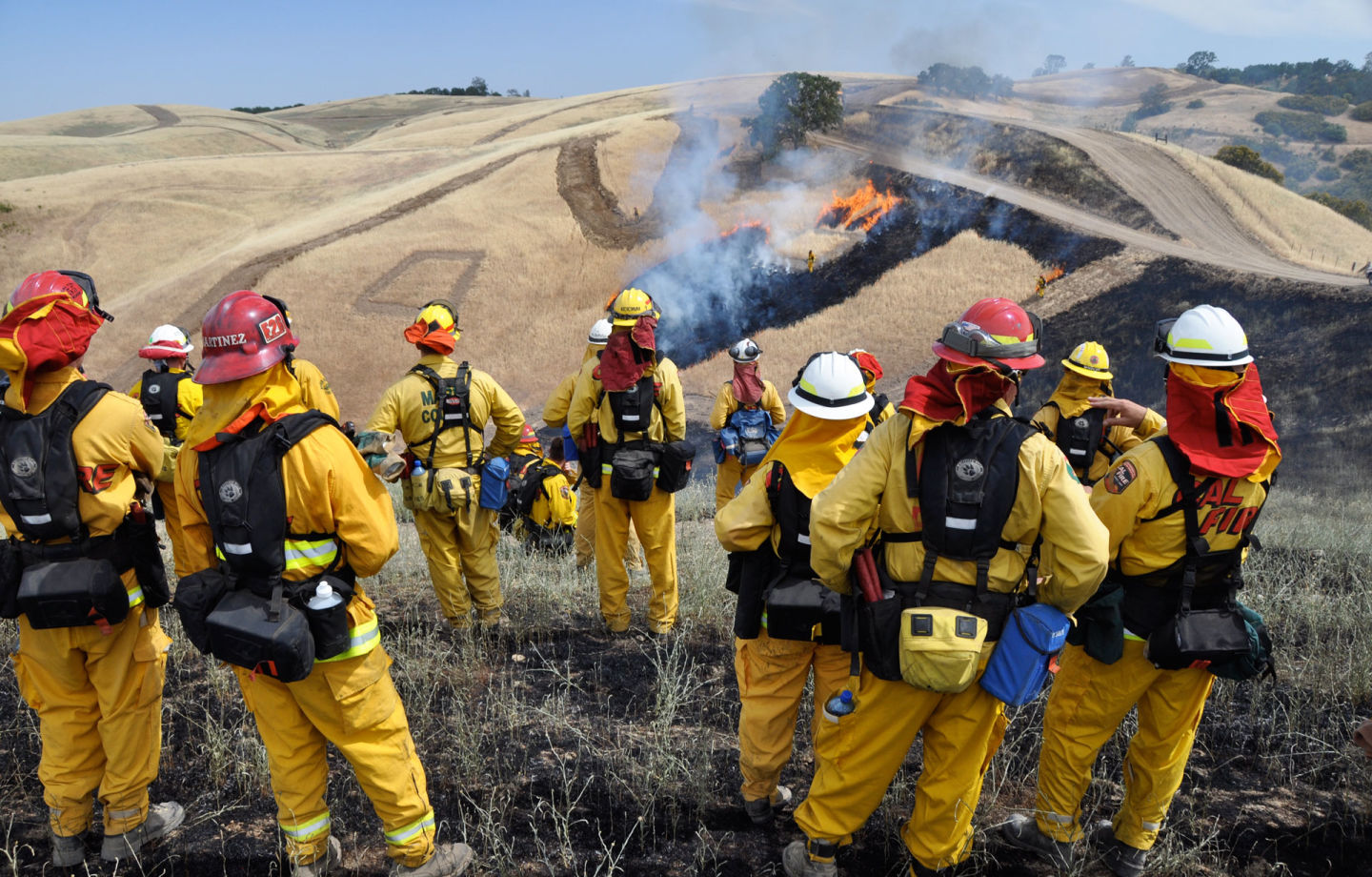
"caption": "Students and instructors from Cal Fire participate in live fire drills during a week of intensive training designed to teach firefighting operations.",
"description": "Students and instructors from Cal Fire participate in live fire drills during a week of intensive training designed to teach firefighting operations.",
"title": "FireSchoolMain",
"credit": "Linnea Edmeier/KQED",
"status": "inherit",
"isLoading": false,
"fetchFailed": false
},
"news_10687121": {
"type": "attachments",
"id": "news_10687121",
"meta": {
"index": "attachments_1716263798",
"site": "news",
"id": "10687121",
"found": true
},
"parent": 10687032,
"imgSizes": {
"twentyfourteen-full-width": {
"file": "https://ww2.kqed.org/app/uploads/sites/10/2015/09/RS16692_GettyImages-488096000-qut-1038x576.jpg",
"width": 1038,
"mimeType": "image/jpeg",
"height": 576
},
"thumbnail": {
"file": "https://ww2.kqed.org/app/uploads/sites/10/2015/09/RS16692_GettyImages-488096000-qut-400x267.jpg",
"width": 400,
"mimeType": "image/jpeg",
"height": 267
},
"fd-sm": {
"file": "https://ww2.kqed.org/app/uploads/sites/10/2015/09/RS16692_GettyImages-488096000-qut-960x640.jpg",
"width": 960,
"mimeType": "image/jpeg",
"height": 640
},
"post-thumbnail": {
"file": "https://ww2.kqed.org/app/uploads/sites/10/2015/09/RS16692_GettyImages-488096000-qut-672x372.jpg",
"width": 672,
"mimeType": "image/jpeg",
"height": 372
},
"kqedFullSize": {
"file": "https://ww2.kqed.org/app/uploads/sites/10/2015/09/RS16692_GettyImages-488096000-qut.jpg",
"width": 1920,
"height": 1280
},
"large": {
"file": "https://ww2.kqed.org/app/uploads/sites/10/2015/09/RS16692_GettyImages-488096000-qut-1440x960.jpg",
"width": 1440,
"mimeType": "image/jpeg",
"height": 960
},
"guest-author-96": {
"file": "https://ww2.kqed.org/app/uploads/sites/10/2015/09/RS16692_GettyImages-488096000-qut-96x96.jpg",
"width": 96,
"mimeType": "image/jpeg",
"height": 96
},
"medium": {
"file": "https://ww2.kqed.org/app/uploads/sites/10/2015/09/RS16692_GettyImages-488096000-qut-800x533.jpg",
"width": 800,
"mimeType": "image/jpeg",
"height": 533
},
"guest-author-64": {
"file": "https://ww2.kqed.org/app/uploads/sites/10/2015/09/RS16692_GettyImages-488096000-qut-64x64.jpg",
"width": 64,
"mimeType": "image/jpeg",
"height": 64
},
"guest-author-32": {
"file": "https://ww2.kqed.org/app/uploads/sites/10/2015/09/RS16692_GettyImages-488096000-qut-32x32.jpg",
"width": 32,
"mimeType": "image/jpeg",
"height": 32
},
"jmtc-small-thumb": {
"file": "https://ww2.kqed.org/app/uploads/sites/10/2015/09/RS16692_GettyImages-488096000-qut-280x150.jpg",
"width": 280,
"mimeType": "image/jpeg",
"height": 150
},
"fd-lrg": {
"file": "https://ww2.kqed.org/app/uploads/sites/10/2015/09/RS16692_GettyImages-488096000-qut-1920x1280.jpg",
"width": 1920,
"mimeType": "image/jpeg",
"height": 1280
},
"fd-med": {
"file": "https://ww2.kqed.org/app/uploads/sites/10/2015/09/RS16692_GettyImages-488096000-qut-1180x787.jpg",
"width": 1180,
"mimeType": "image/jpeg",
"height": 787
},
"detail": {
"file": "https://ww2.kqed.org/app/uploads/sites/10/2015/09/RS16692_GettyImages-488096000-qut-75x75.jpg",
"width": 75,
"mimeType": "image/jpeg",
"height": 75
},
"guest-author-128": {
"file": "https://ww2.kqed.org/app/uploads/sites/10/2015/09/RS16692_GettyImages-488096000-qut-128x128.jpg",
"width": 128,
"mimeType": "image/jpeg",
"height": 128
}
},
"publishDate": 1442538868,
"modified": 1442611208,
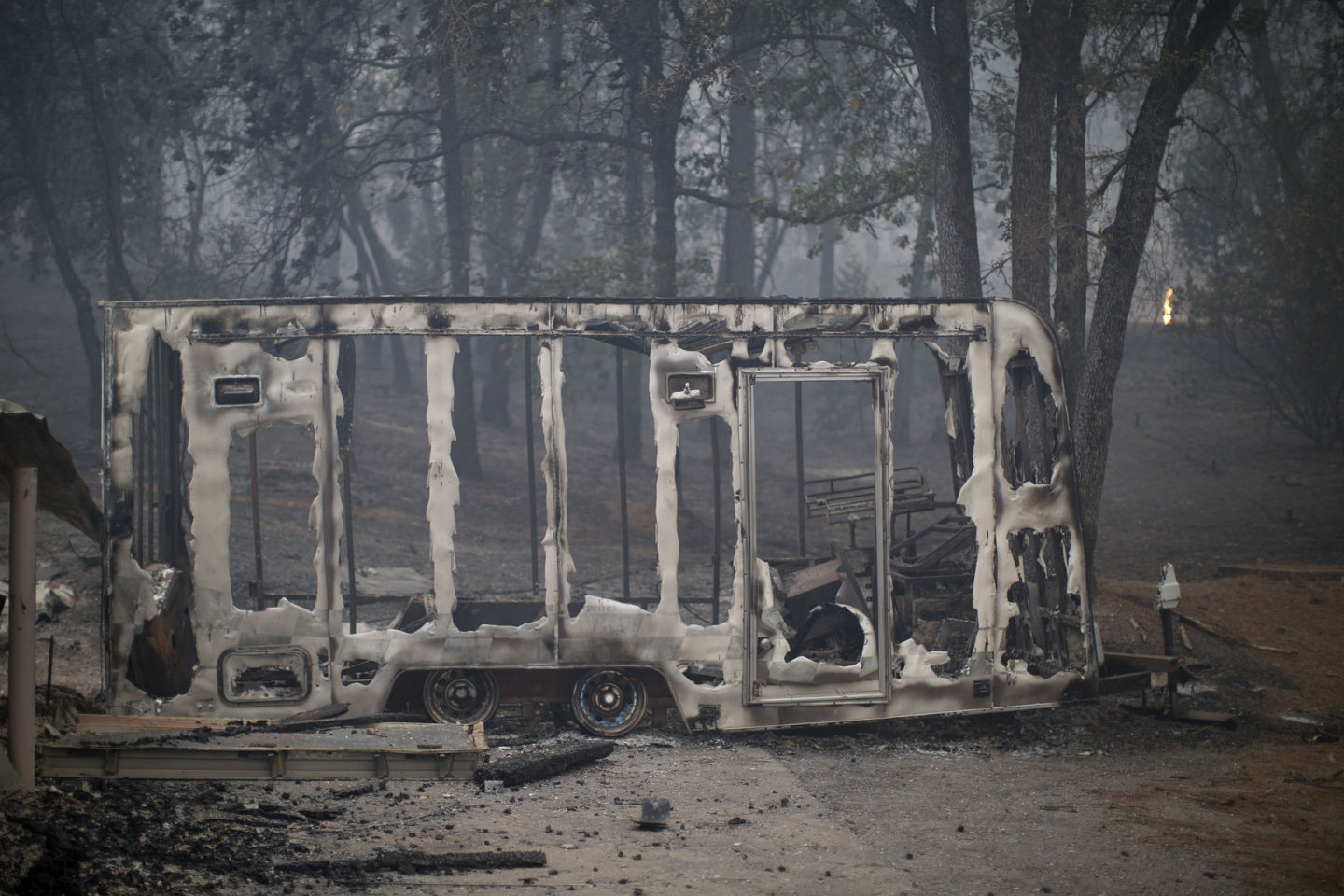
"caption": "The skeletal remains of a burned trailer are seen at the Butte Fire.",
"description": null,
"title": "RS16692_GettyImages-488096000-qut",
"credit": "David McNew/Getty Images",
"status": "inherit",
"isLoading": false,
"fetchFailed": false
},
"news_10682405": {
"type": "attachments",
"id": "news_10682405",
"meta": {
"index": "attachments_1716263798",
"site": "news",
"id": "10682405",
"found": true
},
"parent": 10682403,
"imgSizes": {
"twentyfourteen-full-width": {
"file": "https://ww2.kqed.org/app/uploads/sites/10/2015/09/Screen-Shot-2015-09-14-at-3.10.46-PM-1038x576.png",
"width": 1038,
"mimeType": "image/png",
"height": 576
},
"thumbnail": {
"file": "https://ww2.kqed.org/app/uploads/sites/10/2015/09/Screen-Shot-2015-09-14-at-3.10.46-PM-400x225.png",
"width": 400,
"mimeType": "image/png",
"height": 225
},
"fd-sm": {
"file": "https://ww2.kqed.org/app/uploads/sites/10/2015/09/Screen-Shot-2015-09-14-at-3.10.46-PM-960x540.png",
"width": 960,
"mimeType": "image/png",
"height": 540
},
"post-thumbnail": {
"file": "https://ww2.kqed.org/app/uploads/sites/10/2015/09/Screen-Shot-2015-09-14-at-3.10.46-PM-672x372.png",
"width": 672,
"mimeType": "image/png",
"height": 372
},
"kqedFullSize": {
"file": "https://ww2.kqed.org/app/uploads/sites/10/2015/09/Screen-Shot-2015-09-14-at-3.10.46-PM.png",
"width": 2560,
"height": 1440
},
"large": {
"file": "https://ww2.kqed.org/app/uploads/sites/10/2015/09/Screen-Shot-2015-09-14-at-3.10.46-PM-1440x810.png",
"width": 1440,
"mimeType": "image/png",
"height": 810
},
"guest-author-96": {
"file": "https://ww2.kqed.org/app/uploads/sites/10/2015/09/Screen-Shot-2015-09-14-at-3.10.46-PM-96x96.png",
"width": 96,
"mimeType": "image/png",
"height": 96
},
"medium": {
"file": "https://ww2.kqed.org/app/uploads/sites/10/2015/09/Screen-Shot-2015-09-14-at-3.10.46-PM-800x450.png",
"width": 800,
"mimeType": "image/png",
"height": 450
},
"guest-author-64": {
"file": "https://ww2.kqed.org/app/uploads/sites/10/2015/09/Screen-Shot-2015-09-14-at-3.10.46-PM-64x64.png",
"width": 64,
"mimeType": "image/png",
"height": 64
},
"guest-author-32": {
"file": "https://ww2.kqed.org/app/uploads/sites/10/2015/09/Screen-Shot-2015-09-14-at-3.10.46-PM-32x32.png",
"width": 32,
"mimeType": "image/png",
"height": 32
},
"jmtc-small-thumb": {
"file": "https://ww2.kqed.org/app/uploads/sites/10/2015/09/Screen-Shot-2015-09-14-at-3.10.46-PM-280x150.png",
"width": 280,
"mimeType": "image/png",
"height": 150
},
"fd-lrg": {
"file": "https://ww2.kqed.org/app/uploads/sites/10/2015/09/Screen-Shot-2015-09-14-at-3.10.46-PM-1920x1080.png",
"width": 1920,
"mimeType": "image/png",
"height": 1080
},
"fd-med": {
"file": "https://ww2.kqed.org/app/uploads/sites/10/2015/09/Screen-Shot-2015-09-14-at-3.10.46-PM-1180x664.png",
"width": 1180,
"mimeType": "image/png",
"height": 664
},
"detail": {
"file": "https://ww2.kqed.org/app/uploads/sites/10/2015/09/Screen-Shot-2015-09-14-at-3.10.46-PM-75x75.png",
"width": 75,
"mimeType": "image/png",
"height": 75
},
"guest-author-128": {
"file": "https://ww2.kqed.org/app/uploads/sites/10/2015/09/Screen-Shot-2015-09-14-at-3.10.46-PM-128x128.png",
"width": 128,
"mimeType": "image/png",
"height": 128
}
},
"publishDate": 1442268677,
"modified": 1442268724,
"caption": "How to fight wildfires. (Screenshot courtesy of Earth Fix)",
"description": null,
"title": "Screen Shot 2015-09-14 at 3.10.46 PM",
"credit": null,
"status": "inherit",
"isLoading": false,
"fetchFailed": false
},
"news_10682102": {
"type": "attachments",
"id": "news_10682102",
"meta": {
"index": "attachments_1716263798",
"site": "news",
"id": "10682102",
"found": true
},
"parent": 10682100,
"imgSizes": {
"twentyfourteen-full-width": {
"file": "https://ww2.kqed.org/app/uploads/sites/10/2015/09/IMG_4167-e1442252686485-1038x576.jpg",
"width": 1038,
"mimeType": "image/jpeg",
"height": 576
},
"thumbnail": {
"file": "https://ww2.kqed.org/app/uploads/sites/10/2015/09/IMG_4167-e1442252686485-400x264.jpg",
"width": 400,
"mimeType": "image/jpeg",
"height": 264
},
"fd-sm": {
"file": "https://ww2.kqed.org/app/uploads/sites/10/2015/09/IMG_4167-e1442252686485-960x634.jpg",
"width": 960,
"mimeType": "image/jpeg",
"height": 634
},
"post-thumbnail": {
"file": "https://ww2.kqed.org/app/uploads/sites/10/2015/09/IMG_4167-e1442252686485-672x372.jpg",
"width": 672,
"mimeType": "image/jpeg",
"height": 372
},
"kqedFullSize": {
"file": "https://ww2.kqed.org/app/uploads/sites/10/2015/09/IMG_4167-e1442252698590.jpg",
"width": 1920,
"height": 1268
},
"large": {
"file": "https://ww2.kqed.org/app/uploads/sites/10/2015/09/IMG_4167-e1442252686485-1440x951.jpg",
"width": 1440,
"mimeType": "image/jpeg",
"height": 951
},
"guest-author-96": {
"file": "https://ww2.kqed.org/app/uploads/sites/10/2015/09/IMG_4167-e1442252686485-96x96.jpg",
"width": 96,
"mimeType": "image/jpeg",
"height": 96
},
"medium": {
"file": "https://ww2.kqed.org/app/uploads/sites/10/2015/09/IMG_4167-e1442252686485-800x528.jpg",
"width": 800,
"mimeType": "image/jpeg",
"height": 528
},
"guest-author-64": {
"file": "https://ww2.kqed.org/app/uploads/sites/10/2015/09/IMG_4167-e1442252686485-64x64.jpg",
"width": 64,
"mimeType": "image/jpeg",
"height": 64
},
"guest-author-32": {
"file": "https://ww2.kqed.org/app/uploads/sites/10/2015/09/IMG_4167-e1442252686485-32x32.jpg",
"width": 32,
"mimeType": "image/jpeg",
"height": 32
},
"jmtc-small-thumb": {
"file": "https://ww2.kqed.org/app/uploads/sites/10/2015/09/IMG_4167-e1442252686485-280x150.jpg",
"width": 280,
"mimeType": "image/jpeg",
"height": 150
},
"fd-lrg": {
"file": "https://ww2.kqed.org/app/uploads/sites/10/2015/09/IMG_4167-e1442252686485-1920x1268.jpg",
"width": 1920,
"mimeType": "image/jpeg",
"height": 1268
},
"fd-med": {
"file": "https://ww2.kqed.org/app/uploads/sites/10/2015/09/IMG_4167-e1442252686485-1180x779.jpg",
"width": 1180,
"mimeType": "image/jpeg",
"height": 779
},
"detail": {
"file": "https://ww2.kqed.org/app/uploads/sites/10/2015/09/IMG_4167-e1442252686485-75x75.jpg",
"width": 75,
"mimeType": "image/jpeg",
"height": 75
},
"guest-author-128": {
"file": "https://ww2.kqed.org/app/uploads/sites/10/2015/09/IMG_4167-e1442252686485-128x128.jpg",
"width": 128,
"mimeType": "image/jpeg",
"height": 128
}
},
"publishDate": 1442252653,
"modified": 1442267151,
"caption": "Gov. Jerry Brown, alongside his director of emergency services, Mark Ghilarducci, at a Sept. 14 news conference in Rancho Cordova, California.",
"description": null,
"title": "IMG_4167",
"credit": "John Myers/KQED",
"status": "inherit",
"isLoading": false,
"fetchFailed": false
},
"news_10674822": {
"type": "attachments",
"id": "news_10674822",
"meta": {
"index": "attachments_1716263798",
"site": "news",
"id": "10674822",
"found": true
},
"parent": 10647267,
"imgSizes": {
"jmtc-small-thumb": {
"file": "https://ww2.kqed.org/app/uploads/sites/10/2015/09/roughfire150909-280x150.png",
"width": 280,
"mimeType": "image/png",
"height": 150
},
"thumbnail": {
"file": "https://ww2.kqed.org/app/uploads/sites/10/2015/09/roughfire150909-400x228.png",
"width": 400,
"mimeType": "image/png",
"height": 228
},
"post-thumbnail": {
"file": "https://ww2.kqed.org/app/uploads/sites/10/2015/09/roughfire150909-672x372.png",
"width": 672,
"mimeType": "image/png",
"height": 372
},
"kqedFullSize": {
"file": "https://ww2.kqed.org/app/uploads/sites/10/2015/09/roughfire150909.png",
"width": 951,
"height": 542
},
"guest-author-96": {
"file": "https://ww2.kqed.org/app/uploads/sites/10/2015/09/roughfire150909-96x96.png",
"width": 96,
"mimeType": "image/png",
"height": 96
},
"medium": {
"file": "https://ww2.kqed.org/app/uploads/sites/10/2015/09/roughfire150909-800x456.png",
"width": 800,
"mimeType": "image/png",
"height": 456
},
"guest-author-64": {
"file": "https://ww2.kqed.org/app/uploads/sites/10/2015/09/roughfire150909-64x64.png",
"width": 64,
"mimeType": "image/png",
"height": 64
},
"detail": {
"file": "https://ww2.kqed.org/app/uploads/sites/10/2015/09/roughfire150909-75x75.png",
"width": 75,
"mimeType": "image/png",
"height": 75
},
"guest-author-32": {
"file": "https://ww2.kqed.org/app/uploads/sites/10/2015/09/roughfire150909-32x32.png",
"width": 32,
"mimeType": "image/png",
"height": 32
},
"guest-author-128": {
"file": "https://ww2.kqed.org/app/uploads/sites/10/2015/09/roughfire150909-128x128.png",
"width": 128,
"mimeType": "image/png",
"height": 128
}
},
"publishDate": 1441827137,
"modified": 1441827237,
"caption": "The Rough Fire, burning in and near Kings Canyon National Park, has prompted new evacuations. ",
"description": null,
"title": "Rough Fire",
"credit": "Fresno County Sheriff's Office",
"status": "inherit",
"isLoading": false,
"fetchFailed": false
},
"news_10676442": {
"type": "attachments",
"id": "news_10676442",
"meta": {
"index": "attachments_1716263798",
"site": "news",
"id": "10676442",
"found": true
},
"parent": 10676437,
"imgSizes": {
"twentyfourteen-full-width": {
"file": "https://ww2.kqed.org/app/uploads/sites/10/2015/09/RS1395_brown20130110-1038x576.jpg",
"width": 1038,
"mimeType": "image/jpeg",
"height": 576
},
"thumbnail": {
"file": "https://ww2.kqed.org/app/uploads/sites/10/2015/09/RS1395_brown20130110-400x286.jpg",
"width": 400,
"mimeType": "image/jpeg",
"height": 286
},
"fd-sm": {
"file": "https://ww2.kqed.org/app/uploads/sites/10/2015/09/RS1395_brown20130110-960x687.jpg",
"width": 960,
"mimeType": "image/jpeg",
"height": 687
},
"post-thumbnail": {
"file": "https://ww2.kqed.org/app/uploads/sites/10/2015/09/RS1395_brown20130110-672x372.jpg",
"width": 672,
"mimeType": "image/jpeg",
"height": 372
},
"kqedFullSize": {
"file": "https://ww2.kqed.org/app/uploads/sites/10/2015/09/RS1395_brown20130110-e1441918912340.jpg",
"width": 1920,
"height": 1373
},
"large": {
"file": "https://ww2.kqed.org/app/uploads/sites/10/2015/09/RS1395_brown20130110-1440x1030.jpg",
"width": 1440,
"mimeType": "image/jpeg",
"height": 1030
},
"guest-author-96": {
"file": "https://ww2.kqed.org/app/uploads/sites/10/2015/09/RS1395_brown20130110-96x96.jpg",
"width": 96,
"mimeType": "image/jpeg",
"height": 96
},
"medium": {
"file": "https://ww2.kqed.org/app/uploads/sites/10/2015/09/RS1395_brown20130110-800x572.jpg",
"width": 800,
"mimeType": "image/jpeg",
"height": 572
},
"guest-author-64": {
"file": "https://ww2.kqed.org/app/uploads/sites/10/2015/09/RS1395_brown20130110-64x64.jpg",
"width": 64,
"mimeType": "image/jpeg",
"height": 64
},
"guest-author-32": {
"file": "https://ww2.kqed.org/app/uploads/sites/10/2015/09/RS1395_brown20130110-32x32.jpg",
"width": 32,
"mimeType": "image/jpeg",
"height": 32
},
"jmtc-small-thumb": {
"file": "https://ww2.kqed.org/app/uploads/sites/10/2015/09/RS1395_brown20130110-280x150.jpg",
"width": 280,
"mimeType": "image/jpeg",
"height": 150
},
"fd-lrg": {
"file": "https://ww2.kqed.org/app/uploads/sites/10/2015/09/RS1395_brown20130110-1920x1373.jpg",
"width": 1920,
"mimeType": "image/jpeg",
"height": 1373
},
"fd-med": {
"file": "https://ww2.kqed.org/app/uploads/sites/10/2015/09/RS1395_brown20130110-1180x844.jpg",
"width": 1180,
"mimeType": "image/jpeg",
"height": 844
},
"detail": {
"file": "https://ww2.kqed.org/app/uploads/sites/10/2015/09/RS1395_brown20130110-75x75.jpg",
"width": 75,
"mimeType": "image/jpeg",
"height": 75
},
"guest-author-128": {
"file": "https://ww2.kqed.org/app/uploads/sites/10/2015/09/RS1395_brown20130110-128x128.jpg",
"width": 128,
"mimeType": "image/jpeg",
"height": 128
}
},
"publishDate": 1441918831,
"modified": 1441918905,
"caption": "Gov. Jerry Brown says his administration will continue to push for climate change efforts, even after a setback in the California Legislature.",
"description": null,
"title": "Gov. Brown Signs Legislation At Google HQ That Allows Testing Of Autonomous Vehicles",
"credit": "Justin Sullivan/Getty",
"status": "inherit",
"isLoading": false,
"fetchFailed": false
},
"news_10675224": {
"type": "attachments",
"id": "news_10675224",
"meta": {
"index": "attachments_1716263798",
"site": "news",
"id": "10675224",
"found": true
},
"parent": 10675207,
"imgSizes": {
"twentyfourteen-full-width": {
"file": "https://ww2.kqed.org/app/uploads/sites/10/2015/09/RS16615_IMG_4127-qut-1038x576.jpg",
"width": 1038,
"mimeType": "image/jpeg",
"height": 576
},
"thumbnail": {
"file": "https://ww2.kqed.org/app/uploads/sites/10/2015/09/RS16615_IMG_4127-qut-400x257.jpg",
"width": 400,
"mimeType": "image/jpeg",
"height": 257
},
"fd-sm": {
"file": "https://ww2.kqed.org/app/uploads/sites/10/2015/09/RS16615_IMG_4127-qut-960x617.jpg",
"width": 960,
"mimeType": "image/jpeg",
"height": 617
},
"post-thumbnail": {
"file": "https://ww2.kqed.org/app/uploads/sites/10/2015/09/RS16615_IMG_4127-qut-672x372.jpg",
"width": 672,
"mimeType": "image/jpeg",
"height": 372
},
"kqedFullSize": {
"file": "https://ww2.kqed.org/app/uploads/sites/10/2015/09/RS16615_IMG_4127-qut.jpg",
"width": 1920,
"height": 1233
},
"large": {
"file": "https://ww2.kqed.org/app/uploads/sites/10/2015/09/RS16615_IMG_4127-qut-1440x925.jpg",
"width": 1440,
"mimeType": "image/jpeg",
"height": 925
},
"guest-author-96": {
"file": "https://ww2.kqed.org/app/uploads/sites/10/2015/09/RS16615_IMG_4127-qut-96x96.jpg",
"width": 96,
"mimeType": "image/jpeg",
"height": 96
},
"medium": {
"file": "https://ww2.kqed.org/app/uploads/sites/10/2015/09/RS16615_IMG_4127-qut-800x514.jpg",
"width": 800,
"mimeType": "image/jpeg",
"height": 514
},
"guest-author-64": {
"file": "https://ww2.kqed.org/app/uploads/sites/10/2015/09/RS16615_IMG_4127-qut-64x64.jpg",
"width": 64,
"mimeType": "image/jpeg",
"height": 64
},
"guest-author-32": {
"file": "https://ww2.kqed.org/app/uploads/sites/10/2015/09/RS16615_IMG_4127-qut-32x32.jpg",
"width": 32,
"mimeType": "image/jpeg",
"height": 32
},
"jmtc-small-thumb": {
"file": "https://ww2.kqed.org/app/uploads/sites/10/2015/09/RS16615_IMG_4127-qut-280x150.jpg",
"width": 280,
"mimeType": "image/jpeg",
"height": 150
},
"fd-lrg": {
"file": "https://ww2.kqed.org/app/uploads/sites/10/2015/09/RS16615_IMG_4127-qut-1920x1233.jpg",
"width": 1920,
"mimeType": "image/jpeg",
"height": 1233
},
"fd-med": {
"file": "https://ww2.kqed.org/app/uploads/sites/10/2015/09/RS16615_IMG_4127-qut-1180x758.jpg",
"width": 1180,
"mimeType": "image/jpeg",
"height": 758
},
"detail": {
"file": "https://ww2.kqed.org/app/uploads/sites/10/2015/09/RS16615_IMG_4127-qut-75x75.jpg",
"width": 75,
"mimeType": "image/jpeg",
"height": 75
},
"guest-author-128": {
"file": "https://ww2.kqed.org/app/uploads/sites/10/2015/09/RS16615_IMG_4127-qut-128x128.jpg",
"width": 128,
"mimeType": "image/jpeg",
"height": 128
}
},
"publishDate": 1441847676,
"modified": 1441926686,
"caption": "Senate Leader Kevin de León, Gov. Jerry Brown and Speaker Toni Atkins announce changes to SB350.",
"description": null,
"title": "RS16615_IMG_4127-qut",
"credit": "John Myers/KQED",
"status": "inherit",
"isLoading": false,
"fetchFailed": false
}
},
"audioPlayerReducer": {
"postId": "stream_live",
"isPaused": true,
"isPlaying": false,
"pfsActive": false,
"pledgeModalIsOpen": true,
"playerDrawerIsOpen": false,
"liveAudioPlayStartedAt": 0,
"liveAudioPlayContext": ""
},
"authorsReducer": {
"byline_news_10685017": {
"type": "authors",
"id": "byline_news_10685017",
"meta": {
"override": true
},
"slug": "byline_news_10685017",
"name": "Linnea Edmeier",
"isLoading": false
},
"lisapickoffwhite-2": {
"type": "authors",
"id": "199",
"meta": {
"index": "authors_1716337520",
"id": "199",
"found": true
},
"name": "Lisa Pickoff-White",
"firstName": "Lisa",
"lastName": "Pickoff-White",
"slug": "lisapickoffwhite-2",
"email": "lpickoffwhite@kqed.org",
"display_author_email": false,
"staff_mastheads": [
"news"
],
"title": "Data Journalist, Senior Producer",
"bio": "Lisa Pickoff-White is KQED's data reporter. Lisa specializes in simplifying complex topics and bringing them to life through compelling visuals, including photography and data visualizations. She previously has worked at the Center for Investigative Reporting and other national outlets. Her work has been honored with awards from the Online News Association, Investigative Reporters and Editors, the Society of Professional Journalists and SXSW Interactive. \u003cstrong> \u003c/strong>",
"avatar": "https://secure.gravatar.com/avatar/5513c5f3967df792aa65bee2501e84d6?s=600&d=blank&r=g",
"twitter": "pickoffwhite",
"facebook": null,
"instagram": null,
"linkedin": null,
"sites": [
{
"site": "",
"roles": [
"editor"
]
},
{
"site": "arts",
"roles": []
},
{
"site": "news",
"roles": [
"administrator"
]
},
{
"site": "about",
"roles": [
"editor"
]
},
{
"site": "stateofhealth",
"roles": [
"administrator"
]
},
{
"site": "science",
"roles": [
"editor"
]
},
{
"site": "quest",
"roles": [
"editor"
]
},
{
"site": "forum",
"roles": [
"editor"
]
}
],
"headData": {
"title": "Lisa Pickoff-White | KQED",
"description": "Data Journalist, Senior Producer",
"ogImgSrc": "https://secure.gravatar.com/avatar/5513c5f3967df792aa65bee2501e84d6?s=600&d=blank&r=g",
"twImgSrc": "https://secure.gravatar.com/avatar/5513c5f3967df792aa65bee2501e84d6?s=600&d=blank&r=g"
},
"isLoading": false,
"link": "/author/lisapickoffwhite-2"
},
"jmyers": {
"type": "authors",
"id": "232",
"meta": {
"index": "authors_1716337520",
"id": "232",
"found": true
},
"name": "John Myers",
"firstName": "John",
"lastName": "Myers",
"slug": "jmyers",
"email": "jmyers@kqed.org",
"display_author_email": false,
"staff_mastheads": [],
"title": null,
"bio": "John Myers is Senior Editor of KQED's new California Politics and Government Desk. A veteran of almost two decades of political coverage, he was KQED's longest serving statehouse bureau chief and recently was political editor for Sacramento's ABC affiliate, News10 (KXTV). John was moderator of the only 2014 gubernatorial debate, and was named by \u003cem>The Washington Post\u003c/em> to two \"Best Of\" lists: the 2015 list of top state politics reporters and 2014's list of America's most influential statehouse reporters.",
"avatar": "https://secure.gravatar.com/avatar/c0ac98482caf0b8229a792662b38722a?s=600&d=blank&r=g",
"twitter": "johnmyers",
"facebook": null,
"instagram": null,
"linkedin": null,
"sites": [
{
"site": "news",
"roles": [
"subscriber"
]
}
],
"headData": {
"title": "John Myers | KQED",
"description": null,
"ogImgSrc": "https://secure.gravatar.com/avatar/c0ac98482caf0b8229a792662b38722a?s=600&d=blank&r=g",
"twImgSrc": "https://secure.gravatar.com/avatar/c0ac98482caf0b8229a792662b38722a?s=600&d=blank&r=g"
},
"isLoading": false,
"link": "/author/jmyers"
},
"kqed": {
"type": "authors",
"id": "236",
"meta": {
"index": "authors_1716337520",
"id": "236",
"found": true
},
"name": "KQED News Staff",
"firstName": "KQED News Staff",
"lastName": null,
"slug": "kqed",
"email": "faq@kqed.org",
"display_author_email": false,
"staff_mastheads": [],
"title": null,
"bio": null,
"avatar": "https://secure.gravatar.com/avatar/ef0e801a68c4c54afa9180db14084167?s=600&d=blank&r=g",
"twitter": null,
"facebook": null,
"instagram": null,
"linkedin": null,
"sites": [
{
"site": "arts",
"roles": [
"contributor"
]
},
{
"site": "news",
"roles": [
"editor"
]
},
{
"site": "futureofyou",
"roles": [
"author"
]
}
],
"headData": {
"title": "KQED News Staff | KQED",
"description": null,
"ogImgSrc": "https://secure.gravatar.com/avatar/ef0e801a68c4c54afa9180db14084167?s=600&d=blank&r=g",
"twImgSrc": "https://secure.gravatar.com/avatar/ef0e801a68c4c54afa9180db14084167?s=600&d=blank&r=g"
},
"isLoading": false,
"link": "/author/kqed"
},
"kqednewsstaffandwires": {
"type": "authors",
"id": "237",
"meta": {
"index": "authors_1716337520",
"id": "237",
"found": true
},
"name": "KQED News Staff and Wires",
"firstName": "KQED News Staff and Wires",
"lastName": null,
"slug": "kqednewsstaffandwires",
"email": "onlinenewsstaff@kqed.org",
"display_author_email": false,
"staff_mastheads": [],
"title": null,
"bio": null,
"avatar": "https://secure.gravatar.com/avatar/72295af8ebbfbd19a4948f5271285664?s=600&d=blank&r=g",
"twitter": null,
"facebook": null,
"instagram": null,
"linkedin": null,
"sites": [
{
"site": "arts",
"roles": [
"contributor"
]
},
{
"site": "news",
"roles": [
"contributor"
]
},
{
"site": "lowdown",
"roles": [
"author"
]
},
{
"site": "stateofhealth",
"roles": [
"contributor"
]
},
{
"site": "food",
"roles": [
"author"
]
}
],
"headData": {
"title": "KQED News Staff and Wires | KQED",
"description": null,
"ogImgSrc": "https://secure.gravatar.com/avatar/72295af8ebbfbd19a4948f5271285664?s=600&d=blank&r=g",
"twImgSrc": "https://secure.gravatar.com/avatar/72295af8ebbfbd19a4948f5271285664?s=600&d=blank&r=g"
},
"isLoading": false,
"link": "/author/kqednewsstaffandwires"
},
"aemslie": {
"type": "authors",
"id": "3206",
"meta": {
"index": "authors_1716337520",
"id": "3206",
"found": true
},
"name": "Alex Emslie",
"firstName": "Alex",
"lastName": "Emslie",
"slug": "aemslie",
"email": "aemslie@kqed.org",
"display_author_email": true,
"staff_mastheads": [
"news"
],
"title": "KQED Senior Editor",
"bio": "Alex Emslie is senior editor of talent and development at KQED, where he manages dozens of early career journalists and oversees news department internships.\r\n\r\nHe is a former carpenter and proud graduate of City College of San Francisco and San Francisco State University, where he studied journalism and criminal justice before joining KQED in 2013.\r\n\r\nAlex produced investigative journalism focused on \u003ca href=\"https://www.kqed.org/news/11667594/the-trials-of-marvin-mutch-video\">criminal justice\u003c/a> and policing for most of a decade. He has broken major stories about \u003ca href=\"https://www.kqed.org/news/135682/amid-a-series-of-vallejo-police-shootings-one-officers-name-stands-out\">police use of deadly force\u003c/a>, \u003ca href=\"https://www.kqed.org/news/10454955/racist-texts-prompt-sfpd-internal-investigation\">officer misconduct\u003c/a> and \u003ca href=\"https://www.kqed.org/news/11712239/terrorist-or-troll-judge-to-weigh-whether-oakland-man-really-intended-to-attack-bay-area\">other\u003c/a> \u003ca href=\"https://www.kqed.org/news/11221414/hayward-paid-159000-to-husband-of-retired-police-chief-documents-show\">high\u003c/a>-\u003ca href=\"https://www.kqed.org/news/10622762/the-forgotten-tracking-two-homicides-in-san-francisco-public-housing\">profile\u003c/a> \u003ca href=\"https://www.kqed.org/news/11624516/federal-agency-promoted-ranger-just-months-after-his-gun-was-stolen-and-used-in-steinle-killing\">cases\u003c/a>. He co-founded the \u003ca href=\"https://projects.scpr.org/california-reporting-project/\">California Reporting Project\u003c/a> in 2019 to obtain and report on previously confidential police internal investigations. The effort produced well over 100 original stories and changed the course of multiple criminal cases.\r\n\r\nHis work has been recognized with numerous journalism awards, including a national Edward R. Murrow award for several years of \u003ca href=\"https://www.kqed.org/news/11688481/sfpd-officers-in-mario-woods-case-recount-shooting-in-newly-filed-depositions\">reporting\u003c/a> on the San Francisco Police shooting of Mario Woods. His \u003ca href=\"https://www.kqed.org/news/147854/half-of-those-killed-by-san-francisco-police-are-mentally-ill\">reporting\u003c/a> on police killings of people in psychiatric crisis was cited in amicus briefs before the U.S. Supreme Court.\r\n\r\nAlex now enjoys mentoring the next generation of journalists at KQED.",
"avatar": "https://secure.gravatar.com/avatar/e691e65209f20e9da202bd730ead5663?s=600&d=blank&r=g",
"twitter": "SFNewsReporter",
"facebook": null,
"instagram": null,
"linkedin": null,
"sites": [
{
"site": "arts",
"roles": [
"editor"
]
},
{
"site": "news",
"roles": [
"editor"
]
},
{
"site": "mindshift",
"roles": [
"editor"
]
},
{
"site": "stateofhealth",
"roles": [
"editor"
]
},
{
"site": "science",
"roles": [
"administrator"
]
}
],
"headData": {
"title": "Alex Emslie | KQED",
"description": "KQED Senior Editor",
"ogImgSrc": "https://secure.gravatar.com/avatar/e691e65209f20e9da202bd730ead5663?s=600&d=blank&r=g",
"twImgSrc": "https://secure.gravatar.com/avatar/e691e65209f20e9da202bd730ead5663?s=600&d=blank&r=g"
},
"isLoading": false,
"link": "/author/aemslie"
},
"rbowe": {
"type": "authors",
"id": "3231",
"meta": {
"index": "authors_1716337520",
"id": "3231",
"found": true
},
"name": "Rebecca Bowe",
"firstName": "Rebecca",
"lastName": "Bowe",
"slug": "rbowe",
"email": "rbowe@kqed.org",
"display_author_email": false,
"staff_mastheads": [],
"title": null,
"bio": "Rebecca Bowe is a journalist based in San Francisco. She's covered Bay Area news since 2009, and previously served as News Editor of the San Francisco Bay Guardian. Follow her on Twitter @ByRebeccaBowe.",
"avatar": "https://secure.gravatar.com/avatar/50e1da0639521639108e89c123a76c9c?s=600&d=blank&r=g",
"twitter": null,
"facebook": null,
"instagram": null,
"linkedin": null,
"sites": [
{
"site": "news",
"roles": [
"subscriber"
]
},
{
"site": "science",
"roles": [
"editor"
]
}
],
"headData": {
"title": "Rebecca Bowe | KQED",
"description": null,
"ogImgSrc": "https://secure.gravatar.com/avatar/50e1da0639521639108e89c123a76c9c?s=600&d=blank&r=g",
"twImgSrc": "https://secure.gravatar.com/avatar/50e1da0639521639108e89c123a76c9c?s=600&d=blank&r=g"
},
"isLoading": false,
"link": "/author/rbowe"
},
"mlagos": {
"type": "authors",
"id": "3239",
"meta": {
"index": "authors_1716337520",
"id": "3239",
"found": true
},
"name": "Marisa Lagos",
"firstName": "Marisa",
"lastName": "Lagos",
"slug": "mlagos",
"email": "mlagos@kqed.org",
"display_author_email": false,
"staff_mastheads": [
"news"
],
"title": "KQED Contributor",
"bio": "Marisa Lagos is a correspondent for KQED’s California Politics and Government Desk and co-hosts the award-winning show and podcast, Political Breakdown. At KQED, Lagos also conducts reporting, analysis and investigations into state, local and national politics for radio, TV, online and onstage. In 2022, she and co-host, Scott Shafer, moderated the only gubernatorial debate in California. In 2020, the \u003ci>Washington Post\u003c/i> named her one of the top political journalists in California; she was nominated for a Peabody and won several other awards for her work investigating the 2017 California wildfires. She has worked at the \u003ci>San Francisco Chronicle\u003c/i>, \u003ci>San Francisco Examiner\u003c/i> and \u003ci>Los Angeles Times\u003c/i>. A UC Santa Barbara graduate, she lives in San Francisco with her two sons and husband.",
"avatar": "https://secure.gravatar.com/avatar/a261a0d3696fc066871ef96b85b5e7d2?s=600&d=blank&r=g",
"twitter": "@mlagos",
"facebook": null,
"instagram": null,
"linkedin": null,
"sites": [
{
"site": "arts",
"roles": [
"author"
]
},
{
"site": "news",
"roles": [
"editor"
]
},
{
"site": "science",
"roles": [
"editor"
]
},
{
"site": "forum",
"roles": [
"author"
]
},
{
"site": "liveblog",
"roles": [
"author"
]
}
],
"headData": {
"title": "Marisa Lagos | KQED",
"description": "KQED Contributor",
"ogImgSrc": "https://secure.gravatar.com/avatar/a261a0d3696fc066871ef96b85b5e7d2?s=600&d=blank&r=g",
"twImgSrc": "https://secure.gravatar.com/avatar/a261a0d3696fc066871ef96b85b5e7d2?s=600&d=blank&r=g"
},
"isLoading": false,
"link": "/author/mlagos"
},
"jsmall": {
"type": "authors",
"id": "6625",
"meta": {
"index": "authors_1716337520",
"id": "6625",
"found": true
},
"name": "Julie Small",
"firstName": "Julie",
"lastName": "Small",
"slug": "jsmall",
"email": "jsmall@kqed.org",
"display_author_email": true,
"staff_mastheads": [
"news"
],
"title": "KQED Contributor",
"bio": "Julie Small reports on criminal justice and immigration.\r\n\r\nShe was part of a team at KQED awarded a regional 2019 Edward R. Murrow award for continuing coverage of the Trump Administration's family separation policy.\r\n\r\nThe Society for Professional Journalists recognized Julie's 2018 \u003ca href=\"https://www.kqed.org/news/11636262/the-officer-tased-him-31-times-the-sheriff-called-his-death-an-accident\">reporting\u003c/a> on the San Joaquin County Sheriff's \u003ca href=\"https://www.kqed.org/news/11634689/autopsy-doctors-sheriff-overrode-death-findings-to-protect-law-enforcement\">interference\u003c/a> in death investigations with an Excellence in Journalism Award for Ongoing Coverage.\r\n\r\nJulie's\u003ca href=\"https://www.kqed.org/news/11039666/two-mentally-ill-inmates-died-one-month-in-santa-clara\"> reporting\u003c/a> with Lisa Pickoff-White on the treatment of mentally ill offenders in California jails earned a 2017 regional Edward R. Murrow Award for news reporting and an investigative reporting award from the SPJ of Northern California.\r\n\r\nBefore joining KQED, Julie covered government and politics in Sacramento for Southern California Public Radio (SCPR). Her 2010 \u003ca href=\"https://www.scpr.org/specials/prisonmedical/\">series\u003c/a> on lapses in California’s prison medical care also won a regional Edward R. Murrow Award for investigative reporting and a Golden Mic Award from the RTNDA of Southern California.\r\n\r\nJulie began her career in journalism in 2000 as the deputy foreign editor for public radio's \u003cem>Marketplace, \u003c/em>while earning her master's degree in journalism from USC’s Annenberg School of Communication.",
"avatar": "https://secure.gravatar.com/avatar/4baedf201468df97be97c2a9dd7585d0?s=600&d=blank&r=g",
"twitter": "@SmallRadio2",
"facebook": null,
"instagram": null,
"linkedin": null,
"sites": [
{
"site": "news",
"roles": [
"editor"
]
},
{
"site": "stateofhealth",
"roles": [
"author"
]
},
{
"site": "science",
"roles": [
"author"
]
}
],
"headData": {
"title": "Julie Small | KQED",
"description": "KQED Contributor",
"ogImgSrc": "https://secure.gravatar.com/avatar/4baedf201468df97be97c2a9dd7585d0?s=600&d=blank&r=g",
"twImgSrc": "https://secure.gravatar.com/avatar/4baedf201468df97be97c2a9dd7585d0?s=600&d=blank&r=g"
},
"isLoading": false,
"link": "/author/jsmall"
},
"fjhabvala": {
"type": "authors",
"id": "8659",
"meta": {
"index": "authors_1716337520",
"id": "8659",
"found": true
},
"name": "Farida Jhabvala Romero",
"firstName": "Farida",
"lastName": "Jhabvala Romero",
"slug": "fjhabvala",
"email": "fjhabvala@kqed.org",
"display_author_email": true,
"staff_mastheads": [
"news"
],
"title": "KQED Contributor",
"bio": "Farida Jhabvala Romero is a Labor Correspondent for KQED. She previously covered immigration. Farida was \u003ca href=\"https://www.ccnma.org/2022-most-influential-latina-journalists\">named\u003c/a> one of the 10 Most Influential Latina Journalists in California in 2022 by the California Chicano News Media Association. Her work has won awards from the Society of Professional Journalists (Northern California), as well as a national and regional Edward M. Murrow Award for the collaborative reporting projects “Dangerous Air” and “Graying California.” Before joining KQED, Farida worked as a producer at Radio Bilingüe, a national public radio network. Farida earned her master’s degree in journalism from Stanford University.",
"avatar": "https://secure.gravatar.com/avatar/f9f022d4e2609741874222a1e9d41f48fea74011aa7c615eef91d9a50c944ebe?s=600&d=blank&r=g",
"twitter": "FaridaJhabvala",
"bluesky": null,
"facebook": null,
"instagram": null,
"linkedin": "https://www.linkedin.com/in/faridajhabvala/",
"sites": [
{
"site": "news",
"roles": [
"editor"
]
},
{
"site": "stateofhealth",
"roles": [
"author"
]
},
{
"site": "liveblog",
"roles": [
"author"
]
}
],
"headData": {
"title": "Farida Jhabvala Romero | KQED",
"description": "KQED Contributor",
"ogImgSrc": "https://secure.gravatar.com/avatar/f9f022d4e2609741874222a1e9d41f48fea74011aa7c615eef91d9a50c944ebe?s=600&d=blank&r=g",
"twImgSrc": "https://secure.gravatar.com/avatar/f9f022d4e2609741874222a1e9d41f48fea74011aa7c615eef91d9a50c944ebe?s=600&d=blank&r=g"
},
"isLoading": false,
"link": "/author/fjhabvala"
}
},
"pagesReducer": {
"news_category_environment": {
"type": "terms",
"id": "news_19906",
"meta": {
"index": "terms_1716263798",
"site": "news",
"id": "19906",
"score": 12.137133
},
"featImg": null,
"name": "Environment",
"description": null,
"taxonomy": "category",
"headData": {
"twImgId": null,
"twTitle": null,
"ogTitle": null,
"ogImgId": null,
"twDescription": null,
"description": null,
"title": "Environment Archives | KQED News",
"ogDescription": null
},
"ttid": 19923,
"slug": "environment",
"isLoading": false,
"title": "Environment",
"pageMeta": {
"site": "news",
"WpPageTemplate": "page-topic-editorial",
"currentPage": 241
},
"blocks": [
{
"blockName": "kqed/post-list",
"attrs": {
"layout": "cardArticle2",
"query": "posts/news?category=environment",
"seeMore": false,
"paginated": true,
"page": 241
}
},
{
"blockName": "kqed/ad"
}
]
}
},
"pfsSessionReducer": {},
"postsReducer": {
"stream_live": {
"type": "live",
"id": "stream_live",
"audioUrl": "https://streams.kqed.org/kqedradio",
"title": "Live Stream",
"excerpt": "Live Stream information currently unavailable.",
"link": "/radio",
"featImg": "",
"label": {
"name": "KQED Live",
"link": "/"
}
},
"stream_kqedNewscast": {
"type": "posts",
"id": "stream_kqedNewscast",
"audioUrl": "https://www.kqed.org/.stream/anon/radio/RDnews/newscast.mp3?_=1",
"title": "KQED Newscast",
"featImg": "",
"label": {
"name": "88.5 FM",
"link": "/"
}
},
"news_10696014": {
"type": "posts",
"id": "news_10696014",
"meta": {
"index": "posts_1716263798",
"site": "news",
"id": "10696014",
"score": null,
"sort": [
1443162792000
]
},
"parent": 0,
"labelTerm": {
"site": "news",
"term": 72
},
"blocks": [],
"publishDate": 1443162792,
"format": "standard",
"disqusTitle": "State Officials Scrambling to Adjust to Year-Round Fire Season",
"title": "State Officials Scrambling to Adjust to Year-Round Fire Season",
"headTitle": "The California Report | KQED News",
"content": "\u003cp>The ongoing drought, combined with slower but significant shifts brought about by climate change, is changing the way California's largest fire protection agency does business, according to state officials.\u003c/p>\n\u003cp>Fire season \u003ca href=\"http://www.claimsjournal.com/news/west/2015/09/17/265796.htm\" target=\"_blank\">isn't limited to the summer and fall anymore\u003c/a> -- wildfires have \u003ca href=\"http://www.ksby.com/story/30092672/california-hit-with-worst-wildfire-season-ever\" target=\"_blank\">become a year-round threat that require year-round resources\u003c/a>, said \u003ca href=\"http://calfire.ca.gov/index.php\" target=\"_blank\">Cal Fire\u003c/a> Director Ken Pimlott.\u003c/p>\n\u003cp>\"It's subtle -- yet you can see changes in weather patterns and vegetation that is leading to conditions that are more conductive to wildland fires that you see in what you would call the nontraditional months,” he said. “That means we have had to look at how we staff and prepare and respond to those conditions during the winter months and other times of the year.”\u003c/p>\n\u003cp>That includes stationing 25 fully staffed fire engines year-round in Northern California, an area of the state that fire officials didn't use to worry about come winter, Pimlott said.\u003c/p>\n\u003cp>Most of the money for fighting these unexpectedly large fires comes from an emergency fund that lives in the Cal Fire budget, but for nine of the past 10 years the governor has had to add tens of millions of dollars to that “e-fund” when \u003ca href=\"http://www.cnbc.com/2015/09/14/costs-mount-as-fast-moving-fires-hit-northern-calif.html\" target=\"_blank\">costs ran over\u003c/a>.\u003c/p>\n\u003cp>[ad fullwidth]\u003c/p>\n\u003cp>\u003cstrong>Lingering Effects of Recession\u003c/strong>\u003c/p>\n\u003cp>Like all state agencies, Cal Fire took some big hits during the recession. In 2008, for example, former Gov. Arnold Schwarzenegger and lawmakers, desperate for ways to find cash as the state swam in red ink, budgeted just $69 million for the emergency fund but had to spend more than $500 million.\u003c/p>\n\u003cp>H.D. Palmer, a spokesman for the state Department of Finance, said Gov. Jerry Brown has tried to more realistically plan for the numerous devastating wildfires hitting the state in recent years as the drought continues to take a toll.\u003c/p>\n\u003cp>This year, state leaders settled on a number for the e-fund by averaging the most expensive five years of the past decade, instead of just an average of the last five years. But it still won't be enough. The total emergency budget this year was set at $392 million for the fiscal year that began July 1, but as of this week, Cal Fire had \u003ca href=\"http://www.usnews.com/news/us/articles/2015/09/23/sixth-body-found-in-rubble-of-northern-california-wildfires\" target=\"_blank\">already spent more than $276 million\u003c/a>.\u003c/p>\n\u003cp>Palmer stressed, however, that these are budgeted numbers, not real cash. The state, he said, will always make resources available to respond to disasters.\u003c/p>\n\u003cp>For example, in the last few weeks Brown authorized the hiring of an additional 150 firefighters through the end of the calendar year, extended some leases on private helicopters and approved the purchase of new buckets that can draw water from more shallow reservoirs.\u003c/p>\n\u003cp>Any cost overruns come from a state reserve, known as the \"\u003ca href=\"http://www.dof.ca.gov/accounting/manual_of_state_funds/index/documents/0374.pdf\" target=\"_blank\">special fund for economic uncertainties\u003c/a>.\" It's basically the pot of money that covers any disaster, from earthquakes to wildfires to flooding. Brown has made growing that reserve a priority; it’s set at $1.1 billion this year.\u003c/p>\n\u003cp>Pimlott said fire and finance officials are also engaging in bigger conversations about whether larger permanent changes need to take place at Cal Fire -- from year-round staffing to updating technology and equipment. The agency is in the process of replacing its Vietnam-era helicopters and updating its overall communication and predictive technologies.\u003c/p>\n\u003cp>\u003c/p>\n\u003cp>\"Long term, those are some discussions we have to look at,\" he said. \"These fire conditions are really here to stay, and while we may have more intense years and then less intense years, depending on rainfall patterns, etc., the overall trend is toward a year-round fire season.\"\u003c/p>\n\n",
"disqusIdentifier": "10696014 http://ww2.kqed.org/news/?p=10696014",
"disqusUrl": "https://ww2.kqed.org/news/2015/09/24/state-officials-scrambling-to-adjust-to-year-round-fire-season/",
"stats": {
"hasVideo": false,
"hasChartOrMap": false,
"hasAudio": false,
"hasPolis": false,
"wordCount": 621,
"hasGoogleForm": false,
"hasGallery": false,
"hasHearkenModule": false,
"iframeSrcs": [],
"paragraphCount": 16
},
"modified": 1443230437,
"excerpt": "Cal Fire and finance officials are changing how they budget and plan for wildfires. ",
"headData": {
"twImgId": "",
"twTitle": "",
"ogTitle": "",
"ogImgId": "",
"twDescription": "",
"description": "Cal Fire and finance officials are changing how they budget and plan for wildfires. ",
"title": "State Officials Scrambling to Adjust to Year-Round Fire Season | KQED",
"ogDescription": "",
"schema": {
"@context": "https://schema.org",
"@type": "NewsArticle",
"headline": "State Officials Scrambling to Adjust to Year-Round Fire Season",
"datePublished": "2015-09-24T23:33:12-07:00",
"dateModified": "2015-09-25T18:20:37-07:00",
"image": "https://cdn.kqed.org/wp-content/uploads/2020/02/KQED-OG-Image@1x.png",
"isAccessibleForFree": "True",
"publisher": {
"@type": "NewsMediaOrganization",
"@id": "https://www.kqed.org/#organization",
"name": "KQED",
"logo": "https://cdn.kqed.org/wp-content/uploads/2020/02/KQED-OG-Image@1x.png",
"url": "https://www.kqed.org",
"sameAs": [
"https://www.facebook.com/KQED",
"https://twitter.com/KQED",
"https://www.instagram.com/kqed/",
"https://www.tiktok.com/@kqedofficial",
"https://www.linkedin.com/company/kqed",
"https://www.youtube.com/channel/UCeC0IOo7i1P_61zVUWbJ4nw"
]
}
}
},
"guestAuthors": [],
"slug": "state-officials-scrambling-to-adjust-to-year-round-fire-season",
"status": "publish",
"customPermalink": "2015/09/24/Changes-for-Cal-Fire-budget-with-extended-fire-threats/",
"WpOldSlug": "state-officials-scramble-to-adjust-to-year-round-fire-season",
"path": "/news/10696014/state-officials-scrambling-to-adjust-to-year-round-fire-season",
"audioTrackLength": null,
"parsedContent": [
{
"type": "contentString",
"content": "\u003cdiv class=\"post-body\">\u003cp>\u003cp>The ongoing drought, combined with slower but significant shifts brought about by climate change, is changing the way California's largest fire protection agency does business, according to state officials.\u003c/p>\n\u003cp>Fire season \u003ca href=\"http://www.claimsjournal.com/news/west/2015/09/17/265796.htm\" target=\"_blank\">isn't limited to the summer and fall anymore\u003c/a> -- wildfires have \u003ca href=\"http://www.ksby.com/story/30092672/california-hit-with-worst-wildfire-season-ever\" target=\"_blank\">become a year-round threat that require year-round resources\u003c/a>, said \u003ca href=\"http://calfire.ca.gov/index.php\" target=\"_blank\">Cal Fire\u003c/a> Director Ken Pimlott.\u003c/p>\n\u003cp>\"It's subtle -- yet you can see changes in weather patterns and vegetation that is leading to conditions that are more conductive to wildland fires that you see in what you would call the nontraditional months,” he said. “That means we have had to look at how we staff and prepare and respond to those conditions during the winter months and other times of the year.”\u003c/p>\n\u003cp>That includes stationing 25 fully staffed fire engines year-round in Northern California, an area of the state that fire officials didn't use to worry about come winter, Pimlott said.\u003c/p>\n\u003cp>Most of the money for fighting these unexpectedly large fires comes from an emergency fund that lives in the Cal Fire budget, but for nine of the past 10 years the governor has had to add tens of millions of dollars to that “e-fund” when \u003ca href=\"http://www.cnbc.com/2015/09/14/costs-mount-as-fast-moving-fires-hit-northern-calif.html\" target=\"_blank\">costs ran over\u003c/a>.\u003c/p>\n\u003cp>\u003c/p>\u003c/div>",
"attributes": {
"named": {},
"numeric": []
}
},
{
"type": "component",
"content": "",
"name": "ad",
"attributes": {
"named": {
"label": "fullwidth"
},
"numeric": [
"fullwidth"
]
}
},
{
"type": "contentString",
"content": "\u003cdiv class=\"post-body\">\u003cp>\u003c/p>\n\u003cp>\u003cstrong>Lingering Effects of Recession\u003c/strong>\u003c/p>\n\u003cp>Like all state agencies, Cal Fire took some big hits during the recession. In 2008, for example, former Gov. Arnold Schwarzenegger and lawmakers, desperate for ways to find cash as the state swam in red ink, budgeted just $69 million for the emergency fund but had to spend more than $500 million.\u003c/p>\n\u003cp>H.D. Palmer, a spokesman for the state Department of Finance, said Gov. Jerry Brown has tried to more realistically plan for the numerous devastating wildfires hitting the state in recent years as the drought continues to take a toll.\u003c/p>\n\u003cp>This year, state leaders settled on a number for the e-fund by averaging the most expensive five years of the past decade, instead of just an average of the last five years. But it still won't be enough. The total emergency budget this year was set at $392 million for the fiscal year that began July 1, but as of this week, Cal Fire had \u003ca href=\"http://www.usnews.com/news/us/articles/2015/09/23/sixth-body-found-in-rubble-of-northern-california-wildfires\" target=\"_blank\">already spent more than $276 million\u003c/a>.\u003c/p>\n\u003cp>Palmer stressed, however, that these are budgeted numbers, not real cash. The state, he said, will always make resources available to respond to disasters.\u003c/p>\n\u003cp>For example, in the last few weeks Brown authorized the hiring of an additional 150 firefighters through the end of the calendar year, extended some leases on private helicopters and approved the purchase of new buckets that can draw water from more shallow reservoirs.\u003c/p>\n\u003cp>Any cost overruns come from a state reserve, known as the \"\u003ca href=\"http://www.dof.ca.gov/accounting/manual_of_state_funds/index/documents/0374.pdf\" target=\"_blank\">special fund for economic uncertainties\u003c/a>.\" It's basically the pot of money that covers any disaster, from earthquakes to wildfires to flooding. Brown has made growing that reserve a priority; it’s set at $1.1 billion this year.\u003c/p>\n\u003cp>Pimlott said fire and finance officials are also engaging in bigger conversations about whether larger permanent changes need to take place at Cal Fire -- from year-round staffing to updating technology and equipment. The agency is in the process of replacing its Vietnam-era helicopters and updating its overall communication and predictive technologies.\u003c/p>\n\u003cp>\u003c/p>\n\u003cp>\"Long term, those are some discussions we have to look at,\" he said. \"These fire conditions are really here to stay, and while we may have more intense years and then less intense years, depending on rainfall patterns, etc., the overall trend is toward a year-round fire season.\"\u003c/p>\n\n\u003c/div>\u003c/p>",
"attributes": {
"named": {},
"numeric": []
}
}
],
"link": "/news/10696014/state-officials-scrambling-to-adjust-to-year-round-fire-season",
"authors": [
"3239"
],
"programs": [
"news_7051",
"news_6944",
"news_72"
],
"categories": [
"news_19906",
"news_8",
"news_13",
"news_356"
],
"tags": [
"news_6383",
"news_70",
"news_17286",
"news_17041",
"news_4463"
],
"featImg": "news_10696016",
"label": "news_72"
},
"news_10680510": {
"type": "posts",
"id": "news_10680510",
"meta": {
"index": "posts_1716263798",
"site": "news",
"id": "10680510",
"score": null,
"sort": [
1443056458000
]
},
"guestAuthors": [],
"slug": "valley-fire-forcing-residents-to-evacuate-injures-firefighters-in-lake-county",
"title": "Valley Fire Update: 3,000 Homeless, Cost Likely 'Hundreds of Millions'",
"publishDate": 1443056458,
"format": "standard",
"headTitle": "Valley Fire Update: 3,000 Homeless, Cost Likely ‘Hundreds of Millions’ | KQED",
"labelTerm": {
"term": 72,
"site": "news"
},
"content": "\u003cp>\u003cstrong>Update, 6:40 p.m. Wednesday, Sept. 23:\u003c/strong> Federal emergency responders are on the ground in Lake County assessing damage from one of the most destructive wildfires in California’s recent history.\u003c/p>\n\u003cp>William Fugate, the head of the Federal Emergency Management Agency, joined state and local officials for an update from the Valley Fire Wednesday afternoon. \u003c/p>\n\u003cp>“We can provide some financial assistance based upon need,” he said. “The first part is getting registered to determine that need, but the longer-term need is going to be housing. And we’re going to work with the state and locals on how we get the housing needs met.”\u003c/p>\n\u003cp>Fugate encouraged people who suffered uninsured losses in the fire to \u003ca href=\"http://www.disasterassistance.gov/\" target=\"_blank\" rel=\"noopener\">register with FEMA\u003c/a> as soon as possible.\u003c/p>\n\u003cp>State officials estimate the fire left roughly 3,000 people homeless.\u003c/p>\n\u003cp>[ad fullwidth]\u003c/p>\n\u003cp>“There’s no silver bullet to this particular issue,” state Office of Emergency Services Director Mark Ghilarducci said. “There is a patchwork of capability that we’re looking at. We’re looking at everything from hotels to what rental properties may be available, to opening an old resort — the Konocti Harbor [Resort], to also putting manufactured housing on the ground.”\u003c/p>\n\u003cp>The fire’s confirmed \u003ca href=\"#jump\">death toll\u003c/a> rose Wednesday morning when the Lake County Sheriff’s Department announced the discovery of a fourth body in ruins left by the fire.\u003c/p>\n\u003cp>“Our hearts and minds and prayers go out to all of them,” Lake County Supervisor Jim Comstock said, “but we are very encouraged there are not more of them at this time. Our communities will rebuild.”\u003c/p>\n\u003cp>The county expects to lose $2.1 million in property tax revenue per year. The total cost of the fire is, of course, much higher.\u003c/p>\n\u003cp>“It’s conceivable and realistic that the cost overall when you take in loss of revenue, response cost and everything, clearly is in the hundreds of millions of dollars,” Ghilarducci said. “We don’t have an exact figure yet.”\u003c/p>\n\u003cp>Officials candidly described a fire that moved too quickly to control, with initial firefighters and other first responders on the scene quickly shifting from fighting the flames to attempting to evacuate communities in blaze’s path.\u003c/p>\n\u003cp>“We’re past the preparing for fire now,” Cal Fire Director Ken Pimlott said. “It’s now being ready to go. People have to have evacuation plans in place. This fire spread miles just within a few hours.”\u003c/p>\n\u003cp>Some residents likely didn’t know they should evacuate until the fire was upon them, officials said, despite notifications sent via reverse-911 calls, among other methods.\u003cbr>\n\u003ca name=\"jump\">\u003c/a>\u003cbr>\n“I don’t think people understand how rapid and how violent this fire was,” Lake County Sheriff Brian Martin said. “In some cases those phone lines were burned down before the messages were delivered to people.”\u003c/p>\n\u003cp>\u003cstrong>Update, 10:45 a.m. Wednesday, Sept. 23:\u003c/strong> Officials in Lake County say they’ve found an apparent fourth victim of the Valley Fire.\u003c/p>\n\u003cp>The Lake County Sheriff’s Office \u003ca href=\"https://local.nixle.com/alert/5497628/\" target=\"_blank\" rel=\"noopener\">reported Wednesday\u003c/a> that searchers had discovered human remains in the community of Cobb, one of the areas the fire roared through shortly after it started the afternoon of Sept. 12.\u003c/p>\n\u003cp>The office said the victim is presumed to be Robert Taylor Fletcher, 66, who was last seen the day the fire started and was reported missing several days later.\u003c/p>\n\u003cp>Deputies are still trying to locate another missing man, identified as Rob Litchman, 61, a resident of the Siegler Springs area near the town of Lower Lake.\u003c/p>\n\u003cp>Cal Fire reported Wednesday that the 76,000-acre blaze is 80 percent contained. The firefighting agency also gave its latest report on the number of structures destroyed in the blaze: 1,238 homes and 672 outbuildings. With a total of 1,910 structures destroyed, the Valley Fire now ranks \u003ca href=\"http://www.fire.ca.gov/communications/downloads/fact_sheets/Top20_Damaging.pdf\" target=\"_blank\" rel=\"noopener\">No. 3 on the agency’s list\u003c/a> of most damaging fires since 1923.\u003c/p>\n\u003cp>Cal Fire says the number of structures incinerated in the Valley blaze, which has crossed into Sonoma and Napa counties, is likely to rise by several hundred when damage assessment teams are finally able to tour the entire fire area.\u003c/p>\n\u003cp>\u003cstrong>Update, 1:45 p.m. Monday, Sept. 21:\u003c/strong> Cal Fire has raised its estimate of homes destroyed in the Valley Fire to 1,050 — and warns the number could rise further.\u003c/p>\n\u003cp>Cal Fire spokesman Daniel Berlant said that damage assessment teams have covered about 80 percent of the 76,000 acres — nearly 120 square miles — that have burned since Sept. 12. The number of residences destroyed makes the Valley Fire the state’s fourth-most-damaging fire on \u003ca href=\"http://www.fire.ca.gov/communications/downloads/fact_sheets/Top20_Damaging.pdf\" target=\"_blank\" rel=\"noopener\">a Cal Fire list\u003c/a> that goes back to the 1923 Berkeley Hills disaster, which destroyed 584 homes in a neighborhood just north of the University of California campus.\u003c/p>\n\u003cp>The Valley Fire is now 70 percent contained with a huge force, more than 4,200 personnel, working to build lines around it.\u003c/p>\n\u003cp>Separately, the firefighting agency also issued a revised report on the number of homes burned in the Butte Fire, which has burned nearly 71,000 acres, or 111 square miles, in the foothills of Calaveras and Amador counties. With damage assessment continuing, the agency has documented 545 residences destroyed.\u003c/p>\n\u003cp>Authorities have confirmed three deaths so far in the Valley Fire and two in the Butte Fire.\u003c/p>\n\u003cp>Together, property losses in the two fires are the worst the state has seen since October 2003, when nearly 4,000 homes were lost in conflagrations that swept hundreds of square miles in San Diego and San Bernardino counties.\u003c/p>\n\u003cp>\u003cstrong>Update, 9:20 a.m. Friday, Sept. 18:\u003c/strong>\u003c/p>\n\u003cp>Firefighters advanced containment of the Valley Fire burning in Lake, Sonoma and Napa counties to 40 percent overnight, and one of two people still missing since the fire’s start was found safe.\u003c/p>\n\u003cp>The Associated Press reports that 56-year-old Edwin Null was discovered at a friend’s home Thursday night. Family members thought he was in the fire zone near Middletown.\u003c/p>\n\u003cp>Three people are confirmed killed in the fast-moving, 115-square-mile fire that destroyed parts of Middletown, Cobb and other Lake County communities. Two people were found dead in the 110-square-mile Butte Fire burning in the Sierra foothills east of Sacramento.\u003c/p>\n\u003cp>The Butte Fire was 60 percent contained Friday morning. More than 8,000 firefighters are battling the two blazes. Cal Fire says temperatures expected to break 90 degrees this weekend, with very low humidity, could present challenges to the firefighting effort.\u003c/p>\n\u003cp>Causes of the fires are under investigation. Cal Fire is \u003ca href=\"http://ww2.kqed.org/news/2015/09/17/utilities-urged-to-step-up-fire-prevention-long-before-deadly-blaze\" target=\"_blank\" rel=\"noopener\">investigating a PG&E power line\u003c/a> and conductor as a potential source of the Butte Fire. PG&E says a live tree, which was inspected six times in the past two years, may have contacted the power line.\u003c/p>\n\u003cp>\u003cstrong>Update, 3:30 p.m. Thursday, Sept. 17:\u003c/strong>\u003c/p>\n\u003cp>\u003cem>From the Associated Press\u003c/em>:\u003c/p>\n\u003cp>Two more bodies were found in the burned ruins of homes in California, bringing the death toll to five from two of the most destructive wildfires in the state in recent memory.\u003c/p>\n\u003cp>Both fires continued burning Thursday, but cooler weather and rain helped firefighters gain ground on the blazes that have destroyed more than 700 homes.\u003c/p>\n\u003cp>Official identifications have not yet been made, but the sheriff’s office said the two bodies found in Lake County were presumed to be those of Bruce Beven Burns and former San Jose Mercury News police reporter Leonard Neft.\u003c/p>\n\u003cp>A woman was found dead Sunday in the blaze burning about 100 miles north of San Francisco.\u003c/p>\n\u003cp>Shirley Burns said her 65-year-old brother-in-law might have been sleeping in his trailer and didn’t realize the fire was speeding toward him on Saturday.\u003c/p>\n\u003cp>“It came in very fast, it was a monster,” she said from her home in Lodi.\u003c/p>\n\u003cp>She recalled Burns as a laid-back guy who sold items at a Clear Lake flea market and lived in a trailer at the family’s metal recycling yard.\u003c/p>\n\u003cp>“He reminded me of a big teddy bear,” Shirley Burns said. “He was a real kind and gentle person. He had a beard and looked like a mountain man.”\u003c/p>\n\u003cp>Neft’s wife and daughter were not immediately available for comment on Thursday.\u003c/p>\n\u003cp>He last spoke with his family on Saturday before authorities found his burned-out car on a route he would have used to escape.\u003c/p>\n\u003cp>His daughter, Joselyn Neft, previously said Adela Neft repeatedly called her husband Saturday to tell him to leave the house, but he told her he didn’t think the fire was coming toward him.\u003c/p>\n\u003cp>Neft’s house was in the same area where Barbara McWilliams, 72, was found dead. She told her caretaker she didn’t want to leave her home near Middletown and would be fine.\u003c/p>\n\u003cp>Cadaver dogs found the latest bodies on Wednesday in the Hidden Valley and Anderson Springs areas.\u003c/p>\n\u003cp>Two other bodies were found inside homes destroyed in a separate wildfire about 170 miles away in the Sierra Nevada foothills, Calaveras County coroner Kevin Raggio said.\u003c/p>\n\u003cp>One was identified as Mark McCloud, 65, who was found Tuesday in the Mountain Ranch area.\u003c/p>\n\u003cp>Raggio wouldn’t release the name of the other victim because the family had not been notified.\u003c/p>\n\u003cp>The disclosures came as firefighters gained ground on the massive blazes amid cooler weather and rain on Wednesday.\u003c/p>\n\u003cp>The fire in Lake County had charred 115 square miles and was 35 percent contained. An estimated 585 homes and hundreds of other structures have burned.\u003c/p>\n\u003cp>The fire in Amador and Calaveras counties has burned 110 square miles. It was 49 percent contained after destroying 252 homes.\u003c/p>\n\u003cp>\u003cstrong>Update, 6 p.m. Wednesday, Sept. 16:\u003c/strong> Calaveras County coroner Kevin Raggio confirmed on Wednesday afternoon that two people have died in the Butte Fire.\u003c/p>\n\u003cp>Mark McCloud, 67, was found near his home in Calaveras County. The second victim was a 65-year-old man who refused to heed a mandatory evacuation order, says Raggio. He declined to identify the second man, saying the family hasn’t been notified.\u003c/p>\n\u003cp>Authorities say they are now using dogs to search for several other people who may have been killed in that fire.\u003c/p>\n\u003cp>Cal Fire \u003ca href=\"http://cdfdata.fire.ca.gov/incidents/incidents_details_info?incident_id=1226\" target=\"_blank\" rel=\"noopener\">reported\u003c/a> this morning that the fire now stands at 73,700 acres, with 35 percent containment.\u003c/p>\n\u003cp>Yesterday, the \u003ca href=\"http://www.sfgate.com/news/article/PG-E-power-line-may-have-sparked-deadly-Sierra-6509980.php\" target=\"_blank\" rel=\"noopener\">San Francisco Chronicle reported\u003c/a> that a power line coming into contact with a tree may have sparked the Butte Fire, which has now burned more than 71,000 acres.\u003c/p>\n\u003cp>“While we don’t have all the facts yet, a live tree may have contacted a PG&E line in the vicinity of the ignition point,” Barry Anderson, PG&E vice president of emergency preparedness and operations, said Wednesday to the Chronicle. “We are cooperating fully with Cal Fire in an investigation of whether this could have been a source of ignition for the Butte Fire.”\u003c/p>\n\u003cp>\u003cstrong>Update, 3:00 p.m. Wednesday, Sept. 16:\u003c/strong> A second life has been claimed by massive wildfires that swept through Northern California this week. The Calaveras County Sheriff has confirmed a fatality resulting from the Butte Fire, according to an update posted on Twitter by Cal Fire public information officer Daniel Berlant. More information is expected soon. The Butte Fire has predominantly impacted Calaveras County, and was 45 percent contained as of the most recent update. So far, the Butte Fire has destroyed just over 400 structures.\u003c/p>\n\u003cp>\u003cstrong>Update: 1:30 p.m., Wednesday, Sept. 16:\u003c/strong>\u003cbr>\nThere are currently 14,000 firefighters across the state of California battling 10 active blazes, Cal Fire spokesman Daniel Berlant said in a Wednesday update. But crews are making progress.\u003c/p>\n\u003cp>The Valley Fire, which has already been designated as the most destructive wildfire in 2015, has caused one known fatality and scorched about 100 square miles, with more than 600 structures damaged in the blaze. That property toll doesn’t include barns or sheds that went up in flames along with homes burnt to the ground.\u003c/p>\n\u003cp>“When all the other outbuildings are assessed and a full damage assessment is complete, it is likely that this fire will be in \u003ca href=\"http://ww2.kqed.org/news/2015/09/16/valley-and-butte-fires-are-among-californias-most-destructive-blazes\">the top five most destructive fires\u003c/a> that we have seen in our history,” Berlant said.\u003c/p>\n\u003cp>Firefighters are making progress, thanks in part to cooler temperatures — the Valley Fire was 30 percent contained as of Wednesday morning. At the same time, another weather-related factor was working against their efforts. A number of hot spots continue to smolder throughout the fire zone, and these small fiery patches can be reignited by gusty winds. Those powerful gusts can spur flare-ups and threaten to reverse firefighters’ progress in bringing blazes under control.\u003c/p>\n\u003cp>Farther to the east, in Calaveras and Amador counties, firefighters were also making progress in gaining control of the Butte Fire, which has scorched 71,780 acres and already ranks as the state’s 14th most damaging blaze. The Butte Fire now stands at 45 percent containment.\u003c/p>\n\u003cp>Throughout the affected areas, thousands of people who have been put up for days at evacuation centers are still waiting to return.\u003c/p>\n\u003cp>“There are still thousands of residents who have been evacuated from this fire,” Berlant said of the Valley Fire. “Many are asking when can they get back home, and we are hoping to get them back just as soon as possible. But you’ve got to remember, there are a lot of hazards.”\u003c/p>\n\u003cp>\u003cstrong>Update 4:15 p.m., Tuesday, Sept. 15:\u003c/strong> The Valley Fire has caused at least $1 million in damage to California’s largest geothermal energy complex.\u003c/p>\n\u003cp>The fire disabled five cooling towers at \u003ca href=\"http://www.geysers.com/\" target=\"_blank\" rel=\"noopener\">The Geysers\u003c/a> network of power plants, northwest of Middletown.\u003c/p>\n\u003cp>Brett Kerr, a spokesman for Calpine, which runs the plant, said the fire may have also left it isolated from the power grid.\u003c/p>\n\u003cp>“Some of the non-Calpine-owned transmission lines that deliver the power that is produced to the Geysers to the actual market were also damaged, so while there might be the ability to generate capacity and energy at the Geysers, it may not be able to make it to the grid,” he said.\u003c/p>\n\u003cp>Officials who manage the grid say damage at The Geysers will not have a significant impact on the state’s energy supply.\u003c/p>\n\u003cp>Meanwhile, the \u003ca href=\"http://www.sfgate.com/news/article/Valley-Fire-apparently-started-near-home-in-Cobb-6506658.php\" target=\"_blank\" rel=\"noopener\">San Francisco Chronicle is reporting\u003c/a> investigators are focusing on a burned-out shed in Cobb, where the fire started, in trying to pinpoint the cause of the conflagration.\u003c/p>\n\u003cp>\u003cb>Update: 2 p.m., Tuesday, Sept. 15:\u003c/b>\u003c/p>\n\u003cp>At this morning’s fire briefing, medical officials cautioned firefighters to watch out for signs of stress. A lot of firefighters are local, officials said, and they know plenty of fire victims.\u003c/p>\n\u003cp>[contextly_sidebar id=”wVblom1dlwWUwMUv7AAvsEg0LzApJrtg”]Of course, the worst anxiety is being experienced by those who have had to leave their homes and belongings behind. From KQED health reporter April Dembosky’s \u003ca href=\"http://ww2.kqed.org/stateofhealth/2015/09/15/anxiety-taking-toll-on-fire-evacuees-and-exacerbating-other-health-problems/\" target=\"_blank\" rel=\"noopener\">post on our State of Health blog\u003c/a> today:\u003c/p>\n\u003cblockquote>\u003cp>For a lot of other people here, the anxiety of not knowing [the fate of their homes] is getting to them. Dr. Colleen Townsend, a family practice doctor in Napa, is helping to staff the makeshift medical center inside one of the buildings on the fairgrounds. She says anxiety is one of the main complaints. And that is making other health conditions worse.\u003c/p>\n\u003cp>“So many folks in this area are really affected by chronic illness,” Townsend says, especially diabetes and high blood pressure. Because people were evacuated so quickly, many didn’t have time to grab medications.\u003c/p>\n\u003cp>“Certainly in these settings their blood sugar and blood pressure are already rising just from the stress of the occasion,” Townsend said. “Without adequate supplies of their medicines, that can cause acute symptoms like feeling shaky, nausea, sometimes dehydration.”\u003c/p>\u003c/blockquote>\n\u003cp>People have also been worried about their pets. Some residents are being escorted back into evacuation zones to retrieve them. It’s dangerous out there for animals, as can be seen in this \u003ca href=\"https://www.facebook.com/Wasson-Memorial-Veterinary-Clinic-121404277937611/timeline/\" target=\"_blank\" rel=\"noopener\">post\u003c/a> by a veterinary clinic in Lakeport. The clinic is treating a burned black cat that was rescued by firefighters near Middletown.\u003c/p>\n\u003cp>\u003ca href=\"http://ww2.kqed.org/news/wp-content/uploads/sites/10/2015/09/cat.jpg\">\u003cimg loading=\"lazy\" decoding=\"async\" class=\"aligncenter wp-image-10683838\" src=\"http://ww2.kqed.org/news/wp-content/uploads/sites/10/2015/09/cat.jpg\" alt=\"cat\" width=\"347\" height=\"463\" srcset=\"https://cdn.kqed.org/wp-content/uploads/sites/10/2015/09/cat.jpg 540w, https://cdn.kqed.org/wp-content/uploads/sites/10/2015/09/cat-400x533.jpg 400w\" sizes=\"(max-width: 347px) 100vw, 347px\">\u003c/a>\u003c/p>\n\u003cp>It’s disturbing, yes, but fear not, the cat is doing much better. “Eyes are improving fast!! He’s purring and rubbing his head for kitty kisses!! Thanks for all the inquiries!!” the clinic wrote. If you know who the owner is, call 707-263-5380.\u003c/p>\n\u003cp>\u003ca href=\"http://ww2.kqed.org/news/wp-content/uploads/sites/10/2015/09/cat2.jpg\">\u003cimg loading=\"lazy\" decoding=\"async\" class=\"aligncenter wp-image-10683839\" src=\"http://ww2.kqed.org/news/wp-content/uploads/sites/10/2015/09/cat2.jpg\" alt=\"cat2\" width=\"339\" height=\"452\" srcset=\"https://cdn.kqed.org/wp-content/uploads/sites/10/2015/09/cat2.jpg 540w, https://cdn.kqed.org/wp-content/uploads/sites/10/2015/09/cat2-400x533.jpg 400w\" sizes=\"(max-width: 339px) 100vw, 339px\">\u003c/a>\u003c/p>\n\u003cp> \u003c/p>\n\u003cp>\u003cstrong>Update 1:40 p.m., Tuesday, Sept. 15 \u003c/strong>\u003c/p>\n\u003cp>In Napa County, near Pope Valley and Angwin, advisory evacuations have been lifted for Summit Lake Drive, Howell Mountain Road North, North White Cottage Road and Ink Grade Road.\u003c/p>\n\u003cp>\u003cstrong>Update 10:40 a.m., Tuesday, Sept. 15\u003c/strong>\u003c/p>\n\u003cp>In an emotional \u003ca href=\"http://www.pressdemocrat.com/news/4479072-181/valley-fire-lake-county-is\" target=\"_blank\" rel=\"noopener\">letter to his colleagues\u003c/a> on Monday, Santa Rosa Press Democrat staff photographer Kent Porter captured the havoc caused by the fire:\u003c/p>\n\u003cblockquote>\u003cp>I am floored by the amount of devastation I’ve seen. Whole communities were wiped off the map in a matter of minutes. We all have friends up there, families and people we’ve met in passing. What struck me the most is the utter completeness of this disaster.\u003c/p>\n\u003cp>Virtually nothing is left above the proper of Cobb. The houses are down to foundations, even some chimneys are gone. Driving through the area is like looking at a ghost community. So much gone, so many ways of life disrupted, so much hardship remains for the people affected. In Middletown, you can draw a line where firefighters stopped the fire. They saved downtown. Anderson Springs is nearly 80% wiped out, same goes for the homes along Highway 175 in the canyon to Cobb. Hidden Valley suffered losses too, as did Hobergs and Adams Springs. I didn’t make it to Siegler Canyon, it was way too dangerous (but I did try).\u003c/p>\n\u003cp>We’re all journalists, we’ve all seen catastrophes and witnessed amazing, great things. If there is anything you can donate, especially for the children and seniors, now would be a good time. Overwhelmed is pretty good word to use when you think of what an uphill climb it will be for them.\u003c/p>\u003c/blockquote>\n\u003cp>\u003cstrong>Update 10 a.m., Tuesday, Sept. 15\u003c/strong>: In this morning’s update from Cal Fire, the agency said more resources have been arriving to fight the Valley Fire. Firefighting aircraft are now in operation, and lower temperatures and higher humidity are aiding efforts.\u003c/p>\n\u003cp>[contextly_sidebar id=”xTaAGl4mar5Cp2knnBEelxGzW7oQ1TPL”]The toll of homes destroyed now stands at 585, and hundreds of other structures have also been destroyed. Nine thousand other structures are still threatened.\u003c/p>\n\u003cp>The fire has now scorched 67,000 acres — about 100 square miles — and is 15 percent contained. The hope is containment can be increased before the weather shifts again. About 13,000 people have been evacuated from their homes.\u003c/p>\n\u003cp>Areas surrounding the town of Cobb were hit hard yesterday, with about 100 homes burned. The\u003ca href=\"https://www.facebook.com/friendsofcobbmountain\" target=\"_blank\" rel=\"noopener\"> Friends of Cobb Mountain Facebook page\u003c/a> has been posting local reports of damage.\u003c/p>\n\u003cp>Here is the latest map of the Valley Fire from Cal Fire. You can see the small communities that have been swallowed up in red — places like Adams, Howard Springs, Whispering Pines, Hidden Valley Lake. \u003ca href=\"https://www.google.com/maps/d/viewer?mid=zp8nK_5H0MFQ.kzTmU5XK-qJQ&hl=en\" target=\"_blank\" rel=\"noopener\"> Click on the map\u003c/a> and you’ll be able to zoom in.\u003c/p>\n\u003cp>\u003ca href=\"https://www.google.com/maps/d/viewer?mid=zp8nK_5H0MFQ.kzTmU5XK-qJQ&hl=en\">\u003cimg loading=\"lazy\" decoding=\"async\" class=\"aligncenter size-full wp-image-10683549\" src=\"http://ww2.kqed.org/news/wp-content/uploads/sites/10/2015/09/firemap.jpg\" alt=\"firemap\" width=\"600\" height=\"416\" srcset=\"https://cdn.kqed.org/wp-content/uploads/sites/10/2015/09/firemap.jpg 600w, https://cdn.kqed.org/wp-content/uploads/sites/10/2015/09/firemap-400x277.jpg 400w\" sizes=\"(max-width: 600px) 100vw, 600px\">\u003c/a>\u003c/p>\n\u003cp>Evacuation orders in parts of Napa County have been made advisory instead of mandatory. From the \u003ca href=\"http://napavalleyregister.com/news/local/fire-evacuations-eased-in-napa-county/article_603dcf63-69c3-5cec-bff2-35c9285061ad.html\" target=\"_blank\" rel=\"noopener\">Napa Valley Register\u003c/a>:\u003c/p>\n\u003cblockquote>\u003cp>The advisory evacuations cover Pope Valley Road between Aetna Springs Road and Howell Mountain Road, Ink Grade, Summit Lake Drive and North White Cottage.\u003c/p>\n\u003cp>Mandatory evacuations remain in effect in Napa County along Butts Canyon Road, Berryessa Estates, Snell Valley Road and Pope Valley Road from Aetna Springs North to Lake County.\u003c/p>\u003c/blockquote>\n\u003cp>Mandatory evacuation orders still remain in effect for:\u003c/p>\n\u003cblockquote>\u003cp>Hwy 29 x Hwy 53, South on Hwy 29 to Tubbs Lane in Napa County, all of Hwy 175 in the Cobb area, Point Lakeview to Soda Bay on Hwy 281, all of Bottle Rock Road and High Valley Road. Butts Canyon Road from Hwy 29 to Napa County line (including all of Berryessa Estates). The communities of Twin Lakes, Hidden Valley Lake, Middletown, Aetna Springs, Seigler Canyon, Loch Lomond, and the Riviera Areas.\u003c/p>\u003c/blockquote>\n\u003cp>Fire officials said today some people are being allowed back into their homes to get pets and medication. A high school near Lower Lake is being used as a staging area to bring people to their homes, reports KQED’s Scott Shafer. Residents will have 15 minutes to check, feed and water animals.\u003c/p>\n\u003cp>https://twitter.com/VivianHo/status/643833151513489408\u003c/p>\n\u003cp>Monday night in the Kelseyville High School cafeteria, now being used as an evacuation center, hundreds of people lined up for a dinner prepared and donated by celebrity chef Guy Fieri, who owns property nearby. The feast was small consolation for evacuees like Lela Prather, who lives in Loch Lomond, another Lake County community now threatened.\u003c/p>\n\u003cp>“I haven’t heard recently about our houses,” she told Scott Shafer, her voice cracking with emotion. “We don’t know if our houses are there right now. Because the wind has picked up and … I don’t know.”\u003c/p>\n\u003cp>Many people were similarly emotional as they waited and wondered what they’ll go home to — including the condition of pets, in some cases — when Cal Fire finally gives them the green light to return.\u003c/p>\n\u003cp>Despite the severe stress and loss of property caused by the fire, some Lake County residents saw a silver lining, in that it has brought the community together.\u003c/p>\n\u003cp>Walt Frazier Jr., vice president of the local Vietnam Veterans chapter, sheltered at Kelseyville High School last night. He said he was impressed by how people have united across cultural and economic barriers.\u003c/p>\n\u003cp>“We’ve had helicopters coming in, helping out, aircraft coming out,” he said. “But what I’m seeing are the citizens, the residents, including the ones who’ve been displaced, helping out with one another, calming each other down emotionally. Because this is an emotional impact on the whole county.”\u003c/p>\n\u003cp>Also yesterday: Barbara McWilliams was identified as the lone fire-related fatality. She told her caretaker she didn’t want to leave her home near Middletown, despite the nearby blaze. Her body was found late Sunday in her burned-out home after flames kept Lake County sheriff’s officials from reaching her.\u003c/p>\n\u003cp>Jennifer Hittson, McWilliams’ caregiver, told the Santa Rosa Press Democrat that she left McWilliams’ home around 3 p.m. Saturday, unaware of the fire’s seriousness or how quickly it would grow, even though officers were at that point turning drivers away from Highway 175, which leads to the Cobb Mountain area where McWilliams lived.\u003c/p>\n\u003cp>Hittson said she called the sheriff’s office twice Saturday and Cal Fire on Sunday, only to be told by dispatchers, “We will get out there when we can.”\u003c/p>\n\u003cp>Hittson saiid McWilliams could walk slowly and that her hands were weak. “That I left her there, it haunts me,” she said.\u003c/p>\n\u003cp>\u003cstrong>Update: 8:45 p.m., Monday, Sept. 14: \u003c/strong>According to the latest report from authorities stationed in Lakeport, the Valley Fire had grown to 62,000 acres as of Monday evening, 1,000 acres larger than its previous size, and was at 10 percent containment.\u003c/p>\n\u003cp>Meanwhile, a \u003ca href=\"http://www.latimes.com/local/lanow/la-valley-fire-victim-20150914-story.html\">report\u003c/a> in the Los Angeles Times identified the woman who was killed in the Valley Fire as 72-year old Barbara McWilliams, who suffered from multiple sclerosis. The report includes an account from McWilliams’ caretaker, Jennifer Hittson, who said she’d phoned authorities more than once to alert them that McWilliams needed evacuation assistance.\u003c/p>\n\u003cp>\u003cstrong>Update: 4:35 p.m., Monday, Sept. 14: \u003c/strong>The Lake County Sheriff’s Office has released more information about the first victim killed in the Valley Fire. First responders received a phone call at 7:12 p.m. on Sept. 12 to help an elderly, disabled woman evacuate a subdivision on Hot Springs Road. Officers and deputies arrived to the area at 7:29 p.m., but were unable to make it to her home before the structure was engulfed in flames, according to a statement from the sheriff’s office.\u003c/p>\n\u003cp>\u003cstrong>Update: 1:30 p.m., Monday, Sept. 14: \u003c/strong>The Valley Fire has damaged The Geysers, a network of 14 power plants run by Calpine and one of the largest geothermal complexes in the world. Calpine has confirmed that the blaze damaged five of its cooling towers.\u003c/p>\n\u003caside class=\"alignright\">\n\u003ch3>\u003ca href=\"http://ww2.kqed.org/news/2015/09/14/photos-scenes-from-the-lake-county-valley-fire\">See more photos of the Valley Fire and the aftermath\u003c/a>\u003c/h3>\n\u003cfigure>\u003ca href=\"http://ww2.kqed.org/news/2015/09/14/photos-scenes-from-the-lake-county-valley-fire\">\u003cimg decoding=\"async\" src=\"http://ww2.kqed.org/news/wp-content/uploads/sites/10/2015/09/RS16635_GettyImages-488103158.jpg\" alt=\"\">\u003c/a>\u003c/figure>\n\u003c/aside>\n\u003cp>“The vast majority of the employees who would typically be working today were notified not to try to come to the site,” spokesman Brett Kerr told KQED’s Ted Goldberg.\u003c/p>\n\u003cp>The company sells electricity produced in the area to PG&E and other utilities. Calpine reduced its operations in response to the damage, impacting roughly a third of its energy output.\u003c/p>\n\u003cp>Meanwhile, at a medical tent set up at an evacuation center in Calistoga, Red Cross volunteers and staff from a nearby clinic were working to treat evacuees experiencing health problems. While smoke inhalation was a more immediate medical concern yesterday, evacuees are now grappling with symptoms associated with chronic health conditions, such as diabetes or high blood pressure.\u003c/p>\n\u003cp>Many residents who fled their homes left too quickly to take prescription medication along, volunteers working in the medical tent told KQED’s April Dembosky. Evacuees suffering from diabetes are more vulnerable to health impacts because stress and anxiety can exacerbate the condition.\u003c/p>\n\u003cp>As of early Monday morning, the Valley Fire had scorched some 61,000 acres since Saturday and was only 5 percent contained. The Butte Fire, which has been burning for more than five days, was 30 percent contained with more than 71,000 acres scarred by flames. At a press conference held Monday morning, Gov. Jerry Brown \u003ca href=\"http://ww2.kqed.org/news/2015/09/14/gov-sees-damn-serious-fire-situation-costs-top-212-million\">pegged the total cost of California wildfires at $212.6 million\u003c/a> through early last week, before factoring in the costs of this weekend’s devastating blazes.\u003c/p>\n\u003cp>\u003cstrong>Update: 11:06 a.m., Monday, Sept. 14: \u003c/strong> A total of 23,000 people had been displaced by the Valley and Butte fires as of Monday morning, according to the Associated Press. That includes 13,000 who were forced to leave their homes due to the Valley Fire and another 10,000 from the Butte Fire.\u003c/p>\n\u003cp>\u003cstrong>Update: 10:10 a.m., Monday, Sept 14: \u003c/strong> The Valley Fire has devastated Harbin Hot Springs, a popular nonprofit retreat and workshop center established in 1972 that has long attracted Bay Area residents seeking holistic health therapies. Michael Hardy of Posterity Productions \u003ca href=\"https://www.facebook.com/PosterityProductions/photos/a.891054524322216.1073741881.137782922982717/891055514322117/?type=3&theater\">posted seven photographs on Facebook\u003c/a> showing a number of structures reduced to rubble, including gathering spaces where guests would practice yoga and walkways that led to soaking pools.\u003c/p>\n\u003cp>An update posted to the retreat center’s Facebook page Sunday at 10 p.m. indicated that staff and residents were staying with friends, or being temporarily housed at evacuation centers. “As soon as we know specifics about damages on the property, we will post news here and on the Harbin website,” the message noted.\u003c/p>\n\u003cp>Meanwhile, about 800 people spent last night at the Red Cross evacuation center in Calistoga in campers, tents or just under tarps. Many of those who had to evacuate are still trying to get over the shock of leaving their homes as the flames encroached.\u003c/p>\n\u003cp>“We could see it on the mountain. It just came, it came with a vengeance, it came so fast,” said Theresa DeGroat. “And then we knew. Winds came, it was strong winds, and we had to get out fast.”\u003c/p>\n\u003cp>DeGroat says the only thing left of her Middletown home is the chimney.\u003c/p>\n\u003cp>\u003cstrong>Update: 8:15 a.m., Monday, Sept. 14: \u003c/strong>Cal Fire’s \u003ca href=\"http://cdfdata.fire.ca.gov/incidents/incidents_details_info?incident_id=1226\" target=\"_blank\" rel=\"noopener\">morning update\u003c/a> says the fire continues to grow and has now scorched 61,000 acres. The blaze is 5 percent contained. Still no word on the one fatality reported — Cal Fire says only that it’s being investigated by “law enforcement.”\u003c/p>\n\u003cp>The \u003ca href=\"http://www.pressdemocrat.com/news/4473834-181/valley-fire-one-reported-dead?gallery=4475505\" target=\"_blank\" rel=\"noopener\">Santa Rosa Press Democrat\u003c/a> puts the evacuation count at 20,000 people.\u003c/p>\n\u003cp>\u003cstrong>Update: 10:00 p.m., Sunday, Sept. 13:\u003c/strong> The Valley Fire is raging through parts of Lake and Napa counties. It has burned through 50,000 acres and destroyed 400 homes, two apartment complexes, 1,000 outbuildings and 10 businesses, by last count. It has also taken the life of at least one person, Cal Fire says, and injured at least four firefighters. Gov. Jerry Brown has declared a \u003ca href=\"http://cert1.mail-west.com/RyjkE/c7rmx/myuzjanm/rnev20t31xRgt/1hl/qvnqxRglb/31xR/v919u60t/uiilfxqv?_c=d%7Cze7pzanwmhlzgt%7C13g06h919isyvvh&_ce=1442157652.735aaa0b9af354ab236232be04d35747\" target=\"_blank\" rel=\"noopener\">state of emergency\u003c/a> in the two counties. About 17,000 people have been evacuated from their homes, KXTV-Sacramento is \u003ca href=\"http://www.abc10.com/story/news/local/2015/09/13/valley-fire-update-state--emergency-declared-mandatory-evacuations--napa-county--40000-acre-blaze/72203574/\" target=\"_blank\" rel=\"noopener\">reporting\u003c/a>, and containment is thus far zero percent.\u003c/p>\n\u003cp>Lake County Sheriff Brian Martin called the fire “the worst tragedy Lake County has ever seen,” the \u003ca href=\"http://www.pressdemocrat.com/news/4473834-181/valley-fire-hellish-blaze-grows?gallery=4475505\" target=\"_blank\" rel=\"noopener\">Santa Rosa Press Democrat\u003c/a> said.\u003c/p>\n\u003cp>At the Napa County Fairgrounds in Calistoga, one of two evacuation centers that have been established, officials estimated about 800 evacuees had been taken in tonight, sleeping in tents and trailers. Officials are warning those who have left their homes not to give their addresses online, as potential burglars are posing as members of the media who are offering to check on the status of abandoned residences.\u003c/p>\n\u003cp>Others are using the Internet to better ends: Here’s a \u003ca href=\"https://m.facebook.com/story.php?story_fbid=807293669388482&id=560613960723122\">damage report\u003c/a>, posted on the Friends of Cobb Mountain Facebook page, detailing the condition of various areas in Cobb — population under 2,000. “There are simply no words to express the terrible fullness of our loss,” reads a post from Saturday. “Many of us in the community have lost our homes, pets, property, and so much more. But let’s remember that a community is, at its heart, people. We will return, we will rebuild …\u003c/p>\n\u003cp>\u003ca href=\"https://www.google.com/maps/@38.7831493,-122.7221946,11z/data=!4m2!6m1!1szp8nK_5H0MFQ.kzTmU5XK-qJQ?hl=en\" target=\"_blank\" rel=\"noopener\">Click here for a map of the fire’s perimeter\u003c/a>.\u003c/p>\n\u003cp>\u003ca href=\"https://www.google.com/maps/d/viewer?mid=zp8nK_5H0MFQ.kzTmU5XK-qJQ&hl=en\">\u003cimg loading=\"lazy\" decoding=\"async\" class=\"aligncenter size-medium wp-image-10681340\" src=\"http://ww2.kqed.org/news/wp-content/uploads/sites/10/2015/09/perimeter-800x436.png\" alt=\"perimeter\" width=\"800\" height=\"436\" srcset=\"https://cdn.kqed.org/wp-content/uploads/sites/10/2015/09/perimeter-800x436.png 800w, https://cdn.kqed.org/wp-content/uploads/sites/10/2015/09/perimeter-400x218.png 400w, https://cdn.kqed.org/wp-content/uploads/sites/10/2015/09/perimeter-1180x643.png 1180w, https://cdn.kqed.org/wp-content/uploads/sites/10/2015/09/perimeter-960x523.png 960w, https://cdn.kqed.org/wp-content/uploads/sites/10/2015/09/perimeter.png 1240w\" sizes=\"(max-width: 800px) 100vw, 800px\">\u003c/a>\u003c/p>\n\u003cp>News accounts have also captured the sudden devastation that has swept through victims’ lives. “I’m standing in the middle of a bombed-out town,” a Cal Fire battalion chief told the \u003ca href=\"http://www.nytimes.com/2015/09/14/us/northern-california-wildfires.html\" target=\"_blank\" rel=\"noopener\">New York Times\u003c/a>, speaking of 1,300-resident Middletown in Lake County, roughly 90 miles north of San Francisco. “I’m on a block of burned-down structures. There’s the frame of a mobile home — that’s all that’s left. The cars are burned-out hulks. The trees look like skeletons. There’s a porch swing, a bathtub. I’m seeing the remnants of somebody’s life.”\u003c/p>\n\u003caside class=\"alignright\">\n\u003ch3>\u003ca href=\"http://cdfdata.fire.ca.gov/incidents/incidents_details_info?incident_id=1226\">Valley Fire Information\u003c/a>\u003c/h3>\n\u003cfigure>\u003ca href=\"https://goo.gl/maps/F5ZI3\">\u003cimg decoding=\"async\" src=\"http://u.s.kqed.net/2015/09/13/valleyfiremap.jpg\" alt=\"\">\u003c/a>\u003c/figure>\n\u003cp>Get the latest details directly from Cal Fire.\u003c/p>\n\u003cul>\n\u003cli>\u003ca href=\"http://cdfdata.fire.ca.gov/incidents/incidents_details_info?incident_id=1226\">Cal Fire Web Site\u003c/a>\u003c/li>\n\u003cli>\u003ca href=\"https://twitter.com/hashtag/valleyfire?f=tweets&vertical=default\">#Valleyfire on Twitter\u003c/a>\u003c/li>\n\u003cli>\u003ca href=\"http://abc7news.com/news/resources-valley-fire-evacuation-centers-school-closures/982676/\">Donations, school closures, shelters\u003c/a> (ABC7)\u003c/li>\n\u003cli>\u003ca href=\"http://www.lovelakecounty.org/\">Donation centers\u003c/a>\u003c/li>\n\u003c/ul>\n\u003c/aside>\n\u003cp>“My house burned down. Everything burned down,” 33-year-old Justin Olson told the \u003ca href=\"http://napavalleyregister.com/news/local/wildfire-scorches-lake-county-towns-forces-evacuations-to-calistoga/article_c036c27b-2071-588c-a0d0-d73dc4a6e1a0.html\" target=\"_blank\" rel=\"noopener\">Napa Valley Register\u003c/a>. “All I have is just what I had on me. Didn’t even have a car — I hitchhiked down here; someone stopped and I jumped into the back of his pickup truck. All you could see was this big wall of fire coming toward us …”\u003c/p>\n\u003cp>Many have posted devastating photos using the \u003ca href=\"https://twitter.com/hashtag/valleyfire?f=tweets&vertical=default\" target=\"_blank\" rel=\"noopener\">#ValleyFire hashtag \u003c/a>on Twitter.\u003c/p>\n\u003cp>The Valley Fire is one of the fastest-burning in decades. It took just 12 hours to burn through 40,000 acres, the \u003ca href=\"http://www.latimes.com/local/lanow/la-me-ln-california-wildfire-spread-with-mind-boggling-speed-20150913-story.html?utm_source=twitterfeed&utm_medium=twitter\">L.A. Times\u003c/a> reported.\u003c/p>\n\u003cp>“There aren’t very many fires in California’s history that have done that. I don’t know if there really is a precedent for it,” climate scientist Daniel Swain told the paper. “This fire sort of broke the rules even relative to this incredible season that’s already occurred.”\u003c/p>\n\u003cp>“It wasn’t even a fire. It was like fluorescent evil,” Whispering Pines resident Bill Gavin told the \u003ca href=\"http://www.pressdemocrat.com/news/4474770-181/valley-fire-evacuees-tell-of?gallery=4475505\" target=\"_blank\" rel=\"noopener\">Press Democrat\u003c/a>. “I saw sections like football fields go up in four seconds.”\u003c/p>\n\u003cp>Here is a hair-raising video posted by someone who said he was fleeing Anderson Springs.\u003c/p>\n\u003cp>https://www.youtube.com/watch?v=0lVPB3HI9Wg&feature=youtu.be&ab_channel=mulletFive\u003c/p>\n\u003cp>Here’s a Press Democrat video of the devastation in Middletown.\u003c/p>\n\u003cp>https://www.youtube.com/watch?t=3&v=X9mv9dJQoL4&ab_channel=ThePressDemocrat\u003c/p>\n\u003cp>Below is a \u003ca href=\"https://www.google.com/maps/d/viewer?mid=zp8nK_5H0MFQ.kzTmU5XK-qJQ&hl=en&usp=sharing\" target=\"_blank\" rel=\"noopener\">map of all the active fires in California\u003c/a>. The \u003ca href=\"https://www.google.com/maps/d/viewer?mid=zp8nK_5H0MFQ.kzTmU5XK-qJQ&hl=en&usp=sharing\" target=\"_blank\" rel=\"noopener\">Butte Fire\u003c/a>, burning in Amador & Calaveras Counties, is now at 65,300 acres, or about 102 square miles. That’s slightly larger than the city of Sacramento. The fire is 25 percent contained. So far, 135 residences and 79 outbuildings have been destroyed, Cal Fire says.\u003c/p>\n\u003cp>\u003c!-- iframe plugin v.4.3 wordpress.org/plugins/iframe/ -->\u003cbr>\n\u003ciframe loading=\"lazy\" src=\"https://www.google.com/maps/d/embed?mid=zp8nK_5H0MFQ.kzTmU5XK-qJQ&hl=en\" width=\"640\" height=\"480\" scrolling=\"yes\" class=\"iframe-class\" frameborder=\"0\">\u003c/iframe>\u003c/p>\n\u003cp>\u003cstrong>Update: 5:30 p.m., Sunday, Sept. 13:\u003c/strong>\u003cbr>\nAt a 5 p.m. briefing at the Napa Fairgrounds, Cal Fire officials said that most of the commercial business in Middletown and the high school remain intact, but many homes off the main drag have been impacted. Chris Childs of the Napa CHP said it will be at least two days before residents can return to their homes.\u003c/p>\n\u003cblockquote class=\"twitter-tweet\" lang=\"en\">\n\u003cp dir=\"ltr\" lang=\"en\">\u003ca href=\"https://twitter.com/CAL_FIRE\">@CAL_FIRE\u003c/a> firefighters rest in \u003ca href=\"https://twitter.com/hashtag/HiddenValley?src=hash\">#HiddenValley\u003c/a> after defending homes from \u003ca href=\"https://twitter.com/hashtag/ValleyFire?src=hash\">#ValleyFire\u003c/a> \u003ca href=\"https://twitter.com/NorthBayNews\">@NorthBayNews\u003c/a> \u003ca href=\"https://twitter.com/CDF_firefighter\">@CDF_firefighter\u003c/a> \u003ca href=\"http://t.co/hIjf1MZAUm\">pic.twitter.com/hIjf1MZAUm\u003c/a>\u003c/p>\n\u003cp>— Kent Porter (@kentphotos) \u003ca href=\"https://twitter.com/kentphotos/status/643225271802290176\">September 14, 2015\u003c/a>\u003c/p>\u003c/blockquote>\n\u003cp>\u003cstrong>Update: 4:45 p.m., Sunday, Sept. 13:\u003c/strong>\u003cbr>\nState fire officials are reporting the Valley Fire has increased to 50,000 acres, with containment remaining at zero percent. The Associated Press has called the Valley Fire one of the “fastest-burning wildfires in decades.”\u003c/p>\n\u003cp>Mandatory evacuations \u003ca href=\"http://cdfdata.fire.ca.gov/incidents/incidents_details_info?incident_id=1226\">have been ordered\u003c/a> for the following locations:\u003c/p>\n\u003cblockquote>\u003cp>Point Lakeview Hwy and Hwy 281, Rivera West and Clearlake Rivera, Hwy 29 (Kelseyville) at Hwy 175 south on Hwy 175 towards Cobb, Red Hills Road to Hwy 29, Hwy 29 X Hwy 175 south to Seigler Canyon Road (south side of Hwy 29), Hwy 29 Tubbs Lane (Calistoga, Napa County) to Hwy 29/Hwy 53(Lower Lake, Lake County) Butts Canyon Road to Napa County Line, including Berreyssa Estates, Butts Canyon Road to Pope Valley. Communities of Cobb, Seigler Canyon, Loch Lomond, Middletown and Hidden Valley Lakes, Livermore Road, Summit Lake Road and north of the community of Angwin.\u003c/p>\u003c/blockquote>\n\u003cp>According to KQED reporter Danielle Venton at the Napa Fairgrounds in Calistoga, one of two current evacuation centers, evacuees have begun arriving and are numbering in the hundreds. However, the evacuee team anticipates closer to 1,000 at the fairgrounds by dinner time.\u003c/p>\n\u003cp>Venton says that, for the most part, spirits are up among evacuees and a sense of community is noticeable throughout. Some have started pickup football and soccer games, while others have picked up instruments and started jamming.\u003c/p>\n\u003cfigure id=\"attachment_10681084\" class=\"wp-caption aligncenter\" style=\"max-width: 400px\">\u003ca href=\"http://ww2.kqed.org/news/wp-content/uploads/sites/10/2015/09/DSCF0132.jpg\">\u003cimg loading=\"lazy\" decoding=\"async\" class=\"size-thumbnail wp-image-10681084\" src=\"http://ww2.kqed.org/news/wp-content/uploads/sites/10/2015/09/DSCF0132-400x300.jpg\" alt=\"Tents for Valley Fire evacuees being set up at the Napa County Fairgrounds.\" width=\"400\" height=\"300\" srcset=\"https://cdn.kqed.org/wp-content/uploads/sites/10/2015/09/DSCF0132-400x300.jpg 400w, https://cdn.kqed.org/wp-content/uploads/sites/10/2015/09/DSCF0132-800x600.jpg 800w, https://cdn.kqed.org/wp-content/uploads/sites/10/2015/09/DSCF0132-1180x885.jpg 1180w, https://cdn.kqed.org/wp-content/uploads/sites/10/2015/09/DSCF0132-960x720.jpg 960w, https://cdn.kqed.org/wp-content/uploads/sites/10/2015/09/DSCF0132.jpg 1280w\" sizes=\"(max-width: 400px) 100vw, 400px\">\u003c/a>\u003cfigcaption class=\"wp-caption-text\">Tents for Valley Fire evacuees being set up at the Napa County Fairgrounds. \u003ccite>(Danielle Venton, KQED)\u003c/cite>\u003c/figcaption>\u003c/figure>\n\u003cfigure id=\"attachment_10681085\" class=\"wp-caption aligncenter\" style=\"max-width: 400px\">\u003ca href=\"http://ww2.kqed.org/news/wp-content/uploads/sites/10/2015/09/DSCF0111.jpg\">\u003cimg loading=\"lazy\" decoding=\"async\" class=\"size-thumbnail wp-image-10681085\" src=\"http://ww2.kqed.org/news/wp-content/uploads/sites/10/2015/09/DSCF0111-400x300.jpg\" alt=\"Sydney, age 8, rescued her favorite stuffed animal, Fireheart, and her bow and arrow. She’s posed with her neighbors chickens and her friend, Zack. \" width=\"400\" height=\"300\" srcset=\"https://cdn.kqed.org/wp-content/uploads/sites/10/2015/09/DSCF0111-400x300.jpg 400w, https://cdn.kqed.org/wp-content/uploads/sites/10/2015/09/DSCF0111-800x600.jpg 800w, https://cdn.kqed.org/wp-content/uploads/sites/10/2015/09/DSCF0111-1180x885.jpg 1180w, https://cdn.kqed.org/wp-content/uploads/sites/10/2015/09/DSCF0111-960x720.jpg 960w, https://cdn.kqed.org/wp-content/uploads/sites/10/2015/09/DSCF0111.jpg 1280w\" sizes=\"(max-width: 400px) 100vw, 400px\">\u003c/a>\u003cfigcaption class=\"wp-caption-text\">Sydney, age 8, rescued her favorite stuffed animal, Fireheart, and her bow and arrow. She’s posed with her neighbors chickens and her friend, Zack. \u003ccite>(Danielle Venton, KQED)\u003c/cite>\u003c/figcaption>\u003c/figure>\n\u003cp>\u003cstrong>Update: 12:15 p.m., Sunday, Sept. 13:\u003c/strong>\u003c/p>\n\u003cp>State fire and Lake County officials are surveying what’s believed to be a massive amount of destruction caused by the Valley Fire that’s prompted some 15,000 residents to flee their homes and sent smoke into nearby communities.\u003c/p>\n\u003cp>“I think it’s going to be pretty devastating,” said Jill Ruzicka, spokeswoman for the Lake County Office of Emergency Services. “All of us know people who have lost their homes.”\u003c/p>\n\u003cp>The Valley Fire is the third large wildfire to burn in Lake County in the last few months. Ruzicka said it is already, by far, the most destructive to people’s livelihoods.\u003c/p>\n\u003cp>“It’s difficult for us to come to full staff right now because so many of our people are either under evacuation notices or have lost their homes,” Ruzicka said.\u003c/p>\n\u003cp>Cal Fire has yet to publish any official data on the number of structures damaged or destroyed by the blaze, but reports are coming in and it looks bad.\u003c/p>\n\u003cp>“I have seen some destruction in and around the Middletown area,” said Amy Head, a spokeswoman for Cal Fire.\u003c/p>\n\u003cp>“There are parts that I couldn’t even make into myself,” Head said from Hidden Valley, another community under evacuation orders.\u003c/p>\n\u003cp>Residents who fled from Middletown told the Associated Press the cars they were driving dodged smoldering telephone poles and billowing smoke as they left.\u003c/p>\n\u003cp>The blaze is believed to have started on Cobb Mountain, an area that normally gets lots of rain. The drought has obviously changed that.\u003c/p>\n\u003cp>“For a fire to spread from there all the way to where it is now is very unprecedented,” Head said. The lack of rain, Saturday’s strong winds, and the area’s low humidity and hot temperatures were all factors that helped the fire spread so quickly.\u003c/p>\n\u003cp>More than 1,000 firefighters are battling the blaze. Cal Fire says getting more of them to the scene is difficult.\u003c/p>\n\u003cp>“We’re having to place orders for additional resources,” Head said. “We are spread pretty thin throughout Northern California with the other fires, so we’re having to pull resources from wherever we can.”\u003c/p>\n\u003cp>The fire has sent ash and smoke miles away. “It almost looks like Bay Area fog, we are so socked in with this smoke,” Ruzicka said from Lakeport, about 25 miles northwest of Middletown. “This morning when I woke up, my car was covered in ash.”\u003c/p>\n\u003cp>The Red Cross has set up two shelters: one at Kelseyville High School at 5480 Main St. in Kelseyville and another at the Napa County Fairgrounds at 1435 N. Oak St. in Calistoga. According to the Red Cross, a community meeting is planned at the Kelseyville site at 2 p.m. and at the Calistoga one at 5 p.m.\u003c/p>\n\u003cp>\u003cstrong>Update: 8:40 a.m.:\u003c/strong> From the Associated Press\u003c/p>\n\u003cp>Gov. Jerry Brown has declared a state of emergency in Lake and Napa counties after a wildfire charred more than 60 square miles within 12 hours, prompting \u003ca href=\"http://www.pressdemocrat.com/news/4470252-181/thousands-under-order-to-flee?page=2?gallery=4470892\">thousands to flee\u003c/a> their homes.\u003c/p>\n\u003cp>Brown said Sunday the declaration will expedite debris removal and waive fees to people who need to replace official documents lost in the fire.\u003c/p>\n\u003cp>The blaze, about 100 miles north of San Francisco, has destroyed an unconfirmed number of homes and other buildings and damaged highways and other infrastructure.\u003c/p>\n\u003cp>Brown had earlier declared a state of emergency for a separate 101-square-mile wildfire about 70 miles southeast of Sacramento that has destroyed 86 homes.\u003c/p>\n\u003cp>https://instagram.com/p/7k0pZJsQ2d/\u003cbr>\n\u003cstrong>Original Post: Bay City News Service\u003c/strong>\u003c/p>\n\u003cp>The \u003ca href=\"http://cdfdata.fire.ca.gov/incidents/incidents_details_info?incident_id=1226\">Valley Fire\u003c/a> that started in \u003ca href=\"http://www.co.lake.ca.us/\">Lake County\u003c/a> Saturday has now burned an estimated 40,000 acres and is zero percent contained as of this morning, according to Cal Fire officials.\u003c/p>\n\u003cp>Additional mandatory evacuations have been ordered in Lake County from state Highway 29 and state Highway 175 to Seigler Canyon Road, and for state Highway 29 at state Highway 175 toward Cobb, and Red Hills Road to state Highway 29.\u003c/p>\n\u003cp>More than 1,000 firefighters are fighting the fire and getting people evacuated from the area.\u003c/p>\n\u003cp>Areas of Napa County are under advisory and could be under mandatory evacuations later today.\u003c/p>\n\u003cp>The fire injured four firefighters who were part of a helicopter crew Saturday. The firefighters suffered burn injuries and were transported to an area burn center.\u003c/p>\n\u003cp>Cal Fire is reporting there have been an unconfirmed number of structures destroyed in the fire.\u003c/p>\n\u003cp>[ad floatright]\u003c/p>\n\u003cp>There are currently more than 5,000 residents without power.\u003cbr>\n\u003cem>\u003cbr>\nDavid Weir, Don Clyde, Ted Goldberg, Alex Emslie, Danielle Venton and Sheri Quinn contributed to this report.\u003c/em>\u003c/p>\n\n",
"blocks": [],
"excerpt": "Four confirmed dead with at least one still missing in massive fire 100 miles north of San Francisco.",
"status": "publish",
"parent": 0,
"modified": 1722638808,
"stats": {
"hasAudio": false,
"hasVideo": true,
"hasChartOrMap": true,
"iframeSrcs": [
"https://www.google.com/maps/d/embed"
],
"hasGoogleForm": false,
"hasGallery": false,
"hasHearkenModule": false,
"hasPolis": false,
"paragraphCount": 181,
"wordCount": 6764
},
"headData": {
"title": "Valley Fire Update: 3,000 Homeless, Cost Likely 'Hundreds of Millions' | KQED",
"description": "Four confirmed dead with at least one still missing in massive fire 100 miles north of San Francisco.",
"ogTitle": "",
"ogDescription": "",
"ogImgId": "",
"twTitle": "",
"twDescription": "",
"twImgId": "",
"schema": {
"@context": "https://schema.org",
"@type": "NewsArticle",
"headline": "Valley Fire Update: 3,000 Homeless, Cost Likely 'Hundreds of Millions'",
"datePublished": "2015-09-23T18:00:58-07:00",
"dateModified": "2024-08-02T15:46:48-07:00",
"image": "https://cdn.kqed.org/wp-content/uploads/2020/02/KQED-OG-Image@1x.png",
"isAccessibleForFree": "True",
"publisher": {
"@type": "NewsMediaOrganization",
"@id": "https://www.kqed.org/#organization",
"name": "KQED",
"logo": "https://cdn.kqed.org/wp-content/uploads/2020/02/KQED-OG-Image@1x.png",
"url": "https://www.kqed.org",
"sameAs": [
"https://www.facebook.com/KQED",
"https://twitter.com/KQED",
"https://www.instagram.com/kqed/",
"https://www.tiktok.com/@kqedofficial",
"https://www.linkedin.com/company/kqed",
"https://www.youtube.com/channel/UCeC0IOo7i1P_61zVUWbJ4nw"
]
}
}
},
"sticky": false,
"customPermalink": "2015/09/13/valley-fire-forcing-residents-to-evacuate-injures-firefighters-in-lake-county/",
"path": "/news/10680510/valley-fire-forcing-residents-to-evacuate-injures-firefighters-in-lake-county",
"audioTrackLength": null,
"parsedContent": [
{
"type": "contentString",
"content": "\u003cdiv class=\"post-body\">\u003cp>\u003cp>\u003cstrong>Update, 6:40 p.m. Wednesday, Sept. 23:\u003c/strong> Federal emergency responders are on the ground in Lake County assessing damage from one of the most destructive wildfires in California’s recent history.\u003c/p>\n\u003cp>William Fugate, the head of the Federal Emergency Management Agency, joined state and local officials for an update from the Valley Fire Wednesday afternoon. \u003c/p>\n\u003cp>“We can provide some financial assistance based upon need,” he said. “The first part is getting registered to determine that need, but the longer-term need is going to be housing. And we’re going to work with the state and locals on how we get the housing needs met.”\u003c/p>\n\u003cp>Fugate encouraged people who suffered uninsured losses in the fire to \u003ca href=\"http://www.disasterassistance.gov/\" target=\"_blank\" rel=\"noopener\">register with FEMA\u003c/a> as soon as possible.\u003c/p>\n\u003cp>State officials estimate the fire left roughly 3,000 people homeless.\u003c/p>\n\u003cp>\u003c/p>\u003c/div>",
"attributes": {
"named": {},
"numeric": []
}
},
{
"type": "component",
"content": "",
"name": "ad",
"attributes": {
"named": {
"label": "fullwidth"
},
"numeric": [
"fullwidth"
]
}
},
{
"type": "contentString",
"content": "\u003cdiv class=\"post-body\">\u003cp>\u003c/p>\n\u003cp>“There’s no silver bullet to this particular issue,” state Office of Emergency Services Director Mark Ghilarducci said. “There is a patchwork of capability that we’re looking at. We’re looking at everything from hotels to what rental properties may be available, to opening an old resort — the Konocti Harbor [Resort], to also putting manufactured housing on the ground.”\u003c/p>\n\u003cp>The fire’s confirmed \u003ca href=\"#jump\">death toll\u003c/a> rose Wednesday morning when the Lake County Sheriff’s Department announced the discovery of a fourth body in ruins left by the fire.\u003c/p>\n\u003cp>“Our hearts and minds and prayers go out to all of them,” Lake County Supervisor Jim Comstock said, “but we are very encouraged there are not more of them at this time. Our communities will rebuild.”\u003c/p>\n\u003cp>The county expects to lose $2.1 million in property tax revenue per year. The total cost of the fire is, of course, much higher.\u003c/p>\n\u003cp>“It’s conceivable and realistic that the cost overall when you take in loss of revenue, response cost and everything, clearly is in the hundreds of millions of dollars,” Ghilarducci said. “We don’t have an exact figure yet.”\u003c/p>\n\u003cp>Officials candidly described a fire that moved too quickly to control, with initial firefighters and other first responders on the scene quickly shifting from fighting the flames to attempting to evacuate communities in blaze’s path.\u003c/p>\n\u003cp>“We’re past the preparing for fire now,” Cal Fire Director Ken Pimlott said. “It’s now being ready to go. People have to have evacuation plans in place. This fire spread miles just within a few hours.”\u003c/p>\n\u003cp>Some residents likely didn’t know they should evacuate until the fire was upon them, officials said, despite notifications sent via reverse-911 calls, among other methods.\u003cbr>\n\u003ca name=\"jump\">\u003c/a>\u003cbr>\n“I don’t think people understand how rapid and how violent this fire was,” Lake County Sheriff Brian Martin said. “In some cases those phone lines were burned down before the messages were delivered to people.”\u003c/p>\n\u003cp>\u003cstrong>Update, 10:45 a.m. Wednesday, Sept. 23:\u003c/strong> Officials in Lake County say they’ve found an apparent fourth victim of the Valley Fire.\u003c/p>\n\u003cp>The Lake County Sheriff’s Office \u003ca href=\"https://local.nixle.com/alert/5497628/\" target=\"_blank\" rel=\"noopener\">reported Wednesday\u003c/a> that searchers had discovered human remains in the community of Cobb, one of the areas the fire roared through shortly after it started the afternoon of Sept. 12.\u003c/p>\n\u003cp>The office said the victim is presumed to be Robert Taylor Fletcher, 66, who was last seen the day the fire started and was reported missing several days later.\u003c/p>\n\u003cp>Deputies are still trying to locate another missing man, identified as Rob Litchman, 61, a resident of the Siegler Springs area near the town of Lower Lake.\u003c/p>\n\u003cp>Cal Fire reported Wednesday that the 76,000-acre blaze is 80 percent contained. The firefighting agency also gave its latest report on the number of structures destroyed in the blaze: 1,238 homes and 672 outbuildings. With a total of 1,910 structures destroyed, the Valley Fire now ranks \u003ca href=\"http://www.fire.ca.gov/communications/downloads/fact_sheets/Top20_Damaging.pdf\" target=\"_blank\" rel=\"noopener\">No. 3 on the agency’s list\u003c/a> of most damaging fires since 1923.\u003c/p>\n\u003cp>Cal Fire says the number of structures incinerated in the Valley blaze, which has crossed into Sonoma and Napa counties, is likely to rise by several hundred when damage assessment teams are finally able to tour the entire fire area.\u003c/p>\n\u003cp>\u003cstrong>Update, 1:45 p.m. Monday, Sept. 21:\u003c/strong> Cal Fire has raised its estimate of homes destroyed in the Valley Fire to 1,050 — and warns the number could rise further.\u003c/p>\n\u003cp>Cal Fire spokesman Daniel Berlant said that damage assessment teams have covered about 80 percent of the 76,000 acres — nearly 120 square miles — that have burned since Sept. 12. The number of residences destroyed makes the Valley Fire the state’s fourth-most-damaging fire on \u003ca href=\"http://www.fire.ca.gov/communications/downloads/fact_sheets/Top20_Damaging.pdf\" target=\"_blank\" rel=\"noopener\">a Cal Fire list\u003c/a> that goes back to the 1923 Berkeley Hills disaster, which destroyed 584 homes in a neighborhood just north of the University of California campus.\u003c/p>\n\u003cp>The Valley Fire is now 70 percent contained with a huge force, more than 4,200 personnel, working to build lines around it.\u003c/p>\n\u003cp>Separately, the firefighting agency also issued a revised report on the number of homes burned in the Butte Fire, which has burned nearly 71,000 acres, or 111 square miles, in the foothills of Calaveras and Amador counties. With damage assessment continuing, the agency has documented 545 residences destroyed.\u003c/p>\n\u003cp>Authorities have confirmed three deaths so far in the Valley Fire and two in the Butte Fire.\u003c/p>\n\u003cp>Together, property losses in the two fires are the worst the state has seen since October 2003, when nearly 4,000 homes were lost in conflagrations that swept hundreds of square miles in San Diego and San Bernardino counties.\u003c/p>\n\u003cp>\u003cstrong>Update, 9:20 a.m. Friday, Sept. 18:\u003c/strong>\u003c/p>\n\u003cp>Firefighters advanced containment of the Valley Fire burning in Lake, Sonoma and Napa counties to 40 percent overnight, and one of two people still missing since the fire’s start was found safe.\u003c/p>\n\u003cp>The Associated Press reports that 56-year-old Edwin Null was discovered at a friend’s home Thursday night. Family members thought he was in the fire zone near Middletown.\u003c/p>\n\u003cp>Three people are confirmed killed in the fast-moving, 115-square-mile fire that destroyed parts of Middletown, Cobb and other Lake County communities. Two people were found dead in the 110-square-mile Butte Fire burning in the Sierra foothills east of Sacramento.\u003c/p>\n\u003cp>The Butte Fire was 60 percent contained Friday morning. More than 8,000 firefighters are battling the two blazes. Cal Fire says temperatures expected to break 90 degrees this weekend, with very low humidity, could present challenges to the firefighting effort.\u003c/p>\n\u003cp>Causes of the fires are under investigation. Cal Fire is \u003ca href=\"http://ww2.kqed.org/news/2015/09/17/utilities-urged-to-step-up-fire-prevention-long-before-deadly-blaze\" target=\"_blank\" rel=\"noopener\">investigating a PG&E power line\u003c/a> and conductor as a potential source of the Butte Fire. PG&E says a live tree, which was inspected six times in the past two years, may have contacted the power line.\u003c/p>\n\u003cp>\u003cstrong>Update, 3:30 p.m. Thursday, Sept. 17:\u003c/strong>\u003c/p>\n\u003cp>\u003cem>From the Associated Press\u003c/em>:\u003c/p>\n\u003cp>Two more bodies were found in the burned ruins of homes in California, bringing the death toll to five from two of the most destructive wildfires in the state in recent memory.\u003c/p>\n\u003cp>Both fires continued burning Thursday, but cooler weather and rain helped firefighters gain ground on the blazes that have destroyed more than 700 homes.\u003c/p>\n\u003cp>Official identifications have not yet been made, but the sheriff’s office said the two bodies found in Lake County were presumed to be those of Bruce Beven Burns and former San Jose Mercury News police reporter Leonard Neft.\u003c/p>\n\u003cp>A woman was found dead Sunday in the blaze burning about 100 miles north of San Francisco.\u003c/p>\n\u003cp>Shirley Burns said her 65-year-old brother-in-law might have been sleeping in his trailer and didn’t realize the fire was speeding toward him on Saturday.\u003c/p>\n\u003cp>“It came in very fast, it was a monster,” she said from her home in Lodi.\u003c/p>\n\u003cp>She recalled Burns as a laid-back guy who sold items at a Clear Lake flea market and lived in a trailer at the family’s metal recycling yard.\u003c/p>\n\u003cp>“He reminded me of a big teddy bear,” Shirley Burns said. “He was a real kind and gentle person. He had a beard and looked like a mountain man.”\u003c/p>\n\u003cp>Neft’s wife and daughter were not immediately available for comment on Thursday.\u003c/p>\n\u003cp>He last spoke with his family on Saturday before authorities found his burned-out car on a route he would have used to escape.\u003c/p>\n\u003cp>His daughter, Joselyn Neft, previously said Adela Neft repeatedly called her husband Saturday to tell him to leave the house, but he told her he didn’t think the fire was coming toward him.\u003c/p>\n\u003cp>Neft’s house was in the same area where Barbara McWilliams, 72, was found dead. She told her caretaker she didn’t want to leave her home near Middletown and would be fine.\u003c/p>\n\u003cp>Cadaver dogs found the latest bodies on Wednesday in the Hidden Valley and Anderson Springs areas.\u003c/p>\n\u003cp>Two other bodies were found inside homes destroyed in a separate wildfire about 170 miles away in the Sierra Nevada foothills, Calaveras County coroner Kevin Raggio said.\u003c/p>\n\u003cp>One was identified as Mark McCloud, 65, who was found Tuesday in the Mountain Ranch area.\u003c/p>\n\u003cp>Raggio wouldn’t release the name of the other victim because the family had not been notified.\u003c/p>\n\u003cp>The disclosures came as firefighters gained ground on the massive blazes amid cooler weather and rain on Wednesday.\u003c/p>\n\u003cp>The fire in Lake County had charred 115 square miles and was 35 percent contained. An estimated 585 homes and hundreds of other structures have burned.\u003c/p>\n\u003cp>The fire in Amador and Calaveras counties has burned 110 square miles. It was 49 percent contained after destroying 252 homes.\u003c/p>\n\u003cp>\u003cstrong>Update, 6 p.m. Wednesday, Sept. 16:\u003c/strong> Calaveras County coroner Kevin Raggio confirmed on Wednesday afternoon that two people have died in the Butte Fire.\u003c/p>\n\u003cp>Mark McCloud, 67, was found near his home in Calaveras County. The second victim was a 65-year-old man who refused to heed a mandatory evacuation order, says Raggio. He declined to identify the second man, saying the family hasn’t been notified.\u003c/p>\n\u003cp>Authorities say they are now using dogs to search for several other people who may have been killed in that fire.\u003c/p>\n\u003cp>Cal Fire \u003ca href=\"http://cdfdata.fire.ca.gov/incidents/incidents_details_info?incident_id=1226\" target=\"_blank\" rel=\"noopener\">reported\u003c/a> this morning that the fire now stands at 73,700 acres, with 35 percent containment.\u003c/p>\n\u003cp>Yesterday, the \u003ca href=\"http://www.sfgate.com/news/article/PG-E-power-line-may-have-sparked-deadly-Sierra-6509980.php\" target=\"_blank\" rel=\"noopener\">San Francisco Chronicle reported\u003c/a> that a power line coming into contact with a tree may have sparked the Butte Fire, which has now burned more than 71,000 acres.\u003c/p>\n\u003cp>“While we don’t have all the facts yet, a live tree may have contacted a PG&E line in the vicinity of the ignition point,” Barry Anderson, PG&E vice president of emergency preparedness and operations, said Wednesday to the Chronicle. “We are cooperating fully with Cal Fire in an investigation of whether this could have been a source of ignition for the Butte Fire.”\u003c/p>\n\u003cp>\u003cstrong>Update, 3:00 p.m. Wednesday, Sept. 16:\u003c/strong> A second life has been claimed by massive wildfires that swept through Northern California this week. The Calaveras County Sheriff has confirmed a fatality resulting from the Butte Fire, according to an update posted on Twitter by Cal Fire public information officer Daniel Berlant. More information is expected soon. The Butte Fire has predominantly impacted Calaveras County, and was 45 percent contained as of the most recent update. So far, the Butte Fire has destroyed just over 400 structures.\u003c/p>\n\u003cp>\u003cstrong>Update: 1:30 p.m., Wednesday, Sept. 16:\u003c/strong>\u003cbr>\nThere are currently 14,000 firefighters across the state of California battling 10 active blazes, Cal Fire spokesman Daniel Berlant said in a Wednesday update. But crews are making progress.\u003c/p>\n\u003cp>The Valley Fire, which has already been designated as the most destructive wildfire in 2015, has caused one known fatality and scorched about 100 square miles, with more than 600 structures damaged in the blaze. That property toll doesn’t include barns or sheds that went up in flames along with homes burnt to the ground.\u003c/p>\n\u003cp>“When all the other outbuildings are assessed and a full damage assessment is complete, it is likely that this fire will be in \u003ca href=\"http://ww2.kqed.org/news/2015/09/16/valley-and-butte-fires-are-among-californias-most-destructive-blazes\">the top five most destructive fires\u003c/a> that we have seen in our history,” Berlant said.\u003c/p>\n\u003cp>Firefighters are making progress, thanks in part to cooler temperatures — the Valley Fire was 30 percent contained as of Wednesday morning. At the same time, another weather-related factor was working against their efforts. A number of hot spots continue to smolder throughout the fire zone, and these small fiery patches can be reignited by gusty winds. Those powerful gusts can spur flare-ups and threaten to reverse firefighters’ progress in bringing blazes under control.\u003c/p>\n\u003cp>Farther to the east, in Calaveras and Amador counties, firefighters were also making progress in gaining control of the Butte Fire, which has scorched 71,780 acres and already ranks as the state’s 14th most damaging blaze. The Butte Fire now stands at 45 percent containment.\u003c/p>\n\u003cp>Throughout the affected areas, thousands of people who have been put up for days at evacuation centers are still waiting to return.\u003c/p>\n\u003cp>“There are still thousands of residents who have been evacuated from this fire,” Berlant said of the Valley Fire. “Many are asking when can they get back home, and we are hoping to get them back just as soon as possible. But you’ve got to remember, there are a lot of hazards.”\u003c/p>\n\u003cp>\u003cstrong>Update 4:15 p.m., Tuesday, Sept. 15:\u003c/strong> The Valley Fire has caused at least $1 million in damage to California’s largest geothermal energy complex.\u003c/p>\n\u003cp>The fire disabled five cooling towers at \u003ca href=\"http://www.geysers.com/\" target=\"_blank\" rel=\"noopener\">The Geysers\u003c/a> network of power plants, northwest of Middletown.\u003c/p>\n\u003cp>Brett Kerr, a spokesman for Calpine, which runs the plant, said the fire may have also left it isolated from the power grid.\u003c/p>\n\u003cp>“Some of the non-Calpine-owned transmission lines that deliver the power that is produced to the Geysers to the actual market were also damaged, so while there might be the ability to generate capacity and energy at the Geysers, it may not be able to make it to the grid,” he said.\u003c/p>\n\u003cp>Officials who manage the grid say damage at The Geysers will not have a significant impact on the state’s energy supply.\u003c/p>\n\u003cp>Meanwhile, the \u003ca href=\"http://www.sfgate.com/news/article/Valley-Fire-apparently-started-near-home-in-Cobb-6506658.php\" target=\"_blank\" rel=\"noopener\">San Francisco Chronicle is reporting\u003c/a> investigators are focusing on a burned-out shed in Cobb, where the fire started, in trying to pinpoint the cause of the conflagration.\u003c/p>\n\u003cp>\u003cb>Update: 2 p.m., Tuesday, Sept. 15:\u003c/b>\u003c/p>\n\u003cp>At this morning’s fire briefing, medical officials cautioned firefighters to watch out for signs of stress. A lot of firefighters are local, officials said, and they know plenty of fire victims.\u003c/p>\n\u003cp>\u003c/p>\u003cp>\u003c/p>\u003cp>Of course, the worst anxiety is being experienced by those who have had to leave their homes and belongings behind. From KQED health reporter April Dembosky’s \u003ca href=\"http://ww2.kqed.org/stateofhealth/2015/09/15/anxiety-taking-toll-on-fire-evacuees-and-exacerbating-other-health-problems/\" target=\"_blank\" rel=\"noopener\">post on our State of Health blog\u003c/a> today:\u003c/p>\n\u003cblockquote>\u003cp>For a lot of other people here, the anxiety of not knowing [the fate of their homes] is getting to them. Dr. Colleen Townsend, a family practice doctor in Napa, is helping to staff the makeshift medical center inside one of the buildings on the fairgrounds. She says anxiety is one of the main complaints. And that is making other health conditions worse.\u003c/p>\n\u003cp>“So many folks in this area are really affected by chronic illness,” Townsend says, especially diabetes and high blood pressure. Because people were evacuated so quickly, many didn’t have time to grab medications.\u003c/p>\n\u003cp>“Certainly in these settings their blood sugar and blood pressure are already rising just from the stress of the occasion,” Townsend said. “Without adequate supplies of their medicines, that can cause acute symptoms like feeling shaky, nausea, sometimes dehydration.”\u003c/p>\u003c/blockquote>\n\u003cp>People have also been worried about their pets. Some residents are being escorted back into evacuation zones to retrieve them. It’s dangerous out there for animals, as can be seen in this \u003ca href=\"https://www.facebook.com/Wasson-Memorial-Veterinary-Clinic-121404277937611/timeline/\" target=\"_blank\" rel=\"noopener\">post\u003c/a> by a veterinary clinic in Lakeport. The clinic is treating a burned black cat that was rescued by firefighters near Middletown.\u003c/p>\n\u003cp>\u003ca href=\"http://ww2.kqed.org/news/wp-content/uploads/sites/10/2015/09/cat.jpg\">\u003cimg loading=\"lazy\" decoding=\"async\" class=\"aligncenter wp-image-10683838\" src=\"http://ww2.kqed.org/news/wp-content/uploads/sites/10/2015/09/cat.jpg\" alt=\"cat\" width=\"347\" height=\"463\" srcset=\"https://cdn.kqed.org/wp-content/uploads/sites/10/2015/09/cat.jpg 540w, https://cdn.kqed.org/wp-content/uploads/sites/10/2015/09/cat-400x533.jpg 400w\" sizes=\"(max-width: 347px) 100vw, 347px\">\u003c/a>\u003c/p>\n\u003cp>It’s disturbing, yes, but fear not, the cat is doing much better. “Eyes are improving fast!! He’s purring and rubbing his head for kitty kisses!! Thanks for all the inquiries!!” the clinic wrote. If you know who the owner is, call 707-263-5380.\u003c/p>\n\u003cp>\u003ca href=\"http://ww2.kqed.org/news/wp-content/uploads/sites/10/2015/09/cat2.jpg\">\u003cimg loading=\"lazy\" decoding=\"async\" class=\"aligncenter wp-image-10683839\" src=\"http://ww2.kqed.org/news/wp-content/uploads/sites/10/2015/09/cat2.jpg\" alt=\"cat2\" width=\"339\" height=\"452\" srcset=\"https://cdn.kqed.org/wp-content/uploads/sites/10/2015/09/cat2.jpg 540w, https://cdn.kqed.org/wp-content/uploads/sites/10/2015/09/cat2-400x533.jpg 400w\" sizes=\"(max-width: 339px) 100vw, 339px\">\u003c/a>\u003c/p>\n\u003cp> \u003c/p>\n\u003cp>\u003cstrong>Update 1:40 p.m., Tuesday, Sept. 15 \u003c/strong>\u003c/p>\n\u003cp>In Napa County, near Pope Valley and Angwin, advisory evacuations have been lifted for Summit Lake Drive, Howell Mountain Road North, North White Cottage Road and Ink Grade Road.\u003c/p>\n\u003cp>\u003cstrong>Update 10:40 a.m., Tuesday, Sept. 15\u003c/strong>\u003c/p>\n\u003cp>In an emotional \u003ca href=\"http://www.pressdemocrat.com/news/4479072-181/valley-fire-lake-county-is\" target=\"_blank\" rel=\"noopener\">letter to his colleagues\u003c/a> on Monday, Santa Rosa Press Democrat staff photographer Kent Porter captured the havoc caused by the fire:\u003c/p>\n\u003cblockquote>\u003cp>I am floored by the amount of devastation I’ve seen. Whole communities were wiped off the map in a matter of minutes. We all have friends up there, families and people we’ve met in passing. What struck me the most is the utter completeness of this disaster.\u003c/p>\n\u003cp>Virtually nothing is left above the proper of Cobb. The houses are down to foundations, even some chimneys are gone. Driving through the area is like looking at a ghost community. So much gone, so many ways of life disrupted, so much hardship remains for the people affected. In Middletown, you can draw a line where firefighters stopped the fire. They saved downtown. Anderson Springs is nearly 80% wiped out, same goes for the homes along Highway 175 in the canyon to Cobb. Hidden Valley suffered losses too, as did Hobergs and Adams Springs. I didn’t make it to Siegler Canyon, it was way too dangerous (but I did try).\u003c/p>\n\u003cp>We’re all journalists, we’ve all seen catastrophes and witnessed amazing, great things. If there is anything you can donate, especially for the children and seniors, now would be a good time. Overwhelmed is pretty good word to use when you think of what an uphill climb it will be for them.\u003c/p>\u003c/blockquote>\n\u003cp>\u003cstrong>Update 10 a.m., Tuesday, Sept. 15\u003c/strong>: In this morning’s update from Cal Fire, the agency said more resources have been arriving to fight the Valley Fire. Firefighting aircraft are now in operation, and lower temperatures and higher humidity are aiding efforts.\u003c/p>\n\u003cp>\u003c/p>\u003cp>\u003c/p>\u003cp>The toll of homes destroyed now stands at 585, and hundreds of other structures have also been destroyed. Nine thousand other structures are still threatened.\u003c/p>\n\u003cp>The fire has now scorched 67,000 acres — about 100 square miles — and is 15 percent contained. The hope is containment can be increased before the weather shifts again. About 13,000 people have been evacuated from their homes.\u003c/p>\n\u003cp>Areas surrounding the town of Cobb were hit hard yesterday, with about 100 homes burned. The\u003ca href=\"https://www.facebook.com/friendsofcobbmountain\" target=\"_blank\" rel=\"noopener\"> Friends of Cobb Mountain Facebook page\u003c/a> has been posting local reports of damage.\u003c/p>\n\u003cp>Here is the latest map of the Valley Fire from Cal Fire. You can see the small communities that have been swallowed up in red — places like Adams, Howard Springs, Whispering Pines, Hidden Valley Lake. \u003ca href=\"https://www.google.com/maps/d/viewer?mid=zp8nK_5H0MFQ.kzTmU5XK-qJQ&hl=en\" target=\"_blank\" rel=\"noopener\"> Click on the map\u003c/a> and you’ll be able to zoom in.\u003c/p>\n\u003cp>\u003ca href=\"https://www.google.com/maps/d/viewer?mid=zp8nK_5H0MFQ.kzTmU5XK-qJQ&hl=en\">\u003cimg loading=\"lazy\" decoding=\"async\" class=\"aligncenter size-full wp-image-10683549\" src=\"http://ww2.kqed.org/news/wp-content/uploads/sites/10/2015/09/firemap.jpg\" alt=\"firemap\" width=\"600\" height=\"416\" srcset=\"https://cdn.kqed.org/wp-content/uploads/sites/10/2015/09/firemap.jpg 600w, https://cdn.kqed.org/wp-content/uploads/sites/10/2015/09/firemap-400x277.jpg 400w\" sizes=\"(max-width: 600px) 100vw, 600px\">\u003c/a>\u003c/p>\n\u003cp>Evacuation orders in parts of Napa County have been made advisory instead of mandatory. From the \u003ca href=\"http://napavalleyregister.com/news/local/fire-evacuations-eased-in-napa-county/article_603dcf63-69c3-5cec-bff2-35c9285061ad.html\" target=\"_blank\" rel=\"noopener\">Napa Valley Register\u003c/a>:\u003c/p>\n\u003cblockquote>\u003cp>The advisory evacuations cover Pope Valley Road between Aetna Springs Road and Howell Mountain Road, Ink Grade, Summit Lake Drive and North White Cottage.\u003c/p>\n\u003cp>Mandatory evacuations remain in effect in Napa County along Butts Canyon Road, Berryessa Estates, Snell Valley Road and Pope Valley Road from Aetna Springs North to Lake County.\u003c/p>\u003c/blockquote>\n\u003cp>Mandatory evacuation orders still remain in effect for:\u003c/p>\n\u003cblockquote>\u003cp>Hwy 29 x Hwy 53, South on Hwy 29 to Tubbs Lane in Napa County, all of Hwy 175 in the Cobb area, Point Lakeview to Soda Bay on Hwy 281, all of Bottle Rock Road and High Valley Road. Butts Canyon Road from Hwy 29 to Napa County line (including all of Berryessa Estates). The communities of Twin Lakes, Hidden Valley Lake, Middletown, Aetna Springs, Seigler Canyon, Loch Lomond, and the Riviera Areas.\u003c/p>\u003c/blockquote>\n\u003cp>Fire officials said today some people are being allowed back into their homes to get pets and medication. A high school near Lower Lake is being used as a staging area to bring people to their homes, reports KQED’s Scott Shafer. Residents will have 15 minutes to check, feed and water animals.\u003c/p>\u003c/p>\u003c/div>",
"attributes": {
"named": {},
"numeric": []
}
},
{
"type": "component",
"content": "",
"name": "singleTwitterStatus",
"attributes": {
"named": {
"id": "643833151513489408"
},
"numeric": []
}
},
{
"type": "contentString",
"content": "\u003cdiv class=\"post-body\">\u003cp>\n\u003cp>Monday night in the Kelseyville High School cafeteria, now being used as an evacuation center, hundreds of people lined up for a dinner prepared and donated by celebrity chef Guy Fieri, who owns property nearby. The feast was small consolation for evacuees like Lela Prather, who lives in Loch Lomond, another Lake County community now threatened.\u003c/p>\n\u003cp>“I haven’t heard recently about our houses,” she told Scott Shafer, her voice cracking with emotion. “We don’t know if our houses are there right now. Because the wind has picked up and … I don’t know.”\u003c/p>\n\u003cp>Many people were similarly emotional as they waited and wondered what they’ll go home to — including the condition of pets, in some cases — when Cal Fire finally gives them the green light to return.\u003c/p>\n\u003cp>Despite the severe stress and loss of property caused by the fire, some Lake County residents saw a silver lining, in that it has brought the community together.\u003c/p>\n\u003cp>Walt Frazier Jr., vice president of the local Vietnam Veterans chapter, sheltered at Kelseyville High School last night. He said he was impressed by how people have united across cultural and economic barriers.\u003c/p>\n\u003cp>“We’ve had helicopters coming in, helping out, aircraft coming out,” he said. “But what I’m seeing are the citizens, the residents, including the ones who’ve been displaced, helping out with one another, calming each other down emotionally. Because this is an emotional impact on the whole county.”\u003c/p>\n\u003cp>Also yesterday: Barbara McWilliams was identified as the lone fire-related fatality. She told her caretaker she didn’t want to leave her home near Middletown, despite the nearby blaze. Her body was found late Sunday in her burned-out home after flames kept Lake County sheriff’s officials from reaching her.\u003c/p>\n\u003cp>Jennifer Hittson, McWilliams’ caregiver, told the Santa Rosa Press Democrat that she left McWilliams’ home around 3 p.m. Saturday, unaware of the fire’s seriousness or how quickly it would grow, even though officers were at that point turning drivers away from Highway 175, which leads to the Cobb Mountain area where McWilliams lived.\u003c/p>\n\u003cp>Hittson said she called the sheriff’s office twice Saturday and Cal Fire on Sunday, only to be told by dispatchers, “We will get out there when we can.”\u003c/p>\n\u003cp>Hittson saiid McWilliams could walk slowly and that her hands were weak. “That I left her there, it haunts me,” she said.\u003c/p>\n\u003cp>\u003cstrong>Update: 8:45 p.m., Monday, Sept. 14: \u003c/strong>According to the latest report from authorities stationed in Lakeport, the Valley Fire had grown to 62,000 acres as of Monday evening, 1,000 acres larger than its previous size, and was at 10 percent containment.\u003c/p>\n\u003cp>Meanwhile, a \u003ca href=\"http://www.latimes.com/local/lanow/la-valley-fire-victim-20150914-story.html\">report\u003c/a> in the Los Angeles Times identified the woman who was killed in the Valley Fire as 72-year old Barbara McWilliams, who suffered from multiple sclerosis. The report includes an account from McWilliams’ caretaker, Jennifer Hittson, who said she’d phoned authorities more than once to alert them that McWilliams needed evacuation assistance.\u003c/p>\n\u003cp>\u003cstrong>Update: 4:35 p.m., Monday, Sept. 14: \u003c/strong>The Lake County Sheriff’s Office has released more information about the first victim killed in the Valley Fire. First responders received a phone call at 7:12 p.m. on Sept. 12 to help an elderly, disabled woman evacuate a subdivision on Hot Springs Road. Officers and deputies arrived to the area at 7:29 p.m., but were unable to make it to her home before the structure was engulfed in flames, according to a statement from the sheriff’s office.\u003c/p>\n\u003cp>\u003cstrong>Update: 1:30 p.m., Monday, Sept. 14: \u003c/strong>The Valley Fire has damaged The Geysers, a network of 14 power plants run by Calpine and one of the largest geothermal complexes in the world. Calpine has confirmed that the blaze damaged five of its cooling towers.\u003c/p>\n\u003caside class=\"alignright\">\n\u003ch3>\u003ca href=\"http://ww2.kqed.org/news/2015/09/14/photos-scenes-from-the-lake-county-valley-fire\">See more photos of the Valley Fire and the aftermath\u003c/a>\u003c/h3>\n\u003cfigure>\u003ca href=\"http://ww2.kqed.org/news/2015/09/14/photos-scenes-from-the-lake-county-valley-fire\">\u003cimg decoding=\"async\" src=\"http://ww2.kqed.org/news/wp-content/uploads/sites/10/2015/09/RS16635_GettyImages-488103158.jpg\" alt=\"\">\u003c/a>\u003c/figure>\n\u003c/aside>\n\u003cp>“The vast majority of the employees who would typically be working today were notified not to try to come to the site,” spokesman Brett Kerr told KQED’s Ted Goldberg.\u003c/p>\n\u003cp>The company sells electricity produced in the area to PG&E and other utilities. Calpine reduced its operations in response to the damage, impacting roughly a third of its energy output.\u003c/p>\n\u003cp>Meanwhile, at a medical tent set up at an evacuation center in Calistoga, Red Cross volunteers and staff from a nearby clinic were working to treat evacuees experiencing health problems. While smoke inhalation was a more immediate medical concern yesterday, evacuees are now grappling with symptoms associated with chronic health conditions, such as diabetes or high blood pressure.\u003c/p>\n\u003cp>Many residents who fled their homes left too quickly to take prescription medication along, volunteers working in the medical tent told KQED’s April Dembosky. Evacuees suffering from diabetes are more vulnerable to health impacts because stress and anxiety can exacerbate the condition.\u003c/p>\n\u003cp>As of early Monday morning, the Valley Fire had scorched some 61,000 acres since Saturday and was only 5 percent contained. The Butte Fire, which has been burning for more than five days, was 30 percent contained with more than 71,000 acres scarred by flames. At a press conference held Monday morning, Gov. Jerry Brown \u003ca href=\"http://ww2.kqed.org/news/2015/09/14/gov-sees-damn-serious-fire-situation-costs-top-212-million\">pegged the total cost of California wildfires at $212.6 million\u003c/a> through early last week, before factoring in the costs of this weekend’s devastating blazes.\u003c/p>\n\u003cp>\u003cstrong>Update: 11:06 a.m., Monday, Sept. 14: \u003c/strong> A total of 23,000 people had been displaced by the Valley and Butte fires as of Monday morning, according to the Associated Press. That includes 13,000 who were forced to leave their homes due to the Valley Fire and another 10,000 from the Butte Fire.\u003c/p>\n\u003cp>\u003cstrong>Update: 10:10 a.m., Monday, Sept 14: \u003c/strong> The Valley Fire has devastated Harbin Hot Springs, a popular nonprofit retreat and workshop center established in 1972 that has long attracted Bay Area residents seeking holistic health therapies. Michael Hardy of Posterity Productions \u003ca href=\"https://www.facebook.com/PosterityProductions/photos/a.891054524322216.1073741881.137782922982717/891055514322117/?type=3&theater\">posted seven photographs on Facebook\u003c/a> showing a number of structures reduced to rubble, including gathering spaces where guests would practice yoga and walkways that led to soaking pools.\u003c/p>\n\u003cp>An update posted to the retreat center’s Facebook page Sunday at 10 p.m. indicated that staff and residents were staying with friends, or being temporarily housed at evacuation centers. “As soon as we know specifics about damages on the property, we will post news here and on the Harbin website,” the message noted.\u003c/p>\n\u003cp>Meanwhile, about 800 people spent last night at the Red Cross evacuation center in Calistoga in campers, tents or just under tarps. Many of those who had to evacuate are still trying to get over the shock of leaving their homes as the flames encroached.\u003c/p>\n\u003cp>“We could see it on the mountain. It just came, it came with a vengeance, it came so fast,” said Theresa DeGroat. “And then we knew. Winds came, it was strong winds, and we had to get out fast.”\u003c/p>\n\u003cp>DeGroat says the only thing left of her Middletown home is the chimney.\u003c/p>\n\u003cp>\u003cstrong>Update: 8:15 a.m., Monday, Sept. 14: \u003c/strong>Cal Fire’s \u003ca href=\"http://cdfdata.fire.ca.gov/incidents/incidents_details_info?incident_id=1226\" target=\"_blank\" rel=\"noopener\">morning update\u003c/a> says the fire continues to grow and has now scorched 61,000 acres. The blaze is 5 percent contained. Still no word on the one fatality reported — Cal Fire says only that it’s being investigated by “law enforcement.”\u003c/p>\n\u003cp>The \u003ca href=\"http://www.pressdemocrat.com/news/4473834-181/valley-fire-one-reported-dead?gallery=4475505\" target=\"_blank\" rel=\"noopener\">Santa Rosa Press Democrat\u003c/a> puts the evacuation count at 20,000 people.\u003c/p>\n\u003cp>\u003cstrong>Update: 10:00 p.m., Sunday, Sept. 13:\u003c/strong> The Valley Fire is raging through parts of Lake and Napa counties. It has burned through 50,000 acres and destroyed 400 homes, two apartment complexes, 1,000 outbuildings and 10 businesses, by last count. It has also taken the life of at least one person, Cal Fire says, and injured at least four firefighters. Gov. Jerry Brown has declared a \u003ca href=\"http://cert1.mail-west.com/RyjkE/c7rmx/myuzjanm/rnev20t31xRgt/1hl/qvnqxRglb/31xR/v919u60t/uiilfxqv?_c=d%7Cze7pzanwmhlzgt%7C13g06h919isyvvh&_ce=1442157652.735aaa0b9af354ab236232be04d35747\" target=\"_blank\" rel=\"noopener\">state of emergency\u003c/a> in the two counties. About 17,000 people have been evacuated from their homes, KXTV-Sacramento is \u003ca href=\"http://www.abc10.com/story/news/local/2015/09/13/valley-fire-update-state--emergency-declared-mandatory-evacuations--napa-county--40000-acre-blaze/72203574/\" target=\"_blank\" rel=\"noopener\">reporting\u003c/a>, and containment is thus far zero percent.\u003c/p>\n\u003cp>Lake County Sheriff Brian Martin called the fire “the worst tragedy Lake County has ever seen,” the \u003ca href=\"http://www.pressdemocrat.com/news/4473834-181/valley-fire-hellish-blaze-grows?gallery=4475505\" target=\"_blank\" rel=\"noopener\">Santa Rosa Press Democrat\u003c/a> said.\u003c/p>\n\u003cp>At the Napa County Fairgrounds in Calistoga, one of two evacuation centers that have been established, officials estimated about 800 evacuees had been taken in tonight, sleeping in tents and trailers. Officials are warning those who have left their homes not to give their addresses online, as potential burglars are posing as members of the media who are offering to check on the status of abandoned residences.\u003c/p>\n\u003cp>Others are using the Internet to better ends: Here’s a \u003ca href=\"https://m.facebook.com/story.php?story_fbid=807293669388482&id=560613960723122\">damage report\u003c/a>, posted on the Friends of Cobb Mountain Facebook page, detailing the condition of various areas in Cobb — population under 2,000. “There are simply no words to express the terrible fullness of our loss,” reads a post from Saturday. “Many of us in the community have lost our homes, pets, property, and so much more. But let’s remember that a community is, at its heart, people. We will return, we will rebuild …\u003c/p>\n\u003cp>\u003ca href=\"https://www.google.com/maps/@38.7831493,-122.7221946,11z/data=!4m2!6m1!1szp8nK_5H0MFQ.kzTmU5XK-qJQ?hl=en\" target=\"_blank\" rel=\"noopener\">Click here for a map of the fire’s perimeter\u003c/a>.\u003c/p>\n\u003cp>\u003ca href=\"https://www.google.com/maps/d/viewer?mid=zp8nK_5H0MFQ.kzTmU5XK-qJQ&hl=en\">\u003cimg loading=\"lazy\" decoding=\"async\" class=\"aligncenter size-medium wp-image-10681340\" src=\"http://ww2.kqed.org/news/wp-content/uploads/sites/10/2015/09/perimeter-800x436.png\" alt=\"perimeter\" width=\"800\" height=\"436\" srcset=\"https://cdn.kqed.org/wp-content/uploads/sites/10/2015/09/perimeter-800x436.png 800w, https://cdn.kqed.org/wp-content/uploads/sites/10/2015/09/perimeter-400x218.png 400w, https://cdn.kqed.org/wp-content/uploads/sites/10/2015/09/perimeter-1180x643.png 1180w, https://cdn.kqed.org/wp-content/uploads/sites/10/2015/09/perimeter-960x523.png 960w, https://cdn.kqed.org/wp-content/uploads/sites/10/2015/09/perimeter.png 1240w\" sizes=\"(max-width: 800px) 100vw, 800px\">\u003c/a>\u003c/p>\n\u003cp>News accounts have also captured the sudden devastation that has swept through victims’ lives. “I’m standing in the middle of a bombed-out town,” a Cal Fire battalion chief told the \u003ca href=\"http://www.nytimes.com/2015/09/14/us/northern-california-wildfires.html\" target=\"_blank\" rel=\"noopener\">New York Times\u003c/a>, speaking of 1,300-resident Middletown in Lake County, roughly 90 miles north of San Francisco. “I’m on a block of burned-down structures. There’s the frame of a mobile home — that’s all that’s left. The cars are burned-out hulks. The trees look like skeletons. There’s a porch swing, a bathtub. I’m seeing the remnants of somebody’s life.”\u003c/p>\n\u003caside class=\"alignright\">\n\u003ch3>\u003ca href=\"http://cdfdata.fire.ca.gov/incidents/incidents_details_info?incident_id=1226\">Valley Fire Information\u003c/a>\u003c/h3>\n\u003cfigure>\u003ca href=\"https://goo.gl/maps/F5ZI3\">\u003cimg decoding=\"async\" src=\"http://u.s.kqed.net/2015/09/13/valleyfiremap.jpg\" alt=\"\">\u003c/a>\u003c/figure>\n\u003cp>Get the latest details directly from Cal Fire.\u003c/p>\n\u003cul>\n\u003cli>\u003ca href=\"http://cdfdata.fire.ca.gov/incidents/incidents_details_info?incident_id=1226\">Cal Fire Web Site\u003c/a>\u003c/li>\n\u003cli>\u003ca href=\"https://twitter.com/hashtag/valleyfire?f=tweets&vertical=default\">#Valleyfire on Twitter\u003c/a>\u003c/li>\n\u003cli>\u003ca href=\"http://abc7news.com/news/resources-valley-fire-evacuation-centers-school-closures/982676/\">Donations, school closures, shelters\u003c/a> (ABC7)\u003c/li>\n\u003cli>\u003ca href=\"http://www.lovelakecounty.org/\">Donation centers\u003c/a>\u003c/li>\n\u003c/ul>\n\u003c/aside>\n\u003cp>“My house burned down. Everything burned down,” 33-year-old Justin Olson told the \u003ca href=\"http://napavalleyregister.com/news/local/wildfire-scorches-lake-county-towns-forces-evacuations-to-calistoga/article_c036c27b-2071-588c-a0d0-d73dc4a6e1a0.html\" target=\"_blank\" rel=\"noopener\">Napa Valley Register\u003c/a>. “All I have is just what I had on me. Didn’t even have a car — I hitchhiked down here; someone stopped and I jumped into the back of his pickup truck. All you could see was this big wall of fire coming toward us …”\u003c/p>\n\u003cp>Many have posted devastating photos using the \u003ca href=\"https://twitter.com/hashtag/valleyfire?f=tweets&vertical=default\" target=\"_blank\" rel=\"noopener\">#ValleyFire hashtag \u003c/a>on Twitter.\u003c/p>\n\u003cp>The Valley Fire is one of the fastest-burning in decades. It took just 12 hours to burn through 40,000 acres, the \u003ca href=\"http://www.latimes.com/local/lanow/la-me-ln-california-wildfire-spread-with-mind-boggling-speed-20150913-story.html?utm_source=twitterfeed&utm_medium=twitter\">L.A. Times\u003c/a> reported.\u003c/p>\n\u003cp>“There aren’t very many fires in California’s history that have done that. I don’t know if there really is a precedent for it,” climate scientist Daniel Swain told the paper. “This fire sort of broke the rules even relative to this incredible season that’s already occurred.”\u003c/p>\n\u003cp>“It wasn’t even a fire. It was like fluorescent evil,” Whispering Pines resident Bill Gavin told the \u003ca href=\"http://www.pressdemocrat.com/news/4474770-181/valley-fire-evacuees-tell-of?gallery=4475505\" target=\"_blank\" rel=\"noopener\">Press Democrat\u003c/a>. “I saw sections like football fields go up in four seconds.”\u003c/p>\n\u003cp>Here is a hair-raising video posted by someone who said he was fleeing Anderson Springs.\u003c/p>\u003c/p>\u003cp>\u003cspan class='utils-parseShortcode-shortcodes-__youtubeShortcode__embedYoutube'>\n \u003cspan class='utils-parseShortcode-shortcodes-__youtubeShortcode__embedYoutubeInside'>\n \u003ciframe\n loading='lazy'\n class='utils-parseShortcode-shortcodes-__youtubeShortcode__youtubePlayer'\n type='text/html'\n src='//www.youtube.com/embed/0lVPB3HI9Wg'\n title='//www.youtube.com/embed/0lVPB3HI9Wg'\n allowfullscreen='true'\n style='border:0;'>\u003c/iframe>\n \u003c/span>\n \u003c/span>\u003c/p>\u003cp>\u003cp>Here’s a Press Democrat video of the devastation in Middletown.\u003c/p>\u003c/p>\u003cp>\u003cspan class='utils-parseShortcode-shortcodes-__youtubeShortcode__embedYoutube'>\n \u003cspan class='utils-parseShortcode-shortcodes-__youtubeShortcode__embedYoutubeInside'>\n \u003ciframe\n loading='lazy'\n class='utils-parseShortcode-shortcodes-__youtubeShortcode__youtubePlayer'\n type='text/html'\n src='//www.youtube.com/embed/X9mv9dJQoL4'\n title='//www.youtube.com/embed/X9mv9dJQoL4'\n allowfullscreen='true'\n style='border:0;'>\u003c/iframe>\n \u003c/span>\n \u003c/span>\u003c/p>\u003cp>\u003cp>Below is a \u003ca href=\"https://www.google.com/maps/d/viewer?mid=zp8nK_5H0MFQ.kzTmU5XK-qJQ&hl=en&usp=sharing\" target=\"_blank\" rel=\"noopener\">map of all the active fires in California\u003c/a>. The \u003ca href=\"https://www.google.com/maps/d/viewer?mid=zp8nK_5H0MFQ.kzTmU5XK-qJQ&hl=en&usp=sharing\" target=\"_blank\" rel=\"noopener\">Butte Fire\u003c/a>, burning in Amador & Calaveras Counties, is now at 65,300 acres, or about 102 square miles. That’s slightly larger than the city of Sacramento. The fire is 25 percent contained. So far, 135 residences and 79 outbuildings have been destroyed, Cal Fire says.\u003c/p>\n\u003cp>\u003c!-- iframe plugin v.4.3 wordpress.org/plugins/iframe/ -->\u003cbr>\n\u003ciframe loading=\"lazy\" src=\"https://www.google.com/maps/d/embed?mid=zp8nK_5H0MFQ.kzTmU5XK-qJQ&hl=en\" width=\"640\" height=\"480\" scrolling=\"yes\" class=\"iframe-class\" frameborder=\"0\">\u003c/iframe>\u003c/p>\n\u003cp>\u003cstrong>Update: 5:30 p.m., Sunday, Sept. 13:\u003c/strong>\u003cbr>\nAt a 5 p.m. briefing at the Napa Fairgrounds, Cal Fire officials said that most of the commercial business in Middletown and the high school remain intact, but many homes off the main drag have been impacted. Chris Childs of the Napa CHP said it will be at least two days before residents can return to their homes.\u003c/p>\n\u003cblockquote class=\"twitter-tweet\" lang=\"en\">\n\u003cp dir=\"ltr\" lang=\"en\">\u003ca href=\"https://twitter.com/CAL_FIRE\">@CAL_FIRE\u003c/a> firefighters rest in \u003ca href=\"https://twitter.com/hashtag/HiddenValley?src=hash\">#HiddenValley\u003c/a> after defending homes from \u003ca href=\"https://twitter.com/hashtag/ValleyFire?src=hash\">#ValleyFire\u003c/a> \u003ca href=\"https://twitter.com/NorthBayNews\">@NorthBayNews\u003c/a> \u003ca href=\"https://twitter.com/CDF_firefighter\">@CDF_firefighter\u003c/a> \u003ca href=\"http://t.co/hIjf1MZAUm\">pic.twitter.com/hIjf1MZAUm\u003c/a>\u003c/p>\n\u003cp>— Kent Porter (@kentphotos) \u003ca href=\"https://twitter.com/kentphotos/status/643225271802290176\">September 14, 2015\u003c/a>\u003c/p>\u003c/blockquote>\n\u003cp>\u003cstrong>Update: 4:45 p.m., Sunday, Sept. 13:\u003c/strong>\u003cbr>\nState fire officials are reporting the Valley Fire has increased to 50,000 acres, with containment remaining at zero percent. The Associated Press has called the Valley Fire one of the “fastest-burning wildfires in decades.”\u003c/p>\n\u003cp>Mandatory evacuations \u003ca href=\"http://cdfdata.fire.ca.gov/incidents/incidents_details_info?incident_id=1226\">have been ordered\u003c/a> for the following locations:\u003c/p>\n\u003cblockquote>\u003cp>Point Lakeview Hwy and Hwy 281, Rivera West and Clearlake Rivera, Hwy 29 (Kelseyville) at Hwy 175 south on Hwy 175 towards Cobb, Red Hills Road to Hwy 29, Hwy 29 X Hwy 175 south to Seigler Canyon Road (south side of Hwy 29), Hwy 29 Tubbs Lane (Calistoga, Napa County) to Hwy 29/Hwy 53(Lower Lake, Lake County) Butts Canyon Road to Napa County Line, including Berreyssa Estates, Butts Canyon Road to Pope Valley. Communities of Cobb, Seigler Canyon, Loch Lomond, Middletown and Hidden Valley Lakes, Livermore Road, Summit Lake Road and north of the community of Angwin.\u003c/p>\u003c/blockquote>\n\u003cp>According to KQED reporter Danielle Venton at the Napa Fairgrounds in Calistoga, one of two current evacuation centers, evacuees have begun arriving and are numbering in the hundreds. However, the evacuee team anticipates closer to 1,000 at the fairgrounds by dinner time.\u003c/p>\n\u003cp>Venton says that, for the most part, spirits are up among evacuees and a sense of community is noticeable throughout. Some have started pickup football and soccer games, while others have picked up instruments and started jamming.\u003c/p>\n\u003cfigure id=\"attachment_10681084\" class=\"wp-caption aligncenter\" style=\"max-width: 400px\">\u003ca href=\"http://ww2.kqed.org/news/wp-content/uploads/sites/10/2015/09/DSCF0132.jpg\">\u003cimg loading=\"lazy\" decoding=\"async\" class=\"size-thumbnail wp-image-10681084\" src=\"http://ww2.kqed.org/news/wp-content/uploads/sites/10/2015/09/DSCF0132-400x300.jpg\" alt=\"Tents for Valley Fire evacuees being set up at the Napa County Fairgrounds.\" width=\"400\" height=\"300\" srcset=\"https://cdn.kqed.org/wp-content/uploads/sites/10/2015/09/DSCF0132-400x300.jpg 400w, https://cdn.kqed.org/wp-content/uploads/sites/10/2015/09/DSCF0132-800x600.jpg 800w, https://cdn.kqed.org/wp-content/uploads/sites/10/2015/09/DSCF0132-1180x885.jpg 1180w, https://cdn.kqed.org/wp-content/uploads/sites/10/2015/09/DSCF0132-960x720.jpg 960w, https://cdn.kqed.org/wp-content/uploads/sites/10/2015/09/DSCF0132.jpg 1280w\" sizes=\"(max-width: 400px) 100vw, 400px\">\u003c/a>\u003cfigcaption class=\"wp-caption-text\">Tents for Valley Fire evacuees being set up at the Napa County Fairgrounds. \u003ccite>(Danielle Venton, KQED)\u003c/cite>\u003c/figcaption>\u003c/figure>\n\u003cfigure id=\"attachment_10681085\" class=\"wp-caption aligncenter\" style=\"max-width: 400px\">\u003ca href=\"http://ww2.kqed.org/news/wp-content/uploads/sites/10/2015/09/DSCF0111.jpg\">\u003cimg loading=\"lazy\" decoding=\"async\" class=\"size-thumbnail wp-image-10681085\" src=\"http://ww2.kqed.org/news/wp-content/uploads/sites/10/2015/09/DSCF0111-400x300.jpg\" alt=\"Sydney, age 8, rescued her favorite stuffed animal, Fireheart, and her bow and arrow. She’s posed with her neighbors chickens and her friend, Zack. \" width=\"400\" height=\"300\" srcset=\"https://cdn.kqed.org/wp-content/uploads/sites/10/2015/09/DSCF0111-400x300.jpg 400w, https://cdn.kqed.org/wp-content/uploads/sites/10/2015/09/DSCF0111-800x600.jpg 800w, https://cdn.kqed.org/wp-content/uploads/sites/10/2015/09/DSCF0111-1180x885.jpg 1180w, https://cdn.kqed.org/wp-content/uploads/sites/10/2015/09/DSCF0111-960x720.jpg 960w, https://cdn.kqed.org/wp-content/uploads/sites/10/2015/09/DSCF0111.jpg 1280w\" sizes=\"(max-width: 400px) 100vw, 400px\">\u003c/a>\u003cfigcaption class=\"wp-caption-text\">Sydney, age 8, rescued her favorite stuffed animal, Fireheart, and her bow and arrow. She’s posed with her neighbors chickens and her friend, Zack. \u003ccite>(Danielle Venton, KQED)\u003c/cite>\u003c/figcaption>\u003c/figure>\n\u003cp>\u003cstrong>Update: 12:15 p.m., Sunday, Sept. 13:\u003c/strong>\u003c/p>\n\u003cp>State fire and Lake County officials are surveying what’s believed to be a massive amount of destruction caused by the Valley Fire that’s prompted some 15,000 residents to flee their homes and sent smoke into nearby communities.\u003c/p>\n\u003cp>“I think it’s going to be pretty devastating,” said Jill Ruzicka, spokeswoman for the Lake County Office of Emergency Services. “All of us know people who have lost their homes.”\u003c/p>\n\u003cp>The Valley Fire is the third large wildfire to burn in Lake County in the last few months. Ruzicka said it is already, by far, the most destructive to people’s livelihoods.\u003c/p>\n\u003cp>“It’s difficult for us to come to full staff right now because so many of our people are either under evacuation notices or have lost their homes,” Ruzicka said.\u003c/p>\n\u003cp>Cal Fire has yet to publish any official data on the number of structures damaged or destroyed by the blaze, but reports are coming in and it looks bad.\u003c/p>\n\u003cp>“I have seen some destruction in and around the Middletown area,” said Amy Head, a spokeswoman for Cal Fire.\u003c/p>\n\u003cp>“There are parts that I couldn’t even make into myself,” Head said from Hidden Valley, another community under evacuation orders.\u003c/p>\n\u003cp>Residents who fled from Middletown told the Associated Press the cars they were driving dodged smoldering telephone poles and billowing smoke as they left.\u003c/p>\n\u003cp>The blaze is believed to have started on Cobb Mountain, an area that normally gets lots of rain. The drought has obviously changed that.\u003c/p>\n\u003cp>“For a fire to spread from there all the way to where it is now is very unprecedented,” Head said. The lack of rain, Saturday’s strong winds, and the area’s low humidity and hot temperatures were all factors that helped the fire spread so quickly.\u003c/p>\n\u003cp>More than 1,000 firefighters are battling the blaze. Cal Fire says getting more of them to the scene is difficult.\u003c/p>\n\u003cp>“We’re having to place orders for additional resources,” Head said. “We are spread pretty thin throughout Northern California with the other fires, so we’re having to pull resources from wherever we can.”\u003c/p>\n\u003cp>The fire has sent ash and smoke miles away. “It almost looks like Bay Area fog, we are so socked in with this smoke,” Ruzicka said from Lakeport, about 25 miles northwest of Middletown. “This morning when I woke up, my car was covered in ash.”\u003c/p>\n\u003cp>The Red Cross has set up two shelters: one at Kelseyville High School at 5480 Main St. in Kelseyville and another at the Napa County Fairgrounds at 1435 N. Oak St. in Calistoga. According to the Red Cross, a community meeting is planned at the Kelseyville site at 2 p.m. and at the Calistoga one at 5 p.m.\u003c/p>\n\u003cp>\u003cstrong>Update: 8:40 a.m.:\u003c/strong> From the Associated Press\u003c/p>\n\u003cp>Gov. Jerry Brown has declared a state of emergency in Lake and Napa counties after a wildfire charred more than 60 square miles within 12 hours, prompting \u003ca href=\"http://www.pressdemocrat.com/news/4470252-181/thousands-under-order-to-flee?page=2?gallery=4470892\">thousands to flee\u003c/a> their homes.\u003c/p>\n\u003cp>Brown said Sunday the declaration will expedite debris removal and waive fees to people who need to replace official documents lost in the fire.\u003c/p>\n\u003cp>The blaze, about 100 miles north of San Francisco, has destroyed an unconfirmed number of homes and other buildings and damaged highways and other infrastructure.\u003c/p>\n\u003cp>Brown had earlier declared a state of emergency for a separate 101-square-mile wildfire about 70 miles southeast of Sacramento that has destroyed 86 homes.\u003c/p>\n\u003cp>https://instagram.com/p/7k0pZJsQ2d/\u003cbr>\n\u003cstrong>Original Post: Bay City News Service\u003c/strong>\u003c/p>\n\u003cp>The \u003ca href=\"http://cdfdata.fire.ca.gov/incidents/incidents_details_info?incident_id=1226\">Valley Fire\u003c/a> that started in \u003ca href=\"http://www.co.lake.ca.us/\">Lake County\u003c/a> Saturday has now burned an estimated 40,000 acres and is zero percent contained as of this morning, according to Cal Fire officials.\u003c/p>\n\u003cp>Additional mandatory evacuations have been ordered in Lake County from state Highway 29 and state Highway 175 to Seigler Canyon Road, and for state Highway 29 at state Highway 175 toward Cobb, and Red Hills Road to state Highway 29.\u003c/p>\n\u003cp>More than 1,000 firefighters are fighting the fire and getting people evacuated from the area.\u003c/p>\n\u003cp>Areas of Napa County are under advisory and could be under mandatory evacuations later today.\u003c/p>\n\u003cp>The fire injured four firefighters who were part of a helicopter crew Saturday. The firefighters suffered burn injuries and were transported to an area burn center.\u003c/p>\n\u003cp>Cal Fire is reporting there have been an unconfirmed number of structures destroyed in the fire.\u003c/p>\n\u003cp>\u003c/p>\u003c/div>",
"attributes": {
"named": {},
"numeric": []
}
},
{
"type": "component",
"content": "",
"name": "ad",
"attributes": {
"named": {
"label": "floatright"
},
"numeric": [
"floatright"
]
}
},
{
"type": "contentString",
"content": "\u003cdiv class=\"post-body\">\u003cp>\u003c/p>\n\u003cp>There are currently more than 5,000 residents without power.\u003cbr>\n\u003cem>\u003cbr>\nDavid Weir, Don Clyde, Ted Goldberg, Alex Emslie, Danielle Venton and Sheri Quinn contributed to this report.\u003c/em>\u003c/p>\n\n\u003c/div>\u003c/p>",
"attributes": {
"named": {},
"numeric": []
}
}
],
"link": "/news/10680510/valley-fire-forcing-residents-to-evacuate-injures-firefighters-in-lake-county",
"authors": [
"237"
],
"programs": [
"news_6944",
"news_72"
],
"categories": [
"news_19906",
"news_356"
],
"tags": [
"news_212",
"news_18411",
"news_6565",
"news_18586",
"news_4463"
],
"featImg": "news_10695089",
"label": "news_72"
},
"news_10685574": {
"type": "posts",
"id": "news_10685574",
"meta": {
"index": "posts_1716263798",
"site": "news",
"id": "10685574",
"score": null,
"sort": [
1442873080000
]
},
"parent": 0,
"labelTerm": {
"site": "news",
"term": 72
},
"blocks": [],
"publishDate": 1442873080,
"format": "standard",
"disqusTitle": "Lake County Cracks Down on Looting of Native American Artifacts",
"title": "Lake County Cracks Down on Looting of Native American Artifacts",
"headTitle": "The California Report | KQED News",
"content": "\u003cp>The wildfires ravaging Lake County this summer might have an impact unnoticed by most people: the increased looting of ancient Native American artifacts.\u003c/p>\n\u003cp>Local Pomo residents worry that the fires, which have cleared trees and structures off land, and the drought, which has lowered water levels at Clear Lake, are making it easier for looters to unearth relics that belonged to their ancestors.\u003c/p>\n\u003cp>[soundcloud url=\"https://api.soundcloud.com/tracks/225040171\" params=\"color=ff5500&auto_play=false&hide_related=false&show_comments=true&show_user=true&show_reposts=false\" width=\"100%\" height=\"166\" iframe=\"true\" /]\u003c/p>\n\u003cp>Although theft at Native American sites is nothing new, local sheriff's deputies are being trained for the first time in how to identify and investigate these crimes. That led to the arrest last month of a man suspected of stealing obsidian arrowheads and other artifacts.\u003c/p>\n\u003cp>The case may be the first arrest of its kind in Lake County, according to the Lake County Sheriff’s Office.\u003c/p>\n\u003cp>[ad fullwidth]\u003c/p>\n\u003cp>\u003cstrong>Cultural treasures\u003c/strong>\u003c/p>\n\u003cp>The obsidian cutting tools at the center of this case look similar to the arrowheads that Batsulwin Brown is pulling out of a small box at Big Valley Rancheria near the city of Lakeport. The reservation is home to Pomo Indians who have a long history of hunting and fishing in Clear Lake, the largest natural freshwater lake wholly within the state.\u003c/p>\n\u003cp>Brown, tribal historic preservation officer at Big Valley, picks through the arrowheads, which he estimates are at least 500 years old.\u003c/p>\n\u003cfigure id=\"attachment_10692360\" class=\"wp-caption alignright\" style=\"max-width: 800px\">\u003cimg class=\"size-medium wp-image-10692360\" src=\"http://ww2.kqed.org/news/wp-content/uploads/sites/10/2015/09/ObsidianHeads-800x562.jpg\" alt=\"Obsidian spear and arrowheads such as these at the Big Valley Rancheria of Pomo Indians in Lake County may fetch hundreds of dollars in the black market. Local Pomo people want to recover these items and stop these crimes.\" width=\"800\" height=\"562\" srcset=\"https://ww2.kqed.org/app/uploads/sites/10/2015/09/ObsidianHeads-800x562.jpg 800w, https://ww2.kqed.org/app/uploads/sites/10/2015/09/ObsidianHeads-400x281.jpg 400w, https://ww2.kqed.org/app/uploads/sites/10/2015/09/ObsidianHeads-1440x1011.jpg 1440w, https://ww2.kqed.org/app/uploads/sites/10/2015/09/ObsidianHeads.jpg 1920w, https://ww2.kqed.org/app/uploads/sites/10/2015/09/ObsidianHeads-1180x828.jpg 1180w, https://ww2.kqed.org/app/uploads/sites/10/2015/09/ObsidianHeads-960x674.jpg 960w\" sizes=\"(max-width: 800px) 100vw, 800px\">\u003cfigcaption class=\"wp-caption-text\">Obsidian spear and arrowheads such as these at the Big Valley Rancheria of Pomo Indians in Lake County may fetch hundreds of dollars in the black market. Local Pomo people want to recover these items and stop these crimes. \u003ccite>(Farida Jhabvala Romero/KQED)\u003c/cite>\u003c/figcaption>\u003c/figure>\n\u003cp>“This is one of the most defined pieces here. Feel the edges. It still has a very sharp edge,” says Brown.\u003c/p>\n\u003cp>Next, he carefully removes a collection of clam shell beads from labeled plastic bags. He estimates these beads are about 5,000 years old.\u003c/p>\n\u003cp>“They are fragile. You can see some of the white residue coming on my fingers from the shells,” says Brown, adding that local authorities returned these beads to the Big Valley Band of Pomo Indians after a landowner dug them up from his garden and turned them in.\u003c/p>\n\u003cp>For Brown, these artifacts are invaluable. They connect today’s Pomo to their ancestors in a physical way.\u003c/p>\n\u003cp>“Helps paint a picture for us of what went on out there if we don’t have any members or direct descendants who lived at that site to give us more information,” says Brown, who grew up at the Elem Pomo reservation near the town of Clearlake Oaks, playing at a \u003ca href=\"http://www.epa.gov/superfund/eparecovery/sulphur_bank.html\" target=\"_blank\">Superfund site\u003c/a> next door.\u003c/p>\n\u003cp>He considers the mercury pollution from that mine, which he says led to deadly cancers among his relatives, as one of many injustices faced by local tribes.\u003c/p>\n\u003cfigure id=\"attachment_10692355\" class=\"wp-caption aligncenter\" style=\"max-width: 800px\">\u003cimg class=\"wp-image-10692355 size-medium\" src=\"http://ww2.kqed.org/news/wp-content/uploads/sites/10/2015/09/BatsulwinBrown-800x489.jpg\" alt=\"Batsulwin Brown, tribal historic preservation officer for the Big Valley Band of Pomo Indians, at Clear Lake on Sept. 10. Brown is concerned that the lake’s drop in water levels and wildfires are making archaeological sites easier to loot.\" width=\"800\" height=\"489\" srcset=\"https://ww2.kqed.org/app/uploads/sites/10/2015/09/BatsulwinBrown-800x489.jpg 800w, https://ww2.kqed.org/app/uploads/sites/10/2015/09/BatsulwinBrown-400x244.jpg 400w, https://ww2.kqed.org/app/uploads/sites/10/2015/09/BatsulwinBrown-1440x880.jpg 1440w, https://ww2.kqed.org/app/uploads/sites/10/2015/09/BatsulwinBrown.jpg 1920w, https://ww2.kqed.org/app/uploads/sites/10/2015/09/BatsulwinBrown-1180x721.jpg 1180w, https://ww2.kqed.org/app/uploads/sites/10/2015/09/BatsulwinBrown-960x587.jpg 960w\" sizes=\"(max-width: 800px) 100vw, 800px\">\u003cfigcaption class=\"wp-caption-text\">Batsulwin Brown, tribal historic preservation officer for the Big Valley Rancheria at Clear Lake on Sept. 10. Brown is concerned that wildfires and the lake’s drop in water levels are making archaeological sites more accessible to looters. \u003ccite>(Farida Jhabvala Romero/KQED)\u003c/cite>\u003c/figcaption>\u003c/figure>\n\u003cp>Part of the healing needed by Native American communities, says Brown, is brought about by piecing together their rich history from ancient artifacts.\u003c/p>\n\u003cp>But Brown and other native residents fear that in many cases, tools, effigies and other remains from Pomo archaeological sites are stolen for commercial gain.\u003c/p>\n\u003cp>\u003cstrong>The arrest\u003c/strong>\u003c/p>\n\u003cp>On Aug. 22, Lake County Deputy Sheriff Richard Kreutzer discovered obsidian cutting tools and other artifacts inside the van of a man he suspected of being high on methamphetamines and trespassing on private property.\u003c/p>\n\u003cp>“I booked him on felony possession of these artifacts, and the investigation is ongoing,” says Kreutzer, who has worked with the sheriff’s office since 2012. “I’m currently trying to confirm where the items were removed from to bring this evidence to a judge.”\u003c/p>\n\u003cfigure id=\"attachment_10685641\" class=\"wp-caption alignnone\" style=\"max-width: 800px\">\u003ca href=\"http://ww2.kqed.org/news/wp-content/uploads/sites/10/2015/09/RS16686_IMG_9481.JPG-qut.jpg\">\u003cimg class=\"wp-image-10685641 size-medium\" src=\"http://ww2.kqed.org/news/wp-content/uploads/sites/10/2015/09/RS16686_IMG_9481.JPG-qut-800x533.jpg\" alt=\"Two days after receiving a training on archaeological crimes, Lake County Deputy Sheriff Richard Kreutzer arrested a transient man suspected of looting Native American artifacts on August 22. This arrest may be the first its kind in Lake County. Kreutzer was photographed at the Sheriff's offices in Lakeport.\" width=\"800\" height=\"533\" srcset=\"https://ww2.kqed.org/app/uploads/sites/10/2015/09/RS16686_IMG_9481.JPG-qut-800x533.jpg 800w, https://ww2.kqed.org/app/uploads/sites/10/2015/09/RS16686_IMG_9481.JPG-qut-400x267.jpg 400w, https://ww2.kqed.org/app/uploads/sites/10/2015/09/RS16686_IMG_9481.JPG-qut-1440x960.jpg 1440w, https://ww2.kqed.org/app/uploads/sites/10/2015/09/RS16686_IMG_9481.JPG-qut.jpg 1920w, https://ww2.kqed.org/app/uploads/sites/10/2015/09/RS16686_IMG_9481.JPG-qut-1180x787.jpg 1180w, https://ww2.kqed.org/app/uploads/sites/10/2015/09/RS16686_IMG_9481.JPG-qut-960x640.jpg 960w\" sizes=\"(max-width: 800px) 100vw, 800px\">\u003c/a>\u003cfigcaption class=\"wp-caption-text\">Two days after receiving a training on archaeological crimes, Lake County Deputy Sheriff Richard Kreutzer arrested a transient man suspected of looting Native American artifacts on Aug. 22. This arrest may be the first its kind in Lake County. Kreutzer was photographed at the Sheriff's offices in Lakeport. \u003ccite>(Farida Jhabvala Romero/KQED)\u003c/cite>\u003c/figcaption>\u003c/figure>\n\u003cp>The arrest came only two days after Kreutzer and other deputies took an intensive, three-day training on archeological crimes. The event was co-hosted by the \u003ca href=\"http://www.koination.com/\" target=\"_blank\">Koi Nation of Northern California\u003c/a>, the \u003ca href=\"http://www.upperlakepomo.com/\" target=\"_blank\">Habematolel Pomo of Upper Lake\u003c/a> and Kreutzer’s boss, Sheriff Brian Martin, who took office this year.\u003c/p>\n\u003cp>Federal and state laws prohibit people from taking these artifacts. In California, the \u003ca href=\"http://www.leginfo.ca.gov/pub/01-02/bill/sen/sb_1801-1850/sb_1816_bill_20020630_amended_asm.pdf\" target=\"_blank\">Native American Historic Resource Protection Act\u003c/a> punishes the unlawful excavation or destruction of Native American sites as a misdemeanor.\u003c/p>\n\u003cp>But until now, this law hadn't been enforced here. That is why the sheriff’s office says this arrest might be the first of its kind in Lake County.\u003c/p>\n\u003cp>“In all honesty, I might have come across these types of things in other calls but didn’t necessarily knew what they were,” says Kreutzer. “Now thanks to this training ... we are a little more aware of what we are looking at.”\u003c/p>\n\u003cp>Forensic archaeologist Martin McAllister led the training and has worked on hundreds of cases involving looters in Arizona and other parts of the country since 1977. He says archaeological crimes are frequently connected to drug use, especially meth, with looters selling relics to buy drugs.\u003c/p>\n\u003cfigure id=\"attachment_10692364\" class=\"wp-caption alignright\" style=\"max-width: 800px\">\u003cimg class=\"wp-image-10692364 size-medium\" src=\"http://ww2.kqed.org/news/wp-content/uploads/sites/10/2015/09/BeadsAndHead-800x530.jpg\" alt=\"Clam shell beads and an obsidian spearhead are some of the items recovered by the Big Valley Band of Pomo Indians near Clear Lake.\" width=\"800\" height=\"530\" srcset=\"https://ww2.kqed.org/app/uploads/sites/10/2015/09/BeadsAndHead-800x530.jpg 800w, https://ww2.kqed.org/app/uploads/sites/10/2015/09/BeadsAndHead-400x265.jpg 400w, https://ww2.kqed.org/app/uploads/sites/10/2015/09/BeadsAndHead-1440x955.jpg 1440w, https://ww2.kqed.org/app/uploads/sites/10/2015/09/BeadsAndHead.jpg 1920w, https://ww2.kqed.org/app/uploads/sites/10/2015/09/BeadsAndHead-1180x782.jpg 1180w, https://ww2.kqed.org/app/uploads/sites/10/2015/09/BeadsAndHead-960x637.jpg 960w\" sizes=\"(max-width: 800px) 100vw, 800px\">\u003cfigcaption class=\"wp-caption-text\">Clam shell beads and an obsidian spearhead were recovered by the Big Valley Band of Pomo Indians near the city of Lakeport. A local landowner found the beads in his property and turned them in to local authorities, while the Big Valley historic preservation team identified the spearhead during a public works project. \u003ccite>(Farida Jhabvala Romero/KQED)\u003c/cite>\u003c/figcaption>\u003c/figure>\n\u003cp>“Typically (looters) are going to be high on some type of drug like methamphetamine. They are going to be armed, and they know what they are doing is illegal, so it can create a very dangerous situation out there on the ground,” says McAllister by phone from Missoula, Montana, where he resides.\u003c/p>\n\u003cp>McAllister says that once these items wind up in the black market, they can fetch big money.\u003c/p>\n\u003cp>“It’s a multimillion-dollar industry here in the United States,” says McAllister, adding that the international black market for all archaeologically significant items is estimated at $7 billion. “It’s second only to drugs and weapons, in terms of the amount of money it generates every year.”\u003c/p>\n\u003cp>The high incidence of meth use in Lake County likely plays a role in looting, says McAllister. Lake County leads the state's 58 counties in terms of drug-induced deaths, according to the most recent \u003ca href=\"http://www.cdph.ca.gov/programs/ohir/Documents/OHIRProfiles2015.pdf\">figures\u003c/a> from the California Department of Public Health.\u003c/p>\n\u003cp>McAllister says that drought conditions and wildfires are exposing archaeological sites around Clear Lake that were not visible, making these potential troves more accessible than before.\u003c/p>\n\u003cp>\u003cstrong>Wildfires and drought increase access in Lake County\u003c/strong>\u003c/p>\n\u003cp>Wildfires raging in the area since July have burned vegetation and structures in 171,000 acres so far. At the same time, the state’s four-year drought is making Clear Lake’s shoreline recede as water levels drop.\u003c/p>\n\u003cp>In September 2011, Clear Lake’s water levels were about 2 feet higher than today, says Andrew Watson, field office chief at the U.S. Geological Survey Ukiah branch. During a wet year such as 1984, water levels were 10 feet higher than today, he says.\u003c/p>\n\u003cp>[contextly_sidebar id=\"tv6V4uHzKsYZriZwzLbfJiFDY0J1FgoL\"]\u003c/p>\n\u003cp>But Dino Beltran, from the Koi Nation, says the theft of Native American relics has occurred for many decades, regardless of the weather. He first alerted authorities to these crimes after he spotted a pair of suspicious diggers on marshland near his ancestral home.\u003c/p>\n\u003cp>“People trying to benefit from somebody else's belongings that should be left on the ground,” says Beltran, who pushed for the training with local law enforcement. “I mean they are sacred objects. You don’t see Native Americans going to a cemetery and digging up the cemetery, so why would anyone want to do anything sacrilegious to a Native American site?”\u003c/p>\n\u003cp>[ad floatright]\u003c/p>\n\u003cp>Though the looting case in Lake County is still under investigation, the sheriff’s office and Beltran believe that the items recovered by Kreutzer are most likely from the Koi Nation. The suspect was released on bail a few days after the arrest.\u003c/p>\n\n",
"disqusIdentifier": "10685574 http://ww2.kqed.org/news/?p=10685574",
"disqusUrl": "https://ww2.kqed.org/news/2015/09/21/lake-county-cracks-down-on-looting-of-native-american-artifacts/",
"stats": {
"hasVideo": false,
"hasChartOrMap": false,
"hasAudio": false,
"hasPolis": false,
"wordCount": 1463,
"hasGoogleForm": false,
"hasGallery": false,
"hasHearkenModule": false,
"iframeSrcs": [],
"paragraphCount": 38
},
"modified": 1442972663,
"excerpt": "Sheriff's deputies are being trained for the first time on how to identify and investigate these crimes. ",
"headData": {
"twImgId": "",
"twTitle": "",
"ogTitle": "",
"ogImgId": "",
"twDescription": "",
"description": "Sheriff's deputies are being trained for the first time on how to identify and investigate these crimes. ",
"title": "Lake County Cracks Down on Looting of Native American Artifacts | KQED",
"ogDescription": "",
"schema": {
"@context": "https://schema.org",
"@type": "NewsArticle",
"headline": "Lake County Cracks Down on Looting of Native American Artifacts",
"datePublished": "2015-09-21T15:04:40-07:00",
"dateModified": "2015-09-22T18:44:23-07:00",
"image": "https://cdn.kqed.org/wp-content/uploads/2020/02/KQED-OG-Image@1x.png",
"isAccessibleForFree": "True",
"publisher": {
"@type": "NewsMediaOrganization",
"@id": "https://www.kqed.org/#organization",
"name": "KQED",
"logo": "https://cdn.kqed.org/wp-content/uploads/2020/02/KQED-OG-Image@1x.png",
"url": "https://www.kqed.org",
"sameAs": [
"https://www.facebook.com/KQED",
"https://twitter.com/KQED",
"https://www.instagram.com/kqed/",
"https://www.tiktok.com/@kqedofficial",
"https://www.linkedin.com/company/kqed",
"https://www.youtube.com/channel/UCeC0IOo7i1P_61zVUWbJ4nw"
]
}
}
},
"guestAuthors": [],
"slug": "lake-county-cracks-down-on-looting-of-native-american-artifacts",
"status": "publish",
"path": "/news/10685574/lake-county-cracks-down-on-looting-of-native-american-artifacts",
"audioTrackLength": null,
"parsedContent": [
{
"type": "contentString",
"content": "\u003cdiv class=\"post-body\">\u003cp>\u003cp>The wildfires ravaging Lake County this summer might have an impact unnoticed by most people: the increased looting of ancient Native American artifacts.\u003c/p>\n\u003cp>Local Pomo residents worry that the fires, which have cleared trees and structures off land, and the drought, which has lowered water levels at Clear Lake, are making it easier for looters to unearth relics that belonged to their ancestors.\u003c/p>\n\u003cp>\u003c/p>\u003cp>\u003cdiv class='utils-parseShortcode-shortcodes-__shortcodes__shortcodeWrapper'>\n \u003ciframe width='100%' height='166'\n scrolling='no' frameborder='no'\n src='https://w.soundcloud.com/player/?url=https://api.soundcloud.com/tracks/225040171&visual=true&color=ff5500&auto_play=false&hide_related=false&show_comments=true&show_user=true&show_reposts=false'\n title='https://api.soundcloud.com/tracks/225040171'>\n \u003c/iframe>\n \u003c/div>\u003c/p>\u003cp>\u003c/p>\n\u003cp>Although theft at Native American sites is nothing new, local sheriff's deputies are being trained for the first time in how to identify and investigate these crimes. That led to the arrest last month of a man suspected of stealing obsidian arrowheads and other artifacts.\u003c/p>\n\u003cp>The case may be the first arrest of its kind in Lake County, according to the Lake County Sheriff’s Office.\u003c/p>\n\u003cp>\u003c/p>\u003c/div>",
"attributes": {
"named": {},
"numeric": []
}
},
{
"type": "component",
"content": "",
"name": "ad",
"attributes": {
"named": {
"label": "fullwidth"
},
"numeric": [
"fullwidth"
]
}
},
{
"type": "contentString",
"content": "\u003cdiv class=\"post-body\">\u003cp>\u003c/p>\n\u003cp>\u003cstrong>Cultural treasures\u003c/strong>\u003c/p>\n\u003cp>The obsidian cutting tools at the center of this case look similar to the arrowheads that Batsulwin Brown is pulling out of a small box at Big Valley Rancheria near the city of Lakeport. The reservation is home to Pomo Indians who have a long history of hunting and fishing in Clear Lake, the largest natural freshwater lake wholly within the state.\u003c/p>\n\u003cp>Brown, tribal historic preservation officer at Big Valley, picks through the arrowheads, which he estimates are at least 500 years old.\u003c/p>\n\u003cfigure id=\"attachment_10692360\" class=\"wp-caption alignright\" style=\"max-width: 800px\">\u003cimg class=\"size-medium wp-image-10692360\" src=\"http://ww2.kqed.org/news/wp-content/uploads/sites/10/2015/09/ObsidianHeads-800x562.jpg\" alt=\"Obsidian spear and arrowheads such as these at the Big Valley Rancheria of Pomo Indians in Lake County may fetch hundreds of dollars in the black market. Local Pomo people want to recover these items and stop these crimes.\" width=\"800\" height=\"562\" srcset=\"https://ww2.kqed.org/app/uploads/sites/10/2015/09/ObsidianHeads-800x562.jpg 800w, https://ww2.kqed.org/app/uploads/sites/10/2015/09/ObsidianHeads-400x281.jpg 400w, https://ww2.kqed.org/app/uploads/sites/10/2015/09/ObsidianHeads-1440x1011.jpg 1440w, https://ww2.kqed.org/app/uploads/sites/10/2015/09/ObsidianHeads.jpg 1920w, https://ww2.kqed.org/app/uploads/sites/10/2015/09/ObsidianHeads-1180x828.jpg 1180w, https://ww2.kqed.org/app/uploads/sites/10/2015/09/ObsidianHeads-960x674.jpg 960w\" sizes=\"(max-width: 800px) 100vw, 800px\">\u003cfigcaption class=\"wp-caption-text\">Obsidian spear and arrowheads such as these at the Big Valley Rancheria of Pomo Indians in Lake County may fetch hundreds of dollars in the black market. Local Pomo people want to recover these items and stop these crimes. \u003ccite>(Farida Jhabvala Romero/KQED)\u003c/cite>\u003c/figcaption>\u003c/figure>\n\u003cp>“This is one of the most defined pieces here. Feel the edges. It still has a very sharp edge,” says Brown.\u003c/p>\n\u003cp>Next, he carefully removes a collection of clam shell beads from labeled plastic bags. He estimates these beads are about 5,000 years old.\u003c/p>\n\u003cp>“They are fragile. You can see some of the white residue coming on my fingers from the shells,” says Brown, adding that local authorities returned these beads to the Big Valley Band of Pomo Indians after a landowner dug them up from his garden and turned them in.\u003c/p>\n\u003cp>For Brown, these artifacts are invaluable. They connect today’s Pomo to their ancestors in a physical way.\u003c/p>\n\u003cp>“Helps paint a picture for us of what went on out there if we don’t have any members or direct descendants who lived at that site to give us more information,” says Brown, who grew up at the Elem Pomo reservation near the town of Clearlake Oaks, playing at a \u003ca href=\"http://www.epa.gov/superfund/eparecovery/sulphur_bank.html\" target=\"_blank\">Superfund site\u003c/a> next door.\u003c/p>\n\u003cp>He considers the mercury pollution from that mine, which he says led to deadly cancers among his relatives, as one of many injustices faced by local tribes.\u003c/p>\n\u003cfigure id=\"attachment_10692355\" class=\"wp-caption aligncenter\" style=\"max-width: 800px\">\u003cimg class=\"wp-image-10692355 size-medium\" src=\"http://ww2.kqed.org/news/wp-content/uploads/sites/10/2015/09/BatsulwinBrown-800x489.jpg\" alt=\"Batsulwin Brown, tribal historic preservation officer for the Big Valley Band of Pomo Indians, at Clear Lake on Sept. 10. Brown is concerned that the lake’s drop in water levels and wildfires are making archaeological sites easier to loot.\" width=\"800\" height=\"489\" srcset=\"https://ww2.kqed.org/app/uploads/sites/10/2015/09/BatsulwinBrown-800x489.jpg 800w, https://ww2.kqed.org/app/uploads/sites/10/2015/09/BatsulwinBrown-400x244.jpg 400w, https://ww2.kqed.org/app/uploads/sites/10/2015/09/BatsulwinBrown-1440x880.jpg 1440w, https://ww2.kqed.org/app/uploads/sites/10/2015/09/BatsulwinBrown.jpg 1920w, https://ww2.kqed.org/app/uploads/sites/10/2015/09/BatsulwinBrown-1180x721.jpg 1180w, https://ww2.kqed.org/app/uploads/sites/10/2015/09/BatsulwinBrown-960x587.jpg 960w\" sizes=\"(max-width: 800px) 100vw, 800px\">\u003cfigcaption class=\"wp-caption-text\">Batsulwin Brown, tribal historic preservation officer for the Big Valley Rancheria at Clear Lake on Sept. 10. Brown is concerned that wildfires and the lake’s drop in water levels are making archaeological sites more accessible to looters. \u003ccite>(Farida Jhabvala Romero/KQED)\u003c/cite>\u003c/figcaption>\u003c/figure>\n\u003cp>Part of the healing needed by Native American communities, says Brown, is brought about by piecing together their rich history from ancient artifacts.\u003c/p>\n\u003cp>But Brown and other native residents fear that in many cases, tools, effigies and other remains from Pomo archaeological sites are stolen for commercial gain.\u003c/p>\n\u003cp>\u003cstrong>The arrest\u003c/strong>\u003c/p>\n\u003cp>On Aug. 22, Lake County Deputy Sheriff Richard Kreutzer discovered obsidian cutting tools and other artifacts inside the van of a man he suspected of being high on methamphetamines and trespassing on private property.\u003c/p>\n\u003cp>“I booked him on felony possession of these artifacts, and the investigation is ongoing,” says Kreutzer, who has worked with the sheriff’s office since 2012. “I’m currently trying to confirm where the items were removed from to bring this evidence to a judge.”\u003c/p>\n\u003cfigure id=\"attachment_10685641\" class=\"wp-caption alignnone\" style=\"max-width: 800px\">\u003ca href=\"http://ww2.kqed.org/news/wp-content/uploads/sites/10/2015/09/RS16686_IMG_9481.JPG-qut.jpg\">\u003cimg class=\"wp-image-10685641 size-medium\" src=\"http://ww2.kqed.org/news/wp-content/uploads/sites/10/2015/09/RS16686_IMG_9481.JPG-qut-800x533.jpg\" alt=\"Two days after receiving a training on archaeological crimes, Lake County Deputy Sheriff Richard Kreutzer arrested a transient man suspected of looting Native American artifacts on August 22. This arrest may be the first its kind in Lake County. Kreutzer was photographed at the Sheriff's offices in Lakeport.\" width=\"800\" height=\"533\" srcset=\"https://ww2.kqed.org/app/uploads/sites/10/2015/09/RS16686_IMG_9481.JPG-qut-800x533.jpg 800w, https://ww2.kqed.org/app/uploads/sites/10/2015/09/RS16686_IMG_9481.JPG-qut-400x267.jpg 400w, https://ww2.kqed.org/app/uploads/sites/10/2015/09/RS16686_IMG_9481.JPG-qut-1440x960.jpg 1440w, https://ww2.kqed.org/app/uploads/sites/10/2015/09/RS16686_IMG_9481.JPG-qut.jpg 1920w, https://ww2.kqed.org/app/uploads/sites/10/2015/09/RS16686_IMG_9481.JPG-qut-1180x787.jpg 1180w, https://ww2.kqed.org/app/uploads/sites/10/2015/09/RS16686_IMG_9481.JPG-qut-960x640.jpg 960w\" sizes=\"(max-width: 800px) 100vw, 800px\">\u003c/a>\u003cfigcaption class=\"wp-caption-text\">Two days after receiving a training on archaeological crimes, Lake County Deputy Sheriff Richard Kreutzer arrested a transient man suspected of looting Native American artifacts on Aug. 22. This arrest may be the first its kind in Lake County. Kreutzer was photographed at the Sheriff's offices in Lakeport. \u003ccite>(Farida Jhabvala Romero/KQED)\u003c/cite>\u003c/figcaption>\u003c/figure>\n\u003cp>The arrest came only two days after Kreutzer and other deputies took an intensive, three-day training on archeological crimes. The event was co-hosted by the \u003ca href=\"http://www.koination.com/\" target=\"_blank\">Koi Nation of Northern California\u003c/a>, the \u003ca href=\"http://www.upperlakepomo.com/\" target=\"_blank\">Habematolel Pomo of Upper Lake\u003c/a> and Kreutzer’s boss, Sheriff Brian Martin, who took office this year.\u003c/p>\n\u003cp>Federal and state laws prohibit people from taking these artifacts. In California, the \u003ca href=\"http://www.leginfo.ca.gov/pub/01-02/bill/sen/sb_1801-1850/sb_1816_bill_20020630_amended_asm.pdf\" target=\"_blank\">Native American Historic Resource Protection Act\u003c/a> punishes the unlawful excavation or destruction of Native American sites as a misdemeanor.\u003c/p>\n\u003cp>But until now, this law hadn't been enforced here. That is why the sheriff’s office says this arrest might be the first of its kind in Lake County.\u003c/p>\n\u003cp>“In all honesty, I might have come across these types of things in other calls but didn’t necessarily knew what they were,” says Kreutzer. “Now thanks to this training ... we are a little more aware of what we are looking at.”\u003c/p>\n\u003cp>Forensic archaeologist Martin McAllister led the training and has worked on hundreds of cases involving looters in Arizona and other parts of the country since 1977. He says archaeological crimes are frequently connected to drug use, especially meth, with looters selling relics to buy drugs.\u003c/p>\n\u003cfigure id=\"attachment_10692364\" class=\"wp-caption alignright\" style=\"max-width: 800px\">\u003cimg class=\"wp-image-10692364 size-medium\" src=\"http://ww2.kqed.org/news/wp-content/uploads/sites/10/2015/09/BeadsAndHead-800x530.jpg\" alt=\"Clam shell beads and an obsidian spearhead are some of the items recovered by the Big Valley Band of Pomo Indians near Clear Lake.\" width=\"800\" height=\"530\" srcset=\"https://ww2.kqed.org/app/uploads/sites/10/2015/09/BeadsAndHead-800x530.jpg 800w, https://ww2.kqed.org/app/uploads/sites/10/2015/09/BeadsAndHead-400x265.jpg 400w, https://ww2.kqed.org/app/uploads/sites/10/2015/09/BeadsAndHead-1440x955.jpg 1440w, https://ww2.kqed.org/app/uploads/sites/10/2015/09/BeadsAndHead.jpg 1920w, https://ww2.kqed.org/app/uploads/sites/10/2015/09/BeadsAndHead-1180x782.jpg 1180w, https://ww2.kqed.org/app/uploads/sites/10/2015/09/BeadsAndHead-960x637.jpg 960w\" sizes=\"(max-width: 800px) 100vw, 800px\">\u003cfigcaption class=\"wp-caption-text\">Clam shell beads and an obsidian spearhead were recovered by the Big Valley Band of Pomo Indians near the city of Lakeport. A local landowner found the beads in his property and turned them in to local authorities, while the Big Valley historic preservation team identified the spearhead during a public works project. \u003ccite>(Farida Jhabvala Romero/KQED)\u003c/cite>\u003c/figcaption>\u003c/figure>\n\u003cp>“Typically (looters) are going to be high on some type of drug like methamphetamine. They are going to be armed, and they know what they are doing is illegal, so it can create a very dangerous situation out there on the ground,” says McAllister by phone from Missoula, Montana, where he resides.\u003c/p>\n\u003cp>McAllister says that once these items wind up in the black market, they can fetch big money.\u003c/p>\n\u003cp>“It’s a multimillion-dollar industry here in the United States,” says McAllister, adding that the international black market for all archaeologically significant items is estimated at $7 billion. “It’s second only to drugs and weapons, in terms of the amount of money it generates every year.”\u003c/p>\n\u003cp>The high incidence of meth use in Lake County likely plays a role in looting, says McAllister. Lake County leads the state's 58 counties in terms of drug-induced deaths, according to the most recent \u003ca href=\"http://www.cdph.ca.gov/programs/ohir/Documents/OHIRProfiles2015.pdf\">figures\u003c/a> from the California Department of Public Health.\u003c/p>\n\u003cp>McAllister says that drought conditions and wildfires are exposing archaeological sites around Clear Lake that were not visible, making these potential troves more accessible than before.\u003c/p>\n\u003cp>\u003cstrong>Wildfires and drought increase access in Lake County\u003c/strong>\u003c/p>\n\u003cp>Wildfires raging in the area since July have burned vegetation and structures in 171,000 acres so far. At the same time, the state’s four-year drought is making Clear Lake’s shoreline recede as water levels drop.\u003c/p>\n\u003cp>In September 2011, Clear Lake’s water levels were about 2 feet higher than today, says Andrew Watson, field office chief at the U.S. Geological Survey Ukiah branch. During a wet year such as 1984, water levels were 10 feet higher than today, he says.\u003c/p>\n\u003cp>\u003c/p>\u003cp>\u003c/p>\u003cp>\u003c/p>\n\u003cp>But Dino Beltran, from the Koi Nation, says the theft of Native American relics has occurred for many decades, regardless of the weather. He first alerted authorities to these crimes after he spotted a pair of suspicious diggers on marshland near his ancestral home.\u003c/p>\n\u003cp>“People trying to benefit from somebody else's belongings that should be left on the ground,” says Beltran, who pushed for the training with local law enforcement. “I mean they are sacred objects. You don’t see Native Americans going to a cemetery and digging up the cemetery, so why would anyone want to do anything sacrilegious to a Native American site?”\u003c/p>\n\u003cp>\u003c/p>\u003c/div>",
"attributes": {
"named": {},
"numeric": []
}
},
{
"type": "component",
"content": "",
"name": "ad",
"attributes": {
"named": {
"label": "floatright"
},
"numeric": [
"floatright"
]
}
},
{
"type": "contentString",
"content": "\u003cdiv class=\"post-body\">\u003cp>\u003c/p>\n\u003cp>Though the looting case in Lake County is still under investigation, the sheriff’s office and Beltran believe that the items recovered by Kreutzer are most likely from the Koi Nation. The suspect was released on bail a few days after the arrest.\u003c/p>\n\n\u003c/div>\u003c/p>",
"attributes": {
"named": {},
"numeric": []
}
}
],
"link": "/news/10685574/lake-county-cracks-down-on-looting-of-native-american-artifacts",
"authors": [
"8659"
],
"programs": [
"news_72"
],
"categories": [
"news_223",
"news_19906",
"news_6188",
"news_8",
"news_356"
],
"tags": [
"news_18411",
"news_1262",
"news_17286",
"news_17041"
],
"featImg": "news_10692358",
"label": "news_72"
},
"news_10681403": {
"type": "posts",
"id": "news_10681403",
"meta": {
"index": "posts_1716263798",
"site": "news",
"id": "10681403",
"score": null,
"sort": [
1442844017000
]
},
"parent": 0,
"labelTerm": {
"site": "news",
"term": 6944
},
"blocks": [],
"publishDate": 1442844017,
"format": "standard",
"disqusTitle": "Oakland City Council Moves to Block Coal at New Port Terminal",
"title": "Oakland City Council Moves to Block Coal at New Port Terminal",
"headTitle": "News Fix | KQED News",
"content": "\u003cp>City officials may be able to block the export of coal and other fossil fuels from a new \u003ca href=\"http://obotjv.com/\" target=\"_blank\">shipping terminal\u003c/a> being built on the old Oakland Army Base -- if they find those exports seriously threaten the health and safety of residents.\u003c/p>\n\u003cp>The City Council will hold a \u003ca href=\"https://oakland.legistar.com/MeetingDetail.aspx?ID=434019&GUID=8C6DEBA2-0CFE-46C5-9481-7F6AA7FE719A&Options=info&Search=\" target=\"_blank\">public hearing\u003c/a> Monday to collect testimony on the potential health risks of transporting millions of tons of coal and petroleum byproducts through Oakland each year.\u003c/p>\n\u003cp>“There’s a lot of discussion going on in the community,” city spokeswoman Karen Boyd said. “[The] council wants to be well-informed and really wants to hear from the community, and that’s why they devoted extra time to the issue.”\u003c/p>\n\u003cp>Councilman Dan Kalb called for the hearing after \u003ca href=\"http://ww2.kqed.org/news/2015/07/06/oakland-mayor-port-developer-in-dispute-over-plan-to-ship-coal\" target=\"_blank\">news broke\u003c/a> that four coal-producing counties in Utah wanted to invest $53 million to be able to ship \"energy commodities\" through the West Oakland terminal, which is expected to open in 2017.\u003c/p>\n\u003cp>Kalb and other city leaders say coal exports would violate Oakland's 2014 resolution opposing the transportation of coal and petroleum coke, an oil refinery byproduct.\u003c/p>\n\u003cp>[ad fullwidth]\u003c/p>\n\u003cp>But the council passed that resolution after city officials agreed to let California Capital and Investment Group develop the export terminal and approved an \u003ca href=\"http://www.ceqanet.ca.gov/NODdescription.asp?DocPK=662627\" target=\"_blank\">environmental review\u003c/a> of the $260 million project.\u003c/p>\n\u003cp>An Oakland city \u003ca href=\"https://oakland.legistar.com/LegislationDetail.aspx?ID=2386009&GUID=D136342F-CA09-445D-8C24-AE4D3593C7CB&Options=&Search=\" target=\"_blank\">staff report\u003c/a> issued earlier this month says the agreement with CCIG is subject only to regulations that existed at the time.\u003c/p>\n\u003cp>Staff analysis of the issue found the only way for the City Council to bar the terminal's handling of coal and petcoke would be to demonstrate those exports put the health and safety of residents at risk.\u003c/p>\n\u003cp>Jess Dervin-Ackerman of the Sierra Club says there's plenty of proof of that.\u003c/p>\n\u003cp>“I have full confidence that the evidence presented at the hearing will allow the City Council to ban petcoke and coal from going through the development,” she said.\u003c/p>\n\u003cp>The Oakland Bulk and Oversized Terminal, or OBOT, is expected to be completed in 2017 and handle up to 9 million tons of commodities a year, brought in by rail and loaded onto ships bound for other countries.\u003c/p>\n\u003cp>Coal could make up nearly half those exports, according to the terminal’s builder and operator, Terminal Logistics Solutions. That’s 4.2 million tons of coal passing by rail through Oakland and other Bay Area cities every year.\u003c/p>\n\u003cp>In a letter to city officials, Earthjustice attorney Irene Gutierrez wrote that coal was not considered in any of the environmental reviews of the project, and she urged Oakland officials to reject development of a coal terminal.\u003c/p>\n\u003cp>\"Exporting coal from Oakland will have many negative impacts on community health and the environment,\" Gutierrez argued, \"and violates commitments made by state and local officials to reduce climate change forcing greenhouse gas emissions.\"\u003c/p>\n\u003cp>In a response, David Smith, an attorney for the Oakland Bulk and Oversized Terminal, wrote that coal was one of many legal commodities city officials knew might be exported from the facility when they agreed to the development. Backing out of the deal now, or slowing its progress, Smith warned, would expose Oakland to significant legal damages and impede economic development.\u003c/p>\n\u003cp>\u003c/p>\n\u003cp>Monday's hearing at City Hall starts at 4 p.m.\u003c/p>\n\n",
"disqusIdentifier": "10681403 http://ww2.kqed.org/news/?p=10681403",
"disqusUrl": "https://ww2.kqed.org/news/2015/09/21/oakland-moves-to-block-coal-at-new-terminal/",
"stats": {
"hasVideo": false,
"hasChartOrMap": false,
"hasAudio": false,
"hasPolis": false,
"wordCount": 581,
"hasGoogleForm": false,
"hasGallery": false,
"hasHearkenModule": false,
"iframeSrcs": [],
"paragraphCount": 18
},
"modified": 1442871179,
"excerpt": "Testimony at a public hearing in Oakland could help prove city's case. Developer threatens legal action.",
"headData": {
"twImgId": "",
"twTitle": "",
"ogTitle": "",
"ogImgId": "",
"twDescription": "",
"description": "Testimony at a public hearing in Oakland could help prove city's case. Developer threatens legal action.",
"title": "Oakland City Council Moves to Block Coal at New Port Terminal | KQED",
"ogDescription": "",
"schema": {
"@context": "https://schema.org",
"@type": "NewsArticle",
"headline": "Oakland City Council Moves to Block Coal at New Port Terminal",
"datePublished": "2015-09-21T07:00:17-07:00",
"dateModified": "2015-09-21T14:32:59-07:00",
"image": "https://cdn.kqed.org/wp-content/uploads/2020/02/KQED-OG-Image@1x.png",
"isAccessibleForFree": "True",
"publisher": {
"@type": "NewsMediaOrganization",
"@id": "https://www.kqed.org/#organization",
"name": "KQED",
"logo": "https://cdn.kqed.org/wp-content/uploads/2020/02/KQED-OG-Image@1x.png",
"url": "https://www.kqed.org",
"sameAs": [
"https://www.facebook.com/KQED",
"https://twitter.com/KQED",
"https://www.instagram.com/kqed/",
"https://www.tiktok.com/@kqedofficial",
"https://www.linkedin.com/company/kqed",
"https://www.youtube.com/channel/UCeC0IOo7i1P_61zVUWbJ4nw"
]
}
}
},
"guestAuthors": [],
"slug": "oakland-moves-to-block-coal-at-new-terminal",
"status": "publish",
"path": "/news/10681403/oakland-moves-to-block-coal-at-new-terminal",
"audioTrackLength": null,
"parsedContent": [
{
"type": "contentString",
"content": "\u003cdiv class=\"post-body\">\u003cp>\u003cp>City officials may be able to block the export of coal and other fossil fuels from a new \u003ca href=\"http://obotjv.com/\" target=\"_blank\">shipping terminal\u003c/a> being built on the old Oakland Army Base -- if they find those exports seriously threaten the health and safety of residents.\u003c/p>\n\u003cp>The City Council will hold a \u003ca href=\"https://oakland.legistar.com/MeetingDetail.aspx?ID=434019&GUID=8C6DEBA2-0CFE-46C5-9481-7F6AA7FE719A&Options=info&Search=\" target=\"_blank\">public hearing\u003c/a> Monday to collect testimony on the potential health risks of transporting millions of tons of coal and petroleum byproducts through Oakland each year.\u003c/p>\n\u003cp>“There’s a lot of discussion going on in the community,” city spokeswoman Karen Boyd said. “[The] council wants to be well-informed and really wants to hear from the community, and that’s why they devoted extra time to the issue.”\u003c/p>\n\u003cp>Councilman Dan Kalb called for the hearing after \u003ca href=\"http://ww2.kqed.org/news/2015/07/06/oakland-mayor-port-developer-in-dispute-over-plan-to-ship-coal\" target=\"_blank\">news broke\u003c/a> that four coal-producing counties in Utah wanted to invest $53 million to be able to ship \"energy commodities\" through the West Oakland terminal, which is expected to open in 2017.\u003c/p>\n\u003cp>Kalb and other city leaders say coal exports would violate Oakland's 2014 resolution opposing the transportation of coal and petroleum coke, an oil refinery byproduct.\u003c/p>\n\u003cp>\u003c/p>\u003c/div>",
"attributes": {
"named": {},
"numeric": []
}
},
{
"type": "component",
"content": "",
"name": "ad",
"attributes": {
"named": {
"label": "fullwidth"
},
"numeric": [
"fullwidth"
]
}
},
{
"type": "contentString",
"content": "\u003cdiv class=\"post-body\">\u003cp>\u003c/p>\n\u003cp>But the council passed that resolution after city officials agreed to let California Capital and Investment Group develop the export terminal and approved an \u003ca href=\"http://www.ceqanet.ca.gov/NODdescription.asp?DocPK=662627\" target=\"_blank\">environmental review\u003c/a> of the $260 million project.\u003c/p>\n\u003cp>An Oakland city \u003ca href=\"https://oakland.legistar.com/LegislationDetail.aspx?ID=2386009&GUID=D136342F-CA09-445D-8C24-AE4D3593C7CB&Options=&Search=\" target=\"_blank\">staff report\u003c/a> issued earlier this month says the agreement with CCIG is subject only to regulations that existed at the time.\u003c/p>\n\u003cp>Staff analysis of the issue found the only way for the City Council to bar the terminal's handling of coal and petcoke would be to demonstrate those exports put the health and safety of residents at risk.\u003c/p>\n\u003cp>Jess Dervin-Ackerman of the Sierra Club says there's plenty of proof of that.\u003c/p>\n\u003cp>“I have full confidence that the evidence presented at the hearing will allow the City Council to ban petcoke and coal from going through the development,” she said.\u003c/p>\n\u003cp>The Oakland Bulk and Oversized Terminal, or OBOT, is expected to be completed in 2017 and handle up to 9 million tons of commodities a year, brought in by rail and loaded onto ships bound for other countries.\u003c/p>\n\u003cp>Coal could make up nearly half those exports, according to the terminal’s builder and operator, Terminal Logistics Solutions. That’s 4.2 million tons of coal passing by rail through Oakland and other Bay Area cities every year.\u003c/p>\n\u003cp>In a letter to city officials, Earthjustice attorney Irene Gutierrez wrote that coal was not considered in any of the environmental reviews of the project, and she urged Oakland officials to reject development of a coal terminal.\u003c/p>\n\u003cp>\"Exporting coal from Oakland will have many negative impacts on community health and the environment,\" Gutierrez argued, \"and violates commitments made by state and local officials to reduce climate change forcing greenhouse gas emissions.\"\u003c/p>\n\u003cp>In a response, David Smith, an attorney for the Oakland Bulk and Oversized Terminal, wrote that coal was one of many legal commodities city officials knew might be exported from the facility when they agreed to the development. Backing out of the deal now, or slowing its progress, Smith warned, would expose Oakland to significant legal damages and impede economic development.\u003c/p>\n\u003cp>\u003c/p>\n\u003cp>Monday's hearing at City Hall starts at 4 p.m.\u003c/p>\n\n\u003c/div>\u003c/p>",
"attributes": {
"named": {},
"numeric": []
}
}
],
"link": "/news/10681403/oakland-moves-to-block-coal-at-new-terminal",
"authors": [
"6625"
],
"programs": [
"news_6944"
],
"categories": [
"news_19906",
"news_13",
"news_356"
],
"tags": [
"news_6253",
"news_2045"
],
"featImg": "news_10622557",
"label": "news_6944"
},
"news_10689911": {
"type": "posts",
"id": "news_10689911",
"meta": {
"index": "posts_1716263798",
"site": "news",
"id": "10689911",
"score": null,
"sort": [
1442720392000
]
},
"guestAuthors": [],
"slug": "hope-amid-devastation-residents-displaced-by-valley-fire-return-to-middletown",
"title": "Hope Amid the Ruins: Residents Who Fled Valley Fire Return to Middletown",
"publishDate": 1442720392,
"format": "standard",
"headTitle": "Hope Amid the Ruins: Residents Who Fled Valley Fire Return to Middletown | KQED",
"labelTerm": {
"term": 72,
"site": "news"
},
"content": "\u003cp>\u003cem>Updated Monday, Sept. 21\u003c/em>\u003c/p>\n\u003cp>\u003cspan style=\"font-size: 4.6875em;float: left;line-height: 0.733em;padding: 0.05em 0.1em 0 0;font-family: times, serif, georgia\">B\u003c/span>y noon Saturday, hundreds of people from Middletown, a community of 1,300 on the southwestern edge of the \u003ca href=\"http://ww2.kqed.org/news/2015/09/13/valley-fire-forcing-residents-to-evacuate-injures-firefighters-in-lake-county\" target=\"_blank\" rel=\"noopener\">Valley Fire\u003c/a>, were lined up at the Napa County Fairgrounds in Calistoga.\u003c/p>\n\u003cp>A week after one of the most devastating fires in California history swept through their little town, they were waiting for passes that would allow them to go home.\u003c/p>\n\u003cp>\u003c!-- iframe plugin v.4.3 wordpress.org/plugins/iframe/ -->\u003cbr>\n\u003ciframe loading=\"lazy\" width=\"100%\" height=\"166\" scrolling=\"no\" frameborder=\"no\" src=\"https://w.soundcloud.com/player/?url=https%3A//api.soundcloud.com/tracks/225110022&color=ff5500&auto_play=false&hide_related=false&show_comments=true&show_user=true&show_reposts=false\" class=\"iframe-class\">\u003c/iframe>\u003c/p>\n\u003cp>Most had some idea whether they’d be returning to a house that was still standing or one that had been reduced to a charred foundation and, maybe, a keepsake or two that had survived the fire.\u003c/p>\n\u003caside class=\"pullquote alignright\">‘The firefighters who were here are in that horrible position where they have to do a triage situation and try to choose which structures they can save and which ones they can’t.’\u003ccite>David Shew,\u003cbr>\nCal Fire chief\u003c/cite>\u003c/aside>\n\u003cp>Steve Leonardi and his wife were in the latter camp. Their pink Victorian on the corner of Wardlaw and Jackson streets had burned. They’d seen the pictures.\u003c/p>\n\u003cp>[ad fullwidth]\u003c/p>\n\u003cp>“We’re just trying to get up there to go through the remains and see if we can get anything out of it,” Leonardi said, driver’s license and proof of address in hand to show sheriff’s deputies distributing the passes.\u003c/p>\n\u003cp>A few hours later, he would pull a few antique pocket watches from the rubble of his home. They had belonged to his wife’s father.\u003c/p>\n\u003cp>“They’re destroyed,” he said, “but at least she has them.”\u003c/p>\n\u003cp>Leonardi recalled what he’d seen late last Saturday, when he returned home from visiting his brother in Petaluma to a massive firestorm barreling down Cobb Mountain toward Middletown.\u003c/p>\n\u003cp>“There was flames all over the place,” he said. “People were just stopping and watching, so I sort of worked around to get to our house. … The temperature was hotter than it’s ever been in Arizona. It was incredible. I’m looking up and now there’s a 30-foot flame that’s probably 25 yards away, and I’m actually looking at the flame and going, ‘Shit, it’s going to hit.’ ”\u003c/p>\n\u003cp>https://www.youtube.com/watch?v=1ZNApDgTO2Q\u003c/p>\n\u003cp>Leonardi grabbed his pets and a couple pieces of music equipment and left for Napa, where’s he’s been staying for a week. Like most of the thousands of people displaced by the fire, he’d been able to view the destruction only from afar, through pictures and news reports.\u003c/p>\n\u003cp>The fire didn’t touch houses on Jackson Street across from Leonardi’s home. Ginna Ratto came back to find her house intact.\u003c/p>\n\u003cp>“Weird,” she said about how it feels to be home. “Good but weird … The other side of the street is gone — completely gone. You see a chimney and a fence and trees down and nothing. There’s nothing there except for charred rubble.”\u003c/p>\n\u003cp>\u003ca href=\"http://ww2.kqed.org/news/wp-content/uploads/sites/10/2015/09/RS16724_IMG_2747-qut.jpg\">\u003cimg loading=\"lazy\" decoding=\"async\" width=\"1920\" height=\"1440\" class=\"size-full wp-image-10690093\" src=\"http://ww2.kqed.org/news/wp-content/uploads/sites/10/2015/09/RS16724_IMG_2747-qut.jpg\" alt=\"\" srcset=\"https://cdn.kqed.org/wp-content/uploads/sites/10/2015/09/RS16724_IMG_2747-qut.jpg 1920w, https://cdn.kqed.org/wp-content/uploads/sites/10/2015/09/RS16724_IMG_2747-qut-400x300.jpg 400w, https://cdn.kqed.org/wp-content/uploads/sites/10/2015/09/RS16724_IMG_2747-qut-800x600.jpg 800w, https://cdn.kqed.org/wp-content/uploads/sites/10/2015/09/RS16724_IMG_2747-qut-1440x1080.jpg 1440w, https://cdn.kqed.org/wp-content/uploads/sites/10/2015/09/RS16724_IMG_2747-qut-1180x885.jpg 1180w, https://cdn.kqed.org/wp-content/uploads/sites/10/2015/09/RS16724_IMG_2747-qut-960x720.jpg 960w\" sizes=\"(max-width: 1920px) 100vw, 1920px\">\u003c/a>\u003c/p>\n\u003cp>\u003cspan style=\"font-size: 4.6875em;float: left;line-height: 0.733em;padding: 0.05em 0.1em 0 0;font-family: times, serif, georgia\">G\u003c/span>reta Zeit, whose bed-and-breakfast/home is still standing a few miles south of Middletown, described what it felt like not knowing whether her house was destroyed.\u003c/p>\n\u003cp>“The feeling is overwhelming,” she said. “Luckily it was a feeling of loss that turned out not to be so for me. For my neighbors that’s not the case. So many of my neighbors, my friends lost their homes.”\u003c/p>\n\u003cp>She wasn’t the only person to compare the fire’s wake to something like a war zone, but she took the analogy a step further when describing how she feels about her home surviving when so many other people lost everything. Cal Fire says the 115-square-mile blaze consumed more than 1,000 homes. At least three people died in the fire.\u003c/p>\n\u003cp>“It’s the man in the foxhole,” she said. “Your buddy gets shot, and you’re glad that you didn’t get shot, but you feel terrible that he did. It’s a war zone, and you’re going to have the same reactions that you have in a war zone. That’s the way it is.”\u003c/p>\n\u003cp>Like so many others who live in the communities devastated by the Valley Fire, Zeit is first looking to help her neighbors. For starters, she plans to put three displaced families up at her bed and breakfast.\u003c/p>\n\u003cp>Firefighters met residents with water bottles, gloves and dust masks as they slowly trickled up Highway 29 into Middletown. They told residents about a new evacuation shelter set up at the Twin Pines Casino just south of town and offered to help in any way they could.\u003c/p>\n\u003cp>Cal Fire Chief David Shew stationed himself on Wardlaw Street, in a community he knows well. He’s worked the area for more than a decade, and he watched Middletown burn as he and other firefighters worked desperately to save what they could. Here’s how he described the scene last Saturday:\u003c/p>\n\u003cblockquote>\u003cp>The roar of the winds pushing the fire through, seeing structure after structure with very little resources here to try to take care of it. There’s trees burning, there’s power poles falling. As the fire starts to subside, there’s propane tanks that are off-gassing, and it sounds like a jet engine. You hear a hundred of those throughout town. You hear propane tanks exploding. It’s the roar of the fire, it’s the sound of propane tanks, it’s the crashing of structures as they’re burning down. All of that cacophony of noise is just pretty unsettling.\u003c/p>\u003c/blockquote>\n\u003cp>“It’s hell on Earth,” Cal Fire Riverside Division firefighter Danny Cook chimed in.\u003c/p>\n\u003cp>\u003cspan style=\"font-size: 4.6875em;float: left;line-height: 0.733em;padding: 0.05em 0.1em 0 0;font-family: times, serif, georgia\">S\u003c/span>pend enough time talking to firefighters about the Valley Fire, and the Butte Fire east of Sacramento, and the Rocky and Jerusalem fires that scorched a wide swath of Lake County earlier this year, and a troubling thought bubbles to the surface: They’ve never seen Northern California wildfires behave like the big ones this season, and they might be the \u003ca href=\"http://ww2.kqed.org/science/2015/09/17/why-the-worst-of-fire-season-may-lie-ahead/\" target=\"_blank\" rel=\"noopener\">new normal\u003c/a>.\u003c/p>\n\u003cp>“We’ve all been asking ourselves that,” Shew said. “Environmental conditions have changed over the years. Like it or, not we have longer, hotter, drier fire seasons. We’ve got more explosive conditions.”\u003c/p>\n\u003cp>Conditions that allowed the Valley Fire to grow by 4,000 acres an hour for its first eight to 10 hours, catching not only residents but firefighters off guard.\u003c/p>\n\u003cp>“We just simply didn’t have nearly enough resources here Saturday night to fight a fire this size,” Shew said. “The firefighters who were here are in that horrible position where they have to do a triage situation and try to choose which structures they can save and which ones they can’t. That’s a horrible situation for any firefighter to be in, but the reality is that’s what happened here that night.”\u003c/p>\n\u003cp>He added, “This really does force us to sit down and look at what the definition of normal really is.”\u003c/p>\n\u003cfigure id=\"attachment_10690091\" class=\"wp-caption alignright\" style=\"max-width: 1920px\">\u003ca href=\"http://ww2.kqed.org/news/wp-content/uploads/sites/10/2015/09/RS16719_IMG_2761-qut.jpg\">\u003cimg loading=\"lazy\" decoding=\"async\" class=\"size-full wp-image-10690091\" src=\"http://ww2.kqed.org/news/wp-content/uploads/sites/10/2015/09/RS16719_IMG_2761-qut.jpg\" alt=\"What's left of a basketball hoop in a Middletown driveway on Sept. 19.\" width=\"1920\" height=\"1440\" srcset=\"https://cdn.kqed.org/wp-content/uploads/sites/10/2015/09/RS16719_IMG_2761-qut.jpg 1920w, https://cdn.kqed.org/wp-content/uploads/sites/10/2015/09/RS16719_IMG_2761-qut-400x300.jpg 400w, https://cdn.kqed.org/wp-content/uploads/sites/10/2015/09/RS16719_IMG_2761-qut-800x600.jpg 800w, https://cdn.kqed.org/wp-content/uploads/sites/10/2015/09/RS16719_IMG_2761-qut-1440x1080.jpg 1440w, https://cdn.kqed.org/wp-content/uploads/sites/10/2015/09/RS16719_IMG_2761-qut-1180x885.jpg 1180w, https://cdn.kqed.org/wp-content/uploads/sites/10/2015/09/RS16719_IMG_2761-qut-960x720.jpg 960w\" sizes=\"(max-width: 1920px) 100vw, 1920px\">\u003c/a>\u003cfigcaption class=\"wp-caption-text\">What’s left of a basketball hoop in a Middletown driveway on Sept. 19. \u003ccite>(Alex Emslie/KQED)\u003c/cite>\u003c/figcaption>\u003c/figure>\n\u003cp>\u003cspan style=\"font-size: 4.6875em;float: left;line-height: 0.733em;padding: 0.05em 0.1em 0 0;font-family: times, serif, georgia\">S\u003c/span>ome of the story of Middletown and communities like it is told through signs scattered about the winding country roads and small-town streets. One on the outskirts of Middletown, in front of a burned-down house, said simply, “Thank you firefighters. We know you tried.”\u003c/p>\n\u003cp>“It’s been a very hard week for a lot of people,” Shew said.\u003c/p>\n\u003cp>But in the face of tragedy and destruction, there are glimmers of hope. Hardester’s Market survived, even though owner Grant Hardester’s home did not. He walked through town Saturday afternoon passing out $50 or $100 gift cards, redeemable at his store.\u003c/p>\n\u003cp>“We’ve had people call the store and want to help people immediately,” Hardester said, “so they’ve either bought gift cards and put a person’s name on it that they know needed it or they’ve asked us to please just distribute a small gift card to someone who’s in need right now — someone who’s lost their house, someone who has nothing.”\u003c/p>\n\u003cp>He gave one to Steve Leonardi as he prepared to leave the burned Victorian on Jackson and Wardlaw streets, heading back to Napa. Leonardi wasn’t sure he could use it, but said he’d give it to someone else who could.\u003c/p>\n\u003cp>Like everyone else I spoke to in Middletown, the Leonardis aren’t sure what’s next. They don’t know if they’ll try to stay in the little town or end up moving somewhere else. Like everyone else, they are sure they want to help rebuild, regardless whether they stay or not. I asked Steve Leonardi if he can find any hope in this situation.\u003c/p>\n\u003cp>[ad floatright]\u003c/p>\n\u003cp>“There’s hope in life,” he said. “This is an instant in life. This isn’t life. There’s hope in life, and you gotta keep that.”\u003c/p>\n\n",
"blocks": [],
"excerpt": "Middletown is the first of several communities hit hard by the massive fire to be repopulated.",
"status": "publish",
"parent": 0,
"modified": 1721150808,
"stats": {
"hasAudio": true,
"hasVideo": true,
"hasChartOrMap": false,
"iframeSrcs": [],
"hasGoogleForm": false,
"hasGallery": false,
"hasHearkenModule": false,
"hasPolis": false,
"paragraphCount": 38,
"wordCount": 1580
},
"headData": {
"title": "Hope Amid the Ruins: Residents Who Fled Valley Fire Return to Middletown | KQED",
"description": "Middletown is the first of several communities hit hard by the massive fire to be repopulated.",
"ogTitle": "",
"ogDescription": "",
"ogImgId": "",
"twTitle": "",
"twDescription": "",
"twImgId": "",
"schema": {
"@context": "https://schema.org",
"@type": "NewsArticle",
"headline": "Hope Amid the Ruins: Residents Who Fled Valley Fire Return to Middletown",
"datePublished": "2015-09-19T20:39:52-07:00",
"dateModified": "2024-07-16T10:26:48-07:00",
"image": "https://cdn.kqed.org/wp-content/uploads/2020/02/KQED-OG-Image@1x.png",
"isAccessibleForFree": "True",
"publisher": {
"@type": "NewsMediaOrganization",
"@id": "https://www.kqed.org/#organization",
"name": "KQED",
"logo": "https://cdn.kqed.org/wp-content/uploads/2020/02/KQED-OG-Image@1x.png",
"url": "https://www.kqed.org",
"sameAs": [
"https://www.facebook.com/KQED",
"https://twitter.com/KQED",
"https://www.instagram.com/kqed/",
"https://www.tiktok.com/@kqedofficial",
"https://www.linkedin.com/company/kqed",
"https://www.youtube.com/channel/UCeC0IOo7i1P_61zVUWbJ4nw"
]
}
}
},
"sticky": false,
"path": "/news/10689911/hope-amid-devastation-residents-displaced-by-valley-fire-return-to-middletown",
"audioTrackLength": null,
"parsedContent": [
{
"type": "contentString",
"content": "\u003cdiv class=\"post-body\">\u003cp>\u003cp>\u003cem>Updated Monday, Sept. 21\u003c/em>\u003c/p>\n\u003cp>\u003cspan style=\"font-size: 4.6875em;float: left;line-height: 0.733em;padding: 0.05em 0.1em 0 0;font-family: times, serif, georgia\">B\u003c/span>y noon Saturday, hundreds of people from Middletown, a community of 1,300 on the southwestern edge of the \u003ca href=\"http://ww2.kqed.org/news/2015/09/13/valley-fire-forcing-residents-to-evacuate-injures-firefighters-in-lake-county\" target=\"_blank\" rel=\"noopener\">Valley Fire\u003c/a>, were lined up at the Napa County Fairgrounds in Calistoga.\u003c/p>\n\u003cp>A week after one of the most devastating fires in California history swept through their little town, they were waiting for passes that would allow them to go home.\u003c/p>\n\u003cp>\u003c!-- iframe plugin v.4.3 wordpress.org/plugins/iframe/ -->\u003cbr>\n\u003ciframe loading=\"lazy\" width=\"100%\" height=\"166\" scrolling=\"no\" frameborder=\"no\" src=\"https://w.soundcloud.com/player/?url=https%3A//api.soundcloud.com/tracks/225110022&color=ff5500&auto_play=false&hide_related=false&show_comments=true&show_user=true&show_reposts=false\" class=\"iframe-class\">\u003c/iframe>\u003c/p>\n\u003cp>Most had some idea whether they’d be returning to a house that was still standing or one that had been reduced to a charred foundation and, maybe, a keepsake or two that had survived the fire.\u003c/p>\n\u003caside class=\"pullquote alignright\">‘The firefighters who were here are in that horrible position where they have to do a triage situation and try to choose which structures they can save and which ones they can’t.’\u003ccite>David Shew,\u003cbr>\nCal Fire chief\u003c/cite>\u003c/aside>\n\u003cp>Steve Leonardi and his wife were in the latter camp. Their pink Victorian on the corner of Wardlaw and Jackson streets had burned. They’d seen the pictures.\u003c/p>\n\u003cp>\u003c/p>\u003c/div>",
"attributes": {
"named": {},
"numeric": []
}
},
{
"type": "component",
"content": "",
"name": "ad",
"attributes": {
"named": {
"label": "fullwidth"
},
"numeric": [
"fullwidth"
]
}
},
{
"type": "contentString",
"content": "\u003cdiv class=\"post-body\">\u003cp>\u003c/p>\n\u003cp>“We’re just trying to get up there to go through the remains and see if we can get anything out of it,” Leonardi said, driver’s license and proof of address in hand to show sheriff’s deputies distributing the passes.\u003c/p>\n\u003cp>A few hours later, he would pull a few antique pocket watches from the rubble of his home. They had belonged to his wife’s father.\u003c/p>\n\u003cp>“They’re destroyed,” he said, “but at least she has them.”\u003c/p>\n\u003cp>Leonardi recalled what he’d seen late last Saturday, when he returned home from visiting his brother in Petaluma to a massive firestorm barreling down Cobb Mountain toward Middletown.\u003c/p>\n\u003cp>“There was flames all over the place,” he said. “People were just stopping and watching, so I sort of worked around to get to our house. … The temperature was hotter than it’s ever been in Arizona. It was incredible. I’m looking up and now there’s a 30-foot flame that’s probably 25 yards away, and I’m actually looking at the flame and going, ‘Shit, it’s going to hit.’ ”\u003c/p>\u003c/p>\u003cp>\u003cspan class='utils-parseShortcode-shortcodes-__youtubeShortcode__embedYoutube'>\n \u003cspan class='utils-parseShortcode-shortcodes-__youtubeShortcode__embedYoutubeInside'>\n \u003ciframe\n loading='lazy'\n class='utils-parseShortcode-shortcodes-__youtubeShortcode__youtubePlayer'\n type='text/html'\n src='//www.youtube.com/embed/1ZNApDgTO2Q'\n title='//www.youtube.com/embed/1ZNApDgTO2Q'\n allowfullscreen='true'\n style='border:0;'>\u003c/iframe>\n \u003c/span>\n \u003c/span>\u003c/p>\u003cp>\u003cp>Leonardi grabbed his pets and a couple pieces of music equipment and left for Napa, where’s he’s been staying for a week. Like most of the thousands of people displaced by the fire, he’d been able to view the destruction only from afar, through pictures and news reports.\u003c/p>\n\u003cp>The fire didn’t touch houses on Jackson Street across from Leonardi’s home. Ginna Ratto came back to find her house intact.\u003c/p>\n\u003cp>“Weird,” she said about how it feels to be home. “Good but weird … The other side of the street is gone — completely gone. You see a chimney and a fence and trees down and nothing. There’s nothing there except for charred rubble.”\u003c/p>\n\u003cp>\u003ca href=\"http://ww2.kqed.org/news/wp-content/uploads/sites/10/2015/09/RS16724_IMG_2747-qut.jpg\">\u003cimg loading=\"lazy\" decoding=\"async\" width=\"1920\" height=\"1440\" class=\"size-full wp-image-10690093\" src=\"http://ww2.kqed.org/news/wp-content/uploads/sites/10/2015/09/RS16724_IMG_2747-qut.jpg\" alt=\"\" srcset=\"https://cdn.kqed.org/wp-content/uploads/sites/10/2015/09/RS16724_IMG_2747-qut.jpg 1920w, https://cdn.kqed.org/wp-content/uploads/sites/10/2015/09/RS16724_IMG_2747-qut-400x300.jpg 400w, https://cdn.kqed.org/wp-content/uploads/sites/10/2015/09/RS16724_IMG_2747-qut-800x600.jpg 800w, https://cdn.kqed.org/wp-content/uploads/sites/10/2015/09/RS16724_IMG_2747-qut-1440x1080.jpg 1440w, https://cdn.kqed.org/wp-content/uploads/sites/10/2015/09/RS16724_IMG_2747-qut-1180x885.jpg 1180w, https://cdn.kqed.org/wp-content/uploads/sites/10/2015/09/RS16724_IMG_2747-qut-960x720.jpg 960w\" sizes=\"(max-width: 1920px) 100vw, 1920px\">\u003c/a>\u003c/p>\n\u003cp>\u003cspan style=\"font-size: 4.6875em;float: left;line-height: 0.733em;padding: 0.05em 0.1em 0 0;font-family: times, serif, georgia\">G\u003c/span>reta Zeit, whose bed-and-breakfast/home is still standing a few miles south of Middletown, described what it felt like not knowing whether her house was destroyed.\u003c/p>\n\u003cp>“The feeling is overwhelming,” she said. “Luckily it was a feeling of loss that turned out not to be so for me. For my neighbors that’s not the case. So many of my neighbors, my friends lost their homes.”\u003c/p>\n\u003cp>She wasn’t the only person to compare the fire’s wake to something like a war zone, but she took the analogy a step further when describing how she feels about her home surviving when so many other people lost everything. Cal Fire says the 115-square-mile blaze consumed more than 1,000 homes. At least three people died in the fire.\u003c/p>\n\u003cp>“It’s the man in the foxhole,” she said. “Your buddy gets shot, and you’re glad that you didn’t get shot, but you feel terrible that he did. It’s a war zone, and you’re going to have the same reactions that you have in a war zone. That’s the way it is.”\u003c/p>\n\u003cp>Like so many others who live in the communities devastated by the Valley Fire, Zeit is first looking to help her neighbors. For starters, she plans to put three displaced families up at her bed and breakfast.\u003c/p>\n\u003cp>Firefighters met residents with water bottles, gloves and dust masks as they slowly trickled up Highway 29 into Middletown. They told residents about a new evacuation shelter set up at the Twin Pines Casino just south of town and offered to help in any way they could.\u003c/p>\n\u003cp>Cal Fire Chief David Shew stationed himself on Wardlaw Street, in a community he knows well. He’s worked the area for more than a decade, and he watched Middletown burn as he and other firefighters worked desperately to save what they could. Here’s how he described the scene last Saturday:\u003c/p>\n\u003cblockquote>\u003cp>The roar of the winds pushing the fire through, seeing structure after structure with very little resources here to try to take care of it. There’s trees burning, there’s power poles falling. As the fire starts to subside, there’s propane tanks that are off-gassing, and it sounds like a jet engine. You hear a hundred of those throughout town. You hear propane tanks exploding. It’s the roar of the fire, it’s the sound of propane tanks, it’s the crashing of structures as they’re burning down. All of that cacophony of noise is just pretty unsettling.\u003c/p>\u003c/blockquote>\n\u003cp>“It’s hell on Earth,” Cal Fire Riverside Division firefighter Danny Cook chimed in.\u003c/p>\n\u003cp>\u003cspan style=\"font-size: 4.6875em;float: left;line-height: 0.733em;padding: 0.05em 0.1em 0 0;font-family: times, serif, georgia\">S\u003c/span>pend enough time talking to firefighters about the Valley Fire, and the Butte Fire east of Sacramento, and the Rocky and Jerusalem fires that scorched a wide swath of Lake County earlier this year, and a troubling thought bubbles to the surface: They’ve never seen Northern California wildfires behave like the big ones this season, and they might be the \u003ca href=\"http://ww2.kqed.org/science/2015/09/17/why-the-worst-of-fire-season-may-lie-ahead/\" target=\"_blank\" rel=\"noopener\">new normal\u003c/a>.\u003c/p>\n\u003cp>“We’ve all been asking ourselves that,” Shew said. “Environmental conditions have changed over the years. Like it or, not we have longer, hotter, drier fire seasons. We’ve got more explosive conditions.”\u003c/p>\n\u003cp>Conditions that allowed the Valley Fire to grow by 4,000 acres an hour for its first eight to 10 hours, catching not only residents but firefighters off guard.\u003c/p>\n\u003cp>“We just simply didn’t have nearly enough resources here Saturday night to fight a fire this size,” Shew said. “The firefighters who were here are in that horrible position where they have to do a triage situation and try to choose which structures they can save and which ones they can’t. That’s a horrible situation for any firefighter to be in, but the reality is that’s what happened here that night.”\u003c/p>\n\u003cp>He added, “This really does force us to sit down and look at what the definition of normal really is.”\u003c/p>\n\u003cfigure id=\"attachment_10690091\" class=\"wp-caption alignright\" style=\"max-width: 1920px\">\u003ca href=\"http://ww2.kqed.org/news/wp-content/uploads/sites/10/2015/09/RS16719_IMG_2761-qut.jpg\">\u003cimg loading=\"lazy\" decoding=\"async\" class=\"size-full wp-image-10690091\" src=\"http://ww2.kqed.org/news/wp-content/uploads/sites/10/2015/09/RS16719_IMG_2761-qut.jpg\" alt=\"What's left of a basketball hoop in a Middletown driveway on Sept. 19.\" width=\"1920\" height=\"1440\" srcset=\"https://cdn.kqed.org/wp-content/uploads/sites/10/2015/09/RS16719_IMG_2761-qut.jpg 1920w, https://cdn.kqed.org/wp-content/uploads/sites/10/2015/09/RS16719_IMG_2761-qut-400x300.jpg 400w, https://cdn.kqed.org/wp-content/uploads/sites/10/2015/09/RS16719_IMG_2761-qut-800x600.jpg 800w, https://cdn.kqed.org/wp-content/uploads/sites/10/2015/09/RS16719_IMG_2761-qut-1440x1080.jpg 1440w, https://cdn.kqed.org/wp-content/uploads/sites/10/2015/09/RS16719_IMG_2761-qut-1180x885.jpg 1180w, https://cdn.kqed.org/wp-content/uploads/sites/10/2015/09/RS16719_IMG_2761-qut-960x720.jpg 960w\" sizes=\"(max-width: 1920px) 100vw, 1920px\">\u003c/a>\u003cfigcaption class=\"wp-caption-text\">What’s left of a basketball hoop in a Middletown driveway on Sept. 19. \u003ccite>(Alex Emslie/KQED)\u003c/cite>\u003c/figcaption>\u003c/figure>\n\u003cp>\u003cspan style=\"font-size: 4.6875em;float: left;line-height: 0.733em;padding: 0.05em 0.1em 0 0;font-family: times, serif, georgia\">S\u003c/span>ome of the story of Middletown and communities like it is told through signs scattered about the winding country roads and small-town streets. One on the outskirts of Middletown, in front of a burned-down house, said simply, “Thank you firefighters. We know you tried.”\u003c/p>\n\u003cp>“It’s been a very hard week for a lot of people,” Shew said.\u003c/p>\n\u003cp>But in the face of tragedy and destruction, there are glimmers of hope. Hardester’s Market survived, even though owner Grant Hardester’s home did not. He walked through town Saturday afternoon passing out $50 or $100 gift cards, redeemable at his store.\u003c/p>\n\u003cp>“We’ve had people call the store and want to help people immediately,” Hardester said, “so they’ve either bought gift cards and put a person’s name on it that they know needed it or they’ve asked us to please just distribute a small gift card to someone who’s in need right now — someone who’s lost their house, someone who has nothing.”\u003c/p>\n\u003cp>He gave one to Steve Leonardi as he prepared to leave the burned Victorian on Jackson and Wardlaw streets, heading back to Napa. Leonardi wasn’t sure he could use it, but said he’d give it to someone else who could.\u003c/p>\n\u003cp>Like everyone else I spoke to in Middletown, the Leonardis aren’t sure what’s next. They don’t know if they’ll try to stay in the little town or end up moving somewhere else. Like everyone else, they are sure they want to help rebuild, regardless whether they stay or not. I asked Steve Leonardi if he can find any hope in this situation.\u003c/p>\n\u003cp>\u003c/p>\u003c/div>",
"attributes": {
"named": {},
"numeric": []
}
},
{
"type": "component",
"content": "",
"name": "ad",
"attributes": {
"named": {
"label": "floatright"
},
"numeric": [
"floatright"
]
}
},
{
"type": "contentString",
"content": "\u003cdiv class=\"post-body\">\u003cp>\u003c/p>\n\u003cp>“There’s hope in life,” he said. “This is an instant in life. This isn’t life. There’s hope in life, and you gotta keep that.”\u003c/p>\n\n\u003c/div>\u003c/p>",
"attributes": {
"named": {},
"numeric": []
}
}
],
"link": "/news/10689911/hope-amid-devastation-residents-displaced-by-valley-fire-return-to-middletown",
"authors": [
"3206"
],
"programs": [
"news_6944",
"news_72"
],
"categories": [
"news_19906",
"news_8"
],
"tags": [
"news_17286",
"news_18586",
"news_4463"
],
"featImg": "news_10690086",
"label": "news_72"
},
"news_10685017": {
"type": "posts",
"id": "news_10685017",
"meta": {
"index": "posts_1716263798",
"site": "news",
"id": "10685017",
"score": null,
"sort": [
1442581258000
]
},
"guestAuthors": [],
"slug": "how-firefighters-learn-to-fight-wildfires-with-fire",
"title": "How Firefighters Learn to Fight Wildfires With Fire",
"publishDate": 1442581258,
"format": "image",
"headTitle": "How Firefighters Learn to Fight Wildfires With Fire | KQED",
"labelTerm": {
"term": 72,
"site": "news"
},
"content": "\u003cp>Drought or no drought, big wildfires are never won with just water. Typical wildland fire engines carry only 500 gallons of water, which can be used up in as little as five minutes.\u003c/p>\n\u003cp>Todd Derum, a division chief for Cal Fire, is one of those sent out to manage large wildfires. He says in addition to strategy and tactics, an appreciation for water conservation is key to any fire incident.\u003c/p>\n\u003cp>“Early in our firefighting career, particularly in the wildland arena, we’re taught to conserve water,” Derum says. “Even in good years, water isn’t always readily accessible.”\u003c/p>\n\u003cp>[soundcloud url=”https://api.soundcloud.com/tracks/223829965″ params=”color=ff5500&auto_play=false&hide_related=false&show_comments=true&show_user=true&show_reposts=false” width=”100%” height=”166″ iframe=”true” /]\u003c/p>\n\u003cp>Earlier this summer, Derum trained officers on the art of fighting wildfires in Northern California. The annual training takes place just before the height of fire season, and moves from classroom exercises to live fire drills conducted on grassy hillsides over the course of five days. The point of the training is to teach students how to fight fire not with water, but with fire.\u003c/p>\n\u003cp>[ad fullwidth]\u003c/p>\n\u003cp>At the start of the second day of live fire training, Capt. Matt Ryan stands on the back of a flatbed truck and begins the morning briefing.\u003c/p>\n\u003cfigure id=\"attachment_10685024\" class=\"wp-caption alignright\" style=\"max-width: 800px\">\u003cimg loading=\"lazy\" decoding=\"async\" class=\"size-medium wp-image-10685024\" src=\"http://ww2.kqed.org/news/wp-content/uploads/sites/10/2015/09/LightingBackfire2-800x600.jpg\" alt=\"A student uses a drip-torch to set a controlled fire during Cal Fire’s class intended to teach new officers how to fight fire with fire.\" width=\"800\" height=\"600\" srcset=\"https://cdn.kqed.org/wp-content/uploads/sites/10/2015/09/LightingBackfire2-800x600.jpg 800w, https://cdn.kqed.org/wp-content/uploads/sites/10/2015/09/LightingBackfire2-400x300.jpg 400w, https://cdn.kqed.org/wp-content/uploads/sites/10/2015/09/LightingBackfire2-1440x1080.jpg 1440w, https://cdn.kqed.org/wp-content/uploads/sites/10/2015/09/LightingBackfire2.jpg 1920w, https://cdn.kqed.org/wp-content/uploads/sites/10/2015/09/LightingBackfire2-1180x885.jpg 1180w, https://cdn.kqed.org/wp-content/uploads/sites/10/2015/09/LightingBackfire2-960x720.jpg 960w\" sizes=\"(max-width: 800px) 100vw, 800px\">\u003cfigcaption class=\"wp-caption-text\">A student uses a drip-torch to set a controlled fire during Cal Fire’s class intended to teach new officers how to fight fire with fire. \u003ccite>(Linnea Edmeier/KQED)\u003c/cite>\u003c/figcaption>\u003c/figure>\n\u003cp>Twenty-eight students gather behind the truck and listen while standing under a tree. It’s the only shade they’ll see for the rest of the day. They spent the previous day in the classroom learning the skills and terminology of how to fight fire with fire.\u003c/p>\n\u003cp>Today, it’s going to get real.\u003c/p>\n\u003cp>Ryan starts with a roll call of personnel and a rundown of the weather: “Today, sky is sunny. Max temps 98 to 103 degrees. Much hotter today than yesterday.” He finishes with a caution: “The terrain’s going to get a lot steeper in the afternoon.”\u003c/p>\n\u003cp>The terrain Ryan is talking about is rolling hills of dry grass. Bulldozers spent the last few days cutting huge swaths of grass — buffers — around plots of land that will be set on fire. Plots are larger than a football field. Inside those plots are smaller squares of grass that represent houses. The students are divided into groups and work together for the duration of the class.\u003c/p>\n\u003cp>Ryan finishes the briefing and instructs everyone to suit up, then calls out, “Group Two is up first.”\u003c/p>\n\u003cfigure id=\"attachment_10685030\" class=\"wp-caption alignleft\" style=\"max-width: 800px\">\u003cimg loading=\"lazy\" decoding=\"async\" class=\"size-medium wp-image-10685030\" src=\"http://ww2.kqed.org/news/wp-content/uploads/sites/10/2015/09/WatchingFiring-800x607.jpg\" alt=\"Students and instructors from Cal Fire watch a live fire drill.\" width=\"800\" height=\"607\" srcset=\"https://cdn.kqed.org/wp-content/uploads/sites/10/2015/09/WatchingFiring-800x607.jpg 800w, https://cdn.kqed.org/wp-content/uploads/sites/10/2015/09/WatchingFiring-400x304.jpg 400w, https://cdn.kqed.org/wp-content/uploads/sites/10/2015/09/WatchingFiring-1440x1093.jpg 1440w, https://cdn.kqed.org/wp-content/uploads/sites/10/2015/09/WatchingFiring.jpg 1920w, https://cdn.kqed.org/wp-content/uploads/sites/10/2015/09/WatchingFiring-1180x895.jpg 1180w, https://cdn.kqed.org/wp-content/uploads/sites/10/2015/09/WatchingFiring-960x729.jpg 960w\" sizes=\"(max-width: 800px) 100vw, 800px\">\u003cfigcaption class=\"wp-caption-text\">Students and instructors from Cal Fire watch a live fire drill. \u003ccite>(Linnea Edmeier/KQED)\u003c/cite>\u003c/figcaption>\u003c/figure>\n\u003cp>Students and instructors load up into fire engines and start up a narrow dirt road, winding through trees and brush. Once at the first training site, the six students in Group Two gather halfway up their designated plot, while the rest of the class watches from a vantage point on a hill across a small gully.\u003c/p>\n\u003cp>Just as the team is organizing its strategy, trainers set a “hostile” fire on the bottom of a hill. Team Two must save the pretend “house” and keep the fire from jumping the buffers.\u003c/p>\n\u003cp>Some team members hustle up to the top of the hill, while others stop just below the house. Their goal: clear the grass around it to break the path of the fire. They could cut the grass with hand tools, but this fire is moving too fast. The fastest way to clear the brush is to burn it.\u003c/p>\n\u003cp>[contextly_sidebar id=”qsRyWTjjhMYOrHxbWzwW6jkCPQjbcHYM”]\u003c/p>\n\u003cp>Student Jen Marshall, a captain for Cal Fire, takes the lead for this exercise and explains her team’s strategy: “We had some good upslope wind, so we’re going to use that to our advantage to start to light some fire up on the top to give us a good buffer along the edge.”\u003c/p>\n\u003cp>As some students torch the grass, other members keep watch on the hostile fire to make sure it doesn’t creep up on them. But things aren’t going as planned.\u003c/p>\n\u003cp>“You’re getting head fire heading toward you,” calls out a team member over the radio.\u003c/p>\n\u003cfigure id=\"attachment_10685089\" class=\"wp-caption aligncenter\" style=\"max-width: 800px\">\u003cimg loading=\"lazy\" decoding=\"async\" class=\"size-medium wp-image-10685089\" src=\"http://ww2.kqed.org/news/wp-content/uploads/sites/10/2015/09/DripTorching-800x695.jpg\" alt=\"A student uses a drip-torch to set a controlled fire.\" width=\"800\" height=\"695\" srcset=\"https://cdn.kqed.org/wp-content/uploads/sites/10/2015/09/DripTorching-800x695.jpg 800w, https://cdn.kqed.org/wp-content/uploads/sites/10/2015/09/DripTorching-400x347.jpg 400w, https://cdn.kqed.org/wp-content/uploads/sites/10/2015/09/DripTorching-1440x1250.jpg 1440w, https://cdn.kqed.org/wp-content/uploads/sites/10/2015/09/DripTorching.jpg 1920w, https://cdn.kqed.org/wp-content/uploads/sites/10/2015/09/DripTorching-1180x1025.jpg 1180w, https://cdn.kqed.org/wp-content/uploads/sites/10/2015/09/DripTorching-960x834.jpg 960w\" sizes=\"(max-width: 800px) 100vw, 800px\">\u003cfigcaption class=\"wp-caption-text\">A student uses a drip torch to set a controlled fire. \u003ccite>(Linnea Edmeier/KQED)\u003c/cite>\u003c/figcaption>\u003c/figure>\n\u003cp>The wind has picked up and it’s making the fires that the team set more intense. That means they could lose control of the entire fire and lose the house. Suddenly, the fire makes a run, and team members scramble as they hear, “Head fire coming at you. Get out of there.”\u003c/p>\n\u003cp>Making their way toward the buffers, which act like safety zones, the students account for one another over the radio and person to person. Meanwhile, the rest of the class watches, critiques and asks questions of more experienced officers.\u003c/p>\n\u003cp>Once a practice drill is over, the group joins the rest of the students, and instructors begin the most critical part of the exercise: the debrief with the students.\u003c/p>\n\u003cp>The lead instructor, Cal Fire Chief Mike Parkes, analyzes what he saw and where he thinks things went wrong with this drill.\u003c/p>\n\u003cp>“When you lit fire from the check line, you created hostile fire halfway up the slope,” he says. “Your fire was now a bigger problem than the original hostile fire.”\u003c/p>\n\u003cfigure id=\"attachment_10685028\" class=\"wp-caption alignright\" style=\"max-width: 800px\">\u003cimg loading=\"lazy\" decoding=\"async\" class=\"size-medium wp-image-10685028\" src=\"http://ww2.kqed.org/news/wp-content/uploads/sites/10/2015/09/FuseeBackfire-800x517.jpg\" alt=\"A student uses a fusee to set a controlled fire during Cal Fire's class intended to teach new officers how to fight fire with fire.\" width=\"800\" height=\"517\" srcset=\"https://cdn.kqed.org/wp-content/uploads/sites/10/2015/09/FuseeBackfire-800x517.jpg 800w, https://cdn.kqed.org/wp-content/uploads/sites/10/2015/09/FuseeBackfire-400x258.jpg 400w, https://cdn.kqed.org/wp-content/uploads/sites/10/2015/09/FuseeBackfire-1440x930.jpg 1440w, https://cdn.kqed.org/wp-content/uploads/sites/10/2015/09/FuseeBackfire.jpg 1920w, https://cdn.kqed.org/wp-content/uploads/sites/10/2015/09/FuseeBackfire-1180x762.jpg 1180w, https://cdn.kqed.org/wp-content/uploads/sites/10/2015/09/FuseeBackfire-960x620.jpg 960w\" sizes=\"(max-width: 800px) 100vw, 800px\">\u003cfigcaption class=\"wp-caption-text\">A student uses a fusee to set a controlled fire during Cal Fire’s class intended to teach new officers how to fight fire with fire. \u003ccite>(Linnea Edmeier/KQED)\u003c/cite>\u003c/figcaption>\u003c/figure>\n\u003cp>Parkes says they failed to account for one of the most important threats: wind.\u003c/p>\n\u003cp>“You guys made a plan based on what you saw. I would base it off of my wind direction that should be baseline you use,” he says.\u003c/p>\n\u003cp>The critiques are pointed, but the word “mistake” is never used, and that’s conscious. Out here is where instructors want the fire to challenge students, and where they want firefighters to deal with situations that require them to think and act decisively under pressure.\u003c/p>\n\u003cp>Parkes says a positive learning environment is crucial if they want firefighters to learn these skills. Derum says there are no mistakes out here, only opportunities to learn. Fighting fire with fire is almost an exercise in improv — the trick is not to dwell on what you did wrong but to use that experience when it counts.\u003c/p>\n\u003cp>[ad floatright]\u003c/p>\n\u003cp>\u003cem>In a former life, reporter Linnea Edmeier fought wildfires as a captain with Cal Fire.\u003c/em>\u003c/p>\n\n",
"blocks": [],
"excerpt": "Drought or no drought, big wildfires are never won with just water.",
"status": "publish",
"parent": 0,
"modified": 1722638815,
"stats": {
"hasAudio": false,
"hasVideo": false,
"hasChartOrMap": false,
"iframeSrcs": [],
"hasGoogleForm": false,
"hasGallery": false,
"hasHearkenModule": false,
"hasPolis": false,
"paragraphCount": 30,
"wordCount": 1143
},
"headData": {
"title": "How Firefighters Learn to Fight Wildfires With Fire | KQED",
"description": "Drought or no drought, big wildfires are never won with just water.",
"ogTitle": "",
"ogDescription": "",
"ogImgId": "",
"twTitle": "",
"twDescription": "",
"twImgId": "",
"schema": {
"@context": "https://schema.org",
"@type": "NewsArticle",
"headline": "How Firefighters Learn to Fight Wildfires With Fire",
"datePublished": "2015-09-18T06:00:58-07:00",
"dateModified": "2024-08-02T15:46:55-07:00",
"image": "https://cdn.kqed.org/wp-content/uploads/2020/02/KQED-OG-Image@1x.png",
"isAccessibleForFree": "True",
"publisher": {
"@type": "NewsMediaOrganization",
"@id": "https://www.kqed.org/#organization",
"name": "KQED",
"logo": "https://cdn.kqed.org/wp-content/uploads/2020/02/KQED-OG-Image@1x.png",
"url": "https://www.kqed.org",
"sameAs": [
"https://www.facebook.com/KQED",
"https://twitter.com/KQED",
"https://www.instagram.com/kqed/",
"https://www.tiktok.com/@kqedofficial",
"https://www.linkedin.com/company/kqed",
"https://www.youtube.com/channel/UCeC0IOo7i1P_61zVUWbJ4nw"
]
}
}
},
"sticky": false,
"nprByline": "Linnea Edmeier",
"path": "/news/10685017/how-firefighters-learn-to-fight-wildfires-with-fire",
"audioTrackLength": null,
"parsedContent": [
{
"type": "contentString",
"content": "\u003cdiv class=\"post-body\">\u003cp>\u003cp>Drought or no drought, big wildfires are never won with just water. Typical wildland fire engines carry only 500 gallons of water, which can be used up in as little as five minutes.\u003c/p>\n\u003cp>Todd Derum, a division chief for Cal Fire, is one of those sent out to manage large wildfires. He says in addition to strategy and tactics, an appreciation for water conservation is key to any fire incident.\u003c/p>\n\u003cp>“Early in our firefighting career, particularly in the wildland arena, we’re taught to conserve water,” Derum says. “Even in good years, water isn’t always readily accessible.”\u003c/p>\n\u003cp>\u003c/p>\u003cp>\u003cdiv class='utils-parseShortcode-shortcodes-__shortcodes__shortcodeWrapper'>\n \u003ciframe width='”100%”' height='”166″'\n scrolling='no' frameborder='no'\n src='https://w.soundcloud.com/player/?url=”https://api.soundcloud.com/tracks/223829965″&visual=true&”color=ff5500&auto_play=false&hide_related=false&show_comments=true&show_user=true&show_reposts=false”'\n title='”https://api.soundcloud.com/tracks/223829965″'>\n \u003c/iframe>\n \u003c/div>\u003c/p>\u003cp>\u003c/p>\n\u003cp>Earlier this summer, Derum trained officers on the art of fighting wildfires in Northern California. The annual training takes place just before the height of fire season, and moves from classroom exercises to live fire drills conducted on grassy hillsides over the course of five days. The point of the training is to teach students how to fight fire not with water, but with fire.\u003c/p>\n\u003cp>\u003c/p>\u003c/div>",
"attributes": {
"named": {},
"numeric": []
}
},
{
"type": "component",
"content": "",
"name": "ad",
"attributes": {
"named": {
"label": "fullwidth"
},
"numeric": [
"fullwidth"
]
}
},
{
"type": "contentString",
"content": "\u003cdiv class=\"post-body\">\u003cp>\u003c/p>\n\u003cp>At the start of the second day of live fire training, Capt. Matt Ryan stands on the back of a flatbed truck and begins the morning briefing.\u003c/p>\n\u003cfigure id=\"attachment_10685024\" class=\"wp-caption alignright\" style=\"max-width: 800px\">\u003cimg loading=\"lazy\" decoding=\"async\" class=\"size-medium wp-image-10685024\" src=\"http://ww2.kqed.org/news/wp-content/uploads/sites/10/2015/09/LightingBackfire2-800x600.jpg\" alt=\"A student uses a drip-torch to set a controlled fire during Cal Fire’s class intended to teach new officers how to fight fire with fire.\" width=\"800\" height=\"600\" srcset=\"https://cdn.kqed.org/wp-content/uploads/sites/10/2015/09/LightingBackfire2-800x600.jpg 800w, https://cdn.kqed.org/wp-content/uploads/sites/10/2015/09/LightingBackfire2-400x300.jpg 400w, https://cdn.kqed.org/wp-content/uploads/sites/10/2015/09/LightingBackfire2-1440x1080.jpg 1440w, https://cdn.kqed.org/wp-content/uploads/sites/10/2015/09/LightingBackfire2.jpg 1920w, https://cdn.kqed.org/wp-content/uploads/sites/10/2015/09/LightingBackfire2-1180x885.jpg 1180w, https://cdn.kqed.org/wp-content/uploads/sites/10/2015/09/LightingBackfire2-960x720.jpg 960w\" sizes=\"(max-width: 800px) 100vw, 800px\">\u003cfigcaption class=\"wp-caption-text\">A student uses a drip-torch to set a controlled fire during Cal Fire’s class intended to teach new officers how to fight fire with fire. \u003ccite>(Linnea Edmeier/KQED)\u003c/cite>\u003c/figcaption>\u003c/figure>\n\u003cp>Twenty-eight students gather behind the truck and listen while standing under a tree. It’s the only shade they’ll see for the rest of the day. They spent the previous day in the classroom learning the skills and terminology of how to fight fire with fire.\u003c/p>\n\u003cp>Today, it’s going to get real.\u003c/p>\n\u003cp>Ryan starts with a roll call of personnel and a rundown of the weather: “Today, sky is sunny. Max temps 98 to 103 degrees. Much hotter today than yesterday.” He finishes with a caution: “The terrain’s going to get a lot steeper in the afternoon.”\u003c/p>\n\u003cp>The terrain Ryan is talking about is rolling hills of dry grass. Bulldozers spent the last few days cutting huge swaths of grass — buffers — around plots of land that will be set on fire. Plots are larger than a football field. Inside those plots are smaller squares of grass that represent houses. The students are divided into groups and work together for the duration of the class.\u003c/p>\n\u003cp>Ryan finishes the briefing and instructs everyone to suit up, then calls out, “Group Two is up first.”\u003c/p>\n\u003cfigure id=\"attachment_10685030\" class=\"wp-caption alignleft\" style=\"max-width: 800px\">\u003cimg loading=\"lazy\" decoding=\"async\" class=\"size-medium wp-image-10685030\" src=\"http://ww2.kqed.org/news/wp-content/uploads/sites/10/2015/09/WatchingFiring-800x607.jpg\" alt=\"Students and instructors from Cal Fire watch a live fire drill.\" width=\"800\" height=\"607\" srcset=\"https://cdn.kqed.org/wp-content/uploads/sites/10/2015/09/WatchingFiring-800x607.jpg 800w, https://cdn.kqed.org/wp-content/uploads/sites/10/2015/09/WatchingFiring-400x304.jpg 400w, https://cdn.kqed.org/wp-content/uploads/sites/10/2015/09/WatchingFiring-1440x1093.jpg 1440w, https://cdn.kqed.org/wp-content/uploads/sites/10/2015/09/WatchingFiring.jpg 1920w, https://cdn.kqed.org/wp-content/uploads/sites/10/2015/09/WatchingFiring-1180x895.jpg 1180w, https://cdn.kqed.org/wp-content/uploads/sites/10/2015/09/WatchingFiring-960x729.jpg 960w\" sizes=\"(max-width: 800px) 100vw, 800px\">\u003cfigcaption class=\"wp-caption-text\">Students and instructors from Cal Fire watch a live fire drill. \u003ccite>(Linnea Edmeier/KQED)\u003c/cite>\u003c/figcaption>\u003c/figure>\n\u003cp>Students and instructors load up into fire engines and start up a narrow dirt road, winding through trees and brush. Once at the first training site, the six students in Group Two gather halfway up their designated plot, while the rest of the class watches from a vantage point on a hill across a small gully.\u003c/p>\n\u003cp>Just as the team is organizing its strategy, trainers set a “hostile” fire on the bottom of a hill. Team Two must save the pretend “house” and keep the fire from jumping the buffers.\u003c/p>\n\u003cp>Some team members hustle up to the top of the hill, while others stop just below the house. Their goal: clear the grass around it to break the path of the fire. They could cut the grass with hand tools, but this fire is moving too fast. The fastest way to clear the brush is to burn it.\u003c/p>\n\u003cp>\u003c/p>\u003cp>\u003c/p>\u003cp>\u003c/p>\n\u003cp>Student Jen Marshall, a captain for Cal Fire, takes the lead for this exercise and explains her team’s strategy: “We had some good upslope wind, so we’re going to use that to our advantage to start to light some fire up on the top to give us a good buffer along the edge.”\u003c/p>\n\u003cp>As some students torch the grass, other members keep watch on the hostile fire to make sure it doesn’t creep up on them. But things aren’t going as planned.\u003c/p>\n\u003cp>“You’re getting head fire heading toward you,” calls out a team member over the radio.\u003c/p>\n\u003cfigure id=\"attachment_10685089\" class=\"wp-caption aligncenter\" style=\"max-width: 800px\">\u003cimg loading=\"lazy\" decoding=\"async\" class=\"size-medium wp-image-10685089\" src=\"http://ww2.kqed.org/news/wp-content/uploads/sites/10/2015/09/DripTorching-800x695.jpg\" alt=\"A student uses a drip-torch to set a controlled fire.\" width=\"800\" height=\"695\" srcset=\"https://cdn.kqed.org/wp-content/uploads/sites/10/2015/09/DripTorching-800x695.jpg 800w, https://cdn.kqed.org/wp-content/uploads/sites/10/2015/09/DripTorching-400x347.jpg 400w, https://cdn.kqed.org/wp-content/uploads/sites/10/2015/09/DripTorching-1440x1250.jpg 1440w, https://cdn.kqed.org/wp-content/uploads/sites/10/2015/09/DripTorching.jpg 1920w, https://cdn.kqed.org/wp-content/uploads/sites/10/2015/09/DripTorching-1180x1025.jpg 1180w, https://cdn.kqed.org/wp-content/uploads/sites/10/2015/09/DripTorching-960x834.jpg 960w\" sizes=\"(max-width: 800px) 100vw, 800px\">\u003cfigcaption class=\"wp-caption-text\">A student uses a drip torch to set a controlled fire. \u003ccite>(Linnea Edmeier/KQED)\u003c/cite>\u003c/figcaption>\u003c/figure>\n\u003cp>The wind has picked up and it’s making the fires that the team set more intense. That means they could lose control of the entire fire and lose the house. Suddenly, the fire makes a run, and team members scramble as they hear, “Head fire coming at you. Get out of there.”\u003c/p>\n\u003cp>Making their way toward the buffers, which act like safety zones, the students account for one another over the radio and person to person. Meanwhile, the rest of the class watches, critiques and asks questions of more experienced officers.\u003c/p>\n\u003cp>Once a practice drill is over, the group joins the rest of the students, and instructors begin the most critical part of the exercise: the debrief with the students.\u003c/p>\n\u003cp>The lead instructor, Cal Fire Chief Mike Parkes, analyzes what he saw and where he thinks things went wrong with this drill.\u003c/p>\n\u003cp>“When you lit fire from the check line, you created hostile fire halfway up the slope,” he says. “Your fire was now a bigger problem than the original hostile fire.”\u003c/p>\n\u003cfigure id=\"attachment_10685028\" class=\"wp-caption alignright\" style=\"max-width: 800px\">\u003cimg loading=\"lazy\" decoding=\"async\" class=\"size-medium wp-image-10685028\" src=\"http://ww2.kqed.org/news/wp-content/uploads/sites/10/2015/09/FuseeBackfire-800x517.jpg\" alt=\"A student uses a fusee to set a controlled fire during Cal Fire's class intended to teach new officers how to fight fire with fire.\" width=\"800\" height=\"517\" srcset=\"https://cdn.kqed.org/wp-content/uploads/sites/10/2015/09/FuseeBackfire-800x517.jpg 800w, https://cdn.kqed.org/wp-content/uploads/sites/10/2015/09/FuseeBackfire-400x258.jpg 400w, https://cdn.kqed.org/wp-content/uploads/sites/10/2015/09/FuseeBackfire-1440x930.jpg 1440w, https://cdn.kqed.org/wp-content/uploads/sites/10/2015/09/FuseeBackfire.jpg 1920w, https://cdn.kqed.org/wp-content/uploads/sites/10/2015/09/FuseeBackfire-1180x762.jpg 1180w, https://cdn.kqed.org/wp-content/uploads/sites/10/2015/09/FuseeBackfire-960x620.jpg 960w\" sizes=\"(max-width: 800px) 100vw, 800px\">\u003cfigcaption class=\"wp-caption-text\">A student uses a fusee to set a controlled fire during Cal Fire’s class intended to teach new officers how to fight fire with fire. \u003ccite>(Linnea Edmeier/KQED)\u003c/cite>\u003c/figcaption>\u003c/figure>\n\u003cp>Parkes says they failed to account for one of the most important threats: wind.\u003c/p>\n\u003cp>“You guys made a plan based on what you saw. I would base it off of my wind direction that should be baseline you use,” he says.\u003c/p>\n\u003cp>The critiques are pointed, but the word “mistake” is never used, and that’s conscious. Out here is where instructors want the fire to challenge students, and where they want firefighters to deal with situations that require them to think and act decisively under pressure.\u003c/p>\n\u003cp>Parkes says a positive learning environment is crucial if they want firefighters to learn these skills. Derum says there are no mistakes out here, only opportunities to learn. Fighting fire with fire is almost an exercise in improv — the trick is not to dwell on what you did wrong but to use that experience when it counts.\u003c/p>\n\u003cp>\u003c/p>\u003c/div>",
"attributes": {
"named": {},
"numeric": []
}
},
{
"type": "component",
"content": "",
"name": "ad",
"attributes": {
"named": {
"label": "floatright"
},
"numeric": [
"floatright"
]
}
},
{
"type": "contentString",
"content": "\u003cdiv class=\"post-body\">\u003cp>\u003c/p>\n\u003cp>\u003cem>In a former life, reporter Linnea Edmeier fought wildfires as a captain with Cal Fire.\u003c/em>\u003c/p>\n\n\u003c/div>\u003c/p>",
"attributes": {
"named": {},
"numeric": []
}
}
],
"link": "/news/10685017/how-firefighters-learn-to-fight-wildfires-with-fire",
"authors": [
"byline_news_10685017"
],
"programs": [
"news_72"
],
"categories": [
"news_19906",
"news_8",
"news_356"
],
"tags": [
"news_6383",
"news_17286",
"news_17041",
"news_4463"
],
"featImg": "news_10685019",
"label": "news_72"
},
"news_10687032": {
"type": "posts",
"id": "news_10687032",
"meta": {
"index": "posts_1716263798",
"site": "news",
"id": "10687032",
"score": null,
"sort": [
1442543033000
]
},
"parent": 0,
"labelTerm": {
"site": "news",
"term": 6944
},
"blocks": [],
"publishDate": 1442543033,
"format": "standard",
"disqusTitle": "Utilities Were Urged to Step Up Fire Prevention Long Before Deadly Blaze",
"title": "Utilities Were Urged to Step Up Fire Prevention Long Before Deadly Blaze",
"headTitle": "News Fix | KQED News",
"content": "\u003cp>Authorities have for years envisioned a scenario in which power lines would cause the next devastating California wildfire. Now Cal Fire is investigating whether the \u003ca href=\"http://ww2.kqed.org/news/2015/09/13/valley-fire-forcing-residents-to-evacuate-injures-firefighters-in-lake-county\" target=\"_blank\">deadly Butte Fire\u003c/a> was caused by a Pacific Gas and Electric Co. electric service line.\u003c/p>\n\u003cp>\"A live tree may have contacted a PG&E line in the vicinity of the ignition point,\" PG&E's Barry Anderson wrote in a \u003ca href=\"http://www.pge.com/en/about/newsroom/newsdetails/index.page?title=20150916_pge_cooperating_fully_with_cal_fire_investigation_of_butte_fire_ignition\" target=\"_blank\">statement\u003c/a>.\u003c/p>\n\u003cp>The utility said it is fully cooperating with Cal Fire's investigation.\u003c/p>\n\u003cp>[contextly_sidebar id=\"jZreSnhwEAgTPE9IZAzEkV5ByXzYtYoS\"]“It could be a downed line, it could have been caused by a tree,\" Cal Fire spokesman Mike Mohler told KQED Thursday. \"We’re still in the initial stages of completing that investigation.”\u003c/p>\n\u003cp>\u003ca href=\"http://www.cpuc.ca.gov/general.aspx?id=1974\" target=\"_blank\">State law\u003c/a> requires utilities to maintain clearances between power lines and trees, which requires trimming. Also, if a utility is notified of dead or rotten trees leaning toward power lines, the companies are responsible for removing them.\u003c/p>\n\u003cp>[ad fullwidth]\u003c/p>\n\u003cp>Mohler said Cal Fire investigators will examine PG&E service and inspection records for the area around the fire’s suspected origin.\u003c/p>\n\u003cp>PG&E spokesman Joe Molica said that the tree in question was given six separate inspections in 2014 and 2015 and was not identified as a risk.\u003c/p>\n\u003cp>The California Public Utilities Commission is also investigating the cause of the blaze.\u003c/p>\n\u003cp>\"The conductors can actually sag quite a lot, just depending on the temperatures,\" California Public Utilities Commission Safety Enforcement Director Elizaveta Malashenko told KQED. \"You look at a power line, and it seems like it’s pretty high and far away from the ground -- it’s more or less a straight line between the poles. You can come back to the same area on a different day when you have higher load, higher temperatures, and have that sagging quite a bit.\"\u003c/p>\n\u003cp>She said that wind and rainstorms can also cause trees and power lines to move in unpredictable ways.\u003c/p>\n\u003cp>\"You know you can have a great vegetation management program, but it only takes a one-time issue to start a major fire,\" Malashenko said. \"I think the utilities have been doing a lot.\"\u003c/p>\n\u003cp>The CPUC could fine PG&E if the utility failed to adhere to state laws.\u003c/p>\n\u003cp>Not including the Butte Fire, electrical power problems have caused five large fires throughout California since 2010, according to Cal Fire data.\u003c/p>\n\u003cp>\u003cstrong>Fire Prevention Ramped Up During Drought\u003c/strong>\u003c/p>\n\u003cp>Utilities have spent millions on preventive measures since the drought began, forging public-private partnerships to prevent just such a scenario.\u003c/p>\n\u003cp>And in response to Gov. Jerry Brown's declaration in early 2014 that the drought constituted an ongoing state of emergency, the California Public Utilities Commission’s acting Safety and Enforcement Division director \u003ca href=\"https://www.scribd.com/doc/281682145/California-Public-Utilities-Commission-Fire-Prevention-Resolution\" target=\"_blank\">issued a letter\u003c/a> to all of California’s utilities directing them to “take all practicable measures necessary to reduce the likelihood of fires.”\u003c/p>\n\u003cp>That meant increasing inspections in fire-threatened areas, among other things.\u003c/p>\n\u003cfigure id=\"attachment_10687179\" class=\"wp-caption alignright\" style=\"max-width: 387px\">\u003cimg class=\"size-full wp-image-10687179\" src=\"http://ww2.kqed.org/news/wp-content/uploads/sites/10/2015/09/Screen-Shot-2015-09-17-at-6.12.24-PM.png\" alt=\"Tree clearance diagram.\" width=\"387\" height=\"351\">\u003cfigcaption class=\"wp-caption-text\">Tree clearance diagram. \u003ccite>(California Public Utilities Commission)\u003c/cite>\u003c/figcaption>\u003c/figure>\n\u003cp>PG&E announced last month that the company supports a Cal Fire campaign pushing property owners to remove dying or dead trees infected with bark beetles, which have wiped out 85 percent of the trees in some communities.\u003c/p>\n\u003cp>\"These dead trees are just waiting to go up in flames,\" said Dennis Mathisen, Cal Fire chief of public education.\u003c/p>\n\u003cp>The utility is also removing more trees. It has removed about 107,000 hazardous trees this year, PG&E told KQED, more than double the 50,000 trees cut down in 2010. It plans to trim or remove about 1.1 million trees by the end of 2015.\u003c/p>\n\u003cp>PG&E operates 134,000 miles of power lines, employs 350 foresters, and contracts with more than 650 private tree crews to patrol its lines.\u003c/p>\n\u003cp>\u003cstrong>Previous Blazes Caused by Power Lines\u003c/strong>\u003c/p>\n\u003cp>Two years ago, PG&E and its contractors agreed to pay a $50.5 million settlement in litigation over the Power Fire and the Whiskey Fire. The blazes burned more than 18,000 acres of national forest in October 2004 and June 2008, respectively.\u003c/p>\n\u003cp>PG&E paid a \u003ca href=\"http://latimesblogs.latimes.com/greenspace/2009/07/wildfire-power-lines-pge.html\" target=\"_blank\">$14.75 million settlement\u003c/a> to the U.S. Forest Service in 2009 after being blamed for the 1999 Pendola Fire. It burned for 11 days and scorched 11,725 acres, mainly in the Tahoe and Plumas national forests. The fire's cause: A rotten pine, which the government said PG&E should have removed, fell on a power line.\u003c/p>\n\u003cp>\u003c/p>\n\u003cp>The utility also reached a $22.7 million settlement with the CPUC in 1999 after regulators found PG&E hadn't spent money earmarked for tree trimming and removal toward those purposes. Shareholders paid the settlement amount for future projects, and PG&E paid a $6 million penalty to the state.\u003c/p>\n\n",
"disqusIdentifier": "10687032 http://ww2.kqed.org/news/?p=10687032",
"disqusUrl": "https://ww2.kqed.org/news/2015/09/17/utilities-urged-to-step-up-fire-prevention-long-before-deadly-blaze/",
"stats": {
"hasVideo": false,
"hasChartOrMap": false,
"hasAudio": false,
"hasPolis": false,
"wordCount": 815,
"hasGoogleForm": false,
"hasGallery": false,
"hasHearkenModule": false,
"iframeSrcs": [],
"paragraphCount": 27
},
"modified": 1461869513,
"excerpt": "Utilities have spent millions of dollars clearing trees to prevent a blaze like the deadly Butte Fire.",
"headData": {
"twImgId": "",
"twTitle": "",
"ogTitle": "",
"ogImgId": "",
"twDescription": "",
"description": "Utilities have spent millions of dollars clearing trees to prevent a blaze like the deadly Butte Fire.",
"title": "Utilities Were Urged to Step Up Fire Prevention Long Before Deadly Blaze | KQED",
"ogDescription": "",
"schema": {
"@context": "https://schema.org",
"@type": "NewsArticle",
"headline": "Utilities Were Urged to Step Up Fire Prevention Long Before Deadly Blaze",
"datePublished": "2015-09-17T19:23:53-07:00",
"dateModified": "2016-04-28T11:51:53-07:00",
"image": "https://cdn.kqed.org/wp-content/uploads/2020/02/KQED-OG-Image@1x.png",
"isAccessibleForFree": "True",
"publisher": {
"@type": "NewsMediaOrganization",
"@id": "https://www.kqed.org/#organization",
"name": "KQED",
"logo": "https://cdn.kqed.org/wp-content/uploads/2020/02/KQED-OG-Image@1x.png",
"url": "https://www.kqed.org",
"sameAs": [
"https://www.facebook.com/KQED",
"https://twitter.com/KQED",
"https://www.instagram.com/kqed/",
"https://www.tiktok.com/@kqedofficial",
"https://www.linkedin.com/company/kqed",
"https://www.youtube.com/channel/UCeC0IOo7i1P_61zVUWbJ4nw"
]
}
}
},
"guestAuthors": [],
"slug": "utilities-urged-to-step-up-fire-prevention-long-before-deadly-blaze",
"status": "publish",
"path": "/news/10687032/utilities-urged-to-step-up-fire-prevention-long-before-deadly-blaze",
"audioTrackLength": null,
"parsedContent": [
{
"type": "contentString",
"content": "\u003cdiv class=\"post-body\">\u003cp>\u003cp>Authorities have for years envisioned a scenario in which power lines would cause the next devastating California wildfire. Now Cal Fire is investigating whether the \u003ca href=\"http://ww2.kqed.org/news/2015/09/13/valley-fire-forcing-residents-to-evacuate-injures-firefighters-in-lake-county\" target=\"_blank\">deadly Butte Fire\u003c/a> was caused by a Pacific Gas and Electric Co. electric service line.\u003c/p>\n\u003cp>\"A live tree may have contacted a PG&E line in the vicinity of the ignition point,\" PG&E's Barry Anderson wrote in a \u003ca href=\"http://www.pge.com/en/about/newsroom/newsdetails/index.page?title=20150916_pge_cooperating_fully_with_cal_fire_investigation_of_butte_fire_ignition\" target=\"_blank\">statement\u003c/a>.\u003c/p>\n\u003cp>The utility said it is fully cooperating with Cal Fire's investigation.\u003c/p>\n\u003cp>\u003c/p>\u003cp>\u003c/p>\u003cp>“It could be a downed line, it could have been caused by a tree,\" Cal Fire spokesman Mike Mohler told KQED Thursday. \"We’re still in the initial stages of completing that investigation.”\u003c/p>\n\u003cp>\u003ca href=\"http://www.cpuc.ca.gov/general.aspx?id=1974\" target=\"_blank\">State law\u003c/a> requires utilities to maintain clearances between power lines and trees, which requires trimming. Also, if a utility is notified of dead or rotten trees leaning toward power lines, the companies are responsible for removing them.\u003c/p>\n\u003cp>\u003c/p>\u003c/div>",
"attributes": {
"named": {},
"numeric": []
}
},
{
"type": "component",
"content": "",
"name": "ad",
"attributes": {
"named": {
"label": "fullwidth"
},
"numeric": [
"fullwidth"
]
}
},
{
"type": "contentString",
"content": "\u003cdiv class=\"post-body\">\u003cp>\u003c/p>\n\u003cp>Mohler said Cal Fire investigators will examine PG&E service and inspection records for the area around the fire’s suspected origin.\u003c/p>\n\u003cp>PG&E spokesman Joe Molica said that the tree in question was given six separate inspections in 2014 and 2015 and was not identified as a risk.\u003c/p>\n\u003cp>The California Public Utilities Commission is also investigating the cause of the blaze.\u003c/p>\n\u003cp>\"The conductors can actually sag quite a lot, just depending on the temperatures,\" California Public Utilities Commission Safety Enforcement Director Elizaveta Malashenko told KQED. \"You look at a power line, and it seems like it’s pretty high and far away from the ground -- it’s more or less a straight line between the poles. You can come back to the same area on a different day when you have higher load, higher temperatures, and have that sagging quite a bit.\"\u003c/p>\n\u003cp>She said that wind and rainstorms can also cause trees and power lines to move in unpredictable ways.\u003c/p>\n\u003cp>\"You know you can have a great vegetation management program, but it only takes a one-time issue to start a major fire,\" Malashenko said. \"I think the utilities have been doing a lot.\"\u003c/p>\n\u003cp>The CPUC could fine PG&E if the utility failed to adhere to state laws.\u003c/p>\n\u003cp>Not including the Butte Fire, electrical power problems have caused five large fires throughout California since 2010, according to Cal Fire data.\u003c/p>\n\u003cp>\u003cstrong>Fire Prevention Ramped Up During Drought\u003c/strong>\u003c/p>\n\u003cp>Utilities have spent millions on preventive measures since the drought began, forging public-private partnerships to prevent just such a scenario.\u003c/p>\n\u003cp>And in response to Gov. Jerry Brown's declaration in early 2014 that the drought constituted an ongoing state of emergency, the California Public Utilities Commission’s acting Safety and Enforcement Division director \u003ca href=\"https://www.scribd.com/doc/281682145/California-Public-Utilities-Commission-Fire-Prevention-Resolution\" target=\"_blank\">issued a letter\u003c/a> to all of California’s utilities directing them to “take all practicable measures necessary to reduce the likelihood of fires.”\u003c/p>\n\u003cp>That meant increasing inspections in fire-threatened areas, among other things.\u003c/p>\n\u003cfigure id=\"attachment_10687179\" class=\"wp-caption alignright\" style=\"max-width: 387px\">\u003cimg class=\"size-full wp-image-10687179\" src=\"http://ww2.kqed.org/news/wp-content/uploads/sites/10/2015/09/Screen-Shot-2015-09-17-at-6.12.24-PM.png\" alt=\"Tree clearance diagram.\" width=\"387\" height=\"351\">\u003cfigcaption class=\"wp-caption-text\">Tree clearance diagram. \u003ccite>(California Public Utilities Commission)\u003c/cite>\u003c/figcaption>\u003c/figure>\n\u003cp>PG&E announced last month that the company supports a Cal Fire campaign pushing property owners to remove dying or dead trees infected with bark beetles, which have wiped out 85 percent of the trees in some communities.\u003c/p>\n\u003cp>\"These dead trees are just waiting to go up in flames,\" said Dennis Mathisen, Cal Fire chief of public education.\u003c/p>\n\u003cp>The utility is also removing more trees. It has removed about 107,000 hazardous trees this year, PG&E told KQED, more than double the 50,000 trees cut down in 2010. It plans to trim or remove about 1.1 million trees by the end of 2015.\u003c/p>\n\u003cp>PG&E operates 134,000 miles of power lines, employs 350 foresters, and contracts with more than 650 private tree crews to patrol its lines.\u003c/p>\n\u003cp>\u003cstrong>Previous Blazes Caused by Power Lines\u003c/strong>\u003c/p>\n\u003cp>Two years ago, PG&E and its contractors agreed to pay a $50.5 million settlement in litigation over the Power Fire and the Whiskey Fire. The blazes burned more than 18,000 acres of national forest in October 2004 and June 2008, respectively.\u003c/p>\n\u003cp>PG&E paid a \u003ca href=\"http://latimesblogs.latimes.com/greenspace/2009/07/wildfire-power-lines-pge.html\" target=\"_blank\">$14.75 million settlement\u003c/a> to the U.S. Forest Service in 2009 after being blamed for the 1999 Pendola Fire. It burned for 11 days and scorched 11,725 acres, mainly in the Tahoe and Plumas national forests. The fire's cause: A rotten pine, which the government said PG&E should have removed, fell on a power line.\u003c/p>\n\u003cp>\u003c/p>\n\u003cp>The utility also reached a $22.7 million settlement with the CPUC in 1999 after regulators found PG&E hadn't spent money earmarked for tree trimming and removal toward those purposes. Shareholders paid the settlement amount for future projects, and PG&E paid a $6 million penalty to the state.\u003c/p>\n\n\u003c/div>\u003c/p>",
"attributes": {
"named": {},
"numeric": []
}
}
],
"link": "/news/10687032/utilities-urged-to-step-up-fire-prevention-long-before-deadly-blaze",
"authors": [
"3231",
"199"
],
"programs": [
"news_6944"
],
"categories": [
"news_19906",
"news_8",
"news_13"
],
"tags": [
"news_18590",
"news_6383",
"news_1066",
"news_140"
],
"featImg": "news_10687121",
"label": "news_6944"
},
"news_10682403": {
"type": "posts",
"id": "news_10682403",
"meta": {
"index": "posts_1716263798",
"site": "news",
"id": "10682403",
"score": null,
"sort": [
1442269959000
]
},
"parent": 0,
"labelTerm": {
"site": "news",
"term": 6944
},
"blocks": [],
"publishDate": 1442269959,
"format": "video",
"disqusTitle": "Video: How Do Firefighters Stop A Raging Wildfire?",
"title": "Video: How Do Firefighters Stop A Raging Wildfire?",
"headTitle": "News Fix | KQED News",
"content": "\u003cp>It’s been a summer of record-breaking heat and extreme drought across much of the West. Already this year, more than \u003ca href=\"http://www.nifc.gov/fireInfo/nfn.htm\" target=\"_blank\">43,000 wildfires have burned more than 8.2 million acres\u003c/a>. That’s about 50 percent more than the average acreage burned in the last decade.\u003c/p>\n\u003cp>Right now, there are more than 1,200 firefighters working to contain the \u003ca href=\"http://ww2.kqed.org/news/2015/09/13/valley-fire-forcing-residents-to-evacuate-injures-firefighters-in-lake-county\" target=\"_blank\">Valley Fire\u003c/a> in Lake County. But, how exactly do you stop a wildfire that has scorched more than 60,000 acres?\u003c/p>\n\u003cp>From helitack crews and smokejumpers, to the sawyer and swamper, this video — by the folks at \u003ca href=\"http://earthfix.info/news/article/how-we-fight-wildfires/\" target=\"_blank\">Earth Fix\u003c/a> — explains the complexity of fighting wildfires.\u003c/p>\n\u003cp>[ad fullwidth]\u003c/p>\u003cp>\u003c/p>\n",
"disqusIdentifier": "10682403 http://ww2.kqed.org/news/?p=10682403",
"disqusUrl": "https://ww2.kqed.org/news/2015/09/14/video-how-do-firefighters-stop-a-raging-wildfire/",
"stats": {
"hasVideo": false,
"hasChartOrMap": false,
"hasAudio": false,
"hasPolis": false,
"wordCount": 112,
"hasGoogleForm": false,
"hasGallery": false,
"hasHearkenModule": false,
"iframeSrcs": [],
"paragraphCount": 5
},
"modified": 1442270940,
"excerpt": "The average wildfire moves twice as fast as the average person can run. How do wildland firefighters tame such a blaze? ",
"headData": {
"twImgId": "",
"twTitle": "",
"ogTitle": "",
"ogImgId": "",
"twDescription": "",
"description": "The average wildfire moves twice as fast as the average person can run. How do wildland firefighters tame such a blaze? ",
"title": "Video: How Do Firefighters Stop A Raging Wildfire? | KQED",
"ogDescription": "",
"schema": {
"@context": "https://schema.org",
"@type": "NewsArticle",
"headline": "Video: How Do Firefighters Stop A Raging Wildfire?",
"datePublished": "2015-09-14T15:32:39-07:00",
"dateModified": "2015-09-14T15:49:00-07:00",
"image": "https://cdn.kqed.org/wp-content/uploads/2020/02/KQED-OG-Image@1x.png",
"isAccessibleForFree": "True",
"publisher": {
"@type": "NewsMediaOrganization",
"@id": "https://www.kqed.org/#organization",
"name": "KQED",
"logo": "https://cdn.kqed.org/wp-content/uploads/2020/02/KQED-OG-Image@1x.png",
"url": "https://www.kqed.org",
"sameAs": [
"https://www.facebook.com/KQED",
"https://twitter.com/KQED",
"https://www.instagram.com/kqed/",
"https://www.tiktok.com/@kqedofficial",
"https://www.linkedin.com/company/kqed",
"https://www.youtube.com/channel/UCeC0IOo7i1P_61zVUWbJ4nw"
]
}
}
},
"guestAuthors": [],
"slug": "video-how-do-firefighters-stop-a-raging-wildfire",
"status": "publish",
"videoEmbed": "https://www.youtube.com/watch?v=9EzcA3KvEsY",
"path": "/news/10682403/video-how-do-firefighters-stop-a-raging-wildfire",
"audioTrackLength": null,
"parsedContent": [
{
"type": "contentString",
"content": "\u003cdiv class=\"post-body\">\u003cp>\u003cp>It’s been a summer of record-breaking heat and extreme drought across much of the West. Already this year, more than \u003ca href=\"http://www.nifc.gov/fireInfo/nfn.htm\" target=\"_blank\">43,000 wildfires have burned more than 8.2 million acres\u003c/a>. That’s about 50 percent more than the average acreage burned in the last decade.\u003c/p>\n\u003cp>Right now, there are more than 1,200 firefighters working to contain the \u003ca href=\"http://ww2.kqed.org/news/2015/09/13/valley-fire-forcing-residents-to-evacuate-injures-firefighters-in-lake-county\" target=\"_blank\">Valley Fire\u003c/a> in Lake County. But, how exactly do you stop a wildfire that has scorched more than 60,000 acres?\u003c/p>\n\u003cp>From helitack crews and smokejumpers, to the sawyer and swamper, this video — by the folks at \u003ca href=\"http://earthfix.info/news/article/how-we-fight-wildfires/\" target=\"_blank\">Earth Fix\u003c/a> — explains the complexity of fighting wildfires.\u003c/p>\n\u003cp>\u003c/p>\u003c/div>",
"attributes": {
"named": {},
"numeric": []
}
},
{
"type": "component",
"content": "",
"name": "ad",
"attributes": {
"named": {
"label": "fullwidth"
},
"numeric": [
"fullwidth"
]
}
},
{
"type": "contentString",
"content": "\u003cdiv class=\"post-body\">\u003cp>\u003c/p>\u003cp>\u003c/p>\n\u003c/div>\u003c/p>",
"attributes": {
"named": {},
"numeric": []
}
}
],
"link": "/news/10682403/video-how-do-firefighters-stop-a-raging-wildfire",
"authors": [
"236"
],
"programs": [
"news_6944"
],
"categories": [
"news_19906",
"news_8"
],
"tags": [
"news_18586",
"news_150"
],
"featImg": "news_10682405",
"label": "news_6944"
},
"news_10682100": {
"type": "posts",
"id": "news_10682100",
"meta": {
"index": "posts_1716263798",
"site": "news",
"id": "10682100",
"score": null,
"sort": [
1442254200000
]
},
"parent": 0,
"labelTerm": {
"site": "news",
"term": 72
},
"blocks": [],
"publishDate": 1442254200,
"format": "standard",
"disqusTitle": "Brown Sees 'Damn Serious' Fire Situation, Costs Top $212 Million",
"title": "Brown Sees 'Damn Serious' Fire Situation, Costs Top $212 Million",
"headTitle": "The California Report | KQED News",
"content": "\u003cp>Gov. Jerry Brown, after being briefed on a fire season that went from bad to worse over the course of a weekend, warned Californians to brace themselves for what's in store.\u003c/p>\n\u003cp>\"This is damn serious stuff,\" said Brown at a Monday morning briefing with fire and state emergency officials outside Sacramento. \"Firefighters have to be careful, but so do people who live out in their cabins or in their homes.\"\u003c/p>\n\u003cp>The governor's meeting with top officials comes as his administration's budget team pegged the cost of California's wildfire season at $212.6 million through early last week, a number undoubtedly too low after a devastating weekend that saw the destruction of two Lake County communities, Middletown and Cobb.\u003c/p>\n\u003cp>[contextly_sidebar id=\"mC8T5h4bZUrQpjhuRUHil3lQFORjwyiD\"]\u003c/p>\n\u003cp>Fire and emergency officials said while there is only one confirmed fatality in the Valley Fire -- the most recent of a dozen state blazes -- there are others in the area that remain unaccounted for and possibly missing.\u003c/p>\n\u003cp>[ad fullwidth]\u003c/p>\n\u003cp>\"There are cars burned out on the highway. They are wrecked up against the side of banks,\" said Cal Fire Chief Ken Pimlott. \"It's very clear that folks were waiting until the last minute, got scared, and then left.\"\u003c/p>\n\u003cp>As of early Monday morning, the Valley Fire had scorched some 61,000 acres since Saturday and was only 5 percent contained. The Butte Fire, which has been burning for more than five days, was 30 percent contained with more than 71,000 acres scarred by flames.\u003c/p>\n\u003cp>The governor said that the state has ample resources -- namely, cash -- to pay for the firefighting needs as they arise. Last week, he authorized the leasing of six private aircraft for additional help.\u003c/p>\n\u003cp>And Brown, as he's done so many times before, used Monday's briefing with top officials to sound the alarm over the impact of climate change on the state's fire vulnerability.\u003c/p>\n\u003cp>\u003c/p>\n\u003cp>\"This is not just this year,\" he said. \"This is the future from now on. It's going to get worse.\"\u003c/p>\n\n",
"disqusIdentifier": "10682100 http://ww2.kqed.org/news/?p=10682100",
"disqusUrl": "https://ww2.kqed.org/news/2015/09/14/gov-sees-damn-serious-fire-situation-costs-top-212-million/",
"stats": {
"hasVideo": false,
"hasChartOrMap": false,
"hasAudio": false,
"hasPolis": false,
"wordCount": 340,
"hasGoogleForm": false,
"hasGallery": false,
"hasHearkenModule": false,
"iframeSrcs": [],
"paragraphCount": 12
},
"modified": 1442267299,
"excerpt": "Governor says state has the cash needed for firefighting, and warns about impact of climate change.",
"headData": {
"twImgId": "",
"twTitle": "",
"ogTitle": "",
"ogImgId": "",
"twDescription": "",
"description": "Governor says state has the cash needed for firefighting, and warns about impact of climate change.",
"title": "Brown Sees 'Damn Serious' Fire Situation, Costs Top $212 Million | KQED",
"ogDescription": "",
"schema": {
"@context": "https://schema.org",
"@type": "NewsArticle",
"headline": "Brown Sees 'Damn Serious' Fire Situation, Costs Top $212 Million",
"datePublished": "2015-09-14T11:10:00-07:00",
"dateModified": "2015-09-14T14:48:19-07:00",
"image": "https://cdn.kqed.org/wp-content/uploads/2020/02/KQED-OG-Image@1x.png",
"isAccessibleForFree": "True",
"publisher": {
"@type": "NewsMediaOrganization",
"@id": "https://www.kqed.org/#organization",
"name": "KQED",
"logo": "https://cdn.kqed.org/wp-content/uploads/2020/02/KQED-OG-Image@1x.png",
"url": "https://www.kqed.org",
"sameAs": [
"https://www.facebook.com/KQED",
"https://twitter.com/KQED",
"https://www.instagram.com/kqed/",
"https://www.tiktok.com/@kqedofficial",
"https://www.linkedin.com/company/kqed",
"https://www.youtube.com/channel/UCeC0IOo7i1P_61zVUWbJ4nw"
]
}
}
},
"guestAuthors": [],
"slug": "gov-sees-damn-serious-fire-situation-costs-top-212-million",
"status": "publish",
"path": "/news/10682100/gov-sees-damn-serious-fire-situation-costs-top-212-million",
"audioTrackLength": null,
"parsedContent": [
{
"type": "contentString",
"content": "\u003cdiv class=\"post-body\">\u003cp>\u003cp>Gov. Jerry Brown, after being briefed on a fire season that went from bad to worse over the course of a weekend, warned Californians to brace themselves for what's in store.\u003c/p>\n\u003cp>\"This is damn serious stuff,\" said Brown at a Monday morning briefing with fire and state emergency officials outside Sacramento. \"Firefighters have to be careful, but so do people who live out in their cabins or in their homes.\"\u003c/p>\n\u003cp>The governor's meeting with top officials comes as his administration's budget team pegged the cost of California's wildfire season at $212.6 million through early last week, a number undoubtedly too low after a devastating weekend that saw the destruction of two Lake County communities, Middletown and Cobb.\u003c/p>\n\u003cp>\u003c/p>\u003cp>\u003c/p>\u003cp>\u003c/p>\n\u003cp>Fire and emergency officials said while there is only one confirmed fatality in the Valley Fire -- the most recent of a dozen state blazes -- there are others in the area that remain unaccounted for and possibly missing.\u003c/p>\n\u003cp>\u003c/p>\u003c/div>",
"attributes": {
"named": {},
"numeric": []
}
},
{
"type": "component",
"content": "",
"name": "ad",
"attributes": {
"named": {
"label": "fullwidth"
},
"numeric": [
"fullwidth"
]
}
},
{
"type": "contentString",
"content": "\u003cdiv class=\"post-body\">\u003cp>\u003c/p>\n\u003cp>\"There are cars burned out on the highway. They are wrecked up against the side of banks,\" said Cal Fire Chief Ken Pimlott. \"It's very clear that folks were waiting until the last minute, got scared, and then left.\"\u003c/p>\n\u003cp>As of early Monday morning, the Valley Fire had scorched some 61,000 acres since Saturday and was only 5 percent contained. The Butte Fire, which has been burning for more than five days, was 30 percent contained with more than 71,000 acres scarred by flames.\u003c/p>\n\u003cp>The governor said that the state has ample resources -- namely, cash -- to pay for the firefighting needs as they arise. Last week, he authorized the leasing of six private aircraft for additional help.\u003c/p>\n\u003cp>And Brown, as he's done so many times before, used Monday's briefing with top officials to sound the alarm over the impact of climate change on the state's fire vulnerability.\u003c/p>\n\u003cp>\u003c/p>\n\u003cp>\"This is not just this year,\" he said. \"This is the future from now on. It's going to get worse.\"\u003c/p>\n\n\u003c/div>\u003c/p>",
"attributes": {
"named": {},
"numeric": []
}
}
],
"link": "/news/10682100/gov-sees-damn-serious-fire-situation-costs-top-212-million",
"authors": [
"232"
],
"programs": [
"news_7051",
"news_6944",
"news_72"
],
"categories": [
"news_19906",
"news_8",
"news_13"
],
"tags": [
"news_17599",
"news_30",
"news_18586"
],
"featImg": "news_10682102",
"label": "news_72"
},
"news_10647267": {
"type": "posts",
"id": "news_10647267",
"meta": {
"index": "posts_1716263798",
"site": "news",
"id": "10647267",
"score": null,
"sort": [
1441988408000
]
},
"parent": 0,
"labelTerm": {
"site": "news",
"term": 72
},
"blocks": [],
"publishDate": 1441988408,
"format": "standard",
"disqusTitle": "Rough Fire Update: Raining Ash in Fresno",
"title": "Rough Fire Update: Raining Ash in Fresno",
"headTitle": "The California Report | KQED News",
"content": "\u003cp>\u003cstrong>Update, 4:45 p.m., Friday, Sept. 11:\u003c/strong> \u003c/p>\n\u003cp>Fresno health officials are alerting county residents to limit all outdoor activities as the Rough Fire rains ash on Fresno.\u003c/p>\n\u003cp>Fresno County's department of public health reports a 411 percent increase in emergency room visits over the past 72 hours due to respiratory issues and a 90 percent increase in visits due to cough.\u003c/p>\n\u003cp>Read more from \u003ca href=\"http://ww2.kqed.org/stateofhealth/2015/09/11/in-fresno-unprecedented-increase-in-er-visits-due-to-rough-fire/\" target=\"_blank\">KQED's State of Health blog\u003c/a>.\u003c/p>\n\u003cp>\u003cstrong>Update, 11 a.m., Friday, Sept. 11:\u003c/strong> Smoke from the Rough Fire is affecting Fresno residents, reports KQED Central Valley Bureau Chief Sasha Khokha, who lives in the city.\u003c/p>\n\u003cp>[ad fullwidth]\u003c/p>\n\u003cp>\"People are joking about how it feels like they're smoking a pack an hour,\" she said. \"It was raining ash this morning when I took my kids to school, and it got into the car, and my kid said, 'I can't breath, we have to get out of here.' It's very palpable; it feels like a curtain of smog that’s trapped us. The sky is bizarrely yellowish-gray.\"\u003c/p>\n\u003cp>Khokha said the head pediatric nurse at Children's Hospital told her there's been a 25 percent spike in kids coming in for respiratory problems, and that even children with healthy lungs were coming in with a hacking cough and burning eyes. Fresno Unified School District has been routinely cancelling outdoor activity.\u003c/p>\n\u003cp>\"You should do everything possible to get inside,\" Jaime Holt, a spokeswoman for the San Joaquin Valley Air Pollution Control District, told Khokha. Holt said the air quality was \"probably some of the worst\" the district had seen all year.\u003c/p>\n\u003cp>The New York Times on Thursday wrote a \u003ca href=\"http://www.nytimes.com/2015/09/10/us/fires-in-west-leave-residents-gasping-on-the-soot-left-behind.html?_r=0\" target=\"_blank\">report on the San Joaquin Valley's more-miserable-than-normal air quality.\u003c/a>\u003c/p>\n\u003cblockquote>\u003cp>The fire has so far spared lives and homes. But it has exposed one of the obscured effects that four years of record drought has unleashed here: dangerous drops in air quality that exacerbate public health problems in this region and threaten to choke the quality of life.\u003c/p>\n\u003cp>“With the fire, even with my inhaler, I’m still wheezing,” Antoinette Wyer, 48, an asthmatic who has lived her whole life here, said at a health clinic on Wednesday. She has kept her 3-year-old grandson inside this week, while a 4-year-old grandson has stayed home from school.\u003c/p>\u003c/blockquote>\n\u003cp>\u003cstrong>Update, 9:33 a.m. Friday, Sept. 11:\u003c/strong> \u003ca href=\"http://inciweb.nwcg.gov/incident/article/29604\" target=\"_blank\">Here is this morning's Rough Fire update\u003c/a>. New evacuation orders, for Friday, Sept. 11, went into effect at 6 a.m.\u003c/p>\n\u003cp>From InciWeb:\u003c/p>\n\u003cblockquote>\u003cp>An evacuation warning has been implemented on the following area within Fresno County:\u003c/p>\n\u003cp>All private lands adjacent to Highway 180 between the Highway 180/Dunlap Road junction east to the 42000 block of Highway 180.\u003c/p>\n\u003cp>A mandatory evacuation has been implemented on the following area within Fresno County:\u003c/p>\n\u003cp>All private lands adjacent to Millwood Road beginning at the 40000 block of Millwood Road east to the Millwood Road/Todd Eymann Road junction; then adjacent to Todd Eymann Road southeast to the Todd Eymann Road/Highway 245 junction; then adjacent to Highway 245 northeast to the Highway 245/Highway 180 junction.\u003c/p>\u003c/blockquote>\n\u003cp>The \u003ca href=\"http://www.fresnobee.com/news/local/article34826922.html\" target=\"_blank\">Fresno Bee\u003c/a> reported Thursday that the Rough Fire is now bearing down on the famous giant sequoia trees in Kings Canyon National Park and Sequoia National Forest. Those include the \u003ca href=\"http://www.fs.fed.us/r5/sequoia/gsnm/gsnm-boole-tree.html\" target=\"_blank\">Boole Tree\u003c/a>, located in Converse Basin, which the National Forest Service says is known as the sixth largest tree in the world.\u003c/p>\n\u003cp>From the Bee:\u003c/p>\n\u003cblockquote>\u003cp>Rough fire public information officer Andy Isolano said the Converse Basin, home to a grove of around 60 giant sequoia trees, is now in the active fire area. It’s hard for the nearly 2,200 firefighters to know exactly where the flames are at all times, Isolano said, so they rely on maps provided each morning after planes fly overhead each night. The fire is expected to spread to the basin within 24 hours, but weather and other factors could alter its course.\u003c/p>\u003c/blockquote>\n\u003cp>But Isolano downplayed the threat. \"The forest has probably burned like this in the last 500 years, and they’re still standing,\" he said.\u003c/p>\n\u003cp>\u003ca href=\"http://inciweb.nwcg.gov/incident/article/29604\" target=\"_blank\">Here is this morning's update\u003c/a> on the fire.\u003c/p>\n\u003cp>\u003cstrong>Update, 12:40 p.m. Thursday, Sept. 10:\u003c/strong> More \u003ca href=\"http://inciweb.nwcg.gov/incident/4456/\" target=\"_blank\">Rough Fire\u003c/a> evacuation orders this morning. The National Park Service has issued an \u003ca href=\"http://inciweb.nwcg.gov/incident/article/4456/29555/\" target=\"_blank\">evacuation order \u003c/a>that went into effect at 6 a.m. for \"park visitors, park employees, concessions staff, and residents of Wilsonia, in the Grant Grove area of Kings Canyon National Park. The National Park Service is working with the Sheriff's Departments of both Fresno County and Tulare County to provide the evacuation notifications.\"\u003c/p>\n\u003cp>Sequoia Canyon Kings Park said such an order is issued when potential or actual threat to civilian life within one to two hours exists, or when an \"incident commander deems it necessary to protect civilians.\"\u003c/p>\n\u003cp>In addition, park officials have closed the Grant Grove area.\u003c/p>\n\u003cp>All access to Highway 180 is closed east of Dunlap Road. Dunlap Road itself is currently open. The Generals Highway (sometimes referred to as Highway 198) is closed at the Red Fir Gate (which is west of Wuksachi Village). Sequoia National Park remains open and visitors can still use the Ash Mountain Entrance Station. Vehicles longer than 22 feet (including trailers) are not advised between Potwisha and Giant Forest Museum.\u003c/p>\n\u003cp>The Red Cross has opened a shelter at the Sanger Community Center, at 730 Recreation Drive, in Sanger.\u003c/p>\n\u003cp>Here is \u003ca href=\"http://www.ustream.tv/recorded/72862043\" target=\"_blank\">video\u003c/a> of yesterday's community meeting, held by an official of the Rocky Mountain Incident Management team. The meeting begins five minutes into the stream.\u003c/p>\n\u003cp>\u003c!-- iframe plugin v.4.3 wordpress.org/plugins/iframe/ -->\u003cbr>\n\u003ciframe width=\"480\" height=\"270\" src=\"http://www.ustream.tv/embed/recorded/72862043?html5ui\" scrolling=\"no\" frameborder=\"0\" style=\"border: 0 none transparent;\" class=\"iframe-class\">\u003c/iframe>\u003c/p>\n\u003cp>One official at the meeting said, \"This fire is doing things to us that with the best available science we have at our disposal, some of the things it's done, based on a math calculation, has been less than a 2 percent probability of an event occurring. And that has become an everyday occurrence at this point.\"\u003c/p>\n\u003cp>The size of the fire now stands at more than 110,000 acres. Containment is 29 percent. Here is the \u003ca href=\"http://inciweb.nwcg.gov/incident/map/4456/1/49860/\" target=\"_blank\">latest map of the fire's progression\u003c/a>, to Sept. 8.\u003c/p>\n\u003cp>And here is today's \u003ca href=\"http://www.valleyair.org/aqinfo/forecast.htm\" target=\"_blank\">Air Quality Status and Forecast\u003c/a> from the San Joaquin Valley Air Pollution Control District. Air quality today is rated as \"unhealthy for sensitive groups,\" from San Joaquin County south to Kern County.\u003c/p>\n\u003cp>\u003cstrong>Update, 12:20 p.m. Wednesday, Sept. 9:\u003c/strong> The Fresno County Sheriff's Office has ordered residents of three rural communities near the southwestern front of the \u003ca href=\"http://inciweb.nwcg.gov/incident/4456/\" target=\"_blank\">Rough Fire\u003c/a> to be ready to evacuate immediately as the fire continues to spread.\u003c/p>\n\u003cfigure id=\"attachment_10674755\" class=\"wp-caption alignright\" style=\"max-width: 400px\">\u003ca href=\"http://ww2.kqed.org/news/wp-content/uploads/sites/10/2015/09/roughfireevacuationmap.jpeg\">\u003cimg class=\"size-thumbnail wp-image-10674755\" src=\"http://ww2.kqed.org/news/wp-content/uploads/sites/10/2015/09/roughfireevacuationmap-400x300.jpeg\" alt=\"Map showing evacuation orders and warnings in effect near the perimeter of the Rough Fire in Fresno County. (Click for full size image.)\" width=\"400\" height=\"300\" srcset=\"https://ww2.kqed.org/app/uploads/sites/10/2015/09/roughfireevacuationmap-400x300.jpeg 400w, https://ww2.kqed.org/app/uploads/sites/10/2015/09/roughfireevacuationmap-800x600.jpeg 800w, https://ww2.kqed.org/app/uploads/sites/10/2015/09/roughfireevacuationmap-1440x1080.jpeg 1440w, https://ww2.kqed.org/app/uploads/sites/10/2015/09/roughfireevacuationmap-1920x1440.jpeg 1920w, https://ww2.kqed.org/app/uploads/sites/10/2015/09/roughfireevacuationmap-1180x885.jpeg 1180w, https://ww2.kqed.org/app/uploads/sites/10/2015/09/roughfireevacuationmap-960x720.jpeg 960w\" sizes=\"(max-width: 400px) 100vw, 400px\">\u003c/a>\u003cfigcaption class=\"wp-caption-text\">Map showing evacuation orders and warnings in effect near the perimeter of the Rough Fire in Fresno County. (Click for full size image.) \u003ccite>(U.S. Forest Service)\u003c/cite>\u003c/figcaption>\u003c/figure>\n\u003cp>The new evacuation warnings were issued late Tuesday for areas on both sides of Highway 180 just east of Kings Canyon National Park, including the Hye Armenian Church Camp and the hamlets of Dunlap, Miramonte and Pine Grove. Separately, national park officials \u003ca href=\"http://www.nps.gov/seki/learn/news/evacuation-warning-issued-for-the-grant-grove-area-of-kings-canyon-national-park.htm\" target=\"_blank\">advised park employees and visitors\u003c/a> in Kings Canyon's Grant Grove area to be ready to evacuate.\u003c/p>\n\u003cp>The U.S. Forest Service says that as of Wednesday morning, the fire has consumed 103,244 acres -- 161 square miles, or more than triple the area of San Francisco.\u003c/p>\n\u003cp>Smoke from the fire has drifted west into the San Joaquin Valley, triggering \u003ca href=\"http://www.fresnobee.com/news/local/article34340490.html\" target=\"_blank\">air quality warnings\u003c/a> for millions of residents in eight counties. Air \u003ca href=\"http://airnow.gov/index.cfm?action=airnow.local_state&stateid=5&mapcenter=0&tabs=0\" target=\"_blank\">is rated as unhealthy for sensitive groups\u003c/a> -- people with respiratory or cardiac disease -- in the cities of Fresno, Bakersfield, Hanford, Visalia and Merced.\u003c/p>\n\u003cp>The poor air quality, along with a forecast high temperature of 105, prompted the Fresno Unified School District to cancel PE classes and recess for the second day in a row. Outdoor athletic activities, like team practices, have been canceled or moved indoors. The neighboring Clovis school district also canceled outdoor activities.\u003c/p>\n\u003cp>\u003cstrong>Update, 9:35 a.m. Tuesday, Sept. 8:\u003c/strong> The R\u003ca href=\"http://inciweb.nwcg.gov/incident/4456/\" target=\"_blank\">ough Fire\u003c/a>, a blaze that is likely to continue burning until the (desperately hoped for) first storms of the wet season, is continuing to spread and has forced \u003ca href=\"http://inciweb.nwcg.gov/incident/article/4456/29382/\" target=\"_blank\">new evacuations\u003c/a> near Highway 180 east of Fresno and west of Kings Canyon National Park.\u003c/p>\n\u003cfigure id=\"attachment_10673430\" class=\"wp-caption alignright\" style=\"max-width: 400px\">\u003ca href=\"http://ww2.kqed.org/news/wp-content/uploads/sites/10/2015/09/roughfire2150907.png\">\u003cimg class=\"size-thumbnail wp-image-10673430\" src=\"http://ww2.kqed.org/news/wp-content/uploads/sites/10/2015/09/roughfire2150907-400x220.png\" alt=\"NASA satellite view showing smoke from the Rough Fire spreading north and west over the Sierra Nevada and San Joaquin Valley. (Click for larger image.)\" width=\"400\" height=\"220\" srcset=\"https://ww2.kqed.org/app/uploads/sites/10/2015/09/roughfire2150907-400x220.png 400w, https://ww2.kqed.org/app/uploads/sites/10/2015/09/roughfire2150907-800x441.png 800w, https://ww2.kqed.org/app/uploads/sites/10/2015/09/roughfire2150907-960x529.png 960w, https://ww2.kqed.org/app/uploads/sites/10/2015/09/roughfire2150907-672x372.png 672w, https://ww2.kqed.org/app/uploads/sites/10/2015/09/roughfire2150907.png 1078w\" sizes=\"(max-width: 400px) 100vw, 400px\">\u003c/a>\u003cfigcaption class=\"wp-caption-text\">NASA satellite view showing smoke from the Rough Fire spreading north and west over the Sierra Nevada and San Joaquin Valley. (Click for larger image.) \u003ccite>(NASA Worldview)\u003c/cite>\u003c/figcaption>\u003c/figure>\n\u003cp>As of Tuesday morning, the fire has burned 97,884 acres -- almost exactly 153 square miles, or double the area of Oakland. Federal fire managers report the blaze, which started with a lightning strike at the end of July, is 31 percent contained.\u003c/p>\n\u003cp>The new evacuation area is on the southwestern front of the fire, north of Highway 180 nearly all the way up to the Kings River -- about 6 miles as the crow flies. It's a very sparsely settled area with several Sierra National Forest campgrounds along the Kings and nearby creeks.\u003c/p>\n\u003cp>Smoke from the fire, which had been largely trapped in the deep river canyons near its source, has been dispersing north and west through the Sierra Nevada and San Joaquin Valley. The valley's air pollution control district says \u003ca href=\"http://www.valleyair.org/aqinfo/forecast.htm\" target=\"_blank\">particulate levels are unhealthy\u003c/a> for sensitive groups -- people suffering from heart disease or respiratory conditions, including asthma.\u003c/p>\n\u003cp>About 1,900 personnel have been assigned to combat the Rough Fire. Managers reported one injury over the weekend -- a member of a hotshot crew who suffered burns while monitoring a control line in a remote area. He was evacuated \"conscious and in good spirits,\" and is said to be in stable condition.\u003c/p>\n\u003cp>\u003cstrong>Update, 9:05 a.m. Monday, Sept. 7: \u003c/strong>Due to smoke, equipment and extra individuals in the area, fire officials are urging caution in driving around the \u003ca href=\"http://inciweb.nwcg.gov/incident/4456/\" target=\"_blank\">area of the Rough Fire\u003c/a>, burning along the King River east of Fresno and west of Kings Canyon National Park. The fire is the largest active blaze in the state and the biggest of 2015.\u003c/p>\n\u003cp>\"Please drive with your headlights on, put cell phones in a location where they will not distract you, and drive slower than normal, \" a \u003ca href=\"http://inciweb.nwcg.gov/photos/CASNF/2015-08-05-1720-Rough-Fire/related_files/pict20150807-104313-0.pdf\" target=\"_blank\">fire update\u003c/a> from InciWeb says.\u003c/p>\n\u003cp>The fire now stands at 95,183 acres, the vast majority of those in the Sierra National Forest and Sequoia National Forest. Containment is now 31 percent. The fire, which was started by lightning on July 31, has been burning for well over a month.\u003c/p>\n\u003cp>\u003cstrong>Update, 9:20 a.m. Tuesday, Sept. 1:\u003c/strong> Briefly: The U.S. Forest Service reports the Rough Fire has now grown to 77,287 acres -- nearly 120 square miles, equivalent to two-thirds the area of the city of San Jose -- and remains 25 percent contained.\u003c/p>\n\u003cp>One big issue for firefighting: Relatively calm, cool and humid weather has dampened fire activity but has also meant that smoke is settling into river canyons and valleys near Kings Canyon National Park. That's led to very poor air quality and made visibility bad enough that it's limiting flights by helicopters used to drop water on the blaze.\u003c/p>\n\u003cp>\u003cstrong>Update, 11 a.m, Monday, Aug. 31:\u003c/strong> Fire managers reported Monday that the \u003ca href=\"http://inciweb.nwcg.gov/incident/4456/\" target=\"_blank\">Rough Fire\u003c/a>, burning along the King River east of Fresno and just west of Kings Canyon National Park, is now 72,300 acres and 25 percent contained. The main spread of the fire is now east through the Monarch Wilderness and northeast up the Middle Fork of the Kings into a remote area called Little Tehipite Valley. Crews are undertaking structure defense measures in the national park's Cedar Grove area, though the fire is still 5 to 7 miles away from the lodge and other facilities there.\u003c/p>\n\u003cp>The fire's current acreage makes it California's biggest fire so far in 2015 -- ahead of the now-contained \u003ca href=\"http://ww2.kqed.org/news/2015/08/01/pictures-of-rocky-fire-lake-county\" target=\"_blank\">Rocky Fire\u003c/a> in Lake County and the River Complex Fire in Trinity County. The Rocky Fire burned just over 69,000 acres; the River Complex has burned just under 69,000 acres and is 45 percent contained.\u003c/p>\n\u003cp>The Rough and River Complex fires were among dozens of blazes sparked by lightning at the end of July and the beginning of August. The Rocky Fire began July 29 a faulty gas hot-water heater started a building on fire just outside the town of Lower Lake; that blaze ignited nearby vegetation and triggered a conflagration that eventually burned 43 homes and 56 outbuildings.\u003c/p>\n\u003cp>\u003cstrong>Update, 9:15 a.m. Monday, Aug. 24: \u003c/strong> The teams managing the battle against the Rough Fire, east of Fresno along the Kings River, \u003ca href=\"http://inciweb.nwcg.gov/photos/CASNF/2015-08-05-1720-Rough-Fire/related_files/pict20150724-101242-0.pdf\" target=\"_blank\">reported significant progress\u003c/a> Monday morning:\u003c/p>\n\u003cul>\n\u003cli>\u003cstrong>Area and containment:\u003c/strong> 49,440 acres, or about 77 square miles, and 17 percent contained. The fire's growth slowed markedly over the weekend, with less than 3,000 additional acres burned since Friday after exponential growth last week. Containment stood at just 3 percent Saturday.\u003c/li>\n\u003cli>\u003cstrong>Hume Lake update:\u003c/strong> Fire managers say that aggressive firefighting tactics around the Hume Lake camp community \"have reduced the threat to commercial and residential structures\" in the area. The \u003ca href=\"http://humelake.tumblr.com/\" target=\"_blank\">Hume Lake fire blog\u003c/a> says that Sunday passed without an immediate threat from the fire, but notes the threat continues for several other facilities in the area.\u003c/li>\n\u003cli>\u003cstrong>National park impact:\u003c/strong> Parts of King Canyon National Park that officials closed because of the fire will begin to reopen Monday. See \u003ca href=\"http://www.nps.gov/seki/learn/news/reopening-of-grant-grove-and-wilsonia-areas-of-kings-canyon-national-park.htm\" target=\"_blank\">the official advisory\u003c/a> for details.\u003c/li>\n\u003c/ul>\n\u003cfigure id=\"attachment_10655133\" class=\"wp-caption alignright\" style=\"max-width: 400px\">\u003ca href=\"http://ww2.kqed.org/news/wp-content/uploads/sites/10/2015/08/humelake.jpeg\">\u003cimg class=\"size-thumbnail wp-image-10655133\" src=\"http://ww2.kqed.org/news/wp-content/uploads/sites/10/2015/08/humelake-400x267.jpeg\" alt=\"A building at the Hume Lake camp, wrapped to resist ignition as the Rough Fire advanced through the adjacent forest. \" width=\"400\" height=\"267\" srcset=\"https://ww2.kqed.org/app/uploads/sites/10/2015/08/humelake-400x267.jpeg 400w, https://ww2.kqed.org/app/uploads/sites/10/2015/08/humelake-800x533.jpeg 800w, https://ww2.kqed.org/app/uploads/sites/10/2015/08/humelake-1440x960.jpeg 1440w, https://ww2.kqed.org/app/uploads/sites/10/2015/08/humelake-1920x1280.jpeg 1920w, https://ww2.kqed.org/app/uploads/sites/10/2015/08/humelake-1180x787.jpeg 1180w, https://ww2.kqed.org/app/uploads/sites/10/2015/08/humelake-960x640.jpeg 960w\" sizes=\"(max-width: 400px) 100vw, 400px\">\u003c/a>\u003cfigcaption class=\"wp-caption-text\">A building at the Hume Lake camp, wrapped to resist ignition as the Rough Fire advanced through the adjacent forest. \u003ccite>(Inciweb)\u003c/cite>\u003c/figcaption>\u003c/figure>\n\u003cp>\u003cstrong>Update, 11:50 a.m. Sunday, Aug. 23:\u003c/strong> Developments on the \u003ca href=\"http://inciweb.nwcg.gov/incident/4456/\" target=\"_blank\">Rough Fire\u003c/a>, burning east of Fresno along Kings River and into Kings Canyon National Park:\u003c/p>\n\u003cul>\n\u003cul>\n\u003cli>\u003cstrong>Acreage:\u003c/strong> The fire now stands at 47,396 acres, or about 74 square miles. That's equivalent to roughly two-thirds the area of Fresno, a city of about half a million, or to nearly the entire area of Oakland, population 400,000-plus. The fire, which broke out in early August and grew slowly until last weekend, has doubled in size in the past three or four days and is 7 percent contained. In their Sunday morning update, though, fire managers said the blaze grew very little on Saturday, permitting crews to make some progress in containing it.\u003c/li>\n\u003c/ul>\n\u003c/ul>\n\u003cfigure id=\"attachment_10653368\" class=\"wp-caption alignright\" style=\"max-width: 400px\">\u003ca href=\"http://ww2.kqed.org/news/wp-content/uploads/sites/10/2015/08/roughfiremap150822.jpeg\">\u003cimg class=\"size-thumbnail wp-image-10653368\" src=\"http://ww2.kqed.org/news/wp-content/uploads/sites/10/2015/08/roughfiremap150822-400x264.jpeg\" alt=\"National Forest Service map of the Rough Fire perimeter, Aug. 22, 2015. Click for larger image. \" width=\"400\" height=\"264\" srcset=\"https://ww2.kqed.org/app/uploads/sites/10/2015/08/roughfiremap150822-400x264.jpeg 400w, https://ww2.kqed.org/app/uploads/sites/10/2015/08/roughfiremap150822-800x528.jpeg 800w, https://ww2.kqed.org/app/uploads/sites/10/2015/08/roughfiremap150822-1440x950.jpeg 1440w, https://ww2.kqed.org/app/uploads/sites/10/2015/08/roughfiremap150822-1920x1267.jpeg 1920w, https://ww2.kqed.org/app/uploads/sites/10/2015/08/roughfiremap150822-1180x779.jpeg 1180w, https://ww2.kqed.org/app/uploads/sites/10/2015/08/roughfiremap150822-960x634.jpeg 960w\" sizes=\"(max-width: 400px) 100vw, 400px\">\u003c/a>\u003cfigcaption class=\"wp-caption-text\">National Forest Service map of the Rough Fire perimeter, Aug. 22, 2015. Click for larger image. \u003ccite>(Inciweb)\u003c/cite>\u003c/figcaption>\u003c/figure>\n\u003cul>\n\u003cli>\u003cstrong>Damage:\u003c/strong> Kings Canyon Lodge, a well-known inn along Highway 180, the route to the national park, has burned down. The \u003ca href=\"http://www.fresnobee.com/news/local/article31737783.html\" target=\"_blank\">Fresno Bee reports\u003c/a>: \"Holes in the ground near the lodge were still smoking as of 5:30 p.m. Friday. Abandoned yellow fire hoses surrounded the wreckage – many of them melted at various portions. Firefighters back-burning on Highway 180 said they had no idea the lodged had burned down. The lodge had remained open until Cedar Grove evacuations on Monday.\"\u003c/li>\n\u003cli>National park impact: Some sections of Kings Canyon National Park are temporarily closed, and the air is smoky in much of the area. See \u003ca href=\"http://www.nps.gov/seki/learn/news/temporary-closure-of-grant-grove-area-in-kings-canyon-national-park.htm\" target=\"_blank\">the current advisory\u003c/a>.\u003c/li>\n\u003cli>\u003cstrong>Saving a camp:\u003c/strong> The Hume Lake Christian Camps, a popular religious retreat for youth and adults, was evacuated earlier this week and has been turned into a base for firefighters. Crews using backfires and aided by air tankers have managed so far to keep the blaze, which has reached the lake's eastern end, from getting to the camp. The camp organization is publishing \u003ca href=\"http://humelake.tumblr.com\" target=\"_blank\">a detailed blog\u003c/a> on the fight to save the facility.\u003c/li>\n\u003c/ul>\n\u003cp>\u003cstrong>Update, 2:55 p.m., Tuesday, Aug. 18:\u003c/strong> Fire managers report the Rough Fire, burning in the Sierra near the route from Fresno to Kings Canyon National Park, has continued to grow. The current acreage estimate: 23,600, or about 37 square miles. The biggest growth in the fire in the past 24 hours has been to drainages on the northwest side of the blaze.\u003c/p>\n\u003cp>\u003cstrong>Original post and radio story (Monday, Aug. 17):\u003c/strong> Steep, rough terrain was making it hard for firefighters to get a handle Monday on a growing fire raging in and around Kings Canyon National Park, east of Fresno.\u003c/p>\n\u003cfigure id=\"attachment_10648668\" class=\"wp-caption alignright\" style=\"max-width: 400px\">\u003ca href=\"http://ww2.kqed.org/news/wp-content/uploads/sites/10/2015/08/roughfiremap150818.jpeg\">\u003cimg class=\"size-thumbnail wp-image-10648668\" src=\"http://ww2.kqed.org/news/wp-content/uploads/sites/10/2015/08/roughfiremap150818-400x267.jpeg\" alt=\"Map showing progression of the Rough Fire, burning in the Sierra east of Fresno, since it began as a small lightning-sparked fire in early August. Click for larger image. \" width=\"400\" height=\"267\" srcset=\"https://ww2.kqed.org/app/uploads/sites/10/2015/08/roughfiremap150818-400x267.jpeg 400w, https://ww2.kqed.org/app/uploads/sites/10/2015/08/roughfiremap150818-800x533.jpeg 800w, https://ww2.kqed.org/app/uploads/sites/10/2015/08/roughfiremap150818-1440x960.jpeg 1440w, https://ww2.kqed.org/app/uploads/sites/10/2015/08/roughfiremap150818-1920x1280.jpeg 1920w, https://ww2.kqed.org/app/uploads/sites/10/2015/08/roughfiremap150818-1180x787.jpeg 1180w, https://ww2.kqed.org/app/uploads/sites/10/2015/08/roughfiremap150818-960x640.jpeg 960w\" sizes=\"(max-width: 400px) 100vw, 400px\">\u003c/a>\u003cfigcaption class=\"wp-caption-text\">Map showing progression of the Rough Fire, burning in the Sierra east of Fresno, since it began as a small lightning-sparked fire in early August. Click for larger image. \u003ccite>(Inciweb)\u003c/cite>\u003c/figcaption>\u003c/figure>\n\u003cp>KQED’s Sasha Khokha reports the \u003ca href=\"http://inciweb.nwcg.gov/incident/4456/\">Rough Fire\u003c/a> has burned more than 20,000 acres and is still zero percent contained.\u003c/p>\n\u003cp>Lightning sparked the fire more than two weeks ago, but it took a turn with this weekend’s hot weather.\u003c/p>\n\u003cp>The fire isn’t threatening any buildings. But officials have shut down the only road into the Cedar Grove area of the park, which meant closing campgrounds and a lodge there.\u003c/p>\n\u003cp>Smoke from the fire is affecting air quality near some popular giant Sequoia groves and mountain lakes.\u003c/p>\n\u003cfigure id=\"attachment_10648430\" class=\"wp-caption alignright\" style=\"max-width: 800px\">\u003cimg class=\"wp-image-10648430 size-medium\" src=\"http://ww2.kqed.org/news/wp-content/uploads/sites/10/2015/08/RoughFire-800x791.jpg\" alt=\"The Rough Fire grew to more than 20,000 acres on Aug. 17..\" width=\"800\" height=\"791\" srcset=\"https://ww2.kqed.org/app/uploads/sites/10/2015/08/RoughFire-800x791.jpg 800w, https://ww2.kqed.org/app/uploads/sites/10/2015/08/RoughFire-400x395.jpg 400w, https://ww2.kqed.org/app/uploads/sites/10/2015/08/RoughFire-1440x1424.jpg 1440w, https://ww2.kqed.org/app/uploads/sites/10/2015/08/RoughFire.jpg 1920w, https://ww2.kqed.org/app/uploads/sites/10/2015/08/RoughFire-1180x1166.jpg 1180w, https://ww2.kqed.org/app/uploads/sites/10/2015/08/RoughFire-960x949.jpg 960w, https://ww2.kqed.org/app/uploads/sites/10/2015/08/RoughFire-32x32.jpg 32w, https://ww2.kqed.org/app/uploads/sites/10/2015/08/RoughFire-64x64.jpg 64w, https://ww2.kqed.org/app/uploads/sites/10/2015/08/RoughFire-96x96.jpg 96w, https://ww2.kqed.org/app/uploads/sites/10/2015/08/RoughFire-128x128.jpg 128w, https://ww2.kqed.org/app/uploads/sites/10/2015/08/RoughFire-75x75.jpg 75w\" sizes=\"(max-width: 800px) 100vw, 800px\">\u003cfigcaption class=\"wp-caption-text\">The Rough Fire grew to more than 20,000 acres on Aug. 17. \u003ccite>(U.S. Forest Service)\u003c/cite>\u003c/figcaption>\u003c/figure>\n\u003cp>\"This is actually one of the deepest canyons in North America,\" Mike Theune, fire information officer with Sequoia & Kings Canyon National Parks, told Khokha. \"You’re talking sheer cliff walls. You’re talking slopes that anything rolling on it is going to keep on rolling.\u003c/p>\n\u003cp>\"Being so steep and rugged makes firefighting really tough. This is a very, very challenging fire,\" he said.\u003c/p>\n\u003cp>Another challenge, reports Khokha: Because it’s a wilderness area, firefighters have to be light on the land and not use flame retardant that will impact the sensitive watershed.\u003c/p>\n\u003cp>[soundcloud url=\"https://api.soundcloud.com/tracks/219812830\" params=\"color=ff5500&auto_play=false&hide_related=false&show_comments=true&show_user=true&show_reposts=false\" width=\"100%\" height=\"166\" iframe=\"true\" /]\u003c/p>\n\u003cp>The fire is currently the fifth largest of more than a dozen wildfires reported across California.\u003c/p>\n\u003cp>The \u003ca href=\"http://www.fresnobee.com/news/local/article31308059.html\">Fresno Bee reports\u003c/a> a mandatory evacuation was ordered in Cedar Grove and \"320 campsites, a 20-room lodge and restaurant, campground store, and a pack station were closed.\"\u003c/p>\n\u003cp>[ad floatright]\u003c/p>\n\u003cp>Fire officials said a strong high pressure system was expected to bring warmer, drier conditions, along with light winds.\u003c/p>\n\n",
"disqusIdentifier": "10647267 http://ww2.kqed.org/news/?p=10647267",
"disqusUrl": "https://ww2.kqed.org/news/2015/09/11/campgrounds-closed-as-fast-moving-sierra-fire-burns-20000-acres/",
"stats": {
"hasVideo": false,
"hasChartOrMap": false,
"hasAudio": false,
"hasPolis": false,
"wordCount": 3016,
"hasGoogleForm": false,
"hasGallery": false,
"hasHearkenModule": false,
"iframeSrcs": [],
"paragraphCount": 67
},
"modified": 1442015569,
"excerpt": "Fire burning in rugged country at the edge of Kings Canyon National Park is the state's biggest in 2015.",
"headData": {
"twImgId": "",
"twTitle": "",
"ogTitle": "",
"ogImgId": "",
"twDescription": "",
"description": "Fire burning in rugged country at the edge of Kings Canyon National Park is the state's biggest in 2015.",
"title": "Rough Fire Update: Raining Ash in Fresno | KQED",
"ogDescription": "",
"schema": {
"@context": "https://schema.org",
"@type": "NewsArticle",
"headline": "Rough Fire Update: Raining Ash in Fresno",
"datePublished": "2015-09-11T09:20:08-07:00",
"dateModified": "2015-09-11T16:52:49-07:00",
"image": "https://cdn.kqed.org/wp-content/uploads/2020/02/KQED-OG-Image@1x.png",
"isAccessibleForFree": "True",
"publisher": {
"@type": "NewsMediaOrganization",
"@id": "https://www.kqed.org/#organization",
"name": "KQED",
"logo": "https://cdn.kqed.org/wp-content/uploads/2020/02/KQED-OG-Image@1x.png",
"url": "https://www.kqed.org",
"sameAs": [
"https://www.facebook.com/KQED",
"https://twitter.com/KQED",
"https://www.instagram.com/kqed/",
"https://www.tiktok.com/@kqedofficial",
"https://www.linkedin.com/company/kqed",
"https://www.youtube.com/channel/UCeC0IOo7i1P_61zVUWbJ4nw"
]
}
}
},
"guestAuthors": [],
"slug": "campgrounds-closed-as-fast-moving-sierra-fire-burns-20000-acres",
"status": "publish",
"customPermalink": "2015/x08/18/campgrounds-closed-as-fast-moving-sierra-fire-burns-20000-acres/",
"path": "/news/10647267/campgrounds-closed-as-fast-moving-sierra-fire-burns-20000-acres",
"audioTrackLength": null,
"parsedContent": [
{
"type": "contentString",
"content": "\u003cdiv class=\"post-body\">\u003cp>\u003cp>\u003cstrong>Update, 4:45 p.m., Friday, Sept. 11:\u003c/strong> \u003c/p>\n\u003cp>Fresno health officials are alerting county residents to limit all outdoor activities as the Rough Fire rains ash on Fresno.\u003c/p>\n\u003cp>Fresno County's department of public health reports a 411 percent increase in emergency room visits over the past 72 hours due to respiratory issues and a 90 percent increase in visits due to cough.\u003c/p>\n\u003cp>Read more from \u003ca href=\"http://ww2.kqed.org/stateofhealth/2015/09/11/in-fresno-unprecedented-increase-in-er-visits-due-to-rough-fire/\" target=\"_blank\">KQED's State of Health blog\u003c/a>.\u003c/p>\n\u003cp>\u003cstrong>Update, 11 a.m., Friday, Sept. 11:\u003c/strong> Smoke from the Rough Fire is affecting Fresno residents, reports KQED Central Valley Bureau Chief Sasha Khokha, who lives in the city.\u003c/p>\n\u003cp>\u003c/p>\u003c/div>",
"attributes": {
"named": {},
"numeric": []
}
},
{
"type": "component",
"content": "",
"name": "ad",
"attributes": {
"named": {
"label": "fullwidth"
},
"numeric": [
"fullwidth"
]
}
},
{
"type": "contentString",
"content": "\u003cdiv class=\"post-body\">\u003cp>\u003c/p>\n\u003cp>\"People are joking about how it feels like they're smoking a pack an hour,\" she said. \"It was raining ash this morning when I took my kids to school, and it got into the car, and my kid said, 'I can't breath, we have to get out of here.' It's very palpable; it feels like a curtain of smog that’s trapped us. The sky is bizarrely yellowish-gray.\"\u003c/p>\n\u003cp>Khokha said the head pediatric nurse at Children's Hospital told her there's been a 25 percent spike in kids coming in for respiratory problems, and that even children with healthy lungs were coming in with a hacking cough and burning eyes. Fresno Unified School District has been routinely cancelling outdoor activity.\u003c/p>\n\u003cp>\"You should do everything possible to get inside,\" Jaime Holt, a spokeswoman for the San Joaquin Valley Air Pollution Control District, told Khokha. Holt said the air quality was \"probably some of the worst\" the district had seen all year.\u003c/p>\n\u003cp>The New York Times on Thursday wrote a \u003ca href=\"http://www.nytimes.com/2015/09/10/us/fires-in-west-leave-residents-gasping-on-the-soot-left-behind.html?_r=0\" target=\"_blank\">report on the San Joaquin Valley's more-miserable-than-normal air quality.\u003c/a>\u003c/p>\n\u003cblockquote>\u003cp>The fire has so far spared lives and homes. But it has exposed one of the obscured effects that four years of record drought has unleashed here: dangerous drops in air quality that exacerbate public health problems in this region and threaten to choke the quality of life.\u003c/p>\n\u003cp>“With the fire, even with my inhaler, I’m still wheezing,” Antoinette Wyer, 48, an asthmatic who has lived her whole life here, said at a health clinic on Wednesday. She has kept her 3-year-old grandson inside this week, while a 4-year-old grandson has stayed home from school.\u003c/p>\u003c/blockquote>\n\u003cp>\u003cstrong>Update, 9:33 a.m. Friday, Sept. 11:\u003c/strong> \u003ca href=\"http://inciweb.nwcg.gov/incident/article/29604\" target=\"_blank\">Here is this morning's Rough Fire update\u003c/a>. New evacuation orders, for Friday, Sept. 11, went into effect at 6 a.m.\u003c/p>\n\u003cp>From InciWeb:\u003c/p>\n\u003cblockquote>\u003cp>An evacuation warning has been implemented on the following area within Fresno County:\u003c/p>\n\u003cp>All private lands adjacent to Highway 180 between the Highway 180/Dunlap Road junction east to the 42000 block of Highway 180.\u003c/p>\n\u003cp>A mandatory evacuation has been implemented on the following area within Fresno County:\u003c/p>\n\u003cp>All private lands adjacent to Millwood Road beginning at the 40000 block of Millwood Road east to the Millwood Road/Todd Eymann Road junction; then adjacent to Todd Eymann Road southeast to the Todd Eymann Road/Highway 245 junction; then adjacent to Highway 245 northeast to the Highway 245/Highway 180 junction.\u003c/p>\u003c/blockquote>\n\u003cp>The \u003ca href=\"http://www.fresnobee.com/news/local/article34826922.html\" target=\"_blank\">Fresno Bee\u003c/a> reported Thursday that the Rough Fire is now bearing down on the famous giant sequoia trees in Kings Canyon National Park and Sequoia National Forest. Those include the \u003ca href=\"http://www.fs.fed.us/r5/sequoia/gsnm/gsnm-boole-tree.html\" target=\"_blank\">Boole Tree\u003c/a>, located in Converse Basin, which the National Forest Service says is known as the sixth largest tree in the world.\u003c/p>\n\u003cp>From the Bee:\u003c/p>\n\u003cblockquote>\u003cp>Rough fire public information officer Andy Isolano said the Converse Basin, home to a grove of around 60 giant sequoia trees, is now in the active fire area. It’s hard for the nearly 2,200 firefighters to know exactly where the flames are at all times, Isolano said, so they rely on maps provided each morning after planes fly overhead each night. The fire is expected to spread to the basin within 24 hours, but weather and other factors could alter its course.\u003c/p>\u003c/blockquote>\n\u003cp>But Isolano downplayed the threat. \"The forest has probably burned like this in the last 500 years, and they’re still standing,\" he said.\u003c/p>\n\u003cp>\u003ca href=\"http://inciweb.nwcg.gov/incident/article/29604\" target=\"_blank\">Here is this morning's update\u003c/a> on the fire.\u003c/p>\n\u003cp>\u003cstrong>Update, 12:40 p.m. Thursday, Sept. 10:\u003c/strong> More \u003ca href=\"http://inciweb.nwcg.gov/incident/4456/\" target=\"_blank\">Rough Fire\u003c/a> evacuation orders this morning. The National Park Service has issued an \u003ca href=\"http://inciweb.nwcg.gov/incident/article/4456/29555/\" target=\"_blank\">evacuation order \u003c/a>that went into effect at 6 a.m. for \"park visitors, park employees, concessions staff, and residents of Wilsonia, in the Grant Grove area of Kings Canyon National Park. The National Park Service is working with the Sheriff's Departments of both Fresno County and Tulare County to provide the evacuation notifications.\"\u003c/p>\n\u003cp>Sequoia Canyon Kings Park said such an order is issued when potential or actual threat to civilian life within one to two hours exists, or when an \"incident commander deems it necessary to protect civilians.\"\u003c/p>\n\u003cp>In addition, park officials have closed the Grant Grove area.\u003c/p>\n\u003cp>All access to Highway 180 is closed east of Dunlap Road. Dunlap Road itself is currently open. The Generals Highway (sometimes referred to as Highway 198) is closed at the Red Fir Gate (which is west of Wuksachi Village). Sequoia National Park remains open and visitors can still use the Ash Mountain Entrance Station. Vehicles longer than 22 feet (including trailers) are not advised between Potwisha and Giant Forest Museum.\u003c/p>\n\u003cp>The Red Cross has opened a shelter at the Sanger Community Center, at 730 Recreation Drive, in Sanger.\u003c/p>\n\u003cp>Here is \u003ca href=\"http://www.ustream.tv/recorded/72862043\" target=\"_blank\">video\u003c/a> of yesterday's community meeting, held by an official of the Rocky Mountain Incident Management team. The meeting begins five minutes into the stream.\u003c/p>\n\u003cp>\u003c!-- iframe plugin v.4.3 wordpress.org/plugins/iframe/ -->\u003cbr>\n\u003ciframe width=\"480\" height=\"270\" src=\"http://www.ustream.tv/embed/recorded/72862043?html5ui\" scrolling=\"no\" frameborder=\"0\" style=\"border: 0 none transparent;\" class=\"iframe-class\">\u003c/iframe>\u003c/p>\n\u003cp>One official at the meeting said, \"This fire is doing things to us that with the best available science we have at our disposal, some of the things it's done, based on a math calculation, has been less than a 2 percent probability of an event occurring. And that has become an everyday occurrence at this point.\"\u003c/p>\n\u003cp>The size of the fire now stands at more than 110,000 acres. Containment is 29 percent. Here is the \u003ca href=\"http://inciweb.nwcg.gov/incident/map/4456/1/49860/\" target=\"_blank\">latest map of the fire's progression\u003c/a>, to Sept. 8.\u003c/p>\n\u003cp>And here is today's \u003ca href=\"http://www.valleyair.org/aqinfo/forecast.htm\" target=\"_blank\">Air Quality Status and Forecast\u003c/a> from the San Joaquin Valley Air Pollution Control District. Air quality today is rated as \"unhealthy for sensitive groups,\" from San Joaquin County south to Kern County.\u003c/p>\n\u003cp>\u003cstrong>Update, 12:20 p.m. Wednesday, Sept. 9:\u003c/strong> The Fresno County Sheriff's Office has ordered residents of three rural communities near the southwestern front of the \u003ca href=\"http://inciweb.nwcg.gov/incident/4456/\" target=\"_blank\">Rough Fire\u003c/a> to be ready to evacuate immediately as the fire continues to spread.\u003c/p>\n\u003cfigure id=\"attachment_10674755\" class=\"wp-caption alignright\" style=\"max-width: 400px\">\u003ca href=\"http://ww2.kqed.org/news/wp-content/uploads/sites/10/2015/09/roughfireevacuationmap.jpeg\">\u003cimg class=\"size-thumbnail wp-image-10674755\" src=\"http://ww2.kqed.org/news/wp-content/uploads/sites/10/2015/09/roughfireevacuationmap-400x300.jpeg\" alt=\"Map showing evacuation orders and warnings in effect near the perimeter of the Rough Fire in Fresno County. (Click for full size image.)\" width=\"400\" height=\"300\" srcset=\"https://ww2.kqed.org/app/uploads/sites/10/2015/09/roughfireevacuationmap-400x300.jpeg 400w, https://ww2.kqed.org/app/uploads/sites/10/2015/09/roughfireevacuationmap-800x600.jpeg 800w, https://ww2.kqed.org/app/uploads/sites/10/2015/09/roughfireevacuationmap-1440x1080.jpeg 1440w, https://ww2.kqed.org/app/uploads/sites/10/2015/09/roughfireevacuationmap-1920x1440.jpeg 1920w, https://ww2.kqed.org/app/uploads/sites/10/2015/09/roughfireevacuationmap-1180x885.jpeg 1180w, https://ww2.kqed.org/app/uploads/sites/10/2015/09/roughfireevacuationmap-960x720.jpeg 960w\" sizes=\"(max-width: 400px) 100vw, 400px\">\u003c/a>\u003cfigcaption class=\"wp-caption-text\">Map showing evacuation orders and warnings in effect near the perimeter of the Rough Fire in Fresno County. (Click for full size image.) \u003ccite>(U.S. Forest Service)\u003c/cite>\u003c/figcaption>\u003c/figure>\n\u003cp>The new evacuation warnings were issued late Tuesday for areas on both sides of Highway 180 just east of Kings Canyon National Park, including the Hye Armenian Church Camp and the hamlets of Dunlap, Miramonte and Pine Grove. Separately, national park officials \u003ca href=\"http://www.nps.gov/seki/learn/news/evacuation-warning-issued-for-the-grant-grove-area-of-kings-canyon-national-park.htm\" target=\"_blank\">advised park employees and visitors\u003c/a> in Kings Canyon's Grant Grove area to be ready to evacuate.\u003c/p>\n\u003cp>The U.S. Forest Service says that as of Wednesday morning, the fire has consumed 103,244 acres -- 161 square miles, or more than triple the area of San Francisco.\u003c/p>\n\u003cp>Smoke from the fire has drifted west into the San Joaquin Valley, triggering \u003ca href=\"http://www.fresnobee.com/news/local/article34340490.html\" target=\"_blank\">air quality warnings\u003c/a> for millions of residents in eight counties. Air \u003ca href=\"http://airnow.gov/index.cfm?action=airnow.local_state&stateid=5&mapcenter=0&tabs=0\" target=\"_blank\">is rated as unhealthy for sensitive groups\u003c/a> -- people with respiratory or cardiac disease -- in the cities of Fresno, Bakersfield, Hanford, Visalia and Merced.\u003c/p>\n\u003cp>The poor air quality, along with a forecast high temperature of 105, prompted the Fresno Unified School District to cancel PE classes and recess for the second day in a row. Outdoor athletic activities, like team practices, have been canceled or moved indoors. The neighboring Clovis school district also canceled outdoor activities.\u003c/p>\n\u003cp>\u003cstrong>Update, 9:35 a.m. Tuesday, Sept. 8:\u003c/strong> The R\u003ca href=\"http://inciweb.nwcg.gov/incident/4456/\" target=\"_blank\">ough Fire\u003c/a>, a blaze that is likely to continue burning until the (desperately hoped for) first storms of the wet season, is continuing to spread and has forced \u003ca href=\"http://inciweb.nwcg.gov/incident/article/4456/29382/\" target=\"_blank\">new evacuations\u003c/a> near Highway 180 east of Fresno and west of Kings Canyon National Park.\u003c/p>\n\u003cfigure id=\"attachment_10673430\" class=\"wp-caption alignright\" style=\"max-width: 400px\">\u003ca href=\"http://ww2.kqed.org/news/wp-content/uploads/sites/10/2015/09/roughfire2150907.png\">\u003cimg class=\"size-thumbnail wp-image-10673430\" src=\"http://ww2.kqed.org/news/wp-content/uploads/sites/10/2015/09/roughfire2150907-400x220.png\" alt=\"NASA satellite view showing smoke from the Rough Fire spreading north and west over the Sierra Nevada and San Joaquin Valley. (Click for larger image.)\" width=\"400\" height=\"220\" srcset=\"https://ww2.kqed.org/app/uploads/sites/10/2015/09/roughfire2150907-400x220.png 400w, https://ww2.kqed.org/app/uploads/sites/10/2015/09/roughfire2150907-800x441.png 800w, https://ww2.kqed.org/app/uploads/sites/10/2015/09/roughfire2150907-960x529.png 960w, https://ww2.kqed.org/app/uploads/sites/10/2015/09/roughfire2150907-672x372.png 672w, https://ww2.kqed.org/app/uploads/sites/10/2015/09/roughfire2150907.png 1078w\" sizes=\"(max-width: 400px) 100vw, 400px\">\u003c/a>\u003cfigcaption class=\"wp-caption-text\">NASA satellite view showing smoke from the Rough Fire spreading north and west over the Sierra Nevada and San Joaquin Valley. (Click for larger image.) \u003ccite>(NASA Worldview)\u003c/cite>\u003c/figcaption>\u003c/figure>\n\u003cp>As of Tuesday morning, the fire has burned 97,884 acres -- almost exactly 153 square miles, or double the area of Oakland. Federal fire managers report the blaze, which started with a lightning strike at the end of July, is 31 percent contained.\u003c/p>\n\u003cp>The new evacuation area is on the southwestern front of the fire, north of Highway 180 nearly all the way up to the Kings River -- about 6 miles as the crow flies. It's a very sparsely settled area with several Sierra National Forest campgrounds along the Kings and nearby creeks.\u003c/p>\n\u003cp>Smoke from the fire, which had been largely trapped in the deep river canyons near its source, has been dispersing north and west through the Sierra Nevada and San Joaquin Valley. The valley's air pollution control district says \u003ca href=\"http://www.valleyair.org/aqinfo/forecast.htm\" target=\"_blank\">particulate levels are unhealthy\u003c/a> for sensitive groups -- people suffering from heart disease or respiratory conditions, including asthma.\u003c/p>\n\u003cp>About 1,900 personnel have been assigned to combat the Rough Fire. Managers reported one injury over the weekend -- a member of a hotshot crew who suffered burns while monitoring a control line in a remote area. He was evacuated \"conscious and in good spirits,\" and is said to be in stable condition.\u003c/p>\n\u003cp>\u003cstrong>Update, 9:05 a.m. Monday, Sept. 7: \u003c/strong>Due to smoke, equipment and extra individuals in the area, fire officials are urging caution in driving around the \u003ca href=\"http://inciweb.nwcg.gov/incident/4456/\" target=\"_blank\">area of the Rough Fire\u003c/a>, burning along the King River east of Fresno and west of Kings Canyon National Park. The fire is the largest active blaze in the state and the biggest of 2015.\u003c/p>\n\u003cp>\"Please drive with your headlights on, put cell phones in a location where they will not distract you, and drive slower than normal, \" a \u003ca href=\"http://inciweb.nwcg.gov/photos/CASNF/2015-08-05-1720-Rough-Fire/related_files/pict20150807-104313-0.pdf\" target=\"_blank\">fire update\u003c/a> from InciWeb says.\u003c/p>\n\u003cp>The fire now stands at 95,183 acres, the vast majority of those in the Sierra National Forest and Sequoia National Forest. Containment is now 31 percent. The fire, which was started by lightning on July 31, has been burning for well over a month.\u003c/p>\n\u003cp>\u003cstrong>Update, 9:20 a.m. Tuesday, Sept. 1:\u003c/strong> Briefly: The U.S. Forest Service reports the Rough Fire has now grown to 77,287 acres -- nearly 120 square miles, equivalent to two-thirds the area of the city of San Jose -- and remains 25 percent contained.\u003c/p>\n\u003cp>One big issue for firefighting: Relatively calm, cool and humid weather has dampened fire activity but has also meant that smoke is settling into river canyons and valleys near Kings Canyon National Park. That's led to very poor air quality and made visibility bad enough that it's limiting flights by helicopters used to drop water on the blaze.\u003c/p>\n\u003cp>\u003cstrong>Update, 11 a.m, Monday, Aug. 31:\u003c/strong> Fire managers reported Monday that the \u003ca href=\"http://inciweb.nwcg.gov/incident/4456/\" target=\"_blank\">Rough Fire\u003c/a>, burning along the King River east of Fresno and just west of Kings Canyon National Park, is now 72,300 acres and 25 percent contained. The main spread of the fire is now east through the Monarch Wilderness and northeast up the Middle Fork of the Kings into a remote area called Little Tehipite Valley. Crews are undertaking structure defense measures in the national park's Cedar Grove area, though the fire is still 5 to 7 miles away from the lodge and other facilities there.\u003c/p>\n\u003cp>The fire's current acreage makes it California's biggest fire so far in 2015 -- ahead of the now-contained \u003ca href=\"http://ww2.kqed.org/news/2015/08/01/pictures-of-rocky-fire-lake-county\" target=\"_blank\">Rocky Fire\u003c/a> in Lake County and the River Complex Fire in Trinity County. The Rocky Fire burned just over 69,000 acres; the River Complex has burned just under 69,000 acres and is 45 percent contained.\u003c/p>\n\u003cp>The Rough and River Complex fires were among dozens of blazes sparked by lightning at the end of July and the beginning of August. The Rocky Fire began July 29 a faulty gas hot-water heater started a building on fire just outside the town of Lower Lake; that blaze ignited nearby vegetation and triggered a conflagration that eventually burned 43 homes and 56 outbuildings.\u003c/p>\n\u003cp>\u003cstrong>Update, 9:15 a.m. Monday, Aug. 24: \u003c/strong> The teams managing the battle against the Rough Fire, east of Fresno along the Kings River, \u003ca href=\"http://inciweb.nwcg.gov/photos/CASNF/2015-08-05-1720-Rough-Fire/related_files/pict20150724-101242-0.pdf\" target=\"_blank\">reported significant progress\u003c/a> Monday morning:\u003c/p>\n\u003cul>\n\u003cli>\u003cstrong>Area and containment:\u003c/strong> 49,440 acres, or about 77 square miles, and 17 percent contained. The fire's growth slowed markedly over the weekend, with less than 3,000 additional acres burned since Friday after exponential growth last week. Containment stood at just 3 percent Saturday.\u003c/li>\n\u003cli>\u003cstrong>Hume Lake update:\u003c/strong> Fire managers say that aggressive firefighting tactics around the Hume Lake camp community \"have reduced the threat to commercial and residential structures\" in the area. The \u003ca href=\"http://humelake.tumblr.com/\" target=\"_blank\">Hume Lake fire blog\u003c/a> says that Sunday passed without an immediate threat from the fire, but notes the threat continues for several other facilities in the area.\u003c/li>\n\u003cli>\u003cstrong>National park impact:\u003c/strong> Parts of King Canyon National Park that officials closed because of the fire will begin to reopen Monday. See \u003ca href=\"http://www.nps.gov/seki/learn/news/reopening-of-grant-grove-and-wilsonia-areas-of-kings-canyon-national-park.htm\" target=\"_blank\">the official advisory\u003c/a> for details.\u003c/li>\n\u003c/ul>\n\u003cfigure id=\"attachment_10655133\" class=\"wp-caption alignright\" style=\"max-width: 400px\">\u003ca href=\"http://ww2.kqed.org/news/wp-content/uploads/sites/10/2015/08/humelake.jpeg\">\u003cimg class=\"size-thumbnail wp-image-10655133\" src=\"http://ww2.kqed.org/news/wp-content/uploads/sites/10/2015/08/humelake-400x267.jpeg\" alt=\"A building at the Hume Lake camp, wrapped to resist ignition as the Rough Fire advanced through the adjacent forest. \" width=\"400\" height=\"267\" srcset=\"https://ww2.kqed.org/app/uploads/sites/10/2015/08/humelake-400x267.jpeg 400w, https://ww2.kqed.org/app/uploads/sites/10/2015/08/humelake-800x533.jpeg 800w, https://ww2.kqed.org/app/uploads/sites/10/2015/08/humelake-1440x960.jpeg 1440w, https://ww2.kqed.org/app/uploads/sites/10/2015/08/humelake-1920x1280.jpeg 1920w, https://ww2.kqed.org/app/uploads/sites/10/2015/08/humelake-1180x787.jpeg 1180w, https://ww2.kqed.org/app/uploads/sites/10/2015/08/humelake-960x640.jpeg 960w\" sizes=\"(max-width: 400px) 100vw, 400px\">\u003c/a>\u003cfigcaption class=\"wp-caption-text\">A building at the Hume Lake camp, wrapped to resist ignition as the Rough Fire advanced through the adjacent forest. \u003ccite>(Inciweb)\u003c/cite>\u003c/figcaption>\u003c/figure>\n\u003cp>\u003cstrong>Update, 11:50 a.m. Sunday, Aug. 23:\u003c/strong> Developments on the \u003ca href=\"http://inciweb.nwcg.gov/incident/4456/\" target=\"_blank\">Rough Fire\u003c/a>, burning east of Fresno along Kings River and into Kings Canyon National Park:\u003c/p>\n\u003cul>\n\u003cul>\n\u003cli>\u003cstrong>Acreage:\u003c/strong> The fire now stands at 47,396 acres, or about 74 square miles. That's equivalent to roughly two-thirds the area of Fresno, a city of about half a million, or to nearly the entire area of Oakland, population 400,000-plus. The fire, which broke out in early August and grew slowly until last weekend, has doubled in size in the past three or four days and is 7 percent contained. In their Sunday morning update, though, fire managers said the blaze grew very little on Saturday, permitting crews to make some progress in containing it.\u003c/li>\n\u003c/ul>\n\u003c/ul>\n\u003cfigure id=\"attachment_10653368\" class=\"wp-caption alignright\" style=\"max-width: 400px\">\u003ca href=\"http://ww2.kqed.org/news/wp-content/uploads/sites/10/2015/08/roughfiremap150822.jpeg\">\u003cimg class=\"size-thumbnail wp-image-10653368\" src=\"http://ww2.kqed.org/news/wp-content/uploads/sites/10/2015/08/roughfiremap150822-400x264.jpeg\" alt=\"National Forest Service map of the Rough Fire perimeter, Aug. 22, 2015. Click for larger image. \" width=\"400\" height=\"264\" srcset=\"https://ww2.kqed.org/app/uploads/sites/10/2015/08/roughfiremap150822-400x264.jpeg 400w, https://ww2.kqed.org/app/uploads/sites/10/2015/08/roughfiremap150822-800x528.jpeg 800w, https://ww2.kqed.org/app/uploads/sites/10/2015/08/roughfiremap150822-1440x950.jpeg 1440w, https://ww2.kqed.org/app/uploads/sites/10/2015/08/roughfiremap150822-1920x1267.jpeg 1920w, https://ww2.kqed.org/app/uploads/sites/10/2015/08/roughfiremap150822-1180x779.jpeg 1180w, https://ww2.kqed.org/app/uploads/sites/10/2015/08/roughfiremap150822-960x634.jpeg 960w\" sizes=\"(max-width: 400px) 100vw, 400px\">\u003c/a>\u003cfigcaption class=\"wp-caption-text\">National Forest Service map of the Rough Fire perimeter, Aug. 22, 2015. Click for larger image. \u003ccite>(Inciweb)\u003c/cite>\u003c/figcaption>\u003c/figure>\n\u003cul>\n\u003cli>\u003cstrong>Damage:\u003c/strong> Kings Canyon Lodge, a well-known inn along Highway 180, the route to the national park, has burned down. The \u003ca href=\"http://www.fresnobee.com/news/local/article31737783.html\" target=\"_blank\">Fresno Bee reports\u003c/a>: \"Holes in the ground near the lodge were still smoking as of 5:30 p.m. Friday. Abandoned yellow fire hoses surrounded the wreckage – many of them melted at various portions. Firefighters back-burning on Highway 180 said they had no idea the lodged had burned down. The lodge had remained open until Cedar Grove evacuations on Monday.\"\u003c/li>\n\u003cli>National park impact: Some sections of Kings Canyon National Park are temporarily closed, and the air is smoky in much of the area. See \u003ca href=\"http://www.nps.gov/seki/learn/news/temporary-closure-of-grant-grove-area-in-kings-canyon-national-park.htm\" target=\"_blank\">the current advisory\u003c/a>.\u003c/li>\n\u003cli>\u003cstrong>Saving a camp:\u003c/strong> The Hume Lake Christian Camps, a popular religious retreat for youth and adults, was evacuated earlier this week and has been turned into a base for firefighters. Crews using backfires and aided by air tankers have managed so far to keep the blaze, which has reached the lake's eastern end, from getting to the camp. The camp organization is publishing \u003ca href=\"http://humelake.tumblr.com\" target=\"_blank\">a detailed blog\u003c/a> on the fight to save the facility.\u003c/li>\n\u003c/ul>\n\u003cp>\u003cstrong>Update, 2:55 p.m., Tuesday, Aug. 18:\u003c/strong> Fire managers report the Rough Fire, burning in the Sierra near the route from Fresno to Kings Canyon National Park, has continued to grow. The current acreage estimate: 23,600, or about 37 square miles. The biggest growth in the fire in the past 24 hours has been to drainages on the northwest side of the blaze.\u003c/p>\n\u003cp>\u003cstrong>Original post and radio story (Monday, Aug. 17):\u003c/strong> Steep, rough terrain was making it hard for firefighters to get a handle Monday on a growing fire raging in and around Kings Canyon National Park, east of Fresno.\u003c/p>\n\u003cfigure id=\"attachment_10648668\" class=\"wp-caption alignright\" style=\"max-width: 400px\">\u003ca href=\"http://ww2.kqed.org/news/wp-content/uploads/sites/10/2015/08/roughfiremap150818.jpeg\">\u003cimg class=\"size-thumbnail wp-image-10648668\" src=\"http://ww2.kqed.org/news/wp-content/uploads/sites/10/2015/08/roughfiremap150818-400x267.jpeg\" alt=\"Map showing progression of the Rough Fire, burning in the Sierra east of Fresno, since it began as a small lightning-sparked fire in early August. Click for larger image. \" width=\"400\" height=\"267\" srcset=\"https://ww2.kqed.org/app/uploads/sites/10/2015/08/roughfiremap150818-400x267.jpeg 400w, https://ww2.kqed.org/app/uploads/sites/10/2015/08/roughfiremap150818-800x533.jpeg 800w, https://ww2.kqed.org/app/uploads/sites/10/2015/08/roughfiremap150818-1440x960.jpeg 1440w, https://ww2.kqed.org/app/uploads/sites/10/2015/08/roughfiremap150818-1920x1280.jpeg 1920w, https://ww2.kqed.org/app/uploads/sites/10/2015/08/roughfiremap150818-1180x787.jpeg 1180w, https://ww2.kqed.org/app/uploads/sites/10/2015/08/roughfiremap150818-960x640.jpeg 960w\" sizes=\"(max-width: 400px) 100vw, 400px\">\u003c/a>\u003cfigcaption class=\"wp-caption-text\">Map showing progression of the Rough Fire, burning in the Sierra east of Fresno, since it began as a small lightning-sparked fire in early August. Click for larger image. \u003ccite>(Inciweb)\u003c/cite>\u003c/figcaption>\u003c/figure>\n\u003cp>KQED’s Sasha Khokha reports the \u003ca href=\"http://inciweb.nwcg.gov/incident/4456/\">Rough Fire\u003c/a> has burned more than 20,000 acres and is still zero percent contained.\u003c/p>\n\u003cp>Lightning sparked the fire more than two weeks ago, but it took a turn with this weekend’s hot weather.\u003c/p>\n\u003cp>The fire isn’t threatening any buildings. But officials have shut down the only road into the Cedar Grove area of the park, which meant closing campgrounds and a lodge there.\u003c/p>\n\u003cp>Smoke from the fire is affecting air quality near some popular giant Sequoia groves and mountain lakes.\u003c/p>\n\u003cfigure id=\"attachment_10648430\" class=\"wp-caption alignright\" style=\"max-width: 800px\">\u003cimg class=\"wp-image-10648430 size-medium\" src=\"http://ww2.kqed.org/news/wp-content/uploads/sites/10/2015/08/RoughFire-800x791.jpg\" alt=\"The Rough Fire grew to more than 20,000 acres on Aug. 17..\" width=\"800\" height=\"791\" srcset=\"https://ww2.kqed.org/app/uploads/sites/10/2015/08/RoughFire-800x791.jpg 800w, https://ww2.kqed.org/app/uploads/sites/10/2015/08/RoughFire-400x395.jpg 400w, https://ww2.kqed.org/app/uploads/sites/10/2015/08/RoughFire-1440x1424.jpg 1440w, https://ww2.kqed.org/app/uploads/sites/10/2015/08/RoughFire.jpg 1920w, https://ww2.kqed.org/app/uploads/sites/10/2015/08/RoughFire-1180x1166.jpg 1180w, https://ww2.kqed.org/app/uploads/sites/10/2015/08/RoughFire-960x949.jpg 960w, https://ww2.kqed.org/app/uploads/sites/10/2015/08/RoughFire-32x32.jpg 32w, https://ww2.kqed.org/app/uploads/sites/10/2015/08/RoughFire-64x64.jpg 64w, https://ww2.kqed.org/app/uploads/sites/10/2015/08/RoughFire-96x96.jpg 96w, https://ww2.kqed.org/app/uploads/sites/10/2015/08/RoughFire-128x128.jpg 128w, https://ww2.kqed.org/app/uploads/sites/10/2015/08/RoughFire-75x75.jpg 75w\" sizes=\"(max-width: 800px) 100vw, 800px\">\u003cfigcaption class=\"wp-caption-text\">The Rough Fire grew to more than 20,000 acres on Aug. 17. \u003ccite>(U.S. Forest Service)\u003c/cite>\u003c/figcaption>\u003c/figure>\n\u003cp>\"This is actually one of the deepest canyons in North America,\" Mike Theune, fire information officer with Sequoia & Kings Canyon National Parks, told Khokha. \"You’re talking sheer cliff walls. You’re talking slopes that anything rolling on it is going to keep on rolling.\u003c/p>\n\u003cp>\"Being so steep and rugged makes firefighting really tough. This is a very, very challenging fire,\" he said.\u003c/p>\n\u003cp>Another challenge, reports Khokha: Because it’s a wilderness area, firefighters have to be light on the land and not use flame retardant that will impact the sensitive watershed.\u003c/p>\n\u003cp>\u003c/p>\u003cp>\u003cdiv class='utils-parseShortcode-shortcodes-__shortcodes__shortcodeWrapper'>\n \u003ciframe width='100%' height='166'\n scrolling='no' frameborder='no'\n src='https://w.soundcloud.com/player/?url=https://api.soundcloud.com/tracks/219812830&visual=true&color=ff5500&auto_play=false&hide_related=false&show_comments=true&show_user=true&show_reposts=false'\n title='https://api.soundcloud.com/tracks/219812830'>\n \u003c/iframe>\n \u003c/div>\u003c/p>\u003cp>\u003c/p>\n\u003cp>The fire is currently the fifth largest of more than a dozen wildfires reported across California.\u003c/p>\n\u003cp>The \u003ca href=\"http://www.fresnobee.com/news/local/article31308059.html\">Fresno Bee reports\u003c/a> a mandatory evacuation was ordered in Cedar Grove and \"320 campsites, a 20-room lodge and restaurant, campground store, and a pack station were closed.\"\u003c/p>\n\u003cp>\u003c/p>\u003c/div>",
"attributes": {
"named": {},
"numeric": []
}
},
{
"type": "component",
"content": "",
"name": "ad",
"attributes": {
"named": {
"label": "floatright"
},
"numeric": [
"floatright"
]
}
},
{
"type": "contentString",
"content": "\u003cdiv class=\"post-body\">\u003cp>\u003c/p>\n\u003cp>Fire officials said a strong high pressure system was expected to bring warmer, drier conditions, along with light winds.\u003c/p>\n\n\u003c/div>\u003c/p>",
"attributes": {
"named": {},
"numeric": []
}
}
],
"link": "/news/10647267/campgrounds-closed-as-fast-moving-sierra-fire-burns-20000-acres",
"authors": [
"236"
],
"programs": [
"news_6944",
"news_72"
],
"categories": [
"news_19906",
"news_8"
],
"tags": [
"news_4462",
"news_18474",
"news_18473",
"news_17286",
"news_17041"
],
"featImg": "news_10674822",
"label": "news_72"
},
"news_10676437": {
"type": "posts",
"id": "news_10676437",
"meta": {
"index": "posts_1716263798",
"site": "news",
"id": "10676437",
"score": null,
"sort": [
1441919076000
]
},
"guestAuthors": [],
"slug": "the-intensified-zeal-california-politics-podcast",
"title": "The Intensified Zeal: California Politics Podcast",
"publishDate": 1441919076,
"format": "audio",
"headTitle": "The Intensified Zeal: California Politics Podcast | KQED",
"labelTerm": {
"term": 72,
"site": "news"
},
"content": "\u003cp>It was a quintessential Gov. Jerry Brown quip, the moment when his frustrations over climate change legislation all spilled into a single sentence.\u003c/p>\n\u003cp>“My zeal has been intensified to a maximum degree. And nothing, nothing is going to stop this state from pushing forward!” he said on Wednesday.\u003c/p>\n\u003cp>A pretty good title for a podcast, no?\u003c/p>\n\u003cp>This week, our California Politics Podcast focuses on the final battles and changes to the big climate change proposal, Senate Bill 350. And just for good measure, we throw in a quick look at the other big midweek announcement: The delay of a fix for the state’s transportation woes.\u003c/p>\n\u003cp>We’ll have a full wrapup of the end of the legislative session next week.\u003c/p>\n\u003cp>[ad fullwidth]\u003c/p>\u003cp>\u003c/p>\n",
"blocks": [],
"excerpt": "Big Oil wins a big battle in Sacramento, and efforts on the state's transportation needs get delayed.",
"status": "publish",
"parent": 0,
"modified": 1726001937,
"stats": {
"hasAudio": false,
"hasVideo": false,
"hasChartOrMap": false,
"iframeSrcs": [],
"hasGoogleForm": false,
"hasGallery": false,
"hasHearkenModule": false,
"hasPolis": false,
"paragraphCount": 7,
"wordCount": 127
},
"headData": {
"title": "The Intensified Zeal: California Politics Podcast | KQED",
"description": "Big Oil wins a big battle in Sacramento, and efforts on the state's transportation needs get delayed.",
"ogTitle": "",
"ogDescription": "",
"ogImgId": "",
"twTitle": "",
"twDescription": "",
"twImgId": "",
"schema": {
"@context": "https://schema.org",
"@type": "NewsArticle",
"headline": "The Intensified Zeal: California Politics Podcast",
"datePublished": "2015-09-10T14:04:36-07:00",
"dateModified": "2024-09-10T13:58:57-07:00",
"image": "https://cdn.kqed.org/wp-content/uploads/2020/02/KQED-OG-Image@1x.png",
"isAccessibleForFree": "True",
"publisher": {
"@type": "NewsMediaOrganization",
"@id": "https://www.kqed.org/#organization",
"name": "KQED",
"logo": "https://cdn.kqed.org/wp-content/uploads/2020/02/KQED-OG-Image@1x.png",
"url": "https://www.kqed.org",
"sameAs": [
"https://www.facebook.com/KQED",
"https://twitter.com/KQED",
"https://www.instagram.com/kqed/",
"https://www.tiktok.com/@kqedofficial",
"https://www.linkedin.com/company/kqed",
"https://www.youtube.com/channel/UCeC0IOo7i1P_61zVUWbJ4nw"
]
}
}
},
"audioUrl": "https://soundcloud.com/politics-california/the-intensified-zeal-california-politics-podcast",
"sticky": false,
"path": "/news/10676437/the-intensified-zeal-california-politics-podcast",
"audioTrackLength": null,
"parsedContent": [
{
"type": "contentString",
"content": "\u003cdiv class=\"post-body\">\u003cp>\u003cp>It was a quintessential Gov. Jerry Brown quip, the moment when his frustrations over climate change legislation all spilled into a single sentence.\u003c/p>\n\u003cp>“My zeal has been intensified to a maximum degree. And nothing, nothing is going to stop this state from pushing forward!” he said on Wednesday.\u003c/p>\n\u003cp>A pretty good title for a podcast, no?\u003c/p>\n\u003cp>This week, our California Politics Podcast focuses on the final battles and changes to the big climate change proposal, Senate Bill 350. And just for good measure, we throw in a quick look at the other big midweek announcement: The delay of a fix for the state’s transportation woes.\u003c/p>\n\u003cp>We’ll have a full wrapup of the end of the legislative session next week.\u003c/p>\n\u003cp>\u003c/p>\u003c/div>",
"attributes": {
"named": {},
"numeric": []
}
},
{
"type": "component",
"content": "",
"name": "ad",
"attributes": {
"named": {
"label": "fullwidth"
},
"numeric": [
"fullwidth"
]
}
},
{
"type": "contentString",
"content": "\u003cdiv class=\"post-body\">\u003cp>\u003c/p>\u003cp>\u003c/p>\n\u003c/div>\u003c/p>",
"attributes": {
"named": {},
"numeric": []
}
}
],
"link": "/news/10676437/the-intensified-zeal-california-politics-podcast",
"authors": [
"232",
"3239"
],
"programs": [
"news_7051",
"news_6944",
"news_72"
],
"categories": [
"news_34165",
"news_19906",
"news_13",
"news_17793"
],
"tags": [
"news_255",
"news_17599",
"news_30",
"news_18391",
"news_17968",
"news_17714"
],
"featImg": "news_10676442",
"label": "news_72"
},
"news_10675207": {
"type": "posts",
"id": "news_10675207",
"meta": {
"index": "posts_1716263798",
"site": "news",
"id": "10675207",
"score": null,
"sort": [
1441852594000
]
},
"guestAuthors": [],
"slug": "democrats-strip-oil-goal-from-landmark-climate-change-legislation",
"title": "Democrats Strip Oil Goal From Landmark Climate Change Legislation",
"publishDate": 1441852594,
"format": "standard",
"headTitle": "Democrats Strip Oil Goal From Landmark Climate Change Legislation | KQED",
"labelTerm": {
"term": 72,
"site": "news"
},
"content": "\u003cp>An ambitious goal to reduce California’s oil consumption by 50 percent over the next 15 years has been dropped from \u003ca href=\"http://ww2.kqed.org/news/2015/08/16/the-big-battles-to-watch-in-final-2015-debates-california-state-legislature/\" target=\"_blank\" rel=\"noopener\">key climate change legislation\u003c/a>, Gov. Jerry Brown and legislative leaders announced Wednesday, a victim of a \u003ca href=\"http://www.californiadriversalliance.org/\" target=\"_blank\" rel=\"noopener\">bitter campaign\u003c/a> waged against the bill by petroleum companies.\u003c/p>\n\u003cp>Brown said the oil industry had “won the skirmish but will lose the war,” insisting the state can still reach the 50 percent target through its existing regulatory structure, without immediately enshrining the target into law.\u003c/p>\n\u003cp>“Nothing is a bigger threat than climate change,” a defiant Brown said late Wednesday afternoon, two days before the end of the legislative session — the deadline for \u003ca href=\"http://www.leginfo.ca.gov/cgi-bin/postquery?bill_number=sb_350&sess=CUR&house=B&author=de_le%F3n_%3Cde_leon%3E\" target=\"_blank\" rel=\"noopener\">Senate Bill 350\u003c/a> to get a vote this year.\u003c/p>\n\u003caside class=\"pullquote alignright\">‘California is not going to miss a beat … The only difference is my zeal has been intensified to a maximum degree.’ \u003ccite>Gov. Jerry Brown\u003c/cite>\u003c/aside>\n\u003cp>The governor and SB350’s main architect, Senate leader Kevin de León, D-Los Angeles, said the oil industry’s main goal was actually to include provisions in SB350 that would strip power from the \u003ca href=\"http://www.arb.ca.gov/homepage.htm\" target=\"_blank\" rel=\"noopener\">California Air Resources Board\u003c/a>, the regulatory agency that has overseen the state’s ambitious push toward reducing greenhouse gas emissions. The board has been a frequent target of Republicans and business groups opposed to the state’s already-ambitious climate change laws.\u003c/p>\n\u003cp>“Look, we had a long discussion. It’s very simple — if we said, ‘Turn every rule that the ARB makes over to the Legislature,’ then we get the bill, if we don’t do that, then (they) kill it,” Brown said of negotiations with oil companies in recent days.\u003c/p>\n\u003cp>[ad fullwidth]\u003c/p>\n\u003cp>But he added, “California is not going to miss a beat, be very clear about that. We don’t have a declaration in statute, but we have absolutely the same authority we had going forward. The only difference is my zeal has been intensified to a maximum degree, and nothing is going to stop the state from pushing forward.”\u003c/p>\n\u003cp>[soundcloud url=”https://api.soundcloud.com/tracks/223254040″ params=”color=ff5500&auto_play=false&hide_related=false&show_comments=true&show_user=true&show_reposts=false” width=”100%” height=”166″ iframe=”true” /]\u003c/p>\n\u003cp>The biggest hurdle for Brown, de León and liberal Democrats ended up being \u003ca href=\"http://www.latimes.com/local/great-reads/la-me-pol-c1-henry-perea-20150902-story.html\" target=\"_blank\" rel=\"noopener\">moderate members of their own party \u003c/a>— particularly in the state Assembly — who sided with critics of the Air Resources Board.\u003c/p>\n\u003caside class=\"pullquote alignleft\">‘With the clocks ticking, the stakes are way too high to let the perfect be the enemy of the great.’ \u003ccite>Senate leader Kevin de León\u003c/cite>\u003c/aside>\n\u003cp>An hour before the governor’s news conference, Modesto Democratic Assemblyman Adam Gray — \u003ca href=\"http://www.mercedsunstar.com/opinion/opn-columns-blogs/article34530081.html\" target=\"_blank\" rel=\"noopener\">who penned an opinion piece against \u003c/a>SB350 — stood up on the Assembly floor to urge lawmakers to demand more say in the air board’s decisions.\u003c/p>\n\u003cp>The governor hit back at his news conference, saying a drastic shift in oil consumption would fundamentally change the world’s economy and that it’s no surprise there was a big fight when he proposed “cutting sales of the most powerful industry in the world by 50 percent.”\u003c/p>\n\u003cp>“What we did do in this bill, however, is not cave in to the last-minute effort by big oil to strip the power of the Air Resources Board,” Brown said. “Make no mistake about it, this is a titanic struggle that will go on for years and decades. But at the end, science, the religious leadership of the world, ordinary people will triumph.”\u003c/p>\n\u003cp>A somber de León said that while Brown doesn’t need legislative authority to push a reduction in oil consumption, having it in law would ensure the state continues in that direction in future years. He noted that SB350 still includes other ambitious mandates, including a steep increase in renewable energy.\u003c/p>\n\u003cp>“We reached for something grand and something doable, while the world once again waited to take its cues from California. But in the end, with two days left, we could not cut through the \u003ca href=\"http://www.latimes.com/local/politics/la-me-pol-ad-war-20150904-story.html\" target=\"_blank\" rel=\"noopener\">multimillion-dollar smoke screen \u003c/a>created by a single interest group with a singular motive and a bottomless war chest,” he said. “But with the clocks ticking, the stakes are way too high to let the perfect be the enemy of the great.”\u003c/p>\n\u003cp>The leader of the Western States Petroleum Association, which led the SB350 opposition, said the agency and its members “remain committed” to working with state leaders on the issue but did take a position on the amended legislation.\u003c/p>\n\u003cp>“Today’s announcement was an acknowledgement that California’s energy future, economic competitiveness, and environment are inextricably linked,” said WSPA president Catherine Reheis-Boyd in a written statement. “Californians are best served by inclusive energy policy and by a legislative body that retains authority on issues so critically important to jobs, communities and our way of life.”\u003c/p>\n\u003cp>\u003c/p>\n\u003cp>Speaker Toni Atkins, D-San Diego, said she’s hopeful that the amended bill will pass the Assembly before legislators go home for the year on Friday.\u003c/p>\n\n",
"blocks": [],
"excerpt": "Jerry Brown, Democrats agree to strip Senate Bill 350 of 50 percent oil reduction target.",
"status": "publish",
"parent": 0,
"modified": 1726001941,
"stats": {
"hasAudio": false,
"hasVideo": false,
"hasChartOrMap": false,
"iframeSrcs": [],
"hasGoogleForm": false,
"hasGallery": false,
"hasHearkenModule": false,
"hasPolis": false,
"paragraphCount": 18,
"wordCount": 915
},
"headData": {
"title": "Democrats Strip Oil Goal From Landmark Climate Change Legislation | KQED",
"description": "Jerry Brown, Democrats agree to strip Senate Bill 350 of 50 percent oil reduction target.",
"ogTitle": "",
"ogDescription": "",
"ogImgId": "",
"twTitle": "",
"twDescription": "",
"twImgId": "",
"schema": {
"@context": "https://schema.org",
"@type": "NewsArticle",
"headline": "Democrats Strip Oil Goal From Landmark Climate Change Legislation",
"datePublished": "2015-09-09T19:36:34-07:00",
"dateModified": "2024-09-10T13:59:01-07:00",
"image": "https://cdn.kqed.org/wp-content/uploads/2020/02/KQED-OG-Image@1x.png",
"isAccessibleForFree": "True",
"publisher": {
"@type": "NewsMediaOrganization",
"@id": "https://www.kqed.org/#organization",
"name": "KQED",
"logo": "https://cdn.kqed.org/wp-content/uploads/2020/02/KQED-OG-Image@1x.png",
"url": "https://www.kqed.org",
"sameAs": [
"https://www.facebook.com/KQED",
"https://twitter.com/KQED",
"https://www.instagram.com/kqed/",
"https://www.tiktok.com/@kqedofficial",
"https://www.linkedin.com/company/kqed",
"https://www.youtube.com/channel/UCeC0IOo7i1P_61zVUWbJ4nw"
]
}
}
},
"sticky": false,
"customPermalink": "Democrats-strip-oil-goal-from-climate-legislation/",
"path": "/news/10675207/democrats-strip-oil-goal-from-landmark-climate-change-legislation",
"audioTrackLength": null,
"parsedContent": [
{
"type": "contentString",
"content": "\u003cdiv class=\"post-body\">\u003cp>\u003cp>An ambitious goal to reduce California’s oil consumption by 50 percent over the next 15 years has been dropped from \u003ca href=\"http://ww2.kqed.org/news/2015/08/16/the-big-battles-to-watch-in-final-2015-debates-california-state-legislature/\" target=\"_blank\" rel=\"noopener\">key climate change legislation\u003c/a>, Gov. Jerry Brown and legislative leaders announced Wednesday, a victim of a \u003ca href=\"http://www.californiadriversalliance.org/\" target=\"_blank\" rel=\"noopener\">bitter campaign\u003c/a> waged against the bill by petroleum companies.\u003c/p>\n\u003cp>Brown said the oil industry had “won the skirmish but will lose the war,” insisting the state can still reach the 50 percent target through its existing regulatory structure, without immediately enshrining the target into law.\u003c/p>\n\u003cp>“Nothing is a bigger threat than climate change,” a defiant Brown said late Wednesday afternoon, two days before the end of the legislative session — the deadline for \u003ca href=\"http://www.leginfo.ca.gov/cgi-bin/postquery?bill_number=sb_350&sess=CUR&house=B&author=de_le%F3n_%3Cde_leon%3E\" target=\"_blank\" rel=\"noopener\">Senate Bill 350\u003c/a> to get a vote this year.\u003c/p>\n\u003caside class=\"pullquote alignright\">‘California is not going to miss a beat … The only difference is my zeal has been intensified to a maximum degree.’ \u003ccite>Gov. Jerry Brown\u003c/cite>\u003c/aside>\n\u003cp>The governor and SB350’s main architect, Senate leader Kevin de León, D-Los Angeles, said the oil industry’s main goal was actually to include provisions in SB350 that would strip power from the \u003ca href=\"http://www.arb.ca.gov/homepage.htm\" target=\"_blank\" rel=\"noopener\">California Air Resources Board\u003c/a>, the regulatory agency that has overseen the state’s ambitious push toward reducing greenhouse gas emissions. The board has been a frequent target of Republicans and business groups opposed to the state’s already-ambitious climate change laws.\u003c/p>\n\u003cp>“Look, we had a long discussion. It’s very simple — if we said, ‘Turn every rule that the ARB makes over to the Legislature,’ then we get the bill, if we don’t do that, then (they) kill it,” Brown said of negotiations with oil companies in recent days.\u003c/p>\n\u003cp>\u003c/p>\u003c/div>",
"attributes": {
"named": {},
"numeric": []
}
},
{
"type": "component",
"content": "",
"name": "ad",
"attributes": {
"named": {
"label": "fullwidth"
},
"numeric": [
"fullwidth"
]
}
},
{
"type": "contentString",
"content": "\u003cdiv class=\"post-body\">\u003cp>\u003c/p>\n\u003cp>But he added, “California is not going to miss a beat, be very clear about that. We don’t have a declaration in statute, but we have absolutely the same authority we had going forward. The only difference is my zeal has been intensified to a maximum degree, and nothing is going to stop the state from pushing forward.”\u003c/p>\n\u003cp>\u003c/p>\u003cp>\u003cdiv class='utils-parseShortcode-shortcodes-__shortcodes__shortcodeWrapper'>\n \u003ciframe width='”100%”' height='”166″'\n scrolling='no' frameborder='no'\n src='https://w.soundcloud.com/player/?url=”https://api.soundcloud.com/tracks/223254040″&visual=true&”color=ff5500&auto_play=false&hide_related=false&show_comments=true&show_user=true&show_reposts=false”'\n title='”https://api.soundcloud.com/tracks/223254040″'>\n \u003c/iframe>\n \u003c/div>\u003c/p>\u003cp>\u003c/p>\n\u003cp>The biggest hurdle for Brown, de León and liberal Democrats ended up being \u003ca href=\"http://www.latimes.com/local/great-reads/la-me-pol-c1-henry-perea-20150902-story.html\" target=\"_blank\" rel=\"noopener\">moderate members of their own party \u003c/a>— particularly in the state Assembly — who sided with critics of the Air Resources Board.\u003c/p>\n\u003caside class=\"pullquote alignleft\">‘With the clocks ticking, the stakes are way too high to let the perfect be the enemy of the great.’ \u003ccite>Senate leader Kevin de León\u003c/cite>\u003c/aside>\n\u003cp>An hour before the governor’s news conference, Modesto Democratic Assemblyman Adam Gray — \u003ca href=\"http://www.mercedsunstar.com/opinion/opn-columns-blogs/article34530081.html\" target=\"_blank\" rel=\"noopener\">who penned an opinion piece against \u003c/a>SB350 — stood up on the Assembly floor to urge lawmakers to demand more say in the air board’s decisions.\u003c/p>\n\u003cp>The governor hit back at his news conference, saying a drastic shift in oil consumption would fundamentally change the world’s economy and that it’s no surprise there was a big fight when he proposed “cutting sales of the most powerful industry in the world by 50 percent.”\u003c/p>\n\u003cp>“What we did do in this bill, however, is not cave in to the last-minute effort by big oil to strip the power of the Air Resources Board,” Brown said. “Make no mistake about it, this is a titanic struggle that will go on for years and decades. But at the end, science, the religious leadership of the world, ordinary people will triumph.”\u003c/p>\n\u003cp>A somber de León said that while Brown doesn’t need legislative authority to push a reduction in oil consumption, having it in law would ensure the state continues in that direction in future years. He noted that SB350 still includes other ambitious mandates, including a steep increase in renewable energy.\u003c/p>\n\u003cp>“We reached for something grand and something doable, while the world once again waited to take its cues from California. But in the end, with two days left, we could not cut through the \u003ca href=\"http://www.latimes.com/local/politics/la-me-pol-ad-war-20150904-story.html\" target=\"_blank\" rel=\"noopener\">multimillion-dollar smoke screen \u003c/a>created by a single interest group with a singular motive and a bottomless war chest,” he said. “But with the clocks ticking, the stakes are way too high to let the perfect be the enemy of the great.”\u003c/p>\n\u003cp>The leader of the Western States Petroleum Association, which led the SB350 opposition, said the agency and its members “remain committed” to working with state leaders on the issue but did take a position on the amended legislation.\u003c/p>\n\u003cp>“Today’s announcement was an acknowledgement that California’s energy future, economic competitiveness, and environment are inextricably linked,” said WSPA president Catherine Reheis-Boyd in a written statement. “Californians are best served by inclusive energy policy and by a legislative body that retains authority on issues so critically important to jobs, communities and our way of life.”\u003c/p>\n\u003cp>\u003c/p>\n\u003cp>Speaker Toni Atkins, D-San Diego, said she’s hopeful that the amended bill will pass the Assembly before legislators go home for the year on Friday.\u003c/p>\n\n\u003c/div>\u003c/p>",
"attributes": {
"named": {},
"numeric": []
}
}
],
"link": "/news/10675207/democrats-strip-oil-goal-from-landmark-climate-change-legislation",
"authors": [
"3239"
],
"programs": [
"news_7051",
"news_6944",
"news_72"
],
"categories": [
"news_34165",
"news_1758",
"news_19906",
"news_8",
"news_13",
"news_1397"
],
"tags": [
"news_255",
"news_17599",
"news_30",
"news_17041"
],
"featImg": "news_10675224",
"label": "news_72"
}
},
"podcastsReducer": {
"isFetching": false,
"fetchFailed": false,
"hasFetched": false,
"podcasts": {}
},
"radioProgramsReducer": {
"isFetching": false,
"fetchFailed": false,
"hasFetched": false,
"radioPrograms": {}
},
"radioSearchSegmentsReducer": {},
"programsReducer": {
"all-things-considered": {
"id": "all-things-considered",
"title": "All Things Considered",
"info": "Every weekday, \u003cem>All Things Considered\u003c/em> hosts Robert Siegel, Audie Cornish, Ari Shapiro, and Kelly McEvers present the program's trademark mix of news, interviews, commentaries, reviews, and offbeat features. Michel Martin hosts on the weekends.",
"airtime": "MON-FRI 1pm-2pm, 4:30pm-6:30pm\u003cbr />SAT-SUN 5pm-6pm",
"imageSrc": "https://cdn.kqed.org/wp-content/uploads/2024/04/All-Things-Considered-Podcast-Tile-360x360-1.jpg",
"officialWebsiteLink": "https://www.npr.org/programs/all-things-considered/",
"meta": {
"site": "news",
"source": "npr"
},
"link": "/radio/program/all-things-considered"
},
"american-suburb-podcast": {
"id": "american-suburb-podcast",
"title": "American Suburb: The Podcast",
"tagline": "The flip side of gentrification, told through one town",
"info": "Gentrification is changing cities across America, forcing people from neighborhoods they have long called home. Call them the displaced. Now those priced out of the Bay Area are looking for a better life in an unlikely place. American Suburb follows this migration to one California town along the Delta, 45 miles from San Francisco. But is this once sleepy suburb ready for them?",
"imageSrc": "https://cdn.kqed.org/wp-content/uploads/2024/04/American-Suburb-Podcast-Tile-703x703-1.jpg",
"officialWebsiteLink": "/news/series/american-suburb-podcast",
"meta": {
"site": "news",
"source": "kqed",
"order": 19
},
"link": "/news/series/american-suburb-podcast/",
"subscribe": {
"npr": "https://rpb3r.app.goo.gl/RBrW",
"apple": "https://itunes.apple.com/WebObjects/MZStore.woa/wa/viewPodcast?mt=2&id=1287748328",
"tuneIn": "https://tunein.com/radio/American-Suburb-p1086805/",
"rss": "https://ww2.kqed.org/news/series/american-suburb-podcast/feed/podcast",
"google": "https://podcasts.google.com/feed/aHR0cHM6Ly9mZWVkcy5tZWdhcGhvbmUuZm0vS1FJTkMzMDExODgxNjA5"
}
},
"baycurious": {
"id": "baycurious",
"title": "Bay Curious",
"tagline": "Exploring the Bay Area, one question at a time",
"info": "KQED’s new podcast, Bay Curious, gets to the bottom of the mysteries — both profound and peculiar — that give the Bay Area its unique identity. And we’ll do it with your help! You ask the questions. You decide what Bay Curious investigates. And you join us on the journey to find the answers.",
"imageSrc": "https://cdn.kqed.org/wp-content/uploads/2024/04/Bay-Curious-Podcast-Tile-703x703-1.jpg",
"imageAlt": "KQED Bay Curious",
"officialWebsiteLink": "/news/series/baycurious",
"meta": {
"site": "news",
"source": "kqed",
"order": 3
},
"link": "/podcasts/baycurious",
"subscribe": {
"apple": "https://podcasts.apple.com/us/podcast/bay-curious/id1172473406",
"npr": "https://www.npr.org/podcasts/500557090/bay-curious",
"rss": "https://ww2.kqed.org/news/category/bay-curious-podcast/feed/podcast",
"amazon": "https://music.amazon.com/podcasts/9a90d476-aa04-455d-9a4c-0871ed6216d4/bay-curious",
"stitcher": "https://www.stitcher.com/podcast/kqed/bay-curious",
"spotify": "https://open.spotify.com/show/6O76IdmhixfijmhTZLIJ8k"
}
},
"bbc-world-service": {
"id": "bbc-world-service",
"title": "BBC World Service",
"info": "The day's top stories from BBC News compiled twice daily in the week, once at weekends.",
"airtime": "MON-FRI 9pm-10pm, TUE-FRI 1am-2am",
"imageSrc": "https://cdn.kqed.org/wp-content/uploads/2024/04/BBC-World-Service-Podcast-Tile-360x360-1.jpg",
"officialWebsiteLink": "https://www.bbc.co.uk/sounds/play/live:bbc_world_service",
"meta": {
"site": "news",
"source": "BBC World Service"
},
"link": "/radio/program/bbc-world-service",
"subscribe": {
"apple": "https://itunes.apple.com/us/podcast/global-news-podcast/id135067274?mt=2",
"tuneIn": "https://tunein.com/radio/BBC-World-Service-p455581/",
"rss": "https://podcasts.files.bbci.co.uk/p02nq0gn.rss"
}
},
"californiareport": {
"id": "californiareport",
"title": "The California Report",
"tagline": "California, day by day",
"info": "KQED’s statewide radio news program providing daily coverage of issues, trends and public policy decisions.",
"imageSrc": "https://cdn.kqed.org/wp-content/uploads/2024/04/The-California-Report-Podcast-Tile-703x703-1.jpg",
"imageAlt": "KQED The California Report",
"officialWebsiteLink": "/californiareport",
"meta": {
"site": "news",
"source": "kqed",
"order": 8
},
"link": "/californiareport",
"subscribe": {
"apple": "https://podcasts.apple.com/us/podcast/kqeds-the-california-report/id79681292",
"amazon": "https://music.amazon.com/podcasts/26099305-72af-4542-9dde-ac1807fe36d5/kqed-s-the-california-report",
"npr": "https://www.npr.org/podcasts/432285393/the-california-report",
"stitcher": "https://www.stitcher.com/podcast/kqedfm-kqeds-the-california-report-podcast-8838",
"rss": "https://ww2.kqed.org/news/tag/tcram/feed/podcast"
}
},
"californiareportmagazine": {
"id": "californiareportmagazine",
"title": "The California Report Magazine",
"tagline": "Your state, your stories",
"info": "Every week, The California Report Magazine takes you on a road trip for the ears: to visit the places and meet the people who make California unique. The in-depth storytelling podcast from the California Report.",
"airtime": "FRI 4:30pm-5pm, 6:30pm-7pm, 11pm-11:30pm",
"imageSrc": "https://cdn.kqed.org/wp-content/uploads/2024/04/The-California-Report-Magazine-Podcast-Tile-703x703-1.jpg",
"imageAlt": "KQED The California Report Magazine",
"officialWebsiteLink": "/californiareportmagazine",
"meta": {
"site": "news",
"source": "kqed",
"order": 10
},
"link": "/californiareportmagazine",
"subscribe": {
"apple": "https://podcasts.apple.com/us/podcast/the-california-report-magazine/id1314750545",
"google": "https://podcasts.google.com/feed/aHR0cHM6Ly9mZWVkcy5tZWdhcGhvbmUuZm0vS1FJTkM3NjkwNjk1OTAz",
"npr": "https://www.npr.org/podcasts/564733126/the-california-report-magazine",
"stitcher": "https://www.stitcher.com/podcast/kqed/the-california-report-magazine",
"rss": "https://ww2.kqed.org/news/tag/tcrmag/feed/podcast"
}
},
"city-arts": {
"id": "city-arts",
"title": "City Arts & Lectures",
"info": "A one-hour radio program to hear celebrated writers, artists and thinkers address contemporary ideas and values, often discussing the creative process. Please note: tapes or transcripts are not available",
"imageSrc": "https://ww2.kqed.org/radio/wp-content/uploads/sites/50/2018/05/cityartsandlecture-300x300.jpg",
"officialWebsiteLink": "https://www.cityarts.net/",
"airtime": "SUN 1pm-2pm, TUE 10pm, WED 1am",
"meta": {
"site": "news",
"source": "City Arts & Lectures"
},
"link": "https://www.cityarts.net",
"subscribe": {
"tuneIn": "https://tunein.com/radio/City-Arts-and-Lectures-p692/",
"rss": "https://www.cityarts.net/feed/"
}
},
"closealltabs": {
"id": "closealltabs",
"title": "Close All Tabs",
"tagline": "Your irreverent guide to the trends redefining our world",
"info": "Close All Tabs breaks down how digital culture shapes our world through thoughtful insights and irreverent humor.",
"imageSrc": "https://cdn.kqed.org/wp-content/uploads/2025/02/CAT_2_Tile-scaled.jpg",
"imageAlt": "KQED Close All Tabs",
"officialWebsiteLink": "/podcasts/closealltabs",
"meta": {
"site": "news",
"source": "kqed",
"order": 1
},
"link": "/podcasts/closealltabs",
"subscribe": {
"apple": "https://podcasts.apple.com/us/podcast/close-all-tabs/id214663465",
"rss": "https://feeds.megaphone.fm/KQINC6993880386",
"amazon": "https://music.amazon.com/podcasts/92d9d4ac-67a3-4eed-b10a-fb45d45b1ef2/close-all-tabs",
"spotify": "https://open.spotify.com/show/6LAJFHnGK1pYXYzv6SIol6?si=deb0cae19813417c"
}
},
"code-switch-life-kit": {
"id": "code-switch-life-kit",
"title": "Code Switch / Life Kit",
"info": "\u003cem>Code Switch\u003c/em>, which listeners will hear in the first part of the hour, has fearless and much-needed conversations about race. Hosted by journalists of color, the show tackles the subject of race head-on, exploring how it impacts every part of society — from politics and pop culture to history, sports and more.\u003cbr />\u003cbr />\u003cem>Life Kit\u003c/em>, which will be in the second part of the hour, guides you through spaces and feelings no one prepares you for — from finances to mental health, from workplace microaggressions to imposter syndrome, from relationships to parenting. The show features experts with real world experience and shares their knowledge. Because everyone needs a little help being human.\u003cbr />\u003cbr />\u003ca href=\"https://www.npr.org/podcasts/510312/codeswitch\">\u003cem>Code Switch\u003c/em> offical site and podcast\u003c/a>\u003cbr />\u003ca href=\"https://www.npr.org/lifekit\">\u003cem>Life Kit\u003c/em> offical site and podcast\u003c/a>\u003cbr />",
"airtime": "SUN 9pm-10pm",
"imageSrc": "https://cdn.kqed.org/wp-content/uploads/2024/04/Code-Switch-Life-Kit-Podcast-Tile-360x360-1.jpg",
"meta": {
"site": "radio",
"source": "npr"
},
"link": "/radio/program/code-switch-life-kit",
"subscribe": {
"apple": "https://podcasts.apple.com/podcast/1112190608?mt=2&at=11l79Y&ct=nprdirectory",
"google": "https://podcasts.google.com/feed/aHR0cHM6Ly93d3cubnByLm9yZy9yc3MvcG9kY2FzdC5waHA_aWQ9NTEwMzEy",
"spotify": "https://open.spotify.com/show/3bExJ9JQpkwNhoHvaIIuyV",
"rss": "https://feeds.npr.org/510312/podcast.xml"
}
},
"commonwealth-club": {
"id": "commonwealth-club",
"title": "Commonwealth Club of California Podcast",
"info": "The Commonwealth Club of California is the nation's oldest and largest public affairs forum. As a non-partisan forum, The Club brings to the public airwaves diverse viewpoints on important topics. The Club's weekly radio broadcast - the oldest in the U.S., dating back to 1924 - is carried across the nation on public radio stations and is now podcasting. Our website archive features audio of our recent programs, as well as selected speeches from our long and distinguished history. This podcast feed is usually updated twice a week and is always un-edited.",
"airtime": "THU 10pm, FRI 1am",
"imageSrc": "https://cdn.kqed.org/wp-content/uploads/2024/04/Commonwealth-Club-Podcast-Tile-360x360-1.jpg",
"officialWebsiteLink": "https://www.commonwealthclub.org/podcasts",
"meta": {
"site": "news",
"source": "Commonwealth Club of California"
},
"link": "/radio/program/commonwealth-club",
"subscribe": {
"apple": "https://itunes.apple.com/us/podcast/commonwealth-club-of-california-podcast/id976334034?mt=2",
"google": "https://podcasts.google.com/feed/aHR0cDovL3d3dy5jb21tb253ZWFsdGhjbHViLm9yZy9hdWRpby9wb2RjYXN0L3dlZWtseS54bWw",
"tuneIn": "https://tunein.com/radio/Commonwealth-Club-of-California-p1060/"
}
},
"forum": {
"id": "forum",
"title": "Forum",
"tagline": "The conversation starts here",
"info": "KQED’s live call-in program discussing local, state, national and international issues, as well as in-depth interviews.",
"airtime": "MON-FRI 9am-11am, 10pm-11pm",
"imageSrc": "https://cdn.kqed.org/wp-content/uploads/2024/04/Forum-Podcast-Tile-703x703-1.jpg",
"imageAlt": "KQED Forum with Mina Kim and Alexis Madrigal",
"officialWebsiteLink": "/forum",
"meta": {
"site": "news",
"source": "kqed",
"order": 9
},
"link": "/forum",
"subscribe": {
"apple": "https://podcasts.apple.com/us/podcast/kqeds-forum/id73329719",
"google": "https://podcasts.google.com/feed/aHR0cHM6Ly9mZWVkcy5tZWdhcGhvbmUuZm0vS1FJTkM5NTU3MzgxNjMz",
"npr": "https://www.npr.org/podcasts/432307980/forum",
"stitcher": "https://www.stitcher.com/podcast/kqedfm-kqeds-forum-podcast",
"rss": "https://feeds.megaphone.fm/KQINC9557381633"
}
},
"freakonomics-radio": {
"id": "freakonomics-radio",
"title": "Freakonomics Radio",
"info": "Freakonomics Radio is a one-hour award-winning podcast and public-radio project hosted by Stephen Dubner, with co-author Steve Levitt as a regular guest. It is produced in partnership with WNYC.",
"imageSrc": "https://ww2.kqed.org/news/wp-content/uploads/sites/10/2018/05/freakonomicsRadio.png",
"officialWebsiteLink": "http://freakonomics.com/",
"airtime": "SUN 1am-2am, SAT 3pm-4pm",
"meta": {
"site": "radio",
"source": "WNYC"
},
"link": "/radio/program/freakonomics-radio",
"subscribe": {
"npr": "https://rpb3r.app.goo.gl/4s8b",
"apple": "https://itunes.apple.com/us/podcast/freakonomics-radio/id354668519",
"tuneIn": "https://tunein.com/podcasts/WNYC-Podcasts/Freakonomics-Radio-p272293/",
"rss": "https://feeds.feedburner.com/freakonomicsradio"
}
},
"fresh-air": {
"id": "fresh-air",
"title": "Fresh Air",
"info": "Hosted by Terry Gross, \u003cem>Fresh Air from WHYY\u003c/em> is the Peabody Award-winning weekday magazine of contemporary arts and issues. One of public radio's most popular programs, Fresh Air features intimate conversations with today's biggest luminaries.",
"airtime": "MON-FRI 7pm-8pm",
"imageSrc": "https://cdn.kqed.org/wp-content/uploads/2024/04/Fresh-Air-Podcast-Tile-360x360-1.jpg",
"officialWebsiteLink": "https://www.npr.org/programs/fresh-air/",
"meta": {
"site": "radio",
"source": "npr"
},
"link": "/radio/program/fresh-air",
"subscribe": {
"npr": "https://rpb3r.app.goo.gl/4s8b",
"apple": "https://itunes.apple.com/WebObjects/MZStore.woa/wa/viewPodcast?s=143441&mt=2&id=214089682&at=11l79Y&ct=nprdirectory",
"tuneIn": "https://tunein.com/radio/Fresh-Air-p17/",
"rss": "https://feeds.npr.org/381444908/podcast.xml"
}
},
"here-and-now": {
"id": "here-and-now",
"title": "Here & Now",
"info": "A live production of NPR and WBUR Boston, in collaboration with stations across the country, Here & Now reflects the fluid world of news as it's happening in the middle of the day, with timely, in-depth news, interviews and conversation. Hosted by Robin Young, Jeremy Hobson and Tonya Mosley.",
"airtime": "MON-THU 11am-12pm",
"imageSrc": "https://cdn.kqed.org/wp-content/uploads/2024/04/Here-And-Now-Podcast-Tile-360x360-1.jpg",
"officialWebsiteLink": "http://www.wbur.org/hereandnow",
"meta": {
"site": "news",
"source": "npr"
},
"link": "/radio/program/here-and-now",
"subsdcribe": {
"apple": "https://itunes.apple.com/WebObjects/MZStore.woa/wa/viewPodcast?mt=2&id=426698661",
"tuneIn": "https://tunein.com/radio/Here--Now-p211/",
"rss": "https://feeds.npr.org/510051/podcast.xml"
}
},
"hidden-brain": {
"id": "hidden-brain",
"title": "Hidden Brain",
"info": "Shankar Vedantam uses science and storytelling to reveal the unconscious patterns that drive human behavior, shape our choices and direct our relationships.",
"imageSrc": "https://ww2.kqed.org/radio/wp-content/uploads/sites/50/2018/05/hiddenbrain.jpg",
"officialWebsiteLink": "https://www.npr.org/series/423302056/hidden-brain",
"airtime": "SUN 7pm-8pm",
"meta": {
"site": "news",
"source": "NPR"
},
"link": "/radio/program/hidden-brain",
"subscribe": {
"apple": "https://itunes.apple.com/us/podcast/hidden-brain/id1028908750?mt=2",
"tuneIn": "https://tunein.com/podcasts/Science-Podcasts/Hidden-Brain-p787503/",
"rss": "https://feeds.npr.org/510308/podcast.xml"
}
},
"how-i-built-this": {
"id": "how-i-built-this",
"title": "How I Built This with Guy Raz",
"info": "Guy Raz dives into the stories behind some of the world's best known companies. How I Built This weaves a narrative journey about innovators, entrepreneurs and idealists—and the movements they built.",
"imageSrc": "https://ww2.kqed.org/news/wp-content/uploads/sites/10/2018/05/howIBuiltThis.png",
"officialWebsiteLink": "https://www.npr.org/podcasts/510313/how-i-built-this",
"airtime": "SUN 7:30pm-8pm",
"meta": {
"site": "news",
"source": "npr"
},
"link": "/radio/program/how-i-built-this",
"subscribe": {
"npr": "https://rpb3r.app.goo.gl/3zxy",
"apple": "https://itunes.apple.com/us/podcast/how-i-built-this-with-guy-raz/id1150510297?mt=2",
"tuneIn": "https://tunein.com/podcasts/Arts--Culture-Podcasts/How-I-Built-This-p910896/",
"rss": "https://feeds.npr.org/510313/podcast.xml"
}
},
"hyphenacion": {
"id": "hyphenacion",
"title": "Hyphenación",
"tagline": "Where conversation and cultura meet",
"info": "What kind of no sabo word is Hyphenación? For us, it’s about living within a hyphenation. Like being a third-gen Mexican-American from the Texas border now living that Bay Area Chicano life. Like Xorje! Each week we bring together a couple of hyphenated Latinos to talk all about personal life choices: family, careers, relationships, belonging … everything is on the table. ",
"imageSrc": "https://cdn.kqed.org/wp-content/uploads/2025/03/Hyphenacion_FinalAssets_PodcastTile.png",
"imageAlt": "KQED Hyphenación",
"officialWebsiteLink": "/podcasts/hyphenacion",
"meta": {
"site": "news",
"source": "kqed",
"order": 15
},
"link": "/podcasts/hyphenacion",
"subscribe": {
"apple": "https://podcasts.apple.com/us/podcast/hyphenaci%C3%B3n/id1191591838",
"spotify": "https://open.spotify.com/show/2p3Fifq96nw9BPcmFdIq0o?si=39209f7b25774f38",
"youtube": "https://www.youtube.com/c/kqedarts",
"amazon": "https://music.amazon.com/podcasts/6c3dd23c-93fb-4aab-97ba-1725fa6315f1/hyphenaci%C3%B3n",
"rss": "https://feeds.megaphone.fm/KQINC2275451163"
}
},
"jerrybrown": {
"id": "jerrybrown",
"title": "The Political Mind of Jerry Brown",
"tagline": "Lessons from a lifetime in politics",
"info": "The Political Mind of Jerry Brown brings listeners the wisdom of the former Governor, Mayor, and presidential candidate. Scott Shafer interviewed Brown for more than 40 hours, covering the former governor's life and half-century in the political game – and Brown has some lessons he'd like to share. ",
"imageSrc": "https://cdn.kqed.org/wp-content/uploads/2024/04/The-Political-Mind-of-Jerry-Brown-Podcast-Tile-703x703-1.jpg",
"imageAlt": "KQED The Political Mind of Jerry Brown",
"officialWebsiteLink": "/podcasts/jerrybrown",
"meta": {
"site": "news",
"source": "kqed",
"order": 18
},
"link": "/podcasts/jerrybrown",
"subscribe": {
"npr": "https://www.npr.org/podcasts/790253322/the-political-mind-of-jerry-brown",
"apple": "https://itunes.apple.com/us/podcast/id1492194549",
"rss": "https://ww2.kqed.org/news/series/jerrybrown/feed/podcast/",
"tuneIn": "http://tun.in/pjGcK",
"stitcher": "https://www.stitcher.com/podcast/kqed/the-political-mind-of-jerry-brown",
"spotify": "https://open.spotify.com/show/54C1dmuyFyKMFttY6X2j6r?si=K8SgRCoISNK6ZbjpXrX5-w",
"amazon": "https://music.amazon.com/podcasts/44420f75-3b0e-4301-ab3b-16da6b09e543/the-political-mind-of-jerry-brown"
}
},
"latino-usa": {
"id": "latino-usa",
"title": "Latino USA",
"airtime": "MON 1am-2am, SUN 6pm-7pm",
"info": "Latino USA, the radio journal of news and culture, is the only national, English-language radio program produced from a Latino perspective.",
"imageSrc": "https://ww2.kqed.org/radio/wp-content/uploads/sites/50/2018/04/latinoUsa.jpg",
"officialWebsiteLink": "http://latinousa.org/",
"meta": {
"site": "news",
"source": "npr"
},
"link": "/radio/program/latino-usa",
"subscribe": {
"npr": "https://rpb3r.app.goo.gl/xtTd",
"apple": "https://itunes.apple.com/WebObjects/MZStore.woa/wa/viewPodcast?s=143441&mt=2&id=79681317&at=11l79Y&ct=nprdirectory",
"tuneIn": "https://tunein.com/radio/Latino-USA-p621/",
"rss": "https://feeds.npr.org/510016/podcast.xml"
}
},
"marketplace": {
"id": "marketplace",
"title": "Marketplace",
"info": "Our flagship program, helmed by Kai Ryssdal, examines what the day in money delivered, through stories, conversations, newsworthy numbers and more. Updated Monday through Friday at about 3:30 p.m. PT.",
"airtime": "MON-FRI 4pm-4:30pm, MON-WED 6:30pm-7pm",
"imageSrc": "https://cdn.kqed.org/wp-content/uploads/2024/04/Marketplace-Podcast-Tile-360x360-1.jpg",
"officialWebsiteLink": "https://www.marketplace.org/",
"meta": {
"site": "news",
"source": "American Public Media"
},
"link": "/radio/program/marketplace",
"subscribe": {
"apple": "https://itunes.apple.com/WebObjects/MZStore.woa/wa/viewPodcast?s=143441&mt=2&id=201853034&at=11l79Y&ct=nprdirectory",
"tuneIn": "https://tunein.com/radio/APM-Marketplace-p88/",
"rss": "https://feeds.publicradio.org/public_feeds/marketplace-pm/rss/rss"
}
},
"masters-of-scale": {
"id": "masters-of-scale",
"title": "Masters of Scale",
"info": "Masters of Scale is an original podcast in which LinkedIn co-founder and Greylock Partner Reid Hoffman sets out to describe and prove theories that explain how great entrepreneurs take their companies from zero to a gazillion in ingenious fashion.",
"airtime": "Every other Wednesday June 12 through October 16 at 8pm (repeats Thursdays at 2am)",
"imageSrc": "https://cdn.kqed.org/wp-content/uploads/2024/04/Masters-of-Scale-Podcast-Tile-360x360-1.jpg",
"officialWebsiteLink": "https://mastersofscale.com/",
"meta": {
"site": "radio",
"source": "WaitWhat"
},
"link": "/radio/program/masters-of-scale",
"subscribe": {
"apple": "http://mastersofscale.app.link/",
"rss": "https://rss.art19.com/masters-of-scale"
}
},
"mindshift": {
"id": "mindshift",
"title": "MindShift",
"tagline": "A podcast about the future of learning and how we raise our kids",
"info": "The MindShift podcast explores the innovations in education that are shaping how kids learn. Hosts Ki Sung and Katrina Schwartz introduce listeners to educators, researchers, parents and students who are developing effective ways to improve how kids learn. We cover topics like how fed-up administrators are developing surprising tactics to deal with classroom disruptions; how listening to podcasts are helping kids develop reading skills; the consequences of overparenting; and why interdisciplinary learning can engage students on all ends of the traditional achievement spectrum. This podcast is part of the MindShift education site, a division of KQED News. KQED is an NPR/PBS member station based in San Francisco. You can also visit the MindShift website for episodes and supplemental blog posts or tweet us \u003ca href=\"https://twitter.com/MindShiftKQED\">@MindShiftKQED\u003c/a> or visit us at \u003ca href=\"/mindshift\">MindShift.KQED.org\u003c/a>",
"imageSrc": "https://cdn.kqed.org/wp-content/uploads/2024/04/Mindshift-Podcast-Tile-703x703-1.jpg",
"imageAlt": "KQED MindShift: How We Will Learn",
"officialWebsiteLink": "/mindshift/",
"meta": {
"site": "news",
"source": "kqed",
"order": 12
},
"link": "/podcasts/mindshift",
"subscribe": {
"apple": "https://podcasts.apple.com/us/podcast/mindshift-podcast/id1078765985",
"google": "https://podcasts.google.com/feed/aHR0cHM6Ly9mZWVkcy5tZWdhcGhvbmUuZm0vS1FJTkM1NzY0NjAwNDI5",
"npr": "https://www.npr.org/podcasts/464615685/mind-shift-podcast",
"stitcher": "https://www.stitcher.com/podcast/kqed/stories-teachers-share",
"spotify": "https://open.spotify.com/show/0MxSpNYZKNprFLCl7eEtyx"
}
},
"morning-edition": {
"id": "morning-edition",
"title": "Morning Edition",
"info": "\u003cem>Morning Edition\u003c/em> takes listeners around the country and the world with multi-faceted stories and commentaries every weekday. Hosts Steve Inskeep, David Greene and Rachel Martin bring you the latest breaking news and features to prepare you for the day.",
"airtime": "MON-FRI 3am-9am",
"imageSrc": "https://cdn.kqed.org/wp-content/uploads/2024/04/Morning-Edition-Podcast-Tile-360x360-1.jpg",
"officialWebsiteLink": "https://www.npr.org/programs/morning-edition/",
"meta": {
"site": "news",
"source": "npr"
},
"link": "/radio/program/morning-edition"
},
"onourwatch": {
"id": "onourwatch",
"title": "On Our Watch",
"tagline": "Deeply-reported investigative journalism",
"info": "For decades, the process for how police police themselves has been inconsistent – if not opaque. In some states, like California, these proceedings were completely hidden. After a new police transparency law unsealed scores of internal affairs files, our reporters set out to examine these cases and the shadow world of police discipline. On Our Watch brings listeners into the rooms where officers are questioned and witnesses are interrogated to find out who this system is really protecting. Is it the officers, or the public they've sworn to serve?",
"imageSrc": "https://cdn.kqed.org/wp-content/uploads/2024/04/On-Our-Watch-Podcast-Tile-703x703-1.jpg",
"imageAlt": "On Our Watch from NPR and KQED",
"officialWebsiteLink": "/podcasts/onourwatch",
"meta": {
"site": "news",
"source": "kqed",
"order": 11
},
"link": "/podcasts/onourwatch",
"subscribe": {
"apple": "https://podcasts.apple.com/podcast/id1567098962",
"google": "https://podcasts.google.com/feed/aHR0cHM6Ly9mZWVkcy5ucHIub3JnLzUxMDM2MC9wb2RjYXN0LnhtbD9zYz1nb29nbGVwb2RjYXN0cw",
"npr": "https://rpb3r.app.goo.gl/onourwatch",
"spotify": "https://open.spotify.com/show/0OLWoyizopu6tY1XiuX70x",
"tuneIn": "https://tunein.com/radio/On-Our-Watch-p1436229/",
"stitcher": "https://www.stitcher.com/show/on-our-watch",
"rss": "https://feeds.npr.org/510360/podcast.xml"
}
},
"on-the-media": {
"id": "on-the-media",
"title": "On The Media",
"info": "Our weekly podcast explores how the media 'sausage' is made, casts an incisive eye on fluctuations in the marketplace of ideas, and examines threats to the freedom of information and expression in America and abroad. For one hour a week, the show tries to lift the veil from the process of \"making media,\" especially news media, because it's through that lens that we see the world and the world sees us",
"airtime": "SUN 2pm-3pm, MON 12am-1am",
"imageSrc": "https://ww2.kqed.org/radio/wp-content/uploads/sites/50/2018/04/onTheMedia.png",
"officialWebsiteLink": "https://www.wnycstudios.org/shows/otm",
"meta": {
"site": "news",
"source": "wnyc"
},
"link": "/radio/program/on-the-media",
"subscribe": {
"apple": "https://itunes.apple.com/us/podcast/on-the-media/id73330715?mt=2",
"tuneIn": "https://tunein.com/radio/On-the-Media-p69/",
"rss": "http://feeds.wnyc.org/onthemedia"
}
},
"pbs-newshour": {
"id": "pbs-newshour",
"title": "PBS NewsHour",
"info": "Analysis, background reports and updates from the PBS NewsHour putting today's news in context.",
"airtime": "MON-FRI 3pm-4pm",
"imageSrc": "https://cdn.kqed.org/wp-content/uploads/2024/04/PBS-News-Hour-Podcast-Tile-360x360-1.jpg",
"officialWebsiteLink": "https://www.pbs.org/newshour/",
"meta": {
"site": "news",
"source": "pbs"
},
"link": "/radio/program/pbs-newshour",
"subscribe": {
"apple": "https://itunes.apple.com/us/podcast/pbs-newshour-full-show/id394432287?mt=2",
"tuneIn": "https://tunein.com/radio/PBS-NewsHour---Full-Show-p425698/",
"rss": "https://www.pbs.org/newshour/feeds/rss/podcasts/show"
}
},
"perspectives": {
"id": "perspectives",
"title": "Perspectives",
"tagline": "KQED's series of daily listener commentaries since 1991",
"info": "KQED's series of daily listener commentaries since 1991.",
"imageSrc": "https://cdn.kqed.org/wp-content/uploads/2025/01/Perspectives_Tile_Final.jpg",
"imageAlt": "KQED Perspectives",
"officialWebsiteLink": "/perspectives/",
"meta": {
"site": "radio",
"source": "kqed",
"order": 14
},
"link": "/perspectives",
"subscribe": {
"apple": "https://podcasts.apple.com/us/podcast/id73801135",
"npr": "https://www.npr.org/podcasts/432309616/perspectives",
"rss": "https://ww2.kqed.org/perspectives/category/perspectives/feed/",
"google": "https://podcasts.google.com/feed/aHR0cHM6Ly93dzIua3FlZC5vcmcvcGVyc3BlY3RpdmVzL2NhdGVnb3J5L3BlcnNwZWN0aXZlcy9mZWVkLw"
}
},
"planet-money": {
"id": "planet-money",
"title": "Planet Money",
"info": "The economy explained. Imagine you could call up a friend and say, Meet me at the bar and tell me what's going on with the economy. Now imagine that's actually a fun evening.",
"airtime": "SUN 3pm-4pm",
"imageSrc": "https://ww2.kqed.org/radio/wp-content/uploads/sites/50/2018/04/planetmoney.jpg",
"officialWebsiteLink": "https://www.npr.org/sections/money/",
"meta": {
"site": "news",
"source": "npr"
},
"link": "/radio/program/planet-money",
"subscribe": {
"npr": "https://rpb3r.app.goo.gl/M4f5",
"apple": "https://itunes.apple.com/us/podcast/planet-money/id290783428?mt=2",
"tuneIn": "https://tunein.com/podcasts/Business--Economics-Podcasts/Planet-Money-p164680/",
"rss": "https://feeds.npr.org/510289/podcast.xml"
}
},
"politicalbreakdown": {
"id": "politicalbreakdown",
"title": "Political Breakdown",
"tagline": "Politics from a personal perspective",
"info": "Political Breakdown is a new series that explores the political intersection of California and the nation. Each week hosts Scott Shafer and Marisa Lagos are joined with a new special guest to unpack politics -- with personality — and offer an insider’s glimpse at how politics happens.",
"airtime": "THU 6:30pm-7pm",
"imageSrc": "https://cdn.kqed.org/wp-content/uploads/2024/04/Political-Breakdown-2024-Podcast-Tile-703x703-1.jpg",
"imageAlt": "KQED Political Breakdown",
"officialWebsiteLink": "/podcasts/politicalbreakdown",
"meta": {
"site": "radio",
"source": "kqed",
"order": 5
},
"link": "/podcasts/politicalbreakdown",
"subscribe": {
"apple": "https://podcasts.apple.com/us/podcast/political-breakdown/id1327641087",
"amazon": "https://music.amazon.com/podcasts/e0c2d153-ad36-4c8d-901d-f1da6a724824/political-breakdown",
"npr": "https://www.npr.org/podcasts/572155894/political-breakdown",
"stitcher": "https://www.stitcher.com/podcast/kqed/political-breakdown",
"spotify": "https://open.spotify.com/show/07RVyIjIdk2WDuVehvBMoN",
"rss": "https://ww2.kqed.org/news/tag/political-breakdown/feed/podcast"
}
},
"possible": {
"id": "possible",
"title": "Possible",
"info": "Possible is hosted by entrepreneur Reid Hoffman and writer Aria Finger. Together in Possible, Hoffman and Finger lead enlightening discussions about building a brighter collective future. The show features interviews with visionary guests like Trevor Noah, Sam Altman and Janette Sadik-Khan. Possible paints an optimistic portrait of the world we can create through science, policy, business, art and our shared humanity. It asks: What if everything goes right for once? How can we get there? Each episode also includes a short fiction story generated by advanced AI GPT-4, serving as a thought-provoking springboard to speculate how humanity could leverage technology for good.",
"airtime": "SUN 2pm",
"imageSrc": "https://cdn.kqed.org/wp-content/uploads/2024/04/Possible-Podcast-Tile-360x360-1.jpg",
"officialWebsiteLink": "https://www.possible.fm/",
"meta": {
"site": "news",
"source": "Possible"
},
"link": "/radio/program/possible",
"subscribe": {
"apple": "https://podcasts.apple.com/us/podcast/possible/id1677184070",
"spotify": "https://open.spotify.com/show/730YpdUSNlMyPQwNnyjp4k"
}
},
"pri-the-world": {
"id": "pri-the-world",
"title": "PRI's The World: Latest Edition",
"info": "Each weekday, host Marco Werman and his team of producers bring you the world's most interesting stories in an hour of radio that reminds us just how small our planet really is.",
"airtime": "MON-FRI 2pm-3pm",
"imageSrc": "https://cdn.kqed.org/wp-content/uploads/2024/04/The-World-Podcast-Tile-360x360-1.jpg",
"officialWebsiteLink": "https://www.pri.org/programs/the-world",
"meta": {
"site": "news",
"source": "PRI"
},
"link": "/radio/program/pri-the-world",
"subscribe": {
"apple": "https://itunes.apple.com/us/podcast/pris-the-world-latest-edition/id278196007?mt=2",
"tuneIn": "https://tunein.com/podcasts/News--Politics-Podcasts/PRIs-The-World-p24/",
"rss": "http://feeds.feedburner.com/pri/theworld"
}
},
"radiolab": {
"id": "radiolab",
"title": "Radiolab",
"info": "A two-time Peabody Award-winner, Radiolab is an investigation told through sounds and stories, and centered around one big idea. In the Radiolab world, information sounds like music and science and culture collide. Hosted by Jad Abumrad and Robert Krulwich, the show is designed for listeners who demand skepticism, but appreciate wonder. WNYC Studios is the producer of other leading podcasts including Freakonomics Radio, Death, Sex & Money, On the Media and many more.",
"airtime": "SUN 12am-1am, SAT 2pm-3pm",
"imageSrc": "https://ww2.kqed.org/radio/wp-content/uploads/sites/50/2018/04/radiolab1400.png",
"officialWebsiteLink": "https://www.wnycstudios.org/shows/radiolab/",
"meta": {
"site": "science",
"source": "WNYC"
},
"link": "/radio/program/radiolab",
"subscribe": {
"apple": "https://itunes.apple.com/us/podcast/radiolab/id152249110?mt=2",
"tuneIn": "https://tunein.com/radio/RadioLab-p68032/",
"rss": "https://feeds.wnyc.org/radiolab"
}
},
"reveal": {
"id": "reveal",
"title": "Reveal",
"info": "Created by The Center for Investigative Reporting and PRX, Reveal is public radios first one-hour weekly radio show and podcast dedicated to investigative reporting. Credible, fact based and without a partisan agenda, Reveal combines the power and artistry of driveway moment storytelling with data-rich reporting on critically important issues. The result is stories that inform and inspire, arming our listeners with information to right injustices, hold the powerful accountable and improve lives.Reveal is hosted by Al Letson and showcases the award-winning work of CIR and newsrooms large and small across the nation. In a radio and podcast market crowded with choices, Reveal focuses on important and often surprising stories that illuminate the world for our listeners.",
"airtime": "SAT 4pm-5pm",
"imageSrc": "https://ww2.kqed.org/radio/wp-content/uploads/sites/50/2018/04/reveal300px.png",
"officialWebsiteLink": "https://www.revealnews.org/episodes/",
"meta": {
"site": "news",
"source": "npr"
},
"link": "/radio/program/reveal",
"subscribe": {
"apple": "https://itunes.apple.com/us/podcast/reveal/id886009669",
"tuneIn": "https://tunein.com/radio/Reveal-p679597/",
"rss": "http://feeds.revealradio.org/revealpodcast"
}
},
"rightnowish": {
"id": "rightnowish",
"title": "Rightnowish",
"tagline": "Art is where you find it",
"info": "Rightnowish digs into life in the Bay Area right now… ish. Journalist Pendarvis Harshaw takes us to galleries painted on the sides of liquor stores in West Oakland. We'll dance in warehouses in the Bayview, make smoothies with kids in South Berkeley, and listen to classical music in a 1984 Cutlass Supreme in Richmond. Every week, Pen talks to movers and shakers about how the Bay Area shapes what they create, and how they shape the place we call home.",
"imageSrc": "https://cdn.kqed.org/wp-content/uploads/2024/04/Rightnowish-Podcast-Tile-500x500-1.jpg",
"imageAlt": "KQED Rightnowish with Pendarvis Harshaw",
"officialWebsiteLink": "/podcasts/rightnowish",
"meta": {
"site": "arts",
"source": "kqed",
"order": 16
},
"link": "/podcasts/rightnowish",
"subscribe": {
"npr": "https://www.npr.org/podcasts/721590300/rightnowish",
"rss": "https://ww2.kqed.org/arts/programs/rightnowish/feed/podcast",
"apple": "https://podcasts.apple.com/us/podcast/rightnowish/id1482187648",
"stitcher": "https://www.stitcher.com/podcast/kqed/rightnowish",
"google": "https://podcasts.google.com/feed/aHR0cHM6Ly9mZWVkcy5tZWdhcGhvbmUuZm0vS1FJTkMxMjU5MTY3NDc4",
"spotify": "https://open.spotify.com/show/7kEJuafTzTVan7B78ttz1I"
}
},
"science-friday": {
"id": "science-friday",
"title": "Science Friday",
"info": "Science Friday is a weekly science talk show, broadcast live over public radio stations nationwide. Each week, the show focuses on science topics that are in the news and tries to bring an educated, balanced discussion to bear on the scientific issues at hand. Panels of expert guests join host Ira Flatow, a veteran science journalist, to discuss science and to take questions from listeners during the call-in portion of the program.",
"airtime": "FRI 11am-1pm",
"imageSrc": "https://cdn.kqed.org/wp-content/uploads/2024/04/Science-Friday-Podcast-Tile-360x360-1.jpg",
"officialWebsiteLink": "https://www.wnycstudios.org/shows/science-friday",
"meta": {
"site": "news",
"source": "npr"
},
"link": "/radio/program/science-friday",
"subscribe": {
"apple": "https://itunes.apple.com/WebObjects/MZStore.woa/wa/viewPodcast?s=143441&mt=2&id=73329284&at=11l79Y&ct=nprdirectory",
"tuneIn": "https://tunein.com/radio/Science-Friday-p394/",
"rss": "http://feeds.wnyc.org/science-friday"
}
},
"snap-judgment": {
"id": "snap-judgment",
"title": "Snap Judgment",
"tagline": "Real stories with killer beats",
"info": "The Snap Judgment radio show and podcast mixes real stories with killer beats to produce cinematic, dramatic radio. Snap's musical brand of storytelling dares listeners to see the world through the eyes of another. This is storytelling... with a BEAT!! Snap first aired on public radio stations nationwide in July 2010. Today, Snap Judgment airs on over 450 public radio stations and is brought to the airwaves by KQED & PRX.",
"airtime": "SAT 1pm-2pm, 9pm-10pm",
"imageSrc": "https://cdn.kqed.org/wp-content/uploads/2024/05/Snap-Judgment-Podcast-Tile-703x703-1.jpg",
"imageAlt": "KQED Snap Judgment",
"officialWebsiteLink": "https://snapjudgment.org",
"meta": {
"site": "arts",
"source": "kqed",
"order": 4
},
"link": "https://snapjudgment.org",
"subscribe": {
"apple": "https://podcasts.apple.com/us/podcast/snap-judgment/id283657561",
"npr": "https://www.npr.org/podcasts/449018144/snap-judgment",
"stitcher": "https://www.pandora.com/podcast/snap-judgment/PC:241?source=stitcher-sunset",
"spotify": "https://open.spotify.com/show/3Cct7ZWmxHNAtLgBTqjC5v",
"rss": "https://snap.feed.snapjudgment.org/"
}
},
"soldout": {
"id": "soldout",
"title": "SOLD OUT: Rethinking Housing in America",
"tagline": "A new future for housing",
"info": "Sold Out: Rethinking Housing in America",
"imageSrc": "https://cdn.kqed.org/wp-content/uploads/2024/04/Sold-Out-Podcast-Tile-703x703-1.jpg",
"imageAlt": "KQED Sold Out: Rethinking Housing in America",
"officialWebsiteLink": "/podcasts/soldout",
"meta": {
"site": "news",
"source": "kqed",
"order": 13
},
"link": "/podcasts/soldout",
"subscribe": {
"npr": "https://www.npr.org/podcasts/911586047/s-o-l-d-o-u-t-a-new-future-for-housing",
"apple": "https://podcasts.apple.com/us/podcast/introducing-sold-out-rethinking-housing-in-america/id1531354937",
"rss": "https://feeds.megaphone.fm/soldout",
"spotify": "https://open.spotify.com/show/38dTBSk2ISFoPiyYNoKn1X",
"stitcher": "https://www.stitcher.com/podcast/kqed/sold-out-rethinking-housing-in-america",
"tunein": "https://tunein.com/radio/SOLD-OUT-Rethinking-Housing-in-America-p1365871/"
}
},
"spooked": {
"id": "spooked",
"title": "Spooked",
"tagline": "True-life supernatural stories",
"info": "",
"imageSrc": "https://cdn.kqed.org/wp-content/uploads/2024/10/Spooked-Podcast-Tile-703x703-1.jpg",
"imageAlt": "KQED Spooked",
"officialWebsiteLink": "https://spookedpodcast.org/",
"meta": {
"site": "news",
"source": "kqed",
"order": 7
},
"link": "https://spookedpodcast.org/",
"subscribe": {
"apple": "https://podcasts.apple.com/us/podcast/spooked/id1279361017",
"npr": "https://www.npr.org/podcasts/549547848/snap-judgment-presents-spooked",
"spotify": "https://open.spotify.com/show/76571Rfl3m7PLJQZKQIGCT",
"rss": "https://feeds.simplecast.com/TBotaapn"
}
},
"tech-nation": {
"id": "tech-nation",
"title": "Tech Nation Radio Podcast",
"info": "Tech Nation is a weekly public radio program, hosted by Dr. Moira Gunn. Founded in 1993, it has grown from a simple interview show to a multi-faceted production, featuring conversations with noted technology and science leaders, and a weekly science and technology-related commentary.",
"airtime": "FRI 10pm",
"imageSrc": "https://cdn.kqed.org/wp-content/uploads/2024/04/Tech-Nation-Radio-Podcast-Tile-360x360-1.jpg",
"officialWebsiteLink": "http://technation.podomatic.com/",
"meta": {
"site": "science",
"source": "Tech Nation Media"
},
"link": "/radio/program/tech-nation",
"subscribe": {
"rss": "https://technation.podomatic.com/rss2.xml"
}
},
"ted-radio-hour": {
"id": "ted-radio-hour",
"title": "TED Radio Hour",
"info": "The TED Radio Hour is a journey through fascinating ideas, astonishing inventions, fresh approaches to old problems, and new ways to think and create.",
"airtime": "SUN 3pm-4pm, SAT 10pm-11pm",
"imageSrc": "https://ww2.kqed.org/radio/wp-content/uploads/sites/50/2018/04/tedRadioHour.jpg",
"officialWebsiteLink": "https://www.npr.org/programs/ted-radio-hour/?showDate=2018-06-22",
"meta": {
"site": "news",
"source": "npr"
},
"link": "/radio/program/ted-radio-hour",
"subscribe": {
"npr": "https://rpb3r.app.goo.gl/8vsS",
"apple": "https://itunes.apple.com/WebObjects/MZStore.woa/wa/viewPodcast?s=143441&mt=2&id=523121474&at=11l79Y&ct=nprdirectory",
"tuneIn": "https://tunein.com/radio/TED-Radio-Hour-p418021/",
"rss": "https://feeds.npr.org/510298/podcast.xml"
}
},
"thebay": {
"id": "thebay",
"title": "The Bay",
"tagline": "Local news to keep you rooted",
"info": "Host Devin Katayama walks you through the biggest story of the day with reporters and newsmakers.",
"imageSrc": "https://cdn.kqed.org/wp-content/uploads/2024/04/The-Bay-Podcast-Tile-703x703-1.jpg",
"imageAlt": "KQED The Bay",
"officialWebsiteLink": "/podcasts/thebay",
"meta": {
"site": "radio",
"source": "kqed",
"order": 2
},
"link": "/podcasts/thebay",
"subscribe": {
"apple": "https://podcasts.apple.com/us/podcast/the-bay/id1350043452",
"amazon": "https://music.amazon.com/podcasts/d800ea4c-7a2c-42f2-b861-edaf78a5db0b/the-bay",
"npr": "https://www.npr.org/podcasts/586725995/the-bay",
"stitcher": "https://www.stitcher.com/podcast/kqed/the-bay",
"spotify": "https://open.spotify.com/show/4BIKBKIujizLHlIlBNaAqQ",
"rss": "https://feeds.megaphone.fm/KQINC8259786327"
}
},
"thelatest": {
"id": "thelatest",
"title": "The Latest",
"tagline": "Trusted local news in real time",
"info": "",
"imageSrc": "https://cdn.kqed.org/wp-content/uploads/2025/05/The-Latest-2025-Podcast-Tile-703x703-1.jpg",
"imageAlt": "KQED The Latest",
"officialWebsiteLink": "/thelatest",
"meta": {
"site": "news",
"source": "kqed",
"order": 6
},
"link": "/thelatest",
"subscribe": {
"apple": "https://podcasts.apple.com/us/podcast/the-latest-from-kqed/id1197721799",
"npr": "https://www.npr.org/podcasts/1257949365/the-latest-from-k-q-e-d",
"spotify": "https://open.spotify.com/show/5KIIXMgM9GTi5AepwOYvIZ?si=bd3053fec7244dba",
"rss": "https://feeds.megaphone.fm/KQINC9137121918"
}
},
"theleap": {
"id": "theleap",
"title": "The Leap",
"tagline": "What if you closed your eyes, and jumped?",
"info": "Stories about people making dramatic, risky changes, told by award-winning public radio reporter Judy Campbell.",
"imageSrc": "https://cdn.kqed.org/wp-content/uploads/2024/04/The-Leap-Podcast-Tile-703x703-1.jpg",
"imageAlt": "KQED The Leap",
"officialWebsiteLink": "/podcasts/theleap",
"meta": {
"site": "news",
"source": "kqed",
"order": 17
},
"link": "/podcasts/theleap",
"subscribe": {
"apple": "https://podcasts.apple.com/us/podcast/the-leap/id1046668171",
"npr": "https://www.npr.org/podcasts/447248267/the-leap",
"stitcher": "https://www.stitcher.com/podcast/kqed/the-leap",
"spotify": "https://open.spotify.com/show/3sSlVHHzU0ytLwuGs1SD1U",
"rss": "https://ww2.kqed.org/news/programs/the-leap/feed/podcast"
}
},
"the-moth-radio-hour": {
"id": "the-moth-radio-hour",
"title": "The Moth Radio Hour",
"info": "Since its launch in 1997, The Moth has presented thousands of true stories, told live and without notes, to standing-room-only crowds worldwide. Moth storytellers stand alone, under a spotlight, with only a microphone and a roomful of strangers. The storyteller and the audience embark on a high-wire act of shared experience which is both terrifying and exhilarating. Since 2008, The Moth podcast has featured many of our favorite stories told live on Moth stages around the country. For information on all of our programs and live events, visit themoth.org.",
"airtime": "SAT 8pm-9pm and SUN 11am-12pm",
"imageSrc": "https://ww2.kqed.org/radio/wp-content/uploads/sites/50/2018/04/theMoth.jpg",
"officialWebsiteLink": "https://themoth.org/",
"meta": {
"site": "arts",
"source": "prx"
},
"link": "/radio/program/the-moth-radio-hour",
"subscribe": {
"apple": "https://itunes.apple.com/us/podcast/the-moth-podcast/id275699983?mt=2",
"tuneIn": "https://tunein.com/radio/The-Moth-p273888/",
"rss": "http://feeds.themoth.org/themothpodcast"
}
},
"the-new-yorker-radio-hour": {
"id": "the-new-yorker-radio-hour",
"title": "The New Yorker Radio Hour",
"info": "The New Yorker Radio Hour is a weekly program presented by the magazine's editor, David Remnick, and produced by WNYC Studios and The New Yorker. Each episode features a diverse mix of interviews, profiles, storytelling, and an occasional burst of humor inspired by the magazine, and shaped by its writers, artists, and editors. This isn't a radio version of a magazine, but something all its own, reflecting the rich possibilities of audio storytelling and conversation. Theme music for the show was composed and performed by Merrill Garbus of tUnE-YArDs.",
"airtime": "SAT 10am-11am",
"imageSrc": "https://cdn.kqed.org/wp-content/uploads/2024/04/The-New-Yorker-Podcast-Tile-360x360-1.jpg",
"officialWebsiteLink": "https://www.wnycstudios.org/shows/tnyradiohour",
"meta": {
"site": "arts",
"source": "WNYC"
},
"link": "/radio/program/the-new-yorker-radio-hour",
"subscribe": {
"apple": "https://itunes.apple.com/us/podcast/id1050430296",
"tuneIn": "https://tunein.com/podcasts/WNYC-Podcasts/New-Yorker-Radio-Hour-p803804/",
"rss": "https://feeds.feedburner.com/newyorkerradiohour"
}
},
"the-sam-sanders-show": {
"id": "the-sam-sanders-show",
"title": "The Sam Sanders Show",
"info": "One of public radio's most dynamic voices, Sam Sanders helped launch The NPR Politics Podcast and hosted NPR's hit show It's Been A Minute. Now, the award-winning host returns with something brand new, The Sam Sanders Show. Every week, Sam Sanders and friends dig into the culture that shapes our lives: what's driving the biggest trends, how artists really think, and even the memes you can't stop scrolling past. Sam is beloved for his way of unpacking the world and bringing you up close to fresh currents and engaging conversations. The Sam Sanders Show is smart, funny and always a good time.",
"airtime": "FRI 12-1pm AND SAT 11am-12pm",
"imageSrc": "https://cdn.kqed.org/wp-content/uploads/2025/11/The-Sam-Sanders-Show-Podcast-Tile-400x400-1.jpg",
"officialWebsiteLink": "https://www.kcrw.com/shows/the-sam-sanders-show/latest",
"meta": {
"site": "arts",
"source": "KCRW"
},
"link": "https://www.kcrw.com/shows/the-sam-sanders-show/latest",
"subscribe": {
"rss": "https://feed.cdnstream1.com/zjb/feed/download/ac/28/59/ac28594c-e1d0-4231-8728-61865cdc80e8.xml"
}
},
"the-splendid-table": {
"id": "the-splendid-table",
"title": "The Splendid Table",
"info": "\u003cem>The Splendid Table\u003c/em> hosts our nation's conversations about cooking, sustainability and food culture.",
"imageSrc": "https://cdn.kqed.org/wp-content/uploads/2024/04/The-Splendid-Table-Podcast-Tile-360x360-1.jpg",
"officialWebsiteLink": "https://www.splendidtable.org/",
"airtime": "SUN 10-11 pm",
"meta": {
"site": "radio",
"source": "npr"
},
"link": "/radio/program/the-splendid-table"
},
"this-american-life": {
"id": "this-american-life",
"title": "This American Life",
"info": "This American Life is a weekly public radio show, heard by 2.2 million people on more than 500 stations. Another 2.5 million people download the weekly podcast. It is hosted by Ira Glass, produced in collaboration with Chicago Public Media, delivered to stations by PRX The Public Radio Exchange, and has won all of the major broadcasting awards.",
"airtime": "SAT 12pm-1pm, 7pm-8pm",
"imageSrc": "https://ww2.kqed.org/radio/wp-content/uploads/sites/50/2018/04/thisAmericanLife.png",
"officialWebsiteLink": "https://www.thisamericanlife.org/",
"meta": {
"site": "news",
"source": "wbez"
},
"link": "/radio/program/this-american-life",
"subscribe": {
"apple": "https://itunes.apple.com/WebObjects/MZStore.woa/wa/viewPodcast?s=143441&mt=2&id=201671138&at=11l79Y&ct=nprdirectory",
"rss": "https://www.thisamericanlife.org/podcast/rss.xml"
}
},
"tinydeskradio": {
"id": "tinydeskradio",
"title": "Tiny Desk Radio",
"info": "We're bringing the best of Tiny Desk to the airwaves, only on public radio.",
"airtime": "SUN 8pm and SAT 9pm",
"imageSrc": "https://cdn.kqed.org/wp-content/uploads/2025/04/300x300-For-Member-Station-Logo-Tiny-Desk-Radio-@2x.png",
"officialWebsiteLink": "https://www.npr.org/series/g-s1-52030/tiny-desk-radio",
"meta": {
"site": "news",
"source": "npr"
},
"link": "/radio/program/tinydeskradio",
"subscribe": {
"rss": "https://feeds.npr.org/g-s1-52030/rss.xml"
}
},
"wait-wait-dont-tell-me": {
"id": "wait-wait-dont-tell-me",
"title": "Wait Wait... Don't Tell Me!",
"info": "Peter Sagal and Bill Kurtis host the weekly NPR News quiz show alongside some of the best and brightest news and entertainment personalities.",
"airtime": "SUN 10am-11am, SAT 11am-12pm, SAT 6pm-7pm",
"imageSrc": "https://cdn.kqed.org/wp-content/uploads/2024/04/Wait-Wait-Podcast-Tile-300x300-1.jpg",
"officialWebsiteLink": "https://www.npr.org/programs/wait-wait-dont-tell-me/",
"meta": {
"site": "news",
"source": "npr"
},
"link": "/radio/program/wait-wait-dont-tell-me",
"subscribe": {
"npr": "https://rpb3r.app.goo.gl/Xogv",
"apple": "https://itunes.apple.com/WebObjects/MZStore.woa/wa/viewPodcast?s=143441&mt=2&id=121493804&at=11l79Y&ct=nprdirectory",
"tuneIn": "https://tunein.com/radio/Wait-Wait-Dont-Tell-Me-p46/",
"rss": "https://feeds.npr.org/344098539/podcast.xml"
}
},
"weekend-edition-saturday": {
"id": "weekend-edition-saturday",
"title": "Weekend Edition Saturday",
"info": "Weekend Edition Saturday wraps up the week's news and offers a mix of analysis and features on a wide range of topics, including arts, sports, entertainment, and human interest stories. The two-hour program is hosted by NPR's Peabody Award-winning Scott Simon.",
"airtime": "SAT 5am-10am",
"imageSrc": "https://cdn.kqed.org/wp-content/uploads/2024/04/Weekend-Edition-Podcast-Tile-360x360-1.jpg",
"officialWebsiteLink": "https://www.npr.org/programs/weekend-edition-saturday/",
"meta": {
"site": "news",
"source": "npr"
},
"link": "/radio/program/weekend-edition-saturday"
},
"weekend-edition-sunday": {
"id": "weekend-edition-sunday",
"title": "Weekend Edition Sunday",
"info": "Weekend Edition Sunday features interviews with newsmakers, artists, scientists, politicians, musicians, writers, theologians and historians. The program has covered news events from Nelson Mandela's 1990 release from a South African prison to the capture of Saddam Hussein.",
"airtime": "SUN 5am-10am",
"imageSrc": "https://cdn.kqed.org/wp-content/uploads/2024/04/Weekend-Edition-Podcast-Tile-360x360-1.jpg",
"officialWebsiteLink": "https://www.npr.org/programs/weekend-edition-sunday/",
"meta": {
"site": "news",
"source": "npr"
},
"link": "/radio/program/weekend-edition-sunday"
}
},
"racesReducer": {},
"racesGenElectionReducer": {},
"racesGenElection2026Reducer": {},
"radioSchedulesReducer": {},
"listsReducer": {
"posts/news?category=environment": {
"isFetching": false,
"latestQuery": {
"from": 2880,
"size": 12
},
"vitalsOnly": false,
"totalRequested": 12,
"isLoading": false,
"isLoadingMore": true,
"total": {
"value": 3975,
"relation": "eq"
},
"items": [
"news_10696014",
"news_10680510",
"news_10685574",
"news_10681403",
"news_10689911",
"news_10685017",
"news_10687032",
"news_10682403",
"news_10682100",
"news_10647267",
"news_10676437",
"news_10675207"
],
"complete": true
}
},
"recallGuideReducer": {
"intros": {},
"policy": {},
"candidates": {}
},
"savedArticleReducer": {
"articles": [],
"status": {}
},
"newslettersReducer": {
"isFetching": false,
"fetchFailed": false,
"hasFetched": false,
"newsletters": {},
"isSubscribing": false,
"isUnsubscribing": false,
"subscribedNewsletters": {}
},
"termsReducer": {
"about": {
"name": "About",
"type": "terms",
"id": "about",
"slug": "about",
"link": "/about",
"taxonomy": "site"
},
"arts": {
"name": "Arts & Culture",
"grouping": [
"arts",
"pop",
"trulyca"
],
"description": "KQED Arts provides daily in-depth coverage of the Bay Area's music, art, film, performing arts, literature and arts news, as well as cultural commentary and criticism.",
"type": "terms",
"id": "arts",
"slug": "arts",
"link": "/arts",
"taxonomy": "site"
},
"artschool": {
"name": "Art School",
"parent": "arts",
"type": "terms",
"id": "artschool",
"slug": "artschool",
"link": "/artschool",
"taxonomy": "site"
},
"bayareabites": {
"name": "KQED food",
"grouping": [
"food",
"bayareabites",
"checkplease"
],
"parent": "food",
"type": "terms",
"id": "bayareabites",
"slug": "bayareabites",
"link": "/food",
"taxonomy": "site"
},
"bayareahiphop": {
"name": "Bay Area Hiphop",
"type": "terms",
"id": "bayareahiphop",
"slug": "bayareahiphop",
"link": "/bayareahiphop",
"taxonomy": "site"
},
"campaign21": {
"name": "Campaign 21",
"type": "terms",
"id": "campaign21",
"slug": "campaign21",
"link": "/campaign21",
"taxonomy": "site"
},
"careers": {
"name": "Careers",
"type": "terms",
"id": "careers",
"slug": "careers",
"link": "/careers",
"taxonomy": "site"
},
"checkplease": {
"name": "KQED food",
"grouping": [
"food",
"bayareabites",
"checkplease"
],
"parent": "food",
"type": "terms",
"id": "checkplease",
"slug": "checkplease",
"link": "/food",
"taxonomy": "site"
},
"education": {
"name": "Education",
"grouping": [
"education"
],
"type": "terms",
"id": "education",
"slug": "education",
"link": "/education",
"taxonomy": "site"
},
"elections": {
"name": "Elections",
"type": "terms",
"id": "elections",
"slug": "elections",
"link": "/elections",
"taxonomy": "site"
},
"events": {
"name": "Events",
"type": "terms",
"id": "events",
"slug": "events",
"link": "/events",
"taxonomy": "site"
},
"event": {
"name": "Event",
"alias": "events",
"type": "terms",
"id": "event",
"slug": "event",
"link": "/event",
"taxonomy": "site"
},
"filmschoolshorts": {
"name": "Film School Shorts",
"type": "terms",
"id": "filmschoolshorts",
"slug": "filmschoolshorts",
"link": "/filmschoolshorts",
"taxonomy": "site"
},
"food": {
"name": "KQED food",
"grouping": [
"food",
"bayareabites",
"checkplease"
],
"type": "terms",
"id": "food",
"slug": "food",
"link": "/food",
"taxonomy": "site"
},
"forum": {
"name": "Forum",
"relatedContentQuery": "posts/forum?",
"parent": "news",
"type": "terms",
"id": "forum",
"slug": "forum",
"link": "/forum",
"taxonomy": "site"
},
"futureofyou": {
"name": "Future of You",
"grouping": [
"science",
"futureofyou"
],
"parent": "science",
"type": "terms",
"id": "futureofyou",
"slug": "futureofyou",
"link": "/futureofyou",
"taxonomy": "site"
},
"jpepinheart": {
"name": "KQED food",
"relatedContentQuery": "posts/food,bayareabites,checkplease",
"parent": "food",
"type": "terms",
"id": "jpepinheart",
"slug": "jpepinheart",
"link": "/food",
"taxonomy": "site"
},
"liveblog": {
"name": "Live Blog",
"type": "terms",
"id": "liveblog",
"slug": "liveblog",
"link": "/liveblog",
"taxonomy": "site"
},
"livetv": {
"name": "Live TV",
"parent": "tv",
"type": "terms",
"id": "livetv",
"slug": "livetv",
"link": "/livetv",
"taxonomy": "site"
},
"lowdown": {
"name": "The Lowdown",
"relatedContentQuery": "posts/lowdown?",
"parent": "news",
"type": "terms",
"id": "lowdown",
"slug": "lowdown",
"link": "/lowdown",
"taxonomy": "site"
},
"mindshift": {
"name": "Mindshift",
"parent": "news",
"description": "MindShift explores the future of education by highlighting the innovative – and sometimes counterintuitive – ways educators and parents are helping all children succeed.",
"type": "terms",
"id": "mindshift",
"slug": "mindshift",
"link": "/mindshift",
"taxonomy": "site"
},
"news": {
"name": "News",
"grouping": [
"news",
"forum"
],
"type": "terms",
"id": "news",
"slug": "news",
"link": "/news",
"taxonomy": "site"
},
"newsletters": {
"name": "newsletters",
"type": "terms",
"id": "newsletters",
"slug": "newsletters",
"link": "/newsletters",
"taxonomy": "site"
},
"perspectives": {
"name": "Perspectives",
"parent": "radio",
"type": "terms",
"id": "perspectives",
"slug": "perspectives",
"link": "/perspectives",
"taxonomy": "site"
},
"podcasts": {
"name": "Podcasts",
"type": "terms",
"id": "podcasts",
"slug": "podcasts",
"link": "/podcasts",
"taxonomy": "site"
},
"pop": {
"name": "Pop",
"parent": "arts",
"type": "terms",
"id": "pop",
"slug": "pop",
"link": "/pop",
"taxonomy": "site"
},
"pressroom": {
"name": "Pressroom",
"type": "terms",
"id": "pressroom",
"slug": "pressroom",
"link": "/pressroom",
"taxonomy": "site"
},
"quest": {
"name": "Quest",
"parent": "science",
"type": "terms",
"id": "quest",
"slug": "quest",
"link": "/quest",
"taxonomy": "site"
},
"radio": {
"name": "Radio",
"grouping": [
"forum",
"perspectives"
],
"description": "Listen to KQED Public Radio – home of Forum and The California Report – on 88.5 FM in San Francisco, 89.3 FM in Sacramento, 88.3 FM in Santa Rosa and 88.1 FM in Martinez.",
"type": "terms",
"id": "radio",
"slug": "radio",
"link": "/radio",
"taxonomy": "site"
},
"root": {
"name": "KQED",
"image": "https://ww2.kqed.org/app/uploads/2020/02/KQED-OG-Image@1x.png",
"imageWidth": 1200,
"imageHeight": 630,
"headData": {
"title": "KQED | News, Radio, Podcasts, TV | Public Media for Northern California",
"description": "KQED provides public radio, television, and independent reporting on issues that matter to the Bay Area. We’re the NPR and PBS member station for Northern California."
},
"type": "terms",
"id": "root",
"slug": "root",
"link": "/root",
"taxonomy": "site"
},
"science": {
"name": "Science",
"grouping": [
"science",
"futureofyou"
],
"description": "KQED Science brings you award-winning science and environment coverage from the Bay Area and beyond.",
"type": "terms",
"id": "science",
"slug": "science",
"link": "/science",
"taxonomy": "site"
},
"stateofhealth": {
"name": "State of Health",
"parent": "science",
"type": "terms",
"id": "stateofhealth",
"slug": "stateofhealth",
"link": "/stateofhealth",
"taxonomy": "site"
},
"support": {
"name": "Support",
"type": "terms",
"id": "support",
"slug": "support",
"link": "/support",
"taxonomy": "site"
},
"thedolist": {
"name": "The Do List",
"parent": "arts",
"type": "terms",
"id": "thedolist",
"slug": "thedolist",
"link": "/thedolist",
"taxonomy": "site"
},
"trulyca": {
"name": "Truly CA",
"grouping": [
"arts",
"pop",
"trulyca"
],
"parent": "arts",
"type": "terms",
"id": "trulyca",
"slug": "trulyca",
"link": "/trulyca",
"taxonomy": "site"
},
"tv": {
"name": "TV",
"type": "terms",
"id": "tv",
"slug": "tv",
"link": "/tv",
"taxonomy": "site"
},
"voterguide": {
"name": "Voter Guide",
"parent": "elections",
"alias": "elections",
"type": "terms",
"id": "voterguide",
"slug": "voterguide",
"link": "/voterguide",
"taxonomy": "site"
},
"guiaelectoral": {
"name": "Guia Electoral",
"parent": "elections",
"alias": "elections",
"type": "terms",
"id": "guiaelectoral",
"slug": "guiaelectoral",
"link": "/guiaelectoral",
"taxonomy": "site"
},
"news_category_environment": {
"isLoading": true
},
"news_19906": {
"type": "terms",
"id": "news_19906",
"meta": {
"index": "terms_1716263798",
"site": "news",
"id": "19906",
"found": true
},
"relationships": {},
"featImg": null,
"name": "Environment",
"description": null,
"taxonomy": "category",
"headData": {
"twImgId": null,
"twTitle": null,
"ogTitle": null,
"ogImgId": null,
"twDescription": null,
"description": null,
"title": "Environment Archives | KQED News",
"ogDescription": null
},
"ttid": 19923,
"slug": "environment",
"isLoading": false,
"link": "/news/category/environment"
},
"news_7051": {
"type": "terms",
"id": "news_7051",
"meta": {
"index": "terms_1716263798",
"site": "news",
"id": "7051",
"found": true
},
"relationships": {},
"featImg": "https://ww2.kqed.org/app/uploads/sites/10/2014/10/Faultlines-2.png",
"name": "FaultLines",
"description": null,
"taxonomy": "program",
"headData": {
"twImgId": null,
"twTitle": null,
"ogTitle": null,
"ogImgId": null,
"twDescription": null,
"description": null,
"title": "FaultLines Archives | KQED News",
"ogDescription": null
},
"ttid": 7077,
"slug": "faultlines",
"isLoading": false,
"link": "/news/program/faultlines"
},
"news_6944": {
"type": "terms",
"id": "news_6944",
"meta": {
"index": "terms_1716263798",
"site": "news",
"id": "6944",
"found": true
},
"relationships": {},
"featImg": "https://ww2.kqed.org/app/uploads/sites/10/2014/10/News-Fix-Logo-Web-Banners-04.png",
"name": "News Fix",
"description": null,
"taxonomy": "program",
"headData": {
"twImgId": null,
"twTitle": null,
"ogTitle": null,
"ogImgId": null,
"twDescription": null,
"description": "The News Fix is a daily news podcast from KQED that breaks down the latest headlines and provides in-depth analysis of the stories that matter to the Bay Area.",
"title": "News Fix - Daily Dose of Bay Area News | KQED",
"ogDescription": null
},
"ttid": 6968,
"slug": "news-fix",
"isLoading": false,
"link": "/news/program/news-fix"
},
"news_72": {
"type": "terms",
"id": "news_72",
"meta": {
"index": "terms_1716263798",
"site": "news",
"id": "72",
"found": true
},
"relationships": {},
"featImg": "https://ww2.kqed.org/app/uploads/sites/10/2014/10/TCR-2-Logo-Web-Banners-03.png",
"name": "The California Report",
"description": null,
"taxonomy": "program",
"headData": {
"twImgId": null,
"twTitle": null,
"ogTitle": null,
"ogImgId": null,
"twDescription": null,
"description": null,
"title": "The California Report Archives | KQED News",
"ogDescription": null
},
"ttid": 6969,
"slug": "the-california-report",
"isLoading": false,
"link": "/news/program/the-california-report"
},
"news_8": {
"type": "terms",
"id": "news_8",
"meta": {
"index": "terms_1716263798",
"site": "news",
"id": "8",
"found": true
},
"relationships": {},
"featImg": null,
"name": "News",
"description": null,
"taxonomy": "category",
"headData": {
"twImgId": null,
"twTitle": null,
"ogTitle": null,
"ogImgId": null,
"twDescription": null,
"description": null,
"title": "News Archives | KQED News",
"ogDescription": null
},
"ttid": 8,
"slug": "news",
"isLoading": false,
"link": "/news/category/news"
},
"news_13": {
"type": "terms",
"id": "news_13",
"meta": {
"index": "terms_1716263798",
"site": "news",
"id": "13",
"found": true
},
"relationships": {},
"name": "Politics",
"slug": "politics",
"taxonomy": "category",
"description": null,
"featImg": null,
"headData": {
"title": "Politics | KQED News",
"description": null,
"ogTitle": null,
"ogDescription": null,
"ogImgId": null,
"twTitle": null,
"twDescription": null,
"twImgId": null
},
"ttid": 13,
"isLoading": false,
"link": "/news/category/politics"
},
"news_356": {
"type": "terms",
"id": "news_356",
"meta": {
"index": "terms_1716263798",
"site": "news",
"id": "356",
"found": true
},
"relationships": {},
"featImg": null,
"name": "Science",
"description": null,
"taxonomy": "category",
"headData": {
"twImgId": null,
"twTitle": null,
"ogTitle": null,
"ogImgId": null,
"twDescription": null,
"description": null,
"title": "Science Archives | KQED News",
"ogDescription": null
},
"ttid": 364,
"slug": "science",
"isLoading": false,
"link": "/news/category/science"
},
"news_6383": {
"type": "terms",
"id": "news_6383",
"meta": {
"index": "terms_1716263798",
"site": "news",
"id": "6383",
"found": true
},
"relationships": {},
"featImg": null,
"name": "Cal Fire",
"description": null,
"taxonomy": "tag",
"headData": {
"twImgId": null,
"twTitle": null,
"ogTitle": null,
"ogImgId": null,
"twDescription": null,
"description": null,
"title": "Cal Fire Archives | KQED News",
"ogDescription": null
},
"ttid": 6407,
"slug": "cal-fire",
"isLoading": false,
"link": "/news/tag/cal-fire"
},
"news_70": {
"type": "terms",
"id": "news_70",
"meta": {
"index": "terms_1716263798",
"site": "news",
"id": "70",
"found": true
},
"relationships": {},
"featImg": null,
"name": "state budget",
"description": null,
"taxonomy": "tag",
"headData": {
"twImgId": null,
"twTitle": null,
"ogTitle": null,
"ogImgId": null,
"twDescription": null,
"description": null,
"title": "state budget Archives | KQED News",
"ogDescription": null
},
"ttid": 71,
"slug": "state-budget",
"isLoading": false,
"link": "/news/tag/state-budget"
},
"news_17286": {
"type": "terms",
"id": "news_17286",
"meta": {
"index": "terms_1716263798",
"site": "news",
"id": "17286",
"found": true
},
"relationships": {},
"featImg": null,
"name": "tcr",
"description": null,
"taxonomy": "tag",
"headData": {
"twImgId": null,
"twTitle": null,
"ogTitle": null,
"ogImgId": null,
"twDescription": null,
"description": null,
"title": "tcr Archives | KQED News",
"ogDescription": null
},
"ttid": 17318,
"slug": "tcr",
"isLoading": false,
"link": "/news/tag/tcr"
},
"news_17041": {
"type": "terms",
"id": "news_17041",
"meta": {
"index": "terms_1716263798",
"site": "news",
"id": "17041",
"found": true
},
"relationships": {},
"featImg": null,
"name": "the-california-report-featured",
"description": null,
"taxonomy": "tag",
"headData": {
"twImgId": null,
"twTitle": null,
"ogTitle": null,
"ogImgId": null,
"twDescription": null,
"description": null,
"title": "the-california-report-featured Archives | KQED News",
"ogDescription": null
},
"ttid": 17067,
"slug": "the-california-report-featured",
"isLoading": false,
"link": "/news/tag/the-california-report-featured"
},
"news_4463": {
"type": "terms",
"id": "news_4463",
"meta": {
"index": "terms_1716263798",
"site": "news",
"id": "4463",
"found": true
},
"relationships": {},
"featImg": null,
"name": "wildfires",
"description": null,
"taxonomy": "tag",
"headData": {
"twImgId": null,
"twTitle": null,
"ogTitle": null,
"ogImgId": null,
"twDescription": null,
"description": null,
"title": "wildfires Archives | KQED News",
"ogDescription": null
},
"ttid": 4482,
"slug": "wildfires",
"isLoading": false,
"link": "/news/tag/wildfires"
},
"news_212": {
"type": "terms",
"id": "news_212",
"meta": {
"index": "terms_1716263798",
"site": "news",
"id": "212",
"found": true
},
"relationships": {},
"featImg": null,
"name": "Fire",
"description": null,
"taxonomy": "tag",
"headData": {
"twImgId": null,
"twTitle": null,
"ogTitle": null,
"ogImgId": null,
"twDescription": null,
"description": null,
"title": "Fire Archives | KQED News",
"ogDescription": null
},
"ttid": 220,
"slug": "fire",
"isLoading": false,
"link": "/news/tag/fire"
},
"news_18411": {
"type": "terms",
"id": "news_18411",
"meta": {
"index": "terms_1716263798",
"site": "news",
"id": "18411",
"found": true
},
"relationships": {},
"featImg": null,
"name": "Lake County",
"description": null,
"taxonomy": "tag",
"headData": {
"twImgId": null,
"twTitle": null,
"ogTitle": null,
"ogImgId": null,
"twDescription": null,
"description": null,
"title": "Lake County Archives | KQED News",
"ogDescription": null
},
"ttid": 18445,
"slug": "lake-county",
"isLoading": false,
"link": "/news/tag/lake-county"
},
"news_6565": {
"type": "terms",
"id": "news_6565",
"meta": {
"index": "terms_1716263798",
"site": "news",
"id": "6565",
"found": true
},
"relationships": {},
"featImg": null,
"name": "Napa County",
"description": null,
"taxonomy": "tag",
"headData": {
"twImgId": null,
"twTitle": null,
"ogTitle": null,
"ogImgId": null,
"twDescription": null,
"description": null,
"title": "Napa County Archives | KQED News",
"ogDescription": null
},
"ttid": 6589,
"slug": "napa-county",
"isLoading": false,
"link": "/news/tag/napa-county"
},
"news_18586": {
"type": "terms",
"id": "news_18586",
"meta": {
"index": "terms_1716263798",
"site": "news",
"id": "18586",
"found": true
},
"relationships": {},
"featImg": null,
"name": "Valley Fire",
"description": null,
"taxonomy": "tag",
"headData": {
"twImgId": null,
"twTitle": null,
"ogTitle": null,
"ogImgId": null,
"twDescription": null,
"description": null,
"title": "Valley Fire Archives | KQED News",
"ogDescription": null
},
"ttid": 18603,
"slug": "valley-fire",
"isLoading": false,
"link": "/news/tag/valley-fire"
},
"news_223": {
"type": "terms",
"id": "news_223",
"meta": {
"index": "terms_1716263798",
"site": "news",
"id": "223",
"found": true
},
"relationships": {},
"featImg": null,
"name": "Arts and Culture",
"description": null,
"taxonomy": "category",
"headData": {
"twImgId": null,
"twTitle": null,
"ogTitle": null,
"ogImgId": null,
"twDescription": null,
"description": null,
"title": "Arts and Culture Archives | KQED News",
"ogDescription": null
},
"ttid": 231,
"slug": "arts-and-culture",
"isLoading": false,
"link": "/news/category/arts-and-culture"
},
"news_6188": {
"type": "terms",
"id": "news_6188",
"meta": {
"index": "terms_1716263798",
"site": "news",
"id": "6188",
"found": true
},
"relationships": {},
"featImg": null,
"name": "Law and Justice",
"description": null,
"taxonomy": "category",
"headData": {
"twImgId": null,
"twTitle": null,
"ogTitle": null,
"ogImgId": null,
"twDescription": null,
"description": null,
"title": "Law and Justice Archives | KQED News",
"ogDescription": null
},
"ttid": 6212,
"slug": "law-and-justice",
"isLoading": false,
"link": "/news/category/law-and-justice"
},
"news_1262": {
"type": "terms",
"id": "news_1262",
"meta": {
"index": "terms_1716263798",
"site": "news",
"id": "1262",
"found": true
},
"relationships": {},
"featImg": null,
"name": "native americans",
"description": null,
"taxonomy": "tag",
"headData": {
"twImgId": null,
"twTitle": null,
"ogTitle": null,
"ogImgId": null,
"twDescription": null,
"description": null,
"title": "native americans Archives | KQED News",
"ogDescription": null
},
"ttid": 1274,
"slug": "native-americans",
"isLoading": false,
"link": "/news/tag/native-americans"
},
"news_6253": {
"type": "terms",
"id": "news_6253",
"meta": {
"index": "terms_1716263798",
"site": "news",
"id": "6253",
"found": true
},
"relationships": {},
"featImg": null,
"name": "coal",
"description": null,
"taxonomy": "tag",
"headData": {
"twImgId": null,
"twTitle": null,
"ogTitle": null,
"ogImgId": null,
"twDescription": null,
"description": null,
"title": "coal Archives | KQED News",
"ogDescription": null
},
"ttid": 6277,
"slug": "coal",
"isLoading": false,
"link": "/news/tag/coal"
},
"news_2045": {
"type": "terms",
"id": "news_2045",
"meta": {
"index": "terms_1716263798",
"site": "news",
"id": "2045",
"found": true
},
"relationships": {},
"featImg": null,
"name": "Port of Oakland",
"description": null,
"taxonomy": "tag",
"headData": {
"twImgId": null,
"twTitle": null,
"ogTitle": null,
"ogImgId": null,
"twDescription": null,
"description": null,
"title": "Port of Oakland Archives | KQED News",
"ogDescription": null
},
"ttid": 2060,
"slug": "port-of-oakland",
"isLoading": false,
"link": "/news/tag/port-of-oakland"
},
"news_18590": {
"type": "terms",
"id": "news_18590",
"meta": {
"index": "terms_1716263798",
"site": "news",
"id": "18590",
"found": true
},
"relationships": {},
"featImg": null,
"name": "Butte Fire",
"description": null,
"taxonomy": "tag",
"headData": {
"twImgId": null,
"twTitle": null,
"ogTitle": null,
"ogImgId": null,
"twDescription": null,
"description": null,
"title": "Butte Fire Archives | KQED News",
"ogDescription": null
},
"ttid": 18607,
"slug": "butte-fire",
"isLoading": false,
"link": "/news/tag/butte-fire"
},
"news_1066": {
"type": "terms",
"id": "news_1066",
"meta": {
"index": "terms_1716263798",
"site": "news",
"id": "1066",
"found": true
},
"relationships": {},
"featImg": null,
"name": "California Public Utilities Commission",
"description": null,
"taxonomy": "tag",
"headData": {
"twImgId": null,
"twTitle": null,
"ogTitle": null,
"ogImgId": null,
"twDescription": null,
"description": null,
"title": "California Public Utilities Commission Archives | KQED News",
"ogDescription": null
},
"ttid": 1077,
"slug": "california-public-utilities-commission",
"isLoading": false,
"link": "/news/tag/california-public-utilities-commission"
},
"news_140": {
"type": "terms",
"id": "news_140",
"meta": {
"index": "terms_1716263798",
"site": "news",
"id": "140",
"found": true
},
"relationships": {},
"featImg": null,
"name": "PG&E",
"description": null,
"taxonomy": "tag",
"headData": {
"twImgId": null,
"twTitle": null,
"ogTitle": null,
"ogImgId": null,
"twDescription": null,
"description": null,
"title": "PG&E Archives | KQED News",
"ogDescription": null
},
"ttid": 144,
"slug": "pge",
"isLoading": false,
"link": "/news/tag/pge"
},
"news_150": {
"type": "terms",
"id": "news_150",
"meta": {
"index": "terms_1716263798",
"site": "news",
"id": "150",
"found": true
},
"relationships": {},
"featImg": null,
"name": "video",
"description": null,
"taxonomy": "tag",
"headData": {
"twImgId": null,
"twTitle": null,
"ogTitle": null,
"ogImgId": null,
"twDescription": null,
"description": null,
"title": "video Archives | KQED News",
"ogDescription": null
},
"ttid": 157,
"slug": "video",
"isLoading": false,
"link": "/news/tag/video"
},
"news_17599": {
"type": "terms",
"id": "news_17599",
"meta": {
"index": "terms_1716263798",
"site": "news",
"id": "17599",
"found": true
},
"relationships": {},
"featImg": null,
"name": "faultlines-featured",
"description": null,
"taxonomy": "tag",
"headData": {
"twImgId": null,
"twTitle": null,
"ogTitle": null,
"ogImgId": null,
"twDescription": null,
"description": null,
"title": "faultlines-featured Archives | KQED News",
"ogDescription": null
},
"ttid": 17633,
"slug": "faultlines-featured",
"isLoading": false,
"link": "/news/tag/faultlines-featured"
},
"news_30": {
"type": "terms",
"id": "news_30",
"meta": {
"index": "terms_1716263798",
"site": "news",
"id": "30",
"found": true
},
"relationships": {},
"featImg": null,
"name": "Jerry Brown",
"description": null,
"taxonomy": "tag",
"headData": {
"twImgId": null,
"twTitle": null,
"ogTitle": null,
"ogImgId": null,
"twDescription": null,
"description": null,
"title": "Jerry Brown Archives | KQED News",
"ogDescription": null
},
"ttid": 30,
"slug": "jerry-brown",
"isLoading": false,
"link": "/news/tag/jerry-brown"
},
"news_4462": {
"type": "terms",
"id": "news_4462",
"meta": {
"index": "terms_1716263798",
"site": "news",
"id": "4462",
"found": true
},
"relationships": {},
"featImg": null,
"name": "fires",
"description": null,
"taxonomy": "tag",
"headData": {
"twImgId": null,
"twTitle": null,
"ogTitle": null,
"ogImgId": null,
"twDescription": null,
"description": null,
"title": "fires Archives | KQED News",
"ogDescription": null
},
"ttid": 4481,
"slug": "fires",
"isLoading": false,
"link": "/news/tag/fires"
},
"news_18474": {
"type": "terms",
"id": "news_18474",
"meta": {
"index": "terms_1716263798",
"site": "news",
"id": "18474",
"found": true
},
"relationships": {},
"name": "Kings Canyon",
"slug": "kings-canyon",
"taxonomy": "tag",
"description": null,
"featImg": null,
"headData": {
"title": "Kings Canyon | KQED News",
"description": null,
"ogTitle": null,
"ogDescription": null,
"ogImgId": null,
"twTitle": null,
"twDescription": null,
"twImgId": null,
"metaRobotsNoIndex": "noindex"
},
"ttid": 18508,
"isLoading": false,
"link": "/news/tag/kings-canyon"
},
"news_18473": {
"type": "terms",
"id": "news_18473",
"meta": {
"index": "terms_1716263798",
"site": "news",
"id": "18473",
"found": true
},
"relationships": {},
"name": "Rough Fire",
"slug": "rough-fire",
"taxonomy": "tag",
"description": null,
"featImg": null,
"headData": {
"title": "Rough Fire | KQED News",
"description": null,
"ogTitle": null,
"ogDescription": null,
"ogImgId": null,
"twTitle": null,
"twDescription": null,
"twImgId": null,
"metaRobotsNoIndex": "noindex"
},
"ttid": 18507,
"isLoading": false,
"link": "/news/tag/rough-fire"
},
"news_34165": {
"type": "terms",
"id": "news_34165",
"meta": {
"index": "terms_1716263798",
"site": "news",
"id": "34165",
"found": true
},
"relationships": {},
"name": "Climate",
"slug": "climate",
"taxonomy": "category",
"description": null,
"featImg": null,
"headData": {
"title": "Climate Archives | KQED News",
"description": null,
"ogTitle": null,
"ogDescription": null,
"ogImgId": null,
"twTitle": null,
"twDescription": null,
"twImgId": null
},
"ttid": 34182,
"isLoading": false,
"link": "/news/category/climate"
},
"news_17793": {
"type": "terms",
"id": "news_17793",
"meta": {
"index": "terms_1716263798",
"site": "news",
"id": "17793",
"found": true
},
"relationships": {},
"featImg": null,
"name": "Politics Podcast",
"description": null,
"taxonomy": "category",
"headData": {
"twImgId": null,
"twTitle": null,
"ogTitle": null,
"ogImgId": null,
"twDescription": null,
"description": null,
"title": "Politics Podcast Archives | KQED News",
"ogDescription": null
},
"ttid": 17827,
"slug": "politics-podcast",
"isLoading": false,
"link": "/news/category/politics-podcast"
},
"news_255": {
"type": "terms",
"id": "news_255",
"meta": {
"index": "terms_1716263798",
"site": "news",
"id": "255",
"found": true
},
"relationships": {},
"featImg": null,
"name": "climate change",
"description": null,
"taxonomy": "tag",
"headData": {
"twImgId": null,
"twTitle": null,
"ogTitle": null,
"ogImgId": null,
"twDescription": null,
"description": null,
"title": "climate change Archives | KQED News",
"ogDescription": null
},
"ttid": 263,
"slug": "climate-change",
"isLoading": false,
"link": "/news/tag/climate-change"
},
"news_18391": {
"type": "terms",
"id": "news_18391",
"meta": {
"index": "terms_1716263798",
"site": "news",
"id": "18391",
"found": true
},
"relationships": {},
"featImg": null,
"name": "Kevin de Leon",
"description": null,
"taxonomy": "tag",
"headData": {
"twImgId": null,
"twTitle": null,
"ogTitle": null,
"ogImgId": null,
"twDescription": null,
"description": null,
"title": "Kevin de Leon Archives | KQED News",
"ogDescription": null
},
"ttid": 18425,
"slug": "kevin-de-leon",
"isLoading": false,
"link": "/news/tag/kevin-de-leon"
},
"news_17968": {
"type": "terms",
"id": "news_17968",
"meta": {
"index": "terms_1716263798",
"site": "news",
"id": "17968",
"found": true
},
"relationships": {},
"name": "Politics",
"slug": "politics",
"taxonomy": "tag",
"description": null,
"featImg": null,
"headData": {
"title": "Politics | KQED News",
"description": null,
"ogTitle": null,
"ogDescription": null,
"ogImgId": null,
"twTitle": null,
"twDescription": null,
"twImgId": null
},
"ttid": 18002,
"isLoading": false,
"link": "/news/tag/politics"
},
"news_17714": {
"type": "terms",
"id": "news_17714",
"meta": {
"index": "terms_1716263798",
"site": "news",
"id": "17714",
"found": true
},
"relationships": {},
"featImg": null,
"name": "Politics Podcast",
"description": null,
"taxonomy": "tag",
"headData": {
"twImgId": null,
"twTitle": null,
"ogTitle": null,
"ogImgId": null,
"twDescription": null,
"description": null,
"title": "Politics Podcast Archives | KQED News",
"ogDescription": null
},
"ttid": 17748,
"slug": "politics-podcast",
"isLoading": false,
"link": "/news/tag/politics-podcast"
},
"news_1758": {
"type": "terms",
"id": "news_1758",
"meta": {
"index": "terms_1716263798",
"site": "news",
"id": "1758",
"found": true
},
"relationships": {},
"featImg": null,
"name": "Economy",
"description": null,
"taxonomy": "category",
"headData": {
"twImgId": null,
"twTitle": null,
"ogTitle": null,
"ogImgId": null,
"twDescription": null,
"description": "Full coverage of the economy",
"title": "Economy Archives | KQED News",
"ogDescription": null
},
"ttid": 2648,
"slug": "economy",
"isLoading": false,
"link": "/news/category/economy"
},
"news_1397": {
"type": "terms",
"id": "news_1397",
"meta": {
"index": "terms_1716263798",
"site": "news",
"id": "1397",
"found": true
},
"relationships": {},
"featImg": null,
"name": "Transportation",
"description": null,
"taxonomy": "category",
"headData": {
"twImgId": null,
"twTitle": null,
"ogTitle": null,
"ogImgId": null,
"twDescription": null,
"description": null,
"title": "Transportation Archives | KQED News",
"ogDescription": null
},
"ttid": 1409,
"slug": "transportation",
"isLoading": false,
"link": "/news/category/transportation"
}
},
"userPermissionsReducer": {
"wpLoggedIn": false
},
"eventsReducer": {},
"fssReducer": {},
"tvDailyScheduleReducer": {},
"tvWeeklyScheduleReducer": {},
"tvPrimetimeScheduleReducer": {},
"tvMonthlyScheduleReducer": {},
"userAccountReducer": {
"user": {
"email": null,
"emailStatus": "EMAIL_UNVALIDATED",
"loggedStatus": "LOGGED_OUT",
"loggingChecked": false,
"articles": [],
"firstName": null,
"lastName": null,
"phoneNumber": null,
"fetchingMembership": false,
"membershipError": false,
"memberships": [
{
"id": null,
"startDate": null,
"firstName": null,
"lastName": null,
"familyNumber": null,
"memberNumber": null,
"memberSince": null,
"expirationDate": null,
"pfsEligible": false,
"isSustaining": false,
"membershipLevel": "Prospect",
"membershipStatus": "Non Member",
"lastGiftDate": null,
"renewalDate": null,
"lastDonationAmount": null
}
]
},
"authModal": {
"isOpen": false,
"view": "LANDING_VIEW"
},
"error": null
},
"youthMediaReducer": {},
"checkPleaseReducer": {
"filterData": {
"region": {
"key": "Restaurant Region",
"filters": [
"Any Region"
]
},
"cuisine": {
"key": "Restaurant Cuisine",
"filters": [
"Any Cuisine"
]
}
},
"restaurantDataById": {},
"restaurantIdsSorted": [],
"error": null
},
"userAgentReducer": {
"userAgent": "Mozilla/5.0 AppleWebKit/537.36 (KHTML, like Gecko; compatible; ClaudeBot/1.0; +claudebot@anthropic.com)",
"isBot": true
},
"requestOutcomesReducer": {
"notFound": []
}
}