window.__IS_SSR__=true
window.__INITIAL_STATE__={
"attachmentsReducer": {
"audio_0": {
"type": "attachments",
"id": "audio_0",
"imgSizes": {
"kqedFullSize": {
"file": "https://ww2.kqed.org/news/wp-content/themes/KQED-unified/img/audio_bgs/background0.jpg"
}
}
},
"audio_1": {
"type": "attachments",
"id": "audio_1",
"imgSizes": {
"kqedFullSize": {
"file": "https://ww2.kqed.org/news/wp-content/themes/KQED-unified/img/audio_bgs/background1.jpg"
}
}
},
"audio_2": {
"type": "attachments",
"id": "audio_2",
"imgSizes": {
"kqedFullSize": {
"file": "https://ww2.kqed.org/news/wp-content/themes/KQED-unified/img/audio_bgs/background2.jpg"
}
}
},
"audio_3": {
"type": "attachments",
"id": "audio_3",
"imgSizes": {
"kqedFullSize": {
"file": "https://ww2.kqed.org/news/wp-content/themes/KQED-unified/img/audio_bgs/background3.jpg"
}
}
},
"audio_4": {
"type": "attachments",
"id": "audio_4",
"imgSizes": {
"kqedFullSize": {
"file": "https://ww2.kqed.org/news/wp-content/themes/KQED-unified/img/audio_bgs/background4.jpg"
}
}
},
"placeholder": {
"type": "attachments",
"id": "placeholder",
"imgSizes": {
"thumbnail": {
"file": "https://cdn.kqed.org/wp-content/uploads/2024/12/KQED-Default-Image-816638274-2000x1333-1-160x107.jpg",
"width": 160,
"height": 107,
"mimeType": "image/jpeg"
},
"medium": {
"file": "https://cdn.kqed.org/wp-content/uploads/2024/12/KQED-Default-Image-816638274-2000x1333-1-800x533.jpg",
"width": 800,
"height": 533,
"mimeType": "image/jpeg"
},
"medium_large": {
"file": "https://cdn.kqed.org/wp-content/uploads/2024/12/KQED-Default-Image-816638274-2000x1333-1-768x512.jpg",
"width": 768,
"height": 512,
"mimeType": "image/jpeg"
},
"large": {
"file": "https://cdn.kqed.org/wp-content/uploads/2024/12/KQED-Default-Image-816638274-2000x1333-1-1020x680.jpg",
"width": 1020,
"height": 680,
"mimeType": "image/jpeg"
},
"1536x1536": {
"file": "https://cdn.kqed.org/wp-content/uploads/2024/12/KQED-Default-Image-816638274-2000x1333-1-1536x1024.jpg",
"width": 1536,
"height": 1024,
"mimeType": "image/jpeg"
},
"fd-lrg": {
"file": "https://cdn.kqed.org/wp-content/uploads/2024/12/KQED-Default-Image-816638274-2000x1333-1-1536x1024.jpg",
"width": 1536,
"height": 1024,
"mimeType": "image/jpeg"
},
"fd-med": {
"file": "https://cdn.kqed.org/wp-content/uploads/2024/12/KQED-Default-Image-816638274-2000x1333-1-1020x680.jpg",
"width": 1020,
"height": 680,
"mimeType": "image/jpeg"
},
"fd-sm": {
"file": "https://cdn.kqed.org/wp-content/uploads/2024/12/KQED-Default-Image-816638274-2000x1333-1-800x533.jpg",
"width": 800,
"height": 533,
"mimeType": "image/jpeg"
},
"post-thumbnail": {
"file": "https://cdn.kqed.org/wp-content/uploads/2024/12/KQED-Default-Image-816638274-2000x1333-1-672x372.jpg",
"width": 672,
"height": 372,
"mimeType": "image/jpeg"
},
"twentyfourteen-full-width": {
"file": "https://cdn.kqed.org/wp-content/uploads/2024/12/KQED-Default-Image-816638274-2000x1333-1-1038x576.jpg",
"width": 1038,
"height": 576,
"mimeType": "image/jpeg"
},
"xxsmall": {
"file": "https://cdn.kqed.org/wp-content/uploads/2024/12/KQED-Default-Image-816638274-2000x1333-1-160x107.jpg",
"width": 160,
"height": 107,
"mimeType": "image/jpeg"
},
"xsmall": {
"file": "https://cdn.kqed.org/wp-content/uploads/2024/12/KQED-Default-Image-816638274-2000x1333-1-672x372.jpg",
"width": 672,
"height": 372,
"mimeType": "image/jpeg"
},
"small": {
"file": "https://cdn.kqed.org/wp-content/uploads/2024/12/KQED-Default-Image-816638274-2000x1333-1-672x372.jpg",
"width": 672,
"height": 372,
"mimeType": "image/jpeg"
},
"xlarge": {
"file": "https://cdn.kqed.org/wp-content/uploads/2024/12/KQED-Default-Image-816638274-2000x1333-1-1020x680.jpg",
"width": 1020,
"height": 680,
"mimeType": "image/jpeg"
},
"full-width": {
"file": "https://cdn.kqed.org/wp-content/uploads/2024/12/KQED-Default-Image-816638274-2000x1333-1-1920x1280.jpg",
"width": 1920,
"height": 1280,
"mimeType": "image/jpeg"
},
"guest-author-32": {
"file": "https://cdn.kqed.org/wp-content/uploads/2025/01/KQED-Default-Image-816638274-1333x1333-1-160x160.jpg",
"width": 32,
"height": 32,
"mimeType": "image/jpeg"
},
"guest-author-50": {
"file": "https://cdn.kqed.org/wp-content/uploads/2025/01/KQED-Default-Image-816638274-1333x1333-1-160x160.jpg",
"width": 50,
"height": 50,
"mimeType": "image/jpeg"
},
"guest-author-64": {
"file": "https://cdn.kqed.org/wp-content/uploads/2025/01/KQED-Default-Image-816638274-1333x1333-1-160x160.jpg",
"width": 64,
"height": 64,
"mimeType": "image/jpeg"
},
"guest-author-96": {
"file": "https://cdn.kqed.org/wp-content/uploads/2025/01/KQED-Default-Image-816638274-1333x1333-1-160x160.jpg",
"width": 96,
"height": 96,
"mimeType": "image/jpeg"
},
"guest-author-128": {
"file": "https://cdn.kqed.org/wp-content/uploads/2025/01/KQED-Default-Image-816638274-1333x1333-1-160x160.jpg",
"width": 128,
"height": 128,
"mimeType": "image/jpeg"
},
"detail": {
"file": "https://cdn.kqed.org/wp-content/uploads/2025/01/KQED-Default-Image-816638274-1333x1333-1-160x160.jpg",
"width": 160,
"height": 160,
"mimeType": "image/jpeg"
},
"kqedFullSize": {
"file": "https://cdn.kqed.org/wp-content/uploads/2024/12/KQED-Default-Image-816638274-2000x1333-1.jpg",
"width": 2000,
"height": 1333
}
}
},
"news_11963692": {
"type": "attachments",
"id": "news_11963692",
"meta": {
"index": "attachments_1716263798",
"site": "news",
"id": "11963692",
"found": true
},
"title": "Patricia Moran stands in her child care facility in San Jose on Oct. 2, 2023.",
"publishDate": 1696612045,
"status": "inherit",
"parent": 11964236,
"modified": 1728416027,
"caption": "Patricia Moran stands in her child care facility in San José on Oct. 2, 2023.",
"credit": "Beth LaBerge/KQED",
"altTag": "A person stands by a window and looks at the camera.",
"description": null,
"imgSizes": {
"medium": {
"file": "https://cdn.kqed.org/wp-content/uploads/sites/10/2023/10/231002-ChildCareLaborMovement-003-BL-KQED-800x533.jpg",
"width": 800,
"height": 533,
"mimeType": "image/jpeg"
},
"large": {
"file": "https://cdn.kqed.org/wp-content/uploads/sites/10/2023/10/231002-ChildCareLaborMovement-003-BL-KQED-1020x680.jpg",
"width": 1020,
"height": 680,
"mimeType": "image/jpeg"
},
"thumbnail": {
"file": "https://cdn.kqed.org/wp-content/uploads/sites/10/2023/10/231002-ChildCareLaborMovement-003-BL-KQED-160x107.jpg",
"width": 160,
"height": 107,
"mimeType": "image/jpeg"
},
"1536x1536": {
"file": "https://cdn.kqed.org/wp-content/uploads/sites/10/2023/10/231002-ChildCareLaborMovement-003-BL-KQED-1536x1024.jpg",
"width": 1536,
"height": 1024,
"mimeType": "image/jpeg"
},
"post-thumbnail": {
"file": "https://cdn.kqed.org/wp-content/uploads/sites/10/2023/10/231002-ChildCareLaborMovement-003-BL-KQED-672x372.jpg",
"width": 672,
"height": 372,
"mimeType": "image/jpeg"
},
"twentyfourteen-full-width": {
"file": "https://cdn.kqed.org/wp-content/uploads/sites/10/2023/10/231002-ChildCareLaborMovement-003-BL-KQED-1038x576.jpg",
"width": 1038,
"height": 576,
"mimeType": "image/jpeg"
},
"full-width": {
"file": "https://cdn.kqed.org/wp-content/uploads/sites/10/2023/10/231002-ChildCareLaborMovement-003-BL-KQED-1920x1280.jpg",
"width": 1920,
"height": 1280,
"mimeType": "image/jpeg"
},
"kqedFullSize": {
"file": "https://cdn.kqed.org/wp-content/uploads/sites/10/2023/10/231002-ChildCareLaborMovement-003-BL-KQED.jpg",
"width": 2000,
"height": 1333
}
},
"isLoading": false,
"fetchFailed": false
},
"news_12008414": {
"type": "attachments",
"id": "news_12008414",
"meta": {
"index": "attachments_1716263798",
"site": "news",
"id": "12008414",
"found": true
},
"title": "Students from the unified school district go to their buses after seeing the movie \"Bully\" at Herbst Theater in San Francisco, Calif., on Thursday, September 13, 2012.",
"publishDate": 1728405853,
"status": "inherit",
"parent": 12008405,
"modified": 1751059205,
"caption": "Students from the San Francisco Unified School District return to their buses after a field trip in San Francisco, California, on Sept. 13, 2012. ",
"credit": "Liz Hafalia/The San Francisco Chronicle via Getty Images",
"altTag": null,
"description": null,
"imgSizes": {
"medium": {
"file": "https://cdn.kqed.org/wp-content/uploads/sites/10/2024/10/SFUSDStudentsGetty-800x534.jpg",
"width": 800,
"height": 534,
"mimeType": "image/jpeg"
},
"large": {
"file": "https://cdn.kqed.org/wp-content/uploads/sites/10/2024/10/SFUSDStudentsGetty-1020x681.jpg",
"width": 1020,
"height": 681,
"mimeType": "image/jpeg"
},
"thumbnail": {
"file": "https://cdn.kqed.org/wp-content/uploads/sites/10/2024/10/SFUSDStudentsGetty-160x107.jpg",
"width": 160,
"height": 107,
"mimeType": "image/jpeg"
},
"1536x1536": {
"file": "https://cdn.kqed.org/wp-content/uploads/sites/10/2024/10/SFUSDStudentsGetty-1536x1026.jpg",
"width": 1536,
"height": 1026,
"mimeType": "image/jpeg"
},
"post-thumbnail": {
"file": "https://cdn.kqed.org/wp-content/uploads/sites/10/2024/10/SFUSDStudentsGetty-672x372.jpg",
"width": 672,
"height": 372,
"mimeType": "image/jpeg"
},
"twentyfourteen-full-width": {
"file": "https://cdn.kqed.org/wp-content/uploads/sites/10/2024/10/SFUSDStudentsGetty-1038x576.jpg",
"width": 1038,
"height": 576,
"mimeType": "image/jpeg"
},
"full-width": {
"file": "https://cdn.kqed.org/wp-content/uploads/sites/10/2024/10/SFUSDStudentsGetty-1920x1283.jpg",
"width": 1920,
"height": 1283,
"mimeType": "image/jpeg"
},
"kqedFullSize": {
"file": "https://cdn.kqed.org/wp-content/uploads/sites/10/2024/10/SFUSDStudentsGetty.jpg",
"width": 2000,
"height": 1336
}
},
"isLoading": false,
"fetchFailed": false
},
"news_12008663": {
"type": "attachments",
"id": "news_12008663",
"meta": {
"index": "attachments_1716263798",
"site": "news",
"id": "12008663",
"found": true
},
"title": "241008-UCB CAMPUS WALKOUT-MD-09-KQED",
"publishDate": 1728431201,
"status": "inherit",
"parent": 12032046,
"modified": 1742415507,
"caption": "A walkout and rally for Gaza and Lebanon at the University of California, Berkeley, on Oct. 8, 2024.",
"credit": "Martin do Nascimento/KQED",
"altTag": null,
"description": null,
"imgSizes": {
"medium": {
"file": "https://cdn.kqed.org/wp-content/uploads/sites/10/2024/10/241008-UCB-CAMPUS-WALKOUT-MD-09-KQED-800x533.jpg",
"width": 800,
"height": 533,
"mimeType": "image/jpeg"
},
"large": {
"file": "https://cdn.kqed.org/wp-content/uploads/sites/10/2024/10/241008-UCB-CAMPUS-WALKOUT-MD-09-KQED-1020x680.jpg",
"width": 1020,
"height": 680,
"mimeType": "image/jpeg"
},
"thumbnail": {
"file": "https://cdn.kqed.org/wp-content/uploads/sites/10/2024/10/241008-UCB-CAMPUS-WALKOUT-MD-09-KQED-160x107.jpg",
"width": 160,
"height": 107,
"mimeType": "image/jpeg"
},
"1536x1536": {
"file": "https://cdn.kqed.org/wp-content/uploads/sites/10/2024/10/241008-UCB-CAMPUS-WALKOUT-MD-09-KQED-1536x1024.jpg",
"width": 1536,
"height": 1024,
"mimeType": "image/jpeg"
},
"post-thumbnail": {
"file": "https://cdn.kqed.org/wp-content/uploads/sites/10/2024/10/241008-UCB-CAMPUS-WALKOUT-MD-09-KQED-672x372.jpg",
"width": 672,
"height": 372,
"mimeType": "image/jpeg"
},
"twentyfourteen-full-width": {
"file": "https://cdn.kqed.org/wp-content/uploads/sites/10/2024/10/241008-UCB-CAMPUS-WALKOUT-MD-09-KQED-1038x576.jpg",
"width": 1038,
"height": 576,
"mimeType": "image/jpeg"
},
"full-width": {
"file": "https://cdn.kqed.org/wp-content/uploads/sites/10/2024/10/241008-UCB-CAMPUS-WALKOUT-MD-09-KQED-1920x1280.jpg",
"width": 1920,
"height": 1280,
"mimeType": "image/jpeg"
},
"kqedFullSize": {
"file": "https://cdn.kqed.org/wp-content/uploads/sites/10/2024/10/241008-UCB-CAMPUS-WALKOUT-MD-09-KQED.jpg",
"width": 2000,
"height": 1333
}
},
"isLoading": false,
"fetchFailed": false
},
"news_12008537": {
"type": "attachments",
"id": "news_12008537",
"meta": {
"index": "attachments_1716263798",
"site": "news",
"id": "12008537",
"found": true
},
"title": "240916-UnionSFSchoolClosures-38-BL_qed",
"publishDate": 1728419967,
"status": "inherit",
"parent": 12008524,
"modified": 1728434009,
"caption": "Teanna Tillery (center), a Para Educator, listens to Cassondra Curiel, President of United Educators of San Francisco, during a press conference outside San Francisco Unified School District offices on Sept. 16 regarding the planned closure and mergers of schools.",
"credit": "Beth LaBerge/KQED",
"altTag": null,
"description": null,
"imgSizes": {
"medium": {
"file": "https://cdn.kqed.org/wp-content/uploads/sites/10/2024/10/240916-UnionSFSchoolClosures-38-BL_qed-800x533.jpg",
"width": 800,
"height": 533,
"mimeType": "image/jpeg"
},
"large": {
"file": "https://cdn.kqed.org/wp-content/uploads/sites/10/2024/10/240916-UnionSFSchoolClosures-38-BL_qed-1020x680.jpg",
"width": 1020,
"height": 680,
"mimeType": "image/jpeg"
},
"thumbnail": {
"file": "https://cdn.kqed.org/wp-content/uploads/sites/10/2024/10/240916-UnionSFSchoolClosures-38-BL_qed-160x107.jpg",
"width": 160,
"height": 107,
"mimeType": "image/jpeg"
},
"1536x1536": {
"file": "https://cdn.kqed.org/wp-content/uploads/sites/10/2024/10/240916-UnionSFSchoolClosures-38-BL_qed-1536x1024.jpg",
"width": 1536,
"height": 1024,
"mimeType": "image/jpeg"
},
"post-thumbnail": {
"file": "https://cdn.kqed.org/wp-content/uploads/sites/10/2024/10/240916-UnionSFSchoolClosures-38-BL_qed-672x372.jpg",
"width": 672,
"height": 372,
"mimeType": "image/jpeg"
},
"twentyfourteen-full-width": {
"file": "https://cdn.kqed.org/wp-content/uploads/sites/10/2024/10/240916-UnionSFSchoolClosures-38-BL_qed-1038x576.jpg",
"width": 1038,
"height": 576,
"mimeType": "image/jpeg"
},
"full-width": {
"file": "https://cdn.kqed.org/wp-content/uploads/sites/10/2024/10/240916-UnionSFSchoolClosures-38-BL_qed-1920x1280.jpg",
"width": 1920,
"height": 1280,
"mimeType": "image/jpeg"
},
"kqedFullSize": {
"file": "https://cdn.kqed.org/wp-content/uploads/sites/10/2024/10/240916-UnionSFSchoolClosures-38-BL_qed.jpg",
"width": 2000,
"height": 1333
}
},
"isLoading": false,
"fetchFailed": false
},
"news_11952124": {
"type": "attachments",
"id": "news_11952124",
"meta": {
"index": "attachments_1716263798",
"site": "news",
"id": "11952124",
"found": true
},
"title": "RS65690_018_KQED_Kindergarten2College_05162023-qut",
"publishDate": 1685821174,
"status": "inherit",
"parent": 11952106,
"modified": 1728501758,
"caption": "Superintendent Matt Wayne speaks during a ceremony celebrating the first class of graduates from San Francisco high schools using the Kindergarten to College (K2C) savings account at the San Francisco Unified School District headquarters in San Francisco on May 16, 2023.",
"credit": "Beth LaBerge/KQED",
"altTag": "A white man speaks to the audience from behind a dais with an \"SFUSD\" emblem on it.",
"description": null,
"imgSizes": {
"medium": {
"file": "https://cdn.kqed.org/wp-content/uploads/sites/10/2023/06/RS65690_018_KQED_Kindergarten2College_05162023-qut-800x533.jpg",
"width": 800,
"height": 533,
"mimeType": "image/jpeg"
},
"large": {
"file": "https://cdn.kqed.org/wp-content/uploads/sites/10/2023/06/RS65690_018_KQED_Kindergarten2College_05162023-qut-1020x680.jpg",
"width": 1020,
"height": 680,
"mimeType": "image/jpeg"
},
"thumbnail": {
"file": "https://cdn.kqed.org/wp-content/uploads/sites/10/2023/06/RS65690_018_KQED_Kindergarten2College_05162023-qut-160x107.jpg",
"width": 160,
"height": 107,
"mimeType": "image/jpeg"
},
"1536x1536": {
"file": "https://cdn.kqed.org/wp-content/uploads/sites/10/2023/06/RS65690_018_KQED_Kindergarten2College_05162023-qut-1536x1024.jpg",
"width": 1536,
"height": 1024,
"mimeType": "image/jpeg"
},
"post-thumbnail": {
"file": "https://cdn.kqed.org/wp-content/uploads/sites/10/2023/06/RS65690_018_KQED_Kindergarten2College_05162023-qut-672x372.jpg",
"width": 672,
"height": 372,
"mimeType": "image/jpeg"
},
"twentyfourteen-full-width": {
"file": "https://cdn.kqed.org/wp-content/uploads/sites/10/2023/06/RS65690_018_KQED_Kindergarten2College_05162023-qut-1038x576.jpg",
"width": 1038,
"height": 576,
"mimeType": "image/jpeg"
},
"kqedFullSize": {
"file": "https://cdn.kqed.org/wp-content/uploads/sites/10/2023/06/RS65690_018_KQED_Kindergarten2College_05162023-qut.jpg",
"width": 1920,
"height": 1280
}
},
"isLoading": false,
"fetchFailed": false
},
"news_12007966": {
"type": "attachments",
"id": "news_12007966",
"meta": {
"index": "attachments_1716263798",
"site": "news",
"id": "12007966",
"found": true
},
"title": "School Hallway at Bayard Rustin Educational Complex",
"publishDate": 1728064512,
"status": "inherit",
"parent": 12007955,
"modified": 1728083207,
"caption": "Santa Clara County schools Superintendent Mary Ann Dewan was fired suddenly during a closed-door board meeting this week, sparking a press conference on Friday where school board member Tara Sreekrishnan and others condemned the move, citing the lack of cause or explanation behind her termination.",
"credit": "Getty Images",
"altTag": null,
"description": null,
"imgSizes": {
"medium": {
"file": "https://cdn.kqed.org/wp-content/uploads/sites/10/2024/10/EmptySchoolHallwayGetty-800x520.jpg",
"width": 800,
"height": 520,
"mimeType": "image/jpeg"
},
"large": {
"file": "https://cdn.kqed.org/wp-content/uploads/sites/10/2024/10/EmptySchoolHallwayGetty-1020x663.jpg",
"width": 1020,
"height": 663,
"mimeType": "image/jpeg"
},
"thumbnail": {
"file": "https://cdn.kqed.org/wp-content/uploads/sites/10/2024/10/EmptySchoolHallwayGetty-160x104.jpg",
"width": 160,
"height": 104,
"mimeType": "image/jpeg"
},
"1536x1536": {
"file": "https://cdn.kqed.org/wp-content/uploads/sites/10/2024/10/EmptySchoolHallwayGetty-1536x998.jpg",
"width": 1536,
"height": 998,
"mimeType": "image/jpeg"
},
"post-thumbnail": {
"file": "https://cdn.kqed.org/wp-content/uploads/sites/10/2024/10/EmptySchoolHallwayGetty-672x372.jpg",
"width": 672,
"height": 372,
"mimeType": "image/jpeg"
},
"twentyfourteen-full-width": {
"file": "https://cdn.kqed.org/wp-content/uploads/sites/10/2024/10/EmptySchoolHallwayGetty-1038x576.jpg",
"width": 1038,
"height": 576,
"mimeType": "image/jpeg"
},
"full-width": {
"file": "https://cdn.kqed.org/wp-content/uploads/sites/10/2024/10/EmptySchoolHallwayGetty-1920x1248.jpg",
"width": 1920,
"height": 1248,
"mimeType": "image/jpeg"
},
"kqedFullSize": {
"file": "https://cdn.kqed.org/wp-content/uploads/sites/10/2024/10/EmptySchoolHallwayGetty.jpg",
"width": 2000,
"height": 1300
}
},
"isLoading": false,
"fetchFailed": false
},
"news_12007557": {
"type": "attachments",
"id": "news_12007557",
"meta": {
"index": "attachments_1716263798",
"site": "news",
"id": "12007557",
"found": true
},
"title": "San Jose State University (SJSU) building",
"publishDate": 1727904833,
"status": "inherit",
"parent": 12007485,
"modified": 1769648094,
"caption": "San José State University's Washington Square Hall located in downtown San José. ",
"credit": "Sundry Photography/Getty Images",
"altTag": null,
"description": null,
"imgSizes": {
"medium": {
"file": "https://cdn.kqed.org/wp-content/uploads/sites/10/2024/10/SanJoseStateUniversityGetty1-800x450.jpg",
"width": 800,
"height": 450,
"mimeType": "image/jpeg"
},
"large": {
"file": "https://cdn.kqed.org/wp-content/uploads/sites/10/2024/10/SanJoseStateUniversityGetty1-1020x573.jpg",
"width": 1020,
"height": 573,
"mimeType": "image/jpeg"
},
"thumbnail": {
"file": "https://cdn.kqed.org/wp-content/uploads/sites/10/2024/10/SanJoseStateUniversityGetty1-160x90.jpg",
"width": 160,
"height": 90,
"mimeType": "image/jpeg"
},
"1536x1536": {
"file": "https://cdn.kqed.org/wp-content/uploads/sites/10/2024/10/SanJoseStateUniversityGetty1-1536x863.jpg",
"width": 1536,
"height": 863,
"mimeType": "image/jpeg"
},
"post-thumbnail": {
"file": "https://cdn.kqed.org/wp-content/uploads/sites/10/2024/10/SanJoseStateUniversityGetty1-672x372.jpg",
"width": 672,
"height": 372,
"mimeType": "image/jpeg"
},
"twentyfourteen-full-width": {
"file": "https://cdn.kqed.org/wp-content/uploads/sites/10/2024/10/SanJoseStateUniversityGetty1-1038x576.jpg",
"width": 1038,
"height": 576,
"mimeType": "image/jpeg"
},
"full-width": {
"file": "https://cdn.kqed.org/wp-content/uploads/sites/10/2024/10/SanJoseStateUniversityGetty1-1920x1079.jpg",
"width": 1920,
"height": 1079,
"mimeType": "image/jpeg"
},
"kqedFullSize": {
"file": "https://cdn.kqed.org/wp-content/uploads/sites/10/2024/10/SanJoseStateUniversityGetty1.jpg",
"width": 2000,
"height": 1124
}
},
"isLoading": false,
"fetchFailed": false
},
"news_12007774": {
"type": "attachments",
"id": "news_12007774",
"meta": {
"index": "attachments_1716263798",
"site": "news",
"id": "12007774",
"found": true
},
"title": "Berkeley High School in Berkeley on May 8, 2024.",
"publishDate": 1727986237,
"status": "inherit",
"parent": 12007697,
"modified": 1727986256,
"caption": "Berkeley High School in Berkeley on May 8, 2024.",
"credit": "Martin do Nascimento/KQED",
"altTag": null,
"description": null,
"imgSizes": {
"medium": {
"file": "https://cdn.kqed.org/wp-content/uploads/sites/10/2024/10/240508-Berkeley-High-File-MD-03_qed-800x533.jpg",
"width": 800,
"height": 533,
"mimeType": "image/jpeg"
},
"large": {
"file": "https://cdn.kqed.org/wp-content/uploads/sites/10/2024/10/240508-Berkeley-High-File-MD-03_qed-1020x680.jpg",
"width": 1020,
"height": 680,
"mimeType": "image/jpeg"
},
"thumbnail": {
"file": "https://cdn.kqed.org/wp-content/uploads/sites/10/2024/10/240508-Berkeley-High-File-MD-03_qed-160x107.jpg",
"width": 160,
"height": 107,
"mimeType": "image/jpeg"
},
"1536x1536": {
"file": "https://cdn.kqed.org/wp-content/uploads/sites/10/2024/10/240508-Berkeley-High-File-MD-03_qed-1536x1024.jpg",
"width": 1536,
"height": 1024,
"mimeType": "image/jpeg"
},
"post-thumbnail": {
"file": "https://cdn.kqed.org/wp-content/uploads/sites/10/2024/10/240508-Berkeley-High-File-MD-03_qed-672x372.jpg",
"width": 672,
"height": 372,
"mimeType": "image/jpeg"
},
"twentyfourteen-full-width": {
"file": "https://cdn.kqed.org/wp-content/uploads/sites/10/2024/10/240508-Berkeley-High-File-MD-03_qed-1038x576.jpg",
"width": 1038,
"height": 576,
"mimeType": "image/jpeg"
},
"full-width": {
"file": "https://cdn.kqed.org/wp-content/uploads/sites/10/2024/10/240508-Berkeley-High-File-MD-03_qed-1920x1280.jpg",
"width": 1920,
"height": 1280,
"mimeType": "image/jpeg"
},
"kqedFullSize": {
"file": "https://cdn.kqed.org/wp-content/uploads/sites/10/2024/10/240508-Berkeley-High-File-MD-03_qed.jpg",
"width": 2000,
"height": 1333
}
},
"isLoading": false,
"fetchFailed": false
},
"news_12007683": {
"type": "attachments",
"id": "news_12007683",
"meta": {
"index": "attachments_1716263798",
"site": "news",
"id": "12007683",
"found": true
},
"title": "Empty classroom at elementary school!",
"publishDate": 1727974066,
"status": "inherit",
"parent": 12007681,
"modified": 1727974159,
"caption": "Santa Clara County Superintendent of Schools, Mary Ann Dewan, was dismissed during an overnight Board of Education meeting.",
"credit": "Getty Images",
"altTag": null,
"description": null,
"imgSizes": {
"medium": {
"file": "https://cdn.kqed.org/wp-content/uploads/sites/10/2024/10/GettyImages-1792528853-800x534.jpg",
"width": 800,
"height": 534,
"mimeType": "image/jpeg"
},
"large": {
"file": "https://cdn.kqed.org/wp-content/uploads/sites/10/2024/10/GettyImages-1792528853-1020x680.jpg",
"width": 1020,
"height": 680,
"mimeType": "image/jpeg"
},
"thumbnail": {
"file": "https://cdn.kqed.org/wp-content/uploads/sites/10/2024/10/GettyImages-1792528853-160x107.jpg",
"width": 160,
"height": 107,
"mimeType": "image/jpeg"
},
"1536x1536": {
"file": "https://cdn.kqed.org/wp-content/uploads/sites/10/2024/10/GettyImages-1792528853-1536x1025.jpg",
"width": 1536,
"height": 1025,
"mimeType": "image/jpeg"
},
"post-thumbnail": {
"file": "https://cdn.kqed.org/wp-content/uploads/sites/10/2024/10/GettyImages-1792528853-672x372.jpg",
"width": 672,
"height": 372,
"mimeType": "image/jpeg"
},
"twentyfourteen-full-width": {
"file": "https://cdn.kqed.org/wp-content/uploads/sites/10/2024/10/GettyImages-1792528853-1038x576.jpg",
"width": 1038,
"height": 576,
"mimeType": "image/jpeg"
},
"full-width": {
"file": "https://cdn.kqed.org/wp-content/uploads/sites/10/2024/10/GettyImages-1792528853-1920x1281.jpg",
"width": 1920,
"height": 1281,
"mimeType": "image/jpeg"
},
"kqedFullSize": {
"file": "https://cdn.kqed.org/wp-content/uploads/sites/10/2024/10/GettyImages-1792528853.jpg",
"width": 2000,
"height": 1334
}
},
"isLoading": false,
"fetchFailed": false
},
"news_12007396": {
"type": "attachments",
"id": "news_12007396",
"meta": {
"index": "attachments_1716263798",
"site": "news",
"id": "12007396",
"found": true
},
"title": "BCN-20240930-HURSTSRRETIRE-01 (1)",
"publishDate": 1727825261,
"status": "inherit",
"parent": 12007378,
"modified": 1727826330,
"caption": "West Contra Costa Unified School District Superintendent Kenneth Hurst on Monday announced his decision to retire in December.",
"credit": "Courtesy of WCCUSD",
"altTag": "A Black man with glasses speaks into a microphone while standing in front of a large screen.",
"description": null,
"imgSizes": {
"medium": {
"file": "https://cdn.kqed.org/wp-content/uploads/sites/10/2024/10/BCN-20240930-HURSTSRRETIRE-01-1-800x581.jpeg",
"width": 800,
"height": 581,
"mimeType": "image/jpeg"
},
"large": {
"file": "https://cdn.kqed.org/wp-content/uploads/sites/10/2024/10/BCN-20240930-HURSTSRRETIRE-01-1-1020x741.jpeg",
"width": 1020,
"height": 741,
"mimeType": "image/jpeg"
},
"thumbnail": {
"file": "https://cdn.kqed.org/wp-content/uploads/sites/10/2024/10/BCN-20240930-HURSTSRRETIRE-01-1-160x116.jpeg",
"width": 160,
"height": 116,
"mimeType": "image/jpeg"
},
"1536x1536": {
"file": "https://cdn.kqed.org/wp-content/uploads/sites/10/2024/10/BCN-20240930-HURSTSRRETIRE-01-1-1536x1115.jpeg",
"width": 1536,
"height": 1115,
"mimeType": "image/jpeg"
},
"2048x2048": {
"file": "https://cdn.kqed.org/wp-content/uploads/sites/10/2024/10/BCN-20240930-HURSTSRRETIRE-01-1-2048x1487.jpeg",
"width": 2048,
"height": 1487,
"mimeType": "image/jpeg"
},
"post-thumbnail": {
"file": "https://cdn.kqed.org/wp-content/uploads/sites/10/2024/10/BCN-20240930-HURSTSRRETIRE-01-1-672x372.jpeg",
"width": 672,
"height": 372,
"mimeType": "image/jpeg"
},
"twentyfourteen-full-width": {
"file": "https://cdn.kqed.org/wp-content/uploads/sites/10/2024/10/BCN-20240930-HURSTSRRETIRE-01-1-1038x576.jpeg",
"width": 1038,
"height": 576,
"mimeType": "image/jpeg"
},
"full-width": {
"file": "https://cdn.kqed.org/wp-content/uploads/sites/10/2024/10/BCN-20240930-HURSTSRRETIRE-01-1-1920x1394.jpeg",
"width": 1920,
"height": 1394,
"mimeType": "image/jpeg"
},
"kqedFullSize": {
"file": "https://cdn.kqed.org/wp-content/uploads/sites/10/2024/10/BCN-20240930-HURSTSRRETIRE-01-1-scaled.jpeg",
"width": 2560,
"height": 1859
}
},
"isLoading": false,
"fetchFailed": false
},
"news_12002049": {
"type": "attachments",
"id": "news_12002049",
"meta": {
"index": "attachments_1716263798",
"site": "news",
"id": "12002049",
"found": true
},
"title": "Frick United Academy of Language in Oakland on Aug. 28, 2024.",
"publishDate": 1724783152,
"status": "inherit",
"parent": 12074794,
"modified": 1772230864,
"caption": "Frick United Academy of Language in Oakland on Aug. 28, 2024.",
"credit": "Martin do Nascimento/KQED",
"altTag": null,
"description": null,
"imgSizes": {
"medium": {
"file": "https://cdn.kqed.org/wp-content/uploads/sites/10/2024/08/240827-OUSD-LEAD-FOLO-MD-03-KQED-800x533.jpg",
"width": 800,
"height": 533,
"mimeType": "image/jpeg"
},
"large": {
"file": "https://cdn.kqed.org/wp-content/uploads/sites/10/2024/08/240827-OUSD-LEAD-FOLO-MD-03-KQED-1020x680.jpg",
"width": 1020,
"height": 680,
"mimeType": "image/jpeg"
},
"thumbnail": {
"file": "https://cdn.kqed.org/wp-content/uploads/sites/10/2024/08/240827-OUSD-LEAD-FOLO-MD-03-KQED-160x107.jpg",
"width": 160,
"height": 107,
"mimeType": "image/jpeg"
},
"1536x1536": {
"file": "https://cdn.kqed.org/wp-content/uploads/sites/10/2024/08/240827-OUSD-LEAD-FOLO-MD-03-KQED-1536x1024.jpg",
"width": 1536,
"height": 1024,
"mimeType": "image/jpeg"
},
"post-thumbnail": {
"file": "https://cdn.kqed.org/wp-content/uploads/sites/10/2024/08/240827-OUSD-LEAD-FOLO-MD-03-KQED-672x372.jpg",
"width": 672,
"height": 372,
"mimeType": "image/jpeg"
},
"twentyfourteen-full-width": {
"file": "https://cdn.kqed.org/wp-content/uploads/sites/10/2024/08/240827-OUSD-LEAD-FOLO-MD-03-KQED-1038x576.jpg",
"width": 1038,
"height": 576,
"mimeType": "image/jpeg"
},
"full-width": {
"file": "https://cdn.kqed.org/wp-content/uploads/sites/10/2024/08/240827-OUSD-LEAD-FOLO-MD-03-KQED-1920x1280.jpg",
"width": 1920,
"height": 1280,
"mimeType": "image/jpeg"
},
"kqedFullSize": {
"file": "https://cdn.kqed.org/wp-content/uploads/sites/10/2024/08/240827-OUSD-LEAD-FOLO-MD-03-KQED.jpg",
"width": 2000,
"height": 1333
}
},
"isLoading": false,
"fetchFailed": false
},
"news_12007305": {
"type": "attachments",
"id": "news_12007305",
"meta": {
"index": "attachments_1716263798",
"site": "news",
"id": "12007305",
"found": true
},
"title": "092324_Oakland-Schools-AC_LA_CM_17",
"publishDate": 1727804390,
"status": "inherit",
"parent": 12007297,
"modified": 1727806225,
"caption": "Students play in the shade during recess in the schoolyard of La Escuelita Elementary School in Oakland on Sept. 23, 2024.",
"credit": "Laure Andrillon/CalMatters",
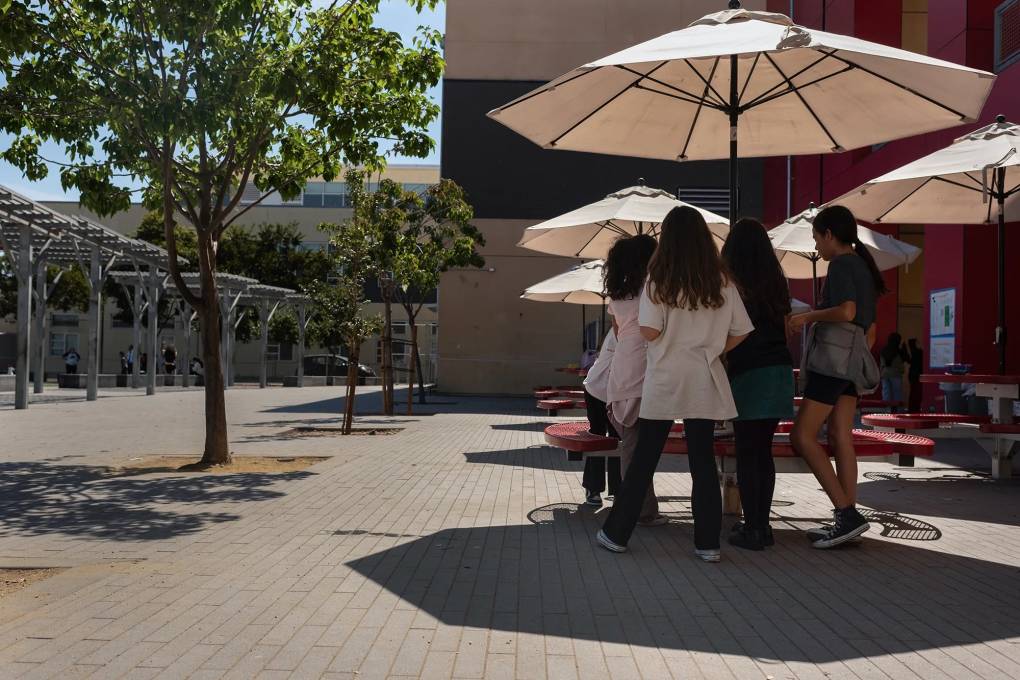
"altTag": "Children sit in a schoolyard at a table under a white umbrella.",
"description": null,
"imgSizes": {
"medium": {
"file": "https://cdn.kqed.org/wp-content/uploads/sites/10/2024/10/092324_Oakland-Schools-AC_LA_CM_17-800x533.jpeg",
"width": 800,
"height": 533,
"mimeType": "image/jpeg"
},
"large": {
"file": "https://cdn.kqed.org/wp-content/uploads/sites/10/2024/10/092324_Oakland-Schools-AC_LA_CM_17-1020x680.jpeg",
"width": 1020,
"height": 680,
"mimeType": "image/jpeg"
},
"thumbnail": {
"file": "https://cdn.kqed.org/wp-content/uploads/sites/10/2024/10/092324_Oakland-Schools-AC_LA_CM_17-160x107.jpeg",
"width": 160,
"height": 107,
"mimeType": "image/jpeg"
},
"1536x1536": {
"file": "https://cdn.kqed.org/wp-content/uploads/sites/10/2024/10/092324_Oakland-Schools-AC_LA_CM_17-1536x1024.jpeg",
"width": 1536,
"height": 1024,
"mimeType": "image/jpeg"
},
"post-thumbnail": {
"file": "https://cdn.kqed.org/wp-content/uploads/sites/10/2024/10/092324_Oakland-Schools-AC_LA_CM_17-672x372.jpeg",
"width": 672,
"height": 372,
"mimeType": "image/jpeg"
},
"twentyfourteen-full-width": {
"file": "https://cdn.kqed.org/wp-content/uploads/sites/10/2024/10/092324_Oakland-Schools-AC_LA_CM_17-1038x576.jpeg",
"width": 1038,
"height": 576,
"mimeType": "image/jpeg"
},
"full-width": {
"file": "https://cdn.kqed.org/wp-content/uploads/sites/10/2024/10/092324_Oakland-Schools-AC_LA_CM_17-1920x1280.jpeg",
"width": 1920,
"height": 1280,
"mimeType": "image/jpeg"
},
"kqedFullSize": {
"file": "https://cdn.kqed.org/wp-content/uploads/sites/10/2024/10/092324_Oakland-Schools-AC_LA_CM_17.jpeg",
"width": 2000,
"height": 1333
}
},
"isLoading": false,
"fetchFailed": false
}
},
"audioPlayerReducer": {
"postId": "stream_live",
"isPaused": true,
"isPlaying": false,
"pfsActive": false,
"pledgeModalIsOpen": true,
"playerDrawerIsOpen": false,
"liveAudioPlayStartedAt": 0,
"liveAudioPlayContext": ""
},
"authorsReducer": {
"byline_news_12007378": {
"type": "authors",
"id": "byline_news_12007378",
"meta": {
"override": true
},
"slug": "byline_news_12007378",
"name": "Samantha Kennedy",
"isLoading": false
},
"byline_news_12007297": {
"type": "authors",
"id": "byline_news_12007297",
"meta": {
"override": true
},
"slug": "byline_news_12007297",
"name": "\u003ca href=\"https://calmatters.org/author/alejandra-reyesvelarde/\">Alejandra Reyes-Velarde\u003c/a>, CalMatters",
"isLoading": false
},
"shossaini": {
"type": "authors",
"id": "3214",
"meta": {
"index": "authors_1716337520",
"id": "3214",
"found": true
},
"name": "Sara Hossaini",
"firstName": "Sara",
"lastName": "Hossaini",
"slug": "shossaini",
"email": "shossaini@kqed.org",
"display_author_email": true,
"staff_mastheads": [
"news"
],
"title": "KQED Reporter",
"bio": "Sara Hossaini came to general assignment reporting at KQED in 2013 after two winters reporting at Wyoming Public Radio. She holds a bachelor's degree in broadcast journalism from the University of Nebraska-Lincoln. Her radio romance began after a bitter breakup with documentary film (Ok, maybe it's still complicated). Her first simultaneous jobs in San Francisco were as Associate Producer on a PBS film series through the Center for Asian American Media and as a butler. She likes to trot, plot and make things with her hands.",
"avatar": "https://secure.gravatar.com/avatar/060e9f56b9554e17942e89f413242774?s=600&d=blank&r=g",
"twitter": "mshossaini",
"facebook": null,
"instagram": null,
"linkedin": null,
"sites": [
{
"site": "news",
"roles": [
"author"
]
},
{
"site": "stateofhealth",
"roles": [
"author"
]
}
],
"headData": {
"title": "Sara Hossaini | KQED",
"description": "KQED Reporter",
"ogImgSrc": "https://secure.gravatar.com/avatar/060e9f56b9554e17942e89f413242774?s=600&d=blank&r=g",
"twImgSrc": "https://secure.gravatar.com/avatar/060e9f56b9554e17942e89f413242774?s=600&d=blank&r=g"
},
"isLoading": false,
"link": "/author/shossaini"
},
"carlysevern": {
"type": "authors",
"id": "3243",
"meta": {
"index": "authors_1716337520",
"id": "3243",
"found": true
},
"name": "Carly Severn",
"firstName": "Carly",
"lastName": "Severn",
"slug": "carlysevern",
"email": "csevern@kqed.org",
"display_author_email": false,
"staff_mastheads": [
"news"
],
"title": "Senior Editor, Audience News ",
"bio": "Carly is KQED's Senior Editor of Audience News on the Digital News team, and has reported for the California Report Magazine, Bay Curious and KQED Arts. She's formerly the host of \u003ca href=\"http://ww2.kqed.org/pop/category/the-cooler/\" rel=\"noopener noreferrer\">The Cooler\u003c/a> podcast.",
"avatar": "https://secure.gravatar.com/avatar/54037bf5c128fe678f0ef26cec97a93f2e7f220a22d7285703328f12c42c1b1d?s=600&d=blank&r=g",
"twitter": "teacupinthebay",
"bluesky": null,
"facebook": null,
"instagram": null,
"linkedin": null,
"sites": [
{
"site": "",
"roles": [
"editor"
]
},
{
"site": "arts",
"roles": [
"editor"
]
},
{
"site": "news",
"roles": [
"administrator"
]
},
{
"site": "pop",
"roles": [
"editor"
]
},
{
"site": "futureofyou",
"roles": [
"editor"
]
},
{
"site": "about",
"roles": [
"administrator"
]
},
{
"site": "mindshift",
"roles": [
"editor"
]
},
{
"site": "bayareabites",
"roles": [
"editor"
]
},
{
"site": "stateofhealth",
"roles": [
"editor"
]
},
{
"site": "science",
"roles": [
"editor"
]
},
{
"site": "food",
"roles": [
"contributor"
]
},
{
"site": "forum",
"roles": [
"editor"
]
},
{
"site": "perspectives",
"roles": [
"administrator"
]
},
{
"site": "liveblog",
"roles": [
"editor"
]
}
],
"headData": {
"title": "Carly Severn | KQED",
"description": "Senior Editor, Audience News ",
"ogImgSrc": "https://secure.gravatar.com/avatar/54037bf5c128fe678f0ef26cec97a93f2e7f220a22d7285703328f12c42c1b1d?s=600&d=blank&r=g",
"twImgSrc": "https://secure.gravatar.com/avatar/54037bf5c128fe678f0ef26cec97a93f2e7f220a22d7285703328f12c42c1b1d?s=600&d=blank&r=g"
},
"isLoading": false,
"link": "/author/carlysevern"
},
"dcronin": {
"type": "authors",
"id": "11362",
"meta": {
"index": "authors_1716337520",
"id": "11362",
"found": true
},
"name": "Dana Cronin",
"firstName": "Dana",
"lastName": "Cronin",
"slug": "dcronin",
"email": "dcronin@KQED.org",
"display_author_email": true,
"staff_mastheads": [],
"title": "KQED Contributor",
"bio": "Dana Cronin is a reporter for KQED News. She loves writing stories about climate change, environmental issues, food and agriculture. She's reported across the country, from Colorado to Washington D.C. to Illinois, and has won numerous awards for her coverage. Her work is regularly featured on national broadcasts, including NPR’s Morning Edition, All Things Considered, PBS Newshour and Science Friday. She lives in Oakland and has an avocado tree in her back yard.",
"avatar": "https://secure.gravatar.com/avatar/bcf89e3455ff7235f96ab6fa7258dd95?s=600&d=blank&r=g",
"twitter": "DanaHCronin",
"facebook": null,
"instagram": null,
"linkedin": null,
"sites": [
{
"site": "arts",
"roles": [
"author"
]
},
{
"site": "news",
"roles": [
"editor"
]
},
{
"site": "science",
"roles": [
"author"
]
},
{
"site": "liveblog",
"roles": [
"author"
]
}
],
"headData": {
"title": "Dana Cronin | KQED",
"description": "KQED Contributor",
"ogImgSrc": "https://secure.gravatar.com/avatar/bcf89e3455ff7235f96ab6fa7258dd95?s=600&d=blank&r=g",
"twImgSrc": "https://secure.gravatar.com/avatar/bcf89e3455ff7235f96ab6fa7258dd95?s=600&d=blank&r=g"
},
"isLoading": false,
"link": "/author/dcronin"
},
"hmcdede": {
"type": "authors",
"id": "11635",
"meta": {
"index": "authors_1716337520",
"id": "11635",
"found": true
},
"name": "Holly McDede",
"firstName": "Holly",
"lastName": "McDede",
"slug": "hmcdede",
"email": "hmcdede@KQED.org",
"display_author_email": false,
"staff_mastheads": [],
"title": "KQED Contributor",
"bio": null,
"avatar": "https://secure.gravatar.com/avatar/35d1a1f5422c9d266f7ace9348d170f2136671a65fffc90a592e4d7fbf8dc3f6?s=600&d=blank&r=g",
"twitter": null,
"bluesky": null,
"facebook": null,
"instagram": null,
"linkedin": null,
"sites": [
{
"site": "arts",
"roles": [
"editor"
]
},
{
"site": "news",
"roles": [
"edit_others_posts",
"editor"
]
},
{
"site": "science",
"roles": [
"editor"
]
},
{
"site": "forum",
"roles": [
"editor"
]
},
{
"site": "perspectives",
"roles": [
"administrator"
]
}
],
"headData": {
"title": "Holly McDede | KQED",
"description": "KQED Contributor",
"ogImgSrc": "https://secure.gravatar.com/avatar/35d1a1f5422c9d266f7ace9348d170f2136671a65fffc90a592e4d7fbf8dc3f6?s=600&d=blank&r=g",
"twImgSrc": "https://secure.gravatar.com/avatar/35d1a1f5422c9d266f7ace9348d170f2136671a65fffc90a592e4d7fbf8dc3f6?s=600&d=blank&r=g"
},
"isLoading": false,
"link": "/author/hmcdede"
},
"daisynguyen": {
"type": "authors",
"id": "11829",
"meta": {
"index": "authors_1716337520",
"id": "11829",
"found": true
},
"name": "Daisy Nguyen",
"firstName": "Daisy",
"lastName": "Nguyen",
"slug": "daisynguyen",
"email": "daisynguyen@kqed.org",
"display_author_email": true,
"staff_mastheads": [
"news"
],
"title": "KQED Contributor",
"bio": "I have covered early childhood education and child care for KQED since 2022. I focus on policies aimed at increasing access to early care and education and how they shape individual lives. I've been a journalist for more than two decades, with most of that time devoted to covering breaking news throughout California for The Associated Press. I grew up in San Francisco and studied at UC Davis and Columbia University's Graduate School of Journalism. I live in Oakland with my husband and two kids.",
"avatar": "https://secure.gravatar.com/avatar/2da2127c27f7143b53ebd419800fd55f?s=600&d=blank&r=g",
"twitter": null,
"facebook": null,
"instagram": null,
"linkedin": "https://www.linkedin.com/in/daisynguyen/",
"sites": [
{
"site": "news",
"roles": [
"author"
]
},
{
"site": "liveblog",
"roles": [
"author"
]
}
],
"headData": {
"title": "Daisy Nguyen | KQED",
"description": "KQED Contributor",
"ogImgSrc": "https://secure.gravatar.com/avatar/2da2127c27f7143b53ebd419800fd55f?s=600&d=blank&r=g",
"twImgSrc": "https://secure.gravatar.com/avatar/2da2127c27f7143b53ebd419800fd55f?s=600&d=blank&r=g"
},
"isLoading": false,
"link": "/author/daisynguyen"
},
"kdebenedetti": {
"type": "authors",
"id": "11913",
"meta": {
"index": "authors_1716337520",
"id": "11913",
"found": true
},
"name": "Katie DeBenedetti",
"firstName": "Katie",
"lastName": "DeBenedetti",
"slug": "kdebenedetti",
"email": "kdebenedetti@kqed.org",
"display_author_email": false,
"staff_mastheads": [
"news",
"science"
],
"title": "KQED Contributor",
"bio": "Katie DeBenedetti is a digital reporter covering daily news for the Express Desk. Prior to joining KQED as a culture reporting intern in January 2024, she covered education and city government for the Napa Valley Register.",
"avatar": "https://secure.gravatar.com/avatar/6e31073cb8f7e4214ab03f42771d0f45?s=600&d=blank&r=g",
"twitter": null,
"facebook": null,
"instagram": null,
"linkedin": null,
"sites": [
{
"site": "news",
"roles": [
"author"
]
},
{
"site": "science",
"roles": [
"author"
]
},
{
"site": "liveblog",
"roles": [
"author"
]
}
],
"headData": {
"title": "Katie DeBenedetti | KQED",
"description": "KQED Contributor",
"ogImgSrc": "https://secure.gravatar.com/avatar/6e31073cb8f7e4214ab03f42771d0f45?s=600&d=blank&r=g",
"twImgSrc": "https://secure.gravatar.com/avatar/6e31073cb8f7e4214ab03f42771d0f45?s=600&d=blank&r=g"
},
"isLoading": false,
"link": "/author/kdebenedetti"
}
},
"pagesReducer": {
"news_category_education": {
"type": "terms",
"id": "news_18540",
"meta": {
"index": "terms_1716263798",
"site": "news",
"id": "18540",
"score": 10.973221
},
"featImg": null,
"name": "Education",
"description": null,
"taxonomy": "category",
"headData": {
"twImgId": null,
"twTitle": null,
"ogTitle": null,
"ogImgId": null,
"twDescription": null,
"description": null,
"title": "Education Archives | KQED News",
"ogDescription": null
},
"ttid": 2595,
"slug": "education",
"isLoading": false,
"title": "Education",
"pageMeta": {
"site": "news",
"WpPageTemplate": "page-topic-editorial",
"currentPage": 40
},
"blocks": [
{
"blockName": "kqed/post-list",
"attrs": {
"layout": "cardArticle2",
"query": "posts/news?category=education",
"seeMore": false,
"paginated": true,
"page": 40
}
},
{
"blockName": "kqed/ad"
}
]
}
},
"pfsSessionReducer": {},
"postsReducer": {
"stream_live": {
"type": "live",
"id": "stream_live",
"audioUrl": "https://streams.kqed.org/kqedradio",
"title": "Live Stream",
"excerpt": "Live Stream information currently unavailable.",
"link": "/radio",
"featImg": "",
"label": {
"name": "KQED Live",
"link": "/"
}
},
"stream_kqedNewscast": {
"type": "posts",
"id": "stream_kqedNewscast",
"audioUrl": "https://www.kqed.org/.stream/anon/radio/RDnews/newscast.mp3?_=1",
"title": "KQED Newscast",
"featImg": "",
"label": {
"name": "88.5 FM",
"link": "/"
}
},
"news_12008467": {
"type": "posts",
"id": "news_12008467",
"meta": {
"index": "posts_1716263798",
"site": "news",
"id": "12008467",
"score": null,
"sort": [
1728471611000
]
},
"guestAuthors": [],
"slug": "uc-berkeley-study-reveals-early-educators-still-among-lowest-paid-workers",
"title": "UC Berkeley Study Reveals Early Educators Still Among Lowest-Paid Workers",
"publishDate": 1728471611,
"format": "standard",
"headTitle": "UC Berkeley Study Reveals Early Educators Still Among Lowest-Paid Workers | KQED",
"labelTerm": {
"site": "news"
},
"content": "\u003cp>\u003ca href=\"https://www.kqed.org/news/tag/early-childhood-education-and-care\">Early childhood\u003c/a> educators still have one of the lowest-paying jobs in the nation despite unprecedented public funding to help programs that teach and care for young kids recover from the pandemic, \u003ca href=\"https://cscce.berkeley.edu/workforce-index-2024/\">according to a new study released Wednesday\u003c/a>.\u003c/p>\n\u003cp>The low hourly pay puts these workers, who are disproportionately women of color, in the bottom three percent of occupations. Although their wages increased slightly from an average of $11.65 per hour in 2019 to $13.07 per hour in 2022, their wage growth lags behind fast food workers and retail workers, the study by UC Berkeley’s Center for the Study of Child Care Employment found.\u003c/p>\n\u003cp>In California, the median wage for early educators was slightly higher than the national average at $15.66 per hour, but the study’s authors say that’s still below the state’s living wage of $19.97 for a single adult.\u003c/p>\n\u003cp>[ad fullwidth]\u003c/p>\n\u003cp>Researchers said unprecedented public funding, particularly from the federal American Rescue Plan Act (ARPA), helped keep the early education and child care system from collapsing, but didn’t do enough to sustain its workers long-term.\u003c/p>\n\u003cp>“The system has always been fragile even before COVID-19 brought it to its knees,” said Lea Austin, executive director of the center and co-author of the report.\u003c/p>\n\u003cp>Experts have long described child care as \u003ca href=\"https://home.treasury.gov/news/press-releases/jy0355\">an example of a broken market\u003c/a> because of a number of issues: child care costs more than what most families can afford, and yet child care programs, which operate on razor-thin margins, can’t afford to raise wages without raising tuition.\u003c/p>\n\u003cp>[aside postID=news_12004431 hero='https://cdn.kqed.org/wp-content/uploads/sites/10/2024/09/240910-CHILDCARE-REAX-MD-04-KQED-1020x680.jpg']\u003c/p>\n\u003cp>“The people who provide early care and education services have long subsidized the cost by the poverty-level wages that are paid to them,” Austin said.\u003c/p>\n\u003cp>Low wages lead to high staff turnover and shortages in the system, she said.\u003c/p>\n\u003cp>The study highlighted state and local programs designed to bolster their systems, including California’s \u003ca href=\"https://www.kqed.org/news/11964236/how-a-california-child-care-workers-union-fought-for-living-wages-and-won\">first-in-the-nation retirement fund\u003c/a> for home-based child care providers.\u003c/p>\n\u003cp>In San Francisco, a child care provider tapped into \u003ca href=\"https://www.kqed.org/news/11988490/under-sf-mayors-plan-more-middle-income-families-would-qualify-for-subsidized-child-care\">local funding to pay its early educators\u003c/a> between $28 to $45 per hour, depending on their qualifications, and it used federal pandemic aid money to pay workers another $100 per day in hazard pay.\u003c/p>\n\u003cp>“We are seeing the benefits of these investments,” said Yohana Quiroz, director of the Felton Institute’s early care and education program.\u003c/p>\n\u003cp>“We’re seeing a significant retention rate that we have not seen in the past,” she said. She said that 30 out of 100 early educator jobs remain open at the start of each school year, but this fall, she only had four vacancies.\u003c/p>\n\u003cp>But local funding alone can’t support the high cost of providing child care in an expensive city like San Francisco, Quiroz said, adding that she relies on a combination of federal, state and local funds to run her program.\u003c/p>\n\u003cp>States like Utah and Mississippi used COVID-19 relief funds to boost early educators’ pay, but their support stopped when those funds dried up last month.\u003c/p>\n\u003cp>The programs helped stabilize the workforce in those states and showed that public investments to support them could lead to more abundant and affordable child care, said Caitlin McLean, the report’s lead author and director of the center’s multistate and international programs.\u003c/p>\n\u003cp>“This is a critical time for national, state and local leaders to step up, not back, for these skilled educators whose support is so crucial for children, families and the economy,” McLean said.\u003c/p>\n\u003cp>\u003c/p>\n",
"blocks": [],
"excerpt": "Public funding helped the early education and child care system survive COVID-19, but pay still lags behind retail and fast food.",
"status": "publish",
"parent": 0,
"modified": 1728942483,
"stats": {
"hasAudio": false,
"hasVideo": false,
"hasChartOrMap": false,
"iframeSrcs": [],
"hasGoogleForm": false,
"hasGallery": false,
"hasHearkenModule": false,
"hasPolis": false,
"paragraphCount": 19,
"wordCount": 630
},
"headData": {
"title": "UC Berkeley Study Reveals Early Educators Still Among Lowest-Paid Workers | KQED",
"description": "Public funding helped the early education and child care system survive COVID-19, but pay still lags behind retail and fast food.",
"ogTitle": "",
"ogDescription": "",
"ogImgId": "",
"twTitle": "",
"twDescription": "",
"twImgId": "",
"schema": {
"@context": "https://schema.org",
"@type": "NewsArticle",
"headline": "UC Berkeley Study Reveals Early Educators Still Among Lowest-Paid Workers",
"datePublished": "2024-10-09T04:00:11-07:00",
"dateModified": "2024-10-14T14:48:03-07:00",
"image": "https://cdn.kqed.org/wp-content/uploads/2020/02/KQED-OG-Image@1x.png",
"isAccessibleForFree": "True",
"publisher": {
"@type": "NewsMediaOrganization",
"@id": "https://www.kqed.org/#organization",
"name": "KQED",
"logo": "https://cdn.kqed.org/wp-content/uploads/2020/02/KQED-OG-Image@1x.png",
"url": "https://www.kqed.org",
"sameAs": [
"https://www.facebook.com/KQED",
"https://twitter.com/KQED",
"https://www.instagram.com/kqed/",
"https://www.tiktok.com/@kqedofficial",
"https://www.linkedin.com/company/kqed",
"https://www.youtube.com/channel/UCeC0IOo7i1P_61zVUWbJ4nw"
]
}
}
},
"sticky": false,
"nprStoryId": "kqed-12008467",
"excludeFromSiteSearch": "Include",
"articleAge": "0",
"path": "/news/12008467/uc-berkeley-study-reveals-early-educators-still-among-lowest-paid-workers",
"audioTrackLength": null,
"parsedContent": [
{
"type": "contentString",
"content": "\u003cdiv class=\"post-body\">\u003cp>\u003cp>\u003ca href=\"https://www.kqed.org/news/tag/early-childhood-education-and-care\">Early childhood\u003c/a> educators still have one of the lowest-paying jobs in the nation despite unprecedented public funding to help programs that teach and care for young kids recover from the pandemic, \u003ca href=\"https://cscce.berkeley.edu/workforce-index-2024/\">according to a new study released Wednesday\u003c/a>.\u003c/p>\n\u003cp>The low hourly pay puts these workers, who are disproportionately women of color, in the bottom three percent of occupations. Although their wages increased slightly from an average of $11.65 per hour in 2019 to $13.07 per hour in 2022, their wage growth lags behind fast food workers and retail workers, the study by UC Berkeley’s Center for the Study of Child Care Employment found.\u003c/p>\n\u003cp>In California, the median wage for early educators was slightly higher than the national average at $15.66 per hour, but the study’s authors say that’s still below the state’s living wage of $19.97 for a single adult.\u003c/p>\n\u003cp>\u003c/p>\u003c/div>",
"attributes": {
"named": {},
"numeric": []
}
},
{
"type": "component",
"content": "",
"name": "ad",
"attributes": {
"named": {
"label": "fullwidth"
},
"numeric": [
"fullwidth"
]
}
},
{
"type": "contentString",
"content": "\u003cdiv class=\"post-body\">\u003cp>\u003c/p>\n\u003cp>Researchers said unprecedented public funding, particularly from the federal American Rescue Plan Act (ARPA), helped keep the early education and child care system from collapsing, but didn’t do enough to sustain its workers long-term.\u003c/p>\n\u003cp>“The system has always been fragile even before COVID-19 brought it to its knees,” said Lea Austin, executive director of the center and co-author of the report.\u003c/p>\n\u003cp>Experts have long described child care as \u003ca href=\"https://home.treasury.gov/news/press-releases/jy0355\">an example of a broken market\u003c/a> because of a number of issues: child care costs more than what most families can afford, and yet child care programs, which operate on razor-thin margins, can’t afford to raise wages without raising tuition.\u003c/p>\n\u003cp>\u003c/p>\u003c/div>",
"attributes": {
"named": {},
"numeric": []
}
},
{
"type": "component",
"content": "",
"name": "aside",
"attributes": {
"named": {
"postid": "news_12004431",
"hero": "https://cdn.kqed.org/wp-content/uploads/sites/10/2024/09/240910-CHILDCARE-REAX-MD-04-KQED-1020x680.jpg",
"label": ""
},
"numeric": []
}
},
{
"type": "contentString",
"content": "\u003cdiv class=\"post-body\">\u003cp>\u003c/p>\n\u003cp>“The people who provide early care and education services have long subsidized the cost by the poverty-level wages that are paid to them,” Austin said.\u003c/p>\n\u003cp>Low wages lead to high staff turnover and shortages in the system, she said.\u003c/p>\n\u003cp>The study highlighted state and local programs designed to bolster their systems, including California’s \u003ca href=\"https://www.kqed.org/news/11964236/how-a-california-child-care-workers-union-fought-for-living-wages-and-won\">first-in-the-nation retirement fund\u003c/a> for home-based child care providers.\u003c/p>\n\u003cp>In San Francisco, a child care provider tapped into \u003ca href=\"https://www.kqed.org/news/11988490/under-sf-mayors-plan-more-middle-income-families-would-qualify-for-subsidized-child-care\">local funding to pay its early educators\u003c/a> between $28 to $45 per hour, depending on their qualifications, and it used federal pandemic aid money to pay workers another $100 per day in hazard pay.\u003c/p>\n\u003cp>“We are seeing the benefits of these investments,” said Yohana Quiroz, director of the Felton Institute’s early care and education program.\u003c/p>\n\u003cp>“We’re seeing a significant retention rate that we have not seen in the past,” she said. She said that 30 out of 100 early educator jobs remain open at the start of each school year, but this fall, she only had four vacancies.\u003c/p>\n\u003cp>But local funding alone can’t support the high cost of providing child care in an expensive city like San Francisco, Quiroz said, adding that she relies on a combination of federal, state and local funds to run her program.\u003c/p>\n\u003cp>States like Utah and Mississippi used COVID-19 relief funds to boost early educators’ pay, but their support stopped when those funds dried up last month.\u003c/p>\n\u003cp>The programs helped stabilize the workforce in those states and showed that public investments to support them could lead to more abundant and affordable child care, said Caitlin McLean, the report’s lead author and director of the center’s multistate and international programs.\u003c/p>\n\u003cp>“This is a critical time for national, state and local leaders to step up, not back, for these skilled educators whose support is so crucial for children, families and the economy,” McLean said.\u003c/p>\n\u003cp>\u003c/p>\n\u003c/div>\u003c/p>",
"attributes": {
"named": {},
"numeric": []
}
}
],
"link": "/news/12008467/uc-berkeley-study-reveals-early-educators-still-among-lowest-paid-workers",
"authors": [
"11829"
],
"categories": [
"news_18540",
"news_34551",
"news_8"
],
"tags": [
"news_18538",
"news_32102",
"news_20013",
"news_27626",
"news_3733"
],
"featImg": "news_11963692",
"label": "news"
},
"news_12008405": {
"type": "posts",
"id": "news_12008405",
"meta": {
"index": "posts_1716263798",
"site": "news",
"id": "12008405",
"score": null,
"sort": [
1728430124000
]
},
"guestAuthors": [],
"slug": "these-san-francisco-schools-could-close-list-isnt-final",
"title": "These Are the San Francisco Schools That Could Close, But the List Isn’t Final",
"publishDate": 1728430124,
"format": "standard",
"headTitle": "These Are the San Francisco Schools That Could Close, But the List Isn’t Final | KQED",
"labelTerm": {
"site": "news"
},
"content": "\u003cp>\u003cem>Updated 4:28 p.m. Tuesday\u003c/em>\u003c/p>\n\u003cp>After months of waiting and a frustrating last-minute delay, San Francisco’s school superintendent announced Tuesday that 11 schools are being \u003ca href=\"https://www.kqed.org/news/12008286/is-san-franciscos-school-closure-list-delayed-again-district-offers-little-clarity\">considered for closures and mergers\u003c/a>, and two others will take in students from shuttered campuses instead of closing.\u003c/p>\n\u003cp>The list of campuses that meet the district’s criteria for closure includes eight elementary campuses, as well as one serving kindergarten through eighth grade and two high schools. Two other elementary schools that met the criteria for closure will remain open and welcome students from closing schools. Middle schools are not being considered, according to the announcement.\u003c/p>\n\u003cp>The district is considering closing or merging elementary and K–8 schools with fewer than 260 students and is in the lowest 50% of its composite scores, which it said is determined by factors including equity, excellence — which includes school culture and academic performance — and effective use of resources.\u003c/p>\n\u003cp>[ad fullwidth]\u003c/p>\n\u003cp>Here’s what that could look like:\u003c/p>\n\u003cul>\n\u003cli>\u003cstrong>Sutro Elementary\u003c/strong>, \u003cstrong>Yick Wo Alternative Elementary School\u003c/strong> and \u003cstrong>Jean Parker Elementary\u003c/strong> are proposed to close.\u003c/li>\n\u003cli>\u003cstrong>El Dorado Elementary School\u003c/strong> is proposed to merge with Visitacion Valley.\u003c/li>\n\u003cli>\u003cstrong>Harvey Milk Civil Rights Academy\u003c/strong> is proposed to merge with Sanchez Elementary.\u003c/li>\n\u003cli>\u003cstrong>Malcolm X Academy\u003c/strong> is proposed to merge with Carver Elementary School.\u003c/li>\n\u003cli>\u003cstrong>San Francisco Public Montessori\u003c/strong> is proposed to merge with Rosa Parks Elementary.\u003c/li>\n\u003cli>\u003cstrong>Spring Valley Science Elementary School \u003c/strong>is proposed to merge with John Muir.\u003c/li>\n\u003cli>\u003cstrong>San Francisco Community TK–8\u003c/strong> is proposed to merge with Paul Revere TK–8.\u003c/li>\n\u003c/ul>\n\u003cp>Two high schools that have fewer than 400 students and are not alternative schools are also on the chopping block:\u003c/p>\n\u003cul>\n\u003cli>\u003cstrong>June Jordan School for Social Justice\u003c/strong> and\u003cstrong> The Academy High\u003c/strong> \u003cstrong>School \u003c/strong>are proposed to merge with John O’Connell High and Raoul Wallenberg High at their respective campuses.\u003c/li>\n\u003c/ul>\n\u003cp>Redding Elementary and Visitacion Valley meet the criteria for closure but would remain open as merged or welcoming schools.\u003c/p>\n\u003cp>According to the announcement from Superintendent Matt Wayne, district staff plans to meet in the coming weeks with all 13 school communities “to share what happens to their budget next year and our initial thinking about the school’s future, including why a closure or merger could result in a better educational experience for students.”\u003c/p>\n\u003cp>This isn’t Wayne’s final recommendation — after the next few weeks meeting with school communities, he’ll propose a plan to the Board of Education on Nov. 12, and the board will vote on it on Dec. 10.\u003c/p>\n\u003cp>Though the district has previously framed the campus closures and consolidation as a way to adjust for declining enrollment, not to save money, Wayne said that the closures are necessary as the district faces a significant budget shortfall, which puts it at risk for state takeover in the coming year.\u003c/p>\n\u003cp>[aside postID=news_12008524 hero='https://cdn.kqed.org/wp-content/uploads/sites/10/2024/10/240916-UnionSFSchoolClosures-38-BL_qed-1020x680.jpg']\u003c/p>\n\u003cp>“There will be significant staff reductions, which will impact all of our schools,” Wayne said in the message Tuesday. “We are particularly mindful of the impacts of these staff reductions on schools already experiencing the greatest resource challenges because of their enrollment patterns and other factors.\u003c/p>\n\u003cp>“Our small schools are extremely vulnerable to the impact of pending budget reductions.”\u003c/p>\n\u003cp>The announcement comes days after a \u003ca href=\"https://www.kqed.org/news/12008286/is-san-franciscos-school-closure-list-delayed-again-district-offers-little-clarity\">news report suggested\u003c/a> that the highly anticipated list might be delayed again. It was originally expected in mid-September before Wayne pushed it back a month, just two days before it was scheduled to be released, saying the district needed more time to thoroughly review some aspects of the plan.\u003c/p>\n\u003cp>That delay kicked off a rocky week for the district — the former school board president announced her abrupt resignation from the board was in part due to Wayne’s failures in leadership, the school board called an emergency weekend meeting, purportedly to discuss whether to keep Wayne in his job, and Mayor London Breed sent in a \u003ca href=\"https://www.kqed.org/news/12005932/sf-mayor-sends-team-to-address-crisis-at-school-district-but-dont-call-it-a-takeover\">team of experts\u003c/a> to assist the district’s consolidation plan, which it’s labeled its Resource Alignment Initiative.\u003c/p>\n\u003cp>Tuesday’s announcement offers some respite for school communities not on the list, but it’s not set in stone, and the 13 campuses that are affected will have a long few months ahead.\u003c/p>\n\u003cp>Wayne plans to host the first of three town halls to discuss the budget crisis on Thursday, with two more to come on Oct. 24 and Nov. 6.\u003c/p>\n\u003cp>The announcement also included site visits at the 13 affected schools between Oct. 14 and Nov. 1.\u003c/p>\n\u003cp>“As a district, we have difficult decisions to make, and it’s important that we’re talking about these decisions together,” he said.\u003c/p>\n\u003cp>\u003c/p>\n",
"blocks": [],
"excerpt": "San Francisco’s school closures list has been months in the making, with a delay that frustrated families and teachers.",
"status": "publish",
"parent": 0,
"modified": 1728432764,
"stats": {
"hasAudio": false,
"hasVideo": false,
"hasChartOrMap": false,
"iframeSrcs": [],
"hasGoogleForm": false,
"hasGallery": false,
"hasHearkenModule": false,
"hasPolis": false,
"paragraphCount": 21,
"wordCount": 804
},
"headData": {
"title": "These Are the San Francisco Schools That Could Close, But the List Isn’t Final | KQED",
"description": "San Francisco’s school closures list has been months in the making, with a delay that frustrated families and teachers.",
"ogTitle": "",
"ogDescription": "",
"ogImgId": "",
"twTitle": "",
"twDescription": "",
"twImgId": "",
"schema": {
"@context": "https://schema.org",
"@type": "NewsArticle",
"headline": "These Are the San Francisco Schools That Could Close, But the List Isn’t Final",
"datePublished": "2024-10-08T16:28:44-07:00",
"dateModified": "2024-10-08T17:12:44-07:00",
"image": "https://cdn.kqed.org/wp-content/uploads/2020/02/KQED-OG-Image@1x.png",
"isAccessibleForFree": "True",
"publisher": {
"@type": "NewsMediaOrganization",
"@id": "https://www.kqed.org/#organization",
"name": "KQED",
"logo": "https://cdn.kqed.org/wp-content/uploads/2020/02/KQED-OG-Image@1x.png",
"url": "https://www.kqed.org",
"sameAs": [
"https://www.facebook.com/KQED",
"https://twitter.com/KQED",
"https://www.instagram.com/kqed/",
"https://www.tiktok.com/@kqedofficial",
"https://www.linkedin.com/company/kqed",
"https://www.youtube.com/channel/UCeC0IOo7i1P_61zVUWbJ4nw"
]
}
}
},
"sticky": false,
"WpOldSlug": "san-francisco-district-to-announce-schools-that-could-close-but-the-list-wont-be-final",
"nprStoryId": "kqed-12008405",
"excludeFromSiteSearch": "Include",
"articleAge": "0",
"path": "/news/12008405/these-san-francisco-schools-could-close-list-isnt-final",
"audioTrackLength": null,
"parsedContent": [
{
"type": "contentString",
"content": "\u003cdiv class=\"post-body\">\u003cp>\u003cp>\u003cem>Updated 4:28 p.m. Tuesday\u003c/em>\u003c/p>\n\u003cp>After months of waiting and a frustrating last-minute delay, San Francisco’s school superintendent announced Tuesday that 11 schools are being \u003ca href=\"https://www.kqed.org/news/12008286/is-san-franciscos-school-closure-list-delayed-again-district-offers-little-clarity\">considered for closures and mergers\u003c/a>, and two others will take in students from shuttered campuses instead of closing.\u003c/p>\n\u003cp>The list of campuses that meet the district’s criteria for closure includes eight elementary campuses, as well as one serving kindergarten through eighth grade and two high schools. Two other elementary schools that met the criteria for closure will remain open and welcome students from closing schools. Middle schools are not being considered, according to the announcement.\u003c/p>\n\u003cp>The district is considering closing or merging elementary and K–8 schools with fewer than 260 students and is in the lowest 50% of its composite scores, which it said is determined by factors including equity, excellence — which includes school culture and academic performance — and effective use of resources.\u003c/p>\n\u003cp>\u003c/p>\u003c/div>",
"attributes": {
"named": {},
"numeric": []
}
},
{
"type": "component",
"content": "",
"name": "ad",
"attributes": {
"named": {
"label": "fullwidth"
},
"numeric": [
"fullwidth"
]
}
},
{
"type": "contentString",
"content": "\u003cdiv class=\"post-body\">\u003cp>\u003c/p>\n\u003cp>Here’s what that could look like:\u003c/p>\n\u003cul>\n\u003cli>\u003cstrong>Sutro Elementary\u003c/strong>, \u003cstrong>Yick Wo Alternative Elementary School\u003c/strong> and \u003cstrong>Jean Parker Elementary\u003c/strong> are proposed to close.\u003c/li>\n\u003cli>\u003cstrong>El Dorado Elementary School\u003c/strong> is proposed to merge with Visitacion Valley.\u003c/li>\n\u003cli>\u003cstrong>Harvey Milk Civil Rights Academy\u003c/strong> is proposed to merge with Sanchez Elementary.\u003c/li>\n\u003cli>\u003cstrong>Malcolm X Academy\u003c/strong> is proposed to merge with Carver Elementary School.\u003c/li>\n\u003cli>\u003cstrong>San Francisco Public Montessori\u003c/strong> is proposed to merge with Rosa Parks Elementary.\u003c/li>\n\u003cli>\u003cstrong>Spring Valley Science Elementary School \u003c/strong>is proposed to merge with John Muir.\u003c/li>\n\u003cli>\u003cstrong>San Francisco Community TK–8\u003c/strong> is proposed to merge with Paul Revere TK–8.\u003c/li>\n\u003c/ul>\n\u003cp>Two high schools that have fewer than 400 students and are not alternative schools are also on the chopping block:\u003c/p>\n\u003cul>\n\u003cli>\u003cstrong>June Jordan School for Social Justice\u003c/strong> and\u003cstrong> The Academy High\u003c/strong> \u003cstrong>School \u003c/strong>are proposed to merge with John O’Connell High and Raoul Wallenberg High at their respective campuses.\u003c/li>\n\u003c/ul>\n\u003cp>Redding Elementary and Visitacion Valley meet the criteria for closure but would remain open as merged or welcoming schools.\u003c/p>\n\u003cp>According to the announcement from Superintendent Matt Wayne, district staff plans to meet in the coming weeks with all 13 school communities “to share what happens to their budget next year and our initial thinking about the school’s future, including why a closure or merger could result in a better educational experience for students.”\u003c/p>\n\u003cp>This isn’t Wayne’s final recommendation — after the next few weeks meeting with school communities, he’ll propose a plan to the Board of Education on Nov. 12, and the board will vote on it on Dec. 10.\u003c/p>\n\u003cp>Though the district has previously framed the campus closures and consolidation as a way to adjust for declining enrollment, not to save money, Wayne said that the closures are necessary as the district faces a significant budget shortfall, which puts it at risk for state takeover in the coming year.\u003c/p>\n\u003cp>\u003c/p>\u003c/div>",
"attributes": {
"named": {},
"numeric": []
}
},
{
"type": "component",
"content": "",
"name": "aside",
"attributes": {
"named": {
"postid": "news_12008524",
"hero": "https://cdn.kqed.org/wp-content/uploads/sites/10/2024/10/240916-UnionSFSchoolClosures-38-BL_qed-1020x680.jpg",
"label": ""
},
"numeric": []
}
},
{
"type": "contentString",
"content": "\u003cdiv class=\"post-body\">\u003cp>\u003c/p>\n\u003cp>“There will be significant staff reductions, which will impact all of our schools,” Wayne said in the message Tuesday. “We are particularly mindful of the impacts of these staff reductions on schools already experiencing the greatest resource challenges because of their enrollment patterns and other factors.\u003c/p>\n\u003cp>“Our small schools are extremely vulnerable to the impact of pending budget reductions.”\u003c/p>\n\u003cp>The announcement comes days after a \u003ca href=\"https://www.kqed.org/news/12008286/is-san-franciscos-school-closure-list-delayed-again-district-offers-little-clarity\">news report suggested\u003c/a> that the highly anticipated list might be delayed again. It was originally expected in mid-September before Wayne pushed it back a month, just two days before it was scheduled to be released, saying the district needed more time to thoroughly review some aspects of the plan.\u003c/p>\n\u003cp>That delay kicked off a rocky week for the district — the former school board president announced her abrupt resignation from the board was in part due to Wayne’s failures in leadership, the school board called an emergency weekend meeting, purportedly to discuss whether to keep Wayne in his job, and Mayor London Breed sent in a \u003ca href=\"https://www.kqed.org/news/12005932/sf-mayor-sends-team-to-address-crisis-at-school-district-but-dont-call-it-a-takeover\">team of experts\u003c/a> to assist the district’s consolidation plan, which it’s labeled its Resource Alignment Initiative.\u003c/p>\n\u003cp>Tuesday’s announcement offers some respite for school communities not on the list, but it’s not set in stone, and the 13 campuses that are affected will have a long few months ahead.\u003c/p>\n\u003cp>Wayne plans to host the first of three town halls to discuss the budget crisis on Thursday, with two more to come on Oct. 24 and Nov. 6.\u003c/p>\n\u003cp>The announcement also included site visits at the 13 affected schools between Oct. 14 and Nov. 1.\u003c/p>\n\u003cp>“As a district, we have difficult decisions to make, and it’s important that we’re talking about these decisions together,” he said.\u003c/p>\n\u003cp>\u003c/p>\n\u003c/div>\u003c/p>",
"attributes": {
"named": {},
"numeric": []
}
}
],
"link": "/news/12008405/these-san-francisco-schools-could-close-list-isnt-final",
"authors": [
"11913"
],
"categories": [
"news_31795",
"news_18540",
"news_8"
],
"tags": [
"news_20013",
"news_27626",
"news_38",
"news_3946",
"news_24524",
"news_1290"
],
"featImg": "news_12008414",
"label": "news"
},
"news_12008430": {
"type": "posts",
"id": "news_12008430",
"meta": {
"index": "posts_1716263798",
"site": "news",
"id": "12008430",
"score": null,
"sort": [
1728429352000
]
},
"guestAuthors": [],
"slug": "uc-berkeley-walkout-grows-tense-bay-area-college-students-mark-1-year-war-gaza",
"title": "UC Berkeley Walkout Grows Tense as Bay Area College Students Mark 1 Year of War in Gaza",
"publishDate": 1728429352,
"format": "standard",
"headTitle": "UC Berkeley Walkout Grows Tense as Bay Area College Students Mark 1 Year of War in Gaza | KQED",
"labelTerm": {
"site": "news"
},
"content": "\u003cp>\u003cem>Updated 5:25 p.m. Tuesday\u003c/em>\u003c/p>\n\u003cp>A walkout at \u003ca href=\"https://www.kqed.org/news/tag/uc-berkeley\">UC Berkeley\u003c/a> in support of the Palestinian people, one year into the deadly siege that followed Hamas’ surprise attacks in \u003ca href=\"https://www.kqed.org/news/tag/israel\">Israel\u003c/a> last October, grew tense on Tuesday afternoon amid a standoff with pro-Israel counterprotesters.\u003c/p>\n\u003cp>As hundreds of people gathered at Sproul Plaza, the site of last school year’s pro-Palestinian encampment, a group of about half a dozen counterprotesters draped in Israeli flags walked across the steps behind the speakers and started shouting things like, “Bring them home.”\u003c/p>\n\u003cp>Some of the pro-Palestinian protesters formed a circle around them, and both sides shouted at each other.\u003c/p>\n\u003cp>[ad fullwidth]\u003c/p>\n\u003cp>Despite the tense mood, students like Yousuf Abubakr of Students for Justice in Palestine were undeterred. He said although he doesn’t believe student protests will be enough to “free Palestine,” he believes it will help move the needle.\u003c/p>\n\u003cp>“We enjoy the fact that, you know, we piss off university officials,” Abubakr said. “The fact that they had these new encampment and new masking policies, I smile because it’s like … we have their attention.”\u003c/p>\n\u003cfigure id=\"attachment_12008683\" class=\"wp-caption aligncenter\" style=\"max-width: 2000px\">\u003cimg loading=\"lazy\" decoding=\"async\" class=\"wp-image-12008683 size-full\" src=\"https://cdn.kqed.org/wp-content/uploads/sites/10/2024/10/1W9A8664-KQED.jpg\" alt=\"\" width=\"2000\" height=\"1333\" srcset=\"https://cdn.kqed.org/wp-content/uploads/sites/10/2024/10/1W9A8664-KQED.jpg 2000w, https://cdn.kqed.org/wp-content/uploads/sites/10/2024/10/1W9A8664-KQED-800x533.jpg 800w, https://cdn.kqed.org/wp-content/uploads/sites/10/2024/10/1W9A8664-KQED-1020x680.jpg 1020w, https://cdn.kqed.org/wp-content/uploads/sites/10/2024/10/1W9A8664-KQED-160x107.jpg 160w, https://cdn.kqed.org/wp-content/uploads/sites/10/2024/10/1W9A8664-KQED-1536x1024.jpg 1536w, https://cdn.kqed.org/wp-content/uploads/sites/10/2024/10/1W9A8664-KQED-1920x1280.jpg 1920w\" sizes=\"auto, (max-width: 2000px) 100vw, 2000px\">\u003cfigcaption class=\"wp-caption-text\">Students cheer at a rally for Gaza and Lebanon at the University of California, Berkeley on Oct. 8, 2024. \u003ccite>(Martin do Nascimento/KQED)\u003c/cite>\u003c/figcaption>\u003c/figure>\n\u003cp>As a man chanted, “No Zionist racists,” Jewish transfer student Ethan Tallman said he came out to show his support for the Israeli community.\u003c/p>\n\u003cp>“[My] reasons are for the hostages, for their families, and for the world to see that they matter,” Tallman said, adding that he found the crowd overwhelming.\u003c/p>\n\u003cp>Signs carried by the protesters included messages like “No Votes for Genocide,” featuring the image of Democratic presidential nominee Kamala Harris.\u003c/p>\n\u003cfigure id=\"attachment_12008657\" class=\"wp-caption alignnone\" style=\"max-width: 2000px\">\u003cimg loading=\"lazy\" decoding=\"async\" class=\"wp-image-12008657 size-full\" src=\"https://cdn.kqed.org/wp-content/uploads/sites/10/2024/10/241008-UCB-CAMPUS-WALKOUT-MD-03-KQED.jpg\" alt=\"\" width=\"2000\" height=\"1333\" srcset=\"https://cdn.kqed.org/wp-content/uploads/sites/10/2024/10/241008-UCB-CAMPUS-WALKOUT-MD-03-KQED.jpg 2000w, https://cdn.kqed.org/wp-content/uploads/sites/10/2024/10/241008-UCB-CAMPUS-WALKOUT-MD-03-KQED-800x533.jpg 800w, https://cdn.kqed.org/wp-content/uploads/sites/10/2024/10/241008-UCB-CAMPUS-WALKOUT-MD-03-KQED-1020x680.jpg 1020w, https://cdn.kqed.org/wp-content/uploads/sites/10/2024/10/241008-UCB-CAMPUS-WALKOUT-MD-03-KQED-160x107.jpg 160w, https://cdn.kqed.org/wp-content/uploads/sites/10/2024/10/241008-UCB-CAMPUS-WALKOUT-MD-03-KQED-1536x1024.jpg 1536w, https://cdn.kqed.org/wp-content/uploads/sites/10/2024/10/241008-UCB-CAMPUS-WALKOUT-MD-03-KQED-1920x1280.jpg 1920w\" sizes=\"auto, (max-width: 2000px) 100vw, 2000px\">\u003cfigcaption class=\"wp-caption-text\">Rally attendees hold signs that read “No Votes for Genocide” at a walkout and rally for Gaza and Lebanon at the University of California, Berkeley on Oct. 8, 2024. \u003ccite>(Martin do Nascimento/KQED)\u003c/cite>\u003c/figcaption>\u003c/figure>\n\u003cp>Sameeha Ahmed, who studies cognitive science and public health at Berkeley, said Tuesday morning that she planned to take time away from the busy midterm season to participate in the walkout.\u003c/p>\n\u003cp>\u003cstrong>“\u003c/strong>We’ve gotten to a point in the movement where I think people are able to sort of turn a blind eye toward the horrors that are happening in Gaza just because this has been going on for so long. People are becoming so desensitized to all of the injustice that’s been occurring,” said Ahmed, who added that she is focused on the call for the University of California to divest from Israel and its war effort.\u003c/p>\n\u003cp>“I think that makes it all the more imperative for us to … continue showing that we are not going to stand for this any longer,” Ahmed said.\u003c/p>\n\u003cfigure id=\"attachment_12008655\" class=\"wp-caption alignnone\" style=\"max-width: 2000px\">\u003cimg loading=\"lazy\" decoding=\"async\" class=\"wp-image-12008655 size-full\" src=\"https://cdn.kqed.org/wp-content/uploads/sites/10/2024/10/241008-UCB-CAMPUS-WALKOUT-MD-01-KQED.jpg\" alt=\"\" width=\"2000\" height=\"1333\" srcset=\"https://cdn.kqed.org/wp-content/uploads/sites/10/2024/10/241008-UCB-CAMPUS-WALKOUT-MD-01-KQED.jpg 2000w, https://cdn.kqed.org/wp-content/uploads/sites/10/2024/10/241008-UCB-CAMPUS-WALKOUT-MD-01-KQED-800x533.jpg 800w, https://cdn.kqed.org/wp-content/uploads/sites/10/2024/10/241008-UCB-CAMPUS-WALKOUT-MD-01-KQED-1020x680.jpg 1020w, https://cdn.kqed.org/wp-content/uploads/sites/10/2024/10/241008-UCB-CAMPUS-WALKOUT-MD-01-KQED-160x107.jpg 160w, https://cdn.kqed.org/wp-content/uploads/sites/10/2024/10/241008-UCB-CAMPUS-WALKOUT-MD-01-KQED-1536x1024.jpg 1536w, https://cdn.kqed.org/wp-content/uploads/sites/10/2024/10/241008-UCB-CAMPUS-WALKOUT-MD-01-KQED-1920x1280.jpg 1920w\" sizes=\"auto, (max-width: 2000px) 100vw, 2000px\">\u003cfigcaption class=\"wp-caption-text\">A walkout and rally for Gaza and Lebanon on the steps of Sproul Hall at the University of California, Berkeley on Oct. 8, 2024. \u003ccite>(Martin do Nascimento/KQED)\u003c/cite>\u003c/figcaption>\u003c/figure>\n\u003cp>In a social media \u003ca href=\"https://www.instagram.com/p/DA1CDoLPVJa/?img_index=1\">post\u003c/a>, a group calling itself UC Berkeley Faculty and Staff for Justice in Palestine wrote “The university, too, has blood on its hands. The University of California system has long committed to war and destruction through research and development of nuclear weapons, drones and other military technologies — as well as investments in weapons manufacturing, fossil fuel, and settler industries profiting from this atrocity.”\u003c/p>\n\u003cp>The group also cited accusations that the UC has supported the firing, arrests and investigations of professors, the approval of military surplus for UC police forces, and the chilling of \u003ca href=\"https://www.kqed.org/news/12005478/university-of-california-is-accused-of-trying-to-silence-faculty-speech-about-war-in-gaza\">free speech\u003c/a>.\u003c/p>\n\u003cp>In a statement, Stett Holbrook, a UC Office of the President spokesperson, said while most protests over the past year were peaceful and lawful, administrators have had to take steps to address some that were not.\u003c/p>\n\u003cp>“In some instances, campuses faced significant disruptions due to protests that resulted in violence, vandalism, class and research interruption, and restricted access to public spaces,” he said. “While we provide many opportunities and venues for the expression of diverse viewpoints at UC campuses, activities that violate the law, University policy, or both, will not be tolerated.”\u003c/p>\n\u003cp>Holbrook added that UCPD’s equipment is not military surplus, military-grade nor designed for military use.\u003c/p>\n\u003cp>“The University’s use of this equipment provides UC police officers with non-lethal alternatives to standard-issue firearms, enabling them to de-escalate situations and respond without the use of deadly force,” he said.\u003c/p>\n\u003cfigure id=\"attachment_12008658\" class=\"wp-caption alignnone\" style=\"max-width: 2000px\">\u003cimg loading=\"lazy\" decoding=\"async\" class=\"wp-image-12008658 size-full\" src=\"https://cdn.kqed.org/wp-content/uploads/sites/10/2024/10/241008-UCB-CAMPUS-WALKOUT-MD-04-KQED.jpg\" alt=\"\" width=\"2000\" height=\"1333\" srcset=\"https://cdn.kqed.org/wp-content/uploads/sites/10/2024/10/241008-UCB-CAMPUS-WALKOUT-MD-04-KQED.jpg 2000w, https://cdn.kqed.org/wp-content/uploads/sites/10/2024/10/241008-UCB-CAMPUS-WALKOUT-MD-04-KQED-800x533.jpg 800w, https://cdn.kqed.org/wp-content/uploads/sites/10/2024/10/241008-UCB-CAMPUS-WALKOUT-MD-04-KQED-1020x680.jpg 1020w, https://cdn.kqed.org/wp-content/uploads/sites/10/2024/10/241008-UCB-CAMPUS-WALKOUT-MD-04-KQED-160x107.jpg 160w, https://cdn.kqed.org/wp-content/uploads/sites/10/2024/10/241008-UCB-CAMPUS-WALKOUT-MD-04-KQED-1536x1024.jpg 1536w, https://cdn.kqed.org/wp-content/uploads/sites/10/2024/10/241008-UCB-CAMPUS-WALKOUT-MD-04-KQED-1920x1280.jpg 1920w\" sizes=\"auto, (max-width: 2000px) 100vw, 2000px\">\u003cfigcaption class=\"wp-caption-text\">Ethan Tallman (center), a pro-Israel student at Berkeley, counter-protests a walkout and rally for Gaza and Lebanon at the University of California, Berkeley on Oct. 8, 2024. \u003ccite>(Martin do Nascimento/KQED)\u003c/cite>\u003c/figcaption>\u003c/figure>\n\u003cp>UC Berkeley spokesperson Dan Mogulof said the campus had been planning for walkouts and other events since July. “We’re aware what moment in time we’re in,” said Mogulof.\u003c/p>\n\u003cp>Meanwhile, at San Francisco State University, protesters were back at the picket lines and faculty-led teachouts after a midday rally.\u003c/p>\n\u003cp>During the event, a crowd of about 200 broke into chants like, “Not another penny, not another dollar, we won’t pay for Israel’s slaughter,” and “I can’t even pay my rent; still more bombs are being sent.”\u003c/p>\n\u003cfigure id=\"attachment_12008656\" class=\"wp-caption alignnone\" style=\"max-width: 2000px\">\u003cimg loading=\"lazy\" decoding=\"async\" class=\"wp-image-12008656 size-full\" src=\"https://cdn.kqed.org/wp-content/uploads/sites/10/2024/10/241008-UCB-CAMPUS-WALKOUT-MD-02-KQED.jpg\" alt=\"\" width=\"2000\" height=\"1333\" srcset=\"https://cdn.kqed.org/wp-content/uploads/sites/10/2024/10/241008-UCB-CAMPUS-WALKOUT-MD-02-KQED.jpg 2000w, https://cdn.kqed.org/wp-content/uploads/sites/10/2024/10/241008-UCB-CAMPUS-WALKOUT-MD-02-KQED-800x533.jpg 800w, https://cdn.kqed.org/wp-content/uploads/sites/10/2024/10/241008-UCB-CAMPUS-WALKOUT-MD-02-KQED-1020x680.jpg 1020w, https://cdn.kqed.org/wp-content/uploads/sites/10/2024/10/241008-UCB-CAMPUS-WALKOUT-MD-02-KQED-160x107.jpg 160w, https://cdn.kqed.org/wp-content/uploads/sites/10/2024/10/241008-UCB-CAMPUS-WALKOUT-MD-02-KQED-1536x1024.jpg 1536w, https://cdn.kqed.org/wp-content/uploads/sites/10/2024/10/241008-UCB-CAMPUS-WALKOUT-MD-02-KQED-1920x1280.jpg 1920w\" sizes=\"auto, (max-width: 2000px) 100vw, 2000px\">\u003cfigcaption class=\"wp-caption-text\">Harry Singh (center), a pro-Israel student at Berkeley, counter-protests a walkout and rally for Gaza and Lebanon at the University of California, Berkeley on Oct. 8, 2024. \u003ccite>(Martin do Nascimento/KQED)\u003c/cite>\u003c/figcaption>\u003c/figure>\n\u003cp>Speaker Omar Zahzah told the demonstrators that enough was enough.\u003c/p>\n\u003cp>“We are here because we feel the connection because we’re suffering through the connections,” Zahzah said. “So long as they keep putting money towards genocide, we say no. We are here to do a critical education project where all of us are united as students and as teachers and as people embodying multiple roles. And this work that we’re starting today on Oct. 8 is just the beginning.”\u003c/p>\n\u003cp>[aside postID=news_12008405 hero='https://cdn.kqed.org/wp-content/uploads/sites/10/2024/10/SFUSDStudentsGetty-1020x681.jpg']\u003c/p>\n\u003cp>SFSU student Rithik Hemanth came to support the Students for Gaza picket, in part because he sees conditions for Palestinians and students on campus as connected. He cited Gov. Gavin Newsom’s recent signing of \u003ca href=\"https://www.dailycal.org/news/uc/newsom-approves-bill-to-prevent-hostile-protest-environments-on-college-campuses/article_c5316348-8217-11ef-8828-5bba697a269a.html\">SB1287\u003c/a>, the “Equity in Higher Education Act: prohibition on violence, harassment, intimidation, and discrimination,” which \u003ca href=\"https://www.kqed.org/news/12001778/students-suspended-over-pro-palestinian-protests-tread-a-fine-line-as-fall-semester-begins-at-bay-area-universities\">some see\u003c/a> as an assault on free speech and student protests.\u003c/p>\n\u003cp>“We’re out here to demand that our money, our taxpayer dollars goes to our education, towards these classrooms that are falling apart — every single one that have mold in them and everything — instead of the genocide that’s currently occurring and the war machine across the world,” Hemanth said.\u003c/p>\n\u003cp>In August, pro-Palestinian student organizers announced they had worked with SFSU to \u003ca href=\"https://www.kqed.org/news/12002307/san-francisco-state-divests-from-weapons-makers-after-working-with-student-activists\">identify for divestment\u003c/a> four companies tied to weapons manufacturing or the war in Gaza.\u003c/p>\n\u003cp>Bobby King, an SFSU spokesperson, said the university was not engaged in any unusual planning for Tuesday’s events but said he had not heard of any disruptions to operations at the school.\u003c/p>\n\u003cp>“SF State has a long tradition of honoring the rights of its community members to peacefully protest while preserving a safe campus environment, and we expect that will continue today,” King said.\u003c/p>\n\u003cp>\u003cem>KQED’s \u003c/em>\u003ca href=\"https://www.kqed.org/author/adahlstromeckman\">\u003cem>Azul Dahlstrom-Eckman\u003c/em>\u003c/a>\u003cem> and Samantha Kennedy contributed to this report.\u003c/em>\u003c/p>\n\u003cp>[ad floatright]\u003c/p>\n",
"blocks": [],
"excerpt": "Walkouts at UC Berkeley and San Francisco State come months after the spring’s pro-Palestinian encampments and protests.",
"status": "publish",
"parent": 0,
"modified": 1787076335,
"stats": {
"hasAudio": false,
"hasVideo": false,
"hasChartOrMap": false,
"iframeSrcs": [],
"hasGoogleForm": false,
"hasGallery": false,
"hasHearkenModule": false,
"hasPolis": false,
"paragraphCount": 32,
"wordCount": 1260
},
"headData": {
"title": "UC Berkeley Walkout Grows Tense as Bay Area College Students Mark 1 Year of War in Gaza | KQED",
"description": "Walkouts at UC Berkeley and San Francisco State come months after the spring’s pro-Palestinian encampments and protests.",
"ogTitle": "",
"ogDescription": "",
"ogImgId": "",
"twTitle": "",
"twDescription": "",
"twImgId": "",
"schema": {
"@context": "https://schema.org",
"@type": "NewsArticle",
"headline": "UC Berkeley Walkout Grows Tense as Bay Area College Students Mark 1 Year of War in Gaza",
"datePublished": "2024-10-08T16:15:52-07:00",
"dateModified": "2026-08-18T11:05:35-07:00",
"image": "https://cdn.kqed.org/wp-content/uploads/2020/02/KQED-OG-Image@1x.png",
"isAccessibleForFree": "True",
"publisher": {
"@type": "NewsMediaOrganization",
"@id": "https://www.kqed.org/#organization",
"name": "KQED",
"logo": "https://cdn.kqed.org/wp-content/uploads/2020/02/KQED-OG-Image@1x.png",
"url": "https://www.kqed.org",
"sameAs": [
"https://www.facebook.com/KQED",
"https://twitter.com/KQED",
"https://www.instagram.com/kqed/",
"https://www.tiktok.com/@kqedofficial",
"https://www.linkedin.com/company/kqed",
"https://www.youtube.com/channel/UCeC0IOo7i1P_61zVUWbJ4nw"
]
}
}
},
"primaryCategory": {
"termId": 8,
"slug": "news",
"name": "News"
},
"audioUrl": "https://traffic.omny.fm/d/clips/0af137ef-751e-4b19-a055-aaef00d2d578/ffca7e9f-6831-41c5-bcaf-aaef00f5a073/82b6b1e8-c712-4ee0-aa81-b204010899a6/audio.mp3",
"sticky": false,
"WpOldSlug": "bay-area-college-students-walk-out-mark-1-year-war-gaza",
"nprStoryId": "kqed-12008430",
"templateType": "standard",
"featuredImageType": "standard",
"excludeFromSiteSearch": "Include",
"articleAge": "0",
"path": "/news/12008430/uc-berkeley-walkout-grows-tense-bay-area-college-students-mark-1-year-war-gaza",
"audioTrackLength": null,
"parsedContent": [
{
"type": "contentString",
"content": "\u003cdiv class=\"post-body\">\u003cp>\u003cp>\u003cem>Updated 5:25 p.m. Tuesday\u003c/em>\u003c/p>\n\u003cp>A walkout at \u003ca href=\"https://www.kqed.org/news/tag/uc-berkeley\">UC Berkeley\u003c/a> in support of the Palestinian people, one year into the deadly siege that followed Hamas’ surprise attacks in \u003ca href=\"https://www.kqed.org/news/tag/israel\">Israel\u003c/a> last October, grew tense on Tuesday afternoon amid a standoff with pro-Israel counterprotesters.\u003c/p>\n\u003cp>As hundreds of people gathered at Sproul Plaza, the site of last school year’s pro-Palestinian encampment, a group of about half a dozen counterprotesters draped in Israeli flags walked across the steps behind the speakers and started shouting things like, “Bring them home.”\u003c/p>\n\u003cp>Some of the pro-Palestinian protesters formed a circle around them, and both sides shouted at each other.\u003c/p>\n\u003cp>\u003c/p>\u003c/div>",
"attributes": {
"named": {},
"numeric": []
}
},
{
"type": "component",
"content": "",
"name": "ad",
"attributes": {
"named": {
"label": "fullwidth"
},
"numeric": [
"fullwidth"
]
}
},
{
"type": "contentString",
"content": "\u003cdiv class=\"post-body\">\u003cp>\u003c/p>\n\u003cp>Despite the tense mood, students like Yousuf Abubakr of Students for Justice in Palestine were undeterred. He said although he doesn’t believe student protests will be enough to “free Palestine,” he believes it will help move the needle.\u003c/p>\n\u003cp>“We enjoy the fact that, you know, we piss off university officials,” Abubakr said. “The fact that they had these new encampment and new masking policies, I smile because it’s like … we have their attention.”\u003c/p>\n\u003cfigure id=\"attachment_12008683\" class=\"wp-caption aligncenter\" style=\"max-width: 2000px\">\u003cimg loading=\"lazy\" decoding=\"async\" class=\"wp-image-12008683 size-full\" src=\"https://cdn.kqed.org/wp-content/uploads/sites/10/2024/10/1W9A8664-KQED.jpg\" alt=\"\" width=\"2000\" height=\"1333\" srcset=\"https://cdn.kqed.org/wp-content/uploads/sites/10/2024/10/1W9A8664-KQED.jpg 2000w, https://cdn.kqed.org/wp-content/uploads/sites/10/2024/10/1W9A8664-KQED-800x533.jpg 800w, https://cdn.kqed.org/wp-content/uploads/sites/10/2024/10/1W9A8664-KQED-1020x680.jpg 1020w, https://cdn.kqed.org/wp-content/uploads/sites/10/2024/10/1W9A8664-KQED-160x107.jpg 160w, https://cdn.kqed.org/wp-content/uploads/sites/10/2024/10/1W9A8664-KQED-1536x1024.jpg 1536w, https://cdn.kqed.org/wp-content/uploads/sites/10/2024/10/1W9A8664-KQED-1920x1280.jpg 1920w\" sizes=\"auto, (max-width: 2000px) 100vw, 2000px\">\u003cfigcaption class=\"wp-caption-text\">Students cheer at a rally for Gaza and Lebanon at the University of California, Berkeley on Oct. 8, 2024. \u003ccite>(Martin do Nascimento/KQED)\u003c/cite>\u003c/figcaption>\u003c/figure>\n\u003cp>As a man chanted, “No Zionist racists,” Jewish transfer student Ethan Tallman said he came out to show his support for the Israeli community.\u003c/p>\n\u003cp>“[My] reasons are for the hostages, for their families, and for the world to see that they matter,” Tallman said, adding that he found the crowd overwhelming.\u003c/p>\n\u003cp>Signs carried by the protesters included messages like “No Votes for Genocide,” featuring the image of Democratic presidential nominee Kamala Harris.\u003c/p>\n\u003cfigure id=\"attachment_12008657\" class=\"wp-caption alignnone\" style=\"max-width: 2000px\">\u003cimg loading=\"lazy\" decoding=\"async\" class=\"wp-image-12008657 size-full\" src=\"https://cdn.kqed.org/wp-content/uploads/sites/10/2024/10/241008-UCB-CAMPUS-WALKOUT-MD-03-KQED.jpg\" alt=\"\" width=\"2000\" height=\"1333\" srcset=\"https://cdn.kqed.org/wp-content/uploads/sites/10/2024/10/241008-UCB-CAMPUS-WALKOUT-MD-03-KQED.jpg 2000w, https://cdn.kqed.org/wp-content/uploads/sites/10/2024/10/241008-UCB-CAMPUS-WALKOUT-MD-03-KQED-800x533.jpg 800w, https://cdn.kqed.org/wp-content/uploads/sites/10/2024/10/241008-UCB-CAMPUS-WALKOUT-MD-03-KQED-1020x680.jpg 1020w, https://cdn.kqed.org/wp-content/uploads/sites/10/2024/10/241008-UCB-CAMPUS-WALKOUT-MD-03-KQED-160x107.jpg 160w, https://cdn.kqed.org/wp-content/uploads/sites/10/2024/10/241008-UCB-CAMPUS-WALKOUT-MD-03-KQED-1536x1024.jpg 1536w, https://cdn.kqed.org/wp-content/uploads/sites/10/2024/10/241008-UCB-CAMPUS-WALKOUT-MD-03-KQED-1920x1280.jpg 1920w\" sizes=\"auto, (max-width: 2000px) 100vw, 2000px\">\u003cfigcaption class=\"wp-caption-text\">Rally attendees hold signs that read “No Votes for Genocide” at a walkout and rally for Gaza and Lebanon at the University of California, Berkeley on Oct. 8, 2024. \u003ccite>(Martin do Nascimento/KQED)\u003c/cite>\u003c/figcaption>\u003c/figure>\n\u003cp>Sameeha Ahmed, who studies cognitive science and public health at Berkeley, said Tuesday morning that she planned to take time away from the busy midterm season to participate in the walkout.\u003c/p>\n\u003cp>\u003cstrong>“\u003c/strong>We’ve gotten to a point in the movement where I think people are able to sort of turn a blind eye toward the horrors that are happening in Gaza just because this has been going on for so long. People are becoming so desensitized to all of the injustice that’s been occurring,” said Ahmed, who added that she is focused on the call for the University of California to divest from Israel and its war effort.\u003c/p>\n\u003cp>“I think that makes it all the more imperative for us to … continue showing that we are not going to stand for this any longer,” Ahmed said.\u003c/p>\n\u003cfigure id=\"attachment_12008655\" class=\"wp-caption alignnone\" style=\"max-width: 2000px\">\u003cimg loading=\"lazy\" decoding=\"async\" class=\"wp-image-12008655 size-full\" src=\"https://cdn.kqed.org/wp-content/uploads/sites/10/2024/10/241008-UCB-CAMPUS-WALKOUT-MD-01-KQED.jpg\" alt=\"\" width=\"2000\" height=\"1333\" srcset=\"https://cdn.kqed.org/wp-content/uploads/sites/10/2024/10/241008-UCB-CAMPUS-WALKOUT-MD-01-KQED.jpg 2000w, https://cdn.kqed.org/wp-content/uploads/sites/10/2024/10/241008-UCB-CAMPUS-WALKOUT-MD-01-KQED-800x533.jpg 800w, https://cdn.kqed.org/wp-content/uploads/sites/10/2024/10/241008-UCB-CAMPUS-WALKOUT-MD-01-KQED-1020x680.jpg 1020w, https://cdn.kqed.org/wp-content/uploads/sites/10/2024/10/241008-UCB-CAMPUS-WALKOUT-MD-01-KQED-160x107.jpg 160w, https://cdn.kqed.org/wp-content/uploads/sites/10/2024/10/241008-UCB-CAMPUS-WALKOUT-MD-01-KQED-1536x1024.jpg 1536w, https://cdn.kqed.org/wp-content/uploads/sites/10/2024/10/241008-UCB-CAMPUS-WALKOUT-MD-01-KQED-1920x1280.jpg 1920w\" sizes=\"auto, (max-width: 2000px) 100vw, 2000px\">\u003cfigcaption class=\"wp-caption-text\">A walkout and rally for Gaza and Lebanon on the steps of Sproul Hall at the University of California, Berkeley on Oct. 8, 2024. \u003ccite>(Martin do Nascimento/KQED)\u003c/cite>\u003c/figcaption>\u003c/figure>\n\u003cp>In a social media \u003ca href=\"https://www.instagram.com/p/DA1CDoLPVJa/?img_index=1\">post\u003c/a>, a group calling itself UC Berkeley Faculty and Staff for Justice in Palestine wrote “The university, too, has blood on its hands. The University of California system has long committed to war and destruction through research and development of nuclear weapons, drones and other military technologies — as well as investments in weapons manufacturing, fossil fuel, and settler industries profiting from this atrocity.”\u003c/p>\n\u003cp>The group also cited accusations that the UC has supported the firing, arrests and investigations of professors, the approval of military surplus for UC police forces, and the chilling of \u003ca href=\"https://www.kqed.org/news/12005478/university-of-california-is-accused-of-trying-to-silence-faculty-speech-about-war-in-gaza\">free speech\u003c/a>.\u003c/p>\n\u003cp>In a statement, Stett Holbrook, a UC Office of the President spokesperson, said while most protests over the past year were peaceful and lawful, administrators have had to take steps to address some that were not.\u003c/p>\n\u003cp>“In some instances, campuses faced significant disruptions due to protests that resulted in violence, vandalism, class and research interruption, and restricted access to public spaces,” he said. “While we provide many opportunities and venues for the expression of diverse viewpoints at UC campuses, activities that violate the law, University policy, or both, will not be tolerated.”\u003c/p>\n\u003cp>Holbrook added that UCPD’s equipment is not military surplus, military-grade nor designed for military use.\u003c/p>\n\u003cp>“The University’s use of this equipment provides UC police officers with non-lethal alternatives to standard-issue firearms, enabling them to de-escalate situations and respond without the use of deadly force,” he said.\u003c/p>\n\u003cfigure id=\"attachment_12008658\" class=\"wp-caption alignnone\" style=\"max-width: 2000px\">\u003cimg loading=\"lazy\" decoding=\"async\" class=\"wp-image-12008658 size-full\" src=\"https://cdn.kqed.org/wp-content/uploads/sites/10/2024/10/241008-UCB-CAMPUS-WALKOUT-MD-04-KQED.jpg\" alt=\"\" width=\"2000\" height=\"1333\" srcset=\"https://cdn.kqed.org/wp-content/uploads/sites/10/2024/10/241008-UCB-CAMPUS-WALKOUT-MD-04-KQED.jpg 2000w, https://cdn.kqed.org/wp-content/uploads/sites/10/2024/10/241008-UCB-CAMPUS-WALKOUT-MD-04-KQED-800x533.jpg 800w, https://cdn.kqed.org/wp-content/uploads/sites/10/2024/10/241008-UCB-CAMPUS-WALKOUT-MD-04-KQED-1020x680.jpg 1020w, https://cdn.kqed.org/wp-content/uploads/sites/10/2024/10/241008-UCB-CAMPUS-WALKOUT-MD-04-KQED-160x107.jpg 160w, https://cdn.kqed.org/wp-content/uploads/sites/10/2024/10/241008-UCB-CAMPUS-WALKOUT-MD-04-KQED-1536x1024.jpg 1536w, https://cdn.kqed.org/wp-content/uploads/sites/10/2024/10/241008-UCB-CAMPUS-WALKOUT-MD-04-KQED-1920x1280.jpg 1920w\" sizes=\"auto, (max-width: 2000px) 100vw, 2000px\">\u003cfigcaption class=\"wp-caption-text\">Ethan Tallman (center), a pro-Israel student at Berkeley, counter-protests a walkout and rally for Gaza and Lebanon at the University of California, Berkeley on Oct. 8, 2024. \u003ccite>(Martin do Nascimento/KQED)\u003c/cite>\u003c/figcaption>\u003c/figure>\n\u003cp>UC Berkeley spokesperson Dan Mogulof said the campus had been planning for walkouts and other events since July. “We’re aware what moment in time we’re in,” said Mogulof.\u003c/p>\n\u003cp>Meanwhile, at San Francisco State University, protesters were back at the picket lines and faculty-led teachouts after a midday rally.\u003c/p>\n\u003cp>During the event, a crowd of about 200 broke into chants like, “Not another penny, not another dollar, we won’t pay for Israel’s slaughter,” and “I can’t even pay my rent; still more bombs are being sent.”\u003c/p>\n\u003cfigure id=\"attachment_12008656\" class=\"wp-caption alignnone\" style=\"max-width: 2000px\">\u003cimg loading=\"lazy\" decoding=\"async\" class=\"wp-image-12008656 size-full\" src=\"https://cdn.kqed.org/wp-content/uploads/sites/10/2024/10/241008-UCB-CAMPUS-WALKOUT-MD-02-KQED.jpg\" alt=\"\" width=\"2000\" height=\"1333\" srcset=\"https://cdn.kqed.org/wp-content/uploads/sites/10/2024/10/241008-UCB-CAMPUS-WALKOUT-MD-02-KQED.jpg 2000w, https://cdn.kqed.org/wp-content/uploads/sites/10/2024/10/241008-UCB-CAMPUS-WALKOUT-MD-02-KQED-800x533.jpg 800w, https://cdn.kqed.org/wp-content/uploads/sites/10/2024/10/241008-UCB-CAMPUS-WALKOUT-MD-02-KQED-1020x680.jpg 1020w, https://cdn.kqed.org/wp-content/uploads/sites/10/2024/10/241008-UCB-CAMPUS-WALKOUT-MD-02-KQED-160x107.jpg 160w, https://cdn.kqed.org/wp-content/uploads/sites/10/2024/10/241008-UCB-CAMPUS-WALKOUT-MD-02-KQED-1536x1024.jpg 1536w, https://cdn.kqed.org/wp-content/uploads/sites/10/2024/10/241008-UCB-CAMPUS-WALKOUT-MD-02-KQED-1920x1280.jpg 1920w\" sizes=\"auto, (max-width: 2000px) 100vw, 2000px\">\u003cfigcaption class=\"wp-caption-text\">Harry Singh (center), a pro-Israel student at Berkeley, counter-protests a walkout and rally for Gaza and Lebanon at the University of California, Berkeley on Oct. 8, 2024. \u003ccite>(Martin do Nascimento/KQED)\u003c/cite>\u003c/figcaption>\u003c/figure>\n\u003cp>Speaker Omar Zahzah told the demonstrators that enough was enough.\u003c/p>\n\u003cp>“We are here because we feel the connection because we’re suffering through the connections,” Zahzah said. “So long as they keep putting money towards genocide, we say no. We are here to do a critical education project where all of us are united as students and as teachers and as people embodying multiple roles. And this work that we’re starting today on Oct. 8 is just the beginning.”\u003c/p>\n\u003cp>\u003c/p>\u003c/div>",
"attributes": {
"named": {},
"numeric": []
}
},
{
"type": "component",
"content": "",
"name": "aside",
"attributes": {
"named": {
"postid": "news_12008405",
"hero": "https://cdn.kqed.org/wp-content/uploads/sites/10/2024/10/SFUSDStudentsGetty-1020x681.jpg",
"label": ""
},
"numeric": []
}
},
{
"type": "contentString",
"content": "\u003cdiv class=\"post-body\">\u003cp>\u003c/p>\n\u003cp>SFSU student Rithik Hemanth came to support the Students for Gaza picket, in part because he sees conditions for Palestinians and students on campus as connected. He cited Gov. Gavin Newsom’s recent signing of \u003ca href=\"https://www.dailycal.org/news/uc/newsom-approves-bill-to-prevent-hostile-protest-environments-on-college-campuses/article_c5316348-8217-11ef-8828-5bba697a269a.html\">SB1287\u003c/a>, the “Equity in Higher Education Act: prohibition on violence, harassment, intimidation, and discrimination,” which \u003ca href=\"https://www.kqed.org/news/12001778/students-suspended-over-pro-palestinian-protests-tread-a-fine-line-as-fall-semester-begins-at-bay-area-universities\">some see\u003c/a> as an assault on free speech and student protests.\u003c/p>\n\u003cp>“We’re out here to demand that our money, our taxpayer dollars goes to our education, towards these classrooms that are falling apart — every single one that have mold in them and everything — instead of the genocide that’s currently occurring and the war machine across the world,” Hemanth said.\u003c/p>\n\u003cp>In August, pro-Palestinian student organizers announced they had worked with SFSU to \u003ca href=\"https://www.kqed.org/news/12002307/san-francisco-state-divests-from-weapons-makers-after-working-with-student-activists\">identify for divestment\u003c/a> four companies tied to weapons manufacturing or the war in Gaza.\u003c/p>\n\u003cp>Bobby King, an SFSU spokesperson, said the university was not engaged in any unusual planning for Tuesday’s events but said he had not heard of any disruptions to operations at the school.\u003c/p>\n\u003cp>“SF State has a long tradition of honoring the rights of its community members to peacefully protest while preserving a safe campus environment, and we expect that will continue today,” King said.\u003c/p>\n\u003cp>\u003cem>KQED’s \u003c/em>\u003ca href=\"https://www.kqed.org/author/adahlstromeckman\">\u003cem>Azul Dahlstrom-Eckman\u003c/em>\u003c/a>\u003cem> and Samantha Kennedy contributed to this report.\u003c/em>\u003c/p>\n\u003cp>\u003c/p>\u003c/div>",
"attributes": {
"named": {},
"numeric": []
}
},
{
"type": "component",
"content": "",
"name": "ad",
"attributes": {
"named": {
"label": "floatright"
},
"numeric": [
"floatright"
]
}
},
{
"type": "contentString",
"content": "\u003cdiv class=\"post-body\">\u003cp>\u003c/p>\n\u003c/div>\u003c/p>",
"attributes": {
"named": {},
"numeric": []
}
}
],
"link": "/news/12008430/uc-berkeley-walkout-grows-tense-bay-area-college-students-mark-1-year-war-gaza",
"authors": [
"3214"
],
"categories": [
"news_31795",
"news_18540",
"news_8",
"news_13"
],
"tags": [
"news_129",
"news_18538",
"news_20013",
"news_6631",
"news_33333",
"news_17968",
"news_33647",
"news_38",
"news_1260",
"news_2200",
"news_17597"
],
"featImg": "news_12008663",
"label": "news"
},
"news_12008524": {
"type": "posts",
"id": "news_12008524",
"meta": {
"index": "posts_1716263798",
"site": "news",
"id": "12008524",
"score": null,
"sort": [
1728421207000
]
},
"guestAuthors": [],
"slug": "sfusd-closures-which-schools-will-be-affected-and-what-do-families-need-to-know",
"title": "SFUSD Closures: Which Schools Will Be Affected, and What Do Families Need to Know?",
"publishDate": 1728421207,
"format": "standard",
"headTitle": "SFUSD Closures: Which Schools Will Be Affected, and What Do Families Need to Know? | KQED",
"labelTerm": {
"site": "news"
},
"content": "\u003cp>\u003cem>Updated, 4:55 p.m., Tuesday\u003c/em>\u003c/p>\n\u003cp>For months, students, families and teachers within the San Francisco Unified School District (SFUSD) have been waiting to hear which schools will be closed — or merged with another school — at the end of the 2024–25 academic year. Now, \u003ca href=\"https://www.kqed.org/news/12008405/san-francisco-district-to-announce-schools-that-could-close-but-the-list-wont-be-final\">SFUSD has released its initial list\u003c/a> of 13 schools which could be impacted.\u003c/p>\n\u003cp>Keep reading for what we know about the proposal to close or merge these San Francisco schools. Remember: The list below won’t represent the final list of schools that will either be closed or merged — because the Board of Education will decide that final selection in December.\u003c/p>\n\u003cp>So, in other words, if you see your child’s school or your place of work on this list, that doesn’t necessarily mean that the school is definitely closing or merging — just that it meets the criteria for closure or merger.\u003c/p>\n\u003ch2>Which SFUSD schools could be closed or merged at the end of the academic year?\u003c/h2>\n\u003cp>\u003ca href=\"https://www.sfusd.edu/announcements/2024-10-08-difficult-decisions-brighter-future-sfusd\">The district says it has “established the following criteria\u003c/a> for closing or merging elementary and TK-8 schools and will only consider closing schools that meet the criteria”:\u003c/p>\n\u003cul>\n\u003cli>Elementary and TK-8 schools that have fewer than 260 students and are in the lowest 50% of SFUSD’s composite scores, and\u003c/li>\n\u003cli>High schools with fewer than 400 students that are not alternative schools\u003c/li>\n\u003c/ul>\n\u003cp>\u003ca href=\"https://drive.google.com/file/d/1oli4yv34OLRqX9t2AQo4i-8pYtuC61RR/view\">Thirteen schools meet SFUSD’s criteria for closing or merging.\u003c/a> Under the current proposal, three schools would close, eight schools would merge with another school and two schools would become welcoming schools for a closed school. If accepted in December by the Board of Education, these changes would take effect in August at the start of the new school year.\u003c/p>\n\u003cp>[ad fullwidth]\u003c/p>\n\u003cp>\u003cstrong>Proposed SFUSD elementary school closures:\u003c/strong>\u003c/p>\n\u003cul>\n\u003cli>Sutro Elementary: students would attend Lafayette or Alamo (General Education) and CIS @ DeAvila (Cantonese Biliteracy)\u003c/li>\n\u003cli>Yick Wo Alternative Elementary School: students would attend Redding Elementary (General and Special Day Class Program) and Sherman Elementary (General Education)\u003c/li>\n\u003cli>Jean Parker Elementary: students would attend Gordon J. Lau (Cantonese Biliteracy) or John Yehall Chin (General Education)\u003c/li>\n\u003c/ul>\n\u003cp>Redding Elementary and Visitacion Valley also meet the criteria for closure, but \u003ca href=\"https://drive.google.com/file/d/1oli4yv34OLRqX9t2AQo4i-8pYtuC61RR/view\">under the proposal, these elementary schools would remain open as merged or “welcoming schools” for two of the schools above.\u003c/a>\u003c/p>\n\u003cp>\u003cstrong>Proposed SFUSD elementary school merges: \u003c/strong>\u003c/p>\n\u003cul>\n\u003cli>El Dorado Elementary School: would merge with Visitacion Valley\u003c/li>\n\u003cli>Harvey Milk Civil Rights Academy: would merge with Sanchez Elementary\u003c/li>\n\u003cli>Malcolm X Academy: would merge with Carver Elementary School\u003c/li>\n\u003cli>San Francisco Public Montessori: would merge with Rosa Parks Elementary\u003c/li>\n\u003cli>Spring Valley Science Elementary School: would would merge with John Muir\u003c/li>\n\u003cli>San Francisco Community TK-8: would merge with Paul Revere TK-8.\u003c/li>\n\u003c/ul>\n\u003cp>\u003cstrong>Proposed SFUSD high school merges:\u003c/strong>\u003c/p>\n\u003cul>\n\u003cli>June Jordan School for Equity: would merge with John O’Connell High School and move to their campus\u003c/li>\n\u003cli>The Academy – SF @McAteer: would merge with Raoul Wallenberg High School and move to their campus.\u003c/li>\n\u003c/ul>\n\u003cp>SFUSD said that no San Francisco middle schools are being considered for closure or merger right now “because the facilities are at 90% capacity.” \u003ca href=\"https://www.sfusd.edu/announcements/2024-10-08-difficult-decisions-brighter-future-sfusd\">Read the full SFUSD statement on sfusd.edu\u003c/a>.\u003c/p>\n\u003cul>\n\u003cli>\u003cstrong>\u003ca href=\"#tellus\">Tell us: What else do you need do you need to know about SFUSD closures?\u003c/a>\u003c/strong>\u003c/li>\n\u003c/ul>\n\u003ch2>Is the list of SFUSD schools up for closure or merger final?\u003c/h2>\n\u003cp>No, this list won’t represent the final list of schools that will either be closed or merged — because the Board of Education will decide that final selection in December.\u003c/p>\n\u003ch2>What happens if my child’s school — or my place of work — is on the list?\u003c/h2>\n\u003cp>\u003cem>The Chronicle\u003c/em> reports that \u003ca href=\"https://www.sfchronicle.com/bayarea/article/what-you-need-to-know-about-school-closures-in-sf-19745908.php\">students from schools that are closed will be assigned to a new school\u003c/a> during the upcoming school assignment process, “but if they want another option, they would have high priority — just below siblings in the tie-breaker sequence — for seats at any other school they choose.”\u003c/p>\n\u003cp>According to the announcement from Superintendent Matt Wayne, district staff plan to meet in the coming weeks with all 13 school communities “to share what happens to their budget next year and our initial thinking about the school’s future, including why a closure or merger could result in a better educational experience for students.”\u003c/p>\n\u003cp>As for how this will impact educators, Wayne said in the message Tuesday that “there will be significant staff reductions, which will impact all of our schools.”\u003c/p>\n\u003cp>“We are particularly mindful of the impacts of these staff reductions on schools already experiencing the greatest resource challenges because of their enrollment patterns and other factors,” said Wayne.\u003c/p>\n\u003cp>[aside label='Related Coverage' tag='sfusd']\u003c/p>\n\u003ch2>Why are these SFUSD schools being closed or merged?\u003c/h2>\n\u003cp>Previously, \u003ca href=\"https://www.kqed.org/news/12004831/anxious-waiting-game-drags-on-as-sfusd-delays-list-of-school-closures\">SFUSD framed the closures and mergers as a way to address declining enrollment\u003c/a> — which the district said has decreased by over 4,000 students since the school year 2012–13 — rather than a money-saving strategy. Last month, Wayne said in a statement that “by aligning the number of schools we operate with our current enrollment, SFUSD can manage resources more effectively and ensure every school is fully enrolled and well-supported” and that “while having fewer schools may reduce our operating costs, \u003ca href=\"https://www.sfusd.edu/announcements/2024-09-25-message-superintendent-wayne-revised-timeline-school-closures-announcement\">the primary focus is on creating better learning environments for all students, not budget cuts\u003c/a>.”\u003c/p>\n\u003cp>But in a video posted online on Monday, Wayne said that SFUSD was in the middle of a “serious budget crisis that we need to address now, to ensure that we are maintaining local control” and to avoid a state takeover. He also admitted that “we have not always been clear about the connection between our fiscal stabilization plan and school closures and mergers” and promised that the Tuesday list announcement would provide more context.\u003c/p>\n\u003cp>“The state has escalated its oversight and is watching us closely, and so the decisions we make in the coming months are going to mean the difference between the state recognizing we’ve made progress and feeling like it needs to intervene more,” Wayne said in his video message. “This budget crisis means significant reductions for the [2025–26] school year. It is within this context that we are also making decisions about school closures.”\u003c/p>\n\u003cp>\u003ca href=\"https://www.kqed.org/news/tag/sfusd\">Read all of KQED’s coverage of SFUSD and the budget crisis.\u003c/a>\u003c/p>\n\u003ch2>What are the criteria SFUSD will use to determine whether a school should close?\u003c/h2>\n\u003cp>SFUSD has 10 factors it is considering when evaluating whether a school should be closed or merged, which range from the density of schools in a given neighborhood and historical inequities to academic performance, demand and enrollment, and building conditions.\u003c/p>\n\u003cp>\u003ca href=\"https://docs.google.com/presentation/d/13ftfFG8EU2N4MaEeCW9m5eEBAupE5h_v_RF3KGOE2PE/edit#slide=id.g2718bff3d41_0_0\">You can view the full list of SFUSD’s criteria\u003c/a>.\u003c/p>\n\u003ch2>What are the key dates I should know about the SFUSD closures?\u003c/h2>\n\u003cul>\n\u003cli>Oct. 14-Nov. 1: SFUSD will meet with the 13 schools proposed for closure or merger\u003c/li>\n\u003cli>Oct. 19: SFUSD holds its annual Enrollment Fair\u003c/li>\n\u003cli>Nov. 12: A proposal for which SFUSD schools will be closed or merged will be brought to the Board of Education\u003c/li>\n\u003cli>Dec. 10: The Board of Education will take action on deciding the final list\u003c/li>\n\u003cli>Dec. 12: The Board of Education will meet again to discuss plans\u003c/li>\n\u003cli>Jan. 31, 2025: Main Round Applications are due for SFUSD schools (Ruth Asawa School for the Arts and Lowell High School have separate deadline of Dec. 13)\u003c/li>\n\u003cli>June 4, 2025: Last day of SFUSD instruction, when the finalized list of schools will be closed or merged.\u003c/li>\n\u003c/ul>\n\u003cp>\u003ca href=\"https://www.kqed.org/news/tag/sfusd\">Read through our SFUSD archives\u003c/a>.\u003c/p>\n\u003ch2>I have questions about SFUSD’s decision-making. Where can I get answers?\u003c/h2>\n\u003cp>Wayne will hold an hourlong virtual town hall on Thursday, Oct. 10, at 5:30 p.m., where you can ask questions. More town halls will be held on Oct. 24 and Nov. 6.\u003c/p>\n\u003cp>We’ll add more details on how you can submit those questions when we have more information.\u003c/p>\n\u003ch2>Why has this closure list been pushed back so many times?\u003c/h2>\n\u003cp>The announcement comes days after \u003ca href=\"https://www.kqed.org/news/12008286/is-san-franciscos-school-closure-list-delayed-again-district-offers-little-clarity\">a KQED story suggested that the highly anticipated list might be delayed again\u003c/a>.\u003c/p>\n\u003cp>It was originally expected in mid-September before Wayne pushed it back a month, just two days before it was scheduled to be released, saying the district needed more time to thoroughly review some aspects of the plan.\u003c/p>\n\u003cp>Reporting last week also suggested it might not happen until after the November election.\u003c/p>\n\u003ch2>\u003ca id=\"tellus\">\u003c/a>Tell us: What else do you need to know?\u003c/h2>\n\u003cp>We know this is an intense, frustrating time for affected families and educators. So tell us: What do you need to know more about when it comes to these SFUSD closures and mergers?\u003c/p>\n\u003cp>Tell us below, and you could see your question answered online or on social media. We can’t respond to everyone personally, but what you submit will make our reporting stronger, and help us decide what to cover here on our site, and on KQED Public Radio, too. We may also reach back out to hear more about your particular situation.\u003c/p>\n\u003cp>[ad floatright]\u003c/p>\n\u003cp>[hearken id=\"10483\" src=\"https://modules.wearehearken.com/kqed/embed/10483.js\"]\u003c/p>\n\n",
"blocks": [],
"excerpt": "Which San Francisco schools will be closed or merged after this academic year? Here’s what families — and teachers — need to know.",
"status": "publish",
"parent": 0,
"modified": 1728600030,
"stats": {
"hasAudio": false,
"hasVideo": false,
"hasChartOrMap": false,
"iframeSrcs": [],
"hasGoogleForm": false,
"hasGallery": false,
"hasHearkenModule": true,
"hasPolis": false,
"paragraphCount": 34,
"wordCount": 1543
},
"headData": {
"title": "SFUSD Closures: Which Schools Will Be Affected, and What Do Families Need to Know? | KQED",
"description": "Which San Francisco schools will be closed or merged after this academic year? Here’s what families — and teachers — need to know.",
"ogTitle": "",
"ogDescription": "",
"ogImgId": "",
"twTitle": "",
"twDescription": "",
"twImgId": "",
"schema": {
"@context": "https://schema.org",
"@type": "NewsArticle",
"headline": "SFUSD Closures: Which Schools Will Be Affected, and What Do Families Need to Know?",
"datePublished": "2024-10-08T14:00:07-07:00",
"dateModified": "2024-10-10T15:40:30-07:00",
"image": "https://cdn.kqed.org/wp-content/uploads/2020/02/KQED-OG-Image@1x.png",
"isAccessibleForFree": "True",
"publisher": {
"@type": "NewsMediaOrganization",
"@id": "https://www.kqed.org/#organization",
"name": "KQED",
"logo": "https://cdn.kqed.org/wp-content/uploads/2020/02/KQED-OG-Image@1x.png",
"url": "https://www.kqed.org",
"sameAs": [
"https://www.facebook.com/KQED",
"https://twitter.com/KQED",
"https://www.instagram.com/kqed/",
"https://www.tiktok.com/@kqedofficial",
"https://www.linkedin.com/company/kqed",
"https://www.youtube.com/channel/UCeC0IOo7i1P_61zVUWbJ4nw"
]
}
}
},
"sticky": false,
"nprStoryId": "kqed-12008524",
"excludeFromSiteSearch": "Include",
"articleAge": "0",
"path": "/news/12008524/sfusd-closures-which-schools-will-be-affected-and-what-do-families-need-to-know",
"audioTrackLength": null,
"parsedContent": [
{
"type": "contentString",
"content": "\u003cdiv class=\"post-body\">\u003cp>\u003cp>\u003cem>Updated, 4:55 p.m., Tuesday\u003c/em>\u003c/p>\n\u003cp>For months, students, families and teachers within the San Francisco Unified School District (SFUSD) have been waiting to hear which schools will be closed — or merged with another school — at the end of the 2024–25 academic year. Now, \u003ca href=\"https://www.kqed.org/news/12008405/san-francisco-district-to-announce-schools-that-could-close-but-the-list-wont-be-final\">SFUSD has released its initial list\u003c/a> of 13 schools which could be impacted.\u003c/p>\n\u003cp>Keep reading for what we know about the proposal to close or merge these San Francisco schools. Remember: The list below won’t represent the final list of schools that will either be closed or merged — because the Board of Education will decide that final selection in December.\u003c/p>\n\u003cp>So, in other words, if you see your child’s school or your place of work on this list, that doesn’t necessarily mean that the school is definitely closing or merging — just that it meets the criteria for closure or merger.\u003c/p>\n\u003ch2>Which SFUSD schools could be closed or merged at the end of the academic year?\u003c/h2>\n\u003cp>\u003ca href=\"https://www.sfusd.edu/announcements/2024-10-08-difficult-decisions-brighter-future-sfusd\">The district says it has “established the following criteria\u003c/a> for closing or merging elementary and TK-8 schools and will only consider closing schools that meet the criteria”:\u003c/p>\n\u003cul>\n\u003cli>Elementary and TK-8 schools that have fewer than 260 students and are in the lowest 50% of SFUSD’s composite scores, and\u003c/li>\n\u003cli>High schools with fewer than 400 students that are not alternative schools\u003c/li>\n\u003c/ul>\n\u003cp>\u003ca href=\"https://drive.google.com/file/d/1oli4yv34OLRqX9t2AQo4i-8pYtuC61RR/view\">Thirteen schools meet SFUSD’s criteria for closing or merging.\u003c/a> Under the current proposal, three schools would close, eight schools would merge with another school and two schools would become welcoming schools for a closed school. If accepted in December by the Board of Education, these changes would take effect in August at the start of the new school year.\u003c/p>\n\u003cp>\u003c/p>\u003c/div>",
"attributes": {
"named": {},
"numeric": []
}
},
{
"type": "component",
"content": "",
"name": "ad",
"attributes": {
"named": {
"label": "fullwidth"
},
"numeric": [
"fullwidth"
]
}
},
{
"type": "contentString",
"content": "\u003cdiv class=\"post-body\">\u003cp>\u003c/p>\n\u003cp>\u003cstrong>Proposed SFUSD elementary school closures:\u003c/strong>\u003c/p>\n\u003cul>\n\u003cli>Sutro Elementary: students would attend Lafayette or Alamo (General Education) and CIS @ DeAvila (Cantonese Biliteracy)\u003c/li>\n\u003cli>Yick Wo Alternative Elementary School: students would attend Redding Elementary (General and Special Day Class Program) and Sherman Elementary (General Education)\u003c/li>\n\u003cli>Jean Parker Elementary: students would attend Gordon J. Lau (Cantonese Biliteracy) or John Yehall Chin (General Education)\u003c/li>\n\u003c/ul>\n\u003cp>Redding Elementary and Visitacion Valley also meet the criteria for closure, but \u003ca href=\"https://drive.google.com/file/d/1oli4yv34OLRqX9t2AQo4i-8pYtuC61RR/view\">under the proposal, these elementary schools would remain open as merged or “welcoming schools” for two of the schools above.\u003c/a>\u003c/p>\n\u003cp>\u003cstrong>Proposed SFUSD elementary school merges: \u003c/strong>\u003c/p>\n\u003cul>\n\u003cli>El Dorado Elementary School: would merge with Visitacion Valley\u003c/li>\n\u003cli>Harvey Milk Civil Rights Academy: would merge with Sanchez Elementary\u003c/li>\n\u003cli>Malcolm X Academy: would merge with Carver Elementary School\u003c/li>\n\u003cli>San Francisco Public Montessori: would merge with Rosa Parks Elementary\u003c/li>\n\u003cli>Spring Valley Science Elementary School: would would merge with John Muir\u003c/li>\n\u003cli>San Francisco Community TK-8: would merge with Paul Revere TK-8.\u003c/li>\n\u003c/ul>\n\u003cp>\u003cstrong>Proposed SFUSD high school merges:\u003c/strong>\u003c/p>\n\u003cul>\n\u003cli>June Jordan School for Equity: would merge with John O’Connell High School and move to their campus\u003c/li>\n\u003cli>The Academy – SF @McAteer: would merge with Raoul Wallenberg High School and move to their campus.\u003c/li>\n\u003c/ul>\n\u003cp>SFUSD said that no San Francisco middle schools are being considered for closure or merger right now “because the facilities are at 90% capacity.” \u003ca href=\"https://www.sfusd.edu/announcements/2024-10-08-difficult-decisions-brighter-future-sfusd\">Read the full SFUSD statement on sfusd.edu\u003c/a>.\u003c/p>\n\u003cul>\n\u003cli>\u003cstrong>\u003ca href=\"#tellus\">Tell us: What else do you need do you need to know about SFUSD closures?\u003c/a>\u003c/strong>\u003c/li>\n\u003c/ul>\n\u003ch2>Is the list of SFUSD schools up for closure or merger final?\u003c/h2>\n\u003cp>No, this list won’t represent the final list of schools that will either be closed or merged — because the Board of Education will decide that final selection in December.\u003c/p>\n\u003ch2>What happens if my child’s school — or my place of work — is on the list?\u003c/h2>\n\u003cp>\u003cem>The Chronicle\u003c/em> reports that \u003ca href=\"https://www.sfchronicle.com/bayarea/article/what-you-need-to-know-about-school-closures-in-sf-19745908.php\">students from schools that are closed will be assigned to a new school\u003c/a> during the upcoming school assignment process, “but if they want another option, they would have high priority — just below siblings in the tie-breaker sequence — for seats at any other school they choose.”\u003c/p>\n\u003cp>According to the announcement from Superintendent Matt Wayne, district staff plan to meet in the coming weeks with all 13 school communities “to share what happens to their budget next year and our initial thinking about the school’s future, including why a closure or merger could result in a better educational experience for students.”\u003c/p>\n\u003cp>As for how this will impact educators, Wayne said in the message Tuesday that “there will be significant staff reductions, which will impact all of our schools.”\u003c/p>\n\u003cp>“We are particularly mindful of the impacts of these staff reductions on schools already experiencing the greatest resource challenges because of their enrollment patterns and other factors,” said Wayne.\u003c/p>\n\u003cp>\u003c/p>\u003c/div>",
"attributes": {
"named": {},
"numeric": []
}
},
{
"type": "component",
"content": "",
"name": "aside",
"attributes": {
"named": {
"label": "Related Coverage ",
"tag": "sfusd"
},
"numeric": []
}
},
{
"type": "contentString",
"content": "\u003cdiv class=\"post-body\">\u003cp>\u003c/p>\n\u003ch2>Why are these SFUSD schools being closed or merged?\u003c/h2>\n\u003cp>Previously, \u003ca href=\"https://www.kqed.org/news/12004831/anxious-waiting-game-drags-on-as-sfusd-delays-list-of-school-closures\">SFUSD framed the closures and mergers as a way to address declining enrollment\u003c/a> — which the district said has decreased by over 4,000 students since the school year 2012–13 — rather than a money-saving strategy. Last month, Wayne said in a statement that “by aligning the number of schools we operate with our current enrollment, SFUSD can manage resources more effectively and ensure every school is fully enrolled and well-supported” and that “while having fewer schools may reduce our operating costs, \u003ca href=\"https://www.sfusd.edu/announcements/2024-09-25-message-superintendent-wayne-revised-timeline-school-closures-announcement\">the primary focus is on creating better learning environments for all students, not budget cuts\u003c/a>.”\u003c/p>\n\u003cp>But in a video posted online on Monday, Wayne said that SFUSD was in the middle of a “serious budget crisis that we need to address now, to ensure that we are maintaining local control” and to avoid a state takeover. He also admitted that “we have not always been clear about the connection between our fiscal stabilization plan and school closures and mergers” and promised that the Tuesday list announcement would provide more context.\u003c/p>\n\u003cp>“The state has escalated its oversight and is watching us closely, and so the decisions we make in the coming months are going to mean the difference between the state recognizing we’ve made progress and feeling like it needs to intervene more,” Wayne said in his video message. “This budget crisis means significant reductions for the [2025–26] school year. It is within this context that we are also making decisions about school closures.”\u003c/p>\n\u003cp>\u003ca href=\"https://www.kqed.org/news/tag/sfusd\">Read all of KQED’s coverage of SFUSD and the budget crisis.\u003c/a>\u003c/p>\n\u003ch2>What are the criteria SFUSD will use to determine whether a school should close?\u003c/h2>\n\u003cp>SFUSD has 10 factors it is considering when evaluating whether a school should be closed or merged, which range from the density of schools in a given neighborhood and historical inequities to academic performance, demand and enrollment, and building conditions.\u003c/p>\n\u003cp>\u003ca href=\"https://docs.google.com/presentation/d/13ftfFG8EU2N4MaEeCW9m5eEBAupE5h_v_RF3KGOE2PE/edit#slide=id.g2718bff3d41_0_0\">You can view the full list of SFUSD’s criteria\u003c/a>.\u003c/p>\n\u003ch2>What are the key dates I should know about the SFUSD closures?\u003c/h2>\n\u003cul>\n\u003cli>Oct. 14-Nov. 1: SFUSD will meet with the 13 schools proposed for closure or merger\u003c/li>\n\u003cli>Oct. 19: SFUSD holds its annual Enrollment Fair\u003c/li>\n\u003cli>Nov. 12: A proposal for which SFUSD schools will be closed or merged will be brought to the Board of Education\u003c/li>\n\u003cli>Dec. 10: The Board of Education will take action on deciding the final list\u003c/li>\n\u003cli>Dec. 12: The Board of Education will meet again to discuss plans\u003c/li>\n\u003cli>Jan. 31, 2025: Main Round Applications are due for SFUSD schools (Ruth Asawa School for the Arts and Lowell High School have separate deadline of Dec. 13)\u003c/li>\n\u003cli>June 4, 2025: Last day of SFUSD instruction, when the finalized list of schools will be closed or merged.\u003c/li>\n\u003c/ul>\n\u003cp>\u003ca href=\"https://www.kqed.org/news/tag/sfusd\">Read through our SFUSD archives\u003c/a>.\u003c/p>\n\u003ch2>I have questions about SFUSD’s decision-making. Where can I get answers?\u003c/h2>\n\u003cp>Wayne will hold an hourlong virtual town hall on Thursday, Oct. 10, at 5:30 p.m., where you can ask questions. More town halls will be held on Oct. 24 and Nov. 6.\u003c/p>\n\u003cp>We’ll add more details on how you can submit those questions when we have more information.\u003c/p>\n\u003ch2>Why has this closure list been pushed back so many times?\u003c/h2>\n\u003cp>The announcement comes days after \u003ca href=\"https://www.kqed.org/news/12008286/is-san-franciscos-school-closure-list-delayed-again-district-offers-little-clarity\">a KQED story suggested that the highly anticipated list might be delayed again\u003c/a>.\u003c/p>\n\u003cp>It was originally expected in mid-September before Wayne pushed it back a month, just two days before it was scheduled to be released, saying the district needed more time to thoroughly review some aspects of the plan.\u003c/p>\n\u003cp>Reporting last week also suggested it might not happen until after the November election.\u003c/p>\n\u003ch2>\u003ca id=\"tellus\">\u003c/a>Tell us: What else do you need to know?\u003c/h2>\n\u003cp>We know this is an intense, frustrating time for affected families and educators. So tell us: What do you need to know more about when it comes to these SFUSD closures and mergers?\u003c/p>\n\u003cp>Tell us below, and you could see your question answered online or on social media. We can’t respond to everyone personally, but what you submit will make our reporting stronger, and help us decide what to cover here on our site, and on KQED Public Radio, too. We may also reach back out to hear more about your particular situation.\u003c/p>\n\u003cp>\u003c/p>\u003c/div>",
"attributes": {
"named": {},
"numeric": []
}
},
{
"type": "component",
"content": "",
"name": "ad",
"attributes": {
"named": {
"label": "floatright"
},
"numeric": [
"floatright"
]
}
},
{
"type": "contentString",
"content": "\u003cdiv class=\"post-body\">\u003cp>\u003c/p>\n\u003cp>\u003c/p>\u003c/div>",
"attributes": {
"named": {},
"numeric": []
}
},
{
"type": "component",
"content": "",
"name": "hearken",
"attributes": {
"named": {
"id": "10483",
"src": "https://modules.wearehearken.com/kqed/embed/10483.js",
"label": ""
},
"numeric": []
}
},
{
"type": "contentString",
"content": "\u003cdiv class=\"post-body\">\u003cp>\u003c/p>\n\n\u003c/div>\u003c/p>",
"attributes": {
"named": {},
"numeric": []
}
}
],
"link": "/news/12008524/sfusd-closures-which-schools-will-be-affected-and-what-do-families-need-to-know",
"authors": [
"3243",
"11913"
],
"categories": [
"news_18540",
"news_34168",
"news_8"
],
"tags": [
"news_32707",
"news_20013",
"news_27626",
"news_38",
"news_1290"
],
"featImg": "news_12008537",
"label": "news"
},
"news_12008286": {
"type": "posts",
"id": "news_12008286",
"meta": {
"index": "posts_1716263798",
"site": "news",
"id": "12008286",
"score": null,
"sort": [
1728339546000
]
},
"guestAuthors": [],
"slug": "is-san-franciscos-school-closure-list-delayed-again-district-offers-little-clarity",
"title": "Is San Francisco’s School Closure List Delayed Again? District Offers Little Clarity",
"publishDate": 1728339546,
"format": "standard",
"headTitle": "Is San Francisco’s School Closure List Delayed Again? District Offers Little Clarity | KQED",
"labelTerm": {
"site": "news"
},
"content": "\u003cp>After a news report suggesting that the highly anticipated list of \u003ca href=\"https://www.kqed.org/news/12006395/sf-school-district-should-focus-on-budget-before-deciding-on-campus-closures-breed-says\">San Francisco public schools set to close\u003c/a> could be delayed again, the district has yet to clarify the situation — adding to the messy execution of its school consolidation process and the anxiety felt by many families and staff members.\u003c/p>\n\u003cp>On Friday, \u003cem>Mission Local \u003c/em>\u003ca href=\"https://missionlocal.org/2024/10/sfusd-officials-say-theyll-again-delay-school-closure-announcement-until-after-election/\">reported\u003c/a> that multiple sources said district leaders planned to postpone announcing the list until after the November election. If true, it would be the second time the announcement is pushed back amid a tumultuous academic year for the \u003ca href=\"https://www.kqed.org/news/tag/san-francisco-unified-school-district\">San Francisco Unified School District\u003c/a>. As of Monday, the district has yet to confirm whether or not there will be a further delay.\u003c/p>\n\u003cp>In September, just two days before the list was first expected, Superintendent Matt Wayne announced he would be \u003ca href=\"https://www.kqed.org/news/12004831/anxious-waiting-game-drags-on-as-sfusd-delays-list-of-school-closures\">postponing it to October\u003c/a>, saying the district needed more time to thoroughly review aspects of the plan.\u003c/p>\n\u003cp>In the week that followed, former school board president Lainie Motamedi called out failures in Wayne’s leadership, the school board called an emergency weekend meeting, and \u003ca href=\"https://www.kqed.org/news/12005932/sf-mayor-sends-team-to-address-crisis-at-school-district-but-dont-call-it-a-takeover\">Mayor London Breed assigned a team of experts\u003c/a> to support the school board’s Resource Alignment Initiative, as it has labeled the plan to close or merge some campuses.\u003c/p>\n\u003cp>[ad fullwidth]\u003c/p>\n\u003cp>Wayne also confirmed at a recent press conference that the district planned to release a list of schools this month, but since Friday’s reporting, SFUSD has not confirmed that its plans remain unchanged.\u003c/p>\n\u003cp>“SFUSD will share an update in October on the process for school closures and mergers in the 2025–26 school year, as we have stated,” Laura Dudnick, SFUSD’s communications officer, told KQED via email on Saturday.\u003c/p>\n\u003cp>However, she did not elaborate on whether that update would include school names — and, when asked directly, said she did not “have any updates on what will be shared in October.”\u003c/p>\n\u003cp>“We are working to finalize that and will let the community know,” she said Sunday via text.\u003c/p>\n\u003cp>[aside postID=news_12007955 hero='https://cdn.kqed.org/wp-content/uploads/sites/10/2024/10/EmptySchoolHallwayGetty-1020x663.jpg']\u003c/p>\n\u003cp>Meredith Dodson, the executive director of the San Francisco Parent Coalition, said that SFUSD leaders she has been in communication with have said there hasn’t been any change in the revised timeline.\u003c/p>\n\u003cp>“We have parents and community members who are on the [mayor’s] District Advisory Council around the RAI process, and they also are with the understanding that that timeline has never changed,” she said.\u003c/p>\n\u003cp>Still, as the enrollment fair, time for school tours, and elusive date for the announcement of closures creep closer, Dodson said \u003ca href=\"https://www.kqed.org/news/12000784/sf-teachers-students-face-uncertain-future-as-budget-crisis-threatens-closures\">parents’ anxiety is increasing\u003c/a>. Friday’s news, and the lack of a clear response to it, has made them more confused.\u003c/p>\n\u003cp>“I think it would behoove the district to share soon to the public, to the media, anything in response to what came out on Friday. If that was inaccurate, then the district, it’s their responsibility to clear up anything that was inaccurate in the media that has a big reach,” she told KQED.\u003c/p>\n\u003cp>“I hope that now that it’s Monday, we see something from the district that updates the media and the community. Are they still on schedule, or is there something to that piece from Friday? Do we need to worry that there’s a further delay?”\u003c/p>\n\u003cp>Erin Mapes, a middle school art teacher at Buena Vista Horace Mann K–8 community school, said that the lack of information has been frustrating and stressful for teachers, too.\u003c/p>\n\u003cp>“I wish that there was more transparency on the district’s part about what is happening and like why the delays continue and what the plan is moving forward,” she said. “Even just not knowing, that impacts us, too, because this is just in the back of our mind that it’s coming, but we don’t know what’s happening.”\u003c/p>\n\u003cp>She said the district has lost trust in recent years after a slew of issues. A payroll fiasco resulted in incorrect and, in some cases, no pay for staff. SFUSD officials recently admitted that mishandling of special education hiring left paraeducator candidates in limbo while positions were \u003ca href=\"https://www.kqed.org/news/12002125/as-san-francisco-school-closures-loom-frustrated-teachers-say-hiring-has-hit-a-wall\">vacant at the start of this school year\u003c/a>. Now, the consolidation process is appearing increasingly rocky.\u003c/p>\n\u003cp>According to Dudnick, the timeline for the school board’s decisions on the list of schools to shutter has not changed: It is expected to take a first reading of Wayne’s recommendation on Nov. 12, and the board vote that would finalize the decision is set for Dec. 10.\u003c/p>\n\u003cp>The changes will go into effect at the end of the academic year.\u003c/p>\n\u003cp>“We understand that the recent uncertainty about our plans is unsettling,” Dudnick said. “However, we believe it’s important to wait until we have clear, reliable information to share about what comes next. We are working urgently and diligently to do this as soon as possible.”\u003c/p>\n\u003cp>\u003c/p>\n",
"blocks": [],
"excerpt": "The list of SFUSD schools recommended for closure is expected this month, but recent reporting suggests it could be delayed. District officials said only that “an update” is coming.\r\n",
"status": "publish",
"parent": 0,
"modified": 1728342962,
"stats": {
"hasAudio": false,
"hasVideo": false,
"hasChartOrMap": false,
"iframeSrcs": [],
"hasGoogleForm": false,
"hasGallery": false,
"hasHearkenModule": false,
"hasPolis": false,
"paragraphCount": 22,
"wordCount": 859
},
"headData": {
"title": "Is San Francisco’s School Closure List Delayed Again? District Offers Little Clarity | KQED",
"description": "The list of SFUSD schools recommended for closure is expected this month, but recent reporting suggests it could be delayed. District officials said only that “an update” is coming.\r\n",
"ogTitle": "",
"ogDescription": "",
"ogImgId": "",
"twTitle": "",
"twDescription": "",
"twImgId": "",
"schema": {
"@context": "https://schema.org",
"@type": "NewsArticle",
"headline": "Is San Francisco’s School Closure List Delayed Again? District Offers Little Clarity",
"datePublished": "2024-10-07T15:19:06-07:00",
"dateModified": "2024-10-07T16:16:02-07:00",
"image": "https://cdn.kqed.org/wp-content/uploads/2020/02/KQED-OG-Image@1x.png",
"isAccessibleForFree": "True",
"publisher": {
"@type": "NewsMediaOrganization",
"@id": "https://www.kqed.org/#organization",
"name": "KQED",
"logo": "https://cdn.kqed.org/wp-content/uploads/2020/02/KQED-OG-Image@1x.png",
"url": "https://www.kqed.org",
"sameAs": [
"https://www.facebook.com/KQED",
"https://twitter.com/KQED",
"https://www.instagram.com/kqed/",
"https://www.tiktok.com/@kqedofficial",
"https://www.linkedin.com/company/kqed",
"https://www.youtube.com/channel/UCeC0IOo7i1P_61zVUWbJ4nw"
]
}
}
},
"sticky": false,
"nprStoryId": "kqed-12008286",
"excludeFromSiteSearch": "Include",
"articleAge": "0",
"path": "/news/12008286/is-san-franciscos-school-closure-list-delayed-again-district-offers-little-clarity",
"audioTrackLength": null,
"parsedContent": [
{
"type": "contentString",
"content": "\u003cdiv class=\"post-body\">\u003cp>\u003cp>After a news report suggesting that the highly anticipated list of \u003ca href=\"https://www.kqed.org/news/12006395/sf-school-district-should-focus-on-budget-before-deciding-on-campus-closures-breed-says\">San Francisco public schools set to close\u003c/a> could be delayed again, the district has yet to clarify the situation — adding to the messy execution of its school consolidation process and the anxiety felt by many families and staff members.\u003c/p>\n\u003cp>On Friday, \u003cem>Mission Local \u003c/em>\u003ca href=\"https://missionlocal.org/2024/10/sfusd-officials-say-theyll-again-delay-school-closure-announcement-until-after-election/\">reported\u003c/a> that multiple sources said district leaders planned to postpone announcing the list until after the November election. If true, it would be the second time the announcement is pushed back amid a tumultuous academic year for the \u003ca href=\"https://www.kqed.org/news/tag/san-francisco-unified-school-district\">San Francisco Unified School District\u003c/a>. As of Monday, the district has yet to confirm whether or not there will be a further delay.\u003c/p>\n\u003cp>In September, just two days before the list was first expected, Superintendent Matt Wayne announced he would be \u003ca href=\"https://www.kqed.org/news/12004831/anxious-waiting-game-drags-on-as-sfusd-delays-list-of-school-closures\">postponing it to October\u003c/a>, saying the district needed more time to thoroughly review aspects of the plan.\u003c/p>\n\u003cp>In the week that followed, former school board president Lainie Motamedi called out failures in Wayne’s leadership, the school board called an emergency weekend meeting, and \u003ca href=\"https://www.kqed.org/news/12005932/sf-mayor-sends-team-to-address-crisis-at-school-district-but-dont-call-it-a-takeover\">Mayor London Breed assigned a team of experts\u003c/a> to support the school board’s Resource Alignment Initiative, as it has labeled the plan to close or merge some campuses.\u003c/p>\n\u003cp>\u003c/p>\u003c/div>",
"attributes": {
"named": {},
"numeric": []
}
},
{
"type": "component",
"content": "",
"name": "ad",
"attributes": {
"named": {
"label": "fullwidth"
},
"numeric": [
"fullwidth"
]
}
},
{
"type": "contentString",
"content": "\u003cdiv class=\"post-body\">\u003cp>\u003c/p>\n\u003cp>Wayne also confirmed at a recent press conference that the district planned to release a list of schools this month, but since Friday’s reporting, SFUSD has not confirmed that its plans remain unchanged.\u003c/p>\n\u003cp>“SFUSD will share an update in October on the process for school closures and mergers in the 2025–26 school year, as we have stated,” Laura Dudnick, SFUSD’s communications officer, told KQED via email on Saturday.\u003c/p>\n\u003cp>However, she did not elaborate on whether that update would include school names — and, when asked directly, said she did not “have any updates on what will be shared in October.”\u003c/p>\n\u003cp>“We are working to finalize that and will let the community know,” she said Sunday via text.\u003c/p>\n\u003cp>\u003c/p>\u003c/div>",
"attributes": {
"named": {},
"numeric": []
}
},
{
"type": "component",
"content": "",
"name": "aside",
"attributes": {
"named": {
"postid": "news_12007955",
"hero": "https://cdn.kqed.org/wp-content/uploads/sites/10/2024/10/EmptySchoolHallwayGetty-1020x663.jpg",
"label": ""
},
"numeric": []
}
},
{
"type": "contentString",
"content": "\u003cdiv class=\"post-body\">\u003cp>\u003c/p>\n\u003cp>Meredith Dodson, the executive director of the San Francisco Parent Coalition, said that SFUSD leaders she has been in communication with have said there hasn’t been any change in the revised timeline.\u003c/p>\n\u003cp>“We have parents and community members who are on the [mayor’s] District Advisory Council around the RAI process, and they also are with the understanding that that timeline has never changed,” she said.\u003c/p>\n\u003cp>Still, as the enrollment fair, time for school tours, and elusive date for the announcement of closures creep closer, Dodson said \u003ca href=\"https://www.kqed.org/news/12000784/sf-teachers-students-face-uncertain-future-as-budget-crisis-threatens-closures\">parents’ anxiety is increasing\u003c/a>. Friday’s news, and the lack of a clear response to it, has made them more confused.\u003c/p>\n\u003cp>“I think it would behoove the district to share soon to the public, to the media, anything in response to what came out on Friday. If that was inaccurate, then the district, it’s their responsibility to clear up anything that was inaccurate in the media that has a big reach,” she told KQED.\u003c/p>\n\u003cp>“I hope that now that it’s Monday, we see something from the district that updates the media and the community. Are they still on schedule, or is there something to that piece from Friday? Do we need to worry that there’s a further delay?”\u003c/p>\n\u003cp>Erin Mapes, a middle school art teacher at Buena Vista Horace Mann K–8 community school, said that the lack of information has been frustrating and stressful for teachers, too.\u003c/p>\n\u003cp>“I wish that there was more transparency on the district’s part about what is happening and like why the delays continue and what the plan is moving forward,” she said. “Even just not knowing, that impacts us, too, because this is just in the back of our mind that it’s coming, but we don’t know what’s happening.”\u003c/p>\n\u003cp>She said the district has lost trust in recent years after a slew of issues. A payroll fiasco resulted in incorrect and, in some cases, no pay for staff. SFUSD officials recently admitted that mishandling of special education hiring left paraeducator candidates in limbo while positions were \u003ca href=\"https://www.kqed.org/news/12002125/as-san-francisco-school-closures-loom-frustrated-teachers-say-hiring-has-hit-a-wall\">vacant at the start of this school year\u003c/a>. Now, the consolidation process is appearing increasingly rocky.\u003c/p>\n\u003cp>According to Dudnick, the timeline for the school board’s decisions on the list of schools to shutter has not changed: It is expected to take a first reading of Wayne’s recommendation on Nov. 12, and the board vote that would finalize the decision is set for Dec. 10.\u003c/p>\n\u003cp>The changes will go into effect at the end of the academic year.\u003c/p>\n\u003cp>“We understand that the recent uncertainty about our plans is unsettling,” Dudnick said. “However, we believe it’s important to wait until we have clear, reliable information to share about what comes next. We are working urgently and diligently to do this as soon as possible.”\u003c/p>\n\u003cp>\u003c/p>\n\u003c/div>\u003c/p>",
"attributes": {
"named": {},
"numeric": []
}
}
],
"link": "/news/12008286/is-san-franciscos-school-closure-list-delayed-again-district-offers-little-clarity",
"authors": [
"11913"
],
"categories": [
"news_31795",
"news_18540",
"news_8"
],
"tags": [
"news_20013",
"news_38",
"news_3946",
"news_24524",
"news_1290"
],
"featImg": "news_11952124",
"label": "news"
},
"news_12007955": {
"type": "posts",
"id": "news_12007955",
"meta": {
"index": "posts_1716263798",
"site": "news",
"id": "12007955",
"score": null,
"sort": [
1728083025000
]
},
"guestAuthors": [],
"slug": "santa-clara-schools-chief-was-fired-in-illegal-closed-door-meeting-attorneys-allege",
"title": "Santa Clara Schools Chief Was Fired in Illegal Closed-Door Meeting, Attorneys Allege",
"publishDate": 1728083025,
"format": "standard",
"headTitle": "Santa Clara Schools Chief Was Fired in Illegal Closed-Door Meeting, Attorneys Allege | KQED",
"labelTerm": {
"site": "news"
},
"content": "\u003cp>\u003ca href=\"https://www.kqed.org/news/tag/santa-clara-county\">Santa Clara County\u003c/a>’s former superintendent of schools is accusing the county Board of Education of violating California’s open meetings law with the closed-door vote that led to her firing this week.\u003c/p>\n\u003cp>Mary Ann Dewan, who’s been with the county for more than a decade, was fired following a 4–2 vote on Wednesday night during the second closed-door meeting this year to review her performance. In a notice sent to the county school board on Friday, lawyers representing Dewan said the board “met in closed session with Attorney Ash Pirayou reputedly to discuss anticipated litigation” on five separate occasions, but no litigation was anticipated or followed.\u003c/p>\n\u003cp>Instead, Steven Ellenberg and Richard M. Noack of the Lathrop GPM firm alleged the closed-session meetings resulted in Dewan’s firing.\u003c/p>\n\u003cp>“When the [board] met on October 2, 2024, in an improper and unlawful closed session, it was a foregone conclusion that the [board] would, in fact, take action to terminate Dr. Dewan,” they wrote in a notice sent to school board members on Friday.\u003c/p>\n\u003cp>[ad fullwidth]\u003c/p>\n\u003cp>The state’s open meetings law, known as the Brown Act, prevents a majority of a legislative body from using any form of communication to discuss matters that are within its jurisdiction outside of an authorized meeting. The meetings at which the lawyers allege Dewan’s employment status was discussed were not authorized for that purpose, they say.\u003c/p>\n\u003cp>The attorneys also allege that the closed session meeting when board members voted on Dewan’s employment was illegal because the agenda called for discussion of a public employee’s employment status. Ellenber and Noack say that Dewan was “an appointed constitutional officer of the State of California and not a public employee.”\u003c/p>\n\u003cp>Dewan’s firing has proved divisive.\u003c/p>\n\u003cp>At a press conference on Friday morning, a school board representative who voted against Dewan’s termination gathered with employees from various districts around the county to support Dewan and demand transparency about her termination. Nearby, another group cheered the firing, saying “justice” had been served.\u003c/p>\n\u003cp>Board member Tara Sreekrishnan called for a public hearing next week to address concerns about the circumstances of Dewan’s firing and ensure transparency in the future.\u003c/p>\n\u003cp>[aside postID=news_12007681 hero='https://cdn.kqed.org/wp-content/uploads/sites/10/2024/10/GettyImages-1792528853-1020x680.jpg']\u003c/p>\n\u003cp>“It is deeply harmful to our children’s education that this decision was made behind closed doors,” said Sreekrishnan, who is also a candidate for state Assembly. “The public deserves to be part of these discussions, and it’s wrong to exclude them from such an important process.”\u003c/p>\n\u003cp>She said the decision led some staff members to walk out, and she demanded transparency and accountability from the board.\u003c/p>\n\u003cp>Jessica Speiser, a current candidate for the school board, called the decision politically motivated.\u003c/p>\n\u003cp>“Instead of focusing on ensuring that all kids, no matter their background or personal experience, get the best education possible, for just over a year, the majority of a divided board decided to put political differences at the center of the narrative and ultimately fire … an award-winning, collaborative, high-performing, beloved superintendent,” Speiser said.\u003c/p>\n\u003cp>Chants of “justice was served” rang out multiple times throughout the rally’s speaker lineup from a group seeming to suggest that Dewan’s firing was justified.\u003c/p>\n\u003cp>That came after a handful of speakers raised concerns about Dewan’s leadership during the public portion of Wednesday night’s meeting. One parent said that Dewan’s support only seemed so strong because employees feared retaliation if they spoke out against her.\u003c/p>\n\u003cp>Sreekrishnan said that there were some concerns members of the board have voiced, but could not elaborate since they were discussed in the closed meeting, which is private.\u003c/p>\n\u003cp>“The lack of transparency around this process shows that the public isn’t aware about the criticisms of our superintendent,” she told KQED.\u003c/p>\n\u003cp>In November 2022, the union representing Santa Clara public schools’ special education workers filed a workplace violence complaint against the county’s Board of Education, alleging incidents of preventable injuries to both students and workers, asking federal officials to launch an investigation.\u003c/p>\n\u003cp>Multiple students and their family members also spoke about the lack of attention to and resources for special education students, especially those with hearing impairments.\u003c/p>\n\u003cp>The reason for Dewan’s termination is unclear.\u003c/p>\n\u003cp>“During her 6 years of service, Superintendent Dewan has placed a high value on cultivating systems for communication and collaboration, championing a culture that was focused on teaching and learning, as well as promoting social-emotional well-being, and health and wellness both in and out the classroom,” the Board of Education said in a statement on Friday.\u003c/p>\n\u003cp>It said four board members — President Maimona Afzal Berta and trustees Don Rocha, Joseph Di Salvo and Grace Mah — voted for Dewan’s firing, while trustees Victoria Chon and Sreekrishnan voted against it. One member, trustee Raeena Lari, abstained.\u003c/p>\n\u003cp>The county’s associate superintendent, Jessica Bonduris, will take on the role of acting superintendent until an interim or permanent superintendent is assigned, which the board plans to do in a special session as soon as possible, according to a statement.\u003c/p>\n\u003cp>\u003c/p>\n",
"blocks": [],
"excerpt": "Mary Ann Dewan was fired in a closed session of the county school board this week. In a letter sent to the board, attorneys say the vote violated California’s Brown Act.",
"status": "publish",
"parent": 0,
"modified": 1728084778,
"stats": {
"hasAudio": false,
"hasVideo": false,
"hasChartOrMap": false,
"iframeSrcs": [],
"hasGoogleForm": false,
"hasGallery": false,
"hasHearkenModule": false,
"hasPolis": false,
"paragraphCount": 26,
"wordCount": 907
},
"headData": {
"title": "Santa Clara Schools Chief Was Fired in Illegal Closed-Door Meeting, Attorneys Allege | KQED",
"description": "Mary Ann Dewan was fired in a closed session of the county school board this week. In a letter sent to the board, attorneys say the vote violated California’s Brown Act.",
"ogTitle": "",
"ogDescription": "",
"ogImgId": "",
"twTitle": "",
"twDescription": "",
"twImgId": "",
"schema": {
"@context": "https://schema.org",
"@type": "NewsArticle",
"headline": "Santa Clara Schools Chief Was Fired in Illegal Closed-Door Meeting, Attorneys Allege",
"datePublished": "2024-10-04T16:03:45-07:00",
"dateModified": "2024-10-04T16:32:58-07:00",
"image": "https://cdn.kqed.org/wp-content/uploads/2020/02/KQED-OG-Image@1x.png",
"isAccessibleForFree": "True",
"publisher": {
"@type": "NewsMediaOrganization",
"@id": "https://www.kqed.org/#organization",
"name": "KQED",
"logo": "https://cdn.kqed.org/wp-content/uploads/2020/02/KQED-OG-Image@1x.png",
"url": "https://www.kqed.org",
"sameAs": [
"https://www.facebook.com/KQED",
"https://twitter.com/KQED",
"https://www.instagram.com/kqed/",
"https://www.tiktok.com/@kqedofficial",
"https://www.linkedin.com/company/kqed",
"https://www.youtube.com/channel/UCeC0IOo7i1P_61zVUWbJ4nw"
]
}
}
},
"sticky": false,
"nprStoryId": "kqed-12007955",
"excludeFromSiteSearch": "Include",
"articleAge": "0",
"path": "/news/12007955/santa-clara-schools-chief-was-fired-in-illegal-closed-door-meeting-attorneys-allege",
"audioTrackLength": null,
"parsedContent": [
{
"type": "contentString",
"content": "\u003cdiv class=\"post-body\">\u003cp>\u003cp>\u003ca href=\"https://www.kqed.org/news/tag/santa-clara-county\">Santa Clara County\u003c/a>’s former superintendent of schools is accusing the county Board of Education of violating California’s open meetings law with the closed-door vote that led to her firing this week.\u003c/p>\n\u003cp>Mary Ann Dewan, who’s been with the county for more than a decade, was fired following a 4–2 vote on Wednesday night during the second closed-door meeting this year to review her performance. In a notice sent to the county school board on Friday, lawyers representing Dewan said the board “met in closed session with Attorney Ash Pirayou reputedly to discuss anticipated litigation” on five separate occasions, but no litigation was anticipated or followed.\u003c/p>\n\u003cp>Instead, Steven Ellenberg and Richard M. Noack of the Lathrop GPM firm alleged the closed-session meetings resulted in Dewan’s firing.\u003c/p>\n\u003cp>“When the [board] met on October 2, 2024, in an improper and unlawful closed session, it was a foregone conclusion that the [board] would, in fact, take action to terminate Dr. Dewan,” they wrote in a notice sent to school board members on Friday.\u003c/p>\n\u003cp>\u003c/p>\u003c/div>",
"attributes": {
"named": {},
"numeric": []
}
},
{
"type": "component",
"content": "",
"name": "ad",
"attributes": {
"named": {
"label": "fullwidth"
},
"numeric": [
"fullwidth"
]
}
},
{
"type": "contentString",
"content": "\u003cdiv class=\"post-body\">\u003cp>\u003c/p>\n\u003cp>The state’s open meetings law, known as the Brown Act, prevents a majority of a legislative body from using any form of communication to discuss matters that are within its jurisdiction outside of an authorized meeting. The meetings at which the lawyers allege Dewan’s employment status was discussed were not authorized for that purpose, they say.\u003c/p>\n\u003cp>The attorneys also allege that the closed session meeting when board members voted on Dewan’s employment was illegal because the agenda called for discussion of a public employee’s employment status. Ellenber and Noack say that Dewan was “an appointed constitutional officer of the State of California and not a public employee.”\u003c/p>\n\u003cp>Dewan’s firing has proved divisive.\u003c/p>\n\u003cp>At a press conference on Friday morning, a school board representative who voted against Dewan’s termination gathered with employees from various districts around the county to support Dewan and demand transparency about her termination. Nearby, another group cheered the firing, saying “justice” had been served.\u003c/p>\n\u003cp>Board member Tara Sreekrishnan called for a public hearing next week to address concerns about the circumstances of Dewan’s firing and ensure transparency in the future.\u003c/p>\n\u003cp>\u003c/p>\u003c/div>",
"attributes": {
"named": {},
"numeric": []
}
},
{
"type": "component",
"content": "",
"name": "aside",
"attributes": {
"named": {
"postid": "news_12007681",
"hero": "https://cdn.kqed.org/wp-content/uploads/sites/10/2024/10/GettyImages-1792528853-1020x680.jpg",
"label": ""
},
"numeric": []
}
},
{
"type": "contentString",
"content": "\u003cdiv class=\"post-body\">\u003cp>\u003c/p>\n\u003cp>“It is deeply harmful to our children’s education that this decision was made behind closed doors,” said Sreekrishnan, who is also a candidate for state Assembly. “The public deserves to be part of these discussions, and it’s wrong to exclude them from such an important process.”\u003c/p>\n\u003cp>She said the decision led some staff members to walk out, and she demanded transparency and accountability from the board.\u003c/p>\n\u003cp>Jessica Speiser, a current candidate for the school board, called the decision politically motivated.\u003c/p>\n\u003cp>“Instead of focusing on ensuring that all kids, no matter their background or personal experience, get the best education possible, for just over a year, the majority of a divided board decided to put political differences at the center of the narrative and ultimately fire … an award-winning, collaborative, high-performing, beloved superintendent,” Speiser said.\u003c/p>\n\u003cp>Chants of “justice was served” rang out multiple times throughout the rally’s speaker lineup from a group seeming to suggest that Dewan’s firing was justified.\u003c/p>\n\u003cp>That came after a handful of speakers raised concerns about Dewan’s leadership during the public portion of Wednesday night’s meeting. One parent said that Dewan’s support only seemed so strong because employees feared retaliation if they spoke out against her.\u003c/p>\n\u003cp>Sreekrishnan said that there were some concerns members of the board have voiced, but could not elaborate since they were discussed in the closed meeting, which is private.\u003c/p>\n\u003cp>“The lack of transparency around this process shows that the public isn’t aware about the criticisms of our superintendent,” she told KQED.\u003c/p>\n\u003cp>In November 2022, the union representing Santa Clara public schools’ special education workers filed a workplace violence complaint against the county’s Board of Education, alleging incidents of preventable injuries to both students and workers, asking federal officials to launch an investigation.\u003c/p>\n\u003cp>Multiple students and their family members also spoke about the lack of attention to and resources for special education students, especially those with hearing impairments.\u003c/p>\n\u003cp>The reason for Dewan’s termination is unclear.\u003c/p>\n\u003cp>“During her 6 years of service, Superintendent Dewan has placed a high value on cultivating systems for communication and collaboration, championing a culture that was focused on teaching and learning, as well as promoting social-emotional well-being, and health and wellness both in and out the classroom,” the Board of Education said in a statement on Friday.\u003c/p>\n\u003cp>It said four board members — President Maimona Afzal Berta and trustees Don Rocha, Joseph Di Salvo and Grace Mah — voted for Dewan’s firing, while trustees Victoria Chon and Sreekrishnan voted against it. One member, trustee Raeena Lari, abstained.\u003c/p>\n\u003cp>The county’s associate superintendent, Jessica Bonduris, will take on the role of acting superintendent until an interim or permanent superintendent is assigned, which the board plans to do in a special session as soon as possible, according to a statement.\u003c/p>\n\u003cp>\u003c/p>\n\u003c/div>\u003c/p>",
"attributes": {
"named": {},
"numeric": []
}
}
],
"link": "/news/12007955/santa-clara-schools-chief-was-fired-in-illegal-closed-door-meeting-attorneys-allege",
"authors": [
"11913"
],
"categories": [
"news_31795",
"news_18540",
"news_8"
],
"tags": [
"news_18538",
"news_30911",
"news_20013",
"news_1749",
"news_18188",
"news_25766"
],
"featImg": "news_12007966",
"label": "news"
},
"news_12007485": {
"type": "posts",
"id": "news_12007485",
"meta": {
"index": "posts_1716263798",
"site": "news",
"id": "12007485",
"score": null,
"sort": [
1727988339000
]
},
"guestAuthors": [],
"slug": "san-jose-state-volleyball-faces-wave-of-forfeits-in-apparent-protest-over-transgender-athlete",
"title": "SJSU Volleyball Gets Police Security Amid Apparent Protest Over Transgender Athlete Rules",
"publishDate": 1727988339,
"format": "standard",
"headTitle": "SJSU Volleyball Gets Police Security Amid Apparent Protest Over Transgender Athlete Rules | KQED",
"labelTerm": {
"site": "news"
},
"content": "\u003cp>\u003cem>Updated 1:45 p.m. Thursday\u003c/em>\u003c/p>\n\u003cp>A string of forfeits against the \u003ca href=\"https://www.kqed.org/news/tag/san-jose-state-university\">San José State University\u003c/a> women’s volleyball team grew for the second straight day this week as Utah State pulled out of an upcoming match, joining three other teams in an apparent protest over the NCAA’s rules allowing transgender women to compete in women’s sports.\u003c/p>\n\u003cp>The decision to forfeit the Oct. 23 match, which the \u003cem>San Francisco Chronicle\u003c/em> reported was initially posted on Utah State’s website on Wednesday before the post disappeared, was confirmed Thursday by a spokesperson for SJSU, who said the university was providing security for the team.\u003c/p>\n\u003cp>A day earlier, the University of Wyoming said it was pulling out of its match this weekend against SJSU. The decision, which followed forfeits by Boise State University last week and Southern Utah University last month, came amid mounting pressure from Wyoming lawmakers, including \u003ca href=\"https://x.com/GovernorGordon/status/1841234858468917535\">Gov. Mark Gordon\u003c/a>, who wrote on social media platform X: “I am in full support of the decision by @wyoathletics to forego playing its volleyball match against San Jose State. It is important we stand for integrity and fairness in female athletics.”\u003c/p>\n\u003cp>Wyoming did not specify a reason for its forfeit, providing only a short statement.\u003c/p>\n\u003cp>[ad fullwidth]\u003c/p>\n\u003cp>“After a lengthy discussion, the University of Wyoming will not play its scheduled conference match against San José State University in the UniWyo Sports Complex on Saturday, Oct. 5,” the university’s statement reads. “Per Mountain West Conference policy, the Conference will record the match as a forfeit and a loss for Wyoming.”\u003c/p>\n\u003cp>The university declined to comment further.\u003c/p>\n\u003cp>In 2022, the NCAA changed its\u003ca href=\"https://www.ncaa.org/news/2022/1/19/media-center-board-of-governors-updates-transgender-participation-policy.aspx\"> transgender student-athlete participation policy\u003c/a> to require transgender athletes to undergo testosterone testing and meet sport-specific levels to compete in women’s divisions. The association is \u003ca href=\"https://www.iconswomen.com/wp-content/uploads/2024/09/088-2-Exhibit-A-Second-Amended-Complaint.pdf\">currently facing a lawsuit\u003c/a> over its move to allow transgender women to compete in women’s sports, filed in Georgia, which says it aims to “remedy sex discrimination against women in college athletics.”\u003c/p>\n\u003cp>[aside postID=news_11988162 hero='https://cdn.kqed.org/wp-content/uploads/sites/10/2024/05/240125-SFSUStrike-08-BL_qut-1020x680.jpg']\u003c/p>\n\u003cp>SJSU has become a target in this debate, as a member of the school’s team recently joined the \u003ca href=\"https://www.iconswomen.com/wp-content/uploads/2024/09/088-2-Exhibit-A-Second-Amended-Complaint.pdf\">lawsuit against the NCAA\u003c/a>. In the lawsuit, Brooke Slusser, a junior at SJSU, said that one of her teammates she roomed with is transgender and repeatedly misgenders her. KQED is not naming the teammate.\u003c/p>\n\u003cp>In a statement, SJSU spokesperson Michelle Smith McDonald confirmed that all volleyball team members comply with the NCAA and the Mountain West Conference rules and regulations.\u003c/p>\n\u003cp>“It is disappointing that our SJSU student-athletes… are being denied opportunities to compete,” she wrote. “We are committed to supporting our student-athletes through these challenges and in their ability to compete in an inclusive, fair, safe and respectful environment.”\u003c/p>\n\u003cp>University police are providing security for the team at home and road games, Smith McDonald said.\u003c/p>\n\u003cp>While Republican politicians like those in Wyoming and Idaho have voiced support for the teams refusing to play SJSU, advocates for transgender rights are speaking out.\u003c/p>\n\u003cp>“It is doubling down on a policy of discrimination and exclusion instead of fostering what we should be fostering as part of athletics, which is camaraderie and competition,” said Tom Temprano, a spokesperson for the LGBTQ+ rights organization Equality California. “Instead, we’re centering these divisive values and discriminatory actions, which I would imagine the vast, vast majority of these student-athletes are unhappy with and would be opposed to.”\u003c/p>\n\u003cp>SJSU is scheduled to play against Colorado State University on Thursday. CSU did not respond to a request for comment on whether it plans to forfeit the game but did \u003ca href=\"https://csurams.com/news/2024/10/1/volleyball-colorado-state-to-host-spartans-and-bulldogs\">post a game preview\u003c/a> to its website on Tuesday.\u003c/p>\n\u003cp>\u003cem>KQED’s \u003ca href=\"https://www.kqed.org/author/jservantez\">Jared Servantez\u003c/a> contributed to this report.\u003c/em>\u003c/p>\n\u003cp>\u003c/p>\n",
"blocks": [],
"excerpt": "Utah State is the fourth school in a month to refuse to play against San José State, which was named in a lawsuit against NCAA rules allowing transgender women in women’s sports.",
"status": "publish",
"parent": 0,
"modified": 1738777588,
"stats": {
"hasAudio": false,
"hasVideo": false,
"hasChartOrMap": false,
"iframeSrcs": [],
"hasGoogleForm": false,
"hasGallery": false,
"hasHearkenModule": false,
"hasPolis": false,
"paragraphCount": 19,
"wordCount": 661
},
"headData": {
"title": "SJSU Volleyball Gets Police Security Amid Apparent Protest Over Transgender Athlete Rules | KQED",
"description": "Utah State is the fourth school in a month to refuse to play against San José State, which was named in a lawsuit against NCAA rules allowing transgender women in women’s sports.",
"ogTitle": "",
"ogDescription": "",
"ogImgId": "",
"twTitle": "",
"twDescription": "",
"twImgId": "",
"schema": {
"@context": "https://schema.org",
"@type": "NewsArticle",
"headline": "SJSU Volleyball Gets Police Security Amid Apparent Protest Over Transgender Athlete Rules",
"datePublished": "2024-10-03T13:45:39-07:00",
"dateModified": "2025-02-05T09:46:28-08:00",
"image": "https://cdn.kqed.org/wp-content/uploads/2020/02/KQED-OG-Image@1x.png",
"isAccessibleForFree": "True",
"publisher": {
"@type": "NewsMediaOrganization",
"@id": "https://www.kqed.org/#organization",
"name": "KQED",
"logo": "https://cdn.kqed.org/wp-content/uploads/2020/02/KQED-OG-Image@1x.png",
"url": "https://www.kqed.org",
"sameAs": [
"https://www.facebook.com/KQED",
"https://twitter.com/KQED",
"https://www.instagram.com/kqed/",
"https://www.tiktok.com/@kqedofficial",
"https://www.linkedin.com/company/kqed",
"https://www.youtube.com/channel/UCeC0IOo7i1P_61zVUWbJ4nw"
]
}
}
},
"sticky": false,
"nprStoryId": "kqed-12007485",
"excludeFromSiteSearch": "Include",
"articleAge": "0",
"path": "/news/12007485/san-jose-state-volleyball-faces-wave-of-forfeits-in-apparent-protest-over-transgender-athlete",
"audioTrackLength": null,
"parsedContent": [
{
"type": "contentString",
"content": "\u003cdiv class=\"post-body\">\u003cp>\u003cp>\u003cem>Updated 1:45 p.m. Thursday\u003c/em>\u003c/p>\n\u003cp>A string of forfeits against the \u003ca href=\"https://www.kqed.org/news/tag/san-jose-state-university\">San José State University\u003c/a> women’s volleyball team grew for the second straight day this week as Utah State pulled out of an upcoming match, joining three other teams in an apparent protest over the NCAA’s rules allowing transgender women to compete in women’s sports.\u003c/p>\n\u003cp>The decision to forfeit the Oct. 23 match, which the \u003cem>San Francisco Chronicle\u003c/em> reported was initially posted on Utah State’s website on Wednesday before the post disappeared, was confirmed Thursday by a spokesperson for SJSU, who said the university was providing security for the team.\u003c/p>\n\u003cp>A day earlier, the University of Wyoming said it was pulling out of its match this weekend against SJSU. The decision, which followed forfeits by Boise State University last week and Southern Utah University last month, came amid mounting pressure from Wyoming lawmakers, including \u003ca href=\"https://x.com/GovernorGordon/status/1841234858468917535\">Gov. Mark Gordon\u003c/a>, who wrote on social media platform X: “I am in full support of the decision by @wyoathletics to forego playing its volleyball match against San Jose State. It is important we stand for integrity and fairness in female athletics.”\u003c/p>\n\u003cp>Wyoming did not specify a reason for its forfeit, providing only a short statement.\u003c/p>\n\u003cp>\u003c/p>\u003c/div>",
"attributes": {
"named": {},
"numeric": []
}
},
{
"type": "component",
"content": "",
"name": "ad",
"attributes": {
"named": {
"label": "fullwidth"
},
"numeric": [
"fullwidth"
]
}
},
{
"type": "contentString",
"content": "\u003cdiv class=\"post-body\">\u003cp>\u003c/p>\n\u003cp>“After a lengthy discussion, the University of Wyoming will not play its scheduled conference match against San José State University in the UniWyo Sports Complex on Saturday, Oct. 5,” the university’s statement reads. “Per Mountain West Conference policy, the Conference will record the match as a forfeit and a loss for Wyoming.”\u003c/p>\n\u003cp>The university declined to comment further.\u003c/p>\n\u003cp>In 2022, the NCAA changed its\u003ca href=\"https://www.ncaa.org/news/2022/1/19/media-center-board-of-governors-updates-transgender-participation-policy.aspx\"> transgender student-athlete participation policy\u003c/a> to require transgender athletes to undergo testosterone testing and meet sport-specific levels to compete in women’s divisions. The association is \u003ca href=\"https://www.iconswomen.com/wp-content/uploads/2024/09/088-2-Exhibit-A-Second-Amended-Complaint.pdf\">currently facing a lawsuit\u003c/a> over its move to allow transgender women to compete in women’s sports, filed in Georgia, which says it aims to “remedy sex discrimination against women in college athletics.”\u003c/p>\n\u003cp>\u003c/p>\u003c/div>",
"attributes": {
"named": {},
"numeric": []
}
},
{
"type": "component",
"content": "",
"name": "aside",
"attributes": {
"named": {
"postid": "news_11988162",
"hero": "https://cdn.kqed.org/wp-content/uploads/sites/10/2024/05/240125-SFSUStrike-08-BL_qut-1020x680.jpg",
"label": ""
},
"numeric": []
}
},
{
"type": "contentString",
"content": "\u003cdiv class=\"post-body\">\u003cp>\u003c/p>\n\u003cp>SJSU has become a target in this debate, as a member of the school’s team recently joined the \u003ca href=\"https://www.iconswomen.com/wp-content/uploads/2024/09/088-2-Exhibit-A-Second-Amended-Complaint.pdf\">lawsuit against the NCAA\u003c/a>. In the lawsuit, Brooke Slusser, a junior at SJSU, said that one of her teammates she roomed with is transgender and repeatedly misgenders her. KQED is not naming the teammate.\u003c/p>\n\u003cp>In a statement, SJSU spokesperson Michelle Smith McDonald confirmed that all volleyball team members comply with the NCAA and the Mountain West Conference rules and regulations.\u003c/p>\n\u003cp>“It is disappointing that our SJSU student-athletes… are being denied opportunities to compete,” she wrote. “We are committed to supporting our student-athletes through these challenges and in their ability to compete in an inclusive, fair, safe and respectful environment.”\u003c/p>\n\u003cp>University police are providing security for the team at home and road games, Smith McDonald said.\u003c/p>\n\u003cp>While Republican politicians like those in Wyoming and Idaho have voiced support for the teams refusing to play SJSU, advocates for transgender rights are speaking out.\u003c/p>\n\u003cp>“It is doubling down on a policy of discrimination and exclusion instead of fostering what we should be fostering as part of athletics, which is camaraderie and competition,” said Tom Temprano, a spokesperson for the LGBTQ+ rights organization Equality California. “Instead, we’re centering these divisive values and discriminatory actions, which I would imagine the vast, vast majority of these student-athletes are unhappy with and would be opposed to.”\u003c/p>\n\u003cp>SJSU is scheduled to play against Colorado State University on Thursday. CSU did not respond to a request for comment on whether it plans to forfeit the game but did \u003ca href=\"https://csurams.com/news/2024/10/1/volleyball-colorado-state-to-host-spartans-and-bulldogs\">post a game preview\u003c/a> to its website on Tuesday.\u003c/p>\n\u003cp>\u003cem>KQED’s \u003ca href=\"https://www.kqed.org/author/jservantez\">Jared Servantez\u003c/a> contributed to this report.\u003c/em>\u003c/p>\n\u003cp>\u003c/p>\n\u003c/div>\u003c/p>",
"attributes": {
"named": {},
"numeric": []
}
}
],
"link": "/news/12007485/san-jose-state-volleyball-faces-wave-of-forfeits-in-apparent-protest-over-transgender-athlete",
"authors": [
"11362"
],
"categories": [
"news_18540",
"news_8",
"news_10"
],
"tags": [
"news_34547",
"news_20013",
"news_20003",
"news_19345",
"news_18541",
"news_5711",
"news_29184",
"news_21285",
"news_2486",
"news_25293"
],
"featImg": "news_12007557",
"label": "news"
},
"news_12007697": {
"type": "posts",
"id": "news_12007697",
"meta": {
"index": "posts_1716263798",
"site": "news",
"id": "12007697",
"score": null,
"sort": [
1727986512000
]
},
"guestAuthors": [],
"slug": "as-berkeley-unified-settles-lawsuit-over-teachers-decades-of-alleged-abuse-survivors-say-it-doesnt-feel-over",
"title": "As Berkeley Unified Settles Lawsuit Over Teacher's Decades of Alleged Abuse, Survivors Say It Doesn't Feel Over",
"publishDate": 1727986512,
"format": "standard",
"headTitle": "As Berkeley Unified Settles Lawsuit Over Teacher’s Decades of Alleged Abuse, Survivors Say It Doesn’t Feel Over | KQED",
"labelTerm": {
"site": "news"
},
"content": "\u003cp>\u003cem>Updated 2:45 p.m. Thursday\u003c/em>\u003c/p>\n\u003cp>Berkeley Unified has agreed to a $13.5 million settlement with nine former students who say they were sexually harassed and abused by a teacher.\u003c/p>\n\u003cp>The women allege former Berkeley High teacher Matthew Bissell sexually harassed and assaulted students for more than two decades and that the district dismissed complaints about his behavior and covered up the abuse.\u003c/p>\n\u003cp>Bissell, a former chemistry teacher and coach, worked at Berkeley High until 2021, when the district forced him to resign, according to the complaint.\u003c/p>\n\u003cp>[ad fullwidth]\u003c/p>\n\u003cp>The lead plaintiff, Rachel Phillips, said the settlement is bittersweet. She’s glad to see a conclusion to the litigation but said more change is still necessary to keep predatory teachers out of schools.\u003c/p>\n\u003cp>“I’m glad it is going to be over. But there’s still a lot sort of hanging out there in the ether,” Phillips said in an interview with KQED on Wednesday. “It lands back in the hands of the students, the faculty and the community, the whole Berkeley community. We have to do better to hold these people accountable in making changes.”\u003c/p>\n\u003cp>In the suit, Phillips alleges Bissell abused her while she was a student at Berkeley High between the fall of 1999 and the spring of 2003. She alleges Bissell kissed her, put his tongue in her ear, pulled her thong underwear, and used his position of trust to exploit her physically and emotionally.\u003c/p>\n\u003cp>The suit describes how, in Berkeley High School’s 2003 yearbook, a picture shows Bissell hugging her from behind with his arms wrapped around her neck and chest with his face buried in her hair.\u003c/p>\n\u003cp>The alleged misconduct took place on campus, including hallways near the locker rooms, the suit says. Phillips said school had been her safe space until Bissell took away that security.\u003c/p>\n\u003cp>“A settlement doesn’t mean that I can go and still fulfill my dream of being a neurosurgeon. Matt Bissell took chemistry from me,” Phillips said. “So I still have that emptiness that I carry. And it doesn’t feel over.”\u003c/p>\n\u003cp>Students had reported misconduct by Bissell to administrators repeatedly, the complaint says, but Bissell was not forced to resign until 2021. Berkeleyside \u003ca href=\"https://www.berkeleyside.org/2021/11/23/berkeley-high-knew-about-matthew-bissell-sexual-misconduct-allegations\">reported\u003c/a> the district agreed not to disclose the alleged misconduct with any potential employers conducting reference checks.\u003c/p>\n\u003cp>“This settlement is a clear message: school districts will be held accountable when they fail to act and allow harm to continue under their watch,” said lead attorney Elana Jacobs in a written statement.\u003c/p>\n\u003cp>Berkeley Unified did not respond to a request for comment.\u003c/p>\n\u003cp>Another plaintiff, who asked to be referred to as Jane MK Doe to protect her privacy, said she was relieved and surprised to learn of the settlement and the amount. She said she was in Bissell’s chemistry class in 2003, and that same year she and her mom went to the principal and reported Bissell for his behavior.\u003c/p>\n\u003cp>“And basically nothing was done. In fact, after I reported him, he ended up avoiding me and failing me out of his class,” the plaintiff said. “I almost felt like I was going to be punished again somehow.”\u003c/p>\n\u003cp>She said the settlement helps close a chapter in her life and validate what she went through in high school.\u003c/p>\n\u003cp>“I feel satisfied. My mom passed away a couple of years ago, but I think she would be satisfied as well,” the plaintiff said.\u003c/p>\n\u003cp>She still worries about current and future students. While she does not have faith in the Berkeley Unified administration, she has faith in the district’s students to stand up for young women.\u003c/p>\n\u003cp>Genevieve Mage, a former teacher and yearbook advisor at Berkeley High, is still processing the news of the settlement. Mage saw the disturbing yearbook photo of Bissell in 2020 \u003ca href=\"https://www.berkeleyside.org/2021/07/16/yearbook-teacher-uncovered-alleged-sexual-assaults-berkeley-high-matthew-bissell\">and helped bring the allegations to light.\u003c/a>\u003c/p>\n\u003cp>“It’s a little bit of happiness. It’s been so many years and so much breaking through really awful memories and pain,” said Mage, who is currently ombudsperson at Oakland School for the Arts. “I just hope they get to be done, and the money they get from the settlement gets to drastically shift their lives and enables them to just walk away.”[aside label=\"Related Stories\" postID=\"news_11990571,news_11985234,news_12000395\"]Mage said people all over the country have reached out to share similar stories in other school districts, from Ohio to Colorado to Florida.\u003c/p>\n\u003cp>“Nothing is changing as far as I can see,” Mage said.\u003c/p>\n\u003cp>Mage said students still do not receive enough pleasure-centered, consent-centered sex education to be equipped with the skills to notice or call for help when something is wrong — or for people to help when they do.\u003c/p>\n\u003cp>“Everyone is ill-equipped, not just the students,” Mage said.\u003c/p>\n\u003cp>Berkeley High students in the district have for years been pushing the district to improve how it responds to reports of sexual misconduct. \u003ca href=\"https://www.kqed.org/news/11864769/how-generations-of-berkeley-high-students-forced-a-reckoning-about-sexual-abuse\">In February 2020, Berkeley High students walked out of class\u003c/a> to protest how the district handled complaints. They also demanded more resources for the Title IX office that investigates misconduct.\u003c/p>\n\u003cp>Phillips said the systematic gaps also go further than Berkeley Unified. Although Bissell’s credentials were revoked in California, he could go on to teach at another school in another state.\u003c/p>\n\u003cp>Because her alleged abuse was more than 20 years ago, Phillips said the statute of limitations also prevents her from filing criminal charges.\u003c/p>\n\u003cp>A temporary window, from 2020 to 2023, \u003ca href=\"https://www.kqed.org/news/11935859/a-shot-at-justice-lawsuits-mount-over-sexual-abuse-in-california-schools-as-end-of-year-deadline-approaches\">had allowed victims to file civil complaints against school districts\u003c/a> or other institutions regardless of when the abuse occurred.\u003c/p>\n\u003cp>“Matt Bissell is the tip of the iceberg. Students deserve better. They deserve an education,” Phillips said. “And they deserve to be safe, especially from their teachers.”\u003c/p>\n\u003cp>\u003cem>KQED’s Riley Cooke contributed reporting to this story. \u003c/em>\u003c/p>\n\u003cp>\u003c/p>\n",
"blocks": [],
"excerpt": "Survivors and advocates say they hope for closure after a $13.5 million settlement was approved in a lawsuit against a former Berkeley Unified teacher accused of sexually harassing students.\r\n",
"status": "publish",
"parent": 0,
"modified": 1727997015,
"stats": {
"hasAudio": false,
"hasVideo": false,
"hasChartOrMap": false,
"iframeSrcs": [],
"hasGoogleForm": false,
"hasGallery": false,
"hasHearkenModule": false,
"hasPolis": false,
"paragraphCount": 31,
"wordCount": 1004
},
"headData": {
"title": "As Berkeley Unified Settles Lawsuit Over Teacher's Decades of Alleged Abuse, Survivors Say It Doesn't Feel Over | KQED",
"description": "Survivors and advocates say they hope for closure after a $13.5 million settlement was approved in a lawsuit against a former Berkeley Unified teacher accused of sexually harassing students.\r\n",
"ogTitle": "",
"ogDescription": "",
"ogImgId": "",
"twTitle": "",
"twDescription": "",
"twImgId": "",
"schema": {
"@context": "https://schema.org",
"@type": "NewsArticle",
"headline": "As Berkeley Unified Settles Lawsuit Over Teacher's Decades of Alleged Abuse, Survivors Say It Doesn't Feel Over",
"datePublished": "2024-10-03T13:15:12-07:00",
"dateModified": "2024-10-03T16:10:15-07:00",
"image": "https://cdn.kqed.org/wp-content/uploads/2020/02/KQED-OG-Image@1x.png",
"isAccessibleForFree": "True",
"publisher": {
"@type": "NewsMediaOrganization",
"@id": "https://www.kqed.org/#organization",
"name": "KQED",
"logo": "https://cdn.kqed.org/wp-content/uploads/2020/02/KQED-OG-Image@1x.png",
"url": "https://www.kqed.org",
"sameAs": [
"https://www.facebook.com/KQED",
"https://twitter.com/KQED",
"https://www.instagram.com/kqed/",
"https://www.tiktok.com/@kqedofficial",
"https://www.linkedin.com/company/kqed",
"https://www.youtube.com/channel/UCeC0IOo7i1P_61zVUWbJ4nw"
]
}
}
},
"sticky": false,
"nprStoryId": "kqed-12007697",
"excludeFromSiteSearch": "Include",
"articleAge": "0",
"path": "/news/12007697/as-berkeley-unified-settles-lawsuit-over-teachers-decades-of-alleged-abuse-survivors-say-it-doesnt-feel-over",
"audioTrackLength": null,
"parsedContent": [
{
"type": "contentString",
"content": "\u003cdiv class=\"post-body\">\u003cp>\u003cp>\u003cem>Updated 2:45 p.m. Thursday\u003c/em>\u003c/p>\n\u003cp>Berkeley Unified has agreed to a $13.5 million settlement with nine former students who say they were sexually harassed and abused by a teacher.\u003c/p>\n\u003cp>The women allege former Berkeley High teacher Matthew Bissell sexually harassed and assaulted students for more than two decades and that the district dismissed complaints about his behavior and covered up the abuse.\u003c/p>\n\u003cp>Bissell, a former chemistry teacher and coach, worked at Berkeley High until 2021, when the district forced him to resign, according to the complaint.\u003c/p>\n\u003cp>\u003c/p>\u003c/div>",
"attributes": {
"named": {},
"numeric": []
}
},
{
"type": "component",
"content": "",
"name": "ad",
"attributes": {
"named": {
"label": "fullwidth"
},
"numeric": [
"fullwidth"
]
}
},
{
"type": "contentString",
"content": "\u003cdiv class=\"post-body\">\u003cp>\u003c/p>\n\u003cp>The lead plaintiff, Rachel Phillips, said the settlement is bittersweet. She’s glad to see a conclusion to the litigation but said more change is still necessary to keep predatory teachers out of schools.\u003c/p>\n\u003cp>“I’m glad it is going to be over. But there’s still a lot sort of hanging out there in the ether,” Phillips said in an interview with KQED on Wednesday. “It lands back in the hands of the students, the faculty and the community, the whole Berkeley community. We have to do better to hold these people accountable in making changes.”\u003c/p>\n\u003cp>In the suit, Phillips alleges Bissell abused her while she was a student at Berkeley High between the fall of 1999 and the spring of 2003. She alleges Bissell kissed her, put his tongue in her ear, pulled her thong underwear, and used his position of trust to exploit her physically and emotionally.\u003c/p>\n\u003cp>The suit describes how, in Berkeley High School’s 2003 yearbook, a picture shows Bissell hugging her from behind with his arms wrapped around her neck and chest with his face buried in her hair.\u003c/p>\n\u003cp>The alleged misconduct took place on campus, including hallways near the locker rooms, the suit says. Phillips said school had been her safe space until Bissell took away that security.\u003c/p>\n\u003cp>“A settlement doesn’t mean that I can go and still fulfill my dream of being a neurosurgeon. Matt Bissell took chemistry from me,” Phillips said. “So I still have that emptiness that I carry. And it doesn’t feel over.”\u003c/p>\n\u003cp>Students had reported misconduct by Bissell to administrators repeatedly, the complaint says, but Bissell was not forced to resign until 2021. Berkeleyside \u003ca href=\"https://www.berkeleyside.org/2021/11/23/berkeley-high-knew-about-matthew-bissell-sexual-misconduct-allegations\">reported\u003c/a> the district agreed not to disclose the alleged misconduct with any potential employers conducting reference checks.\u003c/p>\n\u003cp>“This settlement is a clear message: school districts will be held accountable when they fail to act and allow harm to continue under their watch,” said lead attorney Elana Jacobs in a written statement.\u003c/p>\n\u003cp>Berkeley Unified did not respond to a request for comment.\u003c/p>\n\u003cp>Another plaintiff, who asked to be referred to as Jane MK Doe to protect her privacy, said she was relieved and surprised to learn of the settlement and the amount. She said she was in Bissell’s chemistry class in 2003, and that same year she and her mom went to the principal and reported Bissell for his behavior.\u003c/p>\n\u003cp>“And basically nothing was done. In fact, after I reported him, he ended up avoiding me and failing me out of his class,” the plaintiff said. “I almost felt like I was going to be punished again somehow.”\u003c/p>\n\u003cp>She said the settlement helps close a chapter in her life and validate what she went through in high school.\u003c/p>\n\u003cp>“I feel satisfied. My mom passed away a couple of years ago, but I think she would be satisfied as well,” the plaintiff said.\u003c/p>\n\u003cp>She still worries about current and future students. While she does not have faith in the Berkeley Unified administration, she has faith in the district’s students to stand up for young women.\u003c/p>\n\u003cp>Genevieve Mage, a former teacher and yearbook advisor at Berkeley High, is still processing the news of the settlement. Mage saw the disturbing yearbook photo of Bissell in 2020 \u003ca href=\"https://www.berkeleyside.org/2021/07/16/yearbook-teacher-uncovered-alleged-sexual-assaults-berkeley-high-matthew-bissell\">and helped bring the allegations to light.\u003c/a>\u003c/p>\n\u003cp>“It’s a little bit of happiness. It’s been so many years and so much breaking through really awful memories and pain,” said Mage, who is currently ombudsperson at Oakland School for the Arts. “I just hope they get to be done, and the money they get from the settlement gets to drastically shift their lives and enables them to just walk away.”\u003c/p>\u003c/div>",
"attributes": {
"named": {},
"numeric": []
}
},
{
"type": "component",
"content": "",
"name": "aside",
"attributes": {
"named": {
"label": "Related Stories ",
"postid": "news_11990571,news_11985234,news_12000395"
},
"numeric": []
}
},
{
"type": "contentString",
"content": "\u003cdiv class=\"post-body\">\u003cp>Mage said people all over the country have reached out to share similar stories in other school districts, from Ohio to Colorado to Florida.\u003c/p>\n\u003cp>“Nothing is changing as far as I can see,” Mage said.\u003c/p>\n\u003cp>Mage said students still do not receive enough pleasure-centered, consent-centered sex education to be equipped with the skills to notice or call for help when something is wrong — or for people to help when they do.\u003c/p>\n\u003cp>“Everyone is ill-equipped, not just the students,” Mage said.\u003c/p>\n\u003cp>Berkeley High students in the district have for years been pushing the district to improve how it responds to reports of sexual misconduct. \u003ca href=\"https://www.kqed.org/news/11864769/how-generations-of-berkeley-high-students-forced-a-reckoning-about-sexual-abuse\">In February 2020, Berkeley High students walked out of class\u003c/a> to protest how the district handled complaints. They also demanded more resources for the Title IX office that investigates misconduct.\u003c/p>\n\u003cp>Phillips said the systematic gaps also go further than Berkeley Unified. Although Bissell’s credentials were revoked in California, he could go on to teach at another school in another state.\u003c/p>\n\u003cp>Because her alleged abuse was more than 20 years ago, Phillips said the statute of limitations also prevents her from filing criminal charges.\u003c/p>\n\u003cp>A temporary window, from 2020 to 2023, \u003ca href=\"https://www.kqed.org/news/11935859/a-shot-at-justice-lawsuits-mount-over-sexual-abuse-in-california-schools-as-end-of-year-deadline-approaches\">had allowed victims to file civil complaints against school districts\u003c/a> or other institutions regardless of when the abuse occurred.\u003c/p>\n\u003cp>“Matt Bissell is the tip of the iceberg. Students deserve better. They deserve an education,” Phillips said. “And they deserve to be safe, especially from their teachers.”\u003c/p>\n\u003cp>\u003cem>KQED’s Riley Cooke contributed reporting to this story. \u003c/em>\u003c/p>\n\u003cp>\u003c/p>\n\u003c/div>\u003c/p>",
"attributes": {
"named": {},
"numeric": []
}
}
],
"link": "/news/12007697/as-berkeley-unified-settles-lawsuit-over-teachers-decades-of-alleged-abuse-survivors-say-it-doesnt-feel-over",
"authors": [
"11635"
],
"categories": [
"news_34167",
"news_18540",
"news_8"
],
"tags": [
"news_27626"
],
"featImg": "news_12007774",
"label": "news"
},
"news_12007681": {
"type": "posts",
"id": "news_12007681",
"meta": {
"index": "posts_1716263798",
"site": "news",
"id": "12007681",
"score": null,
"sort": [
1727977043000
]
},
"guestAuthors": [],
"slug": "santa-clara-countys-top-school-official-is-fired-with-little-explanation",
"title": "Santa Clara County’s Top School Official Is Fired With Little Explanation",
"publishDate": 1727977043,
"format": "standard",
"headTitle": "Santa Clara County’s Top School Official Is Fired With Little Explanation | KQED",
"labelTerm": {
"site": "news"
},
"content": "\u003cp>\u003ca href=\"https://www.kqed.org/news/tag/santa-clara-county\">Santa Clara County’s\u003c/a> superintendent of schools was fired overnight after more than six years in the role.\u003c/p>\n\u003cp>School board members voted to terminate Mary Ann Dewan from her role without cause during a closed session meeting on Wednesday night. It was the second board discussion this year evaluating her employment.\u003c/p>\n\u003cp>“It has been a complete honor and privilege to serve Santa Clara County, its schools, community, staff and students,” Dewan said in a statement. “I have dedicated my life to service of our community and hold the work of the County Office of Education in high esteem. I am incredibly proud of all we have done together to advance equity, inclusion, diversity and partnership.”\u003c/p>\n\u003cp>[ad fullwidth]\u003c/p>\n\u003cp>Dewan has worked for the Santa Clara County Office of Education since 2013, acting as the superintendent since February 2018.\u003c/p>\n\u003cp>In February of this year, the county board of education held a closed session meeting to discuss Dewan’s performance, spurring questions about why her performance review had taken months and whether she would keep her job, \u003ca href=\"https://sanjosespotlight.com/is-santa-clara-county-office-of-education-school-superintendents-job-on-the-line/\">the \u003cem>San José Spotlight\u003c/em> reported\u003c/a>.\u003c/p>\n\u003cp>On Wednesday night, many people praised Dewan during public comment.\u003c/p>\n\u003cp>Brittney O’Brien, literacy coordinator for learning acceleration at the county Office of Education, said Dewan’s “leadership has had a huge profound impact not on me, but on our entire community.”\u003c/p>\n\u003cp>[aside postID=news_12007485 hero='https://cdn.kqed.org/wp-content/uploads/sites/10/2024/10/SanJoseStateUniversityGetty1-1020x573.jpg']\u003c/p>\n\u003cp>However, Anna Mendoza, a parent, questioned how much the words of support reflect feelings among county education staffers.\u003c/p>\n\u003cp>“We have a lot of good sayings about Dr. Dewan,” Mendoza said. “But if you had all staff who would come here and state how they feel or present, they get retaliated against. Their position gets removed, so that’s the reason you see that. It’s all people in higher positions that come and speak highly of you because of the political power you hold.”\u003c/p>\n\u003cp>In November 2022, the union representing special education workers in Santa Clara schools filed a workplace safety complaint against the county’s Office of Education. In February, the \u003cem>Spotlight\u003c/em> reported that Sarah Gianocaro, the president of SEIU’s Santa Clara County Office of Education chapter, said there had been multiple preventable injuries to both staff and students.\u003c/p>\n\u003cp>On Wednesday, multiple students and their family members also spoke about a lack of resources for special education students, specifically those with hearing impairments.\u003c/p>\n\u003cp>“I am stressed about my future and depressed. I cannot begin to stress how important this situation is,” said Ebraheem Berry, who is in an adult transition program. Berry said there has been mixed information about whether he can go through the program, which is integral to his success.\u003c/p>\n\u003cp>It is unclear what the reason for Dewan’s termination is. Neither she nor the Office of Education responded immediately to a request for comment.\u003c/p>\n\u003cp>\u003c/p>\n",
"blocks": [],
"excerpt": "The South Bay county’s school board voted to terminate Mary Ann Dewan overnight in the second meeting this year to evaluate her employment.",
"status": "publish",
"parent": 0,
"modified": 1727978487,
"stats": {
"hasAudio": false,
"hasVideo": false,
"hasChartOrMap": false,
"iframeSrcs": [],
"hasGoogleForm": false,
"hasGallery": false,
"hasHearkenModule": false,
"hasPolis": false,
"paragraphCount": 16,
"wordCount": 500
},
"headData": {
"title": "Santa Clara County’s Top School Official Is Fired With Little Explanation | KQED",
"description": "The South Bay county’s school board voted to terminate Mary Ann Dewan overnight in the second meeting this year to evaluate her employment.",
"ogTitle": "",
"ogDescription": "",
"ogImgId": "",
"twTitle": "",
"twDescription": "",
"twImgId": "",
"schema": {
"@context": "https://schema.org",
"@type": "NewsArticle",
"headline": "Santa Clara County’s Top School Official Is Fired With Little Explanation",
"datePublished": "2024-10-03T10:37:23-07:00",
"dateModified": "2024-10-03T11:01:27-07:00",
"image": "https://cdn.kqed.org/wp-content/uploads/2020/02/KQED-OG-Image@1x.png",
"isAccessibleForFree": "True",
"publisher": {
"@type": "NewsMediaOrganization",
"@id": "https://www.kqed.org/#organization",
"name": "KQED",
"logo": "https://cdn.kqed.org/wp-content/uploads/2020/02/KQED-OG-Image@1x.png",
"url": "https://www.kqed.org",
"sameAs": [
"https://www.facebook.com/KQED",
"https://twitter.com/KQED",
"https://www.instagram.com/kqed/",
"https://www.tiktok.com/@kqedofficial",
"https://www.linkedin.com/company/kqed",
"https://www.youtube.com/channel/UCeC0IOo7i1P_61zVUWbJ4nw"
]
}
}
},
"sticky": false,
"nprStoryId": "kqed-12007681",
"excludeFromSiteSearch": "Include",
"articleAge": "0",
"path": "/news/12007681/santa-clara-countys-top-school-official-is-fired-with-little-explanation",
"audioTrackLength": null,
"parsedContent": [
{
"type": "contentString",
"content": "\u003cdiv class=\"post-body\">\u003cp>\u003cp>\u003ca href=\"https://www.kqed.org/news/tag/santa-clara-county\">Santa Clara County’s\u003c/a> superintendent of schools was fired overnight after more than six years in the role.\u003c/p>\n\u003cp>School board members voted to terminate Mary Ann Dewan from her role without cause during a closed session meeting on Wednesday night. It was the second board discussion this year evaluating her employment.\u003c/p>\n\u003cp>“It has been a complete honor and privilege to serve Santa Clara County, its schools, community, staff and students,” Dewan said in a statement. “I have dedicated my life to service of our community and hold the work of the County Office of Education in high esteem. I am incredibly proud of all we have done together to advance equity, inclusion, diversity and partnership.”\u003c/p>\n\u003cp>\u003c/p>\u003c/div>",
"attributes": {
"named": {},
"numeric": []
}
},
{
"type": "component",
"content": "",
"name": "ad",
"attributes": {
"named": {
"label": "fullwidth"
},
"numeric": [
"fullwidth"
]
}
},
{
"type": "contentString",
"content": "\u003cdiv class=\"post-body\">\u003cp>\u003c/p>\n\u003cp>Dewan has worked for the Santa Clara County Office of Education since 2013, acting as the superintendent since February 2018.\u003c/p>\n\u003cp>In February of this year, the county board of education held a closed session meeting to discuss Dewan’s performance, spurring questions about why her performance review had taken months and whether she would keep her job, \u003ca href=\"https://sanjosespotlight.com/is-santa-clara-county-office-of-education-school-superintendents-job-on-the-line/\">the \u003cem>San José Spotlight\u003c/em> reported\u003c/a>.\u003c/p>\n\u003cp>On Wednesday night, many people praised Dewan during public comment.\u003c/p>\n\u003cp>Brittney O’Brien, literacy coordinator for learning acceleration at the county Office of Education, said Dewan’s “leadership has had a huge profound impact not on me, but on our entire community.”\u003c/p>\n\u003cp>\u003c/p>\u003c/div>",
"attributes": {
"named": {},
"numeric": []
}
},
{
"type": "component",
"content": "",
"name": "aside",
"attributes": {
"named": {
"postid": "news_12007485",
"hero": "https://cdn.kqed.org/wp-content/uploads/sites/10/2024/10/SanJoseStateUniversityGetty1-1020x573.jpg",
"label": ""
},
"numeric": []
}
},
{
"type": "contentString",
"content": "\u003cdiv class=\"post-body\">\u003cp>\u003c/p>\n\u003cp>However, Anna Mendoza, a parent, questioned how much the words of support reflect feelings among county education staffers.\u003c/p>\n\u003cp>“We have a lot of good sayings about Dr. Dewan,” Mendoza said. “But if you had all staff who would come here and state how they feel or present, they get retaliated against. Their position gets removed, so that’s the reason you see that. It’s all people in higher positions that come and speak highly of you because of the political power you hold.”\u003c/p>\n\u003cp>In November 2022, the union representing special education workers in Santa Clara schools filed a workplace safety complaint against the county’s Office of Education. In February, the \u003cem>Spotlight\u003c/em> reported that Sarah Gianocaro, the president of SEIU’s Santa Clara County Office of Education chapter, said there had been multiple preventable injuries to both staff and students.\u003c/p>\n\u003cp>On Wednesday, multiple students and their family members also spoke about a lack of resources for special education students, specifically those with hearing impairments.\u003c/p>\n\u003cp>“I am stressed about my future and depressed. I cannot begin to stress how important this situation is,” said Ebraheem Berry, who is in an adult transition program. Berry said there has been mixed information about whether he can go through the program, which is integral to his success.\u003c/p>\n\u003cp>It is unclear what the reason for Dewan’s termination is. Neither she nor the Office of Education responded immediately to a request for comment.\u003c/p>\n\u003cp>\u003c/p>\n\u003c/div>\u003c/p>",
"attributes": {
"named": {},
"numeric": []
}
}
],
"link": "/news/12007681/santa-clara-countys-top-school-official-is-fired-with-little-explanation",
"authors": [
"11913"
],
"categories": [
"news_31795",
"news_18540",
"news_8"
],
"tags": [
"news_18538",
"news_20013",
"news_1749",
"news_18188",
"news_21285"
],
"featImg": "news_12007683",
"label": "news"
},
"news_12007378": {
"type": "posts",
"id": "news_12007378",
"meta": {
"index": "posts_1716263798",
"site": "news",
"id": "12007378",
"score": null,
"sort": [
1727825952000
]
},
"guestAuthors": [],
"slug": "west-contra-costa-school-district-to-appoint-interim-leader-after-superintendent-announces-retirement",
"title": "West Contra Costa School District to Appoint Interim Leader After Superintendent Announces Retirement",
"publishDate": 1727825952,
"format": "standard",
"headTitle": "West Contra Costa School District to Appoint Interim Leader After Superintendent Announces Retirement | KQED",
"labelTerm": {
"site": "news"
},
"content": "\u003cp>\u003cstrong>Update, 8 p.m. Tuesday:\u003c/strong> The West Contra Costa Unified School District Board of Education on Tuesday evening voted unanimously to appoint Kim Moses as interim superintendent. Moses, who is currently the associate superintendent of business services for the district, will officially take on the role of interim superintendent in December, following the retirement of current Superintendent Kenneth Hurst. The vote took place during a closed session board meeting at DeJean Middle School.\u003c/p>\n\u003cp dir=\"ltr\">The board will begin the search for a permanent superintendent later this year.\u003c/p>\n\u003cp>\u003cstrong>Original story, 4:30 p.m. Tuesday: \u003c/strong>The West Contra Costa Unified School District board is expected to appoint an interim superintendent on Tuesday, a day after current Superintendent Kenneth Hurst \u003ca href=\"https://richmondside.org/2024/09/30/wccusd-superintendent-announces-retirement/\">announced plans to step down\u003c/a> in December.\u003c/p>\n\u003cp>Hurst’s announcement, in which he cites family health problems as the main reason for his departure, comes as the district faces long-standing issues with \u003ca href=\"https://www.sfchronicle.com/bayarea/article/We-are-in-a-crisis-West-Contra-Costa-17660471.php\">staffing shortages\u003c/a>, \u003ca href=\"https://richmondconfidential.org/2023/06/28/wccusd-budget-cuts-involvency-looms/\">financial solvency\u003c/a> and \u003ca href=\"https://ccpulse.org/2024/03/21/wccusd-school-board-says-its-received-threats-racist-messages/\">racism\u003c/a>.\u003c/p>\n\u003cp>“Family and faith are at the core of what I am, and I must prioritize them at this time.” Hurst, who became superintendent in 2021, said in \u003ca href=\"https://youtu.be/HjkVe7vSNqM\">a video announcement\u003c/a> on Monday. “I am incredibly proud of the progress we’ve made as a district, and I know that the dedicated leadership team we’ve built will continue this work to support our students and staff.”\u003c/p>\n\u003cp>In recent months, the district — which serves the cities of Richmond, El Cerrito, San Pablo, Hercules and Pinole — has been hit with a series of setbacks, including a\u003ca href=\"https://edsource.org/2024/lawsuit-against-west-contra-costa-schools-could-set-precedent-for-how-districts-handle-complaints/717945\"> civil rights lawsuit\u003c/a> over school building conditions and teacher vacancies. It also\u003ca href=\"https://richmondside.org/2024/06/27/west-contra-costa-school-board-fails-to-adopt-2024-25-budget/\"> failed to pass its budget on time \u003c/a>and was forced to \u003ca href=\"https://ccpulse.org/2024/08/09/problems-at-stege-elementary-now-temporarily-closed-had-happened-too-long/\">close an elementary school\u003c/a> because of environmental hazards.\u003c/p>\n\u003cp>[aside label=\"related coverage\" tag=\"west-contra-costa-unified-school-district\"]“It just adds to the instability in the district,” said Gabby Micheletti, vice president of United Teachers of Richmond, the union representing over 1,000 educators in the district. “As educators, we’re really here to ensure students are receiving the education and services they need and deserve despite all the chaos going on at the top.”\u003c/p>\n\u003cp>A \u003ca href=\"https://richmondconfidential.org/2024/10/01/richmoond-wccusd-purpose-based-budget-deficit/\">drop in enrollment and lack of attendance due to chronic absenteeism\u003c/a> have led to a significant decrease in district funding, \u003ca href=\"https://edsource.org/2023/west-contra-costa-unified-braces-for-more-major-budget-cuts/686328\">forcing the school board to make major budget cuts \u003c/a>over the past few years, even as it still faces a deficit of more than $20 million in the next three years.\u003c/p>\n\u003cp>Despite its ongoing challenges, Micheletti thinks the transition to new leadership can be a smooth one that benefits the district.\u003c/p>\n\u003cp>“We are hopeful that, as we look for a new superintendent, we can find someone who is really student-centered, ready to really uplift the values of equity and inclusivity in this district, and ensuring that all our students are getting what they need,” she said.\u003c/p>\n\u003cp>In his video announcement on Monday, Hurst said he believes the district is in good hands with the current school board and executive team that oversees the district’s departments, most of whom were appointed this summer.\u003c/p>\n\u003cp>“The district is in a strong place with a clear vision for the future,” he said. “I’m confident that our leadership, teachers and staff will continue to carry forth the important work we’ve started in ensuring every student has the opportunity to succeed.”\u003c/p>\n\u003cp>[ad fullwidth]\u003c/p>\n\u003cp>That work, according to a press release from the district, includes an equity audit, improvements to staffing and fiscal health, and the creation of \u003ca href=\"https://www.wccusd.net/collegeandcareerpathways\">24 Career Technical Education\u003c/a> pathways — which provide students with experience in select careers.\u003c/p>\n\u003cp>“His commitment to anti-racism has left a lasting legacy,” WCCUSD Board President Jamela Smith-Folds said in the release. “While we are saddened to see him retire, we fully support his decision to prioritize his family at this time.”\u003c/p>\n\u003cp>Carol Darden, a parent of a student at Harding Elementary in El Cerrito, called Hurst an advocate for the district’s students and teachers but mentioned a long-standing lack of transparency in the district predating Hurst’s tenure.\u003c/p>\n\u003cp>“I would love to see much more transparency around where our dollars are going and what the prioritization process is,” she said.\u003c/p>\n\u003cp>Darden’s comments echo the feelings of other district parents who, in June, sought to block the board from passing part of the 2024–25 budget because they said they were not involved in the process as state law requires. The board eventually passed the budget last month after making revisions.\u003c/p>\n\u003cp>\u003c/p>\n",
"blocks": [],
"excerpt": "In his video announcement on Monday, Superintendent Kenneth Hurst cited family health problems as the main reason for his departure. It comes as the district faces long-standing issues with staffing shortages, financial solvency and racism. ",
"status": "publish",
"parent": 0,
"modified": 1741824168,
"stats": {
"hasAudio": false,
"hasVideo": false,
"hasChartOrMap": false,
"iframeSrcs": [],
"hasGoogleForm": false,
"hasGallery": false,
"hasHearkenModule": false,
"hasPolis": false,
"paragraphCount": 18,
"wordCount": 774
},
"headData": {
"title": "West Contra Costa School District to Appoint Interim Leader After Superintendent Announces Retirement | KQED",
"description": "In his video announcement on Monday, Superintendent Kenneth Hurst cited family health problems as the main reason for his departure. It comes as the district faces long-standing issues with staffing shortages, financial solvency and racism. ",
"ogTitle": "",
"ogDescription": "",
"ogImgId": "",
"twTitle": "",
"twDescription": "",
"twImgId": "",
"schema": {
"@context": "https://schema.org",
"@type": "NewsArticle",
"headline": "West Contra Costa School District to Appoint Interim Leader After Superintendent Announces Retirement",
"datePublished": "2024-10-01T16:39:12-07:00",
"dateModified": "2025-03-12T17:02:48-07:00",
"image": "https://cdn.kqed.org/wp-content/uploads/2020/02/KQED-OG-Image@1x.png",
"isAccessibleForFree": "True",
"publisher": {
"@type": "NewsMediaOrganization",
"@id": "https://www.kqed.org/#organization",
"name": "KQED",
"logo": "https://cdn.kqed.org/wp-content/uploads/2020/02/KQED-OG-Image@1x.png",
"url": "https://www.kqed.org",
"sameAs": [
"https://www.facebook.com/KQED",
"https://twitter.com/KQED",
"https://www.instagram.com/kqed/",
"https://www.tiktok.com/@kqedofficial",
"https://www.linkedin.com/company/kqed",
"https://www.youtube.com/channel/UCeC0IOo7i1P_61zVUWbJ4nw"
]
}
}
},
"sticky": false,
"nprByline": "Samantha Kennedy",
"nprStoryId": "kqed-12007378",
"templateType": "standard",
"featuredImageType": "standard",
"excludeFromSiteSearch": "Include",
"showOnAuthorArchivePages": "No",
"articleAge": "0",
"path": "/news/12007378/west-contra-costa-school-district-to-appoint-interim-leader-after-superintendent-announces-retirement",
"audioTrackLength": null,
"parsedContent": [
{
"type": "contentString",
"content": "\u003cdiv class=\"post-body\">\u003cp>\u003cp>\u003cstrong>Update, 8 p.m. Tuesday:\u003c/strong> The West Contra Costa Unified School District Board of Education on Tuesday evening voted unanimously to appoint Kim Moses as interim superintendent. Moses, who is currently the associate superintendent of business services for the district, will officially take on the role of interim superintendent in December, following the retirement of current Superintendent Kenneth Hurst. The vote took place during a closed session board meeting at DeJean Middle School.\u003c/p>\n\u003cp dir=\"ltr\">The board will begin the search for a permanent superintendent later this year.\u003c/p>\n\u003cp>\u003cstrong>Original story, 4:30 p.m. Tuesday: \u003c/strong>The West Contra Costa Unified School District board is expected to appoint an interim superintendent on Tuesday, a day after current Superintendent Kenneth Hurst \u003ca href=\"https://richmondside.org/2024/09/30/wccusd-superintendent-announces-retirement/\">announced plans to step down\u003c/a> in December.\u003c/p>\n\u003cp>Hurst’s announcement, in which he cites family health problems as the main reason for his departure, comes as the district faces long-standing issues with \u003ca href=\"https://www.sfchronicle.com/bayarea/article/We-are-in-a-crisis-West-Contra-Costa-17660471.php\">staffing shortages\u003c/a>, \u003ca href=\"https://richmondconfidential.org/2023/06/28/wccusd-budget-cuts-involvency-looms/\">financial solvency\u003c/a> and \u003ca href=\"https://ccpulse.org/2024/03/21/wccusd-school-board-says-its-received-threats-racist-messages/\">racism\u003c/a>.\u003c/p>\n\u003cp>“Family and faith are at the core of what I am, and I must prioritize them at this time.” Hurst, who became superintendent in 2021, said in \u003ca href=\"https://youtu.be/HjkVe7vSNqM\">a video announcement\u003c/a> on Monday. “I am incredibly proud of the progress we’ve made as a district, and I know that the dedicated leadership team we’ve built will continue this work to support our students and staff.”\u003c/p>\n\u003cp>In recent months, the district — which serves the cities of Richmond, El Cerrito, San Pablo, Hercules and Pinole — has been hit with a series of setbacks, including a\u003ca href=\"https://edsource.org/2024/lawsuit-against-west-contra-costa-schools-could-set-precedent-for-how-districts-handle-complaints/717945\"> civil rights lawsuit\u003c/a> over school building conditions and teacher vacancies. It also\u003ca href=\"https://richmondside.org/2024/06/27/west-contra-costa-school-board-fails-to-adopt-2024-25-budget/\"> failed to pass its budget on time \u003c/a>and was forced to \u003ca href=\"https://ccpulse.org/2024/08/09/problems-at-stege-elementary-now-temporarily-closed-had-happened-too-long/\">close an elementary school\u003c/a> because of environmental hazards.\u003c/p>\n\u003cp>\u003c/p>\u003c/div>",
"attributes": {
"named": {},
"numeric": []
}
},
{
"type": "component",
"content": "",
"name": "aside",
"attributes": {
"named": {
"label": "related coverage ",
"tag": "west-contra-costa-unified-school-district"
},
"numeric": []
}
},
{
"type": "contentString",
"content": "\u003cdiv class=\"post-body\">\u003cp>“It just adds to the instability in the district,” said Gabby Micheletti, vice president of United Teachers of Richmond, the union representing over 1,000 educators in the district. “As educators, we’re really here to ensure students are receiving the education and services they need and deserve despite all the chaos going on at the top.”\u003c/p>\n\u003cp>A \u003ca href=\"https://richmondconfidential.org/2024/10/01/richmoond-wccusd-purpose-based-budget-deficit/\">drop in enrollment and lack of attendance due to chronic absenteeism\u003c/a> have led to a significant decrease in district funding, \u003ca href=\"https://edsource.org/2023/west-contra-costa-unified-braces-for-more-major-budget-cuts/686328\">forcing the school board to make major budget cuts \u003c/a>over the past few years, even as it still faces a deficit of more than $20 million in the next three years.\u003c/p>\n\u003cp>Despite its ongoing challenges, Micheletti thinks the transition to new leadership can be a smooth one that benefits the district.\u003c/p>\n\u003cp>“We are hopeful that, as we look for a new superintendent, we can find someone who is really student-centered, ready to really uplift the values of equity and inclusivity in this district, and ensuring that all our students are getting what they need,” she said.\u003c/p>\n\u003cp>In his video announcement on Monday, Hurst said he believes the district is in good hands with the current school board and executive team that oversees the district’s departments, most of whom were appointed this summer.\u003c/p>\n\u003cp>“The district is in a strong place with a clear vision for the future,” he said. “I’m confident that our leadership, teachers and staff will continue to carry forth the important work we’ve started in ensuring every student has the opportunity to succeed.”\u003c/p>\n\u003cp>\u003c/p>\u003c/div>",
"attributes": {
"named": {},
"numeric": []
}
},
{
"type": "component",
"content": "",
"name": "ad",
"attributes": {
"named": {
"label": "fullwidth"
},
"numeric": [
"fullwidth"
]
}
},
{
"type": "contentString",
"content": "\u003cdiv class=\"post-body\">\u003cp>\u003c/p>\n\u003cp>That work, according to a press release from the district, includes an equity audit, improvements to staffing and fiscal health, and the creation of \u003ca href=\"https://www.wccusd.net/collegeandcareerpathways\">24 Career Technical Education\u003c/a> pathways — which provide students with experience in select careers.\u003c/p>\n\u003cp>“His commitment to anti-racism has left a lasting legacy,” WCCUSD Board President Jamela Smith-Folds said in the release. “While we are saddened to see him retire, we fully support his decision to prioritize his family at this time.”\u003c/p>\n\u003cp>Carol Darden, a parent of a student at Harding Elementary in El Cerrito, called Hurst an advocate for the district’s students and teachers but mentioned a long-standing lack of transparency in the district predating Hurst’s tenure.\u003c/p>\n\u003cp>“I would love to see much more transparency around where our dollars are going and what the prioritization process is,” she said.\u003c/p>\n\u003cp>Darden’s comments echo the feelings of other district parents who, in June, sought to block the board from passing part of the 2024–25 budget because they said they were not involved in the process as state law requires. The board eventually passed the budget last month after making revisions.\u003c/p>\n\u003cp>\u003c/p>\n\u003c/div>\u003c/p>",
"attributes": {
"named": {},
"numeric": []
}
}
],
"link": "/news/12007378/west-contra-costa-school-district-to-appoint-interim-leader-after-superintendent-announces-retirement",
"authors": [
"byline_news_12007378"
],
"categories": [
"news_18540",
"news_8"
],
"tags": [
"news_1467",
"news_20013",
"news_27458"
],
"featImg": "news_12007396",
"label": "news"
},
"news_12007326": {
"type": "posts",
"id": "news_12007326",
"meta": {
"index": "posts_1716263798",
"site": "news",
"id": "12007326",
"score": null,
"sort": [
1727815503000
]
},
"guestAuthors": [],
"slug": "lead-problems-in-oakland-schools-drinking-water-could-cost-over-50-million-to-fix",
"title": "Lead Problems in Oakland Schools’ Drinking Water Could Cost Over $50 Million to Fix",
"publishDate": 1727815503,
"format": "standard",
"headTitle": "Lead Problems in Oakland Schools’ Drinking Water Could Cost Over $50 Million to Fix | KQED",
"labelTerm": {
"site": "news"
},
"content": "\u003cp>As parents and educators call for stricter lead regulations in \u003ca href=\"https://www.kqed.org/news/12002387/oakland-schools-official-calls-for-state-federal-help-after-lead-contamination-findings\">Oakland schools\u003c/a>, district directors worry about the budget needed to remediate the issue — which could cost more than $50 million at the high end of estimates.\u003c/p>\n\u003cp>The costs were discussed at a Monday special meeting of the Oakland school board and the City Council’s Education Partnership Committee, where officials said the district was making progress in installing safe drinking sources and testing water fixtures after over 185 water sources across 22 Oakland schools tested above district limits for lead ahead of this school year.\u003c/p>\n\u003cp>Some of the tests were done as far back as April, but school communities did not find out that their \u003ca href=\"https://www.kqed.org/news/12000525/water-at-22-oakland-schools-tested-high-for-lead-its-no-surprise-parents-and-teachers-say\">water sources were contaminated\u003c/a> until Aug. 12 — the first week of the school year for the Oakland Unified School District.\u003c/p>\n\u003cp>Since then, the district has repaired the fixtures where lead was detected, started a \u003ca href=\"https://www.kqed.org/news/12002005/oakland-schools-vow-to-step-up-lead-testing-but-teachers-arent-convinced\">tiered system to test all schools’ fixtures\u003c/a> by the end of the year, and installed new water bottle filling stations. However, in the longer term, it will need to decide how often to test which fixtures and what additional repairs might be necessary.\u003c/p>\n\u003cp>[ad fullwidth]\u003c/p>\n\u003cp>The district is currently estimating that full remediation could cost between $16 million and $53 million, OUSD Chief Systems and Services Officer Preston Thomas said during the meeting.\u003c/p>\n\u003cp>“It’s kind of scary how much it costs,” Councilmember Dan Kalb said. “Thirty, $40, $50 million — that’s scary because people are drinking this water.”\u003c/p>\n\u003cp>Frustrated families think the district should be doing more to address the problem. Nate Landry, whose daughter attends Edna Brewer Middle School, said installing additional Flowater bottle-filling systems is a good start but not enough.\u003c/p>\n\u003cp>[aside postID=news_12005223 hero='https://cdn.kqed.org/wp-content/uploads/sites/10/2024/08/230802-OAKLAND-CITY-HALL-MHN-02_qed-1020x680.jpg']\u003c/p>\n\u003cp>“We think that’s sort of somewhere between a Band-Aid and a suture. It’s not really the solution that we’re looking for,” Landry told KQED. They led a community rally outside the meeting to call on the district to meet a list of demands, including stricter parts-per-billion lead standards and better communication.\u003c/p>\n\u003cp>“What we’re looking for is not only accountability for why there was this complete sort of failure in communication, but also we’re looking for a comprehensive analysis of where the contamination points are at any given school site and how those will be addressed,” Landry said.\u003c/p>\n\u003cp>In the longer term, the district plans to analyze how extensive the remediation will need to be, but how it will pay for the work it identifies is unclear. Thomas said further testing would help OUSD determine where repairing the fixtures got rid of lead or where larger systems, like the pipes, might be the root of the problem.\u003c/p>\n\u003cp>“We are ongoing in testing every day as we speak right now, and then we will circle back to those schools at the end of this school year to do a second round of testing,” he said.\u003c/p>\n\u003cp>So far, the district has installed 50 of 60 new FloWater bottle-filling systems, which routinely test extremely low for lead, Thomas said at the meeting. All of the fixtures where lead was initially detected have been repaired and are awaiting retesting.\u003c/p>\n\u003cp>OUSD also has plans to install 88 more FloWater stations by the end of the year, aiming to have one water fountain per every 200 students on a school site. Installing the additional Flowater systems will cost an estimated $1.5 million, plus more than half a million to maintain annually.\u003c/p>\n\u003cp>The larger cost of remediation comes as Oakland and its school district are both dealing with budget deficits. School board Vice President Mike Hutchinson said there isn’t much money left unaccounted for in the budget set aside for facilities through recent bond measures.\u003c/p>\n\u003cp>District leaders at Monday’s meeting asked about using funds from a settlement initiated in 2019 between 10 cities and counties in California, including Oakland, and companies whose lead paint “poisons tens of thousands of children across California each year,” according to a press release, but Selia Warren, a deputy attorney at the Oakland city attorney’s office, said that money is required to be used for remediation efforts related to lead paint.\u003c/p>\n\u003cp>Kalb suggested a city staffer help the district with outreach to state and local agencies and applications for grants that have funding available for lead-related remediation. But the true cost won’t be known until at least the end of the year.\u003c/p>\n\u003cp>“We greatly need help and support from everyone,” Hutchinson said. “Both to make sure this short-term solution of Flowater systems is accessible and workable, but especially for the medium and long-term fix, which probably is going to involve repairs at some of our school sites that could become more extensive. … We don’t know what the cost is, but we have to take care of this immediately.”\u003c/p>\n\u003cp>\u003c/p>\n",
"blocks": [],
"excerpt": "Oakland and its school district both face budget deficits, raising worry about the cost of a long-term fix after water at 22 OUSD schools tested above district limits for lead.",
"status": "publish",
"parent": 0,
"modified": 1727817612,
"stats": {
"hasAudio": false,
"hasVideo": false,
"hasChartOrMap": false,
"iframeSrcs": [],
"hasGoogleForm": false,
"hasGallery": false,
"hasHearkenModule": false,
"hasPolis": false,
"paragraphCount": 20,
"wordCount": 864
},
"headData": {
"title": "Lead Problems in Oakland Schools’ Drinking Water Could Cost Over $50 Million to Fix | KQED",
"description": "Oakland and its school district both face budget deficits, raising worry about the cost of a long-term fix after water at 22 OUSD schools tested above district limits for lead.",
"ogTitle": "",
"ogDescription": "",
"ogImgId": "",
"twTitle": "",
"twDescription": "",
"twImgId": "",
"schema": {
"@context": "https://schema.org",
"@type": "NewsArticle",
"headline": "Lead Problems in Oakland Schools’ Drinking Water Could Cost Over $50 Million to Fix",
"datePublished": "2024-10-01T13:45:03-07:00",
"dateModified": "2024-10-01T14:20:12-07:00",
"image": "https://cdn.kqed.org/wp-content/uploads/2020/02/KQED-OG-Image@1x.png",
"isAccessibleForFree": "True",
"publisher": {
"@type": "NewsMediaOrganization",
"@id": "https://www.kqed.org/#organization",
"name": "KQED",
"logo": "https://cdn.kqed.org/wp-content/uploads/2020/02/KQED-OG-Image@1x.png",
"url": "https://www.kqed.org",
"sameAs": [
"https://www.facebook.com/KQED",
"https://twitter.com/KQED",
"https://www.instagram.com/kqed/",
"https://www.tiktok.com/@kqedofficial",
"https://www.linkedin.com/company/kqed",
"https://www.youtube.com/channel/UCeC0IOo7i1P_61zVUWbJ4nw"
]
}
}
},
"sticky": false,
"nprStoryId": "kqed-12007326",
"excludeFromSiteSearch": "Include",
"articleAge": "0",
"path": "/news/12007326/lead-problems-in-oakland-schools-drinking-water-could-cost-over-50-million-to-fix",
"audioTrackLength": null,
"parsedContent": [
{
"type": "contentString",
"content": "\u003cdiv class=\"post-body\">\u003cp>\u003cp>As parents and educators call for stricter lead regulations in \u003ca href=\"https://www.kqed.org/news/12002387/oakland-schools-official-calls-for-state-federal-help-after-lead-contamination-findings\">Oakland schools\u003c/a>, district directors worry about the budget needed to remediate the issue — which could cost more than $50 million at the high end of estimates.\u003c/p>\n\u003cp>The costs were discussed at a Monday special meeting of the Oakland school board and the City Council’s Education Partnership Committee, where officials said the district was making progress in installing safe drinking sources and testing water fixtures after over 185 water sources across 22 Oakland schools tested above district limits for lead ahead of this school year.\u003c/p>\n\u003cp>Some of the tests were done as far back as April, but school communities did not find out that their \u003ca href=\"https://www.kqed.org/news/12000525/water-at-22-oakland-schools-tested-high-for-lead-its-no-surprise-parents-and-teachers-say\">water sources were contaminated\u003c/a> until Aug. 12 — the first week of the school year for the Oakland Unified School District.\u003c/p>\n\u003cp>Since then, the district has repaired the fixtures where lead was detected, started a \u003ca href=\"https://www.kqed.org/news/12002005/oakland-schools-vow-to-step-up-lead-testing-but-teachers-arent-convinced\">tiered system to test all schools’ fixtures\u003c/a> by the end of the year, and installed new water bottle filling stations. However, in the longer term, it will need to decide how often to test which fixtures and what additional repairs might be necessary.\u003c/p>\n\u003cp>\u003c/p>\u003c/div>",
"attributes": {
"named": {},
"numeric": []
}
},
{
"type": "component",
"content": "",
"name": "ad",
"attributes": {
"named": {
"label": "fullwidth"
},
"numeric": [
"fullwidth"
]
}
},
{
"type": "contentString",
"content": "\u003cdiv class=\"post-body\">\u003cp>\u003c/p>\n\u003cp>The district is currently estimating that full remediation could cost between $16 million and $53 million, OUSD Chief Systems and Services Officer Preston Thomas said during the meeting.\u003c/p>\n\u003cp>“It’s kind of scary how much it costs,” Councilmember Dan Kalb said. “Thirty, $40, $50 million — that’s scary because people are drinking this water.”\u003c/p>\n\u003cp>Frustrated families think the district should be doing more to address the problem. Nate Landry, whose daughter attends Edna Brewer Middle School, said installing additional Flowater bottle-filling systems is a good start but not enough.\u003c/p>\n\u003cp>\u003c/p>\u003c/div>",
"attributes": {
"named": {},
"numeric": []
}
},
{
"type": "component",
"content": "",
"name": "aside",
"attributes": {
"named": {
"postid": "news_12005223",
"hero": "https://cdn.kqed.org/wp-content/uploads/sites/10/2024/08/230802-OAKLAND-CITY-HALL-MHN-02_qed-1020x680.jpg",
"label": ""
},
"numeric": []
}
},
{
"type": "contentString",
"content": "\u003cdiv class=\"post-body\">\u003cp>\u003c/p>\n\u003cp>“We think that’s sort of somewhere between a Band-Aid and a suture. It’s not really the solution that we’re looking for,” Landry told KQED. They led a community rally outside the meeting to call on the district to meet a list of demands, including stricter parts-per-billion lead standards and better communication.\u003c/p>\n\u003cp>“What we’re looking for is not only accountability for why there was this complete sort of failure in communication, but also we’re looking for a comprehensive analysis of where the contamination points are at any given school site and how those will be addressed,” Landry said.\u003c/p>\n\u003cp>In the longer term, the district plans to analyze how extensive the remediation will need to be, but how it will pay for the work it identifies is unclear. Thomas said further testing would help OUSD determine where repairing the fixtures got rid of lead or where larger systems, like the pipes, might be the root of the problem.\u003c/p>\n\u003cp>“We are ongoing in testing every day as we speak right now, and then we will circle back to those schools at the end of this school year to do a second round of testing,” he said.\u003c/p>\n\u003cp>So far, the district has installed 50 of 60 new FloWater bottle-filling systems, which routinely test extremely low for lead, Thomas said at the meeting. All of the fixtures where lead was initially detected have been repaired and are awaiting retesting.\u003c/p>\n\u003cp>OUSD also has plans to install 88 more FloWater stations by the end of the year, aiming to have one water fountain per every 200 students on a school site. Installing the additional Flowater systems will cost an estimated $1.5 million, plus more than half a million to maintain annually.\u003c/p>\n\u003cp>The larger cost of remediation comes as Oakland and its school district are both dealing with budget deficits. School board Vice President Mike Hutchinson said there isn’t much money left unaccounted for in the budget set aside for facilities through recent bond measures.\u003c/p>\n\u003cp>District leaders at Monday’s meeting asked about using funds from a settlement initiated in 2019 between 10 cities and counties in California, including Oakland, and companies whose lead paint “poisons tens of thousands of children across California each year,” according to a press release, but Selia Warren, a deputy attorney at the Oakland city attorney’s office, said that money is required to be used for remediation efforts related to lead paint.\u003c/p>\n\u003cp>Kalb suggested a city staffer help the district with outreach to state and local agencies and applications for grants that have funding available for lead-related remediation. But the true cost won’t be known until at least the end of the year.\u003c/p>\n\u003cp>“We greatly need help and support from everyone,” Hutchinson said. “Both to make sure this short-term solution of Flowater systems is accessible and workable, but especially for the medium and long-term fix, which probably is going to involve repairs at some of our school sites that could become more extensive. … We don’t know what the cost is, but we have to take care of this immediately.”\u003c/p>\n\u003cp>\u003c/p>\n\u003c/div>\u003c/p>",
"attributes": {
"named": {},
"numeric": []
}
}
],
"link": "/news/12007326/lead-problems-in-oakland-schools-drinking-water-could-cost-over-50-million-to-fix",
"authors": [
"11913"
],
"categories": [
"news_18540",
"news_457",
"news_8"
],
"tags": [
"news_19232",
"news_20013",
"news_27626",
"news_18543",
"news_3025",
"news_34054",
"news_3202",
"news_1826",
"news_3366",
"news_19960"
],
"featImg": "news_12002049",
"label": "news"
},
"news_12007297": {
"type": "posts",
"id": "news_12007297",
"meta": {
"index": "posts_1716263798",
"site": "news",
"id": "12007297",
"score": null,
"sort": [
1727809237000
]
},
"guestAuthors": [],
"slug": "a-hot-mess-as-heat-rises-california-kids-are-sweltering-in-schools-without-air-conditioning",
"title": "'A Hot Mess': As Heat Rises, California Kids Are Sweltering in Schools Without Air Conditioning",
"publishDate": 1727809237,
"format": "standard",
"headTitle": "‘A Hot Mess’: As Heat Rises, California Kids Are Sweltering in Schools Without Air Conditioning | KQED",
"labelTerm": {
"term": 18481,
"site": "news"
},
"content": "\u003cp>In her fifth grade class in a Los Angeles school, on a day when outdoor temperatures reached 116 degrees, the heat gave Lilian Chin\u003cem> \u003c/em>a headache. The air conditioner in her classroom was broken. Her fingers felt numb, and she vomited in class, according to her mother. The nurse wasn’t available, so she was sent back to her hot classroom.\u003c/p>\n\u003cp>By the time the school day was over and Lilian made it to her mother’s air-conditioned car, she was exhausted and red-faced. At home, she vomited again and got a leg cramp. Veronica Chin rushed her 11-year-old daughter to an emergency room, where she was diagnosed with heat exhaustion — a serious condition that leads to a life-threatening heat stroke if not treated promptly.\u003c/p>\n\u003cp>When Chin called the school, Haskell Elementary STEAM Magnet, to complain about the broken air conditioning, she received an email that a repair ticket had been created. The San Fernando Valley school, in the Los Angeles Unified School District, had marked the repair a “low priority.” (School officials did not respond to CalMatters’ questions when a reporter called and visited the campus.)\u003c/p>\n\u003cp>Chin was furious. “I’m trusting them with my children,” she said. “I’m thinking that my children are in a safe space when they’re not.”\u003c/p>\n\u003cp>\u003ca href=\"https://calmatters.org/environment/climate-change/2024/09/california-extreme-heat-population-growth-inland-communities/\">As climate change intensifies heat waves\u003c/a>, California schools are unprepared to protect their students from extreme heat. Some schools don’t have air conditioning at all because they were built before hotter climates made it a necessity. Others have old systems pushed to their limits, with school districts struggling to keep up with repairs or replacements with limited staff and funding.\u003c/p>\n\u003cp>[ad fullwidth]\u003c/p>\n\u003cp>For instance, in Long Beach — which reached a \u003ca href=\"https://lbpost.com/news/record-heat-long-beach-temperature-109-heat-wave/\">record high of 109 \u003c/a>degrees last month — all or most buildings in 13 public schools with about 14,000 students have no air conditioning systems. In Oakland, as many as 2,000 classrooms don’t have them. And in Fresno, officials have been overwhelmed with more than 5,000 calls for air conditioning repairs in the past 12 months.\u003c/p>\n\u003cp>Between 15% and 20% of California’s kindergarten through 12th-grade public schools “have \u003ca href=\"https://static1.squarespace.com/static/635dbc6808cab54e82a25127/t/640f57089a49a966b5803dcb/1678726934033/Climate-Resilient+California+Schools\">no functioning heating and air conditioning systems at all\u003c/a>, and as many as another 10% of schools need major repair or replacement for their systems to function adequately,” UC Berkeley and Stanford University researchers wrote in a report last year. Some advocates say that is likely an underestimate.\u003c/p>\n\u003cp>School officials say they would need tens of billions of dollars to install and repair air conditioning. Many of the worst problems are in hot, inland school districts that serve low-income communities of color, where there are fewer financial resources to replace or repair them.\u003c/p>\n\u003cp>“If it’s too hot, just like if you’re too hungry, it’s almost impossible to learn, so the impact on students and teachers is great,” said Paul Idsvoog, the Fresno Unified School District’s chief operations officer. “If you have multiple systems that are 20 years old, sooner or later, you’re not going to be able to keep up with the tide.”\u003c/p>\n\u003cp>Voters in November will be asked to approve a \u003ca href=\"https://calmatters.org/education/2024/06/school-bond-california/\">$10 billion school infrastructure bond\u003c/a> to fund repairs and upgrades of buildings at K–12 schools and community colleges, including air conditioning systems.\u003c/p>\n\u003cp>Gov. Gavin Newsom last month vetoed \u003ca href=\"https://digitaldemocracy.calmatters.org/bills/ca_202320240sb1182\">a bill that would have created a master plan\u003c/a> for climate-resilient schools, including an assessment of when air conditioning systems were last modernized. State officials currently do not collect data on air conditioning in schools.\u003c/p>\n\u003cfigure id=\"attachment_12007309\" class=\"wp-caption alignnone\" style=\"max-width: 1568px\">\u003ca href=\"https://cdn.kqed.org/wp-content/uploads/sites/10/2024/10/092324_Oakland-Schools-AC_LA_CM_24.jpeg\">\u003cimg loading=\"lazy\" decoding=\"async\" class=\"size-full wp-image-12007309\" src=\"https://cdn.kqed.org/wp-content/uploads/sites/10/2024/10/092324_Oakland-Schools-AC_LA_CM_24.jpeg\" alt=\"A portable air conditioner in a classroom.\" width=\"1568\" height=\"1045\" srcset=\"https://cdn.kqed.org/wp-content/uploads/sites/10/2024/10/092324_Oakland-Schools-AC_LA_CM_24.jpeg 1568w, https://cdn.kqed.org/wp-content/uploads/sites/10/2024/10/092324_Oakland-Schools-AC_LA_CM_24-800x533.jpeg 800w, https://cdn.kqed.org/wp-content/uploads/sites/10/2024/10/092324_Oakland-Schools-AC_LA_CM_24-1020x680.jpeg 1020w, https://cdn.kqed.org/wp-content/uploads/sites/10/2024/10/092324_Oakland-Schools-AC_LA_CM_24-160x107.jpeg 160w, https://cdn.kqed.org/wp-content/uploads/sites/10/2024/10/092324_Oakland-Schools-AC_LA_CM_24-1536x1024.jpeg 1536w\" sizes=\"(max-width: 1568px) 100vw, 1568px\">\u003c/a>\u003cfigcaption class=\"wp-caption-text\">A portable air conditioning unit is used in the library of the Melrose Leadership Academy in Oakland on a hot day in late September. \u003ccite>(Laure Andrillon/CalMatters)\u003c/cite>\u003c/figcaption>\u003c/figure>\n\u003cp>Nationally, \u003ca href=\"https://www.gao.gov/products/gao-20-494\">41% of school districts\u003c/a> need to update or replace their heating, air conditioning and ventilation systems in at least half of their schools, according to a federal study.\u003c/p>\n\u003cp>In California, the problems are common statewide, jeopardizing children and teachers in inland as well as coastal communities.\u003c/p>\n\u003cp>“It’s just a hot mess,” said Aaron Kahlenberg, a teacher at Los Angeles Unified’s John F. Kennedy High School in Granada Hills\u003cem>.\u003c/em> “When it was cool out, it worked, and when it got hot, it didn’t work. It got to be very frustrating.”\u003c/p>\n\u003ch2 id=\"h-absences-rise-and-learning-drops-on-hot-days\" class=\"wp-block-heading\">\u003cstrong>Absences rise and learning drops on hot days\u003c/strong>\u003c/h2>\n\u003cp>Hot classrooms lead to more student and teacher \u003ca href=\"https://calmatters.org/economy/2024/07/extreme-heat-report-insurance/\">illnesses \u003c/a>and absences, and studies show that they reduce children’s ability to learn.\u003c/p>\n\u003cp>On a recent day in Oakland, when outdoor temperatures reached 88 degrees, 8th-grader Juliette Sanchez felt sticky and hot in a stuffy room at Melrose Leadership Academy.\u003c/p>\n\u003cp>“For me, it’s a lot harder to focus on what I’m doing,” Sanchez said. “Like, right now, I’m sticking to the table. It’s uncomfortable to write. My arm is sticky, and I’m just hot.”\u003c/p>\n\u003cfigure id=\"attachment_12007306\" class=\"wp-caption alignnone\" style=\"max-width: 1600px\">\u003ca href=\"https://cdn.kqed.org/wp-content/uploads/sites/10/2024/10/092324_Oakland-Schools-AC_LA_CM_18.jpeg\">\u003cimg loading=\"lazy\" decoding=\"async\" class=\"size-full wp-image-12007306\" src=\"https://cdn.kqed.org/wp-content/uploads/sites/10/2024/10/092324_Oakland-Schools-AC_LA_CM_18.jpeg\" alt=\"A young girl with sunglasses on her forehead sits in a classroom behind a tower of small colored blocks.\" width=\"1600\" height=\"2000\" srcset=\"https://cdn.kqed.org/wp-content/uploads/sites/10/2024/10/092324_Oakland-Schools-AC_LA_CM_18.jpeg 1600w, https://cdn.kqed.org/wp-content/uploads/sites/10/2024/10/092324_Oakland-Schools-AC_LA_CM_18-800x1000.jpeg 800w, https://cdn.kqed.org/wp-content/uploads/sites/10/2024/10/092324_Oakland-Schools-AC_LA_CM_18-1020x1275.jpeg 1020w, https://cdn.kqed.org/wp-content/uploads/sites/10/2024/10/092324_Oakland-Schools-AC_LA_CM_18-160x200.jpeg 160w, https://cdn.kqed.org/wp-content/uploads/sites/10/2024/10/092324_Oakland-Schools-AC_LA_CM_18-1229x1536.jpeg 1229w\" sizes=\"(max-width: 1600px) 100vw, 1600px\">\u003c/a>\u003cfigcaption class=\"wp-caption-text\">Juliette Sanchez, 13, an eighth grader, said the heat is sometimes unbearable at the Melrose Leadership Academy in Oakland. She is a member of an environmental club that advocated for more efficient heat and air conditioning systems at her school. \u003ccite>(Laure Andrillon/CalMatters)\u003c/cite>\u003c/figcaption>\u003c/figure>\n\u003cp>Student performance on exams declines by up to 14% on hot days, according to a 2018 \u003ca href=\"https://scholar.harvard.edu/files/jisungpark/files/paper_nyc_aejep.pdf\">Harvard study\u003c/a> in New York City. According to another study, an increase in the average temperature of 1 degree leads to \u003ca href=\"https://www.aeaweb.org/articles?id=10.1257/pol.20180612\">1% less learning\u003c/a>, measured by changes in test scores.\u003c/p>\n\u003cp>For Black and brown students, the learning losses are even greater, said V. Kelly Turner, a heat expert at UCLA’s Luskin School of Public Affairs who has researched hot schools.\u003c/p>\n\u003cp>“They’re already perhaps in schools that don’t have enough teachers or enough supplies and then put on top of that, they’re going to hot homes,” she said. “Maybe they don’t have any rights to install air conditioning systems. Maybe they live in mobile homes and have even fewer rights.”\u003c/p>\n\u003cp>A state program, \u003ca href=\"https://www.energy.ca.gov/programs-and-topics/programs/california-schools-healthy-air-plumbing-and-efficiency-program\">called CalSHAPE\u003c/a>, helps public schools improve air conditioning and water systems. Between 2021 and 2023, more than 3,800 schools were \u003ca href=\"https://efiling.energy.ca.gov/GetDocument.aspx?tn=254791&DocumentContentId=90470\">awarded\u003c/a> $421 million to assess their systems, with 11 undertaking major repairs or replacements.\u003c/p>\n\u003cp>However, in August, state legislators considered eliminating the program \u003ca href=\"https://calmatters.org/environment/2024/08/california-electric-bill-legislation/\">as part of a plan to give utility ratepayers small rebates\u003c/a>. Although the bill failed, the program has been closed to new applications since July. More than a dozen school districts have \u003ca href=\"https://efiling.energy.ca.gov/Lists/DocketLog.aspx?docketnumber=20-RENEW-01\">urged the state Energy Commission\u003c/a> to reopen applications.\u003c/p>\n\u003cp>The attempt to gut the program worries school and environmental advocates, who say the state is failing to prioritize schools as climate change raises temperatures.\u003c/p>\n\u003cp>“For many schools, cooling is no longer just a nicety, but a necessity,” Jonathan Klein, head of UndauntedK12, an organization that supports schools transitioning to zero emissions to reduce greenhouse gasses, said in a statement. “Students and staff deserve safe, healthy, resilient school campuses that support teaching and learning amidst extreme weather.”\u003c/p>\n\u003ch2 id=\"h-fixing-air-conditioners-9-billion-in-la-schools-alone\" class=\"wp-block-heading\">\u003cstrong>Fixing air conditioners: $9 billion in LA schools alone\u003c/strong>\u003c/h2>\n\u003cp>Most students return to school in mid-August or early September, when much of the state — particularly in the Los Angeles region — suffers its most intense heat waves. Some schools also operate year-round.\u003c/p>\n\u003cp>In the San Fernando Valley region of Los Angeles, classroom temperatures reached into the mid-90s during an early September heat wave.\u003c/p>\n\u003cp>Teachers at several schools there told CalMatters that their requests for air conditioning repairs went unanswered or were slow to come. Portable units installed in classrooms were insufficient to keep temperatures comfortable enough for students to learn. Students were visibly lethargic from the heat. Some parents opted to keep their children home.\u003c/p>\n\u003cp>Kahlenberg, who teaches high school architecture, said he had asked for the air conditioning in his classroom to be repaired for weeks. By the time a heat wave hit in early September, it still wasn’t fixed. His classroom temperature reached 95 degrees.\u003c/p>\n\u003cp>“Everybody was tired,” Kahlenberg said. “I told them if they needed to take a break, that if they didn’t want to work, it was totally acceptable. I would just extend the project. But it just shouldn’t have to be like that.”\u003c/p>\n\u003cp>Kahlenberg said teachers told him about 20 other classrooms at his school also didn’t have working air conditioning during that heat wave.\u003c/p>\n\u003cfigure id=\"attachment_12007308\" class=\"wp-caption alignnone\" style=\"max-width: 1568px\">\u003ca href=\"https://cdn.kqed.org/wp-content/uploads/sites/10/2024/10/092324_Oakland-Schools-AC_LA_CM_20.jpeg\">\u003cimg loading=\"lazy\" decoding=\"async\" class=\"size-full wp-image-12007308\" src=\"https://cdn.kqed.org/wp-content/uploads/sites/10/2024/10/092324_Oakland-Schools-AC_LA_CM_20.jpeg\" alt=\"Students sit in the shade on a soccer field in a schoolyard, next to basketball courts.\" width=\"1568\" height=\"1045\" srcset=\"https://cdn.kqed.org/wp-content/uploads/sites/10/2024/10/092324_Oakland-Schools-AC_LA_CM_20.jpeg 1568w, https://cdn.kqed.org/wp-content/uploads/sites/10/2024/10/092324_Oakland-Schools-AC_LA_CM_20-800x533.jpeg 800w, https://cdn.kqed.org/wp-content/uploads/sites/10/2024/10/092324_Oakland-Schools-AC_LA_CM_20-1020x680.jpeg 1020w, https://cdn.kqed.org/wp-content/uploads/sites/10/2024/10/092324_Oakland-Schools-AC_LA_CM_20-160x107.jpeg 160w, https://cdn.kqed.org/wp-content/uploads/sites/10/2024/10/092324_Oakland-Schools-AC_LA_CM_20-1536x1024.jpeg 1536w\" sizes=\"(max-width: 1568px) 100vw, 1568px\">\u003c/a>\u003cfigcaption class=\"wp-caption-text\">Students sit in the shade in the schoolyard of the Melrose Leadership Academy in Oakland on Sept. 23, 2024. \u003ccite>(Laure Andrillon/CalMatters)\u003c/cite>\u003c/figcaption>\u003c/figure>\n\u003cp>A physical education teacher in another Los Angeles school said she spent weeks before the September heat wave trying to flag air conditioning problems in her office. (The teacher wished to remain anonymous out of fear she would be disciplined for discussing the issue with CalMatters.)\u003c/p>\n\u003cp>Then, when the extreme heat came and the gymnasium temperature was too hot for the students, she and others informed the school. She said the school responded on the last day of the heat wave that students could sit outside in shade if they needed to. The suggestion dumbfounded her: Why would she have her students sit outside, where it was even hotter than in the gym?\u003c/p>\n\u003cp>All schools in Los Angeles Unified have air conditioners. But Krisztina Tokes, the district’s chief facilities executive\u003cem>, \u003c/em>said 50,000 faulty or aged units and pieces of equipment need to be replaced in the district’s more than 1,000 schools.\u003c/p>\n\u003cp>LA Unified, the largest school district in the state, has invested $1 billion to upgrade heating, ventilation and cooling systems in the last two decades, including $287 million for 20 projects that are currently under construction or being designed.\u003c/p>\n\u003cp>Tokes said officials work to keep students safe by following protocols when air conditioning breaks down, such as installing portable units or moving students to spare air-conditioned spaces. Outside, schools place portable misting fans and commercial-grade pop-up tents for shade.\u003c/p>\n\u003cp>School days were cut short in schools where district officials felt they couldn’t provide a safe learning environment. Air conditioning systems are also checked at the start of summer and again just before classes start. Teachers and staff are trained to identify and respond to signs of heat related illness, a district spokesperson said.\u003c/p>\n\u003cp>“Under no circumstance should there be a child or parent thinking their health isn’t being addressed,” Tokes said. “There were conditions that were beyond the district’s control.”\u003c/p>\n\u003cp>Replacing all air conditioners in the district’s schools would cost at least $9 billion, according to Amanda Wherritt, Los Angeles Unified’s deputy chief of staff.\u003c/p>\n\u003cp>“It’s really about financial resources,” Tokes said. “We do not receive enough money from the state to either repair or replace our systems.”\u003c/p>\n\u003ch2 id=\"h-even-coastal-schools-are-sweltering-nbsp\" class=\"wp-block-heading\">\u003cstrong>Even coastal schools are sweltering \u003c/strong>\u003c/h2>\n\u003cp>While many classrooms throughout the state have air conditioning, those that don’t are often in coastal areas. Many of these schools were built in the 1950s or ’60s before the warming effects of climate change had worsened heat waves.\u003c/p>\n\u003cp>In Long Beach, less than a decade ago, 51 out of 84 schools didn’t have air conditioning in all classrooms. Since then, a \u003ca href=\"https://www.presstelegram.com/2016/10/22/long-beach-election-2016-school-district-asking-for-15-billion-bond/\">$1.5 billion local facilities bond \u003c/a>has helped the school district upgrade many of them.\u003c/p>\n\u003cp>But 13 schools, serving about a quarter of the district’s students, still \u003ca href=\"https://www.nbclosangeles.com/news/local/thirteen-long-beach-schools-braving-socal-heatwave-without-air-conditioning/3503162/\">won’t be fully air-conditioned \u003c/a>for at least another three years. One school, Polytechnic High School, which has about 4,000 students, will undergo major renovations, including adding air conditioning, that won’t be complete until 2028, said Alan Reising, Long Beach Unified School District’s facilities and operations assistant superintendent. In the meantime, officials installed portable air conditioners and outdoor shade structures in many of the schools, Reising said.\u003c/p>\n\u003cp>Some inland Long Beach neighborhoods experience five high-heat days a year when temperatures exceed 97 degrees.\u003c/p>\n\u003cp>“Arguably, we haven’t needed it,” Reising said. But now, he said, “with the obvious signs of climate change, we have more hot days we have to deal with every year. There’s no thought that it’s going to get better in the future, so the need for air conditioning now has become very obvious.”\u003c/p>\n\u003cp>\u003c!-- iframe plugin v.4.3 wordpress.org/plugins/iframe/ -->\u003cbr>\n\u003ciframe loading=\"lazy\" src=\"https://calmatters-graphics-heat-housing.netlify.app/heat-days-lookup?initialWidth=780&childId=pym_0&parentTitle=As%20heat%20rises%2C%20kids%20are%20sweltering%20in%20CA%20schools%20with%20no%20AC%20-%20CalMatters&parentUrl=https%3A%2F%2Fcalmatters.org%2Fenvironment%2Fclimate-change%2F2024%2F10%2Fcalifornia-schools-air-conditioning-heatwave-climate%2F\" width=\"1000\" height=\"780\" scrolling=\"yes\" class=\"iframe-class\" frameborder=\"0\">\u003c/iframe>\u003c/p>\n\u003cp>In the San Diego Unified School District, all 175 schools now have air conditioning. The district spent $460 million between 2013 and 2019 to install systems in the 118 schools that didn’t have them.\u003c/p>\n\u003cp>While many of the systems are newer as a result, they’re still \u003ca href=\"https://www.nbcsandiego.com/news/local/hoover-high-school-hot-classroom-air-conditioning/3598054/\">breaking down, \u003c/a>with students saying some classrooms reached around 100 degrees in September. Some San Diego neighborhoods have four high-heat days a year that exceed 91 degrees.\u003c/p>\n\u003cp>“We were definitely experiencing some air conditioning issues throughout the district. We are doing our best to respond to all repair requests as quickly as possible,” said Samer Naji, a district spokesperson.\u003c/p>\n\u003cp>In the Oakland Unified School District, about 2,000 classrooms in 77 schools have no air conditioners. In late September, outdoor temperatures reached 88 degrees; some Oakland neighborhoods have seven days a year that exceed 89 degrees.\u003c/p>\n\u003cp>Equipping those schools with air conditioning would be an expensive and complicated task that would cost at least $400 million, said Preston Thomas, Oakland Unified School District’s chief systems and services officer.\u003c/p>\n\u003cp>At Melrose Learning Academy in Oakland, students said the heat makes it hard to focus. Lyra Modersbach, an eighth grader who is a member of an environmental club at the school, said she has noticed temperatures getting hotter year after year. When she’s home, she can wear cool clothes and rest to beat the heat, but she can’t do that at school.\u003c/p>\n\u003cp>Modersbach said her school has a few portable air conditioners, but if too many are on at once, they shut off.\u003c/p>\n\u003cp>The heat “is very distracting,” she said. “I’ve noticed having a harder time getting my work done or feeling frustrated.”\u003c/p>\n\u003cp>As members of the Youth Versus Apocalypse environmental club, Modersbach and Juliette Sanchez\u003ca href=\"https://www.theguardian.com/environment/article/2024/jun/10/school-heat-pump-climate-emissions\"> advocated for their school to stop using a gas boiler\u003c/a> and invest in an energy-efficient heat pump that will provide air conditioning. The district will use funds from a 2020 $735 million bond measure to \u003ca href=\"https://oaklandside.org/2023/12/08/oakland-middle-school-students-win-heat-pump-climate-activism/\">install heat pumps\u003c/a> at their school next year.\u003c/p>\n\u003ch2 id=\"h-inland-schools-have-little-money-to-invest\" class=\"wp-block-heading\">Inland schools have little money to invest\u003c/h2>\n\u003cp>While many inland schools are fully air-conditioned, some don’t have air conditioning in their gymnasiums, cafeterias and multi-purpose rooms.\u003c/p>\n\u003cp>Many inland school districts, where 100-degree days are common, have far fewer financial resources than wealthier coastal districts, said Sara Hinkley, California program manager for UC Berkeley’s Center for Cities + Schools.\u003c/p>\n\u003cp>“Most of the spending on facility upgrades is based on local bond measures, which is based on your ability to levy property taxes,” she said. “So districts that have lower levels of property values per student are able to raise less money to upgrade their facilities.”\u003c/p>\n\u003cp>School districts in the Central Valley and the Inland Empire are among those that have invested less money because of lower property values and a smaller voter base to tap into, Hinkley said.\u003c/p>\n\u003cp>“There’s no environmental justice or climate equity imperative. That would take an active regulation to change how bond disbursements are made in the state,” UCLA’s Turner said. “The state could go a long way by investing in better technical assistance to communities to apply for these funds and focusing on priority schools.”\u003c/p>\n\u003cp>Fresno Unified School District, where 90% of students are on free or reduced lunch plans, recently invested $60 million in federal funds to replace or install air conditioning systems in some of its gyms, cafeterias and multi-purpose rooms, said Alex Belanger, chief executive over the district’s operations.\u003c/p>\n\u003cp>But the district needs about $500 million to improve its heating and ventilation systems, Belanger said.\u003c/p>\n\u003cp>Belanger said during heat waves, it’s\u003ca href=\"https://abc30.com/heat-wave-central-california-fresno-unified-ac-down-courthouse/12204755/\"> “all hands on deck” \u003c/a>to keep students cool. Staff work weekends and nights to repair air conditioning systems and the school provides temporary chillers and portable air conditioning if systems break down.\u003c/p>\n\u003cp>Idsvoog said the Fresno school district would like to invest in energy-efficient strategies such as building well-insulated schools with green space and oriented in a way that won’t absorb heat. But there’s simply no money to do so.\u003c/p>\n\u003cp>[ad floatright]\u003c/p>\n\u003cp>“The reality is it’s not going to get any cooler and resources will always be a challenge for any school district,” Idsvoog said. “Any assistance, grants or state funding that can support those efforts is more than welcome.”\u003c/p>\n\n",
"blocks": [],
"excerpt": "Underfunded schools are struggling to keep classrooms cool amid more frequent heat waves. An estimated 1 in 5 schools has no air conditioning and another 10% need repair.",
"status": "publish",
"parent": 0,
"modified": 1728596965,
"stats": {
"hasAudio": false,
"hasVideo": false,
"hasChartOrMap": true,
"iframeSrcs": [
"https://calmatters-graphics-heat-housing.netlify.app/heat-days-lookup"
],
"hasGoogleForm": false,
"hasGallery": false,
"hasHearkenModule": false,
"hasPolis": false,
"paragraphCount": 66,
"wordCount": 2900
},
"headData": {
"title": "'A Hot Mess': As Heat Rises, California Kids Are Sweltering in Schools Without Air Conditioning | KQED",
"description": "Underfunded schools are struggling to keep classrooms cool amid more frequent heat waves. An estimated 1 in 5 schools has no air conditioning and another 10% need repair.",
"ogTitle": "",
"ogDescription": "",
"ogImgId": "",
"twTitle": "",
"twDescription": "",
"twImgId": "",
"schema": {
"@context": "https://schema.org",
"@type": "NewsArticle",
"headline": "'A Hot Mess': As Heat Rises, California Kids Are Sweltering in Schools Without Air Conditioning",
"datePublished": "2024-10-01T12:00:37-07:00",
"dateModified": "2024-10-10T14:49:25-07:00",
"image": "https://cdn.kqed.org/wp-content/uploads/2020/02/KQED-OG-Image@1x.png",
"isAccessibleForFree": "True",
"publisher": {
"@type": "NewsMediaOrganization",
"@id": "https://www.kqed.org/#organization",
"name": "KQED",
"logo": "https://cdn.kqed.org/wp-content/uploads/2020/02/KQED-OG-Image@1x.png",
"url": "https://www.kqed.org",
"sameAs": [
"https://www.facebook.com/KQED",
"https://twitter.com/KQED",
"https://www.instagram.com/kqed/",
"https://www.tiktok.com/@kqedofficial",
"https://www.linkedin.com/company/kqed",
"https://www.youtube.com/channel/UCeC0IOo7i1P_61zVUWbJ4nw"
]
}
}
},
"sticky": false,
"nprByline": "\u003ca href=\"https://calmatters.org/author/alejandra-reyesvelarde/\">Alejandra Reyes-Velarde\u003c/a>, CalMatters",
"nprStoryId": "kqed-12007297",
"excludeFromSiteSearch": "Include",
"showOnAuthorArchivePages": "No",
"articleAge": "0",
"path": "/news/12007297/a-hot-mess-as-heat-rises-california-kids-are-sweltering-in-schools-without-air-conditioning",
"audioTrackLength": null,
"parsedContent": [
{
"type": "contentString",
"content": "\u003cdiv class=\"post-body\">\u003cp>\u003cp>In her fifth grade class in a Los Angeles school, on a day when outdoor temperatures reached 116 degrees, the heat gave Lilian Chin\u003cem> \u003c/em>a headache. The air conditioner in her classroom was broken. Her fingers felt numb, and she vomited in class, according to her mother. The nurse wasn’t available, so she was sent back to her hot classroom.\u003c/p>\n\u003cp>By the time the school day was over and Lilian made it to her mother’s air-conditioned car, she was exhausted and red-faced. At home, she vomited again and got a leg cramp. Veronica Chin rushed her 11-year-old daughter to an emergency room, where she was diagnosed with heat exhaustion — a serious condition that leads to a life-threatening heat stroke if not treated promptly.\u003c/p>\n\u003cp>When Chin called the school, Haskell Elementary STEAM Magnet, to complain about the broken air conditioning, she received an email that a repair ticket had been created. The San Fernando Valley school, in the Los Angeles Unified School District, had marked the repair a “low priority.” (School officials did not respond to CalMatters’ questions when a reporter called and visited the campus.)\u003c/p>\n\u003cp>Chin was furious. “I’m trusting them with my children,” she said. “I’m thinking that my children are in a safe space when they’re not.”\u003c/p>\n\u003cp>\u003ca href=\"https://calmatters.org/environment/climate-change/2024/09/california-extreme-heat-population-growth-inland-communities/\">As climate change intensifies heat waves\u003c/a>, California schools are unprepared to protect their students from extreme heat. Some schools don’t have air conditioning at all because they were built before hotter climates made it a necessity. Others have old systems pushed to their limits, with school districts struggling to keep up with repairs or replacements with limited staff and funding.\u003c/p>\n\u003cp>\u003c/p>\u003c/div>",
"attributes": {
"named": {},
"numeric": []
}
},
{
"type": "component",
"content": "",
"name": "ad",
"attributes": {
"named": {
"label": "fullwidth"
},
"numeric": [
"fullwidth"
]
}
},
{
"type": "contentString",
"content": "\u003cdiv class=\"post-body\">\u003cp>\u003c/p>\n\u003cp>For instance, in Long Beach — which reached a \u003ca href=\"https://lbpost.com/news/record-heat-long-beach-temperature-109-heat-wave/\">record high of 109 \u003c/a>degrees last month — all or most buildings in 13 public schools with about 14,000 students have no air conditioning systems. In Oakland, as many as 2,000 classrooms don’t have them. And in Fresno, officials have been overwhelmed with more than 5,000 calls for air conditioning repairs in the past 12 months.\u003c/p>\n\u003cp>Between 15% and 20% of California’s kindergarten through 12th-grade public schools “have \u003ca href=\"https://static1.squarespace.com/static/635dbc6808cab54e82a25127/t/640f57089a49a966b5803dcb/1678726934033/Climate-Resilient+California+Schools\">no functioning heating and air conditioning systems at all\u003c/a>, and as many as another 10% of schools need major repair or replacement for their systems to function adequately,” UC Berkeley and Stanford University researchers wrote in a report last year. Some advocates say that is likely an underestimate.\u003c/p>\n\u003cp>School officials say they would need tens of billions of dollars to install and repair air conditioning. Many of the worst problems are in hot, inland school districts that serve low-income communities of color, where there are fewer financial resources to replace or repair them.\u003c/p>\n\u003cp>“If it’s too hot, just like if you’re too hungry, it’s almost impossible to learn, so the impact on students and teachers is great,” said Paul Idsvoog, the Fresno Unified School District’s chief operations officer. “If you have multiple systems that are 20 years old, sooner or later, you’re not going to be able to keep up with the tide.”\u003c/p>\n\u003cp>Voters in November will be asked to approve a \u003ca href=\"https://calmatters.org/education/2024/06/school-bond-california/\">$10 billion school infrastructure bond\u003c/a> to fund repairs and upgrades of buildings at K–12 schools and community colleges, including air conditioning systems.\u003c/p>\n\u003cp>Gov. Gavin Newsom last month vetoed \u003ca href=\"https://digitaldemocracy.calmatters.org/bills/ca_202320240sb1182\">a bill that would have created a master plan\u003c/a> for climate-resilient schools, including an assessment of when air conditioning systems were last modernized. State officials currently do not collect data on air conditioning in schools.\u003c/p>\n\u003cfigure id=\"attachment_12007309\" class=\"wp-caption alignnone\" style=\"max-width: 1568px\">\u003ca href=\"https://cdn.kqed.org/wp-content/uploads/sites/10/2024/10/092324_Oakland-Schools-AC_LA_CM_24.jpeg\">\u003cimg loading=\"lazy\" decoding=\"async\" class=\"size-full wp-image-12007309\" src=\"https://cdn.kqed.org/wp-content/uploads/sites/10/2024/10/092324_Oakland-Schools-AC_LA_CM_24.jpeg\" alt=\"A portable air conditioner in a classroom.\" width=\"1568\" height=\"1045\" srcset=\"https://cdn.kqed.org/wp-content/uploads/sites/10/2024/10/092324_Oakland-Schools-AC_LA_CM_24.jpeg 1568w, https://cdn.kqed.org/wp-content/uploads/sites/10/2024/10/092324_Oakland-Schools-AC_LA_CM_24-800x533.jpeg 800w, https://cdn.kqed.org/wp-content/uploads/sites/10/2024/10/092324_Oakland-Schools-AC_LA_CM_24-1020x680.jpeg 1020w, https://cdn.kqed.org/wp-content/uploads/sites/10/2024/10/092324_Oakland-Schools-AC_LA_CM_24-160x107.jpeg 160w, https://cdn.kqed.org/wp-content/uploads/sites/10/2024/10/092324_Oakland-Schools-AC_LA_CM_24-1536x1024.jpeg 1536w\" sizes=\"(max-width: 1568px) 100vw, 1568px\">\u003c/a>\u003cfigcaption class=\"wp-caption-text\">A portable air conditioning unit is used in the library of the Melrose Leadership Academy in Oakland on a hot day in late September. \u003ccite>(Laure Andrillon/CalMatters)\u003c/cite>\u003c/figcaption>\u003c/figure>\n\u003cp>Nationally, \u003ca href=\"https://www.gao.gov/products/gao-20-494\">41% of school districts\u003c/a> need to update or replace their heating, air conditioning and ventilation systems in at least half of their schools, according to a federal study.\u003c/p>\n\u003cp>In California, the problems are common statewide, jeopardizing children and teachers in inland as well as coastal communities.\u003c/p>\n\u003cp>“It’s just a hot mess,” said Aaron Kahlenberg, a teacher at Los Angeles Unified’s John F. Kennedy High School in Granada Hills\u003cem>.\u003c/em> “When it was cool out, it worked, and when it got hot, it didn’t work. It got to be very frustrating.”\u003c/p>\n\u003ch2 id=\"h-absences-rise-and-learning-drops-on-hot-days\" class=\"wp-block-heading\">\u003cstrong>Absences rise and learning drops on hot days\u003c/strong>\u003c/h2>\n\u003cp>Hot classrooms lead to more student and teacher \u003ca href=\"https://calmatters.org/economy/2024/07/extreme-heat-report-insurance/\">illnesses \u003c/a>and absences, and studies show that they reduce children’s ability to learn.\u003c/p>\n\u003cp>On a recent day in Oakland, when outdoor temperatures reached 88 degrees, 8th-grader Juliette Sanchez felt sticky and hot in a stuffy room at Melrose Leadership Academy.\u003c/p>\n\u003cp>“For me, it’s a lot harder to focus on what I’m doing,” Sanchez said. “Like, right now, I’m sticking to the table. It’s uncomfortable to write. My arm is sticky, and I’m just hot.”\u003c/p>\n\u003cfigure id=\"attachment_12007306\" class=\"wp-caption alignnone\" style=\"max-width: 1600px\">\u003ca href=\"https://cdn.kqed.org/wp-content/uploads/sites/10/2024/10/092324_Oakland-Schools-AC_LA_CM_18.jpeg\">\u003cimg loading=\"lazy\" decoding=\"async\" class=\"size-full wp-image-12007306\" src=\"https://cdn.kqed.org/wp-content/uploads/sites/10/2024/10/092324_Oakland-Schools-AC_LA_CM_18.jpeg\" alt=\"A young girl with sunglasses on her forehead sits in a classroom behind a tower of small colored blocks.\" width=\"1600\" height=\"2000\" srcset=\"https://cdn.kqed.org/wp-content/uploads/sites/10/2024/10/092324_Oakland-Schools-AC_LA_CM_18.jpeg 1600w, https://cdn.kqed.org/wp-content/uploads/sites/10/2024/10/092324_Oakland-Schools-AC_LA_CM_18-800x1000.jpeg 800w, https://cdn.kqed.org/wp-content/uploads/sites/10/2024/10/092324_Oakland-Schools-AC_LA_CM_18-1020x1275.jpeg 1020w, https://cdn.kqed.org/wp-content/uploads/sites/10/2024/10/092324_Oakland-Schools-AC_LA_CM_18-160x200.jpeg 160w, https://cdn.kqed.org/wp-content/uploads/sites/10/2024/10/092324_Oakland-Schools-AC_LA_CM_18-1229x1536.jpeg 1229w\" sizes=\"(max-width: 1600px) 100vw, 1600px\">\u003c/a>\u003cfigcaption class=\"wp-caption-text\">Juliette Sanchez, 13, an eighth grader, said the heat is sometimes unbearable at the Melrose Leadership Academy in Oakland. She is a member of an environmental club that advocated for more efficient heat and air conditioning systems at her school. \u003ccite>(Laure Andrillon/CalMatters)\u003c/cite>\u003c/figcaption>\u003c/figure>\n\u003cp>Student performance on exams declines by up to 14% on hot days, according to a 2018 \u003ca href=\"https://scholar.harvard.edu/files/jisungpark/files/paper_nyc_aejep.pdf\">Harvard study\u003c/a> in New York City. According to another study, an increase in the average temperature of 1 degree leads to \u003ca href=\"https://www.aeaweb.org/articles?id=10.1257/pol.20180612\">1% less learning\u003c/a>, measured by changes in test scores.\u003c/p>\n\u003cp>For Black and brown students, the learning losses are even greater, said V. Kelly Turner, a heat expert at UCLA’s Luskin School of Public Affairs who has researched hot schools.\u003c/p>\n\u003cp>“They’re already perhaps in schools that don’t have enough teachers or enough supplies and then put on top of that, they’re going to hot homes,” she said. “Maybe they don’t have any rights to install air conditioning systems. Maybe they live in mobile homes and have even fewer rights.”\u003c/p>\n\u003cp>A state program, \u003ca href=\"https://www.energy.ca.gov/programs-and-topics/programs/california-schools-healthy-air-plumbing-and-efficiency-program\">called CalSHAPE\u003c/a>, helps public schools improve air conditioning and water systems. Between 2021 and 2023, more than 3,800 schools were \u003ca href=\"https://efiling.energy.ca.gov/GetDocument.aspx?tn=254791&DocumentContentId=90470\">awarded\u003c/a> $421 million to assess their systems, with 11 undertaking major repairs or replacements.\u003c/p>\n\u003cp>However, in August, state legislators considered eliminating the program \u003ca href=\"https://calmatters.org/environment/2024/08/california-electric-bill-legislation/\">as part of a plan to give utility ratepayers small rebates\u003c/a>. Although the bill failed, the program has been closed to new applications since July. More than a dozen school districts have \u003ca href=\"https://efiling.energy.ca.gov/Lists/DocketLog.aspx?docketnumber=20-RENEW-01\">urged the state Energy Commission\u003c/a> to reopen applications.\u003c/p>\n\u003cp>The attempt to gut the program worries school and environmental advocates, who say the state is failing to prioritize schools as climate change raises temperatures.\u003c/p>\n\u003cp>“For many schools, cooling is no longer just a nicety, but a necessity,” Jonathan Klein, head of UndauntedK12, an organization that supports schools transitioning to zero emissions to reduce greenhouse gasses, said in a statement. “Students and staff deserve safe, healthy, resilient school campuses that support teaching and learning amidst extreme weather.”\u003c/p>\n\u003ch2 id=\"h-fixing-air-conditioners-9-billion-in-la-schools-alone\" class=\"wp-block-heading\">\u003cstrong>Fixing air conditioners: $9 billion in LA schools alone\u003c/strong>\u003c/h2>\n\u003cp>Most students return to school in mid-August or early September, when much of the state — particularly in the Los Angeles region — suffers its most intense heat waves. Some schools also operate year-round.\u003c/p>\n\u003cp>In the San Fernando Valley region of Los Angeles, classroom temperatures reached into the mid-90s during an early September heat wave.\u003c/p>\n\u003cp>Teachers at several schools there told CalMatters that their requests for air conditioning repairs went unanswered or were slow to come. Portable units installed in classrooms were insufficient to keep temperatures comfortable enough for students to learn. Students were visibly lethargic from the heat. Some parents opted to keep their children home.\u003c/p>\n\u003cp>Kahlenberg, who teaches high school architecture, said he had asked for the air conditioning in his classroom to be repaired for weeks. By the time a heat wave hit in early September, it still wasn’t fixed. His classroom temperature reached 95 degrees.\u003c/p>\n\u003cp>“Everybody was tired,” Kahlenberg said. “I told them if they needed to take a break, that if they didn’t want to work, it was totally acceptable. I would just extend the project. But it just shouldn’t have to be like that.”\u003c/p>\n\u003cp>Kahlenberg said teachers told him about 20 other classrooms at his school also didn’t have working air conditioning during that heat wave.\u003c/p>\n\u003cfigure id=\"attachment_12007308\" class=\"wp-caption alignnone\" style=\"max-width: 1568px\">\u003ca href=\"https://cdn.kqed.org/wp-content/uploads/sites/10/2024/10/092324_Oakland-Schools-AC_LA_CM_20.jpeg\">\u003cimg loading=\"lazy\" decoding=\"async\" class=\"size-full wp-image-12007308\" src=\"https://cdn.kqed.org/wp-content/uploads/sites/10/2024/10/092324_Oakland-Schools-AC_LA_CM_20.jpeg\" alt=\"Students sit in the shade on a soccer field in a schoolyard, next to basketball courts.\" width=\"1568\" height=\"1045\" srcset=\"https://cdn.kqed.org/wp-content/uploads/sites/10/2024/10/092324_Oakland-Schools-AC_LA_CM_20.jpeg 1568w, https://cdn.kqed.org/wp-content/uploads/sites/10/2024/10/092324_Oakland-Schools-AC_LA_CM_20-800x533.jpeg 800w, https://cdn.kqed.org/wp-content/uploads/sites/10/2024/10/092324_Oakland-Schools-AC_LA_CM_20-1020x680.jpeg 1020w, https://cdn.kqed.org/wp-content/uploads/sites/10/2024/10/092324_Oakland-Schools-AC_LA_CM_20-160x107.jpeg 160w, https://cdn.kqed.org/wp-content/uploads/sites/10/2024/10/092324_Oakland-Schools-AC_LA_CM_20-1536x1024.jpeg 1536w\" sizes=\"(max-width: 1568px) 100vw, 1568px\">\u003c/a>\u003cfigcaption class=\"wp-caption-text\">Students sit in the shade in the schoolyard of the Melrose Leadership Academy in Oakland on Sept. 23, 2024. \u003ccite>(Laure Andrillon/CalMatters)\u003c/cite>\u003c/figcaption>\u003c/figure>\n\u003cp>A physical education teacher in another Los Angeles school said she spent weeks before the September heat wave trying to flag air conditioning problems in her office. (The teacher wished to remain anonymous out of fear she would be disciplined for discussing the issue with CalMatters.)\u003c/p>\n\u003cp>Then, when the extreme heat came and the gymnasium temperature was too hot for the students, she and others informed the school. She said the school responded on the last day of the heat wave that students could sit outside in shade if they needed to. The suggestion dumbfounded her: Why would she have her students sit outside, where it was even hotter than in the gym?\u003c/p>\n\u003cp>All schools in Los Angeles Unified have air conditioners. But Krisztina Tokes, the district’s chief facilities executive\u003cem>, \u003c/em>said 50,000 faulty or aged units and pieces of equipment need to be replaced in the district’s more than 1,000 schools.\u003c/p>\n\u003cp>LA Unified, the largest school district in the state, has invested $1 billion to upgrade heating, ventilation and cooling systems in the last two decades, including $287 million for 20 projects that are currently under construction or being designed.\u003c/p>\n\u003cp>Tokes said officials work to keep students safe by following protocols when air conditioning breaks down, such as installing portable units or moving students to spare air-conditioned spaces. Outside, schools place portable misting fans and commercial-grade pop-up tents for shade.\u003c/p>\n\u003cp>School days were cut short in schools where district officials felt they couldn’t provide a safe learning environment. Air conditioning systems are also checked at the start of summer and again just before classes start. Teachers and staff are trained to identify and respond to signs of heat related illness, a district spokesperson said.\u003c/p>\n\u003cp>“Under no circumstance should there be a child or parent thinking their health isn’t being addressed,” Tokes said. “There were conditions that were beyond the district’s control.”\u003c/p>\n\u003cp>Replacing all air conditioners in the district’s schools would cost at least $9 billion, according to Amanda Wherritt, Los Angeles Unified’s deputy chief of staff.\u003c/p>\n\u003cp>“It’s really about financial resources,” Tokes said. “We do not receive enough money from the state to either repair or replace our systems.”\u003c/p>\n\u003ch2 id=\"h-even-coastal-schools-are-sweltering-nbsp\" class=\"wp-block-heading\">\u003cstrong>Even coastal schools are sweltering \u003c/strong>\u003c/h2>\n\u003cp>While many classrooms throughout the state have air conditioning, those that don’t are often in coastal areas. Many of these schools were built in the 1950s or ’60s before the warming effects of climate change had worsened heat waves.\u003c/p>\n\u003cp>In Long Beach, less than a decade ago, 51 out of 84 schools didn’t have air conditioning in all classrooms. Since then, a \u003ca href=\"https://www.presstelegram.com/2016/10/22/long-beach-election-2016-school-district-asking-for-15-billion-bond/\">$1.5 billion local facilities bond \u003c/a>has helped the school district upgrade many of them.\u003c/p>\n\u003cp>But 13 schools, serving about a quarter of the district’s students, still \u003ca href=\"https://www.nbclosangeles.com/news/local/thirteen-long-beach-schools-braving-socal-heatwave-without-air-conditioning/3503162/\">won’t be fully air-conditioned \u003c/a>for at least another three years. One school, Polytechnic High School, which has about 4,000 students, will undergo major renovations, including adding air conditioning, that won’t be complete until 2028, said Alan Reising, Long Beach Unified School District’s facilities and operations assistant superintendent. In the meantime, officials installed portable air conditioners and outdoor shade structures in many of the schools, Reising said.\u003c/p>\n\u003cp>Some inland Long Beach neighborhoods experience five high-heat days a year when temperatures exceed 97 degrees.\u003c/p>\n\u003cp>“Arguably, we haven’t needed it,” Reising said. But now, he said, “with the obvious signs of climate change, we have more hot days we have to deal with every year. There’s no thought that it’s going to get better in the future, so the need for air conditioning now has become very obvious.”\u003c/p>\n\u003cp>\u003c!-- iframe plugin v.4.3 wordpress.org/plugins/iframe/ -->\u003cbr>\n\u003ciframe loading=\"lazy\" src=\"https://calmatters-graphics-heat-housing.netlify.app/heat-days-lookup?initialWidth=780&childId=pym_0&parentTitle=As%20heat%20rises%2C%20kids%20are%20sweltering%20in%20CA%20schools%20with%20no%20AC%20-%20CalMatters&parentUrl=https%3A%2F%2Fcalmatters.org%2Fenvironment%2Fclimate-change%2F2024%2F10%2Fcalifornia-schools-air-conditioning-heatwave-climate%2F\" width=\"1000\" height=\"780\" scrolling=\"yes\" class=\"iframe-class\" frameborder=\"0\">\u003c/iframe>\u003c/p>\n\u003cp>In the San Diego Unified School District, all 175 schools now have air conditioning. The district spent $460 million between 2013 and 2019 to install systems in the 118 schools that didn’t have them.\u003c/p>\n\u003cp>While many of the systems are newer as a result, they’re still \u003ca href=\"https://www.nbcsandiego.com/news/local/hoover-high-school-hot-classroom-air-conditioning/3598054/\">breaking down, \u003c/a>with students saying some classrooms reached around 100 degrees in September. Some San Diego neighborhoods have four high-heat days a year that exceed 91 degrees.\u003c/p>\n\u003cp>“We were definitely experiencing some air conditioning issues throughout the district. We are doing our best to respond to all repair requests as quickly as possible,” said Samer Naji, a district spokesperson.\u003c/p>\n\u003cp>In the Oakland Unified School District, about 2,000 classrooms in 77 schools have no air conditioners. In late September, outdoor temperatures reached 88 degrees; some Oakland neighborhoods have seven days a year that exceed 89 degrees.\u003c/p>\n\u003cp>Equipping those schools with air conditioning would be an expensive and complicated task that would cost at least $400 million, said Preston Thomas, Oakland Unified School District’s chief systems and services officer.\u003c/p>\n\u003cp>At Melrose Learning Academy in Oakland, students said the heat makes it hard to focus. Lyra Modersbach, an eighth grader who is a member of an environmental club at the school, said she has noticed temperatures getting hotter year after year. When she’s home, she can wear cool clothes and rest to beat the heat, but she can’t do that at school.\u003c/p>\n\u003cp>Modersbach said her school has a few portable air conditioners, but if too many are on at once, they shut off.\u003c/p>\n\u003cp>The heat “is very distracting,” she said. “I’ve noticed having a harder time getting my work done or feeling frustrated.”\u003c/p>\n\u003cp>As members of the Youth Versus Apocalypse environmental club, Modersbach and Juliette Sanchez\u003ca href=\"https://www.theguardian.com/environment/article/2024/jun/10/school-heat-pump-climate-emissions\"> advocated for their school to stop using a gas boiler\u003c/a> and invest in an energy-efficient heat pump that will provide air conditioning. The district will use funds from a 2020 $735 million bond measure to \u003ca href=\"https://oaklandside.org/2023/12/08/oakland-middle-school-students-win-heat-pump-climate-activism/\">install heat pumps\u003c/a> at their school next year.\u003c/p>\n\u003ch2 id=\"h-inland-schools-have-little-money-to-invest\" class=\"wp-block-heading\">Inland schools have little money to invest\u003c/h2>\n\u003cp>While many inland schools are fully air-conditioned, some don’t have air conditioning in their gymnasiums, cafeterias and multi-purpose rooms.\u003c/p>\n\u003cp>Many inland school districts, where 100-degree days are common, have far fewer financial resources than wealthier coastal districts, said Sara Hinkley, California program manager for UC Berkeley’s Center for Cities + Schools.\u003c/p>\n\u003cp>“Most of the spending on facility upgrades is based on local bond measures, which is based on your ability to levy property taxes,” she said. “So districts that have lower levels of property values per student are able to raise less money to upgrade their facilities.”\u003c/p>\n\u003cp>School districts in the Central Valley and the Inland Empire are among those that have invested less money because of lower property values and a smaller voter base to tap into, Hinkley said.\u003c/p>\n\u003cp>“There’s no environmental justice or climate equity imperative. That would take an active regulation to change how bond disbursements are made in the state,” UCLA’s Turner said. “The state could go a long way by investing in better technical assistance to communities to apply for these funds and focusing on priority schools.”\u003c/p>\n\u003cp>Fresno Unified School District, where 90% of students are on free or reduced lunch plans, recently invested $60 million in federal funds to replace or install air conditioning systems in some of its gyms, cafeterias and multi-purpose rooms, said Alex Belanger, chief executive over the district’s operations.\u003c/p>\n\u003cp>But the district needs about $500 million to improve its heating and ventilation systems, Belanger said.\u003c/p>\n\u003cp>Belanger said during heat waves, it’s\u003ca href=\"https://abc30.com/heat-wave-central-california-fresno-unified-ac-down-courthouse/12204755/\"> “all hands on deck” \u003c/a>to keep students cool. Staff work weekends and nights to repair air conditioning systems and the school provides temporary chillers and portable air conditioning if systems break down.\u003c/p>\n\u003cp>Idsvoog said the Fresno school district would like to invest in energy-efficient strategies such as building well-insulated schools with green space and oriented in a way that won’t absorb heat. But there’s simply no money to do so.\u003c/p>\n\u003cp>\u003c/p>\u003c/div>",
"attributes": {
"named": {},
"numeric": []
}
},
{
"type": "component",
"content": "",
"name": "ad",
"attributes": {
"named": {
"label": "floatright"
},
"numeric": [
"floatright"
]
}
},
{
"type": "contentString",
"content": "\u003cdiv class=\"post-body\">\u003cp>\u003c/p>\n\u003cp>“The reality is it’s not going to get any cooler and resources will always be a challenge for any school district,” Idsvoog said. “Any assistance, grants or state funding that can support those efforts is more than welcome.”\u003c/p>\n\n\u003c/div>\u003c/p>",
"attributes": {
"named": {},
"numeric": []
}
}
],
"link": "/news/12007297/a-hot-mess-as-heat-rises-california-kids-are-sweltering-in-schools-without-air-conditioning",
"authors": [
"byline_news_12007297"
],
"categories": [
"news_18540",
"news_457",
"news_8"
],
"tags": [
"news_30911",
"news_20013",
"news_34263",
"news_18543",
"news_18578"
],
"affiliates": [
"news_18481"
],
"featImg": "news_12007305",
"label": "news_18481"
}
},
"podcastsReducer": {
"isFetching": false,
"fetchFailed": false,
"hasFetched": false,
"podcasts": {}
},
"radioProgramsReducer": {
"isFetching": false,
"fetchFailed": false,
"hasFetched": false,
"radioPrograms": {}
},
"radioSearchSegmentsReducer": {},
"programsReducer": {
"all-things-considered": {
"id": "all-things-considered",
"title": "All Things Considered",
"info": "Every weekday, \u003cem>All Things Considered\u003c/em> hosts Robert Siegel, Audie Cornish, Ari Shapiro, and Kelly McEvers present the program's trademark mix of news, interviews, commentaries, reviews, and offbeat features. Michel Martin hosts on the weekends.",
"airtime": "MON-FRI 1pm-2pm, 4:30pm-6:30pm\u003cbr />SAT-SUN 5pm-6pm",
"imageSrc": "https://cdn.kqed.org/wp-content/uploads/2024/04/All-Things-Considered-Podcast-Tile-360x360-1.jpg",
"officialWebsiteLink": "https://www.npr.org/programs/all-things-considered/",
"meta": {
"site": "news",
"source": "npr"
},
"link": "/radio/program/all-things-considered"
},
"american-suburb-podcast": {
"id": "american-suburb-podcast",
"title": "American Suburb: The Podcast",
"tagline": "The flip side of gentrification, told through one town",
"info": "Gentrification is changing cities across America, forcing people from neighborhoods they have long called home. Call them the displaced. Now those priced out of the Bay Area are looking for a better life in an unlikely place. American Suburb follows this migration to one California town along the Delta, 45 miles from San Francisco. But is this once sleepy suburb ready for them?",
"imageSrc": "https://cdn.kqed.org/wp-content/uploads/2024/04/American-Suburb-Podcast-Tile-703x703-1.jpg",
"officialWebsiteLink": "/news/series/american-suburb-podcast",
"meta": {
"site": "news",
"source": "kqed",
"order": 19
},
"link": "/news/series/american-suburb-podcast/",
"subscribe": {
"npr": "https://rpb3r.app.goo.gl/RBrW",
"apple": "https://itunes.apple.com/WebObjects/MZStore.woa/wa/viewPodcast?mt=2&id=1287748328",
"tuneIn": "https://tunein.com/radio/American-Suburb-p1086805/",
"rss": "https://ww2.kqed.org/news/series/american-suburb-podcast/feed/podcast",
"google": "https://podcasts.google.com/feed/aHR0cHM6Ly9mZWVkcy5tZWdhcGhvbmUuZm0vS1FJTkMzMDExODgxNjA5"
}
},
"baycurious": {
"id": "baycurious",
"title": "Bay Curious",
"tagline": "Exploring the Bay Area, one question at a time",
"info": "KQED’s new podcast, Bay Curious, gets to the bottom of the mysteries — both profound and peculiar — that give the Bay Area its unique identity. And we’ll do it with your help! You ask the questions. You decide what Bay Curious investigates. And you join us on the journey to find the answers.",
"imageSrc": "https://cdn.kqed.org/wp-content/uploads/2024/04/Bay-Curious-Podcast-Tile-703x703-1.jpg",
"imageAlt": "KQED Bay Curious",
"officialWebsiteLink": "/news/series/baycurious",
"meta": {
"site": "news",
"source": "kqed",
"order": 3
},
"link": "/podcasts/baycurious",
"subscribe": {
"apple": "https://podcasts.apple.com/us/podcast/bay-curious/id1172473406",
"npr": "https://www.npr.org/podcasts/500557090/bay-curious",
"rss": "https://ww2.kqed.org/news/category/bay-curious-podcast/feed/podcast",
"amazon": "https://music.amazon.com/podcasts/9a90d476-aa04-455d-9a4c-0871ed6216d4/bay-curious",
"stitcher": "https://www.stitcher.com/podcast/kqed/bay-curious",
"spotify": "https://open.spotify.com/show/6O76IdmhixfijmhTZLIJ8k"
}
},
"bbc-world-service": {
"id": "bbc-world-service",
"title": "BBC World Service",
"info": "The day's top stories from BBC News compiled twice daily in the week, once at weekends.",
"airtime": "MON-FRI 9pm-10pm, TUE-FRI 1am-2am",
"imageSrc": "https://cdn.kqed.org/wp-content/uploads/2024/04/BBC-World-Service-Podcast-Tile-360x360-1.jpg",
"officialWebsiteLink": "https://www.bbc.co.uk/sounds/play/live:bbc_world_service",
"meta": {
"site": "news",
"source": "BBC World Service"
},
"link": "/radio/program/bbc-world-service",
"subscribe": {
"apple": "https://itunes.apple.com/us/podcast/global-news-podcast/id135067274?mt=2",
"tuneIn": "https://tunein.com/radio/BBC-World-Service-p455581/",
"rss": "https://podcasts.files.bbci.co.uk/p02nq0gn.rss"
}
},
"californiareport": {
"id": "californiareport",
"title": "The California Report",
"tagline": "California, day by day",
"info": "KQED’s statewide radio news program providing daily coverage of issues, trends and public policy decisions.",
"imageSrc": "https://cdn.kqed.org/wp-content/uploads/2024/04/The-California-Report-Podcast-Tile-703x703-1.jpg",
"imageAlt": "KQED The California Report",
"officialWebsiteLink": "/californiareport",
"meta": {
"site": "news",
"source": "kqed",
"order": 8
},
"link": "/californiareport",
"subscribe": {
"apple": "https://podcasts.apple.com/us/podcast/kqeds-the-california-report/id79681292",
"amazon": "https://music.amazon.com/podcasts/26099305-72af-4542-9dde-ac1807fe36d5/kqed-s-the-california-report",
"npr": "https://www.npr.org/podcasts/432285393/the-california-report",
"stitcher": "https://www.stitcher.com/podcast/kqedfm-kqeds-the-california-report-podcast-8838",
"rss": "https://ww2.kqed.org/news/tag/tcram/feed/podcast"
}
},
"californiareportmagazine": {
"id": "californiareportmagazine",
"title": "The California Report Magazine",
"tagline": "Your state, your stories",
"info": "Every week, The California Report Magazine takes you on a road trip for the ears: to visit the places and meet the people who make California unique. The in-depth storytelling podcast from the California Report.",
"airtime": "FRI 4:30pm-5pm, 6:30pm-7pm, 11pm-11:30pm",
"imageSrc": "https://cdn.kqed.org/wp-content/uploads/2024/04/The-California-Report-Magazine-Podcast-Tile-703x703-1.jpg",
"imageAlt": "KQED The California Report Magazine",
"officialWebsiteLink": "/californiareportmagazine",
"meta": {
"site": "news",
"source": "kqed",
"order": 10
},
"link": "/californiareportmagazine",
"subscribe": {
"apple": "https://podcasts.apple.com/us/podcast/the-california-report-magazine/id1314750545",
"google": "https://podcasts.google.com/feed/aHR0cHM6Ly9mZWVkcy5tZWdhcGhvbmUuZm0vS1FJTkM3NjkwNjk1OTAz",
"npr": "https://www.npr.org/podcasts/564733126/the-california-report-magazine",
"stitcher": "https://www.stitcher.com/podcast/kqed/the-california-report-magazine",
"rss": "https://ww2.kqed.org/news/tag/tcrmag/feed/podcast"
}
},
"city-arts": {
"id": "city-arts",
"title": "City Arts & Lectures",
"info": "A one-hour radio program to hear celebrated writers, artists and thinkers address contemporary ideas and values, often discussing the creative process. Please note: tapes or transcripts are not available",
"imageSrc": "https://ww2.kqed.org/radio/wp-content/uploads/sites/50/2018/05/cityartsandlecture-300x300.jpg",
"officialWebsiteLink": "https://www.cityarts.net/",
"airtime": "SUN 1pm-2pm, TUE 10pm, WED 1am",
"meta": {
"site": "news",
"source": "City Arts & Lectures"
},
"link": "https://www.cityarts.net",
"subscribe": {
"tuneIn": "https://tunein.com/radio/City-Arts-and-Lectures-p692/",
"rss": "https://www.cityarts.net/feed/"
}
},
"closealltabs": {
"id": "closealltabs",
"title": "Close All Tabs",
"tagline": "Your irreverent guide to the trends redefining our world",
"info": "Close All Tabs breaks down how digital culture shapes our world through thoughtful insights and irreverent humor.",
"imageSrc": "https://cdn.kqed.org/wp-content/uploads/2025/02/CAT_2_Tile-scaled.jpg",
"imageAlt": "KQED Close All Tabs",
"officialWebsiteLink": "/podcasts/closealltabs",
"meta": {
"site": "news",
"source": "kqed",
"order": 1
},
"link": "/podcasts/closealltabs",
"subscribe": {
"apple": "https://podcasts.apple.com/us/podcast/close-all-tabs/id214663465",
"rss": "https://feeds.megaphone.fm/KQINC6993880386",
"amazon": "https://music.amazon.com/podcasts/92d9d4ac-67a3-4eed-b10a-fb45d45b1ef2/close-all-tabs",
"spotify": "https://open.spotify.com/show/6LAJFHnGK1pYXYzv6SIol6?si=deb0cae19813417c"
}
},
"code-switch-life-kit": {
"id": "code-switch-life-kit",
"title": "Code Switch / Life Kit",
"info": "\u003cem>Code Switch\u003c/em>, which listeners will hear in the first part of the hour, has fearless and much-needed conversations about race. Hosted by journalists of color, the show tackles the subject of race head-on, exploring how it impacts every part of society — from politics and pop culture to history, sports and more.\u003cbr />\u003cbr />\u003cem>Life Kit\u003c/em>, which will be in the second part of the hour, guides you through spaces and feelings no one prepares you for — from finances to mental health, from workplace microaggressions to imposter syndrome, from relationships to parenting. The show features experts with real world experience and shares their knowledge. Because everyone needs a little help being human.\u003cbr />\u003cbr />\u003ca href=\"https://www.npr.org/podcasts/510312/codeswitch\">\u003cem>Code Switch\u003c/em> offical site and podcast\u003c/a>\u003cbr />\u003ca href=\"https://www.npr.org/lifekit\">\u003cem>Life Kit\u003c/em> offical site and podcast\u003c/a>\u003cbr />",
"airtime": "SUN 9pm-10pm",
"imageSrc": "https://cdn.kqed.org/wp-content/uploads/2024/04/Code-Switch-Life-Kit-Podcast-Tile-360x360-1.jpg",
"meta": {
"site": "radio",
"source": "npr"
},
"link": "/radio/program/code-switch-life-kit",
"subscribe": {
"apple": "https://podcasts.apple.com/podcast/1112190608?mt=2&at=11l79Y&ct=nprdirectory",
"google": "https://podcasts.google.com/feed/aHR0cHM6Ly93d3cubnByLm9yZy9yc3MvcG9kY2FzdC5waHA_aWQ9NTEwMzEy",
"spotify": "https://open.spotify.com/show/3bExJ9JQpkwNhoHvaIIuyV",
"rss": "https://feeds.npr.org/510312/podcast.xml"
}
},
"commonwealth-club": {
"id": "commonwealth-club",
"title": "Commonwealth Club of California Podcast",
"info": "The Commonwealth Club of California is the nation's oldest and largest public affairs forum. As a non-partisan forum, The Club brings to the public airwaves diverse viewpoints on important topics. The Club's weekly radio broadcast - the oldest in the U.S., dating back to 1924 - is carried across the nation on public radio stations and is now podcasting. Our website archive features audio of our recent programs, as well as selected speeches from our long and distinguished history. This podcast feed is usually updated twice a week and is always un-edited.",
"airtime": "THU 10pm, FRI 1am",
"imageSrc": "https://cdn.kqed.org/wp-content/uploads/2024/04/Commonwealth-Club-Podcast-Tile-360x360-1.jpg",
"officialWebsiteLink": "https://www.commonwealthclub.org/podcasts",
"meta": {
"site": "news",
"source": "Commonwealth Club of California"
},
"link": "/radio/program/commonwealth-club",
"subscribe": {
"apple": "https://itunes.apple.com/us/podcast/commonwealth-club-of-california-podcast/id976334034?mt=2",
"google": "https://podcasts.google.com/feed/aHR0cDovL3d3dy5jb21tb253ZWFsdGhjbHViLm9yZy9hdWRpby9wb2RjYXN0L3dlZWtseS54bWw",
"tuneIn": "https://tunein.com/radio/Commonwealth-Club-of-California-p1060/"
}
},
"forum": {
"id": "forum",
"title": "Forum",
"tagline": "The conversation starts here",
"info": "KQED’s live call-in program discussing local, state, national and international issues, as well as in-depth interviews.",
"airtime": "MON-FRI 9am-11am, 10pm-11pm",
"imageSrc": "https://cdn.kqed.org/wp-content/uploads/2024/04/Forum-Podcast-Tile-703x703-1.jpg",
"imageAlt": "KQED Forum with Mina Kim and Alexis Madrigal",
"officialWebsiteLink": "/forum",
"meta": {
"site": "news",
"source": "kqed",
"order": 9
},
"link": "/forum",
"subscribe": {
"apple": "https://podcasts.apple.com/us/podcast/kqeds-forum/id73329719",
"google": "https://podcasts.google.com/feed/aHR0cHM6Ly9mZWVkcy5tZWdhcGhvbmUuZm0vS1FJTkM5NTU3MzgxNjMz",
"npr": "https://www.npr.org/podcasts/432307980/forum",
"stitcher": "https://www.stitcher.com/podcast/kqedfm-kqeds-forum-podcast",
"rss": "https://feeds.megaphone.fm/KQINC9557381633"
}
},
"freakonomics-radio": {
"id": "freakonomics-radio",
"title": "Freakonomics Radio",
"info": "Freakonomics Radio is a one-hour award-winning podcast and public-radio project hosted by Stephen Dubner, with co-author Steve Levitt as a regular guest. It is produced in partnership with WNYC.",
"imageSrc": "https://ww2.kqed.org/news/wp-content/uploads/sites/10/2018/05/freakonomicsRadio.png",
"officialWebsiteLink": "http://freakonomics.com/",
"airtime": "SUN 1am-2am, SAT 3pm-4pm",
"meta": {
"site": "radio",
"source": "WNYC"
},
"link": "/radio/program/freakonomics-radio",
"subscribe": {
"npr": "https://rpb3r.app.goo.gl/4s8b",
"apple": "https://itunes.apple.com/us/podcast/freakonomics-radio/id354668519",
"tuneIn": "https://tunein.com/podcasts/WNYC-Podcasts/Freakonomics-Radio-p272293/",
"rss": "https://feeds.feedburner.com/freakonomicsradio"
}
},
"fresh-air": {
"id": "fresh-air",
"title": "Fresh Air",
"info": "Hosted by Terry Gross, \u003cem>Fresh Air from WHYY\u003c/em> is the Peabody Award-winning weekday magazine of contemporary arts and issues. One of public radio's most popular programs, Fresh Air features intimate conversations with today's biggest luminaries.",
"airtime": "MON-FRI 7pm-8pm",
"imageSrc": "https://cdn.kqed.org/wp-content/uploads/2024/04/Fresh-Air-Podcast-Tile-360x360-1.jpg",
"officialWebsiteLink": "https://www.npr.org/programs/fresh-air/",
"meta": {
"site": "radio",
"source": "npr"
},
"link": "/radio/program/fresh-air",
"subscribe": {
"npr": "https://rpb3r.app.goo.gl/4s8b",
"apple": "https://itunes.apple.com/WebObjects/MZStore.woa/wa/viewPodcast?s=143441&mt=2&id=214089682&at=11l79Y&ct=nprdirectory",
"tuneIn": "https://tunein.com/radio/Fresh-Air-p17/",
"rss": "https://feeds.npr.org/381444908/podcast.xml"
}
},
"here-and-now": {
"id": "here-and-now",
"title": "Here & Now",
"info": "A live production of NPR and WBUR Boston, in collaboration with stations across the country, Here & Now reflects the fluid world of news as it's happening in the middle of the day, with timely, in-depth news, interviews and conversation. Hosted by Robin Young, Jeremy Hobson and Tonya Mosley.",
"airtime": "MON-THU 11am-12pm",
"imageSrc": "https://cdn.kqed.org/wp-content/uploads/2024/04/Here-And-Now-Podcast-Tile-360x360-1.jpg",
"officialWebsiteLink": "http://www.wbur.org/hereandnow",
"meta": {
"site": "news",
"source": "npr"
},
"link": "/radio/program/here-and-now",
"subsdcribe": {
"apple": "https://itunes.apple.com/WebObjects/MZStore.woa/wa/viewPodcast?mt=2&id=426698661",
"tuneIn": "https://tunein.com/radio/Here--Now-p211/",
"rss": "https://feeds.npr.org/510051/podcast.xml"
}
},
"hidden-brain": {
"id": "hidden-brain",
"title": "Hidden Brain",
"info": "Shankar Vedantam uses science and storytelling to reveal the unconscious patterns that drive human behavior, shape our choices and direct our relationships.",
"imageSrc": "https://ww2.kqed.org/radio/wp-content/uploads/sites/50/2018/05/hiddenbrain.jpg",
"officialWebsiteLink": "https://www.npr.org/series/423302056/hidden-brain",
"airtime": "SUN 7pm-8pm",
"meta": {
"site": "news",
"source": "NPR"
},
"link": "/radio/program/hidden-brain",
"subscribe": {
"apple": "https://itunes.apple.com/us/podcast/hidden-brain/id1028908750?mt=2",
"tuneIn": "https://tunein.com/podcasts/Science-Podcasts/Hidden-Brain-p787503/",
"rss": "https://feeds.npr.org/510308/podcast.xml"
}
},
"how-i-built-this": {
"id": "how-i-built-this",
"title": "How I Built This with Guy Raz",
"info": "Guy Raz dives into the stories behind some of the world's best known companies. How I Built This weaves a narrative journey about innovators, entrepreneurs and idealists—and the movements they built.",
"imageSrc": "https://ww2.kqed.org/news/wp-content/uploads/sites/10/2018/05/howIBuiltThis.png",
"officialWebsiteLink": "https://www.npr.org/podcasts/510313/how-i-built-this",
"airtime": "SUN 7:30pm-8pm",
"meta": {
"site": "news",
"source": "npr"
},
"link": "/radio/program/how-i-built-this",
"subscribe": {
"npr": "https://rpb3r.app.goo.gl/3zxy",
"apple": "https://itunes.apple.com/us/podcast/how-i-built-this-with-guy-raz/id1150510297?mt=2",
"tuneIn": "https://tunein.com/podcasts/Arts--Culture-Podcasts/How-I-Built-This-p910896/",
"rss": "https://feeds.npr.org/510313/podcast.xml"
}
},
"hyphenacion": {
"id": "hyphenacion",
"title": "Hyphenación",
"tagline": "Where conversation and cultura meet",
"info": "What kind of no sabo word is Hyphenación? For us, it’s about living within a hyphenation. Like being a third-gen Mexican-American from the Texas border now living that Bay Area Chicano life. Like Xorje! Each week we bring together a couple of hyphenated Latinos to talk all about personal life choices: family, careers, relationships, belonging … everything is on the table. ",
"imageSrc": "https://cdn.kqed.org/wp-content/uploads/2025/03/Hyphenacion_FinalAssets_PodcastTile.png",
"imageAlt": "KQED Hyphenación",
"officialWebsiteLink": "/podcasts/hyphenacion",
"meta": {
"site": "news",
"source": "kqed",
"order": 15
},
"link": "/podcasts/hyphenacion",
"subscribe": {
"apple": "https://podcasts.apple.com/us/podcast/hyphenaci%C3%B3n/id1191591838",
"spotify": "https://open.spotify.com/show/2p3Fifq96nw9BPcmFdIq0o?si=39209f7b25774f38",
"youtube": "https://www.youtube.com/c/kqedarts",
"amazon": "https://music.amazon.com/podcasts/6c3dd23c-93fb-4aab-97ba-1725fa6315f1/hyphenaci%C3%B3n",
"rss": "https://feeds.megaphone.fm/KQINC2275451163"
}
},
"jerrybrown": {
"id": "jerrybrown",
"title": "The Political Mind of Jerry Brown",
"tagline": "Lessons from a lifetime in politics",
"info": "The Political Mind of Jerry Brown brings listeners the wisdom of the former Governor, Mayor, and presidential candidate. Scott Shafer interviewed Brown for more than 40 hours, covering the former governor's life and half-century in the political game – and Brown has some lessons he'd like to share. ",
"imageSrc": "https://cdn.kqed.org/wp-content/uploads/2024/04/The-Political-Mind-of-Jerry-Brown-Podcast-Tile-703x703-1.jpg",
"imageAlt": "KQED The Political Mind of Jerry Brown",
"officialWebsiteLink": "/podcasts/jerrybrown",
"meta": {
"site": "news",
"source": "kqed",
"order": 18
},
"link": "/podcasts/jerrybrown",
"subscribe": {
"npr": "https://www.npr.org/podcasts/790253322/the-political-mind-of-jerry-brown",
"apple": "https://itunes.apple.com/us/podcast/id1492194549",
"rss": "https://ww2.kqed.org/news/series/jerrybrown/feed/podcast/",
"tuneIn": "http://tun.in/pjGcK",
"stitcher": "https://www.stitcher.com/podcast/kqed/the-political-mind-of-jerry-brown",
"spotify": "https://open.spotify.com/show/54C1dmuyFyKMFttY6X2j6r?si=K8SgRCoISNK6ZbjpXrX5-w",
"amazon": "https://music.amazon.com/podcasts/44420f75-3b0e-4301-ab3b-16da6b09e543/the-political-mind-of-jerry-brown"
}
},
"latino-usa": {
"id": "latino-usa",
"title": "Latino USA",
"airtime": "MON 1am-2am, SUN 6pm-7pm",
"info": "Latino USA, the radio journal of news and culture, is the only national, English-language radio program produced from a Latino perspective.",
"imageSrc": "https://ww2.kqed.org/radio/wp-content/uploads/sites/50/2018/04/latinoUsa.jpg",
"officialWebsiteLink": "http://latinousa.org/",
"meta": {
"site": "news",
"source": "npr"
},
"link": "/radio/program/latino-usa",
"subscribe": {
"npr": "https://rpb3r.app.goo.gl/xtTd",
"apple": "https://itunes.apple.com/WebObjects/MZStore.woa/wa/viewPodcast?s=143441&mt=2&id=79681317&at=11l79Y&ct=nprdirectory",
"tuneIn": "https://tunein.com/radio/Latino-USA-p621/",
"rss": "https://feeds.npr.org/510016/podcast.xml"
}
},
"marketplace": {
"id": "marketplace",
"title": "Marketplace",
"info": "Our flagship program, helmed by Kai Ryssdal, examines what the day in money delivered, through stories, conversations, newsworthy numbers and more. Updated Monday through Friday at about 3:30 p.m. PT.",
"airtime": "MON-FRI 4pm-4:30pm, MON-WED 6:30pm-7pm",
"imageSrc": "https://cdn.kqed.org/wp-content/uploads/2024/04/Marketplace-Podcast-Tile-360x360-1.jpg",
"officialWebsiteLink": "https://www.marketplace.org/",
"meta": {
"site": "news",
"source": "American Public Media"
},
"link": "/radio/program/marketplace",
"subscribe": {
"apple": "https://itunes.apple.com/WebObjects/MZStore.woa/wa/viewPodcast?s=143441&mt=2&id=201853034&at=11l79Y&ct=nprdirectory",
"tuneIn": "https://tunein.com/radio/APM-Marketplace-p88/",
"rss": "https://feeds.publicradio.org/public_feeds/marketplace-pm/rss/rss"
}
},
"masters-of-scale": {
"id": "masters-of-scale",
"title": "Masters of Scale",
"info": "Masters of Scale is an original podcast in which LinkedIn co-founder and Greylock Partner Reid Hoffman sets out to describe and prove theories that explain how great entrepreneurs take their companies from zero to a gazillion in ingenious fashion.",
"airtime": "Every other Wednesday June 12 through October 16 at 8pm (repeats Thursdays at 2am)",
"imageSrc": "https://cdn.kqed.org/wp-content/uploads/2024/04/Masters-of-Scale-Podcast-Tile-360x360-1.jpg",
"officialWebsiteLink": "https://mastersofscale.com/",
"meta": {
"site": "radio",
"source": "WaitWhat"
},
"link": "/radio/program/masters-of-scale",
"subscribe": {
"apple": "http://mastersofscale.app.link/",
"rss": "https://rss.art19.com/masters-of-scale"
}
},
"mindshift": {
"id": "mindshift",
"title": "MindShift",
"tagline": "A podcast about the future of learning and how we raise our kids",
"info": "The MindShift podcast explores the innovations in education that are shaping how kids learn. Hosts Ki Sung and Katrina Schwartz introduce listeners to educators, researchers, parents and students who are developing effective ways to improve how kids learn. We cover topics like how fed-up administrators are developing surprising tactics to deal with classroom disruptions; how listening to podcasts are helping kids develop reading skills; the consequences of overparenting; and why interdisciplinary learning can engage students on all ends of the traditional achievement spectrum. This podcast is part of the MindShift education site, a division of KQED News. KQED is an NPR/PBS member station based in San Francisco. You can also visit the MindShift website for episodes and supplemental blog posts or tweet us \u003ca href=\"https://twitter.com/MindShiftKQED\">@MindShiftKQED\u003c/a> or visit us at \u003ca href=\"/mindshift\">MindShift.KQED.org\u003c/a>",
"imageSrc": "https://cdn.kqed.org/wp-content/uploads/2024/04/Mindshift-Podcast-Tile-703x703-1.jpg",
"imageAlt": "KQED MindShift: How We Will Learn",
"officialWebsiteLink": "/mindshift/",
"meta": {
"site": "news",
"source": "kqed",
"order": 12
},
"link": "/podcasts/mindshift",
"subscribe": {
"apple": "https://podcasts.apple.com/us/podcast/mindshift-podcast/id1078765985",
"google": "https://podcasts.google.com/feed/aHR0cHM6Ly9mZWVkcy5tZWdhcGhvbmUuZm0vS1FJTkM1NzY0NjAwNDI5",
"npr": "https://www.npr.org/podcasts/464615685/mind-shift-podcast",
"stitcher": "https://www.stitcher.com/podcast/kqed/stories-teachers-share",
"spotify": "https://open.spotify.com/show/0MxSpNYZKNprFLCl7eEtyx"
}
},
"morning-edition": {
"id": "morning-edition",
"title": "Morning Edition",
"info": "\u003cem>Morning Edition\u003c/em> takes listeners around the country and the world with multi-faceted stories and commentaries every weekday. Hosts Steve Inskeep, David Greene and Rachel Martin bring you the latest breaking news and features to prepare you for the day.",
"airtime": "MON-FRI 3am-9am",
"imageSrc": "https://cdn.kqed.org/wp-content/uploads/2024/04/Morning-Edition-Podcast-Tile-360x360-1.jpg",
"officialWebsiteLink": "https://www.npr.org/programs/morning-edition/",
"meta": {
"site": "news",
"source": "npr"
},
"link": "/radio/program/morning-edition"
},
"onourwatch": {
"id": "onourwatch",
"title": "On Our Watch",
"tagline": "Deeply-reported investigative journalism",
"info": "For decades, the process for how police police themselves has been inconsistent – if not opaque. In some states, like California, these proceedings were completely hidden. After a new police transparency law unsealed scores of internal affairs files, our reporters set out to examine these cases and the shadow world of police discipline. On Our Watch brings listeners into the rooms where officers are questioned and witnesses are interrogated to find out who this system is really protecting. Is it the officers, or the public they've sworn to serve?",
"imageSrc": "https://cdn.kqed.org/wp-content/uploads/2024/04/On-Our-Watch-Podcast-Tile-703x703-1.jpg",
"imageAlt": "On Our Watch from NPR and KQED",
"officialWebsiteLink": "/podcasts/onourwatch",
"meta": {
"site": "news",
"source": "kqed",
"order": 11
},
"link": "/podcasts/onourwatch",
"subscribe": {
"apple": "https://podcasts.apple.com/podcast/id1567098962",
"google": "https://podcasts.google.com/feed/aHR0cHM6Ly9mZWVkcy5ucHIub3JnLzUxMDM2MC9wb2RjYXN0LnhtbD9zYz1nb29nbGVwb2RjYXN0cw",
"npr": "https://rpb3r.app.goo.gl/onourwatch",
"spotify": "https://open.spotify.com/show/0OLWoyizopu6tY1XiuX70x",
"tuneIn": "https://tunein.com/radio/On-Our-Watch-p1436229/",
"stitcher": "https://www.stitcher.com/show/on-our-watch",
"rss": "https://feeds.npr.org/510360/podcast.xml"
}
},
"on-the-media": {
"id": "on-the-media",
"title": "On The Media",
"info": "Our weekly podcast explores how the media 'sausage' is made, casts an incisive eye on fluctuations in the marketplace of ideas, and examines threats to the freedom of information and expression in America and abroad. For one hour a week, the show tries to lift the veil from the process of \"making media,\" especially news media, because it's through that lens that we see the world and the world sees us",
"airtime": "SUN 2pm-3pm, MON 12am-1am",
"imageSrc": "https://ww2.kqed.org/radio/wp-content/uploads/sites/50/2018/04/onTheMedia.png",
"officialWebsiteLink": "https://www.wnycstudios.org/shows/otm",
"meta": {
"site": "news",
"source": "wnyc"
},
"link": "/radio/program/on-the-media",
"subscribe": {
"apple": "https://itunes.apple.com/us/podcast/on-the-media/id73330715?mt=2",
"tuneIn": "https://tunein.com/radio/On-the-Media-p69/",
"rss": "http://feeds.wnyc.org/onthemedia"
}
},
"pbs-newshour": {
"id": "pbs-newshour",
"title": "PBS NewsHour",
"info": "Analysis, background reports and updates from the PBS NewsHour putting today's news in context.",
"airtime": "MON-FRI 3pm-4pm",
"imageSrc": "https://cdn.kqed.org/wp-content/uploads/2024/04/PBS-News-Hour-Podcast-Tile-360x360-1.jpg",
"officialWebsiteLink": "https://www.pbs.org/newshour/",
"meta": {
"site": "news",
"source": "pbs"
},
"link": "/radio/program/pbs-newshour",
"subscribe": {
"apple": "https://itunes.apple.com/us/podcast/pbs-newshour-full-show/id394432287?mt=2",
"tuneIn": "https://tunein.com/radio/PBS-NewsHour---Full-Show-p425698/",
"rss": "https://www.pbs.org/newshour/feeds/rss/podcasts/show"
}
},
"perspectives": {
"id": "perspectives",
"title": "Perspectives",
"tagline": "KQED's series of daily listener commentaries since 1991",
"info": "KQED's series of daily listener commentaries since 1991.",
"imageSrc": "https://cdn.kqed.org/wp-content/uploads/2025/01/Perspectives_Tile_Final.jpg",
"imageAlt": "KQED Perspectives",
"officialWebsiteLink": "/perspectives/",
"meta": {
"site": "radio",
"source": "kqed",
"order": 14
},
"link": "/perspectives",
"subscribe": {
"apple": "https://podcasts.apple.com/us/podcast/id73801135",
"npr": "https://www.npr.org/podcasts/432309616/perspectives",
"rss": "https://ww2.kqed.org/perspectives/category/perspectives/feed/",
"google": "https://podcasts.google.com/feed/aHR0cHM6Ly93dzIua3FlZC5vcmcvcGVyc3BlY3RpdmVzL2NhdGVnb3J5L3BlcnNwZWN0aXZlcy9mZWVkLw"
}
},
"planet-money": {
"id": "planet-money",
"title": "Planet Money",
"info": "The economy explained. Imagine you could call up a friend and say, Meet me at the bar and tell me what's going on with the economy. Now imagine that's actually a fun evening.",
"airtime": "SUN 3pm-4pm",
"imageSrc": "https://ww2.kqed.org/radio/wp-content/uploads/sites/50/2018/04/planetmoney.jpg",
"officialWebsiteLink": "https://www.npr.org/sections/money/",
"meta": {
"site": "news",
"source": "npr"
},
"link": "/radio/program/planet-money",
"subscribe": {
"npr": "https://rpb3r.app.goo.gl/M4f5",
"apple": "https://itunes.apple.com/us/podcast/planet-money/id290783428?mt=2",
"tuneIn": "https://tunein.com/podcasts/Business--Economics-Podcasts/Planet-Money-p164680/",
"rss": "https://feeds.npr.org/510289/podcast.xml"
}
},
"politicalbreakdown": {
"id": "politicalbreakdown",
"title": "Political Breakdown",
"tagline": "Politics from a personal perspective",
"info": "Political Breakdown is a new series that explores the political intersection of California and the nation. Each week hosts Scott Shafer and Marisa Lagos are joined with a new special guest to unpack politics -- with personality — and offer an insider’s glimpse at how politics happens.",
"airtime": "THU 6:30pm-7pm",
"imageSrc": "https://cdn.kqed.org/wp-content/uploads/2024/04/Political-Breakdown-2024-Podcast-Tile-703x703-1.jpg",
"imageAlt": "KQED Political Breakdown",
"officialWebsiteLink": "/podcasts/politicalbreakdown",
"meta": {
"site": "radio",
"source": "kqed",
"order": 5
},
"link": "/podcasts/politicalbreakdown",
"subscribe": {
"apple": "https://podcasts.apple.com/us/podcast/political-breakdown/id1327641087",
"amazon": "https://music.amazon.com/podcasts/e0c2d153-ad36-4c8d-901d-f1da6a724824/political-breakdown",
"npr": "https://www.npr.org/podcasts/572155894/political-breakdown",
"stitcher": "https://www.stitcher.com/podcast/kqed/political-breakdown",
"spotify": "https://open.spotify.com/show/07RVyIjIdk2WDuVehvBMoN",
"rss": "https://ww2.kqed.org/news/tag/political-breakdown/feed/podcast"
}
},
"possible": {
"id": "possible",
"title": "Possible",
"info": "Possible is hosted by entrepreneur Reid Hoffman and writer Aria Finger. Together in Possible, Hoffman and Finger lead enlightening discussions about building a brighter collective future. The show features interviews with visionary guests like Trevor Noah, Sam Altman and Janette Sadik-Khan. Possible paints an optimistic portrait of the world we can create through science, policy, business, art and our shared humanity. It asks: What if everything goes right for once? How can we get there? Each episode also includes a short fiction story generated by advanced AI GPT-4, serving as a thought-provoking springboard to speculate how humanity could leverage technology for good.",
"airtime": "SUN 2pm",
"imageSrc": "https://cdn.kqed.org/wp-content/uploads/2024/04/Possible-Podcast-Tile-360x360-1.jpg",
"officialWebsiteLink": "https://www.possible.fm/",
"meta": {
"site": "news",
"source": "Possible"
},
"link": "/radio/program/possible",
"subscribe": {
"apple": "https://podcasts.apple.com/us/podcast/possible/id1677184070",
"spotify": "https://open.spotify.com/show/730YpdUSNlMyPQwNnyjp4k"
}
},
"pri-the-world": {
"id": "pri-the-world",
"title": "PRI's The World: Latest Edition",
"info": "Each weekday, host Marco Werman and his team of producers bring you the world's most interesting stories in an hour of radio that reminds us just how small our planet really is.",
"airtime": "MON-FRI 2pm-3pm",
"imageSrc": "https://cdn.kqed.org/wp-content/uploads/2024/04/The-World-Podcast-Tile-360x360-1.jpg",
"officialWebsiteLink": "https://www.pri.org/programs/the-world",
"meta": {
"site": "news",
"source": "PRI"
},
"link": "/radio/program/pri-the-world",
"subscribe": {
"apple": "https://itunes.apple.com/us/podcast/pris-the-world-latest-edition/id278196007?mt=2",
"tuneIn": "https://tunein.com/podcasts/News--Politics-Podcasts/PRIs-The-World-p24/",
"rss": "http://feeds.feedburner.com/pri/theworld"
}
},
"radiolab": {
"id": "radiolab",
"title": "Radiolab",
"info": "A two-time Peabody Award-winner, Radiolab is an investigation told through sounds and stories, and centered around one big idea. In the Radiolab world, information sounds like music and science and culture collide. Hosted by Jad Abumrad and Robert Krulwich, the show is designed for listeners who demand skepticism, but appreciate wonder. WNYC Studios is the producer of other leading podcasts including Freakonomics Radio, Death, Sex & Money, On the Media and many more.",
"airtime": "SUN 12am-1am, SAT 2pm-3pm",
"imageSrc": "https://ww2.kqed.org/radio/wp-content/uploads/sites/50/2018/04/radiolab1400.png",
"officialWebsiteLink": "https://www.wnycstudios.org/shows/radiolab/",
"meta": {
"site": "science",
"source": "WNYC"
},
"link": "/radio/program/radiolab",
"subscribe": {
"apple": "https://itunes.apple.com/us/podcast/radiolab/id152249110?mt=2",
"tuneIn": "https://tunein.com/radio/RadioLab-p68032/",
"rss": "https://feeds.wnyc.org/radiolab"
}
},
"reveal": {
"id": "reveal",
"title": "Reveal",
"info": "Created by The Center for Investigative Reporting and PRX, Reveal is public radios first one-hour weekly radio show and podcast dedicated to investigative reporting. Credible, fact based and without a partisan agenda, Reveal combines the power and artistry of driveway moment storytelling with data-rich reporting on critically important issues. The result is stories that inform and inspire, arming our listeners with information to right injustices, hold the powerful accountable and improve lives.Reveal is hosted by Al Letson and showcases the award-winning work of CIR and newsrooms large and small across the nation. In a radio and podcast market crowded with choices, Reveal focuses on important and often surprising stories that illuminate the world for our listeners.",
"airtime": "SAT 4pm-5pm",
"imageSrc": "https://ww2.kqed.org/radio/wp-content/uploads/sites/50/2018/04/reveal300px.png",
"officialWebsiteLink": "https://www.revealnews.org/episodes/",
"meta": {
"site": "news",
"source": "npr"
},
"link": "/radio/program/reveal",
"subscribe": {
"apple": "https://itunes.apple.com/us/podcast/reveal/id886009669",
"tuneIn": "https://tunein.com/radio/Reveal-p679597/",
"rss": "http://feeds.revealradio.org/revealpodcast"
}
},
"rightnowish": {
"id": "rightnowish",
"title": "Rightnowish",
"tagline": "Art is where you find it",
"info": "Rightnowish digs into life in the Bay Area right now… ish. Journalist Pendarvis Harshaw takes us to galleries painted on the sides of liquor stores in West Oakland. We'll dance in warehouses in the Bayview, make smoothies with kids in South Berkeley, and listen to classical music in a 1984 Cutlass Supreme in Richmond. Every week, Pen talks to movers and shakers about how the Bay Area shapes what they create, and how they shape the place we call home.",
"imageSrc": "https://cdn.kqed.org/wp-content/uploads/2024/04/Rightnowish-Podcast-Tile-500x500-1.jpg",
"imageAlt": "KQED Rightnowish with Pendarvis Harshaw",
"officialWebsiteLink": "/podcasts/rightnowish",
"meta": {
"site": "arts",
"source": "kqed",
"order": 16
},
"link": "/podcasts/rightnowish",
"subscribe": {
"npr": "https://www.npr.org/podcasts/721590300/rightnowish",
"rss": "https://ww2.kqed.org/arts/programs/rightnowish/feed/podcast",
"apple": "https://podcasts.apple.com/us/podcast/rightnowish/id1482187648",
"stitcher": "https://www.stitcher.com/podcast/kqed/rightnowish",
"google": "https://podcasts.google.com/feed/aHR0cHM6Ly9mZWVkcy5tZWdhcGhvbmUuZm0vS1FJTkMxMjU5MTY3NDc4",
"spotify": "https://open.spotify.com/show/7kEJuafTzTVan7B78ttz1I"
}
},
"science-friday": {
"id": "science-friday",
"title": "Science Friday",
"info": "Science Friday is a weekly science talk show, broadcast live over public radio stations nationwide. Each week, the show focuses on science topics that are in the news and tries to bring an educated, balanced discussion to bear on the scientific issues at hand. Panels of expert guests join host Ira Flatow, a veteran science journalist, to discuss science and to take questions from listeners during the call-in portion of the program.",
"airtime": "FRI 11am-1pm",
"imageSrc": "https://cdn.kqed.org/wp-content/uploads/2024/04/Science-Friday-Podcast-Tile-360x360-1.jpg",
"officialWebsiteLink": "https://www.wnycstudios.org/shows/science-friday",
"meta": {
"site": "news",
"source": "npr"
},
"link": "/radio/program/science-friday",
"subscribe": {
"apple": "https://itunes.apple.com/WebObjects/MZStore.woa/wa/viewPodcast?s=143441&mt=2&id=73329284&at=11l79Y&ct=nprdirectory",
"tuneIn": "https://tunein.com/radio/Science-Friday-p394/",
"rss": "http://feeds.wnyc.org/science-friday"
}
},
"snap-judgment": {
"id": "snap-judgment",
"title": "Snap Judgment",
"tagline": "Real stories with killer beats",
"info": "The Snap Judgment radio show and podcast mixes real stories with killer beats to produce cinematic, dramatic radio. Snap's musical brand of storytelling dares listeners to see the world through the eyes of another. This is storytelling... with a BEAT!! Snap first aired on public radio stations nationwide in July 2010. Today, Snap Judgment airs on over 450 public radio stations and is brought to the airwaves by KQED & PRX.",
"airtime": "SAT 1pm-2pm, 9pm-10pm",
"imageSrc": "https://cdn.kqed.org/wp-content/uploads/2024/05/Snap-Judgment-Podcast-Tile-703x703-1.jpg",
"imageAlt": "KQED Snap Judgment",
"officialWebsiteLink": "https://snapjudgment.org",
"meta": {
"site": "arts",
"source": "kqed",
"order": 4
},
"link": "https://snapjudgment.org",
"subscribe": {
"apple": "https://podcasts.apple.com/us/podcast/snap-judgment/id283657561",
"npr": "https://www.npr.org/podcasts/449018144/snap-judgment",
"stitcher": "https://www.pandora.com/podcast/snap-judgment/PC:241?source=stitcher-sunset",
"spotify": "https://open.spotify.com/show/3Cct7ZWmxHNAtLgBTqjC5v",
"rss": "https://snap.feed.snapjudgment.org/"
}
},
"soldout": {
"id": "soldout",
"title": "SOLD OUT: Rethinking Housing in America",
"tagline": "A new future for housing",
"info": "Sold Out: Rethinking Housing in America",
"imageSrc": "https://cdn.kqed.org/wp-content/uploads/2024/04/Sold-Out-Podcast-Tile-703x703-1.jpg",
"imageAlt": "KQED Sold Out: Rethinking Housing in America",
"officialWebsiteLink": "/podcasts/soldout",
"meta": {
"site": "news",
"source": "kqed",
"order": 13
},
"link": "/podcasts/soldout",
"subscribe": {
"npr": "https://www.npr.org/podcasts/911586047/s-o-l-d-o-u-t-a-new-future-for-housing",
"apple": "https://podcasts.apple.com/us/podcast/introducing-sold-out-rethinking-housing-in-america/id1531354937",
"rss": "https://feeds.megaphone.fm/soldout",
"spotify": "https://open.spotify.com/show/38dTBSk2ISFoPiyYNoKn1X",
"stitcher": "https://www.stitcher.com/podcast/kqed/sold-out-rethinking-housing-in-america",
"tunein": "https://tunein.com/radio/SOLD-OUT-Rethinking-Housing-in-America-p1365871/"
}
},
"spooked": {
"id": "spooked",
"title": "Spooked",
"tagline": "True-life supernatural stories",
"info": "",
"imageSrc": "https://cdn.kqed.org/wp-content/uploads/2024/10/Spooked-Podcast-Tile-703x703-1.jpg",
"imageAlt": "KQED Spooked",
"officialWebsiteLink": "https://spookedpodcast.org/",
"meta": {
"site": "news",
"source": "kqed",
"order": 7
},
"link": "https://spookedpodcast.org/",
"subscribe": {
"apple": "https://podcasts.apple.com/us/podcast/spooked/id1279361017",
"npr": "https://www.npr.org/podcasts/549547848/snap-judgment-presents-spooked",
"spotify": "https://open.spotify.com/show/76571Rfl3m7PLJQZKQIGCT",
"rss": "https://feeds.simplecast.com/TBotaapn"
}
},
"tech-nation": {
"id": "tech-nation",
"title": "Tech Nation Radio Podcast",
"info": "Tech Nation is a weekly public radio program, hosted by Dr. Moira Gunn. Founded in 1993, it has grown from a simple interview show to a multi-faceted production, featuring conversations with noted technology and science leaders, and a weekly science and technology-related commentary.",
"airtime": "FRI 10pm",
"imageSrc": "https://cdn.kqed.org/wp-content/uploads/2024/04/Tech-Nation-Radio-Podcast-Tile-360x360-1.jpg",
"officialWebsiteLink": "http://technation.podomatic.com/",
"meta": {
"site": "science",
"source": "Tech Nation Media"
},
"link": "/radio/program/tech-nation",
"subscribe": {
"rss": "https://technation.podomatic.com/rss2.xml"
}
},
"ted-radio-hour": {
"id": "ted-radio-hour",
"title": "TED Radio Hour",
"info": "The TED Radio Hour is a journey through fascinating ideas, astonishing inventions, fresh approaches to old problems, and new ways to think and create.",
"airtime": "SUN 3pm-4pm, SAT 10pm-11pm",
"imageSrc": "https://ww2.kqed.org/radio/wp-content/uploads/sites/50/2018/04/tedRadioHour.jpg",
"officialWebsiteLink": "https://www.npr.org/programs/ted-radio-hour/?showDate=2018-06-22",
"meta": {
"site": "news",
"source": "npr"
},
"link": "/radio/program/ted-radio-hour",
"subscribe": {
"npr": "https://rpb3r.app.goo.gl/8vsS",
"apple": "https://itunes.apple.com/WebObjects/MZStore.woa/wa/viewPodcast?s=143441&mt=2&id=523121474&at=11l79Y&ct=nprdirectory",
"tuneIn": "https://tunein.com/radio/TED-Radio-Hour-p418021/",
"rss": "https://feeds.npr.org/510298/podcast.xml"
}
},
"thebay": {
"id": "thebay",
"title": "The Bay",
"tagline": "Local news to keep you rooted",
"info": "Host Devin Katayama walks you through the biggest story of the day with reporters and newsmakers.",
"imageSrc": "https://cdn.kqed.org/wp-content/uploads/2024/04/The-Bay-Podcast-Tile-703x703-1.jpg",
"imageAlt": "KQED The Bay",
"officialWebsiteLink": "/podcasts/thebay",
"meta": {
"site": "radio",
"source": "kqed",
"order": 2
},
"link": "/podcasts/thebay",
"subscribe": {
"apple": "https://podcasts.apple.com/us/podcast/the-bay/id1350043452",
"amazon": "https://music.amazon.com/podcasts/d800ea4c-7a2c-42f2-b861-edaf78a5db0b/the-bay",
"npr": "https://www.npr.org/podcasts/586725995/the-bay",
"stitcher": "https://www.stitcher.com/podcast/kqed/the-bay",
"spotify": "https://open.spotify.com/show/4BIKBKIujizLHlIlBNaAqQ",
"rss": "https://feeds.megaphone.fm/KQINC8259786327"
}
},
"thelatest": {
"id": "thelatest",
"title": "The Latest",
"tagline": "Trusted local news in real time",
"info": "",
"imageSrc": "https://cdn.kqed.org/wp-content/uploads/2025/05/The-Latest-2025-Podcast-Tile-703x703-1.jpg",
"imageAlt": "KQED The Latest",
"officialWebsiteLink": "/thelatest",
"meta": {
"site": "news",
"source": "kqed",
"order": 6
},
"link": "/thelatest",
"subscribe": {
"apple": "https://podcasts.apple.com/us/podcast/the-latest-from-kqed/id1197721799",
"npr": "https://www.npr.org/podcasts/1257949365/the-latest-from-k-q-e-d",
"spotify": "https://open.spotify.com/show/5KIIXMgM9GTi5AepwOYvIZ?si=bd3053fec7244dba",
"rss": "https://feeds.megaphone.fm/KQINC9137121918"
}
},
"theleap": {
"id": "theleap",
"title": "The Leap",
"tagline": "What if you closed your eyes, and jumped?",
"info": "Stories about people making dramatic, risky changes, told by award-winning public radio reporter Judy Campbell.",
"imageSrc": "https://cdn.kqed.org/wp-content/uploads/2024/04/The-Leap-Podcast-Tile-703x703-1.jpg",
"imageAlt": "KQED The Leap",
"officialWebsiteLink": "/podcasts/theleap",
"meta": {
"site": "news",
"source": "kqed",
"order": 17
},
"link": "/podcasts/theleap",
"subscribe": {
"apple": "https://podcasts.apple.com/us/podcast/the-leap/id1046668171",
"npr": "https://www.npr.org/podcasts/447248267/the-leap",
"stitcher": "https://www.stitcher.com/podcast/kqed/the-leap",
"spotify": "https://open.spotify.com/show/3sSlVHHzU0ytLwuGs1SD1U",
"rss": "https://ww2.kqed.org/news/programs/the-leap/feed/podcast"
}
},
"the-moth-radio-hour": {
"id": "the-moth-radio-hour",
"title": "The Moth Radio Hour",
"info": "Since its launch in 1997, The Moth has presented thousands of true stories, told live and without notes, to standing-room-only crowds worldwide. Moth storytellers stand alone, under a spotlight, with only a microphone and a roomful of strangers. The storyteller and the audience embark on a high-wire act of shared experience which is both terrifying and exhilarating. Since 2008, The Moth podcast has featured many of our favorite stories told live on Moth stages around the country. For information on all of our programs and live events, visit themoth.org.",
"airtime": "SAT 8pm-9pm and SUN 11am-12pm",
"imageSrc": "https://ww2.kqed.org/radio/wp-content/uploads/sites/50/2018/04/theMoth.jpg",
"officialWebsiteLink": "https://themoth.org/",
"meta": {
"site": "arts",
"source": "prx"
},
"link": "/radio/program/the-moth-radio-hour",
"subscribe": {
"apple": "https://itunes.apple.com/us/podcast/the-moth-podcast/id275699983?mt=2",
"tuneIn": "https://tunein.com/radio/The-Moth-p273888/",
"rss": "http://feeds.themoth.org/themothpodcast"
}
},
"the-new-yorker-radio-hour": {
"id": "the-new-yorker-radio-hour",
"title": "The New Yorker Radio Hour",
"info": "The New Yorker Radio Hour is a weekly program presented by the magazine's editor, David Remnick, and produced by WNYC Studios and The New Yorker. Each episode features a diverse mix of interviews, profiles, storytelling, and an occasional burst of humor inspired by the magazine, and shaped by its writers, artists, and editors. This isn't a radio version of a magazine, but something all its own, reflecting the rich possibilities of audio storytelling and conversation. Theme music for the show was composed and performed by Merrill Garbus of tUnE-YArDs.",
"airtime": "SAT 10am-11am",
"imageSrc": "https://cdn.kqed.org/wp-content/uploads/2024/04/The-New-Yorker-Podcast-Tile-360x360-1.jpg",
"officialWebsiteLink": "https://www.wnycstudios.org/shows/tnyradiohour",
"meta": {
"site": "arts",
"source": "WNYC"
},
"link": "/radio/program/the-new-yorker-radio-hour",
"subscribe": {
"apple": "https://itunes.apple.com/us/podcast/id1050430296",
"tuneIn": "https://tunein.com/podcasts/WNYC-Podcasts/New-Yorker-Radio-Hour-p803804/",
"rss": "https://feeds.feedburner.com/newyorkerradiohour"
}
},
"the-sam-sanders-show": {
"id": "the-sam-sanders-show",
"title": "The Sam Sanders Show",
"info": "One of public radio's most dynamic voices, Sam Sanders helped launch The NPR Politics Podcast and hosted NPR's hit show It's Been A Minute. Now, the award-winning host returns with something brand new, The Sam Sanders Show. Every week, Sam Sanders and friends dig into the culture that shapes our lives: what's driving the biggest trends, how artists really think, and even the memes you can't stop scrolling past. Sam is beloved for his way of unpacking the world and bringing you up close to fresh currents and engaging conversations. The Sam Sanders Show is smart, funny and always a good time.",
"airtime": "FRI 12-1pm AND SAT 11am-12pm",
"imageSrc": "https://cdn.kqed.org/wp-content/uploads/2025/11/The-Sam-Sanders-Show-Podcast-Tile-400x400-1.jpg",
"officialWebsiteLink": "https://www.kcrw.com/shows/the-sam-sanders-show/latest",
"meta": {
"site": "arts",
"source": "KCRW"
},
"link": "https://www.kcrw.com/shows/the-sam-sanders-show/latest",
"subscribe": {
"rss": "https://feed.cdnstream1.com/zjb/feed/download/ac/28/59/ac28594c-e1d0-4231-8728-61865cdc80e8.xml"
}
},
"the-splendid-table": {
"id": "the-splendid-table",
"title": "The Splendid Table",
"info": "\u003cem>The Splendid Table\u003c/em> hosts our nation's conversations about cooking, sustainability and food culture.",
"imageSrc": "https://cdn.kqed.org/wp-content/uploads/2024/04/The-Splendid-Table-Podcast-Tile-360x360-1.jpg",
"officialWebsiteLink": "https://www.splendidtable.org/",
"airtime": "SUN 10-11 pm",
"meta": {
"site": "radio",
"source": "npr"
},
"link": "/radio/program/the-splendid-table"
},
"this-american-life": {
"id": "this-american-life",
"title": "This American Life",
"info": "This American Life is a weekly public radio show, heard by 2.2 million people on more than 500 stations. Another 2.5 million people download the weekly podcast. It is hosted by Ira Glass, produced in collaboration with Chicago Public Media, delivered to stations by PRX The Public Radio Exchange, and has won all of the major broadcasting awards.",
"airtime": "SAT 12pm-1pm, 7pm-8pm",
"imageSrc": "https://ww2.kqed.org/radio/wp-content/uploads/sites/50/2018/04/thisAmericanLife.png",
"officialWebsiteLink": "https://www.thisamericanlife.org/",
"meta": {
"site": "news",
"source": "wbez"
},
"link": "/radio/program/this-american-life",
"subscribe": {
"apple": "https://itunes.apple.com/WebObjects/MZStore.woa/wa/viewPodcast?s=143441&mt=2&id=201671138&at=11l79Y&ct=nprdirectory",
"rss": "https://www.thisamericanlife.org/podcast/rss.xml"
}
},
"tinydeskradio": {
"id": "tinydeskradio",
"title": "Tiny Desk Radio",
"info": "We're bringing the best of Tiny Desk to the airwaves, only on public radio.",
"airtime": "SUN 8pm and SAT 9pm",
"imageSrc": "https://cdn.kqed.org/wp-content/uploads/2025/04/300x300-For-Member-Station-Logo-Tiny-Desk-Radio-@2x.png",
"officialWebsiteLink": "https://www.npr.org/series/g-s1-52030/tiny-desk-radio",
"meta": {
"site": "news",
"source": "npr"
},
"link": "/radio/program/tinydeskradio",
"subscribe": {
"rss": "https://feeds.npr.org/g-s1-52030/rss.xml"
}
},
"wait-wait-dont-tell-me": {
"id": "wait-wait-dont-tell-me",
"title": "Wait Wait... Don't Tell Me!",
"info": "Peter Sagal and Bill Kurtis host the weekly NPR News quiz show alongside some of the best and brightest news and entertainment personalities.",
"airtime": "SUN 10am-11am, SAT 11am-12pm, SAT 6pm-7pm",
"imageSrc": "https://cdn.kqed.org/wp-content/uploads/2024/04/Wait-Wait-Podcast-Tile-300x300-1.jpg",
"officialWebsiteLink": "https://www.npr.org/programs/wait-wait-dont-tell-me/",
"meta": {
"site": "news",
"source": "npr"
},
"link": "/radio/program/wait-wait-dont-tell-me",
"subscribe": {
"npr": "https://rpb3r.app.goo.gl/Xogv",
"apple": "https://itunes.apple.com/WebObjects/MZStore.woa/wa/viewPodcast?s=143441&mt=2&id=121493804&at=11l79Y&ct=nprdirectory",
"tuneIn": "https://tunein.com/radio/Wait-Wait-Dont-Tell-Me-p46/",
"rss": "https://feeds.npr.org/344098539/podcast.xml"
}
},
"weekend-edition-saturday": {
"id": "weekend-edition-saturday",
"title": "Weekend Edition Saturday",
"info": "Weekend Edition Saturday wraps up the week's news and offers a mix of analysis and features on a wide range of topics, including arts, sports, entertainment, and human interest stories. The two-hour program is hosted by NPR's Peabody Award-winning Scott Simon.",
"airtime": "SAT 5am-10am",
"imageSrc": "https://cdn.kqed.org/wp-content/uploads/2024/04/Weekend-Edition-Podcast-Tile-360x360-1.jpg",
"officialWebsiteLink": "https://www.npr.org/programs/weekend-edition-saturday/",
"meta": {
"site": "news",
"source": "npr"
},
"link": "/radio/program/weekend-edition-saturday"
},
"weekend-edition-sunday": {
"id": "weekend-edition-sunday",
"title": "Weekend Edition Sunday",
"info": "Weekend Edition Sunday features interviews with newsmakers, artists, scientists, politicians, musicians, writers, theologians and historians. The program has covered news events from Nelson Mandela's 1990 release from a South African prison to the capture of Saddam Hussein.",
"airtime": "SUN 5am-10am",
"imageSrc": "https://cdn.kqed.org/wp-content/uploads/2024/04/Weekend-Edition-Podcast-Tile-360x360-1.jpg",
"officialWebsiteLink": "https://www.npr.org/programs/weekend-edition-sunday/",
"meta": {
"site": "news",
"source": "npr"
},
"link": "/radio/program/weekend-edition-sunday"
}
},
"racesReducer": {},
"racesGenElectionReducer": {},
"racesGenElection2026Reducer": {},
"racesGenElection2026PresidentialReducer": {},
"radioSchedulesReducer": {},
"listsReducer": {
"posts/news?category=education": {
"isFetching": false,
"latestQuery": {
"from": 468,
"size": 12
},
"vitalsOnly": false,
"totalRequested": 12,
"isLoading": false,
"isLoadingMore": true,
"total": {
"value": 2621,
"relation": "eq"
},
"items": [
"news_12008467",
"news_12008405",
"news_12008430",
"news_12008524",
"news_12008286",
"news_12007955",
"news_12007485",
"news_12007697",
"news_12007681",
"news_12007378",
"news_12007326",
"news_12007297"
],
"complete": true
}
},
"recallGuideReducer": {
"intros": {},
"policy": {},
"candidates": {}
},
"savedArticleReducer": {
"articles": [],
"status": {}
},
"newslettersReducer": {
"isFetching": false,
"fetchFailed": false,
"hasFetched": false,
"newsletters": {},
"isSubscribing": false,
"isUnsubscribing": false,
"subscribedNewsletters": {}
},
"termsReducer": {
"about": {
"name": "About",
"type": "terms",
"id": "about",
"slug": "about",
"link": "/about",
"taxonomy": "site"
},
"arts": {
"name": "Arts & Culture",
"grouping": [
"arts",
"pop",
"trulyca"
],
"description": "KQED Arts provides daily in-depth coverage of the Bay Area's music, art, film, performing arts, literature and arts news, as well as cultural commentary and criticism.",
"type": "terms",
"id": "arts",
"slug": "arts",
"link": "/arts",
"taxonomy": "site"
},
"artschool": {
"name": "Art School",
"parent": "arts",
"type": "terms",
"id": "artschool",
"slug": "artschool",
"link": "/artschool",
"taxonomy": "site"
},
"bayareabites": {
"name": "KQED food",
"grouping": [
"food",
"bayareabites",
"checkplease"
],
"parent": "food",
"type": "terms",
"id": "bayareabites",
"slug": "bayareabites",
"link": "/food",
"taxonomy": "site"
},
"bayareahiphop": {
"name": "Bay Area Hiphop",
"type": "terms",
"id": "bayareahiphop",
"slug": "bayareahiphop",
"link": "/bayareahiphop",
"taxonomy": "site"
},
"campaign21": {
"name": "Campaign 21",
"type": "terms",
"id": "campaign21",
"slug": "campaign21",
"link": "/campaign21",
"taxonomy": "site"
},
"careers": {
"name": "Careers",
"type": "terms",
"id": "careers",
"slug": "careers",
"link": "/careers",
"taxonomy": "site"
},
"checkplease": {
"name": "KQED food",
"grouping": [
"food",
"bayareabites",
"checkplease"
],
"parent": "food",
"type": "terms",
"id": "checkplease",
"slug": "checkplease",
"link": "/food",
"taxonomy": "site"
},
"education": {
"name": "Education",
"grouping": [
"education"
],
"type": "terms",
"id": "education",
"slug": "education",
"link": "/education",
"taxonomy": "site"
},
"elections": {
"name": "Elections",
"type": "terms",
"id": "elections",
"slug": "elections",
"link": "/elections",
"taxonomy": "site"
},
"events": {
"name": "Events",
"type": "terms",
"id": "events",
"slug": "events",
"link": "/events",
"taxonomy": "site"
},
"event": {
"name": "Event",
"alias": "events",
"type": "terms",
"id": "event",
"slug": "event",
"link": "/event",
"taxonomy": "site"
},
"filmschoolshorts": {
"name": "Film School Shorts",
"type": "terms",
"id": "filmschoolshorts",
"slug": "filmschoolshorts",
"link": "/filmschoolshorts",
"taxonomy": "site"
},
"food": {
"name": "KQED food",
"grouping": [
"food",
"bayareabites",
"checkplease"
],
"type": "terms",
"id": "food",
"slug": "food",
"link": "/food",
"taxonomy": "site"
},
"forum": {
"name": "Forum",
"relatedContentQuery": "posts/forum?",
"parent": "news",
"type": "terms",
"id": "forum",
"slug": "forum",
"link": "/forum",
"taxonomy": "site"
},
"futureofyou": {
"name": "Future of You",
"grouping": [
"science",
"futureofyou"
],
"parent": "science",
"type": "terms",
"id": "futureofyou",
"slug": "futureofyou",
"link": "/futureofyou",
"taxonomy": "site"
},
"jpepinheart": {
"name": "KQED food",
"relatedContentQuery": "posts/food,bayareabites,checkplease",
"parent": "food",
"type": "terms",
"id": "jpepinheart",
"slug": "jpepinheart",
"link": "/food",
"taxonomy": "site"
},
"liveblog": {
"name": "Live Blog",
"type": "terms",
"id": "liveblog",
"slug": "liveblog",
"link": "/liveblog",
"taxonomy": "site"
},
"livetv": {
"name": "Live TV",
"parent": "tv",
"type": "terms",
"id": "livetv",
"slug": "livetv",
"link": "/livetv",
"taxonomy": "site"
},
"lowdown": {
"name": "The Lowdown",
"relatedContentQuery": "posts/lowdown?",
"parent": "news",
"type": "terms",
"id": "lowdown",
"slug": "lowdown",
"link": "/lowdown",
"taxonomy": "site"
},
"mindshift": {
"name": "Mindshift",
"parent": "news",
"description": "MindShift explores the future of education by highlighting the innovative – and sometimes counterintuitive – ways educators and parents are helping all children succeed.",
"type": "terms",
"id": "mindshift",
"slug": "mindshift",
"link": "/mindshift",
"taxonomy": "site"
},
"news": {
"name": "News",
"grouping": [
"news",
"forum"
],
"type": "terms",
"id": "news",
"slug": "news",
"link": "/news",
"taxonomy": "site"
},
"newsletters": {
"name": "newsletters",
"type": "terms",
"id": "newsletters",
"slug": "newsletters",
"link": "/newsletters",
"taxonomy": "site"
},
"perspectives": {
"name": "Perspectives",
"parent": "radio",
"type": "terms",
"id": "perspectives",
"slug": "perspectives",
"link": "/perspectives",
"taxonomy": "site"
},
"podcasts": {
"name": "Podcasts",
"type": "terms",
"id": "podcasts",
"slug": "podcasts",
"link": "/podcasts",
"taxonomy": "site"
},
"pop": {
"name": "Pop",
"parent": "arts",
"type": "terms",
"id": "pop",
"slug": "pop",
"link": "/pop",
"taxonomy": "site"
},
"pressroom": {
"name": "Pressroom",
"type": "terms",
"id": "pressroom",
"slug": "pressroom",
"link": "/pressroom",
"taxonomy": "site"
},
"quest": {
"name": "Quest",
"parent": "science",
"type": "terms",
"id": "quest",
"slug": "quest",
"link": "/quest",
"taxonomy": "site"
},
"radio": {
"name": "Radio",
"grouping": [
"forum",
"perspectives"
],
"description": "Listen to KQED Public Radio – home of Forum and The California Report – on 88.5 FM in San Francisco, 89.3 FM in Sacramento, 88.3 FM in Santa Rosa and 88.1 FM in Martinez.",
"type": "terms",
"id": "radio",
"slug": "radio",
"link": "/radio",
"taxonomy": "site"
},
"root": {
"name": "KQED",
"image": "https://ww2.kqed.org/app/uploads/2020/02/KQED-OG-Image@1x.png",
"imageWidth": 1200,
"imageHeight": 630,
"headData": {
"title": "KQED | News, Radio, Podcasts, TV | Public Media for Northern California",
"description": "KQED provides public radio, television, and independent reporting on issues that matter to the Bay Area. We’re the NPR and PBS member station for Northern California."
},
"type": "terms",
"id": "root",
"slug": "root",
"link": "/root",
"taxonomy": "site"
},
"science": {
"name": "Science",
"grouping": [
"science",
"futureofyou"
],
"description": "KQED Science brings you award-winning science and environment coverage from the Bay Area and beyond.",
"type": "terms",
"id": "science",
"slug": "science",
"link": "/science",
"taxonomy": "site"
},
"stateofhealth": {
"name": "State of Health",
"parent": "science",
"type": "terms",
"id": "stateofhealth",
"slug": "stateofhealth",
"link": "/stateofhealth",
"taxonomy": "site"
},
"support": {
"name": "Support",
"type": "terms",
"id": "support",
"slug": "support",
"link": "/support",
"taxonomy": "site"
},
"thedolist": {
"name": "The Do List",
"parent": "arts",
"type": "terms",
"id": "thedolist",
"slug": "thedolist",
"link": "/thedolist",
"taxonomy": "site"
},
"trulyca": {
"name": "Truly CA",
"grouping": [
"arts",
"pop",
"trulyca"
],
"parent": "arts",
"type": "terms",
"id": "trulyca",
"slug": "trulyca",
"link": "/trulyca",
"taxonomy": "site"
},
"tv": {
"name": "TV",
"type": "terms",
"id": "tv",
"slug": "tv",
"link": "/tv",
"taxonomy": "site"
},
"voterguide": {
"name": "Voter Guide",
"parent": "elections",
"alias": "elections",
"type": "terms",
"id": "voterguide",
"slug": "voterguide",
"link": "/voterguide",
"taxonomy": "site"
},
"guiaelectoral": {
"name": "Guia Electoral",
"parent": "elections",
"alias": "elections",
"type": "terms",
"id": "guiaelectoral",
"slug": "guiaelectoral",
"link": "/guiaelectoral",
"taxonomy": "site"
},
"news_category_education": {
"isLoading": true
},
"news_18540": {
"type": "terms",
"id": "news_18540",
"meta": {
"index": "terms_1716263798",
"site": "news",
"id": "18540",
"found": true
},
"relationships": {},
"featImg": null,
"name": "Education",
"description": null,
"taxonomy": "category",
"headData": {
"twImgId": null,
"twTitle": null,
"ogTitle": null,
"ogImgId": null,
"twDescription": null,
"description": null,
"title": "Education Archives | KQED News",
"ogDescription": null
},
"ttid": 2595,
"slug": "education",
"isLoading": false,
"link": "/news/category/education"
},
"news_34551": {
"type": "terms",
"id": "news_34551",
"meta": {
"index": "terms_1716263798",
"site": "news",
"id": "34551",
"found": true
},
"relationships": {},
"name": "Labor",
"slug": "labor",
"taxonomy": "category",
"description": "We examine worker safety, workplace regulation, employment trends and union organizing.",
"featImg": null,
"headData": {
"title": "Labor | KQED News",
"description": "We examine worker safety, workplace regulation, employment trends and union organizing.",
"ogTitle": null,
"ogDescription": null,
"ogImgId": null,
"twTitle": null,
"twDescription": null,
"twImgId": null
},
"ttid": 34568,
"isLoading": false,
"link": "/news/category/labor"
},
"news_8": {
"type": "terms",
"id": "news_8",
"meta": {
"index": "terms_1716263798",
"site": "news",
"id": "8",
"found": true
},
"relationships": {},
"featImg": null,
"name": "News",
"description": null,
"taxonomy": "category",
"headData": {
"twImgId": null,
"twTitle": null,
"ogTitle": null,
"ogImgId": null,
"twDescription": null,
"description": null,
"title": "News Archives | KQED News",
"ogDescription": null
},
"ttid": 8,
"slug": "news",
"isLoading": false,
"link": "/news/category/news"
},
"news_18538": {
"type": "terms",
"id": "news_18538",
"meta": {
"index": "terms_1716263798",
"site": "news",
"id": "18538",
"found": true
},
"relationships": {},
"featImg": null,
"name": "California",
"description": null,
"taxonomy": "tag",
"headData": {
"twImgId": null,
"twTitle": null,
"ogTitle": null,
"ogImgId": null,
"twDescription": null,
"description": null,
"title": "California Archives | KQED News",
"ogDescription": null
},
"ttid": 31,
"slug": "california",
"isLoading": false,
"link": "/news/tag/california"
},
"news_32102": {
"type": "terms",
"id": "news_32102",
"meta": {
"index": "terms_1716263798",
"site": "news",
"id": "32102",
"found": true
},
"relationships": {},
"featImg": null,
"name": "early childhood education and care",
"description": null,
"taxonomy": "tag",
"headData": {
"twImgId": null,
"twTitle": null,
"ogTitle": null,
"ogImgId": null,
"twDescription": null,
"description": null,
"title": "early childhood education and care Archives | KQED News",
"ogDescription": null
},
"ttid": 32119,
"slug": "early-childhood-education-and-care",
"isLoading": false,
"link": "/news/tag/early-childhood-education-and-care"
},
"news_20013": {
"type": "terms",
"id": "news_20013",
"meta": {
"index": "terms_1716263798",
"site": "news",
"id": "20013",
"found": true
},
"relationships": {},
"featImg": null,
"name": "education",
"description": null,
"taxonomy": "tag",
"headData": {
"twImgId": null,
"twTitle": null,
"ogTitle": null,
"ogImgId": null,
"twDescription": null,
"description": null,
"title": "education Archives | KQED News",
"ogDescription": null
},
"ttid": 20030,
"slug": "education",
"isLoading": false,
"link": "/news/tag/education"
},
"news_27626": {
"type": "terms",
"id": "news_27626",
"meta": {
"index": "terms_1716263798",
"site": "news",
"id": "27626",
"found": true
},
"relationships": {},
"featImg": null,
"name": "featured-news",
"description": null,
"taxonomy": "tag",
"headData": {
"twImgId": null,
"twTitle": null,
"ogTitle": null,
"ogImgId": null,
"twDescription": null,
"description": null,
"title": "featured-news Archives | KQED News",
"ogDescription": null
},
"ttid": 27643,
"slug": "featured-news",
"isLoading": false,
"link": "/news/tag/featured-news"
},
"news_3733": {
"type": "terms",
"id": "news_3733",
"meta": {
"index": "terms_1716263798",
"site": "news",
"id": "3733",
"found": true
},
"relationships": {},
"featImg": null,
"name": "wages",
"description": null,
"taxonomy": "tag",
"headData": {
"twImgId": null,
"twTitle": null,
"ogTitle": null,
"ogImgId": null,
"twDescription": null,
"description": null,
"title": "wages Archives | KQED News",
"ogDescription": null
},
"ttid": 3751,
"slug": "wages",
"isLoading": false,
"link": "/news/tag/wages"
},
"news_33738": {
"type": "terms",
"id": "news_33738",
"meta": {
"index": "terms_1716263798",
"site": "news",
"id": "33738",
"found": true
},
"relationships": {},
"featImg": null,
"name": "California",
"description": null,
"taxonomy": "interest",
"headData": {
"twImgId": null,
"twTitle": null,
"ogTitle": null,
"ogImgId": null,
"twDescription": null,
"description": null,
"title": "California Archives | KQED News",
"ogDescription": null
},
"ttid": 33755,
"slug": "california",
"isLoading": false,
"link": "/news/interest/california"
},
"news_33746": {
"type": "terms",
"id": "news_33746",
"meta": {
"index": "terms_1716263798",
"site": "news",
"id": "33746",
"found": true
},
"relationships": {},
"featImg": null,
"name": "Education",
"description": null,
"taxonomy": "interest",
"headData": {
"twImgId": null,
"twTitle": null,
"ogTitle": null,
"ogImgId": null,
"twDescription": null,
"description": null,
"title": "Education Archives | KQED News",
"ogDescription": null
},
"ttid": 33763,
"slug": "education",
"isLoading": false,
"link": "/news/interest/education"
},
"news_33733": {
"type": "terms",
"id": "news_33733",
"meta": {
"index": "terms_1716263798",
"site": "news",
"id": "33733",
"found": true
},
"relationships": {},
"featImg": null,
"name": "News",
"description": null,
"taxonomy": "interest",
"headData": {
"twImgId": null,
"twTitle": null,
"ogTitle": null,
"ogImgId": null,
"twDescription": null,
"description": null,
"title": "News Archives | KQED News",
"ogDescription": null
},
"ttid": 33750,
"slug": "news",
"isLoading": false,
"link": "/news/interest/news"
},
"news_31795": {
"type": "terms",
"id": "news_31795",
"meta": {
"index": "terms_1716263798",
"site": "news",
"id": "31795",
"found": true
},
"relationships": {},
"featImg": null,
"name": "California",
"description": null,
"taxonomy": "category",
"headData": {
"twImgId": null,
"twTitle": null,
"ogTitle": null,
"ogImgId": null,
"twDescription": null,
"description": null,
"title": "California Archives | KQED News",
"ogDescription": null
},
"ttid": 31812,
"slug": "california",
"isLoading": false,
"link": "/news/category/california"
},
"news_38": {
"type": "terms",
"id": "news_38",
"meta": {
"index": "terms_1716263798",
"site": "news",
"id": "38",
"found": true
},
"relationships": {},
"featImg": null,
"name": "San Francisco",
"description": null,
"taxonomy": "tag",
"headData": {
"twImgId": null,
"twTitle": null,
"ogTitle": null,
"ogImgId": null,
"twDescription": null,
"description": null,
"title": "San Francisco Archives | KQED News",
"ogDescription": null
},
"ttid": 58,
"slug": "san-francisco",
"isLoading": false,
"link": "/news/tag/san-francisco"
},
"news_3946": {
"type": "terms",
"id": "news_3946",
"meta": {
"index": "terms_1716263798",
"site": "news",
"id": "3946",
"found": true
},
"relationships": {},
"featImg": null,
"name": "San Francisco Unified School District",
"description": null,
"taxonomy": "tag",
"headData": {
"twImgId": null,
"twTitle": null,
"ogTitle": null,
"ogImgId": null,
"twDescription": null,
"description": null,
"title": "San Francisco Unified School District Archives | KQED News",
"ogDescription": null
},
"ttid": 3965,
"slug": "san-francisco-unified-school-district",
"isLoading": false,
"link": "/news/tag/san-francisco-unified-school-district"
},
"news_24524": {
"type": "terms",
"id": "news_24524",
"meta": {
"index": "terms_1716263798",
"site": "news",
"id": "24524",
"found": true
},
"relationships": {},
"featImg": null,
"name": "school closures",
"description": null,
"taxonomy": "tag",
"headData": {
"twImgId": null,
"twTitle": null,
"ogTitle": null,
"ogImgId": null,
"twDescription": null,
"description": null,
"title": "school closures Archives | KQED News",
"ogDescription": null
},
"ttid": 24541,
"slug": "school-closures",
"isLoading": false,
"link": "/news/tag/school-closures"
},
"news_1290": {
"type": "terms",
"id": "news_1290",
"meta": {
"index": "terms_1716263798",
"site": "news",
"id": "1290",
"found": true
},
"relationships": {},
"featImg": null,
"name": "SFUSD",
"description": null,
"taxonomy": "tag",
"headData": {
"twImgId": null,
"twTitle": null,
"ogTitle": null,
"ogImgId": null,
"twDescription": null,
"description": null,
"title": "SFUSD Archives | KQED News",
"ogDescription": null
},
"ttid": 1302,
"slug": "sfusd",
"isLoading": false,
"link": "/news/tag/sfusd"
},
"news_33729": {
"type": "terms",
"id": "news_33729",
"meta": {
"index": "terms_1716263798",
"site": "news",
"id": "33729",
"found": true
},
"relationships": {},
"featImg": null,
"name": "San Francisco",
"description": null,
"taxonomy": "interest",
"headData": {
"twImgId": null,
"twTitle": null,
"ogTitle": null,
"ogImgId": null,
"twDescription": null,
"description": null,
"title": "San Francisco Archives | KQED News",
"ogDescription": null
},
"ttid": 33746,
"slug": "san-francisco",
"isLoading": false,
"link": "/news/interest/san-francisco"
},
"news_13": {
"type": "terms",
"id": "news_13",
"meta": {
"index": "terms_1716263798",
"site": "news",
"id": "13",
"found": true
},
"relationships": {},
"name": "Politics",
"slug": "politics",
"taxonomy": "category",
"description": null,
"featImg": null,
"headData": {
"title": "Politics | KQED News",
"description": null,
"ogTitle": null,
"ogDescription": null,
"ogImgId": null,
"twTitle": null,
"twDescription": null,
"twImgId": null
},
"ttid": 13,
"isLoading": false,
"link": "/news/category/politics"
},
"news_129": {
"type": "terms",
"id": "news_129",
"meta": {
"index": "terms_1716263798",
"site": "news",
"id": "129",
"found": true
},
"relationships": {},
"featImg": null,
"name": "Berkeley",
"description": null,
"taxonomy": "tag",
"headData": {
"twImgId": null,
"twTitle": null,
"ogTitle": null,
"ogImgId": null,
"twDescription": null,
"description": null,
"title": "Berkeley Archives | KQED News",
"ogDescription": null
},
"ttid": 133,
"slug": "berkeley",
"isLoading": false,
"link": "/news/tag/berkeley"
},
"news_6631": {
"type": "terms",
"id": "news_6631",
"meta": {
"index": "terms_1716263798",
"site": "news",
"id": "6631",
"found": true
},
"relationships": {},
"featImg": null,
"name": "Gaza",
"description": null,
"taxonomy": "tag",
"headData": {
"twImgId": null,
"twTitle": null,
"ogTitle": null,
"ogImgId": null,
"twDescription": null,
"description": null,
"title": "Gaza Archives | KQED News",
"ogDescription": null
},
"ttid": 6655,
"slug": "gaza",
"isLoading": false,
"link": "/news/tag/gaza"
},
"news_33333": {
"type": "terms",
"id": "news_33333",
"meta": {
"index": "terms_1716263798",
"site": "news",
"id": "33333",
"found": true
},
"relationships": {},
"featImg": null,
"name": "Israel-Hamas War",
"description": null,
"taxonomy": "tag",
"headData": {
"twImgId": null,
"twTitle": null,
"ogTitle": null,
"ogImgId": null,
"twDescription": null,
"description": null,
"title": "Israel-Hamas War Archives | KQED News",
"ogDescription": null
},
"ttid": 33350,
"slug": "israel-hamas-war",
"isLoading": false,
"link": "/news/tag/israel-hamas-war"
},
"news_17968": {
"type": "terms",
"id": "news_17968",
"meta": {
"index": "terms_1716263798",
"site": "news",
"id": "17968",
"found": true
},
"relationships": {},
"name": "Politics",
"slug": "politics",
"taxonomy": "tag",
"description": null,
"featImg": null,
"headData": {
"title": "Politics | KQED News",
"description": null,
"ogTitle": null,
"ogDescription": null,
"ogImgId": null,
"twTitle": null,
"twDescription": null,
"twImgId": null
},
"ttid": 18002,
"isLoading": false,
"link": "/news/tag/politics"
},
"news_33647": {
"type": "terms",
"id": "news_33647",
"meta": {
"index": "terms_1716263798",
"site": "news",
"id": "33647",
"found": true
},
"relationships": {},
"featImg": null,
"name": "pro-palestinian protest",
"description": null,
"taxonomy": "tag",
"headData": {
"twImgId": null,
"twTitle": null,
"ogTitle": null,
"ogImgId": null,
"twDescription": null,
"description": null,
"title": "pro-palestinian protest Archives | KQED News",
"ogDescription": null
},
"ttid": 33664,
"slug": "pro-palestinian-protest",
"isLoading": false,
"link": "/news/tag/pro-palestinian-protest"
},
"news_1260": {
"type": "terms",
"id": "news_1260",
"meta": {
"index": "terms_1716263798",
"site": "news",
"id": "1260",
"found": true
},
"relationships": {},
"featImg": null,
"name": "San Francisco State",
"description": null,
"taxonomy": "tag",
"headData": {
"twImgId": null,
"twTitle": null,
"ogTitle": null,
"ogImgId": null,
"twDescription": null,
"description": null,
"title": "San Francisco State Archives | KQED News",
"ogDescription": null
},
"ttid": 1272,
"slug": "san-francisco-state",
"isLoading": false,
"link": "/news/tag/san-francisco-state"
},
"news_2200": {
"type": "terms",
"id": "news_2200",
"meta": {
"index": "terms_1716263798",
"site": "news",
"id": "2200",
"found": true
},
"relationships": {},
"featImg": null,
"name": "San Francisco State University",
"description": null,
"taxonomy": "tag",
"headData": {
"twImgId": null,
"twTitle": null,
"ogTitle": null,
"ogImgId": null,
"twDescription": null,
"description": null,
"title": "San Francisco State University Archives | KQED News",
"ogDescription": null
},
"ttid": 2215,
"slug": "san-francisco-state-university",
"isLoading": false,
"link": "/news/tag/san-francisco-state-university"
},
"news_17597": {
"type": "terms",
"id": "news_17597",
"meta": {
"index": "terms_1716263798",
"site": "news",
"id": "17597",
"found": true
},
"relationships": {},
"featImg": null,
"name": "UC Berkeley",
"description": null,
"taxonomy": "tag",
"headData": {
"twImgId": null,
"twTitle": null,
"ogTitle": null,
"ogImgId": null,
"twDescription": null,
"description": null,
"title": "UC Berkeley Archives | KQED News",
"ogDescription": null
},
"ttid": 17631,
"slug": "uc-berkeley",
"isLoading": false,
"link": "/news/tag/uc-berkeley"
},
"news_33742": {
"type": "terms",
"id": "news_33742",
"meta": {
"index": "terms_1716263798",
"site": "news",
"id": "33742",
"found": true
},
"relationships": {},
"featImg": null,
"name": "Berkeley",
"description": null,
"taxonomy": "interest",
"headData": {
"twImgId": null,
"twTitle": null,
"ogTitle": null,
"ogImgId": null,
"twDescription": null,
"description": null,
"title": "Berkeley Archives | KQED News",
"ogDescription": null
},
"ttid": 33759,
"slug": "berkeley",
"isLoading": false,
"link": "/news/interest/berkeley"
},
"news_34168": {
"type": "terms",
"id": "news_34168",
"meta": {
"index": "terms_1716263798",
"site": "news",
"id": "34168",
"found": true
},
"relationships": {},
"name": "Guides and Explainers",
"slug": "guides-and-explainers",
"taxonomy": "category",
"description": null,
"featImg": null,
"headData": {
"title": "Guides and Explainers Archives | KQED News",
"description": null,
"ogTitle": null,
"ogDescription": null,
"ogImgId": null,
"twTitle": null,
"twDescription": null,
"twImgId": null
},
"ttid": 34185,
"isLoading": false,
"link": "/news/category/guides-and-explainers"
},
"news_32707": {
"type": "terms",
"id": "news_32707",
"meta": {
"index": "terms_1716263798",
"site": "news",
"id": "32707",
"found": true
},
"relationships": {},
"featImg": null,
"name": "audience-news",
"description": null,
"taxonomy": "tag",
"headData": {
"twImgId": null,
"twTitle": null,
"ogTitle": null,
"ogImgId": null,
"twDescription": null,
"description": null,
"title": "audience-news Archives | KQED News",
"ogDescription": null
},
"ttid": 32724,
"slug": "audience-news",
"isLoading": false,
"link": "/news/tag/audience-news"
},
"news_30911": {
"type": "terms",
"id": "news_30911",
"meta": {
"index": "terms_1716263798",
"site": "news",
"id": "30911",
"found": true
},
"relationships": {},
"featImg": null,
"name": "california schools",
"description": null,
"taxonomy": "tag",
"headData": {
"twImgId": null,
"twTitle": null,
"ogTitle": null,
"ogImgId": null,
"twDescription": null,
"description": null,
"title": "california schools Archives | KQED News",
"ogDescription": null
},
"ttid": 30928,
"slug": "california-schools",
"isLoading": false,
"link": "/news/tag/california-schools"
},
"news_1749": {
"type": "terms",
"id": "news_1749",
"meta": {
"index": "terms_1716263798",
"site": "news",
"id": "1749",
"found": true
},
"relationships": {},
"featImg": null,
"name": "Santa Clara",
"description": null,
"taxonomy": "tag",
"headData": {
"twImgId": null,
"twTitle": null,
"ogTitle": null,
"ogImgId": null,
"twDescription": null,
"description": null,
"title": "Santa Clara Archives | KQED News",
"ogDescription": null
},
"ttid": 1761,
"slug": "santa-clara",
"isLoading": false,
"link": "/news/tag/santa-clara"
},
"news_18188": {
"type": "terms",
"id": "news_18188",
"meta": {
"index": "terms_1716263798",
"site": "news",
"id": "18188",
"found": true
},
"relationships": {},
"featImg": null,
"name": "Santa Clara County",
"description": null,
"taxonomy": "tag",
"headData": {
"twImgId": null,
"twTitle": null,
"ogTitle": null,
"ogImgId": null,
"twDescription": null,
"description": null,
"title": "Santa Clara County Archives | KQED News",
"ogDescription": null
},
"ttid": 18222,
"slug": "santa-clara-county",
"isLoading": false,
"link": "/news/tag/santa-clara-county"
},
"news_25766": {
"type": "terms",
"id": "news_25766",
"meta": {
"index": "terms_1716263798",
"site": "news",
"id": "25766",
"found": true
},
"relationships": {},
"featImg": null,
"name": "Santa Clara County Board of Supervisors",
"description": null,
"taxonomy": "tag",
"headData": {
"twImgId": null,
"twTitle": null,
"ogTitle": null,
"ogImgId": null,
"twDescription": null,
"description": null,
"title": "Santa Clara County Board of Supervisors Archives | KQED News",
"ogDescription": null
},
"ttid": 25783,
"slug": "santa-clara-county-board-of-supervisors",
"isLoading": false,
"link": "/news/tag/santa-clara-county-board-of-supervisors"
},
"news_33731": {
"type": "terms",
"id": "news_33731",
"meta": {
"index": "terms_1716263798",
"site": "news",
"id": "33731",
"found": true
},
"relationships": {},
"featImg": null,
"name": "South Bay",
"description": null,
"taxonomy": "interest",
"headData": {
"twImgId": null,
"twTitle": null,
"ogTitle": null,
"ogImgId": null,
"twDescription": null,
"description": null,
"title": "South Bay Archives | KQED News",
"ogDescription": null
},
"ttid": 33748,
"slug": "south-bay",
"isLoading": false,
"link": "/news/interest/south-bay"
},
"news_10": {
"type": "terms",
"id": "news_10",
"meta": {
"index": "terms_1716263798",
"site": "news",
"id": "10",
"found": true
},
"relationships": {},
"featImg": null,
"name": "Sports",
"description": null,
"taxonomy": "category",
"headData": {
"twImgId": null,
"twTitle": null,
"ogTitle": null,
"ogImgId": null,
"twDescription": null,
"description": null,
"title": "Sports Archives | KQED News",
"ogDescription": null
},
"ttid": 10,
"slug": "sports",
"isLoading": false,
"link": "/news/category/sports"
},
"news_34547": {
"type": "terms",
"id": "news_34547",
"meta": {
"index": "terms_1716263798",
"site": "news",
"id": "34547",
"found": true
},
"relationships": {},
"name": "college athletics",
"slug": "college-athletics",
"taxonomy": "tag",
"description": null,
"featImg": null,
"headData": {
"title": "college athletics | KQED News",
"description": null,
"ogTitle": null,
"ogDescription": null,
"ogImgId": null,
"twTitle": null,
"twDescription": null,
"twImgId": null
},
"ttid": 34564,
"isLoading": false,
"link": "/news/tag/college-athletics"
},
"news_20003": {
"type": "terms",
"id": "news_20003",
"meta": {
"index": "terms_1716263798",
"site": "news",
"id": "20003",
"found": true
},
"relationships": {},
"featImg": null,
"name": "LGBTQ community",
"description": null,
"taxonomy": "tag",
"headData": {
"twImgId": null,
"twTitle": null,
"ogTitle": null,
"ogImgId": null,
"twDescription": null,
"description": null,
"title": "LGBTQ community Archives | KQED News",
"ogDescription": null
},
"ttid": 20020,
"slug": "lgbtq-community",
"isLoading": false,
"link": "/news/tag/lgbtq-community"
},
"news_19345": {
"type": "terms",
"id": "news_19345",
"meta": {
"index": "terms_1716263798",
"site": "news",
"id": "19345",
"found": true
},
"relationships": {},
"featImg": null,
"name": "LGBTQ rights",
"description": null,
"taxonomy": "tag",
"headData": {
"twImgId": null,
"twTitle": null,
"ogTitle": null,
"ogImgId": null,
"twDescription": null,
"description": null,
"title": "LGBTQ rights Archives | KQED News",
"ogDescription": null
},
"ttid": 19362,
"slug": "lgbtq-rights",
"isLoading": false,
"link": "/news/tag/lgbtq-rights"
},
"news_18541": {
"type": "terms",
"id": "news_18541",
"meta": {
"index": "terms_1716263798",
"site": "news",
"id": "18541",
"found": true
},
"relationships": {},
"featImg": null,
"name": "San Jose",
"description": null,
"taxonomy": "tag",
"headData": {
"twImgId": null,
"twTitle": null,
"ogTitle": null,
"ogImgId": null,
"twDescription": null,
"description": null,
"title": "San Jose Archives | KQED News",
"ogDescription": null
},
"ttid": 91,
"slug": "san-jose",
"isLoading": false,
"link": "/news/tag/san-jose"
},
"news_5711": {
"type": "terms",
"id": "news_5711",
"meta": {
"index": "terms_1716263798",
"site": "news",
"id": "5711",
"found": true
},
"relationships": {},
"featImg": null,
"name": "San Jose State University",
"description": null,
"taxonomy": "tag",
"headData": {
"twImgId": null,
"twTitle": null,
"ogTitle": null,
"ogImgId": null,
"twDescription": null,
"description": null,
"title": "San Jose State University Archives | KQED News",
"ogDescription": null
},
"ttid": 5735,
"slug": "san-jose-state-university",
"isLoading": false,
"link": "/news/tag/san-jose-state-university"
},
"news_29184": {
"type": "terms",
"id": "news_29184",
"meta": {
"index": "terms_1716263798",
"site": "news",
"id": "29184",
"found": true
},
"relationships": {},
"name": "school sports",
"slug": "school-sports",
"taxonomy": "tag",
"description": null,
"featImg": null,
"headData": {
"title": "school sports | KQED News",
"description": null,
"ogTitle": null,
"ogDescription": null,
"ogImgId": null,
"twTitle": null,
"twDescription": null,
"twImgId": null,
"metaRobotsNoIndex": "noindex"
},
"ttid": 29201,
"isLoading": false,
"link": "/news/tag/school-sports"
},
"news_21285": {
"type": "terms",
"id": "news_21285",
"meta": {
"index": "terms_1716263798",
"site": "news",
"id": "21285",
"found": true
},
"relationships": {},
"featImg": null,
"name": "South Bay",
"description": null,
"taxonomy": "tag",
"headData": {
"twImgId": null,
"twTitle": null,
"ogTitle": null,
"ogImgId": null,
"twDescription": null,
"description": null,
"title": "South Bay Archives | KQED News",
"ogDescription": null
},
"ttid": 21302,
"slug": "south-bay",
"isLoading": false,
"link": "/news/tag/south-bay"
},
"news_2486": {
"type": "terms",
"id": "news_2486",
"meta": {
"index": "terms_1716263798",
"site": "news",
"id": "2486",
"found": true
},
"relationships": {},
"featImg": null,
"name": "transgender",
"description": null,
"taxonomy": "tag",
"headData": {
"twImgId": null,
"twTitle": null,
"ogTitle": null,
"ogImgId": null,
"twDescription": null,
"description": null,
"title": "transgender Archives | KQED News",
"ogDescription": null
},
"ttid": 2501,
"slug": "transgender",
"isLoading": false,
"link": "/news/tag/transgender"
},
"news_25293": {
"type": "terms",
"id": "news_25293",
"meta": {
"index": "terms_1716263798",
"site": "news",
"id": "25293",
"found": true
},
"relationships": {},
"featImg": null,
"name": "women's sports",
"description": null,
"taxonomy": "tag",
"headData": {
"twImgId": null,
"twTitle": null,
"ogTitle": null,
"ogImgId": null,
"twDescription": null,
"description": null,
"title": "women's sports Archives | KQED News",
"ogDescription": null
},
"ttid": 25310,
"slug": "womens-sports",
"isLoading": false,
"link": "/news/tag/womens-sports"
},
"news_34167": {
"type": "terms",
"id": "news_34167",
"meta": {
"index": "terms_1716263798",
"site": "news",
"id": "34167",
"found": true
},
"relationships": {},
"name": "Criminal Justice",
"slug": "criminal-justice",
"taxonomy": "category",
"description": null,
"featImg": null,
"headData": {
"title": "Criminal Justice Archives | KQED News",
"description": null,
"ogTitle": null,
"ogDescription": null,
"ogImgId": null,
"twTitle": null,
"twDescription": null,
"twImgId": null
},
"ttid": 34184,
"isLoading": false,
"link": "/news/category/criminal-justice"
},
"news_33745": {
"type": "terms",
"id": "news_33745",
"meta": {
"index": "terms_1716263798",
"site": "news",
"id": "33745",
"found": true
},
"relationships": {},
"featImg": null,
"name": "Criminal Justice",
"description": null,
"taxonomy": "interest",
"headData": {
"twImgId": null,
"twTitle": null,
"ogTitle": null,
"ogImgId": null,
"twDescription": null,
"description": null,
"title": "Criminal Justice Archives | KQED News",
"ogDescription": null
},
"ttid": 33762,
"slug": "criminal-justice",
"isLoading": false,
"link": "/news/interest/criminal-justice"
},
"news_1467": {
"type": "terms",
"id": "news_1467",
"meta": {
"index": "terms_1716263798",
"site": "news",
"id": "1467",
"found": true
},
"relationships": {},
"featImg": null,
"name": "Contra Costa County",
"description": null,
"taxonomy": "tag",
"headData": {
"twImgId": null,
"twTitle": null,
"ogTitle": null,
"ogImgId": null,
"twDescription": null,
"description": null,
"title": "Contra Costa County Archives | KQED News",
"ogDescription": null
},
"ttid": 1479,
"slug": "contra-costa-county",
"isLoading": false,
"link": "/news/tag/contra-costa-county"
},
"news_27458": {
"type": "terms",
"id": "news_27458",
"meta": {
"index": "terms_1716263798",
"site": "news",
"id": "27458",
"found": true
},
"relationships": {},
"featImg": null,
"name": "West Contra Costa Unified School District",
"description": null,
"taxonomy": "tag",
"headData": {
"twImgId": null,
"twTitle": null,
"ogTitle": null,
"ogImgId": null,
"twDescription": null,
"description": null,
"title": "West Contra Costa Unified School District Archives | KQED News",
"ogDescription": null
},
"ttid": 27475,
"slug": "west-contra-costa-unified-school-district",
"isLoading": false,
"link": "/news/tag/west-contra-costa-unified-school-district"
},
"news_33741": {
"type": "terms",
"id": "news_33741",
"meta": {
"index": "terms_1716263798",
"site": "news",
"id": "33741",
"found": true
},
"relationships": {},
"featImg": null,
"name": "East Bay",
"description": null,
"taxonomy": "interest",
"headData": {
"twImgId": null,
"twTitle": null,
"ogTitle": null,
"ogImgId": null,
"twDescription": null,
"description": null,
"title": "East Bay Archives | KQED News",
"ogDescription": null
},
"ttid": 33758,
"slug": "east-bay",
"isLoading": false,
"link": "/news/interest/east-bay"
},
"news_457": {
"type": "terms",
"id": "news_457",
"meta": {
"index": "terms_1716263798",
"site": "news",
"id": "457",
"found": true
},
"relationships": {},
"featImg": null,
"name": "Health",
"description": null,
"taxonomy": "category",
"headData": {
"twImgId": null,
"twTitle": null,
"ogTitle": null,
"ogImgId": null,
"twDescription": null,
"description": null,
"title": "Health Archives | KQED News",
"ogDescription": null
},
"ttid": 16998,
"slug": "health",
"isLoading": false,
"link": "/news/category/health"
},
"news_19232": {
"type": "terms",
"id": "news_19232",
"meta": {
"index": "terms_1716263798",
"site": "news",
"id": "19232",
"found": true
},
"relationships": {},
"featImg": null,
"name": "drinking water",
"description": null,
"taxonomy": "tag",
"headData": {
"twImgId": null,
"twTitle": null,
"ogTitle": null,
"ogImgId": null,
"twDescription": null,
"description": null,
"title": "drinking water Archives | KQED News",
"ogDescription": null
},
"ttid": 19249,
"slug": "drinking-water",
"isLoading": false,
"link": "/news/tag/drinking-water"
},
"news_18543": {
"type": "terms",
"id": "news_18543",
"meta": {
"index": "terms_1716263798",
"site": "news",
"id": "18543",
"found": true
},
"relationships": {},
"featImg": null,
"name": "Health",
"description": null,
"taxonomy": "tag",
"headData": {
"twImgId": null,
"twTitle": null,
"ogTitle": null,
"ogImgId": null,
"twDescription": null,
"description": null,
"title": "Health Archives | KQED News",
"ogDescription": null
},
"ttid": 466,
"slug": "health",
"isLoading": false,
"link": "/news/tag/health"
},
"news_3025": {
"type": "terms",
"id": "news_3025",
"meta": {
"index": "terms_1716263798",
"site": "news",
"id": "3025",
"found": true
},
"relationships": {},
"featImg": null,
"name": "lead",
"description": null,
"taxonomy": "tag",
"headData": {
"twImgId": null,
"twTitle": null,
"ogTitle": null,
"ogImgId": null,
"twDescription": null,
"description": null,
"title": "lead Archives | KQED News",
"ogDescription": null
},
"ttid": 3043,
"slug": "lead",
"isLoading": false,
"link": "/news/tag/lead"
},
"news_34054": {
"type": "terms",
"id": "news_34054",
"meta": {
"index": "terms_1716263798",
"site": "news",
"id": "34054",
"found": true
},
"relationships": {},
"featImg": null,
"name": "oakland",
"description": null,
"taxonomy": "tag",
"headData": {
"twImgId": null,
"twTitle": null,
"ogTitle": null,
"ogImgId": null,
"twDescription": null,
"description": null,
"title": "oakland Archives | KQED News",
"ogDescription": null
},
"ttid": 34071,
"slug": "oakland",
"isLoading": false,
"link": "/news/tag/oakland"
},
"news_3202": {
"type": "terms",
"id": "news_3202",
"meta": {
"index": "terms_1716263798",
"site": "news",
"id": "3202",
"found": true
},
"relationships": {},
"featImg": null,
"name": "Oakland schools",
"description": null,
"taxonomy": "tag",
"headData": {
"twImgId": null,
"twTitle": null,
"ogTitle": null,
"ogImgId": null,
"twDescription": null,
"description": null,
"title": "Oakland schools Archives | KQED News",
"ogDescription": null
},
"ttid": 3220,
"slug": "oakland-schools",
"isLoading": false,
"link": "/news/tag/oakland-schools"
},
"news_1826": {
"type": "terms",
"id": "news_1826",
"meta": {
"index": "terms_1716263798",
"site": "news",
"id": "1826",
"found": true
},
"relationships": {},
"featImg": null,
"name": "Oakland Unified School District",
"description": null,
"taxonomy": "tag",
"headData": {
"twImgId": null,
"twTitle": null,
"ogTitle": null,
"ogImgId": null,
"twDescription": null,
"description": null,
"title": "Oakland Unified School District Archives | KQED News",
"ogDescription": null
},
"ttid": 1841,
"slug": "oakland-unified-school-district",
"isLoading": false,
"link": "/news/tag/oakland-unified-school-district"
},
"news_3366": {
"type": "terms",
"id": "news_3366",
"meta": {
"index": "terms_1716263798",
"site": "news",
"id": "3366",
"found": true
},
"relationships": {},
"featImg": null,
"name": "OUSD",
"description": null,
"taxonomy": "tag",
"headData": {
"twImgId": null,
"twTitle": null,
"ogTitle": null,
"ogImgId": null,
"twDescription": null,
"description": null,
"title": "OUSD Archives | KQED News",
"ogDescription": null
},
"ttid": 3384,
"slug": "ousd",
"isLoading": false,
"link": "/news/tag/ousd"
},
"news_19960": {
"type": "terms",
"id": "news_19960",
"meta": {
"index": "terms_1716263798",
"site": "news",
"id": "19960",
"found": true
},
"relationships": {},
"featImg": null,
"name": "public health",
"description": null,
"taxonomy": "tag",
"headData": {
"twImgId": null,
"twTitle": null,
"ogTitle": null,
"ogImgId": null,
"twDescription": null,
"description": null,
"title": "public health Archives | KQED News",
"ogDescription": null
},
"ttid": 19977,
"slug": "public-health",
"isLoading": false,
"link": "/news/tag/public-health"
},
"news_33730": {
"type": "terms",
"id": "news_33730",
"meta": {
"index": "terms_1716263798",
"site": "news",
"id": "33730",
"found": true
},
"relationships": {},
"featImg": null,
"name": "Oakland",
"description": null,
"taxonomy": "interest",
"headData": {
"twImgId": null,
"twTitle": null,
"ogTitle": null,
"ogImgId": null,
"twDescription": null,
"description": null,
"title": "Oakland Archives | KQED News",
"ogDescription": null
},
"ttid": 33747,
"slug": "oakland",
"isLoading": false,
"link": "/news/interest/oakland"
},
"news_34263": {
"type": "terms",
"id": "news_34263",
"meta": {
"index": "terms_1716263798",
"site": "news",
"id": "34263",
"found": true
},
"relationships": {},
"name": "Extreme Heat",
"slug": "extreme-heat",
"taxonomy": "tag",
"description": null,
"featImg": null,
"headData": {
"title": "Extreme Heat Archives | KQED News",
"description": null,
"ogTitle": null,
"ogDescription": null,
"ogImgId": null,
"twTitle": null,
"twDescription": null,
"twImgId": null
},
"ttid": 34280,
"isLoading": false,
"link": "/news/tag/extreme-heat"
},
"news_18578": {
"type": "terms",
"id": "news_18578",
"meta": {
"index": "terms_1716263798",
"site": "news",
"id": "18578",
"found": true
},
"relationships": {},
"featImg": null,
"name": "heat wave",
"description": null,
"taxonomy": "tag",
"headData": {
"twImgId": null,
"twTitle": null,
"ogTitle": null,
"ogImgId": null,
"twDescription": null,
"description": null,
"title": "heat wave Archives | KQED News",
"ogDescription": null
},
"ttid": 18595,
"slug": "heat-wave",
"isLoading": false,
"link": "/news/tag/heat-wave"
},
"news_18481": {
"type": "terms",
"id": "news_18481",
"meta": {
"index": "terms_1716263798",
"site": "news",
"id": "18481",
"found": true
},
"relationships": {},
"featImg": null,
"name": "CALmatters",
"description": null,
"taxonomy": "affiliate",
"headData": {
"twImgId": null,
"twTitle": null,
"ogTitle": null,
"ogImgId": null,
"twDescription": null,
"description": null,
"title": "CALmatters Archives | KQED Arts",
"ogDescription": null
},
"ttid": 18515,
"slug": "calmatters",
"isLoading": false,
"link": "/news/affiliate/calmatters"
},
"news_33747": {
"type": "terms",
"id": "news_33747",
"meta": {
"index": "terms_1716263798",
"site": "news",
"id": "33747",
"found": true
},
"relationships": {},
"featImg": null,
"name": "Health",
"description": null,
"taxonomy": "interest",
"headData": {
"twImgId": null,
"twTitle": null,
"ogTitle": null,
"ogImgId": null,
"twDescription": null,
"description": null,
"title": "Health Archives | KQED News",
"ogDescription": null
},
"ttid": 33764,
"slug": "health",
"isLoading": false,
"link": "/news/interest/health"
}
},
"userPermissionsReducer": {
"wpLoggedIn": false
},
"eventsReducer": {},
"fssReducer": {},
"tvDailyScheduleReducer": {},
"tvWeeklyScheduleReducer": {},
"tvPrimetimeScheduleReducer": {},
"tvMonthlyScheduleReducer": {},
"userAccountReducer": {
"user": {
"email": null,
"emailStatus": "EMAIL_UNVALIDATED",
"loggedStatus": "LOGGED_OUT",
"loggingChecked": false,
"articles": [],
"firstName": null,
"lastName": null,
"phoneNumber": null,
"fetchingMembership": false,
"membershipError": false,
"memberships": [
{
"id": null,
"startDate": null,
"firstName": null,
"lastName": null,
"familyNumber": null,
"memberNumber": null,
"memberSince": null,
"expirationDate": null,
"pfsEligible": false,
"isSustaining": false,
"membershipLevel": "Prospect",
"membershipStatus": "Non Member",
"lastGiftDate": null,
"renewalDate": null,
"lastDonationAmount": null
}
]
},
"authModal": {
"isOpen": false,
"view": "LANDING_VIEW"
},
"error": null
},
"youthMediaReducer": {},
"checkPleaseReducer": {
"filterData": {
"region": {
"key": "Restaurant Region",
"filters": [
"Any Region"
]
},
"cuisine": {
"key": "Restaurant Cuisine",
"filters": [
"Any Cuisine"
]
}
},
"restaurantDataById": {},
"restaurantIdsSorted": [],
"error": null
},
"userAgentReducer": {
"userAgent": "Mozilla/5.0 AppleWebKit/537.36 (KHTML, like Gecko; compatible; ClaudeBot/1.0; +claudebot@anthropic.com)",
"isBot": true
},
"requestOutcomesReducer": {
"notFound": []
}
}