window.__IS_SSR__=true
window.__INITIAL_STATE__={
"attachmentsReducer": {
"audio_0": {
"type": "attachments",
"id": "audio_0",
"imgSizes": {
"kqedFullSize": {
"file": "https://ww2.kqed.org/news/wp-content/themes/KQED-unified/img/audio_bgs/background0.jpg"
}
}
},
"audio_1": {
"type": "attachments",
"id": "audio_1",
"imgSizes": {
"kqedFullSize": {
"file": "https://ww2.kqed.org/news/wp-content/themes/KQED-unified/img/audio_bgs/background1.jpg"
}
}
},
"audio_2": {
"type": "attachments",
"id": "audio_2",
"imgSizes": {
"kqedFullSize": {
"file": "https://ww2.kqed.org/news/wp-content/themes/KQED-unified/img/audio_bgs/background2.jpg"
}
}
},
"audio_3": {
"type": "attachments",
"id": "audio_3",
"imgSizes": {
"kqedFullSize": {
"file": "https://ww2.kqed.org/news/wp-content/themes/KQED-unified/img/audio_bgs/background3.jpg"
}
}
},
"audio_4": {
"type": "attachments",
"id": "audio_4",
"imgSizes": {
"kqedFullSize": {
"file": "https://ww2.kqed.org/news/wp-content/themes/KQED-unified/img/audio_bgs/background4.jpg"
}
}
},
"placeholder": {
"type": "attachments",
"id": "placeholder",
"imgSizes": {
"thumbnail": {
"file": "https://cdn.kqed.org/wp-content/uploads/2024/12/KQED-Default-Image-816638274-2000x1333-1-160x107.jpg",
"width": 160,
"height": 107,
"mimeType": "image/jpeg"
},
"medium": {
"file": "https://cdn.kqed.org/wp-content/uploads/2024/12/KQED-Default-Image-816638274-2000x1333-1-800x533.jpg",
"width": 800,
"height": 533,
"mimeType": "image/jpeg"
},
"medium_large": {
"file": "https://cdn.kqed.org/wp-content/uploads/2024/12/KQED-Default-Image-816638274-2000x1333-1-768x512.jpg",
"width": 768,
"height": 512,
"mimeType": "image/jpeg"
},
"large": {
"file": "https://cdn.kqed.org/wp-content/uploads/2024/12/KQED-Default-Image-816638274-2000x1333-1-1020x680.jpg",
"width": 1020,
"height": 680,
"mimeType": "image/jpeg"
},
"1536x1536": {
"file": "https://cdn.kqed.org/wp-content/uploads/2024/12/KQED-Default-Image-816638274-2000x1333-1-1536x1024.jpg",
"width": 1536,
"height": 1024,
"mimeType": "image/jpeg"
},
"fd-lrg": {
"file": "https://cdn.kqed.org/wp-content/uploads/2024/12/KQED-Default-Image-816638274-2000x1333-1-1536x1024.jpg",
"width": 1536,
"height": 1024,
"mimeType": "image/jpeg"
},
"fd-med": {
"file": "https://cdn.kqed.org/wp-content/uploads/2024/12/KQED-Default-Image-816638274-2000x1333-1-1020x680.jpg",
"width": 1020,
"height": 680,
"mimeType": "image/jpeg"
},
"fd-sm": {
"file": "https://cdn.kqed.org/wp-content/uploads/2024/12/KQED-Default-Image-816638274-2000x1333-1-800x533.jpg",
"width": 800,
"height": 533,
"mimeType": "image/jpeg"
},
"post-thumbnail": {
"file": "https://cdn.kqed.org/wp-content/uploads/2024/12/KQED-Default-Image-816638274-2000x1333-1-672x372.jpg",
"width": 672,
"height": 372,
"mimeType": "image/jpeg"
},
"twentyfourteen-full-width": {
"file": "https://cdn.kqed.org/wp-content/uploads/2024/12/KQED-Default-Image-816638274-2000x1333-1-1038x576.jpg",
"width": 1038,
"height": 576,
"mimeType": "image/jpeg"
},
"xxsmall": {
"file": "https://cdn.kqed.org/wp-content/uploads/2024/12/KQED-Default-Image-816638274-2000x1333-1-160x107.jpg",
"width": 160,
"height": 107,
"mimeType": "image/jpeg"
},
"xsmall": {
"file": "https://cdn.kqed.org/wp-content/uploads/2024/12/KQED-Default-Image-816638274-2000x1333-1-672x372.jpg",
"width": 672,
"height": 372,
"mimeType": "image/jpeg"
},
"small": {
"file": "https://cdn.kqed.org/wp-content/uploads/2024/12/KQED-Default-Image-816638274-2000x1333-1-672x372.jpg",
"width": 672,
"height": 372,
"mimeType": "image/jpeg"
},
"xlarge": {
"file": "https://cdn.kqed.org/wp-content/uploads/2024/12/KQED-Default-Image-816638274-2000x1333-1-1020x680.jpg",
"width": 1020,
"height": 680,
"mimeType": "image/jpeg"
},
"full-width": {
"file": "https://cdn.kqed.org/wp-content/uploads/2024/12/KQED-Default-Image-816638274-2000x1333-1-1920x1280.jpg",
"width": 1920,
"height": 1280,
"mimeType": "image/jpeg"
},
"guest-author-32": {
"file": "https://cdn.kqed.org/wp-content/uploads/2025/01/KQED-Default-Image-816638274-1333x1333-1-160x160.jpg",
"width": 32,
"height": 32,
"mimeType": "image/jpeg"
},
"guest-author-50": {
"file": "https://cdn.kqed.org/wp-content/uploads/2025/01/KQED-Default-Image-816638274-1333x1333-1-160x160.jpg",
"width": 50,
"height": 50,
"mimeType": "image/jpeg"
},
"guest-author-64": {
"file": "https://cdn.kqed.org/wp-content/uploads/2025/01/KQED-Default-Image-816638274-1333x1333-1-160x160.jpg",
"width": 64,
"height": 64,
"mimeType": "image/jpeg"
},
"guest-author-96": {
"file": "https://cdn.kqed.org/wp-content/uploads/2025/01/KQED-Default-Image-816638274-1333x1333-1-160x160.jpg",
"width": 96,
"height": 96,
"mimeType": "image/jpeg"
},
"guest-author-128": {
"file": "https://cdn.kqed.org/wp-content/uploads/2025/01/KQED-Default-Image-816638274-1333x1333-1-160x160.jpg",
"width": 128,
"height": 128,
"mimeType": "image/jpeg"
},
"detail": {
"file": "https://cdn.kqed.org/wp-content/uploads/2025/01/KQED-Default-Image-816638274-1333x1333-1-160x160.jpg",
"width": 160,
"height": 160,
"mimeType": "image/jpeg"
},
"kqedFullSize": {
"file": "https://cdn.kqed.org/wp-content/uploads/2024/12/KQED-Default-Image-816638274-2000x1333-1.jpg",
"width": 2000,
"height": 1333
}
}
},
"news_11959336": {
"type": "attachments",
"id": "news_11959336",
"meta": {
"index": "attachments_1716263798",
"site": "news",
"id": "11959336",
"found": true
},
"title": "California Schools-LGBTQ Policies",
"publishDate": 1693249568,
"status": "inherit",
"parent": 12032768,
"modified": 1747169937,
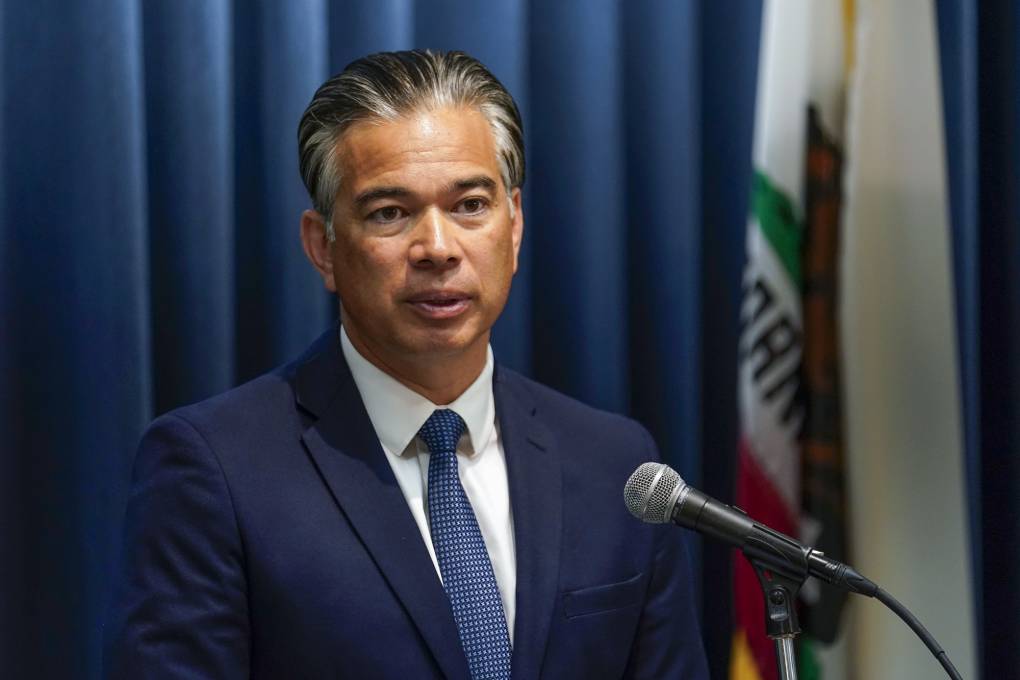
"caption": "California Attorney General Rob Bonta fields questions during a press conference on Monday, Aug. 28, 2023, in Los Angeles. California and seven other states announced Thursday that they are suing the Department of Education over the termination of $600 million in grants used to train teachers and nonprofits nationwide.",
"credit": "Marcio Jose Sanchez/AP Photo",
"altTag": "A man wearing a navy blue suit, white shirt and blue foulard tie speaks into a microphone.",
"description": null,
"imgSizes": {
"medium": {
"file": "https://cdn.kqed.org/wp-content/uploads/sites/10/2023/08/230828-ROB-BONTA-AP-MJS-KQED-800x533.jpg",
"width": 800,
"height": 533,
"mimeType": "image/jpeg"
},
"large": {
"file": "https://cdn.kqed.org/wp-content/uploads/sites/10/2023/08/230828-ROB-BONTA-AP-MJS-KQED-1020x680.jpg",
"width": 1020,
"height": 680,
"mimeType": "image/jpeg"
},
"thumbnail": {
"file": "https://cdn.kqed.org/wp-content/uploads/sites/10/2023/08/230828-ROB-BONTA-AP-MJS-KQED-160x107.jpg",
"width": 160,
"height": 107,
"mimeType": "image/jpeg"
},
"1536x1536": {
"file": "https://cdn.kqed.org/wp-content/uploads/sites/10/2023/08/230828-ROB-BONTA-AP-MJS-KQED-1536x1024.jpg",
"width": 1536,
"height": 1024,
"mimeType": "image/jpeg"
},
"post-thumbnail": {
"file": "https://cdn.kqed.org/wp-content/uploads/sites/10/2023/08/230828-ROB-BONTA-AP-MJS-KQED-672x372.jpg",
"width": 672,
"height": 372,
"mimeType": "image/jpeg"
},
"twentyfourteen-full-width": {
"file": "https://cdn.kqed.org/wp-content/uploads/sites/10/2023/08/230828-ROB-BONTA-AP-MJS-KQED-1038x576.jpg",
"width": 1038,
"height": 576,
"mimeType": "image/jpeg"
},
"full-width": {
"file": "https://cdn.kqed.org/wp-content/uploads/sites/10/2023/08/230828-ROB-BONTA-AP-MJS-KQED-1920x1280.jpg",
"width": 1920,
"height": 1280,
"mimeType": "image/jpeg"
},
"kqedFullSize": {
"file": "https://cdn.kqed.org/wp-content/uploads/sites/10/2023/08/230828-ROB-BONTA-AP-MJS-KQED.jpg",
"width": 2000,
"height": 1333
}
},
"isLoading": false,
"fetchFailed": false
},
"news_12029848": {
"type": "attachments",
"id": "news_12029848",
"meta": {
"index": "attachments_1716263798",
"site": "news",
"id": "12029848",
"found": true
},
"title": "Kindergarten students at Crestmoor Elementary School, march outside for a recess break, in San Bruno, Ca., on Thursday April 19, 2012. The school located in the neighborhood of the 2010 San Bruno gas pipeline explosion is being considered for closure by",
"publishDate": 1741204470,
"status": "inherit",
"parent": 12029822,
"modified": 1741204664,
"caption": "Kindergarten students at a school in the San Bruno Park Elementary School District run outside for recess in San Bruno, California, on April 19, 2012. ",
"credit": "Michael Macor/The San Francisco Chronicle via Getty Images",
"altTag": null,
"description": null,
"imgSizes": {
"medium": {
"file": "https://cdn.kqed.org/wp-content/uploads/sites/10/2025/03/SanBrunoElementaryGetty-800x532.jpg",
"width": 800,
"height": 532,
"mimeType": "image/jpeg"
},
"large": {
"file": "https://cdn.kqed.org/wp-content/uploads/sites/10/2025/03/SanBrunoElementaryGetty-1020x678.jpg",
"width": 1020,
"height": 678,
"mimeType": "image/jpeg"
},
"thumbnail": {
"file": "https://cdn.kqed.org/wp-content/uploads/sites/10/2025/03/SanBrunoElementaryGetty-160x106.jpg",
"width": 160,
"height": 106,
"mimeType": "image/jpeg"
},
"1536x1536": {
"file": "https://cdn.kqed.org/wp-content/uploads/sites/10/2025/03/SanBrunoElementaryGetty-1536x1021.jpg",
"width": 1536,
"height": 1021,
"mimeType": "image/jpeg"
},
"post-thumbnail": {
"file": "https://cdn.kqed.org/wp-content/uploads/sites/10/2025/03/SanBrunoElementaryGetty-672x372.jpg",
"width": 672,
"height": 372,
"mimeType": "image/jpeg"
},
"twentyfourteen-full-width": {
"file": "https://cdn.kqed.org/wp-content/uploads/sites/10/2025/03/SanBrunoElementaryGetty-1038x576.jpg",
"width": 1038,
"height": 576,
"mimeType": "image/jpeg"
},
"full-width": {
"file": "https://cdn.kqed.org/wp-content/uploads/sites/10/2025/03/SanBrunoElementaryGetty-1920x1276.jpg",
"width": 1920,
"height": 1276,
"mimeType": "image/jpeg"
},
"kqedFullSize": {
"file": "https://cdn.kqed.org/wp-content/uploads/sites/10/2025/03/SanBrunoElementaryGetty.jpg",
"width": 2000,
"height": 1329
}
},
"isLoading": false,
"fetchFailed": false
},
"news_12029339": {
"type": "attachments",
"id": "news_12029339",
"meta": {
"index": "attachments_1716263798",
"site": "news",
"id": "12029339",
"found": true
},
"title": "20241211-OUSDMergerVote-JY-013_qed",
"publishDate": 1740786173,
"status": "inherit",
"parent": 12029333,
"modified": 1741115113,
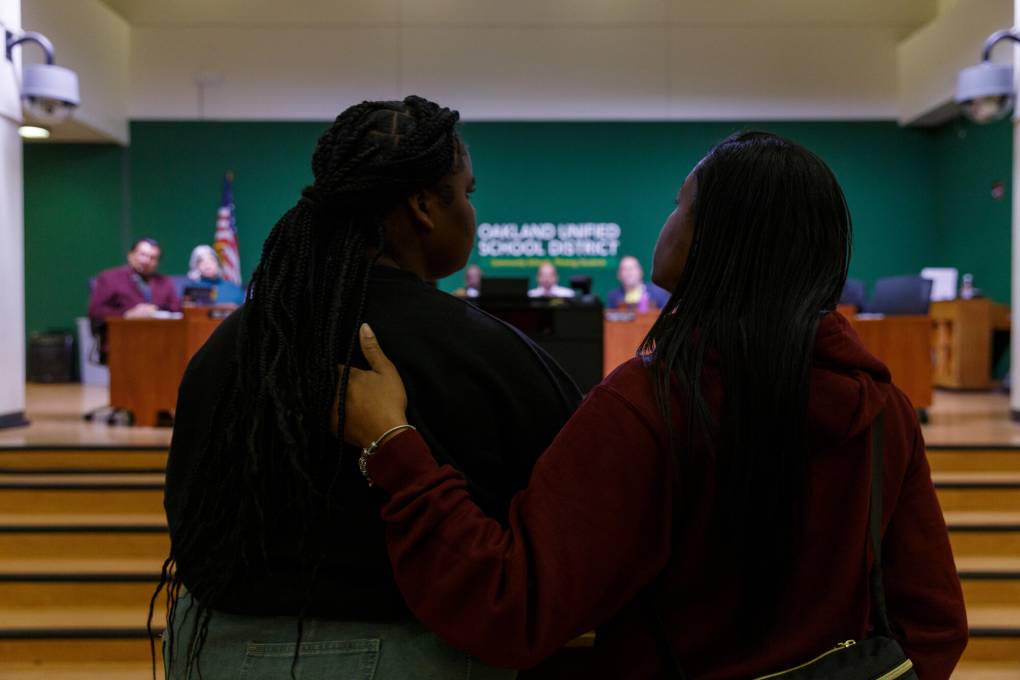
"caption": "Alexandria Poole, right, comforts Navie Davis, left, as she becomes emotional while making a public comment to the Oakland Unified School District Board about a proposed merger during a meeting at La Escuelita Elementary School in Oakland, California, on Dec. 11, 2024.",
"credit": "Juliana Yamada/KQED",
"altTag": null,
"description": null,
"imgSizes": {
"medium": {
"file": "https://cdn.kqed.org/wp-content/uploads/sites/10/2025/02/20241211-OUSDMergerVote-JY-013_qed-800x533.jpg",
"width": 800,
"height": 533,
"mimeType": "image/jpeg"
},
"large": {
"file": "https://cdn.kqed.org/wp-content/uploads/sites/10/2025/02/20241211-OUSDMergerVote-JY-013_qed-1020x680.jpg",
"width": 1020,
"height": 680,
"mimeType": "image/jpeg"
},
"thumbnail": {
"file": "https://cdn.kqed.org/wp-content/uploads/sites/10/2025/02/20241211-OUSDMergerVote-JY-013_qed-160x107.jpg",
"width": 160,
"height": 107,
"mimeType": "image/jpeg"
},
"1536x1536": {
"file": "https://cdn.kqed.org/wp-content/uploads/sites/10/2025/02/20241211-OUSDMergerVote-JY-013_qed-1536x1024.jpg",
"width": 1536,
"height": 1024,
"mimeType": "image/jpeg"
},
"post-thumbnail": {
"file": "https://cdn.kqed.org/wp-content/uploads/sites/10/2025/02/20241211-OUSDMergerVote-JY-013_qed-672x372.jpg",
"width": 672,
"height": 372,
"mimeType": "image/jpeg"
},
"twentyfourteen-full-width": {
"file": "https://cdn.kqed.org/wp-content/uploads/sites/10/2025/02/20241211-OUSDMergerVote-JY-013_qed-1038x576.jpg",
"width": 1038,
"height": 576,
"mimeType": "image/jpeg"
},
"full-width": {
"file": "https://cdn.kqed.org/wp-content/uploads/sites/10/2025/02/20241211-OUSDMergerVote-JY-013_qed-1920x1280.jpg",
"width": 1920,
"height": 1280,
"mimeType": "image/jpeg"
},
"kqedFullSize": {
"file": "https://cdn.kqed.org/wp-content/uploads/sites/10/2025/02/20241211-OUSDMergerVote-JY-013_qed.jpg",
"width": 2000,
"height": 1333
}
},
"isLoading": false,
"fetchFailed": false
},
"news_12029338": {
"type": "attachments",
"id": "news_12029338",
"meta": {
"index": "attachments_1716263798",
"site": "news",
"id": "12029338",
"found": true
},
"title": "20241211-OUSDMergerVote-JY-026_qed",
"publishDate": 1740786072,
"status": "inherit",
"parent": 12036400,
"modified": 1744912996,
"caption": "The Oakland Unified School District Board listens to public comment during a meeting at La Escuelita Elementary School in Oakland, California, on Dec. 11, 2024. ",
"credit": "Juliana Yamada/KQED",
"altTag": null,
"description": null,
"imgSizes": {
"medium": {
"file": "https://cdn.kqed.org/wp-content/uploads/sites/10/2025/02/20241211-OUSDMergerVote-JY-026_qed-800x533.jpg",
"width": 800,
"height": 533,
"mimeType": "image/jpeg"
},
"large": {
"file": "https://cdn.kqed.org/wp-content/uploads/sites/10/2025/02/20241211-OUSDMergerVote-JY-026_qed-1020x680.jpg",
"width": 1020,
"height": 680,
"mimeType": "image/jpeg"
},
"thumbnail": {
"file": "https://cdn.kqed.org/wp-content/uploads/sites/10/2025/02/20241211-OUSDMergerVote-JY-026_qed-160x107.jpg",
"width": 160,
"height": 107,
"mimeType": "image/jpeg"
},
"1536x1536": {
"file": "https://cdn.kqed.org/wp-content/uploads/sites/10/2025/02/20241211-OUSDMergerVote-JY-026_qed-1536x1024.jpg",
"width": 1536,
"height": 1024,
"mimeType": "image/jpeg"
},
"post-thumbnail": {
"file": "https://cdn.kqed.org/wp-content/uploads/sites/10/2025/02/20241211-OUSDMergerVote-JY-026_qed-672x372.jpg",
"width": 672,
"height": 372,
"mimeType": "image/jpeg"
},
"twentyfourteen-full-width": {
"file": "https://cdn.kqed.org/wp-content/uploads/sites/10/2025/02/20241211-OUSDMergerVote-JY-026_qed-1038x576.jpg",
"width": 1038,
"height": 576,
"mimeType": "image/jpeg"
},
"full-width": {
"file": "https://cdn.kqed.org/wp-content/uploads/sites/10/2025/02/20241211-OUSDMergerVote-JY-026_qed-1920x1280.jpg",
"width": 1920,
"height": 1280,
"mimeType": "image/jpeg"
},
"kqedFullSize": {
"file": "https://cdn.kqed.org/wp-content/uploads/sites/10/2025/02/20241211-OUSDMergerVote-JY-026_qed.jpg",
"width": 2000,
"height": 1333
}
},
"isLoading": false,
"fetchFailed": false
},
"news_12029297": {
"type": "attachments",
"id": "news_12029297",
"meta": {
"index": "attachments_1716263798",
"site": "news",
"id": "12029297",
"found": true
},
"title": "COLLEGE BASKETBALL: DEC 03 Utah Valley at Stanford",
"publishDate": 1740777003,
"status": "inherit",
"parent": 12029289,
"modified": 1740790790,
"caption": "A Stanford Cardinal basketball sits on the court before a game between the Utah Valley Wolverines and Stanford Cardinals on Dec. 3, 2024, at Maples Pavilion in Palo Alto, California.",
"credit": "Trinity Machan/Icon Sportswire via Getty Images",
"altTag": null,
"description": null,
"imgSizes": {
"medium": {
"file": "https://cdn.kqed.org/wp-content/uploads/sites/10/2025/02/StanfordAthleticsGetty-800x533.jpg",
"width": 800,
"height": 533,
"mimeType": "image/jpeg"
},
"large": {
"file": "https://cdn.kqed.org/wp-content/uploads/sites/10/2025/02/StanfordAthleticsGetty-1020x680.jpg",
"width": 1020,
"height": 680,
"mimeType": "image/jpeg"
},
"thumbnail": {
"file": "https://cdn.kqed.org/wp-content/uploads/sites/10/2025/02/StanfordAthleticsGetty-160x107.jpg",
"width": 160,
"height": 107,
"mimeType": "image/jpeg"
},
"1536x1536": {
"file": "https://cdn.kqed.org/wp-content/uploads/sites/10/2025/02/StanfordAthleticsGetty-1536x1024.jpg",
"width": 1536,
"height": 1024,
"mimeType": "image/jpeg"
},
"post-thumbnail": {
"file": "https://cdn.kqed.org/wp-content/uploads/sites/10/2025/02/StanfordAthleticsGetty-672x372.jpg",
"width": 672,
"height": 372,
"mimeType": "image/jpeg"
},
"twentyfourteen-full-width": {
"file": "https://cdn.kqed.org/wp-content/uploads/sites/10/2025/02/StanfordAthleticsGetty-1038x576.jpg",
"width": 1038,
"height": 576,
"mimeType": "image/jpeg"
},
"full-width": {
"file": "https://cdn.kqed.org/wp-content/uploads/sites/10/2025/02/StanfordAthleticsGetty-1920x1280.jpg",
"width": 1920,
"height": 1280,
"mimeType": "image/jpeg"
},
"kqedFullSize": {
"file": "https://cdn.kqed.org/wp-content/uploads/sites/10/2025/02/StanfordAthleticsGetty.jpg",
"width": 2000,
"height": 1333
}
},
"isLoading": false,
"fetchFailed": false
},
"news_12029233": {
"type": "attachments",
"id": "news_12029233",
"meta": {
"index": "attachments_1716263798",
"site": "news",
"id": "12029233",
"found": true
},
"title": "WCCUSD-staffing-2-2048x1536",
"publishDate": 1740772367,
"status": "inherit",
"parent": 12029232,
"modified": 1740772396,
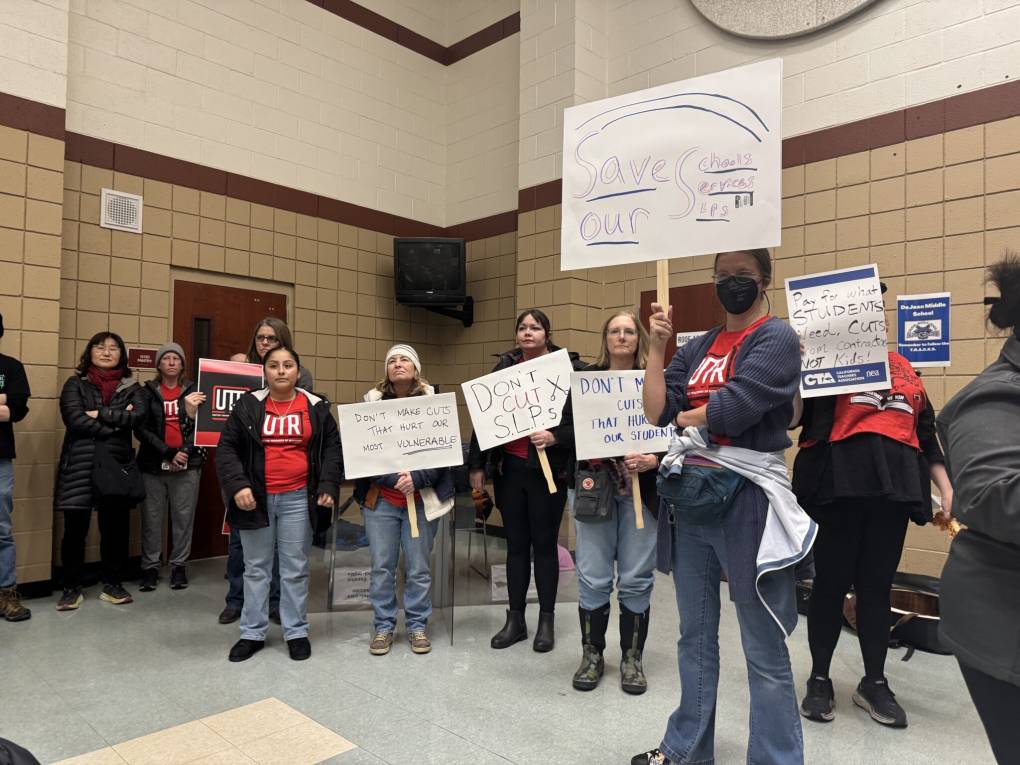
"caption": "United Teachers of Richmond gather at West Contra Costa school board meeting Wednesday to protest staff cuts approved a week earlier.",
"credit": "Monica Velez/EdSource",
"altTag": null,
"description": null,
"imgSizes": {
"medium": {
"file": "https://cdn.kqed.org/wp-content/uploads/sites/10/2025/02/WCCUSD-staffing-2-2048x1536-1-800x600.jpg",
"width": 800,
"height": 600,
"mimeType": "image/jpeg"
},
"large": {
"file": "https://cdn.kqed.org/wp-content/uploads/sites/10/2025/02/WCCUSD-staffing-2-2048x1536-1-1020x765.jpg",
"width": 1020,
"height": 765,
"mimeType": "image/jpeg"
},
"thumbnail": {
"file": "https://cdn.kqed.org/wp-content/uploads/sites/10/2025/02/WCCUSD-staffing-2-2048x1536-1-160x120.jpg",
"width": 160,
"height": 120,
"mimeType": "image/jpeg"
},
"1536x1536": {
"file": "https://cdn.kqed.org/wp-content/uploads/sites/10/2025/02/WCCUSD-staffing-2-2048x1536-1-1536x1152.jpg",
"width": 1536,
"height": 1152,
"mimeType": "image/jpeg"
},
"post-thumbnail": {
"file": "https://cdn.kqed.org/wp-content/uploads/sites/10/2025/02/WCCUSD-staffing-2-2048x1536-1-672x372.jpg",
"width": 672,
"height": 372,
"mimeType": "image/jpeg"
},
"twentyfourteen-full-width": {
"file": "https://cdn.kqed.org/wp-content/uploads/sites/10/2025/02/WCCUSD-staffing-2-2048x1536-1-1038x576.jpg",
"width": 1038,
"height": 576,
"mimeType": "image/jpeg"
},
"full-width": {
"file": "https://cdn.kqed.org/wp-content/uploads/sites/10/2025/02/WCCUSD-staffing-2-2048x1536-1-1920x1440.jpg",
"width": 1920,
"height": 1440,
"mimeType": "image/jpeg"
},
"kqedFullSize": {
"file": "https://cdn.kqed.org/wp-content/uploads/sites/10/2025/02/WCCUSD-staffing-2-2048x1536-1.jpg",
"width": 2048,
"height": 1536
}
},
"isLoading": false,
"fetchFailed": false
},
"news_12017852": {
"type": "attachments",
"id": "news_12017852",
"meta": {
"index": "attachments_1716263798",
"site": "news",
"id": "12017852",
"found": true
},
"title": "20241211-OUSDMergerVote-JY-033",
"publishDate": 1733989002,
"status": "inherit",
"parent": 12027158,
"modified": 1739579285,
"caption": "The Oakland Unified School District Board listens to public comment during a meeting at La Escuelita Elementary School in Oakland, California, on Wednesday, Dec. 11, 2024. Students, families, educators, and community members raised their concerns about a proposed merger of their schools.",
"credit": "Juliana Yamada/KQED",
"altTag": null,
"description": null,
"imgSizes": {
"medium": {
"file": "https://cdn.kqed.org/wp-content/uploads/sites/10/2024/12/20241211-OUSDMergerVote-JY-033-800x533.jpg",
"width": 800,
"height": 533,
"mimeType": "image/jpeg"
},
"large": {
"file": "https://cdn.kqed.org/wp-content/uploads/sites/10/2024/12/20241211-OUSDMergerVote-JY-033-1020x679.jpg",
"width": 1020,
"height": 679,
"mimeType": "image/jpeg"
},
"thumbnail": {
"file": "https://cdn.kqed.org/wp-content/uploads/sites/10/2024/12/20241211-OUSDMergerVote-JY-033-160x107.jpg",
"width": 160,
"height": 107,
"mimeType": "image/jpeg"
},
"1536x1536": {
"file": "https://cdn.kqed.org/wp-content/uploads/sites/10/2024/12/20241211-OUSDMergerVote-JY-033-1536x1023.jpg",
"width": 1536,
"height": 1023,
"mimeType": "image/jpeg"
},
"post-thumbnail": {
"file": "https://cdn.kqed.org/wp-content/uploads/sites/10/2024/12/20241211-OUSDMergerVote-JY-033-672x372.jpg",
"width": 672,
"height": 372,
"mimeType": "image/jpeg"
},
"twentyfourteen-full-width": {
"file": "https://cdn.kqed.org/wp-content/uploads/sites/10/2024/12/20241211-OUSDMergerVote-JY-033-1038x576.jpg",
"width": 1038,
"height": 576,
"mimeType": "image/jpeg"
},
"full-width": {
"file": "https://cdn.kqed.org/wp-content/uploads/sites/10/2024/12/20241211-OUSDMergerVote-JY-033-1920x1279.jpg",
"width": 1920,
"height": 1279,
"mimeType": "image/jpeg"
},
"kqedFullSize": {
"file": "https://cdn.kqed.org/wp-content/uploads/sites/10/2024/12/20241211-OUSDMergerVote-JY-033.jpg",
"width": 2000,
"height": 1332
}
},
"isLoading": false,
"fetchFailed": false
},
"news_12028319": {
"type": "attachments",
"id": "news_12028319",
"meta": {
"index": "attachments_1716263798",
"site": "news",
"id": "12028319",
"found": true
},
"title": "241009-SFUSDClosuresMarch-38-BL_qed",
"publishDate": 1740421432,
"status": "inherit",
"parent": 12028317,
"modified": 1740601322,
"caption": "Teachers, K–5 students and their families at Harvey Milk Civil Rights Academy rally at Harvey Milk Plaza in the Castro neighborhood of San Francisco on Oct. 9, 2024, to protest against the potential closure of the school. The school is on the list of 11 San Francisco campuses that could close after this academic year as the district grapples with declining enrollment and a budget deficit.",
"credit": "Beth LaBerge/KQED",
"altTag": null,
"description": null,
"imgSizes": {
"medium": {
"file": "https://cdn.kqed.org/wp-content/uploads/sites/10/2025/02/241009-SFUSDClosuresMarch-38-BL_qed-800x533.jpg",
"width": 800,
"height": 533,
"mimeType": "image/jpeg"
},
"large": {
"file": "https://cdn.kqed.org/wp-content/uploads/sites/10/2025/02/241009-SFUSDClosuresMarch-38-BL_qed-1020x680.jpg",
"width": 1020,
"height": 680,
"mimeType": "image/jpeg"
},
"thumbnail": {
"file": "https://cdn.kqed.org/wp-content/uploads/sites/10/2025/02/241009-SFUSDClosuresMarch-38-BL_qed-160x107.jpg",
"width": 160,
"height": 107,
"mimeType": "image/jpeg"
},
"1536x1536": {
"file": "https://cdn.kqed.org/wp-content/uploads/sites/10/2025/02/241009-SFUSDClosuresMarch-38-BL_qed-1536x1024.jpg",
"width": 1536,
"height": 1024,
"mimeType": "image/jpeg"
},
"post-thumbnail": {
"file": "https://cdn.kqed.org/wp-content/uploads/sites/10/2025/02/241009-SFUSDClosuresMarch-38-BL_qed-672x372.jpg",
"width": 672,
"height": 372,
"mimeType": "image/jpeg"
},
"twentyfourteen-full-width": {
"file": "https://cdn.kqed.org/wp-content/uploads/sites/10/2025/02/241009-SFUSDClosuresMarch-38-BL_qed-1038x576.jpg",
"width": 1038,
"height": 576,
"mimeType": "image/jpeg"
},
"full-width": {
"file": "https://cdn.kqed.org/wp-content/uploads/sites/10/2025/02/241009-SFUSDClosuresMarch-38-BL_qed-1920x1280.jpg",
"width": 1920,
"height": 1280,
"mimeType": "image/jpeg"
},
"kqedFullSize": {
"file": "https://cdn.kqed.org/wp-content/uploads/sites/10/2025/02/241009-SFUSDClosuresMarch-38-BL_qed.jpg",
"width": 2000,
"height": 1333
}
},
"isLoading": false,
"fetchFailed": false
},
"news_12028553": {
"type": "attachments",
"id": "news_12028553",
"meta": {
"index": "attachments_1716263798",
"site": "news",
"id": "12028553",
"found": true
},
"title": "20250224_Mills-Children-School_DMB_00007",
"publishDate": 1740525313,
"status": "inherit",
"parent": 0,
"modified": 1740594593,
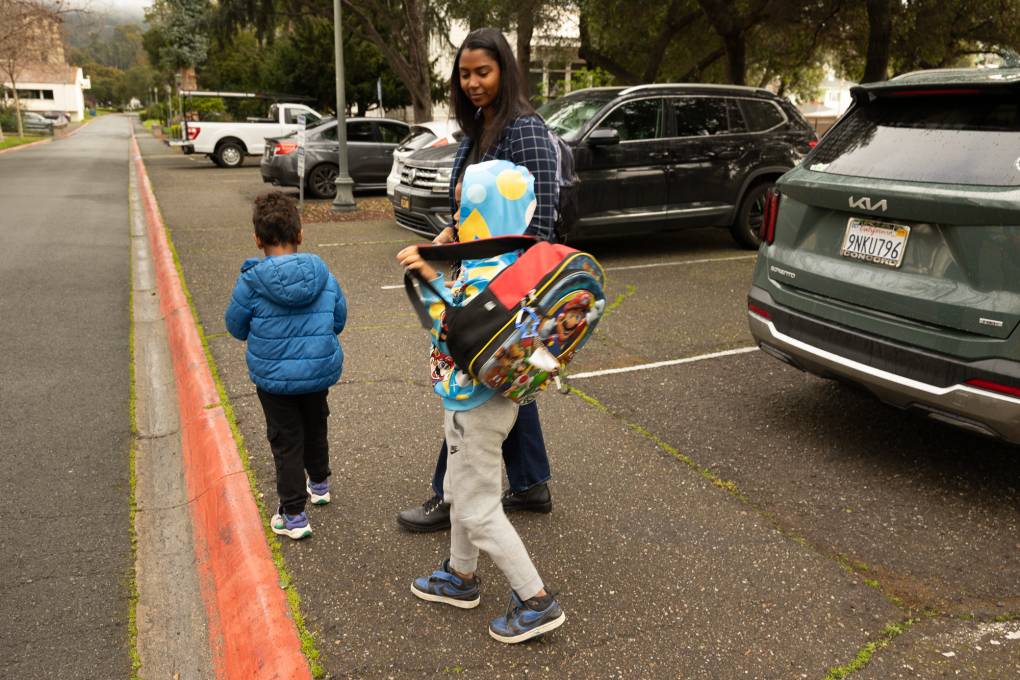
"caption": "Katrina Roundfield drops her children off at the Mills College Children's School in Oakland on Feb. 24, 2025. Roundfield said she noticed that Mills College has stopped doing school tours and accepting new students for their Children's School.",
"credit": "David M. Barreda/KQED",
"altTag": null,
"description": null,
"imgSizes": {
"medium": {
"file": "https://cdn.kqed.org/wp-content/uploads/sites/10/2025/02/20250224_Mills-Children-School_DMB_00007-800x533.jpg",
"width": 800,
"height": 533,
"mimeType": "image/jpeg"
},
"large": {
"file": "https://cdn.kqed.org/wp-content/uploads/sites/10/2025/02/20250224_Mills-Children-School_DMB_00007-1020x680.jpg",
"width": 1020,
"height": 680,
"mimeType": "image/jpeg"
},
"thumbnail": {
"file": "https://cdn.kqed.org/wp-content/uploads/sites/10/2025/02/20250224_Mills-Children-School_DMB_00007-160x107.jpg",
"width": 160,
"height": 107,
"mimeType": "image/jpeg"
},
"1536x1536": {
"file": "https://cdn.kqed.org/wp-content/uploads/sites/10/2025/02/20250224_Mills-Children-School_DMB_00007-1536x1024.jpg",
"width": 1536,
"height": 1024,
"mimeType": "image/jpeg"
},
"post-thumbnail": {
"file": "https://cdn.kqed.org/wp-content/uploads/sites/10/2025/02/20250224_Mills-Children-School_DMB_00007-672x372.jpg",
"width": 672,
"height": 372,
"mimeType": "image/jpeg"
},
"twentyfourteen-full-width": {
"file": "https://cdn.kqed.org/wp-content/uploads/sites/10/2025/02/20250224_Mills-Children-School_DMB_00007-1038x576.jpg",
"width": 1038,
"height": 576,
"mimeType": "image/jpeg"
},
"full-width": {
"file": "https://cdn.kqed.org/wp-content/uploads/sites/10/2025/02/20250224_Mills-Children-School_DMB_00007-1920x1280.jpg",
"width": 1920,
"height": 1280,
"mimeType": "image/jpeg"
},
"kqedFullSize": {
"file": "https://cdn.kqed.org/wp-content/uploads/sites/10/2025/02/20250224_Mills-Children-School_DMB_00007.jpg",
"width": 2000,
"height": 1333
}
},
"isLoading": false,
"fetchFailed": false
},
"news_12028517": {
"type": "attachments",
"id": "news_12028517",
"meta": {
"index": "attachments_1716263798",
"site": "news",
"id": "12028517",
"found": true
},
"title": "230601-MindShift-33-BL_qed (1)",
"publishDate": 1740518063,
"status": "inherit",
"parent": 12028442,
"modified": 1740518151,
"caption": "Students complete an outdoor assignment activity in the schoolyard at an elementary school in San Leandro, California, on June 1, 2023. ",
"credit": "Beth LaBerge/KQED",
"altTag": null,
"description": null,
"imgSizes": {
"medium": {
"file": "https://cdn.kqed.org/wp-content/uploads/sites/10/2025/02/230601-MindShift-33-BL_qed-1-800x533.jpg",
"width": 800,
"height": 533,
"mimeType": "image/jpeg"
},
"large": {
"file": "https://cdn.kqed.org/wp-content/uploads/sites/10/2025/02/230601-MindShift-33-BL_qed-1-1020x680.jpg",
"width": 1020,
"height": 680,
"mimeType": "image/jpeg"
},
"thumbnail": {
"file": "https://cdn.kqed.org/wp-content/uploads/sites/10/2025/02/230601-MindShift-33-BL_qed-1-160x107.jpg",
"width": 160,
"height": 107,
"mimeType": "image/jpeg"
},
"1536x1536": {
"file": "https://cdn.kqed.org/wp-content/uploads/sites/10/2025/02/230601-MindShift-33-BL_qed-1-1536x1024.jpg",
"width": 1536,
"height": 1024,
"mimeType": "image/jpeg"
},
"post-thumbnail": {
"file": "https://cdn.kqed.org/wp-content/uploads/sites/10/2025/02/230601-MindShift-33-BL_qed-1-672x372.jpg",
"width": 672,
"height": 372,
"mimeType": "image/jpeg"
},
"twentyfourteen-full-width": {
"file": "https://cdn.kqed.org/wp-content/uploads/sites/10/2025/02/230601-MindShift-33-BL_qed-1-1038x576.jpg",
"width": 1038,
"height": 576,
"mimeType": "image/jpeg"
},
"full-width": {
"file": "https://cdn.kqed.org/wp-content/uploads/sites/10/2025/02/230601-MindShift-33-BL_qed-1-1920x1280.jpg",
"width": 1920,
"height": 1280,
"mimeType": "image/jpeg"
},
"kqedFullSize": {
"file": "https://cdn.kqed.org/wp-content/uploads/sites/10/2025/02/230601-MindShift-33-BL_qed-1.jpg",
"width": 2000,
"height": 1333
}
},
"isLoading": false,
"fetchFailed": false
},
"news_12028311": {
"type": "attachments",
"id": "news_12028311",
"meta": {
"index": "attachments_1716263798",
"site": "news",
"id": "12028311",
"found": true
},
"title": "241023-SFUSDSuperintendent-12-BL_qed",
"publishDate": 1740420271,
"status": "inherit",
"parent": 12028309,
"modified": 1740420300,
"caption": "Katie Dorset teaches a class at Yick Wo Alternative Elementary School in San Francisco on Oct. 23, 2024.",
"credit": "Beth LaBerge/KQED",
"altTag": null,
"description": null,
"imgSizes": {
"medium": {
"file": "https://cdn.kqed.org/wp-content/uploads/sites/10/2025/02/241023-SFUSDSuperintendent-12-BL_qed-800x533.jpg",
"width": 800,
"height": 533,
"mimeType": "image/jpeg"
},
"large": {
"file": "https://cdn.kqed.org/wp-content/uploads/sites/10/2025/02/241023-SFUSDSuperintendent-12-BL_qed-1020x680.jpg",
"width": 1020,
"height": 680,
"mimeType": "image/jpeg"
},
"thumbnail": {
"file": "https://cdn.kqed.org/wp-content/uploads/sites/10/2025/02/241023-SFUSDSuperintendent-12-BL_qed-160x107.jpg",
"width": 160,
"height": 107,
"mimeType": "image/jpeg"
},
"1536x1536": {
"file": "https://cdn.kqed.org/wp-content/uploads/sites/10/2025/02/241023-SFUSDSuperintendent-12-BL_qed-1536x1024.jpg",
"width": 1536,
"height": 1024,
"mimeType": "image/jpeg"
},
"post-thumbnail": {
"file": "https://cdn.kqed.org/wp-content/uploads/sites/10/2025/02/241023-SFUSDSuperintendent-12-BL_qed-672x372.jpg",
"width": 672,
"height": 372,
"mimeType": "image/jpeg"
},
"twentyfourteen-full-width": {
"file": "https://cdn.kqed.org/wp-content/uploads/sites/10/2025/02/241023-SFUSDSuperintendent-12-BL_qed-1038x576.jpg",
"width": 1038,
"height": 576,
"mimeType": "image/jpeg"
},
"full-width": {
"file": "https://cdn.kqed.org/wp-content/uploads/sites/10/2025/02/241023-SFUSDSuperintendent-12-BL_qed-1920x1280.jpg",
"width": 1920,
"height": 1280,
"mimeType": "image/jpeg"
},
"kqedFullSize": {
"file": "https://cdn.kqed.org/wp-content/uploads/sites/10/2025/02/241023-SFUSDSuperintendent-12-BL_qed.jpg",
"width": 1999,
"height": 1333
}
},
"isLoading": false,
"fetchFailed": false
},
"news_12028077": {
"type": "attachments",
"id": "news_12028077",
"meta": {
"index": "attachments_1716263798",
"site": "news",
"id": "12028077",
"found": true
},
"title": "021125-ICE-Schools-Salinas-LV_27 copy",
"publishDate": 1740101066,
"status": "inherit",
"parent": 12028076,
"modified": 1740101230,
"caption": "Two students walk through the main building at Sherwood Elementary School in Salinas on Feb. 11, 2025. ",
"credit": "Larry Valenzuela/CalMatters/CatchLight Local",
"altTag": null,
"description": null,
"imgSizes": {
"medium": {
"file": "https://cdn.kqed.org/wp-content/uploads/sites/10/2025/02/021125-ICE-Schools-Salinas-LV_27-copy-800x533.jpg",
"width": 800,
"height": 533,
"mimeType": "image/jpeg"
},
"large": {
"file": "https://cdn.kqed.org/wp-content/uploads/sites/10/2025/02/021125-ICE-Schools-Salinas-LV_27-copy-1020x680.jpg",
"width": 1020,
"height": 680,
"mimeType": "image/jpeg"
},
"thumbnail": {
"file": "https://cdn.kqed.org/wp-content/uploads/sites/10/2025/02/021125-ICE-Schools-Salinas-LV_27-copy-160x107.jpg",
"width": 160,
"height": 107,
"mimeType": "image/jpeg"
},
"1536x1536": {
"file": "https://cdn.kqed.org/wp-content/uploads/sites/10/2025/02/021125-ICE-Schools-Salinas-LV_27-copy-1536x1024.jpg",
"width": 1536,
"height": 1024,
"mimeType": "image/jpeg"
},
"post-thumbnail": {
"file": "https://cdn.kqed.org/wp-content/uploads/sites/10/2025/02/021125-ICE-Schools-Salinas-LV_27-copy-672x372.jpg",
"width": 672,
"height": 372,
"mimeType": "image/jpeg"
},
"twentyfourteen-full-width": {
"file": "https://cdn.kqed.org/wp-content/uploads/sites/10/2025/02/021125-ICE-Schools-Salinas-LV_27-copy-1038x576.jpg",
"width": 1038,
"height": 576,
"mimeType": "image/jpeg"
},
"full-width": {
"file": "https://cdn.kqed.org/wp-content/uploads/sites/10/2025/02/021125-ICE-Schools-Salinas-LV_27-copy-1920x1280.jpg",
"width": 1920,
"height": 1280,
"mimeType": "image/jpeg"
},
"kqedFullSize": {
"file": "https://cdn.kqed.org/wp-content/uploads/sites/10/2025/02/021125-ICE-Schools-Salinas-LV_27-copy.jpg",
"width": 2000,
"height": 1333
}
},
"isLoading": false,
"fetchFailed": false
}
},
"audioPlayerReducer": {
"postId": "stream_live",
"isPaused": true,
"isPlaying": false,
"pfsActive": false,
"pledgeModalIsOpen": true,
"playerDrawerIsOpen": false,
"liveAudioPlayStartedAt": 0,
"liveAudioPlayContext": ""
},
"authorsReducer": {
"byline_news_12029232": {
"type": "authors",
"id": "byline_news_12029232",
"meta": {
"override": true
},
"slug": "byline_news_12029232",
"name": "\u003ca href=\"https://edsource.org/author/mvelez\">Monica Velez\u003c/a>, EdSource",
"isLoading": false
},
"byline_news_12028076": {
"type": "authors",
"id": "byline_news_12028076",
"meta": {
"override": true
},
"slug": "byline_news_12028076",
"name": "\u003ca href=\"https://calmatters.org/author/carolyn-jones/\">Carolyn Jones\u003c/a>, CalMatters",
"isLoading": false
},
"matthewgreen": {
"type": "authors",
"id": "1263",
"meta": {
"index": "authors_1716337520",
"id": "1263",
"found": true
},
"name": "Matthew Green",
"firstName": "Matthew",
"lastName": "Green",
"slug": "matthewgreen",
"email": "mgreen@kqed.org",
"display_author_email": false,
"staff_mastheads": [],
"title": "KQED Editor/Reporter",
"bio": "Matthew Green is a digital media producer for KQED News. He previously produced \u003ca href=\"http://www.kqed.org/lowdown\">The Lowdown\u003c/a>, KQED’s multimedia news education blog. Matthew's written for numerous Bay Area publications, including the Oakland Tribune and San Francisco Chronicle. He also taught journalism classes at Fremont High School in East Oakland.\r\n\r\nEmail: mgreen@kqed.org; Twitter: @MGreenKQED",
"avatar": "https://secure.gravatar.com/avatar/3bf498d1267ca02c8494f33d8cfc575e?s=600&d=blank&r=g",
"twitter": "MGreenKQED",
"facebook": null,
"instagram": null,
"linkedin": null,
"sites": [
{
"site": "news",
"roles": []
},
{
"site": "lowdown",
"roles": []
},
{
"site": "science",
"roles": []
},
{
"site": "education",
"roles": []
},
{
"site": "quest",
"roles": []
},
{
"site": "liveblog",
"roles": []
}
],
"headData": {
"title": "Matthew Green | KQED",
"description": "KQED Editor/Reporter",
"ogImgSrc": "https://secure.gravatar.com/avatar/3bf498d1267ca02c8494f33d8cfc575e?s=600&d=blank&r=g",
"twImgSrc": "https://secure.gravatar.com/avatar/3bf498d1267ca02c8494f33d8cfc575e?s=600&d=blank&r=g"
},
"isLoading": false,
"link": "/author/matthewgreen"
},
"ecruzguevarra": {
"type": "authors",
"id": "8654",
"meta": {
"index": "authors_1716337520",
"id": "8654",
"found": true
},
"name": "Ericka Cruz Guevarra",
"firstName": "Ericka",
"lastName": "Cruz Guevarra",
"slug": "ecruzguevarra",
"email": "ecruzguevarra@kqed.org",
"display_author_email": true,
"staff_mastheads": [
"news"
],
"title": "Producer, The Bay Podcast",
"bio": "Ericka Cruz Guevarra is host of \u003ca href=\"https://www.kqed.org/podcasts/thebay\">\u003cem>The Bay\u003c/em>\u003c/a> podcast at KQED. Before host, she was the show’s producer. Her work in that capacity includes a three-part reported series on policing in Vallejo, which won a 2020 excellence in journalism award from the Society of Professional Journalists. Ericka has worked as a breaking news reporter at Oregon Public Broadcasting, helped produce the Code Switch podcast, and was KQED’s inaugural Raul Ramirez Diversity Fund intern. She’s also an alumna of NPR’s Next Generation Radio program. Send her an email if you have strong feelings about whether Fairfield and Suisun City are the Bay. Ericka is represented by SAG-AFTRA.",
"avatar": "https://secure.gravatar.com/avatar/accefc1de4bafc7e234b69bcb9b6f6536c130fd84709bc3069ef11a78787e1bb?s=600&d=blank&r=g",
"twitter": "NotoriousECG",
"bluesky": null,
"facebook": null,
"instagram": null,
"linkedin": null,
"sites": [
{
"site": "arts",
"roles": [
"subscriber"
]
},
{
"site": "news",
"roles": [
"editor",
"manage_categories"
]
},
{
"site": "futureofyou",
"roles": [
"subscriber"
]
},
{
"site": "stateofhealth",
"roles": [
"subscriber"
]
},
{
"site": "science",
"roles": [
"editor"
]
},
{
"site": "forum",
"roles": [
"subscriber"
]
}
],
"headData": {
"title": "Ericka Cruz Guevarra | KQED",
"description": "Producer, The Bay Podcast",
"ogImgSrc": "https://secure.gravatar.com/avatar/accefc1de4bafc7e234b69bcb9b6f6536c130fd84709bc3069ef11a78787e1bb?s=600&d=blank&r=g",
"twImgSrc": "https://secure.gravatar.com/avatar/accefc1de4bafc7e234b69bcb9b6f6536c130fd84709bc3069ef11a78787e1bb?s=600&d=blank&r=g"
},
"isLoading": false,
"link": "/author/ecruzguevarra"
},
"amontecillo": {
"type": "authors",
"id": "11649",
"meta": {
"index": "authors_1716337520",
"id": "11649",
"found": true
},
"name": "Alan Montecillo",
"firstName": "Alan",
"lastName": "Montecillo",
"slug": "amontecillo",
"email": "amontecillo@kqed.org",
"display_author_email": false,
"staff_mastheads": [
"news"
],
"title": "KQED Contributor",
"bio": "Alan Montecillo is the senior editor of \u003cem>\u003ca href=\"http://kqed.org/thebay\">The Bay\u003c/a>, \u003c/em> KQED's local news podcast. Before moving to the Bay Area, he worked as a senior talk show producer for WILL in Champaign-Urbana, Illinois and at Oregon Public Broadcasting in Portland, Oregon. He has won journalism awards from the Society of Professional Journalists Northern California, the Public Media Journalists Association, The Signal Awards, and has also received a regional Edward R. Murrow award. Alan is a Filipino American from Hong Kong and a graduate of Reed College.",
"avatar": "https://secure.gravatar.com/avatar/268f53a2066899ea9efdd8a5900218b17c822d9862cbc9326cccec53ef41d349?s=600&d=blank&r=g",
"twitter": "alanmontecillo",
"bluesky": null,
"facebook": null,
"instagram": null,
"linkedin": null,
"sites": [
{
"site": "",
"roles": [
"editor"
]
},
{
"site": "news",
"roles": [
"editor",
"manage_categories"
]
}
],
"headData": {
"title": "Alan Montecillo | KQED",
"description": "KQED Contributor",
"ogImgSrc": "https://secure.gravatar.com/avatar/268f53a2066899ea9efdd8a5900218b17c822d9862cbc9326cccec53ef41d349?s=600&d=blank&r=g",
"twImgSrc": "https://secure.gravatar.com/avatar/268f53a2066899ea9efdd8a5900218b17c822d9862cbc9326cccec53ef41d349?s=600&d=blank&r=g"
},
"isLoading": false,
"link": "/author/amontecillo"
},
"daisynguyen": {
"type": "authors",
"id": "11829",
"meta": {
"index": "authors_1716337520",
"id": "11829",
"found": true
},
"name": "Daisy Nguyen",
"firstName": "Daisy",
"lastName": "Nguyen",
"slug": "daisynguyen",
"email": "daisynguyen@kqed.org",
"display_author_email": true,
"staff_mastheads": [
"news"
],
"title": "KQED Contributor",
"bio": "I have covered early childhood education and child care for KQED since 2022. I focus on policies aimed at increasing access to early care and education and how they shape individual lives. I've been a journalist for more than two decades, with most of that time devoted to covering breaking news throughout California for The Associated Press. I grew up in San Francisco and studied at UC Davis and Columbia University's Graduate School of Journalism. I live in Oakland with my husband and two kids.",
"avatar": "https://secure.gravatar.com/avatar/2da2127c27f7143b53ebd419800fd55f?s=600&d=blank&r=g",
"twitter": null,
"facebook": null,
"instagram": null,
"linkedin": "https://www.linkedin.com/in/daisynguyen/",
"sites": [
{
"site": "news",
"roles": [
"author"
]
},
{
"site": "liveblog",
"roles": [
"author"
]
}
],
"headData": {
"title": "Daisy Nguyen | KQED",
"description": "KQED Contributor",
"ogImgSrc": "https://secure.gravatar.com/avatar/2da2127c27f7143b53ebd419800fd55f?s=600&d=blank&r=g",
"twImgSrc": "https://secure.gravatar.com/avatar/2da2127c27f7143b53ebd419800fd55f?s=600&d=blank&r=g"
},
"isLoading": false,
"link": "/author/daisynguyen"
},
"jessicakariisa": {
"type": "authors",
"id": "11831",
"meta": {
"index": "authors_1716337520",
"id": "11831",
"found": true
},
"name": "Jessica Kariisa",
"firstName": "Jessica",
"lastName": "Kariisa",
"slug": "jessicakariisa",
"email": "jkariisa@kqed.org",
"display_author_email": false,
"staff_mastheads": [],
"title": "Producer, The Bay",
"bio": "Jessica Kariisa is the producer of The Bay. She first joined KQED as an intern for The California Report Magazine, after which she became an on-call producer. She reported a Bay Curious episode on the use of rap lyrics in criminal trials which won a Society of Professional Journalists award in 2023 for Excellence in Features Journalism and the 2023 Signal Award for Best Conversation Starter. She’s worked on podcasts for Snap Judgment and American Public Media. Before embarking on her audio career, she was a music journalist.\r\n\r\nJessica Kariisa is represented by SAG-AFTRA.",
"avatar": "https://secure.gravatar.com/avatar/522e97b28ac0b3d411621c0fde8f3419c7b71ea2c5c262c57c4bb600963f328c?s=600&d=blank&r=g",
"twitter": null,
"bluesky": null,
"facebook": null,
"instagram": null,
"linkedin": null,
"sites": [
{
"site": "arts",
"roles": [
"author"
]
},
{
"site": "news",
"roles": [
"editor",
"manage_categories"
]
}
],
"headData": {
"title": "Jessica Kariisa | KQED",
"description": "Producer, The Bay",
"ogImgSrc": "https://secure.gravatar.com/avatar/522e97b28ac0b3d411621c0fde8f3419c7b71ea2c5c262c57c4bb600963f328c?s=600&d=blank&r=g",
"twImgSrc": "https://secure.gravatar.com/avatar/522e97b28ac0b3d411621c0fde8f3419c7b71ea2c5c262c57c4bb600963f328c?s=600&d=blank&r=g"
},
"isLoading": false,
"link": "/author/jessicakariisa"
},
"kdebenedetti": {
"type": "authors",
"id": "11913",
"meta": {
"index": "authors_1716337520",
"id": "11913",
"found": true
},
"name": "Katie DeBenedetti",
"firstName": "Katie",
"lastName": "DeBenedetti",
"slug": "kdebenedetti",
"email": "kdebenedetti@kqed.org",
"display_author_email": false,
"staff_mastheads": [
"news",
"science"
],
"title": "KQED Contributor",
"bio": "Katie DeBenedetti is a digital reporter covering daily news for the Express Desk. Prior to joining KQED as a culture reporting intern in January 2024, she covered education and city government for the Napa Valley Register.",
"avatar": "https://secure.gravatar.com/avatar/6e31073cb8f7e4214ab03f42771d0f45?s=600&d=blank&r=g",
"twitter": null,
"facebook": null,
"instagram": null,
"linkedin": null,
"sites": [
{
"site": "news",
"roles": [
"author"
]
},
{
"site": "science",
"roles": [
"author"
]
},
{
"site": "liveblog",
"roles": [
"author"
]
}
],
"headData": {
"title": "Katie DeBenedetti | KQED",
"description": "KQED Contributor",
"ogImgSrc": "https://secure.gravatar.com/avatar/6e31073cb8f7e4214ab03f42771d0f45?s=600&d=blank&r=g",
"twImgSrc": "https://secure.gravatar.com/avatar/6e31073cb8f7e4214ab03f42771d0f45?s=600&d=blank&r=g"
},
"isLoading": false,
"link": "/author/kdebenedetti"
},
"rcooke": {
"type": "authors",
"id": "11921",
"meta": {
"index": "authors_1716337520",
"id": "11921",
"found": true
},
"name": "Riley Cooke",
"firstName": "Riley",
"lastName": "Cooke",
"slug": "rcooke",
"email": "rcooke@kqed.org",
"display_author_email": true,
"staff_mastheads": [
"news"
],
"title": "KQED Contributor",
"bio": "Riley is a senior at UC Berkeley, where she studies political science and journalism. Her work has appeared in SFGate, NBC Bay Area, Local News Matters and more. She enjoys reporting on politics, housing and homelessness — and using as many em dashes as her editors will allow.",
"avatar": "https://secure.gravatar.com/avatar/792f98c126cc5e270a8a96f77f7224ea?s=600&d=blank&r=g",
"twitter": "rrileycooke",
"facebook": null,
"instagram": null,
"linkedin": null,
"sites": [
{
"site": "arts",
"roles": [
"author"
]
},
{
"site": "news",
"roles": [
"author"
]
}
],
"headData": {
"title": "Riley Cooke | KQED",
"description": "KQED Contributor",
"ogImgSrc": "https://secure.gravatar.com/avatar/792f98c126cc5e270a8a96f77f7224ea?s=600&d=blank&r=g",
"twImgSrc": "https://secure.gravatar.com/avatar/792f98c126cc5e270a8a96f77f7224ea?s=600&d=blank&r=g"
},
"isLoading": false,
"link": "/author/rcooke"
},
"mvelasquez": {
"type": "authors",
"id": "11939",
"meta": {
"index": "authors_1716337520",
"id": "11939",
"found": true
},
"name": "Mel Velasquez",
"firstName": "Mel",
"lastName": "Velasquez",
"slug": "mvelasquez",
"email": "mvelasquez@kqed.org",
"display_author_email": false,
"staff_mastheads": [],
"title": "KQED Contributor",
"bio": null,
"avatar": "https://secure.gravatar.com/avatar/409094312d56fab09fef4251e949ffa6?s=600&d=blank&r=g",
"twitter": null,
"facebook": null,
"instagram": null,
"linkedin": "www.linkedin.com/in/melanievelasquezz",
"sites": [
{
"site": "news",
"roles": [
"editor"
]
}
],
"headData": {
"title": "Mel Velasquez | KQED",
"description": "KQED Contributor",
"ogImgSrc": "https://secure.gravatar.com/avatar/409094312d56fab09fef4251e949ffa6?s=600&d=blank&r=g",
"twImgSrc": "https://secure.gravatar.com/avatar/409094312d56fab09fef4251e949ffa6?s=600&d=blank&r=g"
},
"isLoading": false,
"link": "/author/mvelasquez"
}
},
"pagesReducer": {
"news_category_education": {
"type": "terms",
"id": "news_18540",
"meta": {
"index": "terms_1716263798",
"site": "news",
"id": "18540",
"score": 10.97301
},
"featImg": null,
"name": "Education",
"description": null,
"taxonomy": "category",
"headData": {
"twImgId": null,
"twTitle": null,
"ogTitle": null,
"ogImgId": null,
"twDescription": null,
"description": null,
"title": "Education Archives | KQED News",
"ogDescription": null
},
"ttid": 2595,
"slug": "education",
"isLoading": false,
"title": "Education",
"pageMeta": {
"site": "news",
"WpPageTemplate": "page-topic-editorial",
"currentPage": 31
},
"blocks": [
{
"blockName": "kqed/post-list",
"attrs": {
"layout": "cardArticle2",
"query": "posts/news?category=education",
"seeMore": false,
"paginated": true,
"page": 31
}
},
{
"blockName": "kqed/ad"
}
]
}
},
"pfsSessionReducer": {},
"postsReducer": {
"stream_live": {
"type": "live",
"id": "stream_live",
"audioUrl": "https://streams.kqed.org/kqedradio",
"title": "Live Stream",
"excerpt": "Live Stream information currently unavailable.",
"link": "/radio",
"featImg": "",
"label": {
"name": "KQED Live",
"link": "/"
}
},
"stream_kqedNewscast": {
"type": "posts",
"id": "stream_kqedNewscast",
"audioUrl": "https://www.kqed.org/.stream/anon/radio/RDnews/newscast.mp3?_=1",
"title": "KQED Newscast",
"featImg": "",
"label": {
"name": "88.5 FM",
"link": "/"
}
},
"news_12030028": {
"type": "posts",
"id": "news_12030028",
"meta": {
"index": "posts_1716263798",
"site": "news",
"id": "12030028",
"score": null,
"sort": [
1741300636000
]
},
"guestAuthors": [],
"slug": "trump-cut-education-grants-over-dei-it-will-worsen-teacher-shortages-lawsuit-says",
"title": "Trump Cut Education Grants Over ‘DEI.’ It Will Worsen Teacher Shortages, Lawsuit Says",
"publishDate": 1741300636,
"format": "standard",
"headTitle": "Trump Cut Education Grants Over ‘DEI.’ It Will Worsen Teacher Shortages, Lawsuit Says | KQED",
"labelTerm": {
"site": "news"
},
"content": "\u003cp>\u003cstrong>Update, March 11:\u003c/strong> On Monday, U.S. District Judge Myong J. Joun granted a \u003ca href=\"https://oag.ca.gov/system/files/attachments/press-docs/41%20Order%20Granting%20TRO%20_%203.10.2025.pdf\">14-day temporary restraining order (PDF)\u003c/a> blocking the Trump administration from terminating the TQP and SEED grants in California and the other plaintiff states while the states seek a preliminary injunction.\u003c/p>\n\u003cp>“Today’s decision is a crucial early victory to ensure these grant dollars continue to flow and our kids get the passionate, qualified, good teachers they deserve,” California Attorney General Rob Bonta said in a statement. \u003c/p>\n\u003cp>\u003cstrong>Original story, March 6: \u003c/strong>California is suing the U.S. Department of Education over the termination of $600 million in grants used to train teachers and education nonprofits nationwide, Attorney General \u003ca href=\"https://www.kqed.org/news/tag/rob-bonta\">Rob Bonta\u003c/a> announced Thursday amid reports about President Trump’s efforts to \u003ca href=\"https://www.kqed.org/mindshift/65178/what-does-the-us-department-of-education-do-some-facts-about-its-role-in-schools\">unfurl the department\u003c/a>.\u003c/p>\n\u003cp>Bonta and seven other state attorneys general are asking the District Court in Massachusetts to immediately halt the funding cuts and ensure that money already approved by Congress continues flowing to teacher training programs, including at eight \u003ca href=\"https://www.kqed.org/news/tag/california-state-university\">California State\u003c/a> and \u003ca href=\"https://www.kqed.org/news/tag/university-of-california\">University of California\u003c/a> campuses.\u003c/p>\n\u003cp>“These are grants that our state is counting on to train and prepare qualified educators,” Bonta said during a press conference on Thursday. “Funds that are critical to addressing our state and nation’s teacher shortage crisis. Funds that are critical to getting teachers into rural schools, into urban schools, and into hard-to-fill positions. … Funds that improve the quality of education for our children.”\u003c/p>\n\u003cp>[ad fullwidth]\u003c/p>\n\u003cp>Bonta said the Trump administration canceled Teacher Quality Partnership (TQP) and Supporting Effective Educator Development (SEED) grants, which fund residency programs to train K–12 teachers in difficult-to-staff specialties and areas. The suit said the terminations have effectively eliminated the two programs, which are sorely needed as the country faces a teacher shortage.\u003c/p>\n\u003cp>The lawsuit alleges that the Education Department unlawfully terminated the grants without due process or a “transparent, internally consistent and reasonable explanation” and that it didn’t consider the impact that the cuts would have on teacher shortages, training programs and students. It follows another suit \u003ca href=\"https://www.k12dive.com/news/education-department-sued-cuts-teacher-training-grants/741560/\">seeking to overturn the terminations\u003c/a> filed Monday by three education nonprofits in the U.S District Court of Maryland.\u003c/p>\n\u003cfigure id=\"attachment_12025582\" class=\"wp-caption aligncenter\" style=\"max-width: 2000px\">\u003cimg loading=\"lazy\" decoding=\"async\" class=\"size-full wp-image-12025582\" src=\"https://cdn.kqed.org/wp-content/uploads/sites/10/2025/02/gettyimages-1298372564-scaled-e1741300214483.jpeg\" alt=\"A large gray building with the words 'U.S. Department of Education' on the front.'\" width=\"2000\" height=\"1391\">\u003cfigcaption class=\"wp-caption-text\">The U.S. Department of Education headquarters in Washington, D.C. \u003ccite>(Robert Knopes/Universal Images Group via Getty Images)\u003c/cite>\u003c/figcaption>\u003c/figure>\n\u003cp>A Department of Education spokesperson told KQED the department does not comment on pending litigation.\u003c/p>\n\u003cp>The eight states — California, Massachusetts, New Jersey, Colorado, Illinois, Maryland, New York and Wisconsin — would lose at least $250 million in grant funding, according to the lawsuit.\u003c/p>\n\u003cp>California’s terminated grants across universities and nonprofits total about $148 million. CSU and UC campuses awarded eight grants totaling about $56 million received termination letters in early February, according to the lawsuit. All of the letters included repetitive and “boilerplate” language related to diversity, equity and inclusion and “waste, fraud and abuse,” Bonta said.\u003c/p>\n\u003cp>Some of the funds have already been used, he said, and about $8 million is earmarked for programs between now and September to ensure that early-career teachers are prepared to enter the classroom next fall.\u003c/p>\n\u003cp>[aside postID=news_12029887 hero='https://cdn.kqed.org/wp-content/uploads/sites/10/2024/10/241008-UCB-CAMPUS-WALKOUT-MD-09-KQED-1020x680.jpg']\u003c/p>\n\u003cp>“The universities would have to look to layoffs, reduced hours for university staff and reduced or eliminated support and funding for aspiring teachers” without the money, Bonta said.\u003c/p>\n\u003cp>Cal Poly San Luis Obispo’s Innovative Support and Preparation of Inclusive and Resilient Educators program was supposed to receive a five-year, $2.2 million grant from the Department of Education. The money would help the campus provide living-wage stipends for training teachers in its program who agree to three-year jobs in 32 high-need schools in the surrounding Central Coast area, focusing on K–12 bilingual and special education.\u003c/p>\n\u003cp>Other multimillion-dollar grants would have funded programs at Cal State Los Angeles and Chico State that target these specialties, along with hard-to-staff subjects like math and science, and encourage teachers to work in their home communities.\u003c/p>\n\u003cp>“Sadly, the people Trump’s hurting most of all [are] kids in rural areas, kids in urban areas, kids in high-poverty communities and high-need schools, kids who need and deserve extra support and additional resources,” Bonta said.\u003c/p>\n\u003cp>Shireen Pavri, the CSU’s assistant vice chancellor for educator and leadership programs, said 1 in 25 teachers across the country studies at a CSU, including 50% of California teachers. Ahead of the 2024–25 school year, California had about 25,000 teaching position vacancies.\u003c/p>\n\u003cfigure id=\"attachment_12024922\" class=\"wp-caption aligncenter\" style=\"max-width: 2000px\">\u003cimg loading=\"lazy\" decoding=\"async\" class=\"size-full wp-image-12024922\" src=\"https://cdn.kqed.org/wp-content/uploads/sites/10/2025/01/GettyImages-2194989581.jpg\" alt=\"\" width=\"2000\" height=\"1333\" srcset=\"https://cdn.kqed.org/wp-content/uploads/sites/10/2025/01/GettyImages-2194989581.jpg 2000w, https://cdn.kqed.org/wp-content/uploads/sites/10/2025/01/GettyImages-2194989581-800x533.jpg 800w, https://cdn.kqed.org/wp-content/uploads/sites/10/2025/01/GettyImages-2194989581-1020x680.jpg 1020w, https://cdn.kqed.org/wp-content/uploads/sites/10/2025/01/GettyImages-2194989581-160x107.jpg 160w, https://cdn.kqed.org/wp-content/uploads/sites/10/2025/01/GettyImages-2194989581-1536x1024.jpg 1536w, https://cdn.kqed.org/wp-content/uploads/sites/10/2025/01/GettyImages-2194989581-1920x1280.jpg 1920w\" sizes=\"auto, (max-width: 2000px) 100vw, 2000px\">\u003cfigcaption class=\"wp-caption-text\">President Donald Trump signs executive orders in the Oval Office on Jan. 20, 2025, in Washington, D.C. \u003ccite>(Anna Monkeymaker/Getty)\u003c/cite>\u003c/figcaption>\u003c/figure>\n\u003cp>“These grants have greatly assisted our CSU campuses in recruiting teacher candidates, in funding their schooling, and in graduating highly prepared teachers to serve all young people in the state, especially in areas of particular teacher shortage,” she said.\u003c/p>\n\u003cp>The lawsuit comes as multiple news outlets report that the Trump administration is gearing up to issue an executive order that would direct Education Secretary Linda McMahon to take steps to dismantle the agency — a part of Project 2025. Trump \u003ca href=\"https://www.kqed.org/news/11998288/what-is-project-2025-donald-trump-heritage-foundation-director-steps-down\">attempted to distance himself\u003c/a> from the controversial Heritage Foundation playbook during his campaign, but he has \u003ca href=\"https://www.kqed.org/news/12028324/trumps-health-care-plans-are-straight-out-of-the-project-2025-blueprint\">followed it closely\u003c/a> in many of the policies he’s implemented since taking office.\u003c/p>\n\u003cp>White House press secretary Karoline Leavitt said on social media on Wednesday that no executive order related to the Education Department was expected Thursday.\u003c/p>\n\u003cp>Still, fears are swirling around public schools across the country, as Trump has made repeated threats to school districts that support DEI initiatives and LGBTQ-identifying students, doubling down in his address to a joint session of Congress on Tuesday night. Many are also already dealing with \u003ca href=\"https://www.kqed.org/news/12027158/how-oakland-and-sf-ended-up-among-7-ca-school-districts-who-cant-pay-their-bills\">budget crises\u003c/a> and staffing shortages as COVID-19 relief funds sunset and burnt-out teachers \u003ca href=\"https://www.kqed.org/mindshift/61179/teacher-turnover-hits-new-highs-across-the-u-s\">leave the field\u003c/a>.\u003c/p>\n\u003cp>In San Francisco, Superintendent Maria Su said the school district would continue to support vulnerable student populations with the help of City Attorney David Chiu and other city partners.\u003c/p>\n\u003cp>“We are fighting back, we are stating that the federal government does not have the ability to say what our values are In San Francisco,” Su told KQED in February. “We believe firmly that all students have the right to an education, regardless of how they identify themselves, how they want to show up in the classrooms, and we also firmly believe that all of our teachers have the right to identify how they choose to be and teach history, teach real history for our students. And we won’t change that.”\u003c/p>\n\u003cp>[ad floatright]\u003c/p>\n",
"blocks": [],
"excerpt": "California and seven other states are suing the Department of Education over the termination of $600 million in grants used to train teachers and nonprofits nationwide.",
"status": "publish",
"parent": 0,
"modified": 1741715180,
"stats": {
"hasAudio": false,
"hasVideo": false,
"hasChartOrMap": false,
"iframeSrcs": [],
"hasGoogleForm": false,
"hasGallery": false,
"hasHearkenModule": false,
"hasPolis": false,
"paragraphCount": 25,
"wordCount": 1140
},
"headData": {
"title": "Trump Cut Education Grants Over ‘DEI.’ It Will Worsen Teacher Shortages, Lawsuit Says | KQED",
"description": "California and seven other states are suing the Department of Education over the termination of $600 million in grants used to train teachers and nonprofits nationwide.",
"ogTitle": "",
"ogDescription": "",
"ogImgId": "",
"twTitle": "",
"twDescription": "",
"twImgId": "",
"schema": {
"@context": "https://schema.org",
"@type": "NewsArticle",
"headline": "Trump Cut Education Grants Over ‘DEI.’ It Will Worsen Teacher Shortages, Lawsuit Says",
"datePublished": "2025-03-06T14:37:16-08:00",
"dateModified": "2025-03-11T10:46:20-07:00",
"image": "https://cdn.kqed.org/wp-content/uploads/2020/02/KQED-OG-Image@1x.png",
"isAccessibleForFree": "True",
"publisher": {
"@type": "NewsMediaOrganization",
"@id": "https://www.kqed.org/#organization",
"name": "KQED",
"logo": "https://cdn.kqed.org/wp-content/uploads/2020/02/KQED-OG-Image@1x.png",
"url": "https://www.kqed.org",
"sameAs": [
"https://www.facebook.com/KQED",
"https://twitter.com/KQED",
"https://www.instagram.com/kqed/",
"https://www.tiktok.com/@kqedofficial",
"https://www.linkedin.com/company/kqed",
"https://www.youtube.com/channel/UCeC0IOo7i1P_61zVUWbJ4nw"
]
}
}
},
"sticky": false,
"nprStoryId": "kqed-12030028",
"templateType": "standard",
"featuredImageType": "standard",
"excludeFromSiteSearch": "Include",
"articleAge": "0",
"path": "/news/12030028/trump-cut-education-grants-over-dei-it-will-worsen-teacher-shortages-lawsuit-says",
"audioTrackLength": null,
"parsedContent": [
{
"type": "contentString",
"content": "\u003cdiv class=\"post-body\">\u003cp>\u003cp>\u003cstrong>Update, March 11:\u003c/strong> On Monday, U.S. District Judge Myong J. Joun granted a \u003ca href=\"https://oag.ca.gov/system/files/attachments/press-docs/41%20Order%20Granting%20TRO%20_%203.10.2025.pdf\">14-day temporary restraining order (PDF)\u003c/a> blocking the Trump administration from terminating the TQP and SEED grants in California and the other plaintiff states while the states seek a preliminary injunction.\u003c/p>\n\u003cp>“Today’s decision is a crucial early victory to ensure these grant dollars continue to flow and our kids get the passionate, qualified, good teachers they deserve,” California Attorney General Rob Bonta said in a statement. \u003c/p>\n\u003cp>\u003cstrong>Original story, March 6: \u003c/strong>California is suing the U.S. Department of Education over the termination of $600 million in grants used to train teachers and education nonprofits nationwide, Attorney General \u003ca href=\"https://www.kqed.org/news/tag/rob-bonta\">Rob Bonta\u003c/a> announced Thursday amid reports about President Trump’s efforts to \u003ca href=\"https://www.kqed.org/mindshift/65178/what-does-the-us-department-of-education-do-some-facts-about-its-role-in-schools\">unfurl the department\u003c/a>.\u003c/p>\n\u003cp>Bonta and seven other state attorneys general are asking the District Court in Massachusetts to immediately halt the funding cuts and ensure that money already approved by Congress continues flowing to teacher training programs, including at eight \u003ca href=\"https://www.kqed.org/news/tag/california-state-university\">California State\u003c/a> and \u003ca href=\"https://www.kqed.org/news/tag/university-of-california\">University of California\u003c/a> campuses.\u003c/p>\n\u003cp>“These are grants that our state is counting on to train and prepare qualified educators,” Bonta said during a press conference on Thursday. “Funds that are critical to addressing our state and nation’s teacher shortage crisis. Funds that are critical to getting teachers into rural schools, into urban schools, and into hard-to-fill positions. … Funds that improve the quality of education for our children.”\u003c/p>\n\u003cp>\u003c/p>\u003c/div>",
"attributes": {
"named": {},
"numeric": []
}
},
{
"type": "component",
"content": "",
"name": "ad",
"attributes": {
"named": {
"label": "fullwidth"
},
"numeric": [
"fullwidth"
]
}
},
{
"type": "contentString",
"content": "\u003cdiv class=\"post-body\">\u003cp>\u003c/p>\n\u003cp>Bonta said the Trump administration canceled Teacher Quality Partnership (TQP) and Supporting Effective Educator Development (SEED) grants, which fund residency programs to train K–12 teachers in difficult-to-staff specialties and areas. The suit said the terminations have effectively eliminated the two programs, which are sorely needed as the country faces a teacher shortage.\u003c/p>\n\u003cp>The lawsuit alleges that the Education Department unlawfully terminated the grants without due process or a “transparent, internally consistent and reasonable explanation” and that it didn’t consider the impact that the cuts would have on teacher shortages, training programs and students. It follows another suit \u003ca href=\"https://www.k12dive.com/news/education-department-sued-cuts-teacher-training-grants/741560/\">seeking to overturn the terminations\u003c/a> filed Monday by three education nonprofits in the U.S District Court of Maryland.\u003c/p>\n\u003cfigure id=\"attachment_12025582\" class=\"wp-caption aligncenter\" style=\"max-width: 2000px\">\u003cimg loading=\"lazy\" decoding=\"async\" class=\"size-full wp-image-12025582\" src=\"https://cdn.kqed.org/wp-content/uploads/sites/10/2025/02/gettyimages-1298372564-scaled-e1741300214483.jpeg\" alt=\"A large gray building with the words 'U.S. Department of Education' on the front.'\" width=\"2000\" height=\"1391\">\u003cfigcaption class=\"wp-caption-text\">The U.S. Department of Education headquarters in Washington, D.C. \u003ccite>(Robert Knopes/Universal Images Group via Getty Images)\u003c/cite>\u003c/figcaption>\u003c/figure>\n\u003cp>A Department of Education spokesperson told KQED the department does not comment on pending litigation.\u003c/p>\n\u003cp>The eight states — California, Massachusetts, New Jersey, Colorado, Illinois, Maryland, New York and Wisconsin — would lose at least $250 million in grant funding, according to the lawsuit.\u003c/p>\n\u003cp>California’s terminated grants across universities and nonprofits total about $148 million. CSU and UC campuses awarded eight grants totaling about $56 million received termination letters in early February, according to the lawsuit. All of the letters included repetitive and “boilerplate” language related to diversity, equity and inclusion and “waste, fraud and abuse,” Bonta said.\u003c/p>\n\u003cp>Some of the funds have already been used, he said, and about $8 million is earmarked for programs between now and September to ensure that early-career teachers are prepared to enter the classroom next fall.\u003c/p>\n\u003cp>\u003c/p>\u003c/div>",
"attributes": {
"named": {},
"numeric": []
}
},
{
"type": "component",
"content": "",
"name": "aside",
"attributes": {
"named": {
"postid": "news_12029887",
"hero": "https://cdn.kqed.org/wp-content/uploads/sites/10/2024/10/241008-UCB-CAMPUS-WALKOUT-MD-09-KQED-1020x680.jpg",
"label": ""
},
"numeric": []
}
},
{
"type": "contentString",
"content": "\u003cdiv class=\"post-body\">\u003cp>\u003c/p>\n\u003cp>“The universities would have to look to layoffs, reduced hours for university staff and reduced or eliminated support and funding for aspiring teachers” without the money, Bonta said.\u003c/p>\n\u003cp>Cal Poly San Luis Obispo’s Innovative Support and Preparation of Inclusive and Resilient Educators program was supposed to receive a five-year, $2.2 million grant from the Department of Education. The money would help the campus provide living-wage stipends for training teachers in its program who agree to three-year jobs in 32 high-need schools in the surrounding Central Coast area, focusing on K–12 bilingual and special education.\u003c/p>\n\u003cp>Other multimillion-dollar grants would have funded programs at Cal State Los Angeles and Chico State that target these specialties, along with hard-to-staff subjects like math and science, and encourage teachers to work in their home communities.\u003c/p>\n\u003cp>“Sadly, the people Trump’s hurting most of all [are] kids in rural areas, kids in urban areas, kids in high-poverty communities and high-need schools, kids who need and deserve extra support and additional resources,” Bonta said.\u003c/p>\n\u003cp>Shireen Pavri, the CSU’s assistant vice chancellor for educator and leadership programs, said 1 in 25 teachers across the country studies at a CSU, including 50% of California teachers. Ahead of the 2024–25 school year, California had about 25,000 teaching position vacancies.\u003c/p>\n\u003cfigure id=\"attachment_12024922\" class=\"wp-caption aligncenter\" style=\"max-width: 2000px\">\u003cimg loading=\"lazy\" decoding=\"async\" class=\"size-full wp-image-12024922\" src=\"https://cdn.kqed.org/wp-content/uploads/sites/10/2025/01/GettyImages-2194989581.jpg\" alt=\"\" width=\"2000\" height=\"1333\" srcset=\"https://cdn.kqed.org/wp-content/uploads/sites/10/2025/01/GettyImages-2194989581.jpg 2000w, https://cdn.kqed.org/wp-content/uploads/sites/10/2025/01/GettyImages-2194989581-800x533.jpg 800w, https://cdn.kqed.org/wp-content/uploads/sites/10/2025/01/GettyImages-2194989581-1020x680.jpg 1020w, https://cdn.kqed.org/wp-content/uploads/sites/10/2025/01/GettyImages-2194989581-160x107.jpg 160w, https://cdn.kqed.org/wp-content/uploads/sites/10/2025/01/GettyImages-2194989581-1536x1024.jpg 1536w, https://cdn.kqed.org/wp-content/uploads/sites/10/2025/01/GettyImages-2194989581-1920x1280.jpg 1920w\" sizes=\"auto, (max-width: 2000px) 100vw, 2000px\">\u003cfigcaption class=\"wp-caption-text\">President Donald Trump signs executive orders in the Oval Office on Jan. 20, 2025, in Washington, D.C. \u003ccite>(Anna Monkeymaker/Getty)\u003c/cite>\u003c/figcaption>\u003c/figure>\n\u003cp>“These grants have greatly assisted our CSU campuses in recruiting teacher candidates, in funding their schooling, and in graduating highly prepared teachers to serve all young people in the state, especially in areas of particular teacher shortage,” she said.\u003c/p>\n\u003cp>The lawsuit comes as multiple news outlets report that the Trump administration is gearing up to issue an executive order that would direct Education Secretary Linda McMahon to take steps to dismantle the agency — a part of Project 2025. Trump \u003ca href=\"https://www.kqed.org/news/11998288/what-is-project-2025-donald-trump-heritage-foundation-director-steps-down\">attempted to distance himself\u003c/a> from the controversial Heritage Foundation playbook during his campaign, but he has \u003ca href=\"https://www.kqed.org/news/12028324/trumps-health-care-plans-are-straight-out-of-the-project-2025-blueprint\">followed it closely\u003c/a> in many of the policies he’s implemented since taking office.\u003c/p>\n\u003cp>White House press secretary Karoline Leavitt said on social media on Wednesday that no executive order related to the Education Department was expected Thursday.\u003c/p>\n\u003cp>Still, fears are swirling around public schools across the country, as Trump has made repeated threats to school districts that support DEI initiatives and LGBTQ-identifying students, doubling down in his address to a joint session of Congress on Tuesday night. Many are also already dealing with \u003ca href=\"https://www.kqed.org/news/12027158/how-oakland-and-sf-ended-up-among-7-ca-school-districts-who-cant-pay-their-bills\">budget crises\u003c/a> and staffing shortages as COVID-19 relief funds sunset and burnt-out teachers \u003ca href=\"https://www.kqed.org/mindshift/61179/teacher-turnover-hits-new-highs-across-the-u-s\">leave the field\u003c/a>.\u003c/p>\n\u003cp>In San Francisco, Superintendent Maria Su said the school district would continue to support vulnerable student populations with the help of City Attorney David Chiu and other city partners.\u003c/p>\n\u003cp>“We are fighting back, we are stating that the federal government does not have the ability to say what our values are In San Francisco,” Su told KQED in February. “We believe firmly that all students have the right to an education, regardless of how they identify themselves, how they want to show up in the classrooms, and we also firmly believe that all of our teachers have the right to identify how they choose to be and teach history, teach real history for our students. And we won’t change that.”\u003c/p>\n\u003cp>\u003c/p>\u003c/div>",
"attributes": {
"named": {},
"numeric": []
}
},
{
"type": "component",
"content": "",
"name": "ad",
"attributes": {
"named": {
"label": "floatright"
},
"numeric": [
"floatright"
]
}
},
{
"type": "contentString",
"content": "\u003cdiv class=\"post-body\">\u003cp>\u003c/p>\n\u003c/div>\u003c/p>",
"attributes": {
"named": {},
"numeric": []
}
}
],
"link": "/news/12030028/trump-cut-education-grants-over-dei-it-will-worsen-teacher-shortages-lawsuit-says",
"authors": [
"11913"
],
"categories": [
"news_18540",
"news_8",
"news_13"
],
"tags": [
"news_18538",
"news_1323",
"news_20013",
"news_34377",
"news_17968",
"news_3674"
],
"featImg": "news_11959336",
"label": "news"
},
"news_12029822": {
"type": "posts",
"id": "news_12029822",
"meta": {
"index": "posts_1716263798",
"site": "news",
"id": "12029822",
"score": null,
"sort": [
1741221742000
]
},
"guestAuthors": [],
"slug": "2-families-sue-san-bruno-school-district-over-teachers-sexual-abuse-students",
"title": "2 Families Sue San Bruno School District Over Teacher's Sexual Abuse of Students",
"publishDate": 1741221742,
"format": "standard",
"headTitle": "2 Families Sue San Bruno School District Over Teacher’s Sexual Abuse of Students | KQED",
"labelTerm": {
"site": "news"
},
"content": "\u003cp>The families of two San Bruno \u003ca href=\"https://www.kqed.org/educationnews\">elementary school students\u003c/a>, who were molested by their teacher in 2023, are suing the city’s school district for allegedly failing to respond to multiple complaints of inappropriate sexual behavior.\u003c/p>\n\u003cp>The civil lawsuit, filed this week in San Mateo Superior Court, claims that school administrators in the San Bruno Park School District began receiving complaints about teacher Jeremy Pakyin Yeh inappropriately touching female students as early as 2017 but took no action to stop it.\u003c/p>\n\u003cp>The suit comes less than a week after a jury found Yeh, 34, guilty of molesting four female students over a multi-year period, including touching them on their genitals and pulling down one student’s pants while hugging her.\u003c/p>\n\u003cp>On Friday, \u003ca href=\"https://www.mercurynews.com/2025/03/01/san-bruno-school-teacher-convicted-of-molesting-four-students/\">Yeh was convicted\u003c/a> on all 17 counts of felony child molestation. He faces up to 425 years in prison.\u003c/p>\n\u003cp>[ad fullwidth]\u003c/p>\n\u003cp>The two girls represented in the civil lawsuit filed this week were molested by Yeh in 2023 when they were students in his first and second-grade class at Allen Elementary School. In April 2023, shortly after they came forward, \u003ca href=\"https://www.mercurynews.com/2023/04/14/san-bruno-teacher-arrested-on-suspicion-of-sexual-abuse/\">Yeh was arrested\u003c/a> by San Bruno Police on school grounds.\u003c/p>\n\u003cp>“My two clients weren’t abused until 2023, and it was known six years earlier that this guy was bad news,” said Bobby Thompson, an attorney representing the two families. “So they should have never, ever been touched in the first place. It’s so preventable.”\u003c/p>\n\u003cp>He added, “I’ve been doing this for 25 years, and this is one of the most egregious cases I’ve ever had of an administrator dropping the ball.”\u003c/p>\n\u003cp>[aside postID=news_12029333 hero='https://cdn.kqed.org/wp-content/uploads/sites/10/2025/02/20241211-OUSDMergerVote-JY-026_qed-1020x680.jpg']\u003c/p>\n\u003cp>The families of the two other children victimized by Yeh had filed separate civil cases against the district. All four students are referred to anonymously in court documents because they are still minors.\u003c/p>\n\u003cp>In a statement announcing the newest lawsuit, a parent of one of the victims said the school should have prevented their daughter from being harmed.\u003c/p>\n\u003cp>“But they chose to protect this evil man,” the parent said. “We just don’t understand that.”\u003c/p>\n\u003cp>School and district administrators dismissed complaints from the first two girls, who came forward in 2018 and 2022, and even referred to the first student as a liar before disciplining her, prosecutors said during Yeh’s criminal trial.\u003c/p>\n\u003cp>The \u003ca href=\"https://cdn.kqed.org/wp-content/uploads/sites/10/2025/03/Complaint.pdf\">lawsuit filed this week\u003c/a> alleges that administrators “covered up and concealed Jeremy Yeh’s inappropriate and abhorrent conduct, failed to document, investigate, or respond to prevent further incidents of sexual misconduct of minor students, and failed to comply with their mandatory duties to report suspected and known abuse of children to law enforcement and child welfare agencies.”\u003c/p>\n\u003cp>School district officials did not respond to KQED’s multiple requests for comment.\u003c/p>\n\u003cp>“I think that the science is pretty clear that kids don’t make this stuff up. They don’t even have the vocabulary when they’re 6 or 7 to talk about sex or sexual touching in any sort of real way,” Thompson said. “It’s not their job to investigate whether the kid’s telling the truth or not.\u003c/p>\n\u003cp>“It’s their job to report it to the authorities who are trained to do investigations. … And they didn’t do it in this case.”\u003c/p>\n\u003cp>Thompson said his clients are seeking monetary compensation from the district for the preventable trauma they experienced.\u003c/p>\n\u003cp>“Unfortunately, that’s all we can do — is make the school district pay our clients,” he said. “The more money we can make them pay, the bigger the lesson they’re going to learn so this doesn’t happen in the future.”\u003c/p>\n\u003cp>\u003c/p>\n",
"blocks": [],
"excerpt": "The suit comes less than a week after a jury found Jeremy Yeh, a former teacher at Allen Elementary School, guilty of molesting four female students.\r\n",
"status": "publish",
"parent": 0,
"modified": 1741224732,
"stats": {
"hasAudio": false,
"hasVideo": false,
"hasChartOrMap": false,
"iframeSrcs": [],
"hasGoogleForm": false,
"hasGallery": false,
"hasHearkenModule": false,
"hasPolis": false,
"paragraphCount": 20,
"wordCount": 661
},
"headData": {
"title": "2 Families Sue San Bruno School District Over Teacher's Sexual Abuse of Students | KQED",
"description": "The suit comes less than a week after a jury found Jeremy Yeh, a former teacher at Allen Elementary School, guilty of molesting four female students.\r\n",
"ogTitle": "",
"ogDescription": "",
"ogImgId": "",
"twTitle": "",
"twDescription": "",
"twImgId": "",
"schema": {
"@context": "https://schema.org",
"@type": "NewsArticle",
"headline": "2 Families Sue San Bruno School District Over Teacher's Sexual Abuse of Students",
"datePublished": "2025-03-05T16:42:22-08:00",
"dateModified": "2025-03-05T17:32:12-08:00",
"image": "https://cdn.kqed.org/wp-content/uploads/2020/02/KQED-OG-Image@1x.png",
"isAccessibleForFree": "True",
"publisher": {
"@type": "NewsMediaOrganization",
"@id": "https://www.kqed.org/#organization",
"name": "KQED",
"logo": "https://cdn.kqed.org/wp-content/uploads/2020/02/KQED-OG-Image@1x.png",
"url": "https://www.kqed.org",
"sameAs": [
"https://www.facebook.com/KQED",
"https://twitter.com/KQED",
"https://www.instagram.com/kqed/",
"https://www.tiktok.com/@kqedofficial",
"https://www.linkedin.com/company/kqed",
"https://www.youtube.com/channel/UCeC0IOo7i1P_61zVUWbJ4nw"
]
}
}
},
"sticky": false,
"nprStoryId": "kqed-12029822",
"templateType": "standard",
"featuredImageType": "standard",
"excludeFromSiteSearch": "Include",
"articleAge": "0",
"path": "/news/12029822/2-families-sue-san-bruno-school-district-over-teachers-sexual-abuse-students",
"audioTrackLength": null,
"parsedContent": [
{
"type": "contentString",
"content": "\u003cdiv class=\"post-body\">\u003cp>\u003cp>The families of two San Bruno \u003ca href=\"https://www.kqed.org/educationnews\">elementary school students\u003c/a>, who were molested by their teacher in 2023, are suing the city’s school district for allegedly failing to respond to multiple complaints of inappropriate sexual behavior.\u003c/p>\n\u003cp>The civil lawsuit, filed this week in San Mateo Superior Court, claims that school administrators in the San Bruno Park School District began receiving complaints about teacher Jeremy Pakyin Yeh inappropriately touching female students as early as 2017 but took no action to stop it.\u003c/p>\n\u003cp>The suit comes less than a week after a jury found Yeh, 34, guilty of molesting four female students over a multi-year period, including touching them on their genitals and pulling down one student’s pants while hugging her.\u003c/p>\n\u003cp>On Friday, \u003ca href=\"https://www.mercurynews.com/2025/03/01/san-bruno-school-teacher-convicted-of-molesting-four-students/\">Yeh was convicted\u003c/a> on all 17 counts of felony child molestation. He faces up to 425 years in prison.\u003c/p>\n\u003cp>\u003c/p>\u003c/div>",
"attributes": {
"named": {},
"numeric": []
}
},
{
"type": "component",
"content": "",
"name": "ad",
"attributes": {
"named": {
"label": "fullwidth"
},
"numeric": [
"fullwidth"
]
}
},
{
"type": "contentString",
"content": "\u003cdiv class=\"post-body\">\u003cp>\u003c/p>\n\u003cp>The two girls represented in the civil lawsuit filed this week were molested by Yeh in 2023 when they were students in his first and second-grade class at Allen Elementary School. In April 2023, shortly after they came forward, \u003ca href=\"https://www.mercurynews.com/2023/04/14/san-bruno-teacher-arrested-on-suspicion-of-sexual-abuse/\">Yeh was arrested\u003c/a> by San Bruno Police on school grounds.\u003c/p>\n\u003cp>“My two clients weren’t abused until 2023, and it was known six years earlier that this guy was bad news,” said Bobby Thompson, an attorney representing the two families. “So they should have never, ever been touched in the first place. It’s so preventable.”\u003c/p>\n\u003cp>He added, “I’ve been doing this for 25 years, and this is one of the most egregious cases I’ve ever had of an administrator dropping the ball.”\u003c/p>\n\u003cp>\u003c/p>\u003c/div>",
"attributes": {
"named": {},
"numeric": []
}
},
{
"type": "component",
"content": "",
"name": "aside",
"attributes": {
"named": {
"postid": "news_12029333",
"hero": "https://cdn.kqed.org/wp-content/uploads/sites/10/2025/02/20241211-OUSDMergerVote-JY-026_qed-1020x680.jpg",
"label": ""
},
"numeric": []
}
},
{
"type": "contentString",
"content": "\u003cdiv class=\"post-body\">\u003cp>\u003c/p>\n\u003cp>The families of the two other children victimized by Yeh had filed separate civil cases against the district. All four students are referred to anonymously in court documents because they are still minors.\u003c/p>\n\u003cp>In a statement announcing the newest lawsuit, a parent of one of the victims said the school should have prevented their daughter from being harmed.\u003c/p>\n\u003cp>“But they chose to protect this evil man,” the parent said. “We just don’t understand that.”\u003c/p>\n\u003cp>School and district administrators dismissed complaints from the first two girls, who came forward in 2018 and 2022, and even referred to the first student as a liar before disciplining her, prosecutors said during Yeh’s criminal trial.\u003c/p>\n\u003cp>The \u003ca href=\"https://cdn.kqed.org/wp-content/uploads/sites/10/2025/03/Complaint.pdf\">lawsuit filed this week\u003c/a> alleges that administrators “covered up and concealed Jeremy Yeh’s inappropriate and abhorrent conduct, failed to document, investigate, or respond to prevent further incidents of sexual misconduct of minor students, and failed to comply with their mandatory duties to report suspected and known abuse of children to law enforcement and child welfare agencies.”\u003c/p>\n\u003cp>School district officials did not respond to KQED’s multiple requests for comment.\u003c/p>\n\u003cp>“I think that the science is pretty clear that kids don’t make this stuff up. They don’t even have the vocabulary when they’re 6 or 7 to talk about sex or sexual touching in any sort of real way,” Thompson said. “It’s not their job to investigate whether the kid’s telling the truth or not.\u003c/p>\n\u003cp>“It’s their job to report it to the authorities who are trained to do investigations. … And they didn’t do it in this case.”\u003c/p>\n\u003cp>Thompson said his clients are seeking monetary compensation from the district for the preventable trauma they experienced.\u003c/p>\n\u003cp>“Unfortunately, that’s all we can do — is make the school district pay our clients,” he said. “The more money we can make them pay, the bigger the lesson they’re going to learn so this doesn’t happen in the future.”\u003c/p>\n\u003cp>\u003c/p>\n\u003c/div>\u003c/p>",
"attributes": {
"named": {},
"numeric": []
}
}
],
"link": "/news/12029822/2-families-sue-san-bruno-school-district-over-teachers-sexual-abuse-students",
"authors": [
"1263"
],
"categories": [
"news_31795",
"news_18540",
"news_8"
],
"tags": [
"news_1386",
"news_18538",
"news_5559",
"news_17725",
"news_20013",
"news_19954",
"news_20199",
"news_930",
"news_2700",
"news_21285"
],
"featImg": "news_12029848",
"label": "news"
},
"news_12029610": {
"type": "posts",
"id": "news_12029610",
"meta": {
"index": "posts_1716263798",
"site": "news",
"id": "12029610",
"score": null,
"sort": [
1741172435000
]
},
"guestAuthors": [],
"slug": "sf-oakland-schools-brace-for-layoffs",
"title": "SF and Oakland Schools Brace for Layoffs",
"publishDate": 1741172435,
"format": "audio",
"headTitle": "SF and Oakland Schools Brace for Layoffs | KQED",
"labelTerm": {},
"content": "\u003cp>Bay Area public schools are struggling, especially in Oakland and San Francisco. Both districts are among only a handful across the state with negative budgets, and as a result recently voted to approve preliminary layoff notices for teachers, counselors, and other staff.\u003c/p>\n\u003cp>\u003c!-- iframe plugin v.4.3 wordpress.org/plugins/iframe/ -->\u003cbr>\n\u003ciframe loading=\"lazy\" frameborder=\"0\" height=\"200\" scrolling=\"no\" src=\"https://playlist.megaphone.fm?e=KQINC4698991256\" width=\"100%\" class=\"iframe-class\">\u003c/iframe>\u003c/p>\n\u003cp>\u003cem>This is a computer-generated transcript. While our team has reviewed it, there may be errors.\u003c/em>\u003c/p>\n\u003cp>\u003cstrong>Ericka Cruz Guevarra \u003c/strong>[00:02:19] All right, Katie, so last week, some huge budget cuts were announced for Oakland and San Francisco schools. How big of a deal are these cuts?\u003c/p>\n\u003cp>\u003cstrong>Katie DeBenedetti \u003c/strong>[00:02:29] They’re significant.\u003c/p>\n\u003cp>[ad fullwidth]\u003c/p>\n\u003cp>\u003cstrong>Ericka Cruz Guevarra \u003c/strong>[00:02:31] Katie DeBenedetti is a reporter for KQED.\u003c/p>\n\u003cp>\u003cstrong>Katie DeBenedetti \u003c/strong>[00:02:34] San Francisco needs to cut about $113 million from their budget, and Oakland needs to cut about $95 million.\u003c/p>\n\u003cp>\u003cstrong>Katie DeBenedetti \u003c/strong>[00:02:45] In San Francisco, the cuts, which are really potential layoff notices, impact about 10% of the district’s teachers, social workers, counselors, teacher aides. And in Oakland, hundreds of staff could be affected. There, the district is eliminating about 800 positions, but it’s creating 700 new ones. So a lot of people might get shifted into a new role. They might move from a 12 month position to an 11 month position, but there’s still gonna be a lot of confusion and a lot of jobs are changing, which could result in pay cuts.\u003c/p>\n\u003cp>\u003cstrong>Katie DeBenedetti \u003c/strong>[00:03:29] I think it’s really demoralizing for both teachers and staff that have kind of gotten used to receiving these pink slips. We’re looking at staffing that might cut a lot of the really key services that students rely on.\u003c/p>\n\u003cp>\u003cstrong>Ericka Cruz Guevarra \u003c/strong>[00:03:47] Yeah, let’s dig into that a little bit more. What is the range of things actually on the chopping block? Starting with San Francisco.\u003c/p>\n\u003cp>\u003cstrong>Katie DeBenedetti \u003c/strong>[00:03:55] In San Francisco, they have basically said, we’re going to cut 395 or so roles across teachers, social workers, counselors, and under teachers, there are a lot of specialist positions. So those are English language arts specialist, literacy coaches, a lot of librarians are teachers. And then a lot of also administrators, most schools right now might not have an assistant principal. Basically, it’s anything that doesn’t fit in the state standard of positions needed to, quote, keep the lights on in school. So classroom teachers, a principal, a janitor, and a clerk are pretty much the only guarantees right now.\u003c/p>\n\u003cp>\u003cstrong>Ericka Cruz Guevarra \u003c/strong>[00:04:42] And what about Oakland?\u003c/p>\n\u003cp>\u003cstrong>Katie DeBenedetti \u003c/strong>[00:04:44] In Oakland, a lot of the positions that are getting cut are going to be reallocated. So, you know, there’s going to be some cuts to classroom teachers in certain cases. But a big category of the cuts that people are worried about are these substitute teachers called STIP subs. They work at one school site. They say they’re year round. Basically, the district is going to eliminate those roles and kind of replace them with a group of subs that will live at the district level and be sent out based on teacher absences. The other big category there is a lot of roles for support staff are going to be changed from 12 months to 11 months, which results in a pay cut and also makes it so that those staff members won’t be able to use that 12th month of the year where they’re doing planning and preparing over the summer to really get things done.\u003c/p>\n\u003cp>\u003cstrong>Ericka Cruz Guevarra \u003c/strong>[00:05:51] I really do feel like I have seen story after story after story about budget cuts at public schools all over the Bay Area. It really seems like a tough time right now for public schools. I mean, is it just, am I just imagining this, Katie? Like, or are public schools across the Bay really struggling right now?\u003c/p>\n\u003cp>\u003cstrong>Katie DeBenedetti \u003c/strong>[00:06:16] No, you are not imagining it. This is not isolated to San Francisco and Oakland.\u003c/p>\n\u003cp>\u003cstrong>Katie DeBenedetti \u003c/strong>[00:06:25] Many, many school districts are struggling. In just the Bay Area, Santa Rosa is planning to close five schools because of budget cuts. In San Jose, they’re also closing schools. And districts throughout the state are facing these deficits and making staff cuts kind of across the board.\u003c/p>\n\u003cp>\u003cstrong>Ericka Cruz Guevarra \u003c/strong>[00:06:47] And why is that, Katie? Why is it that so many public schools seem to be struggling so much in this particular moment in time?\u003c/p>\n\u003cp>\u003cstrong>Katie DeBenedetti \u003c/strong>[00:06:57] One of the biggest reasons is declining enrollment. Families have moved out of cities. Kids might be attending private school in higher numbers. The birth rate is also declining. So there are a couple of reasons that schools aren’t growing. Basically the way that school districts get their funding is they get a certain amount of money for every student that they have. That makes up a big bulk of their total budget. So when you have a district like San Francisco, which has lost 10,000 students in the last 10 years or Oakland, which has lost 15,000 in the last 20, they’re getting a lot less money.\u003c/p>\n\u003cp>\u003cstrong>Katie DeBenedetti \u003c/strong>[00:07:42] Another big reason is during COVID, districts got a lot of relief money from the government and a lot of districts already facing that declining enrollment kind of used it to pay for ongoing expenses, but that money is now gone. And I think things are also just costing more. The cost of living in Oakland and San Francisco has gone up disproportionately to the, you know, amount of funding that they get from the state for schools. but they need to pay more in wages, they’re paying more for their buildings, for their third-party contracts, and that’s just not being reflected in the amount of funding they’re getting from the state.\u003c/p>\n\u003cp>\u003cstrong>Ericka Cruz Guevarra \u003c/strong>[00:08:27] Coming up, why the budget situation is even worse in Oakland and San Francisco. Stay with us.\u003c/p>\n\u003cp>\u003cstrong>Ericka Cruz Guevarra \u003c/strong>[00:09:12] So it sounds like a lot of school districts across the Bay Area are struggling with issues like low enrollment, the end of these COVID funds, inflation, but where do the budget problems at Oakland and San Francisco public schools, where do they stack up against these other Bay Area school districts?\u003c/p>\n\u003cp>\u003cstrong>Katie DeBenedetti \u003c/strong>[00:09:34] They’re definitely among the worst off. Oakland and San Francisco are among seven of about a thousand districts in California that have negative interim budgets from December. That basically means that without making big changes, they won’t be able to pay their bills in the next few years. Hayward Unified School District is also on that list, but the other four districts are much smaller. They’re in rural parts of the state and their budgets are really a fraction of the size of San Francisco and Oakland.\u003c/p>\n\u003cp>\u003cstrong>Ericka Cruz Guevarra \u003c/strong>[00:10:07] I mean, Katie, why are things so bad at schools in Oakland and San Francisco, specifically?\u003c/p>\n\u003cp>\u003cstrong>Katie DeBenedetti \u003c/strong>[00:10:14] Oakland and San Francisco have historically, you know, talked about big cuts, talked about school closures, and then backed off those plans.\u003c/p>\n\u003cp>\u003cstrong>Lisa Grant Dawson \u003c/strong>[00:10:24] It’s been decades of not dealing with systemic issues and ultimately asking the superintendent and the staff to make it work for the year.\u003c/p>\n\u003cp>\u003cstrong>Katie DeBenedetti \u003c/strong>[00:10:36] So Lisa Grant Dawson is Oakland’s budget officer, and she said that they have this pattern. They’ll workshop a plan, they’ll discuss it, they’ll talk about the community impact, what can go, but then they won’t implement it. And that’s kind of continued for years.\u003c/p>\n\u003cp>\u003cstrong>Lisa Grant-Dawson \u003c/strong>[00:10:56] It often sounds like our issue is strictly financial, but it’s really how we operate and we’ve just reached a place that we’ve run out of space in order for us to be able to make amends as we have historically.\u003c/p>\n\u003cp>\u003cstrong>Ericka Cruz Guevarra \u003c/strong>[00:11:15] I mean, is this normal that that these two districts sort of come up with a plan, you know, commit to these cuts and then decide to sort of back off on them?\u003c/p>\n\u003cp>\u003cstrong>Katie DeBenedetti \u003c/strong>[00:11:30] No.\u003c/p>\n\u003cp>\u003cstrong>Mike Fine \u003c/strong>[00:11:33] Oakland is notorious for planning, for taking a plan, and naming it five different times, but never fully implementing the plan. San Francisco has yet to come up with a plan, in my opinion.\u003c/p>\n\u003cp>\u003cstrong>Katie DeBenedetti \u003c/strong>[00:11:46] Mike Fine, who is the executive director of FCMAT, which is a financial company that helps California districts with their finances, said that a lot of districts are having these same issues, but what’s hurting Oakland and San Francisco is that they’re not taking the steps they need to, to remediate them.\u003c/p>\n\u003cp>\u003cstrong>Mike Fine \u003c/strong>[00:12:06] This failure to implement idea is really harmful because you go through the same grind and you go through the same emotional trauma year after year after year.\u003c/p>\n\u003cp>\u003cstrong>Katie DeBenedetti \u003c/strong>[00:12:20] Realistically, all of the budget balancing work that they’re doing costs money. Like last fall, Oakland and San Francisco both had plans to close schools, which admittedly it’s unclear how much money closing schools really saves, but developing the plans to close schools costs money, staff puts time into it. It’s a lot of work and then to get no gain out of it is hurting them even more.\u003c/p>\n\u003cp>\u003cstrong>Ericka Cruz Guevarra \u003c/strong>[00:12:49] Coming back to the students here who really will, I imagine, bear the brunt of these cuts. I mean, what are these cuts going to mean for San Francisco and Oakland students?\u003c/p>\n\u003cp>\u003cstrong>Katie DeBenedetti \u003c/strong>[00:13:01] I think a lot of families and teachers are really concerned about how equitable they’re going to be.\u003c/p>\n\u003cp>\u003cstrong>Kampala Taiz-Rancifer \u003c/strong>[00:13:10] Our main function as a school district is to provide quality education. And when we make cuts so close to schools, we’re really undermining that.\u003c/p>\n\u003cp>\u003cstrong>Katie DeBenedetti \u003c/strong>[00:13:19] Kampala Taiz-Rancifer, who is the Oakland Union President for teachers, she says that a lot of the cuts that are being made are gonna impact students on their school sites. So, you know, teachers who are working 11 instead of 12 months won’t engage with families during the summer as much. Without subs on site, kids will have to, you know, get accustomed to working with teachers that they don’t know as well. They’ll lose kind of another adult resource. And really, they’re just going to hurt students more than they’re hurting the function of the district at the central office level.\u003c/p>\n\u003cp>\u003cstrong>Kampala Taiz-Rancifer \u003c/strong>[00:14:00] We are going to be having threats from our national government and we really at this time need to make sure that schools are stable and that they are places that students can rely upon.\u003c/p>\n\u003cp>\u003cstrong>Katie DeBenedetti \u003c/strong>[00:14:16] Both districts in the past have had school closure plans and budget cut plans that school communities feel have really negatively impacted low -income students and students of color disproportionately. And so there’s a lot of distrust just when we’re making these cuts, are we prioritizing those students’ needs?\u003c/p>\n\u003cp>\u003cstrong>Community Member 1 \u003c/strong>[00:14:36] The positions that you’re proposing to cut or reduce work directly with students and families, particularly from our most disadvantaged.\u003c/p>\n\u003cp>\u003cstrong>Katie DeBenedetti \u003c/strong>[00:14:43] and you can really hear a lot of those concerns at these districts recent board meetings from parents and from teachers.\u003c/p>\n\u003cp>\u003cstrong>Community Member 2 \u003c/strong>[00:14:51] Please fund a full social worker at every site at minimum.\u003c/p>\n\u003cp>\u003cstrong>Community Member 3 \u003c/strong>[00:14:54] District employees receive high salaries, yet they remain inaccessible.\u003c/p>\n\u003cp>\u003cstrong>Community Member 4 \u003c/strong>[00:14:58] I am here to demand that this board protect our student -facing services. I don’t even like calling it services. These are human beings. These are people, essential people, that work with our babies every day.\u003c/p>\n\u003cp>\u003cstrong>Ericka Cruz Guevarra \u003c/strong>[00:15:15] What is next here, Katie? It sounds like, at least in San Francisco, TBD on who exactly could lose their jobs. And then in the case of Oakland, I mean, are these cuts going to happen in the next school year or what is next year?\u003c/p>\n\u003cp>\u003cstrong>Katie DeBenedetti \u003c/strong>[00:15:36] So the next step is layoff notice letters going out. These are not set in stone. A lot of people are going to get layoff notices and then in May, when budgets become more clear, get those notices rescinded. If they don’t get rescinded and they get confirmed in May, those employees will be without a job beginning in the next school year. The state would only step in if either district makes it to June just before the start of the new fiscal year without balancing a budget. So because both districts did pass layoff notice resolutions, they are technically making the cuts that they need to make. So it really depends on May and what cuts stay and what cuts get rescinded. And I’m sure in the months in between, there’s gonna be a lot of organizing from, you know each district’s unions, the parent communities, to fight cuts and try to shift them away from students.\u003c/p>\n\u003cp>\u003cstrong>Ericka Cruz Guevarra \u003c/strong>[00:16:46] Well, Katie, thanks so much for breaking this down for us. I really appreciate it.\u003c/p>\n\u003cp>\u003cstrong>Katie DeBenedetti \u003c/strong>[00:16:49] Thanks so much.\u003c/p>\n\u003cp>\u003cstrong>Ericka Cruz Guevarra \u003c/strong>[00:16:56] That was Katie DeBenedetti, a reporter for KQED. This 25 -minute conversation with Katie was cut down and edited by senior editor, Alan Montecillo. Jessica Kariisa is our producer. She scored this episode. Our intern, Mel Velasquez, added all the tape. Music courtesy of Audio Network, Blue Dot Sessions, and NPR. Support for The Bay is provided in part by the Osher Production Fund. Some members of the KQED podcast team are represented by the Screen Actors Guild, American Federation of Television and Radio Artists, San Francisco, Northern California Local. I’m Erica Cruz Guevarra, thanks for listening, peace.\u003c/p>\n\u003cp> \u003c/p>\n\u003cp>[ad floatright]\u003c/p>\n\u003cp>\u003cstrong>Links:\u003c/strong>\u003c/p>\n\u003cul>\n\u003cli>\u003ca href=\"https://www.kqed.org/news/12027158/how-oakland-and-sf-ended-up-among-7-ca-school-districts-who-cant-pay-their-bills\" target=\"_blank\" rel=\"noopener noreferrer\">How Oakland and SF Ended Up Among 7 CA School Districts Who Can’t Pay Their Bills\u003c/a>\u003c/li>\n\u003c/ul>\n\n",
"blocks": [],
"excerpt": "Oakland Unified and San Francisco Unified school districts recently voted to approve preliminary layoff notices.",
"status": "publish",
"parent": 0,
"modified": 1741201206,
"stats": {
"hasAudio": true,
"hasVideo": false,
"hasChartOrMap": false,
"iframeSrcs": [],
"hasGoogleForm": false,
"hasGallery": false,
"hasHearkenModule": false,
"hasPolis": false,
"paragraphCount": 52,
"wordCount": 2488
},
"headData": {
"title": "SF and Oakland Schools Brace for Layoffs | KQED",
"description": "Oakland Unified and San Francisco Unified school districts recently voted to approve preliminary layoff notices.",
"ogTitle": "",
"ogDescription": "",
"ogImgId": "",
"twTitle": "",
"twDescription": "",
"twImgId": "",
"schema": {
"@context": "https://schema.org",
"@type": "NewsArticle",
"headline": "SF and Oakland Schools Brace for Layoffs",
"datePublished": "2025-03-05T03:00:35-08:00",
"dateModified": "2025-03-05T11:00:06-08:00",
"image": "https://cdn.kqed.org/wp-content/uploads/2020/02/KQED-OG-Image@1x.png",
"isAccessibleForFree": "True",
"publisher": {
"@type": "NewsMediaOrganization",
"@id": "https://www.kqed.org/#organization",
"name": "KQED",
"logo": "https://cdn.kqed.org/wp-content/uploads/2020/02/KQED-OG-Image@1x.png",
"url": "https://www.kqed.org",
"sameAs": [
"https://www.facebook.com/KQED",
"https://twitter.com/KQED",
"https://www.instagram.com/kqed/",
"https://www.tiktok.com/@kqedofficial",
"https://www.linkedin.com/company/kqed",
"https://www.youtube.com/channel/UCeC0IOo7i1P_61zVUWbJ4nw"
]
}
}
},
"source": "The Bay",
"sourceUrl": "https://www.kqed.org/podcasts/thebay",
"audioUrl": "https://www.podtrac.com/pts/redirect.mp3/chrt.fm/track/G6C7C3/traffic.megaphone.fm/KQINC4698991256.mp3?updated=1741128169",
"sticky": false,
"nprStoryId": "kqed-12029610",
"templateType": "standard",
"featuredImageType": "standard",
"excludeFromSiteSearch": "Include",
"articleAge": "0",
"path": "/news/12029610/sf-oakland-schools-brace-for-layoffs",
"audioTrackLength": null,
"parsedContent": [
{
"type": "contentString",
"content": "\u003cdiv class=\"post-body\">\u003cp>\u003cp>Bay Area public schools are struggling, especially in Oakland and San Francisco. Both districts are among only a handful across the state with negative budgets, and as a result recently voted to approve preliminary layoff notices for teachers, counselors, and other staff.\u003c/p>\n\u003cp>\u003c!-- iframe plugin v.4.3 wordpress.org/plugins/iframe/ -->\u003cbr>\n\u003ciframe loading=\"lazy\" frameborder=\"0\" height=\"200\" scrolling=\"no\" src=\"https://playlist.megaphone.fm?e=KQINC4698991256\" width=\"100%\" class=\"iframe-class\">\u003c/iframe>\u003c/p>\n\u003cp>\u003cem>This is a computer-generated transcript. While our team has reviewed it, there may be errors.\u003c/em>\u003c/p>\n\u003cp>\u003cstrong>Ericka Cruz Guevarra \u003c/strong>[00:02:19] All right, Katie, so last week, some huge budget cuts were announced for Oakland and San Francisco schools. How big of a deal are these cuts?\u003c/p>\n\u003cp>\u003cstrong>Katie DeBenedetti \u003c/strong>[00:02:29] They’re significant.\u003c/p>\n\u003cp>\u003c/p>\u003c/div>",
"attributes": {
"named": {},
"numeric": []
}
},
{
"type": "component",
"content": "",
"name": "ad",
"attributes": {
"named": {
"label": "fullwidth"
},
"numeric": [
"fullwidth"
]
}
},
{
"type": "contentString",
"content": "\u003cdiv class=\"post-body\">\u003cp>\u003c/p>\n\u003cp>\u003cstrong>Ericka Cruz Guevarra \u003c/strong>[00:02:31] Katie DeBenedetti is a reporter for KQED.\u003c/p>\n\u003cp>\u003cstrong>Katie DeBenedetti \u003c/strong>[00:02:34] San Francisco needs to cut about $113 million from their budget, and Oakland needs to cut about $95 million.\u003c/p>\n\u003cp>\u003cstrong>Katie DeBenedetti \u003c/strong>[00:02:45] In San Francisco, the cuts, which are really potential layoff notices, impact about 10% of the district’s teachers, social workers, counselors, teacher aides. And in Oakland, hundreds of staff could be affected. There, the district is eliminating about 800 positions, but it’s creating 700 new ones. So a lot of people might get shifted into a new role. They might move from a 12 month position to an 11 month position, but there’s still gonna be a lot of confusion and a lot of jobs are changing, which could result in pay cuts.\u003c/p>\n\u003cp>\u003cstrong>Katie DeBenedetti \u003c/strong>[00:03:29] I think it’s really demoralizing for both teachers and staff that have kind of gotten used to receiving these pink slips. We’re looking at staffing that might cut a lot of the really key services that students rely on.\u003c/p>\n\u003cp>\u003cstrong>Ericka Cruz Guevarra \u003c/strong>[00:03:47] Yeah, let’s dig into that a little bit more. What is the range of things actually on the chopping block? Starting with San Francisco.\u003c/p>\n\u003cp>\u003cstrong>Katie DeBenedetti \u003c/strong>[00:03:55] In San Francisco, they have basically said, we’re going to cut 395 or so roles across teachers, social workers, counselors, and under teachers, there are a lot of specialist positions. So those are English language arts specialist, literacy coaches, a lot of librarians are teachers. And then a lot of also administrators, most schools right now might not have an assistant principal. Basically, it’s anything that doesn’t fit in the state standard of positions needed to, quote, keep the lights on in school. So classroom teachers, a principal, a janitor, and a clerk are pretty much the only guarantees right now.\u003c/p>\n\u003cp>\u003cstrong>Ericka Cruz Guevarra \u003c/strong>[00:04:42] And what about Oakland?\u003c/p>\n\u003cp>\u003cstrong>Katie DeBenedetti \u003c/strong>[00:04:44] In Oakland, a lot of the positions that are getting cut are going to be reallocated. So, you know, there’s going to be some cuts to classroom teachers in certain cases. But a big category of the cuts that people are worried about are these substitute teachers called STIP subs. They work at one school site. They say they’re year round. Basically, the district is going to eliminate those roles and kind of replace them with a group of subs that will live at the district level and be sent out based on teacher absences. The other big category there is a lot of roles for support staff are going to be changed from 12 months to 11 months, which results in a pay cut and also makes it so that those staff members won’t be able to use that 12th month of the year where they’re doing planning and preparing over the summer to really get things done.\u003c/p>\n\u003cp>\u003cstrong>Ericka Cruz Guevarra \u003c/strong>[00:05:51] I really do feel like I have seen story after story after story about budget cuts at public schools all over the Bay Area. It really seems like a tough time right now for public schools. I mean, is it just, am I just imagining this, Katie? Like, or are public schools across the Bay really struggling right now?\u003c/p>\n\u003cp>\u003cstrong>Katie DeBenedetti \u003c/strong>[00:06:16] No, you are not imagining it. This is not isolated to San Francisco and Oakland.\u003c/p>\n\u003cp>\u003cstrong>Katie DeBenedetti \u003c/strong>[00:06:25] Many, many school districts are struggling. In just the Bay Area, Santa Rosa is planning to close five schools because of budget cuts. In San Jose, they’re also closing schools. And districts throughout the state are facing these deficits and making staff cuts kind of across the board.\u003c/p>\n\u003cp>\u003cstrong>Ericka Cruz Guevarra \u003c/strong>[00:06:47] And why is that, Katie? Why is it that so many public schools seem to be struggling so much in this particular moment in time?\u003c/p>\n\u003cp>\u003cstrong>Katie DeBenedetti \u003c/strong>[00:06:57] One of the biggest reasons is declining enrollment. Families have moved out of cities. Kids might be attending private school in higher numbers. The birth rate is also declining. So there are a couple of reasons that schools aren’t growing. Basically the way that school districts get their funding is they get a certain amount of money for every student that they have. That makes up a big bulk of their total budget. So when you have a district like San Francisco, which has lost 10,000 students in the last 10 years or Oakland, which has lost 15,000 in the last 20, they’re getting a lot less money.\u003c/p>\n\u003cp>\u003cstrong>Katie DeBenedetti \u003c/strong>[00:07:42] Another big reason is during COVID, districts got a lot of relief money from the government and a lot of districts already facing that declining enrollment kind of used it to pay for ongoing expenses, but that money is now gone. And I think things are also just costing more. The cost of living in Oakland and San Francisco has gone up disproportionately to the, you know, amount of funding that they get from the state for schools. but they need to pay more in wages, they’re paying more for their buildings, for their third-party contracts, and that’s just not being reflected in the amount of funding they’re getting from the state.\u003c/p>\n\u003cp>\u003cstrong>Ericka Cruz Guevarra \u003c/strong>[00:08:27] Coming up, why the budget situation is even worse in Oakland and San Francisco. Stay with us.\u003c/p>\n\u003cp>\u003cstrong>Ericka Cruz Guevarra \u003c/strong>[00:09:12] So it sounds like a lot of school districts across the Bay Area are struggling with issues like low enrollment, the end of these COVID funds, inflation, but where do the budget problems at Oakland and San Francisco public schools, where do they stack up against these other Bay Area school districts?\u003c/p>\n\u003cp>\u003cstrong>Katie DeBenedetti \u003c/strong>[00:09:34] They’re definitely among the worst off. Oakland and San Francisco are among seven of about a thousand districts in California that have negative interim budgets from December. That basically means that without making big changes, they won’t be able to pay their bills in the next few years. Hayward Unified School District is also on that list, but the other four districts are much smaller. They’re in rural parts of the state and their budgets are really a fraction of the size of San Francisco and Oakland.\u003c/p>\n\u003cp>\u003cstrong>Ericka Cruz Guevarra \u003c/strong>[00:10:07] I mean, Katie, why are things so bad at schools in Oakland and San Francisco, specifically?\u003c/p>\n\u003cp>\u003cstrong>Katie DeBenedetti \u003c/strong>[00:10:14] Oakland and San Francisco have historically, you know, talked about big cuts, talked about school closures, and then backed off those plans.\u003c/p>\n\u003cp>\u003cstrong>Lisa Grant Dawson \u003c/strong>[00:10:24] It’s been decades of not dealing with systemic issues and ultimately asking the superintendent and the staff to make it work for the year.\u003c/p>\n\u003cp>\u003cstrong>Katie DeBenedetti \u003c/strong>[00:10:36] So Lisa Grant Dawson is Oakland’s budget officer, and she said that they have this pattern. They’ll workshop a plan, they’ll discuss it, they’ll talk about the community impact, what can go, but then they won’t implement it. And that’s kind of continued for years.\u003c/p>\n\u003cp>\u003cstrong>Lisa Grant-Dawson \u003c/strong>[00:10:56] It often sounds like our issue is strictly financial, but it’s really how we operate and we’ve just reached a place that we’ve run out of space in order for us to be able to make amends as we have historically.\u003c/p>\n\u003cp>\u003cstrong>Ericka Cruz Guevarra \u003c/strong>[00:11:15] I mean, is this normal that that these two districts sort of come up with a plan, you know, commit to these cuts and then decide to sort of back off on them?\u003c/p>\n\u003cp>\u003cstrong>Katie DeBenedetti \u003c/strong>[00:11:30] No.\u003c/p>\n\u003cp>\u003cstrong>Mike Fine \u003c/strong>[00:11:33] Oakland is notorious for planning, for taking a plan, and naming it five different times, but never fully implementing the plan. San Francisco has yet to come up with a plan, in my opinion.\u003c/p>\n\u003cp>\u003cstrong>Katie DeBenedetti \u003c/strong>[00:11:46] Mike Fine, who is the executive director of FCMAT, which is a financial company that helps California districts with their finances, said that a lot of districts are having these same issues, but what’s hurting Oakland and San Francisco is that they’re not taking the steps they need to, to remediate them.\u003c/p>\n\u003cp>\u003cstrong>Mike Fine \u003c/strong>[00:12:06] This failure to implement idea is really harmful because you go through the same grind and you go through the same emotional trauma year after year after year.\u003c/p>\n\u003cp>\u003cstrong>Katie DeBenedetti \u003c/strong>[00:12:20] Realistically, all of the budget balancing work that they’re doing costs money. Like last fall, Oakland and San Francisco both had plans to close schools, which admittedly it’s unclear how much money closing schools really saves, but developing the plans to close schools costs money, staff puts time into it. It’s a lot of work and then to get no gain out of it is hurting them even more.\u003c/p>\n\u003cp>\u003cstrong>Ericka Cruz Guevarra \u003c/strong>[00:12:49] Coming back to the students here who really will, I imagine, bear the brunt of these cuts. I mean, what are these cuts going to mean for San Francisco and Oakland students?\u003c/p>\n\u003cp>\u003cstrong>Katie DeBenedetti \u003c/strong>[00:13:01] I think a lot of families and teachers are really concerned about how equitable they’re going to be.\u003c/p>\n\u003cp>\u003cstrong>Kampala Taiz-Rancifer \u003c/strong>[00:13:10] Our main function as a school district is to provide quality education. And when we make cuts so close to schools, we’re really undermining that.\u003c/p>\n\u003cp>\u003cstrong>Katie DeBenedetti \u003c/strong>[00:13:19] Kampala Taiz-Rancifer, who is the Oakland Union President for teachers, she says that a lot of the cuts that are being made are gonna impact students on their school sites. So, you know, teachers who are working 11 instead of 12 months won’t engage with families during the summer as much. Without subs on site, kids will have to, you know, get accustomed to working with teachers that they don’t know as well. They’ll lose kind of another adult resource. And really, they’re just going to hurt students more than they’re hurting the function of the district at the central office level.\u003c/p>\n\u003cp>\u003cstrong>Kampala Taiz-Rancifer \u003c/strong>[00:14:00] We are going to be having threats from our national government and we really at this time need to make sure that schools are stable and that they are places that students can rely upon.\u003c/p>\n\u003cp>\u003cstrong>Katie DeBenedetti \u003c/strong>[00:14:16] Both districts in the past have had school closure plans and budget cut plans that school communities feel have really negatively impacted low -income students and students of color disproportionately. And so there’s a lot of distrust just when we’re making these cuts, are we prioritizing those students’ needs?\u003c/p>\n\u003cp>\u003cstrong>Community Member 1 \u003c/strong>[00:14:36] The positions that you’re proposing to cut or reduce work directly with students and families, particularly from our most disadvantaged.\u003c/p>\n\u003cp>\u003cstrong>Katie DeBenedetti \u003c/strong>[00:14:43] and you can really hear a lot of those concerns at these districts recent board meetings from parents and from teachers.\u003c/p>\n\u003cp>\u003cstrong>Community Member 2 \u003c/strong>[00:14:51] Please fund a full social worker at every site at minimum.\u003c/p>\n\u003cp>\u003cstrong>Community Member 3 \u003c/strong>[00:14:54] District employees receive high salaries, yet they remain inaccessible.\u003c/p>\n\u003cp>\u003cstrong>Community Member 4 \u003c/strong>[00:14:58] I am here to demand that this board protect our student -facing services. I don’t even like calling it services. These are human beings. These are people, essential people, that work with our babies every day.\u003c/p>\n\u003cp>\u003cstrong>Ericka Cruz Guevarra \u003c/strong>[00:15:15] What is next here, Katie? It sounds like, at least in San Francisco, TBD on who exactly could lose their jobs. And then in the case of Oakland, I mean, are these cuts going to happen in the next school year or what is next year?\u003c/p>\n\u003cp>\u003cstrong>Katie DeBenedetti \u003c/strong>[00:15:36] So the next step is layoff notice letters going out. These are not set in stone. A lot of people are going to get layoff notices and then in May, when budgets become more clear, get those notices rescinded. If they don’t get rescinded and they get confirmed in May, those employees will be without a job beginning in the next school year. The state would only step in if either district makes it to June just before the start of the new fiscal year without balancing a budget. So because both districts did pass layoff notice resolutions, they are technically making the cuts that they need to make. So it really depends on May and what cuts stay and what cuts get rescinded. And I’m sure in the months in between, there’s gonna be a lot of organizing from, you know each district’s unions, the parent communities, to fight cuts and try to shift them away from students.\u003c/p>\n\u003cp>\u003cstrong>Ericka Cruz Guevarra \u003c/strong>[00:16:46] Well, Katie, thanks so much for breaking this down for us. I really appreciate it.\u003c/p>\n\u003cp>\u003cstrong>Katie DeBenedetti \u003c/strong>[00:16:49] Thanks so much.\u003c/p>\n\u003cp>\u003cstrong>Ericka Cruz Guevarra \u003c/strong>[00:16:56] That was Katie DeBenedetti, a reporter for KQED. This 25 -minute conversation with Katie was cut down and edited by senior editor, Alan Montecillo. Jessica Kariisa is our producer. She scored this episode. Our intern, Mel Velasquez, added all the tape. Music courtesy of Audio Network, Blue Dot Sessions, and NPR. Support for The Bay is provided in part by the Osher Production Fund. Some members of the KQED podcast team are represented by the Screen Actors Guild, American Federation of Television and Radio Artists, San Francisco, Northern California Local. I’m Erica Cruz Guevarra, thanks for listening, peace.\u003c/p>\n\u003cp> \u003c/p>\n\u003cp>\u003c/p>\u003c/div>",
"attributes": {
"named": {},
"numeric": []
}
},
{
"type": "component",
"content": "",
"name": "ad",
"attributes": {
"named": {
"label": "floatright"
},
"numeric": [
"floatright"
]
}
},
{
"type": "contentString",
"content": "\u003cdiv class=\"post-body\">\u003cp>\u003c/p>\n\u003cp>\u003cstrong>Links:\u003c/strong>\u003c/p>\n\u003cul>\n\u003cli>\u003ca href=\"https://www.kqed.org/news/12027158/how-oakland-and-sf-ended-up-among-7-ca-school-districts-who-cant-pay-their-bills\" target=\"_blank\" rel=\"noopener noreferrer\">How Oakland and SF Ended Up Among 7 CA School Districts Who Can’t Pay Their Bills\u003c/a>\u003c/li>\n\u003c/ul>\n\n\u003c/div>\u003c/p>",
"attributes": {
"named": {},
"numeric": []
}
}
],
"link": "/news/12029610/sf-oakland-schools-brace-for-layoffs",
"authors": [
"8654",
"11913",
"11649",
"11831",
"11939"
],
"programs": [
"news_28779"
],
"categories": [
"news_18540",
"news_8",
"news_33520"
],
"tags": [
"news_3854",
"news_20013",
"news_33812",
"news_34054",
"news_24851",
"news_3366",
"news_20516",
"news_38",
"news_1290",
"news_22598"
],
"featImg": "news_12029339",
"label": "source_news_12029610"
},
"news_12029333": {
"type": "posts",
"id": "news_12029333",
"meta": {
"index": "posts_1716263798",
"site": "news",
"id": "12029333",
"score": null,
"sort": [
1741115371000
]
},
"guestAuthors": [],
"slug": "oaklands-school-board-long-been-disarray-is-it-turning-corner",
"title": "Oakland’s School Board Has Long Been in Disarray. Is It Turning a Corner?",
"publishDate": 1741115371,
"format": "standard",
"headTitle": "Oakland’s School Board Has Long Been in Disarray. Is It Turning a Corner? | KQED",
"labelTerm": {
"site": "news"
},
"content": "\u003cp>\u003ca href=\"https://www.kqed.org/news/tag/oakland-unified-school-district\">Oakland’s school board\u003c/a> has been on rocky ground for years — board members bicker, and tensions at public meetings often run high.\u003c/p>\n\u003cp>New board president Jennifer Brouhard said that when she tells school representatives from other cities that she represents Oakland, it’s not uncommon for them to ask, “How do you do it?”\u003c/p>\n\u003cp>“We’ve been seen as a board that can’t get things done, that’s divisive,” she told KQED.\u003c/p>\n\u003cp>Despite the board’s reputation — and the \u003ca href=\"https://www.kqed.org/news/12017719/oaklands-school-merger-plan-stalled-districts-huge-deficit-remains\">$95 million budget deficit\u003c/a> looming over its head — Brouhard and some other education officials feel the current group is coming together as it faces significant challenges to start the year. But infighting on the board is far from gone.\u003c/p>\n\u003cp>[ad fullwidth]\u003c/p>\n\u003cp>“I am more optimistic about this board than I have been for a while,” said Alameda County Superintendent Alysse Castro, who \u003ca href=\"https://www.kqed.org/news/12023461/ousd-on-track-run-out-of-cash-after-avoiding-hard-decisions-scathing-letter-says\">stepped up oversight of the district\u003c/a> in January after the board certified a negative interim budget for the first time in over 20 years, spurring dire warnings that its members were \u003ca href=\"https://www.kqed.org/news/12027158/how-oakland-and-sf-ended-up-among-7-ca-school-districts-who-cant-pay-their-bills\">avoiding difficult decisions\u003c/a>.\u003c/p>\n\u003cp>How the battles play out over two new proposals this month will offer insight into whether the school board has truly turned a corner.\u003c/p>\n\u003cfigure id=\"attachment_12029337\" class=\"wp-caption aligncenter\" style=\"max-width: 2000px\">\u003cimg loading=\"lazy\" decoding=\"async\" class=\"size-full wp-image-12029337\" src=\"https://cdn.kqed.org/wp-content/uploads/sites/10/2025/02/20241211-OUSDMergerVote-JY-022_qed.jpg\" alt=\"\" width=\"2000\" height=\"1333\" srcset=\"https://cdn.kqed.org/wp-content/uploads/sites/10/2025/02/20241211-OUSDMergerVote-JY-022_qed.jpg 2000w, https://cdn.kqed.org/wp-content/uploads/sites/10/2025/02/20241211-OUSDMergerVote-JY-022_qed-800x533.jpg 800w, https://cdn.kqed.org/wp-content/uploads/sites/10/2025/02/20241211-OUSDMergerVote-JY-022_qed-1020x680.jpg 1020w, https://cdn.kqed.org/wp-content/uploads/sites/10/2025/02/20241211-OUSDMergerVote-JY-022_qed-160x107.jpg 160w, https://cdn.kqed.org/wp-content/uploads/sites/10/2025/02/20241211-OUSDMergerVote-JY-022_qed-1536x1024.jpg 1536w, https://cdn.kqed.org/wp-content/uploads/sites/10/2025/02/20241211-OUSDMergerVote-JY-022_qed-1920x1280.jpg 1920w\" sizes=\"auto, (max-width: 2000px) 100vw, 2000px\">\u003cfigcaption class=\"wp-caption-text\">The Oakland Unified School District Board takes public comment during a meeting at La Escuelita Elementary School in Oakland, California, on Dec. 11, 2024. \u003ccite>(Juliana Yamada/KQED)\u003c/cite>\u003c/figcaption>\u003c/figure>\n\u003cp>As the board \u003ca href=\"https://www.kqed.org/news/12029001/oakland-school-board-approves-over-100-layoffs-a-day-after-similar-vote-in-sf\">approved layoff notices\u003c/a> and slung accusations about unprofessionalism during last week’s meeting, Brouhard read into the record the first proposal, which she introduced with Vice President Valarie Bachelor. It’s a set of “alternative budget adjustments” meant to supplement rather than replace the budget proposals passed by the board in December, Brouhard said.\u003c/p>\n\u003cp>“The intent is really to give the board more direction in things,” she told KQED. “A lot of times it feels to us that we’re in charge of making sure that the district is financially solvent, but we don’t always have the ways to direct that.”\u003c/p>\n\u003cp>The alternatives would add more guardrails to the budget proposed by district staff for next year and aim to make spending cuts away from school sites, limiting their direct effect on students, according to Brouhard.\u003c/p>\n\u003cp>Board member Mike Hutchinson, who heads the Budget and Finance Committee, was highly critical.\u003c/p>\n\u003cp>[aside postID=news_12028120 hero='https://cdn.kqed.org/wp-content/uploads/sites/10/2025/02/20250226_Youth-Vote_DMB_00479-1020x680.jpg']\u003c/p>\n\u003cp>“I would be embarrassed to submit that with my name on it,” Hutchinson said, adding that the budget-balancing proposal passed in December has the district on track. “There’s been no work to even develop a real alternative plan. If that’s what they wanted to do — five bullet points — when we’ve been working on this for five months, [it] doesn’t cut it.”\u003c/p>\n\u003cp>The short document instructs the district to cap spending on contracts with outside vendors, confidential employees, and books and supplies, a line item that Brouhard said is often used to fund other expenses that arise throughout the year. It would also require staff to alert the board of any new ongoing funds that become available and prioritize rescinding potential layoff notices the board approved sending to staff this month.\u003c/p>\n\u003cp>Hutchinson said that the board doesn’t cap spending categorically.\u003c/p>\n\u003cp>Latta said she was “cautiously supportive” of the proposal and looking forward to discussing its merits with the whole board.\u003c/p>\n\u003cp>Hutchinson also took issue with the other proposal, which new board member Rachel Latta introduced with Brouhard and would create a task force to do a deep dive on the district’s spending on services and contracts. It would be made up of representatives from OUSD labor partners, parent groups, student board delegates and a board member with district staff, and look for excessive or repetitive contracts with third-party vendors.\u003c/p>\n\u003cfigure id=\"attachment_12029603\" class=\"wp-caption aligncenter\" style=\"max-width: 2000px\">\u003cimg loading=\"lazy\" decoding=\"async\" class=\"wp-image-12029603 size-full\" src=\"https://cdn.kqed.org/wp-content/uploads/sites/10/2025/03/DSC06407_qed.jpg\" alt=\"\" width=\"2000\" height=\"1333\" srcset=\"https://cdn.kqed.org/wp-content/uploads/sites/10/2025/03/DSC06407_qed.jpg 2000w, https://cdn.kqed.org/wp-content/uploads/sites/10/2025/03/DSC06407_qed-800x533.jpg 800w, https://cdn.kqed.org/wp-content/uploads/sites/10/2025/03/DSC06407_qed-1020x680.jpg 1020w, https://cdn.kqed.org/wp-content/uploads/sites/10/2025/03/DSC06407_qed-160x107.jpg 160w, https://cdn.kqed.org/wp-content/uploads/sites/10/2025/03/DSC06407_qed-1536x1024.jpg 1536w, https://cdn.kqed.org/wp-content/uploads/sites/10/2025/03/DSC06407_qed-1920x1280.jpg 1920w\" sizes=\"auto, (max-width: 2000px) 100vw, 2000px\">\u003cfigcaption class=\"wp-caption-text\">Oakland School Board member Mike Hutchinson delivered a speech to the media with the OUSD’s response to an ongoing teacher’s strike on May 4, 2023. \u003ccite>(Aryk Copley/KQED)\u003c/cite>\u003c/figcaption>\u003c/figure>\n\u003cp>“We have a Budget and Finance Committee,” Hutchinson said. “If this is something that people want the board to address and discuss, then the board should do that — and the board does the work.”\u003c/p>\n\u003cp>He suggested that creating a task force would allow board members to outsource the work of sifting through spending to others. However, Latta’s reasoning for the makeup of the group is different.\u003c/p>\n\u003cp>“I want to honor the expertise that every stakeholder brings, and so I think it’s worth [the] little extra time to get their input,” she told KQED, saying that it “upholds a value that I have around meaningful community engagement.”\u003c/p>\n\u003cp>In the background of Hutchinson’s ire with both proposals, there seems to be a larger frustration with this year’s board leadership.\u003c/p>\n\u003cp>He’s accused Brouhard of “locking” the school board into the budget-balancing plan passed by last year’s board by canceling meetings in February, including a study session on the budget set for Feb. 5 and a meeting originally scheduled for Feb. 20, when an item regarding the layoffs would have been agendized.\u003c/p>\n\u003cfigure id=\"attachment_12029339\" class=\"wp-caption aligncenter\" style=\"max-width: 2000px\">\u003cimg loading=\"lazy\" decoding=\"async\" class=\"size-full wp-image-12029339\" src=\"https://cdn.kqed.org/wp-content/uploads/sites/10/2025/02/20241211-OUSDMergerVote-JY-013_qed.jpg\" alt=\"\" width=\"2000\" height=\"1333\" srcset=\"https://cdn.kqed.org/wp-content/uploads/sites/10/2025/02/20241211-OUSDMergerVote-JY-013_qed.jpg 2000w, https://cdn.kqed.org/wp-content/uploads/sites/10/2025/02/20241211-OUSDMergerVote-JY-013_qed-800x533.jpg 800w, https://cdn.kqed.org/wp-content/uploads/sites/10/2025/02/20241211-OUSDMergerVote-JY-013_qed-1020x680.jpg 1020w, https://cdn.kqed.org/wp-content/uploads/sites/10/2025/02/20241211-OUSDMergerVote-JY-013_qed-160x107.jpg 160w, https://cdn.kqed.org/wp-content/uploads/sites/10/2025/02/20241211-OUSDMergerVote-JY-013_qed-1536x1024.jpg 1536w, https://cdn.kqed.org/wp-content/uploads/sites/10/2025/02/20241211-OUSDMergerVote-JY-013_qed-1920x1280.jpg 1920w\" sizes=\"auto, (max-width: 2000px) 100vw, 2000px\">\u003cfigcaption class=\"wp-caption-text\">Alexandria Poole, right, comforts Navie Davis, left, as she becomes emotional while making a public comment to the Oakland Unified School District Board about a proposed merger during a meeting at La Escuelita Elementary School in Oakland, California, on Dec. 11, 2024. \u003ccite>(Juliana Yamada/KQED)\u003c/cite>\u003c/figcaption>\u003c/figure>\n\u003cp>“President Brouhard has canceled a series of meetings, taking away any opportunity to introduce any alternatives or even discuss the budget adjustments recommendations,” he wrote on \u003ca href=\"https://www.facebook.com/MikeHutchinson4SchoolBoard/posts/pfbid02KTnBqYyuWwawwWeKijzG9yG5Y6rCLmmy3in2k7ZVwSEUPCf53MwEdiwwp2CoRXBLl\">Facebook\u003c/a> ahead of the layoff notice vote. “Now she hasn’t even put a vote on the $95M budget adjustments package (attachment C) on the agenda for a vote.” That package was approved by the former school board on Dec. 11.\u003c/p>\n\u003cp>“The only time there was a discussion was at the February Budget and Finance Committee [meeting] because I set the agenda for that committee,” he told KQED, adding that instead of a discussion, Brouhard gave Castro time to present her plan to support OUSD’s budgeting in an expanded oversight role during one of the district’s two monthly meetings.\u003c/p>\n\u003cp>Multiple board members said a meeting slated for Feb. 20 was canceled after district staff told the board they would not be prepared to present layoff data by that time.\u003c/p>\n\u003cp>“They weren’t prepared yet with the financials and the number of [preliminary layoff] March 15 letters. So that meeting was canceled because I felt if you’re not ready for it, you don’t want to hand these things out to people who may not get them,” Brouhard told KQED.[aside postID=news_12029289 hero='https://cdn.kqed.org/wp-content/uploads/sites/10/2025/02/StanfordAthleticsGetty-1020x680.jpg']She said staff also hadn’t been prepared to have the discussion scheduled for Feb. 5, and that at the time, the board was “figuring out what our relationship was, how we’re going to navigate this thing with the county.”\u003c/p>\n\u003cp>“Those were opportunities that we could have wrestled with some of these issues in public a little bit more, in a slightly less formal manner,” according to Latta. “But I’ll just also name that because the county wanted to run that meeting. I think there was like an internal tension on the board of ‘Is that what we want to do?’”\u003c/p>\n\u003cp>Still, she doesn’t agree that board leadership has stifled discussion about the budget.\u003c/p>\n\u003cp>“We’re trying to be to the strictest letter of the law, the Brown Act, because with the county also being involved, it kind of adds an additional layer of complexity,” Latta said. “I understand why it feels like maybe things have come from on high, but some decisions also come through the county that we don’t have any control over.”\u003c/p>\n\u003cp>The board does seem to agree on a few key things, though: passing a balanced budget in June and regaining full local control by next year.\u003c/p>\n\u003cp>“We are now less than 18 months away from leaving receivership; we’ve taken away the cloud of fear hanging over our school sites,” Hutchinson said. “But, projecting forward, we do have to figure out how our district needs to be built going forward, and we can’t stay the same.\u003c/p>\n\u003cp>“It’s very unfortunate that in Oakland, we elected some school board members who are not prepared for the job.”\u003c/p>\n\u003cp>Latta said she expects bickering at board meetings to continue but is “confident we’re going to pass a balanced budget.\u003c/p>\n\u003cp>“We’ve already identified well over the amount of cuts in dollars than our projected deficit; we’re projected to beat our enrollment targets that all of our funding is based on,” she said. “Even though people see arguing, they see tension; I would just want to reassure people that that doesn’t mean that we’re not going to get our work done for the students of the district.”\u003c/p>\n\u003cp>[ad floatright]\u003c/p>\n",
"blocks": [],
"excerpt": "As the Oakland school board takes steps to deal with a $95 million budget deficit, some education officials feel it’s finally coming together. But infighting is far from gone.",
"status": "publish",
"parent": 0,
"modified": 1741117035,
"stats": {
"hasAudio": false,
"hasVideo": false,
"hasChartOrMap": false,
"iframeSrcs": [],
"hasGoogleForm": false,
"hasGallery": false,
"hasHearkenModule": false,
"hasPolis": false,
"paragraphCount": 35,
"wordCount": 1599
},
"headData": {
"title": "Oakland’s School Board Has Long Been in Disarray. Is It Turning a Corner? | KQED",
"description": "As the Oakland school board takes steps to deal with a $95 million budget deficit, some education officials feel it’s finally coming together. But infighting is far from gone.",
"ogTitle": "",
"ogDescription": "",
"ogImgId": "",
"twTitle": "",
"twDescription": "",
"twImgId": "",
"schema": {
"@context": "https://schema.org",
"@type": "NewsArticle",
"headline": "Oakland’s School Board Has Long Been in Disarray. Is It Turning a Corner?",
"datePublished": "2025-03-04T11:09:31-08:00",
"dateModified": "2025-03-04T11:37:15-08:00",
"image": "https://cdn.kqed.org/wp-content/uploads/2020/02/KQED-OG-Image@1x.png",
"isAccessibleForFree": "True",
"publisher": {
"@type": "NewsMediaOrganization",
"@id": "https://www.kqed.org/#organization",
"name": "KQED",
"logo": "https://cdn.kqed.org/wp-content/uploads/2020/02/KQED-OG-Image@1x.png",
"url": "https://www.kqed.org",
"sameAs": [
"https://www.facebook.com/KQED",
"https://twitter.com/KQED",
"https://www.instagram.com/kqed/",
"https://www.tiktok.com/@kqedofficial",
"https://www.linkedin.com/company/kqed",
"https://www.youtube.com/channel/UCeC0IOo7i1P_61zVUWbJ4nw"
]
}
}
},
"sticky": false,
"nprStoryId": "kqed-12029333",
"templateType": "standard",
"featuredImageType": "standard",
"excludeFromSiteSearch": "Include",
"articleAge": "0",
"path": "/news/12029333/oaklands-school-board-long-been-disarray-is-it-turning-corner",
"audioTrackLength": null,
"parsedContent": [
{
"type": "contentString",
"content": "\u003cdiv class=\"post-body\">\u003cp>\u003cp>\u003ca href=\"https://www.kqed.org/news/tag/oakland-unified-school-district\">Oakland’s school board\u003c/a> has been on rocky ground for years — board members bicker, and tensions at public meetings often run high.\u003c/p>\n\u003cp>New board president Jennifer Brouhard said that when she tells school representatives from other cities that she represents Oakland, it’s not uncommon for them to ask, “How do you do it?”\u003c/p>\n\u003cp>“We’ve been seen as a board that can’t get things done, that’s divisive,” she told KQED.\u003c/p>\n\u003cp>Despite the board’s reputation — and the \u003ca href=\"https://www.kqed.org/news/12017719/oaklands-school-merger-plan-stalled-districts-huge-deficit-remains\">$95 million budget deficit\u003c/a> looming over its head — Brouhard and some other education officials feel the current group is coming together as it faces significant challenges to start the year. But infighting on the board is far from gone.\u003c/p>\n\u003cp>\u003c/p>\u003c/div>",
"attributes": {
"named": {},
"numeric": []
}
},
{
"type": "component",
"content": "",
"name": "ad",
"attributes": {
"named": {
"label": "fullwidth"
},
"numeric": [
"fullwidth"
]
}
},
{
"type": "contentString",
"content": "\u003cdiv class=\"post-body\">\u003cp>\u003c/p>\n\u003cp>“I am more optimistic about this board than I have been for a while,” said Alameda County Superintendent Alysse Castro, who \u003ca href=\"https://www.kqed.org/news/12023461/ousd-on-track-run-out-of-cash-after-avoiding-hard-decisions-scathing-letter-says\">stepped up oversight of the district\u003c/a> in January after the board certified a negative interim budget for the first time in over 20 years, spurring dire warnings that its members were \u003ca href=\"https://www.kqed.org/news/12027158/how-oakland-and-sf-ended-up-among-7-ca-school-districts-who-cant-pay-their-bills\">avoiding difficult decisions\u003c/a>.\u003c/p>\n\u003cp>How the battles play out over two new proposals this month will offer insight into whether the school board has truly turned a corner.\u003c/p>\n\u003cfigure id=\"attachment_12029337\" class=\"wp-caption aligncenter\" style=\"max-width: 2000px\">\u003cimg loading=\"lazy\" decoding=\"async\" class=\"size-full wp-image-12029337\" src=\"https://cdn.kqed.org/wp-content/uploads/sites/10/2025/02/20241211-OUSDMergerVote-JY-022_qed.jpg\" alt=\"\" width=\"2000\" height=\"1333\" srcset=\"https://cdn.kqed.org/wp-content/uploads/sites/10/2025/02/20241211-OUSDMergerVote-JY-022_qed.jpg 2000w, https://cdn.kqed.org/wp-content/uploads/sites/10/2025/02/20241211-OUSDMergerVote-JY-022_qed-800x533.jpg 800w, https://cdn.kqed.org/wp-content/uploads/sites/10/2025/02/20241211-OUSDMergerVote-JY-022_qed-1020x680.jpg 1020w, https://cdn.kqed.org/wp-content/uploads/sites/10/2025/02/20241211-OUSDMergerVote-JY-022_qed-160x107.jpg 160w, https://cdn.kqed.org/wp-content/uploads/sites/10/2025/02/20241211-OUSDMergerVote-JY-022_qed-1536x1024.jpg 1536w, https://cdn.kqed.org/wp-content/uploads/sites/10/2025/02/20241211-OUSDMergerVote-JY-022_qed-1920x1280.jpg 1920w\" sizes=\"auto, (max-width: 2000px) 100vw, 2000px\">\u003cfigcaption class=\"wp-caption-text\">The Oakland Unified School District Board takes public comment during a meeting at La Escuelita Elementary School in Oakland, California, on Dec. 11, 2024. \u003ccite>(Juliana Yamada/KQED)\u003c/cite>\u003c/figcaption>\u003c/figure>\n\u003cp>As the board \u003ca href=\"https://www.kqed.org/news/12029001/oakland-school-board-approves-over-100-layoffs-a-day-after-similar-vote-in-sf\">approved layoff notices\u003c/a> and slung accusations about unprofessionalism during last week’s meeting, Brouhard read into the record the first proposal, which she introduced with Vice President Valarie Bachelor. It’s a set of “alternative budget adjustments” meant to supplement rather than replace the budget proposals passed by the board in December, Brouhard said.\u003c/p>\n\u003cp>“The intent is really to give the board more direction in things,” she told KQED. “A lot of times it feels to us that we’re in charge of making sure that the district is financially solvent, but we don’t always have the ways to direct that.”\u003c/p>\n\u003cp>The alternatives would add more guardrails to the budget proposed by district staff for next year and aim to make spending cuts away from school sites, limiting their direct effect on students, according to Brouhard.\u003c/p>\n\u003cp>Board member Mike Hutchinson, who heads the Budget and Finance Committee, was highly critical.\u003c/p>\n\u003cp>\u003c/p>\u003c/div>",
"attributes": {
"named": {},
"numeric": []
}
},
{
"type": "component",
"content": "",
"name": "aside",
"attributes": {
"named": {
"postid": "news_12028120",
"hero": "https://cdn.kqed.org/wp-content/uploads/sites/10/2025/02/20250226_Youth-Vote_DMB_00479-1020x680.jpg",
"label": ""
},
"numeric": []
}
},
{
"type": "contentString",
"content": "\u003cdiv class=\"post-body\">\u003cp>\u003c/p>\n\u003cp>“I would be embarrassed to submit that with my name on it,” Hutchinson said, adding that the budget-balancing proposal passed in December has the district on track. “There’s been no work to even develop a real alternative plan. If that’s what they wanted to do — five bullet points — when we’ve been working on this for five months, [it] doesn’t cut it.”\u003c/p>\n\u003cp>The short document instructs the district to cap spending on contracts with outside vendors, confidential employees, and books and supplies, a line item that Brouhard said is often used to fund other expenses that arise throughout the year. It would also require staff to alert the board of any new ongoing funds that become available and prioritize rescinding potential layoff notices the board approved sending to staff this month.\u003c/p>\n\u003cp>Hutchinson said that the board doesn’t cap spending categorically.\u003c/p>\n\u003cp>Latta said she was “cautiously supportive” of the proposal and looking forward to discussing its merits with the whole board.\u003c/p>\n\u003cp>Hutchinson also took issue with the other proposal, which new board member Rachel Latta introduced with Brouhard and would create a task force to do a deep dive on the district’s spending on services and contracts. It would be made up of representatives from OUSD labor partners, parent groups, student board delegates and a board member with district staff, and look for excessive or repetitive contracts with third-party vendors.\u003c/p>\n\u003cfigure id=\"attachment_12029603\" class=\"wp-caption aligncenter\" style=\"max-width: 2000px\">\u003cimg loading=\"lazy\" decoding=\"async\" class=\"wp-image-12029603 size-full\" src=\"https://cdn.kqed.org/wp-content/uploads/sites/10/2025/03/DSC06407_qed.jpg\" alt=\"\" width=\"2000\" height=\"1333\" srcset=\"https://cdn.kqed.org/wp-content/uploads/sites/10/2025/03/DSC06407_qed.jpg 2000w, https://cdn.kqed.org/wp-content/uploads/sites/10/2025/03/DSC06407_qed-800x533.jpg 800w, https://cdn.kqed.org/wp-content/uploads/sites/10/2025/03/DSC06407_qed-1020x680.jpg 1020w, https://cdn.kqed.org/wp-content/uploads/sites/10/2025/03/DSC06407_qed-160x107.jpg 160w, https://cdn.kqed.org/wp-content/uploads/sites/10/2025/03/DSC06407_qed-1536x1024.jpg 1536w, https://cdn.kqed.org/wp-content/uploads/sites/10/2025/03/DSC06407_qed-1920x1280.jpg 1920w\" sizes=\"auto, (max-width: 2000px) 100vw, 2000px\">\u003cfigcaption class=\"wp-caption-text\">Oakland School Board member Mike Hutchinson delivered a speech to the media with the OUSD’s response to an ongoing teacher’s strike on May 4, 2023. \u003ccite>(Aryk Copley/KQED)\u003c/cite>\u003c/figcaption>\u003c/figure>\n\u003cp>“We have a Budget and Finance Committee,” Hutchinson said. “If this is something that people want the board to address and discuss, then the board should do that — and the board does the work.”\u003c/p>\n\u003cp>He suggested that creating a task force would allow board members to outsource the work of sifting through spending to others. However, Latta’s reasoning for the makeup of the group is different.\u003c/p>\n\u003cp>“I want to honor the expertise that every stakeholder brings, and so I think it’s worth [the] little extra time to get their input,” she told KQED, saying that it “upholds a value that I have around meaningful community engagement.”\u003c/p>\n\u003cp>In the background of Hutchinson’s ire with both proposals, there seems to be a larger frustration with this year’s board leadership.\u003c/p>\n\u003cp>He’s accused Brouhard of “locking” the school board into the budget-balancing plan passed by last year’s board by canceling meetings in February, including a study session on the budget set for Feb. 5 and a meeting originally scheduled for Feb. 20, when an item regarding the layoffs would have been agendized.\u003c/p>\n\u003cfigure id=\"attachment_12029339\" class=\"wp-caption aligncenter\" style=\"max-width: 2000px\">\u003cimg loading=\"lazy\" decoding=\"async\" class=\"size-full wp-image-12029339\" src=\"https://cdn.kqed.org/wp-content/uploads/sites/10/2025/02/20241211-OUSDMergerVote-JY-013_qed.jpg\" alt=\"\" width=\"2000\" height=\"1333\" srcset=\"https://cdn.kqed.org/wp-content/uploads/sites/10/2025/02/20241211-OUSDMergerVote-JY-013_qed.jpg 2000w, https://cdn.kqed.org/wp-content/uploads/sites/10/2025/02/20241211-OUSDMergerVote-JY-013_qed-800x533.jpg 800w, https://cdn.kqed.org/wp-content/uploads/sites/10/2025/02/20241211-OUSDMergerVote-JY-013_qed-1020x680.jpg 1020w, https://cdn.kqed.org/wp-content/uploads/sites/10/2025/02/20241211-OUSDMergerVote-JY-013_qed-160x107.jpg 160w, https://cdn.kqed.org/wp-content/uploads/sites/10/2025/02/20241211-OUSDMergerVote-JY-013_qed-1536x1024.jpg 1536w, https://cdn.kqed.org/wp-content/uploads/sites/10/2025/02/20241211-OUSDMergerVote-JY-013_qed-1920x1280.jpg 1920w\" sizes=\"auto, (max-width: 2000px) 100vw, 2000px\">\u003cfigcaption class=\"wp-caption-text\">Alexandria Poole, right, comforts Navie Davis, left, as she becomes emotional while making a public comment to the Oakland Unified School District Board about a proposed merger during a meeting at La Escuelita Elementary School in Oakland, California, on Dec. 11, 2024. \u003ccite>(Juliana Yamada/KQED)\u003c/cite>\u003c/figcaption>\u003c/figure>\n\u003cp>“President Brouhard has canceled a series of meetings, taking away any opportunity to introduce any alternatives or even discuss the budget adjustments recommendations,” he wrote on \u003ca href=\"https://www.facebook.com/MikeHutchinson4SchoolBoard/posts/pfbid02KTnBqYyuWwawwWeKijzG9yG5Y6rCLmmy3in2k7ZVwSEUPCf53MwEdiwwp2CoRXBLl\">Facebook\u003c/a> ahead of the layoff notice vote. “Now she hasn’t even put a vote on the $95M budget adjustments package (attachment C) on the agenda for a vote.” That package was approved by the former school board on Dec. 11.\u003c/p>\n\u003cp>“The only time there was a discussion was at the February Budget and Finance Committee [meeting] because I set the agenda for that committee,” he told KQED, adding that instead of a discussion, Brouhard gave Castro time to present her plan to support OUSD’s budgeting in an expanded oversight role during one of the district’s two monthly meetings.\u003c/p>\n\u003cp>Multiple board members said a meeting slated for Feb. 20 was canceled after district staff told the board they would not be prepared to present layoff data by that time.\u003c/p>\n\u003cp>“They weren’t prepared yet with the financials and the number of [preliminary layoff] March 15 letters. So that meeting was canceled because I felt if you’re not ready for it, you don’t want to hand these things out to people who may not get them,” Brouhard told KQED.\u003c/p>\u003c/div>",
"attributes": {
"named": {},
"numeric": []
}
},
{
"type": "component",
"content": "",
"name": "aside",
"attributes": {
"named": {
"postid": "news_12029289",
"hero": "https://cdn.kqed.org/wp-content/uploads/sites/10/2025/02/StanfordAthleticsGetty-1020x680.jpg",
"label": ""
},
"numeric": []
}
},
{
"type": "contentString",
"content": "\u003cdiv class=\"post-body\">\u003cp>She said staff also hadn’t been prepared to have the discussion scheduled for Feb. 5, and that at the time, the board was “figuring out what our relationship was, how we’re going to navigate this thing with the county.”\u003c/p>\n\u003cp>“Those were opportunities that we could have wrestled with some of these issues in public a little bit more, in a slightly less formal manner,” according to Latta. “But I’ll just also name that because the county wanted to run that meeting. I think there was like an internal tension on the board of ‘Is that what we want to do?’”\u003c/p>\n\u003cp>Still, she doesn’t agree that board leadership has stifled discussion about the budget.\u003c/p>\n\u003cp>“We’re trying to be to the strictest letter of the law, the Brown Act, because with the county also being involved, it kind of adds an additional layer of complexity,” Latta said. “I understand why it feels like maybe things have come from on high, but some decisions also come through the county that we don’t have any control over.”\u003c/p>\n\u003cp>The board does seem to agree on a few key things, though: passing a balanced budget in June and regaining full local control by next year.\u003c/p>\n\u003cp>“We are now less than 18 months away from leaving receivership; we’ve taken away the cloud of fear hanging over our school sites,” Hutchinson said. “But, projecting forward, we do have to figure out how our district needs to be built going forward, and we can’t stay the same.\u003c/p>\n\u003cp>“It’s very unfortunate that in Oakland, we elected some school board members who are not prepared for the job.”\u003c/p>\n\u003cp>Latta said she expects bickering at board meetings to continue but is “confident we’re going to pass a balanced budget.\u003c/p>\n\u003cp>“We’ve already identified well over the amount of cuts in dollars than our projected deficit; we’re projected to beat our enrollment targets that all of our funding is based on,” she said. “Even though people see arguing, they see tension; I would just want to reassure people that that doesn’t mean that we’re not going to get our work done for the students of the district.”\u003c/p>\n\u003cp>\u003c/p>\u003c/div>",
"attributes": {
"named": {},
"numeric": []
}
},
{
"type": "component",
"content": "",
"name": "ad",
"attributes": {
"named": {
"label": "floatright"
},
"numeric": [
"floatright"
]
}
},
{
"type": "contentString",
"content": "\u003cdiv class=\"post-body\">\u003cp>\u003c/p>\n\u003c/div>\u003c/p>",
"attributes": {
"named": {},
"numeric": []
}
}
],
"link": "/news/12029333/oaklands-school-board-long-been-disarray-is-it-turning-corner",
"authors": [
"11913"
],
"categories": [
"news_31795",
"news_18540",
"news_8"
],
"tags": [
"news_34186",
"news_18352",
"news_20013",
"news_19904",
"news_352",
"news_34054",
"news_4281",
"news_1826",
"news_3366"
],
"featImg": "news_12029338",
"label": "news"
},
"news_12029289": {
"type": "posts",
"id": "news_12029289",
"meta": {
"index": "posts_1716263798",
"site": "news",
"id": "12029289",
"score": null,
"sort": [
1740788165000
]
},
"guestAuthors": [],
"slug": "stanford-appears-set-ban-trans-athletes-womens-sports-following-ncaa",
"title": "Stanford Appears Set to Ban Trans Athletes From Women’s Sports, Following NCAA",
"publishDate": 1740788165,
"format": "standard",
"headTitle": "Stanford Appears Set to Ban Trans Athletes From Women’s Sports, Following NCAA | KQED",
"labelTerm": {
"site": "news"
},
"content": "\u003cp>Stanford University intends to bar transgender athletes from \u003ca href=\"https://www.kqed.org/news/12026189/transgender-athletes-face-new-hurdles-as-ncaa-adopts-stricter-policy-citing-trump-order\">competing in women’s sports\u003c/a> in a move that appears to comply with policy changes from the NCAA and President Trump, \u003cem>The Stanford Daily\u003c/em> reported.\u003c/p>\n\u003cp>The changes apply to all athletes who were assigned male at birth, as well as any assigned female at birth who have begun hormone therapy, according to a policy document \u003ca href=\"https://stanforddaily.com/2025/02/28/university-to-comply-with-trump-administration-changes-rules-for-trans-athletes/\">obtained by the \u003cem>Daily\u003c/em>\u003c/a>. They can still practice with the women’s team but can no longer compete with them.\u003c/p>\n\u003cp>No similar bans apply to athletes competing on men’s teams, who can participate regardless of their assigned gender at birth, according to the document.\u003c/p>\n\u003cp>[ad fullwidth]\u003c/p>\n\u003cp>The Stanford policy appears to align with the NCAA, which announced Feb. 6 that it would \u003ca href=\"https://www.kqed.org/news/12025974/federal-officials-investigate-san-jose-state-under-trumps-order-trans-athletes\">prohibit transgender students from competing\u003c/a> in women’s sports in response to an executive order from Trump.\u003c/p>\n\u003cp>“You can see this chain of passing the buck and refusing to put any challenges forth to these decisions,” said Danya Lagos, an assistant professor of transgender studies at UC Berkeley.\u003c/p>\n\u003cp>It’s unclear whether Stanford has any transgender women on its NCAA sports teams. NCAA President Charlie Baker told a Senate committee in December that he was aware of “fewer than 10” transgender athletes among the association’s 500,000 student-athletes nationwide.\u003c/p>\n\u003cp>[aside postID=news_12025974 hero='https://cdn.kqed.org/wp-content/uploads/sites/10/2024/11/AP24306173842056_qed-1020x680.jpg']\u003c/p>\n\u003cp>Stanford’s athletics department did not respond to requests for comment.\u003c/p>\n\u003cp>“It does seem like a law that is applying to a very small number of people,” Lagos said. “But I mean, these are people’s lives, and it applies to many more people who might want to play college sports.”\u003c/p>\n\u003cp>The NCAA revised its policy on transgender athletes the day after Trump signed an executive order titled “Keeping Men out of Women’s Sports.” The order calls the participation of transgender women in sports “a matter of safety, fairness, dignity, and truth,” and it directs federal agencies to withhold funding from institutions that allow transgender students to participate in sports teams that do not align with their biological sex.\u003c/p>\n\u003cp>“These policies are unfair to female athletes and do not protect female safety,” the order reads.\u003c/p>\n\u003cp>Stanford and the NCAA will use the sex assigned on a birth certificate to determine an athlete’s ability to participate. But Lagos said the process is more complicated than officials realize.\u003c/p>\n\u003cp>“If you think about what it captures, it captures a doctor sitting and looking and saying, ‘OK, this is a boy; this is a girl,’ and taking no more than a few seconds,” Lagos said. “This one letter doesn’t really give us the full picture of what someone’s body is going to look like and how it’s going to work later on in life.”\u003c/p>\n\u003cp>The new policy from the NCAA also states that “schools are subject to local, state, and federal legislation and such legislation supersedes the rules of the NCAA.” But in California, state law protects the right of transgender athletes to compete on sports teams that match their gender identity — including at the collegiate level.\u003c/p>\n\u003cp>Public colleges in California — UC, Cal State and community colleges — also have systemwide protections for transgender athletes.\u003c/p>\n\u003cp>The attorney general’s office could not confirm or deny that Stanford’s compliance with the NCAA violates state law, but they said they are reviewing the policy.\u003c/p>\n\u003cp>“This will place the state of California in a position of whether it just continues to comply in advance or not,” Lagos said. “It’s going to be a chain from Trump to the NCAA to Stanford, and now the ball seems to be in California’s court about whether it will also comply or not.”\u003c/p>\n\u003cp>\u003c/p>\n",
"blocks": [],
"excerpt": "The move comes after the NCAA changed its rules in response to President Trump's executive order. It’s unclear whether Stanford has any transgender athletes on women’s teams.",
"status": "publish",
"parent": 0,
"modified": 1740792081,
"stats": {
"hasAudio": false,
"hasVideo": false,
"hasChartOrMap": false,
"iframeSrcs": [],
"hasGoogleForm": false,
"hasGallery": false,
"hasHearkenModule": false,
"hasPolis": false,
"paragraphCount": 19,
"wordCount": 670
},
"headData": {
"title": "Stanford Appears Set to Ban Trans Athletes From Women’s Sports, Following NCAA | KQED",
"description": "The move comes after the NCAA changed its rules in response to President Trump's executive order. It’s unclear whether Stanford has any transgender athletes on women’s teams.",
"ogTitle": "",
"ogDescription": "",
"ogImgId": "",
"twTitle": "",
"twDescription": "",
"twImgId": "",
"schema": {
"@context": "https://schema.org",
"@type": "NewsArticle",
"headline": "Stanford Appears Set to Ban Trans Athletes From Women’s Sports, Following NCAA",
"datePublished": "2025-02-28T16:16:05-08:00",
"dateModified": "2025-02-28T17:21:21-08:00",
"image": "https://cdn.kqed.org/wp-content/uploads/2020/02/KQED-OG-Image@1x.png",
"isAccessibleForFree": "True",
"publisher": {
"@type": "NewsMediaOrganization",
"@id": "https://www.kqed.org/#organization",
"name": "KQED",
"logo": "https://cdn.kqed.org/wp-content/uploads/2020/02/KQED-OG-Image@1x.png",
"url": "https://www.kqed.org",
"sameAs": [
"https://www.facebook.com/KQED",
"https://twitter.com/KQED",
"https://www.instagram.com/kqed/",
"https://www.tiktok.com/@kqedofficial",
"https://www.linkedin.com/company/kqed",
"https://www.youtube.com/channel/UCeC0IOo7i1P_61zVUWbJ4nw"
]
}
}
},
"sticky": false,
"nprStoryId": "kqed-12029289",
"templateType": "standard",
"featuredImageType": "standard",
"excludeFromSiteSearch": "Include",
"articleAge": "0",
"path": "/news/12029289/stanford-appears-set-ban-trans-athletes-womens-sports-following-ncaa",
"audioTrackLength": null,
"parsedContent": [
{
"type": "contentString",
"content": "\u003cdiv class=\"post-body\">\u003cp>\u003cp>Stanford University intends to bar transgender athletes from \u003ca href=\"https://www.kqed.org/news/12026189/transgender-athletes-face-new-hurdles-as-ncaa-adopts-stricter-policy-citing-trump-order\">competing in women’s sports\u003c/a> in a move that appears to comply with policy changes from the NCAA and President Trump, \u003cem>The Stanford Daily\u003c/em> reported.\u003c/p>\n\u003cp>The changes apply to all athletes who were assigned male at birth, as well as any assigned female at birth who have begun hormone therapy, according to a policy document \u003ca href=\"https://stanforddaily.com/2025/02/28/university-to-comply-with-trump-administration-changes-rules-for-trans-athletes/\">obtained by the \u003cem>Daily\u003c/em>\u003c/a>. They can still practice with the women’s team but can no longer compete with them.\u003c/p>\n\u003cp>No similar bans apply to athletes competing on men’s teams, who can participate regardless of their assigned gender at birth, according to the document.\u003c/p>\n\u003cp>\u003c/p>\u003c/div>",
"attributes": {
"named": {},
"numeric": []
}
},
{
"type": "component",
"content": "",
"name": "ad",
"attributes": {
"named": {
"label": "fullwidth"
},
"numeric": [
"fullwidth"
]
}
},
{
"type": "contentString",
"content": "\u003cdiv class=\"post-body\">\u003cp>\u003c/p>\n\u003cp>The Stanford policy appears to align with the NCAA, which announced Feb. 6 that it would \u003ca href=\"https://www.kqed.org/news/12025974/federal-officials-investigate-san-jose-state-under-trumps-order-trans-athletes\">prohibit transgender students from competing\u003c/a> in women’s sports in response to an executive order from Trump.\u003c/p>\n\u003cp>“You can see this chain of passing the buck and refusing to put any challenges forth to these decisions,” said Danya Lagos, an assistant professor of transgender studies at UC Berkeley.\u003c/p>\n\u003cp>It’s unclear whether Stanford has any transgender women on its NCAA sports teams. NCAA President Charlie Baker told a Senate committee in December that he was aware of “fewer than 10” transgender athletes among the association’s 500,000 student-athletes nationwide.\u003c/p>\n\u003cp>\u003c/p>\u003c/div>",
"attributes": {
"named": {},
"numeric": []
}
},
{
"type": "component",
"content": "",
"name": "aside",
"attributes": {
"named": {
"postid": "news_12025974",
"hero": "https://cdn.kqed.org/wp-content/uploads/sites/10/2024/11/AP24306173842056_qed-1020x680.jpg",
"label": ""
},
"numeric": []
}
},
{
"type": "contentString",
"content": "\u003cdiv class=\"post-body\">\u003cp>\u003c/p>\n\u003cp>Stanford’s athletics department did not respond to requests for comment.\u003c/p>\n\u003cp>“It does seem like a law that is applying to a very small number of people,” Lagos said. “But I mean, these are people’s lives, and it applies to many more people who might want to play college sports.”\u003c/p>\n\u003cp>The NCAA revised its policy on transgender athletes the day after Trump signed an executive order titled “Keeping Men out of Women’s Sports.” The order calls the participation of transgender women in sports “a matter of safety, fairness, dignity, and truth,” and it directs federal agencies to withhold funding from institutions that allow transgender students to participate in sports teams that do not align with their biological sex.\u003c/p>\n\u003cp>“These policies are unfair to female athletes and do not protect female safety,” the order reads.\u003c/p>\n\u003cp>Stanford and the NCAA will use the sex assigned on a birth certificate to determine an athlete’s ability to participate. But Lagos said the process is more complicated than officials realize.\u003c/p>\n\u003cp>“If you think about what it captures, it captures a doctor sitting and looking and saying, ‘OK, this is a boy; this is a girl,’ and taking no more than a few seconds,” Lagos said. “This one letter doesn’t really give us the full picture of what someone’s body is going to look like and how it’s going to work later on in life.”\u003c/p>\n\u003cp>The new policy from the NCAA also states that “schools are subject to local, state, and federal legislation and such legislation supersedes the rules of the NCAA.” But in California, state law protects the right of transgender athletes to compete on sports teams that match their gender identity — including at the collegiate level.\u003c/p>\n\u003cp>Public colleges in California — UC, Cal State and community colleges — also have systemwide protections for transgender athletes.\u003c/p>\n\u003cp>The attorney general’s office could not confirm or deny that Stanford’s compliance with the NCAA violates state law, but they said they are reviewing the policy.\u003c/p>\n\u003cp>“This will place the state of California in a position of whether it just continues to comply in advance or not,” Lagos said. “It’s going to be a chain from Trump to the NCAA to Stanford, and now the ball seems to be in California’s court about whether it will also comply or not.”\u003c/p>\n\u003cp>\u003c/p>\n\u003c/div>\u003c/p>",
"attributes": {
"named": {},
"numeric": []
}
}
],
"link": "/news/12029289/stanford-appears-set-ban-trans-athletes-womens-sports-following-ncaa",
"authors": [
"11921"
],
"categories": [
"news_18540",
"news_8",
"news_13"
],
"tags": [
"news_34950",
"news_34547",
"news_1323",
"news_20013",
"news_20466",
"news_34377",
"news_20004",
"news_20003",
"news_19345",
"news_17968",
"news_34078",
"news_178",
"news_1928",
"news_2486"
],
"featImg": "news_12029297",
"label": "news"
},
"news_12029232": {
"type": "posts",
"id": "news_12029232",
"meta": {
"index": "posts_1716263798",
"site": "news",
"id": "12029232",
"score": null,
"sort": [
1740781848000
]
},
"guestAuthors": [],
"slug": "west-contra-costa-compromises-on-eliminating-staff-but-student-services-could-face-cuts",
"title": "West Contra Costa Compromises on Eliminating Staff, but Student Services Could Face Cuts",
"publishDate": 1740781848,
"format": "standard",
"headTitle": "West Contra Costa Compromises on Eliminating Staff, but Student Services Could Face Cuts | KQED",
"labelTerm": {
"term": 33681,
"site": "news"
},
"content": "\u003cp>In a move consistent with dozens of California school districts, West Contra Costa Unified board members have had to choose between eliminating staff and services for students or exploding its budget deficit.\u003c/p>\n\u003cp>At the start of the debate at Wednesday night’s school board meeting, the district had proposed cutting about 177 staffing positions and, after nearly three hours of debate, the board voted 3–1 to cut all but eight. But saving those eight positions jeopardizes funding for services for at-risk students.\u003c/p>\n\u003cp>“Ultimately, with these decisions, our students will suffer the most without the staff that is needed to provide them with an excellent education that they deserve and which is necessary to decrease the longstanding education gaps for the district’s Black and brown students,” said Sheryl Lane, executive director of \u003ca class=\"external\" href=\"https://www.fierceadvocates.org/mission-vision\">Fierce Advocates\u003c/a>, a Richmond organization focused on working with parents of color.\u003c/p>\n\u003cp>Out of the positions that are being eliminated, 122 are already vacant, according to district officials. And so far, the district has also received 27 resignations and 47 retirement notices.\u003c/p>\n\u003cp>[ad fullwidth]\u003c/p>\n\u003cp>It’s unclear if there will be layoffs, but \u003ca href=\"https://edsource.org/2025/west-contra-costa-community-rallies-around-educators-protesting-staffing-cuts/726845\">on Feb. \u003c/a>6, interim Superintendent Kim Moses said that because of vacancy levels, the district administrators “expect that there will be a certificated job available for all current WCCUSD (West Contra Costa Unified School District) educators for the 2025–26 school year.”\u003c/p>\n\u003cp>Throughout this month, educators, parents, students and community members showed up in large numbers to speak, as they have in all board meetings since the budget talks started, urging the board to reconsider cutting staff positions.\u003c/p>\n\u003cp>“We saw today the dysfunction,” United Teachers of Richmond President Francisco Ortiz said during the meeting. “We need collaboration. Every single cabinet member has my direct phone number. Every board member has my phone number. We have been excluded from the decision-making process and in the collaboration since the new administration took over. This situation has been imposed on us, but we’re ready to fight.”\u003c/p>\n\u003ch2 class=\"wp-block-heading\">A split board\u003c/h2>\n\u003cp>It took nine amended resolutions for a vote to pass on Wednesday night. Trustee Demetrio Gonzalez-Hoy attempted to save high school teachers, school counselors, social workers, psychologists, speech therapists, and career technical education educators.\u003c/p>\n\u003cp>But the board was split.\u003c/p>\n\u003cp>Board President Leslie Reckler and trustee Guadalupe Enllana voted down the motions while Gonzalez-Hoy and trustee Cinthia Hernandez were determined to save some staffing positions.\u003c/p>\n\u003cp>The successful resolution saved one part-time psychologist position, one part-time and seven full-time high school teachers. Reckler voted down the resolution and trustee Jamela Smith-Folds was absent.\u003c/p>\n\u003cp>In an email to EdSource, Reckler argued the board had already approved the fiscal solvency plan and if the cuts weren’t passed, “it shows the board to be an unreliable steward of public funds, and I will not be lumped into that category.”\u003c/p>\n\u003cp>“My prime responsibility is to ensure the long-term fiscal solvency of the school district and ensure continued local control in decision-making,” Reckler said. “Last night’s vote will make it more difficult for the school district.”\u003c/p>\n\u003cp>The top priority for Gonzalez-Hoy was to save the high school teacher positions because cutting them would have caused some schools to go from a seven-period day to six, he said. English learners, students with disabilities and students who need more academic support would be most affected because they often need to take on extra courses and benefit from having more class periods.\u003c/p>\n\u003cp>“I could not in good conscience make those reductions, knowing the unintended impact they would have,” he said. “Even though it was a very difficult conversation and decision, I did vote to cut the majority of the positions, in part due to our ability to possibly retain some of those positions through grants, but also due to our financial situation.”\u003c/p>\n\u003cp>In an emailed statement, Enllana said the board and district can no longer continue to be “driven by individual interests but must prioritize the needs of all students.”\u003c/p>\n\u003cp>“There is a clear distinction between needs and wants. Our first responsibility is to secure what our students need, and then work towards fulfilling the wants under our current budget.”\u003c/p>\n\u003ch2>California schools are in a budget crisis\u003c/h2>\n\u003cp>This week, other Bay Area school boards also made the difficult decision to lay off employees for the coming school year. Oakland’s school board voted to cut 100 positions, \u003ca class=\"external\" href=\"https://www.sfchronicle.com/bayarea/article/oakland-school-board-tiptoes-back-fiscal-cliff-20187724.php\" target=\"_blank\" rel=\"noreferrer noopener\">the \u003cem>San Francisco Chronicle\u003c/em> reported\u003c/a>. \u003ca class=\"external\" href=\"https://www.kqed.org/news/12028317/sf-schools-brace-hundreds-layoffs-including-teachers-librarians-counselors\" target=\"_blank\" rel=\"noreferrer noopener\">According to KQED\u003c/a>, San Francisco Unified will also send pink slips to more than 500 employees.\u003c/p>\n\u003cp>West Contra Costa Unified has to balance between the need for fiscal solvency and keeping the schools adequately staffed with teachers, social workers, psychologists and other support staff.\u003c/p>\n\u003cp>“These decisions by the school board are tough ones and speak to the structural changes needed at the state level to change the revenue it receives that can go towards funding local school districts, like WCCUSD,” Lane said.\u003c/p>\n\u003cp>The district has been under financial stress since last year and could risk insolvency if its fiscal plan isn’t followed.\u003c/p>\n\u003cp>When districts can’t get out of deficits, they risk being taken over by the state and losing local control over budget decisions. Twenty-six years ago, West Contra Costa became the first district in the state to go insolvent and received a $29 million bailout loan, which took 21 years to pay off.\u003c/p>\n\u003cp>To stay out of a deficit, West Contra Costa has to cut $32.7 million in costs between 2024 and 2027. District officials have said about 84% of the budget is used to pay salaries and benefits — the reason staffing cuts would be unavoidable.\u003c/p>\n\u003cp>The district needs to put forth a fiscal solvency plan approved by the Contra Costa County Office of Education to avoid going insolvent and risking a takeover, Moses said. The staffing cuts are tied to the plan and must happen for the district to stay on track. The board \u003ca href=\"https://edsource.org/2025/west-contra-costa-school-board-slashes-staffing-to-avoid-deficit/726423\" target=\"_blank\" rel=\"noreferrer noopener\">approved the plan\u003c/a> earlier this month.\u003c/p>\n\u003cp>“It would be multiple millions of dollars of impact to the general fund if we don’t take action,” Moses said during the meeting. “The response to the county, if that is the case, I think we would be sending a strong message that we are not addressing our fiscal stability, and that would not be advisable as they are oversight agents.”\u003c/p>\n\u003ch2 class=\"wp-block-heading\">The price of compromise\u003c/h2>\n\u003cp>Saving the high school teacher and psychologist positions will add $1.5 million to $1.75 million to the deficit, Moses said. The district doesn’t have a choice but to use funds that are meant for student services and will likely have to dip into the $4 million set aside for math curriculum.\u003c/p>\n\u003cp>“We value all staff and their dedication to our community; however, the fiscal health of our district has to be prioritized as the foundation for our ability to continue normal district operations,” Moses said in a news release Thursday. “I am concerned about the added fiscal uncertainty we face after last night’s board meeting.”[aside label='Related Coverage' tag='west-contra-costa-unified-school-district']Cutting the money for teacher and math support is a step backward for the district, which makes it more difficult for educators to help students improve, said Natalie Walchuk, vice president of local impact at \u003ca class=\"external\" href=\"https://gopublicschoolswcc.org/our-organization/\" target=\"_blank\" rel=\"noreferrer noopener\">GO Public Schools\u003c/a>, an organization advocating for equitable public education.\u003cem> \u003c/em>In West Contra Costa, only \u003ca class=\"external\" href=\"https://bit.ly/kidscan24\" target=\"_blank\" rel=\"noreferrer noopener\">1 in 4 students are performing at grade level in math\u003c/a> and just 6.1% of seniors are ready for college-level math.\u003c/p>\n\u003cp>“Teachers need the right tools and resources to support their students, yet the district has lagged for years in adopting a new math curriculum,” Walchuk said. “While we recognize the difficult financial decisions the board had to make, it is critical that the district prioritizes student learning.”\u003c/p>\n\u003cp>The positions on the chopping block came from two pots of money — the general fund, which accounts for 40 positions, and grants, which cover 137 positions. Money for grant-funded positions is either expiring or has been used faster than projected, said Camille Johnson, associate superintendent of human resources.\u003c/p>\n\u003cp>Trying to save the grant-funded positions would add to the deficit, Moses said. Although the district staff is working to secure more grants, the funds districts receive from the federal government are uncertain.\u003c/p>\n\u003cp>“We were not in a position to consult the (teachers) union because we do not have money to pay for these positions,” Moses said during the meeting. “Negotiations in terms of what stays and what goes was not possible in this scenario because it’s strictly driven by money that is expiring or money we aren’t responsible for assigning.”\u003c/p>\n\u003cp>The district doesn’t have a choice but to eliminate some positions because they are dependent on school sites approving the positions in their budgets, Moses said. If approved, about 78 positions could be reinstated.\u003c/p>\n\u003cp>The deadline to give layoff notices is March 15.\u003c/p>\n\u003cp>\u003ca href=\"https://edsource.org/2025/we-are-ready-to-fight-union-says-after-west-contra-costa-votes-to-cut-nearly-200-positions/727577\">\u003cem>This story originally appeared in EdSource.\u003c/em>\u003c/a>\u003c/p>\n\u003cp>[ad floatright]\u003c/p>\n",
"blocks": [],
"excerpt": "Facing a big budget deficit, West Contra Costa Unified board members have had to choose between eliminating staff and services for students. The deadline to give layoff notices is March 15.",
"status": "publish",
"parent": 0,
"modified": 1740773686,
"stats": {
"hasAudio": false,
"hasVideo": false,
"hasChartOrMap": false,
"iframeSrcs": [],
"hasGoogleForm": false,
"hasGallery": false,
"hasHearkenModule": false,
"hasPolis": false,
"paragraphCount": 36,
"wordCount": 1565
},
"headData": {
"title": "West Contra Costa Compromises on Eliminating Staff, but Student Services Could Face Cuts | KQED",
"description": "Facing a big budget deficit, West Contra Costa Unified board members have had to choose between eliminating staff and services for students. The deadline to give layoff notices is March 15.",
"ogTitle": "",
"ogDescription": "",
"ogImgId": "",
"twTitle": "",
"twDescription": "",
"twImgId": "",
"schema": {
"@context": "https://schema.org",
"@type": "NewsArticle",
"headline": "West Contra Costa Compromises on Eliminating Staff, but Student Services Could Face Cuts",
"datePublished": "2025-02-28T14:30:48-08:00",
"dateModified": "2025-02-28T12:14:46-08:00",
"image": "https://cdn.kqed.org/wp-content/uploads/2020/02/KQED-OG-Image@1x.png",
"isAccessibleForFree": "True",
"publisher": {
"@type": "NewsMediaOrganization",
"@id": "https://www.kqed.org/#organization",
"name": "KQED",
"logo": "https://cdn.kqed.org/wp-content/uploads/2020/02/KQED-OG-Image@1x.png",
"url": "https://www.kqed.org",
"sameAs": [
"https://www.facebook.com/KQED",
"https://twitter.com/KQED",
"https://www.instagram.com/kqed/",
"https://www.tiktok.com/@kqedofficial",
"https://www.linkedin.com/company/kqed",
"https://www.youtube.com/channel/UCeC0IOo7i1P_61zVUWbJ4nw"
]
}
}
},
"sticky": false,
"nprByline": "\u003ca href=\"https://edsource.org/author/mvelez\">Monica Velez\u003c/a>, EdSource",
"templateType": "standard",
"featuredImageType": "standard",
"excludeFromSiteSearch": "Include",
"showOnAuthorArchivePages": "No",
"articleAge": "0",
"path": "/news/12029232/west-contra-costa-compromises-on-eliminating-staff-but-student-services-could-face-cuts",
"audioTrackLength": null,
"parsedContent": [
{
"type": "contentString",
"content": "\u003cdiv class=\"post-body\">\u003cp>\u003cp>In a move consistent with dozens of California school districts, West Contra Costa Unified board members have had to choose between eliminating staff and services for students or exploding its budget deficit.\u003c/p>\n\u003cp>At the start of the debate at Wednesday night’s school board meeting, the district had proposed cutting about 177 staffing positions and, after nearly three hours of debate, the board voted 3–1 to cut all but eight. But saving those eight positions jeopardizes funding for services for at-risk students.\u003c/p>\n\u003cp>“Ultimately, with these decisions, our students will suffer the most without the staff that is needed to provide them with an excellent education that they deserve and which is necessary to decrease the longstanding education gaps for the district’s Black and brown students,” said Sheryl Lane, executive director of \u003ca class=\"external\" href=\"https://www.fierceadvocates.org/mission-vision\">Fierce Advocates\u003c/a>, a Richmond organization focused on working with parents of color.\u003c/p>\n\u003cp>Out of the positions that are being eliminated, 122 are already vacant, according to district officials. And so far, the district has also received 27 resignations and 47 retirement notices.\u003c/p>\n\u003cp>\u003c/p>\u003c/div>",
"attributes": {
"named": {},
"numeric": []
}
},
{
"type": "component",
"content": "",
"name": "ad",
"attributes": {
"named": {
"label": "fullwidth"
},
"numeric": [
"fullwidth"
]
}
},
{
"type": "contentString",
"content": "\u003cdiv class=\"post-body\">\u003cp>\u003c/p>\n\u003cp>It’s unclear if there will be layoffs, but \u003ca href=\"https://edsource.org/2025/west-contra-costa-community-rallies-around-educators-protesting-staffing-cuts/726845\">on Feb. \u003c/a>6, interim Superintendent Kim Moses said that because of vacancy levels, the district administrators “expect that there will be a certificated job available for all current WCCUSD (West Contra Costa Unified School District) educators for the 2025–26 school year.”\u003c/p>\n\u003cp>Throughout this month, educators, parents, students and community members showed up in large numbers to speak, as they have in all board meetings since the budget talks started, urging the board to reconsider cutting staff positions.\u003c/p>\n\u003cp>“We saw today the dysfunction,” United Teachers of Richmond President Francisco Ortiz said during the meeting. “We need collaboration. Every single cabinet member has my direct phone number. Every board member has my phone number. We have been excluded from the decision-making process and in the collaboration since the new administration took over. This situation has been imposed on us, but we’re ready to fight.”\u003c/p>\n\u003ch2 class=\"wp-block-heading\">A split board\u003c/h2>\n\u003cp>It took nine amended resolutions for a vote to pass on Wednesday night. Trustee Demetrio Gonzalez-Hoy attempted to save high school teachers, school counselors, social workers, psychologists, speech therapists, and career technical education educators.\u003c/p>\n\u003cp>But the board was split.\u003c/p>\n\u003cp>Board President Leslie Reckler and trustee Guadalupe Enllana voted down the motions while Gonzalez-Hoy and trustee Cinthia Hernandez were determined to save some staffing positions.\u003c/p>\n\u003cp>The successful resolution saved one part-time psychologist position, one part-time and seven full-time high school teachers. Reckler voted down the resolution and trustee Jamela Smith-Folds was absent.\u003c/p>\n\u003cp>In an email to EdSource, Reckler argued the board had already approved the fiscal solvency plan and if the cuts weren’t passed, “it shows the board to be an unreliable steward of public funds, and I will not be lumped into that category.”\u003c/p>\n\u003cp>“My prime responsibility is to ensure the long-term fiscal solvency of the school district and ensure continued local control in decision-making,” Reckler said. “Last night’s vote will make it more difficult for the school district.”\u003c/p>\n\u003cp>The top priority for Gonzalez-Hoy was to save the high school teacher positions because cutting them would have caused some schools to go from a seven-period day to six, he said. English learners, students with disabilities and students who need more academic support would be most affected because they often need to take on extra courses and benefit from having more class periods.\u003c/p>\n\u003cp>“I could not in good conscience make those reductions, knowing the unintended impact they would have,” he said. “Even though it was a very difficult conversation and decision, I did vote to cut the majority of the positions, in part due to our ability to possibly retain some of those positions through grants, but also due to our financial situation.”\u003c/p>\n\u003cp>In an emailed statement, Enllana said the board and district can no longer continue to be “driven by individual interests but must prioritize the needs of all students.”\u003c/p>\n\u003cp>“There is a clear distinction between needs and wants. Our first responsibility is to secure what our students need, and then work towards fulfilling the wants under our current budget.”\u003c/p>\n\u003ch2>California schools are in a budget crisis\u003c/h2>\n\u003cp>This week, other Bay Area school boards also made the difficult decision to lay off employees for the coming school year. Oakland’s school board voted to cut 100 positions, \u003ca class=\"external\" href=\"https://www.sfchronicle.com/bayarea/article/oakland-school-board-tiptoes-back-fiscal-cliff-20187724.php\" target=\"_blank\" rel=\"noreferrer noopener\">the \u003cem>San Francisco Chronicle\u003c/em> reported\u003c/a>. \u003ca class=\"external\" href=\"https://www.kqed.org/news/12028317/sf-schools-brace-hundreds-layoffs-including-teachers-librarians-counselors\" target=\"_blank\" rel=\"noreferrer noopener\">According to KQED\u003c/a>, San Francisco Unified will also send pink slips to more than 500 employees.\u003c/p>\n\u003cp>West Contra Costa Unified has to balance between the need for fiscal solvency and keeping the schools adequately staffed with teachers, social workers, psychologists and other support staff.\u003c/p>\n\u003cp>“These decisions by the school board are tough ones and speak to the structural changes needed at the state level to change the revenue it receives that can go towards funding local school districts, like WCCUSD,” Lane said.\u003c/p>\n\u003cp>The district has been under financial stress since last year and could risk insolvency if its fiscal plan isn’t followed.\u003c/p>\n\u003cp>When districts can’t get out of deficits, they risk being taken over by the state and losing local control over budget decisions. Twenty-six years ago, West Contra Costa became the first district in the state to go insolvent and received a $29 million bailout loan, which took 21 years to pay off.\u003c/p>\n\u003cp>To stay out of a deficit, West Contra Costa has to cut $32.7 million in costs between 2024 and 2027. District officials have said about 84% of the budget is used to pay salaries and benefits — the reason staffing cuts would be unavoidable.\u003c/p>\n\u003cp>The district needs to put forth a fiscal solvency plan approved by the Contra Costa County Office of Education to avoid going insolvent and risking a takeover, Moses said. The staffing cuts are tied to the plan and must happen for the district to stay on track. The board \u003ca href=\"https://edsource.org/2025/west-contra-costa-school-board-slashes-staffing-to-avoid-deficit/726423\" target=\"_blank\" rel=\"noreferrer noopener\">approved the plan\u003c/a> earlier this month.\u003c/p>\n\u003cp>“It would be multiple millions of dollars of impact to the general fund if we don’t take action,” Moses said during the meeting. “The response to the county, if that is the case, I think we would be sending a strong message that we are not addressing our fiscal stability, and that would not be advisable as they are oversight agents.”\u003c/p>\n\u003ch2 class=\"wp-block-heading\">The price of compromise\u003c/h2>\n\u003cp>Saving the high school teacher and psychologist positions will add $1.5 million to $1.75 million to the deficit, Moses said. The district doesn’t have a choice but to use funds that are meant for student services and will likely have to dip into the $4 million set aside for math curriculum.\u003c/p>\n\u003cp>“We value all staff and their dedication to our community; however, the fiscal health of our district has to be prioritized as the foundation for our ability to continue normal district operations,” Moses said in a news release Thursday. “I am concerned about the added fiscal uncertainty we face after last night’s board meeting.”\u003c/p>\u003c/div>",
"attributes": {
"named": {},
"numeric": []
}
},
{
"type": "component",
"content": "",
"name": "aside",
"attributes": {
"named": {
"label": "Related Coverage ",
"tag": "west-contra-costa-unified-school-district"
},
"numeric": []
}
},
{
"type": "contentString",
"content": "\u003cdiv class=\"post-body\">\u003cp>Cutting the money for teacher and math support is a step backward for the district, which makes it more difficult for educators to help students improve, said Natalie Walchuk, vice president of local impact at \u003ca class=\"external\" href=\"https://gopublicschoolswcc.org/our-organization/\" target=\"_blank\" rel=\"noreferrer noopener\">GO Public Schools\u003c/a>, an organization advocating for equitable public education.\u003cem> \u003c/em>In West Contra Costa, only \u003ca class=\"external\" href=\"https://bit.ly/kidscan24\" target=\"_blank\" rel=\"noreferrer noopener\">1 in 4 students are performing at grade level in math\u003c/a> and just 6.1% of seniors are ready for college-level math.\u003c/p>\n\u003cp>“Teachers need the right tools and resources to support their students, yet the district has lagged for years in adopting a new math curriculum,” Walchuk said. “While we recognize the difficult financial decisions the board had to make, it is critical that the district prioritizes student learning.”\u003c/p>\n\u003cp>The positions on the chopping block came from two pots of money — the general fund, which accounts for 40 positions, and grants, which cover 137 positions. Money for grant-funded positions is either expiring or has been used faster than projected, said Camille Johnson, associate superintendent of human resources.\u003c/p>\n\u003cp>Trying to save the grant-funded positions would add to the deficit, Moses said. Although the district staff is working to secure more grants, the funds districts receive from the federal government are uncertain.\u003c/p>\n\u003cp>“We were not in a position to consult the (teachers) union because we do not have money to pay for these positions,” Moses said during the meeting. “Negotiations in terms of what stays and what goes was not possible in this scenario because it’s strictly driven by money that is expiring or money we aren’t responsible for assigning.”\u003c/p>\n\u003cp>The district doesn’t have a choice but to eliminate some positions because they are dependent on school sites approving the positions in their budgets, Moses said. If approved, about 78 positions could be reinstated.\u003c/p>\n\u003cp>The deadline to give layoff notices is March 15.\u003c/p>\n\u003cp>\u003ca href=\"https://edsource.org/2025/we-are-ready-to-fight-union-says-after-west-contra-costa-votes-to-cut-nearly-200-positions/727577\">\u003cem>This story originally appeared in EdSource.\u003c/em>\u003c/a>\u003c/p>\n\u003cp>\u003c/p>\u003c/div>",
"attributes": {
"named": {},
"numeric": []
}
},
{
"type": "component",
"content": "",
"name": "ad",
"attributes": {
"named": {
"label": "floatright"
},
"numeric": [
"floatright"
]
}
},
{
"type": "contentString",
"content": "\u003cdiv class=\"post-body\">\u003cp>\u003c/p>\n\u003c/div>\u003c/p>",
"attributes": {
"named": {},
"numeric": []
}
}
],
"link": "/news/12029232/west-contra-costa-compromises-on-eliminating-staff-but-student-services-could-face-cuts",
"authors": [
"byline_news_12029232"
],
"categories": [
"news_18540",
"news_34551",
"news_8"
],
"tags": [
"news_20013",
"news_579",
"news_2044",
"news_31988",
"news_27458"
],
"affiliates": [
"news_33681"
],
"featImg": "news_12029233",
"label": "news_33681"
},
"news_12029001": {
"type": "posts",
"id": "news_12029001",
"meta": {
"index": "posts_1716263798",
"site": "news",
"id": "12029001",
"score": null,
"sort": [
1740691012000
]
},
"guestAuthors": [],
"slug": "oakland-school-board-approves-over-100-layoffs-a-day-after-similar-vote-in-sf",
"title": "Oakland School Board Approves Wide Layoffs, a Day After Similar Vote in SF",
"publishDate": 1740691012,
"format": "standard",
"headTitle": "Oakland School Board Approves Wide Layoffs, a Day After Similar Vote in SF | KQED",
"labelTerm": {
"site": "news"
},
"content": "\u003cp>\u003cem>Updated 1:50 p.m. Thursday\u003c/em>\u003c/p>\n\u003cp>Just a day after massive staff cuts moved forward across the bay, Oakland’s school board has approved sending preliminary layoff notices to reduce the district’s workforce by more than 100 employees as it also grapples with a massive budget deficit and a \u003ca href=\"https://www.kqed.org/news/12023461/ousd-on-track-run-out-of-cash-after-avoiding-hard-decisions-scathing-letter-says\">looming threat of financial insolvency\u003c/a>.\u003c/p>\n\u003cp>The board voted 6–1 on Wednesday evening to eliminate hundreds of credentialed teaching positions and cut vacant positions as the \u003ca href=\"https://www.kqed.org/news/tag/oakland-unified-school-district\">Oakland Unified School District\u003c/a> deals with a $95 million shortfall. While the total cuts are over 700, the net loss of employees is about 100 after taking into account new positions and others being added back with different funding sources.\u003c/p>\n\u003cp>The district is set to exit over 20 years of state receivership after paying off its loan in just 18 months, but it risks backsliding after certifying a negative budget in December.\u003c/p>\n\u003cp>“We knew that we had a larger looming budget adjustment to close the hole projected in next year’s budget,” board member Mike Hutchinson said during the meeting. “It’s because we didn’t make enough of an adjustment last year. A lot of our COVID dollars are sunsetting. We’re still cleaning up the mismanagement of the past. And this is now the way that we project forward as a district.”\u003c/p>\n\u003cp>[ad fullwidth]\u003c/p>\n\u003cp>The staff cuts are part of the district’s multi-year budget-balancing plan, part of which was \u003ca href=\"https://www.kqed.org/news/12017719/oaklands-school-merger-plan-stalled-districts-huge-deficit-remains\">approved by the board in December\u003c/a> to allow staff to realign spending and revenue.\u003c/p>\n\u003cp>Superintendent Kyla Johnson-Trammell said that declining enrollment, the end of COVID-19 relief dollars and rising costs for teacher salaries and other expenses are forcing districts across the state to make hard choices about how they’ll operate going forward. A day before the OUSD vote, San Francisco’s school board on Tuesday night approved \u003ca href=\"https://www.kqed.org/news/12028317/sf-schools-brace-hundreds-layoffs-including-teachers-librarians-counselors\">a plan to send preliminary layoff notices\u003c/a> to hundreds of employees.\u003c/p>\n\u003cfigure id=\"attachment_12017854\" class=\"wp-caption alignnone\" style=\"max-width: 2000px\">\u003ca href=\"https://cdn.kqed.org/wp-content/uploads/sites/10/2024/12/20241211-OUSDMergerVote-JY-016.jpg\">\u003cimg loading=\"lazy\" decoding=\"async\" class=\"size-full wp-image-12017854\" src=\"https://cdn.kqed.org/wp-content/uploads/sites/10/2024/12/20241211-OUSDMergerVote-JY-016.jpg\" alt=\"\" width=\"2000\" height=\"1332\" srcset=\"https://cdn.kqed.org/wp-content/uploads/sites/10/2024/12/20241211-OUSDMergerVote-JY-016.jpg 2000w, https://cdn.kqed.org/wp-content/uploads/sites/10/2024/12/20241211-OUSDMergerVote-JY-016-800x533.jpg 800w, https://cdn.kqed.org/wp-content/uploads/sites/10/2024/12/20241211-OUSDMergerVote-JY-016-1020x679.jpg 1020w, https://cdn.kqed.org/wp-content/uploads/sites/10/2024/12/20241211-OUSDMergerVote-JY-016-160x107.jpg 160w, https://cdn.kqed.org/wp-content/uploads/sites/10/2024/12/20241211-OUSDMergerVote-JY-016-1536x1023.jpg 1536w, https://cdn.kqed.org/wp-content/uploads/sites/10/2024/12/20241211-OUSDMergerVote-JY-016-1920x1279.jpg 1920w\" sizes=\"auto, (max-width: 2000px) 100vw, 2000px\">\u003c/a>\u003cfigcaption class=\"wp-caption-text\">Students, families, educators and community members attend the Oakland Unified School District Board Meeting at La Escuelita Elementary School in Oakland on Wednesday, Dec. 11, 2024. \u003ccite>(Juliana Yamada/KQED)\u003c/cite>\u003c/figcaption>\u003c/figure>\n\u003cp>“We made investments, and now we have to figure out how to pay for it,” Johnson-Trammell said.\u003c/p>\n\u003cp>During the pandemic, OUSD \u003ca href=\"https://www.kqed.org/news/11949458/oakland-teachers-strike-ends-as-union-reaches-agreement-with-school-district\">teachers got a 10% raise\u003c/a> — sorely needed after years of minimal wage increases — that was partly paid for with one-time pandemic money. But the last of the district’s $300 million in relief funds has been gone since September, Johnson-Trammell said.\u003c/p>\n\u003cp>Those additional funds also allowed the district to add permanent substitute teachers, known as STIP subs, at campuses where teachers were increasingly out sick. STIP subs are now among those that could receive layoff notices before the statewide deadline of March 15.\u003c/p>\n\u003cp>“It seemed like the most strategic thing to provide them to all the sites, and we had the money to do that,” Johnson-Trammell told the board. “We had the money to increase a lot of the site staff support. And in people’s contracts, it said the end date.\u003c/p>\n\u003cp>[aside postID=news_12028446 hero='https://cdn.kqed.org/wp-content/uploads/sites/10/2025/02/250226-UC-STRIKE-MD-02.jpg']\u003c/p>\n\u003cp>“It didn’t feel like we had a deficit growing because we had all of that one-time money,” she said.\u003c/p>\n\u003cp>As part of the plan passed Wednesday, OUSD could send pink slips to STIP subs, teachers on special English literacy assignments and community school managers, who liaise between parents and staff, among other roles. Some positions could also be moved from 11-month to 10-month roles to reduce costs.\u003c/p>\n\u003cp>One STIP substitute who spoke at Wednesday night’s meeting said that she had essentially become the primary teacher for a preschool class, providing stability after their teacher quit in November.\u003c/p>\n\u003cp>These educators also cover for teachers when they have individualized education plan meetings with families or need other coverage.\u003c/p>\n\u003cp>Under OUSD’s staff realignment plan, there will be dozens of centralized STIP subs who work at all of the schools when teachers are out. Some parents and teachers pointed out that not having them on the same campuses every day changes the role that they can play, though.\u003c/p>\n\u003cp>‘“Why on earth would you think it’s a good idea to put STIP subs out of the central office? That just means they’re a sub,” Michael Shane, whose daughter attends Lincoln Elementary School, said during public comment. “What’s the difference?”\u003c/p>\n\u003cfigure id=\"attachment_12017853\" class=\"wp-caption alignnone\" style=\"max-width: 2000px\">\u003ca href=\"https://cdn.kqed.org/wp-content/uploads/sites/10/2024/12/20241211-OUSDMergerVote-JY-029.jpg\">\u003cimg loading=\"lazy\" decoding=\"async\" class=\"size-full wp-image-12017853\" src=\"https://cdn.kqed.org/wp-content/uploads/sites/10/2024/12/20241211-OUSDMergerVote-JY-029.jpg\" alt=\"\" width=\"2000\" height=\"1334\" srcset=\"https://cdn.kqed.org/wp-content/uploads/sites/10/2024/12/20241211-OUSDMergerVote-JY-029.jpg 2000w, https://cdn.kqed.org/wp-content/uploads/sites/10/2024/12/20241211-OUSDMergerVote-JY-029-800x534.jpg 800w, https://cdn.kqed.org/wp-content/uploads/sites/10/2024/12/20241211-OUSDMergerVote-JY-029-1020x680.jpg 1020w, https://cdn.kqed.org/wp-content/uploads/sites/10/2024/12/20241211-OUSDMergerVote-JY-029-160x107.jpg 160w, https://cdn.kqed.org/wp-content/uploads/sites/10/2024/12/20241211-OUSDMergerVote-JY-029-1536x1025.jpg 1536w, https://cdn.kqed.org/wp-content/uploads/sites/10/2024/12/20241211-OUSDMergerVote-JY-029-1920x1281.jpg 1920w\" sizes=\"auto, (max-width: 2000px) 100vw, 2000px\">\u003c/a>\u003cfigcaption class=\"wp-caption-text\">Naija Garg, 8, attends the Oakland Unified School District Board Meeting at La Escuelita Elementary School in Oakland on Wednesday, Dec. 11, 2024. The School Board took public comment on a proposed merger of 10 different schools. \u003ccite>(Juliana Yamada/KQED)\u003c/cite>\u003c/figcaption>\u003c/figure>\n\u003cp>In addition to staffing changes, the district’s Re-envision, Redesign, and Restructure plan recommends centralizing contracts with community agencies and service providers, like those that provide photocopying services. Both have been up to school sites’ discretion in the past.\u003c/p>\n\u003cp>Board members said that as they continue to work on finding a new stable point for the district, they hope to increase community engagement and focus on cuts away from students, like in the district’s central office and contracts with outside consultants.\u003c/p>\n\u003cp>“I didn’t come on the board to lay people off,” board member Rachel Latta said. “We’re far enough in the process that I feel that I do have to vote on these, but I want to make it clear that I don’t plan to do this anymore. I’m committed to a process where we as a district look at what are the positions that are actually protecting our students, protecting their experience, protecting their achievement, and I don’t feel that we have done that as a district so far.”\u003c/p>\n\u003cp>\u003c/p>\n",
"blocks": [],
"excerpt": "The Oakland school district is grappling with a $95 million budget shortfall and a looming threat of financial insolvency, mirroring the issues San Francisco is also facing. \r\n",
"status": "publish",
"parent": 0,
"modified": 1740766207,
"stats": {
"hasAudio": false,
"hasVideo": false,
"hasChartOrMap": false,
"iframeSrcs": [],
"hasGoogleForm": false,
"hasGallery": false,
"hasHearkenModule": false,
"hasPolis": false,
"paragraphCount": 23,
"wordCount": 1006
},
"headData": {
"title": "Oakland School Board Approves Wide Layoffs, a Day After Similar Vote in SF | KQED",
"description": "The Oakland school district is grappling with a $95 million budget shortfall and a looming threat of financial insolvency, mirroring the issues San Francisco is also facing. \r\n",
"ogTitle": "",
"ogDescription": "",
"ogImgId": "",
"twTitle": "",
"twDescription": "",
"twImgId": "",
"schema": {
"@context": "https://schema.org",
"@type": "NewsArticle",
"headline": "Oakland School Board Approves Wide Layoffs, a Day After Similar Vote in SF",
"datePublished": "2025-02-27T13:16:52-08:00",
"dateModified": "2025-02-28T10:10:07-08:00",
"image": "https://cdn.kqed.org/wp-content/uploads/2020/02/KQED-OG-Image@1x.png",
"isAccessibleForFree": "True",
"publisher": {
"@type": "NewsMediaOrganization",
"@id": "https://www.kqed.org/#organization",
"name": "KQED",
"logo": "https://cdn.kqed.org/wp-content/uploads/2020/02/KQED-OG-Image@1x.png",
"url": "https://www.kqed.org",
"sameAs": [
"https://www.facebook.com/KQED",
"https://twitter.com/KQED",
"https://www.instagram.com/kqed/",
"https://www.tiktok.com/@kqedofficial",
"https://www.linkedin.com/company/kqed",
"https://www.youtube.com/channel/UCeC0IOo7i1P_61zVUWbJ4nw"
]
}
}
},
"sticky": false,
"nprStoryId": "kqed-12029001",
"templateType": "standard",
"featuredImageType": "standard",
"excludeFromSiteSearch": "Include",
"articleAge": "0",
"path": "/news/12029001/oakland-school-board-approves-over-100-layoffs-a-day-after-similar-vote-in-sf",
"audioTrackLength": null,
"parsedContent": [
{
"type": "contentString",
"content": "\u003cdiv class=\"post-body\">\u003cp>\u003cp>\u003cem>Updated 1:50 p.m. Thursday\u003c/em>\u003c/p>\n\u003cp>Just a day after massive staff cuts moved forward across the bay, Oakland’s school board has approved sending preliminary layoff notices to reduce the district’s workforce by more than 100 employees as it also grapples with a massive budget deficit and a \u003ca href=\"https://www.kqed.org/news/12023461/ousd-on-track-run-out-of-cash-after-avoiding-hard-decisions-scathing-letter-says\">looming threat of financial insolvency\u003c/a>.\u003c/p>\n\u003cp>The board voted 6–1 on Wednesday evening to eliminate hundreds of credentialed teaching positions and cut vacant positions as the \u003ca href=\"https://www.kqed.org/news/tag/oakland-unified-school-district\">Oakland Unified School District\u003c/a> deals with a $95 million shortfall. While the total cuts are over 700, the net loss of employees is about 100 after taking into account new positions and others being added back with different funding sources.\u003c/p>\n\u003cp>The district is set to exit over 20 years of state receivership after paying off its loan in just 18 months, but it risks backsliding after certifying a negative budget in December.\u003c/p>\n\u003cp>“We knew that we had a larger looming budget adjustment to close the hole projected in next year’s budget,” board member Mike Hutchinson said during the meeting. “It’s because we didn’t make enough of an adjustment last year. A lot of our COVID dollars are sunsetting. We’re still cleaning up the mismanagement of the past. And this is now the way that we project forward as a district.”\u003c/p>\n\u003cp>\u003c/p>\u003c/div>",
"attributes": {
"named": {},
"numeric": []
}
},
{
"type": "component",
"content": "",
"name": "ad",
"attributes": {
"named": {
"label": "fullwidth"
},
"numeric": [
"fullwidth"
]
}
},
{
"type": "contentString",
"content": "\u003cdiv class=\"post-body\">\u003cp>\u003c/p>\n\u003cp>The staff cuts are part of the district’s multi-year budget-balancing plan, part of which was \u003ca href=\"https://www.kqed.org/news/12017719/oaklands-school-merger-plan-stalled-districts-huge-deficit-remains\">approved by the board in December\u003c/a> to allow staff to realign spending and revenue.\u003c/p>\n\u003cp>Superintendent Kyla Johnson-Trammell said that declining enrollment, the end of COVID-19 relief dollars and rising costs for teacher salaries and other expenses are forcing districts across the state to make hard choices about how they’ll operate going forward. A day before the OUSD vote, San Francisco’s school board on Tuesday night approved \u003ca href=\"https://www.kqed.org/news/12028317/sf-schools-brace-hundreds-layoffs-including-teachers-librarians-counselors\">a plan to send preliminary layoff notices\u003c/a> to hundreds of employees.\u003c/p>\n\u003cfigure id=\"attachment_12017854\" class=\"wp-caption alignnone\" style=\"max-width: 2000px\">\u003ca href=\"https://cdn.kqed.org/wp-content/uploads/sites/10/2024/12/20241211-OUSDMergerVote-JY-016.jpg\">\u003cimg loading=\"lazy\" decoding=\"async\" class=\"size-full wp-image-12017854\" src=\"https://cdn.kqed.org/wp-content/uploads/sites/10/2024/12/20241211-OUSDMergerVote-JY-016.jpg\" alt=\"\" width=\"2000\" height=\"1332\" srcset=\"https://cdn.kqed.org/wp-content/uploads/sites/10/2024/12/20241211-OUSDMergerVote-JY-016.jpg 2000w, https://cdn.kqed.org/wp-content/uploads/sites/10/2024/12/20241211-OUSDMergerVote-JY-016-800x533.jpg 800w, https://cdn.kqed.org/wp-content/uploads/sites/10/2024/12/20241211-OUSDMergerVote-JY-016-1020x679.jpg 1020w, https://cdn.kqed.org/wp-content/uploads/sites/10/2024/12/20241211-OUSDMergerVote-JY-016-160x107.jpg 160w, https://cdn.kqed.org/wp-content/uploads/sites/10/2024/12/20241211-OUSDMergerVote-JY-016-1536x1023.jpg 1536w, https://cdn.kqed.org/wp-content/uploads/sites/10/2024/12/20241211-OUSDMergerVote-JY-016-1920x1279.jpg 1920w\" sizes=\"auto, (max-width: 2000px) 100vw, 2000px\">\u003c/a>\u003cfigcaption class=\"wp-caption-text\">Students, families, educators and community members attend the Oakland Unified School District Board Meeting at La Escuelita Elementary School in Oakland on Wednesday, Dec. 11, 2024. \u003ccite>(Juliana Yamada/KQED)\u003c/cite>\u003c/figcaption>\u003c/figure>\n\u003cp>“We made investments, and now we have to figure out how to pay for it,” Johnson-Trammell said.\u003c/p>\n\u003cp>During the pandemic, OUSD \u003ca href=\"https://www.kqed.org/news/11949458/oakland-teachers-strike-ends-as-union-reaches-agreement-with-school-district\">teachers got a 10% raise\u003c/a> — sorely needed after years of minimal wage increases — that was partly paid for with one-time pandemic money. But the last of the district’s $300 million in relief funds has been gone since September, Johnson-Trammell said.\u003c/p>\n\u003cp>Those additional funds also allowed the district to add permanent substitute teachers, known as STIP subs, at campuses where teachers were increasingly out sick. STIP subs are now among those that could receive layoff notices before the statewide deadline of March 15.\u003c/p>\n\u003cp>“It seemed like the most strategic thing to provide them to all the sites, and we had the money to do that,” Johnson-Trammell told the board. “We had the money to increase a lot of the site staff support. And in people’s contracts, it said the end date.\u003c/p>\n\u003cp>\u003c/p>\u003c/div>",
"attributes": {
"named": {},
"numeric": []
}
},
{
"type": "component",
"content": "",
"name": "aside",
"attributes": {
"named": {
"postid": "news_12028446",
"hero": "https://cdn.kqed.org/wp-content/uploads/sites/10/2025/02/250226-UC-STRIKE-MD-02.jpg",
"label": ""
},
"numeric": []
}
},
{
"type": "contentString",
"content": "\u003cdiv class=\"post-body\">\u003cp>\u003c/p>\n\u003cp>“It didn’t feel like we had a deficit growing because we had all of that one-time money,” she said.\u003c/p>\n\u003cp>As part of the plan passed Wednesday, OUSD could send pink slips to STIP subs, teachers on special English literacy assignments and community school managers, who liaise between parents and staff, among other roles. Some positions could also be moved from 11-month to 10-month roles to reduce costs.\u003c/p>\n\u003cp>One STIP substitute who spoke at Wednesday night’s meeting said that she had essentially become the primary teacher for a preschool class, providing stability after their teacher quit in November.\u003c/p>\n\u003cp>These educators also cover for teachers when they have individualized education plan meetings with families or need other coverage.\u003c/p>\n\u003cp>Under OUSD’s staff realignment plan, there will be dozens of centralized STIP subs who work at all of the schools when teachers are out. Some parents and teachers pointed out that not having them on the same campuses every day changes the role that they can play, though.\u003c/p>\n\u003cp>‘“Why on earth would you think it’s a good idea to put STIP subs out of the central office? That just means they’re a sub,” Michael Shane, whose daughter attends Lincoln Elementary School, said during public comment. “What’s the difference?”\u003c/p>\n\u003cfigure id=\"attachment_12017853\" class=\"wp-caption alignnone\" style=\"max-width: 2000px\">\u003ca href=\"https://cdn.kqed.org/wp-content/uploads/sites/10/2024/12/20241211-OUSDMergerVote-JY-029.jpg\">\u003cimg loading=\"lazy\" decoding=\"async\" class=\"size-full wp-image-12017853\" src=\"https://cdn.kqed.org/wp-content/uploads/sites/10/2024/12/20241211-OUSDMergerVote-JY-029.jpg\" alt=\"\" width=\"2000\" height=\"1334\" srcset=\"https://cdn.kqed.org/wp-content/uploads/sites/10/2024/12/20241211-OUSDMergerVote-JY-029.jpg 2000w, https://cdn.kqed.org/wp-content/uploads/sites/10/2024/12/20241211-OUSDMergerVote-JY-029-800x534.jpg 800w, https://cdn.kqed.org/wp-content/uploads/sites/10/2024/12/20241211-OUSDMergerVote-JY-029-1020x680.jpg 1020w, https://cdn.kqed.org/wp-content/uploads/sites/10/2024/12/20241211-OUSDMergerVote-JY-029-160x107.jpg 160w, https://cdn.kqed.org/wp-content/uploads/sites/10/2024/12/20241211-OUSDMergerVote-JY-029-1536x1025.jpg 1536w, https://cdn.kqed.org/wp-content/uploads/sites/10/2024/12/20241211-OUSDMergerVote-JY-029-1920x1281.jpg 1920w\" sizes=\"auto, (max-width: 2000px) 100vw, 2000px\">\u003c/a>\u003cfigcaption class=\"wp-caption-text\">Naija Garg, 8, attends the Oakland Unified School District Board Meeting at La Escuelita Elementary School in Oakland on Wednesday, Dec. 11, 2024. The School Board took public comment on a proposed merger of 10 different schools. \u003ccite>(Juliana Yamada/KQED)\u003c/cite>\u003c/figcaption>\u003c/figure>\n\u003cp>In addition to staffing changes, the district’s Re-envision, Redesign, and Restructure plan recommends centralizing contracts with community agencies and service providers, like those that provide photocopying services. Both have been up to school sites’ discretion in the past.\u003c/p>\n\u003cp>Board members said that as they continue to work on finding a new stable point for the district, they hope to increase community engagement and focus on cuts away from students, like in the district’s central office and contracts with outside consultants.\u003c/p>\n\u003cp>“I didn’t come on the board to lay people off,” board member Rachel Latta said. “We’re far enough in the process that I feel that I do have to vote on these, but I want to make it clear that I don’t plan to do this anymore. I’m committed to a process where we as a district look at what are the positions that are actually protecting our students, protecting their experience, protecting their achievement, and I don’t feel that we have done that as a district so far.”\u003c/p>\n\u003cp>\u003c/p>\n\u003c/div>\u003c/p>",
"attributes": {
"named": {},
"numeric": []
}
}
],
"link": "/news/12029001/oakland-school-board-approves-over-100-layoffs-a-day-after-similar-vote-in-sf",
"authors": [
"11913"
],
"categories": [
"news_31795",
"news_18540",
"news_8"
],
"tags": [
"news_1759",
"news_18538",
"news_20013",
"news_27626",
"news_352",
"news_17996",
"news_34054",
"news_1826"
],
"featImg": "news_12017852",
"label": "news"
},
"news_12028317": {
"type": "posts",
"id": "news_12028317",
"meta": {
"index": "posts_1716263798",
"site": "news",
"id": "12028317",
"score": null,
"sort": [
1740600715000
]
},
"guestAuthors": [],
"slug": "sf-schools-brace-hundreds-layoffs-including-teachers-librarians-counselors",
"title": "SF Schools Brace for Hundreds of Layoffs, Including Teachers and Counselors",
"publishDate": 1740600715,
"format": "standard",
"headTitle": "SF Schools Brace for Hundreds of Layoffs, Including Teachers and Counselors | KQED",
"labelTerm": {
"site": "news"
},
"content": "\u003cp>\u003cem>Updated 12:30 p.m. Thursday\u003c/em>\u003c/p>\n\u003cp>San Francisco’s school board on Tuesday night \u003ca href=\"https://www.kqed.org/news/12028309/sf-school-board-must-consider-worst-case-scenario-over-800-layoffs\">approved a plan to send layoff notices\u003c/a> to hundreds of educators and other employees amid a major budget shortfall, raising concerns from school workers and families about diminishing student services.\u003c/p>\n\u003cp>The final number of layoffs at the end of the year will almost certainly be lower, the district said, but its workforce is still going to shrink. Tuesday’s unanimous vote allows the \u003ca href=\"https://www.kqed.org/news/tag/sfusd\">San Francisco Unified School District\u003c/a> to issue preliminary notices to 559 employees, but it hopes to find not-yet-guaranteed restricted funding to rescind notices for some of the 280 included support staff. Classroom educators are also included, with 115 credentialed teaching positions that won’t be budgeted for next year.\u003c/p>\n\u003cp>The layoffs are the board’s first major budget decision of the year as SFUSD rushes to patch a $113 million deficit and regain local control over its spending. Without major changes, the district has reported, it could run out of cash by the middle of next year.\u003c/p>\n\u003cp>[ad fullwidth]\u003c/p>\n\u003cp>“The district has experienced a significant decline in overall enrollment consistent with statewide trends, and yet we’ve kept staffing levels largely the same,” said Board President Phil Kim. “It simply is not sustainable.”\u003c/p>\n\u003cp>While it’s unclear whether the cuts will come mostly from pink slips, voluntary departures or SFUSD’s \u003ca href=\"https://www.kqed.org/news/12017631/embattled-sf-school-district-offer-hundreds-buyouts-potential-layoffs\">early retirement buyout\u003c/a> plan — which Superintendent Maria Su confirmed Tuesday received more than the minimum 314 applications to go forward — there will be fewer staff positions in the district next year.\u003c/p>\n\u003cfigure id=\"attachment_12010494\" class=\"wp-caption aligncenter\" style=\"max-width: 2000px\">\u003cimg loading=\"lazy\" decoding=\"async\" class=\"size-full wp-image-12010494\" src=\"https://cdn.kqed.org/wp-content/uploads/sites/10/2024/10/241021-SFUSD-BREED-STATE-PRESSER-MD-04-KQED-1.jpg\" alt=\"\" width=\"2000\" height=\"1333\" srcset=\"https://cdn.kqed.org/wp-content/uploads/sites/10/2024/10/241021-SFUSD-BREED-STATE-PRESSER-MD-04-KQED-1.jpg 2000w, https://cdn.kqed.org/wp-content/uploads/sites/10/2024/10/241021-SFUSD-BREED-STATE-PRESSER-MD-04-KQED-1-800x533.jpg 800w, https://cdn.kqed.org/wp-content/uploads/sites/10/2024/10/241021-SFUSD-BREED-STATE-PRESSER-MD-04-KQED-1-1020x680.jpg 1020w, https://cdn.kqed.org/wp-content/uploads/sites/10/2024/10/241021-SFUSD-BREED-STATE-PRESSER-MD-04-KQED-1-160x107.jpg 160w, https://cdn.kqed.org/wp-content/uploads/sites/10/2024/10/241021-SFUSD-BREED-STATE-PRESSER-MD-04-KQED-1-1536x1024.jpg 1536w, https://cdn.kqed.org/wp-content/uploads/sites/10/2024/10/241021-SFUSD-BREED-STATE-PRESSER-MD-04-KQED-1-1920x1280.jpg 1920w\" sizes=\"auto, (max-width: 2000px) 100vw, 2000px\">\u003cfigcaption class=\"wp-caption-text\">Maria Su speaks at a press event in front of the SFUSD offices in San Francisco on Oct. 21, 2024. \u003ccite>(Martin do Nascimento/KQED)\u003c/cite>\u003c/figcaption>\u003c/figure>\n\u003cp>This could force schools to have more combined-grade classes or fewer full-time support staff, such as English language arts specialists and social workers.\u003c/p>\n\u003cp>Art teacher Laura Simon said Visitacion Valley Middle School is at risk of losing a full-time counselor and nurse.\u003c/p>\n\u003cp>“My school nurse helped me get vaccinated so that I could come to school, she helped my family find a clinic so that we could go see a doctor — so many of our newcomer students wrote that same thing,” Simon said during the board meeting, reading notes from students. “‘The nurse is always there for me; she talked to me about substance abuse and my feelings; she makes my school feel safe.’”\u003c/p>\n\u003cp>Tara Ramos, who has been the librarian at Sanchez Middle School for a decade, said the most notable effect on students would be a lack of enrichment opportunities. Librarian roles, which weren’t included in the preliminary layoff notices approved Tuesday, could be redistributed based on the district’s new staffing model.\u003c/p>\n\u003cp>“My only role would probably end up being to just release teachers,” Ramos told KQED. Four days a week, she hosts a whole grade level in the library for almost two hours while their teachers have a planning meeting. But she said this isn’t the part of her job that inspires her — or the students.\u003c/p>\n\u003cp>“I wouldn’t be able to do any book clubs, I wouldn’t be able to do any special projects. I’ll have no opportunities for collaboration with teachers, to make connections between what I’m doing in library class and what the kids are doing in classrooms,” she continued. “It’s just going to be very basic, and it kind of feels like I’m more of like a substitute than a librarian.”\u003c/p>\n\u003cp>[aside postID=news_12028309 hero='https://cdn.kqed.org/wp-content/uploads/sites/10/2025/02/241023-SFUSDSuperintendent-12-BL_qed-1020x680.jpg']\u003c/p>\n\u003cp>In the school budgets sent to schools last week, Sanchez is budgeted to have a librarian three days a week, according to Ramos. If she takes that role, she would work at another school the other two days.\u003c/p>\n\u003cp>Under that schedule, Ramos said she probably wouldn’t work with the second and third-grade classes like she has this year — taking them on curriculum-relevant field trips like Mondays to the African American Art and Culture Complex in the Fillmore during second grade’s history of San Francisco unit.\u003c/p>\n\u003cp>She also wouldn’t host book clubs, which have helped coax some of her more hesitant readers into becoming bookworms but require individualized attention as she gets to know what excites students about reading.\u003c/p>\n\u003cfigure id=\"attachment_12008731\" class=\"wp-caption aligncenter\" style=\"max-width: 2000px\">\u003cimg loading=\"lazy\" decoding=\"async\" class=\"size-full wp-image-12008731\" src=\"https://cdn.kqed.org/wp-content/uploads/sites/10/2024/10/SFUSDStudentsFamiliesGetty.jpg\" alt=\"\" width=\"2000\" height=\"1333\" srcset=\"https://cdn.kqed.org/wp-content/uploads/sites/10/2024/10/SFUSDStudentsFamiliesGetty.jpg 2000w, https://cdn.kqed.org/wp-content/uploads/sites/10/2024/10/SFUSDStudentsFamiliesGetty-800x533.jpg 800w, https://cdn.kqed.org/wp-content/uploads/sites/10/2024/10/SFUSDStudentsFamiliesGetty-1020x680.jpg 1020w, https://cdn.kqed.org/wp-content/uploads/sites/10/2024/10/SFUSDStudentsFamiliesGetty-160x107.jpg 160w, https://cdn.kqed.org/wp-content/uploads/sites/10/2024/10/SFUSDStudentsFamiliesGetty-1536x1024.jpg 1536w, https://cdn.kqed.org/wp-content/uploads/sites/10/2024/10/SFUSDStudentsFamiliesGetty-1920x1280.jpg 1920w\" sizes=\"auto, (max-width: 2000px) 100vw, 2000px\">\u003cfigcaption class=\"wp-caption-text\">Students and parents protest San Francisco Unified School District for closures in San Francisco on Sept. 24, 2024. Educators claim that the California Department of Education is blocking SFUSD from hiring critical staff such as counselors, nurses, social workers and psychologists. \u003ccite>(Tayfun Coskun/Anadolu via Getty Images)\u003c/cite>\u003c/figcaption>\u003c/figure>\n\u003cp>Assistant principals, who focus on issues like chronic absenteeism and managing individualized education programs for students with disabilities, are also not included in the district’s preliminary staffing model. Earlier this month, the school board approved 149 administrator layoffs — all positions considered supplemental by the state and that SFUSD can’t afford to pay for with general funds under its bare-bones staffing plan, according to Su.\u003c/p>\n\u003cp>That fund — which comes from local property taxes and the state — would guarantee the staffing of classroom teachers, a principal, a clerk and janitorial staff at each school site, which are the requirements for “keeping the lights on.”[aside postID=news_12027158 hero='https://cdn.kqed.org/wp-content/uploads/sites/10/2024/10/241010-SFUSDClosures-11-BL_qed-1020x680.jpg']Other roles would be filled only if the district can find restricted money to allocate to them. Ramos’ position will likely be covered by the Public Education Enrichment Fund, which comes from the city and a portion of which must be used for sports, libraries, arts and music.\u003c/p>\n\u003cp>Parents, teachers and board members have repeatedly implored district staff to cut contracts and positions in the central office first so that SFUSD doesn’t have to issue and later rescind as many layoff notices — which hurts morale and is likely to lead educators to look for jobs elsewhere.\u003c/p>\n\u003cp>Receiving a pink slip — and not knowing whether it will be rescinded — “often causes a lot of anxiety and, of course, a real reaction of folks to seek employment elsewhere,” said teachers union president Cassondra Curiel before the vote. “For these layoffs to be coming in at almost 400 when we know that annually in a regular school year, 400 of our educators churn out of education in San Francisco Unified … we really find this to be an unnecessarily high number.”\u003c/p>\n\u003cp>Su said her team would turn to reductions in the central office next but had to look at teacher staffing first because the state requires districts to send out preliminary notices for those positions by March 15.\u003c/p>\n\u003cp>The total number of educators that will be cut — and how many will be through layoffs — won’t be clear until May, when Gov. Gavin Newsom releases his state budget revision and the district has a better understanding of its attrition and retirement rates. A final vote on layoff notices has to happen before May 15.\u003c/p>\n\u003cp>“We need to see the central office reductions. We need to see the contract reductions,” board member Matt Alexander told Su and the budget team, adding that he felt uncomfortable supporting the layoffs while these cuts remained up in the air. “If we get to May 15, I’m not going to vote for this same number of layoffs unless the data shows that that’s what needs to happen — but there needs to be a lot more evidence.”\u003c/p>\n\u003cp>\u003cem>Feb. 27: This story was updated to clarify that school librarian cuts were not included in the layoff notices approved Tuesday night. Instead, campuses could have reduced and redistributed librarian roles under the district’s overall staffing model for next year.\u003c/em>\u003c/p>\n\u003cp>[ad floatright]\u003c/p>\n",
"blocks": [],
"excerpt": "San Francisco’s school board approved a plan to send preliminary layoff notices to 559 employees, although the final number is likely to be lower.",
"status": "publish",
"parent": 0,
"modified": 1740688522,
"stats": {
"hasAudio": false,
"hasVideo": false,
"hasChartOrMap": false,
"iframeSrcs": [],
"hasGoogleForm": false,
"hasGallery": false,
"hasHearkenModule": false,
"hasPolis": false,
"paragraphCount": 26,
"wordCount": 1362
},
"headData": {
"title": "SF Schools Brace for Hundreds of Layoffs, Including Teachers and Counselors | KQED",
"description": "San Francisco’s school board approved a plan to send preliminary layoff notices to 559 employees, although the final number is likely to be lower.",
"ogTitle": "",
"ogDescription": "",
"ogImgId": "",
"twTitle": "",
"twDescription": "",
"twImgId": "",
"schema": {
"@context": "https://schema.org",
"@type": "NewsArticle",
"headline": "SF Schools Brace for Hundreds of Layoffs, Including Teachers and Counselors",
"datePublished": "2025-02-26T12:11:55-08:00",
"dateModified": "2025-02-27T12:35:22-08:00",
"image": "https://cdn.kqed.org/wp-content/uploads/2020/02/KQED-OG-Image@1x.png",
"isAccessibleForFree": "True",
"publisher": {
"@type": "NewsMediaOrganization",
"@id": "https://www.kqed.org/#organization",
"name": "KQED",
"logo": "https://cdn.kqed.org/wp-content/uploads/2020/02/KQED-OG-Image@1x.png",
"url": "https://www.kqed.org",
"sameAs": [
"https://www.facebook.com/KQED",
"https://twitter.com/KQED",
"https://www.instagram.com/kqed/",
"https://www.tiktok.com/@kqedofficial",
"https://www.linkedin.com/company/kqed",
"https://www.youtube.com/channel/UCeC0IOo7i1P_61zVUWbJ4nw"
]
}
}
},
"sticky": false,
"nprStoryId": "kqed-12028317",
"excludeFromSiteSearch": "Include",
"articleAge": "0",
"path": "/news/12028317/sf-schools-brace-hundreds-layoffs-including-teachers-librarians-counselors",
"audioTrackLength": null,
"parsedContent": [
{
"type": "contentString",
"content": "\u003cdiv class=\"post-body\">\u003cp>\u003cp>\u003cem>Updated 12:30 p.m. Thursday\u003c/em>\u003c/p>\n\u003cp>San Francisco’s school board on Tuesday night \u003ca href=\"https://www.kqed.org/news/12028309/sf-school-board-must-consider-worst-case-scenario-over-800-layoffs\">approved a plan to send layoff notices\u003c/a> to hundreds of educators and other employees amid a major budget shortfall, raising concerns from school workers and families about diminishing student services.\u003c/p>\n\u003cp>The final number of layoffs at the end of the year will almost certainly be lower, the district said, but its workforce is still going to shrink. Tuesday’s unanimous vote allows the \u003ca href=\"https://www.kqed.org/news/tag/sfusd\">San Francisco Unified School District\u003c/a> to issue preliminary notices to 559 employees, but it hopes to find not-yet-guaranteed restricted funding to rescind notices for some of the 280 included support staff. Classroom educators are also included, with 115 credentialed teaching positions that won’t be budgeted for next year.\u003c/p>\n\u003cp>The layoffs are the board’s first major budget decision of the year as SFUSD rushes to patch a $113 million deficit and regain local control over its spending. Without major changes, the district has reported, it could run out of cash by the middle of next year.\u003c/p>\n\u003cp>\u003c/p>\u003c/div>",
"attributes": {
"named": {},
"numeric": []
}
},
{
"type": "component",
"content": "",
"name": "ad",
"attributes": {
"named": {
"label": "fullwidth"
},
"numeric": [
"fullwidth"
]
}
},
{
"type": "contentString",
"content": "\u003cdiv class=\"post-body\">\u003cp>\u003c/p>\n\u003cp>“The district has experienced a significant decline in overall enrollment consistent with statewide trends, and yet we’ve kept staffing levels largely the same,” said Board President Phil Kim. “It simply is not sustainable.”\u003c/p>\n\u003cp>While it’s unclear whether the cuts will come mostly from pink slips, voluntary departures or SFUSD’s \u003ca href=\"https://www.kqed.org/news/12017631/embattled-sf-school-district-offer-hundreds-buyouts-potential-layoffs\">early retirement buyout\u003c/a> plan — which Superintendent Maria Su confirmed Tuesday received more than the minimum 314 applications to go forward — there will be fewer staff positions in the district next year.\u003c/p>\n\u003cfigure id=\"attachment_12010494\" class=\"wp-caption aligncenter\" style=\"max-width: 2000px\">\u003cimg loading=\"lazy\" decoding=\"async\" class=\"size-full wp-image-12010494\" src=\"https://cdn.kqed.org/wp-content/uploads/sites/10/2024/10/241021-SFUSD-BREED-STATE-PRESSER-MD-04-KQED-1.jpg\" alt=\"\" width=\"2000\" height=\"1333\" srcset=\"https://cdn.kqed.org/wp-content/uploads/sites/10/2024/10/241021-SFUSD-BREED-STATE-PRESSER-MD-04-KQED-1.jpg 2000w, https://cdn.kqed.org/wp-content/uploads/sites/10/2024/10/241021-SFUSD-BREED-STATE-PRESSER-MD-04-KQED-1-800x533.jpg 800w, https://cdn.kqed.org/wp-content/uploads/sites/10/2024/10/241021-SFUSD-BREED-STATE-PRESSER-MD-04-KQED-1-1020x680.jpg 1020w, https://cdn.kqed.org/wp-content/uploads/sites/10/2024/10/241021-SFUSD-BREED-STATE-PRESSER-MD-04-KQED-1-160x107.jpg 160w, https://cdn.kqed.org/wp-content/uploads/sites/10/2024/10/241021-SFUSD-BREED-STATE-PRESSER-MD-04-KQED-1-1536x1024.jpg 1536w, https://cdn.kqed.org/wp-content/uploads/sites/10/2024/10/241021-SFUSD-BREED-STATE-PRESSER-MD-04-KQED-1-1920x1280.jpg 1920w\" sizes=\"auto, (max-width: 2000px) 100vw, 2000px\">\u003cfigcaption class=\"wp-caption-text\">Maria Su speaks at a press event in front of the SFUSD offices in San Francisco on Oct. 21, 2024. \u003ccite>(Martin do Nascimento/KQED)\u003c/cite>\u003c/figcaption>\u003c/figure>\n\u003cp>This could force schools to have more combined-grade classes or fewer full-time support staff, such as English language arts specialists and social workers.\u003c/p>\n\u003cp>Art teacher Laura Simon said Visitacion Valley Middle School is at risk of losing a full-time counselor and nurse.\u003c/p>\n\u003cp>“My school nurse helped me get vaccinated so that I could come to school, she helped my family find a clinic so that we could go see a doctor — so many of our newcomer students wrote that same thing,” Simon said during the board meeting, reading notes from students. “‘The nurse is always there for me; she talked to me about substance abuse and my feelings; she makes my school feel safe.’”\u003c/p>\n\u003cp>Tara Ramos, who has been the librarian at Sanchez Middle School for a decade, said the most notable effect on students would be a lack of enrichment opportunities. Librarian roles, which weren’t included in the preliminary layoff notices approved Tuesday, could be redistributed based on the district’s new staffing model.\u003c/p>\n\u003cp>“My only role would probably end up being to just release teachers,” Ramos told KQED. Four days a week, she hosts a whole grade level in the library for almost two hours while their teachers have a planning meeting. But she said this isn’t the part of her job that inspires her — or the students.\u003c/p>\n\u003cp>“I wouldn’t be able to do any book clubs, I wouldn’t be able to do any special projects. I’ll have no opportunities for collaboration with teachers, to make connections between what I’m doing in library class and what the kids are doing in classrooms,” she continued. “It’s just going to be very basic, and it kind of feels like I’m more of like a substitute than a librarian.”\u003c/p>\n\u003cp>\u003c/p>\u003c/div>",
"attributes": {
"named": {},
"numeric": []
}
},
{
"type": "component",
"content": "",
"name": "aside",
"attributes": {
"named": {
"postid": "news_12028309",
"hero": "https://cdn.kqed.org/wp-content/uploads/sites/10/2025/02/241023-SFUSDSuperintendent-12-BL_qed-1020x680.jpg",
"label": ""
},
"numeric": []
}
},
{
"type": "contentString",
"content": "\u003cdiv class=\"post-body\">\u003cp>\u003c/p>\n\u003cp>In the school budgets sent to schools last week, Sanchez is budgeted to have a librarian three days a week, according to Ramos. If she takes that role, she would work at another school the other two days.\u003c/p>\n\u003cp>Under that schedule, Ramos said she probably wouldn’t work with the second and third-grade classes like she has this year — taking them on curriculum-relevant field trips like Mondays to the African American Art and Culture Complex in the Fillmore during second grade’s history of San Francisco unit.\u003c/p>\n\u003cp>She also wouldn’t host book clubs, which have helped coax some of her more hesitant readers into becoming bookworms but require individualized attention as she gets to know what excites students about reading.\u003c/p>\n\u003cfigure id=\"attachment_12008731\" class=\"wp-caption aligncenter\" style=\"max-width: 2000px\">\u003cimg loading=\"lazy\" decoding=\"async\" class=\"size-full wp-image-12008731\" src=\"https://cdn.kqed.org/wp-content/uploads/sites/10/2024/10/SFUSDStudentsFamiliesGetty.jpg\" alt=\"\" width=\"2000\" height=\"1333\" srcset=\"https://cdn.kqed.org/wp-content/uploads/sites/10/2024/10/SFUSDStudentsFamiliesGetty.jpg 2000w, https://cdn.kqed.org/wp-content/uploads/sites/10/2024/10/SFUSDStudentsFamiliesGetty-800x533.jpg 800w, https://cdn.kqed.org/wp-content/uploads/sites/10/2024/10/SFUSDStudentsFamiliesGetty-1020x680.jpg 1020w, https://cdn.kqed.org/wp-content/uploads/sites/10/2024/10/SFUSDStudentsFamiliesGetty-160x107.jpg 160w, https://cdn.kqed.org/wp-content/uploads/sites/10/2024/10/SFUSDStudentsFamiliesGetty-1536x1024.jpg 1536w, https://cdn.kqed.org/wp-content/uploads/sites/10/2024/10/SFUSDStudentsFamiliesGetty-1920x1280.jpg 1920w\" sizes=\"auto, (max-width: 2000px) 100vw, 2000px\">\u003cfigcaption class=\"wp-caption-text\">Students and parents protest San Francisco Unified School District for closures in San Francisco on Sept. 24, 2024. Educators claim that the California Department of Education is blocking SFUSD from hiring critical staff such as counselors, nurses, social workers and psychologists. \u003ccite>(Tayfun Coskun/Anadolu via Getty Images)\u003c/cite>\u003c/figcaption>\u003c/figure>\n\u003cp>Assistant principals, who focus on issues like chronic absenteeism and managing individualized education programs for students with disabilities, are also not included in the district’s preliminary staffing model. Earlier this month, the school board approved 149 administrator layoffs — all positions considered supplemental by the state and that SFUSD can’t afford to pay for with general funds under its bare-bones staffing plan, according to Su.\u003c/p>\n\u003cp>That fund — which comes from local property taxes and the state — would guarantee the staffing of classroom teachers, a principal, a clerk and janitorial staff at each school site, which are the requirements for “keeping the lights on.”\u003c/p>\u003c/div>",
"attributes": {
"named": {},
"numeric": []
}
},
{
"type": "component",
"content": "",
"name": "aside",
"attributes": {
"named": {
"postid": "news_12027158",
"hero": "https://cdn.kqed.org/wp-content/uploads/sites/10/2024/10/241010-SFUSDClosures-11-BL_qed-1020x680.jpg",
"label": ""
},
"numeric": []
}
},
{
"type": "contentString",
"content": "\u003cdiv class=\"post-body\">\u003cp>Other roles would be filled only if the district can find restricted money to allocate to them. Ramos’ position will likely be covered by the Public Education Enrichment Fund, which comes from the city and a portion of which must be used for sports, libraries, arts and music.\u003c/p>\n\u003cp>Parents, teachers and board members have repeatedly implored district staff to cut contracts and positions in the central office first so that SFUSD doesn’t have to issue and later rescind as many layoff notices — which hurts morale and is likely to lead educators to look for jobs elsewhere.\u003c/p>\n\u003cp>Receiving a pink slip — and not knowing whether it will be rescinded — “often causes a lot of anxiety and, of course, a real reaction of folks to seek employment elsewhere,” said teachers union president Cassondra Curiel before the vote. “For these layoffs to be coming in at almost 400 when we know that annually in a regular school year, 400 of our educators churn out of education in San Francisco Unified … we really find this to be an unnecessarily high number.”\u003c/p>\n\u003cp>Su said her team would turn to reductions in the central office next but had to look at teacher staffing first because the state requires districts to send out preliminary notices for those positions by March 15.\u003c/p>\n\u003cp>The total number of educators that will be cut — and how many will be through layoffs — won’t be clear until May, when Gov. Gavin Newsom releases his state budget revision and the district has a better understanding of its attrition and retirement rates. A final vote on layoff notices has to happen before May 15.\u003c/p>\n\u003cp>“We need to see the central office reductions. We need to see the contract reductions,” board member Matt Alexander told Su and the budget team, adding that he felt uncomfortable supporting the layoffs while these cuts remained up in the air. “If we get to May 15, I’m not going to vote for this same number of layoffs unless the data shows that that’s what needs to happen — but there needs to be a lot more evidence.”\u003c/p>\n\u003cp>\u003cem>Feb. 27: This story was updated to clarify that school librarian cuts were not included in the layoff notices approved Tuesday night. Instead, campuses could have reduced and redistributed librarian roles under the district’s overall staffing model for next year.\u003c/em>\u003c/p>\n\u003cp>\u003c/p>\u003c/div>",
"attributes": {
"named": {},
"numeric": []
}
},
{
"type": "component",
"content": "",
"name": "ad",
"attributes": {
"named": {
"label": "floatright"
},
"numeric": [
"floatright"
]
}
},
{
"type": "contentString",
"content": "\u003cdiv class=\"post-body\">\u003cp>\u003c/p>\n\u003c/div>\u003c/p>",
"attributes": {
"named": {},
"numeric": []
}
}
],
"link": "/news/12028317/sf-schools-brace-hundreds-layoffs-including-teachers-librarians-counselors",
"authors": [
"11913"
],
"categories": [
"news_18540",
"news_28250",
"news_8"
],
"tags": [
"news_1386",
"news_20013",
"news_27626",
"news_19904",
"news_352",
"news_38",
"news_29330",
"news_30812",
"news_3946",
"news_1290"
],
"featImg": "news_12028319",
"label": "news"
},
"news_12028709": {
"type": "posts",
"id": "news_12028709",
"meta": {
"index": "posts_1716263798",
"site": "news",
"id": "12028709",
"score": null,
"sort": [
1740600015000
]
},
"guestAuthors": [],
"slug": "enrollment-freeze-signals-trouble-at-mills-college-childrens-school-parents-say",
"title": "Enrollment Freeze Signals Trouble at Mills College Children's School, Parents Say",
"publishDate": 1740600015,
"format": "standard",
"headTitle": "Enrollment Freeze Signals Trouble at Mills College Children’s School, Parents Say | KQED",
"labelTerm": {
"site": "news"
},
"content": "\u003cp>For almost 100 years, the Mills College Children’s School has been educating kids on the grounds of its leafy campus in East Oakland while also serving as a training ground for the next generation of educators.\u003c/p>\n\u003cp>Katrina Roundfield decided to send her 4- and 6-year-old boys to the private school last year because she saw it as an oasis in a neighborhood with slim choices for preschool. She appreciated that the school gave generous financial aid to ensure cultural and socioeconomic diversity among its nearly 90 preschool to fifth-grade students while also offering a low ratio of students per teacher.\u003c/p>\n\u003cp>“When you walk into the school, you see all kinds of beautiful ways that they represent the embracing of many different cultures,” Roundfield said.\u003c/p>\n\u003cp>The school is on the campus of Mills College at Northeastern University, which gives the children access to the college’s lawns, trails and facilities, and allows them to participate in research projects led by professors and students.\u003c/p>\n\u003cp>“And it’s a really wonderful thing to be able to bring your child to a setting that’s that stunning and, you know, just open their mind about what’s possible as a kid growing up in East Oakland.”\u003c/p>\n\u003cp>[ad fullwidth]\u003c/p>\n\u003cp>But lately, Roundfield and several other parents tell KQED they’re concerned about the school’s future after the school canceled tours in the middle of admissions season and stopped enrolling new students for the 2025–26 school year.\u003c/p>\n\u003cp>The parents worry these two things — on top of observations that enrollment hardly grew this year — signal the potential dismantling of a beloved institution. They sought more information from university officials, but their request for a meeting has gone nowhere.\u003c/p>\n\u003cfigure id=\"attachment_12028576\" class=\"wp-caption aligncenter\" style=\"max-width: 2000px\">\u003cimg loading=\"lazy\" decoding=\"async\" class=\"size-full wp-image-12028576\" src=\"https://cdn.kqed.org/wp-content/uploads/sites/10/2025/02/20250221_Mills_DMB_00037.jpg\" alt=\"\" width=\"2000\" height=\"1334\" srcset=\"https://cdn.kqed.org/wp-content/uploads/sites/10/2025/02/20250221_Mills_DMB_00037.jpg 2000w, https://cdn.kqed.org/wp-content/uploads/sites/10/2025/02/20250221_Mills_DMB_00037-800x534.jpg 800w, https://cdn.kqed.org/wp-content/uploads/sites/10/2025/02/20250221_Mills_DMB_00037-1020x680.jpg 1020w, https://cdn.kqed.org/wp-content/uploads/sites/10/2025/02/20250221_Mills_DMB_00037-160x107.jpg 160w, https://cdn.kqed.org/wp-content/uploads/sites/10/2025/02/20250221_Mills_DMB_00037-1536x1025.jpg 1536w, https://cdn.kqed.org/wp-content/uploads/sites/10/2025/02/20250221_Mills_DMB_00037-1920x1281.jpg 1920w\" sizes=\"auto, (max-width: 2000px) 100vw, 2000px\">\u003cfigcaption class=\"wp-caption-text\">The Mills College campus, pictured on Feb. 21. Students at Mills College Children’s School get access to campus lawns, trails and facilities. \u003ccite>(David M. Barreda/KQED)\u003c/cite>\u003c/figcaption>\u003c/figure>\n\u003cp>Instead, Dean Beth Kochly told them by email that the college had no plans for closure in 2025 and would provide “a definitive plan” in the next few weeks after completing an analysis of the Children School’s current operations.\u003c/p>\n\u003cp>Kochly and a spokeswoman for Boston-based Northeastern University, \u003ca href=\"https://www.kqed.org/news/11888178/mills-college-to-merge-with-northeastern-university-after-months-long-court-battle\">which merged with Mills College in 2022\u003c/a>, would not answer questions about what prompted the review. Debra Brown, the longtime head of the Children’s School, turned down a request for an interview.\u003c/p>\n\u003cp>Lindsay Schaeffer, a teacher and one of the leaders of the campus staff union, said the administration’s lack of transparency had left her with an unsettling impression.\u003c/p>\n\u003cp>“I’m in a lot of meetings like bargaining for the contract, so a lot of information that does come out I’m pretty aware of,” she said. “And there’s just been nothing.”\u003c/p>\n\u003cp>She said during a recent open house, she met multiple parents searching for a new school because a nearby charter school called Urban Montessori, which enrolls 300 students,\u003ca href=\"https://oaklandside.org/2025/01/16/these-five-oakland-charter-schools-may-close-this-year/\"> is closing at the end of this year\u003c/a>. The closure presented an opportunity to grow enrollment at the Children’s School, Schaeffer said, which is why she was perplexed to learn the school stopped enrolling new students for next year.\u003c/p>\n\u003cp>[aside label='Related Coverage' tag='early-childhood-education-and-care']Schaeffer has a lot at stake: she earned her teaching credential and master’s degrees from Mills. After a stint teaching middle school for the Oakland Unified School District, she came back to teach at the Children’s School. This year, her daughter is a student in her combined fourth- and fifth-grade class.\u003c/p>\n\u003cp>She said she hopes administrators take into consideration the Children’s School’s role as a cutting-edge laboratory where researchers, college students and young kids learn from each other.\u003c/p>\n\u003cp>Last fall, students in her class participated in a study that found their use of artificial intelligence in a debate project helped build their reasoning skills. The education professor who designed the study \u003ca href=\"https://news.northeastern.edu/2024/12/04/ai-in-education-chatgpt-for-kids/\">told Northeastern’s news site\u003c/a> that he wants to next investigate how working with an AI partner might boost those students’ literacy skills.\u003c/p>\n\u003cp>Schaefer’s students are also experimenting with a video game designed by graduate students in Northeastern’s new game science and design program.\u003c/p>\n\u003cp>“In the face of the uncertainty and fear that people have, myself included, around education in general right now, the last thing we need to do is close a place where kids can be creative, and adults can be creative, and we can teach to question and challenge things,” she said.\u003c/p>\n\u003cp>\u003c/p>\n\u003cp>\u003cem>Correction: This story has been updated to include the proper spelling of Lindsay Schaeffer’s name. \u003c/em>\u003c/p>\n\n",
"blocks": [],
"excerpt": "School administrators say they have no plans for closure in 2025, and that they’ll provide a 'definitive plan' after reviewing the Oakland school’s operations.",
"status": "publish",
"parent": 0,
"modified": 1740697141,
"stats": {
"hasAudio": false,
"hasVideo": false,
"hasChartOrMap": false,
"iframeSrcs": [],
"hasGoogleForm": false,
"hasGallery": false,
"hasHearkenModule": false,
"hasPolis": false,
"paragraphCount": 20,
"wordCount": 806
},
"headData": {
"title": "Enrollment Freeze Signals Trouble at Mills College Children's School, Parents Say | KQED",
"description": "School administrators say they have no plans for closure in 2025, and that they’ll provide a 'definitive plan' after reviewing the Oakland school’s operations.",
"ogTitle": "",
"ogDescription": "",
"ogImgId": "",
"twTitle": "",
"twDescription": "",
"twImgId": "",
"schema": {
"@context": "https://schema.org",
"@type": "NewsArticle",
"headline": "Enrollment Freeze Signals Trouble at Mills College Children's School, Parents Say",
"datePublished": "2025-02-26T12:00:15-08:00",
"dateModified": "2025-02-27T14:59:01-08:00",
"image": "https://cdn.kqed.org/wp-content/uploads/2020/02/KQED-OG-Image@1x.png",
"isAccessibleForFree": "True",
"publisher": {
"@type": "NewsMediaOrganization",
"@id": "https://www.kqed.org/#organization",
"name": "KQED",
"logo": "https://cdn.kqed.org/wp-content/uploads/2020/02/KQED-OG-Image@1x.png",
"url": "https://www.kqed.org",
"sameAs": [
"https://www.facebook.com/KQED",
"https://twitter.com/KQED",
"https://www.instagram.com/kqed/",
"https://www.tiktok.com/@kqedofficial",
"https://www.linkedin.com/company/kqed",
"https://www.youtube.com/channel/UCeC0IOo7i1P_61zVUWbJ4nw"
]
}
}
},
"sticky": false,
"nprStoryId": "kqed-12028709",
"excludeFromSiteSearch": "Include",
"articleAge": "0",
"path": "/news/12028709/enrollment-freeze-signals-trouble-at-mills-college-childrens-school-parents-say",
"audioTrackLength": null,
"parsedContent": [
{
"type": "contentString",
"content": "\u003cdiv class=\"post-body\">\u003cp>\u003cp>For almost 100 years, the Mills College Children’s School has been educating kids on the grounds of its leafy campus in East Oakland while also serving as a training ground for the next generation of educators.\u003c/p>\n\u003cp>Katrina Roundfield decided to send her 4- and 6-year-old boys to the private school last year because she saw it as an oasis in a neighborhood with slim choices for preschool. She appreciated that the school gave generous financial aid to ensure cultural and socioeconomic diversity among its nearly 90 preschool to fifth-grade students while also offering a low ratio of students per teacher.\u003c/p>\n\u003cp>“When you walk into the school, you see all kinds of beautiful ways that they represent the embracing of many different cultures,” Roundfield said.\u003c/p>\n\u003cp>The school is on the campus of Mills College at Northeastern University, which gives the children access to the college’s lawns, trails and facilities, and allows them to participate in research projects led by professors and students.\u003c/p>\n\u003cp>“And it’s a really wonderful thing to be able to bring your child to a setting that’s that stunning and, you know, just open their mind about what’s possible as a kid growing up in East Oakland.”\u003c/p>\n\u003cp>\u003c/p>\u003c/div>",
"attributes": {
"named": {},
"numeric": []
}
},
{
"type": "component",
"content": "",
"name": "ad",
"attributes": {
"named": {
"label": "fullwidth"
},
"numeric": [
"fullwidth"
]
}
},
{
"type": "contentString",
"content": "\u003cdiv class=\"post-body\">\u003cp>\u003c/p>\n\u003cp>But lately, Roundfield and several other parents tell KQED they’re concerned about the school’s future after the school canceled tours in the middle of admissions season and stopped enrolling new students for the 2025–26 school year.\u003c/p>\n\u003cp>The parents worry these two things — on top of observations that enrollment hardly grew this year — signal the potential dismantling of a beloved institution. They sought more information from university officials, but their request for a meeting has gone nowhere.\u003c/p>\n\u003cfigure id=\"attachment_12028576\" class=\"wp-caption aligncenter\" style=\"max-width: 2000px\">\u003cimg loading=\"lazy\" decoding=\"async\" class=\"size-full wp-image-12028576\" src=\"https://cdn.kqed.org/wp-content/uploads/sites/10/2025/02/20250221_Mills_DMB_00037.jpg\" alt=\"\" width=\"2000\" height=\"1334\" srcset=\"https://cdn.kqed.org/wp-content/uploads/sites/10/2025/02/20250221_Mills_DMB_00037.jpg 2000w, https://cdn.kqed.org/wp-content/uploads/sites/10/2025/02/20250221_Mills_DMB_00037-800x534.jpg 800w, https://cdn.kqed.org/wp-content/uploads/sites/10/2025/02/20250221_Mills_DMB_00037-1020x680.jpg 1020w, https://cdn.kqed.org/wp-content/uploads/sites/10/2025/02/20250221_Mills_DMB_00037-160x107.jpg 160w, https://cdn.kqed.org/wp-content/uploads/sites/10/2025/02/20250221_Mills_DMB_00037-1536x1025.jpg 1536w, https://cdn.kqed.org/wp-content/uploads/sites/10/2025/02/20250221_Mills_DMB_00037-1920x1281.jpg 1920w\" sizes=\"auto, (max-width: 2000px) 100vw, 2000px\">\u003cfigcaption class=\"wp-caption-text\">The Mills College campus, pictured on Feb. 21. Students at Mills College Children’s School get access to campus lawns, trails and facilities. \u003ccite>(David M. Barreda/KQED)\u003c/cite>\u003c/figcaption>\u003c/figure>\n\u003cp>Instead, Dean Beth Kochly told them by email that the college had no plans for closure in 2025 and would provide “a definitive plan” in the next few weeks after completing an analysis of the Children School’s current operations.\u003c/p>\n\u003cp>Kochly and a spokeswoman for Boston-based Northeastern University, \u003ca href=\"https://www.kqed.org/news/11888178/mills-college-to-merge-with-northeastern-university-after-months-long-court-battle\">which merged with Mills College in 2022\u003c/a>, would not answer questions about what prompted the review. Debra Brown, the longtime head of the Children’s School, turned down a request for an interview.\u003c/p>\n\u003cp>Lindsay Schaeffer, a teacher and one of the leaders of the campus staff union, said the administration’s lack of transparency had left her with an unsettling impression.\u003c/p>\n\u003cp>“I’m in a lot of meetings like bargaining for the contract, so a lot of information that does come out I’m pretty aware of,” she said. “And there’s just been nothing.”\u003c/p>\n\u003cp>She said during a recent open house, she met multiple parents searching for a new school because a nearby charter school called Urban Montessori, which enrolls 300 students,\u003ca href=\"https://oaklandside.org/2025/01/16/these-five-oakland-charter-schools-may-close-this-year/\"> is closing at the end of this year\u003c/a>. The closure presented an opportunity to grow enrollment at the Children’s School, Schaeffer said, which is why she was perplexed to learn the school stopped enrolling new students for next year.\u003c/p>\n\u003cp>\u003c/p>\u003c/div>",
"attributes": {
"named": {},
"numeric": []
}
},
{
"type": "component",
"content": "",
"name": "aside",
"attributes": {
"named": {
"label": "Related Coverage ",
"tag": "early-childhood-education-and-care"
},
"numeric": []
}
},
{
"type": "contentString",
"content": "\u003cdiv class=\"post-body\">\u003cp>Schaeffer has a lot at stake: she earned her teaching credential and master’s degrees from Mills. After a stint teaching middle school for the Oakland Unified School District, she came back to teach at the Children’s School. This year, her daughter is a student in her combined fourth- and fifth-grade class.\u003c/p>\n\u003cp>She said she hopes administrators take into consideration the Children’s School’s role as a cutting-edge laboratory where researchers, college students and young kids learn from each other.\u003c/p>\n\u003cp>Last fall, students in her class participated in a study that found their use of artificial intelligence in a debate project helped build their reasoning skills. The education professor who designed the study \u003ca href=\"https://news.northeastern.edu/2024/12/04/ai-in-education-chatgpt-for-kids/\">told Northeastern’s news site\u003c/a> that he wants to next investigate how working with an AI partner might boost those students’ literacy skills.\u003c/p>\n\u003cp>Schaefer’s students are also experimenting with a video game designed by graduate students in Northeastern’s new game science and design program.\u003c/p>\n\u003cp>“In the face of the uncertainty and fear that people have, myself included, around education in general right now, the last thing we need to do is close a place where kids can be creative, and adults can be creative, and we can teach to question and challenge things,” she said.\u003c/p>\n\u003cp>\u003c/p>\n\u003cp>\u003cem>Correction: This story has been updated to include the proper spelling of Lindsay Schaeffer’s name. \u003c/em>\u003c/p>\n\n\u003c/div>\u003c/p>",
"attributes": {
"named": {},
"numeric": []
}
}
],
"link": "/news/12028709/enrollment-freeze-signals-trouble-at-mills-college-childrens-school-parents-say",
"authors": [
"11829"
],
"categories": [
"news_18540",
"news_28250",
"news_8"
],
"tags": [
"news_32102",
"news_20013",
"news_6200",
"news_34054"
],
"featImg": "news_12028553",
"label": "news"
},
"news_12028442": {
"type": "posts",
"id": "news_12028442",
"meta": {
"index": "posts_1716263798",
"site": "news",
"id": "12028442",
"score": null,
"sort": [
1740524985000
]
},
"guestAuthors": [],
"slug": "san-leandro-schools-tried-uplift-black-boys-now-they-face-discrimination-complaint",
"title": "San Leandro Schools Tried to Uplift Black Boys. Now They Face a Discrimination Complaint",
"publishDate": 1740524985,
"format": "standard",
"headTitle": "San Leandro Schools Tried to Uplift Black Boys. Now They Face a Discrimination Complaint | KQED",
"labelTerm": {
"site": "news"
},
"content": "\u003cp>A conservative parents group is targeting new enrichment programming for Black boys at two \u003ca href=\"https://www.kqed.org/news/tag/san-leandro\">San Leandro\u003c/a> schools, alleging in a civil rights complaint that the initiative discriminates against other students.\u003c/p>\n\u003cp>In the complaint filed with the U.S. Department of Education on Monday, Parents Defending Education said the race-based affinity programs, which it said are only open to Black students and teachers, violate equal rights protections under the Civil Rights Act and 14th Amendment.\u003c/p>\n\u003cp>The programs come from \u003ca href=\"https://www.kqed.org/arts/13952712/kingmakers-of-oakland-black-history-month-film-festival-music-videos\">Kingmakers of Oakland\u003c/a>, a nonprofit that contracted with San Leandro’s Halkin Elementary School and John Muir Middle School at the start of this school year to roll out a curriculum taught by Black male teachers to Black boys that includes “Black history, cultural knowledge, positive self-identity, literacy and academic mentoring,” according to CEO Christopher Chatmon’s proposal.\u003c/p>\n\u003cp>[ad fullwidth]\u003c/p>\n\u003cp>Parents Defending Education said that the specialized course and additional services, with a combined budget of nearly $75,000, “confer a benefit that is not accessible to the entire student and educator body.” The complaint alleges that the San Leandro Unified School District is violating Title VI of the Civil Rights Act, which bars racial discrimination in programs and activities that receive federal funding.\u003c/p>\n\u003cp>Neither Kingmakers nor the San Leandro school district responded to requests for comment.\u003c/p>\n\u003cp>But Travis Bristol, a professor at UC Berkeley’s School of Education, said the district’s curriculum geared toward Black boys helps equalize the education system, which has historically failed marginalized groups.\u003c/p>\n\u003cfigure id=\"attachment_12016443\" class=\"wp-caption aligncenter\" style=\"max-width: 2000px\">\u003cimg loading=\"lazy\" decoding=\"async\" class=\"wp-image-12016443 size-full\" src=\"https://cdn.kqed.org/wp-content/uploads/sites/10/2024/12/ClassroomSanctuarySpace.jpg\" alt=\"\" width=\"2000\" height=\"1500\" srcset=\"https://cdn.kqed.org/wp-content/uploads/sites/10/2024/12/ClassroomSanctuarySpace.jpg 2000w, https://cdn.kqed.org/wp-content/uploads/sites/10/2024/12/ClassroomSanctuarySpace-800x600.jpg 800w, https://cdn.kqed.org/wp-content/uploads/sites/10/2024/12/ClassroomSanctuarySpace-1020x765.jpg 1020w, https://cdn.kqed.org/wp-content/uploads/sites/10/2024/12/ClassroomSanctuarySpace-160x120.jpg 160w, https://cdn.kqed.org/wp-content/uploads/sites/10/2024/12/ClassroomSanctuarySpace-1536x1152.jpg 1536w, https://cdn.kqed.org/wp-content/uploads/sites/10/2024/12/ClassroomSanctuarySpace-1920x1440.jpg 1920w\" sizes=\"auto, (max-width: 2000px) 100vw, 2000px\">\u003cfigcaption class=\"wp-caption-text\">Parents Defending Education has filed a civil rights complaint against a San Leandro school program that provides Black boys with cultural education and academic mentoring, arguing it discriminates against other students. \u003ccite>(Daisy Nguyen/ KQED)\u003c/cite>\u003c/figcaption>\u003c/figure>\n\u003cp>“What these programs do is they identify the groups that have been the most marginalized based on how they perform in school, based on their experiences outside of school,” Bristol told KQED. “And they say, ‘How do we identify the groups who are at the margins? And how do we help school districts include them to bring them to the center so that they can pursue happiness?’”\u003c/p>\n\u003cp>The curriculum — and Kingmakers organization — grew from the Oakland Unified School District’s first-of-its-kind African American Male Achievement Program, which started in 2010. The program led to a significant reduction in the number of Black students who dropped out of high schools in Oakland, especially in ninth grade, according to \u003ca href=\"https://news.stanford.edu/stories/2019/10/access-program-black-male-students-lowered-high-school-dropout-rates\">research by Stanford’s Center for Education Policy Analysis\u003c/a>. The graduation rate among Black boys in OUSD increased from 46% in 2010 to 69% in 2019.\u003c/p>\n\u003cp>In San Leandro, the contract with Kingmakers gives Halkin Elementary and John Muir Middle access to the classroom curriculum and funds a facilitator position to work with both schools, as well as some annual campus events and training for school staff.\u003c/p>\n\u003cp>“If the curriculum improved outcomes for Black boys, why wouldn’t you want Black boys to do better in school?” Bristol asked.\u003c/p>\n\u003cp>[aside postID=news_12028309 hero='https://cdn.kqed.org/wp-content/uploads/sites/10/2025/02/241023-SFUSDSuperintendent-12-BL_qed-1020x680.jpg']\u003c/p>\n\u003cp>In its complaint, Parents Defending Education calls itself “an interested third-party organization with members who are parents of school children throughout the country.” It is not clear whether any in the group have children in San Leandro schools.\u003c/p>\n\u003cp>The group cited a 2015 decision by the Department of Education finding that a Black Lives Matter assembly hosted “for African American students only” in the suburbs of Chicago violated Title VI and the Equal Protection Clause of the 14th Amendment.\u003c/p>\n\u003cp>The Department of Education’s Office for Civil Rights decided in that case that the district did not assess whether there were “race-neutral alternatives” to the event, and the district agreed to host programming open to all students regardless of race in the future.\u003c/p>\n\u003cp>Bristol said that there probably are some components of the Kingmakers’ curriculum in San Leandro that should be taught to all students.\u003c/p>\n\u003cp>“I believe that we owe it to white children to understand and not have a fairytale rendering of U.S. history that centers only white people and the accomplishments of white people,” he told KQED. “Such a fairytale rendering of history for white children does not set them up for success when they go to college, when they sit in my classroom at UC Berkeley, because such a rendering of history is inaccurate. And then when they [do] have to engage with an accurate telling of history, there becomes a great deal of cognitive dissonance.\u003c/p>\n\u003cp>“I think we see some of that playing out on the national stage.”\u003c/p>\n\u003cp>The complaint comes as the Trump administration’s Department of Education has called on school districts to \u003ca href=\"https://www.kqed.org/news/12027218/how-trumps-drastic-k-12-plans-will-and-wont-change-california-schools\">eliminate diversity, equity and inclusion programs\u003c/a> across the country. The department said it would begin assessing districts’ compliance with the demand on Feb. 28.\u003c/p>\n\u003cp>Craig Trainor, the department’s acting assistant secretary for civil rights, said that DEI programs have discriminated against white and Asian students and “indoctrinated students” with a “false premise” of structural racism.\u003c/p>\n\u003cp>The Department of Education has already dissolved two DEI-related councils, canceled trainings, placed employees in DEI roles on paid administrative leave and withdrawn an equity action plan.\u003c/p>\n\u003cp>Rolling back these programs — at both the school district and federal levels — makes schools more, not less, unequal, according to Bristol.\u003c/p>\n\u003cp>“The whole purpose of a democracy is to ensure that everyone is included, that we have diverse perspectives, that everyone feels like they have an equitable and equal opportunity to participate and that they are included,” Bristol said. “That’s what diversity, equity, and inclusion is.\u003c/p>\n\u003cp>“Schools are broken, and they haven’t served the unique needs of Black boys, and in order to fix it, we have to spend special attention and target it.”\u003c/p>\n\u003cp>\u003c/p>\n",
"blocks": [],
"excerpt": "The conservative parents group’s complaint with the U.S. Department of Education alleges that the program, taught by Black male educators to Black boys, violates equal rights protections.",
"status": "publish",
"parent": 0,
"modified": 1740612951,
"stats": {
"hasAudio": false,
"hasVideo": false,
"hasChartOrMap": false,
"iframeSrcs": [],
"hasGoogleForm": false,
"hasGallery": false,
"hasHearkenModule": false,
"hasPolis": false,
"paragraphCount": 25,
"wordCount": 1015
},
"headData": {
"title": "San Leandro Schools Tried to Uplift Black Boys. Now They Face a Discrimination Complaint | KQED",
"description": "The conservative parents group’s complaint with the U.S. Department of Education alleges that the program, taught by Black male educators to Black boys, violates equal rights protections.",
"ogTitle": "",
"ogDescription": "",
"ogImgId": "",
"twTitle": "",
"twDescription": "",
"twImgId": "",
"schema": {
"@context": "https://schema.org",
"@type": "NewsArticle",
"headline": "San Leandro Schools Tried to Uplift Black Boys. Now They Face a Discrimination Complaint",
"datePublished": "2025-02-25T15:09:45-08:00",
"dateModified": "2025-02-26T15:35:51-08:00",
"image": "https://cdn.kqed.org/wp-content/uploads/2020/02/KQED-OG-Image@1x.png",
"isAccessibleForFree": "True",
"publisher": {
"@type": "NewsMediaOrganization",
"@id": "https://www.kqed.org/#organization",
"name": "KQED",
"logo": "https://cdn.kqed.org/wp-content/uploads/2020/02/KQED-OG-Image@1x.png",
"url": "https://www.kqed.org",
"sameAs": [
"https://www.facebook.com/KQED",
"https://twitter.com/KQED",
"https://www.instagram.com/kqed/",
"https://www.tiktok.com/@kqedofficial",
"https://www.linkedin.com/company/kqed",
"https://www.youtube.com/channel/UCeC0IOo7i1P_61zVUWbJ4nw"
]
}
}
},
"sticky": false,
"nprStoryId": "kqed-12028442",
"excludeFromSiteSearch": "Include",
"articleAge": "0",
"path": "/news/12028442/san-leandro-schools-tried-uplift-black-boys-now-they-face-discrimination-complaint",
"audioTrackLength": null,
"parsedContent": [
{
"type": "contentString",
"content": "\u003cdiv class=\"post-body\">\u003cp>\u003cp>A conservative parents group is targeting new enrichment programming for Black boys at two \u003ca href=\"https://www.kqed.org/news/tag/san-leandro\">San Leandro\u003c/a> schools, alleging in a civil rights complaint that the initiative discriminates against other students.\u003c/p>\n\u003cp>In the complaint filed with the U.S. Department of Education on Monday, Parents Defending Education said the race-based affinity programs, which it said are only open to Black students and teachers, violate equal rights protections under the Civil Rights Act and 14th Amendment.\u003c/p>\n\u003cp>The programs come from \u003ca href=\"https://www.kqed.org/arts/13952712/kingmakers-of-oakland-black-history-month-film-festival-music-videos\">Kingmakers of Oakland\u003c/a>, a nonprofit that contracted with San Leandro’s Halkin Elementary School and John Muir Middle School at the start of this school year to roll out a curriculum taught by Black male teachers to Black boys that includes “Black history, cultural knowledge, positive self-identity, literacy and academic mentoring,” according to CEO Christopher Chatmon’s proposal.\u003c/p>\n\u003cp>\u003c/p>\u003c/div>",
"attributes": {
"named": {},
"numeric": []
}
},
{
"type": "component",
"content": "",
"name": "ad",
"attributes": {
"named": {
"label": "fullwidth"
},
"numeric": [
"fullwidth"
]
}
},
{
"type": "contentString",
"content": "\u003cdiv class=\"post-body\">\u003cp>\u003c/p>\n\u003cp>Parents Defending Education said that the specialized course and additional services, with a combined budget of nearly $75,000, “confer a benefit that is not accessible to the entire student and educator body.” The complaint alleges that the San Leandro Unified School District is violating Title VI of the Civil Rights Act, which bars racial discrimination in programs and activities that receive federal funding.\u003c/p>\n\u003cp>Neither Kingmakers nor the San Leandro school district responded to requests for comment.\u003c/p>\n\u003cp>But Travis Bristol, a professor at UC Berkeley’s School of Education, said the district’s curriculum geared toward Black boys helps equalize the education system, which has historically failed marginalized groups.\u003c/p>\n\u003cfigure id=\"attachment_12016443\" class=\"wp-caption aligncenter\" style=\"max-width: 2000px\">\u003cimg loading=\"lazy\" decoding=\"async\" class=\"wp-image-12016443 size-full\" src=\"https://cdn.kqed.org/wp-content/uploads/sites/10/2024/12/ClassroomSanctuarySpace.jpg\" alt=\"\" width=\"2000\" height=\"1500\" srcset=\"https://cdn.kqed.org/wp-content/uploads/sites/10/2024/12/ClassroomSanctuarySpace.jpg 2000w, https://cdn.kqed.org/wp-content/uploads/sites/10/2024/12/ClassroomSanctuarySpace-800x600.jpg 800w, https://cdn.kqed.org/wp-content/uploads/sites/10/2024/12/ClassroomSanctuarySpace-1020x765.jpg 1020w, https://cdn.kqed.org/wp-content/uploads/sites/10/2024/12/ClassroomSanctuarySpace-160x120.jpg 160w, https://cdn.kqed.org/wp-content/uploads/sites/10/2024/12/ClassroomSanctuarySpace-1536x1152.jpg 1536w, https://cdn.kqed.org/wp-content/uploads/sites/10/2024/12/ClassroomSanctuarySpace-1920x1440.jpg 1920w\" sizes=\"auto, (max-width: 2000px) 100vw, 2000px\">\u003cfigcaption class=\"wp-caption-text\">Parents Defending Education has filed a civil rights complaint against a San Leandro school program that provides Black boys with cultural education and academic mentoring, arguing it discriminates against other students. \u003ccite>(Daisy Nguyen/ KQED)\u003c/cite>\u003c/figcaption>\u003c/figure>\n\u003cp>“What these programs do is they identify the groups that have been the most marginalized based on how they perform in school, based on their experiences outside of school,” Bristol told KQED. “And they say, ‘How do we identify the groups who are at the margins? And how do we help school districts include them to bring them to the center so that they can pursue happiness?’”\u003c/p>\n\u003cp>The curriculum — and Kingmakers organization — grew from the Oakland Unified School District’s first-of-its-kind African American Male Achievement Program, which started in 2010. The program led to a significant reduction in the number of Black students who dropped out of high schools in Oakland, especially in ninth grade, according to \u003ca href=\"https://news.stanford.edu/stories/2019/10/access-program-black-male-students-lowered-high-school-dropout-rates\">research by Stanford’s Center for Education Policy Analysis\u003c/a>. The graduation rate among Black boys in OUSD increased from 46% in 2010 to 69% in 2019.\u003c/p>\n\u003cp>In San Leandro, the contract with Kingmakers gives Halkin Elementary and John Muir Middle access to the classroom curriculum and funds a facilitator position to work with both schools, as well as some annual campus events and training for school staff.\u003c/p>\n\u003cp>“If the curriculum improved outcomes for Black boys, why wouldn’t you want Black boys to do better in school?” Bristol asked.\u003c/p>\n\u003cp>\u003c/p>\u003c/div>",
"attributes": {
"named": {},
"numeric": []
}
},
{
"type": "component",
"content": "",
"name": "aside",
"attributes": {
"named": {
"postid": "news_12028309",
"hero": "https://cdn.kqed.org/wp-content/uploads/sites/10/2025/02/241023-SFUSDSuperintendent-12-BL_qed-1020x680.jpg",
"label": ""
},
"numeric": []
}
},
{
"type": "contentString",
"content": "\u003cdiv class=\"post-body\">\u003cp>\u003c/p>\n\u003cp>In its complaint, Parents Defending Education calls itself “an interested third-party organization with members who are parents of school children throughout the country.” It is not clear whether any in the group have children in San Leandro schools.\u003c/p>\n\u003cp>The group cited a 2015 decision by the Department of Education finding that a Black Lives Matter assembly hosted “for African American students only” in the suburbs of Chicago violated Title VI and the Equal Protection Clause of the 14th Amendment.\u003c/p>\n\u003cp>The Department of Education’s Office for Civil Rights decided in that case that the district did not assess whether there were “race-neutral alternatives” to the event, and the district agreed to host programming open to all students regardless of race in the future.\u003c/p>\n\u003cp>Bristol said that there probably are some components of the Kingmakers’ curriculum in San Leandro that should be taught to all students.\u003c/p>\n\u003cp>“I believe that we owe it to white children to understand and not have a fairytale rendering of U.S. history that centers only white people and the accomplishments of white people,” he told KQED. “Such a fairytale rendering of history for white children does not set them up for success when they go to college, when they sit in my classroom at UC Berkeley, because such a rendering of history is inaccurate. And then when they [do] have to engage with an accurate telling of history, there becomes a great deal of cognitive dissonance.\u003c/p>\n\u003cp>“I think we see some of that playing out on the national stage.”\u003c/p>\n\u003cp>The complaint comes as the Trump administration’s Department of Education has called on school districts to \u003ca href=\"https://www.kqed.org/news/12027218/how-trumps-drastic-k-12-plans-will-and-wont-change-california-schools\">eliminate diversity, equity and inclusion programs\u003c/a> across the country. The department said it would begin assessing districts’ compliance with the demand on Feb. 28.\u003c/p>\n\u003cp>Craig Trainor, the department’s acting assistant secretary for civil rights, said that DEI programs have discriminated against white and Asian students and “indoctrinated students” with a “false premise” of structural racism.\u003c/p>\n\u003cp>The Department of Education has already dissolved two DEI-related councils, canceled trainings, placed employees in DEI roles on paid administrative leave and withdrawn an equity action plan.\u003c/p>\n\u003cp>Rolling back these programs — at both the school district and federal levels — makes schools more, not less, unequal, according to Bristol.\u003c/p>\n\u003cp>“The whole purpose of a democracy is to ensure that everyone is included, that we have diverse perspectives, that everyone feels like they have an equitable and equal opportunity to participate and that they are included,” Bristol said. “That’s what diversity, equity, and inclusion is.\u003c/p>\n\u003cp>“Schools are broken, and they haven’t served the unique needs of Black boys, and in order to fix it, we have to spend special attention and target it.”\u003c/p>\n\u003cp>\u003c/p>\n\u003c/div>\u003c/p>",
"attributes": {
"named": {},
"numeric": []
}
}
],
"link": "/news/12028442/san-leandro-schools-tried-uplift-black-boys-now-they-face-discrimination-complaint",
"authors": [
"11913"
],
"categories": [
"news_31795",
"news_18540",
"news_8"
],
"tags": [
"news_1386",
"news_4750",
"news_20013",
"news_34054",
"news_23276",
"news_3457"
],
"featImg": "news_12028517",
"label": "news"
},
"news_12028309": {
"type": "posts",
"id": "news_12028309",
"meta": {
"index": "posts_1716263798",
"site": "news",
"id": "12028309",
"score": null,
"sort": [
1740497404000
]
},
"guestAuthors": [],
"slug": "sf-school-board-must-consider-worst-case-scenario-over-800-layoffs",
"title": "SF School Board Must Consider a Worst-Case Scenario of Over 800 Layoffs",
"publishDate": 1740497404,
"format": "standard",
"headTitle": "SF School Board Must Consider a Worst-Case Scenario of Over 800 Layoffs | KQED",
"labelTerm": {
"site": "news"
},
"content": "\u003cp>San Francisco’s school board will make its first major budget decision of the year on Tuesday night when it votes on a proposal to potentially lay off hundreds of educators and administrators — \u003ca href=\"https://www.kqed.org/news/12026596/sf-school-staffing-cuts-leave-counselors-social-workers-on-the-chopping-block\">“painful” cuts\u003c/a> that parents and teachers say will unfairly harm students’ education.\u003c/p>\n\u003cp>The \u003ca href=\"https://www.kqed.org/news/tag/san-francisco-unified-school-district\">San Francisco Unified School District\u003c/a>, which is already under state oversight after certifying two negative budget reports in a row, has to cut $113 million — 10% of its total spending — next year. In an announcement on Friday, SFUSD said that about 80% of its budget goes toward staffing, so cuts across school sites and the district’s central office will be necessary to close its funding gap.\u003c/p>\n\u003cp>The district has been warning of the budget crisis’ effects on school staffing since it launched its \u003ca href=\"https://www.kqed.org/news/12010008/sf-schools-crisis-is-spiraling-with-top-official-to-resign-heres-all-thats-happened\">now-shelved school closure plan\u003c/a> last March. Still, for many, Tuesday’s decision will be a reality check of what campuses could look like next fall when the district starts operating on a staffing plan focused on “keeping the lights on.”\u003c/p>\n\u003cp>[ad fullwidth]\u003c/p>\n\u003cp>“I hear that it is a really tough place to be in right now where we have to make these tough decisions, and these tough decisions are going to, as I shared in our last meeting, impact people that we know and impact our students and impact our schools,” Superintendent Maria Su said at a board meeting earlier this month. “However, we are, at this moment in time, facing a very large deficit.”\u003c/p>\n\u003cp>Tuesday’s proposal is part of a worst-case scenario that would see the district issue as many as 837 preliminary layoff notices. If approved, it would give the district permission to send pink slips to 559 student-facing employees such as teachers, counselors and teachers aides. Earlier this month, the board approved a plan to send notices to 149 administrators and release temporary staffers. In the coming months, it also expects to request approval to pink slip 129 central office employees.\u003c/p>\n\u003cfigure id=\"attachment_12028401\" class=\"wp-caption aligncenter\" style=\"max-width: 2000px\">\u003cimg loading=\"lazy\" decoding=\"async\" class=\"size-full wp-image-12028401\" src=\"https://cdn.kqed.org/wp-content/uploads/sites/10/2025/02/241023-SFUSDSuperintendent-05-BL_qed.jpg\" alt=\"\" width=\"2000\" height=\"1333\" srcset=\"https://cdn.kqed.org/wp-content/uploads/sites/10/2025/02/241023-SFUSDSuperintendent-05-BL_qed.jpg 2000w, https://cdn.kqed.org/wp-content/uploads/sites/10/2025/02/241023-SFUSDSuperintendent-05-BL_qed-800x533.jpg 800w, https://cdn.kqed.org/wp-content/uploads/sites/10/2025/02/241023-SFUSDSuperintendent-05-BL_qed-1020x680.jpg 1020w, https://cdn.kqed.org/wp-content/uploads/sites/10/2025/02/241023-SFUSDSuperintendent-05-BL_qed-160x107.jpg 160w, https://cdn.kqed.org/wp-content/uploads/sites/10/2025/02/241023-SFUSDSuperintendent-05-BL_qed-1536x1024.jpg 1536w, https://cdn.kqed.org/wp-content/uploads/sites/10/2025/02/241023-SFUSDSuperintendent-05-BL_qed-1920x1280.jpg 1920w\" sizes=\"auto, (max-width: 2000px) 100vw, 2000px\">\u003cfigcaption class=\"wp-caption-text\">SFUSD Superintendent Maria Su speaks during a press conference at Yick Wo Alternative Elementary School in San Francisco on Oct. 23, 2024. \u003ccite>(Beth LaBerge/KQED)\u003c/cite>\u003c/figcaption>\u003c/figure>\n\u003cp>The district said these high numbers were chosen out of an “abundance of caution” and added that the final number of employees left without a job next year will likely be lower. But because it is required by state law to issue preliminary pink slips by March 15 — before it has a complete picture of its budget for the next fiscal year based on resignations, an early retirement buyout plan, and final state and federal funding allocations — it wants to ensure “flexibility” to lay off the necessary number of employees.\u003c/p>\n\u003cp>“We really find this to be an unnecessarily high number, even if they were in good faith doing due diligence in order to make sure their budget matches their staffing,” said Cassondra Curiel, the president of San Francisco’s teachers union.\u003c/p>\n\u003cp>“We have so many families and students without a [permanent] educator in their classroom right now, so the concept of a layoff yet again of educators that are already employed seems counterproductive to ensuring that every student has a qualified credentialed educator in their classroom for next year,” she told KQED.\u003c/p>\n\u003cp>[aside postID=news_12027158 hero='https://cdn.kqed.org/wp-content/uploads/sites/10/2024/10/241010-SFUSDClosures-11-BL_qed-1020x680.jpg']\u003c/p>\n\u003cp>Last fall, students in dozens of classrooms \u003ca href=\"https://www.kqed.org/news/12002125/as-san-francisco-school-closures-loom-frustrated-teachers-say-hiring-has-hit-a-wall\">didn’t have a permanent teacher\u003c/a>. There’s also been an uptick in the number of combination classes that schools have to teach.\u003c/p>\n\u003cp>Next year, some schools, like Sheridan Elementary School, might have to introduce a \u003ca href=\"https://www.kqed.org/news/12025440/schools-face-cuts-california-teachers-unions-band-together-demands\">kindergarten-first grade combined class\u003c/a>.\u003c/p>\n\u003cp>“Not one person who I know has a child in this district sends their child to school to be the teacher. They send their child to school to learn from teachers and educators,” Curiel said. “The district’s cuts [are] ultimately harming what students have to look forward to for the next year.”\u003c/p>\n\u003cp>Parents are also worried that important school-site positions like assistant principal roles won’t be funded. Some campuses are already without a \u003ca href=\"https://careers.sfusd.edu/job/San-Francisco-Assistant-Principal-2024-2025-School-Year-CA-94102/1111756000/#:~:text=Job%20Description&text=You%20will%20report%20to%20the,the%20achievement%20of%20all%20students.\">second-in-command\u003c/a> who helps supervise and train staff and work on “closing the opportunity gap” in schools — including managing individualized education programs and efforts to help chronically absent students.\u003c/p>\n\u003cp>“We’ve got over 100 IEPs in the school, which is about 25%–30% of the student population, all of which not only requires the extra staffing to put those supports in place but also an administrative overhead to make sure they’re being met, that the reporting is happening, all of that kind of stuff,” said Daniel Hobe, whose third-grader attends Rosa Parks Elementary in the Western Addition. “That’s really where our assistant principal was carrying a lot of the water.”\u003c/p>\n\u003cfigure id=\"attachment_12028404\" class=\"wp-caption aligncenter\" style=\"max-width: 1999px\">\u003cimg loading=\"lazy\" decoding=\"async\" class=\"size-full wp-image-12028404\" src=\"https://cdn.kqed.org/wp-content/uploads/sites/10/2025/02/241023-SFUSDSuperintendent-52-BL_qed.jpg\" alt=\"\" width=\"1999\" height=\"1333\" srcset=\"https://cdn.kqed.org/wp-content/uploads/sites/10/2025/02/241023-SFUSDSuperintendent-52-BL_qed.jpg 1999w, https://cdn.kqed.org/wp-content/uploads/sites/10/2025/02/241023-SFUSDSuperintendent-52-BL_qed-800x533.jpg 800w, https://cdn.kqed.org/wp-content/uploads/sites/10/2025/02/241023-SFUSDSuperintendent-52-BL_qed-1020x680.jpg 1020w, https://cdn.kqed.org/wp-content/uploads/sites/10/2025/02/241023-SFUSDSuperintendent-52-BL_qed-160x107.jpg 160w, https://cdn.kqed.org/wp-content/uploads/sites/10/2025/02/241023-SFUSDSuperintendent-52-BL_qed-1536x1024.jpg 1536w, https://cdn.kqed.org/wp-content/uploads/sites/10/2025/02/241023-SFUSDSuperintendent-52-BL_qed-1920x1280.jpg 1920w\" sizes=\"auto, (max-width: 1999px) 100vw, 1999px\">\u003cfigcaption class=\"wp-caption-text\">Backpacks hang in the hallway at Yick Wo Alternative Elementary School in San Francisco on Oct. 23, 2024. \u003ccite>(Beth LaBerge/KQED)\u003c/cite>\u003c/figcaption>\u003c/figure>\n\u003cp>Su’s staffing plan presented earlier this month does not include guaranteed funding for assistant principals at any schools. The baseline model, which district staff said includes the positions required to keep schools functional, is trim — it includes classroom teachers, a principal, a clerk, janitorial staff and a few other roles. It doesn’t cover wages for many of the social workers or counselors the district employs, though Su said that doesn’t mean they will all be laid off.\u003c/p>\n\u003cp>“Half of our SFUSD students live in poverty, we have other kids with disabilities. This is just a real kick in the stomach,” parent Brandee Marckmann said of cuts to student support positions. “It’s not fair to basically balance the budget on the backs of our kids when it’s the SFUSD management that has made so many mistakes.”[aside postID=news_12026600 hero='https://cdn.kqed.org/wp-content/uploads/sites/10/2025/02/250214-Dream-Keeper-Returns-01-KQED-1020x680.jpg']The board’s decision on Tuesday night won’t include a list of specific employees who’ll get pink slips next month, — only the numbers that will go out. If the plan is approved, the district said it will review employee resignations, retirements and leaves and then use a seniority list to determine which staffers will receive preliminary notices.\u003c/p>\n\u003cp>Some staff who have worked in the district for a long time might be bumped from a specialized role, like a language arts specialist, back to the classroom. That means that in some cases, two notices are issued while only one employee would be without a job, Curiel previously told KQED.\u003c/p>\n\u003cp>The district is also reviewing interest in a \u003ca href=\"https://www.kqed.org/news/12017631/embattled-sf-school-district-offer-hundreds-buyouts-potential-layoffs\">buyout it offered more senior staff\u003c/a> last December, which had a deadline last week. If at least 314 agree to early retirement at the end of the year, they’ll get a one-time payment equal to 60% of their salary and keep their retirement benefits. The district said that could help offset the final number of layoffs, but if there is too little interest, the deal will be fully revoked.\u003c/p>\n\u003cp>While Su has said that the process of stabilizing the district’s finances will be “awful” over the next few months, she has maintained that it is necessary to keep the district from further state intervention — especially with uncertainty at the federal level.\u003c/p>\n\u003cp>“We will be in a much better place in two years’ time where this district will be fully solvent, meaning we control our budget, we control how we allocate our dollars, we control what types of programs and initiatives we want to fund,” she told the school board at its last meeting. “More importantly, we will have and be able to give our teachers and educators and staff a level of stability and predictability that they need.”\u003c/p>\n\u003cp>[ad floatright]\u003c/p>\n",
"blocks": [],
"excerpt": "Tuesday’s decision could give the San Francisco school district permission to lay off hundreds of educators and administrators as it tries to cut $113 million from its budget.",
"status": "publish",
"parent": 0,
"modified": 1740512945,
"stats": {
"hasAudio": false,
"hasVideo": false,
"hasChartOrMap": false,
"iframeSrcs": [],
"hasGoogleForm": false,
"hasGallery": false,
"hasHearkenModule": false,
"hasPolis": false,
"paragraphCount": 22,
"wordCount": 1361
},
"headData": {
"title": "SF School Board Must Consider a Worst-Case Scenario of Over 800 Layoffs | KQED",
"description": "Tuesday’s decision could give the San Francisco school district permission to lay off hundreds of educators and administrators as it tries to cut $113 million from its budget.",
"ogTitle": "",
"ogDescription": "",
"ogImgId": "",
"twTitle": "",
"twDescription": "",
"twImgId": "",
"schema": {
"@context": "https://schema.org",
"@type": "NewsArticle",
"headline": "SF School Board Must Consider a Worst-Case Scenario of Over 800 Layoffs",
"datePublished": "2025-02-25T07:30:04-08:00",
"dateModified": "2025-02-25T11:49:05-08:00",
"image": "https://cdn.kqed.org/wp-content/uploads/2020/02/KQED-OG-Image@1x.png",
"isAccessibleForFree": "True",
"publisher": {
"@type": "NewsMediaOrganization",
"@id": "https://www.kqed.org/#organization",
"name": "KQED",
"logo": "https://cdn.kqed.org/wp-content/uploads/2020/02/KQED-OG-Image@1x.png",
"url": "https://www.kqed.org",
"sameAs": [
"https://www.facebook.com/KQED",
"https://twitter.com/KQED",
"https://www.instagram.com/kqed/",
"https://www.tiktok.com/@kqedofficial",
"https://www.linkedin.com/company/kqed",
"https://www.youtube.com/channel/UCeC0IOo7i1P_61zVUWbJ4nw"
]
}
}
},
"sticky": false,
"nprStoryId": "kqed-12028309",
"excludeFromSiteSearch": "Include",
"articleAge": "0",
"path": "/news/12028309/sf-school-board-must-consider-worst-case-scenario-over-800-layoffs",
"audioTrackLength": null,
"parsedContent": [
{
"type": "contentString",
"content": "\u003cdiv class=\"post-body\">\u003cp>\u003cp>San Francisco’s school board will make its first major budget decision of the year on Tuesday night when it votes on a proposal to potentially lay off hundreds of educators and administrators — \u003ca href=\"https://www.kqed.org/news/12026596/sf-school-staffing-cuts-leave-counselors-social-workers-on-the-chopping-block\">“painful” cuts\u003c/a> that parents and teachers say will unfairly harm students’ education.\u003c/p>\n\u003cp>The \u003ca href=\"https://www.kqed.org/news/tag/san-francisco-unified-school-district\">San Francisco Unified School District\u003c/a>, which is already under state oversight after certifying two negative budget reports in a row, has to cut $113 million — 10% of its total spending — next year. In an announcement on Friday, SFUSD said that about 80% of its budget goes toward staffing, so cuts across school sites and the district’s central office will be necessary to close its funding gap.\u003c/p>\n\u003cp>The district has been warning of the budget crisis’ effects on school staffing since it launched its \u003ca href=\"https://www.kqed.org/news/12010008/sf-schools-crisis-is-spiraling-with-top-official-to-resign-heres-all-thats-happened\">now-shelved school closure plan\u003c/a> last March. Still, for many, Tuesday’s decision will be a reality check of what campuses could look like next fall when the district starts operating on a staffing plan focused on “keeping the lights on.”\u003c/p>\n\u003cp>\u003c/p>\u003c/div>",
"attributes": {
"named": {},
"numeric": []
}
},
{
"type": "component",
"content": "",
"name": "ad",
"attributes": {
"named": {
"label": "fullwidth"
},
"numeric": [
"fullwidth"
]
}
},
{
"type": "contentString",
"content": "\u003cdiv class=\"post-body\">\u003cp>\u003c/p>\n\u003cp>“I hear that it is a really tough place to be in right now where we have to make these tough decisions, and these tough decisions are going to, as I shared in our last meeting, impact people that we know and impact our students and impact our schools,” Superintendent Maria Su said at a board meeting earlier this month. “However, we are, at this moment in time, facing a very large deficit.”\u003c/p>\n\u003cp>Tuesday’s proposal is part of a worst-case scenario that would see the district issue as many as 837 preliminary layoff notices. If approved, it would give the district permission to send pink slips to 559 student-facing employees such as teachers, counselors and teachers aides. Earlier this month, the board approved a plan to send notices to 149 administrators and release temporary staffers. In the coming months, it also expects to request approval to pink slip 129 central office employees.\u003c/p>\n\u003cfigure id=\"attachment_12028401\" class=\"wp-caption aligncenter\" style=\"max-width: 2000px\">\u003cimg loading=\"lazy\" decoding=\"async\" class=\"size-full wp-image-12028401\" src=\"https://cdn.kqed.org/wp-content/uploads/sites/10/2025/02/241023-SFUSDSuperintendent-05-BL_qed.jpg\" alt=\"\" width=\"2000\" height=\"1333\" srcset=\"https://cdn.kqed.org/wp-content/uploads/sites/10/2025/02/241023-SFUSDSuperintendent-05-BL_qed.jpg 2000w, https://cdn.kqed.org/wp-content/uploads/sites/10/2025/02/241023-SFUSDSuperintendent-05-BL_qed-800x533.jpg 800w, https://cdn.kqed.org/wp-content/uploads/sites/10/2025/02/241023-SFUSDSuperintendent-05-BL_qed-1020x680.jpg 1020w, https://cdn.kqed.org/wp-content/uploads/sites/10/2025/02/241023-SFUSDSuperintendent-05-BL_qed-160x107.jpg 160w, https://cdn.kqed.org/wp-content/uploads/sites/10/2025/02/241023-SFUSDSuperintendent-05-BL_qed-1536x1024.jpg 1536w, https://cdn.kqed.org/wp-content/uploads/sites/10/2025/02/241023-SFUSDSuperintendent-05-BL_qed-1920x1280.jpg 1920w\" sizes=\"auto, (max-width: 2000px) 100vw, 2000px\">\u003cfigcaption class=\"wp-caption-text\">SFUSD Superintendent Maria Su speaks during a press conference at Yick Wo Alternative Elementary School in San Francisco on Oct. 23, 2024. \u003ccite>(Beth LaBerge/KQED)\u003c/cite>\u003c/figcaption>\u003c/figure>\n\u003cp>The district said these high numbers were chosen out of an “abundance of caution” and added that the final number of employees left without a job next year will likely be lower. But because it is required by state law to issue preliminary pink slips by March 15 — before it has a complete picture of its budget for the next fiscal year based on resignations, an early retirement buyout plan, and final state and federal funding allocations — it wants to ensure “flexibility” to lay off the necessary number of employees.\u003c/p>\n\u003cp>“We really find this to be an unnecessarily high number, even if they were in good faith doing due diligence in order to make sure their budget matches their staffing,” said Cassondra Curiel, the president of San Francisco’s teachers union.\u003c/p>\n\u003cp>“We have so many families and students without a [permanent] educator in their classroom right now, so the concept of a layoff yet again of educators that are already employed seems counterproductive to ensuring that every student has a qualified credentialed educator in their classroom for next year,” she told KQED.\u003c/p>\n\u003cp>\u003c/p>\u003c/div>",
"attributes": {
"named": {},
"numeric": []
}
},
{
"type": "component",
"content": "",
"name": "aside",
"attributes": {
"named": {
"postid": "news_12027158",
"hero": "https://cdn.kqed.org/wp-content/uploads/sites/10/2024/10/241010-SFUSDClosures-11-BL_qed-1020x680.jpg",
"label": ""
},
"numeric": []
}
},
{
"type": "contentString",
"content": "\u003cdiv class=\"post-body\">\u003cp>\u003c/p>\n\u003cp>Last fall, students in dozens of classrooms \u003ca href=\"https://www.kqed.org/news/12002125/as-san-francisco-school-closures-loom-frustrated-teachers-say-hiring-has-hit-a-wall\">didn’t have a permanent teacher\u003c/a>. There’s also been an uptick in the number of combination classes that schools have to teach.\u003c/p>\n\u003cp>Next year, some schools, like Sheridan Elementary School, might have to introduce a \u003ca href=\"https://www.kqed.org/news/12025440/schools-face-cuts-california-teachers-unions-band-together-demands\">kindergarten-first grade combined class\u003c/a>.\u003c/p>\n\u003cp>“Not one person who I know has a child in this district sends their child to school to be the teacher. They send their child to school to learn from teachers and educators,” Curiel said. “The district’s cuts [are] ultimately harming what students have to look forward to for the next year.”\u003c/p>\n\u003cp>Parents are also worried that important school-site positions like assistant principal roles won’t be funded. Some campuses are already without a \u003ca href=\"https://careers.sfusd.edu/job/San-Francisco-Assistant-Principal-2024-2025-School-Year-CA-94102/1111756000/#:~:text=Job%20Description&text=You%20will%20report%20to%20the,the%20achievement%20of%20all%20students.\">second-in-command\u003c/a> who helps supervise and train staff and work on “closing the opportunity gap” in schools — including managing individualized education programs and efforts to help chronically absent students.\u003c/p>\n\u003cp>“We’ve got over 100 IEPs in the school, which is about 25%–30% of the student population, all of which not only requires the extra staffing to put those supports in place but also an administrative overhead to make sure they’re being met, that the reporting is happening, all of that kind of stuff,” said Daniel Hobe, whose third-grader attends Rosa Parks Elementary in the Western Addition. “That’s really where our assistant principal was carrying a lot of the water.”\u003c/p>\n\u003cfigure id=\"attachment_12028404\" class=\"wp-caption aligncenter\" style=\"max-width: 1999px\">\u003cimg loading=\"lazy\" decoding=\"async\" class=\"size-full wp-image-12028404\" src=\"https://cdn.kqed.org/wp-content/uploads/sites/10/2025/02/241023-SFUSDSuperintendent-52-BL_qed.jpg\" alt=\"\" width=\"1999\" height=\"1333\" srcset=\"https://cdn.kqed.org/wp-content/uploads/sites/10/2025/02/241023-SFUSDSuperintendent-52-BL_qed.jpg 1999w, https://cdn.kqed.org/wp-content/uploads/sites/10/2025/02/241023-SFUSDSuperintendent-52-BL_qed-800x533.jpg 800w, https://cdn.kqed.org/wp-content/uploads/sites/10/2025/02/241023-SFUSDSuperintendent-52-BL_qed-1020x680.jpg 1020w, https://cdn.kqed.org/wp-content/uploads/sites/10/2025/02/241023-SFUSDSuperintendent-52-BL_qed-160x107.jpg 160w, https://cdn.kqed.org/wp-content/uploads/sites/10/2025/02/241023-SFUSDSuperintendent-52-BL_qed-1536x1024.jpg 1536w, https://cdn.kqed.org/wp-content/uploads/sites/10/2025/02/241023-SFUSDSuperintendent-52-BL_qed-1920x1280.jpg 1920w\" sizes=\"auto, (max-width: 1999px) 100vw, 1999px\">\u003cfigcaption class=\"wp-caption-text\">Backpacks hang in the hallway at Yick Wo Alternative Elementary School in San Francisco on Oct. 23, 2024. \u003ccite>(Beth LaBerge/KQED)\u003c/cite>\u003c/figcaption>\u003c/figure>\n\u003cp>Su’s staffing plan presented earlier this month does not include guaranteed funding for assistant principals at any schools. The baseline model, which district staff said includes the positions required to keep schools functional, is trim — it includes classroom teachers, a principal, a clerk, janitorial staff and a few other roles. It doesn’t cover wages for many of the social workers or counselors the district employs, though Su said that doesn’t mean they will all be laid off.\u003c/p>\n\u003cp>“Half of our SFUSD students live in poverty, we have other kids with disabilities. This is just a real kick in the stomach,” parent Brandee Marckmann said of cuts to student support positions. “It’s not fair to basically balance the budget on the backs of our kids when it’s the SFUSD management that has made so many mistakes.”\u003c/p>\u003c/div>",
"attributes": {
"named": {},
"numeric": []
}
},
{
"type": "component",
"content": "",
"name": "aside",
"attributes": {
"named": {
"postid": "news_12026600",
"hero": "https://cdn.kqed.org/wp-content/uploads/sites/10/2025/02/250214-Dream-Keeper-Returns-01-KQED-1020x680.jpg",
"label": ""
},
"numeric": []
}
},
{
"type": "contentString",
"content": "\u003cdiv class=\"post-body\">\u003cp>The board’s decision on Tuesday night won’t include a list of specific employees who’ll get pink slips next month, — only the numbers that will go out. If the plan is approved, the district said it will review employee resignations, retirements and leaves and then use a seniority list to determine which staffers will receive preliminary notices.\u003c/p>\n\u003cp>Some staff who have worked in the district for a long time might be bumped from a specialized role, like a language arts specialist, back to the classroom. That means that in some cases, two notices are issued while only one employee would be without a job, Curiel previously told KQED.\u003c/p>\n\u003cp>The district is also reviewing interest in a \u003ca href=\"https://www.kqed.org/news/12017631/embattled-sf-school-district-offer-hundreds-buyouts-potential-layoffs\">buyout it offered more senior staff\u003c/a> last December, which had a deadline last week. If at least 314 agree to early retirement at the end of the year, they’ll get a one-time payment equal to 60% of their salary and keep their retirement benefits. The district said that could help offset the final number of layoffs, but if there is too little interest, the deal will be fully revoked.\u003c/p>\n\u003cp>While Su has said that the process of stabilizing the district’s finances will be “awful” over the next few months, she has maintained that it is necessary to keep the district from further state intervention — especially with uncertainty at the federal level.\u003c/p>\n\u003cp>“We will be in a much better place in two years’ time where this district will be fully solvent, meaning we control our budget, we control how we allocate our dollars, we control what types of programs and initiatives we want to fund,” she told the school board at its last meeting. “More importantly, we will have and be able to give our teachers and educators and staff a level of stability and predictability that they need.”\u003c/p>\n\u003cp>\u003c/p>\u003c/div>",
"attributes": {
"named": {},
"numeric": []
}
},
{
"type": "component",
"content": "",
"name": "ad",
"attributes": {
"named": {
"label": "floatright"
},
"numeric": [
"floatright"
]
}
},
{
"type": "contentString",
"content": "\u003cdiv class=\"post-body\">\u003cp>\u003c/p>\n\u003c/div>\u003c/p>",
"attributes": {
"named": {},
"numeric": []
}
}
],
"link": "/news/12028309/sf-school-board-must-consider-worst-case-scenario-over-800-layoffs",
"authors": [
"11913"
],
"categories": [
"news_18540",
"news_28250",
"news_8"
],
"tags": [
"news_1386",
"news_3854",
"news_34186",
"news_20013",
"news_19904",
"news_38",
"news_29330",
"news_3946",
"news_1290"
],
"featImg": "news_12028311",
"label": "news"
},
"news_12028076": {
"type": "posts",
"id": "news_12028076",
"meta": {
"index": "posts_1716263798",
"site": "news",
"id": "12028076",
"score": null,
"sort": [
1740324627000
]
},
"guestAuthors": [],
"slug": "afraid-to-go-to-school-immigrant-families-in-the-salinas-valley-are-gripped-by-fear",
"title": "‘Afraid to Go to School’: Immigrant Families in the Salinas Valley Are Gripped by Fear",
"publishDate": 1740324627,
"format": "standard",
"headTitle": "‘Afraid to Go to School’: Immigrant Families in the Salinas Valley Are Gripped by Fear | KQED",
"labelTerm": {
"term": 18481,
"site": "news"
},
"content": "\u003cp>\u003cem>Lea esta historia en \u003ca href=\"https://calmatters.org/calmatters-en-espanol/2025/02/con-temor-de-ir-a-la-escuela-el-miedo-se-apodera-de-las-familias-inmigrantes-en-la-zona-central-de-california/\">Español.\u003c/a>\u003c/em>\u003c/p>\n\u003cp>E., a mother of three in Salinas, is extra careful when she takes her kids to school. She switches up her routes, leaves at different times, and is always on the lookout for immigration agents, especially during pick-ups and drop-offs.\u003c/p>\n\u003cp>President Donald Trump’s threat of mass deportations is never far from her mind, but it’s not her own welfare she’s concerned about.\u003c/p>\n\u003cp>“I’m not worried about going back to Mexico. I’m afraid of being separated from my kids,” said E., who asked not to be identified because she and her husband’s immigration status puts them at risk of being deported. “My worst fear is that my 6-year-old will end up in a camp. … I don’t know what I would do.”\u003c/p>\n\u003cp>Although there have been few, if any, reports of immigration arrests at or near schools recently, E. and countless other parents are gripped with fear that if they go to the store, work or school, they’ll never see their families again. The fear stems from Trump’s heated anti-immigrant rhetoric, as well as his recent removal of schools, hospitals, courts and other “sensitive locations” as safe zones for undocumented immigrants.\u003c/p>\n\u003cp>[ad fullwidth]\u003c/p>\n\u003cp>In Salinas, known as “the salad bowl of the world” for its rich agricultural fields, fear is everywhere. Although there have been no raids since the inauguration, rumors about ICE sweeps abound. At schools, there’s a heightened sense of awareness. Office staff know to ask immigration agents for judicial warrants and to immediately alert the superintendent. Volunteers walk students home from school, so parents don’t have to risk going outside.\u003c/p>\n\u003cp>“This is an immigrant city, and just the threat is enough to scare people,” said Mary Duan, spokesperson for Salinas City Elementary School District. “The specter of deportation is driving people underground.”\u003c/p>\n\u003cp>Salinas has one of the highest concentrations of immigrants in California. In 2023, \u003ca href=\"https://www.census.gov/quickfacts/fact/table/sandiegocitycalifornia,tularecitycalifornia,fresnocitycalifornia,mercedcitycalifornia,salinascitycalifornia/PST045223\">more than a third of the population\u003c/a> was born in another country, according to the U.S. Census, and more than 80% are Latino. Immigrants have been a part of Salinas for generations, and nearly everyone is related to someone who was foreign-born.\u003c/p>\n\u003cp>The district’s attendance has dropped steadily the past few months. In August, about 95% of the district’s 8,200 students showed up for class every day, but by mid-January the number had dropped to just over 91%, according to district data.\u003c/p>\n\u003ch2>Historic farming community\u003c/h2>\n\u003cp>The birthplace of John Steinbeck and the setting for his classic, \u003cem>East of Eden\u003c/em>, Salinas has long been a working-class farming community. It sits at the northern end of the Salinas Valley, flanked by mountains to the east and west, with ocean breezes wafting in from Monterey Bay ensuring mild temperatures almost year-round — perfect conditions for growing lettuce.\u003c/p>\n\u003cfigure id=\"attachment_12028078\" class=\"wp-caption aligncenter\" style=\"max-width: 1568px\">\u003cimg loading=\"lazy\" decoding=\"async\" class=\"size-full wp-image-12028078\" src=\"https://cdn.kqed.org/wp-content/uploads/sites/10/2025/02/021125-ICE-Schools-Salinas-LV_34-copy.jpg\" alt=\"\" width=\"1568\" height=\"1045\" srcset=\"https://cdn.kqed.org/wp-content/uploads/sites/10/2025/02/021125-ICE-Schools-Salinas-LV_34-copy.jpg 1568w, https://cdn.kqed.org/wp-content/uploads/sites/10/2025/02/021125-ICE-Schools-Salinas-LV_34-copy-800x533.jpg 800w, https://cdn.kqed.org/wp-content/uploads/sites/10/2025/02/021125-ICE-Schools-Salinas-LV_34-copy-1020x680.jpg 1020w, https://cdn.kqed.org/wp-content/uploads/sites/10/2025/02/021125-ICE-Schools-Salinas-LV_34-copy-160x107.jpg 160w, https://cdn.kqed.org/wp-content/uploads/sites/10/2025/02/021125-ICE-Schools-Salinas-LV_34-copy-1536x1024.jpg 1536w\" sizes=\"auto, (max-width: 1568px) 100vw, 1568px\">\u003cfigcaption class=\"wp-caption-text\">A person drives a tractor through a field of crops on farmland near Salinas on Feb. 11, 2025. \u003ccite>(Larry Valenzuela/CalMatters/CatchLight Local)\u003c/cite>\u003c/figcaption>\u003c/figure>\n\u003cp>Vegetable fields — tidy, bright green rows of lettuce, broccoli, spinach and other crops — stretch miles across the valley, from the outskirts of town to the foothills of the nearby Gabilan and Sierra de Salinas ranges. Packing plants and nurseries dot the edges of the city.\u003c/p>\n\u003cp>Schools have always played a central role in Salinas. But in the past few months, that role has expanded, as schools have reassured parents, provided information and comforted anxious children. The district has trained office staff to ask for judicial — not administrative — warrants from immigration agents if they come on campus. It’s considering expanding its virtual academies, like those that operated during COVID, for children whose parents feel safer keeping them home. And it’s been taking extra steps to make students feel welcome and safe on campus.\u003c/p>\n\u003cp>“We want our schools to be places of joy, connection and belonging,” said Superintendent Rebecca Andrade. “The unknown is what causes anxiety. So we try to stay focused on our role, which is educating and supporting students.”\u003c/p>\n\u003ch2>From the onion fields to the classroom\u003c/h2>\n\u003cp>It helps that many teachers, counselors and other school staff grew up in the area and themselves come from undocumented families. They know what it’s like to pick lettuce on chilly August mornings, hear the cries of “la migra” when immigration agents are nearby, and live with the constant knowledge that friends or family members could be deported.\u003c/p>\n\u003cp>Oscar Ramos, a second grade teacher at Sherwood Elementary, came from Jalisco, Mexico to Hollister, about 30 miles northwest of Salinas, when he was 4 years old with his family. By the time he was 8, he was picking onions and garlic with his family, working 10-hour days throughout the summers. He remembers when, in the 1980s, his babysitter was arrested at the labor camp where his family lived.\u003c/p>\n\u003cp>“There was a knock at the door, and they just took her. There was no warning,” Ramos recalled. “I was 6 years old. I never saw her again.”\u003c/p>\n\u003cp>His own parents were never arrested, but he knows all too well the fear children experience when they think they might not see their parents again. In his classroom, the topic comes up daily, despite his efforts to keep his students focused on schoolwork.\u003c/p>\n\u003cfigure id=\"attachment_12028080\" class=\"wp-caption aligncenter\" style=\"max-width: 1568px\">\u003cimg loading=\"lazy\" decoding=\"async\" class=\"size-full wp-image-12028080\" src=\"https://cdn.kqed.org/wp-content/uploads/sites/10/2025/02/021125-ICE-Schools-Salinas-LV_21-copy.jpg\" alt=\"\" width=\"1568\" height=\"1045\" srcset=\"https://cdn.kqed.org/wp-content/uploads/sites/10/2025/02/021125-ICE-Schools-Salinas-LV_21-copy.jpg 1568w, https://cdn.kqed.org/wp-content/uploads/sites/10/2025/02/021125-ICE-Schools-Salinas-LV_21-copy-800x533.jpg 800w, https://cdn.kqed.org/wp-content/uploads/sites/10/2025/02/021125-ICE-Schools-Salinas-LV_21-copy-1020x680.jpg 1020w, https://cdn.kqed.org/wp-content/uploads/sites/10/2025/02/021125-ICE-Schools-Salinas-LV_21-copy-160x107.jpg 160w, https://cdn.kqed.org/wp-content/uploads/sites/10/2025/02/021125-ICE-Schools-Salinas-LV_21-copy-1536x1024.jpg 1536w\" sizes=\"auto, (max-width: 1568px) 100vw, 1568px\">\u003cfigcaption class=\"wp-caption-text\">Teacher Oscar Ramos in his classroom at Sherwood Elementary School in Salinas on Feb. 11, 2025. \u003ccite>(Larry Valenzuela/CalMatters/CatchLight Local)\u003c/cite>\u003c/figcaption>\u003c/figure>\n\u003cp>“When I read them stories, they’d make random comments about their pets or their friends or what they’re doing this weekend,” Ramos said. “Now, they talk about ICE. ‘My parents said we can’t go to Walmart because that’s where they’ll pick you up.’ ‘I got sick but we couldn’t go to the hospital because immigration might be there.’ There’s just so much fear.”\u003c/p>\n\u003cp>Although immigration raids have always been part of life in Salinas, “this time feels different,” Ramos said. “The mood seems more hateful, unpredictable. How far will (Trump) go? How far will he push the limits? Will he send us back? Put us in giant prisons? Separate families? It seems like he doesn’t care. We see it and we feel it.”\u003c/p>\n\u003cp>That unpredictability has left even those with legal status on edge. Stories abound about citizens being caught in immigration sweeps and detained or sent to Mexico. People worry about losing their visas, or about loved ones getting wrongfully arrested.\u003c/p>\n\u003ch2>‘I could lose everything’\u003c/h2>\n\u003cp>Cecilia, 28, came to the U.S. from Mexico at age 2, with her mother and sister. She has legal status through the Deferred Action for Childhood Arrivals program and works in a family resource center for immigrants. When she can afford to, she takes classes at Hartnell Community College in hopes of earning a degree in accounting or business. With a knack for math, she hopes to someday work in a payroll office.\u003c/p>\n\u003cp>Everyone in her family has visas, but she now worries that those could be taken away.\u003c/p>\n\u003cp>“I never used to carry my DACA papers, but since the election I always do,” said Cecilia, who asked that her full name not be used because she fears her DACA status may be revoked. “If I lose my visa, I would lose my job, I could lose everything. I know other people have it way worse, but it’s still scary.”\u003c/p>\n\u003cfigure id=\"attachment_12028081\" class=\"wp-caption aligncenter\" style=\"max-width: 2500px\">\u003cimg loading=\"lazy\" decoding=\"async\" class=\"size-full wp-image-12028081\" src=\"https://cdn.kqed.org/wp-content/uploads/sites/10/2025/02/Copy-of-KQED-side-by-side-downpage-image-1.jpg\" alt=\"\" width=\"2500\" height=\"833\" srcset=\"https://cdn.kqed.org/wp-content/uploads/sites/10/2025/02/Copy-of-KQED-side-by-side-downpage-image-1.jpg 2500w, https://cdn.kqed.org/wp-content/uploads/sites/10/2025/02/Copy-of-KQED-side-by-side-downpage-image-1-800x267.jpg 800w, https://cdn.kqed.org/wp-content/uploads/sites/10/2025/02/Copy-of-KQED-side-by-side-downpage-image-1-1020x340.jpg 1020w, https://cdn.kqed.org/wp-content/uploads/sites/10/2025/02/Copy-of-KQED-side-by-side-downpage-image-1-160x53.jpg 160w, https://cdn.kqed.org/wp-content/uploads/sites/10/2025/02/Copy-of-KQED-side-by-side-downpage-image-1-1536x512.jpg 1536w, https://cdn.kqed.org/wp-content/uploads/sites/10/2025/02/Copy-of-KQED-side-by-side-downpage-image-1-2048x682.jpg 2048w, https://cdn.kqed.org/wp-content/uploads/sites/10/2025/02/Copy-of-KQED-side-by-side-downpage-image-1-1920x640.jpg 1920w\" sizes=\"auto, (max-width: 2500px) 100vw, 2500px\">\u003cfigcaption class=\"wp-caption-text\">Left: Campus counselor Ismael Del Real points at posters showing a range of emotions. Right: The Calming Room in the counselor’s office at Los Padres Elementary School in Salinas on Feb. 11, 2025. \u003ccite>(Larry Valenzuela/CalMatters/CatchLight Local)\u003c/cite>\u003c/figcaption>\u003c/figure>\n\u003cp>Ismael Del Real, a counselor at Los Padres Elementary School, is busy these days. There’s a steady stream of students who visit the “calming corner” in his office, seeking a moment’s escape from their anxiety. He tells them to take deep breaths, count to 10, draw, squeeze a stress ball, talk about their fears.\u003c/p>\n\u003cp>But mostly, he just listens.\u003c/p>\n\u003cp>“It’s not about having the perfect words, because there’s nothing perfect about any of this,” said Del Real, who grew up in Salinas and whose parents are immigrants from Mexico. “I just try to be there for them. I tell them, ‘You’re right, this is scary, and it makes sense to feel anxious.’”[aside label='Related Coverage' tag='immigration']Every day, teachers ask each of the school’s 680 students to pick an emoji to describe their mood. Until recently, nearly all the children picked “happy.” Now, an increasing number pick “sad” or “angry.” Del Real visits with these students personally and tries to offer comfort and coping strategies.\u003c/p>\n\u003cp>Sometimes, it’s parents who show up at his office, located in a tidy portable next to the school garden. The walls are adorned with inspirational slogans in Spanish, such as “\u003cem>No hay mal que bien no venga\u003c/em>,” or “Every cloud has a silver lining,” and the furniture is a cheerful bright blue.\u003c/p>\n\u003cp>He advises them to keep a supply of \u003ca href=\"https://www.ilrc.org/red-cards-tarjetas-rojas\">red cards\u003c/a> that outline their rights to immigration officials, go to community events to get reliable information about what’s happening and what resources are available, and have a plan. Decide who will pick up the children if the parent is arrested, and give the school that person’s phone number.\u003c/p>\n\u003cp>In some ways, the fear of deportation has brought families together, and motivated them to speak out — even anonymously. During a recent protest, more than 200 parents at Los Padres kept their children home from school as a show of solidarity. And they are quick to help each other and support those who need assistance, he said.\u003c/p>\n\u003cfigure id=\"attachment_12028082\" class=\"wp-caption aligncenter\" style=\"max-width: 1568px\">\u003cimg loading=\"lazy\" decoding=\"async\" class=\"size-full wp-image-12028082\" src=\"https://cdn.kqed.org/wp-content/uploads/sites/10/2025/02/021125-ICE-Schools-Salinas-LV_13-copy.jpg\" alt=\"\" width=\"1568\" height=\"1045\" srcset=\"https://cdn.kqed.org/wp-content/uploads/sites/10/2025/02/021125-ICE-Schools-Salinas-LV_13-copy.jpg 1568w, https://cdn.kqed.org/wp-content/uploads/sites/10/2025/02/021125-ICE-Schools-Salinas-LV_13-copy-800x533.jpg 800w, https://cdn.kqed.org/wp-content/uploads/sites/10/2025/02/021125-ICE-Schools-Salinas-LV_13-copy-1020x680.jpg 1020w, https://cdn.kqed.org/wp-content/uploads/sites/10/2025/02/021125-ICE-Schools-Salinas-LV_13-copy-160x107.jpg 160w, https://cdn.kqed.org/wp-content/uploads/sites/10/2025/02/021125-ICE-Schools-Salinas-LV_13-copy-1536x1024.jpg 1536w\" sizes=\"auto, (max-width: 1568px) 100vw, 1568px\">\u003cfigcaption class=\"wp-caption-text\">Two students walk to class at Los Padres Elementary School in Salinas on Feb. 11, 2025. \u003ccite>(Larry Valenzuela/CalMatters/CatchLight Local)\u003c/cite>\u003c/figcaption>\u003c/figure>\n\u003cp>“I can’t imagine what these parents are going through. These are humble people who work hard, and they just want what’s best for their kids,” Del Real said. “I just want them to have a sense of peace.”\u003c/p>\n\u003ch2>Help for families\u003c/h2>\n\u003cp>At Los Padres, well over half of the students are immigrants or the children of immigrants. Vice Principal Christina Perez, who grew up in Salinas, knows exactly the hardships those families face. Her parents were immigrants from Michoacan, Mexico, and her father, who didn’t have legal status in the U.S., was deported several times when Perez was a child.\u003c/p>\n\u003cp>Like all schools in the district, Los Padres offers a slew of resources for immigrant families. The district operates four centers for families to get food, clothing and other supplies, counseling, referrals for legal advice and other needs. Nearly 4,000 families visit the centers annually.\u003c/p>\n\u003cp>Perez adds a personal touch, reaching out directly to parents who are worried about being separated from their children. Her message is that the school will do everything in its power to protect students and ensure they feel safe and comfortable.\u003c/p>\n\u003cp>“I can imagine what these families are going through. It’s ugly to live in that fear. You’re afraid to go to work, afraid to go to school, you wonder how you’ll support your family,” she said. “That was my family, years ago. You think things are going to get better, but here we are.”\u003c/p>\n\u003cp>E., the Salinas mother of three, said she tries to protect her children from the news, but they overhear snippets and know that their parents are at risk. Her husband supports the family by working at a nursery, and she worries about their livelihood if he gets detained.\u003c/p>\n\u003cp>“I’m doing the best I can,” she said. “But right now it feels hopeless.”\u003c/p>\n\u003cp>[ad floatright]\u003c/p>\n",
"blocks": [],
"excerpt": "Threats of deportation have caused anxiety among immigrants, but schools in the Salinas Valley are helping comfort children and easing parents’ fears.",
"status": "publish",
"parent": 0,
"modified": 1740181548,
"stats": {
"hasAudio": false,
"hasVideo": false,
"hasChartOrMap": false,
"iframeSrcs": [],
"hasGoogleForm": false,
"hasGallery": false,
"hasHearkenModule": false,
"hasPolis": false,
"paragraphCount": 38,
"wordCount": 2068
},
"headData": {
"title": "‘Afraid to Go to School’: Immigrant Families in the Salinas Valley Are Gripped by Fear | KQED",
"description": "Threats of deportation have caused anxiety among immigrants, but schools in the Salinas Valley are helping comfort children and easing parents’ fears.",
"ogTitle": "",
"ogDescription": "",
"ogImgId": "",
"twTitle": "",
"twDescription": "",
"twImgId": "",
"schema": {
"@context": "https://schema.org",
"@type": "NewsArticle",
"headline": "‘Afraid to Go to School’: Immigrant Families in the Salinas Valley Are Gripped by Fear",
"datePublished": "2025-02-23T07:30:27-08:00",
"dateModified": "2025-02-21T15:45:48-08:00",
"image": "https://cdn.kqed.org/wp-content/uploads/2020/02/KQED-OG-Image@1x.png",
"isAccessibleForFree": "True",
"publisher": {
"@type": "NewsMediaOrganization",
"@id": "https://www.kqed.org/#organization",
"name": "KQED",
"logo": "https://cdn.kqed.org/wp-content/uploads/2020/02/KQED-OG-Image@1x.png",
"url": "https://www.kqed.org",
"sameAs": [
"https://www.facebook.com/KQED",
"https://twitter.com/KQED",
"https://www.instagram.com/kqed/",
"https://www.tiktok.com/@kqedofficial",
"https://www.linkedin.com/company/kqed",
"https://www.youtube.com/channel/UCeC0IOo7i1P_61zVUWbJ4nw"
]
}
}
},
"sticky": false,
"nprByline": "\u003ca href=\"https://calmatters.org/author/carolyn-jones/\">Carolyn Jones\u003c/a>, CalMatters",
"excludeFromSiteSearch": "Include",
"showOnAuthorArchivePages": "No",
"articleAge": "0",
"path": "/news/12028076/afraid-to-go-to-school-immigrant-families-in-the-salinas-valley-are-gripped-by-fear",
"audioTrackLength": null,
"parsedContent": [
{
"type": "contentString",
"content": "\u003cdiv class=\"post-body\">\u003cp>\u003cp>\u003cem>Lea esta historia en \u003ca href=\"https://calmatters.org/calmatters-en-espanol/2025/02/con-temor-de-ir-a-la-escuela-el-miedo-se-apodera-de-las-familias-inmigrantes-en-la-zona-central-de-california/\">Español.\u003c/a>\u003c/em>\u003c/p>\n\u003cp>E., a mother of three in Salinas, is extra careful when she takes her kids to school. She switches up her routes, leaves at different times, and is always on the lookout for immigration agents, especially during pick-ups and drop-offs.\u003c/p>\n\u003cp>President Donald Trump’s threat of mass deportations is never far from her mind, but it’s not her own welfare she’s concerned about.\u003c/p>\n\u003cp>“I’m not worried about going back to Mexico. I’m afraid of being separated from my kids,” said E., who asked not to be identified because she and her husband’s immigration status puts them at risk of being deported. “My worst fear is that my 6-year-old will end up in a camp. … I don’t know what I would do.”\u003c/p>\n\u003cp>Although there have been few, if any, reports of immigration arrests at or near schools recently, E. and countless other parents are gripped with fear that if they go to the store, work or school, they’ll never see their families again. The fear stems from Trump’s heated anti-immigrant rhetoric, as well as his recent removal of schools, hospitals, courts and other “sensitive locations” as safe zones for undocumented immigrants.\u003c/p>\n\u003cp>\u003c/p>\u003c/div>",
"attributes": {
"named": {},
"numeric": []
}
},
{
"type": "component",
"content": "",
"name": "ad",
"attributes": {
"named": {
"label": "fullwidth"
},
"numeric": [
"fullwidth"
]
}
},
{
"type": "contentString",
"content": "\u003cdiv class=\"post-body\">\u003cp>\u003c/p>\n\u003cp>In Salinas, known as “the salad bowl of the world” for its rich agricultural fields, fear is everywhere. Although there have been no raids since the inauguration, rumors about ICE sweeps abound. At schools, there’s a heightened sense of awareness. Office staff know to ask immigration agents for judicial warrants and to immediately alert the superintendent. Volunteers walk students home from school, so parents don’t have to risk going outside.\u003c/p>\n\u003cp>“This is an immigrant city, and just the threat is enough to scare people,” said Mary Duan, spokesperson for Salinas City Elementary School District. “The specter of deportation is driving people underground.”\u003c/p>\n\u003cp>Salinas has one of the highest concentrations of immigrants in California. In 2023, \u003ca href=\"https://www.census.gov/quickfacts/fact/table/sandiegocitycalifornia,tularecitycalifornia,fresnocitycalifornia,mercedcitycalifornia,salinascitycalifornia/PST045223\">more than a third of the population\u003c/a> was born in another country, according to the U.S. Census, and more than 80% are Latino. Immigrants have been a part of Salinas for generations, and nearly everyone is related to someone who was foreign-born.\u003c/p>\n\u003cp>The district’s attendance has dropped steadily the past few months. In August, about 95% of the district’s 8,200 students showed up for class every day, but by mid-January the number had dropped to just over 91%, according to district data.\u003c/p>\n\u003ch2>Historic farming community\u003c/h2>\n\u003cp>The birthplace of John Steinbeck and the setting for his classic, \u003cem>East of Eden\u003c/em>, Salinas has long been a working-class farming community. It sits at the northern end of the Salinas Valley, flanked by mountains to the east and west, with ocean breezes wafting in from Monterey Bay ensuring mild temperatures almost year-round — perfect conditions for growing lettuce.\u003c/p>\n\u003cfigure id=\"attachment_12028078\" class=\"wp-caption aligncenter\" style=\"max-width: 1568px\">\u003cimg loading=\"lazy\" decoding=\"async\" class=\"size-full wp-image-12028078\" src=\"https://cdn.kqed.org/wp-content/uploads/sites/10/2025/02/021125-ICE-Schools-Salinas-LV_34-copy.jpg\" alt=\"\" width=\"1568\" height=\"1045\" srcset=\"https://cdn.kqed.org/wp-content/uploads/sites/10/2025/02/021125-ICE-Schools-Salinas-LV_34-copy.jpg 1568w, https://cdn.kqed.org/wp-content/uploads/sites/10/2025/02/021125-ICE-Schools-Salinas-LV_34-copy-800x533.jpg 800w, https://cdn.kqed.org/wp-content/uploads/sites/10/2025/02/021125-ICE-Schools-Salinas-LV_34-copy-1020x680.jpg 1020w, https://cdn.kqed.org/wp-content/uploads/sites/10/2025/02/021125-ICE-Schools-Salinas-LV_34-copy-160x107.jpg 160w, https://cdn.kqed.org/wp-content/uploads/sites/10/2025/02/021125-ICE-Schools-Salinas-LV_34-copy-1536x1024.jpg 1536w\" sizes=\"auto, (max-width: 1568px) 100vw, 1568px\">\u003cfigcaption class=\"wp-caption-text\">A person drives a tractor through a field of crops on farmland near Salinas on Feb. 11, 2025. \u003ccite>(Larry Valenzuela/CalMatters/CatchLight Local)\u003c/cite>\u003c/figcaption>\u003c/figure>\n\u003cp>Vegetable fields — tidy, bright green rows of lettuce, broccoli, spinach and other crops — stretch miles across the valley, from the outskirts of town to the foothills of the nearby Gabilan and Sierra de Salinas ranges. Packing plants and nurseries dot the edges of the city.\u003c/p>\n\u003cp>Schools have always played a central role in Salinas. But in the past few months, that role has expanded, as schools have reassured parents, provided information and comforted anxious children. The district has trained office staff to ask for judicial — not administrative — warrants from immigration agents if they come on campus. It’s considering expanding its virtual academies, like those that operated during COVID, for children whose parents feel safer keeping them home. And it’s been taking extra steps to make students feel welcome and safe on campus.\u003c/p>\n\u003cp>“We want our schools to be places of joy, connection and belonging,” said Superintendent Rebecca Andrade. “The unknown is what causes anxiety. So we try to stay focused on our role, which is educating and supporting students.”\u003c/p>\n\u003ch2>From the onion fields to the classroom\u003c/h2>\n\u003cp>It helps that many teachers, counselors and other school staff grew up in the area and themselves come from undocumented families. They know what it’s like to pick lettuce on chilly August mornings, hear the cries of “la migra” when immigration agents are nearby, and live with the constant knowledge that friends or family members could be deported.\u003c/p>\n\u003cp>Oscar Ramos, a second grade teacher at Sherwood Elementary, came from Jalisco, Mexico to Hollister, about 30 miles northwest of Salinas, when he was 4 years old with his family. By the time he was 8, he was picking onions and garlic with his family, working 10-hour days throughout the summers. He remembers when, in the 1980s, his babysitter was arrested at the labor camp where his family lived.\u003c/p>\n\u003cp>“There was a knock at the door, and they just took her. There was no warning,” Ramos recalled. “I was 6 years old. I never saw her again.”\u003c/p>\n\u003cp>His own parents were never arrested, but he knows all too well the fear children experience when they think they might not see their parents again. In his classroom, the topic comes up daily, despite his efforts to keep his students focused on schoolwork.\u003c/p>\n\u003cfigure id=\"attachment_12028080\" class=\"wp-caption aligncenter\" style=\"max-width: 1568px\">\u003cimg loading=\"lazy\" decoding=\"async\" class=\"size-full wp-image-12028080\" src=\"https://cdn.kqed.org/wp-content/uploads/sites/10/2025/02/021125-ICE-Schools-Salinas-LV_21-copy.jpg\" alt=\"\" width=\"1568\" height=\"1045\" srcset=\"https://cdn.kqed.org/wp-content/uploads/sites/10/2025/02/021125-ICE-Schools-Salinas-LV_21-copy.jpg 1568w, https://cdn.kqed.org/wp-content/uploads/sites/10/2025/02/021125-ICE-Schools-Salinas-LV_21-copy-800x533.jpg 800w, https://cdn.kqed.org/wp-content/uploads/sites/10/2025/02/021125-ICE-Schools-Salinas-LV_21-copy-1020x680.jpg 1020w, https://cdn.kqed.org/wp-content/uploads/sites/10/2025/02/021125-ICE-Schools-Salinas-LV_21-copy-160x107.jpg 160w, https://cdn.kqed.org/wp-content/uploads/sites/10/2025/02/021125-ICE-Schools-Salinas-LV_21-copy-1536x1024.jpg 1536w\" sizes=\"auto, (max-width: 1568px) 100vw, 1568px\">\u003cfigcaption class=\"wp-caption-text\">Teacher Oscar Ramos in his classroom at Sherwood Elementary School in Salinas on Feb. 11, 2025. \u003ccite>(Larry Valenzuela/CalMatters/CatchLight Local)\u003c/cite>\u003c/figcaption>\u003c/figure>\n\u003cp>“When I read them stories, they’d make random comments about their pets or their friends or what they’re doing this weekend,” Ramos said. “Now, they talk about ICE. ‘My parents said we can’t go to Walmart because that’s where they’ll pick you up.’ ‘I got sick but we couldn’t go to the hospital because immigration might be there.’ There’s just so much fear.”\u003c/p>\n\u003cp>Although immigration raids have always been part of life in Salinas, “this time feels different,” Ramos said. “The mood seems more hateful, unpredictable. How far will (Trump) go? How far will he push the limits? Will he send us back? Put us in giant prisons? Separate families? It seems like he doesn’t care. We see it and we feel it.”\u003c/p>\n\u003cp>That unpredictability has left even those with legal status on edge. Stories abound about citizens being caught in immigration sweeps and detained or sent to Mexico. People worry about losing their visas, or about loved ones getting wrongfully arrested.\u003c/p>\n\u003ch2>‘I could lose everything’\u003c/h2>\n\u003cp>Cecilia, 28, came to the U.S. from Mexico at age 2, with her mother and sister. She has legal status through the Deferred Action for Childhood Arrivals program and works in a family resource center for immigrants. When she can afford to, she takes classes at Hartnell Community College in hopes of earning a degree in accounting or business. With a knack for math, she hopes to someday work in a payroll office.\u003c/p>\n\u003cp>Everyone in her family has visas, but she now worries that those could be taken away.\u003c/p>\n\u003cp>“I never used to carry my DACA papers, but since the election I always do,” said Cecilia, who asked that her full name not be used because she fears her DACA status may be revoked. “If I lose my visa, I would lose my job, I could lose everything. I know other people have it way worse, but it’s still scary.”\u003c/p>\n\u003cfigure id=\"attachment_12028081\" class=\"wp-caption aligncenter\" style=\"max-width: 2500px\">\u003cimg loading=\"lazy\" decoding=\"async\" class=\"size-full wp-image-12028081\" src=\"https://cdn.kqed.org/wp-content/uploads/sites/10/2025/02/Copy-of-KQED-side-by-side-downpage-image-1.jpg\" alt=\"\" width=\"2500\" height=\"833\" srcset=\"https://cdn.kqed.org/wp-content/uploads/sites/10/2025/02/Copy-of-KQED-side-by-side-downpage-image-1.jpg 2500w, https://cdn.kqed.org/wp-content/uploads/sites/10/2025/02/Copy-of-KQED-side-by-side-downpage-image-1-800x267.jpg 800w, https://cdn.kqed.org/wp-content/uploads/sites/10/2025/02/Copy-of-KQED-side-by-side-downpage-image-1-1020x340.jpg 1020w, https://cdn.kqed.org/wp-content/uploads/sites/10/2025/02/Copy-of-KQED-side-by-side-downpage-image-1-160x53.jpg 160w, https://cdn.kqed.org/wp-content/uploads/sites/10/2025/02/Copy-of-KQED-side-by-side-downpage-image-1-1536x512.jpg 1536w, https://cdn.kqed.org/wp-content/uploads/sites/10/2025/02/Copy-of-KQED-side-by-side-downpage-image-1-2048x682.jpg 2048w, https://cdn.kqed.org/wp-content/uploads/sites/10/2025/02/Copy-of-KQED-side-by-side-downpage-image-1-1920x640.jpg 1920w\" sizes=\"auto, (max-width: 2500px) 100vw, 2500px\">\u003cfigcaption class=\"wp-caption-text\">Left: Campus counselor Ismael Del Real points at posters showing a range of emotions. Right: The Calming Room in the counselor’s office at Los Padres Elementary School in Salinas on Feb. 11, 2025. \u003ccite>(Larry Valenzuela/CalMatters/CatchLight Local)\u003c/cite>\u003c/figcaption>\u003c/figure>\n\u003cp>Ismael Del Real, a counselor at Los Padres Elementary School, is busy these days. There’s a steady stream of students who visit the “calming corner” in his office, seeking a moment’s escape from their anxiety. He tells them to take deep breaths, count to 10, draw, squeeze a stress ball, talk about their fears.\u003c/p>\n\u003cp>But mostly, he just listens.\u003c/p>\n\u003cp>“It’s not about having the perfect words, because there’s nothing perfect about any of this,” said Del Real, who grew up in Salinas and whose parents are immigrants from Mexico. “I just try to be there for them. I tell them, ‘You’re right, this is scary, and it makes sense to feel anxious.’”\u003c/p>\u003c/div>",
"attributes": {
"named": {},
"numeric": []
}
},
{
"type": "component",
"content": "",
"name": "aside",
"attributes": {
"named": {
"label": "Related Coverage ",
"tag": "immigration"
},
"numeric": []
}
},
{
"type": "contentString",
"content": "\u003cdiv class=\"post-body\">\u003cp>Every day, teachers ask each of the school’s 680 students to pick an emoji to describe their mood. Until recently, nearly all the children picked “happy.” Now, an increasing number pick “sad” or “angry.” Del Real visits with these students personally and tries to offer comfort and coping strategies.\u003c/p>\n\u003cp>Sometimes, it’s parents who show up at his office, located in a tidy portable next to the school garden. The walls are adorned with inspirational slogans in Spanish, such as “\u003cem>No hay mal que bien no venga\u003c/em>,” or “Every cloud has a silver lining,” and the furniture is a cheerful bright blue.\u003c/p>\n\u003cp>He advises them to keep a supply of \u003ca href=\"https://www.ilrc.org/red-cards-tarjetas-rojas\">red cards\u003c/a> that outline their rights to immigration officials, go to community events to get reliable information about what’s happening and what resources are available, and have a plan. Decide who will pick up the children if the parent is arrested, and give the school that person’s phone number.\u003c/p>\n\u003cp>In some ways, the fear of deportation has brought families together, and motivated them to speak out — even anonymously. During a recent protest, more than 200 parents at Los Padres kept their children home from school as a show of solidarity. And they are quick to help each other and support those who need assistance, he said.\u003c/p>\n\u003cfigure id=\"attachment_12028082\" class=\"wp-caption aligncenter\" style=\"max-width: 1568px\">\u003cimg loading=\"lazy\" decoding=\"async\" class=\"size-full wp-image-12028082\" src=\"https://cdn.kqed.org/wp-content/uploads/sites/10/2025/02/021125-ICE-Schools-Salinas-LV_13-copy.jpg\" alt=\"\" width=\"1568\" height=\"1045\" srcset=\"https://cdn.kqed.org/wp-content/uploads/sites/10/2025/02/021125-ICE-Schools-Salinas-LV_13-copy.jpg 1568w, https://cdn.kqed.org/wp-content/uploads/sites/10/2025/02/021125-ICE-Schools-Salinas-LV_13-copy-800x533.jpg 800w, https://cdn.kqed.org/wp-content/uploads/sites/10/2025/02/021125-ICE-Schools-Salinas-LV_13-copy-1020x680.jpg 1020w, https://cdn.kqed.org/wp-content/uploads/sites/10/2025/02/021125-ICE-Schools-Salinas-LV_13-copy-160x107.jpg 160w, https://cdn.kqed.org/wp-content/uploads/sites/10/2025/02/021125-ICE-Schools-Salinas-LV_13-copy-1536x1024.jpg 1536w\" sizes=\"auto, (max-width: 1568px) 100vw, 1568px\">\u003cfigcaption class=\"wp-caption-text\">Two students walk to class at Los Padres Elementary School in Salinas on Feb. 11, 2025. \u003ccite>(Larry Valenzuela/CalMatters/CatchLight Local)\u003c/cite>\u003c/figcaption>\u003c/figure>\n\u003cp>“I can’t imagine what these parents are going through. These are humble people who work hard, and they just want what’s best for their kids,” Del Real said. “I just want them to have a sense of peace.”\u003c/p>\n\u003ch2>Help for families\u003c/h2>\n\u003cp>At Los Padres, well over half of the students are immigrants or the children of immigrants. Vice Principal Christina Perez, who grew up in Salinas, knows exactly the hardships those families face. Her parents were immigrants from Michoacan, Mexico, and her father, who didn’t have legal status in the U.S., was deported several times when Perez was a child.\u003c/p>\n\u003cp>Like all schools in the district, Los Padres offers a slew of resources for immigrant families. The district operates four centers for families to get food, clothing and other supplies, counseling, referrals for legal advice and other needs. Nearly 4,000 families visit the centers annually.\u003c/p>\n\u003cp>Perez adds a personal touch, reaching out directly to parents who are worried about being separated from their children. Her message is that the school will do everything in its power to protect students and ensure they feel safe and comfortable.\u003c/p>\n\u003cp>“I can imagine what these families are going through. It’s ugly to live in that fear. You’re afraid to go to work, afraid to go to school, you wonder how you’ll support your family,” she said. “That was my family, years ago. You think things are going to get better, but here we are.”\u003c/p>\n\u003cp>E., the Salinas mother of three, said she tries to protect her children from the news, but they overhear snippets and know that their parents are at risk. Her husband supports the family by working at a nursery, and she worries about their livelihood if he gets detained.\u003c/p>\n\u003cp>“I’m doing the best I can,” she said. “But right now it feels hopeless.”\u003c/p>\n\u003cp>\u003c/p>\u003c/div>",
"attributes": {
"named": {},
"numeric": []
}
},
{
"type": "component",
"content": "",
"name": "ad",
"attributes": {
"named": {
"label": "floatright"
},
"numeric": [
"floatright"
]
}
},
{
"type": "contentString",
"content": "\u003cdiv class=\"post-body\">\u003cp>\u003c/p>\n\u003c/div>\u003c/p>",
"attributes": {
"named": {},
"numeric": []
}
}
],
"link": "/news/12028076/afraid-to-go-to-school-immigrant-families-in-the-salinas-valley-are-gripped-by-fear",
"authors": [
"byline_news_12028076"
],
"categories": [
"news_18540",
"news_1169",
"news_6188",
"news_8",
"news_13"
],
"tags": [
"news_30911",
"news_1323",
"news_27626",
"news_20202",
"news_20857",
"news_23121",
"news_2403",
"news_4084",
"news_4889"
],
"affiliates": [
"news_18481"
],
"featImg": "news_12028077",
"label": "news_18481"
}
},
"podcastsReducer": {
"isFetching": false,
"fetchFailed": false,
"hasFetched": false,
"podcasts": {}
},
"radioProgramsReducer": {
"isFetching": false,
"fetchFailed": false,
"hasFetched": false,
"radioPrograms": {}
},
"radioSearchSegmentsReducer": {},
"programsReducer": {
"all-things-considered": {
"id": "all-things-considered",
"title": "All Things Considered",
"info": "Every weekday, \u003cem>All Things Considered\u003c/em> hosts Robert Siegel, Audie Cornish, Ari Shapiro, and Kelly McEvers present the program's trademark mix of news, interviews, commentaries, reviews, and offbeat features. Michel Martin hosts on the weekends.",
"airtime": "MON-FRI 1pm-2pm, 4:30pm-6:30pm\u003cbr />SAT-SUN 5pm-6pm",
"imageSrc": "https://cdn.kqed.org/wp-content/uploads/2024/04/All-Things-Considered-Podcast-Tile-360x360-1.jpg",
"officialWebsiteLink": "https://www.npr.org/programs/all-things-considered/",
"meta": {
"site": "news",
"source": "npr"
},
"link": "/radio/program/all-things-considered"
},
"american-suburb-podcast": {
"id": "american-suburb-podcast",
"title": "American Suburb: The Podcast",
"tagline": "The flip side of gentrification, told through one town",
"info": "Gentrification is changing cities across America, forcing people from neighborhoods they have long called home. Call them the displaced. Now those priced out of the Bay Area are looking for a better life in an unlikely place. American Suburb follows this migration to one California town along the Delta, 45 miles from San Francisco. But is this once sleepy suburb ready for them?",
"imageSrc": "https://cdn.kqed.org/wp-content/uploads/2024/04/American-Suburb-Podcast-Tile-703x703-1.jpg",
"officialWebsiteLink": "/news/series/american-suburb-podcast",
"meta": {
"site": "news",
"source": "kqed",
"order": 19
},
"link": "/news/series/american-suburb-podcast/",
"subscribe": {
"npr": "https://rpb3r.app.goo.gl/RBrW",
"apple": "https://itunes.apple.com/WebObjects/MZStore.woa/wa/viewPodcast?mt=2&id=1287748328",
"tuneIn": "https://tunein.com/radio/American-Suburb-p1086805/",
"rss": "https://ww2.kqed.org/news/series/american-suburb-podcast/feed/podcast",
"google": "https://podcasts.google.com/feed/aHR0cHM6Ly9mZWVkcy5tZWdhcGhvbmUuZm0vS1FJTkMzMDExODgxNjA5"
}
},
"baycurious": {
"id": "baycurious",
"title": "Bay Curious",
"tagline": "Exploring the Bay Area, one question at a time",
"info": "KQED’s new podcast, Bay Curious, gets to the bottom of the mysteries — both profound and peculiar — that give the Bay Area its unique identity. And we’ll do it with your help! You ask the questions. You decide what Bay Curious investigates. And you join us on the journey to find the answers.",
"imageSrc": "https://cdn.kqed.org/wp-content/uploads/2024/04/Bay-Curious-Podcast-Tile-703x703-1.jpg",
"imageAlt": "KQED Bay Curious",
"officialWebsiteLink": "/news/series/baycurious",
"meta": {
"site": "news",
"source": "kqed",
"order": 3
},
"link": "/podcasts/baycurious",
"subscribe": {
"apple": "https://podcasts.apple.com/us/podcast/bay-curious/id1172473406",
"npr": "https://www.npr.org/podcasts/500557090/bay-curious",
"rss": "https://ww2.kqed.org/news/category/bay-curious-podcast/feed/podcast",
"amazon": "https://music.amazon.com/podcasts/9a90d476-aa04-455d-9a4c-0871ed6216d4/bay-curious",
"stitcher": "https://www.stitcher.com/podcast/kqed/bay-curious",
"spotify": "https://open.spotify.com/show/6O76IdmhixfijmhTZLIJ8k"
}
},
"bbc-world-service": {
"id": "bbc-world-service",
"title": "BBC World Service",
"info": "The day's top stories from BBC News compiled twice daily in the week, once at weekends.",
"airtime": "MON-FRI 9pm-10pm, TUE-FRI 1am-2am",
"imageSrc": "https://cdn.kqed.org/wp-content/uploads/2024/04/BBC-World-Service-Podcast-Tile-360x360-1.jpg",
"officialWebsiteLink": "https://www.bbc.co.uk/sounds/play/live:bbc_world_service",
"meta": {
"site": "news",
"source": "BBC World Service"
},
"link": "/radio/program/bbc-world-service",
"subscribe": {
"apple": "https://itunes.apple.com/us/podcast/global-news-podcast/id135067274?mt=2",
"tuneIn": "https://tunein.com/radio/BBC-World-Service-p455581/",
"rss": "https://podcasts.files.bbci.co.uk/p02nq0gn.rss"
}
},
"californiareport": {
"id": "californiareport",
"title": "The California Report",
"tagline": "California, day by day",
"info": "KQED’s statewide radio news program providing daily coverage of issues, trends and public policy decisions.",
"imageSrc": "https://cdn.kqed.org/wp-content/uploads/2024/04/The-California-Report-Podcast-Tile-703x703-1.jpg",
"imageAlt": "KQED The California Report",
"officialWebsiteLink": "/californiareport",
"meta": {
"site": "news",
"source": "kqed",
"order": 8
},
"link": "/californiareport",
"subscribe": {
"apple": "https://podcasts.apple.com/us/podcast/kqeds-the-california-report/id79681292",
"amazon": "https://music.amazon.com/podcasts/26099305-72af-4542-9dde-ac1807fe36d5/kqed-s-the-california-report",
"npr": "https://www.npr.org/podcasts/432285393/the-california-report",
"stitcher": "https://www.stitcher.com/podcast/kqedfm-kqeds-the-california-report-podcast-8838",
"rss": "https://ww2.kqed.org/news/tag/tcram/feed/podcast"
}
},
"californiareportmagazine": {
"id": "californiareportmagazine",
"title": "The California Report Magazine",
"tagline": "Your state, your stories",
"info": "Every week, The California Report Magazine takes you on a road trip for the ears: to visit the places and meet the people who make California unique. The in-depth storytelling podcast from the California Report.",
"airtime": "FRI 4:30pm-5pm, 6:30pm-7pm, 11pm-11:30pm",
"imageSrc": "https://cdn.kqed.org/wp-content/uploads/2024/04/The-California-Report-Magazine-Podcast-Tile-703x703-1.jpg",
"imageAlt": "KQED The California Report Magazine",
"officialWebsiteLink": "/californiareportmagazine",
"meta": {
"site": "news",
"source": "kqed",
"order": 10
},
"link": "/californiareportmagazine",
"subscribe": {
"apple": "https://podcasts.apple.com/us/podcast/the-california-report-magazine/id1314750545",
"google": "https://podcasts.google.com/feed/aHR0cHM6Ly9mZWVkcy5tZWdhcGhvbmUuZm0vS1FJTkM3NjkwNjk1OTAz",
"npr": "https://www.npr.org/podcasts/564733126/the-california-report-magazine",
"stitcher": "https://www.stitcher.com/podcast/kqed/the-california-report-magazine",
"rss": "https://ww2.kqed.org/news/tag/tcrmag/feed/podcast"
}
},
"city-arts": {
"id": "city-arts",
"title": "City Arts & Lectures",
"info": "A one-hour radio program to hear celebrated writers, artists and thinkers address contemporary ideas and values, often discussing the creative process. Please note: tapes or transcripts are not available",
"imageSrc": "https://ww2.kqed.org/radio/wp-content/uploads/sites/50/2018/05/cityartsandlecture-300x300.jpg",
"officialWebsiteLink": "https://www.cityarts.net/",
"airtime": "SUN 1pm-2pm, TUE 10pm, WED 1am",
"meta": {
"site": "news",
"source": "City Arts & Lectures"
},
"link": "https://www.cityarts.net",
"subscribe": {
"tuneIn": "https://tunein.com/radio/City-Arts-and-Lectures-p692/",
"rss": "https://www.cityarts.net/feed/"
}
},
"closealltabs": {
"id": "closealltabs",
"title": "Close All Tabs",
"tagline": "Your irreverent guide to the trends redefining our world",
"info": "Close All Tabs breaks down how digital culture shapes our world through thoughtful insights and irreverent humor.",
"imageSrc": "https://cdn.kqed.org/wp-content/uploads/2025/02/CAT_2_Tile-scaled.jpg",
"imageAlt": "KQED Close All Tabs",
"officialWebsiteLink": "/podcasts/closealltabs",
"meta": {
"site": "news",
"source": "kqed",
"order": 1
},
"link": "/podcasts/closealltabs",
"subscribe": {
"apple": "https://podcasts.apple.com/us/podcast/close-all-tabs/id214663465",
"rss": "https://feeds.megaphone.fm/KQINC6993880386",
"amazon": "https://music.amazon.com/podcasts/92d9d4ac-67a3-4eed-b10a-fb45d45b1ef2/close-all-tabs",
"spotify": "https://open.spotify.com/show/6LAJFHnGK1pYXYzv6SIol6?si=deb0cae19813417c"
}
},
"code-switch-life-kit": {
"id": "code-switch-life-kit",
"title": "Code Switch / Life Kit",
"info": "\u003cem>Code Switch\u003c/em>, which listeners will hear in the first part of the hour, has fearless and much-needed conversations about race. Hosted by journalists of color, the show tackles the subject of race head-on, exploring how it impacts every part of society — from politics and pop culture to history, sports and more.\u003cbr />\u003cbr />\u003cem>Life Kit\u003c/em>, which will be in the second part of the hour, guides you through spaces and feelings no one prepares you for — from finances to mental health, from workplace microaggressions to imposter syndrome, from relationships to parenting. The show features experts with real world experience and shares their knowledge. Because everyone needs a little help being human.\u003cbr />\u003cbr />\u003ca href=\"https://www.npr.org/podcasts/510312/codeswitch\">\u003cem>Code Switch\u003c/em> offical site and podcast\u003c/a>\u003cbr />\u003ca href=\"https://www.npr.org/lifekit\">\u003cem>Life Kit\u003c/em> offical site and podcast\u003c/a>\u003cbr />",
"airtime": "SUN 9pm-10pm",
"imageSrc": "https://cdn.kqed.org/wp-content/uploads/2024/04/Code-Switch-Life-Kit-Podcast-Tile-360x360-1.jpg",
"meta": {
"site": "radio",
"source": "npr"
},
"link": "/radio/program/code-switch-life-kit",
"subscribe": {
"apple": "https://podcasts.apple.com/podcast/1112190608?mt=2&at=11l79Y&ct=nprdirectory",
"google": "https://podcasts.google.com/feed/aHR0cHM6Ly93d3cubnByLm9yZy9yc3MvcG9kY2FzdC5waHA_aWQ9NTEwMzEy",
"spotify": "https://open.spotify.com/show/3bExJ9JQpkwNhoHvaIIuyV",
"rss": "https://feeds.npr.org/510312/podcast.xml"
}
},
"commonwealth-club": {
"id": "commonwealth-club",
"title": "Commonwealth Club of California Podcast",
"info": "The Commonwealth Club of California is the nation's oldest and largest public affairs forum. As a non-partisan forum, The Club brings to the public airwaves diverse viewpoints on important topics. The Club's weekly radio broadcast - the oldest in the U.S., dating back to 1924 - is carried across the nation on public radio stations and is now podcasting. Our website archive features audio of our recent programs, as well as selected speeches from our long and distinguished history. This podcast feed is usually updated twice a week and is always un-edited.",
"airtime": "THU 10pm, FRI 1am",
"imageSrc": "https://cdn.kqed.org/wp-content/uploads/2024/04/Commonwealth-Club-Podcast-Tile-360x360-1.jpg",
"officialWebsiteLink": "https://www.commonwealthclub.org/podcasts",
"meta": {
"site": "news",
"source": "Commonwealth Club of California"
},
"link": "/radio/program/commonwealth-club",
"subscribe": {
"apple": "https://itunes.apple.com/us/podcast/commonwealth-club-of-california-podcast/id976334034?mt=2",
"google": "https://podcasts.google.com/feed/aHR0cDovL3d3dy5jb21tb253ZWFsdGhjbHViLm9yZy9hdWRpby9wb2RjYXN0L3dlZWtseS54bWw",
"tuneIn": "https://tunein.com/radio/Commonwealth-Club-of-California-p1060/"
}
},
"forum": {
"id": "forum",
"title": "Forum",
"tagline": "The conversation starts here",
"info": "KQED’s live call-in program discussing local, state, national and international issues, as well as in-depth interviews.",
"airtime": "MON-FRI 9am-11am, 10pm-11pm",
"imageSrc": "https://cdn.kqed.org/wp-content/uploads/2024/04/Forum-Podcast-Tile-703x703-1.jpg",
"imageAlt": "KQED Forum with Mina Kim and Alexis Madrigal",
"officialWebsiteLink": "/forum",
"meta": {
"site": "news",
"source": "kqed",
"order": 9
},
"link": "/forum",
"subscribe": {
"apple": "https://podcasts.apple.com/us/podcast/kqeds-forum/id73329719",
"google": "https://podcasts.google.com/feed/aHR0cHM6Ly9mZWVkcy5tZWdhcGhvbmUuZm0vS1FJTkM5NTU3MzgxNjMz",
"npr": "https://www.npr.org/podcasts/432307980/forum",
"stitcher": "https://www.stitcher.com/podcast/kqedfm-kqeds-forum-podcast",
"rss": "https://feeds.megaphone.fm/KQINC9557381633"
}
},
"freakonomics-radio": {
"id": "freakonomics-radio",
"title": "Freakonomics Radio",
"info": "Freakonomics Radio is a one-hour award-winning podcast and public-radio project hosted by Stephen Dubner, with co-author Steve Levitt as a regular guest. It is produced in partnership with WNYC.",
"imageSrc": "https://ww2.kqed.org/news/wp-content/uploads/sites/10/2018/05/freakonomicsRadio.png",
"officialWebsiteLink": "http://freakonomics.com/",
"airtime": "SUN 1am-2am, SAT 3pm-4pm",
"meta": {
"site": "radio",
"source": "WNYC"
},
"link": "/radio/program/freakonomics-radio",
"subscribe": {
"npr": "https://rpb3r.app.goo.gl/4s8b",
"apple": "https://itunes.apple.com/us/podcast/freakonomics-radio/id354668519",
"tuneIn": "https://tunein.com/podcasts/WNYC-Podcasts/Freakonomics-Radio-p272293/",
"rss": "https://feeds.feedburner.com/freakonomicsradio"
}
},
"fresh-air": {
"id": "fresh-air",
"title": "Fresh Air",
"info": "Hosted by Terry Gross, \u003cem>Fresh Air from WHYY\u003c/em> is the Peabody Award-winning weekday magazine of contemporary arts and issues. One of public radio's most popular programs, Fresh Air features intimate conversations with today's biggest luminaries.",
"airtime": "MON-FRI 7pm-8pm",
"imageSrc": "https://cdn.kqed.org/wp-content/uploads/2024/04/Fresh-Air-Podcast-Tile-360x360-1.jpg",
"officialWebsiteLink": "https://www.npr.org/programs/fresh-air/",
"meta": {
"site": "radio",
"source": "npr"
},
"link": "/radio/program/fresh-air",
"subscribe": {
"npr": "https://rpb3r.app.goo.gl/4s8b",
"apple": "https://itunes.apple.com/WebObjects/MZStore.woa/wa/viewPodcast?s=143441&mt=2&id=214089682&at=11l79Y&ct=nprdirectory",
"tuneIn": "https://tunein.com/radio/Fresh-Air-p17/",
"rss": "https://feeds.npr.org/381444908/podcast.xml"
}
},
"here-and-now": {
"id": "here-and-now",
"title": "Here & Now",
"info": "A live production of NPR and WBUR Boston, in collaboration with stations across the country, Here & Now reflects the fluid world of news as it's happening in the middle of the day, with timely, in-depth news, interviews and conversation. Hosted by Robin Young, Jeremy Hobson and Tonya Mosley.",
"airtime": "MON-THU 11am-12pm",
"imageSrc": "https://cdn.kqed.org/wp-content/uploads/2024/04/Here-And-Now-Podcast-Tile-360x360-1.jpg",
"officialWebsiteLink": "http://www.wbur.org/hereandnow",
"meta": {
"site": "news",
"source": "npr"
},
"link": "/radio/program/here-and-now",
"subsdcribe": {
"apple": "https://itunes.apple.com/WebObjects/MZStore.woa/wa/viewPodcast?mt=2&id=426698661",
"tuneIn": "https://tunein.com/radio/Here--Now-p211/",
"rss": "https://feeds.npr.org/510051/podcast.xml"
}
},
"hidden-brain": {
"id": "hidden-brain",
"title": "Hidden Brain",
"info": "Shankar Vedantam uses science and storytelling to reveal the unconscious patterns that drive human behavior, shape our choices and direct our relationships.",
"imageSrc": "https://ww2.kqed.org/radio/wp-content/uploads/sites/50/2018/05/hiddenbrain.jpg",
"officialWebsiteLink": "https://www.npr.org/series/423302056/hidden-brain",
"airtime": "SUN 7pm-8pm",
"meta": {
"site": "news",
"source": "NPR"
},
"link": "/radio/program/hidden-brain",
"subscribe": {
"apple": "https://itunes.apple.com/us/podcast/hidden-brain/id1028908750?mt=2",
"tuneIn": "https://tunein.com/podcasts/Science-Podcasts/Hidden-Brain-p787503/",
"rss": "https://feeds.npr.org/510308/podcast.xml"
}
},
"how-i-built-this": {
"id": "how-i-built-this",
"title": "How I Built This with Guy Raz",
"info": "Guy Raz dives into the stories behind some of the world's best known companies. How I Built This weaves a narrative journey about innovators, entrepreneurs and idealists—and the movements they built.",
"imageSrc": "https://ww2.kqed.org/news/wp-content/uploads/sites/10/2018/05/howIBuiltThis.png",
"officialWebsiteLink": "https://www.npr.org/podcasts/510313/how-i-built-this",
"airtime": "SUN 7:30pm-8pm",
"meta": {
"site": "news",
"source": "npr"
},
"link": "/radio/program/how-i-built-this",
"subscribe": {
"npr": "https://rpb3r.app.goo.gl/3zxy",
"apple": "https://itunes.apple.com/us/podcast/how-i-built-this-with-guy-raz/id1150510297?mt=2",
"tuneIn": "https://tunein.com/podcasts/Arts--Culture-Podcasts/How-I-Built-This-p910896/",
"rss": "https://feeds.npr.org/510313/podcast.xml"
}
},
"hyphenacion": {
"id": "hyphenacion",
"title": "Hyphenación",
"tagline": "Where conversation and cultura meet",
"info": "What kind of no sabo word is Hyphenación? For us, it’s about living within a hyphenation. Like being a third-gen Mexican-American from the Texas border now living that Bay Area Chicano life. Like Xorje! Each week we bring together a couple of hyphenated Latinos to talk all about personal life choices: family, careers, relationships, belonging … everything is on the table. ",
"imageSrc": "https://cdn.kqed.org/wp-content/uploads/2025/03/Hyphenacion_FinalAssets_PodcastTile.png",
"imageAlt": "KQED Hyphenación",
"officialWebsiteLink": "/podcasts/hyphenacion",
"meta": {
"site": "news",
"source": "kqed",
"order": 15
},
"link": "/podcasts/hyphenacion",
"subscribe": {
"apple": "https://podcasts.apple.com/us/podcast/hyphenaci%C3%B3n/id1191591838",
"spotify": "https://open.spotify.com/show/2p3Fifq96nw9BPcmFdIq0o?si=39209f7b25774f38",
"youtube": "https://www.youtube.com/c/kqedarts",
"amazon": "https://music.amazon.com/podcasts/6c3dd23c-93fb-4aab-97ba-1725fa6315f1/hyphenaci%C3%B3n",
"rss": "https://feeds.megaphone.fm/KQINC2275451163"
}
},
"jerrybrown": {
"id": "jerrybrown",
"title": "The Political Mind of Jerry Brown",
"tagline": "Lessons from a lifetime in politics",
"info": "The Political Mind of Jerry Brown brings listeners the wisdom of the former Governor, Mayor, and presidential candidate. Scott Shafer interviewed Brown for more than 40 hours, covering the former governor's life and half-century in the political game – and Brown has some lessons he'd like to share. ",
"imageSrc": "https://cdn.kqed.org/wp-content/uploads/2024/04/The-Political-Mind-of-Jerry-Brown-Podcast-Tile-703x703-1.jpg",
"imageAlt": "KQED The Political Mind of Jerry Brown",
"officialWebsiteLink": "/podcasts/jerrybrown",
"meta": {
"site": "news",
"source": "kqed",
"order": 18
},
"link": "/podcasts/jerrybrown",
"subscribe": {
"npr": "https://www.npr.org/podcasts/790253322/the-political-mind-of-jerry-brown",
"apple": "https://itunes.apple.com/us/podcast/id1492194549",
"rss": "https://ww2.kqed.org/news/series/jerrybrown/feed/podcast/",
"tuneIn": "http://tun.in/pjGcK",
"stitcher": "https://www.stitcher.com/podcast/kqed/the-political-mind-of-jerry-brown",
"spotify": "https://open.spotify.com/show/54C1dmuyFyKMFttY6X2j6r?si=K8SgRCoISNK6ZbjpXrX5-w",
"amazon": "https://music.amazon.com/podcasts/44420f75-3b0e-4301-ab3b-16da6b09e543/the-political-mind-of-jerry-brown"
}
},
"latino-usa": {
"id": "latino-usa",
"title": "Latino USA",
"airtime": "MON 1am-2am, SUN 6pm-7pm",
"info": "Latino USA, the radio journal of news and culture, is the only national, English-language radio program produced from a Latino perspective.",
"imageSrc": "https://ww2.kqed.org/radio/wp-content/uploads/sites/50/2018/04/latinoUsa.jpg",
"officialWebsiteLink": "http://latinousa.org/",
"meta": {
"site": "news",
"source": "npr"
},
"link": "/radio/program/latino-usa",
"subscribe": {
"npr": "https://rpb3r.app.goo.gl/xtTd",
"apple": "https://itunes.apple.com/WebObjects/MZStore.woa/wa/viewPodcast?s=143441&mt=2&id=79681317&at=11l79Y&ct=nprdirectory",
"tuneIn": "https://tunein.com/radio/Latino-USA-p621/",
"rss": "https://feeds.npr.org/510016/podcast.xml"
}
},
"marketplace": {
"id": "marketplace",
"title": "Marketplace",
"info": "Our flagship program, helmed by Kai Ryssdal, examines what the day in money delivered, through stories, conversations, newsworthy numbers and more. Updated Monday through Friday at about 3:30 p.m. PT.",
"airtime": "MON-FRI 4pm-4:30pm, MON-WED 6:30pm-7pm",
"imageSrc": "https://cdn.kqed.org/wp-content/uploads/2024/04/Marketplace-Podcast-Tile-360x360-1.jpg",
"officialWebsiteLink": "https://www.marketplace.org/",
"meta": {
"site": "news",
"source": "American Public Media"
},
"link": "/radio/program/marketplace",
"subscribe": {
"apple": "https://itunes.apple.com/WebObjects/MZStore.woa/wa/viewPodcast?s=143441&mt=2&id=201853034&at=11l79Y&ct=nprdirectory",
"tuneIn": "https://tunein.com/radio/APM-Marketplace-p88/",
"rss": "https://feeds.publicradio.org/public_feeds/marketplace-pm/rss/rss"
}
},
"masters-of-scale": {
"id": "masters-of-scale",
"title": "Masters of Scale",
"info": "Masters of Scale is an original podcast in which LinkedIn co-founder and Greylock Partner Reid Hoffman sets out to describe and prove theories that explain how great entrepreneurs take their companies from zero to a gazillion in ingenious fashion.",
"airtime": "Every other Wednesday June 12 through October 16 at 8pm (repeats Thursdays at 2am)",
"imageSrc": "https://cdn.kqed.org/wp-content/uploads/2024/04/Masters-of-Scale-Podcast-Tile-360x360-1.jpg",
"officialWebsiteLink": "https://mastersofscale.com/",
"meta": {
"site": "radio",
"source": "WaitWhat"
},
"link": "/radio/program/masters-of-scale",
"subscribe": {
"apple": "http://mastersofscale.app.link/",
"rss": "https://rss.art19.com/masters-of-scale"
}
},
"mindshift": {
"id": "mindshift",
"title": "MindShift",
"tagline": "A podcast about the future of learning and how we raise our kids",
"info": "The MindShift podcast explores the innovations in education that are shaping how kids learn. Hosts Ki Sung and Katrina Schwartz introduce listeners to educators, researchers, parents and students who are developing effective ways to improve how kids learn. We cover topics like how fed-up administrators are developing surprising tactics to deal with classroom disruptions; how listening to podcasts are helping kids develop reading skills; the consequences of overparenting; and why interdisciplinary learning can engage students on all ends of the traditional achievement spectrum. This podcast is part of the MindShift education site, a division of KQED News. KQED is an NPR/PBS member station based in San Francisco. You can also visit the MindShift website for episodes and supplemental blog posts or tweet us \u003ca href=\"https://twitter.com/MindShiftKQED\">@MindShiftKQED\u003c/a> or visit us at \u003ca href=\"/mindshift\">MindShift.KQED.org\u003c/a>",
"imageSrc": "https://cdn.kqed.org/wp-content/uploads/2024/04/Mindshift-Podcast-Tile-703x703-1.jpg",
"imageAlt": "KQED MindShift: How We Will Learn",
"officialWebsiteLink": "/mindshift/",
"meta": {
"site": "news",
"source": "kqed",
"order": 12
},
"link": "/podcasts/mindshift",
"subscribe": {
"apple": "https://podcasts.apple.com/us/podcast/mindshift-podcast/id1078765985",
"google": "https://podcasts.google.com/feed/aHR0cHM6Ly9mZWVkcy5tZWdhcGhvbmUuZm0vS1FJTkM1NzY0NjAwNDI5",
"npr": "https://www.npr.org/podcasts/464615685/mind-shift-podcast",
"stitcher": "https://www.stitcher.com/podcast/kqed/stories-teachers-share",
"spotify": "https://open.spotify.com/show/0MxSpNYZKNprFLCl7eEtyx"
}
},
"morning-edition": {
"id": "morning-edition",
"title": "Morning Edition",
"info": "\u003cem>Morning Edition\u003c/em> takes listeners around the country and the world with multi-faceted stories and commentaries every weekday. Hosts Steve Inskeep, David Greene and Rachel Martin bring you the latest breaking news and features to prepare you for the day.",
"airtime": "MON-FRI 3am-9am",
"imageSrc": "https://cdn.kqed.org/wp-content/uploads/2024/04/Morning-Edition-Podcast-Tile-360x360-1.jpg",
"officialWebsiteLink": "https://www.npr.org/programs/morning-edition/",
"meta": {
"site": "news",
"source": "npr"
},
"link": "/radio/program/morning-edition"
},
"onourwatch": {
"id": "onourwatch",
"title": "On Our Watch",
"tagline": "Deeply-reported investigative journalism",
"info": "For decades, the process for how police police themselves has been inconsistent – if not opaque. In some states, like California, these proceedings were completely hidden. After a new police transparency law unsealed scores of internal affairs files, our reporters set out to examine these cases and the shadow world of police discipline. On Our Watch brings listeners into the rooms where officers are questioned and witnesses are interrogated to find out who this system is really protecting. Is it the officers, or the public they've sworn to serve?",
"imageSrc": "https://cdn.kqed.org/wp-content/uploads/2024/04/On-Our-Watch-Podcast-Tile-703x703-1.jpg",
"imageAlt": "On Our Watch from NPR and KQED",
"officialWebsiteLink": "/podcasts/onourwatch",
"meta": {
"site": "news",
"source": "kqed",
"order": 11
},
"link": "/podcasts/onourwatch",
"subscribe": {
"apple": "https://podcasts.apple.com/podcast/id1567098962",
"google": "https://podcasts.google.com/feed/aHR0cHM6Ly9mZWVkcy5ucHIub3JnLzUxMDM2MC9wb2RjYXN0LnhtbD9zYz1nb29nbGVwb2RjYXN0cw",
"npr": "https://rpb3r.app.goo.gl/onourwatch",
"spotify": "https://open.spotify.com/show/0OLWoyizopu6tY1XiuX70x",
"tuneIn": "https://tunein.com/radio/On-Our-Watch-p1436229/",
"stitcher": "https://www.stitcher.com/show/on-our-watch",
"rss": "https://feeds.npr.org/510360/podcast.xml"
}
},
"on-the-media": {
"id": "on-the-media",
"title": "On The Media",
"info": "Our weekly podcast explores how the media 'sausage' is made, casts an incisive eye on fluctuations in the marketplace of ideas, and examines threats to the freedom of information and expression in America and abroad. For one hour a week, the show tries to lift the veil from the process of \"making media,\" especially news media, because it's through that lens that we see the world and the world sees us",
"airtime": "SUN 2pm-3pm, MON 12am-1am",
"imageSrc": "https://ww2.kqed.org/radio/wp-content/uploads/sites/50/2018/04/onTheMedia.png",
"officialWebsiteLink": "https://www.wnycstudios.org/shows/otm",
"meta": {
"site": "news",
"source": "wnyc"
},
"link": "/radio/program/on-the-media",
"subscribe": {
"apple": "https://itunes.apple.com/us/podcast/on-the-media/id73330715?mt=2",
"tuneIn": "https://tunein.com/radio/On-the-Media-p69/",
"rss": "http://feeds.wnyc.org/onthemedia"
}
},
"pbs-newshour": {
"id": "pbs-newshour",
"title": "PBS NewsHour",
"info": "Analysis, background reports and updates from the PBS NewsHour putting today's news in context.",
"airtime": "MON-FRI 3pm-4pm",
"imageSrc": "https://cdn.kqed.org/wp-content/uploads/2024/04/PBS-News-Hour-Podcast-Tile-360x360-1.jpg",
"officialWebsiteLink": "https://www.pbs.org/newshour/",
"meta": {
"site": "news",
"source": "pbs"
},
"link": "/radio/program/pbs-newshour",
"subscribe": {
"apple": "https://itunes.apple.com/us/podcast/pbs-newshour-full-show/id394432287?mt=2",
"tuneIn": "https://tunein.com/radio/PBS-NewsHour---Full-Show-p425698/",
"rss": "https://www.pbs.org/newshour/feeds/rss/podcasts/show"
}
},
"perspectives": {
"id": "perspectives",
"title": "Perspectives",
"tagline": "KQED's series of daily listener commentaries since 1991",
"info": "KQED's series of daily listener commentaries since 1991.",
"imageSrc": "https://cdn.kqed.org/wp-content/uploads/2025/01/Perspectives_Tile_Final.jpg",
"imageAlt": "KQED Perspectives",
"officialWebsiteLink": "/perspectives/",
"meta": {
"site": "radio",
"source": "kqed",
"order": 14
},
"link": "/perspectives",
"subscribe": {
"apple": "https://podcasts.apple.com/us/podcast/id73801135",
"npr": "https://www.npr.org/podcasts/432309616/perspectives",
"rss": "https://ww2.kqed.org/perspectives/category/perspectives/feed/",
"google": "https://podcasts.google.com/feed/aHR0cHM6Ly93dzIua3FlZC5vcmcvcGVyc3BlY3RpdmVzL2NhdGVnb3J5L3BlcnNwZWN0aXZlcy9mZWVkLw"
}
},
"planet-money": {
"id": "planet-money",
"title": "Planet Money",
"info": "The economy explained. Imagine you could call up a friend and say, Meet me at the bar and tell me what's going on with the economy. Now imagine that's actually a fun evening.",
"airtime": "SUN 3pm-4pm",
"imageSrc": "https://ww2.kqed.org/radio/wp-content/uploads/sites/50/2018/04/planetmoney.jpg",
"officialWebsiteLink": "https://www.npr.org/sections/money/",
"meta": {
"site": "news",
"source": "npr"
},
"link": "/radio/program/planet-money",
"subscribe": {
"npr": "https://rpb3r.app.goo.gl/M4f5",
"apple": "https://itunes.apple.com/us/podcast/planet-money/id290783428?mt=2",
"tuneIn": "https://tunein.com/podcasts/Business--Economics-Podcasts/Planet-Money-p164680/",
"rss": "https://feeds.npr.org/510289/podcast.xml"
}
},
"politicalbreakdown": {
"id": "politicalbreakdown",
"title": "Political Breakdown",
"tagline": "Politics from a personal perspective",
"info": "Political Breakdown is a new series that explores the political intersection of California and the nation. Each week hosts Scott Shafer and Marisa Lagos are joined with a new special guest to unpack politics -- with personality — and offer an insider’s glimpse at how politics happens.",
"airtime": "THU 6:30pm-7pm",
"imageSrc": "https://cdn.kqed.org/wp-content/uploads/2024/04/Political-Breakdown-2024-Podcast-Tile-703x703-1.jpg",
"imageAlt": "KQED Political Breakdown",
"officialWebsiteLink": "/podcasts/politicalbreakdown",
"meta": {
"site": "radio",
"source": "kqed",
"order": 5
},
"link": "/podcasts/politicalbreakdown",
"subscribe": {
"apple": "https://podcasts.apple.com/us/podcast/political-breakdown/id1327641087",
"amazon": "https://music.amazon.com/podcasts/e0c2d153-ad36-4c8d-901d-f1da6a724824/political-breakdown",
"npr": "https://www.npr.org/podcasts/572155894/political-breakdown",
"stitcher": "https://www.stitcher.com/podcast/kqed/political-breakdown",
"spotify": "https://open.spotify.com/show/07RVyIjIdk2WDuVehvBMoN",
"rss": "https://ww2.kqed.org/news/tag/political-breakdown/feed/podcast"
}
},
"possible": {
"id": "possible",
"title": "Possible",
"info": "Possible is hosted by entrepreneur Reid Hoffman and writer Aria Finger. Together in Possible, Hoffman and Finger lead enlightening discussions about building a brighter collective future. The show features interviews with visionary guests like Trevor Noah, Sam Altman and Janette Sadik-Khan. Possible paints an optimistic portrait of the world we can create through science, policy, business, art and our shared humanity. It asks: What if everything goes right for once? How can we get there? Each episode also includes a short fiction story generated by advanced AI GPT-4, serving as a thought-provoking springboard to speculate how humanity could leverage technology for good.",
"airtime": "SUN 2pm",
"imageSrc": "https://cdn.kqed.org/wp-content/uploads/2024/04/Possible-Podcast-Tile-360x360-1.jpg",
"officialWebsiteLink": "https://www.possible.fm/",
"meta": {
"site": "news",
"source": "Possible"
},
"link": "/radio/program/possible",
"subscribe": {
"apple": "https://podcasts.apple.com/us/podcast/possible/id1677184070",
"spotify": "https://open.spotify.com/show/730YpdUSNlMyPQwNnyjp4k"
}
},
"pri-the-world": {
"id": "pri-the-world",
"title": "PRI's The World: Latest Edition",
"info": "Each weekday, host Marco Werman and his team of producers bring you the world's most interesting stories in an hour of radio that reminds us just how small our planet really is.",
"airtime": "MON-FRI 2pm-3pm",
"imageSrc": "https://cdn.kqed.org/wp-content/uploads/2024/04/The-World-Podcast-Tile-360x360-1.jpg",
"officialWebsiteLink": "https://www.pri.org/programs/the-world",
"meta": {
"site": "news",
"source": "PRI"
},
"link": "/radio/program/pri-the-world",
"subscribe": {
"apple": "https://itunes.apple.com/us/podcast/pris-the-world-latest-edition/id278196007?mt=2",
"tuneIn": "https://tunein.com/podcasts/News--Politics-Podcasts/PRIs-The-World-p24/",
"rss": "http://feeds.feedburner.com/pri/theworld"
}
},
"radiolab": {
"id": "radiolab",
"title": "Radiolab",
"info": "A two-time Peabody Award-winner, Radiolab is an investigation told through sounds and stories, and centered around one big idea. In the Radiolab world, information sounds like music and science and culture collide. Hosted by Jad Abumrad and Robert Krulwich, the show is designed for listeners who demand skepticism, but appreciate wonder. WNYC Studios is the producer of other leading podcasts including Freakonomics Radio, Death, Sex & Money, On the Media and many more.",
"airtime": "SUN 12am-1am, SAT 2pm-3pm",
"imageSrc": "https://ww2.kqed.org/radio/wp-content/uploads/sites/50/2018/04/radiolab1400.png",
"officialWebsiteLink": "https://www.wnycstudios.org/shows/radiolab/",
"meta": {
"site": "science",
"source": "WNYC"
},
"link": "/radio/program/radiolab",
"subscribe": {
"apple": "https://itunes.apple.com/us/podcast/radiolab/id152249110?mt=2",
"tuneIn": "https://tunein.com/radio/RadioLab-p68032/",
"rss": "https://feeds.wnyc.org/radiolab"
}
},
"reveal": {
"id": "reveal",
"title": "Reveal",
"info": "Created by The Center for Investigative Reporting and PRX, Reveal is public radios first one-hour weekly radio show and podcast dedicated to investigative reporting. Credible, fact based and without a partisan agenda, Reveal combines the power and artistry of driveway moment storytelling with data-rich reporting on critically important issues. The result is stories that inform and inspire, arming our listeners with information to right injustices, hold the powerful accountable and improve lives.Reveal is hosted by Al Letson and showcases the award-winning work of CIR and newsrooms large and small across the nation. In a radio and podcast market crowded with choices, Reveal focuses on important and often surprising stories that illuminate the world for our listeners.",
"airtime": "SAT 4pm-5pm",
"imageSrc": "https://ww2.kqed.org/radio/wp-content/uploads/sites/50/2018/04/reveal300px.png",
"officialWebsiteLink": "https://www.revealnews.org/episodes/",
"meta": {
"site": "news",
"source": "npr"
},
"link": "/radio/program/reveal",
"subscribe": {
"apple": "https://itunes.apple.com/us/podcast/reveal/id886009669",
"tuneIn": "https://tunein.com/radio/Reveal-p679597/",
"rss": "http://feeds.revealradio.org/revealpodcast"
}
},
"rightnowish": {
"id": "rightnowish",
"title": "Rightnowish",
"tagline": "Art is where you find it",
"info": "Rightnowish digs into life in the Bay Area right now… ish. Journalist Pendarvis Harshaw takes us to galleries painted on the sides of liquor stores in West Oakland. We'll dance in warehouses in the Bayview, make smoothies with kids in South Berkeley, and listen to classical music in a 1984 Cutlass Supreme in Richmond. Every week, Pen talks to movers and shakers about how the Bay Area shapes what they create, and how they shape the place we call home.",
"imageSrc": "https://cdn.kqed.org/wp-content/uploads/2024/04/Rightnowish-Podcast-Tile-500x500-1.jpg",
"imageAlt": "KQED Rightnowish with Pendarvis Harshaw",
"officialWebsiteLink": "/podcasts/rightnowish",
"meta": {
"site": "arts",
"source": "kqed",
"order": 16
},
"link": "/podcasts/rightnowish",
"subscribe": {
"npr": "https://www.npr.org/podcasts/721590300/rightnowish",
"rss": "https://ww2.kqed.org/arts/programs/rightnowish/feed/podcast",
"apple": "https://podcasts.apple.com/us/podcast/rightnowish/id1482187648",
"stitcher": "https://www.stitcher.com/podcast/kqed/rightnowish",
"google": "https://podcasts.google.com/feed/aHR0cHM6Ly9mZWVkcy5tZWdhcGhvbmUuZm0vS1FJTkMxMjU5MTY3NDc4",
"spotify": "https://open.spotify.com/show/7kEJuafTzTVan7B78ttz1I"
}
},
"science-friday": {
"id": "science-friday",
"title": "Science Friday",
"info": "Science Friday is a weekly science talk show, broadcast live over public radio stations nationwide. Each week, the show focuses on science topics that are in the news and tries to bring an educated, balanced discussion to bear on the scientific issues at hand. Panels of expert guests join host Ira Flatow, a veteran science journalist, to discuss science and to take questions from listeners during the call-in portion of the program.",
"airtime": "FRI 11am-1pm",
"imageSrc": "https://cdn.kqed.org/wp-content/uploads/2024/04/Science-Friday-Podcast-Tile-360x360-1.jpg",
"officialWebsiteLink": "https://www.wnycstudios.org/shows/science-friday",
"meta": {
"site": "news",
"source": "npr"
},
"link": "/radio/program/science-friday",
"subscribe": {
"apple": "https://itunes.apple.com/WebObjects/MZStore.woa/wa/viewPodcast?s=143441&mt=2&id=73329284&at=11l79Y&ct=nprdirectory",
"tuneIn": "https://tunein.com/radio/Science-Friday-p394/",
"rss": "http://feeds.wnyc.org/science-friday"
}
},
"snap-judgment": {
"id": "snap-judgment",
"title": "Snap Judgment",
"tagline": "Real stories with killer beats",
"info": "The Snap Judgment radio show and podcast mixes real stories with killer beats to produce cinematic, dramatic radio. Snap's musical brand of storytelling dares listeners to see the world through the eyes of another. This is storytelling... with a BEAT!! Snap first aired on public radio stations nationwide in July 2010. Today, Snap Judgment airs on over 450 public radio stations and is brought to the airwaves by KQED & PRX.",
"airtime": "SAT 1pm-2pm, 9pm-10pm",
"imageSrc": "https://cdn.kqed.org/wp-content/uploads/2024/05/Snap-Judgment-Podcast-Tile-703x703-1.jpg",
"imageAlt": "KQED Snap Judgment",
"officialWebsiteLink": "https://snapjudgment.org",
"meta": {
"site": "arts",
"source": "kqed",
"order": 4
},
"link": "https://snapjudgment.org",
"subscribe": {
"apple": "https://podcasts.apple.com/us/podcast/snap-judgment/id283657561",
"npr": "https://www.npr.org/podcasts/449018144/snap-judgment",
"stitcher": "https://www.pandora.com/podcast/snap-judgment/PC:241?source=stitcher-sunset",
"spotify": "https://open.spotify.com/show/3Cct7ZWmxHNAtLgBTqjC5v",
"rss": "https://snap.feed.snapjudgment.org/"
}
},
"soldout": {
"id": "soldout",
"title": "SOLD OUT: Rethinking Housing in America",
"tagline": "A new future for housing",
"info": "Sold Out: Rethinking Housing in America",
"imageSrc": "https://cdn.kqed.org/wp-content/uploads/2024/04/Sold-Out-Podcast-Tile-703x703-1.jpg",
"imageAlt": "KQED Sold Out: Rethinking Housing in America",
"officialWebsiteLink": "/podcasts/soldout",
"meta": {
"site": "news",
"source": "kqed",
"order": 13
},
"link": "/podcasts/soldout",
"subscribe": {
"npr": "https://www.npr.org/podcasts/911586047/s-o-l-d-o-u-t-a-new-future-for-housing",
"apple": "https://podcasts.apple.com/us/podcast/introducing-sold-out-rethinking-housing-in-america/id1531354937",
"rss": "https://feeds.megaphone.fm/soldout",
"spotify": "https://open.spotify.com/show/38dTBSk2ISFoPiyYNoKn1X",
"stitcher": "https://www.stitcher.com/podcast/kqed/sold-out-rethinking-housing-in-america",
"tunein": "https://tunein.com/radio/SOLD-OUT-Rethinking-Housing-in-America-p1365871/"
}
},
"spooked": {
"id": "spooked",
"title": "Spooked",
"tagline": "True-life supernatural stories",
"info": "",
"imageSrc": "https://cdn.kqed.org/wp-content/uploads/2024/10/Spooked-Podcast-Tile-703x703-1.jpg",
"imageAlt": "KQED Spooked",
"officialWebsiteLink": "https://spookedpodcast.org/",
"meta": {
"site": "news",
"source": "kqed",
"order": 7
},
"link": "https://spookedpodcast.org/",
"subscribe": {
"apple": "https://podcasts.apple.com/us/podcast/spooked/id1279361017",
"npr": "https://www.npr.org/podcasts/549547848/snap-judgment-presents-spooked",
"spotify": "https://open.spotify.com/show/76571Rfl3m7PLJQZKQIGCT",
"rss": "https://feeds.simplecast.com/TBotaapn"
}
},
"tech-nation": {
"id": "tech-nation",
"title": "Tech Nation Radio Podcast",
"info": "Tech Nation is a weekly public radio program, hosted by Dr. Moira Gunn. Founded in 1993, it has grown from a simple interview show to a multi-faceted production, featuring conversations with noted technology and science leaders, and a weekly science and technology-related commentary.",
"airtime": "FRI 10pm",
"imageSrc": "https://cdn.kqed.org/wp-content/uploads/2024/04/Tech-Nation-Radio-Podcast-Tile-360x360-1.jpg",
"officialWebsiteLink": "http://technation.podomatic.com/",
"meta": {
"site": "science",
"source": "Tech Nation Media"
},
"link": "/radio/program/tech-nation",
"subscribe": {
"rss": "https://technation.podomatic.com/rss2.xml"
}
},
"ted-radio-hour": {
"id": "ted-radio-hour",
"title": "TED Radio Hour",
"info": "The TED Radio Hour is a journey through fascinating ideas, astonishing inventions, fresh approaches to old problems, and new ways to think and create.",
"airtime": "SUN 3pm-4pm, SAT 10pm-11pm",
"imageSrc": "https://ww2.kqed.org/radio/wp-content/uploads/sites/50/2018/04/tedRadioHour.jpg",
"officialWebsiteLink": "https://www.npr.org/programs/ted-radio-hour/?showDate=2018-06-22",
"meta": {
"site": "news",
"source": "npr"
},
"link": "/radio/program/ted-radio-hour",
"subscribe": {
"npr": "https://rpb3r.app.goo.gl/8vsS",
"apple": "https://itunes.apple.com/WebObjects/MZStore.woa/wa/viewPodcast?s=143441&mt=2&id=523121474&at=11l79Y&ct=nprdirectory",
"tuneIn": "https://tunein.com/radio/TED-Radio-Hour-p418021/",
"rss": "https://feeds.npr.org/510298/podcast.xml"
}
},
"thebay": {
"id": "thebay",
"title": "The Bay",
"tagline": "Local news to keep you rooted",
"info": "Host Devin Katayama walks you through the biggest story of the day with reporters and newsmakers.",
"imageSrc": "https://cdn.kqed.org/wp-content/uploads/2024/04/The-Bay-Podcast-Tile-703x703-1.jpg",
"imageAlt": "KQED The Bay",
"officialWebsiteLink": "/podcasts/thebay",
"meta": {
"site": "radio",
"source": "kqed",
"order": 2
},
"link": "/podcasts/thebay",
"subscribe": {
"apple": "https://podcasts.apple.com/us/podcast/the-bay/id1350043452",
"amazon": "https://music.amazon.com/podcasts/d800ea4c-7a2c-42f2-b861-edaf78a5db0b/the-bay",
"npr": "https://www.npr.org/podcasts/586725995/the-bay",
"stitcher": "https://www.stitcher.com/podcast/kqed/the-bay",
"spotify": "https://open.spotify.com/show/4BIKBKIujizLHlIlBNaAqQ",
"rss": "https://feeds.megaphone.fm/KQINC8259786327"
}
},
"thelatest": {
"id": "thelatest",
"title": "The Latest",
"tagline": "Trusted local news in real time",
"info": "",
"imageSrc": "https://cdn.kqed.org/wp-content/uploads/2025/05/The-Latest-2025-Podcast-Tile-703x703-1.jpg",
"imageAlt": "KQED The Latest",
"officialWebsiteLink": "/thelatest",
"meta": {
"site": "news",
"source": "kqed",
"order": 6
},
"link": "/thelatest",
"subscribe": {
"apple": "https://podcasts.apple.com/us/podcast/the-latest-from-kqed/id1197721799",
"npr": "https://www.npr.org/podcasts/1257949365/the-latest-from-k-q-e-d",
"spotify": "https://open.spotify.com/show/5KIIXMgM9GTi5AepwOYvIZ?si=bd3053fec7244dba",
"rss": "https://feeds.megaphone.fm/KQINC9137121918"
}
},
"theleap": {
"id": "theleap",
"title": "The Leap",
"tagline": "What if you closed your eyes, and jumped?",
"info": "Stories about people making dramatic, risky changes, told by award-winning public radio reporter Judy Campbell.",
"imageSrc": "https://cdn.kqed.org/wp-content/uploads/2024/04/The-Leap-Podcast-Tile-703x703-1.jpg",
"imageAlt": "KQED The Leap",
"officialWebsiteLink": "/podcasts/theleap",
"meta": {
"site": "news",
"source": "kqed",
"order": 17
},
"link": "/podcasts/theleap",
"subscribe": {
"apple": "https://podcasts.apple.com/us/podcast/the-leap/id1046668171",
"npr": "https://www.npr.org/podcasts/447248267/the-leap",
"stitcher": "https://www.stitcher.com/podcast/kqed/the-leap",
"spotify": "https://open.spotify.com/show/3sSlVHHzU0ytLwuGs1SD1U",
"rss": "https://ww2.kqed.org/news/programs/the-leap/feed/podcast"
}
},
"the-moth-radio-hour": {
"id": "the-moth-radio-hour",
"title": "The Moth Radio Hour",
"info": "Since its launch in 1997, The Moth has presented thousands of true stories, told live and without notes, to standing-room-only crowds worldwide. Moth storytellers stand alone, under a spotlight, with only a microphone and a roomful of strangers. The storyteller and the audience embark on a high-wire act of shared experience which is both terrifying and exhilarating. Since 2008, The Moth podcast has featured many of our favorite stories told live on Moth stages around the country. For information on all of our programs and live events, visit themoth.org.",
"airtime": "SAT 8pm-9pm and SUN 11am-12pm",
"imageSrc": "https://ww2.kqed.org/radio/wp-content/uploads/sites/50/2018/04/theMoth.jpg",
"officialWebsiteLink": "https://themoth.org/",
"meta": {
"site": "arts",
"source": "prx"
},
"link": "/radio/program/the-moth-radio-hour",
"subscribe": {
"apple": "https://itunes.apple.com/us/podcast/the-moth-podcast/id275699983?mt=2",
"tuneIn": "https://tunein.com/radio/The-Moth-p273888/",
"rss": "http://feeds.themoth.org/themothpodcast"
}
},
"the-new-yorker-radio-hour": {
"id": "the-new-yorker-radio-hour",
"title": "The New Yorker Radio Hour",
"info": "The New Yorker Radio Hour is a weekly program presented by the magazine's editor, David Remnick, and produced by WNYC Studios and The New Yorker. Each episode features a diverse mix of interviews, profiles, storytelling, and an occasional burst of humor inspired by the magazine, and shaped by its writers, artists, and editors. This isn't a radio version of a magazine, but something all its own, reflecting the rich possibilities of audio storytelling and conversation. Theme music for the show was composed and performed by Merrill Garbus of tUnE-YArDs.",
"airtime": "SAT 10am-11am",
"imageSrc": "https://cdn.kqed.org/wp-content/uploads/2024/04/The-New-Yorker-Podcast-Tile-360x360-1.jpg",
"officialWebsiteLink": "https://www.wnycstudios.org/shows/tnyradiohour",
"meta": {
"site": "arts",
"source": "WNYC"
},
"link": "/radio/program/the-new-yorker-radio-hour",
"subscribe": {
"apple": "https://itunes.apple.com/us/podcast/id1050430296",
"tuneIn": "https://tunein.com/podcasts/WNYC-Podcasts/New-Yorker-Radio-Hour-p803804/",
"rss": "https://feeds.feedburner.com/newyorkerradiohour"
}
},
"the-sam-sanders-show": {
"id": "the-sam-sanders-show",
"title": "The Sam Sanders Show",
"info": "One of public radio's most dynamic voices, Sam Sanders helped launch The NPR Politics Podcast and hosted NPR's hit show It's Been A Minute. Now, the award-winning host returns with something brand new, The Sam Sanders Show. Every week, Sam Sanders and friends dig into the culture that shapes our lives: what's driving the biggest trends, how artists really think, and even the memes you can't stop scrolling past. Sam is beloved for his way of unpacking the world and bringing you up close to fresh currents and engaging conversations. The Sam Sanders Show is smart, funny and always a good time.",
"airtime": "FRI 12-1pm AND SAT 11am-12pm",
"imageSrc": "https://cdn.kqed.org/wp-content/uploads/2025/11/The-Sam-Sanders-Show-Podcast-Tile-400x400-1.jpg",
"officialWebsiteLink": "https://www.kcrw.com/shows/the-sam-sanders-show/latest",
"meta": {
"site": "arts",
"source": "KCRW"
},
"link": "https://www.kcrw.com/shows/the-sam-sanders-show/latest",
"subscribe": {
"rss": "https://feed.cdnstream1.com/zjb/feed/download/ac/28/59/ac28594c-e1d0-4231-8728-61865cdc80e8.xml"
}
},
"the-splendid-table": {
"id": "the-splendid-table",
"title": "The Splendid Table",
"info": "\u003cem>The Splendid Table\u003c/em> hosts our nation's conversations about cooking, sustainability and food culture.",
"imageSrc": "https://cdn.kqed.org/wp-content/uploads/2024/04/The-Splendid-Table-Podcast-Tile-360x360-1.jpg",
"officialWebsiteLink": "https://www.splendidtable.org/",
"airtime": "SUN 10-11 pm",
"meta": {
"site": "radio",
"source": "npr"
},
"link": "/radio/program/the-splendid-table"
},
"this-american-life": {
"id": "this-american-life",
"title": "This American Life",
"info": "This American Life is a weekly public radio show, heard by 2.2 million people on more than 500 stations. Another 2.5 million people download the weekly podcast. It is hosted by Ira Glass, produced in collaboration with Chicago Public Media, delivered to stations by PRX The Public Radio Exchange, and has won all of the major broadcasting awards.",
"airtime": "SAT 12pm-1pm, 7pm-8pm",
"imageSrc": "https://ww2.kqed.org/radio/wp-content/uploads/sites/50/2018/04/thisAmericanLife.png",
"officialWebsiteLink": "https://www.thisamericanlife.org/",
"meta": {
"site": "news",
"source": "wbez"
},
"link": "/radio/program/this-american-life",
"subscribe": {
"apple": "https://itunes.apple.com/WebObjects/MZStore.woa/wa/viewPodcast?s=143441&mt=2&id=201671138&at=11l79Y&ct=nprdirectory",
"rss": "https://www.thisamericanlife.org/podcast/rss.xml"
}
},
"tinydeskradio": {
"id": "tinydeskradio",
"title": "Tiny Desk Radio",
"info": "We're bringing the best of Tiny Desk to the airwaves, only on public radio.",
"airtime": "SUN 8pm and SAT 9pm",
"imageSrc": "https://cdn.kqed.org/wp-content/uploads/2025/04/300x300-For-Member-Station-Logo-Tiny-Desk-Radio-@2x.png",
"officialWebsiteLink": "https://www.npr.org/series/g-s1-52030/tiny-desk-radio",
"meta": {
"site": "news",
"source": "npr"
},
"link": "/radio/program/tinydeskradio",
"subscribe": {
"rss": "https://feeds.npr.org/g-s1-52030/rss.xml"
}
},
"wait-wait-dont-tell-me": {
"id": "wait-wait-dont-tell-me",
"title": "Wait Wait... Don't Tell Me!",
"info": "Peter Sagal and Bill Kurtis host the weekly NPR News quiz show alongside some of the best and brightest news and entertainment personalities.",
"airtime": "SUN 10am-11am, SAT 11am-12pm, SAT 6pm-7pm",
"imageSrc": "https://cdn.kqed.org/wp-content/uploads/2024/04/Wait-Wait-Podcast-Tile-300x300-1.jpg",
"officialWebsiteLink": "https://www.npr.org/programs/wait-wait-dont-tell-me/",
"meta": {
"site": "news",
"source": "npr"
},
"link": "/radio/program/wait-wait-dont-tell-me",
"subscribe": {
"npr": "https://rpb3r.app.goo.gl/Xogv",
"apple": "https://itunes.apple.com/WebObjects/MZStore.woa/wa/viewPodcast?s=143441&mt=2&id=121493804&at=11l79Y&ct=nprdirectory",
"tuneIn": "https://tunein.com/radio/Wait-Wait-Dont-Tell-Me-p46/",
"rss": "https://feeds.npr.org/344098539/podcast.xml"
}
},
"weekend-edition-saturday": {
"id": "weekend-edition-saturday",
"title": "Weekend Edition Saturday",
"info": "Weekend Edition Saturday wraps up the week's news and offers a mix of analysis and features on a wide range of topics, including arts, sports, entertainment, and human interest stories. The two-hour program is hosted by NPR's Peabody Award-winning Scott Simon.",
"airtime": "SAT 5am-10am",
"imageSrc": "https://cdn.kqed.org/wp-content/uploads/2024/04/Weekend-Edition-Podcast-Tile-360x360-1.jpg",
"officialWebsiteLink": "https://www.npr.org/programs/weekend-edition-saturday/",
"meta": {
"site": "news",
"source": "npr"
},
"link": "/radio/program/weekend-edition-saturday"
},
"weekend-edition-sunday": {
"id": "weekend-edition-sunday",
"title": "Weekend Edition Sunday",
"info": "Weekend Edition Sunday features interviews with newsmakers, artists, scientists, politicians, musicians, writers, theologians and historians. The program has covered news events from Nelson Mandela's 1990 release from a South African prison to the capture of Saddam Hussein.",
"airtime": "SUN 5am-10am",
"imageSrc": "https://cdn.kqed.org/wp-content/uploads/2024/04/Weekend-Edition-Podcast-Tile-360x360-1.jpg",
"officialWebsiteLink": "https://www.npr.org/programs/weekend-edition-sunday/",
"meta": {
"site": "news",
"source": "npr"
},
"link": "/radio/program/weekend-edition-sunday"
}
},
"racesReducer": {},
"racesGenElectionReducer": {},
"racesGenElection2026Reducer": {},
"racesGenElection2026PresidentialReducer": {},
"radioSchedulesReducer": {},
"listsReducer": {
"posts/news?category=education": {
"isFetching": false,
"latestQuery": {
"from": 360,
"size": 12
},
"vitalsOnly": false,
"totalRequested": 12,
"isLoading": false,
"isLoadingMore": true,
"total": {
"value": 2621,
"relation": "eq"
},
"items": [
"news_12030028",
"news_12029822",
"news_12029610",
"news_12029333",
"news_12029289",
"news_12029232",
"news_12029001",
"news_12028317",
"news_12028709",
"news_12028442",
"news_12028309",
"news_12028076"
],
"complete": true
}
},
"recallGuideReducer": {
"intros": {},
"policy": {},
"candidates": {}
},
"savedArticleReducer": {
"articles": [],
"status": {}
},
"newslettersReducer": {
"isFetching": false,
"fetchFailed": false,
"hasFetched": false,
"newsletters": {},
"isSubscribing": false,
"isUnsubscribing": false,
"subscribedNewsletters": {}
},
"termsReducer": {
"about": {
"name": "About",
"type": "terms",
"id": "about",
"slug": "about",
"link": "/about",
"taxonomy": "site"
},
"arts": {
"name": "Arts & Culture",
"grouping": [
"arts",
"pop",
"trulyca"
],
"description": "KQED Arts provides daily in-depth coverage of the Bay Area's music, art, film, performing arts, literature and arts news, as well as cultural commentary and criticism.",
"type": "terms",
"id": "arts",
"slug": "arts",
"link": "/arts",
"taxonomy": "site"
},
"artschool": {
"name": "Art School",
"parent": "arts",
"type": "terms",
"id": "artschool",
"slug": "artschool",
"link": "/artschool",
"taxonomy": "site"
},
"bayareabites": {
"name": "KQED food",
"grouping": [
"food",
"bayareabites",
"checkplease"
],
"parent": "food",
"type": "terms",
"id": "bayareabites",
"slug": "bayareabites",
"link": "/food",
"taxonomy": "site"
},
"bayareahiphop": {
"name": "Bay Area Hiphop",
"type": "terms",
"id": "bayareahiphop",
"slug": "bayareahiphop",
"link": "/bayareahiphop",
"taxonomy": "site"
},
"campaign21": {
"name": "Campaign 21",
"type": "terms",
"id": "campaign21",
"slug": "campaign21",
"link": "/campaign21",
"taxonomy": "site"
},
"careers": {
"name": "Careers",
"type": "terms",
"id": "careers",
"slug": "careers",
"link": "/careers",
"taxonomy": "site"
},
"checkplease": {
"name": "KQED food",
"grouping": [
"food",
"bayareabites",
"checkplease"
],
"parent": "food",
"type": "terms",
"id": "checkplease",
"slug": "checkplease",
"link": "/food",
"taxonomy": "site"
},
"education": {
"name": "Education",
"grouping": [
"education"
],
"type": "terms",
"id": "education",
"slug": "education",
"link": "/education",
"taxonomy": "site"
},
"elections": {
"name": "Elections",
"type": "terms",
"id": "elections",
"slug": "elections",
"link": "/elections",
"taxonomy": "site"
},
"events": {
"name": "Events",
"type": "terms",
"id": "events",
"slug": "events",
"link": "/events",
"taxonomy": "site"
},
"event": {
"name": "Event",
"alias": "events",
"type": "terms",
"id": "event",
"slug": "event",
"link": "/event",
"taxonomy": "site"
},
"filmschoolshorts": {
"name": "Film School Shorts",
"type": "terms",
"id": "filmschoolshorts",
"slug": "filmschoolshorts",
"link": "/filmschoolshorts",
"taxonomy": "site"
},
"food": {
"name": "KQED food",
"grouping": [
"food",
"bayareabites",
"checkplease"
],
"type": "terms",
"id": "food",
"slug": "food",
"link": "/food",
"taxonomy": "site"
},
"forum": {
"name": "Forum",
"relatedContentQuery": "posts/forum?",
"parent": "news",
"type": "terms",
"id": "forum",
"slug": "forum",
"link": "/forum",
"taxonomy": "site"
},
"futureofyou": {
"name": "Future of You",
"grouping": [
"science",
"futureofyou"
],
"parent": "science",
"type": "terms",
"id": "futureofyou",
"slug": "futureofyou",
"link": "/futureofyou",
"taxonomy": "site"
},
"jpepinheart": {
"name": "KQED food",
"relatedContentQuery": "posts/food,bayareabites,checkplease",
"parent": "food",
"type": "terms",
"id": "jpepinheart",
"slug": "jpepinheart",
"link": "/food",
"taxonomy": "site"
},
"liveblog": {
"name": "Live Blog",
"type": "terms",
"id": "liveblog",
"slug": "liveblog",
"link": "/liveblog",
"taxonomy": "site"
},
"livetv": {
"name": "Live TV",
"parent": "tv",
"type": "terms",
"id": "livetv",
"slug": "livetv",
"link": "/livetv",
"taxonomy": "site"
},
"lowdown": {
"name": "The Lowdown",
"relatedContentQuery": "posts/lowdown?",
"parent": "news",
"type": "terms",
"id": "lowdown",
"slug": "lowdown",
"link": "/lowdown",
"taxonomy": "site"
},
"mindshift": {
"name": "Mindshift",
"parent": "news",
"description": "MindShift explores the future of education by highlighting the innovative – and sometimes counterintuitive – ways educators and parents are helping all children succeed.",
"type": "terms",
"id": "mindshift",
"slug": "mindshift",
"link": "/mindshift",
"taxonomy": "site"
},
"news": {
"name": "News",
"grouping": [
"news",
"forum"
],
"type": "terms",
"id": "news",
"slug": "news",
"link": "/news",
"taxonomy": "site"
},
"newsletters": {
"name": "newsletters",
"type": "terms",
"id": "newsletters",
"slug": "newsletters",
"link": "/newsletters",
"taxonomy": "site"
},
"perspectives": {
"name": "Perspectives",
"parent": "radio",
"type": "terms",
"id": "perspectives",
"slug": "perspectives",
"link": "/perspectives",
"taxonomy": "site"
},
"podcasts": {
"name": "Podcasts",
"type": "terms",
"id": "podcasts",
"slug": "podcasts",
"link": "/podcasts",
"taxonomy": "site"
},
"pop": {
"name": "Pop",
"parent": "arts",
"type": "terms",
"id": "pop",
"slug": "pop",
"link": "/pop",
"taxonomy": "site"
},
"pressroom": {
"name": "Pressroom",
"type": "terms",
"id": "pressroom",
"slug": "pressroom",
"link": "/pressroom",
"taxonomy": "site"
},
"quest": {
"name": "Quest",
"parent": "science",
"type": "terms",
"id": "quest",
"slug": "quest",
"link": "/quest",
"taxonomy": "site"
},
"radio": {
"name": "Radio",
"grouping": [
"forum",
"perspectives"
],
"description": "Listen to KQED Public Radio – home of Forum and The California Report – on 88.5 FM in San Francisco, 89.3 FM in Sacramento, 88.3 FM in Santa Rosa and 88.1 FM in Martinez.",
"type": "terms",
"id": "radio",
"slug": "radio",
"link": "/radio",
"taxonomy": "site"
},
"root": {
"name": "KQED",
"image": "https://ww2.kqed.org/app/uploads/2020/02/KQED-OG-Image@1x.png",
"imageWidth": 1200,
"imageHeight": 630,
"headData": {
"title": "KQED | News, Radio, Podcasts, TV | Public Media for Northern California",
"description": "KQED provides public radio, television, and independent reporting on issues that matter to the Bay Area. We’re the NPR and PBS member station for Northern California."
},
"type": "terms",
"id": "root",
"slug": "root",
"link": "/root",
"taxonomy": "site"
},
"science": {
"name": "Science",
"grouping": [
"science",
"futureofyou"
],
"description": "KQED Science brings you award-winning science and environment coverage from the Bay Area and beyond.",
"type": "terms",
"id": "science",
"slug": "science",
"link": "/science",
"taxonomy": "site"
},
"stateofhealth": {
"name": "State of Health",
"parent": "science",
"type": "terms",
"id": "stateofhealth",
"slug": "stateofhealth",
"link": "/stateofhealth",
"taxonomy": "site"
},
"support": {
"name": "Support",
"type": "terms",
"id": "support",
"slug": "support",
"link": "/support",
"taxonomy": "site"
},
"thedolist": {
"name": "The Do List",
"parent": "arts",
"type": "terms",
"id": "thedolist",
"slug": "thedolist",
"link": "/thedolist",
"taxonomy": "site"
},
"trulyca": {
"name": "Truly CA",
"grouping": [
"arts",
"pop",
"trulyca"
],
"parent": "arts",
"type": "terms",
"id": "trulyca",
"slug": "trulyca",
"link": "/trulyca",
"taxonomy": "site"
},
"tv": {
"name": "TV",
"type": "terms",
"id": "tv",
"slug": "tv",
"link": "/tv",
"taxonomy": "site"
},
"voterguide": {
"name": "Voter Guide",
"parent": "elections",
"alias": "elections",
"type": "terms",
"id": "voterguide",
"slug": "voterguide",
"link": "/voterguide",
"taxonomy": "site"
},
"guiaelectoral": {
"name": "Guia Electoral",
"parent": "elections",
"alias": "elections",
"type": "terms",
"id": "guiaelectoral",
"slug": "guiaelectoral",
"link": "/guiaelectoral",
"taxonomy": "site"
},
"news_category_education": {
"isLoading": true
},
"news_18540": {
"type": "terms",
"id": "news_18540",
"meta": {
"index": "terms_1716263798",
"site": "news",
"id": "18540",
"found": true
},
"relationships": {},
"featImg": null,
"name": "Education",
"description": null,
"taxonomy": "category",
"headData": {
"twImgId": null,
"twTitle": null,
"ogTitle": null,
"ogImgId": null,
"twDescription": null,
"description": null,
"title": "Education Archives | KQED News",
"ogDescription": null
},
"ttid": 2595,
"slug": "education",
"isLoading": false,
"link": "/news/category/education"
},
"source_news_12029610": {
"type": "terms",
"id": "source_news_12029610",
"meta": {
"override": true
},
"name": "The Bay",
"link": "https://www.kqed.org/podcasts/thebay",
"isLoading": false
},
"news_8": {
"type": "terms",
"id": "news_8",
"meta": {
"index": "terms_1716263798",
"site": "news",
"id": "8",
"found": true
},
"relationships": {},
"featImg": null,
"name": "News",
"description": null,
"taxonomy": "category",
"headData": {
"twImgId": null,
"twTitle": null,
"ogTitle": null,
"ogImgId": null,
"twDescription": null,
"description": null,
"title": "News Archives | KQED News",
"ogDescription": null
},
"ttid": 8,
"slug": "news",
"isLoading": false,
"link": "/news/category/news"
},
"news_13": {
"type": "terms",
"id": "news_13",
"meta": {
"index": "terms_1716263798",
"site": "news",
"id": "13",
"found": true
},
"relationships": {},
"name": "Politics",
"slug": "politics",
"taxonomy": "category",
"description": null,
"featImg": null,
"headData": {
"title": "Politics | KQED News",
"description": null,
"ogTitle": null,
"ogDescription": null,
"ogImgId": null,
"twTitle": null,
"twDescription": null,
"twImgId": null
},
"ttid": 13,
"isLoading": false,
"link": "/news/category/politics"
},
"news_18538": {
"type": "terms",
"id": "news_18538",
"meta": {
"index": "terms_1716263798",
"site": "news",
"id": "18538",
"found": true
},
"relationships": {},
"featImg": null,
"name": "California",
"description": null,
"taxonomy": "tag",
"headData": {
"twImgId": null,
"twTitle": null,
"ogTitle": null,
"ogImgId": null,
"twDescription": null,
"description": null,
"title": "California Archives | KQED News",
"ogDescription": null
},
"ttid": 31,
"slug": "california",
"isLoading": false,
"link": "/news/tag/california"
},
"news_1323": {
"type": "terms",
"id": "news_1323",
"meta": {
"index": "terms_1716263798",
"site": "news",
"id": "1323",
"found": true
},
"relationships": {},
"featImg": null,
"name": "Donald Trump",
"description": null,
"taxonomy": "tag",
"headData": {
"twImgId": null,
"twTitle": null,
"ogTitle": null,
"ogImgId": null,
"twDescription": null,
"description": null,
"title": "Donald Trump Archives | KQED News",
"ogDescription": null
},
"ttid": 1335,
"slug": "donald-trump",
"isLoading": false,
"link": "/news/tag/donald-trump"
},
"news_20013": {
"type": "terms",
"id": "news_20013",
"meta": {
"index": "terms_1716263798",
"site": "news",
"id": "20013",
"found": true
},
"relationships": {},
"featImg": null,
"name": "education",
"description": null,
"taxonomy": "tag",
"headData": {
"twImgId": null,
"twTitle": null,
"ogTitle": null,
"ogImgId": null,
"twDescription": null,
"description": null,
"title": "education Archives | KQED News",
"ogDescription": null
},
"ttid": 20030,
"slug": "education",
"isLoading": false,
"link": "/news/tag/education"
},
"news_34377": {
"type": "terms",
"id": "news_34377",
"meta": {
"index": "terms_1716263798",
"site": "news",
"id": "34377",
"found": true
},
"relationships": {},
"name": "featured-politics",
"slug": "featured-politics",
"taxonomy": "tag",
"description": null,
"featImg": null,
"headData": {
"title": "featured-politics Archives | KQED News",
"description": null,
"ogTitle": null,
"ogDescription": null,
"ogImgId": null,
"twTitle": null,
"twDescription": null,
"twImgId": null
},
"ttid": 34394,
"isLoading": false,
"link": "/news/tag/featured-politics"
},
"news_17968": {
"type": "terms",
"id": "news_17968",
"meta": {
"index": "terms_1716263798",
"site": "news",
"id": "17968",
"found": true
},
"relationships": {},
"name": "Politics",
"slug": "politics",
"taxonomy": "tag",
"description": null,
"featImg": null,
"headData": {
"title": "Politics | KQED News",
"description": null,
"ogTitle": null,
"ogDescription": null,
"ogImgId": null,
"twTitle": null,
"twDescription": null,
"twImgId": null
},
"ttid": 18002,
"isLoading": false,
"link": "/news/tag/politics"
},
"news_3674": {
"type": "terms",
"id": "news_3674",
"meta": {
"index": "terms_1716263798",
"site": "news",
"id": "3674",
"found": true
},
"relationships": {},
"featImg": null,
"name": "Rob Bonta",
"description": null,
"taxonomy": "tag",
"headData": {
"twImgId": null,
"twTitle": null,
"ogTitle": null,
"ogImgId": null,
"twDescription": null,
"description": null,
"title": "Rob Bonta Archives | KQED News",
"ogDescription": null
},
"ttid": 3692,
"slug": "rob-bonta",
"isLoading": false,
"link": "/news/tag/rob-bonta"
},
"news_33746": {
"type": "terms",
"id": "news_33746",
"meta": {
"index": "terms_1716263798",
"site": "news",
"id": "33746",
"found": true
},
"relationships": {},
"featImg": null,
"name": "Education",
"description": null,
"taxonomy": "interest",
"headData": {
"twImgId": null,
"twTitle": null,
"ogTitle": null,
"ogImgId": null,
"twDescription": null,
"description": null,
"title": "Education Archives | KQED News",
"ogDescription": null
},
"ttid": 33763,
"slug": "education",
"isLoading": false,
"link": "/news/interest/education"
},
"news_33734": {
"type": "terms",
"id": "news_33734",
"meta": {
"index": "terms_1716263798",
"site": "news",
"id": "33734",
"found": true
},
"relationships": {},
"featImg": null,
"name": "Local Politics",
"description": null,
"taxonomy": "interest",
"headData": {
"twImgId": null,
"twTitle": null,
"ogTitle": null,
"ogImgId": null,
"twDescription": null,
"description": null,
"title": "Local Politics Archives | KQED News",
"ogDescription": null
},
"ttid": 33751,
"slug": "local-politics",
"isLoading": false,
"link": "/news/interest/local-politics"
},
"news_33733": {
"type": "terms",
"id": "news_33733",
"meta": {
"index": "terms_1716263798",
"site": "news",
"id": "33733",
"found": true
},
"relationships": {},
"featImg": null,
"name": "News",
"description": null,
"taxonomy": "interest",
"headData": {
"twImgId": null,
"twTitle": null,
"ogTitle": null,
"ogImgId": null,
"twDescription": null,
"description": null,
"title": "News Archives | KQED News",
"ogDescription": null
},
"ttid": 33750,
"slug": "news",
"isLoading": false,
"link": "/news/interest/news"
},
"news_31795": {
"type": "terms",
"id": "news_31795",
"meta": {
"index": "terms_1716263798",
"site": "news",
"id": "31795",
"found": true
},
"relationships": {},
"featImg": null,
"name": "California",
"description": null,
"taxonomy": "category",
"headData": {
"twImgId": null,
"twTitle": null,
"ogTitle": null,
"ogImgId": null,
"twDescription": null,
"description": null,
"title": "California Archives | KQED News",
"ogDescription": null
},
"ttid": 31812,
"slug": "california",
"isLoading": false,
"link": "/news/category/california"
},
"news_1386": {
"type": "terms",
"id": "news_1386",
"meta": {
"index": "terms_1716263798",
"site": "news",
"id": "1386",
"found": true
},
"relationships": {},
"featImg": null,
"name": "Bay Area",
"description": null,
"taxonomy": "tag",
"headData": {
"twImgId": null,
"twTitle": null,
"ogTitle": null,
"ogImgId": null,
"twDescription": null,
"description": null,
"title": "Bay Area Archives | KQED News",
"ogDescription": null
},
"ttid": 1398,
"slug": "bay-area",
"isLoading": false,
"link": "/news/tag/bay-area"
},
"news_5559": {
"type": "terms",
"id": "news_5559",
"meta": {
"index": "terms_1716263798",
"site": "news",
"id": "5559",
"found": true
},
"relationships": {},
"featImg": null,
"name": "child abuse",
"description": null,
"taxonomy": "tag",
"headData": {
"twImgId": null,
"twTitle": null,
"ogTitle": null,
"ogImgId": null,
"twDescription": null,
"description": null,
"title": "child abuse Archives | KQED News",
"ogDescription": null
},
"ttid": 5582,
"slug": "child-abuse",
"isLoading": false,
"link": "/news/tag/child-abuse"
},
"news_17725": {
"type": "terms",
"id": "news_17725",
"meta": {
"index": "terms_1716263798",
"site": "news",
"id": "17725",
"found": true
},
"relationships": {},
"featImg": null,
"name": "criminal justice",
"description": null,
"taxonomy": "tag",
"headData": {
"twImgId": null,
"twTitle": null,
"ogTitle": null,
"ogImgId": null,
"twDescription": null,
"description": null,
"title": "criminal justice Archives | KQED News",
"ogDescription": null
},
"ttid": 17759,
"slug": "criminal-justice",
"isLoading": false,
"link": "/news/tag/criminal-justice"
},
"news_19954": {
"type": "terms",
"id": "news_19954",
"meta": {
"index": "terms_1716263798",
"site": "news",
"id": "19954",
"found": true
},
"relationships": {},
"featImg": null,
"name": "Law and Justice",
"description": null,
"taxonomy": "tag",
"headData": {
"twImgId": null,
"twTitle": null,
"ogTitle": null,
"ogImgId": null,
"twDescription": null,
"description": null,
"title": "Law and Justice Archives | KQED News",
"ogDescription": null
},
"ttid": 19971,
"slug": "law-and-justice",
"isLoading": false,
"link": "/news/tag/law-and-justice"
},
"news_20199": {
"type": "terms",
"id": "news_20199",
"meta": {
"index": "terms_1716263798",
"site": "news",
"id": "20199",
"found": true
},
"relationships": {},
"featImg": null,
"name": "lawsuit",
"description": null,
"taxonomy": "tag",
"headData": {
"twImgId": null,
"twTitle": null,
"ogTitle": null,
"ogImgId": null,
"twDescription": null,
"description": null,
"title": "lawsuit Archives | KQED News",
"ogDescription": null
},
"ttid": 20216,
"slug": "lawsuit",
"isLoading": false,
"link": "/news/tag/lawsuit"
},
"news_930": {
"type": "terms",
"id": "news_930",
"meta": {
"index": "terms_1716263798",
"site": "news",
"id": "930",
"found": true
},
"relationships": {},
"featImg": null,
"name": "san bruno",
"description": null,
"taxonomy": "tag",
"headData": {
"twImgId": null,
"twTitle": null,
"ogTitle": null,
"ogImgId": null,
"twDescription": null,
"description": null,
"title": "san bruno Archives | KQED News",
"ogDescription": null
},
"ttid": 940,
"slug": "san-bruno",
"isLoading": false,
"link": "/news/tag/san-bruno"
},
"news_2700": {
"type": "terms",
"id": "news_2700",
"meta": {
"index": "terms_1716263798",
"site": "news",
"id": "2700",
"found": true
},
"relationships": {},
"featImg": null,
"name": "sexual abuse",
"description": null,
"taxonomy": "tag",
"headData": {
"twImgId": null,
"twTitle": null,
"ogTitle": null,
"ogImgId": null,
"twDescription": null,
"description": null,
"title": "sexual abuse Archives | KQED News",
"ogDescription": null
},
"ttid": 2718,
"slug": "sexual-abuse",
"isLoading": false,
"link": "/news/tag/sexual-abuse"
},
"news_21285": {
"type": "terms",
"id": "news_21285",
"meta": {
"index": "terms_1716263798",
"site": "news",
"id": "21285",
"found": true
},
"relationships": {},
"featImg": null,
"name": "South Bay",
"description": null,
"taxonomy": "tag",
"headData": {
"twImgId": null,
"twTitle": null,
"ogTitle": null,
"ogImgId": null,
"twDescription": null,
"description": null,
"title": "South Bay Archives | KQED News",
"ogDescription": null
},
"ttid": 21302,
"slug": "south-bay",
"isLoading": false,
"link": "/news/tag/south-bay"
},
"news_33745": {
"type": "terms",
"id": "news_33745",
"meta": {
"index": "terms_1716263798",
"site": "news",
"id": "33745",
"found": true
},
"relationships": {},
"featImg": null,
"name": "Criminal Justice",
"description": null,
"taxonomy": "interest",
"headData": {
"twImgId": null,
"twTitle": null,
"ogTitle": null,
"ogImgId": null,
"twDescription": null,
"description": null,
"title": "Criminal Justice Archives | KQED News",
"ogDescription": null
},
"ttid": 33762,
"slug": "criminal-justice",
"isLoading": false,
"link": "/news/interest/criminal-justice"
},
"news_33731": {
"type": "terms",
"id": "news_33731",
"meta": {
"index": "terms_1716263798",
"site": "news",
"id": "33731",
"found": true
},
"relationships": {},
"featImg": null,
"name": "South Bay",
"description": null,
"taxonomy": "interest",
"headData": {
"twImgId": null,
"twTitle": null,
"ogTitle": null,
"ogImgId": null,
"twDescription": null,
"description": null,
"title": "South Bay Archives | KQED News",
"ogDescription": null
},
"ttid": 33748,
"slug": "south-bay",
"isLoading": false,
"link": "/news/interest/south-bay"
},
"news_28779": {
"type": "terms",
"id": "news_28779",
"meta": {
"index": "terms_1716263798",
"site": "news",
"id": "28779",
"found": true
},
"relationships": {},
"featImg": null,
"name": "The Bay",
"description": null,
"taxonomy": "program",
"headData": {
"twImgId": null,
"twTitle": null,
"ogTitle": null,
"ogImgId": null,
"twDescription": null,
"description": "The Bay is a daily news and culture program from KQED that covers the latest headlines, trends, and stories that matter to the Bay Area.",
"title": "The Bay Area Archives | KQED",
"ogDescription": null
},
"ttid": 28796,
"slug": "the-bay",
"isLoading": false,
"link": "/news/program/the-bay"
},
"news_33520": {
"type": "terms",
"id": "news_33520",
"meta": {
"index": "terms_1716263798",
"site": "news",
"id": "33520",
"found": true
},
"relationships": {},
"featImg": null,
"name": "Podcast",
"description": null,
"taxonomy": "category",
"headData": {
"twImgId": null,
"twTitle": null,
"ogTitle": null,
"ogImgId": null,
"twDescription": null,
"description": null,
"title": "Podcast Archives | KQED News",
"ogDescription": null
},
"ttid": 33537,
"slug": "podcast",
"isLoading": false,
"link": "/news/category/podcast"
},
"news_3854": {
"type": "terms",
"id": "news_3854",
"meta": {
"index": "terms_1716263798",
"site": "news",
"id": "3854",
"found": true
},
"relationships": {},
"featImg": null,
"name": "budget cuts",
"description": null,
"taxonomy": "tag",
"headData": {
"twImgId": null,
"twTitle": null,
"ogTitle": null,
"ogImgId": null,
"twDescription": null,
"description": null,
"title": "budget cuts Archives | KQED News",
"ogDescription": null
},
"ttid": 3873,
"slug": "budget-cuts",
"isLoading": false,
"link": "/news/tag/budget-cuts"
},
"news_33812": {
"type": "terms",
"id": "news_33812",
"meta": {
"index": "terms_1716263798",
"site": "news",
"id": "33812",
"found": true
},
"relationships": {},
"featImg": null,
"name": "Interests",
"description": null,
"taxonomy": "tag",
"headData": {
"twImgId": null,
"twTitle": null,
"ogTitle": null,
"ogImgId": null,
"twDescription": null,
"description": null,
"title": "Interests Archives | KQED News",
"ogDescription": null
},
"ttid": 33829,
"slug": "interests",
"isLoading": false,
"link": "/news/tag/interests"
},
"news_34054": {
"type": "terms",
"id": "news_34054",
"meta": {
"index": "terms_1716263798",
"site": "news",
"id": "34054",
"found": true
},
"relationships": {},
"featImg": null,
"name": "oakland",
"description": null,
"taxonomy": "tag",
"headData": {
"twImgId": null,
"twTitle": null,
"ogTitle": null,
"ogImgId": null,
"twDescription": null,
"description": null,
"title": "oakland Archives | KQED News",
"ogDescription": null
},
"ttid": 34071,
"slug": "oakland",
"isLoading": false,
"link": "/news/tag/oakland"
},
"news_24851": {
"type": "terms",
"id": "news_24851",
"meta": {
"index": "terms_1716263798",
"site": "news",
"id": "24851",
"found": true
},
"relationships": {},
"featImg": null,
"name": "Oakland teachers",
"description": null,
"taxonomy": "tag",
"headData": {
"twImgId": null,
"twTitle": null,
"ogTitle": null,
"ogImgId": null,
"twDescription": null,
"description": null,
"title": "Oakland teachers Archives | KQED News",
"ogDescription": null
},
"ttid": 24868,
"slug": "oakland-teachers",
"isLoading": false,
"link": "/news/tag/oakland-teachers"
},
"news_3366": {
"type": "terms",
"id": "news_3366",
"meta": {
"index": "terms_1716263798",
"site": "news",
"id": "3366",
"found": true
},
"relationships": {},
"featImg": null,
"name": "OUSD",
"description": null,
"taxonomy": "tag",
"headData": {
"twImgId": null,
"twTitle": null,
"ogTitle": null,
"ogImgId": null,
"twDescription": null,
"description": null,
"title": "OUSD Archives | KQED News",
"ogDescription": null
},
"ttid": 3384,
"slug": "ousd",
"isLoading": false,
"link": "/news/tag/ousd"
},
"news_20516": {
"type": "terms",
"id": "news_20516",
"meta": {
"index": "terms_1716263798",
"site": "news",
"id": "20516",
"found": true
},
"relationships": {},
"featImg": null,
"name": "public schools",
"description": null,
"taxonomy": "tag",
"headData": {
"twImgId": null,
"twTitle": null,
"ogTitle": null,
"ogImgId": null,
"twDescription": null,
"description": null,
"title": "public schools Archives | KQED News",
"ogDescription": null
},
"ttid": 20533,
"slug": "public-schools",
"isLoading": false,
"link": "/news/tag/public-schools"
},
"news_38": {
"type": "terms",
"id": "news_38",
"meta": {
"index": "terms_1716263798",
"site": "news",
"id": "38",
"found": true
},
"relationships": {},
"featImg": null,
"name": "San Francisco",
"description": null,
"taxonomy": "tag",
"headData": {
"twImgId": null,
"twTitle": null,
"ogTitle": null,
"ogImgId": null,
"twDescription": null,
"description": null,
"title": "San Francisco Archives | KQED News",
"ogDescription": null
},
"ttid": 58,
"slug": "san-francisco",
"isLoading": false,
"link": "/news/tag/san-francisco"
},
"news_1290": {
"type": "terms",
"id": "news_1290",
"meta": {
"index": "terms_1716263798",
"site": "news",
"id": "1290",
"found": true
},
"relationships": {},
"featImg": null,
"name": "SFUSD",
"description": null,
"taxonomy": "tag",
"headData": {
"twImgId": null,
"twTitle": null,
"ogTitle": null,
"ogImgId": null,
"twDescription": null,
"description": null,
"title": "SFUSD Archives | KQED News",
"ogDescription": null
},
"ttid": 1302,
"slug": "sfusd",
"isLoading": false,
"link": "/news/tag/sfusd"
},
"news_22598": {
"type": "terms",
"id": "news_22598",
"meta": {
"index": "terms_1716263798",
"site": "news",
"id": "22598",
"found": true
},
"relationships": {},
"featImg": null,
"name": "The Bay",
"description": "\u003cimg class=\"alignnone size-medium wp-image-11638190\" src=\"https://ww2.kqed.org/news/wp-content/uploads/sites/10/2018/02/TheBay_1200x6301.png\" alt=\"\" />\r\n\u003cbr/>\r\n\r\nEvery good story starts local. So that’s where we start. \u003ci>The Bay\u003c/i> is storytelling for daily news. KQED host Devin Katayama talks with reporters to help us make sense of what’s happening in the Bay Area. One story. One conversation. One idea.\r\n\r\n\u003cstrong>Subscribe to The Bay:\u003c/strong>\r\n\r\n\u003ca href=\"https://itunes.apple.com/us/podcast/the-bay/id1350043452?mt=2\">\u003cimg src=\"https://ww2.kqed.org/news/wp-content/uploads/sites/10/2018/01/Listen_on_Apple_Podcasts_sRGB_US-e1515635079510.png\" />\u003c/a>",
"taxonomy": "tag",
"headData": {
"twImgId": null,
"twTitle": null,
"ogTitle": null,
"ogImgId": null,
"twDescription": null,
"description": "Every good story starts local. So that’s where we start. The Bay is storytelling for daily news. KQED host Devin Katayama talks with reporters to help us make sense of what’s happening in the Bay Area. One story. One conversation. One idea. Subscribe to The Bay:",
"title": "The Bay Archives | KQED News",
"ogDescription": null
},
"ttid": 22615,
"slug": "the-bay",
"isLoading": false,
"link": "/news/tag/the-bay"
},
"news_33741": {
"type": "terms",
"id": "news_33741",
"meta": {
"index": "terms_1716263798",
"site": "news",
"id": "33741",
"found": true
},
"relationships": {},
"featImg": null,
"name": "East Bay",
"description": null,
"taxonomy": "interest",
"headData": {
"twImgId": null,
"twTitle": null,
"ogTitle": null,
"ogImgId": null,
"twDescription": null,
"description": null,
"title": "East Bay Archives | KQED News",
"ogDescription": null
},
"ttid": 33758,
"slug": "east-bay",
"isLoading": false,
"link": "/news/interest/east-bay"
},
"news_33729": {
"type": "terms",
"id": "news_33729",
"meta": {
"index": "terms_1716263798",
"site": "news",
"id": "33729",
"found": true
},
"relationships": {},
"featImg": null,
"name": "San Francisco",
"description": null,
"taxonomy": "interest",
"headData": {
"twImgId": null,
"twTitle": null,
"ogTitle": null,
"ogImgId": null,
"twDescription": null,
"description": null,
"title": "San Francisco Archives | KQED News",
"ogDescription": null
},
"ttid": 33746,
"slug": "san-francisco",
"isLoading": false,
"link": "/news/interest/san-francisco"
},
"news_34186": {
"type": "terms",
"id": "news_34186",
"meta": {
"index": "terms_1716263798",
"site": "news",
"id": "34186",
"found": true
},
"relationships": {},
"name": "budget deficit",
"slug": "budget-deficit",
"taxonomy": "tag",
"description": null,
"featImg": null,
"headData": {
"title": "budget deficit Archives | KQED News",
"description": null,
"ogTitle": null,
"ogDescription": null,
"ogImgId": null,
"twTitle": null,
"twDescription": null,
"twImgId": null
},
"ttid": 34203,
"isLoading": false,
"link": "/news/tag/budget-deficit"
},
"news_18352": {
"type": "terms",
"id": "news_18352",
"meta": {
"index": "terms_1716263798",
"site": "news",
"id": "18352",
"found": true
},
"relationships": {},
"featImg": null,
"name": "East Bay",
"description": null,
"taxonomy": "tag",
"headData": {
"twImgId": null,
"twTitle": null,
"ogTitle": null,
"ogImgId": null,
"twDescription": null,
"description": null,
"title": "East Bay Archives | KQED News",
"ogDescription": null
},
"ttid": 18386,
"slug": "east-bay",
"isLoading": false,
"link": "/news/tag/east-bay"
},
"news_19904": {
"type": "terms",
"id": "news_19904",
"meta": {
"index": "terms_1716263798",
"site": "news",
"id": "19904",
"found": true
},
"relationships": {},
"name": "Labor",
"slug": "labor",
"taxonomy": "tag",
"description": null,
"featImg": null,
"headData": {
"title": "Labor | KQED News",
"description": null,
"ogTitle": null,
"ogDescription": null,
"ogImgId": null,
"twTitle": null,
"twDescription": null,
"twImgId": null
},
"ttid": 19921,
"isLoading": false,
"link": "/news/tag/labor"
},
"news_352": {
"type": "terms",
"id": "news_352",
"meta": {
"index": "terms_1716263798",
"site": "news",
"id": "352",
"found": true
},
"relationships": {},
"featImg": null,
"name": "layoffs",
"description": null,
"taxonomy": "tag",
"headData": {
"twImgId": null,
"twTitle": null,
"ogTitle": null,
"ogImgId": null,
"twDescription": null,
"description": null,
"title": "layoffs Archives | KQED News",
"ogDescription": null
},
"ttid": 360,
"slug": "layoffs",
"isLoading": false,
"link": "/news/tag/layoffs"
},
"news_4281": {
"type": "terms",
"id": "news_4281",
"meta": {
"index": "terms_1716263798",
"site": "news",
"id": "4281",
"found": true
},
"relationships": {},
"featImg": null,
"name": "Oakland School Board",
"description": null,
"taxonomy": "tag",
"headData": {
"twImgId": null,
"twTitle": null,
"ogTitle": null,
"ogImgId": null,
"twDescription": null,
"description": null,
"title": "Oakland School Board Archives | KQED News",
"ogDescription": null
},
"ttid": 4300,
"slug": "oakland-school-board",
"isLoading": false,
"link": "/news/tag/oakland-school-board"
},
"news_1826": {
"type": "terms",
"id": "news_1826",
"meta": {
"index": "terms_1716263798",
"site": "news",
"id": "1826",
"found": true
},
"relationships": {},
"featImg": null,
"name": "Oakland Unified School District",
"description": null,
"taxonomy": "tag",
"headData": {
"twImgId": null,
"twTitle": null,
"ogTitle": null,
"ogImgId": null,
"twDescription": null,
"description": null,
"title": "Oakland Unified School District Archives | KQED News",
"ogDescription": null
},
"ttid": 1841,
"slug": "oakland-unified-school-district",
"isLoading": false,
"link": "/news/tag/oakland-unified-school-district"
},
"news_33730": {
"type": "terms",
"id": "news_33730",
"meta": {
"index": "terms_1716263798",
"site": "news",
"id": "33730",
"found": true
},
"relationships": {},
"featImg": null,
"name": "Oakland",
"description": null,
"taxonomy": "interest",
"headData": {
"twImgId": null,
"twTitle": null,
"ogTitle": null,
"ogImgId": null,
"twDescription": null,
"description": null,
"title": "Oakland Archives | KQED News",
"ogDescription": null
},
"ttid": 33747,
"slug": "oakland",
"isLoading": false,
"link": "/news/interest/oakland"
},
"news_34950": {
"type": "terms",
"id": "news_34950",
"meta": {
"index": "terms_1716263798",
"site": "news",
"id": "34950",
"found": true
},
"relationships": {},
"name": "athletes",
"slug": "athletes",
"taxonomy": "tag",
"description": null,
"featImg": null,
"headData": {
"title": "athletes | KQED News",
"description": null,
"ogTitle": null,
"ogDescription": null,
"ogImgId": null,
"twTitle": null,
"twDescription": null,
"twImgId": null
},
"ttid": 34967,
"isLoading": false,
"link": "/news/tag/athletes"
},
"news_34547": {
"type": "terms",
"id": "news_34547",
"meta": {
"index": "terms_1716263798",
"site": "news",
"id": "34547",
"found": true
},
"relationships": {},
"name": "college athletics",
"slug": "college-athletics",
"taxonomy": "tag",
"description": null,
"featImg": null,
"headData": {
"title": "college athletics | KQED News",
"description": null,
"ogTitle": null,
"ogDescription": null,
"ogImgId": null,
"twTitle": null,
"twDescription": null,
"twImgId": null
},
"ttid": 34564,
"isLoading": false,
"link": "/news/tag/college-athletics"
},
"news_20466": {
"type": "terms",
"id": "news_20466",
"meta": {
"index": "terms_1716263798",
"site": "news",
"id": "20466",
"found": true
},
"relationships": {},
"featImg": null,
"name": "Executive Order",
"description": null,
"taxonomy": "tag",
"headData": {
"twImgId": null,
"twTitle": null,
"ogTitle": null,
"ogImgId": null,
"twDescription": null,
"description": null,
"title": "Executive Order Archives | KQED News",
"ogDescription": null
},
"ttid": 20483,
"slug": "executive-order",
"isLoading": false,
"link": "/news/tag/executive-order"
},
"news_20004": {
"type": "terms",
"id": "news_20004",
"meta": {
"index": "terms_1716263798",
"site": "news",
"id": "20004",
"found": true
},
"relationships": {},
"featImg": null,
"name": "LGBTQ",
"description": null,
"taxonomy": "tag",
"headData": {
"twImgId": null,
"twTitle": null,
"ogTitle": null,
"ogImgId": null,
"twDescription": null,
"description": null,
"title": "LGBTQ Archives | KQED News",
"ogDescription": null
},
"ttid": 20021,
"slug": "lgbtq",
"isLoading": false,
"link": "/news/tag/lgbtq"
},
"news_20003": {
"type": "terms",
"id": "news_20003",
"meta": {
"index": "terms_1716263798",
"site": "news",
"id": "20003",
"found": true
},
"relationships": {},
"featImg": null,
"name": "LGBTQ community",
"description": null,
"taxonomy": "tag",
"headData": {
"twImgId": null,
"twTitle": null,
"ogTitle": null,
"ogImgId": null,
"twDescription": null,
"description": null,
"title": "LGBTQ community Archives | KQED News",
"ogDescription": null
},
"ttid": 20020,
"slug": "lgbtq-community",
"isLoading": false,
"link": "/news/tag/lgbtq-community"
},
"news_19345": {
"type": "terms",
"id": "news_19345",
"meta": {
"index": "terms_1716263798",
"site": "news",
"id": "19345",
"found": true
},
"relationships": {},
"featImg": null,
"name": "LGBTQ rights",
"description": null,
"taxonomy": "tag",
"headData": {
"twImgId": null,
"twTitle": null,
"ogTitle": null,
"ogImgId": null,
"twDescription": null,
"description": null,
"title": "LGBTQ rights Archives | KQED News",
"ogDescription": null
},
"ttid": 19362,
"slug": "lgbtq-rights",
"isLoading": false,
"link": "/news/tag/lgbtq-rights"
},
"news_34078": {
"type": "terms",
"id": "news_34078",
"meta": {
"index": "terms_1716263798",
"site": "news",
"id": "34078",
"found": true
},
"relationships": {},
"featImg": null,
"name": "sports",
"description": null,
"taxonomy": "tag",
"headData": {
"twImgId": null,
"twTitle": null,
"ogTitle": null,
"ogImgId": null,
"twDescription": null,
"description": null,
"title": "sports Archives | KQED News",
"ogDescription": null
},
"ttid": 34095,
"slug": "sports",
"isLoading": false,
"link": "/news/tag/sports"
},
"news_178": {
"type": "terms",
"id": "news_178",
"meta": {
"index": "terms_1716263798",
"site": "news",
"id": "178",
"found": true
},
"relationships": {},
"featImg": null,
"name": "Stanford",
"description": null,
"taxonomy": "tag",
"headData": {
"twImgId": null,
"twTitle": null,
"ogTitle": null,
"ogImgId": null,
"twDescription": null,
"description": null,
"title": "Stanford Archives | KQED News",
"ogDescription": null
},
"ttid": 185,
"slug": "stanford",
"isLoading": false,
"link": "/news/tag/stanford"
},
"news_1928": {
"type": "terms",
"id": "news_1928",
"meta": {
"index": "terms_1716263798",
"site": "news",
"id": "1928",
"found": true
},
"relationships": {},
"featImg": null,
"name": "Stanford University",
"description": null,
"taxonomy": "tag",
"headData": {
"twImgId": null,
"twTitle": null,
"ogTitle": null,
"ogImgId": null,
"twDescription": null,
"description": null,
"title": "Stanford University Archives | KQED News",
"ogDescription": null
},
"ttid": 1943,
"slug": "stanford-university",
"isLoading": false,
"link": "/news/tag/stanford-university"
},
"news_2486": {
"type": "terms",
"id": "news_2486",
"meta": {
"index": "terms_1716263798",
"site": "news",
"id": "2486",
"found": true
},
"relationships": {},
"featImg": null,
"name": "transgender",
"description": null,
"taxonomy": "tag",
"headData": {
"twImgId": null,
"twTitle": null,
"ogTitle": null,
"ogImgId": null,
"twDescription": null,
"description": null,
"title": "transgender Archives | KQED News",
"ogDescription": null
},
"ttid": 2501,
"slug": "transgender",
"isLoading": false,
"link": "/news/tag/transgender"
},
"news_33738": {
"type": "terms",
"id": "news_33738",
"meta": {
"index": "terms_1716263798",
"site": "news",
"id": "33738",
"found": true
},
"relationships": {},
"featImg": null,
"name": "California",
"description": null,
"taxonomy": "interest",
"headData": {
"twImgId": null,
"twTitle": null,
"ogTitle": null,
"ogImgId": null,
"twDescription": null,
"description": null,
"title": "California Archives | KQED News",
"ogDescription": null
},
"ttid": 33755,
"slug": "california",
"isLoading": false,
"link": "/news/interest/california"
},
"news_34551": {
"type": "terms",
"id": "news_34551",
"meta": {
"index": "terms_1716263798",
"site": "news",
"id": "34551",
"found": true
},
"relationships": {},
"name": "Labor",
"slug": "labor",
"taxonomy": "category",
"description": "We examine worker safety, workplace regulation, employment trends and union organizing.",
"featImg": null,
"headData": {
"title": "Labor | KQED News",
"description": "We examine worker safety, workplace regulation, employment trends and union organizing.",
"ogTitle": null,
"ogDescription": null,
"ogImgId": null,
"twTitle": null,
"twDescription": null,
"twImgId": null
},
"ttid": 34568,
"isLoading": false,
"link": "/news/category/labor"
},
"news_579": {
"type": "terms",
"id": "news_579",
"meta": {
"index": "terms_1716263798",
"site": "news",
"id": "579",
"found": true
},
"relationships": {},
"featImg": null,
"name": "Richmond",
"description": null,
"taxonomy": "tag",
"headData": {
"twImgId": null,
"twTitle": null,
"ogTitle": null,
"ogImgId": null,
"twDescription": null,
"description": null,
"title": "Richmond Archives | KQED News",
"ogDescription": null
},
"ttid": 2717,
"slug": "richmond",
"isLoading": false,
"link": "/news/tag/richmond"
},
"news_2044": {
"type": "terms",
"id": "news_2044",
"meta": {
"index": "terms_1716263798",
"site": "news",
"id": "2044",
"found": true
},
"relationships": {},
"featImg": null,
"name": "teachers",
"description": null,
"taxonomy": "tag",
"headData": {
"twImgId": null,
"twTitle": null,
"ogTitle": null,
"ogImgId": null,
"twDescription": null,
"description": null,
"title": "teachers Archives | KQED News",
"ogDescription": null
},
"ttid": 2059,
"slug": "teachers",
"isLoading": false,
"link": "/news/tag/teachers"
},
"news_31988": {
"type": "terms",
"id": "news_31988",
"meta": {
"index": "terms_1716263798",
"site": "news",
"id": "31988",
"found": true
},
"relationships": {},
"featImg": null,
"name": "teachers union",
"description": null,
"taxonomy": "tag",
"headData": {
"twImgId": null,
"twTitle": null,
"ogTitle": null,
"ogImgId": null,
"twDescription": null,
"description": null,
"title": "teachers union Archives | KQED News",
"ogDescription": null
},
"ttid": 32005,
"slug": "teachers-union",
"isLoading": false,
"link": "/news/tag/teachers-union"
},
"news_27458": {
"type": "terms",
"id": "news_27458",
"meta": {
"index": "terms_1716263798",
"site": "news",
"id": "27458",
"found": true
},
"relationships": {},
"featImg": null,
"name": "West Contra Costa Unified School District",
"description": null,
"taxonomy": "tag",
"headData": {
"twImgId": null,
"twTitle": null,
"ogTitle": null,
"ogImgId": null,
"twDescription": null,
"description": null,
"title": "West Contra Costa Unified School District Archives | KQED News",
"ogDescription": null
},
"ttid": 27475,
"slug": "west-contra-costa-unified-school-district",
"isLoading": false,
"link": "/news/tag/west-contra-costa-unified-school-district"
},
"news_33681": {
"type": "terms",
"id": "news_33681",
"meta": {
"index": "terms_1716263798",
"site": "news",
"id": "33681",
"found": true
},
"relationships": {},
"featImg": null,
"name": "EdSource",
"description": null,
"taxonomy": "affiliate",
"headData": {
"twImgId": null,
"twTitle": null,
"ogTitle": null,
"ogImgId": null,
"twDescription": null,
"description": null,
"title": "EdSource Archives | KQED News",
"ogDescription": null
},
"ttid": 33698,
"slug": "edsource",
"isLoading": false,
"link": "/news/affiliate/edsource"
},
"news_1759": {
"type": "terms",
"id": "news_1759",
"meta": {
"index": "terms_1716263798",
"site": "news",
"id": "1759",
"found": true
},
"relationships": {},
"featImg": null,
"name": "budget",
"description": null,
"taxonomy": "tag",
"headData": {
"twImgId": null,
"twTitle": null,
"ogTitle": null,
"ogImgId": null,
"twDescription": null,
"description": null,
"title": "budget Archives | KQED News",
"ogDescription": null
},
"ttid": 1772,
"slug": "budget",
"isLoading": false,
"link": "/news/tag/budget"
},
"news_27626": {
"type": "terms",
"id": "news_27626",
"meta": {
"index": "terms_1716263798",
"site": "news",
"id": "27626",
"found": true
},
"relationships": {},
"featImg": null,
"name": "featured-news",
"description": null,
"taxonomy": "tag",
"headData": {
"twImgId": null,
"twTitle": null,
"ogTitle": null,
"ogImgId": null,
"twDescription": null,
"description": null,
"title": "featured-news Archives | KQED News",
"ogDescription": null
},
"ttid": 27643,
"slug": "featured-news",
"isLoading": false,
"link": "/news/tag/featured-news"
},
"news_17996": {
"type": "terms",
"id": "news_17996",
"meta": {
"index": "terms_1716263798",
"site": "news",
"id": "17996",
"found": true
},
"relationships": {},
"featImg": null,
"name": "News",
"description": null,
"taxonomy": "tag",
"headData": {
"twImgId": null,
"twTitle": null,
"ogTitle": null,
"ogImgId": null,
"twDescription": null,
"description": null,
"title": "News Archives | KQED News",
"ogDescription": null
},
"ttid": 18030,
"slug": "news",
"isLoading": false,
"link": "/news/tag/news"
},
"news_28250": {
"type": "terms",
"id": "news_28250",
"meta": {
"index": "terms_1716263798",
"site": "news",
"id": "28250",
"found": true
},
"relationships": {},
"featImg": null,
"name": "Local",
"description": null,
"taxonomy": "category",
"headData": {
"twImgId": null,
"twTitle": null,
"ogTitle": null,
"ogImgId": null,
"twDescription": null,
"description": null,
"title": "Local Archives | KQED News",
"ogDescription": null
},
"ttid": 28267,
"slug": "local",
"isLoading": false,
"link": "/news/category/local"
},
"news_29330": {
"type": "terms",
"id": "news_29330",
"meta": {
"index": "terms_1716263798",
"site": "news",
"id": "29330",
"found": true
},
"relationships": {},
"featImg": null,
"name": "San Francisco Board of Education",
"description": null,
"taxonomy": "tag",
"headData": {
"twImgId": null,
"twTitle": null,
"ogTitle": null,
"ogImgId": null,
"twDescription": null,
"description": null,
"title": "San Francisco Board of Education Archives | KQED News",
"ogDescription": null
},
"ttid": 29347,
"slug": "san-francisco-board-of-education",
"isLoading": false,
"link": "/news/tag/san-francisco-board-of-education"
},
"news_30812": {
"type": "terms",
"id": "news_30812",
"meta": {
"index": "terms_1716263798",
"site": "news",
"id": "30812",
"found": true
},
"relationships": {},
"featImg": null,
"name": "san francisco teachers",
"description": null,
"taxonomy": "tag",
"headData": {
"twImgId": null,
"twTitle": null,
"ogTitle": null,
"ogImgId": null,
"twDescription": null,
"description": null,
"title": "san francisco teachers Archives | KQED News",
"ogDescription": null
},
"ttid": 30829,
"slug": "san-francisco-teachers",
"isLoading": false,
"link": "/news/tag/san-francisco-teachers"
},
"news_3946": {
"type": "terms",
"id": "news_3946",
"meta": {
"index": "terms_1716263798",
"site": "news",
"id": "3946",
"found": true
},
"relationships": {},
"featImg": null,
"name": "San Francisco Unified School District",
"description": null,
"taxonomy": "tag",
"headData": {
"twImgId": null,
"twTitle": null,
"ogTitle": null,
"ogImgId": null,
"twDescription": null,
"description": null,
"title": "San Francisco Unified School District Archives | KQED News",
"ogDescription": null
},
"ttid": 3965,
"slug": "san-francisco-unified-school-district",
"isLoading": false,
"link": "/news/tag/san-francisco-unified-school-district"
},
"news_32102": {
"type": "terms",
"id": "news_32102",
"meta": {
"index": "terms_1716263798",
"site": "news",
"id": "32102",
"found": true
},
"relationships": {},
"featImg": null,
"name": "early childhood education and care",
"description": null,
"taxonomy": "tag",
"headData": {
"twImgId": null,
"twTitle": null,
"ogTitle": null,
"ogImgId": null,
"twDescription": null,
"description": null,
"title": "early childhood education and care Archives | KQED News",
"ogDescription": null
},
"ttid": 32119,
"slug": "early-childhood-education-and-care",
"isLoading": false,
"link": "/news/tag/early-childhood-education-and-care"
},
"news_6200": {
"type": "terms",
"id": "news_6200",
"meta": {
"index": "terms_1716263798",
"site": "news",
"id": "6200",
"found": true
},
"relationships": {},
"featImg": null,
"name": "Mills College",
"description": null,
"taxonomy": "tag",
"headData": {
"twImgId": null,
"twTitle": null,
"ogTitle": null,
"ogImgId": null,
"twDescription": null,
"description": null,
"title": "Mills College Archives | KQED News",
"ogDescription": null
},
"ttid": 6224,
"slug": "mills-college",
"isLoading": false,
"link": "/news/tag/mills-college"
},
"news_4750": {
"type": "terms",
"id": "news_4750",
"meta": {
"index": "terms_1716263798",
"site": "news",
"id": "4750",
"found": true
},
"relationships": {},
"featImg": null,
"name": "civil rights",
"description": null,
"taxonomy": "tag",
"headData": {
"twImgId": null,
"twTitle": null,
"ogTitle": null,
"ogImgId": null,
"twDescription": null,
"description": null,
"title": "civil rights Archives | KQED News",
"ogDescription": null
},
"ttid": 4769,
"slug": "civil-rights",
"isLoading": false,
"link": "/news/tag/civil-rights"
},
"news_23276": {
"type": "terms",
"id": "news_23276",
"meta": {
"index": "terms_1716263798",
"site": "news",
"id": "23276",
"found": true
},
"relationships": {},
"featImg": null,
"name": "San Leandro",
"description": null,
"taxonomy": "tag",
"headData": {
"twImgId": null,
"twTitle": null,
"ogTitle": null,
"ogImgId": null,
"twDescription": null,
"description": null,
"title": "San Leandro Archives | KQED News",
"ogDescription": null
},
"ttid": 23293,
"slug": "san-leandro",
"isLoading": false,
"link": "/news/tag/san-leandro"
},
"news_3457": {
"type": "terms",
"id": "news_3457",
"meta": {
"index": "terms_1716263798",
"site": "news",
"id": "3457",
"found": true
},
"relationships": {},
"name": "Students",
"slug": "students",
"taxonomy": "tag",
"description": null,
"featImg": null,
"headData": {
"title": "Students | KQED News",
"description": null,
"ogTitle": null,
"ogDescription": null,
"ogImgId": null,
"twTitle": null,
"twDescription": null,
"twImgId": null
},
"ttid": 3475,
"isLoading": false,
"link": "/news/tag/students"
},
"news_1169": {
"type": "terms",
"id": "news_1169",
"meta": {
"index": "terms_1716263798",
"site": "news",
"id": "1169",
"found": true
},
"relationships": {},
"featImg": null,
"name": "Immigration",
"description": null,
"taxonomy": "category",
"headData": {
"twImgId": null,
"twTitle": null,
"ogTitle": null,
"ogImgId": null,
"twDescription": null,
"description": null,
"title": "Immigration Archives | KQED News",
"ogDescription": null
},
"ttid": 1180,
"slug": "immigration",
"isLoading": false,
"link": "/news/category/immigration"
},
"news_6188": {
"type": "terms",
"id": "news_6188",
"meta": {
"index": "terms_1716263798",
"site": "news",
"id": "6188",
"found": true
},
"relationships": {},
"featImg": null,
"name": "Law and Justice",
"description": null,
"taxonomy": "category",
"headData": {
"twImgId": null,
"twTitle": null,
"ogTitle": null,
"ogImgId": null,
"twDescription": null,
"description": null,
"title": "Law and Justice Archives | KQED News",
"ogDescription": null
},
"ttid": 6212,
"slug": "law-and-justice",
"isLoading": false,
"link": "/news/category/law-and-justice"
},
"news_30911": {
"type": "terms",
"id": "news_30911",
"meta": {
"index": "terms_1716263798",
"site": "news",
"id": "30911",
"found": true
},
"relationships": {},
"featImg": null,
"name": "california schools",
"description": null,
"taxonomy": "tag",
"headData": {
"twImgId": null,
"twTitle": null,
"ogTitle": null,
"ogImgId": null,
"twDescription": null,
"description": null,
"title": "california schools Archives | KQED News",
"ogDescription": null
},
"ttid": 30928,
"slug": "california-schools",
"isLoading": false,
"link": "/news/tag/california-schools"
},
"news_20202": {
"type": "terms",
"id": "news_20202",
"meta": {
"index": "terms_1716263798",
"site": "news",
"id": "20202",
"found": true
},
"relationships": {},
"featImg": null,
"name": "immigration",
"description": null,
"taxonomy": "tag",
"headData": {
"twImgId": null,
"twTitle": null,
"ogTitle": null,
"ogImgId": null,
"twDescription": null,
"description": null,
"title": "immigration Archives | KQED News",
"ogDescription": null
},
"ttid": 20219,
"slug": "immigration",
"isLoading": false,
"link": "/news/tag/immigration"
},
"news_20857": {
"type": "terms",
"id": "news_20857",
"meta": {
"index": "terms_1716263798",
"site": "news",
"id": "20857",
"found": true
},
"relationships": {},
"featImg": null,
"name": "Immigration Customs and Enforcement",
"description": null,
"taxonomy": "tag",
"headData": {
"twImgId": null,
"twTitle": null,
"ogTitle": null,
"ogImgId": null,
"twDescription": null,
"description": null,
"title": "Immigration Customs and Enforcement Archives | KQED News",
"ogDescription": null
},
"ttid": 20874,
"slug": "immigration-customs-and-enforcement",
"isLoading": false,
"link": "/news/tag/immigration-customs-and-enforcement"
},
"news_23121": {
"type": "terms",
"id": "news_23121",
"meta": {
"index": "terms_1716263798",
"site": "news",
"id": "23121",
"found": true
},
"relationships": {},
"featImg": null,
"name": "Mexican Americans",
"description": null,
"taxonomy": "tag",
"headData": {
"twImgId": null,
"twTitle": null,
"ogTitle": null,
"ogImgId": null,
"twDescription": null,
"description": null,
"title": "Mexican Americans Archives | KQED News",
"ogDescription": null
},
"ttid": 23138,
"slug": "mexican-americans",
"isLoading": false,
"link": "/news/tag/mexican-americans"
},
"news_2403": {
"type": "terms",
"id": "news_2403",
"meta": {
"index": "terms_1716263798",
"site": "news",
"id": "2403",
"found": true
},
"relationships": {},
"featImg": null,
"name": "Mexico",
"description": null,
"taxonomy": "tag",
"headData": {
"twImgId": null,
"twTitle": null,
"ogTitle": null,
"ogImgId": null,
"twDescription": null,
"description": null,
"title": "Mexico Archives | KQED News",
"ogDescription": null
},
"ttid": 2418,
"slug": "mexico",
"isLoading": false,
"link": "/news/tag/mexico"
},
"news_4084": {
"type": "terms",
"id": "news_4084",
"meta": {
"index": "terms_1716263798",
"site": "news",
"id": "4084",
"found": true
},
"relationships": {},
"featImg": null,
"name": "Monterey County",
"description": null,
"taxonomy": "tag",
"headData": {
"twImgId": null,
"twTitle": null,
"ogTitle": null,
"ogImgId": null,
"twDescription": null,
"description": null,
"title": "Monterey County Archives | KQED News",
"ogDescription": null
},
"ttid": 4103,
"slug": "monterey-county",
"isLoading": false,
"link": "/news/tag/monterey-county"
},
"news_4889": {
"type": "terms",
"id": "news_4889",
"meta": {
"index": "terms_1716263798",
"site": "news",
"id": "4889",
"found": true
},
"relationships": {},
"featImg": null,
"name": "Salinas",
"description": null,
"taxonomy": "tag",
"headData": {
"twImgId": null,
"twTitle": null,
"ogTitle": null,
"ogImgId": null,
"twDescription": null,
"description": null,
"title": "Salinas Archives | KQED News",
"ogDescription": null
},
"ttid": 4908,
"slug": "salinas",
"isLoading": false,
"link": "/news/tag/salinas"
},
"news_18481": {
"type": "terms",
"id": "news_18481",
"meta": {
"index": "terms_1716263798",
"site": "news",
"id": "18481",
"found": true
},
"relationships": {},
"featImg": null,
"name": "CALmatters",
"description": null,
"taxonomy": "affiliate",
"headData": {
"twImgId": null,
"twTitle": null,
"ogTitle": null,
"ogImgId": null,
"twDescription": null,
"description": null,
"title": "CALmatters Archives | KQED Arts",
"ogDescription": null
},
"ttid": 18515,
"slug": "calmatters",
"isLoading": false,
"link": "/news/affiliate/calmatters"
},
"news_33748": {
"type": "terms",
"id": "news_33748",
"meta": {
"index": "terms_1716263798",
"site": "news",
"id": "33748",
"found": true
},
"relationships": {},
"featImg": null,
"name": "Immigration",
"description": null,
"taxonomy": "interest",
"headData": {
"twImgId": null,
"twTitle": null,
"ogTitle": null,
"ogImgId": null,
"twDescription": null,
"description": null,
"title": "Immigration Archives | KQED News",
"ogDescription": null
},
"ttid": 33765,
"slug": "immigration",
"isLoading": false,
"link": "/news/interest/immigration"
}
},
"userPermissionsReducer": {
"wpLoggedIn": false
},
"eventsReducer": {},
"fssReducer": {},
"tvDailyScheduleReducer": {},
"tvWeeklyScheduleReducer": {},
"tvPrimetimeScheduleReducer": {},
"tvMonthlyScheduleReducer": {},
"userAccountReducer": {
"user": {
"email": null,
"emailStatus": "EMAIL_UNVALIDATED",
"loggedStatus": "LOGGED_OUT",
"loggingChecked": false,
"articles": [],
"firstName": null,
"lastName": null,
"phoneNumber": null,
"fetchingMembership": false,
"membershipError": false,
"memberships": [
{
"id": null,
"startDate": null,
"firstName": null,
"lastName": null,
"familyNumber": null,
"memberNumber": null,
"memberSince": null,
"expirationDate": null,
"pfsEligible": false,
"isSustaining": false,
"membershipLevel": "Prospect",
"membershipStatus": "Non Member",
"lastGiftDate": null,
"renewalDate": null,
"lastDonationAmount": null
}
]
},
"authModal": {
"isOpen": false,
"view": "LANDING_VIEW"
},
"error": null
},
"youthMediaReducer": {},
"checkPleaseReducer": {
"filterData": {
"region": {
"key": "Restaurant Region",
"filters": [
"Any Region"
]
},
"cuisine": {
"key": "Restaurant Cuisine",
"filters": [
"Any Cuisine"
]
}
},
"restaurantDataById": {},
"restaurantIdsSorted": [],
"error": null
},
"userAgentReducer": {
"userAgent": "Mozilla/5.0 AppleWebKit/537.36 (KHTML, like Gecko; compatible; ClaudeBot/1.0; +claudebot@anthropic.com)",
"isBot": true
},
"requestOutcomesReducer": {
"notFound": []
}
}