window.__IS_SSR__=true
window.__INITIAL_STATE__={
"attachmentsReducer": {
"audio_0": {
"type": "attachments",
"id": "audio_0",
"imgSizes": {
"kqedFullSize": {
"file": "https://ww2.kqed.org/news/wp-content/themes/KQED-unified/img/audio_bgs/background0.jpg"
}
}
},
"audio_1": {
"type": "attachments",
"id": "audio_1",
"imgSizes": {
"kqedFullSize": {
"file": "https://ww2.kqed.org/news/wp-content/themes/KQED-unified/img/audio_bgs/background1.jpg"
}
}
},
"audio_2": {
"type": "attachments",
"id": "audio_2",
"imgSizes": {
"kqedFullSize": {
"file": "https://ww2.kqed.org/news/wp-content/themes/KQED-unified/img/audio_bgs/background2.jpg"
}
}
},
"audio_3": {
"type": "attachments",
"id": "audio_3",
"imgSizes": {
"kqedFullSize": {
"file": "https://ww2.kqed.org/news/wp-content/themes/KQED-unified/img/audio_bgs/background3.jpg"
}
}
},
"audio_4": {
"type": "attachments",
"id": "audio_4",
"imgSizes": {
"kqedFullSize": {
"file": "https://ww2.kqed.org/news/wp-content/themes/KQED-unified/img/audio_bgs/background4.jpg"
}
}
},
"placeholder": {
"type": "attachments",
"id": "placeholder",
"imgSizes": {
"thumbnail": {
"file": "https://cdn.kqed.org/wp-content/uploads/2024/12/KQED-Default-Image-816638274-2000x1333-1-160x107.jpg",
"width": 160,
"height": 107,
"mimeType": "image/jpeg"
},
"medium": {
"file": "https://cdn.kqed.org/wp-content/uploads/2024/12/KQED-Default-Image-816638274-2000x1333-1-800x533.jpg",
"width": 800,
"height": 533,
"mimeType": "image/jpeg"
},
"medium_large": {
"file": "https://cdn.kqed.org/wp-content/uploads/2024/12/KQED-Default-Image-816638274-2000x1333-1-768x512.jpg",
"width": 768,
"height": 512,
"mimeType": "image/jpeg"
},
"large": {
"file": "https://cdn.kqed.org/wp-content/uploads/2024/12/KQED-Default-Image-816638274-2000x1333-1-1020x680.jpg",
"width": 1020,
"height": 680,
"mimeType": "image/jpeg"
},
"1536x1536": {
"file": "https://cdn.kqed.org/wp-content/uploads/2024/12/KQED-Default-Image-816638274-2000x1333-1-1536x1024.jpg",
"width": 1536,
"height": 1024,
"mimeType": "image/jpeg"
},
"fd-lrg": {
"file": "https://cdn.kqed.org/wp-content/uploads/2024/12/KQED-Default-Image-816638274-2000x1333-1-1536x1024.jpg",
"width": 1536,
"height": 1024,
"mimeType": "image/jpeg"
},
"fd-med": {
"file": "https://cdn.kqed.org/wp-content/uploads/2024/12/KQED-Default-Image-816638274-2000x1333-1-1020x680.jpg",
"width": 1020,
"height": 680,
"mimeType": "image/jpeg"
},
"fd-sm": {
"file": "https://cdn.kqed.org/wp-content/uploads/2024/12/KQED-Default-Image-816638274-2000x1333-1-800x533.jpg",
"width": 800,
"height": 533,
"mimeType": "image/jpeg"
},
"post-thumbnail": {
"file": "https://cdn.kqed.org/wp-content/uploads/2024/12/KQED-Default-Image-816638274-2000x1333-1-672x372.jpg",
"width": 672,
"height": 372,
"mimeType": "image/jpeg"
},
"twentyfourteen-full-width": {
"file": "https://cdn.kqed.org/wp-content/uploads/2024/12/KQED-Default-Image-816638274-2000x1333-1-1038x576.jpg",
"width": 1038,
"height": 576,
"mimeType": "image/jpeg"
},
"xxsmall": {
"file": "https://cdn.kqed.org/wp-content/uploads/2024/12/KQED-Default-Image-816638274-2000x1333-1-160x107.jpg",
"width": 160,
"height": 107,
"mimeType": "image/jpeg"
},
"xsmall": {
"file": "https://cdn.kqed.org/wp-content/uploads/2024/12/KQED-Default-Image-816638274-2000x1333-1-672x372.jpg",
"width": 672,
"height": 372,
"mimeType": "image/jpeg"
},
"small": {
"file": "https://cdn.kqed.org/wp-content/uploads/2024/12/KQED-Default-Image-816638274-2000x1333-1-672x372.jpg",
"width": 672,
"height": 372,
"mimeType": "image/jpeg"
},
"xlarge": {
"file": "https://cdn.kqed.org/wp-content/uploads/2024/12/KQED-Default-Image-816638274-2000x1333-1-1020x680.jpg",
"width": 1020,
"height": 680,
"mimeType": "image/jpeg"
},
"full-width": {
"file": "https://cdn.kqed.org/wp-content/uploads/2024/12/KQED-Default-Image-816638274-2000x1333-1-1920x1280.jpg",
"width": 1920,
"height": 1280,
"mimeType": "image/jpeg"
},
"guest-author-32": {
"file": "https://cdn.kqed.org/wp-content/uploads/2025/01/KQED-Default-Image-816638274-1333x1333-1-160x160.jpg",
"width": 32,
"height": 32,
"mimeType": "image/jpeg"
},
"guest-author-50": {
"file": "https://cdn.kqed.org/wp-content/uploads/2025/01/KQED-Default-Image-816638274-1333x1333-1-160x160.jpg",
"width": 50,
"height": 50,
"mimeType": "image/jpeg"
},
"guest-author-64": {
"file": "https://cdn.kqed.org/wp-content/uploads/2025/01/KQED-Default-Image-816638274-1333x1333-1-160x160.jpg",
"width": 64,
"height": 64,
"mimeType": "image/jpeg"
},
"guest-author-96": {
"file": "https://cdn.kqed.org/wp-content/uploads/2025/01/KQED-Default-Image-816638274-1333x1333-1-160x160.jpg",
"width": 96,
"height": 96,
"mimeType": "image/jpeg"
},
"guest-author-128": {
"file": "https://cdn.kqed.org/wp-content/uploads/2025/01/KQED-Default-Image-816638274-1333x1333-1-160x160.jpg",
"width": 128,
"height": 128,
"mimeType": "image/jpeg"
},
"detail": {
"file": "https://cdn.kqed.org/wp-content/uploads/2025/01/KQED-Default-Image-816638274-1333x1333-1-160x160.jpg",
"width": 160,
"height": 160,
"mimeType": "image/jpeg"
},
"kqedFullSize": {
"file": "https://cdn.kqed.org/wp-content/uploads/2024/12/KQED-Default-Image-816638274-2000x1333-1.jpg",
"width": 2000,
"height": 1333
}
}
},
"news_111385": {
"type": "attachments",
"id": "news_111385",
"meta": {
"index": "attachments_1716263798",
"site": "news",
"id": "111385",
"found": true
},
"parent": 111254,
"imgSizes": {
"kqedFullSize": {
"file": "https://ww2.kqed.org/app/uploads/sites/10/2013/09/RS6682_photo-4-hpf.jpg",
"width": 640,
"height": 480
}
},
"publishDate": 1379352087,
"modified": 1379352087,
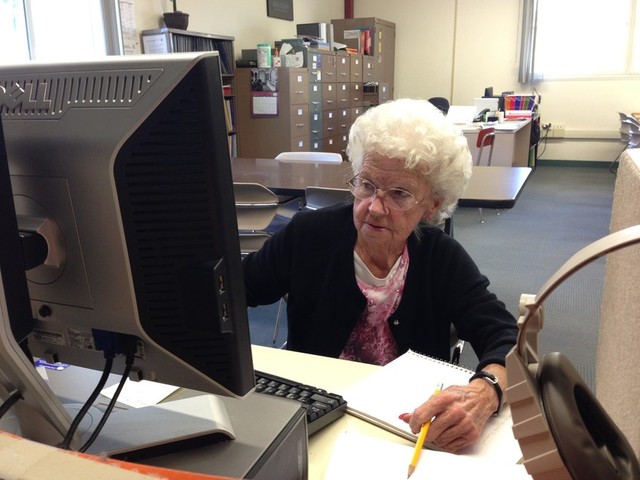
"caption": "Wauneta Vasco, 77, is pursuing her longtime goal of getting her high school diploma. (Charla Bear/KQED)",
"description": null,
"title": "GED",
"credit": null,
"status": "inherit",
"isLoading": false,
"fetchFailed": false
},
"news_110939": {
"type": "attachments",
"id": "news_110939",
"meta": {
"index": "attachments_1716263798",
"site": "news",
"id": "110939",
"found": true
},
"parent": 110930,
"imgSizes": {
"kqedFullSize": {
"file": "https://ww2.kqed.org/app/uploads/sites/10/2013/09/6104_transform.jpg",
"width": 640,
"height": 360
}
},
"publishDate": 1378948111,
"modified": 1378948111,
"caption": "File photo. Getty Images",
"description": "Test Quiz",
"title": "6104_transform",
"credit": null,
"status": "inherit",
"isLoading": false,
"fetchFailed": false
},
"news_103444": {
"type": "attachments",
"id": "news_103444",
"meta": {
"index": "attachments_1716263798",
"site": "news",
"id": "103444",
"found": true
},
"parent": 103442,
"imgSizes": {
"kqedFullSize": {
"file": "https://ww2.kqed.org/app/uploads/sites/10/2013/07/CCSF-rally.jpg",
"width": 640,
"height": 450
}
},
"publishDate": 1373659529,
"modified": 1373659529,
"caption": "A rally to save City College of San Francisco in July 2013. (Ryder Diaz/KQED)",
"description": "A rally to save City College of San Francisco in July 2013.",
"title": "CCSF rally",
"credit": null,
"status": "inherit",
"isLoading": false,
"fetchFailed": false
},
"news_108276": {
"type": "attachments",
"id": "news_108276",
"meta": {
"index": "attachments_1716263798",
"site": "news",
"id": "108276",
"found": true
},
"parent": 108257,
"imgSizes": {
"kqedFullSize": {
"file": "https://ww2.kqed.org/app/uploads/sites/10/2013/08/RS6261_photo.jpg",
"width": 640,
"height": 480
}
},
"publishDate": 1377296625,
"modified": 1377296625,
"caption": "Irene B. West Elementary School Principal Mechale Murphy sits in her campus office before classes start. ",
"description": null,
"title": "RS6261_photo",
"credit": null,
"status": "inherit",
"isLoading": false,
"fetchFailed": false
},
"news_91439": {
"type": "attachments",
"id": "news_91439",
"meta": {
"index": "attachments_1716263798",
"site": "news",
"id": "91439",
"found": true
},
"parent": 91437,
"imgSizes": {
"kqedFullSize": {
"file": "https://ww2.kqed.org/app/uploads/sites/10/2013/03/photo-e1376436191982.jpg",
"width": 640,
"height": 478
}
},
"publishDate": 1363302545,
"modified": 1363302545,
"caption": "Protestors recently marched on City Hall to urge officials to step in to help save the City College of San Francisco. (Deborah Svoboda/KQED)",
"description": null,
"title": "CCSF city hall",
"credit": null,
"status": "inherit",
"isLoading": false,
"fetchFailed": false
},
"news_107983": {
"type": "attachments",
"id": "news_107983",
"meta": {
"index": "attachments_1716263798",
"site": "news",
"id": "107983",
"found": true
},
"parent": 107846,
"imgSizes": {
"kqedFullSize": {
"file": "https://ww2.kqed.org/app/uploads/sites/10/2013/08/evenodd0822.jpg",
"width": 640,
"height": 449
}
},
"publishDate": 1377195879,
"modified": 1377195879,
"caption": "Nequwan Taylor practices the skill of tying a tie, Monday June 6, 2013, in the 10th grade manhood development class at the Oakland High School in Oakland, Calif. (Lacy Atkins/The Chronicle)",
"description": null,
"title": "evenodd0822",
"credit": null,
"status": "inherit",
"isLoading": false,
"fetchFailed": false
},
"news_107856": {
"type": "attachments",
"id": "news_107856",
"meta": {
"index": "attachments_1716263798",
"site": "news",
"id": "107856",
"found": true
},
"parent": 107767,
"imgSizes": {
"kqedFullSize": {
"file": "https://ww2.kqed.org/app/uploads/sites/10/2015/08/evenodds11_manhood_23_la.jpg",
"width": 1534,
"height": 1026
}
},
"publishDate": 1377131433,
"modified": 1377131433,
"caption": null,
"description": null,
"title": "evenodds11_manhood_23_la",
"credit": null,
"status": "inherit",
"isLoading": false,
"fetchFailed": false
},
"news_88432": {
"type": "attachments",
"id": "news_88432",
"meta": {
"index": "attachments_1716263798",
"site": "news",
"id": "88432",
"found": true
},
"parent": 88427,
"imgSizes": {
"kqedFullSize": {
"file": "https://ww2.kqed.org/app/uploads/sites/10/2013/02/City-College-Justin-Sullivan-Getty-e1377101890867.jpg",
"width": 600,
"height": 339
}
},
"publishDate": 1360179238,
"modified": 1360179238,
"caption": "A lecture at City College of San Francisco (Justin Sullivan/Getty Images)",
"description": null,
"title": "City College Justin Sullivan Getty",
"credit": null,
"status": "inherit",
"isLoading": false,
"fetchFailed": false
},
"news_107487": {
"type": "attachments",
"id": "news_107487",
"meta": {
"index": "attachments_1716263798",
"site": "news",
"id": "107487",
"found": true
},
"parent": 107481,
"imgSizes": {
"kqedFullSize": {
"file": "https://ww2.kqed.org/app/uploads/sites/10/2013/08/moocs.jpg",
"width": 640,
"height": 450
}
},
"publishDate": 1376950993,
"modified": 1376950993,
"caption": "Susan Snycerski, a psychology lecturer at San Jose State, says she's proud of the MOOC she co-created, but it was a \"tremendous amount of work.\" (Charla Bear/KQED)",
"description": null,
"title": "moocs",
"credit": null,
"status": "inherit",
"isLoading": false,
"fetchFailed": false
},
"news_107247": {
"type": "attachments",
"id": "news_107247",
"meta": {
"index": "attachments_1716263798",
"site": "news",
"id": "107247",
"found": true
},
"parent": 107243,
"imgSizes": {
"kqedFullSize": {
"file": "https://ww2.kqed.org/app/uploads/sites/10/2013/08/Laney-College-659x648-e1376685231544.jpg",
"width": 640,
"height": 629
}
},
"publishDate": 1376685166,
"modified": 1376685166,
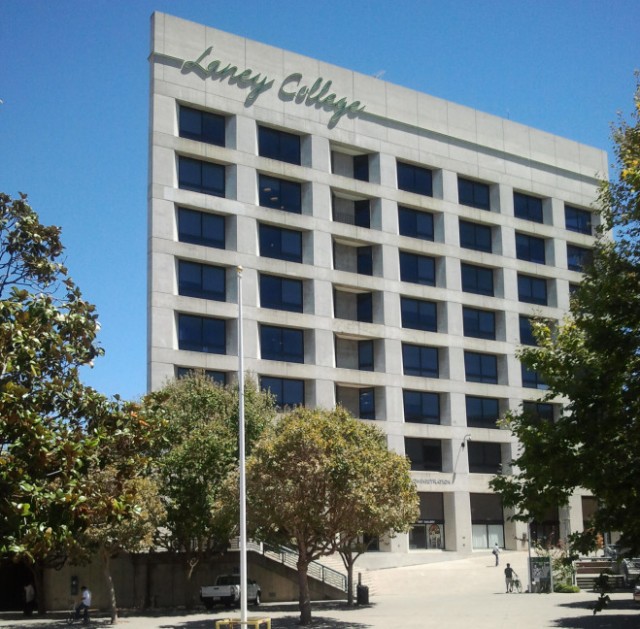
"caption": "Laney College (Courtesy Oakland Local)",
"description": "Laney College (Courtesy Oakland Local)",
"title": "Laney-College-659x648",
"credit": null,
"status": "inherit",
"isLoading": false,
"fetchFailed": false
}
},
"audioPlayerReducer": {
"postId": "stream_live",
"isPaused": true,
"isPlaying": false,
"pfsActive": false,
"pledgeModalIsOpen": true,
"playerDrawerIsOpen": false,
"liveAudioPlayStartedAt": 0,
"liveAudioPlayContext": ""
},
"authorsReducer": {
"anatintocalis": {
"type": "authors",
"id": "211",
"meta": {
"index": "authors_1716337520",
"id": "211",
"found": true
},
"name": "Ana Tintocalis",
"firstName": "Ana",
"lastName": "Tintocalis",
"slug": "anatintocalis",
"email": "atintocalis@kqed.org",
"display_author_email": false,
"staff_mastheads": [],
"title": null,
"bio": null,
"avatar": "https://secure.gravatar.com/avatar/722c50f51f04eff38fa0e5a3f1d29450?s=600&d=blank&r=g",
"twitter": null,
"facebook": null,
"instagram": null,
"linkedin": null,
"sites": [
{
"site": "news",
"roles": [
"subscriber"
]
},
{
"site": "stateofhealth",
"roles": [
"subscriber"
]
}
],
"headData": {
"title": "Ana Tintocalis | KQED",
"description": null,
"ogImgSrc": "https://secure.gravatar.com/avatar/722c50f51f04eff38fa0e5a3f1d29450?s=600&d=blank&r=g",
"twImgSrc": "https://secure.gravatar.com/avatar/722c50f51f04eff38fa0e5a3f1d29450?s=600&d=blank&r=g"
},
"isLoading": false,
"link": "/author/anatintocalis"
},
"charlabear": {
"type": "authors",
"id": "218",
"meta": {
"index": "authors_1716337520",
"id": "218",
"found": true
},
"name": "Charla Bear",
"firstName": "Charla",
"lastName": "Bear",
"slug": "charlabear",
"email": "cbear@kqed.org",
"display_author_email": false,
"staff_mastheads": [],
"title": null,
"bio": null,
"avatar": "https://secure.gravatar.com/avatar/1c0f304ac2fbc2593f452eb65bbb562c?s=600&d=blank&r=g",
"twitter": null,
"facebook": null,
"instagram": null,
"linkedin": null,
"sites": [
{
"site": "news",
"roles": [
"subscriber"
]
},
{
"site": "stateofhealth",
"roles": [
"author"
]
}
],
"headData": {
"title": "Charla Bear | KQED",
"description": null,
"ogImgSrc": "https://secure.gravatar.com/avatar/1c0f304ac2fbc2593f452eb65bbb562c?s=600&d=blank&r=g",
"twImgSrc": "https://secure.gravatar.com/avatar/1c0f304ac2fbc2593f452eb65bbb562c?s=600&d=blank&r=g"
},
"isLoading": false,
"link": "/author/charlabear"
},
"joshuajohnson": {
"type": "authors",
"id": "233",
"meta": {
"index": "authors_1716337520",
"id": "233",
"found": true
},
"name": "Joshua Johnson",
"firstName": "Joshua",
"lastName": "Johnson",
"slug": "joshuajohnson",
"email": "jejohnson@kqed.org",
"display_author_email": false,
"staff_mastheads": [],
"title": null,
"bio": "Joshua Johnson is the creator and host of \u003cem>\u003ca href=\"http://www.truthbetoldshow.org\">Truth Be Told\u003c/a>,\u003c/em> a special series on race from KQED and PRI. Prior to creating the show, he served as the station's morning news anchor for five-and-half years.\r\n\r\nPrior to joining KQED, Joshua spent six years as an anchor/reporter for WLRN Miami Herald News. He's a native of South Florida, with degrees from the University of Miami. His reporting and newscasting have won awards from the Radio Television Digital News Association and from the National Association of Black Journalists. Joshua is also active in his union, SAG-AFTRA. He lives in San Francisco.",
"avatar": "https://secure.gravatar.com/avatar/2abea375594cdd54e4837846e3561fa4?s=600&d=blank&r=g",
"twitter": "@JEJohnson322",
"facebook": null,
"instagram": null,
"linkedin": null,
"sites": [
{
"site": "news",
"roles": [
"subscriber"
]
}
],
"headData": {
"title": "Joshua Johnson | KQED",
"description": null,
"ogImgSrc": "https://secure.gravatar.com/avatar/2abea375594cdd54e4837846e3561fa4?s=600&d=blank&r=g",
"twImgSrc": "https://secure.gravatar.com/avatar/2abea375594cdd54e4837846e3561fa4?s=600&d=blank&r=g"
},
"isLoading": false,
"link": "/author/joshuajohnson"
},
"kqed": {
"type": "authors",
"id": "236",
"meta": {
"index": "authors_1716337520",
"id": "236",
"found": true
},
"name": "KQED News Staff",
"firstName": "KQED News Staff",
"lastName": null,
"slug": "kqed",
"email": "faq@kqed.org",
"display_author_email": false,
"staff_mastheads": [],
"title": null,
"bio": null,
"avatar": "https://secure.gravatar.com/avatar/ef0e801a68c4c54afa9180db14084167?s=600&d=blank&r=g",
"twitter": null,
"facebook": null,
"instagram": null,
"linkedin": null,
"sites": [
{
"site": "arts",
"roles": [
"contributor"
]
},
{
"site": "news",
"roles": [
"editor"
]
},
{
"site": "futureofyou",
"roles": [
"author"
]
}
],
"headData": {
"title": "KQED News Staff | KQED",
"description": null,
"ogImgSrc": "https://secure.gravatar.com/avatar/ef0e801a68c4c54afa9180db14084167?s=600&d=blank&r=g",
"twImgSrc": "https://secure.gravatar.com/avatar/ef0e801a68c4c54afa9180db14084167?s=600&d=blank&r=g"
},
"isLoading": false,
"link": "/author/kqed"
},
"kqednewsstaffandwires": {
"type": "authors",
"id": "237",
"meta": {
"index": "authors_1716337520",
"id": "237",
"found": true
},
"name": "KQED News Staff and Wires",
"firstName": "KQED News Staff and Wires",
"lastName": null,
"slug": "kqednewsstaffandwires",
"email": "onlinenewsstaff@kqed.org",
"display_author_email": false,
"staff_mastheads": [],
"title": null,
"bio": null,
"avatar": "https://secure.gravatar.com/avatar/72295af8ebbfbd19a4948f5271285664?s=600&d=blank&r=g",
"twitter": null,
"facebook": null,
"instagram": null,
"linkedin": null,
"sites": [
{
"site": "arts",
"roles": [
"contributor"
]
},
{
"site": "news",
"roles": [
"contributor"
]
},
{
"site": "lowdown",
"roles": [
"author"
]
},
{
"site": "stateofhealth",
"roles": [
"contributor"
]
},
{
"site": "food",
"roles": [
"author"
]
}
],
"headData": {
"title": "KQED News Staff and Wires | KQED",
"description": null,
"ogImgSrc": "https://secure.gravatar.com/avatar/72295af8ebbfbd19a4948f5271285664?s=600&d=blank&r=g",
"twImgSrc": "https://secure.gravatar.com/avatar/72295af8ebbfbd19a4948f5271285664?s=600&d=blank&r=g"
},
"isLoading": false,
"link": "/author/kqednewsstaffandwires"
}
},
"pagesReducer": {
"news_category_education": {
"type": "terms",
"id": "news_18540",
"meta": {
"index": "terms_1716263798",
"site": "news",
"id": "18540",
"score": 10.973221
},
"featImg": null,
"name": "Education",
"description": null,
"taxonomy": "category",
"headData": {
"twImgId": null,
"twTitle": null,
"ogTitle": null,
"ogImgId": null,
"twDescription": null,
"description": null,
"title": "Education Archives | KQED News",
"ogDescription": null
},
"ttid": 2595,
"slug": "education",
"isLoading": false,
"title": "Education",
"pageMeta": {
"site": "news",
"WpPageTemplate": "page-topic-editorial",
"currentPage": 182
},
"blocks": [
{
"blockName": "kqed/post-list",
"attrs": {
"layout": "cardArticle2",
"query": "posts/news?category=education",
"seeMore": false,
"paginated": true,
"page": 182
}
},
{
"blockName": "kqed/ad"
}
]
}
},
"pfsSessionReducer": {},
"postsReducer": {
"stream_live": {
"type": "live",
"id": "stream_live",
"audioUrl": "https://streams.kqed.org/kqedradio",
"title": "Live Stream",
"excerpt": "Live Stream information currently unavailable.",
"link": "/radio",
"featImg": "",
"label": {
"name": "KQED Live",
"link": "/"
}
},
"stream_kqedNewscast": {
"type": "posts",
"id": "stream_kqedNewscast",
"audioUrl": "https://www.kqed.org/.stream/anon/radio/RDnews/newscast.mp3?_=1",
"title": "KQED Newscast",
"featImg": "",
"label": {
"name": "88.5 FM",
"link": "/"
}
},
"news_111809": {
"type": "posts",
"id": "news_111809",
"meta": {
"index": "posts_1716263798",
"site": "news",
"id": "111809",
"score": null,
"sort": [
1379619771000
]
},
"parent": 0,
"labelTerm": {
"site": "news",
"term": 6944
},
"blocks": [],
"publishDate": 1379619771,
"format": "aside",
"disqusTitle": "San Francisco Measures Value of CCSF",
"title": "San Francisco Measures Value of CCSF",
"headTitle": "News Fix | KQED News",
"content": "\u003cp>\u003cstrong>By Sara Bloomberg\u003c/strong>\u003c/p>\n\u003cp>With the deadline for City College of San Francisco to lose its accreditation less than 10 months out, city officials are questioning its economic impact on the city.\u003c/p>\n\u003cfigure id=\"attachment_111810\" class=\"wp-caption alignright\" style=\"max-width: 300px\">\u003cimg class=\"size-medium wp-image-111810\" src=\"http://ww2.kqed.org/news/wp-content/uploads/sites/10/2013/09/ccsfhearing.jpg-300x200.jpg\" alt=\"San Francisco City Supervisors Eric Mar, Mark Farrell and John Avalos at hearing on the economic impact of CCSF.\" width=\"300\" height=\"200\">\u003cfigcaption class=\"wp-caption-text\">San Francisco City Supervisors Eric Mar, Mark Farrell and John Avalos at a hearing Wednesday on the economic impact of CCSF. (Sara Bloomberg / KQED) \u003ccite>(Photo:KQED)\u003c/cite>\u003c/figcaption>\u003c/figure>\n\u003cp>The answer appears to be at least $311 million.\u003c/p>\n\u003cp>At a Budget and Finance Committee hearing on Wednesday, Supervisor Eric Mar called an \u003ca href=\"http://www.sfbos.org/Modules/ShowDocument.aspx?documentid=46531\">evaluation\u003c/a> he had requested on the college's economic impact \"groundbreaking.\"\u003c/p>\n\u003cp>“I think this report is groundbreaking because it quantifies a huge economic impact to the city and county of San Francisco and so many families and people of San Francisco, young and old, that have improved their lives” by taking classes there, Mar said. CCSF is the largest community college in the state, with 80,000 students enrolled in the 2012-2013 academic year.\u003c/p>\n\u003cp>[ad fullwidth]\u003c/p>\n\u003cp>Severin Campbell, a representative of the city's Budget and Legislative Analyst office, presented the findings of the report, which breaks down the economic impact into two main categories: grant funding and jobs.\u003c/p>\n\u003cp>The school received $188 million in state and federal grants in the 2011-12 fiscal year, and the market value of the jobs attained by City College graduates during the same period was $123 million, according to the report. \u003c!--more-->\u003c/p>\n\u003caside class=\"pullquote alignleft\"> For our complete coverage of the possible closure of City College, see \u003ca href=\"http://ww2.kqed.org/news/tag/city-college-of-san-francisco/\">here\u003c/a> \u003c/aside>\n\u003cp>Additionally, more than 2,400 faculty, administrative and classified jobs would be lost if the school were to close, Campbell said. She added that some of the classified workers would be eligible to work for the city, but faculty positions at other educational institutions in the Bay Area would be harder to find.\u003c/p>\n\u003cp>But even these numbers don't account for the fallout that the accreditation process has had on the school, in addition to several years of state-level budget cuts, said Alisa Messer, president of the faculty union AFT Local 2121.\u003c/p>\n\u003cp>“The report doesn't fully capture what has happened in the last year or so since the accreditation challenges really came to the forefront. There are at least 150 less faculty at City College of San Francisco compared to [last] fall.”\u003c/p>\n\u003cp>The analyst's office also determined that students would incur higher costs if forced to transfer to a private, for-profit two-year program elsewhere. Many similar programs at other Bay Area community colleges are full.\u003c/p>\n\u003cp>Additionally, City College graduates get better paying jobs and earn about $11,000 more annually than those with only a high school diploma, and non-English speakers make about $13,500 less per year than other workers who speak English well, according to the report. Students in non-credit classes, including English as a Second Language courses, make up about half of all enrollment at the college.\u003c/p>\n\u003cp>In addition to job training and preparing to transfer to a four-year university, many San Franciscans take classes to pick up an extra skill.\u003c/p>\n\u003cp>“I went back [to school at City College] to learn the languages that my students spoke,” retired high school teacher Hene Kelly said, “so I could be a better teacher.”\u003c/p>\n\u003cp>For others, the school provides a way to overcome poverty and other disadvantaged situations, Supervisor Mar said.\u003c/p>\n\u003cp>\u003c/p>\n\u003cp>“City College is part of the city's economic ladder that allows some level of mobility” for people who are locked into poverty, he said. “To lose City College would be like kicking the ladder out from under the most vulnerable populations.”\u003c/p>\n\n",
"disqusIdentifier": "111809 http://ww2.kqed.org/news/?p=111809",
"disqusUrl": "https://ww2.kqed.org/news/2013/09/19/san-francisco-measures-value-of-ccsf/",
"stats": {
"hasVideo": false,
"hasChartOrMap": false,
"hasAudio": false,
"hasPolis": false,
"wordCount": 605,
"hasGoogleForm": false,
"hasGallery": false,
"hasHearkenModule": false,
"iframeSrcs": [],
"paragraphCount": 18
},
"modified": 1379620112,
"excerpt": "A new report outlines what the loss of City College would mean economically to the city, local employers, students, faculty and staff.",
"headData": {
"twImgId": "",
"twTitle": "",
"ogTitle": "",
"ogImgId": "",
"twDescription": "",
"description": "A new report outlines what the loss of City College would mean economically to the city, local employers, students, faculty and staff.",
"title": "San Francisco Measures Value of CCSF | KQED",
"ogDescription": "",
"schema": {
"@context": "https://schema.org",
"@type": "NewsArticle",
"headline": "San Francisco Measures Value of CCSF",
"datePublished": "2013-09-19T12:42:51-07:00",
"dateModified": "2013-09-19T12:48:32-07:00",
"image": "https://cdn.kqed.org/wp-content/uploads/2020/02/KQED-OG-Image@1x.png",
"isAccessibleForFree": "True",
"publisher": {
"@type": "NewsMediaOrganization",
"@id": "https://www.kqed.org/#organization",
"name": "KQED",
"logo": "https://cdn.kqed.org/wp-content/uploads/2020/02/KQED-OG-Image@1x.png",
"url": "https://www.kqed.org",
"sameAs": [
"https://www.facebook.com/KQED",
"https://twitter.com/KQED",
"https://www.instagram.com/kqed/",
"https://www.tiktok.com/@kqedofficial",
"https://www.linkedin.com/company/kqed",
"https://www.youtube.com/channel/UCeC0IOo7i1P_61zVUWbJ4nw"
]
}
}
},
"guestAuthors": [],
"slug": "san-francisco-measures-value-of-ccsf",
"status": "publish",
"customPermalink": "2013/09/19/ccsf-accreditation/",
"path": "/news/111809/san-francisco-measures-value-of-ccsf",
"audioTrackLength": null,
"parsedContent": [
{
"type": "contentString",
"content": "\u003cdiv class=\"post-body\">\u003cp>\u003cp>\u003cstrong>By Sara Bloomberg\u003c/strong>\u003c/p>\n\u003cp>With the deadline for City College of San Francisco to lose its accreditation less than 10 months out, city officials are questioning its economic impact on the city.\u003c/p>\n\u003cfigure id=\"attachment_111810\" class=\"wp-caption alignright\" style=\"max-width: 300px\">\u003cimg class=\"size-medium wp-image-111810\" src=\"http://ww2.kqed.org/news/wp-content/uploads/sites/10/2013/09/ccsfhearing.jpg-300x200.jpg\" alt=\"San Francisco City Supervisors Eric Mar, Mark Farrell and John Avalos at hearing on the economic impact of CCSF.\" width=\"300\" height=\"200\">\u003cfigcaption class=\"wp-caption-text\">San Francisco City Supervisors Eric Mar, Mark Farrell and John Avalos at a hearing Wednesday on the economic impact of CCSF. (Sara Bloomberg / KQED) \u003ccite>(Photo:KQED)\u003c/cite>\u003c/figcaption>\u003c/figure>\n\u003cp>The answer appears to be at least $311 million.\u003c/p>\n\u003cp>At a Budget and Finance Committee hearing on Wednesday, Supervisor Eric Mar called an \u003ca href=\"http://www.sfbos.org/Modules/ShowDocument.aspx?documentid=46531\">evaluation\u003c/a> he had requested on the college's economic impact \"groundbreaking.\"\u003c/p>\n\u003cp>“I think this report is groundbreaking because it quantifies a huge economic impact to the city and county of San Francisco and so many families and people of San Francisco, young and old, that have improved their lives” by taking classes there, Mar said. CCSF is the largest community college in the state, with 80,000 students enrolled in the 2012-2013 academic year.\u003c/p>\n\u003cp>\u003c/p>\u003c/div>",
"attributes": {
"named": {},
"numeric": []
}
},
{
"type": "component",
"content": "",
"name": "ad",
"attributes": {
"named": {
"label": "fullwidth"
},
"numeric": [
"fullwidth"
]
}
},
{
"type": "contentString",
"content": "\u003cdiv class=\"post-body\">\u003cp>\u003c/p>\n\u003cp>Severin Campbell, a representative of the city's Budget and Legislative Analyst office, presented the findings of the report, which breaks down the economic impact into two main categories: grant funding and jobs.\u003c/p>\n\u003cp>The school received $188 million in state and federal grants in the 2011-12 fiscal year, and the market value of the jobs attained by City College graduates during the same period was $123 million, according to the report. \u003c!--more-->\u003c/p>\n\u003caside class=\"pullquote alignleft\"> For our complete coverage of the possible closure of City College, see \u003ca href=\"http://ww2.kqed.org/news/tag/city-college-of-san-francisco/\">here\u003c/a> \u003c/aside>\n\u003cp>Additionally, more than 2,400 faculty, administrative and classified jobs would be lost if the school were to close, Campbell said. She added that some of the classified workers would be eligible to work for the city, but faculty positions at other educational institutions in the Bay Area would be harder to find.\u003c/p>\n\u003cp>But even these numbers don't account for the fallout that the accreditation process has had on the school, in addition to several years of state-level budget cuts, said Alisa Messer, president of the faculty union AFT Local 2121.\u003c/p>\n\u003cp>“The report doesn't fully capture what has happened in the last year or so since the accreditation challenges really came to the forefront. There are at least 150 less faculty at City College of San Francisco compared to [last] fall.”\u003c/p>\n\u003cp>The analyst's office also determined that students would incur higher costs if forced to transfer to a private, for-profit two-year program elsewhere. Many similar programs at other Bay Area community colleges are full.\u003c/p>\n\u003cp>Additionally, City College graduates get better paying jobs and earn about $11,000 more annually than those with only a high school diploma, and non-English speakers make about $13,500 less per year than other workers who speak English well, according to the report. Students in non-credit classes, including English as a Second Language courses, make up about half of all enrollment at the college.\u003c/p>\n\u003cp>In addition to job training and preparing to transfer to a four-year university, many San Franciscans take classes to pick up an extra skill.\u003c/p>\n\u003cp>“I went back [to school at City College] to learn the languages that my students spoke,” retired high school teacher Hene Kelly said, “so I could be a better teacher.”\u003c/p>\n\u003cp>For others, the school provides a way to overcome poverty and other disadvantaged situations, Supervisor Mar said.\u003c/p>\n\u003cp>\u003c/p>\n\u003cp>“City College is part of the city's economic ladder that allows some level of mobility” for people who are locked into poverty, he said. “To lose City College would be like kicking the ladder out from under the most vulnerable populations.”\u003c/p>\n\n\u003c/div>\u003c/p>",
"attributes": {
"named": {},
"numeric": []
}
}
],
"link": "/news/111809/san-francisco-measures-value-of-ccsf",
"authors": [
"236"
],
"programs": [
"news_6944"
],
"categories": [
"news_18540",
"news_8"
],
"tags": [
"news_2863",
"news_38"
],
"label": "news_6944"
},
"news_111254": {
"type": "posts",
"id": "news_111254",
"meta": {
"index": "posts_1716263798",
"site": "news",
"id": "111254",
"score": null,
"sort": [
1379356250000
]
},
"parent": 0,
"labelTerm": {
"site": "news",
"term": 6944
},
"blocks": [],
"publishDate": 1379356250,
"format": "aside",
"disqusTitle": "Changes to GED Test Raising Anxiety Among Older Students ",
"title": "Changes to GED Test Raising Anxiety Among Older Students ",
"headTitle": "News Fix | KQED News",
"content": "\u003cfigure id=\"attachment_111385\" class=\"wp-caption aligncenter\" style=\"max-width: 640px\">\u003ca href=\"http://ww2.kqed.org/news/2013/09/13/111254/rs6682_photo-4-hpf/\" rel=\"attachment wp-att-111385\">\u003cimg class=\"size-full wp-image-111385\" src=\"http://ww2.kqed.org/news/wp-content/uploads/sites/10/2013/09/RS6682_photo-4-hpf.jpg\" alt=\"Wauneta Vasco, 77, is pursuing her longtime goal of getting her high school diploma. (Charla Bear/KQED)\" width=\"640\" height=\"480\">\u003c/a>\u003cfigcaption class=\"wp-caption-text\">Wauneta Vasco, 77, is pursuing her longtime goal of getting a high school diploma. (Charla Bear/KQED)\u003c/figcaption>\u003c/figure>\n\u003cp>Thousands of adults in California and across the nation are racing to get their GEDs before the high school equivalency exam goes through a major transformation. Next Jan. 1, the multipart test will get more rigorous in an effort to better prepare adults for college and careers.\u003c/p>\n\u003cp>According to the GED Testing Service, the new exam is so different that anyone who hasn't passed the current version by the end of the year will have to start all over.\u003c/p>\n\u003cp>Felipe Maya, 31, and his brother, Jesus, 28, started taking GED classes for one simple reason—to get more out of life than working all the time. They say they're stuck stringing together low-wage jobs at a grocery store and a restaurant because, like nearly \u003ca href=\"http://www.otan.us/strategicplanning/pdf/AE-SP-112811.pdf\">one in five adults in California\u003c/a>, they don’t have diplomas or an equivalent.\u003c/p>\n\u003cp>Last year, the Maya brothers decided to change that. Every week, they've made a one-hour round-trip trek from their home in Half Moon Bay to the San Mateo Adult School. They've done prep classes and taken the test in phases, passing three parts so far. \u003c/p>\n\u003caside class=\"pullquote alignleft\">'Making them better prepared out there in the workforce is better for everybody. Step it up. Let’s go.'\u003c/aside>\n\u003cp>Now, the pressure is on. If they don't pass the last two sections before the end of the year, everything they have completed will be invalid.\u003c/p>\n\u003cp>[ad fullwidth]\u003c/p>\n\u003cp>\"I feel really stressed sometimes,\" Felipe Maya says. \"Because if I don’t pass those tests, the idea of taking all those tests again, it terrifies me.\"\u003cbr>\n\u003c!--more-->\u003cbr>\n\u003cstrong>A More Challenging Test\u003c/strong>\u003c/p>\n\u003cp>It’s not just starting over that scares Maya. He knows the new test is supposed to be even harder. After looking at the \u003ca href=\"http://www.gedtestingservice.com/educators/itemsampler\">sample questions\u003c/a> online, one in particular really stumped him:\u003c/p>\n\u003cp>The question shows the general chemical equation for cellular respiration: C\u003csub>6\u003c/sub>H\u003csub>12\u003c/sub>O\u003csub>6\u003c/sub> + 6O\u003csub>2\u003c/sub> ---> 6H\u003csub>2\u003c/sub>O + 6CO\u003csub>2\u003c/sub> + energy\u003c/p>\n\u003cp>Then it asks which statement describes the process in the equation:\u003c/p>\n\u003cul>\n\u003cli>a. Glucose and oxygen combine to produce energy.\u003c/li>\n\u003cli>b. Glucose and oxygen combine to produce water and carbon dioxide.\u003c/li>\n\u003cli>c. Glucose is broken down in the presence of oxygen to release energy.\u003c/li>\n\u003cli>d. Glucose is broken down into water and carbon dioxide to store energy.\u003c/li>\n\u003cli>\u003cstrong>(The correct answer? See the end of this post.)\u003c/strong>\u003c/li>\n\u003c/ul>\n\u003cp>The questions are more challenging because the test is aligned to the \u003ca href=\"http://www.cde.ca.gov/re/cc/tl/whatareccss.asp\">Common Core Standards\u003c/a>. They require students to show how they got an answer, not just find the correct one. So instead of multiple-choice bubbles in a paper booklet, the new test is on computer. It has blank spaces to type in, essay passages to drag and drop, and graphs to click on. Maya says all those options mean each question takes more time to figure out.\u003c/p>\n\u003cp>\"With those kinds of questions, I feel really pressured now,\" he says. \"I feel like I have to do it. I have to do it on paper. It’s now or never.\"\u003c/p>\n\u003cp>\u003cstrong>Improvements for Test-Takers\u003c/strong>\u003c/p>\n\u003cp>Ellen Haworth, who teaches the GED prep classes the Mayas attend, says she was stressed out, too, when she first heard about the change last year (the GED Testing Service \u003ca href=\"http://www.gedtestingservice.com/uploads/files/19f50c2b6f4502e960f9704e1f6dc267.pdf\">announced the revisions\u003c/a> in 2011). Now, she thinks it could really benefit her students.\u003c/p>\n\u003cp>\"If everybody’s standards go up, the GED should too,\" Haworth says. \"I don’t think it’s fair to say you’re equivalent to the typical high school diploma if we’re left behind. Making them better prepared out there in the workforce is better for everybody. Step it up. Let’s go.\"\u003c/p>\n\u003cp>The new test has other benefits. Scores will be available the same day instead of waiting up to a week and a half for manual grading.\u003c/p>\n\u003cp>Susan Williams, who oversees the GED program at the San Mateo Adult School, says she agrees the new tests will ultimately be a good thing. She just thinks it’ll be a difficult transition.\u003c/p>\n\u003cp>\"If you look at a student who comes to GED instruction, they’re coming in at grade eight readability,\" she says. \"They need to be closer to 10th to 11th grade readability.\"\u003c/p>\n\u003cp>About 56,000 adults take the GED every year, according to Diane Hernandez, the state's GED administrator.\u003c/p>\n\u003cp>Some have complained that it's not fair that they'll lose any parts of the test they've completed if they don't pass every section by the end of the year.\u003c/p>\n\u003cp>Randy Trask, president of the GED Testing Service, says that's why the company has been working with testing centers to get the word out, especially to those who've completed four out of the five sections.\u003c/p>\n\u003cp>\"The reality is when we’re running a national testing program, we have to ensure fairness to all testers,\" Trask says. \"It would be unfair for people starting in 2014 to be competing for the credential with people that didn’t have to meet the same requirements. Each time we’ve gone to a major revision of our test, we’ve had a policy of essentially a hard cut-over to the new test.\"\u003c/p>\n\u003cp>\u003cstrong>Race to the Finish\u003c/strong>\u003c/p>\n\u003cp>Testing centers across the state are filling up. Williams says the San Mateo Adult School anticipates a 25 percent increase in enrollment because of the testing change.\u003c/p>\n\u003cp>She says it’s great to reach more people, except many of them don't realize how far behind they are and she has to break it to them that they'll have to take the harder test.\u003c/p>\n\u003cp>\"I do have extra Kleenex in my office just to plan for, because we know it’s emotional,\" she says. \"We know that the hopes and the dreams and the aspirations are tied to passing this high-stakes exam for them.\"\u003c/p>\n\u003cp>The GED might not be referred to often as high stakes, but Williams says it involves a lot more than landing a better job or getting into college. For those attempting the test, it can also be about proving something to themselves, getting a second chance, or completing a long-overdue goal.\u003c/p>\n\u003cp>At 77 years old, Wauneta Vasco says she has trouble recalling most things, but she never forgets that she’s not a graduate.\u003c/p>\n\u003cp>\"I always wanted a diploma,\" says Vasco. \"All my grandkids, my daughters, everybody in my family graduated. I haven’t. I’ll never get the diploma, but a GED is just as good. So, I’m going to do this. Or, I’m going to really try.\"\u003c/p>\n\u003cp>Regardless of why test takers are rushing in before the December deadline, or how many of them pass this GED, the whole process is shedding light on some of the challenges facing California’s 5 million adults without a high school credential.\u003c/p>\n\u003cp>[ad floatright]\u003c/p>\n\u003cp>\u003cstrong>Correct answer to test question, according to the GED Testing Service:\u003c/strong>\u003cem> \"Option C is correct. This option correctly describes the process occurring in the equation. Though it does not specifically identify the products of the reaction (CO2 and H2O), it does describe the chemical reaction correctly by stating that energy is released as glucose is 'broken down' in the presence of oxygen.\"\u003c/em>\u003c/p>\n\n",
"disqusIdentifier": "111254 http://ww2.kqed.org/news/?p=111254",
"disqusUrl": "https://ww2.kqed.org/news/2013/09/16/changes-to-ged-test-raising-anxiety-at-states-testing-centers/",
"stats": {
"hasVideo": false,
"hasChartOrMap": false,
"hasAudio": false,
"hasPolis": false,
"wordCount": 1231,
"hasGoogleForm": false,
"hasGallery": false,
"hasHearkenModule": false,
"iframeSrcs": [],
"paragraphCount": 32
},
"modified": 1379379276,
"excerpt": "Adult students rush to finish GEDs as changes make it harder to get a high-school equivalency degree. ",
"headData": {
"twImgId": "",
"twTitle": "",
"ogTitle": "",
"ogImgId": "",
"twDescription": "",
"description": "Adult students rush to finish GEDs as changes make it harder to get a high-school equivalency degree. ",
"title": "Changes to GED Test Raising Anxiety Among Older Students | KQED",
"ogDescription": "",
"schema": {
"@context": "https://schema.org",
"@type": "NewsArticle",
"headline": "Changes to GED Test Raising Anxiety Among Older Students ",
"datePublished": "2013-09-16T11:30:50-07:00",
"dateModified": "2013-09-16T17:54:36-07:00",
"image": "https://cdn.kqed.org/wp-content/uploads/2020/02/KQED-OG-Image@1x.png",
"isAccessibleForFree": "True",
"publisher": {
"@type": "NewsMediaOrganization",
"@id": "https://www.kqed.org/#organization",
"name": "KQED",
"logo": "https://cdn.kqed.org/wp-content/uploads/2020/02/KQED-OG-Image@1x.png",
"url": "https://www.kqed.org",
"sameAs": [
"https://www.facebook.com/KQED",
"https://twitter.com/KQED",
"https://www.instagram.com/kqed/",
"https://www.tiktok.com/@kqedofficial",
"https://www.linkedin.com/company/kqed",
"https://www.youtube.com/channel/UCeC0IOo7i1P_61zVUWbJ4nw"
]
}
}
},
"guestAuthors": [],
"slug": "changes-to-ged-test-raising-anxiety-at-states-testing-centers",
"status": "publish",
"customPermalink": "2013/09/13/changes-in-GED-tests/",
"path": "/news/111254/changes-to-ged-test-raising-anxiety-at-states-testing-centers",
"audioTrackLength": null,
"parsedContent": [
{
"type": "contentString",
"content": "\u003cdiv class=\"post-body\">\u003cp>\u003cfigure id=\"attachment_111385\" class=\"wp-caption aligncenter\" style=\"max-width: 640px\">\u003ca href=\"http://ww2.kqed.org/news/2013/09/13/111254/rs6682_photo-4-hpf/\" rel=\"attachment wp-att-111385\">\u003cimg class=\"size-full wp-image-111385\" src=\"http://ww2.kqed.org/news/wp-content/uploads/sites/10/2013/09/RS6682_photo-4-hpf.jpg\" alt=\"Wauneta Vasco, 77, is pursuing her longtime goal of getting her high school diploma. (Charla Bear/KQED)\" width=\"640\" height=\"480\">\u003c/a>\u003cfigcaption class=\"wp-caption-text\">Wauneta Vasco, 77, is pursuing her longtime goal of getting a high school diploma. (Charla Bear/KQED)\u003c/figcaption>\u003c/figure>\n\u003cp>Thousands of adults in California and across the nation are racing to get their GEDs before the high school equivalency exam goes through a major transformation. Next Jan. 1, the multipart test will get more rigorous in an effort to better prepare adults for college and careers.\u003c/p>\n\u003cp>According to the GED Testing Service, the new exam is so different that anyone who hasn't passed the current version by the end of the year will have to start all over.\u003c/p>\n\u003cp>Felipe Maya, 31, and his brother, Jesus, 28, started taking GED classes for one simple reason—to get more out of life than working all the time. They say they're stuck stringing together low-wage jobs at a grocery store and a restaurant because, like nearly \u003ca href=\"http://www.otan.us/strategicplanning/pdf/AE-SP-112811.pdf\">one in five adults in California\u003c/a>, they don’t have diplomas or an equivalent.\u003c/p>\n\u003cp>Last year, the Maya brothers decided to change that. Every week, they've made a one-hour round-trip trek from their home in Half Moon Bay to the San Mateo Adult School. They've done prep classes and taken the test in phases, passing three parts so far. \u003c/p>\n\u003caside class=\"pullquote alignleft\">'Making them better prepared out there in the workforce is better for everybody. Step it up. Let’s go.'\u003c/aside>\n\u003cp>Now, the pressure is on. If they don't pass the last two sections before the end of the year, everything they have completed will be invalid.\u003c/p>\n\u003cp>\u003c/p>\u003c/div>",
"attributes": {
"named": {},
"numeric": []
}
},
{
"type": "component",
"content": "",
"name": "ad",
"attributes": {
"named": {
"label": "fullwidth"
},
"numeric": [
"fullwidth"
]
}
},
{
"type": "contentString",
"content": "\u003cdiv class=\"post-body\">\u003cp>\u003c/p>\n\u003cp>\"I feel really stressed sometimes,\" Felipe Maya says. \"Because if I don’t pass those tests, the idea of taking all those tests again, it terrifies me.\"\u003cbr>\n\u003c!--more-->\u003cbr>\n\u003cstrong>A More Challenging Test\u003c/strong>\u003c/p>\n\u003cp>It’s not just starting over that scares Maya. He knows the new test is supposed to be even harder. After looking at the \u003ca href=\"http://www.gedtestingservice.com/educators/itemsampler\">sample questions\u003c/a> online, one in particular really stumped him:\u003c/p>\n\u003cp>The question shows the general chemical equation for cellular respiration: C\u003csub>6\u003c/sub>H\u003csub>12\u003c/sub>O\u003csub>6\u003c/sub> + 6O\u003csub>2\u003c/sub> ---> 6H\u003csub>2\u003c/sub>O + 6CO\u003csub>2\u003c/sub> + energy\u003c/p>\n\u003cp>Then it asks which statement describes the process in the equation:\u003c/p>\n\u003cul>\n\u003cli>a. Glucose and oxygen combine to produce energy.\u003c/li>\n\u003cli>b. Glucose and oxygen combine to produce water and carbon dioxide.\u003c/li>\n\u003cli>c. Glucose is broken down in the presence of oxygen to release energy.\u003c/li>\n\u003cli>d. Glucose is broken down into water and carbon dioxide to store energy.\u003c/li>\n\u003cli>\u003cstrong>(The correct answer? See the end of this post.)\u003c/strong>\u003c/li>\n\u003c/ul>\n\u003cp>The questions are more challenging because the test is aligned to the \u003ca href=\"http://www.cde.ca.gov/re/cc/tl/whatareccss.asp\">Common Core Standards\u003c/a>. They require students to show how they got an answer, not just find the correct one. So instead of multiple-choice bubbles in a paper booklet, the new test is on computer. It has blank spaces to type in, essay passages to drag and drop, and graphs to click on. Maya says all those options mean each question takes more time to figure out.\u003c/p>\n\u003cp>\"With those kinds of questions, I feel really pressured now,\" he says. \"I feel like I have to do it. I have to do it on paper. It’s now or never.\"\u003c/p>\n\u003cp>\u003cstrong>Improvements for Test-Takers\u003c/strong>\u003c/p>\n\u003cp>Ellen Haworth, who teaches the GED prep classes the Mayas attend, says she was stressed out, too, when she first heard about the change last year (the GED Testing Service \u003ca href=\"http://www.gedtestingservice.com/uploads/files/19f50c2b6f4502e960f9704e1f6dc267.pdf\">announced the revisions\u003c/a> in 2011). Now, she thinks it could really benefit her students.\u003c/p>\n\u003cp>\"If everybody’s standards go up, the GED should too,\" Haworth says. \"I don’t think it’s fair to say you’re equivalent to the typical high school diploma if we’re left behind. Making them better prepared out there in the workforce is better for everybody. Step it up. Let’s go.\"\u003c/p>\n\u003cp>The new test has other benefits. Scores will be available the same day instead of waiting up to a week and a half for manual grading.\u003c/p>\n\u003cp>Susan Williams, who oversees the GED program at the San Mateo Adult School, says she agrees the new tests will ultimately be a good thing. She just thinks it’ll be a difficult transition.\u003c/p>\n\u003cp>\"If you look at a student who comes to GED instruction, they’re coming in at grade eight readability,\" she says. \"They need to be closer to 10th to 11th grade readability.\"\u003c/p>\n\u003cp>About 56,000 adults take the GED every year, according to Diane Hernandez, the state's GED administrator.\u003c/p>\n\u003cp>Some have complained that it's not fair that they'll lose any parts of the test they've completed if they don't pass every section by the end of the year.\u003c/p>\n\u003cp>Randy Trask, president of the GED Testing Service, says that's why the company has been working with testing centers to get the word out, especially to those who've completed four out of the five sections.\u003c/p>\n\u003cp>\"The reality is when we’re running a national testing program, we have to ensure fairness to all testers,\" Trask says. \"It would be unfair for people starting in 2014 to be competing for the credential with people that didn’t have to meet the same requirements. Each time we’ve gone to a major revision of our test, we’ve had a policy of essentially a hard cut-over to the new test.\"\u003c/p>\n\u003cp>\u003cstrong>Race to the Finish\u003c/strong>\u003c/p>\n\u003cp>Testing centers across the state are filling up. Williams says the San Mateo Adult School anticipates a 25 percent increase in enrollment because of the testing change.\u003c/p>\n\u003cp>She says it’s great to reach more people, except many of them don't realize how far behind they are and she has to break it to them that they'll have to take the harder test.\u003c/p>\n\u003cp>\"I do have extra Kleenex in my office just to plan for, because we know it’s emotional,\" she says. \"We know that the hopes and the dreams and the aspirations are tied to passing this high-stakes exam for them.\"\u003c/p>\n\u003cp>The GED might not be referred to often as high stakes, but Williams says it involves a lot more than landing a better job or getting into college. For those attempting the test, it can also be about proving something to themselves, getting a second chance, or completing a long-overdue goal.\u003c/p>\n\u003cp>At 77 years old, Wauneta Vasco says she has trouble recalling most things, but she never forgets that she’s not a graduate.\u003c/p>\n\u003cp>\"I always wanted a diploma,\" says Vasco. \"All my grandkids, my daughters, everybody in my family graduated. I haven’t. I’ll never get the diploma, but a GED is just as good. So, I’m going to do this. Or, I’m going to really try.\"\u003c/p>\n\u003cp>Regardless of why test takers are rushing in before the December deadline, or how many of them pass this GED, the whole process is shedding light on some of the challenges facing California’s 5 million adults without a high school credential.\u003c/p>\n\u003cp>\u003c/p>\u003c/div>",
"attributes": {
"named": {},
"numeric": []
}
},
{
"type": "component",
"content": "",
"name": "ad",
"attributes": {
"named": {
"label": "floatright"
},
"numeric": [
"floatright"
]
}
},
{
"type": "contentString",
"content": "\u003cdiv class=\"post-body\">\u003cp>\u003c/p>\n\u003cp>\u003cstrong>Correct answer to test question, according to the GED Testing Service:\u003c/strong>\u003cem> \"Option C is correct. This option correctly describes the process occurring in the equation. Though it does not specifically identify the products of the reaction (CO2 and H2O), it does describe the chemical reaction correctly by stating that energy is released as glucose is 'broken down' in the presence of oxygen.\"\u003c/em>\u003c/p>\n\n\u003c/div>\u003c/p>",
"attributes": {
"named": {},
"numeric": []
}
}
],
"link": "/news/111254/changes-to-ged-test-raising-anxiety-at-states-testing-centers",
"authors": [
"218"
],
"programs": [
"news_6944"
],
"categories": [
"news_18540"
],
"tags": [
"news_4842",
"news_4843",
"news_4844"
],
"featImg": "news_111385",
"label": "news_6944"
},
"news_110930": {
"type": "posts",
"id": "news_110930",
"meta": {
"index": "posts_1716263798",
"site": "news",
"id": "110930",
"score": null,
"sort": [
1378948680000
]
},
"guestAuthors": [],
"slug": "bill-to-change-standardized-testing-meets-with-mixed-reviews",
"title": "Bill to Change Standardized Testing Meets With Mixed Reviews",
"publishDate": 1378948680,
"format": "aside",
"headTitle": "Bill to Change Standardized Testing Meets With Mixed Reviews | KQED",
"labelTerm": {
"term": 6944,
"site": "news"
},
"content": "\u003cfigure id=\"attachment_110939\" class=\"wp-caption aligncenter\" style=\"max-width: 640px\">\u003ca href=\"http://ww2.kqed.org/news/wp-content/uploads/sites/10/2013/09/6104_transform.jpg\">\u003cimg loading=\"lazy\" decoding=\"async\" class=\"size-full wp-image-110939\" src=\"http://ww2.kqed.org/news/wp-content/uploads/sites/10/2013/09/6104_transform.jpg\" alt=\"File photo. Getty Images\" width=\"640\" height=\"360\">\u003c/a>\u003cfigcaption class=\"wp-caption-text\">File photo. Getty Images\u003c/figcaption>\u003c/figure>\n\u003cp>Every spring for more than a decade, California schools have administered standardized tests, using the scores to evaluate school and district performance. A bill now headed to Gov. Jerry Brown’s desk would end the old STAR tests in favor of new computerized tests. And it would exempt schools from reporting the scores for at least a year.\u003c/p>\n\u003cp>Supporters of the bill say schools need time to transition properly to the new test. But that lack of student data doesn’t sit well with some education advocacy groups, including Education Trust-West. KQED’s Mina Kim talks with \u003cstrong>Arun Ramanathan,\u003c/strong> who runs Education-Trust West.\u003c/p>\n\u003cp>\u003ciframe loading=\"lazy\" src=\"https://w.soundcloud.com/player/?url=http%3A%2F%2Fapi.soundcloud.com%2Ftracks%2F109969029\" frameborder=\"no\" scrolling=\"no\" width=\"100%\" height=\"166\">\u003c/iframe>\u003c/p>\n\u003cp>The Associated Press has more information on the bill:\u003c/p>\n\u003cp>The state Senate approved a bill Tuesday that would end traditional standardized testing of students in reading, math and social science, as the top federal education official threatened to withhold federal funds if the measure becomes law.\u003c/p>\n\u003cp>[ad fullwidth]\u003c/p>\n\u003cp>California schools have used the STAR tests to measure student learning and school performance since 1999.\u003c/p>\n\u003cp>But AB494 would replace the multiple-choice, pencil-and-paper tests next spring with new language and math tests designed to follow the Common Core curriculum standards. Students would use computers to take the new tests.\u003cbr>\n\u003c!--more-->\u003cbr>\nThe measure passed, 25-7, and returns to the Assembly for a final vote.\u003c/p>\n\u003cp>U.S. Education Secretary Arne Duncan objected that the abrupt shift would leave the state without test scores for a year while it adopts the new system.\u003c/p>\n\u003cp>State education officials back the shift to more rigorous tests, but some senators had concerns.\u003c/p>\n\u003cp>Sen. Mark Wyland, R-Escondido, said the state can’t afford to lose federal funds, nor a lost year when test results would not be tabulated.\u003c/p>\n\u003cp>The bill “guts our testing system,” said Senate Minority Leader Bob Huff, R-Diamond Bar.\u003c/p>\n\u003cp>The tests are a product of the national Common Core curriculum standards that have been adopted by 45 states. Supporters of the rapid shift to the new tests say it would help teachers and students adapt to new lessons and materials.\u003c/p>\n\u003cp>“We’re talking about a one-year transition program, not about backing away from accountability in any way,” said Sen. Loni Hancock, D-Berkeley.\u003c/p>\n\u003cp>The proposal requires a waiver from the U.S. Department of Education if the state is to avoid losing federal funds.\u003c/p>\n\u003cp>“Letting an entire school year pass for millions of students without sharing information on their schools’ performance with them and their families is the wrong way to go about this transition,” Duncan said in a statement.\u003c/p>\n\u003cp>State Superintendent of Public Instruction Tom Torlakson said after the vote that he looks forward to making the state’s case to the federal government.\u003c/p>\n\u003cp>“We’re doing what’s best for kids, not what Washington thinks is best for California,” he said.\u003c/p>\n\u003cp>California has been giving the old tests to students in grades 2-11 since 1999. Under the bill by Assemblywoman Susan Bonilla, D-Concord, fifth-, eighth- and 10th-graders would take only the science portion of the test next spring before it is dropped altogether a year later.\u003c/p>\n\u003cp>Students would take either the English-language arts or math part of the new Measurement of Academic Performance and Progress tests next spring and the entire test a year later. However, the state would not keep track of individual student scores, school performance reports or statewide results until 2015.\u003c/p>\n\u003cp>\u003c/p>\n\u003cp>“There is no reason to double-test students using outdated, ineffective standards disconnected from what’s taught in the classroom,” Jim Evans, a spokesman for Gov. Jerry Brown, said in an email indicating that the governor supports the pending legislation.\u003c/p>\n\n",
"blocks": [],
"excerpt": "Gov. Jerry Brown will decide whether California should end STAR tests in favor of new computerized tests.",
"status": "publish",
"parent": 0,
"modified": 1721149139,
"stats": {
"hasAudio": true,
"hasVideo": false,
"hasChartOrMap": false,
"iframeSrcs": [],
"hasGoogleForm": false,
"hasGallery": false,
"hasHearkenModule": false,
"hasPolis": false,
"paragraphCount": 22,
"wordCount": 628
},
"headData": {
"title": "Bill to Change Standardized Testing Meets With Mixed Reviews | KQED",
"description": "Gov. Jerry Brown will decide whether California should end STAR tests in favor of new computerized tests.",
"ogTitle": "",
"ogDescription": "",
"ogImgId": "",
"twTitle": "",
"twDescription": "",
"twImgId": "",
"schema": {
"@context": "https://schema.org",
"@type": "NewsArticle",
"headline": "Bill to Change Standardized Testing Meets With Mixed Reviews",
"datePublished": "2013-09-11T18:18:00-07:00",
"dateModified": "2024-07-16T09:58:59-07:00",
"image": "https://cdn.kqed.org/wp-content/uploads/2020/02/KQED-OG-Image@1x.png",
"isAccessibleForFree": "True",
"publisher": {
"@type": "NewsMediaOrganization",
"@id": "https://www.kqed.org/#organization",
"name": "KQED",
"logo": "https://cdn.kqed.org/wp-content/uploads/2020/02/KQED-OG-Image@1x.png",
"url": "https://www.kqed.org",
"sameAs": [
"https://www.facebook.com/KQED",
"https://twitter.com/KQED",
"https://www.instagram.com/kqed/",
"https://www.tiktok.com/@kqedofficial",
"https://www.linkedin.com/company/kqed",
"https://www.youtube.com/channel/UCeC0IOo7i1P_61zVUWbJ4nw"
]
}
}
},
"sticky": false,
"customPermalink": "2013/09/11/110930/",
"path": "/news/110930/bill-to-change-standardized-testing-meets-with-mixed-reviews",
"audioTrackLength": null,
"parsedContent": [
{
"type": "contentString",
"content": "\u003cdiv class=\"post-body\">\u003cp>\u003cfigure id=\"attachment_110939\" class=\"wp-caption aligncenter\" style=\"max-width: 640px\">\u003ca href=\"http://ww2.kqed.org/news/wp-content/uploads/sites/10/2013/09/6104_transform.jpg\">\u003cimg loading=\"lazy\" decoding=\"async\" class=\"size-full wp-image-110939\" src=\"http://ww2.kqed.org/news/wp-content/uploads/sites/10/2013/09/6104_transform.jpg\" alt=\"File photo. Getty Images\" width=\"640\" height=\"360\">\u003c/a>\u003cfigcaption class=\"wp-caption-text\">File photo. Getty Images\u003c/figcaption>\u003c/figure>\n\u003cp>Every spring for more than a decade, California schools have administered standardized tests, using the scores to evaluate school and district performance. A bill now headed to Gov. Jerry Brown’s desk would end the old STAR tests in favor of new computerized tests. And it would exempt schools from reporting the scores for at least a year.\u003c/p>\n\u003cp>Supporters of the bill say schools need time to transition properly to the new test. But that lack of student data doesn’t sit well with some education advocacy groups, including Education Trust-West. KQED’s Mina Kim talks with \u003cstrong>Arun Ramanathan,\u003c/strong> who runs Education-Trust West.\u003c/p>\n\u003cp>\u003ciframe loading=\"lazy\" src=\"https://w.soundcloud.com/player/?url=http%3A%2F%2Fapi.soundcloud.com%2Ftracks%2F109969029\" frameborder=\"no\" scrolling=\"no\" width=\"100%\" height=\"166\">\u003c/iframe>\u003c/p>\n\u003cp>The Associated Press has more information on the bill:\u003c/p>\n\u003cp>The state Senate approved a bill Tuesday that would end traditional standardized testing of students in reading, math and social science, as the top federal education official threatened to withhold federal funds if the measure becomes law.\u003c/p>\n\u003cp>\u003c/p>\u003c/div>",
"attributes": {
"named": {},
"numeric": []
}
},
{
"type": "component",
"content": "",
"name": "ad",
"attributes": {
"named": {
"label": "fullwidth"
},
"numeric": [
"fullwidth"
]
}
},
{
"type": "contentString",
"content": "\u003cdiv class=\"post-body\">\u003cp>\u003c/p>\n\u003cp>California schools have used the STAR tests to measure student learning and school performance since 1999.\u003c/p>\n\u003cp>But AB494 would replace the multiple-choice, pencil-and-paper tests next spring with new language and math tests designed to follow the Common Core curriculum standards. Students would use computers to take the new tests.\u003cbr>\n\u003c!--more-->\u003cbr>\nThe measure passed, 25-7, and returns to the Assembly for a final vote.\u003c/p>\n\u003cp>U.S. Education Secretary Arne Duncan objected that the abrupt shift would leave the state without test scores for a year while it adopts the new system.\u003c/p>\n\u003cp>State education officials back the shift to more rigorous tests, but some senators had concerns.\u003c/p>\n\u003cp>Sen. Mark Wyland, R-Escondido, said the state can’t afford to lose federal funds, nor a lost year when test results would not be tabulated.\u003c/p>\n\u003cp>The bill “guts our testing system,” said Senate Minority Leader Bob Huff, R-Diamond Bar.\u003c/p>\n\u003cp>The tests are a product of the national Common Core curriculum standards that have been adopted by 45 states. Supporters of the rapid shift to the new tests say it would help teachers and students adapt to new lessons and materials.\u003c/p>\n\u003cp>“We’re talking about a one-year transition program, not about backing away from accountability in any way,” said Sen. Loni Hancock, D-Berkeley.\u003c/p>\n\u003cp>The proposal requires a waiver from the U.S. Department of Education if the state is to avoid losing federal funds.\u003c/p>\n\u003cp>“Letting an entire school year pass for millions of students without sharing information on their schools’ performance with them and their families is the wrong way to go about this transition,” Duncan said in a statement.\u003c/p>\n\u003cp>State Superintendent of Public Instruction Tom Torlakson said after the vote that he looks forward to making the state’s case to the federal government.\u003c/p>\n\u003cp>“We’re doing what’s best for kids, not what Washington thinks is best for California,” he said.\u003c/p>\n\u003cp>California has been giving the old tests to students in grades 2-11 since 1999. Under the bill by Assemblywoman Susan Bonilla, D-Concord, fifth-, eighth- and 10th-graders would take only the science portion of the test next spring before it is dropped altogether a year later.\u003c/p>\n\u003cp>Students would take either the English-language arts or math part of the new Measurement of Academic Performance and Progress tests next spring and the entire test a year later. However, the state would not keep track of individual student scores, school performance reports or statewide results until 2015.\u003c/p>\n\u003cp>\u003c/p>\n\u003cp>“There is no reason to double-test students using outdated, ineffective standards disconnected from what’s taught in the classroom,” Jim Evans, a spokesman for Gov. Jerry Brown, said in an email indicating that the governor supports the pending legislation.\u003c/p>\n\n\u003c/div>\u003c/p>",
"attributes": {
"named": {},
"numeric": []
}
}
],
"link": "/news/110930/bill-to-change-standardized-testing-meets-with-mixed-reviews",
"authors": [
"237"
],
"programs": [
"news_6944"
],
"categories": [
"news_18540",
"news_8"
],
"tags": [
"news_4830"
],
"featImg": "news_110939",
"label": "news_6944"
},
"news_109984": {
"type": "posts",
"id": "news_109984",
"meta": {
"index": "posts_1716263798",
"site": "news",
"id": "109984",
"score": null,
"sort": [
1378398023000
]
},
"parent": 0,
"labelTerm": {
"site": "news",
"term": 6944
},
"blocks": [],
"publishDate": 1378398023,
"format": "aside",
"disqusTitle": "CCSF Finds Another Way to Avoid Closure",
"title": "CCSF Finds Another Way to Avoid Closure",
"headTitle": "News Fix | KQED News",
"content": "\u003cfigure id=\"attachment_103444\" class=\"wp-caption alignleft\" style=\"max-width: 640px\">\u003ca href=\"http://ww2.kqed.org/news/2013/07/12/news-pix/ccsf-rally/\" rel=\"attachment wp-att-103444\">\u003cimg class=\"size-full wp-image-103444 \" src=\"http://ww2.kqed.org/news/wp-content/uploads/sites/10/2013/07/CCSF-rally.jpg\" alt=\"A rally to save City College of San Francisco in July 2013.\" width=\"640\" height=\"450\">\u003c/a>\u003cfigcaption class=\"wp-caption-text\">A rally to save City College of San Francisco in July 2013 (Ryder Diaz / KQED)\u003c/figcaption>\u003c/figure>\n\u003cp>City College of San Francisco, faced with possible closure in July 2014, may have found a lifeline.\u003c/p>\n\u003cp>The Accrediting Commission for Community and Junior Colleges (ACCJC) has threatened to pull CCSF's accreditation over concerns about its finances and governance. But according to the S.F. Examiner, a little-known clause in the bylaws of the ACCJC allows for a fresh review of its ruling.\u003c/p>\n\u003cp>Last month, CCSF submitted a formal request for review, but at that point it was following commission bylaws that seemed to suggest that the ruling could be reconsidered only under specific criteria. These criteria would require CCSF to demonstrate that it submitted erroneous information, that ACCJC evaluators made errors or displayed bias or prejudice, or that the commission's final ruling was not supported by the evidence.\u003c/p>\n\u003cp>However, the clause in question allows for further action. From the Examiner:\u003c/p>\n\u003cblockquote>\u003cp>But if the commission denies CCSF's request to review the ruling, school officials can then file an appeal in which new information can be presented on behalf of the 85,000-student college. Under commission rules, any such information must be new and not available at the time of review. It also must bear \"materially on the financial deficiencies identified by the Commission.\"\u003c/p>\n\u003cp>If the evidence does warrant a review, the appeal hearing would be postponed until a newly appointed committee rules on the new evidence, the bylaws indicate. If the new evidence is strong enough, it could reverse the original sanction. If it's not, the original appeal hearing can continue.\u003c/p>\u003c/blockquote>\n\u003cp>This suggests that CCSF administrators have until the date of an appeal hearing to straighten out the college's finances -- that work has already begun.\u003c/p>\n\u003cp>[ad fullwidth]\u003c/p>\u003cp>\u003c/p>\n",
"disqusIdentifier": "109984 http://ww2.kqed.org/news/?p=109984",
"disqusUrl": "https://ww2.kqed.org/news/2013/09/05/sf-city-college-finds-another-way-to-avoid-closure/",
"stats": {
"hasVideo": false,
"hasChartOrMap": false,
"hasAudio": false,
"hasPolis": false,
"wordCount": 299,
"hasGoogleForm": false,
"hasGallery": false,
"hasHearkenModule": false,
"iframeSrcs": [],
"paragraphCount": 9
},
"modified": 1379118855,
"excerpt": "A little-known clause in the bylaws of the accrediting agency may save CCSF from shutting down.",
"headData": {
"twImgId": "",
"twTitle": "",
"ogTitle": "",
"ogImgId": "",
"twDescription": "",
"description": "A little-known clause in the bylaws of the accrediting agency may save CCSF from shutting down.",
"title": "CCSF Finds Another Way to Avoid Closure | KQED",
"ogDescription": "",
"schema": {
"@context": "https://schema.org",
"@type": "NewsArticle",
"headline": "CCSF Finds Another Way to Avoid Closure",
"datePublished": "2013-09-05T09:20:23-07:00",
"dateModified": "2013-09-13T17:34:15-07:00",
"image": "https://cdn.kqed.org/wp-content/uploads/2020/02/KQED-OG-Image@1x.png",
"isAccessibleForFree": "True",
"publisher": {
"@type": "NewsMediaOrganization",
"@id": "https://www.kqed.org/#organization",
"name": "KQED",
"logo": "https://cdn.kqed.org/wp-content/uploads/2020/02/KQED-OG-Image@1x.png",
"url": "https://www.kqed.org",
"sameAs": [
"https://www.facebook.com/KQED",
"https://twitter.com/KQED",
"https://www.instagram.com/kqed/",
"https://www.tiktok.com/@kqedofficial",
"https://www.linkedin.com/company/kqed",
"https://www.youtube.com/channel/UCeC0IOo7i1P_61zVUWbJ4nw"
]
}
}
},
"guestAuthors": [],
"slug": "sf-city-college-finds-another-way-to-avoid-closure",
"status": "publish",
"customPermalink": "2013/09/05/sf-city-college/",
"path": "/news/109984/sf-city-college-finds-another-way-to-avoid-closure",
"audioTrackLength": null,
"parsedContent": [
{
"type": "contentString",
"content": "\u003cdiv class=\"post-body\">\u003cp>\u003cfigure id=\"attachment_103444\" class=\"wp-caption alignleft\" style=\"max-width: 640px\">\u003ca href=\"http://ww2.kqed.org/news/2013/07/12/news-pix/ccsf-rally/\" rel=\"attachment wp-att-103444\">\u003cimg class=\"size-full wp-image-103444 \" src=\"http://ww2.kqed.org/news/wp-content/uploads/sites/10/2013/07/CCSF-rally.jpg\" alt=\"A rally to save City College of San Francisco in July 2013.\" width=\"640\" height=\"450\">\u003c/a>\u003cfigcaption class=\"wp-caption-text\">A rally to save City College of San Francisco in July 2013 (Ryder Diaz / KQED)\u003c/figcaption>\u003c/figure>\n\u003cp>City College of San Francisco, faced with possible closure in July 2014, may have found a lifeline.\u003c/p>\n\u003cp>The Accrediting Commission for Community and Junior Colleges (ACCJC) has threatened to pull CCSF's accreditation over concerns about its finances and governance. But according to the S.F. Examiner, a little-known clause in the bylaws of the ACCJC allows for a fresh review of its ruling.\u003c/p>\n\u003cp>Last month, CCSF submitted a formal request for review, but at that point it was following commission bylaws that seemed to suggest that the ruling could be reconsidered only under specific criteria. These criteria would require CCSF to demonstrate that it submitted erroneous information, that ACCJC evaluators made errors or displayed bias or prejudice, or that the commission's final ruling was not supported by the evidence.\u003c/p>\n\u003cp>However, the clause in question allows for further action. From the Examiner:\u003c/p>\n\u003cblockquote>\u003cp>But if the commission denies CCSF's request to review the ruling, school officials can then file an appeal in which new information can be presented on behalf of the 85,000-student college. Under commission rules, any such information must be new and not available at the time of review. It also must bear \"materially on the financial deficiencies identified by the Commission.\"\u003c/p>\n\u003cp>If the evidence does warrant a review, the appeal hearing would be postponed until a newly appointed committee rules on the new evidence, the bylaws indicate. If the new evidence is strong enough, it could reverse the original sanction. If it's not, the original appeal hearing can continue.\u003c/p>\u003c/blockquote>\n\u003cp>This suggests that CCSF administrators have until the date of an appeal hearing to straighten out the college's finances -- that work has already begun.\u003c/p>\n\u003cp>\u003c/p>\u003c/div>",
"attributes": {
"named": {},
"numeric": []
}
},
{
"type": "component",
"content": "",
"name": "ad",
"attributes": {
"named": {
"label": "fullwidth"
},
"numeric": [
"fullwidth"
]
}
},
{
"type": "contentString",
"content": "\u003cdiv class=\"post-body\">\u003cp>\u003c/p>\u003cp>\u003c/p>\n\u003c/div>\u003c/p>",
"attributes": {
"named": {},
"numeric": []
}
}
],
"link": "/news/109984/sf-city-college-finds-another-way-to-avoid-closure",
"authors": [
"237"
],
"programs": [
"news_6944"
],
"categories": [
"news_18540",
"news_8"
],
"tags": [
"news_2643",
"news_2863",
"news_38"
],
"featImg": "news_103444",
"label": "news_6944"
},
"news_108257": {
"type": "posts",
"id": "news_108257",
"meta": {
"index": "posts_1716263798",
"site": "news",
"id": "108257",
"score": null,
"sort": [
1377533758000
]
},
"parent": 0,
"labelTerm": {
"site": "news",
"term": 6944
},
"blocks": [],
"publishDate": 1377533758,
"format": "aside",
"disqusTitle": "Prop. 30 Helps Deliver $2.6 Billion To State Schools — But Academic Results Are Expected",
"title": "Prop. 30 Helps Deliver $2.6 Billion To State Schools — But Academic Results Are Expected",
"headTitle": "News Fix | KQED News",
"content": "\u003cfigure id=\"attachment_108276\" class=\"wp-caption alignleft\" style=\"max-width: 640px\">\u003ca href=\"http://ww2.kqed.org/news/2013/08/23/108257/rs6261_photo/\" rel=\"attachment wp-att-108276\">\u003cimg class=\"size-full wp-image-108276 \" src=\"http://ww2.kqed.org/news/wp-content/uploads/sites/10/2013/08/RS6261_photo.jpg\" alt=\"Irene B. West Elementary School Principal Mechale Murphy sits in her campus office before classes start. \" width=\"640\" height=\"480\">\u003c/a>\u003cfigcaption class=\"wp-caption-text\">Irene B. West Elementary School Principal Mechale Murphy sits in her campus office before classes start. (Ana Tintocalis/KQED)\u003c/figcaption>\u003c/figure>\n\u003cp>Mechale Murphy is one of those principals students consider “cool.”\u003c/p>\n\u003cp>She is tall and beautiful, and greets her pint-size students with a smile and handshake just like celebrities greet their fans.\u003c/p>\n\u003cp>Murphy is in charge of West Elementary, a suburban school nestled among cookie-cutter homes near Sacramento. It is one of 61 schools in Elk Grove Unified, the fifth-largest district in the state.\u003c/p>\n\u003cp>Murphy said being an elementary school principal is \"one of the best jobs,\" and this year she has another reason to smile: She did not have to lay off any teachers.\u003c/p>\n\u003cp>Last year, she had no idea how many teachers would keep their jobs after getting pink slips.\u003c/p>\n\u003cp>[ad fullwidth]\u003c/p>\n\u003cp>\"I can’t put it into words ... how it feels not to have to think about (layoffs),\" she said. \"When you have 34 teachers laid off, and you only have a staff of 52, it is hard to do the things you need to do for kids.\"\u003c/p>\n\u003cp>Students at West Elementary are also relieved.\u003c/p>\n\u003cp>\"It's really painful for someone who is our favorite teacher to go,\" said 11-year-old Kevin Ly. Last year he had to say goodbye to his fifth-grade teacher.\u003c/p>\n\u003cp>Much of the teacher turnover stress is beginning to fade in Elk Grove Unified and in many school districts. Proposition 30, approved by voters last fall, is helping deliver $2.6 billion to schools this academic year.\u003c/p>\n\u003cp>Prop. 30 also tosses out the old funding formulas, and brings in a completely new way for the state to hand out money to schools.\u003c/p>\n\u003cp>\u003c!--more-->\"Everybody wins, but some districts win more than others,\" said Michael Kirst, president of the state Board of Education.\u003c/p>\n\u003cp>All districts will see an increase in their base funding level, but districts with low-income students, foster kids and English-language learners will receive even more money than the average district.\u003c/p>\n\u003cp>This approach also gives districts the freedom to spend the new money any way they want, but they must produce academic results.\u003c/p>\n\u003cp>\"Essentially, there is a new philosophy (in the state),\" Kirst said.\u003c/p>\n\u003cp>In Elk Grove Unified, district officials are considering bringing back freshman sports, summer school and adult education.\u003c/p>\n\u003cp>Superintendent Steven Ladd also wants to use the Prop. 30 funding to help Elk Grove carry out new Common Core standards.\u003c/p>\n\u003cp>These are tougher national standards aimed at teaching students more analytical skills. The standards call for students to use high-tech gadgets to do assignments and take tests.\u003c/p>\n\u003cp>\"The new curriculums coming out ... are Web-based that give opportunity for parents and students 24/7 access to go online,\" Ladd said.\u003c/p>\n\u003cp>However, the technology to support Common Core standards is going to require a lot of money. Ladd said his district can't agree yet on which technology to invest in. Some of the options include computers that can do high-end graphics, tablets and other hand-held devices.\u003c/p>\n\u003cp>\"I think it's going to be all of the above,\" Ladd said. \"I think everybody is looking to understand (the district's technology needs) right now.\"\u003c/p>\n\u003cp>Elk Grove Unified also plans to spend a big chunk of the money on training, so teachers can use the technology to carry out their lesson plans.\u003c/p>\n\u003cp>Preparing for Common Core is actually a big concern with teachers across the state. Elk Grove teacher Etoyia Roberts said she is not a \"tech-savvy\" person, and does not feel confident to tackle the technological requirements of the new standards.\u003c/p>\n\u003cp>\"I personally would like more training,\" Roberts said. \"For my students, they may not see certain lessons online because I don’t have the equipment or the confidence to show them that.\"\u003c/p>\n\u003cp>\u003c/p>\n\u003cp>It is going to take a lot of confidence to get this new way of teaching off the ground by next year. Many educators say now that, instead of worrying about their jobs, they are worried about how they're going to get their students to learn the new standards.\u003c/p>\n\n",
"disqusIdentifier": "108257 http://ww2.kqed.org/news/?p=108257",
"disqusUrl": "https://ww2.kqed.org/news/2013/08/26/prop-30-helps-deliver-2-6-million-to-state-schools-but-academic-results-are-expected/",
"stats": {
"hasVideo": false,
"hasChartOrMap": false,
"hasAudio": false,
"hasPolis": false,
"wordCount": 684,
"hasGoogleForm": false,
"hasGallery": false,
"hasHearkenModule": false,
"iframeSrcs": [],
"paragraphCount": 26
},
"modified": 1385964065,
"excerpt": null,
"headData": {
"twImgId": "",
"twTitle": "",
"ogTitle": "",
"ogImgId": "",
"twDescription": "",
"description": "Mechale Murphy is one of those principals students consider “cool.” She is tall and beautiful, and greets her pint-size students with a smile and handshake just like celebrities greet their fans. Murphy is in charge of West Elementary, a suburban school nestled among cookie-cutter homes near Sacramento. It is one of 61 schools in Elk",
"title": "Prop. 30 Helps Deliver $2.6 Billion To State Schools — But Academic Results Are Expected | KQED",
"ogDescription": "",
"schema": {
"@context": "https://schema.org",
"@type": "NewsArticle",
"headline": "Prop. 30 Helps Deliver $2.6 Billion To State Schools — But Academic Results Are Expected",
"datePublished": "2013-08-26T09:15:58-07:00",
"dateModified": "2013-12-01T22:01:05-08:00",
"image": "https://cdn.kqed.org/wp-content/uploads/2020/02/KQED-OG-Image@1x.png",
"isAccessibleForFree": "True",
"publisher": {
"@type": "NewsMediaOrganization",
"@id": "https://www.kqed.org/#organization",
"name": "KQED",
"logo": "https://cdn.kqed.org/wp-content/uploads/2020/02/KQED-OG-Image@1x.png",
"url": "https://www.kqed.org",
"sameAs": [
"https://www.facebook.com/KQED",
"https://twitter.com/KQED",
"https://www.instagram.com/kqed/",
"https://www.tiktok.com/@kqedofficial",
"https://www.linkedin.com/company/kqed",
"https://www.youtube.com/channel/UCeC0IOo7i1P_61zVUWbJ4nw"
]
}
}
},
"guestAuthors": [],
"slug": "prop-30-helps-deliver-2-6-million-to-state-schools-but-academic-results-are-expected",
"status": "publish",
"customPermalink": "2013/08/23/108257/Prop.30-education/",
"path": "/news/108257/prop-30-helps-deliver-2-6-million-to-state-schools-but-academic-results-are-expected",
"audioTrackLength": null,
"parsedContent": [
{
"type": "contentString",
"content": "\u003cdiv class=\"post-body\">\u003cp>\u003cfigure id=\"attachment_108276\" class=\"wp-caption alignleft\" style=\"max-width: 640px\">\u003ca href=\"http://ww2.kqed.org/news/2013/08/23/108257/rs6261_photo/\" rel=\"attachment wp-att-108276\">\u003cimg class=\"size-full wp-image-108276 \" src=\"http://ww2.kqed.org/news/wp-content/uploads/sites/10/2013/08/RS6261_photo.jpg\" alt=\"Irene B. West Elementary School Principal Mechale Murphy sits in her campus office before classes start. \" width=\"640\" height=\"480\">\u003c/a>\u003cfigcaption class=\"wp-caption-text\">Irene B. West Elementary School Principal Mechale Murphy sits in her campus office before classes start. (Ana Tintocalis/KQED)\u003c/figcaption>\u003c/figure>\n\u003cp>Mechale Murphy is one of those principals students consider “cool.”\u003c/p>\n\u003cp>She is tall and beautiful, and greets her pint-size students with a smile and handshake just like celebrities greet their fans.\u003c/p>\n\u003cp>Murphy is in charge of West Elementary, a suburban school nestled among cookie-cutter homes near Sacramento. It is one of 61 schools in Elk Grove Unified, the fifth-largest district in the state.\u003c/p>\n\u003cp>Murphy said being an elementary school principal is \"one of the best jobs,\" and this year she has another reason to smile: She did not have to lay off any teachers.\u003c/p>\n\u003cp>Last year, she had no idea how many teachers would keep their jobs after getting pink slips.\u003c/p>\n\u003cp>\u003c/p>\u003c/div>",
"attributes": {
"named": {},
"numeric": []
}
},
{
"type": "component",
"content": "",
"name": "ad",
"attributes": {
"named": {
"label": "fullwidth"
},
"numeric": [
"fullwidth"
]
}
},
{
"type": "contentString",
"content": "\u003cdiv class=\"post-body\">\u003cp>\u003c/p>\n\u003cp>\"I can’t put it into words ... how it feels not to have to think about (layoffs),\" she said. \"When you have 34 teachers laid off, and you only have a staff of 52, it is hard to do the things you need to do for kids.\"\u003c/p>\n\u003cp>Students at West Elementary are also relieved.\u003c/p>\n\u003cp>\"It's really painful for someone who is our favorite teacher to go,\" said 11-year-old Kevin Ly. Last year he had to say goodbye to his fifth-grade teacher.\u003c/p>\n\u003cp>Much of the teacher turnover stress is beginning to fade in Elk Grove Unified and in many school districts. Proposition 30, approved by voters last fall, is helping deliver $2.6 billion to schools this academic year.\u003c/p>\n\u003cp>Prop. 30 also tosses out the old funding formulas, and brings in a completely new way for the state to hand out money to schools.\u003c/p>\n\u003cp>\u003c!--more-->\"Everybody wins, but some districts win more than others,\" said Michael Kirst, president of the state Board of Education.\u003c/p>\n\u003cp>All districts will see an increase in their base funding level, but districts with low-income students, foster kids and English-language learners will receive even more money than the average district.\u003c/p>\n\u003cp>This approach also gives districts the freedom to spend the new money any way they want, but they must produce academic results.\u003c/p>\n\u003cp>\"Essentially, there is a new philosophy (in the state),\" Kirst said.\u003c/p>\n\u003cp>In Elk Grove Unified, district officials are considering bringing back freshman sports, summer school and adult education.\u003c/p>\n\u003cp>Superintendent Steven Ladd also wants to use the Prop. 30 funding to help Elk Grove carry out new Common Core standards.\u003c/p>\n\u003cp>These are tougher national standards aimed at teaching students more analytical skills. The standards call for students to use high-tech gadgets to do assignments and take tests.\u003c/p>\n\u003cp>\"The new curriculums coming out ... are Web-based that give opportunity for parents and students 24/7 access to go online,\" Ladd said.\u003c/p>\n\u003cp>However, the technology to support Common Core standards is going to require a lot of money. Ladd said his district can't agree yet on which technology to invest in. Some of the options include computers that can do high-end graphics, tablets and other hand-held devices.\u003c/p>\n\u003cp>\"I think it's going to be all of the above,\" Ladd said. \"I think everybody is looking to understand (the district's technology needs) right now.\"\u003c/p>\n\u003cp>Elk Grove Unified also plans to spend a big chunk of the money on training, so teachers can use the technology to carry out their lesson plans.\u003c/p>\n\u003cp>Preparing for Common Core is actually a big concern with teachers across the state. Elk Grove teacher Etoyia Roberts said she is not a \"tech-savvy\" person, and does not feel confident to tackle the technological requirements of the new standards.\u003c/p>\n\u003cp>\"I personally would like more training,\" Roberts said. \"For my students, they may not see certain lessons online because I don’t have the equipment or the confidence to show them that.\"\u003c/p>\n\u003cp>\u003c/p>\n\u003cp>It is going to take a lot of confidence to get this new way of teaching off the ground by next year. Many educators say now that, instead of worrying about their jobs, they are worried about how they're going to get their students to learn the new standards.\u003c/p>\n\n\u003c/div>\u003c/p>",
"attributes": {
"named": {},
"numeric": []
}
}
],
"link": "/news/108257/prop-30-helps-deliver-2-6-million-to-state-schools-but-academic-results-are-expected",
"authors": [
"211"
],
"programs": [
"news_6944"
],
"categories": [
"news_18540",
"news_8"
],
"tags": [
"news_4961"
],
"featImg": "news_108276",
"label": "news_6944"
},
"news_107981": {
"type": "posts",
"id": "news_107981",
"meta": {
"index": "posts_1716263798",
"site": "news",
"id": "107981",
"score": null,
"sort": [
1377203952000
]
},
"guestAuthors": [],
"slug": "sf-city-attorney-sues-to-keep-city-college-open",
"title": "SF City Attorney Sues To Keep City College Open",
"publishDate": 1377203952,
"format": "aside",
"headTitle": "SF City Attorney Sues To Keep City College Open | KQED",
"labelTerm": {
"term": 6944,
"site": "news"
},
"content": "\u003cfigure id=\"attachment_91439\" class=\"wp-caption alignright\" style=\"max-width: 640px\">\u003ca href=\"http://ww2.kqed.org/news/2013/03/14/protestors-demand-city-hall-help-fund-san-francisco-city-college/photo-8/\" rel=\"attachment wp-att-91439\">\u003cimg loading=\"lazy\" decoding=\"async\" class=\" wp-image-91439 \" src=\"http://ww2.kqed.org/news/wp-content/uploads/sites/10/2013/03/photo-e1376436191982.jpg\" alt=\"City College protest\" width=\"640\" height=\"478\">\u003c/a>\u003cfigcaption class=\"wp-caption-text\">Protesters recently marched on City Hall to urge officials to step in to help save City College of San Francisco. (Deborah Svoboda/KQED)\u003c/figcaption>\u003c/figure>\n\u003cp>City College of San Francisco’s struggle to survive took another turn this morning. The San Francisco city attorney’s office announced it is filing two lawsuits in an effort to keep CCSF open.\u003c/p>\n\u003cp>City Attorney Dennis Herrera said one lawsuit is against the Accrediting Commission for Community and Junior Colleges (ACCJC), the agency that accredits two-year colleges conferring associate degrees, on the grounds that it improperly sanctioned CCSF. The suit alleges the ACCJC unlawfully allowed its advocacy and political bias to prejudice its evaluation of whether CCSF met college accreditation standards, he said. “It is a matter of public record that the ACCJC has been an advocate to reshape the mission of California community colleges,” Herrera said.\u003c/p>\n\u003cp>The other suit is against the Board of Governors of California Community Colleges, the public agency that oversees CCSF and the state’s 183 other community colleges and community college districts. That suit alleges that the board “impermissibly delegated its statutory obligations to set standards and determine eligibility for public funding to a wholly unaccountable private entity,” meaning the ACCJC.\u003c/p>\n\u003cp>The ACCJC announced last month that CCSF would lose its accreditation at the end of July 2014. CCSF is appealing the decision and is addressing recommendations made by the commission, including making changes to its governance structure and finances.\u003c!--more-->\u003c/p>\n\u003cp>The ACCJC itself is under fire from the U.S. Department of Education, which last week issued a letter that found fault with the commission’s accrediting process for CCSF.\u003c/p>\n\u003cp>[ad fullwidth]\u003c/p>\n\u003cp>And just yesterday, state legislators approved a request to audit the ACCJC. State Sen. Jim Beall, D-San Jose, said the audit is necessary because ACCJC “virtually operates unfettered with little to no oversight, yet its decisions have a direct impact on the world’s biggest system of higher education with more than 2 million students.\u003c/p>\n\u003cp>“The public and the Legislature deserves to understand how this commission makes and arrives at decisions that affect the futures of so many Californians.”\u003c/p>\n\u003cp>Related documents:\u003c/p>\n\u003cp style=\"margin: 12px auto 6px auto;font-family: Helvetica,Arial,Sans-serif;font-style: normal;font-variant: normal;font-weight: normal;font-size: 14px;line-height: normal\">\u003ca title=\"View San Francisco Sues to Keep Accreditors From Closing City College on Scribd\" href=\"http://www.scribd.com/doc/162319216/San-Francisco-Sues-to-Keep-Accreditors-From-Closing-City-College\">San Francisco Sues to Keep Accreditors From Closing City College\u003c/a> by \u003ca title=\"View KQED News's profile on Scribd\" href=\"http://www.scribd.com/KQED_News\">KQED News\u003c/a>\u003c/p>\n\u003cp>\u003c/p>\n\u003cp>\u003ciframe loading=\"lazy\" src=\"http://www.scribd.com/embeds/162319216/content?start_page=1&view_mode=scroll&access_key=key-wxejjzyw734v7tarnvc&show_recommendations=true\" frameborder=\"0\" scrolling=\"no\" width=\"600\" height=\"800\">\u003c/iframe>\u003c/p>\n\n",
"blocks": [],
"excerpt": null,
"status": "publish",
"parent": 0,
"modified": 1721148950,
"stats": {
"hasAudio": false,
"hasVideo": false,
"hasChartOrMap": true,
"iframeSrcs": [
"http://www.scribd.com/embeds/162319216/content"
],
"hasGoogleForm": false,
"hasGallery": false,
"hasHearkenModule": false,
"hasPolis": false,
"paragraphCount": 11,
"wordCount": 394
},
"headData": {
"title": "SF City Attorney Sues To Keep City College Open | KQED",
"description": "City College of San Francisco’s struggle to survive took another turn this morning. The San Francisco city attorney’s office announced it is filing two lawsuits in an effort to keep CCSF open. City Attorney Dennis Herrera said one lawsuit is against the Accrediting Commission for Community and Junior Colleges (ACCJC), the agency that accredits two-year colleges conferring",
"ogTitle": "",
"ogDescription": "",
"ogImgId": "",
"twTitle": "",
"twDescription": "",
"twImgId": "",
"schema": {
"@context": "https://schema.org",
"@type": "NewsArticle",
"headline": "SF City Attorney Sues To Keep City College Open",
"datePublished": "2013-08-22T13:39:12-07:00",
"dateModified": "2024-07-16T09:55:50-07:00",
"image": "https://cdn.kqed.org/wp-content/uploads/2020/02/KQED-OG-Image@1x.png",
"isAccessibleForFree": "True",
"publisher": {
"@type": "NewsMediaOrganization",
"@id": "https://www.kqed.org/#organization",
"name": "KQED",
"logo": "https://cdn.kqed.org/wp-content/uploads/2020/02/KQED-OG-Image@1x.png",
"url": "https://www.kqed.org",
"sameAs": [
"https://www.facebook.com/KQED",
"https://twitter.com/KQED",
"https://www.instagram.com/kqed/",
"https://www.tiktok.com/@kqedofficial",
"https://www.linkedin.com/company/kqed",
"https://www.youtube.com/channel/UCeC0IOo7i1P_61zVUWbJ4nw"
]
}
}
},
"sticky": false,
"customPermalink": "2013/08/22/sf-city-attorney-sues-CCSF/",
"path": "/news/107981/sf-city-attorney-sues-to-keep-city-college-open",
"audioTrackLength": null,
"parsedContent": [
{
"type": "contentString",
"content": "\u003cdiv class=\"post-body\">\u003cp>\u003cfigure id=\"attachment_91439\" class=\"wp-caption alignright\" style=\"max-width: 640px\">\u003ca href=\"http://ww2.kqed.org/news/2013/03/14/protestors-demand-city-hall-help-fund-san-francisco-city-college/photo-8/\" rel=\"attachment wp-att-91439\">\u003cimg loading=\"lazy\" decoding=\"async\" class=\" wp-image-91439 \" src=\"http://ww2.kqed.org/news/wp-content/uploads/sites/10/2013/03/photo-e1376436191982.jpg\" alt=\"City College protest\" width=\"640\" height=\"478\">\u003c/a>\u003cfigcaption class=\"wp-caption-text\">Protesters recently marched on City Hall to urge officials to step in to help save City College of San Francisco. (Deborah Svoboda/KQED)\u003c/figcaption>\u003c/figure>\n\u003cp>City College of San Francisco’s struggle to survive took another turn this morning. The San Francisco city attorney’s office announced it is filing two lawsuits in an effort to keep CCSF open.\u003c/p>\n\u003cp>City Attorney Dennis Herrera said one lawsuit is against the Accrediting Commission for Community and Junior Colleges (ACCJC), the agency that accredits two-year colleges conferring associate degrees, on the grounds that it improperly sanctioned CCSF. The suit alleges the ACCJC unlawfully allowed its advocacy and political bias to prejudice its evaluation of whether CCSF met college accreditation standards, he said. “It is a matter of public record that the ACCJC has been an advocate to reshape the mission of California community colleges,” Herrera said.\u003c/p>\n\u003cp>The other suit is against the Board of Governors of California Community Colleges, the public agency that oversees CCSF and the state’s 183 other community colleges and community college districts. That suit alleges that the board “impermissibly delegated its statutory obligations to set standards and determine eligibility for public funding to a wholly unaccountable private entity,” meaning the ACCJC.\u003c/p>\n\u003cp>The ACCJC announced last month that CCSF would lose its accreditation at the end of July 2014. CCSF is appealing the decision and is addressing recommendations made by the commission, including making changes to its governance structure and finances.\u003c!--more-->\u003c/p>\n\u003cp>The ACCJC itself is under fire from the U.S. Department of Education, which last week issued a letter that found fault with the commission’s accrediting process for CCSF.\u003c/p>\n\u003cp>\u003c/p>\u003c/div>",
"attributes": {
"named": {},
"numeric": []
}
},
{
"type": "component",
"content": "",
"name": "ad",
"attributes": {
"named": {
"label": "fullwidth"
},
"numeric": [
"fullwidth"
]
}
},
{
"type": "contentString",
"content": "\u003cdiv class=\"post-body\">\u003cp>\u003c/p>\n\u003cp>And just yesterday, state legislators approved a request to audit the ACCJC. State Sen. Jim Beall, D-San Jose, said the audit is necessary because ACCJC “virtually operates unfettered with little to no oversight, yet its decisions have a direct impact on the world’s biggest system of higher education with more than 2 million students.\u003c/p>\n\u003cp>“The public and the Legislature deserves to understand how this commission makes and arrives at decisions that affect the futures of so many Californians.”\u003c/p>\n\u003cp>Related documents:\u003c/p>\n\u003cp style=\"margin: 12px auto 6px auto;font-family: Helvetica,Arial,Sans-serif;font-style: normal;font-variant: normal;font-weight: normal;font-size: 14px;line-height: normal\">\u003ca title=\"View San Francisco Sues to Keep Accreditors From Closing City College on Scribd\" href=\"http://www.scribd.com/doc/162319216/San-Francisco-Sues-to-Keep-Accreditors-From-Closing-City-College\">San Francisco Sues to Keep Accreditors From Closing City College\u003c/a> by \u003ca title=\"View KQED News's profile on Scribd\" href=\"http://www.scribd.com/KQED_News\">KQED News\u003c/a>\u003c/p>\n\u003cp>\u003c/p>\n\u003cp>\u003ciframe loading=\"lazy\" src=\"http://www.scribd.com/embeds/162319216/content?start_page=1&view_mode=scroll&access_key=key-wxejjzyw734v7tarnvc&show_recommendations=true\" frameborder=\"0\" scrolling=\"no\" width=\"600\" height=\"800\">\u003c/iframe>\u003c/p>\n\n\u003c/div>\u003c/p>",
"attributes": {
"named": {},
"numeric": []
}
}
],
"link": "/news/107981/sf-city-attorney-sues-to-keep-city-college-open",
"authors": [
"237"
],
"programs": [
"news_6944"
],
"categories": [
"news_18540",
"news_8"
],
"tags": [
"news_2643",
"news_2863"
],
"featImg": "news_91439",
"label": "news_6944"
},
"news_107846": {
"type": "posts",
"id": "news_107846",
"meta": {
"index": "posts_1716263798",
"site": "news",
"id": "107846",
"score": null,
"sort": [
1377197570000
]
},
"parent": 0,
"labelTerm": {
"site": "news",
"term": 6944
},
"blocks": [],
"publishDate": 1377197570,
"format": "aside",
"disqusTitle": "Reporter's Notebook: Fate of African-American Boys in Oakland 'Not Just a Story About Race'",
"title": "Reporter's Notebook: Fate of African-American Boys in Oakland 'Not Just a Story About Race'",
"headTitle": "News Fix | KQED News",
"content": "\u003cfigure id=\"attachment_107983\" class=\"wp-caption aligncenter\" style=\"max-width: 640px\">\u003ca href=\"http://ww2.kqed.org/news/wp-content/uploads/sites/10/2013/08/evenodd0822.jpg\">\u003cimg class=\"size-full wp-image-107983\" src=\"http://ww2.kqed.org/news/wp-content/uploads/sites/10/2013/08/evenodd0822.jpg\" alt=\"Nequwan Taylor practices tying a tie during a June session of the 10th grade manhood development class at Oakland High School. (Lacy Atkins/San Francisco Chronicle)\" width=\"640\" height=\"449\">\u003c/a>\u003cfigcaption class=\"wp-caption-text\">Nequwan Taylor practices tying a tie during a June session of the 10th grade manhood development class at Oakland High School. (Lacy Atkins/San Francisco Chronicle)\u003c/figcaption>\u003c/figure>\n\u003cp>\u003cem>Oakland's African-American male students have a disappointing high school graduation rate, their efforts often dragged down by poverty, crime and too many absences. More than half of African-American boys now in middle school are at risk of dropping out of high school.\u003c/em>\u003c/p>\n\u003cp>\u003cem>Oakland Unified is fighting back with something school districts usually leave to community groups and nonprofits: its own mentoring program pairing black boys with black men. It's called the \"Office of African-American Male Achievement.\"\u003c/em>\u003c/p>\n\u003cp>\u003cem>Recently I spent some time with the men who are helping boys with great needs and great potential.\u003c/em>\u003c/p>\n\u003cp>Why should a well-off white person living, say, in Menlo Park care about what is happening to a poor black kid in Oakland? A cold question, I know, but it was one of my first when we started discussing how to report this story for television and radio.\u003c/p>\n\u003cp>I took on this reporting assignment knowing that the plight of black youths like those I met in the course of this project would be close to my heart -- I see so much of myself in these young men that it makes me grateful to have had a strong support network while I was growing up. My family in West Palm Beach, Fla., was working-class but not poor, and I was fortunate to have had some excellent community influences to rely on.\u003c/p>\n\u003cp>[ad fullwidth]\u003c/p>\n\u003cp>\u003cem>\u003ca href=\"http://ww2.kqed.org/news/wp-content/uploads/sites/10/2013/08/johnson-oaklandboys.mp3\" target=\"_blank\">Listen to the story: Oakland Schools Reach Out to Most At-Risk Population\u003c/a>\u003c/em>\u003cbr>\n[audio:http://ww2.kqed.org/news/wp-content/uploads/sites/10/2013/08/johnson-oaklandboys.mp3]\u003c/p>\n\u003cp>\u003c!--more-->\u003c/p>\n\u003cp>Still, even people of good conscience must prioritize the things they put their energies into, and there are many worthy issues out there. So why should this particular issue -- the challenges facing black boys in Oakland -- matter so much to people throughout the Bay Area and beyond?\u003c/p>\n\u003cp>I've heard African-American males described as an \"endangered species\" -- a population plagued by almost every imaginable societal ill. The problem is well known, but the solutions are far less evident. Our coverage in \"Even Odds\"\u003cem> \u003c/em>is a chance to talk not just about what's wrong, but about what could help make it right.\u003c/p>\n\u003cp>It surprised me how challenging it was to interview some of the people involved with the initiatives we reported on. Part of the art of interviewing is asking the right question in the right way to put people at ease, to get to their hearts as well as their heads. I found that some of our interviewees wanted to hedge their opinions about the plight of black kids, concerned about ruffling feathers or drawing ire. But that's exactly what I needed to know: why these educators care about young African-Americans and how committed they are to helping them.\u003c/p>\n\u003cp>The result is not just a story about race. It's about the future of the Bay Area, an economic anchor of a state that's more diverse than most. It's about whether we are committed to restoring a sizable portion of our future workforce to employability, or to willfully allowing it to languish and turn into a liability. It's about living up to our reputation as a region that celebrates diversity, respects minority interests and strives to make opportunities for all.\u003c/p>\n\u003cp>Most of all, it’s about our common humanity, our shared future and our survival. That, in the end, is why all of us should care.\u003c/p>\n\u003cp>\u003ciframe src=\"//www.youtube.com/embed/KwFRZ-v0kGY?rel=0\" frameborder=\"0\" width=\"640\" height=\"480\">\u003c/iframe>\u003c/p>\n\u003cp>\u003cem>This documentary video, reported by Joshua Johnson and produced by Nicole Atkinson Roach, will broadcast on This Week in Northern California 7:30pm Friday, August 23rd on KQED-9. It is part of the Even Odds series, a collaboration between KQED and the San Francisco Chronicle, which for the past year has been documenting efforts to address the daunting challenges faced by African American males in Oakland. Partial funding comes from the American Graduate - Let's Make it Happen - a public media initiative supported by the Corporation for Public Broadcasting to help local communities address the school dropout crisis.”\u003c/em>\u003c/p>\n\u003cp>\u003c/p>\n\u003cp>\u003cem>KQED Public Radio's \"Forum\" will also devote a segment to the topic Friday morning.\u003c/em>\u003c/p>\n\n",
"disqusIdentifier": "107846 http://ww2.kqed.org/news/?p=107846",
"disqusUrl": "https://ww2.kqed.org/news/2013/08/22/reporters-notebook-this-is-not-just-a-story-about-race/",
"stats": {
"hasVideo": true,
"hasChartOrMap": false,
"hasAudio": true,
"hasPolis": false,
"wordCount": 719,
"hasGoogleForm": false,
"hasGallery": false,
"hasHearkenModule": false,
"iframeSrcs": [],
"paragraphCount": 17
},
"modified": 1377223354,
"excerpt": null,
"headData": {
"twImgId": "",
"twTitle": "",
"ogTitle": "",
"ogImgId": "",
"twDescription": "",
"description": "Oakland's African-American male students have a disappointing high school graduation rate, their efforts often dragged down by poverty, crime and too many absences. More than half of African-American boys now in middle school are at risk of dropping out of high school. Oakland Unified is fighting back with something school districts usually leave to community",
"title": "Reporter's Notebook: Fate of African-American Boys in Oakland 'Not Just a Story About Race' | KQED",
"ogDescription": "",
"schema": {
"@context": "https://schema.org",
"@type": "NewsArticle",
"headline": "Reporter's Notebook: Fate of African-American Boys in Oakland 'Not Just a Story About Race'",
"datePublished": "2013-08-22T11:52:50-07:00",
"dateModified": "2013-08-22T19:02:34-07:00",
"image": "https://cdn.kqed.org/wp-content/uploads/2020/02/KQED-OG-Image@1x.png",
"isAccessibleForFree": "True",
"publisher": {
"@type": "NewsMediaOrganization",
"@id": "https://www.kqed.org/#organization",
"name": "KQED",
"logo": "https://cdn.kqed.org/wp-content/uploads/2020/02/KQED-OG-Image@1x.png",
"url": "https://www.kqed.org",
"sameAs": [
"https://www.facebook.com/KQED",
"https://twitter.com/KQED",
"https://www.instagram.com/kqed/",
"https://www.tiktok.com/@kqedofficial",
"https://www.linkedin.com/company/kqed",
"https://www.youtube.com/channel/UCeC0IOo7i1P_61zVUWbJ4nw"
]
}
}
},
"guestAuthors": [],
"slug": "reporters-notebook-this-is-not-just-a-story-about-race",
"status": "publish",
"customPermalink": "2013/08/21/107846/even-odds-black-boys-in-oakland/",
"path": "/news/107846/reporters-notebook-this-is-not-just-a-story-about-race",
"audioUrl": "http://ww2.kqed.org/news/files/2013/08/johnson-oaklandboys.mp3",
"audioDuration": null,
"audioTrackLength": null,
"parsedContent": [
{
"type": "contentString",
"content": "\u003cdiv class=\"post-body\">\u003cp>\u003cfigure id=\"attachment_107983\" class=\"wp-caption aligncenter\" style=\"max-width: 640px\">\u003ca href=\"http://ww2.kqed.org/news/wp-content/uploads/sites/10/2013/08/evenodd0822.jpg\">\u003cimg class=\"size-full wp-image-107983\" src=\"http://ww2.kqed.org/news/wp-content/uploads/sites/10/2013/08/evenodd0822.jpg\" alt=\"Nequwan Taylor practices tying a tie during a June session of the 10th grade manhood development class at Oakland High School. (Lacy Atkins/San Francisco Chronicle)\" width=\"640\" height=\"449\">\u003c/a>\u003cfigcaption class=\"wp-caption-text\">Nequwan Taylor practices tying a tie during a June session of the 10th grade manhood development class at Oakland High School. (Lacy Atkins/San Francisco Chronicle)\u003c/figcaption>\u003c/figure>\n\u003cp>\u003cem>Oakland's African-American male students have a disappointing high school graduation rate, their efforts often dragged down by poverty, crime and too many absences. More than half of African-American boys now in middle school are at risk of dropping out of high school.\u003c/em>\u003c/p>\n\u003cp>\u003cem>Oakland Unified is fighting back with something school districts usually leave to community groups and nonprofits: its own mentoring program pairing black boys with black men. It's called the \"Office of African-American Male Achievement.\"\u003c/em>\u003c/p>\n\u003cp>\u003cem>Recently I spent some time with the men who are helping boys with great needs and great potential.\u003c/em>\u003c/p>\n\u003cp>Why should a well-off white person living, say, in Menlo Park care about what is happening to a poor black kid in Oakland? A cold question, I know, but it was one of my first when we started discussing how to report this story for television and radio.\u003c/p>\n\u003cp>I took on this reporting assignment knowing that the plight of black youths like those I met in the course of this project would be close to my heart -- I see so much of myself in these young men that it makes me grateful to have had a strong support network while I was growing up. My family in West Palm Beach, Fla., was working-class but not poor, and I was fortunate to have had some excellent community influences to rely on.\u003c/p>\n\u003cp>\u003c/p>\u003c/div>",
"attributes": {
"named": {},
"numeric": []
}
},
{
"type": "component",
"content": "",
"name": "ad",
"attributes": {
"named": {
"label": "fullwidth"
},
"numeric": [
"fullwidth"
]
}
},
{
"type": "contentString",
"content": "\u003cdiv class=\"post-body\">\u003cp>\u003c/p>\n\u003cp>\u003cem>\u003ca href=\"http://ww2.kqed.org/news/wp-content/uploads/sites/10/2013/08/johnson-oaklandboys.mp3\" target=\"_blank\">Listen to the story: Oakland Schools Reach Out to Most At-Risk Population\u003c/a>\u003c/em>\u003cbr>\n\u003c/p>\u003c/div>",
"attributes": {
"named": {},
"numeric": []
}
},
{
"type": "component",
"content": "",
"name": "audio",
"attributes": {
"named": {
"label": ":http://ww2.kqed.org/news/wp-content/uploads/sites/10/2013/08/johnson-oaklandboys.mp3"
},
"numeric": [
":http://ww2.kqed.org/news/wp-content/uploads/sites/10/2013/08/johnson-oaklandboys.mp3"
]
}
},
{
"type": "contentString",
"content": "\u003cdiv class=\"post-body\">\u003cp>\u003c/p>\n\u003cp>\u003c!--more-->\u003c/p>\n\u003cp>Still, even people of good conscience must prioritize the things they put their energies into, and there are many worthy issues out there. So why should this particular issue -- the challenges facing black boys in Oakland -- matter so much to people throughout the Bay Area and beyond?\u003c/p>\n\u003cp>I've heard African-American males described as an \"endangered species\" -- a population plagued by almost every imaginable societal ill. The problem is well known, but the solutions are far less evident. Our coverage in \"Even Odds\"\u003cem> \u003c/em>is a chance to talk not just about what's wrong, but about what could help make it right.\u003c/p>\n\u003cp>It surprised me how challenging it was to interview some of the people involved with the initiatives we reported on. Part of the art of interviewing is asking the right question in the right way to put people at ease, to get to their hearts as well as their heads. I found that some of our interviewees wanted to hedge their opinions about the plight of black kids, concerned about ruffling feathers or drawing ire. But that's exactly what I needed to know: why these educators care about young African-Americans and how committed they are to helping them.\u003c/p>\n\u003cp>The result is not just a story about race. It's about the future of the Bay Area, an economic anchor of a state that's more diverse than most. It's about whether we are committed to restoring a sizable portion of our future workforce to employability, or to willfully allowing it to languish and turn into a liability. It's about living up to our reputation as a region that celebrates diversity, respects minority interests and strives to make opportunities for all.\u003c/p>\n\u003cp>Most of all, it’s about our common humanity, our shared future and our survival. That, in the end, is why all of us should care.\u003c/p>\n\u003cp>\u003ciframe src=\"//www.youtube.com/embed/KwFRZ-v0kGY?rel=0\" frameborder=\"0\" width=\"640\" height=\"480\">\u003c/iframe>\u003c/p>\n\u003cp>\u003cem>This documentary video, reported by Joshua Johnson and produced by Nicole Atkinson Roach, will broadcast on This Week in Northern California 7:30pm Friday, August 23rd on KQED-9. It is part of the Even Odds series, a collaboration between KQED and the San Francisco Chronicle, which for the past year has been documenting efforts to address the daunting challenges faced by African American males in Oakland. Partial funding comes from the American Graduate - Let's Make it Happen - a public media initiative supported by the Corporation for Public Broadcasting to help local communities address the school dropout crisis.”\u003c/em>\u003c/p>\n\u003cp>\u003c/p>\n\u003cp>\u003cem>KQED Public Radio's \"Forum\" will also devote a segment to the topic Friday morning.\u003c/em>\u003c/p>\n\n\u003c/div>\u003c/p>",
"attributes": {
"named": {},
"numeric": []
}
}
],
"link": "/news/107846/reporters-notebook-this-is-not-just-a-story-about-race",
"authors": [
"233"
],
"programs": [
"news_6944"
],
"categories": [
"news_18540",
"news_8"
],
"tags": [
"news_4734",
"news_18",
"news_854",
"news_2162",
"news_98"
],
"featImg": "news_107983",
"label": "news_6944"
},
"news_107767": {
"type": "posts",
"id": "news_107767",
"meta": {
"index": "posts_1716263798",
"site": "news",
"id": "107767",
"score": null,
"sort": [
1377132189000
]
},
"parent": 0,
"labelTerm": {
"site": "news",
"term": 6944
},
"blocks": [],
"publishDate": 1377132189,
"format": "aside",
"disqusTitle": "Oakland Classes Attempt to Help Black Male Students Beat Daunting Odds",
"title": "Oakland Classes Attempt to Help Black Male Students Beat Daunting Odds",
"headTitle": "News Fix | KQED News",
"content": "\u003cfigure id=\"attachment_107860\" class=\"wp-caption aligncenter\" style=\"max-width: 640px\">\u003ca href=\"http://ww2.kqed.org/news/wp-content/uploads/sites/10/2015/08/evenodds.jpg\">\u003cimg class=\"size-full wp-image-107860\" src=\"http://ww2.kqed.org/news/wp-content/uploads/sites/10/2015/08/evenodds.jpg\" alt=\"Melvin Thomas, left, Marcell Stargetti, Anthony Dennis, Roashon Wilson, and James McCullough walk arm and arm through the campus of California State University East Bay, Friday May 17, 2013, in Hayward, Calif. (Lacy Atkins/The Chronicle)\" width=\"640\" height=\"428\">\u003c/a>\u003cfigcaption class=\"wp-caption-text\">Melvin Thomas, left, Marcell Stargetti, Anthony Dennis, Roashon Wilson, and James McCullough walk arm and arm through the campus of California State University East Bay, Friday May 17, 2013, in Hayward, Calif. (Lacy Atkins/The Chronicle)\u003c/figcaption>\u003c/figure>\n\u003cp>About the same number of African American boys graduate from Oakland public high schools college-ready as get shot dead.\u003c/p>\n\u003cp>That's from \"Even Odds,\" a three-part series appearing in the San Francisco Chronicle that documents efforts to address the daunting challenges faced by African American males in Oakland.\u003c/p>\n\u003cp>KQED is providing additional coverage of this issue tomorrow and Friday. KQED Public Radio is broadcasting reports Thursday at 6:30 a.m. and 8:30 a.m. Forum will devote a segment to topic Friday morning. There will be a report and panel discussion on the series on a special edition of This Week In Northern California at KQED Channel 9 at 7:30 p.m. on Friday. That show will be hosted by KQED's Joshua Johnson.\u003c/p>\n\u003cp>The Chron describes its series this way:\u003c/p>\n\u003cblockquote>\u003cp>African American boys in Oakland are more likely to miss school, be suspended, not graduate on time or be incarcerated than any other students.\u003c/p>\n\u003cp>Over the past decade, the number of African American men killed on the streets of Oakland nearly matched the number who graduated from its high schools ready to attend a state university.\u003c/p>\n\u003cp>Against this backdrop of failure and death, school officials became the first in the nation to create a department with the sole focus of helping African American males while sponsoring a charter school specifically for black boys.\u003c/p>\u003c/blockquote>\n\u003caside class=\"pullquote alignleft\">\n\u003cul>\n\u003cli>\u003ca href=\"http://www.sfchronicle.com/local/bayarea/item/Even-Odds-Part-1-22785.php#\" target=\"_blank\">Part 1: Two teens face the odds in Oakland\u003c/a>\u003c/li>\n\u003cli>\u003ca href=\"http://www.sfchronicle.com/local/bayarea/item/Even-Odds-Day-2-23198.php\" target=\"_blank\">Part 2: Oakland classes offer black males hope\u003c/a>\u003c/li>\n\u003c/ul>\n\u003c/aside>\n\u003cp>\u003ca href=\"http://www.sfchronicle.com/local/bayarea/item/Even-Odds-Part-1-22785.php\" target=\"_blank\">Part 1\u003c/a> looks at the shocking statistics as well as real kids affected by the violence. \u003ca href=\"http://www.sfchronicle.com/local/bayarea/item/Even-Odds-Day-2-23198.php\" target=\"_blank\">Part 2\u003c/a> looks at classes offered specifically to black males in Oakland schools, focusing on their specific needs and ways to buck the odds. Part 3 will be published Sunday, August 25, and will focus on Oakland’s 100 Black Men Community School, an all-male public charter school created specifically to address issues facing black boys - including difficult family lives, street culture, community violence and lack of male role models outside professional sports and the music industry.\u003c/p>\n\u003cp>[ad fullwidth]\u003c/p>\n\u003cp>\u003ciframe src=\"http://player.vimeo.com/video/71470459\" frameborder=\"0\" width=\"500\" height=\"281\">\u003c/iframe>\u003c/p>\n\u003cp>\u003c/p>\n\u003cp>\u003ca href=\"http://vimeo.com/71470459\">Oakland High School Manhood Development\u003c/a> from \u003ca href=\"http://vimeo.com/sfchronicle\">San Francisco Chronicle\u003c/a> on \u003ca href=\"https://vimeo.com\">Vimeo\u003c/a>.\u003c/p>\n\u003cblockquote>\u003cp>Tiago Robinson, 42, knows his students. He grew up like many of them. He was 6 years old the first time he saw someone get shot. School was just a place to go, not a priority. As a teen, he was lured into the \"dope game\" and followed his family to the streets.\"My dad's side of the family is all criminals, from my aunties and my uncles,\" he would tell his students. \"My dad was in and out of jail.\" So he knows the challenges his students face, the sleepless nights listening to nearby gunshots, the fear of a slow-moving car, the funerals for so many young men just like themselves.And so every morning as they arrive, he shakes their hands, taking stock of each one.\"That handshake is going to tell me a lot about what's going on in your life,\" he said.\u003c/p>\u003c/blockquote>\n\n",
"disqusIdentifier": "107767 http://ww2.kqed.org/news/?p=107767",
"disqusUrl": "https://ww2.kqed.org/news/2013/08/21/oakland-classes-attempt-to-help-black-male-students-beat-daunting-odds/",
"stats": {
"hasVideo": true,
"hasChartOrMap": false,
"hasAudio": false,
"hasPolis": false,
"wordCount": 541,
"hasGoogleForm": false,
"hasGallery": false,
"hasHearkenModule": false,
"iframeSrcs": [],
"paragraphCount": 13
},
"modified": 1377191095,
"excerpt": null,
"headData": {
"twImgId": "",
"twTitle": "",
"ogTitle": "",
"ogImgId": "",
"twDescription": "",
"description": "About the same number of African American boys graduate from Oakland public high schools college-ready as get shot dead. That's from "Even Odds," a three-part series appearing in the San Francisco Chronicle that documents efforts to address the daunting challenges faced by African American males in Oakland. KQED is providing additional coverage of this issue",
"title": "Oakland Classes Attempt to Help Black Male Students Beat Daunting Odds | KQED",
"ogDescription": "",
"schema": {
"@context": "https://schema.org",
"@type": "NewsArticle",
"headline": "Oakland Classes Attempt to Help Black Male Students Beat Daunting Odds",
"datePublished": "2013-08-21T17:43:09-07:00",
"dateModified": "2013-08-22T10:04:55-07:00",
"image": "https://cdn.kqed.org/wp-content/uploads/2020/02/KQED-OG-Image@1x.png",
"isAccessibleForFree": "True",
"publisher": {
"@type": "NewsMediaOrganization",
"@id": "https://www.kqed.org/#organization",
"name": "KQED",
"logo": "https://cdn.kqed.org/wp-content/uploads/2020/02/KQED-OG-Image@1x.png",
"url": "https://www.kqed.org",
"sameAs": [
"https://www.facebook.com/KQED",
"https://twitter.com/KQED",
"https://www.instagram.com/kqed/",
"https://www.tiktok.com/@kqedofficial",
"https://www.linkedin.com/company/kqed",
"https://www.youtube.com/channel/UCeC0IOo7i1P_61zVUWbJ4nw"
]
}
}
},
"guestAuthors": [],
"slug": "oakland-classes-attempt-to-help-black-male-students-beat-daunting-odds",
"status": "publish",
"customPermalink": "2013/08/21/even-odds/",
"path": "/news/107767/oakland-classes-attempt-to-help-black-male-students-beat-daunting-odds",
"audioTrackLength": null,
"parsedContent": [
{
"type": "contentString",
"content": "\u003cdiv class=\"post-body\">\u003cp>\u003cfigure id=\"attachment_107860\" class=\"wp-caption aligncenter\" style=\"max-width: 640px\">\u003ca href=\"http://ww2.kqed.org/news/wp-content/uploads/sites/10/2015/08/evenodds.jpg\">\u003cimg class=\"size-full wp-image-107860\" src=\"http://ww2.kqed.org/news/wp-content/uploads/sites/10/2015/08/evenodds.jpg\" alt=\"Melvin Thomas, left, Marcell Stargetti, Anthony Dennis, Roashon Wilson, and James McCullough walk arm and arm through the campus of California State University East Bay, Friday May 17, 2013, in Hayward, Calif. (Lacy Atkins/The Chronicle)\" width=\"640\" height=\"428\">\u003c/a>\u003cfigcaption class=\"wp-caption-text\">Melvin Thomas, left, Marcell Stargetti, Anthony Dennis, Roashon Wilson, and James McCullough walk arm and arm through the campus of California State University East Bay, Friday May 17, 2013, in Hayward, Calif. (Lacy Atkins/The Chronicle)\u003c/figcaption>\u003c/figure>\n\u003cp>About the same number of African American boys graduate from Oakland public high schools college-ready as get shot dead.\u003c/p>\n\u003cp>That's from \"Even Odds,\" a three-part series appearing in the San Francisco Chronicle that documents efforts to address the daunting challenges faced by African American males in Oakland.\u003c/p>\n\u003cp>KQED is providing additional coverage of this issue tomorrow and Friday. KQED Public Radio is broadcasting reports Thursday at 6:30 a.m. and 8:30 a.m. Forum will devote a segment to topic Friday morning. There will be a report and panel discussion on the series on a special edition of This Week In Northern California at KQED Channel 9 at 7:30 p.m. on Friday. That show will be hosted by KQED's Joshua Johnson.\u003c/p>\n\u003cp>The Chron describes its series this way:\u003c/p>\n\u003cblockquote>\u003cp>African American boys in Oakland are more likely to miss school, be suspended, not graduate on time or be incarcerated than any other students.\u003c/p>\n\u003cp>Over the past decade, the number of African American men killed on the streets of Oakland nearly matched the number who graduated from its high schools ready to attend a state university.\u003c/p>\n\u003cp>Against this backdrop of failure and death, school officials became the first in the nation to create a department with the sole focus of helping African American males while sponsoring a charter school specifically for black boys.\u003c/p>\u003c/blockquote>\n\u003caside class=\"pullquote alignleft\">\n\u003cul>\n\u003cli>\u003ca href=\"http://www.sfchronicle.com/local/bayarea/item/Even-Odds-Part-1-22785.php#\" target=\"_blank\">Part 1: Two teens face the odds in Oakland\u003c/a>\u003c/li>\n\u003cli>\u003ca href=\"http://www.sfchronicle.com/local/bayarea/item/Even-Odds-Day-2-23198.php\" target=\"_blank\">Part 2: Oakland classes offer black males hope\u003c/a>\u003c/li>\n\u003c/ul>\n\u003c/aside>\n\u003cp>\u003ca href=\"http://www.sfchronicle.com/local/bayarea/item/Even-Odds-Part-1-22785.php\" target=\"_blank\">Part 1\u003c/a> looks at the shocking statistics as well as real kids affected by the violence. \u003ca href=\"http://www.sfchronicle.com/local/bayarea/item/Even-Odds-Day-2-23198.php\" target=\"_blank\">Part 2\u003c/a> looks at classes offered specifically to black males in Oakland schools, focusing on their specific needs and ways to buck the odds. Part 3 will be published Sunday, August 25, and will focus on Oakland’s 100 Black Men Community School, an all-male public charter school created specifically to address issues facing black boys - including difficult family lives, street culture, community violence and lack of male role models outside professional sports and the music industry.\u003c/p>\n\u003cp>\u003c/p>\u003c/div>",
"attributes": {
"named": {},
"numeric": []
}
},
{
"type": "component",
"content": "",
"name": "ad",
"attributes": {
"named": {
"label": "fullwidth"
},
"numeric": [
"fullwidth"
]
}
},
{
"type": "contentString",
"content": "\u003cdiv class=\"post-body\">\u003cp>\u003c/p>\n\u003cp>\u003ciframe src=\"http://player.vimeo.com/video/71470459\" frameborder=\"0\" width=\"500\" height=\"281\">\u003c/iframe>\u003c/p>\n\u003cp>\u003c/p>\n\u003cp>\u003ca href=\"http://vimeo.com/71470459\">Oakland High School Manhood Development\u003c/a> from \u003ca href=\"http://vimeo.com/sfchronicle\">San Francisco Chronicle\u003c/a> on \u003ca href=\"https://vimeo.com\">Vimeo\u003c/a>.\u003c/p>\n\u003cblockquote>\u003cp>Tiago Robinson, 42, knows his students. He grew up like many of them. He was 6 years old the first time he saw someone get shot. School was just a place to go, not a priority. As a teen, he was lured into the \"dope game\" and followed his family to the streets.\"My dad's side of the family is all criminals, from my aunties and my uncles,\" he would tell his students. \"My dad was in and out of jail.\" So he knows the challenges his students face, the sleepless nights listening to nearby gunshots, the fear of a slow-moving car, the funerals for so many young men just like themselves.And so every morning as they arrive, he shakes their hands, taking stock of each one.\"That handshake is going to tell me a lot about what's going on in your life,\" he said.\u003c/p>\u003c/blockquote>\n\n\u003c/div>\u003c/p>",
"attributes": {
"named": {},
"numeric": []
}
}
],
"link": "/news/107767/oakland-classes-attempt-to-help-black-male-students-beat-daunting-odds",
"authors": [
"236"
],
"programs": [
"news_6944"
],
"categories": [
"news_18540",
"news_8"
],
"tags": [
"news_18",
"news_2162",
"news_98"
],
"featImg": "news_107856",
"label": "news_6944"
},
"news_107729": {
"type": "posts",
"id": "news_107729",
"meta": {
"index": "posts_1716263798",
"site": "news",
"id": "107729",
"score": null,
"sort": [
1377123609000
]
},
"parent": 0,
"labelTerm": {
"site": "news",
"term": 6944
},
"blocks": [],
"publishDate": 1377123609,
"format": "aside",
"disqusTitle": "City College of San Francisco Shies Away From Criticism of Accreditation Panel",
"title": "City College of San Francisco Shies Away From Criticism of Accreditation Panel",
"headTitle": "News Fix | KQED News",
"content": "\u003cp>City College of San Francisco officials on Monday submitted a formal request for review of a regional panel's decision to revoke the school's accreditation, but the request made no mention of recent criticism of the accreditors by the U.S. Department of Education.\u003c/p>\n\u003cfigure id=\"attachment_102483\" class=\"wp-caption alignleft\" style=\"max-width: 300px\">\u003cimg class=\"size-full wp-image-102483\" src=\"http://ww2.kqed.org/news/wp-content/uploads/sites/10/2013/07/citycollege.jpg\" alt=\"City College of San Francisco (Charla Bear/KQED)\" width=\"300\" height=\"200\">\u003cfigcaption class=\"wp-caption-text\">City College of San Francisco (Charla Bear/KQED)\u003c/figcaption>\u003c/figure>\n\u003cp>The Accrediting Commission for Community and Junior Colleges announced last month that City College's accreditation would end in July 2014 unless changes are made to the school's governance structure and finances.\u003c/p>\n\u003cp>However, last week the Department of Education issued a letter finding fault with the ACCJC's accrediting process for City College, citing vague instructions for compliance, a lack of faculty members on evaluation teams and a possible conflict of interest between the commission's president and her husband, who was on an evaluation team.\u003c/p>\n\u003cp>Yet City College special trustee Robert Agrella said today that he decided not to include the federal criticism of the ACCJC in the school's request for review because he did not want City College to take an adversarial role against the commission.\u003c/p>\n\u003cp>\"By doing that we would be attacking the commission,\" Agrella said. \"That's a call I made and we're sticking with it.\"\u003c/p>\n\u003cp>[ad fullwidth]\u003c/p>\n\u003cp>Agrella, who was appointed last month by California Community Colleges chancellor Brice Harris to \u003ca href=\"http://ww2.kqed.org/news/2013/08/16/107170/City-College-of-San-Francisco\" target=\"_blank\">oversee City College's fight to maintain accreditation\u003c/a>, expanded on his decision in an \u003ca href=\"http://www.ccsf.edu/NEW/en/about-city-college/marketing_publications/ccsf-publications-and-media/CCArchives/city_currents_2013/citycurrentsajuly25issue/message_from_the_special_trustee.html\" target=\"_blank\">open letter\u003c/a> posted on the school's website on Monday. \u003c!--more-->\u003c/p>\n\u003cp>Agrella wrote, \"I strongly believe that the best path to maintaining CCSF's accreditation is to follow the Commission's rules, regulations, and directions and to continue to show substantial progress toward meeting the eligibility requirements and standards.\"\u003c/p>\n\u003cp>He wrote, \"If our review document joins the attack on the Commission, I believe that the review and appeals process will be unsuccessful. If this is the case, I also believe our timeframe for meeting the standards may be significantly shortened.\"\u003c/p>\n\u003cp>City College's faculty union last week called on the ACCJC to reverse its decision to revoke the school's accreditation in light of the Department of Education letter, but Agrella said that was highly unlikely.\u003c/p>\n\u003cp>Last week, the \u003ca href=\"http://ww2.kqed.org/news/2013/08/13/106731/city-college-ccsf-accreditation\" target=\"_blank\">Department of Education told KQED it did not have the authority to overturn the ACCJC's decision\u003c/a>.\u003c/p>\n\u003cp>\"CCSF was unsuccessful in showing cause why its accreditation should not be removed,\" DOE spokeswoman Jane Glickman wrote in an email. \"The ACCJC voted to remove CCSF's accreditation, and CCSF is involved in the processes the ACCJC has established following such a decision. The Department's letter does not affect the decision directly; however, CCSF can and likely will appeal the AACJC decision, and the Department’s letter could become part of their appeal.\"\u003c/p>\n\u003cp>The DOE also seemed to buttress the assertion of AACJC President Barbara Beno that it's not uncommon for the federal government to find problems with commissions like hers.\u003c/p>\n\u003cp>\"It is not unusual for us to find areas of non-compliance with some of the Secretary's Criteria for Recognition through investigation of a complaint and through our reviews of agencies for renewal of recognition,\" Beno wrote. \"We did so within the last several months. Most often the agencies are able to come into compliance within the timeframe allowed.\"\u003c/p>\n\u003cp>Even before the DOE finding, CCSF faculty members and San Francisco city officials accused the Accrediting Commission of overstepping its authority. San Francisco supervisors recently challenged the commission's methods. When Supervisor David Campos asked the group’s liaison, Gojar Momjian, what standards it follows in making its accreditation decision, Momjian replied, “I can’t answer that question.”\u003c/p>\n\u003cp>CCSF special trustee Agrella said Tuesday that he hopes the 85,000-student school will be able to show enough progress that the commission could extend its accreditation deadline past its current date of July 31, 2014.\u003c/p>\n\u003cp>\"I wouldn't have taken this on if I didn't truly think we would maintain our accreditation,\" he said.\u003c/p>\n\u003cp>Agrella, who spoke to reporters at a panel convened in San Francisco by the group New America Media, said City College is continuing to address the commission's recommendations during the review process. If the decision to revoke accreditation is upheld, the school plans to appeal.\u003c/p>\n\u003cp>Agrella said changes being made include redefining the roles of department chairs and deans and making sure the school maintains financial stability by placing at least 5 percent of its general fund in reserves.\u003c/p>\n\u003cp>\"We want to put the pedal to the metal and work as hard as we possibly can,\" he said.\u003c/p>\n\u003cp>The appointment of a special trustee temporarily removed any power from City College's board of trustees, and Agrella said he does \"not see a board coming back into the institution for some time to come,\" with him or another special trustee likely overseeing the school for \"several years.\"\u003c/p>\n\u003cp>Agrella said City College also has to add details to a report outlining the school's plans in the event that its accreditation is indeed revoked next year and the school has to close.\u003c/p>\n\u003cp>Among the options the school is looking at would be to lease space in its buildings to neighboring institutions to allow City College students to transfer there without having to commute to other destinations around the Bay Area, he said.\u003c/p>\n\u003cp>\"It's simply not possible to say every student at City College can just get in a car and go to another institution,\" he said.\u003c/p>\n\u003cp>\u003c/p>\n\u003cp>On Tuesday, \u003ca href=\"http://ww2.kqed.org/news/2013/08/21/ccsf-protest/\" target=\"_blank\">26 CCSF students and advocates were arrested\u003c/a> after attempting to meet with Mayor Ed Lee over the accreditation issue.\u003c/p>\n\n",
"disqusIdentifier": "107729 http://ww2.kqed.org/news/?p=107729",
"disqusUrl": "https://ww2.kqed.org/news/2013/08/21/city-college-of-san-francisco-omits-federal-criticism-of-accreditation-panel-in-review-request/",
"stats": {
"hasVideo": false,
"hasChartOrMap": false,
"hasAudio": false,
"hasPolis": false,
"wordCount": 933,
"hasGoogleForm": false,
"hasGallery": false,
"hasHearkenModule": false,
"iframeSrcs": [],
"paragraphCount": 26
},
"modified": 1377128186,
"excerpt": null,
"headData": {
"twImgId": "",
"twTitle": "",
"ogTitle": "",
"ogImgId": "",
"twDescription": "",
"description": "City College of San Francisco officials on Monday submitted a formal request for review of a regional panel's decision to revoke the school's accreditation, but the request made no mention of recent criticism of the accreditors by the U.S. Department of Education. The Accrediting Commission for Community and Junior Colleges announced last month that City",
"title": "City College of San Francisco Shies Away From Criticism of Accreditation Panel | KQED",
"ogDescription": "",
"schema": {
"@context": "https://schema.org",
"@type": "NewsArticle",
"headline": "City College of San Francisco Shies Away From Criticism of Accreditation Panel",
"datePublished": "2013-08-21T15:20:09-07:00",
"dateModified": "2013-08-21T16:36:26-07:00",
"image": "https://cdn.kqed.org/wp-content/uploads/2020/02/KQED-OG-Image@1x.png",
"isAccessibleForFree": "True",
"publisher": {
"@type": "NewsMediaOrganization",
"@id": "https://www.kqed.org/#organization",
"name": "KQED",
"logo": "https://cdn.kqed.org/wp-content/uploads/2020/02/KQED-OG-Image@1x.png",
"url": "https://www.kqed.org",
"sameAs": [
"https://www.facebook.com/KQED",
"https://twitter.com/KQED",
"https://www.instagram.com/kqed/",
"https://www.tiktok.com/@kqedofficial",
"https://www.linkedin.com/company/kqed",
"https://www.youtube.com/channel/UCeC0IOo7i1P_61zVUWbJ4nw"
]
}
}
},
"guestAuthors": [],
"slug": "city-college-of-san-francisco-omits-federal-criticism-of-accreditation-panel-in-review-request",
"status": "publish",
"customPermalink": "2013/08/21/city-college-of-san-francisco-accreditation/",
"path": "/news/107729/city-college-of-san-francisco-omits-federal-criticism-of-accreditation-panel-in-review-request",
"audioTrackLength": null,
"parsedContent": [
{
"type": "contentString",
"content": "\u003cdiv class=\"post-body\">\u003cp>\u003cp>City College of San Francisco officials on Monday submitted a formal request for review of a regional panel's decision to revoke the school's accreditation, but the request made no mention of recent criticism of the accreditors by the U.S. Department of Education.\u003c/p>\n\u003cfigure id=\"attachment_102483\" class=\"wp-caption alignleft\" style=\"max-width: 300px\">\u003cimg class=\"size-full wp-image-102483\" src=\"http://ww2.kqed.org/news/wp-content/uploads/sites/10/2013/07/citycollege.jpg\" alt=\"City College of San Francisco (Charla Bear/KQED)\" width=\"300\" height=\"200\">\u003cfigcaption class=\"wp-caption-text\">City College of San Francisco (Charla Bear/KQED)\u003c/figcaption>\u003c/figure>\n\u003cp>The Accrediting Commission for Community and Junior Colleges announced last month that City College's accreditation would end in July 2014 unless changes are made to the school's governance structure and finances.\u003c/p>\n\u003cp>However, last week the Department of Education issued a letter finding fault with the ACCJC's accrediting process for City College, citing vague instructions for compliance, a lack of faculty members on evaluation teams and a possible conflict of interest between the commission's president and her husband, who was on an evaluation team.\u003c/p>\n\u003cp>Yet City College special trustee Robert Agrella said today that he decided not to include the federal criticism of the ACCJC in the school's request for review because he did not want City College to take an adversarial role against the commission.\u003c/p>\n\u003cp>\"By doing that we would be attacking the commission,\" Agrella said. \"That's a call I made and we're sticking with it.\"\u003c/p>\n\u003cp>\u003c/p>\u003c/div>",
"attributes": {
"named": {},
"numeric": []
}
},
{
"type": "component",
"content": "",
"name": "ad",
"attributes": {
"named": {
"label": "fullwidth"
},
"numeric": [
"fullwidth"
]
}
},
{
"type": "contentString",
"content": "\u003cdiv class=\"post-body\">\u003cp>\u003c/p>\n\u003cp>Agrella, who was appointed last month by California Community Colleges chancellor Brice Harris to \u003ca href=\"http://ww2.kqed.org/news/2013/08/16/107170/City-College-of-San-Francisco\" target=\"_blank\">oversee City College's fight to maintain accreditation\u003c/a>, expanded on his decision in an \u003ca href=\"http://www.ccsf.edu/NEW/en/about-city-college/marketing_publications/ccsf-publications-and-media/CCArchives/city_currents_2013/citycurrentsajuly25issue/message_from_the_special_trustee.html\" target=\"_blank\">open letter\u003c/a> posted on the school's website on Monday. \u003c!--more-->\u003c/p>\n\u003cp>Agrella wrote, \"I strongly believe that the best path to maintaining CCSF's accreditation is to follow the Commission's rules, regulations, and directions and to continue to show substantial progress toward meeting the eligibility requirements and standards.\"\u003c/p>\n\u003cp>He wrote, \"If our review document joins the attack on the Commission, I believe that the review and appeals process will be unsuccessful. If this is the case, I also believe our timeframe for meeting the standards may be significantly shortened.\"\u003c/p>\n\u003cp>City College's faculty union last week called on the ACCJC to reverse its decision to revoke the school's accreditation in light of the Department of Education letter, but Agrella said that was highly unlikely.\u003c/p>\n\u003cp>Last week, the \u003ca href=\"http://ww2.kqed.org/news/2013/08/13/106731/city-college-ccsf-accreditation\" target=\"_blank\">Department of Education told KQED it did not have the authority to overturn the ACCJC's decision\u003c/a>.\u003c/p>\n\u003cp>\"CCSF was unsuccessful in showing cause why its accreditation should not be removed,\" DOE spokeswoman Jane Glickman wrote in an email. \"The ACCJC voted to remove CCSF's accreditation, and CCSF is involved in the processes the ACCJC has established following such a decision. The Department's letter does not affect the decision directly; however, CCSF can and likely will appeal the AACJC decision, and the Department’s letter could become part of their appeal.\"\u003c/p>\n\u003cp>The DOE also seemed to buttress the assertion of AACJC President Barbara Beno that it's not uncommon for the federal government to find problems with commissions like hers.\u003c/p>\n\u003cp>\"It is not unusual for us to find areas of non-compliance with some of the Secretary's Criteria for Recognition through investigation of a complaint and through our reviews of agencies for renewal of recognition,\" Beno wrote. \"We did so within the last several months. Most often the agencies are able to come into compliance within the timeframe allowed.\"\u003c/p>\n\u003cp>Even before the DOE finding, CCSF faculty members and San Francisco city officials accused the Accrediting Commission of overstepping its authority. San Francisco supervisors recently challenged the commission's methods. When Supervisor David Campos asked the group’s liaison, Gojar Momjian, what standards it follows in making its accreditation decision, Momjian replied, “I can’t answer that question.”\u003c/p>\n\u003cp>CCSF special trustee Agrella said Tuesday that he hopes the 85,000-student school will be able to show enough progress that the commission could extend its accreditation deadline past its current date of July 31, 2014.\u003c/p>\n\u003cp>\"I wouldn't have taken this on if I didn't truly think we would maintain our accreditation,\" he said.\u003c/p>\n\u003cp>Agrella, who spoke to reporters at a panel convened in San Francisco by the group New America Media, said City College is continuing to address the commission's recommendations during the review process. If the decision to revoke accreditation is upheld, the school plans to appeal.\u003c/p>\n\u003cp>Agrella said changes being made include redefining the roles of department chairs and deans and making sure the school maintains financial stability by placing at least 5 percent of its general fund in reserves.\u003c/p>\n\u003cp>\"We want to put the pedal to the metal and work as hard as we possibly can,\" he said.\u003c/p>\n\u003cp>The appointment of a special trustee temporarily removed any power from City College's board of trustees, and Agrella said he does \"not see a board coming back into the institution for some time to come,\" with him or another special trustee likely overseeing the school for \"several years.\"\u003c/p>\n\u003cp>Agrella said City College also has to add details to a report outlining the school's plans in the event that its accreditation is indeed revoked next year and the school has to close.\u003c/p>\n\u003cp>Among the options the school is looking at would be to lease space in its buildings to neighboring institutions to allow City College students to transfer there without having to commute to other destinations around the Bay Area, he said.\u003c/p>\n\u003cp>\"It's simply not possible to say every student at City College can just get in a car and go to another institution,\" he said.\u003c/p>\n\u003cp>\u003c/p>\n\u003cp>On Tuesday, \u003ca href=\"http://ww2.kqed.org/news/2013/08/21/ccsf-protest/\" target=\"_blank\">26 CCSF students and advocates were arrested\u003c/a> after attempting to meet with Mayor Ed Lee over the accreditation issue.\u003c/p>\n\n\u003c/div>\u003c/p>",
"attributes": {
"named": {},
"numeric": []
}
}
],
"link": "/news/107729/city-college-of-san-francisco-omits-federal-criticism-of-accreditation-panel-in-review-request",
"authors": [
"237"
],
"programs": [
"news_6944"
],
"categories": [
"news_18540",
"news_8"
],
"tags": [
"news_2863"
],
"featImg": "news_88432",
"label": "news_6944"
},
"news_107787": {
"type": "posts",
"id": "news_107787",
"meta": {
"index": "posts_1716263798",
"site": "news",
"id": "107787",
"score": null,
"sort": [
1377115525000
]
},
"parent": 0,
"labelTerm": {
"site": "news",
"term": 6944
},
"blocks": [],
"publishDate": 1377115525,
"format": "aside",
"disqusTitle": "26 Arrested After Attempting to Meet With Ed Lee on CCSF Accreditation",
"title": "26 Arrested After Attempting to Meet With Ed Lee on CCSF Accreditation",
"headTitle": "News Fix | KQED News",
"content": "\u003cp>SAN FRANCISCO (BCN) -- More than two dozen City College of San Francisco students and advocates were arrested at City Hall late Tuesday night after calling on the mayor to support the embattled school in its fight to maintain accreditation.\u003c/p>\n\u003cfigure id=\"attachment_107788\" class=\"wp-caption alignleft\" style=\"max-width: 300px\">\u003cimg class=\"size-full wp-image-107788\" src=\"http://ww2.kqed.org/news/wp-content/uploads/sites/10/2013/08/saveccsf.jpg\" alt=\"Photo from Save CCSF\" width=\"300\" height=\"225\">\u003cfigcaption class=\"wp-caption-text\">Photo from Save CCSF\u003c/figcaption>\u003c/figure>\n\u003cp>A total of 26 people were detained and cited for trespassing and unlawful assembly outside the mayor's office at City Hall at about 11:50 p.m. Tuesday, sheriff's spokeswoman Susan Fahey said.\u003c/p>\n\u003cp>Organizer Eric Blanc said his group has tried to meet with Mayor Ed Lee for a month but has been rebuffed, so the group decided to gather outside Lee's office for a sit-in after a large rally in support of the 85,000-student school earlier Tuesday.\u003c/p>\n\u003cp>The Accrediting Commission for Community and Junior Colleges announced last month that City College would lose its accreditation at the end of July 2014. The school is appealing the decision and is hoping that, by working to address some of the problems cited by the commission, it can maintain its accreditation.\u003c/p>\n\u003cp>However, the U.S. Department of Education last week issued a letter finding fault with the ACCJC's processes for evaluating City College, citing vague instructions for compliance, a lack of faculty members on evaluation teams and other issues. \u003c!--more-->\u003c/p>\n\u003cp>[ad fullwidth]\u003c/p>\n\u003cp>Blanc said the group takes issue with the mayor's support of City College special trustee Robert Agrella, who was appointed by last month by California Community Colleges Chancellor Brice Harris to oversee the school's efforts to stay open.\u003c/p>\n\u003cp>Blanc said the student group opposes Agrella, who has unilateral control to make changes to the school and is refusing to cite the Department of Education's letter as part of City College's appeal of the ACCJC's decision to revoke its accreditation.\u003c/p>\n\u003cp>He said, \"We need the mayor to throw his weight in support of City College, and he's throwing it against it right now.\"\u003c/p>\n\u003cp>Christine Falvey, a spokeswoman for Lee, said this morning, \"The mayor realizes that these are difficult times for the college and its students, but the best way we can support students is to focus on true reforms that will keep the college open and on a path to long-term success.\"\u003c/p>\n\u003cp>Fahey, of the sheriff's department, said a large group from the rally came into City Hall at about 5 p.m. Tuesday. They were given an order to disperse shortly before midnight, but 26 people refused.\u003c/p>\n\u003cp>\u003c/p>\n\u003cp>Those protesters were cited and then released outside City Hall early this morning, she said.\u003c/p>\n\n",
"disqusIdentifier": "107787 http://ww2.kqed.org/news/?p=107787",
"disqusUrl": "https://ww2.kqed.org/news/2013/08/21/26-ccsf-students-arrested-after-attempting-to-meet-with-ed-lee/",
"stats": {
"hasVideo": false,
"hasChartOrMap": false,
"hasAudio": false,
"hasPolis": false,
"wordCount": 430,
"hasGoogleForm": false,
"hasGallery": false,
"hasHearkenModule": false,
"iframeSrcs": [],
"paragraphCount": 13
},
"modified": 1377127008,
"excerpt": null,
"headData": {
"twImgId": "",
"twTitle": "",
"ogTitle": "",
"ogImgId": "",
"twDescription": "",
"description": "SAN FRANCISCO (BCN) -- More than two dozen City College of San Francisco students and advocates were arrested at City Hall late Tuesday night after calling on the mayor to support the embattled school in its fight to maintain accreditation. A total of 26 people were detained and cited for trespassing and unlawful assembly outside",
"title": "26 Arrested After Attempting to Meet With Ed Lee on CCSF Accreditation | KQED",
"ogDescription": "",
"schema": {
"@context": "https://schema.org",
"@type": "NewsArticle",
"headline": "26 Arrested After Attempting to Meet With Ed Lee on CCSF Accreditation",
"datePublished": "2013-08-21T13:05:25-07:00",
"dateModified": "2013-08-21T16:16:48-07:00",
"image": "https://cdn.kqed.org/wp-content/uploads/2020/02/KQED-OG-Image@1x.png",
"isAccessibleForFree": "True",
"publisher": {
"@type": "NewsMediaOrganization",
"@id": "https://www.kqed.org/#organization",
"name": "KQED",
"logo": "https://cdn.kqed.org/wp-content/uploads/2020/02/KQED-OG-Image@1x.png",
"url": "https://www.kqed.org",
"sameAs": [
"https://www.facebook.com/KQED",
"https://twitter.com/KQED",
"https://www.instagram.com/kqed/",
"https://www.tiktok.com/@kqedofficial",
"https://www.linkedin.com/company/kqed",
"https://www.youtube.com/channel/UCeC0IOo7i1P_61zVUWbJ4nw"
]
}
}
},
"guestAuthors": [],
"slug": "26-ccsf-students-arrested-after-attempting-to-meet-with-ed-lee",
"status": "publish",
"customPermalink": "2013/08/21/ccsf-protest/",
"path": "/news/107787/26-ccsf-students-arrested-after-attempting-to-meet-with-ed-lee",
"audioTrackLength": null,
"parsedContent": [
{
"type": "contentString",
"content": "\u003cdiv class=\"post-body\">\u003cp>\u003cp>SAN FRANCISCO (BCN) -- More than two dozen City College of San Francisco students and advocates were arrested at City Hall late Tuesday night after calling on the mayor to support the embattled school in its fight to maintain accreditation.\u003c/p>\n\u003cfigure id=\"attachment_107788\" class=\"wp-caption alignleft\" style=\"max-width: 300px\">\u003cimg class=\"size-full wp-image-107788\" src=\"http://ww2.kqed.org/news/wp-content/uploads/sites/10/2013/08/saveccsf.jpg\" alt=\"Photo from Save CCSF\" width=\"300\" height=\"225\">\u003cfigcaption class=\"wp-caption-text\">Photo from Save CCSF\u003c/figcaption>\u003c/figure>\n\u003cp>A total of 26 people were detained and cited for trespassing and unlawful assembly outside the mayor's office at City Hall at about 11:50 p.m. Tuesday, sheriff's spokeswoman Susan Fahey said.\u003c/p>\n\u003cp>Organizer Eric Blanc said his group has tried to meet with Mayor Ed Lee for a month but has been rebuffed, so the group decided to gather outside Lee's office for a sit-in after a large rally in support of the 85,000-student school earlier Tuesday.\u003c/p>\n\u003cp>The Accrediting Commission for Community and Junior Colleges announced last month that City College would lose its accreditation at the end of July 2014. The school is appealing the decision and is hoping that, by working to address some of the problems cited by the commission, it can maintain its accreditation.\u003c/p>\n\u003cp>However, the U.S. Department of Education last week issued a letter finding fault with the ACCJC's processes for evaluating City College, citing vague instructions for compliance, a lack of faculty members on evaluation teams and other issues. \u003c!--more-->\u003c/p>\n\u003cp>\u003c/p>\u003c/div>",
"attributes": {
"named": {},
"numeric": []
}
},
{
"type": "component",
"content": "",
"name": "ad",
"attributes": {
"named": {
"label": "fullwidth"
},
"numeric": [
"fullwidth"
]
}
},
{
"type": "contentString",
"content": "\u003cdiv class=\"post-body\">\u003cp>\u003c/p>\n\u003cp>Blanc said the group takes issue with the mayor's support of City College special trustee Robert Agrella, who was appointed by last month by California Community Colleges Chancellor Brice Harris to oversee the school's efforts to stay open.\u003c/p>\n\u003cp>Blanc said the student group opposes Agrella, who has unilateral control to make changes to the school and is refusing to cite the Department of Education's letter as part of City College's appeal of the ACCJC's decision to revoke its accreditation.\u003c/p>\n\u003cp>He said, \"We need the mayor to throw his weight in support of City College, and he's throwing it against it right now.\"\u003c/p>\n\u003cp>Christine Falvey, a spokeswoman for Lee, said this morning, \"The mayor realizes that these are difficult times for the college and its students, but the best way we can support students is to focus on true reforms that will keep the college open and on a path to long-term success.\"\u003c/p>\n\u003cp>Fahey, of the sheriff's department, said a large group from the rally came into City Hall at about 5 p.m. Tuesday. They were given an order to disperse shortly before midnight, but 26 people refused.\u003c/p>\n\u003cp>\u003c/p>\n\u003cp>Those protesters were cited and then released outside City Hall early this morning, she said.\u003c/p>\n\n\u003c/div>\u003c/p>",
"attributes": {
"named": {},
"numeric": []
}
}
],
"link": "/news/107787/26-ccsf-students-arrested-after-attempting-to-meet-with-ed-lee",
"authors": [
"237"
],
"programs": [
"news_6944"
],
"categories": [
"news_18540",
"news_8"
],
"tags": [
"news_2863"
],
"label": "news_6944"
},
"news_107481": {
"type": "posts",
"id": "news_107481",
"meta": {
"index": "posts_1716263798",
"site": "news",
"id": "107481",
"score": null,
"sort": [
1377001834000
]
},
"guestAuthors": [],
"slug": "san-jose-state-rethinking-online-classes-after-dismal-start",
"title": "San Jose State Rethinking Online Classes After Dismal Start",
"publishDate": 1377001834,
"format": "aside",
"headTitle": "San Jose State Rethinking Online Classes After Dismal Start | KQED",
"labelTerm": {
"term": 6944,
"site": "news"
},
"content": "\u003cfigure id=\"attachment_107487\" class=\"wp-caption alignleft\" style=\"max-width: 300px\">\u003ca href=\"http://ww2.kqed.org/news/wp-content/uploads/sites/10/2013/08/moocs.jpg\">\u003cimg loading=\"lazy\" decoding=\"async\" class=\"size-medium wp-image-107487\" src=\"http://ww2.kqed.org/news/wp-content/uploads/sites/10/2013/08/moocs-300x210.jpg\" alt=\"Susan Snycerski, a psychology lecturer at San Jose State, says she's proud of the MOOC she co-created, but it was a "tremendous amount of work." (Charla Bear/KQED)\" width=\"300\" height=\"210\">\u003c/a>\u003cfigcaption class=\"wp-caption-text\">Susan Snycerski, a psychology lecturer at San Jose State, says she’s proud of the MOOC she co-created, but it was a “tremendous amount of work.” (Charla Bear/KQED)\u003c/figcaption>\u003c/figure>\n\u003cp>Public universities across the country have begun looking at MOOCs, or massive open online courses, as a way to make it cheaper and easier for students to get the classes they need to graduate.\u003c/p>\n\u003cp>California is at the forefront of the effort, and perhaps nowhere is that more evident than at San Jose State University. It launched a \u003ca href=\"http://blogs.sjsu.edu/today/2013/sjsu-and-udacity-partnership/\">bold experiment\u003c/a> in January, when it began creating MOOCs that a small group of students could take for credit.\u003c/p>\n\u003cp>Top state brass, including Gov. Jerry Brown and Gavin Newsom, attended the launch. The governor has funneled millions of tax dollars toward beefing up online classes.\u003c/p>\n\u003cp>The first semester’s results came as a bit of a blow. Most students failed the courses, forcing a more critical look at the MOOC hype.\u003c/p>\n\u003cp>\u003cstrong>The Trial Run\u003c/strong>\u003c/p>\n\u003cp>[ad fullwidth]\u003c/p>\n\u003cp>Marcum Martz and his two teenage sons signed up to take the \u003ca href=\"https://www.udacity.com/course/cs046\">intro to computer programming course\u003c/a> through San Jose State and Udacity over the summer. He says that, right off the bat, he noticed big problems.\u003c/p>\n\u003cp>“It became fairly obvious that the course content, the quizzes, the assignments and the way in which the class proceeded had not been beta tested thoroughly, if at all,” Martz says.\u003c/p>\n\u003cp>He might let that slide if the class were a normal, free MOOC. Instead, Martz paid $150 each for him and his sons to take the class and earn college credit.\u003c/p>\n\u003cp>Taking the courses for credit meant doing extra assignments, getting access to instructors and receiving actual grades.\u003c/p>\n\u003cp>Universities hope this model will get more kids through bottleneck classes — like entry-level math and science — and on to graduation.\u003c/p>\n\u003cp>The problem is that students didn’t do well in the first semester’s classes. In remedial math, nearly 80 percent of students failed. In elementary statistics, roughly half failed.\u003c!--more-->\u003c/p>\n\u003cp>\u003cstrong>New Models, New Challenges \u003c/strong>\u003c/p>\n\u003cp>“We clearly should not be trying to take this Orville and Wilbur machine across the Atlantic Ocean,” says Peter Hadreas, professor and philosophy department chair at San Jose State. “It’s treated like the Concorde and it’s ready to go, but in fact it’s a way of teaching that’s in a very formative stage.”\u003c/p>\n\u003cp>Hadreas is not just concerned about his school’s Udacity pilot. Variations on MOOC experiments are showing up in lots of different places.\u003c/p>\n\u003cp>Last spring, San Jose State administrators asked Hadreas’ department to use \u003ca href=\"https://www.edx.org/course/harvard-university/er22x/justice/571\">an EdX MOOC\u003c/a> to “flip” an ethics class, or have students watch the online class at home and use class time to work on assignments with local professors. The university had \u003ca href=\"http://blogs.sjsu.edu/today/2013/sjsuedx-expansion/\">successfully used the method\u003c/a> the prior semester to boost completion rates in a circuitry course.\u003c/p>\n\u003cp>After watching the ethics MOOC, taught by Harvard professor Michael Sandel, the San Jose philosophy faculty \u003ca href=\"http://chronicle.com/article/The-Document-an-Open-Letter/138937/\">wrote an open letter in protest\u003c/a>. Hadreas says it would be insulting to force diverse state university students to watch the Ivy League professor lecture to his affluent class.\u003c/p>\n\u003cp>“He would incorporate into his talks how privileged they were,” Hadreas says. “They were for the most part more white than our student body. So we got on the one hand this strange upstairs-downstairs situation, where the lower-class people could look at how the upper-class people were educated.”\u003c/p>\n\u003cp>He says the political science department also took issue with the format and refused to teach the class.\u003c/p>\n\u003cp>Another problem that’s causing concern is something called the “digital divide.” Some high school students in the first-semester Udacity pilot \u003ca href=\"http://www.mercurynews.com/education/ci_23366281/online-college-course-experiment-reveals-hidden-costs?source=pkg\">didn’t have computers\u003c/a>, as the Oakland Tribune reported.\u003c/p>\n\u003cp>\u003cstrong>Public-Private Partnership\u003c/strong>\u003c/p>\n\u003cp>The greatest worry that instructors have, though, is privatization, Hadreas says.\u003c/p>\n\u003cp>Some MOOC providers are for-profit companies. Right now, they live off venture capital and give their content to universities for cheap or free.\u003c/p>\n\u003cp>Professors say that can’t last. So they question who will pay for the months of work it takes to turn instructors’ lectures into scripts, shoot dozens of videos, and edit together the polished package.\u003c/p>\n\u003cp>Susan Snycerski, a full-time lecturer at San Jose State who co-developed an \u003ca href=\"https://www.udacity.com/course/ps001\">Intro to Psychology class\u003c/a> for the Udacity pilot, says it took more effort to create than a traditional in-person class.\u003c/p>\n\u003cp>“It’s been an enormous amount of time,” she says. “I had no idea when I signed up how much time.”\u003c/p>\n\u003cp>Here’s her outline of the process:\u003c/p>\n\u003cul>\n\u003cli>Divide up the course into sections\u003c/li>\n\u003cli>Choose which instructor would write the lesson plans for each section\u003c/li>\n\u003cli>Type out complete lectures for each lesson plan (Snycerski says some lectures were 17-20 single-spaced, typed pages)\u003c/li>\n\u003cli>Vet/edit lectures\u003c/li>\n\u003cli>Submit lectures to Udacity producer to turn into video scripts\u003c/li>\n\u003cli>Decide what types of shots to use for each lecture (headshot, reenactment, writing on tablet, etc)\u003c/li>\n\u003cli>Make multiple trips to Udacity studio in Mountain View to record lesson segments (Snycerski says at times she was at Udacity for eight hours a day, four days a week)\u003c/li>\n\u003cli>Review videos\u003c/li>\n\u003cli>Fix errors\u003c/li>\n\u003c/ul>\n\u003cp>Snycerski says she’s proud of her work, but the hours, criticism and politics have been tough.\u003c/p>\n\u003cp>“I would continue teaching my course,” Snycerski says. “I wouldn’t make a new course. I think right now, I’m just done.”\u003c/p>\n\u003cp>\u003cstrong>Evaluation Time\u003c/strong>\u003c/p>\n\u003cp>Everyone at San Jose State is done for the time being. After seeing the project’s initial results, university President Mo Qayoumi agreed to put it on pause.\u003c/p>\n\u003cp>Qayoumi is adamant that the university is \u003ca href=\"http://blogs.sjsu.edu/today/2013/update-sjsuudacity/\">not giving up on the experiment\u003c/a>. He says the hiatus will allow for a deeper analysis of the data.\u003c/p>\n\u003cp>“As we look at new approaches, sometimes we need to go back and adjust that and learn from it,” Qayoumi says. “Universities should be a place for exploration.”\u003c/p>\n\u003cp>Parent Marcum Martz wants universities to be more innovative, but says his experience as a guinea pig in the MOOC pilot seemed caught up in high-tech hype.\u003c/p>\n\u003cp>“This reminds me a lot of Windows Vista and Apple Maps,” Martz says. “Throw the spaghetti against the wall and see if it sticks. That’s fine if you’re putting out a free application. But when it’s college course curricula, they need to get it right.”\u003c/p>\n\u003cp>[ad floatright]\u003c/p>\n\u003cp>The National Science Foundation, which \u003ca href=\"http://www.nsf.gov/awardsearch/showAward?AWD_ID=1321336&HistoricalAwards=false\">gave money to the project\u003c/a>, expects to have a more detailed report on what went wrong later this month.\u003c/p>\n\n",
"blocks": [],
"excerpt": null,
"status": "publish",
"parent": 0,
"modified": 1721101365,
"stats": {
"hasAudio": false,
"hasVideo": false,
"hasChartOrMap": false,
"iframeSrcs": [],
"hasGoogleForm": false,
"hasGallery": false,
"hasHearkenModule": false,
"hasPolis": false,
"paragraphCount": 37,
"wordCount": 1135
},
"headData": {
"title": "San Jose State Rethinking Online Classes After Dismal Start | KQED",
"description": "Public universities across the country have begun looking at MOOCs, or massive open online courses, as a way to make it cheaper and easier for students to get the classes they need to graduate. California is at the forefront of the effort, and perhaps nowhere is that more evident than at San Jose State University.",
"ogTitle": "",
"ogDescription": "",
"ogImgId": "",
"twTitle": "",
"twDescription": "",
"twImgId": "",
"schema": {
"@context": "https://schema.org",
"@type": "NewsArticle",
"headline": "San Jose State Rethinking Online Classes After Dismal Start",
"datePublished": "2013-08-20T05:30:34-07:00",
"dateModified": "2024-07-15T20:42:45-07:00",
"image": "https://cdn.kqed.org/wp-content/uploads/2020/02/KQED-OG-Image@1x.png",
"isAccessibleForFree": "True",
"publisher": {
"@type": "NewsMediaOrganization",
"@id": "https://www.kqed.org/#organization",
"name": "KQED",
"logo": "https://cdn.kqed.org/wp-content/uploads/2020/02/KQED-OG-Image@1x.png",
"url": "https://www.kqed.org",
"sameAs": [
"https://www.facebook.com/KQED",
"https://twitter.com/KQED",
"https://www.instagram.com/kqed/",
"https://www.tiktok.com/@kqedofficial",
"https://www.linkedin.com/company/kqed",
"https://www.youtube.com/channel/UCeC0IOo7i1P_61zVUWbJ4nw"
]
}
}
},
"sticky": false,
"customPermalink": "2013/08/19/a-second-look-at-massive-online-classes-after-san-joe/",
"path": "/news/107481/san-jose-state-rethinking-online-classes-after-dismal-start",
"audioTrackLength": null,
"parsedContent": [
{
"type": "contentString",
"content": "\u003cdiv class=\"post-body\">\u003cp>\u003cfigure id=\"attachment_107487\" class=\"wp-caption alignleft\" style=\"max-width: 300px\">\u003ca href=\"http://ww2.kqed.org/news/wp-content/uploads/sites/10/2013/08/moocs.jpg\">\u003cimg loading=\"lazy\" decoding=\"async\" class=\"size-medium wp-image-107487\" src=\"http://ww2.kqed.org/news/wp-content/uploads/sites/10/2013/08/moocs-300x210.jpg\" alt=\"Susan Snycerski, a psychology lecturer at San Jose State, says she's proud of the MOOC she co-created, but it was a "tremendous amount of work." (Charla Bear/KQED)\" width=\"300\" height=\"210\">\u003c/a>\u003cfigcaption class=\"wp-caption-text\">Susan Snycerski, a psychology lecturer at San Jose State, says she’s proud of the MOOC she co-created, but it was a “tremendous amount of work.” (Charla Bear/KQED)\u003c/figcaption>\u003c/figure>\n\u003cp>Public universities across the country have begun looking at MOOCs, or massive open online courses, as a way to make it cheaper and easier for students to get the classes they need to graduate.\u003c/p>\n\u003cp>California is at the forefront of the effort, and perhaps nowhere is that more evident than at San Jose State University. It launched a \u003ca href=\"http://blogs.sjsu.edu/today/2013/sjsu-and-udacity-partnership/\">bold experiment\u003c/a> in January, when it began creating MOOCs that a small group of students could take for credit.\u003c/p>\n\u003cp>Top state brass, including Gov. Jerry Brown and Gavin Newsom, attended the launch. The governor has funneled millions of tax dollars toward beefing up online classes.\u003c/p>\n\u003cp>The first semester’s results came as a bit of a blow. Most students failed the courses, forcing a more critical look at the MOOC hype.\u003c/p>\n\u003cp>\u003cstrong>The Trial Run\u003c/strong>\u003c/p>\n\u003cp>\u003c/p>\u003c/div>",
"attributes": {
"named": {},
"numeric": []
}
},
{
"type": "component",
"content": "",
"name": "ad",
"attributes": {
"named": {
"label": "fullwidth"
},
"numeric": [
"fullwidth"
]
}
},
{
"type": "contentString",
"content": "\u003cdiv class=\"post-body\">\u003cp>\u003c/p>\n\u003cp>Marcum Martz and his two teenage sons signed up to take the \u003ca href=\"https://www.udacity.com/course/cs046\">intro to computer programming course\u003c/a> through San Jose State and Udacity over the summer. He says that, right off the bat, he noticed big problems.\u003c/p>\n\u003cp>“It became fairly obvious that the course content, the quizzes, the assignments and the way in which the class proceeded had not been beta tested thoroughly, if at all,” Martz says.\u003c/p>\n\u003cp>He might let that slide if the class were a normal, free MOOC. Instead, Martz paid $150 each for him and his sons to take the class and earn college credit.\u003c/p>\n\u003cp>Taking the courses for credit meant doing extra assignments, getting access to instructors and receiving actual grades.\u003c/p>\n\u003cp>Universities hope this model will get more kids through bottleneck classes — like entry-level math and science — and on to graduation.\u003c/p>\n\u003cp>The problem is that students didn’t do well in the first semester’s classes. In remedial math, nearly 80 percent of students failed. In elementary statistics, roughly half failed.\u003c!--more-->\u003c/p>\n\u003cp>\u003cstrong>New Models, New Challenges \u003c/strong>\u003c/p>\n\u003cp>“We clearly should not be trying to take this Orville and Wilbur machine across the Atlantic Ocean,” says Peter Hadreas, professor and philosophy department chair at San Jose State. “It’s treated like the Concorde and it’s ready to go, but in fact it’s a way of teaching that’s in a very formative stage.”\u003c/p>\n\u003cp>Hadreas is not just concerned about his school’s Udacity pilot. Variations on MOOC experiments are showing up in lots of different places.\u003c/p>\n\u003cp>Last spring, San Jose State administrators asked Hadreas’ department to use \u003ca href=\"https://www.edx.org/course/harvard-university/er22x/justice/571\">an EdX MOOC\u003c/a> to “flip” an ethics class, or have students watch the online class at home and use class time to work on assignments with local professors. The university had \u003ca href=\"http://blogs.sjsu.edu/today/2013/sjsuedx-expansion/\">successfully used the method\u003c/a> the prior semester to boost completion rates in a circuitry course.\u003c/p>\n\u003cp>After watching the ethics MOOC, taught by Harvard professor Michael Sandel, the San Jose philosophy faculty \u003ca href=\"http://chronicle.com/article/The-Document-an-Open-Letter/138937/\">wrote an open letter in protest\u003c/a>. Hadreas says it would be insulting to force diverse state university students to watch the Ivy League professor lecture to his affluent class.\u003c/p>\n\u003cp>“He would incorporate into his talks how privileged they were,” Hadreas says. “They were for the most part more white than our student body. So we got on the one hand this strange upstairs-downstairs situation, where the lower-class people could look at how the upper-class people were educated.”\u003c/p>\n\u003cp>He says the political science department also took issue with the format and refused to teach the class.\u003c/p>\n\u003cp>Another problem that’s causing concern is something called the “digital divide.” Some high school students in the first-semester Udacity pilot \u003ca href=\"http://www.mercurynews.com/education/ci_23366281/online-college-course-experiment-reveals-hidden-costs?source=pkg\">didn’t have computers\u003c/a>, as the Oakland Tribune reported.\u003c/p>\n\u003cp>\u003cstrong>Public-Private Partnership\u003c/strong>\u003c/p>\n\u003cp>The greatest worry that instructors have, though, is privatization, Hadreas says.\u003c/p>\n\u003cp>Some MOOC providers are for-profit companies. Right now, they live off venture capital and give their content to universities for cheap or free.\u003c/p>\n\u003cp>Professors say that can’t last. So they question who will pay for the months of work it takes to turn instructors’ lectures into scripts, shoot dozens of videos, and edit together the polished package.\u003c/p>\n\u003cp>Susan Snycerski, a full-time lecturer at San Jose State who co-developed an \u003ca href=\"https://www.udacity.com/course/ps001\">Intro to Psychology class\u003c/a> for the Udacity pilot, says it took more effort to create than a traditional in-person class.\u003c/p>\n\u003cp>“It’s been an enormous amount of time,” she says. “I had no idea when I signed up how much time.”\u003c/p>\n\u003cp>Here’s her outline of the process:\u003c/p>\n\u003cul>\n\u003cli>Divide up the course into sections\u003c/li>\n\u003cli>Choose which instructor would write the lesson plans for each section\u003c/li>\n\u003cli>Type out complete lectures for each lesson plan (Snycerski says some lectures were 17-20 single-spaced, typed pages)\u003c/li>\n\u003cli>Vet/edit lectures\u003c/li>\n\u003cli>Submit lectures to Udacity producer to turn into video scripts\u003c/li>\n\u003cli>Decide what types of shots to use for each lecture (headshot, reenactment, writing on tablet, etc)\u003c/li>\n\u003cli>Make multiple trips to Udacity studio in Mountain View to record lesson segments (Snycerski says at times she was at Udacity for eight hours a day, four days a week)\u003c/li>\n\u003cli>Review videos\u003c/li>\n\u003cli>Fix errors\u003c/li>\n\u003c/ul>\n\u003cp>Snycerski says she’s proud of her work, but the hours, criticism and politics have been tough.\u003c/p>\n\u003cp>“I would continue teaching my course,” Snycerski says. “I wouldn’t make a new course. I think right now, I’m just done.”\u003c/p>\n\u003cp>\u003cstrong>Evaluation Time\u003c/strong>\u003c/p>\n\u003cp>Everyone at San Jose State is done for the time being. After seeing the project’s initial results, university President Mo Qayoumi agreed to put it on pause.\u003c/p>\n\u003cp>Qayoumi is adamant that the university is \u003ca href=\"http://blogs.sjsu.edu/today/2013/update-sjsuudacity/\">not giving up on the experiment\u003c/a>. He says the hiatus will allow for a deeper analysis of the data.\u003c/p>\n\u003cp>“As we look at new approaches, sometimes we need to go back and adjust that and learn from it,” Qayoumi says. “Universities should be a place for exploration.”\u003c/p>\n\u003cp>Parent Marcum Martz wants universities to be more innovative, but says his experience as a guinea pig in the MOOC pilot seemed caught up in high-tech hype.\u003c/p>\n\u003cp>“This reminds me a lot of Windows Vista and Apple Maps,” Martz says. “Throw the spaghetti against the wall and see if it sticks. That’s fine if you’re putting out a free application. But when it’s college course curricula, they need to get it right.”\u003c/p>\n\u003cp>\u003c/p>\u003c/div>",
"attributes": {
"named": {},
"numeric": []
}
},
{
"type": "component",
"content": "",
"name": "ad",
"attributes": {
"named": {
"label": "floatright"
},
"numeric": [
"floatright"
]
}
},
{
"type": "contentString",
"content": "\u003cdiv class=\"post-body\">\u003cp>\u003c/p>\n\u003cp>The National Science Foundation, which \u003ca href=\"http://www.nsf.gov/awardsearch/showAward?AWD_ID=1321336&HistoricalAwards=false\">gave money to the project\u003c/a>, expects to have a more detailed report on what went wrong later this month.\u003c/p>\n\n\u003c/div>\u003c/p>",
"attributes": {
"named": {},
"numeric": []
}
}
],
"link": "/news/107481/san-jose-state-rethinking-online-classes-after-dismal-start",
"authors": [
"218"
],
"programs": [
"news_6944"
],
"categories": [
"news_18540",
"news_248"
],
"tags": [
"news_3857",
"news_3415",
"news_18541",
"news_1405"
],
"featImg": "news_107487",
"label": "news_6944"
},
"news_107243": {
"type": "posts",
"id": "news_107243",
"meta": {
"index": "posts_1716263798",
"site": "news",
"id": "107243",
"score": null,
"sort": [
1376685390000
]
},
"parent": 0,
"labelTerm": {
"site": "news",
"term": 6944
},
"blocks": [],
"publishDate": 1376685390,
"format": "aside",
"disqusTitle": "Peralta Colleges Move Beyond Accreditation, Aim To Produce Successful Grads",
"title": "Peralta Colleges Move Beyond Accreditation, Aim To Produce Successful Grads",
"headTitle": "News Fix | KQED News",
"content": "\u003cfigure id=\"attachment_107247\" class=\"wp-caption alignleft\" style=\"max-width: 640px\">\u003ca href=\"http://ww2.kqed.org/news/2013/08/16/107243/Oakland-East-Bay-Peralta-community-college/laney-college-659x648/\" rel=\"attachment wp-att-107247\">\u003cimg class=\"size-full wp-image-107247 \" src=\"http://ww2.kqed.org/news/wp-content/uploads/sites/10/2013/08/Laney-College-659x648-e1376685231544.jpg\" alt=\"Laney College (Courtesy Oakland Local)\" width=\"640\" height=\"629\">\u003c/a>\u003cfigcaption class=\"wp-caption-text\">Laney College (Courtesy Oakland Local)\u003c/figcaption>\u003c/figure>\n\u003cp>\u003cstrong>By Jon Leckie, \u003c/strong>\u003ca href=\"oaklandlocal.com\">Oakland Local\u003c/a>\u003c/p>\n\u003cp>Much like the weather, the state of the East Bay’s community colleges is decidedly sunnier than what our friends across the bridge are experiencing.\u003c/p>\n\u003cp>While City College of San Francisco is embroiled in a certification battle with the Accreditation Commission of Community and Junior Colleges (ACCJC) — a battle that was recently joined by the \u003ca href=\"http://www.edsource.org/today/2013/accrediting-commission-threatened-with-possible-withdrawal-of-federal-recognition/37267#.UgxPUWREhgL\">U.S. Department of Education\u003c/a> — the Peralta Colleges appear to have found solid footing, according to District Chancellor Jose Ortiz.\u003c/p>\n\u003cp>\u003ca href=\"http://ww2.kqed.org/news/2013/04/26/peralta-board/oaklandlocallogo/\" rel=\"attachment wp-att-95476\">\u003cimg class=\"size-full wp-image-95476 alignright\" src=\"http://ww2.kqed.org/news/wp-content/uploads/sites/10/2013/04/oaklandlocallogo.jpg\" alt=\"oaklandlocallogo\" width=\"177\" height=\"99\">\u003c/a>\u003c/p>\n\u003cp>“We have certainly completed that hurdle of getting full accreditation to all of our colleges,” he said. “The district came through resolving all the recommendations and we now have full accreditation. It’s part of the fabric of our institution.”\u003c/p>\n\u003cp>[ad fullwidth]\u003c/p>\n\u003cp>Ortiz took over the chancellorship of the Peralta Colleges a year ago, while the district was under scrutiny from the ACCJC due to administrative and budgetary concerns.\u003c/p>\n\u003cp>“It’s important we don’t lose the momentum we’ve had with accreditation success,” Ortiz continued. “Despite the commission being challenged, the fact is that accreditation is not going away, and accreditation makes us better. ... We do not want our success last year to be seen as a fluke. ... We’re not going to revert to what we used to be, we’re going to get better.”\u003c/p>\n\u003cp>\u003c!--more-->While accreditation is crucial to keeping the doors of the institution open and ensuring access to higher education for anyone with a desire to learn, according to the Chancellor of California Community Colleges Brice Harris, just getting students in isn’t enough; they need to complete degrees in order for the colleges to be successful.\u003c/p>\n\u003cp>According to Harris, 70 percent of students who arrive at community colleges prepared for college-level course work complete degrees. However, for those who are unprepared and require remedial instruction in either English or math—commensurate with 77 percent of California’s freshmen—the completion rate drops below 42 percent.\u003c/p>\n\u003cp>“The fact is, this is the product that is coming in the front door and we have to figure out a way to deal with that product,” Harris said. “As goes California’s community colleges, so goes American higher education and thus American competitiveness.”\u003c/p>\n\u003cp>American competitiveness has been stagnating on a global scale, says Harris, and it falls on our colleges to get the nation moving again.\u003c/p>\n\u003cp>“We have to have more students going to college and have them succeeding at greater and greater rates,” he said. “We need to be getting bigger and better at the same time.”\u003c/p>\n\u003cp>One impetus for momentum is doing a better job with remediation at community colleges, says Harris. Another is working to improve the product arriving at the front door.\u003c/p>\n\u003cp>“A decade ago, because of abuses of enrollment, legislators passed a law that negatively affects colleges. It’s time to get that undone, and to get community colleges back on high school campuses to offer these courses,” Harris said. “A lot of young people don’t see college in their future because they don’t think they’re college material. If we can get them in a college class and talk about financial aid, more will.”\u003c/p>\n\u003cp>The state chancellor also touched on other strategies being implemented by the \u003ca href=\"http://californiacommunitycolleges.cccco.edu/Portals/0/DocDownloads/PressReleases/SEP2012/PRESS_RELEASE_SB1456StudentSuccessActSigned_FINAL_092712.pdf\">Student Success Act of 2012\u003c/a> to improve student success, including tying the Board of Governors Fee Waiver to academic performance, common assessments across the state system, mandatory student orientation and educational planning, encouraging full-time attendance and improving instruction in basic skills, especially for African-American and Latino males.\u003c/p>\n\u003cp>“Improving student success means those numbers have to actually move,” Harris said. “If we haven’t seen those performance gaps close, we have failed. We have to prove that those investments were wise.”\u003c/p>\n\u003cp>With the state community college system turning away more than 600,000 students in the last four years, getting “bigger and better” will be no small task. But with the statewide passage of Proposition 30 and the Measure B parcel tax locally, California’s community colleges will add classes for 40,000 new students this year.\u003c/p>\n\u003cp>Many of the new classes will be available at Oakland’s own Laney College when classes begin Aug. 19, including instruction in \u003ca href=\"http://web.peralta.edu/blog/2013/08/09/legal-and-community-interpreting-program-fall-2013-enroll-today/\">legal and community interpreting\u003c/a> and \u003ca href=\"http://www.laney.edu/wp/jeffrey-heyman/journalism-65-enroll-now/\">social media for journalists\u003c/a>.\u003c/p>\n\u003cp>\u003c/p>\n\u003cp>“Success and access are competing core values when you don’t have enough money, but it’s up to us to figure out how to get those working in parallel,” Harris concluded. “Our job is to educate more students and make them more successful than they’ve been in the past.”\u003c/p>\n\n",
"disqusIdentifier": "107243 http://ww2.kqed.org/news/?p=107243",
"disqusUrl": "https://ww2.kqed.org/news/2013/08/16/peralta-colleges-move-beyond-accreditation-as-state-looks-to-add-40000-students/",
"stats": {
"hasVideo": false,
"hasChartOrMap": false,
"hasAudio": false,
"hasPolis": false,
"wordCount": 824,
"hasGoogleForm": false,
"hasGallery": false,
"hasHearkenModule": false,
"iframeSrcs": [],
"paragraphCount": 21
},
"modified": 1376697996,
"excerpt": null,
"headData": {
"twImgId": "",
"twTitle": "",
"ogTitle": "",
"ogImgId": "",
"twDescription": "",
"description": "By Jon Leckie, Oakland Local Much like the weather, the state of the East Bay’s community colleges is decidedly sunnier than what our friends across the bridge are experiencing. While City College of San Francisco is embroiled in a certification battle with the Accreditation Commission of Community and Junior Colleges (ACCJC) — a battle that",
"title": "Peralta Colleges Move Beyond Accreditation, Aim To Produce Successful Grads | KQED",
"ogDescription": "",
"schema": {
"@context": "https://schema.org",
"@type": "NewsArticle",
"headline": "Peralta Colleges Move Beyond Accreditation, Aim To Produce Successful Grads",
"datePublished": "2013-08-16T13:36:30-07:00",
"dateModified": "2013-08-16T17:06:36-07:00",
"image": "https://cdn.kqed.org/wp-content/uploads/2020/02/KQED-OG-Image@1x.png",
"isAccessibleForFree": "True",
"publisher": {
"@type": "NewsMediaOrganization",
"@id": "https://www.kqed.org/#organization",
"name": "KQED",
"logo": "https://cdn.kqed.org/wp-content/uploads/2020/02/KQED-OG-Image@1x.png",
"url": "https://www.kqed.org",
"sameAs": [
"https://www.facebook.com/KQED",
"https://twitter.com/KQED",
"https://www.instagram.com/kqed/",
"https://www.tiktok.com/@kqedofficial",
"https://www.linkedin.com/company/kqed",
"https://www.youtube.com/channel/UCeC0IOo7i1P_61zVUWbJ4nw"
]
}
}
},
"guestAuthors": [],
"slug": "peralta-colleges-move-beyond-accreditation-as-state-looks-to-add-40000-students",
"status": "publish",
"customPermalink": "2013/08/16/107243/Oakland-East-Bay-Peralta-community-college/",
"path": "/news/107243/peralta-colleges-move-beyond-accreditation-as-state-looks-to-add-40000-students",
"audioTrackLength": null,
"parsedContent": [
{
"type": "contentString",
"content": "\u003cdiv class=\"post-body\">\u003cp>\u003cfigure id=\"attachment_107247\" class=\"wp-caption alignleft\" style=\"max-width: 640px\">\u003ca href=\"http://ww2.kqed.org/news/2013/08/16/107243/Oakland-East-Bay-Peralta-community-college/laney-college-659x648/\" rel=\"attachment wp-att-107247\">\u003cimg class=\"size-full wp-image-107247 \" src=\"http://ww2.kqed.org/news/wp-content/uploads/sites/10/2013/08/Laney-College-659x648-e1376685231544.jpg\" alt=\"Laney College (Courtesy Oakland Local)\" width=\"640\" height=\"629\">\u003c/a>\u003cfigcaption class=\"wp-caption-text\">Laney College (Courtesy Oakland Local)\u003c/figcaption>\u003c/figure>\n\u003cp>\u003cstrong>By Jon Leckie, \u003c/strong>\u003ca href=\"oaklandlocal.com\">Oakland Local\u003c/a>\u003c/p>\n\u003cp>Much like the weather, the state of the East Bay’s community colleges is decidedly sunnier than what our friends across the bridge are experiencing.\u003c/p>\n\u003cp>While City College of San Francisco is embroiled in a certification battle with the Accreditation Commission of Community and Junior Colleges (ACCJC) — a battle that was recently joined by the \u003ca href=\"http://www.edsource.org/today/2013/accrediting-commission-threatened-with-possible-withdrawal-of-federal-recognition/37267#.UgxPUWREhgL\">U.S. Department of Education\u003c/a> — the Peralta Colleges appear to have found solid footing, according to District Chancellor Jose Ortiz.\u003c/p>\n\u003cp>\u003ca href=\"http://ww2.kqed.org/news/2013/04/26/peralta-board/oaklandlocallogo/\" rel=\"attachment wp-att-95476\">\u003cimg class=\"size-full wp-image-95476 alignright\" src=\"http://ww2.kqed.org/news/wp-content/uploads/sites/10/2013/04/oaklandlocallogo.jpg\" alt=\"oaklandlocallogo\" width=\"177\" height=\"99\">\u003c/a>\u003c/p>\n\u003cp>“We have certainly completed that hurdle of getting full accreditation to all of our colleges,” he said. “The district came through resolving all the recommendations and we now have full accreditation. It’s part of the fabric of our institution.”\u003c/p>\n\u003cp>\u003c/p>\u003c/div>",
"attributes": {
"named": {},
"numeric": []
}
},
{
"type": "component",
"content": "",
"name": "ad",
"attributes": {
"named": {
"label": "fullwidth"
},
"numeric": [
"fullwidth"
]
}
},
{
"type": "contentString",
"content": "\u003cdiv class=\"post-body\">\u003cp>\u003c/p>\n\u003cp>Ortiz took over the chancellorship of the Peralta Colleges a year ago, while the district was under scrutiny from the ACCJC due to administrative and budgetary concerns.\u003c/p>\n\u003cp>“It’s important we don’t lose the momentum we’ve had with accreditation success,” Ortiz continued. “Despite the commission being challenged, the fact is that accreditation is not going away, and accreditation makes us better. ... We do not want our success last year to be seen as a fluke. ... We’re not going to revert to what we used to be, we’re going to get better.”\u003c/p>\n\u003cp>\u003c!--more-->While accreditation is crucial to keeping the doors of the institution open and ensuring access to higher education for anyone with a desire to learn, according to the Chancellor of California Community Colleges Brice Harris, just getting students in isn’t enough; they need to complete degrees in order for the colleges to be successful.\u003c/p>\n\u003cp>According to Harris, 70 percent of students who arrive at community colleges prepared for college-level course work complete degrees. However, for those who are unprepared and require remedial instruction in either English or math—commensurate with 77 percent of California’s freshmen—the completion rate drops below 42 percent.\u003c/p>\n\u003cp>“The fact is, this is the product that is coming in the front door and we have to figure out a way to deal with that product,” Harris said. “As goes California’s community colleges, so goes American higher education and thus American competitiveness.”\u003c/p>\n\u003cp>American competitiveness has been stagnating on a global scale, says Harris, and it falls on our colleges to get the nation moving again.\u003c/p>\n\u003cp>“We have to have more students going to college and have them succeeding at greater and greater rates,” he said. “We need to be getting bigger and better at the same time.”\u003c/p>\n\u003cp>One impetus for momentum is doing a better job with remediation at community colleges, says Harris. Another is working to improve the product arriving at the front door.\u003c/p>\n\u003cp>“A decade ago, because of abuses of enrollment, legislators passed a law that negatively affects colleges. It’s time to get that undone, and to get community colleges back on high school campuses to offer these courses,” Harris said. “A lot of young people don’t see college in their future because they don’t think they’re college material. If we can get them in a college class and talk about financial aid, more will.”\u003c/p>\n\u003cp>The state chancellor also touched on other strategies being implemented by the \u003ca href=\"http://californiacommunitycolleges.cccco.edu/Portals/0/DocDownloads/PressReleases/SEP2012/PRESS_RELEASE_SB1456StudentSuccessActSigned_FINAL_092712.pdf\">Student Success Act of 2012\u003c/a> to improve student success, including tying the Board of Governors Fee Waiver to academic performance, common assessments across the state system, mandatory student orientation and educational planning, encouraging full-time attendance and improving instruction in basic skills, especially for African-American and Latino males.\u003c/p>\n\u003cp>“Improving student success means those numbers have to actually move,” Harris said. “If we haven’t seen those performance gaps close, we have failed. We have to prove that those investments were wise.”\u003c/p>\n\u003cp>With the state community college system turning away more than 600,000 students in the last four years, getting “bigger and better” will be no small task. But with the statewide passage of Proposition 30 and the Measure B parcel tax locally, California’s community colleges will add classes for 40,000 new students this year.\u003c/p>\n\u003cp>Many of the new classes will be available at Oakland’s own Laney College when classes begin Aug. 19, including instruction in \u003ca href=\"http://web.peralta.edu/blog/2013/08/09/legal-and-community-interpreting-program-fall-2013-enroll-today/\">legal and community interpreting\u003c/a> and \u003ca href=\"http://www.laney.edu/wp/jeffrey-heyman/journalism-65-enroll-now/\">social media for journalists\u003c/a>.\u003c/p>\n\u003cp>\u003c/p>\n\u003cp>“Success and access are competing core values when you don’t have enough money, but it’s up to us to figure out how to get those working in parallel,” Harris concluded. “Our job is to educate more students and make them more successful than they’ve been in the past.”\u003c/p>\n\n\u003c/div>\u003c/p>",
"attributes": {
"named": {},
"numeric": []
}
}
],
"link": "/news/107243/peralta-colleges-move-beyond-accreditation-as-state-looks-to-add-40000-students",
"authors": [
"236"
],
"programs": [
"news_6944"
],
"categories": [
"news_18540",
"news_8"
],
"tags": [
"news_18",
"news_4719"
],
"featImg": "news_107247",
"label": "news_6944"
}
},
"podcastsReducer": {
"isFetching": false,
"fetchFailed": false,
"hasFetched": false,
"podcasts": {}
},
"radioProgramsReducer": {
"isFetching": false,
"fetchFailed": false,
"hasFetched": false,
"radioPrograms": {}
},
"radioSearchSegmentsReducer": {},
"programsReducer": {
"all-things-considered": {
"id": "all-things-considered",
"title": "All Things Considered",
"info": "Every weekday, \u003cem>All Things Considered\u003c/em> hosts Robert Siegel, Audie Cornish, Ari Shapiro, and Kelly McEvers present the program's trademark mix of news, interviews, commentaries, reviews, and offbeat features. Michel Martin hosts on the weekends.",
"airtime": "MON-FRI 1pm-2pm, 4:30pm-6:30pm\u003cbr />SAT-SUN 5pm-6pm",
"imageSrc": "https://cdn.kqed.org/wp-content/uploads/2024/04/All-Things-Considered-Podcast-Tile-360x360-1.jpg",
"officialWebsiteLink": "https://www.npr.org/programs/all-things-considered/",
"meta": {
"site": "news",
"source": "npr"
},
"link": "/radio/program/all-things-considered"
},
"american-suburb-podcast": {
"id": "american-suburb-podcast",
"title": "American Suburb: The Podcast",
"tagline": "The flip side of gentrification, told through one town",
"info": "Gentrification is changing cities across America, forcing people from neighborhoods they have long called home. Call them the displaced. Now those priced out of the Bay Area are looking for a better life in an unlikely place. American Suburb follows this migration to one California town along the Delta, 45 miles from San Francisco. But is this once sleepy suburb ready for them?",
"imageSrc": "https://cdn.kqed.org/wp-content/uploads/2024/04/American-Suburb-Podcast-Tile-703x703-1.jpg",
"officialWebsiteLink": "/news/series/american-suburb-podcast",
"meta": {
"site": "news",
"source": "kqed",
"order": 19
},
"link": "/news/series/american-suburb-podcast/",
"subscribe": {
"npr": "https://rpb3r.app.goo.gl/RBrW",
"apple": "https://itunes.apple.com/WebObjects/MZStore.woa/wa/viewPodcast?mt=2&id=1287748328",
"tuneIn": "https://tunein.com/radio/American-Suburb-p1086805/",
"rss": "https://ww2.kqed.org/news/series/american-suburb-podcast/feed/podcast",
"google": "https://podcasts.google.com/feed/aHR0cHM6Ly9mZWVkcy5tZWdhcGhvbmUuZm0vS1FJTkMzMDExODgxNjA5"
}
},
"baycurious": {
"id": "baycurious",
"title": "Bay Curious",
"tagline": "Exploring the Bay Area, one question at a time",
"info": "KQED’s new podcast, Bay Curious, gets to the bottom of the mysteries — both profound and peculiar — that give the Bay Area its unique identity. And we’ll do it with your help! You ask the questions. You decide what Bay Curious investigates. And you join us on the journey to find the answers.",
"imageSrc": "https://cdn.kqed.org/wp-content/uploads/2024/04/Bay-Curious-Podcast-Tile-703x703-1.jpg",
"imageAlt": "KQED Bay Curious",
"officialWebsiteLink": "/news/series/baycurious",
"meta": {
"site": "news",
"source": "kqed",
"order": 3
},
"link": "/podcasts/baycurious",
"subscribe": {
"apple": "https://podcasts.apple.com/us/podcast/bay-curious/id1172473406",
"npr": "https://www.npr.org/podcasts/500557090/bay-curious",
"rss": "https://ww2.kqed.org/news/category/bay-curious-podcast/feed/podcast",
"amazon": "https://music.amazon.com/podcasts/9a90d476-aa04-455d-9a4c-0871ed6216d4/bay-curious",
"stitcher": "https://www.stitcher.com/podcast/kqed/bay-curious",
"spotify": "https://open.spotify.com/show/6O76IdmhixfijmhTZLIJ8k"
}
},
"bbc-world-service": {
"id": "bbc-world-service",
"title": "BBC World Service",
"info": "The day's top stories from BBC News compiled twice daily in the week, once at weekends.",
"airtime": "MON-FRI 9pm-10pm, TUE-FRI 1am-2am",
"imageSrc": "https://cdn.kqed.org/wp-content/uploads/2024/04/BBC-World-Service-Podcast-Tile-360x360-1.jpg",
"officialWebsiteLink": "https://www.bbc.co.uk/sounds/play/live:bbc_world_service",
"meta": {
"site": "news",
"source": "BBC World Service"
},
"link": "/radio/program/bbc-world-service",
"subscribe": {
"apple": "https://itunes.apple.com/us/podcast/global-news-podcast/id135067274?mt=2",
"tuneIn": "https://tunein.com/radio/BBC-World-Service-p455581/",
"rss": "https://podcasts.files.bbci.co.uk/p02nq0gn.rss"
}
},
"californiareport": {
"id": "californiareport",
"title": "The California Report",
"tagline": "California, day by day",
"info": "KQED’s statewide radio news program providing daily coverage of issues, trends and public policy decisions.",
"imageSrc": "https://cdn.kqed.org/wp-content/uploads/2024/04/The-California-Report-Podcast-Tile-703x703-1.jpg",
"imageAlt": "KQED The California Report",
"officialWebsiteLink": "/californiareport",
"meta": {
"site": "news",
"source": "kqed",
"order": 8
},
"link": "/californiareport",
"subscribe": {
"apple": "https://podcasts.apple.com/us/podcast/kqeds-the-california-report/id79681292",
"amazon": "https://music.amazon.com/podcasts/26099305-72af-4542-9dde-ac1807fe36d5/kqed-s-the-california-report",
"npr": "https://www.npr.org/podcasts/432285393/the-california-report",
"stitcher": "https://www.stitcher.com/podcast/kqedfm-kqeds-the-california-report-podcast-8838",
"rss": "https://ww2.kqed.org/news/tag/tcram/feed/podcast"
}
},
"californiareportmagazine": {
"id": "californiareportmagazine",
"title": "The California Report Magazine",
"tagline": "Your state, your stories",
"info": "Every week, The California Report Magazine takes you on a road trip for the ears: to visit the places and meet the people who make California unique. The in-depth storytelling podcast from the California Report.",
"airtime": "FRI 4:30pm-5pm, 6:30pm-7pm, 11pm-11:30pm",
"imageSrc": "https://cdn.kqed.org/wp-content/uploads/2024/04/The-California-Report-Magazine-Podcast-Tile-703x703-1.jpg",
"imageAlt": "KQED The California Report Magazine",
"officialWebsiteLink": "/californiareportmagazine",
"meta": {
"site": "news",
"source": "kqed",
"order": 10
},
"link": "/californiareportmagazine",
"subscribe": {
"apple": "https://podcasts.apple.com/us/podcast/the-california-report-magazine/id1314750545",
"google": "https://podcasts.google.com/feed/aHR0cHM6Ly9mZWVkcy5tZWdhcGhvbmUuZm0vS1FJTkM3NjkwNjk1OTAz",
"npr": "https://www.npr.org/podcasts/564733126/the-california-report-magazine",
"stitcher": "https://www.stitcher.com/podcast/kqed/the-california-report-magazine",
"rss": "https://ww2.kqed.org/news/tag/tcrmag/feed/podcast"
}
},
"city-arts": {
"id": "city-arts",
"title": "City Arts & Lectures",
"info": "A one-hour radio program to hear celebrated writers, artists and thinkers address contemporary ideas and values, often discussing the creative process. Please note: tapes or transcripts are not available",
"imageSrc": "https://ww2.kqed.org/radio/wp-content/uploads/sites/50/2018/05/cityartsandlecture-300x300.jpg",
"officialWebsiteLink": "https://www.cityarts.net/",
"airtime": "SUN 1pm-2pm, TUE 10pm, WED 1am",
"meta": {
"site": "news",
"source": "City Arts & Lectures"
},
"link": "https://www.cityarts.net",
"subscribe": {
"tuneIn": "https://tunein.com/radio/City-Arts-and-Lectures-p692/",
"rss": "https://www.cityarts.net/feed/"
}
},
"closealltabs": {
"id": "closealltabs",
"title": "Close All Tabs",
"tagline": "Your irreverent guide to the trends redefining our world",
"info": "Close All Tabs breaks down how digital culture shapes our world through thoughtful insights and irreverent humor.",
"imageSrc": "https://cdn.kqed.org/wp-content/uploads/2025/02/CAT_2_Tile-scaled.jpg",
"imageAlt": "KQED Close All Tabs",
"officialWebsiteLink": "/podcasts/closealltabs",
"meta": {
"site": "news",
"source": "kqed",
"order": 1
},
"link": "/podcasts/closealltabs",
"subscribe": {
"apple": "https://podcasts.apple.com/us/podcast/close-all-tabs/id214663465",
"rss": "https://feeds.megaphone.fm/KQINC6993880386",
"amazon": "https://music.amazon.com/podcasts/92d9d4ac-67a3-4eed-b10a-fb45d45b1ef2/close-all-tabs",
"spotify": "https://open.spotify.com/show/6LAJFHnGK1pYXYzv6SIol6?si=deb0cae19813417c"
}
},
"code-switch-life-kit": {
"id": "code-switch-life-kit",
"title": "Code Switch / Life Kit",
"info": "\u003cem>Code Switch\u003c/em>, which listeners will hear in the first part of the hour, has fearless and much-needed conversations about race. Hosted by journalists of color, the show tackles the subject of race head-on, exploring how it impacts every part of society — from politics and pop culture to history, sports and more.\u003cbr />\u003cbr />\u003cem>Life Kit\u003c/em>, which will be in the second part of the hour, guides you through spaces and feelings no one prepares you for — from finances to mental health, from workplace microaggressions to imposter syndrome, from relationships to parenting. The show features experts with real world experience and shares their knowledge. Because everyone needs a little help being human.\u003cbr />\u003cbr />\u003ca href=\"https://www.npr.org/podcasts/510312/codeswitch\">\u003cem>Code Switch\u003c/em> offical site and podcast\u003c/a>\u003cbr />\u003ca href=\"https://www.npr.org/lifekit\">\u003cem>Life Kit\u003c/em> offical site and podcast\u003c/a>\u003cbr />",
"airtime": "SUN 9pm-10pm",
"imageSrc": "https://cdn.kqed.org/wp-content/uploads/2024/04/Code-Switch-Life-Kit-Podcast-Tile-360x360-1.jpg",
"meta": {
"site": "radio",
"source": "npr"
},
"link": "/radio/program/code-switch-life-kit",
"subscribe": {
"apple": "https://podcasts.apple.com/podcast/1112190608?mt=2&at=11l79Y&ct=nprdirectory",
"google": "https://podcasts.google.com/feed/aHR0cHM6Ly93d3cubnByLm9yZy9yc3MvcG9kY2FzdC5waHA_aWQ9NTEwMzEy",
"spotify": "https://open.spotify.com/show/3bExJ9JQpkwNhoHvaIIuyV",
"rss": "https://feeds.npr.org/510312/podcast.xml"
}
},
"commonwealth-club": {
"id": "commonwealth-club",
"title": "Commonwealth Club of California Podcast",
"info": "The Commonwealth Club of California is the nation's oldest and largest public affairs forum. As a non-partisan forum, The Club brings to the public airwaves diverse viewpoints on important topics. The Club's weekly radio broadcast - the oldest in the U.S., dating back to 1924 - is carried across the nation on public radio stations and is now podcasting. Our website archive features audio of our recent programs, as well as selected speeches from our long and distinguished history. This podcast feed is usually updated twice a week and is always un-edited.",
"airtime": "THU 10pm, FRI 1am",
"imageSrc": "https://cdn.kqed.org/wp-content/uploads/2024/04/Commonwealth-Club-Podcast-Tile-360x360-1.jpg",
"officialWebsiteLink": "https://www.commonwealthclub.org/podcasts",
"meta": {
"site": "news",
"source": "Commonwealth Club of California"
},
"link": "/radio/program/commonwealth-club",
"subscribe": {
"apple": "https://itunes.apple.com/us/podcast/commonwealth-club-of-california-podcast/id976334034?mt=2",
"google": "https://podcasts.google.com/feed/aHR0cDovL3d3dy5jb21tb253ZWFsdGhjbHViLm9yZy9hdWRpby9wb2RjYXN0L3dlZWtseS54bWw",
"tuneIn": "https://tunein.com/radio/Commonwealth-Club-of-California-p1060/"
}
},
"forum": {
"id": "forum",
"title": "Forum",
"tagline": "The conversation starts here",
"info": "KQED’s live call-in program discussing local, state, national and international issues, as well as in-depth interviews.",
"airtime": "MON-FRI 9am-11am, 10pm-11pm",
"imageSrc": "https://cdn.kqed.org/wp-content/uploads/2024/04/Forum-Podcast-Tile-703x703-1.jpg",
"imageAlt": "KQED Forum with Mina Kim and Alexis Madrigal",
"officialWebsiteLink": "/forum",
"meta": {
"site": "news",
"source": "kqed",
"order": 9
},
"link": "/forum",
"subscribe": {
"apple": "https://podcasts.apple.com/us/podcast/kqeds-forum/id73329719",
"google": "https://podcasts.google.com/feed/aHR0cHM6Ly9mZWVkcy5tZWdhcGhvbmUuZm0vS1FJTkM5NTU3MzgxNjMz",
"npr": "https://www.npr.org/podcasts/432307980/forum",
"stitcher": "https://www.stitcher.com/podcast/kqedfm-kqeds-forum-podcast",
"rss": "https://feeds.megaphone.fm/KQINC9557381633"
}
},
"freakonomics-radio": {
"id": "freakonomics-radio",
"title": "Freakonomics Radio",
"info": "Freakonomics Radio is a one-hour award-winning podcast and public-radio project hosted by Stephen Dubner, with co-author Steve Levitt as a regular guest. It is produced in partnership with WNYC.",
"imageSrc": "https://ww2.kqed.org/news/wp-content/uploads/sites/10/2018/05/freakonomicsRadio.png",
"officialWebsiteLink": "http://freakonomics.com/",
"airtime": "SUN 1am-2am, SAT 3pm-4pm",
"meta": {
"site": "radio",
"source": "WNYC"
},
"link": "/radio/program/freakonomics-radio",
"subscribe": {
"npr": "https://rpb3r.app.goo.gl/4s8b",
"apple": "https://itunes.apple.com/us/podcast/freakonomics-radio/id354668519",
"tuneIn": "https://tunein.com/podcasts/WNYC-Podcasts/Freakonomics-Radio-p272293/",
"rss": "https://feeds.feedburner.com/freakonomicsradio"
}
},
"fresh-air": {
"id": "fresh-air",
"title": "Fresh Air",
"info": "Hosted by Terry Gross, \u003cem>Fresh Air from WHYY\u003c/em> is the Peabody Award-winning weekday magazine of contemporary arts and issues. One of public radio's most popular programs, Fresh Air features intimate conversations with today's biggest luminaries.",
"airtime": "MON-FRI 7pm-8pm",
"imageSrc": "https://cdn.kqed.org/wp-content/uploads/2024/04/Fresh-Air-Podcast-Tile-360x360-1.jpg",
"officialWebsiteLink": "https://www.npr.org/programs/fresh-air/",
"meta": {
"site": "radio",
"source": "npr"
},
"link": "/radio/program/fresh-air",
"subscribe": {
"npr": "https://rpb3r.app.goo.gl/4s8b",
"apple": "https://itunes.apple.com/WebObjects/MZStore.woa/wa/viewPodcast?s=143441&mt=2&id=214089682&at=11l79Y&ct=nprdirectory",
"tuneIn": "https://tunein.com/radio/Fresh-Air-p17/",
"rss": "https://feeds.npr.org/381444908/podcast.xml"
}
},
"here-and-now": {
"id": "here-and-now",
"title": "Here & Now",
"info": "A live production of NPR and WBUR Boston, in collaboration with stations across the country, Here & Now reflects the fluid world of news as it's happening in the middle of the day, with timely, in-depth news, interviews and conversation. Hosted by Robin Young, Jeremy Hobson and Tonya Mosley.",
"airtime": "MON-THU 11am-12pm",
"imageSrc": "https://cdn.kqed.org/wp-content/uploads/2024/04/Here-And-Now-Podcast-Tile-360x360-1.jpg",
"officialWebsiteLink": "http://www.wbur.org/hereandnow",
"meta": {
"site": "news",
"source": "npr"
},
"link": "/radio/program/here-and-now",
"subsdcribe": {
"apple": "https://itunes.apple.com/WebObjects/MZStore.woa/wa/viewPodcast?mt=2&id=426698661",
"tuneIn": "https://tunein.com/radio/Here--Now-p211/",
"rss": "https://feeds.npr.org/510051/podcast.xml"
}
},
"hidden-brain": {
"id": "hidden-brain",
"title": "Hidden Brain",
"info": "Shankar Vedantam uses science and storytelling to reveal the unconscious patterns that drive human behavior, shape our choices and direct our relationships.",
"imageSrc": "https://ww2.kqed.org/radio/wp-content/uploads/sites/50/2018/05/hiddenbrain.jpg",
"officialWebsiteLink": "https://www.npr.org/series/423302056/hidden-brain",
"airtime": "SUN 7pm-8pm",
"meta": {
"site": "news",
"source": "NPR"
},
"link": "/radio/program/hidden-brain",
"subscribe": {
"apple": "https://itunes.apple.com/us/podcast/hidden-brain/id1028908750?mt=2",
"tuneIn": "https://tunein.com/podcasts/Science-Podcasts/Hidden-Brain-p787503/",
"rss": "https://feeds.npr.org/510308/podcast.xml"
}
},
"how-i-built-this": {
"id": "how-i-built-this",
"title": "How I Built This with Guy Raz",
"info": "Guy Raz dives into the stories behind some of the world's best known companies. How I Built This weaves a narrative journey about innovators, entrepreneurs and idealists—and the movements they built.",
"imageSrc": "https://ww2.kqed.org/news/wp-content/uploads/sites/10/2018/05/howIBuiltThis.png",
"officialWebsiteLink": "https://www.npr.org/podcasts/510313/how-i-built-this",
"airtime": "SUN 7:30pm-8pm",
"meta": {
"site": "news",
"source": "npr"
},
"link": "/radio/program/how-i-built-this",
"subscribe": {
"npr": "https://rpb3r.app.goo.gl/3zxy",
"apple": "https://itunes.apple.com/us/podcast/how-i-built-this-with-guy-raz/id1150510297?mt=2",
"tuneIn": "https://tunein.com/podcasts/Arts--Culture-Podcasts/How-I-Built-This-p910896/",
"rss": "https://feeds.npr.org/510313/podcast.xml"
}
},
"hyphenacion": {
"id": "hyphenacion",
"title": "Hyphenación",
"tagline": "Where conversation and cultura meet",
"info": "What kind of no sabo word is Hyphenación? For us, it’s about living within a hyphenation. Like being a third-gen Mexican-American from the Texas border now living that Bay Area Chicano life. Like Xorje! Each week we bring together a couple of hyphenated Latinos to talk all about personal life choices: family, careers, relationships, belonging … everything is on the table. ",
"imageSrc": "https://cdn.kqed.org/wp-content/uploads/2025/03/Hyphenacion_FinalAssets_PodcastTile.png",
"imageAlt": "KQED Hyphenación",
"officialWebsiteLink": "/podcasts/hyphenacion",
"meta": {
"site": "news",
"source": "kqed",
"order": 15
},
"link": "/podcasts/hyphenacion",
"subscribe": {
"apple": "https://podcasts.apple.com/us/podcast/hyphenaci%C3%B3n/id1191591838",
"spotify": "https://open.spotify.com/show/2p3Fifq96nw9BPcmFdIq0o?si=39209f7b25774f38",
"youtube": "https://www.youtube.com/c/kqedarts",
"amazon": "https://music.amazon.com/podcasts/6c3dd23c-93fb-4aab-97ba-1725fa6315f1/hyphenaci%C3%B3n",
"rss": "https://feeds.megaphone.fm/KQINC2275451163"
}
},
"jerrybrown": {
"id": "jerrybrown",
"title": "The Political Mind of Jerry Brown",
"tagline": "Lessons from a lifetime in politics",
"info": "The Political Mind of Jerry Brown brings listeners the wisdom of the former Governor, Mayor, and presidential candidate. Scott Shafer interviewed Brown for more than 40 hours, covering the former governor's life and half-century in the political game – and Brown has some lessons he'd like to share. ",
"imageSrc": "https://cdn.kqed.org/wp-content/uploads/2024/04/The-Political-Mind-of-Jerry-Brown-Podcast-Tile-703x703-1.jpg",
"imageAlt": "KQED The Political Mind of Jerry Brown",
"officialWebsiteLink": "/podcasts/jerrybrown",
"meta": {
"site": "news",
"source": "kqed",
"order": 18
},
"link": "/podcasts/jerrybrown",
"subscribe": {
"npr": "https://www.npr.org/podcasts/790253322/the-political-mind-of-jerry-brown",
"apple": "https://itunes.apple.com/us/podcast/id1492194549",
"rss": "https://ww2.kqed.org/news/series/jerrybrown/feed/podcast/",
"tuneIn": "http://tun.in/pjGcK",
"stitcher": "https://www.stitcher.com/podcast/kqed/the-political-mind-of-jerry-brown",
"spotify": "https://open.spotify.com/show/54C1dmuyFyKMFttY6X2j6r?si=K8SgRCoISNK6ZbjpXrX5-w",
"amazon": "https://music.amazon.com/podcasts/44420f75-3b0e-4301-ab3b-16da6b09e543/the-political-mind-of-jerry-brown"
}
},
"latino-usa": {
"id": "latino-usa",
"title": "Latino USA",
"airtime": "MON 1am-2am, SUN 6pm-7pm",
"info": "Latino USA, the radio journal of news and culture, is the only national, English-language radio program produced from a Latino perspective.",
"imageSrc": "https://ww2.kqed.org/radio/wp-content/uploads/sites/50/2018/04/latinoUsa.jpg",
"officialWebsiteLink": "http://latinousa.org/",
"meta": {
"site": "news",
"source": "npr"
},
"link": "/radio/program/latino-usa",
"subscribe": {
"npr": "https://rpb3r.app.goo.gl/xtTd",
"apple": "https://itunes.apple.com/WebObjects/MZStore.woa/wa/viewPodcast?s=143441&mt=2&id=79681317&at=11l79Y&ct=nprdirectory",
"tuneIn": "https://tunein.com/radio/Latino-USA-p621/",
"rss": "https://feeds.npr.org/510016/podcast.xml"
}
},
"marketplace": {
"id": "marketplace",
"title": "Marketplace",
"info": "Our flagship program, helmed by Kai Ryssdal, examines what the day in money delivered, through stories, conversations, newsworthy numbers and more. Updated Monday through Friday at about 3:30 p.m. PT.",
"airtime": "MON-FRI 4pm-4:30pm, MON-WED 6:30pm-7pm",
"imageSrc": "https://cdn.kqed.org/wp-content/uploads/2024/04/Marketplace-Podcast-Tile-360x360-1.jpg",
"officialWebsiteLink": "https://www.marketplace.org/",
"meta": {
"site": "news",
"source": "American Public Media"
},
"link": "/radio/program/marketplace",
"subscribe": {
"apple": "https://itunes.apple.com/WebObjects/MZStore.woa/wa/viewPodcast?s=143441&mt=2&id=201853034&at=11l79Y&ct=nprdirectory",
"tuneIn": "https://tunein.com/radio/APM-Marketplace-p88/",
"rss": "https://feeds.publicradio.org/public_feeds/marketplace-pm/rss/rss"
}
},
"masters-of-scale": {
"id": "masters-of-scale",
"title": "Masters of Scale",
"info": "Masters of Scale is an original podcast in which LinkedIn co-founder and Greylock Partner Reid Hoffman sets out to describe and prove theories that explain how great entrepreneurs take their companies from zero to a gazillion in ingenious fashion.",
"airtime": "Every other Wednesday June 12 through October 16 at 8pm (repeats Thursdays at 2am)",
"imageSrc": "https://cdn.kqed.org/wp-content/uploads/2024/04/Masters-of-Scale-Podcast-Tile-360x360-1.jpg",
"officialWebsiteLink": "https://mastersofscale.com/",
"meta": {
"site": "radio",
"source": "WaitWhat"
},
"link": "/radio/program/masters-of-scale",
"subscribe": {
"apple": "http://mastersofscale.app.link/",
"rss": "https://rss.art19.com/masters-of-scale"
}
},
"mindshift": {
"id": "mindshift",
"title": "MindShift",
"tagline": "A podcast about the future of learning and how we raise our kids",
"info": "The MindShift podcast explores the innovations in education that are shaping how kids learn. Hosts Ki Sung and Katrina Schwartz introduce listeners to educators, researchers, parents and students who are developing effective ways to improve how kids learn. We cover topics like how fed-up administrators are developing surprising tactics to deal with classroom disruptions; how listening to podcasts are helping kids develop reading skills; the consequences of overparenting; and why interdisciplinary learning can engage students on all ends of the traditional achievement spectrum. This podcast is part of the MindShift education site, a division of KQED News. KQED is an NPR/PBS member station based in San Francisco. You can also visit the MindShift website for episodes and supplemental blog posts or tweet us \u003ca href=\"https://twitter.com/MindShiftKQED\">@MindShiftKQED\u003c/a> or visit us at \u003ca href=\"/mindshift\">MindShift.KQED.org\u003c/a>",
"imageSrc": "https://cdn.kqed.org/wp-content/uploads/2024/04/Mindshift-Podcast-Tile-703x703-1.jpg",
"imageAlt": "KQED MindShift: How We Will Learn",
"officialWebsiteLink": "/mindshift/",
"meta": {
"site": "news",
"source": "kqed",
"order": 12
},
"link": "/podcasts/mindshift",
"subscribe": {
"apple": "https://podcasts.apple.com/us/podcast/mindshift-podcast/id1078765985",
"google": "https://podcasts.google.com/feed/aHR0cHM6Ly9mZWVkcy5tZWdhcGhvbmUuZm0vS1FJTkM1NzY0NjAwNDI5",
"npr": "https://www.npr.org/podcasts/464615685/mind-shift-podcast",
"stitcher": "https://www.stitcher.com/podcast/kqed/stories-teachers-share",
"spotify": "https://open.spotify.com/show/0MxSpNYZKNprFLCl7eEtyx"
}
},
"morning-edition": {
"id": "morning-edition",
"title": "Morning Edition",
"info": "\u003cem>Morning Edition\u003c/em> takes listeners around the country and the world with multi-faceted stories and commentaries every weekday. Hosts Steve Inskeep, David Greene and Rachel Martin bring you the latest breaking news and features to prepare you for the day.",
"airtime": "MON-FRI 3am-9am",
"imageSrc": "https://cdn.kqed.org/wp-content/uploads/2024/04/Morning-Edition-Podcast-Tile-360x360-1.jpg",
"officialWebsiteLink": "https://www.npr.org/programs/morning-edition/",
"meta": {
"site": "news",
"source": "npr"
},
"link": "/radio/program/morning-edition"
},
"onourwatch": {
"id": "onourwatch",
"title": "On Our Watch",
"tagline": "Deeply-reported investigative journalism",
"info": "For decades, the process for how police police themselves has been inconsistent – if not opaque. In some states, like California, these proceedings were completely hidden. After a new police transparency law unsealed scores of internal affairs files, our reporters set out to examine these cases and the shadow world of police discipline. On Our Watch brings listeners into the rooms where officers are questioned and witnesses are interrogated to find out who this system is really protecting. Is it the officers, or the public they've sworn to serve?",
"imageSrc": "https://cdn.kqed.org/wp-content/uploads/2024/04/On-Our-Watch-Podcast-Tile-703x703-1.jpg",
"imageAlt": "On Our Watch from NPR and KQED",
"officialWebsiteLink": "/podcasts/onourwatch",
"meta": {
"site": "news",
"source": "kqed",
"order": 11
},
"link": "/podcasts/onourwatch",
"subscribe": {
"apple": "https://podcasts.apple.com/podcast/id1567098962",
"google": "https://podcasts.google.com/feed/aHR0cHM6Ly9mZWVkcy5ucHIub3JnLzUxMDM2MC9wb2RjYXN0LnhtbD9zYz1nb29nbGVwb2RjYXN0cw",
"npr": "https://rpb3r.app.goo.gl/onourwatch",
"spotify": "https://open.spotify.com/show/0OLWoyizopu6tY1XiuX70x",
"tuneIn": "https://tunein.com/radio/On-Our-Watch-p1436229/",
"stitcher": "https://www.stitcher.com/show/on-our-watch",
"rss": "https://feeds.npr.org/510360/podcast.xml"
}
},
"on-the-media": {
"id": "on-the-media",
"title": "On The Media",
"info": "Our weekly podcast explores how the media 'sausage' is made, casts an incisive eye on fluctuations in the marketplace of ideas, and examines threats to the freedom of information and expression in America and abroad. For one hour a week, the show tries to lift the veil from the process of \"making media,\" especially news media, because it's through that lens that we see the world and the world sees us",
"airtime": "SUN 2pm-3pm, MON 12am-1am",
"imageSrc": "https://ww2.kqed.org/radio/wp-content/uploads/sites/50/2018/04/onTheMedia.png",
"officialWebsiteLink": "https://www.wnycstudios.org/shows/otm",
"meta": {
"site": "news",
"source": "wnyc"
},
"link": "/radio/program/on-the-media",
"subscribe": {
"apple": "https://itunes.apple.com/us/podcast/on-the-media/id73330715?mt=2",
"tuneIn": "https://tunein.com/radio/On-the-Media-p69/",
"rss": "http://feeds.wnyc.org/onthemedia"
}
},
"pbs-newshour": {
"id": "pbs-newshour",
"title": "PBS NewsHour",
"info": "Analysis, background reports and updates from the PBS NewsHour putting today's news in context.",
"airtime": "MON-FRI 3pm-4pm",
"imageSrc": "https://cdn.kqed.org/wp-content/uploads/2024/04/PBS-News-Hour-Podcast-Tile-360x360-1.jpg",
"officialWebsiteLink": "https://www.pbs.org/newshour/",
"meta": {
"site": "news",
"source": "pbs"
},
"link": "/radio/program/pbs-newshour",
"subscribe": {
"apple": "https://itunes.apple.com/us/podcast/pbs-newshour-full-show/id394432287?mt=2",
"tuneIn": "https://tunein.com/radio/PBS-NewsHour---Full-Show-p425698/",
"rss": "https://www.pbs.org/newshour/feeds/rss/podcasts/show"
}
},
"perspectives": {
"id": "perspectives",
"title": "Perspectives",
"tagline": "KQED's series of daily listener commentaries since 1991",
"info": "KQED's series of daily listener commentaries since 1991.",
"imageSrc": "https://cdn.kqed.org/wp-content/uploads/2025/01/Perspectives_Tile_Final.jpg",
"imageAlt": "KQED Perspectives",
"officialWebsiteLink": "/perspectives/",
"meta": {
"site": "radio",
"source": "kqed",
"order": 14
},
"link": "/perspectives",
"subscribe": {
"apple": "https://podcasts.apple.com/us/podcast/id73801135",
"npr": "https://www.npr.org/podcasts/432309616/perspectives",
"rss": "https://ww2.kqed.org/perspectives/category/perspectives/feed/",
"google": "https://podcasts.google.com/feed/aHR0cHM6Ly93dzIua3FlZC5vcmcvcGVyc3BlY3RpdmVzL2NhdGVnb3J5L3BlcnNwZWN0aXZlcy9mZWVkLw"
}
},
"planet-money": {
"id": "planet-money",
"title": "Planet Money",
"info": "The economy explained. Imagine you could call up a friend and say, Meet me at the bar and tell me what's going on with the economy. Now imagine that's actually a fun evening.",
"airtime": "SUN 3pm-4pm",
"imageSrc": "https://ww2.kqed.org/radio/wp-content/uploads/sites/50/2018/04/planetmoney.jpg",
"officialWebsiteLink": "https://www.npr.org/sections/money/",
"meta": {
"site": "news",
"source": "npr"
},
"link": "/radio/program/planet-money",
"subscribe": {
"npr": "https://rpb3r.app.goo.gl/M4f5",
"apple": "https://itunes.apple.com/us/podcast/planet-money/id290783428?mt=2",
"tuneIn": "https://tunein.com/podcasts/Business--Economics-Podcasts/Planet-Money-p164680/",
"rss": "https://feeds.npr.org/510289/podcast.xml"
}
},
"politicalbreakdown": {
"id": "politicalbreakdown",
"title": "Political Breakdown",
"tagline": "Politics from a personal perspective",
"info": "Political Breakdown is a new series that explores the political intersection of California and the nation. Each week hosts Scott Shafer and Marisa Lagos are joined with a new special guest to unpack politics -- with personality — and offer an insider’s glimpse at how politics happens.",
"airtime": "THU 6:30pm-7pm",
"imageSrc": "https://cdn.kqed.org/wp-content/uploads/2024/04/Political-Breakdown-2024-Podcast-Tile-703x703-1.jpg",
"imageAlt": "KQED Political Breakdown",
"officialWebsiteLink": "/podcasts/politicalbreakdown",
"meta": {
"site": "radio",
"source": "kqed",
"order": 5
},
"link": "/podcasts/politicalbreakdown",
"subscribe": {
"apple": "https://podcasts.apple.com/us/podcast/political-breakdown/id1327641087",
"amazon": "https://music.amazon.com/podcasts/e0c2d153-ad36-4c8d-901d-f1da6a724824/political-breakdown",
"npr": "https://www.npr.org/podcasts/572155894/political-breakdown",
"stitcher": "https://www.stitcher.com/podcast/kqed/political-breakdown",
"spotify": "https://open.spotify.com/show/07RVyIjIdk2WDuVehvBMoN",
"rss": "https://ww2.kqed.org/news/tag/political-breakdown/feed/podcast"
}
},
"possible": {
"id": "possible",
"title": "Possible",
"info": "Possible is hosted by entrepreneur Reid Hoffman and writer Aria Finger. Together in Possible, Hoffman and Finger lead enlightening discussions about building a brighter collective future. The show features interviews with visionary guests like Trevor Noah, Sam Altman and Janette Sadik-Khan. Possible paints an optimistic portrait of the world we can create through science, policy, business, art and our shared humanity. It asks: What if everything goes right for once? How can we get there? Each episode also includes a short fiction story generated by advanced AI GPT-4, serving as a thought-provoking springboard to speculate how humanity could leverage technology for good.",
"airtime": "SUN 2pm",
"imageSrc": "https://cdn.kqed.org/wp-content/uploads/2024/04/Possible-Podcast-Tile-360x360-1.jpg",
"officialWebsiteLink": "https://www.possible.fm/",
"meta": {
"site": "news",
"source": "Possible"
},
"link": "/radio/program/possible",
"subscribe": {
"apple": "https://podcasts.apple.com/us/podcast/possible/id1677184070",
"spotify": "https://open.spotify.com/show/730YpdUSNlMyPQwNnyjp4k"
}
},
"pri-the-world": {
"id": "pri-the-world",
"title": "PRI's The World: Latest Edition",
"info": "Each weekday, host Marco Werman and his team of producers bring you the world's most interesting stories in an hour of radio that reminds us just how small our planet really is.",
"airtime": "MON-FRI 2pm-3pm",
"imageSrc": "https://cdn.kqed.org/wp-content/uploads/2024/04/The-World-Podcast-Tile-360x360-1.jpg",
"officialWebsiteLink": "https://www.pri.org/programs/the-world",
"meta": {
"site": "news",
"source": "PRI"
},
"link": "/radio/program/pri-the-world",
"subscribe": {
"apple": "https://itunes.apple.com/us/podcast/pris-the-world-latest-edition/id278196007?mt=2",
"tuneIn": "https://tunein.com/podcasts/News--Politics-Podcasts/PRIs-The-World-p24/",
"rss": "http://feeds.feedburner.com/pri/theworld"
}
},
"radiolab": {
"id": "radiolab",
"title": "Radiolab",
"info": "A two-time Peabody Award-winner, Radiolab is an investigation told through sounds and stories, and centered around one big idea. In the Radiolab world, information sounds like music and science and culture collide. Hosted by Jad Abumrad and Robert Krulwich, the show is designed for listeners who demand skepticism, but appreciate wonder. WNYC Studios is the producer of other leading podcasts including Freakonomics Radio, Death, Sex & Money, On the Media and many more.",
"airtime": "SUN 12am-1am, SAT 2pm-3pm",
"imageSrc": "https://ww2.kqed.org/radio/wp-content/uploads/sites/50/2018/04/radiolab1400.png",
"officialWebsiteLink": "https://www.wnycstudios.org/shows/radiolab/",
"meta": {
"site": "science",
"source": "WNYC"
},
"link": "/radio/program/radiolab",
"subscribe": {
"apple": "https://itunes.apple.com/us/podcast/radiolab/id152249110?mt=2",
"tuneIn": "https://tunein.com/radio/RadioLab-p68032/",
"rss": "https://feeds.wnyc.org/radiolab"
}
},
"reveal": {
"id": "reveal",
"title": "Reveal",
"info": "Created by The Center for Investigative Reporting and PRX, Reveal is public radios first one-hour weekly radio show and podcast dedicated to investigative reporting. Credible, fact based and without a partisan agenda, Reveal combines the power and artistry of driveway moment storytelling with data-rich reporting on critically important issues. The result is stories that inform and inspire, arming our listeners with information to right injustices, hold the powerful accountable and improve lives.Reveal is hosted by Al Letson and showcases the award-winning work of CIR and newsrooms large and small across the nation. In a radio and podcast market crowded with choices, Reveal focuses on important and often surprising stories that illuminate the world for our listeners.",
"airtime": "SAT 4pm-5pm",
"imageSrc": "https://ww2.kqed.org/radio/wp-content/uploads/sites/50/2018/04/reveal300px.png",
"officialWebsiteLink": "https://www.revealnews.org/episodes/",
"meta": {
"site": "news",
"source": "npr"
},
"link": "/radio/program/reveal",
"subscribe": {
"apple": "https://itunes.apple.com/us/podcast/reveal/id886009669",
"tuneIn": "https://tunein.com/radio/Reveal-p679597/",
"rss": "http://feeds.revealradio.org/revealpodcast"
}
},
"rightnowish": {
"id": "rightnowish",
"title": "Rightnowish",
"tagline": "Art is where you find it",
"info": "Rightnowish digs into life in the Bay Area right now… ish. Journalist Pendarvis Harshaw takes us to galleries painted on the sides of liquor stores in West Oakland. We'll dance in warehouses in the Bayview, make smoothies with kids in South Berkeley, and listen to classical music in a 1984 Cutlass Supreme in Richmond. Every week, Pen talks to movers and shakers about how the Bay Area shapes what they create, and how they shape the place we call home.",
"imageSrc": "https://cdn.kqed.org/wp-content/uploads/2024/04/Rightnowish-Podcast-Tile-500x500-1.jpg",
"imageAlt": "KQED Rightnowish with Pendarvis Harshaw",
"officialWebsiteLink": "/podcasts/rightnowish",
"meta": {
"site": "arts",
"source": "kqed",
"order": 16
},
"link": "/podcasts/rightnowish",
"subscribe": {
"npr": "https://www.npr.org/podcasts/721590300/rightnowish",
"rss": "https://ww2.kqed.org/arts/programs/rightnowish/feed/podcast",
"apple": "https://podcasts.apple.com/us/podcast/rightnowish/id1482187648",
"stitcher": "https://www.stitcher.com/podcast/kqed/rightnowish",
"google": "https://podcasts.google.com/feed/aHR0cHM6Ly9mZWVkcy5tZWdhcGhvbmUuZm0vS1FJTkMxMjU5MTY3NDc4",
"spotify": "https://open.spotify.com/show/7kEJuafTzTVan7B78ttz1I"
}
},
"science-friday": {
"id": "science-friday",
"title": "Science Friday",
"info": "Science Friday is a weekly science talk show, broadcast live over public radio stations nationwide. Each week, the show focuses on science topics that are in the news and tries to bring an educated, balanced discussion to bear on the scientific issues at hand. Panels of expert guests join host Ira Flatow, a veteran science journalist, to discuss science and to take questions from listeners during the call-in portion of the program.",
"airtime": "FRI 11am-1pm",
"imageSrc": "https://cdn.kqed.org/wp-content/uploads/2024/04/Science-Friday-Podcast-Tile-360x360-1.jpg",
"officialWebsiteLink": "https://www.wnycstudios.org/shows/science-friday",
"meta": {
"site": "news",
"source": "npr"
},
"link": "/radio/program/science-friday",
"subscribe": {
"apple": "https://itunes.apple.com/WebObjects/MZStore.woa/wa/viewPodcast?s=143441&mt=2&id=73329284&at=11l79Y&ct=nprdirectory",
"tuneIn": "https://tunein.com/radio/Science-Friday-p394/",
"rss": "http://feeds.wnyc.org/science-friday"
}
},
"snap-judgment": {
"id": "snap-judgment",
"title": "Snap Judgment",
"tagline": "Real stories with killer beats",
"info": "The Snap Judgment radio show and podcast mixes real stories with killer beats to produce cinematic, dramatic radio. Snap's musical brand of storytelling dares listeners to see the world through the eyes of another. This is storytelling... with a BEAT!! Snap first aired on public radio stations nationwide in July 2010. Today, Snap Judgment airs on over 450 public radio stations and is brought to the airwaves by KQED & PRX.",
"airtime": "SAT 1pm-2pm, 9pm-10pm",
"imageSrc": "https://cdn.kqed.org/wp-content/uploads/2024/05/Snap-Judgment-Podcast-Tile-703x703-1.jpg",
"imageAlt": "KQED Snap Judgment",
"officialWebsiteLink": "https://snapjudgment.org",
"meta": {
"site": "arts",
"source": "kqed",
"order": 4
},
"link": "https://snapjudgment.org",
"subscribe": {
"apple": "https://podcasts.apple.com/us/podcast/snap-judgment/id283657561",
"npr": "https://www.npr.org/podcasts/449018144/snap-judgment",
"stitcher": "https://www.pandora.com/podcast/snap-judgment/PC:241?source=stitcher-sunset",
"spotify": "https://open.spotify.com/show/3Cct7ZWmxHNAtLgBTqjC5v",
"rss": "https://snap.feed.snapjudgment.org/"
}
},
"soldout": {
"id": "soldout",
"title": "SOLD OUT: Rethinking Housing in America",
"tagline": "A new future for housing",
"info": "Sold Out: Rethinking Housing in America",
"imageSrc": "https://cdn.kqed.org/wp-content/uploads/2024/04/Sold-Out-Podcast-Tile-703x703-1.jpg",
"imageAlt": "KQED Sold Out: Rethinking Housing in America",
"officialWebsiteLink": "/podcasts/soldout",
"meta": {
"site": "news",
"source": "kqed",
"order": 13
},
"link": "/podcasts/soldout",
"subscribe": {
"npr": "https://www.npr.org/podcasts/911586047/s-o-l-d-o-u-t-a-new-future-for-housing",
"apple": "https://podcasts.apple.com/us/podcast/introducing-sold-out-rethinking-housing-in-america/id1531354937",
"rss": "https://feeds.megaphone.fm/soldout",
"spotify": "https://open.spotify.com/show/38dTBSk2ISFoPiyYNoKn1X",
"stitcher": "https://www.stitcher.com/podcast/kqed/sold-out-rethinking-housing-in-america",
"tunein": "https://tunein.com/radio/SOLD-OUT-Rethinking-Housing-in-America-p1365871/"
}
},
"spooked": {
"id": "spooked",
"title": "Spooked",
"tagline": "True-life supernatural stories",
"info": "",
"imageSrc": "https://cdn.kqed.org/wp-content/uploads/2024/10/Spooked-Podcast-Tile-703x703-1.jpg",
"imageAlt": "KQED Spooked",
"officialWebsiteLink": "https://spookedpodcast.org/",
"meta": {
"site": "news",
"source": "kqed",
"order": 7
},
"link": "https://spookedpodcast.org/",
"subscribe": {
"apple": "https://podcasts.apple.com/us/podcast/spooked/id1279361017",
"npr": "https://www.npr.org/podcasts/549547848/snap-judgment-presents-spooked",
"spotify": "https://open.spotify.com/show/76571Rfl3m7PLJQZKQIGCT",
"rss": "https://feeds.simplecast.com/TBotaapn"
}
},
"tech-nation": {
"id": "tech-nation",
"title": "Tech Nation Radio Podcast",
"info": "Tech Nation is a weekly public radio program, hosted by Dr. Moira Gunn. Founded in 1993, it has grown from a simple interview show to a multi-faceted production, featuring conversations with noted technology and science leaders, and a weekly science and technology-related commentary.",
"airtime": "FRI 10pm",
"imageSrc": "https://cdn.kqed.org/wp-content/uploads/2024/04/Tech-Nation-Radio-Podcast-Tile-360x360-1.jpg",
"officialWebsiteLink": "http://technation.podomatic.com/",
"meta": {
"site": "science",
"source": "Tech Nation Media"
},
"link": "/radio/program/tech-nation",
"subscribe": {
"rss": "https://technation.podomatic.com/rss2.xml"
}
},
"ted-radio-hour": {
"id": "ted-radio-hour",
"title": "TED Radio Hour",
"info": "The TED Radio Hour is a journey through fascinating ideas, astonishing inventions, fresh approaches to old problems, and new ways to think and create.",
"airtime": "SUN 3pm-4pm, SAT 10pm-11pm",
"imageSrc": "https://ww2.kqed.org/radio/wp-content/uploads/sites/50/2018/04/tedRadioHour.jpg",
"officialWebsiteLink": "https://www.npr.org/programs/ted-radio-hour/?showDate=2018-06-22",
"meta": {
"site": "news",
"source": "npr"
},
"link": "/radio/program/ted-radio-hour",
"subscribe": {
"npr": "https://rpb3r.app.goo.gl/8vsS",
"apple": "https://itunes.apple.com/WebObjects/MZStore.woa/wa/viewPodcast?s=143441&mt=2&id=523121474&at=11l79Y&ct=nprdirectory",
"tuneIn": "https://tunein.com/radio/TED-Radio-Hour-p418021/",
"rss": "https://feeds.npr.org/510298/podcast.xml"
}
},
"thebay": {
"id": "thebay",
"title": "The Bay",
"tagline": "Local news to keep you rooted",
"info": "Host Devin Katayama walks you through the biggest story of the day with reporters and newsmakers.",
"imageSrc": "https://cdn.kqed.org/wp-content/uploads/2024/04/The-Bay-Podcast-Tile-703x703-1.jpg",
"imageAlt": "KQED The Bay",
"officialWebsiteLink": "/podcasts/thebay",
"meta": {
"site": "radio",
"source": "kqed",
"order": 2
},
"link": "/podcasts/thebay",
"subscribe": {
"apple": "https://podcasts.apple.com/us/podcast/the-bay/id1350043452",
"amazon": "https://music.amazon.com/podcasts/d800ea4c-7a2c-42f2-b861-edaf78a5db0b/the-bay",
"npr": "https://www.npr.org/podcasts/586725995/the-bay",
"stitcher": "https://www.stitcher.com/podcast/kqed/the-bay",
"spotify": "https://open.spotify.com/show/4BIKBKIujizLHlIlBNaAqQ",
"rss": "https://feeds.megaphone.fm/KQINC8259786327"
}
},
"thelatest": {
"id": "thelatest",
"title": "The Latest",
"tagline": "Trusted local news in real time",
"info": "",
"imageSrc": "https://cdn.kqed.org/wp-content/uploads/2025/05/The-Latest-2025-Podcast-Tile-703x703-1.jpg",
"imageAlt": "KQED The Latest",
"officialWebsiteLink": "/thelatest",
"meta": {
"site": "news",
"source": "kqed",
"order": 6
},
"link": "/thelatest",
"subscribe": {
"apple": "https://podcasts.apple.com/us/podcast/the-latest-from-kqed/id1197721799",
"npr": "https://www.npr.org/podcasts/1257949365/the-latest-from-k-q-e-d",
"spotify": "https://open.spotify.com/show/5KIIXMgM9GTi5AepwOYvIZ?si=bd3053fec7244dba",
"rss": "https://feeds.megaphone.fm/KQINC9137121918"
}
},
"theleap": {
"id": "theleap",
"title": "The Leap",
"tagline": "What if you closed your eyes, and jumped?",
"info": "Stories about people making dramatic, risky changes, told by award-winning public radio reporter Judy Campbell.",
"imageSrc": "https://cdn.kqed.org/wp-content/uploads/2024/04/The-Leap-Podcast-Tile-703x703-1.jpg",
"imageAlt": "KQED The Leap",
"officialWebsiteLink": "/podcasts/theleap",
"meta": {
"site": "news",
"source": "kqed",
"order": 17
},
"link": "/podcasts/theleap",
"subscribe": {
"apple": "https://podcasts.apple.com/us/podcast/the-leap/id1046668171",
"npr": "https://www.npr.org/podcasts/447248267/the-leap",
"stitcher": "https://www.stitcher.com/podcast/kqed/the-leap",
"spotify": "https://open.spotify.com/show/3sSlVHHzU0ytLwuGs1SD1U",
"rss": "https://ww2.kqed.org/news/programs/the-leap/feed/podcast"
}
},
"the-moth-radio-hour": {
"id": "the-moth-radio-hour",
"title": "The Moth Radio Hour",
"info": "Since its launch in 1997, The Moth has presented thousands of true stories, told live and without notes, to standing-room-only crowds worldwide. Moth storytellers stand alone, under a spotlight, with only a microphone and a roomful of strangers. The storyteller and the audience embark on a high-wire act of shared experience which is both terrifying and exhilarating. Since 2008, The Moth podcast has featured many of our favorite stories told live on Moth stages around the country. For information on all of our programs and live events, visit themoth.org.",
"airtime": "SAT 8pm-9pm and SUN 11am-12pm",
"imageSrc": "https://ww2.kqed.org/radio/wp-content/uploads/sites/50/2018/04/theMoth.jpg",
"officialWebsiteLink": "https://themoth.org/",
"meta": {
"site": "arts",
"source": "prx"
},
"link": "/radio/program/the-moth-radio-hour",
"subscribe": {
"apple": "https://itunes.apple.com/us/podcast/the-moth-podcast/id275699983?mt=2",
"tuneIn": "https://tunein.com/radio/The-Moth-p273888/",
"rss": "http://feeds.themoth.org/themothpodcast"
}
},
"the-new-yorker-radio-hour": {
"id": "the-new-yorker-radio-hour",
"title": "The New Yorker Radio Hour",
"info": "The New Yorker Radio Hour is a weekly program presented by the magazine's editor, David Remnick, and produced by WNYC Studios and The New Yorker. Each episode features a diverse mix of interviews, profiles, storytelling, and an occasional burst of humor inspired by the magazine, and shaped by its writers, artists, and editors. This isn't a radio version of a magazine, but something all its own, reflecting the rich possibilities of audio storytelling and conversation. Theme music for the show was composed and performed by Merrill Garbus of tUnE-YArDs.",
"airtime": "SAT 10am-11am",
"imageSrc": "https://cdn.kqed.org/wp-content/uploads/2024/04/The-New-Yorker-Podcast-Tile-360x360-1.jpg",
"officialWebsiteLink": "https://www.wnycstudios.org/shows/tnyradiohour",
"meta": {
"site": "arts",
"source": "WNYC"
},
"link": "/radio/program/the-new-yorker-radio-hour",
"subscribe": {
"apple": "https://itunes.apple.com/us/podcast/id1050430296",
"tuneIn": "https://tunein.com/podcasts/WNYC-Podcasts/New-Yorker-Radio-Hour-p803804/",
"rss": "https://feeds.feedburner.com/newyorkerradiohour"
}
},
"the-sam-sanders-show": {
"id": "the-sam-sanders-show",
"title": "The Sam Sanders Show",
"info": "One of public radio's most dynamic voices, Sam Sanders helped launch The NPR Politics Podcast and hosted NPR's hit show It's Been A Minute. Now, the award-winning host returns with something brand new, The Sam Sanders Show. Every week, Sam Sanders and friends dig into the culture that shapes our lives: what's driving the biggest trends, how artists really think, and even the memes you can't stop scrolling past. Sam is beloved for his way of unpacking the world and bringing you up close to fresh currents and engaging conversations. The Sam Sanders Show is smart, funny and always a good time.",
"airtime": "FRI 12-1pm AND SAT 11am-12pm",
"imageSrc": "https://cdn.kqed.org/wp-content/uploads/2025/11/The-Sam-Sanders-Show-Podcast-Tile-400x400-1.jpg",
"officialWebsiteLink": "https://www.kcrw.com/shows/the-sam-sanders-show/latest",
"meta": {
"site": "arts",
"source": "KCRW"
},
"link": "https://www.kcrw.com/shows/the-sam-sanders-show/latest",
"subscribe": {
"rss": "https://feed.cdnstream1.com/zjb/feed/download/ac/28/59/ac28594c-e1d0-4231-8728-61865cdc80e8.xml"
}
},
"the-splendid-table": {
"id": "the-splendid-table",
"title": "The Splendid Table",
"info": "\u003cem>The Splendid Table\u003c/em> hosts our nation's conversations about cooking, sustainability and food culture.",
"imageSrc": "https://cdn.kqed.org/wp-content/uploads/2024/04/The-Splendid-Table-Podcast-Tile-360x360-1.jpg",
"officialWebsiteLink": "https://www.splendidtable.org/",
"airtime": "SUN 10-11 pm",
"meta": {
"site": "radio",
"source": "npr"
},
"link": "/radio/program/the-splendid-table"
},
"this-american-life": {
"id": "this-american-life",
"title": "This American Life",
"info": "This American Life is a weekly public radio show, heard by 2.2 million people on more than 500 stations. Another 2.5 million people download the weekly podcast. It is hosted by Ira Glass, produced in collaboration with Chicago Public Media, delivered to stations by PRX The Public Radio Exchange, and has won all of the major broadcasting awards.",
"airtime": "SAT 12pm-1pm, 7pm-8pm",
"imageSrc": "https://ww2.kqed.org/radio/wp-content/uploads/sites/50/2018/04/thisAmericanLife.png",
"officialWebsiteLink": "https://www.thisamericanlife.org/",
"meta": {
"site": "news",
"source": "wbez"
},
"link": "/radio/program/this-american-life",
"subscribe": {
"apple": "https://itunes.apple.com/WebObjects/MZStore.woa/wa/viewPodcast?s=143441&mt=2&id=201671138&at=11l79Y&ct=nprdirectory",
"rss": "https://www.thisamericanlife.org/podcast/rss.xml"
}
},
"tinydeskradio": {
"id": "tinydeskradio",
"title": "Tiny Desk Radio",
"info": "We're bringing the best of Tiny Desk to the airwaves, only on public radio.",
"airtime": "SUN 8pm and SAT 9pm",
"imageSrc": "https://cdn.kqed.org/wp-content/uploads/2025/04/300x300-For-Member-Station-Logo-Tiny-Desk-Radio-@2x.png",
"officialWebsiteLink": "https://www.npr.org/series/g-s1-52030/tiny-desk-radio",
"meta": {
"site": "news",
"source": "npr"
},
"link": "/radio/program/tinydeskradio",
"subscribe": {
"rss": "https://feeds.npr.org/g-s1-52030/rss.xml"
}
},
"wait-wait-dont-tell-me": {
"id": "wait-wait-dont-tell-me",
"title": "Wait Wait... Don't Tell Me!",
"info": "Peter Sagal and Bill Kurtis host the weekly NPR News quiz show alongside some of the best and brightest news and entertainment personalities.",
"airtime": "SUN 10am-11am, SAT 11am-12pm, SAT 6pm-7pm",
"imageSrc": "https://cdn.kqed.org/wp-content/uploads/2024/04/Wait-Wait-Podcast-Tile-300x300-1.jpg",
"officialWebsiteLink": "https://www.npr.org/programs/wait-wait-dont-tell-me/",
"meta": {
"site": "news",
"source": "npr"
},
"link": "/radio/program/wait-wait-dont-tell-me",
"subscribe": {
"npr": "https://rpb3r.app.goo.gl/Xogv",
"apple": "https://itunes.apple.com/WebObjects/MZStore.woa/wa/viewPodcast?s=143441&mt=2&id=121493804&at=11l79Y&ct=nprdirectory",
"tuneIn": "https://tunein.com/radio/Wait-Wait-Dont-Tell-Me-p46/",
"rss": "https://feeds.npr.org/344098539/podcast.xml"
}
},
"weekend-edition-saturday": {
"id": "weekend-edition-saturday",
"title": "Weekend Edition Saturday",
"info": "Weekend Edition Saturday wraps up the week's news and offers a mix of analysis and features on a wide range of topics, including arts, sports, entertainment, and human interest stories. The two-hour program is hosted by NPR's Peabody Award-winning Scott Simon.",
"airtime": "SAT 5am-10am",
"imageSrc": "https://cdn.kqed.org/wp-content/uploads/2024/04/Weekend-Edition-Podcast-Tile-360x360-1.jpg",
"officialWebsiteLink": "https://www.npr.org/programs/weekend-edition-saturday/",
"meta": {
"site": "news",
"source": "npr"
},
"link": "/radio/program/weekend-edition-saturday"
},
"weekend-edition-sunday": {
"id": "weekend-edition-sunday",
"title": "Weekend Edition Sunday",
"info": "Weekend Edition Sunday features interviews with newsmakers, artists, scientists, politicians, musicians, writers, theologians and historians. The program has covered news events from Nelson Mandela's 1990 release from a South African prison to the capture of Saddam Hussein.",
"airtime": "SUN 5am-10am",
"imageSrc": "https://cdn.kqed.org/wp-content/uploads/2024/04/Weekend-Edition-Podcast-Tile-360x360-1.jpg",
"officialWebsiteLink": "https://www.npr.org/programs/weekend-edition-sunday/",
"meta": {
"site": "news",
"source": "npr"
},
"link": "/radio/program/weekend-edition-sunday"
}
},
"racesReducer": {},
"racesGenElectionReducer": {},
"racesGenElection2026Reducer": {},
"racesGenElection2026PresidentialReducer": {},
"radioSchedulesReducer": {},
"listsReducer": {
"posts/news?category=education": {
"isFetching": false,
"latestQuery": {
"from": 2172,
"size": 12
},
"vitalsOnly": false,
"totalRequested": 12,
"isLoading": false,
"isLoadingMore": true,
"total": {
"value": 2621,
"relation": "eq"
},
"items": [
"news_111809",
"news_111254",
"news_110930",
"news_109984",
"news_108257",
"news_107981",
"news_107846",
"news_107767",
"news_107729",
"news_107787",
"news_107481",
"news_107243"
],
"complete": true
}
},
"recallGuideReducer": {
"intros": {},
"policy": {},
"candidates": {}
},
"savedArticleReducer": {
"articles": [],
"status": {}
},
"newslettersReducer": {
"isFetching": false,
"fetchFailed": false,
"hasFetched": false,
"newsletters": {},
"isSubscribing": false,
"isUnsubscribing": false,
"subscribedNewsletters": {}
},
"termsReducer": {
"about": {
"name": "About",
"type": "terms",
"id": "about",
"slug": "about",
"link": "/about",
"taxonomy": "site"
},
"arts": {
"name": "Arts & Culture",
"grouping": [
"arts",
"pop",
"trulyca"
],
"description": "KQED Arts provides daily in-depth coverage of the Bay Area's music, art, film, performing arts, literature and arts news, as well as cultural commentary and criticism.",
"type": "terms",
"id": "arts",
"slug": "arts",
"link": "/arts",
"taxonomy": "site"
},
"artschool": {
"name": "Art School",
"parent": "arts",
"type": "terms",
"id": "artschool",
"slug": "artschool",
"link": "/artschool",
"taxonomy": "site"
},
"bayareabites": {
"name": "KQED food",
"grouping": [
"food",
"bayareabites",
"checkplease"
],
"parent": "food",
"type": "terms",
"id": "bayareabites",
"slug": "bayareabites",
"link": "/food",
"taxonomy": "site"
},
"bayareahiphop": {
"name": "Bay Area Hiphop",
"type": "terms",
"id": "bayareahiphop",
"slug": "bayareahiphop",
"link": "/bayareahiphop",
"taxonomy": "site"
},
"campaign21": {
"name": "Campaign 21",
"type": "terms",
"id": "campaign21",
"slug": "campaign21",
"link": "/campaign21",
"taxonomy": "site"
},
"careers": {
"name": "Careers",
"type": "terms",
"id": "careers",
"slug": "careers",
"link": "/careers",
"taxonomy": "site"
},
"checkplease": {
"name": "KQED food",
"grouping": [
"food",
"bayareabites",
"checkplease"
],
"parent": "food",
"type": "terms",
"id": "checkplease",
"slug": "checkplease",
"link": "/food",
"taxonomy": "site"
},
"education": {
"name": "Education",
"grouping": [
"education"
],
"type": "terms",
"id": "education",
"slug": "education",
"link": "/education",
"taxonomy": "site"
},
"elections": {
"name": "Elections",
"type": "terms",
"id": "elections",
"slug": "elections",
"link": "/elections",
"taxonomy": "site"
},
"events": {
"name": "Events",
"type": "terms",
"id": "events",
"slug": "events",
"link": "/events",
"taxonomy": "site"
},
"event": {
"name": "Event",
"alias": "events",
"type": "terms",
"id": "event",
"slug": "event",
"link": "/event",
"taxonomy": "site"
},
"filmschoolshorts": {
"name": "Film School Shorts",
"type": "terms",
"id": "filmschoolshorts",
"slug": "filmschoolshorts",
"link": "/filmschoolshorts",
"taxonomy": "site"
},
"food": {
"name": "KQED food",
"grouping": [
"food",
"bayareabites",
"checkplease"
],
"type": "terms",
"id": "food",
"slug": "food",
"link": "/food",
"taxonomy": "site"
},
"forum": {
"name": "Forum",
"relatedContentQuery": "posts/forum?",
"parent": "news",
"type": "terms",
"id": "forum",
"slug": "forum",
"link": "/forum",
"taxonomy": "site"
},
"futureofyou": {
"name": "Future of You",
"grouping": [
"science",
"futureofyou"
],
"parent": "science",
"type": "terms",
"id": "futureofyou",
"slug": "futureofyou",
"link": "/futureofyou",
"taxonomy": "site"
},
"jpepinheart": {
"name": "KQED food",
"relatedContentQuery": "posts/food,bayareabites,checkplease",
"parent": "food",
"type": "terms",
"id": "jpepinheart",
"slug": "jpepinheart",
"link": "/food",
"taxonomy": "site"
},
"liveblog": {
"name": "Live Blog",
"type": "terms",
"id": "liveblog",
"slug": "liveblog",
"link": "/liveblog",
"taxonomy": "site"
},
"livetv": {
"name": "Live TV",
"parent": "tv",
"type": "terms",
"id": "livetv",
"slug": "livetv",
"link": "/livetv",
"taxonomy": "site"
},
"lowdown": {
"name": "The Lowdown",
"relatedContentQuery": "posts/lowdown?",
"parent": "news",
"type": "terms",
"id": "lowdown",
"slug": "lowdown",
"link": "/lowdown",
"taxonomy": "site"
},
"mindshift": {
"name": "Mindshift",
"parent": "news",
"description": "MindShift explores the future of education by highlighting the innovative – and sometimes counterintuitive – ways educators and parents are helping all children succeed.",
"type": "terms",
"id": "mindshift",
"slug": "mindshift",
"link": "/mindshift",
"taxonomy": "site"
},
"news": {
"name": "News",
"grouping": [
"news",
"forum"
],
"type": "terms",
"id": "news",
"slug": "news",
"link": "/news",
"taxonomy": "site"
},
"newsletters": {
"name": "newsletters",
"type": "terms",
"id": "newsletters",
"slug": "newsletters",
"link": "/newsletters",
"taxonomy": "site"
},
"perspectives": {
"name": "Perspectives",
"parent": "radio",
"type": "terms",
"id": "perspectives",
"slug": "perspectives",
"link": "/perspectives",
"taxonomy": "site"
},
"podcasts": {
"name": "Podcasts",
"type": "terms",
"id": "podcasts",
"slug": "podcasts",
"link": "/podcasts",
"taxonomy": "site"
},
"pop": {
"name": "Pop",
"parent": "arts",
"type": "terms",
"id": "pop",
"slug": "pop",
"link": "/pop",
"taxonomy": "site"
},
"pressroom": {
"name": "Pressroom",
"type": "terms",
"id": "pressroom",
"slug": "pressroom",
"link": "/pressroom",
"taxonomy": "site"
},
"quest": {
"name": "Quest",
"parent": "science",
"type": "terms",
"id": "quest",
"slug": "quest",
"link": "/quest",
"taxonomy": "site"
},
"radio": {
"name": "Radio",
"grouping": [
"forum",
"perspectives"
],
"description": "Listen to KQED Public Radio – home of Forum and The California Report – on 88.5 FM in San Francisco, 89.3 FM in Sacramento, 88.3 FM in Santa Rosa and 88.1 FM in Martinez.",
"type": "terms",
"id": "radio",
"slug": "radio",
"link": "/radio",
"taxonomy": "site"
},
"root": {
"name": "KQED",
"image": "https://ww2.kqed.org/app/uploads/2020/02/KQED-OG-Image@1x.png",
"imageWidth": 1200,
"imageHeight": 630,
"headData": {
"title": "KQED | News, Radio, Podcasts, TV | Public Media for Northern California",
"description": "KQED provides public radio, television, and independent reporting on issues that matter to the Bay Area. We’re the NPR and PBS member station for Northern California."
},
"type": "terms",
"id": "root",
"slug": "root",
"link": "/root",
"taxonomy": "site"
},
"science": {
"name": "Science",
"grouping": [
"science",
"futureofyou"
],
"description": "KQED Science brings you award-winning science and environment coverage from the Bay Area and beyond.",
"type": "terms",
"id": "science",
"slug": "science",
"link": "/science",
"taxonomy": "site"
},
"stateofhealth": {
"name": "State of Health",
"parent": "science",
"type": "terms",
"id": "stateofhealth",
"slug": "stateofhealth",
"link": "/stateofhealth",
"taxonomy": "site"
},
"support": {
"name": "Support",
"type": "terms",
"id": "support",
"slug": "support",
"link": "/support",
"taxonomy": "site"
},
"thedolist": {
"name": "The Do List",
"parent": "arts",
"type": "terms",
"id": "thedolist",
"slug": "thedolist",
"link": "/thedolist",
"taxonomy": "site"
},
"trulyca": {
"name": "Truly CA",
"grouping": [
"arts",
"pop",
"trulyca"
],
"parent": "arts",
"type": "terms",
"id": "trulyca",
"slug": "trulyca",
"link": "/trulyca",
"taxonomy": "site"
},
"tv": {
"name": "TV",
"type": "terms",
"id": "tv",
"slug": "tv",
"link": "/tv",
"taxonomy": "site"
},
"voterguide": {
"name": "Voter Guide",
"parent": "elections",
"alias": "elections",
"type": "terms",
"id": "voterguide",
"slug": "voterguide",
"link": "/voterguide",
"taxonomy": "site"
},
"guiaelectoral": {
"name": "Guia Electoral",
"parent": "elections",
"alias": "elections",
"type": "terms",
"id": "guiaelectoral",
"slug": "guiaelectoral",
"link": "/guiaelectoral",
"taxonomy": "site"
},
"news_category_education": {
"isLoading": true
},
"news_18540": {
"type": "terms",
"id": "news_18540",
"meta": {
"index": "terms_1716263798",
"site": "news",
"id": "18540",
"found": true
},
"relationships": {},
"featImg": null,
"name": "Education",
"description": null,
"taxonomy": "category",
"headData": {
"twImgId": null,
"twTitle": null,
"ogTitle": null,
"ogImgId": null,
"twDescription": null,
"description": null,
"title": "Education Archives | KQED News",
"ogDescription": null
},
"ttid": 2595,
"slug": "education",
"isLoading": false,
"link": "/news/category/education"
},
"news_6944": {
"type": "terms",
"id": "news_6944",
"meta": {
"index": "terms_1716263798",
"site": "news",
"id": "6944",
"found": true
},
"relationships": {},
"featImg": "https://ww2.kqed.org/app/uploads/sites/10/2014/10/News-Fix-Logo-Web-Banners-04.png",
"name": "News Fix",
"description": null,
"taxonomy": "program",
"headData": {
"twImgId": null,
"twTitle": null,
"ogTitle": null,
"ogImgId": null,
"twDescription": null,
"description": "The News Fix is a daily news podcast from KQED that breaks down the latest headlines and provides in-depth analysis of the stories that matter to the Bay Area.",
"title": "News Fix - Daily Dose of Bay Area News | KQED",
"ogDescription": null
},
"ttid": 6968,
"slug": "news-fix",
"isLoading": false,
"link": "/news/program/news-fix"
},
"news_8": {
"type": "terms",
"id": "news_8",
"meta": {
"index": "terms_1716263798",
"site": "news",
"id": "8",
"found": true
},
"relationships": {},
"featImg": null,
"name": "News",
"description": null,
"taxonomy": "category",
"headData": {
"twImgId": null,
"twTitle": null,
"ogTitle": null,
"ogImgId": null,
"twDescription": null,
"description": null,
"title": "News Archives | KQED News",
"ogDescription": null
},
"ttid": 8,
"slug": "news",
"isLoading": false,
"link": "/news/category/news"
},
"news_2863": {
"type": "terms",
"id": "news_2863",
"meta": {
"index": "terms_1716263798",
"site": "news",
"id": "2863",
"found": true
},
"relationships": {},
"featImg": null,
"name": "City College of San Francisco",
"description": null,
"taxonomy": "tag",
"headData": {
"twImgId": null,
"twTitle": null,
"ogTitle": null,
"ogImgId": null,
"twDescription": null,
"description": null,
"title": "City College of San Francisco Archives | KQED News",
"ogDescription": null
},
"ttid": 2881,
"slug": "city-college-of-san-francisco",
"isLoading": false,
"link": "/news/tag/city-college-of-san-francisco"
},
"news_38": {
"type": "terms",
"id": "news_38",
"meta": {
"index": "terms_1716263798",
"site": "news",
"id": "38",
"found": true
},
"relationships": {},
"featImg": null,
"name": "San Francisco",
"description": null,
"taxonomy": "tag",
"headData": {
"twImgId": null,
"twTitle": null,
"ogTitle": null,
"ogImgId": null,
"twDescription": null,
"description": null,
"title": "San Francisco Archives | KQED News",
"ogDescription": null
},
"ttid": 58,
"slug": "san-francisco",
"isLoading": false,
"link": "/news/tag/san-francisco"
},
"news_4842": {
"type": "terms",
"id": "news_4842",
"meta": {
"index": "terms_1716263798",
"site": "news",
"id": "4842",
"found": true
},
"relationships": {},
"featImg": null,
"name": "GED",
"description": null,
"taxonomy": "tag",
"headData": {
"twImgId": null,
"twTitle": null,
"ogTitle": null,
"ogImgId": null,
"twDescription": null,
"description": null,
"title": "GED Archives | KQED News",
"ogDescription": null
},
"ttid": 4861,
"slug": "ged",
"isLoading": false,
"link": "/news/tag/ged"
},
"news_4843": {
"type": "terms",
"id": "news_4843",
"meta": {
"index": "terms_1716263798",
"site": "news",
"id": "4843",
"found": true
},
"relationships": {},
"featImg": null,
"name": "higher education",
"description": null,
"taxonomy": "tag",
"headData": {
"twImgId": null,
"twTitle": null,
"ogTitle": null,
"ogImgId": null,
"twDescription": null,
"description": null,
"title": "higher education Archives | KQED News",
"ogDescription": null
},
"ttid": 4862,
"slug": "higher-education",
"isLoading": false,
"link": "/news/tag/higher-education"
},
"news_4844": {
"type": "terms",
"id": "news_4844",
"meta": {
"index": "terms_1716263798",
"site": "news",
"id": "4844",
"found": true
},
"relationships": {},
"featImg": null,
"name": "standardized testing",
"description": null,
"taxonomy": "tag",
"headData": {
"twImgId": null,
"twTitle": null,
"ogTitle": null,
"ogImgId": null,
"twDescription": null,
"description": null,
"title": "standardized testing Archives | KQED News",
"ogDescription": null
},
"ttid": 4863,
"slug": "standardized-testing",
"isLoading": false,
"link": "/news/tag/standardized-testing"
},
"news_4830": {
"type": "terms",
"id": "news_4830",
"meta": {
"index": "terms_1716263798",
"site": "news",
"id": "4830",
"found": true
},
"relationships": {},
"featImg": null,
"name": "common core",
"description": null,
"taxonomy": "tag",
"headData": {
"twImgId": null,
"twTitle": null,
"ogTitle": null,
"ogImgId": null,
"twDescription": null,
"description": null,
"title": "common core Archives | KQED News",
"ogDescription": null
},
"ttid": 4849,
"slug": "common-core",
"isLoading": false,
"link": "/news/tag/common-core"
},
"news_2643": {
"type": "terms",
"id": "news_2643",
"meta": {
"index": "terms_1716263798",
"site": "news",
"id": "2643",
"found": true
},
"relationships": {},
"name": "accreditation",
"slug": "accreditation",
"taxonomy": "tag",
"description": null,
"featImg": null,
"headData": {
"title": "accreditation | KQED News",
"description": null,
"ogTitle": null,
"ogDescription": null,
"ogImgId": null,
"twTitle": null,
"twDescription": null,
"twImgId": null,
"metaRobotsNoIndex": "noindex"
},
"ttid": 2660,
"isLoading": false,
"link": "/news/tag/accreditation"
},
"news_4961": {
"type": "terms",
"id": "news_4961",
"meta": {
"index": "terms_1716263798",
"site": "news",
"id": "4961",
"found": true
},
"relationships": {},
"featImg": null,
"name": "school funding",
"description": null,
"taxonomy": "tag",
"headData": {
"twImgId": null,
"twTitle": null,
"ogTitle": null,
"ogImgId": null,
"twDescription": null,
"description": null,
"title": "school funding Archives | KQED News",
"ogDescription": null
},
"ttid": 4980,
"slug": "school-funding",
"isLoading": false,
"link": "/news/tag/school-funding"
},
"news_4734": {
"type": "terms",
"id": "news_4734",
"meta": {
"index": "terms_1716263798",
"site": "news",
"id": "4734",
"found": true
},
"relationships": {},
"featImg": null,
"name": "Even Odds",
"description": null,
"taxonomy": "tag",
"headData": {
"twImgId": null,
"twTitle": null,
"ogTitle": null,
"ogImgId": null,
"twDescription": null,
"description": null,
"title": "Even Odds Archives | KQED News",
"ogDescription": null
},
"ttid": 4753,
"slug": "even-odds",
"isLoading": false,
"link": "/news/tag/even-odds"
},
"news_854": {
"type": "terms",
"id": "news_854",
"meta": {
"index": "terms_1716263798",
"site": "news",
"id": "854",
"found": true
},
"relationships": {},
"featImg": null,
"name": "Poverty Issues",
"description": null,
"taxonomy": "tag",
"headData": {
"twImgId": null,
"twTitle": null,
"ogTitle": null,
"ogImgId": null,
"twDescription": null,
"description": null,
"title": "Poverty Issues Archives | KQED News",
"ogDescription": null
},
"ttid": 864,
"slug": "poverty-issues",
"isLoading": false,
"link": "/news/tag/poverty-issues"
},
"news_2162": {
"type": "terms",
"id": "news_2162",
"meta": {
"index": "terms_1716263798",
"site": "news",
"id": "2162",
"found": true
},
"relationships": {},
"featImg": null,
"name": "Racial Issues",
"description": null,
"taxonomy": "tag",
"headData": {
"twImgId": null,
"twTitle": null,
"ogTitle": null,
"ogImgId": null,
"twDescription": null,
"description": null,
"title": "Racial Issues Archives | KQED News",
"ogDescription": null
},
"ttid": 2177,
"slug": "racial-issues",
"isLoading": false,
"link": "/news/tag/racial-issues"
},
"news_98": {
"type": "terms",
"id": "news_98",
"meta": {
"index": "terms_1716263798",
"site": "news",
"id": "98",
"found": true
},
"relationships": {},
"featImg": null,
"name": "Youth",
"description": null,
"taxonomy": "tag",
"headData": {
"twImgId": null,
"twTitle": null,
"ogTitle": null,
"ogImgId": null,
"twDescription": null,
"description": null,
"title": "Youth Archives | KQED News",
"ogDescription": null
},
"ttid": 101,
"slug": "youth",
"isLoading": false,
"link": "/news/tag/youth"
},
"news_248": {
"type": "terms",
"id": "news_248",
"meta": {
"index": "terms_1716263798",
"site": "news",
"id": "248",
"found": true
},
"relationships": {},
"featImg": null,
"name": "Technology",
"description": null,
"taxonomy": "category",
"headData": {
"twImgId": null,
"twTitle": null,
"ogTitle": null,
"ogImgId": null,
"twDescription": null,
"description": null,
"title": "Technology Archives | KQED News",
"ogDescription": null
},
"ttid": 256,
"slug": "technology",
"isLoading": false,
"link": "/news/category/technology"
},
"news_3857": {
"type": "terms",
"id": "news_3857",
"meta": {
"index": "terms_1716263798",
"site": "news",
"id": "3857",
"found": true
},
"relationships": {},
"name": "MOOC",
"slug": "mooc",
"taxonomy": "tag",
"description": null,
"featImg": null,
"headData": {
"title": "MOOC | KQED News",
"description": null,
"ogTitle": null,
"ogDescription": null,
"ogImgId": null,
"twTitle": null,
"twDescription": null,
"twImgId": null,
"metaRobotsNoIndex": "noindex"
},
"ttid": 3876,
"isLoading": false,
"link": "/news/tag/mooc"
},
"news_3415": {
"type": "terms",
"id": "news_3415",
"meta": {
"index": "terms_1716263798",
"site": "news",
"id": "3415",
"found": true
},
"relationships": {},
"name": "online",
"slug": "online",
"taxonomy": "tag",
"description": null,
"featImg": null,
"headData": {
"title": "online | KQED News",
"description": null,
"ogTitle": null,
"ogDescription": null,
"ogImgId": null,
"twTitle": null,
"twDescription": null,
"twImgId": null,
"metaRobotsNoIndex": "noindex"
},
"ttid": 3433,
"isLoading": false,
"link": "/news/tag/online"
},
"news_18541": {
"type": "terms",
"id": "news_18541",
"meta": {
"index": "terms_1716263798",
"site": "news",
"id": "18541",
"found": true
},
"relationships": {},
"featImg": null,
"name": "San Jose",
"description": null,
"taxonomy": "tag",
"headData": {
"twImgId": null,
"twTitle": null,
"ogTitle": null,
"ogImgId": null,
"twDescription": null,
"description": null,
"title": "San Jose Archives | KQED News",
"ogDescription": null
},
"ttid": 91,
"slug": "san-jose",
"isLoading": false,
"link": "/news/tag/san-jose"
},
"news_1405": {
"type": "terms",
"id": "news_1405",
"meta": {
"index": "terms_1716263798",
"site": "news",
"id": "1405",
"found": true
},
"relationships": {},
"featImg": null,
"name": "San Jose State",
"description": null,
"taxonomy": "tag",
"headData": {
"twImgId": null,
"twTitle": null,
"ogTitle": null,
"ogImgId": null,
"twDescription": null,
"description": null,
"title": "San Jose State Archives | KQED News",
"ogDescription": null
},
"ttid": 1417,
"slug": "san-jose-state",
"isLoading": false,
"link": "/news/tag/san-jose-state"
},
"news_4719": {
"type": "terms",
"id": "news_4719",
"meta": {
"index": "terms_1716263798",
"site": "news",
"id": "4719",
"found": true
},
"relationships": {},
"featImg": null,
"name": "Peralta Community Colleges",
"description": null,
"taxonomy": "tag",
"headData": {
"twImgId": null,
"twTitle": null,
"ogTitle": null,
"ogImgId": null,
"twDescription": null,
"description": null,
"title": "Peralta Community Colleges Archives | KQED News",
"ogDescription": null
},
"ttid": 4738,
"slug": "peralta-community-colleges",
"isLoading": false,
"link": "/news/tag/peralta-community-colleges"
}
},
"userPermissionsReducer": {
"wpLoggedIn": false
},
"eventsReducer": {},
"fssReducer": {},
"tvDailyScheduleReducer": {},
"tvWeeklyScheduleReducer": {},
"tvPrimetimeScheduleReducer": {},
"tvMonthlyScheduleReducer": {},
"userAccountReducer": {
"user": {
"email": null,
"emailStatus": "EMAIL_UNVALIDATED",
"loggedStatus": "LOGGED_OUT",
"loggingChecked": false,
"articles": [],
"firstName": null,
"lastName": null,
"phoneNumber": null,
"fetchingMembership": false,
"membershipError": false,
"memberships": [
{
"id": null,
"startDate": null,
"firstName": null,
"lastName": null,
"familyNumber": null,
"memberNumber": null,
"memberSince": null,
"expirationDate": null,
"pfsEligible": false,
"isSustaining": false,
"membershipLevel": "Prospect",
"membershipStatus": "Non Member",
"lastGiftDate": null,
"renewalDate": null,
"lastDonationAmount": null
}
]
},
"authModal": {
"isOpen": false,
"view": "LANDING_VIEW"
},
"error": null
},
"youthMediaReducer": {},
"checkPleaseReducer": {
"filterData": {
"region": {
"key": "Restaurant Region",
"filters": [
"Any Region"
]
},
"cuisine": {
"key": "Restaurant Cuisine",
"filters": [
"Any Cuisine"
]
}
},
"restaurantDataById": {},
"restaurantIdsSorted": [],
"error": null
},
"userAgentReducer": {
"userAgent": "Mozilla/5.0 AppleWebKit/537.36 (KHTML, like Gecko; compatible; ClaudeBot/1.0; +claudebot@anthropic.com)",
"isBot": true
},
"requestOutcomesReducer": {
"notFound": []
}
}