window.__IS_SSR__=true
window.__INITIAL_STATE__={
"attachmentsReducer": {
"audio_0": {
"type": "attachments",
"id": "audio_0",
"imgSizes": {
"kqedFullSize": {
"file": "https://ww2.kqed.org/news/wp-content/themes/KQED-unified/img/audio_bgs/background0.jpg"
}
}
},
"audio_1": {
"type": "attachments",
"id": "audio_1",
"imgSizes": {
"kqedFullSize": {
"file": "https://ww2.kqed.org/news/wp-content/themes/KQED-unified/img/audio_bgs/background1.jpg"
}
}
},
"audio_2": {
"type": "attachments",
"id": "audio_2",
"imgSizes": {
"kqedFullSize": {
"file": "https://ww2.kqed.org/news/wp-content/themes/KQED-unified/img/audio_bgs/background2.jpg"
}
}
},
"audio_3": {
"type": "attachments",
"id": "audio_3",
"imgSizes": {
"kqedFullSize": {
"file": "https://ww2.kqed.org/news/wp-content/themes/KQED-unified/img/audio_bgs/background3.jpg"
}
}
},
"audio_4": {
"type": "attachments",
"id": "audio_4",
"imgSizes": {
"kqedFullSize": {
"file": "https://ww2.kqed.org/news/wp-content/themes/KQED-unified/img/audio_bgs/background4.jpg"
}
}
},
"placeholder": {
"type": "attachments",
"id": "placeholder",
"imgSizes": {
"thumbnail": {
"file": "https://cdn.kqed.org/wp-content/uploads/2024/12/KQED-Default-Image-816638274-2000x1333-1-160x107.jpg",
"width": 160,
"height": 107,
"mimeType": "image/jpeg"
},
"medium": {
"file": "https://cdn.kqed.org/wp-content/uploads/2024/12/KQED-Default-Image-816638274-2000x1333-1-800x533.jpg",
"width": 800,
"height": 533,
"mimeType": "image/jpeg"
},
"medium_large": {
"file": "https://cdn.kqed.org/wp-content/uploads/2024/12/KQED-Default-Image-816638274-2000x1333-1-768x512.jpg",
"width": 768,
"height": 512,
"mimeType": "image/jpeg"
},
"large": {
"file": "https://cdn.kqed.org/wp-content/uploads/2024/12/KQED-Default-Image-816638274-2000x1333-1-1020x680.jpg",
"width": 1020,
"height": 680,
"mimeType": "image/jpeg"
},
"1536x1536": {
"file": "https://cdn.kqed.org/wp-content/uploads/2024/12/KQED-Default-Image-816638274-2000x1333-1-1536x1024.jpg",
"width": 1536,
"height": 1024,
"mimeType": "image/jpeg"
},
"fd-lrg": {
"file": "https://cdn.kqed.org/wp-content/uploads/2024/12/KQED-Default-Image-816638274-2000x1333-1-1536x1024.jpg",
"width": 1536,
"height": 1024,
"mimeType": "image/jpeg"
},
"fd-med": {
"file": "https://cdn.kqed.org/wp-content/uploads/2024/12/KQED-Default-Image-816638274-2000x1333-1-1020x680.jpg",
"width": 1020,
"height": 680,
"mimeType": "image/jpeg"
},
"fd-sm": {
"file": "https://cdn.kqed.org/wp-content/uploads/2024/12/KQED-Default-Image-816638274-2000x1333-1-800x533.jpg",
"width": 800,
"height": 533,
"mimeType": "image/jpeg"
},
"post-thumbnail": {
"file": "https://cdn.kqed.org/wp-content/uploads/2024/12/KQED-Default-Image-816638274-2000x1333-1-672x372.jpg",
"width": 672,
"height": 372,
"mimeType": "image/jpeg"
},
"twentyfourteen-full-width": {
"file": "https://cdn.kqed.org/wp-content/uploads/2024/12/KQED-Default-Image-816638274-2000x1333-1-1038x576.jpg",
"width": 1038,
"height": 576,
"mimeType": "image/jpeg"
},
"xxsmall": {
"file": "https://cdn.kqed.org/wp-content/uploads/2024/12/KQED-Default-Image-816638274-2000x1333-1-160x107.jpg",
"width": 160,
"height": 107,
"mimeType": "image/jpeg"
},
"xsmall": {
"file": "https://cdn.kqed.org/wp-content/uploads/2024/12/KQED-Default-Image-816638274-2000x1333-1-672x372.jpg",
"width": 672,
"height": 372,
"mimeType": "image/jpeg"
},
"small": {
"file": "https://cdn.kqed.org/wp-content/uploads/2024/12/KQED-Default-Image-816638274-2000x1333-1-672x372.jpg",
"width": 672,
"height": 372,
"mimeType": "image/jpeg"
},
"xlarge": {
"file": "https://cdn.kqed.org/wp-content/uploads/2024/12/KQED-Default-Image-816638274-2000x1333-1-1020x680.jpg",
"width": 1020,
"height": 680,
"mimeType": "image/jpeg"
},
"full-width": {
"file": "https://cdn.kqed.org/wp-content/uploads/2024/12/KQED-Default-Image-816638274-2000x1333-1-1920x1280.jpg",
"width": 1920,
"height": 1280,
"mimeType": "image/jpeg"
},
"guest-author-32": {
"file": "https://cdn.kqed.org/wp-content/uploads/2025/01/KQED-Default-Image-816638274-1333x1333-1-160x160.jpg",
"width": 32,
"height": 32,
"mimeType": "image/jpeg"
},
"guest-author-50": {
"file": "https://cdn.kqed.org/wp-content/uploads/2025/01/KQED-Default-Image-816638274-1333x1333-1-160x160.jpg",
"width": 50,
"height": 50,
"mimeType": "image/jpeg"
},
"guest-author-64": {
"file": "https://cdn.kqed.org/wp-content/uploads/2025/01/KQED-Default-Image-816638274-1333x1333-1-160x160.jpg",
"width": 64,
"height": 64,
"mimeType": "image/jpeg"
},
"guest-author-96": {
"file": "https://cdn.kqed.org/wp-content/uploads/2025/01/KQED-Default-Image-816638274-1333x1333-1-160x160.jpg",
"width": 96,
"height": 96,
"mimeType": "image/jpeg"
},
"guest-author-128": {
"file": "https://cdn.kqed.org/wp-content/uploads/2025/01/KQED-Default-Image-816638274-1333x1333-1-160x160.jpg",
"width": 128,
"height": 128,
"mimeType": "image/jpeg"
},
"detail": {
"file": "https://cdn.kqed.org/wp-content/uploads/2025/01/KQED-Default-Image-816638274-1333x1333-1-160x160.jpg",
"width": 160,
"height": 160,
"mimeType": "image/jpeg"
},
"kqedFullSize": {
"file": "https://cdn.kqed.org/wp-content/uploads/2024/12/KQED-Default-Image-816638274-2000x1333-1.jpg",
"width": 2000,
"height": 1333
}
}
},
"news_117735": {
"type": "attachments",
"id": "news_117735",
"meta": {
"index": "attachments_1716263798",
"site": "news",
"id": "117735",
"found": true
},
"parent": 117691,
"imgSizes": {
"kqedFullSize": {
"file": "https://ww2.kqed.org/app/uploads/sites/10/2013/11/dirkspodium-e1383960573600.jpg",
"width": 640,
"height": 400
}
},
"publishDate": 1383960493,
"modified": 1383960493,
"caption": "UC Berkeley Chancellor Nicholas Dirks at his formal investiture on Friday (UC Berkeley News Center). ",
"description": null,
"title": "Dirks",
"credit": null,
"status": "inherit",
"isLoading": false,
"fetchFailed": false
},
"news_116909": {
"type": "attachments",
"id": "news_116909",
"meta": {
"index": "attachments_1716263798",
"site": "news",
"id": "116909",
"found": true
},
"parent": 116812,
"imgSizes": {
"kqedFullSize": {
"file": "https://ww2.kqed.org/app/uploads/sites/10/2013/11/2803638859_30c8c1d6aa_z.jpg",
"width": 640,
"height": 373
}
},
"publishDate": 1383339350,
"modified": 1383339350,
"caption": "Howard University (NDinDC / Flickr)",
"description": "Howard University (NDinDC / Flickr)",
"title": "2803638859_30c8c1d6aa_z",
"credit": null,
"status": "inherit",
"isLoading": false,
"fetchFailed": false
},
"news_104149": {
"type": "attachments",
"id": "news_104149",
"meta": {
"index": "attachments_1716263798",
"site": "news",
"id": "104149",
"found": true
},
"parent": 104144,
"imgSizes": {
"kqedFullSize": {
"file": "https://ww2.kqed.org/app/uploads/sites/10/2013/07/Napolitano2.jpg",
"width": 640,
"height": 450
}
},
"publishDate": 1374262941,
"modified": 1374262941,
"caption": "Janet Napolitano speaks to the press in July as students protest her selection as president outside. (Photo by Deborah Svoboda/KQED)",
"description": null,
"title": "Napolitano2",
"credit": null,
"status": "inherit",
"isLoading": false,
"fetchFailed": false
},
"news_115180": {
"type": "attachments",
"id": "news_115180",
"meta": {
"index": "attachments_1716263798",
"site": "news",
"id": "115180",
"found": true
},
"parent": 115178,
"imgSizes": {
"kqedFullSize": {
"file": "https://ww2.kqed.org/app/uploads/sites/10/2013/10/Oakland-Schools.jpg",
"width": 640,
"height": 480
}
},
"publishDate": 1381959520,
"modified": 1550279231,
"caption": "Students at Esperanza Elementary School in East Oakland, one of the many small schools the school district opened in 2006.",
"description": null,
"title": "Oakland Schools",
"credit": "Ana Tintocalis/KQED",
"status": "inherit",
"isLoading": false,
"fetchFailed": false
},
"news_115231": {
"type": "attachments",
"id": "news_115231",
"meta": {
"index": "attachments_1716263798",
"site": "news",
"id": "115231",
"found": true
},
"parent": 115211,
"imgSizes": {
"kqedFullSize": {
"file": "https://ww2.kqed.org/app/uploads/sites/10/2013/10/Art11-e1381972130330.jpg",
"width": 640,
"height": 427
}
},
"publishDate": 1381972115,
"modified": 1381972115,
"caption": "Arthur Q. Tyler was named chancellor of City College of San Francisco on Oct. 16.",
"description": "Arthur Q. Tyler was named chancellor of City College of San Francisco on Oct. 16.",
"title": "Art(1)(1)",
"credit": null,
"status": "inherit",
"isLoading": false,
"fetchFailed": false
},
"news_114699": {
"type": "attachments",
"id": "news_114699",
"meta": {
"index": "attachments_1716263798",
"site": "news",
"id": "114699",
"found": true
},
"parent": 114680,
"imgSizes": {
"kqedFullSize": {
"file": "https://ww2.kqed.org/app/uploads/sites/10/2013/10/KamalaHarris131010B-e1381530664587.jpg",
"width": 640,
"height": 480
}
},
"publishDate": 1381528619,
"modified": 1381528619,
"caption": "Kamala Harris at a press conference on Oct. 10, 2013. Christine Hsu/KQED",
"description": null,
"title": "KamalaHarris131010B",
"credit": null,
"status": "inherit",
"isLoading": false,
"fetchFailed": false
},
"news_114133": {
"type": "attachments",
"id": "news_114133",
"meta": {
"index": "attachments_1716263798",
"site": "news",
"id": "114133",
"found": true
},
"parent": 114123,
"imgSizes": {
"kqedFullSize": {
"file": "https://ww2.kqed.org/app/uploads/sites/10/2013/10/kids-on-computers2.jpg",
"width": 639,
"height": 360
}
},
"publishDate": 1381191082,
"modified": 1381191082,
"caption": "Silicon Valley entrepreneurs and investors have their eyes on classrooms as the next frontier for innovation and change, using technology. (Tim Boyle/Getty Images)",
"description": null,
"title": "Chicago Public School And Mexican University Launch Community Center",
"credit": null,
"status": "inherit",
"isLoading": false,
"fetchFailed": false
},
"news_112434": {
"type": "attachments",
"id": "news_112434",
"meta": {
"index": "attachments_1716263798",
"site": "news",
"id": "112434",
"found": true
},
"parent": 112411,
"imgSizes": {
"kqedFullSize": {
"file": "https://ww2.kqed.org/app/uploads/sites/10/2013/09/RS6765_1379965637011-scr1-e1379980015961.jpg",
"width": 640,
"height": 480
}
},
"publishDate": 1379980003,
"modified": 1379980003,
"caption": "State and local teachers' unions said they will file a suit against the accrediting agency that is threatening to shut down CCSF next summer. (Alex Emslie/KQED)",
"description": "State and local teachers' unions said they will file a suit against the accrediting agency that is threatening to shut down CCSF next summer. (Alex Emslie/KQED)",
"title": "RS6765_1379965637011-scr",
"credit": null,
"status": "inherit",
"isLoading": false,
"fetchFailed": false
},
"news_111991": {
"type": "attachments",
"id": "news_111991",
"meta": {
"index": "attachments_1716263798",
"site": "news",
"id": "111991",
"found": true
},
"parent": 111972,
"imgSizes": {
"kqedFullSize": {
"file": "https://ww2.kqed.org/app/uploads/sites/10/2013/09/Janet_yellen-e1379696069573.jpg",
"width": 640,
"height": 902
}
},
"publishDate": 1379696018,
"modified": 1379696018,
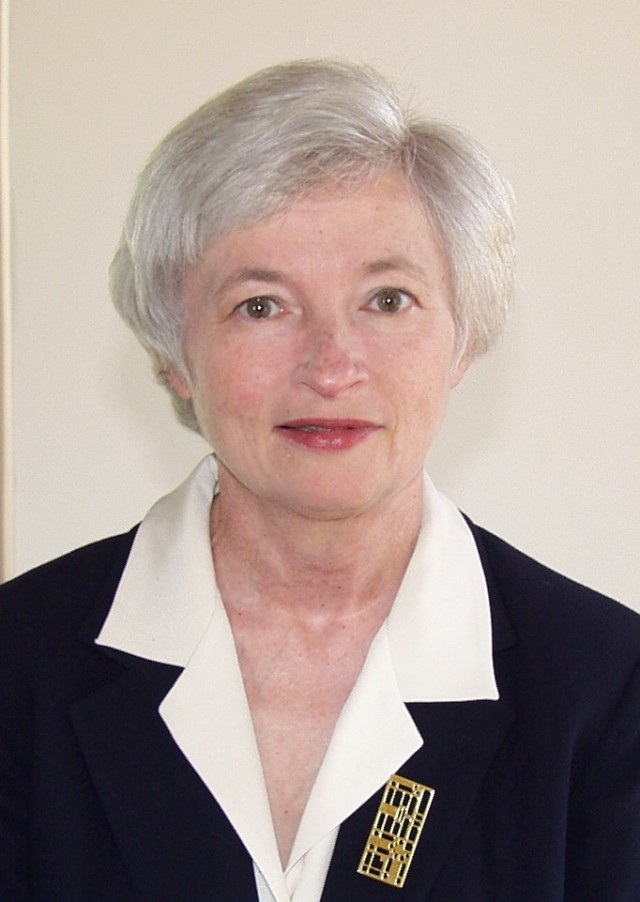
"caption": "Janet Yellen in 2005. (Photo: Federal Reserve)",
"description": null,
"title": "Janet_yellen",
"credit": null,
"status": "inherit",
"isLoading": false,
"fetchFailed": false
}
},
"audioPlayerReducer": {
"postId": "stream_live",
"isPaused": true,
"isPlaying": false,
"pfsActive": false,
"pledgeModalIsOpen": true,
"playerDrawerIsOpen": false,
"liveAudioPlayStartedAt": 0,
"liveAudioPlayContext": ""
},
"authorsReducer": {
"anatintocalis": {
"type": "authors",
"id": "211",
"meta": {
"index": "authors_1716337520",
"id": "211",
"found": true
},
"name": "Ana Tintocalis",
"firstName": "Ana",
"lastName": "Tintocalis",
"slug": "anatintocalis",
"email": "atintocalis@kqed.org",
"display_author_email": false,
"staff_mastheads": [],
"title": null,
"bio": null,
"avatar": "https://secure.gravatar.com/avatar/722c50f51f04eff38fa0e5a3f1d29450?s=600&d=blank&r=g",
"twitter": null,
"facebook": null,
"instagram": null,
"linkedin": null,
"sites": [
{
"site": "news",
"roles": [
"subscriber"
]
},
{
"site": "stateofhealth",
"roles": [
"subscriber"
]
}
],
"headData": {
"title": "Ana Tintocalis | KQED",
"description": null,
"ogImgSrc": "https://secure.gravatar.com/avatar/722c50f51f04eff38fa0e5a3f1d29450?s=600&d=blank&r=g",
"twImgSrc": "https://secure.gravatar.com/avatar/722c50f51f04eff38fa0e5a3f1d29450?s=600&d=blank&r=g"
},
"isLoading": false,
"link": "/author/anatintocalis"
},
"joshuajohnson": {
"type": "authors",
"id": "233",
"meta": {
"index": "authors_1716337520",
"id": "233",
"found": true
},
"name": "Joshua Johnson",
"firstName": "Joshua",
"lastName": "Johnson",
"slug": "joshuajohnson",
"email": "jejohnson@kqed.org",
"display_author_email": false,
"staff_mastheads": [],
"title": null,
"bio": "Joshua Johnson is the creator and host of \u003cem>\u003ca href=\"http://www.truthbetoldshow.org\">Truth Be Told\u003c/a>,\u003c/em> a special series on race from KQED and PRI. Prior to creating the show, he served as the station's morning news anchor for five-and-half years.\r\n\r\nPrior to joining KQED, Joshua spent six years as an anchor/reporter for WLRN Miami Herald News. He's a native of South Florida, with degrees from the University of Miami. His reporting and newscasting have won awards from the Radio Television Digital News Association and from the National Association of Black Journalists. Joshua is also active in his union, SAG-AFTRA. He lives in San Francisco.",
"avatar": "https://secure.gravatar.com/avatar/2abea375594cdd54e4837846e3561fa4?s=600&d=blank&r=g",
"twitter": "@JEJohnson322",
"facebook": null,
"instagram": null,
"linkedin": null,
"sites": [
{
"site": "news",
"roles": [
"subscriber"
]
}
],
"headData": {
"title": "Joshua Johnson | KQED",
"description": null,
"ogImgSrc": "https://secure.gravatar.com/avatar/2abea375594cdd54e4837846e3561fa4?s=600&d=blank&r=g",
"twImgSrc": "https://secure.gravatar.com/avatar/2abea375594cdd54e4837846e3561fa4?s=600&d=blank&r=g"
},
"isLoading": false,
"link": "/author/joshuajohnson"
},
"katrinaschwartz": {
"type": "authors",
"id": "234",
"meta": {
"index": "authors_1716337520",
"id": "234",
"found": true
},
"name": "Katrina Schwartz",
"firstName": "Katrina",
"lastName": "Schwartz",
"slug": "katrinaschwartz",
"email": "kschwartz@kqed.org",
"display_author_email": false,
"staff_mastheads": [
"news"
],
"title": "Producer",
"bio": "Katrina Schwartz is a journalist based in San Francisco. She's worked at KPCC public radio in LA and has reported on air and online for KQED since 2010. She covered how teaching and learning is changing for MindShift between 2012 and 2020. She is the co-host of the MindShift podcast and now produces KQED's Bay Curious podcast.",
"avatar": "https://secure.gravatar.com/avatar/edb4ee79070447a018538c9aae6eeecf28786515b8a0c30e43b6b7dce5aa44c8?s=600&d=blank&r=g",
"twitter": "kschwart",
"bluesky": null,
"facebook": null,
"instagram": null,
"linkedin": null,
"sites": [
{
"site": "",
"roles": [
"editor"
]
},
{
"site": "news",
"roles": [
"editor"
]
},
{
"site": "mindshift",
"roles": [
"administrator"
]
},
{
"site": "stateofhealth",
"roles": [
"author"
]
},
{
"site": "science",
"roles": [
"editor"
]
}
],
"headData": {
"title": "Katrina Schwartz | KQED",
"description": "Producer",
"ogImgSrc": "https://secure.gravatar.com/avatar/edb4ee79070447a018538c9aae6eeecf28786515b8a0c30e43b6b7dce5aa44c8?s=600&d=blank&r=g",
"twImgSrc": "https://secure.gravatar.com/avatar/edb4ee79070447a018538c9aae6eeecf28786515b8a0c30e43b6b7dce5aa44c8?s=600&d=blank&r=g"
},
"isLoading": false,
"link": "/author/katrinaschwartz"
},
"kqed": {
"type": "authors",
"id": "236",
"meta": {
"index": "authors_1716337520",
"id": "236",
"found": true
},
"name": "KQED News Staff",
"firstName": "KQED News Staff",
"lastName": null,
"slug": "kqed",
"email": "faq@kqed.org",
"display_author_email": false,
"staff_mastheads": [],
"title": null,
"bio": null,
"avatar": "https://secure.gravatar.com/avatar/ef0e801a68c4c54afa9180db14084167?s=600&d=blank&r=g",
"twitter": null,
"facebook": null,
"instagram": null,
"linkedin": null,
"sites": [
{
"site": "arts",
"roles": [
"contributor"
]
},
{
"site": "news",
"roles": [
"editor"
]
},
{
"site": "futureofyou",
"roles": [
"author"
]
}
],
"headData": {
"title": "KQED News Staff | KQED",
"description": null,
"ogImgSrc": "https://secure.gravatar.com/avatar/ef0e801a68c4c54afa9180db14084167?s=600&d=blank&r=g",
"twImgSrc": "https://secure.gravatar.com/avatar/ef0e801a68c4c54afa9180db14084167?s=600&d=blank&r=g"
},
"isLoading": false,
"link": "/author/kqed"
},
"kqednewsstaffandwires": {
"type": "authors",
"id": "237",
"meta": {
"index": "authors_1716337520",
"id": "237",
"found": true
},
"name": "KQED News Staff and Wires",
"firstName": "KQED News Staff and Wires",
"lastName": null,
"slug": "kqednewsstaffandwires",
"email": "onlinenewsstaff@kqed.org",
"display_author_email": false,
"staff_mastheads": [],
"title": null,
"bio": null,
"avatar": "https://secure.gravatar.com/avatar/72295af8ebbfbd19a4948f5271285664?s=600&d=blank&r=g",
"twitter": null,
"facebook": null,
"instagram": null,
"linkedin": null,
"sites": [
{
"site": "arts",
"roles": [
"contributor"
]
},
{
"site": "news",
"roles": [
"contributor"
]
},
{
"site": "lowdown",
"roles": [
"author"
]
},
{
"site": "stateofhealth",
"roles": [
"contributor"
]
},
{
"site": "food",
"roles": [
"author"
]
}
],
"headData": {
"title": "KQED News Staff and Wires | KQED",
"description": null,
"ogImgSrc": "https://secure.gravatar.com/avatar/72295af8ebbfbd19a4948f5271285664?s=600&d=blank&r=g",
"twImgSrc": "https://secure.gravatar.com/avatar/72295af8ebbfbd19a4948f5271285664?s=600&d=blank&r=g"
},
"isLoading": false,
"link": "/author/kqednewsstaffandwires"
},
"katharinefong": {
"type": "authors",
"id": "1479",
"meta": {
"index": "authors_1716337520",
"id": "1479",
"found": true
},
"name": "Katharine Fong",
"firstName": "Katharine",
"lastName": "Fong",
"slug": "katharinefong",
"email": "katharinefong@gmail.com",
"display_author_email": false,
"staff_mastheads": [],
"title": null,
"bio": null,
"avatar": "https://secure.gravatar.com/avatar/7ee290207889c71d9adcaf3591853a92?s=600&d=blank&r=g",
"twitter": null,
"facebook": null,
"instagram": null,
"linkedin": null,
"sites": [
{
"site": "news",
"roles": [
"subscriber"
]
},
{
"site": "lowdown",
"roles": [
"editor"
]
},
{
"site": "stateofhealth",
"roles": [
"subscriber"
]
}
],
"headData": {
"title": "Katharine Fong | KQED",
"description": null,
"ogImgSrc": "https://secure.gravatar.com/avatar/7ee290207889c71d9adcaf3591853a92?s=600&d=blank&r=g",
"twImgSrc": "https://secure.gravatar.com/avatar/7ee290207889c71d9adcaf3591853a92?s=600&d=blank&r=g"
},
"isLoading": false,
"link": "/author/katharinefong"
},
"chsu": {
"type": "authors",
"id": "1501",
"meta": {
"index": "authors_1716337520",
"id": "1501",
"found": true
},
"name": "Christine Hsu",
"firstName": "Christine",
"lastName": "Hsu",
"slug": "chsu",
"email": "chsu@KQED.org",
"display_author_email": false,
"staff_mastheads": [],
"title": null,
"bio": null,
"avatar": "https://secure.gravatar.com/avatar/ef6628f607bb89942c29c3f1dd860a29?s=600&d=blank&r=g",
"twitter": null,
"facebook": null,
"instagram": null,
"linkedin": null,
"sites": [
{
"site": "news",
"roles": [
"subscriber"
]
}
],
"headData": {
"title": "Christine Hsu | KQED",
"description": null,
"ogImgSrc": "https://secure.gravatar.com/avatar/ef6628f607bb89942c29c3f1dd860a29?s=600&d=blank&r=g",
"twImgSrc": "https://secure.gravatar.com/avatar/ef6628f607bb89942c29c3f1dd860a29?s=600&d=blank&r=g"
},
"isLoading": false,
"link": "/author/chsu"
},
"aemslie": {
"type": "authors",
"id": "3206",
"meta": {
"index": "authors_1716337520",
"id": "3206",
"found": true
},
"name": "Alex Emslie",
"firstName": "Alex",
"lastName": "Emslie",
"slug": "aemslie",
"email": "aemslie@kqed.org",
"display_author_email": true,
"staff_mastheads": [
"news"
],
"title": "KQED Senior Editor",
"bio": "Alex Emslie is senior editor of talent and development at KQED, where he manages dozens of early career journalists and oversees news department internships.\r\n\r\nHe is a former carpenter and proud graduate of City College of San Francisco and San Francisco State University, where he studied journalism and criminal justice before joining KQED in 2013.\r\n\r\nAlex produced investigative journalism focused on \u003ca href=\"https://www.kqed.org/news/11667594/the-trials-of-marvin-mutch-video\">criminal justice\u003c/a> and policing for most of a decade. He has broken major stories about \u003ca href=\"https://www.kqed.org/news/135682/amid-a-series-of-vallejo-police-shootings-one-officers-name-stands-out\">police use of deadly force\u003c/a>, \u003ca href=\"https://www.kqed.org/news/10454955/racist-texts-prompt-sfpd-internal-investigation\">officer misconduct\u003c/a> and \u003ca href=\"https://www.kqed.org/news/11712239/terrorist-or-troll-judge-to-weigh-whether-oakland-man-really-intended-to-attack-bay-area\">other\u003c/a> \u003ca href=\"https://www.kqed.org/news/11221414/hayward-paid-159000-to-husband-of-retired-police-chief-documents-show\">high\u003c/a>-\u003ca href=\"https://www.kqed.org/news/10622762/the-forgotten-tracking-two-homicides-in-san-francisco-public-housing\">profile\u003c/a> \u003ca href=\"https://www.kqed.org/news/11624516/federal-agency-promoted-ranger-just-months-after-his-gun-was-stolen-and-used-in-steinle-killing\">cases\u003c/a>. He co-founded the \u003ca href=\"https://projects.scpr.org/california-reporting-project/\">California Reporting Project\u003c/a> in 2019 to obtain and report on previously confidential police internal investigations. The effort produced well over 100 original stories and changed the course of multiple criminal cases.\r\n\r\nHis work has been recognized with numerous journalism awards, including a national Edward R. Murrow award for several years of \u003ca href=\"https://www.kqed.org/news/11688481/sfpd-officers-in-mario-woods-case-recount-shooting-in-newly-filed-depositions\">reporting\u003c/a> on the San Francisco Police shooting of Mario Woods. His \u003ca href=\"https://www.kqed.org/news/147854/half-of-those-killed-by-san-francisco-police-are-mentally-ill\">reporting\u003c/a> on police killings of people in psychiatric crisis was cited in amicus briefs before the U.S. Supreme Court.\r\n\r\nAlex now enjoys mentoring the next generation of journalists at KQED.",
"avatar": "https://secure.gravatar.com/avatar/e691e65209f20e9da202bd730ead5663?s=600&d=blank&r=g",
"twitter": "SFNewsReporter",
"facebook": null,
"instagram": null,
"linkedin": null,
"sites": [
{
"site": "arts",
"roles": [
"editor"
]
},
{
"site": "news",
"roles": [
"editor"
]
},
{
"site": "mindshift",
"roles": [
"editor"
]
},
{
"site": "stateofhealth",
"roles": [
"editor"
]
},
{
"site": "science",
"roles": [
"administrator"
]
}
],
"headData": {
"title": "Alex Emslie | KQED",
"description": "KQED Senior Editor",
"ogImgSrc": "https://secure.gravatar.com/avatar/e691e65209f20e9da202bd730ead5663?s=600&d=blank&r=g",
"twImgSrc": "https://secure.gravatar.com/avatar/e691e65209f20e9da202bd730ead5663?s=600&d=blank&r=g"
},
"isLoading": false,
"link": "/author/aemslie"
}
},
"pagesReducer": {
"news_category_education": {
"type": "terms",
"id": "news_18540",
"meta": {
"index": "terms_1716263798",
"site": "news",
"id": "18540",
"score": 10.973179
},
"featImg": null,
"name": "Education",
"description": null,
"taxonomy": "category",
"headData": {
"twImgId": null,
"twTitle": null,
"ogTitle": null,
"ogImgId": null,
"twDescription": null,
"description": null,
"title": "Education Archives | KQED News",
"ogDescription": null
},
"ttid": 2595,
"slug": "education",
"isLoading": false,
"title": "Education",
"pageMeta": {
"site": "news",
"WpPageTemplate": "page-topic-editorial",
"currentPage": 181
},
"blocks": [
{
"blockName": "kqed/post-list",
"attrs": {
"layout": "cardArticle2",
"query": "posts/news?category=education",
"seeMore": false,
"paginated": true,
"page": 181
}
},
{
"blockName": "kqed/ad"
}
]
}
},
"pfsSessionReducer": {},
"postsReducer": {
"stream_live": {
"type": "live",
"id": "stream_live",
"audioUrl": "https://streams.kqed.org/kqedradio",
"title": "Live Stream",
"excerpt": "Live Stream information currently unavailable.",
"link": "/radio",
"featImg": "",
"label": {
"name": "KQED Live",
"link": "/"
}
},
"stream_kqedNewscast": {
"type": "posts",
"id": "stream_kqedNewscast",
"audioUrl": "https://www.kqed.org/.stream/anon/radio/RDnews/newscast.mp3?_=1",
"title": "KQED Newscast",
"featImg": "",
"label": {
"name": "88.5 FM",
"link": "/"
}
},
"news_117691": {
"type": "posts",
"id": "news_117691",
"meta": {
"index": "posts_1716263798",
"site": "news",
"id": "117691",
"score": null,
"sort": [
1383961517000
]
},
"parent": 0,
"labelTerm": {
"site": "news",
"term": 6944
},
"blocks": [],
"publishDate": 1383961517,
"format": "aside",
"disqusTitle": "UC Berkeley Welcomes New Chancellor, Who Faces Many Challenges",
"title": "UC Berkeley Welcomes New Chancellor, Who Faces Many Challenges",
"headTitle": "News Fix | KQED News",
"content": "\u003cfigure id=\"attachment_117735\" class=\"wp-caption aligncenter\" style=\"max-width: 640px\">\u003ca href=\"http://ww2.kqed.org/news/2013/11/08/Bay-Area-Filipino-community-typhoon-aid+/dirkspodium/\" rel=\"attachment wp-att-117735\">\u003cimg src=\"http://ww2.kqed.org/news/wp-content/uploads/sites/10/2013/11/dirkspodium-e1383960573600.jpg\" alt=\"UC Berkeley Chancellor Nicholas Dirks at his formal investiture on Friday (UC Berkeley News Center). \" width=\"640\" height=\"400\" class=\"size-full wp-image-117735\">\u003c/a>\u003cfigcaption class=\"wp-caption-text\">UC Berkeley Chancellor Nicholas Dirks at his formal investiture on Friday (UC Berkeley News Center).\u003c/figcaption>\u003c/figure>\n\u003cp>Today's been a big day at UC Berkeley, where Nicholas Dirks was officially invested as the campus's 10th chancellor. New UC President Janet Napolitano bestowed the Chancellor's Medal on Dirks during \u003ca href=\"http://www.youtube.com/watch?v=oJX_3axH4CY&feature=share\" target=\"_blank\">a two-hour ceremony at Zellerbach Hall\u003c/a>. He gave an inaugural speech that touched on his family and scholarly background — his father's \"accidental\" awakening to career in academia and the journey that led him to a leadership position at New York's Columbia University and finally to Berkeley. He committed himself to re-engaging state officials and the public to restore financial support for the university and to continue UC Berkeley's historic pursuit of diversity. \u003c/p>\n\u003cp>KQED's Mina Kim talked to Dirks Thursday, the day before his formal investiture. The new chancellor started by saying that maintaining the high quality of Berkeley's undergraduate programs is one of his top priorities: \u003c/p>\n\u003cp>\u003ciframe width=\"100%\" height=\"166\" scrolling=\"no\" frameborder=\"no\" src=\"https://w.soundcloud.com/player/?url=https%3A//api.soundcloud.com/tracks/119241375\">\u003c/iframe>\u003c/p>\n\u003cp>[ad fullwidth]\u003c/p>\u003cp>\u003c/p>\n",
"disqusIdentifier": "117691 http://ww2.kqed.org/news/?p=117691",
"disqusUrl": "https://ww2.kqed.org/news/2013/11/08/uc-berkeley-welcomes-new-chancellor-who-faces-many-challenges/",
"stats": {
"hasVideo": false,
"hasChartOrMap": false,
"hasAudio": true,
"hasPolis": false,
"wordCount": 165,
"hasGoogleForm": false,
"hasGallery": false,
"hasHearkenModule": false,
"iframeSrcs": [],
"paragraphCount": 5
},
"modified": 1383978197,
"excerpt": "Cal's new chancellor talks about challenges facing UC's elite campus, including soaring costs for students. ",
"headData": {
"twImgId": "",
"twTitle": "",
"ogTitle": "",
"ogImgId": "",
"twDescription": "",
"description": "Cal's new chancellor talks about challenges facing UC's elite campus, including soaring costs for students. ",
"title": "UC Berkeley Welcomes New Chancellor, Who Faces Many Challenges | KQED",
"ogDescription": "",
"schema": {
"@context": "https://schema.org",
"@type": "NewsArticle",
"headline": "UC Berkeley Welcomes New Chancellor, Who Faces Many Challenges",
"datePublished": "2013-11-08T17:45:17-08:00",
"dateModified": "2013-11-08T22:23:17-08:00",
"image": "https://cdn.kqed.org/wp-content/uploads/2020/02/KQED-OG-Image@1x.png",
"isAccessibleForFree": "True",
"publisher": {
"@type": "NewsMediaOrganization",
"@id": "https://www.kqed.org/#organization",
"name": "KQED",
"logo": "https://cdn.kqed.org/wp-content/uploads/2020/02/KQED-OG-Image@1x.png",
"url": "https://www.kqed.org",
"sameAs": [
"https://www.facebook.com/KQED",
"https://twitter.com/KQED",
"https://www.instagram.com/kqed/",
"https://www.tiktok.com/@kqedofficial",
"https://www.linkedin.com/company/kqed",
"https://www.youtube.com/channel/UCeC0IOo7i1P_61zVUWbJ4nw"
]
}
}
},
"guestAuthors": [],
"slug": "uc-berkeley-welcomes-new-chancellor-who-faces-many-challenges",
"status": "publish",
"customPermalink": "2013/11/08/uc-berkeley-chancellor-nicholas-dirks-ceremony/",
"path": "/news/117691/uc-berkeley-welcomes-new-chancellor-who-faces-many-challenges",
"audioTrackLength": null,
"parsedContent": [
{
"type": "contentString",
"content": "\u003cdiv class=\"post-body\">\u003cp>\u003cfigure id=\"attachment_117735\" class=\"wp-caption aligncenter\" style=\"max-width: 640px\">\u003ca href=\"http://ww2.kqed.org/news/2013/11/08/Bay-Area-Filipino-community-typhoon-aid+/dirkspodium/\" rel=\"attachment wp-att-117735\">\u003cimg src=\"http://ww2.kqed.org/news/wp-content/uploads/sites/10/2013/11/dirkspodium-e1383960573600.jpg\" alt=\"UC Berkeley Chancellor Nicholas Dirks at his formal investiture on Friday (UC Berkeley News Center). \" width=\"640\" height=\"400\" class=\"size-full wp-image-117735\">\u003c/a>\u003cfigcaption class=\"wp-caption-text\">UC Berkeley Chancellor Nicholas Dirks at his formal investiture on Friday (UC Berkeley News Center).\u003c/figcaption>\u003c/figure>\n\u003cp>Today's been a big day at UC Berkeley, where Nicholas Dirks was officially invested as the campus's 10th chancellor. New UC President Janet Napolitano bestowed the Chancellor's Medal on Dirks during \u003ca href=\"http://www.youtube.com/watch?v=oJX_3axH4CY&feature=share\" target=\"_blank\">a two-hour ceremony at Zellerbach Hall\u003c/a>. He gave an inaugural speech that touched on his family and scholarly background — his father's \"accidental\" awakening to career in academia and the journey that led him to a leadership position at New York's Columbia University and finally to Berkeley. He committed himself to re-engaging state officials and the public to restore financial support for the university and to continue UC Berkeley's historic pursuit of diversity. \u003c/p>\n\u003cp>KQED's Mina Kim talked to Dirks Thursday, the day before his formal investiture. The new chancellor started by saying that maintaining the high quality of Berkeley's undergraduate programs is one of his top priorities: \u003c/p>\n\u003cp>\u003ciframe width=\"100%\" height=\"166\" scrolling=\"no\" frameborder=\"no\" src=\"https://w.soundcloud.com/player/?url=https%3A//api.soundcloud.com/tracks/119241375\">\u003c/iframe>\u003c/p>\n\u003cp>\u003c/p>\u003c/div>",
"attributes": {
"named": {},
"numeric": []
}
},
{
"type": "component",
"content": "",
"name": "ad",
"attributes": {
"named": {
"label": "fullwidth"
},
"numeric": [
"fullwidth"
]
}
},
{
"type": "contentString",
"content": "\u003cdiv class=\"post-body\">\u003cp>\u003c/p>\u003cp>\u003c/p>\n\u003c/div>\u003c/p>",
"attributes": {
"named": {},
"numeric": []
}
}
],
"link": "/news/117691/uc-berkeley-welcomes-new-chancellor-who-faces-many-challenges",
"authors": [
"236"
],
"programs": [
"news_6944"
],
"categories": [
"news_18540",
"news_8"
],
"tags": [
"news_129",
"news_4843",
"news_17597"
],
"featImg": "news_117735",
"label": "news_6944"
},
"news_116812": {
"type": "posts",
"id": "news_116812",
"meta": {
"index": "posts_1716263798",
"site": "news",
"id": "116812",
"score": null,
"sort": [
1383347516000
]
},
"guestAuthors": [],
"slug": "historically-black-colleges-build-new-partnerships-in-silicon-valley",
"title": "Historically Black Colleges Build New Partnerships In Silicon Valley",
"publishDate": 1383347516,
"format": "aside",
"headTitle": "Historically Black Colleges Build New Partnerships In Silicon Valley | KQED",
"labelTerm": {
"term": 6944,
"site": "news"
},
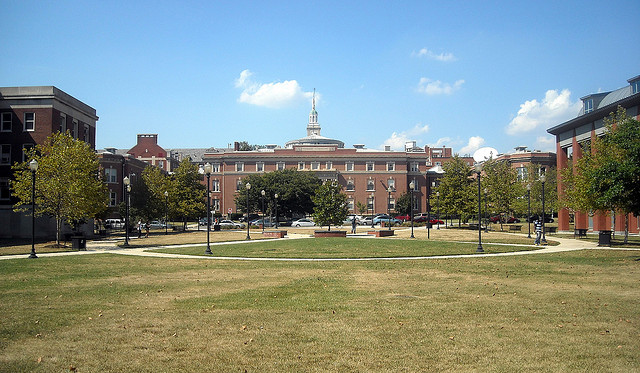
"content": "\u003cfigure id=\"attachment_116909\" class=\"wp-caption aligncenter\" style=\"max-width: 640px\">\u003ca href=\"http://ww2.kqed.org/news/2013/11/01/historically-black-colleges-gather-to-build-new-partnerships-in-silicon-valley/2803638859_30c8c1d6aa_z/\" rel=\"attachment wp-att-116909\">\u003cimg loading=\"lazy\" decoding=\"async\" class=\"size-full wp-image-116909 \" src=\"http://ww2.kqed.org/news/wp-content/uploads/sites/10/2013/11/2803638859_30c8c1d6aa_z.jpg\" alt=\"Howard University (NDinDC / Flickr)\" width=\"640\" height=\"373\">\u003c/a>\u003cfigcaption class=\"wp-caption-text\">Howard University, one of 17 schools that attended an innovation summit in Silicon Valley this week. (NDinDC / Flickr)\u003c/figcaption>\u003c/figure>\n\u003cp>Business is not just about what you know, but who you know. In Silicon Valley, closing a deal is also about who you like and who you trust. Historically black colleges and universities have struggled to build those familiar, trusting relationships with tech firms, but the United Negro College Fund is helping change that. This week officials from 17 schools came to Palo Alto for a four-day \u003ca href=\"http://www.hbcuinnovation.org/\">Innovation Summit\u003c/a> in hopes of laying new foundations for their graduates’ careers.\u003c/p>\n\u003cp>According to UNCF, African-Americans get 21 percent of their science, technology, engineering and math degrees from historically black colleges and universities (better known as HBCUs). These institutions, however, are only 4 percent of the nation’s colleges, and none of them is in California. So it’s easy to see why Berkeley and Stanford alumni have a geographic advantage in getting internships, jobs and startup funding. The summit was the first step in starting conversations that will broaden that advantage to populations that haven’t typically had it.\u003c/p>\n\u003cp>“If you just allow the market to take shape as it would, you’ll tend to go and find people that you’re most familiar with,” said College Fund senior vice president Karl Reid. “What these conversations do is… foster the kind of relationships that are necessary for the HBCU community… to make the connections with these kinds of innovative environments.”\u003c/p>\n\u003cp>It’s hard to say exactly how many African-Americans, Hispanics and other people of color work in Silicon Valley. Some of the largest companies have solidly \u003ca href=\"http://money.cnn.com/2013/03/17/technology/diversity-silicon-valley/index.html?iid=HP_Highlight\">resisted\u003c/a> efforts to get their demographic data. There are a number of black HBCU graduates leading major tech firms, including Symantec’s former CEO \u003ca href=\"http://www.virtualinstruments.com/company/management/john-w-thompson\">John Thompson\u003c/a> (he went to \u003ca href=\"http://www.famu.edu/\">Florida A&M University\u003c/a> in Tallahassee, Fla.) and \u003ca href=\"http://www.ti.com/corp/docs/company/history/art.shtml\">Art George\u003c/a>, a senior VP at Texas Instruments (he attended \u003ca href=\"http://www.subr.edu/\">Southern University\u003c/a> in Baton Rouge, La.). Some executives are reaching out on their own, including Facebook’s COO Sheryl Sandberg. She \u003ca href=\"http://www.theroot.com/buzz/sandberg-launches-lean-program-howard\">launched\u003c/a> her women’s business initiative “Lean In” at Howard University, a school in Washington D.C. often referred to as the “Black Harvard.” HBCU graduates take pride in the collegiate experience they get: a transformational education that instills a connection to history and a duty to serve.\u003c/p>\n\u003cp>\u003c!--more-->“There is not only the intellectual development,” said Reid, “but the sense of who they are and a sense of purpose that comes in. Almost a calling, a belief that they’ve gotta ‘lift as they climb’.”\u003c/p>\n\u003cp>[ad fullwidth]\u003c/p>\n\u003cp>UNCF officials did not suggest outright racism in the lack of African-American high-tech leadership, and they did not attempt to lay blame on anyone for the current state of affairs. Attendees focused on building a new network among themselves for what they called ICE: Innovation, Commercialization and Entrepreneurship. The goal is to help HBCU students (African-American and not) and faculty turn their innovations into businesses. Sessions involved meet-and-greets with tech industry leaders, panels for sharing best practices, a reception at Facebook in Menlo Park, crash courses in how Silicon Valley does business and a visit to Stanford’s \u003ca href=\"http://dschool.stanford.edu/\">d.school\u003c/a>, a design institute that teaches the problem-solving method known as “design thinking.”\u003c/p>\n\u003cp>The summit is part of a larger initiative in the coming years, and if the partnership works as intended, the complexion of the tech sector could start looking a lot more like the nation of consumers it serves. That might also make good business sense, too: African-Americans and Hispanics are prolific users of consumer technology, especially \u003ca href=\"http://pewinternet.org/Commentary/2012/March/Pew-Internet-Social-Networking-full-detail.aspx\">social media\u003c/a>.\u003c/p>\n\u003cp>“The next Google, the next Facebook, the next Twitter lies in the heads of kids and youth that may or may not look like the majority of folks (in Silicon Valley),” said Chad Womack, who leads the College Fund’s Merck Science Initiative. “But that’s okay. Because ultimately we want an inclusive economy and an economy that grows where all boats are lifted, not just one boat or another.”\u003c/p>\n\u003cp>\u003c/p>\n\u003cp>Listen to reporter Joshua Johnson’s interview with United Negro College Fund’s senior vice president Karl Reid here:\u003c/p>\n\u003cdiv>\n\u003cdiv class=\"embedly\">\u003ciframe loading=\"lazy\" src=\"https://w.soundcloud.com/player/?url=http%3A%2F%2Fapi.soundcloud.com%2Ftracks%2F118161343&show_artwork=true&maxwidth=900\" frameborder=\"no\" scrolling=\"no\" width=\"640\" height=\"166\">\u003c/iframe>\n\u003cdiv class=\"embedly-clear\">\u003c/div>\n\u003cp>\u003cspan class=\"embedly-powered\" style=\"float: right\">\u003ca title=\"Powered by Embedly\" href=\"http://embed.ly/code?url=https%3A%2F%2Fsoundcloud.com%2Fkqed%2Fhistorically-black-colleges\" target=\"_blank\" rel=\"noopener\">\u003cimg decoding=\"async\" src=\"http://static.embed.ly/images/logos/embedly-powered-small-light.png\" alt=\"Embedly Powered\">\u003c/a>\u003c/span>\u003c/p>\n\u003cdiv class=\"media-attribution\">\u003cspan>via \u003c/span>\u003ca class=\"media-attribution-link\" href=\"http://soundcloud.com\" target=\"_blank\" rel=\"noopener\">SoundCloud\u003c/a>\u003c/div>\n\u003cdiv class=\"embedly-clear\">\u003c/div>\n\u003c/div>\n\u003c/div>\n\n",
"blocks": [],
"excerpt": "An innovation summit draws officials from 17 schools to cultivate relationships with tech leaders, firms.",
"status": "publish",
"parent": 0,
"modified": 1729029908,
"stats": {
"hasAudio": true,
"hasVideo": false,
"hasChartOrMap": false,
"iframeSrcs": [],
"hasGoogleForm": false,
"hasGallery": false,
"hasHearkenModule": false,
"hasPolis": false,
"paragraphCount": 12,
"wordCount": 737
},
"headData": {
"title": "Historically Black Colleges Build New Partnerships In Silicon Valley | KQED",
"description": "An innovation summit draws officials from 17 schools to cultivate relationships with tech leaders, firms.",
"ogTitle": "",
"ogDescription": "",
"ogImgId": "",
"twTitle": "",
"twDescription": "",
"twImgId": "",
"schema": {
"@context": "https://schema.org",
"@type": "NewsArticle",
"headline": "Historically Black Colleges Build New Partnerships In Silicon Valley",
"datePublished": "2013-11-01T16:11:56-07:00",
"dateModified": "2024-10-15T15:05:08-07:00",
"image": "https://cdn.kqed.org/wp-content/uploads/2020/02/KQED-OG-Image@1x.png",
"isAccessibleForFree": "True",
"publisher": {
"@type": "NewsMediaOrganization",
"@id": "https://www.kqed.org/#organization",
"name": "KQED",
"logo": "https://cdn.kqed.org/wp-content/uploads/2020/02/KQED-OG-Image@1x.png",
"url": "https://www.kqed.org",
"sameAs": [
"https://www.facebook.com/KQED",
"https://twitter.com/KQED",
"https://www.instagram.com/kqed/",
"https://www.tiktok.com/@kqedofficial",
"https://www.linkedin.com/company/kqed",
"https://www.youtube.com/channel/UCeC0IOo7i1P_61zVUWbJ4nw"
]
}
}
},
"sticky": false,
"customPermalink": "2013/11/01/historically-black-colleges-gather-to-build-new-partnerships-in-silicon-valley/",
"path": "/news/116812/historically-black-colleges-build-new-partnerships-in-silicon-valley",
"audioTrackLength": null,
"parsedContent": [
{
"type": "contentString",
"content": "\u003cdiv class=\"post-body\">\u003cp>\u003cfigure id=\"attachment_116909\" class=\"wp-caption aligncenter\" style=\"max-width: 640px\">\u003ca href=\"http://ww2.kqed.org/news/2013/11/01/historically-black-colleges-gather-to-build-new-partnerships-in-silicon-valley/2803638859_30c8c1d6aa_z/\" rel=\"attachment wp-att-116909\">\u003cimg loading=\"lazy\" decoding=\"async\" class=\"size-full wp-image-116909 \" src=\"http://ww2.kqed.org/news/wp-content/uploads/sites/10/2013/11/2803638859_30c8c1d6aa_z.jpg\" alt=\"Howard University (NDinDC / Flickr)\" width=\"640\" height=\"373\">\u003c/a>\u003cfigcaption class=\"wp-caption-text\">Howard University, one of 17 schools that attended an innovation summit in Silicon Valley this week. (NDinDC / Flickr)\u003c/figcaption>\u003c/figure>\n\u003cp>Business is not just about what you know, but who you know. In Silicon Valley, closing a deal is also about who you like and who you trust. Historically black colleges and universities have struggled to build those familiar, trusting relationships with tech firms, but the United Negro College Fund is helping change that. This week officials from 17 schools came to Palo Alto for a four-day \u003ca href=\"http://www.hbcuinnovation.org/\">Innovation Summit\u003c/a> in hopes of laying new foundations for their graduates’ careers.\u003c/p>\n\u003cp>According to UNCF, African-Americans get 21 percent of their science, technology, engineering and math degrees from historically black colleges and universities (better known as HBCUs). These institutions, however, are only 4 percent of the nation’s colleges, and none of them is in California. So it’s easy to see why Berkeley and Stanford alumni have a geographic advantage in getting internships, jobs and startup funding. The summit was the first step in starting conversations that will broaden that advantage to populations that haven’t typically had it.\u003c/p>\n\u003cp>“If you just allow the market to take shape as it would, you’ll tend to go and find people that you’re most familiar with,” said College Fund senior vice president Karl Reid. “What these conversations do is… foster the kind of relationships that are necessary for the HBCU community… to make the connections with these kinds of innovative environments.”\u003c/p>\n\u003cp>It’s hard to say exactly how many African-Americans, Hispanics and other people of color work in Silicon Valley. Some of the largest companies have solidly \u003ca href=\"http://money.cnn.com/2013/03/17/technology/diversity-silicon-valley/index.html?iid=HP_Highlight\">resisted\u003c/a> efforts to get their demographic data. There are a number of black HBCU graduates leading major tech firms, including Symantec’s former CEO \u003ca href=\"http://www.virtualinstruments.com/company/management/john-w-thompson\">John Thompson\u003c/a> (he went to \u003ca href=\"http://www.famu.edu/\">Florida A&M University\u003c/a> in Tallahassee, Fla.) and \u003ca href=\"http://www.ti.com/corp/docs/company/history/art.shtml\">Art George\u003c/a>, a senior VP at Texas Instruments (he attended \u003ca href=\"http://www.subr.edu/\">Southern University\u003c/a> in Baton Rouge, La.). Some executives are reaching out on their own, including Facebook’s COO Sheryl Sandberg. She \u003ca href=\"http://www.theroot.com/buzz/sandberg-launches-lean-program-howard\">launched\u003c/a> her women’s business initiative “Lean In” at Howard University, a school in Washington D.C. often referred to as the “Black Harvard.” HBCU graduates take pride in the collegiate experience they get: a transformational education that instills a connection to history and a duty to serve.\u003c/p>\n\u003cp>\u003c!--more-->“There is not only the intellectual development,” said Reid, “but the sense of who they are and a sense of purpose that comes in. Almost a calling, a belief that they’ve gotta ‘lift as they climb’.”\u003c/p>\n\u003cp>\u003c/p>\u003c/div>",
"attributes": {
"named": {},
"numeric": []
}
},
{
"type": "component",
"content": "",
"name": "ad",
"attributes": {
"named": {
"label": "fullwidth"
},
"numeric": [
"fullwidth"
]
}
},
{
"type": "contentString",
"content": "\u003cdiv class=\"post-body\">\u003cp>\u003c/p>\n\u003cp>UNCF officials did not suggest outright racism in the lack of African-American high-tech leadership, and they did not attempt to lay blame on anyone for the current state of affairs. Attendees focused on building a new network among themselves for what they called ICE: Innovation, Commercialization and Entrepreneurship. The goal is to help HBCU students (African-American and not) and faculty turn their innovations into businesses. Sessions involved meet-and-greets with tech industry leaders, panels for sharing best practices, a reception at Facebook in Menlo Park, crash courses in how Silicon Valley does business and a visit to Stanford’s \u003ca href=\"http://dschool.stanford.edu/\">d.school\u003c/a>, a design institute that teaches the problem-solving method known as “design thinking.”\u003c/p>\n\u003cp>The summit is part of a larger initiative in the coming years, and if the partnership works as intended, the complexion of the tech sector could start looking a lot more like the nation of consumers it serves. That might also make good business sense, too: African-Americans and Hispanics are prolific users of consumer technology, especially \u003ca href=\"http://pewinternet.org/Commentary/2012/March/Pew-Internet-Social-Networking-full-detail.aspx\">social media\u003c/a>.\u003c/p>\n\u003cp>“The next Google, the next Facebook, the next Twitter lies in the heads of kids and youth that may or may not look like the majority of folks (in Silicon Valley),” said Chad Womack, who leads the College Fund’s Merck Science Initiative. “But that’s okay. Because ultimately we want an inclusive economy and an economy that grows where all boats are lifted, not just one boat or another.”\u003c/p>\n\u003cp>\u003c/p>\n\u003cp>Listen to reporter Joshua Johnson’s interview with United Negro College Fund’s senior vice president Karl Reid here:\u003c/p>\n\u003cdiv>\n\u003cdiv class=\"embedly\">\u003ciframe loading=\"lazy\" src=\"https://w.soundcloud.com/player/?url=http%3A%2F%2Fapi.soundcloud.com%2Ftracks%2F118161343&show_artwork=true&maxwidth=900\" frameborder=\"no\" scrolling=\"no\" width=\"640\" height=\"166\">\u003c/iframe>\n\u003cdiv class=\"embedly-clear\">\u003c/div>\n\u003cp>\u003cspan class=\"embedly-powered\" style=\"float: right\">\u003ca title=\"Powered by Embedly\" href=\"http://embed.ly/code?url=https%3A%2F%2Fsoundcloud.com%2Fkqed%2Fhistorically-black-colleges\" target=\"_blank\" rel=\"noopener\">\u003cimg decoding=\"async\" src=\"http://static.embed.ly/images/logos/embedly-powered-small-light.png\" alt=\"Embedly Powered\">\u003c/a>\u003c/span>\u003c/p>\n\u003cdiv class=\"media-attribution\">\u003cspan>via \u003c/span>\u003ca class=\"media-attribution-link\" href=\"http://soundcloud.com\" target=\"_blank\" rel=\"noopener\">SoundCloud\u003c/a>\u003c/div>\n\u003cdiv class=\"embedly-clear\">\u003c/div>\n\u003c/div>\n\u003c/div>\n\n\u003c/div>\u003c/p>",
"attributes": {
"named": {},
"numeric": []
}
}
],
"link": "/news/116812/historically-black-colleges-build-new-partnerships-in-silicon-valley",
"authors": [
"233"
],
"programs": [
"news_6944"
],
"categories": [
"news_18540",
"news_8",
"news_248"
],
"tags": [
"news_5019",
"news_2162",
"news_1631",
"news_5018"
],
"featImg": "news_116909",
"label": "news_6944"
},
"news_116778": {
"type": "posts",
"id": "news_116778",
"meta": {
"index": "posts_1716263798",
"site": "news",
"id": "116778",
"score": null,
"sort": [
1383342452000
]
},
"parent": 0,
"labelTerm": {
"site": "news",
"term": 6944
},
"blocks": [],
"publishDate": 1383342452,
"format": "aside",
"disqusTitle": "City College Halloween Rally Asks Mayor for Support",
"title": "City College Halloween Rally Asks Mayor for Support",
"headTitle": "News Fix | KQED News",
"content": "\u003cp>\u003cstrong>By Sara Bloomberg\u003c/strong>\u003c/p>\n\u003cfigure id=\"attachment_116867\" class=\"wp-caption alignnone\" style=\"max-width: 640px\">\u003ca href=\"http://ww2.kqed.org/news/2013/11/01/news-pix-andy-lopez-funderal-san-francisco-gets-ready-to-vote-on-8-washington-and/ccsf-students/\" rel=\"attachment wp-att-116867\">\u003cimg class=\"size-full wp-image-116867\" src=\"http://ww2.kqed.org/news/wp-content/uploads/sites/10/2013/11/CCSF-students.jpg\" alt=\"CCSF supporters held a Halloween rally to demand that Mayor Ed Lee be more vocal in saving the college. (Sara Bloomberg / KQED)\" width=\"640\" height=\"450\">\u003c/a>\u003cfigcaption class=\"wp-caption-text\">CCSF supporters held a Halloween rally to demand that Mayor Ed Lee be more vocal in saving the college. (Sara Bloomberg / KQED)\u003c/figcaption>\u003c/figure>\n\u003cp>Angels, dinosaurs, witches and the undead marched to San Francisco City Hall on Oct. 31 to deliver thousands of postcards to Mayor Ed Lee and to ask, once again, for his support in the struggle to save City College of San Francisco's accreditation. \u003c/p>\n\u003caside class=\"pullquote alignleft\">\u003cstrong>“We need a public face in the media. ...If he's not willing to do it, then someone on his staff [should] do it. Because without that, our enrollment is going to drop in the spring.”\u003c/strong> — City College student Aiyana Vargas\u003c/aside>\n\u003cp>Around 200 people gathered at the college's Civic Center location, on Eddy Street near Polk, as a brass band serenaded them with Klezmer Nova. Then they marched three blocks south to City Hall, where a few dozen people were waiting to join the rally.\u003c/p>\n\u003cp>A group called The Great Tortilla Conspiracy served up corn tortillas grilled with melted cheese. They were also screen-printing — yes, screen-printing — tortillas with chocolate sauce messages, including a portrait of Lee with the words, “Mayor Ed Lee, speak up! Support quality public education for all.”\u003c/p>\n\u003cp>While people listened to a handful of speakers about their desire to make sure City College stays open and accredited, a small delegation prepared to enter City Hall for a meeting with the mayor's office.\u003c/p>\n\u003cp>[ad fullwidth]\u003c/p>\n\u003cp>Their efforts were delayed momentarily when a security guard sent them back outside and around to the back of the building to have their large bag of postcards X-rayed. Once inside, they met with the mayor's education adviser, Hydra Mendoza, who accepted the postcards on the mayor's behalf.\u003c/p>\n\u003cp>Over the course of an hour, Mendoza listened to the concerns of the delegation. She assured them that the mayor has been working behind the scenes to support the college, not only by working with the state chancellor and the special trustee but also with private philanthropists who invest in the college.\u003c/p>\n\u003cp>“There's been a couple of different conversations that I've had with people that have invested in City College and trying to reassure them that we want [them] to continue to invest,” Mendoza said. “We reminded them that if they pull their money it's going to have even more impact on the challenges that we have ahead.”\u003c/p>\n\u003cp>While the delegation thanked her for those efforts, they pressed her for more visibility from the mayor.\u003c/p>\n\u003cp>\u003c/p>\n\u003cp>“We need a public face in the media. Period. If he's not willing to do it, then someone on his staff [should] do it. Because without that, our enrollment is going to drop in the spring,” City College student Aiyana Vargas said.\u003c/p>\n\n",
"disqusIdentifier": "116778 http://ww2.kqed.org/news/?p=116778",
"disqusUrl": "https://ww2.kqed.org/news/2013/11/01/city-college-halloween-rally-asks-mayor-for-support/",
"stats": {
"hasVideo": false,
"hasChartOrMap": false,
"hasAudio": false,
"hasPolis": false,
"wordCount": 475,
"hasGoogleForm": false,
"hasGallery": false,
"hasHearkenModule": false,
"iframeSrcs": [],
"paragraphCount": 12
},
"modified": 1383342452,
"excerpt": "Costumed protesters march to San Francisco City Hall to deliver thousands of postcards to Mayor Ed Lee.",
"headData": {
"twImgId": "",
"twTitle": "",
"ogTitle": "",
"ogImgId": "",
"twDescription": "",
"description": "Costumed protesters march to San Francisco City Hall to deliver thousands of postcards to Mayor Ed Lee.",
"title": "City College Halloween Rally Asks Mayor for Support | KQED",
"ogDescription": "",
"schema": {
"@context": "https://schema.org",
"@type": "NewsArticle",
"headline": "City College Halloween Rally Asks Mayor for Support",
"datePublished": "2013-11-01T14:47:32-07:00",
"dateModified": "2013-11-01T14:47:32-07:00",
"image": "https://cdn.kqed.org/wp-content/uploads/2020/02/KQED-OG-Image@1x.png",
"isAccessibleForFree": "True",
"publisher": {
"@type": "NewsMediaOrganization",
"@id": "https://www.kqed.org/#organization",
"name": "KQED",
"logo": "https://cdn.kqed.org/wp-content/uploads/2020/02/KQED-OG-Image@1x.png",
"url": "https://www.kqed.org",
"sameAs": [
"https://www.facebook.com/KQED",
"https://twitter.com/KQED",
"https://www.instagram.com/kqed/",
"https://www.tiktok.com/@kqedofficial",
"https://www.linkedin.com/company/kqed",
"https://www.youtube.com/channel/UCeC0IOo7i1P_61zVUWbJ4nw"
]
}
}
},
"guestAuthors": [],
"slug": "city-college-halloween-rally-asks-mayor-for-support",
"status": "publish",
"customPermalink": "2013/11/01/ccsf-halloween-rally/",
"path": "/news/116778/city-college-halloween-rally-asks-mayor-for-support",
"audioTrackLength": null,
"parsedContent": [
{
"type": "contentString",
"content": "\u003cdiv class=\"post-body\">\u003cp>\u003cp>\u003cstrong>By Sara Bloomberg\u003c/strong>\u003c/p>\n\u003cfigure id=\"attachment_116867\" class=\"wp-caption alignnone\" style=\"max-width: 640px\">\u003ca href=\"http://ww2.kqed.org/news/2013/11/01/news-pix-andy-lopez-funderal-san-francisco-gets-ready-to-vote-on-8-washington-and/ccsf-students/\" rel=\"attachment wp-att-116867\">\u003cimg class=\"size-full wp-image-116867\" src=\"http://ww2.kqed.org/news/wp-content/uploads/sites/10/2013/11/CCSF-students.jpg\" alt=\"CCSF supporters held a Halloween rally to demand that Mayor Ed Lee be more vocal in saving the college. (Sara Bloomberg / KQED)\" width=\"640\" height=\"450\">\u003c/a>\u003cfigcaption class=\"wp-caption-text\">CCSF supporters held a Halloween rally to demand that Mayor Ed Lee be more vocal in saving the college. (Sara Bloomberg / KQED)\u003c/figcaption>\u003c/figure>\n\u003cp>Angels, dinosaurs, witches and the undead marched to San Francisco City Hall on Oct. 31 to deliver thousands of postcards to Mayor Ed Lee and to ask, once again, for his support in the struggle to save City College of San Francisco's accreditation. \u003c/p>\n\u003caside class=\"pullquote alignleft\">\u003cstrong>“We need a public face in the media. ...If he's not willing to do it, then someone on his staff [should] do it. Because without that, our enrollment is going to drop in the spring.”\u003c/strong> — City College student Aiyana Vargas\u003c/aside>\n\u003cp>Around 200 people gathered at the college's Civic Center location, on Eddy Street near Polk, as a brass band serenaded them with Klezmer Nova. Then they marched three blocks south to City Hall, where a few dozen people were waiting to join the rally.\u003c/p>\n\u003cp>A group called The Great Tortilla Conspiracy served up corn tortillas grilled with melted cheese. They were also screen-printing — yes, screen-printing — tortillas with chocolate sauce messages, including a portrait of Lee with the words, “Mayor Ed Lee, speak up! Support quality public education for all.”\u003c/p>\n\u003cp>While people listened to a handful of speakers about their desire to make sure City College stays open and accredited, a small delegation prepared to enter City Hall for a meeting with the mayor's office.\u003c/p>\n\u003cp>\u003c/p>\u003c/div>",
"attributes": {
"named": {},
"numeric": []
}
},
{
"type": "component",
"content": "",
"name": "ad",
"attributes": {
"named": {
"label": "fullwidth"
},
"numeric": [
"fullwidth"
]
}
},
{
"type": "contentString",
"content": "\u003cdiv class=\"post-body\">\u003cp>\u003c/p>\n\u003cp>Their efforts were delayed momentarily when a security guard sent them back outside and around to the back of the building to have their large bag of postcards X-rayed. Once inside, they met with the mayor's education adviser, Hydra Mendoza, who accepted the postcards on the mayor's behalf.\u003c/p>\n\u003cp>Over the course of an hour, Mendoza listened to the concerns of the delegation. She assured them that the mayor has been working behind the scenes to support the college, not only by working with the state chancellor and the special trustee but also with private philanthropists who invest in the college.\u003c/p>\n\u003cp>“There's been a couple of different conversations that I've had with people that have invested in City College and trying to reassure them that we want [them] to continue to invest,” Mendoza said. “We reminded them that if they pull their money it's going to have even more impact on the challenges that we have ahead.”\u003c/p>\n\u003cp>While the delegation thanked her for those efforts, they pressed her for more visibility from the mayor.\u003c/p>\n\u003cp>\u003c/p>\n\u003cp>“We need a public face in the media. Period. If he's not willing to do it, then someone on his staff [should] do it. Because without that, our enrollment is going to drop in the spring,” City College student Aiyana Vargas said.\u003c/p>\n\n\u003c/div>\u003c/p>",
"attributes": {
"named": {},
"numeric": []
}
}
],
"link": "/news/116778/city-college-halloween-rally-asks-mayor-for-support",
"authors": [
"236"
],
"programs": [
"news_6944"
],
"categories": [
"news_18540",
"news_8"
],
"tags": [
"news_38"
],
"label": "news_6944"
},
"news_116666": {
"type": "posts",
"id": "news_116666",
"meta": {
"index": "posts_1716263798",
"site": "news",
"id": "116666",
"score": null,
"sort": [
1383245187000
]
},
"parent": 0,
"labelTerm": {
"site": "news",
"term": 6944
},
"blocks": [],
"publishDate": 1383245187,
"format": "aside",
"title": "Can Janet Napolitano's $5 Million Pledge Square Her With Immigrant-Rights Advocates?",
"headTitle": "Can Janet Napolitano’s $5 Million Pledge Square Her With Immigrant-Rights Advocates? | KQED",
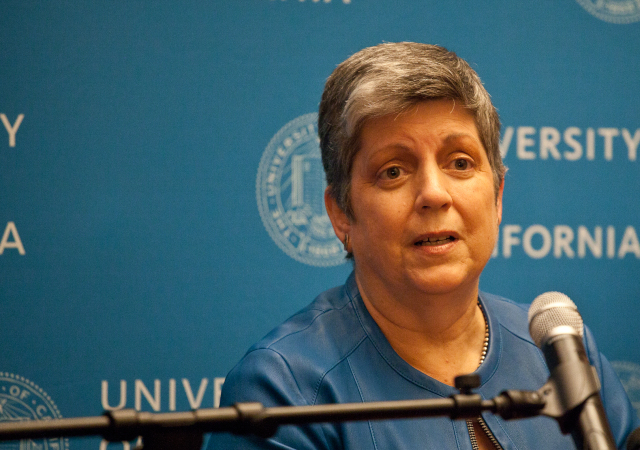
"content": "\u003cp>University of California president Janet Napolitano announced Wednesday she’ll spend $5 million dollars to help undocumented students succeed in the UC system. Napolitano made the pledge at the Commonwealth Club in San Francisco yesterday.\u003c/p>\n\u003cfigure id=\"attachment_104149\" class=\"wp-caption alignleft\" style=\"max-width: 305px\">\u003cimg decoding=\"async\" loading=\"lazy\" class=\"size-full wp-image-104149 \" src=\"http://ww2.kqed.org/news/wp-content/uploads/sites/10/2013/07/Napolitano2.jpg\" alt=\"Janet Napolitano speaks to the press in July as students protest her selection as president outside. (Photo by Deborah Svoboda/KQED)\" width=\"305\" height=\"213\">\u003cfigcaption class=\"wp-caption-text\">Janet Napolitano speaks to the press in July while students protest her selection as president. (Photo by Deborah Svoboda/KQED)\u003c/figcaption>\u003c/figure>\n\u003cp>Napolitano was relaxed and personable as she made her first public address as president. She said she has some big ideas for UC. And one of her first initiatives is to support undocumented students.\u003c/p>\n\u003cp>“Let me be clear. UC welcomes all students who qualify academically, whether they’re documented or undocumented,” she said.\u003c/p>\n\u003cp>UC’s undocumented students have been Napolitano’s toughest critics because of her tenure as U.S. Secretary of Homeland Security. Some have staged protests over her enforcement of controversial immigration policies. But now Napolitano says UC will set aside the $5 million to pay for special advisers, student service centers and financial aid for the system’s estimated undocumented population of 900.\u003c/p>\n\u003cp>“They do merit special attention,” she said. “Oftentimes they are from families who are very poor and first-generation, so have no one out there to talk to them about student life.”\u003c!--more-->\u003c/p>\n\u003cp>[ad fullwidth]\u003c/p>\n\u003cp>It’s not clear whether the announcement will sway Napolitano’s critics on campuses, though. A handful of student governments have passed resolutions of ‘no confidence’ in her.\u003c/p>\n\u003cp>UC Berkeley student president DeeJay Pepito says Napolitano lacks experience and was selected without student input. “That’s not necessarily saying there is no hope, but I don’t really see her being able to reassure me as of right now that UC is going to be headed in a good direction.”\u003c/p>\n\u003cp>And at least one non-profit group advocating for immigration rights has come out discounting Napolitano’s $5 million pledge. Presente.org is an Latino online advocacy group based in California. Executive Director Arturo Carmona issued a statement Thursday saying the new money “hardly begins to reassure the undocumented, Latino and other student communities that Napolitano has changed her anti-immigrant ways … The $5 million doesn’t begin to heal the devastation and distrust,” among undocumented families.\u003c/p>\n\u003cp>Napolitano said she’s also setting aside $10 million to recruit more graduate students and to support postdoctoral fellows in their research work.\u003c/p>\n\u003cp>UC spokeswoman Dianne Klein said that the $15 million that Napolitano pledged for the two new initiatives would not be funded from tuition or the university’s state-funded operating budget, but from reserves in accounts the system uses to help finance faculty mortgages and campus efficiency projects.\u003c/p>\n\u003cp>Napolitano also appeared on KQED Forum Thursday. She answered a question about undocumented students paying in-state tuition.\u003c/p>\n\u003cp>“The undocumented students who pay in-state tuition are Californians in all sense except they are undocumented …. They were brought here by others, usually they grew up here. They attended California schools all the way through. If they got into UC it means they were studying pretty hard and getting good grades. So I don’t see that as an unfairness.”\u003c/p>\n\u003cp>You can listen to the full segment and read a \u003ca href=\"http://www.kqed.org/a/forum/R201310310900\" target=\"_blank\" rel=\"noopener\">listener discussion on the issue of undocumented students here\u003c/a>.\u003c/p>\n\u003cp>\u003cem>Jon Brooks, Amanda Stupi, and The Associated Press contributed to this report.\u003c/em>\u003c/p>\n\u003cp>\u003c/p>\n\u003cp>\u003ca href=\"http://www.californiareport.org/archive/R201310310850/b\" target=\"_blank\" rel=\"noopener\">Listen to KQED education reporter Ana Tintocalis’ report\u003c/a>\u003c/p>\n\n",
"stats": {
"hasVideo": false,
"hasChartOrMap": false,
"hasAudio": false,
"hasPolis": false,
"wordCount": 583,
"hasGoogleForm": false,
"hasGallery": false,
"hasHearkenModule": false,
"iframeSrcs": [],
"paragraphCount": 17
},
"modified": 1685487055,
"excerpt": "Napolitano says undocumented students \"merit special attention,\" but will the announcement sway her student critics? ",
"headData": {
"twImgId": "",
"twTitle": "",
"ogTitle": "",
"ogImgId": "",
"twDescription": "",
"description": "Napolitano says undocumented students "merit special attention," but will the announcement sway her student critics? ",
"title": "Can Janet Napolitano's $5 Million Pledge Square Her With Immigrant-Rights Advocates? | KQED",
"ogDescription": "",
"schema": {
"@context": "https://schema.org",
"@type": "NewsArticle",
"headline": "Can Janet Napolitano's $5 Million Pledge Square Her With Immigrant-Rights Advocates?",
"datePublished": "2013-10-31T11:46:27-07:00",
"dateModified": "2023-05-30T15:50:55-07:00",
"image": "https://cdn.kqed.org/wp-content/uploads/2020/02/KQED-OG-Image@1x.png",
"isAccessibleForFree": "True",
"publisher": {
"@type": "NewsMediaOrganization",
"@id": "https://www.kqed.org/#organization",
"name": "KQED",
"logo": "https://cdn.kqed.org/wp-content/uploads/2020/02/KQED-OG-Image@1x.png",
"url": "https://www.kqed.org",
"sameAs": [
"https://www.facebook.com/KQED",
"https://twitter.com/KQED",
"https://www.instagram.com/kqed/",
"https://www.tiktok.com/@kqedofficial",
"https://www.linkedin.com/company/kqed",
"https://www.youtube.com/channel/UCeC0IOo7i1P_61zVUWbJ4nw"
]
}
}
},
"guestAuthors": [],
"slug": "uc-president-janet-napolitano-says-5-million-to-be-set-aside-for-undocumented-students",
"status": "publish",
"customPermalink": "2013/10/31/janet-napolitano-uc-undocumented/",
"templateType": "standard",
"excludeFromSiteSearch": "Include",
"featuredImageType": "standard",
"articleAge": "0",
"path": "/news/116666/uc-president-janet-napolitano-says-5-million-to-be-set-aside-for-undocumented-students",
"audioTrackLength": null,
"parsedContent": [
{
"type": "contentString",
"content": "\u003cdiv class=\"post-body\">\u003cp>\u003cp>University of California president Janet Napolitano announced Wednesday she’ll spend $5 million dollars to help undocumented students succeed in the UC system. Napolitano made the pledge at the Commonwealth Club in San Francisco yesterday.\u003c/p>\n\u003cfigure id=\"attachment_104149\" class=\"wp-caption alignleft\" style=\"max-width: 305px\">\u003cimg decoding=\"async\" loading=\"lazy\" class=\"size-full wp-image-104149 \" src=\"http://ww2.kqed.org/news/wp-content/uploads/sites/10/2013/07/Napolitano2.jpg\" alt=\"Janet Napolitano speaks to the press in July as students protest her selection as president outside. (Photo by Deborah Svoboda/KQED)\" width=\"305\" height=\"213\">\u003cfigcaption class=\"wp-caption-text\">Janet Napolitano speaks to the press in July while students protest her selection as president. (Photo by Deborah Svoboda/KQED)\u003c/figcaption>\u003c/figure>\n\u003cp>Napolitano was relaxed and personable as she made her first public address as president. She said she has some big ideas for UC. And one of her first initiatives is to support undocumented students.\u003c/p>\n\u003cp>“Let me be clear. UC welcomes all students who qualify academically, whether they’re documented or undocumented,” she said.\u003c/p>\n\u003cp>UC’s undocumented students have been Napolitano’s toughest critics because of her tenure as U.S. Secretary of Homeland Security. Some have staged protests over her enforcement of controversial immigration policies. But now Napolitano says UC will set aside the $5 million to pay for special advisers, student service centers and financial aid for the system’s estimated undocumented population of 900.\u003c/p>\n\u003cp>“They do merit special attention,” she said. “Oftentimes they are from families who are very poor and first-generation, so have no one out there to talk to them about student life.”\u003c!--more-->\u003c/p>\n\u003cp>\u003c/p>\u003c/div>",
"attributes": {
"named": {},
"numeric": []
}
},
{
"type": "component",
"content": "",
"name": "ad",
"attributes": {
"named": {
"label": "fullwidth"
},
"numeric": [
"fullwidth"
]
}
},
{
"type": "contentString",
"content": "\u003cdiv class=\"post-body\">\u003cp>\u003c/p>\n\u003cp>It’s not clear whether the announcement will sway Napolitano’s critics on campuses, though. A handful of student governments have passed resolutions of ‘no confidence’ in her.\u003c/p>\n\u003cp>UC Berkeley student president DeeJay Pepito says Napolitano lacks experience and was selected without student input. “That’s not necessarily saying there is no hope, but I don’t really see her being able to reassure me as of right now that UC is going to be headed in a good direction.”\u003c/p>\n\u003cp>And at least one non-profit group advocating for immigration rights has come out discounting Napolitano’s $5 million pledge. Presente.org is an Latino online advocacy group based in California. Executive Director Arturo Carmona issued a statement Thursday saying the new money “hardly begins to reassure the undocumented, Latino and other student communities that Napolitano has changed her anti-immigrant ways … The $5 million doesn’t begin to heal the devastation and distrust,” among undocumented families.\u003c/p>\n\u003cp>Napolitano said she’s also setting aside $10 million to recruit more graduate students and to support postdoctoral fellows in their research work.\u003c/p>\n\u003cp>UC spokeswoman Dianne Klein said that the $15 million that Napolitano pledged for the two new initiatives would not be funded from tuition or the university’s state-funded operating budget, but from reserves in accounts the system uses to help finance faculty mortgages and campus efficiency projects.\u003c/p>\n\u003cp>Napolitano also appeared on KQED Forum Thursday. She answered a question about undocumented students paying in-state tuition.\u003c/p>\n\u003cp>“The undocumented students who pay in-state tuition are Californians in all sense except they are undocumented …. They were brought here by others, usually they grew up here. They attended California schools all the way through. If they got into UC it means they were studying pretty hard and getting good grades. So I don’t see that as an unfairness.”\u003c/p>\n\u003cp>You can listen to the full segment and read a \u003ca href=\"http://www.kqed.org/a/forum/R201310310900\" target=\"_blank\" rel=\"noopener\">listener discussion on the issue of undocumented students here\u003c/a>.\u003c/p>\n\u003cp>\u003cem>Jon Brooks, Amanda Stupi, and The Associated Press contributed to this report.\u003c/em>\u003c/p>\n\u003cp>\u003c/p>\n\u003cp>\u003ca href=\"http://www.californiareport.org/archive/R201310310850/b\" target=\"_blank\" rel=\"noopener\">Listen to KQED education reporter Ana Tintocalis’ report\u003c/a>\u003c/p>\n\n\u003c/div>\u003c/p>",
"attributes": {
"named": {},
"numeric": []
}
}
],
"link": "/news/116666/uc-president-janet-napolitano-says-5-million-to-be-set-aside-for-undocumented-students",
"authors": [
"211"
],
"programs": [
"news_6944"
],
"categories": [
"news_18540",
"news_1169"
],
"tags": [
"news_1790",
"news_757"
],
"featImg": "news_104149",
"label": "news_6944"
},
"news_115178": {
"type": "posts",
"id": "news_115178",
"meta": {
"index": "posts_1716263798",
"site": "news",
"id": "115178",
"score": null,
"sort": [
1382099407000
]
},
"parent": 0,
"labelTerm": {
"site": "news",
"term": 6944
},
"blocks": [],
"publishDate": 1382099407,
"format": "aside",
"disqusTitle": "A New Challenge for Oakland Schools — Extra Money From State",
"title": "A New Challenge for Oakland Schools — Extra Money From State",
"headTitle": "News Fix | KQED News",
"content": "\u003cfigure id=\"attachment_115180\" class=\"wp-caption aligncenter\" style=\"max-width: 640px\">\u003ca href=\"http://ww2.kqed.org/news/?attachment_id=115180\" rel=\"attachment wp-att-115180\">\u003cimg class=\"size-full wp-image-115180\" src=\"http://ww2.kqed.org/news/wp-content/uploads/sites/10/2013/10/Oakland-Schools.jpg\" alt=\"Students at Esperanza Elementary School in Oakland take a break from their studies on the playground. (Ana Tintocalis/KQED)\" width=\"640\" height=\"480\">\u003c/a>\u003cfigcaption class=\"wp-caption-text\">Students at Esperanza Elementary School in Oakland take a break from their studies on the playground. (Ana Tintocalis/KQED) \u003ccite>(Ana Tintocalis/KQED)\u003c/cite>\u003c/figcaption>\u003c/figure>\n\u003cp>Sacramento is finally giving back to school districts after years of slashing their budgets.\u003c/p>\n\u003cp>Gov. Jerry Brown's new education funding formula sets aside additional funding to districts that serve large numbers of at-risk students. In addition, the system requires school boards and communities — not state lawmakers — to figure out how to spend the extra funding. The goal is get better results for the state’s most at-risk students.\u003c/p>\n\u003cp>The situation is now forcing parents, teachers and principals to find common ground on how to best educate these kids. Nowhere is that more apparent than in the\u003ca href=\"http://www.ousd.k12.ca.us/site/default.aspx?PageID=1\"> Oakland Unified School District\u003c/a>, which stands to get an additional $2,000 per student once the funding formula is fully implemented.\u003c/p>\n\u003cp>Everyone in the district has an idea of how to spend the money.\u003c/p>\n\u003cp>\u003ca href=\"https://sites.google.com/a/oaklandea.org/oea/\">Oakland Education Association\u003c/a> President Trish Gorham says if the district wants to keep talented educators, it needs to spend the money on teachers’ salaries.\u003c/p>\n\u003cp>[ad fullwidth]\u003c/p>\n\u003cp>“Over the last 10 years, (teachers) have gotten a total of three and a half percent (salary) increase,” Gorham said. “That is not equity. That is not providing stability.”\u003c/p>\n\u003cp>Advocates for Oakland’s African-American students say new education dollars should be spent on teacher training. Chris Chatmon, executive director of the district’s \u003ca href=\"http://www.thrivingstudents.org/5\">African American Male Achievement Initiative\u003c/a>, says research shows culturally sensitive teachers help students of color succeed.\u003c/p>\n\u003cp>“(African-American students need) positive, caring adults in their life that are going to see the beauty, the brilliance in them and the potential in them,” Chatmon said.\u003c/p>\n\u003cp>Groups of Spanish-speaking immigrant parents in Oakland Unified have a different idea altogether. Maria Holguin is a mother who believes school officials need to spend the money on programs once the school day is over. Holguin says many immigrant parents work two jobs and don't speak enough English to help their kids learn.\u003c/p>\n\u003cp>“Our children really need after-school programs to help them with their homework and to give them tutoring in reading and math,” Holguin said.\u003c/p>\n\u003cp>Caught in the middle of all these competing interests: Oakland’s seven elected \u003ca href=\"http://www.ousd.k12.ca.us/domain/63\">school board members\u003c/a>.\u003cbr>\n\u003c!--more-->\u003cbr>\nJames Harris, one of three new trustees, represents schools that have the highest number of at-risk students in the district. He welcomes the new spending pressure which has resulted from the Governor's new funding formula, but says the district needs to be strategic in how it will spend the additional revenue.\u003c/p>\n\u003cp>“There is this temptation to just look at it like new money,” Harris said. “(The board) is saying ‘No.’ Let’s figure out how we can rethink the way we’re doing this to deliver better outcomes.”\u003c/p>\n\u003cp>California is not the first state to channel money in this way. Most states have a weighted student funding formula. The method has produced significant academic results in states like New York. But there are mixed results in others states like Illinois.\u003c/p>\n\u003cp>However, most educators in California agree the state’s education finance system had to change.\u003c/p>\n\u003cp>\u003ca href=\"http://www.cde.ca.gov/be/ms/mm/\">California State School Board President Michael Kirst\u003c/a> has been pushing for an overhaul. He admits there will be more squabbles within local school communities as parents, educators and school trustees determine which strategies should be funded. However, Kirst is confident local school boards will make better decisions than Sacramento lawmakers.\u003c/p>\n\u003cp>“The local boards will be more politicized because the state was specifying over a third of their (state funding),” Kirst said. “Now (school board trustees) will have to catch the flak for what they are doing more.\"\u003c/p>\n\u003cp>Under the new system, school boards will also be required to rely on parent groups at each school to shape and build strategies. Kirst says now parents should also have a bigger say in their child’s education.\u003c/p>\n\u003cp>“Parents and other people can get to their local school board. Only a handful of lobbyists get to Sacramento. So we really see this as a way to get more people involved and that is good,” Kirst says.\u003c/p>\n\u003cp>At Esperanza Elementary School in Oakland, principal Wesley Jaques says local control will help his students, most of whom speak English as a second language. Jaques says student success at this school hinges on what is also happening at a child’s home.\u003c/p>\n\u003cp>“We’ve had families deported. We have families dealing with violence. We’ve had family members killed. ... Additional funding will help, but the way we use it is really critical,” Jaques said.\u003c/p>\n\u003cp>Oakland school board member James Harris agrees.\u003c/p>\n\u003cp>\u003c/p>\n\u003cp>He says the board’s challenge will be convincing competing community groups that any spending decision has to benefit all at-risk kids.\u003c/p>\n\n",
"disqusIdentifier": "115178 http://ww2.kqed.org/news/?p=115178",
"disqusUrl": "https://ww2.kqed.org/news/2013/10/18/a-new-challenge-for-oakland-schools-extra-money-from-state/",
"stats": {
"hasVideo": false,
"hasChartOrMap": false,
"hasAudio": false,
"hasPolis": false,
"wordCount": 825,
"hasGoogleForm": false,
"hasGallery": false,
"hasHearkenModule": false,
"iframeSrcs": [],
"paragraphCount": 24
},
"modified": 1382050993,
"excerpt": "Oakland school district finds that the hard part of new state funding is deciding how to spend it. ",
"headData": {
"twImgId": "",
"twTitle": "",
"ogTitle": "",
"ogImgId": "",
"twDescription": "",
"description": "Oakland school district finds that the hard part of new state funding is deciding how to spend it. ",
"title": "A New Challenge for Oakland Schools — Extra Money From State | KQED",
"ogDescription": "",
"schema": {
"@context": "https://schema.org",
"@type": "NewsArticle",
"headline": "A New Challenge for Oakland Schools — Extra Money From State",
"datePublished": "2013-10-18T05:30:07-07:00",
"dateModified": "2013-10-17T16:03:13-07:00",
"image": "https://cdn.kqed.org/wp-content/uploads/2020/02/KQED-OG-Image@1x.png",
"isAccessibleForFree": "True",
"publisher": {
"@type": "NewsMediaOrganization",
"@id": "https://www.kqed.org/#organization",
"name": "KQED",
"logo": "https://cdn.kqed.org/wp-content/uploads/2020/02/KQED-OG-Image@1x.png",
"url": "https://www.kqed.org",
"sameAs": [
"https://www.facebook.com/KQED",
"https://twitter.com/KQED",
"https://www.instagram.com/kqed/",
"https://www.tiktok.com/@kqedofficial",
"https://www.linkedin.com/company/kqed",
"https://www.youtube.com/channel/UCeC0IOo7i1P_61zVUWbJ4nw"
]
}
}
},
"guestAuthors": [],
"slug": "a-new-challenge-for-oakland-schools-extra-money-from-state",
"status": "publish",
"customPermalink": "2013/10/16/oakland-schools-budget-state-funding/",
"path": "/news/115178/a-new-challenge-for-oakland-schools-extra-money-from-state",
"audioTrackLength": null,
"parsedContent": [
{
"type": "contentString",
"content": "\u003cdiv class=\"post-body\">\u003cp>\u003cfigure id=\"attachment_115180\" class=\"wp-caption aligncenter\" style=\"max-width: 640px\">\u003ca href=\"http://ww2.kqed.org/news/?attachment_id=115180\" rel=\"attachment wp-att-115180\">\u003cimg class=\"size-full wp-image-115180\" src=\"http://ww2.kqed.org/news/wp-content/uploads/sites/10/2013/10/Oakland-Schools.jpg\" alt=\"Students at Esperanza Elementary School in Oakland take a break from their studies on the playground. (Ana Tintocalis/KQED)\" width=\"640\" height=\"480\">\u003c/a>\u003cfigcaption class=\"wp-caption-text\">Students at Esperanza Elementary School in Oakland take a break from their studies on the playground. (Ana Tintocalis/KQED) \u003ccite>(Ana Tintocalis/KQED)\u003c/cite>\u003c/figcaption>\u003c/figure>\n\u003cp>Sacramento is finally giving back to school districts after years of slashing their budgets.\u003c/p>\n\u003cp>Gov. Jerry Brown's new education funding formula sets aside additional funding to districts that serve large numbers of at-risk students. In addition, the system requires school boards and communities — not state lawmakers — to figure out how to spend the extra funding. The goal is get better results for the state’s most at-risk students.\u003c/p>\n\u003cp>The situation is now forcing parents, teachers and principals to find common ground on how to best educate these kids. Nowhere is that more apparent than in the\u003ca href=\"http://www.ousd.k12.ca.us/site/default.aspx?PageID=1\"> Oakland Unified School District\u003c/a>, which stands to get an additional $2,000 per student once the funding formula is fully implemented.\u003c/p>\n\u003cp>Everyone in the district has an idea of how to spend the money.\u003c/p>\n\u003cp>\u003ca href=\"https://sites.google.com/a/oaklandea.org/oea/\">Oakland Education Association\u003c/a> President Trish Gorham says if the district wants to keep talented educators, it needs to spend the money on teachers’ salaries.\u003c/p>\n\u003cp>\u003c/p>\u003c/div>",
"attributes": {
"named": {},
"numeric": []
}
},
{
"type": "component",
"content": "",
"name": "ad",
"attributes": {
"named": {
"label": "fullwidth"
},
"numeric": [
"fullwidth"
]
}
},
{
"type": "contentString",
"content": "\u003cdiv class=\"post-body\">\u003cp>\u003c/p>\n\u003cp>“Over the last 10 years, (teachers) have gotten a total of three and a half percent (salary) increase,” Gorham said. “That is not equity. That is not providing stability.”\u003c/p>\n\u003cp>Advocates for Oakland’s African-American students say new education dollars should be spent on teacher training. Chris Chatmon, executive director of the district’s \u003ca href=\"http://www.thrivingstudents.org/5\">African American Male Achievement Initiative\u003c/a>, says research shows culturally sensitive teachers help students of color succeed.\u003c/p>\n\u003cp>“(African-American students need) positive, caring adults in their life that are going to see the beauty, the brilliance in them and the potential in them,” Chatmon said.\u003c/p>\n\u003cp>Groups of Spanish-speaking immigrant parents in Oakland Unified have a different idea altogether. Maria Holguin is a mother who believes school officials need to spend the money on programs once the school day is over. Holguin says many immigrant parents work two jobs and don't speak enough English to help their kids learn.\u003c/p>\n\u003cp>“Our children really need after-school programs to help them with their homework and to give them tutoring in reading and math,” Holguin said.\u003c/p>\n\u003cp>Caught in the middle of all these competing interests: Oakland’s seven elected \u003ca href=\"http://www.ousd.k12.ca.us/domain/63\">school board members\u003c/a>.\u003cbr>\n\u003c!--more-->\u003cbr>\nJames Harris, one of three new trustees, represents schools that have the highest number of at-risk students in the district. He welcomes the new spending pressure which has resulted from the Governor's new funding formula, but says the district needs to be strategic in how it will spend the additional revenue.\u003c/p>\n\u003cp>“There is this temptation to just look at it like new money,” Harris said. “(The board) is saying ‘No.’ Let’s figure out how we can rethink the way we’re doing this to deliver better outcomes.”\u003c/p>\n\u003cp>California is not the first state to channel money in this way. Most states have a weighted student funding formula. The method has produced significant academic results in states like New York. But there are mixed results in others states like Illinois.\u003c/p>\n\u003cp>However, most educators in California agree the state’s education finance system had to change.\u003c/p>\n\u003cp>\u003ca href=\"http://www.cde.ca.gov/be/ms/mm/\">California State School Board President Michael Kirst\u003c/a> has been pushing for an overhaul. He admits there will be more squabbles within local school communities as parents, educators and school trustees determine which strategies should be funded. However, Kirst is confident local school boards will make better decisions than Sacramento lawmakers.\u003c/p>\n\u003cp>“The local boards will be more politicized because the state was specifying over a third of their (state funding),” Kirst said. “Now (school board trustees) will have to catch the flak for what they are doing more.\"\u003c/p>\n\u003cp>Under the new system, school boards will also be required to rely on parent groups at each school to shape and build strategies. Kirst says now parents should also have a bigger say in their child’s education.\u003c/p>\n\u003cp>“Parents and other people can get to their local school board. Only a handful of lobbyists get to Sacramento. So we really see this as a way to get more people involved and that is good,” Kirst says.\u003c/p>\n\u003cp>At Esperanza Elementary School in Oakland, principal Wesley Jaques says local control will help his students, most of whom speak English as a second language. Jaques says student success at this school hinges on what is also happening at a child’s home.\u003c/p>\n\u003cp>“We’ve had families deported. We have families dealing with violence. We’ve had family members killed. ... Additional funding will help, but the way we use it is really critical,” Jaques said.\u003c/p>\n\u003cp>Oakland school board member James Harris agrees.\u003c/p>\n\u003cp>\u003c/p>\n\u003cp>He says the board’s challenge will be convincing competing community groups that any spending decision has to benefit all at-risk kids.\u003c/p>\n\n\u003c/div>\u003c/p>",
"attributes": {
"named": {},
"numeric": []
}
}
],
"link": "/news/115178/a-new-challenge-for-oakland-schools-extra-money-from-state",
"authors": [
"211"
],
"programs": [
"news_6944"
],
"categories": [
"news_18540",
"news_8"
],
"tags": [
"news_18",
"news_3202",
"news_4961"
],
"featImg": "news_115180",
"label": "news_6944"
},
"news_115211": {
"type": "posts",
"id": "news_115211",
"meta": {
"index": "posts_1716263798",
"site": "news",
"id": "115211",
"score": null,
"sort": [
1381973135000
]
},
"parent": 0,
"labelTerm": {
"site": "news",
"term": 6944
},
"blocks": [],
"publishDate": 1381973135,
"format": "aside",
"disqusTitle": "City College of San Francisco Gets New Chancellor — With Anti-terrorism Skills",
"title": "City College of San Francisco Gets New Chancellor — With Anti-terrorism Skills",
"headTitle": "News Fix | KQED News",
"content": "\u003cfigure id=\"attachment_115231\" class=\"wp-caption alignnone\" style=\"max-width: 640px\">\u003ca href=\"http://ww2.kqed.org/news/2013/10/16/115211/art11/\" rel=\"attachment wp-att-115231\">\u003cimg class=\"size-full wp-image-115231\" src=\"http://ww2.kqed.org/news/wp-content/uploads/sites/10/2013/10/Art11-e1381972130330.jpg\" alt=\"Arthur Q. Tyler was named chancellor of City College of San Francisco on Oct. 16.\" width=\"640\" height=\"427\">\u003c/a>\u003cfigcaption class=\"wp-caption-text\">Arthur Q. Tyler was named chancellor of City College of San Francisco on Oct. 16.\u003c/figcaption>\u003c/figure>\n\u003cp>The Bay Area is becoming a \u003cem>hub\u003c/em> of anti-terrorism leadership, to judge by the recent appointment of \u003ca href=\"http://en.wikipedia.org/wiki/Janet_Napolitano\">Janet Napolitano\u003c/a> as president of the University of California system, and today's news that \u003ca href=\"http://www.ccsf.edu/NEW/en/about-city-college/marketing_publications/ccsf-publications-and-media/CCArchives/city_currents_2013/citycurrentsOctober032013/featured_stories/jcr:content/contentparsys/documentlink_4/file.res/Athur%20Tyler%20Bio.pdf\">Arthur Q. Tyler\u003c/a> has been named chancellor of the \u003ca href=\"http://www.ccsf.edu/NEW/\">City College of San Francisco\u003c/a>.\u003c/p>\n\u003cp>Napolitano is former Secretary of Homeland Security. Tyler, according to his bio, served for more than 20 years in the military, including as the U.S. Air Force's anti-terrorism manager. (Don't get us started on \u003ca href=\"http://www.panettainstitute.org/about-us/institute-people/leon-panetta/\">Leon Panetta\u003c/a>'s resume.)\u003c/p>\n\u003cp>Tyler's skills may come in handy as embattled CCSF fights to maintain accreditation. But his power will be limited at first, since he reports to special trustee Robert Agrella. Agrella took over the traditional powers of CCSF's board of trustees in July after a regional accrediting panel revoked City College's accreditation effective July 31, 2014.\u003c/p>\n\u003cp>The Accrediting Commission for Community and Junior Colleges announced CCSF would lose its accreditation, pending appeal, for failing to enact recommendations from the commission to change the college's governance structure and finances.\u003c/p>\n\u003cp>At today's news conference, Tyler said he would work with Agrella to expedite ACCJC's recommended changes.\u003c/p>\n\u003cp>[ad fullwidth]\u003c/p>\n\u003cp>\"We will get the accreditation done... and continue to be the best economic engine for this city,\" he said. \"I will give you every ounce of my energy.\"\u003c/p>\n\u003cp>From the Associated Press story on Tyler's appointment:\u003c/p>\n\u003cblockquote>\u003cp>Agrella said naming Tyler as the new permanent chancellor was \"one of the most important decisions I have made as CCSF's special trustee.\"\u003c/p>\n\u003cp>He said he chose Tyler out of 30 applicants who were narrowed down to four finalists.\u003c/p>\n\u003cp>\"I feel we are very fortunate to have attracted him to CCSF at this critical time in the college's history,\" Agrella said. \"He has valuable perspective on how we can continue to maintain the critical progress we've made to maintain City College's accreditation.\"\u003c/p>\n\u003cp>Tyler previously served as a special trustee himself, overseeing Compton Community College before it lost its accreditation.\u003c/p>\n\u003cp>He most recently worked as deputy chancellor and chief operating officer of the Houston Community College System from 2007 until this August, and has served as president of Sacramento City College and vice president of administration and finance at Los Angeles City College.\u003c/p>\u003c/blockquote>\n\u003cp>Tyler, 63, has a contract for two years, with a yearly salary of $285,000. He starts Nov. 1. See our recent coverage of the CCSF accreditation story on \u003ca href=\"http://www.kqed.org/a/forum/R201309160930\">Forum\u003c/a>, and in \u003ca href=\"http://ww2.kqed.org/news/2013/09/05/sf-city-college/\">Newsfix\u003c/a>.\u003c/p>\n\u003cp>\u003c/p>\n\u003cp>Bay City News contributed to this story.\u003c/p>\n\n",
"disqusIdentifier": "115211 http://ww2.kqed.org/news/?p=115211",
"disqusUrl": "https://ww2.kqed.org/news/2013/10/16/city-college-of-san-francisco-gets-new-chancellor-with-antiterrorism-skills/",
"stats": {
"hasVideo": false,
"hasChartOrMap": false,
"hasAudio": false,
"hasPolis": false,
"wordCount": 440,
"hasGoogleForm": false,
"hasGallery": false,
"hasHearkenModule": false,
"iframeSrcs": [],
"paragraphCount": 16
},
"modified": 1381975218,
"excerpt": "Arthur Tyler won't have much power at first, as embattled CCSF fights for accreditation.",
"headData": {
"twImgId": "",
"twTitle": "",
"ogTitle": "",
"ogImgId": "",
"twDescription": "",
"description": "Arthur Tyler won't have much power at first, as embattled CCSF fights for accreditation.",
"title": "City College of San Francisco Gets New Chancellor — With Anti-terrorism Skills | KQED",
"ogDescription": "",
"schema": {
"@context": "https://schema.org",
"@type": "NewsArticle",
"headline": "City College of San Francisco Gets New Chancellor — With Anti-terrorism Skills",
"datePublished": "2013-10-16T18:25:35-07:00",
"dateModified": "2013-10-16T19:00:18-07:00",
"image": "https://cdn.kqed.org/wp-content/uploads/2020/02/KQED-OG-Image@1x.png",
"isAccessibleForFree": "True",
"publisher": {
"@type": "NewsMediaOrganization",
"@id": "https://www.kqed.org/#organization",
"name": "KQED",
"logo": "https://cdn.kqed.org/wp-content/uploads/2020/02/KQED-OG-Image@1x.png",
"url": "https://www.kqed.org",
"sameAs": [
"https://www.facebook.com/KQED",
"https://twitter.com/KQED",
"https://www.instagram.com/kqed/",
"https://www.tiktok.com/@kqedofficial",
"https://www.linkedin.com/company/kqed",
"https://www.youtube.com/channel/UCeC0IOo7i1P_61zVUWbJ4nw"
]
}
}
},
"guestAuthors": [],
"slug": "city-college-of-san-francisco-gets-new-chancellor-with-antiterrorism-skills",
"status": "publish",
"customPermalink": "2013/10/16/115211/CCSF-arthur-tyler-chancellor/",
"path": "/news/115211/city-college-of-san-francisco-gets-new-chancellor-with-antiterrorism-skills",
"audioTrackLength": null,
"parsedContent": [
{
"type": "contentString",
"content": "\u003cdiv class=\"post-body\">\u003cp>\u003cfigure id=\"attachment_115231\" class=\"wp-caption alignnone\" style=\"max-width: 640px\">\u003ca href=\"http://ww2.kqed.org/news/2013/10/16/115211/art11/\" rel=\"attachment wp-att-115231\">\u003cimg class=\"size-full wp-image-115231\" src=\"http://ww2.kqed.org/news/wp-content/uploads/sites/10/2013/10/Art11-e1381972130330.jpg\" alt=\"Arthur Q. Tyler was named chancellor of City College of San Francisco on Oct. 16.\" width=\"640\" height=\"427\">\u003c/a>\u003cfigcaption class=\"wp-caption-text\">Arthur Q. Tyler was named chancellor of City College of San Francisco on Oct. 16.\u003c/figcaption>\u003c/figure>\n\u003cp>The Bay Area is becoming a \u003cem>hub\u003c/em> of anti-terrorism leadership, to judge by the recent appointment of \u003ca href=\"http://en.wikipedia.org/wiki/Janet_Napolitano\">Janet Napolitano\u003c/a> as president of the University of California system, and today's news that \u003ca href=\"http://www.ccsf.edu/NEW/en/about-city-college/marketing_publications/ccsf-publications-and-media/CCArchives/city_currents_2013/citycurrentsOctober032013/featured_stories/jcr:content/contentparsys/documentlink_4/file.res/Athur%20Tyler%20Bio.pdf\">Arthur Q. Tyler\u003c/a> has been named chancellor of the \u003ca href=\"http://www.ccsf.edu/NEW/\">City College of San Francisco\u003c/a>.\u003c/p>\n\u003cp>Napolitano is former Secretary of Homeland Security. Tyler, according to his bio, served for more than 20 years in the military, including as the U.S. Air Force's anti-terrorism manager. (Don't get us started on \u003ca href=\"http://www.panettainstitute.org/about-us/institute-people/leon-panetta/\">Leon Panetta\u003c/a>'s resume.)\u003c/p>\n\u003cp>Tyler's skills may come in handy as embattled CCSF fights to maintain accreditation. But his power will be limited at first, since he reports to special trustee Robert Agrella. Agrella took over the traditional powers of CCSF's board of trustees in July after a regional accrediting panel revoked City College's accreditation effective July 31, 2014.\u003c/p>\n\u003cp>The Accrediting Commission for Community and Junior Colleges announced CCSF would lose its accreditation, pending appeal, for failing to enact recommendations from the commission to change the college's governance structure and finances.\u003c/p>\n\u003cp>At today's news conference, Tyler said he would work with Agrella to expedite ACCJC's recommended changes.\u003c/p>\n\u003cp>\u003c/p>\u003c/div>",
"attributes": {
"named": {},
"numeric": []
}
},
{
"type": "component",
"content": "",
"name": "ad",
"attributes": {
"named": {
"label": "fullwidth"
},
"numeric": [
"fullwidth"
]
}
},
{
"type": "contentString",
"content": "\u003cdiv class=\"post-body\">\u003cp>\u003c/p>\n\u003cp>\"We will get the accreditation done... and continue to be the best economic engine for this city,\" he said. \"I will give you every ounce of my energy.\"\u003c/p>\n\u003cp>From the Associated Press story on Tyler's appointment:\u003c/p>\n\u003cblockquote>\u003cp>Agrella said naming Tyler as the new permanent chancellor was \"one of the most important decisions I have made as CCSF's special trustee.\"\u003c/p>\n\u003cp>He said he chose Tyler out of 30 applicants who were narrowed down to four finalists.\u003c/p>\n\u003cp>\"I feel we are very fortunate to have attracted him to CCSF at this critical time in the college's history,\" Agrella said. \"He has valuable perspective on how we can continue to maintain the critical progress we've made to maintain City College's accreditation.\"\u003c/p>\n\u003cp>Tyler previously served as a special trustee himself, overseeing Compton Community College before it lost its accreditation.\u003c/p>\n\u003cp>He most recently worked as deputy chancellor and chief operating officer of the Houston Community College System from 2007 until this August, and has served as president of Sacramento City College and vice president of administration and finance at Los Angeles City College.\u003c/p>\u003c/blockquote>\n\u003cp>Tyler, 63, has a contract for two years, with a yearly salary of $285,000. He starts Nov. 1. See our recent coverage of the CCSF accreditation story on \u003ca href=\"http://www.kqed.org/a/forum/R201309160930\">Forum\u003c/a>, and in \u003ca href=\"http://ww2.kqed.org/news/2013/09/05/sf-city-college/\">Newsfix\u003c/a>.\u003c/p>\n\u003cp>\u003c/p>\n\u003cp>Bay City News contributed to this story.\u003c/p>\n\n\u003c/div>\u003c/p>",
"attributes": {
"named": {},
"numeric": []
}
}
],
"link": "/news/115211/city-college-of-san-francisco-gets-new-chancellor-with-antiterrorism-skills",
"authors": [
"237"
],
"programs": [
"news_6944"
],
"categories": [
"news_18540",
"news_8"
],
"tags": [
"news_2643",
"news_2863",
"news_4967",
"news_38"
],
"featImg": "news_115231",
"label": "news_6944"
},
"news_114680": {
"type": "posts",
"id": "news_114680",
"meta": {
"index": "posts_1716263798",
"site": "news",
"id": "114680",
"score": null,
"sort": [
1381449556000
]
},
"parent": 0,
"labelTerm": {
"site": "news",
"term": 6944
},
"blocks": [],
"publishDate": 1381449556,
"format": "aside",
"disqusTitle": "Attorney General Kamala Harris Sues For-Profit College Company",
"title": "Attorney General Kamala Harris Sues For-Profit College Company",
"headTitle": "News Fix | KQED News",
"content": "\u003cfigure id=\"attachment_114699\" class=\"wp-caption alignleft\" style=\"max-width: 300px\">\u003ca href=\"http://ww2.kqed.org/news/wp-content/uploads/sites/10/2013/10/KamalaHarris131010B.jpg\">\u003cimg class=\"size-medium wp-image-114699 \" src=\"http://ww2.kqed.org/news/wp-content/uploads/sites/10/2013/10/KamalaHarris131010B-300x225.jpg\" alt=\"Kamala Harris at a press conference on Oct. 10, 2013. Christine Hsu/KQED\" width=\"300\" height=\"225\">\u003c/a>\u003cfigcaption class=\"wp-caption-text\">Kamala Harris at a press conference on Oct. 10, 2013. Christine Hsu/KQED\u003c/figcaption>\u003c/figure>\n\u003cp>\u003cstrong>By Christine Hsu\u003c/strong>\u003c/p>\n\u003cp>California Attorney General Kamala Harris filed a lawsuit yesterday against Santa Ana-based \u003ca href=\"http://http://www.cci.edu/\">Corinthian Colleges, Inc. (CCi)\u003c/a> and its subsidiaries Everest, Heald and WyoTech colleges for false and predatory advertising, securities fraud and intentional misrepresentations to students.\u003c/p>\n\u003cp>Harris said the colleges targeted low-income people, minorities and veterans in the state to enroll as students.\u003c/p>\n\u003cp>Harris alleged that Corinthian promised students, “a hundred percent guarantee of job placement. Our investigation, however, found that this was false information and in some programs, not one single student obtained a job coming out of that program.”\u003cstrong>\u003cem> \u003c/em>\u003c/strong>\u003c/p>\n\u003cp>Kent Jenkins, a spokesman for Corinthian, issued the following statement: “We are committed to regulatory compliance and have robust processes in place to correctly record and disclose the job placement information we receive from our graduates and their employers.”\u003c/p>\n\u003cp>[ad fullwidth]\u003c/p>\n\u003cp>He added, “we will vigorously defend against this complaint.”\u003c/p>\n\u003cp>Harris issued a call to current and former CCi students to file complaints at the \u003ca href=\"http://http://oag.ca.gov/contact/consumer-complaint-against-business-or-company\">website\u003c/a> of the Attorney General’s Office.\u003c/p>\n\u003cp>She said Corinthian executives had conducted a \"predatory scheme\" that is \"unconscionable.\"\u003c/p>\n\u003cp>There are 24 colleges run by Corinthian in California with approximately 27,000 students enrolled.\u003c/p>\n\u003cp>Heald College has a long history in San Francisco. One of the country's oldest business careers college, Heald was founded in 1863 and now includes 12 campuses across the western United States. Its alumni includes Bank of America founder A.P. Giannini, museum founder M.H. de Young, and former California Governor Hiram Johnson.\u003c/p>\n\u003cp>Here is the lawsuit:\u003c/p>\n\u003cp style=\"margin: 12px auto 6px auto;font-family: Helvetica,Arial,Sans-serif;font-style: normal;font-variant: normal;font-weight: normal;font-size: 14px;line-height: normal\">\u003ca style=\"text-decoration: underline\" title=\"View Document on Scribd\" href=\"http://www.scribd.com/doc/175463827/Document\">Document\u003c/a>\u003c/p>\n\u003cp>\u003c/p>\n\u003cp>\u003ciframe id=\"doc_6010\" src=\"//www.scribd.com/embeds/175463827/content?start_page=1&view_mode=scroll&show_recommendations=true\" frameborder=\"0\" scrolling=\"no\" width=\"100%\" height=\"600\">\u003c/iframe>\u003c/p>\n\n",
"disqusIdentifier": "114680 http://ww2.kqed.org/news/?p=114680",
"disqusUrl": "https://ww2.kqed.org/news/2013/10/10/attorney-general-kamala-harris-sues-for-profit-college-company/",
"stats": {
"hasVideo": false,
"hasChartOrMap": false,
"hasAudio": false,
"hasPolis": false,
"wordCount": 278,
"hasGoogleForm": false,
"hasGallery": false,
"hasHearkenModule": false,
"iframeSrcs": [],
"paragraphCount": 14
},
"modified": 1381553026,
"excerpt": "Suit alleges that some of the college's programs guaranteeing jobs lead to no jobs whatsoever.",
"headData": {
"twImgId": "",
"twTitle": "",
"ogTitle": "",
"ogImgId": "",
"twDescription": "",
"description": "Suit alleges that some of the college's programs guaranteeing jobs lead to no jobs whatsoever.",
"title": "Attorney General Kamala Harris Sues For-Profit College Company | KQED",
"ogDescription": "",
"schema": {
"@context": "https://schema.org",
"@type": "NewsArticle",
"headline": "Attorney General Kamala Harris Sues For-Profit College Company",
"datePublished": "2013-10-10T16:59:16-07:00",
"dateModified": "2013-10-11T21:43:46-07:00",
"image": "https://cdn.kqed.org/wp-content/uploads/2020/02/KQED-OG-Image@1x.png",
"isAccessibleForFree": "True",
"publisher": {
"@type": "NewsMediaOrganization",
"@id": "https://www.kqed.org/#organization",
"name": "KQED",
"logo": "https://cdn.kqed.org/wp-content/uploads/2020/02/KQED-OG-Image@1x.png",
"url": "https://www.kqed.org",
"sameAs": [
"https://www.facebook.com/KQED",
"https://twitter.com/KQED",
"https://www.instagram.com/kqed/",
"https://www.tiktok.com/@kqedofficial",
"https://www.linkedin.com/company/kqed",
"https://www.youtube.com/channel/UCeC0IOo7i1P_61zVUWbJ4nw"
]
}
}
},
"guestAuthors": [],
"slug": "attorney-general-kamala-harris-sues-for-profit-college-company",
"status": "publish",
"customPermalink": "2013/10/11/ag-kamala-harris/",
"path": "/news/114680/attorney-general-kamala-harris-sues-for-profit-college-company",
"audioTrackLength": null,
"parsedContent": [
{
"type": "contentString",
"content": "\u003cdiv class=\"post-body\">\u003cp>\u003cfigure id=\"attachment_114699\" class=\"wp-caption alignleft\" style=\"max-width: 300px\">\u003ca href=\"http://ww2.kqed.org/news/wp-content/uploads/sites/10/2013/10/KamalaHarris131010B.jpg\">\u003cimg class=\"size-medium wp-image-114699 \" src=\"http://ww2.kqed.org/news/wp-content/uploads/sites/10/2013/10/KamalaHarris131010B-300x225.jpg\" alt=\"Kamala Harris at a press conference on Oct. 10, 2013. Christine Hsu/KQED\" width=\"300\" height=\"225\">\u003c/a>\u003cfigcaption class=\"wp-caption-text\">Kamala Harris at a press conference on Oct. 10, 2013. Christine Hsu/KQED\u003c/figcaption>\u003c/figure>\n\u003cp>\u003cstrong>By Christine Hsu\u003c/strong>\u003c/p>\n\u003cp>California Attorney General Kamala Harris filed a lawsuit yesterday against Santa Ana-based \u003ca href=\"http://http://www.cci.edu/\">Corinthian Colleges, Inc. (CCi)\u003c/a> and its subsidiaries Everest, Heald and WyoTech colleges for false and predatory advertising, securities fraud and intentional misrepresentations to students.\u003c/p>\n\u003cp>Harris said the colleges targeted low-income people, minorities and veterans in the state to enroll as students.\u003c/p>\n\u003cp>Harris alleged that Corinthian promised students, “a hundred percent guarantee of job placement. Our investigation, however, found that this was false information and in some programs, not one single student obtained a job coming out of that program.”\u003cstrong>\u003cem> \u003c/em>\u003c/strong>\u003c/p>\n\u003cp>Kent Jenkins, a spokesman for Corinthian, issued the following statement: “We are committed to regulatory compliance and have robust processes in place to correctly record and disclose the job placement information we receive from our graduates and their employers.”\u003c/p>\n\u003cp>\u003c/p>\u003c/div>",
"attributes": {
"named": {},
"numeric": []
}
},
{
"type": "component",
"content": "",
"name": "ad",
"attributes": {
"named": {
"label": "fullwidth"
},
"numeric": [
"fullwidth"
]
}
},
{
"type": "contentString",
"content": "\u003cdiv class=\"post-body\">\u003cp>\u003c/p>\n\u003cp>He added, “we will vigorously defend against this complaint.”\u003c/p>\n\u003cp>Harris issued a call to current and former CCi students to file complaints at the \u003ca href=\"http://http://oag.ca.gov/contact/consumer-complaint-against-business-or-company\">website\u003c/a> of the Attorney General’s Office.\u003c/p>\n\u003cp>She said Corinthian executives had conducted a \"predatory scheme\" that is \"unconscionable.\"\u003c/p>\n\u003cp>There are 24 colleges run by Corinthian in California with approximately 27,000 students enrolled.\u003c/p>\n\u003cp>Heald College has a long history in San Francisco. One of the country's oldest business careers college, Heald was founded in 1863 and now includes 12 campuses across the western United States. Its alumni includes Bank of America founder A.P. Giannini, museum founder M.H. de Young, and former California Governor Hiram Johnson.\u003c/p>\n\u003cp>Here is the lawsuit:\u003c/p>\n\u003cp style=\"margin: 12px auto 6px auto;font-family: Helvetica,Arial,Sans-serif;font-style: normal;font-variant: normal;font-weight: normal;font-size: 14px;line-height: normal\">\u003ca style=\"text-decoration: underline\" title=\"View Document on Scribd\" href=\"http://www.scribd.com/doc/175463827/Document\">Document\u003c/a>\u003c/p>\n\u003cp>\u003c/p>\n\u003cp>\u003ciframe id=\"doc_6010\" src=\"//www.scribd.com/embeds/175463827/content?start_page=1&view_mode=scroll&show_recommendations=true\" frameborder=\"0\" scrolling=\"no\" width=\"100%\" height=\"600\">\u003c/iframe>\u003c/p>\n\n\u003c/div>\u003c/p>",
"attributes": {
"named": {},
"numeric": []
}
}
],
"link": "/news/114680/attorney-general-kamala-harris-sues-for-profit-college-company",
"authors": [
"1501"
],
"programs": [
"news_6944"
],
"categories": [
"news_18540",
"news_6188",
"news_8"
],
"tags": [
"news_2924",
"news_61",
"news_854",
"news_19379"
],
"featImg": "news_114699",
"label": "news_6944"
},
"news_114123": {
"type": "posts",
"id": "news_114123",
"meta": {
"index": "posts_1716263798",
"site": "news",
"id": "114123",
"score": null,
"sort": [
1381239009000
]
},
"parent": 0,
"labelTerm": {
"site": "news",
"term": 6944
},
"blocks": [],
"publishDate": 1381239009,
"format": "aside",
"disqusTitle": "Can Startups Disrupt the Slow-Moving Education Market? ",
"title": "Can Startups Disrupt the Slow-Moving Education Market? ",
"headTitle": "News Fix | KQED News",
"content": "\u003cfigure id=\"attachment_114133\" class=\"wp-caption aligncenter\" style=\"max-width: 639px\">\u003cimg class=\"size-full wp-image-114133\" src=\"http://ww2.kqed.org/news/wp-content/uploads/sites/10/2013/10/kids-on-computers2.jpg\" alt=\"Silicon Valley entrepreneurs and investors are looking for ways to sell new products directly into classrooms. (Tim Boyle/Getty Images)\" width=\"639\" height=\"360\">\u003cfigcaption class=\"wp-caption-text\">Silicon Valley entrepreneurs and investors are looking for ways to sell new products directly into classrooms. (Tim Boyle/Getty Images)\u003c/figcaption>\u003c/figure>\n\u003cp>Every year, schools spend billions of dollars on supplies and instructional materials and staff. A lot of that money flows to a few textbook publishers that create content, test-prep, even the tests themselves. Now, entrepreneurs and venture capitalists in Silicon Valley are looking for ways to disrupt this market, revolutionize schools with technological innovation and make some money.\u003c/p>\n\u003cp>“Everybody’s waiting for the Facebook of education to come along,” said Trace Urdan, research analyst with Wells Fargo. He’s been watching the education market for 15 years, working with institutional investors to predict the right bets.\u003c/p>\n\u003cp>“The biggest mistake I see, and have seen for a while in this space, is investors and entrepreneurs thinking things will happen a lot more quickly than they do,” Urdan said.\u003c/p>\n\u003cp>Education is a tough industry to build a new business. It’s bureaucratic, slow moving and political. The teachers using the technology don’t have the power to make purchasing decisions for school districts. Meanwhile, \u003ca href=\"http://blogs.kqed.org/mindshift/2013/06/facing-fear-and-financing-of-tech-tools-in-school-investing-in-technology-procurement/\">administrators are under pressure\u003c/a> to spend tax dollars judiciously and can be wary of gambling limited resources on start-up businesses or products that don’t have long track records.\u003c/p>\n\u003cp>To get around the slow-moving system, a lot of ed-tech entrepreneurs are selling directly to teachers, parents and even kids.\u003c/p>\n\u003cp>[ad fullwidth]\u003c/p>\n\u003cp>One company, Mountain View-based \u003ca href=\"http://www.tynker.com/\">Tynker\u003c/a>, ran a summer camp to expose kids aged eight to 13, and their parents, to an online program designed to teach kids the computational thinking required in computer coding. The camp cost $600 per camper, not a lot in the big scheme of things for Tynker. But, the camp helps market the “Tynker at Home” product to parents.\u003c/p>\n\u003cp>\u003cstrong>'A Trillion-Dollar Industry'\u003c/strong>\u003c/p>\n\u003cp>Tynker CEO Krishna Vedati has already founded two successful commercial tech start-ups. He and his co-founders are trying their hand in the ed-tech world partly because they have kids now. But, also, there’s money to be made.\u003c/p>\n\u003cp>“This is a trillion-dollar education industry out there and parents are spending tons and tons of money on education,” Vedati said, referencing his own willingness to send his kids to Stanford summer camps. “You just have to figure out — is your product valuable enough for them to pay for it?”\u003c/p>\n\u003cp>Vedati thinks parents will see the value in teaching kids how to code. After all, many of the well-paid and interesting jobs emerging now involve computer programming. He’s betting that parents will want their kids to get an early start on a necessary skill set.\u003c/p>\n\u003cp>“Now that we’ve become parents of kids ages eight and six, and my co-founders and my colleagues have kids, we all realized tech is changing so fast, but school is not,” Vedati said.\u003c/p>\n\u003cp>More than 3,000 teachers across the country are using Tynker's online program in the classroom. The content is aligned to Common Core State Standards and includes lesson plans so the content can fit in with other class work.\u003c/p>\n\u003cp>\u003cstrong>Looking for the 'Sweet Spot' in the Marketplace\u003c/strong>\u003c/p>\n\u003cp>Tynker currently uses a “freemium model,” common with ed-tech startups. The base product is free for schools, but if teachers want more advanced features like tougher curriculum or assessment tools, the school has to pay for it.\u003c/p>\n\u003cp>“I think there is an absolute market fit for what we are doing,” Vedati said. “Then comes the business model. We are kind of exploring what is the sweet spot that becomes a repeatable model.”\u003c/p>\n\u003cp>Vedati is dreaming big. He says Tynker can get 10 million users worldwide, and if 5 percent pay for enhanced features, then the revenue stream will be strong enough to offer the base product free to those who can’t afford it. That’s important to him.\u003c/p>\n\u003cp>Individual entrepreneurs like Vedati \u003ca href=\"http://blogs.kqed.org/mindshift/2013/08/tech-companies-angle-for-big-bucks-in-education/\">aren't the only ones taking a stab at the education market\u003c/a>. Sequoia Capital has done well for itself supporting companies like LinkedIn, PayPal and YouTube. The company is very selective, only investing in 12 companies a year. This year four of the 12 are in ed-tech, a pretty good indication that Sequoia sees promise in this industry.\u003c/p>\n\u003cp>“There are clearly companies that are succeeding already,” said \u003ca href=\"http://www.sequoiacap.com/\">Sequoia Capital\u003c/a> Partner Bryan Schreier. “There is not only revenue, but profit.”\u003c/p>\n\u003cp>By and large the companies Sequoia invests in are bypassing school districts and \"selling\" directly into classrooms. Schreier says if teacher practices change, whole schools will begin to follow suit, opening up opportunities.\u003c/p>\n\u003caside class=\"pullquote alignleft\">“Everybody’s waiting for the Facebook of education to come along.”\u003c/aside>\n\u003cp>“If your product becomes absolutely core to that market and to how people are educated, the opportunities to monetize tend to present themselves,” Schreier said. In other words, get teachers to love the free product and prove its effectiveness, then down the road, districts will pay for it.\u003c/p>\n\u003cp>But does this model have the potential to shake up the old education market, as many predict?\u003c/p>\n\u003cp>Trace Urdan from Wells Fargo is one of the few skeptical voices on this topic. He doesn’t think the explosion of ed-tech companies and investment will hurt traditional textbook giants like Pearson and McGraw-Hill that still dominate the market.\u003c/p>\n\u003cp>“The textbook publishers are absolutely paying very close attention to every little startup that gets funded, and every application that’s out there that’s going into the classroom,” Urdan said. He thinks most startups will run out of funding and the big publishers will buy the best ones at bargain prices. And in his opinion, schools will be happy to buy from established vendors because it’s less risky.\u003c/p>\n\u003cp>“I think at some level all of this investment will end up being productive in some way, even if the way it’s productive is that at some point Pearson will buy them and bring them to market,” Urdan said.\u003c/p>\n\u003cp>No matter who ends up profiting, the new ideas could ultimately change the way kids learn. For many people working in ed-tech, that’s always been at least part of the goal.\u003c/p>\n\u003cp>Listen to the radio story:\u003cbr>\n\u003ciframe width=\"100%\" height=\"166\" scrolling=\"no\" frameborder=\"no\" src=\"https://w.soundcloud.com/player/?url=http%3A%2F%2Fapi.soundcloud.com%2Ftracks%2F114744685\">\u003c/iframe>\u003c/p>\n\u003cp>[ad floatright]\u003c/p>\n\u003cp>\u003cem>For more on how technology is changing education check out KQED's education blog \u003ca href=\"http://blogs.kqed.org/mindshift/\">MindShift\u003c/a>.\u003c/em>\u003c/p>\n\n",
"disqusIdentifier": "114123 http://ww2.kqed.org/news/?p=114123",
"disqusUrl": "https://ww2.kqed.org/news/2013/10/08/can-disruptive-technology-change-the-way-kids-learn/",
"stats": {
"hasVideo": false,
"hasChartOrMap": false,
"hasAudio": true,
"hasPolis": false,
"wordCount": 1096,
"hasGoogleForm": false,
"hasGallery": false,
"hasHearkenModule": false,
"iframeSrcs": [],
"paragraphCount": 29
},
"modified": 1381431076,
"excerpt": "Some entrepreneurs and VCs are betting that new tools will work -- and make money, too.",
"headData": {
"twImgId": "",
"twTitle": "",
"ogTitle": "",
"ogImgId": "",
"twDescription": "",
"description": "Some entrepreneurs and VCs are betting that new tools will work -- and make money, too.",
"title": "Can Startups Disrupt the Slow-Moving Education Market? | KQED",
"ogDescription": "",
"schema": {
"@context": "https://schema.org",
"@type": "NewsArticle",
"headline": "Can Startups Disrupt the Slow-Moving Education Market? ",
"datePublished": "2013-10-08T06:30:09-07:00",
"dateModified": "2013-10-10T11:51:16-07:00",
"image": "https://cdn.kqed.org/wp-content/uploads/2020/02/KQED-OG-Image@1x.png",
"isAccessibleForFree": "True",
"publisher": {
"@type": "NewsMediaOrganization",
"@id": "https://www.kqed.org/#organization",
"name": "KQED",
"logo": "https://cdn.kqed.org/wp-content/uploads/2020/02/KQED-OG-Image@1x.png",
"url": "https://www.kqed.org",
"sameAs": [
"https://www.facebook.com/KQED",
"https://twitter.com/KQED",
"https://www.instagram.com/kqed/",
"https://www.tiktok.com/@kqedofficial",
"https://www.linkedin.com/company/kqed",
"https://www.youtube.com/channel/UCeC0IOo7i1P_61zVUWbJ4nw"
]
}
}
},
"guestAuthors": [],
"slug": "can-disruptive-technology-change-the-way-kids-learn",
"status": "publish",
"customPermalink": "2013/10/07/can-disruptive-technology-change-the-way-kids-learn/",
"path": "/news/114123/can-disruptive-technology-change-the-way-kids-learn",
"audioTrackLength": null,
"parsedContent": [
{
"type": "contentString",
"content": "\u003cdiv class=\"post-body\">\u003cp>\u003cfigure id=\"attachment_114133\" class=\"wp-caption aligncenter\" style=\"max-width: 639px\">\u003cimg class=\"size-full wp-image-114133\" src=\"http://ww2.kqed.org/news/wp-content/uploads/sites/10/2013/10/kids-on-computers2.jpg\" alt=\"Silicon Valley entrepreneurs and investors are looking for ways to sell new products directly into classrooms. (Tim Boyle/Getty Images)\" width=\"639\" height=\"360\">\u003cfigcaption class=\"wp-caption-text\">Silicon Valley entrepreneurs and investors are looking for ways to sell new products directly into classrooms. (Tim Boyle/Getty Images)\u003c/figcaption>\u003c/figure>\n\u003cp>Every year, schools spend billions of dollars on supplies and instructional materials and staff. A lot of that money flows to a few textbook publishers that create content, test-prep, even the tests themselves. Now, entrepreneurs and venture capitalists in Silicon Valley are looking for ways to disrupt this market, revolutionize schools with technological innovation and make some money.\u003c/p>\n\u003cp>“Everybody’s waiting for the Facebook of education to come along,” said Trace Urdan, research analyst with Wells Fargo. He’s been watching the education market for 15 years, working with institutional investors to predict the right bets.\u003c/p>\n\u003cp>“The biggest mistake I see, and have seen for a while in this space, is investors and entrepreneurs thinking things will happen a lot more quickly than they do,” Urdan said.\u003c/p>\n\u003cp>Education is a tough industry to build a new business. It’s bureaucratic, slow moving and political. The teachers using the technology don’t have the power to make purchasing decisions for school districts. Meanwhile, \u003ca href=\"http://blogs.kqed.org/mindshift/2013/06/facing-fear-and-financing-of-tech-tools-in-school-investing-in-technology-procurement/\">administrators are under pressure\u003c/a> to spend tax dollars judiciously and can be wary of gambling limited resources on start-up businesses or products that don’t have long track records.\u003c/p>\n\u003cp>To get around the slow-moving system, a lot of ed-tech entrepreneurs are selling directly to teachers, parents and even kids.\u003c/p>\n\u003cp>\u003c/p>\u003c/div>",
"attributes": {
"named": {},
"numeric": []
}
},
{
"type": "component",
"content": "",
"name": "ad",
"attributes": {
"named": {
"label": "fullwidth"
},
"numeric": [
"fullwidth"
]
}
},
{
"type": "contentString",
"content": "\u003cdiv class=\"post-body\">\u003cp>\u003c/p>\n\u003cp>One company, Mountain View-based \u003ca href=\"http://www.tynker.com/\">Tynker\u003c/a>, ran a summer camp to expose kids aged eight to 13, and their parents, to an online program designed to teach kids the computational thinking required in computer coding. The camp cost $600 per camper, not a lot in the big scheme of things for Tynker. But, the camp helps market the “Tynker at Home” product to parents.\u003c/p>\n\u003cp>\u003cstrong>'A Trillion-Dollar Industry'\u003c/strong>\u003c/p>\n\u003cp>Tynker CEO Krishna Vedati has already founded two successful commercial tech start-ups. He and his co-founders are trying their hand in the ed-tech world partly because they have kids now. But, also, there’s money to be made.\u003c/p>\n\u003cp>“This is a trillion-dollar education industry out there and parents are spending tons and tons of money on education,” Vedati said, referencing his own willingness to send his kids to Stanford summer camps. “You just have to figure out — is your product valuable enough for them to pay for it?”\u003c/p>\n\u003cp>Vedati thinks parents will see the value in teaching kids how to code. After all, many of the well-paid and interesting jobs emerging now involve computer programming. He’s betting that parents will want their kids to get an early start on a necessary skill set.\u003c/p>\n\u003cp>“Now that we’ve become parents of kids ages eight and six, and my co-founders and my colleagues have kids, we all realized tech is changing so fast, but school is not,” Vedati said.\u003c/p>\n\u003cp>More than 3,000 teachers across the country are using Tynker's online program in the classroom. The content is aligned to Common Core State Standards and includes lesson plans so the content can fit in with other class work.\u003c/p>\n\u003cp>\u003cstrong>Looking for the 'Sweet Spot' in the Marketplace\u003c/strong>\u003c/p>\n\u003cp>Tynker currently uses a “freemium model,” common with ed-tech startups. The base product is free for schools, but if teachers want more advanced features like tougher curriculum or assessment tools, the school has to pay for it.\u003c/p>\n\u003cp>“I think there is an absolute market fit for what we are doing,” Vedati said. “Then comes the business model. We are kind of exploring what is the sweet spot that becomes a repeatable model.”\u003c/p>\n\u003cp>Vedati is dreaming big. He says Tynker can get 10 million users worldwide, and if 5 percent pay for enhanced features, then the revenue stream will be strong enough to offer the base product free to those who can’t afford it. That’s important to him.\u003c/p>\n\u003cp>Individual entrepreneurs like Vedati \u003ca href=\"http://blogs.kqed.org/mindshift/2013/08/tech-companies-angle-for-big-bucks-in-education/\">aren't the only ones taking a stab at the education market\u003c/a>. Sequoia Capital has done well for itself supporting companies like LinkedIn, PayPal and YouTube. The company is very selective, only investing in 12 companies a year. This year four of the 12 are in ed-tech, a pretty good indication that Sequoia sees promise in this industry.\u003c/p>\n\u003cp>“There are clearly companies that are succeeding already,” said \u003ca href=\"http://www.sequoiacap.com/\">Sequoia Capital\u003c/a> Partner Bryan Schreier. “There is not only revenue, but profit.”\u003c/p>\n\u003cp>By and large the companies Sequoia invests in are bypassing school districts and \"selling\" directly into classrooms. Schreier says if teacher practices change, whole schools will begin to follow suit, opening up opportunities.\u003c/p>\n\u003caside class=\"pullquote alignleft\">“Everybody’s waiting for the Facebook of education to come along.”\u003c/aside>\n\u003cp>“If your product becomes absolutely core to that market and to how people are educated, the opportunities to monetize tend to present themselves,” Schreier said. In other words, get teachers to love the free product and prove its effectiveness, then down the road, districts will pay for it.\u003c/p>\n\u003cp>But does this model have the potential to shake up the old education market, as many predict?\u003c/p>\n\u003cp>Trace Urdan from Wells Fargo is one of the few skeptical voices on this topic. He doesn’t think the explosion of ed-tech companies and investment will hurt traditional textbook giants like Pearson and McGraw-Hill that still dominate the market.\u003c/p>\n\u003cp>“The textbook publishers are absolutely paying very close attention to every little startup that gets funded, and every application that’s out there that’s going into the classroom,” Urdan said. He thinks most startups will run out of funding and the big publishers will buy the best ones at bargain prices. And in his opinion, schools will be happy to buy from established vendors because it’s less risky.\u003c/p>\n\u003cp>“I think at some level all of this investment will end up being productive in some way, even if the way it’s productive is that at some point Pearson will buy them and bring them to market,” Urdan said.\u003c/p>\n\u003cp>No matter who ends up profiting, the new ideas could ultimately change the way kids learn. For many people working in ed-tech, that’s always been at least part of the goal.\u003c/p>\n\u003cp>Listen to the radio story:\u003cbr>\n\u003ciframe width=\"100%\" height=\"166\" scrolling=\"no\" frameborder=\"no\" src=\"https://w.soundcloud.com/player/?url=http%3A%2F%2Fapi.soundcloud.com%2Ftracks%2F114744685\">\u003c/iframe>\u003c/p>\n\u003cp>\u003c/p>\u003c/div>",
"attributes": {
"named": {},
"numeric": []
}
},
{
"type": "component",
"content": "",
"name": "ad",
"attributes": {
"named": {
"label": "floatright"
},
"numeric": [
"floatright"
]
}
},
{
"type": "contentString",
"content": "\u003cdiv class=\"post-body\">\u003cp>\u003c/p>\n\u003cp>\u003cem>For more on how technology is changing education check out KQED's education blog \u003ca href=\"http://blogs.kqed.org/mindshift/\">MindShift\u003c/a>.\u003c/em>\u003c/p>\n\n\u003c/div>\u003c/p>",
"attributes": {
"named": {},
"numeric": []
}
}
],
"link": "/news/114123/can-disruptive-technology-change-the-way-kids-learn",
"authors": [
"234"
],
"programs": [
"news_6944"
],
"categories": [
"news_18540",
"news_248"
],
"tags": [
"news_4931"
],
"featImg": "news_114133",
"label": "news_6944"
},
"news_113859": {
"type": "posts",
"id": "news_113859",
"meta": {
"index": "posts_1716263798",
"site": "news",
"id": "113859",
"score": null,
"sort": [
1380906038000
]
},
"parent": 0,
"labelTerm": {
"site": "news",
"term": 6944
},
"blocks": [],
"publishDate": 1380906038,
"format": "aside",
"disqusTitle": "San Francisco D.A.'s Ongoing Effort to Battle Cyberbullying in Local Schools",
"title": "San Francisco D.A.'s Ongoing Effort to Battle Cyberbullying in Local Schools",
"headTitle": "News Fix | KQED News",
"content": "\u003cp>\u003cstrong>By Christine Hsu\u003c/strong>\u003c/p>\n\u003cp>\u003ciframe src=\"//www.youtube.com/embed/qzhQaUfnv5k\" frameborder=\"0\" width=\"640\" height=\"335\">\u003c/iframe>\u003cbr>\nSan Francisco's second annual \"Bye Bye Bullying\" video contest kicked off yesterday for students in the city's middle and high schools. Students can submit one-minute videos against cyberbullying to the S.F. District Attorney's \u003ca href=\"https://app.wizehive.com/contests/bye-bye-bullying\">website\u003c/a> between now and November 8.\u003c/p>\n\u003cp>Deangelo Garrett, a 17-year-old student at the city's \u003ca href=\"http://www.sfusd.edu/en/schools/school-information/life-learning-academy-charter-school.html\">Life Learning Academy\u003c/a> charter school, rapped his way into becoming the Fan Favorite Winner last year with his \u003ca href=\"http://www.youtube.com/watch?v=qzhQaUfnv5k\">video\u003c/a> against bullying.\u003c/p>\n\u003cp>“Well, when I was younger I had eczema really bad, it’s a skin condition,\" Garrett said at a press conference launching this year's contest. \"It was something I couldn’t control, so students would, you know, bully me over my skin. And it’s something you can’t hide, your skin, your face, your arms. So I felt bullying was close to me, 'cause I would go home at night and look at myself in the mirror and feel like I was such a bad person because I had this thing I couldn’t control.”\u003c/p>\n\u003cp>Garrett says he has seen positive change due to the contest.\u003c/p>\n\u003cp>[ad fullwidth]\u003c/p>\n\u003cp>“People that might have been bullies before have been like participating in this [contest]. So they’re like, 'Oh, I see, okay, a lot of people don’t believe in bullying,' and there are so many people against it, so many people trying to stop it, that they’re stopping.”\u003c/p>\n\u003cp>According to Kevin Truitt, associate superintendent of the San Francisco Unified School District, 34 percent of middle school students and 15 percent of high school students reported being bullied in the latest school district survey.\u003c/p>\n\u003cfigure id=\"attachment_12174\" class=\"wp-caption alignright\" style=\"max-width: 250px\">\u003ca href=\"http://ww2.kqed.org/news/2011/01/09/george-gascon-named-sf-district-attorney-in-surprise-move/george-gascon-2/\" rel=\"attachment wp-att-12174\">\u003cimg class=\"size-full wp-image-12174 \" src=\"http://ww2.kqed.org/news/wp-content/uploads/sites/10/2011/01/gascon-e1380923626928.jpg\" alt=\"San Francisco District Attorney George Gascon \" width=\"250\" height=\"365\">\u003c/a>\u003cfigcaption class=\"wp-caption-text\">San Francisco District Attorney George Gascon\u003c/figcaption>\u003c/figure>\n\u003cp>District Attorney George Gascon said that he could not offer any quantitative measurements to show the progress of the anti-bullying contest’s effects, but that “We know that in our partnership with the school district there was a lot of talk. Not only with the contest, but there was a lot of discussion.”\u003c/p>\n\u003cp>Among those co-sponsoring the video contest are local tech companies Zynga, Twitter and Facebook.\u003c/p>\n\u003cp>\u003c/p>\n\u003cp> \u003c/p>\n\n",
"disqusIdentifier": "113859 http://ww2.kqed.org/news/?p=113859",
"disqusUrl": "https://ww2.kqed.org/news/2013/10/04/san-francisco-d-a-s-ongoing-effort-to-battle-cyber-bullying-in-local-schools/",
"stats": {
"hasVideo": true,
"hasChartOrMap": false,
"hasAudio": false,
"hasPolis": false,
"wordCount": 365,
"hasGoogleForm": false,
"hasGallery": false,
"hasHearkenModule": false,
"iframeSrcs": [],
"paragraphCount": 11
},
"modified": 1380923715,
"excerpt": "The SFUSD says over a third of all S.F. middle school students report having been bullied.",
"headData": {
"twImgId": "",
"twTitle": "",
"ogTitle": "",
"ogImgId": "",
"twDescription": "",
"description": "The SFUSD says over a third of all S.F. middle school students report having been bullied.",
"title": "San Francisco D.A.'s Ongoing Effort to Battle Cyberbullying in Local Schools | KQED",
"ogDescription": "",
"schema": {
"@context": "https://schema.org",
"@type": "NewsArticle",
"headline": "San Francisco D.A.'s Ongoing Effort to Battle Cyberbullying in Local Schools",
"datePublished": "2013-10-04T10:00:38-07:00",
"dateModified": "2013-10-04T14:55:15-07:00",
"image": "https://cdn.kqed.org/wp-content/uploads/2020/02/KQED-OG-Image@1x.png",
"isAccessibleForFree": "True",
"publisher": {
"@type": "NewsMediaOrganization",
"@id": "https://www.kqed.org/#organization",
"name": "KQED",
"logo": "https://cdn.kqed.org/wp-content/uploads/2020/02/KQED-OG-Image@1x.png",
"url": "https://www.kqed.org",
"sameAs": [
"https://www.facebook.com/KQED",
"https://twitter.com/KQED",
"https://www.instagram.com/kqed/",
"https://www.tiktok.com/@kqedofficial",
"https://www.linkedin.com/company/kqed",
"https://www.youtube.com/channel/UCeC0IOo7i1P_61zVUWbJ4nw"
]
}
}
},
"guestAuthors": [],
"slug": "san-francisco-d-a-s-ongoing-effort-to-battle-cyber-bullying-in-local-schools",
"status": "publish",
"customPermalink": "2013/10/04/cyber-bullying/",
"path": "/news/113859/san-francisco-d-a-s-ongoing-effort-to-battle-cyber-bullying-in-local-schools",
"audioTrackLength": null,
"parsedContent": [
{
"type": "contentString",
"content": "\u003cdiv class=\"post-body\">\u003cp>\u003cp>\u003cstrong>By Christine Hsu\u003c/strong>\u003c/p>\n\u003cp>\u003ciframe src=\"//www.youtube.com/embed/qzhQaUfnv5k\" frameborder=\"0\" width=\"640\" height=\"335\">\u003c/iframe>\u003cbr>\nSan Francisco's second annual \"Bye Bye Bullying\" video contest kicked off yesterday for students in the city's middle and high schools. Students can submit one-minute videos against cyberbullying to the S.F. District Attorney's \u003ca href=\"https://app.wizehive.com/contests/bye-bye-bullying\">website\u003c/a> between now and November 8.\u003c/p>\n\u003cp>Deangelo Garrett, a 17-year-old student at the city's \u003ca href=\"http://www.sfusd.edu/en/schools/school-information/life-learning-academy-charter-school.html\">Life Learning Academy\u003c/a> charter school, rapped his way into becoming the Fan Favorite Winner last year with his \u003ca href=\"http://www.youtube.com/watch?v=qzhQaUfnv5k\">video\u003c/a> against bullying.\u003c/p>\n\u003cp>“Well, when I was younger I had eczema really bad, it’s a skin condition,\" Garrett said at a press conference launching this year's contest. \"It was something I couldn’t control, so students would, you know, bully me over my skin. And it’s something you can’t hide, your skin, your face, your arms. So I felt bullying was close to me, 'cause I would go home at night and look at myself in the mirror and feel like I was such a bad person because I had this thing I couldn’t control.”\u003c/p>\n\u003cp>Garrett says he has seen positive change due to the contest.\u003c/p>\n\u003cp>\u003c/p>\u003c/div>",
"attributes": {
"named": {},
"numeric": []
}
},
{
"type": "component",
"content": "",
"name": "ad",
"attributes": {
"named": {
"label": "fullwidth"
},
"numeric": [
"fullwidth"
]
}
},
{
"type": "contentString",
"content": "\u003cdiv class=\"post-body\">\u003cp>\u003c/p>\n\u003cp>“People that might have been bullies before have been like participating in this [contest]. So they’re like, 'Oh, I see, okay, a lot of people don’t believe in bullying,' and there are so many people against it, so many people trying to stop it, that they’re stopping.”\u003c/p>\n\u003cp>According to Kevin Truitt, associate superintendent of the San Francisco Unified School District, 34 percent of middle school students and 15 percent of high school students reported being bullied in the latest school district survey.\u003c/p>\n\u003cfigure id=\"attachment_12174\" class=\"wp-caption alignright\" style=\"max-width: 250px\">\u003ca href=\"http://ww2.kqed.org/news/2011/01/09/george-gascon-named-sf-district-attorney-in-surprise-move/george-gascon-2/\" rel=\"attachment wp-att-12174\">\u003cimg class=\"size-full wp-image-12174 \" src=\"http://ww2.kqed.org/news/wp-content/uploads/sites/10/2011/01/gascon-e1380923626928.jpg\" alt=\"San Francisco District Attorney George Gascon \" width=\"250\" height=\"365\">\u003c/a>\u003cfigcaption class=\"wp-caption-text\">San Francisco District Attorney George Gascon\u003c/figcaption>\u003c/figure>\n\u003cp>District Attorney George Gascon said that he could not offer any quantitative measurements to show the progress of the anti-bullying contest’s effects, but that “We know that in our partnership with the school district there was a lot of talk. Not only with the contest, but there was a lot of discussion.”\u003c/p>\n\u003cp>Among those co-sponsoring the video contest are local tech companies Zynga, Twitter and Facebook.\u003c/p>\n\u003cp>\u003c/p>\n\u003cp> \u003c/p>\n\n\u003c/div>\u003c/p>",
"attributes": {
"named": {},
"numeric": []
}
}
],
"link": "/news/113859/san-francisco-d-a-s-ongoing-effort-to-battle-cyber-bullying-in-local-schools",
"authors": [
"236"
],
"programs": [
"news_6944"
],
"categories": [
"news_18540",
"news_8"
],
"tags": [
"news_4922",
"news_4921",
"news_38",
"news_98"
],
"label": "news_6944"
},
"news_113128": {
"type": "posts",
"id": "news_113128",
"meta": {
"index": "posts_1716263798",
"site": "news",
"id": "113128",
"score": null,
"sort": [
1380311706000
]
},
"parent": 0,
"labelTerm": {
"site": "news",
"term": 6944
},
"blocks": [],
"publishDate": 1380311706,
"format": "aside",
"disqusTitle": "Retracing Steinbeck's 'Grapes of Wrath' Journey to Record Today's Hard Times",
"title": "Retracing Steinbeck's 'Grapes of Wrath' Journey to Record Today's Hard Times",
"headTitle": "News Fix | KQED News",
"content": "\u003cfigure id=\"attachment_113130\" class=\"wp-caption aligncenter\" style=\"max-width: 640px\">\u003ca href=\"http://ww2.kqed.org/news/2013/09/27/113128/Steinbeck-Grapes-of-Wrath/8131588061_c9a951ea38_z/\" rel=\"attachment wp-att-113130\">\u003cimg class=\"size-full wp-image-113130 \" src=\"http://ww2.kqed.org/news/wp-content/uploads/sites/10/2013/09/8131588061_c9a951ea38_z.jpg\" alt=\"The National Steinbeck Center in Salinas. (Stephen Gough/Flickr Commons)\" width=\"640\" height=\"404\">\u003c/a>\u003cfigcaption class=\"wp-caption-text\">The National Steinbeck Center in Salinas. (Stephen Gough/Flickr Commons)\u003c/figcaption>\u003c/figure>\n\u003cp>\u003cstrong>By Kristi Eaton, Associated Press\u003c/strong>\u003c/p>\n\u003cp>OKLAHOMA CITY -- A trio of artists soon will travel from Oklahoma to California, retracing the steps taken by the Joad family from \u003ca href=\"http://en.wikipedia.org/wiki/The_Grapes_of_Wrath\">\"The Grapes of Wrath\"\u003c/a> as part of the upcoming \u003ca href=\"http://www.grapesofwrath75.org/\">75th anniversary\u003c/a> of John Steinbeck's novel-turned-film.\u003c/p>\n\u003cp>The artists -- along with representatives from the \u003ca href=\"http://www.steinbeck.org/\">National Steinbeck Center\u003c/a> -- will travel along Route 66 gathering oral histories of people and asking what helps them get through hard times. The group will start in Oklahoma on Oct. 4 and make stops in New Mexico, Arizona and Texas. The trip will conclude in California 10 days later.\u003c/p>\n\u003cp>\"John Steinbeck was very interested in going out and listening to the people and the stories of the people. He got his greatest inspiration for his best work really when he did that,\" said Colleen Bailey, executive director of the National Steinbeck Center in Salinas.\u003c/p>\n\u003caside class=\"pullquote alignleft\"> 'John Steinbeck was very interested in going out and listening to the people and the stories of the people. He got his greatest inspiration for his best work really when he did that.' \u003c/aside>\n\u003cp>The three artists — San Francisco playwright\u003ca href=\"http://www.octaviosolis.net/\"> Octavio Solis\u003c/a>, writer Patricia Wakida and filmmaker P.J. Palmer — will then use the information and stories to create new work.\u003c/p>\n\u003cp>[ad fullwidth]\u003c/p>\n\u003cp>The artists will be documenting the journey through social media, blogging and other channels, and it will be shared during the 75th anniversary celebration of \"The Grapes of Wrath\" next year.\u003c/p>\n\u003cp>\u003c!--more-->\"There are so many similarities to what people were facing back in the `30s and what they're facing today,\" Bailey said, noting environmental challenges and the economy. \"We've just been through the Great Recession and I'm not sure we're really all the way through it, so really to hear what people have suffered and what inspires them to keep them moving forward in these times of challenges.\"\u003c/p>\n\u003cp>The group is looking for stories from a diverse cross section of people — young and old, rich and poor. In Oklahoma, stories from Native America will be important, Bailey said.\u003c/p>\n\u003cp>Different organizations and groups will be holding events in conjunction with the journey. A vintage car show will take place on Oct. 5 in Oklahoma City, while live music will be a part of the journey when the group stops in Albuquerque, N.M., on Oct. 9.\u003c/p>\n\u003cp>Wakida, the writer and historian, will be teaching linoleum-carving and printing during the journey, as well as conducting oral histories with people she encounters. As a fourth-generation Japanese-American who grew up in California's Central Valley, Wakida said the Joad family's forced migration mirror her family's experience.\u003c/p>\n\u003cp>During World War II, both her mother and father were forced into American internment camps.\u003c/p>\n\u003cp>\"Those unseen circumstances that can change your destiny are seen throughout American history and are reminders to us all that the cycles of economics, prejudice and the need to participate in a democratic society are always with us,\" she said.\u003c/p>\n\u003cp>\u003c/p>\n\u003cp>Wakida said she hopes to provide people with a chance to share their history and how they overcome obstacles like high unemployment, droughts and floods, health care woes and more.\u003c/p>\n\n",
"disqusIdentifier": "113128 http://ww2.kqed.org/news/?p=113128",
"disqusUrl": "https://ww2.kqed.org/news/2013/09/27/retracing-steinbecks-grapes-of-wrath-journey-to-record-todays-hard-times/",
"stats": {
"hasVideo": false,
"hasChartOrMap": false,
"hasAudio": false,
"hasPolis": false,
"wordCount": 539,
"hasGoogleForm": false,
"hasGallery": false,
"hasHearkenModule": false,
"iframeSrcs": [],
"paragraphCount": 15
},
"modified": 1380317465,
"excerpt": "Three artists will gather oral histories along Route 66 from Oklahoma to California.",
"headData": {
"twImgId": "",
"twTitle": "",
"ogTitle": "",
"ogImgId": "",
"twDescription": "",
"description": "Three artists will gather oral histories along Route 66 from Oklahoma to California.",
"title": "Retracing Steinbeck's 'Grapes of Wrath' Journey to Record Today's Hard Times | KQED",
"ogDescription": "",
"schema": {
"@context": "https://schema.org",
"@type": "NewsArticle",
"headline": "Retracing Steinbeck's 'Grapes of Wrath' Journey to Record Today's Hard Times",
"datePublished": "2013-09-27T12:55:06-07:00",
"dateModified": "2013-09-27T14:31:05-07:00",
"image": "https://cdn.kqed.org/wp-content/uploads/2020/02/KQED-OG-Image@1x.png",
"isAccessibleForFree": "True",
"publisher": {
"@type": "NewsMediaOrganization",
"@id": "https://www.kqed.org/#organization",
"name": "KQED",
"logo": "https://cdn.kqed.org/wp-content/uploads/2020/02/KQED-OG-Image@1x.png",
"url": "https://www.kqed.org",
"sameAs": [
"https://www.facebook.com/KQED",
"https://twitter.com/KQED",
"https://www.instagram.com/kqed/",
"https://www.tiktok.com/@kqedofficial",
"https://www.linkedin.com/company/kqed",
"https://www.youtube.com/channel/UCeC0IOo7i1P_61zVUWbJ4nw"
]
}
}
},
"guestAuthors": [],
"slug": "retracing-steinbecks-grapes-of-wrath-journey-to-record-todays-hard-times",
"status": "publish",
"customPermalink": "2013/09/27/113128/Steinbeck-Grapes-of-Wrath/",
"path": "/news/113128/retracing-steinbecks-grapes-of-wrath-journey-to-record-todays-hard-times",
"audioTrackLength": null,
"parsedContent": [
{
"type": "contentString",
"content": "\u003cdiv class=\"post-body\">\u003cp>\u003cfigure id=\"attachment_113130\" class=\"wp-caption aligncenter\" style=\"max-width: 640px\">\u003ca href=\"http://ww2.kqed.org/news/2013/09/27/113128/Steinbeck-Grapes-of-Wrath/8131588061_c9a951ea38_z/\" rel=\"attachment wp-att-113130\">\u003cimg class=\"size-full wp-image-113130 \" src=\"http://ww2.kqed.org/news/wp-content/uploads/sites/10/2013/09/8131588061_c9a951ea38_z.jpg\" alt=\"The National Steinbeck Center in Salinas. (Stephen Gough/Flickr Commons)\" width=\"640\" height=\"404\">\u003c/a>\u003cfigcaption class=\"wp-caption-text\">The National Steinbeck Center in Salinas. (Stephen Gough/Flickr Commons)\u003c/figcaption>\u003c/figure>\n\u003cp>\u003cstrong>By Kristi Eaton, Associated Press\u003c/strong>\u003c/p>\n\u003cp>OKLAHOMA CITY -- A trio of artists soon will travel from Oklahoma to California, retracing the steps taken by the Joad family from \u003ca href=\"http://en.wikipedia.org/wiki/The_Grapes_of_Wrath\">\"The Grapes of Wrath\"\u003c/a> as part of the upcoming \u003ca href=\"http://www.grapesofwrath75.org/\">75th anniversary\u003c/a> of John Steinbeck's novel-turned-film.\u003c/p>\n\u003cp>The artists -- along with representatives from the \u003ca href=\"http://www.steinbeck.org/\">National Steinbeck Center\u003c/a> -- will travel along Route 66 gathering oral histories of people and asking what helps them get through hard times. The group will start in Oklahoma on Oct. 4 and make stops in New Mexico, Arizona and Texas. The trip will conclude in California 10 days later.\u003c/p>\n\u003cp>\"John Steinbeck was very interested in going out and listening to the people and the stories of the people. He got his greatest inspiration for his best work really when he did that,\" said Colleen Bailey, executive director of the National Steinbeck Center in Salinas.\u003c/p>\n\u003caside class=\"pullquote alignleft\"> 'John Steinbeck was very interested in going out and listening to the people and the stories of the people. He got his greatest inspiration for his best work really when he did that.' \u003c/aside>\n\u003cp>The three artists — San Francisco playwright\u003ca href=\"http://www.octaviosolis.net/\"> Octavio Solis\u003c/a>, writer Patricia Wakida and filmmaker P.J. Palmer — will then use the information and stories to create new work.\u003c/p>\n\u003cp>\u003c/p>\u003c/div>",
"attributes": {
"named": {},
"numeric": []
}
},
{
"type": "component",
"content": "",
"name": "ad",
"attributes": {
"named": {
"label": "fullwidth"
},
"numeric": [
"fullwidth"
]
}
},
{
"type": "contentString",
"content": "\u003cdiv class=\"post-body\">\u003cp>\u003c/p>\n\u003cp>The artists will be documenting the journey through social media, blogging and other channels, and it will be shared during the 75th anniversary celebration of \"The Grapes of Wrath\" next year.\u003c/p>\n\u003cp>\u003c!--more-->\"There are so many similarities to what people were facing back in the `30s and what they're facing today,\" Bailey said, noting environmental challenges and the economy. \"We've just been through the Great Recession and I'm not sure we're really all the way through it, so really to hear what people have suffered and what inspires them to keep them moving forward in these times of challenges.\"\u003c/p>\n\u003cp>The group is looking for stories from a diverse cross section of people — young and old, rich and poor. In Oklahoma, stories from Native America will be important, Bailey said.\u003c/p>\n\u003cp>Different organizations and groups will be holding events in conjunction with the journey. A vintage car show will take place on Oct. 5 in Oklahoma City, while live music will be a part of the journey when the group stops in Albuquerque, N.M., on Oct. 9.\u003c/p>\n\u003cp>Wakida, the writer and historian, will be teaching linoleum-carving and printing during the journey, as well as conducting oral histories with people she encounters. As a fourth-generation Japanese-American who grew up in California's Central Valley, Wakida said the Joad family's forced migration mirror her family's experience.\u003c/p>\n\u003cp>During World War II, both her mother and father were forced into American internment camps.\u003c/p>\n\u003cp>\"Those unseen circumstances that can change your destiny are seen throughout American history and are reminders to us all that the cycles of economics, prejudice and the need to participate in a democratic society are always with us,\" she said.\u003c/p>\n\u003cp>\u003c/p>\n\u003cp>Wakida said she hopes to provide people with a chance to share their history and how they overcome obstacles like high unemployment, droughts and floods, health care woes and more.\u003c/p>\n\n\u003c/div>\u003c/p>",
"attributes": {
"named": {},
"numeric": []
}
}
],
"link": "/news/113128/retracing-steinbecks-grapes-of-wrath-journey-to-record-todays-hard-times",
"authors": [
"1479"
],
"programs": [
"news_6944"
],
"categories": [
"news_223",
"news_18540"
],
"tags": [
"news_4892",
"news_854",
"news_4891"
],
"label": "news_6944"
},
"news_112411": {
"type": "posts",
"id": "news_112411",
"meta": {
"index": "posts_1716263798",
"site": "news",
"id": "112411",
"score": null,
"sort": [
1379980120000
]
},
"guestAuthors": [],
"slug": "teachers-unions-file-lawsuit-to-stop-ccsf-closure",
"title": "Teachers' Unions File Lawsuit to Stop CCSF Closure",
"publishDate": 1379980120,
"format": "aside",
"headTitle": "Teachers’ Unions File Lawsuit to Stop CCSF Closure | KQED",
"labelTerm": {
"term": 6944,
"site": "news"
},
"content": "\u003cfigure id=\"attachment_112434\" class=\"wp-caption aligncenter\" style=\"max-width: 640px\">\u003ca href=\"http://ww2.kqed.org/news/2013/09/23/112411/CCSF-closure-teachers-unions/rs6765_1379965637011-scr-2/\" rel=\"attachment wp-att-112434\">\u003cimg loading=\"lazy\" decoding=\"async\" class=\"size-full wp-image-112434 \" src=\"http://ww2.kqed.org/news/wp-content/uploads/sites/10/2013/09/RS6765_1379965637011-scr1-e1379980015961.jpg\" alt=\"State and local teachers' unions said they will file a suit against the accrediting agency that is threatening to shut down CCSF next summer. (Alex Emslie/KQED)\" width=\"640\" height=\"480\">\u003c/a>\u003cfigcaption class=\"wp-caption-text\">State and local teachers’ unions said they will file a suit against the accrediting agency that is threatening to shut down CCSF next summer. (Alex Emslie/KQED)\u003c/figcaption>\u003c/figure>\n\u003cp>Another twist in the saga of City College of San Francisco:\u003c/p>\n\u003cp>Today, state and local teachers’ unions said they will file suit against the commission that is threatening to terminate CCSF’s accreditation next summer.\u003c/p>\n\u003cp>Robert Bezemek, an attorney representing the California Federation of Teachers and the American Federation of Teachers Local 2121, said the lawsuit seeks an injunction against the Accrediting Commission for Community and Junior Colleges for unlawful business practices.\u003c/p>\n\u003cp>“They can’t fail to adequately measure the quality of education,” said Bezemek at a press conference on the steps of San Francisco City Hall. “They can’t repudiate the public policy of the state. They can’t violate California law. They do all of those things.”\u003c/p>\n\u003cp>Joshua Pechthalt, president of the California Federation of Teachers, said, “Our action today is just one more step in underscoring the need to restore accreditation and take a look at this commission’s behavior over the last couple of years.”\u003c/p>\n\u003cp>[ad fullwidth]\u003c/p>\n\u003cp>Union representatives say the lawsuit will be filed in San Francisco Superior Court today. \u003c/p>\n\u003caside class=\"pullquote alignleft\">For our complete coverage of the possible closure of City College, see \u003ca href=\"http://ww2.kqed.org/news/tag/city-college-of-san-francisco/\">here\u003c/a>\u003c/aside>\n\u003cp>The accrediting commission said it has not yet been served with a lawsuit and has no comment at this time.\u003c/p>\n\u003cp>\u003c/p>\n\u003cp> \u003c/p>\n\n",
"blocks": [],
"excerpt": "State and local teachers’ unions said they will file suit against the accrediting commission.",
"status": "publish",
"parent": 0,
"modified": 1721105414,
"stats": {
"hasAudio": false,
"hasVideo": false,
"hasChartOrMap": false,
"iframeSrcs": [],
"hasGoogleForm": false,
"hasGallery": false,
"hasHearkenModule": false,
"hasPolis": false,
"paragraphCount": 9,
"wordCount": 249
},
"headData": {
"title": "Teachers' Unions File Lawsuit to Stop CCSF Closure | KQED",
"description": "State and local teachers’ unions said they will file suit against the accrediting commission.",
"ogTitle": "",
"ogDescription": "",
"ogImgId": "",
"twTitle": "",
"twDescription": "",
"twImgId": "",
"schema": {
"@context": "https://schema.org",
"@type": "NewsArticle",
"headline": "Teachers' Unions File Lawsuit to Stop CCSF Closure",
"datePublished": "2013-09-23T16:48:40-07:00",
"dateModified": "2024-07-15T21:50:14-07:00",
"image": "https://cdn.kqed.org/wp-content/uploads/2020/02/KQED-OG-Image@1x.png",
"isAccessibleForFree": "True",
"publisher": {
"@type": "NewsMediaOrganization",
"@id": "https://www.kqed.org/#organization",
"name": "KQED",
"logo": "https://cdn.kqed.org/wp-content/uploads/2020/02/KQED-OG-Image@1x.png",
"url": "https://www.kqed.org",
"sameAs": [
"https://www.facebook.com/KQED",
"https://twitter.com/KQED",
"https://www.instagram.com/kqed/",
"https://www.tiktok.com/@kqedofficial",
"https://www.linkedin.com/company/kqed",
"https://www.youtube.com/channel/UCeC0IOo7i1P_61zVUWbJ4nw"
]
}
}
},
"sticky": false,
"customPermalink": "2013/09/23/112411/CCSF-closure-teachers-unions/",
"path": "/news/112411/teachers-unions-file-lawsuit-to-stop-ccsf-closure",
"audioTrackLength": null,
"parsedContent": [
{
"type": "contentString",
"content": "\u003cdiv class=\"post-body\">\u003cp>\u003cfigure id=\"attachment_112434\" class=\"wp-caption aligncenter\" style=\"max-width: 640px\">\u003ca href=\"http://ww2.kqed.org/news/2013/09/23/112411/CCSF-closure-teachers-unions/rs6765_1379965637011-scr-2/\" rel=\"attachment wp-att-112434\">\u003cimg loading=\"lazy\" decoding=\"async\" class=\"size-full wp-image-112434 \" src=\"http://ww2.kqed.org/news/wp-content/uploads/sites/10/2013/09/RS6765_1379965637011-scr1-e1379980015961.jpg\" alt=\"State and local teachers' unions said they will file a suit against the accrediting agency that is threatening to shut down CCSF next summer. (Alex Emslie/KQED)\" width=\"640\" height=\"480\">\u003c/a>\u003cfigcaption class=\"wp-caption-text\">State and local teachers’ unions said they will file a suit against the accrediting agency that is threatening to shut down CCSF next summer. (Alex Emslie/KQED)\u003c/figcaption>\u003c/figure>\n\u003cp>Another twist in the saga of City College of San Francisco:\u003c/p>\n\u003cp>Today, state and local teachers’ unions said they will file suit against the commission that is threatening to terminate CCSF’s accreditation next summer.\u003c/p>\n\u003cp>Robert Bezemek, an attorney representing the California Federation of Teachers and the American Federation of Teachers Local 2121, said the lawsuit seeks an injunction against the Accrediting Commission for Community and Junior Colleges for unlawful business practices.\u003c/p>\n\u003cp>“They can’t fail to adequately measure the quality of education,” said Bezemek at a press conference on the steps of San Francisco City Hall. “They can’t repudiate the public policy of the state. They can’t violate California law. They do all of those things.”\u003c/p>\n\u003cp>Joshua Pechthalt, president of the California Federation of Teachers, said, “Our action today is just one more step in underscoring the need to restore accreditation and take a look at this commission’s behavior over the last couple of years.”\u003c/p>\n\u003cp>\u003c/p>\u003c/div>",
"attributes": {
"named": {},
"numeric": []
}
},
{
"type": "component",
"content": "",
"name": "ad",
"attributes": {
"named": {
"label": "fullwidth"
},
"numeric": [
"fullwidth"
]
}
},
{
"type": "contentString",
"content": "\u003cdiv class=\"post-body\">\u003cp>\u003c/p>\n\u003cp>Union representatives say the lawsuit will be filed in San Francisco Superior Court today. \u003c/p>\n\u003caside class=\"pullquote alignleft\">For our complete coverage of the possible closure of City College, see \u003ca href=\"http://ww2.kqed.org/news/tag/city-college-of-san-francisco/\">here\u003c/a>\u003c/aside>\n\u003cp>The accrediting commission said it has not yet been served with a lawsuit and has no comment at this time.\u003c/p>\n\u003cp>\u003c/p>\n\u003cp> \u003c/p>\n\n\u003c/div>\u003c/p>",
"attributes": {
"named": {},
"numeric": []
}
}
],
"link": "/news/112411/teachers-unions-file-lawsuit-to-stop-ccsf-closure",
"authors": [
"3206"
],
"programs": [
"news_6944"
],
"categories": [
"news_18540",
"news_8"
],
"tags": [
"news_4871",
"news_2863"
],
"featImg": "news_112434",
"label": "news_6944"
},
"news_111972": {
"type": "posts",
"id": "news_111972",
"meta": {
"index": "posts_1716263798",
"site": "news",
"id": "111972",
"score": null,
"sort": [
1379694350000
]
},
"guestAuthors": [],
"slug": "janet-yellen-colleague-speaks-on-her-qualifications-to-lead-the-federal-reserve",
"title": "Janet Yellen: Good in an Earthquake, But Should She Lead the Fed?",
"publishDate": 1379694350,
"format": "aside",
"headTitle": "Janet Yellen: Good in an Earthquake, But Should She Lead the Fed? | KQED",
"labelTerm": {
"term": 6944,
"site": "news"
},
"content": "\u003cfigure id=\"attachment_111991\" class=\"wp-caption alignright\" style=\"max-width: 186px\">\u003cimg loading=\"lazy\" decoding=\"async\" class=\"size-medium wp-image-111991\" src=\"http://ww2.kqed.org/news/wp-content/uploads/sites/10/2013/09/Janet_yellen-212x300.jpg\" alt=\"Janet Yellen in 2005. (Photo: Federal Reserve)\" width=\"186\" height=\"269\">\u003cfigcaption class=\"wp-caption-text\">Janet Yellen in 2005. (Federal Reserve)\u003c/figcaption>\u003c/figure>\n\u003cp>With former Treasury Secretary Larry Summers pulling out of the running to lead the Federal Reserve, the \u003ca href=\"http://www.nbcnews.com/business/white-house-says-janet-yellen-front-runner-fed-chief-4B11195874\" target=\"_blank\" rel=\"noopener\">White House now says that Janet Yellen is the frontrunner\u003c/a>.\u003c/p>\n\u003cp>Yellen has close ties to the Bay Area. She was the head of the Federal Reserve Bank of San Francisco and a faculty member of the Haas School of Business at UC Berkeley, where she remains a professor emerita of economics. She also has a home here.\u003c/p>\n\u003cp>Not everyone’s on board with a Yellen appointment. She’s often referred to as a “monetary dove,” more concerned with unemployment than inflation. From the \u003ca href=\"http://www.nytimes.com/2013/04/25/business/janet-l-yellen-possible-fed-successor-has-admirers-and-foes.html\" target=\"_blank\" rel=\"noopener\">New York Times \u003c/a>in April:\u003c/p>\n\u003cblockquote>\u003cp>Ms. Yellen’s critics remain wary. They worry that she would not be sufficiently concerned about the possibility that inflation will accelerate as the economic recovery gains strength. If nominated, she could face opposition from Senate Republicans who have repeatedly expressed concern that the Fed’s campaign would destabilize financial markets and make controlling the pace of inflation more difficult.\u003c/p>\n\u003cp>“I think people read Janet Yellen’s speeches as saying that she puts a higher weight on joblessness compared to inflation” than the typical member of the Fed’s policy-making committee, said Vincent Reinhart, formerly the head of the Fed’s monetary policy staff and now the chief United States economist at Morgan Stanley. “And that includes Ben Bernanke.”\u003c/p>\u003c/blockquote>\n\u003cp>\u003c!--more-->The question of her candidacy has also become embroiled with gender politics, as she would be the first woman to lead the Federal Reserve. The \u003ca href=\"http://www.newsmax.com/US/fed-chairman-selection-process/2013/07/29/id/517552\" target=\"_blank\" rel=\"noopener\">Wall Street Journal editorialized\u003c/a> in July: “As an economist with long experience at the Fed, she doesn’t lack for professional credentials. But her cause has been taken up by the liberal diversity police as a gender issue because she’d be the first female Fed chairman.” In response, \u003ca href=\"http://nymag.com/daily/intelligencer/2013/07/fear-of-a-female-fed-chief.html\" target=\"_blank\" rel=\"noopener\">New York Magazine’s Jonathan Chait wrote\u003c/a> that the criticism “[put] a fine point on the gender panic that is now infusing the hard-money cranks.”\u003c/p>\n\u003cp>One person who has spoken well of Yellen is former Fed chief Alan Greenspan. Again from the Times:\u003c/p>\n\u003cblockquote>\u003cp>Mr. Greenspan said that he continued to hold Ms. Yellen in high regard. “I did listen to her more carefully because she articulates her position in a way that you can follow it analytically,” he said in an interview. “Intuitions are useless. Janet’s conversation and her presentations were factually based, and that always got my attention.”\u003c/p>\u003c/blockquote>\n\u003cp>Andrew Rose is an associate dean and chair of the faculty of UC Berkeley’s Haas School of Business. Rose has cowritten a number of papers with Yellen and also taught with her. He’s a strong supporter of her candidacy, and earlier this week KQED’s Mina Kim spoke with him to get a sense of her working style.\u003c/p>\n\u003cp>[ad fullwidth]\u003c/p>\n\u003cp>\u003cem>Edited transcript:\u003c/em>\u003c/p>\n\u003cp>\u003cstrong>Mina Kim:\u003c/strong> What is the significance of the role of the Federal Reserve chair?\u003c/p>\n\u003cp>\u003cstrong>Andrew Rose:\u003c/strong> The chair leads the Federal Open Market Committee [FOMC], which establishes monetary policy for the U.S. and sets interest rates, bond purchases and things like that.\u003c/p>\n\u003cp>\u003c!--more-->\u003c/p>\n\u003cp>\u003cstrong>Kim\u003c/strong>: The position has been described as the first or second most powerful position on the planet…\u003c/p>\n\u003cp>\u003cstrong>Rose:\u003c/strong> I think that’s warranted. The president of the United States is clearly more important, but the person who’s responsible for the largest economy in the world and the person who’s also the fireperson in case of a financial crisis somewhere in the world – that’s a very important job indeed.\u003c/p>\n\u003cp>\u003cstrong>Kim:\u003c/strong> Yellen has been described as caring deeply about unemployment. Can you talk about how that focus would translate into monetary policy?\u003c/p>\n\u003cp>\u003cstrong>Rose:\u003c/strong> She’s spent her life doing theory and empirical work in trying understand the sources of unemployment. As a governor and now vice chair of the Fed, she has the ability to influence the rate of unemployment. That’s not to say she ignores inflation; the Federal Reserve has a dual mandate, and she cares about both.\u003c/p>\n\u003caside class=\"pullquote alignleft\">She was quite calm throughout when I was sure the building was going to collapse and we were going to die together.\n\u003cp>\u003cem>-Andrew Rose on Janet Yellen during the Loma Prieta quake\u003c/em>\u003c/p>\u003c/aside>\n\u003cp>\u003cstrong>Kim:\u003c/strong> Current Fed Chair Ben Bernanke faced the daunting task of reversing an economic spiral. What challenges would Yellen face should she be appointed?\u003c/p>\n\u003cp>\u003cstrong>Rose:\u003c/strong> The primary objective is to keep the economic recovery going and if possible to speed it up. Inflation is low and quiescent at this point, and there seems to be no particular reason to worry about it. But the Fed always keeps an eye on inflation. So after keeping the recovery going, the second thing she’ll have to do is eventually reverse the enormous stimulus, the huge injection of money that’s been put into the economy.\u003c/p>\n\u003cp>\u003cstrong>Kim:\u003c/strong> What set of skills would Yellen bring to that challenge of easing up on the stimulus?\u003c/p>\n\u003cp>\u003cstrong>Rose:\u003c/strong> She’s an extremely accomplished economist, she has tremendous amount of experience both in monetary policy in general and running the Fed in particular. And she has enormously talented staff at her disposal. She’s also a consensus builder; she’s very persuasive and I don’t think she’ll have problems persuading the FOMC through the force of her arguments to follow her lead.\u003c/p>\n\u003cp>\u003cstrong>Kim:\u003c/strong> Yellen’s never steered a major institution through a financial crisis. How important is that?\u003c/p>\n\u003cp>\u003cstrong>Rose:\u003c/strong> Very few people have done that. Thank goodness for that, because we don’t have that many financial crises. She has a lot of experience from the sidelines. She was the president of the Federal Reserve Bank of San Francisco, which has certainly been a major player through the crisis. She also participated when she was a Federal Reserve governor during the Mexico crisis in 1994 and 1995.\u003c/p>\n\u003cp>Each of these crises is basically new unto itself. Ben Bernanke was an awesome choice to lead the Fed. But the crises he had studied from the 1930s were not really that relevant to what happened in 2007 and 2008. He’s basically a very smart, capable guy who spoke to a lot of relevant people, and Janet would be in exactly the same situation should there be another financial crisis.\u003c/p>\n\u003cp>\u003cstrong>Kim:\u003c/strong> What experiences have you had working with Yellen that are reflective of her leadership?\u003c/p>\n\u003cp>\u003cstrong>Rose:\u003c/strong> One of the things you do when you write a paper together is you argue about every single word, let alone sentence. The way she could persuade me and others to come around to her point of view was very compelling.\u003c/p>\n\u003cp>I will also say that in a case of a major earthquake, she’s a good person to have next to you, as I know personally from my experience during the Loma Prieta quake in 1989. We were stuck in a doorjamb together, and she didn’t raise her voice. She was quite calm throughout when I was sure the building was going to collapse and we were going to die together.\u003c/p>\n\u003cp>\u003cstrong>Kim:\u003c/strong> Do you think it’s important to Yellen to break the ceiling as the first female chair of the Fed?\u003c/p>\n\u003cp>\u003cstrong>Rose:\u003c/strong> I don’t know if it’s important to her. I don’t think it’s particularly important to the country per se. I think she’s by far the most experienced person ready to lead the Federal Reserve. I believe America should operate like a meritocracy, and that’s the reason I think she should get the job. The fact that she’s a woman is just icing on the cake.\u003c/p>\n\u003cp>\u003cem>\u003ca href=\"https://soundcloud.com/kqed/yellen-mp3\" target=\"_blank\" rel=\"noopener\">Listen to the interview here or below\u003c/a>\u003c/em>\u003c/p>\n\u003cp>[ad floatright]\u003c/p>\n\u003cp>\u003ciframe loading=\"lazy\" src=\"https://w.soundcloud.com/player/?url=http%3A%2F%2Fapi.soundcloud.com%2Ftracks%2F111419021\" frameborder=\"no\" scrolling=\"no\" width=\"100%\" height=\"166\">\u003c/iframe>\u003c/p>\n\n",
"blocks": [],
"excerpt": "Andrew Rose of UC Berkeley's Haas School of Business talks about working with the Fed Chair candidate.",
"status": "publish",
"parent": 0,
"modified": 1721149177,
"stats": {
"hasAudio": true,
"hasVideo": false,
"hasChartOrMap": false,
"iframeSrcs": [],
"hasGoogleForm": false,
"hasGallery": false,
"hasHearkenModule": false,
"hasPolis": false,
"paragraphCount": 34,
"wordCount": 1330
},
"headData": {
"title": "Janet Yellen: Good in an Earthquake, But Should She Lead the Fed? | KQED",
"description": "Andrew Rose of UC Berkeley's Haas School of Business talks about working with the Fed Chair candidate.",
"ogTitle": "",
"ogDescription": "",
"ogImgId": "",
"twTitle": "",
"twDescription": "",
"twImgId": "",
"schema": {
"@context": "https://schema.org",
"@type": "NewsArticle",
"headline": "Janet Yellen: Good in an Earthquake, But Should She Lead the Fed?",
"datePublished": "2013-09-20T09:25:50-07:00",
"dateModified": "2024-07-16T09:59:37-07:00",
"image": "https://cdn.kqed.org/wp-content/uploads/2020/02/KQED-OG-Image@1x.png",
"isAccessibleForFree": "True",
"publisher": {
"@type": "NewsMediaOrganization",
"@id": "https://www.kqed.org/#organization",
"name": "KQED",
"logo": "https://cdn.kqed.org/wp-content/uploads/2020/02/KQED-OG-Image@1x.png",
"url": "https://www.kqed.org",
"sameAs": [
"https://www.facebook.com/KQED",
"https://twitter.com/KQED",
"https://www.instagram.com/kqed/",
"https://www.tiktok.com/@kqedofficial",
"https://www.linkedin.com/company/kqed",
"https://www.youtube.com/channel/UCeC0IOo7i1P_61zVUWbJ4nw"
]
}
}
},
"sticky": false,
"customPermalink": "2013/09/20/janet-yellen-fed/",
"path": "/news/111972/janet-yellen-colleague-speaks-on-her-qualifications-to-lead-the-federal-reserve",
"audioTrackLength": null,
"parsedContent": [
{
"type": "contentString",
"content": "\u003cdiv class=\"post-body\">\u003cp>\u003cfigure id=\"attachment_111991\" class=\"wp-caption alignright\" style=\"max-width: 186px\">\u003cimg loading=\"lazy\" decoding=\"async\" class=\"size-medium wp-image-111991\" src=\"http://ww2.kqed.org/news/wp-content/uploads/sites/10/2013/09/Janet_yellen-212x300.jpg\" alt=\"Janet Yellen in 2005. (Photo: Federal Reserve)\" width=\"186\" height=\"269\">\u003cfigcaption class=\"wp-caption-text\">Janet Yellen in 2005. (Federal Reserve)\u003c/figcaption>\u003c/figure>\n\u003cp>With former Treasury Secretary Larry Summers pulling out of the running to lead the Federal Reserve, the \u003ca href=\"http://www.nbcnews.com/business/white-house-says-janet-yellen-front-runner-fed-chief-4B11195874\" target=\"_blank\" rel=\"noopener\">White House now says that Janet Yellen is the frontrunner\u003c/a>.\u003c/p>\n\u003cp>Yellen has close ties to the Bay Area. She was the head of the Federal Reserve Bank of San Francisco and a faculty member of the Haas School of Business at UC Berkeley, where she remains a professor emerita of economics. She also has a home here.\u003c/p>\n\u003cp>Not everyone’s on board with a Yellen appointment. She’s often referred to as a “monetary dove,” more concerned with unemployment than inflation. From the \u003ca href=\"http://www.nytimes.com/2013/04/25/business/janet-l-yellen-possible-fed-successor-has-admirers-and-foes.html\" target=\"_blank\" rel=\"noopener\">New York Times \u003c/a>in April:\u003c/p>\n\u003cblockquote>\u003cp>Ms. Yellen’s critics remain wary. They worry that she would not be sufficiently concerned about the possibility that inflation will accelerate as the economic recovery gains strength. If nominated, she could face opposition from Senate Republicans who have repeatedly expressed concern that the Fed’s campaign would destabilize financial markets and make controlling the pace of inflation more difficult.\u003c/p>\n\u003cp>“I think people read Janet Yellen’s speeches as saying that she puts a higher weight on joblessness compared to inflation” than the typical member of the Fed’s policy-making committee, said Vincent Reinhart, formerly the head of the Fed’s monetary policy staff and now the chief United States economist at Morgan Stanley. “And that includes Ben Bernanke.”\u003c/p>\u003c/blockquote>\n\u003cp>\u003c!--more-->The question of her candidacy has also become embroiled with gender politics, as she would be the first woman to lead the Federal Reserve. The \u003ca href=\"http://www.newsmax.com/US/fed-chairman-selection-process/2013/07/29/id/517552\" target=\"_blank\" rel=\"noopener\">Wall Street Journal editorialized\u003c/a> in July: “As an economist with long experience at the Fed, she doesn’t lack for professional credentials. But her cause has been taken up by the liberal diversity police as a gender issue because she’d be the first female Fed chairman.” In response, \u003ca href=\"http://nymag.com/daily/intelligencer/2013/07/fear-of-a-female-fed-chief.html\" target=\"_blank\" rel=\"noopener\">New York Magazine’s Jonathan Chait wrote\u003c/a> that the criticism “[put] a fine point on the gender panic that is now infusing the hard-money cranks.”\u003c/p>\n\u003cp>One person who has spoken well of Yellen is former Fed chief Alan Greenspan. Again from the Times:\u003c/p>\n\u003cblockquote>\u003cp>Mr. Greenspan said that he continued to hold Ms. Yellen in high regard. “I did listen to her more carefully because she articulates her position in a way that you can follow it analytically,” he said in an interview. “Intuitions are useless. Janet’s conversation and her presentations were factually based, and that always got my attention.”\u003c/p>\u003c/blockquote>\n\u003cp>Andrew Rose is an associate dean and chair of the faculty of UC Berkeley’s Haas School of Business. Rose has cowritten a number of papers with Yellen and also taught with her. He’s a strong supporter of her candidacy, and earlier this week KQED’s Mina Kim spoke with him to get a sense of her working style.\u003c/p>\n\u003cp>\u003c/p>\u003c/div>",
"attributes": {
"named": {},
"numeric": []
}
},
{
"type": "component",
"content": "",
"name": "ad",
"attributes": {
"named": {
"label": "fullwidth"
},
"numeric": [
"fullwidth"
]
}
},
{
"type": "contentString",
"content": "\u003cdiv class=\"post-body\">\u003cp>\u003c/p>\n\u003cp>\u003cem>Edited transcript:\u003c/em>\u003c/p>\n\u003cp>\u003cstrong>Mina Kim:\u003c/strong> What is the significance of the role of the Federal Reserve chair?\u003c/p>\n\u003cp>\u003cstrong>Andrew Rose:\u003c/strong> The chair leads the Federal Open Market Committee [FOMC], which establishes monetary policy for the U.S. and sets interest rates, bond purchases and things like that.\u003c/p>\n\u003cp>\u003c!--more-->\u003c/p>\n\u003cp>\u003cstrong>Kim\u003c/strong>: The position has been described as the first or second most powerful position on the planet…\u003c/p>\n\u003cp>\u003cstrong>Rose:\u003c/strong> I think that’s warranted. The president of the United States is clearly more important, but the person who’s responsible for the largest economy in the world and the person who’s also the fireperson in case of a financial crisis somewhere in the world – that’s a very important job indeed.\u003c/p>\n\u003cp>\u003cstrong>Kim:\u003c/strong> Yellen has been described as caring deeply about unemployment. Can you talk about how that focus would translate into monetary policy?\u003c/p>\n\u003cp>\u003cstrong>Rose:\u003c/strong> She’s spent her life doing theory and empirical work in trying understand the sources of unemployment. As a governor and now vice chair of the Fed, she has the ability to influence the rate of unemployment. That’s not to say she ignores inflation; the Federal Reserve has a dual mandate, and she cares about both.\u003c/p>\n\u003caside class=\"pullquote alignleft\">She was quite calm throughout when I was sure the building was going to collapse and we were going to die together.\n\u003cp>\u003cem>-Andrew Rose on Janet Yellen during the Loma Prieta quake\u003c/em>\u003c/p>\u003c/aside>\n\u003cp>\u003cstrong>Kim:\u003c/strong> Current Fed Chair Ben Bernanke faced the daunting task of reversing an economic spiral. What challenges would Yellen face should she be appointed?\u003c/p>\n\u003cp>\u003cstrong>Rose:\u003c/strong> The primary objective is to keep the economic recovery going and if possible to speed it up. Inflation is low and quiescent at this point, and there seems to be no particular reason to worry about it. But the Fed always keeps an eye on inflation. So after keeping the recovery going, the second thing she’ll have to do is eventually reverse the enormous stimulus, the huge injection of money that’s been put into the economy.\u003c/p>\n\u003cp>\u003cstrong>Kim:\u003c/strong> What set of skills would Yellen bring to that challenge of easing up on the stimulus?\u003c/p>\n\u003cp>\u003cstrong>Rose:\u003c/strong> She’s an extremely accomplished economist, she has tremendous amount of experience both in monetary policy in general and running the Fed in particular. And she has enormously talented staff at her disposal. She’s also a consensus builder; she’s very persuasive and I don’t think she’ll have problems persuading the FOMC through the force of her arguments to follow her lead.\u003c/p>\n\u003cp>\u003cstrong>Kim:\u003c/strong> Yellen’s never steered a major institution through a financial crisis. How important is that?\u003c/p>\n\u003cp>\u003cstrong>Rose:\u003c/strong> Very few people have done that. Thank goodness for that, because we don’t have that many financial crises. She has a lot of experience from the sidelines. She was the president of the Federal Reserve Bank of San Francisco, which has certainly been a major player through the crisis. She also participated when she was a Federal Reserve governor during the Mexico crisis in 1994 and 1995.\u003c/p>\n\u003cp>Each of these crises is basically new unto itself. Ben Bernanke was an awesome choice to lead the Fed. But the crises he had studied from the 1930s were not really that relevant to what happened in 2007 and 2008. He’s basically a very smart, capable guy who spoke to a lot of relevant people, and Janet would be in exactly the same situation should there be another financial crisis.\u003c/p>\n\u003cp>\u003cstrong>Kim:\u003c/strong> What experiences have you had working with Yellen that are reflective of her leadership?\u003c/p>\n\u003cp>\u003cstrong>Rose:\u003c/strong> One of the things you do when you write a paper together is you argue about every single word, let alone sentence. The way she could persuade me and others to come around to her point of view was very compelling.\u003c/p>\n\u003cp>I will also say that in a case of a major earthquake, she’s a good person to have next to you, as I know personally from my experience during the Loma Prieta quake in 1989. We were stuck in a doorjamb together, and she didn’t raise her voice. She was quite calm throughout when I was sure the building was going to collapse and we were going to die together.\u003c/p>\n\u003cp>\u003cstrong>Kim:\u003c/strong> Do you think it’s important to Yellen to break the ceiling as the first female chair of the Fed?\u003c/p>\n\u003cp>\u003cstrong>Rose:\u003c/strong> I don’t know if it’s important to her. I don’t think it’s particularly important to the country per se. I think she’s by far the most experienced person ready to lead the Federal Reserve. I believe America should operate like a meritocracy, and that’s the reason I think she should get the job. The fact that she’s a woman is just icing on the cake.\u003c/p>\n\u003cp>\u003cem>\u003ca href=\"https://soundcloud.com/kqed/yellen-mp3\" target=\"_blank\" rel=\"noopener\">Listen to the interview here or below\u003c/a>\u003c/em>\u003c/p>\n\u003cp>\u003c/p>\u003c/div>",
"attributes": {
"named": {},
"numeric": []
}
},
{
"type": "component",
"content": "",
"name": "ad",
"attributes": {
"named": {
"label": "floatright"
},
"numeric": [
"floatright"
]
}
},
{
"type": "contentString",
"content": "\u003cdiv class=\"post-body\">\u003cp>\u003c/p>\n\u003cp>\u003ciframe loading=\"lazy\" src=\"https://w.soundcloud.com/player/?url=http%3A%2F%2Fapi.soundcloud.com%2Ftracks%2F111419021\" frameborder=\"no\" scrolling=\"no\" width=\"100%\" height=\"166\">\u003c/iframe>\u003c/p>\n\n\u003c/div>\u003c/p>",
"attributes": {
"named": {},
"numeric": []
}
}
],
"link": "/news/111972/janet-yellen-colleague-speaks-on-her-qualifications-to-lead-the-federal-reserve",
"authors": [
"236"
],
"programs": [
"news_6944"
],
"categories": [
"news_1758",
"news_18540"
],
"tags": [
"news_152",
"news_4865",
"news_757"
],
"featImg": "news_111991",
"label": "news_6944"
}
},
"podcastsReducer": {
"isFetching": false,
"fetchFailed": false,
"hasFetched": false,
"podcasts": {}
},
"radioProgramsReducer": {
"isFetching": false,
"fetchFailed": false,
"hasFetched": false,
"radioPrograms": {}
},
"radioSearchSegmentsReducer": {},
"programsReducer": {
"all-things-considered": {
"id": "all-things-considered",
"title": "All Things Considered",
"info": "Every weekday, \u003cem>All Things Considered\u003c/em> hosts Robert Siegel, Audie Cornish, Ari Shapiro, and Kelly McEvers present the program's trademark mix of news, interviews, commentaries, reviews, and offbeat features. Michel Martin hosts on the weekends.",
"airtime": "MON-FRI 1pm-2pm, 4:30pm-6:30pm\u003cbr />SAT-SUN 5pm-6pm",
"imageSrc": "https://cdn.kqed.org/wp-content/uploads/2024/04/All-Things-Considered-Podcast-Tile-360x360-1.jpg",
"officialWebsiteLink": "https://www.npr.org/programs/all-things-considered/",
"meta": {
"site": "news",
"source": "npr"
},
"link": "/radio/program/all-things-considered"
},
"american-suburb-podcast": {
"id": "american-suburb-podcast",
"title": "American Suburb: The Podcast",
"tagline": "The flip side of gentrification, told through one town",
"info": "Gentrification is changing cities across America, forcing people from neighborhoods they have long called home. Call them the displaced. Now those priced out of the Bay Area are looking for a better life in an unlikely place. American Suburb follows this migration to one California town along the Delta, 45 miles from San Francisco. But is this once sleepy suburb ready for them?",
"imageSrc": "https://cdn.kqed.org/wp-content/uploads/2024/04/American-Suburb-Podcast-Tile-703x703-1.jpg",
"officialWebsiteLink": "/news/series/american-suburb-podcast",
"meta": {
"site": "news",
"source": "kqed",
"order": 19
},
"link": "/news/series/american-suburb-podcast/",
"subscribe": {
"npr": "https://rpb3r.app.goo.gl/RBrW",
"apple": "https://itunes.apple.com/WebObjects/MZStore.woa/wa/viewPodcast?mt=2&id=1287748328",
"tuneIn": "https://tunein.com/radio/American-Suburb-p1086805/",
"rss": "https://ww2.kqed.org/news/series/american-suburb-podcast/feed/podcast",
"google": "https://podcasts.google.com/feed/aHR0cHM6Ly9mZWVkcy5tZWdhcGhvbmUuZm0vS1FJTkMzMDExODgxNjA5"
}
},
"baycurious": {
"id": "baycurious",
"title": "Bay Curious",
"tagline": "Exploring the Bay Area, one question at a time",
"info": "KQED’s new podcast, Bay Curious, gets to the bottom of the mysteries — both profound and peculiar — that give the Bay Area its unique identity. And we’ll do it with your help! You ask the questions. You decide what Bay Curious investigates. And you join us on the journey to find the answers.",
"imageSrc": "https://cdn.kqed.org/wp-content/uploads/2024/04/Bay-Curious-Podcast-Tile-703x703-1.jpg",
"imageAlt": "KQED Bay Curious",
"officialWebsiteLink": "/news/series/baycurious",
"meta": {
"site": "news",
"source": "kqed",
"order": 3
},
"link": "/podcasts/baycurious",
"subscribe": {
"apple": "https://podcasts.apple.com/us/podcast/bay-curious/id1172473406",
"npr": "https://www.npr.org/podcasts/500557090/bay-curious",
"rss": "https://ww2.kqed.org/news/category/bay-curious-podcast/feed/podcast",
"amazon": "https://music.amazon.com/podcasts/9a90d476-aa04-455d-9a4c-0871ed6216d4/bay-curious",
"stitcher": "https://www.stitcher.com/podcast/kqed/bay-curious",
"spotify": "https://open.spotify.com/show/6O76IdmhixfijmhTZLIJ8k"
}
},
"bbc-world-service": {
"id": "bbc-world-service",
"title": "BBC World Service",
"info": "The day's top stories from BBC News compiled twice daily in the week, once at weekends.",
"airtime": "MON-FRI 9pm-10pm, TUE-FRI 1am-2am",
"imageSrc": "https://cdn.kqed.org/wp-content/uploads/2024/04/BBC-World-Service-Podcast-Tile-360x360-1.jpg",
"officialWebsiteLink": "https://www.bbc.co.uk/sounds/play/live:bbc_world_service",
"meta": {
"site": "news",
"source": "BBC World Service"
},
"link": "/radio/program/bbc-world-service",
"subscribe": {
"apple": "https://itunes.apple.com/us/podcast/global-news-podcast/id135067274?mt=2",
"tuneIn": "https://tunein.com/radio/BBC-World-Service-p455581/",
"rss": "https://podcasts.files.bbci.co.uk/p02nq0gn.rss"
}
},
"californiareport": {
"id": "californiareport",
"title": "The California Report",
"tagline": "California, day by day",
"info": "KQED’s statewide radio news program providing daily coverage of issues, trends and public policy decisions.",
"imageSrc": "https://cdn.kqed.org/wp-content/uploads/2024/04/The-California-Report-Podcast-Tile-703x703-1.jpg",
"imageAlt": "KQED The California Report",
"officialWebsiteLink": "/californiareport",
"meta": {
"site": "news",
"source": "kqed",
"order": 8
},
"link": "/californiareport",
"subscribe": {
"apple": "https://podcasts.apple.com/us/podcast/kqeds-the-california-report/id79681292",
"amazon": "https://music.amazon.com/podcasts/26099305-72af-4542-9dde-ac1807fe36d5/kqed-s-the-california-report",
"npr": "https://www.npr.org/podcasts/432285393/the-california-report",
"stitcher": "https://www.stitcher.com/podcast/kqedfm-kqeds-the-california-report-podcast-8838",
"rss": "https://ww2.kqed.org/news/tag/tcram/feed/podcast"
}
},
"californiareportmagazine": {
"id": "californiareportmagazine",
"title": "The California Report Magazine",
"tagline": "Your state, your stories",
"info": "Every week, The California Report Magazine takes you on a road trip for the ears: to visit the places and meet the people who make California unique. The in-depth storytelling podcast from the California Report.",
"airtime": "FRI 4:30pm-5pm, 6:30pm-7pm, 11pm-11:30pm",
"imageSrc": "https://cdn.kqed.org/wp-content/uploads/2024/04/The-California-Report-Magazine-Podcast-Tile-703x703-1.jpg",
"imageAlt": "KQED The California Report Magazine",
"officialWebsiteLink": "/californiareportmagazine",
"meta": {
"site": "news",
"source": "kqed",
"order": 10
},
"link": "/californiareportmagazine",
"subscribe": {
"apple": "https://podcasts.apple.com/us/podcast/the-california-report-magazine/id1314750545",
"google": "https://podcasts.google.com/feed/aHR0cHM6Ly9mZWVkcy5tZWdhcGhvbmUuZm0vS1FJTkM3NjkwNjk1OTAz",
"npr": "https://www.npr.org/podcasts/564733126/the-california-report-magazine",
"stitcher": "https://www.stitcher.com/podcast/kqed/the-california-report-magazine",
"rss": "https://ww2.kqed.org/news/tag/tcrmag/feed/podcast"
}
},
"city-arts": {
"id": "city-arts",
"title": "City Arts & Lectures",
"info": "A one-hour radio program to hear celebrated writers, artists and thinkers address contemporary ideas and values, often discussing the creative process. Please note: tapes or transcripts are not available",
"imageSrc": "https://ww2.kqed.org/radio/wp-content/uploads/sites/50/2018/05/cityartsandlecture-300x300.jpg",
"officialWebsiteLink": "https://www.cityarts.net/",
"airtime": "SUN 1pm-2pm, TUE 10pm, WED 1am",
"meta": {
"site": "news",
"source": "City Arts & Lectures"
},
"link": "https://www.cityarts.net",
"subscribe": {
"tuneIn": "https://tunein.com/radio/City-Arts-and-Lectures-p692/",
"rss": "https://www.cityarts.net/feed/"
}
},
"closealltabs": {
"id": "closealltabs",
"title": "Close All Tabs",
"tagline": "Your irreverent guide to the trends redefining our world",
"info": "Close All Tabs breaks down how digital culture shapes our world through thoughtful insights and irreverent humor.",
"imageSrc": "https://cdn.kqed.org/wp-content/uploads/2025/02/CAT_2_Tile-scaled.jpg",
"imageAlt": "KQED Close All Tabs",
"officialWebsiteLink": "/podcasts/closealltabs",
"meta": {
"site": "news",
"source": "kqed",
"order": 1
},
"link": "/podcasts/closealltabs",
"subscribe": {
"apple": "https://podcasts.apple.com/us/podcast/close-all-tabs/id214663465",
"rss": "https://feeds.megaphone.fm/KQINC6993880386",
"amazon": "https://music.amazon.com/podcasts/92d9d4ac-67a3-4eed-b10a-fb45d45b1ef2/close-all-tabs",
"spotify": "https://open.spotify.com/show/6LAJFHnGK1pYXYzv6SIol6?si=deb0cae19813417c"
}
},
"code-switch-life-kit": {
"id": "code-switch-life-kit",
"title": "Code Switch / Life Kit",
"info": "\u003cem>Code Switch\u003c/em>, which listeners will hear in the first part of the hour, has fearless and much-needed conversations about race. Hosted by journalists of color, the show tackles the subject of race head-on, exploring how it impacts every part of society — from politics and pop culture to history, sports and more.\u003cbr />\u003cbr />\u003cem>Life Kit\u003c/em>, which will be in the second part of the hour, guides you through spaces and feelings no one prepares you for — from finances to mental health, from workplace microaggressions to imposter syndrome, from relationships to parenting. The show features experts with real world experience and shares their knowledge. Because everyone needs a little help being human.\u003cbr />\u003cbr />\u003ca href=\"https://www.npr.org/podcasts/510312/codeswitch\">\u003cem>Code Switch\u003c/em> offical site and podcast\u003c/a>\u003cbr />\u003ca href=\"https://www.npr.org/lifekit\">\u003cem>Life Kit\u003c/em> offical site and podcast\u003c/a>\u003cbr />",
"airtime": "SUN 9pm-10pm",
"imageSrc": "https://cdn.kqed.org/wp-content/uploads/2024/04/Code-Switch-Life-Kit-Podcast-Tile-360x360-1.jpg",
"meta": {
"site": "radio",
"source": "npr"
},
"link": "/radio/program/code-switch-life-kit",
"subscribe": {
"apple": "https://podcasts.apple.com/podcast/1112190608?mt=2&at=11l79Y&ct=nprdirectory",
"google": "https://podcasts.google.com/feed/aHR0cHM6Ly93d3cubnByLm9yZy9yc3MvcG9kY2FzdC5waHA_aWQ9NTEwMzEy",
"spotify": "https://open.spotify.com/show/3bExJ9JQpkwNhoHvaIIuyV",
"rss": "https://feeds.npr.org/510312/podcast.xml"
}
},
"commonwealth-club": {
"id": "commonwealth-club",
"title": "Commonwealth Club of California Podcast",
"info": "The Commonwealth Club of California is the nation's oldest and largest public affairs forum. As a non-partisan forum, The Club brings to the public airwaves diverse viewpoints on important topics. The Club's weekly radio broadcast - the oldest in the U.S., dating back to 1924 - is carried across the nation on public radio stations and is now podcasting. Our website archive features audio of our recent programs, as well as selected speeches from our long and distinguished history. This podcast feed is usually updated twice a week and is always un-edited.",
"airtime": "THU 10pm, FRI 1am",
"imageSrc": "https://cdn.kqed.org/wp-content/uploads/2024/04/Commonwealth-Club-Podcast-Tile-360x360-1.jpg",
"officialWebsiteLink": "https://www.commonwealthclub.org/podcasts",
"meta": {
"site": "news",
"source": "Commonwealth Club of California"
},
"link": "/radio/program/commonwealth-club",
"subscribe": {
"apple": "https://itunes.apple.com/us/podcast/commonwealth-club-of-california-podcast/id976334034?mt=2",
"google": "https://podcasts.google.com/feed/aHR0cDovL3d3dy5jb21tb253ZWFsdGhjbHViLm9yZy9hdWRpby9wb2RjYXN0L3dlZWtseS54bWw",
"tuneIn": "https://tunein.com/radio/Commonwealth-Club-of-California-p1060/"
}
},
"forum": {
"id": "forum",
"title": "Forum",
"tagline": "The conversation starts here",
"info": "KQED’s live call-in program discussing local, state, national and international issues, as well as in-depth interviews.",
"airtime": "MON-FRI 9am-11am, 10pm-11pm",
"imageSrc": "https://cdn.kqed.org/wp-content/uploads/2024/04/Forum-Podcast-Tile-703x703-1.jpg",
"imageAlt": "KQED Forum with Mina Kim and Alexis Madrigal",
"officialWebsiteLink": "/forum",
"meta": {
"site": "news",
"source": "kqed",
"order": 9
},
"link": "/forum",
"subscribe": {
"apple": "https://podcasts.apple.com/us/podcast/kqeds-forum/id73329719",
"google": "https://podcasts.google.com/feed/aHR0cHM6Ly9mZWVkcy5tZWdhcGhvbmUuZm0vS1FJTkM5NTU3MzgxNjMz",
"npr": "https://www.npr.org/podcasts/432307980/forum",
"stitcher": "https://www.stitcher.com/podcast/kqedfm-kqeds-forum-podcast",
"rss": "https://feeds.megaphone.fm/KQINC9557381633"
}
},
"freakonomics-radio": {
"id": "freakonomics-radio",
"title": "Freakonomics Radio",
"info": "Freakonomics Radio is a one-hour award-winning podcast and public-radio project hosted by Stephen Dubner, with co-author Steve Levitt as a regular guest. It is produced in partnership with WNYC.",
"imageSrc": "https://ww2.kqed.org/news/wp-content/uploads/sites/10/2018/05/freakonomicsRadio.png",
"officialWebsiteLink": "http://freakonomics.com/",
"airtime": "SUN 1am-2am, SAT 3pm-4pm",
"meta": {
"site": "radio",
"source": "WNYC"
},
"link": "/radio/program/freakonomics-radio",
"subscribe": {
"npr": "https://rpb3r.app.goo.gl/4s8b",
"apple": "https://itunes.apple.com/us/podcast/freakonomics-radio/id354668519",
"tuneIn": "https://tunein.com/podcasts/WNYC-Podcasts/Freakonomics-Radio-p272293/",
"rss": "https://feeds.feedburner.com/freakonomicsradio"
}
},
"fresh-air": {
"id": "fresh-air",
"title": "Fresh Air",
"info": "Hosted by Terry Gross, \u003cem>Fresh Air from WHYY\u003c/em> is the Peabody Award-winning weekday magazine of contemporary arts and issues. One of public radio's most popular programs, Fresh Air features intimate conversations with today's biggest luminaries.",
"airtime": "MON-FRI 7pm-8pm",
"imageSrc": "https://cdn.kqed.org/wp-content/uploads/2024/04/Fresh-Air-Podcast-Tile-360x360-1.jpg",
"officialWebsiteLink": "https://www.npr.org/programs/fresh-air/",
"meta": {
"site": "radio",
"source": "npr"
},
"link": "/radio/program/fresh-air",
"subscribe": {
"npr": "https://rpb3r.app.goo.gl/4s8b",
"apple": "https://itunes.apple.com/WebObjects/MZStore.woa/wa/viewPodcast?s=143441&mt=2&id=214089682&at=11l79Y&ct=nprdirectory",
"tuneIn": "https://tunein.com/radio/Fresh-Air-p17/",
"rss": "https://feeds.npr.org/381444908/podcast.xml"
}
},
"here-and-now": {
"id": "here-and-now",
"title": "Here & Now",
"info": "A live production of NPR and WBUR Boston, in collaboration with stations across the country, Here & Now reflects the fluid world of news as it's happening in the middle of the day, with timely, in-depth news, interviews and conversation. Hosted by Robin Young, Jeremy Hobson and Tonya Mosley.",
"airtime": "MON-THU 11am-12pm",
"imageSrc": "https://cdn.kqed.org/wp-content/uploads/2024/04/Here-And-Now-Podcast-Tile-360x360-1.jpg",
"officialWebsiteLink": "http://www.wbur.org/hereandnow",
"meta": {
"site": "news",
"source": "npr"
},
"link": "/radio/program/here-and-now",
"subsdcribe": {
"apple": "https://itunes.apple.com/WebObjects/MZStore.woa/wa/viewPodcast?mt=2&id=426698661",
"tuneIn": "https://tunein.com/radio/Here--Now-p211/",
"rss": "https://feeds.npr.org/510051/podcast.xml"
}
},
"hidden-brain": {
"id": "hidden-brain",
"title": "Hidden Brain",
"info": "Shankar Vedantam uses science and storytelling to reveal the unconscious patterns that drive human behavior, shape our choices and direct our relationships.",
"imageSrc": "https://ww2.kqed.org/radio/wp-content/uploads/sites/50/2018/05/hiddenbrain.jpg",
"officialWebsiteLink": "https://www.npr.org/series/423302056/hidden-brain",
"airtime": "SUN 7pm-8pm",
"meta": {
"site": "news",
"source": "NPR"
},
"link": "/radio/program/hidden-brain",
"subscribe": {
"apple": "https://itunes.apple.com/us/podcast/hidden-brain/id1028908750?mt=2",
"tuneIn": "https://tunein.com/podcasts/Science-Podcasts/Hidden-Brain-p787503/",
"rss": "https://feeds.npr.org/510308/podcast.xml"
}
},
"how-i-built-this": {
"id": "how-i-built-this",
"title": "How I Built This with Guy Raz",
"info": "Guy Raz dives into the stories behind some of the world's best known companies. How I Built This weaves a narrative journey about innovators, entrepreneurs and idealists—and the movements they built.",
"imageSrc": "https://ww2.kqed.org/news/wp-content/uploads/sites/10/2018/05/howIBuiltThis.png",
"officialWebsiteLink": "https://www.npr.org/podcasts/510313/how-i-built-this",
"airtime": "SUN 7:30pm-8pm",
"meta": {
"site": "news",
"source": "npr"
},
"link": "/radio/program/how-i-built-this",
"subscribe": {
"npr": "https://rpb3r.app.goo.gl/3zxy",
"apple": "https://itunes.apple.com/us/podcast/how-i-built-this-with-guy-raz/id1150510297?mt=2",
"tuneIn": "https://tunein.com/podcasts/Arts--Culture-Podcasts/How-I-Built-This-p910896/",
"rss": "https://feeds.npr.org/510313/podcast.xml"
}
},
"hyphenacion": {
"id": "hyphenacion",
"title": "Hyphenación",
"tagline": "Where conversation and cultura meet",
"info": "What kind of no sabo word is Hyphenación? For us, it’s about living within a hyphenation. Like being a third-gen Mexican-American from the Texas border now living that Bay Area Chicano life. Like Xorje! Each week we bring together a couple of hyphenated Latinos to talk all about personal life choices: family, careers, relationships, belonging … everything is on the table. ",
"imageSrc": "https://cdn.kqed.org/wp-content/uploads/2025/03/Hyphenacion_FinalAssets_PodcastTile.png",
"imageAlt": "KQED Hyphenación",
"officialWebsiteLink": "/podcasts/hyphenacion",
"meta": {
"site": "news",
"source": "kqed",
"order": 15
},
"link": "/podcasts/hyphenacion",
"subscribe": {
"apple": "https://podcasts.apple.com/us/podcast/hyphenaci%C3%B3n/id1191591838",
"spotify": "https://open.spotify.com/show/2p3Fifq96nw9BPcmFdIq0o?si=39209f7b25774f38",
"youtube": "https://www.youtube.com/c/kqedarts",
"amazon": "https://music.amazon.com/podcasts/6c3dd23c-93fb-4aab-97ba-1725fa6315f1/hyphenaci%C3%B3n",
"rss": "https://feeds.megaphone.fm/KQINC2275451163"
}
},
"jerrybrown": {
"id": "jerrybrown",
"title": "The Political Mind of Jerry Brown",
"tagline": "Lessons from a lifetime in politics",
"info": "The Political Mind of Jerry Brown brings listeners the wisdom of the former Governor, Mayor, and presidential candidate. Scott Shafer interviewed Brown for more than 40 hours, covering the former governor's life and half-century in the political game – and Brown has some lessons he'd like to share. ",
"imageSrc": "https://cdn.kqed.org/wp-content/uploads/2024/04/The-Political-Mind-of-Jerry-Brown-Podcast-Tile-703x703-1.jpg",
"imageAlt": "KQED The Political Mind of Jerry Brown",
"officialWebsiteLink": "/podcasts/jerrybrown",
"meta": {
"site": "news",
"source": "kqed",
"order": 18
},
"link": "/podcasts/jerrybrown",
"subscribe": {
"npr": "https://www.npr.org/podcasts/790253322/the-political-mind-of-jerry-brown",
"apple": "https://itunes.apple.com/us/podcast/id1492194549",
"rss": "https://ww2.kqed.org/news/series/jerrybrown/feed/podcast/",
"tuneIn": "http://tun.in/pjGcK",
"stitcher": "https://www.stitcher.com/podcast/kqed/the-political-mind-of-jerry-brown",
"spotify": "https://open.spotify.com/show/54C1dmuyFyKMFttY6X2j6r?si=K8SgRCoISNK6ZbjpXrX5-w",
"amazon": "https://music.amazon.com/podcasts/44420f75-3b0e-4301-ab3b-16da6b09e543/the-political-mind-of-jerry-brown"
}
},
"latino-usa": {
"id": "latino-usa",
"title": "Latino USA",
"airtime": "MON 1am-2am, SUN 6pm-7pm",
"info": "Latino USA, the radio journal of news and culture, is the only national, English-language radio program produced from a Latino perspective.",
"imageSrc": "https://ww2.kqed.org/radio/wp-content/uploads/sites/50/2018/04/latinoUsa.jpg",
"officialWebsiteLink": "http://latinousa.org/",
"meta": {
"site": "news",
"source": "npr"
},
"link": "/radio/program/latino-usa",
"subscribe": {
"npr": "https://rpb3r.app.goo.gl/xtTd",
"apple": "https://itunes.apple.com/WebObjects/MZStore.woa/wa/viewPodcast?s=143441&mt=2&id=79681317&at=11l79Y&ct=nprdirectory",
"tuneIn": "https://tunein.com/radio/Latino-USA-p621/",
"rss": "https://feeds.npr.org/510016/podcast.xml"
}
},
"marketplace": {
"id": "marketplace",
"title": "Marketplace",
"info": "Our flagship program, helmed by Kai Ryssdal, examines what the day in money delivered, through stories, conversations, newsworthy numbers and more. Updated Monday through Friday at about 3:30 p.m. PT.",
"airtime": "MON-FRI 4pm-4:30pm, MON-WED 6:30pm-7pm",
"imageSrc": "https://cdn.kqed.org/wp-content/uploads/2024/04/Marketplace-Podcast-Tile-360x360-1.jpg",
"officialWebsiteLink": "https://www.marketplace.org/",
"meta": {
"site": "news",
"source": "American Public Media"
},
"link": "/radio/program/marketplace",
"subscribe": {
"apple": "https://itunes.apple.com/WebObjects/MZStore.woa/wa/viewPodcast?s=143441&mt=2&id=201853034&at=11l79Y&ct=nprdirectory",
"tuneIn": "https://tunein.com/radio/APM-Marketplace-p88/",
"rss": "https://feeds.publicradio.org/public_feeds/marketplace-pm/rss/rss"
}
},
"masters-of-scale": {
"id": "masters-of-scale",
"title": "Masters of Scale",
"info": "Masters of Scale is an original podcast in which LinkedIn co-founder and Greylock Partner Reid Hoffman sets out to describe and prove theories that explain how great entrepreneurs take their companies from zero to a gazillion in ingenious fashion.",
"airtime": "Every other Wednesday June 12 through October 16 at 8pm (repeats Thursdays at 2am)",
"imageSrc": "https://cdn.kqed.org/wp-content/uploads/2024/04/Masters-of-Scale-Podcast-Tile-360x360-1.jpg",
"officialWebsiteLink": "https://mastersofscale.com/",
"meta": {
"site": "radio",
"source": "WaitWhat"
},
"link": "/radio/program/masters-of-scale",
"subscribe": {
"apple": "http://mastersofscale.app.link/",
"rss": "https://rss.art19.com/masters-of-scale"
}
},
"mindshift": {
"id": "mindshift",
"title": "MindShift",
"tagline": "A podcast about the future of learning and how we raise our kids",
"info": "The MindShift podcast explores the innovations in education that are shaping how kids learn. Hosts Ki Sung and Katrina Schwartz introduce listeners to educators, researchers, parents and students who are developing effective ways to improve how kids learn. We cover topics like how fed-up administrators are developing surprising tactics to deal with classroom disruptions; how listening to podcasts are helping kids develop reading skills; the consequences of overparenting; and why interdisciplinary learning can engage students on all ends of the traditional achievement spectrum. This podcast is part of the MindShift education site, a division of KQED News. KQED is an NPR/PBS member station based in San Francisco. You can also visit the MindShift website for episodes and supplemental blog posts or tweet us \u003ca href=\"https://twitter.com/MindShiftKQED\">@MindShiftKQED\u003c/a> or visit us at \u003ca href=\"/mindshift\">MindShift.KQED.org\u003c/a>",
"imageSrc": "https://cdn.kqed.org/wp-content/uploads/2024/04/Mindshift-Podcast-Tile-703x703-1.jpg",
"imageAlt": "KQED MindShift: How We Will Learn",
"officialWebsiteLink": "/mindshift/",
"meta": {
"site": "news",
"source": "kqed",
"order": 12
},
"link": "/podcasts/mindshift",
"subscribe": {
"apple": "https://podcasts.apple.com/us/podcast/mindshift-podcast/id1078765985",
"google": "https://podcasts.google.com/feed/aHR0cHM6Ly9mZWVkcy5tZWdhcGhvbmUuZm0vS1FJTkM1NzY0NjAwNDI5",
"npr": "https://www.npr.org/podcasts/464615685/mind-shift-podcast",
"stitcher": "https://www.stitcher.com/podcast/kqed/stories-teachers-share",
"spotify": "https://open.spotify.com/show/0MxSpNYZKNprFLCl7eEtyx"
}
},
"morning-edition": {
"id": "morning-edition",
"title": "Morning Edition",
"info": "\u003cem>Morning Edition\u003c/em> takes listeners around the country and the world with multi-faceted stories and commentaries every weekday. Hosts Steve Inskeep, David Greene and Rachel Martin bring you the latest breaking news and features to prepare you for the day.",
"airtime": "MON-FRI 3am-9am",
"imageSrc": "https://cdn.kqed.org/wp-content/uploads/2024/04/Morning-Edition-Podcast-Tile-360x360-1.jpg",
"officialWebsiteLink": "https://www.npr.org/programs/morning-edition/",
"meta": {
"site": "news",
"source": "npr"
},
"link": "/radio/program/morning-edition"
},
"onourwatch": {
"id": "onourwatch",
"title": "On Our Watch",
"tagline": "Deeply-reported investigative journalism",
"info": "For decades, the process for how police police themselves has been inconsistent – if not opaque. In some states, like California, these proceedings were completely hidden. After a new police transparency law unsealed scores of internal affairs files, our reporters set out to examine these cases and the shadow world of police discipline. On Our Watch brings listeners into the rooms where officers are questioned and witnesses are interrogated to find out who this system is really protecting. Is it the officers, or the public they've sworn to serve?",
"imageSrc": "https://cdn.kqed.org/wp-content/uploads/2024/04/On-Our-Watch-Podcast-Tile-703x703-1.jpg",
"imageAlt": "On Our Watch from NPR and KQED",
"officialWebsiteLink": "/podcasts/onourwatch",
"meta": {
"site": "news",
"source": "kqed",
"order": 11
},
"link": "/podcasts/onourwatch",
"subscribe": {
"apple": "https://podcasts.apple.com/podcast/id1567098962",
"google": "https://podcasts.google.com/feed/aHR0cHM6Ly9mZWVkcy5ucHIub3JnLzUxMDM2MC9wb2RjYXN0LnhtbD9zYz1nb29nbGVwb2RjYXN0cw",
"npr": "https://rpb3r.app.goo.gl/onourwatch",
"spotify": "https://open.spotify.com/show/0OLWoyizopu6tY1XiuX70x",
"tuneIn": "https://tunein.com/radio/On-Our-Watch-p1436229/",
"stitcher": "https://www.stitcher.com/show/on-our-watch",
"rss": "https://feeds.npr.org/510360/podcast.xml"
}
},
"on-the-media": {
"id": "on-the-media",
"title": "On The Media",
"info": "Our weekly podcast explores how the media 'sausage' is made, casts an incisive eye on fluctuations in the marketplace of ideas, and examines threats to the freedom of information and expression in America and abroad. For one hour a week, the show tries to lift the veil from the process of \"making media,\" especially news media, because it's through that lens that we see the world and the world sees us",
"airtime": "SUN 2pm-3pm, MON 12am-1am",
"imageSrc": "https://ww2.kqed.org/radio/wp-content/uploads/sites/50/2018/04/onTheMedia.png",
"officialWebsiteLink": "https://www.wnycstudios.org/shows/otm",
"meta": {
"site": "news",
"source": "wnyc"
},
"link": "/radio/program/on-the-media",
"subscribe": {
"apple": "https://itunes.apple.com/us/podcast/on-the-media/id73330715?mt=2",
"tuneIn": "https://tunein.com/radio/On-the-Media-p69/",
"rss": "http://feeds.wnyc.org/onthemedia"
}
},
"pbs-newshour": {
"id": "pbs-newshour",
"title": "PBS NewsHour",
"info": "Analysis, background reports and updates from the PBS NewsHour putting today's news in context.",
"airtime": "MON-FRI 3pm-4pm",
"imageSrc": "https://cdn.kqed.org/wp-content/uploads/2024/04/PBS-News-Hour-Podcast-Tile-360x360-1.jpg",
"officialWebsiteLink": "https://www.pbs.org/newshour/",
"meta": {
"site": "news",
"source": "pbs"
},
"link": "/radio/program/pbs-newshour",
"subscribe": {
"apple": "https://itunes.apple.com/us/podcast/pbs-newshour-full-show/id394432287?mt=2",
"tuneIn": "https://tunein.com/radio/PBS-NewsHour---Full-Show-p425698/",
"rss": "https://www.pbs.org/newshour/feeds/rss/podcasts/show"
}
},
"perspectives": {
"id": "perspectives",
"title": "Perspectives",
"tagline": "KQED's series of daily listener commentaries since 1991",
"info": "KQED's series of daily listener commentaries since 1991.",
"imageSrc": "https://cdn.kqed.org/wp-content/uploads/2025/01/Perspectives_Tile_Final.jpg",
"imageAlt": "KQED Perspectives",
"officialWebsiteLink": "/perspectives/",
"meta": {
"site": "radio",
"source": "kqed",
"order": 14
},
"link": "/perspectives",
"subscribe": {
"apple": "https://podcasts.apple.com/us/podcast/id73801135",
"npr": "https://www.npr.org/podcasts/432309616/perspectives",
"rss": "https://ww2.kqed.org/perspectives/category/perspectives/feed/",
"google": "https://podcasts.google.com/feed/aHR0cHM6Ly93dzIua3FlZC5vcmcvcGVyc3BlY3RpdmVzL2NhdGVnb3J5L3BlcnNwZWN0aXZlcy9mZWVkLw"
}
},
"planet-money": {
"id": "planet-money",
"title": "Planet Money",
"info": "The economy explained. Imagine you could call up a friend and say, Meet me at the bar and tell me what's going on with the economy. Now imagine that's actually a fun evening.",
"airtime": "SUN 3pm-4pm",
"imageSrc": "https://ww2.kqed.org/radio/wp-content/uploads/sites/50/2018/04/planetmoney.jpg",
"officialWebsiteLink": "https://www.npr.org/sections/money/",
"meta": {
"site": "news",
"source": "npr"
},
"link": "/radio/program/planet-money",
"subscribe": {
"npr": "https://rpb3r.app.goo.gl/M4f5",
"apple": "https://itunes.apple.com/us/podcast/planet-money/id290783428?mt=2",
"tuneIn": "https://tunein.com/podcasts/Business--Economics-Podcasts/Planet-Money-p164680/",
"rss": "https://feeds.npr.org/510289/podcast.xml"
}
},
"politicalbreakdown": {
"id": "politicalbreakdown",
"title": "Political Breakdown",
"tagline": "Politics from a personal perspective",
"info": "Political Breakdown is a new series that explores the political intersection of California and the nation. Each week hosts Scott Shafer and Marisa Lagos are joined with a new special guest to unpack politics -- with personality — and offer an insider’s glimpse at how politics happens.",
"airtime": "THU 6:30pm-7pm",
"imageSrc": "https://cdn.kqed.org/wp-content/uploads/2024/04/Political-Breakdown-2024-Podcast-Tile-703x703-1.jpg",
"imageAlt": "KQED Political Breakdown",
"officialWebsiteLink": "/podcasts/politicalbreakdown",
"meta": {
"site": "radio",
"source": "kqed",
"order": 5
},
"link": "/podcasts/politicalbreakdown",
"subscribe": {
"apple": "https://podcasts.apple.com/us/podcast/political-breakdown/id1327641087",
"amazon": "https://music.amazon.com/podcasts/e0c2d153-ad36-4c8d-901d-f1da6a724824/political-breakdown",
"npr": "https://www.npr.org/podcasts/572155894/political-breakdown",
"stitcher": "https://www.stitcher.com/podcast/kqed/political-breakdown",
"spotify": "https://open.spotify.com/show/07RVyIjIdk2WDuVehvBMoN",
"rss": "https://ww2.kqed.org/news/tag/political-breakdown/feed/podcast"
}
},
"possible": {
"id": "possible",
"title": "Possible",
"info": "Possible is hosted by entrepreneur Reid Hoffman and writer Aria Finger. Together in Possible, Hoffman and Finger lead enlightening discussions about building a brighter collective future. The show features interviews with visionary guests like Trevor Noah, Sam Altman and Janette Sadik-Khan. Possible paints an optimistic portrait of the world we can create through science, policy, business, art and our shared humanity. It asks: What if everything goes right for once? How can we get there? Each episode also includes a short fiction story generated by advanced AI GPT-4, serving as a thought-provoking springboard to speculate how humanity could leverage technology for good.",
"airtime": "SUN 2pm",
"imageSrc": "https://cdn.kqed.org/wp-content/uploads/2024/04/Possible-Podcast-Tile-360x360-1.jpg",
"officialWebsiteLink": "https://www.possible.fm/",
"meta": {
"site": "news",
"source": "Possible"
},
"link": "/radio/program/possible",
"subscribe": {
"apple": "https://podcasts.apple.com/us/podcast/possible/id1677184070",
"spotify": "https://open.spotify.com/show/730YpdUSNlMyPQwNnyjp4k"
}
},
"pri-the-world": {
"id": "pri-the-world",
"title": "PRI's The World: Latest Edition",
"info": "Each weekday, host Marco Werman and his team of producers bring you the world's most interesting stories in an hour of radio that reminds us just how small our planet really is.",
"airtime": "MON-FRI 2pm-3pm",
"imageSrc": "https://cdn.kqed.org/wp-content/uploads/2024/04/The-World-Podcast-Tile-360x360-1.jpg",
"officialWebsiteLink": "https://www.pri.org/programs/the-world",
"meta": {
"site": "news",
"source": "PRI"
},
"link": "/radio/program/pri-the-world",
"subscribe": {
"apple": "https://itunes.apple.com/us/podcast/pris-the-world-latest-edition/id278196007?mt=2",
"tuneIn": "https://tunein.com/podcasts/News--Politics-Podcasts/PRIs-The-World-p24/",
"rss": "http://feeds.feedburner.com/pri/theworld"
}
},
"radiolab": {
"id": "radiolab",
"title": "Radiolab",
"info": "A two-time Peabody Award-winner, Radiolab is an investigation told through sounds and stories, and centered around one big idea. In the Radiolab world, information sounds like music and science and culture collide. Hosted by Jad Abumrad and Robert Krulwich, the show is designed for listeners who demand skepticism, but appreciate wonder. WNYC Studios is the producer of other leading podcasts including Freakonomics Radio, Death, Sex & Money, On the Media and many more.",
"airtime": "SUN 12am-1am, SAT 2pm-3pm",
"imageSrc": "https://ww2.kqed.org/radio/wp-content/uploads/sites/50/2018/04/radiolab1400.png",
"officialWebsiteLink": "https://www.wnycstudios.org/shows/radiolab/",
"meta": {
"site": "science",
"source": "WNYC"
},
"link": "/radio/program/radiolab",
"subscribe": {
"apple": "https://itunes.apple.com/us/podcast/radiolab/id152249110?mt=2",
"tuneIn": "https://tunein.com/radio/RadioLab-p68032/",
"rss": "https://feeds.wnyc.org/radiolab"
}
},
"reveal": {
"id": "reveal",
"title": "Reveal",
"info": "Created by The Center for Investigative Reporting and PRX, Reveal is public radios first one-hour weekly radio show and podcast dedicated to investigative reporting. Credible, fact based and without a partisan agenda, Reveal combines the power and artistry of driveway moment storytelling with data-rich reporting on critically important issues. The result is stories that inform and inspire, arming our listeners with information to right injustices, hold the powerful accountable and improve lives.Reveal is hosted by Al Letson and showcases the award-winning work of CIR and newsrooms large and small across the nation. In a radio and podcast market crowded with choices, Reveal focuses on important and often surprising stories that illuminate the world for our listeners.",
"airtime": "SAT 4pm-5pm",
"imageSrc": "https://ww2.kqed.org/radio/wp-content/uploads/sites/50/2018/04/reveal300px.png",
"officialWebsiteLink": "https://www.revealnews.org/episodes/",
"meta": {
"site": "news",
"source": "npr"
},
"link": "/radio/program/reveal",
"subscribe": {
"apple": "https://itunes.apple.com/us/podcast/reveal/id886009669",
"tuneIn": "https://tunein.com/radio/Reveal-p679597/",
"rss": "http://feeds.revealradio.org/revealpodcast"
}
},
"rightnowish": {
"id": "rightnowish",
"title": "Rightnowish",
"tagline": "Art is where you find it",
"info": "Rightnowish digs into life in the Bay Area right now… ish. Journalist Pendarvis Harshaw takes us to galleries painted on the sides of liquor stores in West Oakland. We'll dance in warehouses in the Bayview, make smoothies with kids in South Berkeley, and listen to classical music in a 1984 Cutlass Supreme in Richmond. Every week, Pen talks to movers and shakers about how the Bay Area shapes what they create, and how they shape the place we call home.",
"imageSrc": "https://cdn.kqed.org/wp-content/uploads/2024/04/Rightnowish-Podcast-Tile-500x500-1.jpg",
"imageAlt": "KQED Rightnowish with Pendarvis Harshaw",
"officialWebsiteLink": "/podcasts/rightnowish",
"meta": {
"site": "arts",
"source": "kqed",
"order": 16
},
"link": "/podcasts/rightnowish",
"subscribe": {
"npr": "https://www.npr.org/podcasts/721590300/rightnowish",
"rss": "https://ww2.kqed.org/arts/programs/rightnowish/feed/podcast",
"apple": "https://podcasts.apple.com/us/podcast/rightnowish/id1482187648",
"stitcher": "https://www.stitcher.com/podcast/kqed/rightnowish",
"google": "https://podcasts.google.com/feed/aHR0cHM6Ly9mZWVkcy5tZWdhcGhvbmUuZm0vS1FJTkMxMjU5MTY3NDc4",
"spotify": "https://open.spotify.com/show/7kEJuafTzTVan7B78ttz1I"
}
},
"science-friday": {
"id": "science-friday",
"title": "Science Friday",
"info": "Science Friday is a weekly science talk show, broadcast live over public radio stations nationwide. Each week, the show focuses on science topics that are in the news and tries to bring an educated, balanced discussion to bear on the scientific issues at hand. Panels of expert guests join host Ira Flatow, a veteran science journalist, to discuss science and to take questions from listeners during the call-in portion of the program.",
"airtime": "FRI 11am-1pm",
"imageSrc": "https://cdn.kqed.org/wp-content/uploads/2024/04/Science-Friday-Podcast-Tile-360x360-1.jpg",
"officialWebsiteLink": "https://www.wnycstudios.org/shows/science-friday",
"meta": {
"site": "news",
"source": "npr"
},
"link": "/radio/program/science-friday",
"subscribe": {
"apple": "https://itunes.apple.com/WebObjects/MZStore.woa/wa/viewPodcast?s=143441&mt=2&id=73329284&at=11l79Y&ct=nprdirectory",
"tuneIn": "https://tunein.com/radio/Science-Friday-p394/",
"rss": "http://feeds.wnyc.org/science-friday"
}
},
"snap-judgment": {
"id": "snap-judgment",
"title": "Snap Judgment",
"tagline": "Real stories with killer beats",
"info": "The Snap Judgment radio show and podcast mixes real stories with killer beats to produce cinematic, dramatic radio. Snap's musical brand of storytelling dares listeners to see the world through the eyes of another. This is storytelling... with a BEAT!! Snap first aired on public radio stations nationwide in July 2010. Today, Snap Judgment airs on over 450 public radio stations and is brought to the airwaves by KQED & PRX.",
"airtime": "SAT 1pm-2pm, 9pm-10pm",
"imageSrc": "https://cdn.kqed.org/wp-content/uploads/2024/05/Snap-Judgment-Podcast-Tile-703x703-1.jpg",
"imageAlt": "KQED Snap Judgment",
"officialWebsiteLink": "https://snapjudgment.org",
"meta": {
"site": "arts",
"source": "kqed",
"order": 4
},
"link": "https://snapjudgment.org",
"subscribe": {
"apple": "https://podcasts.apple.com/us/podcast/snap-judgment/id283657561",
"npr": "https://www.npr.org/podcasts/449018144/snap-judgment",
"stitcher": "https://www.pandora.com/podcast/snap-judgment/PC:241?source=stitcher-sunset",
"spotify": "https://open.spotify.com/show/3Cct7ZWmxHNAtLgBTqjC5v",
"rss": "https://snap.feed.snapjudgment.org/"
}
},
"soldout": {
"id": "soldout",
"title": "SOLD OUT: Rethinking Housing in America",
"tagline": "A new future for housing",
"info": "Sold Out: Rethinking Housing in America",
"imageSrc": "https://cdn.kqed.org/wp-content/uploads/2024/04/Sold-Out-Podcast-Tile-703x703-1.jpg",
"imageAlt": "KQED Sold Out: Rethinking Housing in America",
"officialWebsiteLink": "/podcasts/soldout",
"meta": {
"site": "news",
"source": "kqed",
"order": 13
},
"link": "/podcasts/soldout",
"subscribe": {
"npr": "https://www.npr.org/podcasts/911586047/s-o-l-d-o-u-t-a-new-future-for-housing",
"apple": "https://podcasts.apple.com/us/podcast/introducing-sold-out-rethinking-housing-in-america/id1531354937",
"rss": "https://feeds.megaphone.fm/soldout",
"spotify": "https://open.spotify.com/show/38dTBSk2ISFoPiyYNoKn1X",
"stitcher": "https://www.stitcher.com/podcast/kqed/sold-out-rethinking-housing-in-america",
"tunein": "https://tunein.com/radio/SOLD-OUT-Rethinking-Housing-in-America-p1365871/"
}
},
"spooked": {
"id": "spooked",
"title": "Spooked",
"tagline": "True-life supernatural stories",
"info": "",
"imageSrc": "https://cdn.kqed.org/wp-content/uploads/2024/10/Spooked-Podcast-Tile-703x703-1.jpg",
"imageAlt": "KQED Spooked",
"officialWebsiteLink": "https://spookedpodcast.org/",
"meta": {
"site": "news",
"source": "kqed",
"order": 7
},
"link": "https://spookedpodcast.org/",
"subscribe": {
"apple": "https://podcasts.apple.com/us/podcast/spooked/id1279361017",
"npr": "https://www.npr.org/podcasts/549547848/snap-judgment-presents-spooked",
"spotify": "https://open.spotify.com/show/76571Rfl3m7PLJQZKQIGCT",
"rss": "https://feeds.simplecast.com/TBotaapn"
}
},
"tech-nation": {
"id": "tech-nation",
"title": "Tech Nation Radio Podcast",
"info": "Tech Nation is a weekly public radio program, hosted by Dr. Moira Gunn. Founded in 1993, it has grown from a simple interview show to a multi-faceted production, featuring conversations with noted technology and science leaders, and a weekly science and technology-related commentary.",
"airtime": "FRI 10pm",
"imageSrc": "https://cdn.kqed.org/wp-content/uploads/2024/04/Tech-Nation-Radio-Podcast-Tile-360x360-1.jpg",
"officialWebsiteLink": "http://technation.podomatic.com/",
"meta": {
"site": "science",
"source": "Tech Nation Media"
},
"link": "/radio/program/tech-nation",
"subscribe": {
"rss": "https://technation.podomatic.com/rss2.xml"
}
},
"ted-radio-hour": {
"id": "ted-radio-hour",
"title": "TED Radio Hour",
"info": "The TED Radio Hour is a journey through fascinating ideas, astonishing inventions, fresh approaches to old problems, and new ways to think and create.",
"airtime": "SUN 3pm-4pm, SAT 10pm-11pm",
"imageSrc": "https://ww2.kqed.org/radio/wp-content/uploads/sites/50/2018/04/tedRadioHour.jpg",
"officialWebsiteLink": "https://www.npr.org/programs/ted-radio-hour/?showDate=2018-06-22",
"meta": {
"site": "news",
"source": "npr"
},
"link": "/radio/program/ted-radio-hour",
"subscribe": {
"npr": "https://rpb3r.app.goo.gl/8vsS",
"apple": "https://itunes.apple.com/WebObjects/MZStore.woa/wa/viewPodcast?s=143441&mt=2&id=523121474&at=11l79Y&ct=nprdirectory",
"tuneIn": "https://tunein.com/radio/TED-Radio-Hour-p418021/",
"rss": "https://feeds.npr.org/510298/podcast.xml"
}
},
"thebay": {
"id": "thebay",
"title": "The Bay",
"tagline": "Local news to keep you rooted",
"info": "Host Devin Katayama walks you through the biggest story of the day with reporters and newsmakers.",
"imageSrc": "https://cdn.kqed.org/wp-content/uploads/2024/04/The-Bay-Podcast-Tile-703x703-1.jpg",
"imageAlt": "KQED The Bay",
"officialWebsiteLink": "/podcasts/thebay",
"meta": {
"site": "radio",
"source": "kqed",
"order": 2
},
"link": "/podcasts/thebay",
"subscribe": {
"apple": "https://podcasts.apple.com/us/podcast/the-bay/id1350043452",
"amazon": "https://music.amazon.com/podcasts/d800ea4c-7a2c-42f2-b861-edaf78a5db0b/the-bay",
"npr": "https://www.npr.org/podcasts/586725995/the-bay",
"stitcher": "https://www.stitcher.com/podcast/kqed/the-bay",
"spotify": "https://open.spotify.com/show/4BIKBKIujizLHlIlBNaAqQ",
"rss": "https://feeds.megaphone.fm/KQINC8259786327"
}
},
"thelatest": {
"id": "thelatest",
"title": "The Latest",
"tagline": "Trusted local news in real time",
"info": "",
"imageSrc": "https://cdn.kqed.org/wp-content/uploads/2025/05/The-Latest-2025-Podcast-Tile-703x703-1.jpg",
"imageAlt": "KQED The Latest",
"officialWebsiteLink": "/thelatest",
"meta": {
"site": "news",
"source": "kqed",
"order": 6
},
"link": "/thelatest",
"subscribe": {
"apple": "https://podcasts.apple.com/us/podcast/the-latest-from-kqed/id1197721799",
"npr": "https://www.npr.org/podcasts/1257949365/the-latest-from-k-q-e-d",
"spotify": "https://open.spotify.com/show/5KIIXMgM9GTi5AepwOYvIZ?si=bd3053fec7244dba",
"rss": "https://feeds.megaphone.fm/KQINC9137121918"
}
},
"theleap": {
"id": "theleap",
"title": "The Leap",
"tagline": "What if you closed your eyes, and jumped?",
"info": "Stories about people making dramatic, risky changes, told by award-winning public radio reporter Judy Campbell.",
"imageSrc": "https://cdn.kqed.org/wp-content/uploads/2024/04/The-Leap-Podcast-Tile-703x703-1.jpg",
"imageAlt": "KQED The Leap",
"officialWebsiteLink": "/podcasts/theleap",
"meta": {
"site": "news",
"source": "kqed",
"order": 17
},
"link": "/podcasts/theleap",
"subscribe": {
"apple": "https://podcasts.apple.com/us/podcast/the-leap/id1046668171",
"npr": "https://www.npr.org/podcasts/447248267/the-leap",
"stitcher": "https://www.stitcher.com/podcast/kqed/the-leap",
"spotify": "https://open.spotify.com/show/3sSlVHHzU0ytLwuGs1SD1U",
"rss": "https://ww2.kqed.org/news/programs/the-leap/feed/podcast"
}
},
"the-moth-radio-hour": {
"id": "the-moth-radio-hour",
"title": "The Moth Radio Hour",
"info": "Since its launch in 1997, The Moth has presented thousands of true stories, told live and without notes, to standing-room-only crowds worldwide. Moth storytellers stand alone, under a spotlight, with only a microphone and a roomful of strangers. The storyteller and the audience embark on a high-wire act of shared experience which is both terrifying and exhilarating. Since 2008, The Moth podcast has featured many of our favorite stories told live on Moth stages around the country. For information on all of our programs and live events, visit themoth.org.",
"airtime": "SAT 8pm-9pm and SUN 11am-12pm",
"imageSrc": "https://ww2.kqed.org/radio/wp-content/uploads/sites/50/2018/04/theMoth.jpg",
"officialWebsiteLink": "https://themoth.org/",
"meta": {
"site": "arts",
"source": "prx"
},
"link": "/radio/program/the-moth-radio-hour",
"subscribe": {
"apple": "https://itunes.apple.com/us/podcast/the-moth-podcast/id275699983?mt=2",
"tuneIn": "https://tunein.com/radio/The-Moth-p273888/",
"rss": "http://feeds.themoth.org/themothpodcast"
}
},
"the-new-yorker-radio-hour": {
"id": "the-new-yorker-radio-hour",
"title": "The New Yorker Radio Hour",
"info": "The New Yorker Radio Hour is a weekly program presented by the magazine's editor, David Remnick, and produced by WNYC Studios and The New Yorker. Each episode features a diverse mix of interviews, profiles, storytelling, and an occasional burst of humor inspired by the magazine, and shaped by its writers, artists, and editors. This isn't a radio version of a magazine, but something all its own, reflecting the rich possibilities of audio storytelling and conversation. Theme music for the show was composed and performed by Merrill Garbus of tUnE-YArDs.",
"airtime": "SAT 10am-11am",
"imageSrc": "https://cdn.kqed.org/wp-content/uploads/2024/04/The-New-Yorker-Podcast-Tile-360x360-1.jpg",
"officialWebsiteLink": "https://www.wnycstudios.org/shows/tnyradiohour",
"meta": {
"site": "arts",
"source": "WNYC"
},
"link": "/radio/program/the-new-yorker-radio-hour",
"subscribe": {
"apple": "https://itunes.apple.com/us/podcast/id1050430296",
"tuneIn": "https://tunein.com/podcasts/WNYC-Podcasts/New-Yorker-Radio-Hour-p803804/",
"rss": "https://feeds.feedburner.com/newyorkerradiohour"
}
},
"the-sam-sanders-show": {
"id": "the-sam-sanders-show",
"title": "The Sam Sanders Show",
"info": "One of public radio's most dynamic voices, Sam Sanders helped launch The NPR Politics Podcast and hosted NPR's hit show It's Been A Minute. Now, the award-winning host returns with something brand new, The Sam Sanders Show. Every week, Sam Sanders and friends dig into the culture that shapes our lives: what's driving the biggest trends, how artists really think, and even the memes you can't stop scrolling past. Sam is beloved for his way of unpacking the world and bringing you up close to fresh currents and engaging conversations. The Sam Sanders Show is smart, funny and always a good time.",
"airtime": "FRI 12-1pm AND SAT 11am-12pm",
"imageSrc": "https://cdn.kqed.org/wp-content/uploads/2025/11/The-Sam-Sanders-Show-Podcast-Tile-400x400-1.jpg",
"officialWebsiteLink": "https://www.kcrw.com/shows/the-sam-sanders-show/latest",
"meta": {
"site": "arts",
"source": "KCRW"
},
"link": "https://www.kcrw.com/shows/the-sam-sanders-show/latest",
"subscribe": {
"rss": "https://feed.cdnstream1.com/zjb/feed/download/ac/28/59/ac28594c-e1d0-4231-8728-61865cdc80e8.xml"
}
},
"the-splendid-table": {
"id": "the-splendid-table",
"title": "The Splendid Table",
"info": "\u003cem>The Splendid Table\u003c/em> hosts our nation's conversations about cooking, sustainability and food culture.",
"imageSrc": "https://cdn.kqed.org/wp-content/uploads/2024/04/The-Splendid-Table-Podcast-Tile-360x360-1.jpg",
"officialWebsiteLink": "https://www.splendidtable.org/",
"airtime": "SUN 10-11 pm",
"meta": {
"site": "radio",
"source": "npr"
},
"link": "/radio/program/the-splendid-table"
},
"this-american-life": {
"id": "this-american-life",
"title": "This American Life",
"info": "This American Life is a weekly public radio show, heard by 2.2 million people on more than 500 stations. Another 2.5 million people download the weekly podcast. It is hosted by Ira Glass, produced in collaboration with Chicago Public Media, delivered to stations by PRX The Public Radio Exchange, and has won all of the major broadcasting awards.",
"airtime": "SAT 12pm-1pm, 7pm-8pm",
"imageSrc": "https://ww2.kqed.org/radio/wp-content/uploads/sites/50/2018/04/thisAmericanLife.png",
"officialWebsiteLink": "https://www.thisamericanlife.org/",
"meta": {
"site": "news",
"source": "wbez"
},
"link": "/radio/program/this-american-life",
"subscribe": {
"apple": "https://itunes.apple.com/WebObjects/MZStore.woa/wa/viewPodcast?s=143441&mt=2&id=201671138&at=11l79Y&ct=nprdirectory",
"rss": "https://www.thisamericanlife.org/podcast/rss.xml"
}
},
"tinydeskradio": {
"id": "tinydeskradio",
"title": "Tiny Desk Radio",
"info": "We're bringing the best of Tiny Desk to the airwaves, only on public radio.",
"airtime": "SUN 8pm and SAT 9pm",
"imageSrc": "https://cdn.kqed.org/wp-content/uploads/2025/04/300x300-For-Member-Station-Logo-Tiny-Desk-Radio-@2x.png",
"officialWebsiteLink": "https://www.npr.org/series/g-s1-52030/tiny-desk-radio",
"meta": {
"site": "news",
"source": "npr"
},
"link": "/radio/program/tinydeskradio",
"subscribe": {
"rss": "https://feeds.npr.org/g-s1-52030/rss.xml"
}
},
"wait-wait-dont-tell-me": {
"id": "wait-wait-dont-tell-me",
"title": "Wait Wait... Don't Tell Me!",
"info": "Peter Sagal and Bill Kurtis host the weekly NPR News quiz show alongside some of the best and brightest news and entertainment personalities.",
"airtime": "SUN 10am-11am, SAT 11am-12pm, SAT 6pm-7pm",
"imageSrc": "https://cdn.kqed.org/wp-content/uploads/2024/04/Wait-Wait-Podcast-Tile-300x300-1.jpg",
"officialWebsiteLink": "https://www.npr.org/programs/wait-wait-dont-tell-me/",
"meta": {
"site": "news",
"source": "npr"
},
"link": "/radio/program/wait-wait-dont-tell-me",
"subscribe": {
"npr": "https://rpb3r.app.goo.gl/Xogv",
"apple": "https://itunes.apple.com/WebObjects/MZStore.woa/wa/viewPodcast?s=143441&mt=2&id=121493804&at=11l79Y&ct=nprdirectory",
"tuneIn": "https://tunein.com/radio/Wait-Wait-Dont-Tell-Me-p46/",
"rss": "https://feeds.npr.org/344098539/podcast.xml"
}
},
"weekend-edition-saturday": {
"id": "weekend-edition-saturday",
"title": "Weekend Edition Saturday",
"info": "Weekend Edition Saturday wraps up the week's news and offers a mix of analysis and features on a wide range of topics, including arts, sports, entertainment, and human interest stories. The two-hour program is hosted by NPR's Peabody Award-winning Scott Simon.",
"airtime": "SAT 5am-10am",
"imageSrc": "https://cdn.kqed.org/wp-content/uploads/2024/04/Weekend-Edition-Podcast-Tile-360x360-1.jpg",
"officialWebsiteLink": "https://www.npr.org/programs/weekend-edition-saturday/",
"meta": {
"site": "news",
"source": "npr"
},
"link": "/radio/program/weekend-edition-saturday"
},
"weekend-edition-sunday": {
"id": "weekend-edition-sunday",
"title": "Weekend Edition Sunday",
"info": "Weekend Edition Sunday features interviews with newsmakers, artists, scientists, politicians, musicians, writers, theologians and historians. The program has covered news events from Nelson Mandela's 1990 release from a South African prison to the capture of Saddam Hussein.",
"airtime": "SUN 5am-10am",
"imageSrc": "https://cdn.kqed.org/wp-content/uploads/2024/04/Weekend-Edition-Podcast-Tile-360x360-1.jpg",
"officialWebsiteLink": "https://www.npr.org/programs/weekend-edition-sunday/",
"meta": {
"site": "news",
"source": "npr"
},
"link": "/radio/program/weekend-edition-sunday"
}
},
"racesReducer": {},
"racesGenElectionReducer": {},
"racesGenElection2026Reducer": {},
"racesGenElection2026PresidentialReducer": {},
"radioSchedulesReducer": {},
"listsReducer": {
"posts/news?category=education": {
"isFetching": false,
"latestQuery": {
"from": 2160,
"size": 12
},
"vitalsOnly": false,
"totalRequested": 12,
"isLoading": false,
"isLoadingMore": true,
"total": {
"value": 2621,
"relation": "eq"
},
"items": [
"news_117691",
"news_116812",
"news_116778",
"news_116666",
"news_115178",
"news_115211",
"news_114680",
"news_114123",
"news_113859",
"news_113128",
"news_112411",
"news_111972"
],
"complete": true
}
},
"recallGuideReducer": {
"intros": {},
"policy": {},
"candidates": {}
},
"savedArticleReducer": {
"articles": [],
"status": {}
},
"newslettersReducer": {
"isFetching": false,
"fetchFailed": false,
"hasFetched": false,
"newsletters": {},
"isSubscribing": false,
"isUnsubscribing": false,
"subscribedNewsletters": {}
},
"termsReducer": {
"about": {
"name": "About",
"type": "terms",
"id": "about",
"slug": "about",
"link": "/about",
"taxonomy": "site"
},
"arts": {
"name": "Arts & Culture",
"grouping": [
"arts",
"pop",
"trulyca"
],
"description": "KQED Arts provides daily in-depth coverage of the Bay Area's music, art, film, performing arts, literature and arts news, as well as cultural commentary and criticism.",
"type": "terms",
"id": "arts",
"slug": "arts",
"link": "/arts",
"taxonomy": "site"
},
"artschool": {
"name": "Art School",
"parent": "arts",
"type": "terms",
"id": "artschool",
"slug": "artschool",
"link": "/artschool",
"taxonomy": "site"
},
"bayareabites": {
"name": "KQED food",
"grouping": [
"food",
"bayareabites",
"checkplease"
],
"parent": "food",
"type": "terms",
"id": "bayareabites",
"slug": "bayareabites",
"link": "/food",
"taxonomy": "site"
},
"bayareahiphop": {
"name": "Bay Area Hiphop",
"type": "terms",
"id": "bayareahiphop",
"slug": "bayareahiphop",
"link": "/bayareahiphop",
"taxonomy": "site"
},
"campaign21": {
"name": "Campaign 21",
"type": "terms",
"id": "campaign21",
"slug": "campaign21",
"link": "/campaign21",
"taxonomy": "site"
},
"careers": {
"name": "Careers",
"type": "terms",
"id": "careers",
"slug": "careers",
"link": "/careers",
"taxonomy": "site"
},
"checkplease": {
"name": "KQED food",
"grouping": [
"food",
"bayareabites",
"checkplease"
],
"parent": "food",
"type": "terms",
"id": "checkplease",
"slug": "checkplease",
"link": "/food",
"taxonomy": "site"
},
"education": {
"name": "Education",
"grouping": [
"education"
],
"type": "terms",
"id": "education",
"slug": "education",
"link": "/education",
"taxonomy": "site"
},
"elections": {
"name": "Elections",
"type": "terms",
"id": "elections",
"slug": "elections",
"link": "/elections",
"taxonomy": "site"
},
"events": {
"name": "Events",
"type": "terms",
"id": "events",
"slug": "events",
"link": "/events",
"taxonomy": "site"
},
"event": {
"name": "Event",
"alias": "events",
"type": "terms",
"id": "event",
"slug": "event",
"link": "/event",
"taxonomy": "site"
},
"filmschoolshorts": {
"name": "Film School Shorts",
"type": "terms",
"id": "filmschoolshorts",
"slug": "filmschoolshorts",
"link": "/filmschoolshorts",
"taxonomy": "site"
},
"food": {
"name": "KQED food",
"grouping": [
"food",
"bayareabites",
"checkplease"
],
"type": "terms",
"id": "food",
"slug": "food",
"link": "/food",
"taxonomy": "site"
},
"forum": {
"name": "Forum",
"relatedContentQuery": "posts/forum?",
"parent": "news",
"type": "terms",
"id": "forum",
"slug": "forum",
"link": "/forum",
"taxonomy": "site"
},
"futureofyou": {
"name": "Future of You",
"grouping": [
"science",
"futureofyou"
],
"parent": "science",
"type": "terms",
"id": "futureofyou",
"slug": "futureofyou",
"link": "/futureofyou",
"taxonomy": "site"
},
"jpepinheart": {
"name": "KQED food",
"relatedContentQuery": "posts/food,bayareabites,checkplease",
"parent": "food",
"type": "terms",
"id": "jpepinheart",
"slug": "jpepinheart",
"link": "/food",
"taxonomy": "site"
},
"liveblog": {
"name": "Live Blog",
"type": "terms",
"id": "liveblog",
"slug": "liveblog",
"link": "/liveblog",
"taxonomy": "site"
},
"livetv": {
"name": "Live TV",
"parent": "tv",
"type": "terms",
"id": "livetv",
"slug": "livetv",
"link": "/livetv",
"taxonomy": "site"
},
"lowdown": {
"name": "The Lowdown",
"relatedContentQuery": "posts/lowdown?",
"parent": "news",
"type": "terms",
"id": "lowdown",
"slug": "lowdown",
"link": "/lowdown",
"taxonomy": "site"
},
"mindshift": {
"name": "Mindshift",
"parent": "news",
"description": "MindShift explores the future of education by highlighting the innovative – and sometimes counterintuitive – ways educators and parents are helping all children succeed.",
"type": "terms",
"id": "mindshift",
"slug": "mindshift",
"link": "/mindshift",
"taxonomy": "site"
},
"news": {
"name": "News",
"grouping": [
"news",
"forum"
],
"type": "terms",
"id": "news",
"slug": "news",
"link": "/news",
"taxonomy": "site"
},
"newsletters": {
"name": "newsletters",
"type": "terms",
"id": "newsletters",
"slug": "newsletters",
"link": "/newsletters",
"taxonomy": "site"
},
"perspectives": {
"name": "Perspectives",
"parent": "radio",
"type": "terms",
"id": "perspectives",
"slug": "perspectives",
"link": "/perspectives",
"taxonomy": "site"
},
"podcasts": {
"name": "Podcasts",
"type": "terms",
"id": "podcasts",
"slug": "podcasts",
"link": "/podcasts",
"taxonomy": "site"
},
"pop": {
"name": "Pop",
"parent": "arts",
"type": "terms",
"id": "pop",
"slug": "pop",
"link": "/pop",
"taxonomy": "site"
},
"pressroom": {
"name": "Pressroom",
"type": "terms",
"id": "pressroom",
"slug": "pressroom",
"link": "/pressroom",
"taxonomy": "site"
},
"quest": {
"name": "Quest",
"parent": "science",
"type": "terms",
"id": "quest",
"slug": "quest",
"link": "/quest",
"taxonomy": "site"
},
"radio": {
"name": "Radio",
"grouping": [
"forum",
"perspectives"
],
"description": "Listen to KQED Public Radio – home of Forum and The California Report – on 88.5 FM in San Francisco, 89.3 FM in Sacramento, 88.3 FM in Santa Rosa and 88.1 FM in Martinez.",
"type": "terms",
"id": "radio",
"slug": "radio",
"link": "/radio",
"taxonomy": "site"
},
"root": {
"name": "KQED",
"image": "https://ww2.kqed.org/app/uploads/2020/02/KQED-OG-Image@1x.png",
"imageWidth": 1200,
"imageHeight": 630,
"headData": {
"title": "KQED | News, Radio, Podcasts, TV | Public Media for Northern California",
"description": "KQED provides public radio, television, and independent reporting on issues that matter to the Bay Area. We’re the NPR and PBS member station for Northern California."
},
"type": "terms",
"id": "root",
"slug": "root",
"link": "/root",
"taxonomy": "site"
},
"science": {
"name": "Science",
"grouping": [
"science",
"futureofyou"
],
"description": "KQED Science brings you award-winning science and environment coverage from the Bay Area and beyond.",
"type": "terms",
"id": "science",
"slug": "science",
"link": "/science",
"taxonomy": "site"
},
"stateofhealth": {
"name": "State of Health",
"parent": "science",
"type": "terms",
"id": "stateofhealth",
"slug": "stateofhealth",
"link": "/stateofhealth",
"taxonomy": "site"
},
"support": {
"name": "Support",
"type": "terms",
"id": "support",
"slug": "support",
"link": "/support",
"taxonomy": "site"
},
"thedolist": {
"name": "The Do List",
"parent": "arts",
"type": "terms",
"id": "thedolist",
"slug": "thedolist",
"link": "/thedolist",
"taxonomy": "site"
},
"trulyca": {
"name": "Truly CA",
"grouping": [
"arts",
"pop",
"trulyca"
],
"parent": "arts",
"type": "terms",
"id": "trulyca",
"slug": "trulyca",
"link": "/trulyca",
"taxonomy": "site"
},
"tv": {
"name": "TV",
"type": "terms",
"id": "tv",
"slug": "tv",
"link": "/tv",
"taxonomy": "site"
},
"voterguide": {
"name": "Voter Guide",
"parent": "elections",
"alias": "elections",
"type": "terms",
"id": "voterguide",
"slug": "voterguide",
"link": "/voterguide",
"taxonomy": "site"
},
"guiaelectoral": {
"name": "Guia Electoral",
"parent": "elections",
"alias": "elections",
"type": "terms",
"id": "guiaelectoral",
"slug": "guiaelectoral",
"link": "/guiaelectoral",
"taxonomy": "site"
},
"news_category_education": {
"isLoading": true
},
"news_18540": {
"type": "terms",
"id": "news_18540",
"meta": {
"index": "terms_1716263798",
"site": "news",
"id": "18540",
"found": true
},
"relationships": {},
"featImg": null,
"name": "Education",
"description": null,
"taxonomy": "category",
"headData": {
"twImgId": null,
"twTitle": null,
"ogTitle": null,
"ogImgId": null,
"twDescription": null,
"description": null,
"title": "Education Archives | KQED News",
"ogDescription": null
},
"ttid": 2595,
"slug": "education",
"isLoading": false,
"link": "/news/category/education"
},
"news_6944": {
"type": "terms",
"id": "news_6944",
"meta": {
"index": "terms_1716263798",
"site": "news",
"id": "6944",
"found": true
},
"relationships": {},
"featImg": "https://ww2.kqed.org/app/uploads/sites/10/2014/10/News-Fix-Logo-Web-Banners-04.png",
"name": "News Fix",
"description": null,
"taxonomy": "program",
"headData": {
"twImgId": null,
"twTitle": null,
"ogTitle": null,
"ogImgId": null,
"twDescription": null,
"description": "The News Fix is a daily news podcast from KQED that breaks down the latest headlines and provides in-depth analysis of the stories that matter to the Bay Area.",
"title": "News Fix - Daily Dose of Bay Area News | KQED",
"ogDescription": null
},
"ttid": 6968,
"slug": "news-fix",
"isLoading": false,
"link": "/news/program/news-fix"
},
"news_8": {
"type": "terms",
"id": "news_8",
"meta": {
"index": "terms_1716263798",
"site": "news",
"id": "8",
"found": true
},
"relationships": {},
"featImg": null,
"name": "News",
"description": null,
"taxonomy": "category",
"headData": {
"twImgId": null,
"twTitle": null,
"ogTitle": null,
"ogImgId": null,
"twDescription": null,
"description": null,
"title": "News Archives | KQED News",
"ogDescription": null
},
"ttid": 8,
"slug": "news",
"isLoading": false,
"link": "/news/category/news"
},
"news_129": {
"type": "terms",
"id": "news_129",
"meta": {
"index": "terms_1716263798",
"site": "news",
"id": "129",
"found": true
},
"relationships": {},
"featImg": null,
"name": "Berkeley",
"description": null,
"taxonomy": "tag",
"headData": {
"twImgId": null,
"twTitle": null,
"ogTitle": null,
"ogImgId": null,
"twDescription": null,
"description": null,
"title": "Berkeley Archives | KQED News",
"ogDescription": null
},
"ttid": 133,
"slug": "berkeley",
"isLoading": false,
"link": "/news/tag/berkeley"
},
"news_4843": {
"type": "terms",
"id": "news_4843",
"meta": {
"index": "terms_1716263798",
"site": "news",
"id": "4843",
"found": true
},
"relationships": {},
"featImg": null,
"name": "higher education",
"description": null,
"taxonomy": "tag",
"headData": {
"twImgId": null,
"twTitle": null,
"ogTitle": null,
"ogImgId": null,
"twDescription": null,
"description": null,
"title": "higher education Archives | KQED News",
"ogDescription": null
},
"ttid": 4862,
"slug": "higher-education",
"isLoading": false,
"link": "/news/tag/higher-education"
},
"news_17597": {
"type": "terms",
"id": "news_17597",
"meta": {
"index": "terms_1716263798",
"site": "news",
"id": "17597",
"found": true
},
"relationships": {},
"featImg": null,
"name": "UC Berkeley",
"description": null,
"taxonomy": "tag",
"headData": {
"twImgId": null,
"twTitle": null,
"ogTitle": null,
"ogImgId": null,
"twDescription": null,
"description": null,
"title": "UC Berkeley Archives | KQED News",
"ogDescription": null
},
"ttid": 17631,
"slug": "uc-berkeley",
"isLoading": false,
"link": "/news/tag/uc-berkeley"
},
"news_248": {
"type": "terms",
"id": "news_248",
"meta": {
"index": "terms_1716263798",
"site": "news",
"id": "248",
"found": true
},
"relationships": {},
"featImg": null,
"name": "Technology",
"description": null,
"taxonomy": "category",
"headData": {
"twImgId": null,
"twTitle": null,
"ogTitle": null,
"ogImgId": null,
"twDescription": null,
"description": null,
"title": "Technology Archives | KQED News",
"ogDescription": null
},
"ttid": 256,
"slug": "technology",
"isLoading": false,
"link": "/news/category/technology"
},
"news_5019": {
"type": "terms",
"id": "news_5019",
"meta": {
"index": "terms_1716263798",
"site": "news",
"id": "5019",
"found": true
},
"relationships": {},
"name": "historically black colleges and universities",
"slug": "historically-black-colleges-and-universities",
"taxonomy": "tag",
"description": null,
"featImg": null,
"headData": {
"title": "historically black colleges and universities | KQED News",
"description": null,
"ogTitle": null,
"ogDescription": null,
"ogImgId": null,
"twTitle": null,
"twDescription": null,
"twImgId": null,
"metaRobotsNoIndex": "noindex"
},
"ttid": 5038,
"isLoading": false,
"link": "/news/tag/historically-black-colleges-and-universities"
},
"news_2162": {
"type": "terms",
"id": "news_2162",
"meta": {
"index": "terms_1716263798",
"site": "news",
"id": "2162",
"found": true
},
"relationships": {},
"featImg": null,
"name": "Racial Issues",
"description": null,
"taxonomy": "tag",
"headData": {
"twImgId": null,
"twTitle": null,
"ogTitle": null,
"ogImgId": null,
"twDescription": null,
"description": null,
"title": "Racial Issues Archives | KQED News",
"ogDescription": null
},
"ttid": 2177,
"slug": "racial-issues",
"isLoading": false,
"link": "/news/tag/racial-issues"
},
"news_1631": {
"type": "terms",
"id": "news_1631",
"meta": {
"index": "terms_1716263798",
"site": "news",
"id": "1631",
"found": true
},
"relationships": {},
"name": "Technology",
"slug": "technology",
"taxonomy": "tag",
"description": null,
"featImg": null,
"headData": {
"title": "Technology | KQED News",
"description": null,
"ogTitle": null,
"ogDescription": null,
"ogImgId": null,
"twTitle": null,
"twDescription": null,
"twImgId": null
},
"ttid": 1643,
"isLoading": false,
"link": "/news/tag/technology"
},
"news_5018": {
"type": "terms",
"id": "news_5018",
"meta": {
"index": "terms_1716263798",
"site": "news",
"id": "5018",
"found": true
},
"relationships": {},
"name": "United Negro College Fund",
"slug": "united-negro-college-fund",
"taxonomy": "tag",
"description": null,
"featImg": null,
"headData": {
"title": "United Negro College Fund | KQED News",
"description": null,
"ogTitle": null,
"ogDescription": null,
"ogImgId": null,
"twTitle": null,
"twDescription": null,
"twImgId": null,
"metaRobotsNoIndex": "noindex"
},
"ttid": 5037,
"isLoading": false,
"link": "/news/tag/united-negro-college-fund"
},
"news_38": {
"type": "terms",
"id": "news_38",
"meta": {
"index": "terms_1716263798",
"site": "news",
"id": "38",
"found": true
},
"relationships": {},
"featImg": null,
"name": "San Francisco",
"description": null,
"taxonomy": "tag",
"headData": {
"twImgId": null,
"twTitle": null,
"ogTitle": null,
"ogImgId": null,
"twDescription": null,
"description": null,
"title": "San Francisco Archives | KQED News",
"ogDescription": null
},
"ttid": 58,
"slug": "san-francisco",
"isLoading": false,
"link": "/news/tag/san-francisco"
},
"news_1169": {
"type": "terms",
"id": "news_1169",
"meta": {
"index": "terms_1716263798",
"site": "news",
"id": "1169",
"found": true
},
"relationships": {},
"featImg": null,
"name": "Immigration",
"description": null,
"taxonomy": "category",
"headData": {
"twImgId": null,
"twTitle": null,
"ogTitle": null,
"ogImgId": null,
"twDescription": null,
"description": null,
"title": "Immigration Archives | KQED News",
"ogDescription": null
},
"ttid": 1180,
"slug": "immigration",
"isLoading": false,
"link": "/news/category/immigration"
},
"news_1790": {
"type": "terms",
"id": "news_1790",
"meta": {
"index": "terms_1716263798",
"site": "news",
"id": "1790",
"found": true
},
"relationships": {},
"featImg": null,
"name": "Janet Napolitano",
"description": null,
"taxonomy": "tag",
"headData": {
"twImgId": null,
"twTitle": null,
"ogTitle": null,
"ogImgId": null,
"twDescription": null,
"description": null,
"title": "Janet Napolitano Archives | KQED News",
"ogDescription": null
},
"ttid": 1805,
"slug": "janet-napolitano",
"isLoading": false,
"link": "/news/tag/janet-napolitano"
},
"news_757": {
"type": "terms",
"id": "news_757",
"meta": {
"index": "terms_1716263798",
"site": "news",
"id": "757",
"found": true
},
"relationships": {},
"featImg": null,
"name": "University of California at Berkeley",
"description": null,
"taxonomy": "tag",
"headData": {
"twImgId": null,
"twTitle": null,
"ogTitle": null,
"ogImgId": null,
"twDescription": null,
"description": null,
"title": "University of California at Berkeley Archives | KQED News",
"ogDescription": null
},
"ttid": 766,
"slug": "university-of-california-at-berkeley",
"isLoading": false,
"link": "/news/tag/university-of-california-at-berkeley"
},
"news_3202": {
"type": "terms",
"id": "news_3202",
"meta": {
"index": "terms_1716263798",
"site": "news",
"id": "3202",
"found": true
},
"relationships": {},
"featImg": null,
"name": "Oakland schools",
"description": null,
"taxonomy": "tag",
"headData": {
"twImgId": null,
"twTitle": null,
"ogTitle": null,
"ogImgId": null,
"twDescription": null,
"description": null,
"title": "Oakland schools Archives | KQED News",
"ogDescription": null
},
"ttid": 3220,
"slug": "oakland-schools",
"isLoading": false,
"link": "/news/tag/oakland-schools"
},
"news_4961": {
"type": "terms",
"id": "news_4961",
"meta": {
"index": "terms_1716263798",
"site": "news",
"id": "4961",
"found": true
},
"relationships": {},
"featImg": null,
"name": "school funding",
"description": null,
"taxonomy": "tag",
"headData": {
"twImgId": null,
"twTitle": null,
"ogTitle": null,
"ogImgId": null,
"twDescription": null,
"description": null,
"title": "school funding Archives | KQED News",
"ogDescription": null
},
"ttid": 4980,
"slug": "school-funding",
"isLoading": false,
"link": "/news/tag/school-funding"
},
"news_2643": {
"type": "terms",
"id": "news_2643",
"meta": {
"index": "terms_1716263798",
"site": "news",
"id": "2643",
"found": true
},
"relationships": {},
"name": "accreditation",
"slug": "accreditation",
"taxonomy": "tag",
"description": null,
"featImg": null,
"headData": {
"title": "accreditation | KQED News",
"description": null,
"ogTitle": null,
"ogDescription": null,
"ogImgId": null,
"twTitle": null,
"twDescription": null,
"twImgId": null,
"metaRobotsNoIndex": "noindex"
},
"ttid": 2660,
"isLoading": false,
"link": "/news/tag/accreditation"
},
"news_2863": {
"type": "terms",
"id": "news_2863",
"meta": {
"index": "terms_1716263798",
"site": "news",
"id": "2863",
"found": true
},
"relationships": {},
"featImg": null,
"name": "City College of San Francisco",
"description": null,
"taxonomy": "tag",
"headData": {
"twImgId": null,
"twTitle": null,
"ogTitle": null,
"ogImgId": null,
"twDescription": null,
"description": null,
"title": "City College of San Francisco Archives | KQED News",
"ogDescription": null
},
"ttid": 2881,
"slug": "city-college-of-san-francisco",
"isLoading": false,
"link": "/news/tag/city-college-of-san-francisco"
},
"news_4967": {
"type": "terms",
"id": "news_4967",
"meta": {
"index": "terms_1716263798",
"site": "news",
"id": "4967",
"found": true
},
"relationships": {},
"featImg": null,
"name": "Robert Agrella",
"description": null,
"taxonomy": "tag",
"headData": {
"twImgId": null,
"twTitle": null,
"ogTitle": null,
"ogImgId": null,
"twDescription": null,
"description": null,
"title": "Robert Agrella Archives | KQED News",
"ogDescription": null
},
"ttid": 4986,
"slug": "robert-agrella",
"isLoading": false,
"link": "/news/tag/robert-agrella"
},
"news_6188": {
"type": "terms",
"id": "news_6188",
"meta": {
"index": "terms_1716263798",
"site": "news",
"id": "6188",
"found": true
},
"relationships": {},
"featImg": null,
"name": "Law and Justice",
"description": null,
"taxonomy": "category",
"headData": {
"twImgId": null,
"twTitle": null,
"ogTitle": null,
"ogImgId": null,
"twDescription": null,
"description": null,
"title": "Law and Justice Archives | KQED News",
"ogDescription": null
},
"ttid": 6212,
"slug": "law-and-justice",
"isLoading": false,
"link": "/news/category/law-and-justice"
},
"news_2924": {
"type": "terms",
"id": "news_2924",
"meta": {
"index": "terms_1716263798",
"site": "news",
"id": "2924",
"found": true
},
"relationships": {},
"featImg": null,
"name": "for-profit colleges",
"description": null,
"taxonomy": "tag",
"headData": {
"twImgId": null,
"twTitle": null,
"ogTitle": null,
"ogImgId": null,
"twDescription": null,
"description": null,
"title": "for-profit colleges Archives | KQED News",
"ogDescription": null
},
"ttid": 2942,
"slug": "for-profit-colleges",
"isLoading": false,
"link": "/news/tag/for-profit-colleges"
},
"news_61": {
"type": "terms",
"id": "news_61",
"meta": {
"index": "terms_1716263798",
"site": "news",
"id": "61",
"found": true
},
"relationships": {},
"name": "Kamala Harris",
"slug": "kamala-harris",
"taxonomy": "tag",
"description": "Browse all our stories on Vice President Kamala Harris, including archive coverage of her accomplishments — and controversies — during her time in Bay Area and California politics before 2020.\r\n\r\nThe Oakland-born, Berkeley-raised Harris was San Francisco district attorney from 2004–10, California attorney general from 2011–17 and United States senator for California from 2017–21. In 2020, she became the first woman, the first Black woman and the first South Asian woman to be elected to vice president.",
"featImg": null,
"headData": {
"title": "Kamala Harris Archives | KQED News",
"description": "Browse all our stories on Vice President Kamala Harris, including archive coverage of her accomplishments — and controversies — during her time in Bay Area and California politics before 2020. The Oakland-born, Berkeley-raised Harris was San Francisco district attorney from 2004–10, California attorney general from 2011–17 and United States senator for California from 2017–21. In 2020, she became the first woman, the first Black woman and the first South Asian woman to be elected to vice president.",
"ogTitle": null,
"ogDescription": null,
"ogImgId": null,
"twTitle": null,
"twDescription": null,
"twImgId": null
},
"ttid": 62,
"isLoading": false,
"link": "/news/tag/kamala-harris"
},
"news_854": {
"type": "terms",
"id": "news_854",
"meta": {
"index": "terms_1716263798",
"site": "news",
"id": "854",
"found": true
},
"relationships": {},
"featImg": null,
"name": "Poverty Issues",
"description": null,
"taxonomy": "tag",
"headData": {
"twImgId": null,
"twTitle": null,
"ogTitle": null,
"ogImgId": null,
"twDescription": null,
"description": null,
"title": "Poverty Issues Archives | KQED News",
"ogDescription": null
},
"ttid": 864,
"slug": "poverty-issues",
"isLoading": false,
"link": "/news/tag/poverty-issues"
},
"news_19379": {
"type": "terms",
"id": "news_19379",
"meta": {
"index": "terms_1716263798",
"site": "news",
"id": "19379",
"found": true
},
"relationships": {},
"featImg": null,
"name": "U.S. Senate race",
"description": null,
"taxonomy": "tag",
"headData": {
"twImgId": null,
"twTitle": null,
"ogTitle": null,
"ogImgId": null,
"twDescription": null,
"description": null,
"title": "U.S. Senate race Archives | KQED News",
"ogDescription": null
},
"ttid": 19396,
"slug": "u-s-senate-race",
"isLoading": false,
"link": "/news/tag/u-s-senate-race"
},
"news_4931": {
"type": "terms",
"id": "news_4931",
"meta": {
"index": "terms_1716263798",
"site": "news",
"id": "4931",
"found": true
},
"relationships": {},
"featImg": null,
"name": "Tynker",
"description": null,
"taxonomy": "tag",
"headData": {
"twImgId": null,
"twTitle": null,
"ogTitle": null,
"ogImgId": null,
"twDescription": null,
"description": null,
"title": "Tynker Archives | KQED News",
"ogDescription": null
},
"ttid": 4950,
"slug": "tynker",
"isLoading": false,
"link": "/news/tag/tynker"
},
"news_4922": {
"type": "terms",
"id": "news_4922",
"meta": {
"index": "terms_1716263798",
"site": "news",
"id": "4922",
"found": true
},
"relationships": {},
"featImg": null,
"name": "high school",
"description": null,
"taxonomy": "tag",
"headData": {
"twImgId": null,
"twTitle": null,
"ogTitle": null,
"ogImgId": null,
"twDescription": null,
"description": null,
"title": "high school Archives | KQED News",
"ogDescription": null
},
"ttid": 4941,
"slug": "high-school",
"isLoading": false,
"link": "/news/tag/high-school"
},
"news_4921": {
"type": "terms",
"id": "news_4921",
"meta": {
"index": "terms_1716263798",
"site": "news",
"id": "4921",
"found": true
},
"relationships": {},
"featImg": null,
"name": "middle school",
"description": null,
"taxonomy": "tag",
"headData": {
"twImgId": null,
"twTitle": null,
"ogTitle": null,
"ogImgId": null,
"twDescription": null,
"description": null,
"title": "middle school Archives | KQED News",
"ogDescription": null
},
"ttid": 4940,
"slug": "middle-school",
"isLoading": false,
"link": "/news/tag/middle-school"
},
"news_98": {
"type": "terms",
"id": "news_98",
"meta": {
"index": "terms_1716263798",
"site": "news",
"id": "98",
"found": true
},
"relationships": {},
"featImg": null,
"name": "Youth",
"description": null,
"taxonomy": "tag",
"headData": {
"twImgId": null,
"twTitle": null,
"ogTitle": null,
"ogImgId": null,
"twDescription": null,
"description": null,
"title": "Youth Archives | KQED News",
"ogDescription": null
},
"ttid": 101,
"slug": "youth",
"isLoading": false,
"link": "/news/tag/youth"
},
"news_223": {
"type": "terms",
"id": "news_223",
"meta": {
"index": "terms_1716263798",
"site": "news",
"id": "223",
"found": true
},
"relationships": {},
"featImg": null,
"name": "Arts and Culture",
"description": null,
"taxonomy": "category",
"headData": {
"twImgId": null,
"twTitle": null,
"ogTitle": null,
"ogImgId": null,
"twDescription": null,
"description": null,
"title": "Arts and Culture Archives | KQED News",
"ogDescription": null
},
"ttid": 231,
"slug": "arts-and-culture",
"isLoading": false,
"link": "/news/category/arts-and-culture"
},
"news_4892": {
"type": "terms",
"id": "news_4892",
"meta": {
"index": "terms_1716263798",
"site": "news",
"id": "4892",
"found": true
},
"relationships": {},
"featImg": null,
"name": "Grapes of Wrath",
"description": null,
"taxonomy": "tag",
"headData": {
"twImgId": null,
"twTitle": null,
"ogTitle": null,
"ogImgId": null,
"twDescription": null,
"description": null,
"title": "Grapes of Wrath Archives | KQED News",
"ogDescription": null
},
"ttid": 4911,
"slug": "grapes-of-wrath",
"isLoading": false,
"link": "/news/tag/grapes-of-wrath"
},
"news_4891": {
"type": "terms",
"id": "news_4891",
"meta": {
"index": "terms_1716263798",
"site": "news",
"id": "4891",
"found": true
},
"relationships": {},
"featImg": null,
"name": "Steinbeck",
"description": null,
"taxonomy": "tag",
"headData": {
"twImgId": null,
"twTitle": null,
"ogTitle": null,
"ogImgId": null,
"twDescription": null,
"description": null,
"title": "Steinbeck Archives | KQED News",
"ogDescription": null
},
"ttid": 4910,
"slug": "steinbeck",
"isLoading": false,
"link": "/news/tag/steinbeck"
},
"news_4871": {
"type": "terms",
"id": "news_4871",
"meta": {
"index": "terms_1716263798",
"site": "news",
"id": "4871",
"found": true
},
"relationships": {},
"name": "ACCJC",
"slug": "accjc",
"taxonomy": "tag",
"description": null,
"featImg": null,
"headData": {
"title": "ACCJC | KQED News",
"description": null,
"ogTitle": null,
"ogDescription": null,
"ogImgId": null,
"twTitle": null,
"twDescription": null,
"twImgId": null,
"metaRobotsNoIndex": "noindex"
},
"ttid": 4890,
"isLoading": false,
"link": "/news/tag/accjc"
},
"news_1758": {
"type": "terms",
"id": "news_1758",
"meta": {
"index": "terms_1716263798",
"site": "news",
"id": "1758",
"found": true
},
"relationships": {},
"featImg": null,
"name": "Economy",
"description": null,
"taxonomy": "category",
"headData": {
"twImgId": null,
"twTitle": null,
"ogTitle": null,
"ogImgId": null,
"twDescription": null,
"description": "Full coverage of the economy",
"title": "Economy Archives | KQED News",
"ogDescription": null
},
"ttid": 2648,
"slug": "economy",
"isLoading": false,
"link": "/news/category/economy"
},
"news_152": {
"type": "terms",
"id": "news_152",
"meta": {
"index": "terms_1716263798",
"site": "news",
"id": "152",
"found": true
},
"relationships": {},
"featImg": null,
"name": "Government",
"description": null,
"taxonomy": "tag",
"headData": {
"twImgId": null,
"twTitle": null,
"ogTitle": null,
"ogImgId": null,
"twDescription": null,
"description": null,
"title": "Government Archives | KQED News",
"ogDescription": null
},
"ttid": 159,
"slug": "government",
"isLoading": false,
"link": "/news/tag/government"
},
"news_4865": {
"type": "terms",
"id": "news_4865",
"meta": {
"index": "terms_1716263798",
"site": "news",
"id": "4865",
"found": true
},
"relationships": {},
"name": "Janet Yellen",
"slug": "janet-yellen",
"taxonomy": "tag",
"description": null,
"featImg": null,
"headData": {
"title": "Janet Yellen | KQED News",
"description": null,
"ogTitle": null,
"ogDescription": null,
"ogImgId": null,
"twTitle": null,
"twDescription": null,
"twImgId": null,
"metaRobotsNoIndex": "noindex"
},
"ttid": 4884,
"isLoading": false,
"link": "/news/tag/janet-yellen"
}
},
"userPermissionsReducer": {
"wpLoggedIn": false
},
"eventsReducer": {},
"fssReducer": {},
"tvDailyScheduleReducer": {},
"tvWeeklyScheduleReducer": {},
"tvPrimetimeScheduleReducer": {},
"tvMonthlyScheduleReducer": {},
"userAccountReducer": {
"user": {
"email": null,
"emailStatus": "EMAIL_UNVALIDATED",
"loggedStatus": "LOGGED_OUT",
"loggingChecked": false,
"articles": [],
"firstName": null,
"lastName": null,
"phoneNumber": null,
"fetchingMembership": false,
"membershipError": false,
"memberships": [
{
"id": null,
"startDate": null,
"firstName": null,
"lastName": null,
"familyNumber": null,
"memberNumber": null,
"memberSince": null,
"expirationDate": null,
"pfsEligible": false,
"isSustaining": false,
"membershipLevel": "Prospect",
"membershipStatus": "Non Member",
"lastGiftDate": null,
"renewalDate": null,
"lastDonationAmount": null
}
]
},
"authModal": {
"isOpen": false,
"view": "LANDING_VIEW"
},
"error": null
},
"youthMediaReducer": {},
"checkPleaseReducer": {
"filterData": {
"region": {
"key": "Restaurant Region",
"filters": [
"Any Region"
]
},
"cuisine": {
"key": "Restaurant Cuisine",
"filters": [
"Any Cuisine"
]
}
},
"restaurantDataById": {},
"restaurantIdsSorted": [],
"error": null
},
"userAgentReducer": {
"userAgent": "Mozilla/5.0 AppleWebKit/537.36 (KHTML, like Gecko; compatible; ClaudeBot/1.0; +claudebot@anthropic.com)",
"isBot": true
},
"requestOutcomesReducer": {
"notFound": []
}
}