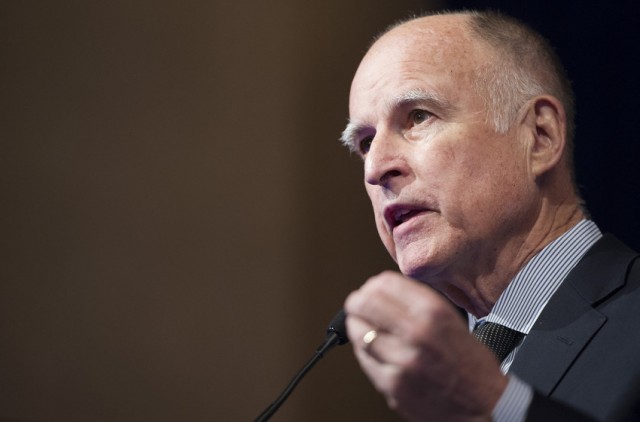
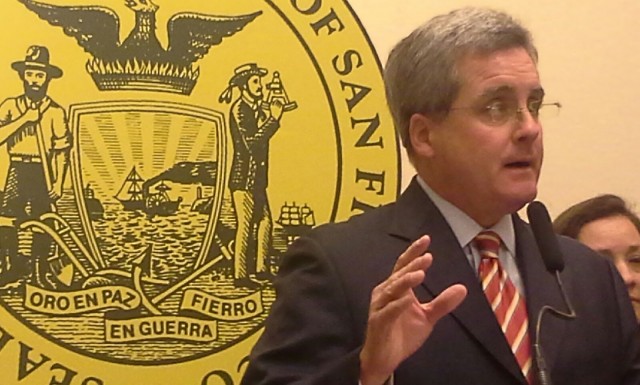
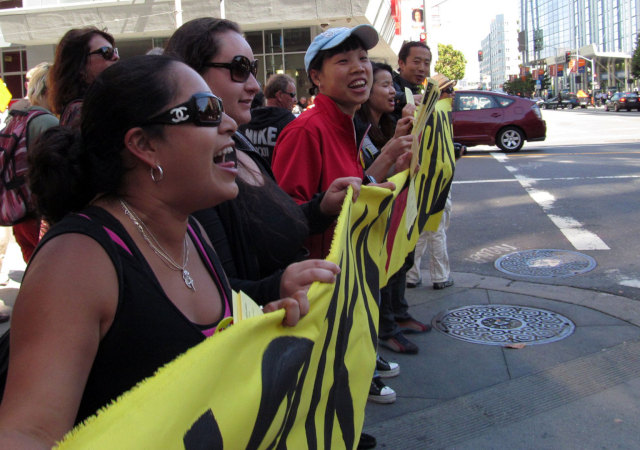
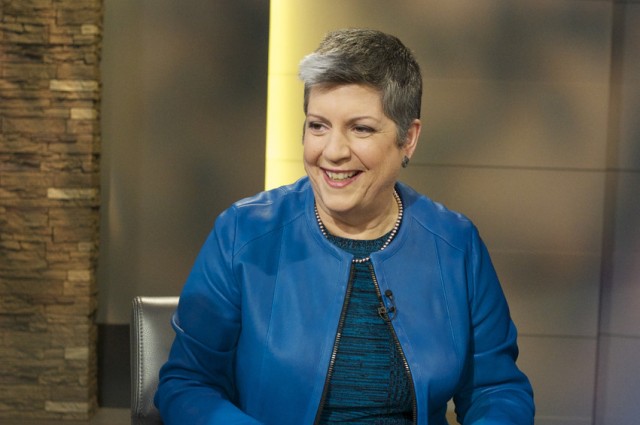
window.__IS_SSR__=true
window.__INITIAL_STATE__={
"attachmentsReducer": {
"audio_0": {
"type": "attachments",
"id": "audio_0",
"imgSizes": {
"kqedFullSize": {
"file": "https://ww2.kqed.org/news/wp-content/themes/KQED-unified/img/audio_bgs/background0.jpg"
}
}
},
"audio_1": {
"type": "attachments",
"id": "audio_1",
"imgSizes": {
"kqedFullSize": {
"file": "https://ww2.kqed.org/news/wp-content/themes/KQED-unified/img/audio_bgs/background1.jpg"
}
}
},
"audio_2": {
"type": "attachments",
"id": "audio_2",
"imgSizes": {
"kqedFullSize": {
"file": "https://ww2.kqed.org/news/wp-content/themes/KQED-unified/img/audio_bgs/background2.jpg"
}
}
},
"audio_3": {
"type": "attachments",
"id": "audio_3",
"imgSizes": {
"kqedFullSize": {
"file": "https://ww2.kqed.org/news/wp-content/themes/KQED-unified/img/audio_bgs/background3.jpg"
}
}
},
"audio_4": {
"type": "attachments",
"id": "audio_4",
"imgSizes": {
"kqedFullSize": {
"file": "https://ww2.kqed.org/news/wp-content/themes/KQED-unified/img/audio_bgs/background4.jpg"
}
}
},
"placeholder": {
"type": "attachments",
"id": "placeholder",
"imgSizes": {
"thumbnail": {
"file": "https://cdn.kqed.org/wp-content/uploads/2024/12/KQED-Default-Image-816638274-2000x1333-1-160x107.jpg",
"width": 160,
"height": 107,
"mimeType": "image/jpeg"
},
"medium": {
"file": "https://cdn.kqed.org/wp-content/uploads/2024/12/KQED-Default-Image-816638274-2000x1333-1-800x533.jpg",
"width": 800,
"height": 533,
"mimeType": "image/jpeg"
},
"medium_large": {
"file": "https://cdn.kqed.org/wp-content/uploads/2024/12/KQED-Default-Image-816638274-2000x1333-1-768x512.jpg",
"width": 768,
"height": 512,
"mimeType": "image/jpeg"
},
"large": {
"file": "https://cdn.kqed.org/wp-content/uploads/2024/12/KQED-Default-Image-816638274-2000x1333-1-1020x680.jpg",
"width": 1020,
"height": 680,
"mimeType": "image/jpeg"
},
"1536x1536": {
"file": "https://cdn.kqed.org/wp-content/uploads/2024/12/KQED-Default-Image-816638274-2000x1333-1-1536x1024.jpg",
"width": 1536,
"height": 1024,
"mimeType": "image/jpeg"
},
"fd-lrg": {
"file": "https://cdn.kqed.org/wp-content/uploads/2024/12/KQED-Default-Image-816638274-2000x1333-1-1536x1024.jpg",
"width": 1536,
"height": 1024,
"mimeType": "image/jpeg"
},
"fd-med": {
"file": "https://cdn.kqed.org/wp-content/uploads/2024/12/KQED-Default-Image-816638274-2000x1333-1-1020x680.jpg",
"width": 1020,
"height": 680,
"mimeType": "image/jpeg"
},
"fd-sm": {
"file": "https://cdn.kqed.org/wp-content/uploads/2024/12/KQED-Default-Image-816638274-2000x1333-1-800x533.jpg",
"width": 800,
"height": 533,
"mimeType": "image/jpeg"
},
"post-thumbnail": {
"file": "https://cdn.kqed.org/wp-content/uploads/2024/12/KQED-Default-Image-816638274-2000x1333-1-672x372.jpg",
"width": 672,
"height": 372,
"mimeType": "image/jpeg"
},
"twentyfourteen-full-width": {
"file": "https://cdn.kqed.org/wp-content/uploads/2024/12/KQED-Default-Image-816638274-2000x1333-1-1038x576.jpg",
"width": 1038,
"height": 576,
"mimeType": "image/jpeg"
},
"xxsmall": {
"file": "https://cdn.kqed.org/wp-content/uploads/2024/12/KQED-Default-Image-816638274-2000x1333-1-160x107.jpg",
"width": 160,
"height": 107,
"mimeType": "image/jpeg"
},
"xsmall": {
"file": "https://cdn.kqed.org/wp-content/uploads/2024/12/KQED-Default-Image-816638274-2000x1333-1-672x372.jpg",
"width": 672,
"height": 372,
"mimeType": "image/jpeg"
},
"small": {
"file": "https://cdn.kqed.org/wp-content/uploads/2024/12/KQED-Default-Image-816638274-2000x1333-1-672x372.jpg",
"width": 672,
"height": 372,
"mimeType": "image/jpeg"
},
"xlarge": {
"file": "https://cdn.kqed.org/wp-content/uploads/2024/12/KQED-Default-Image-816638274-2000x1333-1-1020x680.jpg",
"width": 1020,
"height": 680,
"mimeType": "image/jpeg"
},
"full-width": {
"file": "https://cdn.kqed.org/wp-content/uploads/2024/12/KQED-Default-Image-816638274-2000x1333-1-1920x1280.jpg",
"width": 1920,
"height": 1280,
"mimeType": "image/jpeg"
},
"guest-author-32": {
"file": "https://cdn.kqed.org/wp-content/uploads/2025/01/KQED-Default-Image-816638274-1333x1333-1-160x160.jpg",
"width": 32,
"height": 32,
"mimeType": "image/jpeg"
},
"guest-author-50": {
"file": "https://cdn.kqed.org/wp-content/uploads/2025/01/KQED-Default-Image-816638274-1333x1333-1-160x160.jpg",
"width": 50,
"height": 50,
"mimeType": "image/jpeg"
},
"guest-author-64": {
"file": "https://cdn.kqed.org/wp-content/uploads/2025/01/KQED-Default-Image-816638274-1333x1333-1-160x160.jpg",
"width": 64,
"height": 64,
"mimeType": "image/jpeg"
},
"guest-author-96": {
"file": "https://cdn.kqed.org/wp-content/uploads/2025/01/KQED-Default-Image-816638274-1333x1333-1-160x160.jpg",
"width": 96,
"height": 96,
"mimeType": "image/jpeg"
},
"guest-author-128": {
"file": "https://cdn.kqed.org/wp-content/uploads/2025/01/KQED-Default-Image-816638274-1333x1333-1-160x160.jpg",
"width": 128,
"height": 128,
"mimeType": "image/jpeg"
},
"detail": {
"file": "https://cdn.kqed.org/wp-content/uploads/2025/01/KQED-Default-Image-816638274-1333x1333-1-160x160.jpg",
"width": 160,
"height": 160,
"mimeType": "image/jpeg"
},
"kqedFullSize": {
"file": "https://cdn.kqed.org/wp-content/uploads/2024/12/KQED-Default-Image-816638274-2000x1333-1.jpg",
"width": 2000,
"height": 1333
}
}
},
"news_121939": {
"type": "attachments",
"id": "news_121939",
"meta": {
"index": "attachments_1716263798",
"site": "news",
"id": "121939",
"found": true
},
"parent": 121931,
"imgSizes": {
"kqedFullSize": {
"file": "https://ww2.kqed.org/app/uploads/sites/10/2013/12/RS7953_185719392-scr-e1387918479608.jpg",
"width": 640,
"height": 422
}
},
"publishDate": 1387918439,
"modified": 1387918439,
"caption": "Gov. Jerry Brown (Jim Watson/AFP/Getty Images)",
"description": "Gov. Jerry Brown (Jim Watson/AFP/Getty Images)",
"title": "RS7953_185719392-scr",
"credit": null,
"status": "inherit",
"isLoading": false,
"fetchFailed": false
},
"news_122821": {
"type": "attachments",
"id": "news_122821",
"meta": {
"index": "attachments_1716263798",
"site": "news",
"id": "122821",
"found": true
},
"parent": 122798,
"imgSizes": {
"kqedFullSize": {
"file": "https://ww2.kqed.org/app/uploads/sites/10/2014/01/PelosiCCSF-e1389048304772.jpg",
"width": 640,
"height": 426
}
},
"publishDate": 1389048270,
"modified": 1389048270,
"caption": "Nancy Pelosi in San Francisco Monday. (Monica Lam/KQED)",
"description": null,
"title": "PelosiCCSF",
"credit": null,
"status": "inherit",
"isLoading": false,
"fetchFailed": false
},
"news_122623": {
"type": "attachments",
"id": "news_122623",
"meta": {
"index": "attachments_1716263798",
"site": "news",
"id": "122623",
"found": true
},
"parent": 122601,
"imgSizes": {
"kqedFullSize": {
"file": "https://ww2.kqed.org/app/uploads/sites/10/2014/01/20140102_174342-e1388714308934.jpeg",
"width": 640,
"height": 385
}
},
"publishDate": 1388714296,
"modified": 1388714296,
"caption": "San Francisco City Attorney Dennis Herrera talks about Judge Curtis Karnow's ruling to block the revocation of City College's accreditation at a press conference. The case will go to trial at a later date. (Sara Bloomberg / KQED)",
"description": "San Francisco City Attorney Dennis Herrera. (Sara Bloomberg / KQED)",
"title": "20140102_174342",
"credit": null,
"status": "inherit",
"isLoading": false,
"fetchFailed": false
},
"news_103444": {
"type": "attachments",
"id": "news_103444",
"meta": {
"index": "attachments_1716263798",
"site": "news",
"id": "103444",
"found": true
},
"parent": 103442,
"imgSizes": {
"kqedFullSize": {
"file": "https://ww2.kqed.org/app/uploads/sites/10/2013/07/CCSF-rally.jpg",
"width": 640,
"height": 450
}
},
"publishDate": 1373659529,
"modified": 1373659529,
"caption": "A rally to save City College of San Francisco in July 2013. (Ryder Diaz/KQED)",
"description": "A rally to save City College of San Francisco in July 2013.",
"title": "CCSF rally",
"credit": null,
"status": "inherit",
"isLoading": false,
"fetchFailed": false
},
"news_122061": {
"type": "attachments",
"id": "news_122061",
"meta": {
"index": "attachments_1716263798",
"site": "news",
"id": "122061",
"found": true
},
"parent": 121992,
"imgSizes": {
"kqedFullSize": {
"file": "https://ww2.kqed.org/app/uploads/sites/10/2013/12/RS4250_006-lpr.jpg",
"width": 1536,
"height": 1024
}
},
"publishDate": 1388174037,
"modified": 1447957678,
"caption": "Marchers halted outside the San Francisco Board of Education in March 2013, protesting the possible loss of accreditation for City College of San Francisco. ",
"description": null,
"title": "CCSF Protest March 2013",
"credit": "Deborah Svoboda/KQED",
"status": "inherit",
"isLoading": false,
"fetchFailed": false
},
"news_10576024": {
"type": "attachments",
"id": "news_10576024",
"meta": {
"index": "attachments_1716263798",
"site": "news",
"id": "10576024",
"found": true
},
"parent": 120717,
"imgSizes": {
"twentyfourteen-full-width": {
"file": "https://ww2.kqed.org/app/uploads/sites/10/2013/12/SCOTUSFlags-1038x576.jpg",
"width": 1038,
"mimeType": "image/jpeg",
"height": 576
},
"thumbnail": {
"file": "https://ww2.kqed.org/app/uploads/sites/10/2013/12/SCOTUSFlags-400x225.jpg",
"width": 400,
"mimeType": "image/jpeg",
"height": 225
},
"fd-sm": {
"file": "https://ww2.kqed.org/app/uploads/sites/10/2013/12/SCOTUSFlags-960x540.jpg",
"width": 960,
"mimeType": "image/jpeg",
"height": 540
},
"post-thumbnail": {
"file": "https://ww2.kqed.org/app/uploads/sites/10/2013/12/SCOTUSFlags-672x372.jpg",
"width": 672,
"mimeType": "image/jpeg",
"height": 372
},
"kqedFullSize": {
"file": "https://ww2.kqed.org/app/uploads/sites/10/2013/12/SCOTUSFlags.jpg",
"width": 3409,
"height": 1918
},
"large": {
"file": "https://ww2.kqed.org/app/uploads/sites/10/2013/12/SCOTUSFlags-1440x810.jpg",
"width": 1440,
"mimeType": "image/jpeg",
"height": 810
},
"guest-author-96": {
"file": "https://ww2.kqed.org/app/uploads/sites/10/2013/12/SCOTUSFlags-96x96.jpg",
"width": 96,
"mimeType": "image/jpeg",
"height": 96
},
"medium": {
"file": "https://ww2.kqed.org/app/uploads/sites/10/2013/12/SCOTUSFlags-800x450.jpg",
"width": 800,
"mimeType": "image/jpeg",
"height": 450
},
"guest-author-64": {
"file": "https://ww2.kqed.org/app/uploads/sites/10/2013/12/SCOTUSFlags-64x64.jpg",
"width": 64,
"mimeType": "image/jpeg",
"height": 64
},
"guest-author-32": {
"file": "https://ww2.kqed.org/app/uploads/sites/10/2013/12/SCOTUSFlags-32x32.jpg",
"width": 32,
"mimeType": "image/jpeg",
"height": 32
},
"jmtc-small-thumb": {
"file": "https://ww2.kqed.org/app/uploads/sites/10/2013/12/SCOTUSFlags-280x150.jpg",
"width": 280,
"mimeType": "image/jpeg",
"height": 150
},
"fd-med": {
"file": "https://ww2.kqed.org/app/uploads/sites/10/2013/12/SCOTUSFlags-1180x664.jpg",
"width": 1180,
"mimeType": "image/jpeg",
"height": 664
},
"detail": {
"file": "https://ww2.kqed.org/app/uploads/sites/10/2013/12/SCOTUSFlags-75x75.jpg",
"width": 75,
"mimeType": "image/jpeg",
"height": 75
},
"guest-author-128": {
"file": "https://ww2.kqed.org/app/uploads/sites/10/2013/12/SCOTUSFlags-128x128.jpg",
"width": 128,
"mimeType": "image/jpeg",
"height": 128
}
},
"publishDate": 1435192891,
"modified": 1435192938,
"caption": "Gay rights activists gather outside the U.S. Supreme Court building on June 26, 2013. ",
"description": "Gay rights activists gather outside the U.S. Supreme Court building on June 26, 2013. ",
"title": "US-JUSTICE-GAY -MARRIAGE",
"credit": "MLADEN ANTONOV/AFP/Getty Images",
"status": "inherit",
"isLoading": false,
"fetchFailed": false
},
"news_120170": {
"type": "attachments",
"id": "news_120170",
"meta": {
"index": "attachments_1716263798",
"site": "news",
"id": "120170",
"found": true
},
"parent": 120161,
"imgSizes": {
"kqedFullSize": {
"file": "https://ww2.kqed.org/app/uploads/sites/10/2013/12/frost360.jpg",
"width": 640,
"height": 360
}
},
"publishDate": 1386362660,
"modified": 1386362660,
"caption": null,
"description": null,
"title": "frost360",
"credit": null,
"status": "inherit",
"isLoading": false,
"fetchFailed": false
},
"news_119709": {
"type": "attachments",
"id": "news_119709",
"meta": {
"index": "attachments_1716263798",
"site": "news",
"id": "119709",
"found": true
},
"parent": 119707,
"imgSizes": {
"kqedFullSize": {
"file": "https://ww2.kqed.org/app/uploads/sites/10/2013/12/RS7773_iPad-11.jpg",
"width": 640,
"height": 480
}
},
"publishDate": 1385960422,
"modified": 1385960422,
"caption": "Students at Martin Luther King Jr. Middle School in San Francisco complete a science assignment using iPads. (Ana Tintocalis / KQED)",
"description": "Students at Martin Luther King Jr. Middle School in San Francisco complete a science assignment using iPads. (Ana Tintocalis / KQED)",
"title": "RS7773_iPad-1",
"credit": null,
"status": "inherit",
"isLoading": false,
"fetchFailed": false
},
"news_119492": {
"type": "attachments",
"id": "news_119492",
"meta": {
"index": "attachments_1716263798",
"site": "news",
"id": "119492",
"found": true
},
"parent": 119491,
"imgSizes": {
"kqedFullSize": {
"file": "https://ww2.kqed.org/app/uploads/sites/10/2013/11/PhotoWeek131129berkmarathon.jpg",
"width": 640,
"height": 450
}
},
"publishDate": 1385578613,
"modified": 1385578613,
"caption": null,
"description": null,
"title": "PhotoWeek131129berkmarathon",
"credit": null,
"status": "inherit",
"isLoading": false,
"fetchFailed": false
},
"news_118750": {
"type": "attachments",
"id": "news_118750",
"meta": {
"index": "attachments_1716263798",
"site": "news",
"id": "118750",
"found": true
},
"parent": 118618,
"imgSizes": {
"kqedFullSize": {
"file": "https://ww2.kqed.org/app/uploads/sites/10/2013/11/RS7595_DSC_9033-scr-e1384828497814.jpg",
"width": 640,
"height": 425
}
},
"publishDate": 1384828425,
"modified": 1384828425,
"caption": "UC President Janet Napolitano (Monica Lam / KQED)",
"description": "UC President Janet Napolitano (Monica Lam / KQED)",
"title": "RS7595_DSC_9033-scr",
"credit": null,
"status": "inherit",
"isLoading": false,
"fetchFailed": false
},
"news_116549": {
"type": "attachments",
"id": "news_116549",
"meta": {
"index": "attachments_1716263798",
"site": "news",
"id": "116549",
"found": true
},
"parent": 116192,
"imgSizes": {
"kqedFullSize": {
"file": "https://ww2.kqed.org/app/uploads/sites/10/2013/10/RaulHonduras_newsfix.jpg",
"width": 640,
"height": 360
}
},
"publishDate": 1383173906,
"modified": 1383173906,
"caption": "The photo was taken in a Honduran refugee camp in 1984 (we think). The children had fled a Salvadoran village where mass murders were being committed. Raul was not only writing their stories, he was part of an effort to get them safely home by accompanying them back to their village. Eventually he was able to do that. (Photo courtesy Adam Kufeld)",
"description": "The photo was taken in a Honduran refugee camp in 1984 (we think). The children had fled a Salvadoran village where mass murders were being committed. Raul was not only writing their stories, he was part of an effort to get them safely home by accompanying them back to their village. Eventually he was able to do that. (Photo courtesy Adam Kufeld)",
"title": "RaulHonduras_newsfix",
"credit": null,
"status": "inherit",
"isLoading": false,
"fetchFailed": false
},
"news_118327": {
"type": "attachments",
"id": "news_118327",
"meta": {
"index": "attachments_1716263798",
"site": "news",
"id": "118327",
"found": true
},
"parent": 118321,
"imgSizes": {
"kqedFullSize": {
"file": "https://ww2.kqed.org/app/uploads/sites/10/2013/11/RS5736_028-scr-e1384481363752.jpg",
"width": 640,
"height": 427
}
},
"publishDate": 1384481339,
"modified": 1384481339,
"caption": "Janet Napolitano, head of the University of California. (Deborah Svoboda/KQED)",
"description": null,
"title": "RS5736_028-scr",
"credit": null,
"status": "inherit",
"isLoading": false,
"fetchFailed": false
}
},
"audioPlayerReducer": {
"postId": "stream_live",
"isPaused": true,
"isPlaying": false,
"pfsActive": false,
"pledgeModalIsOpen": true,
"playerDrawerIsOpen": false,
"liveAudioPlayStartedAt": 0,
"liveAudioPlayContext": ""
},
"authorsReducer": {
"anatintocalis": {
"type": "authors",
"id": "211",
"meta": {
"index": "authors_1716337520",
"id": "211",
"found": true
},
"name": "Ana Tintocalis",
"firstName": "Ana",
"lastName": "Tintocalis",
"slug": "anatintocalis",
"email": "atintocalis@kqed.org",
"display_author_email": false,
"staff_mastheads": [],
"title": null,
"bio": null,
"avatar": "https://secure.gravatar.com/avatar/722c50f51f04eff38fa0e5a3f1d29450?s=600&d=blank&r=g",
"twitter": null,
"facebook": null,
"instagram": null,
"linkedin": null,
"sites": [
{
"site": "news",
"roles": [
"subscriber"
]
},
{
"site": "stateofhealth",
"roles": [
"subscriber"
]
}
],
"headData": {
"title": "Ana Tintocalis | KQED",
"description": null,
"ogImgSrc": "https://secure.gravatar.com/avatar/722c50f51f04eff38fa0e5a3f1d29450?s=600&d=blank&r=g",
"twImgSrc": "https://secure.gravatar.com/avatar/722c50f51f04eff38fa0e5a3f1d29450?s=600&d=blank&r=g"
},
"isLoading": false,
"link": "/author/anatintocalis"
},
"danbrekke": {
"type": "authors",
"id": "222",
"meta": {
"index": "authors_1716337520",
"id": "222",
"found": true
},
"name": "Dan Brekke",
"firstName": "Dan",
"lastName": "Brekke",
"slug": "danbrekke",
"email": "dbrekke@kqed.org",
"display_author_email": true,
"staff_mastheads": [
"news",
"science"
],
"title": "KQED Editor and Reporter",
"bio": "Dan Brekke is a reporter and editor for KQED News, responsible for coverage of topics ranging from California water issues to the Bay Area's transportation challenges. In a newsroom career that began in Chicago in 1972, Dan has worked for \u003cem>The San Francisco Examiner,\u003c/em> Wired and TechTV and has been published in The New York Times, The New York Times Magazine, Business 2.0, Salon and elsewhere.\r\n\r\nSince joining KQED in 2007, Dan has reported, edited and produced both radio and online features and breaking news pieces. He has shared as both editor and reporter in four Society of Professional Journalists Norcal Excellence in Journalism awards and one Edward R. Murrow regional award. He was chosen for a spring 2017 residency at the Mesa Refuge to advance his research on California salmon.\r\n\r\nEmail Dan at: \u003ca href=\"mailto:dbrekke@kqed.org\">dbrekke@kqed.org\u003c/a>\r\n\r\n\u003cstrong>Twitter:\u003c/strong> \u003ca href=\"https://twitter.com/danbrekke\" rel=\"noopener noreferrer\">twitter.com/danbrekke\u003c/a>\r\n\u003cstrong>Facebook:\u003c/strong> \u003ca href=\"https://www.facebook.com/danbrekke\" rel=\"noopener noreferrer\">www.facebook.com/danbrekke\u003c/a>\r\n\u003cstrong>LinkedIn:\u003c/strong> \u003ca href=\"https://www.linkedin.com/in/danbrekke\" rel=\"noopener noreferrer\">www.linkedin.com/in/danbrekke\u003c/a>",
"avatar": "https://secure.gravatar.com/avatar/8f1f0d2a978fb3b23426c922c7e2af558fa36905b49c4ce76a97dc3c72d27226?s=600&d=mm&r=g",
"twitter": "danbrekke",
"bluesky": null,
"facebook": null,
"instagram": "https://www.instagram.com/dan.brekke/",
"linkedin": "https://www.linkedin.com/in/danbrekke/",
"sites": [
{
"site": "news",
"roles": [
"administrator",
"create_posts"
]
},
{
"site": "stateofhealth",
"roles": [
"editor"
]
},
{
"site": "science",
"roles": [
"editor"
]
},
{
"site": "quest",
"roles": [
"contributor"
]
},
{
"site": "food",
"roles": [
"contributor"
]
},
{
"site": "forum",
"roles": [
"contributor"
]
},
{
"site": "elections",
"roles": [
"editor"
]
},
{
"site": "liveblog",
"roles": [
"editor"
]
}
],
"headData": {
"title": "Dan Brekke | KQED",
"description": "KQED Editor and Reporter",
"ogImgSrc": "https://secure.gravatar.com/avatar/8f1f0d2a978fb3b23426c922c7e2af558fa36905b49c4ce76a97dc3c72d27226?s=600&d=mm&r=g",
"twImgSrc": "https://secure.gravatar.com/avatar/8f1f0d2a978fb3b23426c922c7e2af558fa36905b49c4ce76a97dc3c72d27226?s=600&d=mm&r=g"
},
"isLoading": false,
"link": "/author/danbrekke"
},
"katrinaschwartz": {
"type": "authors",
"id": "234",
"meta": {
"index": "authors_1716337520",
"id": "234",
"found": true
},
"name": "Katrina Schwartz",
"firstName": "Katrina",
"lastName": "Schwartz",
"slug": "katrinaschwartz",
"email": "kschwartz@kqed.org",
"display_author_email": false,
"staff_mastheads": [
"news"
],
"title": "Producer",
"bio": "Katrina Schwartz is a journalist based in San Francisco. She's worked at KPCC public radio in LA and has reported on air and online for KQED since 2010. She covered how teaching and learning is changing for MindShift between 2012 and 2020. She is the co-host of the MindShift podcast and now produces KQED's Bay Curious podcast.",
"avatar": "https://secure.gravatar.com/avatar/edb4ee79070447a018538c9aae6eeecf28786515b8a0c30e43b6b7dce5aa44c8?s=600&d=blank&r=g",
"twitter": "kschwart",
"bluesky": null,
"facebook": null,
"instagram": null,
"linkedin": null,
"sites": [
{
"site": "",
"roles": [
"editor"
]
},
{
"site": "news",
"roles": [
"editor"
]
},
{
"site": "mindshift",
"roles": [
"administrator"
]
},
{
"site": "stateofhealth",
"roles": [
"author"
]
},
{
"site": "science",
"roles": [
"editor"
]
}
],
"headData": {
"title": "Katrina Schwartz | KQED",
"description": "Producer",
"ogImgSrc": "https://secure.gravatar.com/avatar/edb4ee79070447a018538c9aae6eeecf28786515b8a0c30e43b6b7dce5aa44c8?s=600&d=blank&r=g",
"twImgSrc": "https://secure.gravatar.com/avatar/edb4ee79070447a018538c9aae6eeecf28786515b8a0c30e43b6b7dce5aa44c8?s=600&d=blank&r=g"
},
"isLoading": false,
"link": "/author/katrinaschwartz"
},
"kqed": {
"type": "authors",
"id": "236",
"meta": {
"index": "authors_1716337520",
"id": "236",
"found": true
},
"name": "KQED News Staff",
"firstName": "KQED News Staff",
"lastName": null,
"slug": "kqed",
"email": "faq@kqed.org",
"display_author_email": false,
"staff_mastheads": [],
"title": null,
"bio": null,
"avatar": "https://secure.gravatar.com/avatar/ef0e801a68c4c54afa9180db14084167?s=600&d=blank&r=g",
"twitter": null,
"facebook": null,
"instagram": null,
"linkedin": null,
"sites": [
{
"site": "arts",
"roles": [
"contributor"
]
},
{
"site": "news",
"roles": [
"editor"
]
},
{
"site": "futureofyou",
"roles": [
"author"
]
}
],
"headData": {
"title": "KQED News Staff | KQED",
"description": null,
"ogImgSrc": "https://secure.gravatar.com/avatar/ef0e801a68c4c54afa9180db14084167?s=600&d=blank&r=g",
"twImgSrc": "https://secure.gravatar.com/avatar/ef0e801a68c4c54afa9180db14084167?s=600&d=blank&r=g"
},
"isLoading": false,
"link": "/author/kqed"
},
"kqednewsstaffandwires": {
"type": "authors",
"id": "237",
"meta": {
"index": "authors_1716337520",
"id": "237",
"found": true
},
"name": "KQED News Staff and Wires",
"firstName": "KQED News Staff and Wires",
"lastName": null,
"slug": "kqednewsstaffandwires",
"email": "onlinenewsstaff@kqed.org",
"display_author_email": false,
"staff_mastheads": [],
"title": null,
"bio": null,
"avatar": "https://secure.gravatar.com/avatar/72295af8ebbfbd19a4948f5271285664?s=600&d=blank&r=g",
"twitter": null,
"facebook": null,
"instagram": null,
"linkedin": null,
"sites": [
{
"site": "arts",
"roles": [
"contributor"
]
},
{
"site": "news",
"roles": [
"contributor"
]
},
{
"site": "lowdown",
"roles": [
"author"
]
},
{
"site": "stateofhealth",
"roles": [
"contributor"
]
},
{
"site": "food",
"roles": [
"author"
]
}
],
"headData": {
"title": "KQED News Staff and Wires | KQED",
"description": null,
"ogImgSrc": "https://secure.gravatar.com/avatar/72295af8ebbfbd19a4948f5271285664?s=600&d=blank&r=g",
"twImgSrc": "https://secure.gravatar.com/avatar/72295af8ebbfbd19a4948f5271285664?s=600&d=blank&r=g"
},
"isLoading": false,
"link": "/author/kqednewsstaffandwires"
},
"scottshafer": {
"type": "authors",
"id": "255",
"meta": {
"index": "authors_1716337520",
"id": "255",
"found": true
},
"name": "Scott Shafer",
"firstName": "Scott",
"lastName": "Shafer",
"slug": "scottshafer",
"email": "sshafer@kqed.org",
"display_author_email": false,
"staff_mastheads": [
"news"
],
"title": "KQED Contributor",
"bio": "Scott Shafer is a senior editor with the KQED Politics and Government desk. He is co-host of Political Breakdown, the award-winning radio show and podcast with a personal take on the world of politics. Scott came to KQED in 1998 to host the statewide\u003cem> California Report\u003c/em>. Prior to that he had extended stints in politics and government\u003cem>.\u003c/em> He uses that inside experience at KQED in his, reporting, hosting and analysis for the politics desk. Scott collaborated \u003cem>Political Breakdown a\u003c/em>nd on \u003cem>The Political Mind of Jerry Brown, \u003c/em>an eight-part series about the life and extraordinary political career of the former governor. For fun, he plays water polo with the San Francisco Tsunami.",
"avatar": "https://secure.gravatar.com/avatar/a62ebae45b79d7aed1a39a0e3bf68104?s=600&d=blank&r=g",
"twitter": "scottshafer",
"bluesky": null,
"facebook": null,
"instagram": null,
"linkedin": null,
"sites": [
{
"site": "news",
"roles": [
"editor"
]
},
{
"site": "stateofhealth",
"roles": [
"author"
]
},
{
"site": "science",
"roles": [
"author"
]
},
{
"site": "forum",
"roles": [
"subscriber"
]
},
{
"site": "liveblog",
"roles": [
"author"
]
}
],
"headData": {
"title": "Scott Shafer | KQED",
"description": "KQED Contributor",
"ogImgSrc": "https://secure.gravatar.com/avatar/a62ebae45b79d7aed1a39a0e3bf68104?s=600&d=blank&r=g",
"twImgSrc": "https://secure.gravatar.com/avatar/a62ebae45b79d7aed1a39a0e3bf68104?s=600&d=blank&r=g"
},
"isLoading": false,
"link": "/author/scottshafer"
},
"sdetrow": {
"type": "authors",
"id": "256",
"meta": {
"index": "authors_1716337520",
"id": "256",
"found": true
},
"name": "Scott Detrow",
"firstName": "Scott",
"lastName": "Detrow",
"slug": "sdetrow",
"email": "sdetrow@kqed.org",
"display_author_email": false,
"staff_mastheads": [],
"title": null,
"bio": "Sacramento bureau chief Scott Detrow covers state government, politics and policy for KQED News and its statewide news program, The California Report.",
"avatar": "https://secure.gravatar.com/avatar/3271d0c151ba26452e3417f5ac251c30?s=600&d=blank&r=g",
"twitter": null,
"facebook": null,
"instagram": null,
"linkedin": null,
"sites": [
{
"site": "news",
"roles": [
"subscriber"
]
},
{
"site": "science",
"roles": [
"subscriber"
]
}
],
"headData": {
"title": "Scott Detrow | KQED",
"description": null,
"ogImgSrc": "https://secure.gravatar.com/avatar/3271d0c151ba26452e3417f5ac251c30?s=600&d=blank&r=g",
"twImgSrc": "https://secure.gravatar.com/avatar/3271d0c151ba26452e3417f5ac251c30?s=600&d=blank&r=g"
},
"isLoading": false,
"link": "/author/sdetrow"
},
"katharinefong": {
"type": "authors",
"id": "1479",
"meta": {
"index": "authors_1716337520",
"id": "1479",
"found": true
},
"name": "Katharine Fong",
"firstName": "Katharine",
"lastName": "Fong",
"slug": "katharinefong",
"email": "katharinefong@gmail.com",
"display_author_email": false,
"staff_mastheads": [],
"title": null,
"bio": null,
"avatar": "https://secure.gravatar.com/avatar/7ee290207889c71d9adcaf3591853a92?s=600&d=blank&r=g",
"twitter": null,
"facebook": null,
"instagram": null,
"linkedin": null,
"sites": [
{
"site": "news",
"roles": [
"subscriber"
]
},
{
"site": "lowdown",
"roles": [
"editor"
]
},
{
"site": "stateofhealth",
"roles": [
"subscriber"
]
}
],
"headData": {
"title": "Katharine Fong | KQED",
"description": null,
"ogImgSrc": "https://secure.gravatar.com/avatar/7ee290207889c71d9adcaf3591853a92?s=600&d=blank&r=g",
"twImgSrc": "https://secure.gravatar.com/avatar/7ee290207889c71d9adcaf3591853a92?s=600&d=blank&r=g"
},
"isLoading": false,
"link": "/author/katharinefong"
},
"clopez": {
"type": "authors",
"id": "1512",
"meta": {
"index": "authors_1716337520",
"id": "1512",
"found": true
},
"name": "Crispin Lopez",
"firstName": "Crispin",
"lastName": "Lopez",
"slug": "clopez",
"email": "clopez@kqed.org",
"display_author_email": false,
"staff_mastheads": [],
"title": null,
"bio": null,
"avatar": "https://secure.gravatar.com/avatar/acd7d8b9819883e8239700e28fe605f3?s=600&d=blank&r=g",
"twitter": null,
"facebook": null,
"instagram": null,
"linkedin": null,
"sites": [
{
"site": "news",
"roles": [
"subscriber"
]
}
],
"headData": {
"title": "Crispin Lopez | KQED",
"description": null,
"ogImgSrc": "https://secure.gravatar.com/avatar/acd7d8b9819883e8239700e28fe605f3?s=600&d=blank&r=g",
"twImgSrc": "https://secure.gravatar.com/avatar/acd7d8b9819883e8239700e28fe605f3?s=600&d=blank&r=g"
},
"isLoading": false,
"link": "/author/clopez"
}
},
"pagesReducer": {
"news_category_education": {
"type": "terms",
"id": "news_18540",
"meta": {
"index": "terms_1716263798",
"site": "news",
"id": "18540",
"score": 10.973221
},
"featImg": null,
"name": "Education",
"description": null,
"taxonomy": "category",
"headData": {
"twImgId": null,
"twTitle": null,
"ogTitle": null,
"ogImgId": null,
"twDescription": null,
"description": null,
"title": "Education Archives | KQED News",
"ogDescription": null
},
"ttid": 2595,
"slug": "education",
"isLoading": false,
"title": "Education",
"pageMeta": {
"site": "news",
"WpPageTemplate": "page-topic-editorial",
"currentPage": 180
},
"blocks": [
{
"blockName": "kqed/post-list",
"attrs": {
"layout": "cardArticle2",
"query": "posts/news?category=education",
"seeMore": false,
"paginated": true,
"page": 180
}
},
{
"blockName": "kqed/ad"
}
]
}
},
"pfsSessionReducer": {},
"postsReducer": {
"stream_live": {
"type": "live",
"id": "stream_live",
"audioUrl": "https://streams.kqed.org/kqedradio",
"title": "Live Stream",
"excerpt": "Live Stream information currently unavailable.",
"link": "/radio",
"featImg": "",
"label": {
"name": "KQED Live",
"link": "/"
}
},
"stream_kqedNewscast": {
"type": "posts",
"id": "stream_kqedNewscast",
"audioUrl": "https://www.kqed.org/.stream/anon/radio/RDnews/newscast.mp3?_=1",
"title": "KQED Newscast",
"featImg": "",
"label": {
"name": "88.5 FM",
"link": "/"
}
},
"news_123048": {
"type": "posts",
"id": "news_123048",
"meta": {
"index": "posts_1716263798",
"site": "news",
"id": "123048",
"score": null,
"sort": [
1389295730000
]
},
"parent": 0,
"labelTerm": {
"site": "news",
"term": 6944
},
"blocks": [],
"publishDate": 1389295730,
"format": "aside",
"disqusTitle": "California Budget: Brown Promises Big Increase in School Funding",
"title": "California Budget: Brown Promises Big Increase in School Funding",
"headTitle": "News Fix | KQED News",
"content": "\u003cfigure id=\"attachment_121939\" class=\"wp-caption aligncenter\" style=\"max-width: 640px\">\u003ca href=\"http://ww2.kqed.org/news/2013/12/24/121931/Gov-Jerry-Brown-pardons-Christmas-Eve/rs7953_185719392-scr/\" rel=\"attachment wp-att-121939\">\u003cimg class=\"size-medium wp-image-121939\" src=\"http://ww2.kqed.org/news/wp-content/uploads/sites/10/2013/12/RS7953_185719392-scr-640x422.jpg\" alt=\"Gov. Jerry Brown (Jim Watson/AFP/Getty Images)\" width=\"640\" height=\"422\">\u003c/a>\u003cfigcaption class=\"wp-caption-text\">Gov. Jerry Brown (Jim Watson/AFP/Getty Images)\u003c/figcaption>\u003c/figure>\n\u003cp>Brace yourself, Californians: There's no state budget crisis this year. Repeat: \u003cem>No crisis. \u003c/em>\u003c/p>\n\u003cp>Gov. Jerry Brown didn't actually say those exact words this morning as he unveiled \u003ca href=\"http://www.ebudget.ca.gov/2014-15/BudgetSummary/BSS/BSS.html\" target=\"_blank\">his spending plan\u003c/a> for the next fiscal year, but he did sound a rare note of budget optimism. “For this year, there is very good news,” Brown said. “Good news in the fiscal stability and resources available for the state of California.”\u003c/p>\n\u003caside class=\"pullquote alignleft\">'We’re finally being able to provide a substantial amount of new money for the schools of California.'\u003cbr>\n\u003ccite>— Gov. Jerry Brown\u003c/cite>\u003cbr>\n\u003c/aside>\n\u003cp>For the first time since the dot-com boom, \u003ca href=\"http://ww2.kqed.org/news/2013/11/20/draft-californias-in-store-for-huge-tax-surplus/\">the state is expecting a multibillion-dollar tax surplus.\u003c/a> Brown wants to increase spending by $8 billion this year and hike education funding by about 10 percent.\u003c/p>\n\u003cp>“We’re putting $10 billion into the schools of California,” he said. “After years of drought and cutbacks and pink slips for the teachers, we’re finally being able to provide a substantial amount of new money for the schools of California.”\u003c/p>\n\u003cp>But Brown pivoted back to his more typical, and more cautious, fiscal message. He pointed to the state's more than $300 billion in unfunded liabilities, at one point even holding a chart detailing the obligations over his head, \"\u003ca href=\"http://www.imdb.com/title/tt0098258/\" target=\"_blank\">Say Anything\u003c/a>\"-style.\u003c/p>\n\u003cp>[ad fullwidth]\u003c/p>\n\u003cp>“We got lots of long-term liabilities,” Brown warned. “A lot of programs are very attractive and may have very positive values, or may not — depending on when you get into them. But when you have this level of long-term liability it isn’t time to just embark on a whole raft of new initiatives.”[contextly_sidebar id=\"ef26c2ae19c0ac1e0d024042a8d03e6f\"]\u003c/p>\n\u003cp>So instead of restoring education, health and welfare spending to pre-recession levels, Brown wants to pay off $11 billion of accumulated debt, and stash $1.6 billion into a rainy day fund.\u003c/p>\n\u003cp>The Assembly’s Republican leader, Connie Conway, praised Brown’s restraint.\u003c/p>\n\u003cp>“I want to give the governor credit, because I believe he is really trying to do that — to show restraint,” she said. Conway’s one complaint: She’d like to save a larger chunk of money for future years than Brown is proposing. “$100 billion (in the budget), we put aside $1 billion? That’s like 1 percent? People like me would like that to be higher, but I realize we have to do what we have to do,” she said.\u003c/p>\n\u003cp>Senate President Pro Tem Darrell Steinberg welcomed Brown’s plan, but prodded the governor to spend a bit more money restoring programs. Earlier this week, \u003ca href=\"http://www.news10.net/capitol/article/267813/525/Dems-push-Gov-Brown-to-boost-transitional-kindergarten\">Steinberg announced plans to expand California’s transitional kindergarten programs\u003c/a>. Brown’s budget didn’t include that proposal.\u003c/p>\n\u003cp>“Expanding transitional kindergarten can be accomplished with just a fraction of increased Prop. 98 funds, while saving billions of dollars in the long run by reducing the extra costs of special education, grade retention and juvenile crime,” Steinberg said Thursday.\u003c/p>\n\u003cp>KQED's Mina Kim talks with Sacramento Bureau Chief Scott Detrow about the details of Gov. Brown's new budget proposal:\u003c/p>\n\u003cp>\u003c/p>\n\u003cp>\u003ciframe src=\"https://w.soundcloud.com/player/?url=https%3A//api.soundcloud.com/tracks/128755752&color=ff6600&auto_play=false&show_artwork=true\" frameborder=\"no\" scrolling=\"no\" width=\"100%\" height=\"166\">\u003c/iframe>\u003c/p>\n\n",
"disqusIdentifier": "123048 http://ww2.kqed.org/news/?p=123048",
"disqusUrl": "https://ww2.kqed.org/news/2014/01/09/california-budget-brown-promises-big-increase-in-school-funding/",
"stats": {
"hasVideo": false,
"hasChartOrMap": false,
"hasAudio": true,
"hasPolis": false,
"wordCount": 546,
"hasGoogleForm": false,
"hasGallery": false,
"hasHearkenModule": false,
"iframeSrcs": [],
"paragraphCount": 15
},
"modified": 1389319462,
"excerpt": "Governor's plan boosts school spending by $10 billion. But he warns about continuing debt challenges. ",
"headData": {
"twImgId": "",
"twTitle": "",
"ogTitle": "",
"ogImgId": "",
"twDescription": "",
"description": "Governor's plan boosts school spending by $10 billion. But he warns about continuing debt challenges. ",
"title": "California Budget: Brown Promises Big Increase in School Funding | KQED",
"ogDescription": "",
"schema": {
"@context": "https://schema.org",
"@type": "NewsArticle",
"headline": "California Budget: Brown Promises Big Increase in School Funding",
"datePublished": "2014-01-09T11:28:50-08:00",
"dateModified": "2014-01-09T18:04:22-08:00",
"image": "https://cdn.kqed.org/wp-content/uploads/2020/02/KQED-OG-Image@1x.png",
"isAccessibleForFree": "True",
"publisher": {
"@type": "NewsMediaOrganization",
"@id": "https://www.kqed.org/#organization",
"name": "KQED",
"logo": "https://cdn.kqed.org/wp-content/uploads/2020/02/KQED-OG-Image@1x.png",
"url": "https://www.kqed.org",
"sameAs": [
"https://www.facebook.com/KQED",
"https://twitter.com/KQED",
"https://www.instagram.com/kqed/",
"https://www.tiktok.com/@kqedofficial",
"https://www.linkedin.com/company/kqed",
"https://www.youtube.com/channel/UCeC0IOo7i1P_61zVUWbJ4nw"
]
}
}
},
"guestAuthors": [],
"slug": "california-budget-brown-promises-big-increase-in-school-funding",
"status": "publish",
"customPermalink": "2014/01/09/happy-days-are-here-again-brown-unveils-106-billion-budget-draft/",
"path": "/news/123048/california-budget-brown-promises-big-increase-in-school-funding",
"audioTrackLength": null,
"parsedContent": [
{
"type": "contentString",
"content": "\u003cdiv class=\"post-body\">\u003cp>\u003cfigure id=\"attachment_121939\" class=\"wp-caption aligncenter\" style=\"max-width: 640px\">\u003ca href=\"http://ww2.kqed.org/news/2013/12/24/121931/Gov-Jerry-Brown-pardons-Christmas-Eve/rs7953_185719392-scr/\" rel=\"attachment wp-att-121939\">\u003cimg class=\"size-medium wp-image-121939\" src=\"http://ww2.kqed.org/news/wp-content/uploads/sites/10/2013/12/RS7953_185719392-scr-640x422.jpg\" alt=\"Gov. Jerry Brown (Jim Watson/AFP/Getty Images)\" width=\"640\" height=\"422\">\u003c/a>\u003cfigcaption class=\"wp-caption-text\">Gov. Jerry Brown (Jim Watson/AFP/Getty Images)\u003c/figcaption>\u003c/figure>\n\u003cp>Brace yourself, Californians: There's no state budget crisis this year. Repeat: \u003cem>No crisis. \u003c/em>\u003c/p>\n\u003cp>Gov. Jerry Brown didn't actually say those exact words this morning as he unveiled \u003ca href=\"http://www.ebudget.ca.gov/2014-15/BudgetSummary/BSS/BSS.html\" target=\"_blank\">his spending plan\u003c/a> for the next fiscal year, but he did sound a rare note of budget optimism. “For this year, there is very good news,” Brown said. “Good news in the fiscal stability and resources available for the state of California.”\u003c/p>\n\u003caside class=\"pullquote alignleft\">'We’re finally being able to provide a substantial amount of new money for the schools of California.'\u003cbr>\n\u003ccite>— Gov. Jerry Brown\u003c/cite>\u003cbr>\n\u003c/aside>\n\u003cp>For the first time since the dot-com boom, \u003ca href=\"http://ww2.kqed.org/news/2013/11/20/draft-californias-in-store-for-huge-tax-surplus/\">the state is expecting a multibillion-dollar tax surplus.\u003c/a> Brown wants to increase spending by $8 billion this year and hike education funding by about 10 percent.\u003c/p>\n\u003cp>“We’re putting $10 billion into the schools of California,” he said. “After years of drought and cutbacks and pink slips for the teachers, we’re finally being able to provide a substantial amount of new money for the schools of California.”\u003c/p>\n\u003cp>But Brown pivoted back to his more typical, and more cautious, fiscal message. He pointed to the state's more than $300 billion in unfunded liabilities, at one point even holding a chart detailing the obligations over his head, \"\u003ca href=\"http://www.imdb.com/title/tt0098258/\" target=\"_blank\">Say Anything\u003c/a>\"-style.\u003c/p>\n\u003cp>\u003c/p>\u003c/div>",
"attributes": {
"named": {},
"numeric": []
}
},
{
"type": "component",
"content": "",
"name": "ad",
"attributes": {
"named": {
"label": "fullwidth"
},
"numeric": [
"fullwidth"
]
}
},
{
"type": "contentString",
"content": "\u003cdiv class=\"post-body\">\u003cp>\u003c/p>\n\u003cp>“We got lots of long-term liabilities,” Brown warned. “A lot of programs are very attractive and may have very positive values, or may not — depending on when you get into them. But when you have this level of long-term liability it isn’t time to just embark on a whole raft of new initiatives.”\u003c/p>\u003cp>\u003c/p>\u003cp>\u003c/p>\n\u003cp>So instead of restoring education, health and welfare spending to pre-recession levels, Brown wants to pay off $11 billion of accumulated debt, and stash $1.6 billion into a rainy day fund.\u003c/p>\n\u003cp>The Assembly’s Republican leader, Connie Conway, praised Brown’s restraint.\u003c/p>\n\u003cp>“I want to give the governor credit, because I believe he is really trying to do that — to show restraint,” she said. Conway’s one complaint: She’d like to save a larger chunk of money for future years than Brown is proposing. “$100 billion (in the budget), we put aside $1 billion? That’s like 1 percent? People like me would like that to be higher, but I realize we have to do what we have to do,” she said.\u003c/p>\n\u003cp>Senate President Pro Tem Darrell Steinberg welcomed Brown’s plan, but prodded the governor to spend a bit more money restoring programs. Earlier this week, \u003ca href=\"http://www.news10.net/capitol/article/267813/525/Dems-push-Gov-Brown-to-boost-transitional-kindergarten\">Steinberg announced plans to expand California’s transitional kindergarten programs\u003c/a>. Brown’s budget didn’t include that proposal.\u003c/p>\n\u003cp>“Expanding transitional kindergarten can be accomplished with just a fraction of increased Prop. 98 funds, while saving billions of dollars in the long run by reducing the extra costs of special education, grade retention and juvenile crime,” Steinberg said Thursday.\u003c/p>\n\u003cp>KQED's Mina Kim talks with Sacramento Bureau Chief Scott Detrow about the details of Gov. Brown's new budget proposal:\u003c/p>\n\u003cp>\u003c/p>\n\u003cp>\u003ciframe src=\"https://w.soundcloud.com/player/?url=https%3A//api.soundcloud.com/tracks/128755752&color=ff6600&auto_play=false&show_artwork=true\" frameborder=\"no\" scrolling=\"no\" width=\"100%\" height=\"166\">\u003c/iframe>\u003c/p>\n\n\u003c/div>\u003c/p>",
"attributes": {
"named": {},
"numeric": []
}
}
],
"link": "/news/123048/california-budget-brown-promises-big-increase-in-school-funding",
"authors": [
"256"
],
"programs": [
"news_6944"
],
"categories": [
"news_18540",
"news_13"
],
"tags": [
"news_18538",
"news_30",
"news_70"
],
"featImg": "news_121939",
"label": "news_6944"
},
"news_122798": {
"type": "posts",
"id": "news_122798",
"meta": {
"index": "posts_1716263798",
"site": "news",
"id": "122798",
"score": null,
"sort": [
1389056085000
]
},
"parent": 0,
"labelTerm": {
"site": "news",
"term": 6944
},
"blocks": [],
"publishDate": 1389056085,
"format": "aside",
"disqusTitle": "Pelosi Praises Ruling Putting CCSF Disaccreditation on Hold",
"title": "Pelosi Praises Ruling Putting CCSF Disaccreditation on Hold",
"headTitle": "News Fix | KQED News",
"content": "\u003cfigure id=\"attachment_122821\" class=\"wp-caption alignleft\" style=\"max-width: 320px\">\u003cimg class=\"wp-image-122821 \" src=\"http://ww2.kqed.org/news/wp-content/uploads/sites/10/2014/01/PelosiCCSF-640x426.jpg\" alt=\"PelosiCCSF\" width=\"320\" height=\"213\">\u003cfigcaption class=\"wp-caption-text\">House Democratic Leader Nancy Pelosi at a press conference at City College of San Francisco's Chinatown North Beach campus, Jan. 6, 2014. Pelosi and other community leaders spoke in support of the college. (Monica Lam/KQED)\u003c/figcaption>\u003c/figure>\n\u003cp>On the heels of a \u003ca href=\"http://ww2.kqed.org/news/2014/01/02/122601/judge-blocks-closure-City-College-San-Francisco\" target=\"_blank\">court ruling\u003c/a> last week that City College of San Francisco cannot have its accreditation revoked until the case is adjudicated in court, House Minority Leader Nancy Pelosi visited the school's Chinatown campus Monday to praise the decision.\u003c/p>\n\u003cp>Pelosi said students shouldn’t be afraid of signing up for the spring semester and blamed a decrease in enrollment on the accreditation issue. College officials said registration is down more than 30 percent over the past two years. Officials said enrollment was declining even before the accreditation decision and that CCSF has lost about $14 million in state funding over the past couple of years due to the decline.\u003c/p>\n\u003cp>Pelosi said she supports a federal review of how the Accrediting Commission for Community and Junior Colleges (ACCJC), which last year said it would pull CCSF's accreditation this July, conducts business.\u003c/p>\n\u003cp>\"We can subject this process to the scrutiny that I believe that it should have,\" she said. \"We care about what happens in the rest of the country, that's for sure. But we think that what happened here is highly unusual.\"\u003c/p>\n\u003cp>Last August, the Department of Education \u003ca href=\"http://ww2.kqed.org/news/2013/08/13/106731/city-college-ccsf-accreditation\" target=\"_blank\">found that the commission did not comply\u003c/a> with a handful of federal regulations in reaching the decision to end CCSF's accreditation.\u003c/p>\n\u003cp>[ad fullwidth]\u003c/p>\n\u003cp>College officials hope to make up some of the enrollment loss by Friday, the last day to register for the spring semester.\u003c/p>\n\u003cp>Pelosi's visit is part of a media campaign the school launched last month to boost enrollment\u003c/p>\n\u003cp>\u003cem>Jon Brooks contributed to this report.\u003c/em>\u003c/p>\n\u003cp>\u003c/p>\n\u003cp>\u003ciframe width=\"100%\" height=\"166\" scrolling=\"no\" frameborder=\"no\" src=\"https://w.soundcloud.com/player/?url=https%3A//api.soundcloud.com/tracks/128366765&color=ff6600&auto_play=false&show_artwork=true\">\u003c/iframe>\u003c/p>\n\n",
"disqusIdentifier": "122798 http://ww2.kqed.org/news/?p=122798",
"disqusUrl": "https://ww2.kqed.org/news/2014/01/06/pelosi-praises-ruling-putting-ccsf-disaccreditation-on-hold/",
"stats": {
"hasVideo": false,
"hasChartOrMap": false,
"hasAudio": true,
"hasPolis": false,
"wordCount": 307,
"hasGoogleForm": false,
"hasGallery": false,
"hasHearkenModule": false,
"iframeSrcs": [],
"paragraphCount": 11
},
"modified": 1389122261,
"excerpt": "College officials say that so far spring enrollment is down 30 percent from last year.",
"headData": {
"twImgId": "",
"twTitle": "",
"ogTitle": "",
"ogImgId": "",
"twDescription": "",
"description": "College officials say that so far spring enrollment is down 30 percent from last year.",
"title": "Pelosi Praises Ruling Putting CCSF Disaccreditation on Hold | KQED",
"ogDescription": "",
"schema": {
"@context": "https://schema.org",
"@type": "NewsArticle",
"headline": "Pelosi Praises Ruling Putting CCSF Disaccreditation on Hold",
"datePublished": "2014-01-06T16:54:45-08:00",
"dateModified": "2014-01-07T11:17:41-08:00",
"image": "https://cdn.kqed.org/wp-content/uploads/2020/02/KQED-OG-Image@1x.png",
"isAccessibleForFree": "True",
"publisher": {
"@type": "NewsMediaOrganization",
"@id": "https://www.kqed.org/#organization",
"name": "KQED",
"logo": "https://cdn.kqed.org/wp-content/uploads/2020/02/KQED-OG-Image@1x.png",
"url": "https://www.kqed.org",
"sameAs": [
"https://www.facebook.com/KQED",
"https://twitter.com/KQED",
"https://www.instagram.com/kqed/",
"https://www.tiktok.com/@kqedofficial",
"https://www.linkedin.com/company/kqed",
"https://www.youtube.com/channel/UCeC0IOo7i1P_61zVUWbJ4nw"
]
}
}
},
"guestAuthors": [],
"slug": "pelosi-praises-ruling-putting-ccsf-disaccreditation-on-hold",
"status": "publish",
"customPermalink": "2014/01/06/ccsf-pelosi/",
"path": "/news/122798/pelosi-praises-ruling-putting-ccsf-disaccreditation-on-hold",
"audioTrackLength": null,
"parsedContent": [
{
"type": "contentString",
"content": "\u003cdiv class=\"post-body\">\u003cp>\u003cfigure id=\"attachment_122821\" class=\"wp-caption alignleft\" style=\"max-width: 320px\">\u003cimg class=\"wp-image-122821 \" src=\"http://ww2.kqed.org/news/wp-content/uploads/sites/10/2014/01/PelosiCCSF-640x426.jpg\" alt=\"PelosiCCSF\" width=\"320\" height=\"213\">\u003cfigcaption class=\"wp-caption-text\">House Democratic Leader Nancy Pelosi at a press conference at City College of San Francisco's Chinatown North Beach campus, Jan. 6, 2014. Pelosi and other community leaders spoke in support of the college. (Monica Lam/KQED)\u003c/figcaption>\u003c/figure>\n\u003cp>On the heels of a \u003ca href=\"http://ww2.kqed.org/news/2014/01/02/122601/judge-blocks-closure-City-College-San-Francisco\" target=\"_blank\">court ruling\u003c/a> last week that City College of San Francisco cannot have its accreditation revoked until the case is adjudicated in court, House Minority Leader Nancy Pelosi visited the school's Chinatown campus Monday to praise the decision.\u003c/p>\n\u003cp>Pelosi said students shouldn’t be afraid of signing up for the spring semester and blamed a decrease in enrollment on the accreditation issue. College officials said registration is down more than 30 percent over the past two years. Officials said enrollment was declining even before the accreditation decision and that CCSF has lost about $14 million in state funding over the past couple of years due to the decline.\u003c/p>\n\u003cp>Pelosi said she supports a federal review of how the Accrediting Commission for Community and Junior Colleges (ACCJC), which last year said it would pull CCSF's accreditation this July, conducts business.\u003c/p>\n\u003cp>\"We can subject this process to the scrutiny that I believe that it should have,\" she said. \"We care about what happens in the rest of the country, that's for sure. But we think that what happened here is highly unusual.\"\u003c/p>\n\u003cp>Last August, the Department of Education \u003ca href=\"http://ww2.kqed.org/news/2013/08/13/106731/city-college-ccsf-accreditation\" target=\"_blank\">found that the commission did not comply\u003c/a> with a handful of federal regulations in reaching the decision to end CCSF's accreditation.\u003c/p>\n\u003cp>\u003c/p>\u003c/div>",
"attributes": {
"named": {},
"numeric": []
}
},
{
"type": "component",
"content": "",
"name": "ad",
"attributes": {
"named": {
"label": "fullwidth"
},
"numeric": [
"fullwidth"
]
}
},
{
"type": "contentString",
"content": "\u003cdiv class=\"post-body\">\u003cp>\u003c/p>\n\u003cp>College officials hope to make up some of the enrollment loss by Friday, the last day to register for the spring semester.\u003c/p>\n\u003cp>Pelosi's visit is part of a media campaign the school launched last month to boost enrollment\u003c/p>\n\u003cp>\u003cem>Jon Brooks contributed to this report.\u003c/em>\u003c/p>\n\u003cp>\u003c/p>\n\u003cp>\u003ciframe width=\"100%\" height=\"166\" scrolling=\"no\" frameborder=\"no\" src=\"https://w.soundcloud.com/player/?url=https%3A//api.soundcloud.com/tracks/128366765&color=ff6600&auto_play=false&show_artwork=true\">\u003c/iframe>\u003c/p>\n\n\u003c/div>\u003c/p>",
"attributes": {
"named": {},
"numeric": []
}
}
],
"link": "/news/122798/pelosi-praises-ruling-putting-ccsf-disaccreditation-on-hold",
"authors": [
"211"
],
"programs": [
"news_6944"
],
"categories": [
"news_18540",
"news_13"
],
"tags": [
"news_2863",
"news_177",
"news_38"
],
"featImg": "news_122821",
"label": "news_6944"
},
"news_122601": {
"type": "posts",
"id": "news_122601",
"meta": {
"index": "posts_1716263798",
"site": "news",
"id": "122601",
"score": null,
"sort": [
1388714551000
]
},
"guestAuthors": [],
"slug": "judge-blocks-closure-of-s-f-city-college",
"title": "S.F. City College Wins a Reprieve",
"publishDate": 1388714551,
"format": "aside",
"headTitle": "S.F. City College Wins a Reprieve | KQED",
"labelTerm": {
"term": 6944,
"site": "news"
},
"content": "\u003cfigure id=\"attachment_122623\" class=\"wp-caption alignnone\" style=\"max-width: 640px\">\u003ca href=\"http://ww2.kqed.org/news/2014/01/02/122601/judge-blocks-closure-City-College-San-Francisco/20140102_174342/\" rel=\"attachment wp-att-122623\">\u003cimg loading=\"lazy\" decoding=\"async\" class=\"size-full wp-image-122623\" src=\"http://ww2.kqed.org/news/wp-content/uploads/sites/10/2014/01/20140102_174342-e1388714308934.jpeg\" alt=\"San Francisco City Attorney Dennis Herrera talks about Judge Curtis Karnow's ruling to block the revocation of City College's accreditation at a press conference. The case will go to trial at a later date. (Sara Bloomberg / KQED)\" width=\"640\" height=\"385\">\u003c/a>\u003cfigcaption class=\"wp-caption-text\">San Francisco City Attorney Dennis Herrera talks about Judge Curtis Karnow’s ruling to block the revocation of City College’s accreditation at a press conference. The case will go to trial at a later date. (Sara Bloomberg / KQED)\u003c/figcaption>\u003c/figure>\n\u003cp>Supporters of City College of San Francisco won a victory on Thursday after a Superior Court judge ruled that CCSF accreditation cannot be revoked until a trial is held. The trial will determine whether the \u003ca href=\"http://www.accjc.org/\" target=\"_blank\" rel=\"noopener\">Accrediting Commission for Community and Junior Colleges\u003c/a> (ACCJC) acted lawfully in ordering that the school be closed by July 31, 2014, over poor governance and finance issues.\u003c/p>\n\u003cp>The ruling by San Francisco Superior Court Judge Curtis Karnow partially grants an injunction sought by City Attorney Dennis Herrera, and covers only City College rather than the statewide prohibition the city had sought. The lawsuit alleges the ACCJC let political bias and improper procedures influence its decision to revoke the school’s accreditation.\u003c/p>\n\u003cp>“We feel great,” said Deputy City Attorney Sara Eisenberg, who argued the case. “We asked him to hit the pause button, and he reached the right result.”\u003c/p>\n\u003cp>“Our intention in filing this case has always been to enjoin private accreditors from effectively closing a cherished public institution which has been a cornerstone of economic opportunity and education promise for generations of San Franciscans,” said Herrera at a press conference following Karnow’s ruling. “This ruling does that temporarily.”\u003c/p>\n\u003cdiv>Herrera also added, “I believe the state has to have some level of oversight. … There’s been over decades an improper delegation of authority that has gone without any level of oversight. … Right now the ACCJC is judge and jury and there’s no right of appeal.”\u003c/div>\n\u003cp>Karnow denied a similar motion by the \u003ca href=\"https://mail.kqed.org/owa/redir.aspx?C=40a2877682244705ad13105aac3247bc&URL=http%3a%2f%2fwww.sfgate.com%2f%3fcontrollerName%3dsearch%26action%3dsearch%26channel%3dbayarea%26search%3d1%26inlineLink%3d1%26query%3d%2522American%2bFederation%2bof%2bTeachers%2522\" target=\"_blank\" rel=\"noopener\">American Federation of Teachers\u003c/a>, and denied motions by the accrediting commission to dismiss both cases.\u003c/p>\n\u003cp>[ad fullwidth]\u003c/p>\n\u003cp>The trial date is expected to be set this month.\u003c/p>\n\u003cp>Eisenberg had \u003ca href=\"http://ww2.kqed.org/news/2013/12/30/122302/City-College-San-Francisco-legal-hearings\">argued\u003c/a> last week that the Department of Education found problems with the ACCJC’s accrediting process for City College, including that commission president Barbara Beno appointed her husband to the team evaluating the school, creating an alleged conflict of interest.\u003c/p>\n\u003cp>“If the ACCJC goes back and does a review under the guidelines of the law … we have no problem with that,” Eisenberg said at the hearing.\u003c/p>\n\u003cp>\u003cem>KQED’s Alex Emslie contributed to this report.\u003c/em>\u003c/p>\n\u003cp> \u003c/p>\n\u003cp>\u003c/p>\n\u003cp>\u003cem>\u003cbr>\n\u003c/em>\u003c/p>\n\n",
"blocks": [],
"excerpt": "Judge blocks closure; trial will determine if commission acted lawfully in revoking school's accreditation.",
"status": "publish",
"parent": 0,
"modified": 1721105405,
"stats": {
"hasAudio": false,
"hasVideo": false,
"hasChartOrMap": false,
"iframeSrcs": [],
"hasGoogleForm": false,
"hasGallery": false,
"hasHearkenModule": false,
"hasPolis": false,
"paragraphCount": 12,
"wordCount": 434
},
"headData": {
"title": "S.F. City College Wins a Reprieve | KQED",
"description": "Judge blocks closure; trial will determine if commission acted lawfully in revoking school's accreditation.",
"ogTitle": "",
"ogDescription": "",
"ogImgId": "",
"twTitle": "",
"twDescription": "",
"twImgId": "",
"schema": {
"@context": "https://schema.org",
"@type": "NewsArticle",
"headline": "S.F. City College Wins a Reprieve",
"datePublished": "2014-01-02T18:02:31-08:00",
"dateModified": "2024-07-15T21:50:05-07:00",
"image": "https://cdn.kqed.org/wp-content/uploads/2020/02/KQED-OG-Image@1x.png",
"isAccessibleForFree": "True",
"publisher": {
"@type": "NewsMediaOrganization",
"@id": "https://www.kqed.org/#organization",
"name": "KQED",
"logo": "https://cdn.kqed.org/wp-content/uploads/2020/02/KQED-OG-Image@1x.png",
"url": "https://www.kqed.org",
"sameAs": [
"https://www.facebook.com/KQED",
"https://twitter.com/KQED",
"https://www.instagram.com/kqed/",
"https://www.tiktok.com/@kqedofficial",
"https://www.linkedin.com/company/kqed",
"https://www.youtube.com/channel/UCeC0IOo7i1P_61zVUWbJ4nw"
]
}
}
},
"sticky": false,
"customPermalink": "2014/01/02/122601/judge-blocks-closure-City-College-San-Francisco/",
"path": "/news/122601/judge-blocks-closure-of-s-f-city-college",
"audioTrackLength": null,
"parsedContent": [
{
"type": "contentString",
"content": "\u003cdiv class=\"post-body\">\u003cp>\u003cfigure id=\"attachment_122623\" class=\"wp-caption alignnone\" style=\"max-width: 640px\">\u003ca href=\"http://ww2.kqed.org/news/2014/01/02/122601/judge-blocks-closure-City-College-San-Francisco/20140102_174342/\" rel=\"attachment wp-att-122623\">\u003cimg loading=\"lazy\" decoding=\"async\" class=\"size-full wp-image-122623\" src=\"http://ww2.kqed.org/news/wp-content/uploads/sites/10/2014/01/20140102_174342-e1388714308934.jpeg\" alt=\"San Francisco City Attorney Dennis Herrera talks about Judge Curtis Karnow's ruling to block the revocation of City College's accreditation at a press conference. The case will go to trial at a later date. (Sara Bloomberg / KQED)\" width=\"640\" height=\"385\">\u003c/a>\u003cfigcaption class=\"wp-caption-text\">San Francisco City Attorney Dennis Herrera talks about Judge Curtis Karnow’s ruling to block the revocation of City College’s accreditation at a press conference. The case will go to trial at a later date. (Sara Bloomberg / KQED)\u003c/figcaption>\u003c/figure>\n\u003cp>Supporters of City College of San Francisco won a victory on Thursday after a Superior Court judge ruled that CCSF accreditation cannot be revoked until a trial is held. The trial will determine whether the \u003ca href=\"http://www.accjc.org/\" target=\"_blank\" rel=\"noopener\">Accrediting Commission for Community and Junior Colleges\u003c/a> (ACCJC) acted lawfully in ordering that the school be closed by July 31, 2014, over poor governance and finance issues.\u003c/p>\n\u003cp>The ruling by San Francisco Superior Court Judge Curtis Karnow partially grants an injunction sought by City Attorney Dennis Herrera, and covers only City College rather than the statewide prohibition the city had sought. The lawsuit alleges the ACCJC let political bias and improper procedures influence its decision to revoke the school’s accreditation.\u003c/p>\n\u003cp>“We feel great,” said Deputy City Attorney Sara Eisenberg, who argued the case. “We asked him to hit the pause button, and he reached the right result.”\u003c/p>\n\u003cp>“Our intention in filing this case has always been to enjoin private accreditors from effectively closing a cherished public institution which has been a cornerstone of economic opportunity and education promise for generations of San Franciscans,” said Herrera at a press conference following Karnow’s ruling. “This ruling does that temporarily.”\u003c/p>\n\u003cdiv>Herrera also added, “I believe the state has to have some level of oversight. … There’s been over decades an improper delegation of authority that has gone without any level of oversight. … Right now the ACCJC is judge and jury and there’s no right of appeal.”\u003c/div>\n\u003cp>Karnow denied a similar motion by the \u003ca href=\"https://mail.kqed.org/owa/redir.aspx?C=40a2877682244705ad13105aac3247bc&URL=http%3a%2f%2fwww.sfgate.com%2f%3fcontrollerName%3dsearch%26action%3dsearch%26channel%3dbayarea%26search%3d1%26inlineLink%3d1%26query%3d%2522American%2bFederation%2bof%2bTeachers%2522\" target=\"_blank\" rel=\"noopener\">American Federation of Teachers\u003c/a>, and denied motions by the accrediting commission to dismiss both cases.\u003c/p>\n\u003cp>\u003c/p>\u003c/div>",
"attributes": {
"named": {},
"numeric": []
}
},
{
"type": "component",
"content": "",
"name": "ad",
"attributes": {
"named": {
"label": "fullwidth"
},
"numeric": [
"fullwidth"
]
}
},
{
"type": "contentString",
"content": "\u003cdiv class=\"post-body\">\u003cp>\u003c/p>\n\u003cp>The trial date is expected to be set this month.\u003c/p>\n\u003cp>Eisenberg had \u003ca href=\"http://ww2.kqed.org/news/2013/12/30/122302/City-College-San-Francisco-legal-hearings\">argued\u003c/a> last week that the Department of Education found problems with the ACCJC’s accrediting process for City College, including that commission president Barbara Beno appointed her husband to the team evaluating the school, creating an alleged conflict of interest.\u003c/p>\n\u003cp>“If the ACCJC goes back and does a review under the guidelines of the law … we have no problem with that,” Eisenberg said at the hearing.\u003c/p>\n\u003cp>\u003cem>KQED’s Alex Emslie contributed to this report.\u003c/em>\u003c/p>\n\u003cp> \u003c/p>\n\u003cp>\u003c/p>\n\u003cp>\u003cem>\u003cbr>\n\u003c/em>\u003c/p>\n\n\u003c/div>\u003c/p>",
"attributes": {
"named": {},
"numeric": []
}
}
],
"link": "/news/122601/judge-blocks-closure-of-s-f-city-college",
"authors": [
"237"
],
"programs": [
"news_6944"
],
"categories": [
"news_18540",
"news_8"
],
"tags": [
"news_4871",
"news_2863",
"news_1692",
"news_38"
],
"featImg": "news_122623",
"label": "news_6944"
},
"news_122302": {
"type": "posts",
"id": "news_122302",
"meta": {
"index": "posts_1716263798",
"site": "news",
"id": "122302",
"score": null,
"sort": [
1388456255000
]
},
"guestAuthors": [],
"slug": "judge-considers-arguments-to-keep-city-college-open-or-not",
"title": "Judge Considers Arguments to Keep City College Open — or Not",
"publishDate": 1388456255,
"format": "aside",
"headTitle": "Judge Considers Arguments to Keep City College Open — or Not | KQED",
"labelTerm": {
"term": 6944,
"site": "news"
},
"content": "\u003cfigure id=\"attachment_103444\" class=\"wp-caption aligncenter\" style=\"max-width: 640px\">\u003ca href=\"http://ww2.kqed.org/news/2013/07/12/news-pix/ccsf-rally/\" rel=\"attachment wp-att-103444\">\u003cimg loading=\"lazy\" decoding=\"async\" class=\"size-full wp-image-103444 \" src=\"http://ww2.kqed.org/news/wp-content/uploads/sites/10/2013/07/CCSF-rally.jpg\" alt=\"A rally to save City College of San Francisco in July 2013.\" width=\"640\" height=\"450\">\u003c/a>\u003cfigcaption class=\"wp-caption-text\">A rally to save City College of San Francisco in July 2013. (Ryder Diaz/KQED) \u003c/figcaption>\u003c/figure>\n\u003cp>Legal efforts to keep City College of San Francisco open and accredited continued Monday.\u003c/p>\n\u003cp>As \u003ca href=\"http://ww2.kqed.org/news/2013/12/26/San-Francisco-City-College-accreditation\">News Fix\u003c/a> reported last week, San Francisco Superior Court Judge Curtis Karnow heard arguments Thursday over two lawsuits — one filed by CCSF faculty, a second by the city of San Francsco — that seek to block a move to revoke the college’s accreditation.\u003c/p>\n\u003cp>The \u003ca href=\"http://www.accjc.org/\" target=\"_blank\" rel=\"noopener\">Accrediting Commission for Community and Junior Colleges\u003c/a> has recommended revoking CCSF’s credentials on July 31, 2014, because of what it says are persistent administrative and financial shortcomings. This would block the state funding upon which CCSF depends and force it to close. CCSF serves about 80,000 students.\u003c/p>\n\u003caside class=\"pullquote alignleft\">City Attorney Dennis Herrera and two teachers’ unions brought lawsuits against the accrediting agency, arguing it did not give CCSF proper due process before making its decision.\u003c/aside>\n\u003cp>Karnow said today that he will make a ruling by the end of this week on whether to block the decision by the ACCJC, or to reject the lawsuits brought against it.\u003c/p>\n\u003cp>San Francisco City Attorney Dennis Herrera and two teachers’ unions — the California Federation of Teachers and American Federation of Teachers Local 2121 — brought separate lawsuits against the ACCJC, arguing that the commission did not give CCSF proper due process before making its decision.\u003c/p>\n\u003cp>[ad fullwidth]\u003c/p>\n\u003cp>\u003c/p>\n\u003cp>According to Bay City News:\u003c/p>\n\u003cblockquote>\u003cp>Andrew Sclar, an attorney for the ACCJC, told the judge today that he should not intervene in the case because the U.S. Department of Education already determines whether a commission acted properly by subjecting it to regular reviews to maintain its recognition as an accreditor.\u003c/p>\n\u003cp>“Adjudicating the case … would require that the court assume the powers of the Department of Education,” Sclar said.\u003c/p>\n\u003cp>He said the Department of Education has already issued staff reports recommending that the ACCJC maintain its recognition despite complaints from the city attorney’s office about the City College case.\u003c/p>\n\u003cp>Sclar said of the plaintiffs, “What they’re asking the court to do is effectively shut us down.”\u003c/p>\n\u003cp>Another attorney for the commission said, at the very least, the case should be stayed until a later date because the administrative review and appeal of the commission’s ruling by the school is still ongoing.\u003c/p>\n\u003cp>However, Deputy City Attorney Sara Eisenberg said the judge should intervene because the ruling to revoke City College’s accreditation as soon as next year is causing students to leave in droves.\u003c/p>\n\u003cp>“If we put everything on hold, there will continue to be harm,” Eisenberg said.\u003c/p>\n\u003cp>She said the Department of Education found problems with the ACCJC’s accrediting process for City College, including that commission president Barbara Beno appointed her husband to the team evaluating the school, creating an alleged conflict of interest.\u003c/p>\n\u003cp>“If the ACCJC goes back and does a review under the guidelines of the law … we have no problem with that,” Eisenberg said.\u003c/p>\n\u003cp>Karnow said this afternoon that he expects to issue rulings on all of the motions by Friday. He said if he does not stay or abstain from considering the case, then he will schedule a case management conference to schedule future court hearings.\u003c/p>\n\u003cp>The judge indicated at last week’s hearing that a potential trial in the case could occur as soon as June, with the goal of ending before the July 31, 2014, accreditation deadline.\u003c/p>\u003c/blockquote>\n\n",
"blocks": [],
"excerpt": "Ruling expected this week to block accrediting agency's closure decision or reject lawsuits against it.",
"status": "publish",
"parent": 0,
"modified": 1721105410,
"stats": {
"hasAudio": false,
"hasVideo": false,
"hasChartOrMap": false,
"iframeSrcs": [],
"hasGoogleForm": false,
"hasGallery": false,
"hasHearkenModule": false,
"hasPolis": false,
"paragraphCount": 19,
"wordCount": 593
},
"headData": {
"title": "Judge Considers Arguments to Keep City College Open — or Not | KQED",
"description": "Ruling expected this week to block accrediting agency's closure decision or reject lawsuits against it.",
"ogTitle": "",
"ogDescription": "",
"ogImgId": "",
"twTitle": "",
"twDescription": "",
"twImgId": "",
"schema": {
"@context": "https://schema.org",
"@type": "NewsArticle",
"headline": "Judge Considers Arguments to Keep City College Open — or Not",
"datePublished": "2013-12-30T18:17:35-08:00",
"dateModified": "2024-07-15T21:50:10-07:00",
"image": "https://cdn.kqed.org/wp-content/uploads/2020/02/KQED-OG-Image@1x.png",
"isAccessibleForFree": "True",
"publisher": {
"@type": "NewsMediaOrganization",
"@id": "https://www.kqed.org/#organization",
"name": "KQED",
"logo": "https://cdn.kqed.org/wp-content/uploads/2020/02/KQED-OG-Image@1x.png",
"url": "https://www.kqed.org",
"sameAs": [
"https://www.facebook.com/KQED",
"https://twitter.com/KQED",
"https://www.instagram.com/kqed/",
"https://www.tiktok.com/@kqedofficial",
"https://www.linkedin.com/company/kqed",
"https://www.youtube.com/channel/UCeC0IOo7i1P_61zVUWbJ4nw"
]
}
}
},
"sticky": false,
"customPermalink": "2013/12/30/122302/City-College-San-Francisco-legal-hearings/",
"path": "/news/122302/judge-considers-arguments-to-keep-city-college-open-or-not",
"audioTrackLength": null,
"parsedContent": [
{
"type": "contentString",
"content": "\u003cdiv class=\"post-body\">\u003cp>\u003cfigure id=\"attachment_103444\" class=\"wp-caption aligncenter\" style=\"max-width: 640px\">\u003ca href=\"http://ww2.kqed.org/news/2013/07/12/news-pix/ccsf-rally/\" rel=\"attachment wp-att-103444\">\u003cimg loading=\"lazy\" decoding=\"async\" class=\"size-full wp-image-103444 \" src=\"http://ww2.kqed.org/news/wp-content/uploads/sites/10/2013/07/CCSF-rally.jpg\" alt=\"A rally to save City College of San Francisco in July 2013.\" width=\"640\" height=\"450\">\u003c/a>\u003cfigcaption class=\"wp-caption-text\">A rally to save City College of San Francisco in July 2013. (Ryder Diaz/KQED) \u003c/figcaption>\u003c/figure>\n\u003cp>Legal efforts to keep City College of San Francisco open and accredited continued Monday.\u003c/p>\n\u003cp>As \u003ca href=\"http://ww2.kqed.org/news/2013/12/26/San-Francisco-City-College-accreditation\">News Fix\u003c/a> reported last week, San Francisco Superior Court Judge Curtis Karnow heard arguments Thursday over two lawsuits — one filed by CCSF faculty, a second by the city of San Francsco — that seek to block a move to revoke the college’s accreditation.\u003c/p>\n\u003cp>The \u003ca href=\"http://www.accjc.org/\" target=\"_blank\" rel=\"noopener\">Accrediting Commission for Community and Junior Colleges\u003c/a> has recommended revoking CCSF’s credentials on July 31, 2014, because of what it says are persistent administrative and financial shortcomings. This would block the state funding upon which CCSF depends and force it to close. CCSF serves about 80,000 students.\u003c/p>\n\u003caside class=\"pullquote alignleft\">City Attorney Dennis Herrera and two teachers’ unions brought lawsuits against the accrediting agency, arguing it did not give CCSF proper due process before making its decision.\u003c/aside>\n\u003cp>Karnow said today that he will make a ruling by the end of this week on whether to block the decision by the ACCJC, or to reject the lawsuits brought against it.\u003c/p>\n\u003cp>San Francisco City Attorney Dennis Herrera and two teachers’ unions — the California Federation of Teachers and American Federation of Teachers Local 2121 — brought separate lawsuits against the ACCJC, arguing that the commission did not give CCSF proper due process before making its decision.\u003c/p>\n\u003cp>\u003c/p>\u003c/div>",
"attributes": {
"named": {},
"numeric": []
}
},
{
"type": "component",
"content": "",
"name": "ad",
"attributes": {
"named": {
"label": "fullwidth"
},
"numeric": [
"fullwidth"
]
}
},
{
"type": "contentString",
"content": "\u003cdiv class=\"post-body\">\u003cp>\u003c/p>\n\u003cp>\u003c/p>\n\u003cp>According to Bay City News:\u003c/p>\n\u003cblockquote>\u003cp>Andrew Sclar, an attorney for the ACCJC, told the judge today that he should not intervene in the case because the U.S. Department of Education already determines whether a commission acted properly by subjecting it to regular reviews to maintain its recognition as an accreditor.\u003c/p>\n\u003cp>“Adjudicating the case … would require that the court assume the powers of the Department of Education,” Sclar said.\u003c/p>\n\u003cp>He said the Department of Education has already issued staff reports recommending that the ACCJC maintain its recognition despite complaints from the city attorney’s office about the City College case.\u003c/p>\n\u003cp>Sclar said of the plaintiffs, “What they’re asking the court to do is effectively shut us down.”\u003c/p>\n\u003cp>Another attorney for the commission said, at the very least, the case should be stayed until a later date because the administrative review and appeal of the commission’s ruling by the school is still ongoing.\u003c/p>\n\u003cp>However, Deputy City Attorney Sara Eisenberg said the judge should intervene because the ruling to revoke City College’s accreditation as soon as next year is causing students to leave in droves.\u003c/p>\n\u003cp>“If we put everything on hold, there will continue to be harm,” Eisenberg said.\u003c/p>\n\u003cp>She said the Department of Education found problems with the ACCJC’s accrediting process for City College, including that commission president Barbara Beno appointed her husband to the team evaluating the school, creating an alleged conflict of interest.\u003c/p>\n\u003cp>“If the ACCJC goes back and does a review under the guidelines of the law … we have no problem with that,” Eisenberg said.\u003c/p>\n\u003cp>Karnow said this afternoon that he expects to issue rulings on all of the motions by Friday. He said if he does not stay or abstain from considering the case, then he will schedule a case management conference to schedule future court hearings.\u003c/p>\n\u003cp>The judge indicated at last week’s hearing that a potential trial in the case could occur as soon as June, with the goal of ending before the July 31, 2014, accreditation deadline.\u003c/p>\u003c/blockquote>\n\n\u003c/div>\u003c/p>",
"attributes": {
"named": {},
"numeric": []
}
}
],
"link": "/news/122302/judge-considers-arguments-to-keep-city-college-open-or-not",
"authors": [
"237"
],
"programs": [
"news_6944"
],
"categories": [
"news_18540",
"news_8"
],
"tags": [
"news_4871",
"news_2863",
"news_1692",
"news_38"
],
"featImg": "news_103444",
"label": "news_6944"
},
"news_121992": {
"type": "posts",
"id": "news_121992",
"meta": {
"index": "posts_1716263798",
"site": "news",
"id": "121992",
"score": null,
"sort": [
1388176397000
]
},
"parent": 0,
"labelTerm": {
"site": "news",
"term": 6944
},
"blocks": [],
"publishDate": 1388176397,
"format": "aside",
"disqusTitle": "Advocates for City College of San Francisco In Court to Keep School Open",
"title": "Advocates for City College of San Francisco In Court to Keep School Open",
"headTitle": "News Fix | KQED News",
"content": "\u003cfigure id=\"attachment_122061\" class=\"wp-caption aligncenter\" style=\"max-width: 640px\">\u003ca href=\"http://ww2.kqed.org/news/2013/12/26/San-Francisco-City-College-accreditation/rs4250_006-lpr/\" rel=\"attachment wp-att-122061\">\u003cimg class=\"size-medium wp-image-122061 \" src=\"http://ww2.kqed.org/news/wp-content/uploads/sites/10/2013/12/RS4250_006-lpr-640x426.jpg\" alt=\"Marchers halted outside the San Francisco Board of Education last March, protesting the possible loss of accreditation for City College. (Deborah Svoboda/KQED) \" width=\"640\" height=\"426\">\u003c/a>\u003cfigcaption class=\"wp-caption-text\">Marchers halted outside the San Francisco Board of Education last March, protesting the possible loss of accreditation for City College. (Deborah Svoboda/KQED) \u003ccite>(Deborah Svoboda/KQED)\u003c/cite>\u003c/figcaption>\u003c/figure>\n\u003cp>The courtroom fight to keep \u003ca href=\"https://www.ccsf.edu/NEW/\" target='_blank\\\" data-mce-href='>City College of San Francisco\u003c/a> open is in extra innings after a marathon hearing Thursday and a second hearing scheduled for Monday.\u003c/p>\n\u003cp>San Francisco Superior Court Judge Curtis Karnow heard a full day or arguments Thursday over two lawsuits — one filed by CCSF faculty, a second by the city of San Francsco — that seek to block a move to revoke the college's accreditation. The \u003ca href=\"http://www.accjc.org/\" target=\"_blank\">Accrediting Commission for Community and Junior Colleges\u003c/a> has recommended revoking CCSF's credentials later this year because of what it calls persistent administrative and financial shortcomings. Loss of accreditation would block the state funding upon which CCSF depends and force it to close. CCSF serves about 80,000 students. \u003c/p>\n\u003cp>In court yesterday, attorneys for the city and two teachers’ unions argued that the practices the accrediting agency denied CCSF due process. Parties in both suits want Karnow to impose an injunction that would block the loss of accreditation; the city also wants the judge to order the agency to conduct a new accreditation assessment. \u003c/p>\n\u003cp>Robert Bezemek, an attorney representing the California Federation of Teachers and the City College teachers’ union, American Federation of Teachers Local 2121, told Karnow that the ACCJC acted unlawfully in its decision-making process. CBS SF Bay Area reports:\u003c/p>\n\u003cblockquote>\u003cp>[Bezemek] said “a significant violation” occurred when a commission staff report found 19 deficiencies with the school and the commission then upped that number to 30 at a June meeting without notifying City College of the additional deficiencies.\u003c/p>\n\u003cp>Bezemek also cited other problems, including an alleged conflict of interest in allowing commission President Barbara Beno to appoint her husband to the team that evaluated City College.\u003c/p>\u003c/blockquote>\n\u003cp>Bezemek also said the accrediting agency's’s decision resulted in students leaving City College out of fear that the school may close, and that enrollment was down by as much as 30 percent since last spring.\u003c/p>\n\u003cp>[ad fullwidth]\u003c/p>\n\u003cp>But accrediting commission attorney Philip Ward said revoking CCSF's credentials was necessary to bring about change. “There has to be major reorganizing decisions at City College,” Ward said. “Nobody wants to see City College disaccredited. ... We’re trying to make sure it gets as good as it can be.”\u003c/p>\n\u003cp>\u003c/p>\n\u003cp>Karnow will decide whether the plaintiffs have standing to bring forward the lawsuit on Monday, when both sides will return to court. It is not clear when Karnow will decide whether to issue the preliminary injunctions. If granted, they would remain in place until a trial can be held in the case.\u003c/p>\n\n",
"disqusIdentifier": "121992 http://ww2.kqed.org/news/?p=121992",
"disqusUrl": "https://ww2.kqed.org/news/2013/12/27/advocates-for-s-f-city-college-go-to-court-to-keep-school-open/",
"stats": {
"hasVideo": false,
"hasChartOrMap": false,
"hasAudio": false,
"hasPolis": false,
"wordCount": 458,
"hasGoogleForm": false,
"hasGallery": false,
"hasHearkenModule": false,
"iframeSrcs": [],
"paragraphCount": 11
},
"modified": 1388176609,
"excerpt": "CCSF faculty and city officials try to persuade a judge to block disaccreditation of the college. ",
"headData": {
"twImgId": "",
"twTitle": "",
"ogTitle": "",
"ogImgId": "",
"twDescription": "",
"description": "CCSF faculty and city officials try to persuade a judge to block disaccreditation of the college. ",
"title": "Advocates for City College of San Francisco In Court to Keep School Open | KQED",
"ogDescription": "",
"schema": {
"@context": "https://schema.org",
"@type": "NewsArticle",
"headline": "Advocates for City College of San Francisco In Court to Keep School Open",
"datePublished": "2013-12-27T12:33:17-08:00",
"dateModified": "2013-12-27T12:36:49-08:00",
"image": "https://cdn.kqed.org/wp-content/uploads/2020/02/KQED-OG-Image@1x.png",
"isAccessibleForFree": "True",
"publisher": {
"@type": "NewsMediaOrganization",
"@id": "https://www.kqed.org/#organization",
"name": "KQED",
"logo": "https://cdn.kqed.org/wp-content/uploads/2020/02/KQED-OG-Image@1x.png",
"url": "https://www.kqed.org",
"sameAs": [
"https://www.facebook.com/KQED",
"https://twitter.com/KQED",
"https://www.instagram.com/kqed/",
"https://www.tiktok.com/@kqedofficial",
"https://www.linkedin.com/company/kqed",
"https://www.youtube.com/channel/UCeC0IOo7i1P_61zVUWbJ4nw"
]
}
}
},
"guestAuthors": [],
"slug": "advocates-for-s-f-city-college-go-to-court-to-keep-school-open",
"status": "publish",
"customPermalink": "2013/12/26/San-Francisco-City-College-accreditation/",
"path": "/news/121992/advocates-for-s-f-city-college-go-to-court-to-keep-school-open",
"audioTrackLength": null,
"parsedContent": [
{
"type": "contentString",
"content": "\u003cdiv class=\"post-body\">\u003cp>\u003cfigure id=\"attachment_122061\" class=\"wp-caption aligncenter\" style=\"max-width: 640px\">\u003ca href=\"http://ww2.kqed.org/news/2013/12/26/San-Francisco-City-College-accreditation/rs4250_006-lpr/\" rel=\"attachment wp-att-122061\">\u003cimg class=\"size-medium wp-image-122061 \" src=\"http://ww2.kqed.org/news/wp-content/uploads/sites/10/2013/12/RS4250_006-lpr-640x426.jpg\" alt=\"Marchers halted outside the San Francisco Board of Education last March, protesting the possible loss of accreditation for City College. (Deborah Svoboda/KQED) \" width=\"640\" height=\"426\">\u003c/a>\u003cfigcaption class=\"wp-caption-text\">Marchers halted outside the San Francisco Board of Education last March, protesting the possible loss of accreditation for City College. (Deborah Svoboda/KQED) \u003ccite>(Deborah Svoboda/KQED)\u003c/cite>\u003c/figcaption>\u003c/figure>\n\u003cp>The courtroom fight to keep \u003ca href=\"https://www.ccsf.edu/NEW/\" target='_blank\\\" data-mce-href='>City College of San Francisco\u003c/a> open is in extra innings after a marathon hearing Thursday and a second hearing scheduled for Monday.\u003c/p>\n\u003cp>San Francisco Superior Court Judge Curtis Karnow heard a full day or arguments Thursday over two lawsuits — one filed by CCSF faculty, a second by the city of San Francsco — that seek to block a move to revoke the college's accreditation. The \u003ca href=\"http://www.accjc.org/\" target=\"_blank\">Accrediting Commission for Community and Junior Colleges\u003c/a> has recommended revoking CCSF's credentials later this year because of what it calls persistent administrative and financial shortcomings. Loss of accreditation would block the state funding upon which CCSF depends and force it to close. CCSF serves about 80,000 students. \u003c/p>\n\u003cp>In court yesterday, attorneys for the city and two teachers’ unions argued that the practices the accrediting agency denied CCSF due process. Parties in both suits want Karnow to impose an injunction that would block the loss of accreditation; the city also wants the judge to order the agency to conduct a new accreditation assessment. \u003c/p>\n\u003cp>Robert Bezemek, an attorney representing the California Federation of Teachers and the City College teachers’ union, American Federation of Teachers Local 2121, told Karnow that the ACCJC acted unlawfully in its decision-making process. CBS SF Bay Area reports:\u003c/p>\n\u003cblockquote>\u003cp>[Bezemek] said “a significant violation” occurred when a commission staff report found 19 deficiencies with the school and the commission then upped that number to 30 at a June meeting without notifying City College of the additional deficiencies.\u003c/p>\n\u003cp>Bezemek also cited other problems, including an alleged conflict of interest in allowing commission President Barbara Beno to appoint her husband to the team that evaluated City College.\u003c/p>\u003c/blockquote>\n\u003cp>Bezemek also said the accrediting agency's’s decision resulted in students leaving City College out of fear that the school may close, and that enrollment was down by as much as 30 percent since last spring.\u003c/p>\n\u003cp>\u003c/p>\u003c/div>",
"attributes": {
"named": {},
"numeric": []
}
},
{
"type": "component",
"content": "",
"name": "ad",
"attributes": {
"named": {
"label": "fullwidth"
},
"numeric": [
"fullwidth"
]
}
},
{
"type": "contentString",
"content": "\u003cdiv class=\"post-body\">\u003cp>\u003c/p>\n\u003cp>But accrediting commission attorney Philip Ward said revoking CCSF's credentials was necessary to bring about change. “There has to be major reorganizing decisions at City College,” Ward said. “Nobody wants to see City College disaccredited. ... We’re trying to make sure it gets as good as it can be.”\u003c/p>\n\u003cp>\u003c/p>\n\u003cp>Karnow will decide whether the plaintiffs have standing to bring forward the lawsuit on Monday, when both sides will return to court. It is not clear when Karnow will decide whether to issue the preliminary injunctions. If granted, they would remain in place until a trial can be held in the case.\u003c/p>\n\n\u003c/div>\u003c/p>",
"attributes": {
"named": {},
"numeric": []
}
}
],
"link": "/news/121992/advocates-for-s-f-city-college-go-to-court-to-keep-school-open",
"authors": [
"1479"
],
"programs": [
"news_6944"
],
"categories": [
"news_18540",
"news_8"
],
"tags": [
"news_2643",
"news_2863",
"news_4843",
"news_38"
],
"featImg": "news_122061",
"label": "news_6944"
},
"news_120717": {
"type": "posts",
"id": "news_120717",
"meta": {
"index": "posts_1716263798",
"site": "news",
"id": "120717",
"score": null,
"sort": [
1386952528000
]
},
"parent": 0,
"labelTerm": {
"site": "news",
"term": 6944
},
"blocks": [],
"publishDate": 1386952528,
"format": "standard",
"disqusTitle": "DOMA Ruling Prompts Change in Federal Student Aid Rules",
"title": "DOMA Ruling Prompts Change in Federal Student Aid Rules",
"headTitle": "News Fix | KQED News",
"content": "\u003cp>The latest change in federal government practice due to the U.S. Supreme Court's decision last June \u003ca href=\"http://ww2.kqed.org/news/2013/06/26/full-text-supreme-court-doma-decision/\" target=\"_blank\">to strike down the Defense of Marriage Act\u003c/a>: students in same-sex marriages will be treated the same as straight married students when it comes to applying for federal financial aid. The change will occur on U.S. Department of Education's Free Application for Federal Student Aid — which all parents and students know as \u003ca href=\"http://www.fafsa.ed.gov/\" target=\"_blank\">FAFSA\u003c/a>. The application is used to assess a student's financial resources and need. If a student is married, that assessment can include a partner's financial status. \u003c/p>\n\u003cp>Here's the story from the Associated Press:\u003c/p>\n\u003cp>\u003cstrong>By Philip Elliott\u003cbr />\nAssociated Press\u003c/strong>\u003c/p>\n\u003cp>WASHINGTON — Students in same-sex marriages will be treated the same as their straight married classmates when it comes to federal college loan applications, Education Secretary Arne Duncan said Friday in a shift that reflects this year's Supreme Court ruling that broadened gay rights.\u003c/p>\n\u003cp>\"We must continue to ensure that every single American is treated equally in the eyes of the law, and this important guidance for students is another step forward in that effort,\" Duncan said in a statement.\u003cbr />\n[ad fullwidth]\u003cbr />\nThe Education Department also revised its required Free Application for Federal Student Aid to reflect more inclusive language about students and their parents. The department said it would recognize a student — and parents — as legally married if the couple was legally married in a state that permits same-sex marriages.\u003c/p>\n\u003cp>The new application forms do not distinguish between gay or straight marriages.\u003c/p>\n\u003cp>The department also said students' eligibility for federal aid would be the same in all 50 states, regardless of where the student attends school.\u003c/p>\n\u003cp>For instance, a same-sex couple from Massachusetts, where gay marriage is legal, would be treated the same as a straight couple if one or both applied for a federal student loan to attend a school in one of the 34 states that do not permit gay marriage. The same standards would apply to parents in same-sex marriages.\u003c/p>\n\u003cp>\"As students fill out their FAFSA this coming year, I'm thrilled they'll be able to do so in a way that is more fair and just,\" Duncan said, using the financial aid application's acronym.\u003c/p>\n\u003cp>Before the Supreme Court ruled this summer, the Education Department was bound by the Defense of Marriage Act, which prohibited all federal agencies from recognizing same-sex marriages. The Clinton-era law defined marriage as between one and one woman and hurt many applicants in same-sex marriages.\u003c/p>\n\u003cp>Friday's move is the latest from the Education Department to be more helpful to students in same-sex marriages or with married gay parents.\u003c/p>\n\u003cp>Even before the ruling, Duncan instructed the department to collect information on both of the student's legal parents, regardless of marital status. That meant children being raised by unmarried couples — regardless of sexual orientation — would have both adults' incomes factored into financial aid eligibility.\u003c/p>\n\u003cp>That was an effort to reflect that same-sex couples share financial responsibilities for children, even if their state does not sanction gay marriages. [ad floatright]\u003c/p>\n",
"disqusIdentifier": "120717 http://ww2.kqed.org/news/?p=120717",
"disqusUrl": "https://ww2.kqed.org/news/2013/12/13/doma-ruling-prompts-change-in-federal-student-aid-rules/",
"stats": {
"hasVideo": false,
"hasChartOrMap": false,
"hasAudio": false,
"hasPolis": false,
"wordCount": 524,
"hasGoogleForm": false,
"hasGallery": false,
"hasHearkenModule": false,
"iframeSrcs": [],
"paragraphCount": 13
},
"modified": 1533242557,
"excerpt": "Equal treatment for gay and straight couples in wake of high court decision to strike down law.",
"headData": {
"twImgId": "",
"twTitle": "",
"ogTitle": "",
"ogImgId": "",
"twDescription": "",
"description": "Equal treatment for gay and straight couples in wake of high court decision to strike down law.",
"title": "DOMA Ruling Prompts Change in Federal Student Aid Rules | KQED",
"ogDescription": "",
"schema": {
"@context": "https://schema.org",
"@type": "NewsArticle",
"headline": "DOMA Ruling Prompts Change in Federal Student Aid Rules",
"datePublished": "2013-12-13T08:35:28-08:00",
"dateModified": "2018-08-02T13:42:37-07:00",
"image": "https://cdn.kqed.org/wp-content/uploads/2020/02/KQED-OG-Image@1x.png",
"isAccessibleForFree": "True",
"publisher": {
"@type": "NewsMediaOrganization",
"@id": "https://www.kqed.org/#organization",
"name": "KQED",
"logo": "https://cdn.kqed.org/wp-content/uploads/2020/02/KQED-OG-Image@1x.png",
"url": "https://www.kqed.org",
"sameAs": [
"https://www.facebook.com/KQED",
"https://twitter.com/KQED",
"https://www.instagram.com/kqed/",
"https://www.tiktok.com/@kqedofficial",
"https://www.linkedin.com/company/kqed",
"https://www.youtube.com/channel/UCeC0IOo7i1P_61zVUWbJ4nw"
]
}
}
},
"guestAuthors": [],
"slug": "doma-ruling-prompts-change-in-federal-student-aid-rules",
"status": "publish",
"customPermalink": "2013/12/13/doma-same-sex-student-financial-aid-fafsa/",
"path": "/news/120717/doma-ruling-prompts-change-in-federal-student-aid-rules",
"audioTrackLength": null,
"parsedContent": [
{
"type": "contentString",
"content": "\u003cdiv class=\"post-body\">\u003cp>\u003cp>The latest change in federal government practice due to the U.S. Supreme Court's decision last June \u003ca href=\"http://ww2.kqed.org/news/2013/06/26/full-text-supreme-court-doma-decision/\" target=\"_blank\">to strike down the Defense of Marriage Act\u003c/a>: students in same-sex marriages will be treated the same as straight married students when it comes to applying for federal financial aid. The change will occur on U.S. Department of Education's Free Application for Federal Student Aid — which all parents and students know as \u003ca href=\"http://www.fafsa.ed.gov/\" target=\"_blank\">FAFSA\u003c/a>. The application is used to assess a student's financial resources and need. If a student is married, that assessment can include a partner's financial status. \u003c/p>\n\u003cp>Here's the story from the Associated Press:\u003c/p>\n\u003cp>\u003cstrong>By Philip Elliott\u003cbr />\nAssociated Press\u003c/strong>\u003c/p>\n\u003cp>WASHINGTON — Students in same-sex marriages will be treated the same as their straight married classmates when it comes to federal college loan applications, Education Secretary Arne Duncan said Friday in a shift that reflects this year's Supreme Court ruling that broadened gay rights.\u003c/p>\n\u003cp>\"We must continue to ensure that every single American is treated equally in the eyes of the law, and this important guidance for students is another step forward in that effort,\" Duncan said in a statement.\u003cbr />\n\u003c/p>\u003c/div>",
"attributes": {
"named": {},
"numeric": []
}
},
{
"type": "component",
"content": "",
"name": "ad",
"attributes": {
"named": {
"label": "fullwidth"
},
"numeric": [
"fullwidth"
]
}
},
{
"type": "contentString",
"content": "\u003cdiv class=\"post-body\">\u003cp>\u003cbr />\nThe Education Department also revised its required Free Application for Federal Student Aid to reflect more inclusive language about students and their parents. The department said it would recognize a student — and parents — as legally married if the couple was legally married in a state that permits same-sex marriages.\u003c/p>\n\u003cp>The new application forms do not distinguish between gay or straight marriages.\u003c/p>\n\u003cp>The department also said students' eligibility for federal aid would be the same in all 50 states, regardless of where the student attends school.\u003c/p>\n\u003cp>For instance, a same-sex couple from Massachusetts, where gay marriage is legal, would be treated the same as a straight couple if one or both applied for a federal student loan to attend a school in one of the 34 states that do not permit gay marriage. The same standards would apply to parents in same-sex marriages.\u003c/p>\n\u003cp>\"As students fill out their FAFSA this coming year, I'm thrilled they'll be able to do so in a way that is more fair and just,\" Duncan said, using the financial aid application's acronym.\u003c/p>\n\u003cp>Before the Supreme Court ruled this summer, the Education Department was bound by the Defense of Marriage Act, which prohibited all federal agencies from recognizing same-sex marriages. The Clinton-era law defined marriage as between one and one woman and hurt many applicants in same-sex marriages.\u003c/p>\n\u003cp>Friday's move is the latest from the Education Department to be more helpful to students in same-sex marriages or with married gay parents.\u003c/p>\n\u003cp>Even before the ruling, Duncan instructed the department to collect information on both of the student's legal parents, regardless of marital status. That meant children being raised by unmarried couples — regardless of sexual orientation — would have both adults' incomes factored into financial aid eligibility.\u003c/p>\n\u003cp>That was an effort to reflect that same-sex couples share financial responsibilities for children, even if their state does not sanction gay marriages. \u003c/p>\u003c/div>",
"attributes": {
"named": {},
"numeric": []
}
},
{
"type": "component",
"content": "",
"name": "ad",
"attributes": {
"named": {
"label": "floatright"
},
"numeric": [
"floatright"
]
}
},
{
"type": "contentString",
"content": "\u003cdiv class=\"post-body\">\u003cp>\u003c/p>\n\u003c/div>\u003c/p>",
"attributes": {
"named": {},
"numeric": []
}
}
],
"link": "/news/120717/doma-ruling-prompts-change-in-federal-student-aid-rules",
"authors": [
"222"
],
"programs": [
"news_6944"
],
"categories": [
"news_18540",
"news_6188",
"news_8"
],
"tags": [
"news_3672",
"news_322"
],
"featImg": "news_10576024",
"label": "news_6944"
},
"news_120161": {
"type": "posts",
"id": "news_120161",
"meta": {
"index": "posts_1716263798",
"site": "news",
"id": "120161",
"score": null,
"sort": [
1386364992000
]
},
"parent": 0,
"labelTerm": {
"site": "news",
"term": 6944
},
"blocks": [],
"publishDate": 1386364992,
"format": "aside",
"disqusTitle": "News Pix: It's Cold! Also, Historic Bookstore Gets Reprieve and Fast-Food Workers Strike",
"title": "News Pix: It's Cold! Also, Historic Bookstore Gets Reprieve and Fast-Food Workers Strike",
"headTitle": "News Fix | KQED News",
"content": "\u003cp>\u003cimg class=\"aligncenter size-full wp-image-120162\" src=\"http://ww2.kqed.org/news/wp-content/uploads/sites/10/2013/12/marcus-books.jpg\" alt=\"marcus books\" width=\"640\" height=\"450\">\u003cbr>\nKaren Johnson and her daughter Tamiko Johnson, part of the family that has operated San Francisco's Marcus Books for more than half a century, in front of their Fillmore District store. The store has been under threat of eviction, but community activists have unveiled a plan to raise the money to buy the store's building and save it. (Sara Bloomberg/KQED)\u003c/p>\n\u003cp>\u003cimg class=\"aligncenter size-full wp-image-120163\" src=\"http://ww2.kqed.org/news/wp-content/uploads/sites/10/2013/12/PhotoWeek131206crudeactivis.jpg\" alt=\"PhotoWeek131206crudeactivis\" width=\"640\" height=\"450\">\u003cbr>\nLocal community and environmental activists are \u003ca href=\"http://blogs.kqed.org/science/2013/12/04/tank-battle-activists-take-aim-at-bay-area-crude-projects/\">sounding an alarm\u003c/a> over proposals to expand shipments of crude oil to Bay Area refineries. Demonstrators rallied Wednesday outside a Bay Area Air Quality Management District board meeting in San Francisco, calling on the district to put the proposals. (Molly Samuel/KQED)\u003c/p>\n\u003cp>\u003cimg class=\"aligncenter size-full wp-image-120168\" src=\"http://ww2.kqed.org/news/wp-content/uploads/sites/10/2013/12/PhotoWeek131206frost.jpg\" alt=\"PhotoWeek131206frost\" width=\"640\" height=\"450\">\u003cbr>\nThat frost you might have seen this morning doesn’t lie — it’s been \u003ca href=\"http://ww2.kqed.org/news/2013/12/04/draft-cold/\">colder than usual in the Bay Area this week\u003c/a> -- record setting cold. Temperatures fell into teens in the Napa Valley and in remote areas of Monterey County, with records set or tied in San Rafael, Mountain View, Oakland, Salinas, San Francisco, and San Jose. (Dan Brekke/KQED)\u003c/p>\n\u003cp>\u003cimg class=\"aligncenter size-full wp-image-120164\" src=\"http://ww2.kqed.org/news/wp-content/uploads/sites/10/2013/12/PhotoWeek131206sfsnow.jpg\" alt=\"PhotoWeek131206sfsnow\" width=\"640\" height=\"450\">\u003cbr>\nA storm is on the way, and forecasters say it could bring \u003ca href=\"http://ww2.kqed.org/news/2013/12/06/snow-in-the-bay-area\">two to four inches of snow at higher elevations around the Bay Area \u003c/a>. That means the Diablo Range, Santa Cruz Mountains and Coast Range could see some snow. While no snow is predicted for San Francisco, it \u003cem>has\u003c/em> happened before. The San Francisco Chronicle captured snow on Shotwell street in San Francisco's Mission District on Feb. 5, 1887. (San Francisco Chronicle, via FoundSF).\u003c/p>\n\u003cp>\u003cimg class=\"aligncenter size-full wp-image-120165\" src=\"http://ww2.kqed.org/news/wp-content/uploads/sites/10/2013/12/fast-food-worker.jpg\" alt=\"fast food worker\" width=\"639\" height=\"450\">\u003cbr>\nFast-food workers and labor organizers marched, waving signs and chanting in cities across the country Thursday amid a push for higher wages. Organizers say walkouts were planned in 100 cities, with rallies set for another 100 cities. Guadalupe Salazar, 37, said she \u003ca href=\"http://ww2.kqed.org/news/2013/12/05/fast-food-workers-strike/\">planned to walk off her job at the McDonald's in Oakland's Eastmont Town Center\u003c/a>. She earns $8 an hour, and has not had a raise since she began her job about 18 months ago. The protesters demanded $15 per hour and the right to unionize. (Monica Lam KQED)\u003c/p>\n\u003cp>[ad fullwidth]\u003c/p>\n\u003cp>\u003c/p>\n\u003cp>\u003cimg class=\"aligncenter size-full wp-image-120167\" src=\"http://ww2.kqed.org/news/wp-content/uploads/sites/10/2013/12/morgan-hill.jpg\" alt=\"morgan hill\" width=\"640\" height=\"449\">\u003cbr>\nRoberto Aguirrez helps his son, Andres, with homework. Aguirrez has been organizing Latino parents in Morgan Hill to demand a better public education for their children. The fed-up parents petitioned for two charter schools, which the school board denied. Now Santa Clara County's Board of Education is considering the appeal. The parents are getting some help from a national coalition that's teaching Latinos how to fight for better local schools. (Francesca Segrè/KQED)\u003c/p>\n\n",
"disqusIdentifier": "120161 http://ww2.kqed.org/news/?p=120161",
"disqusUrl": "https://ww2.kqed.org/news/2013/12/06/news-pix-its-cold-also-historic-bookstore-gets-reprieve-and-fast-food-workers-strike/",
"stats": {
"hasVideo": false,
"hasChartOrMap": false,
"hasAudio": false,
"hasPolis": false,
"wordCount": 425,
"hasGoogleForm": false,
"hasGallery": false,
"hasHearkenModule": false,
"iframeSrcs": [],
"paragraphCount": 8
},
"modified": 1386369440,
"excerpt": "The week's news in photos from around the Bay Area.",
"headData": {
"twImgId": "",
"twTitle": "",
"ogTitle": "",
"ogImgId": "",
"twDescription": "",
"description": "The week's news in photos from around the Bay Area.",
"title": "News Pix: It's Cold! Also, Historic Bookstore Gets Reprieve and Fast-Food Workers Strike | KQED",
"ogDescription": "",
"schema": {
"@context": "https://schema.org",
"@type": "NewsArticle",
"headline": "News Pix: It's Cold! Also, Historic Bookstore Gets Reprieve and Fast-Food Workers Strike",
"datePublished": "2013-12-06T13:23:12-08:00",
"dateModified": "2013-12-06T14:37:20-08:00",
"image": "https://cdn.kqed.org/wp-content/uploads/2020/02/KQED-OG-Image@1x.png",
"isAccessibleForFree": "True",
"publisher": {
"@type": "NewsMediaOrganization",
"@id": "https://www.kqed.org/#organization",
"name": "KQED",
"logo": "https://cdn.kqed.org/wp-content/uploads/2020/02/KQED-OG-Image@1x.png",
"url": "https://www.kqed.org",
"sameAs": [
"https://www.facebook.com/KQED",
"https://twitter.com/KQED",
"https://www.instagram.com/kqed/",
"https://www.tiktok.com/@kqedofficial",
"https://www.linkedin.com/company/kqed",
"https://www.youtube.com/channel/UCeC0IOo7i1P_61zVUWbJ4nw"
]
}
}
},
"guestAuthors": [],
"slug": "news-pix-its-cold-also-historic-bookstore-gets-reprieve-and-fast-food-workers-strike",
"status": "publish",
"customPermalink": "2013/12/06/news-pix-cold-weather-stuns-bay-area-marcus-books-gets-reprieve-and-fast-food-workers-strike/",
"path": "/news/120161/news-pix-its-cold-also-historic-bookstore-gets-reprieve-and-fast-food-workers-strike",
"audioTrackLength": null,
"parsedContent": [
{
"type": "contentString",
"content": "\u003cdiv class=\"post-body\">\u003cp>\u003cp>\u003cimg class=\"aligncenter size-full wp-image-120162\" src=\"http://ww2.kqed.org/news/wp-content/uploads/sites/10/2013/12/marcus-books.jpg\" alt=\"marcus books\" width=\"640\" height=\"450\">\u003cbr>\nKaren Johnson and her daughter Tamiko Johnson, part of the family that has operated San Francisco's Marcus Books for more than half a century, in front of their Fillmore District store. The store has been under threat of eviction, but community activists have unveiled a plan to raise the money to buy the store's building and save it. (Sara Bloomberg/KQED)\u003c/p>\n\u003cp>\u003cimg class=\"aligncenter size-full wp-image-120163\" src=\"http://ww2.kqed.org/news/wp-content/uploads/sites/10/2013/12/PhotoWeek131206crudeactivis.jpg\" alt=\"PhotoWeek131206crudeactivis\" width=\"640\" height=\"450\">\u003cbr>\nLocal community and environmental activists are \u003ca href=\"http://blogs.kqed.org/science/2013/12/04/tank-battle-activists-take-aim-at-bay-area-crude-projects/\">sounding an alarm\u003c/a> over proposals to expand shipments of crude oil to Bay Area refineries. Demonstrators rallied Wednesday outside a Bay Area Air Quality Management District board meeting in San Francisco, calling on the district to put the proposals. (Molly Samuel/KQED)\u003c/p>\n\u003cp>\u003cimg class=\"aligncenter size-full wp-image-120168\" src=\"http://ww2.kqed.org/news/wp-content/uploads/sites/10/2013/12/PhotoWeek131206frost.jpg\" alt=\"PhotoWeek131206frost\" width=\"640\" height=\"450\">\u003cbr>\nThat frost you might have seen this morning doesn’t lie — it’s been \u003ca href=\"http://ww2.kqed.org/news/2013/12/04/draft-cold/\">colder than usual in the Bay Area this week\u003c/a> -- record setting cold. Temperatures fell into teens in the Napa Valley and in remote areas of Monterey County, with records set or tied in San Rafael, Mountain View, Oakland, Salinas, San Francisco, and San Jose. (Dan Brekke/KQED)\u003c/p>\n\u003cp>\u003cimg class=\"aligncenter size-full wp-image-120164\" src=\"http://ww2.kqed.org/news/wp-content/uploads/sites/10/2013/12/PhotoWeek131206sfsnow.jpg\" alt=\"PhotoWeek131206sfsnow\" width=\"640\" height=\"450\">\u003cbr>\nA storm is on the way, and forecasters say it could bring \u003ca href=\"http://ww2.kqed.org/news/2013/12/06/snow-in-the-bay-area\">two to four inches of snow at higher elevations around the Bay Area \u003c/a>. That means the Diablo Range, Santa Cruz Mountains and Coast Range could see some snow. While no snow is predicted for San Francisco, it \u003cem>has\u003c/em> happened before. The San Francisco Chronicle captured snow on Shotwell street in San Francisco's Mission District on Feb. 5, 1887. (San Francisco Chronicle, via FoundSF).\u003c/p>\n\u003cp>\u003cimg class=\"aligncenter size-full wp-image-120165\" src=\"http://ww2.kqed.org/news/wp-content/uploads/sites/10/2013/12/fast-food-worker.jpg\" alt=\"fast food worker\" width=\"639\" height=\"450\">\u003cbr>\nFast-food workers and labor organizers marched, waving signs and chanting in cities across the country Thursday amid a push for higher wages. Organizers say walkouts were planned in 100 cities, with rallies set for another 100 cities. Guadalupe Salazar, 37, said she \u003ca href=\"http://ww2.kqed.org/news/2013/12/05/fast-food-workers-strike/\">planned to walk off her job at the McDonald's in Oakland's Eastmont Town Center\u003c/a>. She earns $8 an hour, and has not had a raise since she began her job about 18 months ago. The protesters demanded $15 per hour and the right to unionize. (Monica Lam KQED)\u003c/p>\n\u003cp>\u003c/p>\u003c/div>",
"attributes": {
"named": {},
"numeric": []
}
},
{
"type": "component",
"content": "",
"name": "ad",
"attributes": {
"named": {
"label": "fullwidth"
},
"numeric": [
"fullwidth"
]
}
},
{
"type": "contentString",
"content": "\u003cdiv class=\"post-body\">\u003cp>\u003c/p>\n\u003cp>\u003c/p>\n\u003cp>\u003cimg class=\"aligncenter size-full wp-image-120167\" src=\"http://ww2.kqed.org/news/wp-content/uploads/sites/10/2013/12/morgan-hill.jpg\" alt=\"morgan hill\" width=\"640\" height=\"449\">\u003cbr>\nRoberto Aguirrez helps his son, Andres, with homework. Aguirrez has been organizing Latino parents in Morgan Hill to demand a better public education for their children. The fed-up parents petitioned for two charter schools, which the school board denied. Now Santa Clara County's Board of Education is considering the appeal. The parents are getting some help from a national coalition that's teaching Latinos how to fight for better local schools. (Francesca Segrè/KQED)\u003c/p>\n\n\u003c/div>\u003c/p>",
"attributes": {
"named": {},
"numeric": []
}
}
],
"link": "/news/120161/news-pix-its-cold-also-historic-bookstore-gets-reprieve-and-fast-food-workers-strike",
"authors": [
"234"
],
"programs": [
"news_6944"
],
"categories": [
"news_18540",
"news_19906"
],
"tags": [
"news_2928",
"news_19904",
"news_5240",
"news_2141",
"news_3094",
"news_38",
"news_3"
],
"featImg": "news_120170",
"label": "news_6944"
},
"news_119707": {
"type": "posts",
"id": "news_119707",
"meta": {
"index": "posts_1716263798",
"site": "news",
"id": "119707",
"score": null,
"sort": [
1385996434000
]
},
"parent": 0,
"labelTerm": {
"site": "news",
"term": 6944
},
"blocks": [],
"publishDate": 1385996434,
"format": "aside",
"disqusTitle": "S.F. Middle Schools Use 'Innovation' Gift to Beef Up Student Tech ",
"title": "S.F. Middle Schools Use 'Innovation' Gift to Beef Up Student Tech ",
"headTitle": "News Fix | KQED News",
"content": "\u003cfigure id=\"attachment_119709\" class=\"wp-caption alignnone\" style=\"max-width: 640px\">\u003ca href=\"http://ww2.kqed.org/news/?attachment_id=119709\" rel=\"attachment wp-att-119709\">\u003cimg class=\"size-full wp-image-119709\" src=\"http://ww2.kqed.org/news/wp-content/uploads/sites/10/2013/12/RS7773_iPad-11.jpg\" alt=\"Students at Martin Luther King Jr. Middle School in San Francisco complete a science assignment using iPads. (Ana Tintocalis/KQED)\" width=\"640\" height=\"480\">\u003c/a>\u003cfigcaption class=\"wp-caption-text\">Students at Martin Luther King Jr. Middle School in San Francisco complete a science assignment using iPads. (Ana Tintocalis/KQED)\u003c/figcaption>\u003c/figure>\n\u003cp>San Francisco middle schools are in the midst of spending the largest gift ever given to the district.\u003c/p>\n\u003cp>In October, Salesforce.com’s CEO \u003ca href=\"http://www.kqed.org/tv/programs/newsroom/watch/archive/277955\">Marc Benioff dropped a cool $2.7 million\u003c/a> into the \u003ca href=\"http://www.sfusd.edu/\">San Francisco Unified School District\u003c/a>, with the only requirement being the money goes toward “innovation.”\u003c/p>\n\u003cp>The district will use about half of the money to beef up its technology infrastructure. The rest will go to 12 middle school principals, each of whom is getting a $100,000 grant.\u003c/p>\n\u003cp>Those principals are now trying to parlay the money into real change.\u003c/p>\n\u003cp>“One hundred thousand dollars is a lot of money,” said Tony Payne, principal of Presidio Middle School, in the Outer Richmond neighborhood near the Presidio. “The first thing to do is get over the shock. Now, I’m looking at how to get the biggest bang for the money.”\u003c/p>\n\u003cp>[ad fullwidth]\u003c/p>\n\u003cp>Presidio students consistently post high marks on state tests. Kids began using iPads at Presidio three years ago. Payne now plans to use his innovation grant to add to his already solid academic program.\u003c/p>\n\u003cp>“After school we started a robotics club. ... Part of the grant will also go to strengthening and building on our outdoor education program,” Payne said. Payne is also investing the money in a zero-period science class just for girls of color.\u003c/p>\n\u003cp>The situation is very different across town at Martin Luther King Jr. Middle School.\u003c/p>\n\u003cp>King, located in the city’s Portola neighborhood near the intersection of Highways 101 and 280, is a more typical urban school because it serves a large number of at-risk students. Roughly 80 percent of students at the school are eligible for the federal free and reduced lunch program.\u003c/p>\n\u003cp>Principal Natalie Eberhard says unlike students at Presidio and private schools, most of her students don’t have an Internet connection at home, let alone their own laptop computer.\u003c/p>\n\u003cp>“That’s a huge equity gap,” Eberhard said. “What is exciting about this (grant) is that it is an opportunity for us to jump over that gap.”\u003c/p>\n\u003cp>Eberhard is using the grant to put iPads in all of her science classes.\u003c/p>\n\u003cp>Students at King are more engaged in these classes now that the tablets have arrived. However, teachers believe the real challenge is to make sure the device is not just replacing paper and pencil.\u003c/p>\n\u003cp>“(The iPads) come with a great expectation,” says science teacher Kristin La. “We can’t just use them to go on Wikipedia.”\u003c/p>\n\u003cp>La says her goal is to use the device so students can work together and teach one another. She and other educators say they need much more training so they can take advantage of all the educational apps that now exist for the iPad in their classroom.\u003c/p>\n\u003cp>Education tech expert Steven Anderson says \"tech training\" is best taught when information is spread out in bits and pieces over the entire year. He believes the best classroom projects allow students to use technology to investigate issues that are “meaningful” in their lives.\u003c/p>\n\u003cp>Anderson points to one class in North Carolina that used technology to analyze economic data, and conduct science experiments. The class was investigating the impact of a proposed high school stadium in their neighborhood. They ended up writing letters to their city council.\u003c/p>\n\u003cp>“The kids are now talking about things you’d never think they would talk about because they’re engaged. … (The issue) has meaning to them,” Anderson said.\u003c/p>\n\u003cp>Middle school principals like Natalie Eberhard like the idea of revamping instruction using technology. Eberhard thinks this grant will be a catalyst for real change.\u003c/p>\n\u003cp>“The reality is that the present system hasn’t been giving the students here at MLK what they need to succeed. The idea of being able to blow up the box is like, ‘Thank God! Hallelujah! Finally.’”\u003c/p>\n\u003cp>\u003c/p>\n\u003cp>If the district’s middle school principals can blow up that box in ways that produce real academic results, SFUSD officials expect Bay Area tech giants will be even more willing to share their wealth in the name of changing education.\u003c/p>\n\n",
"disqusIdentifier": "119707 http://ww2.kqed.org/news/?p=119707",
"disqusUrl": "https://ww2.kqed.org/news/2013/12/02/s-f-middle-schools-use-innovation-funds-to-beef-up-student-tech/",
"stats": {
"hasVideo": false,
"hasChartOrMap": false,
"hasAudio": false,
"hasPolis": false,
"wordCount": 731,
"hasGoogleForm": false,
"hasGallery": false,
"hasHearkenModule": false,
"iframeSrcs": [],
"paragraphCount": 23
},
"modified": 1385963492,
"excerpt": "School principals use cash from Salesforce's Marc Benioff to try to overhaul classroom instruction. ",
"headData": {
"twImgId": "",
"twTitle": "",
"ogTitle": "",
"ogImgId": "",
"twDescription": "",
"description": "School principals use cash from Salesforce's Marc Benioff to try to overhaul classroom instruction. ",
"title": "S.F. Middle Schools Use 'Innovation' Gift to Beef Up Student Tech | KQED",
"ogDescription": "",
"schema": {
"@context": "https://schema.org",
"@type": "NewsArticle",
"headline": "S.F. Middle Schools Use 'Innovation' Gift to Beef Up Student Tech ",
"datePublished": "2013-12-02T07:00:34-08:00",
"dateModified": "2013-12-01T21:51:32-08:00",
"image": "https://cdn.kqed.org/wp-content/uploads/2020/02/KQED-OG-Image@1x.png",
"isAccessibleForFree": "True",
"publisher": {
"@type": "NewsMediaOrganization",
"@id": "https://www.kqed.org/#organization",
"name": "KQED",
"logo": "https://cdn.kqed.org/wp-content/uploads/2020/02/KQED-OG-Image@1x.png",
"url": "https://www.kqed.org",
"sameAs": [
"https://www.facebook.com/KQED",
"https://twitter.com/KQED",
"https://www.instagram.com/kqed/",
"https://www.tiktok.com/@kqedofficial",
"https://www.linkedin.com/company/kqed",
"https://www.youtube.com/channel/UCeC0IOo7i1P_61zVUWbJ4nw"
]
}
}
},
"guestAuthors": [],
"slug": "s-f-middle-schools-use-innovation-funds-to-beef-up-student-tech",
"status": "publish",
"customPermalink": "2013/12/01/119707/San-Francisco-middle-schools-tech/",
"path": "/news/119707/s-f-middle-schools-use-innovation-funds-to-beef-up-student-tech",
"audioTrackLength": null,
"parsedContent": [
{
"type": "contentString",
"content": "\u003cdiv class=\"post-body\">\u003cp>\u003cfigure id=\"attachment_119709\" class=\"wp-caption alignnone\" style=\"max-width: 640px\">\u003ca href=\"http://ww2.kqed.org/news/?attachment_id=119709\" rel=\"attachment wp-att-119709\">\u003cimg class=\"size-full wp-image-119709\" src=\"http://ww2.kqed.org/news/wp-content/uploads/sites/10/2013/12/RS7773_iPad-11.jpg\" alt=\"Students at Martin Luther King Jr. Middle School in San Francisco complete a science assignment using iPads. (Ana Tintocalis/KQED)\" width=\"640\" height=\"480\">\u003c/a>\u003cfigcaption class=\"wp-caption-text\">Students at Martin Luther King Jr. Middle School in San Francisco complete a science assignment using iPads. (Ana Tintocalis/KQED)\u003c/figcaption>\u003c/figure>\n\u003cp>San Francisco middle schools are in the midst of spending the largest gift ever given to the district.\u003c/p>\n\u003cp>In October, Salesforce.com’s CEO \u003ca href=\"http://www.kqed.org/tv/programs/newsroom/watch/archive/277955\">Marc Benioff dropped a cool $2.7 million\u003c/a> into the \u003ca href=\"http://www.sfusd.edu/\">San Francisco Unified School District\u003c/a>, with the only requirement being the money goes toward “innovation.”\u003c/p>\n\u003cp>The district will use about half of the money to beef up its technology infrastructure. The rest will go to 12 middle school principals, each of whom is getting a $100,000 grant.\u003c/p>\n\u003cp>Those principals are now trying to parlay the money into real change.\u003c/p>\n\u003cp>“One hundred thousand dollars is a lot of money,” said Tony Payne, principal of Presidio Middle School, in the Outer Richmond neighborhood near the Presidio. “The first thing to do is get over the shock. Now, I’m looking at how to get the biggest bang for the money.”\u003c/p>\n\u003cp>\u003c/p>\u003c/div>",
"attributes": {
"named": {},
"numeric": []
}
},
{
"type": "component",
"content": "",
"name": "ad",
"attributes": {
"named": {
"label": "fullwidth"
},
"numeric": [
"fullwidth"
]
}
},
{
"type": "contentString",
"content": "\u003cdiv class=\"post-body\">\u003cp>\u003c/p>\n\u003cp>Presidio students consistently post high marks on state tests. Kids began using iPads at Presidio three years ago. Payne now plans to use his innovation grant to add to his already solid academic program.\u003c/p>\n\u003cp>“After school we started a robotics club. ... Part of the grant will also go to strengthening and building on our outdoor education program,” Payne said. Payne is also investing the money in a zero-period science class just for girls of color.\u003c/p>\n\u003cp>The situation is very different across town at Martin Luther King Jr. Middle School.\u003c/p>\n\u003cp>King, located in the city’s Portola neighborhood near the intersection of Highways 101 and 280, is a more typical urban school because it serves a large number of at-risk students. Roughly 80 percent of students at the school are eligible for the federal free and reduced lunch program.\u003c/p>\n\u003cp>Principal Natalie Eberhard says unlike students at Presidio and private schools, most of her students don’t have an Internet connection at home, let alone their own laptop computer.\u003c/p>\n\u003cp>“That’s a huge equity gap,” Eberhard said. “What is exciting about this (grant) is that it is an opportunity for us to jump over that gap.”\u003c/p>\n\u003cp>Eberhard is using the grant to put iPads in all of her science classes.\u003c/p>\n\u003cp>Students at King are more engaged in these classes now that the tablets have arrived. However, teachers believe the real challenge is to make sure the device is not just replacing paper and pencil.\u003c/p>\n\u003cp>“(The iPads) come with a great expectation,” says science teacher Kristin La. “We can’t just use them to go on Wikipedia.”\u003c/p>\n\u003cp>La says her goal is to use the device so students can work together and teach one another. She and other educators say they need much more training so they can take advantage of all the educational apps that now exist for the iPad in their classroom.\u003c/p>\n\u003cp>Education tech expert Steven Anderson says \"tech training\" is best taught when information is spread out in bits and pieces over the entire year. He believes the best classroom projects allow students to use technology to investigate issues that are “meaningful” in their lives.\u003c/p>\n\u003cp>Anderson points to one class in North Carolina that used technology to analyze economic data, and conduct science experiments. The class was investigating the impact of a proposed high school stadium in their neighborhood. They ended up writing letters to their city council.\u003c/p>\n\u003cp>“The kids are now talking about things you’d never think they would talk about because they’re engaged. … (The issue) has meaning to them,” Anderson said.\u003c/p>\n\u003cp>Middle school principals like Natalie Eberhard like the idea of revamping instruction using technology. Eberhard thinks this grant will be a catalyst for real change.\u003c/p>\n\u003cp>“The reality is that the present system hasn’t been giving the students here at MLK what they need to succeed. The idea of being able to blow up the box is like, ‘Thank God! Hallelujah! Finally.’”\u003c/p>\n\u003cp>\u003c/p>\n\u003cp>If the district’s middle school principals can blow up that box in ways that produce real academic results, SFUSD officials expect Bay Area tech giants will be even more willing to share their wealth in the name of changing education.\u003c/p>\n\n\u003c/div>\u003c/p>",
"attributes": {
"named": {},
"numeric": []
}
}
],
"link": "/news/119707/s-f-middle-schools-use-innovation-funds-to-beef-up-student-tech",
"authors": [
"211"
],
"programs": [
"news_6944"
],
"categories": [
"news_18540",
"news_8"
],
"tags": [
"news_38",
"news_3946",
"news_1290"
],
"featImg": "news_119709",
"label": "news_6944"
},
"news_119491": {
"type": "posts",
"id": "news_119491",
"meta": {
"index": "posts_1716263798",
"site": "news",
"id": "119491",
"score": null,
"sort": [
1385758255000
]
},
"parent": 0,
"labelTerm": {
"site": "news",
"term": 6944
},
"blocks": [],
"publishDate": 1385758255,
"format": "aside",
"disqusTitle": "News Pix: Berkeley Half Marathon, Thanksgiving With Grace and a Feisty Park Ranger",
"title": "News Pix: Berkeley Half Marathon, Thanksgiving With Grace and a Feisty Park Ranger",
"headTitle": "News Fix | KQED News",
"content": "\u003cp>\u003cimg class=\"aligncenter size-full wp-image-119492\" src=\"http://ww2.kqed.org/news/wp-content/uploads/sites/10/2013/11/PhotoWeek131129berkmarathon.jpg\" alt=\"PhotoWeek131129berkmarathon\" width=\"640\" height=\"450\">\u003cbr>\nBerkeley resident Anna Bretan and UC Berkeley student J.P. Slater \u003ca href=\"http://www.berkeleyside.com/2013/11/24/two-berkeley-runners-win-citys-first-half-marathon-race/\">were the winners\u003c/a> of Berkeley's first Half Marathon held on Sunday, November 24. Bretan, who won the 2013 San Francisco Marathon, had an unofficial time of 1:17:19 at the inaugural event, while Slater won the men’s field with an unofficial time of 1:07:05. (Ira Serkes / \u003ca href=\"http://www.berkeleyside.com\">Berkeleyside\u003c/a>)\u003c/p>\n\u003cp> \u003c/p>\n\u003cp>\u003cimg class=\"aligncenter size-full wp-image-119493\" src=\"http://ww2.kqed.org/news/wp-content/uploads/sites/10/2013/11/PhotoWeek131129watchingmara.jpg\" alt=\"PhotoWeek131129watchingmara\" width=\"640\" height=\"450\">\u003cbr>\nThe \u003ca href=\"http://www.berkeleyside.com/2013/11/25/berkeleys-first-half-marathon-in-glorious-photographs/\">Berkeley Half Marathon drew nearly 8,000 runners \u003c/a>participating in one of three race distances and lots of spectators. More than $50,000 was raised for charities including Berkeley Public Schools Fund, Berkeley Partners for Parks and the Berkeley Food and Housing Project. (Doug Donaldson / \u003ca href=\"http://www.berkeleyside.com\">Berkeleyside\u003c/a>)\u003c/p>\n\u003cp> \u003c/p>\n\u003cp>\u003cimg class=\"aligncenter size-full wp-image-119494\" src=\"http://ww2.kqed.org/news/wp-content/uploads/sites/10/2013/11/PhotoWeek131129BettySoskin.jpg\" alt=\"PhotoWeek131129BettySoskin\" width=\"640\" height=\"450\">\u003cbr>\n\u003ca href=\"http://richmondconfidential.org/2013/11/19/popular-ranger-draws-crowds-to-richmond-national-park/\">Betty Reid Soskin\u003c/a> is drawing crowds to Richmond's Rosie the Riveter/World War II Home Front National Historical Park. During the federal shutdown, Soskin became the face for thousands of frustrated, furloughed workers, appearing in many news outlets across the country. Soskin is believed to be the oldest National Parks Service ranger. “I’m grateful that the park, for which I work, is getting this incredible publicity,” she said recently. (Nancy DeVille / \u003ca href=\"http://richmondconfidential.org/\">Richmond Confidential\u003c/a>)\u003c/p>\n\u003cp>[ad fullwidth]\u003c/p>\n\u003cp> \u003c/p>\n\u003cp>\u003cimg class=\"aligncenter size-full wp-image-119498\" src=\"http://ww2.kqed.org/news/wp-content/uploads/sites/10/2013/11/PhotoWeek131129MEC.jpg\" alt=\"PhotoWeek131129MEC\" width=\"640\" height=\"450\">\u003cbr>\nFirst graders at the Mission Education Center are preparing to enjoy their first Thanksgiving meal ever. The San Francisco public school is for children new to the United States from Spanish speaking countries. Many have been separated from their parents for lengthy periods of time, and only recently reunited with them here in the U.S. They can attend MEC for one year before transitioning to other schools. See our story \u003ca href=\"http://ww2.kqed.org/news/2013/11/27/san-francisco-children-are-celebrating-their-first-thanksgiving-ever-this-year/\">here\u003c/a>. (Katrina Schwartz / KQED)\u003c/p>\n\u003cp> \u003c/p>\n\u003cp>\u003cimg class=\"aligncenter size-full wp-image-119496\" src=\"http://ww2.kqed.org/news/wp-content/uploads/sites/10/2013/11/EatingGrace.jpg\" alt=\"EatingGrace\" width=\"640\" height=\"449\">\u003cbr>\nOne of the joys of Thanksgiving is gathering around a table with company. Throughout the year, food brings us together and draws out conversation. But for very-low-income neighbors living in single-room-occupancy (SRO) buildings without kitchens or communal dining areas, that’s not a regular experience. One San Francisco church, Grace Cathedral, has been working to change that with a program called \u003ca href=\"http://ww2.kqed.org/news/2013/11/26/119331/dinner-with-grace\">Dinner with Grace\u003c/a>. Volunteers cook and eat a communal meal with SRO residents as a way to build community. (Rachel Dornhelm / KQED)\u003c/p>\n\u003cp>\u003c/p>\n\u003cp>\u003cimg class=\"aligncenter size-full wp-image-119536\" src=\"http://ww2.kqed.org/news/wp-content/uploads/sites/10/2013/11/PhotoWeek131129coinwasher.jpg\" alt=\"PhotoWeek131129coinwasher\" width=\"424\" height=\"561\">\u003cbr>\nRob Holsen washes coins at San Francisco's Westin St. Francis hotel. It's a service that dates back to the 1930s, when the rich and famous frequented the hotel's popular Mural Room restaurant, which is now the hotel lobby. It was a time when women wore white gloves, and the hotel management wanted to keep them clean. (Rachael Marcus / KQED)\u003c/p>\n\n",
"disqusIdentifier": "119491 http://ww2.kqed.org/news/?p=119491",
"disqusUrl": "https://ww2.kqed.org/news/2013/11/29/news-pix-berkeley-half-marathon-celebrating-thanksgiving-with-grace-and-a-feisty-park-ranger/",
"stats": {
"hasVideo": false,
"hasChartOrMap": false,
"hasAudio": false,
"hasPolis": false,
"wordCount": 421,
"hasGoogleForm": false,
"hasGallery": false,
"hasHearkenModule": false,
"iframeSrcs": [],
"paragraphCount": 8
},
"modified": 1385758299,
"excerpt": "This week's news from around the Bay Area in photos.",
"headData": {
"twImgId": "",
"twTitle": "",
"ogTitle": "",
"ogImgId": "",
"twDescription": "",
"description": "This week's news from around the Bay Area in photos.",
"title": "News Pix: Berkeley Half Marathon, Thanksgiving With Grace and a Feisty Park Ranger | KQED",
"ogDescription": "",
"schema": {
"@context": "https://schema.org",
"@type": "NewsArticle",
"headline": "News Pix: Berkeley Half Marathon, Thanksgiving With Grace and a Feisty Park Ranger",
"datePublished": "2013-11-29T12:50:55-08:00",
"dateModified": "2013-11-29T12:51:39-08:00",
"image": "https://cdn.kqed.org/wp-content/uploads/2020/02/KQED-OG-Image@1x.png",
"isAccessibleForFree": "True",
"publisher": {
"@type": "NewsMediaOrganization",
"@id": "https://www.kqed.org/#organization",
"name": "KQED",
"logo": "https://cdn.kqed.org/wp-content/uploads/2020/02/KQED-OG-Image@1x.png",
"url": "https://www.kqed.org",
"sameAs": [
"https://www.facebook.com/KQED",
"https://twitter.com/KQED",
"https://www.instagram.com/kqed/",
"https://www.tiktok.com/@kqedofficial",
"https://www.linkedin.com/company/kqed",
"https://www.youtube.com/channel/UCeC0IOo7i1P_61zVUWbJ4nw"
]
}
}
},
"guestAuthors": [],
"slug": "news-pix-berkeley-half-marathon-celebrating-thanksgiving-with-grace-and-a-feisty-park-ranger",
"status": "publish",
"customPermalink": "2013/11/27/news-pix-berkeley-half-marathon-valencia-gardens-protest-and-a-feisty-park-ranger/",
"path": "/news/119491/news-pix-berkeley-half-marathon-celebrating-thanksgiving-with-grace-and-a-feisty-park-ranger",
"audioTrackLength": null,
"parsedContent": [
{
"type": "contentString",
"content": "\u003cdiv class=\"post-body\">\u003cp>\u003cp>\u003cimg class=\"aligncenter size-full wp-image-119492\" src=\"http://ww2.kqed.org/news/wp-content/uploads/sites/10/2013/11/PhotoWeek131129berkmarathon.jpg\" alt=\"PhotoWeek131129berkmarathon\" width=\"640\" height=\"450\">\u003cbr>\nBerkeley resident Anna Bretan and UC Berkeley student J.P. Slater \u003ca href=\"http://www.berkeleyside.com/2013/11/24/two-berkeley-runners-win-citys-first-half-marathon-race/\">were the winners\u003c/a> of Berkeley's first Half Marathon held on Sunday, November 24. Bretan, who won the 2013 San Francisco Marathon, had an unofficial time of 1:17:19 at the inaugural event, while Slater won the men’s field with an unofficial time of 1:07:05. (Ira Serkes / \u003ca href=\"http://www.berkeleyside.com\">Berkeleyside\u003c/a>)\u003c/p>\n\u003cp> \u003c/p>\n\u003cp>\u003cimg class=\"aligncenter size-full wp-image-119493\" src=\"http://ww2.kqed.org/news/wp-content/uploads/sites/10/2013/11/PhotoWeek131129watchingmara.jpg\" alt=\"PhotoWeek131129watchingmara\" width=\"640\" height=\"450\">\u003cbr>\nThe \u003ca href=\"http://www.berkeleyside.com/2013/11/25/berkeleys-first-half-marathon-in-glorious-photographs/\">Berkeley Half Marathon drew nearly 8,000 runners \u003c/a>participating in one of three race distances and lots of spectators. More than $50,000 was raised for charities including Berkeley Public Schools Fund, Berkeley Partners for Parks and the Berkeley Food and Housing Project. (Doug Donaldson / \u003ca href=\"http://www.berkeleyside.com\">Berkeleyside\u003c/a>)\u003c/p>\n\u003cp> \u003c/p>\n\u003cp>\u003cimg class=\"aligncenter size-full wp-image-119494\" src=\"http://ww2.kqed.org/news/wp-content/uploads/sites/10/2013/11/PhotoWeek131129BettySoskin.jpg\" alt=\"PhotoWeek131129BettySoskin\" width=\"640\" height=\"450\">\u003cbr>\n\u003ca href=\"http://richmondconfidential.org/2013/11/19/popular-ranger-draws-crowds-to-richmond-national-park/\">Betty Reid Soskin\u003c/a> is drawing crowds to Richmond's Rosie the Riveter/World War II Home Front National Historical Park. During the federal shutdown, Soskin became the face for thousands of frustrated, furloughed workers, appearing in many news outlets across the country. Soskin is believed to be the oldest National Parks Service ranger. “I’m grateful that the park, for which I work, is getting this incredible publicity,” she said recently. (Nancy DeVille / \u003ca href=\"http://richmondconfidential.org/\">Richmond Confidential\u003c/a>)\u003c/p>\n\u003cp>\u003c/p>\u003c/div>",
"attributes": {
"named": {},
"numeric": []
}
},
{
"type": "component",
"content": "",
"name": "ad",
"attributes": {
"named": {
"label": "fullwidth"
},
"numeric": [
"fullwidth"
]
}
},
{
"type": "contentString",
"content": "\u003cdiv class=\"post-body\">\u003cp>\u003c/p>\n\u003cp> \u003c/p>\n\u003cp>\u003cimg class=\"aligncenter size-full wp-image-119498\" src=\"http://ww2.kqed.org/news/wp-content/uploads/sites/10/2013/11/PhotoWeek131129MEC.jpg\" alt=\"PhotoWeek131129MEC\" width=\"640\" height=\"450\">\u003cbr>\nFirst graders at the Mission Education Center are preparing to enjoy their first Thanksgiving meal ever. The San Francisco public school is for children new to the United States from Spanish speaking countries. Many have been separated from their parents for lengthy periods of time, and only recently reunited with them here in the U.S. They can attend MEC for one year before transitioning to other schools. See our story \u003ca href=\"http://ww2.kqed.org/news/2013/11/27/san-francisco-children-are-celebrating-their-first-thanksgiving-ever-this-year/\">here\u003c/a>. (Katrina Schwartz / KQED)\u003c/p>\n\u003cp> \u003c/p>\n\u003cp>\u003cimg class=\"aligncenter size-full wp-image-119496\" src=\"http://ww2.kqed.org/news/wp-content/uploads/sites/10/2013/11/EatingGrace.jpg\" alt=\"EatingGrace\" width=\"640\" height=\"449\">\u003cbr>\nOne of the joys of Thanksgiving is gathering around a table with company. Throughout the year, food brings us together and draws out conversation. But for very-low-income neighbors living in single-room-occupancy (SRO) buildings without kitchens or communal dining areas, that’s not a regular experience. One San Francisco church, Grace Cathedral, has been working to change that with a program called \u003ca href=\"http://ww2.kqed.org/news/2013/11/26/119331/dinner-with-grace\">Dinner with Grace\u003c/a>. Volunteers cook and eat a communal meal with SRO residents as a way to build community. (Rachel Dornhelm / KQED)\u003c/p>\n\u003cp>\u003c/p>\n\u003cp>\u003cimg class=\"aligncenter size-full wp-image-119536\" src=\"http://ww2.kqed.org/news/wp-content/uploads/sites/10/2013/11/PhotoWeek131129coinwasher.jpg\" alt=\"PhotoWeek131129coinwasher\" width=\"424\" height=\"561\">\u003cbr>\nRob Holsen washes coins at San Francisco's Westin St. Francis hotel. It's a service that dates back to the 1930s, when the rich and famous frequented the hotel's popular Mural Room restaurant, which is now the hotel lobby. It was a time when women wore white gloves, and the hotel management wanted to keep them clean. (Rachael Marcus / KQED)\u003c/p>\n\n\u003c/div>\u003c/p>",
"attributes": {
"named": {},
"numeric": []
}
}
],
"link": "/news/119491/news-pix-berkeley-half-marathon-celebrating-thanksgiving-with-grace-and-a-feisty-park-ranger",
"authors": [
"234"
],
"programs": [
"news_6944"
],
"categories": [
"news_1758",
"news_18540",
"news_8"
],
"tags": [
"news_333",
"news_3094",
"news_854",
"news_38",
"news_98"
],
"featImg": "news_119492",
"label": "news_6944"
},
"news_118618": {
"type": "posts",
"id": "news_118618",
"meta": {
"index": "posts_1716263798",
"site": "news",
"id": "118618",
"score": null,
"sort": [
1384828247000
]
},
"guestAuthors": [],
"slug": "ucla-student-video-decries-lack-of-diversity-napolitano-responds",
"title": "UCLA Video Decries Tiny Number of Black Male Students; Napolitano Responds",
"publishDate": 1384828247,
"format": "aside",
"headTitle": "UCLA Video Decries Tiny Number of Black Male Students; Napolitano Responds | KQED",
"labelTerm": {
"term": 6944,
"site": "news"
},
"content": "\u003cp>http://www.youtube.com/watch?v=BEO3H5BOlFk\u003c/p>\n\u003cp>Two weeks ago, UCLA student Sy Stokes published a video titled “\u003ca href=\"http://www.youtube.com/watch?v=BEO3H5BOlFk\" target=\"_blank\" rel=\"noopener\">The Black Bruins [Spoken Word]\u003c/a>“on his YouTube page. The post went viral almost immediately and has garnered more than 1 million views as of today.\u003c/p>\n\u003cp>In the video, Stokes dramatically lays out the numbers for African-American male enrollment and graduation at the Los Angeles campus:\u003c/p>\n\u003cp>\u003cem>“In fall 2012, the total enrollment, graduate and undergraduate, for African-American males at UCLA was 660 students. That’s 3.3 percent of the 19,838 other males enrolled here. Out of that 660 African-American male students, 65 percent are undergraduate athletes. The number of entering male freshman students was 2,418. Only 48 of them are African-American. The graduation rates for African-American males at UCLA is 74 percent. Which means out of that 48 freshmen last year, only 35 are predicted to graduate.”\u003ca href=\"http://www.kqed.org/tv/programs/newsroom/\" target=\"_blank\" rel=\"noopener\">\u003cimg loading=\"lazy\" decoding=\"async\" class=\"size-full wp-image-117396 alignright\" src=\"http://ww2.kqed.org/news/wp-content/uploads/sites/10/2013/11/newsroom-115x65.jpg\" alt=\"newsroom-115x65\" width=\"115\" height=\"65\">\u003c/a>\u003c/em>\u003c/p>\n\u003cp>Stokes’ goes on to say that most African-American males at UCLA “are dropping out for lack of financial aid.” The video’s message is that the UCLA administration is not supporting the African-American community on campus — and that it goes beyond money. “We’re not asking for a handout,” Stokes says. “We are asking for a level playing field.”\u003c/p>\n\u003cp>[ad fullwidth]\u003c/p>\n\u003cp>UC President Janet Napolitano was asked about the video during an interview with KQED Newsroom’s Scott Shafer:\u003c/p>\n\u003cp>http://www.youtube.com/watch?v=JtLWnCxuWp0&feature=youtu.be\u003c/p>\n\u003cp>“I read about the video. I haven’t actually seen the video,” Napolitano said. “But I think it is a way to illustrate, you know, a real issue which is the percentage of African-American male students at UCLA and I would say at our university generally.”\u003c/p>\n\u003cp>She also said UC needs to do a better of letting students and their families know about what financial aid and other student resources the university makes available.\u003c/p>\n\u003cp>“So that students recognize and their families, their parents recognize, that if they make $80,000 a year or less, they pay no tuition at the University of California,” Napolitano said. “What that means is that when eighth-graders and ninth-graders are beginning to select their courses they’re selecting the right ones that will enable them to gain admission.”\u003c/p>\n\u003cp>As for the “Black Bruins” video, UCLA Vice Chancellor for Student Affairs Janina Montero previously issued a \u003ca href=\"http://newsroom.ucla.edu/portal/ucla/statement-on-video-by-african-249314.aspx\" target=\"_blank\" rel=\"noopener\">statement\u003c/a> saying the school shared the students’ “dissatisfaction and frustration.”\u003c/p>\n\u003cp>Sy Stokes has also launched a \u003ca href=\"https://www.change.org/petitions/ucla-has-less-than-50-black-males-in-the-entire-freshmen-class-this-needs-to-change\" target=\"_blank\" rel=\"noopener\">petition\u003c/a> on the website \u003ca href=\"http://www.change.org/\" target=\"_blank\" rel=\"noopener\">Change.org\u003c/a> calling for “more effective diversity initiatives” at schools across the country.\u003c/p>\n\u003cp>You can watch Janet Napolitano’s full interview with Scott Shafer below.\u003c/p>\n\u003cp>https://www.youtube.com/watch?v=0gvc-v7eoVw\u003c/p>\n\u003cp>\u003c/p>\n\u003cp>\u003cem>\u003ca href=\"http://www.kqed.org/tv/programs/newsroom/\" target=\"_blank\" rel=\"noopener\">KQED NEWSROOM\u003c/a> is a weekly news magazine program on television, radio and online. Watch Fridays at 8 p.m. on KQED Public Television 9, listen on Sundays at 6 p.m. on KQED Public Radio 88.5 FM and watch on demand \u003ca href=\"http://www.kqed.org/tv/programs/newsroom/\" target=\"_blank\" rel=\"noopener\">here\u003c/a>.\u003c/em>\u003c/p>\n\n",
"blocks": [],
"excerpt": "Critique of UCLA admissions policies has gained big web audience. Napolitano says UC needs to ",
"status": "publish",
"parent": 0,
"modified": 1721149364,
"stats": {
"hasAudio": false,
"hasVideo": true,
"hasChartOrMap": false,
"iframeSrcs": [],
"hasGoogleForm": false,
"hasGallery": false,
"hasHearkenModule": false,
"hasPolis": false,
"paragraphCount": 14,
"wordCount": 530
},
"headData": {
"title": "UCLA Video Decries Tiny Number of Black Male Students; Napolitano Responds | KQED",
"description": "Critique of UCLA admissions policies has gained big web audience. Napolitano says UC needs to ",
"ogTitle": "",
"ogDescription": "",
"ogImgId": "",
"twTitle": "",
"twDescription": "",
"twImgId": "",
"schema": {
"@context": "https://schema.org",
"@type": "NewsArticle",
"headline": "UCLA Video Decries Tiny Number of Black Male Students; Napolitano Responds",
"datePublished": "2013-11-18T18:30:47-08:00",
"dateModified": "2024-07-16T10:02:44-07:00",
"image": "https://cdn.kqed.org/wp-content/uploads/2020/02/KQED-OG-Image@1x.png",
"isAccessibleForFree": "True",
"publisher": {
"@type": "NewsMediaOrganization",
"@id": "https://www.kqed.org/#organization",
"name": "KQED",
"logo": "https://cdn.kqed.org/wp-content/uploads/2020/02/KQED-OG-Image@1x.png",
"url": "https://www.kqed.org",
"sameAs": [
"https://www.facebook.com/KQED",
"https://twitter.com/KQED",
"https://www.instagram.com/kqed/",
"https://www.tiktok.com/@kqedofficial",
"https://www.linkedin.com/company/kqed",
"https://www.youtube.com/channel/UCeC0IOo7i1P_61zVUWbJ4nw"
]
}
}
},
"sticky": false,
"customPermalink": "2013/11/18/uc-napolitano-ucla-student-video/",
"path": "/news/118618/ucla-student-video-decries-lack-of-diversity-napolitano-responds",
"audioTrackLength": null,
"parsedContent": [
{
"type": "contentString",
"content": "\u003cdiv class=\"post-body\">\u003cp>\u003c/p>\u003cp>\u003cspan class='utils-parseShortcode-shortcodes-__youtubeShortcode__embedYoutube'>\n \u003cspan class='utils-parseShortcode-shortcodes-__youtubeShortcode__embedYoutubeInside'>\n \u003ciframe\n loading='lazy'\n class='utils-parseShortcode-shortcodes-__youtubeShortcode__youtubePlayer'\n type='text/html'\n src='//www.youtube.com/embed/BEO3H5BOlFk'\n title='//www.youtube.com/embed/BEO3H5BOlFk'\n allowfullscreen='true'\n style='border:0;'>\u003c/iframe>\n \u003c/span>\n \u003c/span>\u003c/p>\u003cp>\u003cp>Two weeks ago, UCLA student Sy Stokes published a video titled “\u003ca href=\"http://www.youtube.com/watch?v=BEO3H5BOlFk\" target=\"_blank\" rel=\"noopener\">The Black Bruins [Spoken Word]\u003c/a>“on his YouTube page. The post went viral almost immediately and has garnered more than 1 million views as of today.\u003c/p>\n\u003cp>In the video, Stokes dramatically lays out the numbers for African-American male enrollment and graduation at the Los Angeles campus:\u003c/p>\n\u003cp>\u003cem>“In fall 2012, the total enrollment, graduate and undergraduate, for African-American males at UCLA was 660 students. That’s 3.3 percent of the 19,838 other males enrolled here. Out of that 660 African-American male students, 65 percent are undergraduate athletes. The number of entering male freshman students was 2,418. Only 48 of them are African-American. The graduation rates for African-American males at UCLA is 74 percent. Which means out of that 48 freshmen last year, only 35 are predicted to graduate.”\u003ca href=\"http://www.kqed.org/tv/programs/newsroom/\" target=\"_blank\" rel=\"noopener\">\u003cimg loading=\"lazy\" decoding=\"async\" class=\"size-full wp-image-117396 alignright\" src=\"http://ww2.kqed.org/news/wp-content/uploads/sites/10/2013/11/newsroom-115x65.jpg\" alt=\"newsroom-115x65\" width=\"115\" height=\"65\">\u003c/a>\u003c/em>\u003c/p>\n\u003cp>Stokes’ goes on to say that most African-American males at UCLA “are dropping out for lack of financial aid.” The video’s message is that the UCLA administration is not supporting the African-American community on campus — and that it goes beyond money. “We’re not asking for a handout,” Stokes says. “We are asking for a level playing field.”\u003c/p>\n\u003cp>\u003c/p>\u003c/div>",
"attributes": {
"named": {},
"numeric": []
}
},
{
"type": "component",
"content": "",
"name": "ad",
"attributes": {
"named": {
"label": "fullwidth"
},
"numeric": [
"fullwidth"
]
}
},
{
"type": "contentString",
"content": "\u003cdiv class=\"post-body\">\u003cp>\u003c/p>\n\u003cp>UC President Janet Napolitano was asked about the video during an interview with KQED Newsroom’s Scott Shafer:\u003c/p>\u003c/p>\u003cp>\u003cspan class='utils-parseShortcode-shortcodes-__youtubeShortcode__embedYoutube'>\n \u003cspan class='utils-parseShortcode-shortcodes-__youtubeShortcode__embedYoutubeInside'>\n \u003ciframe\n loading='lazy'\n class='utils-parseShortcode-shortcodes-__youtubeShortcode__youtubePlayer'\n type='text/html'\n src='//www.youtube.com/embed/JtLWnCxuWp0'\n title='//www.youtube.com/embed/JtLWnCxuWp0'\n allowfullscreen='true'\n style='border:0;'>\u003c/iframe>\n \u003c/span>\n \u003c/span>\u003c/p>\u003cp>\u003cp>“I read about the video. I haven’t actually seen the video,” Napolitano said. “But I think it is a way to illustrate, you know, a real issue which is the percentage of African-American male students at UCLA and I would say at our university generally.”\u003c/p>\n\u003cp>She also said UC needs to do a better of letting students and their families know about what financial aid and other student resources the university makes available.\u003c/p>\n\u003cp>“So that students recognize and their families, their parents recognize, that if they make $80,000 a year or less, they pay no tuition at the University of California,” Napolitano said. “What that means is that when eighth-graders and ninth-graders are beginning to select their courses they’re selecting the right ones that will enable them to gain admission.”\u003c/p>\n\u003cp>As for the “Black Bruins” video, UCLA Vice Chancellor for Student Affairs Janina Montero previously issued a \u003ca href=\"http://newsroom.ucla.edu/portal/ucla/statement-on-video-by-african-249314.aspx\" target=\"_blank\" rel=\"noopener\">statement\u003c/a> saying the school shared the students’ “dissatisfaction and frustration.”\u003c/p>\n\u003cp>Sy Stokes has also launched a \u003ca href=\"https://www.change.org/petitions/ucla-has-less-than-50-black-males-in-the-entire-freshmen-class-this-needs-to-change\" target=\"_blank\" rel=\"noopener\">petition\u003c/a> on the website \u003ca href=\"http://www.change.org/\" target=\"_blank\" rel=\"noopener\">Change.org\u003c/a> calling for “more effective diversity initiatives” at schools across the country.\u003c/p>\n\u003cp>You can watch Janet Napolitano’s full interview with Scott Shafer below.\u003c/p>\u003c/p>\u003cp>\u003cspan class='utils-parseShortcode-shortcodes-__youtubeShortcode__embedYoutube'>\n \u003cspan class='utils-parseShortcode-shortcodes-__youtubeShortcode__embedYoutubeInside'>\n \u003ciframe\n loading='lazy'\n class='utils-parseShortcode-shortcodes-__youtubeShortcode__youtubePlayer'\n type='text/html'\n src='//www.youtube.com/embed/0gvc-v7eoVw'\n title='//www.youtube.com/embed/0gvc-v7eoVw'\n allowfullscreen='true'\n style='border:0;'>\u003c/iframe>\n \u003c/span>\n \u003c/span>\u003c/p>\u003cp>\u003cp>\u003c/p>\n\u003cp>\u003cem>\u003ca href=\"http://www.kqed.org/tv/programs/newsroom/\" target=\"_blank\" rel=\"noopener\">KQED NEWSROOM\u003c/a> is a weekly news magazine program on television, radio and online. Watch Fridays at 8 p.m. on KQED Public Television 9, listen on Sundays at 6 p.m. on KQED Public Radio 88.5 FM and watch on demand \u003ca href=\"http://www.kqed.org/tv/programs/newsroom/\" target=\"_blank\" rel=\"noopener\">here\u003c/a>.\u003c/em>\u003c/p>\n\n\u003c/div>\u003c/p>",
"attributes": {
"named": {},
"numeric": []
}
}
],
"link": "/news/118618/ucla-student-video-decries-lack-of-diversity-napolitano-responds",
"authors": [
"1512"
],
"programs": [
"news_6944"
],
"categories": [
"news_18540",
"news_8"
],
"tags": [
"news_1790",
"news_379",
"news_2792",
"news_206"
],
"featImg": "news_118750",
"label": "news_6944"
},
"news_116192": {
"type": "posts",
"id": "news_116192",
"meta": {
"index": "posts_1716263798",
"site": "news",
"id": "116192",
"score": null,
"sort": [
1384586427000
]
},
"parent": 0,
"labelTerm": {
"site": "news",
"term": 6944
},
"blocks": [],
"publishDate": 1384586427,
"format": "aside",
"disqusTitle": "Raul Ramirez, 1946-2013",
"title": "Raul Ramirez, 1946-2013",
"headTitle": "News Fix | KQED News",
"content": "\u003cfigure id=\"attachment_118516\" class=\"wp-caption aligncenter\" style=\"max-width: 640px\">\u003ca href=\"http://ww2.kqed.org/news/wp-content/uploads/sites/10/2013/11/raul-honduras.jpg\">\u003cimg class=\"size-medium wp-image-118516\" src=\"http://ww2.kqed.org/news/wp-content/uploads/sites/10/2013/11/raul-honduras-640x443.jpg\" alt=\"Raul Ramirez, reporting from a Honduran refugee camp, circa 1984. The children had fled mass murders in a Salvadoran village. Raul not only wrote their stories, he helped guarantee their safety by helping them return home. (Photo courtesy Adam Kufeld)\" width=\"640\" height=\"443\">\u003c/a>\u003cfigcaption class=\"wp-caption-text\">Raul Ramirez, reporting from a Honduran refugee camp, circa 1984. The children had fled mass murders in a Salvadoran village. Raul not only wrote their stories, he helped guarantee their safety by helping them return home. (Photo courtesy Adam Kufeld)\u003c/figcaption>\u003c/figure>\n\u003cp>\u003cstrong>By David Weir and Patricia Yollin\u003c/strong>\u003c/p>\n\u003cp>\u003cspan style=\"font-size: 4.6875em; float: left; line-height: 0.733em; padding: 0.05em 0.1em 0 0; font-family: times, serif, georgia;\">R\u003c/span>aul Ramirez, executive director of news and public affairs at KQED Public Radio and a remarkable journalist, teacher and mentor known throughout the Bay Area journalism community and beyond, has died.\u003c/p>\n\u003cp>Ramirez had been diagnosed with esophageal cancer in late July and died this morning at age 67 at his home in Berkeley. He was born in 1946 in Havana. In April 1962, more than three years after the Cuban revolution overthrew the dictatorship of Fulgencio Batista, Ramirez’s parents — disillusioned by what they perceived as Fidel Castro’s failed promises — sent him and his sister to live with relatives in South Florida. He first started to explore journalism as a student at the University of Florida in Gainesville; he once told a colleague that he had studied it to improve his English. In the process, he discovered his calling.\u003c/p>\n\u003cp>Ramirez’s newspaper days began in the tumultuous 1960s and '70s, when he reported for the Miami Herald, the Washington Post, the Wall Street Journal, the Oakland Tribune and the San Francisco Examiner. He gained a reputation for immersing himself in the subjects that he covered, always seeking to gain in-depth understanding before publishing. In 1970, he wrote a prize-winning series for the Wall Street Journal about farmworkers in Michigan after working in the fields alongside them. At the Miami Herald, he accompanied undercover agents on raids of suspected heroin dealers. And for a San Francisco Examiner article on jail conditions, he worked several days as a deputy sheriff.\u003c/p>\n\u003cp>In May 1976, after months of investigation, Ramirez and freelance journalist Lowell Bergman broke a story for the Examiner about a Chinatown gang murder case titled “How Lies Sent Youth to Prison for Murder.” The article detailed how an assistant district attorney and two police inspectors had pressured witnesses into lying, resulting in the conviction of Richard Lee. The three law enforcement officers sued the Examiner, Bergman and Ramirez for libel, seeking $30 million in damages.\u003c/p>\n\u003cp>[ad fullwidth]\u003c/p>\n\u003cp>When the Examiner, then owned by the Hearst Corp., refused to provide counsel for the freelancer Bergman, leaving him without representation, Ramirez as a matter of principle and conscience refused to be represented by the Examiner’s lawyer and joined with Bergman to seek outside counsel. A group of journalists and lawyers rallied around the two reporters and raised enough money to hire a lawyer and fight the case. Though they initially lost in Superior Court and were ordered to pay $4.56 million in damages, Bergman and Ramirez spent the next decade fighting the verdict. Ultimately, the libel ruling was overturned by the California Supreme Court in 1986. The following year, the U.S. Supreme Court refused to hear an appeal of that decision, ending the matter once and for all.\u003c/p>\n\u003cfigure id=\"attachment_116552\" class=\"wp-caption aligncenter\" style=\"max-width: 640px\">\u003ca href=\"http://ww2.kqed.org/news/wp-content/uploads/sites/10/2013/10/Raul-Office.jpg\">\u003cimg class=\"size-large wp-image-116552\" src=\"http://ww2.kqed.org/news/wp-content/uploads/sites/10/2013/10/Raul-Office-1024x733.jpg\" alt=\"Ramirez in his office at KQED.\" width=\"640\" height=\"458\">\u003c/a>\u003cfigcaption class=\"wp-caption-text\">Ramirez in his office at KQED. (Ian Hill/KQED)\u003c/figcaption>\u003c/figure>\n\u003cp>\u003cspan style=\"font-size: 4.6875em; float: left; line-height: 0.733em; padding: 0.05em 0.1em 0 0; font-family: times, serif, georgia;\">R\u003c/span>amirez has long been a central figure in many Bay Area journalism institutions. For many years he served as president of the board of directors of the Center for Investigative Reporting during a difficult period in the 1990s, when the organization had to rebuild after losing staff and funding. He was also a fellow at Harvard University's Shorenstein Barone Center on the Press, Politics and Public Policy, as well as at the University of Hawaii's School of Pacific and Asian Studies.\u003c/p>\n\u003cp>He taught for many years at San Francisco State University and UC Berkeley, where he inspired students with his classes in introductory journalism and investigative reporting. Many have gone on to successful reporting careers at KQED, NPR and other media outlets. He also led investigative reporting and civic journalism training workshops in the Netherlands as well as training workshops in several Ukrainian locations.\u003c/p>\n\u003cp>Ramirez ventured into broadcast journalism for the first time in 1991 when he was hired as news director for KQED Public Radio. He was later promoted to executive director of news and public affairs. In his 22 years at KQED, he was instrumental in building it into a top-rated public radio station and leading its award-winning state and regional news service. Today, KQED's broadcast and online coverage includes KQED News, KQEDnews.org, \"Forum\" and \"The California Report.\" Its statewide service operates news bureaus in Sacramento, Fresno and Los Angeles.\u003c/p>\n\u003cp>He also was executive producer of \"Pacific Time,\" a program that explored the ideas, trends and cultural patterns flowing between Asia and North America. \"Pacific Time\" aired for seven years before ending in 2007.\u003c/p>\n\u003cp>During his career, Ramirez received many honors and recognitions, including a Lifetime Achievement Award from the Society of Professional Journalists, Northern California chapter, and most recently from the same organization the 2013 Distinguished Service to Journalism Award. He was deeply committed to preserving the high standards of journalistic integrity, public service and investigative reporting, and diversity in journalism. Recently, dozens of KQED colleagues sent Ramirez a tribute honoring his great breadth of ideas, his commitment to journalism ethics and his kindness as a colleague, supervisor and friend.\u003c/p>\n\u003cp>Raul Ramirez is survived by his husband, Tony Wu; the couple married on Oct.18, 2013, in San Leandro. He is also survived by his sister, Miriam Gargiulo of West Palm Beach, Fla.; two brothers, Michael Greenhill of Wellington, Fla., and Eduardo Ramirez of Reddick, Fla.; three nephews and three nieces.\u003c/p>\n\u003cp>As one of his final acts, Ramirez established the \u003ca href=\"https://www.applyweb.com/public/contribute?s=sfudonat\">Raul Ramirez Diversity in Journalism Fund\u003c/a> at San Francisco State University. The fund will be administered by the Journalism Department, where Ramirez taught for 30 years. Ramirez told department leaders that he wanted the money to be used to honor a journalism student whose work demonstrated the importance of promoting diversity in journalism.\u003c/p>\n\u003cp>In lieu of flowers or other tributes, Ramirez hoped that those who wish to honor his memory will contribute to the \u003ca href=\"https://www.applyweb.com/public/contribute?s=sfudonat\">fund\u003c/a>. (Select \"Other\" from the drop-down menu of \"I Would Like to Support\" and type into the text box. Enter Designation: \"The Raul Ramirez Diversity in Journalism Fund.\") Plans for a memorial service are underway and will be announced at a later date.\u003c/p>\n\u003cp style=\"font-size: 2em; line-height: 1em; font-family: times, serif, georgia;\">Remembering Raul\u003c/p>\n\u003cp>\u003ciframe src=\"https://w.soundcloud.com/player/?url=https%3A//api.soundcloud.com/playlists/14730463\" frameborder=\"no\" scrolling=\"no\" width=\"100%\" height=\"325\">\u003c/iframe>\u003c/p>\n\u003cp>\u003cem>Since he joined KQED in 1991, Raul has played a central role in expanding and shaping KQED news and public affairs. Raul’s commitment to journalism ethics was a major influence on all of the work we’ve done at KQED. He insisted on fact-based, accurate reporting that avoided the sensational and, instead, told meaningful stories about the impact of news and issues on the lives of ordinary people. \u003c/em> \u003cem>Raul was a man of ideas, and he had a huge heart. He cared deeply about colleagues and friends he worked with. Our reporters and producers, hosts and news anchors loved talking with him about stories, ideas and coverage they wanted to do in the future. He directed the newsroom day to day, and he mentored and taught his staff to become better journalists. He will be missed extraordinarily by all of us at KQED.\u003c/em>\u003c/p>\n\u003cp style=\"text-align: right;\">— Jo Anne Wallace, VP and General Manager KQED Public Radio\u003c/p>\n\u003cp>\u003cem>We at KQED Radio have lost our leader, our guide, our moral compass. For those of us who knew him and had the privilege of working with him, the loss is profound.\u003c/em> \u003cem>Raul was also one of the finest human beings I have ever had the good fortune to know. Raul had more integrity, humanity, decency, strength of character and goodness in him than nearly anyone I have ever known. He was beloved by many of us who worked with him, and if you are fortunate enough to meet someone in your lifetime who even comes close to having the qualities Raul had, then you, too, will remain filled with reverent memories of that person to your dying day. Many of us will always remember Raul for his inimitable spirit, and the passion and excellence he brought to his work and to our lives. We admired him for his wisdom and compassion, high-minded principles and grace. We have learned from him – for, of his many gifts, perhaps the most precious was his ability to live an exemplary, inspirational and honorable life.\u003c/em> \u003cem>We will miss him far more than words can ever say.\u003c/em>\u003c/p>\n\u003cp style=\"text-align: right;\">— Michael Krasny, Host of \"Forum\"\u003c/p>\n\u003cp>\u003cem>Raul Ramirez had a terrific mix of characteristics that added up to one amazing talent. He had an unwavering sense of outrage over people who had been wronged, along with a healthy skepticism of those with power and influence. He had all the skills of a sensational reporter: a tremendous curiosity about everyone and every place, the ability to listen, and the tremendous talent as a writer.\u003c/em> \u003cem>He had friends all over the world. He was living proof that it was a profession with a higher calling, but one that you could fall in love with while at the same time making a difference in the lives of everyone you touched. Because that's what he did. Despite having the skepticism of a great journalist, he somehow managed to be an eternal optimist. He loved life and worked hard to enjoy it to the fullest.\u003c/em>\u003c/p>\n\u003cp style=\"text-align: right;\">— Larry Kramer, President and Publisher of USA Today\u003c/p>\n\u003cp>\u003cem>(In 1975) in the stark fluorescent-lit newsroom of the old San Francisco Examiner, Raul turned to me and reported: “I have been told not to talk to you anymore.” But (he) refused to abandon our story. ... Raul threw his own job to the wind and refused to accept the company decision ... to abandon me. He joined me in defending our story.\u003c/em> \u003cem>Raul’s willingness to stand up not only led to a lifelong friendship; it provides an example of selfless dedication to principle that never ceases to inspire me. Whenever I waver, whenever I need to stiffen my backbone about whether to do what’s right, I say to myself, “I am Raul Ramirez!”\u003c/em>\u003c/p>\n\u003cp style=\"text-align: right;\">— Lowell Bergman, Graduate School of Journalism UC Berkeley.\u003c/p>\n\u003cp>\u003cem>A conversation with Raul Ramirez was the equivalent of reading a great book. His passion for and knowledge about societal issues, journalism, ethics, cultures — really about all things important in life — amazed me every time. Raul's voice was steady and strong, helping make the rest of us smarter and better.\u003c/em>\u003c/p>\n\u003cp style=\"text-align: right;\">-- Robert M. Steele, DePauw University\u003c/p>\n\u003cp>\u003cem>Raul was on the forefront of the movement to promote diversity in journalism. He insisted that journalism students think about the people and communities who were most often left out of news stories. In 1994, Raul was part of a team of journalists who helped me conduct a national study into how news media coverage of communities of color was flawed by stereotypes and other problems. The San Francisco State University study was released at the historic Unity '94 joint conference of African-American, Asian-American, Latino and Native-American journalists. Raul’s thoughtful analysis contributed to the success and credibility of the study. Because of his stellar reputation, Raul was often asked to review journalism schools seeking accreditation, and he used that position as another way to stress the importance of diversity in journalism. We have lost a powerful and important voice in journalism, but I believe that Raul has left an important legacy by developing and shaping young new journalists.\u003c/em>\u003c/p>\n\u003cp style=\"text-align: right;\">— Jon Funabiki, San Francisco State University\u003c/p>\n\u003cp style=\"text-align: left;\">\u003cem>Raul knows Asia and Asian-American affairs. He gets it. It was reassuring to work with such an editor. At a cafe, on a ride in his car, at a small restaurant, on the phone at 2 a.m., as well as in the office, Raul always made you feel like you were doing something right. Without Raul, no \"Pacific Time.\" We all worked at it, and many made it possible. But \"Pacific Time\" was what it was because Raul was firmly behind it. \"Pacific Time\" is grateful to Raul.\u003c/em>\u003c/p>\n\u003cp style=\"text-align: right;\">— Nguyen Qui Duc, Host \"Pacific Time\"\u003c/p>\n\u003cp>\u003cem>Raul was a natural teacher. He loved journalism and was eager to share his experiences and his skills with his students. His classes were an exchange more than a lecture. An atmosphere of respect permeated his teaching — respect for what journalism could be when practiced at its best, respect for the students’ insights and for their potential. He set high standards and gave critiques that helped them achieve high levels many didn’t think they could reach.\u003c/em>\u003c/p>\n\u003cp>\u003cem>As with his colleagues in all the places where he worked, Raul’s students came to know and like him. Inevitably, they learned from him not only the basics of journalism, or the skills of investigative reporting, but also from observation of him as teacher and journalist many of them learned what it is to be a good person, a person of integrity.\u003c/em>\u003c/p>\n\u003cp style=\"text-align: right;\">-- Betty Medsger, journalist and educator, former chair of SFSU's Department of Journalism\u003c/p>\n\u003cp>\u003ciframe src=\"//www.youtube.com/embed/qYJsejcyZRs?list=UU0FISFbEaHFc5ccrIgkZ3mg\" frameborder=\"0\" width=\"640\" height=\"360\">\u003c/iframe>\u003c/p>\n\u003cp>[ad floatright]\u003c/p>\n\u003cp>Please feel free to share your memories in \"comments\" below.\u003c/p>\n\u003cstyle> div.yarpp-related {display:none} \u003c/style>\n\n",
"disqusIdentifier": "116192 http://ww2.kqed.org/news/?p=116192",
"disqusUrl": "https://ww2.kqed.org/news/2013/11/15/raul-ramirez-1946-2013/",
"stats": {
"hasVideo": true,
"hasChartOrMap": false,
"hasAudio": true,
"hasPolis": false,
"wordCount": 2210,
"hasGoogleForm": false,
"hasGallery": false,
"hasHearkenModule": false,
"iframeSrcs": [],
"paragraphCount": 27
},
"modified": 1384906173,
"excerpt": "A man well-known for his commitment to the highest journalistic principles and ethics, and diversity.",
"headData": {
"twImgId": "",
"twTitle": "",
"ogTitle": "",
"ogImgId": "",
"twDescription": "",
"description": "A man well-known for his commitment to the highest journalistic principles and ethics, and diversity.",
"title": "Raul Ramirez, 1946-2013 | KQED",
"ogDescription": "",
"schema": {
"@context": "https://schema.org",
"@type": "NewsArticle",
"headline": "Raul Ramirez, 1946-2013",
"datePublished": "2013-11-15T23:20:27-08:00",
"dateModified": "2013-11-19T16:09:33-08:00",
"image": "https://cdn.kqed.org/wp-content/uploads/2020/02/KQED-OG-Image@1x.png",
"isAccessibleForFree": "True",
"publisher": {
"@type": "NewsMediaOrganization",
"@id": "https://www.kqed.org/#organization",
"name": "KQED",
"logo": "https://cdn.kqed.org/wp-content/uploads/2020/02/KQED-OG-Image@1x.png",
"url": "https://www.kqed.org",
"sameAs": [
"https://www.facebook.com/KQED",
"https://twitter.com/KQED",
"https://www.instagram.com/kqed/",
"https://www.tiktok.com/@kqedofficial",
"https://www.linkedin.com/company/kqed",
"https://www.youtube.com/channel/UCeC0IOo7i1P_61zVUWbJ4nw"
]
}
}
},
"guestAuthors": [],
"slug": "raul-ramirez-1946-2013",
"status": "publish",
"customPermalink": "2013/10/28/116192/raul-ramirez-obituary/",
"path": "/news/116192/raul-ramirez-1946-2013",
"audioTrackLength": null,
"parsedContent": [
{
"type": "contentString",
"content": "\u003cdiv class=\"post-body\">\u003cp>\u003cfigure id=\"attachment_118516\" class=\"wp-caption aligncenter\" style=\"max-width: 640px\">\u003ca href=\"http://ww2.kqed.org/news/wp-content/uploads/sites/10/2013/11/raul-honduras.jpg\">\u003cimg class=\"size-medium wp-image-118516\" src=\"http://ww2.kqed.org/news/wp-content/uploads/sites/10/2013/11/raul-honduras-640x443.jpg\" alt=\"Raul Ramirez, reporting from a Honduran refugee camp, circa 1984. The children had fled mass murders in a Salvadoran village. Raul not only wrote their stories, he helped guarantee their safety by helping them return home. (Photo courtesy Adam Kufeld)\" width=\"640\" height=\"443\">\u003c/a>\u003cfigcaption class=\"wp-caption-text\">Raul Ramirez, reporting from a Honduran refugee camp, circa 1984. The children had fled mass murders in a Salvadoran village. Raul not only wrote their stories, he helped guarantee their safety by helping them return home. (Photo courtesy Adam Kufeld)\u003c/figcaption>\u003c/figure>\n\u003cp>\u003cstrong>By David Weir and Patricia Yollin\u003c/strong>\u003c/p>\n\u003cp>\u003cspan style=\"font-size: 4.6875em; float: left; line-height: 0.733em; padding: 0.05em 0.1em 0 0; font-family: times, serif, georgia;\">R\u003c/span>aul Ramirez, executive director of news and public affairs at KQED Public Radio and a remarkable journalist, teacher and mentor known throughout the Bay Area journalism community and beyond, has died.\u003c/p>\n\u003cp>Ramirez had been diagnosed with esophageal cancer in late July and died this morning at age 67 at his home in Berkeley. He was born in 1946 in Havana. In April 1962, more than three years after the Cuban revolution overthrew the dictatorship of Fulgencio Batista, Ramirez’s parents — disillusioned by what they perceived as Fidel Castro’s failed promises — sent him and his sister to live with relatives in South Florida. He first started to explore journalism as a student at the University of Florida in Gainesville; he once told a colleague that he had studied it to improve his English. In the process, he discovered his calling.\u003c/p>\n\u003cp>Ramirez’s newspaper days began in the tumultuous 1960s and '70s, when he reported for the Miami Herald, the Washington Post, the Wall Street Journal, the Oakland Tribune and the San Francisco Examiner. He gained a reputation for immersing himself in the subjects that he covered, always seeking to gain in-depth understanding before publishing. In 1970, he wrote a prize-winning series for the Wall Street Journal about farmworkers in Michigan after working in the fields alongside them. At the Miami Herald, he accompanied undercover agents on raids of suspected heroin dealers. And for a San Francisco Examiner article on jail conditions, he worked several days as a deputy sheriff.\u003c/p>\n\u003cp>In May 1976, after months of investigation, Ramirez and freelance journalist Lowell Bergman broke a story for the Examiner about a Chinatown gang murder case titled “How Lies Sent Youth to Prison for Murder.” The article detailed how an assistant district attorney and two police inspectors had pressured witnesses into lying, resulting in the conviction of Richard Lee. The three law enforcement officers sued the Examiner, Bergman and Ramirez for libel, seeking $30 million in damages.\u003c/p>\n\u003cp>\u003c/p>\u003c/div>",
"attributes": {
"named": {},
"numeric": []
}
},
{
"type": "component",
"content": "",
"name": "ad",
"attributes": {
"named": {
"label": "fullwidth"
},
"numeric": [
"fullwidth"
]
}
},
{
"type": "contentString",
"content": "\u003cdiv class=\"post-body\">\u003cp>\u003c/p>\n\u003cp>When the Examiner, then owned by the Hearst Corp., refused to provide counsel for the freelancer Bergman, leaving him without representation, Ramirez as a matter of principle and conscience refused to be represented by the Examiner’s lawyer and joined with Bergman to seek outside counsel. A group of journalists and lawyers rallied around the two reporters and raised enough money to hire a lawyer and fight the case. Though they initially lost in Superior Court and were ordered to pay $4.56 million in damages, Bergman and Ramirez spent the next decade fighting the verdict. Ultimately, the libel ruling was overturned by the California Supreme Court in 1986. The following year, the U.S. Supreme Court refused to hear an appeal of that decision, ending the matter once and for all.\u003c/p>\n\u003cfigure id=\"attachment_116552\" class=\"wp-caption aligncenter\" style=\"max-width: 640px\">\u003ca href=\"http://ww2.kqed.org/news/wp-content/uploads/sites/10/2013/10/Raul-Office.jpg\">\u003cimg class=\"size-large wp-image-116552\" src=\"http://ww2.kqed.org/news/wp-content/uploads/sites/10/2013/10/Raul-Office-1024x733.jpg\" alt=\"Ramirez in his office at KQED.\" width=\"640\" height=\"458\">\u003c/a>\u003cfigcaption class=\"wp-caption-text\">Ramirez in his office at KQED. (Ian Hill/KQED)\u003c/figcaption>\u003c/figure>\n\u003cp>\u003cspan style=\"font-size: 4.6875em; float: left; line-height: 0.733em; padding: 0.05em 0.1em 0 0; font-family: times, serif, georgia;\">R\u003c/span>amirez has long been a central figure in many Bay Area journalism institutions. For many years he served as president of the board of directors of the Center for Investigative Reporting during a difficult period in the 1990s, when the organization had to rebuild after losing staff and funding. He was also a fellow at Harvard University's Shorenstein Barone Center on the Press, Politics and Public Policy, as well as at the University of Hawaii's School of Pacific and Asian Studies.\u003c/p>\n\u003cp>He taught for many years at San Francisco State University and UC Berkeley, where he inspired students with his classes in introductory journalism and investigative reporting. Many have gone on to successful reporting careers at KQED, NPR and other media outlets. He also led investigative reporting and civic journalism training workshops in the Netherlands as well as training workshops in several Ukrainian locations.\u003c/p>\n\u003cp>Ramirez ventured into broadcast journalism for the first time in 1991 when he was hired as news director for KQED Public Radio. He was later promoted to executive director of news and public affairs. In his 22 years at KQED, he was instrumental in building it into a top-rated public radio station and leading its award-winning state and regional news service. Today, KQED's broadcast and online coverage includes KQED News, KQEDnews.org, \"Forum\" and \"The California Report.\" Its statewide service operates news bureaus in Sacramento, Fresno and Los Angeles.\u003c/p>\n\u003cp>He also was executive producer of \"Pacific Time,\" a program that explored the ideas, trends and cultural patterns flowing between Asia and North America. \"Pacific Time\" aired for seven years before ending in 2007.\u003c/p>\n\u003cp>During his career, Ramirez received many honors and recognitions, including a Lifetime Achievement Award from the Society of Professional Journalists, Northern California chapter, and most recently from the same organization the 2013 Distinguished Service to Journalism Award. He was deeply committed to preserving the high standards of journalistic integrity, public service and investigative reporting, and diversity in journalism. Recently, dozens of KQED colleagues sent Ramirez a tribute honoring his great breadth of ideas, his commitment to journalism ethics and his kindness as a colleague, supervisor and friend.\u003c/p>\n\u003cp>Raul Ramirez is survived by his husband, Tony Wu; the couple married on Oct.18, 2013, in San Leandro. He is also survived by his sister, Miriam Gargiulo of West Palm Beach, Fla.; two brothers, Michael Greenhill of Wellington, Fla., and Eduardo Ramirez of Reddick, Fla.; three nephews and three nieces.\u003c/p>\n\u003cp>As one of his final acts, Ramirez established the \u003ca href=\"https://www.applyweb.com/public/contribute?s=sfudonat\">Raul Ramirez Diversity in Journalism Fund\u003c/a> at San Francisco State University. The fund will be administered by the Journalism Department, where Ramirez taught for 30 years. Ramirez told department leaders that he wanted the money to be used to honor a journalism student whose work demonstrated the importance of promoting diversity in journalism.\u003c/p>\n\u003cp>In lieu of flowers or other tributes, Ramirez hoped that those who wish to honor his memory will contribute to the \u003ca href=\"https://www.applyweb.com/public/contribute?s=sfudonat\">fund\u003c/a>. (Select \"Other\" from the drop-down menu of \"I Would Like to Support\" and type into the text box. Enter Designation: \"The Raul Ramirez Diversity in Journalism Fund.\") Plans for a memorial service are underway and will be announced at a later date.\u003c/p>\n\u003cp style=\"font-size: 2em; line-height: 1em; font-family: times, serif, georgia;\">Remembering Raul\u003c/p>\n\u003cp>\u003ciframe src=\"https://w.soundcloud.com/player/?url=https%3A//api.soundcloud.com/playlists/14730463\" frameborder=\"no\" scrolling=\"no\" width=\"100%\" height=\"325\">\u003c/iframe>\u003c/p>\n\u003cp>\u003cem>Since he joined KQED in 1991, Raul has played a central role in expanding and shaping KQED news and public affairs. Raul’s commitment to journalism ethics was a major influence on all of the work we’ve done at KQED. He insisted on fact-based, accurate reporting that avoided the sensational and, instead, told meaningful stories about the impact of news and issues on the lives of ordinary people. \u003c/em> \u003cem>Raul was a man of ideas, and he had a huge heart. He cared deeply about colleagues and friends he worked with. Our reporters and producers, hosts and news anchors loved talking with him about stories, ideas and coverage they wanted to do in the future. He directed the newsroom day to day, and he mentored and taught his staff to become better journalists. He will be missed extraordinarily by all of us at KQED.\u003c/em>\u003c/p>\n\u003cp style=\"text-align: right;\">— Jo Anne Wallace, VP and General Manager KQED Public Radio\u003c/p>\n\u003cp>\u003cem>We at KQED Radio have lost our leader, our guide, our moral compass. For those of us who knew him and had the privilege of working with him, the loss is profound.\u003c/em> \u003cem>Raul was also one of the finest human beings I have ever had the good fortune to know. Raul had more integrity, humanity, decency, strength of character and goodness in him than nearly anyone I have ever known. He was beloved by many of us who worked with him, and if you are fortunate enough to meet someone in your lifetime who even comes close to having the qualities Raul had, then you, too, will remain filled with reverent memories of that person to your dying day. Many of us will always remember Raul for his inimitable spirit, and the passion and excellence he brought to his work and to our lives. We admired him for his wisdom and compassion, high-minded principles and grace. We have learned from him – for, of his many gifts, perhaps the most precious was his ability to live an exemplary, inspirational and honorable life.\u003c/em> \u003cem>We will miss him far more than words can ever say.\u003c/em>\u003c/p>\n\u003cp style=\"text-align: right;\">— Michael Krasny, Host of \"Forum\"\u003c/p>\n\u003cp>\u003cem>Raul Ramirez had a terrific mix of characteristics that added up to one amazing talent. He had an unwavering sense of outrage over people who had been wronged, along with a healthy skepticism of those with power and influence. He had all the skills of a sensational reporter: a tremendous curiosity about everyone and every place, the ability to listen, and the tremendous talent as a writer.\u003c/em> \u003cem>He had friends all over the world. He was living proof that it was a profession with a higher calling, but one that you could fall in love with while at the same time making a difference in the lives of everyone you touched. Because that's what he did. Despite having the skepticism of a great journalist, he somehow managed to be an eternal optimist. He loved life and worked hard to enjoy it to the fullest.\u003c/em>\u003c/p>\n\u003cp style=\"text-align: right;\">— Larry Kramer, President and Publisher of USA Today\u003c/p>\n\u003cp>\u003cem>(In 1975) in the stark fluorescent-lit newsroom of the old San Francisco Examiner, Raul turned to me and reported: “I have been told not to talk to you anymore.” But (he) refused to abandon our story. ... Raul threw his own job to the wind and refused to accept the company decision ... to abandon me. He joined me in defending our story.\u003c/em> \u003cem>Raul’s willingness to stand up not only led to a lifelong friendship; it provides an example of selfless dedication to principle that never ceases to inspire me. Whenever I waver, whenever I need to stiffen my backbone about whether to do what’s right, I say to myself, “I am Raul Ramirez!”\u003c/em>\u003c/p>\n\u003cp style=\"text-align: right;\">— Lowell Bergman, Graduate School of Journalism UC Berkeley.\u003c/p>\n\u003cp>\u003cem>A conversation with Raul Ramirez was the equivalent of reading a great book. His passion for and knowledge about societal issues, journalism, ethics, cultures — really about all things important in life — amazed me every time. Raul's voice was steady and strong, helping make the rest of us smarter and better.\u003c/em>\u003c/p>\n\u003cp style=\"text-align: right;\">-- Robert M. Steele, DePauw University\u003c/p>\n\u003cp>\u003cem>Raul was on the forefront of the movement to promote diversity in journalism. He insisted that journalism students think about the people and communities who were most often left out of news stories. In 1994, Raul was part of a team of journalists who helped me conduct a national study into how news media coverage of communities of color was flawed by stereotypes and other problems. The San Francisco State University study was released at the historic Unity '94 joint conference of African-American, Asian-American, Latino and Native-American journalists. Raul’s thoughtful analysis contributed to the success and credibility of the study. Because of his stellar reputation, Raul was often asked to review journalism schools seeking accreditation, and he used that position as another way to stress the importance of diversity in journalism. We have lost a powerful and important voice in journalism, but I believe that Raul has left an important legacy by developing and shaping young new journalists.\u003c/em>\u003c/p>\n\u003cp style=\"text-align: right;\">— Jon Funabiki, San Francisco State University\u003c/p>\n\u003cp style=\"text-align: left;\">\u003cem>Raul knows Asia and Asian-American affairs. He gets it. It was reassuring to work with such an editor. At a cafe, on a ride in his car, at a small restaurant, on the phone at 2 a.m., as well as in the office, Raul always made you feel like you were doing something right. Without Raul, no \"Pacific Time.\" We all worked at it, and many made it possible. But \"Pacific Time\" was what it was because Raul was firmly behind it. \"Pacific Time\" is grateful to Raul.\u003c/em>\u003c/p>\n\u003cp style=\"text-align: right;\">— Nguyen Qui Duc, Host \"Pacific Time\"\u003c/p>\n\u003cp>\u003cem>Raul was a natural teacher. He loved journalism and was eager to share his experiences and his skills with his students. His classes were an exchange more than a lecture. An atmosphere of respect permeated his teaching — respect for what journalism could be when practiced at its best, respect for the students’ insights and for their potential. He set high standards and gave critiques that helped them achieve high levels many didn’t think they could reach.\u003c/em>\u003c/p>\n\u003cp>\u003cem>As with his colleagues in all the places where he worked, Raul’s students came to know and like him. Inevitably, they learned from him not only the basics of journalism, or the skills of investigative reporting, but also from observation of him as teacher and journalist many of them learned what it is to be a good person, a person of integrity.\u003c/em>\u003c/p>\n\u003cp style=\"text-align: right;\">-- Betty Medsger, journalist and educator, former chair of SFSU's Department of Journalism\u003c/p>\n\u003cp>\u003ciframe src=\"//www.youtube.com/embed/qYJsejcyZRs?list=UU0FISFbEaHFc5ccrIgkZ3mg\" frameborder=\"0\" width=\"640\" height=\"360\">\u003c/iframe>\u003c/p>\n\u003cp>\u003c/p>\u003c/div>",
"attributes": {
"named": {},
"numeric": []
}
},
{
"type": "component",
"content": "",
"name": "ad",
"attributes": {
"named": {
"label": "floatright"
},
"numeric": [
"floatright"
]
}
},
{
"type": "contentString",
"content": "\u003cdiv class=\"post-body\">\u003cp>\u003c/p>\n\u003cp>Please feel free to share your memories in \"comments\" below.\u003c/p>\n\u003cstyle> div.yarpp-related {display:none} \u003c/style>\n\n\u003c/div>\u003c/p>",
"attributes": {
"named": {},
"numeric": []
}
}
],
"link": "/news/116192/raul-ramirez-1946-2013",
"authors": [
"236"
],
"programs": [
"news_6944"
],
"categories": [
"news_18540",
"news_8"
],
"tags": [
"news_5105",
"news_2670",
"news_9",
"news_205",
"news_1773",
"news_5103",
"news_1260"
],
"featImg": "news_116549",
"label": "news_6944"
},
"news_118321": {
"type": "posts",
"id": "news_118321",
"meta": {
"index": "posts_1716263798",
"site": "news",
"id": "118321",
"score": null,
"sort": [
1384538056000
]
},
"parent": 0,
"labelTerm": {
"site": "news",
"term": 6944
},
"blocks": [],
"publishDate": 1384538056,
"format": "aside",
"disqusTitle": "For Napolitano, UC Could Be a Stepping Stone to California Politics",
"title": "For Napolitano, UC Could Be a Stepping Stone to California Politics",
"headTitle": "News Fix | KQED News",
"content": "\u003cdiv class=\"single-video\">\u003ciframe width=\"640\" height=\"360\" src=\"//www.youtube.com/embed/0gvc-v7eoVw\" frameborder=\"0\">\u003c/iframe>\u003c/div>\n\u003cp>\u003cem>In the above video, UC President Janet Napolitano spoke with Scott Shafer on KQED NEWSROOM about her vision for the 10-campus system and responds to criticism of her record on immigration.\u003c/em>\u003c/p>\n\u003cp>The University of California's new president, Janet Napolitano, has an impressive career trajectory. Appointed by President Bill Clinton to be U.S. attorney in Arizona. Elected Arizona attorney general and governor (and re-elected). Secretary of Homeland Security. Napolitano was also reportedly on President Obama’s short list for the U.S. Supreme Court. And now, she’s the first woman to head one of the nation's premier public universities.\u003c/p>\n\u003cp>Napolitano’s appointment stunned many inside and outside of the UC system. Not only was she the rare outsider chosen to lead UC, she did not even have a background in education.\u003ca href=\"http://www.kqed.org/tv/programs/newsroom/\" target=\"_blank\">\u003cimg class=\"alignright size-full wp-image-117396\" src=\"http://ww2.kqed.org/news/wp-content/uploads/sites/10/2013/11/newsroom-115x65.jpg\" alt=\"newsroom-115x65\" width=\"115\" height=\"65\">\u003c/a>\u003c/p>\n\u003cp>Channeling Hillary Clinton, the first thing Napolitano did when she got here was embark on a listening tour of UC’s campuses. She has not exactly been met with open arms. Student protesters, angry at her role in deportations as Homeland Security Chief, called on her to resign — before she started. And some student governments passed resolutions of “no confidence.”\u003c/p>\n\u003cp>But Napolitano seems not to lack confidence in \u003cem>herself\u003c/em>. And why should she? She has a steep learning curve to be sure, but her call this week for a tuition freeze and creation of a special $5 million fund to help undocumented students indicates a political acumen that should serve her well.\u003c/p>\n\u003cp>[ad fullwidth]\u003c/p>\n\u003cp>Which makes me wonder: Might Janet Napolitano have a future in California politics?\u003c/p>\n\u003cp>Let’s suppose she stays in the job at least a few years. Then what? She’s only 55 now. And she seems to have the public service bug. There are worse places from which to enter politics than California. And Napolitano has roots here. She graduated from Santa Clara University, the first woman to finish first in her class. And her brother lives in the East Bay, where he works at Sandia National Lab.\u003c/p>\n\u003cp>\u003cstrong>Consider the possibilities\u003c/strong>\u003c/p>\n\u003cp>In 2018, Dianne Feinstein will be 85 and may well not run for reelection (she’s currently the oldest member of the U.S. Senate, a distinction she apparently loathes). Of course others have their eyes on that seat — Lt. Gov. Gavin Newsom and state Attorney General Kamala Harris. One of them will likely run for governor. How odd would it be for Napolitano, assuming she’s done a good job at UC, to run for the Senate? Or governor?\u003c/p>\n\u003caside class=\"pullquote alignleft\">Stranger things have happened. Like a body builder/action movie star becoming governor.\u003c/aside>\n\u003cp>Or what about this: Jerry Brown may get to fill another seat on the California Supreme Court. How about a fellow governor? He seems to like “non-judges” and unconventional choices (see former UC Berkeley Law Professor Goodwin Liu). How about Associate Justice Napolitano? (Reality check: There are currently no Latinos or African-Americans on the high court. He’ll surely address that with his next appointment, if he gets one.)\u003c/p>\n\u003cp>Or what about this scenario? Hillary Clinton doesn’t become president for some reason. Napolitano in 2020? She’d be 63 years old. Not a bad V.P. choice either. Come to think of it, Hillary could do worse than to pick her as a running mate — doubling down on gender, like Bill Clinton did in 1992 when he chose another young white Southerner as his running mate.\u003c/p>\n\u003cp>Of course I’m getting \u003cem>way\u003c/em> ahead of myself here. My point though — UC could easily just be a landing place for an ambitious and accomplished public servant. She’ll have to build a lot of bridges in any case, starting with a Latino community very unhappy with her role overseeing deportations of undocumented immigrants as Homeland Security secretary.\u003c/p>\n\u003cp>But stranger things have happened. Like a body builder/action movie star becoming governor.\u003c/p>\n\u003cp>\u003c/p>\n\u003cp>\u003cem>KQED's Scott Shafer spoke with Janet Napolitano for \u003ca href=\"http://www.kqed.org/tv/programs/newsroom/\">KQED NEWSROOM\u003c/a>, a weekly news magazine program on television, radio and online. Tune in to KQED Public Television 9 on Friday, Nov. 15, at 8 p.m. to see the full interview. Listen to a rebroadcast at KQED Public Radio 88.5 FM on Sunday, Nov. 17, at 6 p.m. Watch the full program at \u003ca href=\"http://www.kqed.org/tv/programs/newsroom/\">KQED.org/newsroom\u003c/a> after 8:30 p.m. Friday.\u003c/em>\u003c/p>\n\n",
"disqusIdentifier": "118321 http://ww2.kqed.org/news/?p=118321",
"disqusUrl": "https://ww2.kqed.org/news/2013/11/15/for-napolitano-uc-could-be-a-stepping-stone-to-california-politics/",
"stats": {
"hasVideo": true,
"hasChartOrMap": false,
"hasAudio": false,
"hasPolis": false,
"wordCount": 746,
"hasGoogleForm": false,
"hasGallery": false,
"hasHearkenModule": false,
"iframeSrcs": [],
"paragraphCount": 16
},
"modified": 1384576778,
"excerpt": "Early evidence of her political acumen at UC bodes well for her future in politics in the Golden State.",
"headData": {
"twImgId": "",
"twTitle": "",
"ogTitle": "",
"ogImgId": "",
"twDescription": "",
"description": "Early evidence of her political acumen at UC bodes well for her future in politics in the Golden State.",
"title": "For Napolitano, UC Could Be a Stepping Stone to California Politics | KQED",
"ogDescription": "",
"schema": {
"@context": "https://schema.org",
"@type": "NewsArticle",
"headline": "For Napolitano, UC Could Be a Stepping Stone to California Politics",
"datePublished": "2013-11-15T09:54:16-08:00",
"dateModified": "2013-11-15T20:39:38-08:00",
"image": "https://cdn.kqed.org/wp-content/uploads/2020/02/KQED-OG-Image@1x.png",
"isAccessibleForFree": "True",
"publisher": {
"@type": "NewsMediaOrganization",
"@id": "https://www.kqed.org/#organization",
"name": "KQED",
"logo": "https://cdn.kqed.org/wp-content/uploads/2020/02/KQED-OG-Image@1x.png",
"url": "https://www.kqed.org",
"sameAs": [
"https://www.facebook.com/KQED",
"https://twitter.com/KQED",
"https://www.instagram.com/kqed/",
"https://www.tiktok.com/@kqedofficial",
"https://www.linkedin.com/company/kqed",
"https://www.youtube.com/channel/UCeC0IOo7i1P_61zVUWbJ4nw"
]
}
}
},
"guestAuthors": [],
"slug": "for-napolitano-uc-could-be-a-stepping-stone-to-california-politics",
"status": "publish",
"customPermalink": "2013/11/14/for-napolitano-uc-could-be-a-stepping-stone-to-califorenia-politics/",
"path": "/news/118321/for-napolitano-uc-could-be-a-stepping-stone-to-california-politics",
"audioTrackLength": null,
"parsedContent": [
{
"type": "contentString",
"content": "\u003cdiv class=\"post-body\">\u003cp>\u003cdiv class=\"single-video\">\u003ciframe width=\"640\" height=\"360\" src=\"//www.youtube.com/embed/0gvc-v7eoVw\" frameborder=\"0\">\u003c/iframe>\u003c/div>\n\u003cp>\u003cem>In the above video, UC President Janet Napolitano spoke with Scott Shafer on KQED NEWSROOM about her vision for the 10-campus system and responds to criticism of her record on immigration.\u003c/em>\u003c/p>\n\u003cp>The University of California's new president, Janet Napolitano, has an impressive career trajectory. Appointed by President Bill Clinton to be U.S. attorney in Arizona. Elected Arizona attorney general and governor (and re-elected). Secretary of Homeland Security. Napolitano was also reportedly on President Obama’s short list for the U.S. Supreme Court. And now, she’s the first woman to head one of the nation's premier public universities.\u003c/p>\n\u003cp>Napolitano’s appointment stunned many inside and outside of the UC system. Not only was she the rare outsider chosen to lead UC, she did not even have a background in education.\u003ca href=\"http://www.kqed.org/tv/programs/newsroom/\" target=\"_blank\">\u003cimg class=\"alignright size-full wp-image-117396\" src=\"http://ww2.kqed.org/news/wp-content/uploads/sites/10/2013/11/newsroom-115x65.jpg\" alt=\"newsroom-115x65\" width=\"115\" height=\"65\">\u003c/a>\u003c/p>\n\u003cp>Channeling Hillary Clinton, the first thing Napolitano did when she got here was embark on a listening tour of UC’s campuses. She has not exactly been met with open arms. Student protesters, angry at her role in deportations as Homeland Security Chief, called on her to resign — before she started. And some student governments passed resolutions of “no confidence.”\u003c/p>\n\u003cp>But Napolitano seems not to lack confidence in \u003cem>herself\u003c/em>. And why should she? She has a steep learning curve to be sure, but her call this week for a tuition freeze and creation of a special $5 million fund to help undocumented students indicates a political acumen that should serve her well.\u003c/p>\n\u003cp>\u003c/p>\u003c/div>",
"attributes": {
"named": {},
"numeric": []
}
},
{
"type": "component",
"content": "",
"name": "ad",
"attributes": {
"named": {
"label": "fullwidth"
},
"numeric": [
"fullwidth"
]
}
},
{
"type": "contentString",
"content": "\u003cdiv class=\"post-body\">\u003cp>\u003c/p>\n\u003cp>Which makes me wonder: Might Janet Napolitano have a future in California politics?\u003c/p>\n\u003cp>Let’s suppose she stays in the job at least a few years. Then what? She’s only 55 now. And she seems to have the public service bug. There are worse places from which to enter politics than California. And Napolitano has roots here. She graduated from Santa Clara University, the first woman to finish first in her class. And her brother lives in the East Bay, where he works at Sandia National Lab.\u003c/p>\n\u003cp>\u003cstrong>Consider the possibilities\u003c/strong>\u003c/p>\n\u003cp>In 2018, Dianne Feinstein will be 85 and may well not run for reelection (she’s currently the oldest member of the U.S. Senate, a distinction she apparently loathes). Of course others have their eyes on that seat — Lt. Gov. Gavin Newsom and state Attorney General Kamala Harris. One of them will likely run for governor. How odd would it be for Napolitano, assuming she’s done a good job at UC, to run for the Senate? Or governor?\u003c/p>\n\u003caside class=\"pullquote alignleft\">Stranger things have happened. Like a body builder/action movie star becoming governor.\u003c/aside>\n\u003cp>Or what about this: Jerry Brown may get to fill another seat on the California Supreme Court. How about a fellow governor? He seems to like “non-judges” and unconventional choices (see former UC Berkeley Law Professor Goodwin Liu). How about Associate Justice Napolitano? (Reality check: There are currently no Latinos or African-Americans on the high court. He’ll surely address that with his next appointment, if he gets one.)\u003c/p>\n\u003cp>Or what about this scenario? Hillary Clinton doesn’t become president for some reason. Napolitano in 2020? She’d be 63 years old. Not a bad V.P. choice either. Come to think of it, Hillary could do worse than to pick her as a running mate — doubling down on gender, like Bill Clinton did in 1992 when he chose another young white Southerner as his running mate.\u003c/p>\n\u003cp>Of course I’m getting \u003cem>way\u003c/em> ahead of myself here. My point though — UC could easily just be a landing place for an ambitious and accomplished public servant. She’ll have to build a lot of bridges in any case, starting with a Latino community very unhappy with her role overseeing deportations of undocumented immigrants as Homeland Security secretary.\u003c/p>\n\u003cp>But stranger things have happened. Like a body builder/action movie star becoming governor.\u003c/p>\n\u003cp>\u003c/p>\n\u003cp>\u003cem>KQED's Scott Shafer spoke with Janet Napolitano for \u003ca href=\"http://www.kqed.org/tv/programs/newsroom/\">KQED NEWSROOM\u003c/a>, a weekly news magazine program on television, radio and online. Tune in to KQED Public Television 9 on Friday, Nov. 15, at 8 p.m. to see the full interview. Listen to a rebroadcast at KQED Public Radio 88.5 FM on Sunday, Nov. 17, at 6 p.m. Watch the full program at \u003ca href=\"http://www.kqed.org/tv/programs/newsroom/\">KQED.org/newsroom\u003c/a> after 8:30 p.m. Friday.\u003c/em>\u003c/p>\n\n\u003c/div>\u003c/p>",
"attributes": {
"named": {},
"numeric": []
}
}
],
"link": "/news/118321/for-napolitano-uc-could-be-a-stepping-stone-to-california-politics",
"authors": [
"255"
],
"programs": [
"news_6944"
],
"categories": [
"news_18540",
"news_13"
],
"tags": [
"news_1790",
"news_17597",
"news_206"
],
"featImg": "news_118327",
"label": "news_6944"
}
},
"podcastsReducer": {
"isFetching": false,
"fetchFailed": false,
"hasFetched": false,
"podcasts": {}
},
"radioProgramsReducer": {
"isFetching": false,
"fetchFailed": false,
"hasFetched": false,
"radioPrograms": {}
},
"radioSearchSegmentsReducer": {},
"programsReducer": {
"all-things-considered": {
"id": "all-things-considered",
"title": "All Things Considered",
"info": "Every weekday, \u003cem>All Things Considered\u003c/em> hosts Robert Siegel, Audie Cornish, Ari Shapiro, and Kelly McEvers present the program's trademark mix of news, interviews, commentaries, reviews, and offbeat features. Michel Martin hosts on the weekends.",
"airtime": "MON-FRI 1pm-2pm, 4:30pm-6:30pm\u003cbr />SAT-SUN 5pm-6pm",
"imageSrc": "https://cdn.kqed.org/wp-content/uploads/2024/04/All-Things-Considered-Podcast-Tile-360x360-1.jpg",
"officialWebsiteLink": "https://www.npr.org/programs/all-things-considered/",
"meta": {
"site": "news",
"source": "npr"
},
"link": "/radio/program/all-things-considered"
},
"american-suburb-podcast": {
"id": "american-suburb-podcast",
"title": "American Suburb: The Podcast",
"tagline": "The flip side of gentrification, told through one town",
"info": "Gentrification is changing cities across America, forcing people from neighborhoods they have long called home. Call them the displaced. Now those priced out of the Bay Area are looking for a better life in an unlikely place. American Suburb follows this migration to one California town along the Delta, 45 miles from San Francisco. But is this once sleepy suburb ready for them?",
"imageSrc": "https://cdn.kqed.org/wp-content/uploads/2024/04/American-Suburb-Podcast-Tile-703x703-1.jpg",
"officialWebsiteLink": "/news/series/american-suburb-podcast",
"meta": {
"site": "news",
"source": "kqed",
"order": 19
},
"link": "/news/series/american-suburb-podcast/",
"subscribe": {
"npr": "https://rpb3r.app.goo.gl/RBrW",
"apple": "https://itunes.apple.com/WebObjects/MZStore.woa/wa/viewPodcast?mt=2&id=1287748328",
"tuneIn": "https://tunein.com/radio/American-Suburb-p1086805/",
"rss": "https://ww2.kqed.org/news/series/american-suburb-podcast/feed/podcast",
"google": "https://podcasts.google.com/feed/aHR0cHM6Ly9mZWVkcy5tZWdhcGhvbmUuZm0vS1FJTkMzMDExODgxNjA5"
}
},
"baycurious": {
"id": "baycurious",
"title": "Bay Curious",
"tagline": "Exploring the Bay Area, one question at a time",
"info": "KQED’s new podcast, Bay Curious, gets to the bottom of the mysteries — both profound and peculiar — that give the Bay Area its unique identity. And we’ll do it with your help! You ask the questions. You decide what Bay Curious investigates. And you join us on the journey to find the answers.",
"imageSrc": "https://cdn.kqed.org/wp-content/uploads/2024/04/Bay-Curious-Podcast-Tile-703x703-1.jpg",
"imageAlt": "KQED Bay Curious",
"officialWebsiteLink": "/news/series/baycurious",
"meta": {
"site": "news",
"source": "kqed",
"order": 3
},
"link": "/podcasts/baycurious",
"subscribe": {
"apple": "https://podcasts.apple.com/us/podcast/bay-curious/id1172473406",
"npr": "https://www.npr.org/podcasts/500557090/bay-curious",
"rss": "https://ww2.kqed.org/news/category/bay-curious-podcast/feed/podcast",
"amazon": "https://music.amazon.com/podcasts/9a90d476-aa04-455d-9a4c-0871ed6216d4/bay-curious",
"stitcher": "https://www.stitcher.com/podcast/kqed/bay-curious",
"spotify": "https://open.spotify.com/show/6O76IdmhixfijmhTZLIJ8k"
}
},
"bbc-world-service": {
"id": "bbc-world-service",
"title": "BBC World Service",
"info": "The day's top stories from BBC News compiled twice daily in the week, once at weekends.",
"airtime": "MON-FRI 9pm-10pm, TUE-FRI 1am-2am",
"imageSrc": "https://cdn.kqed.org/wp-content/uploads/2024/04/BBC-World-Service-Podcast-Tile-360x360-1.jpg",
"officialWebsiteLink": "https://www.bbc.co.uk/sounds/play/live:bbc_world_service",
"meta": {
"site": "news",
"source": "BBC World Service"
},
"link": "/radio/program/bbc-world-service",
"subscribe": {
"apple": "https://itunes.apple.com/us/podcast/global-news-podcast/id135067274?mt=2",
"tuneIn": "https://tunein.com/radio/BBC-World-Service-p455581/",
"rss": "https://podcasts.files.bbci.co.uk/p02nq0gn.rss"
}
},
"californiareport": {
"id": "californiareport",
"title": "The California Report",
"tagline": "California, day by day",
"info": "KQED’s statewide radio news program providing daily coverage of issues, trends and public policy decisions.",
"imageSrc": "https://cdn.kqed.org/wp-content/uploads/2024/04/The-California-Report-Podcast-Tile-703x703-1.jpg",
"imageAlt": "KQED The California Report",
"officialWebsiteLink": "/californiareport",
"meta": {
"site": "news",
"source": "kqed",
"order": 8
},
"link": "/californiareport",
"subscribe": {
"apple": "https://podcasts.apple.com/us/podcast/kqeds-the-california-report/id79681292",
"amazon": "https://music.amazon.com/podcasts/26099305-72af-4542-9dde-ac1807fe36d5/kqed-s-the-california-report",
"npr": "https://www.npr.org/podcasts/432285393/the-california-report",
"stitcher": "https://www.stitcher.com/podcast/kqedfm-kqeds-the-california-report-podcast-8838",
"rss": "https://ww2.kqed.org/news/tag/tcram/feed/podcast"
}
},
"californiareportmagazine": {
"id": "californiareportmagazine",
"title": "The California Report Magazine",
"tagline": "Your state, your stories",
"info": "Every week, The California Report Magazine takes you on a road trip for the ears: to visit the places and meet the people who make California unique. The in-depth storytelling podcast from the California Report.",
"airtime": "FRI 4:30pm-5pm, 6:30pm-7pm, 11pm-11:30pm",
"imageSrc": "https://cdn.kqed.org/wp-content/uploads/2024/04/The-California-Report-Magazine-Podcast-Tile-703x703-1.jpg",
"imageAlt": "KQED The California Report Magazine",
"officialWebsiteLink": "/californiareportmagazine",
"meta": {
"site": "news",
"source": "kqed",
"order": 10
},
"link": "/californiareportmagazine",
"subscribe": {
"apple": "https://podcasts.apple.com/us/podcast/the-california-report-magazine/id1314750545",
"google": "https://podcasts.google.com/feed/aHR0cHM6Ly9mZWVkcy5tZWdhcGhvbmUuZm0vS1FJTkM3NjkwNjk1OTAz",
"npr": "https://www.npr.org/podcasts/564733126/the-california-report-magazine",
"stitcher": "https://www.stitcher.com/podcast/kqed/the-california-report-magazine",
"rss": "https://ww2.kqed.org/news/tag/tcrmag/feed/podcast"
}
},
"city-arts": {
"id": "city-arts",
"title": "City Arts & Lectures",
"info": "A one-hour radio program to hear celebrated writers, artists and thinkers address contemporary ideas and values, often discussing the creative process. Please note: tapes or transcripts are not available",
"imageSrc": "https://ww2.kqed.org/radio/wp-content/uploads/sites/50/2018/05/cityartsandlecture-300x300.jpg",
"officialWebsiteLink": "https://www.cityarts.net/",
"airtime": "SUN 1pm-2pm, TUE 10pm, WED 1am",
"meta": {
"site": "news",
"source": "City Arts & Lectures"
},
"link": "https://www.cityarts.net",
"subscribe": {
"tuneIn": "https://tunein.com/radio/City-Arts-and-Lectures-p692/",
"rss": "https://www.cityarts.net/feed/"
}
},
"closealltabs": {
"id": "closealltabs",
"title": "Close All Tabs",
"tagline": "Your irreverent guide to the trends redefining our world",
"info": "Close All Tabs breaks down how digital culture shapes our world through thoughtful insights and irreverent humor.",
"imageSrc": "https://cdn.kqed.org/wp-content/uploads/2025/02/CAT_2_Tile-scaled.jpg",
"imageAlt": "KQED Close All Tabs",
"officialWebsiteLink": "/podcasts/closealltabs",
"meta": {
"site": "news",
"source": "kqed",
"order": 1
},
"link": "/podcasts/closealltabs",
"subscribe": {
"apple": "https://podcasts.apple.com/us/podcast/close-all-tabs/id214663465",
"rss": "https://feeds.megaphone.fm/KQINC6993880386",
"amazon": "https://music.amazon.com/podcasts/92d9d4ac-67a3-4eed-b10a-fb45d45b1ef2/close-all-tabs",
"spotify": "https://open.spotify.com/show/6LAJFHnGK1pYXYzv6SIol6?si=deb0cae19813417c"
}
},
"code-switch-life-kit": {
"id": "code-switch-life-kit",
"title": "Code Switch / Life Kit",
"info": "\u003cem>Code Switch\u003c/em>, which listeners will hear in the first part of the hour, has fearless and much-needed conversations about race. Hosted by journalists of color, the show tackles the subject of race head-on, exploring how it impacts every part of society — from politics and pop culture to history, sports and more.\u003cbr />\u003cbr />\u003cem>Life Kit\u003c/em>, which will be in the second part of the hour, guides you through spaces and feelings no one prepares you for — from finances to mental health, from workplace microaggressions to imposter syndrome, from relationships to parenting. The show features experts with real world experience and shares their knowledge. Because everyone needs a little help being human.\u003cbr />\u003cbr />\u003ca href=\"https://www.npr.org/podcasts/510312/codeswitch\">\u003cem>Code Switch\u003c/em> offical site and podcast\u003c/a>\u003cbr />\u003ca href=\"https://www.npr.org/lifekit\">\u003cem>Life Kit\u003c/em> offical site and podcast\u003c/a>\u003cbr />",
"airtime": "SUN 9pm-10pm",
"imageSrc": "https://cdn.kqed.org/wp-content/uploads/2024/04/Code-Switch-Life-Kit-Podcast-Tile-360x360-1.jpg",
"meta": {
"site": "radio",
"source": "npr"
},
"link": "/radio/program/code-switch-life-kit",
"subscribe": {
"apple": "https://podcasts.apple.com/podcast/1112190608?mt=2&at=11l79Y&ct=nprdirectory",
"google": "https://podcasts.google.com/feed/aHR0cHM6Ly93d3cubnByLm9yZy9yc3MvcG9kY2FzdC5waHA_aWQ9NTEwMzEy",
"spotify": "https://open.spotify.com/show/3bExJ9JQpkwNhoHvaIIuyV",
"rss": "https://feeds.npr.org/510312/podcast.xml"
}
},
"commonwealth-club": {
"id": "commonwealth-club",
"title": "Commonwealth Club of California Podcast",
"info": "The Commonwealth Club of California is the nation's oldest and largest public affairs forum. As a non-partisan forum, The Club brings to the public airwaves diverse viewpoints on important topics. The Club's weekly radio broadcast - the oldest in the U.S., dating back to 1924 - is carried across the nation on public radio stations and is now podcasting. Our website archive features audio of our recent programs, as well as selected speeches from our long and distinguished history. This podcast feed is usually updated twice a week and is always un-edited.",
"airtime": "THU 10pm, FRI 1am",
"imageSrc": "https://cdn.kqed.org/wp-content/uploads/2024/04/Commonwealth-Club-Podcast-Tile-360x360-1.jpg",
"officialWebsiteLink": "https://www.commonwealthclub.org/podcasts",
"meta": {
"site": "news",
"source": "Commonwealth Club of California"
},
"link": "/radio/program/commonwealth-club",
"subscribe": {
"apple": "https://itunes.apple.com/us/podcast/commonwealth-club-of-california-podcast/id976334034?mt=2",
"google": "https://podcasts.google.com/feed/aHR0cDovL3d3dy5jb21tb253ZWFsdGhjbHViLm9yZy9hdWRpby9wb2RjYXN0L3dlZWtseS54bWw",
"tuneIn": "https://tunein.com/radio/Commonwealth-Club-of-California-p1060/"
}
},
"forum": {
"id": "forum",
"title": "Forum",
"tagline": "The conversation starts here",
"info": "KQED’s live call-in program discussing local, state, national and international issues, as well as in-depth interviews.",
"airtime": "MON-FRI 9am-11am, 10pm-11pm",
"imageSrc": "https://cdn.kqed.org/wp-content/uploads/2024/04/Forum-Podcast-Tile-703x703-1.jpg",
"imageAlt": "KQED Forum with Mina Kim and Alexis Madrigal",
"officialWebsiteLink": "/forum",
"meta": {
"site": "news",
"source": "kqed",
"order": 9
},
"link": "/forum",
"subscribe": {
"apple": "https://podcasts.apple.com/us/podcast/kqeds-forum/id73329719",
"google": "https://podcasts.google.com/feed/aHR0cHM6Ly9mZWVkcy5tZWdhcGhvbmUuZm0vS1FJTkM5NTU3MzgxNjMz",
"npr": "https://www.npr.org/podcasts/432307980/forum",
"stitcher": "https://www.stitcher.com/podcast/kqedfm-kqeds-forum-podcast",
"rss": "https://feeds.megaphone.fm/KQINC9557381633"
}
},
"freakonomics-radio": {
"id": "freakonomics-radio",
"title": "Freakonomics Radio",
"info": "Freakonomics Radio is a one-hour award-winning podcast and public-radio project hosted by Stephen Dubner, with co-author Steve Levitt as a regular guest. It is produced in partnership with WNYC.",
"imageSrc": "https://ww2.kqed.org/news/wp-content/uploads/sites/10/2018/05/freakonomicsRadio.png",
"officialWebsiteLink": "http://freakonomics.com/",
"airtime": "SUN 1am-2am, SAT 3pm-4pm",
"meta": {
"site": "radio",
"source": "WNYC"
},
"link": "/radio/program/freakonomics-radio",
"subscribe": {
"npr": "https://rpb3r.app.goo.gl/4s8b",
"apple": "https://itunes.apple.com/us/podcast/freakonomics-radio/id354668519",
"tuneIn": "https://tunein.com/podcasts/WNYC-Podcasts/Freakonomics-Radio-p272293/",
"rss": "https://feeds.feedburner.com/freakonomicsradio"
}
},
"fresh-air": {
"id": "fresh-air",
"title": "Fresh Air",
"info": "Hosted by Terry Gross, \u003cem>Fresh Air from WHYY\u003c/em> is the Peabody Award-winning weekday magazine of contemporary arts and issues. One of public radio's most popular programs, Fresh Air features intimate conversations with today's biggest luminaries.",
"airtime": "MON-FRI 7pm-8pm",
"imageSrc": "https://cdn.kqed.org/wp-content/uploads/2024/04/Fresh-Air-Podcast-Tile-360x360-1.jpg",
"officialWebsiteLink": "https://www.npr.org/programs/fresh-air/",
"meta": {
"site": "radio",
"source": "npr"
},
"link": "/radio/program/fresh-air",
"subscribe": {
"npr": "https://rpb3r.app.goo.gl/4s8b",
"apple": "https://itunes.apple.com/WebObjects/MZStore.woa/wa/viewPodcast?s=143441&mt=2&id=214089682&at=11l79Y&ct=nprdirectory",
"tuneIn": "https://tunein.com/radio/Fresh-Air-p17/",
"rss": "https://feeds.npr.org/381444908/podcast.xml"
}
},
"here-and-now": {
"id": "here-and-now",
"title": "Here & Now",
"info": "A live production of NPR and WBUR Boston, in collaboration with stations across the country, Here & Now reflects the fluid world of news as it's happening in the middle of the day, with timely, in-depth news, interviews and conversation. Hosted by Robin Young, Jeremy Hobson and Tonya Mosley.",
"airtime": "MON-THU 11am-12pm",
"imageSrc": "https://cdn.kqed.org/wp-content/uploads/2024/04/Here-And-Now-Podcast-Tile-360x360-1.jpg",
"officialWebsiteLink": "http://www.wbur.org/hereandnow",
"meta": {
"site": "news",
"source": "npr"
},
"link": "/radio/program/here-and-now",
"subsdcribe": {
"apple": "https://itunes.apple.com/WebObjects/MZStore.woa/wa/viewPodcast?mt=2&id=426698661",
"tuneIn": "https://tunein.com/radio/Here--Now-p211/",
"rss": "https://feeds.npr.org/510051/podcast.xml"
}
},
"hidden-brain": {
"id": "hidden-brain",
"title": "Hidden Brain",
"info": "Shankar Vedantam uses science and storytelling to reveal the unconscious patterns that drive human behavior, shape our choices and direct our relationships.",
"imageSrc": "https://ww2.kqed.org/radio/wp-content/uploads/sites/50/2018/05/hiddenbrain.jpg",
"officialWebsiteLink": "https://www.npr.org/series/423302056/hidden-brain",
"airtime": "SUN 7pm-8pm",
"meta": {
"site": "news",
"source": "NPR"
},
"link": "/radio/program/hidden-brain",
"subscribe": {
"apple": "https://itunes.apple.com/us/podcast/hidden-brain/id1028908750?mt=2",
"tuneIn": "https://tunein.com/podcasts/Science-Podcasts/Hidden-Brain-p787503/",
"rss": "https://feeds.npr.org/510308/podcast.xml"
}
},
"how-i-built-this": {
"id": "how-i-built-this",
"title": "How I Built This with Guy Raz",
"info": "Guy Raz dives into the stories behind some of the world's best known companies. How I Built This weaves a narrative journey about innovators, entrepreneurs and idealists—and the movements they built.",
"imageSrc": "https://ww2.kqed.org/news/wp-content/uploads/sites/10/2018/05/howIBuiltThis.png",
"officialWebsiteLink": "https://www.npr.org/podcasts/510313/how-i-built-this",
"airtime": "SUN 7:30pm-8pm",
"meta": {
"site": "news",
"source": "npr"
},
"link": "/radio/program/how-i-built-this",
"subscribe": {
"npr": "https://rpb3r.app.goo.gl/3zxy",
"apple": "https://itunes.apple.com/us/podcast/how-i-built-this-with-guy-raz/id1150510297?mt=2",
"tuneIn": "https://tunein.com/podcasts/Arts--Culture-Podcasts/How-I-Built-This-p910896/",
"rss": "https://feeds.npr.org/510313/podcast.xml"
}
},
"hyphenacion": {
"id": "hyphenacion",
"title": "Hyphenación",
"tagline": "Where conversation and cultura meet",
"info": "What kind of no sabo word is Hyphenación? For us, it’s about living within a hyphenation. Like being a third-gen Mexican-American from the Texas border now living that Bay Area Chicano life. Like Xorje! Each week we bring together a couple of hyphenated Latinos to talk all about personal life choices: family, careers, relationships, belonging … everything is on the table. ",
"imageSrc": "https://cdn.kqed.org/wp-content/uploads/2025/03/Hyphenacion_FinalAssets_PodcastTile.png",
"imageAlt": "KQED Hyphenación",
"officialWebsiteLink": "/podcasts/hyphenacion",
"meta": {
"site": "news",
"source": "kqed",
"order": 15
},
"link": "/podcasts/hyphenacion",
"subscribe": {
"apple": "https://podcasts.apple.com/us/podcast/hyphenaci%C3%B3n/id1191591838",
"spotify": "https://open.spotify.com/show/2p3Fifq96nw9BPcmFdIq0o?si=39209f7b25774f38",
"youtube": "https://www.youtube.com/c/kqedarts",
"amazon": "https://music.amazon.com/podcasts/6c3dd23c-93fb-4aab-97ba-1725fa6315f1/hyphenaci%C3%B3n",
"rss": "https://feeds.megaphone.fm/KQINC2275451163"
}
},
"jerrybrown": {
"id": "jerrybrown",
"title": "The Political Mind of Jerry Brown",
"tagline": "Lessons from a lifetime in politics",
"info": "The Political Mind of Jerry Brown brings listeners the wisdom of the former Governor, Mayor, and presidential candidate. Scott Shafer interviewed Brown for more than 40 hours, covering the former governor's life and half-century in the political game – and Brown has some lessons he'd like to share. ",
"imageSrc": "https://cdn.kqed.org/wp-content/uploads/2024/04/The-Political-Mind-of-Jerry-Brown-Podcast-Tile-703x703-1.jpg",
"imageAlt": "KQED The Political Mind of Jerry Brown",
"officialWebsiteLink": "/podcasts/jerrybrown",
"meta": {
"site": "news",
"source": "kqed",
"order": 18
},
"link": "/podcasts/jerrybrown",
"subscribe": {
"npr": "https://www.npr.org/podcasts/790253322/the-political-mind-of-jerry-brown",
"apple": "https://itunes.apple.com/us/podcast/id1492194549",
"rss": "https://ww2.kqed.org/news/series/jerrybrown/feed/podcast/",
"tuneIn": "http://tun.in/pjGcK",
"stitcher": "https://www.stitcher.com/podcast/kqed/the-political-mind-of-jerry-brown",
"spotify": "https://open.spotify.com/show/54C1dmuyFyKMFttY6X2j6r?si=K8SgRCoISNK6ZbjpXrX5-w",
"amazon": "https://music.amazon.com/podcasts/44420f75-3b0e-4301-ab3b-16da6b09e543/the-political-mind-of-jerry-brown"
}
},
"latino-usa": {
"id": "latino-usa",
"title": "Latino USA",
"airtime": "MON 1am-2am, SUN 6pm-7pm",
"info": "Latino USA, the radio journal of news and culture, is the only national, English-language radio program produced from a Latino perspective.",
"imageSrc": "https://ww2.kqed.org/radio/wp-content/uploads/sites/50/2018/04/latinoUsa.jpg",
"officialWebsiteLink": "http://latinousa.org/",
"meta": {
"site": "news",
"source": "npr"
},
"link": "/radio/program/latino-usa",
"subscribe": {
"npr": "https://rpb3r.app.goo.gl/xtTd",
"apple": "https://itunes.apple.com/WebObjects/MZStore.woa/wa/viewPodcast?s=143441&mt=2&id=79681317&at=11l79Y&ct=nprdirectory",
"tuneIn": "https://tunein.com/radio/Latino-USA-p621/",
"rss": "https://feeds.npr.org/510016/podcast.xml"
}
},
"marketplace": {
"id": "marketplace",
"title": "Marketplace",
"info": "Our flagship program, helmed by Kai Ryssdal, examines what the day in money delivered, through stories, conversations, newsworthy numbers and more. Updated Monday through Friday at about 3:30 p.m. PT.",
"airtime": "MON-FRI 4pm-4:30pm, MON-WED 6:30pm-7pm",
"imageSrc": "https://cdn.kqed.org/wp-content/uploads/2024/04/Marketplace-Podcast-Tile-360x360-1.jpg",
"officialWebsiteLink": "https://www.marketplace.org/",
"meta": {
"site": "news",
"source": "American Public Media"
},
"link": "/radio/program/marketplace",
"subscribe": {
"apple": "https://itunes.apple.com/WebObjects/MZStore.woa/wa/viewPodcast?s=143441&mt=2&id=201853034&at=11l79Y&ct=nprdirectory",
"tuneIn": "https://tunein.com/radio/APM-Marketplace-p88/",
"rss": "https://feeds.publicradio.org/public_feeds/marketplace-pm/rss/rss"
}
},
"masters-of-scale": {
"id": "masters-of-scale",
"title": "Masters of Scale",
"info": "Masters of Scale is an original podcast in which LinkedIn co-founder and Greylock Partner Reid Hoffman sets out to describe and prove theories that explain how great entrepreneurs take their companies from zero to a gazillion in ingenious fashion.",
"airtime": "Every other Wednesday June 12 through October 16 at 8pm (repeats Thursdays at 2am)",
"imageSrc": "https://cdn.kqed.org/wp-content/uploads/2024/04/Masters-of-Scale-Podcast-Tile-360x360-1.jpg",
"officialWebsiteLink": "https://mastersofscale.com/",
"meta": {
"site": "radio",
"source": "WaitWhat"
},
"link": "/radio/program/masters-of-scale",
"subscribe": {
"apple": "http://mastersofscale.app.link/",
"rss": "https://rss.art19.com/masters-of-scale"
}
},
"mindshift": {
"id": "mindshift",
"title": "MindShift",
"tagline": "A podcast about the future of learning and how we raise our kids",
"info": "The MindShift podcast explores the innovations in education that are shaping how kids learn. Hosts Ki Sung and Katrina Schwartz introduce listeners to educators, researchers, parents and students who are developing effective ways to improve how kids learn. We cover topics like how fed-up administrators are developing surprising tactics to deal with classroom disruptions; how listening to podcasts are helping kids develop reading skills; the consequences of overparenting; and why interdisciplinary learning can engage students on all ends of the traditional achievement spectrum. This podcast is part of the MindShift education site, a division of KQED News. KQED is an NPR/PBS member station based in San Francisco. You can also visit the MindShift website for episodes and supplemental blog posts or tweet us \u003ca href=\"https://twitter.com/MindShiftKQED\">@MindShiftKQED\u003c/a> or visit us at \u003ca href=\"/mindshift\">MindShift.KQED.org\u003c/a>",
"imageSrc": "https://cdn.kqed.org/wp-content/uploads/2024/04/Mindshift-Podcast-Tile-703x703-1.jpg",
"imageAlt": "KQED MindShift: How We Will Learn",
"officialWebsiteLink": "/mindshift/",
"meta": {
"site": "news",
"source": "kqed",
"order": 12
},
"link": "/podcasts/mindshift",
"subscribe": {
"apple": "https://podcasts.apple.com/us/podcast/mindshift-podcast/id1078765985",
"google": "https://podcasts.google.com/feed/aHR0cHM6Ly9mZWVkcy5tZWdhcGhvbmUuZm0vS1FJTkM1NzY0NjAwNDI5",
"npr": "https://www.npr.org/podcasts/464615685/mind-shift-podcast",
"stitcher": "https://www.stitcher.com/podcast/kqed/stories-teachers-share",
"spotify": "https://open.spotify.com/show/0MxSpNYZKNprFLCl7eEtyx"
}
},
"morning-edition": {
"id": "morning-edition",
"title": "Morning Edition",
"info": "\u003cem>Morning Edition\u003c/em> takes listeners around the country and the world with multi-faceted stories and commentaries every weekday. Hosts Steve Inskeep, David Greene and Rachel Martin bring you the latest breaking news and features to prepare you for the day.",
"airtime": "MON-FRI 3am-9am",
"imageSrc": "https://cdn.kqed.org/wp-content/uploads/2024/04/Morning-Edition-Podcast-Tile-360x360-1.jpg",
"officialWebsiteLink": "https://www.npr.org/programs/morning-edition/",
"meta": {
"site": "news",
"source": "npr"
},
"link": "/radio/program/morning-edition"
},
"onourwatch": {
"id": "onourwatch",
"title": "On Our Watch",
"tagline": "Deeply-reported investigative journalism",
"info": "For decades, the process for how police police themselves has been inconsistent – if not opaque. In some states, like California, these proceedings were completely hidden. After a new police transparency law unsealed scores of internal affairs files, our reporters set out to examine these cases and the shadow world of police discipline. On Our Watch brings listeners into the rooms where officers are questioned and witnesses are interrogated to find out who this system is really protecting. Is it the officers, or the public they've sworn to serve?",
"imageSrc": "https://cdn.kqed.org/wp-content/uploads/2024/04/On-Our-Watch-Podcast-Tile-703x703-1.jpg",
"imageAlt": "On Our Watch from NPR and KQED",
"officialWebsiteLink": "/podcasts/onourwatch",
"meta": {
"site": "news",
"source": "kqed",
"order": 11
},
"link": "/podcasts/onourwatch",
"subscribe": {
"apple": "https://podcasts.apple.com/podcast/id1567098962",
"google": "https://podcasts.google.com/feed/aHR0cHM6Ly9mZWVkcy5ucHIub3JnLzUxMDM2MC9wb2RjYXN0LnhtbD9zYz1nb29nbGVwb2RjYXN0cw",
"npr": "https://rpb3r.app.goo.gl/onourwatch",
"spotify": "https://open.spotify.com/show/0OLWoyizopu6tY1XiuX70x",
"tuneIn": "https://tunein.com/radio/On-Our-Watch-p1436229/",
"stitcher": "https://www.stitcher.com/show/on-our-watch",
"rss": "https://feeds.npr.org/510360/podcast.xml"
}
},
"on-the-media": {
"id": "on-the-media",
"title": "On The Media",
"info": "Our weekly podcast explores how the media 'sausage' is made, casts an incisive eye on fluctuations in the marketplace of ideas, and examines threats to the freedom of information and expression in America and abroad. For one hour a week, the show tries to lift the veil from the process of \"making media,\" especially news media, because it's through that lens that we see the world and the world sees us",
"airtime": "SUN 2pm-3pm, MON 12am-1am",
"imageSrc": "https://ww2.kqed.org/radio/wp-content/uploads/sites/50/2018/04/onTheMedia.png",
"officialWebsiteLink": "https://www.wnycstudios.org/shows/otm",
"meta": {
"site": "news",
"source": "wnyc"
},
"link": "/radio/program/on-the-media",
"subscribe": {
"apple": "https://itunes.apple.com/us/podcast/on-the-media/id73330715?mt=2",
"tuneIn": "https://tunein.com/radio/On-the-Media-p69/",
"rss": "http://feeds.wnyc.org/onthemedia"
}
},
"pbs-newshour": {
"id": "pbs-newshour",
"title": "PBS NewsHour",
"info": "Analysis, background reports and updates from the PBS NewsHour putting today's news in context.",
"airtime": "MON-FRI 3pm-4pm",
"imageSrc": "https://cdn.kqed.org/wp-content/uploads/2024/04/PBS-News-Hour-Podcast-Tile-360x360-1.jpg",
"officialWebsiteLink": "https://www.pbs.org/newshour/",
"meta": {
"site": "news",
"source": "pbs"
},
"link": "/radio/program/pbs-newshour",
"subscribe": {
"apple": "https://itunes.apple.com/us/podcast/pbs-newshour-full-show/id394432287?mt=2",
"tuneIn": "https://tunein.com/radio/PBS-NewsHour---Full-Show-p425698/",
"rss": "https://www.pbs.org/newshour/feeds/rss/podcasts/show"
}
},
"perspectives": {
"id": "perspectives",
"title": "Perspectives",
"tagline": "KQED's series of daily listener commentaries since 1991",
"info": "KQED's series of daily listener commentaries since 1991.",
"imageSrc": "https://cdn.kqed.org/wp-content/uploads/2025/01/Perspectives_Tile_Final.jpg",
"imageAlt": "KQED Perspectives",
"officialWebsiteLink": "/perspectives/",
"meta": {
"site": "radio",
"source": "kqed",
"order": 14
},
"link": "/perspectives",
"subscribe": {
"apple": "https://podcasts.apple.com/us/podcast/id73801135",
"npr": "https://www.npr.org/podcasts/432309616/perspectives",
"rss": "https://ww2.kqed.org/perspectives/category/perspectives/feed/",
"google": "https://podcasts.google.com/feed/aHR0cHM6Ly93dzIua3FlZC5vcmcvcGVyc3BlY3RpdmVzL2NhdGVnb3J5L3BlcnNwZWN0aXZlcy9mZWVkLw"
}
},
"planet-money": {
"id": "planet-money",
"title": "Planet Money",
"info": "The economy explained. Imagine you could call up a friend and say, Meet me at the bar and tell me what's going on with the economy. Now imagine that's actually a fun evening.",
"airtime": "SUN 3pm-4pm",
"imageSrc": "https://ww2.kqed.org/radio/wp-content/uploads/sites/50/2018/04/planetmoney.jpg",
"officialWebsiteLink": "https://www.npr.org/sections/money/",
"meta": {
"site": "news",
"source": "npr"
},
"link": "/radio/program/planet-money",
"subscribe": {
"npr": "https://rpb3r.app.goo.gl/M4f5",
"apple": "https://itunes.apple.com/us/podcast/planet-money/id290783428?mt=2",
"tuneIn": "https://tunein.com/podcasts/Business--Economics-Podcasts/Planet-Money-p164680/",
"rss": "https://feeds.npr.org/510289/podcast.xml"
}
},
"politicalbreakdown": {
"id": "politicalbreakdown",
"title": "Political Breakdown",
"tagline": "Politics from a personal perspective",
"info": "Political Breakdown is a new series that explores the political intersection of California and the nation. Each week hosts Scott Shafer and Marisa Lagos are joined with a new special guest to unpack politics -- with personality — and offer an insider’s glimpse at how politics happens.",
"airtime": "THU 6:30pm-7pm",
"imageSrc": "https://cdn.kqed.org/wp-content/uploads/2024/04/Political-Breakdown-2024-Podcast-Tile-703x703-1.jpg",
"imageAlt": "KQED Political Breakdown",
"officialWebsiteLink": "/podcasts/politicalbreakdown",
"meta": {
"site": "radio",
"source": "kqed",
"order": 5
},
"link": "/podcasts/politicalbreakdown",
"subscribe": {
"apple": "https://podcasts.apple.com/us/podcast/political-breakdown/id1327641087",
"amazon": "https://music.amazon.com/podcasts/e0c2d153-ad36-4c8d-901d-f1da6a724824/political-breakdown",
"npr": "https://www.npr.org/podcasts/572155894/political-breakdown",
"stitcher": "https://www.stitcher.com/podcast/kqed/political-breakdown",
"spotify": "https://open.spotify.com/show/07RVyIjIdk2WDuVehvBMoN",
"rss": "https://ww2.kqed.org/news/tag/political-breakdown/feed/podcast"
}
},
"possible": {
"id": "possible",
"title": "Possible",
"info": "Possible is hosted by entrepreneur Reid Hoffman and writer Aria Finger. Together in Possible, Hoffman and Finger lead enlightening discussions about building a brighter collective future. The show features interviews with visionary guests like Trevor Noah, Sam Altman and Janette Sadik-Khan. Possible paints an optimistic portrait of the world we can create through science, policy, business, art and our shared humanity. It asks: What if everything goes right for once? How can we get there? Each episode also includes a short fiction story generated by advanced AI GPT-4, serving as a thought-provoking springboard to speculate how humanity could leverage technology for good.",
"airtime": "SUN 2pm",
"imageSrc": "https://cdn.kqed.org/wp-content/uploads/2024/04/Possible-Podcast-Tile-360x360-1.jpg",
"officialWebsiteLink": "https://www.possible.fm/",
"meta": {
"site": "news",
"source": "Possible"
},
"link": "/radio/program/possible",
"subscribe": {
"apple": "https://podcasts.apple.com/us/podcast/possible/id1677184070",
"spotify": "https://open.spotify.com/show/730YpdUSNlMyPQwNnyjp4k"
}
},
"pri-the-world": {
"id": "pri-the-world",
"title": "PRI's The World: Latest Edition",
"info": "Each weekday, host Marco Werman and his team of producers bring you the world's most interesting stories in an hour of radio that reminds us just how small our planet really is.",
"airtime": "MON-FRI 2pm-3pm",
"imageSrc": "https://cdn.kqed.org/wp-content/uploads/2024/04/The-World-Podcast-Tile-360x360-1.jpg",
"officialWebsiteLink": "https://www.pri.org/programs/the-world",
"meta": {
"site": "news",
"source": "PRI"
},
"link": "/radio/program/pri-the-world",
"subscribe": {
"apple": "https://itunes.apple.com/us/podcast/pris-the-world-latest-edition/id278196007?mt=2",
"tuneIn": "https://tunein.com/podcasts/News--Politics-Podcasts/PRIs-The-World-p24/",
"rss": "http://feeds.feedburner.com/pri/theworld"
}
},
"radiolab": {
"id": "radiolab",
"title": "Radiolab",
"info": "A two-time Peabody Award-winner, Radiolab is an investigation told through sounds and stories, and centered around one big idea. In the Radiolab world, information sounds like music and science and culture collide. Hosted by Jad Abumrad and Robert Krulwich, the show is designed for listeners who demand skepticism, but appreciate wonder. WNYC Studios is the producer of other leading podcasts including Freakonomics Radio, Death, Sex & Money, On the Media and many more.",
"airtime": "SUN 12am-1am, SAT 2pm-3pm",
"imageSrc": "https://ww2.kqed.org/radio/wp-content/uploads/sites/50/2018/04/radiolab1400.png",
"officialWebsiteLink": "https://www.wnycstudios.org/shows/radiolab/",
"meta": {
"site": "science",
"source": "WNYC"
},
"link": "/radio/program/radiolab",
"subscribe": {
"apple": "https://itunes.apple.com/us/podcast/radiolab/id152249110?mt=2",
"tuneIn": "https://tunein.com/radio/RadioLab-p68032/",
"rss": "https://feeds.wnyc.org/radiolab"
}
},
"reveal": {
"id": "reveal",
"title": "Reveal",
"info": "Created by The Center for Investigative Reporting and PRX, Reveal is public radios first one-hour weekly radio show and podcast dedicated to investigative reporting. Credible, fact based and without a partisan agenda, Reveal combines the power and artistry of driveway moment storytelling with data-rich reporting on critically important issues. The result is stories that inform and inspire, arming our listeners with information to right injustices, hold the powerful accountable and improve lives.Reveal is hosted by Al Letson and showcases the award-winning work of CIR and newsrooms large and small across the nation. In a radio and podcast market crowded with choices, Reveal focuses on important and often surprising stories that illuminate the world for our listeners.",
"airtime": "SAT 4pm-5pm",
"imageSrc": "https://ww2.kqed.org/radio/wp-content/uploads/sites/50/2018/04/reveal300px.png",
"officialWebsiteLink": "https://www.revealnews.org/episodes/",
"meta": {
"site": "news",
"source": "npr"
},
"link": "/radio/program/reveal",
"subscribe": {
"apple": "https://itunes.apple.com/us/podcast/reveal/id886009669",
"tuneIn": "https://tunein.com/radio/Reveal-p679597/",
"rss": "http://feeds.revealradio.org/revealpodcast"
}
},
"rightnowish": {
"id": "rightnowish",
"title": "Rightnowish",
"tagline": "Art is where you find it",
"info": "Rightnowish digs into life in the Bay Area right now… ish. Journalist Pendarvis Harshaw takes us to galleries painted on the sides of liquor stores in West Oakland. We'll dance in warehouses in the Bayview, make smoothies with kids in South Berkeley, and listen to classical music in a 1984 Cutlass Supreme in Richmond. Every week, Pen talks to movers and shakers about how the Bay Area shapes what they create, and how they shape the place we call home.",
"imageSrc": "https://cdn.kqed.org/wp-content/uploads/2024/04/Rightnowish-Podcast-Tile-500x500-1.jpg",
"imageAlt": "KQED Rightnowish with Pendarvis Harshaw",
"officialWebsiteLink": "/podcasts/rightnowish",
"meta": {
"site": "arts",
"source": "kqed",
"order": 16
},
"link": "/podcasts/rightnowish",
"subscribe": {
"npr": "https://www.npr.org/podcasts/721590300/rightnowish",
"rss": "https://ww2.kqed.org/arts/programs/rightnowish/feed/podcast",
"apple": "https://podcasts.apple.com/us/podcast/rightnowish/id1482187648",
"stitcher": "https://www.stitcher.com/podcast/kqed/rightnowish",
"google": "https://podcasts.google.com/feed/aHR0cHM6Ly9mZWVkcy5tZWdhcGhvbmUuZm0vS1FJTkMxMjU5MTY3NDc4",
"spotify": "https://open.spotify.com/show/7kEJuafTzTVan7B78ttz1I"
}
},
"science-friday": {
"id": "science-friday",
"title": "Science Friday",
"info": "Science Friday is a weekly science talk show, broadcast live over public radio stations nationwide. Each week, the show focuses on science topics that are in the news and tries to bring an educated, balanced discussion to bear on the scientific issues at hand. Panels of expert guests join host Ira Flatow, a veteran science journalist, to discuss science and to take questions from listeners during the call-in portion of the program.",
"airtime": "FRI 11am-1pm",
"imageSrc": "https://cdn.kqed.org/wp-content/uploads/2024/04/Science-Friday-Podcast-Tile-360x360-1.jpg",
"officialWebsiteLink": "https://www.wnycstudios.org/shows/science-friday",
"meta": {
"site": "news",
"source": "npr"
},
"link": "/radio/program/science-friday",
"subscribe": {
"apple": "https://itunes.apple.com/WebObjects/MZStore.woa/wa/viewPodcast?s=143441&mt=2&id=73329284&at=11l79Y&ct=nprdirectory",
"tuneIn": "https://tunein.com/radio/Science-Friday-p394/",
"rss": "http://feeds.wnyc.org/science-friday"
}
},
"snap-judgment": {
"id": "snap-judgment",
"title": "Snap Judgment",
"tagline": "Real stories with killer beats",
"info": "The Snap Judgment radio show and podcast mixes real stories with killer beats to produce cinematic, dramatic radio. Snap's musical brand of storytelling dares listeners to see the world through the eyes of another. This is storytelling... with a BEAT!! Snap first aired on public radio stations nationwide in July 2010. Today, Snap Judgment airs on over 450 public radio stations and is brought to the airwaves by KQED & PRX.",
"airtime": "SAT 1pm-2pm, 9pm-10pm",
"imageSrc": "https://cdn.kqed.org/wp-content/uploads/2024/05/Snap-Judgment-Podcast-Tile-703x703-1.jpg",
"imageAlt": "KQED Snap Judgment",
"officialWebsiteLink": "https://snapjudgment.org",
"meta": {
"site": "arts",
"source": "kqed",
"order": 4
},
"link": "https://snapjudgment.org",
"subscribe": {
"apple": "https://podcasts.apple.com/us/podcast/snap-judgment/id283657561",
"npr": "https://www.npr.org/podcasts/449018144/snap-judgment",
"stitcher": "https://www.pandora.com/podcast/snap-judgment/PC:241?source=stitcher-sunset",
"spotify": "https://open.spotify.com/show/3Cct7ZWmxHNAtLgBTqjC5v",
"rss": "https://snap.feed.snapjudgment.org/"
}
},
"soldout": {
"id": "soldout",
"title": "SOLD OUT: Rethinking Housing in America",
"tagline": "A new future for housing",
"info": "Sold Out: Rethinking Housing in America",
"imageSrc": "https://cdn.kqed.org/wp-content/uploads/2024/04/Sold-Out-Podcast-Tile-703x703-1.jpg",
"imageAlt": "KQED Sold Out: Rethinking Housing in America",
"officialWebsiteLink": "/podcasts/soldout",
"meta": {
"site": "news",
"source": "kqed",
"order": 13
},
"link": "/podcasts/soldout",
"subscribe": {
"npr": "https://www.npr.org/podcasts/911586047/s-o-l-d-o-u-t-a-new-future-for-housing",
"apple": "https://podcasts.apple.com/us/podcast/introducing-sold-out-rethinking-housing-in-america/id1531354937",
"rss": "https://feeds.megaphone.fm/soldout",
"spotify": "https://open.spotify.com/show/38dTBSk2ISFoPiyYNoKn1X",
"stitcher": "https://www.stitcher.com/podcast/kqed/sold-out-rethinking-housing-in-america",
"tunein": "https://tunein.com/radio/SOLD-OUT-Rethinking-Housing-in-America-p1365871/"
}
},
"spooked": {
"id": "spooked",
"title": "Spooked",
"tagline": "True-life supernatural stories",
"info": "",
"imageSrc": "https://cdn.kqed.org/wp-content/uploads/2024/10/Spooked-Podcast-Tile-703x703-1.jpg",
"imageAlt": "KQED Spooked",
"officialWebsiteLink": "https://spookedpodcast.org/",
"meta": {
"site": "news",
"source": "kqed",
"order": 7
},
"link": "https://spookedpodcast.org/",
"subscribe": {
"apple": "https://podcasts.apple.com/us/podcast/spooked/id1279361017",
"npr": "https://www.npr.org/podcasts/549547848/snap-judgment-presents-spooked",
"spotify": "https://open.spotify.com/show/76571Rfl3m7PLJQZKQIGCT",
"rss": "https://feeds.simplecast.com/TBotaapn"
}
},
"tech-nation": {
"id": "tech-nation",
"title": "Tech Nation Radio Podcast",
"info": "Tech Nation is a weekly public radio program, hosted by Dr. Moira Gunn. Founded in 1993, it has grown from a simple interview show to a multi-faceted production, featuring conversations with noted technology and science leaders, and a weekly science and technology-related commentary.",
"airtime": "FRI 10pm",
"imageSrc": "https://cdn.kqed.org/wp-content/uploads/2024/04/Tech-Nation-Radio-Podcast-Tile-360x360-1.jpg",
"officialWebsiteLink": "http://technation.podomatic.com/",
"meta": {
"site": "science",
"source": "Tech Nation Media"
},
"link": "/radio/program/tech-nation",
"subscribe": {
"rss": "https://technation.podomatic.com/rss2.xml"
}
},
"ted-radio-hour": {
"id": "ted-radio-hour",
"title": "TED Radio Hour",
"info": "The TED Radio Hour is a journey through fascinating ideas, astonishing inventions, fresh approaches to old problems, and new ways to think and create.",
"airtime": "SUN 3pm-4pm, SAT 10pm-11pm",
"imageSrc": "https://ww2.kqed.org/radio/wp-content/uploads/sites/50/2018/04/tedRadioHour.jpg",
"officialWebsiteLink": "https://www.npr.org/programs/ted-radio-hour/?showDate=2018-06-22",
"meta": {
"site": "news",
"source": "npr"
},
"link": "/radio/program/ted-radio-hour",
"subscribe": {
"npr": "https://rpb3r.app.goo.gl/8vsS",
"apple": "https://itunes.apple.com/WebObjects/MZStore.woa/wa/viewPodcast?s=143441&mt=2&id=523121474&at=11l79Y&ct=nprdirectory",
"tuneIn": "https://tunein.com/radio/TED-Radio-Hour-p418021/",
"rss": "https://feeds.npr.org/510298/podcast.xml"
}
},
"thebay": {
"id": "thebay",
"title": "The Bay",
"tagline": "Local news to keep you rooted",
"info": "Host Devin Katayama walks you through the biggest story of the day with reporters and newsmakers.",
"imageSrc": "https://cdn.kqed.org/wp-content/uploads/2024/04/The-Bay-Podcast-Tile-703x703-1.jpg",
"imageAlt": "KQED The Bay",
"officialWebsiteLink": "/podcasts/thebay",
"meta": {
"site": "radio",
"source": "kqed",
"order": 2
},
"link": "/podcasts/thebay",
"subscribe": {
"apple": "https://podcasts.apple.com/us/podcast/the-bay/id1350043452",
"amazon": "https://music.amazon.com/podcasts/d800ea4c-7a2c-42f2-b861-edaf78a5db0b/the-bay",
"npr": "https://www.npr.org/podcasts/586725995/the-bay",
"stitcher": "https://www.stitcher.com/podcast/kqed/the-bay",
"spotify": "https://open.spotify.com/show/4BIKBKIujizLHlIlBNaAqQ",
"rss": "https://feeds.megaphone.fm/KQINC8259786327"
}
},
"thelatest": {
"id": "thelatest",
"title": "The Latest",
"tagline": "Trusted local news in real time",
"info": "",
"imageSrc": "https://cdn.kqed.org/wp-content/uploads/2025/05/The-Latest-2025-Podcast-Tile-703x703-1.jpg",
"imageAlt": "KQED The Latest",
"officialWebsiteLink": "/thelatest",
"meta": {
"site": "news",
"source": "kqed",
"order": 6
},
"link": "/thelatest",
"subscribe": {
"apple": "https://podcasts.apple.com/us/podcast/the-latest-from-kqed/id1197721799",
"npr": "https://www.npr.org/podcasts/1257949365/the-latest-from-k-q-e-d",
"spotify": "https://open.spotify.com/show/5KIIXMgM9GTi5AepwOYvIZ?si=bd3053fec7244dba",
"rss": "https://feeds.megaphone.fm/KQINC9137121918"
}
},
"theleap": {
"id": "theleap",
"title": "The Leap",
"tagline": "What if you closed your eyes, and jumped?",
"info": "Stories about people making dramatic, risky changes, told by award-winning public radio reporter Judy Campbell.",
"imageSrc": "https://cdn.kqed.org/wp-content/uploads/2024/04/The-Leap-Podcast-Tile-703x703-1.jpg",
"imageAlt": "KQED The Leap",
"officialWebsiteLink": "/podcasts/theleap",
"meta": {
"site": "news",
"source": "kqed",
"order": 17
},
"link": "/podcasts/theleap",
"subscribe": {
"apple": "https://podcasts.apple.com/us/podcast/the-leap/id1046668171",
"npr": "https://www.npr.org/podcasts/447248267/the-leap",
"stitcher": "https://www.stitcher.com/podcast/kqed/the-leap",
"spotify": "https://open.spotify.com/show/3sSlVHHzU0ytLwuGs1SD1U",
"rss": "https://ww2.kqed.org/news/programs/the-leap/feed/podcast"
}
},
"the-moth-radio-hour": {
"id": "the-moth-radio-hour",
"title": "The Moth Radio Hour",
"info": "Since its launch in 1997, The Moth has presented thousands of true stories, told live and without notes, to standing-room-only crowds worldwide. Moth storytellers stand alone, under a spotlight, with only a microphone and a roomful of strangers. The storyteller and the audience embark on a high-wire act of shared experience which is both terrifying and exhilarating. Since 2008, The Moth podcast has featured many of our favorite stories told live on Moth stages around the country. For information on all of our programs and live events, visit themoth.org.",
"airtime": "SAT 8pm-9pm and SUN 11am-12pm",
"imageSrc": "https://ww2.kqed.org/radio/wp-content/uploads/sites/50/2018/04/theMoth.jpg",
"officialWebsiteLink": "https://themoth.org/",
"meta": {
"site": "arts",
"source": "prx"
},
"link": "/radio/program/the-moth-radio-hour",
"subscribe": {
"apple": "https://itunes.apple.com/us/podcast/the-moth-podcast/id275699983?mt=2",
"tuneIn": "https://tunein.com/radio/The-Moth-p273888/",
"rss": "http://feeds.themoth.org/themothpodcast"
}
},
"the-new-yorker-radio-hour": {
"id": "the-new-yorker-radio-hour",
"title": "The New Yorker Radio Hour",
"info": "The New Yorker Radio Hour is a weekly program presented by the magazine's editor, David Remnick, and produced by WNYC Studios and The New Yorker. Each episode features a diverse mix of interviews, profiles, storytelling, and an occasional burst of humor inspired by the magazine, and shaped by its writers, artists, and editors. This isn't a radio version of a magazine, but something all its own, reflecting the rich possibilities of audio storytelling and conversation. Theme music for the show was composed and performed by Merrill Garbus of tUnE-YArDs.",
"airtime": "SAT 10am-11am",
"imageSrc": "https://cdn.kqed.org/wp-content/uploads/2024/04/The-New-Yorker-Podcast-Tile-360x360-1.jpg",
"officialWebsiteLink": "https://www.wnycstudios.org/shows/tnyradiohour",
"meta": {
"site": "arts",
"source": "WNYC"
},
"link": "/radio/program/the-new-yorker-radio-hour",
"subscribe": {
"apple": "https://itunes.apple.com/us/podcast/id1050430296",
"tuneIn": "https://tunein.com/podcasts/WNYC-Podcasts/New-Yorker-Radio-Hour-p803804/",
"rss": "https://feeds.feedburner.com/newyorkerradiohour"
}
},
"the-sam-sanders-show": {
"id": "the-sam-sanders-show",
"title": "The Sam Sanders Show",
"info": "One of public radio's most dynamic voices, Sam Sanders helped launch The NPR Politics Podcast and hosted NPR's hit show It's Been A Minute. Now, the award-winning host returns with something brand new, The Sam Sanders Show. Every week, Sam Sanders and friends dig into the culture that shapes our lives: what's driving the biggest trends, how artists really think, and even the memes you can't stop scrolling past. Sam is beloved for his way of unpacking the world and bringing you up close to fresh currents and engaging conversations. The Sam Sanders Show is smart, funny and always a good time.",
"airtime": "FRI 12-1pm AND SAT 11am-12pm",
"imageSrc": "https://cdn.kqed.org/wp-content/uploads/2025/11/The-Sam-Sanders-Show-Podcast-Tile-400x400-1.jpg",
"officialWebsiteLink": "https://www.kcrw.com/shows/the-sam-sanders-show/latest",
"meta": {
"site": "arts",
"source": "KCRW"
},
"link": "https://www.kcrw.com/shows/the-sam-sanders-show/latest",
"subscribe": {
"rss": "https://feed.cdnstream1.com/zjb/feed/download/ac/28/59/ac28594c-e1d0-4231-8728-61865cdc80e8.xml"
}
},
"the-splendid-table": {
"id": "the-splendid-table",
"title": "The Splendid Table",
"info": "\u003cem>The Splendid Table\u003c/em> hosts our nation's conversations about cooking, sustainability and food culture.",
"imageSrc": "https://cdn.kqed.org/wp-content/uploads/2024/04/The-Splendid-Table-Podcast-Tile-360x360-1.jpg",
"officialWebsiteLink": "https://www.splendidtable.org/",
"airtime": "SUN 10-11 pm",
"meta": {
"site": "radio",
"source": "npr"
},
"link": "/radio/program/the-splendid-table"
},
"this-american-life": {
"id": "this-american-life",
"title": "This American Life",
"info": "This American Life is a weekly public radio show, heard by 2.2 million people on more than 500 stations. Another 2.5 million people download the weekly podcast. It is hosted by Ira Glass, produced in collaboration with Chicago Public Media, delivered to stations by PRX The Public Radio Exchange, and has won all of the major broadcasting awards.",
"airtime": "SAT 12pm-1pm, 7pm-8pm",
"imageSrc": "https://ww2.kqed.org/radio/wp-content/uploads/sites/50/2018/04/thisAmericanLife.png",
"officialWebsiteLink": "https://www.thisamericanlife.org/",
"meta": {
"site": "news",
"source": "wbez"
},
"link": "/radio/program/this-american-life",
"subscribe": {
"apple": "https://itunes.apple.com/WebObjects/MZStore.woa/wa/viewPodcast?s=143441&mt=2&id=201671138&at=11l79Y&ct=nprdirectory",
"rss": "https://www.thisamericanlife.org/podcast/rss.xml"
}
},
"tinydeskradio": {
"id": "tinydeskradio",
"title": "Tiny Desk Radio",
"info": "We're bringing the best of Tiny Desk to the airwaves, only on public radio.",
"airtime": "SUN 8pm and SAT 9pm",
"imageSrc": "https://cdn.kqed.org/wp-content/uploads/2025/04/300x300-For-Member-Station-Logo-Tiny-Desk-Radio-@2x.png",
"officialWebsiteLink": "https://www.npr.org/series/g-s1-52030/tiny-desk-radio",
"meta": {
"site": "news",
"source": "npr"
},
"link": "/radio/program/tinydeskradio",
"subscribe": {
"rss": "https://feeds.npr.org/g-s1-52030/rss.xml"
}
},
"wait-wait-dont-tell-me": {
"id": "wait-wait-dont-tell-me",
"title": "Wait Wait... Don't Tell Me!",
"info": "Peter Sagal and Bill Kurtis host the weekly NPR News quiz show alongside some of the best and brightest news and entertainment personalities.",
"airtime": "SUN 10am-11am, SAT 11am-12pm, SAT 6pm-7pm",
"imageSrc": "https://cdn.kqed.org/wp-content/uploads/2024/04/Wait-Wait-Podcast-Tile-300x300-1.jpg",
"officialWebsiteLink": "https://www.npr.org/programs/wait-wait-dont-tell-me/",
"meta": {
"site": "news",
"source": "npr"
},
"link": "/radio/program/wait-wait-dont-tell-me",
"subscribe": {
"npr": "https://rpb3r.app.goo.gl/Xogv",
"apple": "https://itunes.apple.com/WebObjects/MZStore.woa/wa/viewPodcast?s=143441&mt=2&id=121493804&at=11l79Y&ct=nprdirectory",
"tuneIn": "https://tunein.com/radio/Wait-Wait-Dont-Tell-Me-p46/",
"rss": "https://feeds.npr.org/344098539/podcast.xml"
}
},
"weekend-edition-saturday": {
"id": "weekend-edition-saturday",
"title": "Weekend Edition Saturday",
"info": "Weekend Edition Saturday wraps up the week's news and offers a mix of analysis and features on a wide range of topics, including arts, sports, entertainment, and human interest stories. The two-hour program is hosted by NPR's Peabody Award-winning Scott Simon.",
"airtime": "SAT 5am-10am",
"imageSrc": "https://cdn.kqed.org/wp-content/uploads/2024/04/Weekend-Edition-Podcast-Tile-360x360-1.jpg",
"officialWebsiteLink": "https://www.npr.org/programs/weekend-edition-saturday/",
"meta": {
"site": "news",
"source": "npr"
},
"link": "/radio/program/weekend-edition-saturday"
},
"weekend-edition-sunday": {
"id": "weekend-edition-sunday",
"title": "Weekend Edition Sunday",
"info": "Weekend Edition Sunday features interviews with newsmakers, artists, scientists, politicians, musicians, writers, theologians and historians. The program has covered news events from Nelson Mandela's 1990 release from a South African prison to the capture of Saddam Hussein.",
"airtime": "SUN 5am-10am",
"imageSrc": "https://cdn.kqed.org/wp-content/uploads/2024/04/Weekend-Edition-Podcast-Tile-360x360-1.jpg",
"officialWebsiteLink": "https://www.npr.org/programs/weekend-edition-sunday/",
"meta": {
"site": "news",
"source": "npr"
},
"link": "/radio/program/weekend-edition-sunday"
}
},
"racesReducer": {},
"racesGenElectionReducer": {},
"racesGenElection2026Reducer": {},
"racesGenElection2026PresidentialReducer": {},
"radioSchedulesReducer": {},
"listsReducer": {
"posts/news?category=education": {
"isFetching": false,
"latestQuery": {
"from": 2148,
"size": 12
},
"vitalsOnly": false,
"totalRequested": 12,
"isLoading": false,
"isLoadingMore": true,
"total": {
"value": 2621,
"relation": "eq"
},
"items": [
"news_123048",
"news_122798",
"news_122601",
"news_122302",
"news_121992",
"news_120717",
"news_120161",
"news_119707",
"news_119491",
"news_118618",
"news_116192",
"news_118321"
],
"complete": true
}
},
"recallGuideReducer": {
"intros": {},
"policy": {},
"candidates": {}
},
"savedArticleReducer": {
"articles": [],
"status": {}
},
"newslettersReducer": {
"isFetching": false,
"fetchFailed": false,
"hasFetched": false,
"newsletters": {},
"isSubscribing": false,
"isUnsubscribing": false,
"subscribedNewsletters": {}
},
"termsReducer": {
"about": {
"name": "About",
"type": "terms",
"id": "about",
"slug": "about",
"link": "/about",
"taxonomy": "site"
},
"arts": {
"name": "Arts & Culture",
"grouping": [
"arts",
"pop",
"trulyca"
],
"description": "KQED Arts provides daily in-depth coverage of the Bay Area's music, art, film, performing arts, literature and arts news, as well as cultural commentary and criticism.",
"type": "terms",
"id": "arts",
"slug": "arts",
"link": "/arts",
"taxonomy": "site"
},
"artschool": {
"name": "Art School",
"parent": "arts",
"type": "terms",
"id": "artschool",
"slug": "artschool",
"link": "/artschool",
"taxonomy": "site"
},
"bayareabites": {
"name": "KQED food",
"grouping": [
"food",
"bayareabites",
"checkplease"
],
"parent": "food",
"type": "terms",
"id": "bayareabites",
"slug": "bayareabites",
"link": "/food",
"taxonomy": "site"
},
"bayareahiphop": {
"name": "Bay Area Hiphop",
"type": "terms",
"id": "bayareahiphop",
"slug": "bayareahiphop",
"link": "/bayareahiphop",
"taxonomy": "site"
},
"campaign21": {
"name": "Campaign 21",
"type": "terms",
"id": "campaign21",
"slug": "campaign21",
"link": "/campaign21",
"taxonomy": "site"
},
"careers": {
"name": "Careers",
"type": "terms",
"id": "careers",
"slug": "careers",
"link": "/careers",
"taxonomy": "site"
},
"checkplease": {
"name": "KQED food",
"grouping": [
"food",
"bayareabites",
"checkplease"
],
"parent": "food",
"type": "terms",
"id": "checkplease",
"slug": "checkplease",
"link": "/food",
"taxonomy": "site"
},
"education": {
"name": "Education",
"grouping": [
"education"
],
"type": "terms",
"id": "education",
"slug": "education",
"link": "/education",
"taxonomy": "site"
},
"elections": {
"name": "Elections",
"type": "terms",
"id": "elections",
"slug": "elections",
"link": "/elections",
"taxonomy": "site"
},
"events": {
"name": "Events",
"type": "terms",
"id": "events",
"slug": "events",
"link": "/events",
"taxonomy": "site"
},
"event": {
"name": "Event",
"alias": "events",
"type": "terms",
"id": "event",
"slug": "event",
"link": "/event",
"taxonomy": "site"
},
"filmschoolshorts": {
"name": "Film School Shorts",
"type": "terms",
"id": "filmschoolshorts",
"slug": "filmschoolshorts",
"link": "/filmschoolshorts",
"taxonomy": "site"
},
"food": {
"name": "KQED food",
"grouping": [
"food",
"bayareabites",
"checkplease"
],
"type": "terms",
"id": "food",
"slug": "food",
"link": "/food",
"taxonomy": "site"
},
"forum": {
"name": "Forum",
"relatedContentQuery": "posts/forum?",
"parent": "news",
"type": "terms",
"id": "forum",
"slug": "forum",
"link": "/forum",
"taxonomy": "site"
},
"futureofyou": {
"name": "Future of You",
"grouping": [
"science",
"futureofyou"
],
"parent": "science",
"type": "terms",
"id": "futureofyou",
"slug": "futureofyou",
"link": "/futureofyou",
"taxonomy": "site"
},
"jpepinheart": {
"name": "KQED food",
"relatedContentQuery": "posts/food,bayareabites,checkplease",
"parent": "food",
"type": "terms",
"id": "jpepinheart",
"slug": "jpepinheart",
"link": "/food",
"taxonomy": "site"
},
"liveblog": {
"name": "Live Blog",
"type": "terms",
"id": "liveblog",
"slug": "liveblog",
"link": "/liveblog",
"taxonomy": "site"
},
"livetv": {
"name": "Live TV",
"parent": "tv",
"type": "terms",
"id": "livetv",
"slug": "livetv",
"link": "/livetv",
"taxonomy": "site"
},
"lowdown": {
"name": "The Lowdown",
"relatedContentQuery": "posts/lowdown?",
"parent": "news",
"type": "terms",
"id": "lowdown",
"slug": "lowdown",
"link": "/lowdown",
"taxonomy": "site"
},
"mindshift": {
"name": "Mindshift",
"parent": "news",
"description": "MindShift explores the future of education by highlighting the innovative – and sometimes counterintuitive – ways educators and parents are helping all children succeed.",
"type": "terms",
"id": "mindshift",
"slug": "mindshift",
"link": "/mindshift",
"taxonomy": "site"
},
"news": {
"name": "News",
"grouping": [
"news",
"forum"
],
"type": "terms",
"id": "news",
"slug": "news",
"link": "/news",
"taxonomy": "site"
},
"newsletters": {
"name": "newsletters",
"type": "terms",
"id": "newsletters",
"slug": "newsletters",
"link": "/newsletters",
"taxonomy": "site"
},
"perspectives": {
"name": "Perspectives",
"parent": "radio",
"type": "terms",
"id": "perspectives",
"slug": "perspectives",
"link": "/perspectives",
"taxonomy": "site"
},
"podcasts": {
"name": "Podcasts",
"type": "terms",
"id": "podcasts",
"slug": "podcasts",
"link": "/podcasts",
"taxonomy": "site"
},
"pop": {
"name": "Pop",
"parent": "arts",
"type": "terms",
"id": "pop",
"slug": "pop",
"link": "/pop",
"taxonomy": "site"
},
"pressroom": {
"name": "Pressroom",
"type": "terms",
"id": "pressroom",
"slug": "pressroom",
"link": "/pressroom",
"taxonomy": "site"
},
"quest": {
"name": "Quest",
"parent": "science",
"type": "terms",
"id": "quest",
"slug": "quest",
"link": "/quest",
"taxonomy": "site"
},
"radio": {
"name": "Radio",
"grouping": [
"forum",
"perspectives"
],
"description": "Listen to KQED Public Radio – home of Forum and The California Report – on 88.5 FM in San Francisco, 89.3 FM in Sacramento, 88.3 FM in Santa Rosa and 88.1 FM in Martinez.",
"type": "terms",
"id": "radio",
"slug": "radio",
"link": "/radio",
"taxonomy": "site"
},
"root": {
"name": "KQED",
"image": "https://ww2.kqed.org/app/uploads/2020/02/KQED-OG-Image@1x.png",
"imageWidth": 1200,
"imageHeight": 630,
"headData": {
"title": "KQED | News, Radio, Podcasts, TV | Public Media for Northern California",
"description": "KQED provides public radio, television, and independent reporting on issues that matter to the Bay Area. We’re the NPR and PBS member station for Northern California."
},
"type": "terms",
"id": "root",
"slug": "root",
"link": "/root",
"taxonomy": "site"
},
"science": {
"name": "Science",
"grouping": [
"science",
"futureofyou"
],
"description": "KQED Science brings you award-winning science and environment coverage from the Bay Area and beyond.",
"type": "terms",
"id": "science",
"slug": "science",
"link": "/science",
"taxonomy": "site"
},
"stateofhealth": {
"name": "State of Health",
"parent": "science",
"type": "terms",
"id": "stateofhealth",
"slug": "stateofhealth",
"link": "/stateofhealth",
"taxonomy": "site"
},
"support": {
"name": "Support",
"type": "terms",
"id": "support",
"slug": "support",
"link": "/support",
"taxonomy": "site"
},
"thedolist": {
"name": "The Do List",
"parent": "arts",
"type": "terms",
"id": "thedolist",
"slug": "thedolist",
"link": "/thedolist",
"taxonomy": "site"
},
"trulyca": {
"name": "Truly CA",
"grouping": [
"arts",
"pop",
"trulyca"
],
"parent": "arts",
"type": "terms",
"id": "trulyca",
"slug": "trulyca",
"link": "/trulyca",
"taxonomy": "site"
},
"tv": {
"name": "TV",
"type": "terms",
"id": "tv",
"slug": "tv",
"link": "/tv",
"taxonomy": "site"
},
"voterguide": {
"name": "Voter Guide",
"parent": "elections",
"alias": "elections",
"type": "terms",
"id": "voterguide",
"slug": "voterguide",
"link": "/voterguide",
"taxonomy": "site"
},
"guiaelectoral": {
"name": "Guia Electoral",
"parent": "elections",
"alias": "elections",
"type": "terms",
"id": "guiaelectoral",
"slug": "guiaelectoral",
"link": "/guiaelectoral",
"taxonomy": "site"
},
"news_category_education": {
"isLoading": true
},
"news_18540": {
"type": "terms",
"id": "news_18540",
"meta": {
"index": "terms_1716263798",
"site": "news",
"id": "18540",
"found": true
},
"relationships": {},
"featImg": null,
"name": "Education",
"description": null,
"taxonomy": "category",
"headData": {
"twImgId": null,
"twTitle": null,
"ogTitle": null,
"ogImgId": null,
"twDescription": null,
"description": null,
"title": "Education Archives | KQED News",
"ogDescription": null
},
"ttid": 2595,
"slug": "education",
"isLoading": false,
"link": "/news/category/education"
},
"news_6944": {
"type": "terms",
"id": "news_6944",
"meta": {
"index": "terms_1716263798",
"site": "news",
"id": "6944",
"found": true
},
"relationships": {},
"featImg": "https://ww2.kqed.org/app/uploads/sites/10/2014/10/News-Fix-Logo-Web-Banners-04.png",
"name": "News Fix",
"description": null,
"taxonomy": "program",
"headData": {
"twImgId": null,
"twTitle": null,
"ogTitle": null,
"ogImgId": null,
"twDescription": null,
"description": "The News Fix is a daily news podcast from KQED that breaks down the latest headlines and provides in-depth analysis of the stories that matter to the Bay Area.",
"title": "News Fix - Daily Dose of Bay Area News | KQED",
"ogDescription": null
},
"ttid": 6968,
"slug": "news-fix",
"isLoading": false,
"link": "/news/program/news-fix"
},
"news_13": {
"type": "terms",
"id": "news_13",
"meta": {
"index": "terms_1716263798",
"site": "news",
"id": "13",
"found": true
},
"relationships": {},
"name": "Politics",
"slug": "politics",
"taxonomy": "category",
"description": null,
"featImg": null,
"headData": {
"title": "Politics | KQED News",
"description": null,
"ogTitle": null,
"ogDescription": null,
"ogImgId": null,
"twTitle": null,
"twDescription": null,
"twImgId": null
},
"ttid": 13,
"isLoading": false,
"link": "/news/category/politics"
},
"news_18538": {
"type": "terms",
"id": "news_18538",
"meta": {
"index": "terms_1716263798",
"site": "news",
"id": "18538",
"found": true
},
"relationships": {},
"featImg": null,
"name": "California",
"description": null,
"taxonomy": "tag",
"headData": {
"twImgId": null,
"twTitle": null,
"ogTitle": null,
"ogImgId": null,
"twDescription": null,
"description": null,
"title": "California Archives | KQED News",
"ogDescription": null
},
"ttid": 31,
"slug": "california",
"isLoading": false,
"link": "/news/tag/california"
},
"news_30": {
"type": "terms",
"id": "news_30",
"meta": {
"index": "terms_1716263798",
"site": "news",
"id": "30",
"found": true
},
"relationships": {},
"featImg": null,
"name": "Jerry Brown",
"description": null,
"taxonomy": "tag",
"headData": {
"twImgId": null,
"twTitle": null,
"ogTitle": null,
"ogImgId": null,
"twDescription": null,
"description": null,
"title": "Jerry Brown Archives | KQED News",
"ogDescription": null
},
"ttid": 30,
"slug": "jerry-brown",
"isLoading": false,
"link": "/news/tag/jerry-brown"
},
"news_70": {
"type": "terms",
"id": "news_70",
"meta": {
"index": "terms_1716263798",
"site": "news",
"id": "70",
"found": true
},
"relationships": {},
"featImg": null,
"name": "state budget",
"description": null,
"taxonomy": "tag",
"headData": {
"twImgId": null,
"twTitle": null,
"ogTitle": null,
"ogImgId": null,
"twDescription": null,
"description": null,
"title": "state budget Archives | KQED News",
"ogDescription": null
},
"ttid": 71,
"slug": "state-budget",
"isLoading": false,
"link": "/news/tag/state-budget"
},
"news_2863": {
"type": "terms",
"id": "news_2863",
"meta": {
"index": "terms_1716263798",
"site": "news",
"id": "2863",
"found": true
},
"relationships": {},
"featImg": null,
"name": "City College of San Francisco",
"description": null,
"taxonomy": "tag",
"headData": {
"twImgId": null,
"twTitle": null,
"ogTitle": null,
"ogImgId": null,
"twDescription": null,
"description": null,
"title": "City College of San Francisco Archives | KQED News",
"ogDescription": null
},
"ttid": 2881,
"slug": "city-college-of-san-francisco",
"isLoading": false,
"link": "/news/tag/city-college-of-san-francisco"
},
"news_177": {
"type": "terms",
"id": "news_177",
"meta": {
"index": "terms_1716263798",
"site": "news",
"id": "177",
"found": true
},
"relationships": {},
"featImg": null,
"name": "Nancy Pelosi",
"description": null,
"taxonomy": "tag",
"headData": {
"twImgId": null,
"twTitle": null,
"ogTitle": null,
"ogImgId": null,
"twDescription": null,
"description": null,
"title": "Nancy Pelosi Archives | KQED News",
"ogDescription": null
},
"ttid": 184,
"slug": "nancy-pelosi",
"isLoading": false,
"link": "/news/tag/nancy-pelosi"
},
"news_38": {
"type": "terms",
"id": "news_38",
"meta": {
"index": "terms_1716263798",
"site": "news",
"id": "38",
"found": true
},
"relationships": {},
"featImg": null,
"name": "San Francisco",
"description": null,
"taxonomy": "tag",
"headData": {
"twImgId": null,
"twTitle": null,
"ogTitle": null,
"ogImgId": null,
"twDescription": null,
"description": null,
"title": "San Francisco Archives | KQED News",
"ogDescription": null
},
"ttid": 58,
"slug": "san-francisco",
"isLoading": false,
"link": "/news/tag/san-francisco"
},
"news_8": {
"type": "terms",
"id": "news_8",
"meta": {
"index": "terms_1716263798",
"site": "news",
"id": "8",
"found": true
},
"relationships": {},
"featImg": null,
"name": "News",
"description": null,
"taxonomy": "category",
"headData": {
"twImgId": null,
"twTitle": null,
"ogTitle": null,
"ogImgId": null,
"twDescription": null,
"description": null,
"title": "News Archives | KQED News",
"ogDescription": null
},
"ttid": 8,
"slug": "news",
"isLoading": false,
"link": "/news/category/news"
},
"news_4871": {
"type": "terms",
"id": "news_4871",
"meta": {
"index": "terms_1716263798",
"site": "news",
"id": "4871",
"found": true
},
"relationships": {},
"name": "ACCJC",
"slug": "accjc",
"taxonomy": "tag",
"description": null,
"featImg": null,
"headData": {
"title": "ACCJC | KQED News",
"description": null,
"ogTitle": null,
"ogDescription": null,
"ogImgId": null,
"twTitle": null,
"twDescription": null,
"twImgId": null,
"metaRobotsNoIndex": "noindex"
},
"ttid": 4890,
"isLoading": false,
"link": "/news/tag/accjc"
},
"news_1692": {
"type": "terms",
"id": "news_1692",
"meta": {
"index": "terms_1716263798",
"site": "news",
"id": "1692",
"found": true
},
"relationships": {},
"featImg": null,
"name": "Dennis Herrera",
"description": null,
"taxonomy": "tag",
"headData": {
"twImgId": null,
"twTitle": null,
"ogTitle": null,
"ogImgId": null,
"twDescription": null,
"description": null,
"title": "Dennis Herrera Archives | KQED News",
"ogDescription": null
},
"ttid": 1704,
"slug": "dennis-herrera",
"isLoading": false,
"link": "/news/tag/dennis-herrera"
},
"news_2643": {
"type": "terms",
"id": "news_2643",
"meta": {
"index": "terms_1716263798",
"site": "news",
"id": "2643",
"found": true
},
"relationships": {},
"name": "accreditation",
"slug": "accreditation",
"taxonomy": "tag",
"description": null,
"featImg": null,
"headData": {
"title": "accreditation | KQED News",
"description": null,
"ogTitle": null,
"ogDescription": null,
"ogImgId": null,
"twTitle": null,
"twDescription": null,
"twImgId": null,
"metaRobotsNoIndex": "noindex"
},
"ttid": 2660,
"isLoading": false,
"link": "/news/tag/accreditation"
},
"news_4843": {
"type": "terms",
"id": "news_4843",
"meta": {
"index": "terms_1716263798",
"site": "news",
"id": "4843",
"found": true
},
"relationships": {},
"featImg": null,
"name": "higher education",
"description": null,
"taxonomy": "tag",
"headData": {
"twImgId": null,
"twTitle": null,
"ogTitle": null,
"ogImgId": null,
"twDescription": null,
"description": null,
"title": "higher education Archives | KQED News",
"ogDescription": null
},
"ttid": 4862,
"slug": "higher-education",
"isLoading": false,
"link": "/news/tag/higher-education"
},
"news_6188": {
"type": "terms",
"id": "news_6188",
"meta": {
"index": "terms_1716263798",
"site": "news",
"id": "6188",
"found": true
},
"relationships": {},
"featImg": null,
"name": "Law and Justice",
"description": null,
"taxonomy": "category",
"headData": {
"twImgId": null,
"twTitle": null,
"ogTitle": null,
"ogImgId": null,
"twDescription": null,
"description": null,
"title": "Law and Justice Archives | KQED News",
"ogDescription": null
},
"ttid": 6212,
"slug": "law-and-justice",
"isLoading": false,
"link": "/news/category/law-and-justice"
},
"news_3672": {
"type": "terms",
"id": "news_3672",
"meta": {
"index": "terms_1716263798",
"site": "news",
"id": "3672",
"found": true
},
"relationships": {},
"featImg": null,
"name": "DOMA",
"description": null,
"taxonomy": "tag",
"headData": {
"twImgId": null,
"twTitle": null,
"ogTitle": null,
"ogImgId": null,
"twDescription": null,
"description": null,
"title": "DOMA Archives | KQED News",
"ogDescription": null
},
"ttid": 3690,
"slug": "doma",
"isLoading": false,
"link": "/news/tag/doma"
},
"news_322": {
"type": "terms",
"id": "news_322",
"meta": {
"index": "terms_1716263798",
"site": "news",
"id": "322",
"found": true
},
"relationships": {},
"featImg": null,
"name": "same-sex marriage",
"description": null,
"taxonomy": "tag",
"headData": {
"twImgId": null,
"twTitle": null,
"ogTitle": null,
"ogImgId": null,
"twDescription": null,
"description": null,
"title": "same-sex marriage Archives | KQED News",
"ogDescription": null
},
"ttid": 330,
"slug": "same-sex-marriage",
"isLoading": false,
"link": "/news/tag/same-sex-marriage"
},
"news_19906": {
"type": "terms",
"id": "news_19906",
"meta": {
"index": "terms_1716263798",
"site": "news",
"id": "19906",
"found": true
},
"relationships": {},
"featImg": null,
"name": "Environment",
"description": null,
"taxonomy": "category",
"headData": {
"twImgId": null,
"twTitle": null,
"ogTitle": null,
"ogImgId": null,
"twDescription": null,
"description": null,
"title": "Environment Archives | KQED News",
"ogDescription": null
},
"ttid": 19923,
"slug": "environment",
"isLoading": false,
"link": "/news/category/environment"
},
"news_2928": {
"type": "terms",
"id": "news_2928",
"meta": {
"index": "terms_1716263798",
"site": "news",
"id": "2928",
"found": true
},
"relationships": {},
"featImg": null,
"name": "air quality",
"description": null,
"taxonomy": "tag",
"headData": {
"twImgId": null,
"twTitle": null,
"ogTitle": null,
"ogImgId": null,
"twDescription": null,
"description": null,
"title": "air quality Archives | KQED News",
"ogDescription": null
},
"ttid": 2946,
"slug": "air-quality",
"isLoading": false,
"link": "/news/tag/air-quality"
},
"news_19904": {
"type": "terms",
"id": "news_19904",
"meta": {
"index": "terms_1716263798",
"site": "news",
"id": "19904",
"found": true
},
"relationships": {},
"name": "Labor",
"slug": "labor",
"taxonomy": "tag",
"description": null,
"featImg": null,
"headData": {
"title": "Labor | KQED News",
"description": null,
"ogTitle": null,
"ogDescription": null,
"ogImgId": null,
"twTitle": null,
"twDescription": null,
"twImgId": null
},
"ttid": 19921,
"isLoading": false,
"link": "/news/tag/labor"
},
"news_5240": {
"type": "terms",
"id": "news_5240",
"meta": {
"index": "terms_1716263798",
"site": "news",
"id": "5240",
"found": true
},
"relationships": {},
"name": "Marcus Books",
"slug": "marcus-books",
"taxonomy": "tag",
"description": null,
"featImg": null,
"headData": {
"title": "Marcus Books | KQED News",
"description": null,
"ogTitle": null,
"ogDescription": null,
"ogImgId": null,
"twTitle": null,
"twDescription": null,
"twImgId": null,
"metaRobotsNoIndex": "noindex"
},
"ttid": 5262,
"isLoading": false,
"link": "/news/tag/marcus-books"
},
"news_2141": {
"type": "terms",
"id": "news_2141",
"meta": {
"index": "terms_1716263798",
"site": "news",
"id": "2141",
"found": true
},
"relationships": {},
"featImg": null,
"name": "minimum wage",
"description": null,
"taxonomy": "tag",
"headData": {
"twImgId": null,
"twTitle": null,
"ogTitle": null,
"ogImgId": null,
"twDescription": null,
"description": null,
"title": "minimum wage Archives | KQED News",
"ogDescription": null
},
"ttid": 2156,
"slug": "minimum-wage",
"isLoading": false,
"link": "/news/tag/minimum-wage"
},
"news_3094": {
"type": "terms",
"id": "news_3094",
"meta": {
"index": "terms_1716263798",
"site": "news",
"id": "3094",
"found": true
},
"relationships": {},
"featImg": null,
"name": "News Pix",
"description": null,
"taxonomy": "tag",
"headData": {
"twImgId": null,
"twTitle": null,
"ogTitle": null,
"ogImgId": null,
"twDescription": null,
"description": null,
"title": "News Pix Archives | KQED News",
"ogDescription": null
},
"ttid": 3112,
"slug": "news-pix",
"isLoading": false,
"link": "/news/tag/news-pix"
},
"news_3": {
"type": "terms",
"id": "news_3",
"meta": {
"index": "terms_1716263798",
"site": "news",
"id": "3",
"found": true
},
"relationships": {},
"featImg": null,
"name": "weather",
"description": null,
"taxonomy": "tag",
"headData": {
"twImgId": null,
"twTitle": null,
"ogTitle": null,
"ogImgId": null,
"twDescription": null,
"description": null,
"title": "weather Archives | KQED News",
"ogDescription": null
},
"ttid": 3,
"slug": "weather",
"isLoading": false,
"link": "/news/tag/weather"
},
"news_3946": {
"type": "terms",
"id": "news_3946",
"meta": {
"index": "terms_1716263798",
"site": "news",
"id": "3946",
"found": true
},
"relationships": {},
"featImg": null,
"name": "San Francisco Unified School District",
"description": null,
"taxonomy": "tag",
"headData": {
"twImgId": null,
"twTitle": null,
"ogTitle": null,
"ogImgId": null,
"twDescription": null,
"description": null,
"title": "San Francisco Unified School District Archives | KQED News",
"ogDescription": null
},
"ttid": 3965,
"slug": "san-francisco-unified-school-district",
"isLoading": false,
"link": "/news/tag/san-francisco-unified-school-district"
},
"news_1290": {
"type": "terms",
"id": "news_1290",
"meta": {
"index": "terms_1716263798",
"site": "news",
"id": "1290",
"found": true
},
"relationships": {},
"featImg": null,
"name": "SFUSD",
"description": null,
"taxonomy": "tag",
"headData": {
"twImgId": null,
"twTitle": null,
"ogTitle": null,
"ogImgId": null,
"twDescription": null,
"description": null,
"title": "SFUSD Archives | KQED News",
"ogDescription": null
},
"ttid": 1302,
"slug": "sfusd",
"isLoading": false,
"link": "/news/tag/sfusd"
},
"news_1758": {
"type": "terms",
"id": "news_1758",
"meta": {
"index": "terms_1716263798",
"site": "news",
"id": "1758",
"found": true
},
"relationships": {},
"featImg": null,
"name": "Economy",
"description": null,
"taxonomy": "category",
"headData": {
"twImgId": null,
"twTitle": null,
"ogTitle": null,
"ogImgId": null,
"twDescription": null,
"description": "Full coverage of the economy",
"title": "Economy Archives | KQED News",
"ogDescription": null
},
"ttid": 2648,
"slug": "economy",
"isLoading": false,
"link": "/news/category/economy"
},
"news_333": {
"type": "terms",
"id": "news_333",
"meta": {
"index": "terms_1716263798",
"site": "news",
"id": "333",
"found": true
},
"relationships": {},
"featImg": null,
"name": "Food",
"description": null,
"taxonomy": "tag",
"headData": {
"twImgId": null,
"twTitle": null,
"ogTitle": null,
"ogImgId": null,
"twDescription": null,
"description": null,
"title": "Food Archives | KQED News",
"ogDescription": null
},
"ttid": 341,
"slug": "food",
"isLoading": false,
"link": "/news/tag/food"
},
"news_854": {
"type": "terms",
"id": "news_854",
"meta": {
"index": "terms_1716263798",
"site": "news",
"id": "854",
"found": true
},
"relationships": {},
"featImg": null,
"name": "Poverty Issues",
"description": null,
"taxonomy": "tag",
"headData": {
"twImgId": null,
"twTitle": null,
"ogTitle": null,
"ogImgId": null,
"twDescription": null,
"description": null,
"title": "Poverty Issues Archives | KQED News",
"ogDescription": null
},
"ttid": 864,
"slug": "poverty-issues",
"isLoading": false,
"link": "/news/tag/poverty-issues"
},
"news_98": {
"type": "terms",
"id": "news_98",
"meta": {
"index": "terms_1716263798",
"site": "news",
"id": "98",
"found": true
},
"relationships": {},
"featImg": null,
"name": "Youth",
"description": null,
"taxonomy": "tag",
"headData": {
"twImgId": null,
"twTitle": null,
"ogTitle": null,
"ogImgId": null,
"twDescription": null,
"description": null,
"title": "Youth Archives | KQED News",
"ogDescription": null
},
"ttid": 101,
"slug": "youth",
"isLoading": false,
"link": "/news/tag/youth"
},
"news_1790": {
"type": "terms",
"id": "news_1790",
"meta": {
"index": "terms_1716263798",
"site": "news",
"id": "1790",
"found": true
},
"relationships": {},
"featImg": null,
"name": "Janet Napolitano",
"description": null,
"taxonomy": "tag",
"headData": {
"twImgId": null,
"twTitle": null,
"ogTitle": null,
"ogImgId": null,
"twDescription": null,
"description": null,
"title": "Janet Napolitano Archives | KQED News",
"ogDescription": null
},
"ttid": 1805,
"slug": "janet-napolitano",
"isLoading": false,
"link": "/news/tag/janet-napolitano"
},
"news_379": {
"type": "terms",
"id": "news_379",
"meta": {
"index": "terms_1716263798",
"site": "news",
"id": "379",
"found": true
},
"relationships": {},
"featImg": null,
"name": "UC",
"description": null,
"taxonomy": "tag",
"headData": {
"twImgId": null,
"twTitle": null,
"ogTitle": null,
"ogImgId": null,
"twDescription": null,
"description": null,
"title": "UC Archives | KQED News",
"ogDescription": null
},
"ttid": 387,
"slug": "uc",
"isLoading": false,
"link": "/news/tag/uc"
},
"news_2792": {
"type": "terms",
"id": "news_2792",
"meta": {
"index": "terms_1716263798",
"site": "news",
"id": "2792",
"found": true
},
"relationships": {},
"featImg": null,
"name": "UCLA",
"description": null,
"taxonomy": "tag",
"headData": {
"twImgId": null,
"twTitle": null,
"ogTitle": null,
"ogImgId": null,
"twDescription": null,
"description": null,
"title": "UCLA Archives | KQED News",
"ogDescription": null
},
"ttid": 2810,
"slug": "ucla",
"isLoading": false,
"link": "/news/tag/ucla"
},
"news_206": {
"type": "terms",
"id": "news_206",
"meta": {
"index": "terms_1716263798",
"site": "news",
"id": "206",
"found": true
},
"relationships": {},
"featImg": null,
"name": "University of California",
"description": null,
"taxonomy": "tag",
"headData": {
"twImgId": null,
"twTitle": null,
"ogTitle": null,
"ogImgId": null,
"twDescription": null,
"description": null,
"title": "University of California Archives | KQED News",
"ogDescription": null
},
"ttid": 214,
"slug": "university-of-california",
"isLoading": false,
"link": "/news/tag/university-of-california"
},
"news_5105": {
"type": "terms",
"id": "news_5105",
"meta": {
"index": "terms_1716263798",
"site": "news",
"id": "5105",
"found": true
},
"relationships": {},
"featImg": null,
"name": "investigative reporter",
"description": null,
"taxonomy": "tag",
"headData": {
"twImgId": null,
"twTitle": null,
"ogTitle": null,
"ogImgId": null,
"twDescription": null,
"description": null,
"title": "investigative reporter Archives | KQED News",
"ogDescription": null
},
"ttid": 5126,
"slug": "investigative-reporter",
"isLoading": false,
"link": "/news/tag/investigative-reporter"
},
"news_2670": {
"type": "terms",
"id": "news_2670",
"meta": {
"index": "terms_1716263798",
"site": "news",
"id": "2670",
"found": true
},
"relationships": {},
"featImg": null,
"name": "journalism",
"description": null,
"taxonomy": "tag",
"headData": {
"twImgId": null,
"twTitle": null,
"ogTitle": null,
"ogImgId": null,
"twDescription": null,
"description": null,
"title": "journalism Archives | KQED News",
"ogDescription": null
},
"ttid": 2687,
"slug": "journalism",
"isLoading": false,
"link": "/news/tag/journalism"
},
"news_9": {
"type": "terms",
"id": "news_9",
"meta": {
"index": "terms_1716263798",
"site": "news",
"id": "9",
"found": true
},
"relationships": {},
"featImg": null,
"name": "KQED",
"description": null,
"taxonomy": "tag",
"headData": {
"twImgId": null,
"twTitle": null,
"ogTitle": null,
"ogImgId": null,
"twDescription": null,
"description": null,
"title": "KQED Archives | KQED News",
"ogDescription": null
},
"ttid": 150,
"slug": "kqed",
"isLoading": false,
"link": "/news/tag/kqed"
},
"news_205": {
"type": "terms",
"id": "news_205",
"meta": {
"index": "terms_1716263798",
"site": "news",
"id": "205",
"found": true
},
"relationships": {},
"featImg": null,
"name": "Media",
"description": null,
"taxonomy": "tag",
"headData": {
"twImgId": null,
"twTitle": null,
"ogTitle": null,
"ogImgId": null,
"twDescription": null,
"description": null,
"title": "Media Archives | KQED News",
"ogDescription": null
},
"ttid": 213,
"slug": "media",
"isLoading": false,
"link": "/news/tag/media"
},
"news_1773": {
"type": "terms",
"id": "news_1773",
"meta": {
"index": "terms_1716263798",
"site": "news",
"id": "1773",
"found": true
},
"relationships": {},
"featImg": null,
"name": "obituary",
"description": null,
"taxonomy": "tag",
"headData": {
"twImgId": null,
"twTitle": null,
"ogTitle": null,
"ogImgId": null,
"twDescription": null,
"description": null,
"title": "obituary Archives | KQED News",
"ogDescription": null
},
"ttid": 1788,
"slug": "obituary",
"isLoading": false,
"link": "/news/tag/obituary"
},
"news_5103": {
"type": "terms",
"id": "news_5103",
"meta": {
"index": "terms_1716263798",
"site": "news",
"id": "5103",
"found": true
},
"relationships": {},
"featImg": null,
"name": "Raul Ramirez",
"description": null,
"taxonomy": "tag",
"headData": {
"twImgId": null,
"twTitle": null,
"ogTitle": null,
"ogImgId": null,
"twDescription": null,
"description": null,
"title": "Raul Ramirez Archives | KQED News",
"ogDescription": null
},
"ttid": 5124,
"slug": "raul-ramirez",
"isLoading": false,
"link": "/news/tag/raul-ramirez"
},
"news_1260": {
"type": "terms",
"id": "news_1260",
"meta": {
"index": "terms_1716263798",
"site": "news",
"id": "1260",
"found": true
},
"relationships": {},
"featImg": null,
"name": "San Francisco State",
"description": null,
"taxonomy": "tag",
"headData": {
"twImgId": null,
"twTitle": null,
"ogTitle": null,
"ogImgId": null,
"twDescription": null,
"description": null,
"title": "San Francisco State Archives | KQED News",
"ogDescription": null
},
"ttid": 1272,
"slug": "san-francisco-state",
"isLoading": false,
"link": "/news/tag/san-francisco-state"
},
"news_17597": {
"type": "terms",
"id": "news_17597",
"meta": {
"index": "terms_1716263798",
"site": "news",
"id": "17597",
"found": true
},
"relationships": {},
"featImg": null,
"name": "UC Berkeley",
"description": null,
"taxonomy": "tag",
"headData": {
"twImgId": null,
"twTitle": null,
"ogTitle": null,
"ogImgId": null,
"twDescription": null,
"description": null,
"title": "UC Berkeley Archives | KQED News",
"ogDescription": null
},
"ttid": 17631,
"slug": "uc-berkeley",
"isLoading": false,
"link": "/news/tag/uc-berkeley"
}
},
"userPermissionsReducer": {
"wpLoggedIn": false
},
"eventsReducer": {},
"fssReducer": {},
"tvDailyScheduleReducer": {},
"tvWeeklyScheduleReducer": {},
"tvPrimetimeScheduleReducer": {},
"tvMonthlyScheduleReducer": {},
"userAccountReducer": {
"user": {
"email": null,
"emailStatus": "EMAIL_UNVALIDATED",
"loggedStatus": "LOGGED_OUT",
"loggingChecked": false,
"articles": [],
"firstName": null,
"lastName": null,
"phoneNumber": null,
"fetchingMembership": false,
"membershipError": false,
"memberships": [
{
"id": null,
"startDate": null,
"firstName": null,
"lastName": null,
"familyNumber": null,
"memberNumber": null,
"memberSince": null,
"expirationDate": null,
"pfsEligible": false,
"isSustaining": false,
"membershipLevel": "Prospect",
"membershipStatus": "Non Member",
"lastGiftDate": null,
"renewalDate": null,
"lastDonationAmount": null
}
]
},
"authModal": {
"isOpen": false,
"view": "LANDING_VIEW"
},
"error": null
},
"youthMediaReducer": {},
"checkPleaseReducer": {
"filterData": {
"region": {
"key": "Restaurant Region",
"filters": [
"Any Region"
]
},
"cuisine": {
"key": "Restaurant Cuisine",
"filters": [
"Any Cuisine"
]
}
},
"restaurantDataById": {},
"restaurantIdsSorted": [],
"error": null
},
"userAgentReducer": {
"userAgent": "Mozilla/5.0 AppleWebKit/537.36 (KHTML, like Gecko; compatible; ClaudeBot/1.0; +claudebot@anthropic.com)",
"isBot": true
},
"requestOutcomesReducer": {
"notFound": []
}
}